

Leaderboard
-

happypalms
IPS MEMBER45Points13,427Posts -

PalmBossTampa
IPS MEMBER15Points190Posts -


Brad52
IPS MEMBER13Points943Posts -

Looking Glass
IPS MEMBER12Points1,926Posts
Popular Content
Showing content with the highest reputation on 12/10/2025 in all areas
-
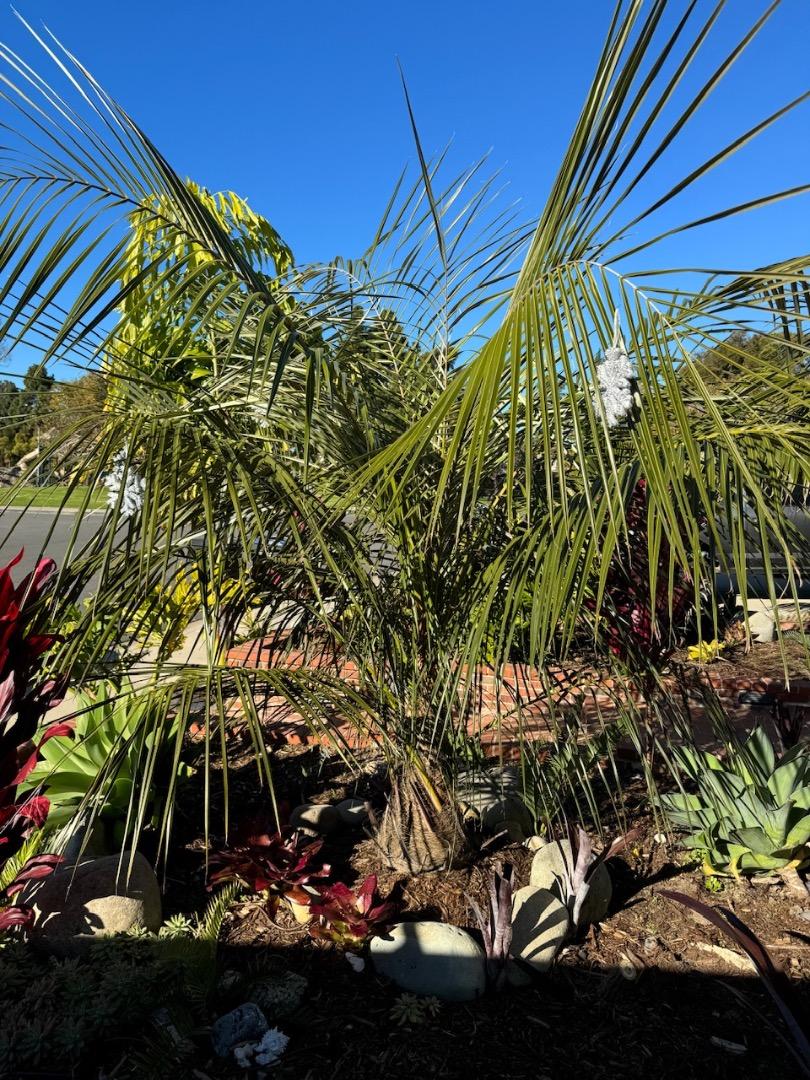
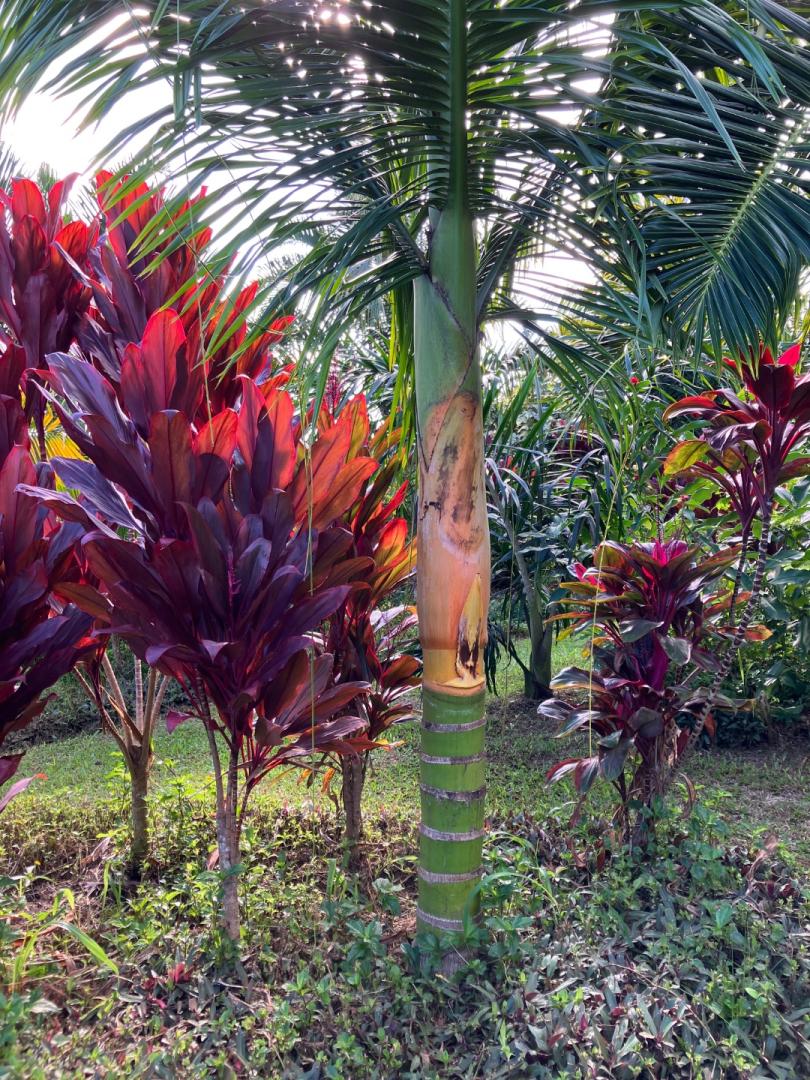
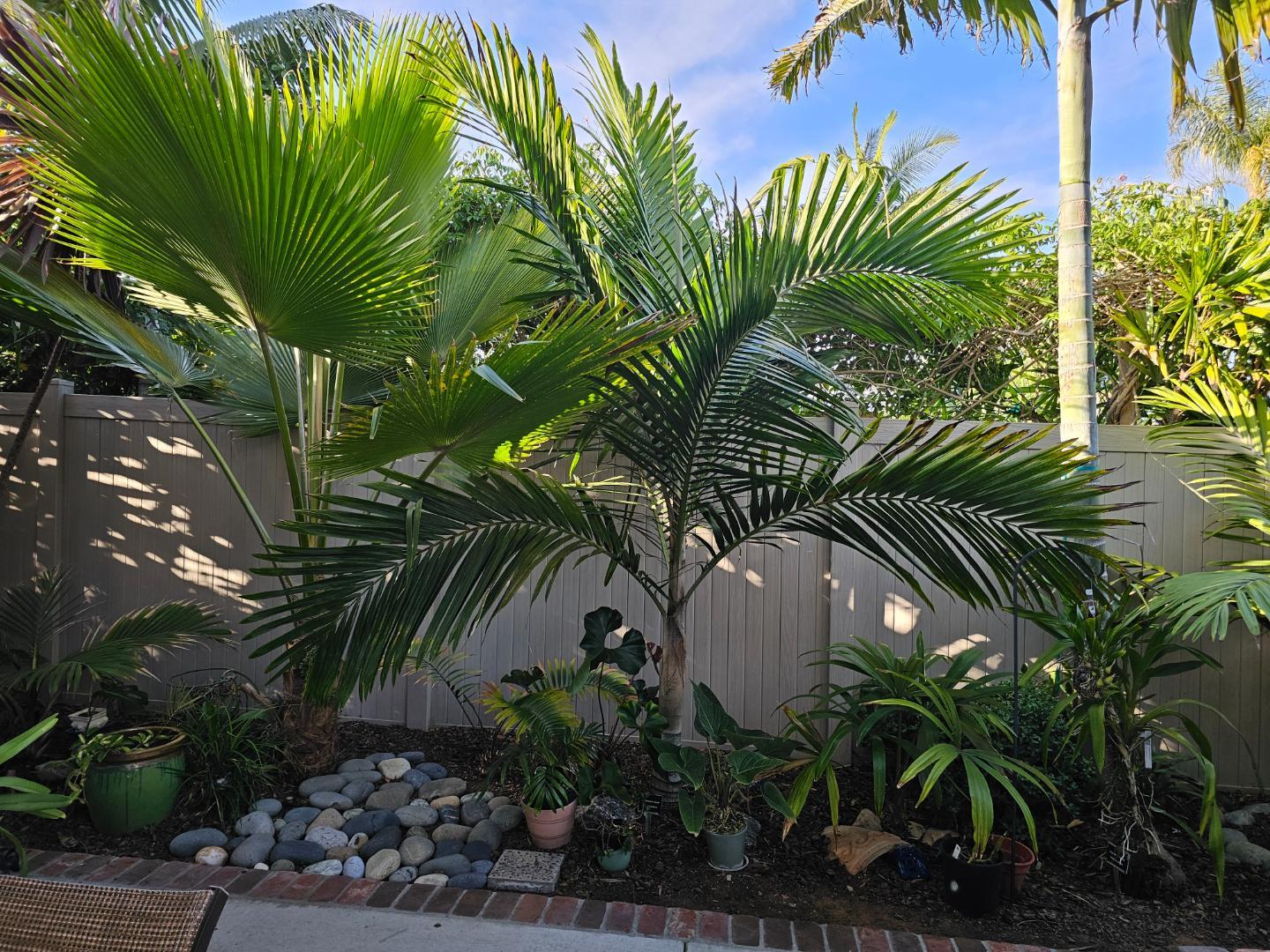
 7 pointsAnyone else growing this? Mine was planted out as a 5 gallon about 3 years ago. It’s been a great grower and starting to fill in nicely.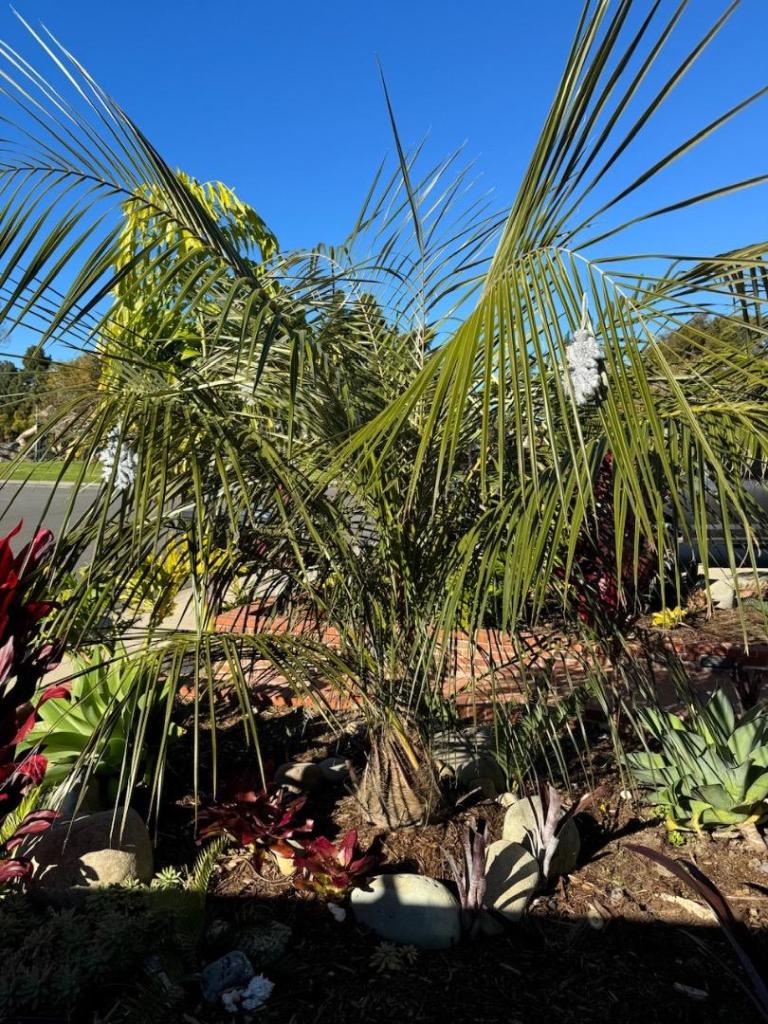
 7 points
 -
 7 pointsJuania australis growing. I hope they grow more and their leaves develop. If you travel to Chile, I'll give you a batch of seeds.
 7 points
 -
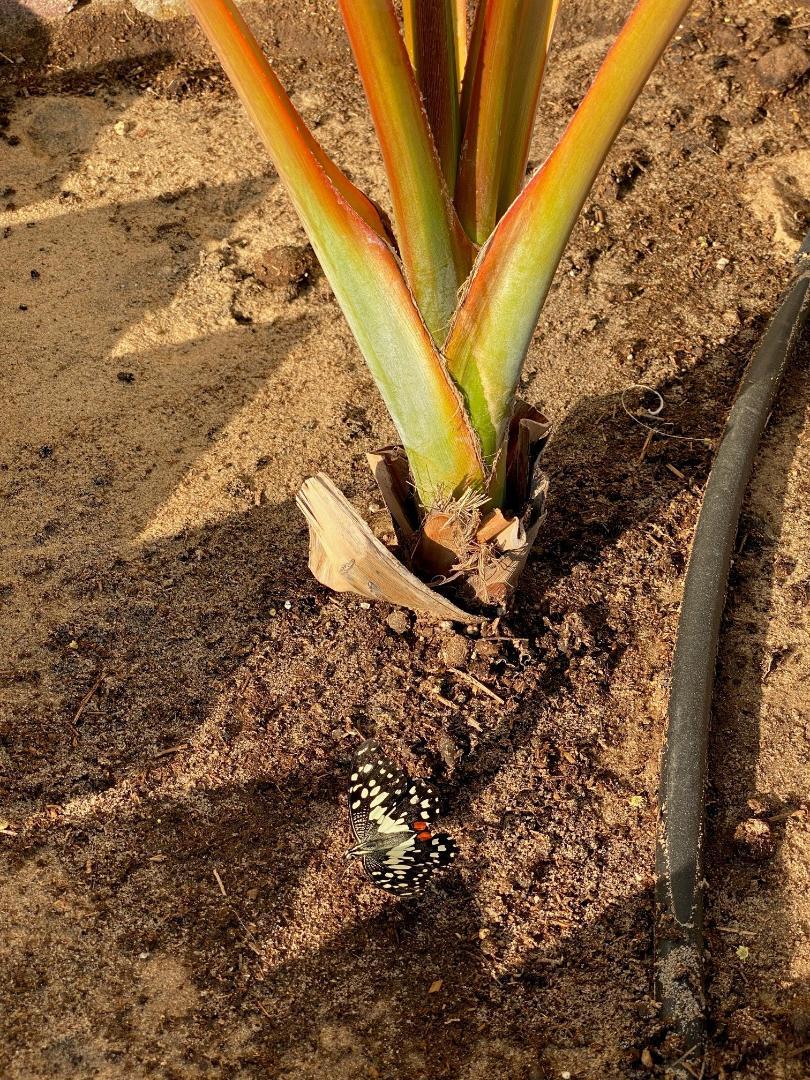
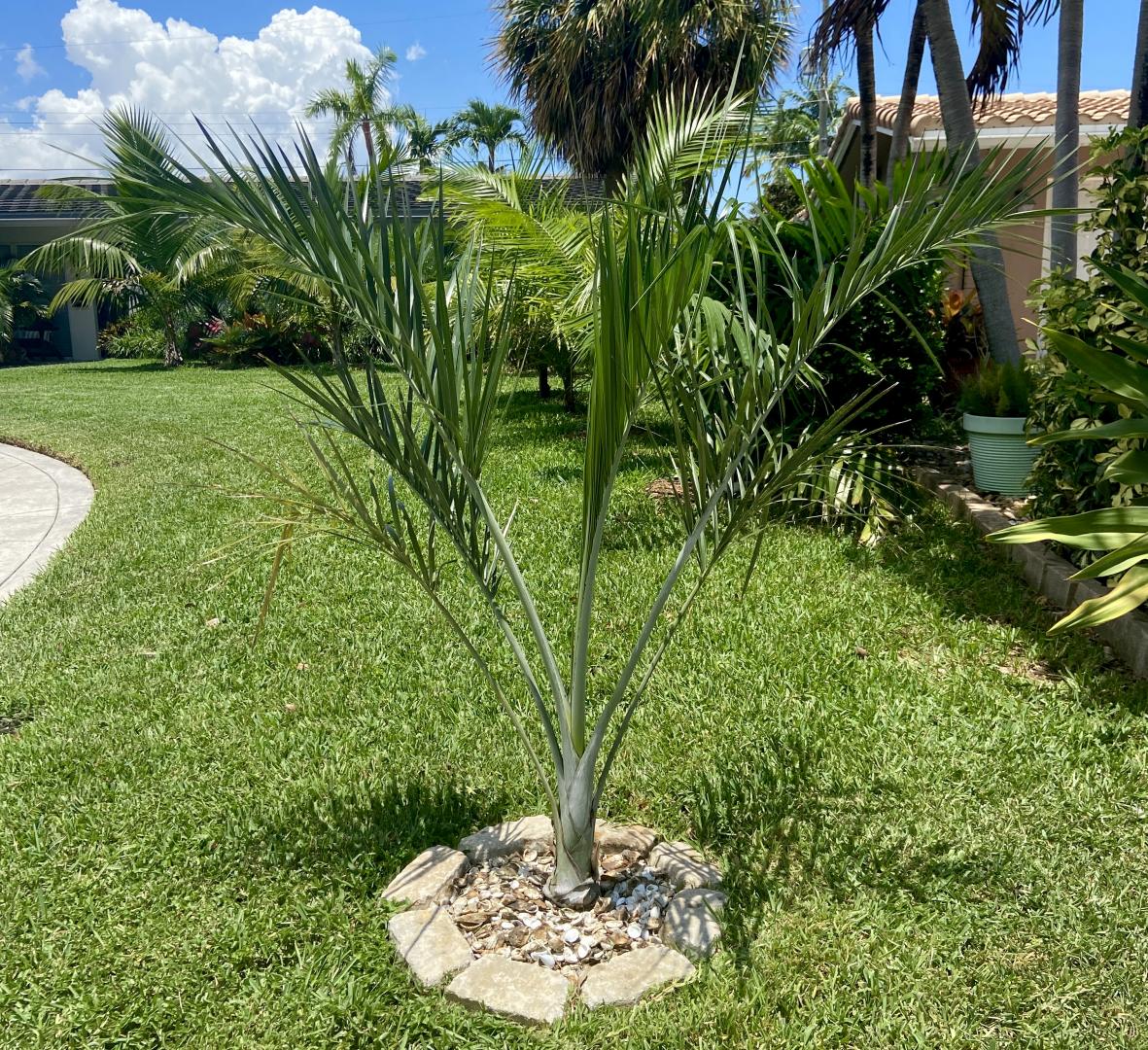
7 pointsBeccariophoenix madagascariensis in my desert neglected area.


 7 points
 -
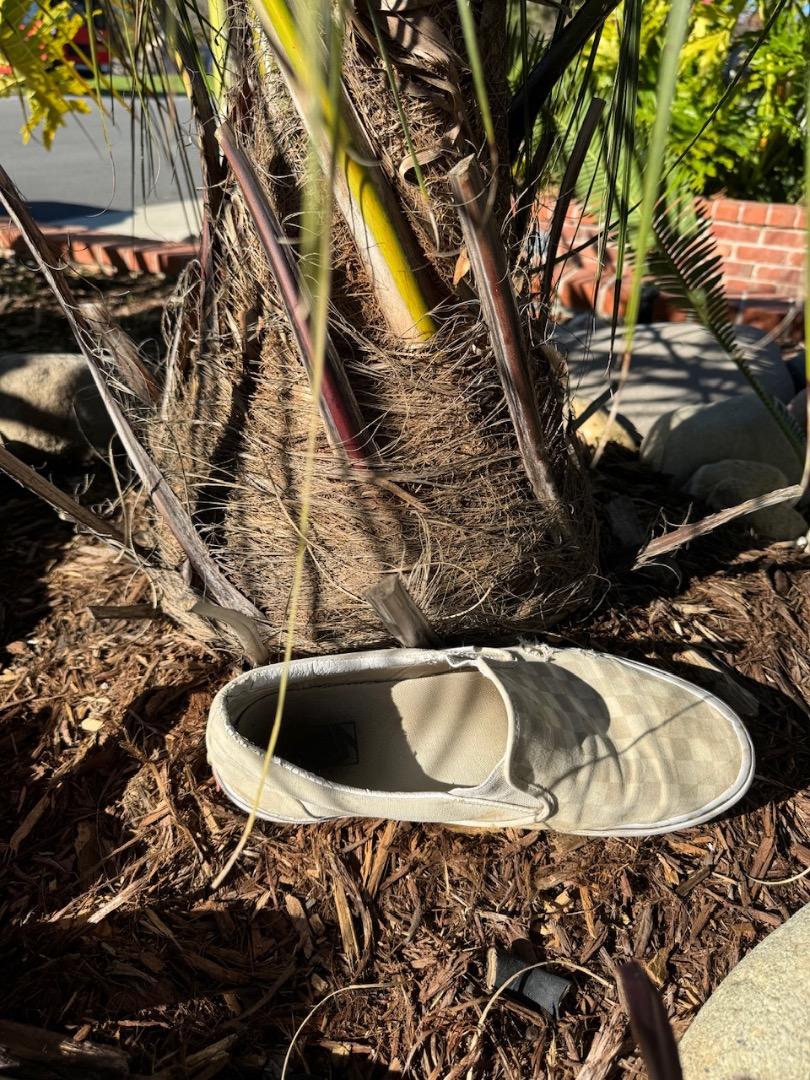
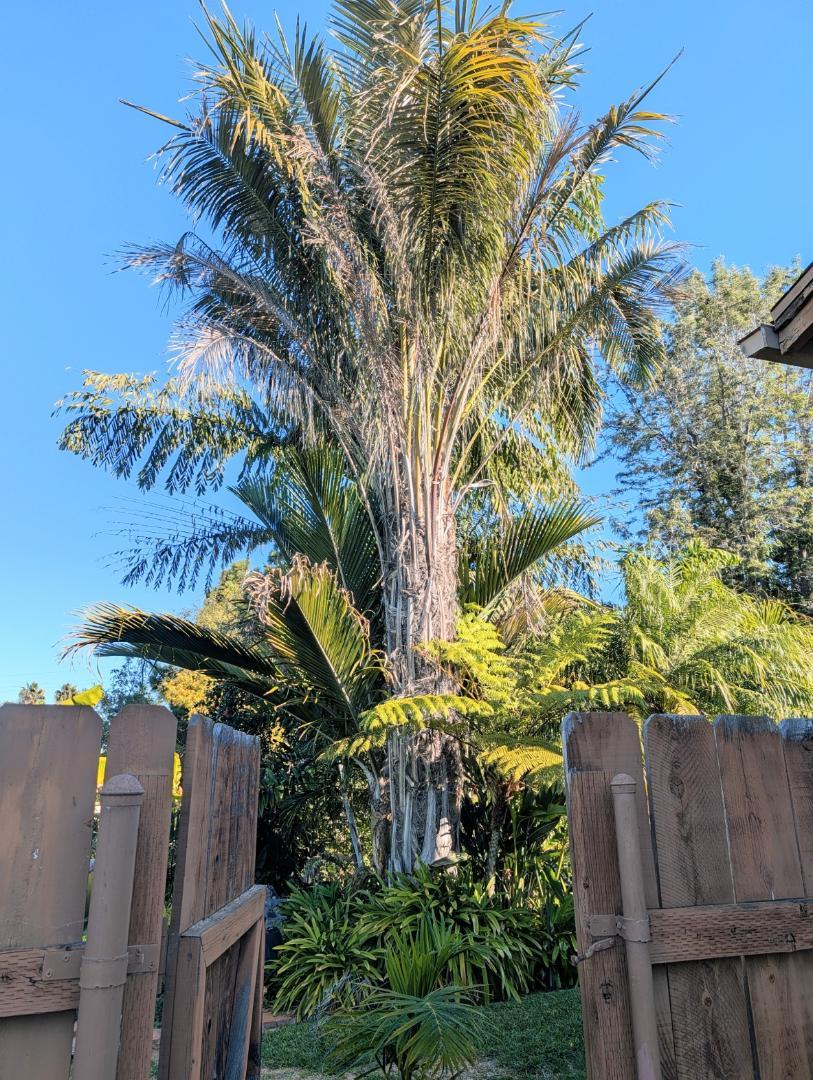
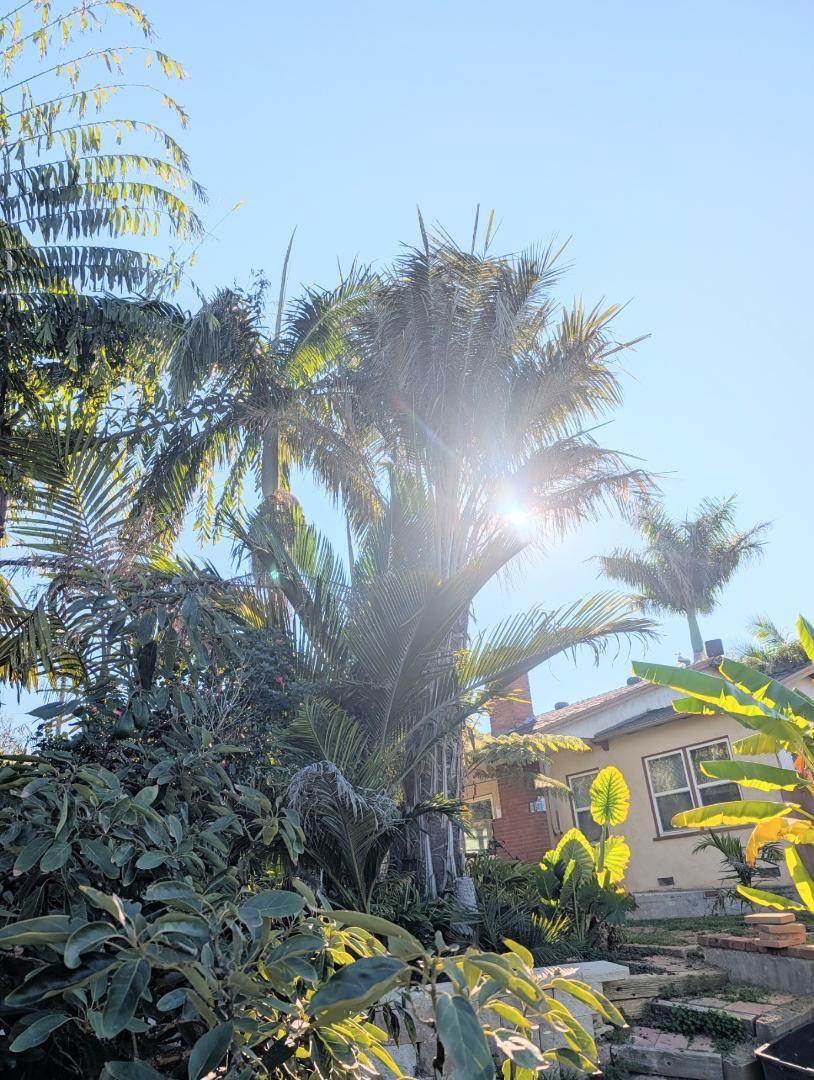
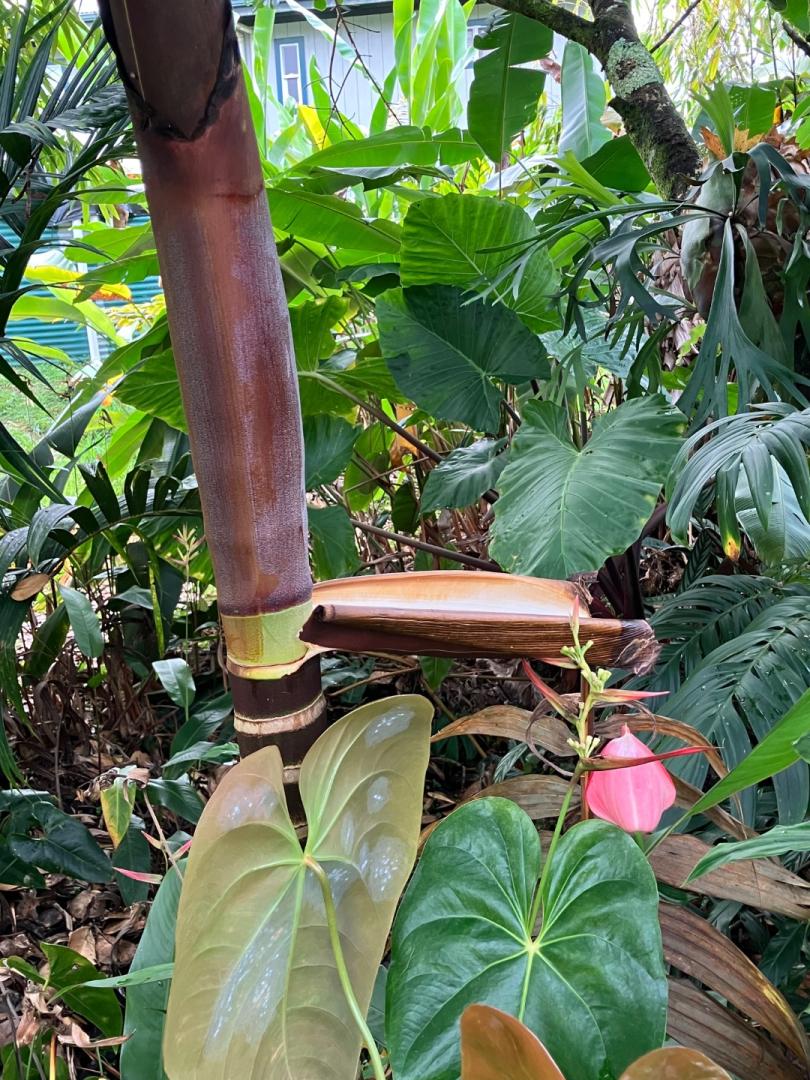
 5 pointsMy Parajubaea torallyi var microcarpa was purchased as a small 1gl and planted straight away in late 2006. It was my first non big box store purchase and survived the great freeze of 2007 months after panting. It is huge and hard tp photograph. I tried to get scale of the base with a 15gl bucket but the picture doesn't show how big it is because of the surrounding plants.

 5 points
 -
 3 pointsI hope they are as chill as the Florida people are, they inspect and help at the same time and aren't dictatorial about it for the most part. The local boss is meh, but the ones we actually see are nice people. No pests is always a goal to celebrate achieving!3 points
 -
3 points
-
3 pointsSitting right outside in the garden at the front door this ayanishiki just caught my eye again as it does almost daily. If it was in Japan it would score a perfect 100. It’s not in Japan so it gets an absolutely perfect score at Halfway creek in Australia.
 3 points
 -
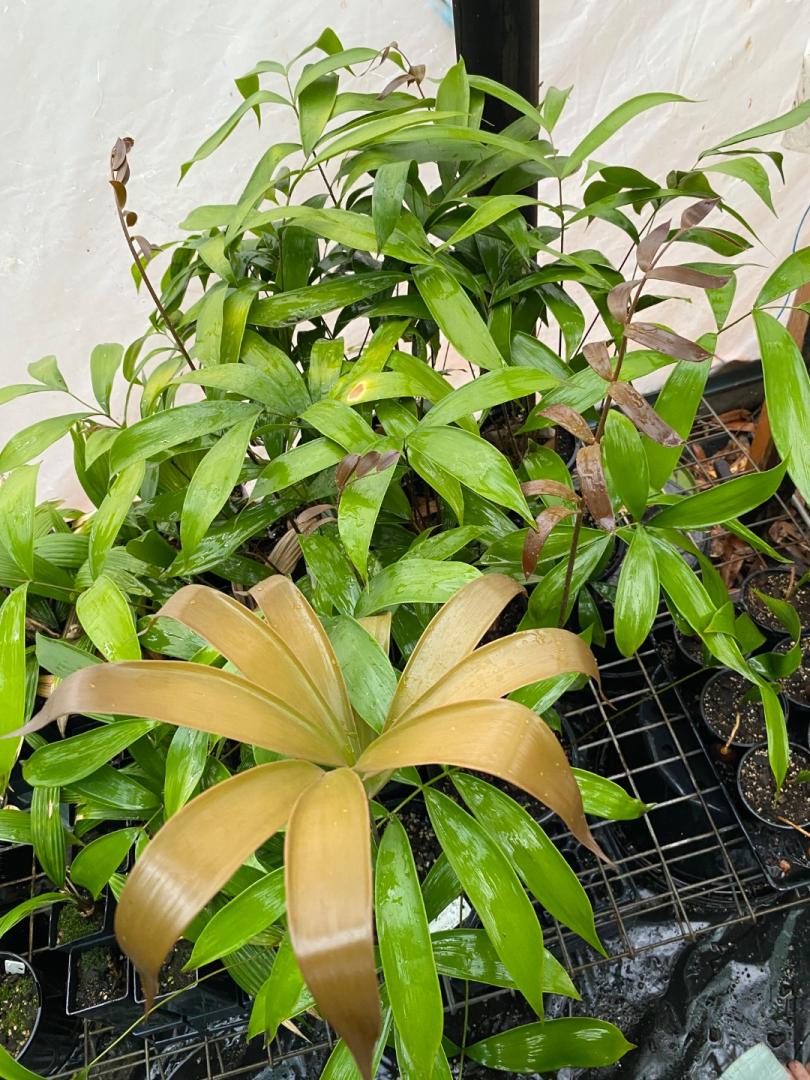
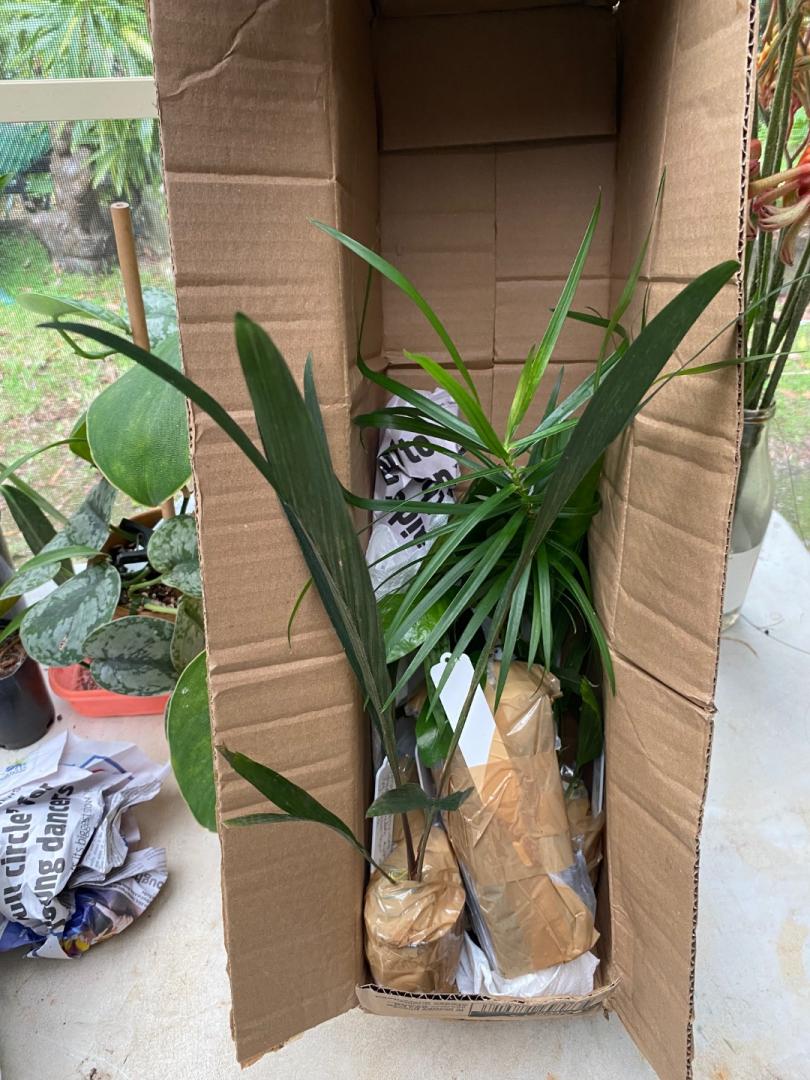
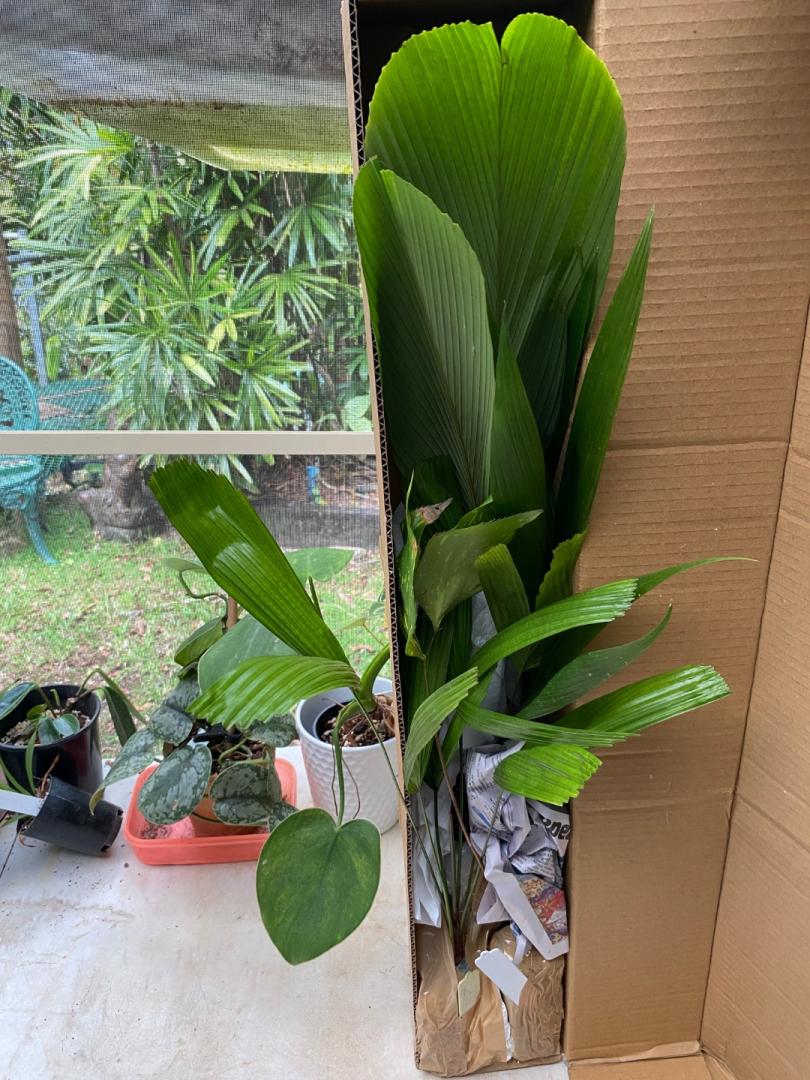
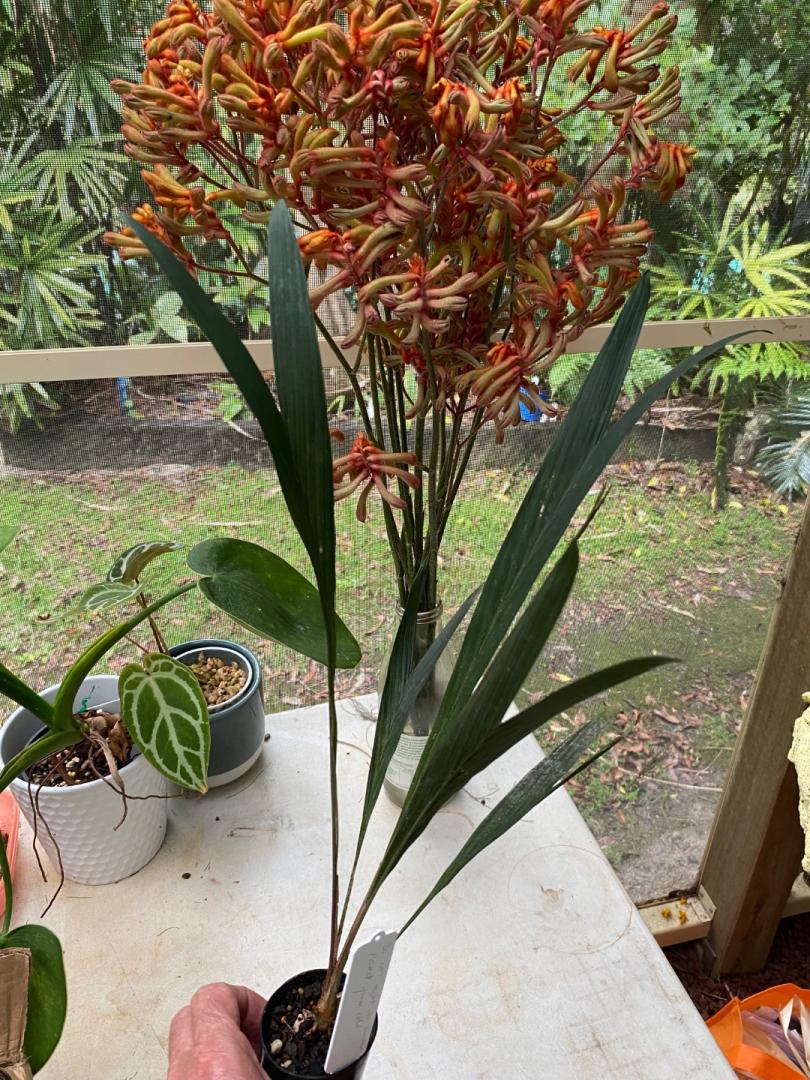
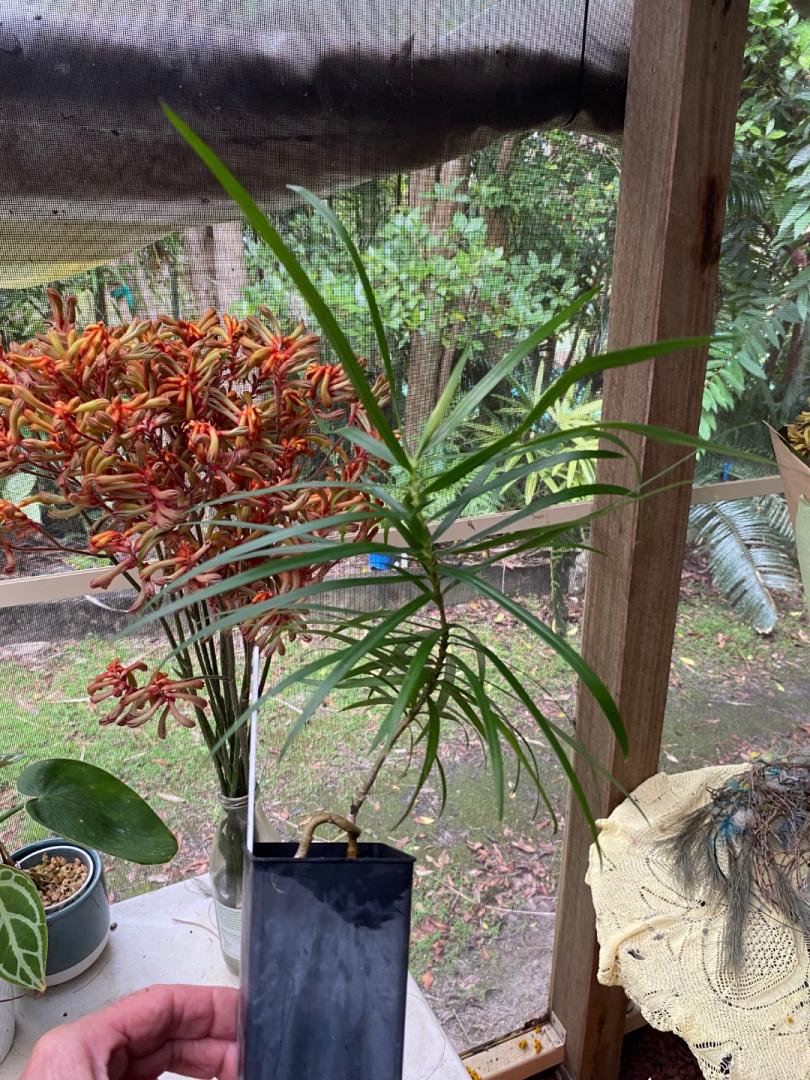
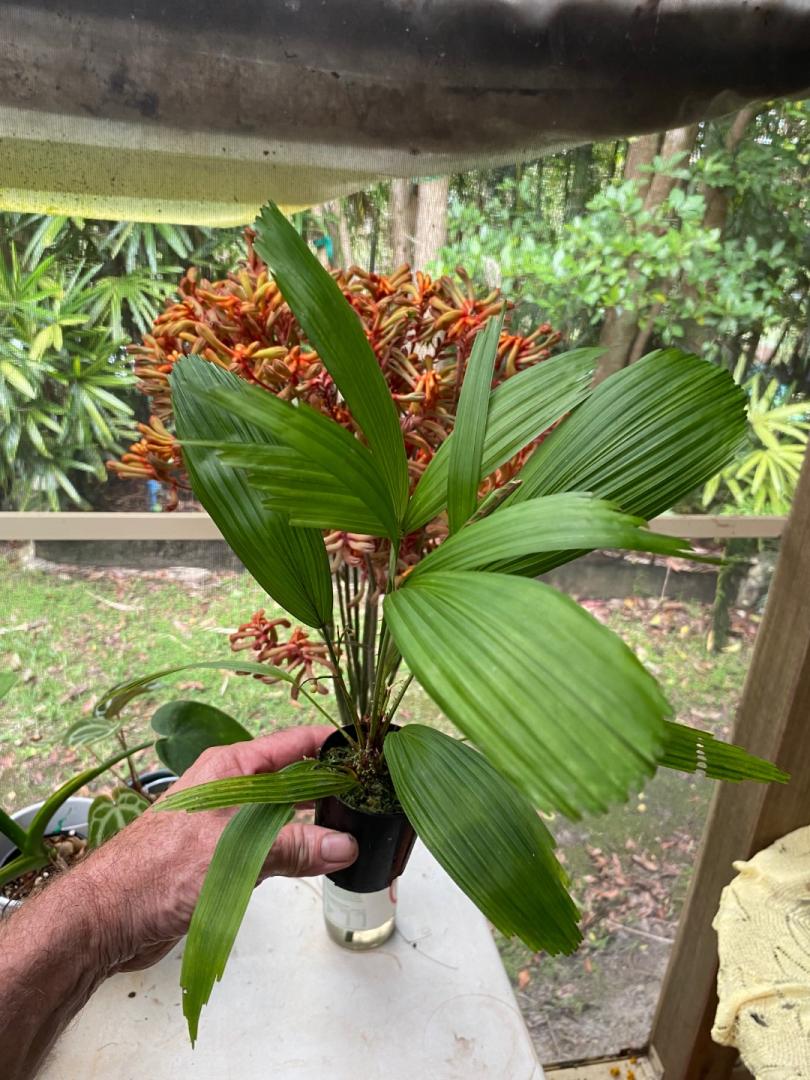
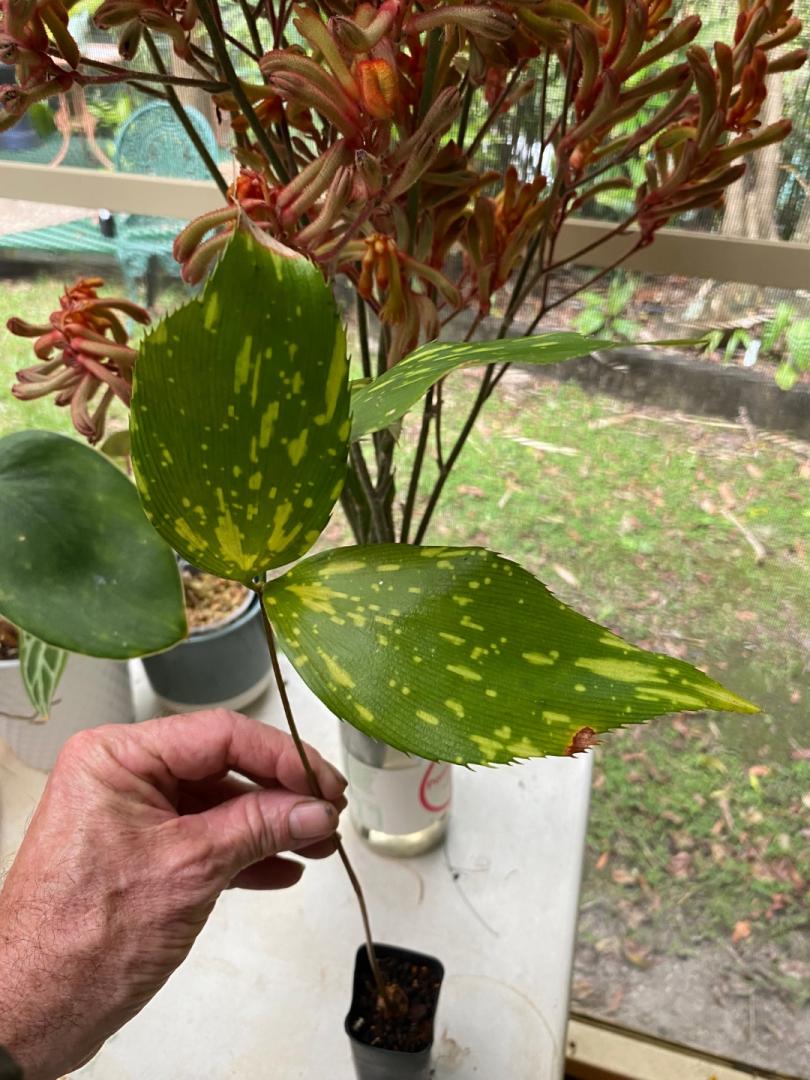
3 pointsIn this weeks Xmas special we have the final purchases until the new year, as we all know Santa clause is coming to town. This week we have the highly ornamental Geonoma atrovirens from the Amazon foothills of the Andes, so a nice cool tolerant palm forvthe subtropical climate. Then a beautiful Draceana Mozambique a new unknown Draceana and most likely rare in cultivation. The we have a lovely Gardena reginifera a complete unknown to me as well but iam sure it will have a lovely perfumed smelling flower. Then we have beautiful little licuala triphylla that is in flower so they will be a welcome addition to the happypalms collection. Then there is this Pinanga sarawakensis that is kind of lost for its true identity that may be of Thai origin according to the seller. Now we just duck over to the Malay peninsula for a lovely licuala mustapana that has a bit of cool tolerance and that’s a welcome bonus for the southern growers. And we also have a Zamia variegata on tonight’s show that is one for a bit of colour around the garden. But the show stopper is the Calyptrogyne ghiesbreghtiana another beautiful bifid palm from Costa Rica and this form comes from around 1000 metres altitude so again another cool tolerant palm that iam sure those southern growers should consider growing. And finally to finish of tonight’s show a beautiful iguanura sanderiana/paddle leaf type that had it’s original label lost in the notes from the seller, a true collectors palm this one. So Santa clause has been good to happypalms with most of his wish list fulfilled. So a merry Xmas to all from happypalms!


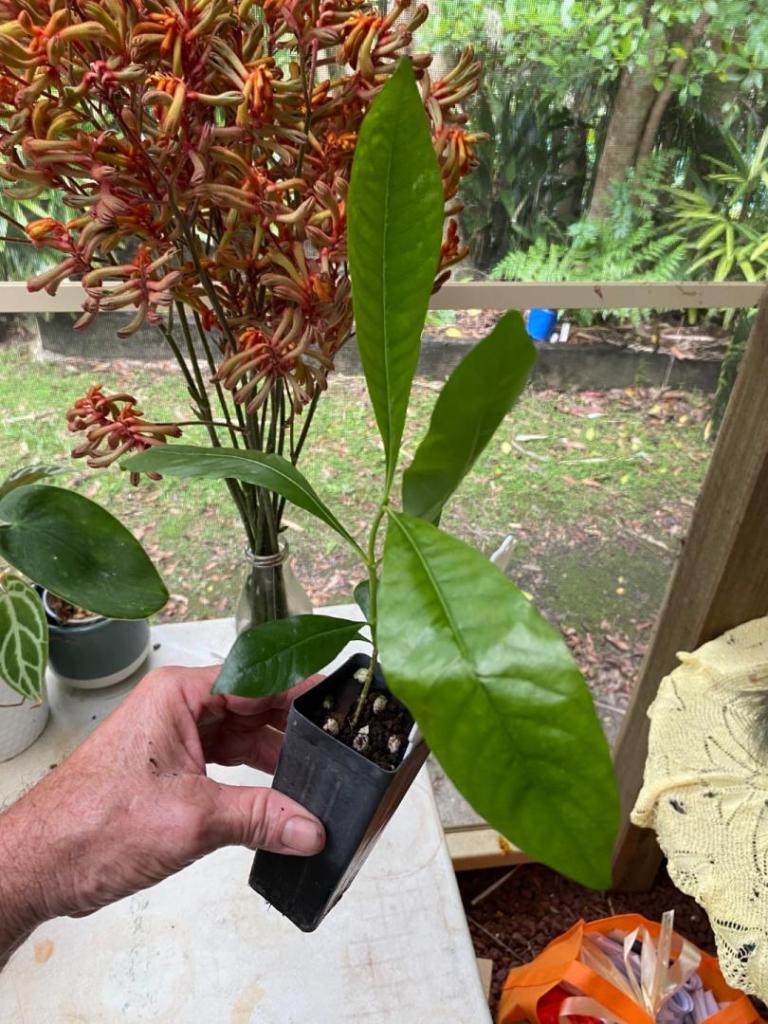

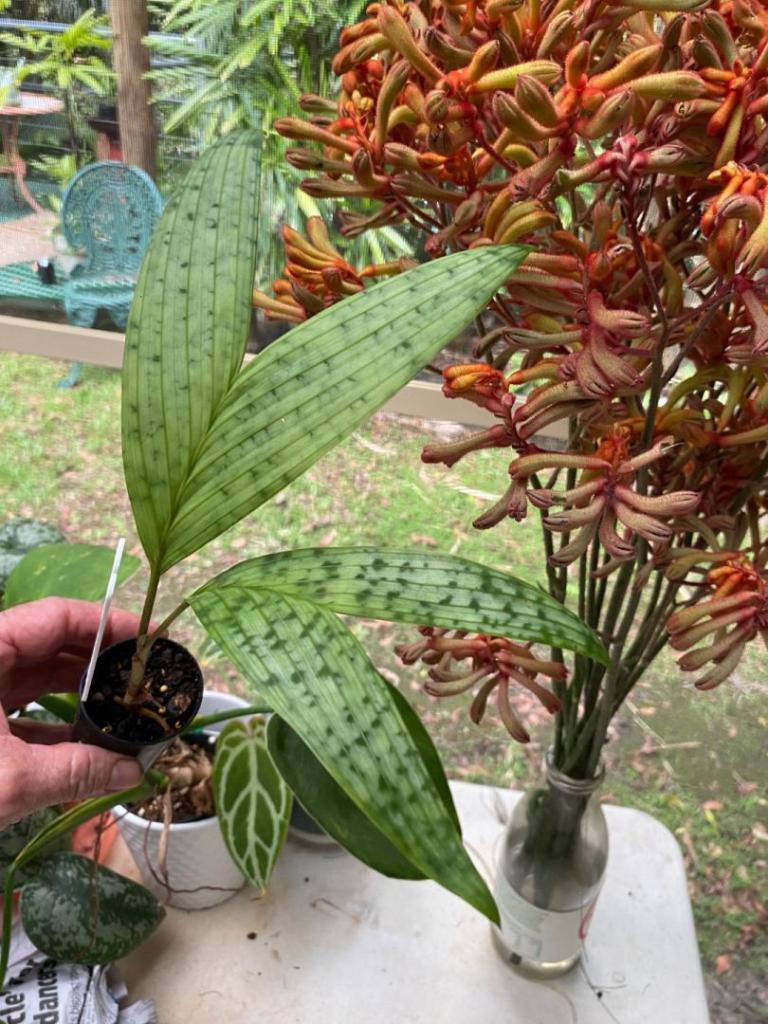
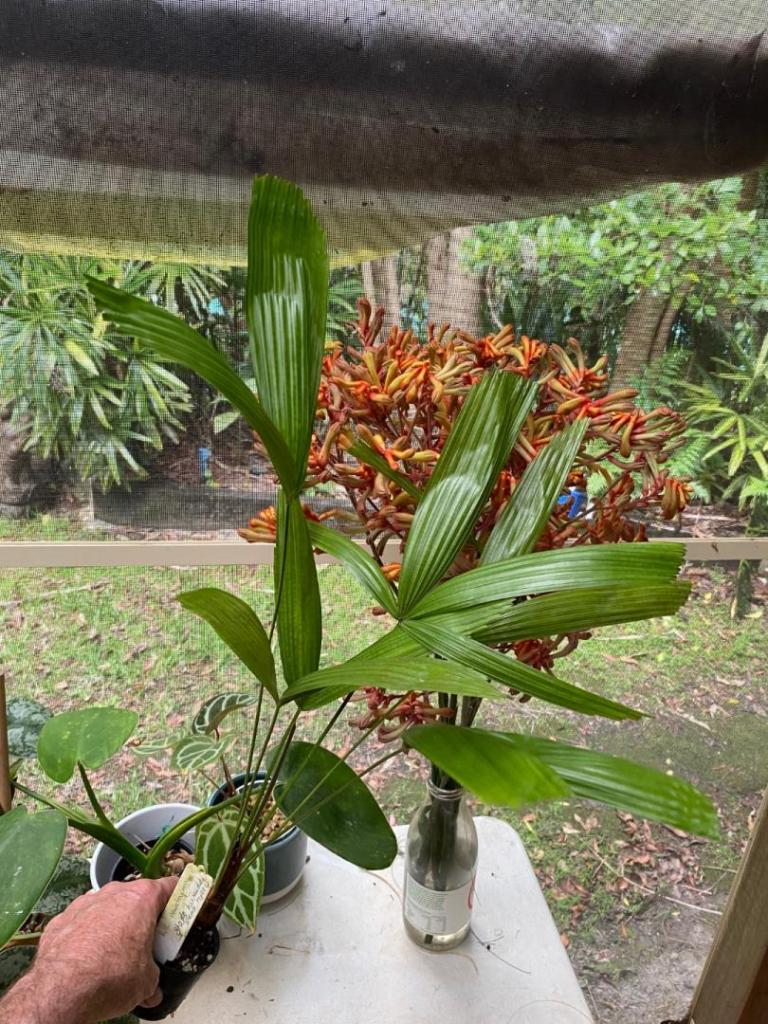


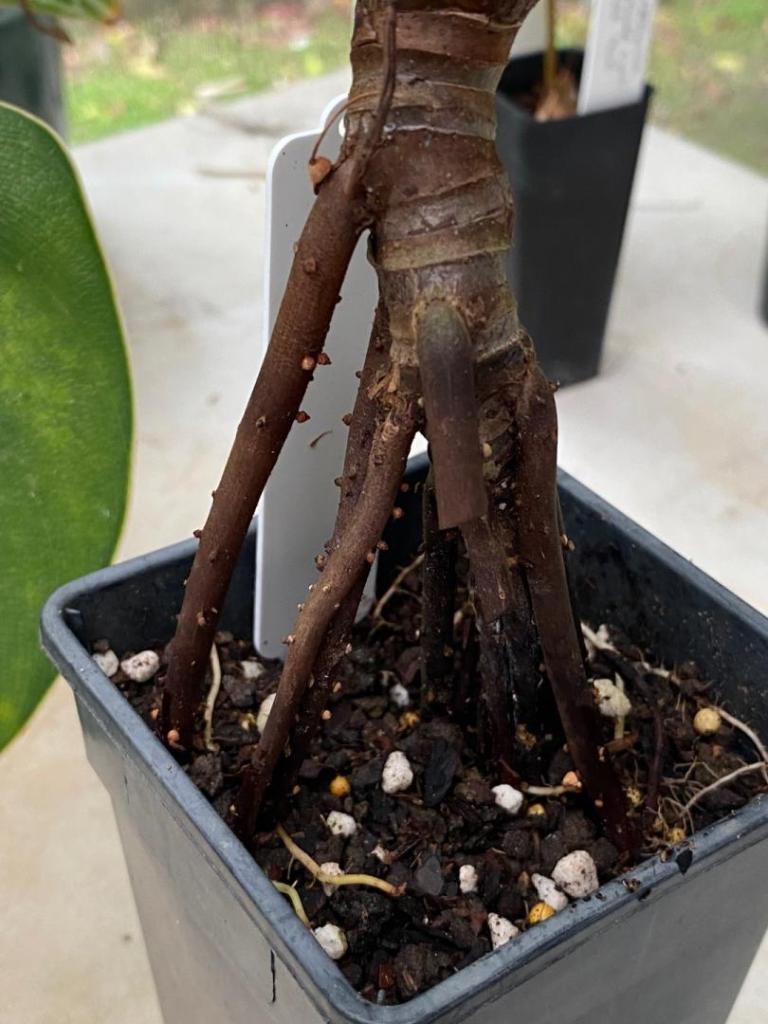
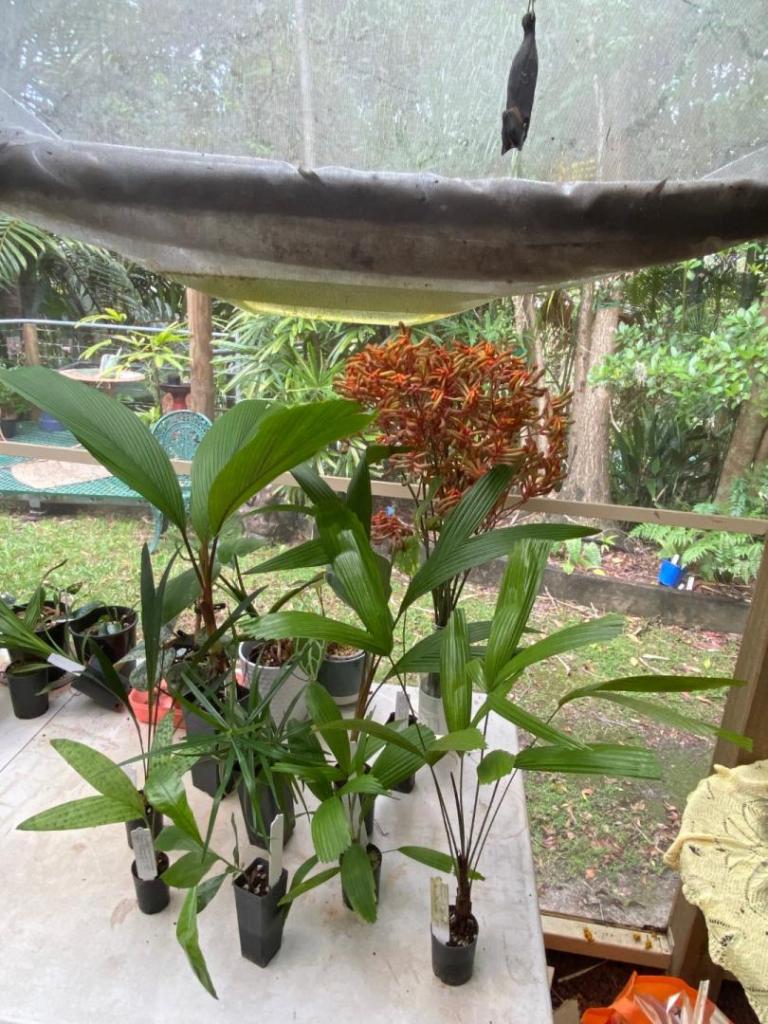 3 points
 -
Dang i thought i had a new species to learn about ! I see the sign now BTW, didn’t bother to look at it before. Clever joke Johnny 😎3 points
-
 3 points
 -
3 pointsYou can thank @kinzyjr he’s the genius behind this one, I grow palms and iam far from being a computer genius. And thanks for him doing so I have no idea about computers!3 points
-
 If you're in the Tule fog, your humidity and dewpoints are going to be at saturation, so why would you irrigate? Virtually all of your plants (including palms) are likely to have fully open stomata in these conditions and are surely gorging themselves on the atmospheric moisture in addition to what they can harvest from your soil moisture. And of course your soil-structure/composition is all important in figuring this out in your situation once your humidity and dewpoints decrease. I'm sure your Rhopies would be just fine with irrigation since it's plenty chilly and wet where they come from, but IMHO it would just be a waste of your $$$ to do it, particularly if they're established. I agree with what Tom Blank says above, and will add anecdotally that I lived on Big Pine Key in the hot, hot Florida Keys with very little rainfall for months at a time and brutal tropical sun bearing down, particularly in springtime with few clouds and near-zero rain. On a limestone rock, basically. And very different from Miami and much of mainland Florida, where there is land and convection to make rainfall, the Keys have nothing really to generate any rain on their own. And yet they are covered in vegetation. The Lower Keys have a freshwater lens that plants can tap into (it was about 3' deep at our house) if their roots can reach, but I had many plants--containerized, planted or native--that just survived almost entirely on the perpetually high humidity and the occasional bit of rainfall for all that time. And in the upper Keys (e.g., Islamorada and Key Largo) there isn't any groundwater, and yet plants survive there as well during the dry season. Many parts of the world have similar situations where there isn't much regular rainfall, and yet plants can do just fine using whatever atmospheric or soil-based resources are at hand, through drought and deluge. I now find myself in the Palm Springs area, where it is much, much drier in winter than either Florida or the Central Valley of California where you are, and palms here are generally still growing albeit at a very slow pace, I reduce irrigation markedly for the cool season, but don't turn it off completely. I factor in, additional to simple observation and past experience, the individual needs/metabolism and stress-tolerances of the plant; soil composition/structure (our porous sand and DG/granitic alluvium); sun/shade exposure and positioning; our low atmospheric humidity, in which water transpires out so very quickly; and the level of establishment of the plants (in my garden usually about three years for most plants to establish a far-ranging root-system). I change cool-season distribution of irrigation to one-minute spurts late morning and very early afternoon where solar warmth is still incoming (and always water containerized plants about 10-11am for that reason)...I avoid any late-day irrigation, which will likely deliver quite an unhealthy, wet chill to the roots of any tropical lowland plants. You'll of course have a very different situation where you are in Fresno, but this just to illustrate that I think all of the above factors have to be considered by anyone in delivering the right amount of irrigation, always keeping in mind the often very diverse native climes from which our garden plants originate.3 points
 -
 I am in Fresno, but we're under that dreaded tule fog at the moment. Haven't seen the sun since that last rain in November just prior to Thanksgiving. Just fog all day long. My soil is still wet and my palms look good, so I probably won't be irrigating unless we go another month without rain and I notice the soil becomes too dry.3 points
 -
3 pointsWhat actually caught my eye today was my marojejya darinii, there are palms and then there are palms! This is one of those palms too me!

 3 points
 -
 Great palms; like Steve says, even better in semi shade. The white leaf undersides are are an added bonus..
 3 points
 -
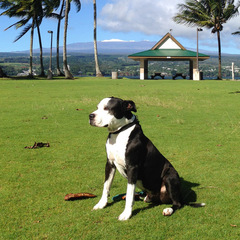 3 pointsA couple of the more common New Caledonia palms, but still very eye catching: cyphophoenix elegans: Kentiopsis Oliviformis:
 3 points
 -
3 points
-
 3 points
 -
 3 points
 -
3 pointsClinostigma samoense in a light drizzle. One of the world’s most beautiful palms. Tim
 3 points
 -
3 points
-
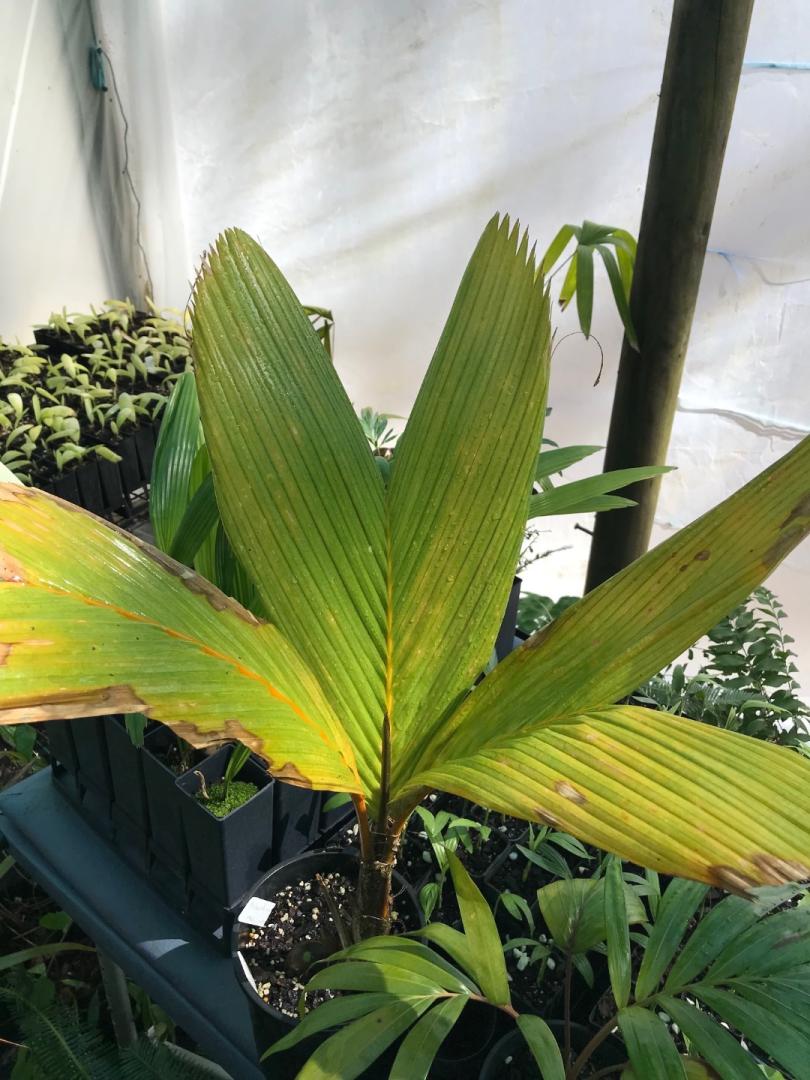
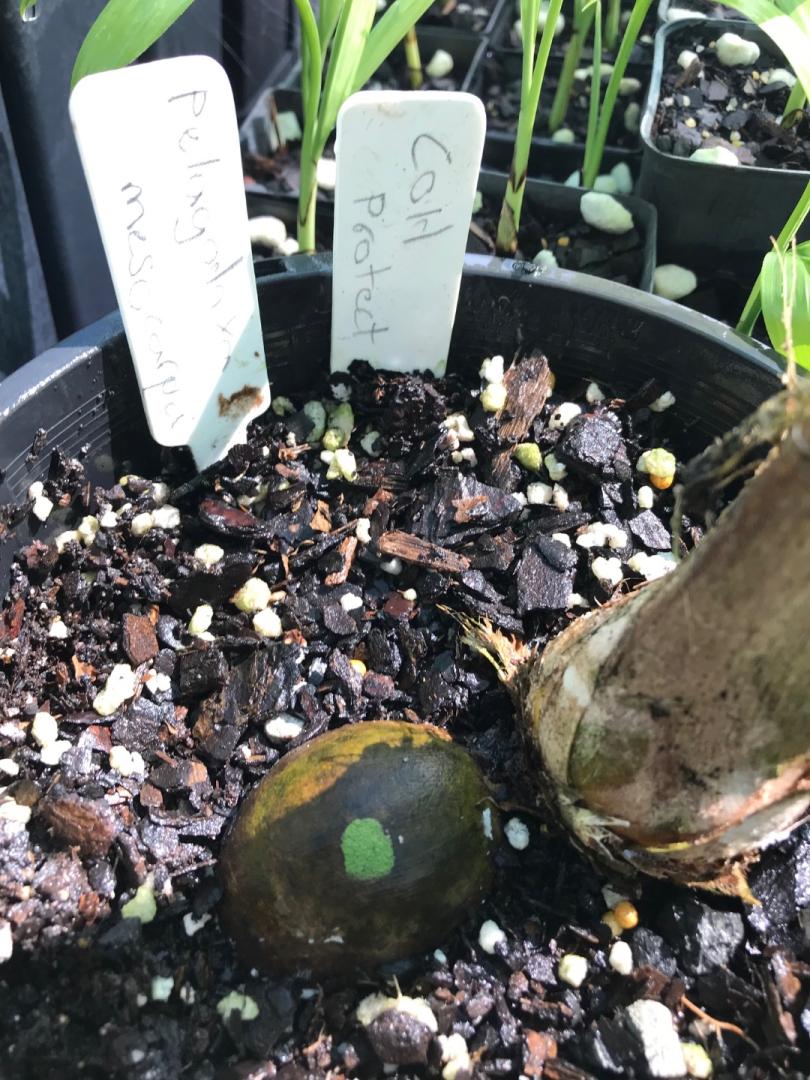
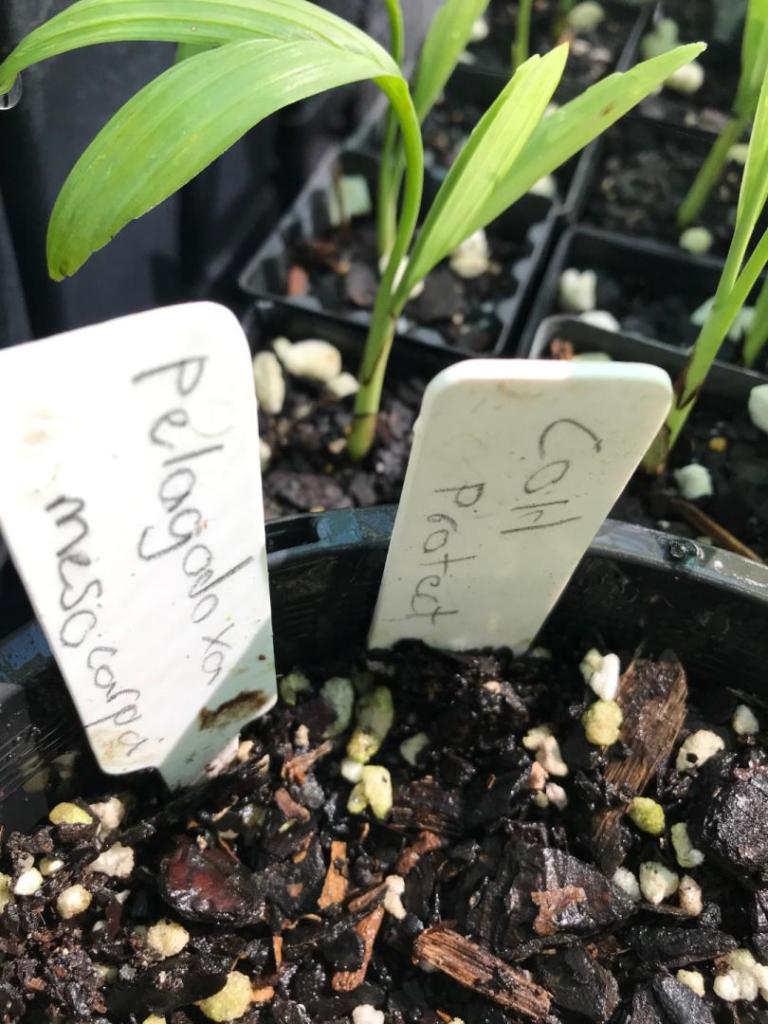
2 pointsTrying to push the cold tolerance to another level with my mesocarpa it has survived two winters in a protected hothouse so far not sure if it will ever be planted out might be one that lives in the hothouse permanently time will tell any information about cold tolerance of this palm is greatly appreciated 2 degrees Celsius temperatures a lot of palms from Vanuatu and New Caledonia do well in my area I even have a tag saying cold protect just so I don’t forget the two older leaves that are not looking good are from tropical growth prior to my purchase the fresh one is subtropical growth I have noticed the tropical grown purchased palms almost sulk until they get new subtropical leaves even in the summer season not just the cold some palms sulk no matter what when you plant them out tropical or subtropical they just need to get acclimated


 2 points
 -
 2 pointsOk. For those of you that have been keeping up with my progress either here or on YouTube - https://youtube.com/@dbljzzl?si=emSKwA_UgMn_5vPm I just got my inspection from the MS Dept of Agriculture. So that's fun. The only concern he had was with the hibiscus - they're apparently related to cotton and there's a type of bug that'll get into them but since mine is indoors it's not a concern unless I propagate it to sell and ship it, and then they'd have to come check it before it went out. But other than that, he didn't see anything funky. Anyway - just wanted to throw that out there and humble brag.2 points
 -
 2 points
 -
 2 pointsLooking good Hu. You can see the family resemblance to Ceroxylon at that age.2 points
 -
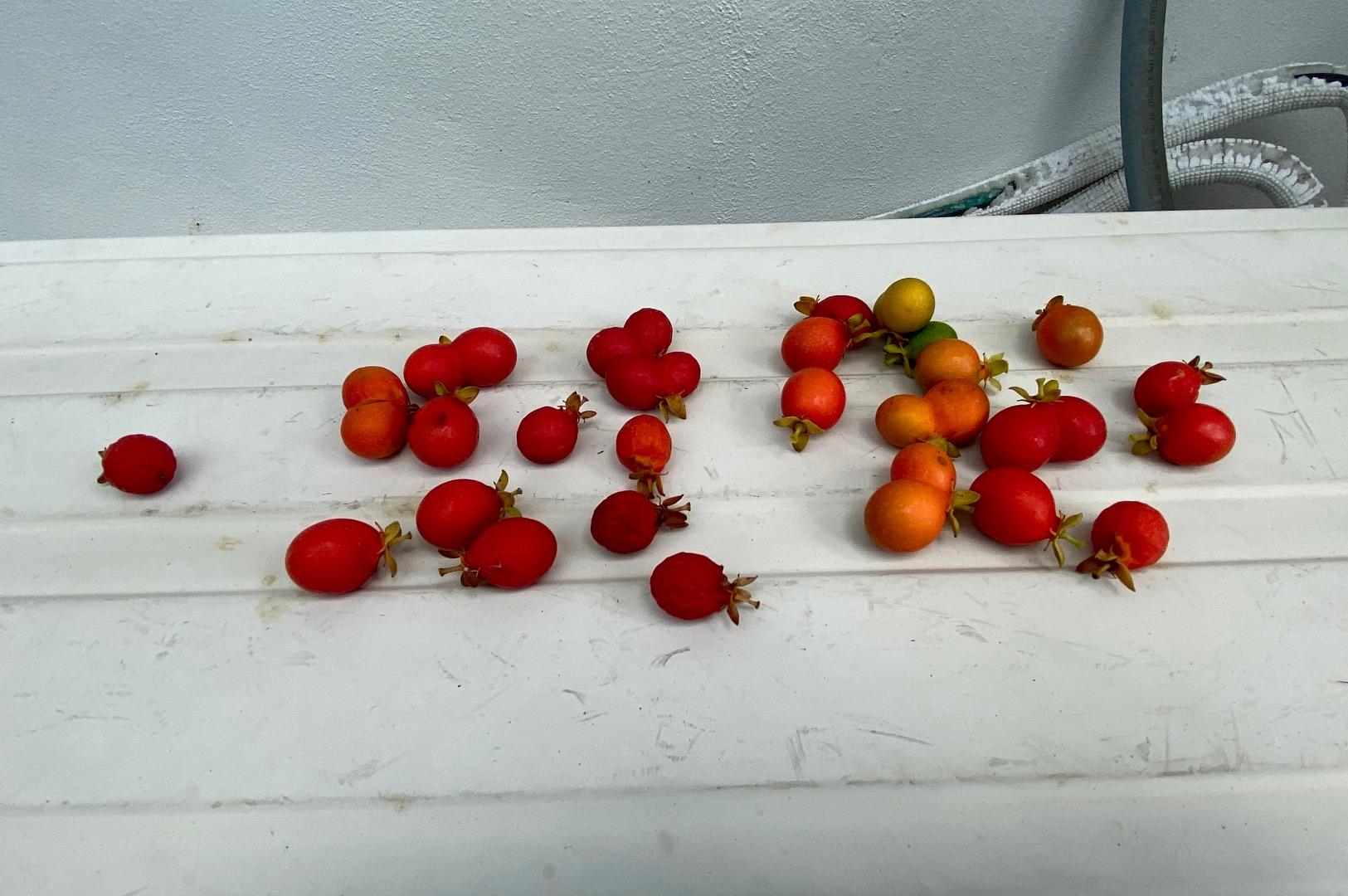
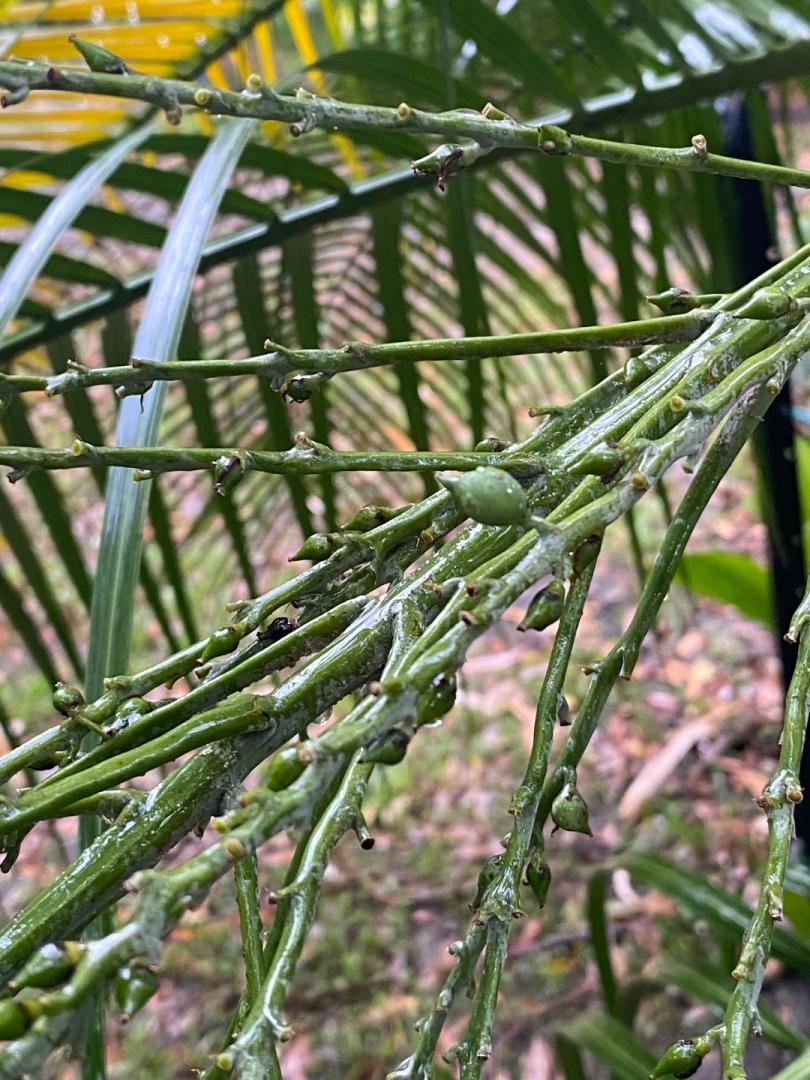
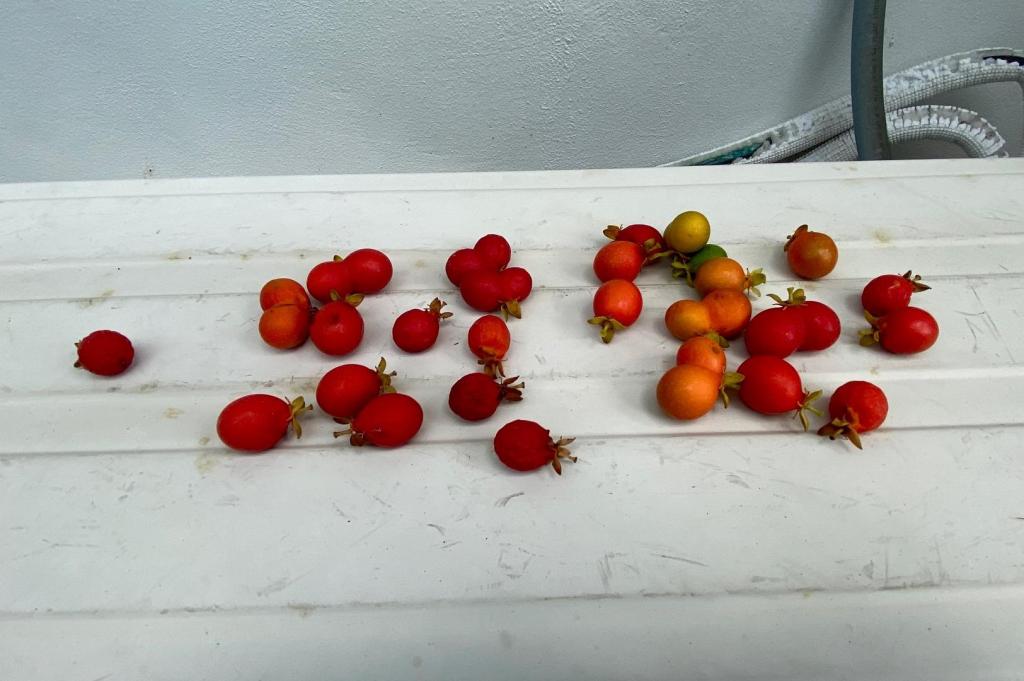
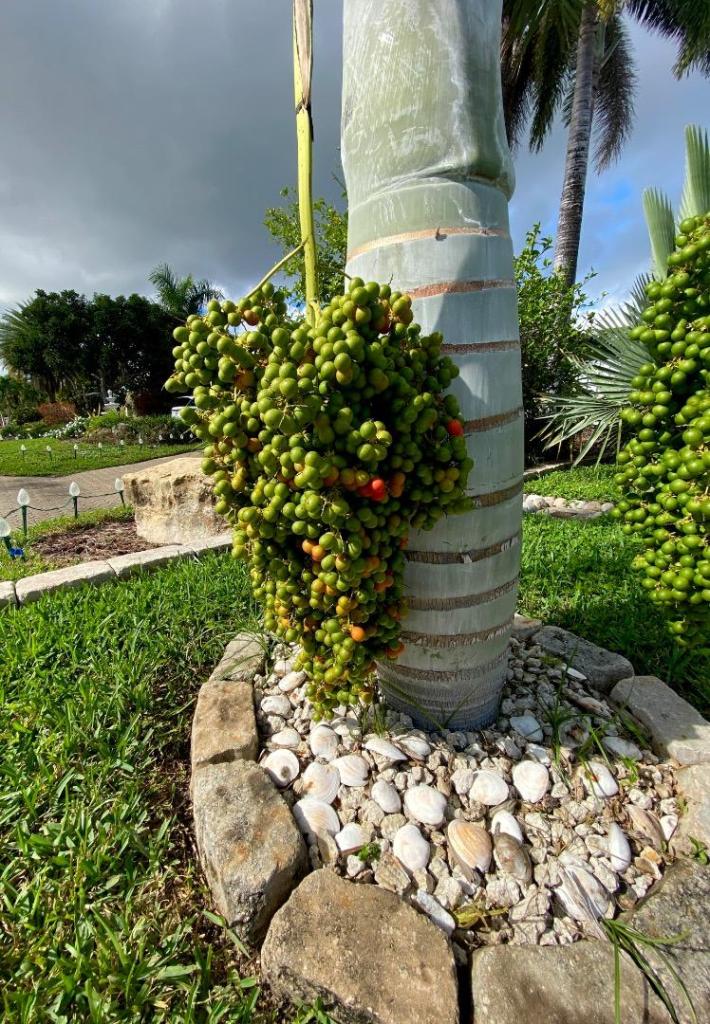
2 pointsAt this point the largest seed cluster has flopped over and kinked off its blood supply from the stalk. Seeds are starting to turn red and fall. It seems like I could probably just cut off the whole stalk and hang it somewhere to finish the ripening process. I don’t think it’s getting any circulation from the plant at this point, but I’m going to let it continue. Not sure what to do with thousands of seeds, or how to clean or preserve them. I’d like to plant some in cups and see if they will sprout.
 2 points
 -
Going into winter , although you would never know it here . The Cyphophoenix is still doing quite well . The new frond from my last post a couple months ago has lost most of its copper sheen and is a nice dark green . It seems to be trucking along just fine . A new spear is still gaining size and the palm has survived a couple of strong wind events unscathed , which surprised me . One tough palm for Southern California AND evidently further north . @Jim in Los Altos has one that is doing marvelous . I always get a bit nervous planting out a new species in the garden . I am not as experienced as some of you , since joining in on the fun with Palm Talk , it has encouraged me to me to stretch out a bit . Over a year ago , I introduced other Dypsis/Chrysalidiocarpus and a nice Rhopalostylus. They all did just fine here , gaining size and loving my watering schedule , certainly not phased by our winter . Harry2 points
-
 I have bought from Florida. I had planned to send some to a colleague of mine in India and get them from him in Amsterdam. His wife's father passed away and they're staying in India longer than originally planned. So it will have to be next year. When I bought coconuts from Florida it was through Etsy. The seller didn't fill the form out correctly and I had to pay Elta about 30 euros for the VAT and Etsy refunded what I paid the seller. If the seller is registered for VAT (eg. Temu collects the VAT and provides VAT info on the declaration), the package spends a couple hours in customs and there's no charge when you receive it. Otherwise, it's a couple of days and you pay when you receve the package. From Florida to my house took exactly 10 days including Athens to here which took 4.2 points
 -
.jpg.0cf735c7525858af1582442942bc68e8.thumb.jpg.894f59a749fff01eb286c1fe4a50ab62.jpg) 2 pointsAs I have been palm deprived for so long, I put in a bid on a palm on ebay. Of course at the very last minute somebody bid $1 more ! I should hate you for that lovely haul but very grudgingly I am admiring your choices in gorgeous plants. Peachy2 points
2 pointsAs I have been palm deprived for so long, I put in a bid on a palm on ebay. Of course at the very last minute somebody bid $1 more ! I should hate you for that lovely haul but very grudgingly I am admiring your choices in gorgeous plants. Peachy2 points -
 2 pointsRichard, in a few years your big garden will have all the species you can grow ! To be honest, I'm a little jealous (in the good sense, you know how much I love you), because you can grow many more species than me.2 points
 -
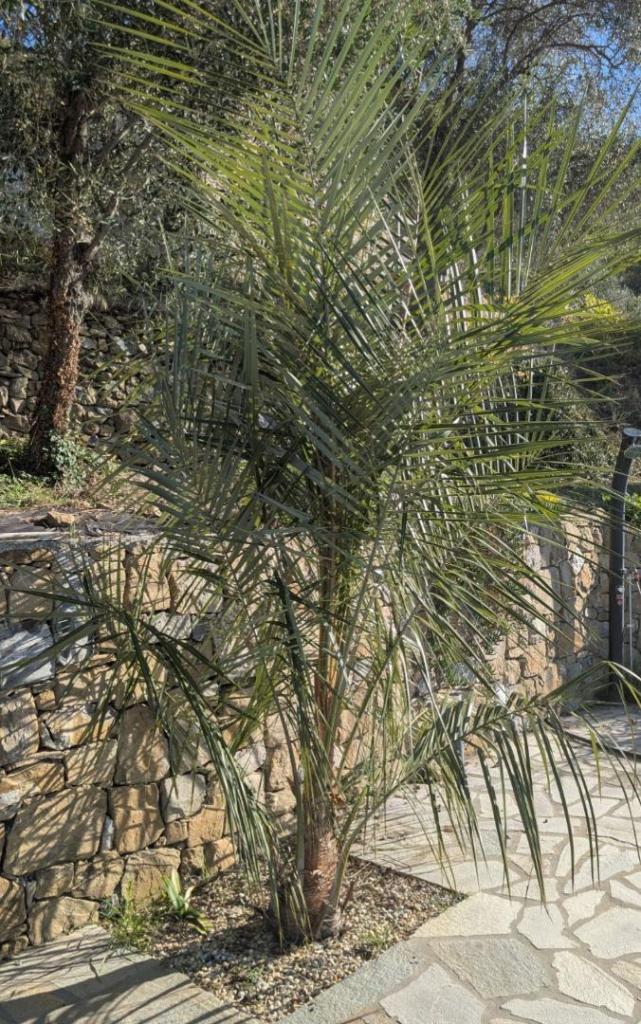
 2 pointsOver here, the little sister of var. torallyi is also a great grower 😁. Late May 2023 (~1 m/ 3.3 ft to leaf tip): Late October 2025 (~3.4 m / 11 ft to leaf tip): Sadly, I had to trim many of the lower fronds, hence the more upright appearance.
 2 points
 -
 2 pointsSurprise, surprise Than! https://www.palmtalk.org/forum/topic/26259-varieties-of-phoenix-canariensis/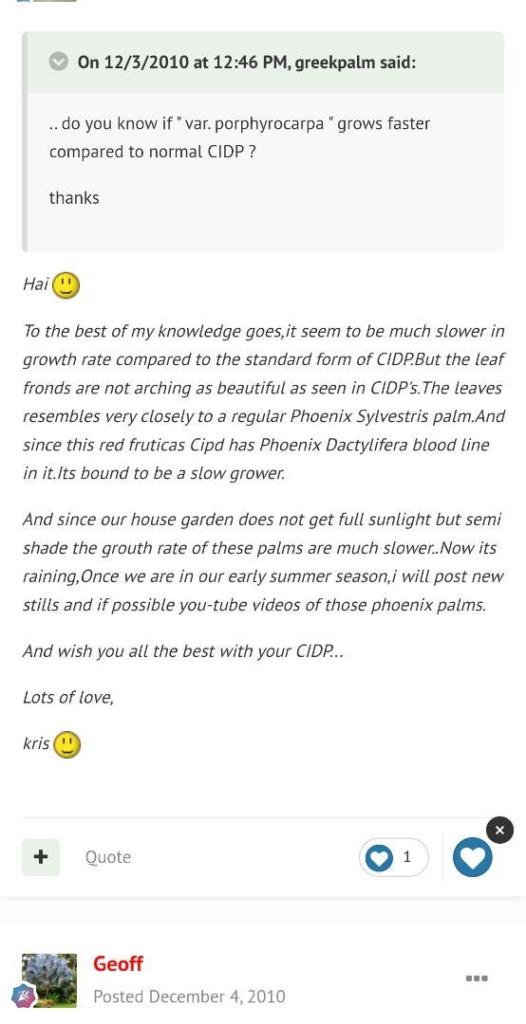
 2 points
 -
Just clarifying i was replying to the original poster about not watering in Fresno, but the original poster is in San Francisco. Good points about dew points and humidity - everything on point 👌🏽2 points
-
2 pointsI thought it may have been grower mistake, I get a batch of seeds that need cool temperatures to germinate, and i ask the cold climate growers, you learn as you grow, licuala seeds like scarification, licuala triphylla love constant high temperatures, Howea not so around 22 degrees Celsius for those ones. It’s alll a learning curve and the great thing about this forum we all learn from other growers! Richard2 points
-
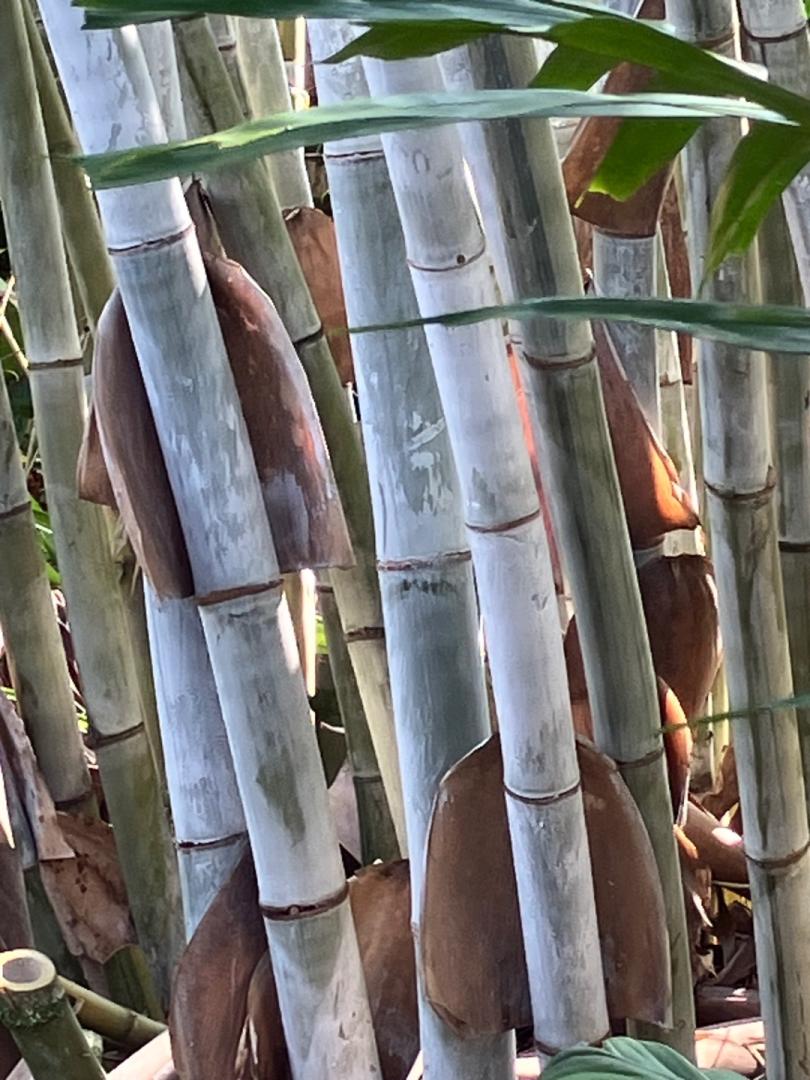
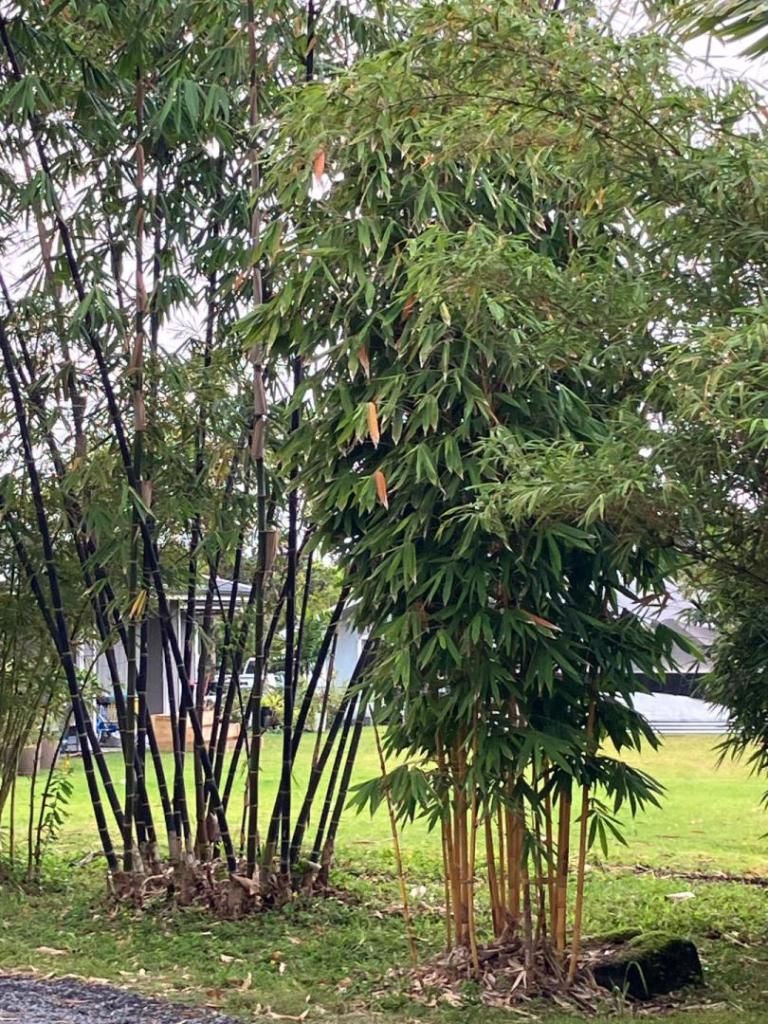
2 pointsSome of my bamboo is around 4 years planted and beginning to look more mature, these recently caught my eye.


 2 points
 -
I have one growing in full sun and I love it. It is perhaps my favorite Sabal in the garden, because it looks quite different from the rest. Unfortunately not very resistant to wind but even so it retains an interesting figure. In a worrying incident during past warm season it had its youngest fully developed frond dried out almost up to half the length of its petiole and further growth stalled. This has signaled a loud alarm in my mind, because it could be a symptom of rhizoctonia, which had killed many other smaller Sabal specimens around with similar initial symptoms. So I had to resort to very radical measures, I had nothing to lose anyway. I drenched the soil around the plant with 10 lt water containing 400 gr tolclofos-methyl. This is a horrific amount of fungicide. But no other young frond has died ever since and plant was growing all summer long at snail's pace but it was growing nonetheless! As weather has progressively cooled up and rainfalls started, plant has taken off and a huge new leaf has unfolded.2 points
-
Here’s the one I have in the shade, super stretchy petioles.


 2 points
 -
My favorite Sabal as well. Unfortunately the gophers liked “Marty” enough to make a meal of it. 🙁 Harry2 points
-
A nice bit of rain and some high temperatures has the Sabal moving along looking rather good. A nice easy palm to grow tolerant of a lot cool weather and heat like most palms just add water and good drainage!


 2 points
 -
2 pointsWith a bit of luck a few Ravenea glauca seeds have set after many years of flowering.


 2 points
 -
 2 pointsThan, don't be embarrassed. The only embarrassing trait is lack of curiosity.2 points
 -
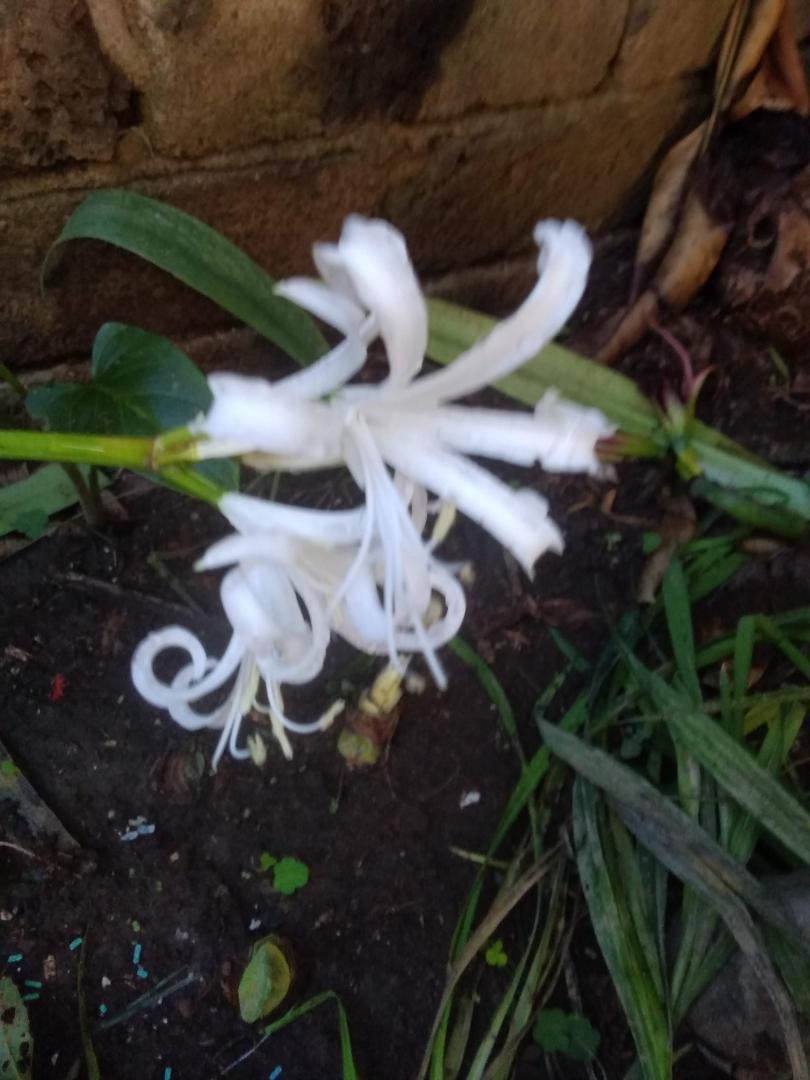
2 pointswhite nerine bowdenii, which bloom here in winter, and a South African bulbous plant
 2 points
 -
2 points
-
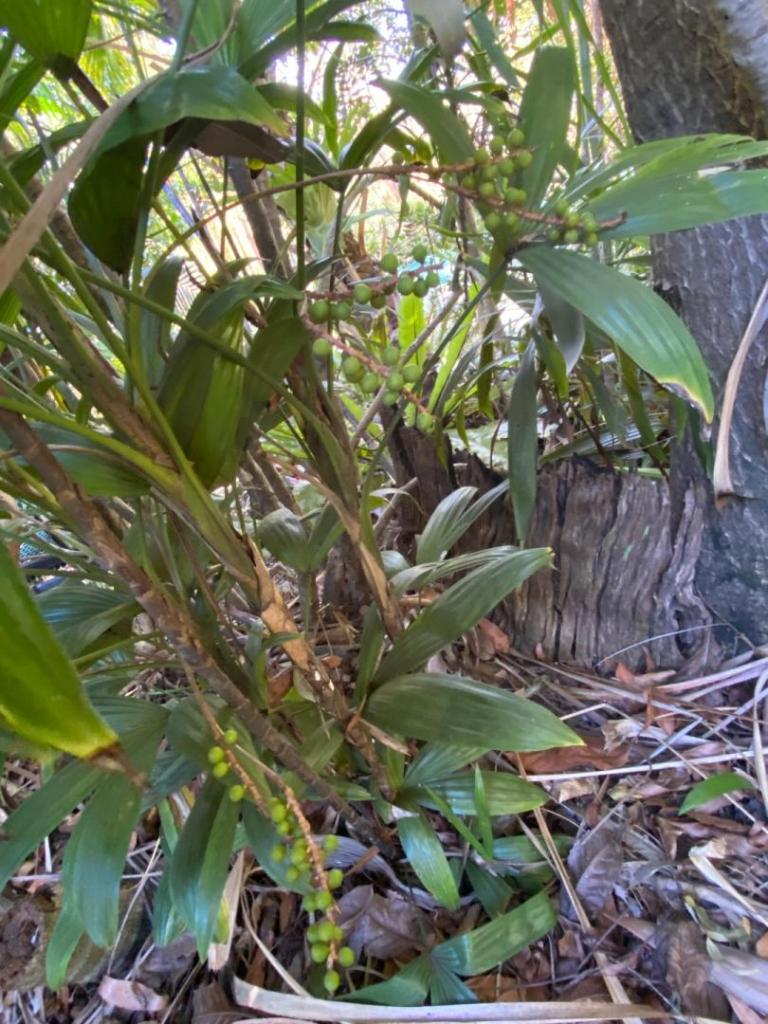
2 pointsJust checking in on the hand pollinated Chuniophoenix nana, and it looks like we have lift off! 🌱


 2 points
 -
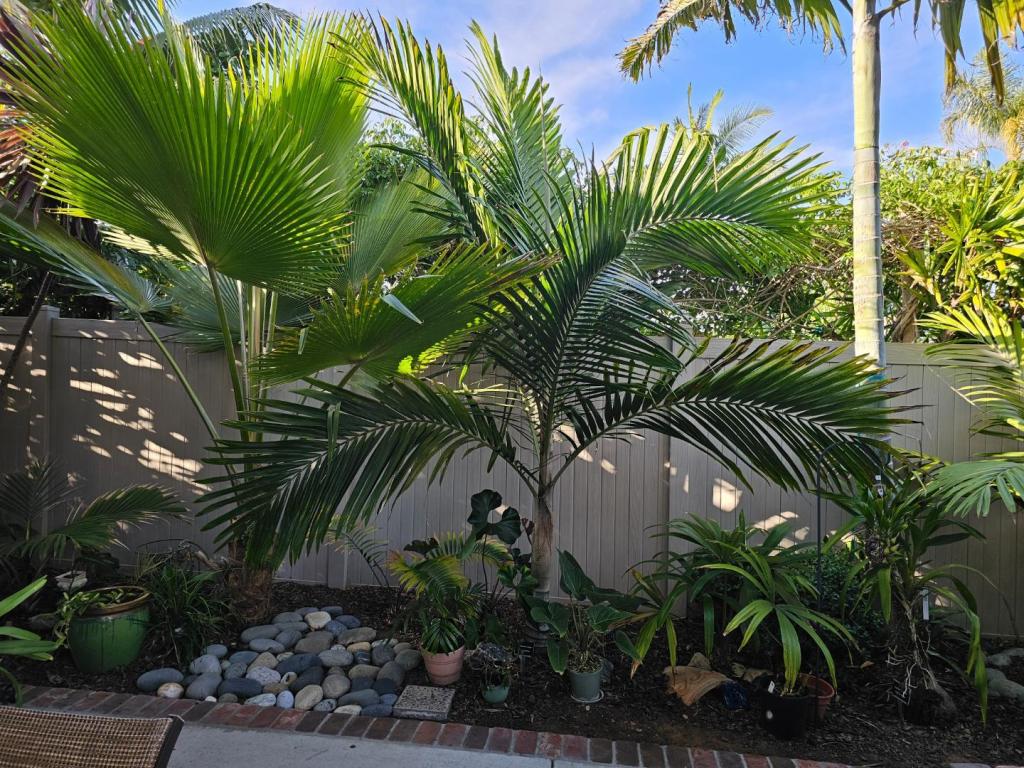
 Tim, my experience is similar. Cyphophoenix nucele is steady but not speedy. This was probably planted in 2016 and was in a 7 gallon pot. It has a few rings of trunk and ring spacing is about 2 1/2" to maybe 3". Cyphophoenix elegans seems a tad bit faster for me.
 2 points
 -
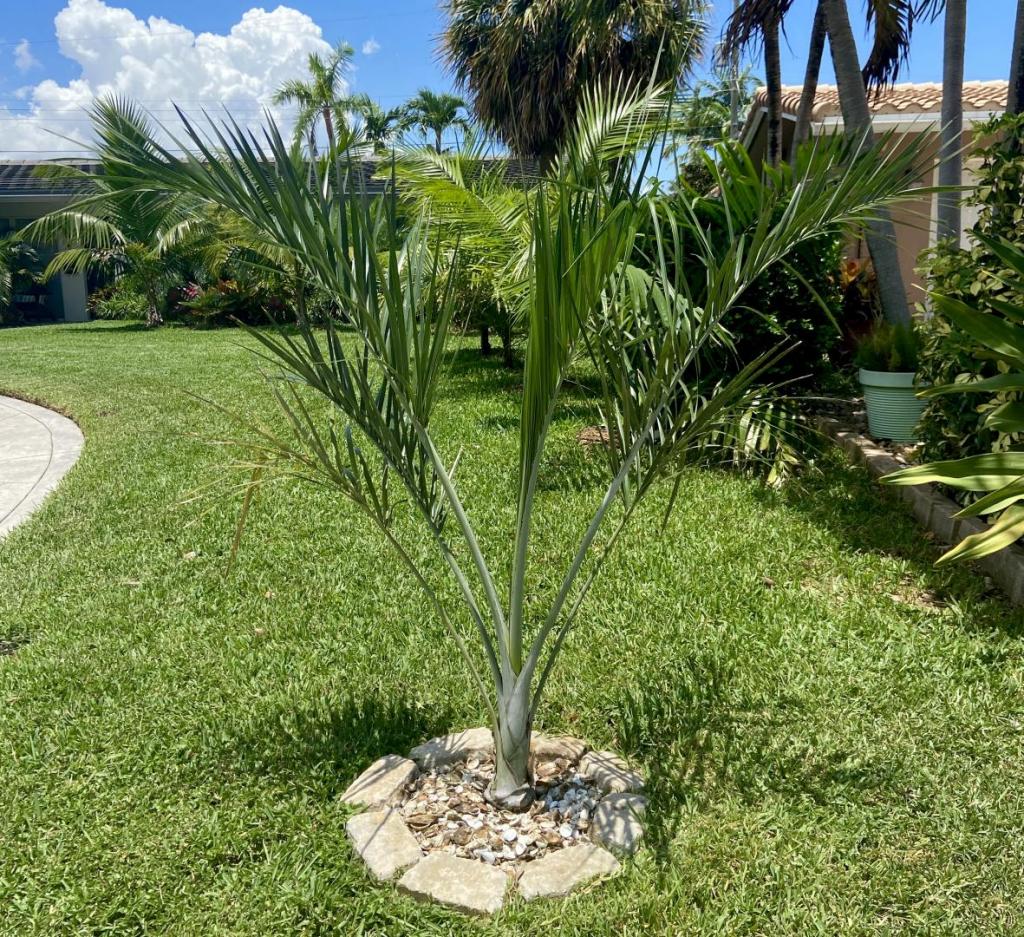
2 pointsHere’s the 9 month update of these two in the ground. They are really enjoying the blazing sun and heat of summer now….. This guy put out 3 leaves in the past year… Happier in the ground than that pot, now in open sunrise-to-sunset sun. The one-armed bandit is now working on a 5th arm. This one is younger and only gets about 8 hrs of sun per day… a little slower, but still put out a bunch of leaves in a year, I can’t remember how many it put out, since it started with more than one arm. They are both a nice bluish green with powdery petioles.
 2 points
 -
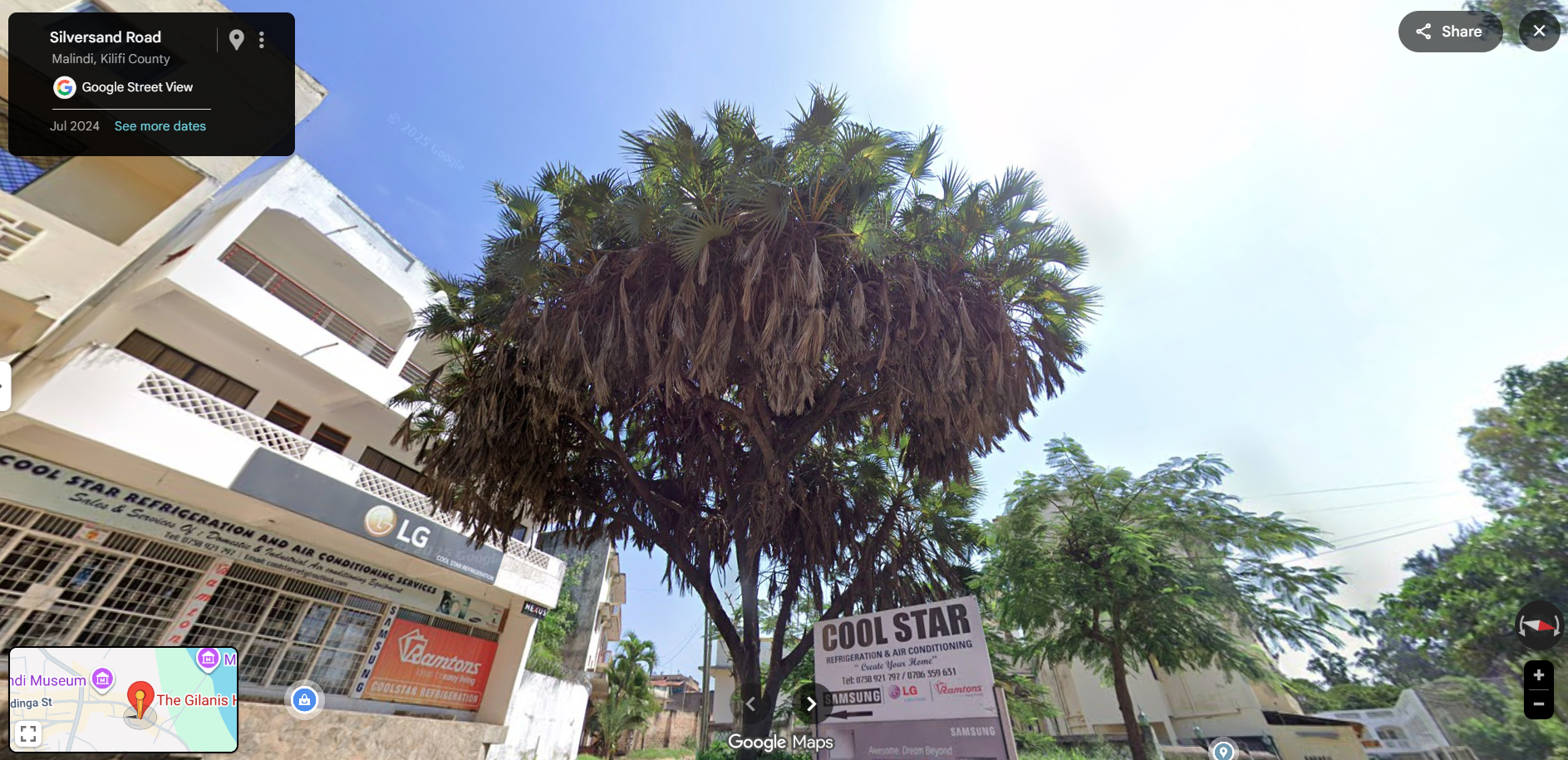
 Hi everyone. I stumbled upon this strange looking palm on google maps in Malindi, Kenya. Here's the google maps link: Silversand Road - Google Maps. If the link doesn't work, then google map search "The Gilanis Hotel". Any idea what it is? Thanks,
 1 point
 -
 1 pointLooks like S. palmetto from what I've seen. Nice. Is your intention to plant these?1 point
 -
1 pointPreviously mentioned baby mango. Tommy Atkins, and I've got 3 more rooting and I'm eating one every day so I'll have tons.
 1 point
 -
 I got some Butia catarinensis × Syagrus romanzoffiana sprouting, 105 days in .1 point