Leaderboard



Popular Content
Showing content with the highest reputation on 12/07/2025 in all areas
-
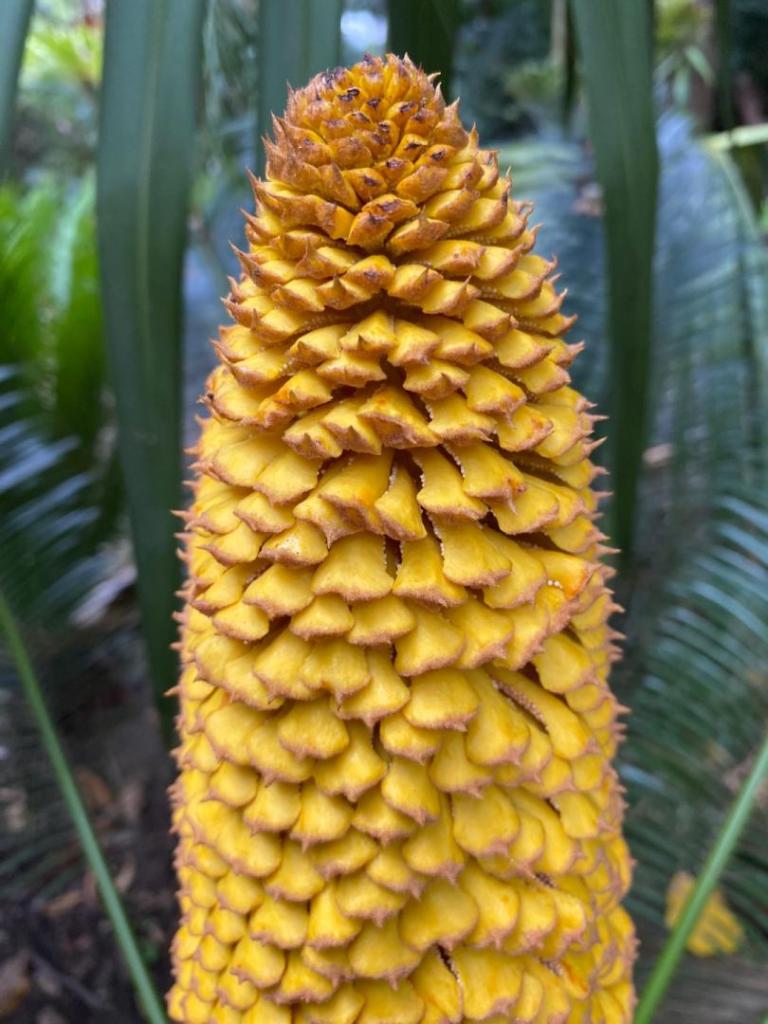
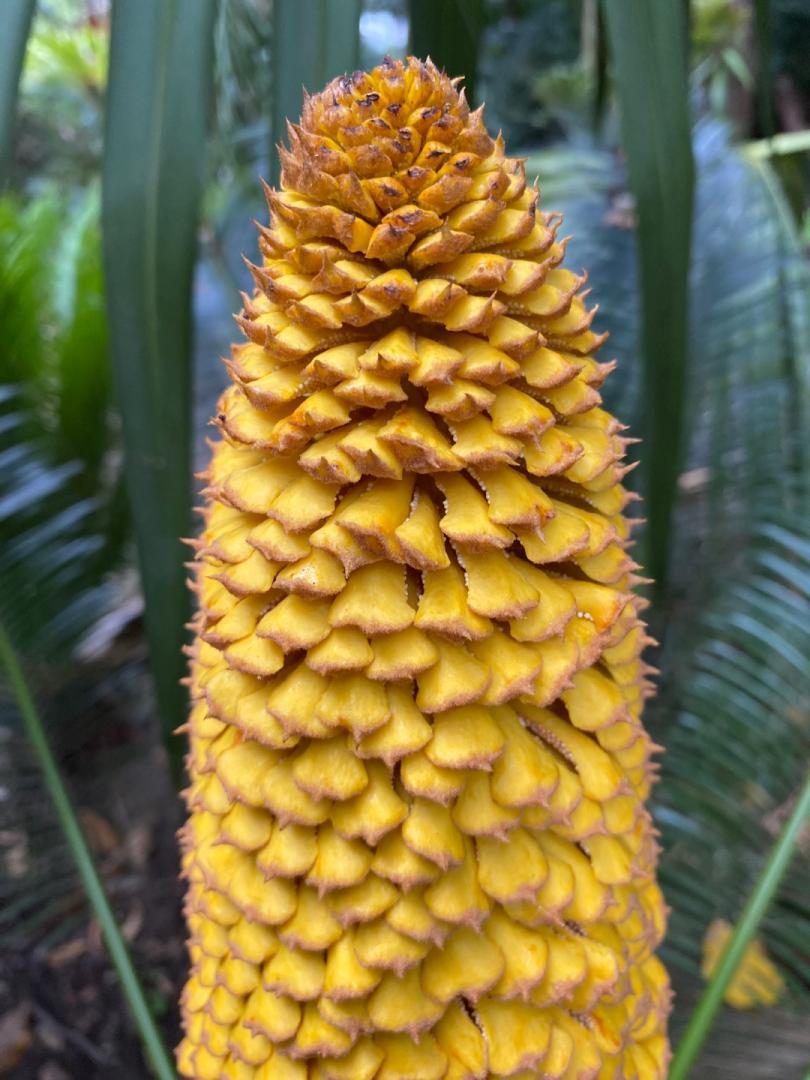
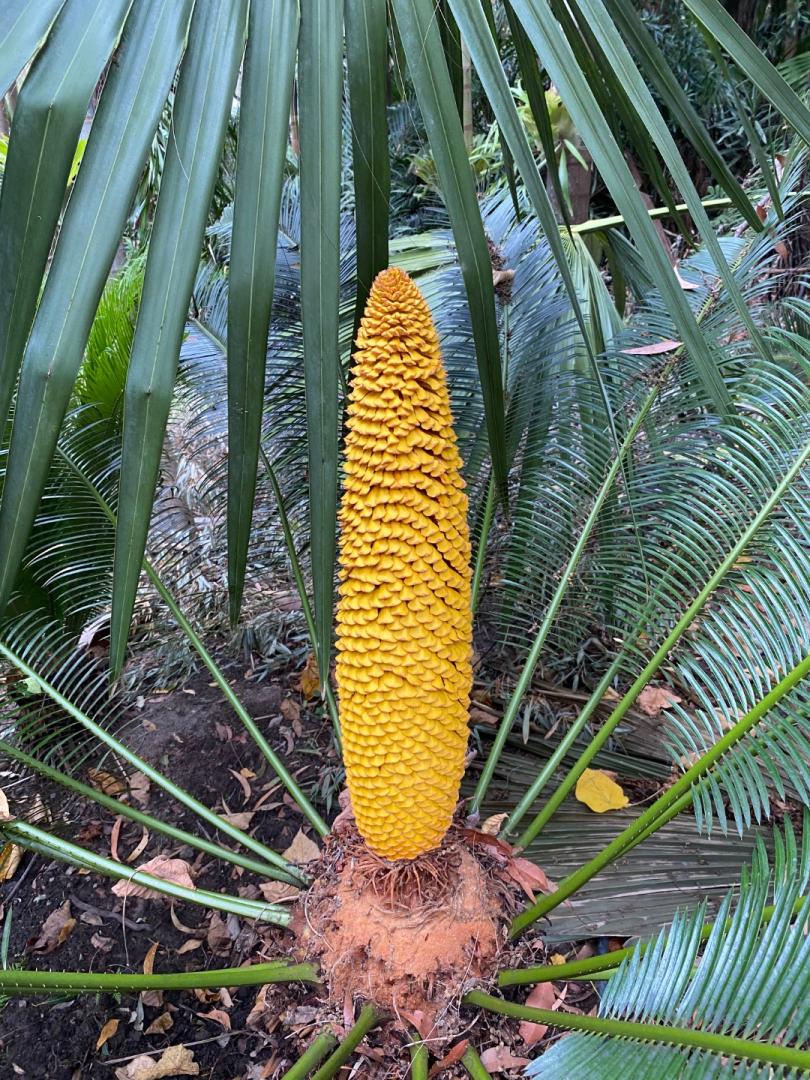
A nice cycas taitungensis in male cone, they have the smell of dead ants wafting through the garden.

 5 points
 -
4 points
-
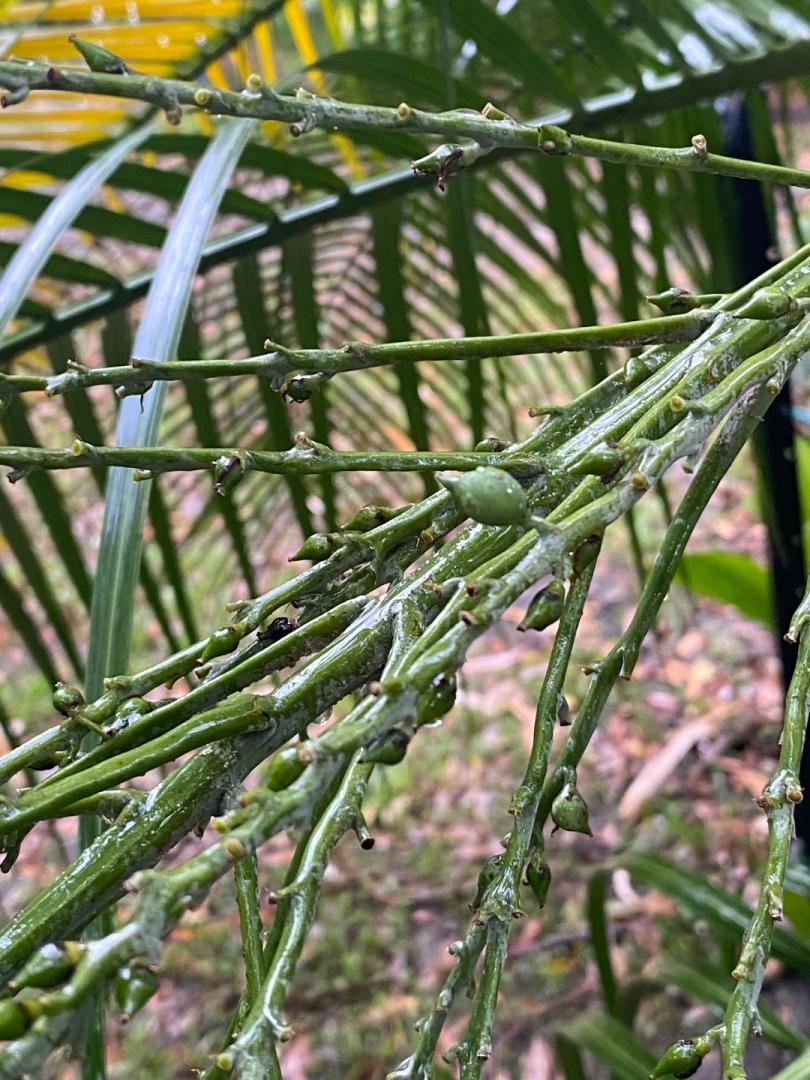
With a bit of luck a few Ravenea glauca seeds have set after many years of flowering.


 4 points
 -
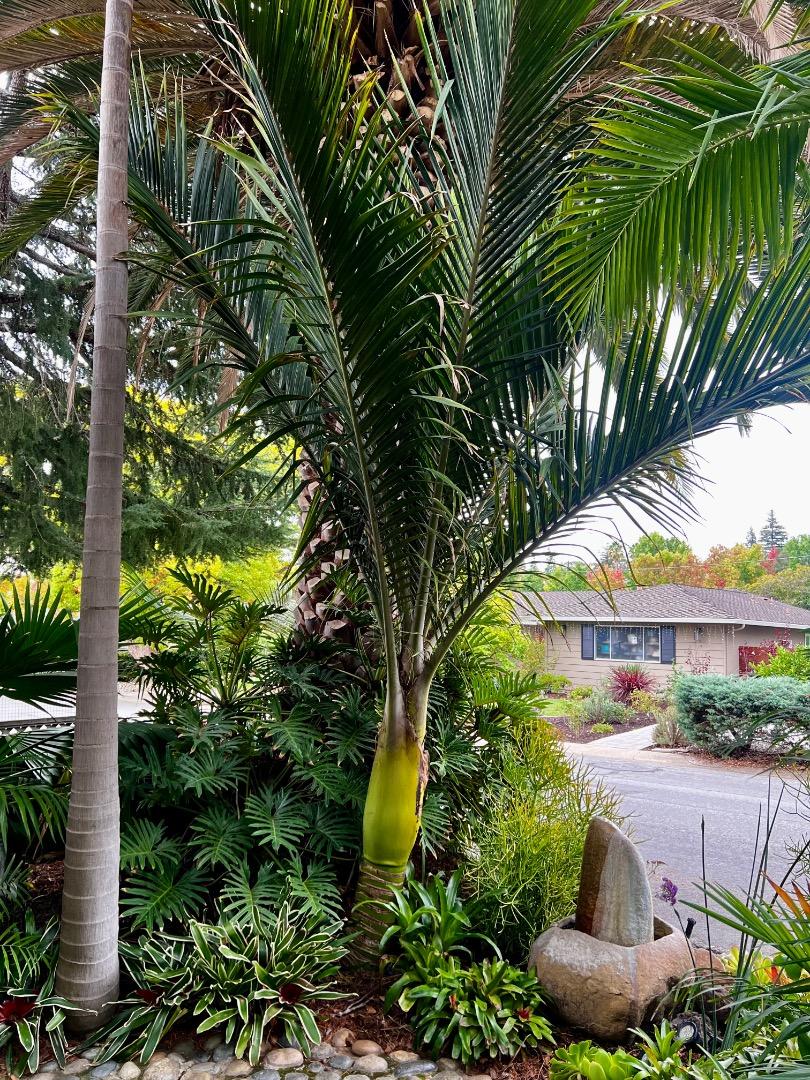
Clinostigma samoense in a light drizzle. One of the world’s most beautiful palms. Tim
 4 points
 -
I'm not surprised, I've said it time and time again, the "Bulgaria" moniker is a sales tactic and these palms have been proven countless times over to be the same in hardiness as any old fortunei or even less. The original Bulgarian palms died from cold, their reportedly exceptional cold tolerance is one bit of anecdotal misinformation that has passed down over the years. There is no genetic difference. Any old Trachycarpus fortunei is going to have great cold tolerance, the differences between individuals is negligible. That being said, I would never subject such small Trachycarpus to 22F unprotected. Small ones are not all that hardy and need protection to prevent setting them back with spear pulls, or worse, killing them. The good news is they have a high chance of recovering compared to a lot of other palms. Once they get a couple feet of trunk , they are usually pretty tough. I'd be building a small box with some incadescent mini lights inside to protect them the first couple of years. I think in Zone 7 you will likely need to protect these palms just about every year like @Allen does. They may be the most cold hardy trunking palm but need to be in zone 8 to have long term success without any help in winter.3 points
-
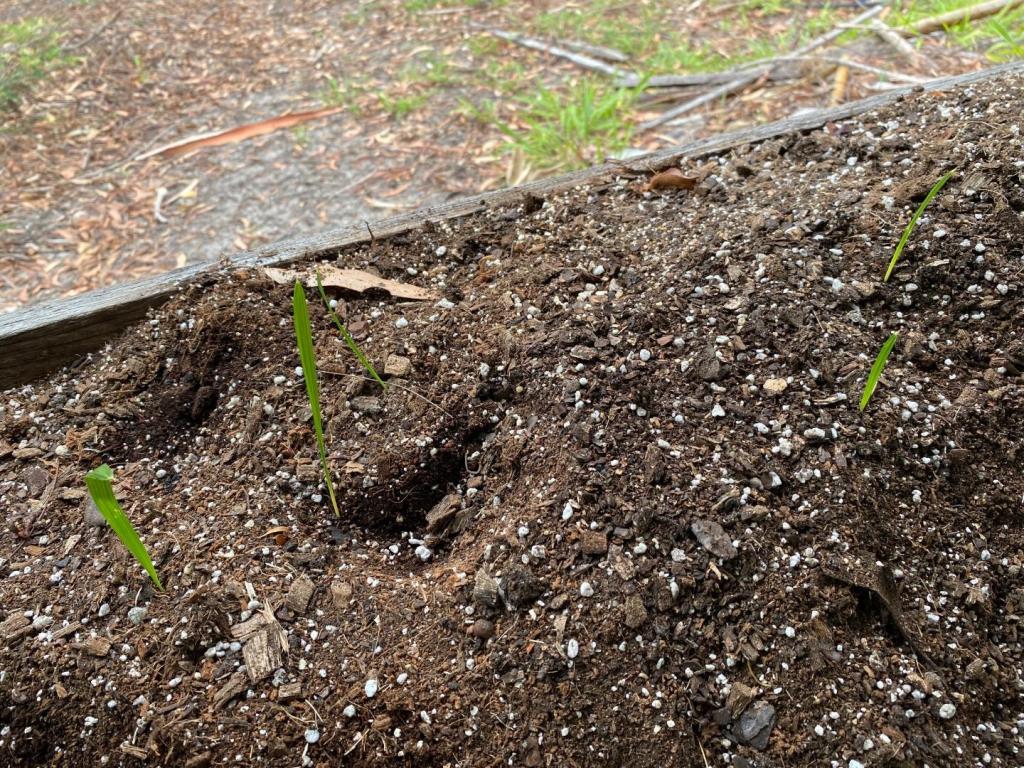
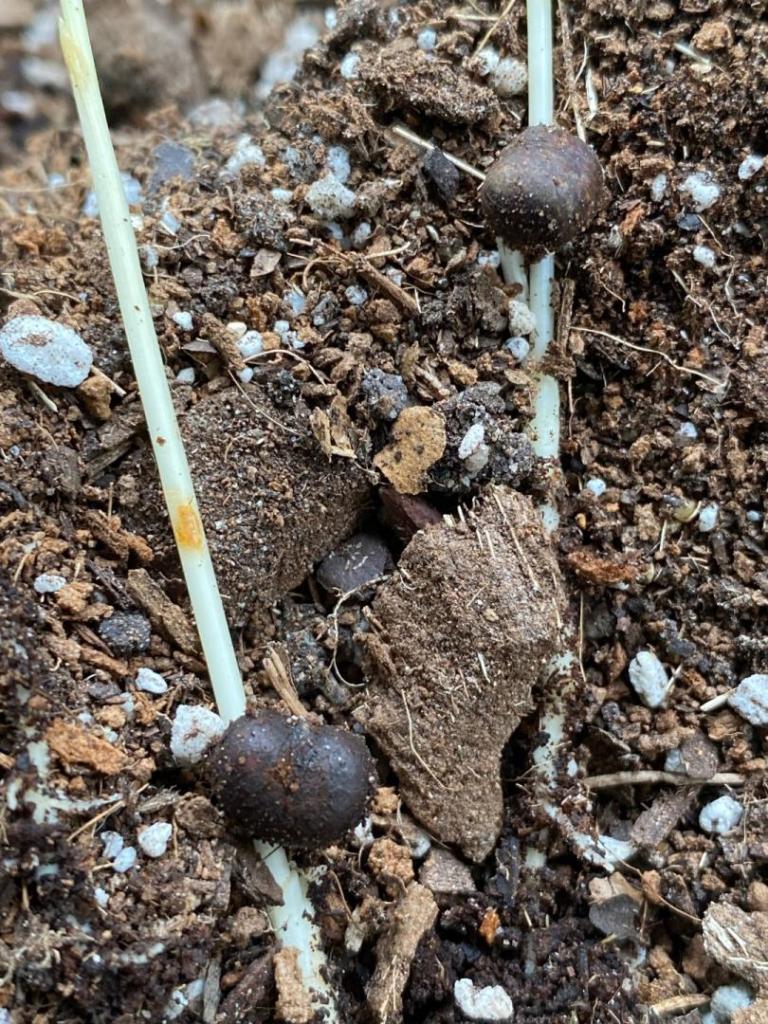
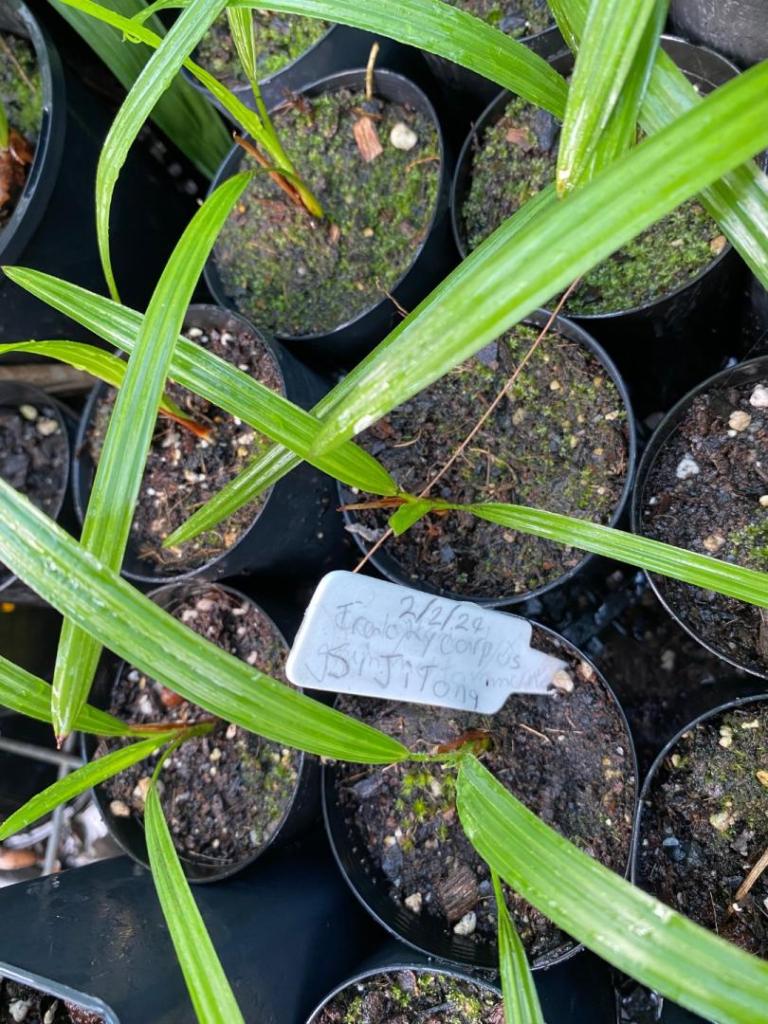
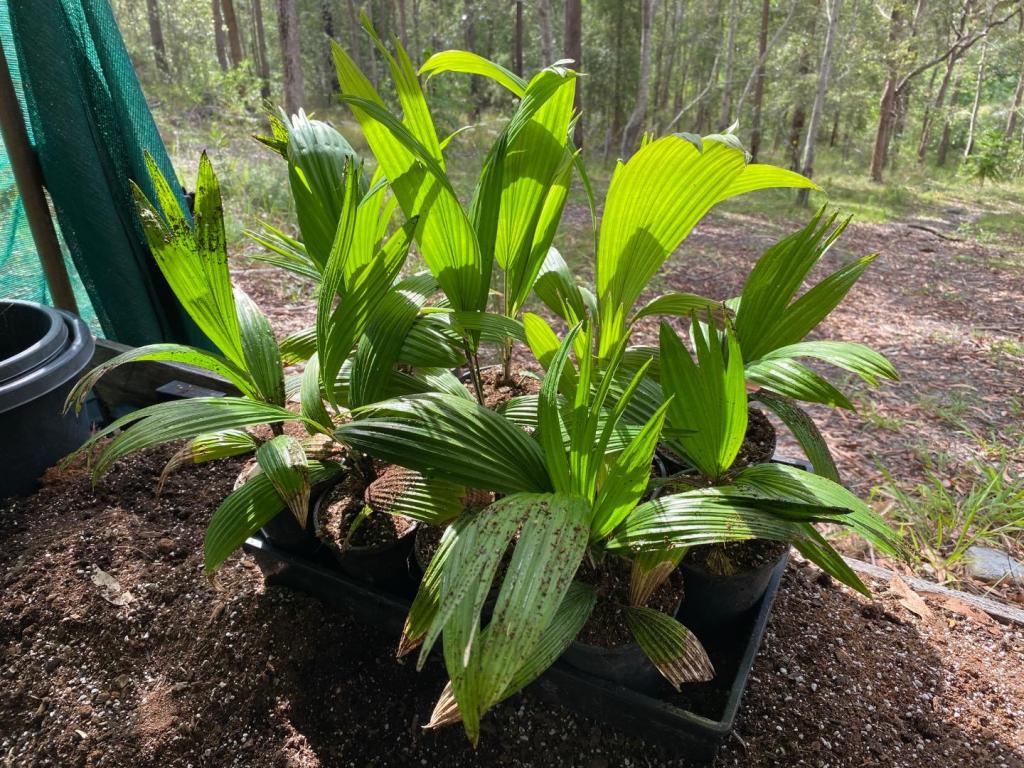
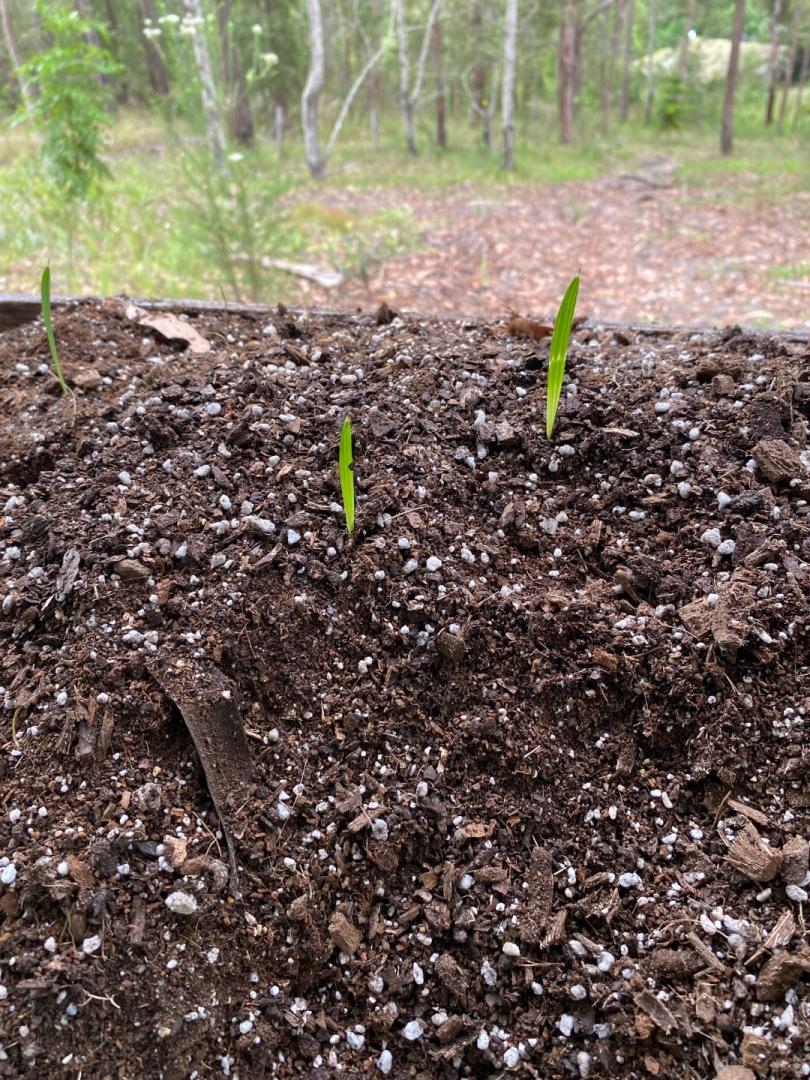
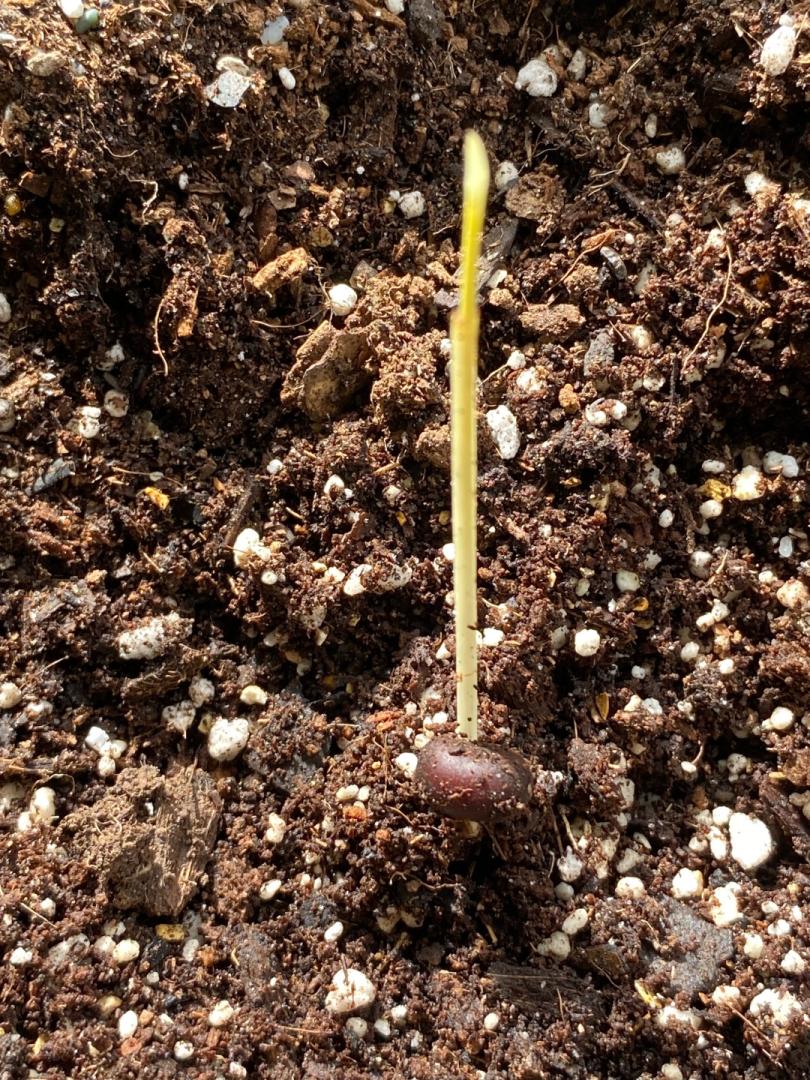
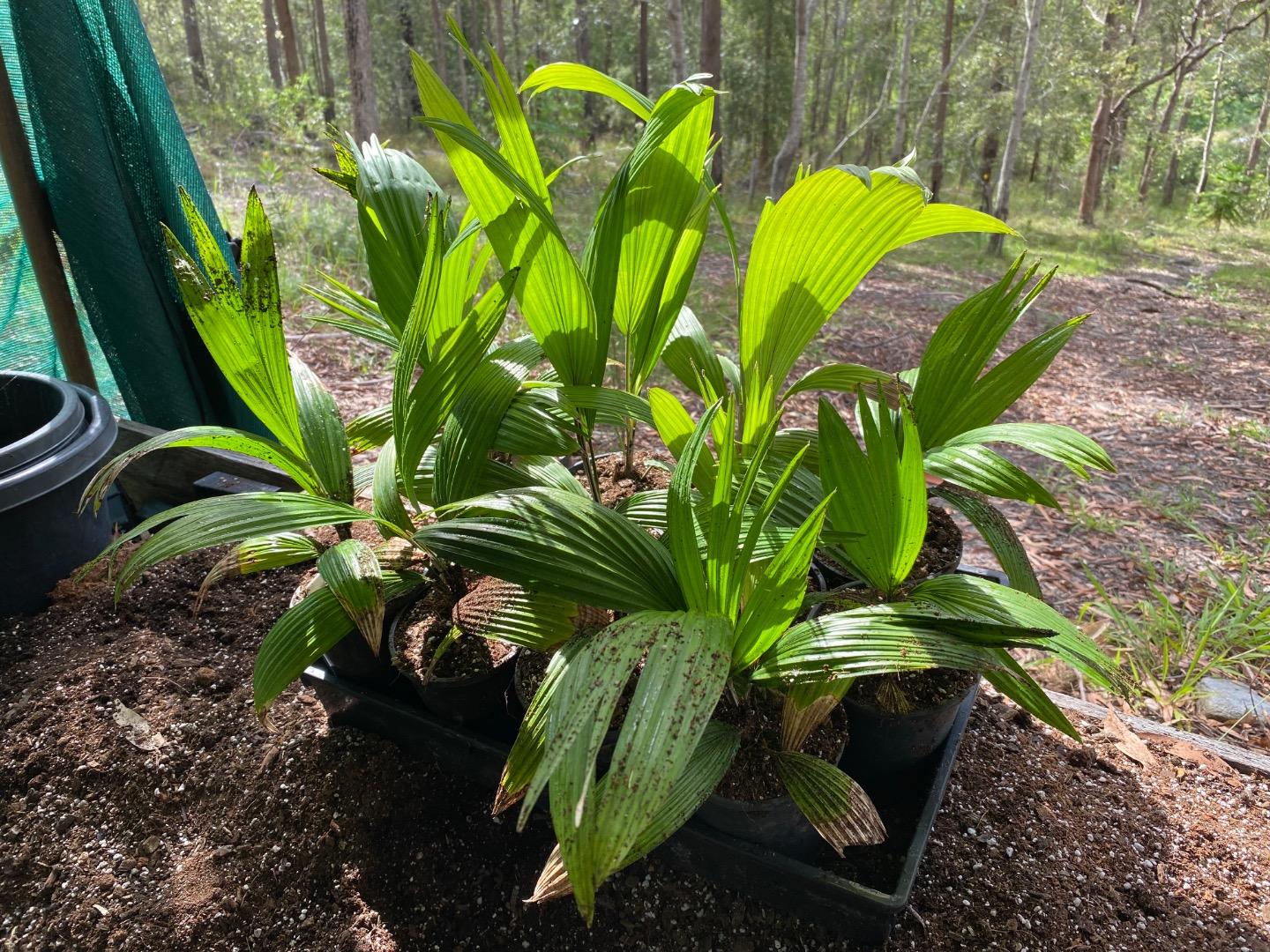
Time to pot up a few kerriodoxa seedlings, and to my surprise some trachycarpus sitjong seeds have germinated on the potting bench, I usually reuse the germination medium and just tip it out on the potting bench to recycle it. These are so lucky little sitjongs, just never give up on some seeds you just never know what will come up! And with the warm weather time to start potting up some tropicals.






 3 points
 -
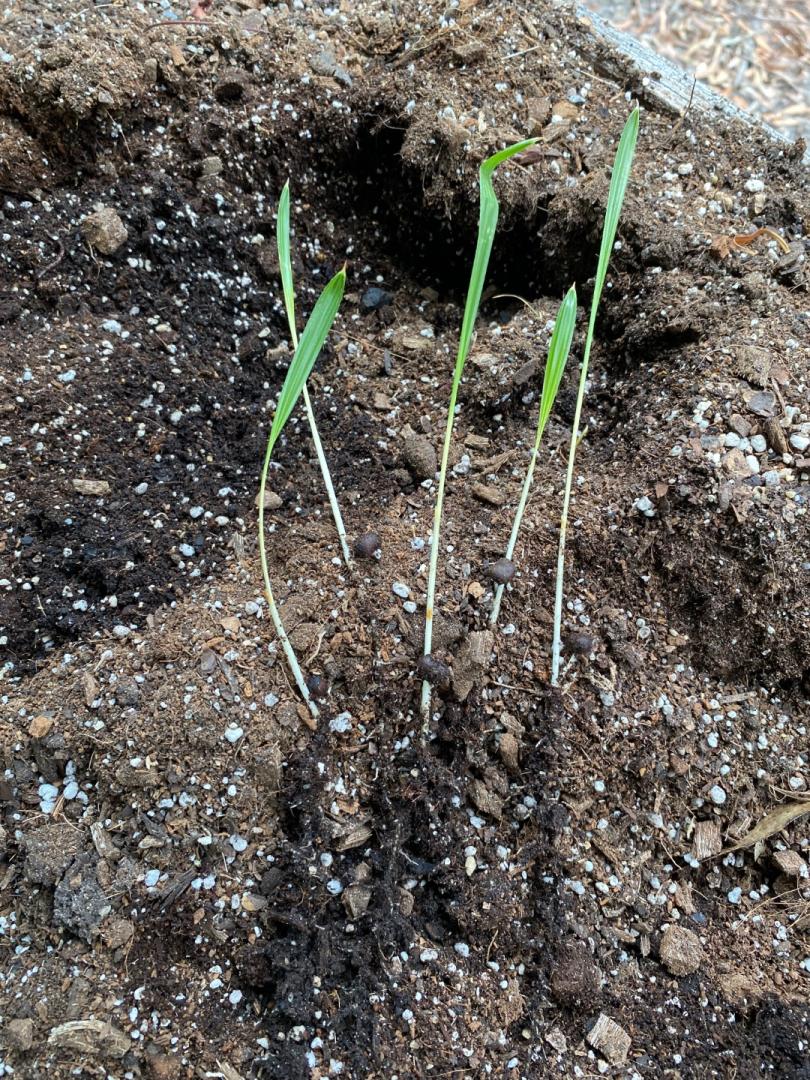
Try 18 months after purchasing this ferox seed. I gave up and walked away giving up all hope, it was only the fact I left it the container and forgot about, to my surprise a baby ferox!

 3 points
 -
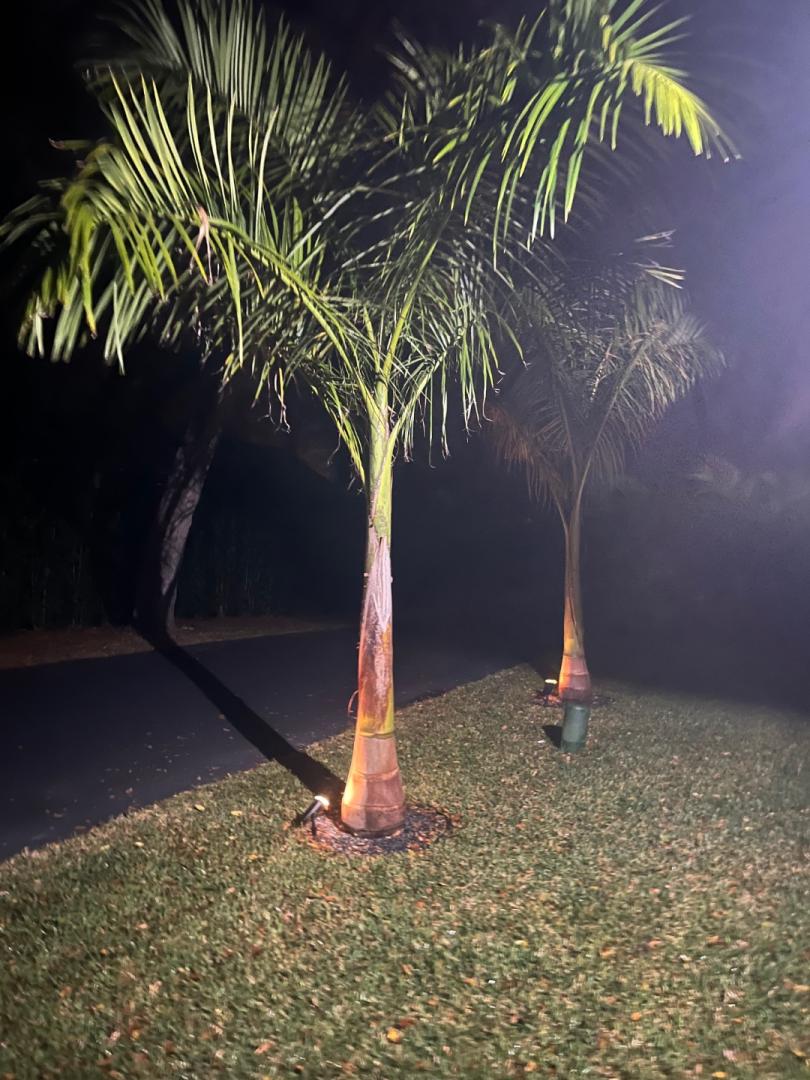
A lady visitor to my garden said that about the royal.3 points
-
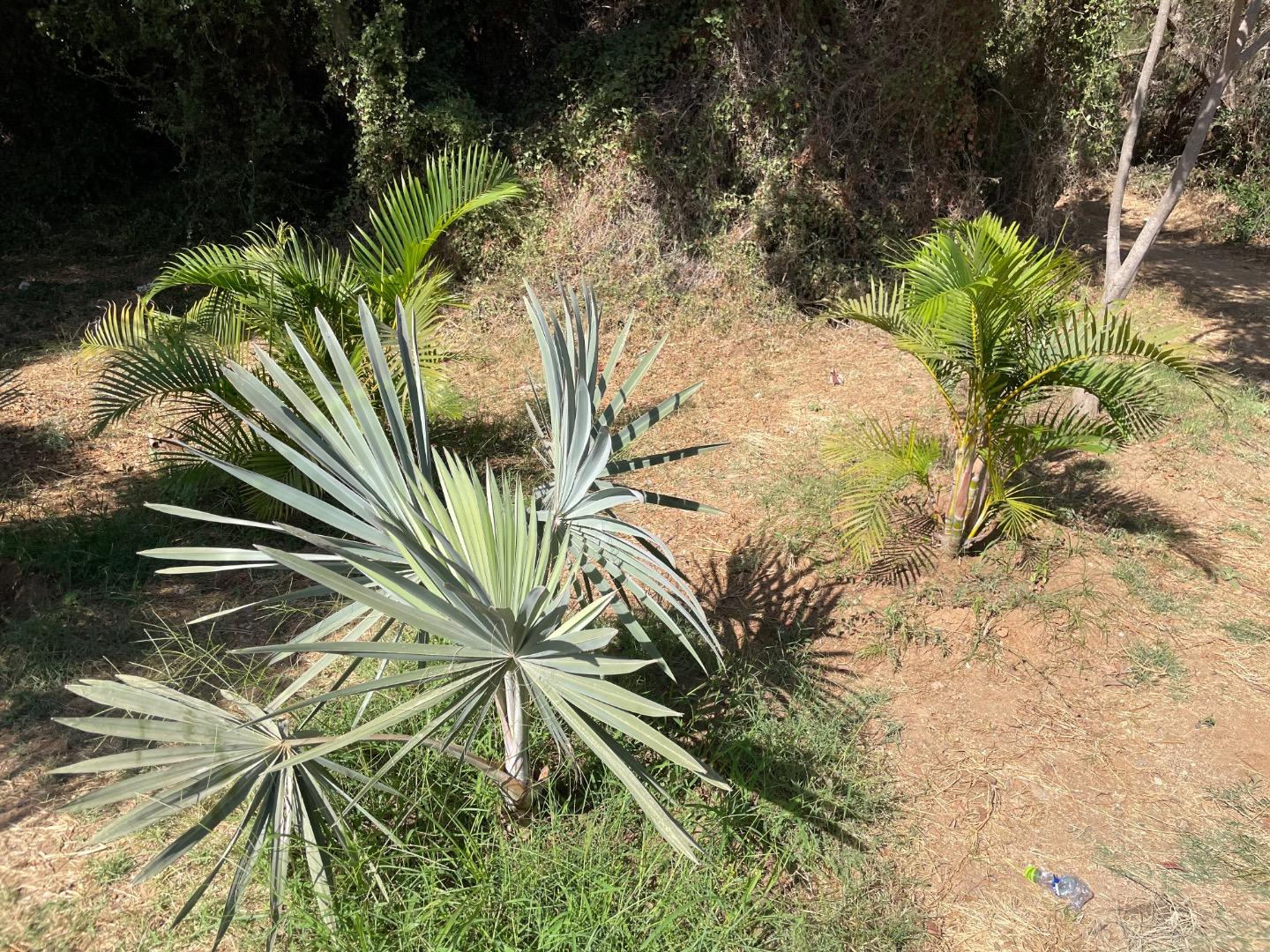
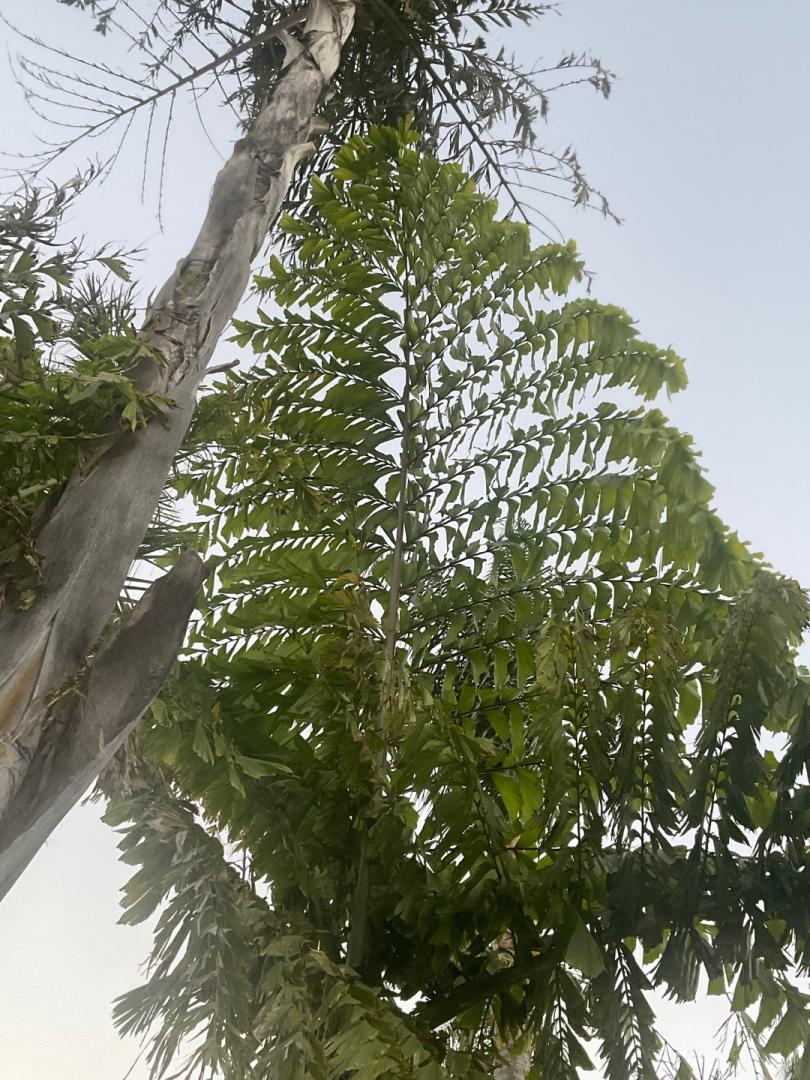
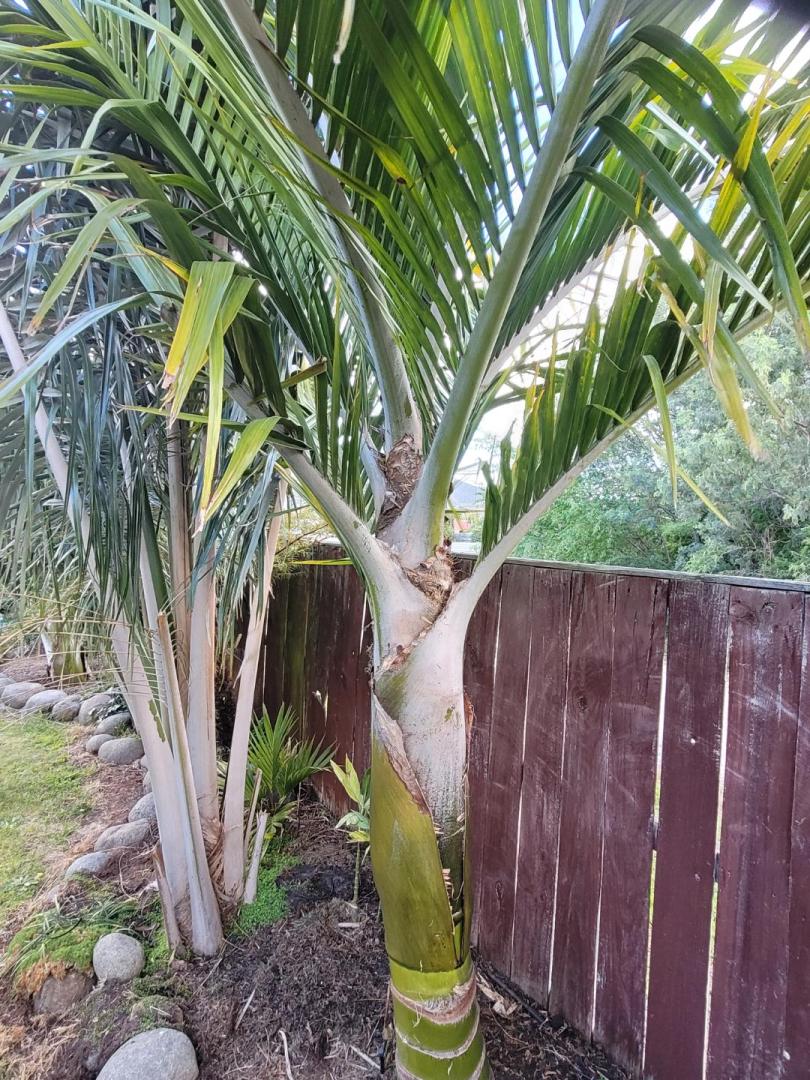
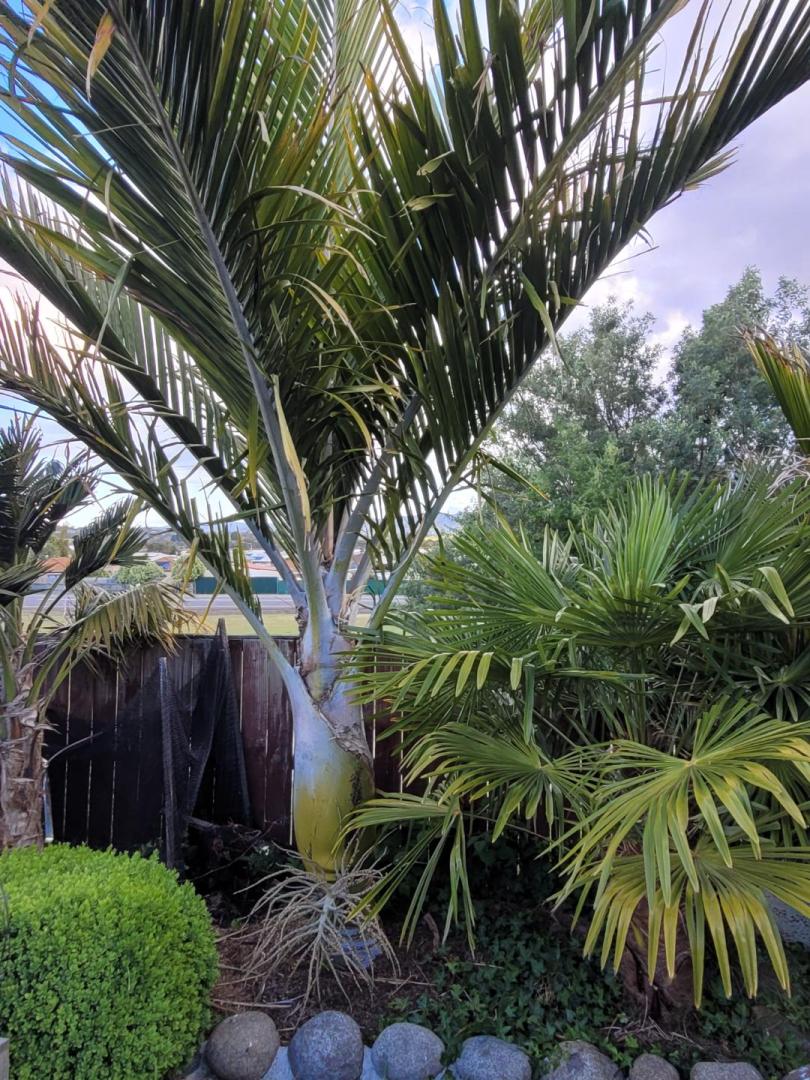
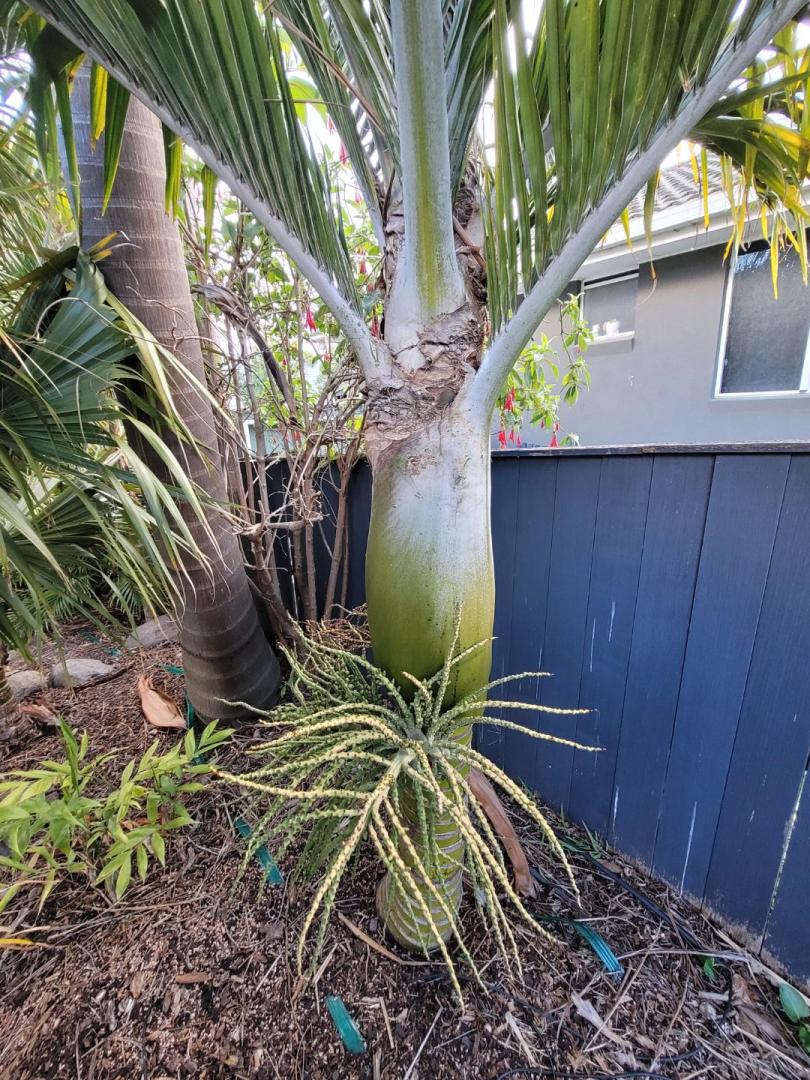
Look carefully at the two foreground palms. The image appears to show long filaments that exceed the crown profile. These are likely old spadices, a diagnostic character for B. armata, Thanks for posting !3 points
-
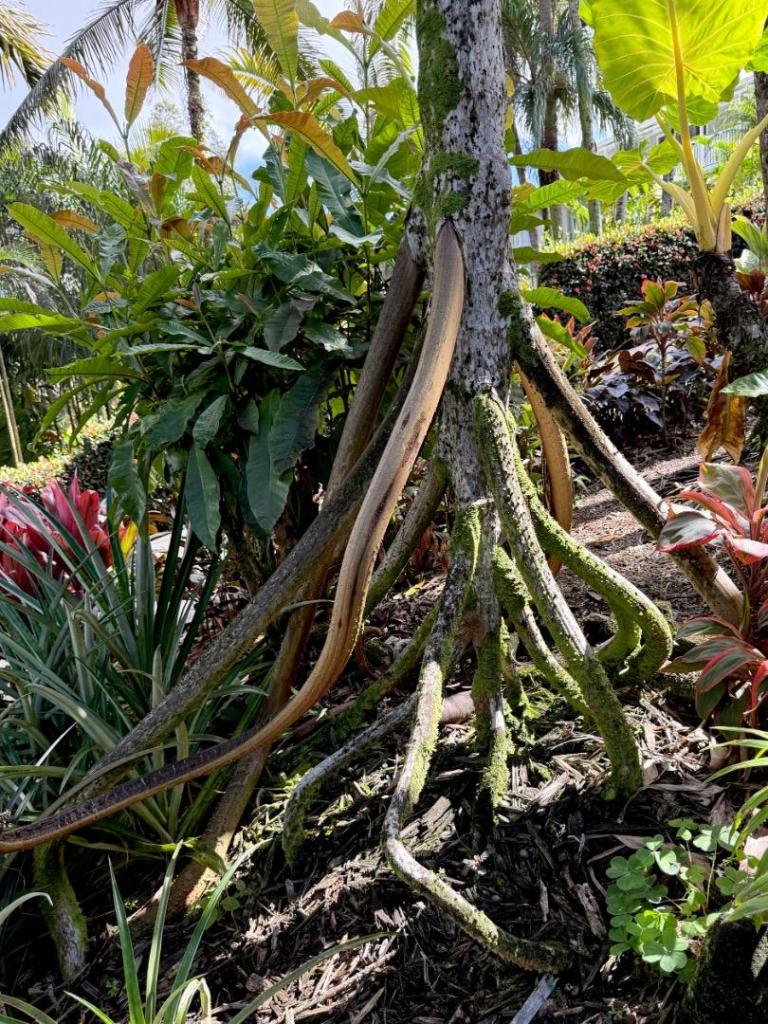
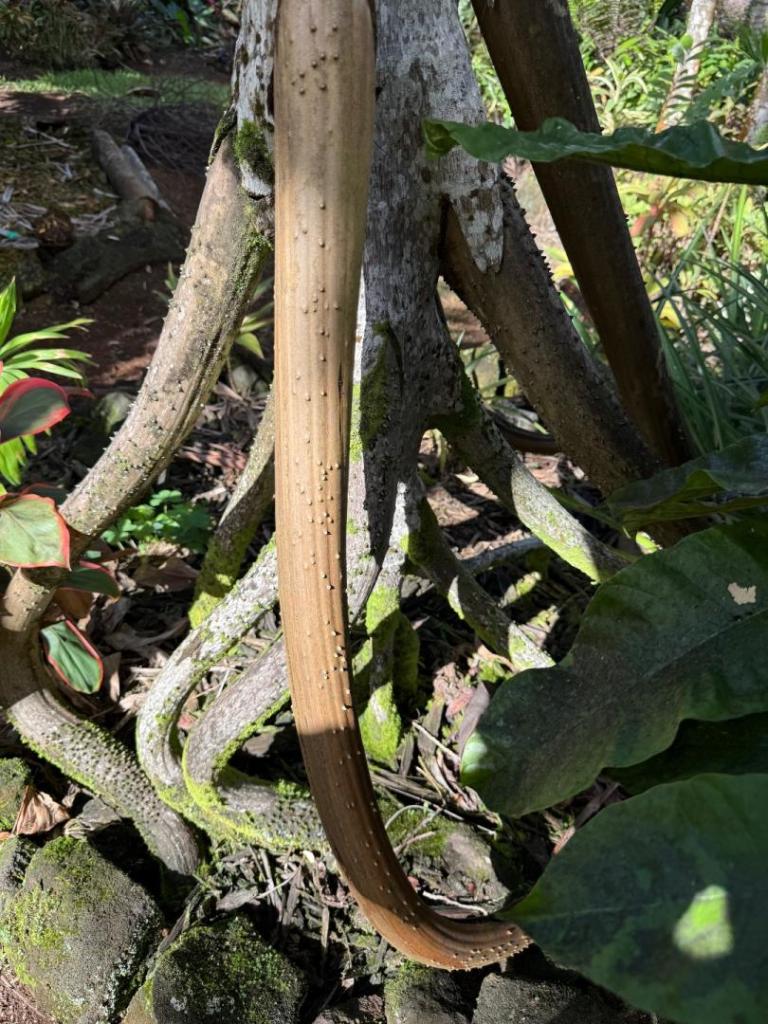
Socratea stilt roots. Tim
 2 points
 -
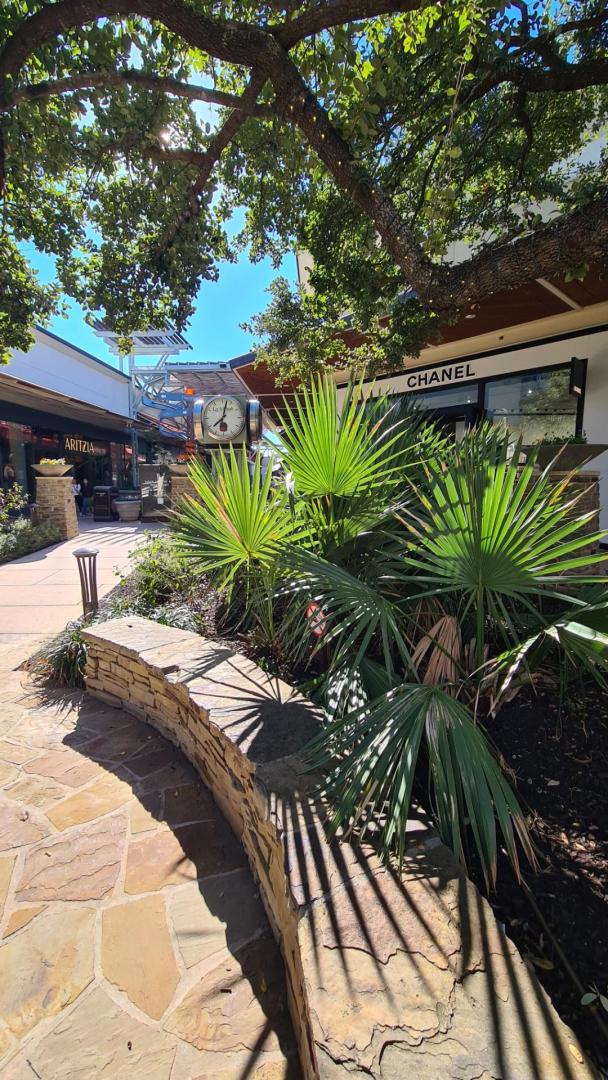
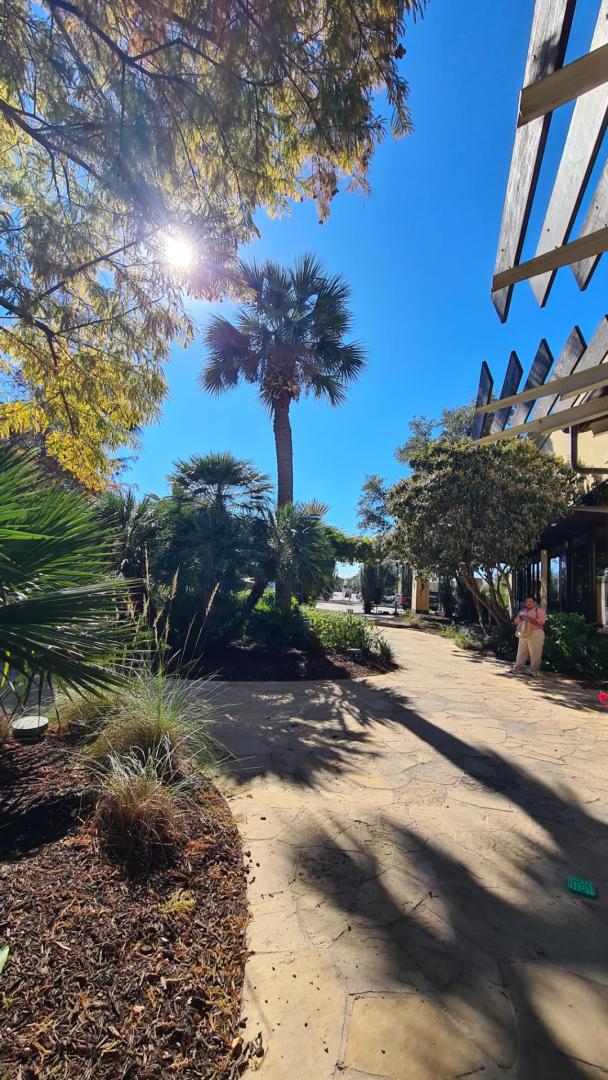
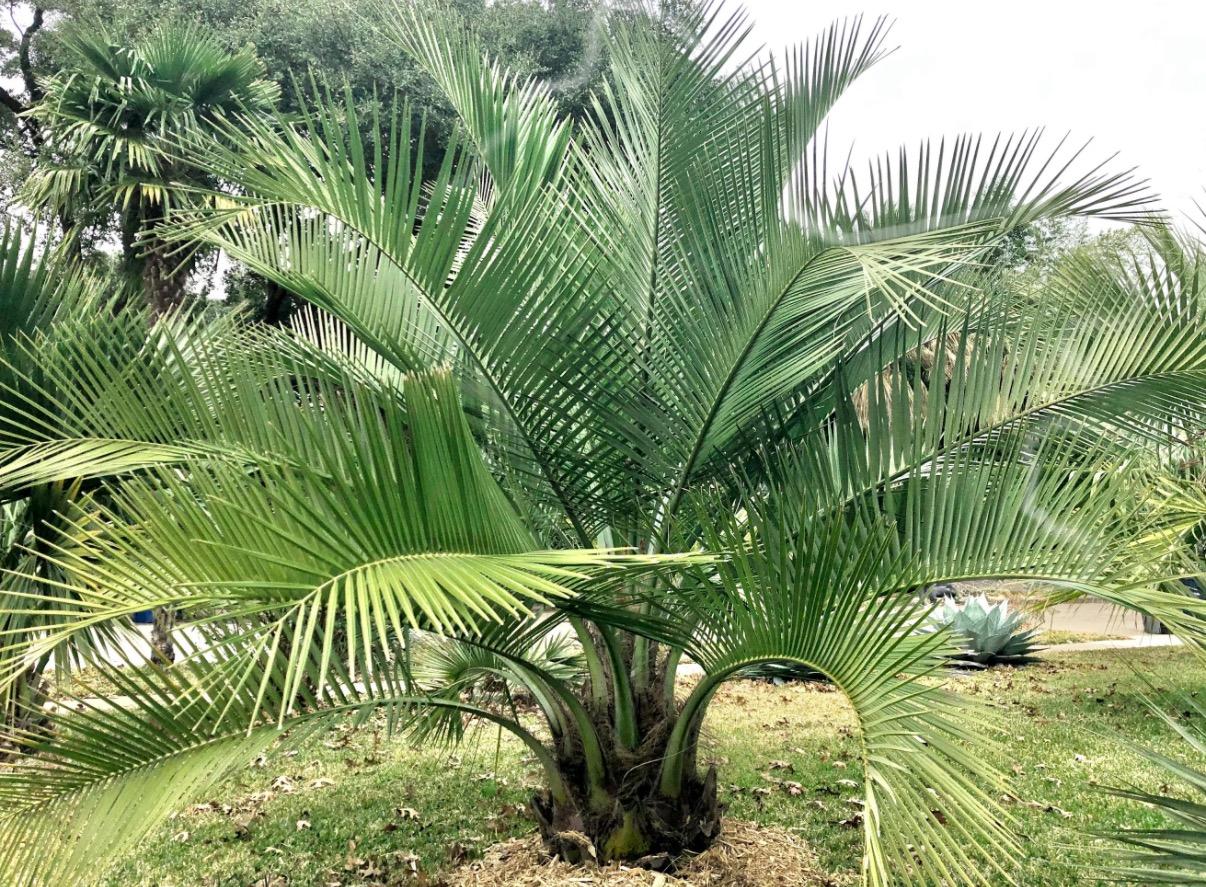
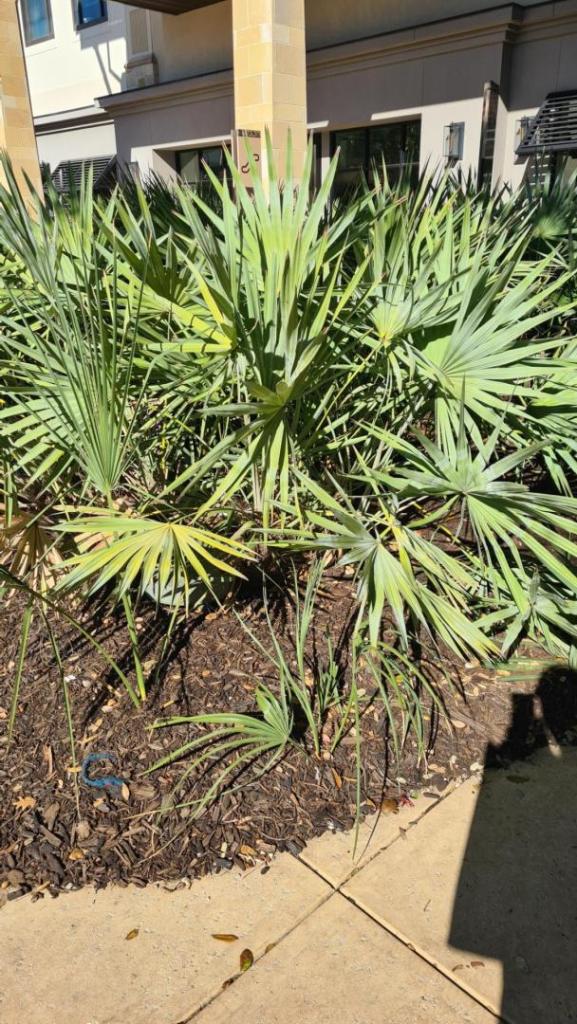
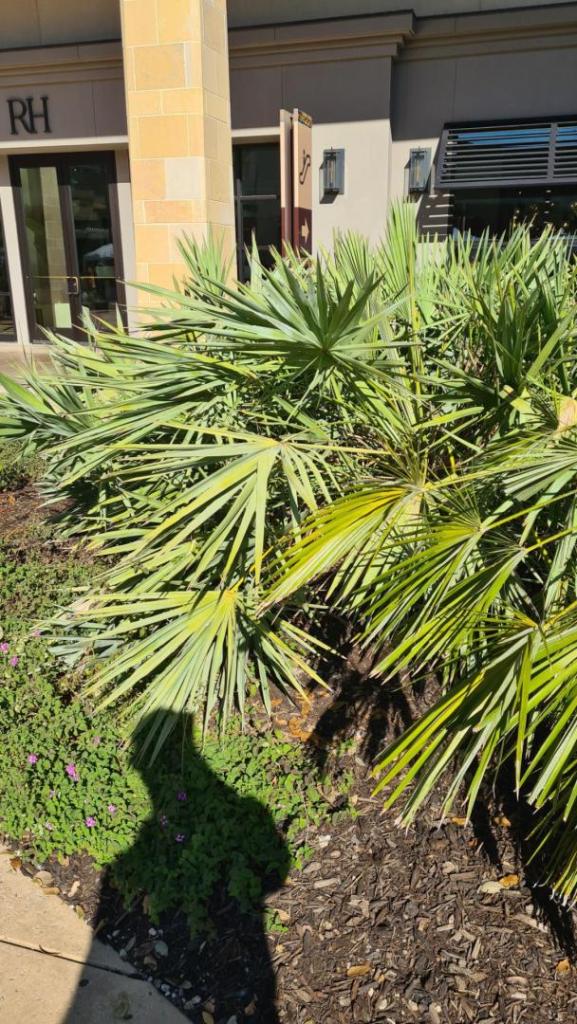
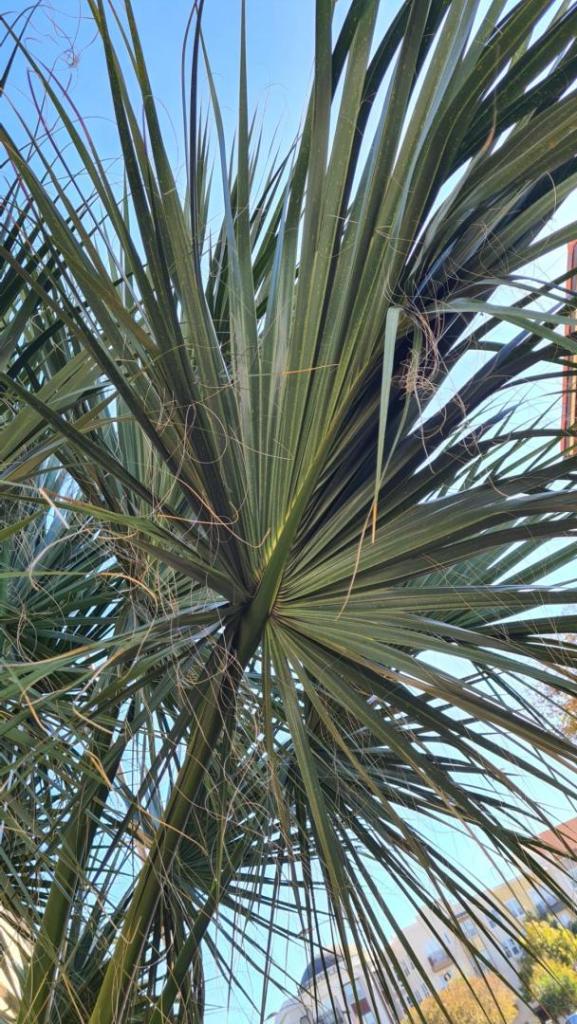
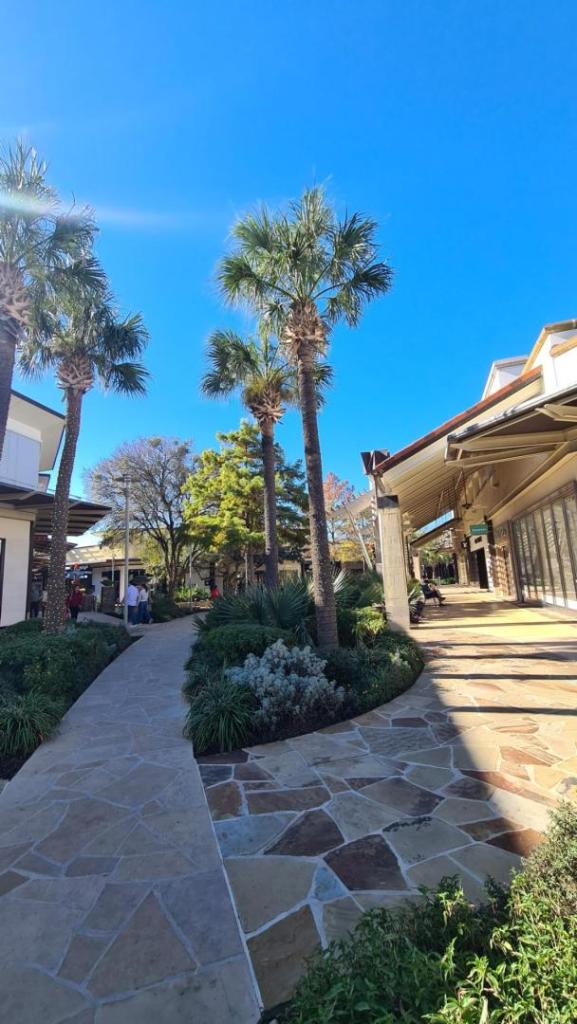
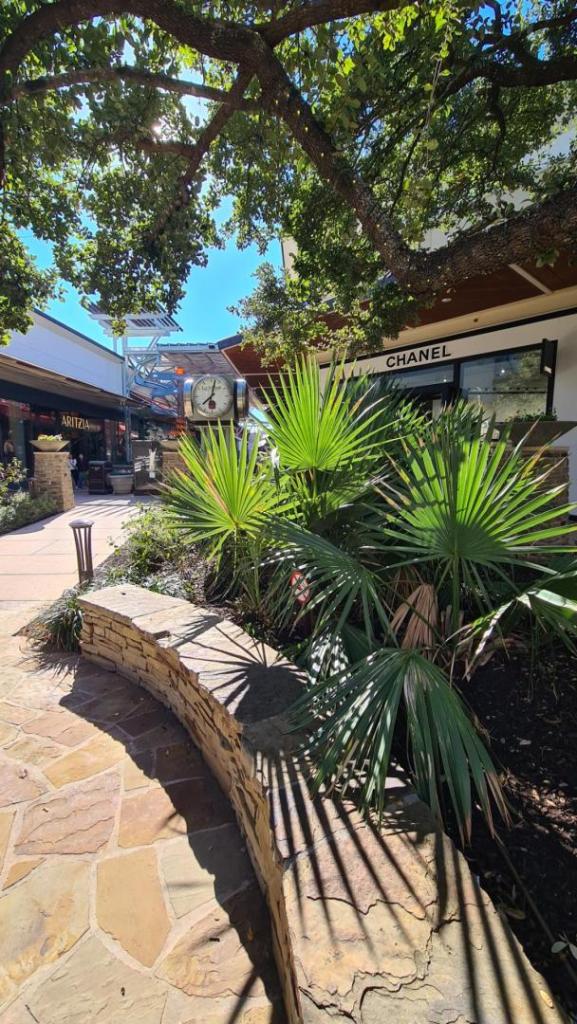
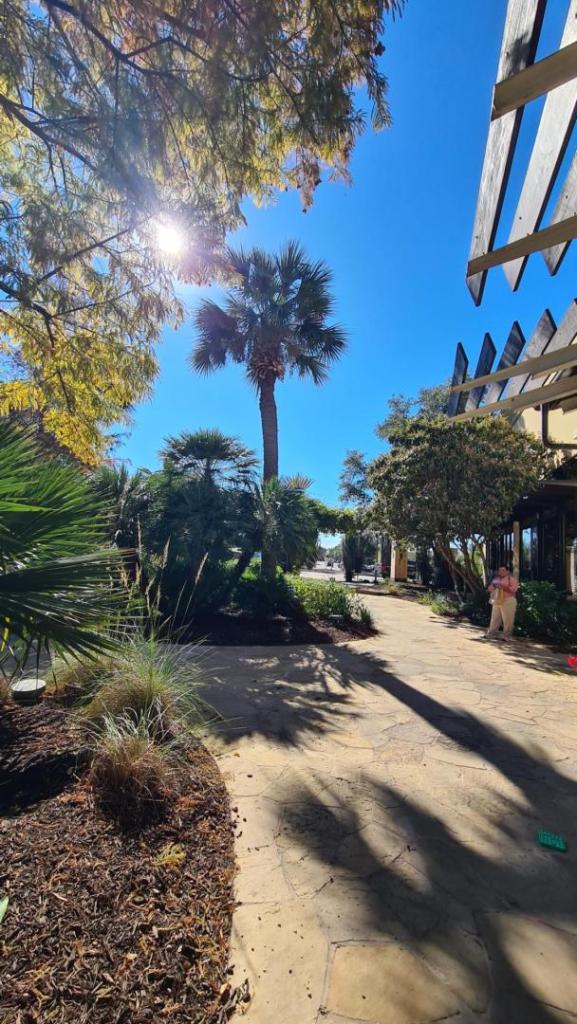
While you @Ben G. were at the zoo I went shopping with my wife at La Cantera . Lots of common palms but one stood out . Serenaoa repens. That blueish color is definitely an eye catcher to me.




 2 points
 -
I'm sure Auburn fans feel the same way. Yesterday was a pretty good day though - Bama loses, Ohio State loses, Notre Dame gets knocked out and the ACC champion finishes 8-5 and unranked! 😆 James Madison and James Madison (west) both make the playoff! Who would've predicted that 3 years ago!2 points
-
Yup, as above by @Allen. These Trachycarpus monikers are all T. fortunei and all require the same early stage care. Having grown thousands from seed, I've noticed T. fortunei respond differently even in the same seed lot. Good luck on the remainder of your winter endeavors, especially the damaged one with most of the winter ahead. Keep the weather off the damaged crown.2 points
-
You need to protect those for sure. The spear pulled one h2o and let it dry then protect. Real early for that one to have to make it. Look at my channel for some tips. Bulgaria is just a fortunei. Back 3 videos is one on temps to protect2 points
-
I would treat the crown and soil for a fungal infection. I lost a Butia that way. Started on the outer leaves and moved to the newest.2 points
-
All of the Greeks are insisting I put mine in the ground but I have been putting it off. The big advantage of not doing so is I can move my cocos into the shade for the summer. The Malayan dwarfs I've managed to get through the winter have been killed of by cats or intense summer sun. Now that I have a couple Panama Talls, I am becoming far more optimistic. They have taken the summer heat quite well and still look perfect. The Panama Talls are the smaller ones.
 2 points
 -
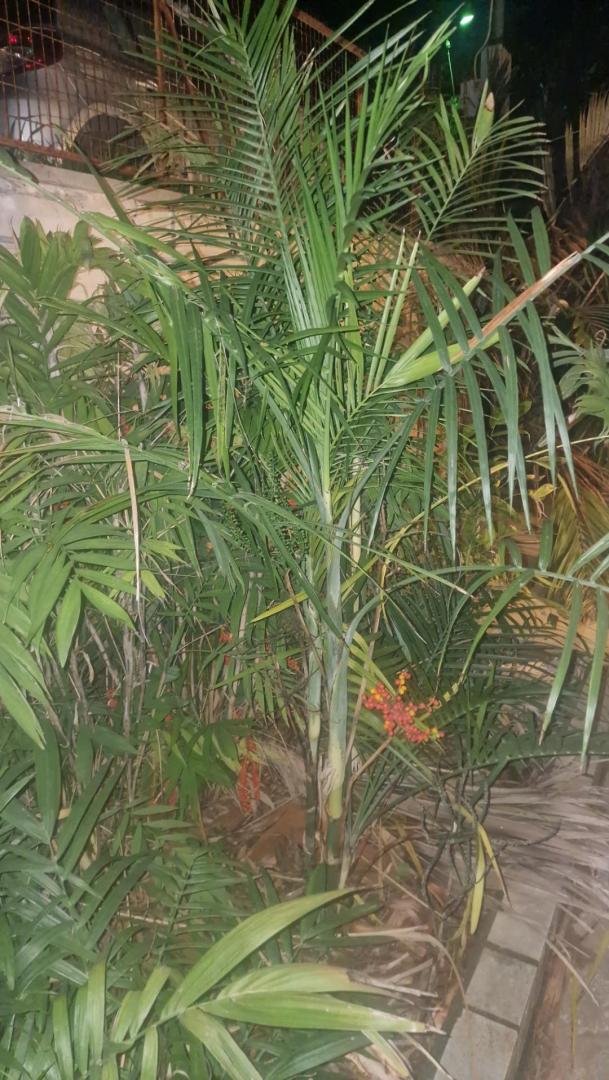
This part of my garden is decorated with red color near Christmas. That's what I like more in radicalis and microspadix as well.
 2 points
 -
Probably hard to get a concrete answer, but if it's in South Florida from a big box store, it's most likely a golden Malayan dwarf coconut.2 points
-
Well no 2 IDs the same yet from the Palmtalk community so definitely far from an embarrassing question. I’d be very confident there’s P canariensis influence in this one, but I think it’s a hybrid too. John’s P canariensis x reclinata guess seems reasonable to me.2 points
-
Phoenix reclinata is a clumping palm and if you worked to make it a single the trunk would be much thinner!!2 points
-
Than, don't be embarrassed. The only embarrassing trait is lack of curiosity.2 points
-
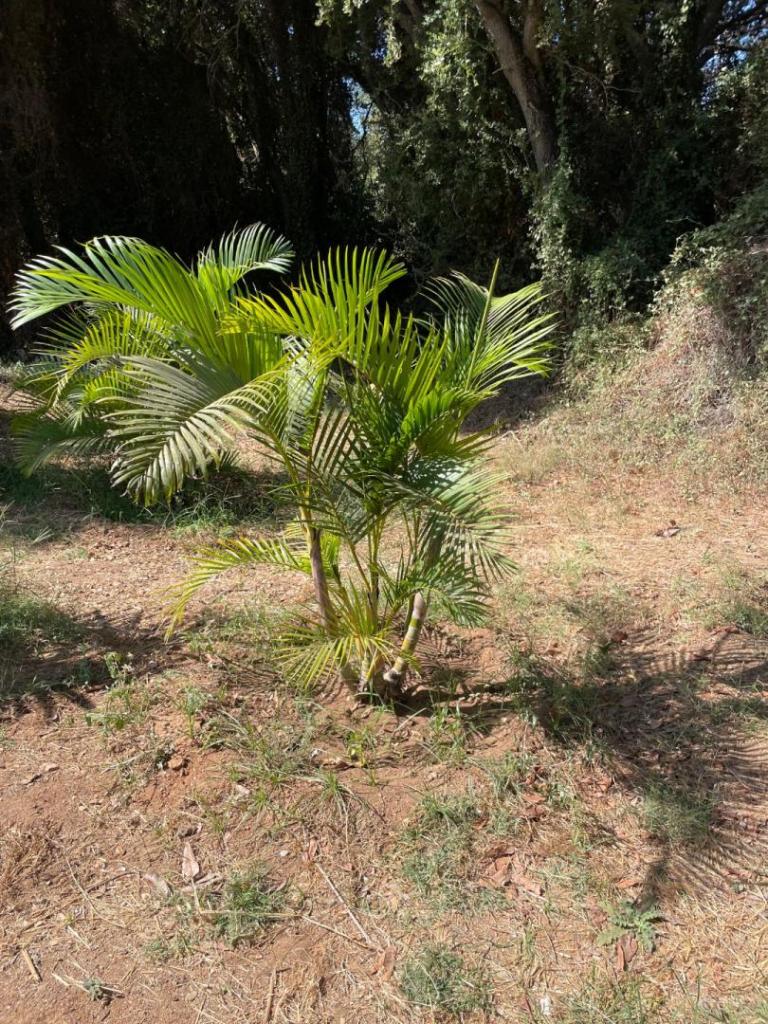
I was there again last August and drove by at that mysterious property. This time I took a better look at all the palms. But again, I didn't dare to take photos directly into the property with my big camera. I just took the cam of my iPhone. the small ptychosperma (of the above postings) was not at its place anymore. I think they took it to another location inside the big property. If you zoom into the pictures, you can see leafes in the background that could be of that palm.
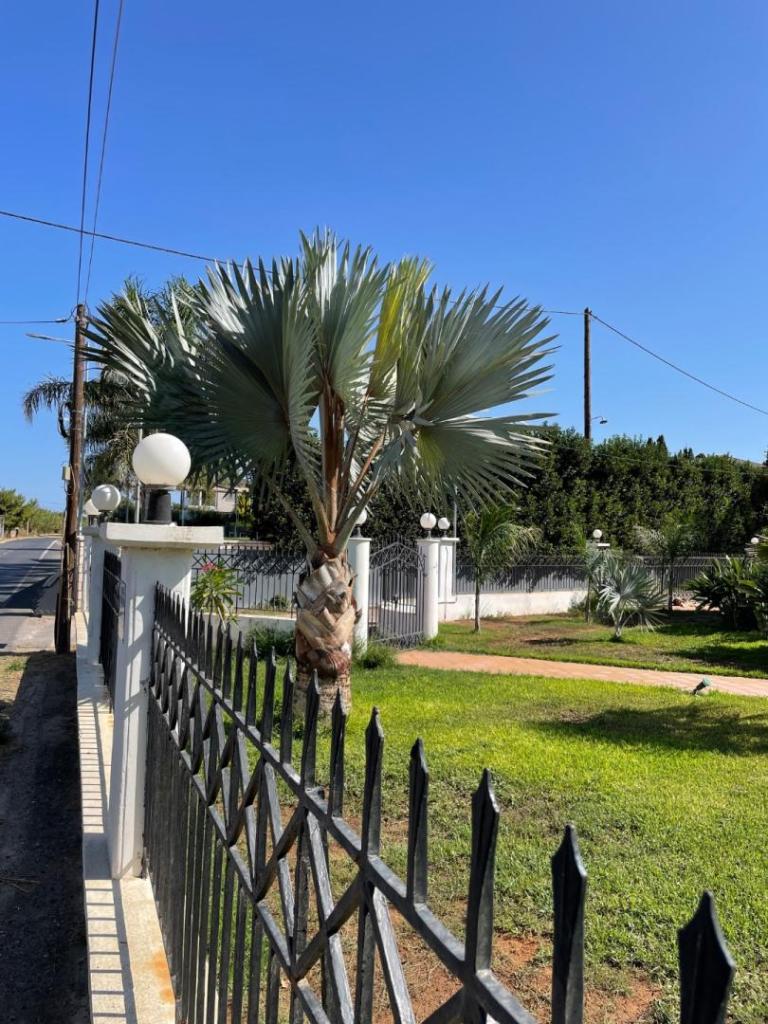

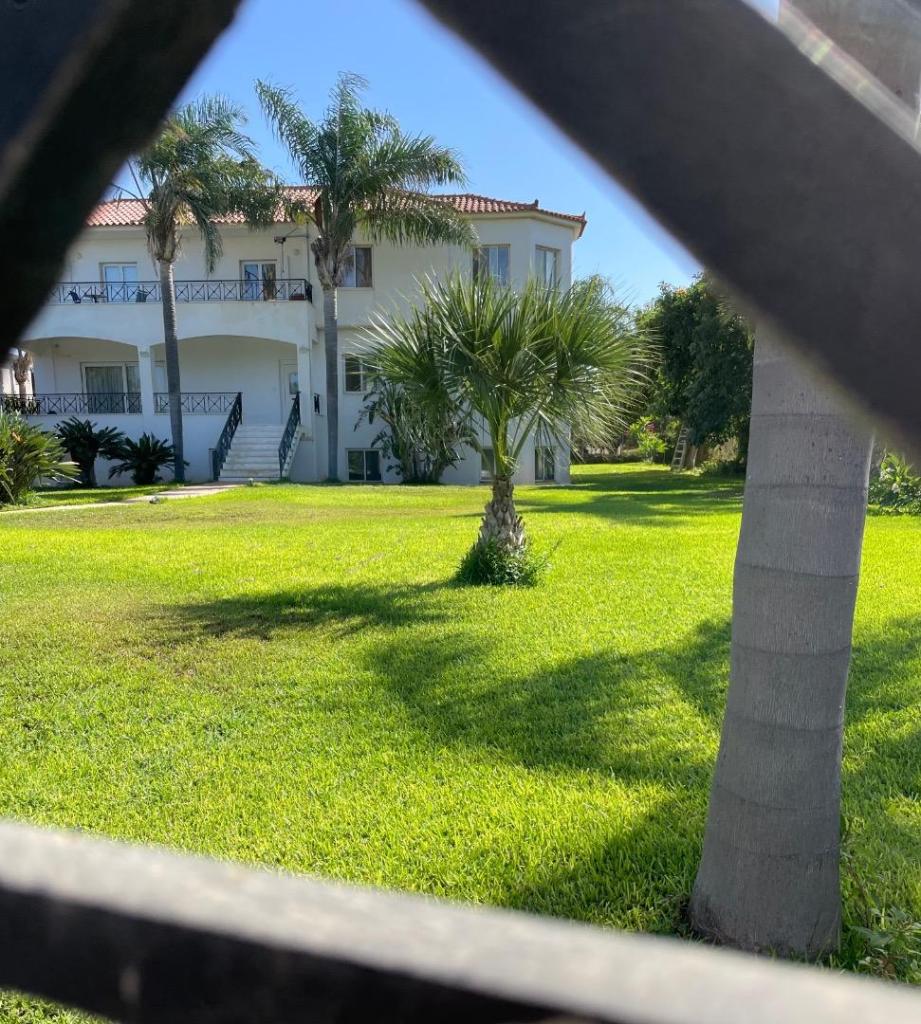
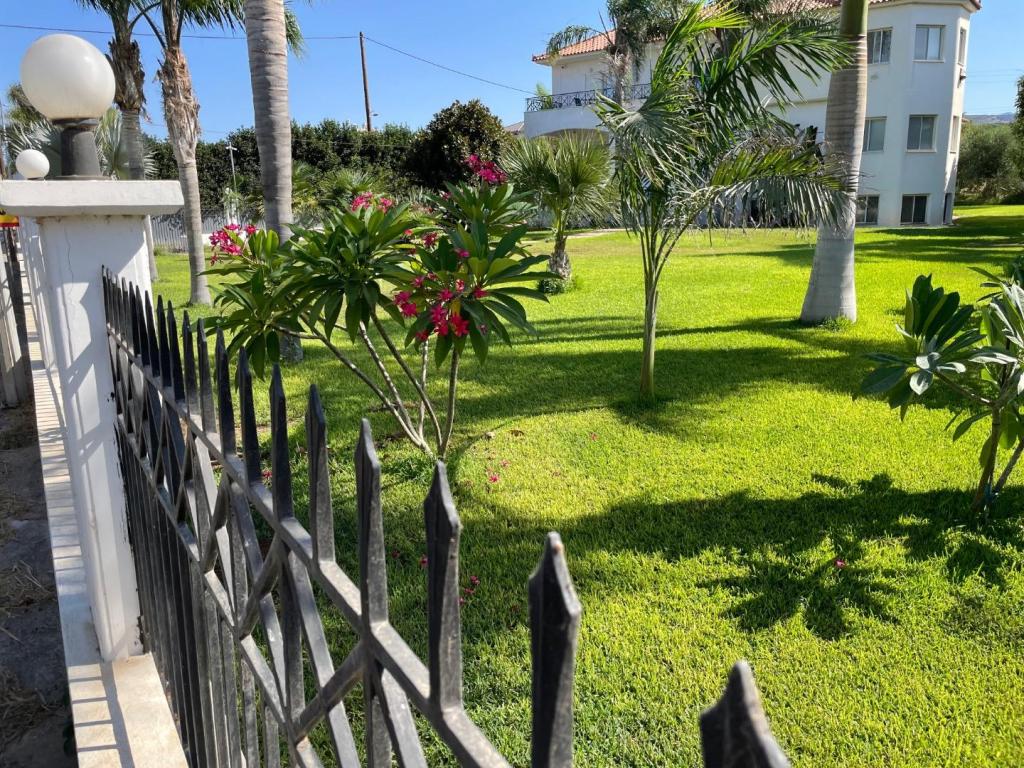
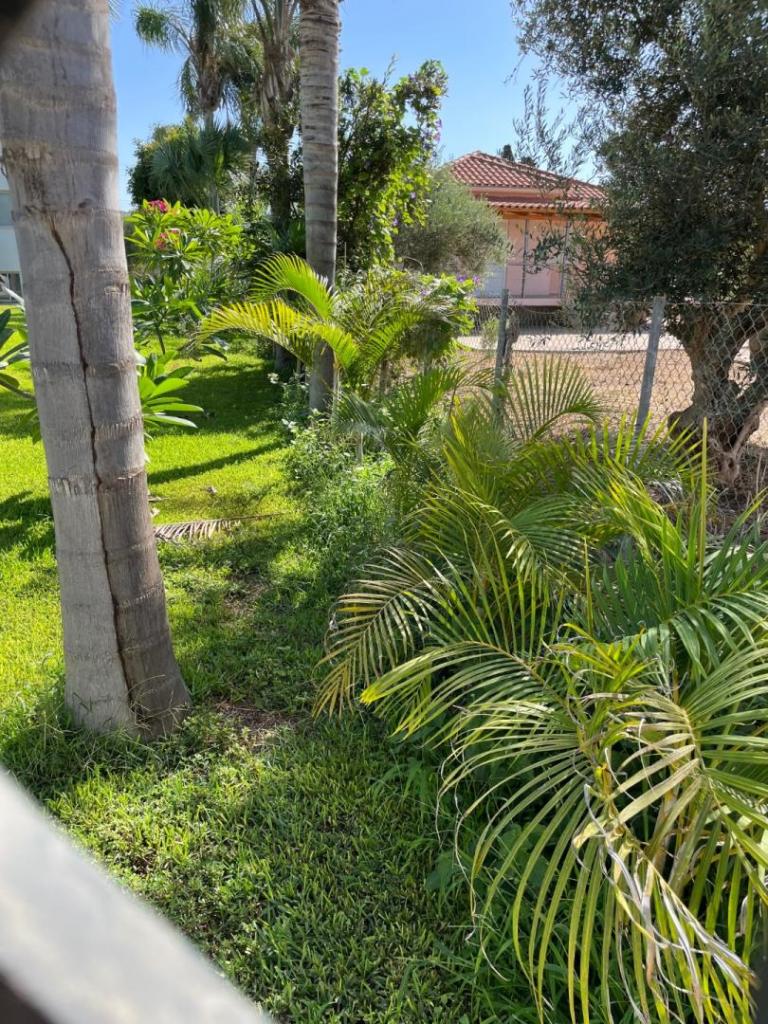


 2 points
 -
If I had a neighbor growing a coconut like that one, I’d sure give it a try or at least a few tries!2 points
-
No, this palm is in a private garden in south Florida. It's quite rare in cultivation.
 2 points
 -
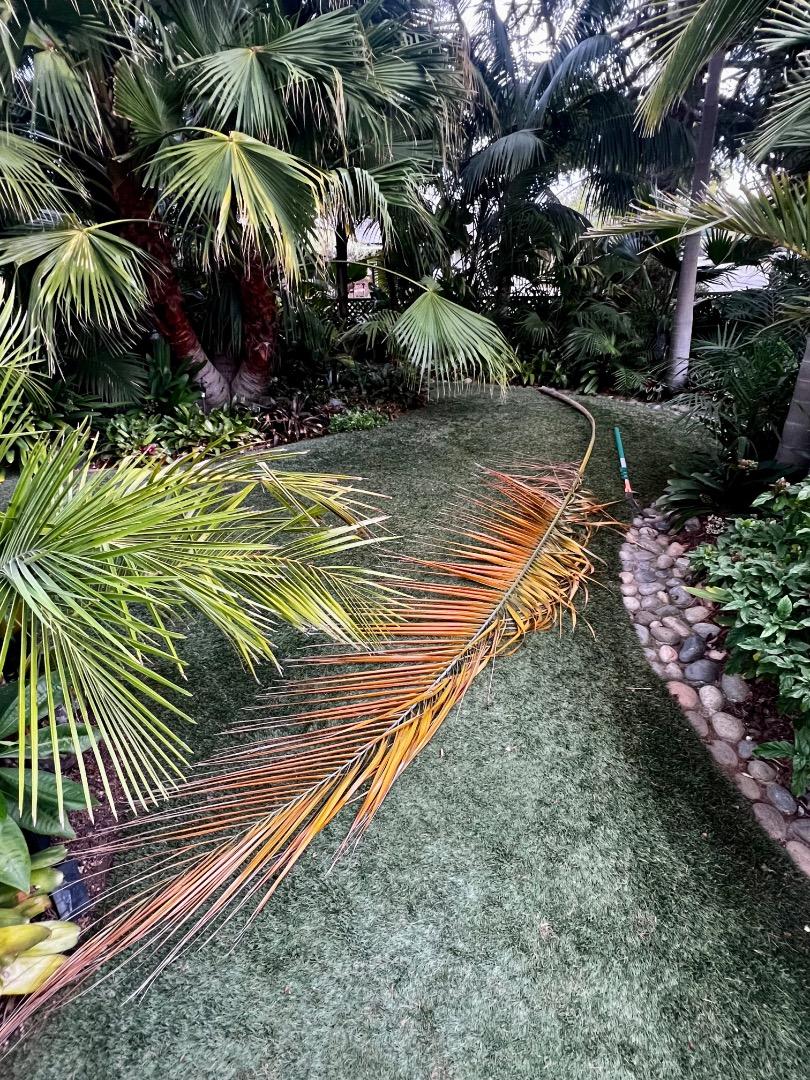
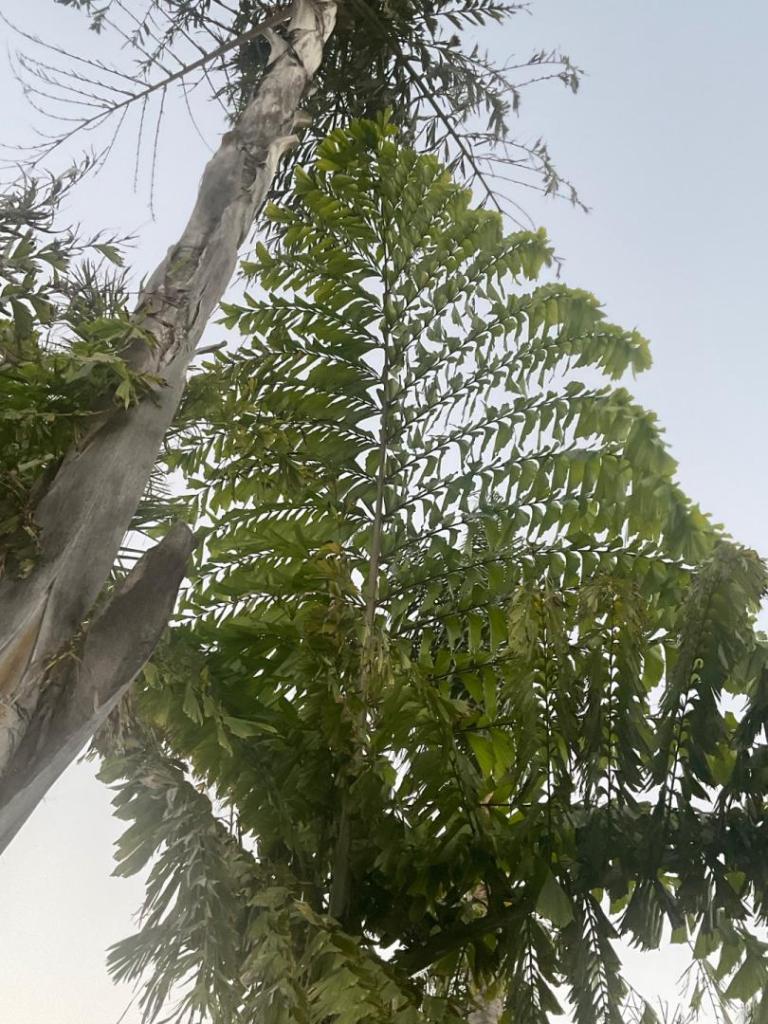
OK I’ll play along . These don’t fall on their own like Dave’s Chambey frond or Jim’s super long frond , but last time I cut an overhanging Obtusa frond ( hanging over a neighbor’s driveway) , it took almost an hour to cut it up in order to dispose of it! I had to drag the frond out into the street to cut it up . Harry
 2 points
 -
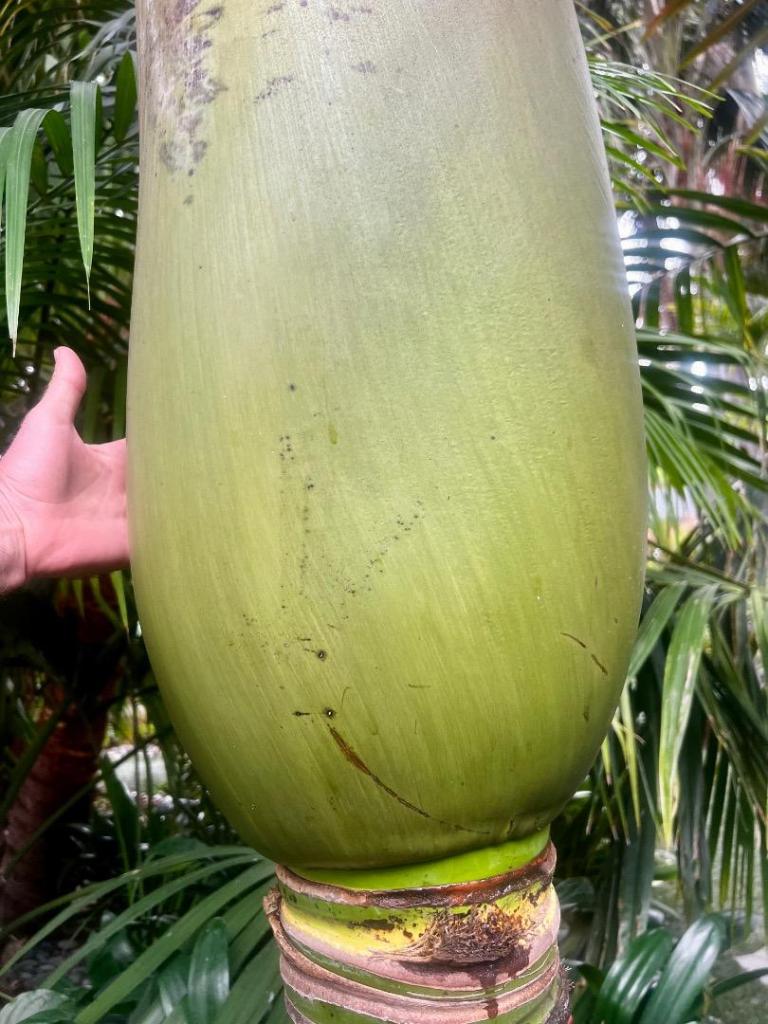
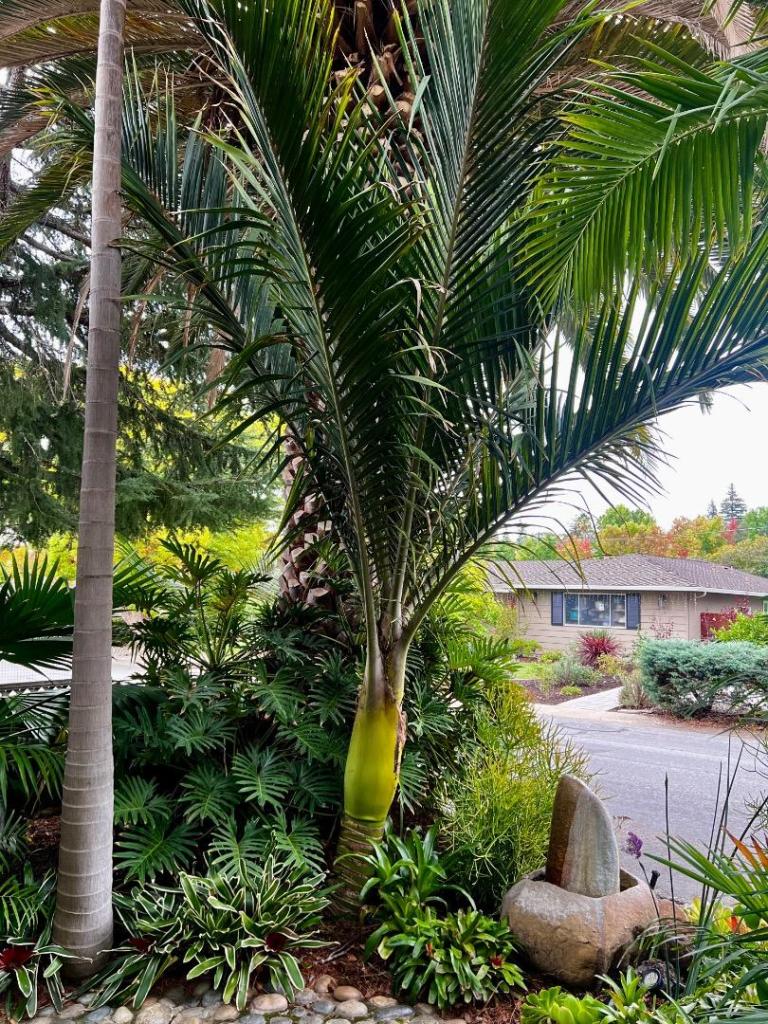
I have a number of Rhopalostylis in the garden and all are in shade to partial sun. All were planted as very tiny seedlings. Leaves have always been fairly deep green. I do have volunteer seedlings in afternoon sun that are very bright green however.


 2 points
 -
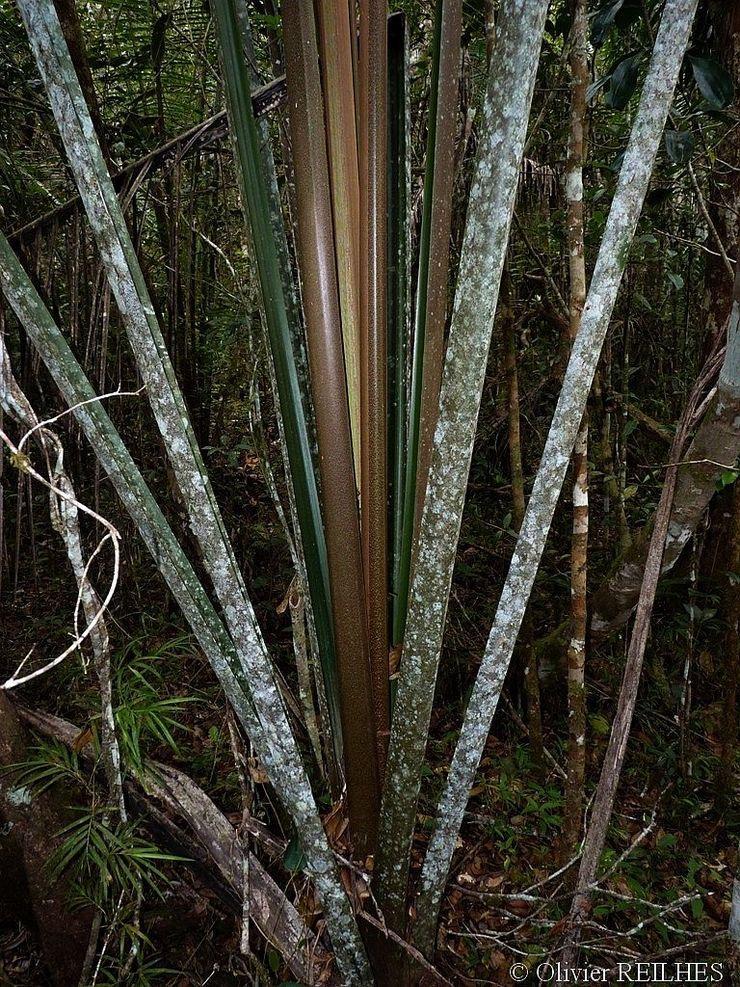
I have been asked by Director Glenn Franklin to introduce the 2025 IPS Save the Species campaign. This program began with the successful Tahina fundraiser which ran on PalmTalk. It is now a very important part of our non profit mission statement (Education, Research, Conservation). “ Our December Save The Species fundraiser is coming up for this small palm. Photo by "Olivier Reilhes Ravenea louvellii is endemic to Madagascar. Our fundraiser will help finance efforts to document additional palms, involve the local community and start a propagation program. The team of botanists from Madagascar led by Dr. Mijoro Rakontoarinivo. Over his professional coreer he has previously worked side by side with our own Dr. John Dransfiel and Dr. Bill Baker at Kew.” More posts to come.
 1 point
 -
Almost 1yr. Not the best pics but decent growth.


 1 point
 -
CIMIS publishes historical and real time evapo-transpiration data for California. There's no station in SF but there is one in Pescadero (probably most similar to the Sunset) and one in Oakland. I did a lot of research on irrigation when I set up my system and base my schedule on this historical data, though you could also use the real-time data if you wanted to. There isn't a lot of academic research done on irrigation needs for ornamental palms, but I use a plant factor of 0.75 since most of the palms I grow are pretty thirsty. So, if you look at the table below, reference evapo-transpiration in an average December is 1.4", so a palm would use say 75% of that, or 1.1" of water in a month, or 0.26" per week. I irrigate after ever 0.5" of cumulative evapo-transpiration to keep the soil pretty evenly moist, so in the middle of winter if there's no rain every other week should suffice. https://cimis.water.ca.gov/Stations.aspx A much easier and more approximate approach is to simply take a long iron dowel rod and push it down into your soil, if it goes about 12" deep without much force, the soil is adequately moist, if it goes less you likely need to irrigate.
 1 point
 -
Have been to busy to walk the jungle finally got some time and found these fronds!!!
 1 point
 -
Correct. Just like the Kentias. The Pananama Talls are the opposite so far. Maybe because they were barely germinated when I received them, I don't know.1 point
-
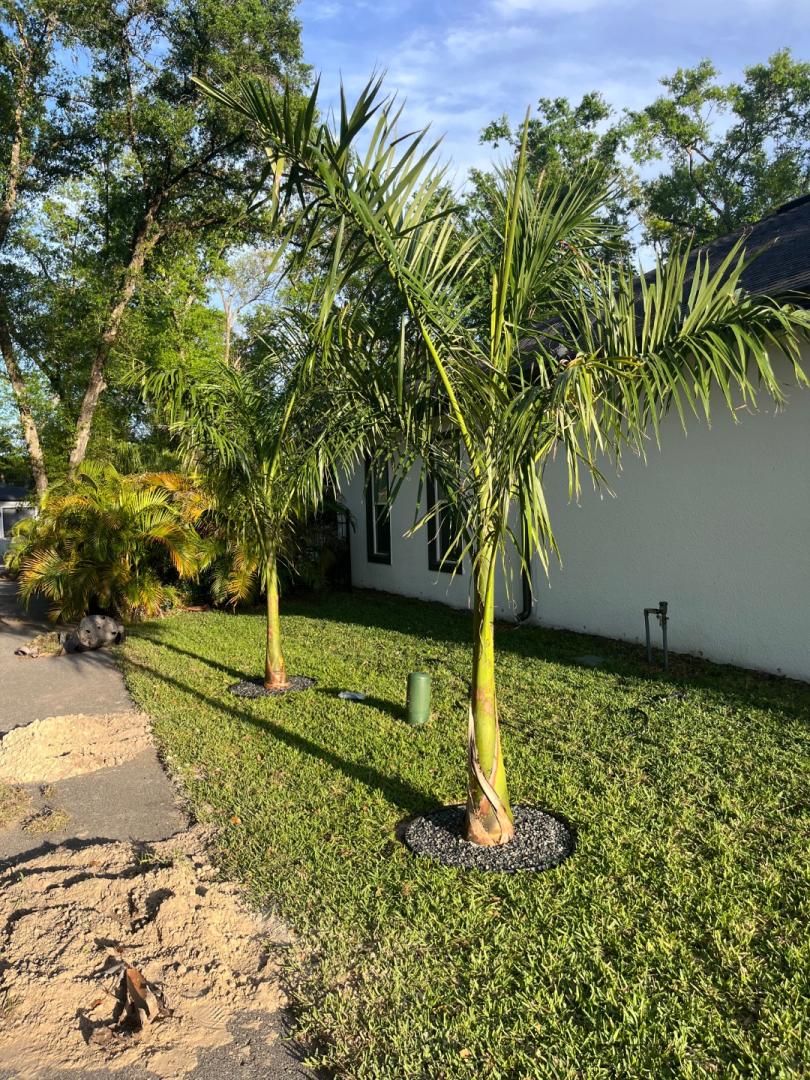
Hello all, purchased these two 3 gallon coconuts on clearance as a little project from a big box retailer. They are about the same height but I noticed the fruit shape appears to be different and one seems to be pinnate at an earlier stage. Anyone have any guesses? I assume at least one is a green Malayan if not both. also for fun added a pic of my approx 35 gallon Maypan for fun which made it through an early 33 degree frost this year (basically) unphased. Only protection was several tightly wrapped moving quilts around crown and base. Prior owner also said it has seen it has seen similar temps multiple times. 9b FL yes I am aware these are not ideal for my area. It is just a fun project for me

 1 point
 -
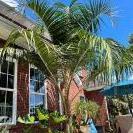
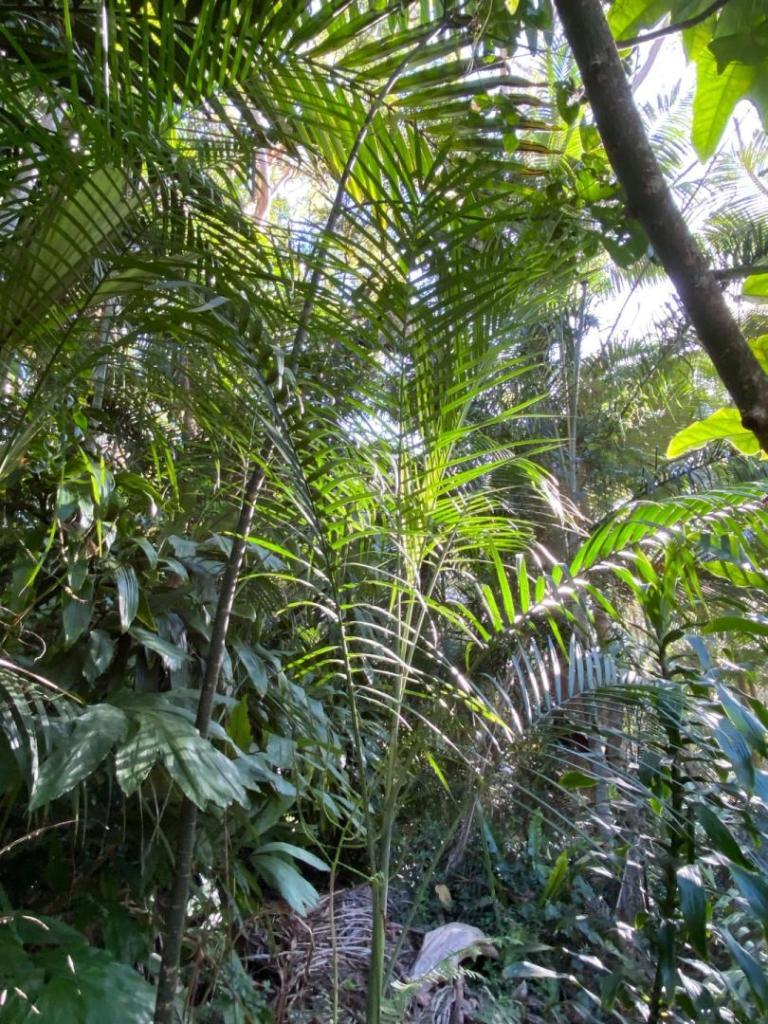
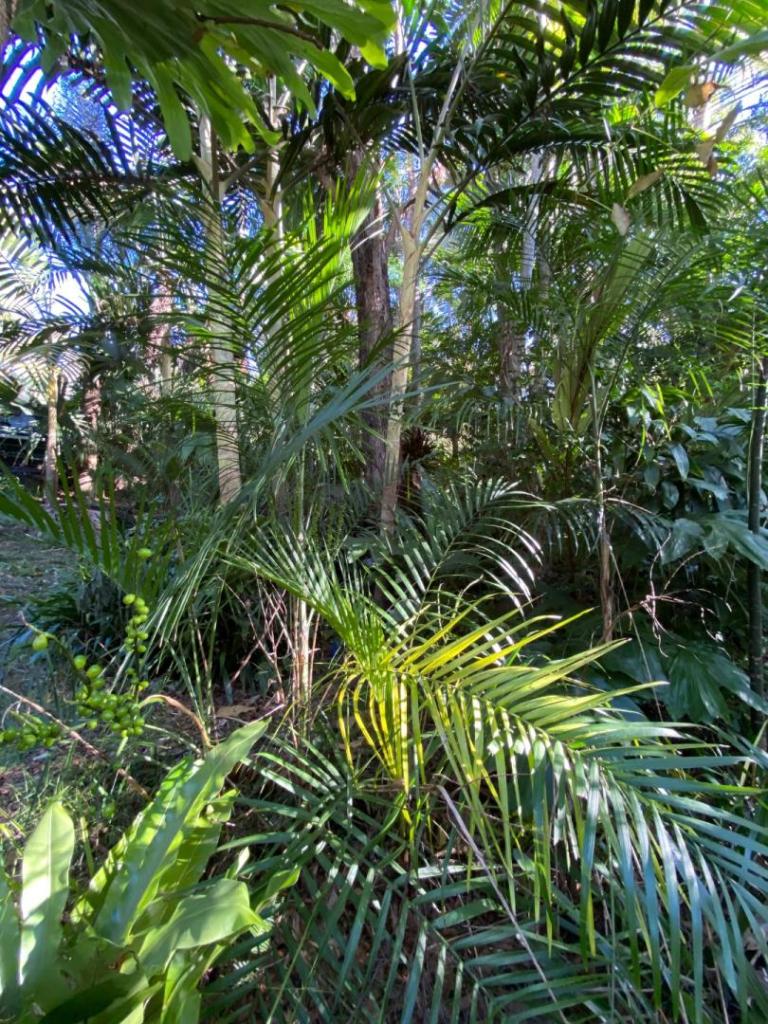
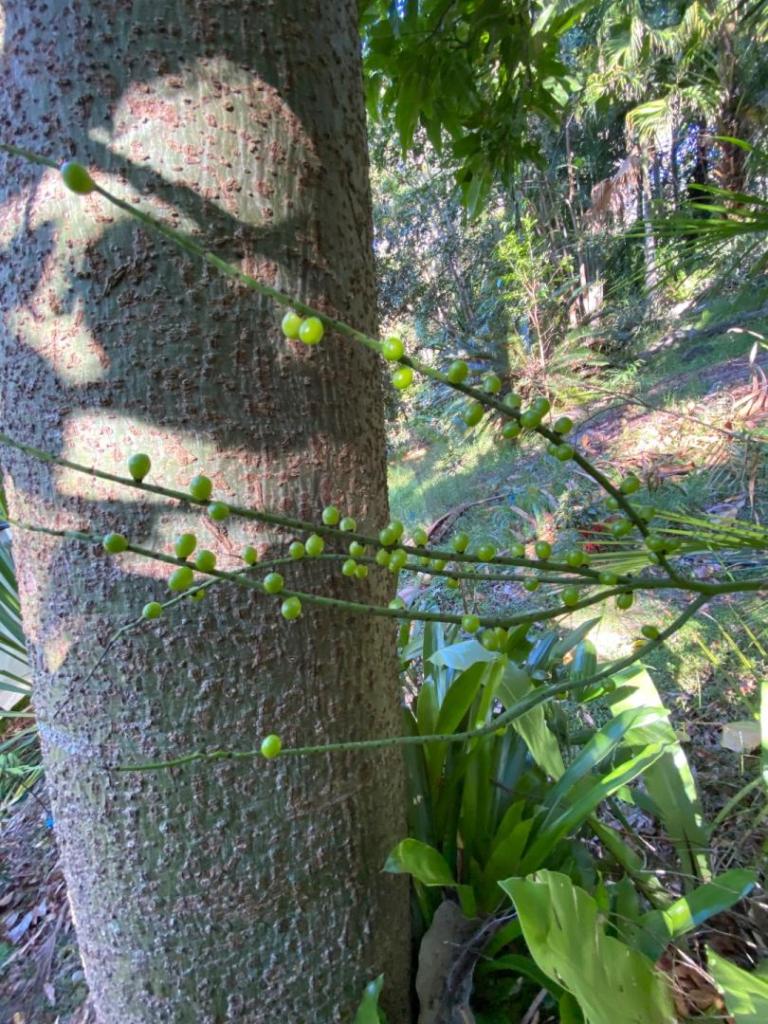
They seem to be pretty popular with the cool climate growers and just about everyone who grows palms would have one or two around their house. So easy to grow and propagate there fast becoming the modern day chamaedorea elegans. Very tough dry tolerant cool tolerant and fast to grow, is one reason they are popular, from medium amounts of sun to deep shade there a palm that fits into any garden or container!




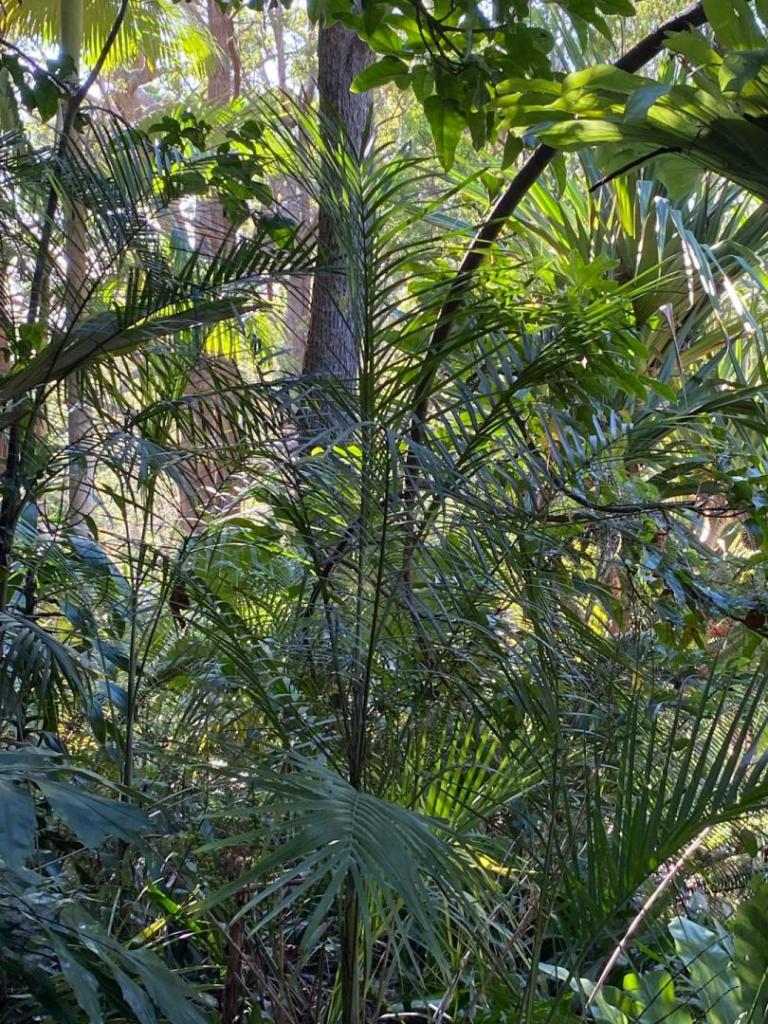
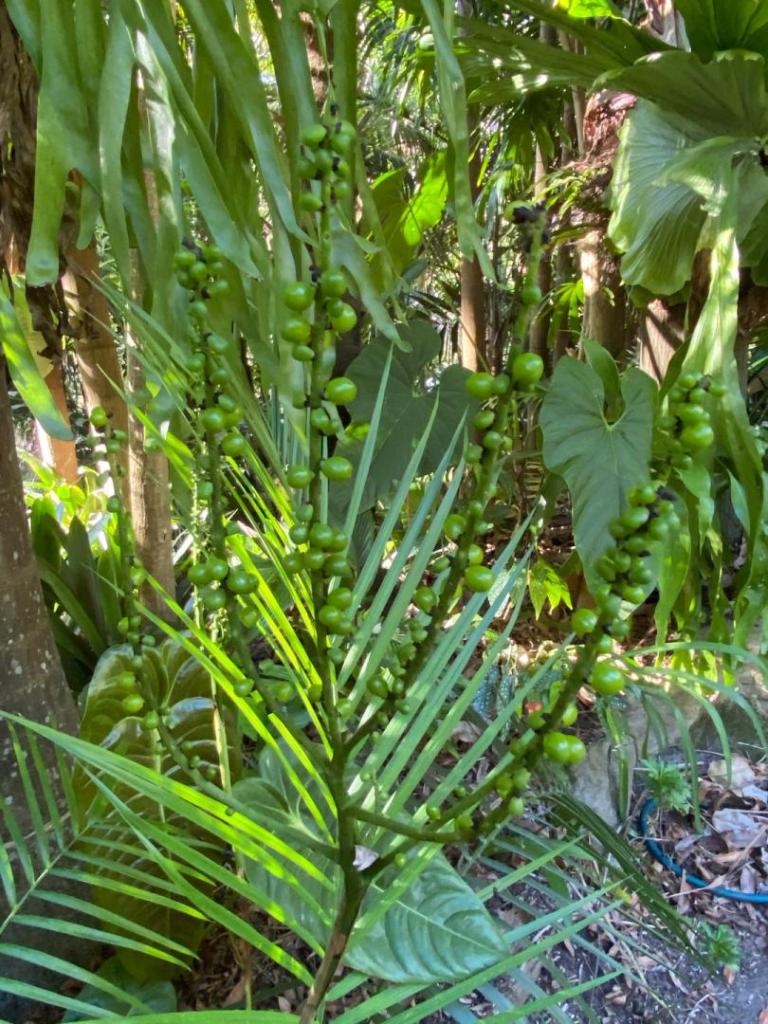

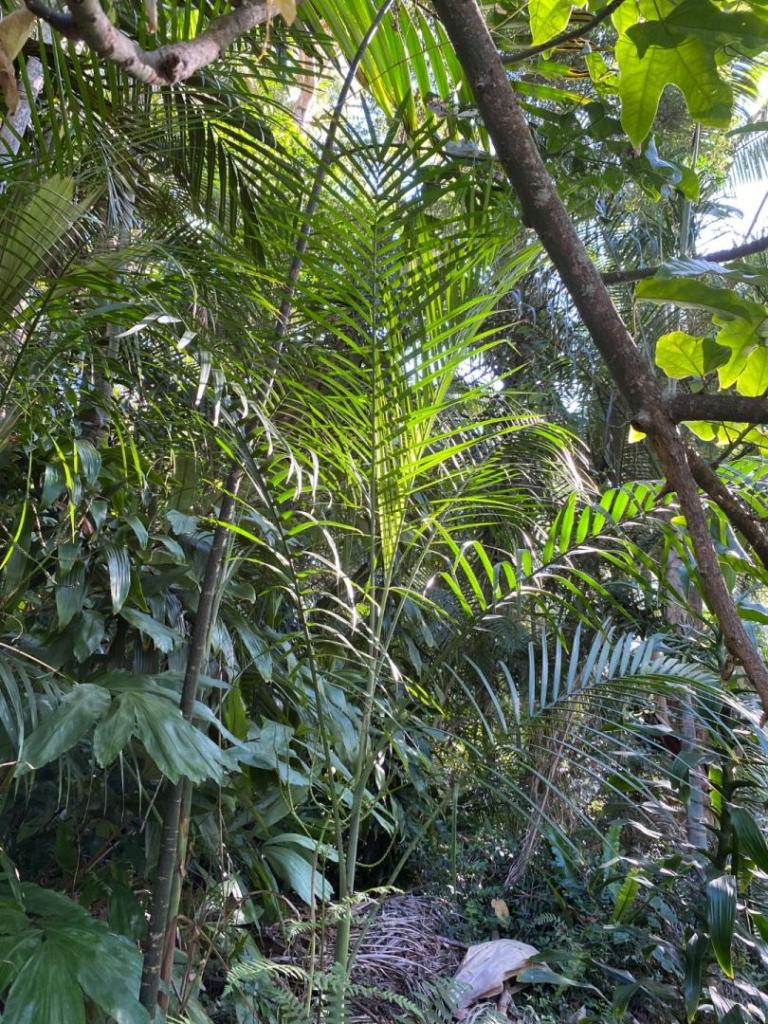
 1 point
 -
I really enjoyed this video Bay Android. Lots of familiar beautifully grown plants. I always get ideas watching such videos!1 point
-
Thank you, I think I know where they are located but could never take a photo myself, looks very healthy to be honest!1 point
-
In the summer of 2022, I spent about $20 to purchase this beautiful palm and planted it in an 8b area located in Nantong City, Jiangsu Province.

 1 point
 -
I saw that they planted a couple of additional juvenile Roystoneas. Also I noticed that the C. Lutescens grew quite well since I’ve been there last year.1 point
-
I would swap immediately; we have that at the moment, and it's on the rise and raining ...
 1 point
 -
The trick with golden canes is plant them out as singles, the standard dozen in a container from the plant store doesn’t work well when mature, one great big ugly clump, but plant them out as single ps it’s a different story! Richard1 point
-
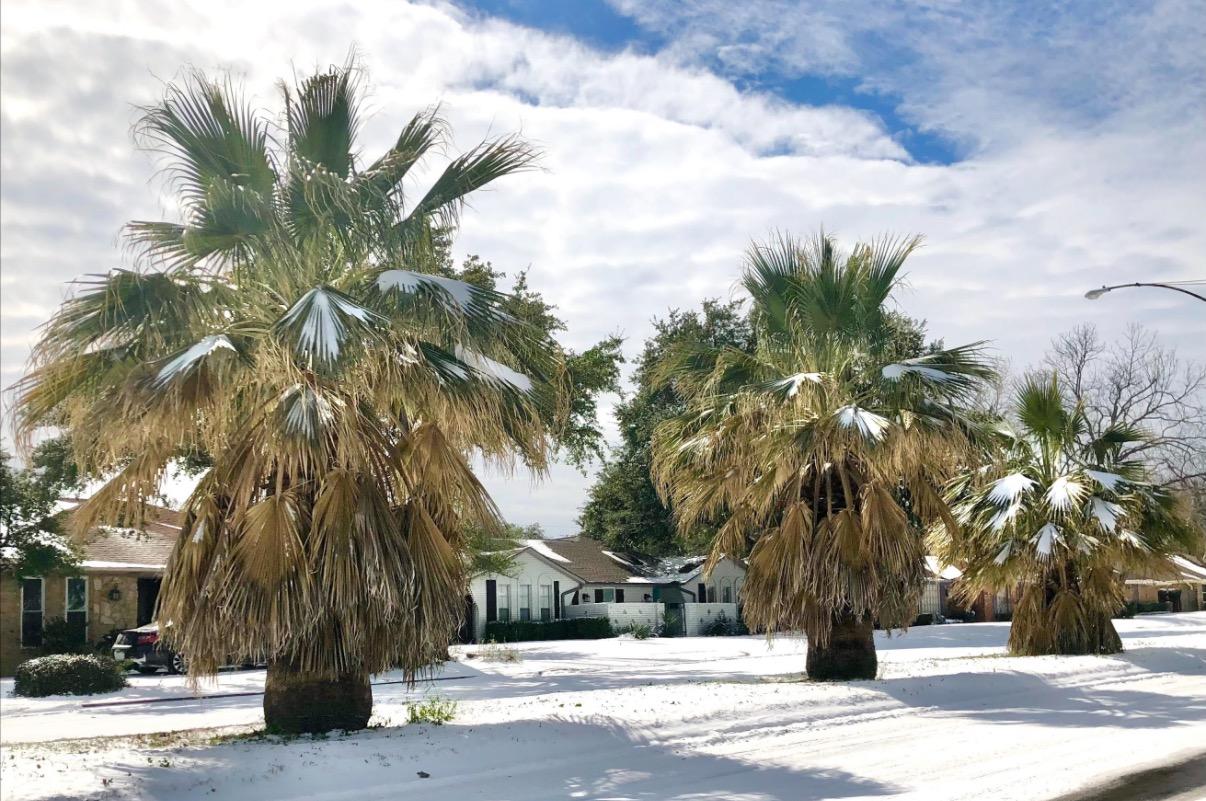
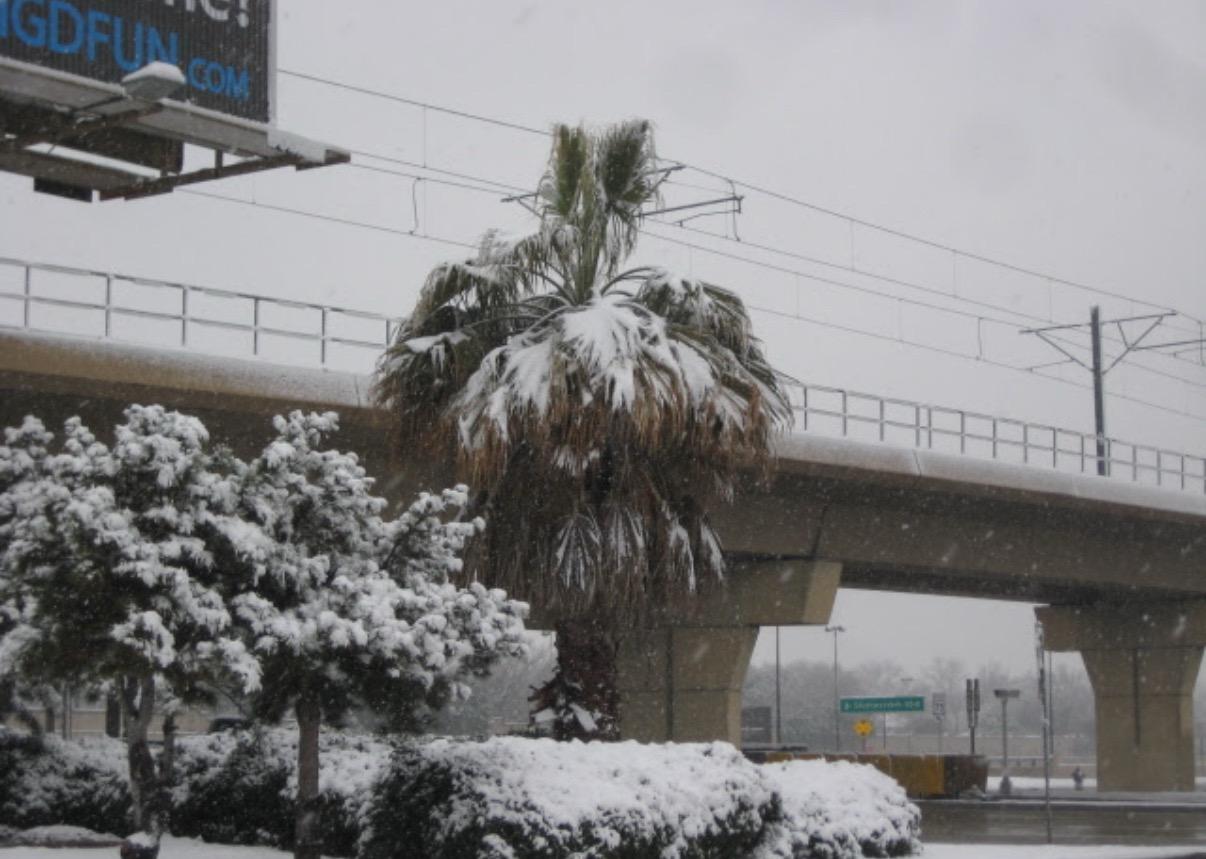
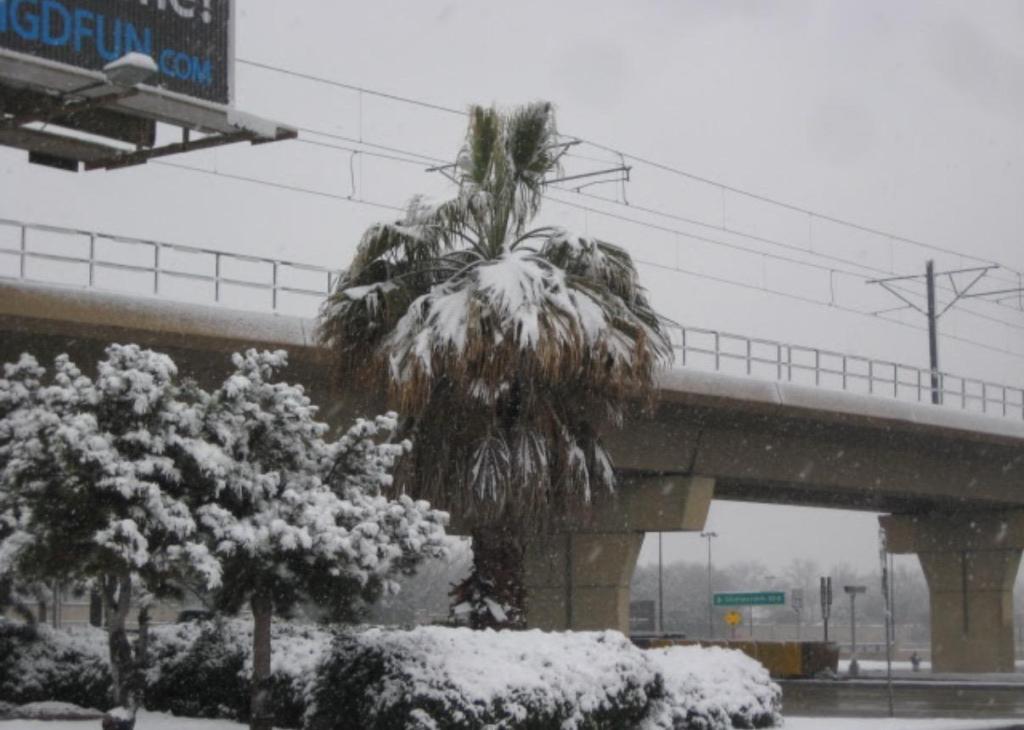
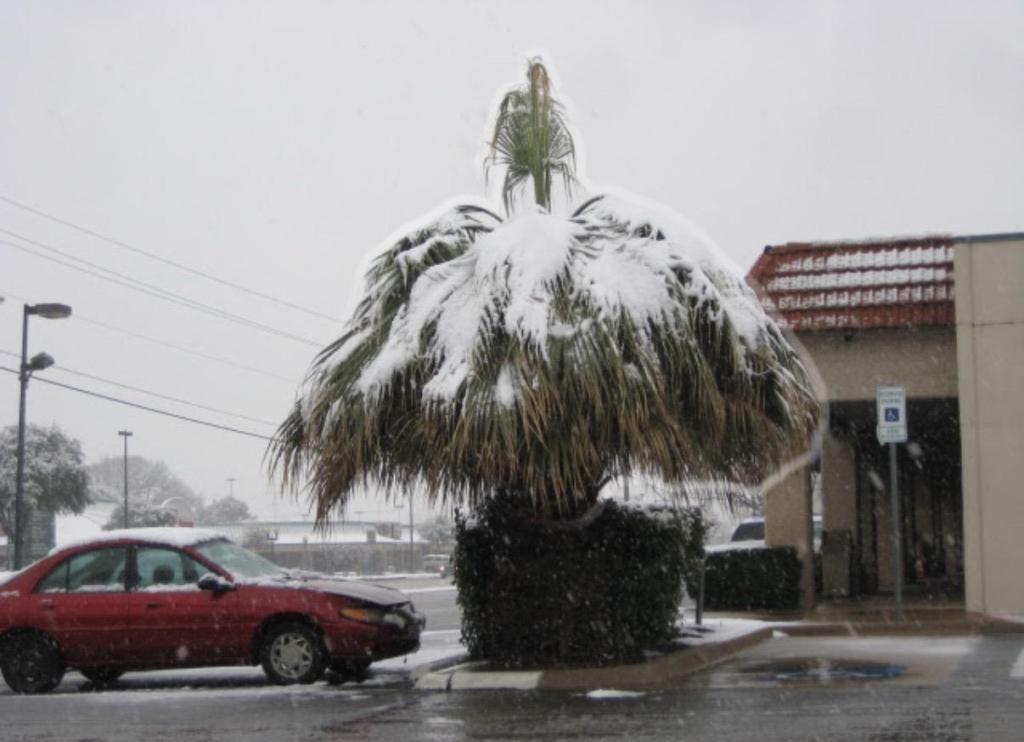
Previous frozen precipitation events in Dallas zone 8a

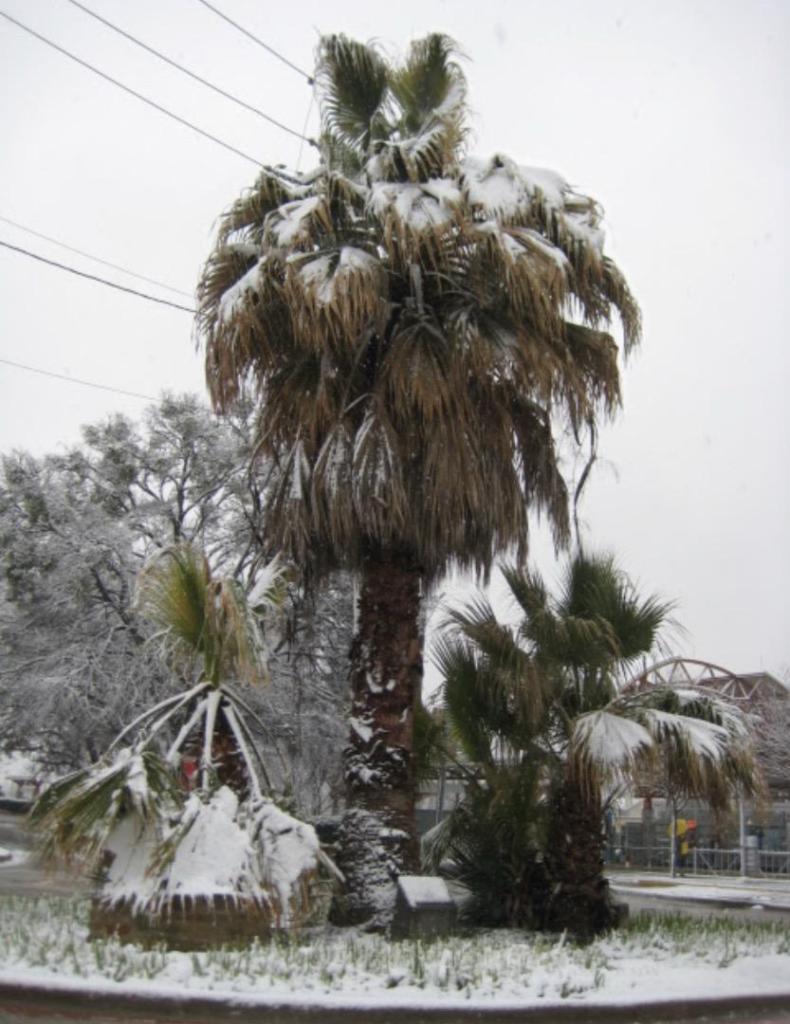



 1 point
 -
I'm guessing you haven't seen the one Stelios is growing in Cyprus. I have compared live weather information and we both get the same weather but just one or two days apart. My experience has always suggested it's the blazing hot sun that batter the cocos and make them ill-prepared for winter. I imported the Panama Talls for the level of cold-hardiness that is always said to be greater than that of Dutch Malayan dwarfs - avaiilable in every OBi and Leroy Merlin by the pallet. I was pleasantly surprised to find they take the blazing heat, This wil only help getting them through the winter. Btw, the arborisy who removed 4 washingtonias for me he knew somebody in Rhodes with a coconut that was 4 or 5 years old. But he knew of no others/1 point
-
careful freezing for too long as you very well will affect germination rate. Weevils are easily to kill - Take your seeds, strong bleach mixture, and soak your seeds. Your first patch of them will day - Purchase bifenthrin and mix that into a container (big glass jar) let it sit for 24-48 hours and watch more die. - Wait another couple days, or a week, and do it again. The ones that were waiting to hatch, will get hit on the second time around. Refrigerating seeds is fine, but careful on freezing.1 point
-
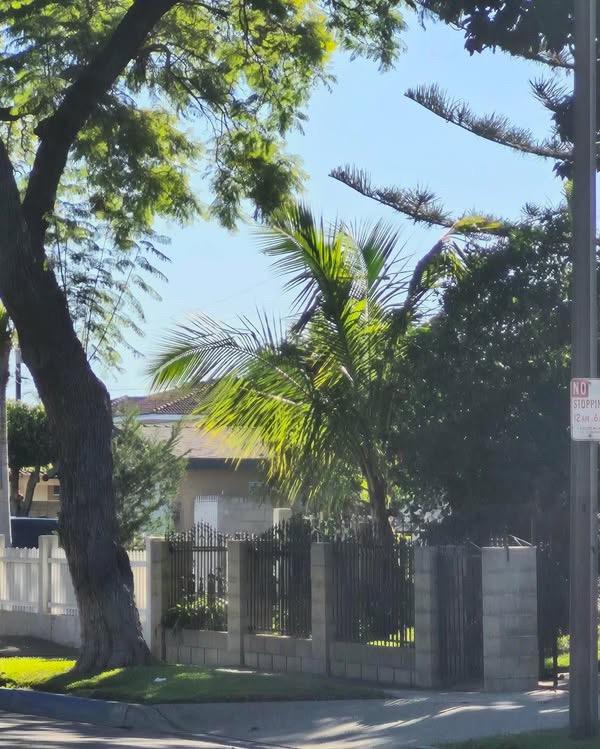
Hey everyone a friend that lives nearby just snapped these photos of the Santa Ana coconut. Looks amazing and getting so much trunk
 1 point
 -
Nobody has made a "that's what she said" joke yet. What's happened to us?1 point
-
That’s a chunky Chamby frond Dave! Here’s a 28 foot P. torralyi frond stretching across my entire front lawn area that I just removed the other day.
 1 point
 -
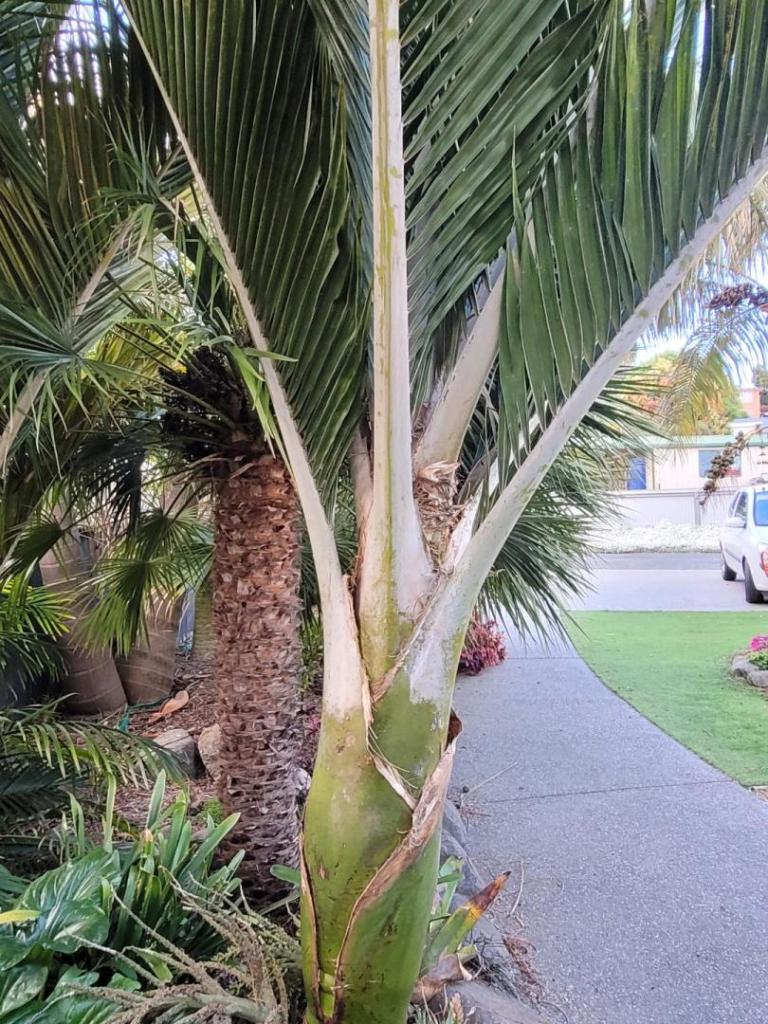
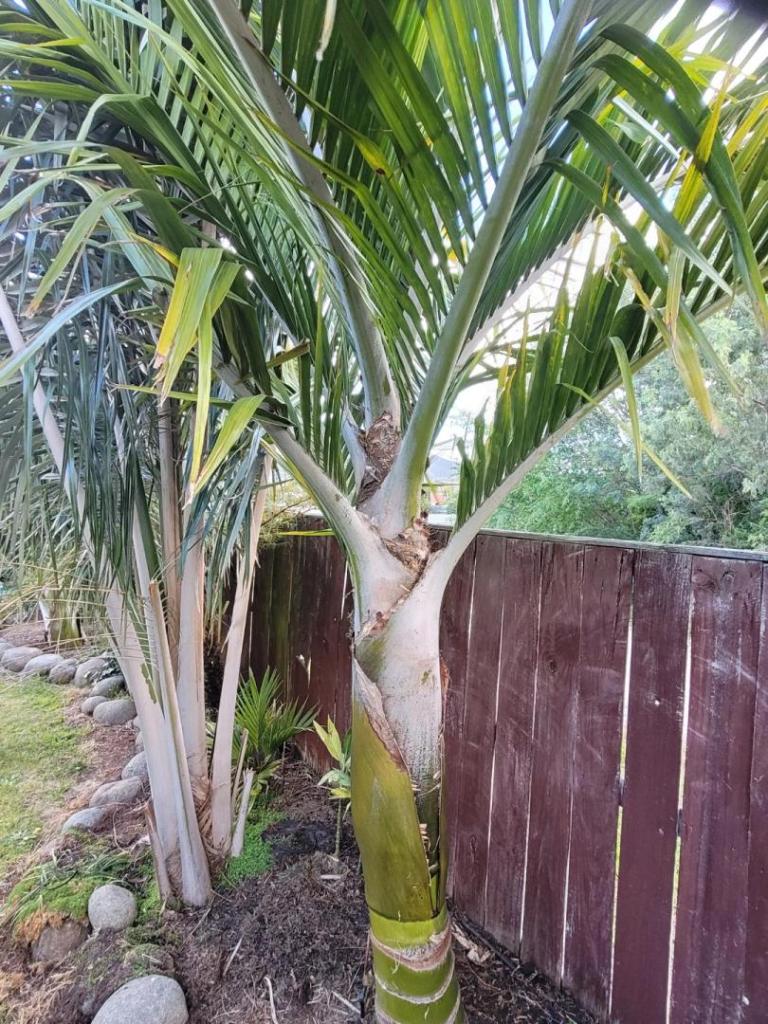
Hi from Old Beach Tasmania My climate is very similar to San Francisco Bay area although in summer usually in the 70s F winter 50f to 60 f average. All my Rhopalostylis are growing like escapees in the ground if full sun and I water 3 times a week for 45minutes. I fertilize 3 times a year with lashings of rich organic fertiliser seaweed pellets and mulch well. I think that you will find that the slightly lighter green frond are just temporarily as your Rhopalostylis adjusts to its new home and subsequent fronds should be a rich green colour if you water regularly ( you can't overwater Rhopalostylis)


 1 point
 -
Again...Lock that thing up Jim!1 point
-
i've germinated them from seed once and purchased seedlings from Floribunda twice. ALL have died. But, being the hardheaded collector i am,.I bought this 3 gallon plant in Miami last weekend and figured if i can start with a 3 gallon size, perhaps I have a chance. (they hate our high temps and wet summers here.) JD
 1 point
 -
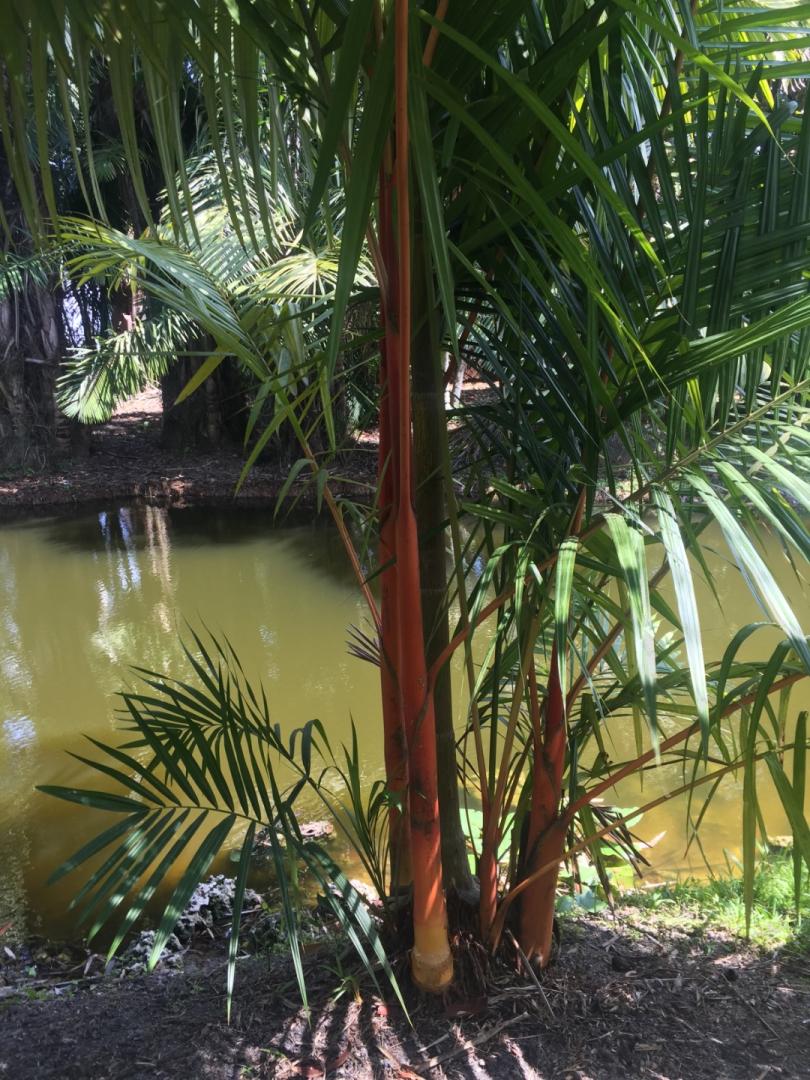
mine lookin well by the pond...pic from 2020
 1 point
 -
And now
 1 point















.thumb.jpg.304b32ca4398a111edf4ac525048111e.jpg)