

Leaderboard
-

happypalms
IPS MEMBER40Points12,527Posts -

Mazat
IPS MEMBER18Points1,948Posts -
pogobob
IPS MEMBER14Points1,752Posts -
Darold Petty
IPS MEMBER13Points4,864Posts
Popular Content
Showing content with the highest reputation on 12/06/2025 in all areas
-
7 pointsThan, don't be embarrassed. The only embarrassing trait is lack of curiosity.7 points
-
 6 points
 -
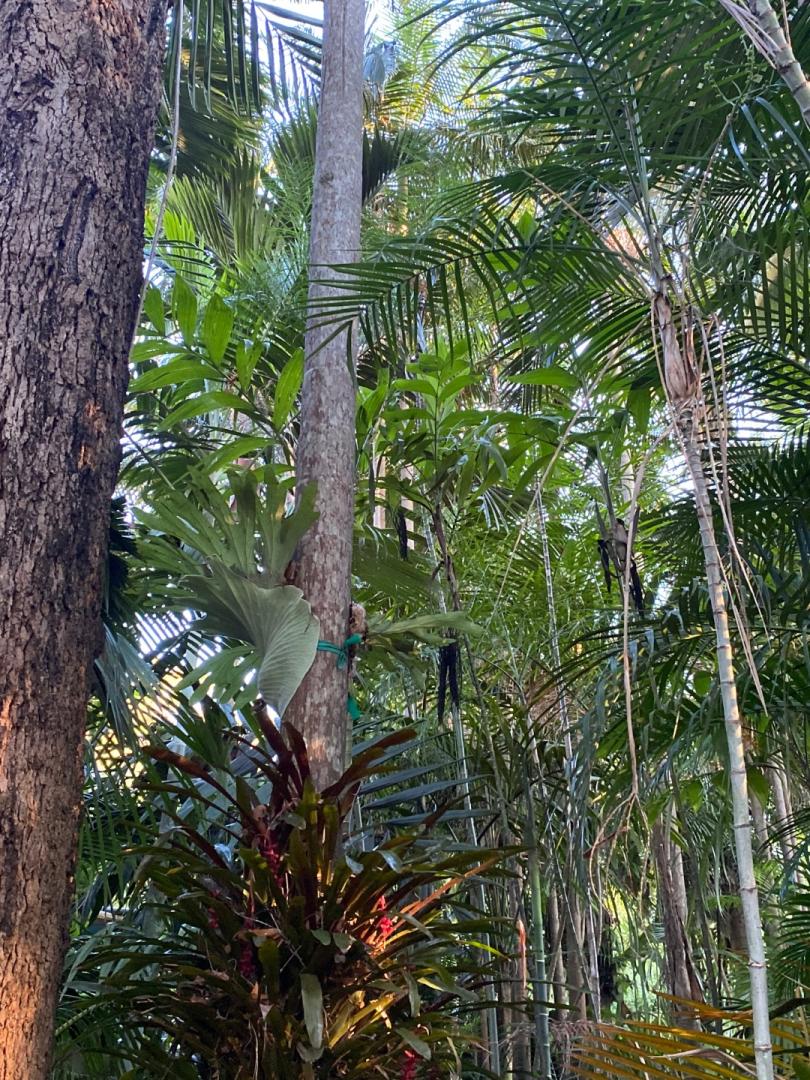
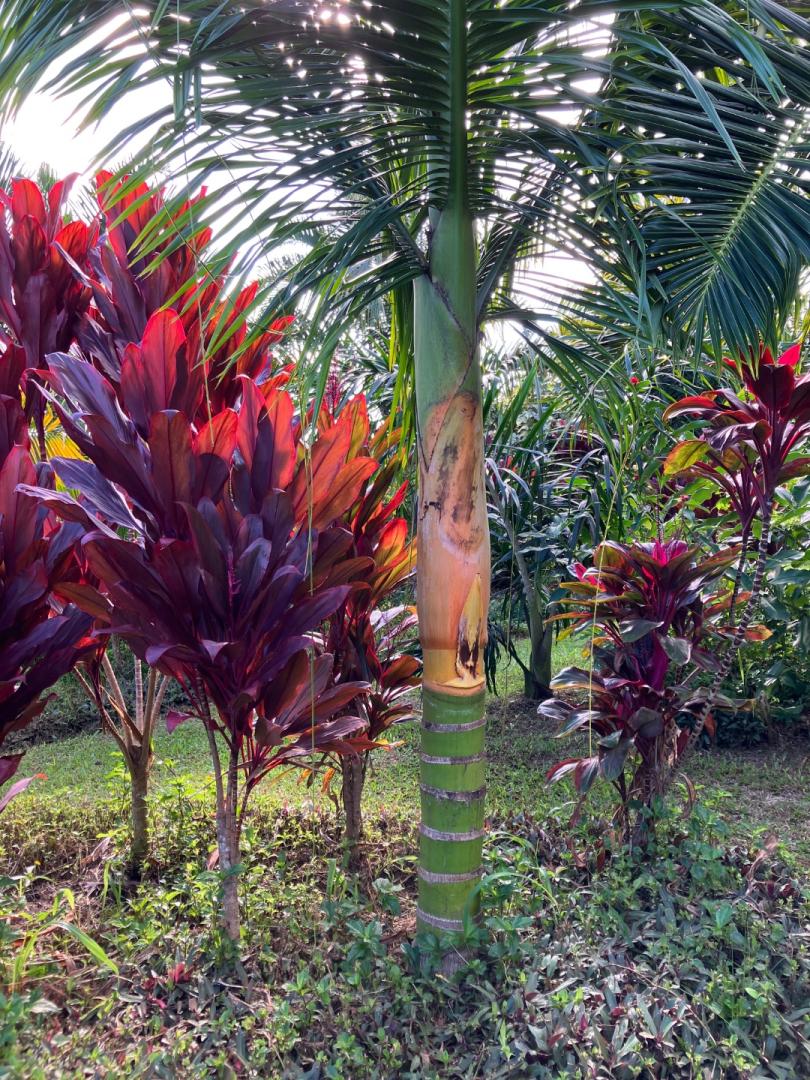
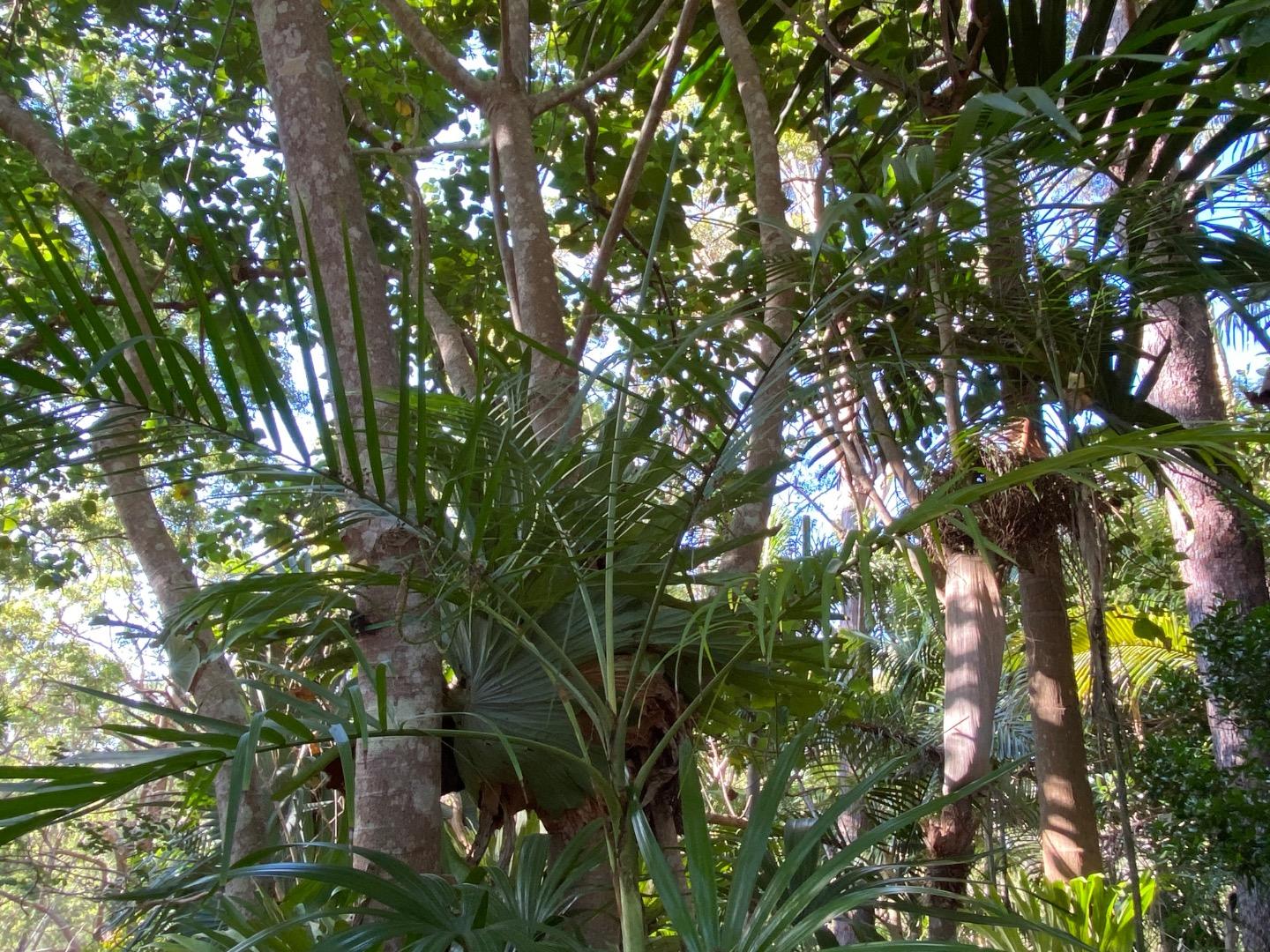
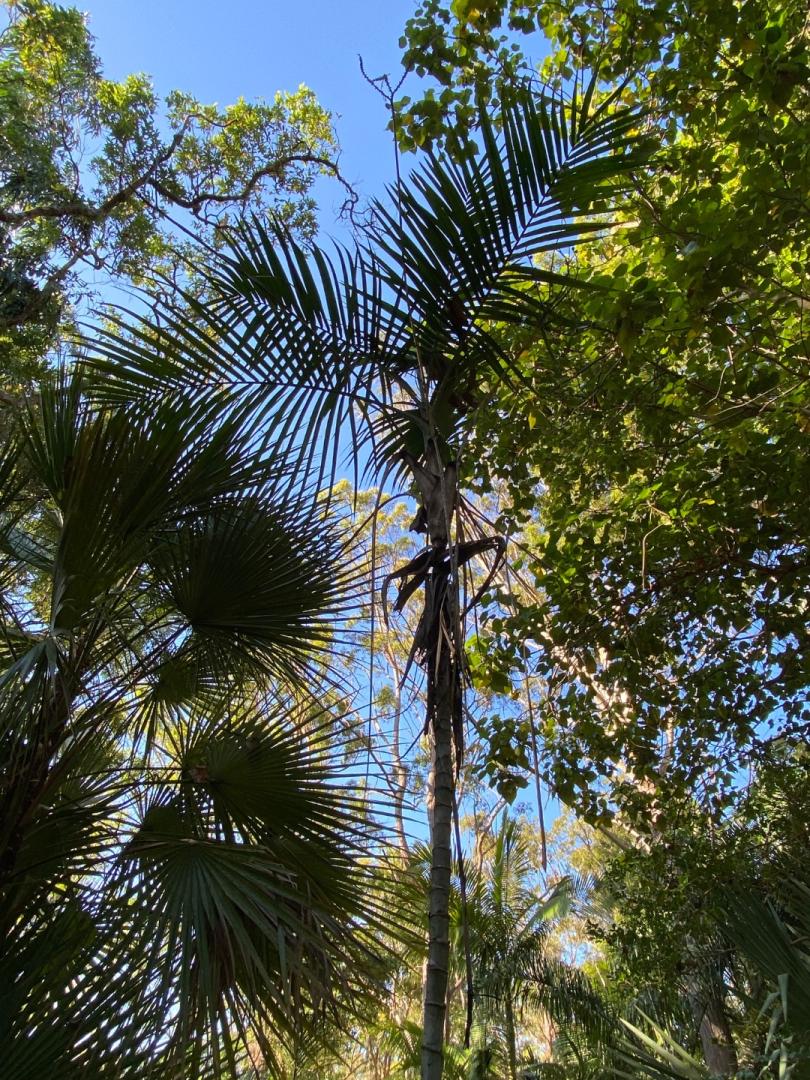
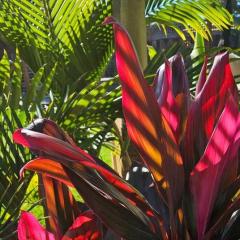 Some of the specimens in this garden.... Just had to share.5 points
 -
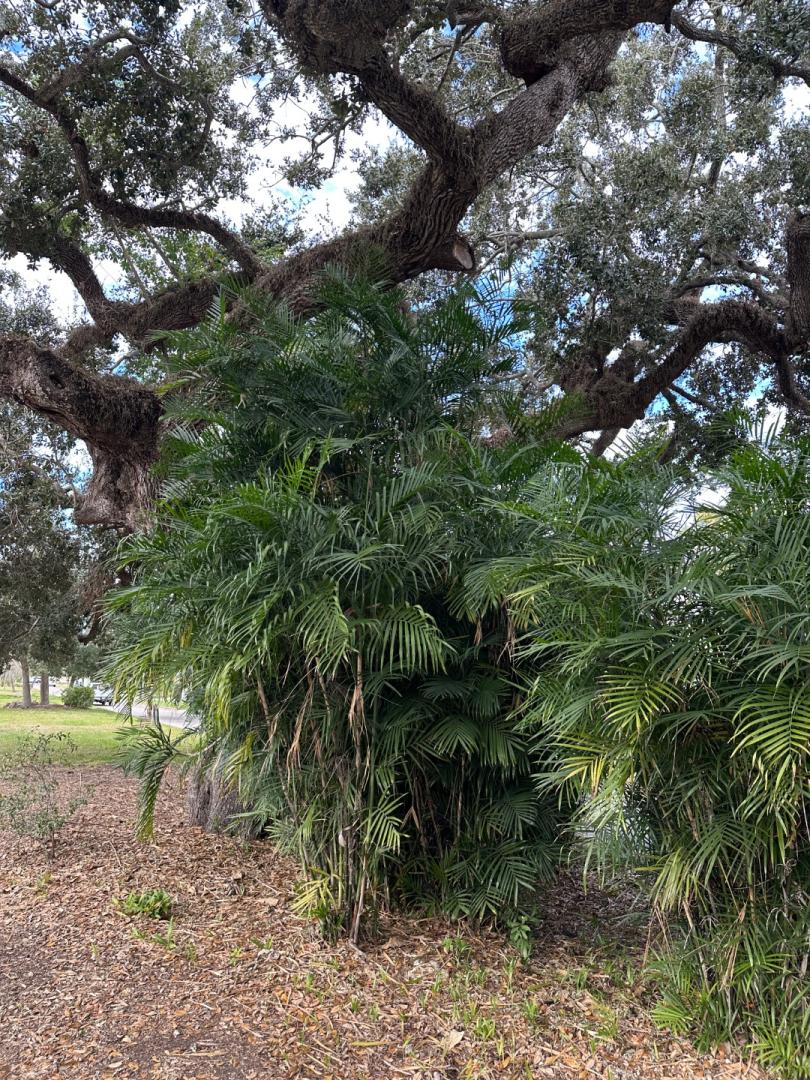
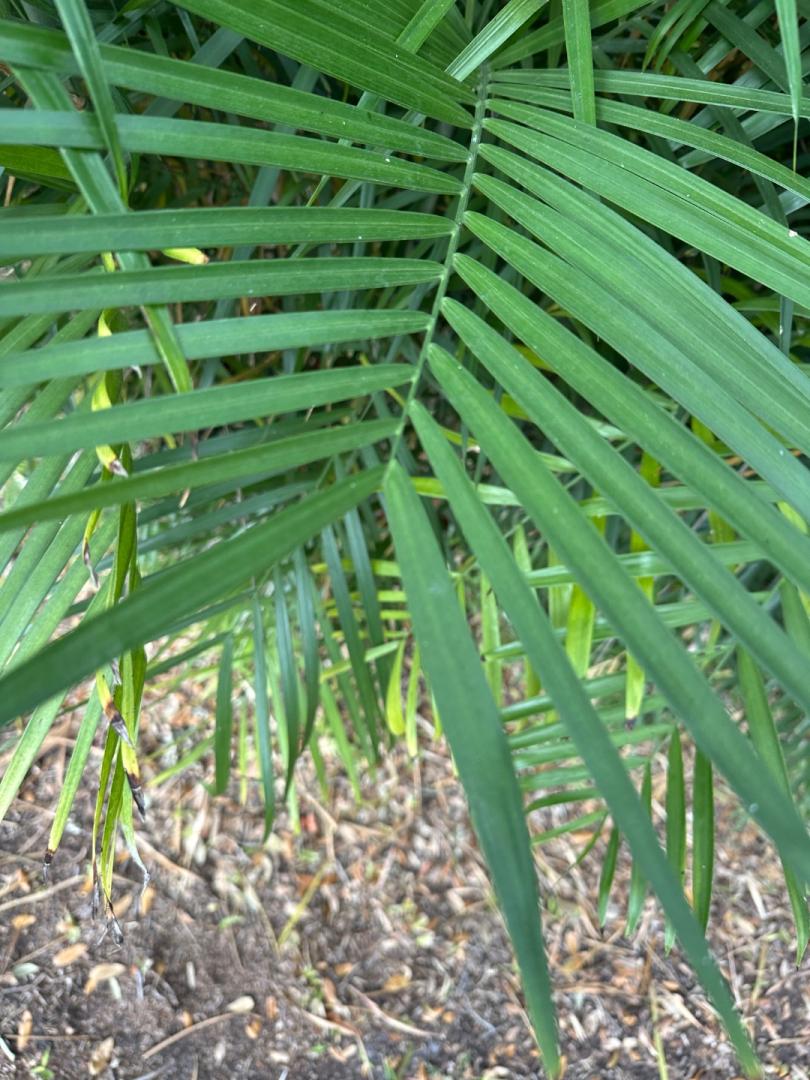
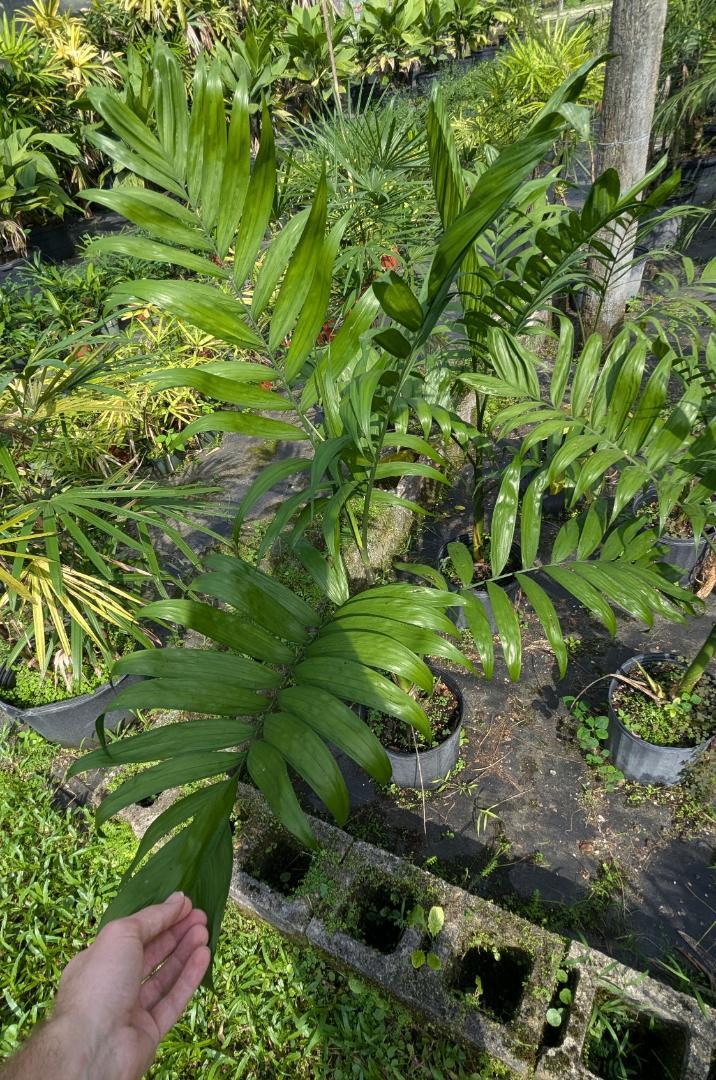
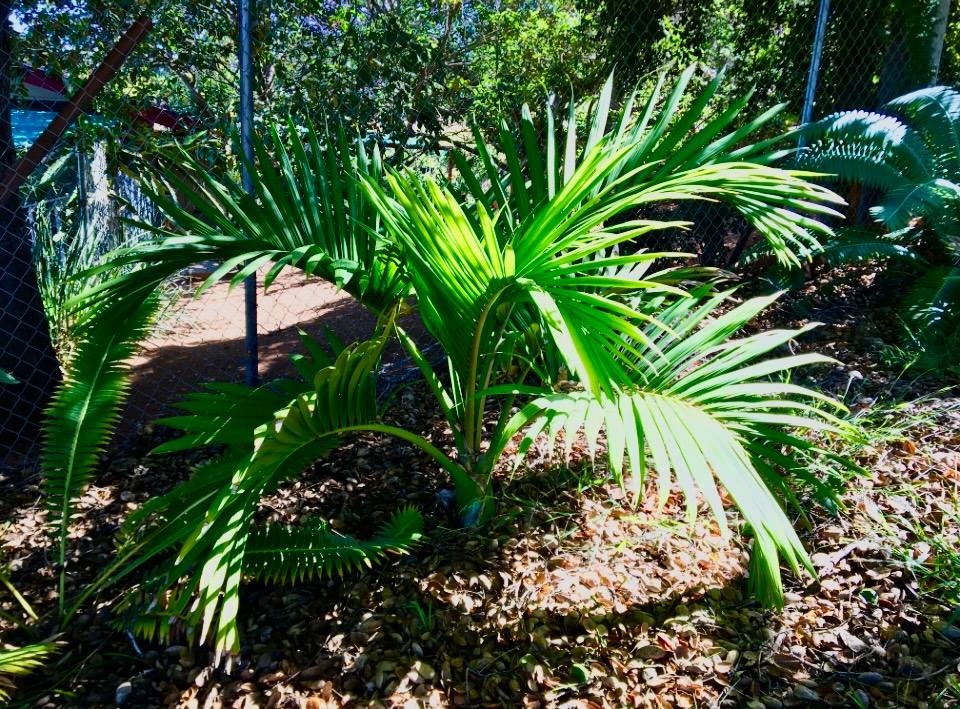
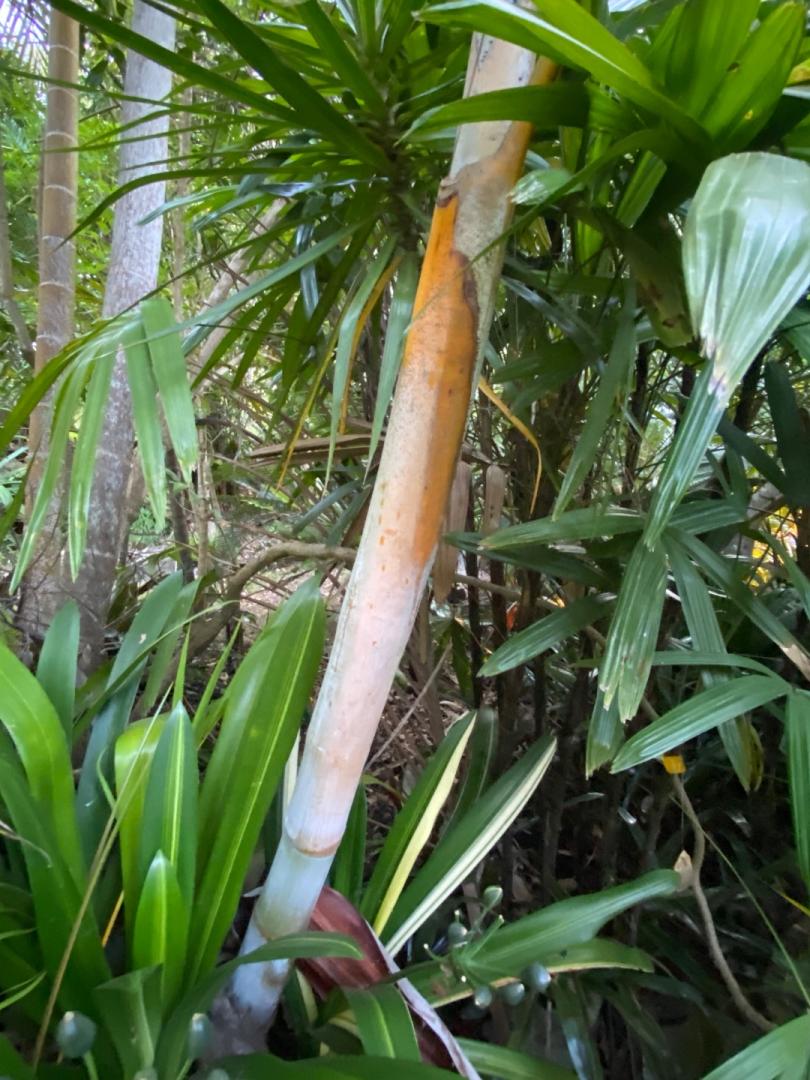
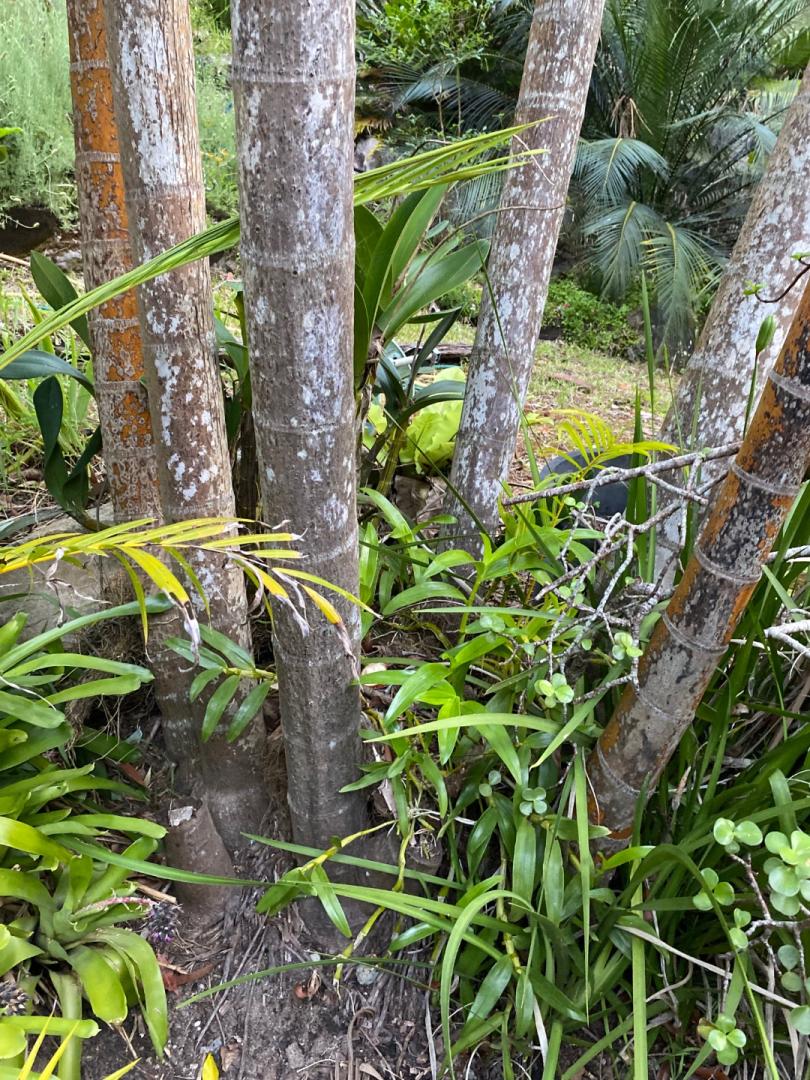
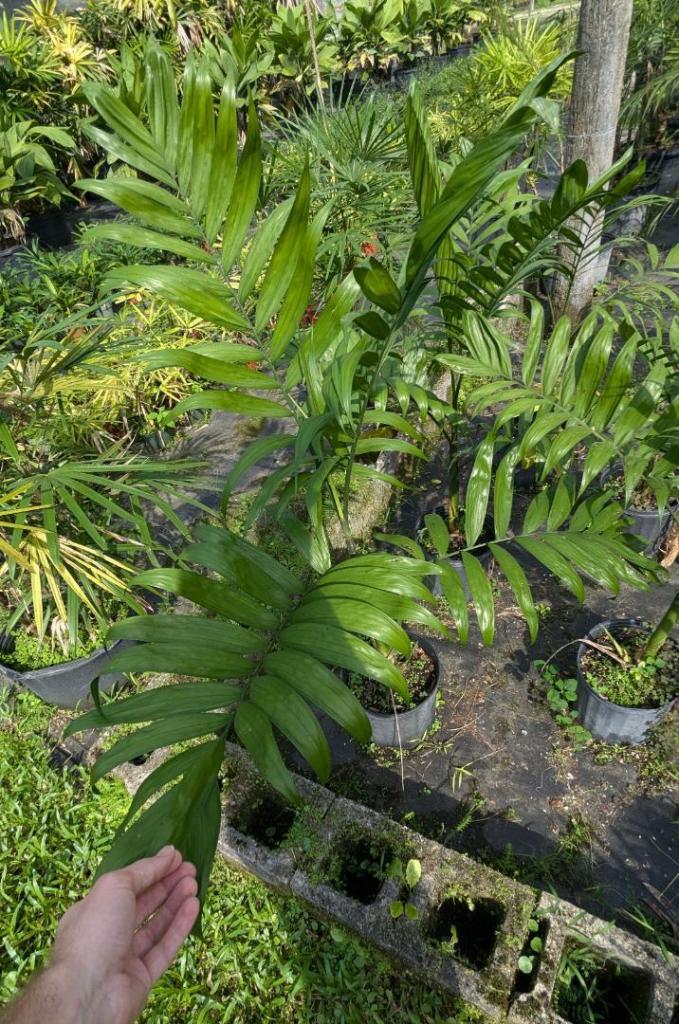
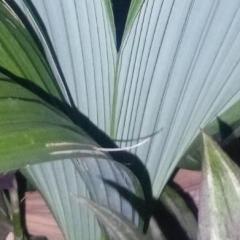 It's C. seifrizii. Very easy to difference them. C. costaricana looks like a slightly smaller version of C. tepejilote. But it's still very robust, and their flower/fruit bracts hang, while C. seifrizii bracts are erect. Also the ligules, only 2 species of Chamaedorea (including costaricana) have ligules. And the location too, to my knowledge, C. costaricana can't grow in Florida's soil due to nematodes or sandy soil, while C. seifrizii can tolerate FLA soil.5 points
 -
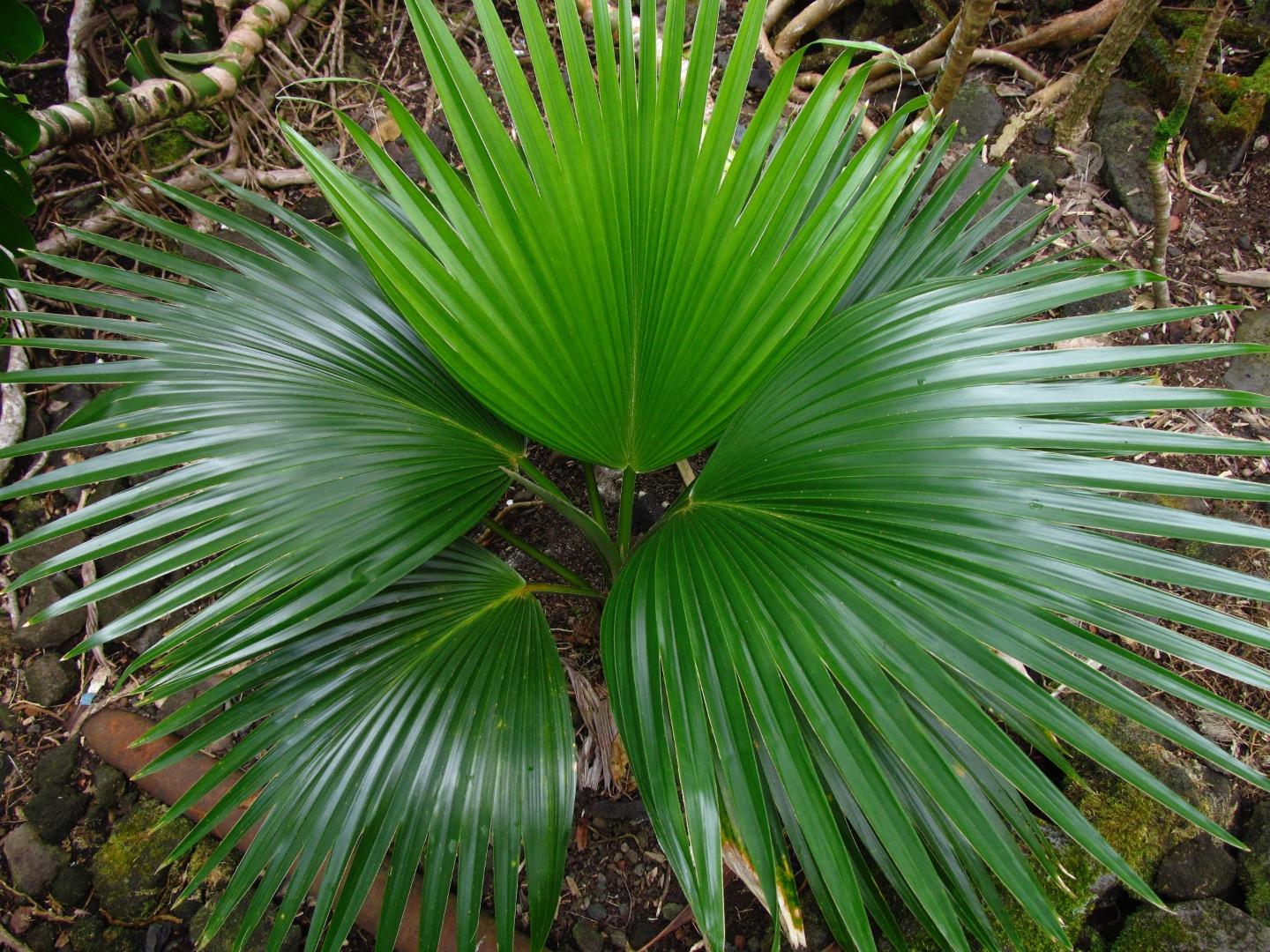
 5 pointsClinostigma samoense in a light drizzle. One of the world’s most beautiful palms. Tim
 5 points
 -
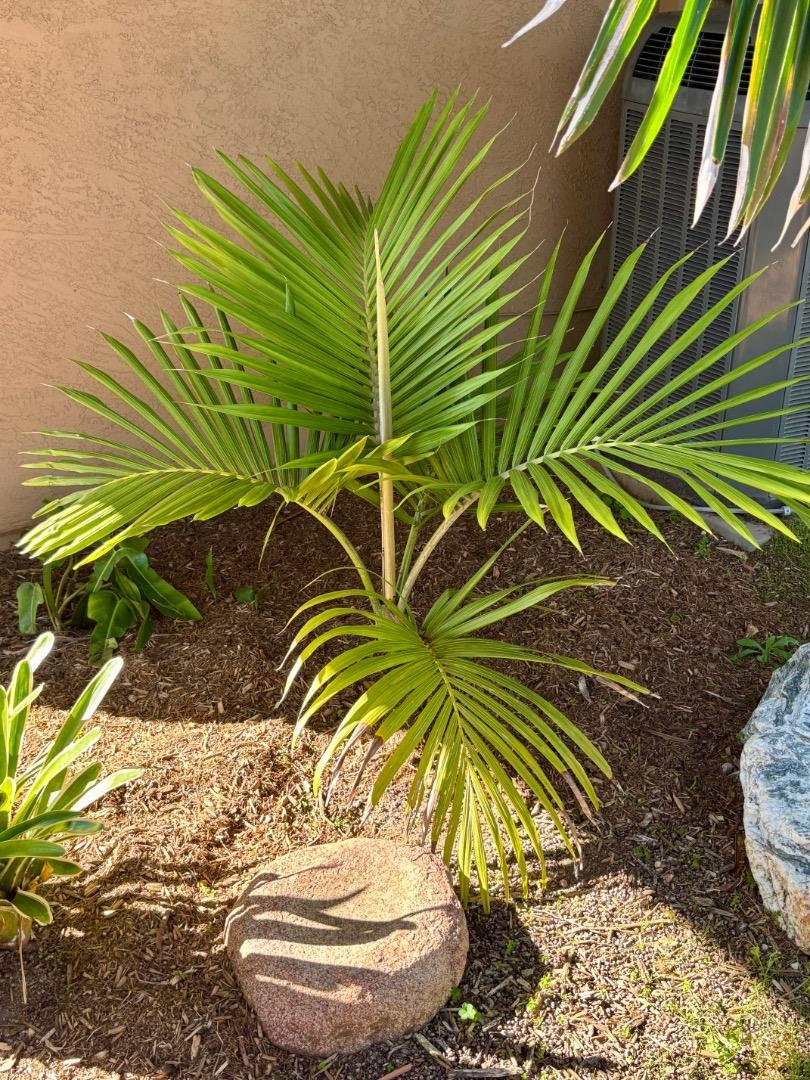
 4 pointsWell no 2 IDs the same yet from the Palmtalk community so definitely far from an embarrassing question. I’d be very confident there’s P canariensis influence in this one, but I think it’s a hybrid too. John’s P canariensis x reclinata guess seems reasonable to me.4 points
 -
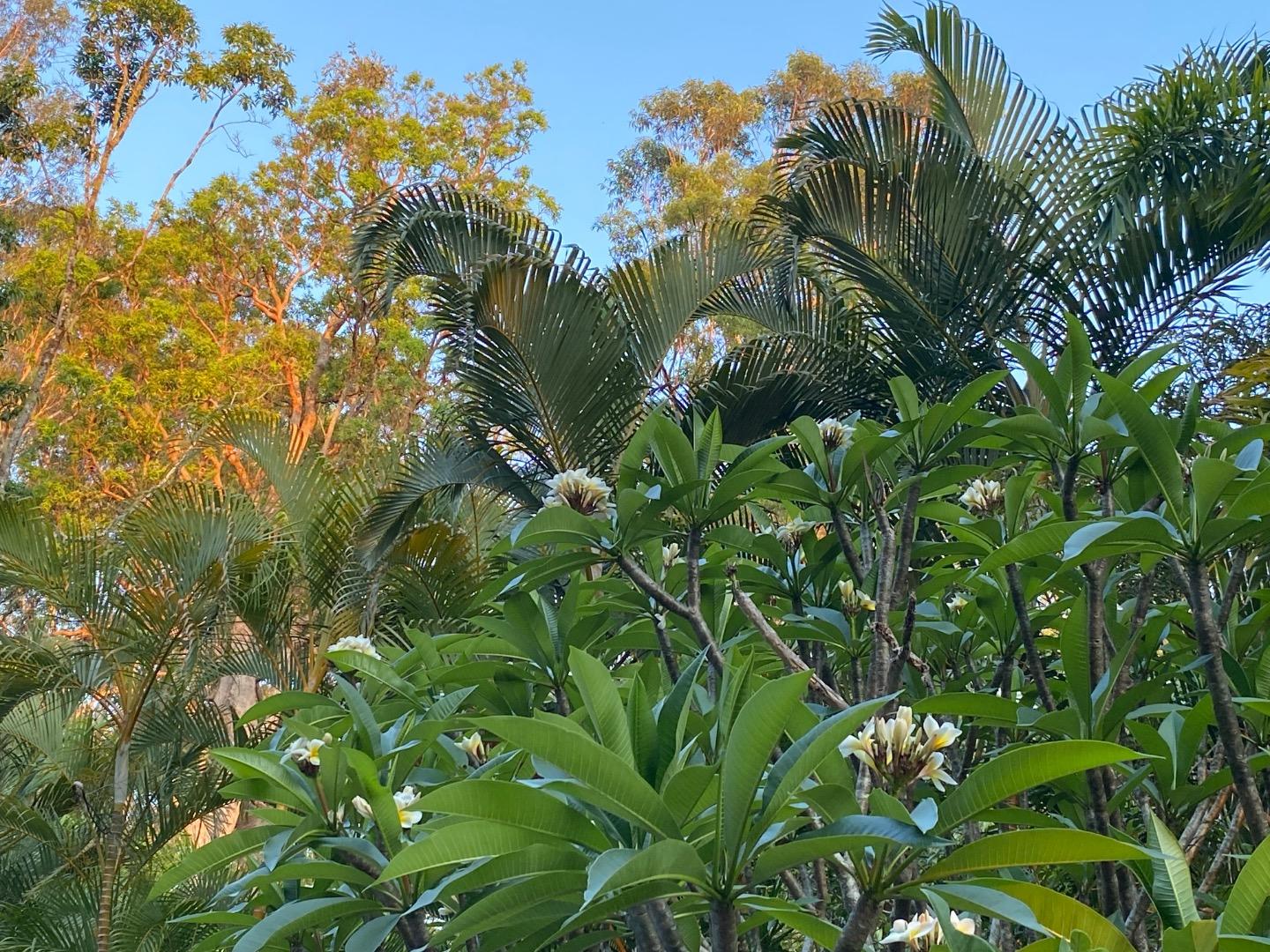
A nice time to be watering the garden, with temperatures set be close to 49 degrees Celsius, water as much as I can now for the humidity, that’s one trick with growing some of the super jungle varieties I have!
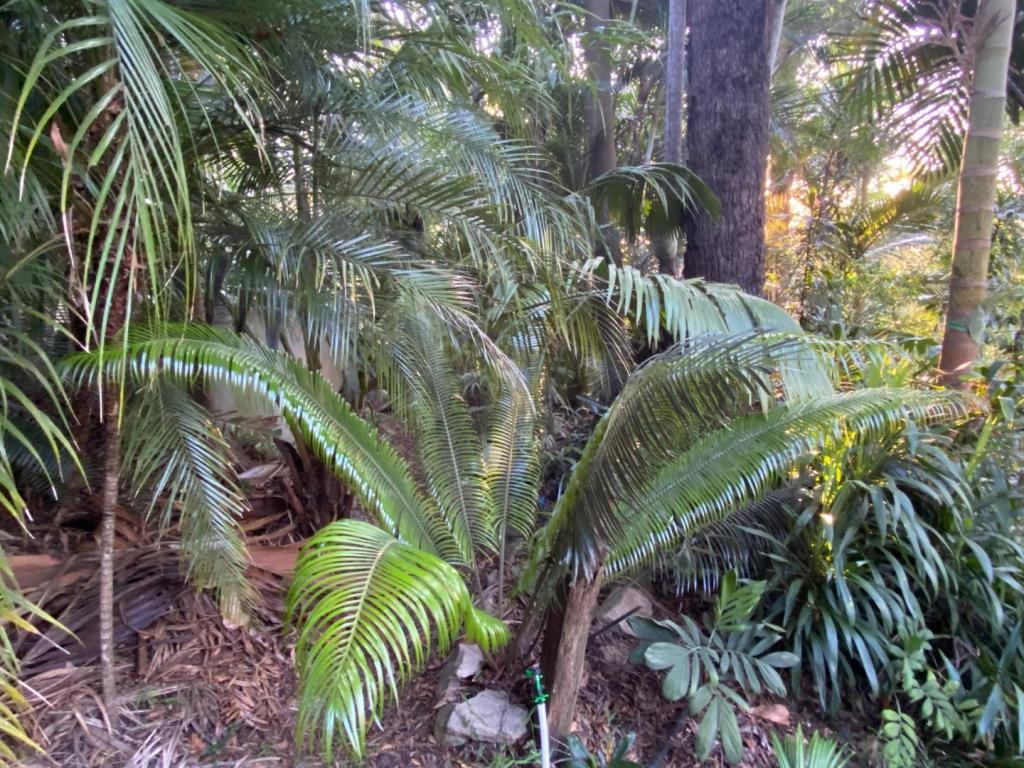


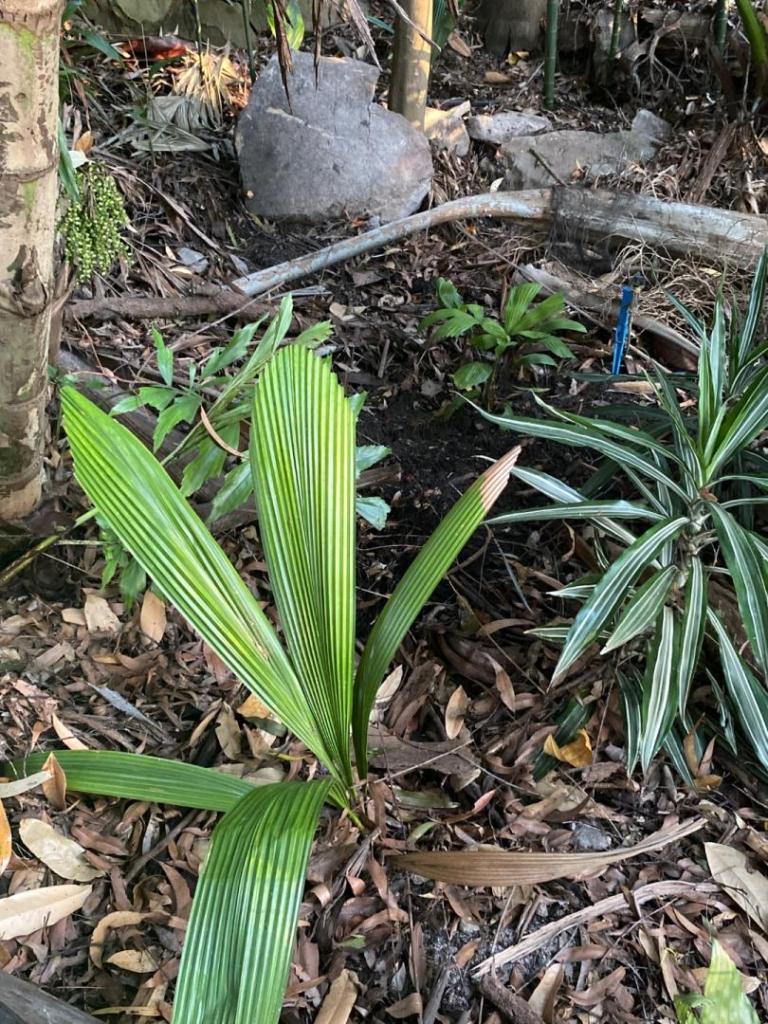
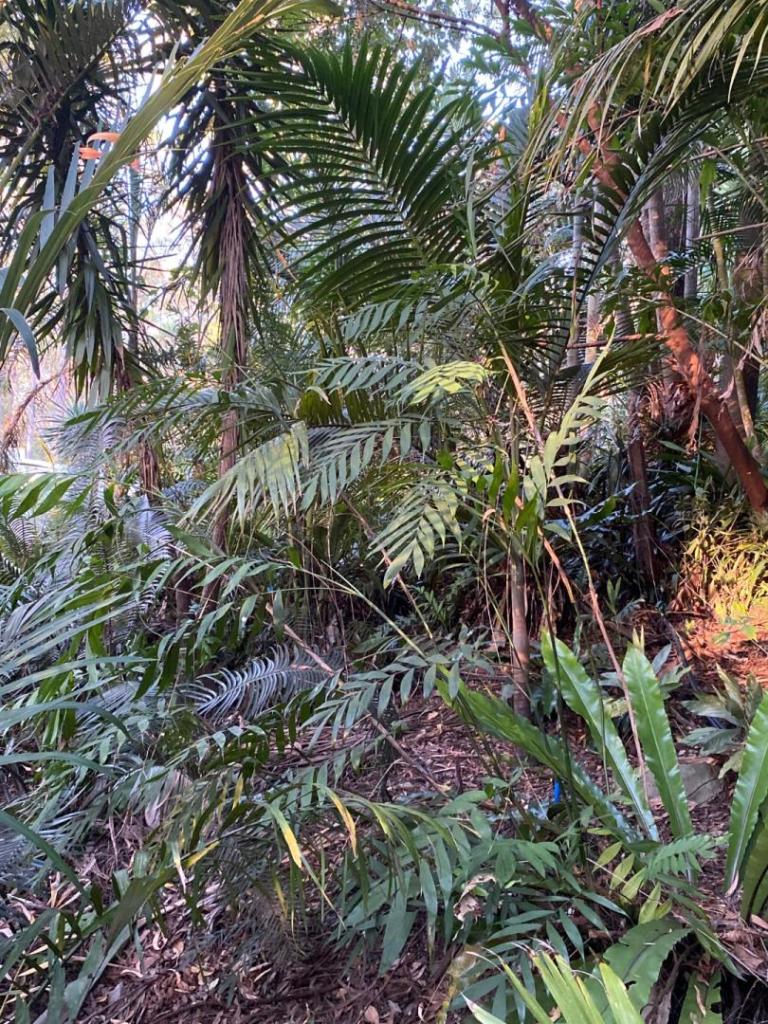


 4 points
 -
 I have grown a few batches from these mother palms in south Tampa on Swann. They take cold down to mid 20’s under canopy at my place and in 25gal containers have grown 10’ plus. How does one tell the difference between the two?


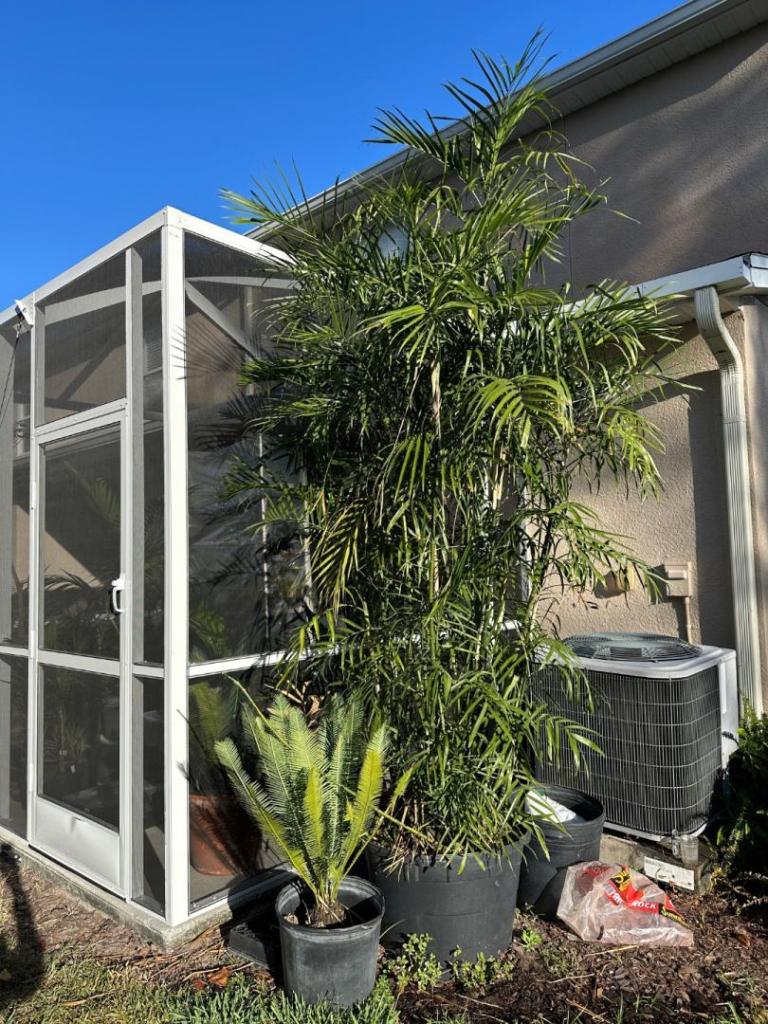 4 points
 -
4 points
-
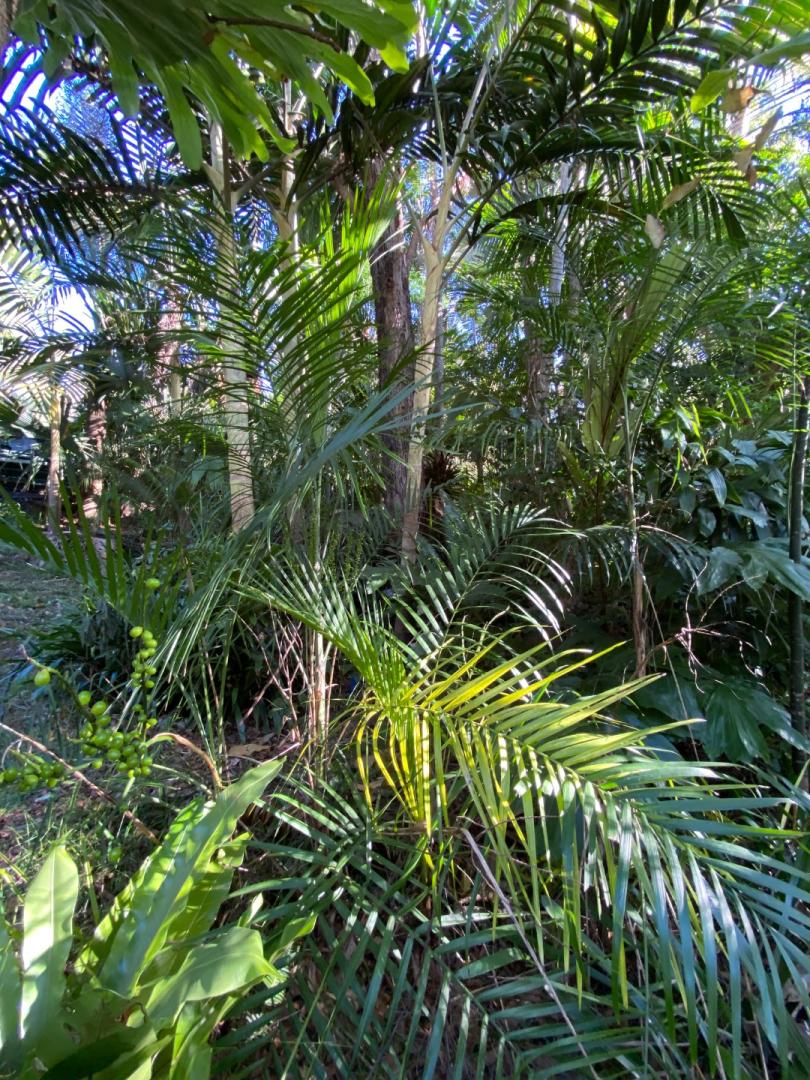
4 pointsIt is sad to see how my former home me and garden has declined from the present owner, it has been great to see how many offspring of the Hedycepe have grown up around the world from seeds that I dispersed over time. The ones that I have now are 3rd generation grown from seeds of a friend that has 2nd generation palms that I supplied years ago. 50 years ago I planted my first one! So I am planting more now in my 13 year old new home and garden. The passion remains the same as it ever was!
 4 points
 -
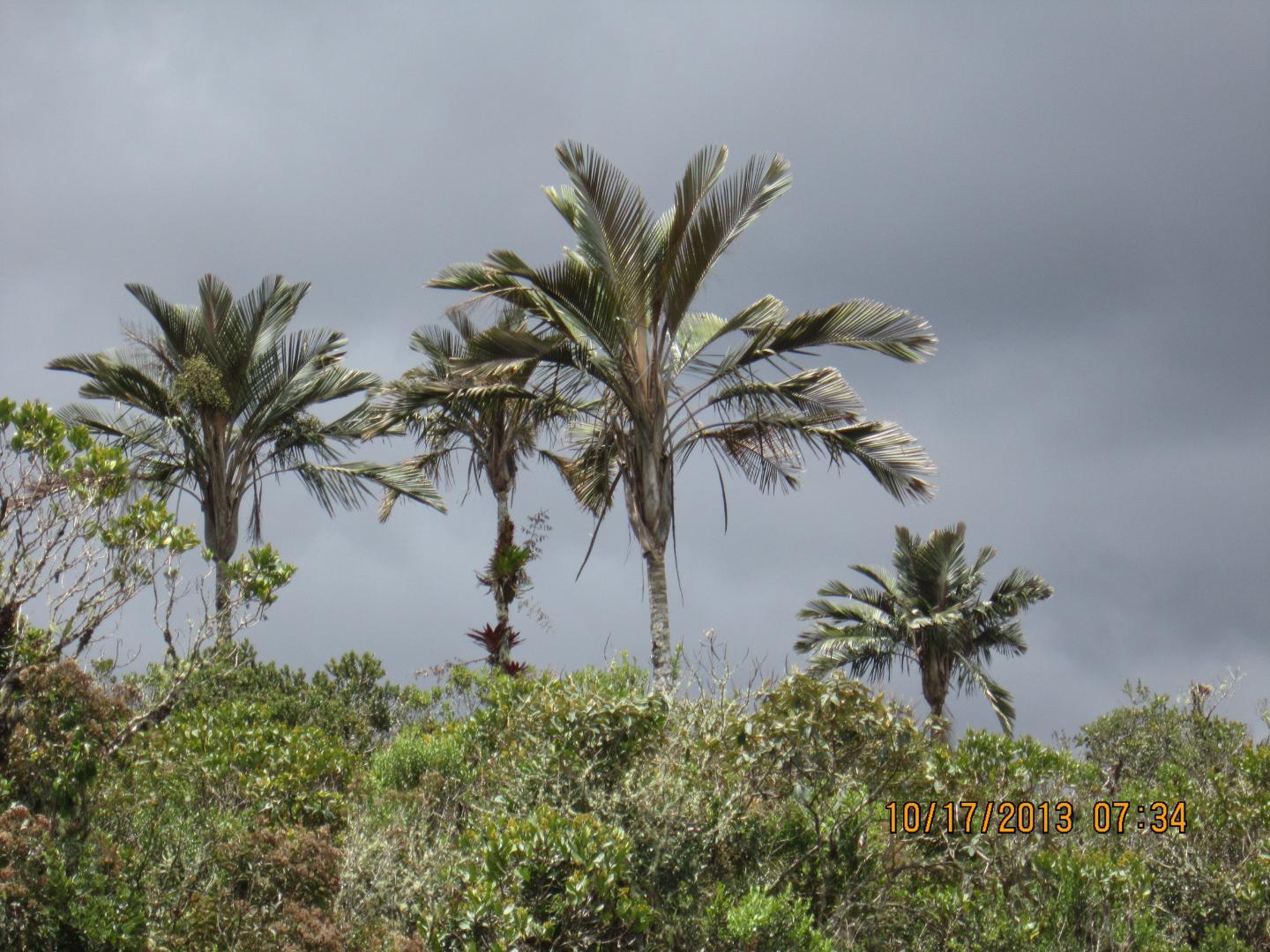
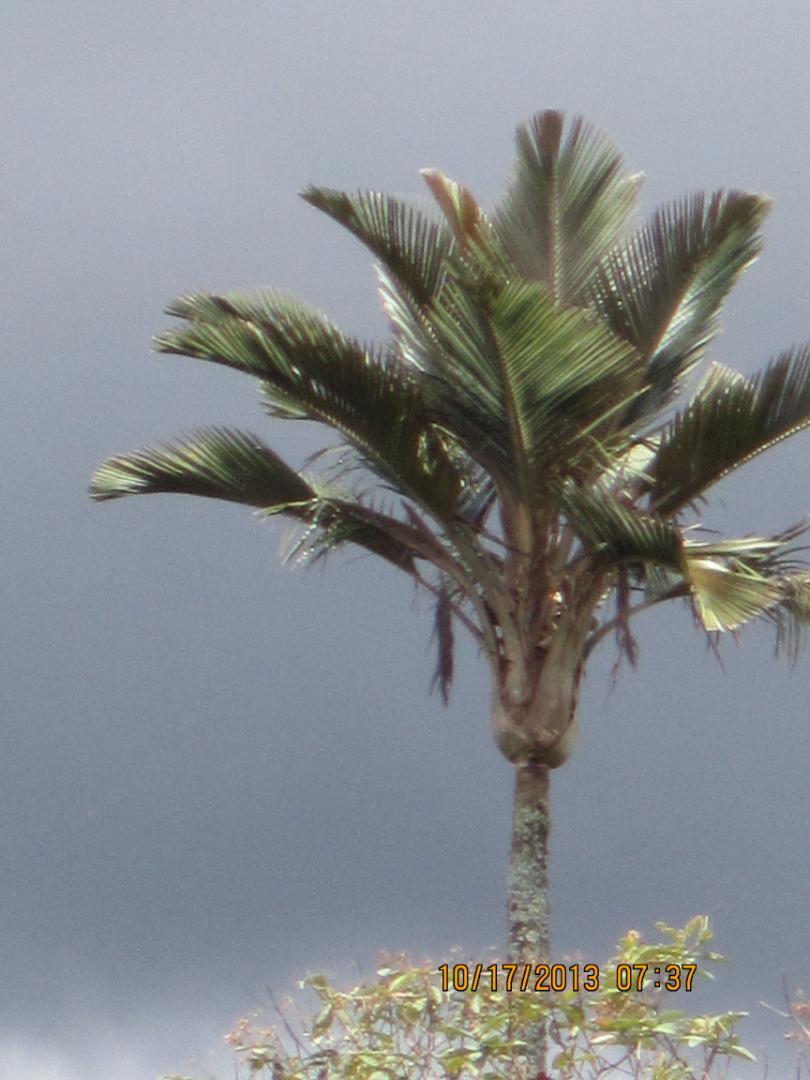
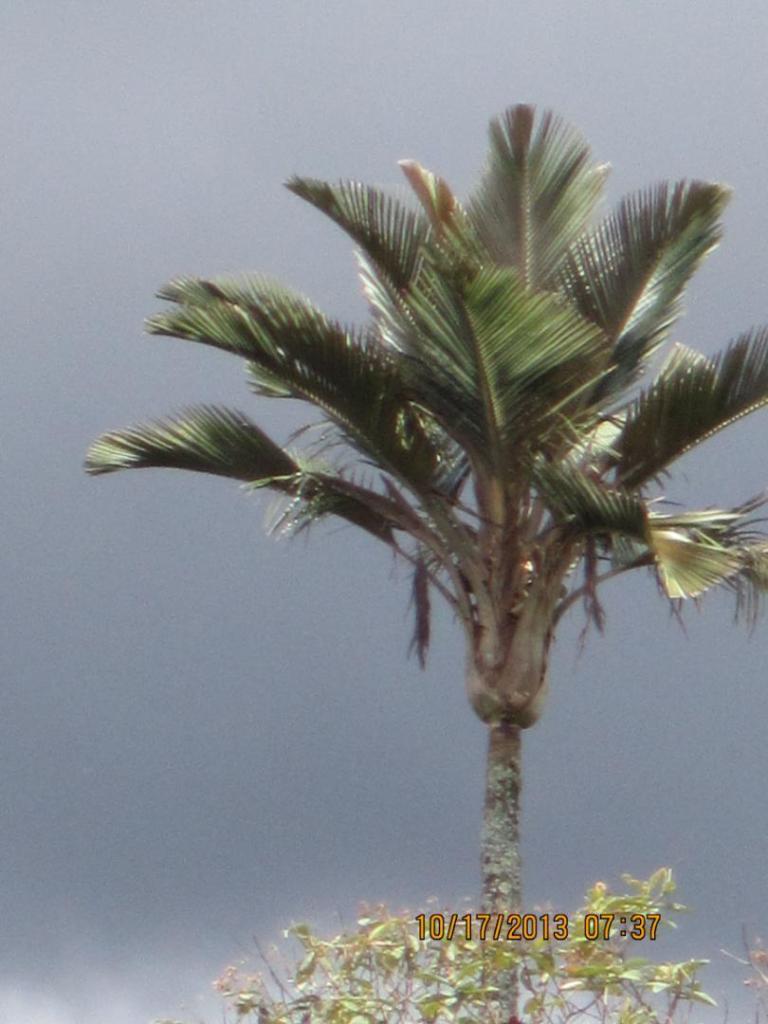
 4 pointsFrom my trip to Andean Peru in 2013 - a group and a closer-up single: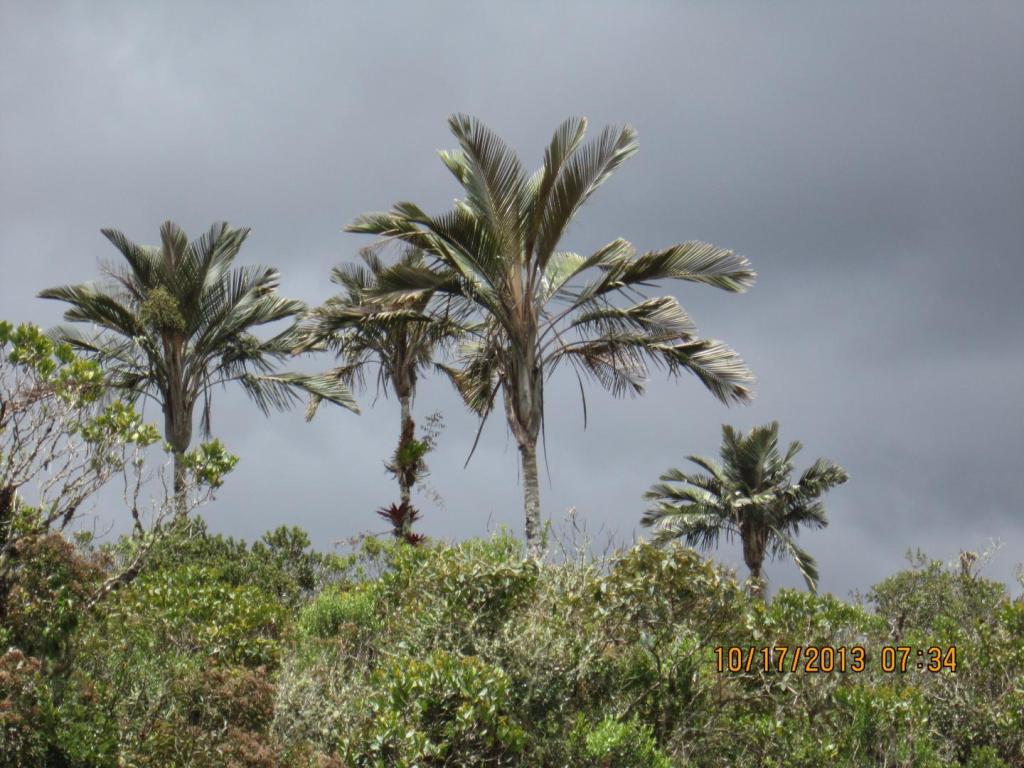
 4 points
 -
 3 pointsFrost is not a problem, mine has been frosted a couple times, no effect. Waxy palms tend to fend off frost better than the non waxy ones due to the insulation of the wax. Water transfders heat much more efficiently and leaves are ~70% water. The layer of wax on leaves has very little water, water beads on it. Temperatures are going to be a problem if it stays cold at lower than 26F. In the desert, there will be a radiational cold which means temperatures at 10' above the ground will be a few degrees warmer than temps at 2'. The desert is also a short cold duration. So perhaps a short few hours at 25F or so wont be a problem for a larger palm. I would just protect it till it gets too big then let it fend for itself. Cold or Frost damage can be limited by a foliar water spray if temps are not too low. This is how they save citrus crops in florida.3 points
 -
 Here’s a Syagrus x costae (S. cearensis x coronato) in the front garden a couple of years after planting and today, nearly 20 years later. These typically produce massive inflorescence but mine hasn’t flowered yet. It resembles a thin trunked more plumose Queen palm.
 3 points
 -
.jpg.0cf735c7525858af1582442942bc68e8.thumb.jpg.894f59a749fff01eb286c1fe4a50ab62.jpg) 49c dear ? We had a 39c a couple of weeks back but mainly mid to low 30s lately. Very humid of course but the rain only comes with nasty storms. I am using the sprinkler again, even though we had so much rain in the past few weeks, the soil just dries out in no time. Your bird nest fern looks good. I had 2 that were enormous at my old house but I can't get them to grow here for some strange reason. Peachy3 points
49c dear ? We had a 39c a couple of weeks back but mainly mid to low 30s lately. Very humid of course but the rain only comes with nasty storms. I am using the sprinkler again, even though we had so much rain in the past few weeks, the soil just dries out in no time. Your bird nest fern looks good. I had 2 that were enormous at my old house but I can't get them to grow here for some strange reason. Peachy3 points -
The trick with golden canes is plant them out as singles, the standard dozen in a container from the plant store doesn’t work well when mature, one great big ugly clump, but plant them out as single ps it’s a different story! Richard3 points
-
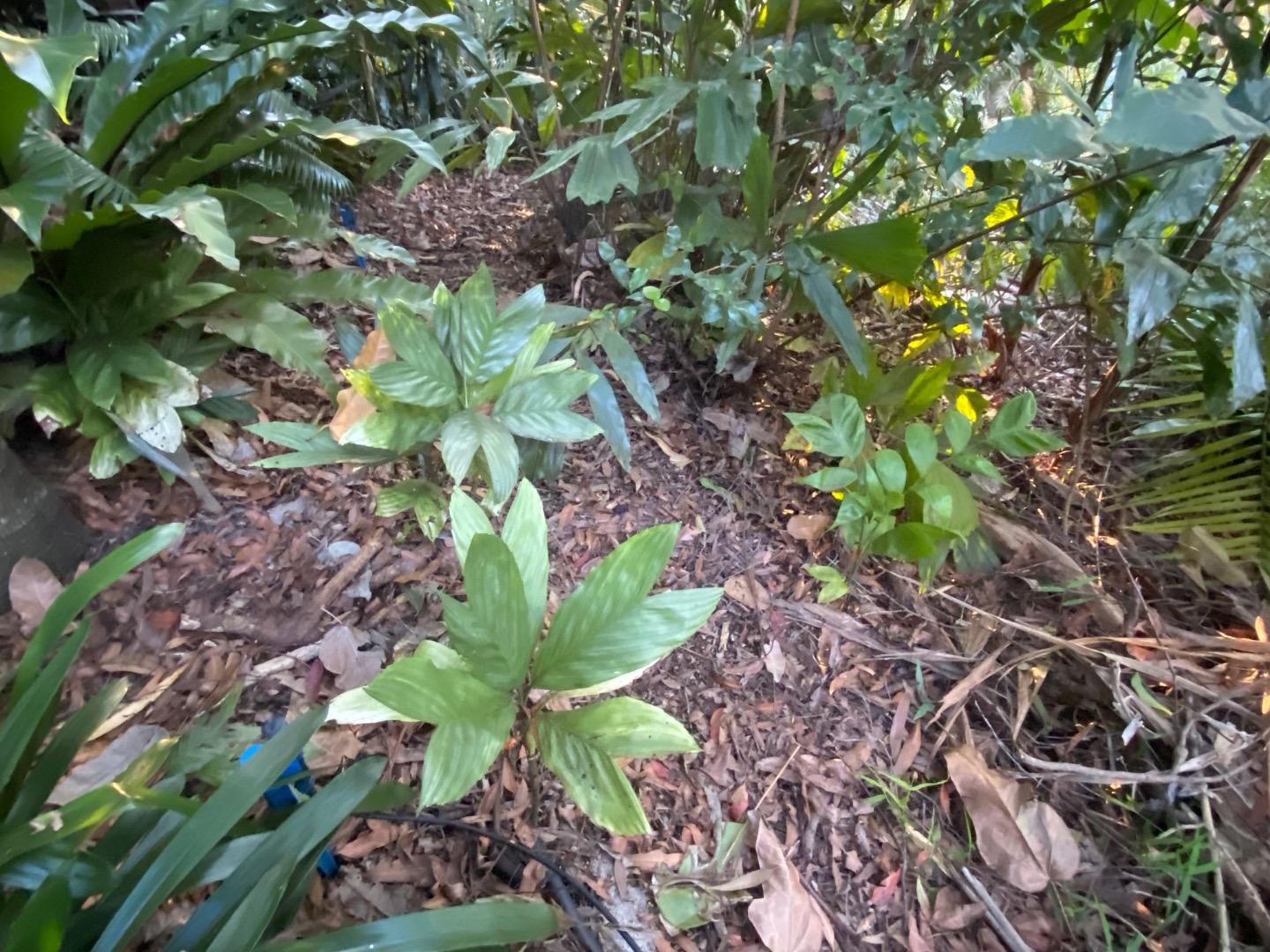
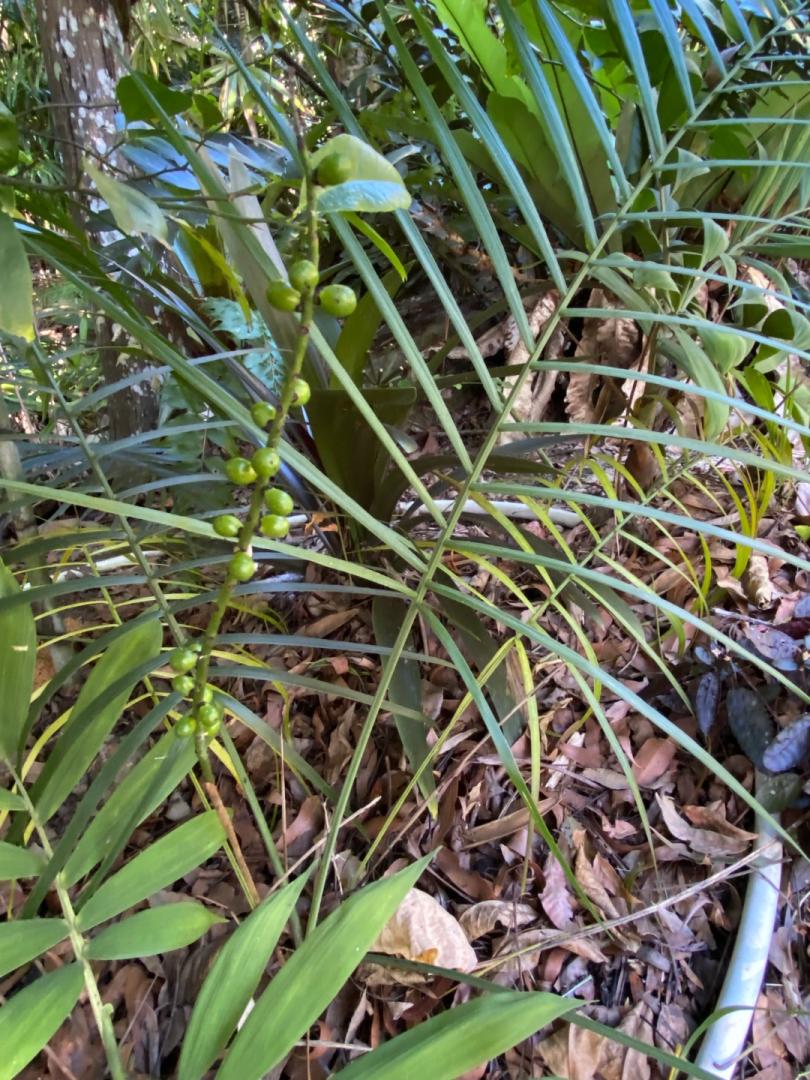
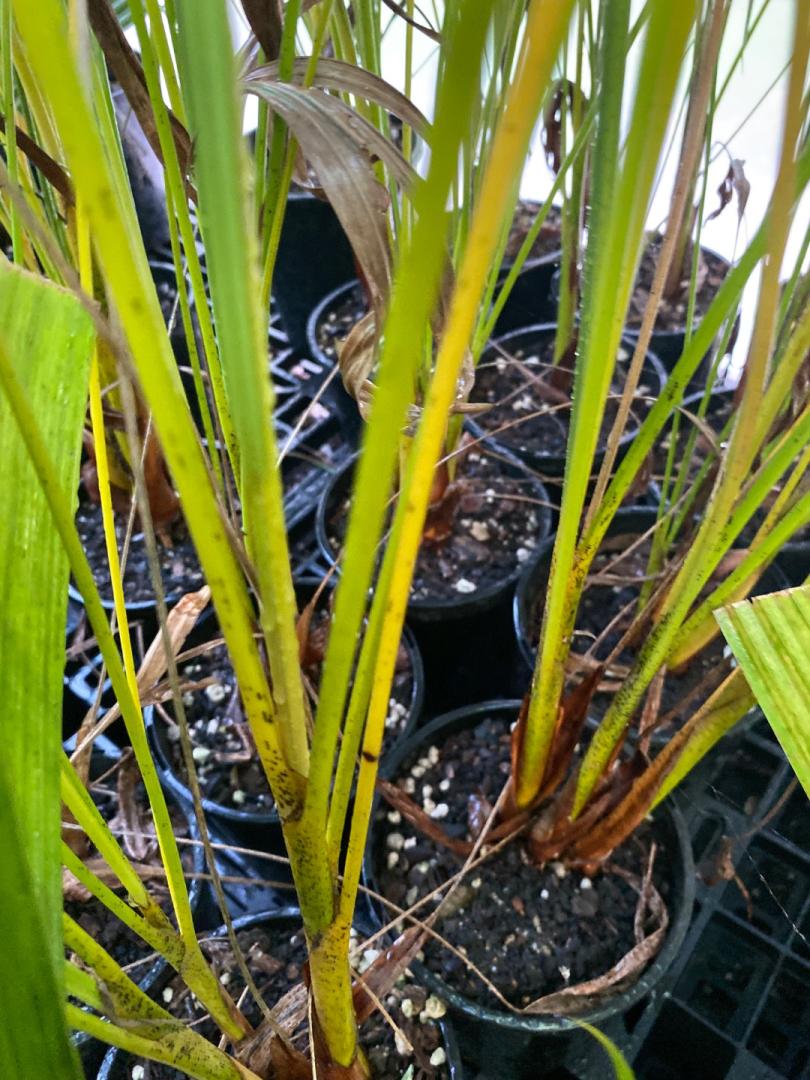
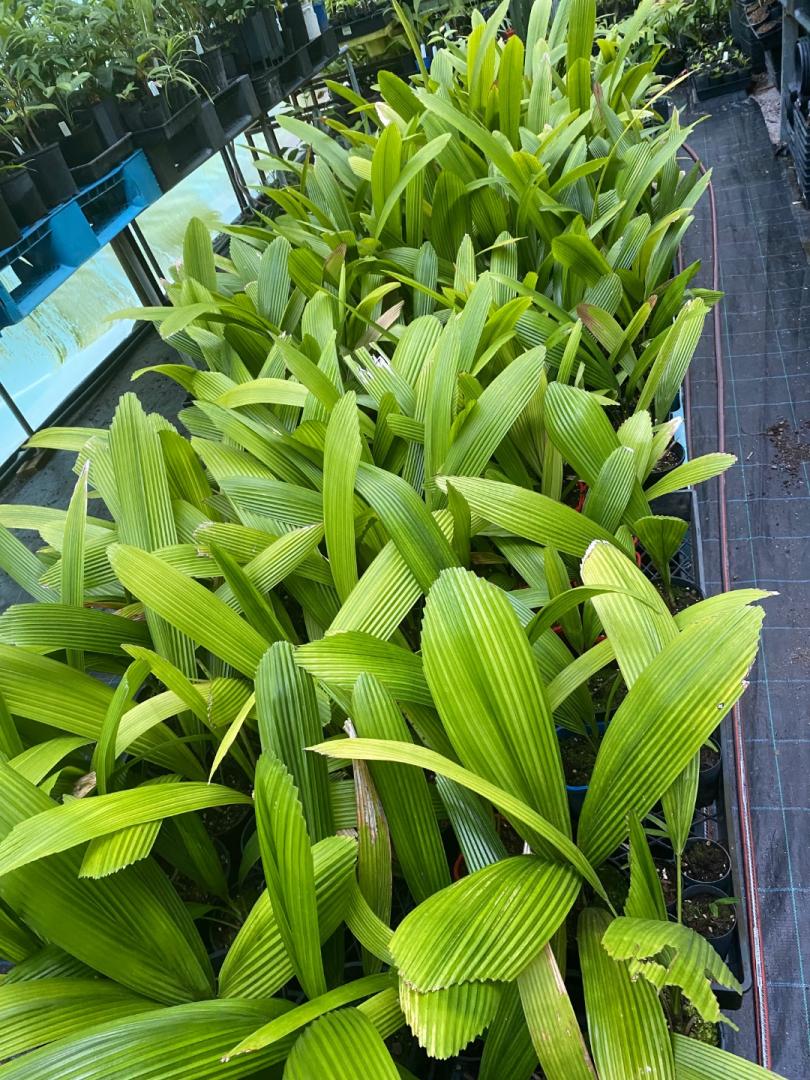
3 pointsA few confusa that are turning out to be quite happy growing well. They seem to like what iam doing and there microclimate in the greenhouse, iam kinda glad I got another hundred seeds the other week. Another smallish dypsis for the understory in the garden!


 3 points
 -
I believe that the second species, C. quezalteca has been reduced to synonymy within C. costa-ricana.3 points
-
Most palms sulk if planted from containers in the ground. But water is one trick in the warmer time of the year, some winters I hardly water my garden and in the nursery I try not to water all winter if I can help it. Richard3 points
-
You can expect around 3 leaves per year depending on your winter, they are slow in the ground in my climate. And they love water the more the better in the ground with good drainage. And they love warm soil temperatures. But they are slow regardless of conditions, definitely a super hot tropical lover!3 points
-
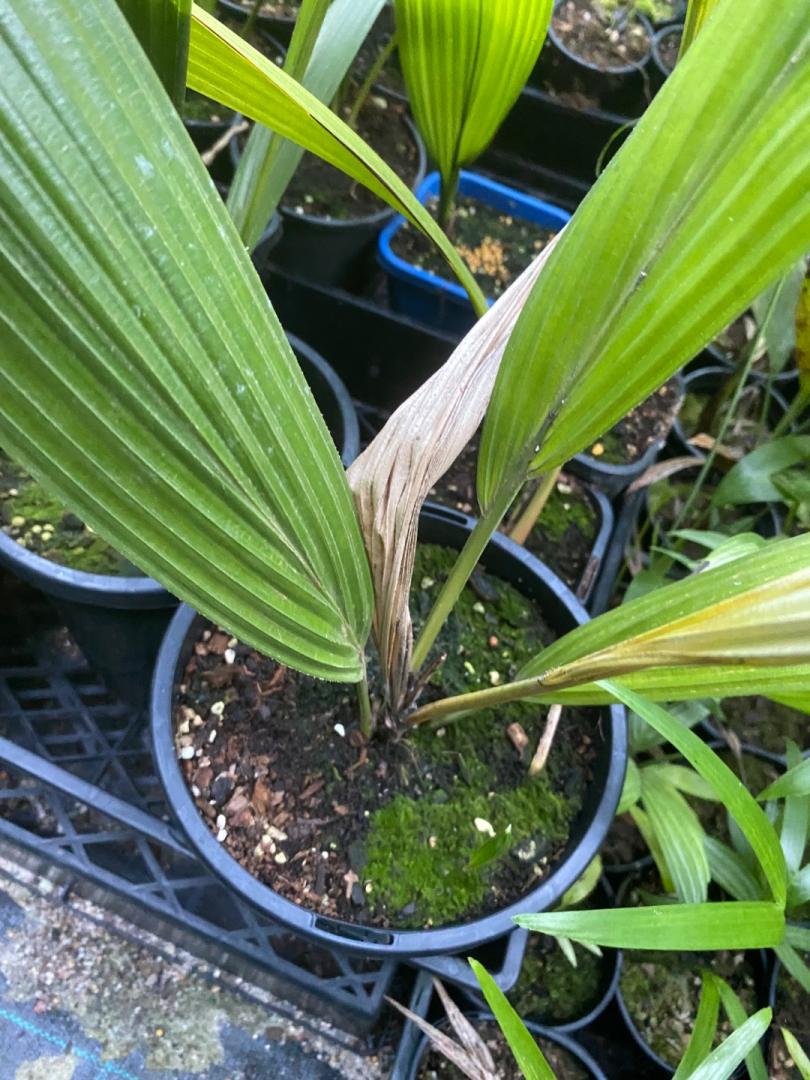
Colin, My hillibrandi has much longer petioles, less leaf curvature, larger fronds as a juvenile, and considerably faster growth than the Pritchardia whose identity is in question. I’m leaning toward P. glabrata so far. Whatever it is, I’m enjoying watching it grow, even as slow as it is.3 points
-
 Looks kinda like Timʻs glabrata but Iʻm thinking more like hillibrandi. Many of the Pritchardia in my opinion do not alway show the lepidia until more mature. Have seen many small marti and bakeri in habitat with no lepidia. Could be due to the harsh natural environment at higher elevations here Pritchardia is a very hard genus to figure out when young. aloha3 points
 -
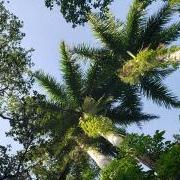 I agree with @idontknowhatnametuse - C. costaricana has very attractive, wide leaflets, closer to C. tepejilote than any of the usual Chams you seen in Florida. Unfortunately the last statement rings true as well, as this one has languished in the ground, I don't know if it's the soil or the heat, since this is a fairly high elevation species. C. seifrizii is from the Yucatan and can adapt to full sun in Florida, although it looks nicer in the shade. I've frustratingly had a lot of fungal issues with this one in the landscape however. They seem to fare better when they get some sun on the leaves so they can dry out more quickly in the summer.
 3 points
 -
 3 points
 -
 3 points
 -
3 points
-
3 points
-
 3 points
 -
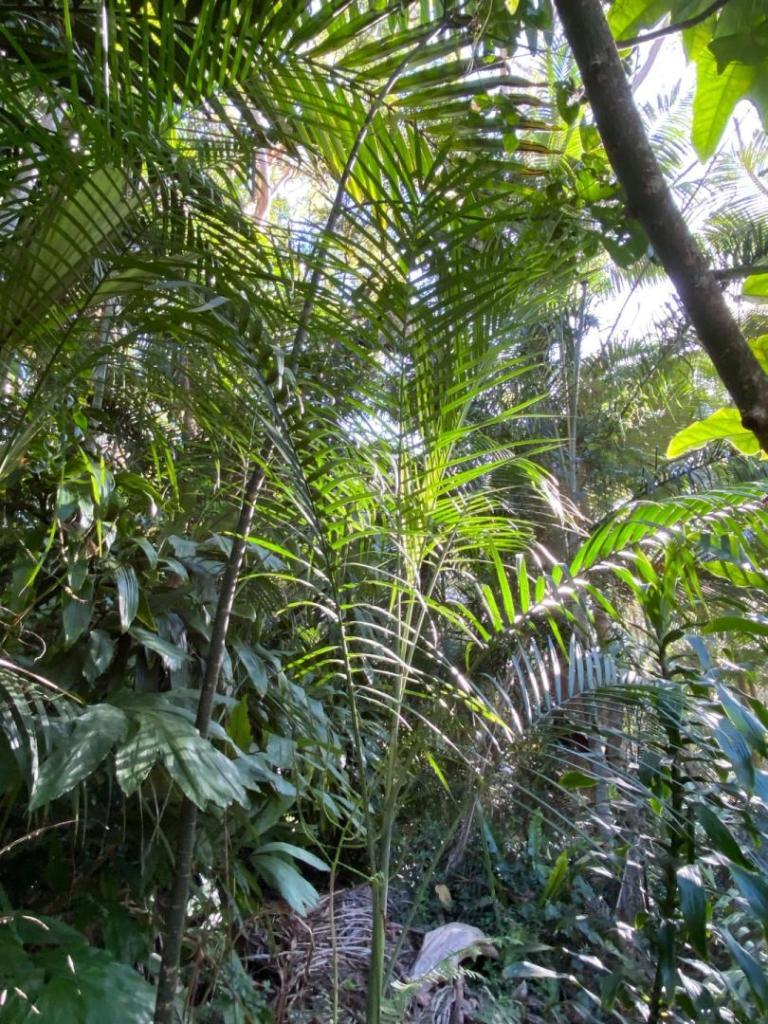
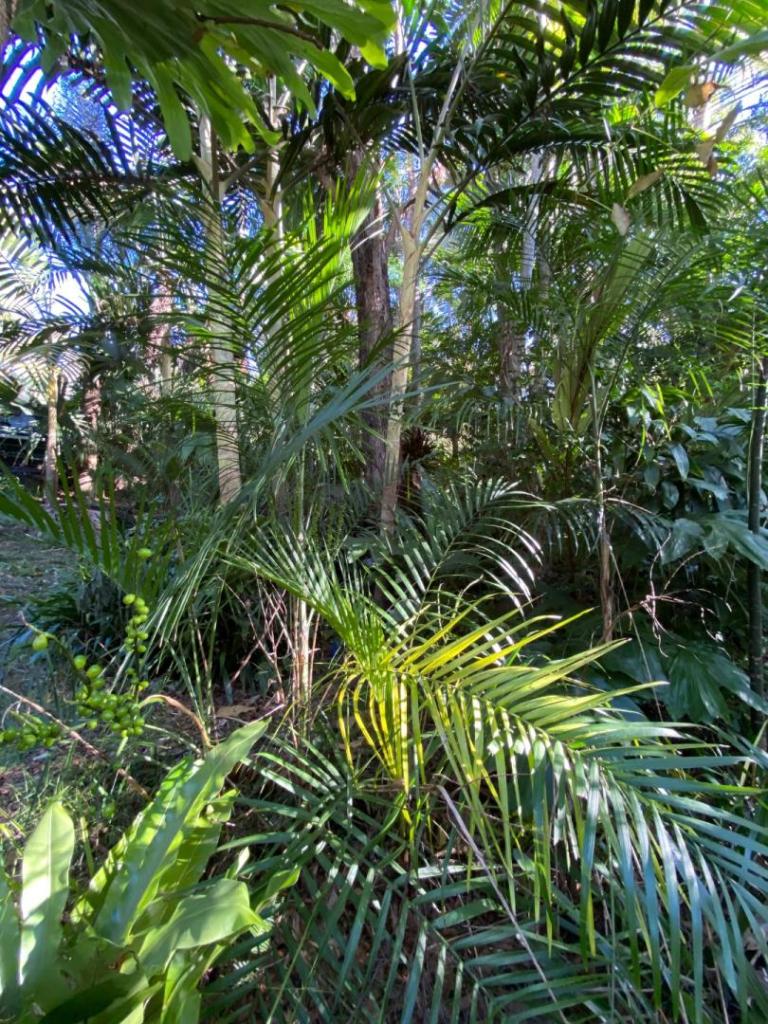
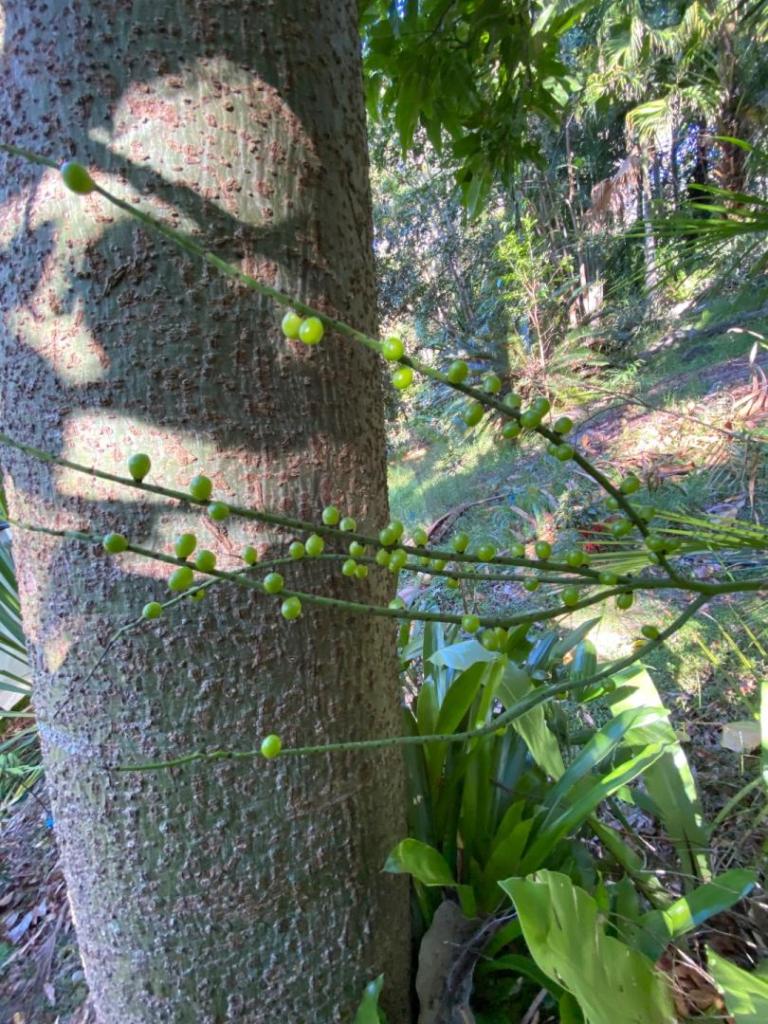
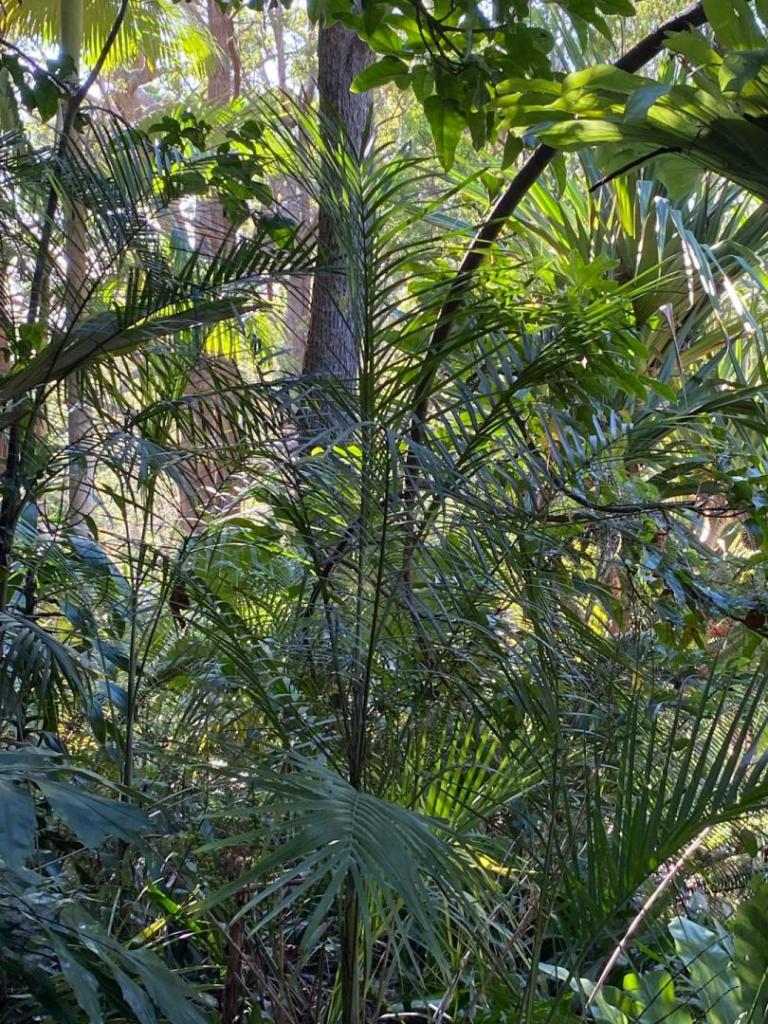
They seem to be pretty popular with the cool climate growers and just about everyone who grows palms would have one or two around their house. So easy to grow and propagate there fast becoming the modern day chamaedorea elegans. Very tough dry tolerant cool tolerant and fast to grow, is one reason they are popular, from medium amounts of sun to deep shade there a palm that fits into any garden or container!




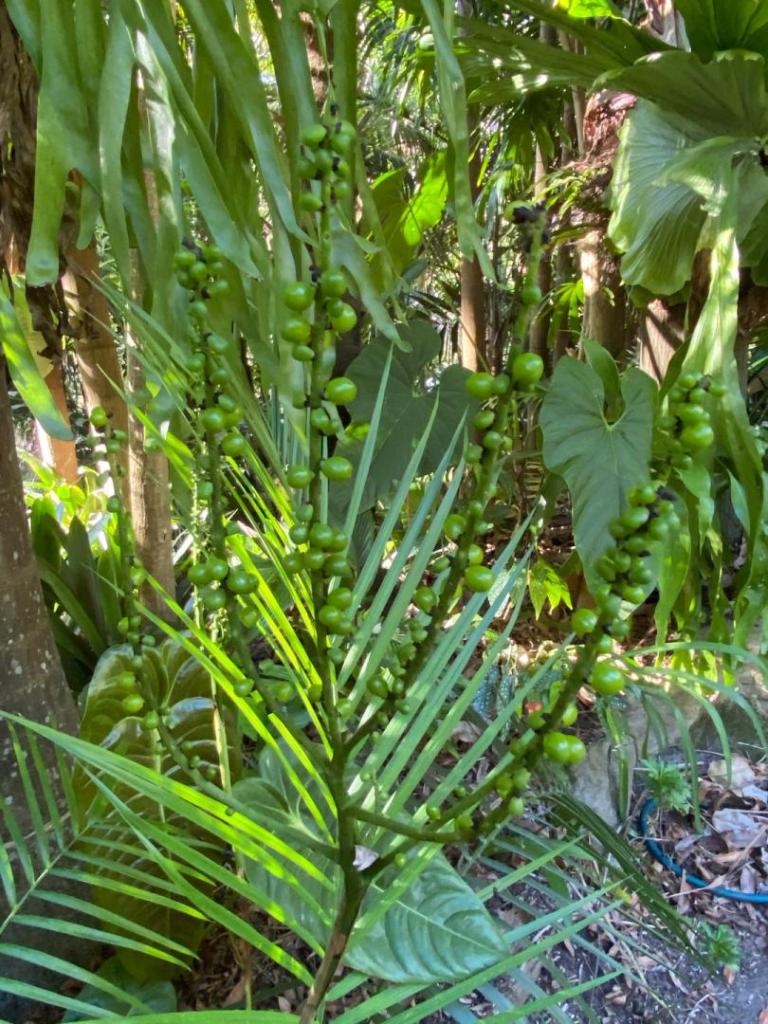

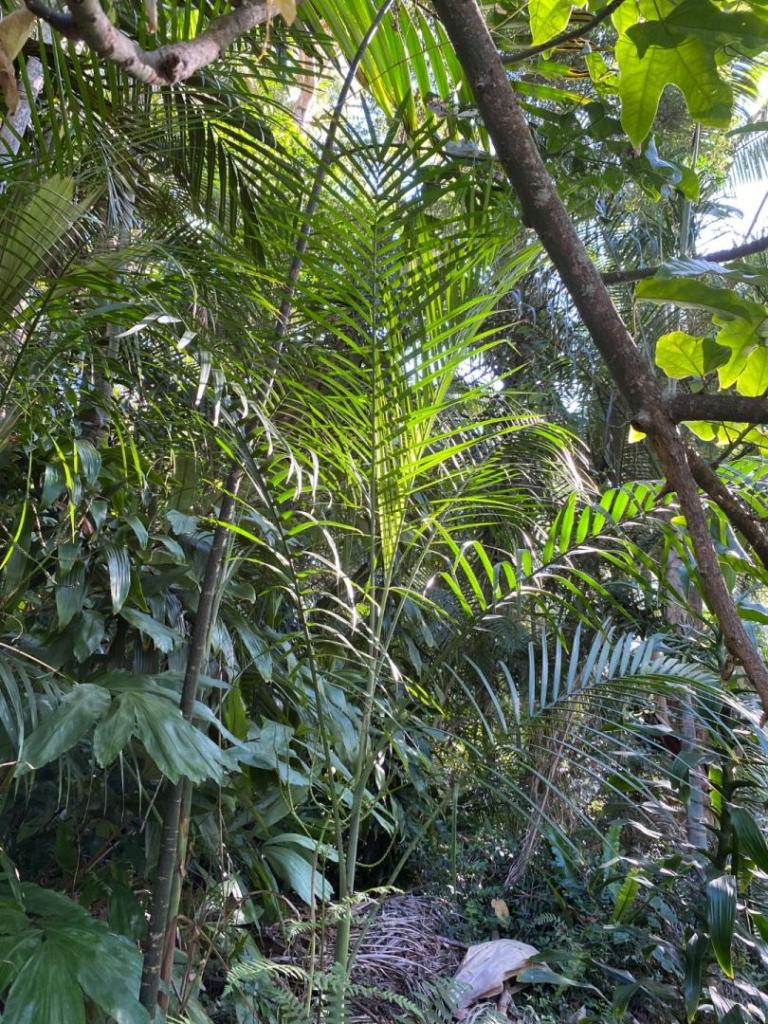
 3 points
 -
2 points2 points
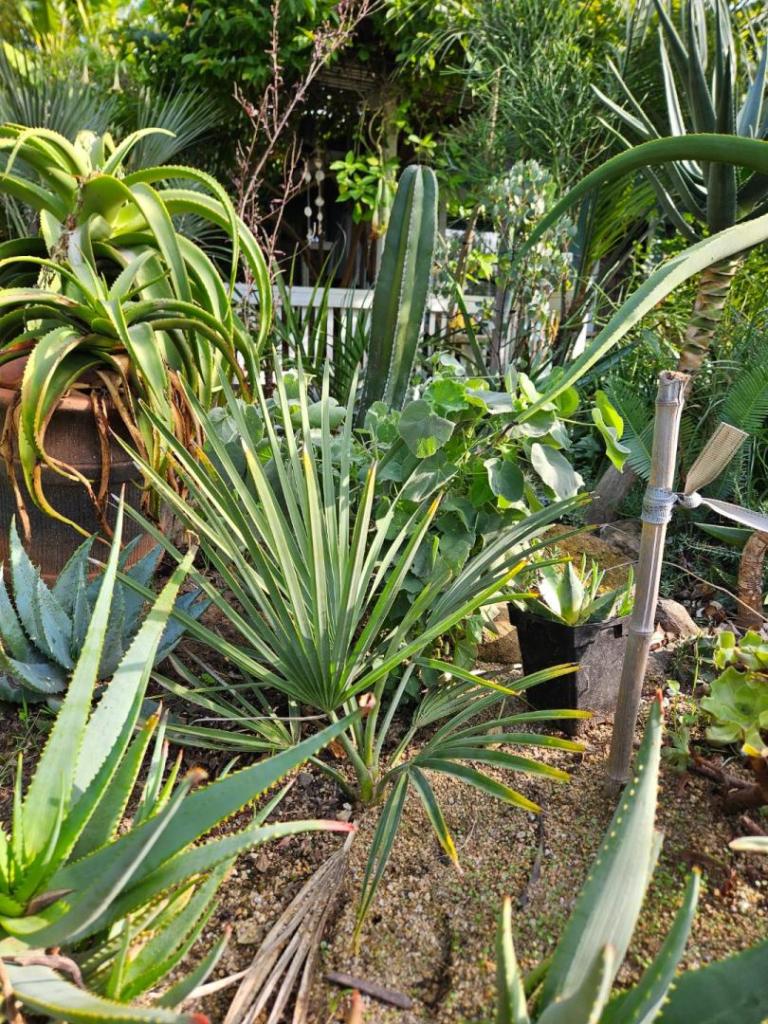
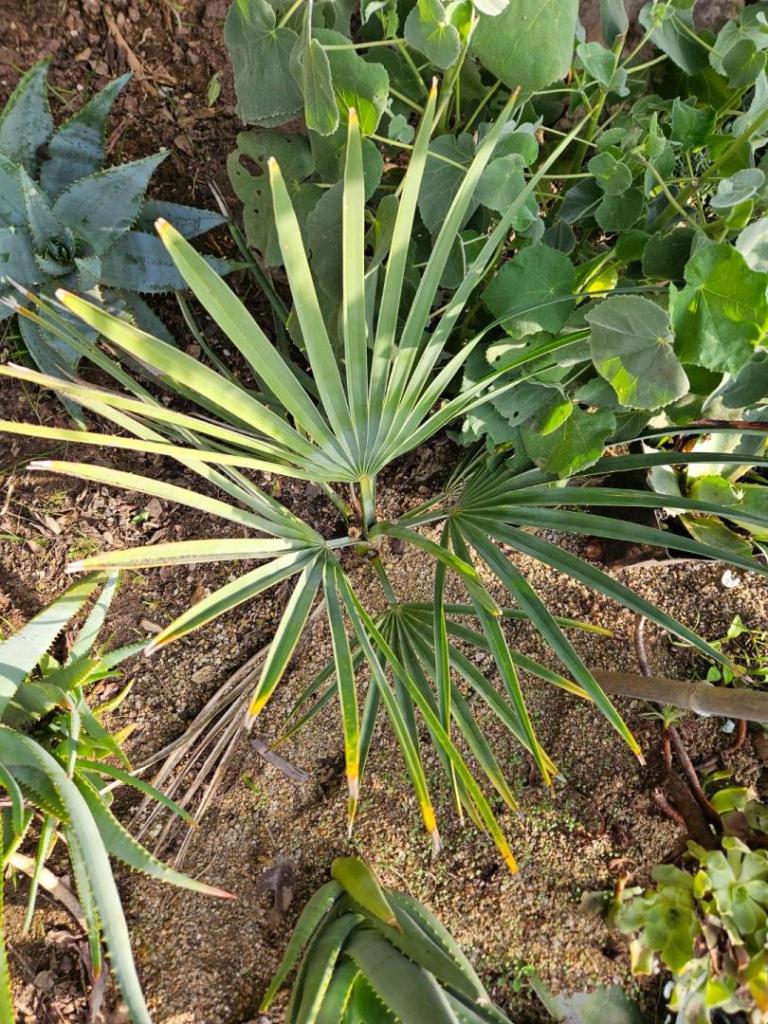
 2 pointsIts been a while since I've posted anything, and figured I'd step it up and document the life of a copernicia fallaensis in my front yard. Here's when I first got it. It was all alone and looking for a forever home. Grown by Josh Allen at his Vista nursery, it was ready to move out and make a life of its own. Hitchhiked it's way to my house in Fresno back in May. Life's been good to it so far. A good, deep, sandy loam (some 80% sand), a warm climate (many days above 100F) and plenty of water. Some cool, though spiky, neighbors as well. No tantrums yet, though we've been enveloped in a thick fog for the better part of 2 weeks. Seems to not mind the chill.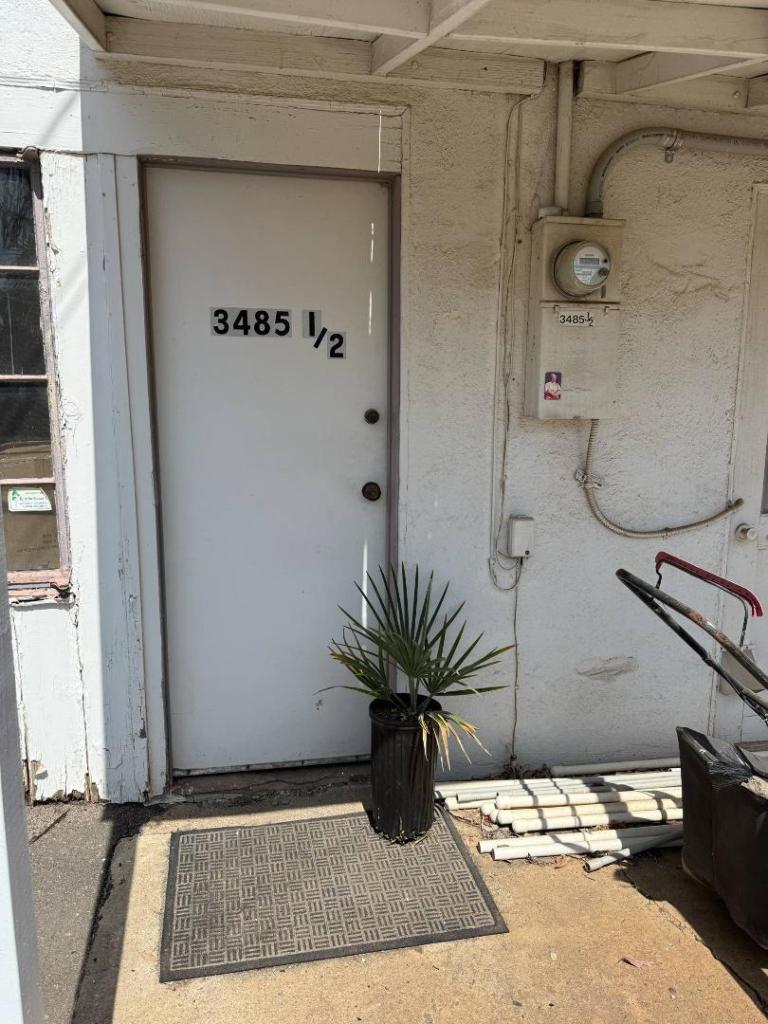
 2 points
Some nice colour for the garden ready to go in the ground.
2 points
2 pointsSome nice colour for the garden ready to go in the ground.
 2 points
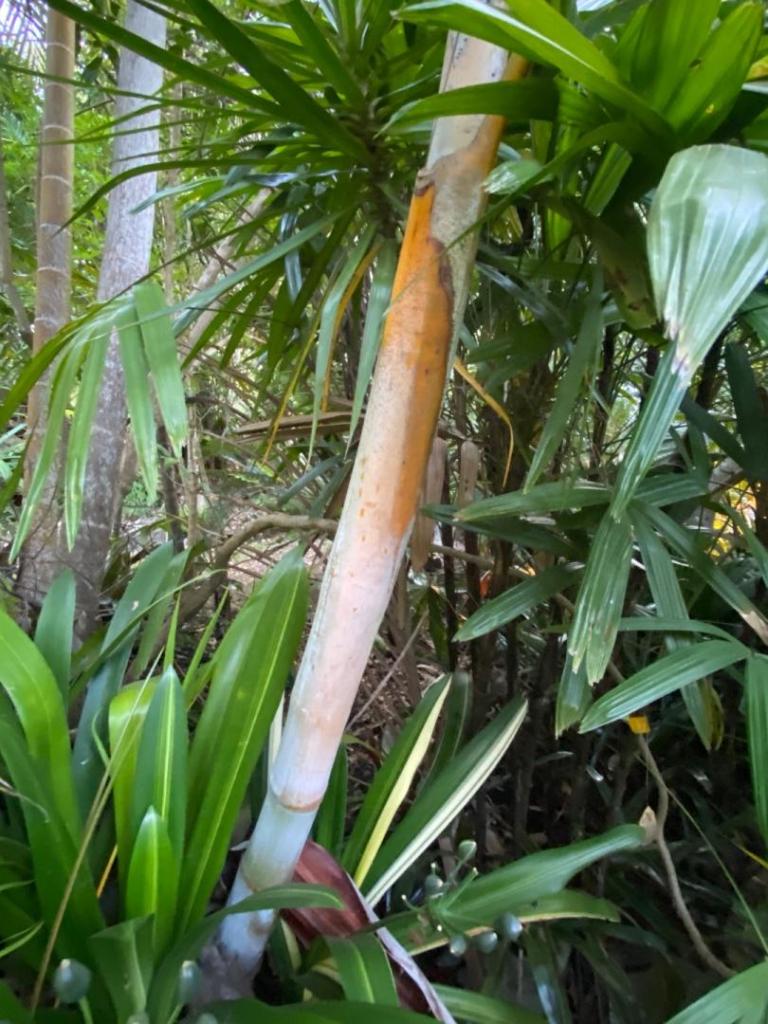
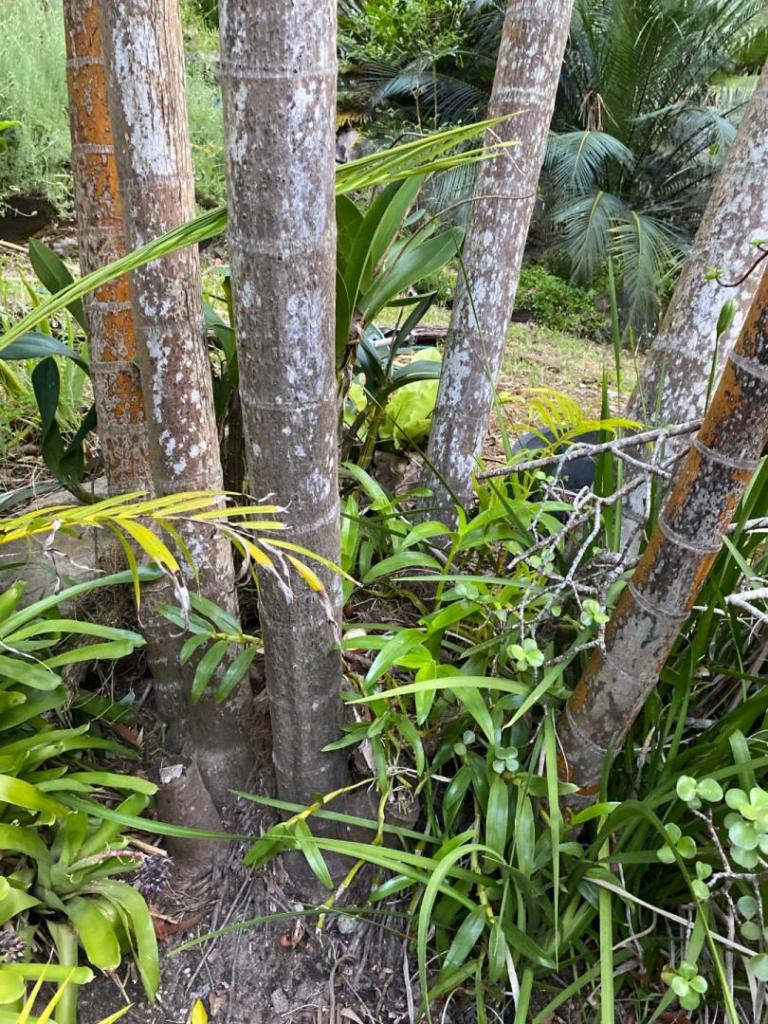
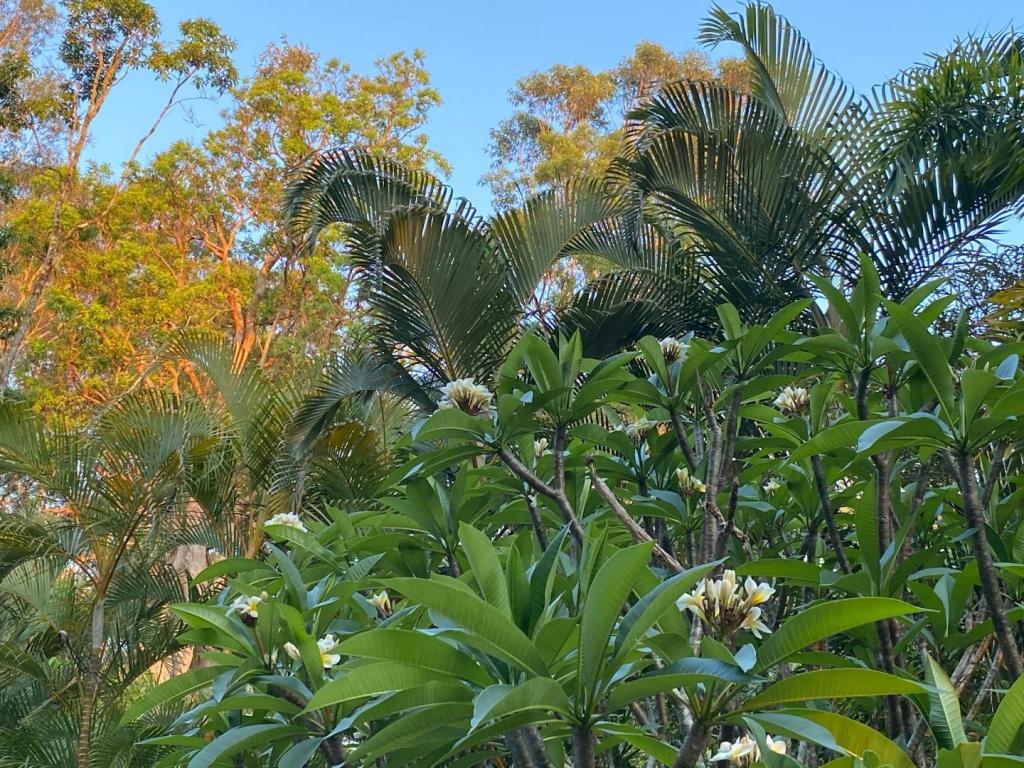
Love them or dislike them, there here to stay in a garden near you. We all know how tough they are and the yellow colour is what sets them as winner. The only fault they have is drop leaves like a hot potato in butter fingers. But they are proven in the palm kingdom as the magical beauty of a palm up there with the coconut as picture of tropical holiday by the sea or poolside. I still grow a few and will still a few around as pioneer palms to help establish new plantings. Theres even a dwarf form worth tracking downl to grow!
2 points
Love them or dislike them, there here to stay in a garden near you. We all know how tough they are and the yellow colour is what sets them as winner. The only fault they have is drop leaves like a hot potato in butter fingers. But they are proven in the palm kingdom as the magical beauty of a palm up there with the coconut as picture of tropical holiday by the sea or poolside. I still grow a few and will still a few around as pioneer palms to help establish new plantings. Theres even a dwarf form worth tracking downl to grow!




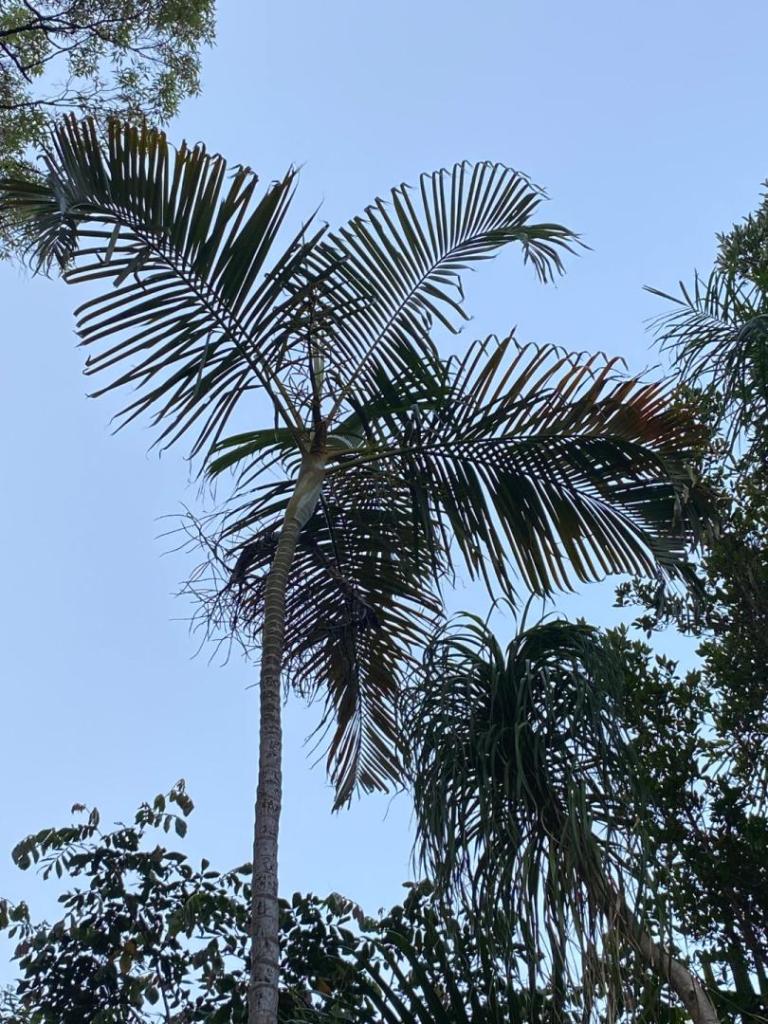 2 points
Very nice specimens, Jim 🤗 Great spot you've chosen in your garden. Harmonious.2 points
2 points
2 points
2 points
2 points
Very nice specimens, Jim 🤗 Great spot you've chosen in your garden. Harmonious.2 points
2 points
2 points
2 points 2 pointsI think the gents above have it correct. My neighbor's psuedococos is a bit more robust looking. For whatever reason, despite otherwise growing well, his suffers a lot of leaf burn. Kind of an anomaly in his yard, as he has water and fert pretty dialed in. But the trunk on it is a bonus; a beautiful chocolately color with nice distinct ring spacing.2 points
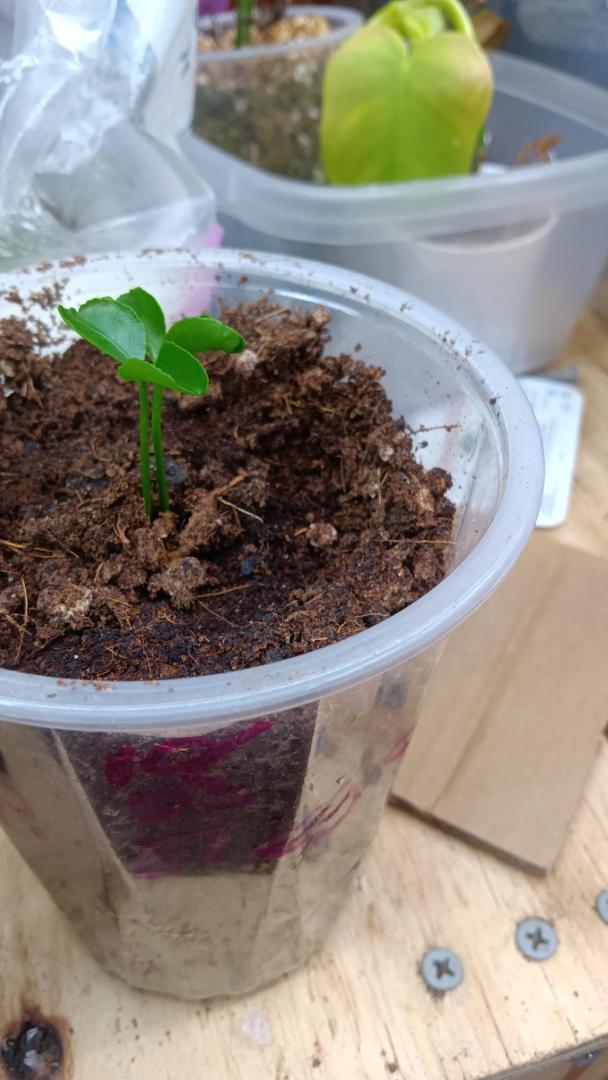
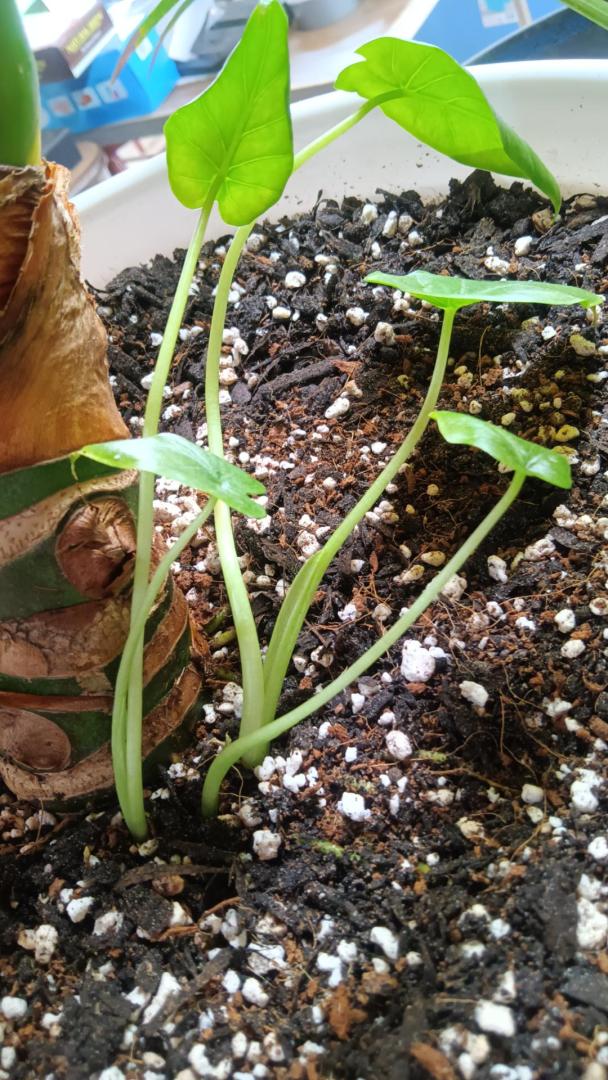
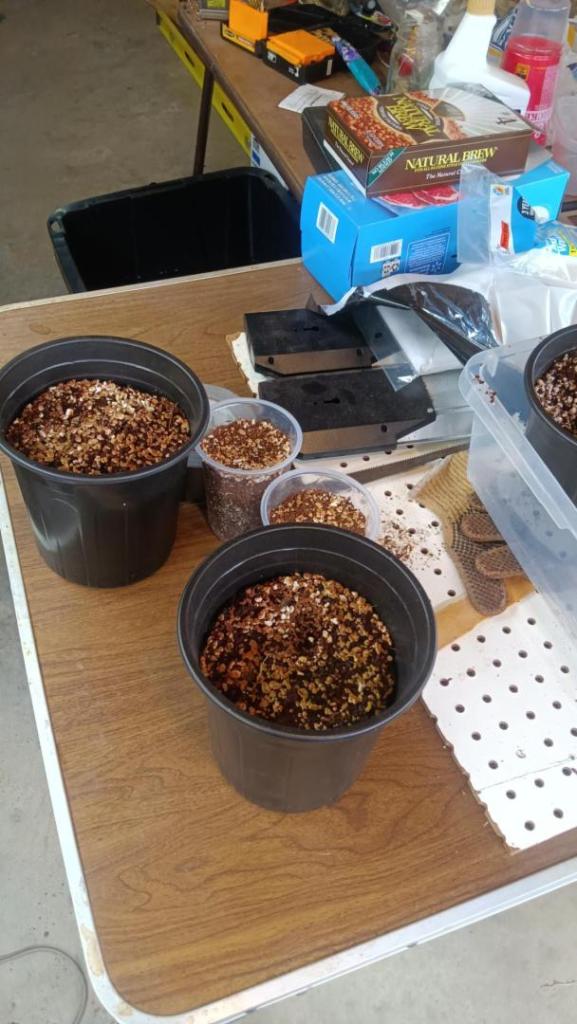
 2 pointsThis palmetto is pushing a new frond after this MASSIVE strap leaf. I should be more like @kinzyjr and put dates and labels on these things instead of having to dig through this thread to figure out when I potted it. Honestly had no idea if these would even sprout, this was just a FAFO experiment. Large variety clementines from Peru I bought at a Mexican market. I really hope it wasn't too premature of me to bring these all out here after yesterday's spider mite spray bombing. Dragonfruits Bien Hoa, Condor, and Laverne Red plus Red Lady papaya and a Mona Lisa banana. I think they'll all be a lot happier in this sweat lodge. Poor little things died before they ever had a chance. Pour one out for this week's dead homies, a couple grocery store papayas and some mango seeds that rotted. Big mama colocasia is pupping again and so are her pups - so onto this This damn thing just doesn't want to be built and it's adamant about it. I literally need to buy a new set of drill bits because I've broken all of the small ones. I really miss the good old days when Craftsman was sold by Sears and you could go in there with like, a wrench that has been floating in the ocean for 11 years and on the spot they'd give you a replacement. Anyway that still wouldn't matter because these came from Harbor Freight and they're probably made out of glitter and yak farts.



 2 points
Nice one my possum, they are actually tougher than magnifica. I have had less trouble with perakensis than magnifica, they are trouble magnifica but iam working them out, one thing with a Joey I know is once they get a setback they take a long time to recover from any ailments. There’s a seller called @happypalms out there I must get his number, but between you and me I hear he has killed a lot of exotic palms in some kind of zone pushing experiments. But you know what good on him for giving it a go the world needs more happypalms,. Richard2 points
Jim I think the best I could do is rule out a few possibilities. From the photos it looks to me to be solid green on both sides with leaflets spread about 180 degrees around the petiole. I’d expect species with abaxial surface completely covered in lepidia to start showing at least a little bit at that size, which would rule out P arecina, hardyi, martii (and the old gaudichaudi), minor, perlmanii, flynii, viscosa and maybe a couple of others I’m forgetting. The leaf shape I think already rules out maideniana. I think the blade is already showing it will be significantly undulate rather than mostly flat so I’d say beccariana and lanigera are unlikely (although this is where I’d stop at ruling them out completely). Also the fact it’s still alive probably rules out non Hawaiian species! Not sure that helps much - there’s still about half of the species I can’t rule out. For what it’s worth, P hillebrandii that I’ve grown and seen at that size are similar to yours, whereas P martii, napaliensis, minor and maideniana were already visibly different (although that could be partially due to growing conditions). P napaliensis tends to have smaller fronds relative to trunk size at that size based on mine and others I’ve seen but again I couldn’t conclusively rule it out.2 points
Hmmmm, here’s a shot of P. glabrata about two years after planting from a one gallon back in 2012. It had not yet developed the pendant leaf tips. Not sure if this helps or adds to the confusion. Tim
2 points
Nice one my possum, they are actually tougher than magnifica. I have had less trouble with perakensis than magnifica, they are trouble magnifica but iam working them out, one thing with a Joey I know is once they get a setback they take a long time to recover from any ailments. There’s a seller called @happypalms out there I must get his number, but between you and me I hear he has killed a lot of exotic palms in some kind of zone pushing experiments. But you know what good on him for giving it a go the world needs more happypalms,. Richard2 points
Jim I think the best I could do is rule out a few possibilities. From the photos it looks to me to be solid green on both sides with leaflets spread about 180 degrees around the petiole. I’d expect species with abaxial surface completely covered in lepidia to start showing at least a little bit at that size, which would rule out P arecina, hardyi, martii (and the old gaudichaudi), minor, perlmanii, flynii, viscosa and maybe a couple of others I’m forgetting. The leaf shape I think already rules out maideniana. I think the blade is already showing it will be significantly undulate rather than mostly flat so I’d say beccariana and lanigera are unlikely (although this is where I’d stop at ruling them out completely). Also the fact it’s still alive probably rules out non Hawaiian species! Not sure that helps much - there’s still about half of the species I can’t rule out. For what it’s worth, P hillebrandii that I’ve grown and seen at that size are similar to yours, whereas P martii, napaliensis, minor and maideniana were already visibly different (although that could be partially due to growing conditions). P napaliensis tends to have smaller fronds relative to trunk size at that size based on mine and others I’ve seen but again I couldn’t conclusively rule it out.2 points
Hmmmm, here’s a shot of P. glabrata about two years after planting from a one gallon back in 2012. It had not yet developed the pendant leaf tips. Not sure if this helps or adds to the confusion. Tim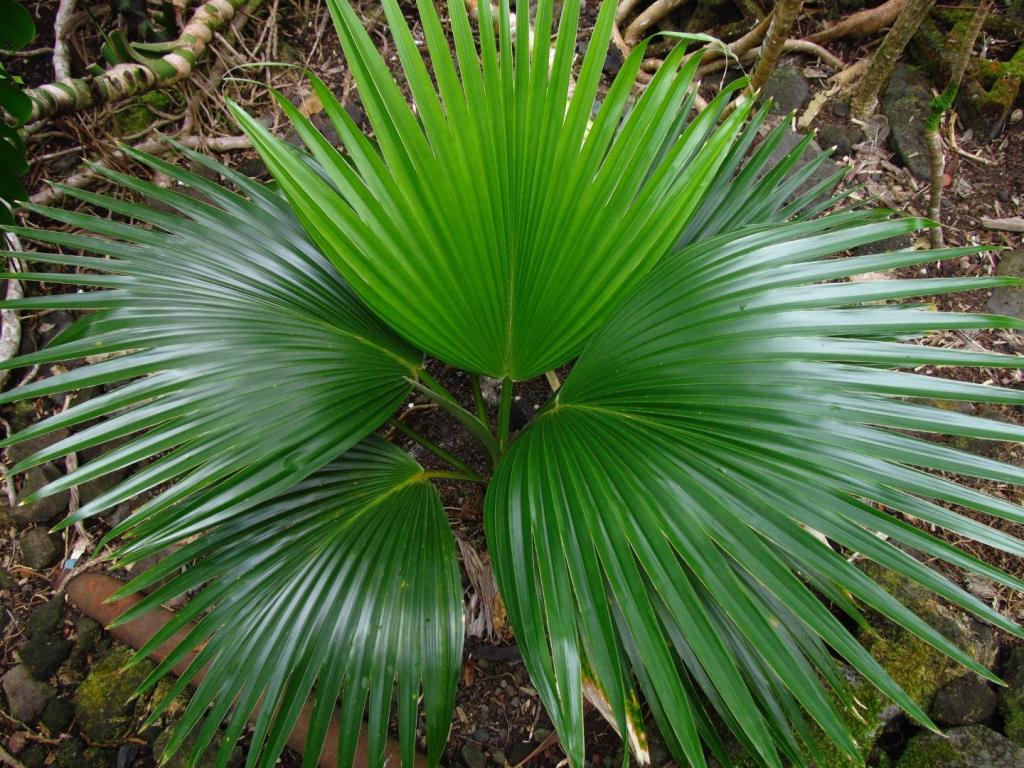 2 points
 I agree with @happypalms , a bit more time . Once they go full pinnate they seem to gain speed . I have not noticed any difference in speed on my full shade Radicalis. I have had tight groupings such as that and usually 3-4 will take over and the others will fade. They are easy to separate but it is winter for us now so best to let nature take its course. They will be lovely as they grow. Harry2 points
 the seeds are double compared to seeds of radicals forms small
 2 points
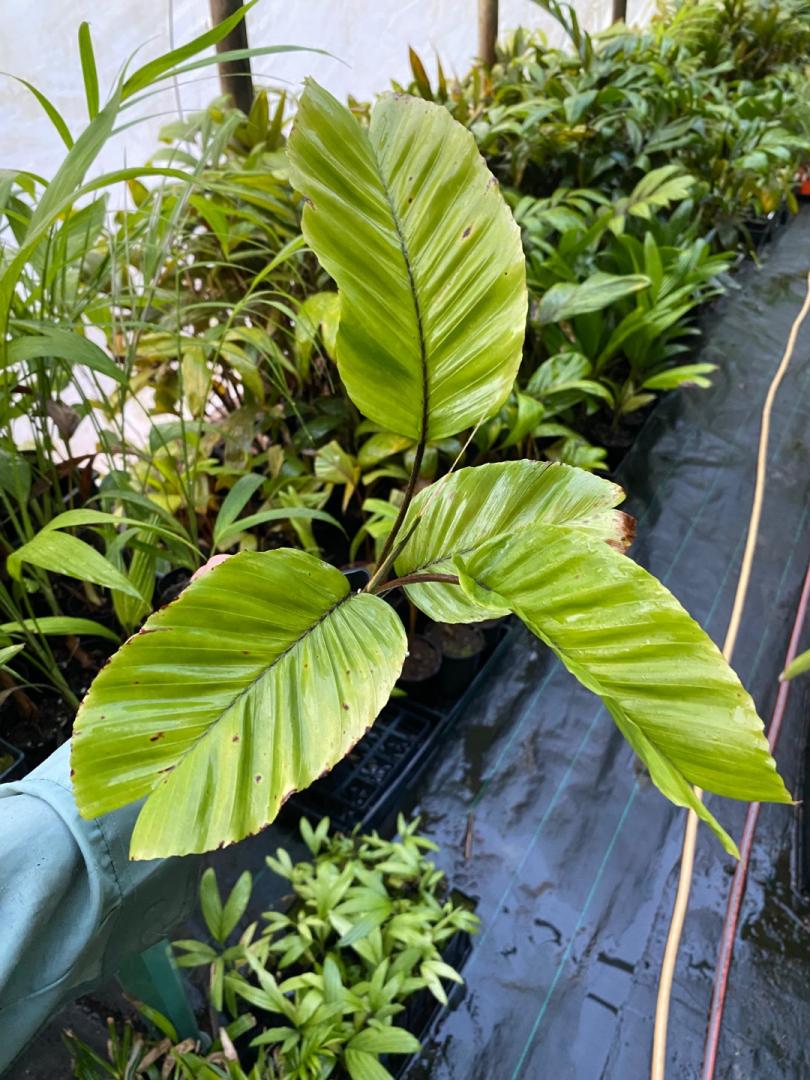
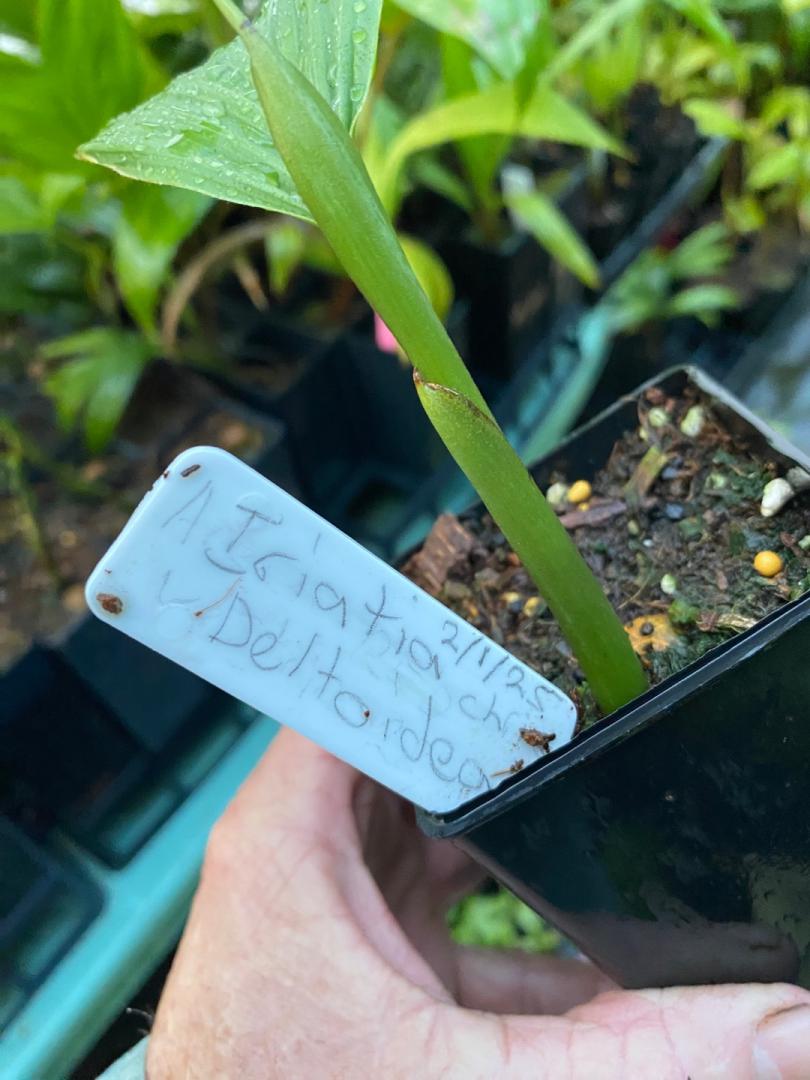
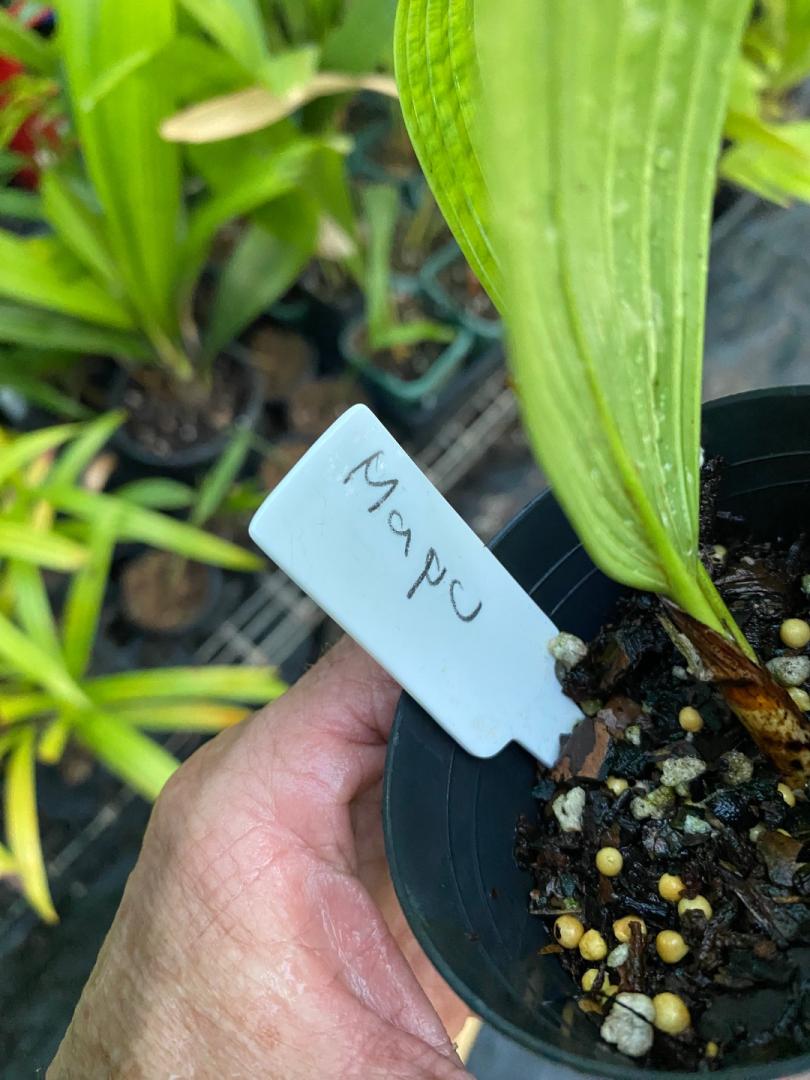
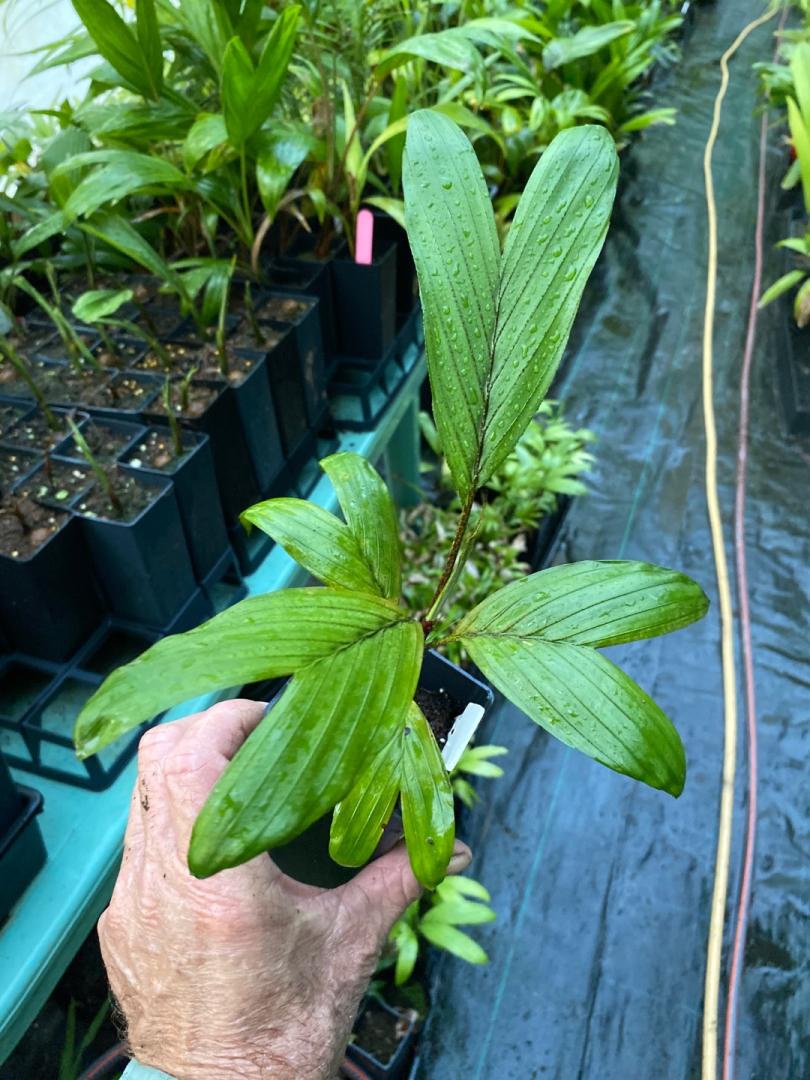
A few zone push winners and a couple of definite proven winners well worth a try next time you see them for sale. The orbicularis and mapu are two that I thought would never live in the greenhouse, both have survived winter in the greenhouse, not to sure about going in the ground just yet but they are doing ok so far.
2 points
2 pointsA few zone push winners and a couple of definite proven winners well worth a try next time you see them for sale. The orbicularis and mapu are two that I thought would never live in the greenhouse, both have survived winter in the greenhouse, not to sure about going in the ground just yet but they are doing ok so far.
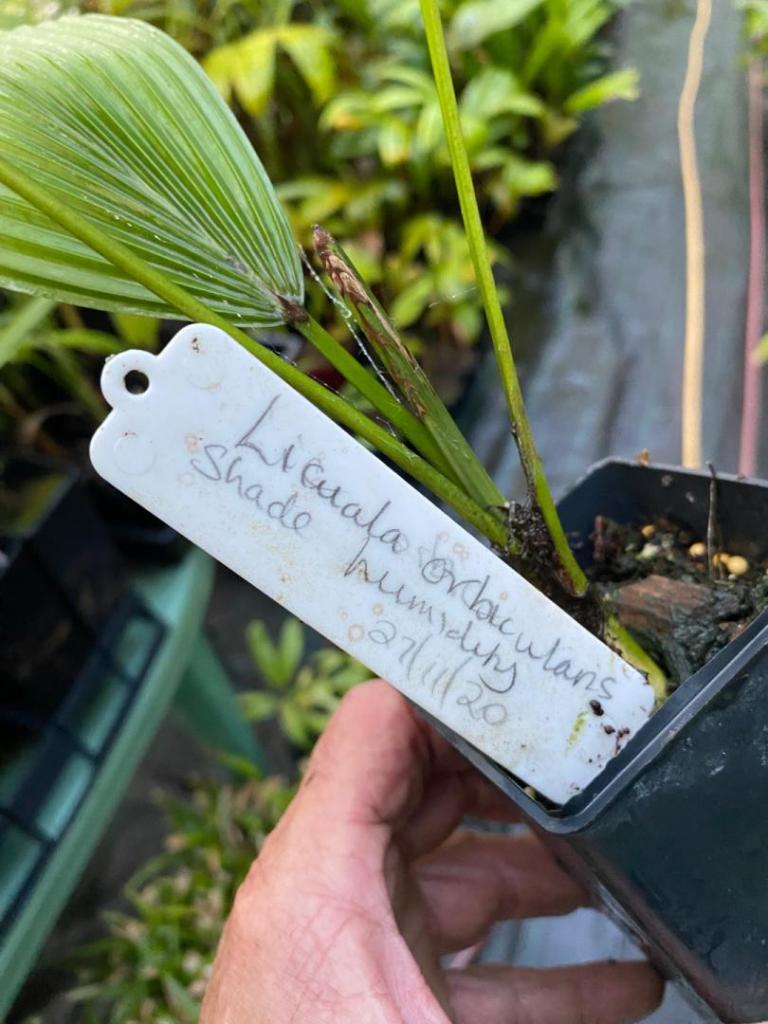


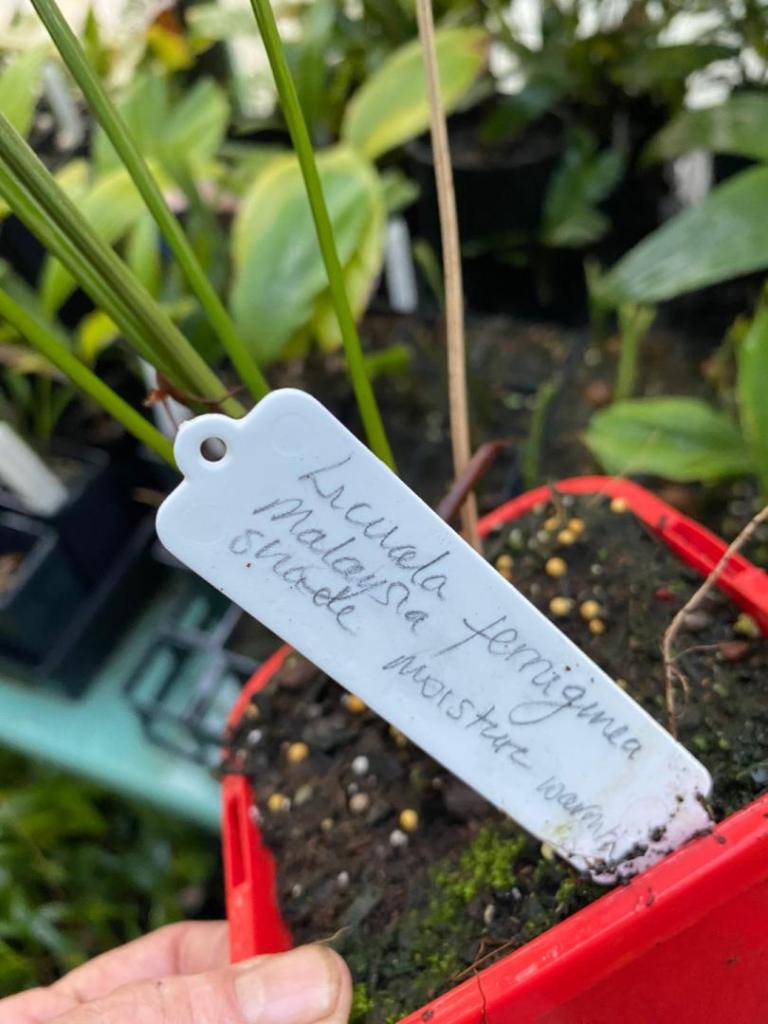

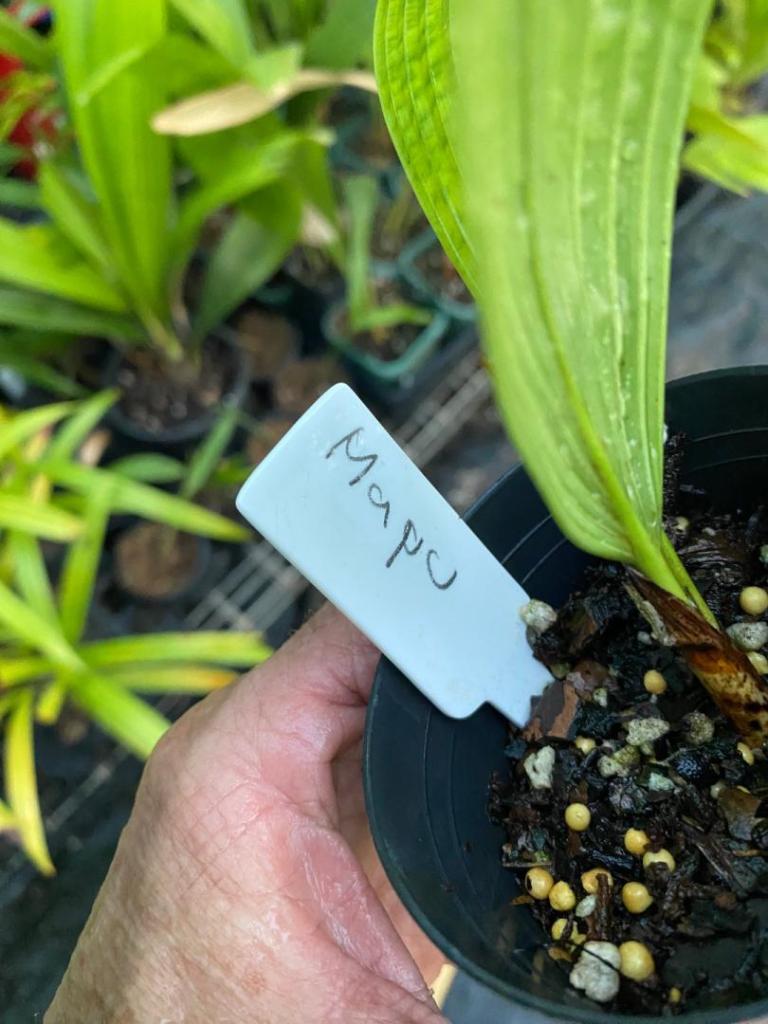

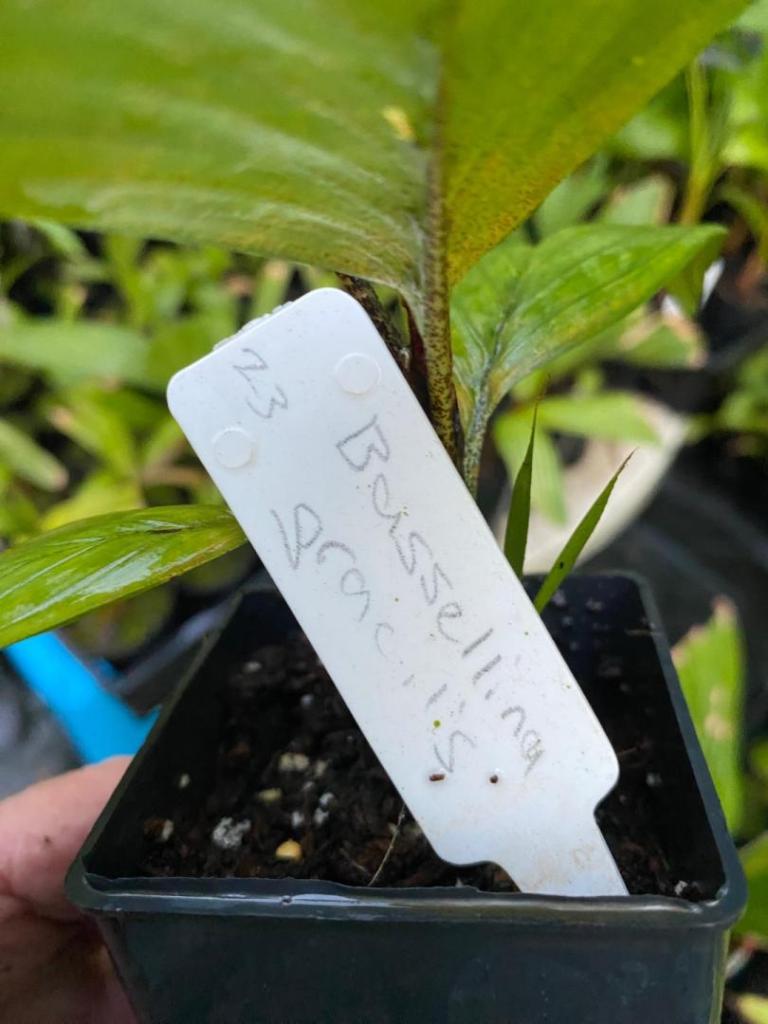
 2 points
Thanks, the crazy thing is I just purchased another 100 seeds for something to do, I just love them that much!2 points
2 points
Thanks, the crazy thing is I just purchased another 100 seeds for something to do, I just love them that much!2 points 2 points
There seems to be a myth about how joeys have a reputation for just up and dying for no reason. I have a few and from observation, it seems the weakest in the batches after potting up have the middle new leaf die. It’s not root disturbance, it’s possibly a soil fungus. I call it flagging as you can see basically a flag signal with the new dead leaf. I have broken roots of new seedlings and they will die. But that’s a grower mistake. So I use a foliar soil fungicide once every 3 weeks. So hopefully this gives a reason for joeys just up and dying. Eventually in the potted up batch’s the weakest have been eliminated and you dont get them dropping off dead, with just the strongest surviving.
2 points
There seems to be a myth about how joeys have a reputation for just up and dying for no reason. I have a few and from observation, it seems the weakest in the batches after potting up have the middle new leaf die. It’s not root disturbance, it’s possibly a soil fungus. I call it flagging as you can see basically a flag signal with the new dead leaf. I have broken roots of new seedlings and they will die. But that’s a grower mistake. So I use a foliar soil fungicide once every 3 weeks. So hopefully this gives a reason for joeys just up and dying. Eventually in the potted up batch’s the weakest have been eliminated and you dont get them dropping off dead, with just the strongest surviving.

 2 points
 2 pointsThanks Darold! Hope to recreate something like this in my yard 30yrs from now; a wild and free garden where to get lost2 points
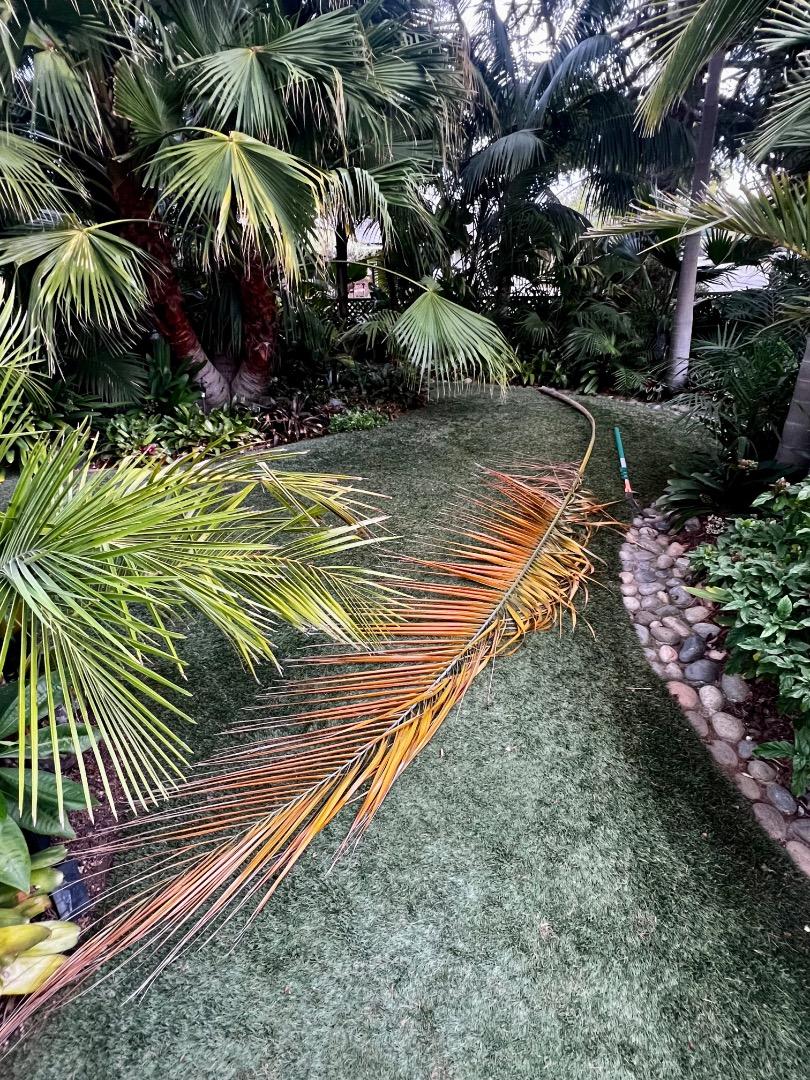
2 pointsThat’s a chunky Chamby frond Dave! Here’s a 28 foot P. torralyi frond stretching across my entire front lawn area that I just removed the other day.
2 pointsThanks Darold! Hope to recreate something like this in my yard 30yrs from now; a wild and free garden where to get lost2 points
2 pointsThat’s a chunky Chamby frond Dave! Here’s a 28 foot P. torralyi frond stretching across my entire front lawn area that I just removed the other day. 2 points
 2 pointsThere are lots of crispy dead conifers around me. Fortunately I finally got rain, and two days in a row! I have gotten about as much rain these last 2 days then I have in almost the last 5 months combined. No exaggeration. The first rain came Saturday overnight and even less than 12 hours later all of my plants were standing up straight, many started to flower and lots had already pushed out some new growth. Shocking how fast it happened. It's been raining constantly since the early AM hours and at a nice gentle pace. This is really going to soak in and help things out.2 points