Leaderboard




Popular Content
Showing content with the highest reputation on 11/04/2025 in all areas
-
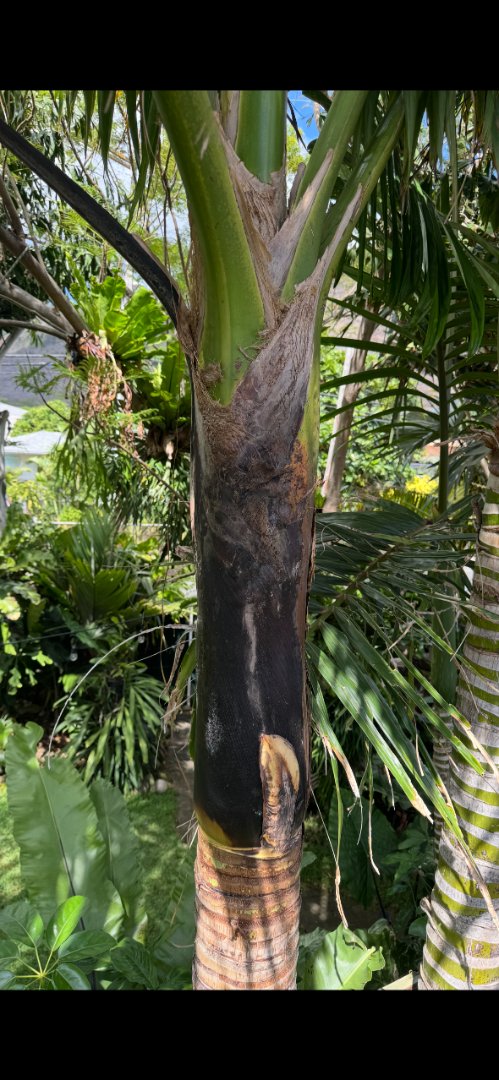
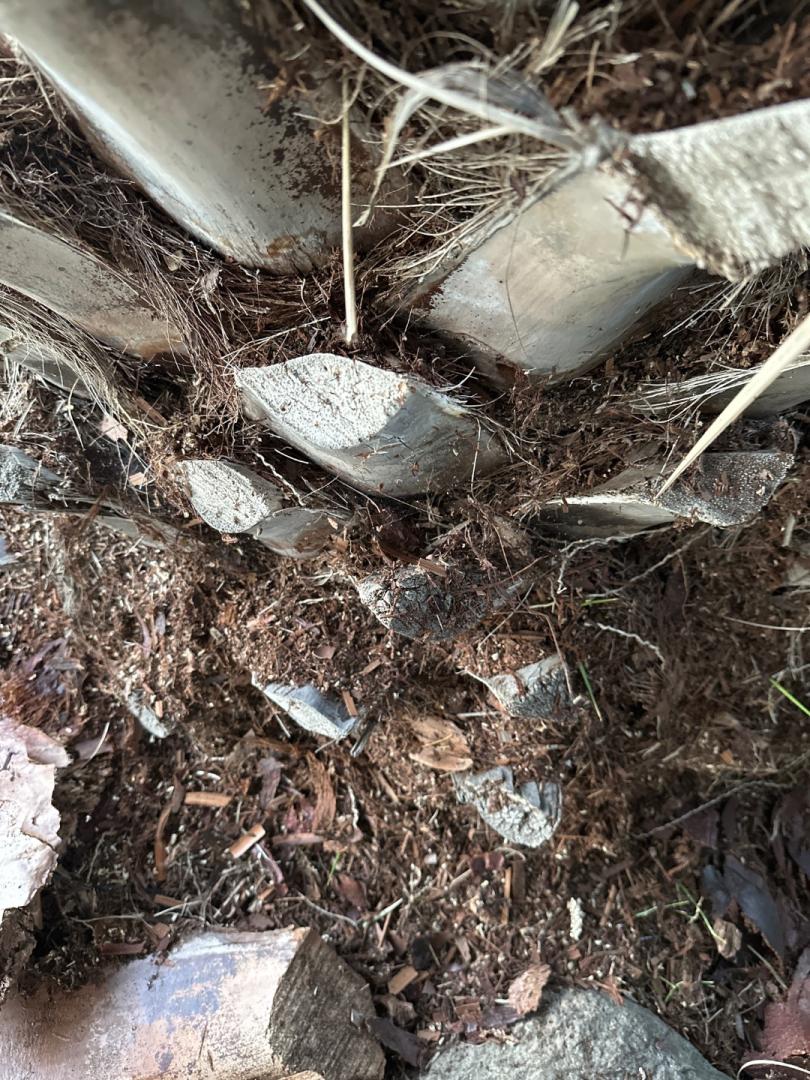
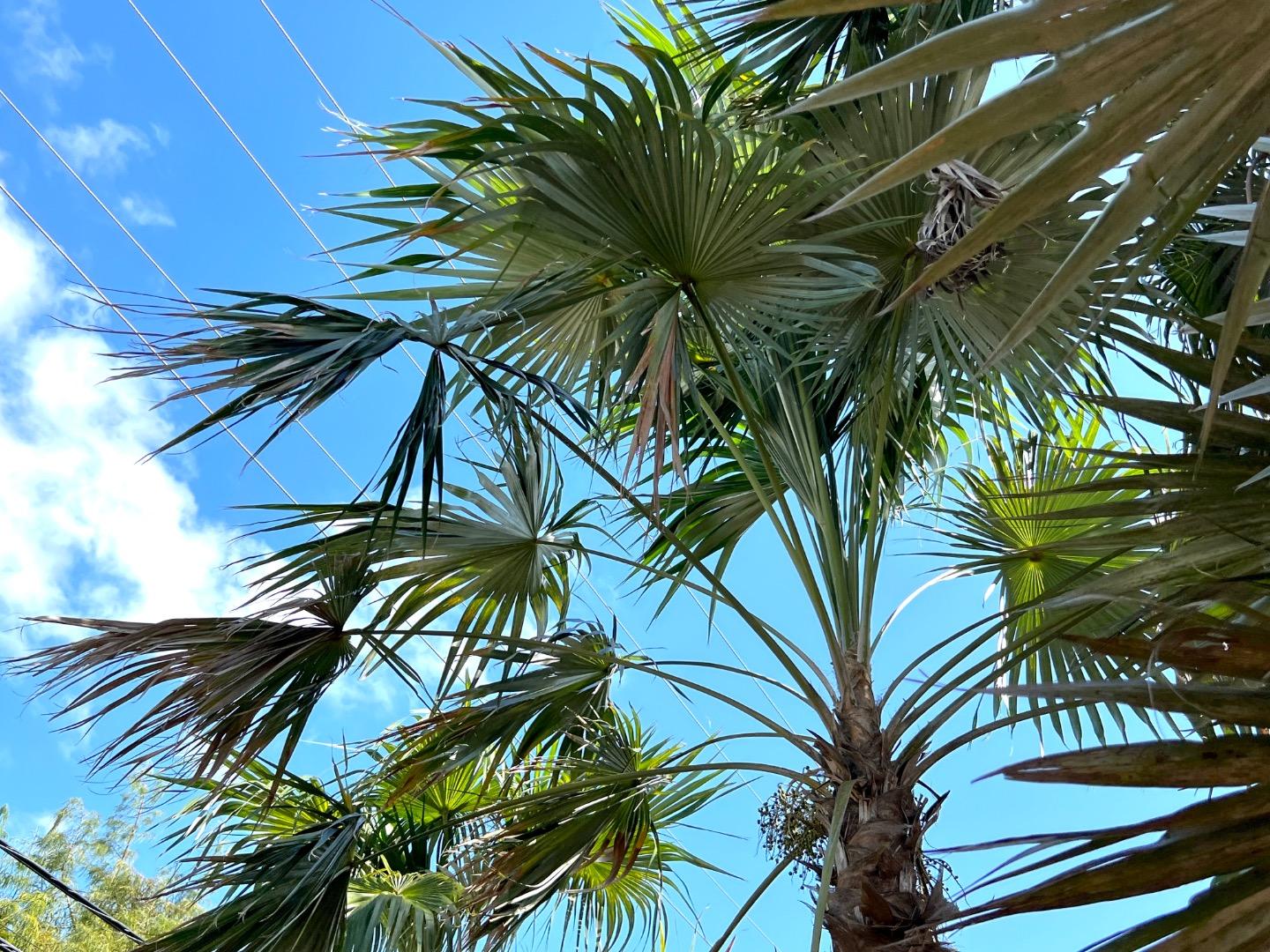
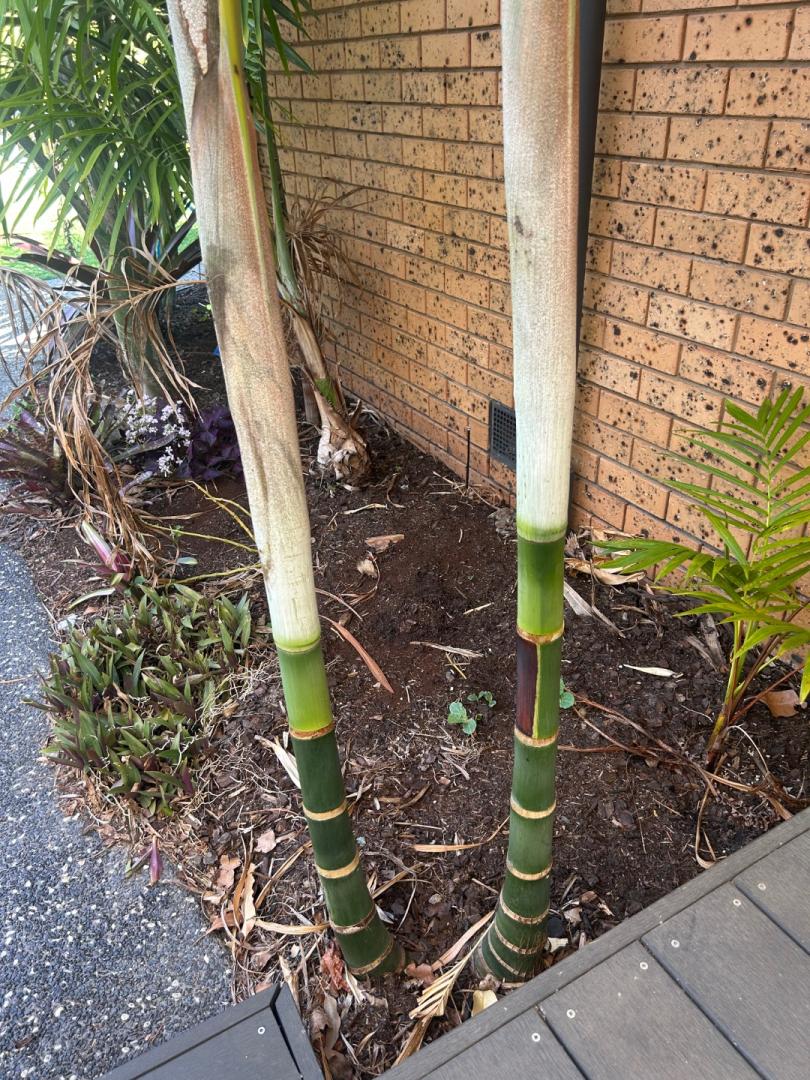
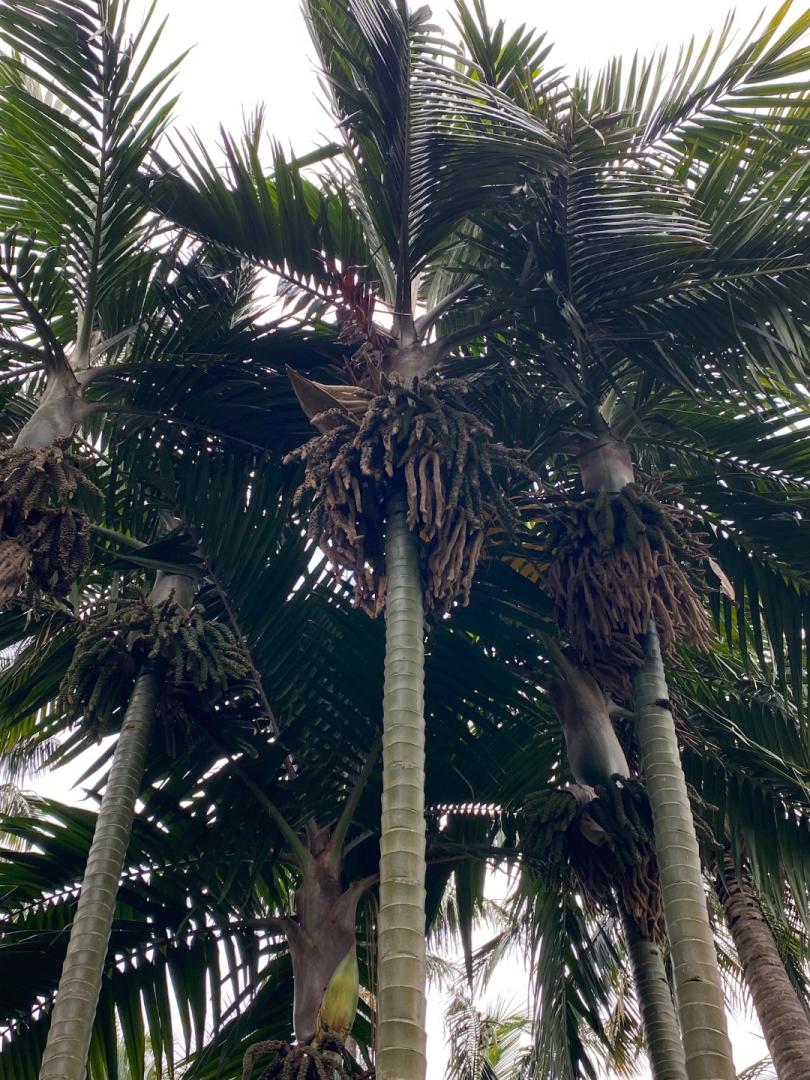
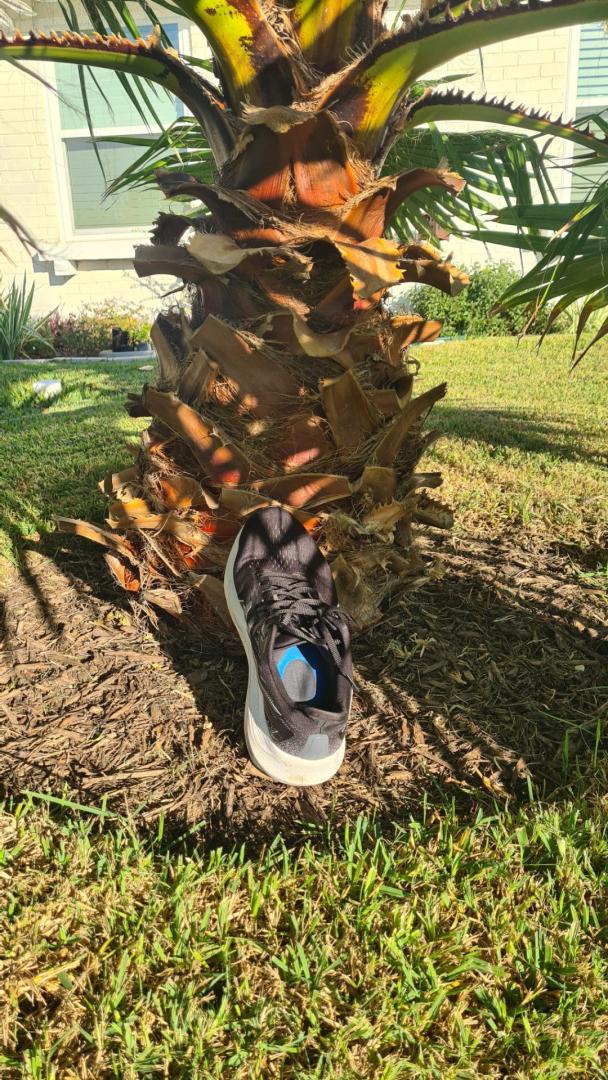
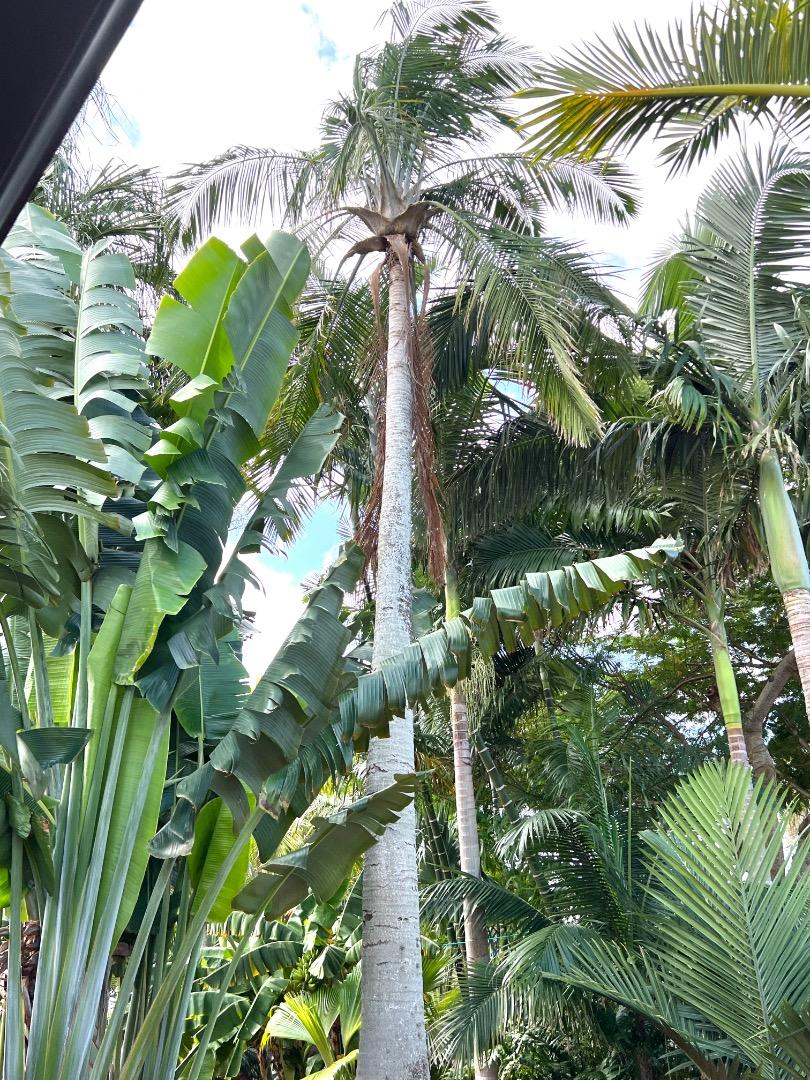
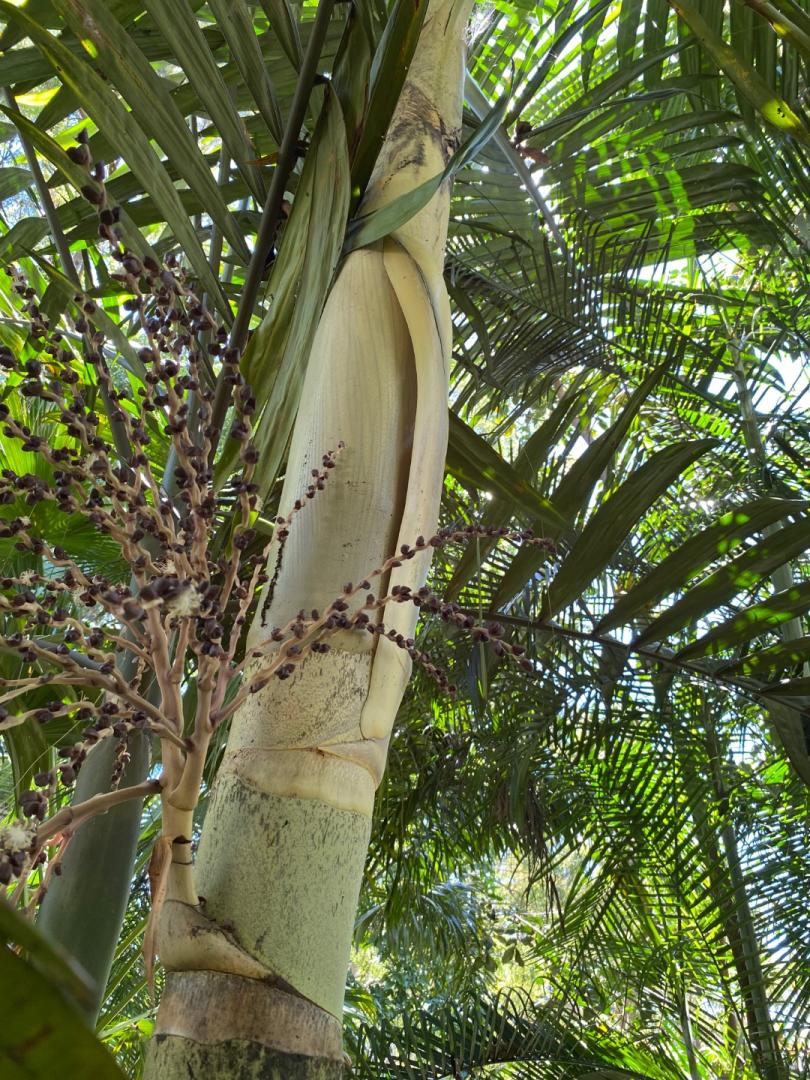
Normal shedding of old dead leaf bases. They all do that eventually unless they are shaven off beforehand by a tree service. Nothing to worry about.7 points
-
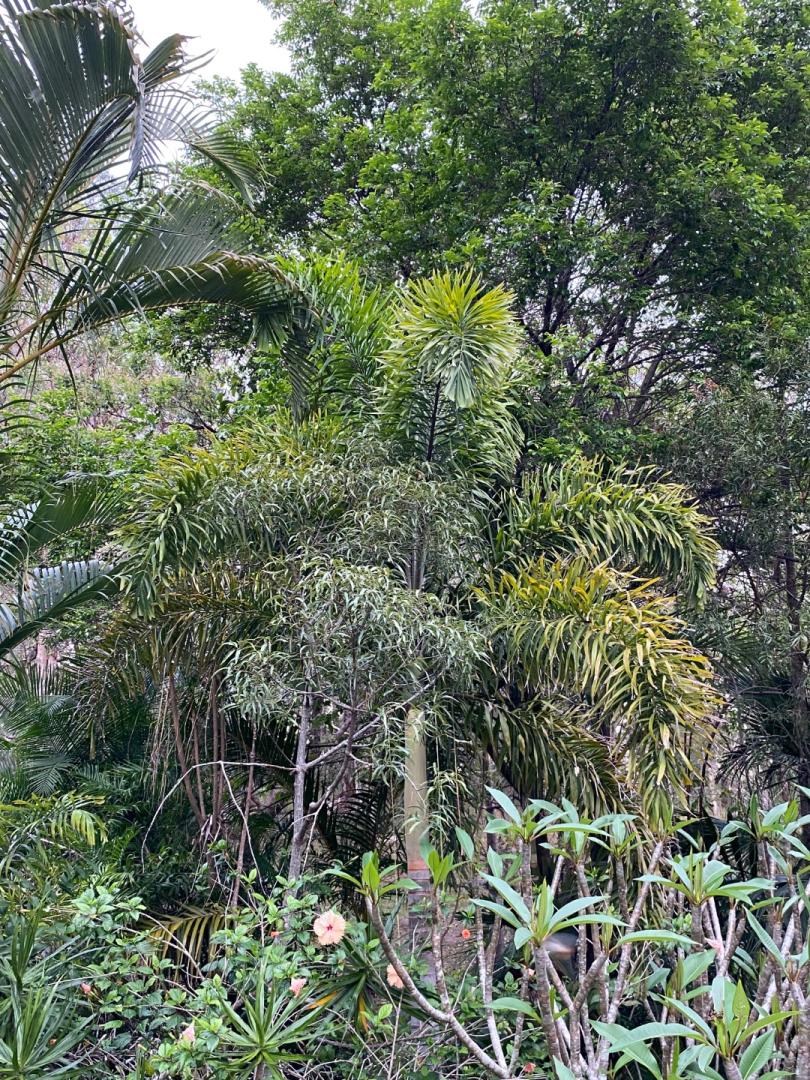
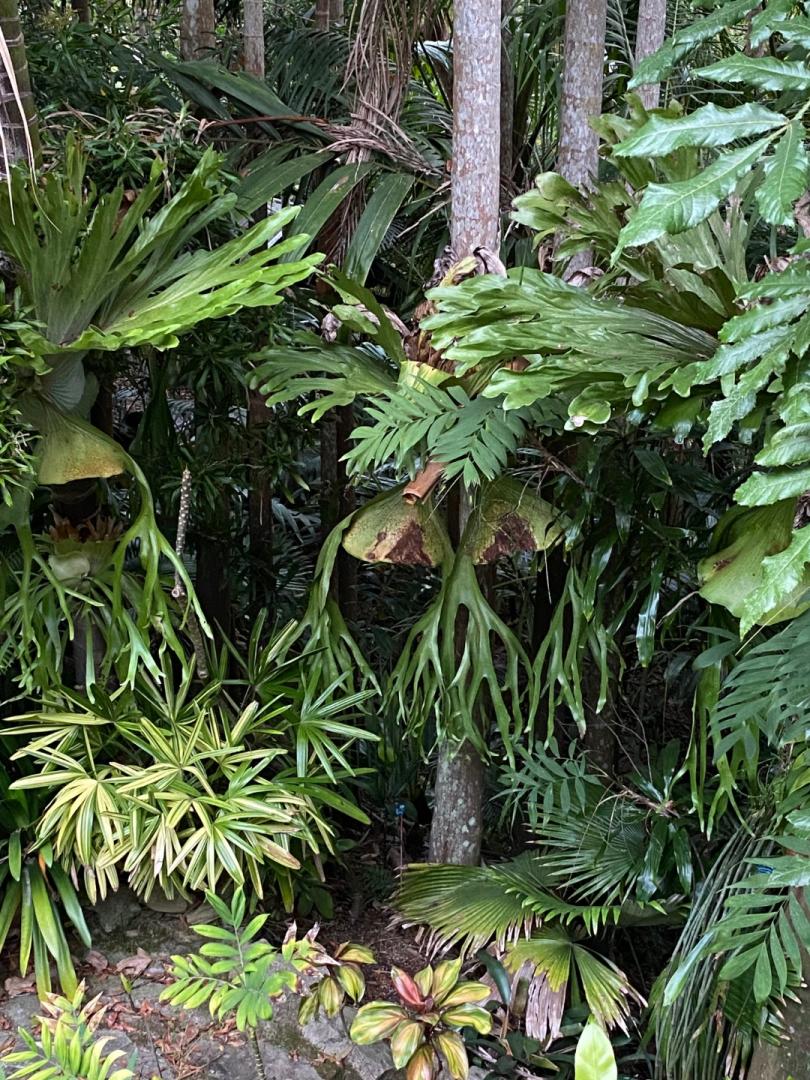
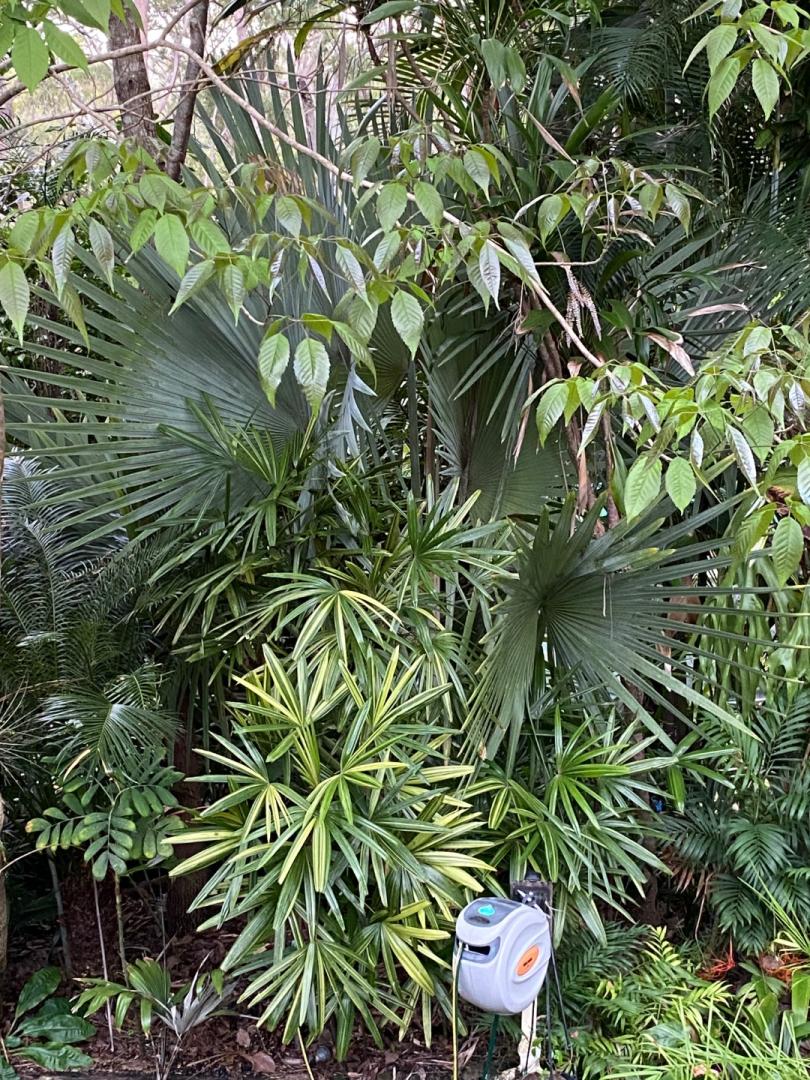
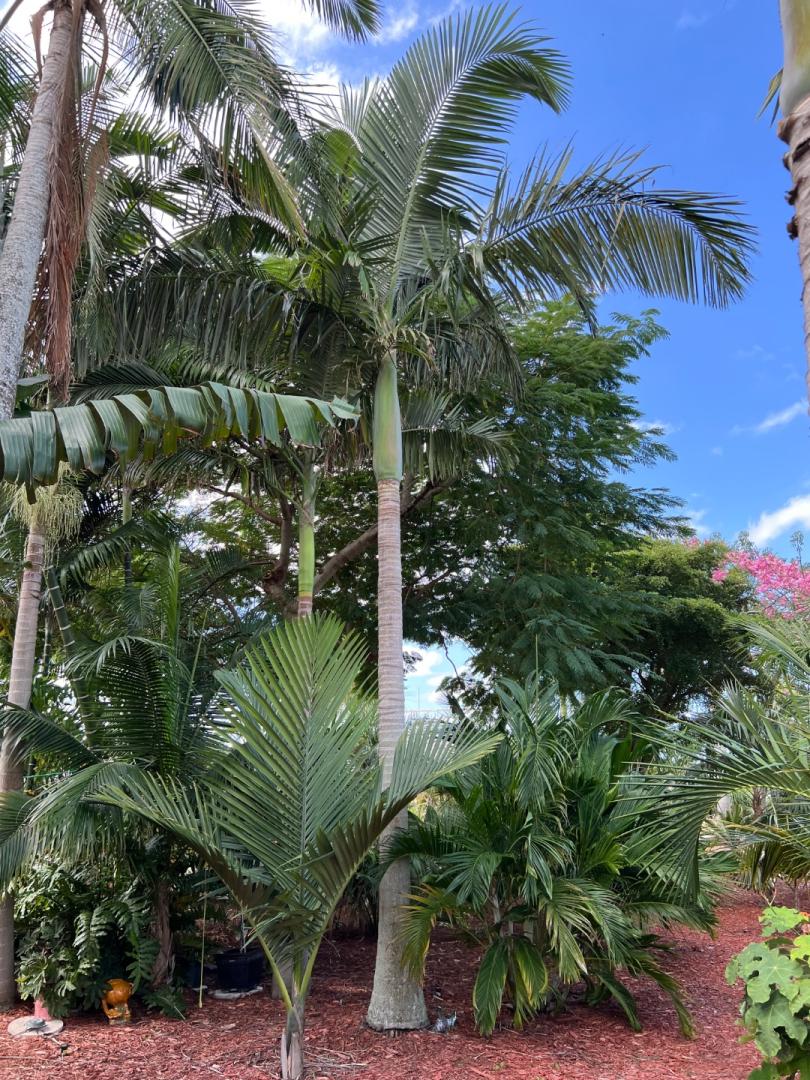
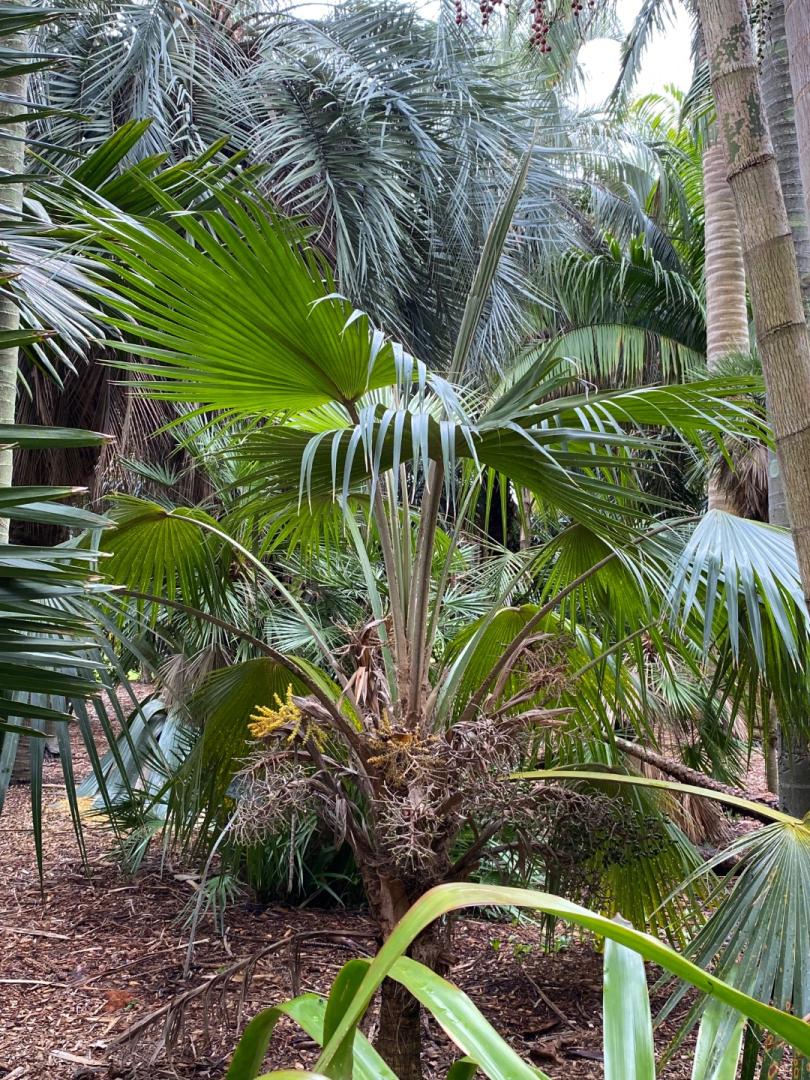
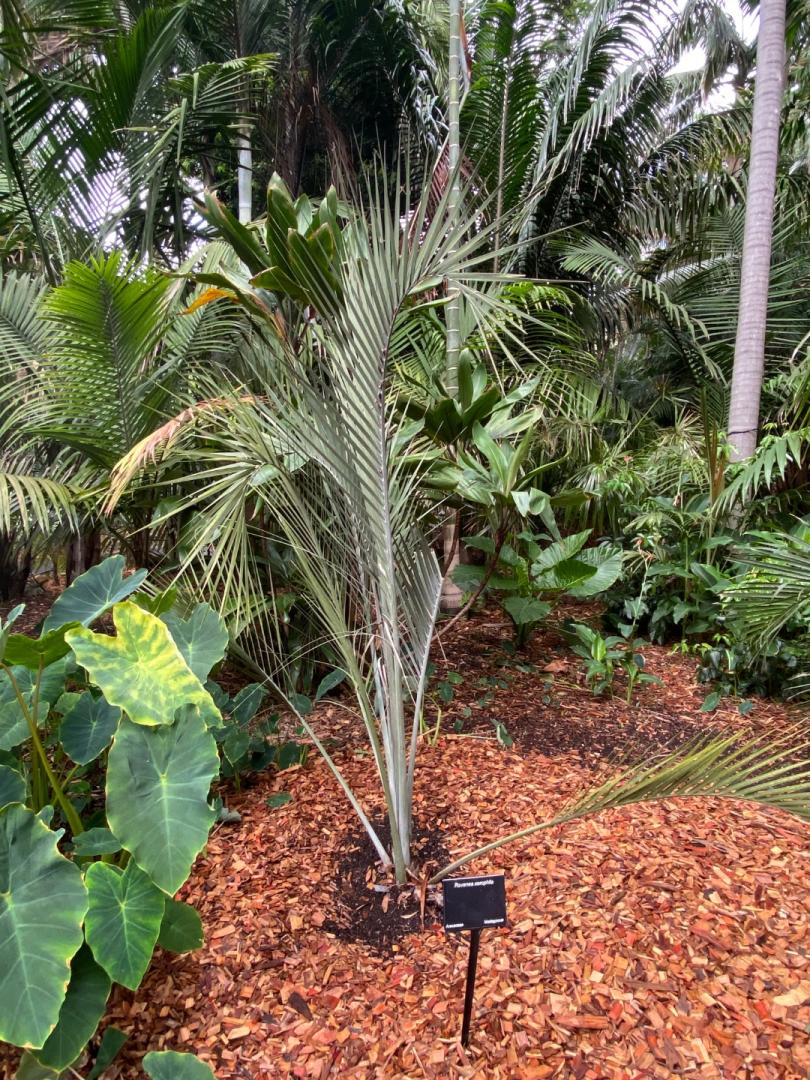
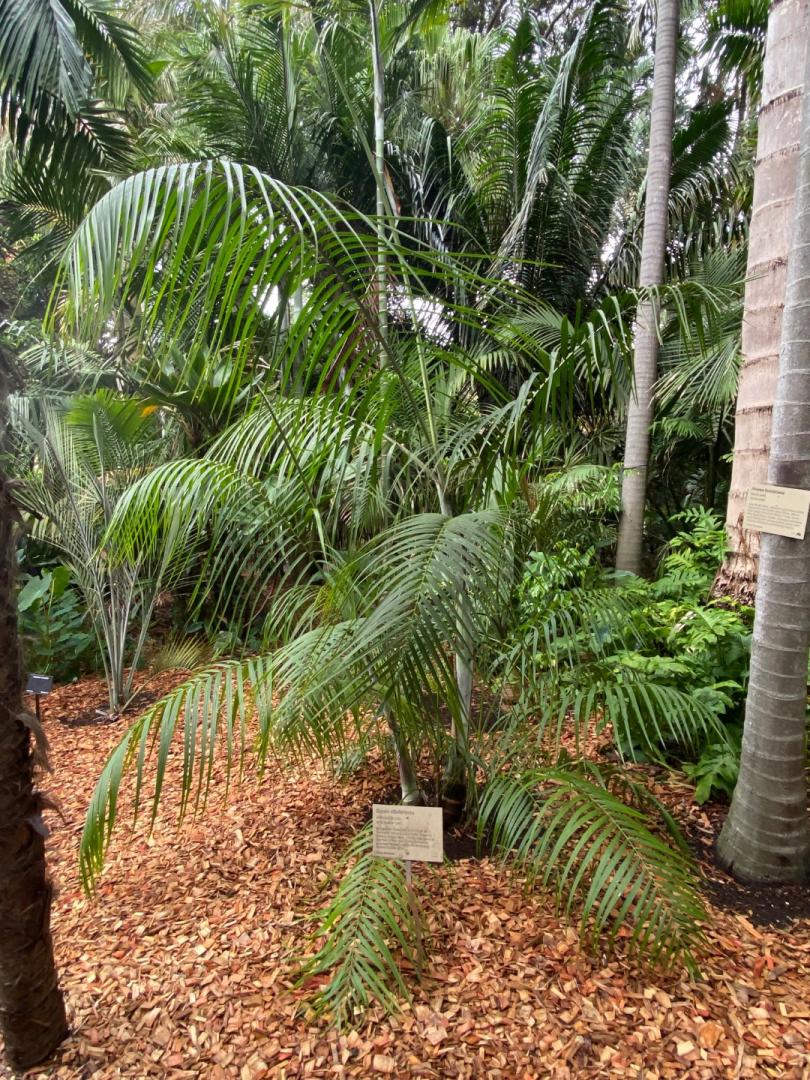
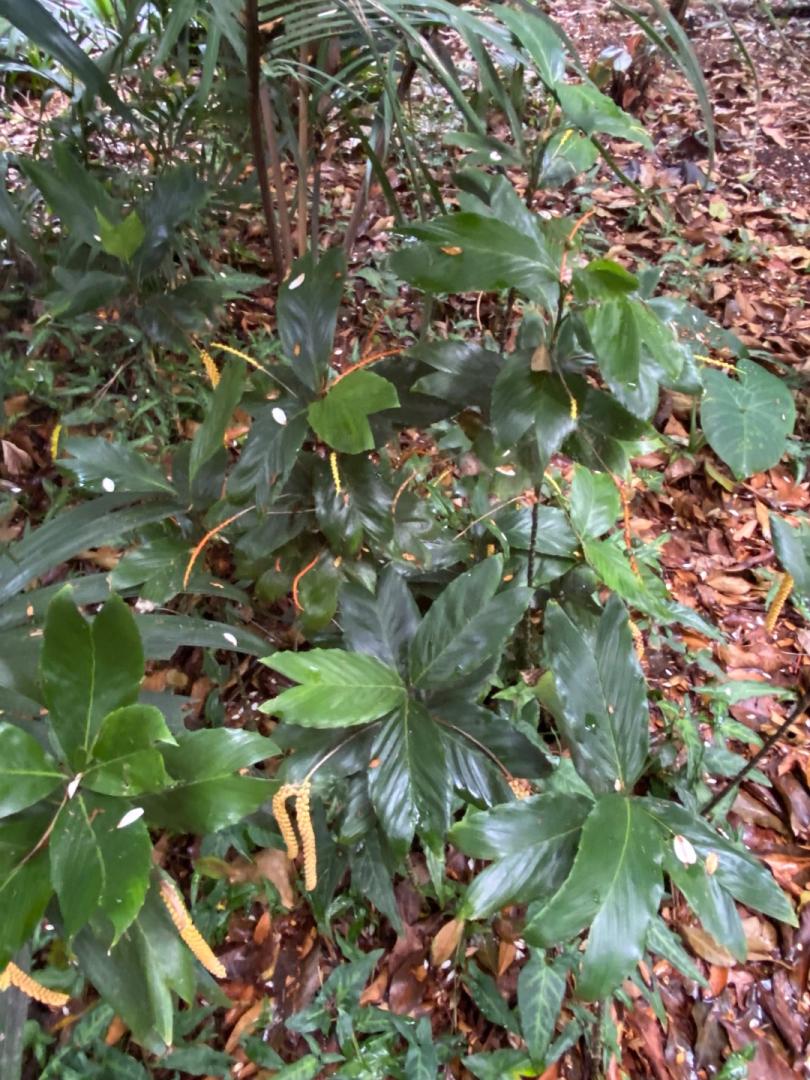
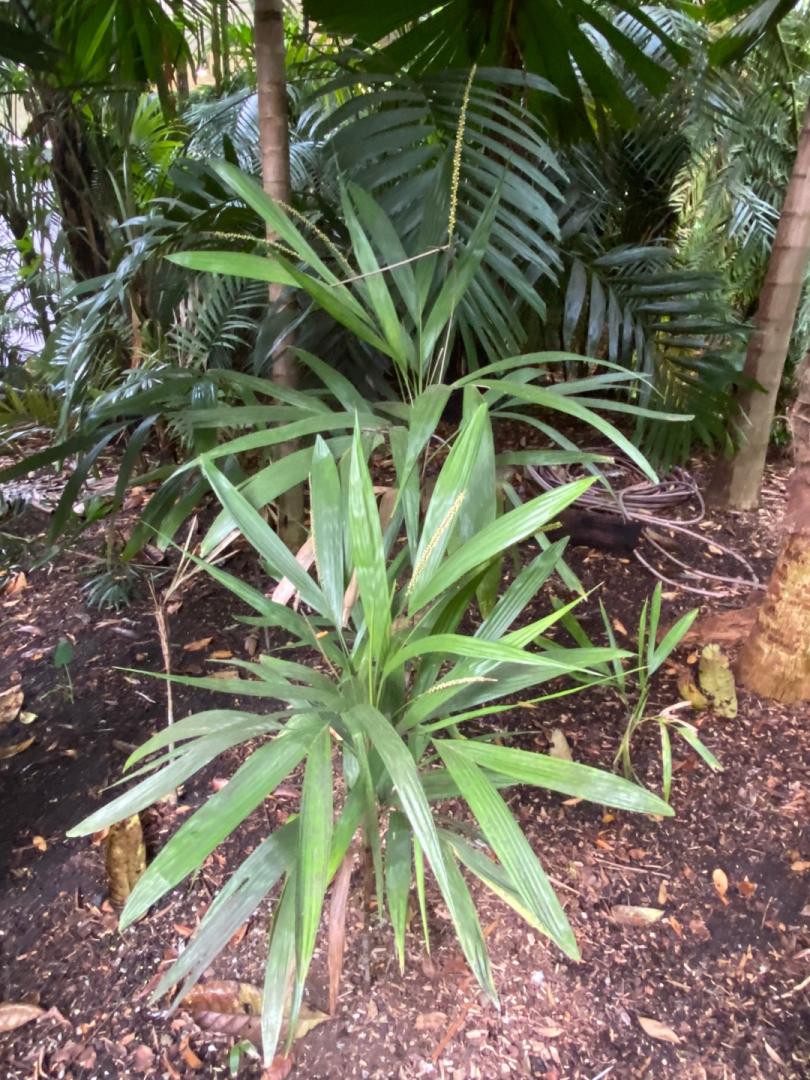
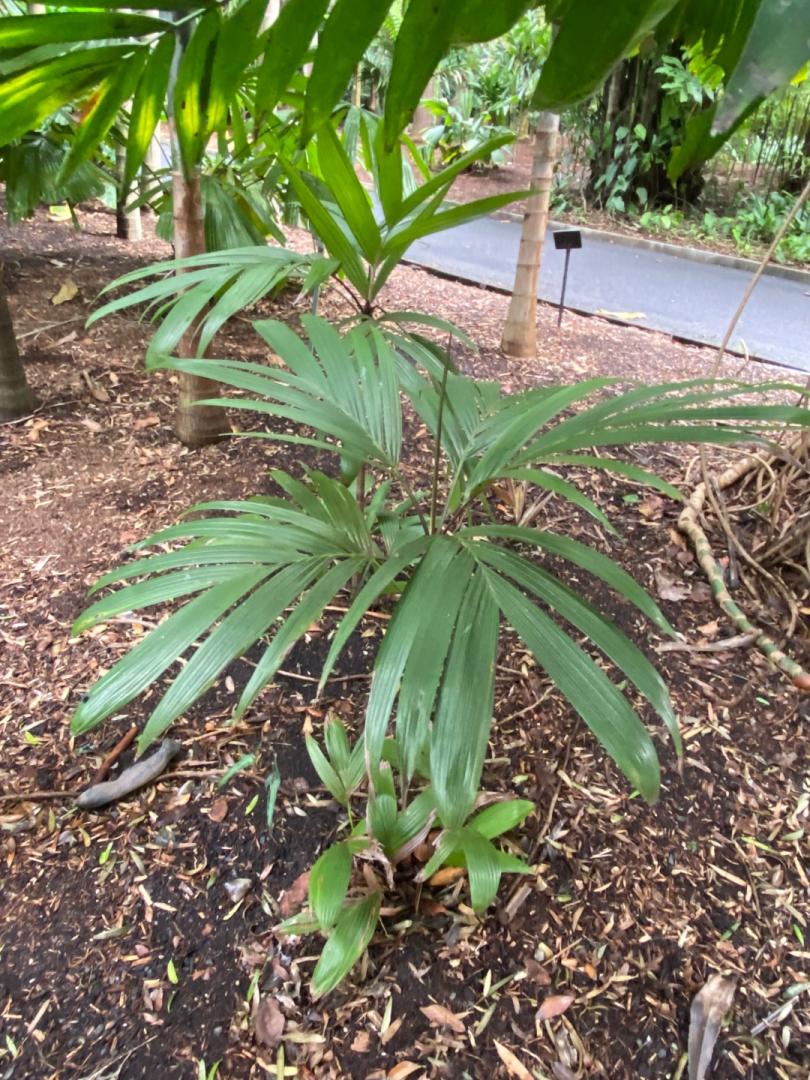
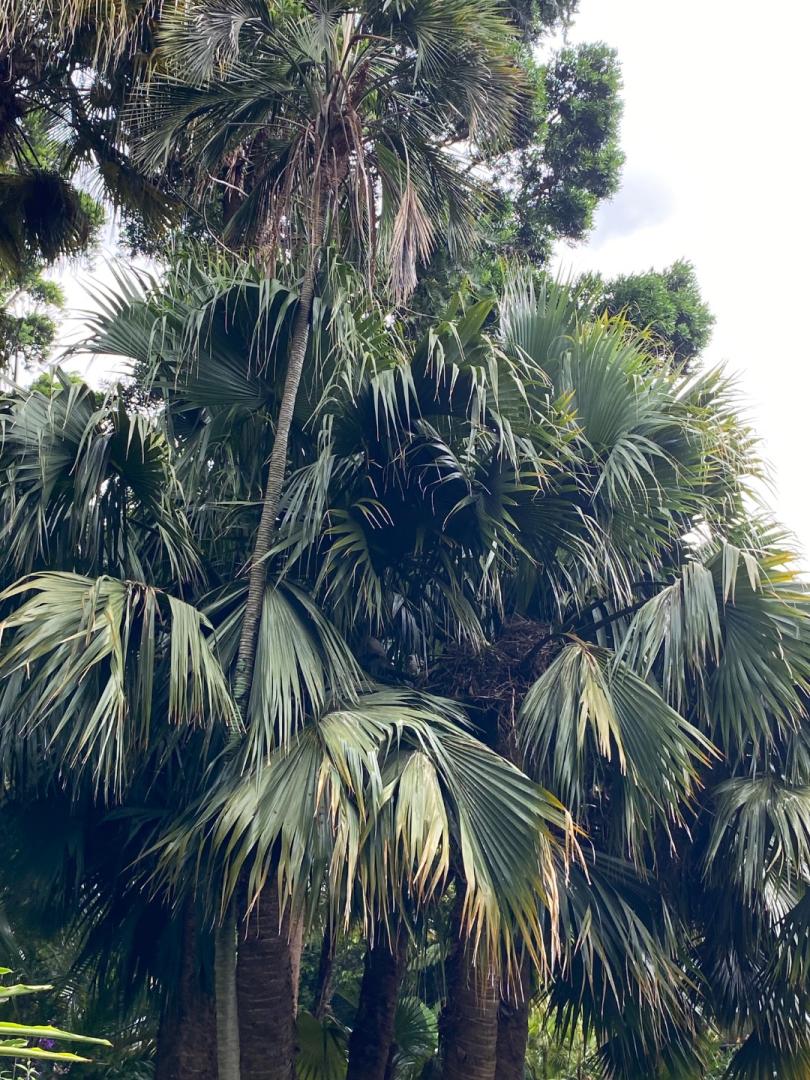
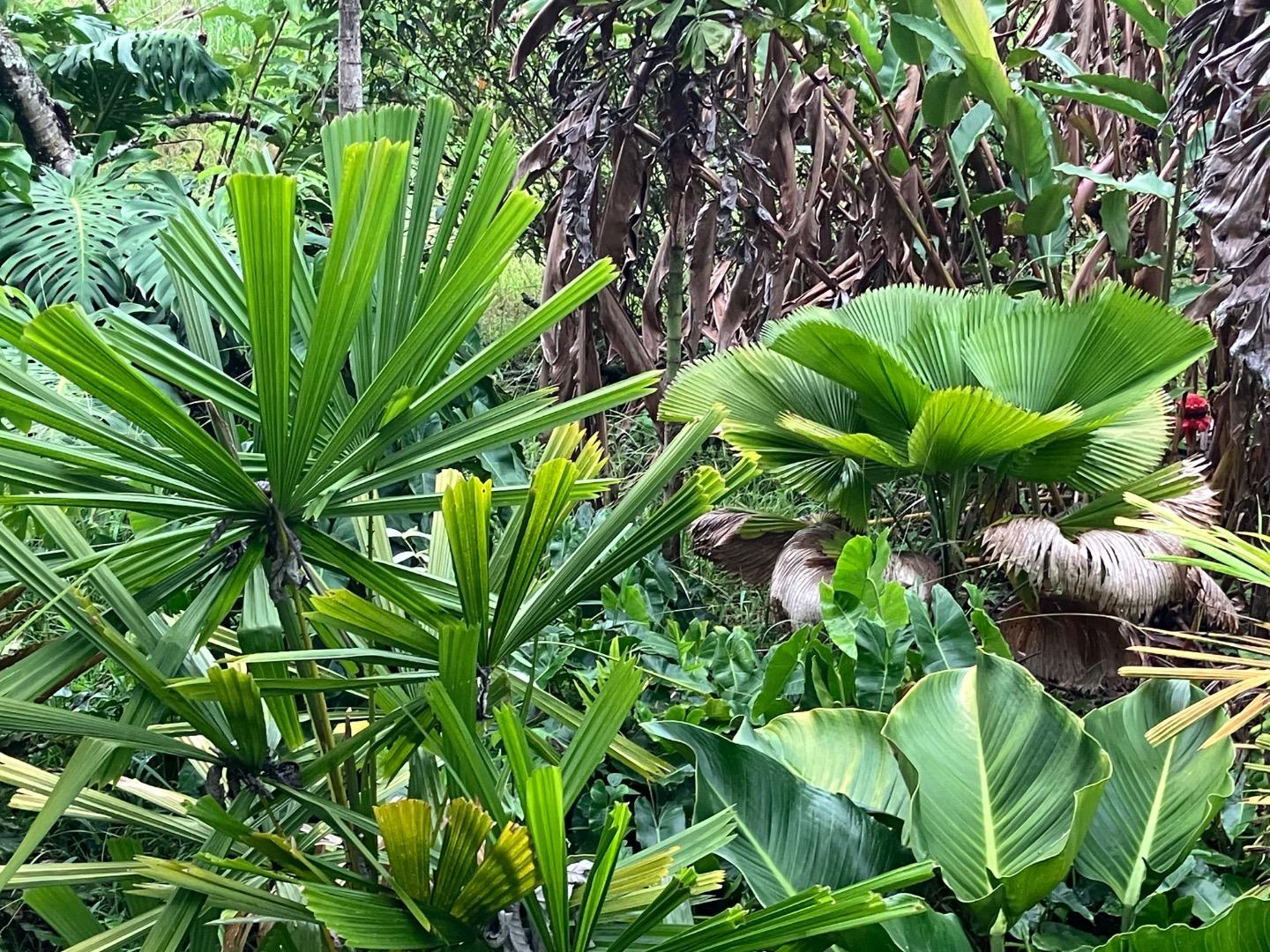
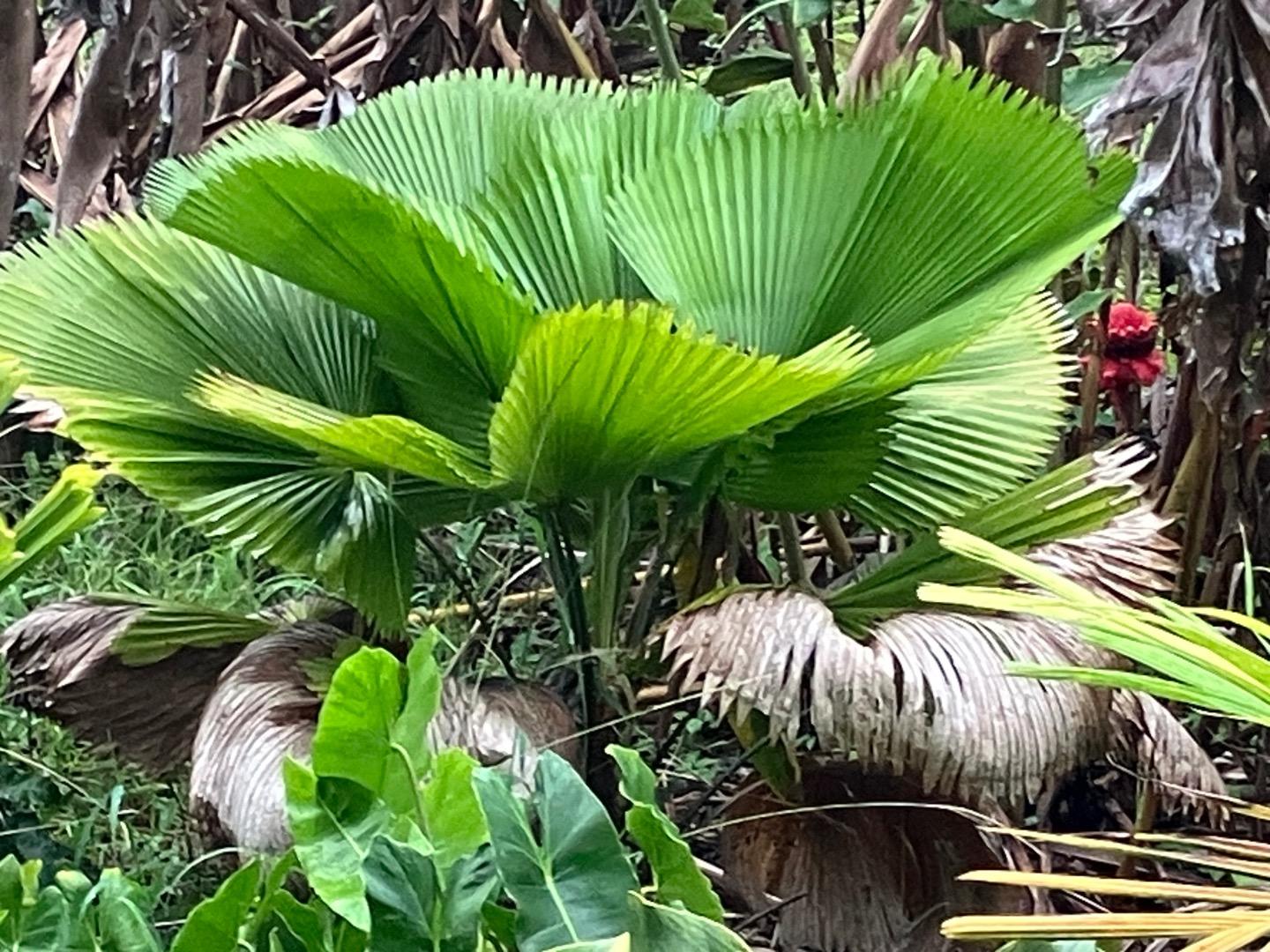
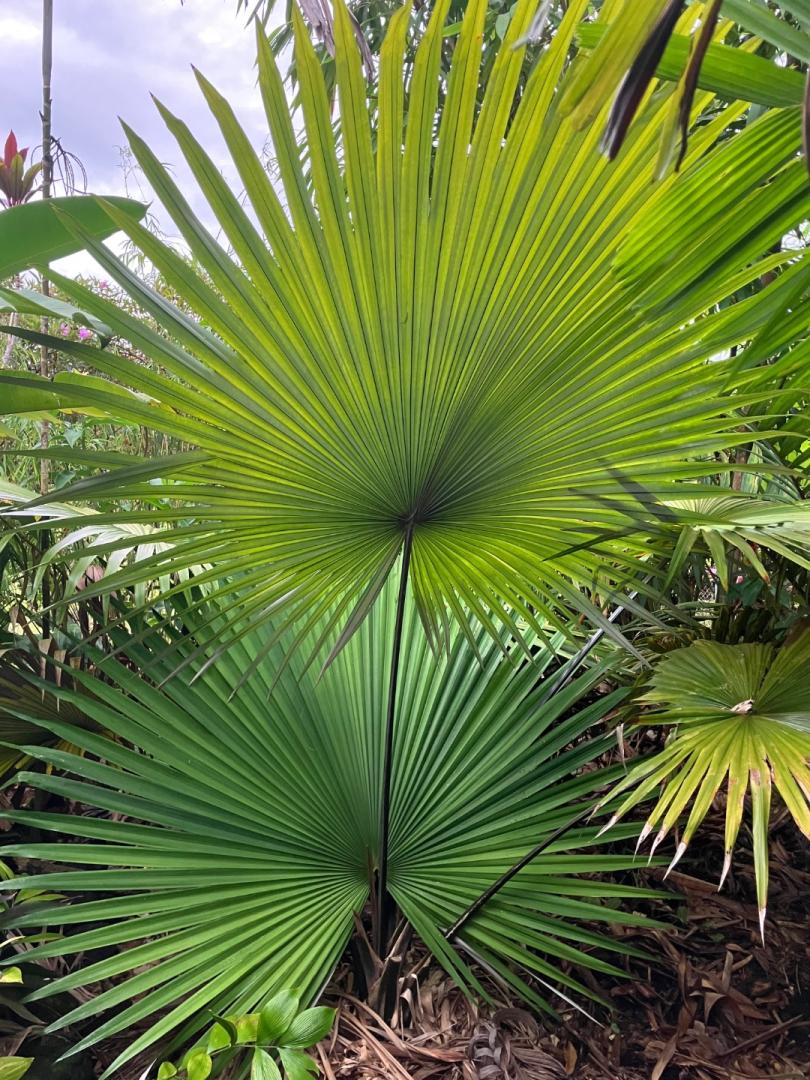
A few more palms in the garden! An amazing collection of palms well worth a visit for any palm nut!
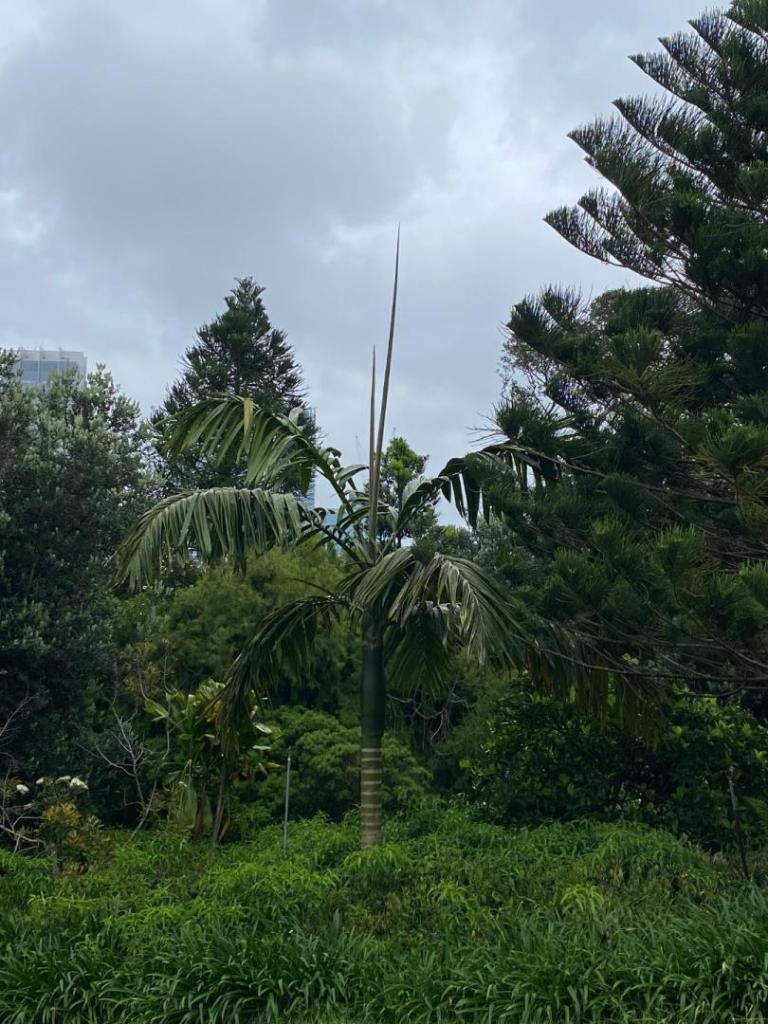


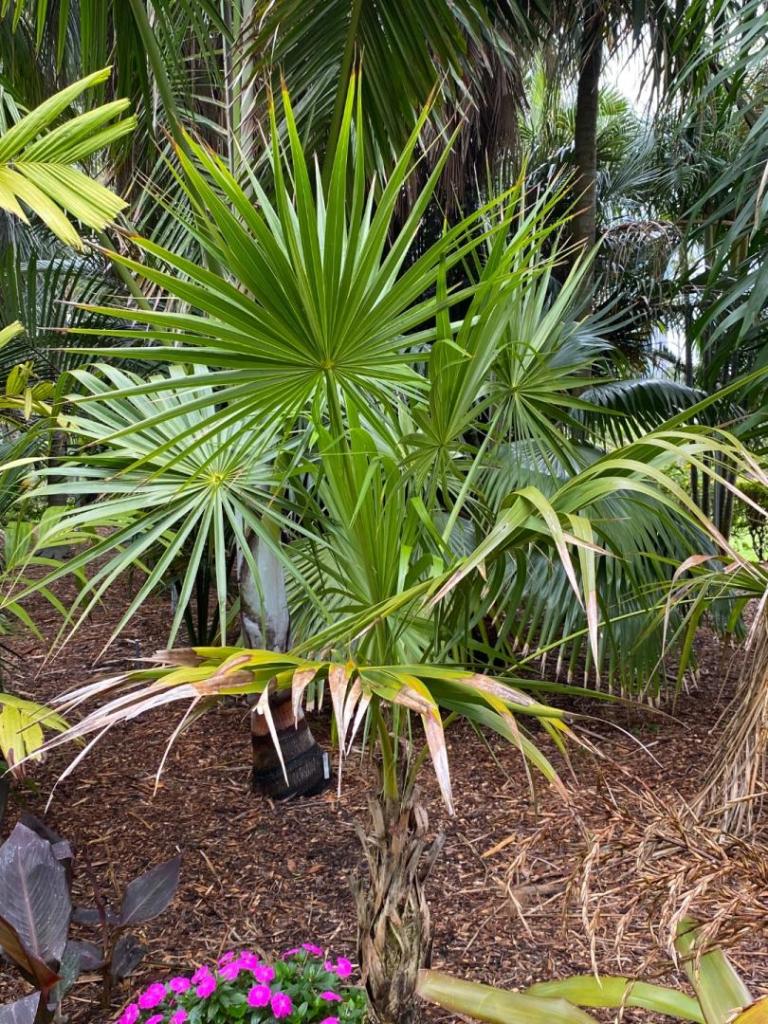


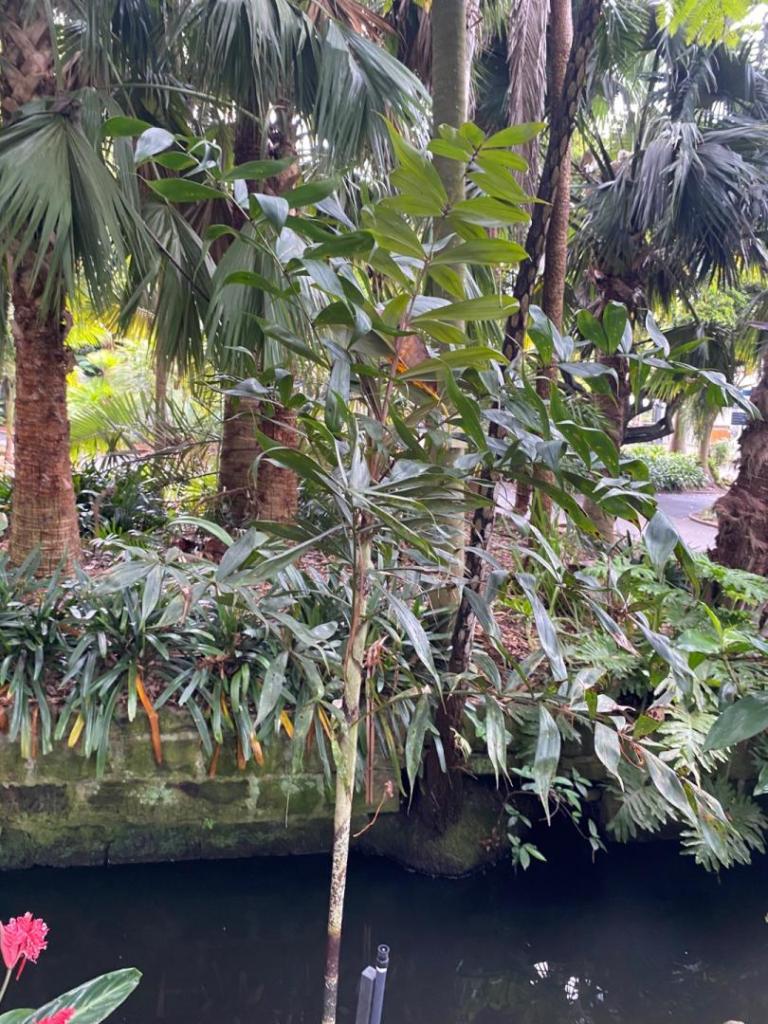

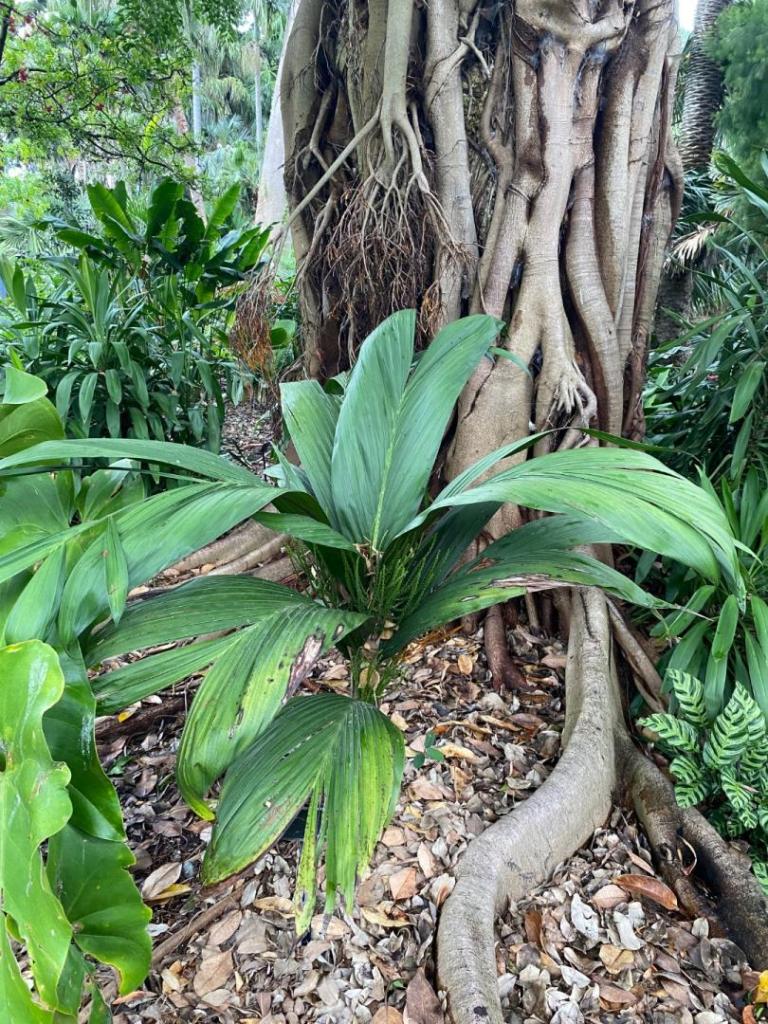


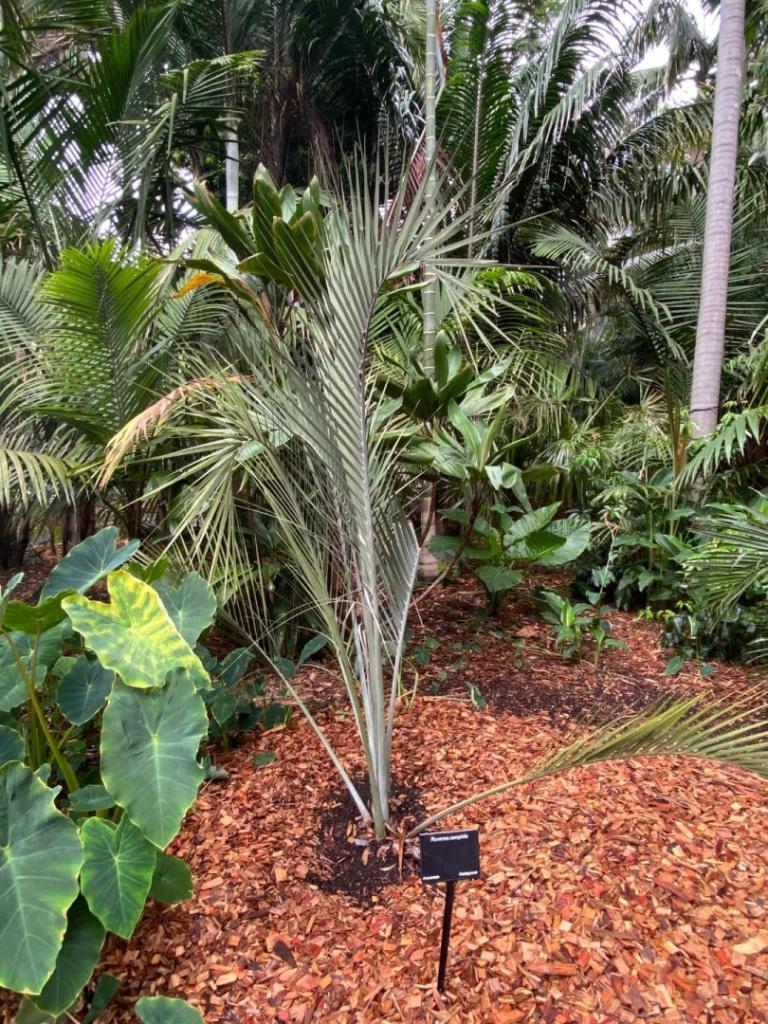
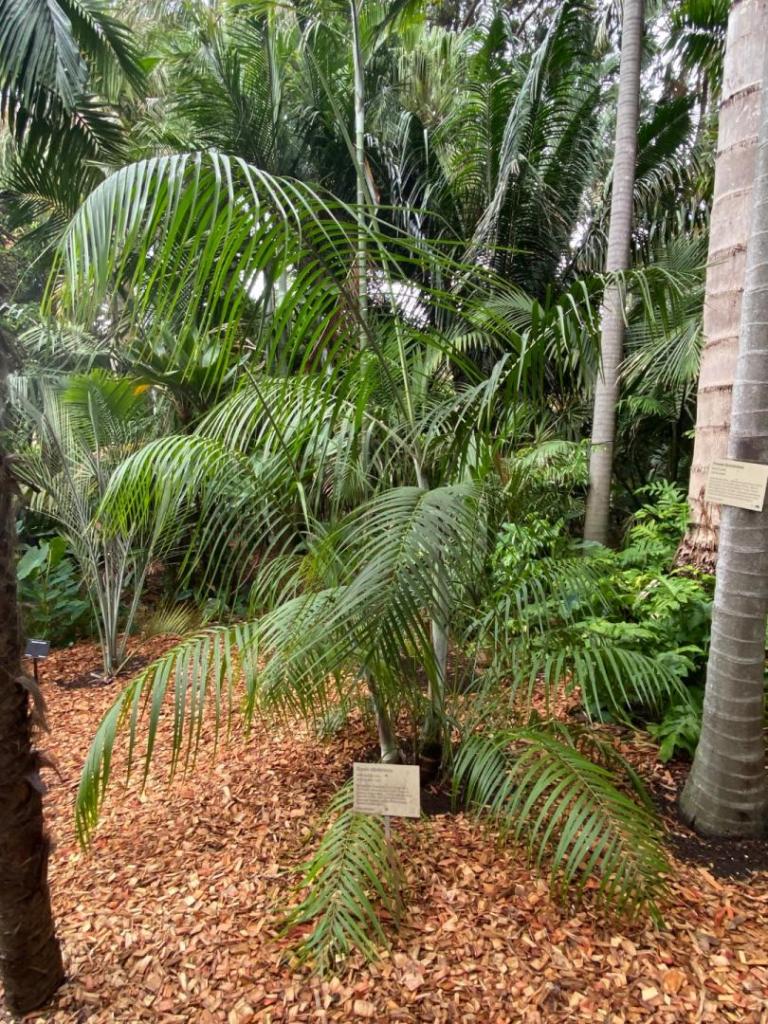
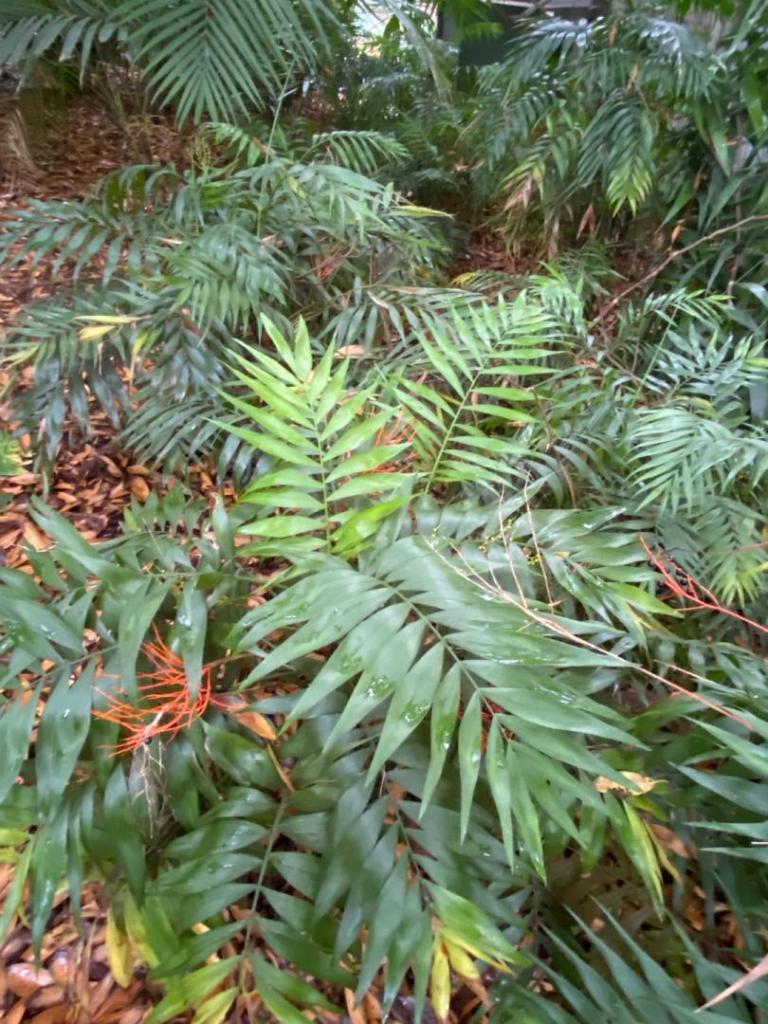
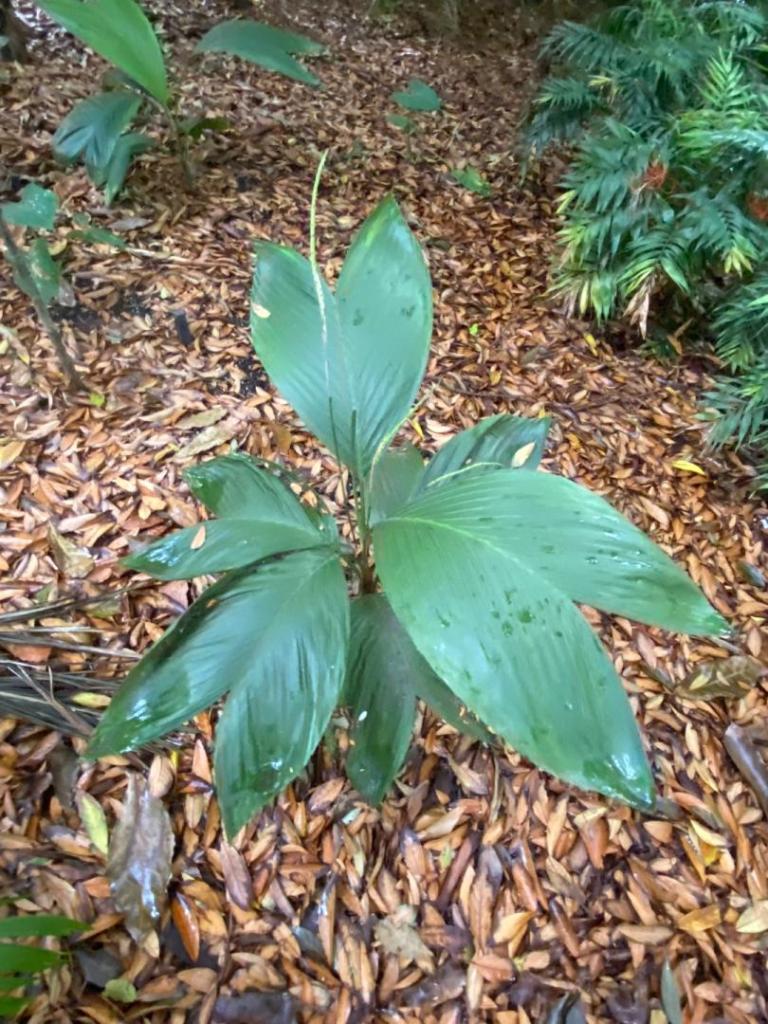


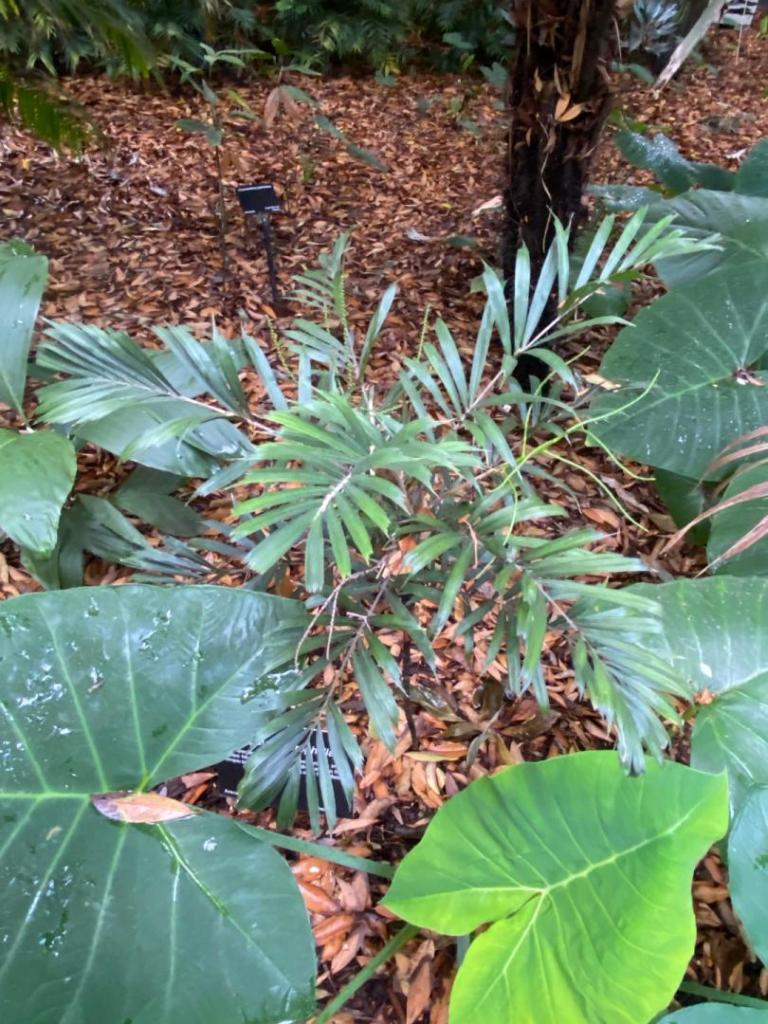
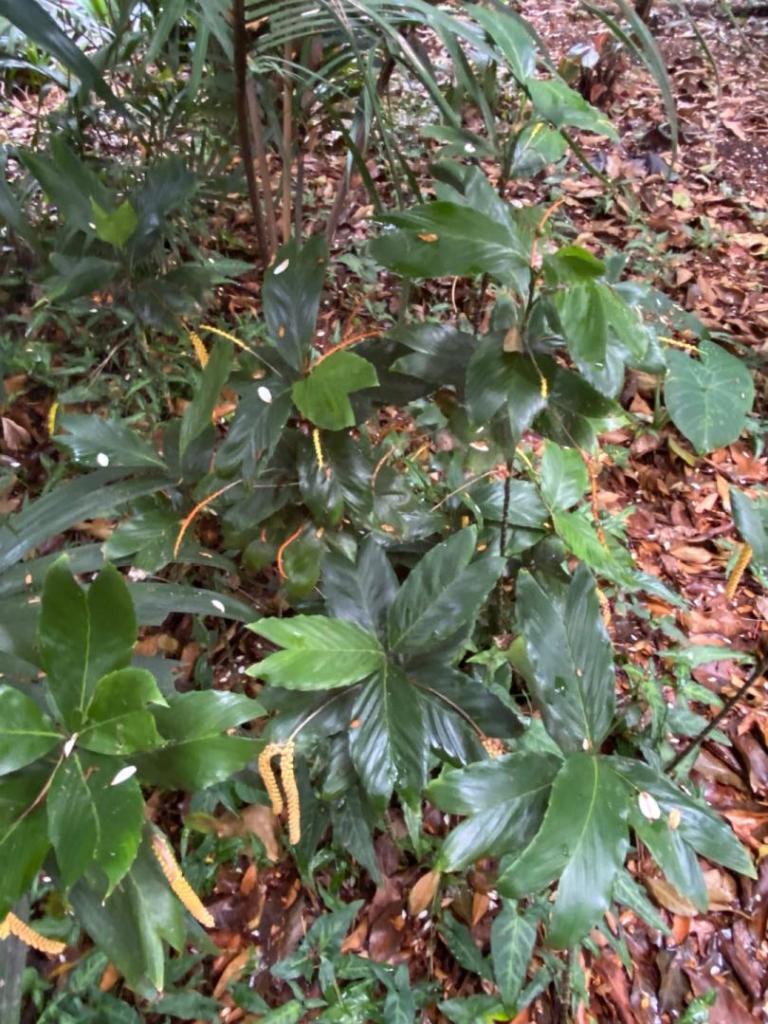
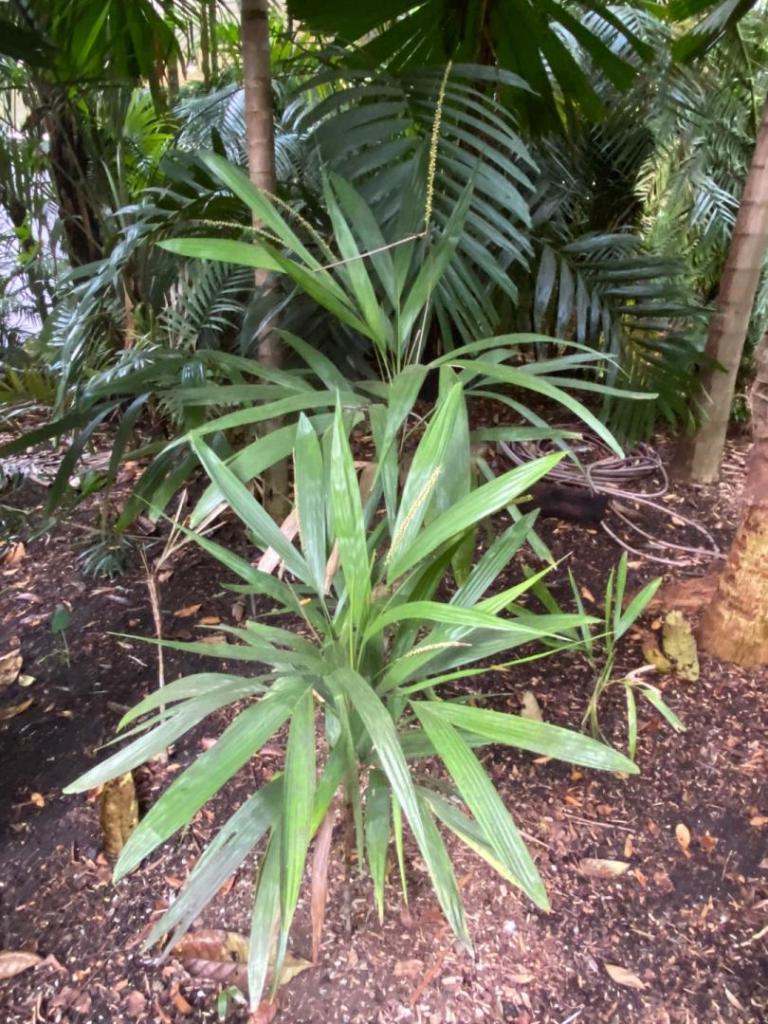


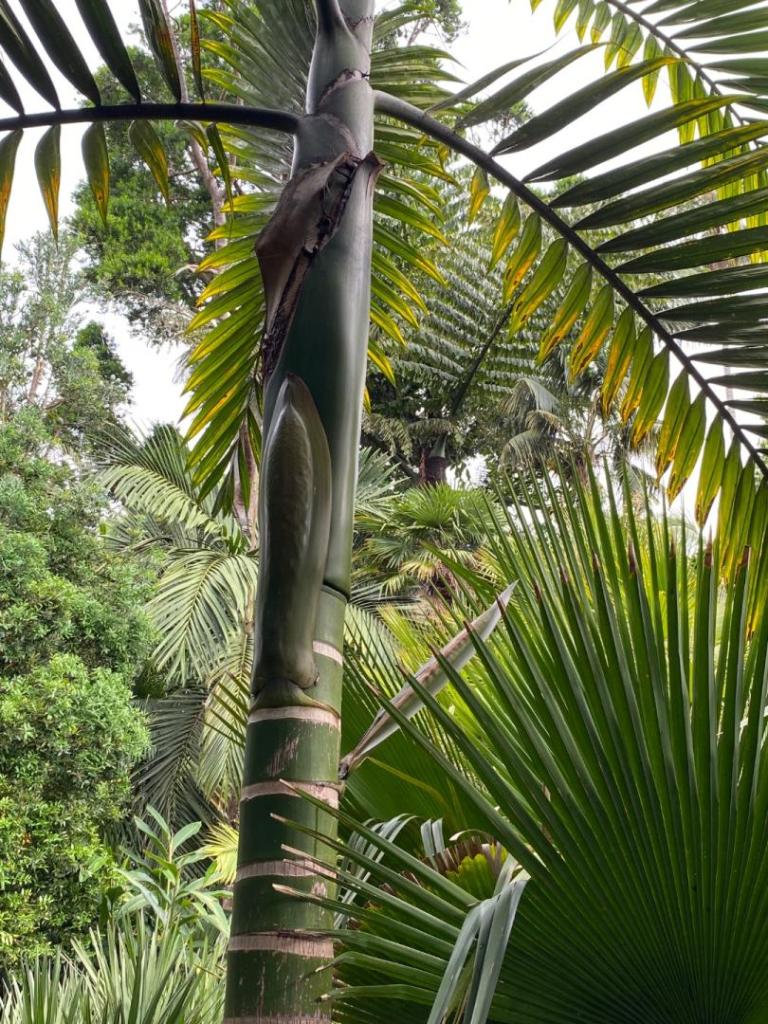
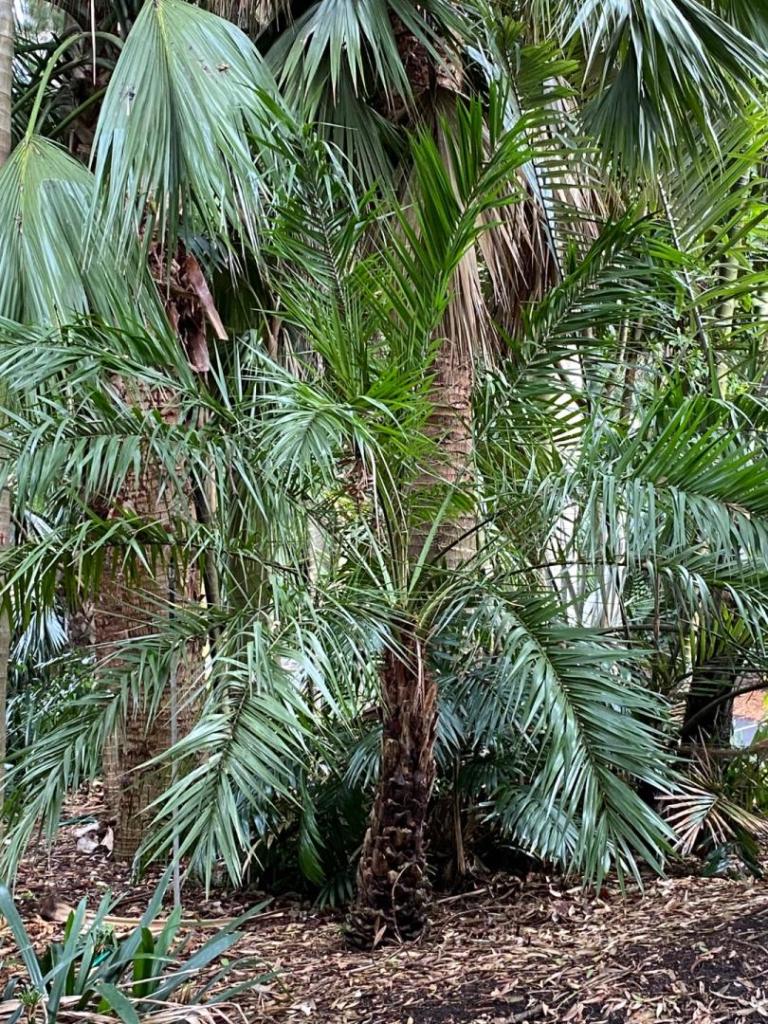
 6 points
 -
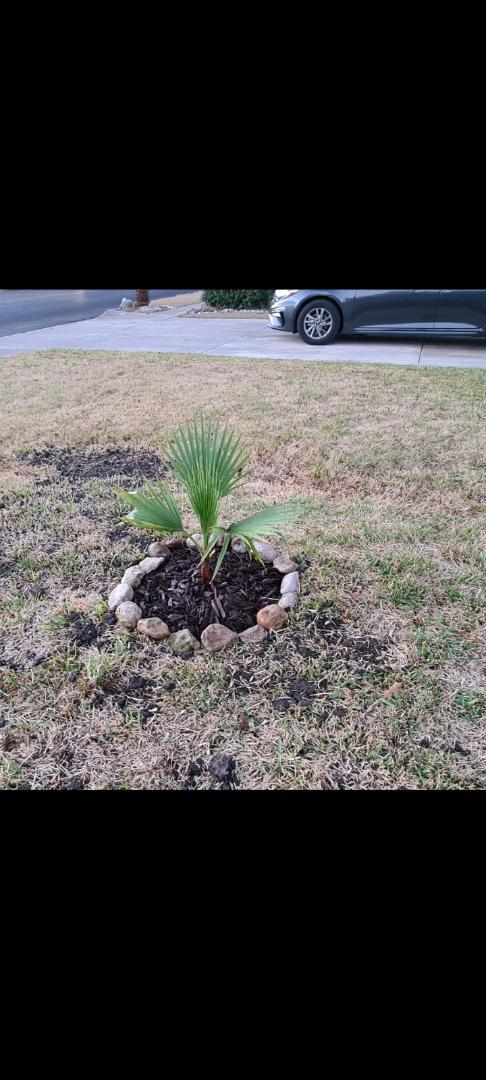
Update on my Robusta that's been in the ground since March 2022. Then and now
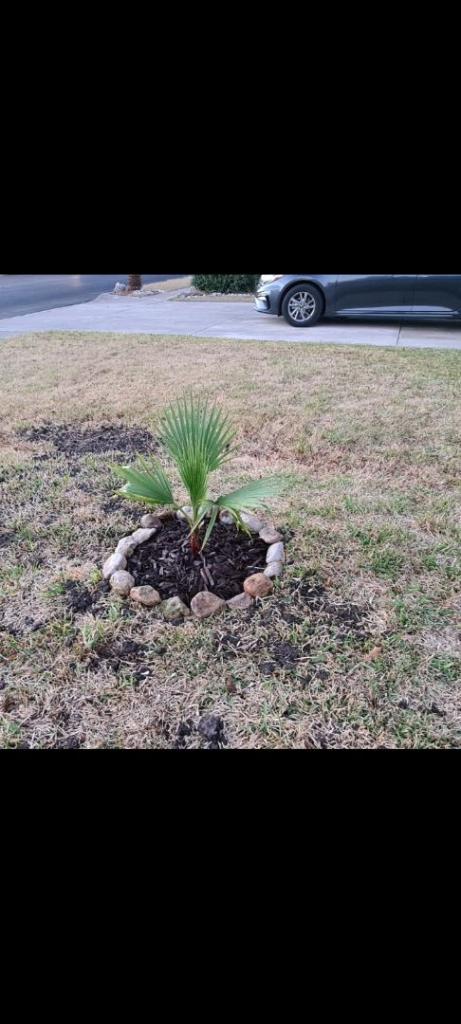

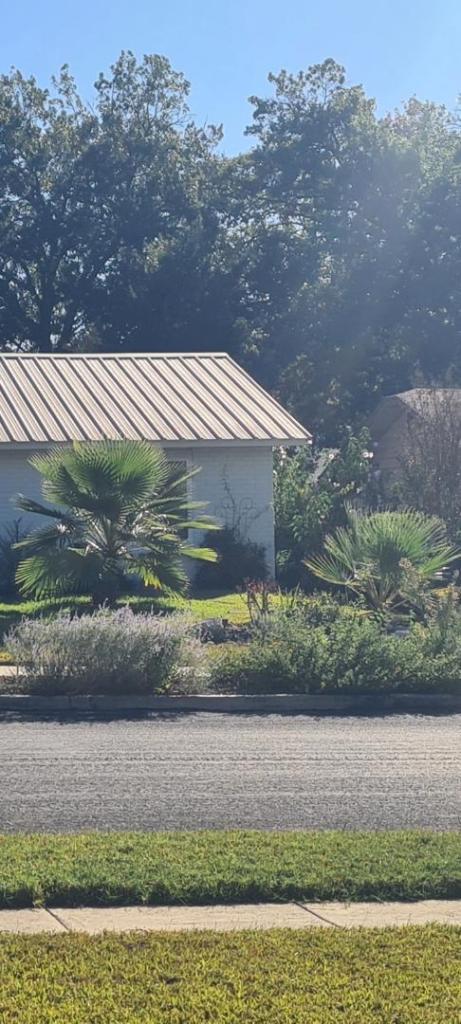 6 points
 -
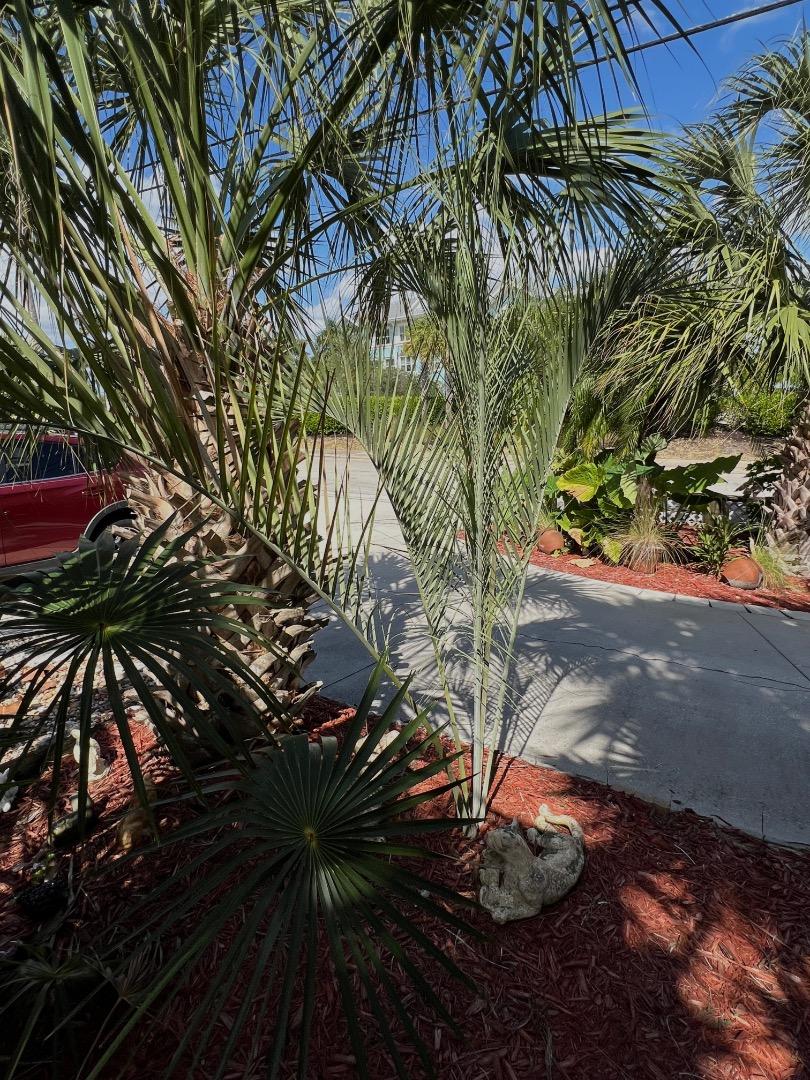
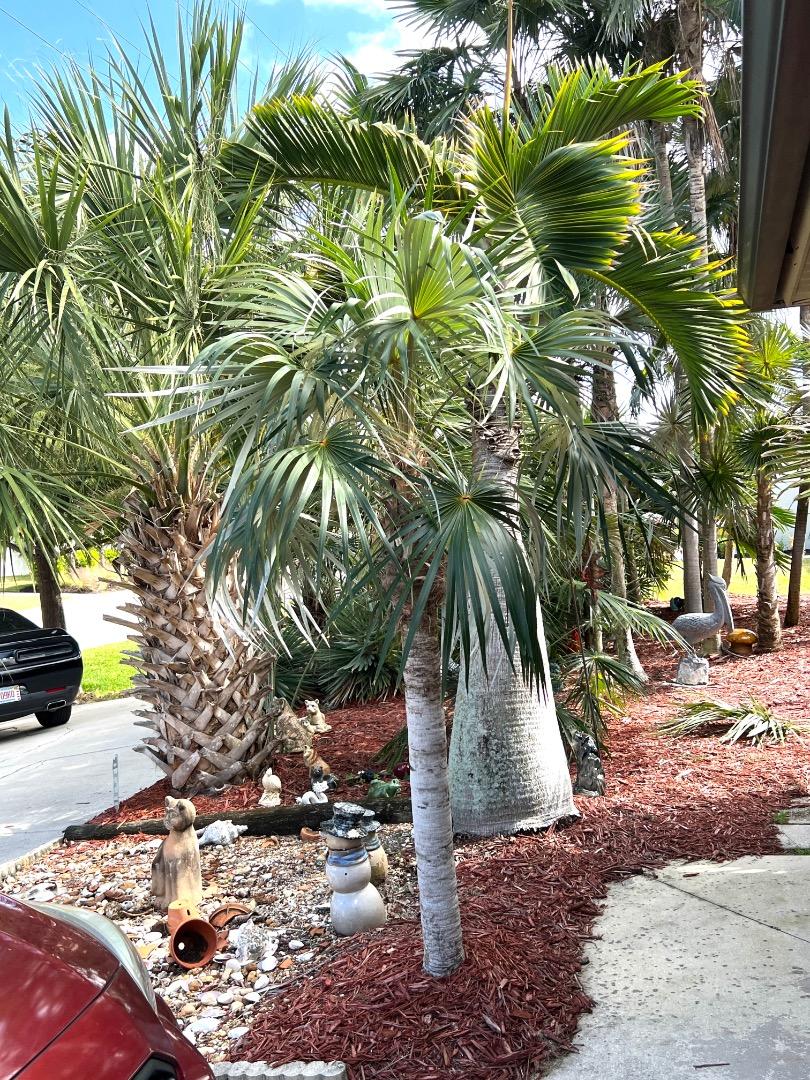
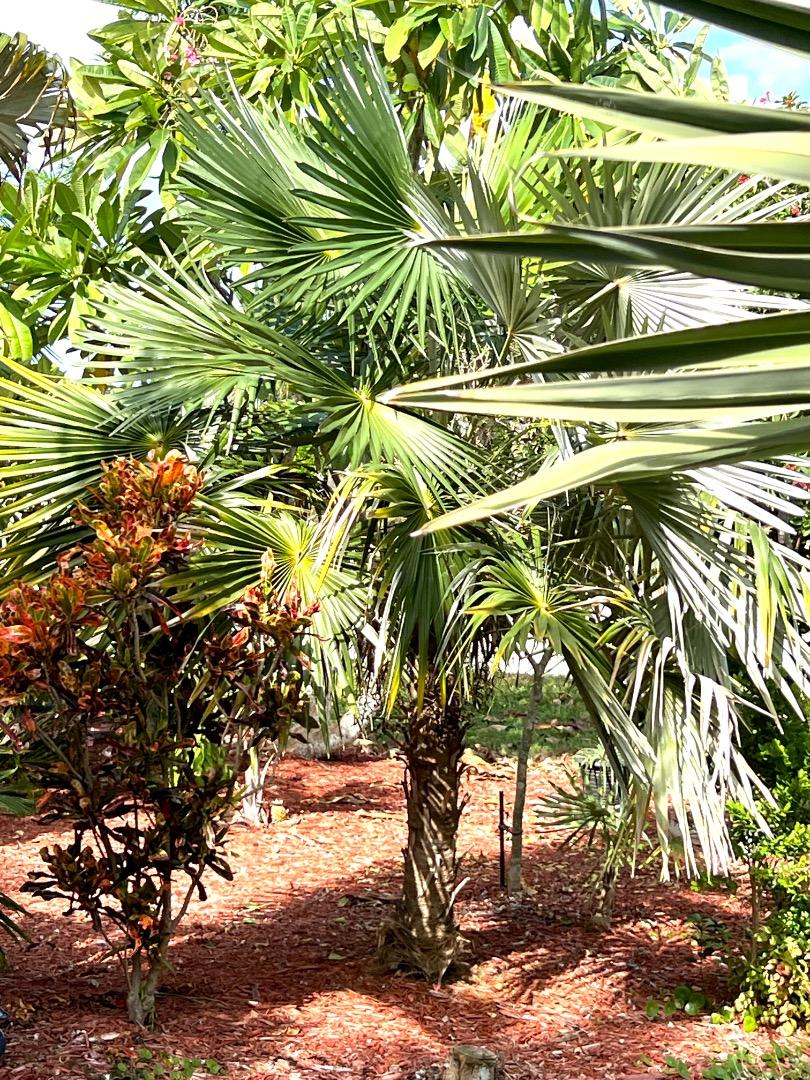
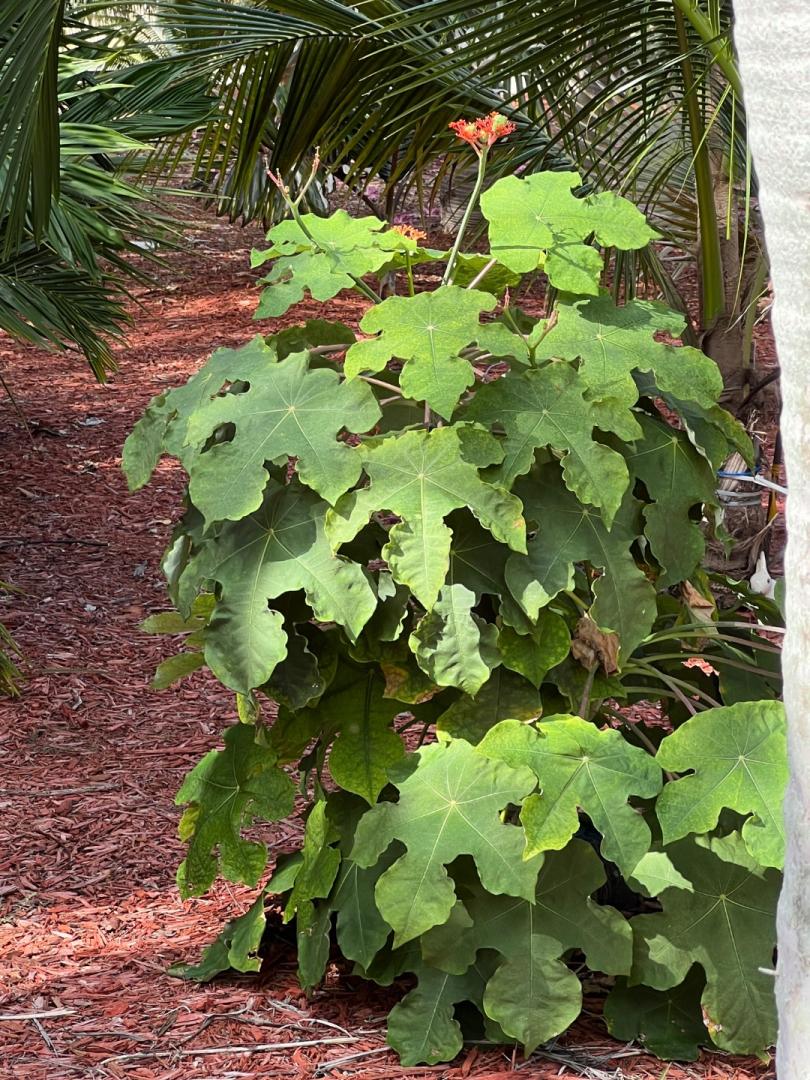
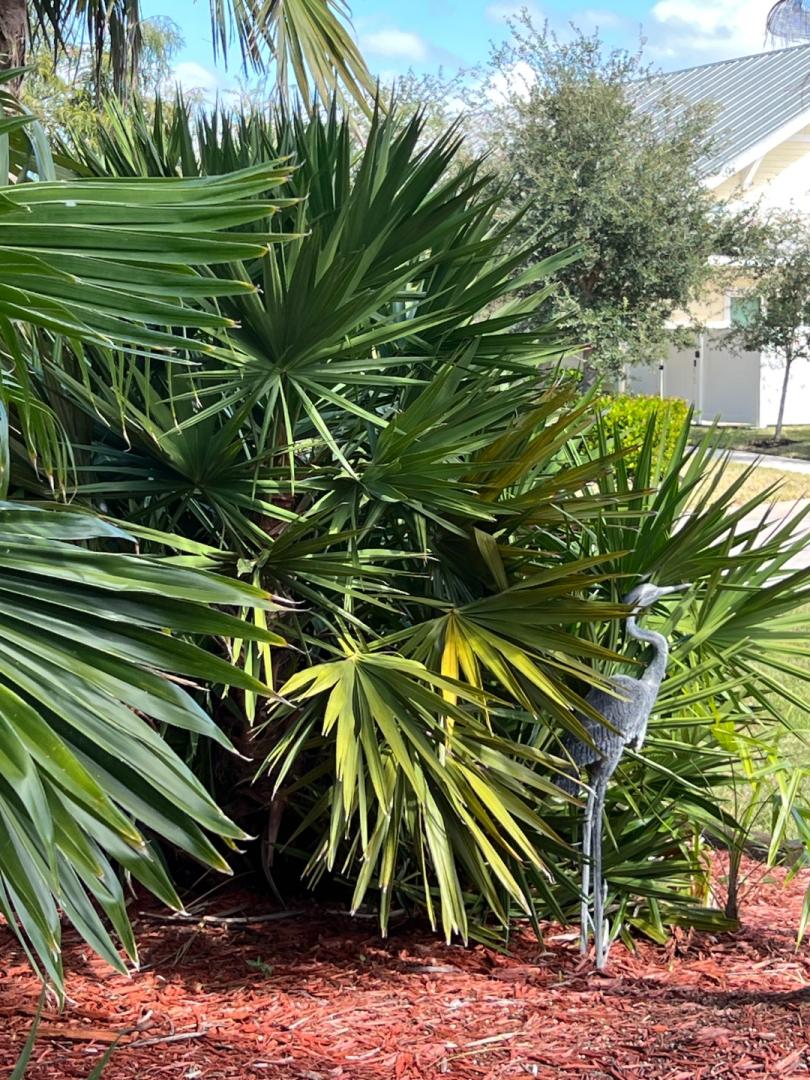
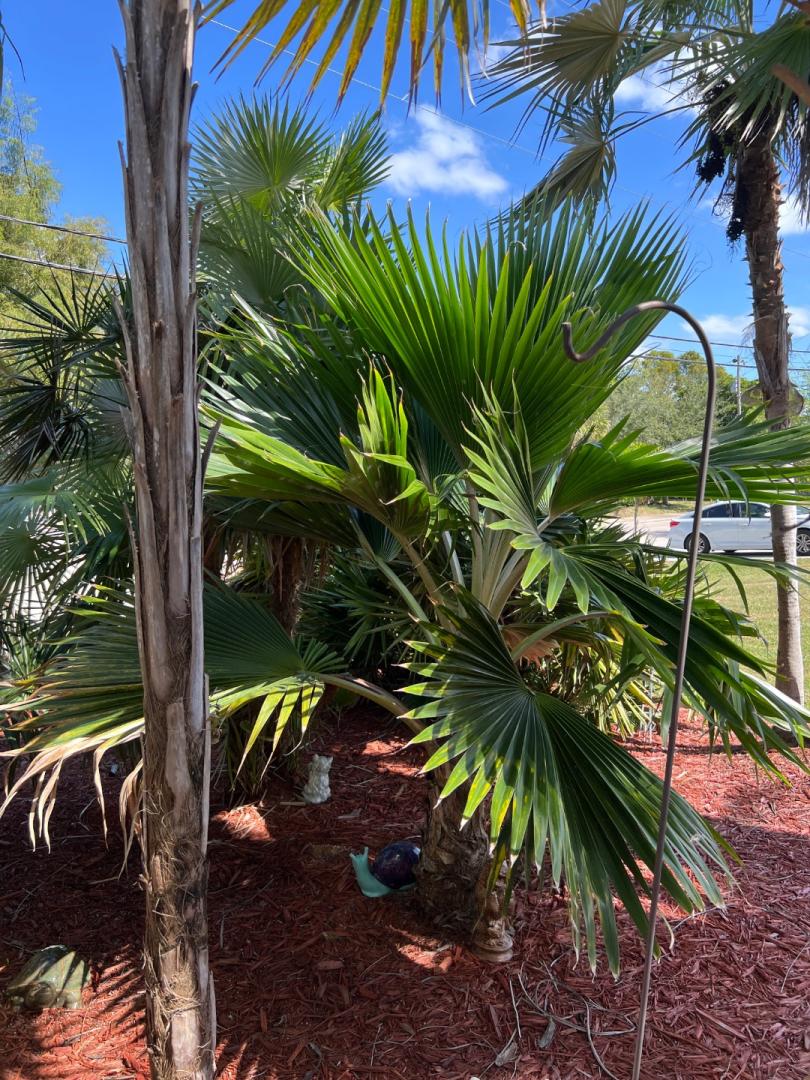
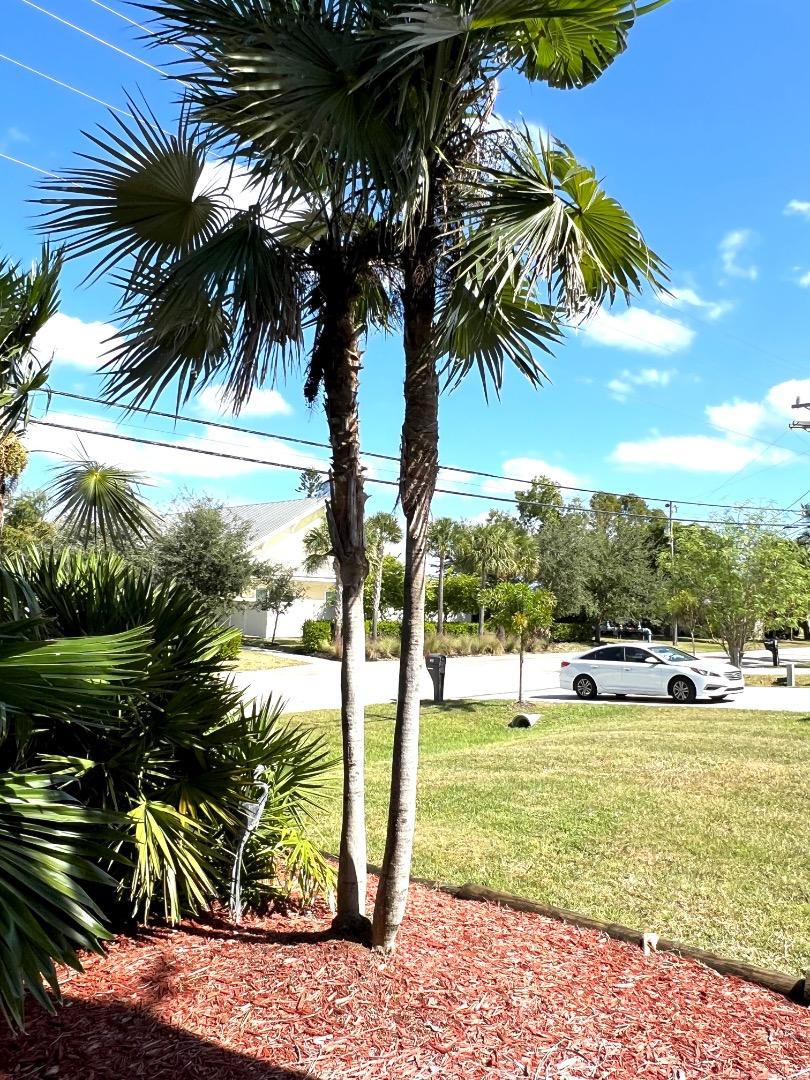
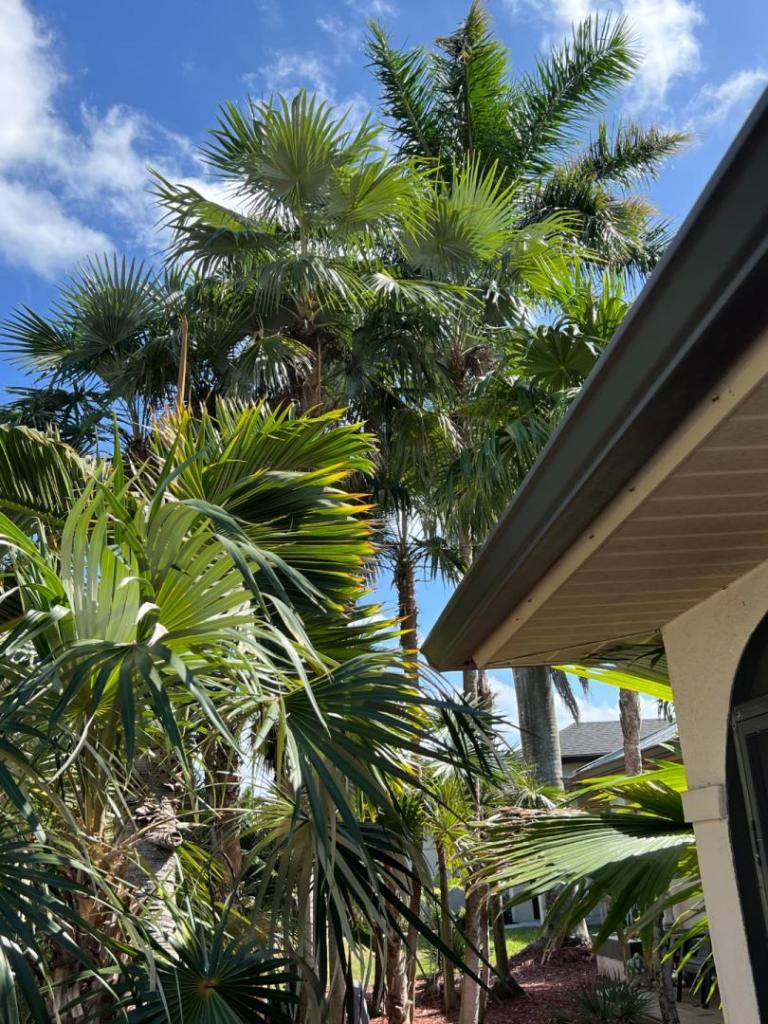
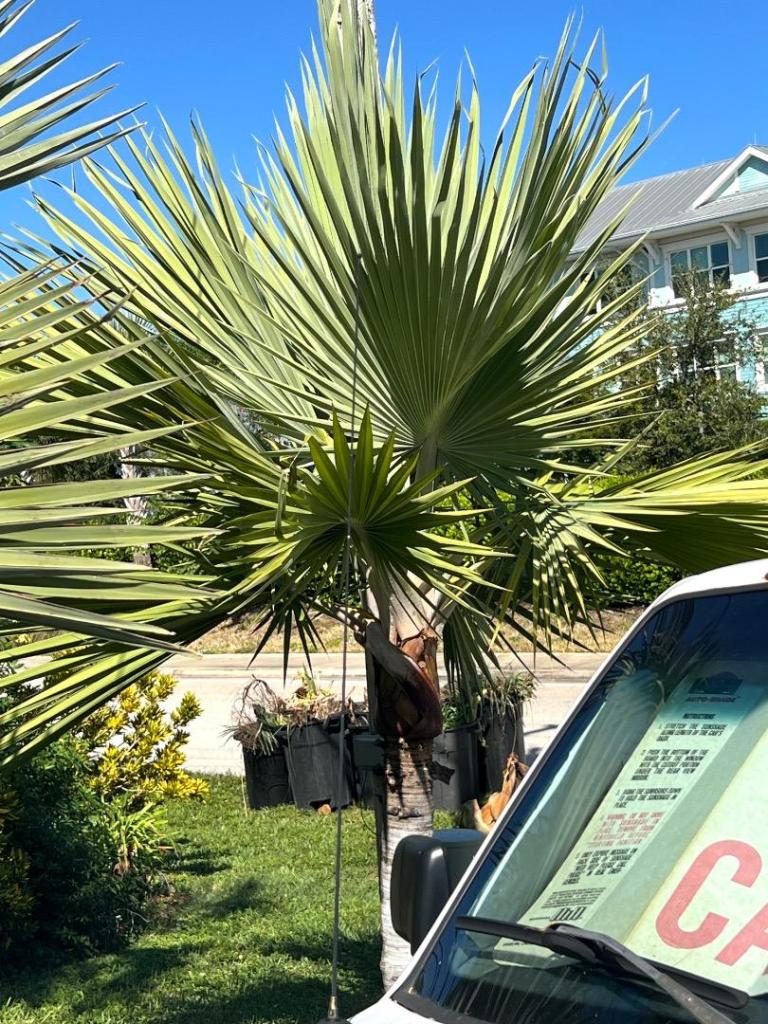
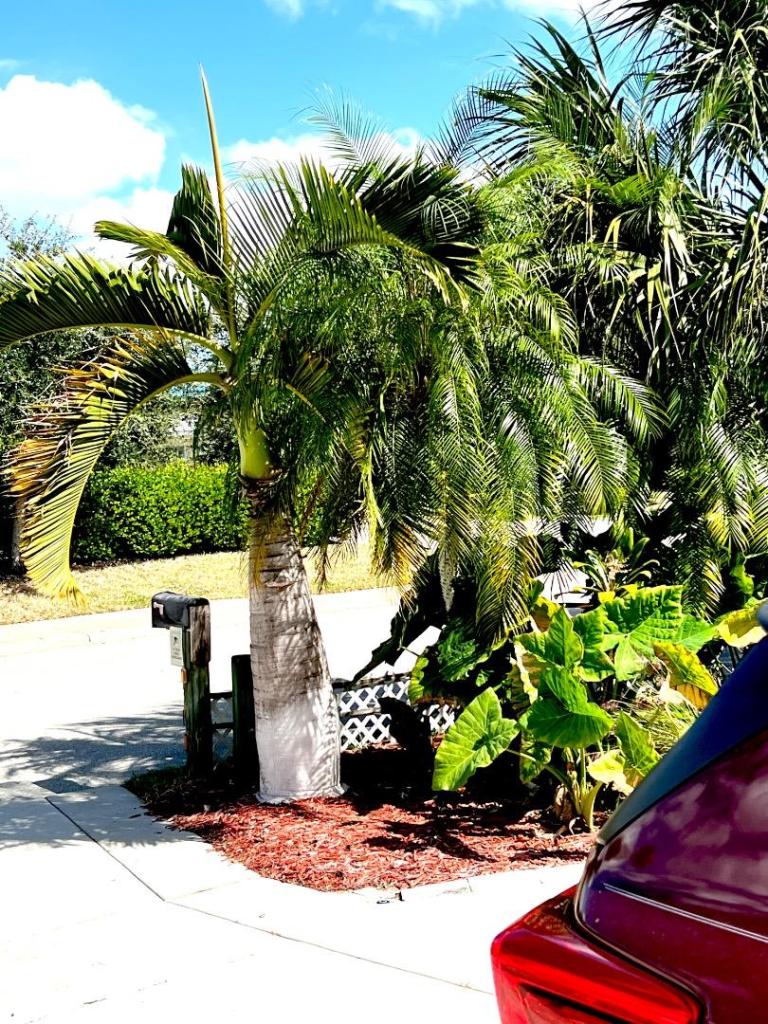
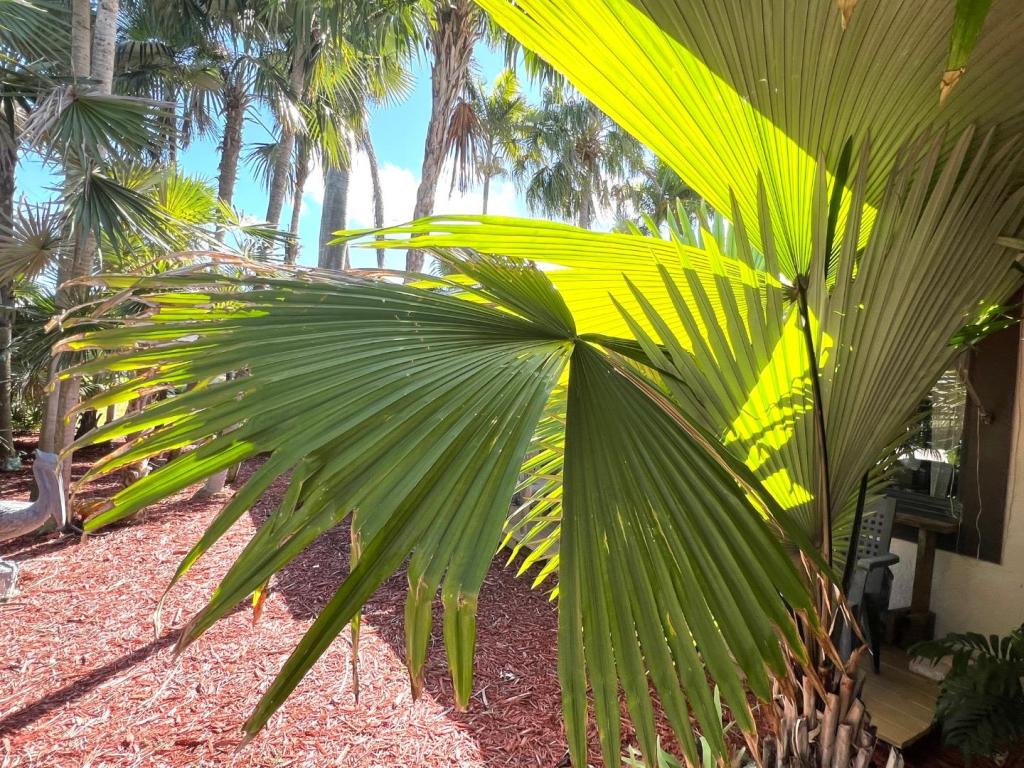
I planted our Caribbean Garden in our north-facing front lot. The palm selection leans heavily on genus Coccothrinax, one of my favorites. It does include a few interlopers such as Phoenix roebelenii and Hyophorbe lagencaulis but is overall true to the Caribbean vibe. My world famous Sabal Row used to be on the east side of our property until the builders of the Early-21st-Century modern unsold monstrosity of a black/White House was built. Fortunately, @C Bigler rescued all the Sabals and took them back to his nursery. Anyway, I have some pretty cool palms in a small space, most, you will note, are palmate. These are tough palms worth growing if you aren't blinded by crown shafted tropical pinnate darlings. Coccothrinax leaves dance in the breeze on warm sunny days. I would not plant any tropical palms on the north side of my house - those W and NW winds howl across the Cape's flat landscape in winter. Caribbean Garden canopy Latania loddigesii Latania lontaroides Sabal miamiensis (R) from a Pine Island Pier and Sabal miamiensis x mexicqnq? from Leu Gardens: Study both palms carefully and you will see the miamiensis x Mexican hybrid has much thinner leaflets than the miamiensis. It also grows faster (germinated 2015 vs. approx. 2008/2009) and its huge seeds ripen late summer vs. fall. Hyophorbe verschaffelrii Native Florida Stopper (Simpson's? red? other?) (center), Silk Floss Tree/Ceibus speciiciosa (rear) Hyophorbe lagencaulis (L), Phoenix roebelenii (C) Hyophorbe lagencaulis Ravenea rivularis Kerriodoxa elegans

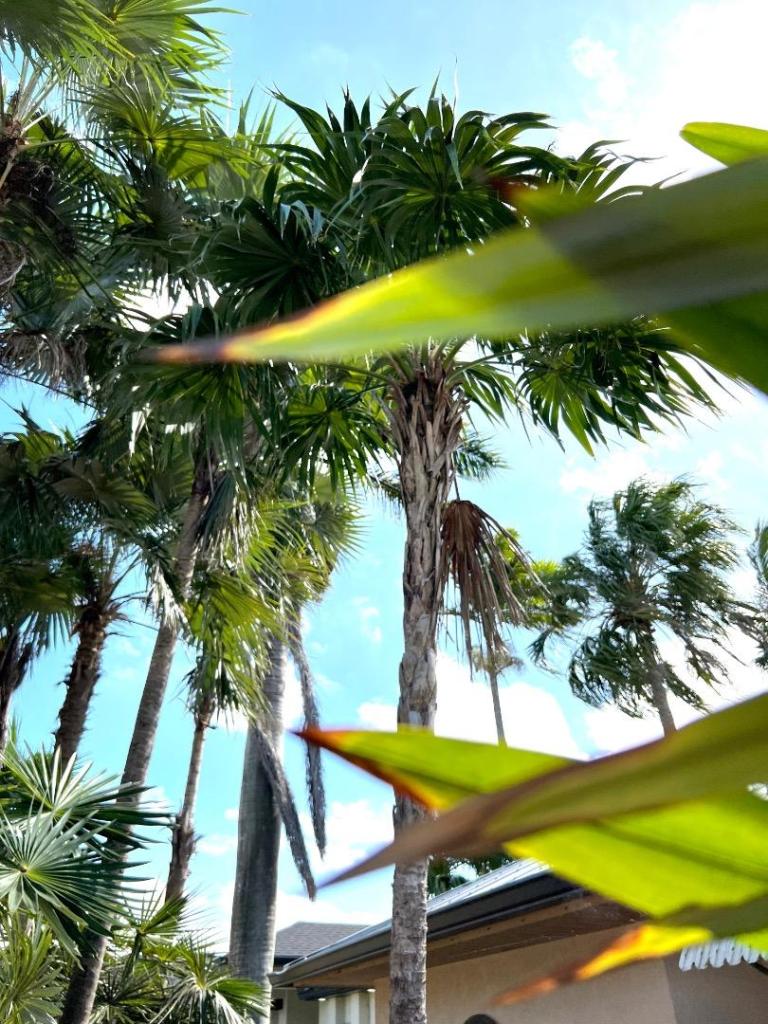






 5 points
 -
5 points
-
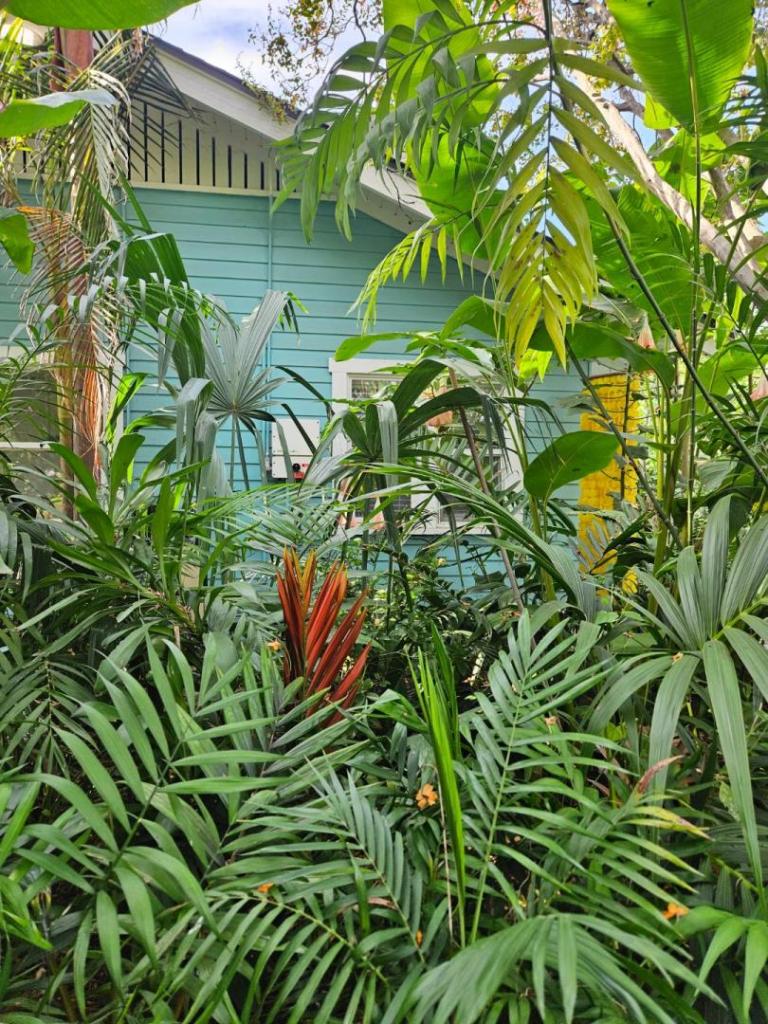
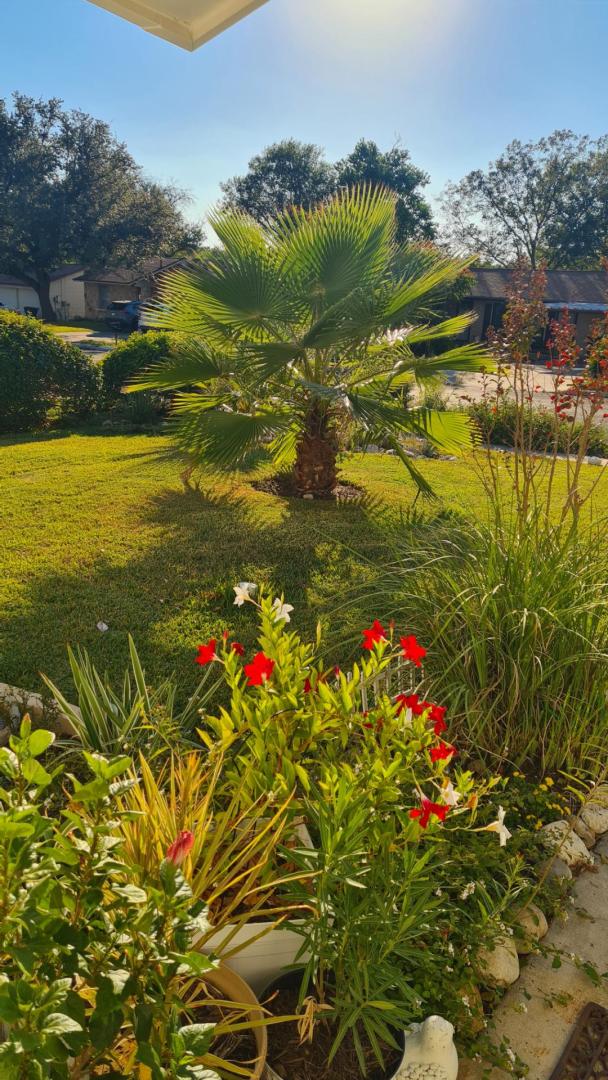
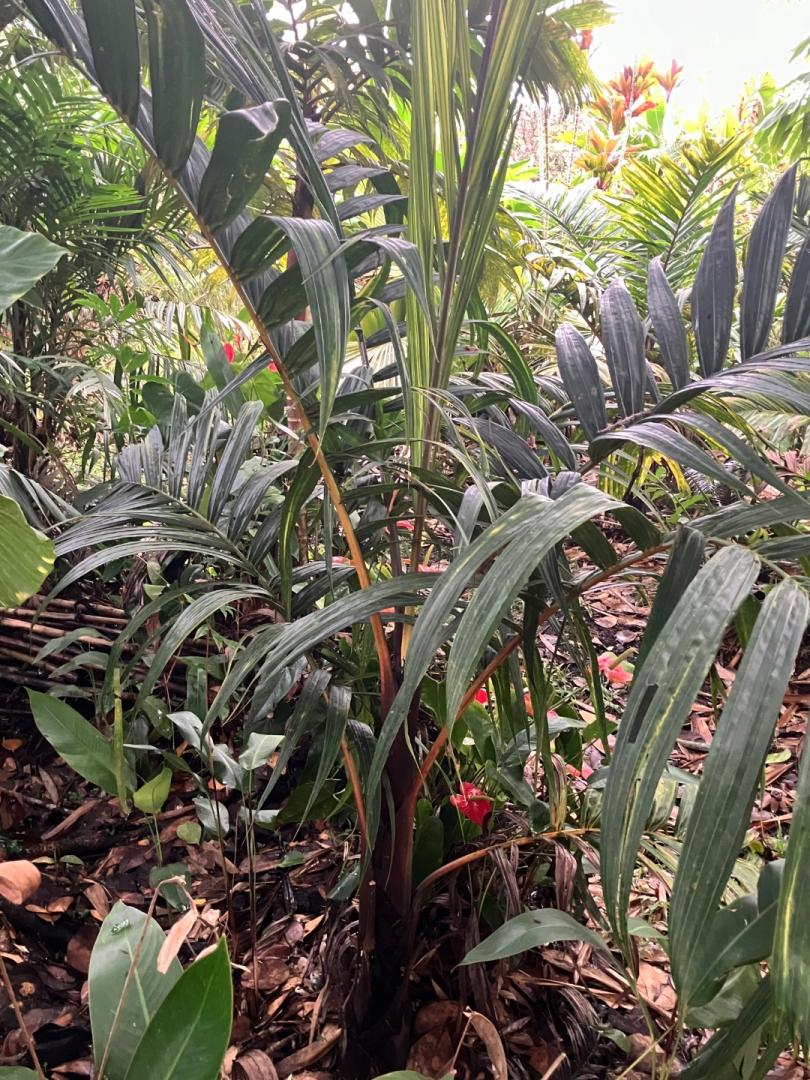
A flash of red in my shade garden
 5 points
 -
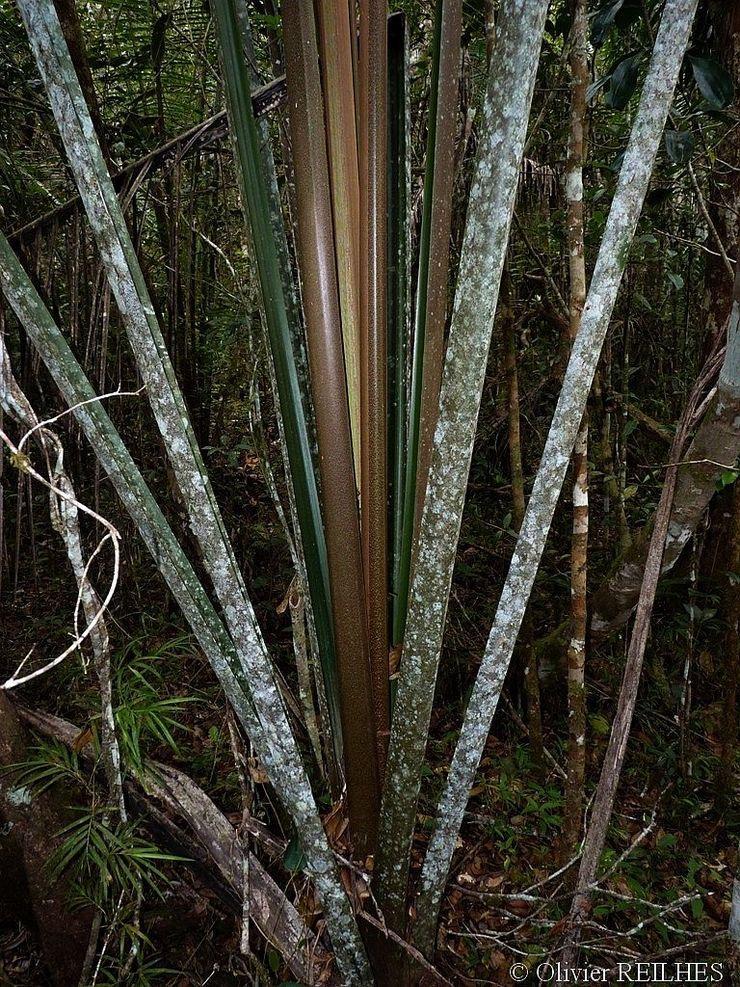
I have been asked by Director Glenn Franklin to introduce the 2025 IPS Save the Species campaign. This program began with the successful Tahina fundraiser which ran on PalmTalk. It is now a very important part of our non profit mission statement (Education, Research, Conservation). “ Our December Save The Species fundraiser is coming up for this small palm. Photo by "Olivier Reilhes Ravenea louvellii is endemic to Madagascar. Our fundraiser will help finance efforts to document additional palms, involve the local community and start a propagation program. The team of botanists from Madagascar led by Dr. Mijoro Rakontoarinivo. Over his professional coreer he has previously worked side by side with our own Dr. John Dransfiel and Dr. Bill Baker at Kew.” More posts to come.
 4 points
 -
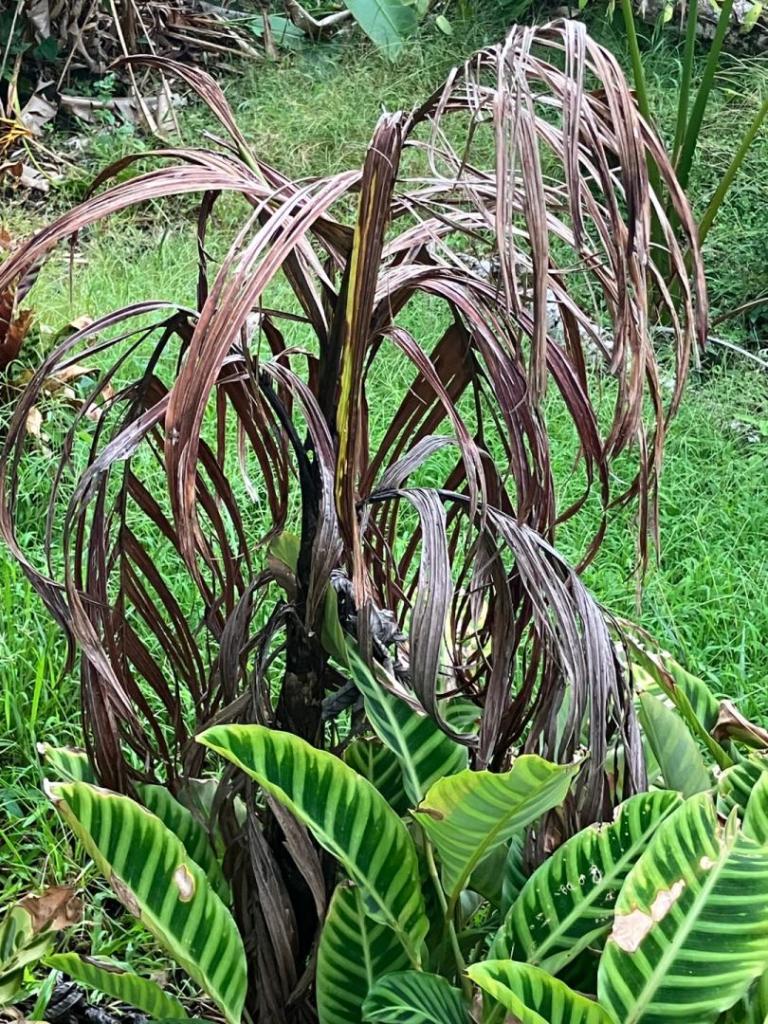
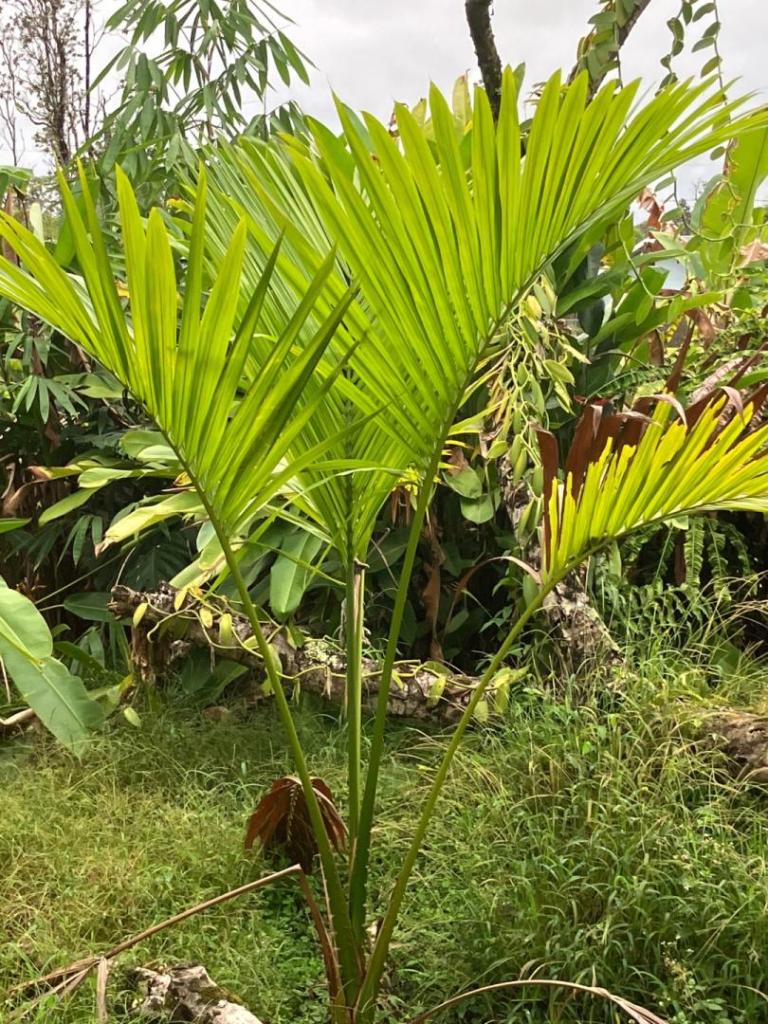
Yesterday I managed to muster up the fortitude to go for a short walk on part of the property and see how the drought affected things, looks like the little Areca stilt palm died along with six or seven others out right but other things look pretty amazingly well considering what they’ve been through.
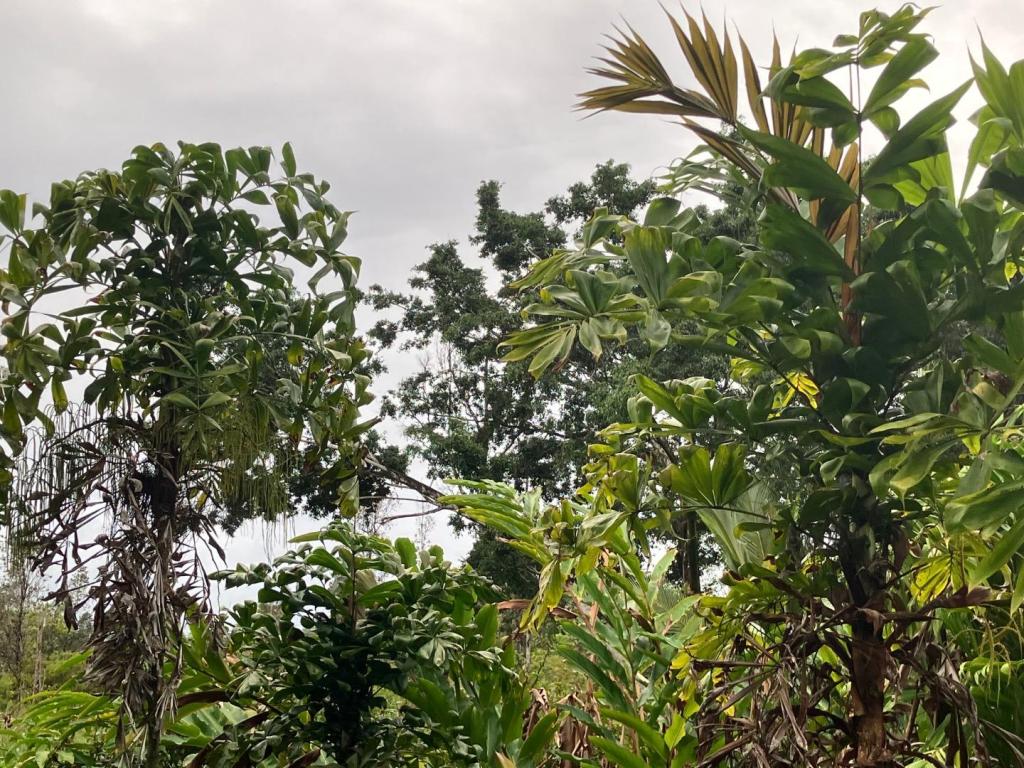

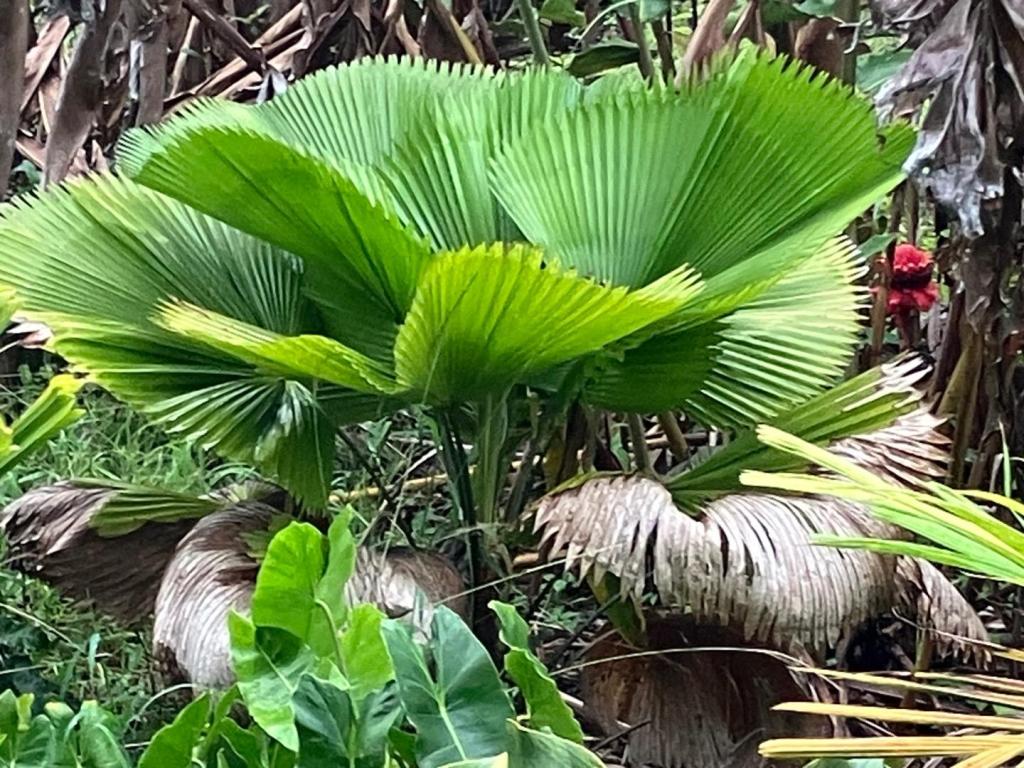

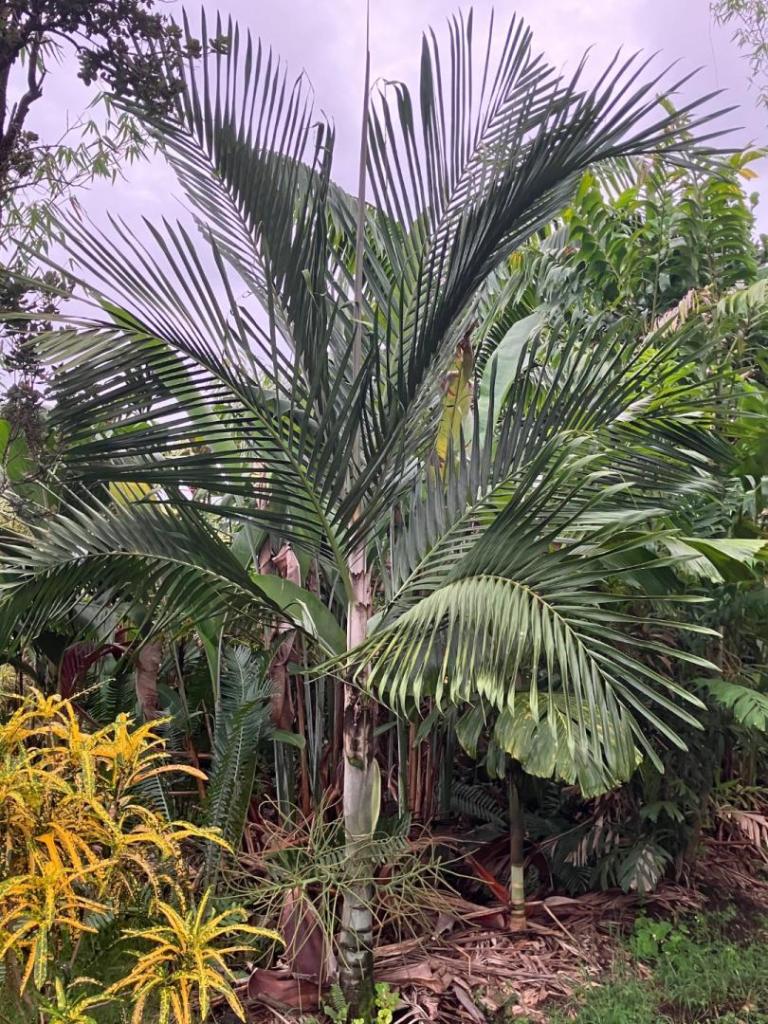

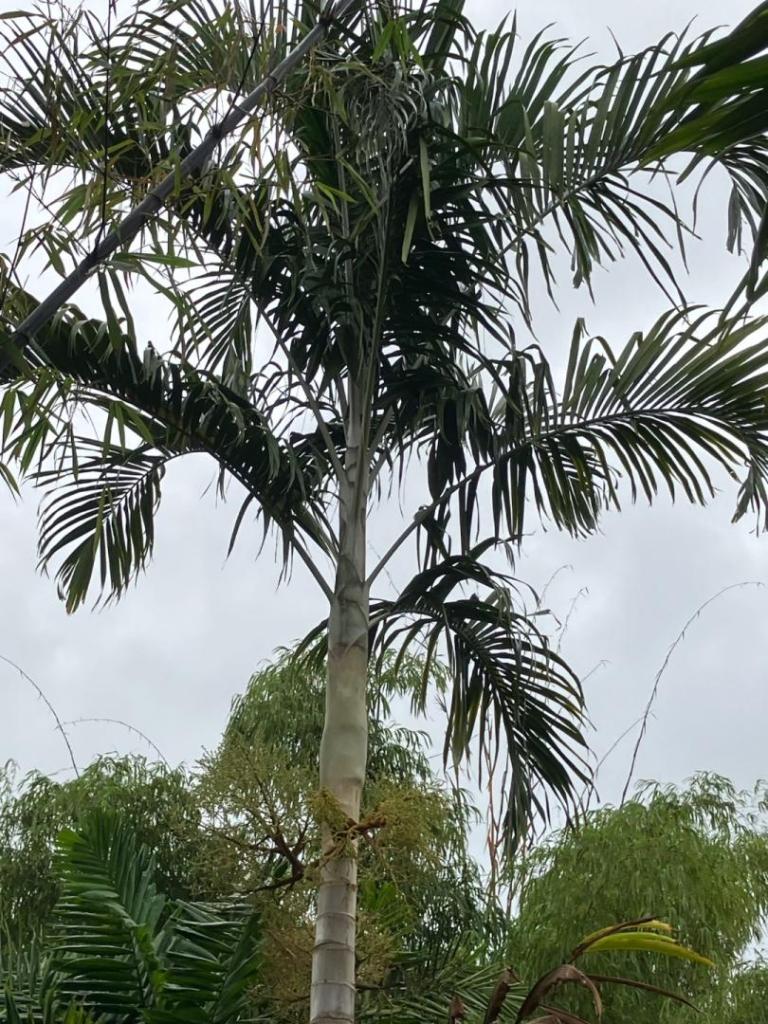

 4 points
 -
Another flower spathe on the Cham hookeri, hopefully I get a few seeds to set.
 4 points
 -
Sabal Yapa first/new frond start opening
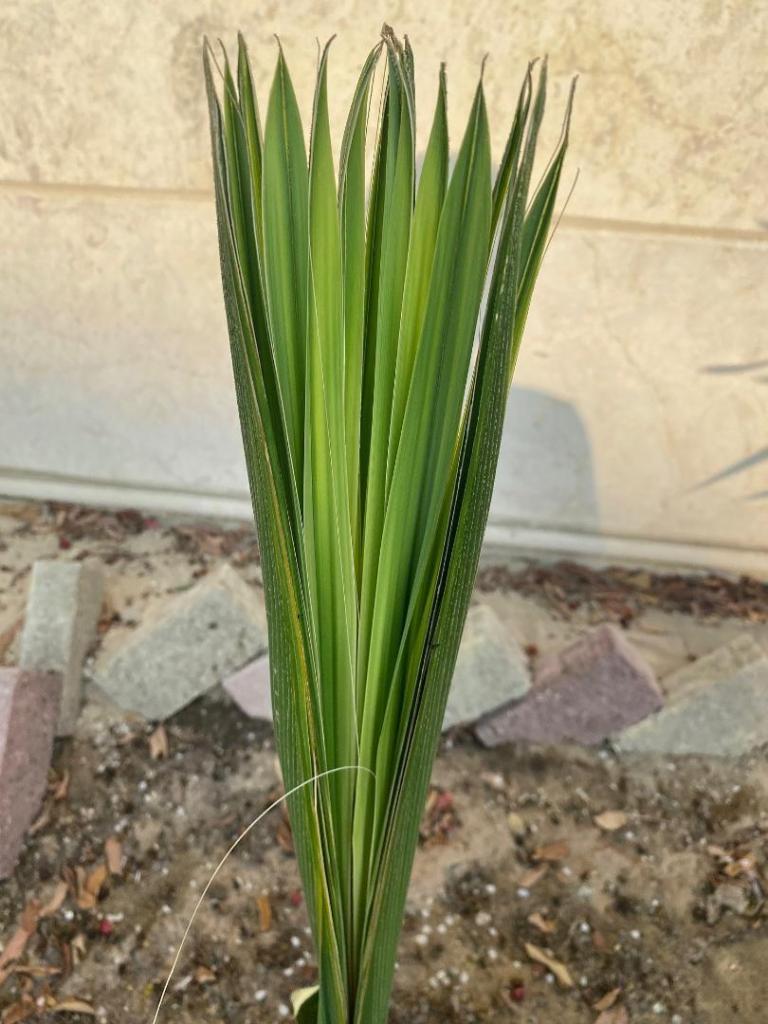 4 points
 -
Qld weather has been so off kilter lately. It got hot way too early, no humidity either. Just give your little palm a good drink every day, remember they live on creek banks and swampy ground in nature. A weak mix of seaweed and power feed, with a touch of potash every couple of weeks until it gets bigger and can take the full dosage. They can sulk for a while but eventually come good. Mine have just been bashed around by 2 lots of big hail but they are such a tough species I know they will come back quickly. Peachy4 points
-
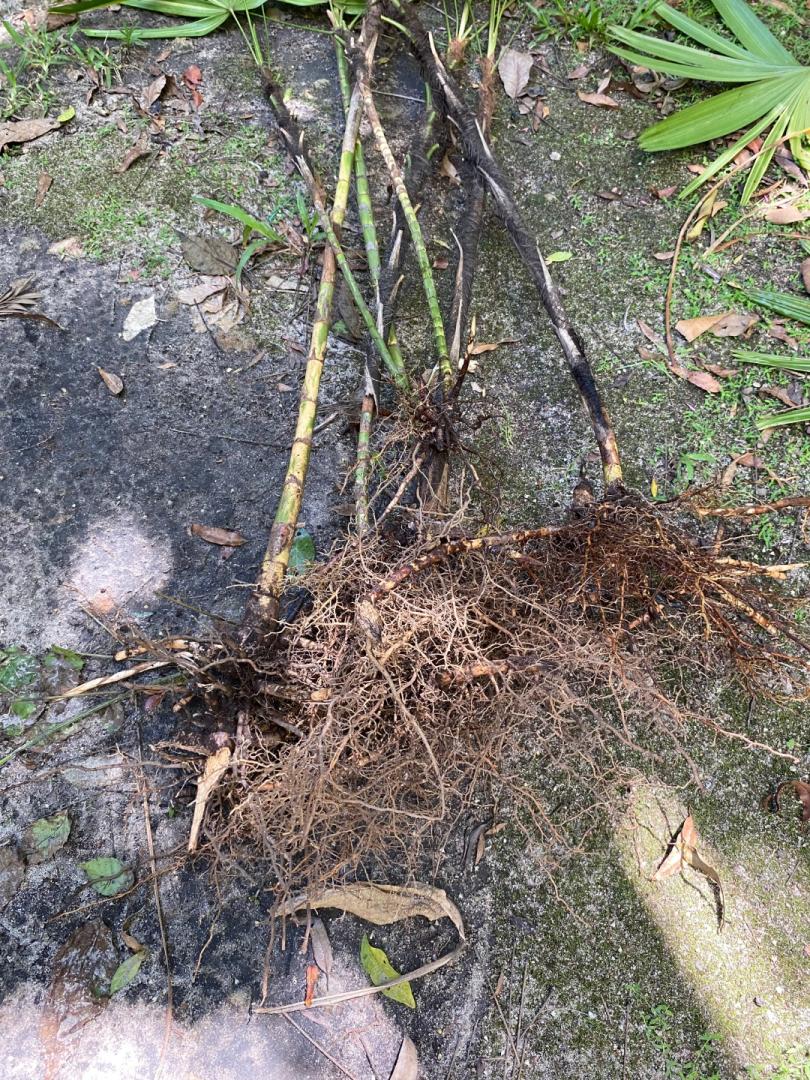
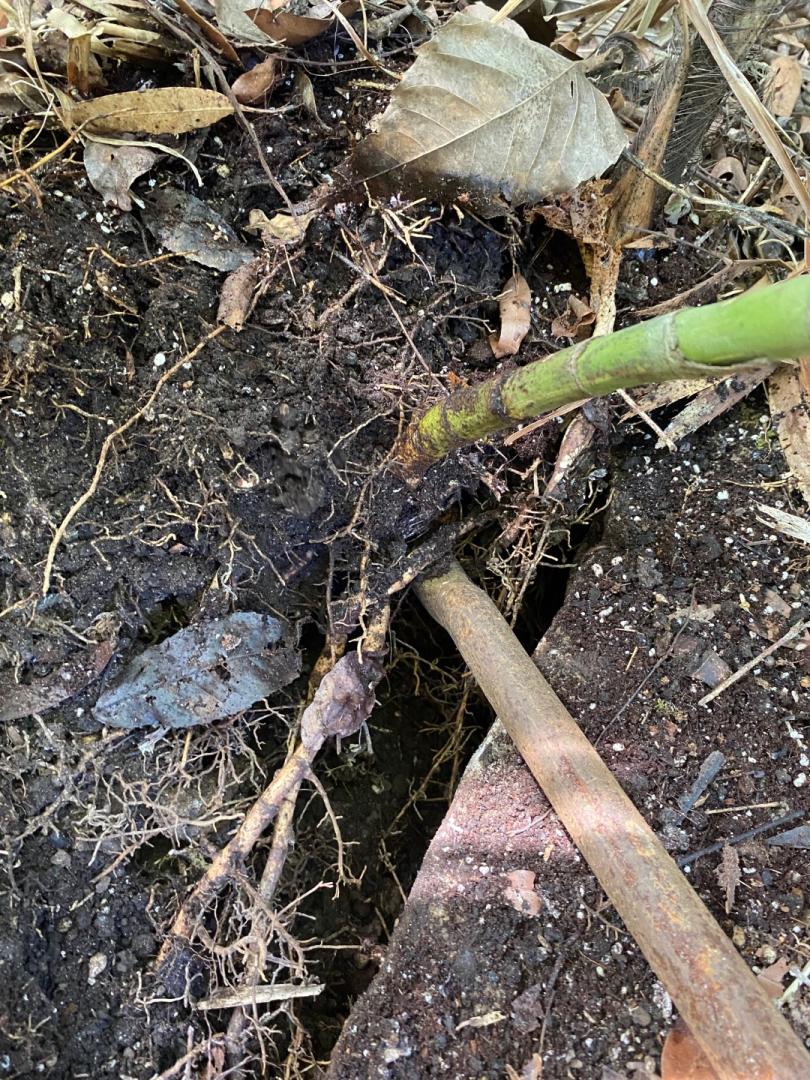
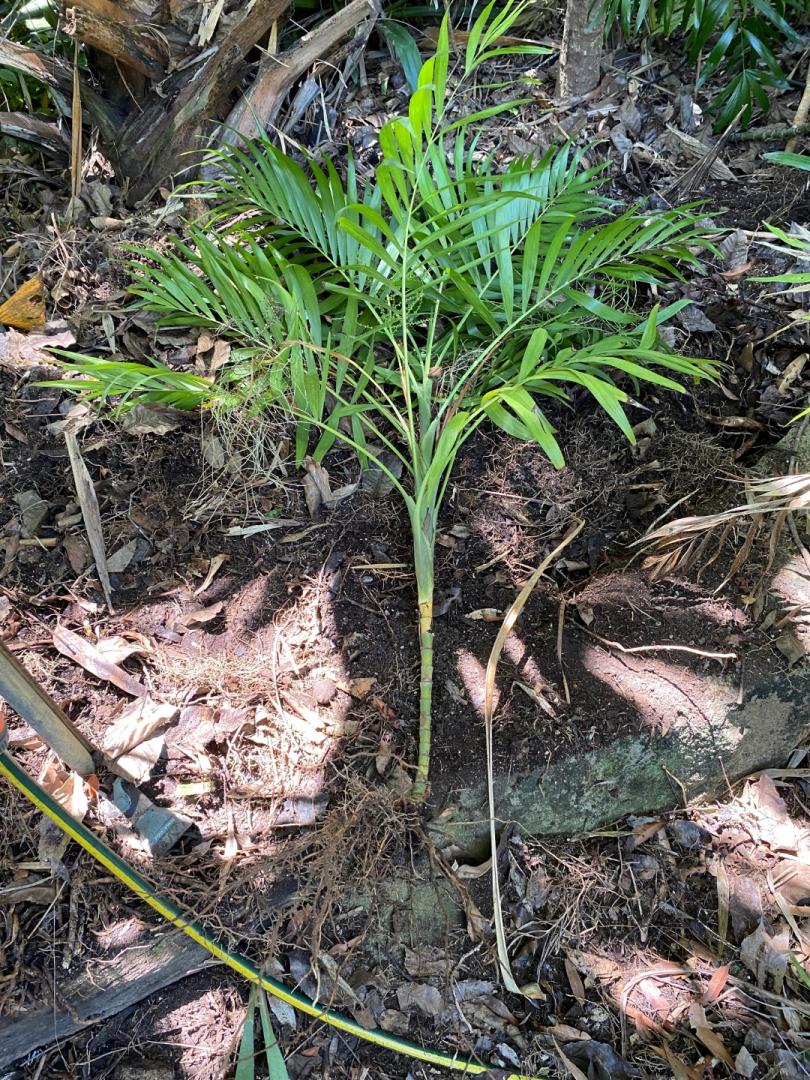
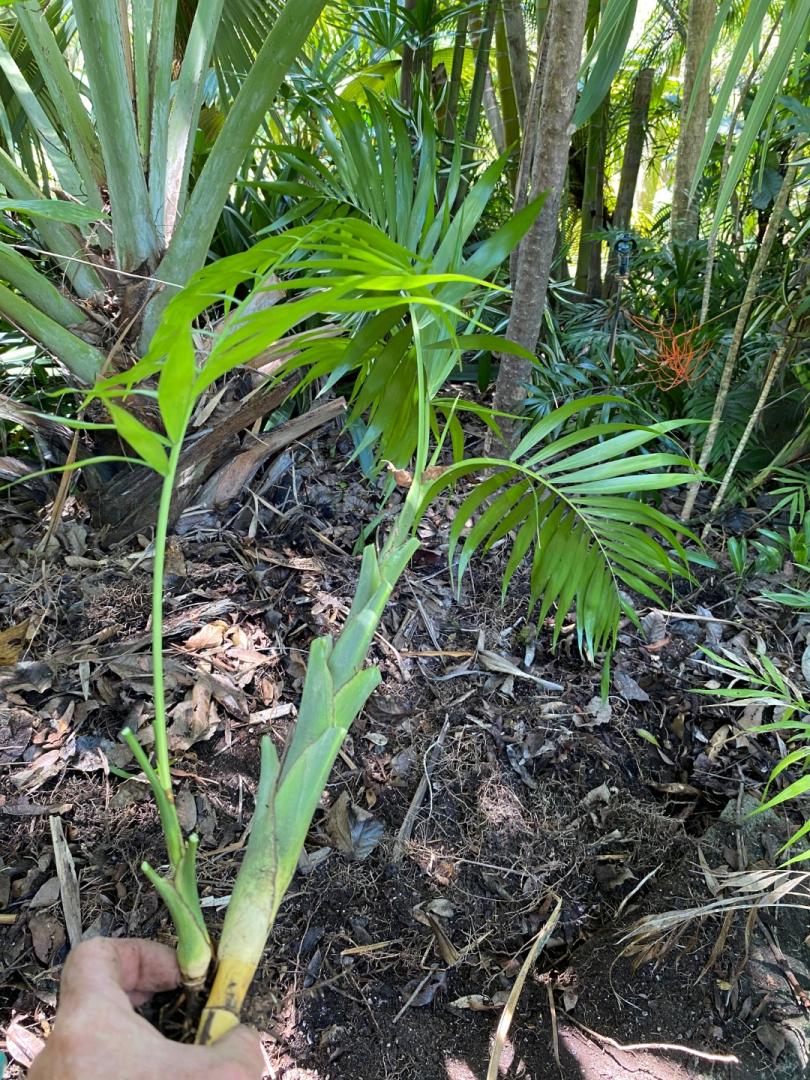
I got a tiny strap leaf nearly 3yrs ago labeled “Enc. Long x Wood”. I’ve done a bunch of research and I haven’t been able to find any examples of this cross at all. I finally decided to plant it out today. Could this actually be a LongWood or is it likely another cross? Some leaflets have shown to be genetic defects or irregular like mutant & crested. The entire plant has the hardest leaflets I’ve ever felt, almost weird. It has grown quite a bit since purchase though and as you can see, the tap root looks healthy. What say you? Show yours if you got one!! -dale


 3 points
 -
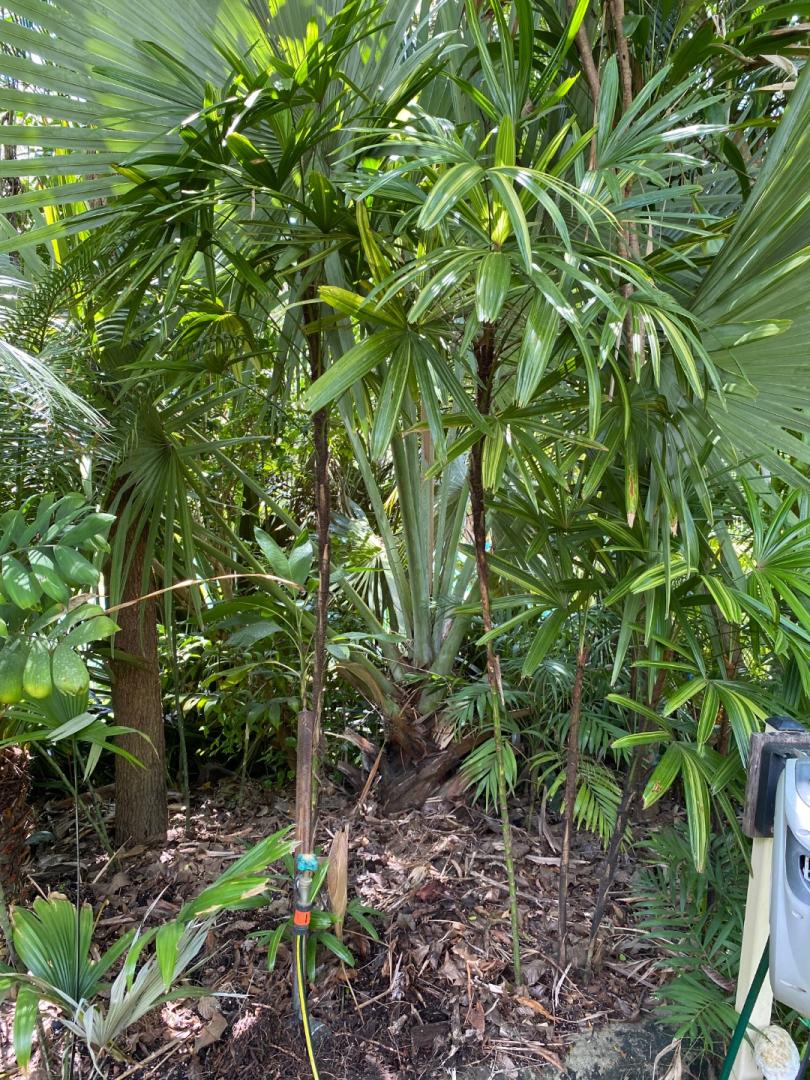
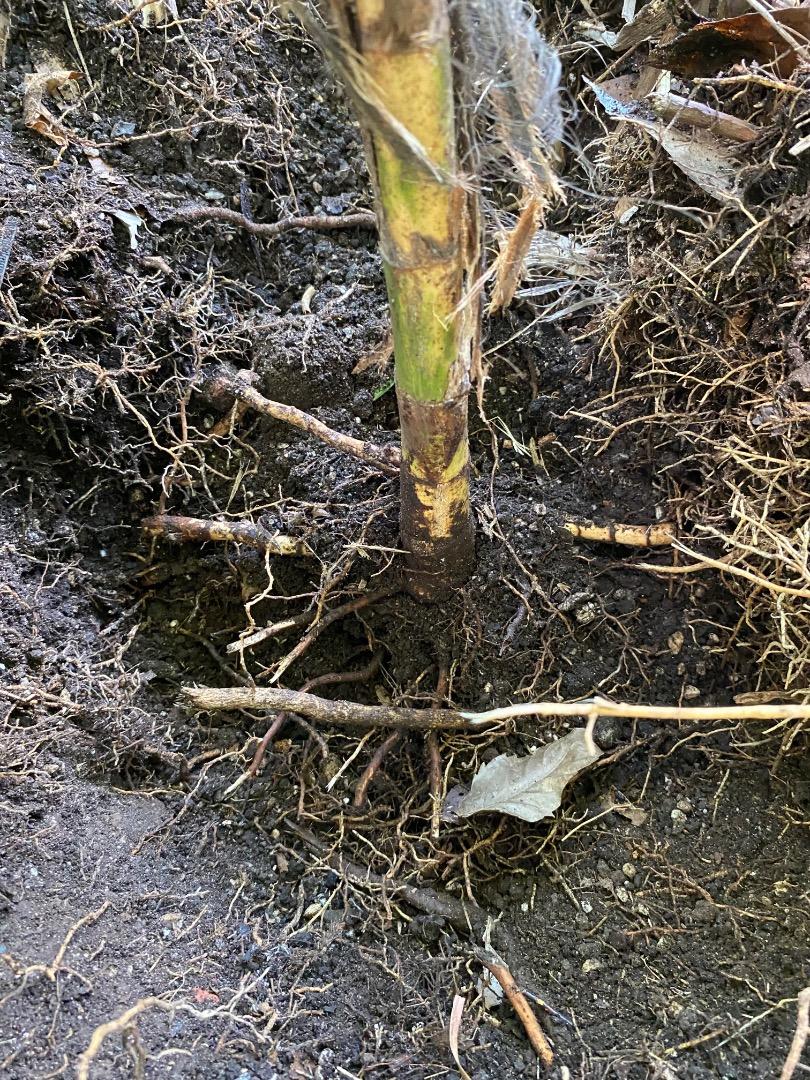
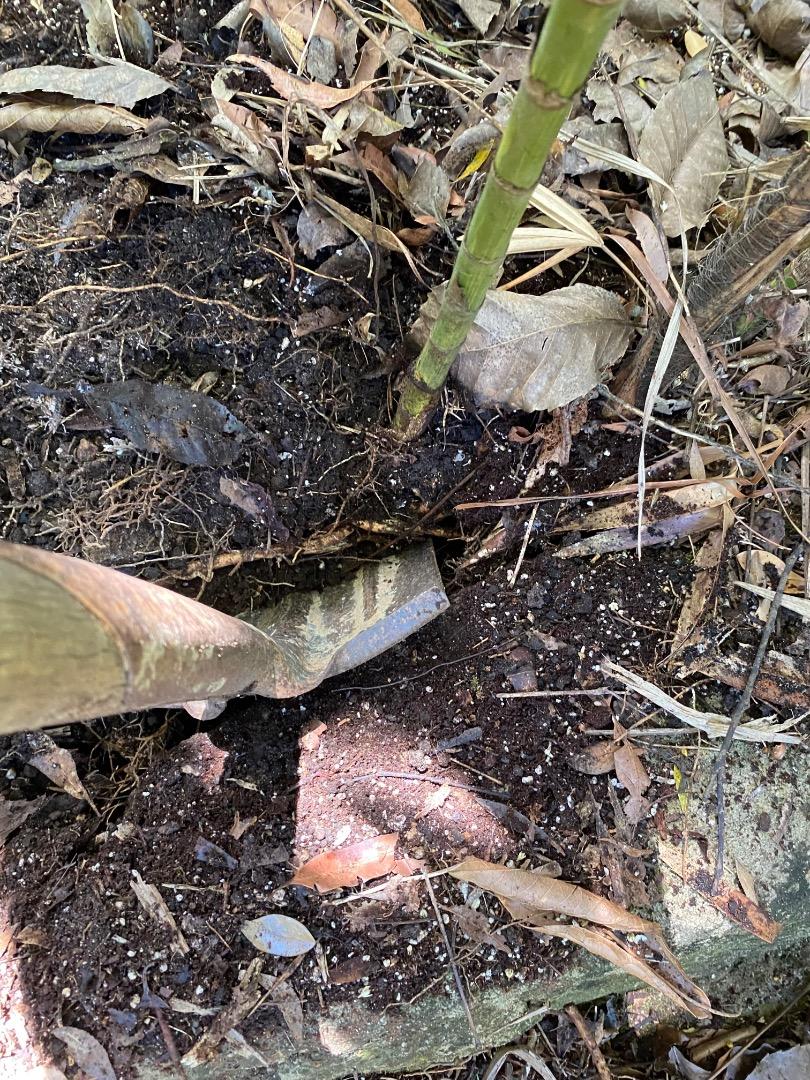
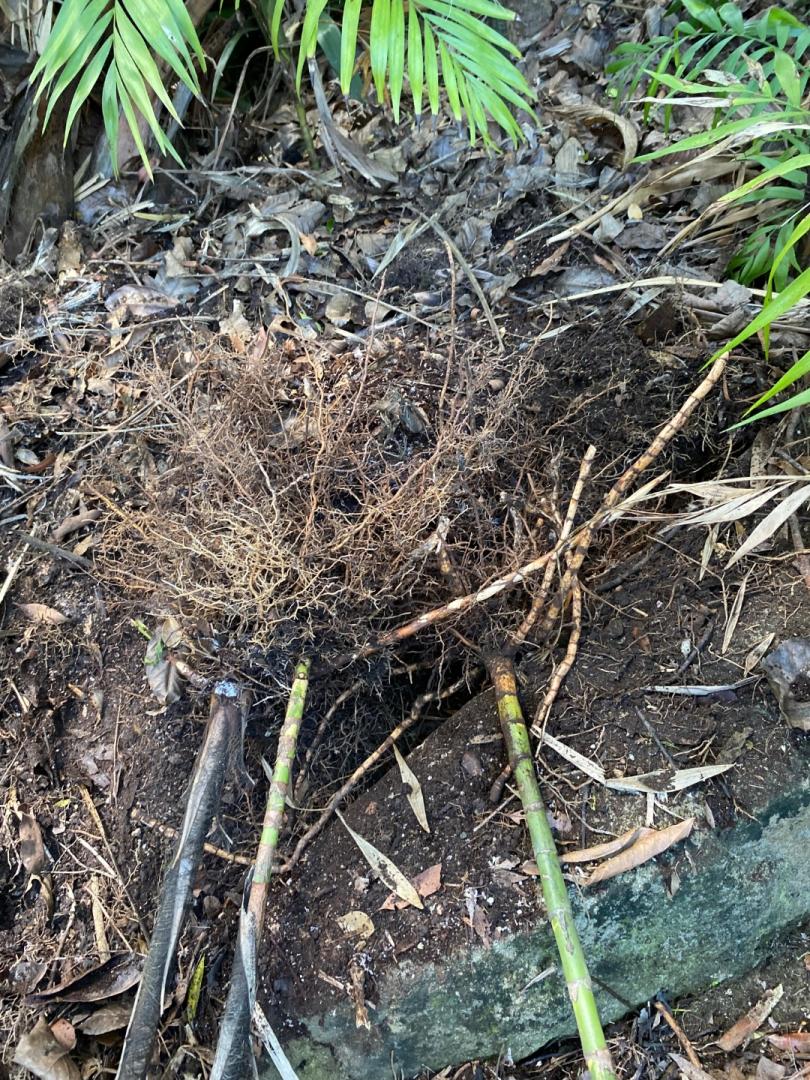
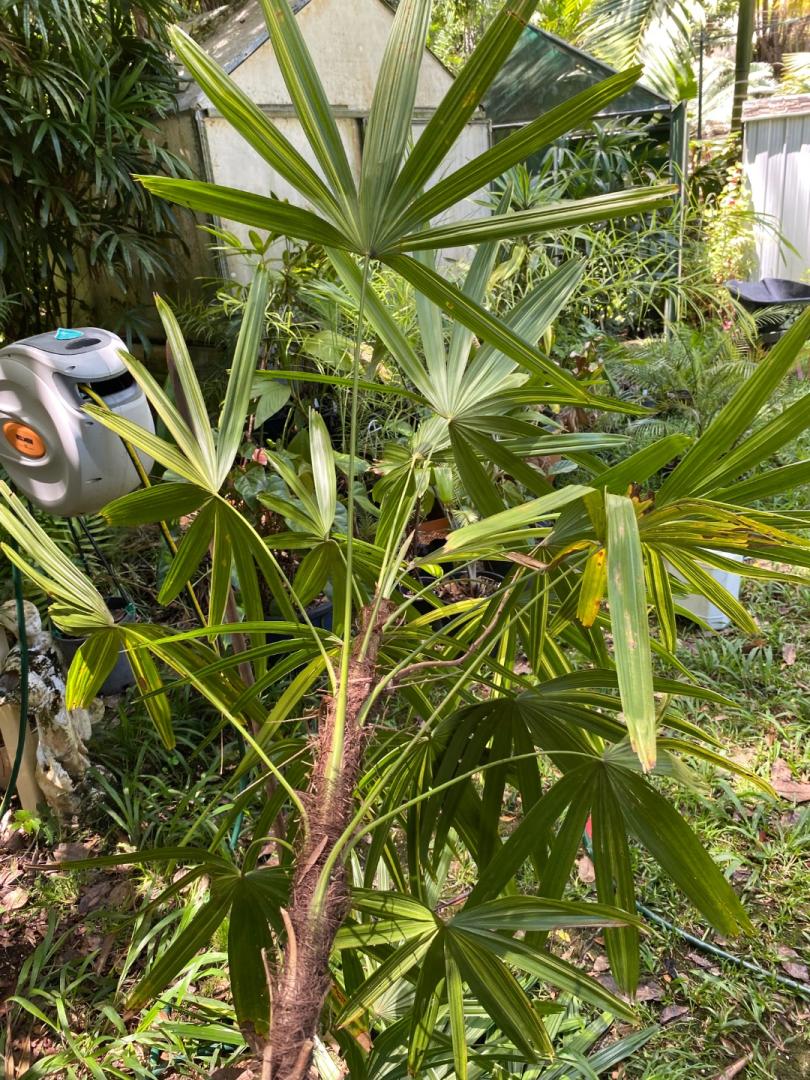
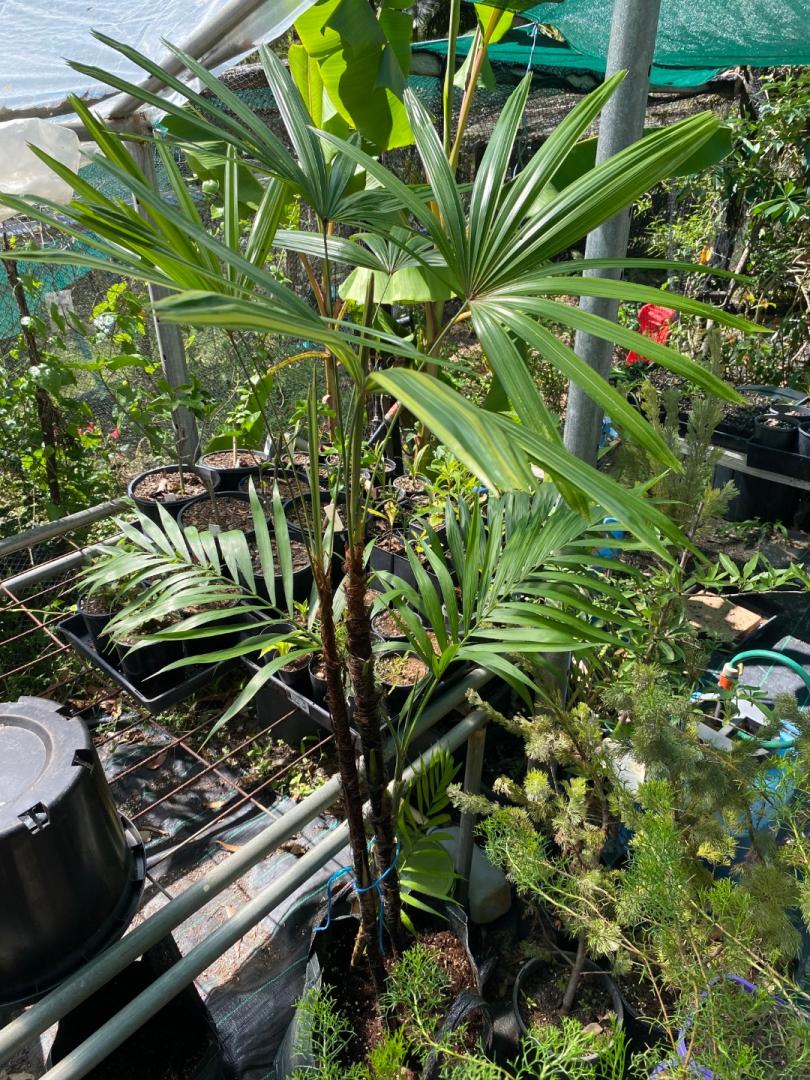
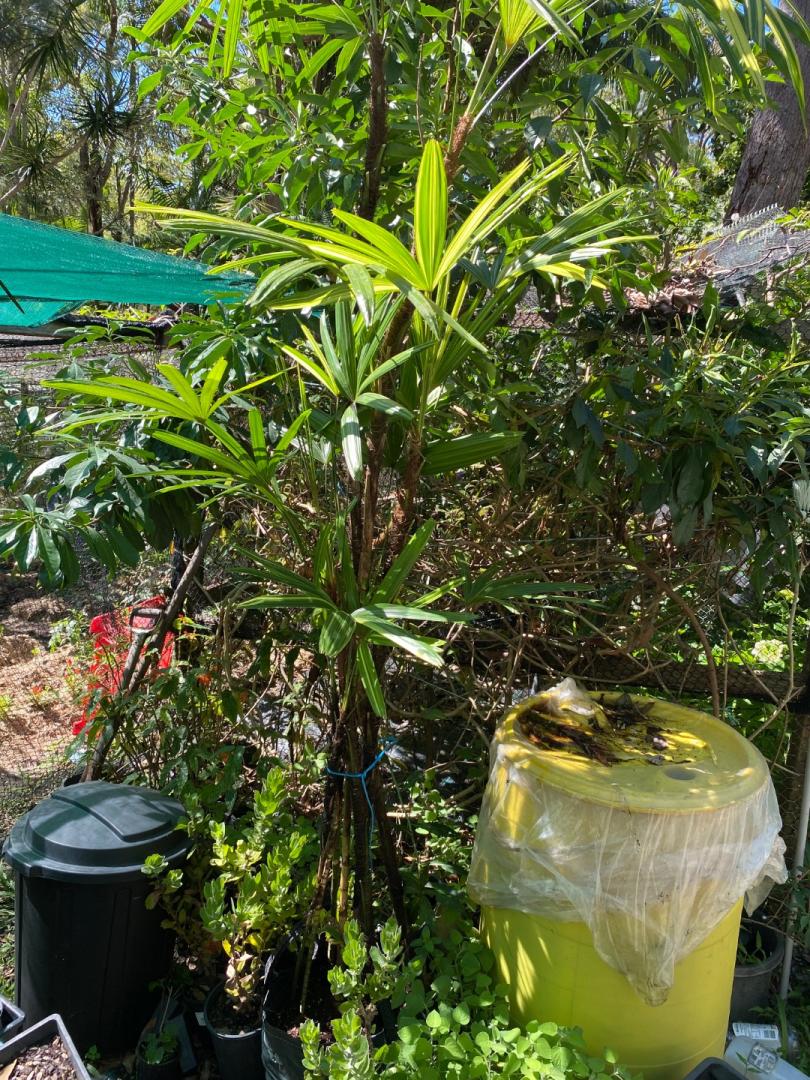
Time to dig out the rhapis, most people would love to have a variegated rhapis of this size in the garden. It just wasn’t working in this corner of the garden. It needed a renovation and with so many top rare palms wanting that prime viewing spot just outside the door. The decision was made renovate now, there are other variegated rhapis around in the garden and chamaedorea elegans. I still have more elegans to remove and draceana. A nice group planting of some Calyptrogyne ghiesbreghtiana or a group planting of some dypsis louvelli or whatever takes my fancy, iam sure I won’t have any shortage of something exotic in the greenhouse!
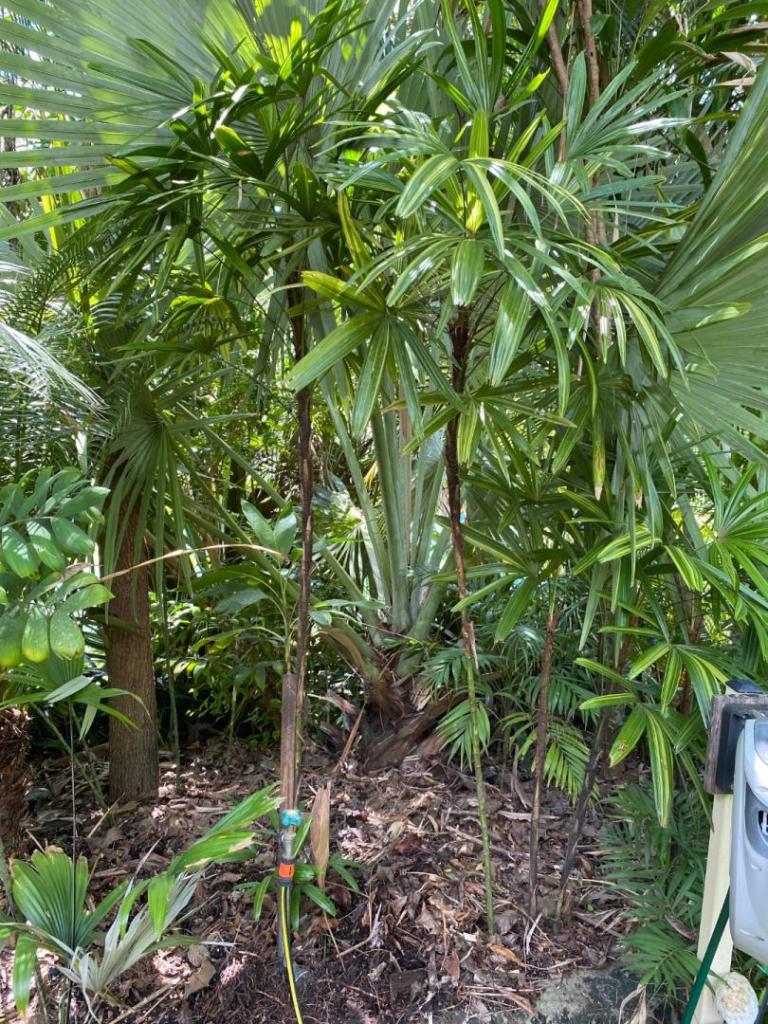
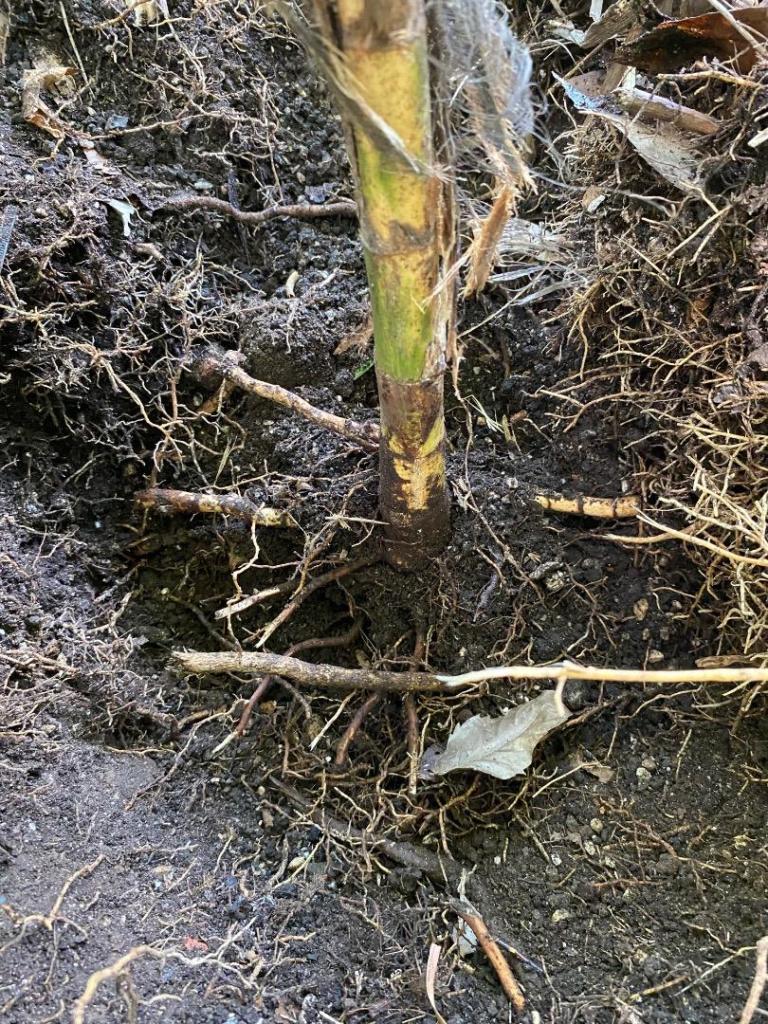

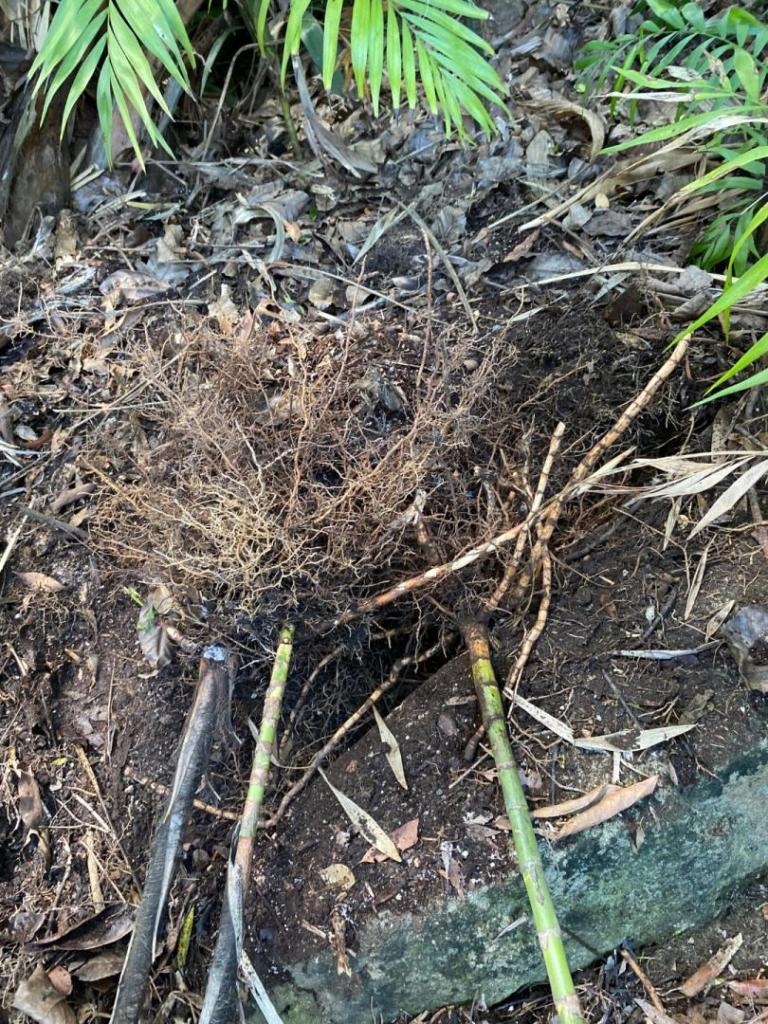
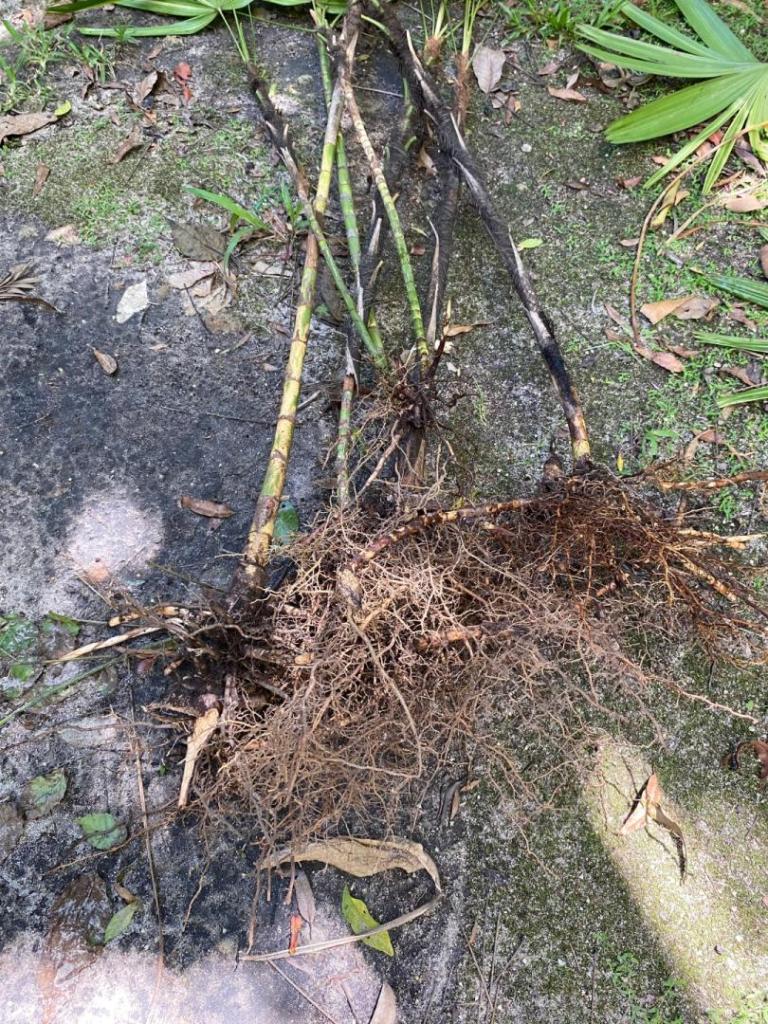

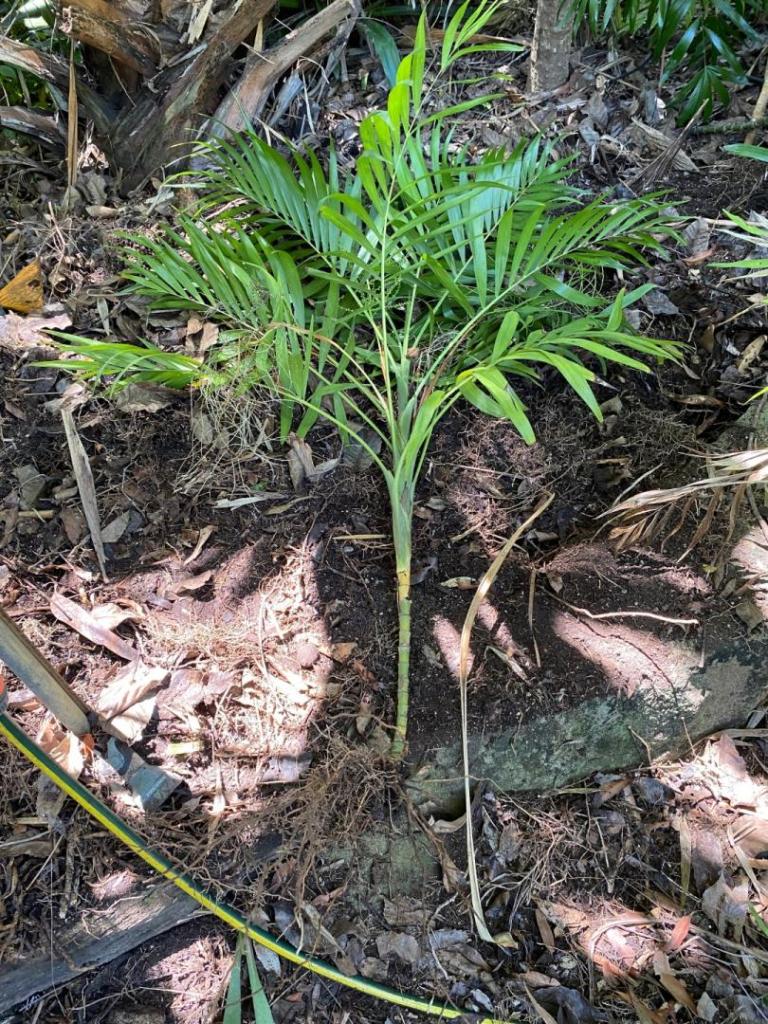
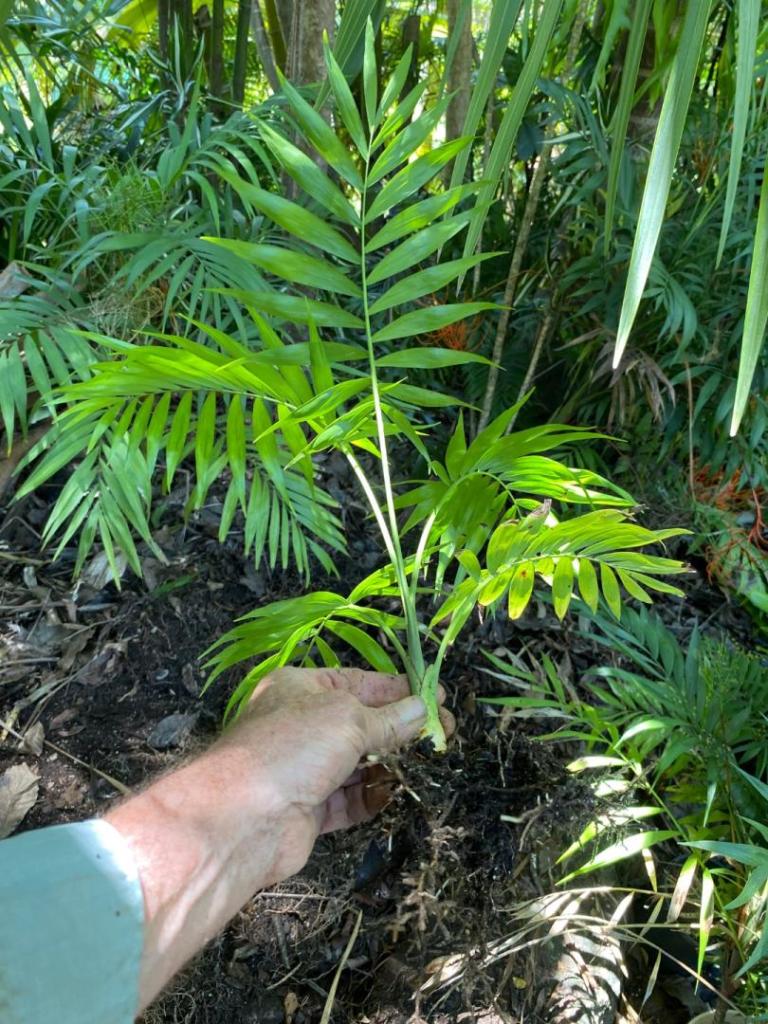
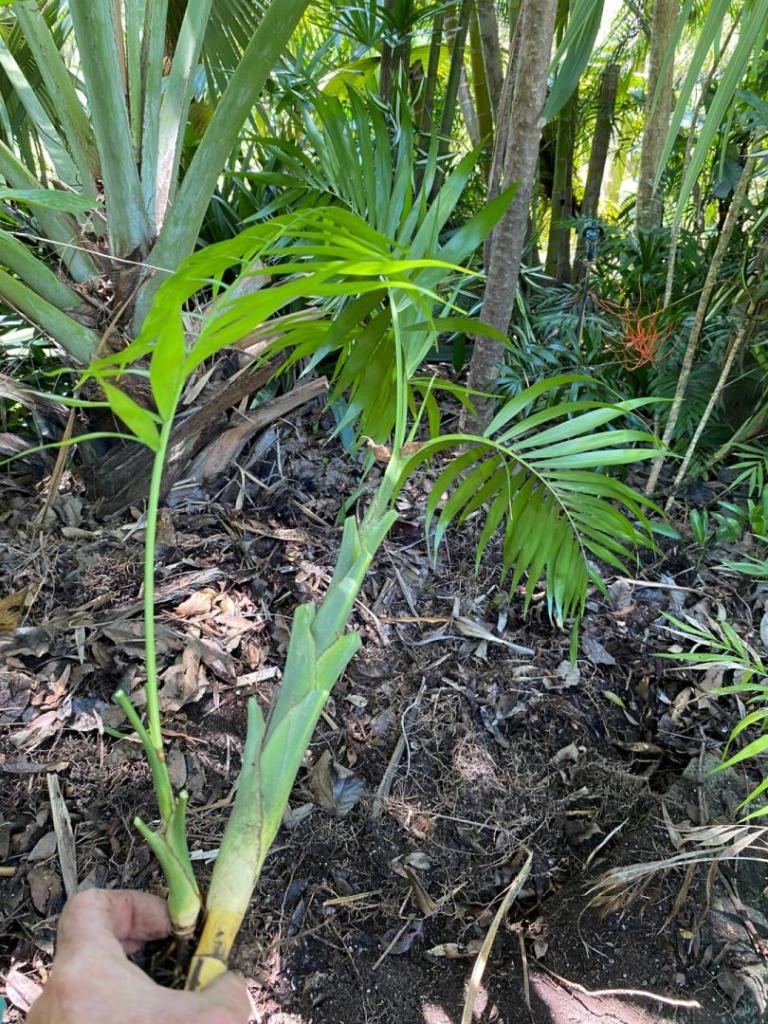

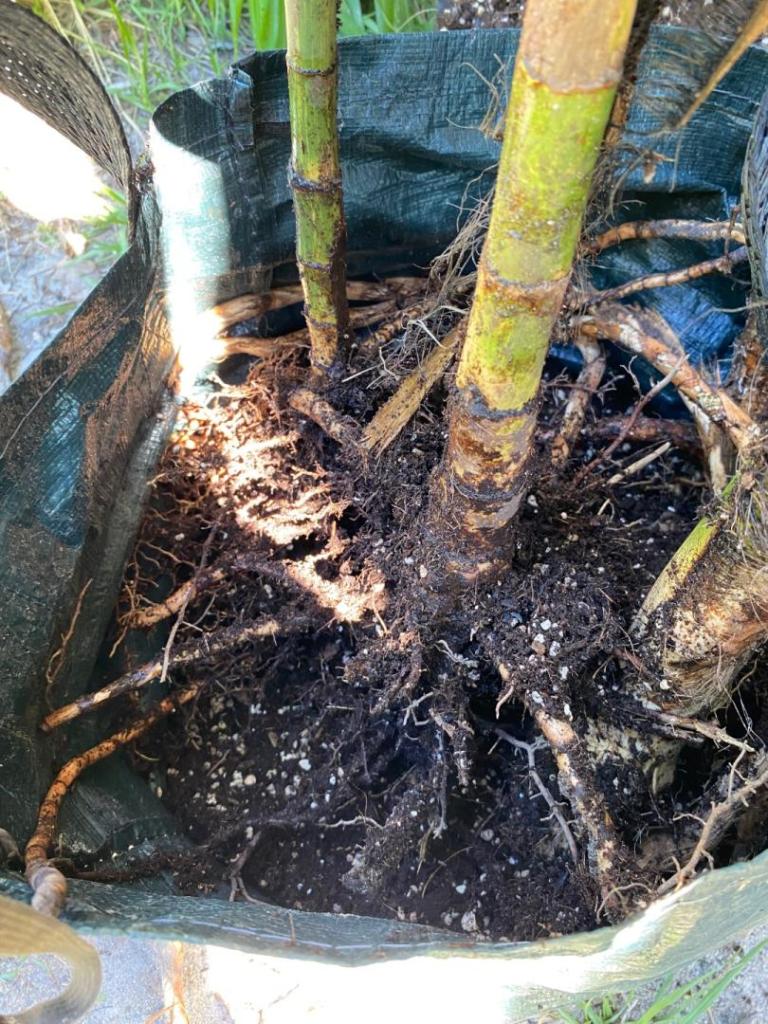

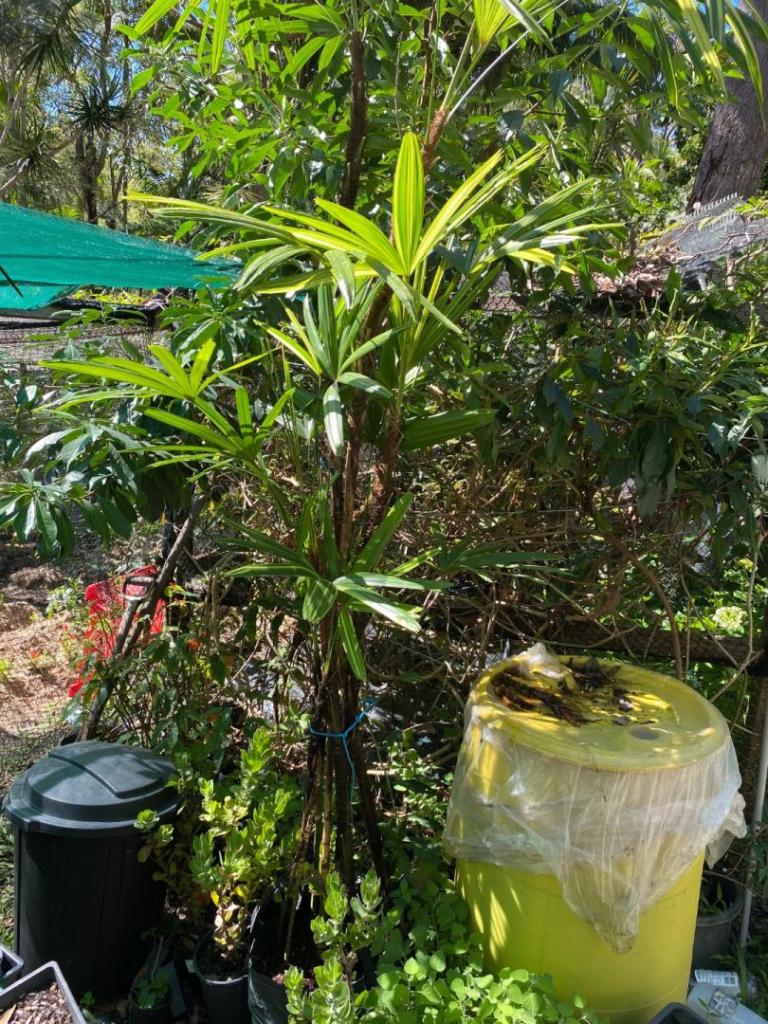
 3 points
 -
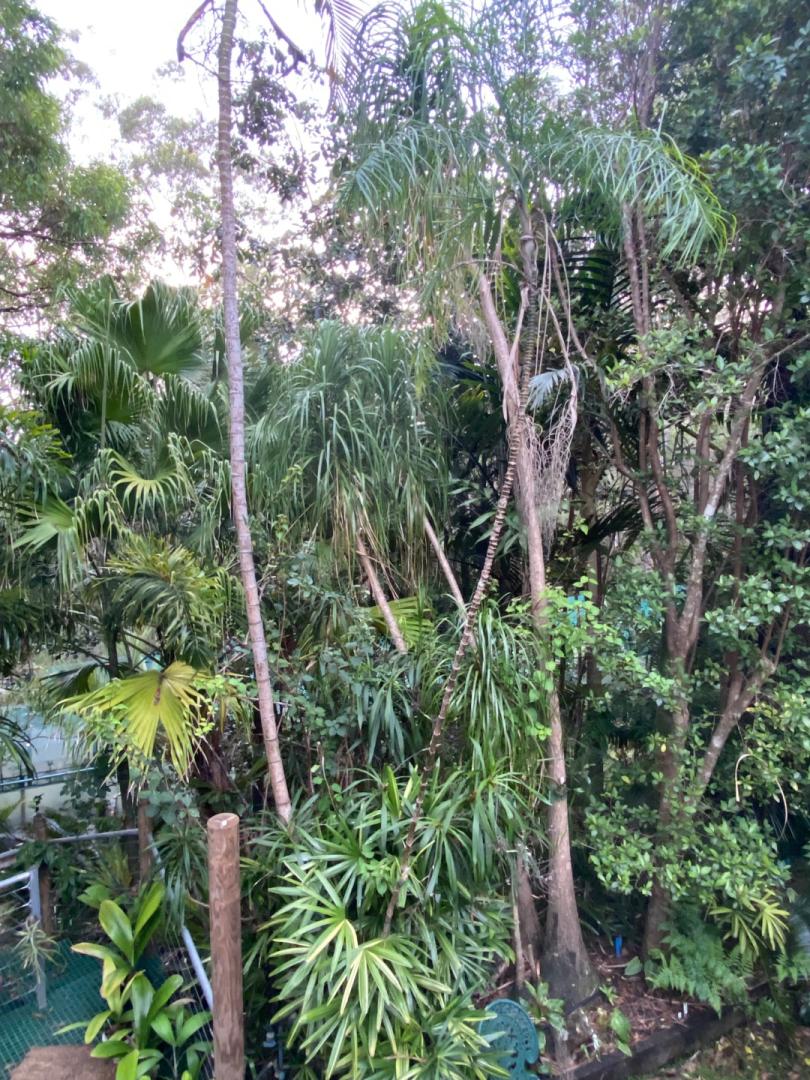
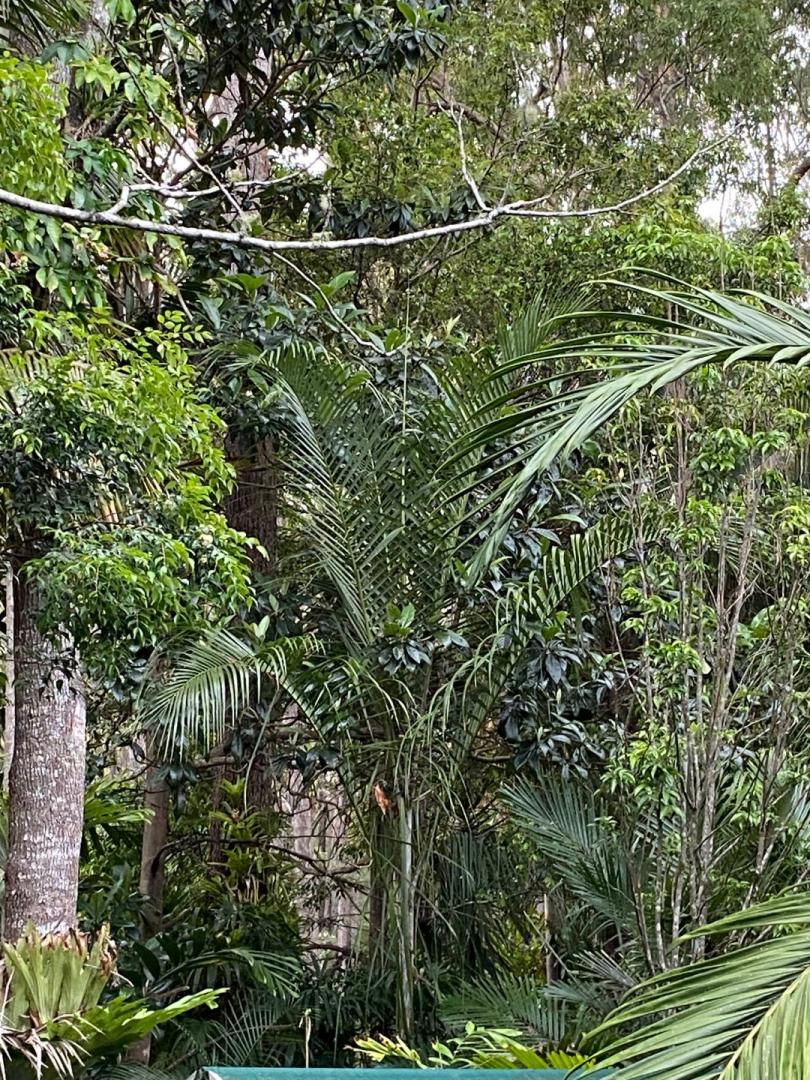
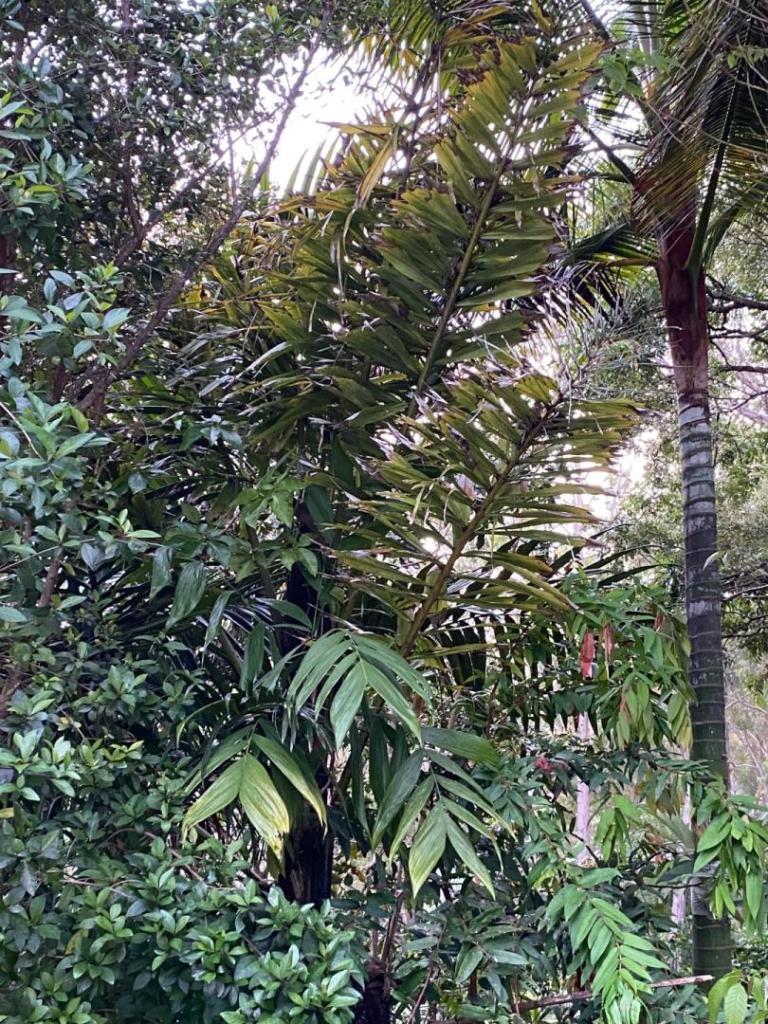
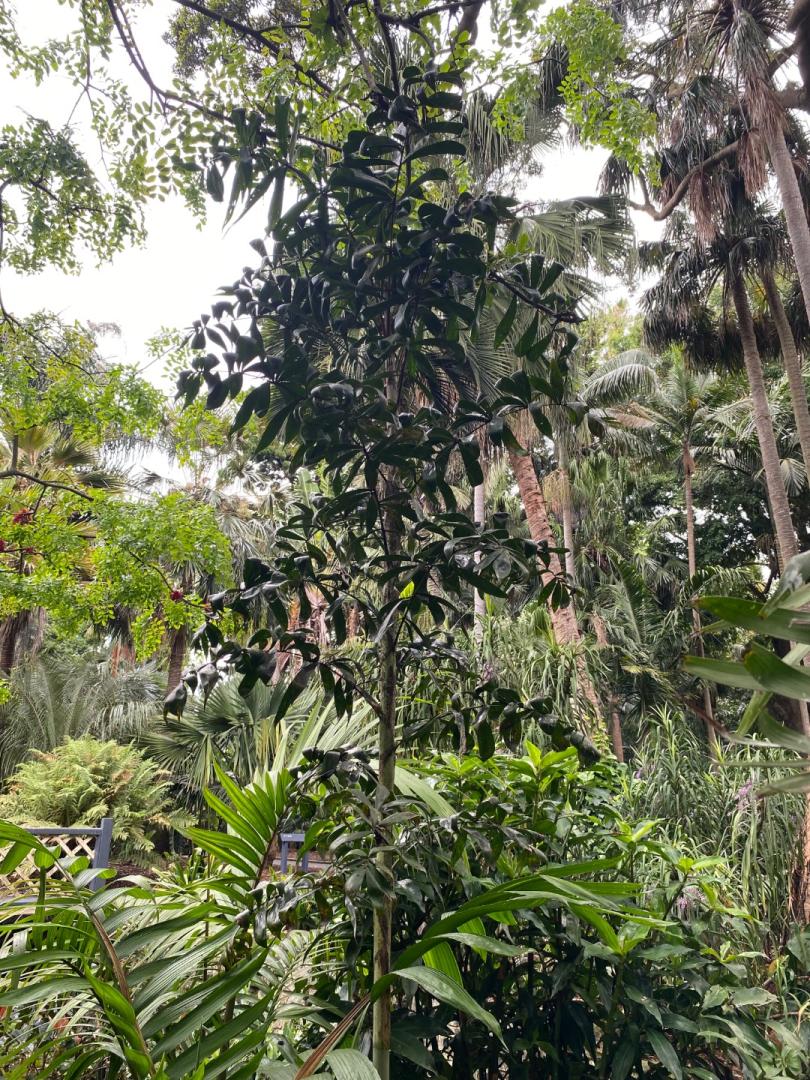
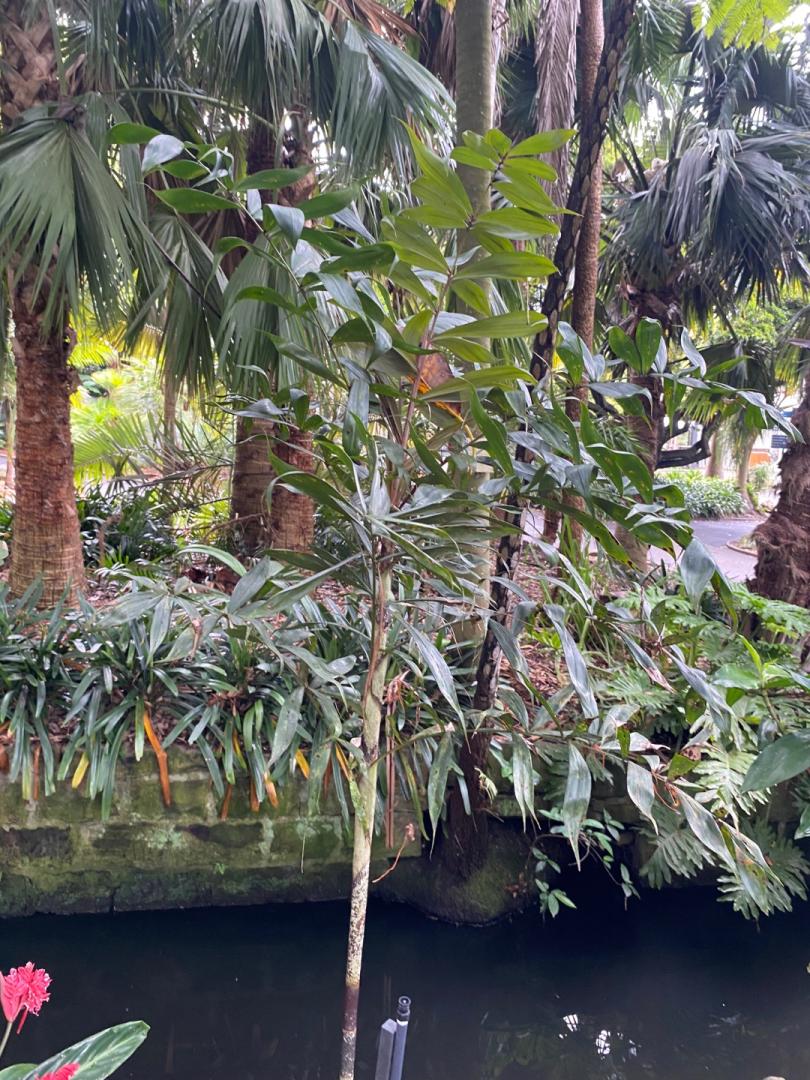
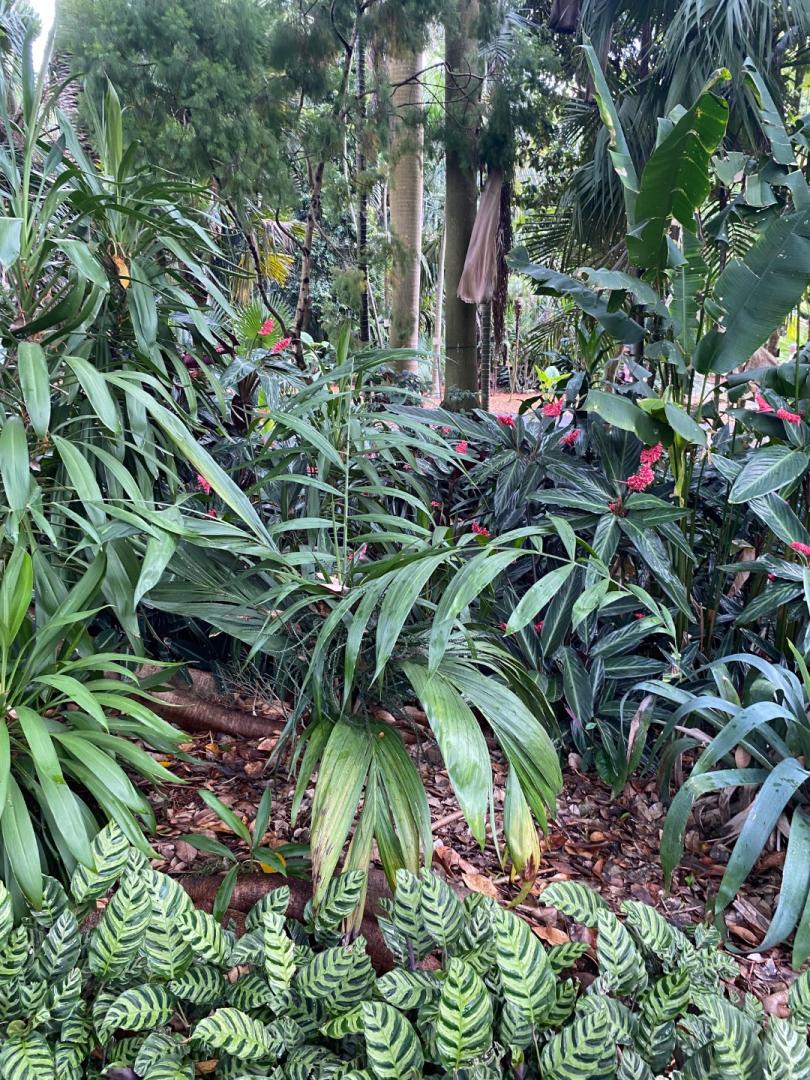
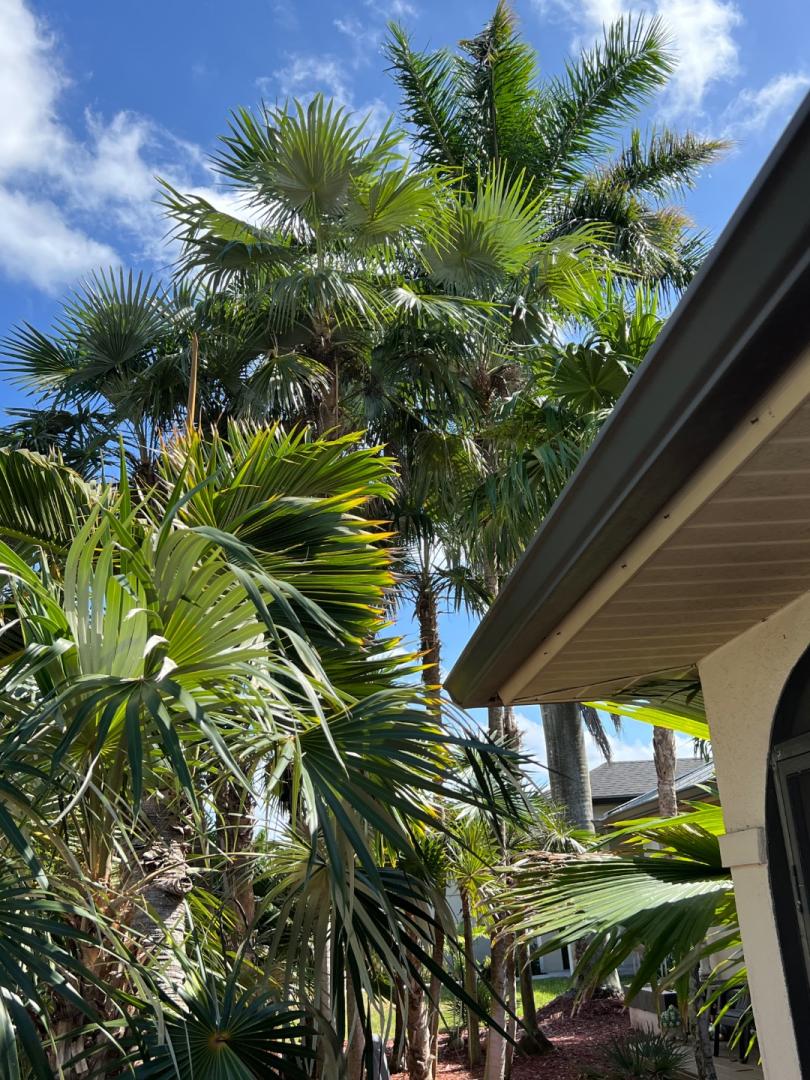
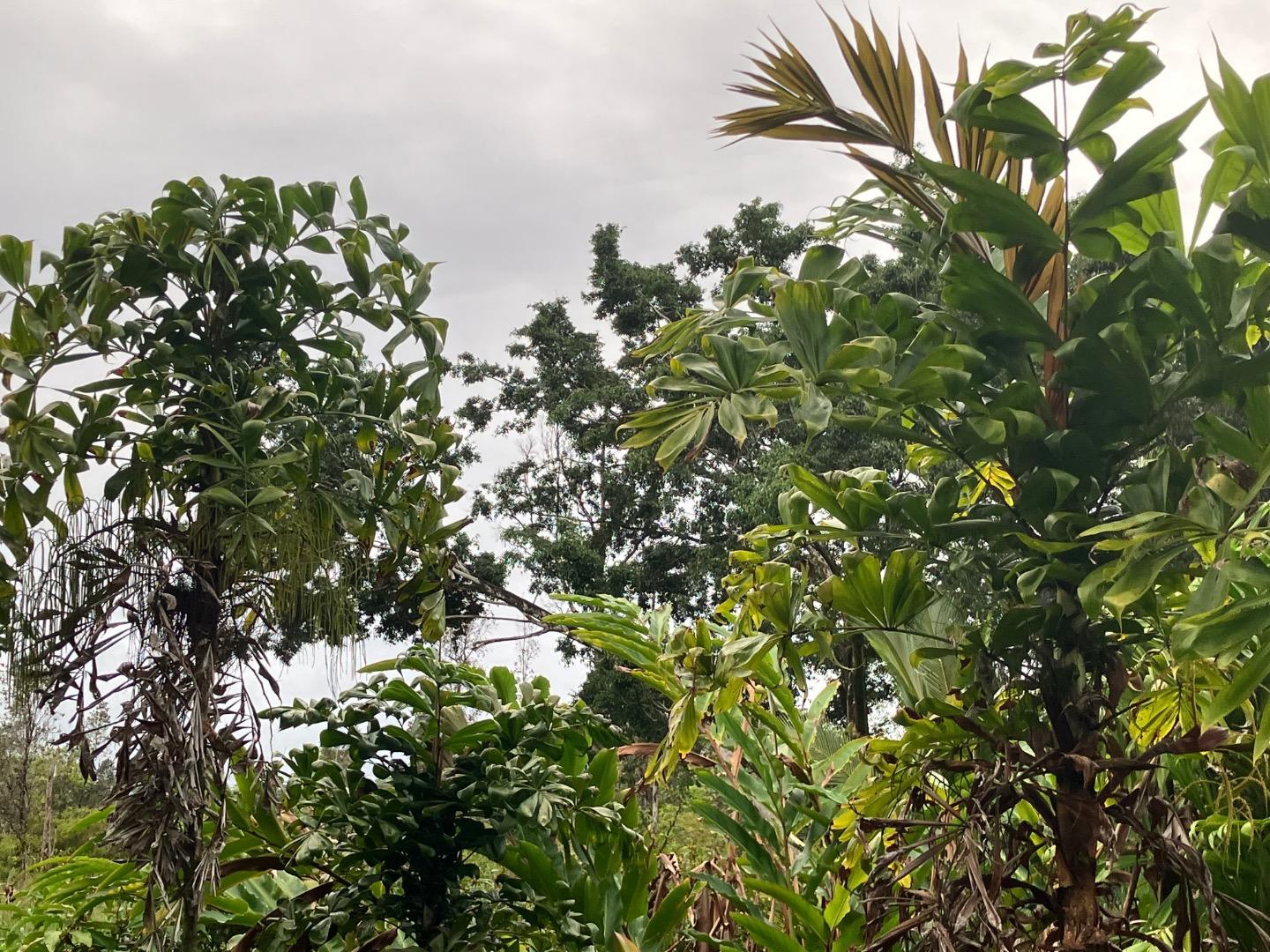
Cleaning the gutters and roof as you do living in the bush. Taking a few minutes to admire the garden canopy. It’s a jungle out there and the understory I packed with a lot of understory plants of all sorts of varieties along with the palm collection.
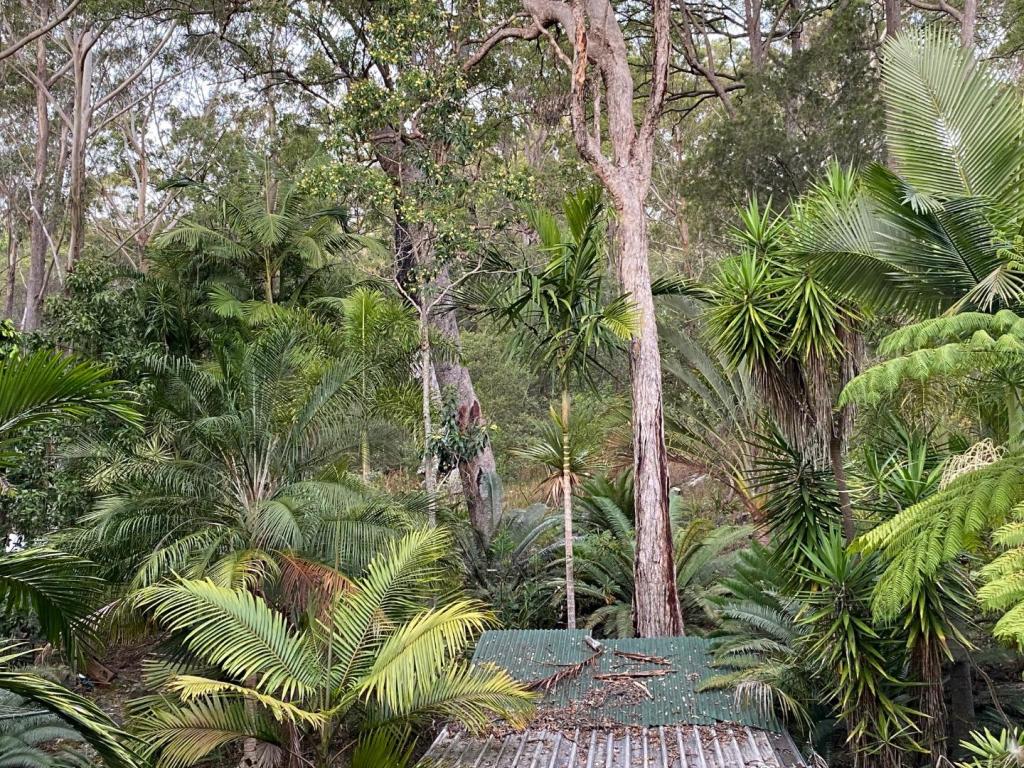
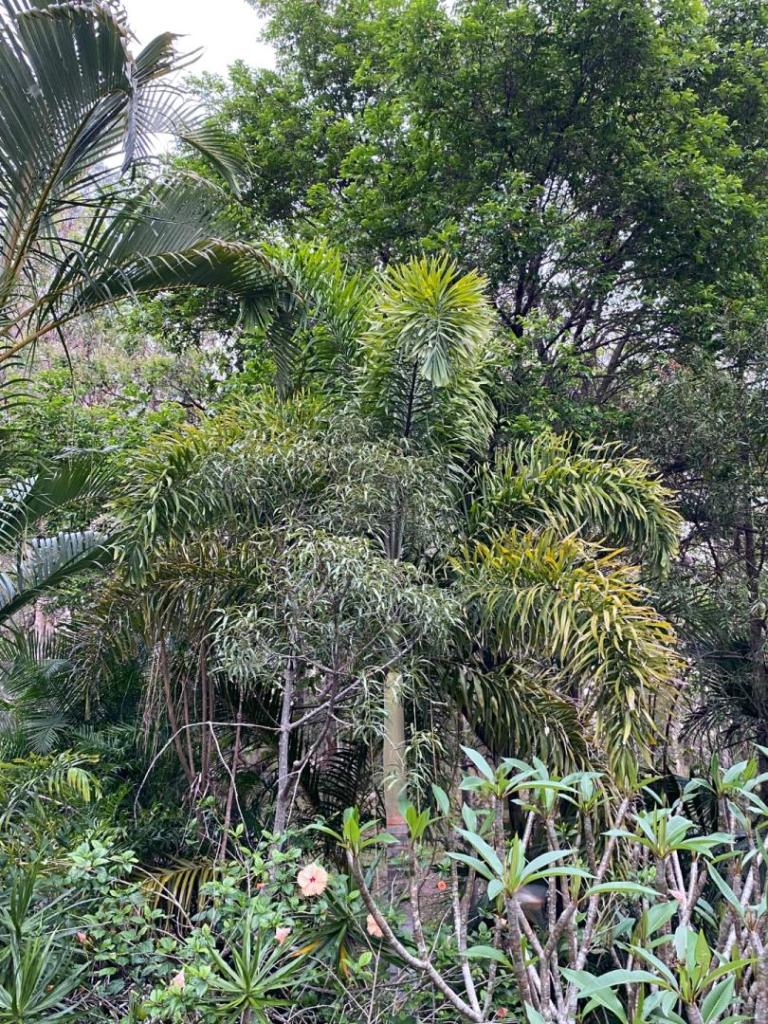
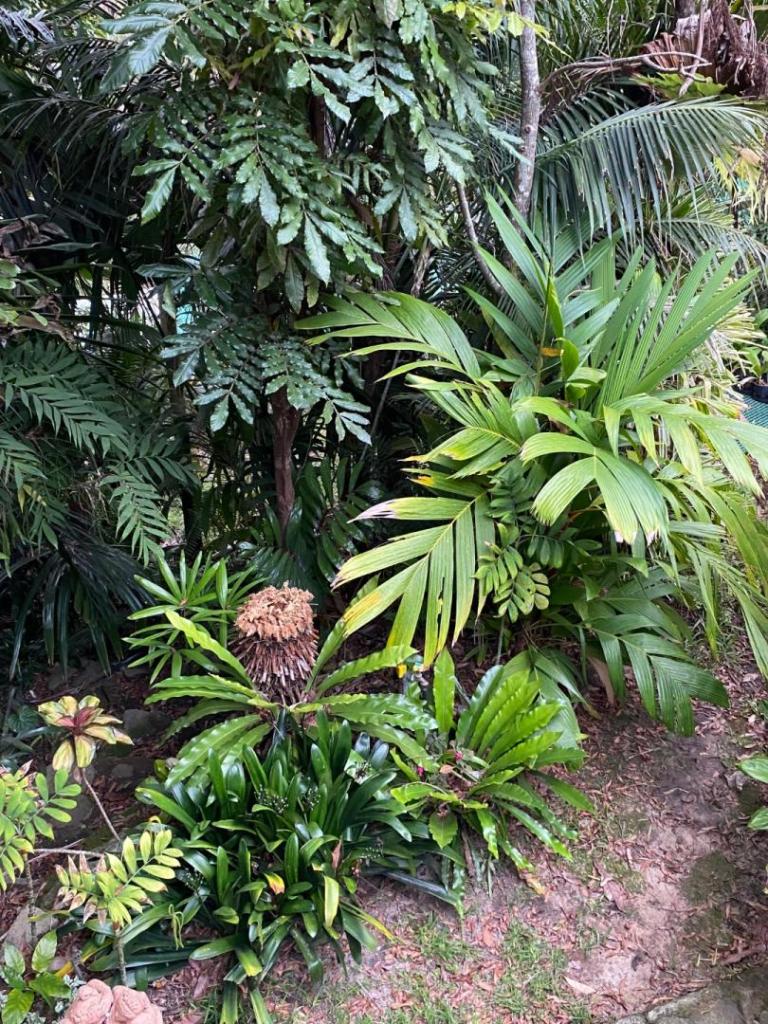


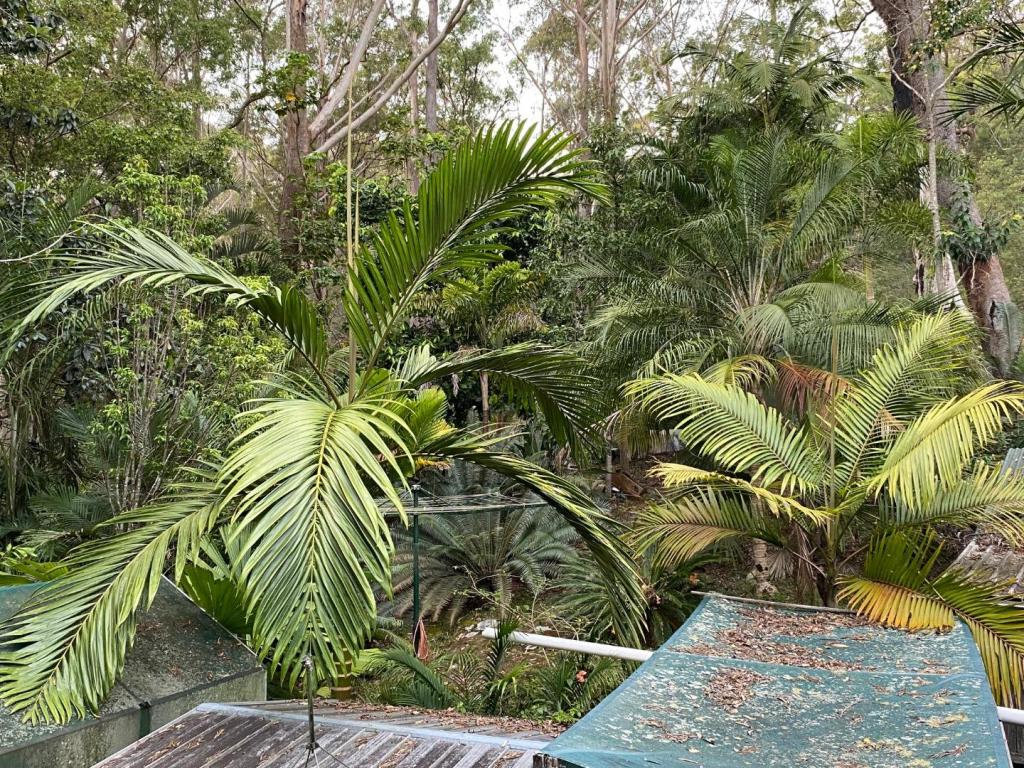
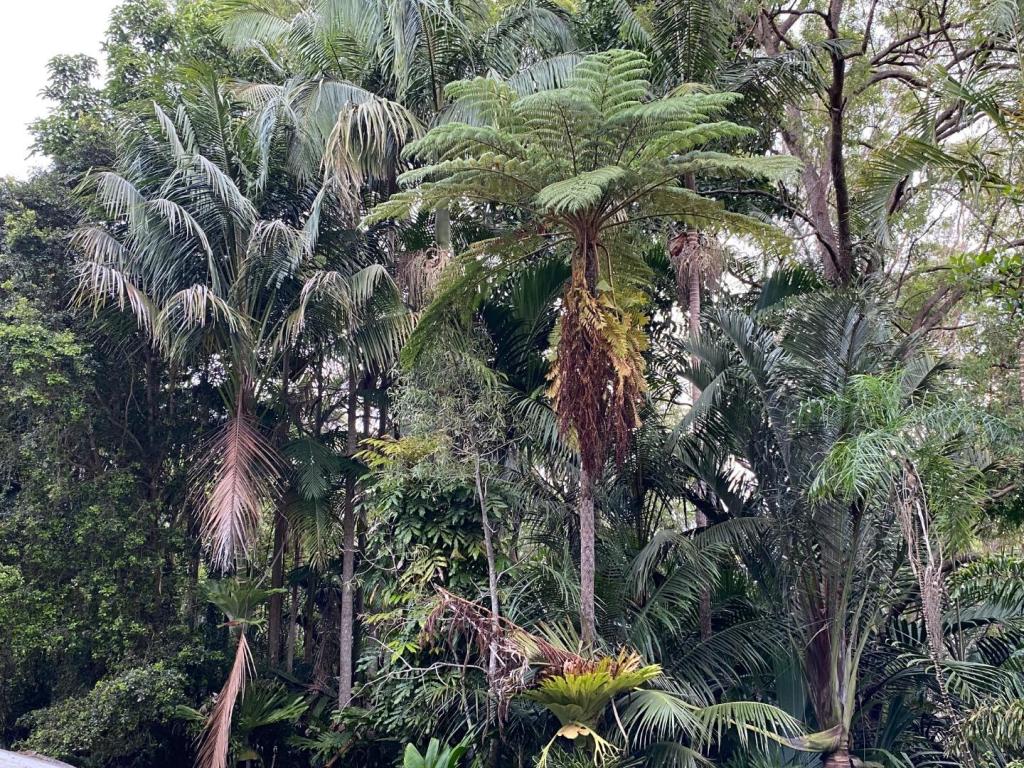
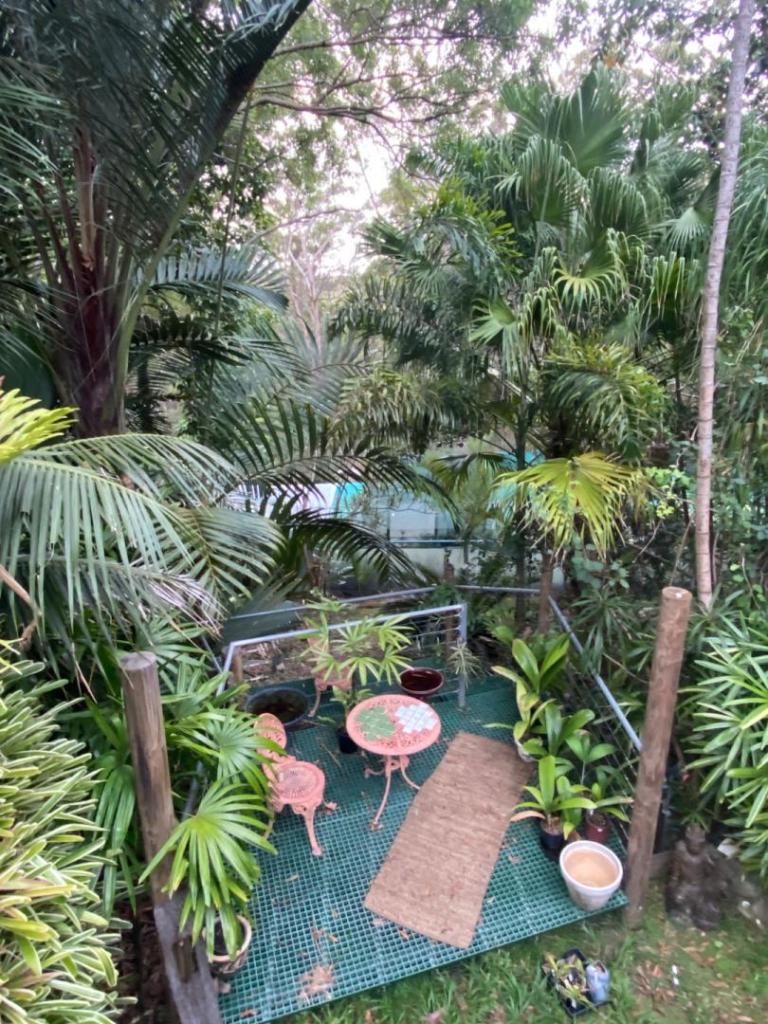

 3 points
 -
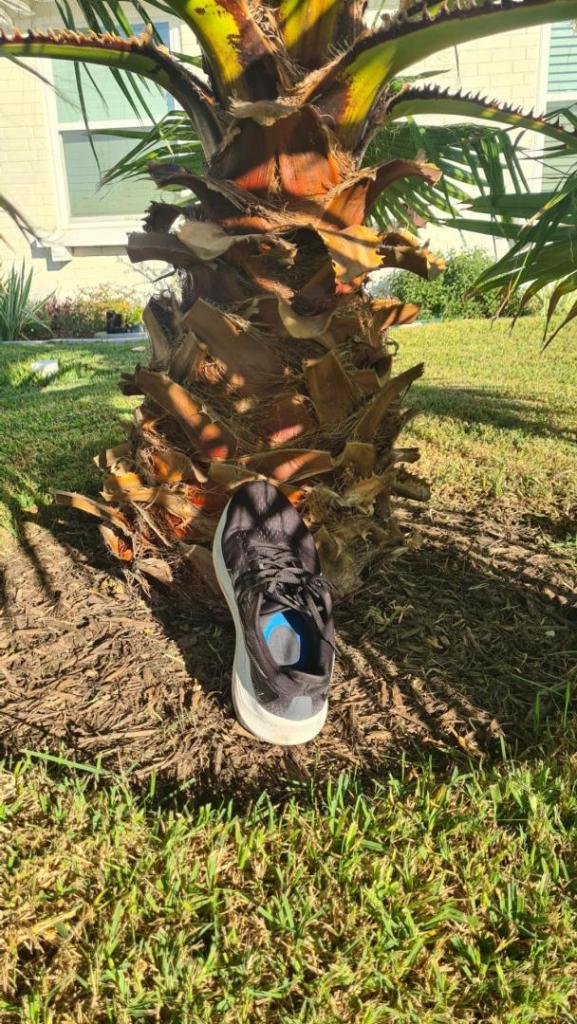
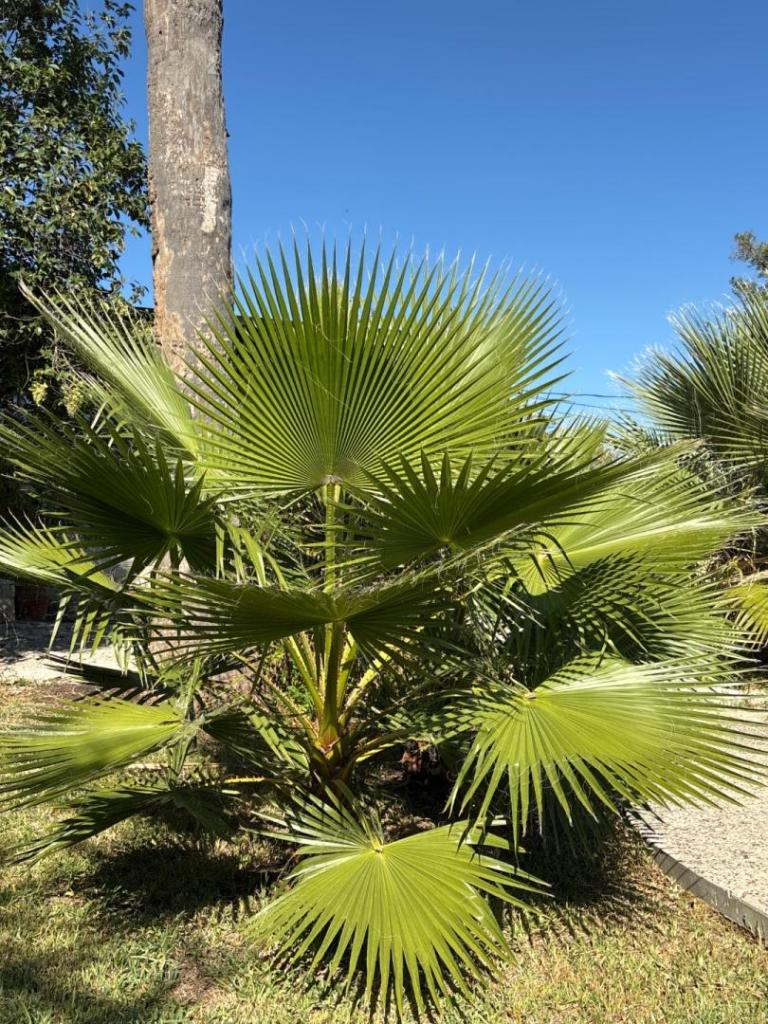
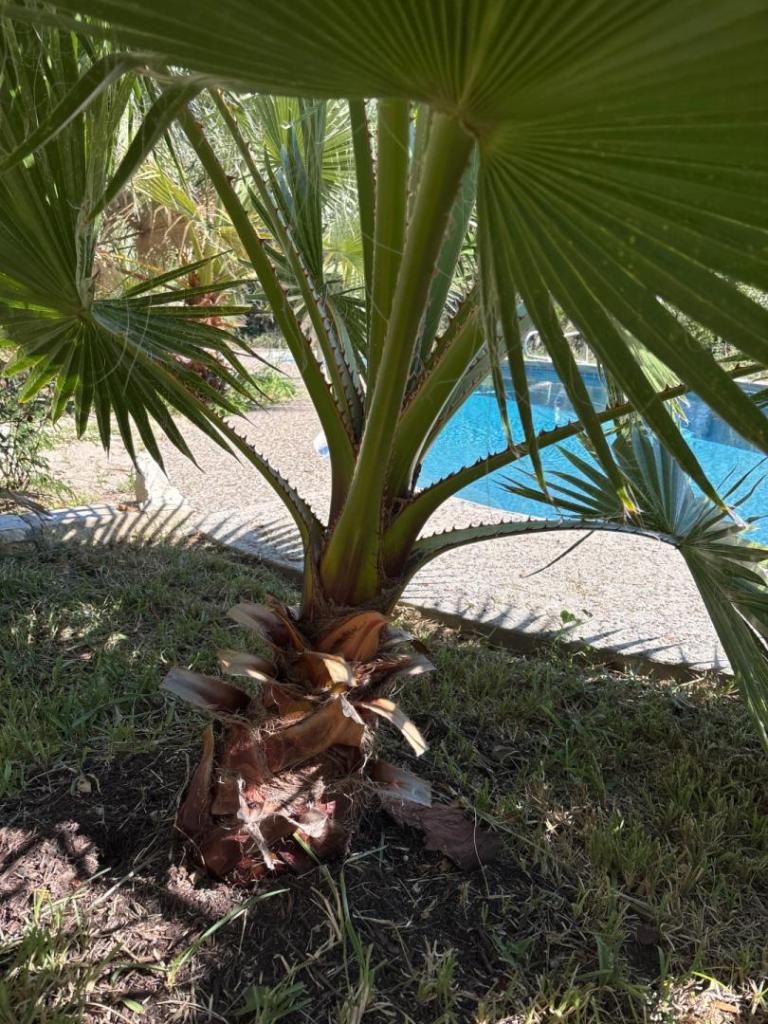
Photos from today. Using Marcus’s technique of adding the footwear for scale, US size 9.5 / EUR 42.

 3 points
 -
Wanted one for years. And I actually know how to do it, those orchard netting skills come in handy! Richard3 points
-
Palms can be good house plants but need attention . Depending on where you live , it could be not enough humidity , too much or not enough water and sunlight , or a combination of these. When I had my C. Lutescens in my old house , I would put it outside in the shade of our porch and rinse it down and allow the palm to have fresh air for a few days before bringing it back inside. When we moved to our new house , I planted it in the garden . It was an indoor palm for about 4-5 years and grew OK but once it hit the dirt , it took off . It would be hard to determine exactly what your palm needs , the pictures don’t necessarily indicate an infestation . Most common infestations are Mealy bugs ( small white powdery looking bugs) or Scale ( sticky bumps on the undersides of the leaves or stems ) . My first hunch would be lack of humidity or poor soil condition. Harry3 points
-
Lovely colors . I’m afraid mine is a few years from trunking but growing well . Was that a double when you planted it ? I know these can sometimes clump . Harry3 points
-
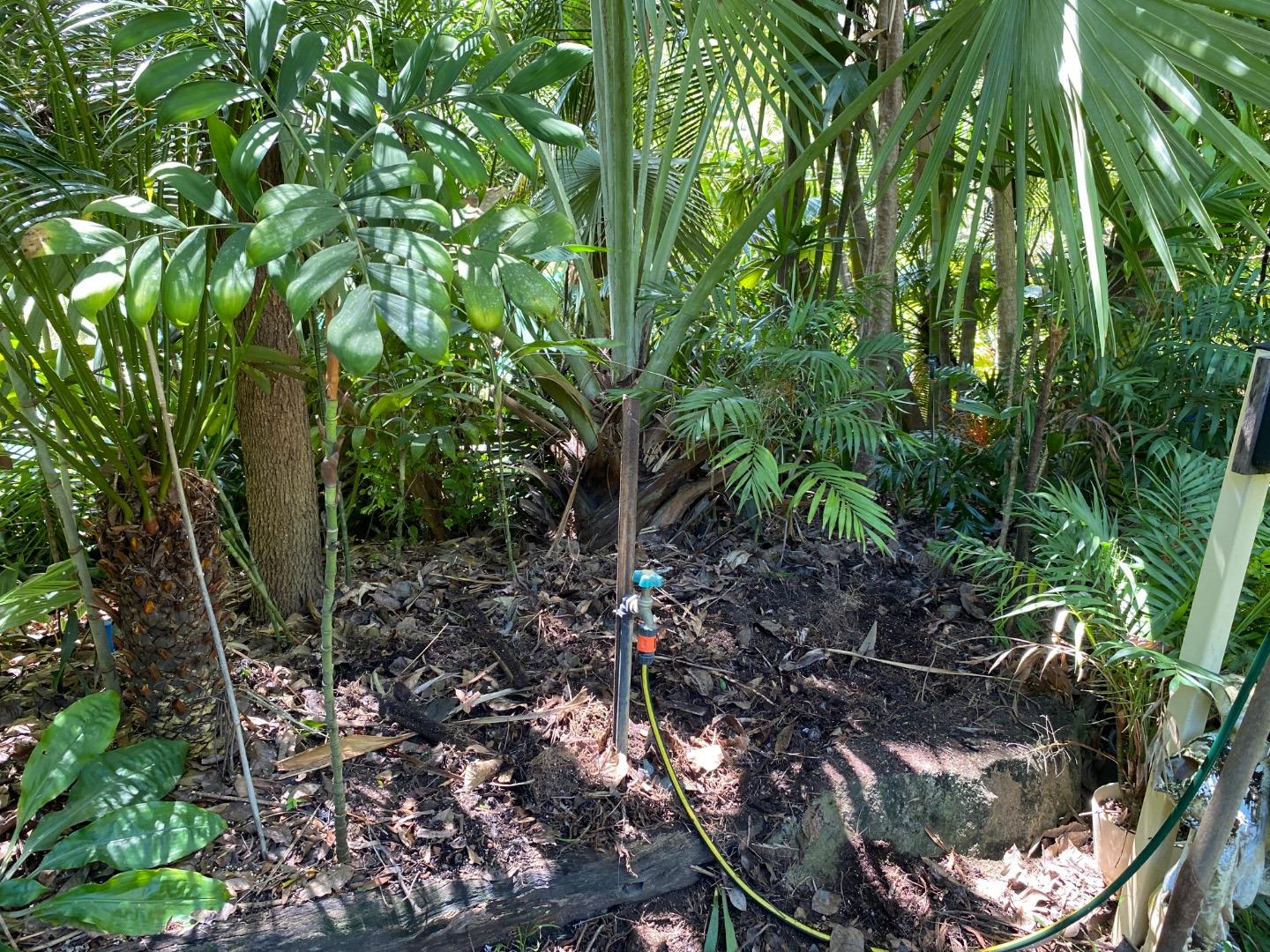
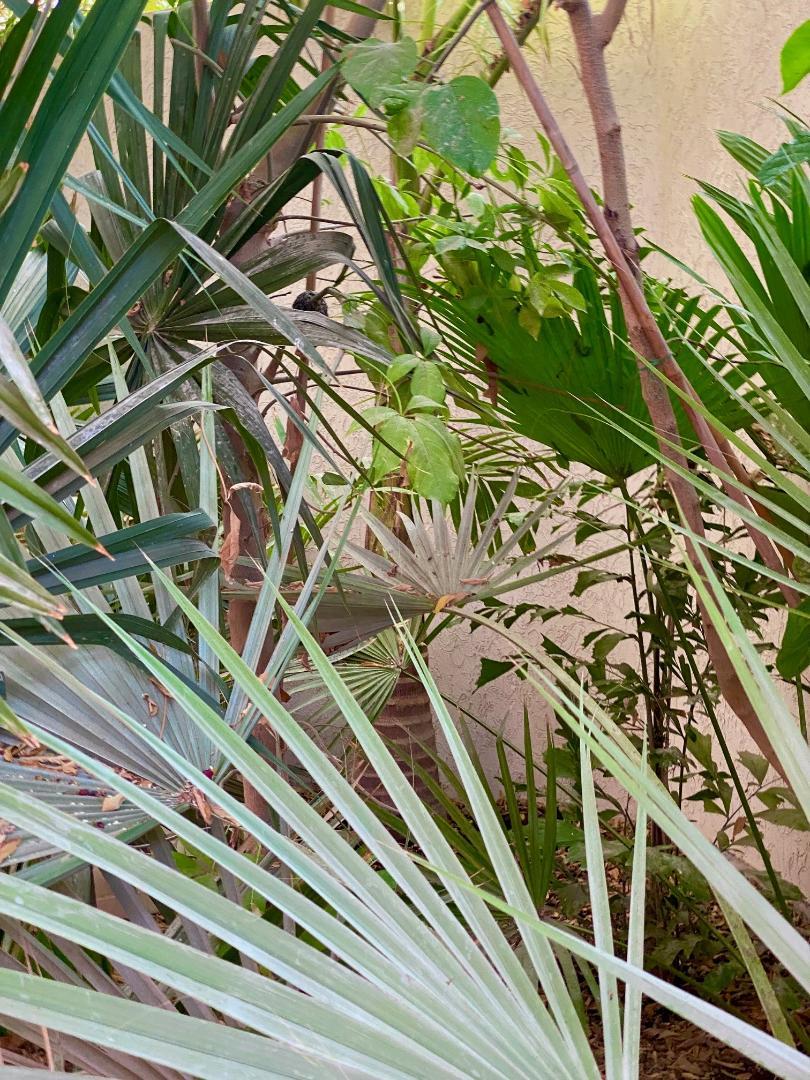
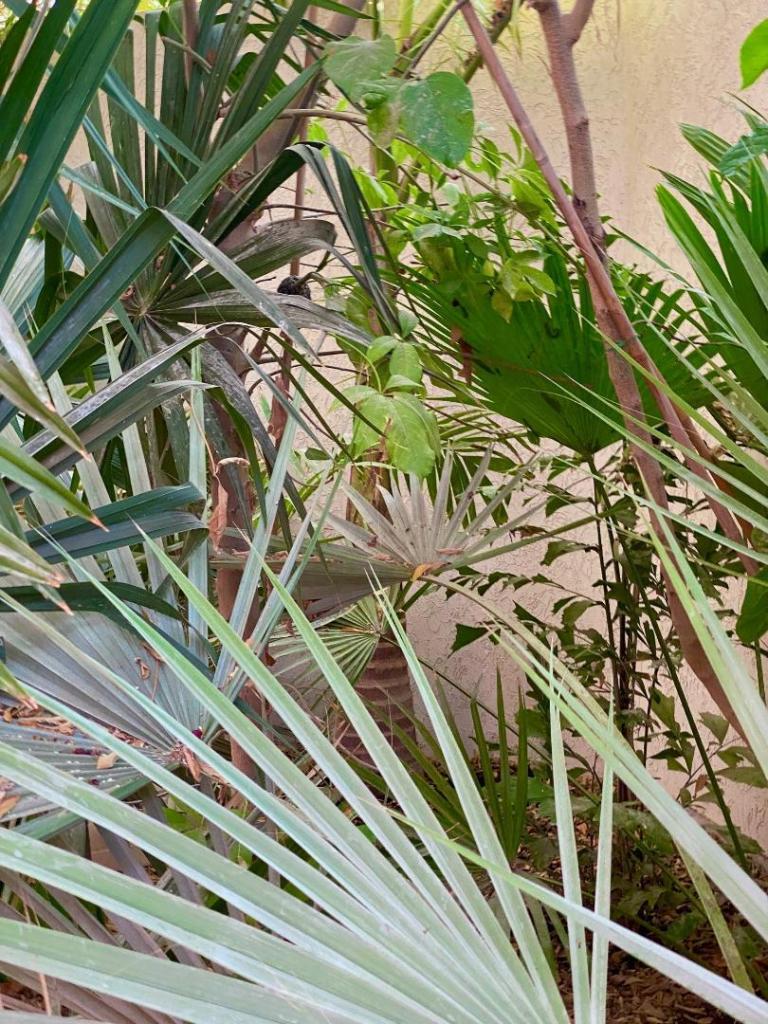
This corner full of palms
 3 points
 -
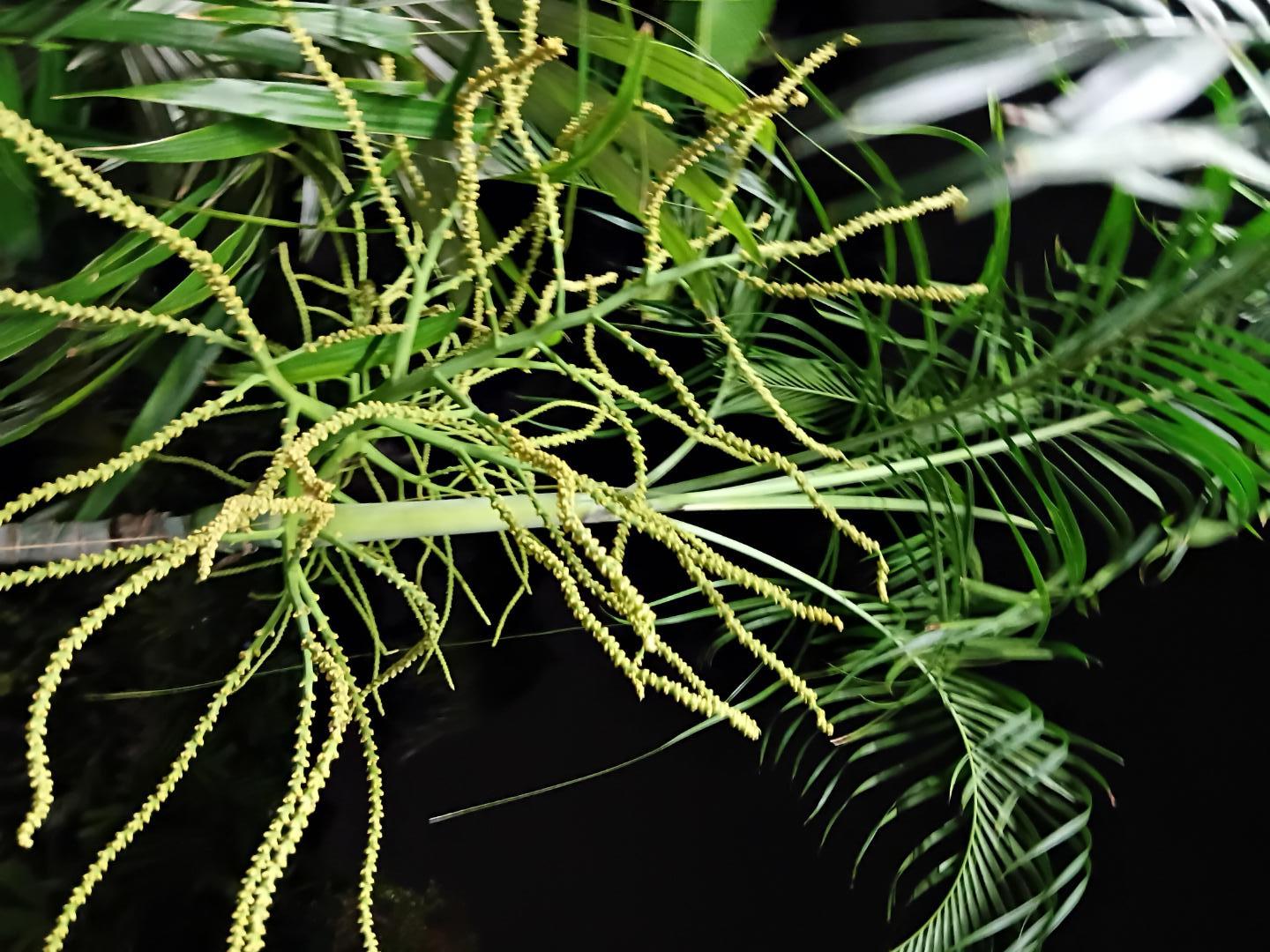
Dypsis plumosa flowering.
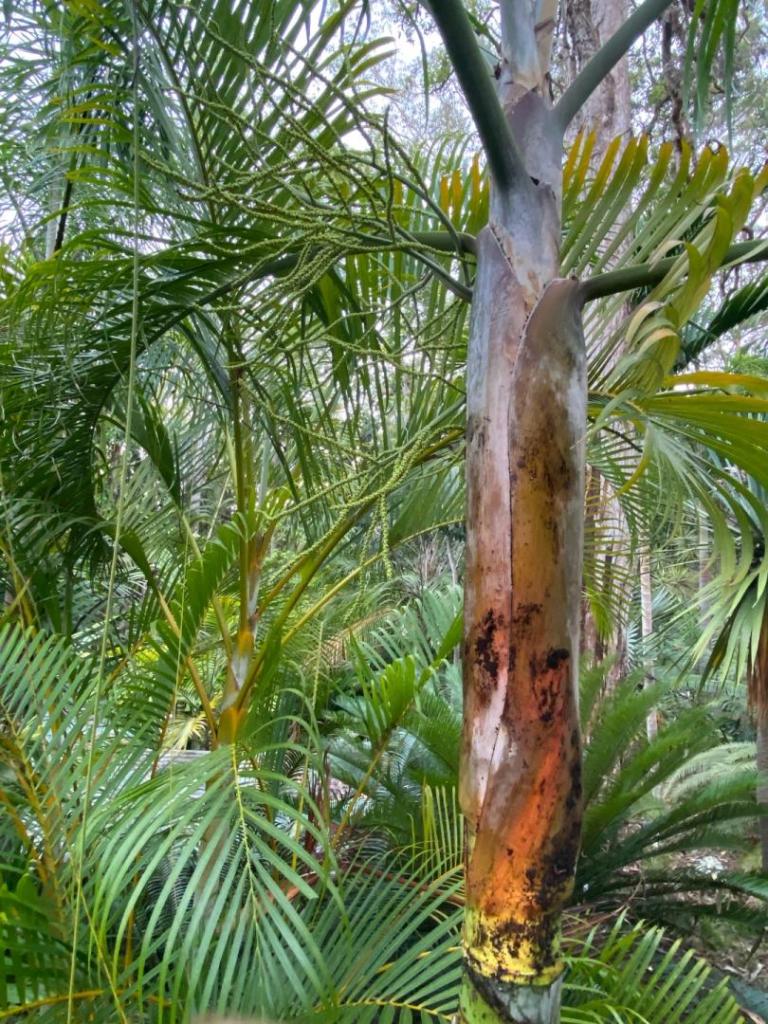 3 points
 -
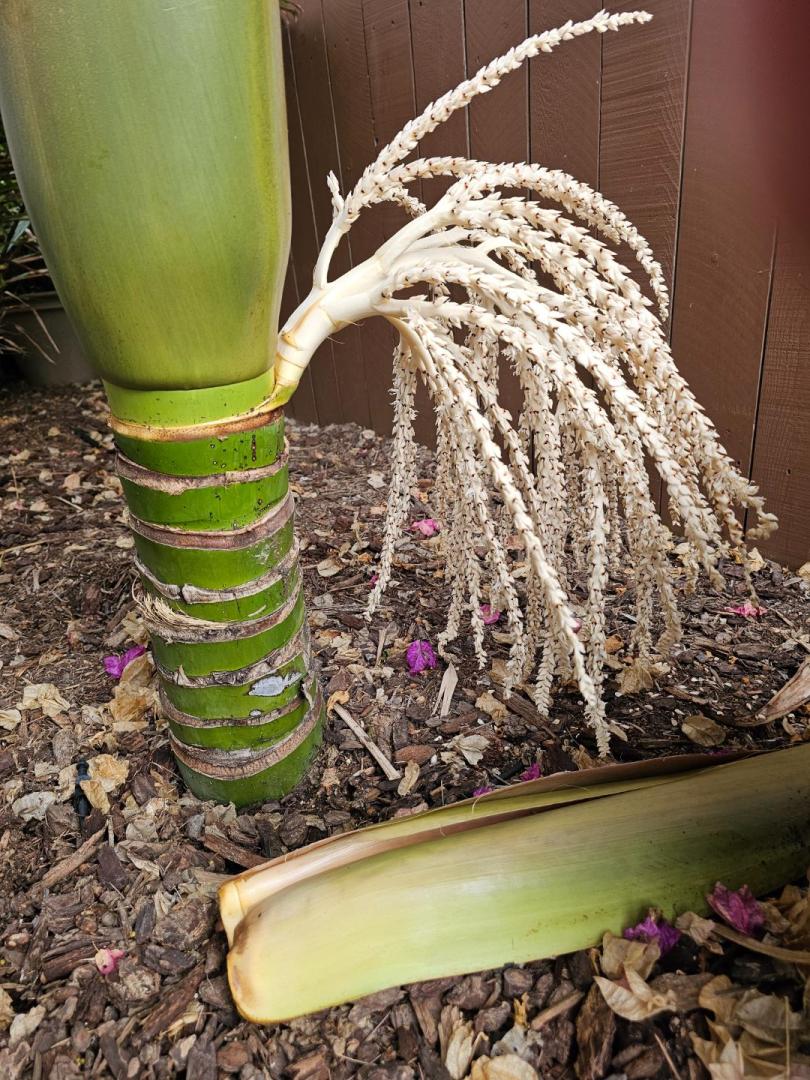
Last night the old leaf on this Rhopalostylis came off and I couldn't help noticing the spathe and spadix this morning. The spathe must have popped open and dropped overnight.
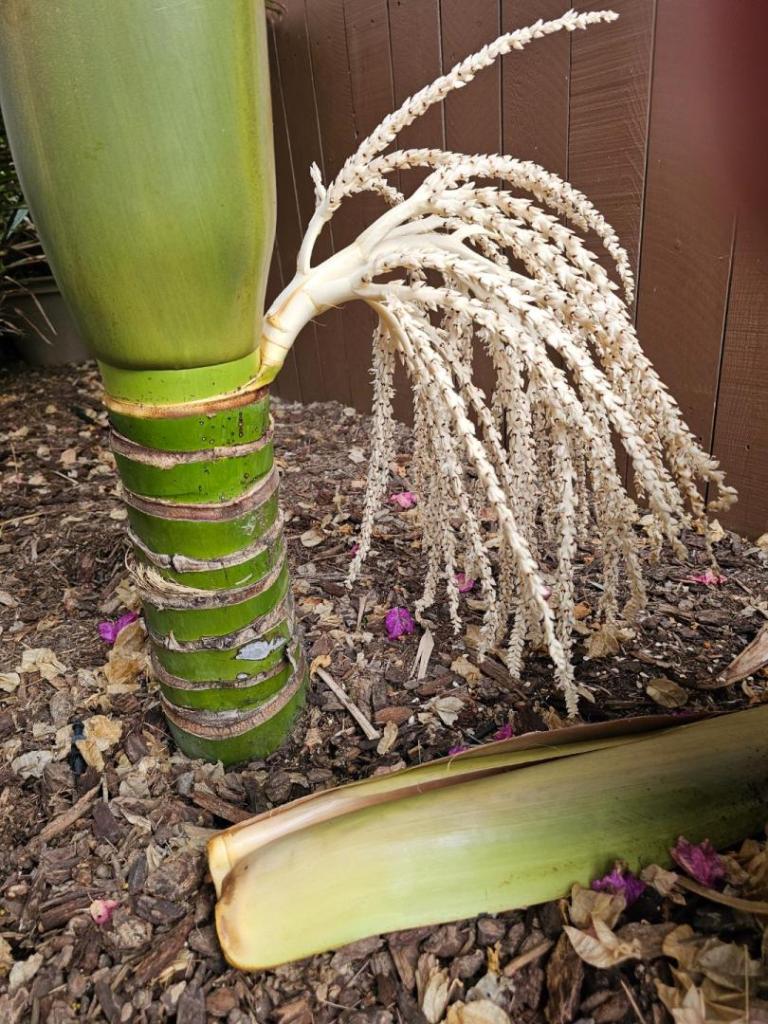 3 points
 -
Neoveitchia stockii 1 dollar each Areca marcocalyx "RED" 1 dollar each Pinanga coronata .50 cents each Calyptrocaylx albertisianus 1.50 each $20 minimun, US ONLY, $9 shipping, includes USDA mandatory inspection out of HONOLULU HI
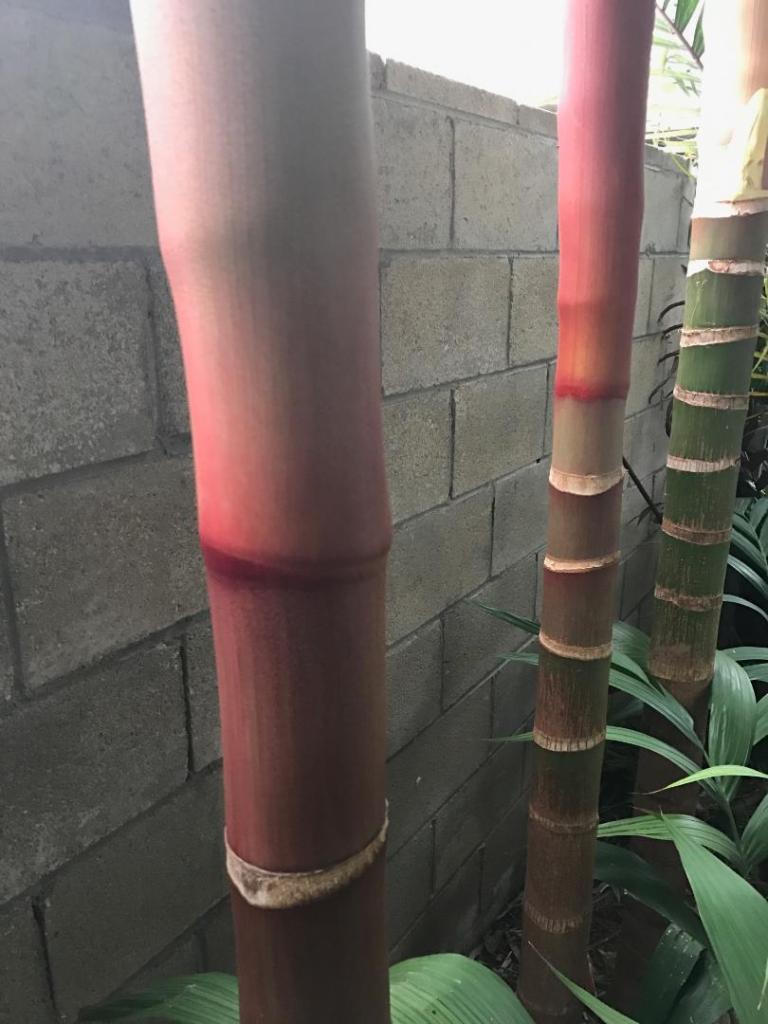
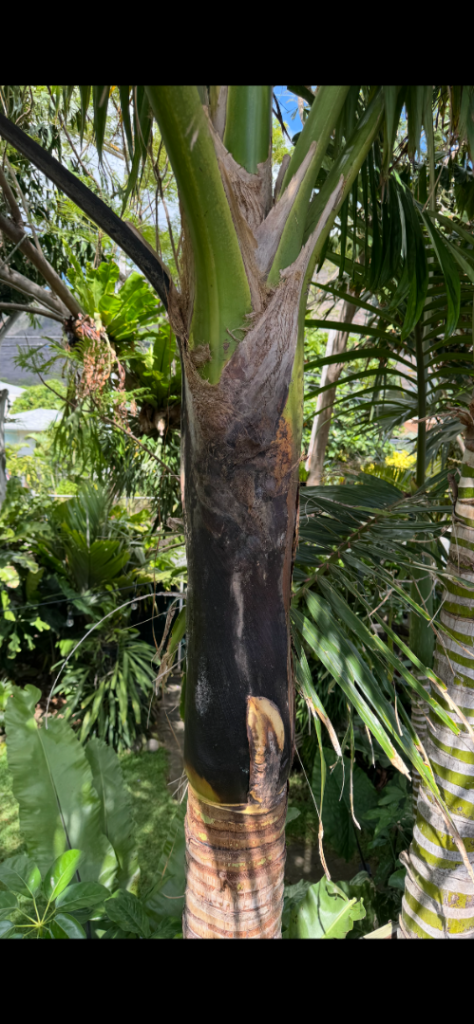 2 points
 -
Everything is fine, it is also growing steadily. ...


 2 points
 -
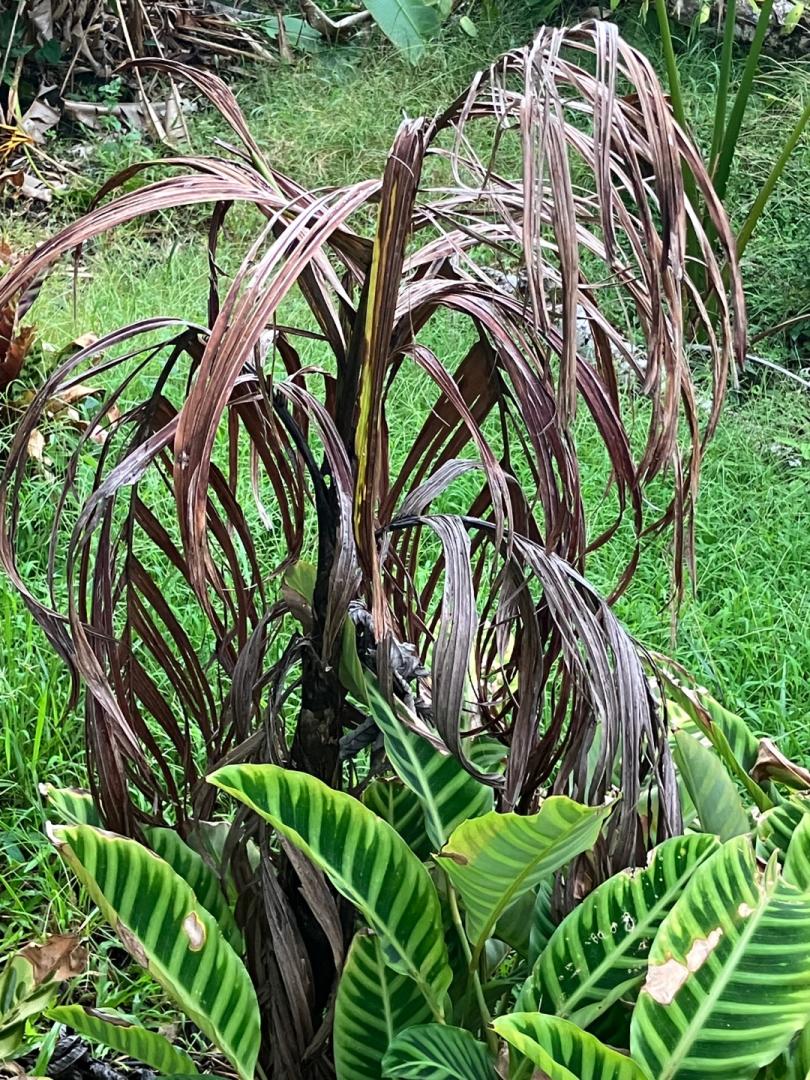
I just bought a house that has beautiful backyard in Sacramento, California USA. It has Palm trees, but the biggest appears to be having a problem. The problem seems to be getting worse. Any ideas what it might be and how to help it? The bottom cut fronds are still strong. It just the middle part that is soft and falling apart. It’s my first house, and first palm. Any input is appreciated. Thank you for your time reading my post.
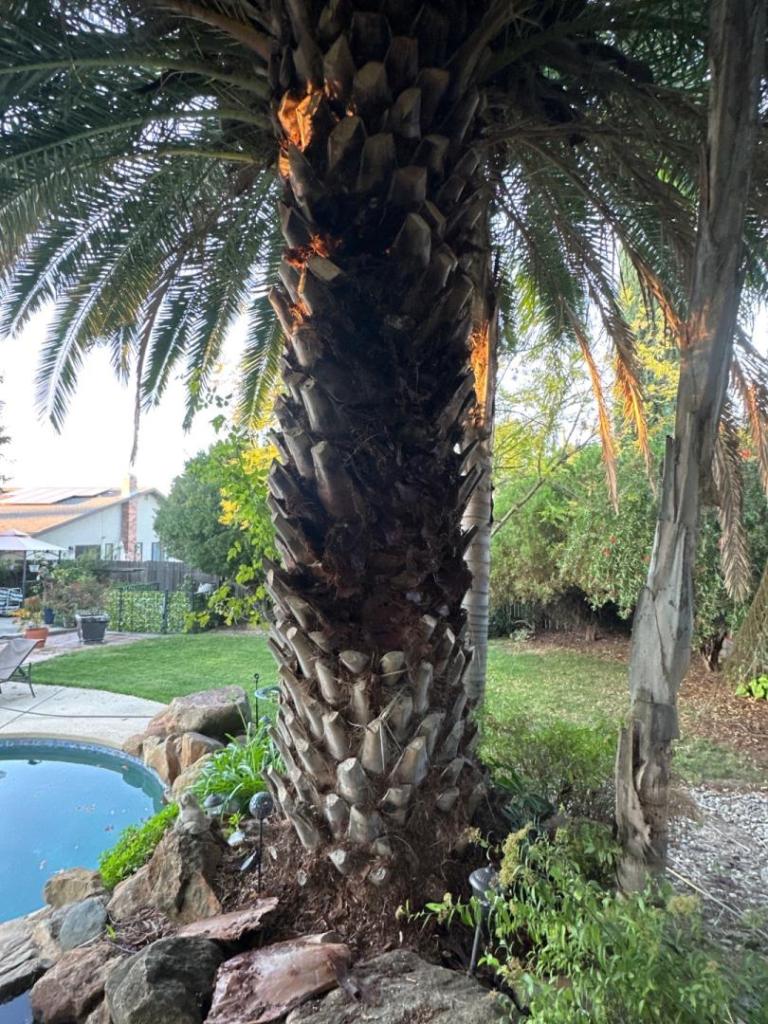
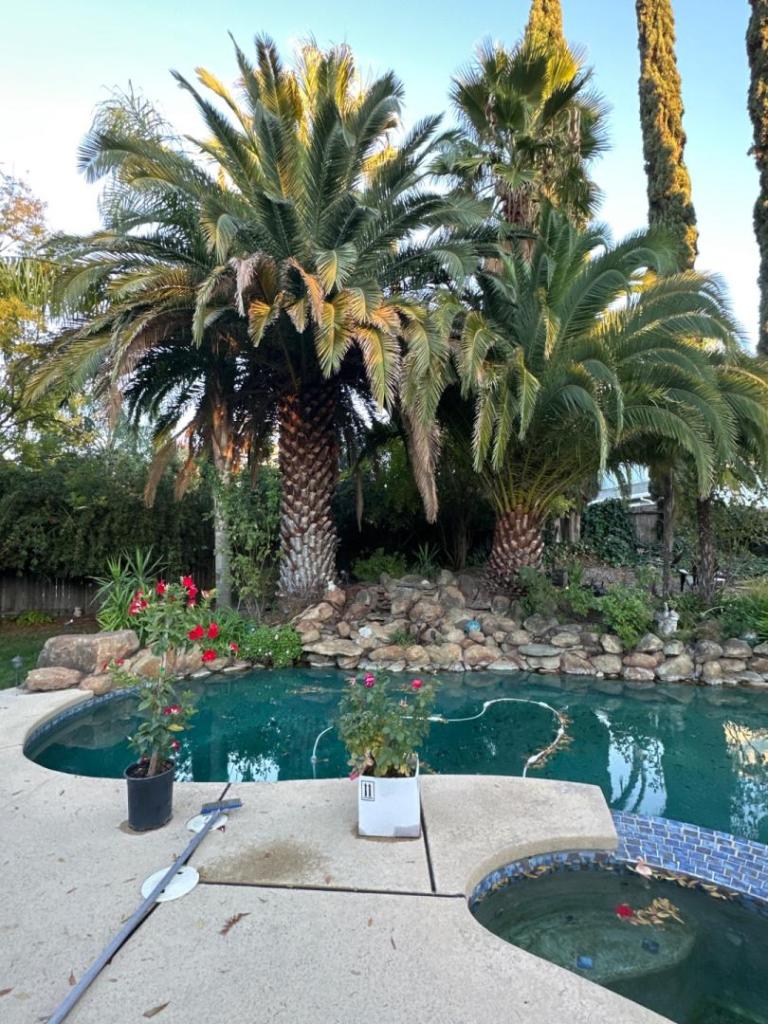


 2 points
 -
Fall Update #7 - Chambeyronias and Carpentarias The Map: The map boxes and labels the garden locations on the property. Chambeyronia specimens: In order of appearance, the specimens in this genus are Chambeyronia macrocarpa 'Houialou', Chambeyronia macrocarpa 'Watermelon', Chambeyronia macrocarpa. The regular macrocarpa is just now recovering from a branch that hit it during Hurricane Ian. The watermelon variety was added this year, with a big thanks to @Fishinsteeg234 Carpentaria specimens: The first isn't as robust as the second, but they're both goregous. The second is over 10 feet overall height, while the first is at around 6 feet. The final photo is the Carpentaria X Veitchia hybrid. It needs some mulch and some water, but is overall healthy and growing. Bonus: Since the Latania lontaroides (Red Latan) sits between the Carpentaria twins, it made sense to include it. It had a rough start to the year with pests, but is doing better now. Below it is a clump of Howea forsteriana. The main clump was purchased as a community pot and they're all growing well now. The red circle off to the side was a seedling I bought to test if they could handle the yard as seedlings. So far, so good.

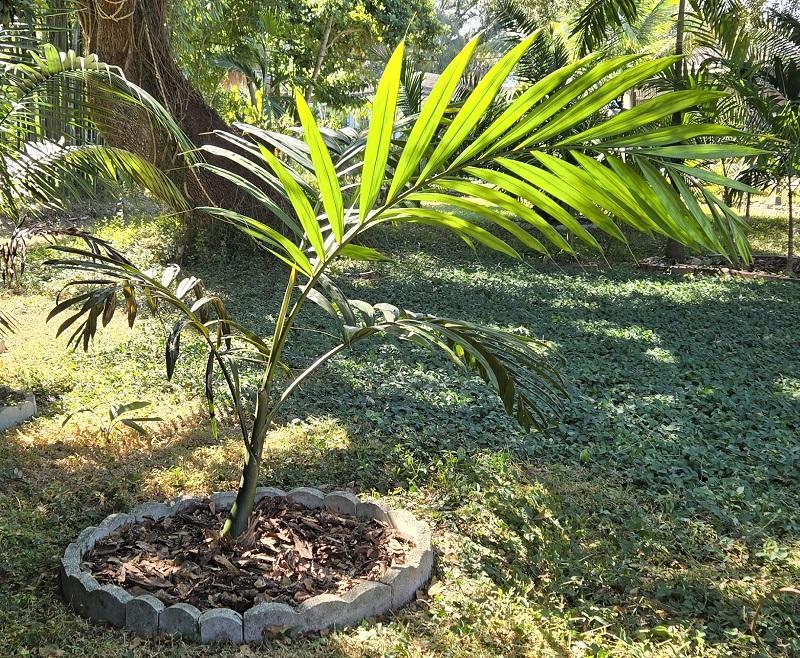
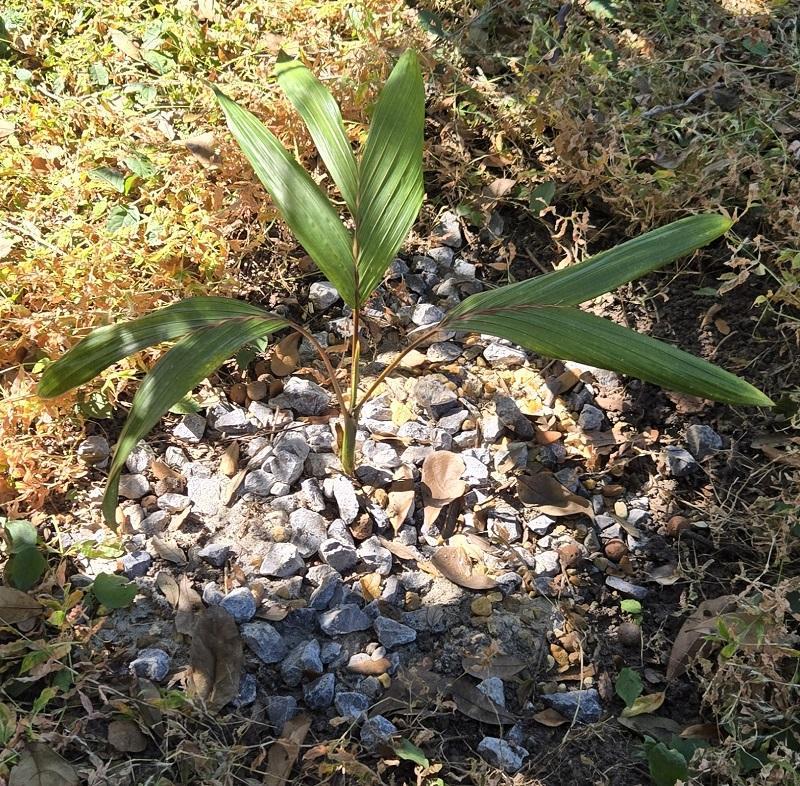

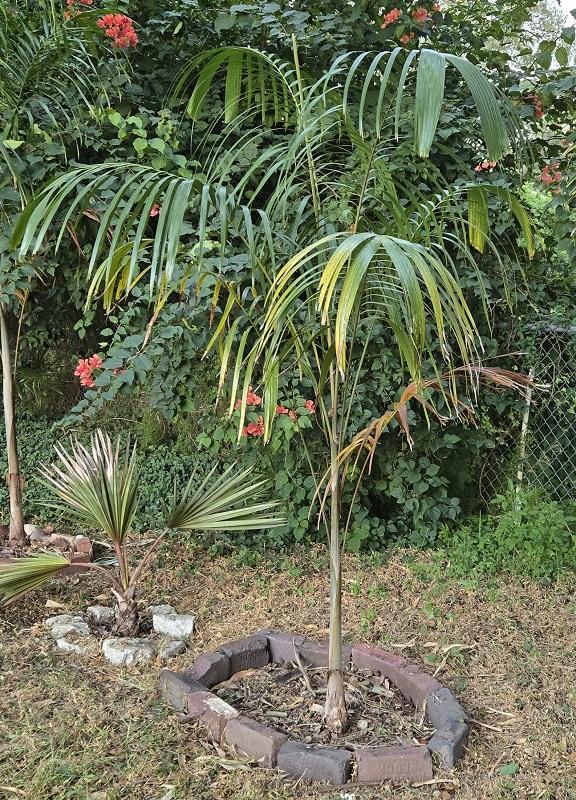
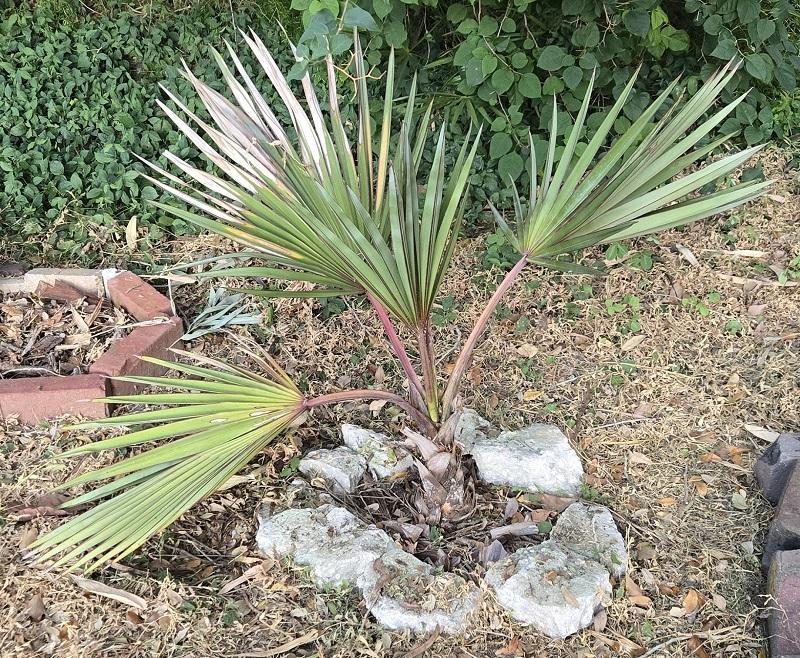
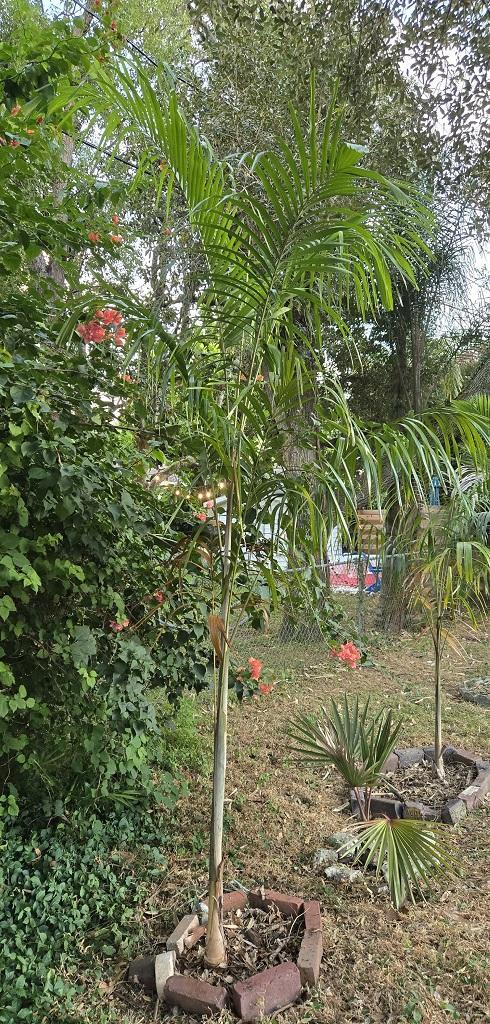
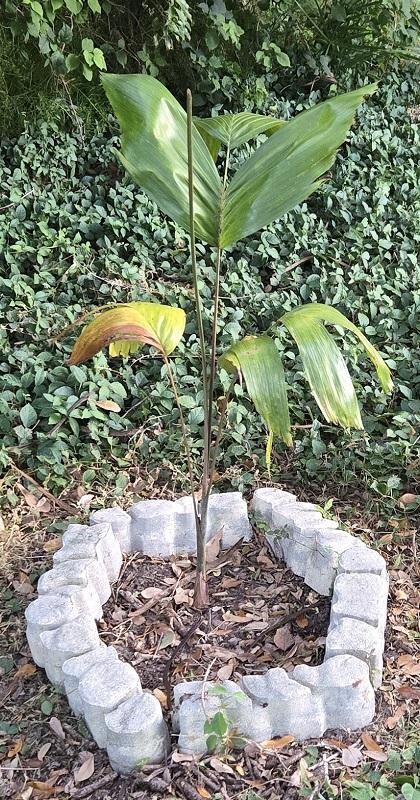
 2 points
 -
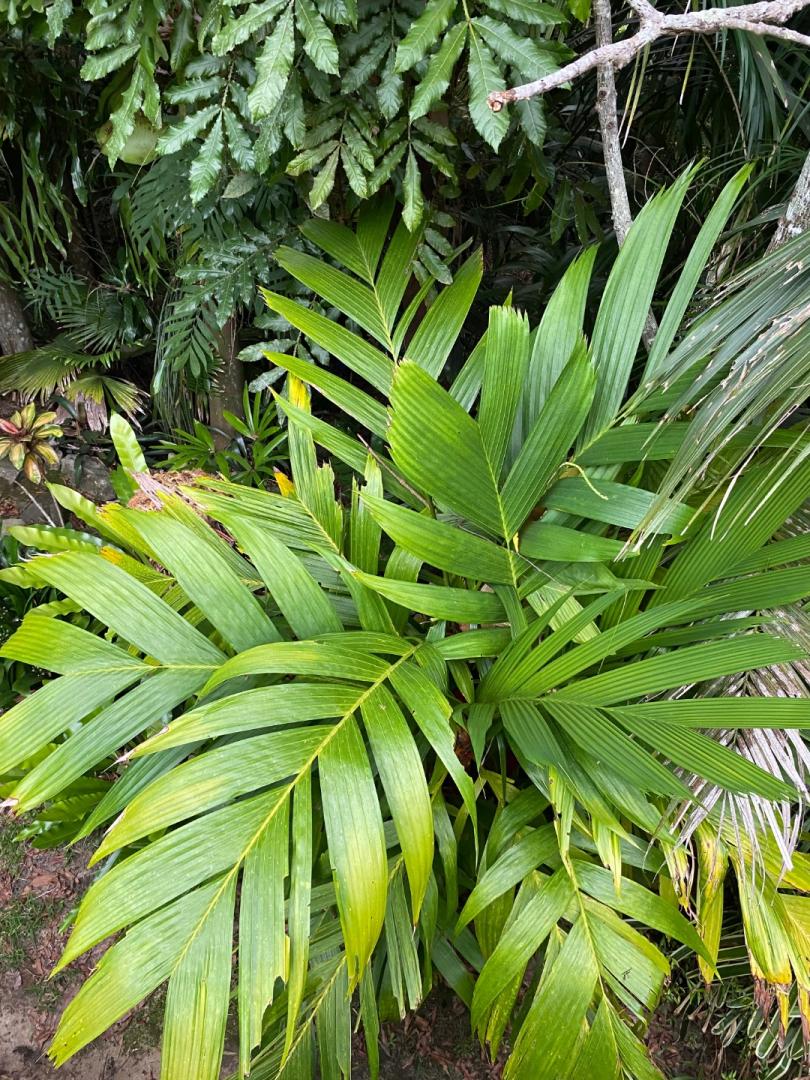
for me is seifrizii2 points
-
Looks like Seifritzi to me but there are other Chamaedorea that show similar traits. Harry2 points
-
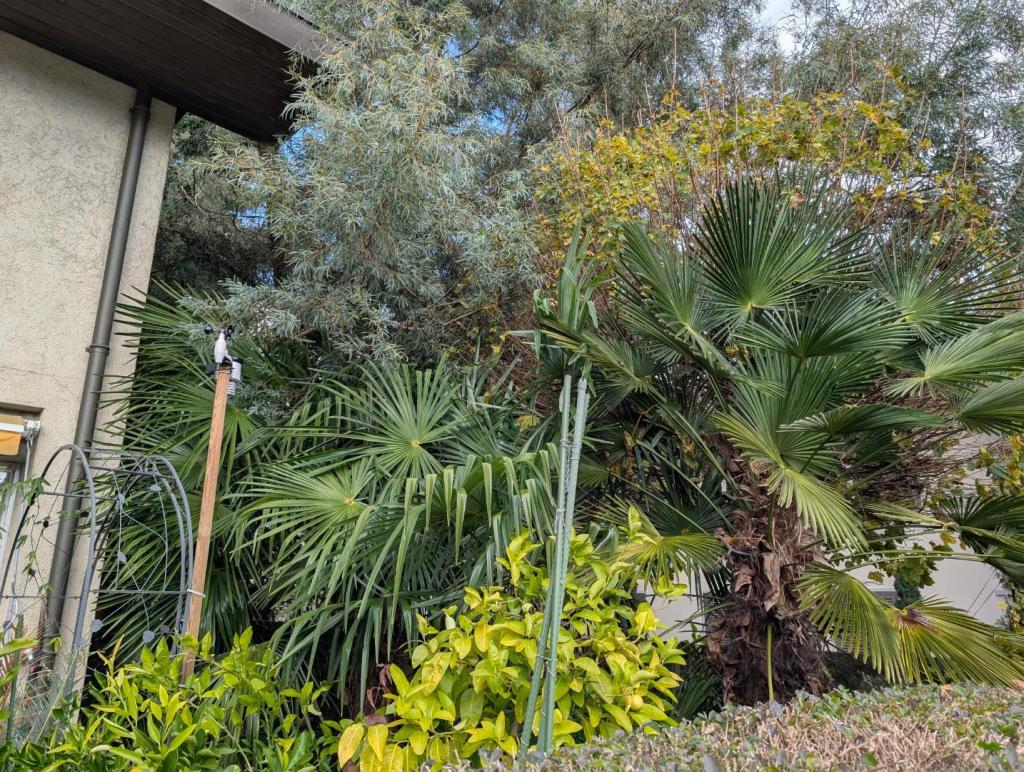
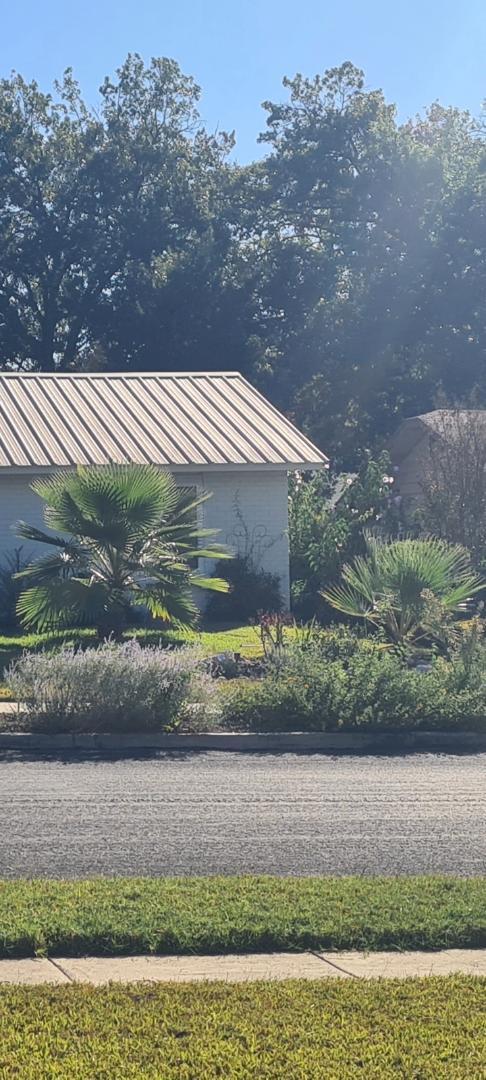
Ten years later, I can't take a decent photo of my waggy from up close because the garden is very narrow and crammed. It flowered for the first time in 2020 and it's a male, as are my other two flowering Trachies..

 2 points
 -
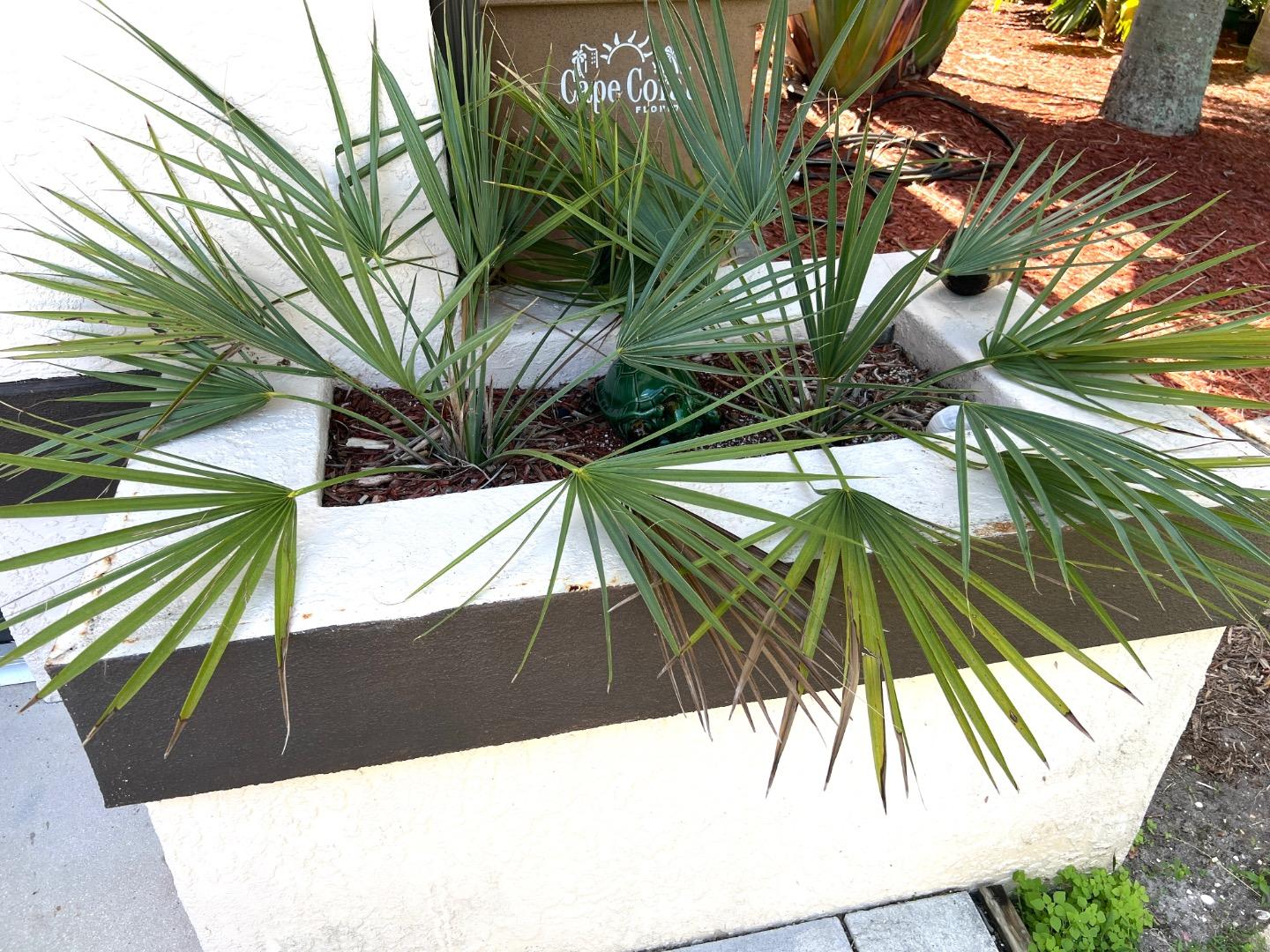
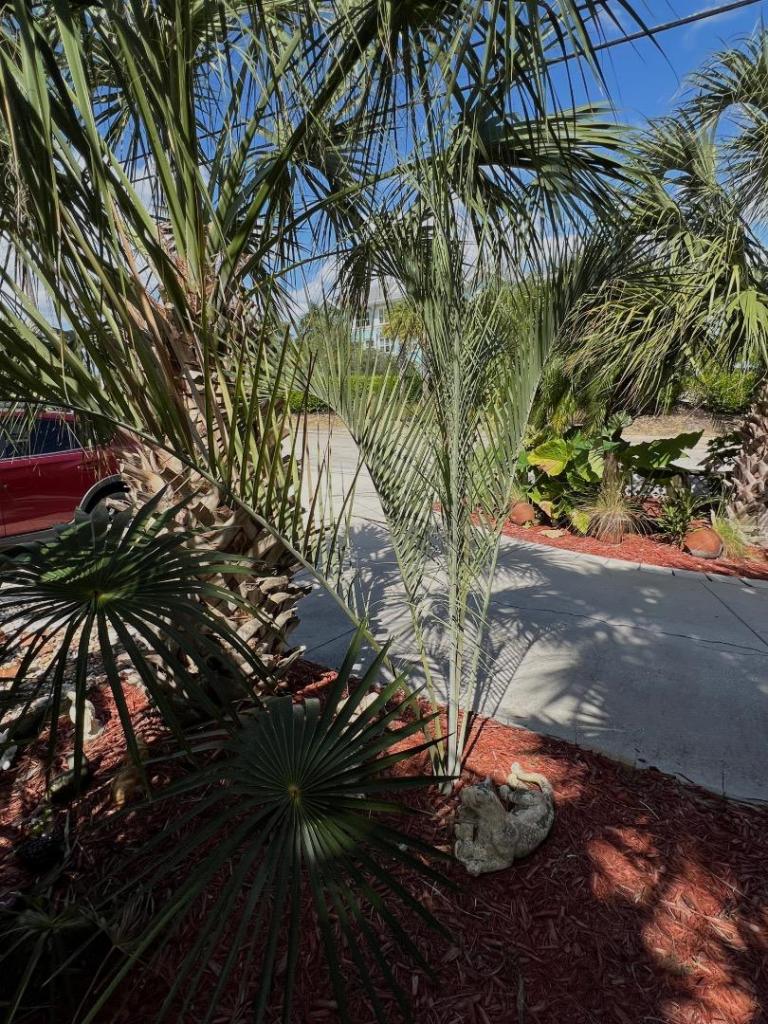
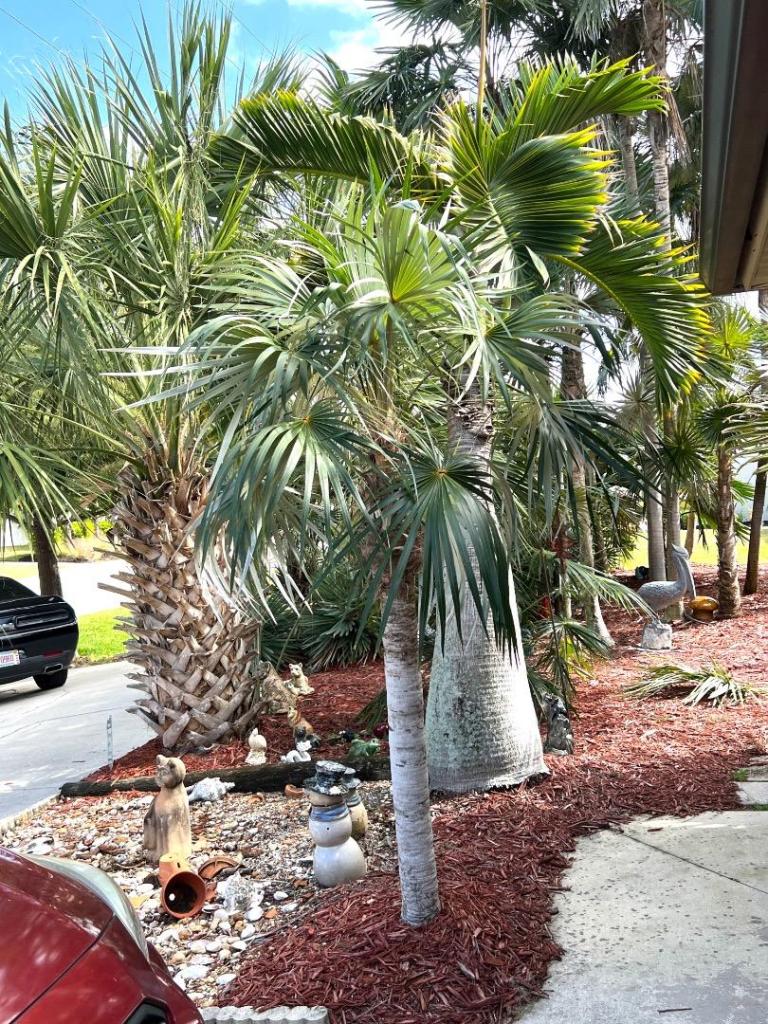
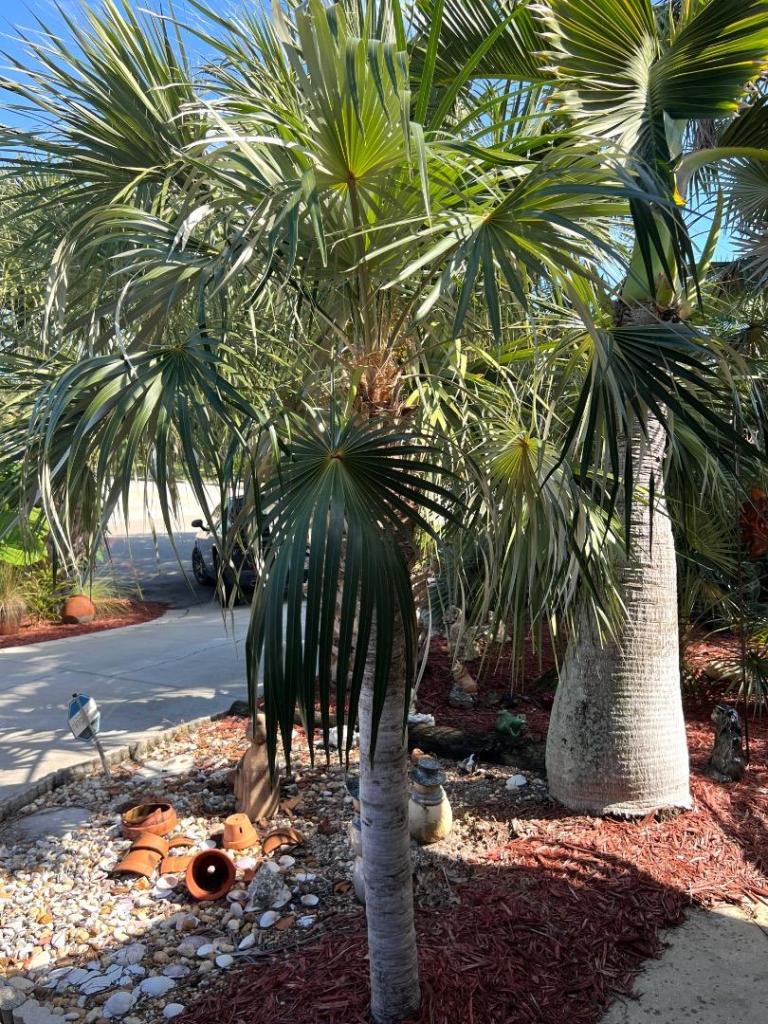
More Caribbean Garden photos. I'm really pleased how well everything has grown in the past 25 years. I live on a busy street close to a major thoroughfare. I don't want walking or driving lookie loos, and prowling porch pirates to be able to see into my house or scope out the yard. So we live behind a curtain of green. Ravenea xerophila - I've grown this odd but neat palm from a 1g I bought approx 2010. Not remotely trunking yet - SLOW. Raveneas are dioecious but I don't know what sex it is as it has yet to flower. No chance for seeds in my lifetime. They are now almost impossible to find now - one of the downsides of so many more people enthused over palms beyond the "usual suspects". Archonotophoenix (for sure) cunninghamiana (not so sure) bonus points if you remind me what the zaftig palm next to it is (an Ian replacement palm). To the right of the Archo is a Chrysaladocarpus lutescens 'Fused Leaf' Coccothrinax argentata - Florida native palm that is tough as nails. I found this one down toward Naples in 1993. From my research I believe it originates in mainland Florida rather than the Keys. Mainland argentata are very slow growing and stay relatively short. This one blocks the view into our front alcove and the hall beyond the front door. This palm has taken down to 28.5F without a blemish. Coccothrinax sp 01 - I used to have most of my Coccothrinax spp marked but time and attrition messed up my system. They are now part of my canopy Acoelorrhaphe wrightii - It used to be a spiny clumper but frequent stem removals have reduced it to a solitary palm. It does produce orange fruit way up high. It sits in the center of the photo behind the large Coccothrinax trunk Sabal minor 'Blountstown Dwarf' first photo - My original uber dwarf Sabal from PDN and parent to all my Blountstown F1 generation. It has been 12" high x 18" tall for the last dozen years. Comes true from seeds. If you like Sabals or live in an arctic climate, try one. I've read it has been grown in a pot indoors to flowering in a very cold winter Sabal minor 'Blountstown Dwarf' second photo - F1 siblings from my mother palm in a planter box. They have flowered and seeded numerous times. Coccothrinax sp 02 Jatropha podagrica Serenoa repens green form - much easier to grow than the much-vaunted silver form. I have one surviving silver - all the rest did not make it long term. Serenoa repens green form; and above Coccothrinax sp Hemithrinax ekmaniana x2 - I once had 4 but lost 2. I grew them from tiny grasslike seedlings I obtained circa 2009/10 at a Palm Beach plant sale. Neither has flowered nor set seeds. A bitty palm in its own orbit. I have several others planted in my Garden Lot that survived Irma and Ian (a couple met their demise by a Bizzie uprooted by Ian). Another palm that is less common than it once was. Pritchardia thurstonii - Another interloper from the South Pacific but a winner. I almost lost it to mealy bugs a couple years ago but buckets of homemade insecticidal soap later it has bounced back big time. Skip P. Pacifica and try this one instead. To the left is the trunk of the Acoelarraphe Sabal minor 'Wakulla Dwarf' - Native to coastal NW FL about 70 miles from Blountstown. They have similar descriptions but are not at all the same. Wakulla Dwarf is actually slightly bigger but even more: it is slower growing and far less robust than Blountstown. I got less than 50% survival for Wakulla seedlings vs. 90-100% for Blountstown. If you are new to Sabal minor uber dwarfs, get some experience and knowledge before you tackle this one. Coccothrinax alta x2 - I received these palms already planted in an artificial cluster years back (I'm generally not a fan of solitary palms being forced compete in life or death growth match). Palm experts are sometimes divided into 2 categories: Lumpers and Splitters. Lumpers seek to group palm species in fewer and fewer categories and take every opportunity to move them around like checkers on a board. Their lot may be easier once DNA research puts the issue in focus. Splitters tend to stay with a status quo "if it ain't broke, don't fix it". DNA research may make many arguments between them moot. Trust real science not just the opinions of egos lugging around a truckload of degrees and awards looking for the next opportunity to "publish or perish" (academia is not a peaceful place). My point? Coccothrinax alta existed as a separate species for decades and appeared in the first copy of my favorite book: Encylopedia of Cultured Palms by Riffle, Craft, et. al. Then a year or two after I joined PT, the Lumpers glommed onto C. alta and decided it must be subsumed into C. barbadensis, well, because they said so. And, presto!, in the next edition of my favorite palm book: Coccothrinax alta was gone. I don't necessarily agree. I've seen no scientific papers or DNA research that convince me C. alta and C. barbadensis are the - same - palm. So I'm sticking to my original ID until convinced otherwise. Anyway, here is the late, lamented (by me only apparently) Coccothrinax alta

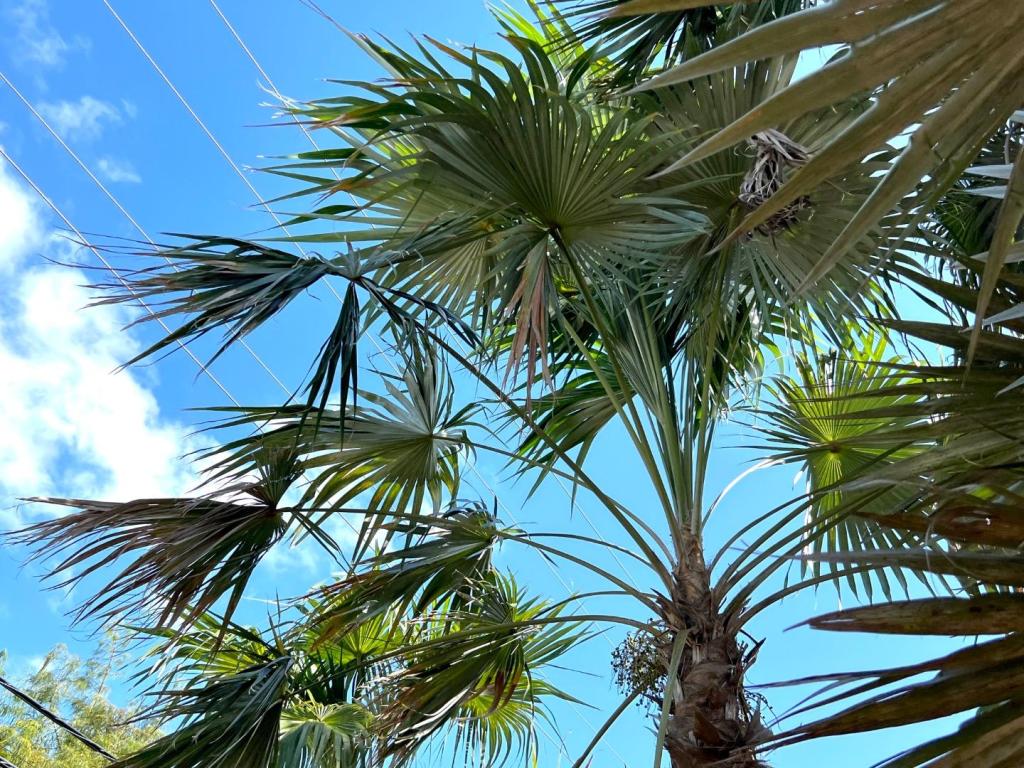


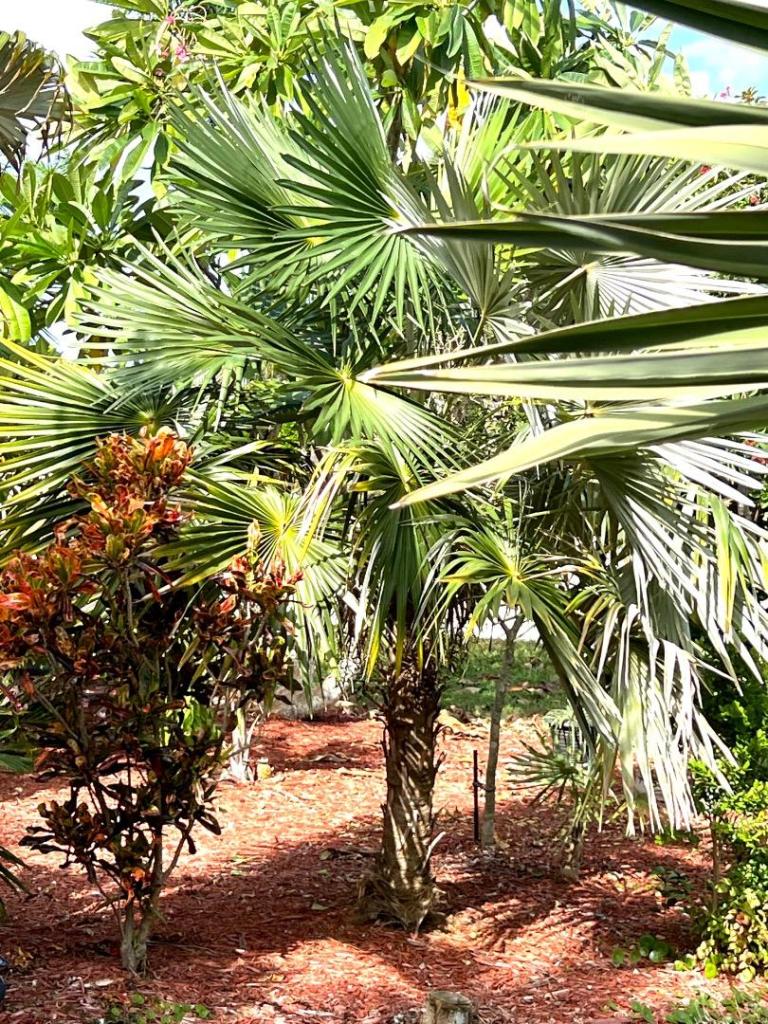
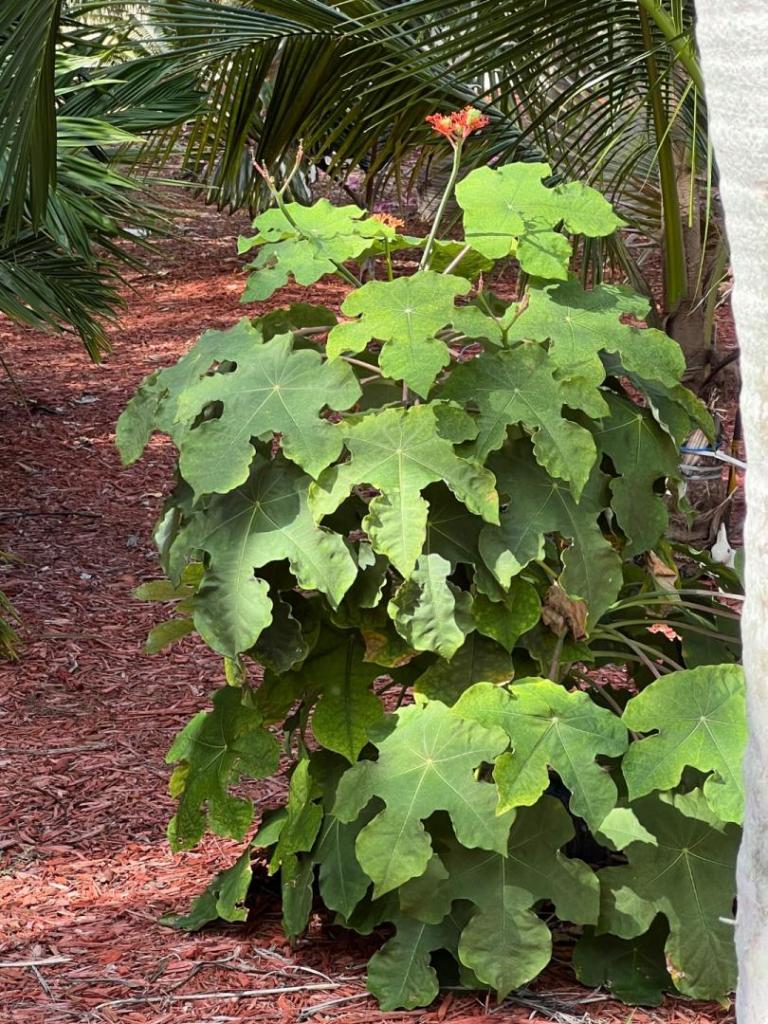


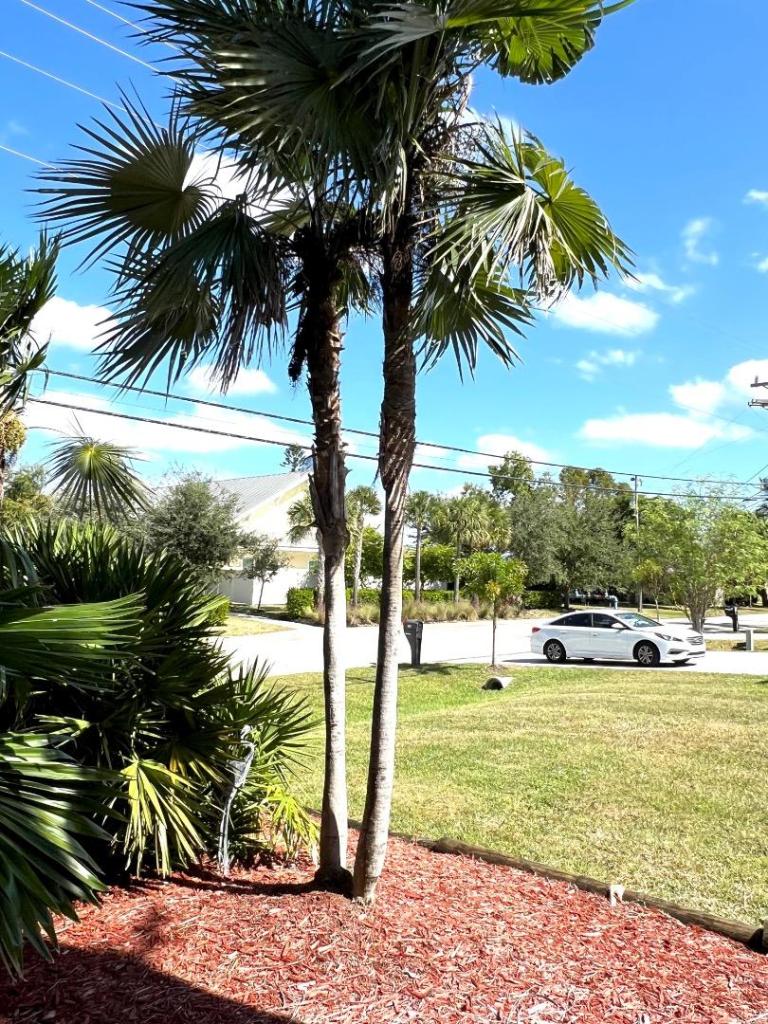
 2 points
 -
Either way it’s a palm paradise out there!2 points
-
You could have it shaved down for a more uniform look , or wait for it to occur naturally . Sometimes just a good nudge or tug will take them off but usually they are holding on pretty good . Wear gloves if you decide to try. Congratulations on your new home and beautiful backyard . Welcome to Palm Talk . Harry2 points
-
They don’t like wet feet ( constant wet soil ) . They like heat , so would do better in a dry , sunny location with more infrequent watering. I don’t know if they are dying , I’ve seen worse . If there is a way to divert the water run off , that would help. Here in Southern California they need the sunniest location in the yard with really good drainage . They can be finicky to grow. Harry edit : almost forgot , Welcome to Palm Talk!2 points
-
Jim, Thank you so much for your reply. Oh, what a relief! Thank you. I was so scared that it was a disease attacking my tree, and I would lose my beautiful palm tree. (I even had a nightmare that it died and fell into the pool!) Do I need to have an arborist shave it or should I at least pull off the soft fronds? I want my palm tree to be happy happy happy! Thank you, again, for replying.2 points
-
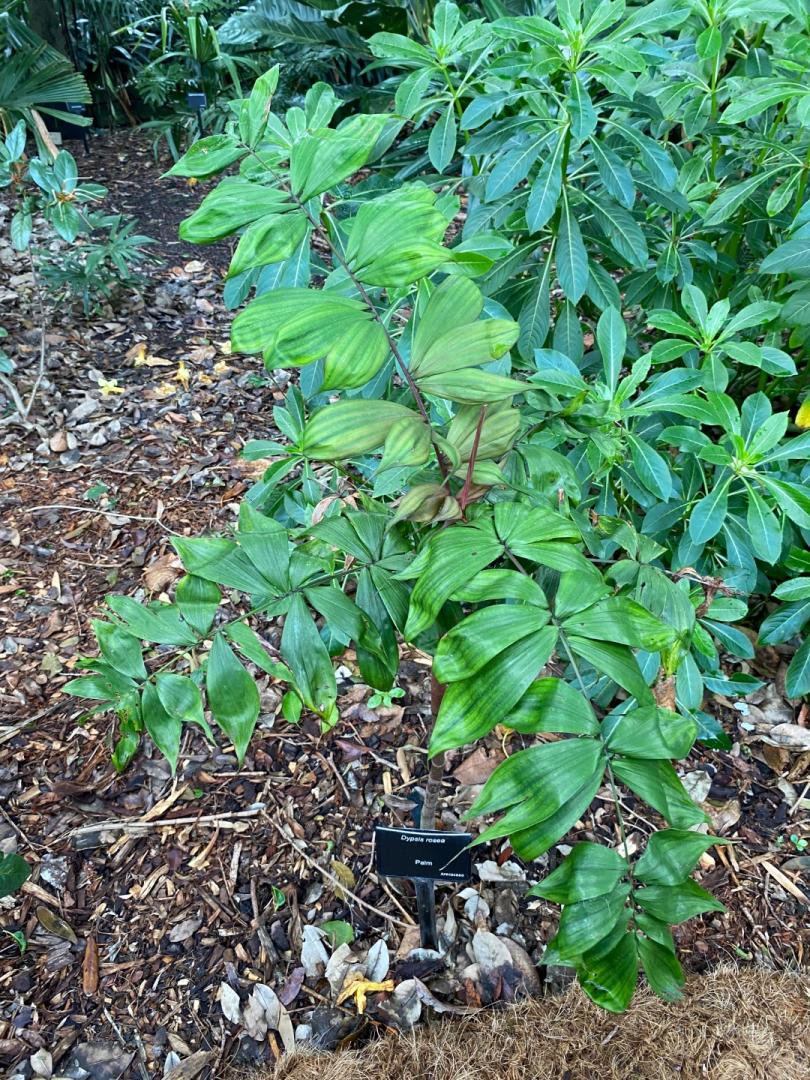
Your palm is sulking. Often a palm will sulk when planted in the ground, after having a nice greenhouse and plenty of water in the container, it hits the ground and basically sulks missing the good old days. Then it realises life isn’t so bad after all being cooped up in the container, it has freedom to grow and flower!2 points
-
How beautiful, my friends! Can't the Celtic or Gaulish spirit thrive in the tropical world? It's their new natural habitat, a jungle where the Celtic spirit now also dwells. And what's more, it can be found all over the world.2 points
-
There’s always the roof Harry, iam sure theres plenty of heat up there and good drainage. There’s always room for one more! Richard2 points
-
That job still stands John 🤣2 points
-
@lafifille the small black dots look like "tomentum," which is a normal part of the palm. It's basically small waxy hairs that keep the new spear from getting stuck while it is growing. Most palms have them, some are more obvious than others. In zooming in on the photos I see some small translucent dots and a couple of splotchy white areas. It could be an insect biting it...or did bite it. I'd check for spider mites or mealybugs. If they are present, killing them off will definitely help it grow in better.2 points
-
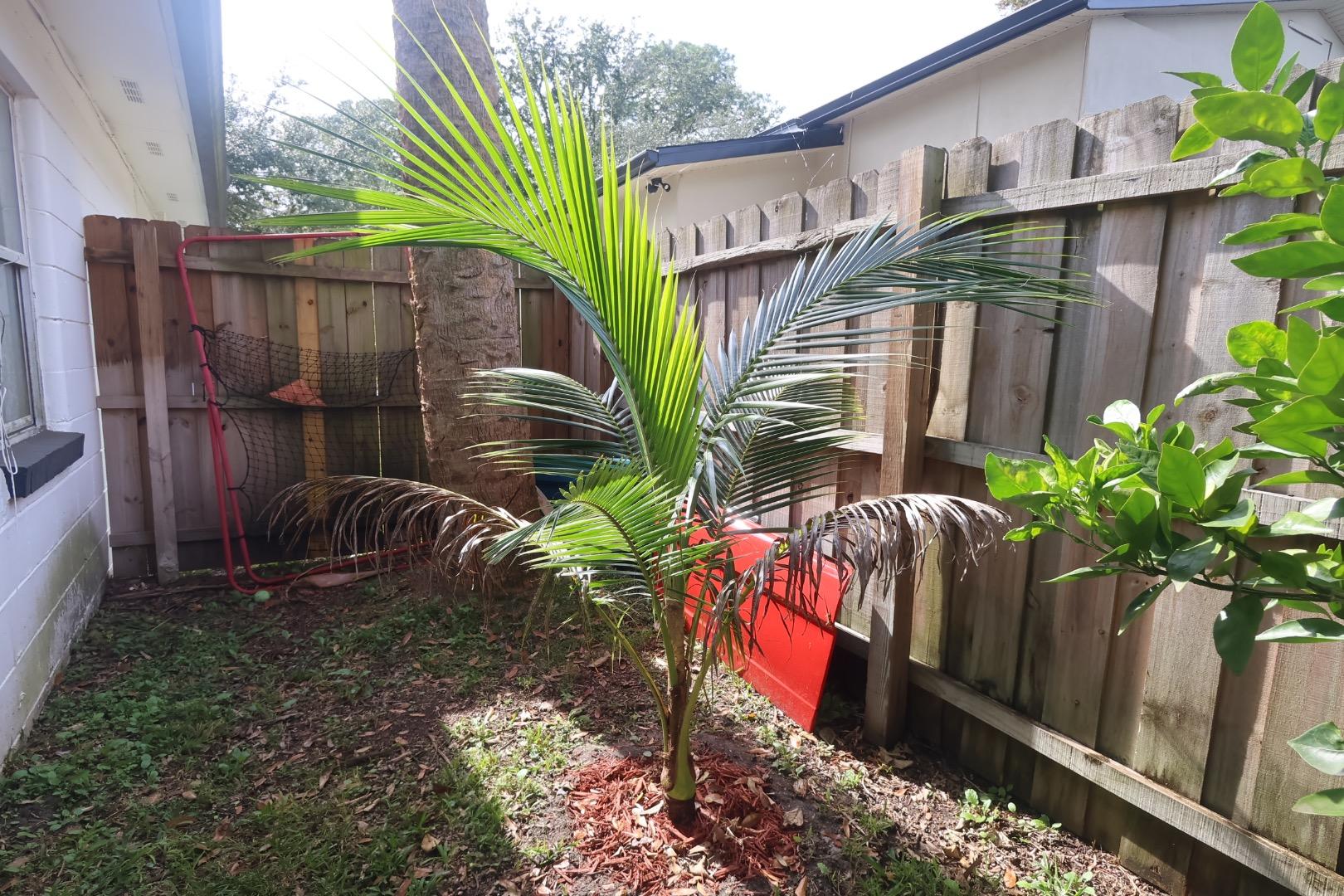
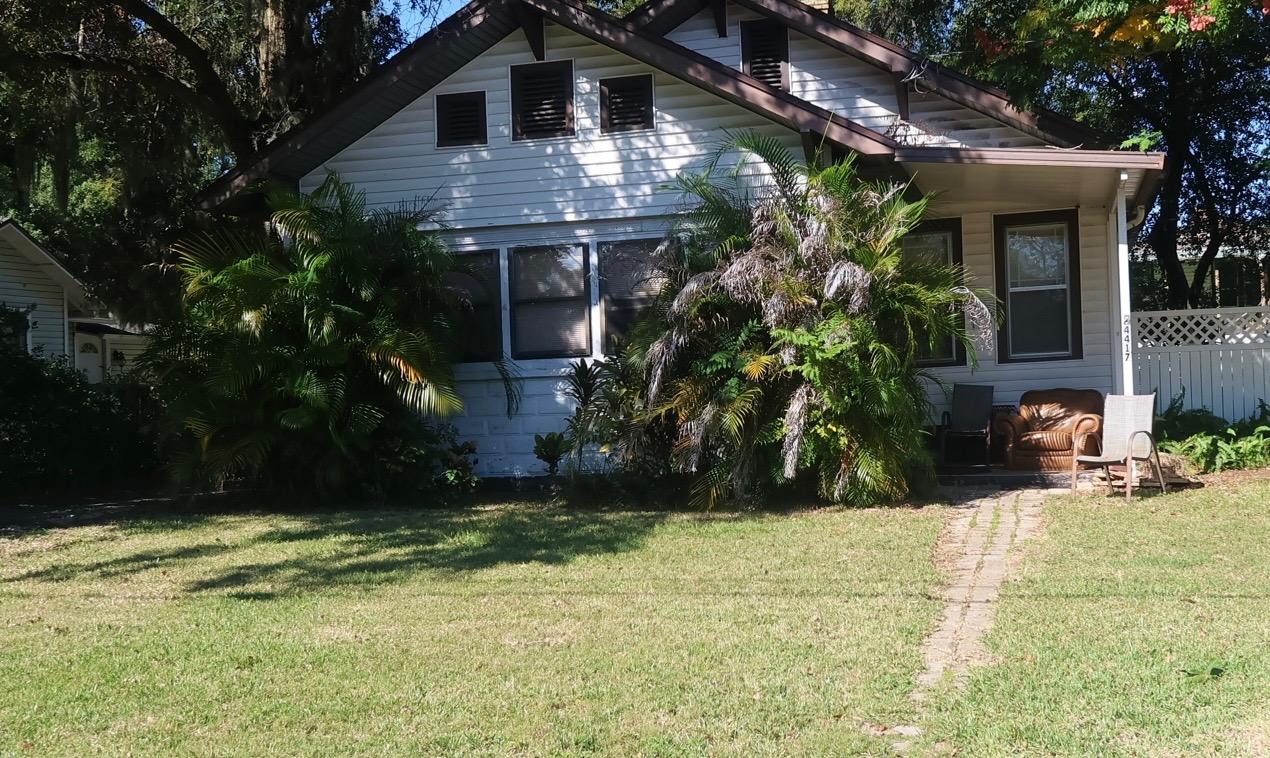
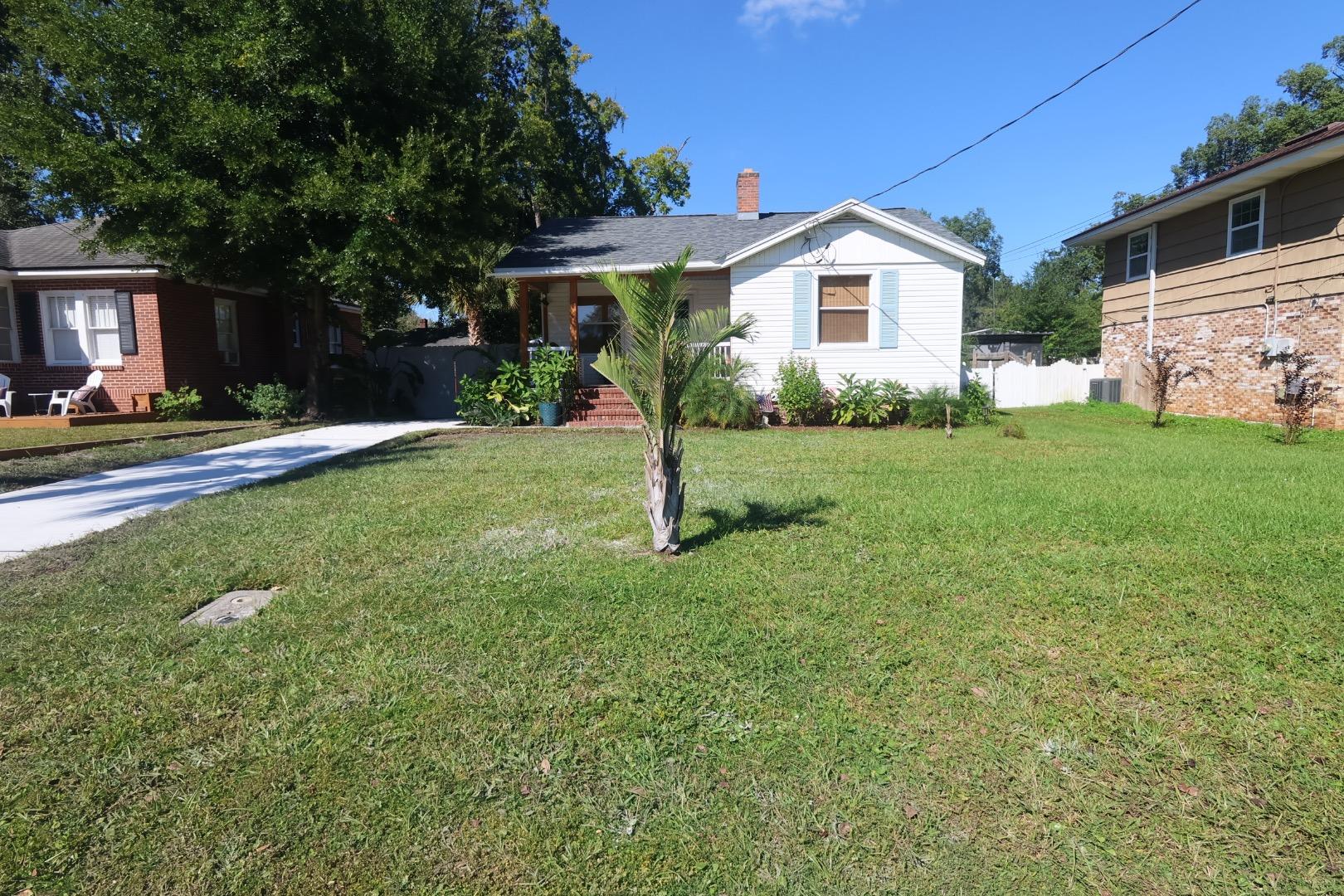
Here are my coconuts In Jacksonville and some other tropicals in central Jax.
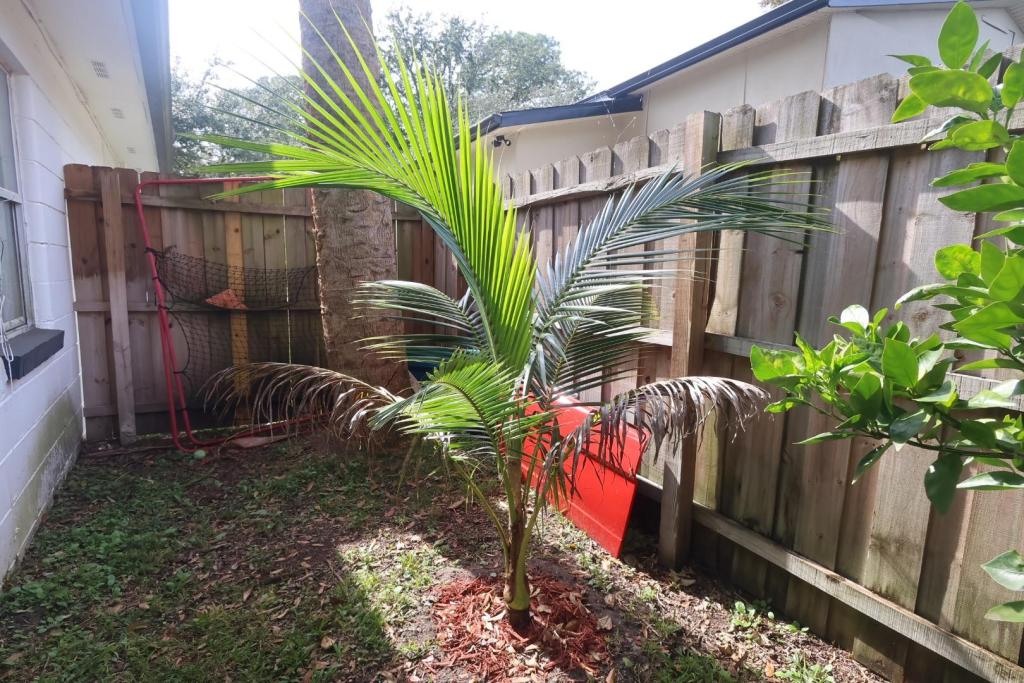
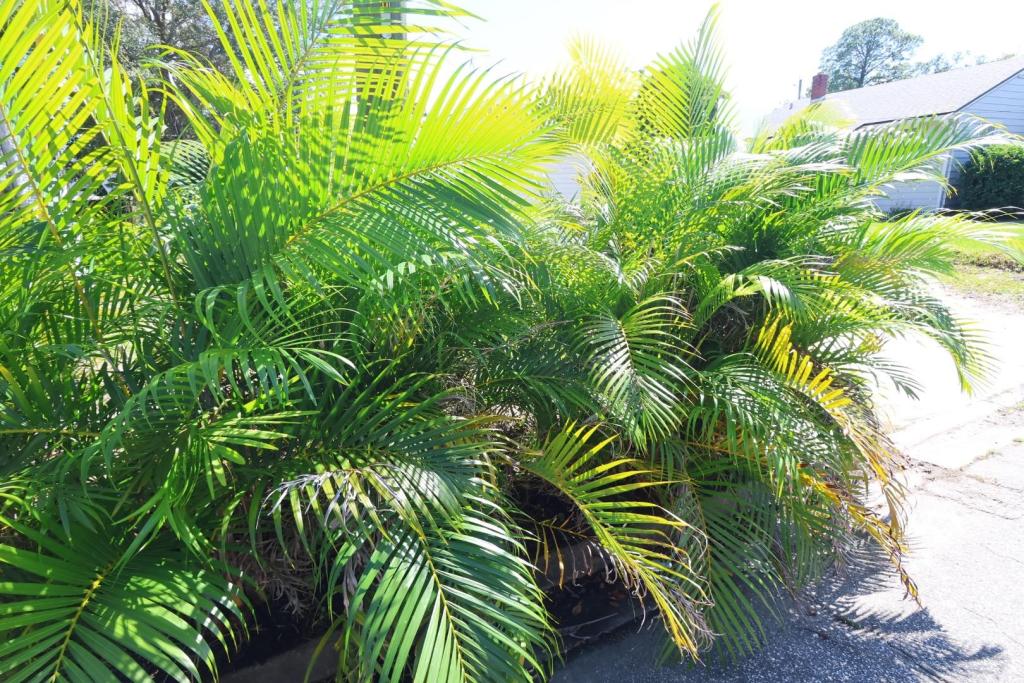

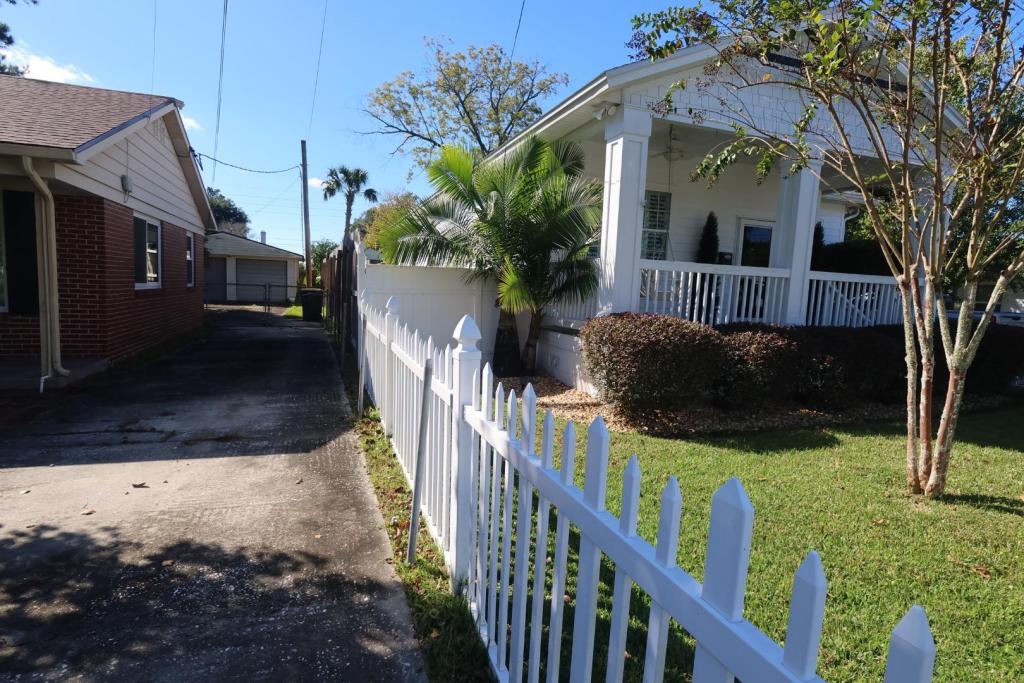

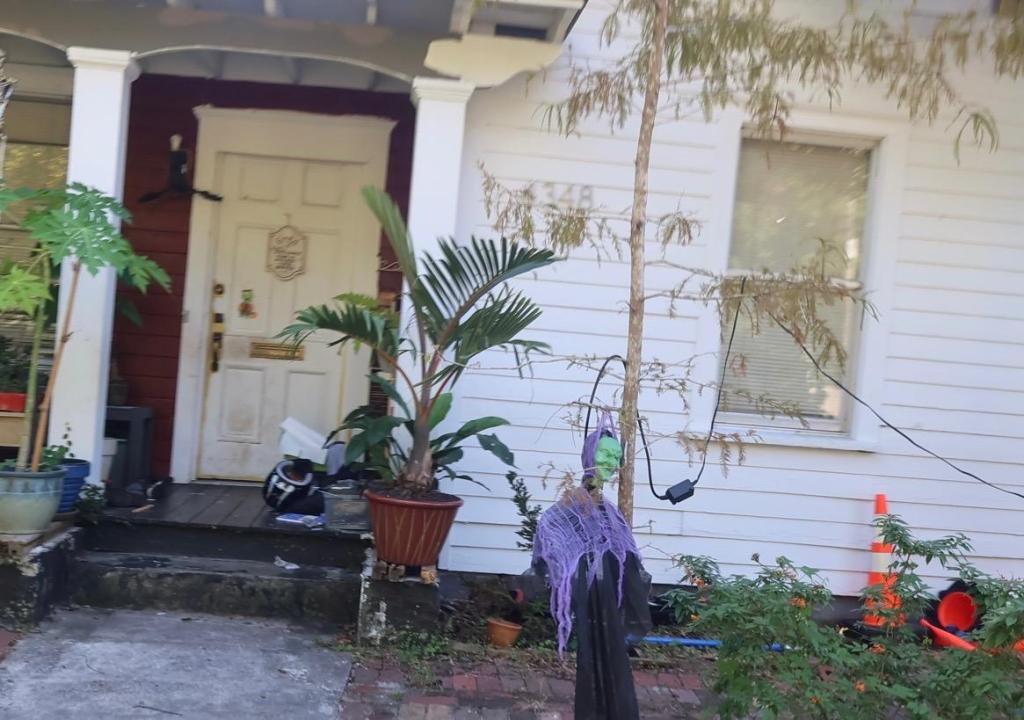
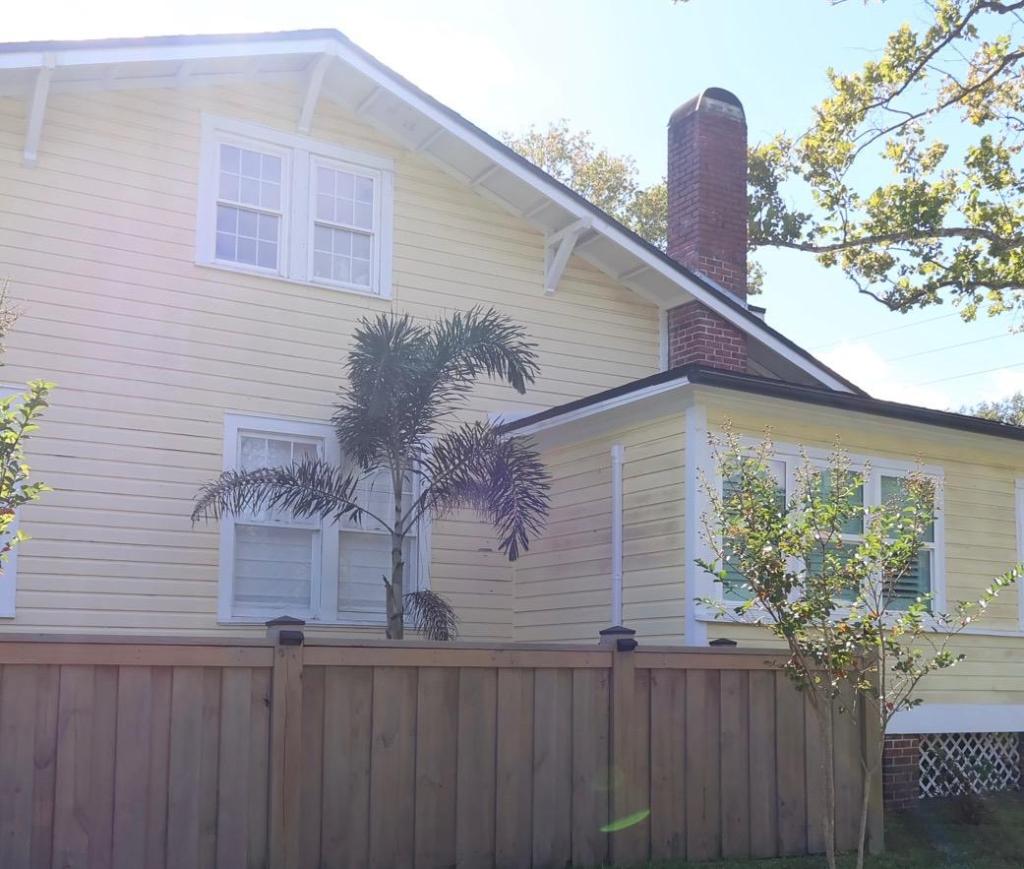
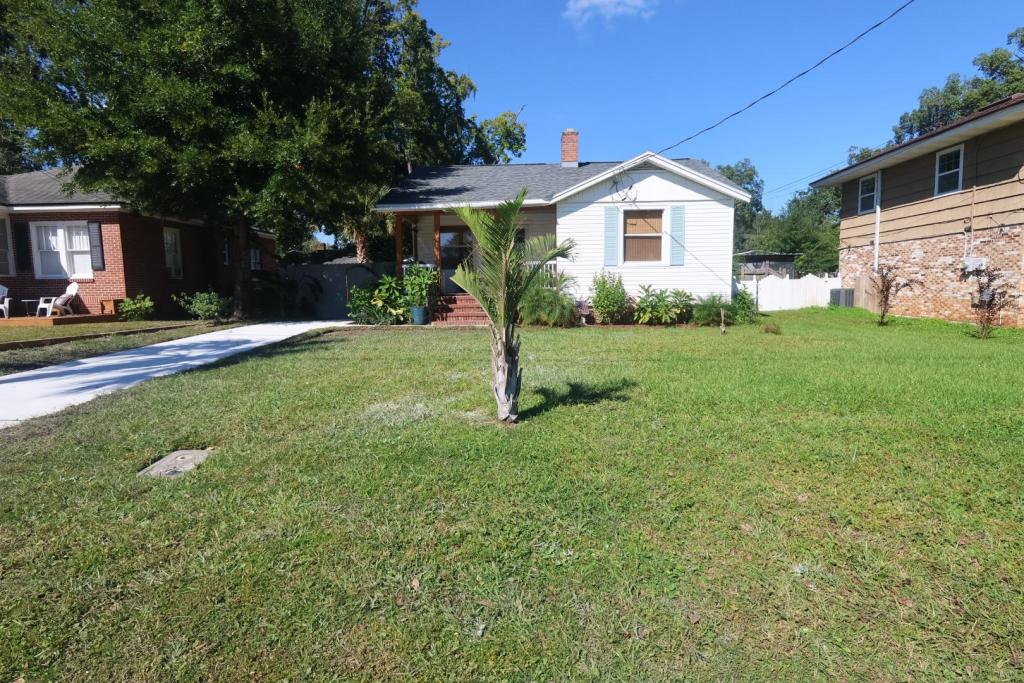
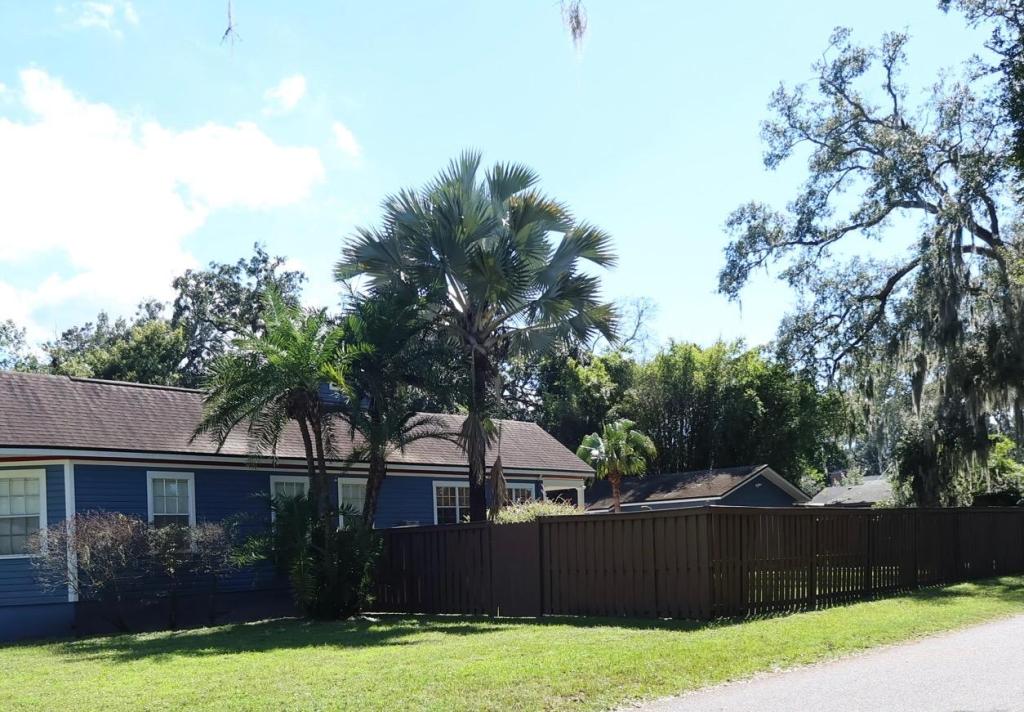
 2 points
 -
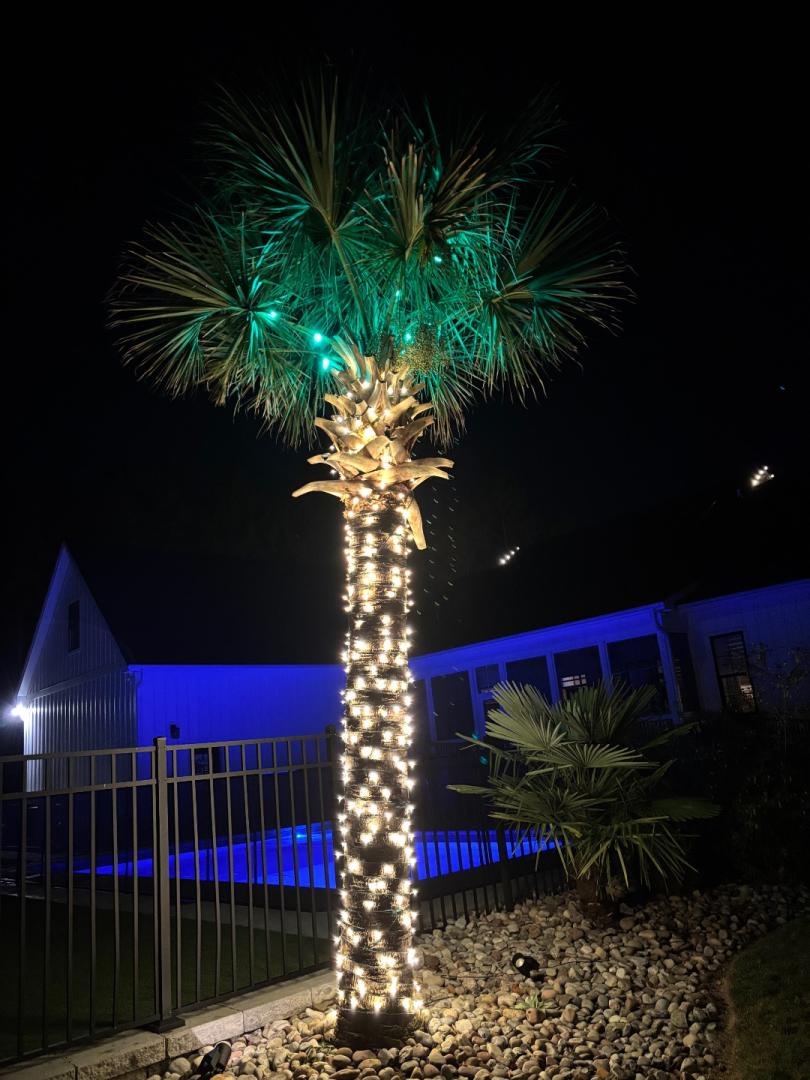
LED lights added
 2 points
 -
@lafifille welcome to PalmTalk! As mentioned above, it's probably shade grown and getting sunburnt. The leaflets in the browned photo look like they are a lot further apart than normal. That happens when the fronds stretch out due to low light. When you take a palm from shade to sun it'll burn while it acclimates. A reddish-brown color on the leaflets is a sure sign of sunburn, though color can vary.2 points
-
Fresh crownshafts and growth rings on Chrysalidocarpus lanceolatus. Love the colours on the thing, and the fact it’s still alive down here!
 2 points
 -
Here's my Dypsis Prestoniana, I'm not sure what variant is it but it has growth rings to die for.2 points
-
Maybe I've just been lucky with my interactions here. It'd be the Phoenix area, right now I'm looking at Chandler/Gilbert, but it's to rent. It'll be nice not to have to put everything away for the few nights a year it dips into the teens, for sure. The heat and water will be the issues I'll have to learn more about. I really regret not getting the house down here, it was on a huge piece of land for a great price, totally flat, cleared, and with good soil, but unfortunately the house had a water heater in the attic fail and it flooded half the house, and the seller hid that from me. They made insurance claims (that's how I found out), and then used that money to buy a boat, and didn't really fix anything. Thanks, maybe I'll post some interesting palms I find in this sub-forum. What's rare there, but not here, like Sabals. I'm curious to see what can make it out there. Phoenix, yes. I'm looking to rent to get a feel for the area again. Years ago I lived in Tucson, but only for a year. I really liked it there.2 points
-
After over 3 years in Texas and almost buying a house here, I'm probably going to end up in Arizona. I loved being down here and I'm going to miss it. San Antonio is the friendliest city I've lived in.2 points
-
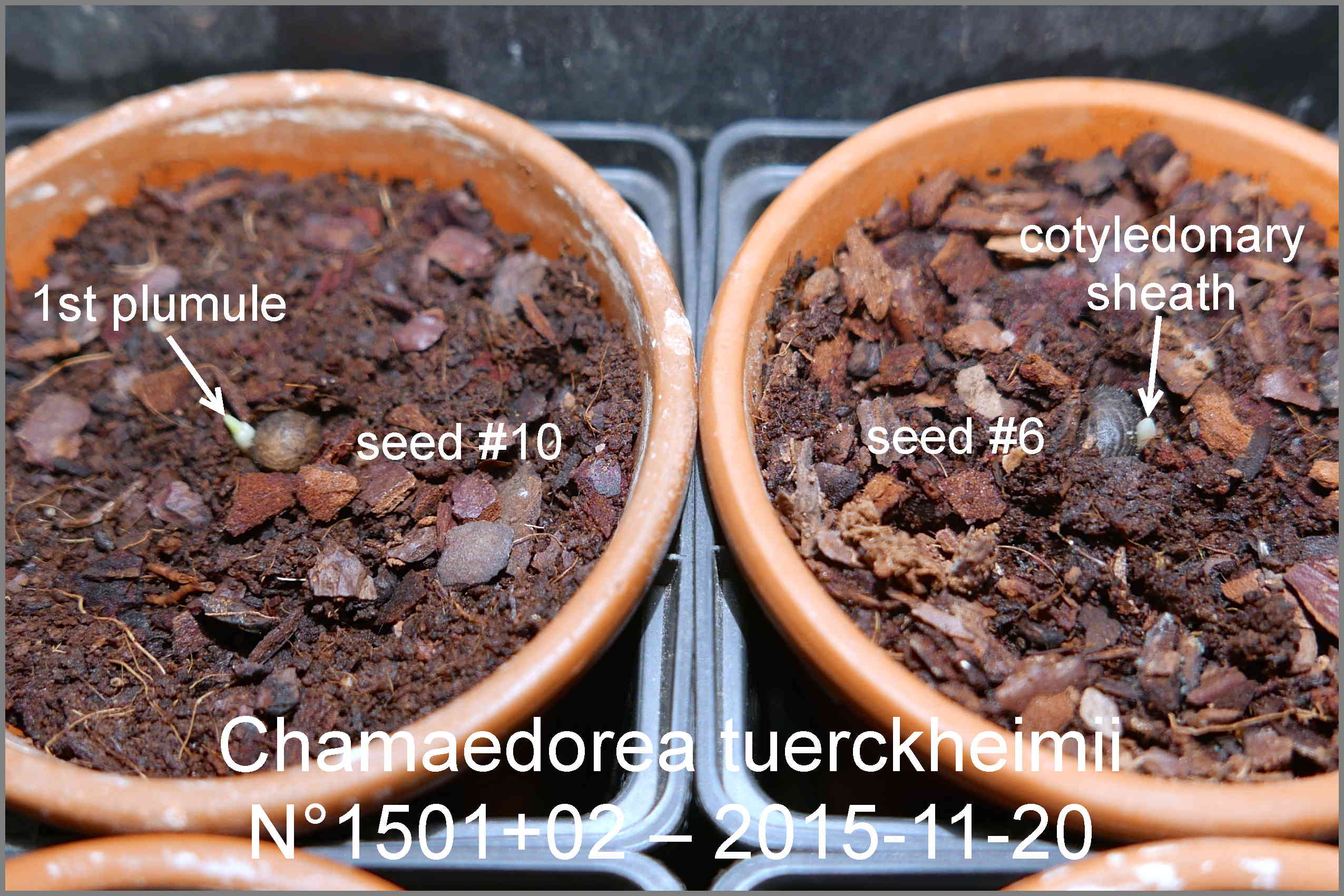
Now I had a look at the enlargement of your photo and it seems that the 3rd leaf will become pinnate. This fact, the tiny size (I think your pot is not wider than 12 cm) and the general appearence of the seedling make me guess that your palm is L. weddellianum and not L. insigne. You said that you have more seedlings than this one, are they all so tiny? What is the larger leaf in the background? – If your tiny seedling is L. weddellianum your new soil mix is totally inadequate.2 points
-
As contrast here a close-up of the soil mix for Syagrus weddelliana: 2/3 pine bark 2-8 mm + 1/3 Seramis® [+ a little Earl Grey’s Tea on the surface]
 1 point
 -
Not as fast as your coconuts, but still growing:
 1 point
 -
Perhaps this insigne-mix is better also for L. weddellianum than my standard weddell-mix? I didn’t try it yet for L. weddellianum …1 point
-
I hope one is a girl and the other a boy, so I can make many seeds in the future, sell them to RPS, become very rich, and make a journey to the Seychelles or New Caledonia …1 point



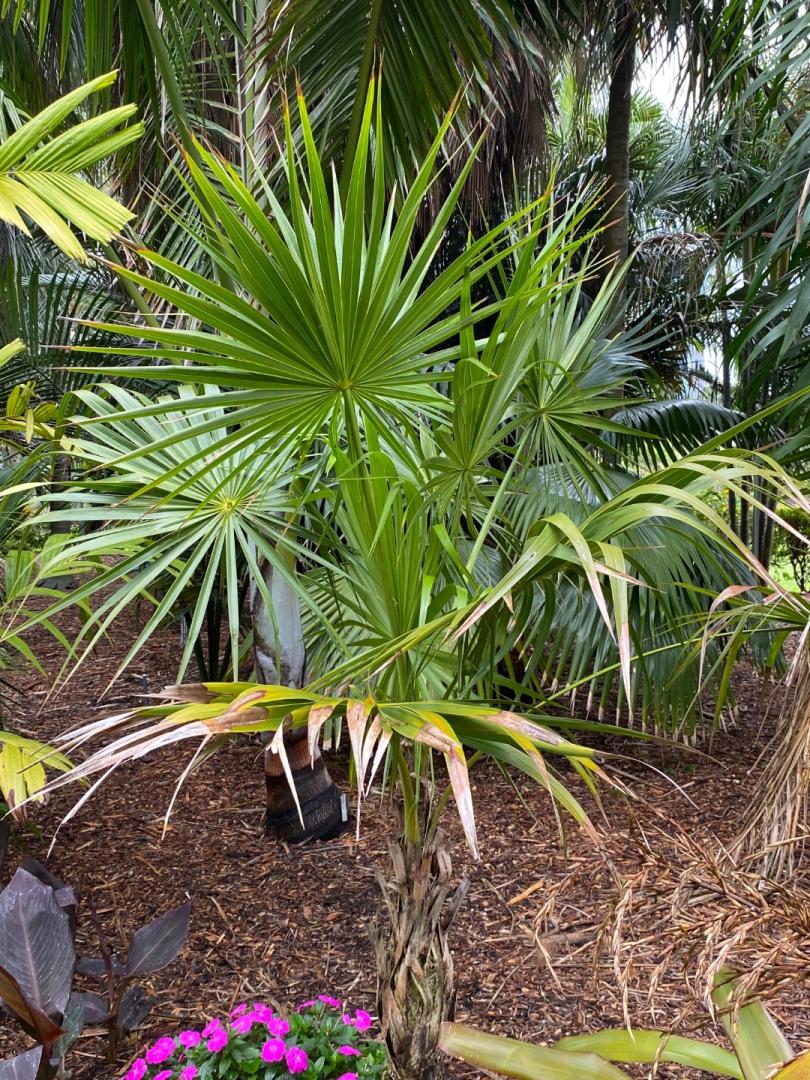






.thumb.jpg.304b32ca4398a111edf4ac525048111e.jpg)














.jpg.0cf735c7525858af1582442942bc68e8.thumb.jpg.894f59a749fff01eb286c1fe4a50ab62.jpg)