

Leaderboard
The search index is currently processing. Leaderboard results may not be complete.
-

happypalms
IPS MEMBER344Points12,256Posts -


Harry’s Palms
IPS MEMBER28Points4,107Posts -

Hu Palmeras
IPS MEMBER28Points979Posts -

Mazat
IPS MEMBER26Points1,948Posts
Popular Content
Showing content with the highest reputation on 10/17/2025 in all areas
-
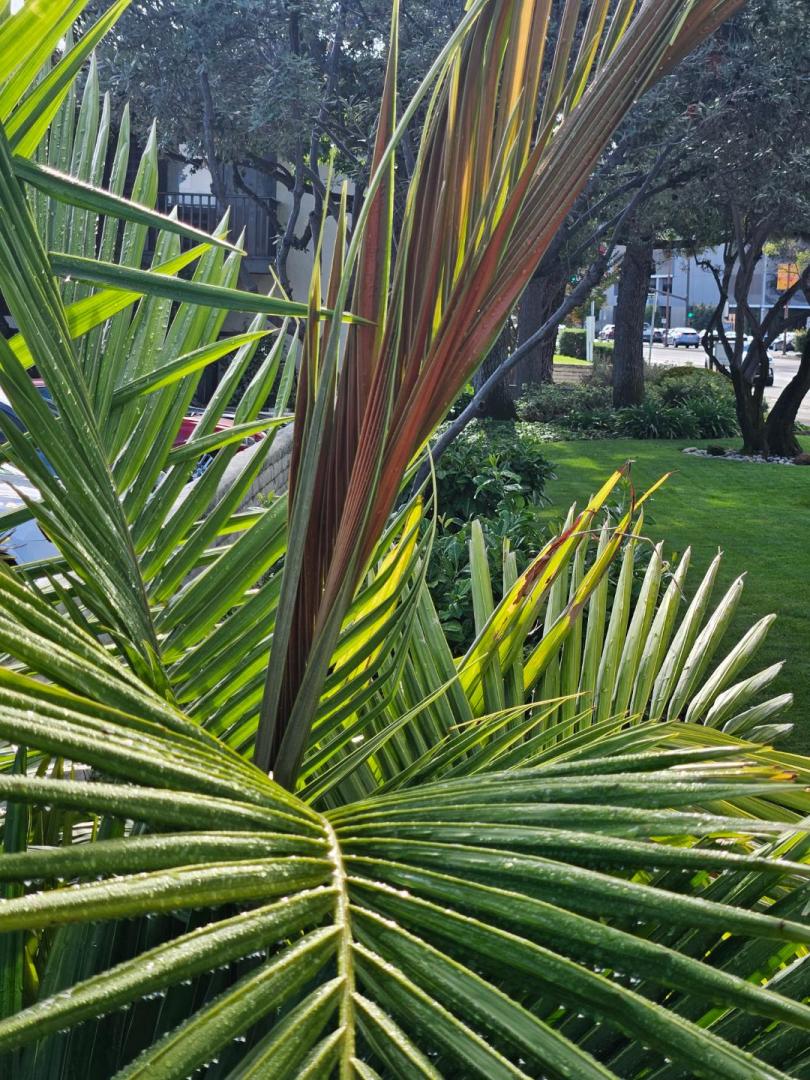
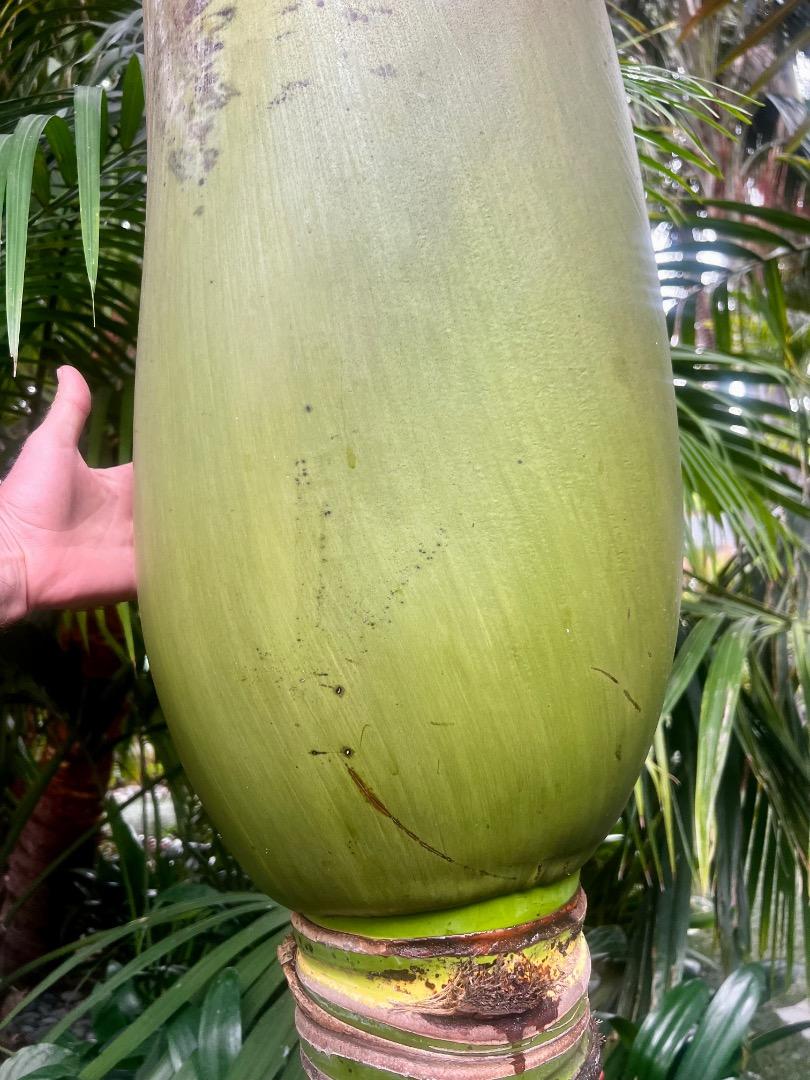
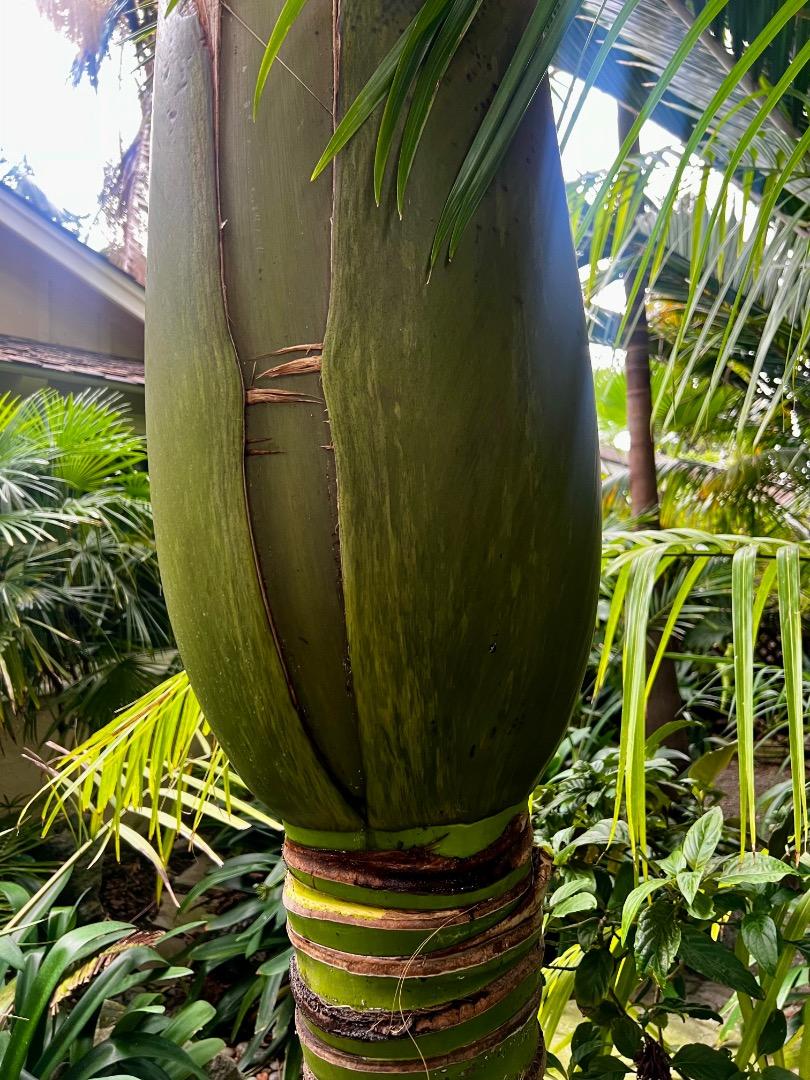
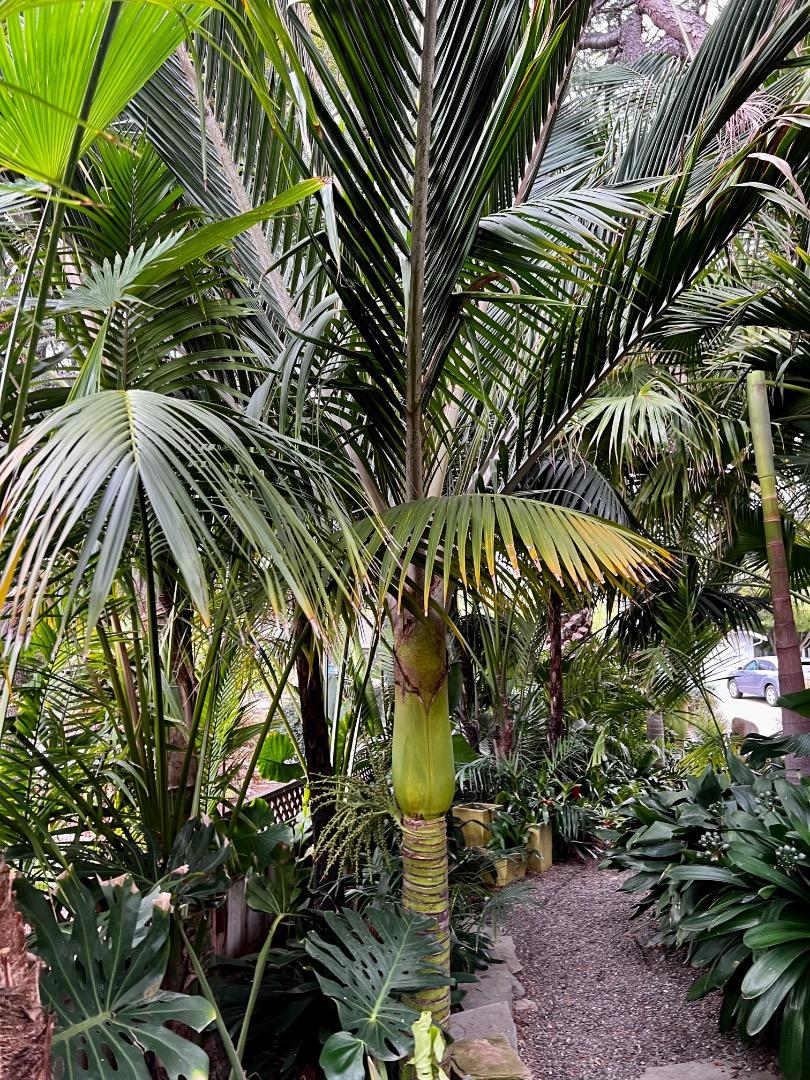
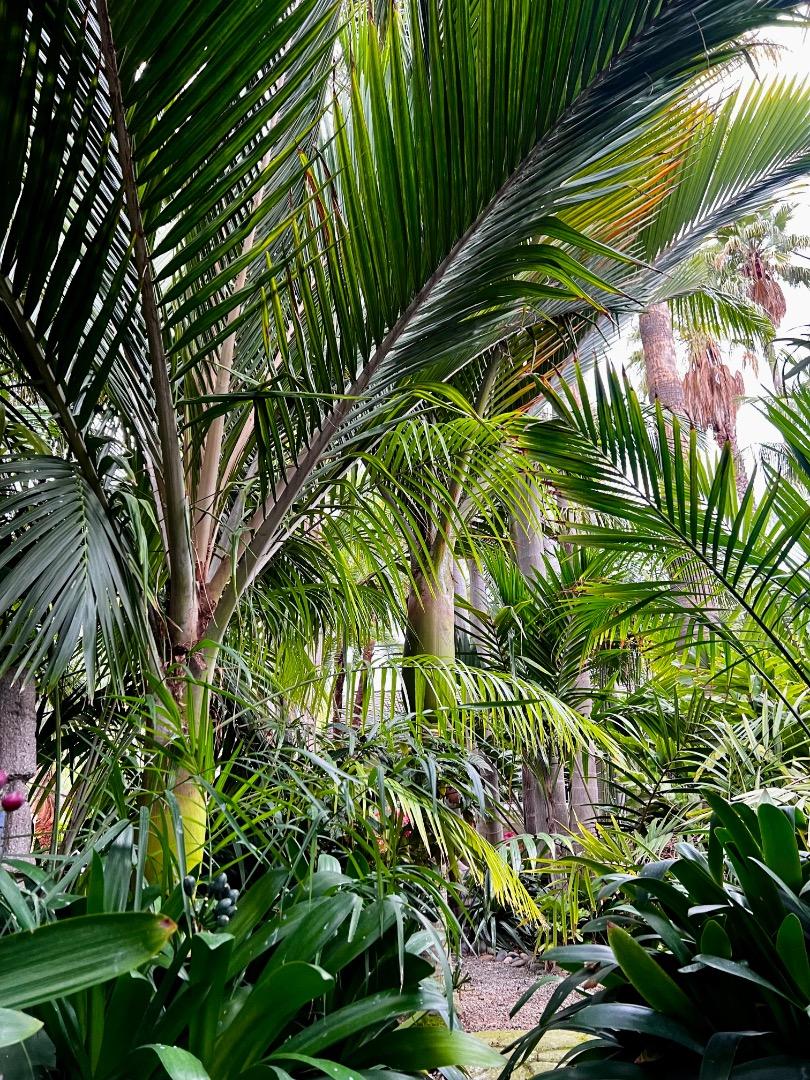
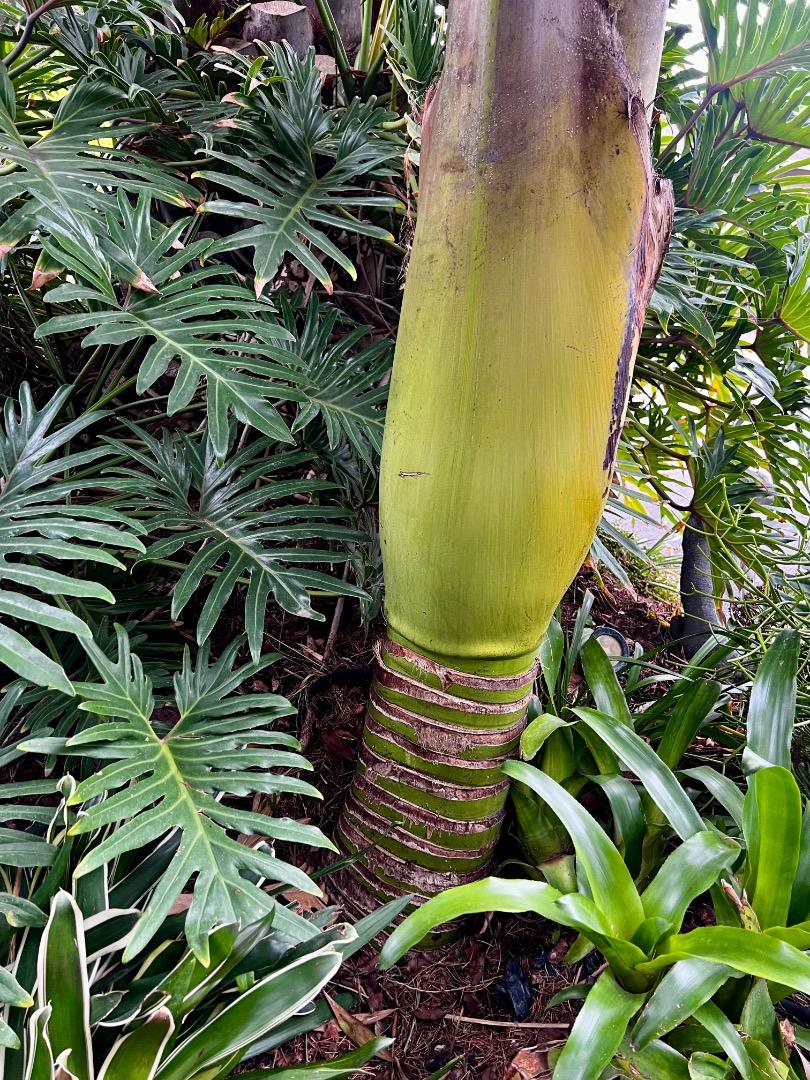
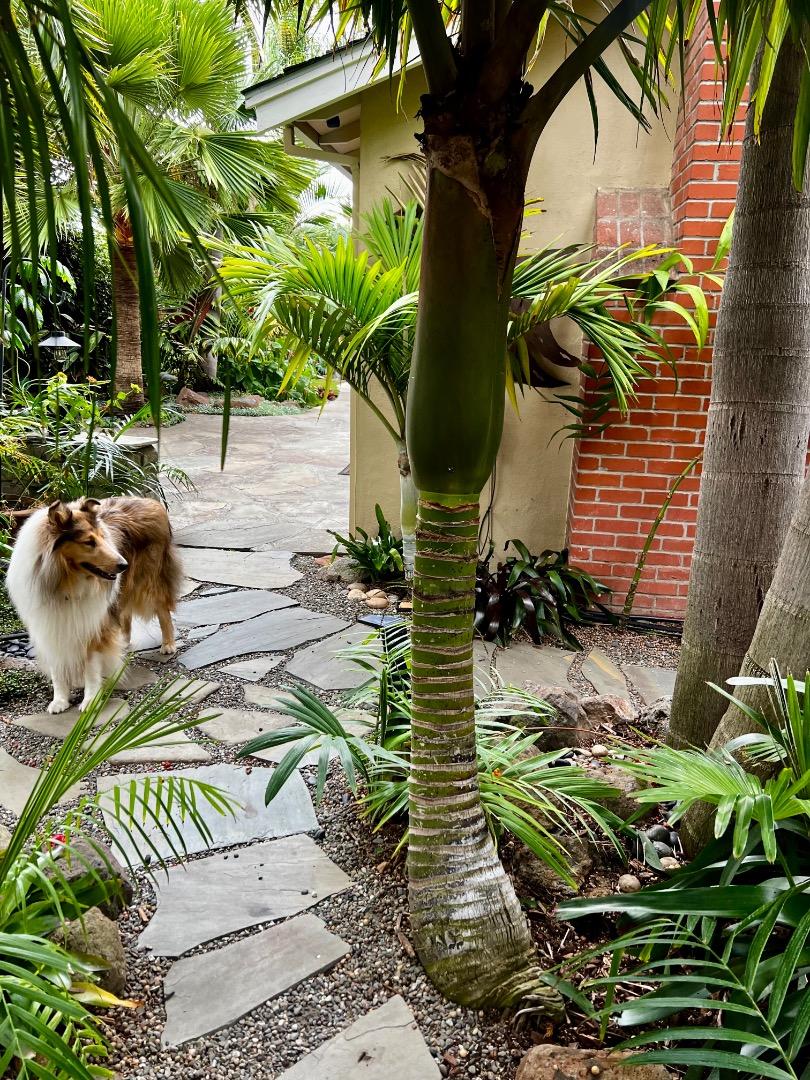
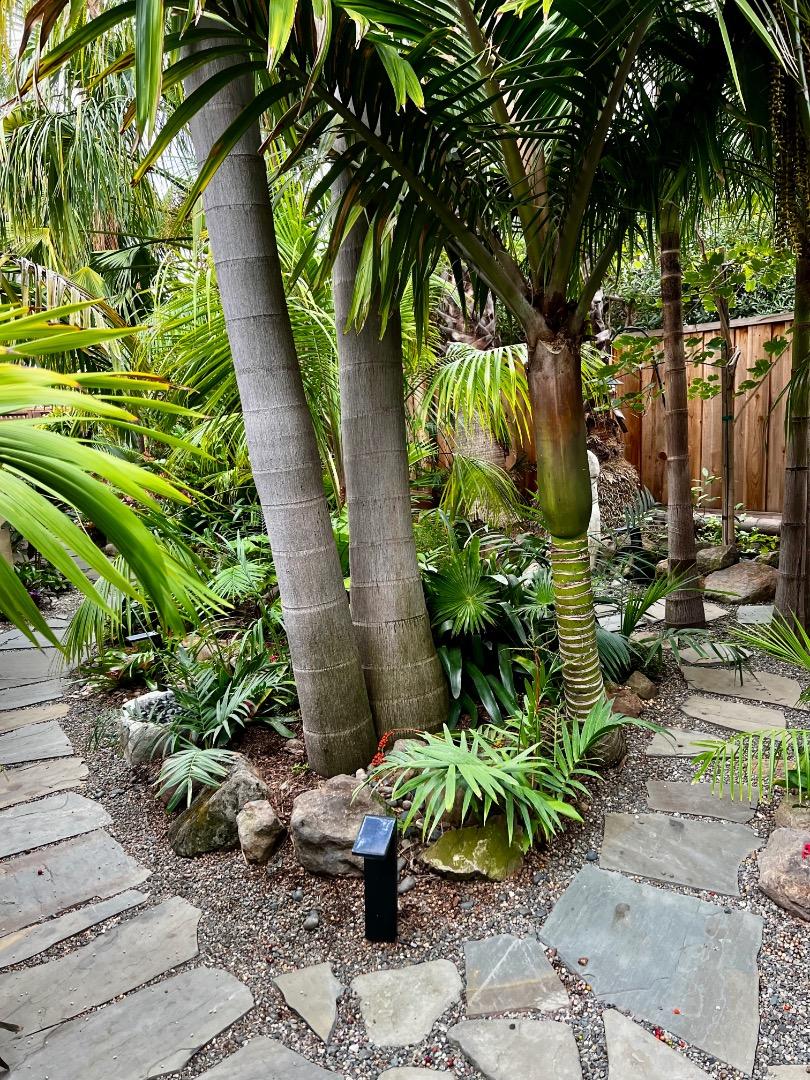
 For a complete collection of photos with IDs, please click here Here are some photos I've taken over the last few days in San Diego, CA! Borassus madagascariensis Jubaea chilensis Chambeyronia hookeri and Ptychococcus lepidotus Coccothrinax macroglossa Dictyosperma album Oraniopsis appendiculata Ptychosperma elegans Syagrus amara Caryota gigas17 points
 -
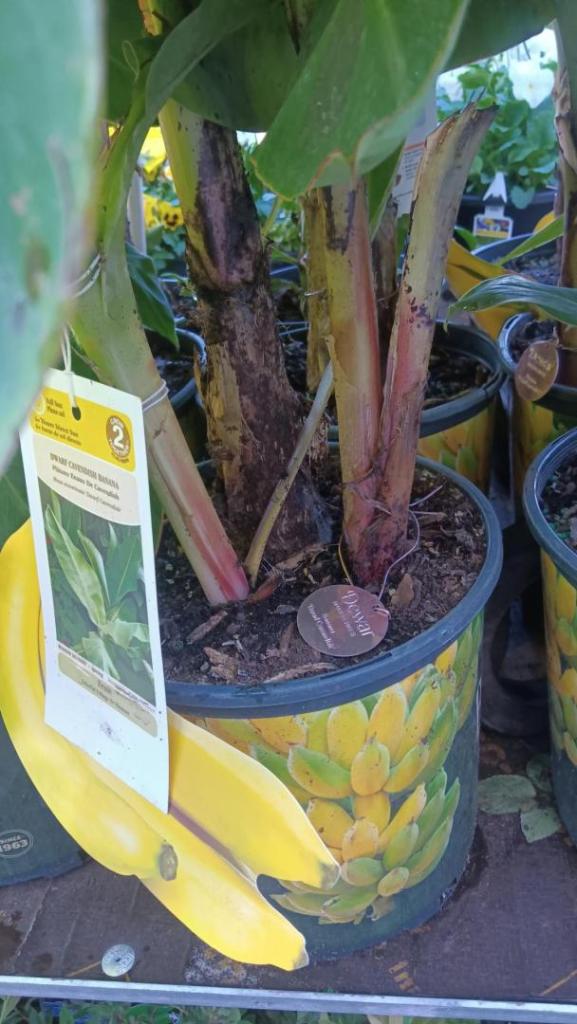
 6 pointsThis one is gonna be a little different and I deserve applause. I went to the blue big box store and they've got a rack of bananas for $15. This one had multiple pups and I didn't buy it. Same with elephant ears. I used to look at plants for size and overall health, now I look for multiple plants. They also had a clearance majesty with 2 7 foot plants that looked great that I didn't buy. Please clap because I am literally running out of room unless I get a sugar mama.
 6 points
 -
 Lol you can grow far more tropical palms than Phoenix roebelenii. Yes imo all kinds of Archontophoenix and Kentia. In Lisboa I could see excellent Kentia specimens publicly planted. I would consider also Kentiopsis oliviformis and the cool tolerant Dypsis like baronii, onilahensis, decaryi, leptochilos and ambositrae. Perhaps even more tender Dypsis spp like lanceolata and madagascariensis can grow if you have a good microclimate. Another forum member @RafaelAvezedo has many healthy tropical palms growing outdoors in Ovar.5 points
 -
It sounds like you could grow Archontophoenix Cunninghamiana there if you can find large , sun grown specimens . If not you can make a sun shade for them for the first year or so . They do drop a lot of seeds after about 20 years old , but not near as bad as Syagrus Romanzoffiana. Because of the crown shaft , the inflorescence can be easily removed. The trunks are slender and the fronds are very tropical looking . Summer burn may occur but frequent watering would reduce that condition significantly. I cannot stress enough how much water it takes to keep them looking good in warm , dry summers . Worth every drop though , they would make that space lovely. Harry These are planted far apart but not necessary . If you plant them closer they will form a bit of a canopy for a few small Dypsis or hardy Chamaedorea Radicalis . In a few years the space will be transformed into a tropical oasis! Harry
 5 points
 -
 @lita nice to meet ya! And welcome to Palm Talk. Check put my PM private message I sent you.5 points
 -
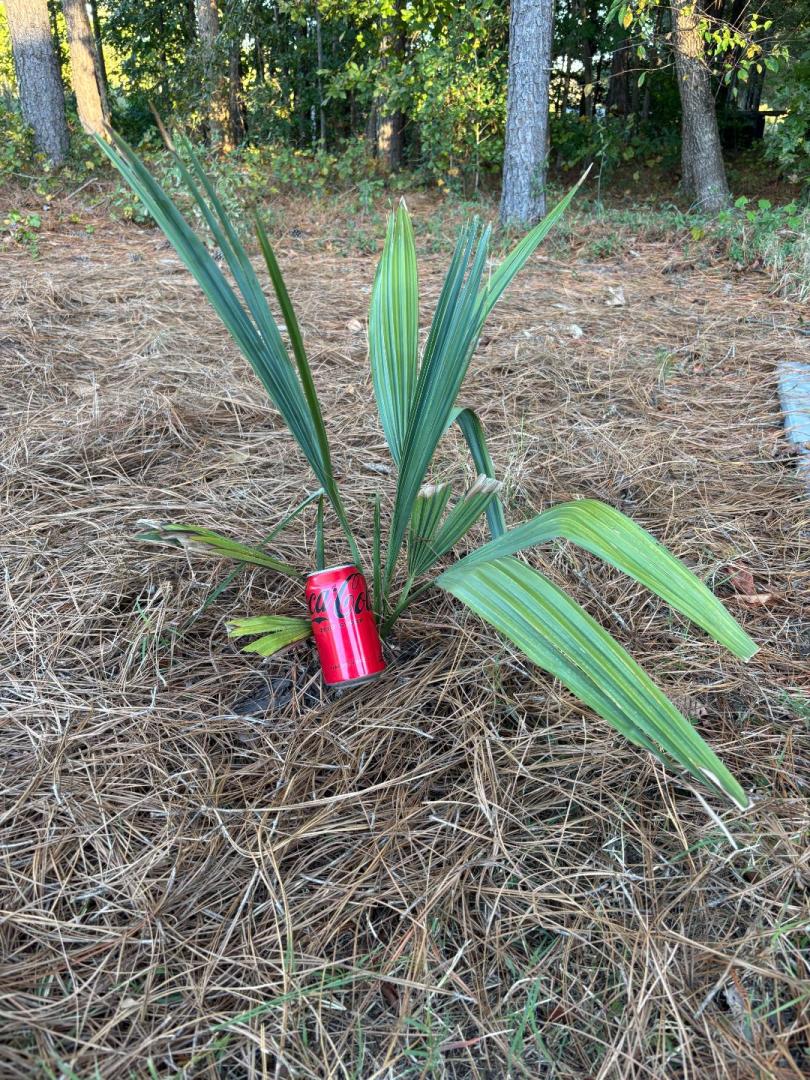
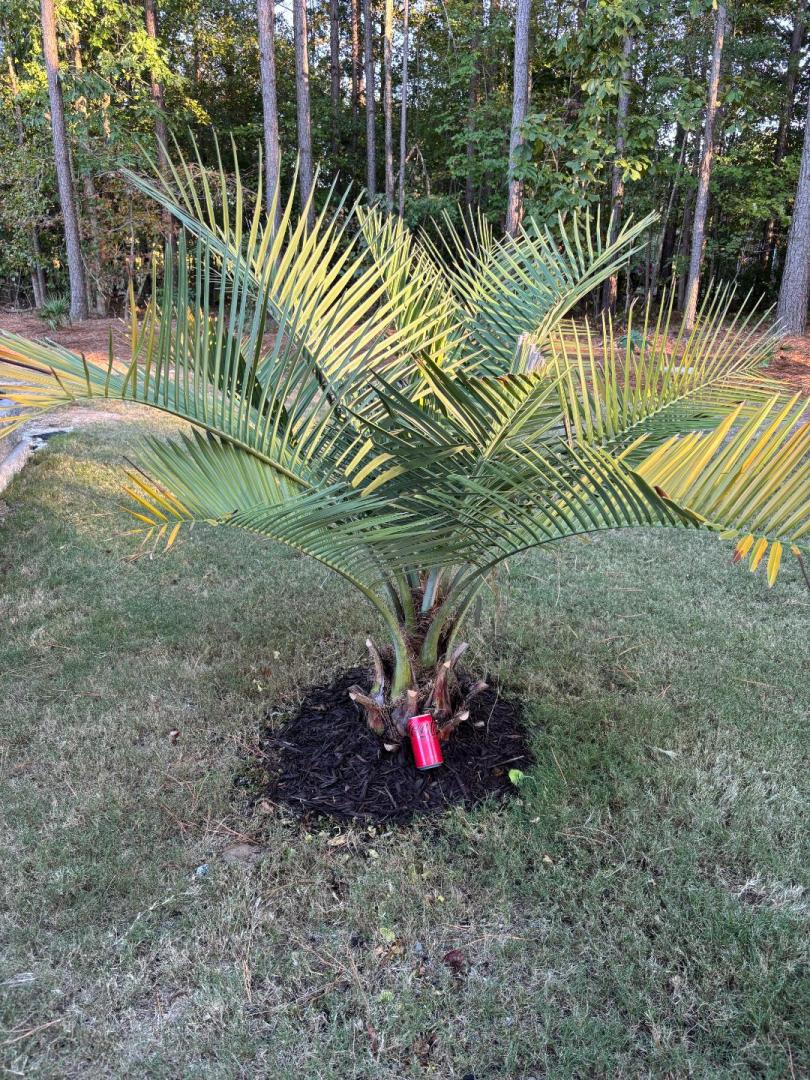
 4 pointsSo these guys move pretty quickly when provided both heat and water. First pic is right after planting. May of 2024, second pic was taken today, so two growing season in the ground.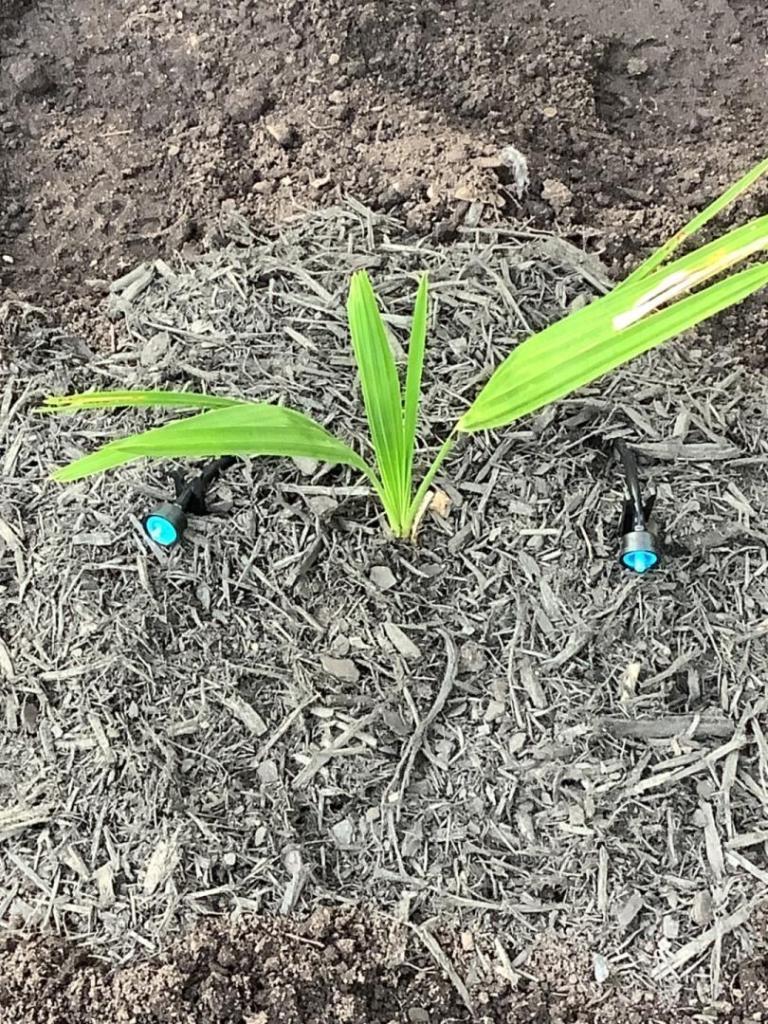
 4 points
 -
4 pointsHere’s a photo of my great great grandmother with a kentia palm a real Victorian era photo when Howea fosteriana we’re all the rage I just had to share it I can see where my palm bug come from 🌱
 4 points
 -
 These are in my northeast Louisiana yard. The crowns would normally be larger diameter but they were defoliated last winter-- and as you can see they are really loaded with seed this year. Sabal palmetto is below for comparison-- both species were planted about 18 years ago as small potted plants. The underplanting are gardenias that were also heavily damaged by recent winters And below are my long fading Brahea armatas. A series of cold winters and what I believe to be nematode root damage are the culprit. The once beautiful roses are also diseased to the point they need to be removed as well. Camelias in this bed have done well and will be the replacements for color
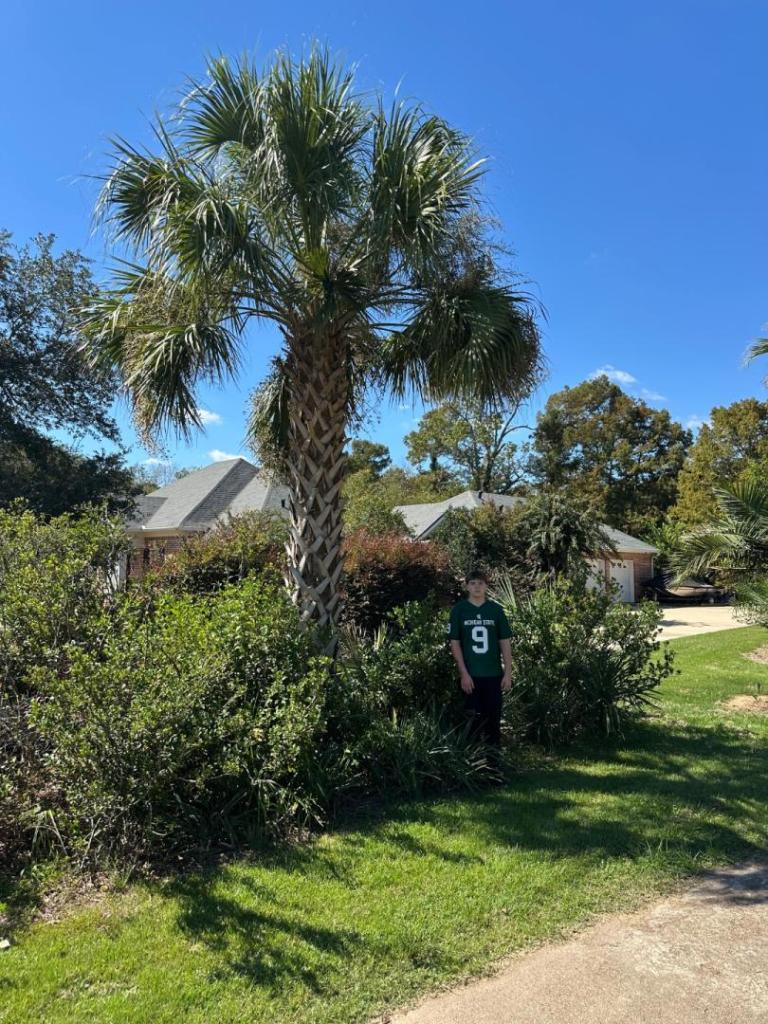
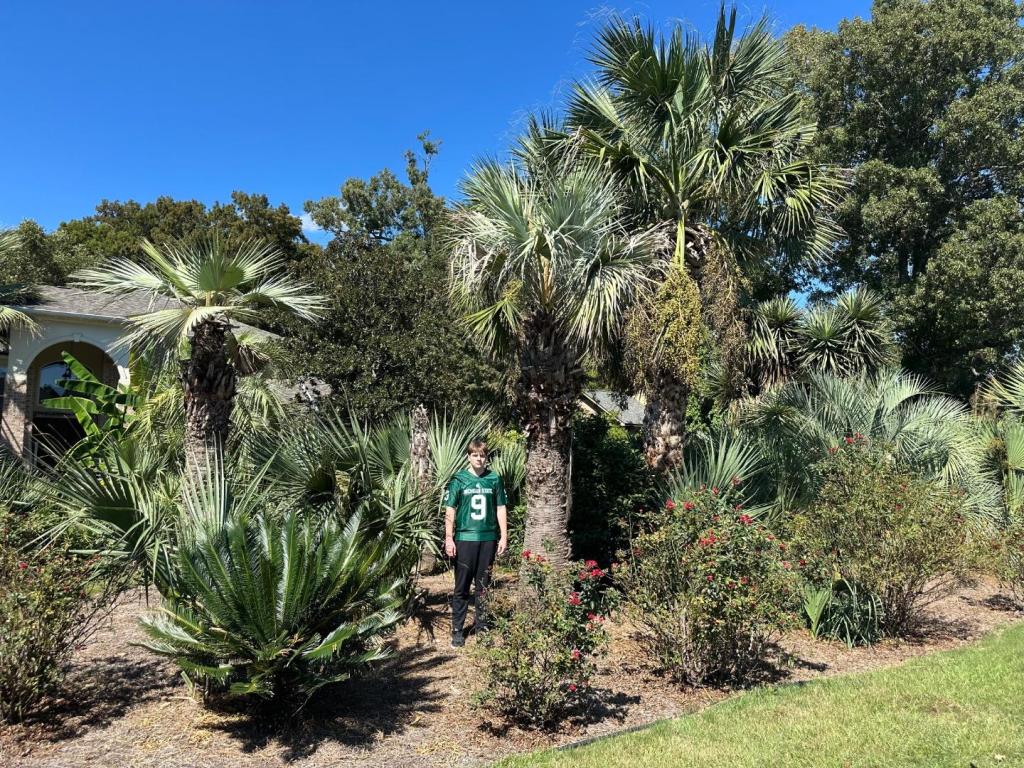
 4 points
 -
 If you can grow royals, then PalmTalkers can suggest a hundred species!4 points
 -
Yes , if you don’t want quite as much volume , you could try Roystonia Oleracae . Harry4 points
-
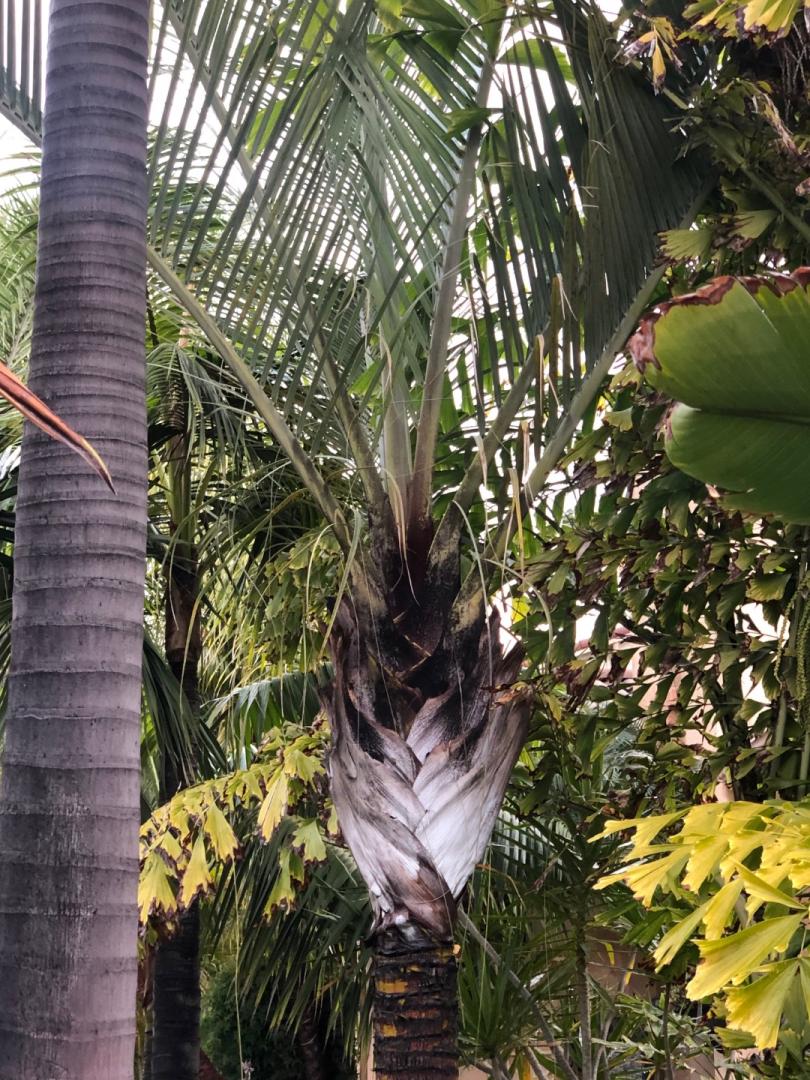
Be aware of Phoenix palms , they are armed with thorns . With your climate , you can grow even more exotic varieties of palms . Different heights of plants would make a filled in look with visual diversity . I love Pygmy palms but I always end up getting poked when I trim them. Harry Chambeyronia Macrocarpa , would enjoy a bit of overhead protection Chrysalidiocarpus Decarii full sun , good drawing soil. To the left is a Roystonia Oleracae , a much smaller trunk than Regia Butia Oderata ( silver palm with pinnate fronds) full sun , very cool tolerant but take space once matureThis Dioon cycad is thorny like Phoenix palms but adds diversity . Planted amongst several Pygmy palms and the Chambeyronia , Roystonia In the middle , with inflorescence, is Archontophoenix Alexandrea, larger trunk than Cunninghamiana , not as cool tolerant but would be good for 10a


 4 points
 -
 4 pointsProbably premature to comment on individual palms, but what the heck ... You mentioned Dypsis (now Chrysalidocarpus) lutescens -- a similar and IMO more beautiful alternative for you might be C. (formerly Dypsis) onilahensis. It can tolerate cold -- supposedly down to 25F (I have not experienced that much cold) -- and in Madagascar it grows in full hot blazing sun during the dryer season. Not as fast as lutescens, not as densely clustering, but someday you will see those as a positives, not negatives. 😎 Young group of C. onilahensis (weeping form) below. (Hawaii Island)
 4 points
 -
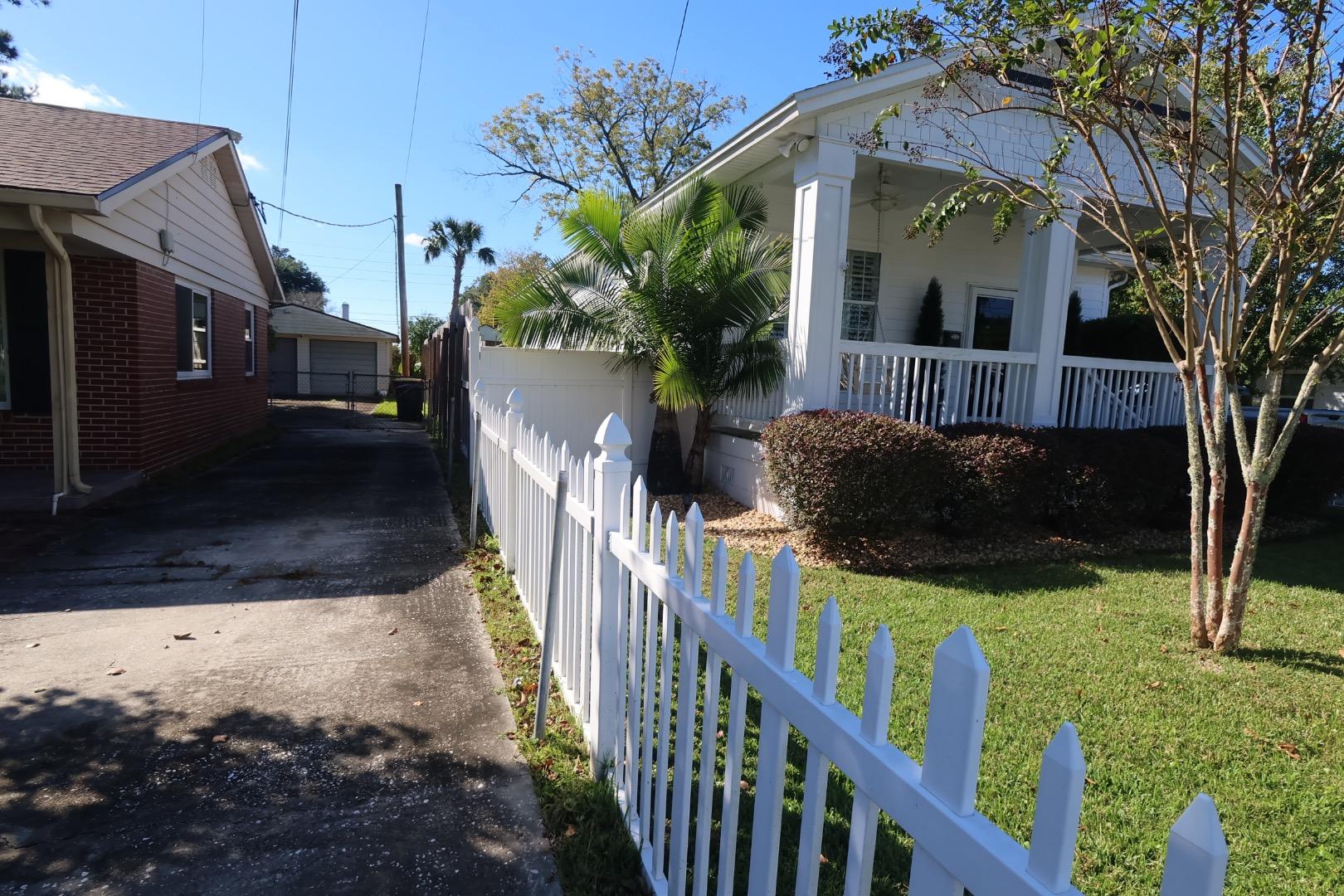
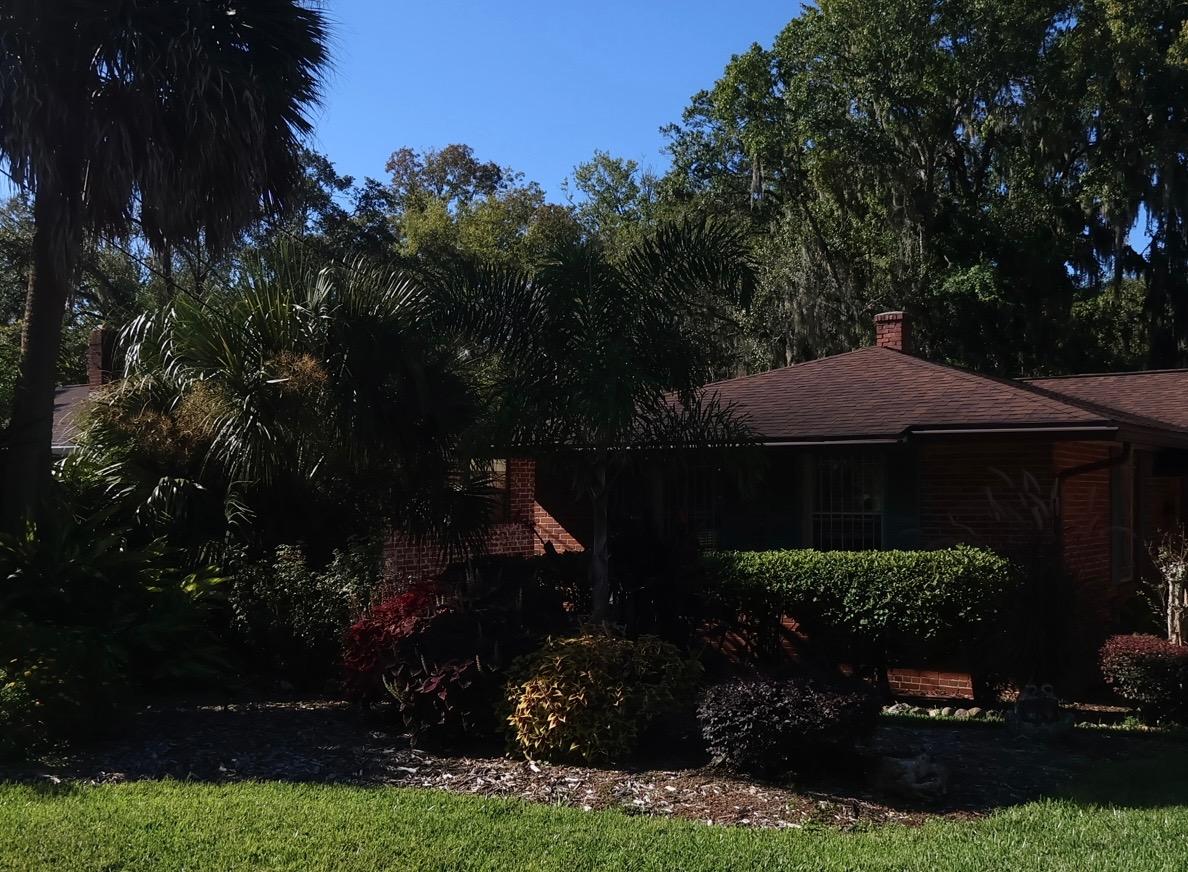
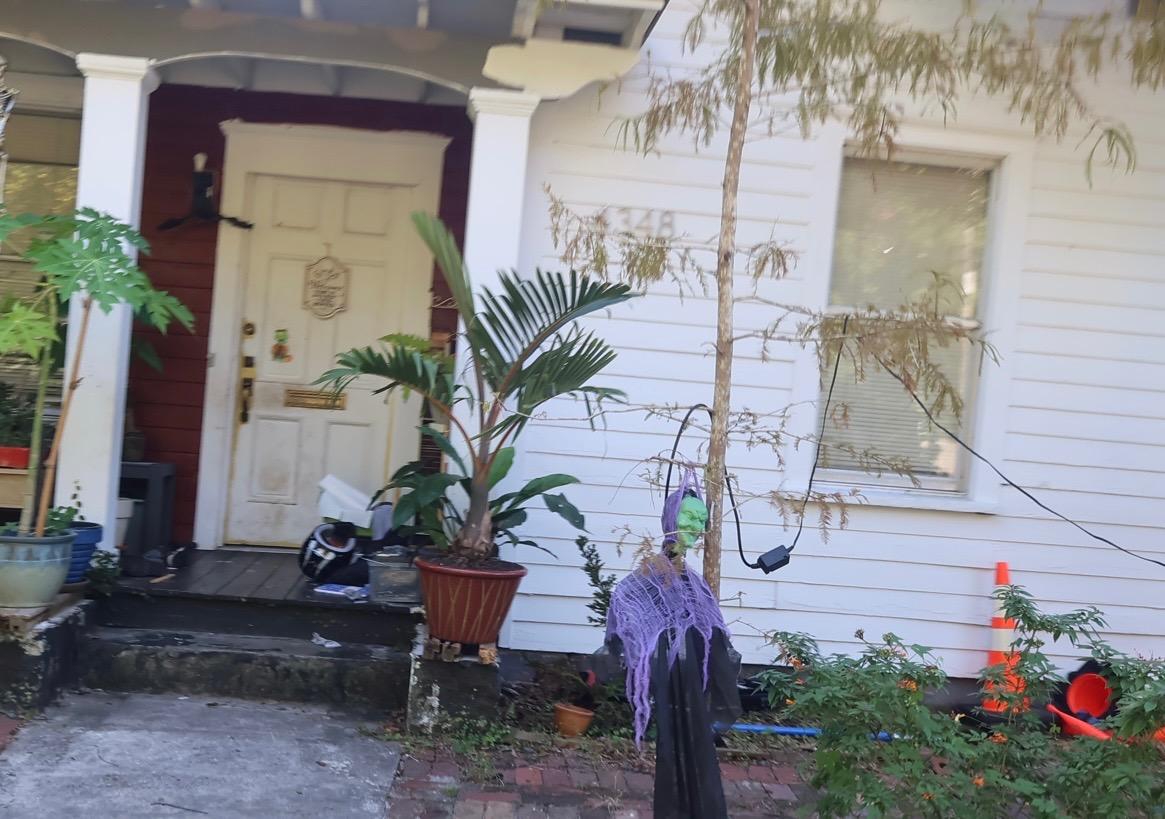
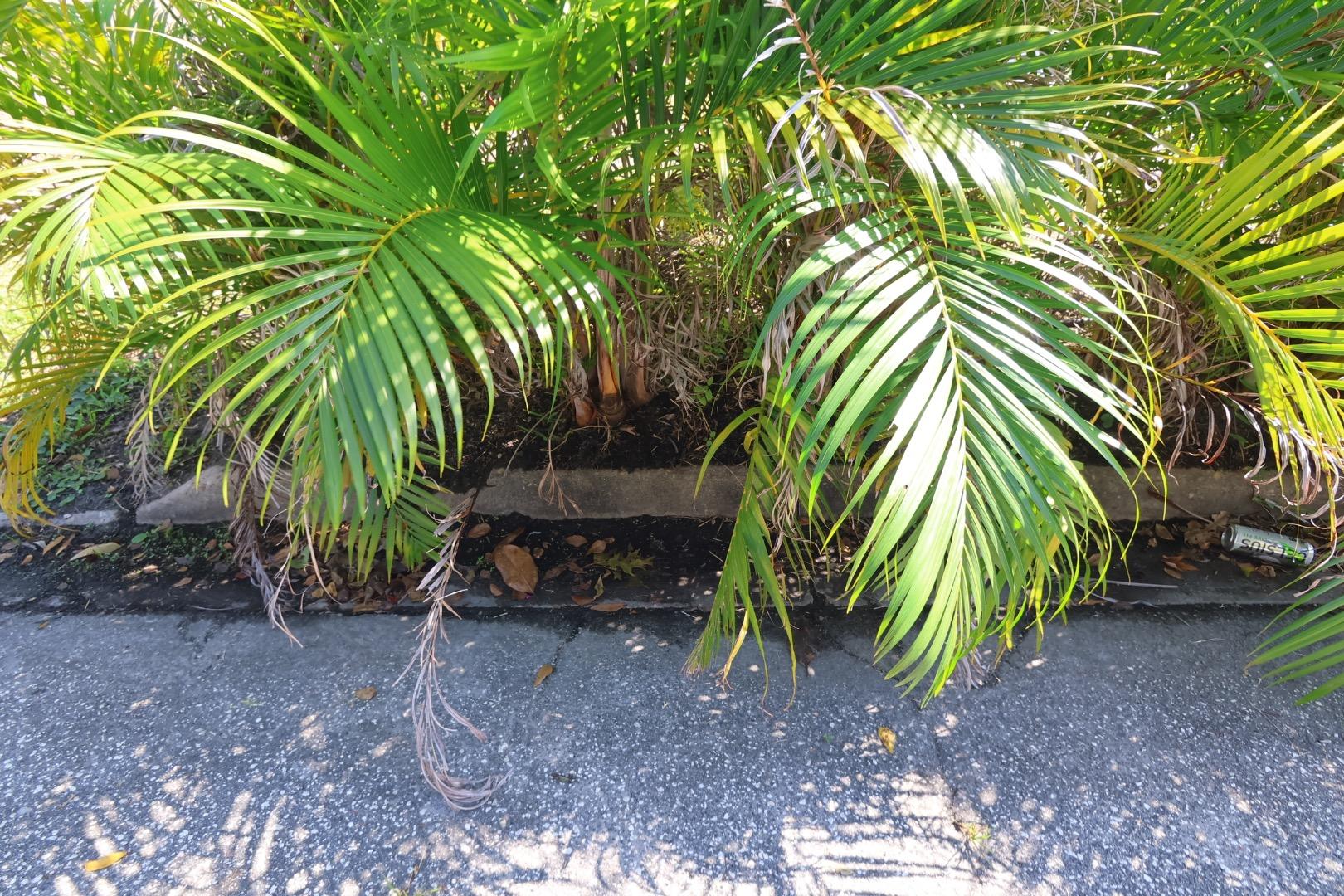
 3 pointsThe past 3 winters have been getting warmer every single year. With tempatures in central Jax never getting below 28 and the beach not going below 30. this warm trend has brought tropical palms in the Jacksonville area. Palms such as foxtails, Areca, and majesty palms are flooding the neighborhood. Many have survived multiple winters and still are looking fresh. Hopefully in the future they will grow big and more people begin experimenting with 10a palms. Here is some evidence I have found throughout central/ historic Jax. It only shows 2 pictures of Areca palms but there are at least one per street.
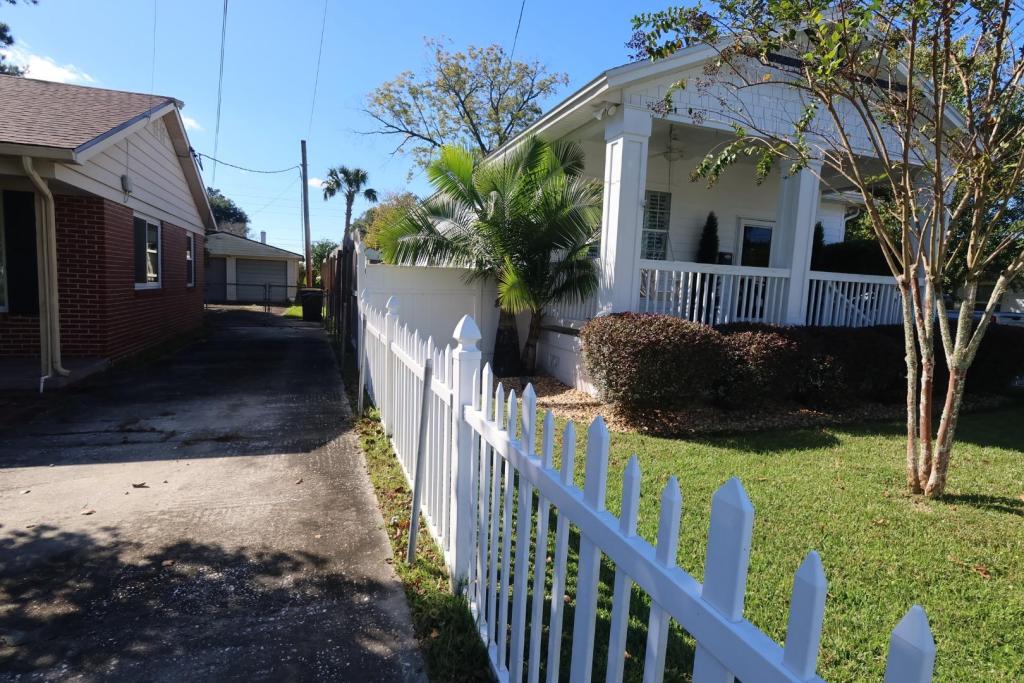


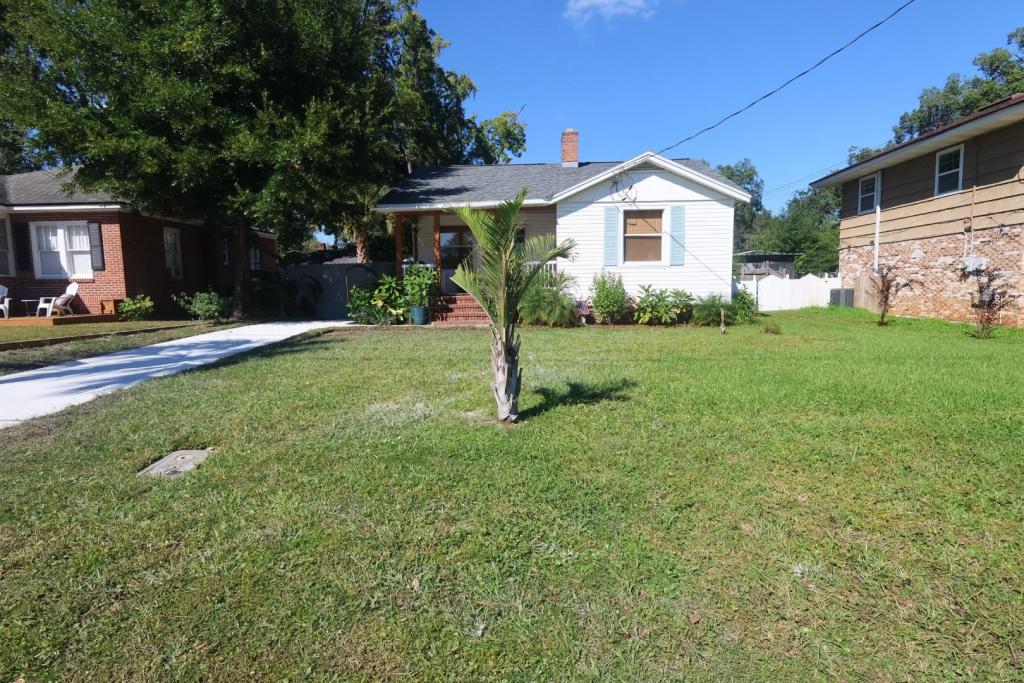
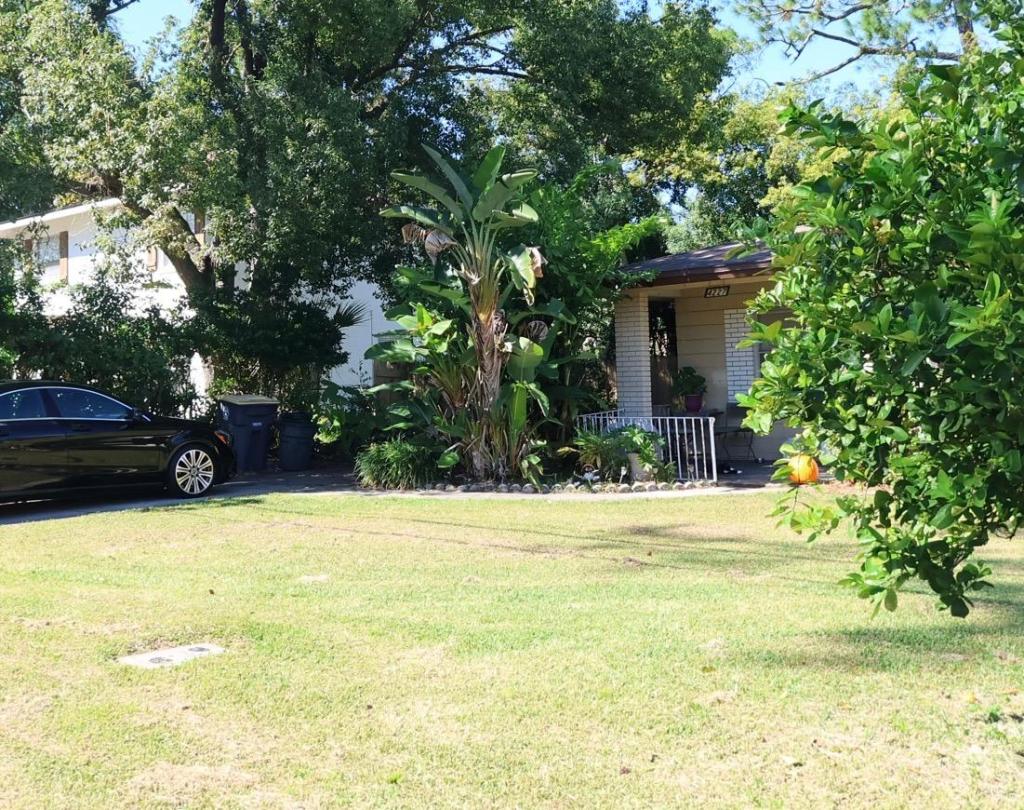

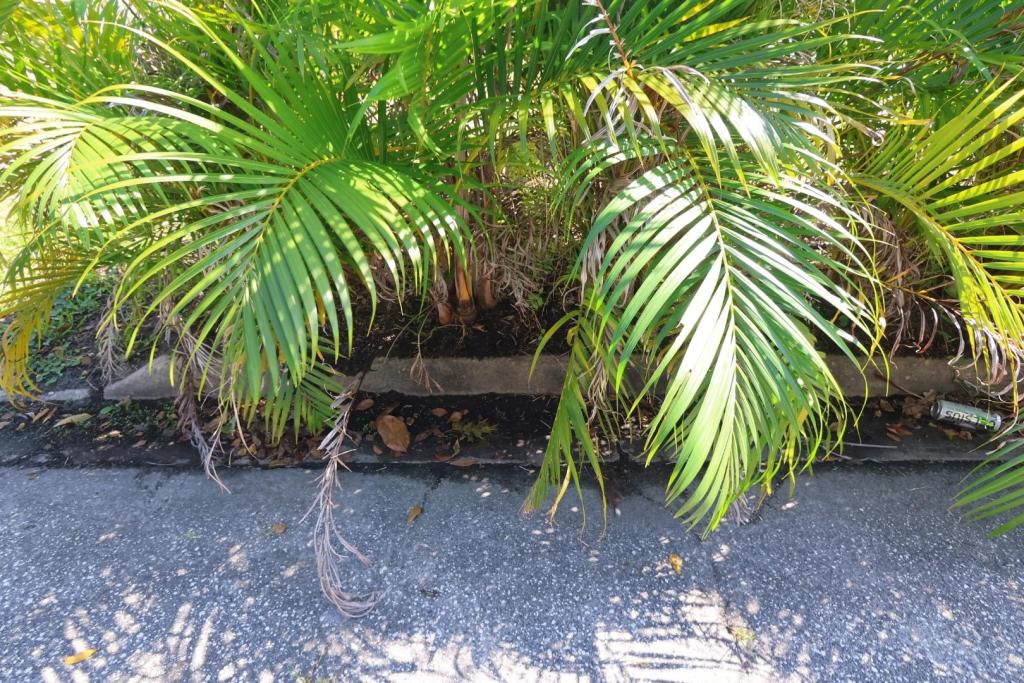

 3 points
 -
Dypsis Lanceolata , juvenile , may form clumps but super attractive palm. Harry
 3 points
 -
I live in a very dry, colder in winter and hotter in summer region, yet I have managed to create a more tropical looking corner (scorched leaves on cunninghamiana had been caused by temps in the 40's C). Your climate is way more close to oceanic pattern.
 3 points
 -
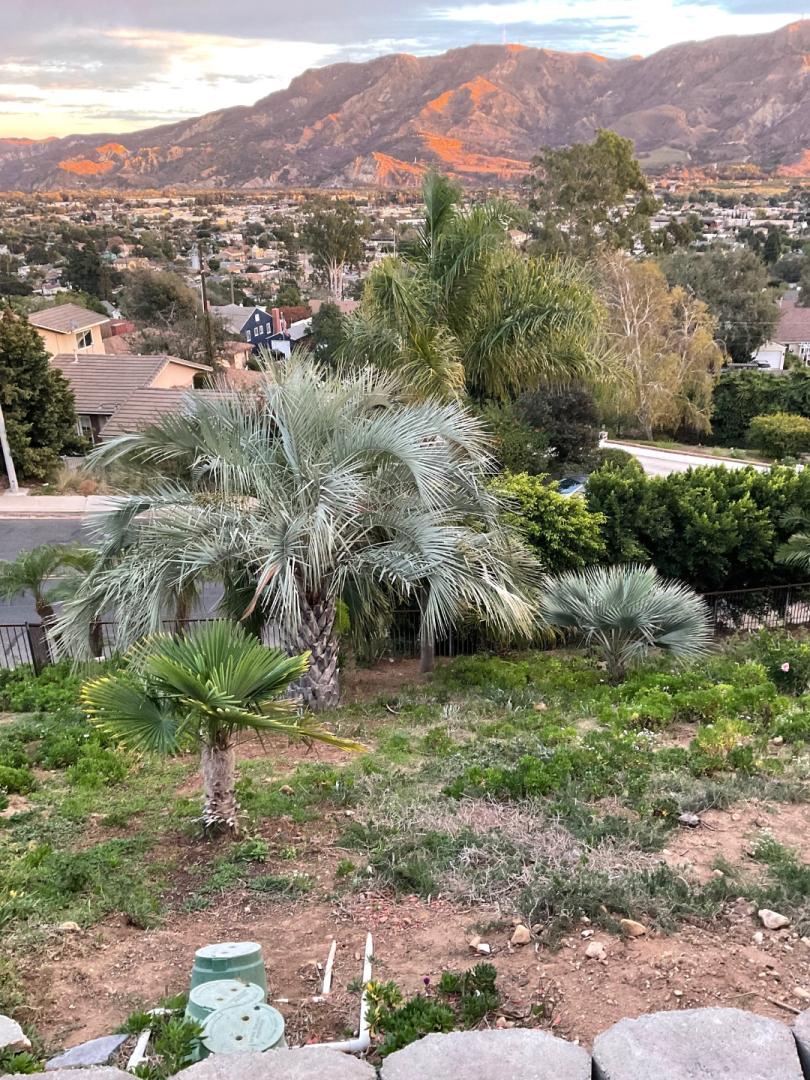
If your climate is more like southern California, then I think the following might grow well for you. Roystonea regia Ravenea rivularis3 points
-
I just started mixing orchid mix with perlite and potting soil , the mix seems to be a bit better than just potting soil and perlite , although the original soil worked well , I think the orchid mix adds more texture and drainage. Harry3 points
-
 I only once germinated seeds indoors in the winter, near the radiator. The seeds germinated, but the seedlings were weak. As soon as it started to get warmer, I took them outside. The seedlings were very weak and they all died. Since then, I have been germinating everything outside. We have our Mediterranean summer and the seeds germinate on their own from May to the end of October.3 points
 -
3 pointsThank you my grandmother also could grow a dead stick, I watched her every afternoon watching her water her plants. I learnt so much from my grandmother a little goes a long way and dont overdo it with plants, let them do it for you.3 points
-
Great pictures, Kyle. Thank you for sharing them.3 points
-
3 pointsYes you will need to acclimate them to the outdoor conditions slowly, best to have a greenhouse.3 points
-
yes, absolutely agree, no chamaedorea adscendens - it is chamaedorea klotzschiana, I have many of these in the garden3 points
-
3 pointsI find if you just love plants and gardening it doesn’t really impede with your work life balance. But for sure drag the wife along to many a nursery and gardens visiting some would say yes to that, my wife has a love of plants and it works well for us both doing something we love together. I could see a young family being a bit different with the family work balance and the garden being more of a hobby putting family first. But either way in the garden we are free from all work!3 points
-
Take following as an anecdotal information. I grow two plants both grown as filifera. The one obtained as a juvenile (pictures of it in a previous reply) the other raised from seed. Former has entirely green petioles but failed the hastula (ratio length to width) and inflorescence (very long inflorescences) test, though seeds are smaller than those of robusta and resulted seedlings have a perfectly white stem. Latter, on the other hand, has a lot of brown (brown not red) in the petioles but it passed the hastula test and has not flowered yet (even slower growth rate).3 points
-
 3 pointsGot the spot filled up nice and quickly. Maybe still some room left though 🤣 Ceroxylon amazonicum
 3 points
 -
3 points
-
 Ah, I see. Good to know these things. I'm currently germinating the seeds I bough online. Hopefully I'll get at least one pure filifera.3 points
 -
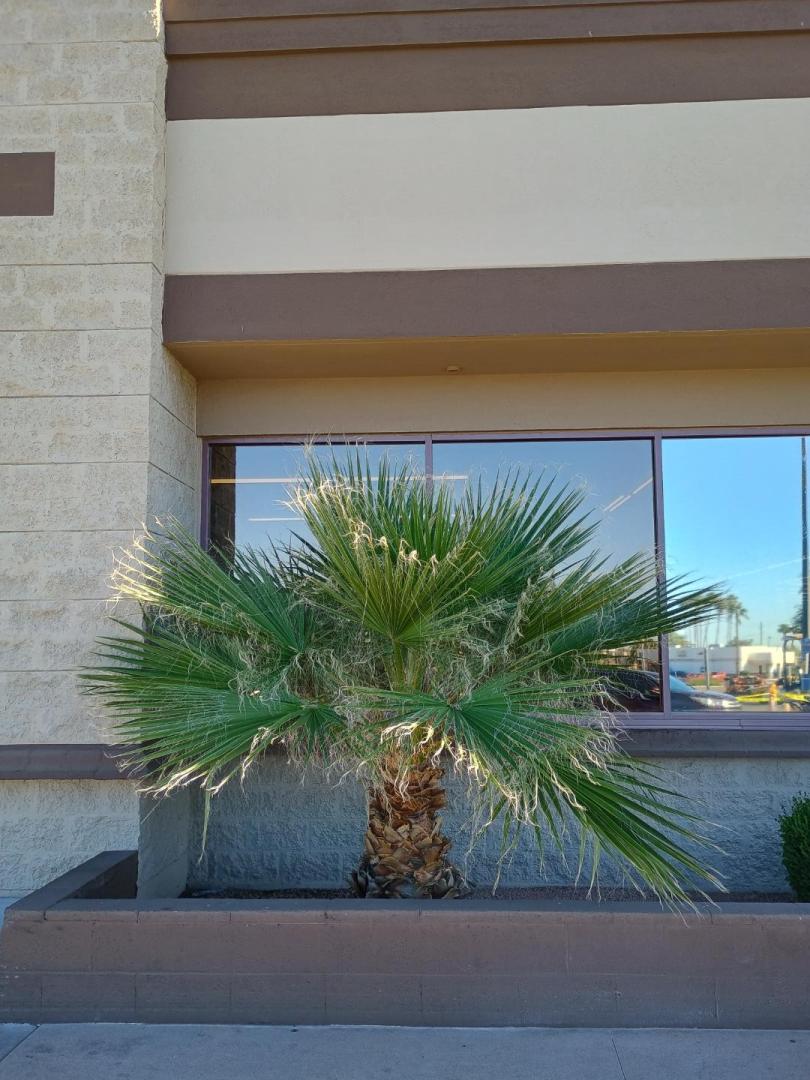
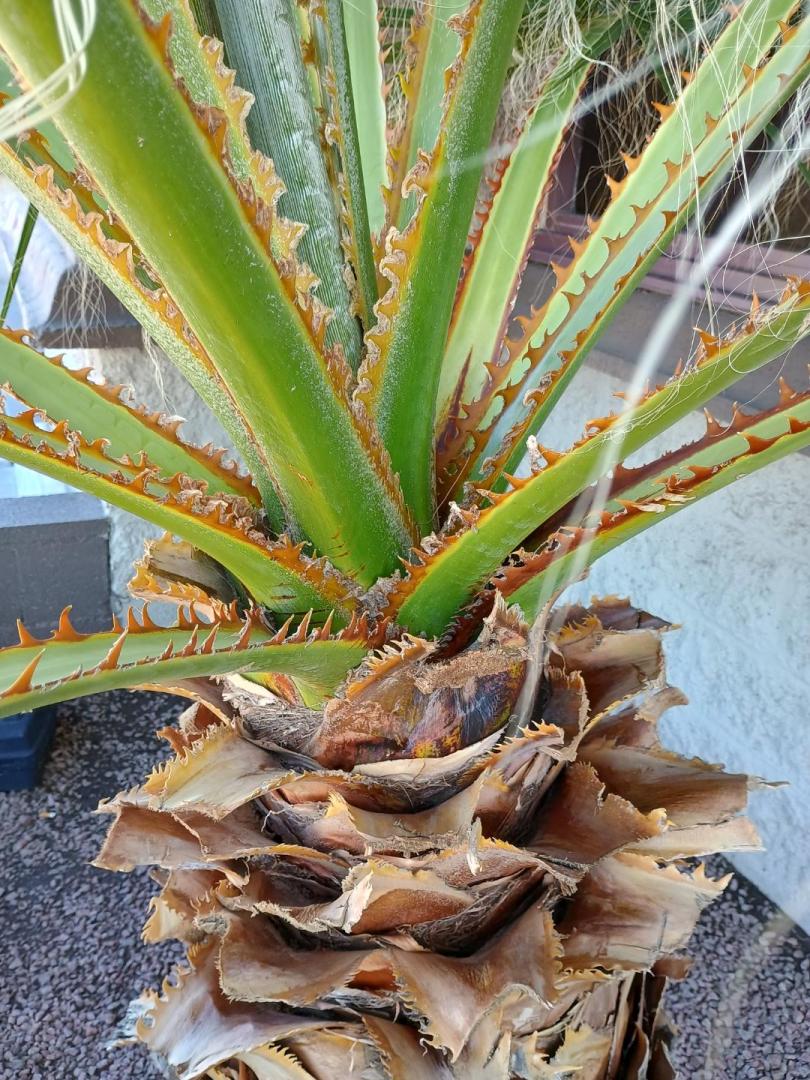
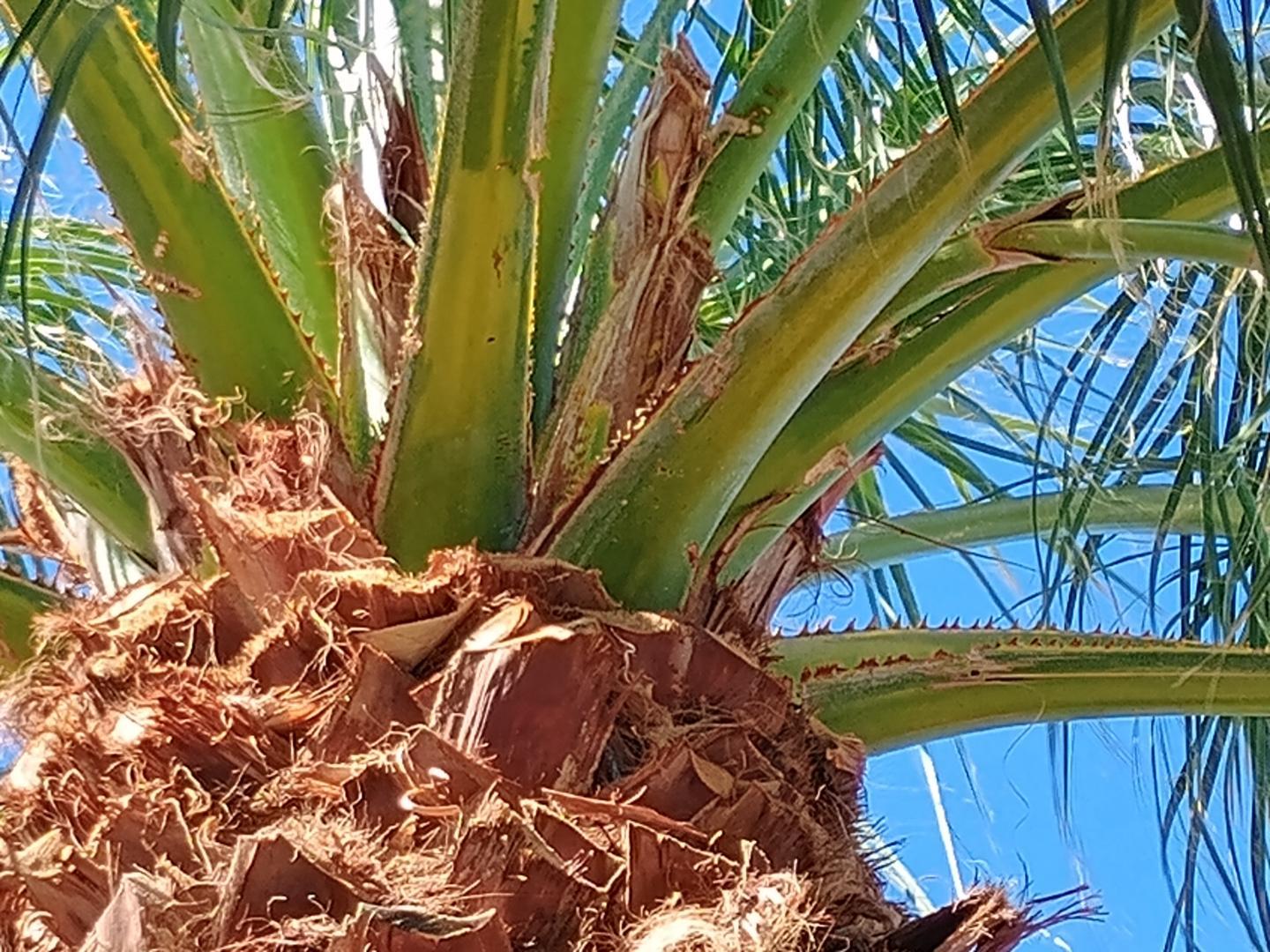
 Zero. The key to finding a pure filifera is going to be the totally green petiole bases with NO trace of red. The amount of hairyness on the fronds and size of teeth on the petioles are variable. aztropic Mesa, Arizona3 points
 -
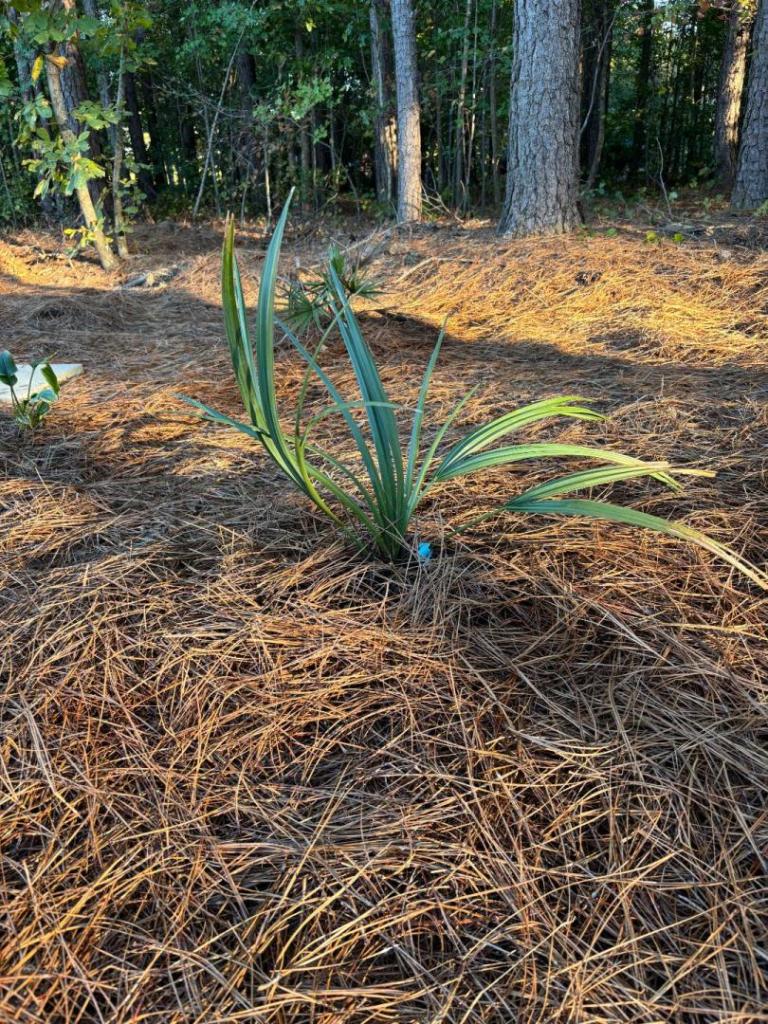
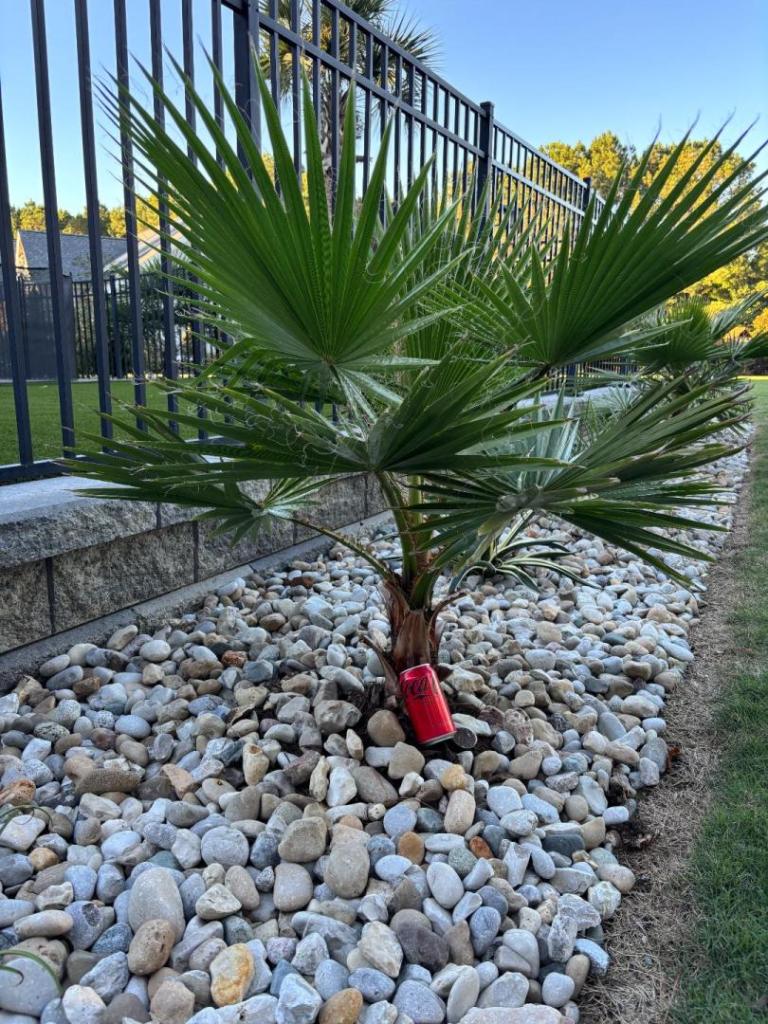
 3 pointsEnd of the Season 2026 - These are all the "New Arrivals" this year...it's a lot. We moved into the home in at the end 2023, so only a few palms got planted last summer. Most of of my gardening efforts we're spent on weeds and water drainage. This year, I got my rock bed & pine straw beds established. Planted a ton of new palms all over the place. And have now become more focused on the "other" plants i'm going to add in next year - for color and contour. Most of my rock bed is heavy sun, pine straw gets a mixed. just added some much around all the bases - and anything less-hardy than the palmettos will get burlap protection this year. Sabals: sp. Defuniak i got on sale at Plant Delights open house for like $12 rosie - actually got 2 just like this for free from my "agave-friend". Inevitably, also from the PDN seed source. brazoriensis - I paid real money for this one. Forget how much - but spend some time with Gary Hollar who sold me this one, and the birmingham. said birmingham b Washingtonia - A pair of robustas (heavy at least) planted in June - purchased from Lowe's for $75 All of the fronds present have poped out since being planted - something like 12/13 total filbusta "Fayetteville" - I have a few like this in pots - but only one in ground. Seeds were picked up from the site when I was there in March. filifera - Purchased from Palmpeii in Hampstead when I was there ($30 ea). Not bare root plants online, but local pickup. *i have had 4 bare root filiferas die on me in the past that I ordered online. Others: L. nitida i purchased from @Sabal King..man, the rootball on this thing was insane. It went from the 1qt transplant container to filling up a 25 gallon container in just a few months. I was going to leave it in that container for 2 years, but saw a root coming out the bottom. I dug a grave-size hole for it this week, and going to add in some protection for the winter. Others: Butia x Jubaea hybrid from @Joe NC along with a Dioon he gifted me - which flushed this week for the 2nd time. last but not least - my favorite non-palm addition this year - the Mangave "Snow Leopard" from PDN. Basically went from nothing to this over the summer. Beautiful color and adding some impressive size. last last one - S. palmetto I pulled out of a muddy ditch. I planted this one next to our swing set.



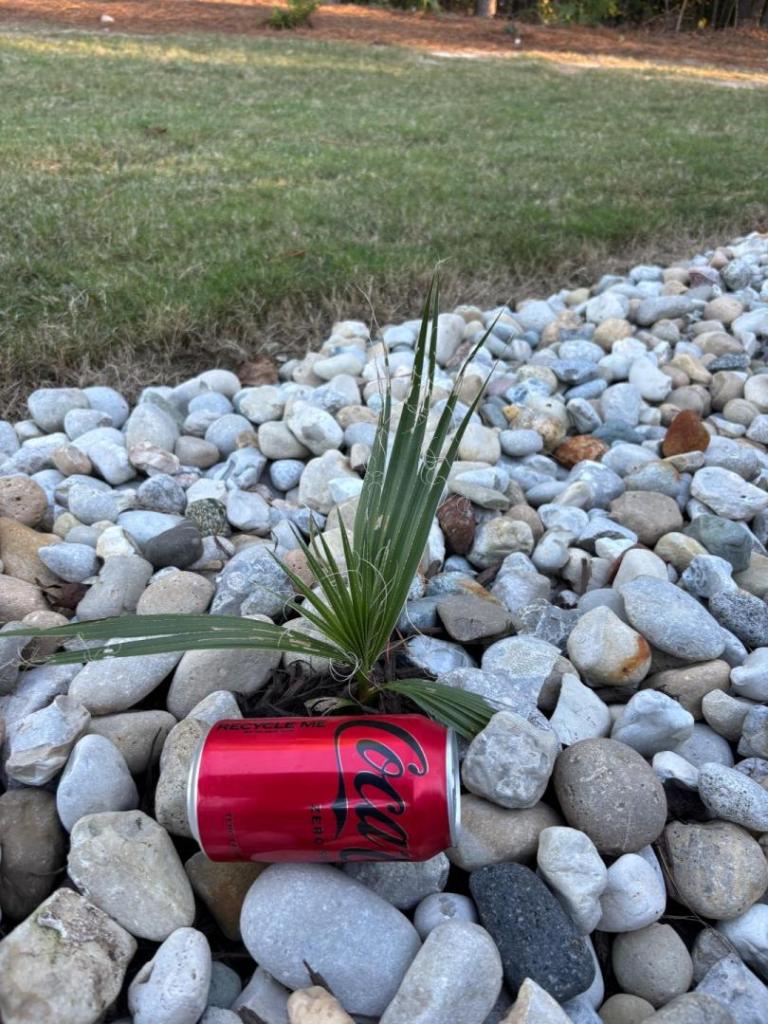
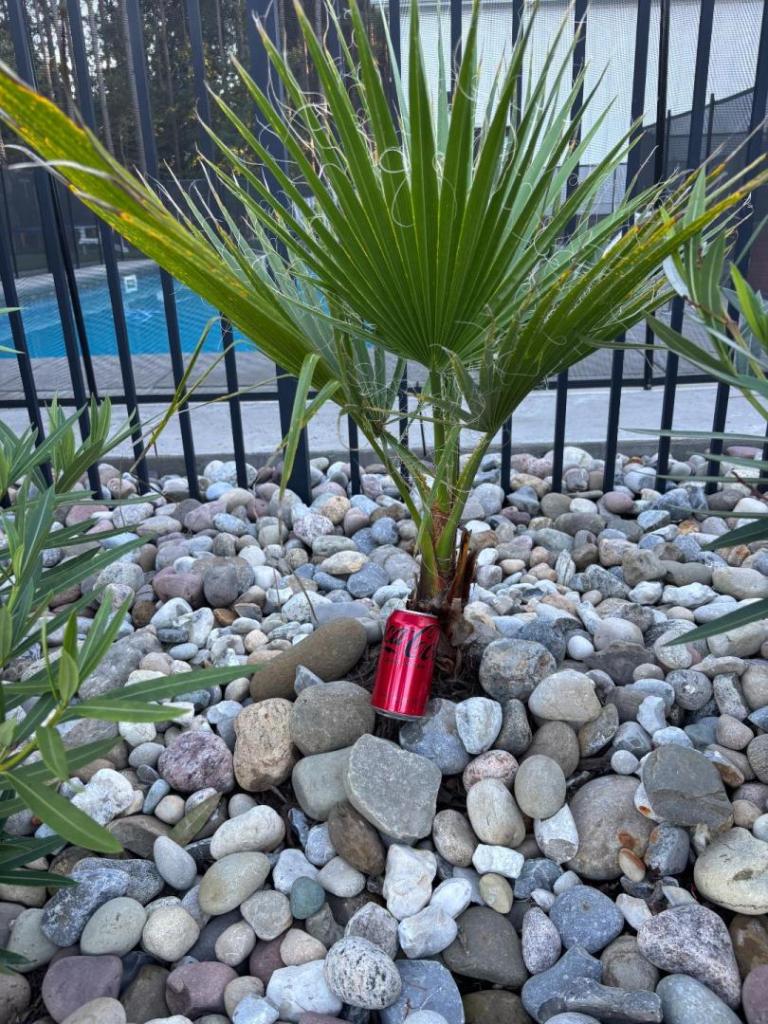


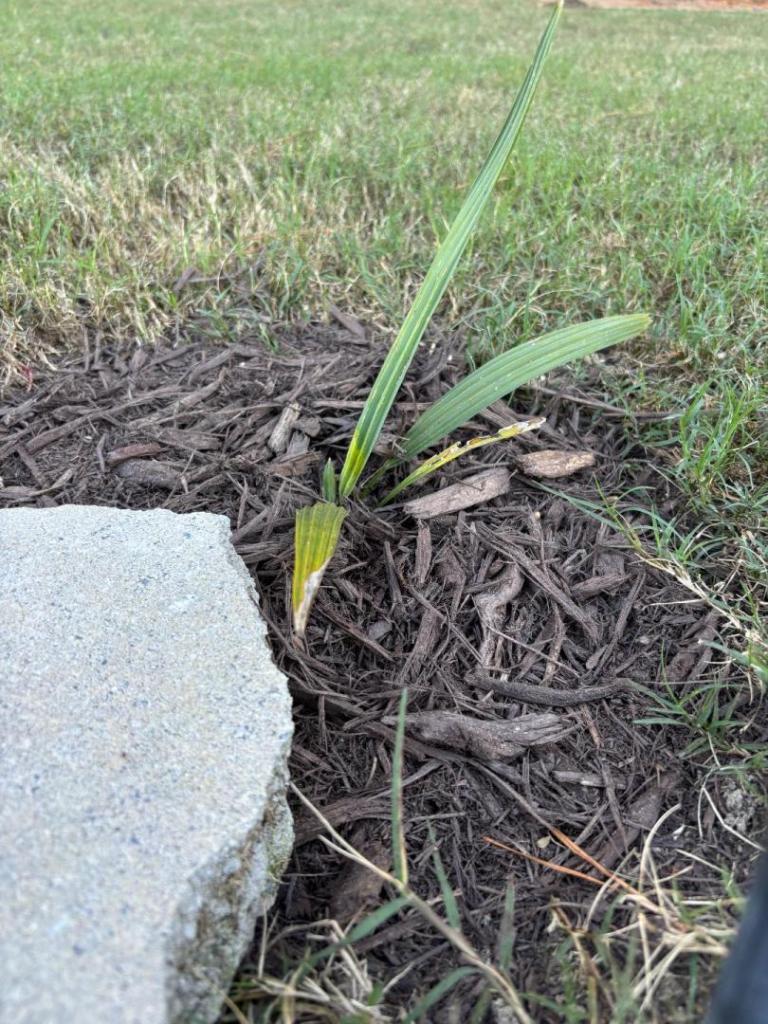 3 points
 -
3 pointsThis caught my eye ! From my hospital room after hip replacement. Harry ‘Some nice slender Bungalows
 3 points
 -
Actually,I grew a batch of filifera with seeds from my own tree, and they came up pure. I did bag the flowers before they opened though, to keep the seeds pure. Next closest flowering Washingtonia to me is about 1/2 mile away, so that helps to keep cross pollination at a minimum. They were a slow seller here, and most of them actually were sold to people from New Mexico that drove over to get pure filiferas for their own gardens. 👍😄 aztropic Mesa, Arizona
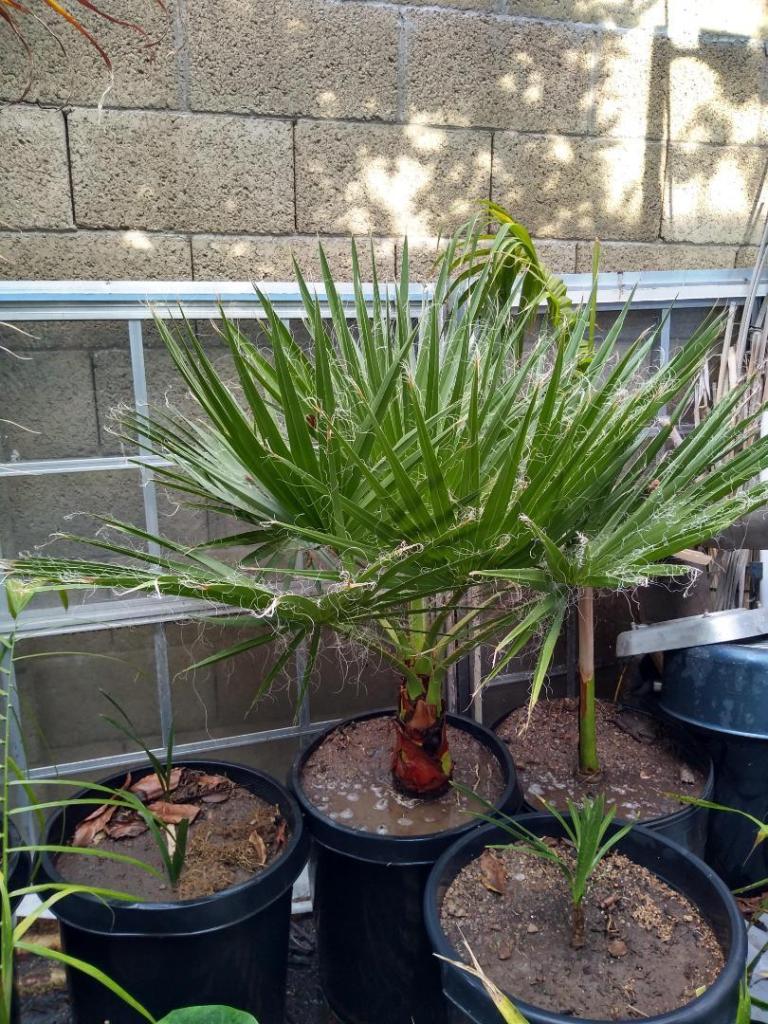 3 points
 -
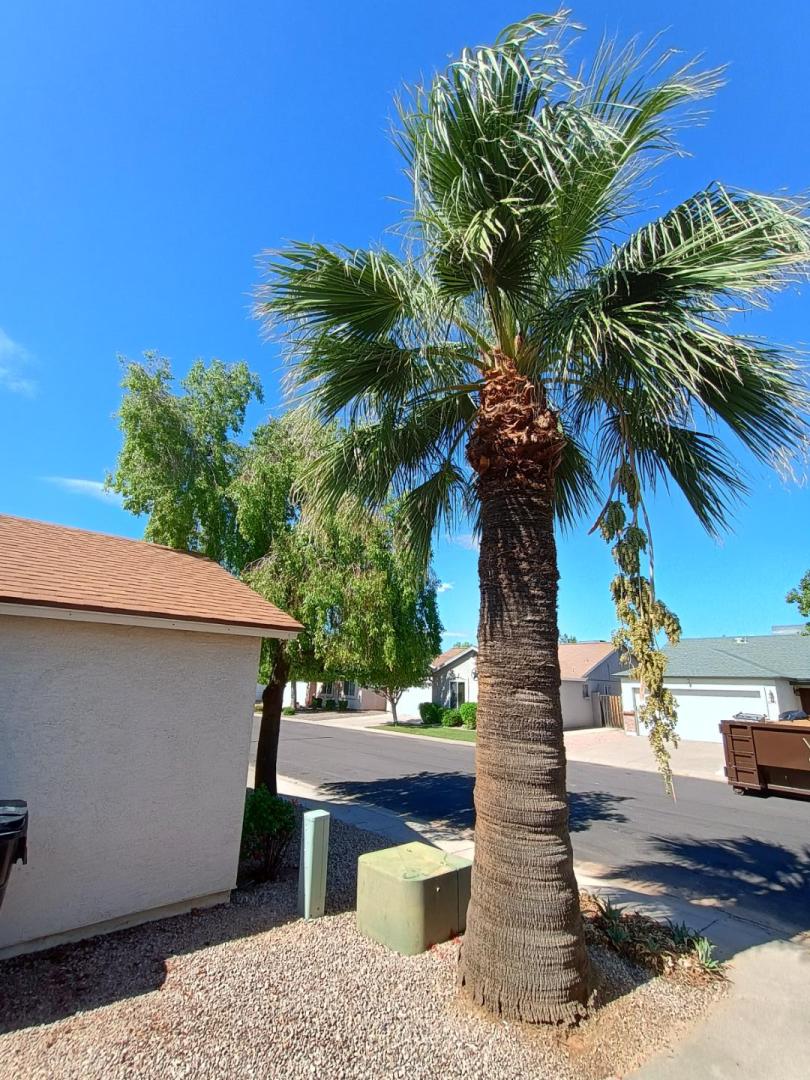
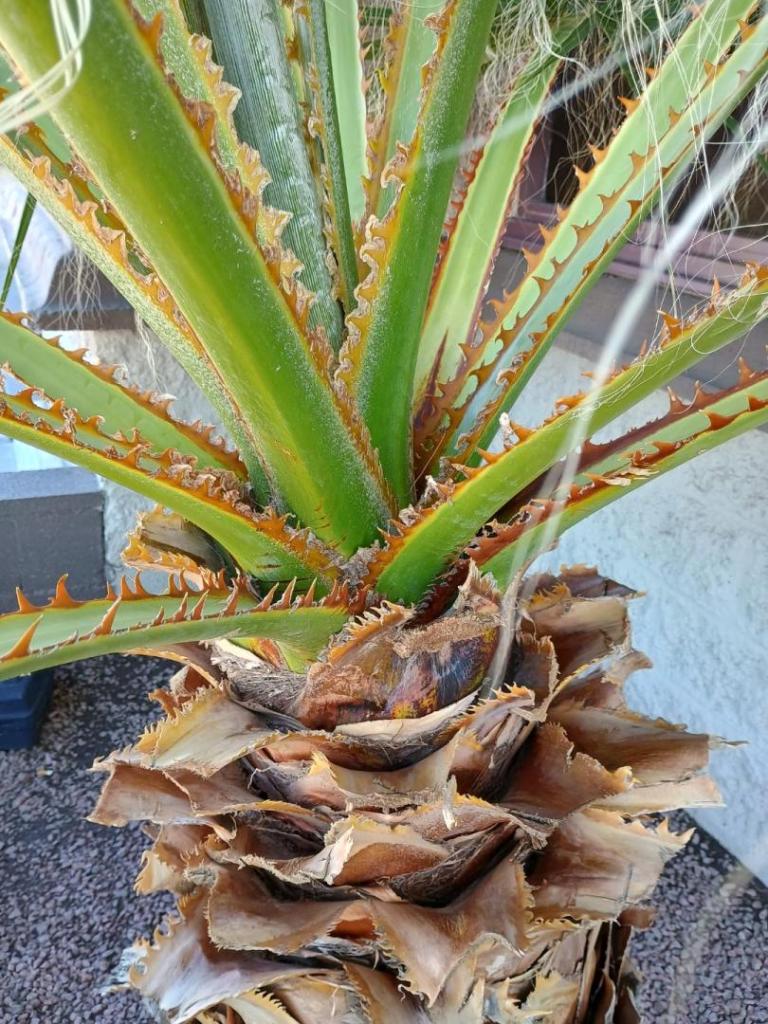
Here's another example of a pure filifera that came up as a weed at a local grocery store. If you do buy another Washingtonia, the totally green petiole bases are the key to getting the real deal.👍 aztropic Mesa, Arizona

 3 points
 -
 3 pointsCycas maconochiei flushing. These look really nice at the end of the rainy season. Around April and May they get attacked by scale and white flies. Of all my cycads the scale and white flies infect the cycas more then any other and especially Cycas maconochiei.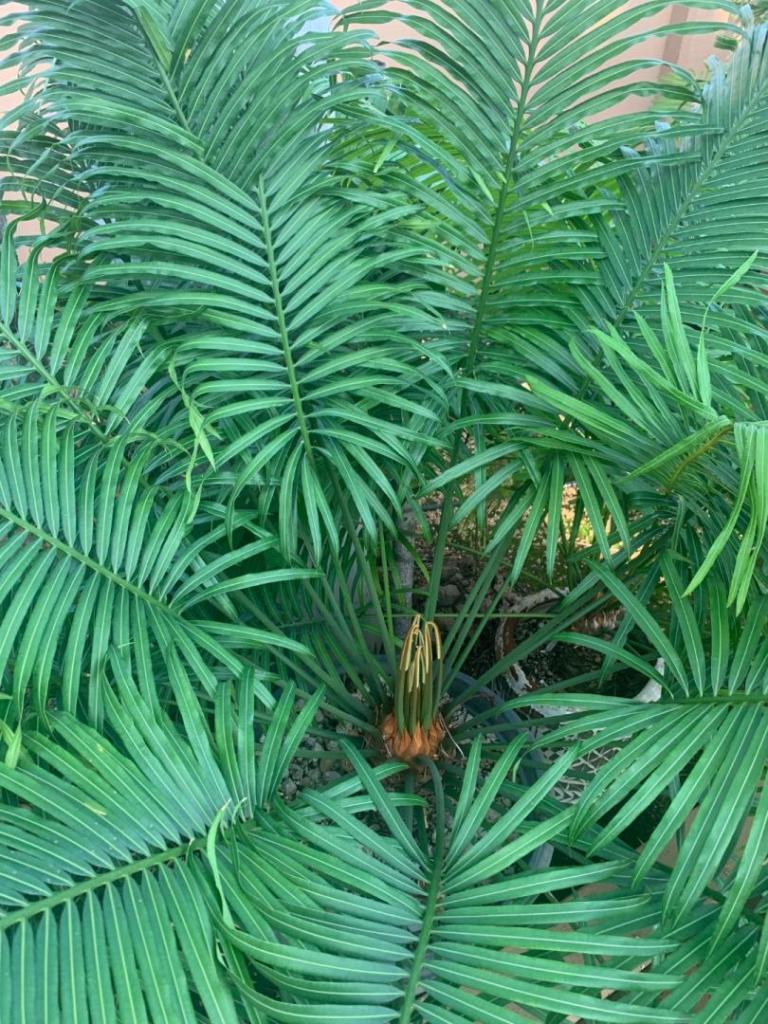
 3 points
 -
 3 points
 -
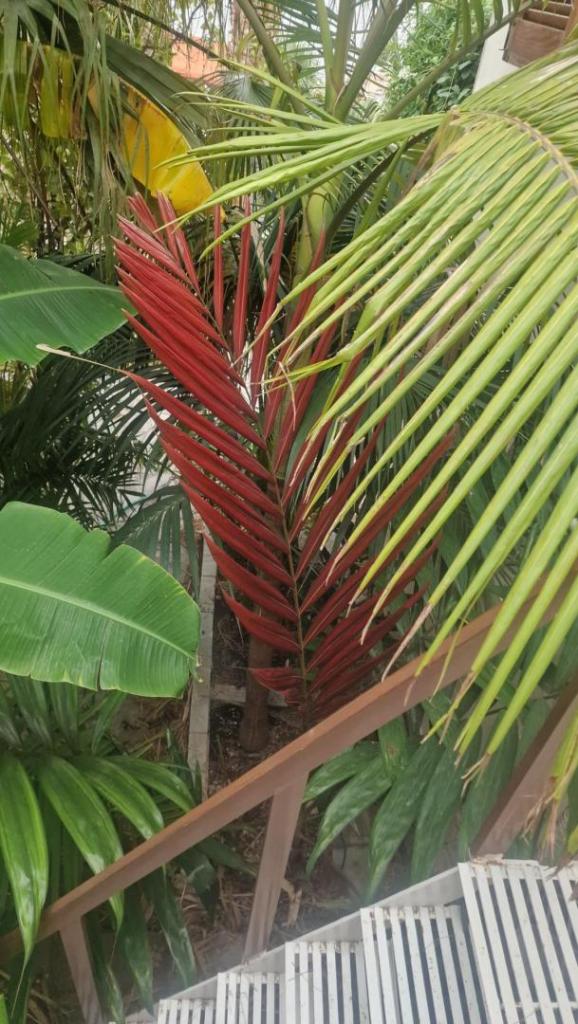
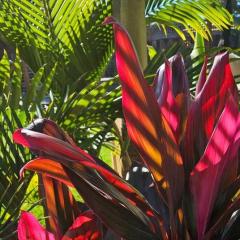 3 pointsRed leaf on this Archontophoenix "Teracarpa" (it's a hybrid from Jungle Music Nursery).
 3 points
 -
 I started planting tiny Rhopalostylis seedlings (bauri and sapida) many years ago. Was worth the wait. Here are some of them.




 2 points
 -
Thank you so much. I just responded to your PM. Cheers!2 points
-
2 pointsThese are all great ideas and make me feel like I'm not so crazy - much appreciated and that's why I love this site. The muck isn't fun, and I'd love to throw this tote in the sun to dry but it'd turn into a giant litterbox in minutes. Reminds me that I need to add a Sawzall and a new drill to my wish list. Still praying to get that McDonald's Lowes gift card lol.2 points
-
@aztropic Based on what I'm reading here, those spines on the supermarket filifera look angry. What are the chances it's a filibusta? Yours does appear to be the real deal and I'm glad you're preserving its genetic line.2 points
-
2 points
-
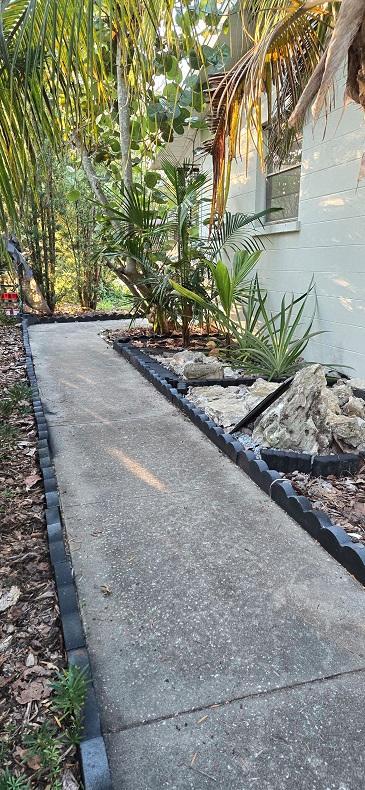
 2 pointsFall Update #1 - The Dearly Departed and The South Coconut Bed Dearly Departed: Each year, some palms flourish and establish and others pass on to the mulch pile. This years departures: Livistona rigida: Never grew right and died suddenly. Butia odorata: This was a surprise. It was doing well and then suddenly put out undersized frond and then spear pulled. Phoenix dactylifera: The middle of the three seed-grown palms on the side of the driveway perished, or at least the main trunk did. The jury is out on the offsets. When I pulled the spear, there was frass and tunnels in it. Not good, but not necessarily lethal bronzing. There is another beside it that may require removal. Livistona saribus: A seedling died in the old desert bed area. It was replaced with the larger one in the post above. Livistona chinensis: The smallest of three seedlings I received as a gift perished after a move intended to reshape the Okinawa Bed. Unfortunate, but the other two are doing better. Veitchia arecina: A small and sickly seedling grown from seeds produced locally. Unfortunately, it couldn't handle the move to the Veitchia bed in the post above and became part of the mulch. Death's Door: A few palms struggle where they are at and need to either be moved or face certain death. Recent attempts to salvage: Copernicia fallaensis: It did not care for its location and was nearly dead. It was removed from the old desert bed a few months ago and placed in a pot. It regrew its entire crown in a couple of months. It was placed near the driveway but may not handle that area well either. Areca catechu 'Dwarf': It didn't care for the sand-and-mulch area near the Pritchardia and Maypan coconut. Moved back into a pot to attempt recovery. Licuala grandis: This did not like the redzone garden for whatever reason. After a short recovery in a 1G pot, it was re-introduced to the long bed garden on the south side of the property. This area gets all day indirect light and it seems to be acclimating well. Chamaedorea tepejilote: After the move to the Red Zone, this one might not be long for the world. Chamaedorea microspadix: Only in slightly better health than the tepejilote. Acoelorraphe wrightii: This one also did not care for what was formerly designated as the Desert bed. It was moved to the red zone bed, but is not doing all that much better there, either. The South Coconut Bed: Probably the favorite bed of all of the folks who have toured, this bed sports lots of stone, tropical plants, and a sheltered environment. The palm thought to be an Atlantic Tall coconut palm is flowering this year. As expected, the first fruits have mostly aborted. The Syagrus schizophylla has roughly doubled in size, with the pineapples giving it a run for its money. The Panama Tall seedling isn't growing as fast, and the pineapples almost completely hide the Adonidia merrillii seedling tucked away in here. The sea grapes and podocarpus serve as barricades to wind and cold during the winter, keeping the bed protected from advective cooling. The map shows the location of the South Coconut Bed Top Left: The coconut palm with flowers and immature fruit and a frond in senescence. Top Right: A view of the Syagrus schizophylla, Cocos nucifera 'Panama Tall', Adonidia merrillii, and pineapples from the end of the path. Bottom Horizontal #1: Close-up of the palms in the last photo. Bottom Horizontal #2: Fallen immature coconuts.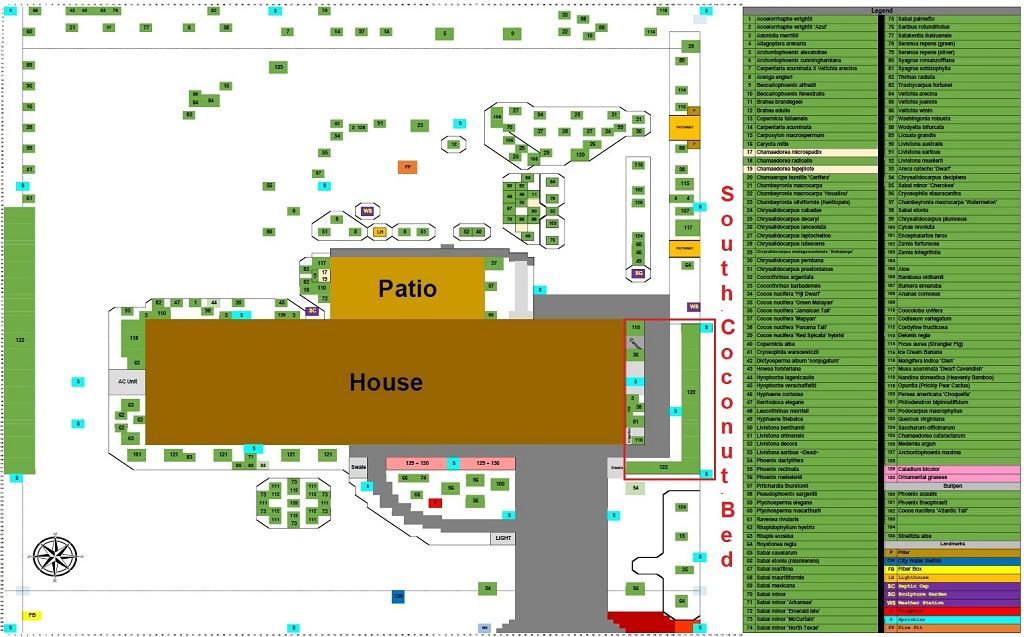


 2 points
 -
 2 pointsMy mix method is to use a 15g or 25g pot. I pour in the perlite on the bottom, then the topsoil, then the chunks of small pine bark or cypress shredded mulch, then the coir, then a bit more perlite on top. I put rubber gloves on, and mix by reaching down around the sides and lifting up the center area and fold it over by hand. I only have to fold over by hand maybe 2 or 3 times to get a reasonable mix. Doing about 1-2cuft in a 15-25g pot works fairly easy without throwing a bunch out of the pot. If you are potting up relatively small numbers on any one day, 2cuft of mix does a lot of pots. It's worse if you are doing a lot of 3g pots. For coir, I generally rehydrate and rinse the blocks ahead of time in one of those big storage bins. After rinsing I toss it into a few 7g or 10g pots to dry out. That avoids the mucky mixing problem.2 points
 -
2 points
-
2 points
-
Filifera does not tolerate well cold and wet at once. May be more cold tolerant than robusta but in drier conditions.2 points
-
@aztropic I suspected as much based on what I've been reading here. Gorgeous specimen you've got there, BTW. Would love to have one just like yours. @PalmatierMeg A trip to the Thousand Palms Oasis Preserve is in my future for sure. @Fusca Thank you so much for the warm welcome. A thick trunk is what I'm looking for in a washi. @Hu Palmeras If you’re referring to mine, thank you! I’ve already planted it in the ground while I germinate the seeds. Hoping to get at least one genuine filifera—fingers crossed! To All: The cannabis community has genetic testing for their plants. I’m wondering whether there’s something similar for Washingtonians.2 points
-
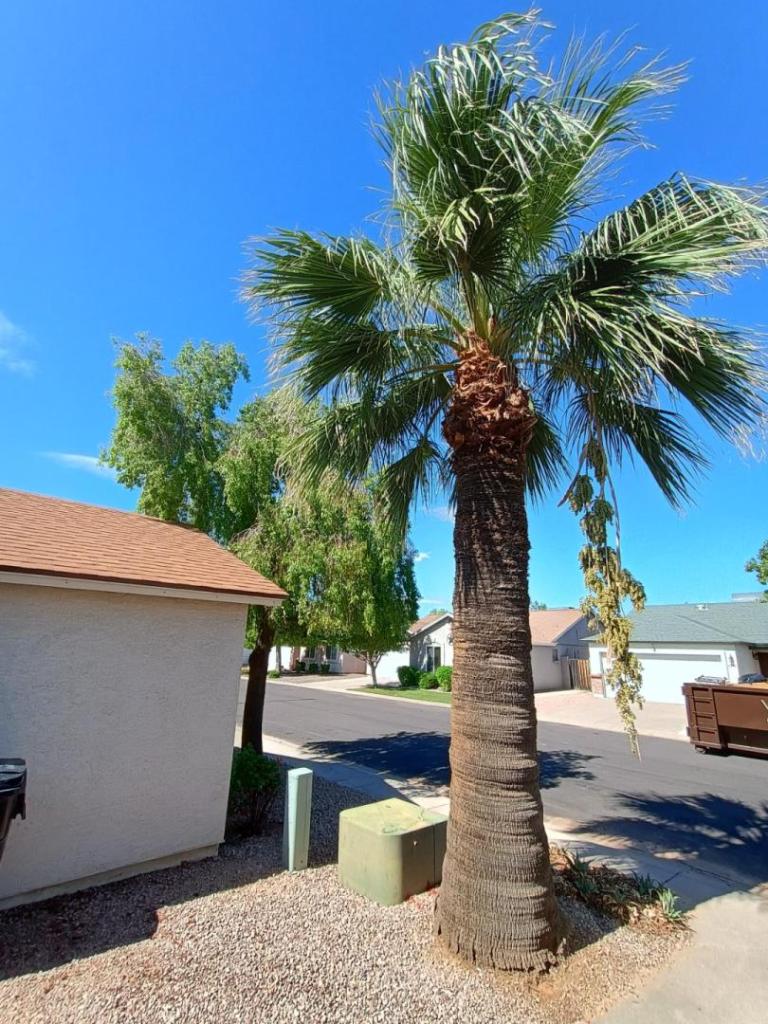
Here's a picture of my pure filifera. Notice,the petiole bases are totally green. aztropic Mesa, Arizona
 2 points
 -
2 points
-
2 pointsHi Phil yes I remember my grandmother with her camera as well so maybe my photograph was taken with the one my grandmother had I hope so2 points
-
2 pointsThank you iam pretty sure it was taken with the camera they called the box brownie2 points