Leaderboard




Popular Content
Showing content with the highest reputation on 10/10/2025 in all areas
-
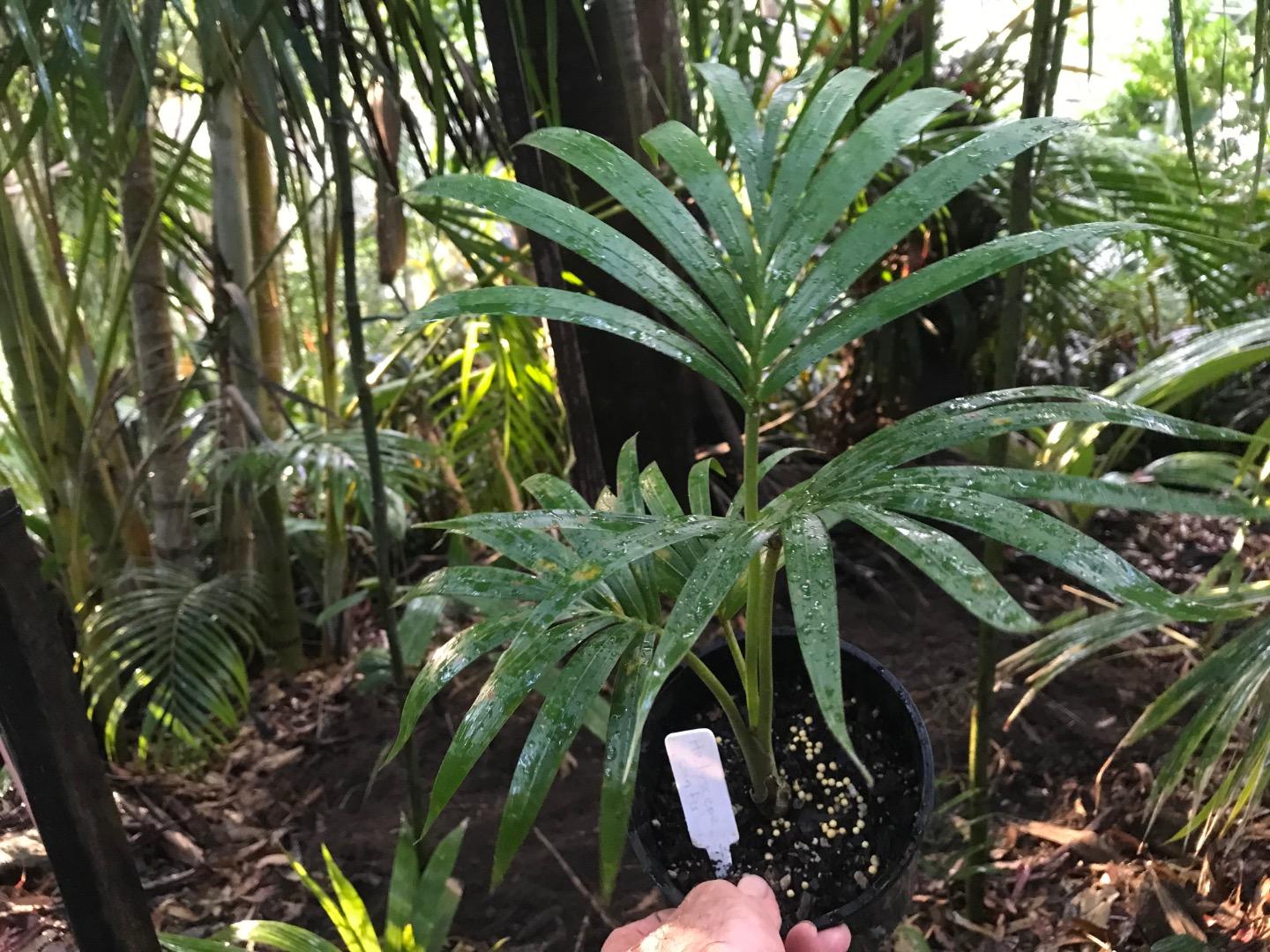
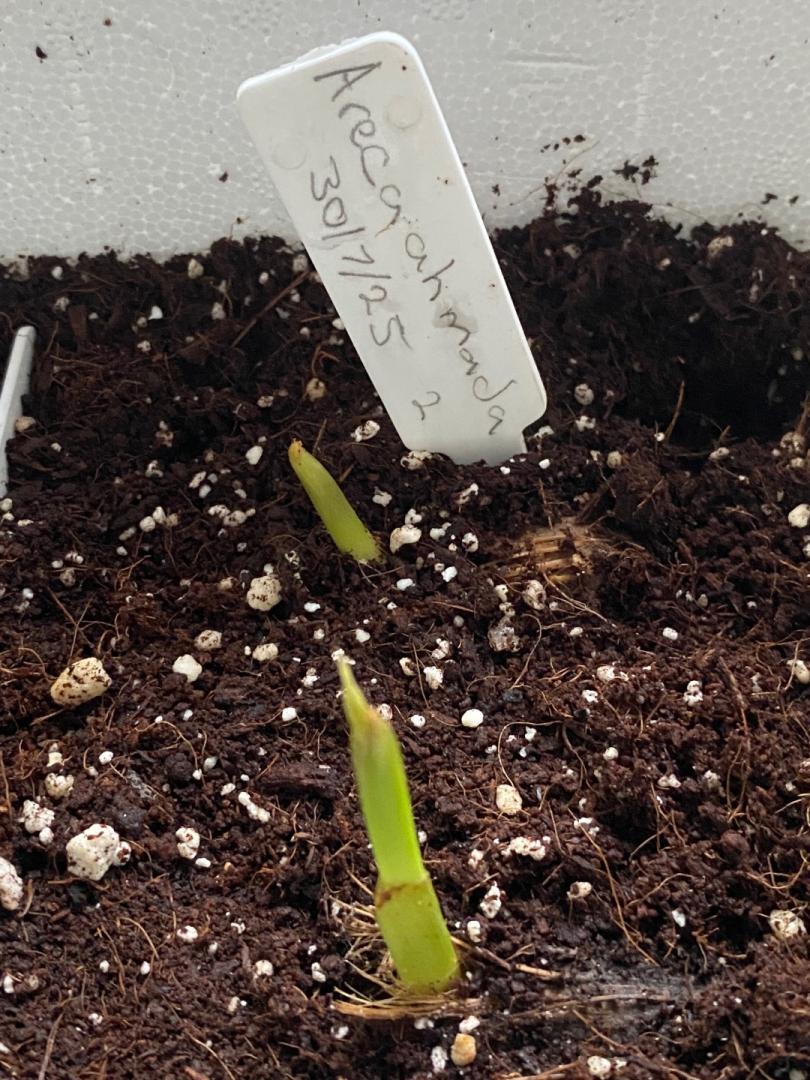
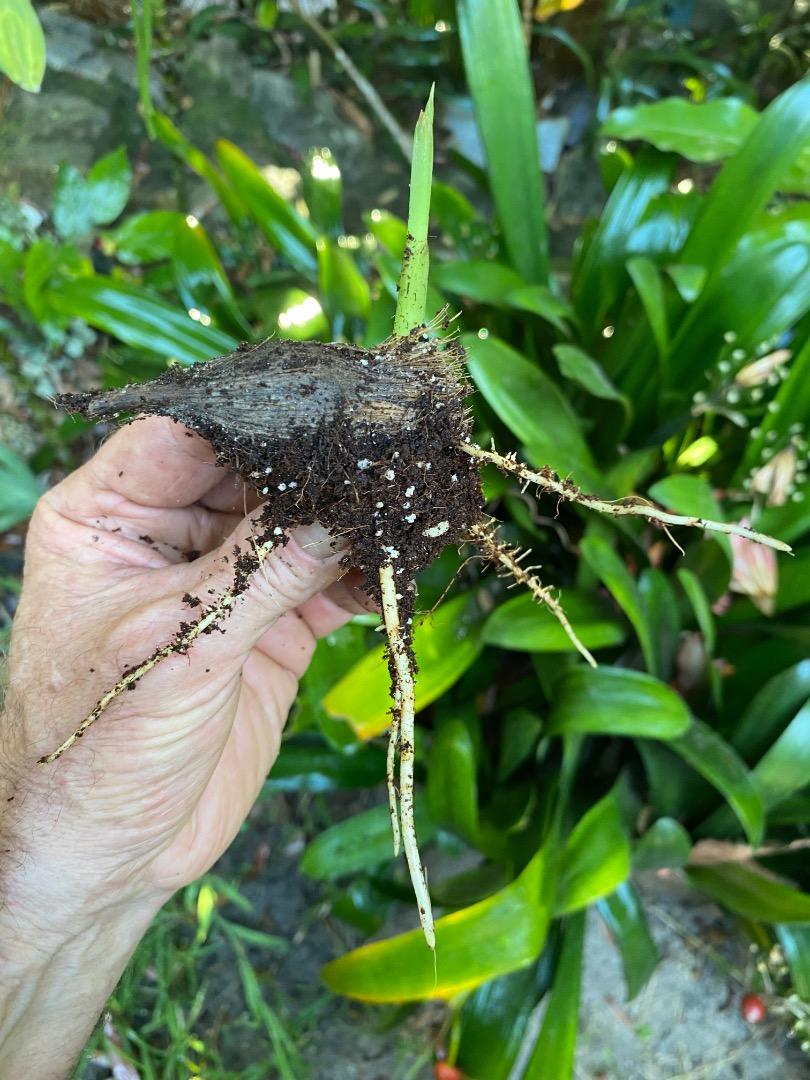
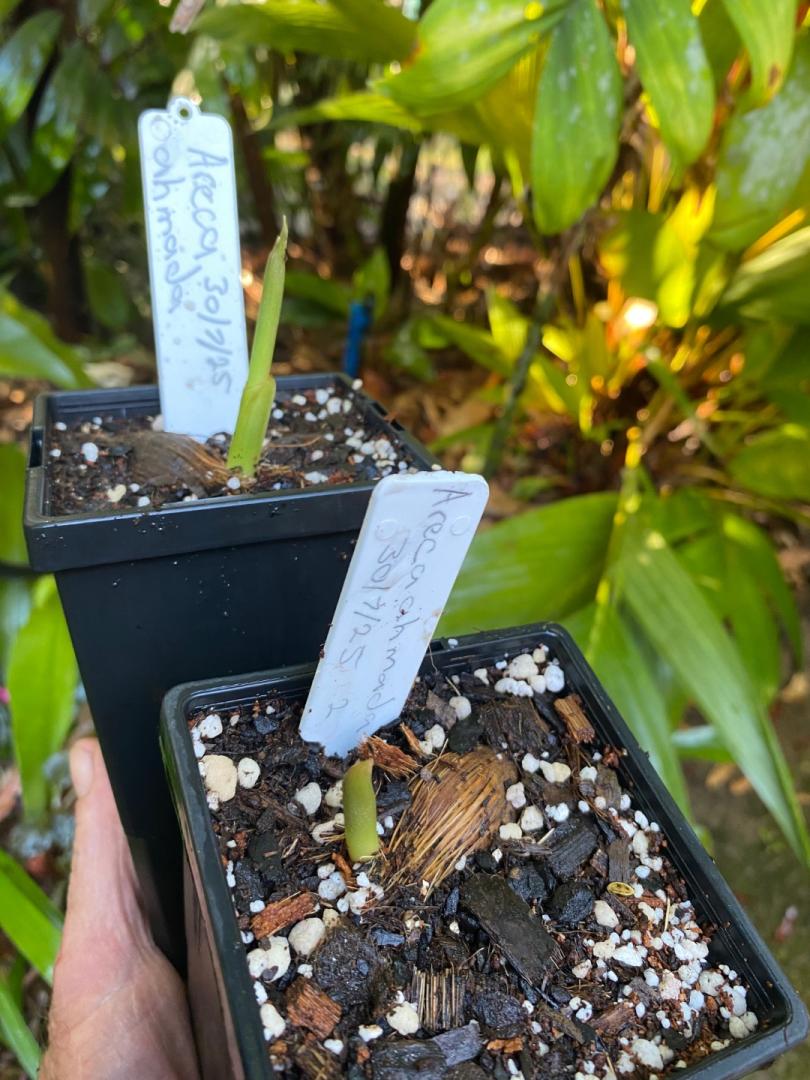
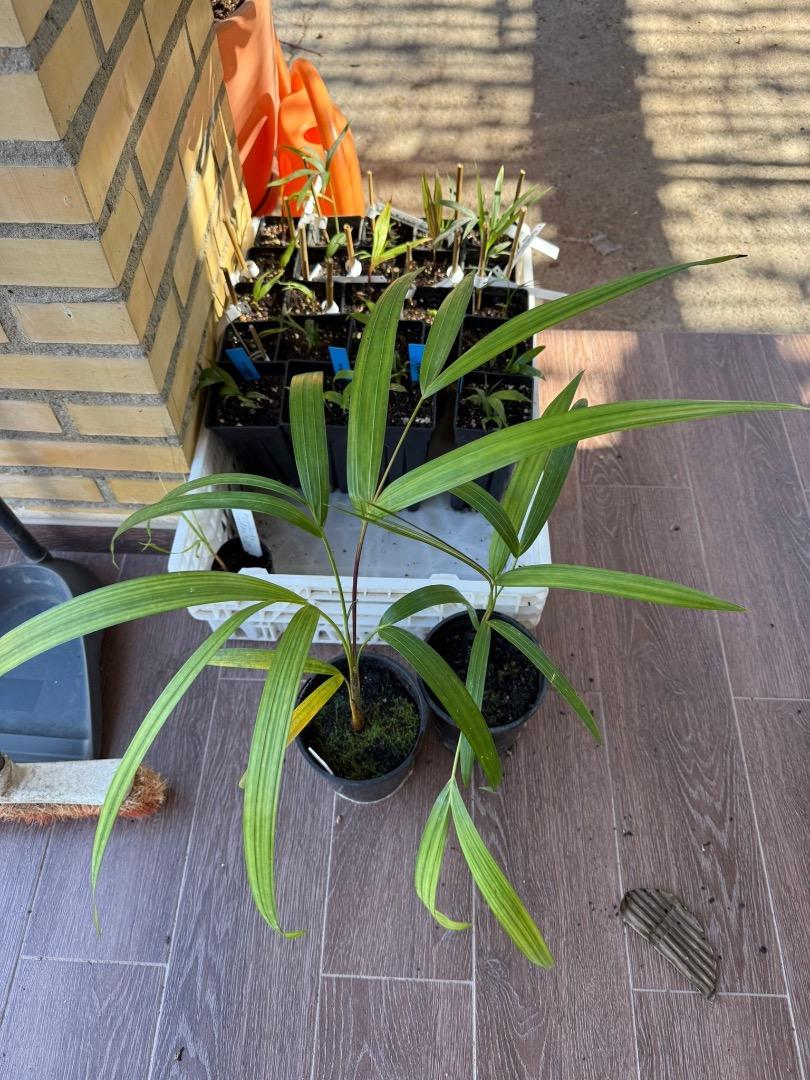
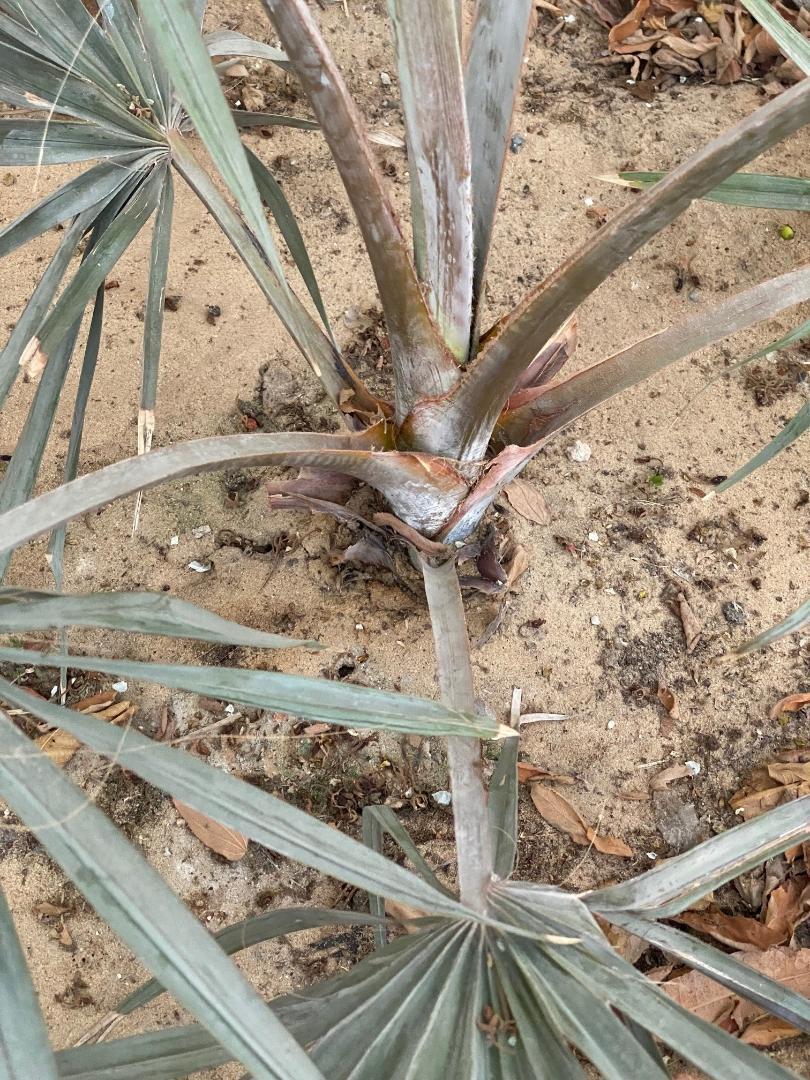
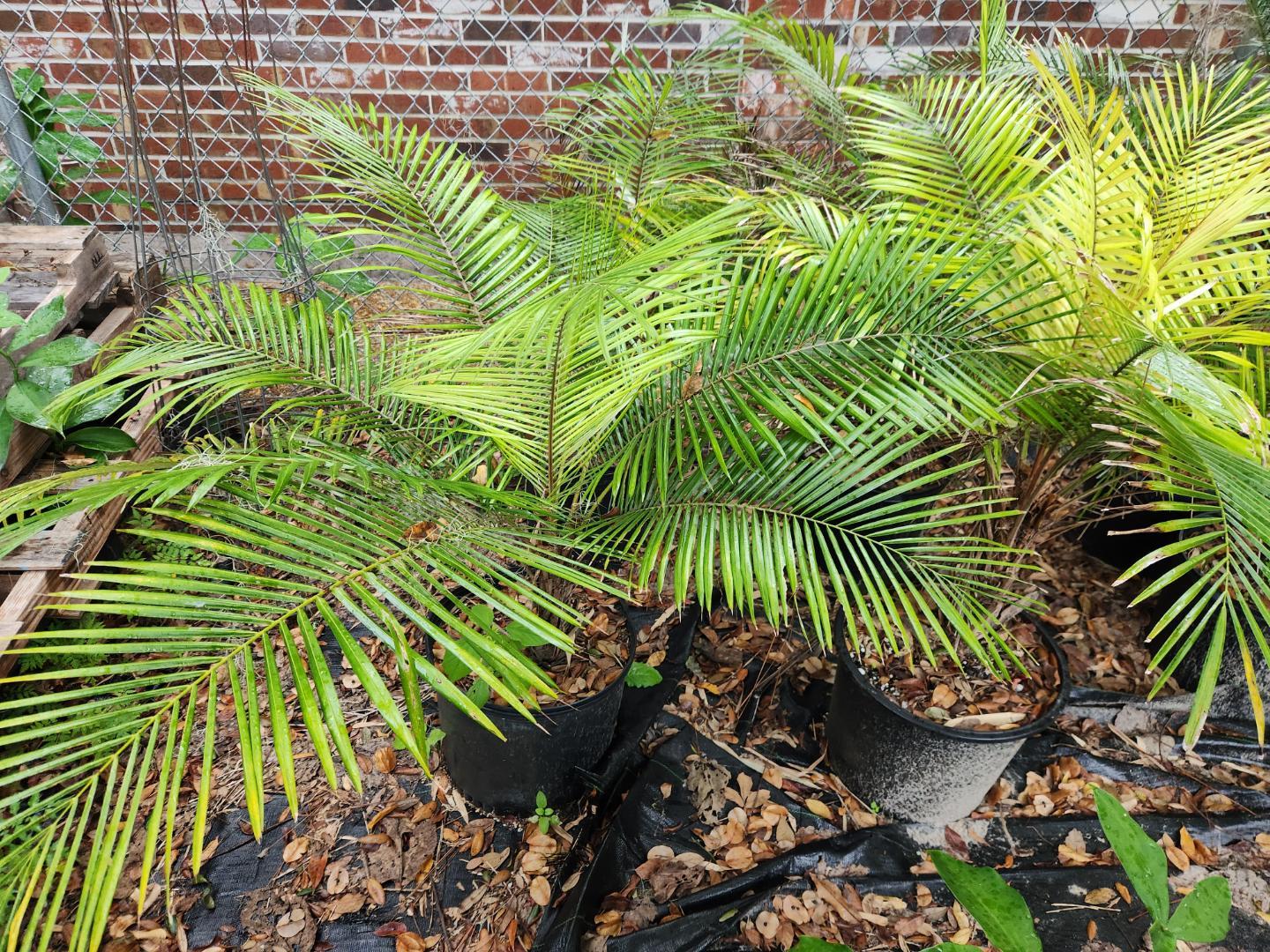
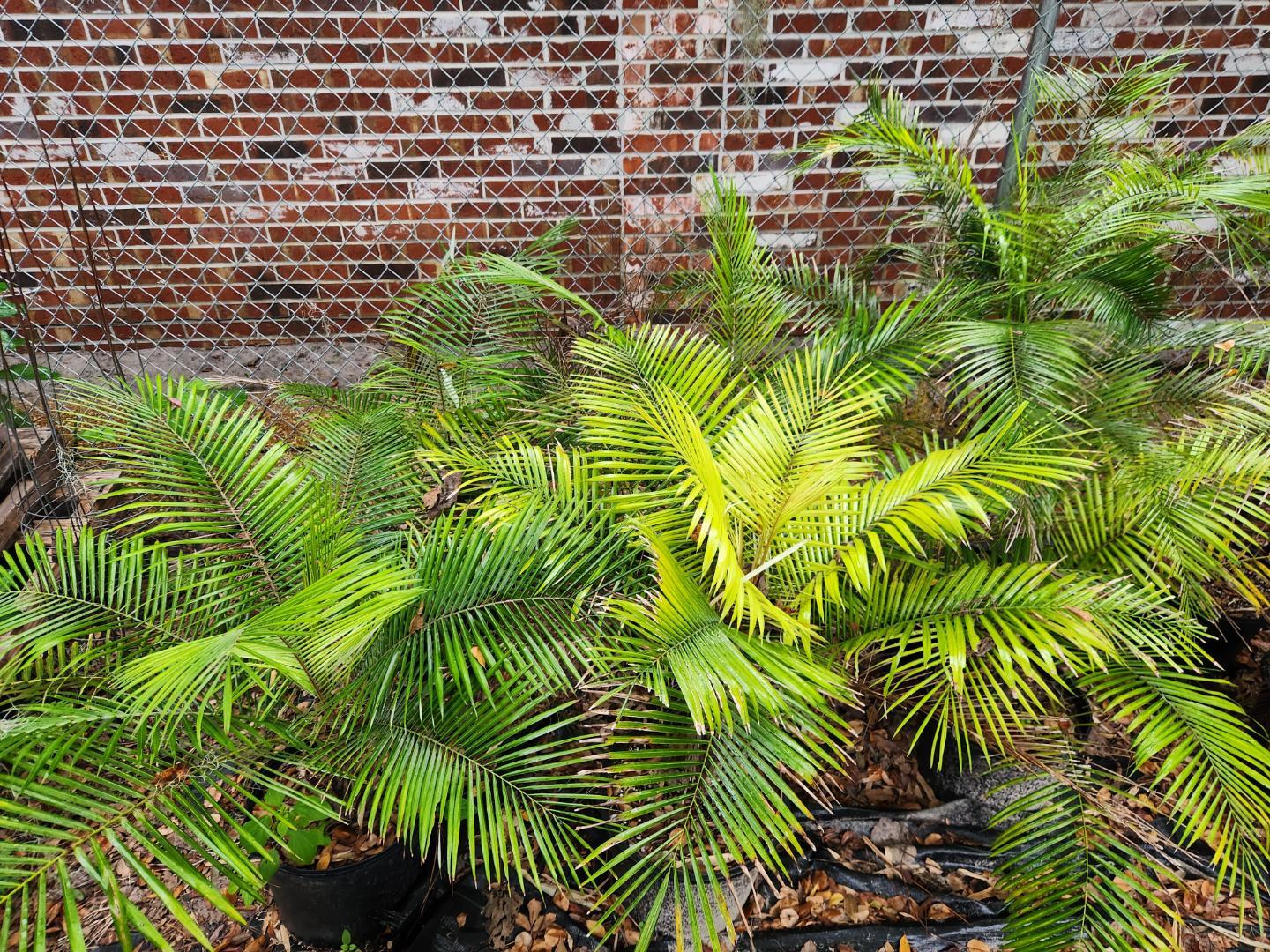
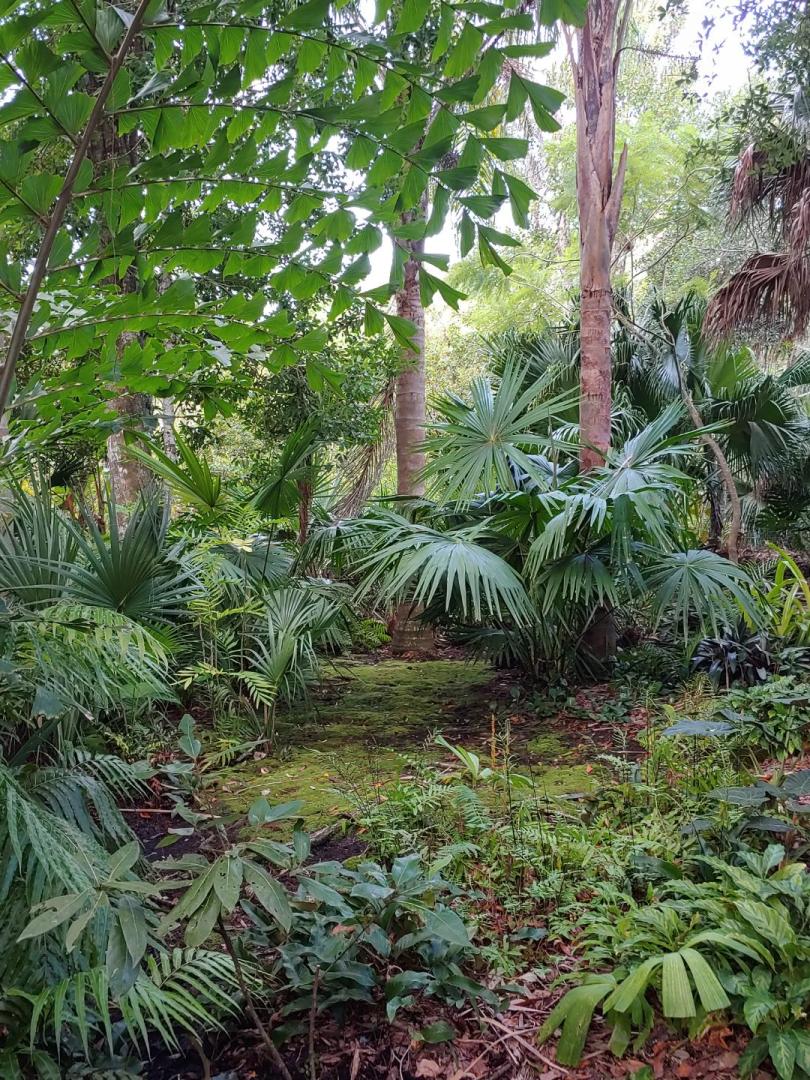
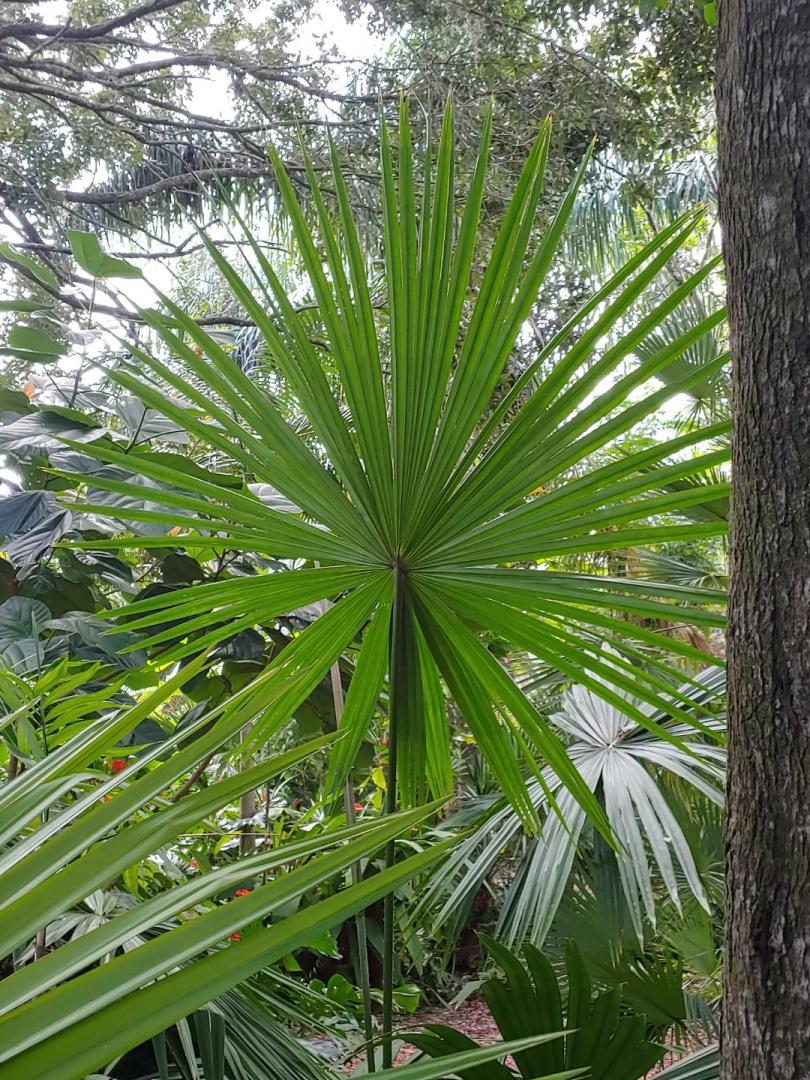
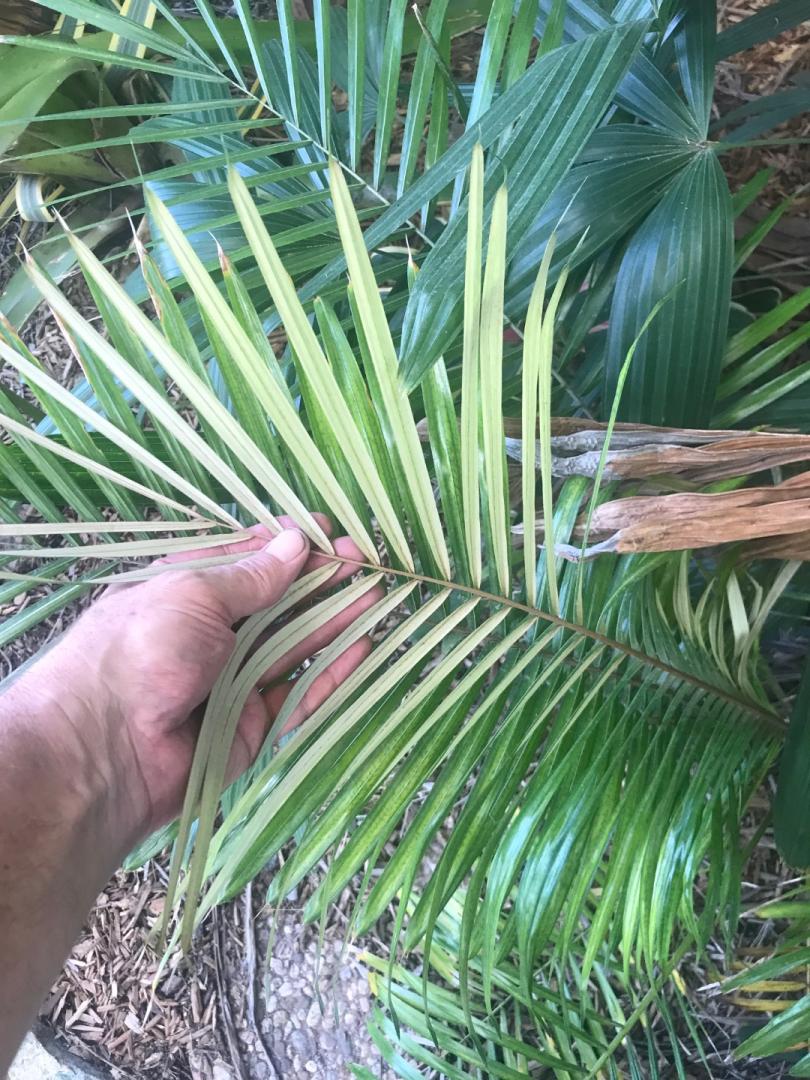
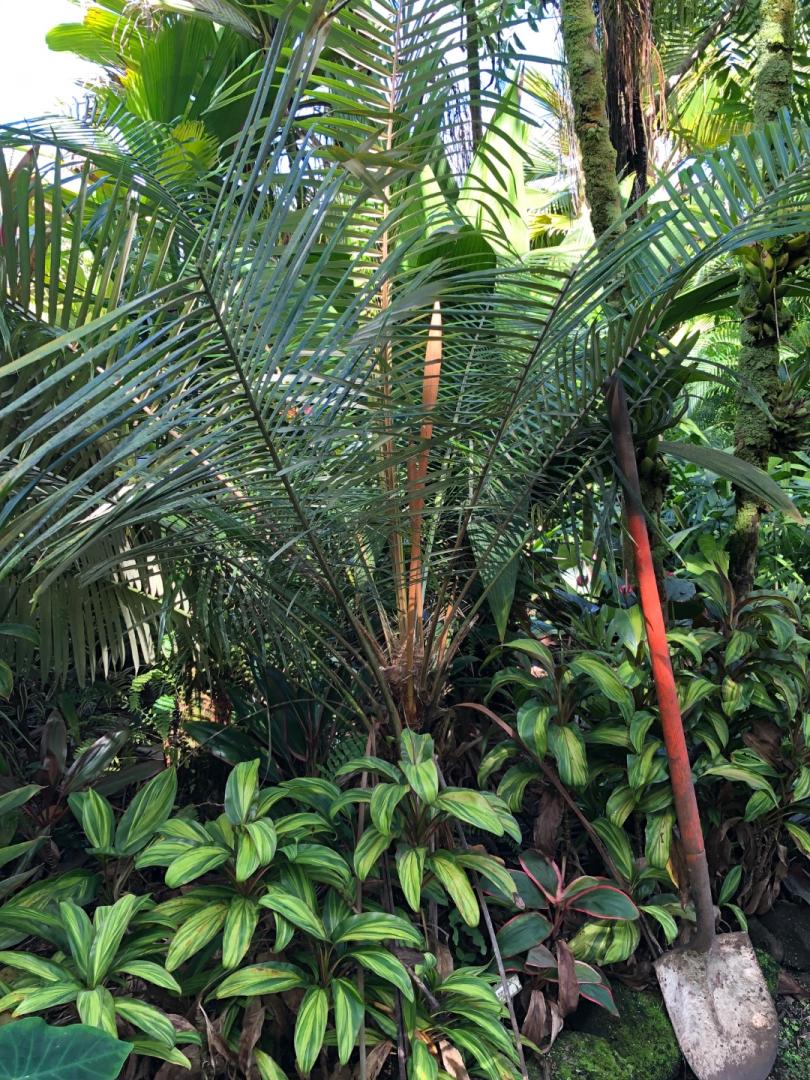
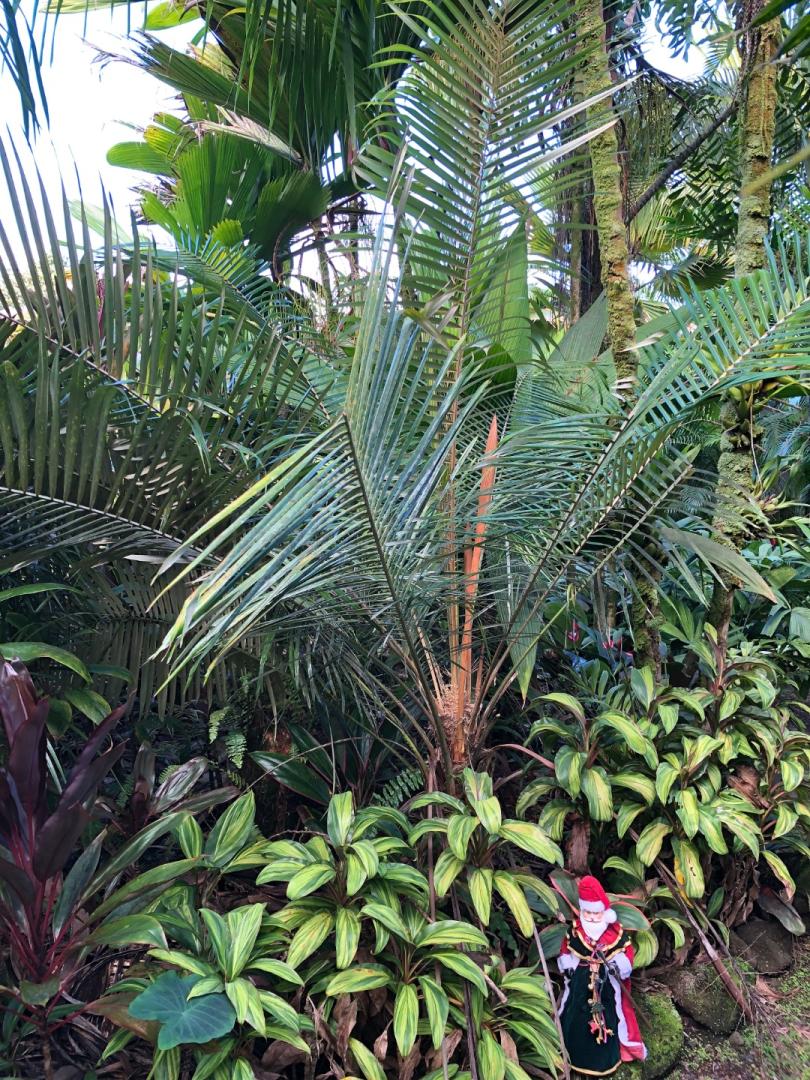
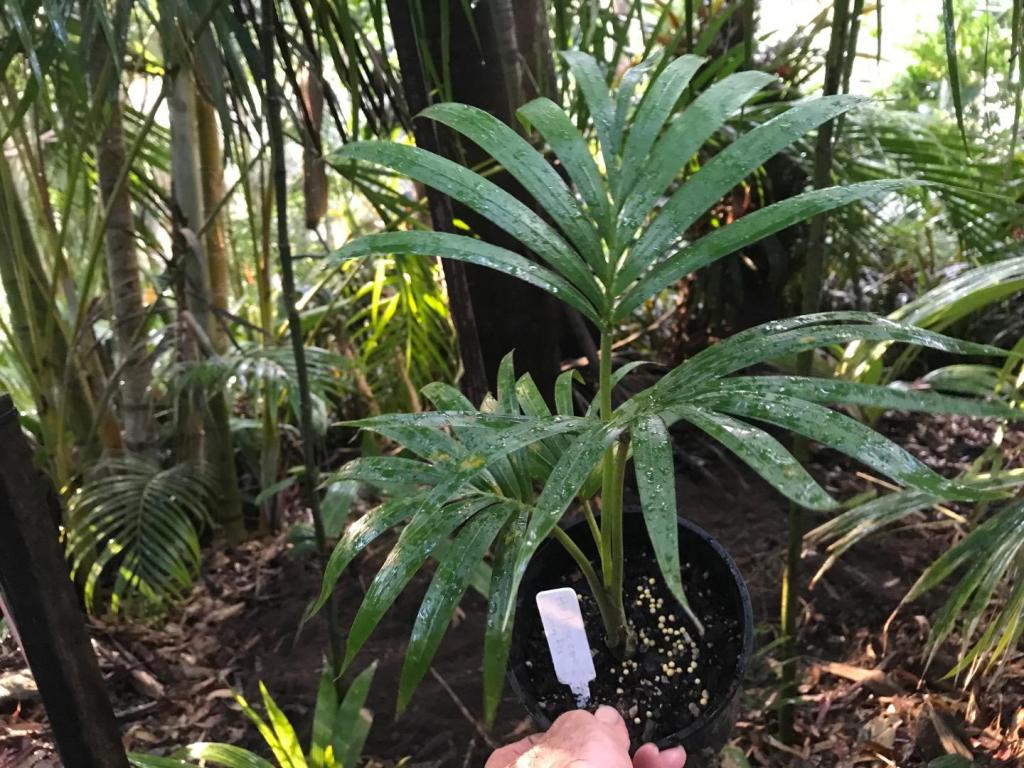
The best way to grow a palm is in the ground, so time for this one to go in the ground. Germinated from a few purchased seeds online. With 2 left from 4 seeds not to bad 50/50 odds. Planted in about one of the wettest and cooler spots in my garden I shall see how I go.

 10 points
 -
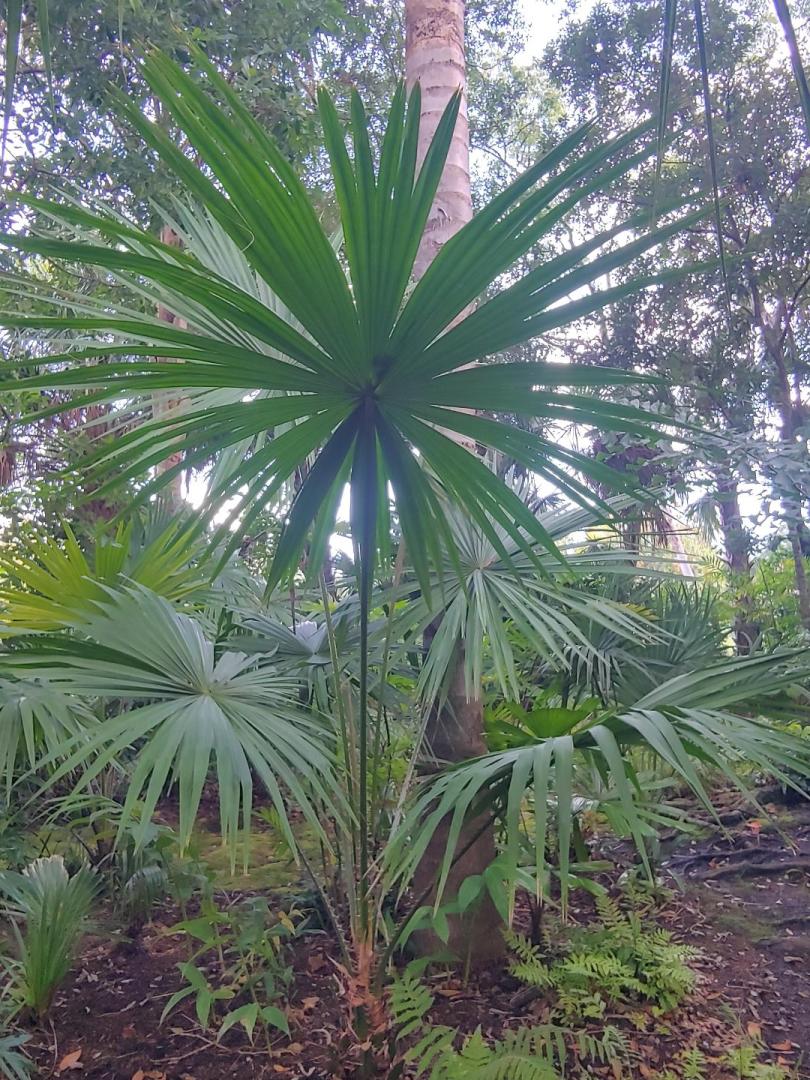
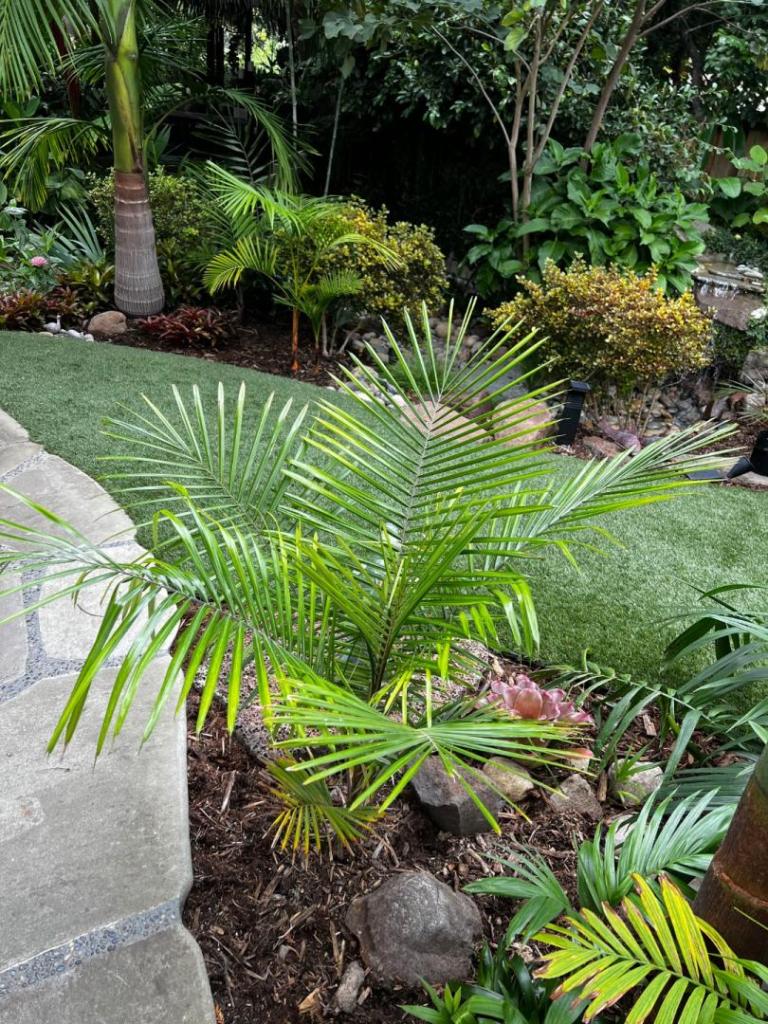
Almost two years later update…They are growing well. A bit more sun exposure has brightened the previous deep green leaves.
 7 points
 -
It should do well, plenty of moisture and in the shade. Here in California they’ll take the sun near the ocean, but not too far from it.5 points
-
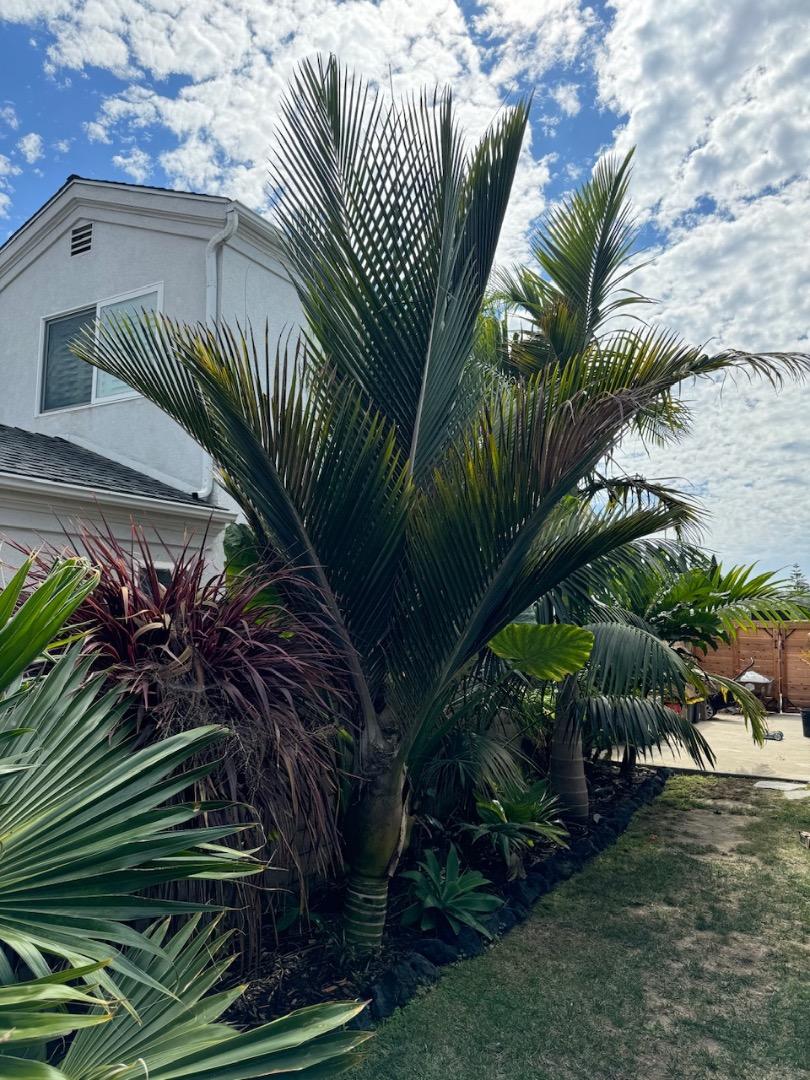
Here is my Brazoria— been in-ground about 18 years from a 3 gallon.
 4 points
 -
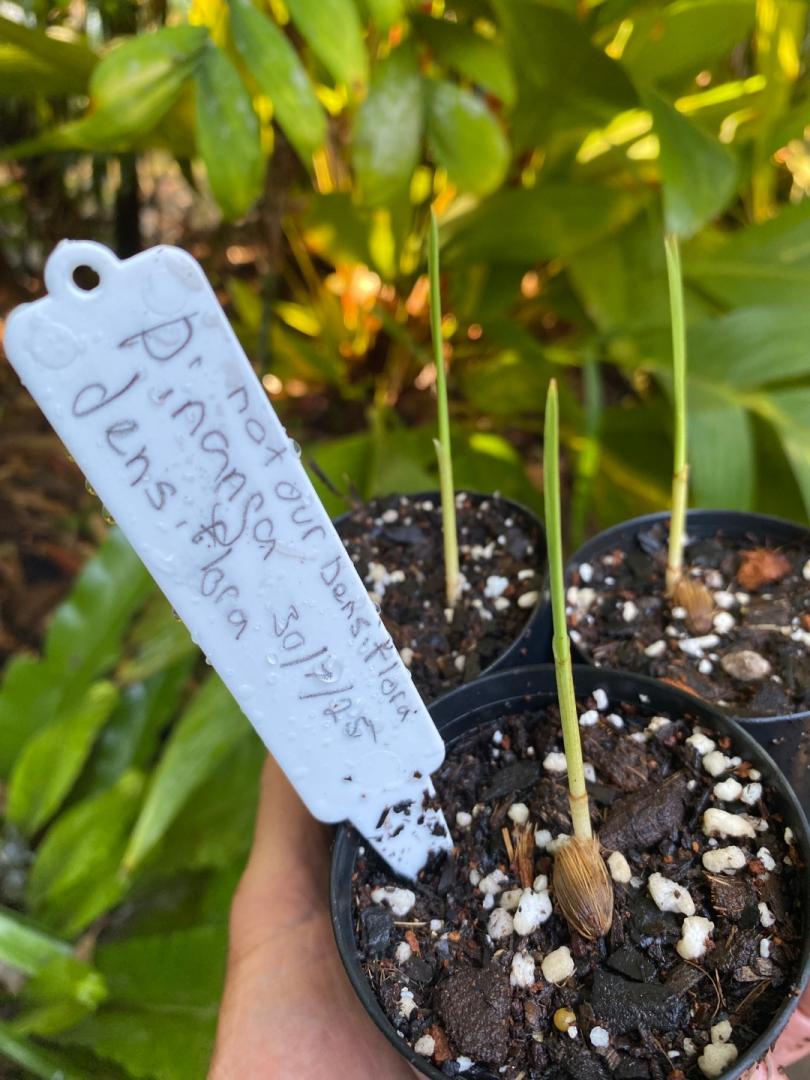
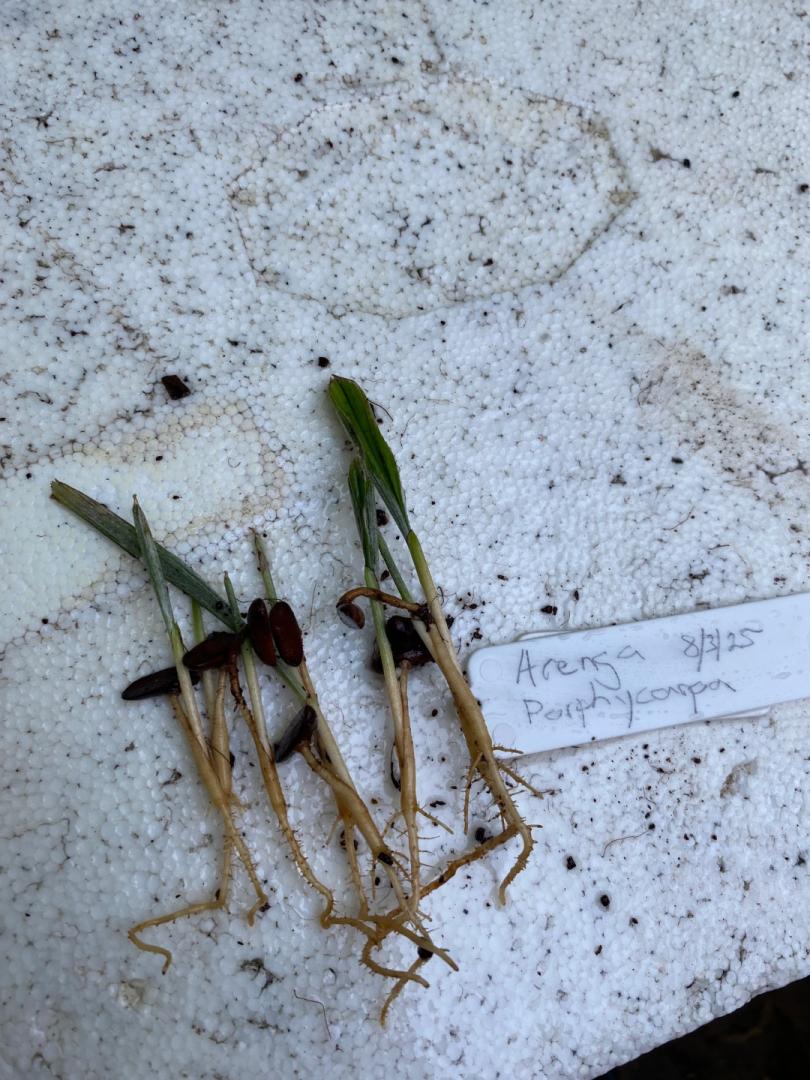
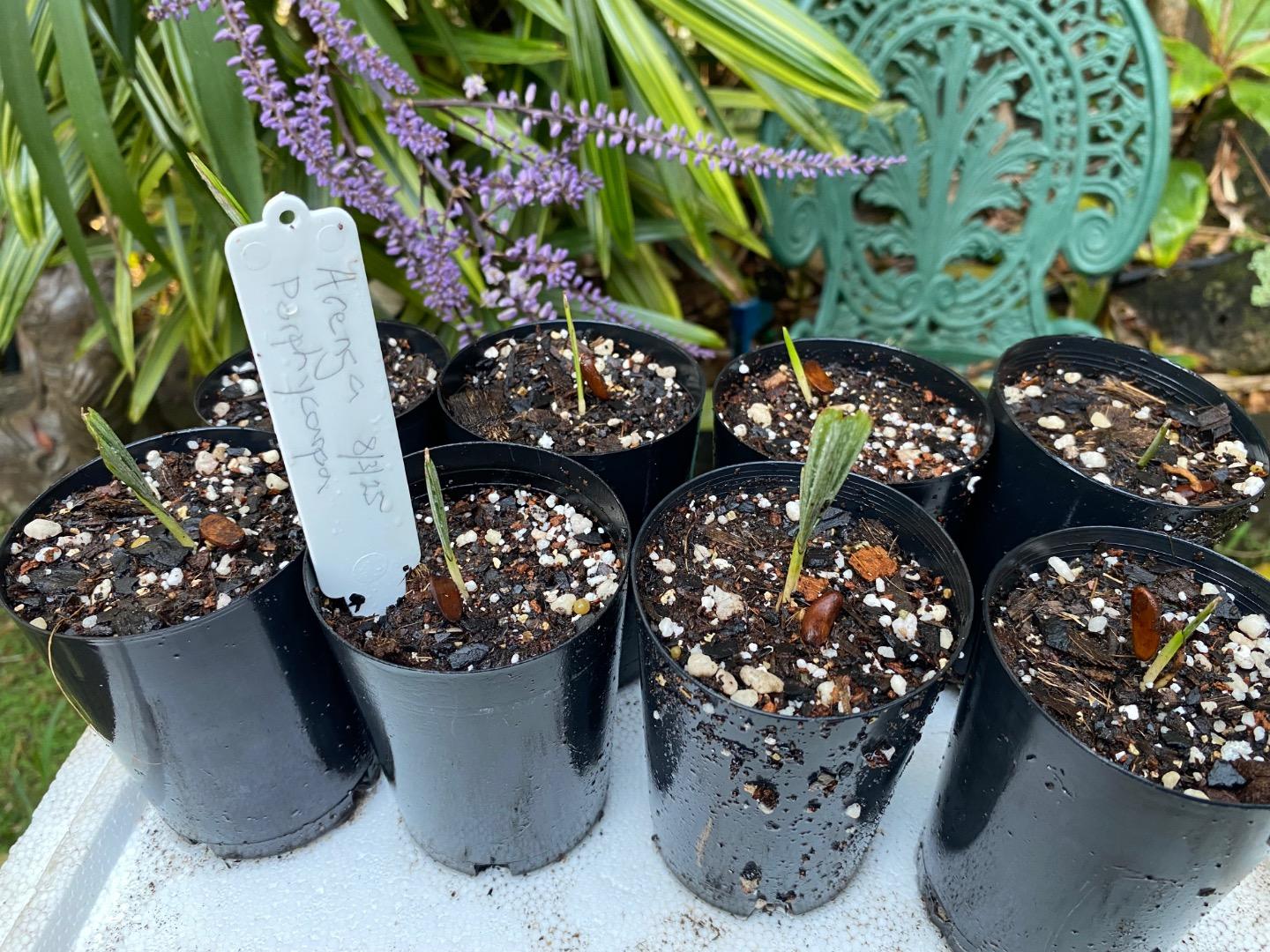
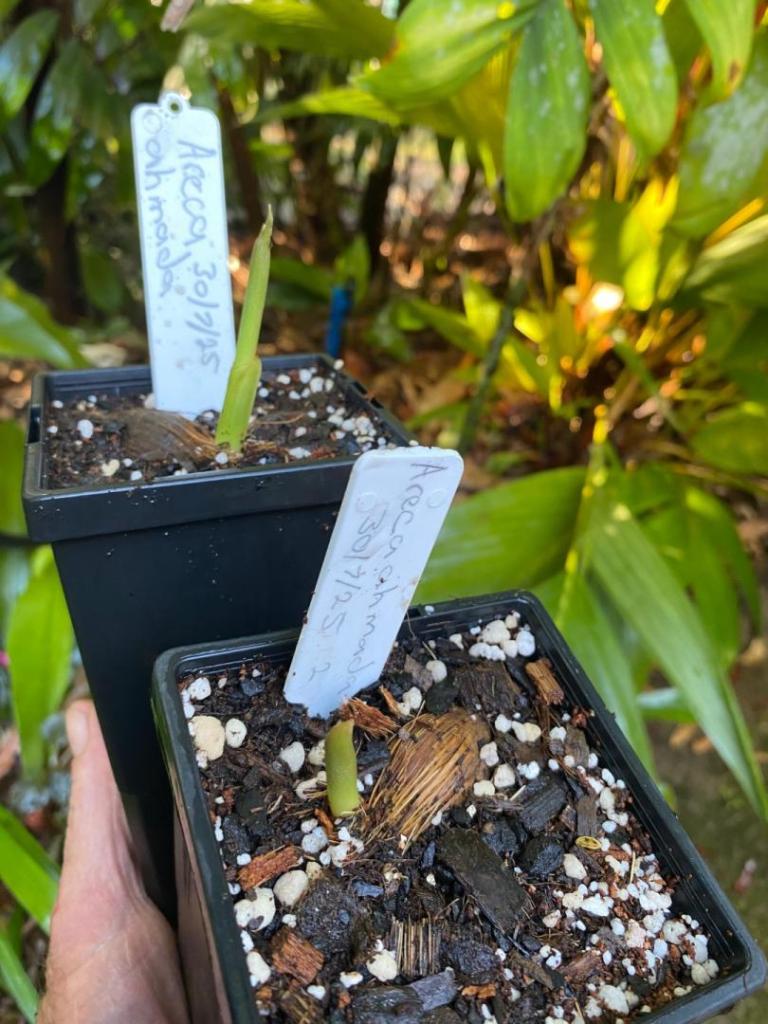
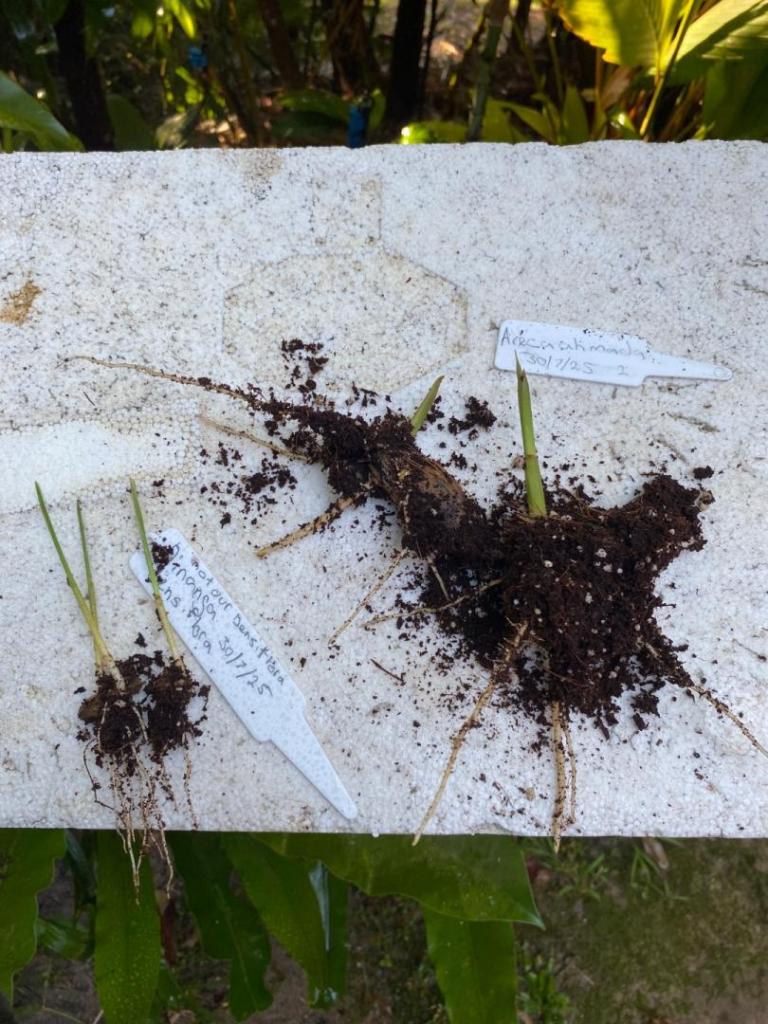
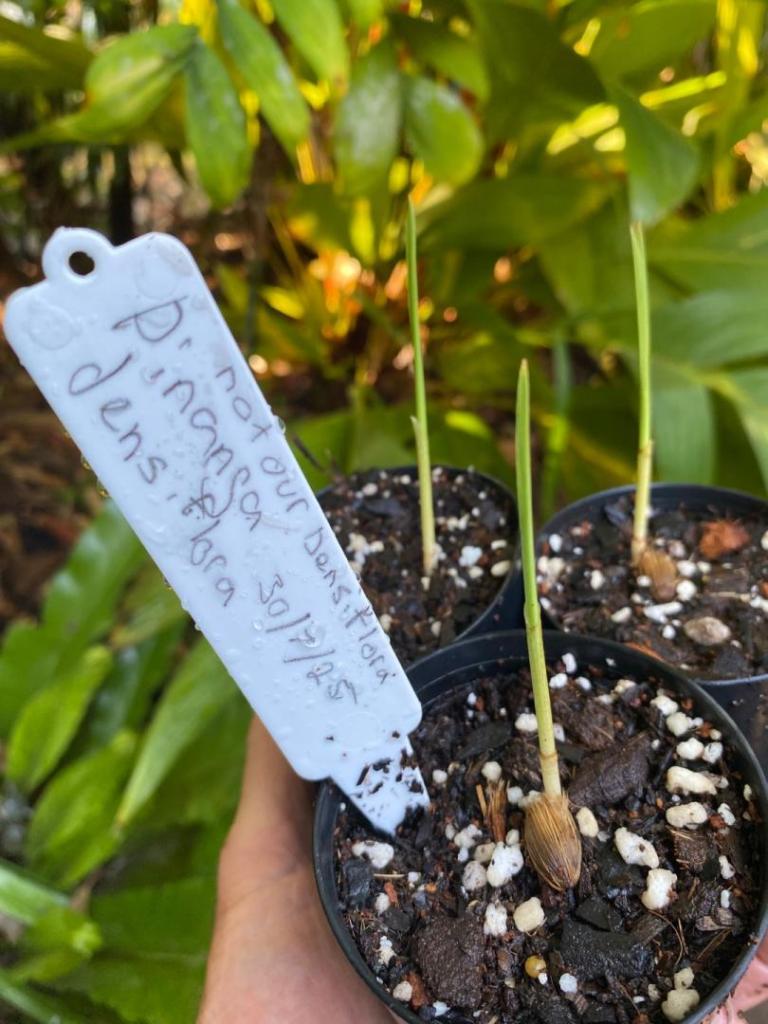
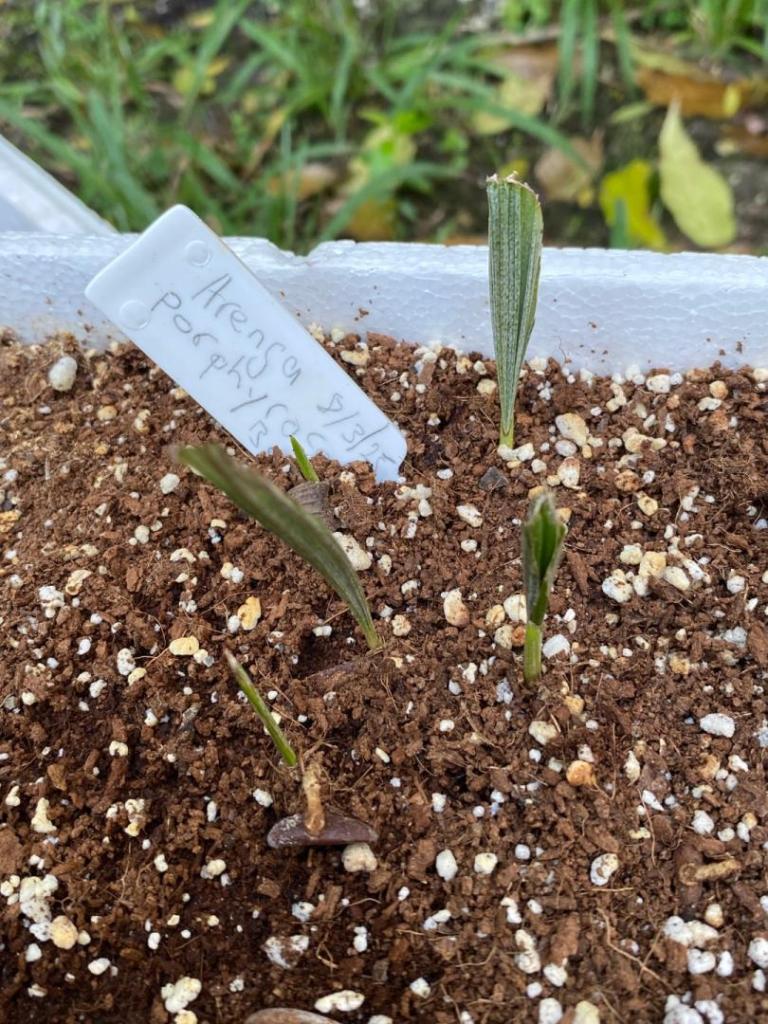
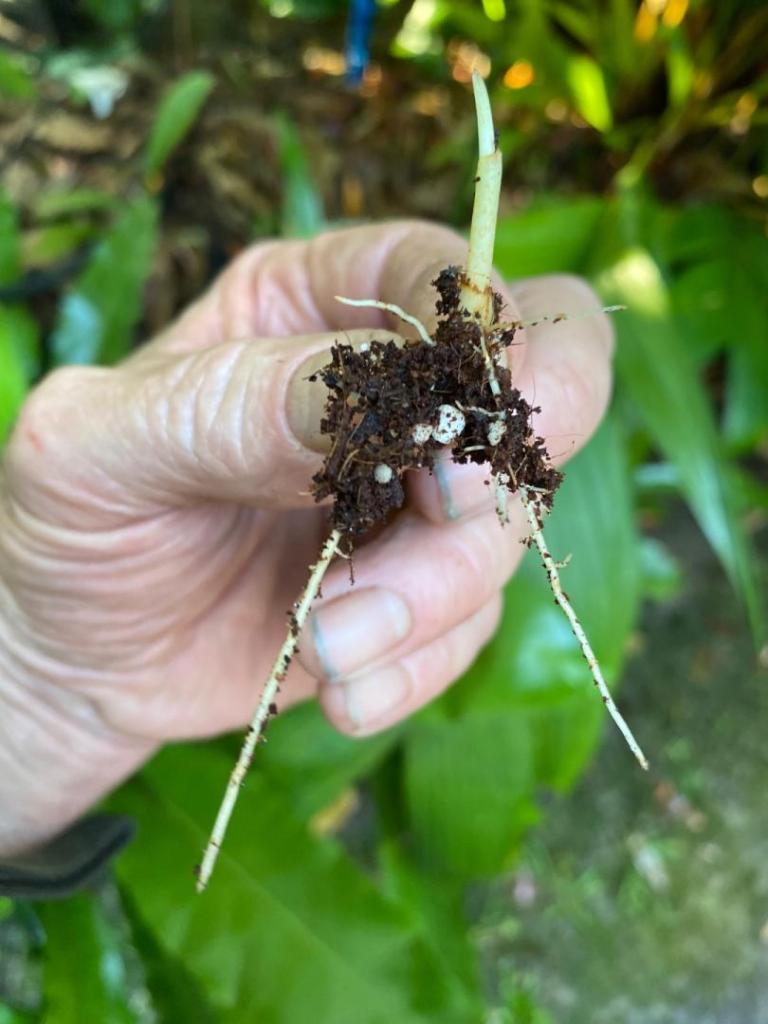
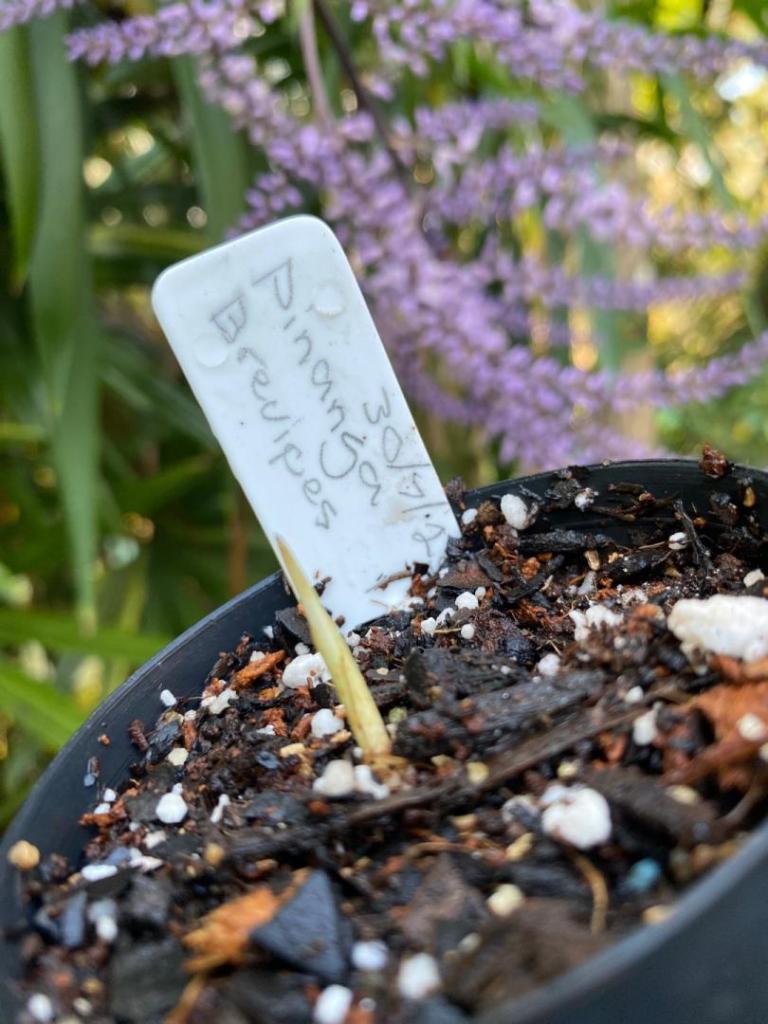
A few rare ones in this little clutch of seeds. The Areca armada should be an interesting one, and the Pinanga brevipes will also be another interesting one to have, provided winter doesn’t have its say. The Arenga will be a nice clumping one, along with the densiflora having some interesting colour. A fine little batch of seedlings!




 4 points
 -
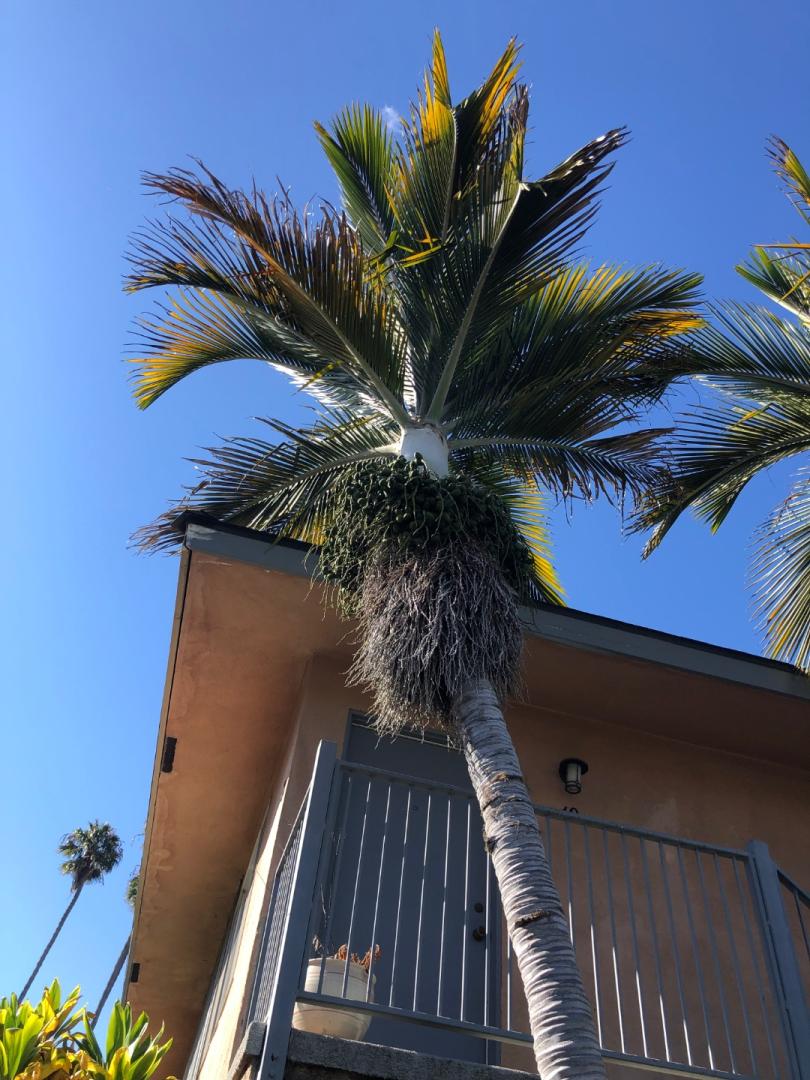
There is a very large one in Ventura , one of the Sullivan’s apartment buildings . Way too tall to get to the seeds. Harry I guess you’d have to get ahold of the tenant in the corner apartment , but it would be tricky even then . I don’t like heights!
 4 points
 -
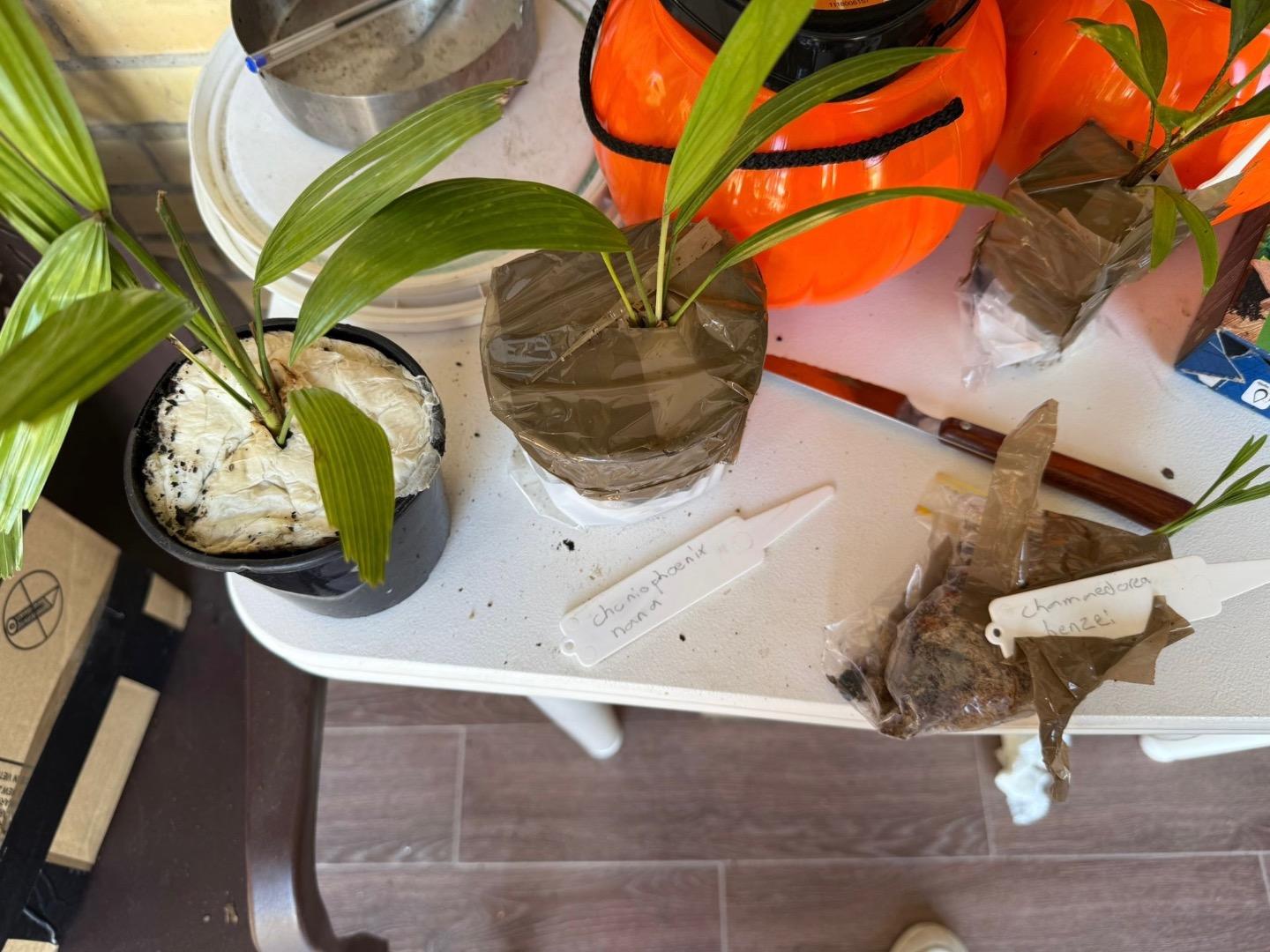
What caught my eye today was some pictures sent to me from an international mail order of some live plants I posted overseas, all arriving in perfect condition. Chuniophoenix nana, basselina gracilis, dypsis saintlucei and a few others
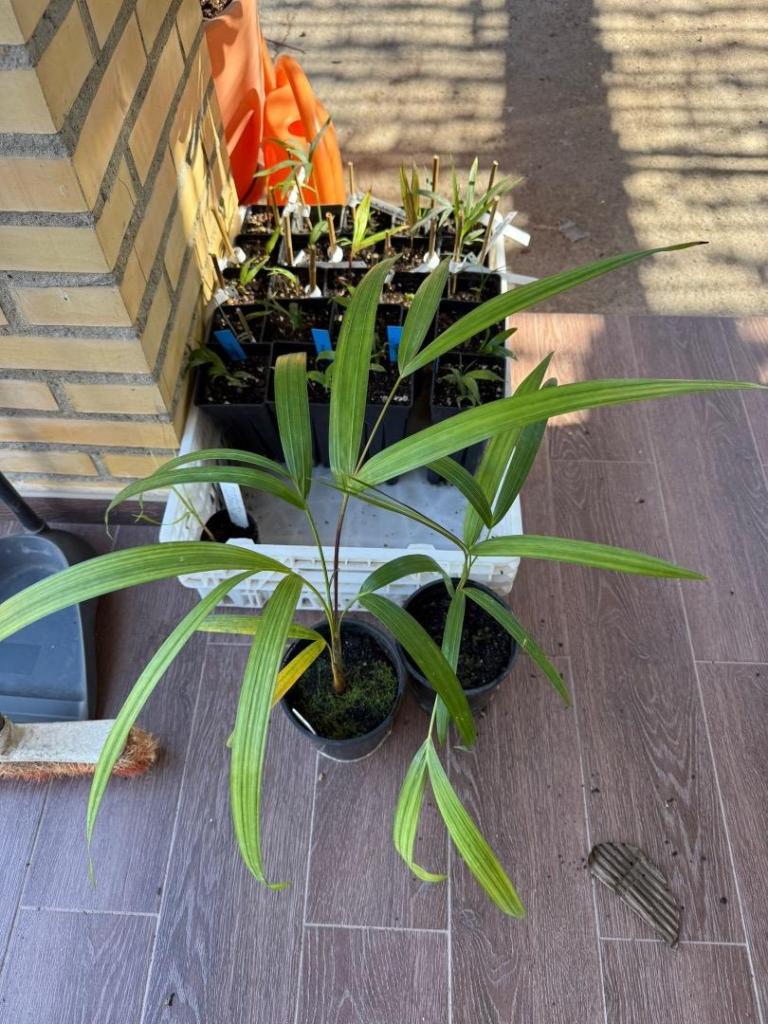
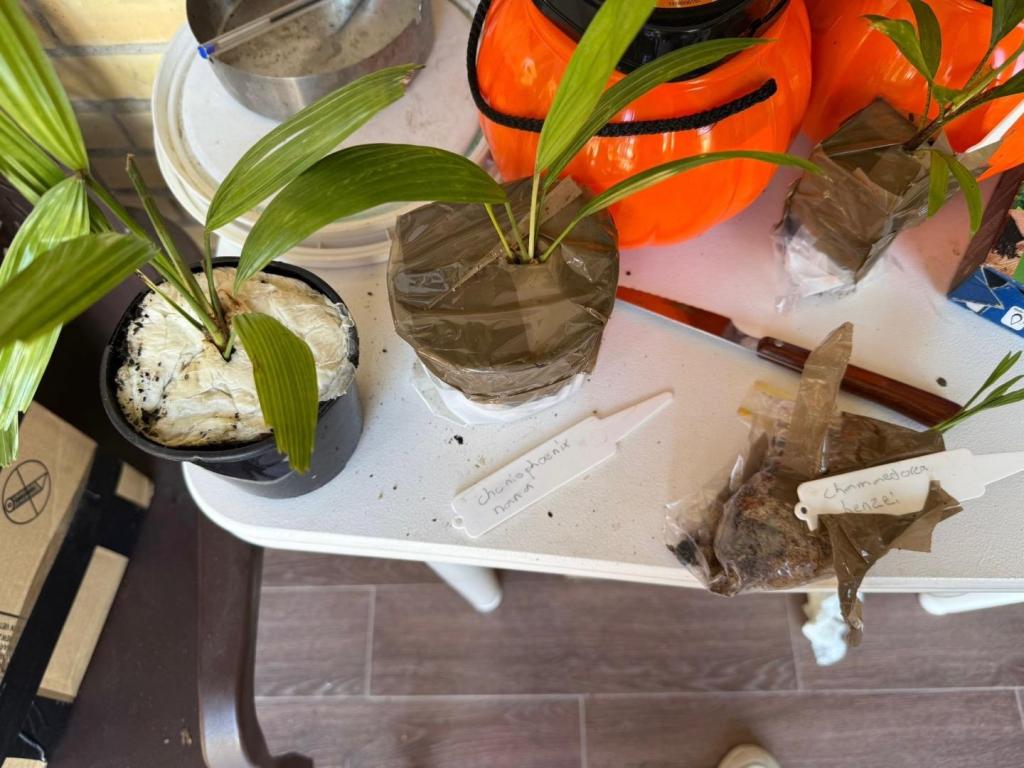 4 points
 -
I reckon it's a reasonable chance for you Richard, will be interesting to see how it goes over summer. Funny how you're zone pushing in both directions now!4 points
-
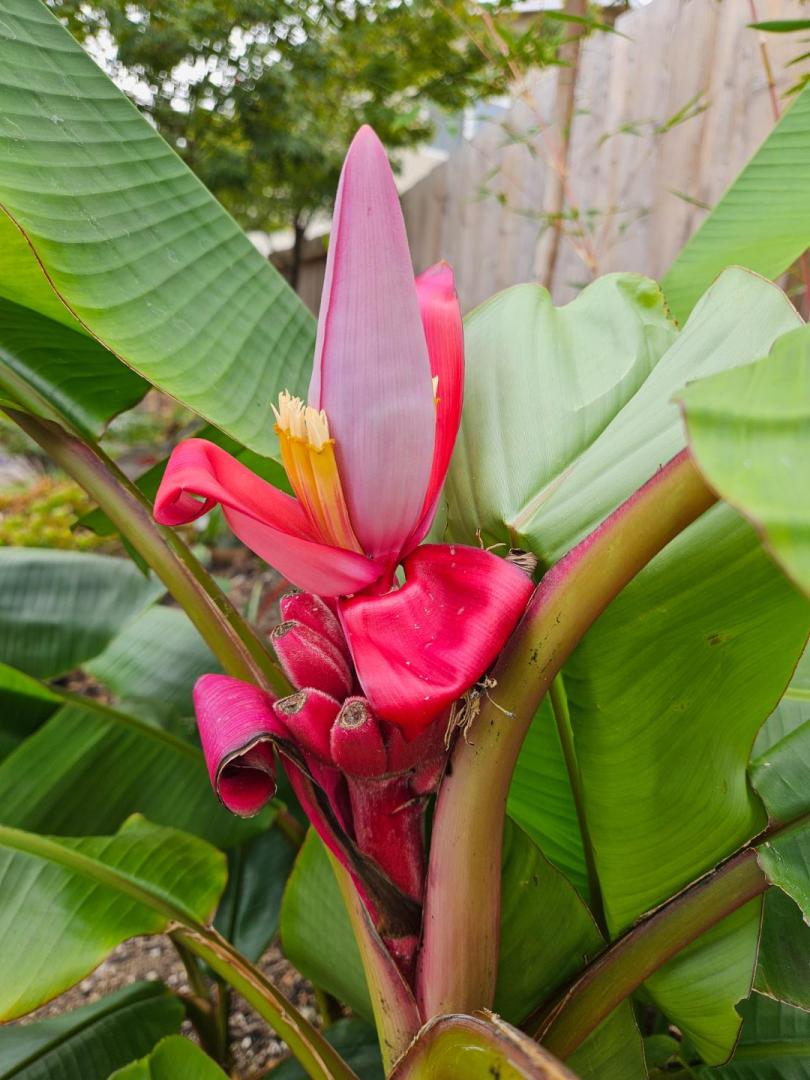
Not a palm this time, but my Musa Velutina is putting on a show.
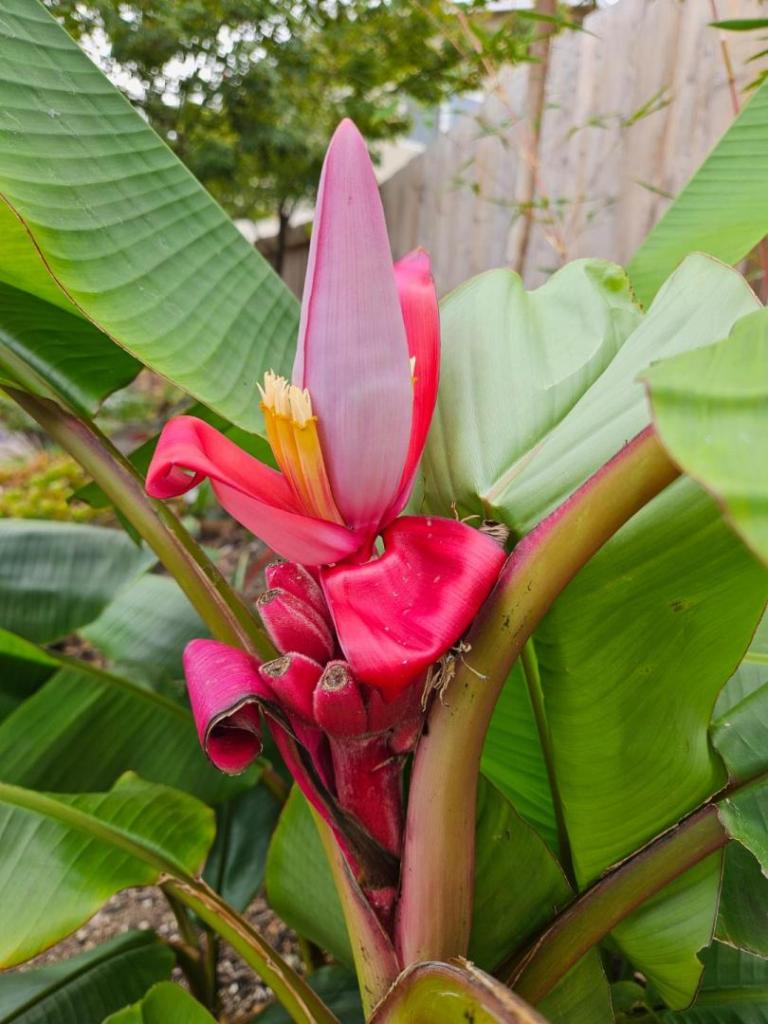 4 points
 -
Chrysalidocarpus leucomallus after a leaf drop
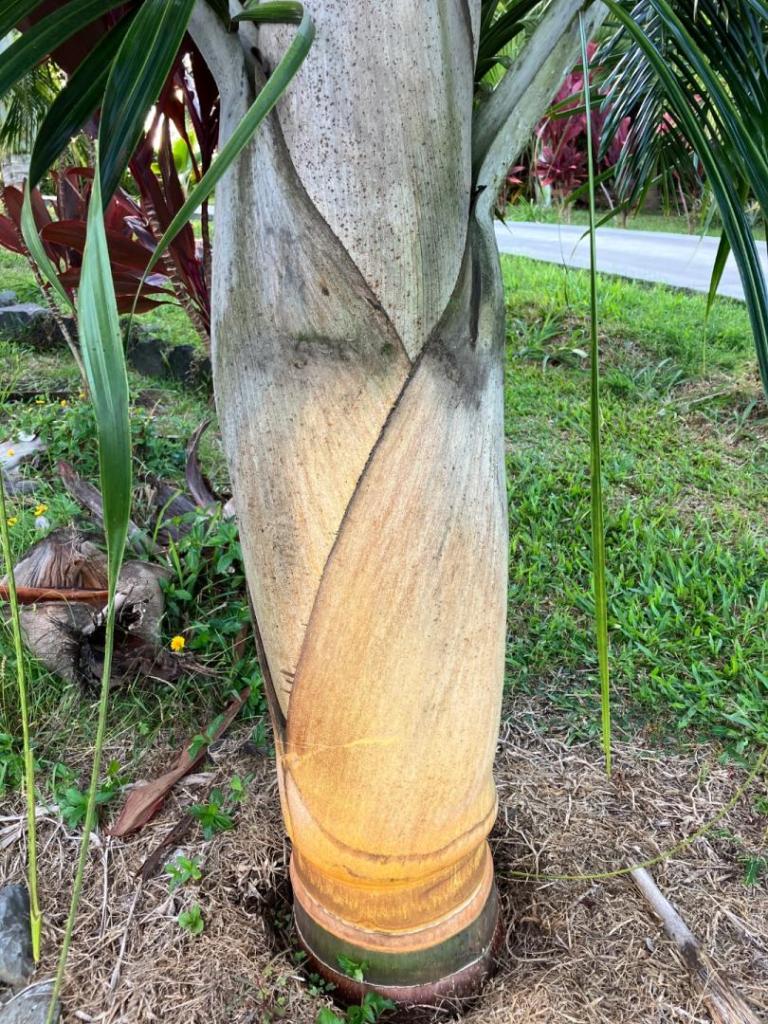 4 points
 -
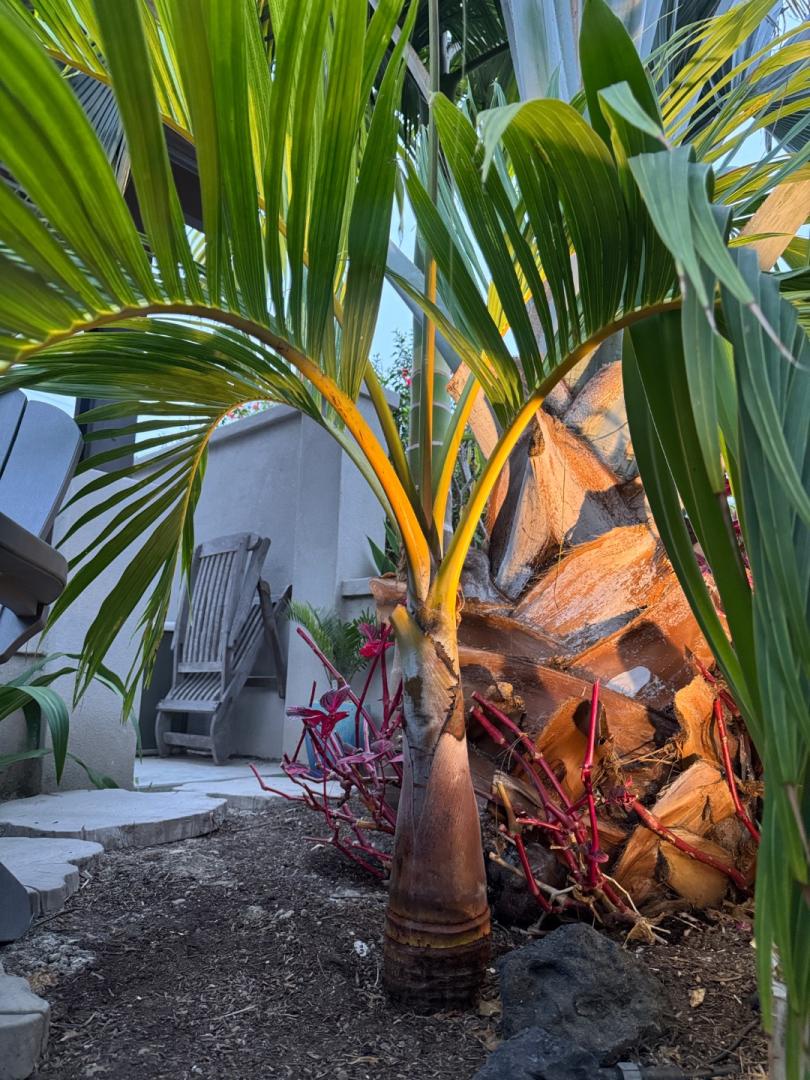
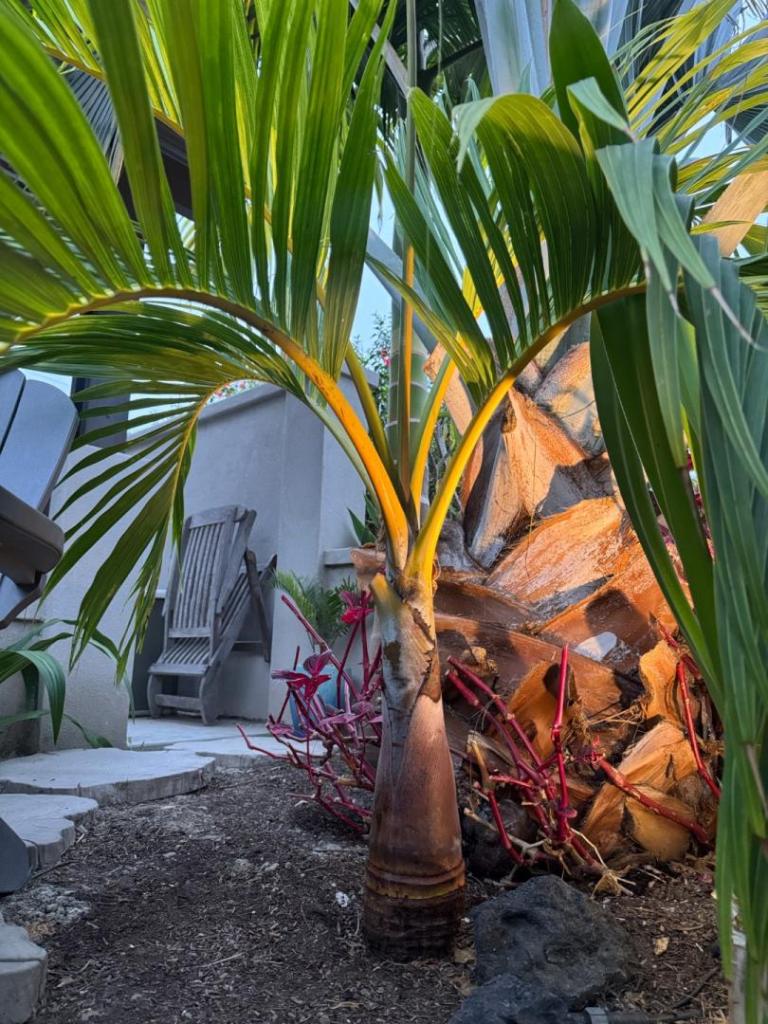
Not too much to look at for some but this Bentinkia caught my eye this early morning as the landscape lighting was still on illuminating. Bummer the Blood Leaf looks terrible at the base of the Bismarck behind. I just hacked it back. -dale
 4 points
 -
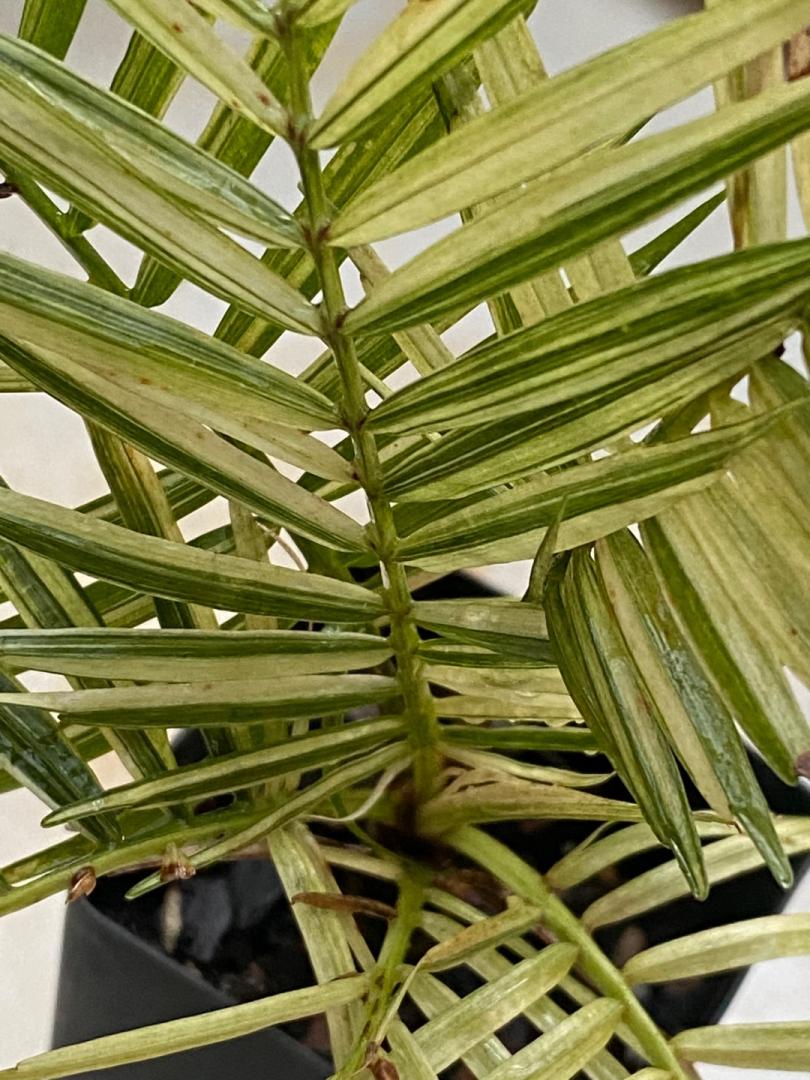
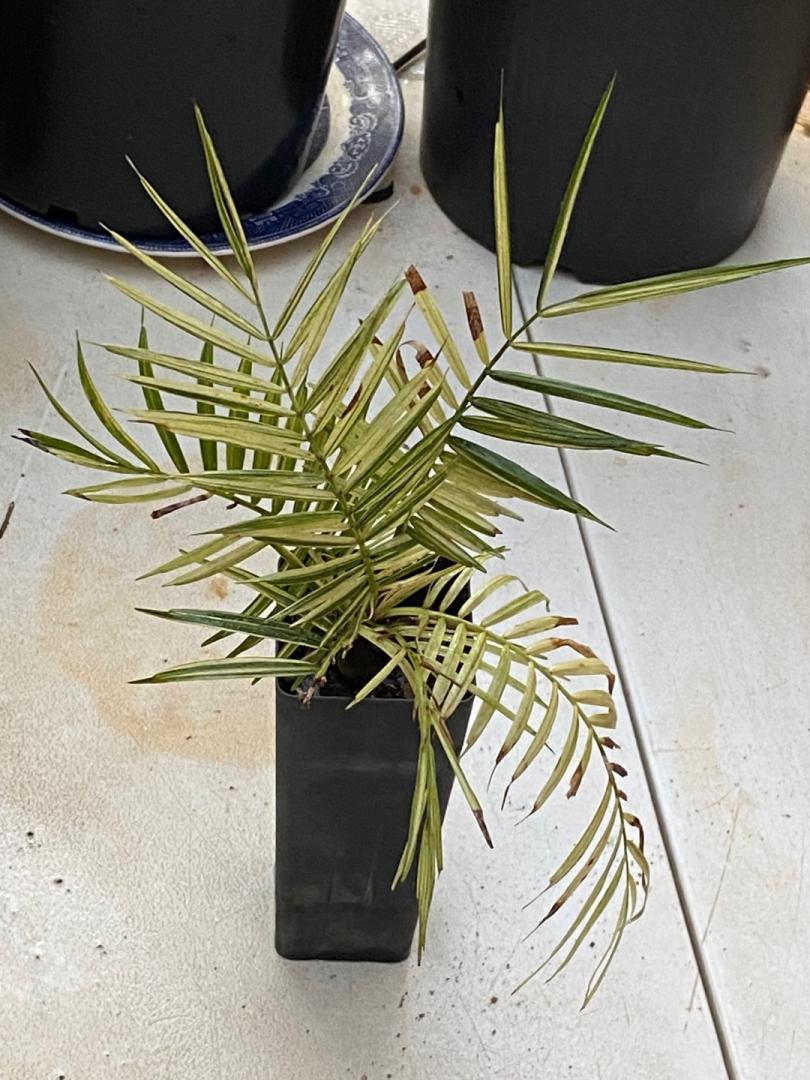
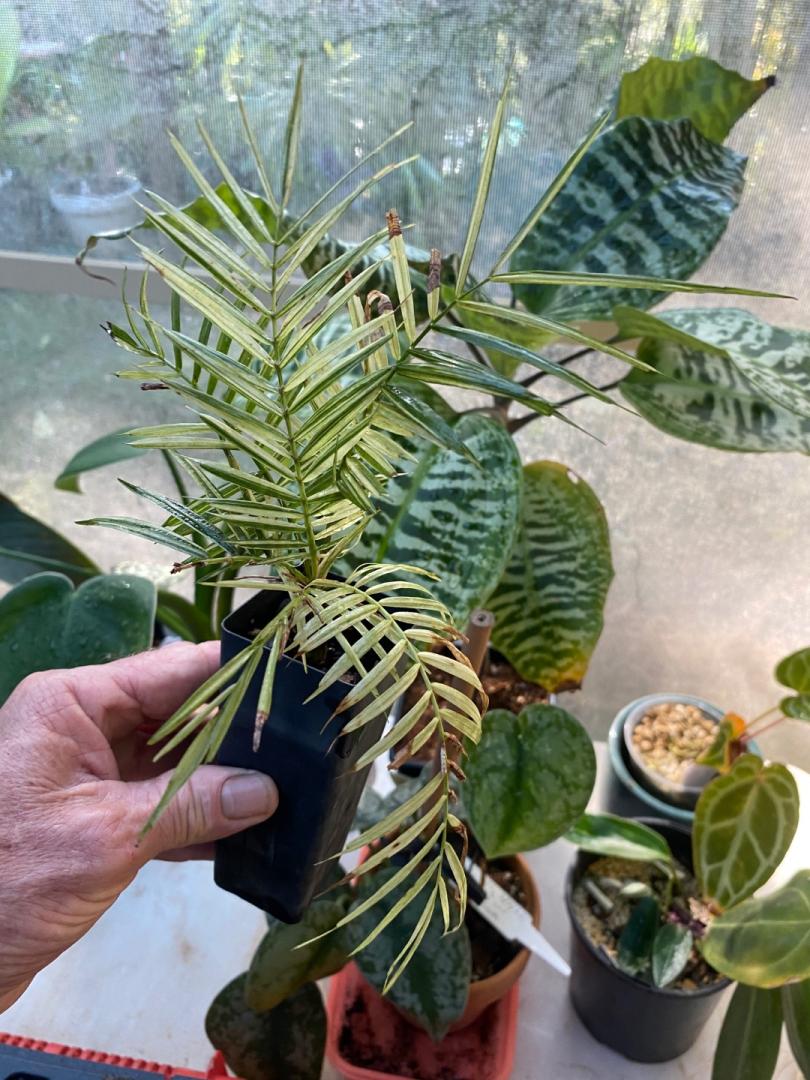
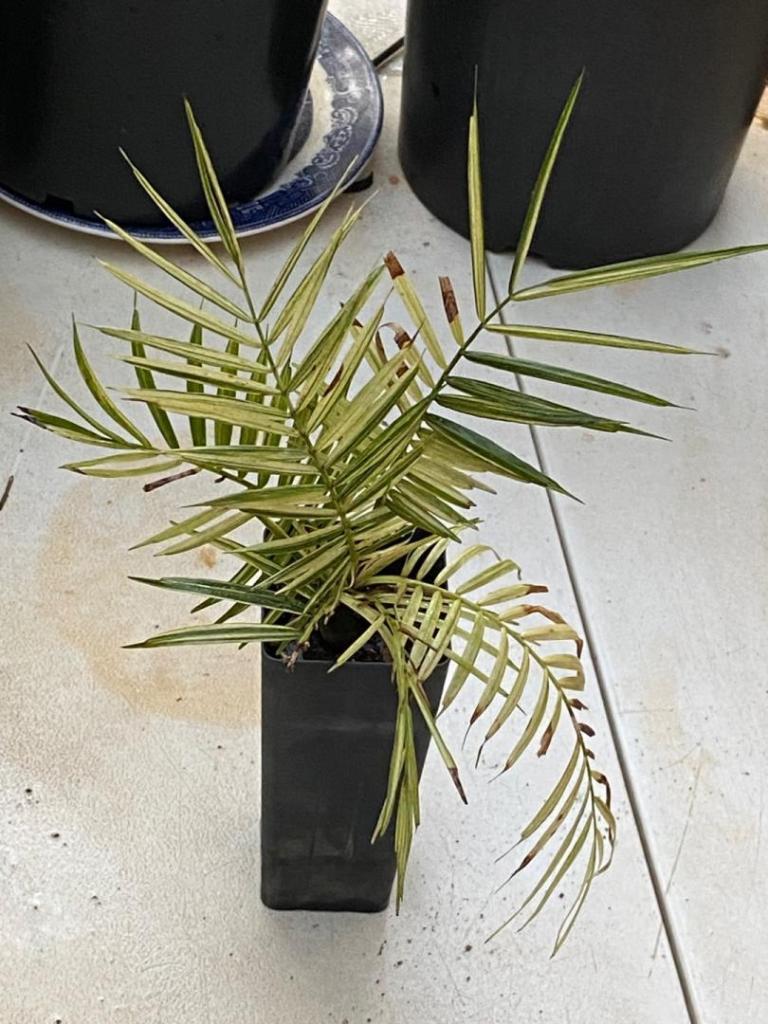
Ok I will leave this one up to the jury as to whether it is variegated or not variegated. But I do germinate a lot of seedlings and the odds are leaning towards………



 3 points
 -
Rhopalostylus Sapida taking off vertically. I also noticed a flower spathe emerging. Growing in Dana Point, CA.


 3 points
 -
Very nice! I have to give mine a lot of extra water. Well worth it though.3 points
-
They really like a lot drink. I’d put them in the [ethnic] Fish watering category.3 points
-
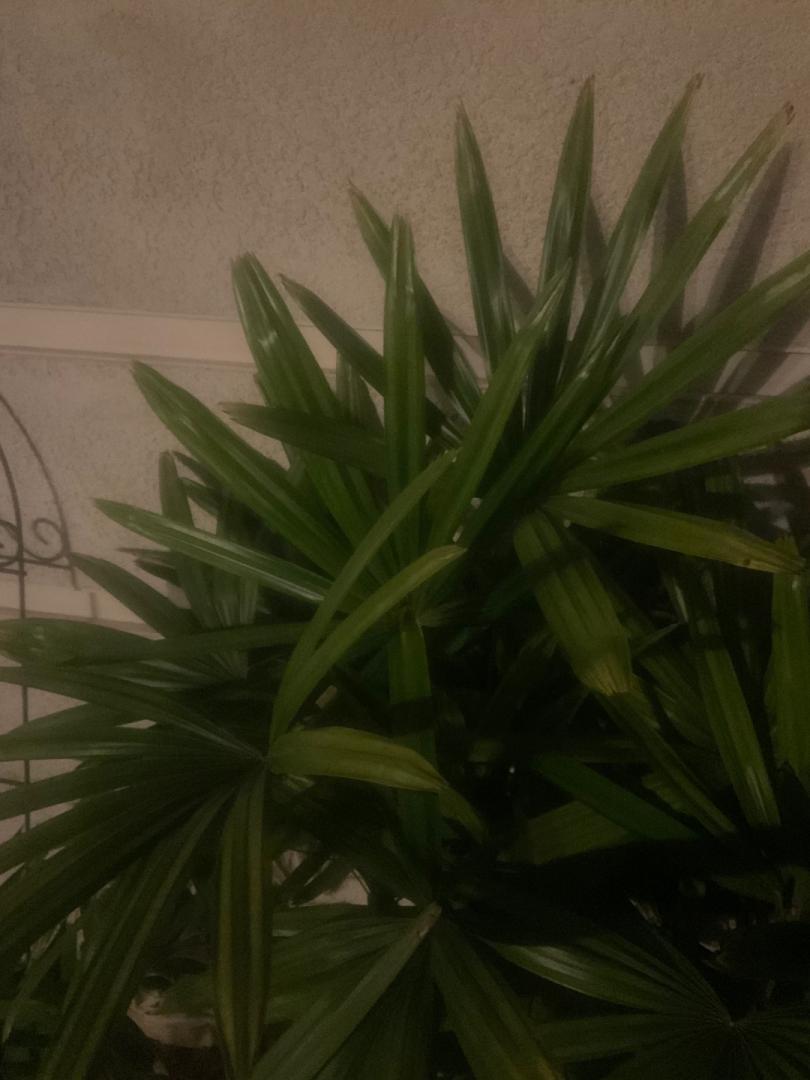
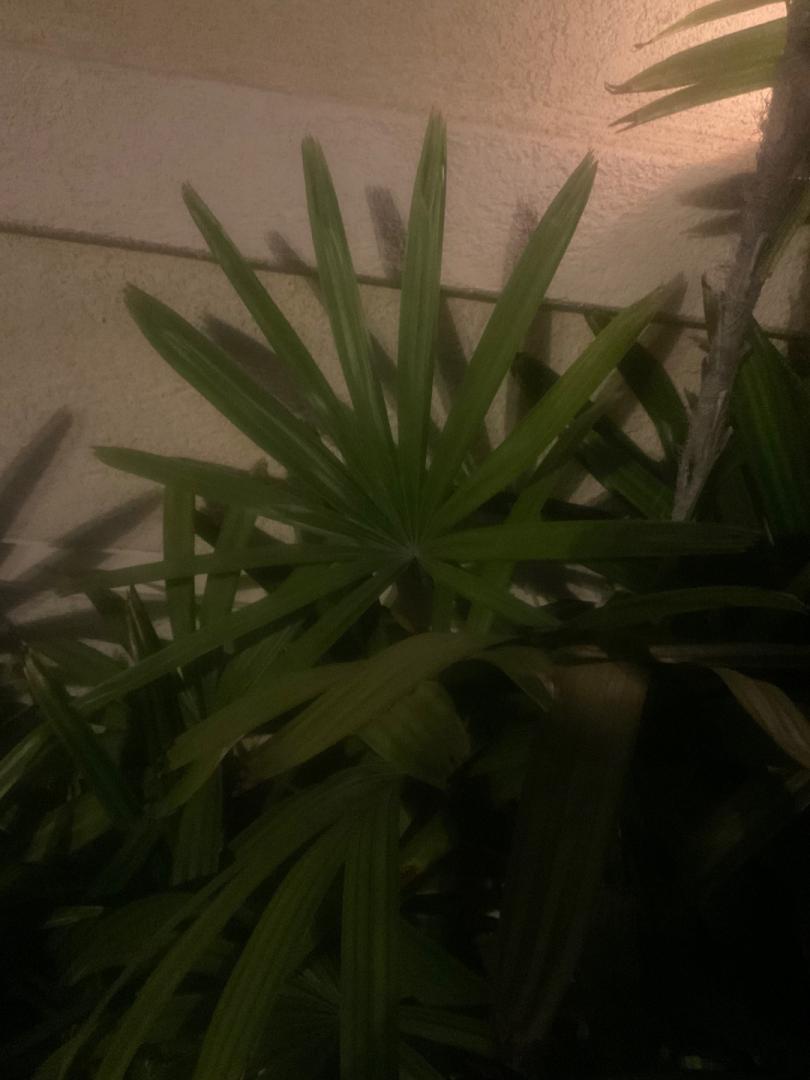
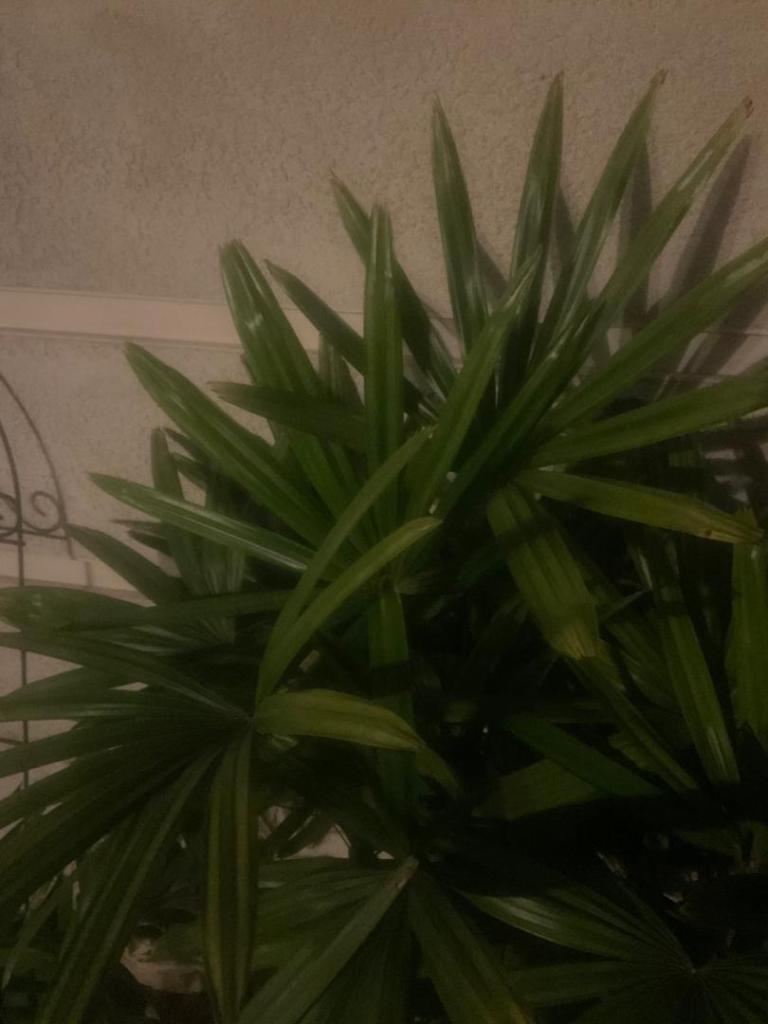
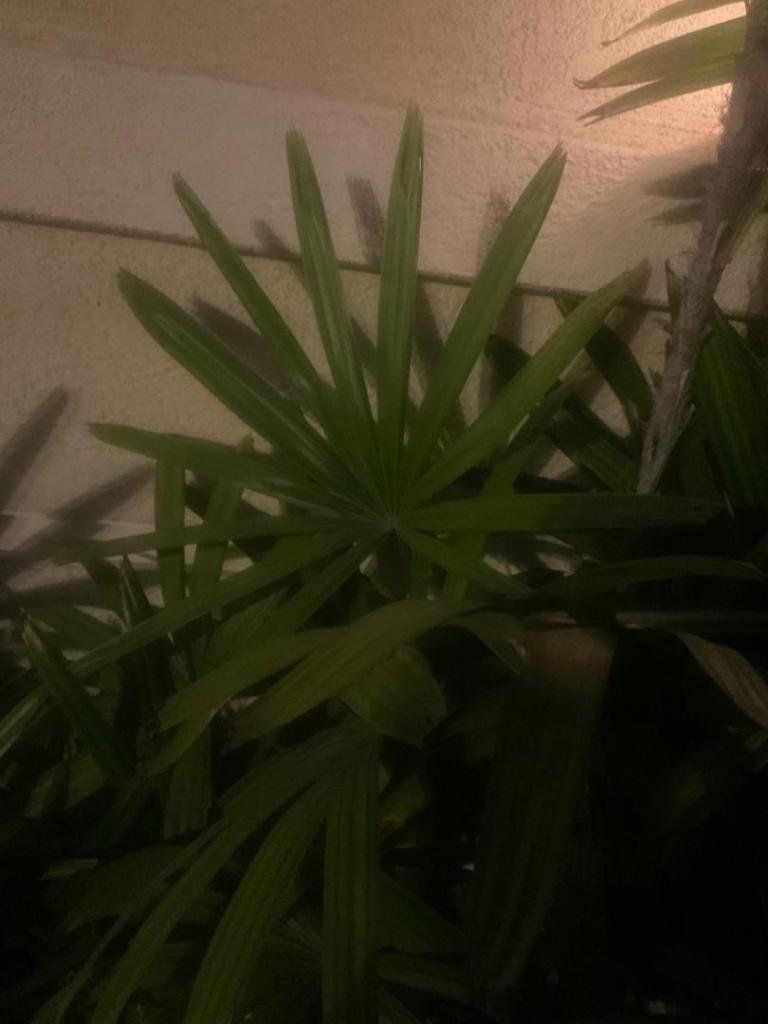
I know it’s just a plain ole Rhapis palm but this one is very special to me . About 28 years ago my wife was in the hospital and I was going through a rough patch . I would stop at this lovely nursery on the way in to visit , once to bring her an orchid . The lady who ran the nursery knew I was into palms because I bought a bunch of Chamaedorea Metallica from her. She showed me a pot with a bunch of 4-5’ stems , on death’s doorstep. She gave it to me to try to revive . It had been installed in a fancy design home and the owners thought it was a plastic palm ….until it died!! So this morning I went to the courtyard to turn on the sprinklers for the hill and just noticed how that “dead” Rhapis palm has grown . Last year I doubled up on watering a lot of my palms and , now , it is very lush and full (hard to get to the valve!). Harry ‘Still dark out here!
 3 points
 -
One can only try, I planted one many years ago before I really got into my palms, I made the mistake of not growing it just set it and forget it kinda thing. Only years later I realised it was missing. Now this one will be getting the attention, soil and moisture requirements that are needed for it to survive. It’s great learning palms it only took me 35 years to work out how to grow them. Duplicate there natural environment!3 points
-
I hope it lives such a great Australian palm!3 points
-
I think that is where RPS got their seed from. Hopefully they keep going and provide seed for the future growers who may be able to succeed with it.3 points
-
I hope you like it, friends.3 points
-
I'm sharing some photos from my friend Gastón, from Argentina, when he visited Chile last year. He was able to take a photo with the Juania Australis palm tree in Viña del Mar.


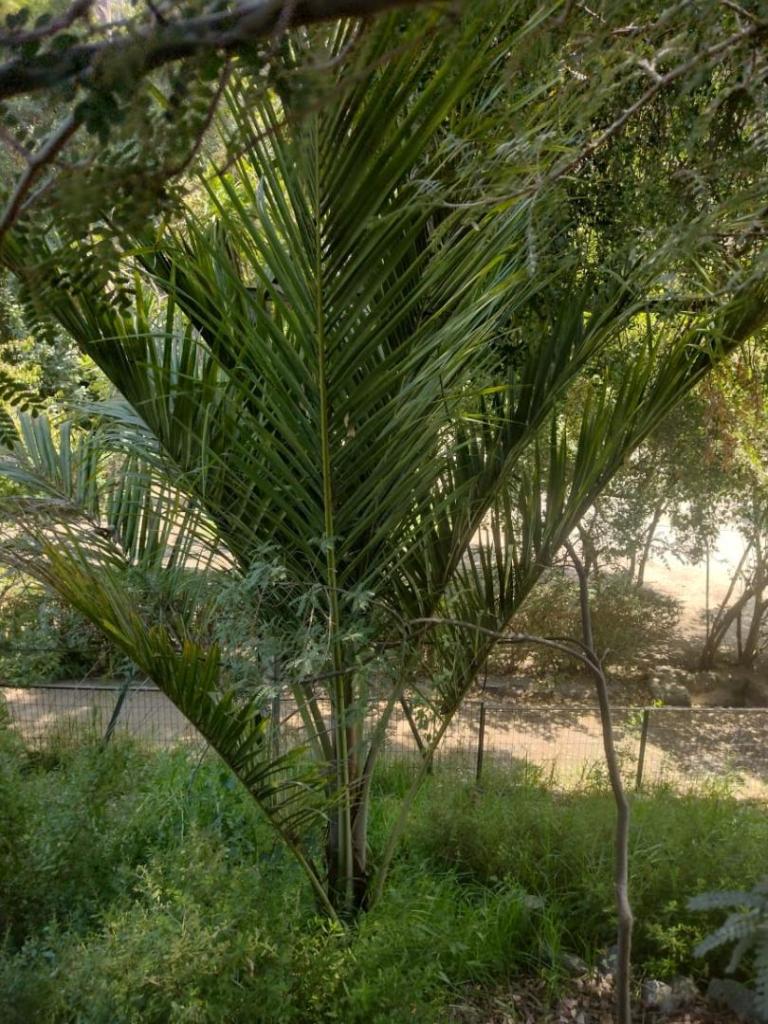
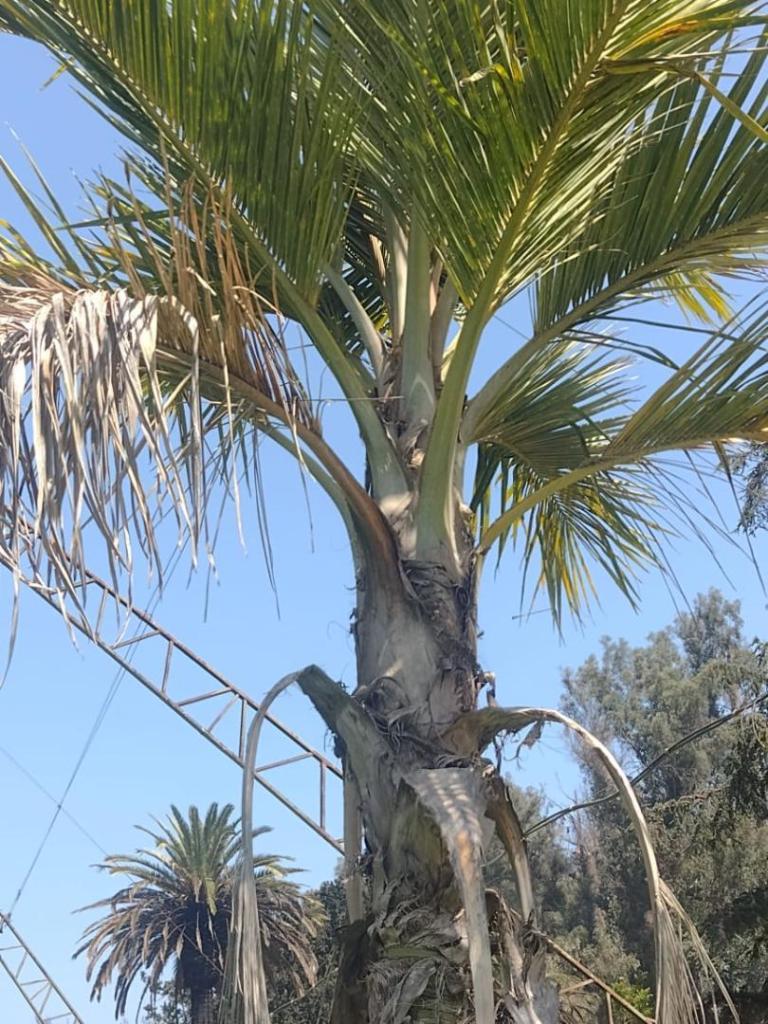
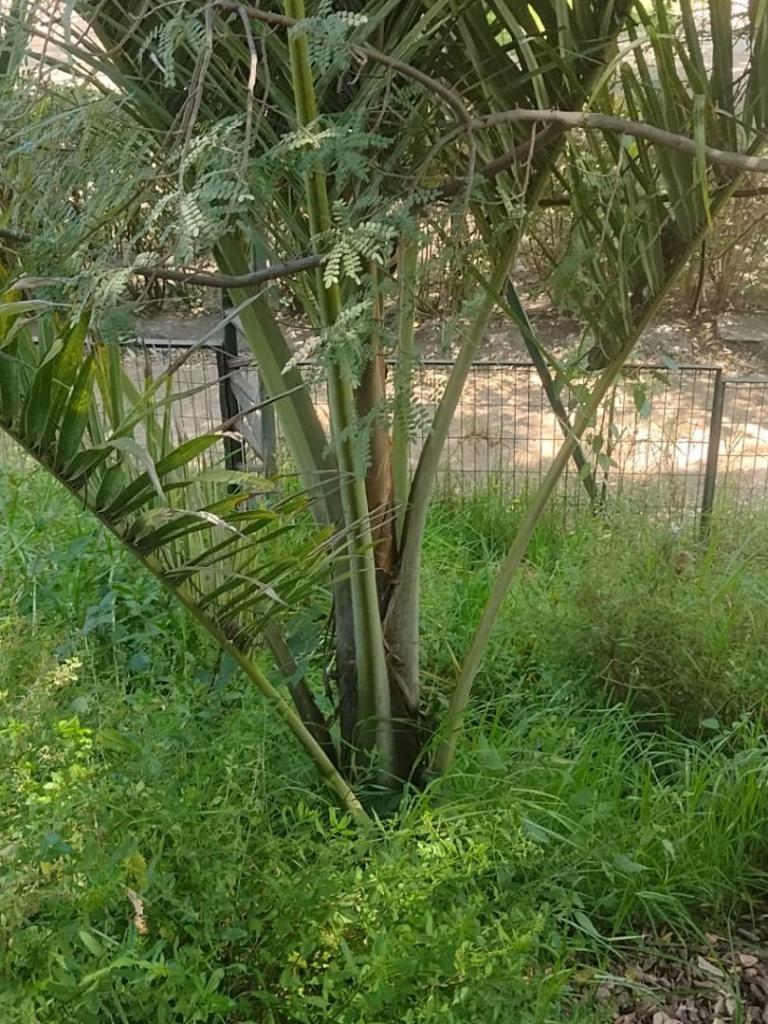 3 points
 -
I can’t remember the exact amount but they had been kept at 4C for years and Toby assured me they were viable which they were. I seem to recall that I had 23 germinate unfortunately none made it past one year of life. 😔3 points
-
Hello Bill, In my climate ( sub tropical/ temperate) has taken 25 years to produce seed Regards Colin PS The Ravenea louvelii, grown from seed that came from RPS in 2004 have not grown a trunk yet. All 24 have not grown a trunk3 points
-
So far only half a dozen seedlings, a rare palm around here.3 points
-
Very nice, Stacy! I’m in zone 10a but have longer and wetter cool spells in winter than down in your area. C. lutescens languished here only growing during the warmest summer days so I removed it. I just discovered the other day a small hidden palm in my backyard in deep shade that I’d forgotten about and its label, mostly buried, reads Dypsis lafazananga. It’s a Floribunda sourced one that I believe I planted as a liner two years ago. Still small but alive! I’ll plant this newer and larger one in a brighter spot and, hopefully, it will look almost as good as yours someday.3 points
-
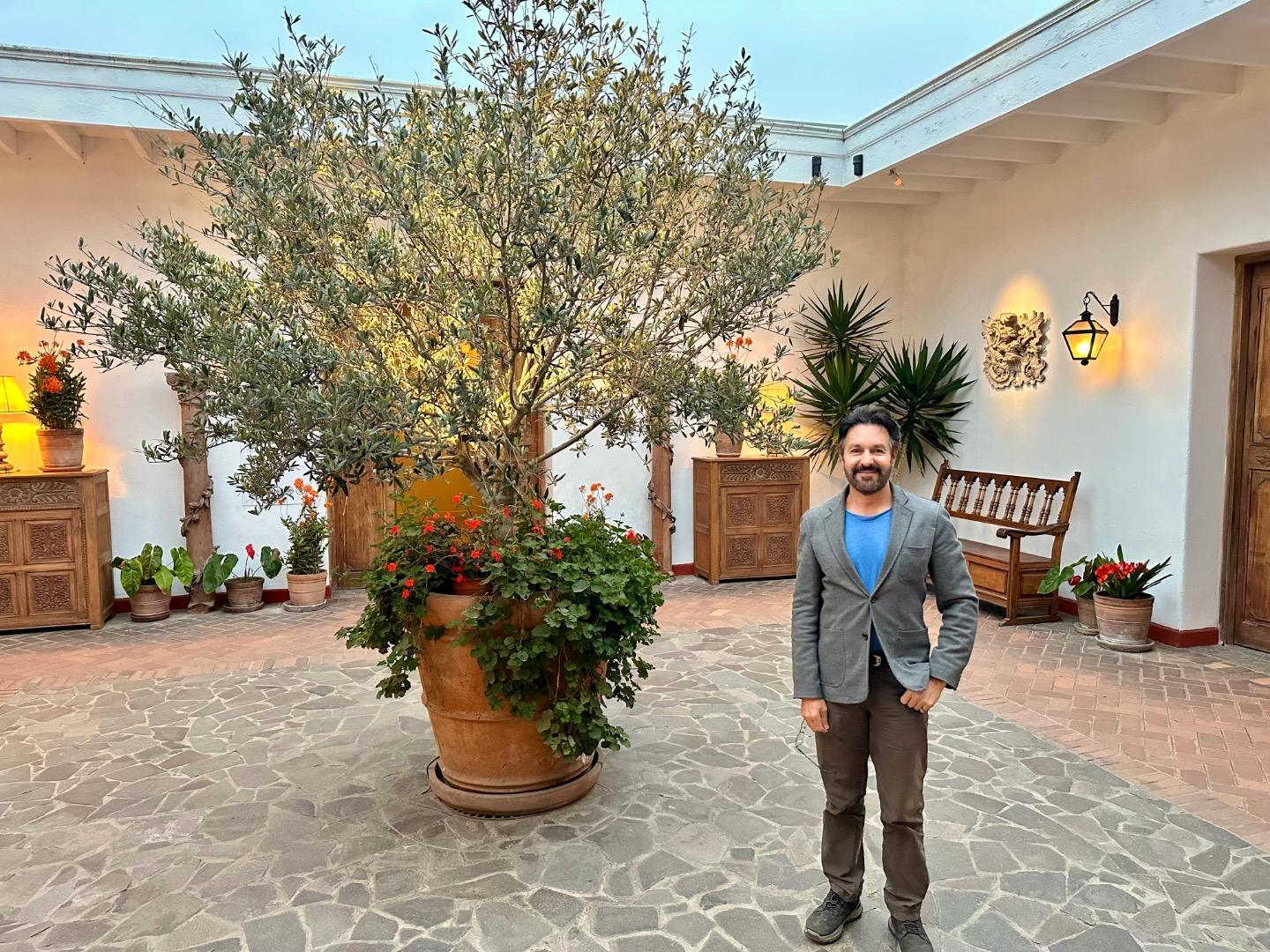
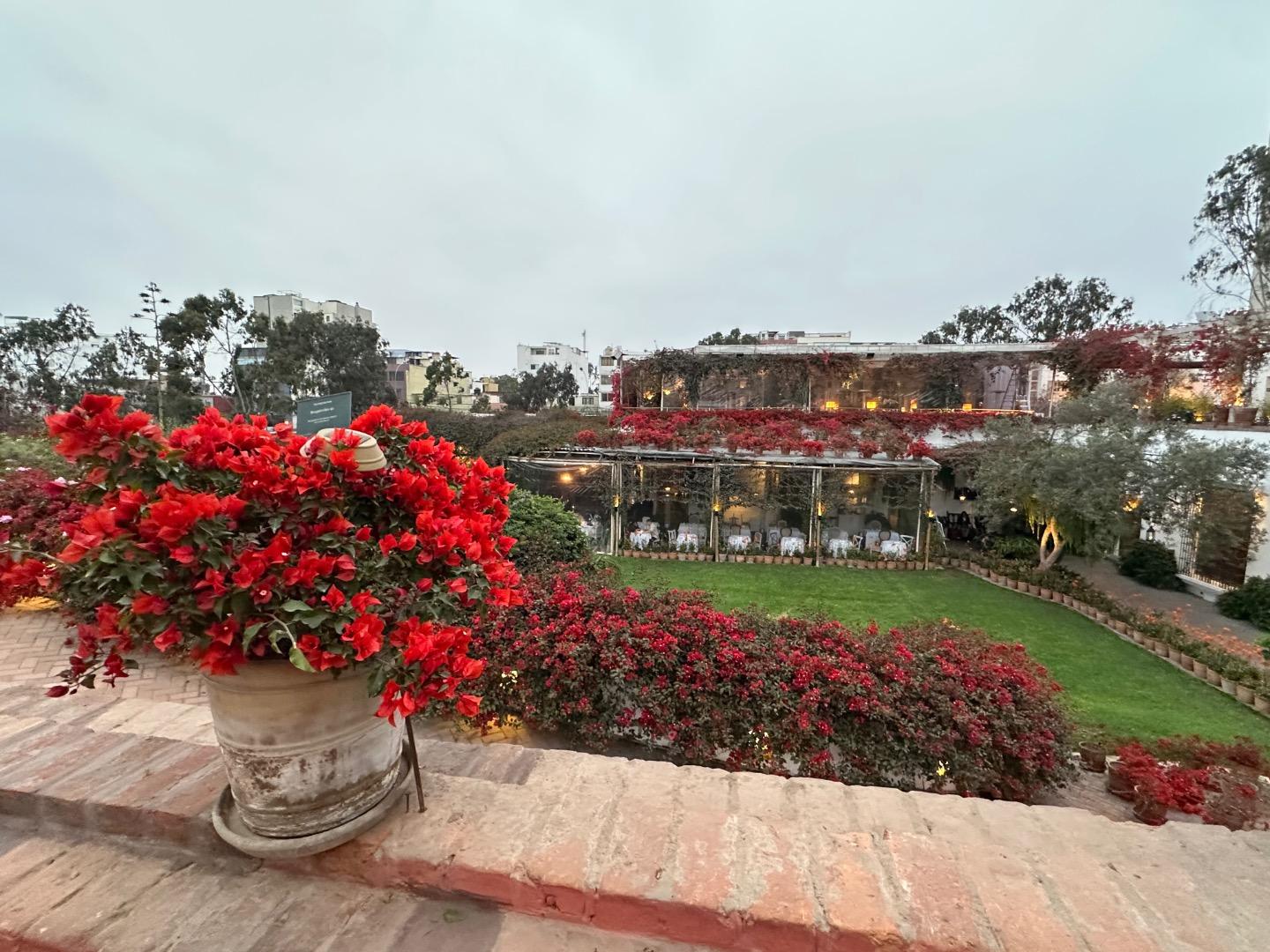
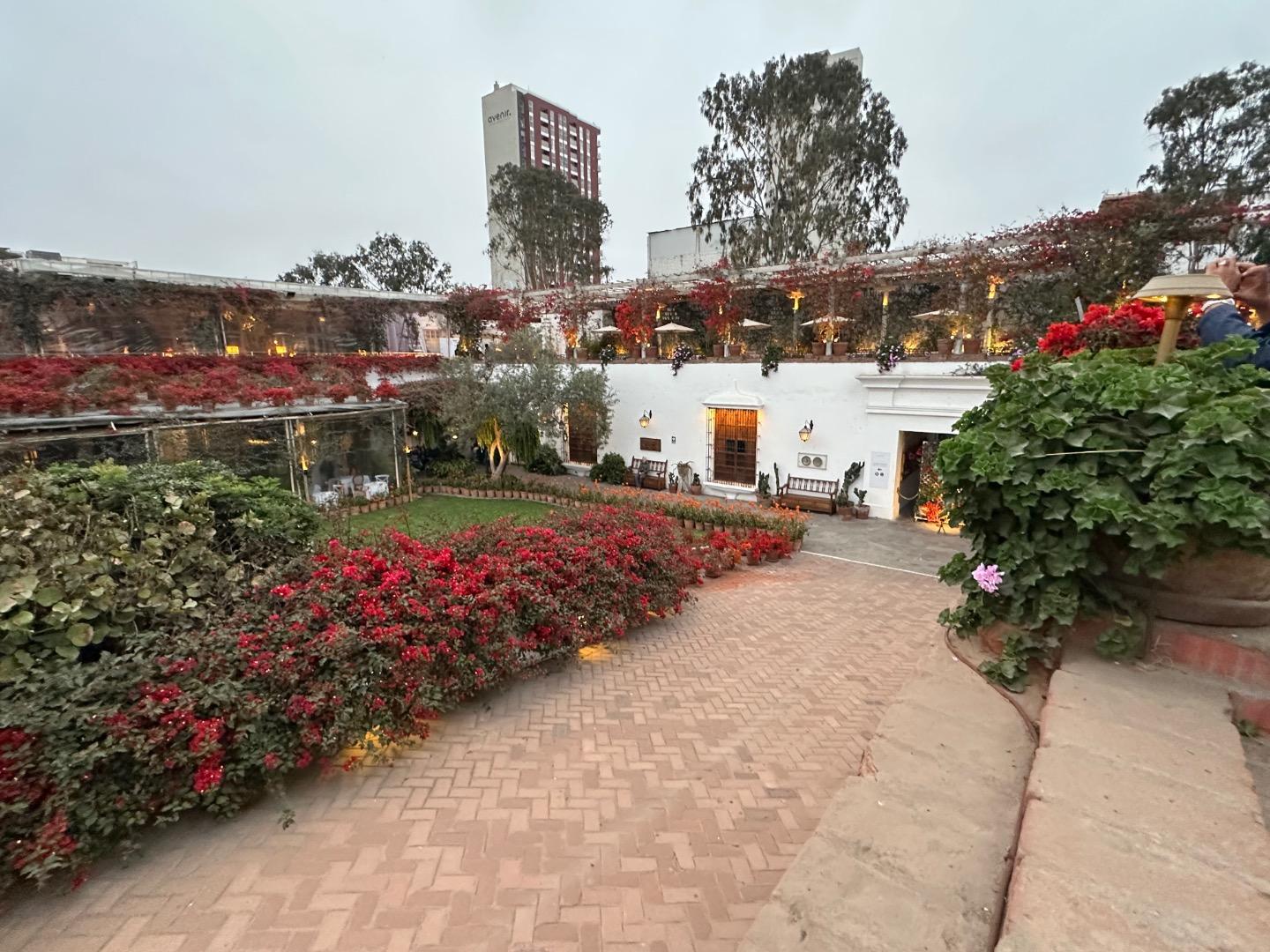
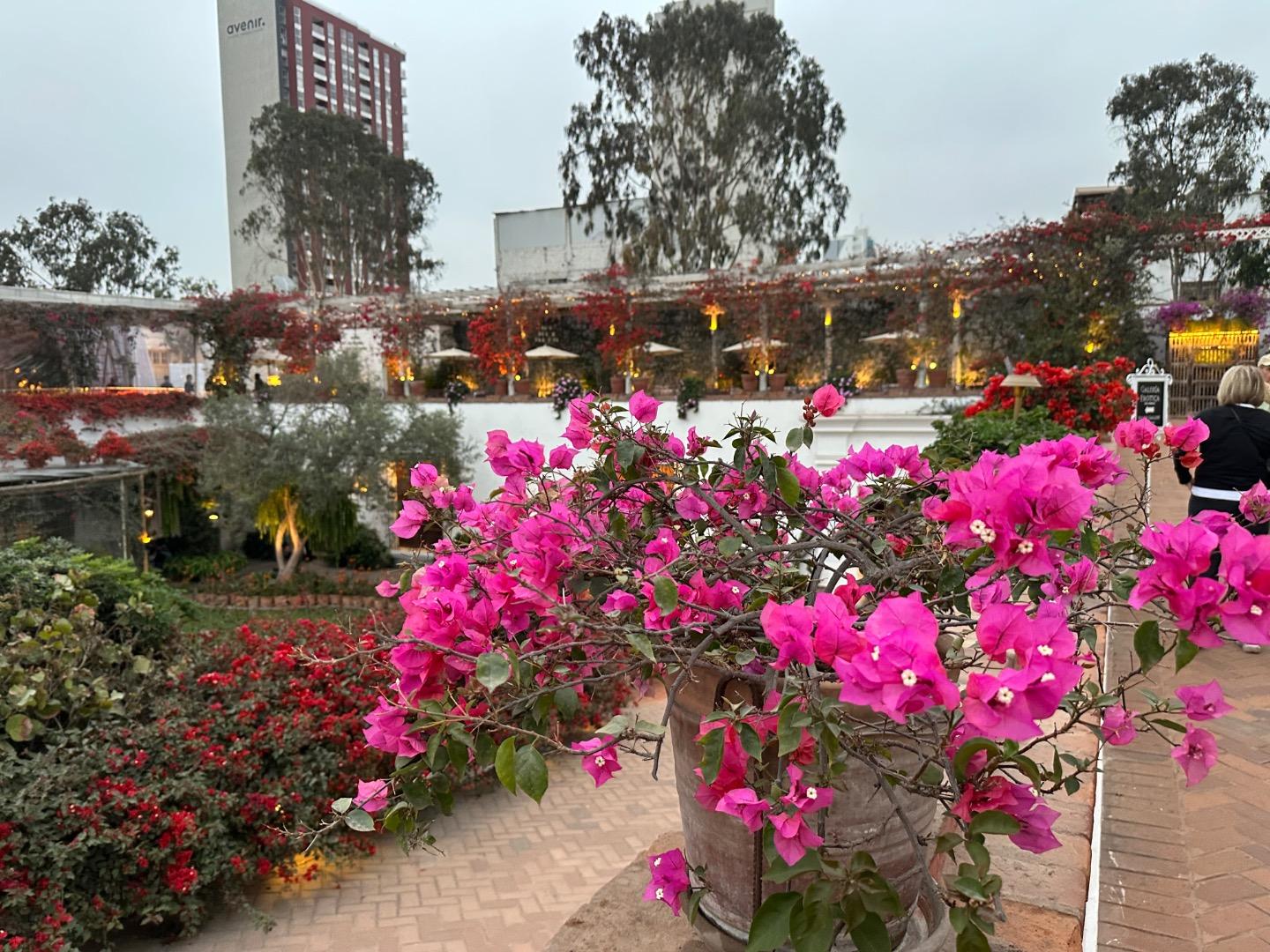
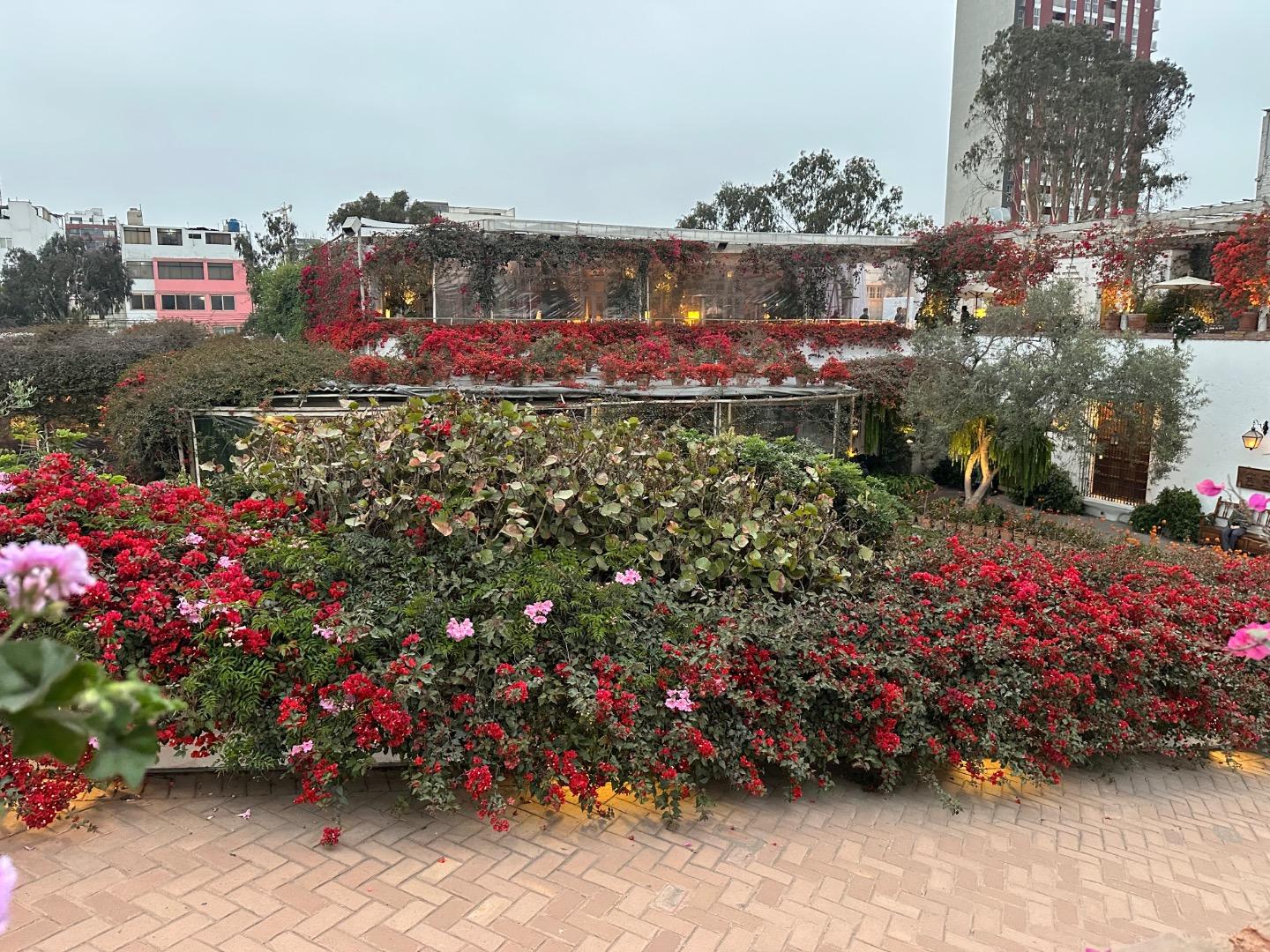
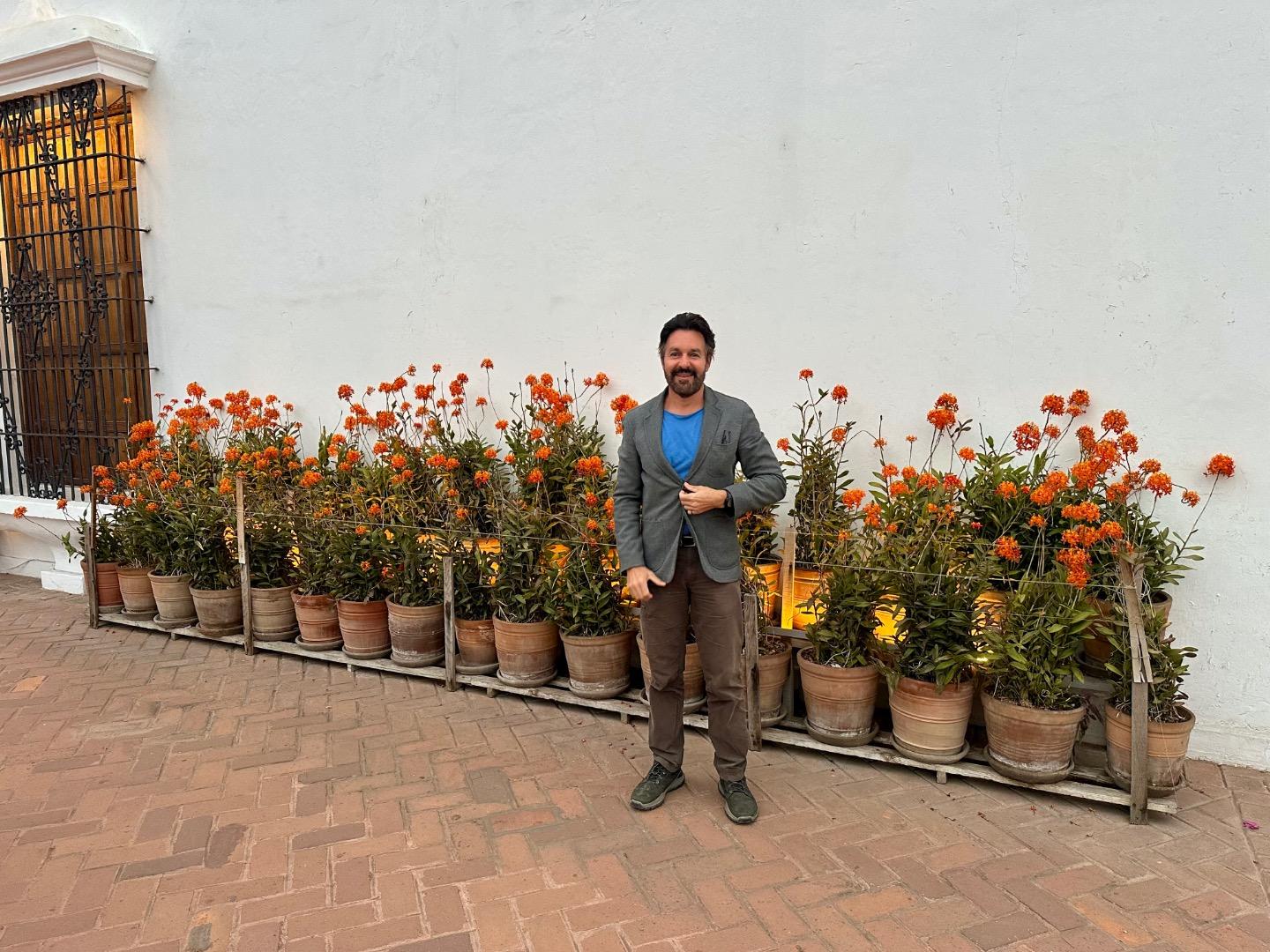
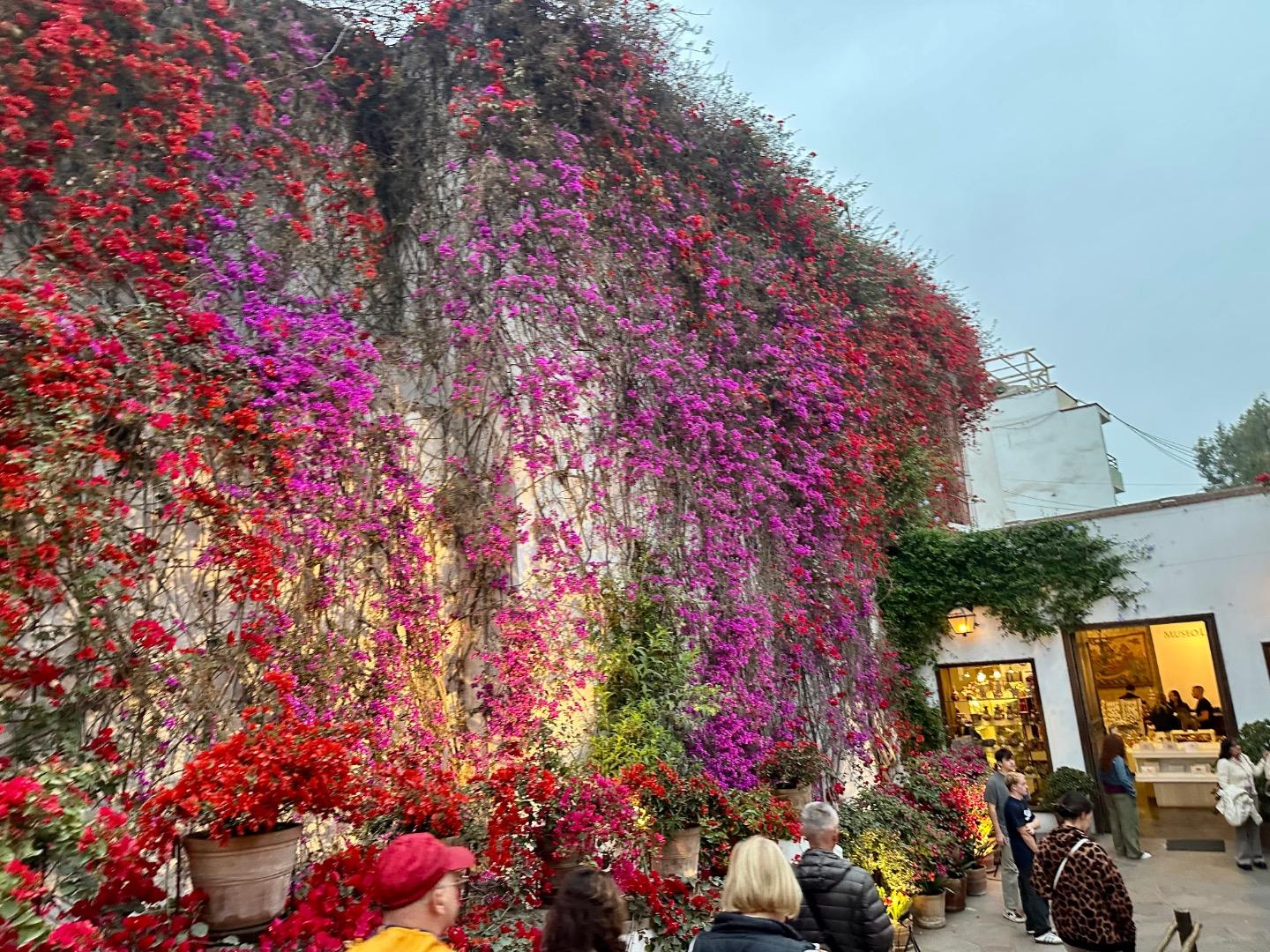
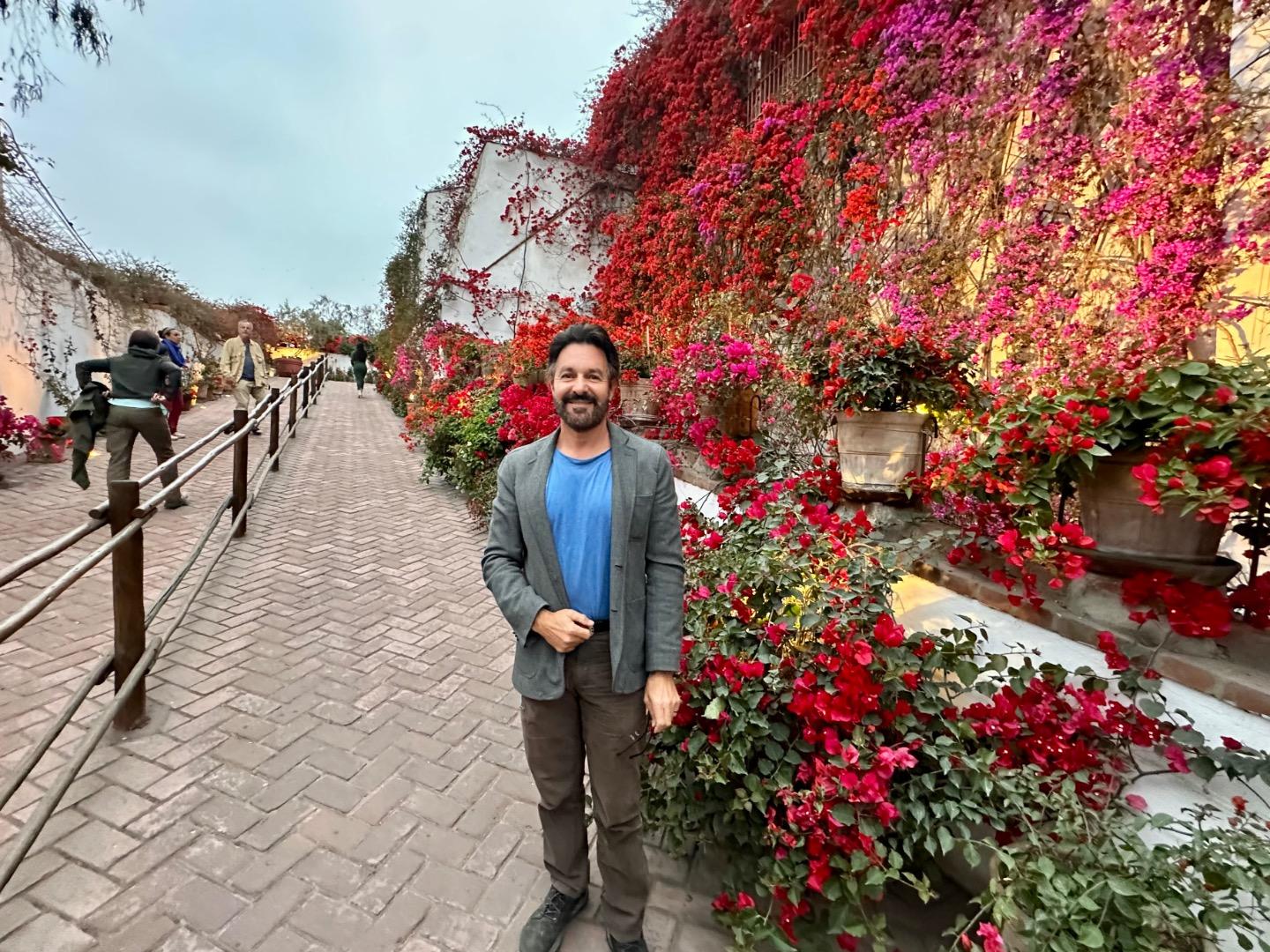
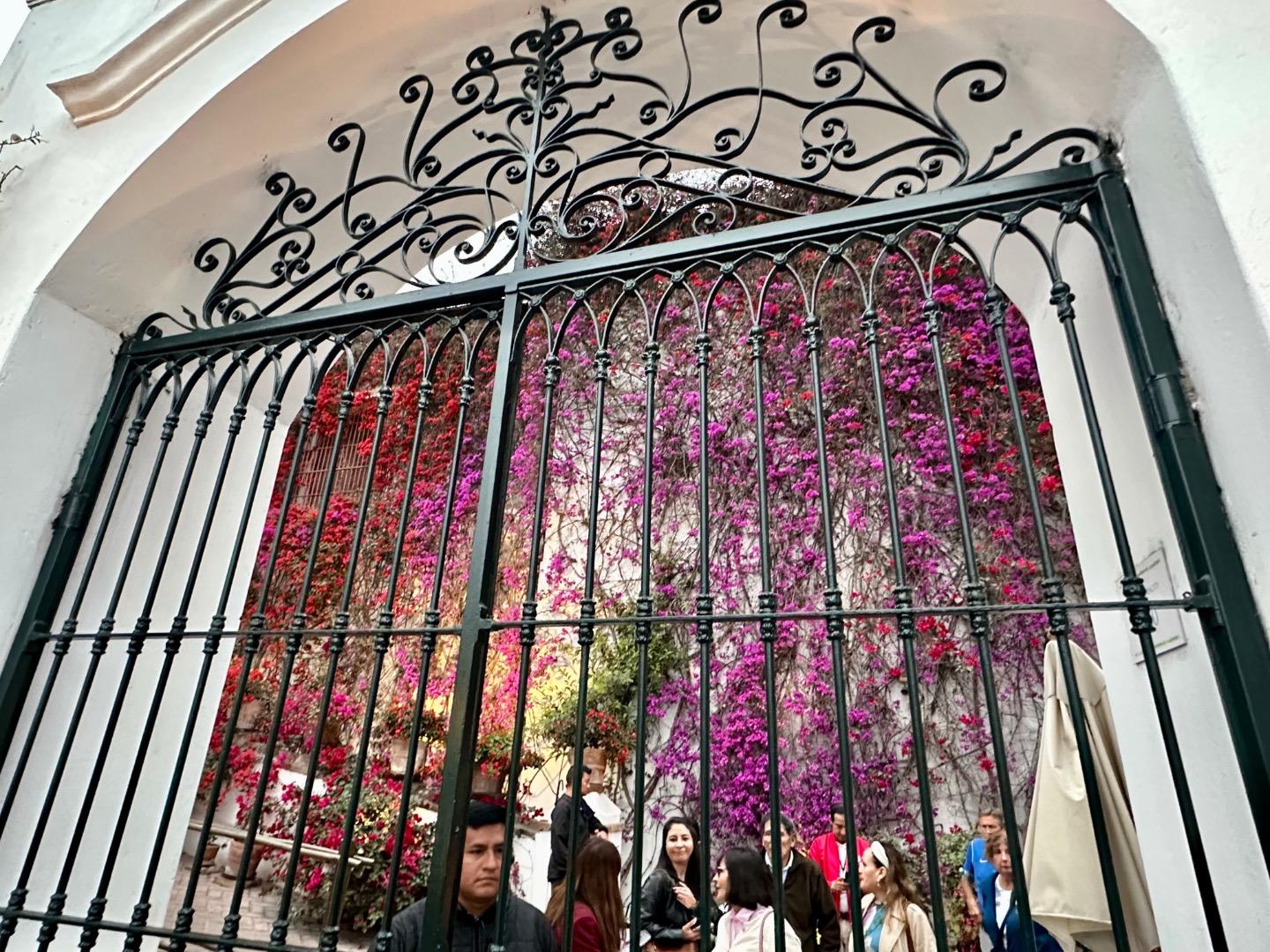
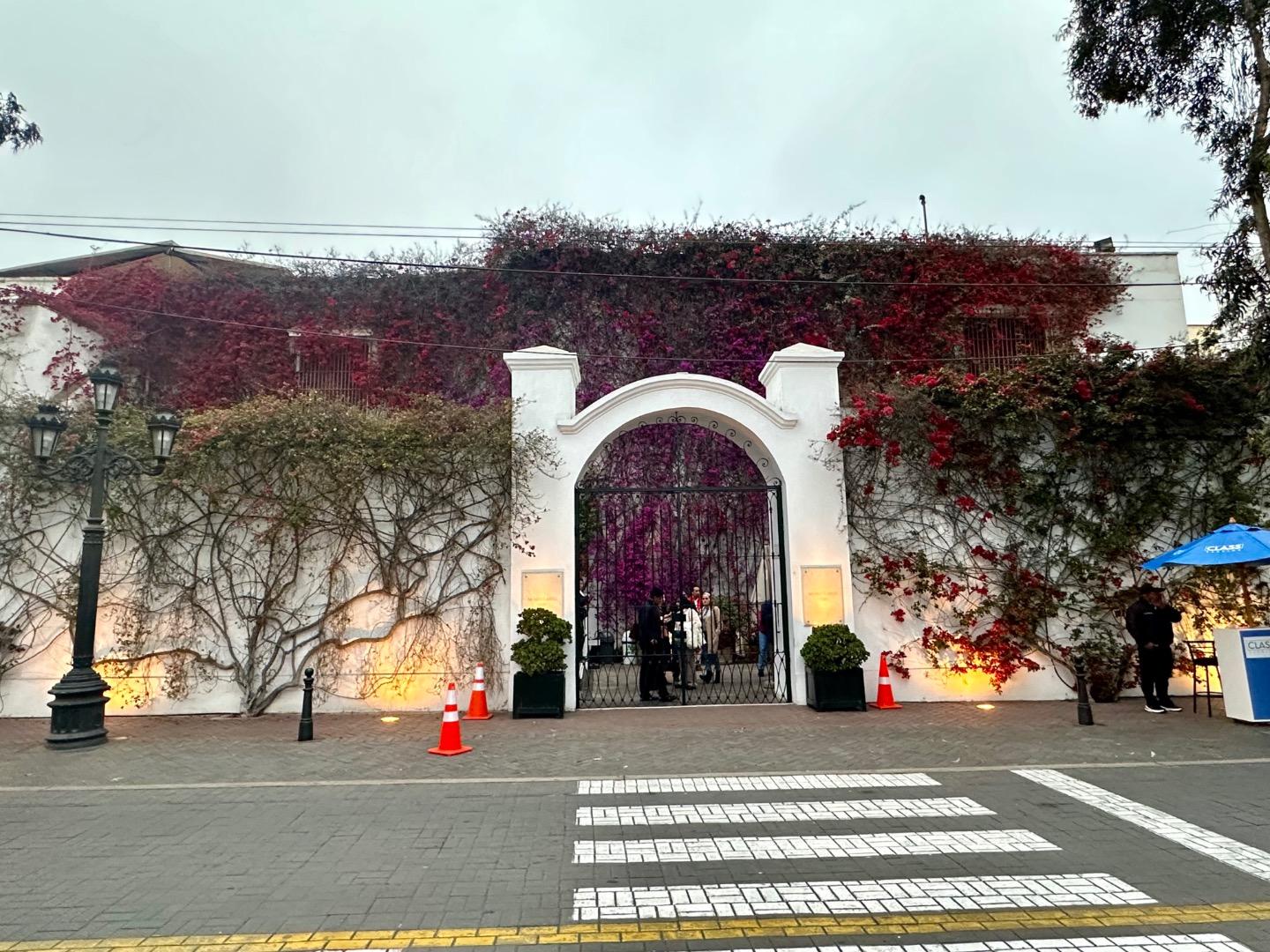
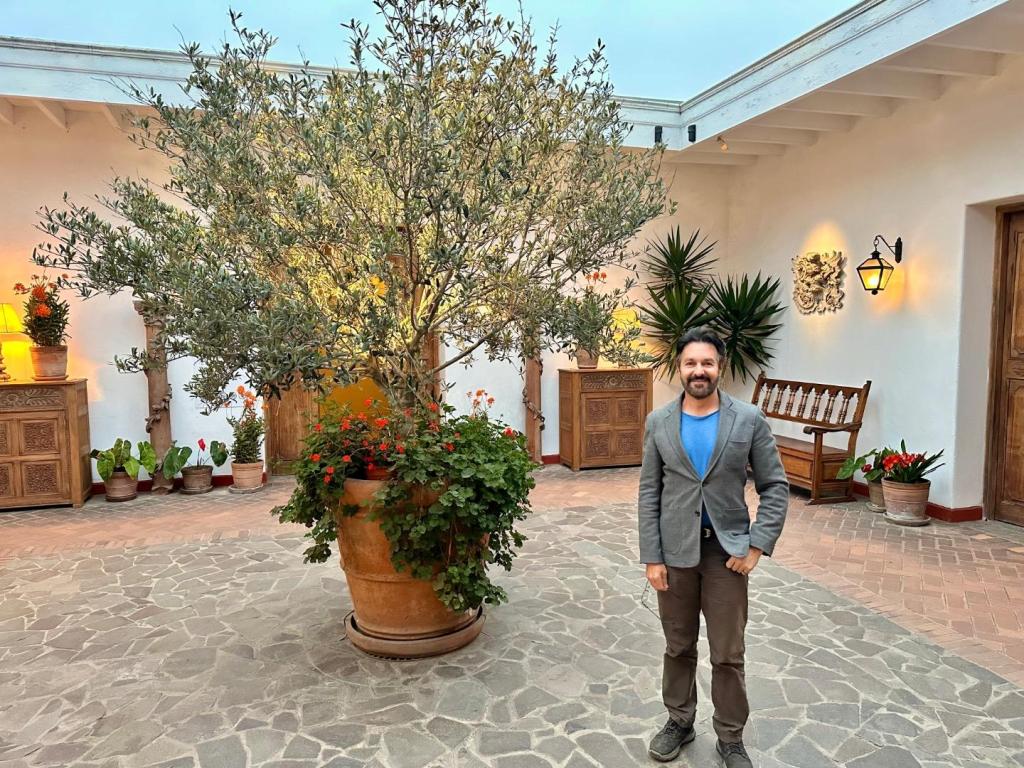
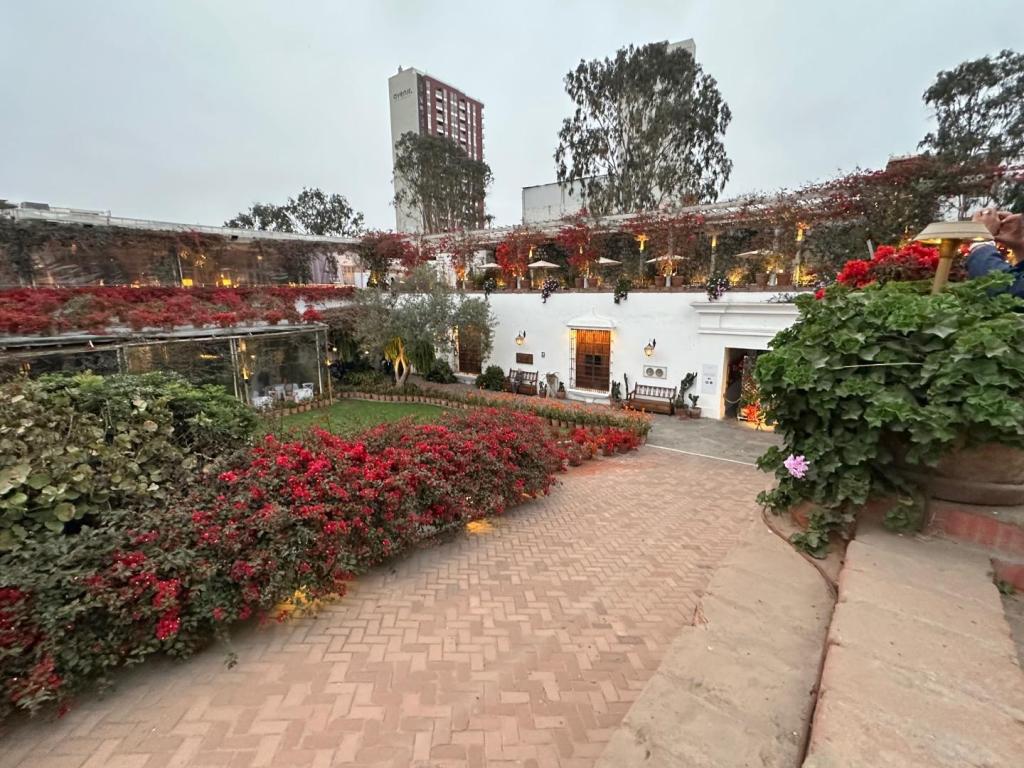
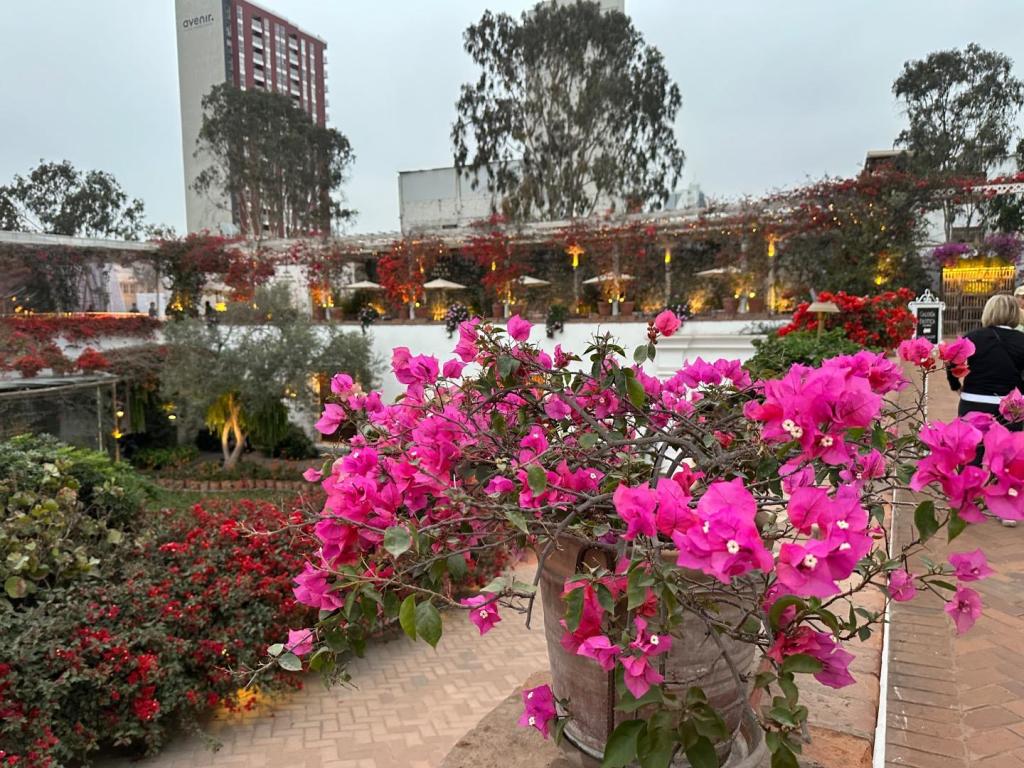
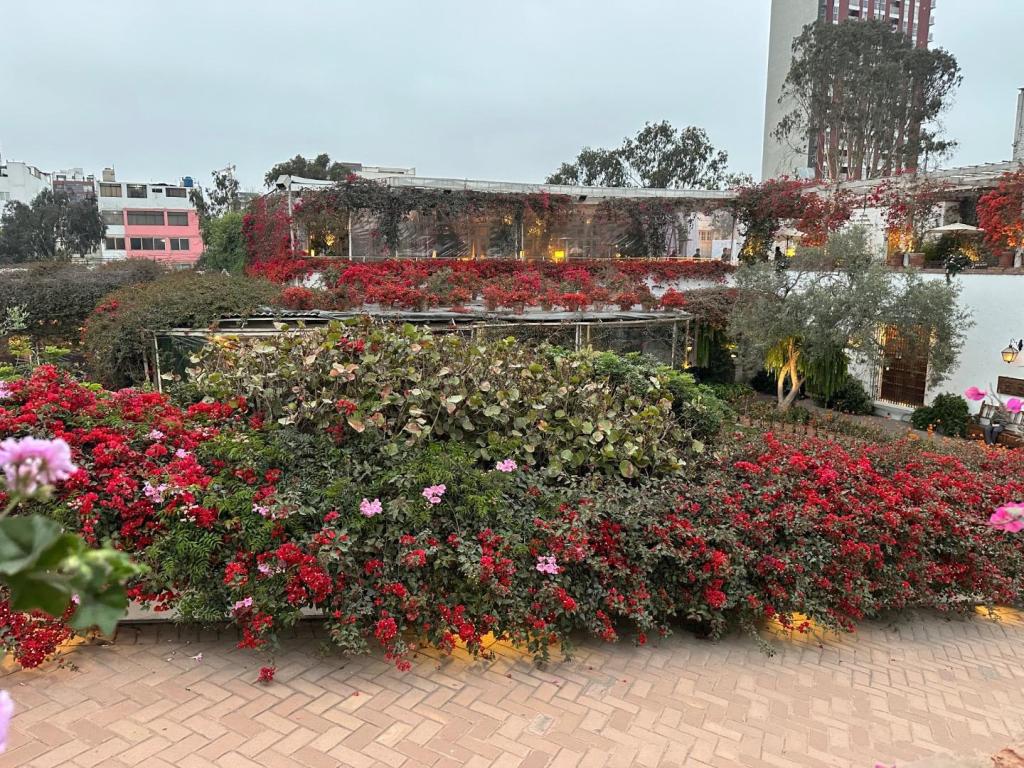
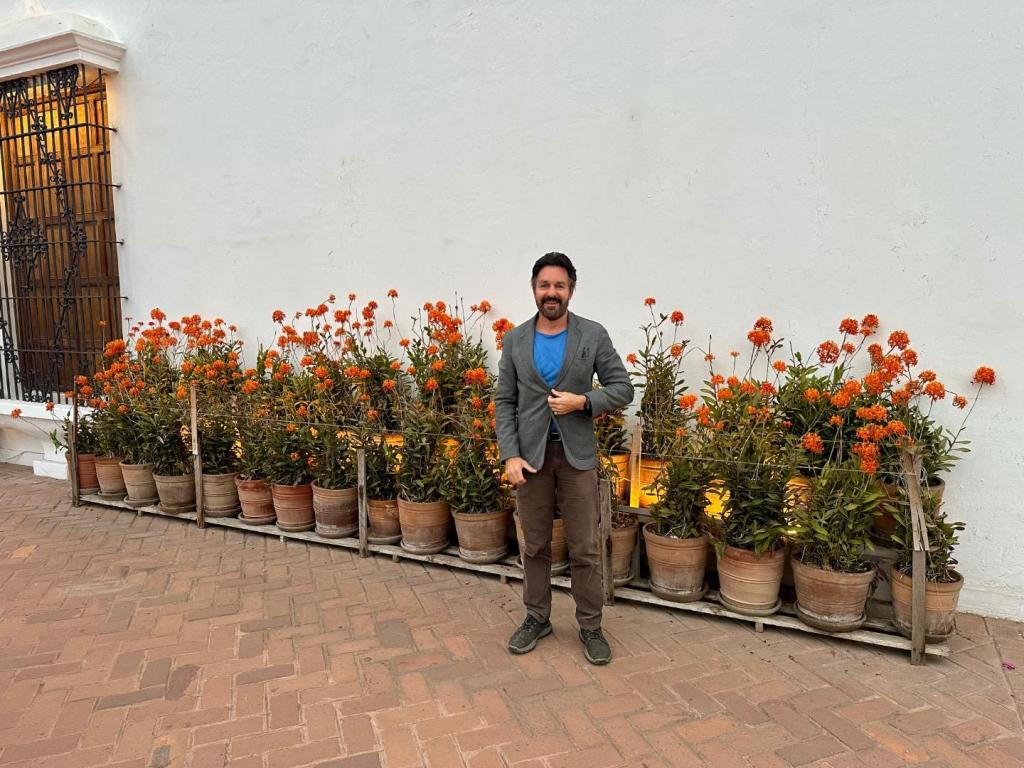
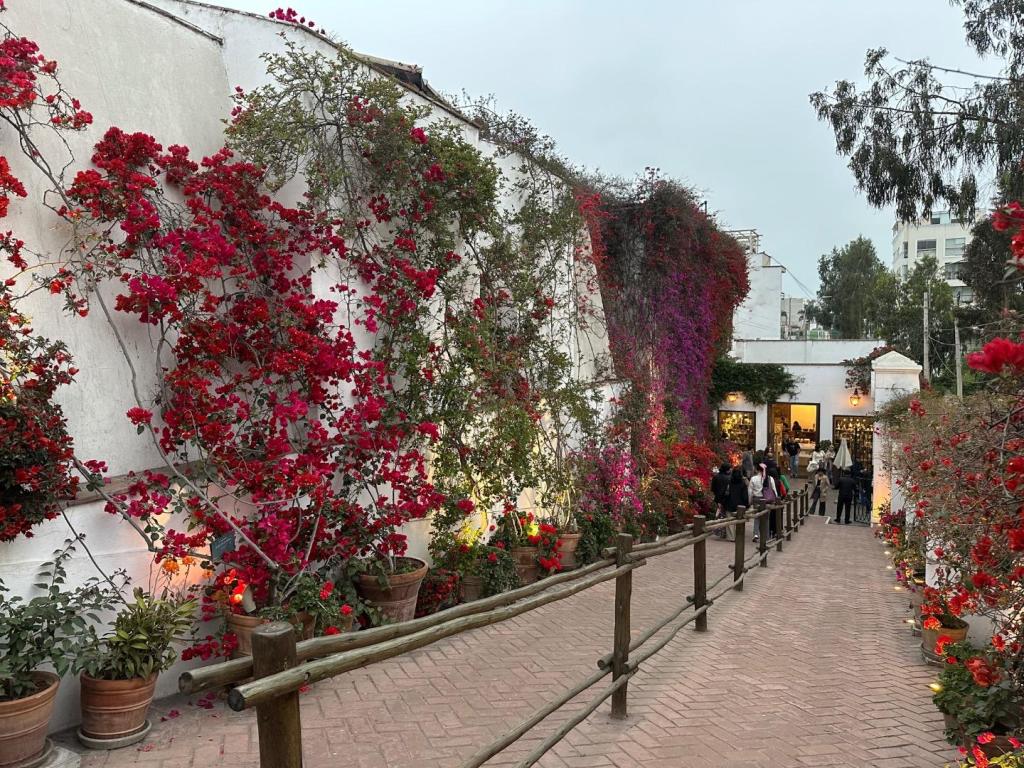
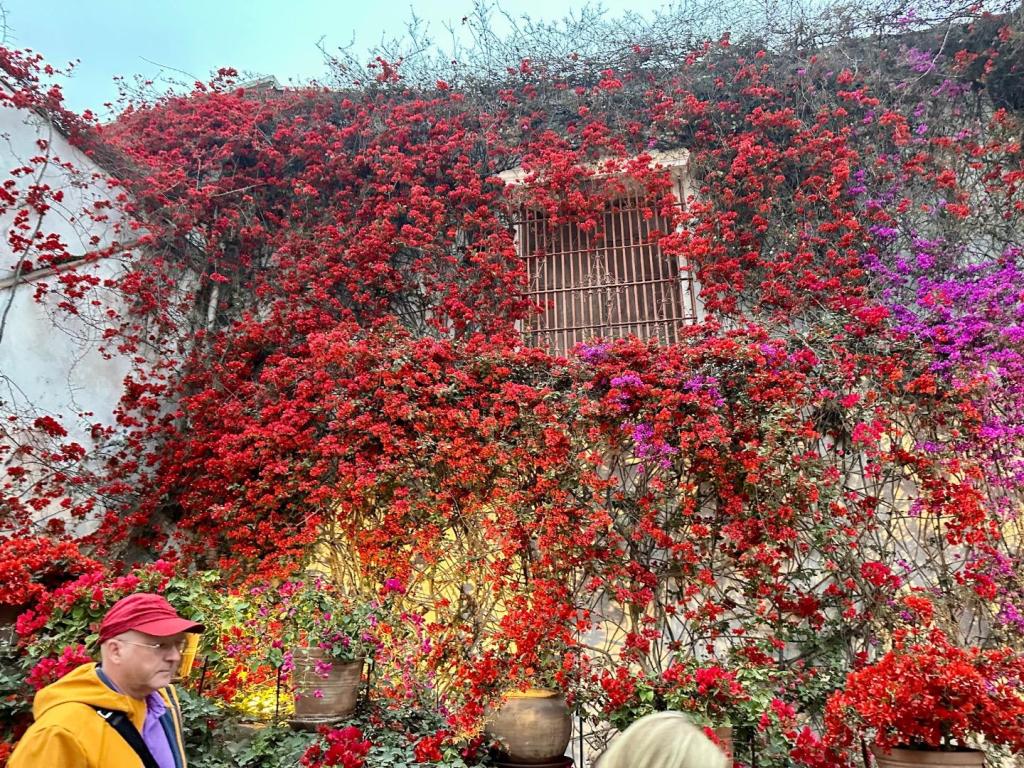
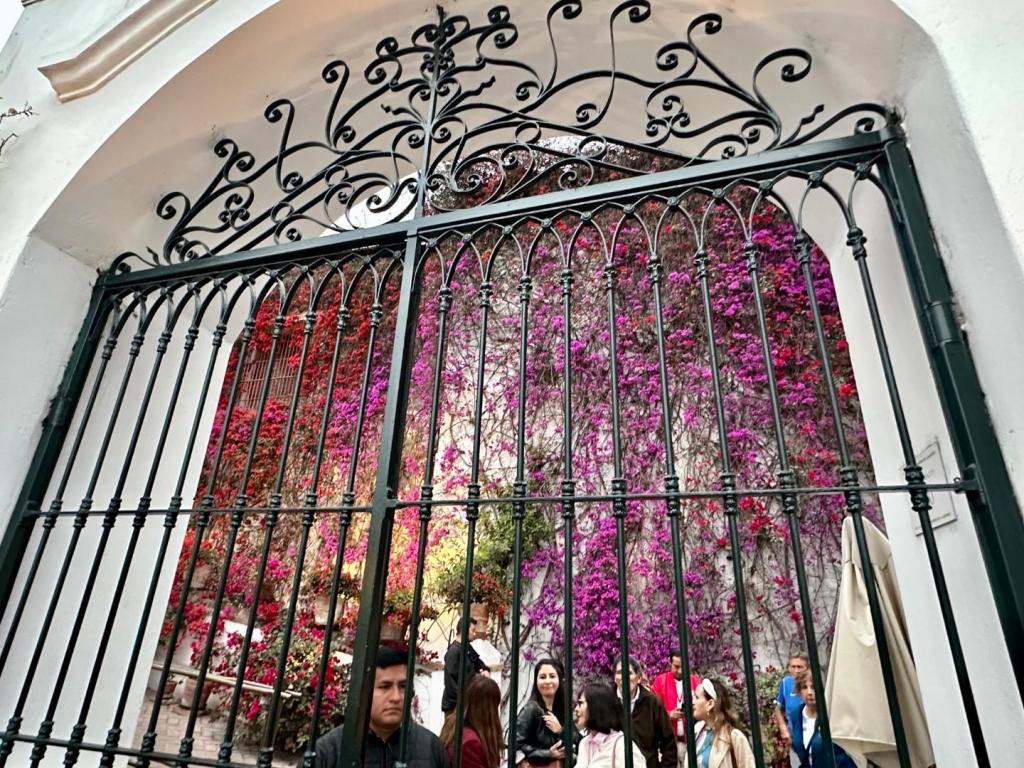
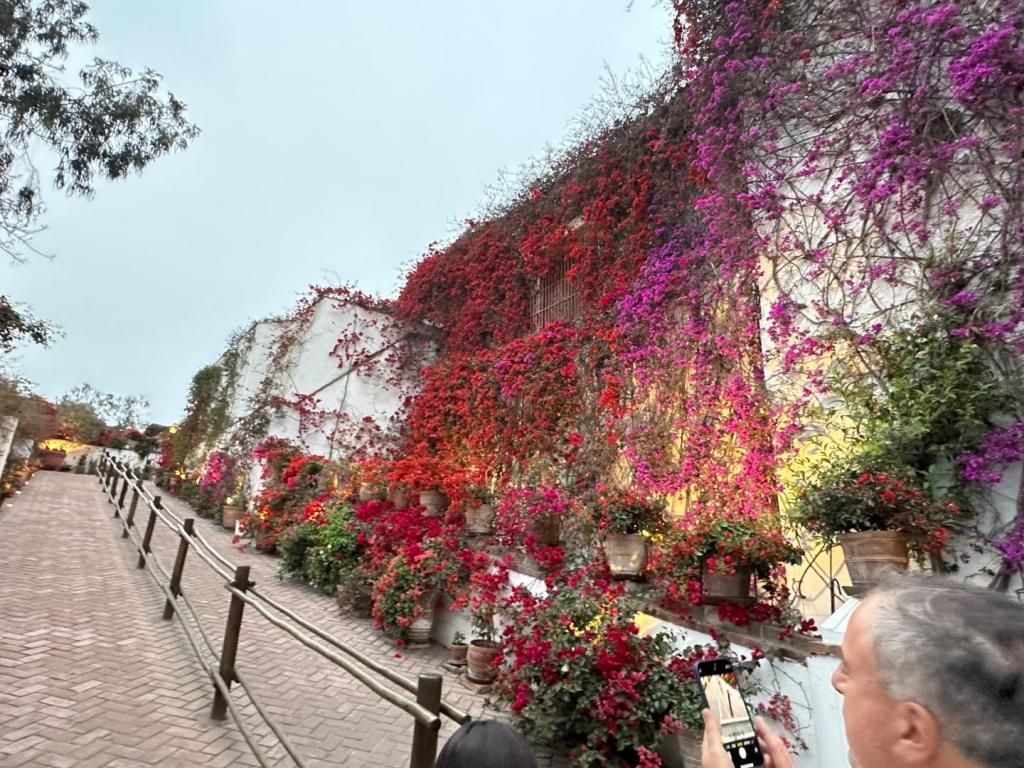
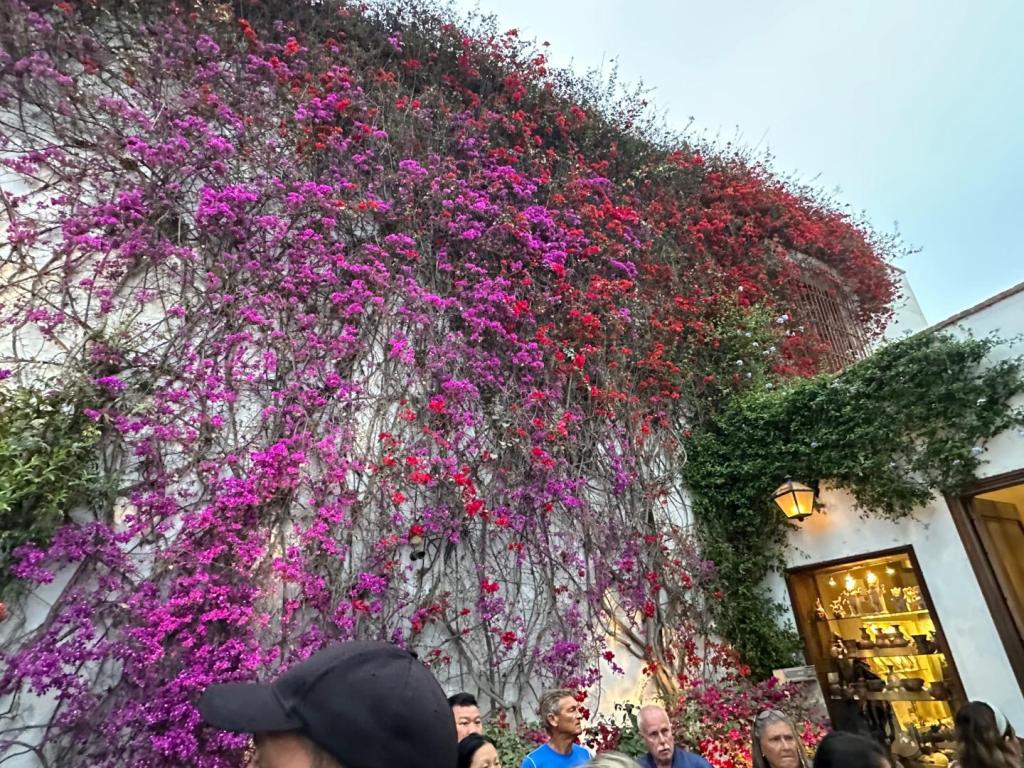
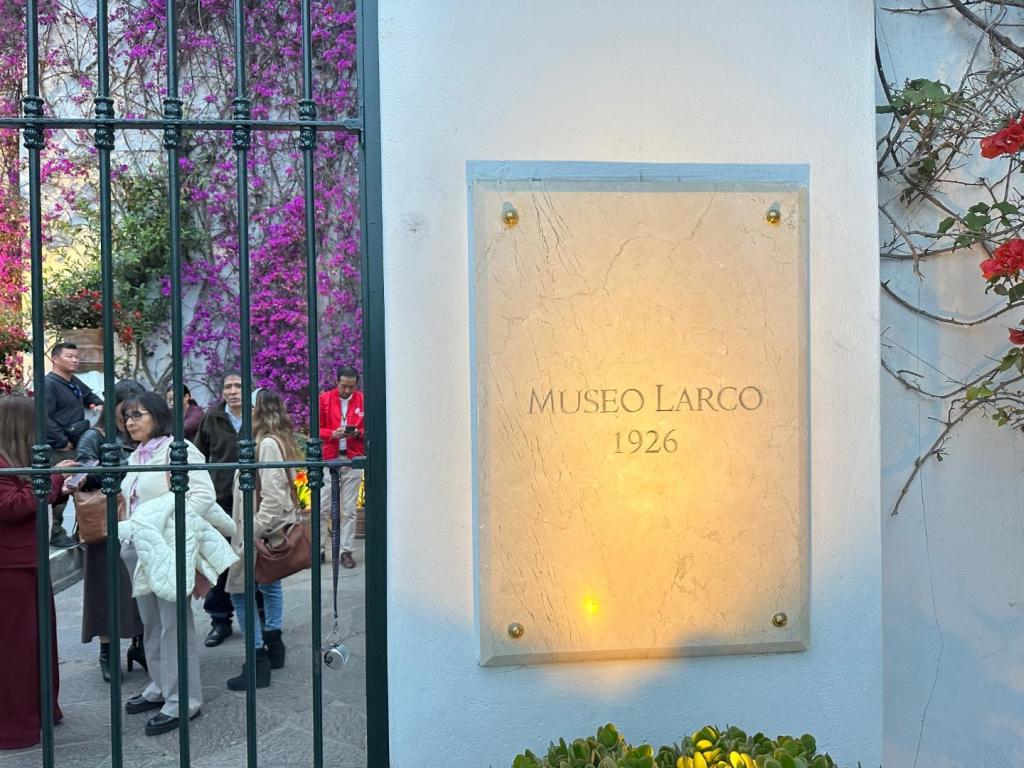
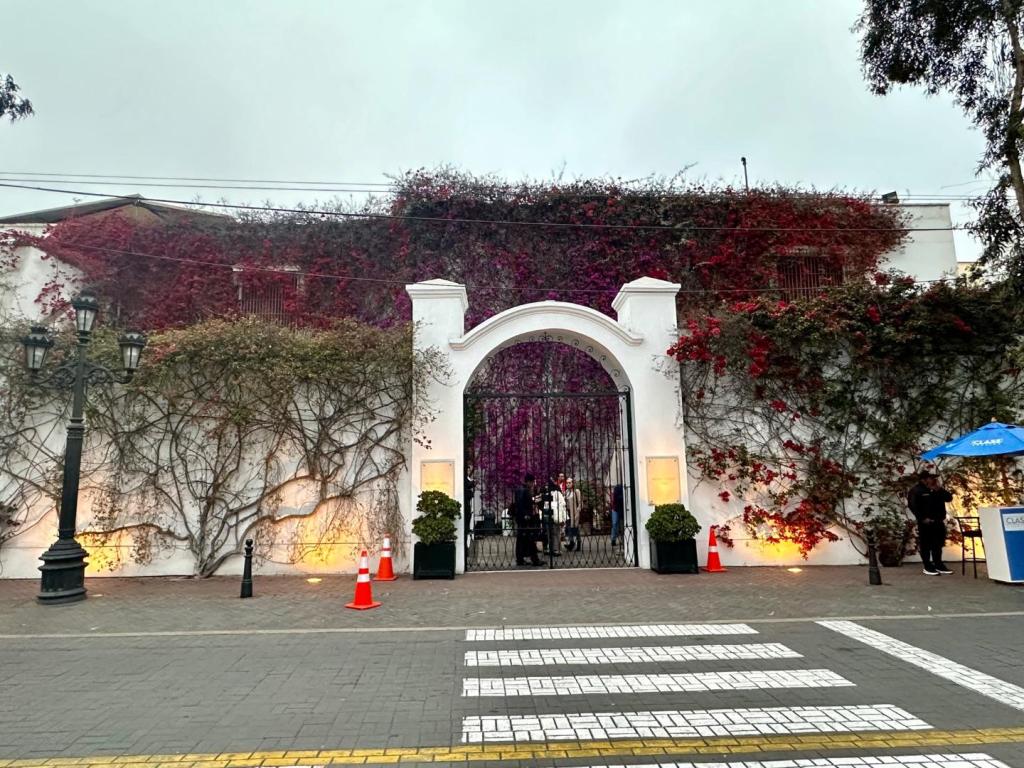
Some of us stuck around in Lima after the official trip and visited the Larco Museum. The grounds were breathtaking as well as the prehispanic art. We then had dinner in the restaurant there.

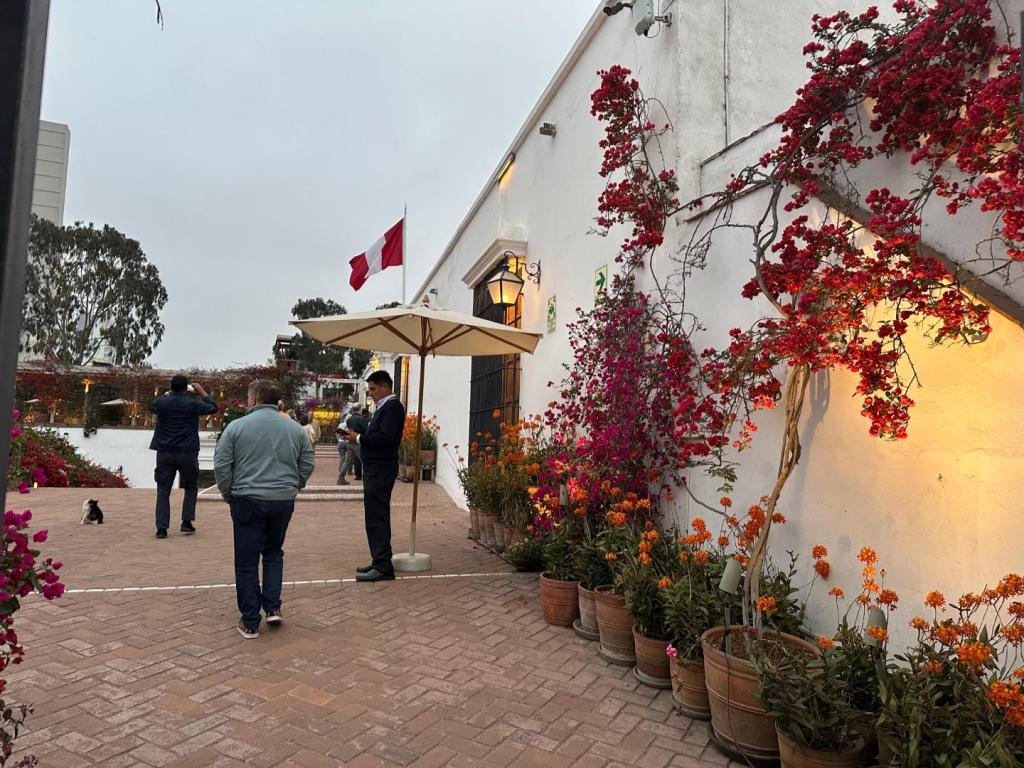





 3 points
 -
Yes I have a hybrid palm silver lady catching my eye today.

 3 points
 -
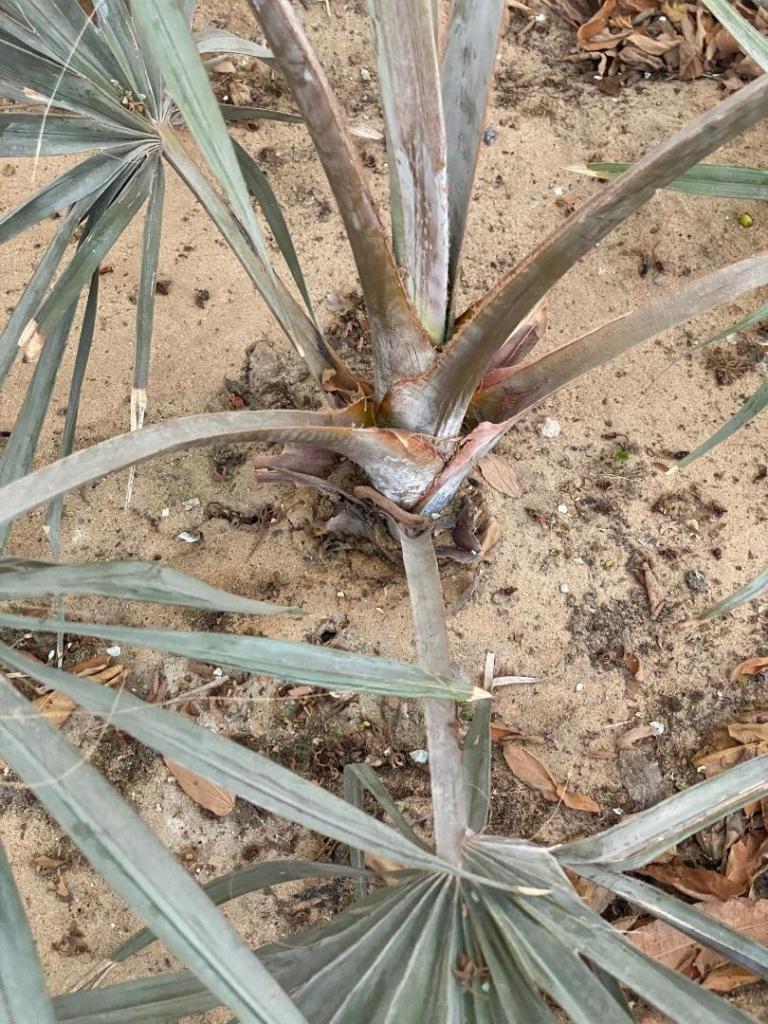
My Bismarkia caught my eye today this morning
 3 points
 -
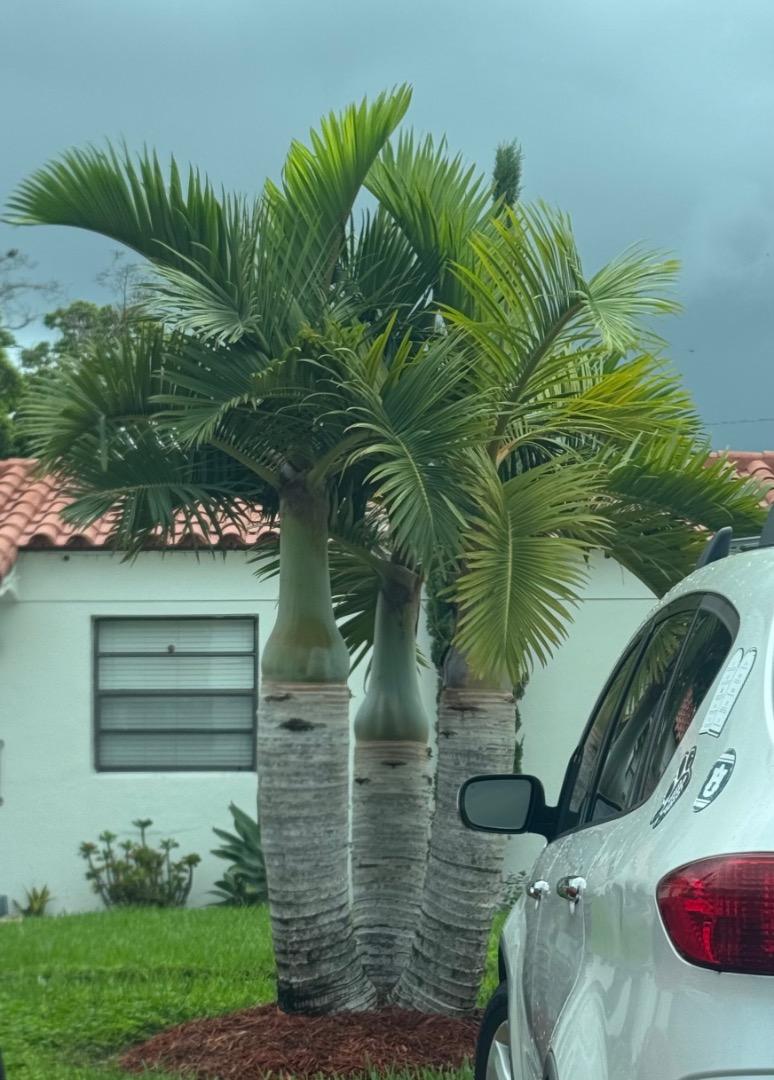
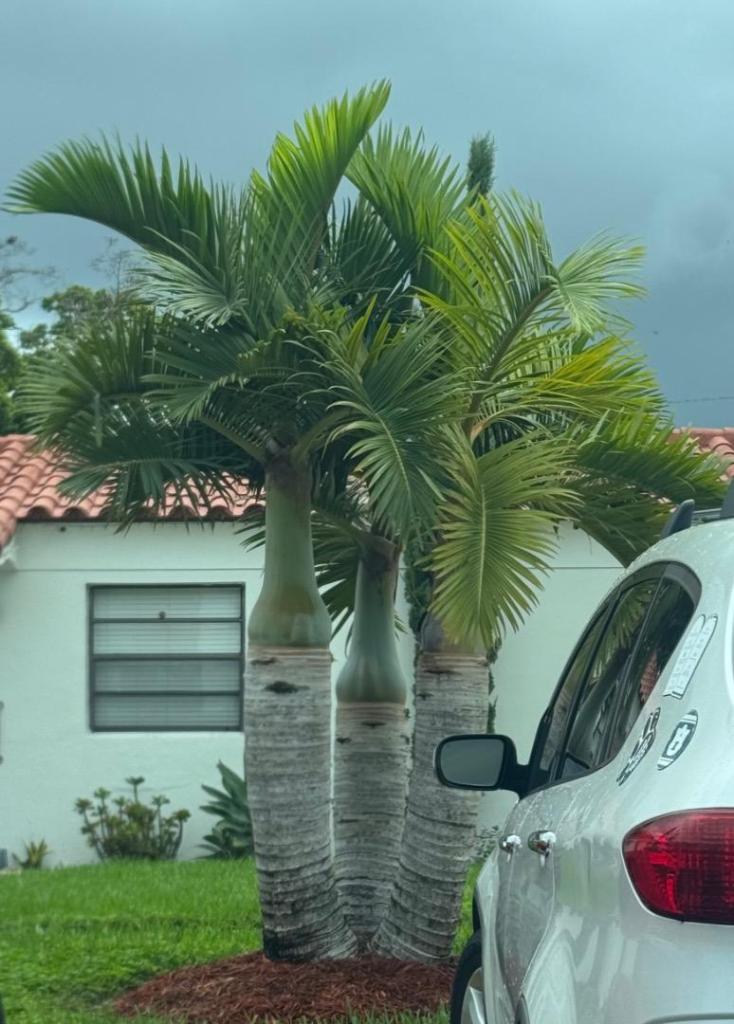
These Hyophorbe verschaffeltii.
 3 points
 -
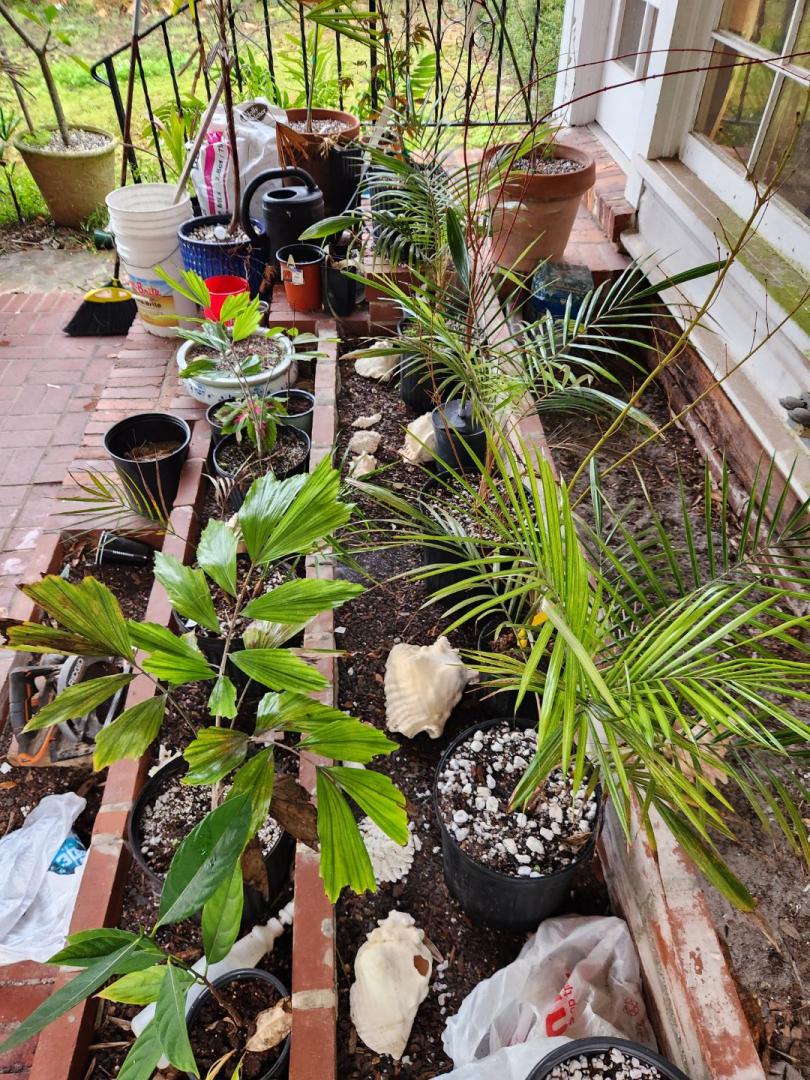
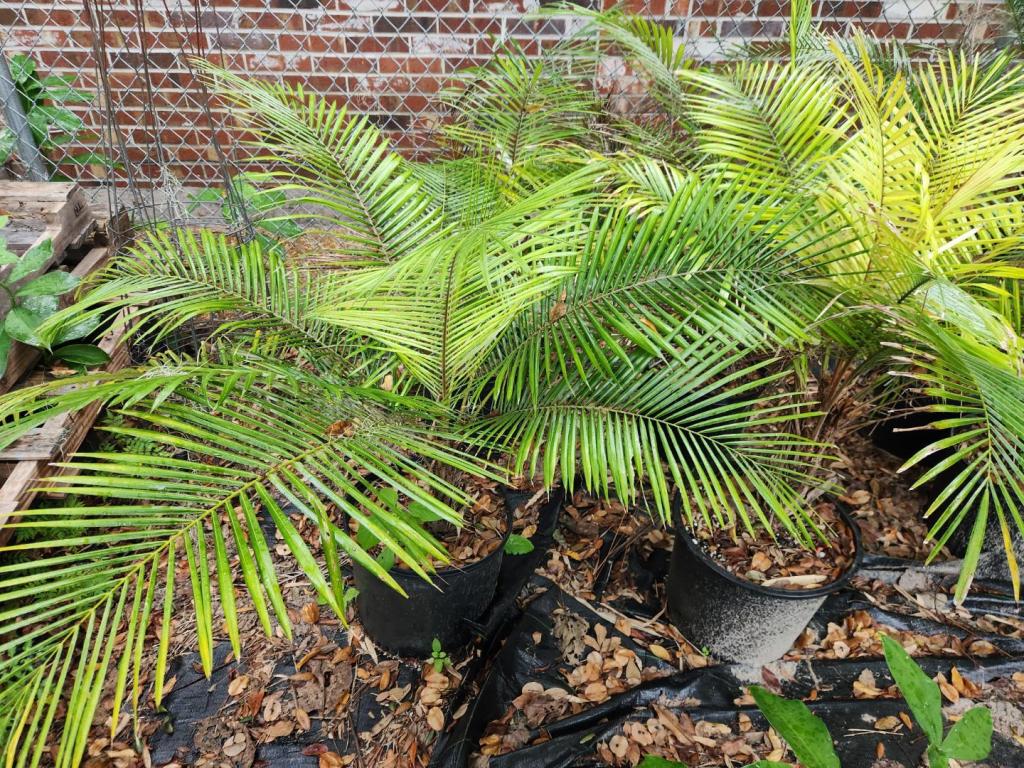
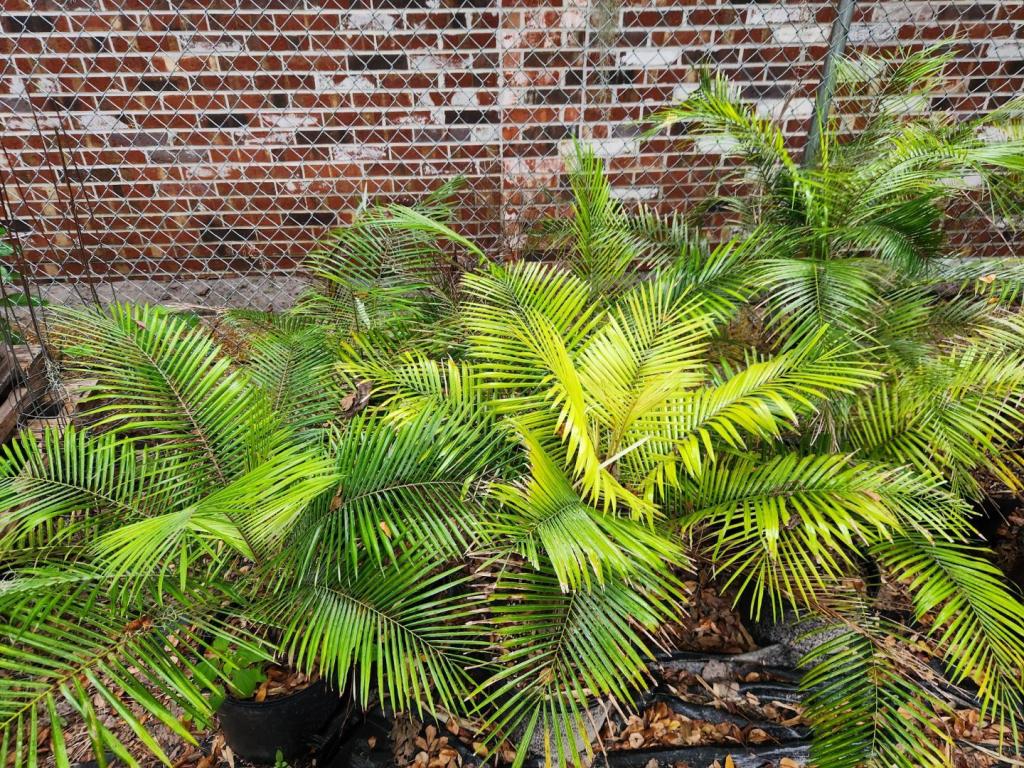
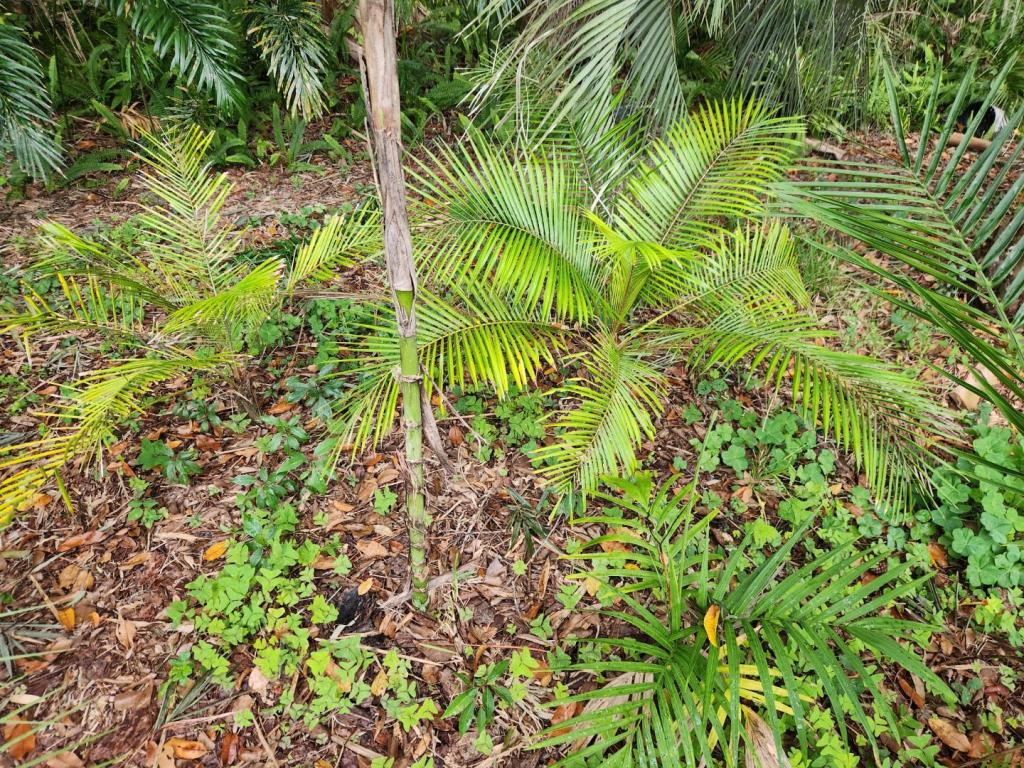
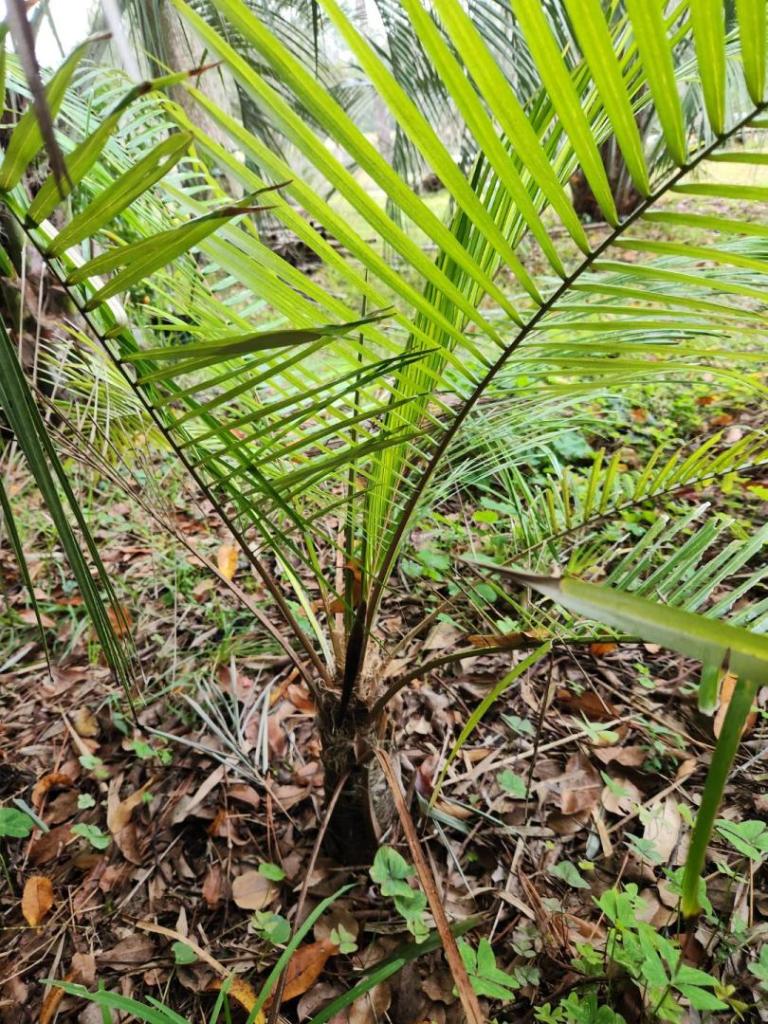
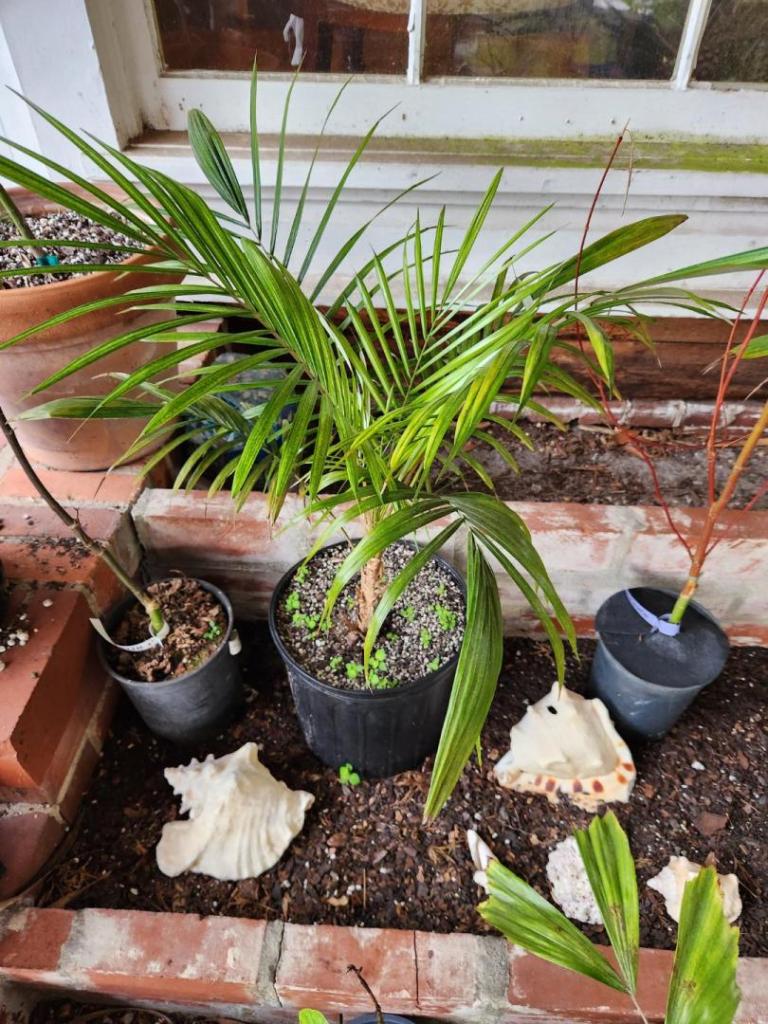
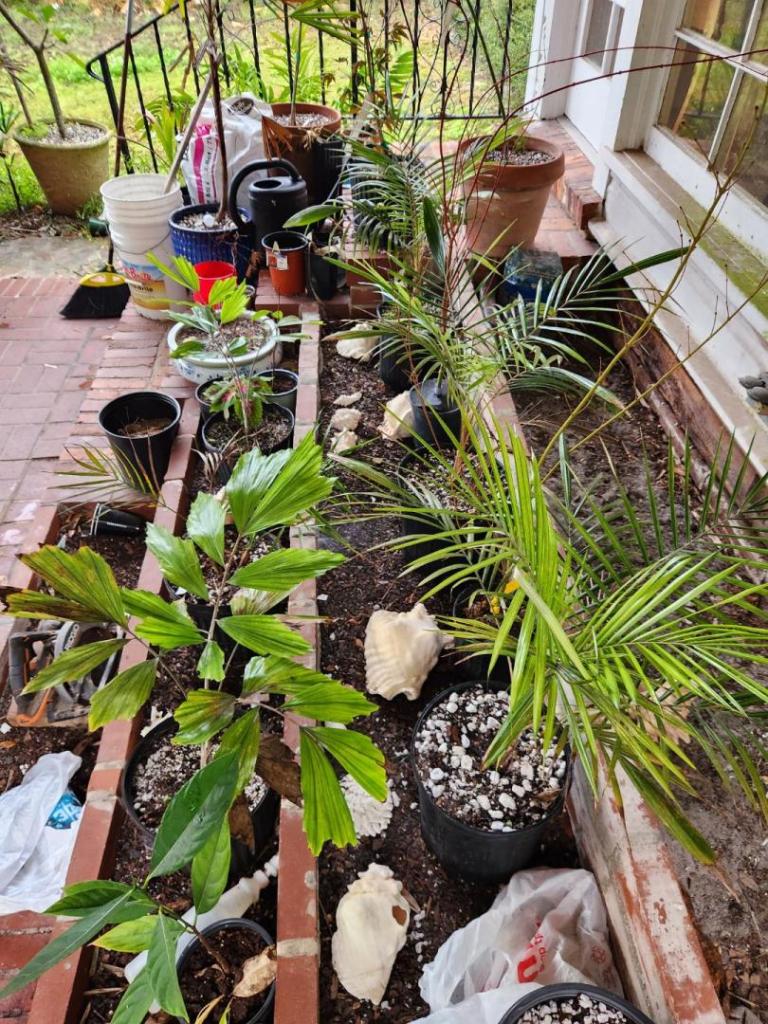
I have a few (I think 12 actually) with a couple that are flowering. Still trying to find what part of the yard they like best. The larger ones were purchased from MB palms in Orlando as three gallons and the smaller ones Floribunda as seedlings two years ago
 3 points
 -
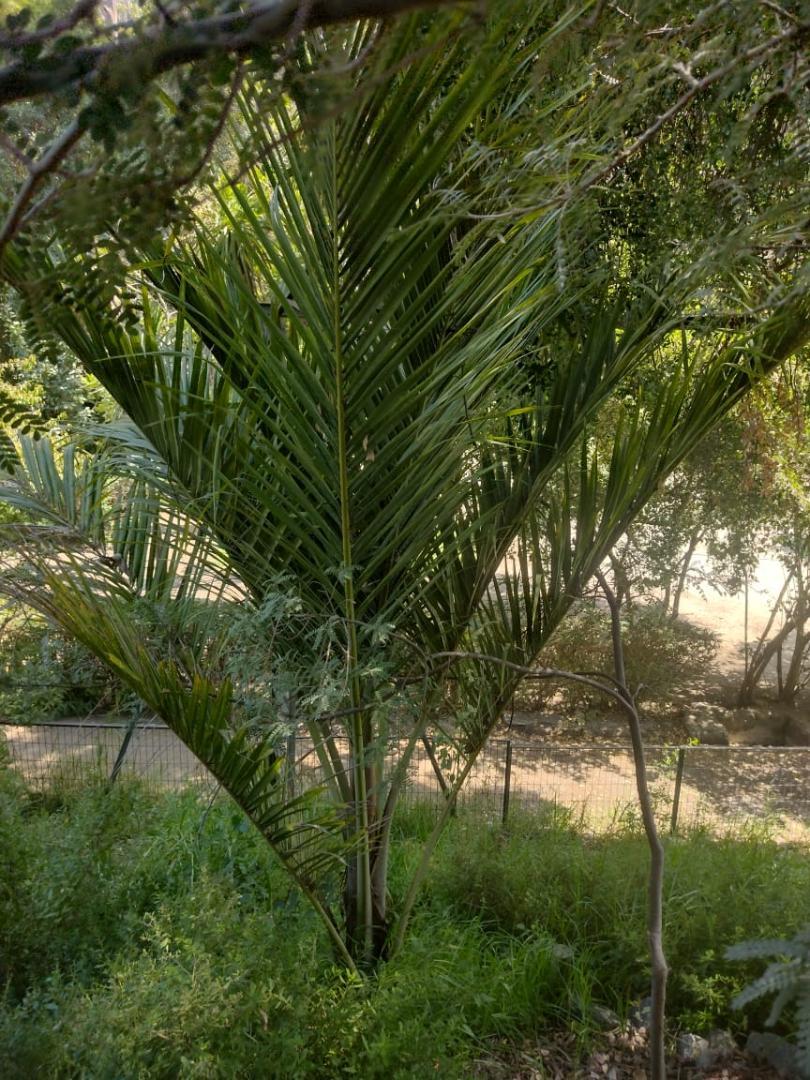
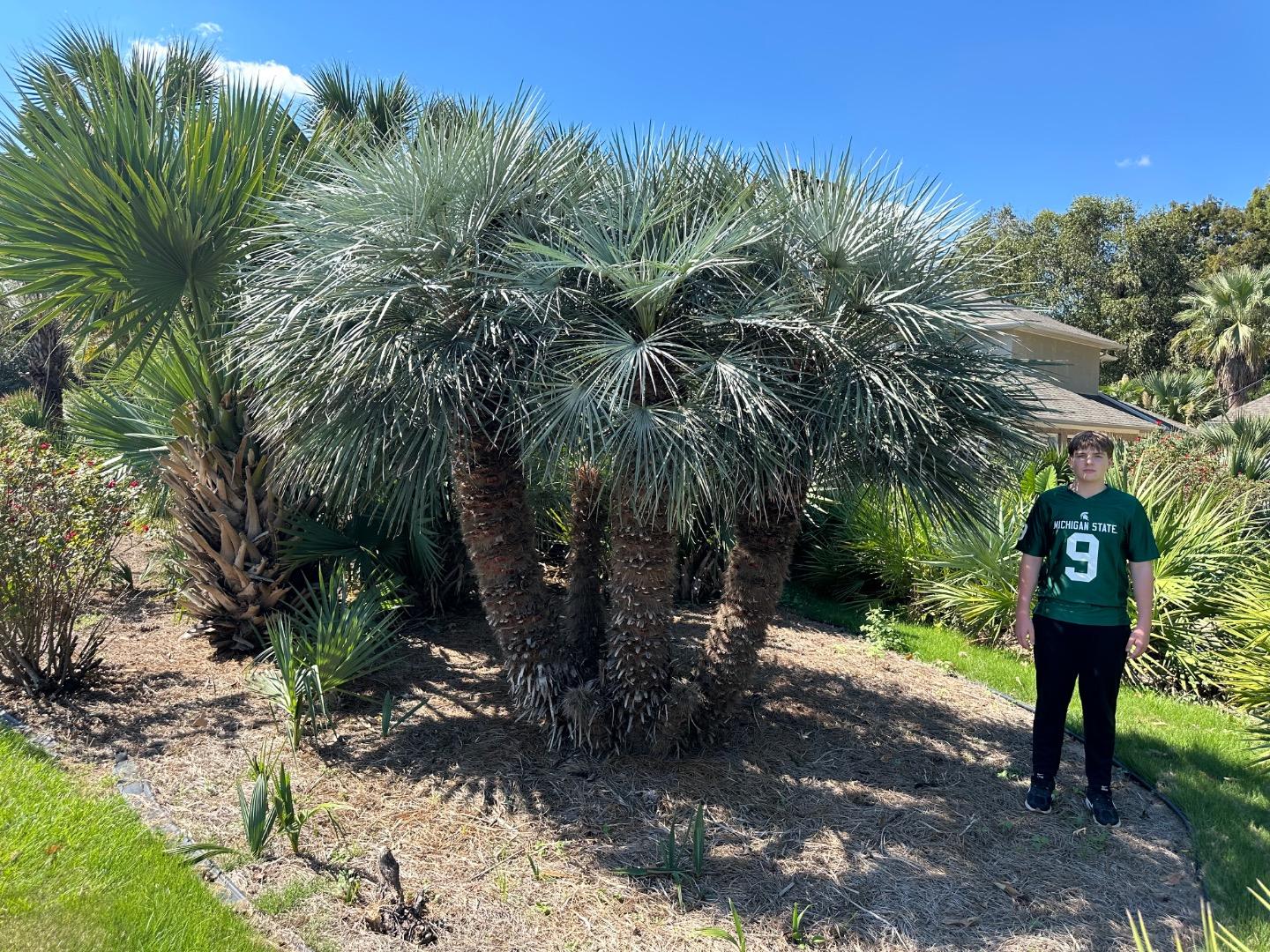
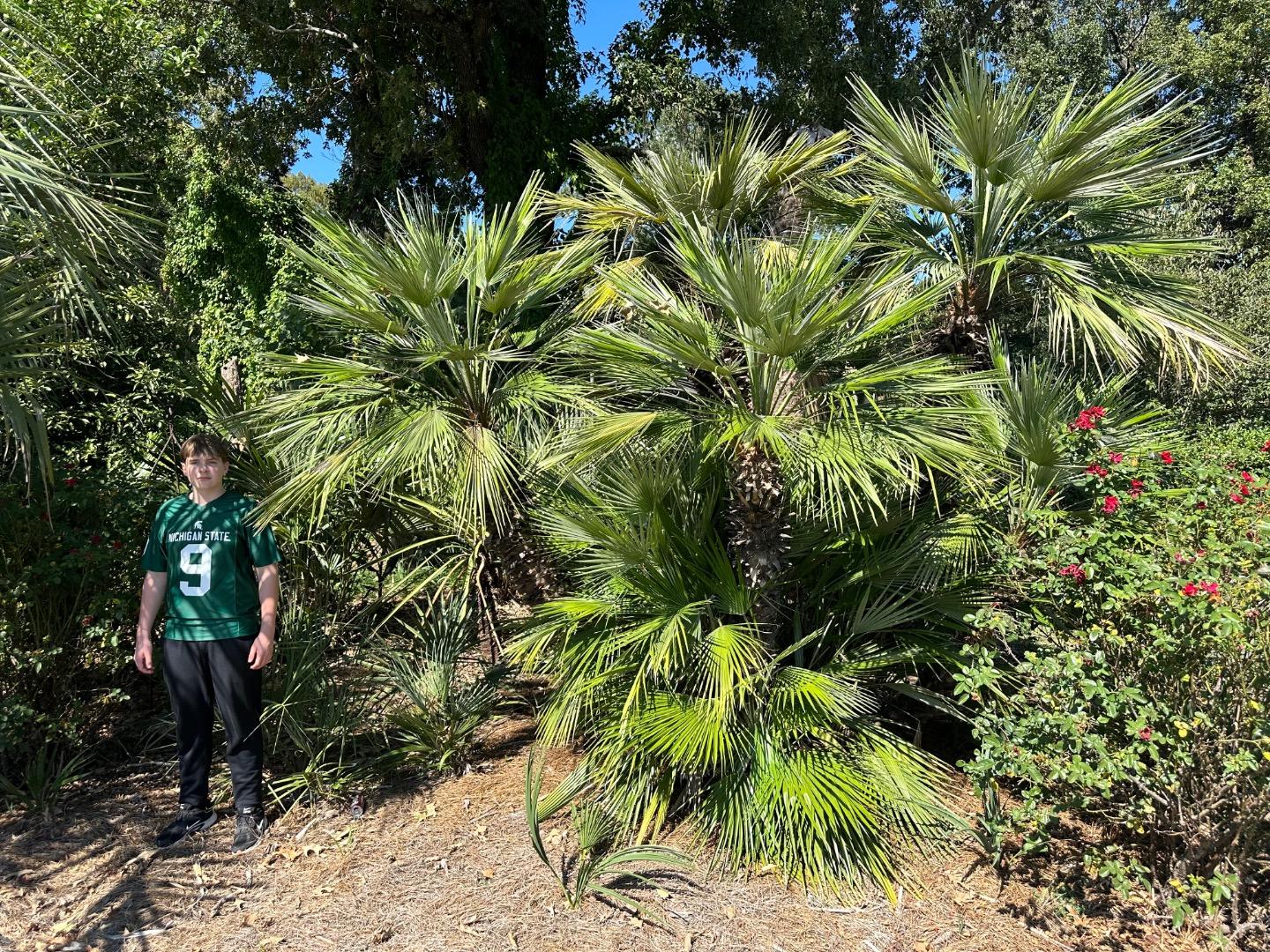
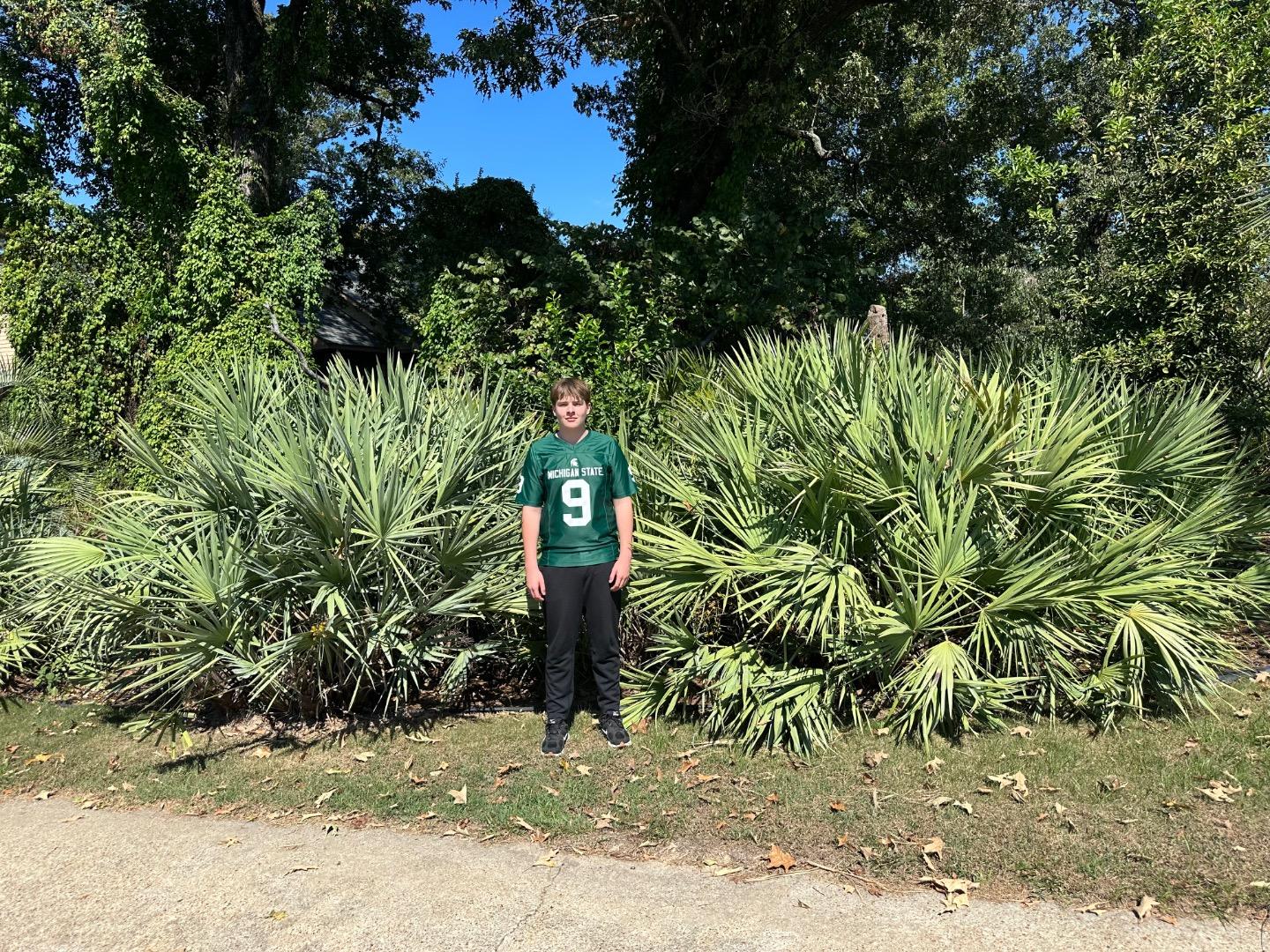
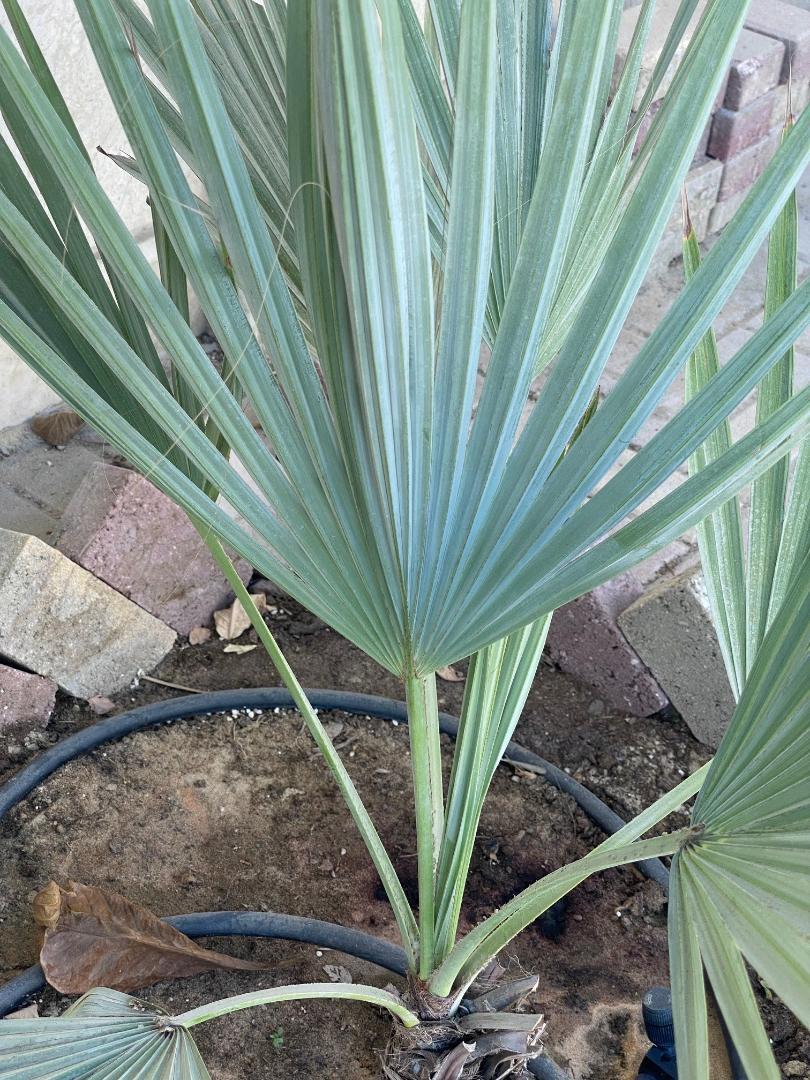
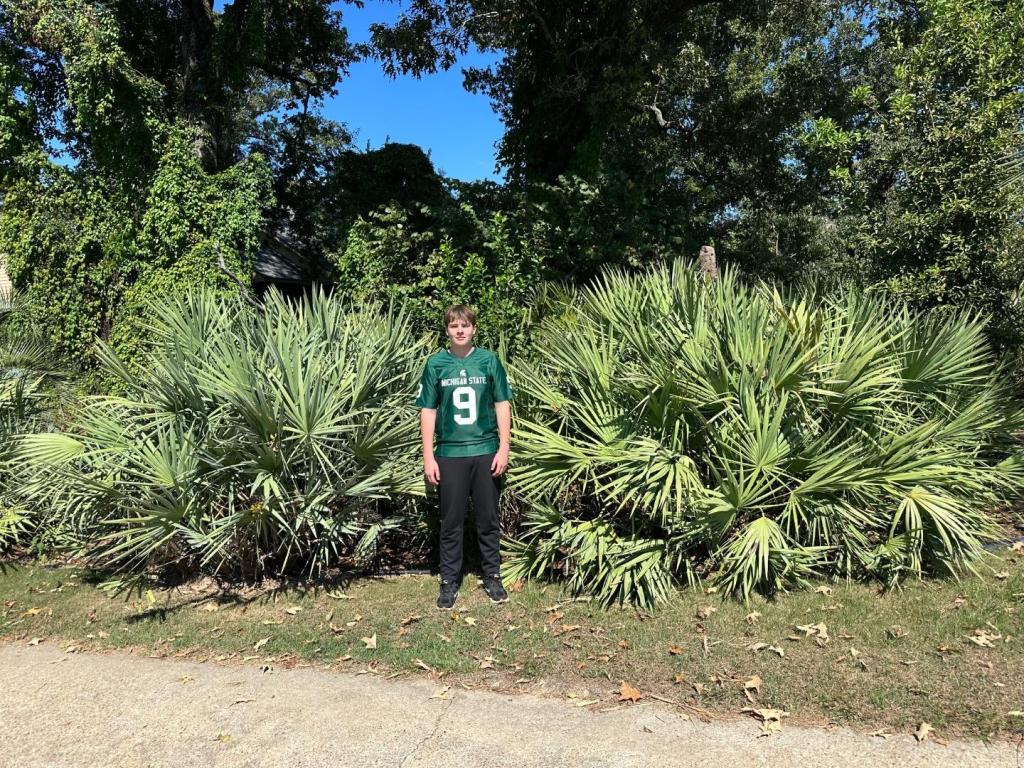
Chamaerops ‘cerifera’ has very underrated hardiness. Few species are more leaf/bud hardy here in north Louisiana—Needle palm, Sabal minor variants, and maybe Trachycarpus (which struggles due to heat here). Four or five winters of 7B really only resulted in minor leaf burn and no loss of trunks. The green cultivar by comparison was total defoliation and loss of 20-100% of trunks. Cerifera is leaf hardier than the trunking Sabals, a Washington filifera, Brahea, Butia, Serenoa, nannohrops, and Jubaea. and my hardiest green version (little trunk loss but routine 100% foliage burn). Unfortunately this particular specimen has some sort of frond form that is sort of an ugly “never-fully-opens look”. Silver Serenoa repens for comparison… much less bud and leaf hardy but recovers fast from suckers


 2 points
 -
Palmgain is an excellent product. Frequent light applications of fertilizer are better than infrequent, heavy doses. https://edis.ifas.ufl.edu/publication/EP2732 points
-
Some rare ones in this lot a few where a gift from a very special grower, to whom iam very grateful for that gift., kinda like a gift from the palm gods! Richard2 points
-
It's a very good palm tree, my friend Richard.2 points
-
Good Point. It will be interesting to see what happens with these in Atlantic Beach Sea Grape #1 Sea Grape #2 Sea Grape #3 Seems like they took a decent hit in 2022 and came back. Might be a case where a winter a little below normal is enough to kill the foliage and some of the top growth, but the roots stay intact.2 points
-
I think with Seagrape, folks look at how large the plants are. Are they shrubs, burned by the cold every 10 years or are they large trees?2 points
-
Friend, how many seeds did you manage to buy? And if you still have the palm tree alive?2 points
-
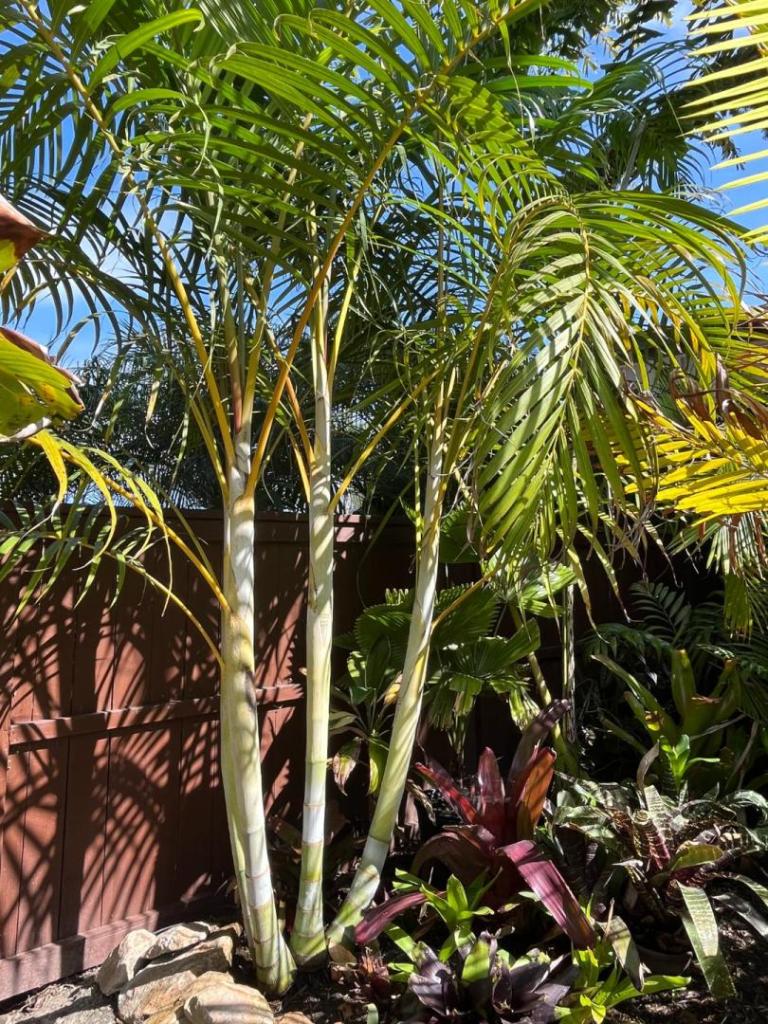
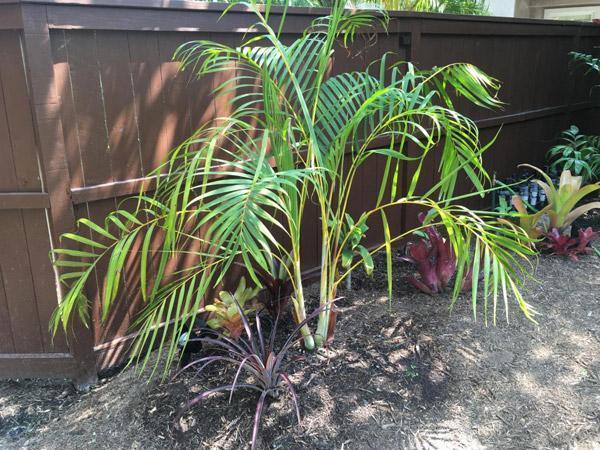
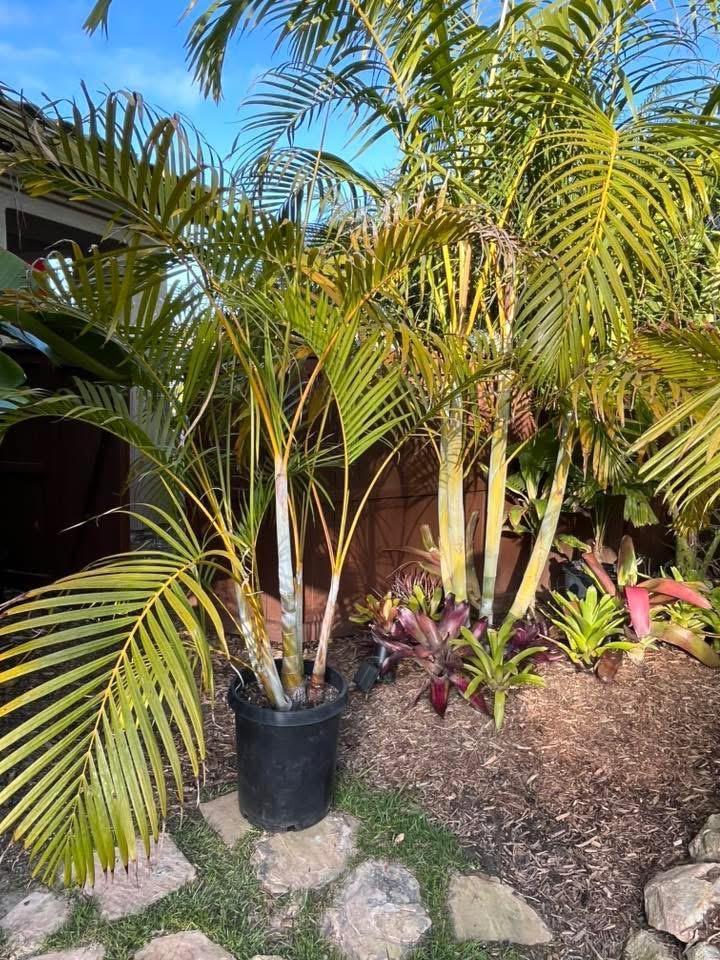
I'm behind on my reading so just noticed this. I'm pretty solid 10a in my location (unlike some pockets of 10b in San Diego county) and this has been a fantastic palm for me. Just took this photo... Main thing I've noticed is that the fronds don't "spot" like my lutescens fronds do. My lutescens grow well in my yard, but do get some pretty severe spotting each winter, and I always look forward to cutting off the ugly fronds in the Spring. In contrast, the lafazamanga always looks lovely (it also doesn't make "doinkers"). 🤪 The only downside I've noticed is that the lafazamanga seedlings I've tried to grow outside (of Floribunda origin) have had a higher-than-normal mortality rate. So while my adult lafazamanga has thrived, a large percentage of the seedlings I tried to grow died (many more than other Chrysalidocarpus/Dypsis palms I've grown from seedlings). So perhaps the lafazamanga palm is just robust once it reaches a certain age (and should be babied until then). I also gave a lafazamanga to my sister soon after I got mine, and hers hasn't done as well (in what I believe is a 9b spot). It hasn't died - and actually looks okay - but hasn't grown much at all (looks very much like it did when first planted years ago). So my best guess is that lafazamanga is a solid 10a palm, though it's iffy when young. ==== Here's the size my lafazamanga was when I planted it... Since yours is smaller than mine was, perhaps keep an eye on it this first winter (and shelter if needed). But once it reaches the size mine was when planted, you should be in the clear. Oh, and here's my comparison photo with a smaller lutescens dragged close for color comparison. Lafazamanga is more lemon yellow to my eyes / Lutescens more orangey-yellow (with white). I like both color combinations, but it helps with seeing the differences (on my palms at least)... Just my experience for comparison. It's a great palm. ❤️ 🌴
 2 points
 -
Thanks for the follow-up. The way the thread had just dropped-off, we were worried that y'all participated in an Inca sacrifice.2 points
-
Hi @Jonathan, curious to know when and where you acquired the A. micrantha from? I am the guy trying to solve the A. micrantha taxonomy that Bill mentioned. Indeed you are right the description of it being a solitary 2m palm is not entirely wrong that individual must not have matured. All A. micrantha populations that i have observed have a multi-stemmed habit growing as tall as 11m but on average they are 6m. Planning to submit an article sometime next year on this so stay tuned! I would also like to know what germination conditions did you set for these seeds? On field there is alot of successfully germinating seeds, but i could not replicate the same in a greenhouse. best chintan
 2 points
 -
This Pseudophoenix sargentii
 2 points
 -
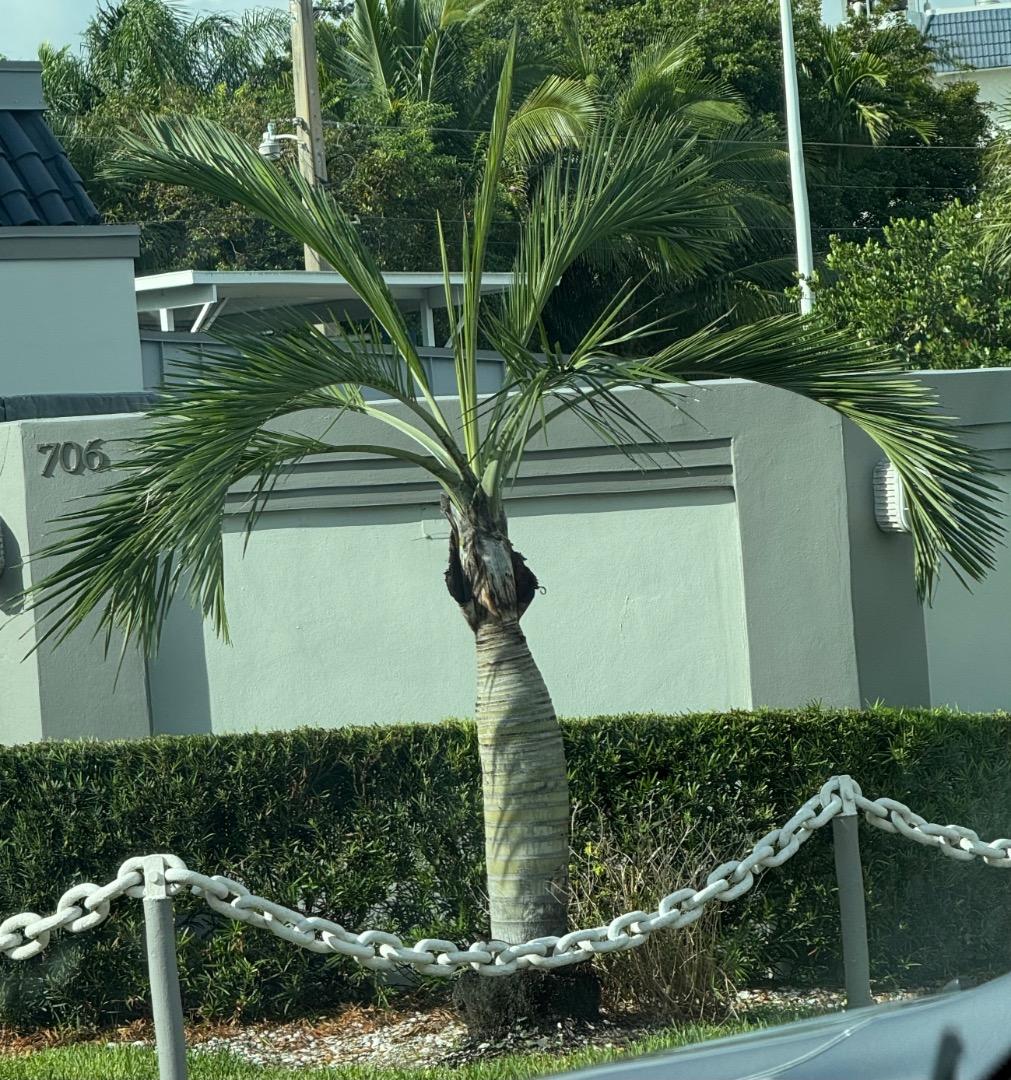
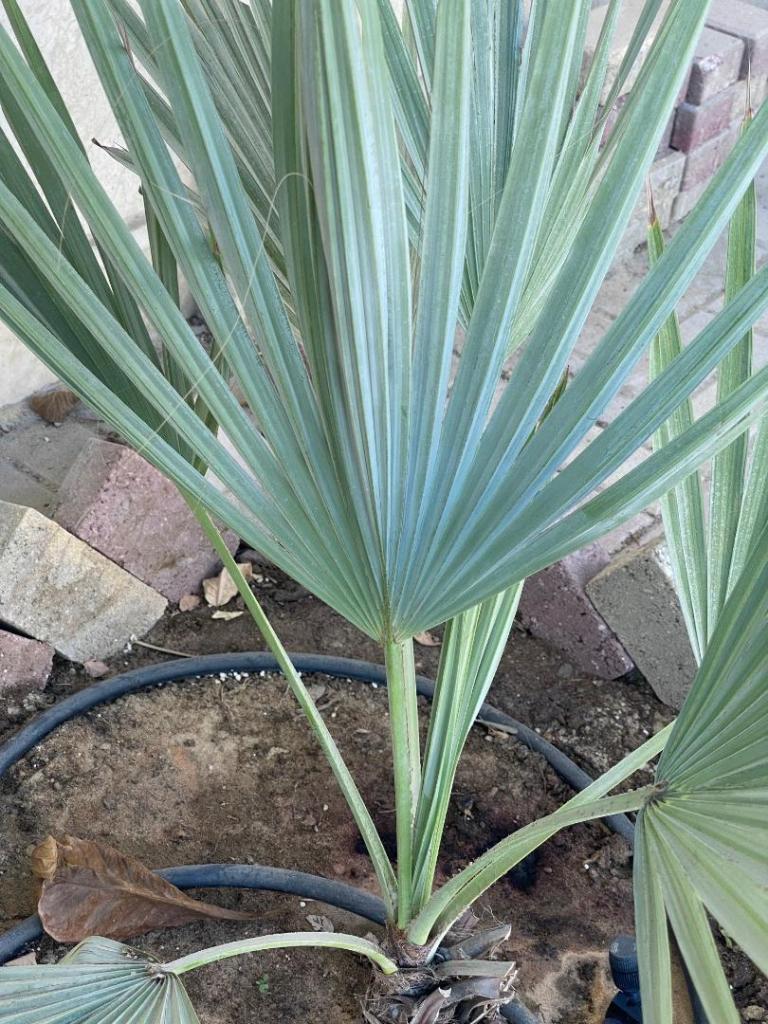
My Brahea
 2 points
 -
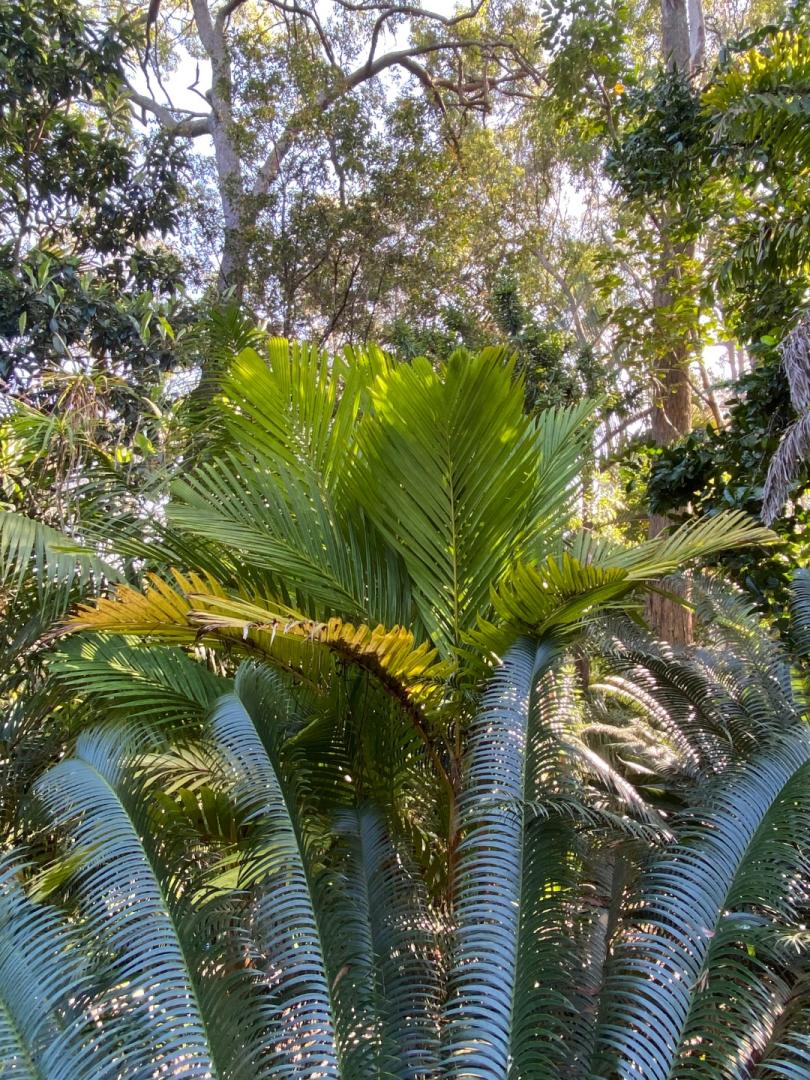
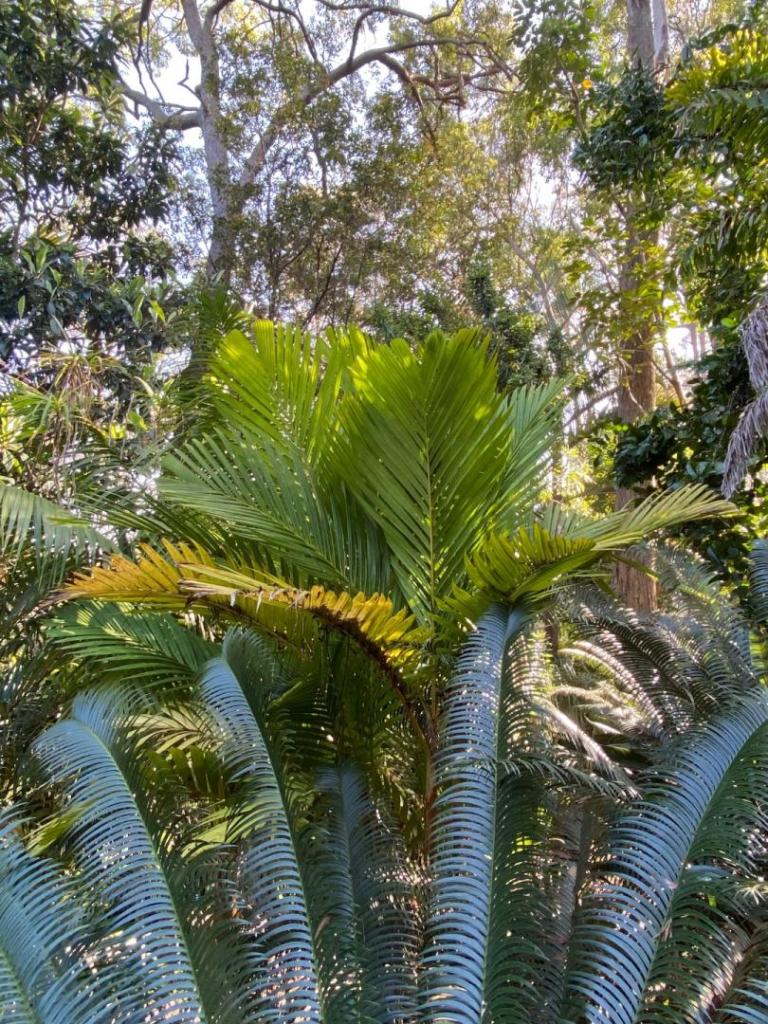
Lepidozamia peroffskyana with a Pinanga coronata.
 2 points
 -
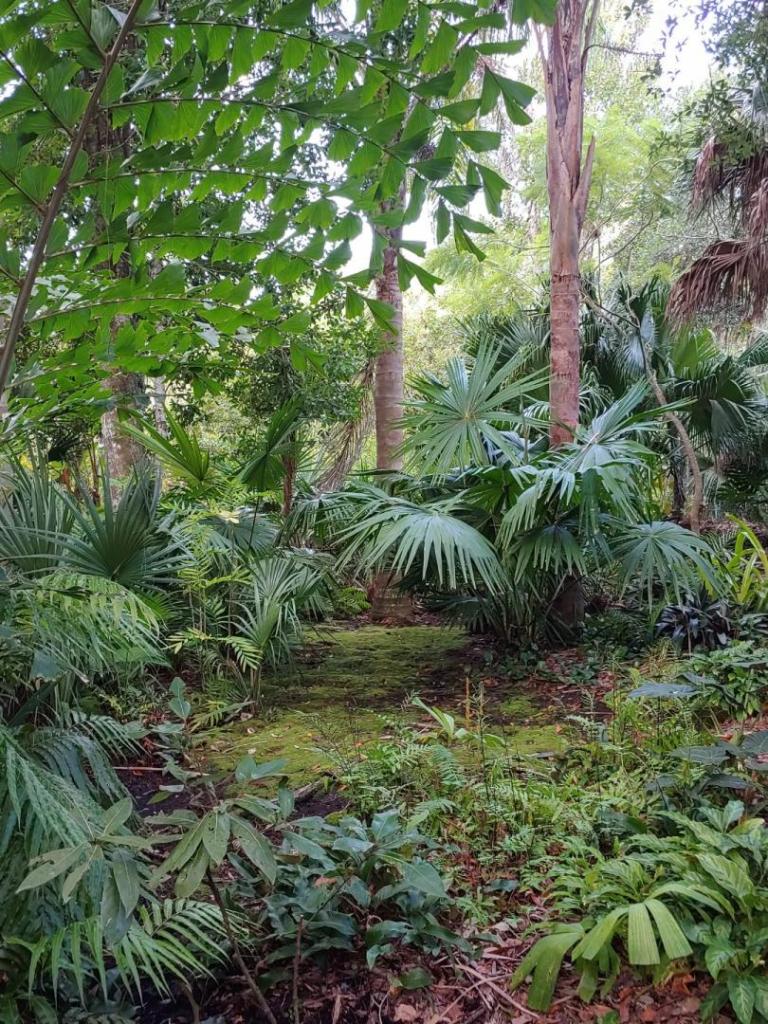
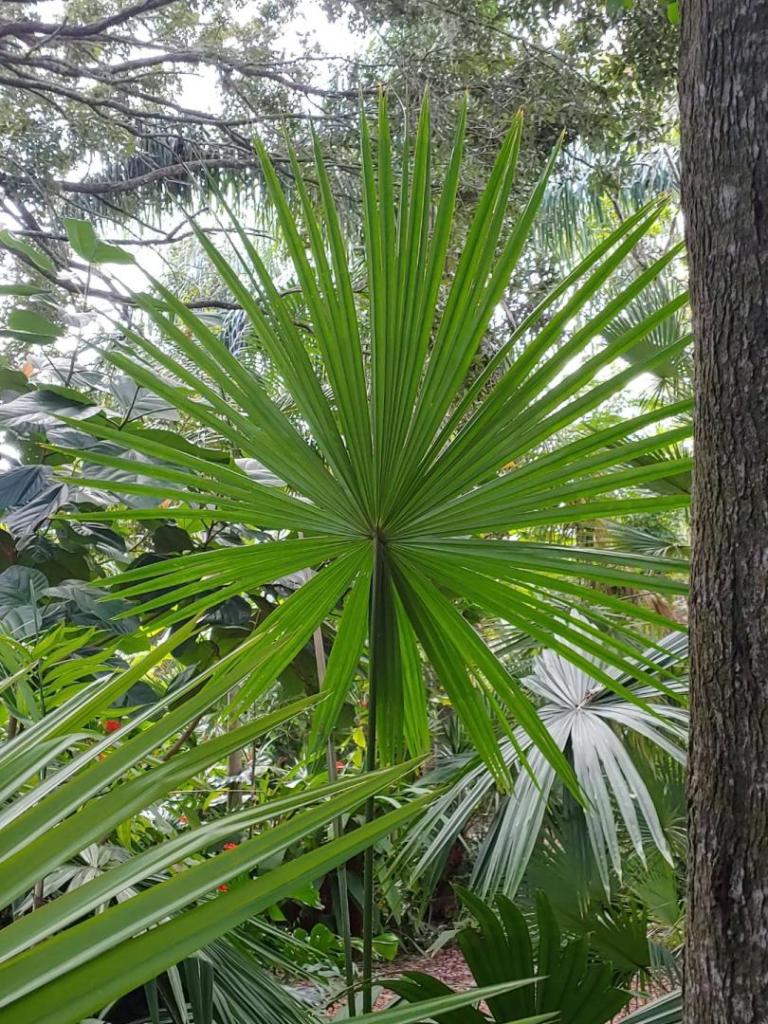
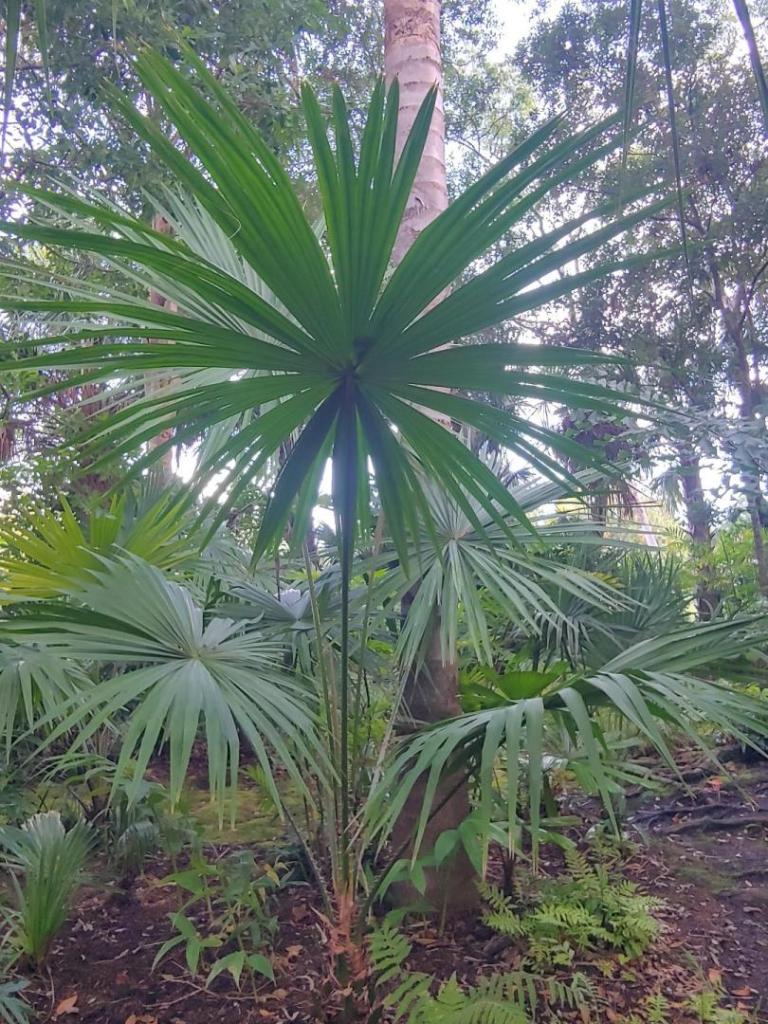
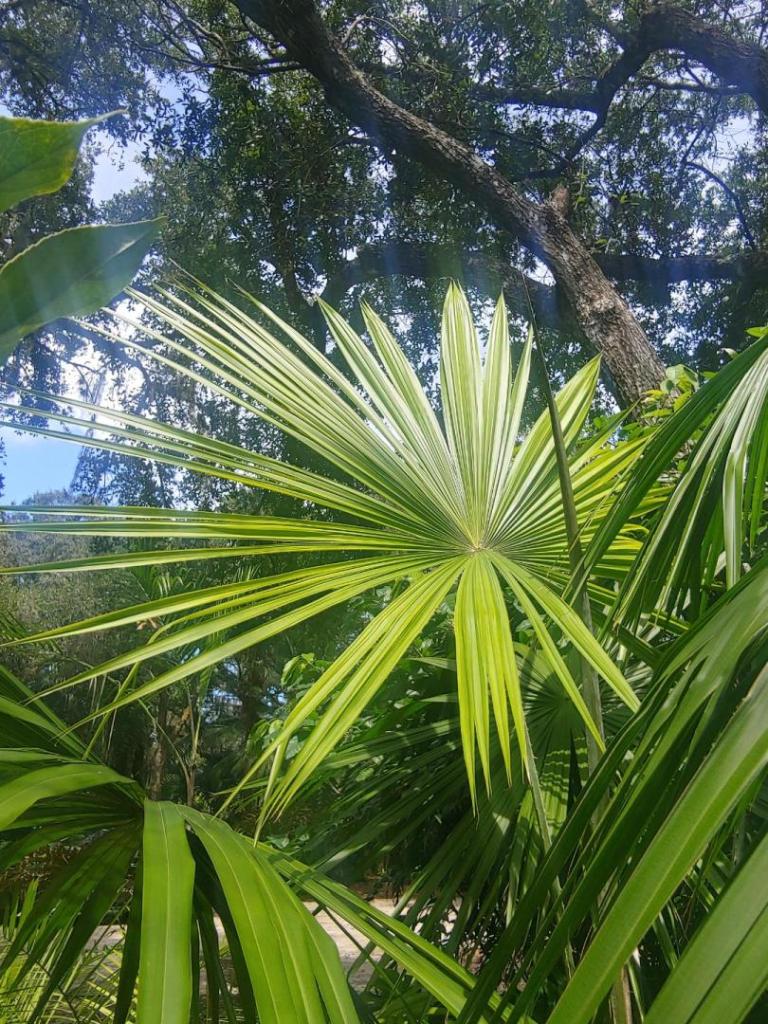
New new leaves on some young Livistona saribus caught my eye. Some are in the shade and one is colored from the sunshine.
 2 points
 -
Those look GORGEOUS to me! Maybe I’m easy to please.2 points
-
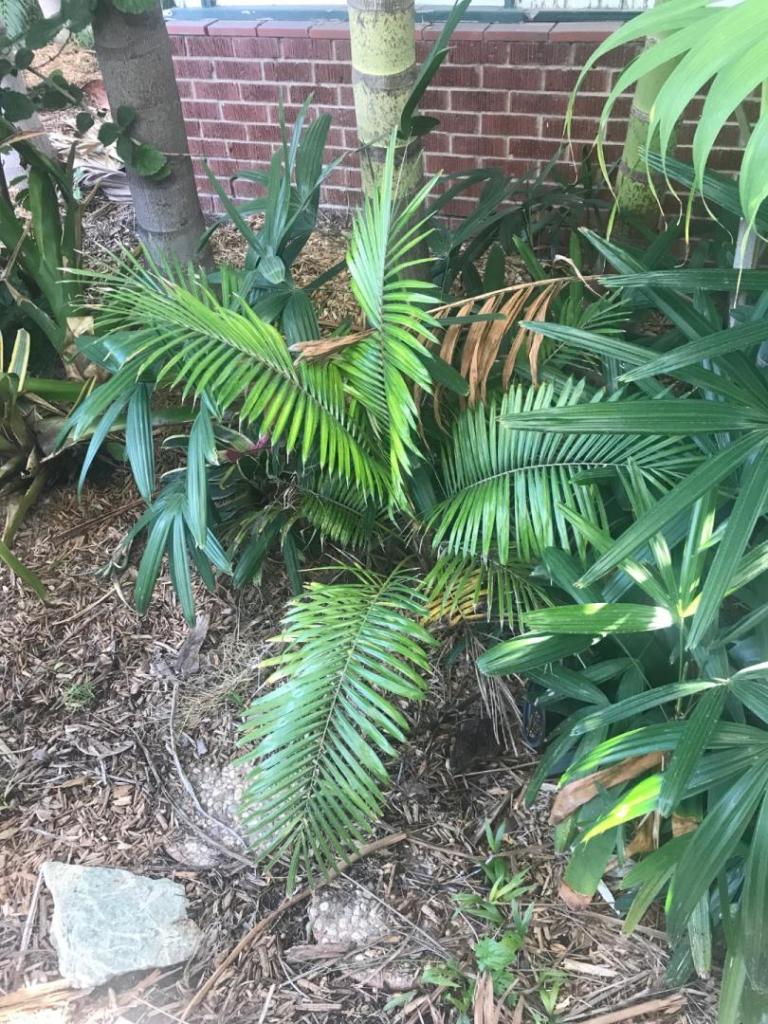
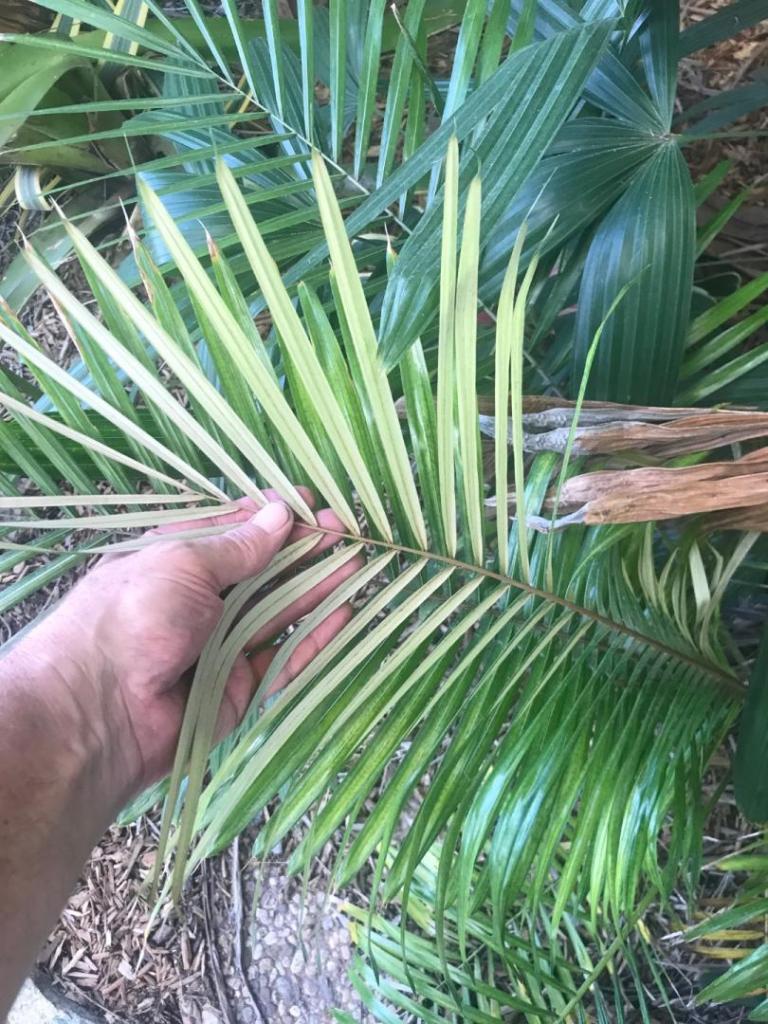
Here’s another picture of my palm in the day time And leaf reverses.
 2 points
 -
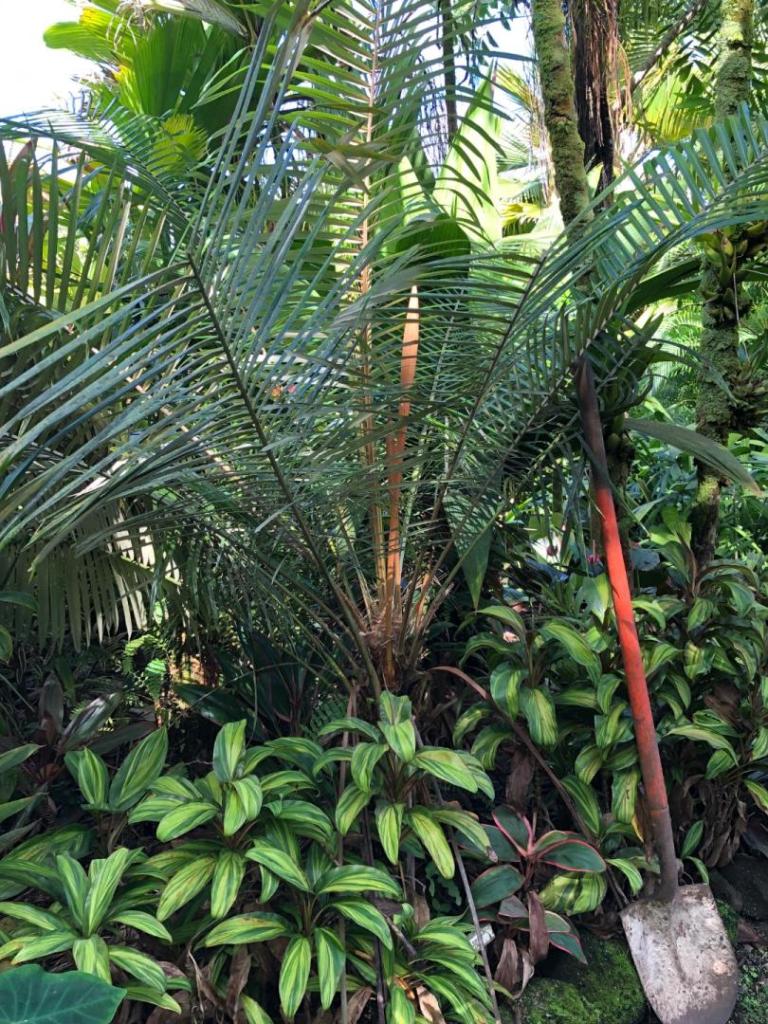
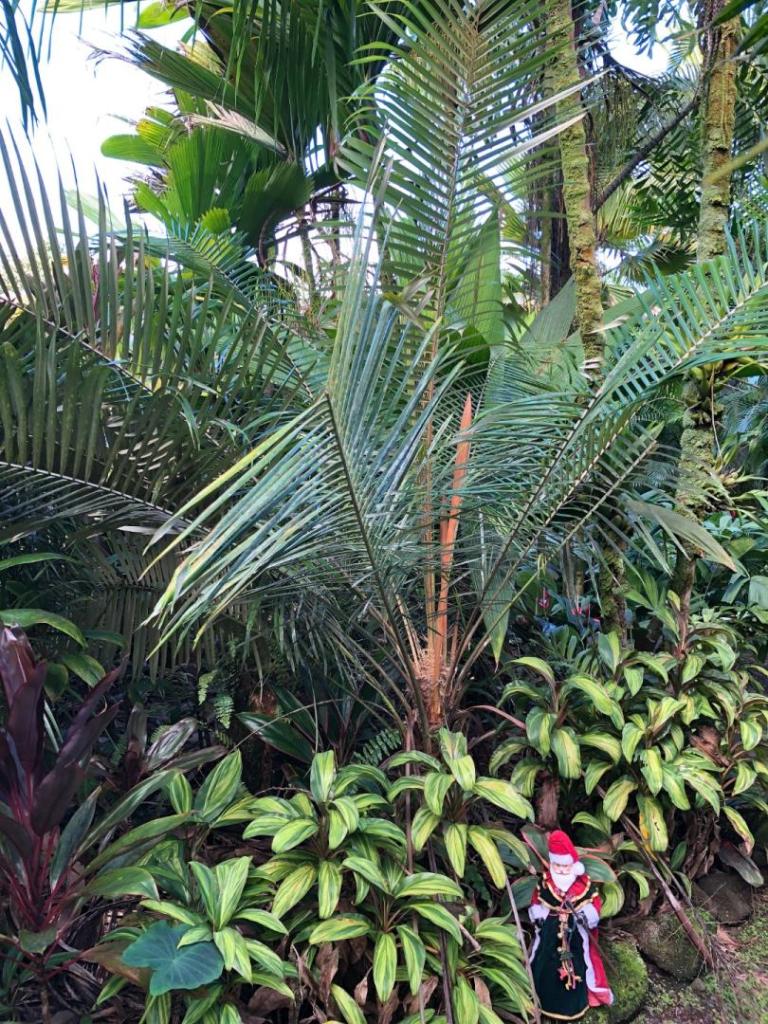
Nifty little palms and S. hoehnei, at least in my garden, has been a more robust grower than S. weddellianum. Tim
 2 points
 -
The German pronunciation in IPA is høːnə, the same as it would be written as Höhne. The Portuguese pronunciation may be different.2 points
-
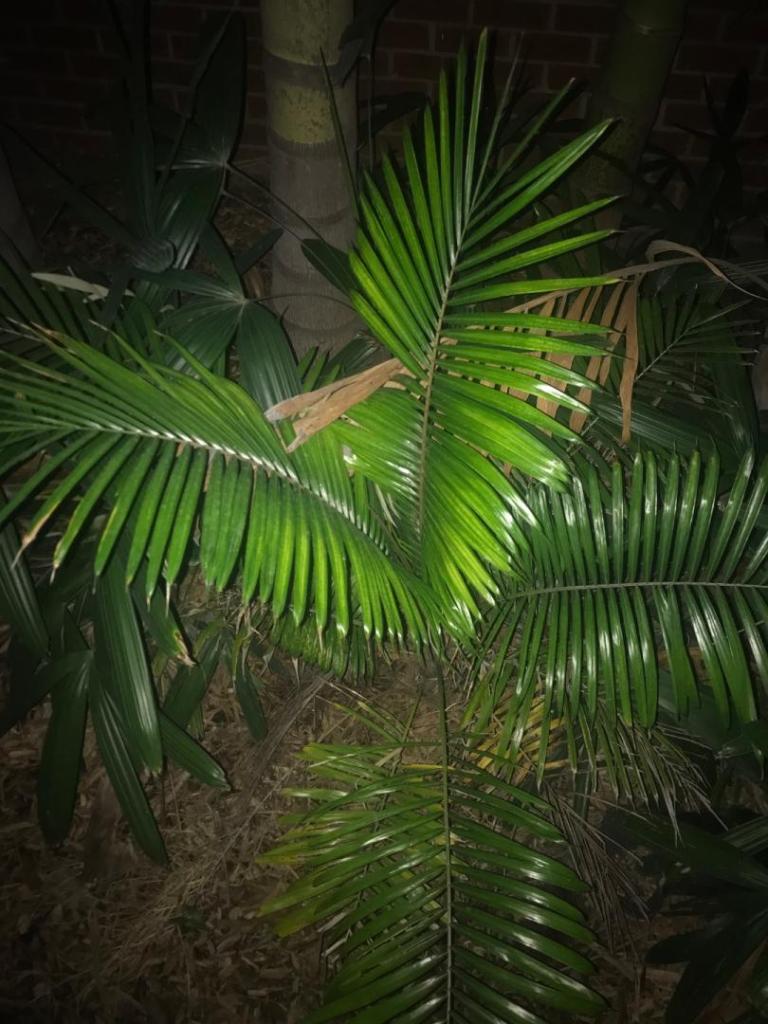
How ever you pronounce it, they’re a purty small palm. Lots of water, but so cute. Instead of an 800 pound gorilla, a 1 pound baby, with that dark green and silver reverse on the leaves.
 2 points
 -
Wow a year and a half from a seedling. That's really fast. I've had mine from a 1gal a year ago and yours seems like it's the same size as mine.2 points