Leaderboard



Popular Content
Showing content with the highest reputation on 10/09/2025 in all areas
-
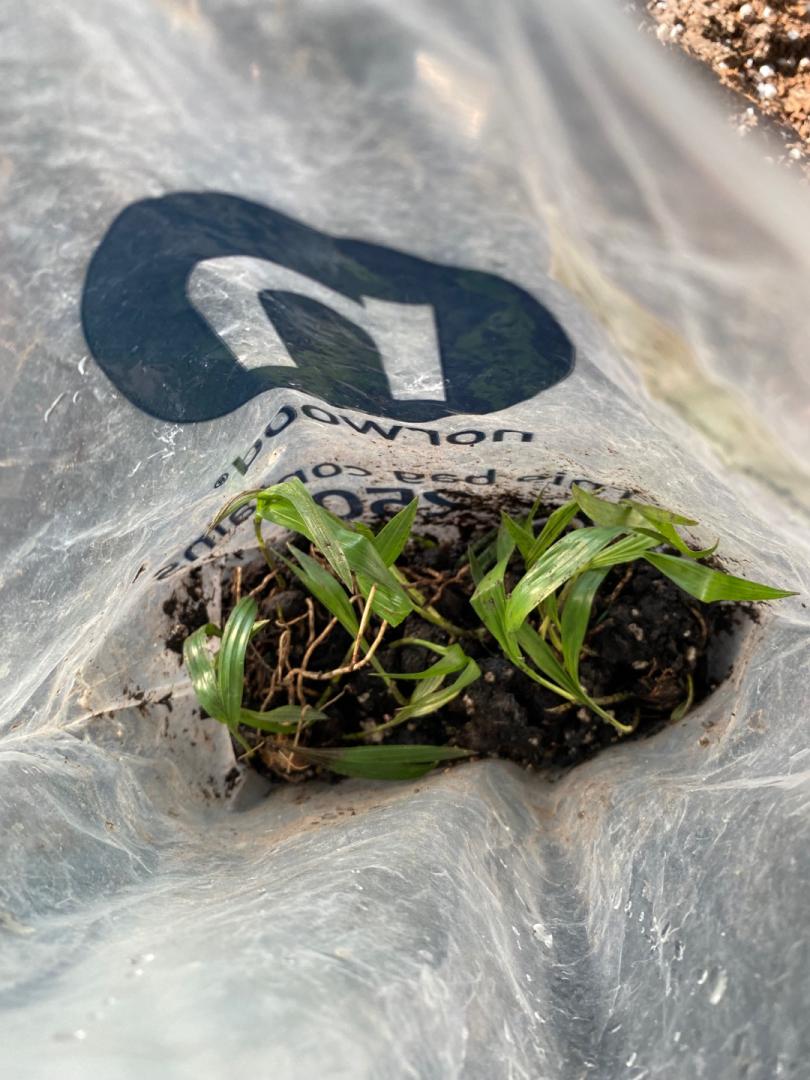
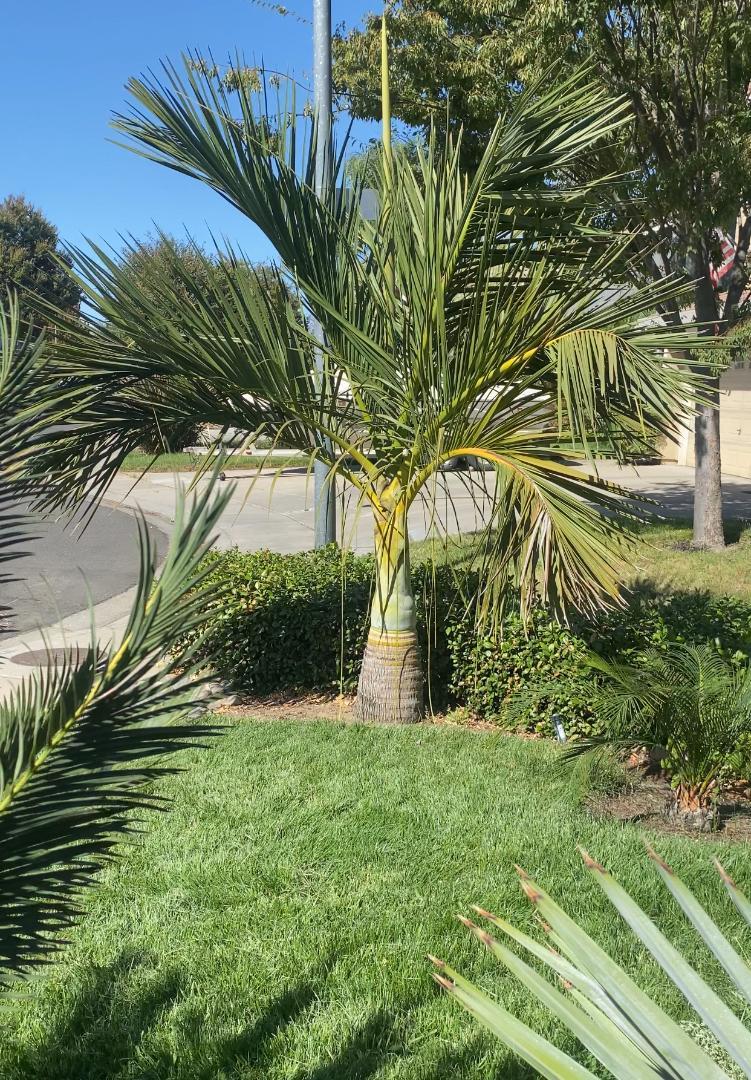
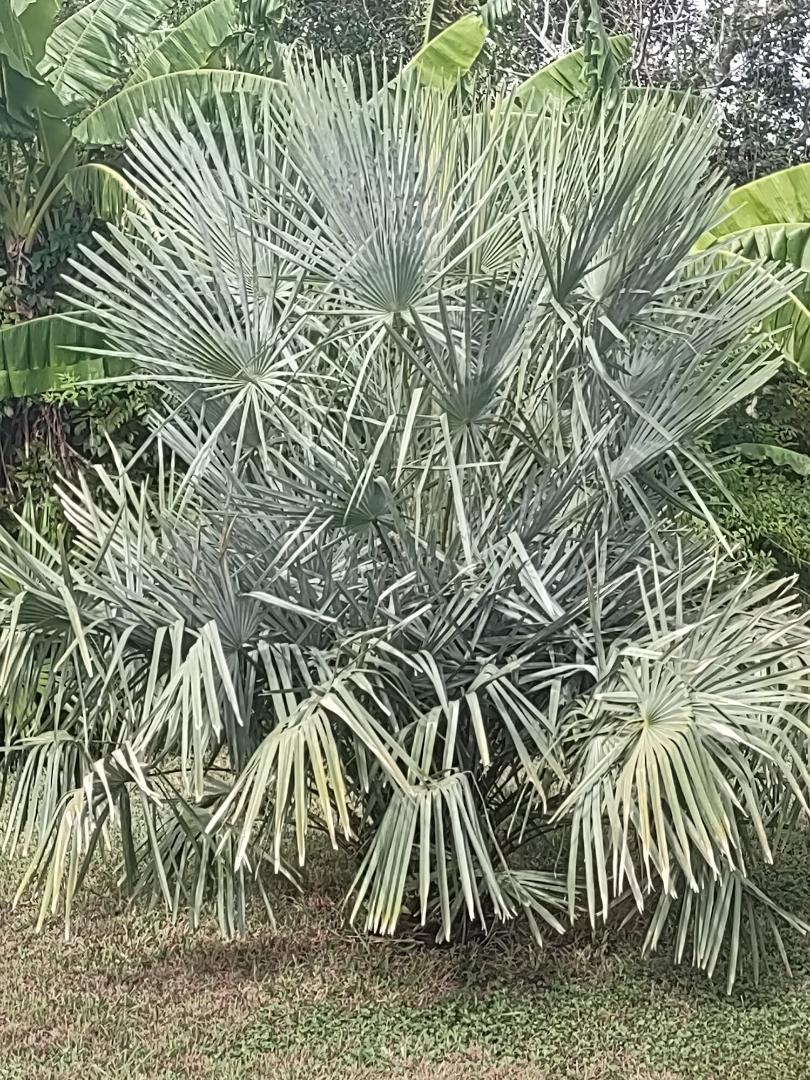
It’s still here after several years. First noticed it when I lived down there in 2019/2020 and it’s doing well. This is the northernmost bizzie I have ever came across and the only one I have seen this far north. This is in the west side of Bluffton, by the university. Near the Jasper County line. First photo was taken a few days ago, second photo was several years ago.

 8 points
 -
That’s seriously nice Darold! I think this proves it doesn’t require much heat to thrive. Mine took ages to take off but is now motoring along. It split in two a couple of years ago and now each growth point is pushing well above ground after years of being in that phase of looking like its fronds erupted from the ground.
 8 points
 -
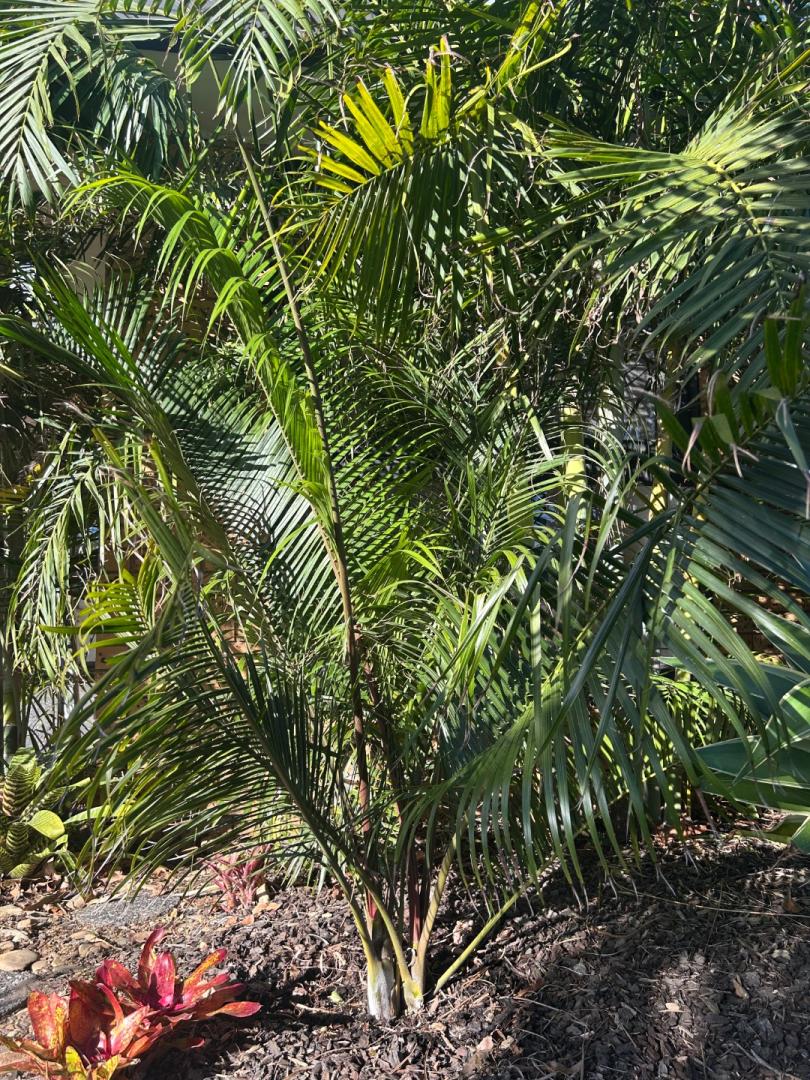
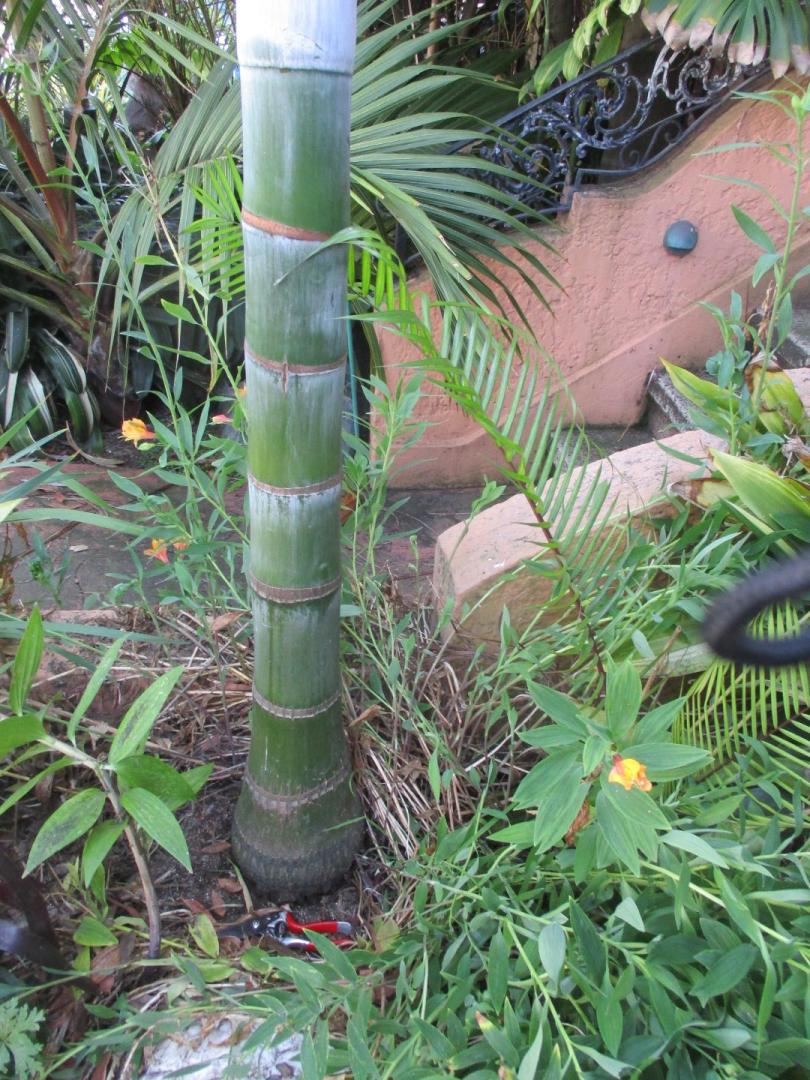
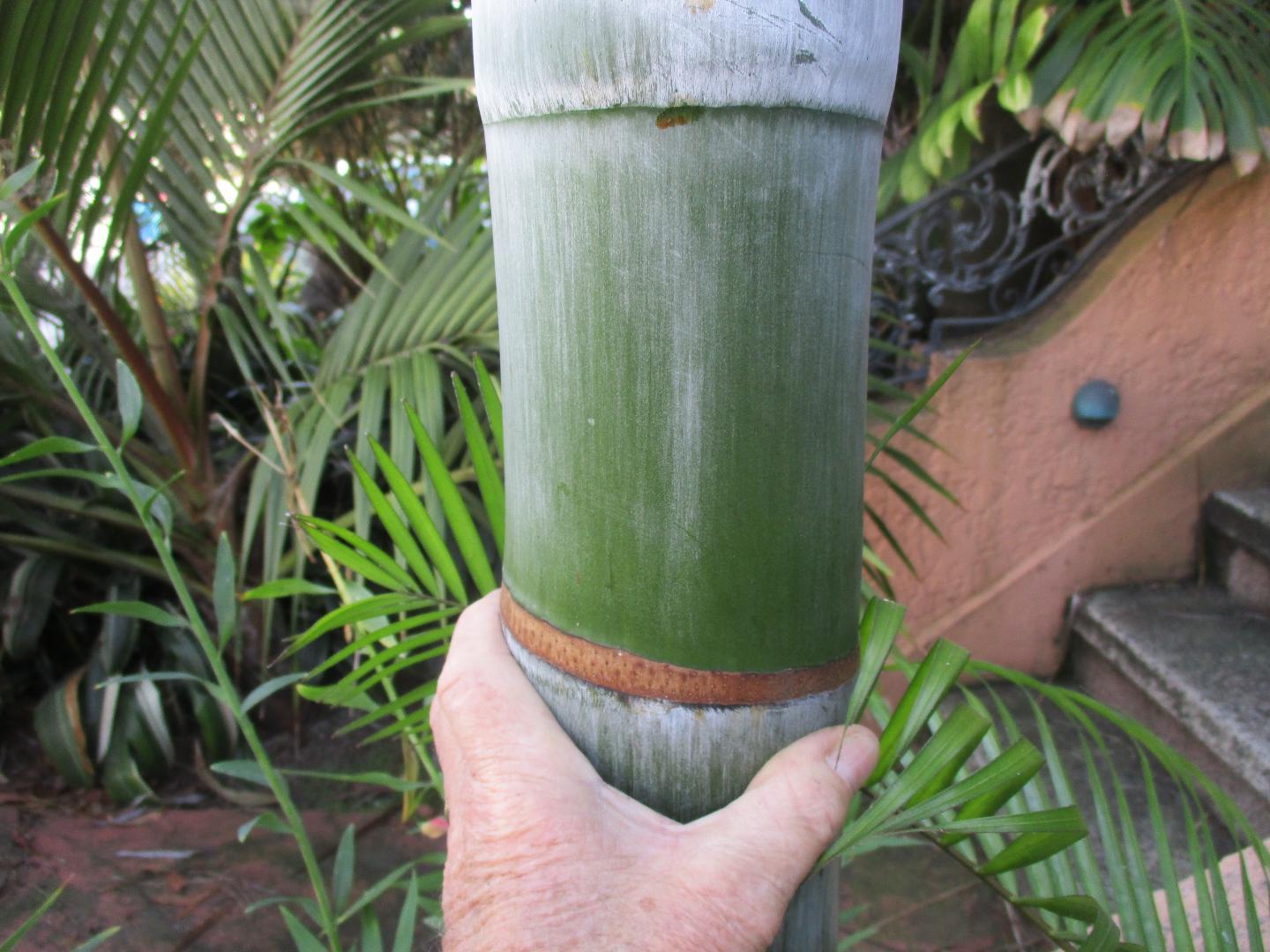
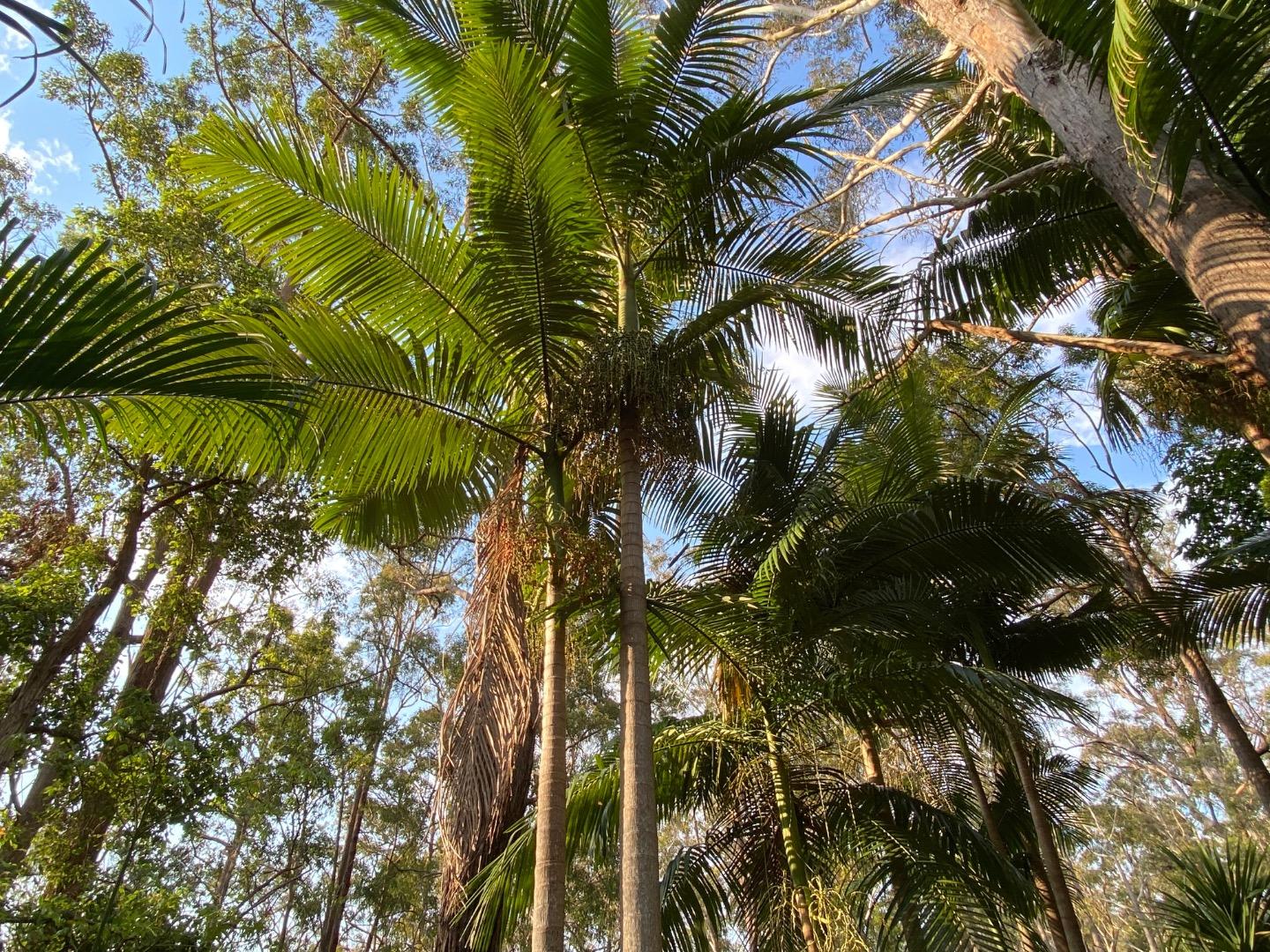
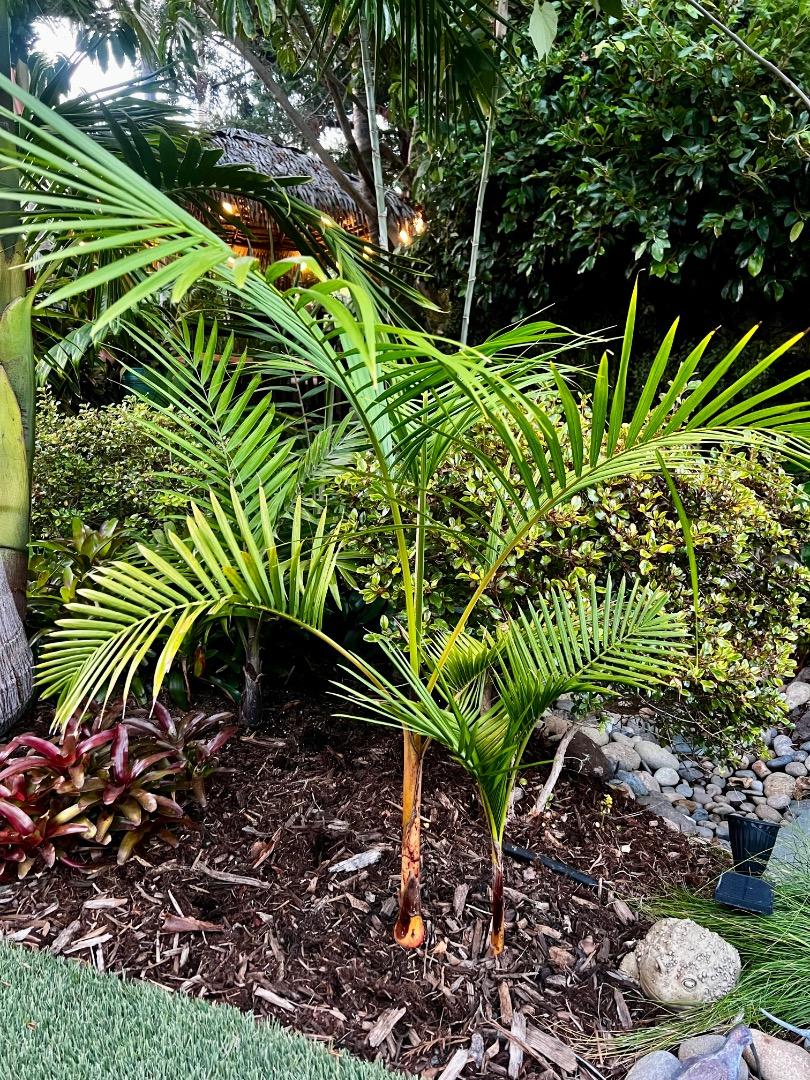
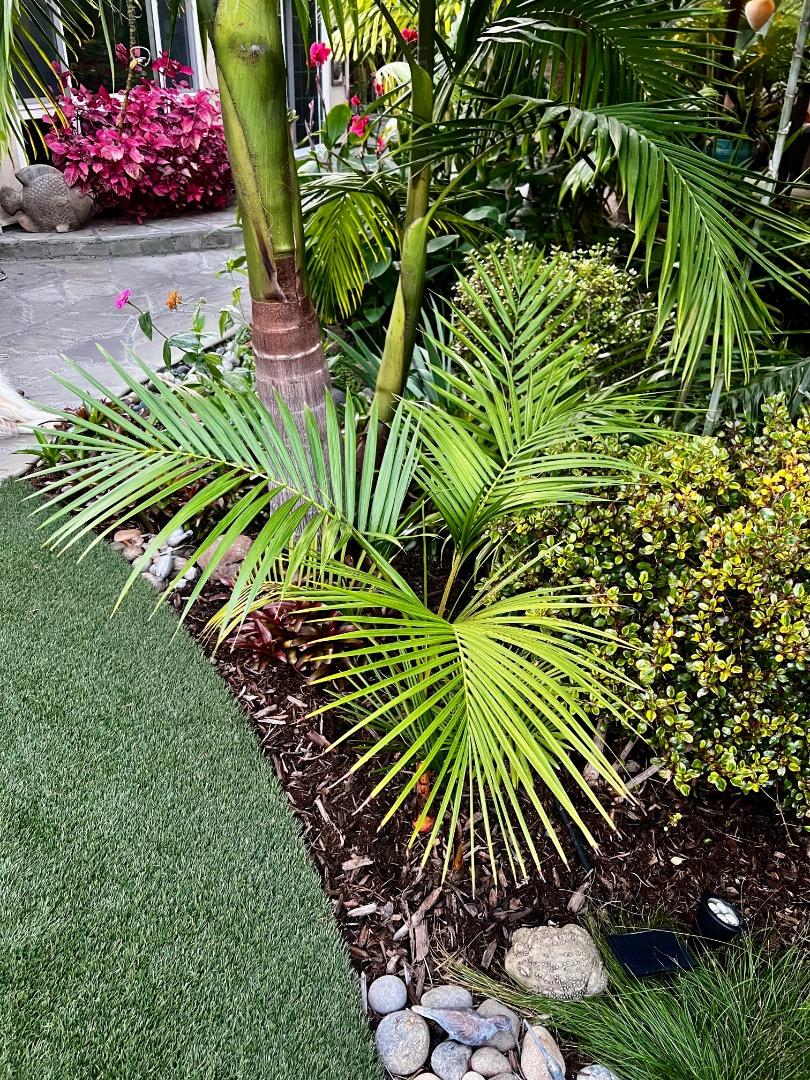
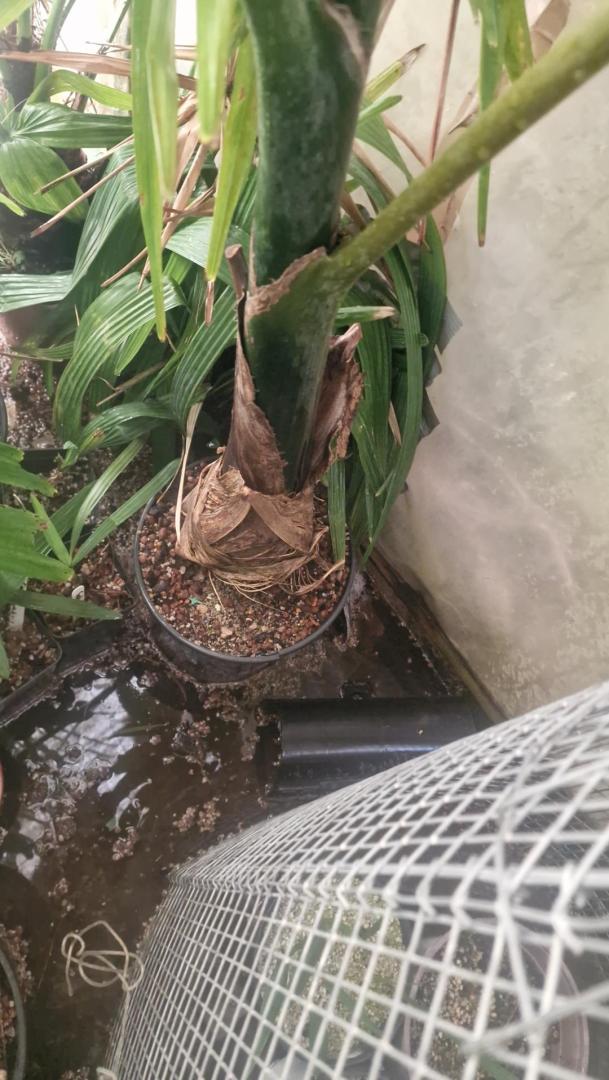
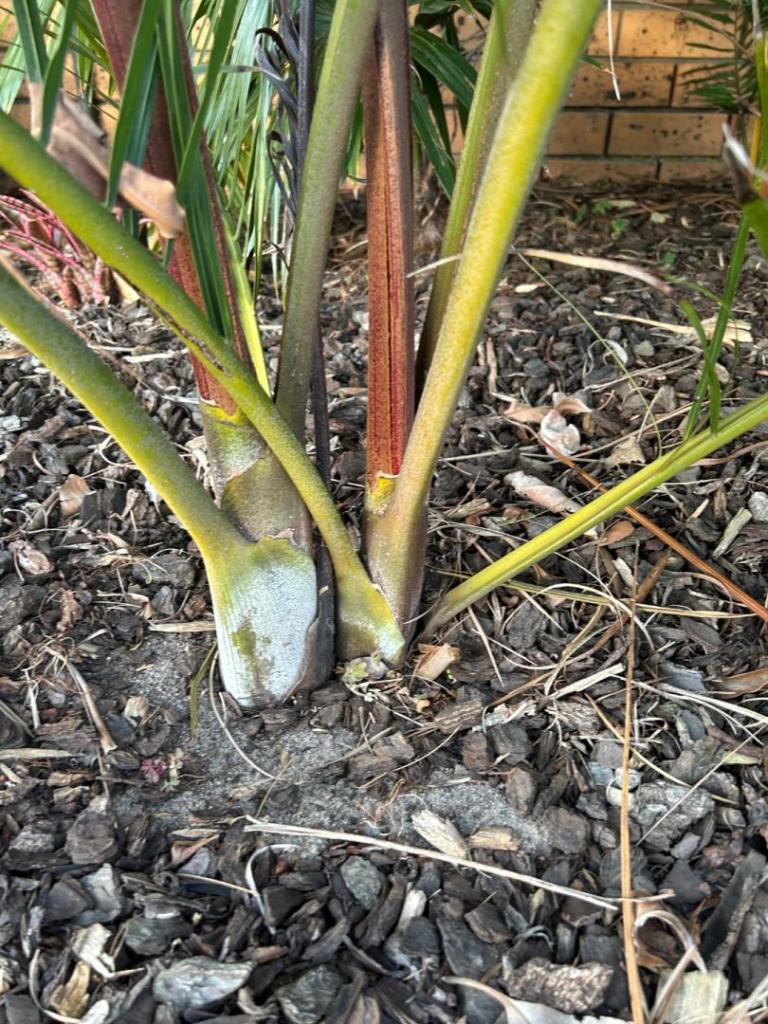
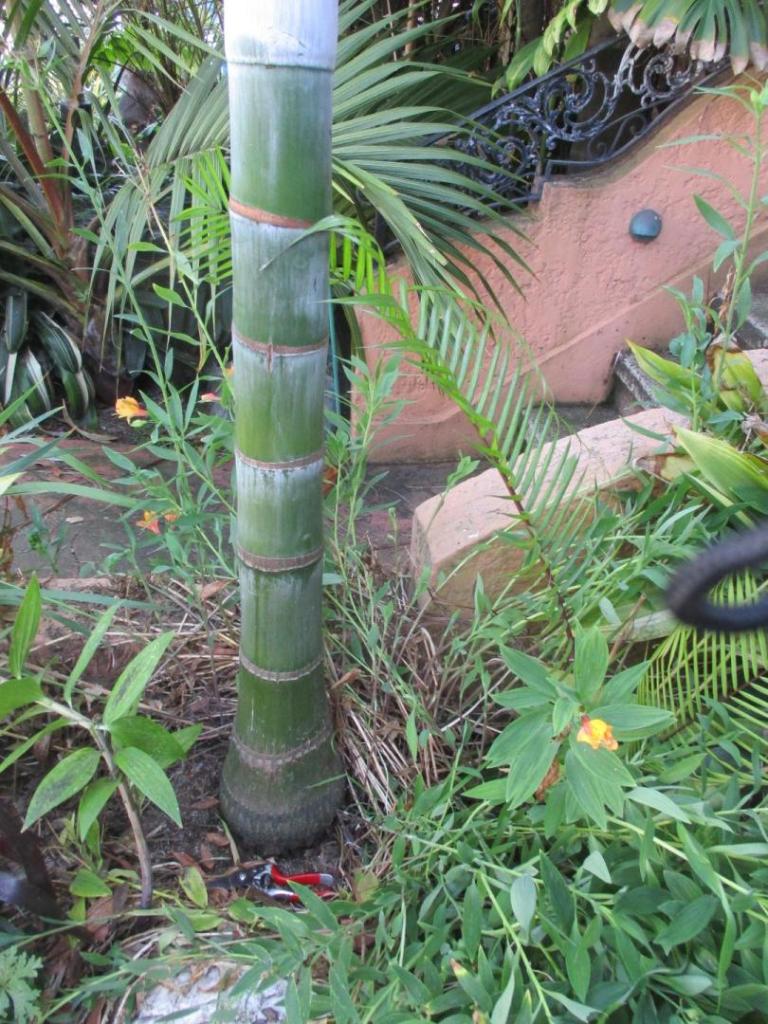
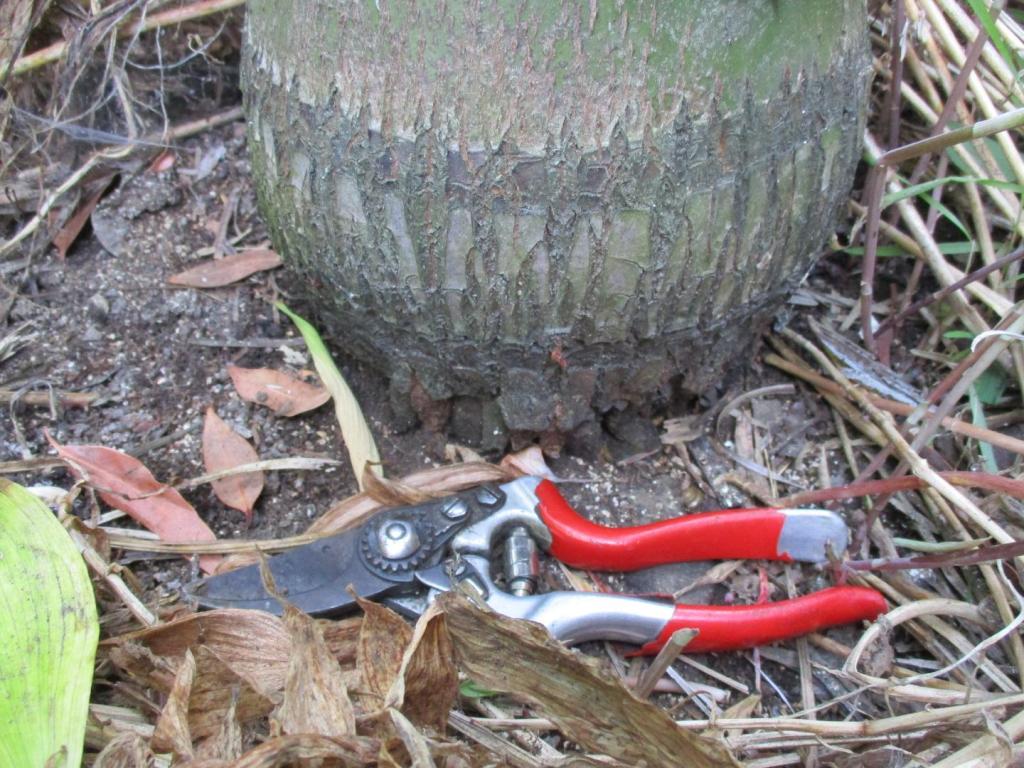
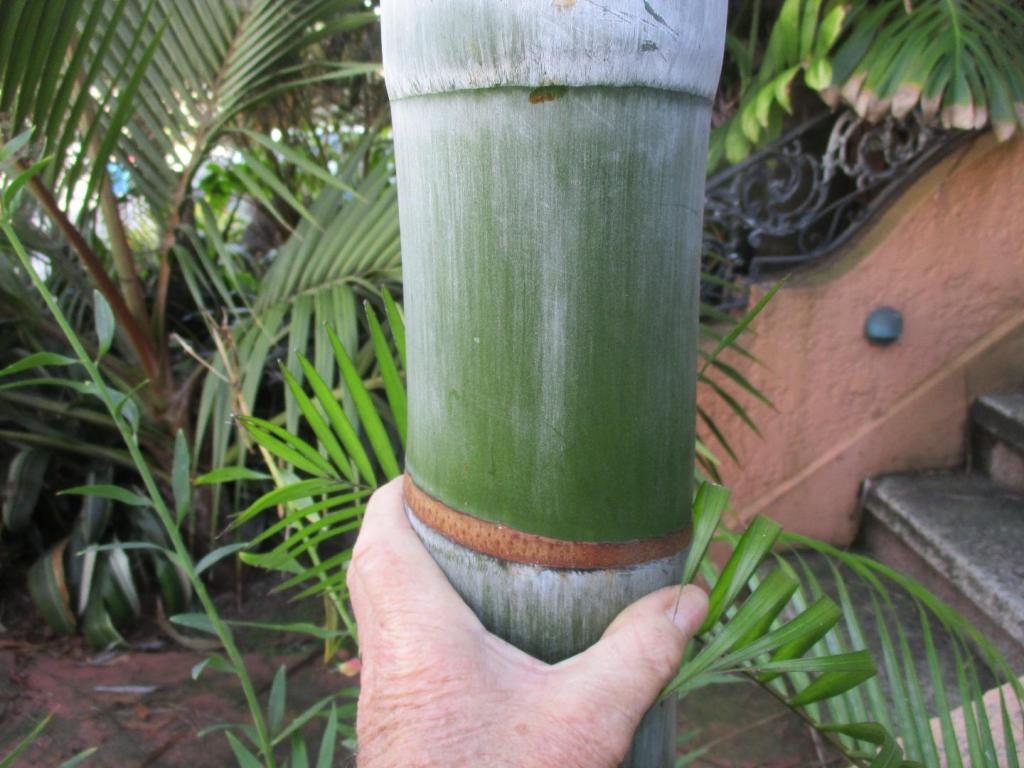
Chrysalidocarpus (Dypsis) ambositrae, I planted this palm on June 1st, 2014 as a small plant, it was about 12 inches (30cm) tall. I planted it in my neighbor's land adjacent to my front walkway. It has grown really well, so well that I was convinced to plant one in my own garden. Here are images taken today, October 8th, 2025, after just 11 years of growth. The palm now has 42 inches (107 cm) of true trunk below the leafbases, the bulging base is 8.25 inches (21 cm) in diameter, and the upper trunk is 4 inches (10 cm) in diameter. It holds 6 or 7 good fronds. I also favor its habit of a very short period of senescence. The older fronds will change from green to brown, and fall off cleanly in only 7 to 10 days. I have never given it any special care, and actually have somewhat ignored it since I am a notorious procrastinator !

 8 points
 -
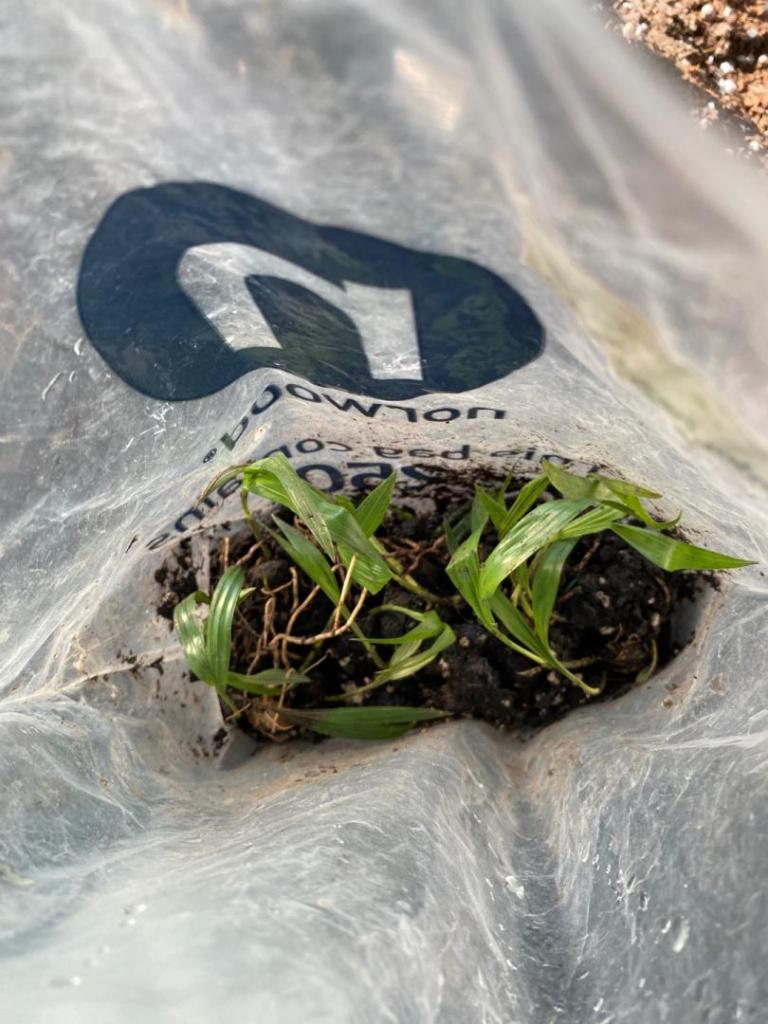
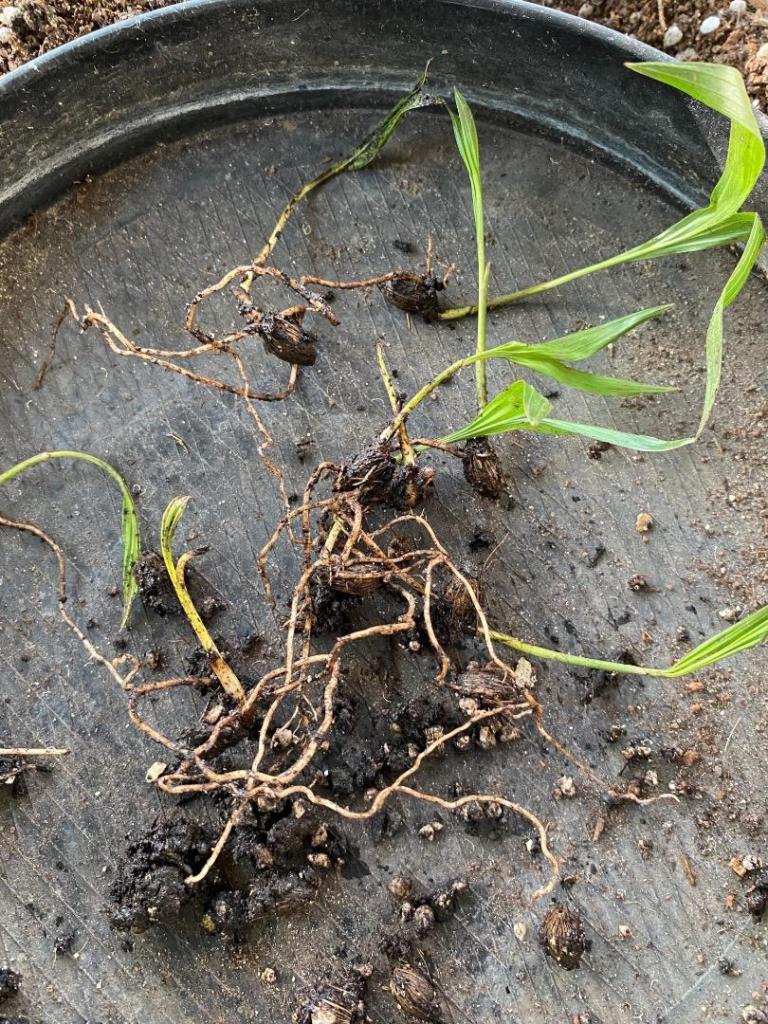
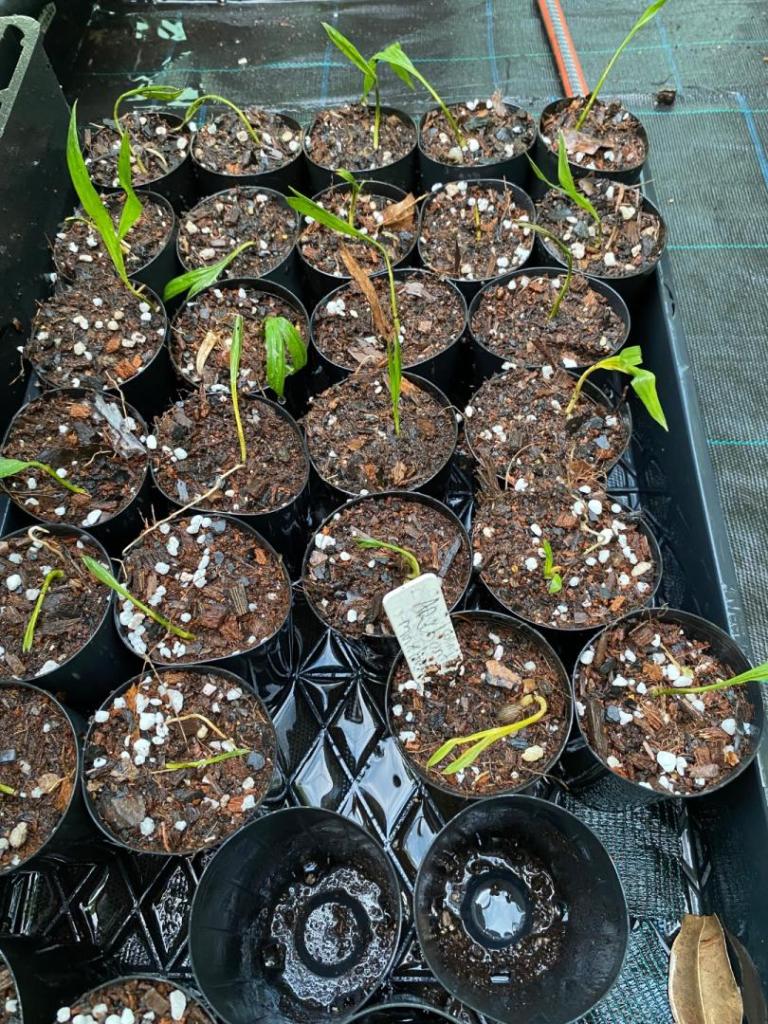
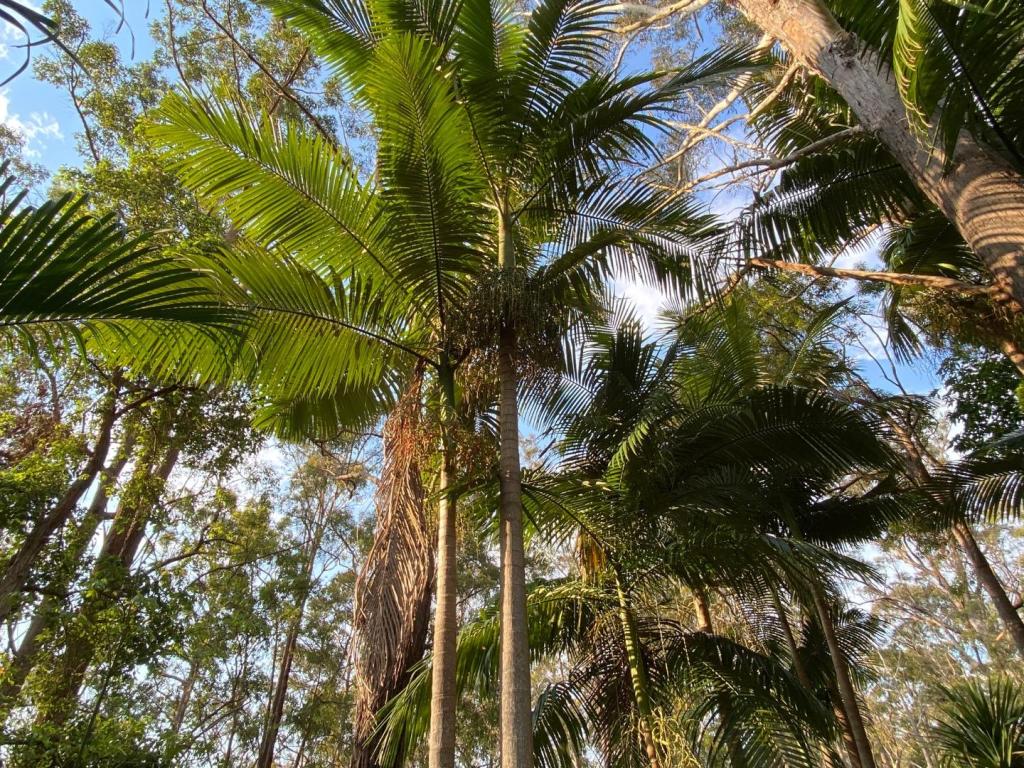
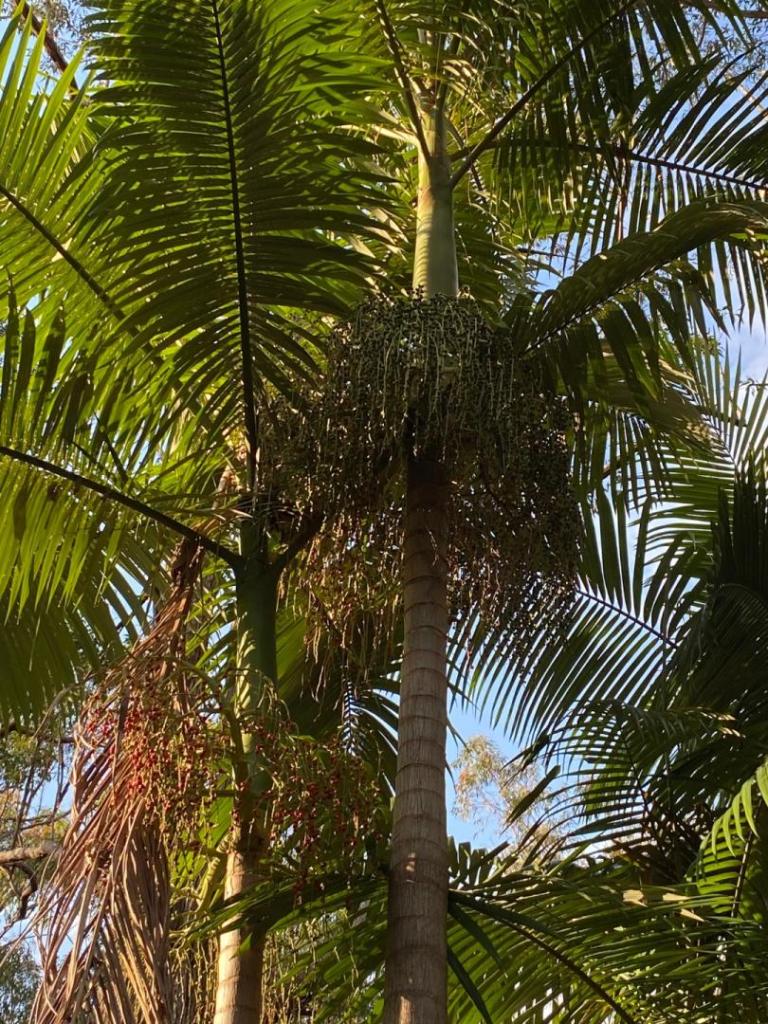
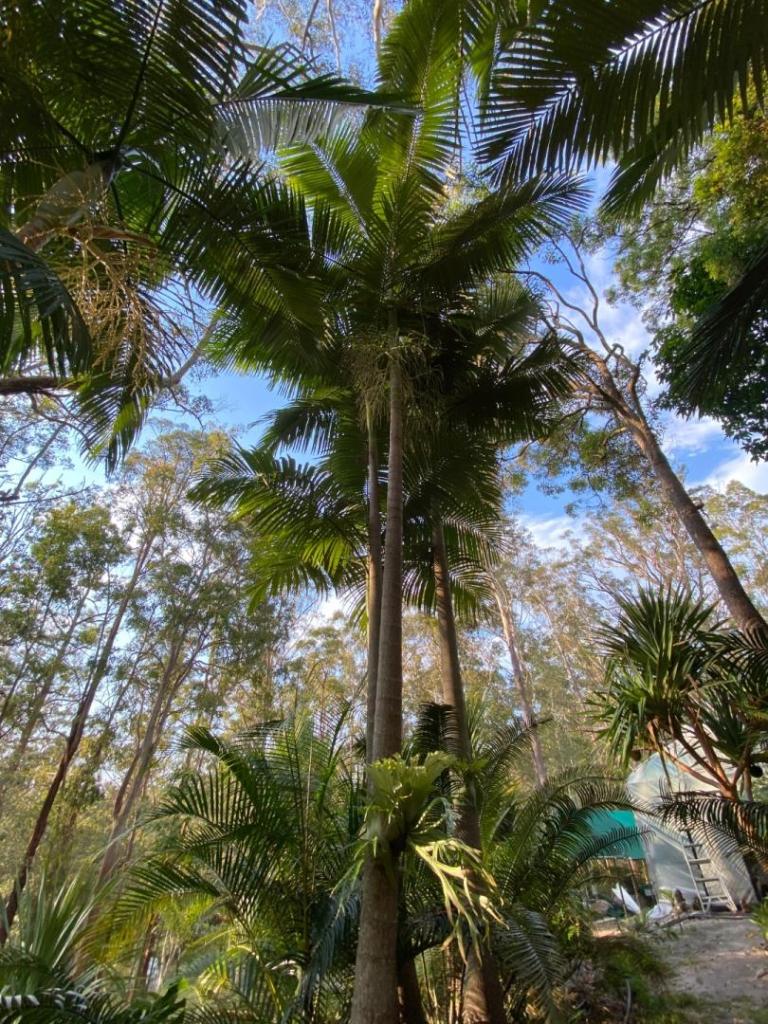
A lovely gesture of some archontophoenix maxima from @palmtreesforpleasure. Any palm is welcome @happypalms retirement home for unwanted palms. A few will get planted in the garden and the rest distributed to gardens around the place. I know they grow well in my climate I have a couple that are doing quite well.
 7 points
 -
Mine is growing well in 3/4 sun here in coastal San Diego! Been fairly fast and should explode next summer. Had one leaf that came out weird- possible over fertilization? Mostly green leaves and looks good, but it’s also semi protected from the large alstromeria now… happy to have it!
 7 points
 -
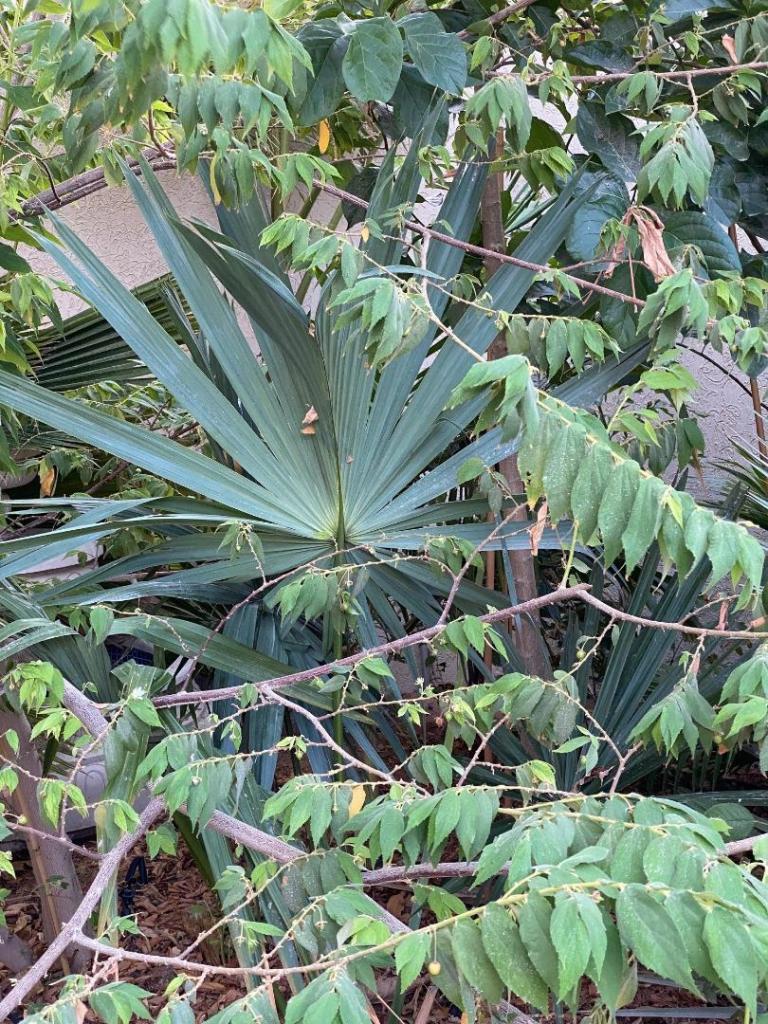
My Yapa caught my eye this morning
 6 points
 -
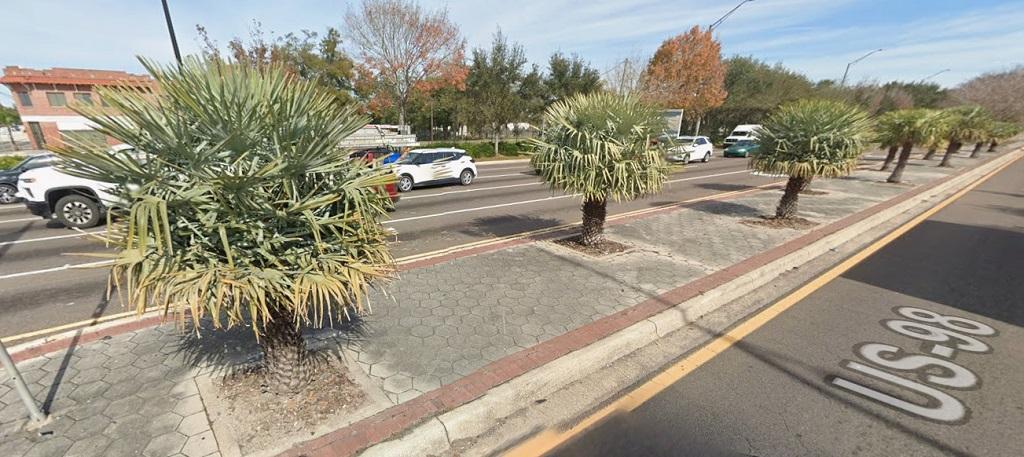
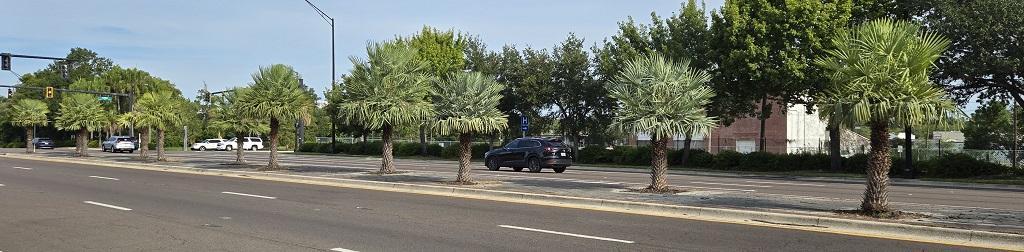
Livistona decora is hard to beat for adaptability and disease tolerance. Other Livistona species like nitida, rigida, australis, mariae, and muellerii provide decent variety if you're interested in the genus. The other options above are good suggestions, so no repeats. A few more by category: Florida Native Palms: Thrinax radiata Leucothrinax morrisii Coccothrinax argentata Pseudophoenix sargentii Serenoa repens Other Savannah Palms: Copernicia alba Other Copernicia species. Other Coccothrinax species Desert or Mediterranean Palms: Chamaerops humilis Medemia argun Nannorrhops richiana Brahea species: especially aculeata, brandegeei, and edulis for ease of growth, but you could pull off an armata. Out of the suggestions above, I'd go with Copernicia alba. Once they get their feet under them, they move fast. Below, the 2025 photo is mine and the rest are from Street View. Feb. 2021 June 2022 Jan. 2024 Aug. 2025


 6 points
 -
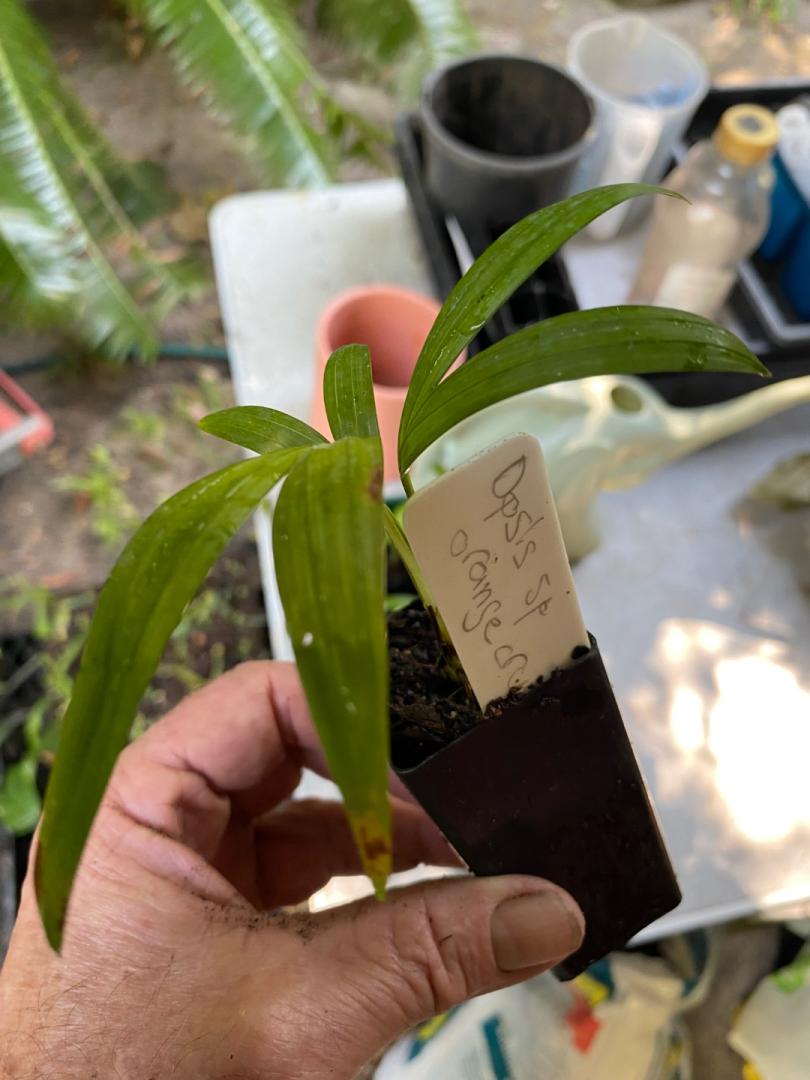
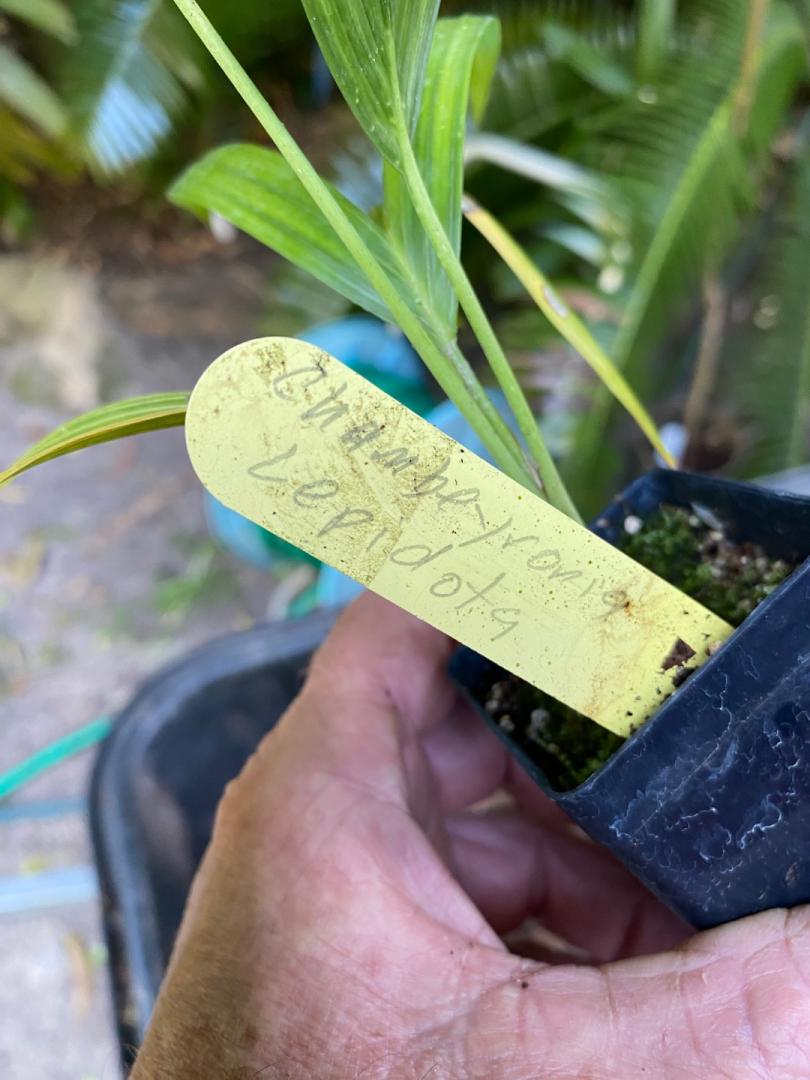
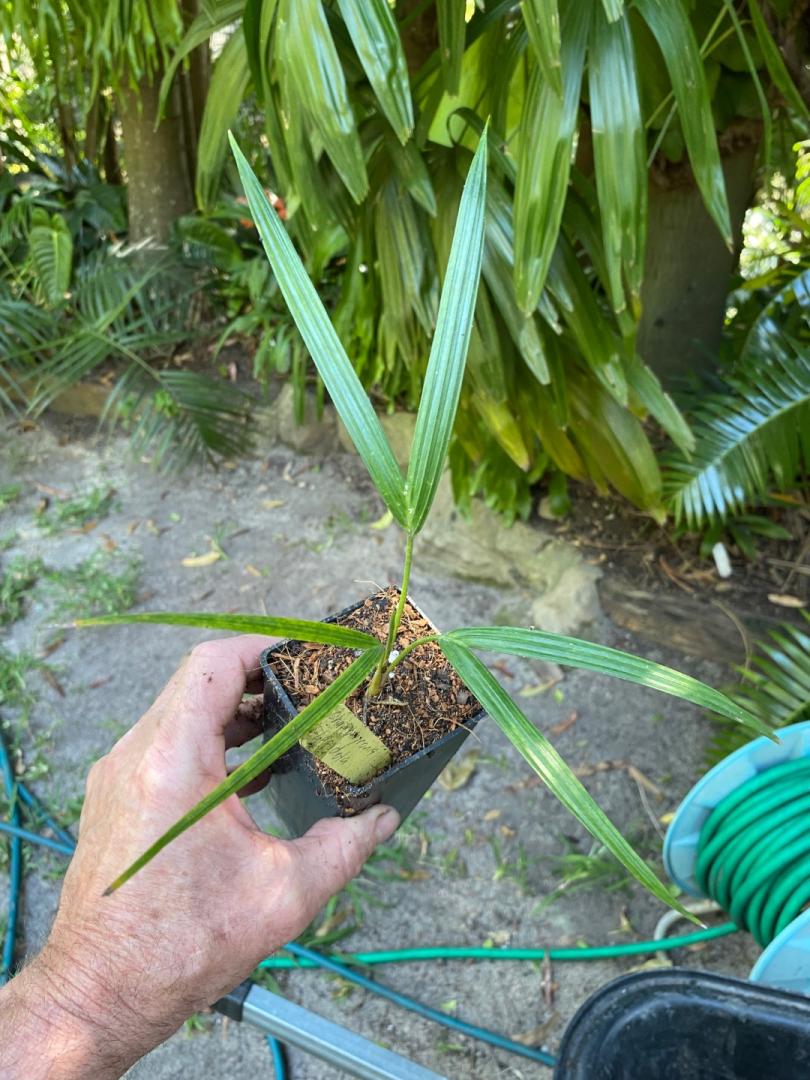
Sometimes with these you get a dud or two and sometimes you luck out. I planted these two Orange Crown Shaft ones a year and a half ago at the exact same size and one is a snail and the otber is on steroids. The only time the taller one slowed way down was January/February whereas the small one only grows during the warmest/hottest days.

 5 points
 -
Ha! That's basically Hobart in the hills of Melbourne. Eerily similar.
 4 points
 -
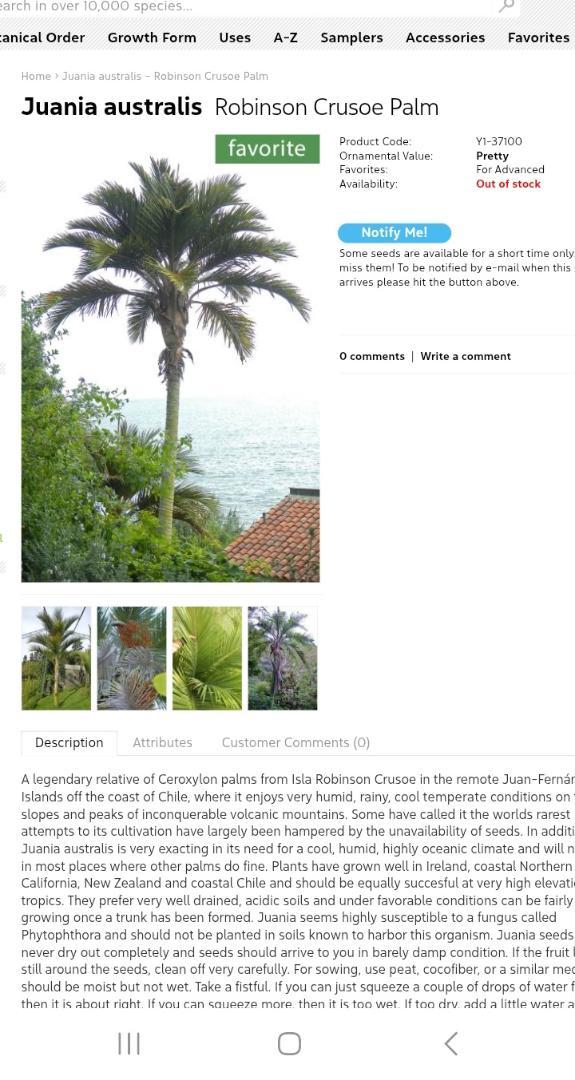
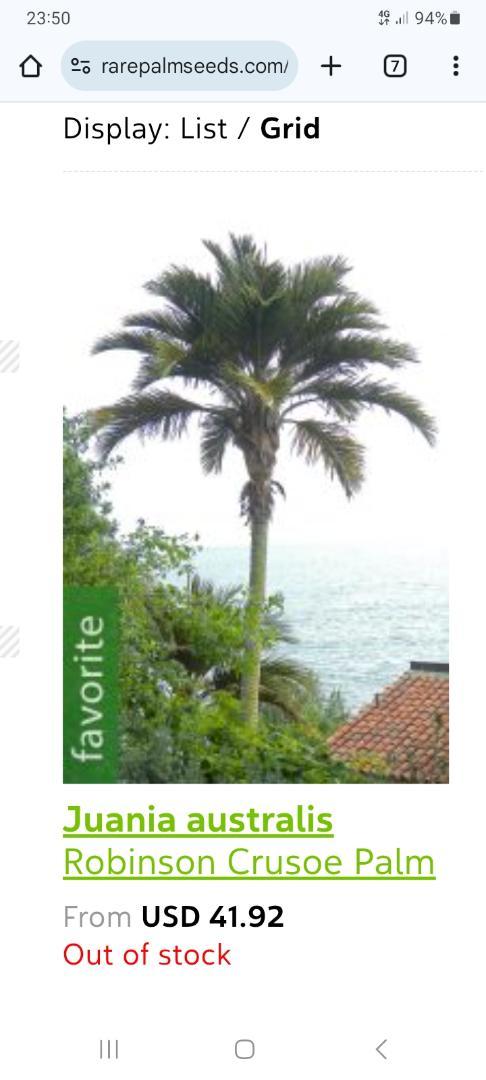
Tyrone I would have the perfect climate for Juanita australis at my place where Leppidorachis mooreana ,ceroxylon and Hedyscepe grow like escapees in the ground 😀 Unfortunately very little chance of ever obtaining seeds.4 points
-
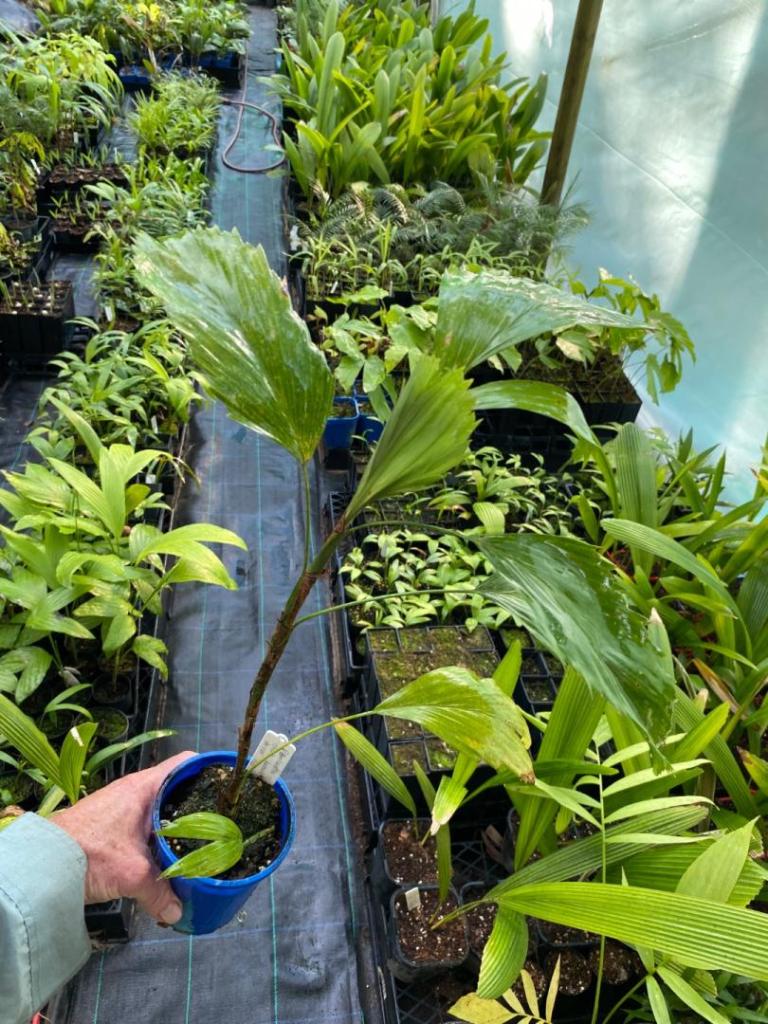
A nice little reindhartia simplex ready to plant.
 4 points
 -
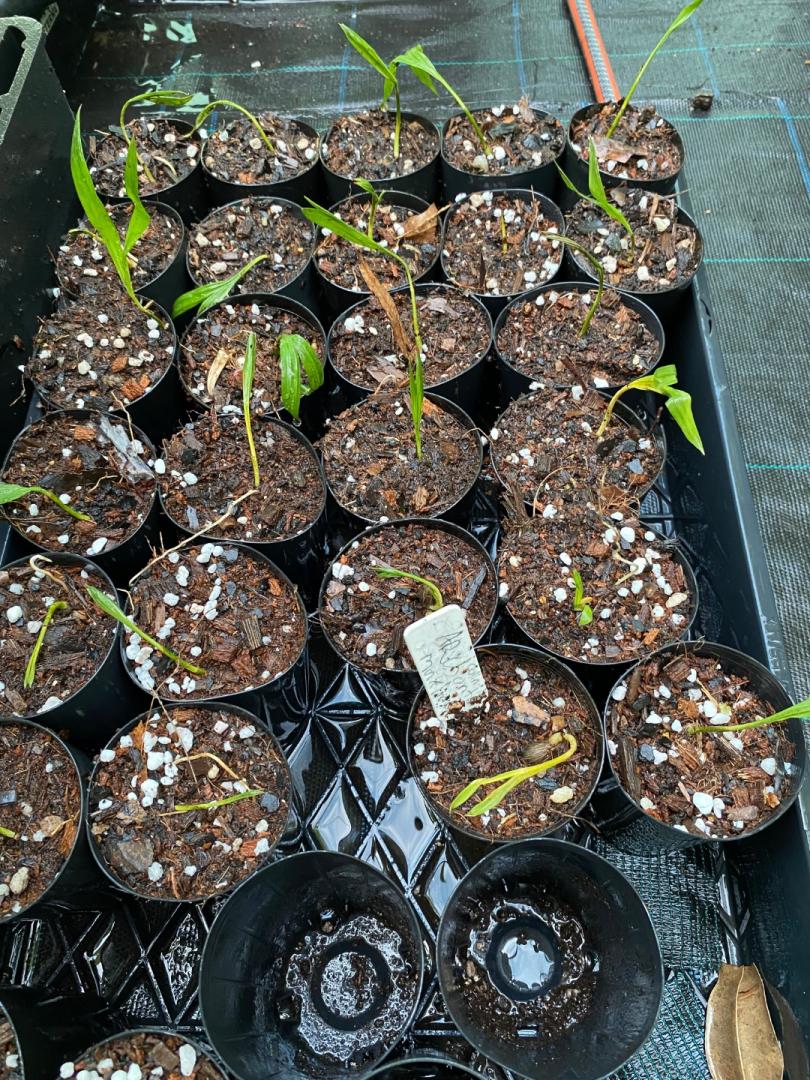
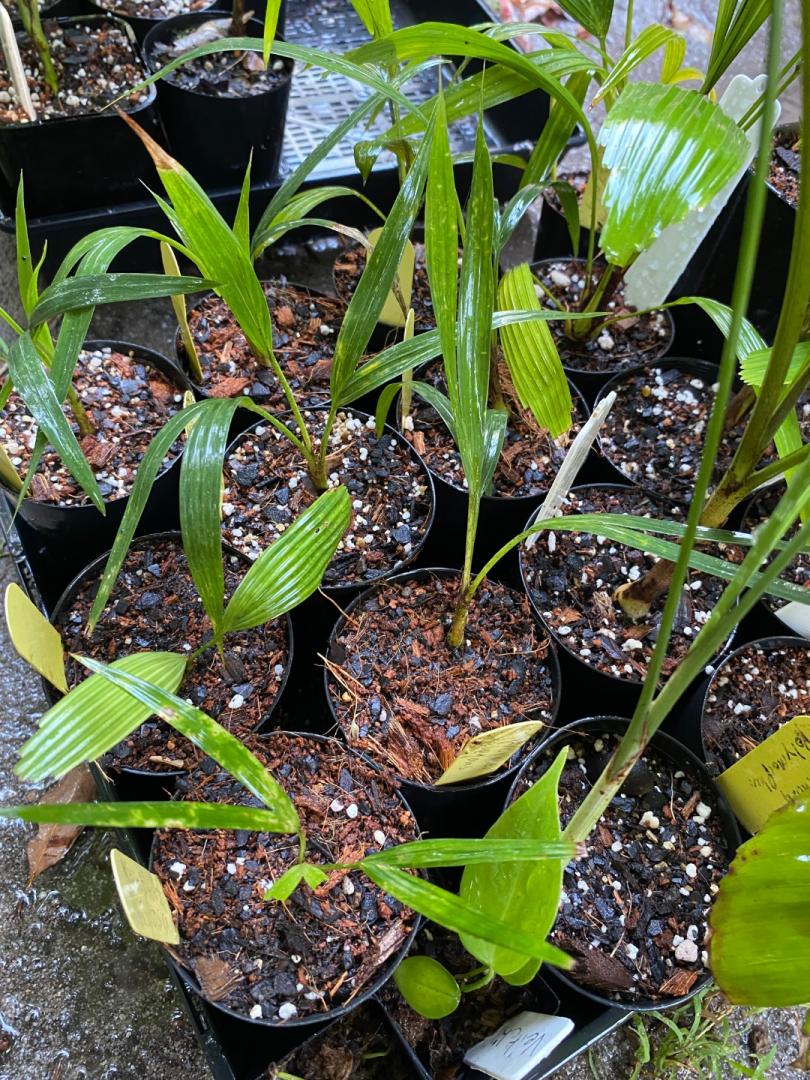
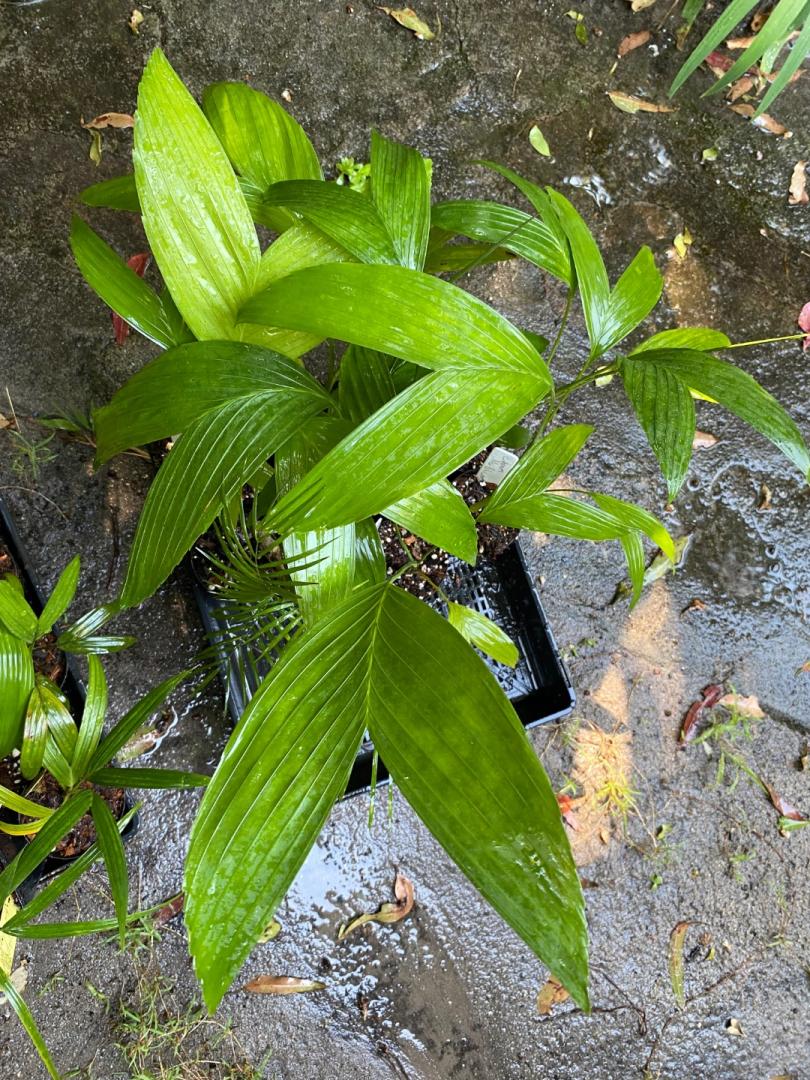
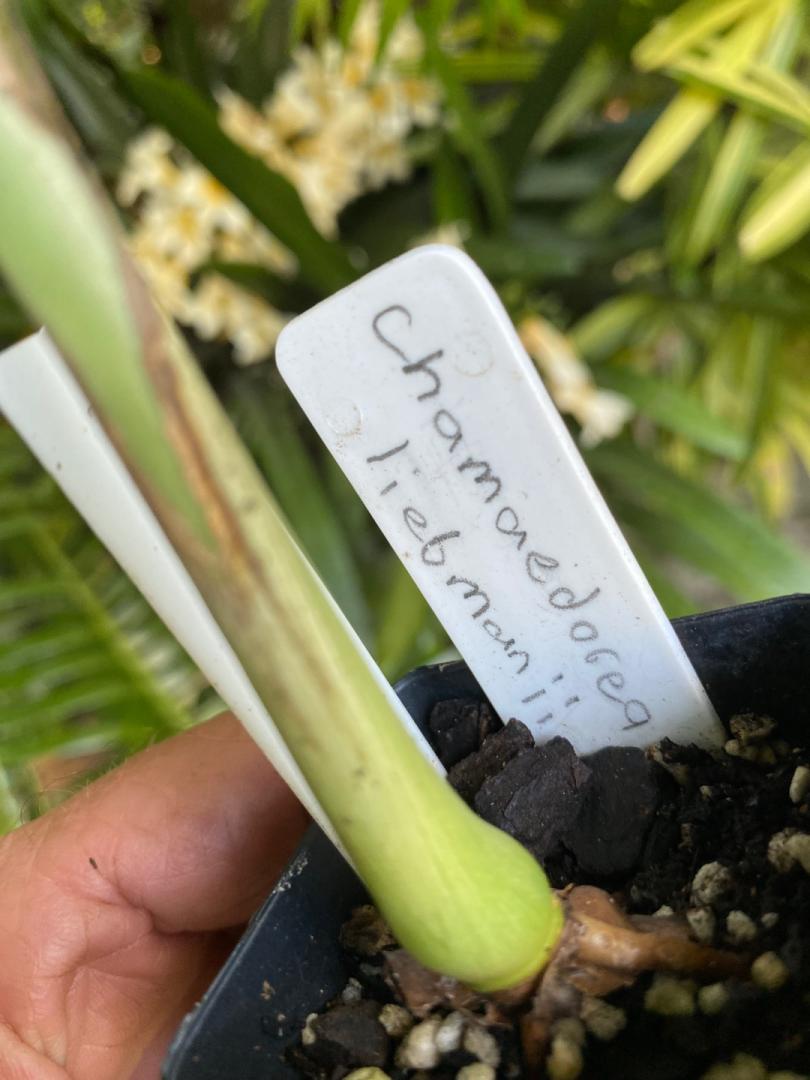
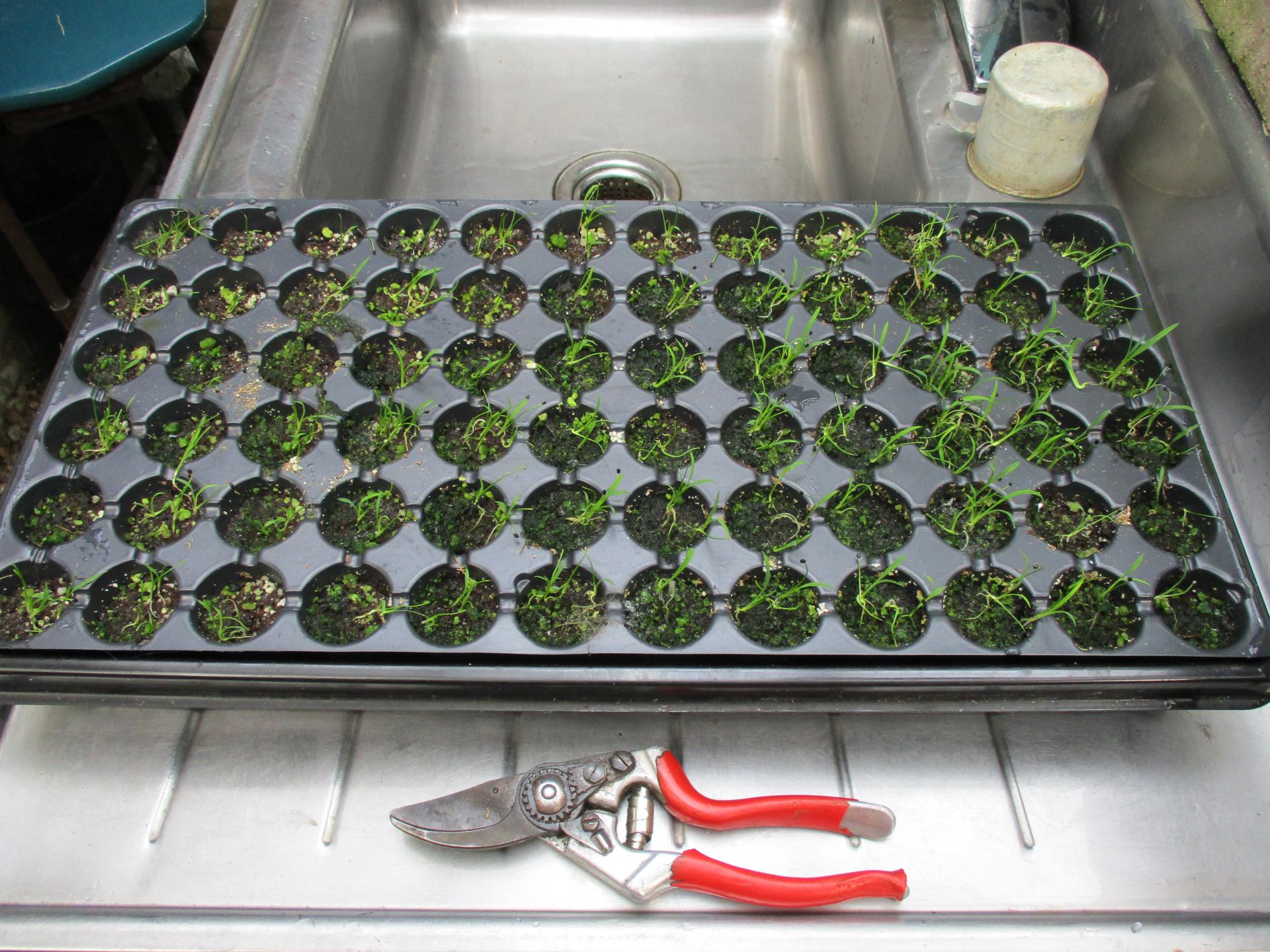
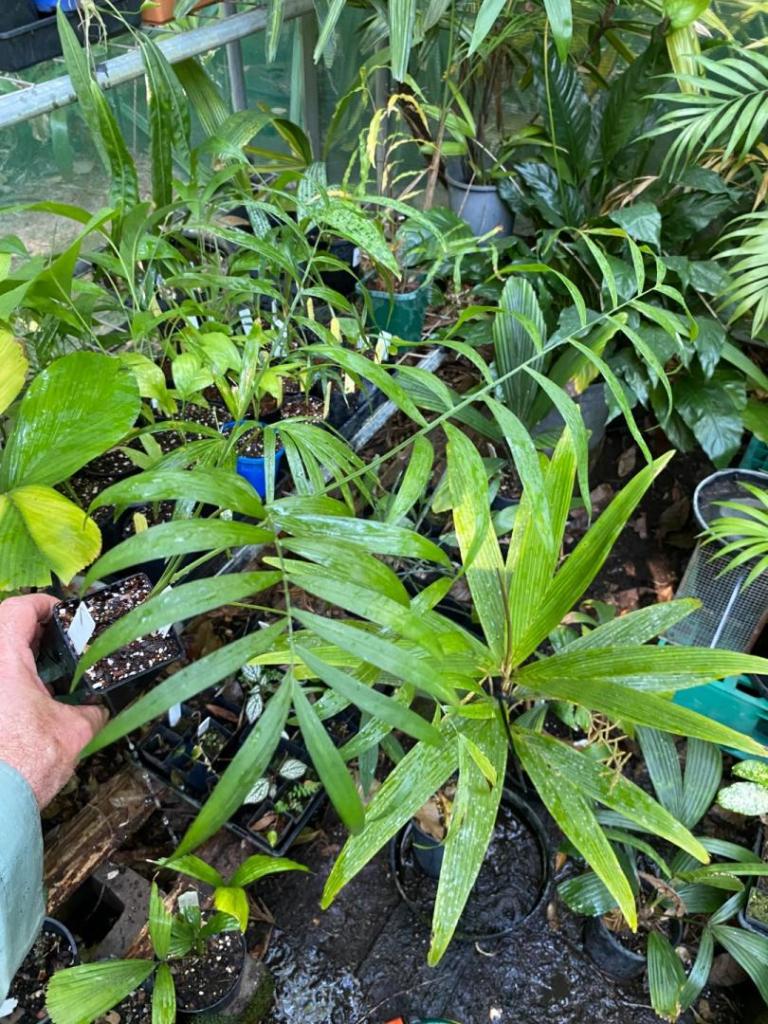
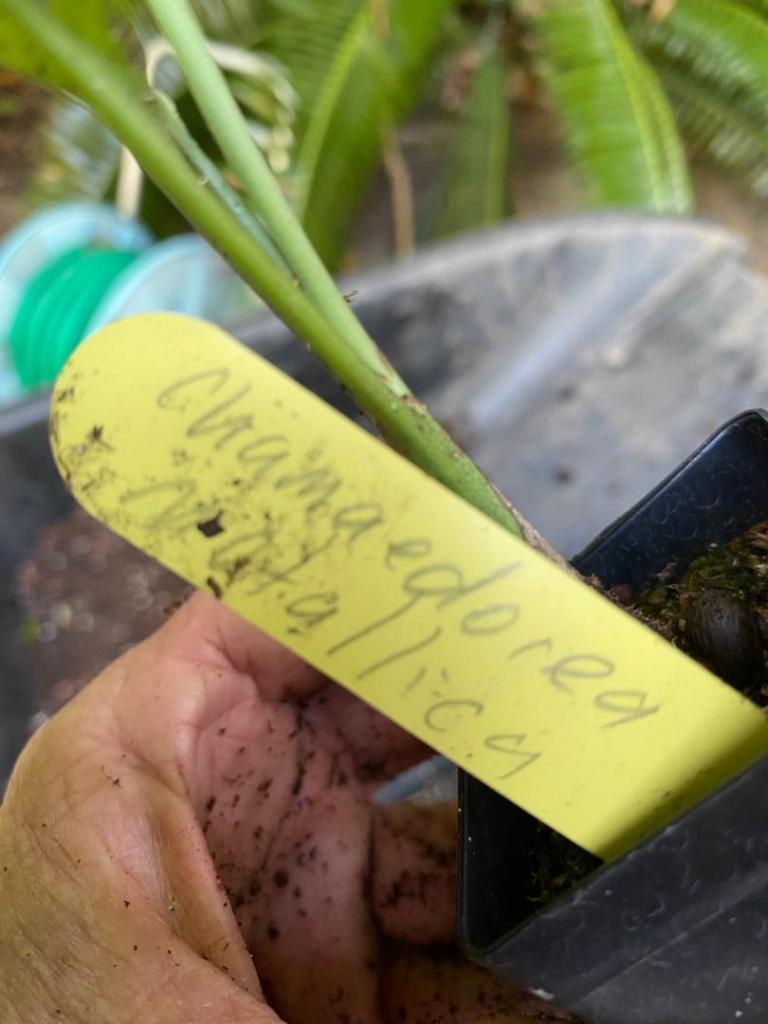
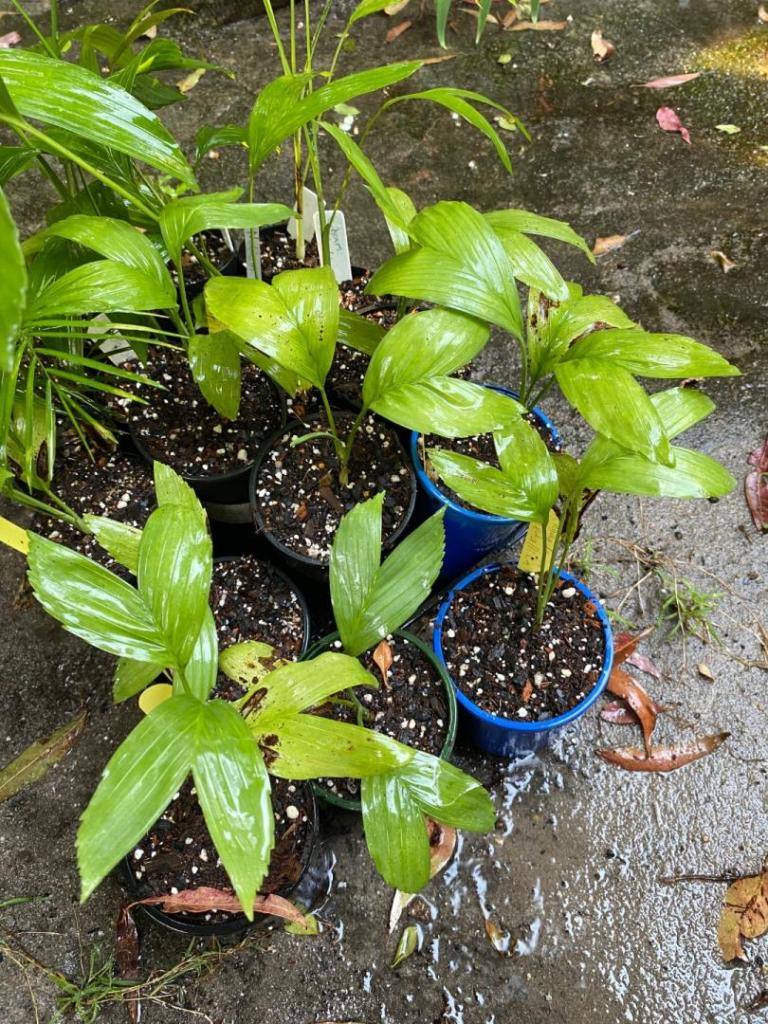
A couple of tubes that needed to be potted.Purchased from other growers and there mix was not suitable for my growing style, so most of the mix was tickled off. I find round tubes grow better than square tubes. There’s a couple of common ones in there and rare ones in there for those that fear I was growing all common palms. 🤣


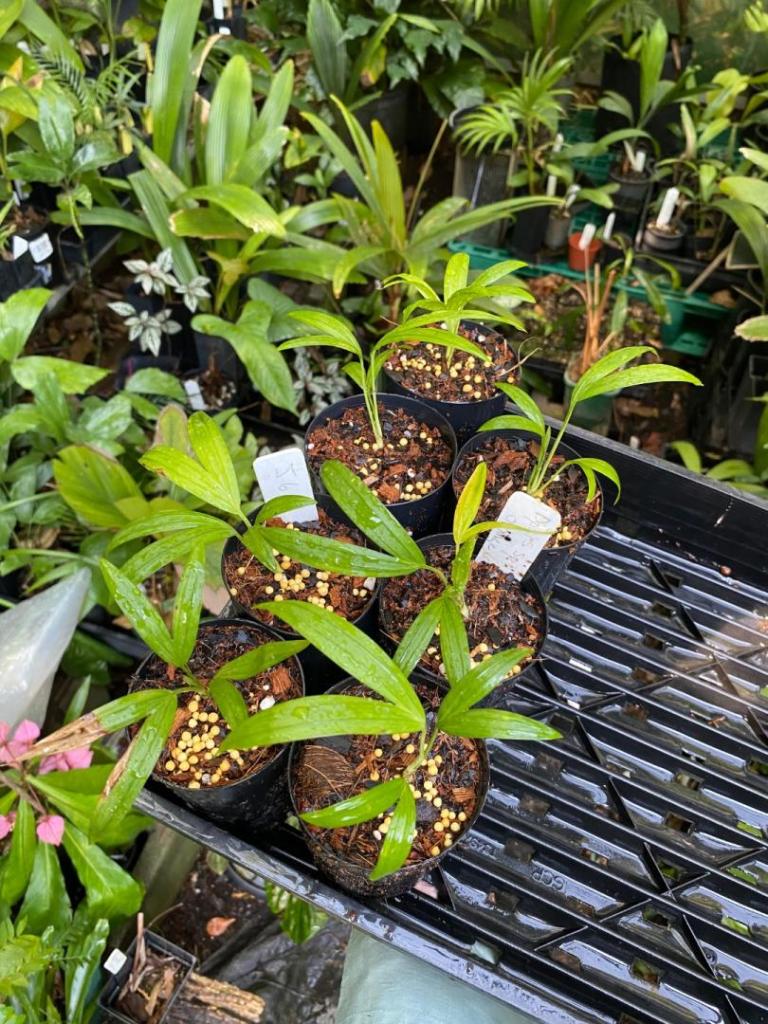
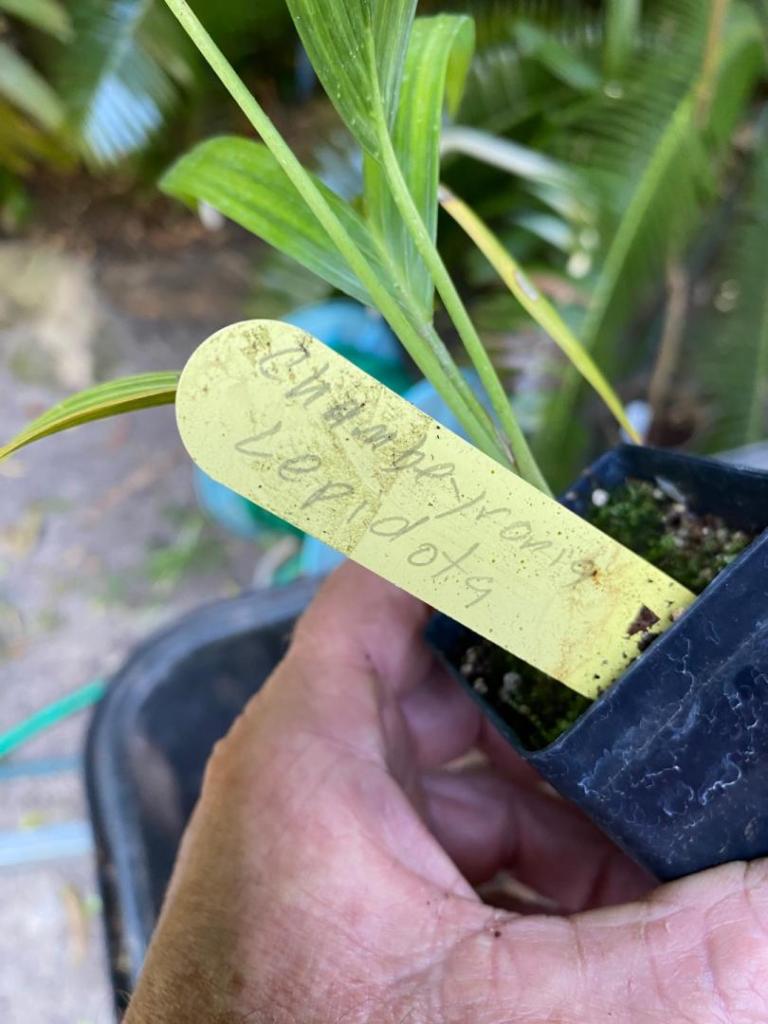
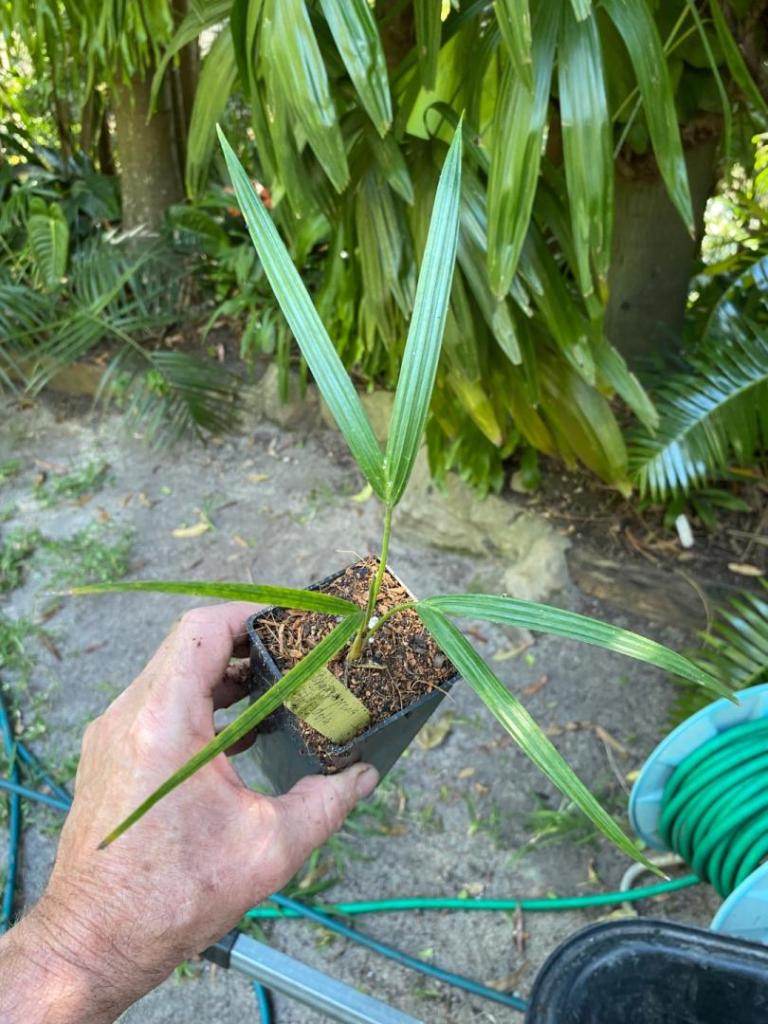

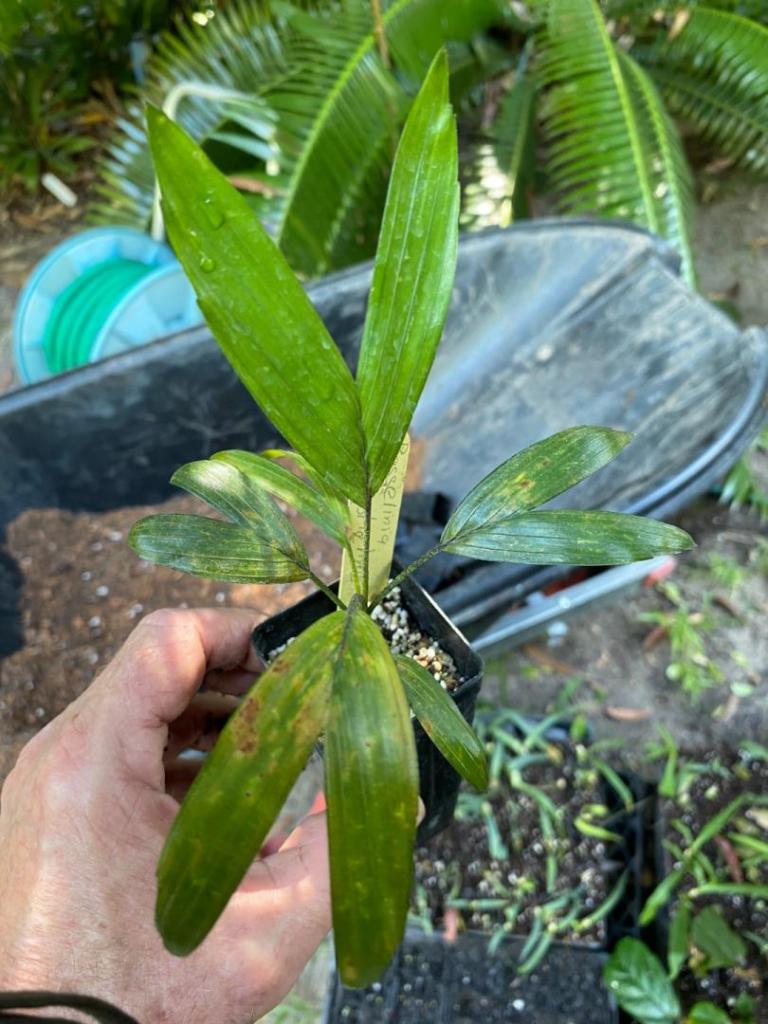


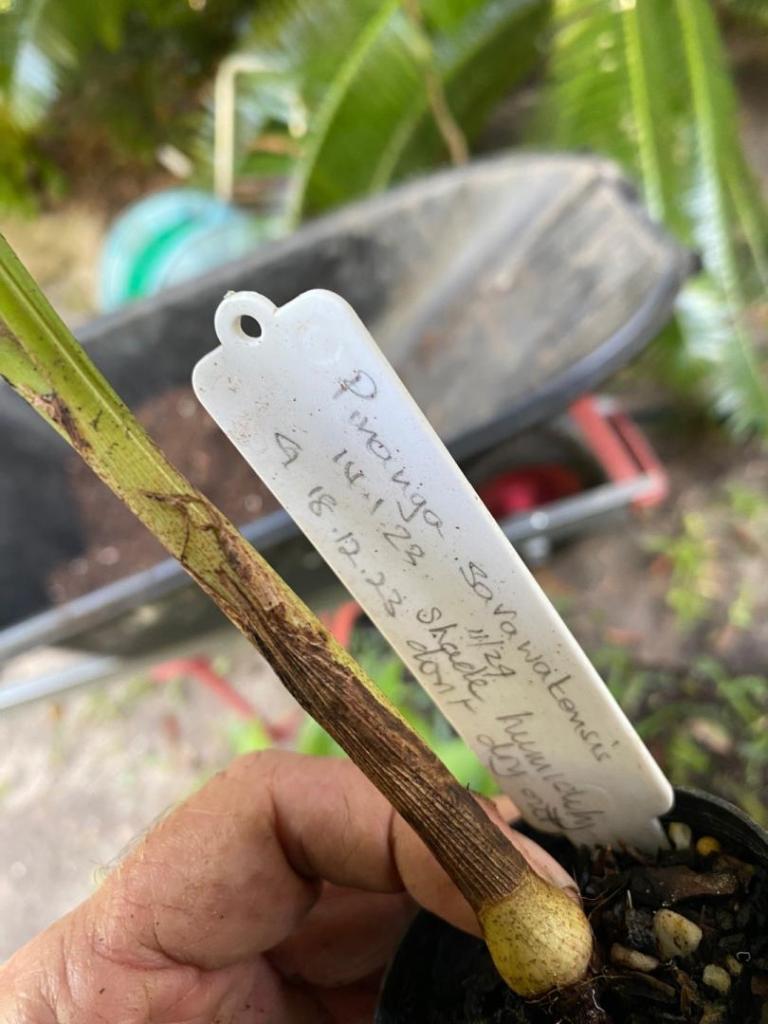
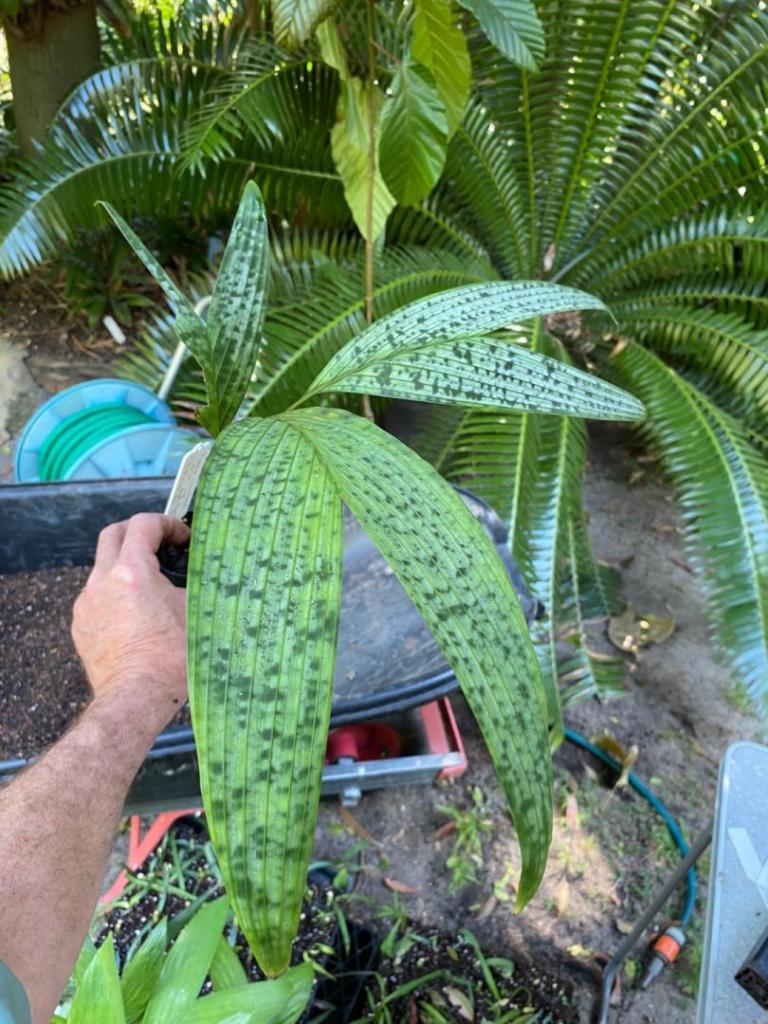
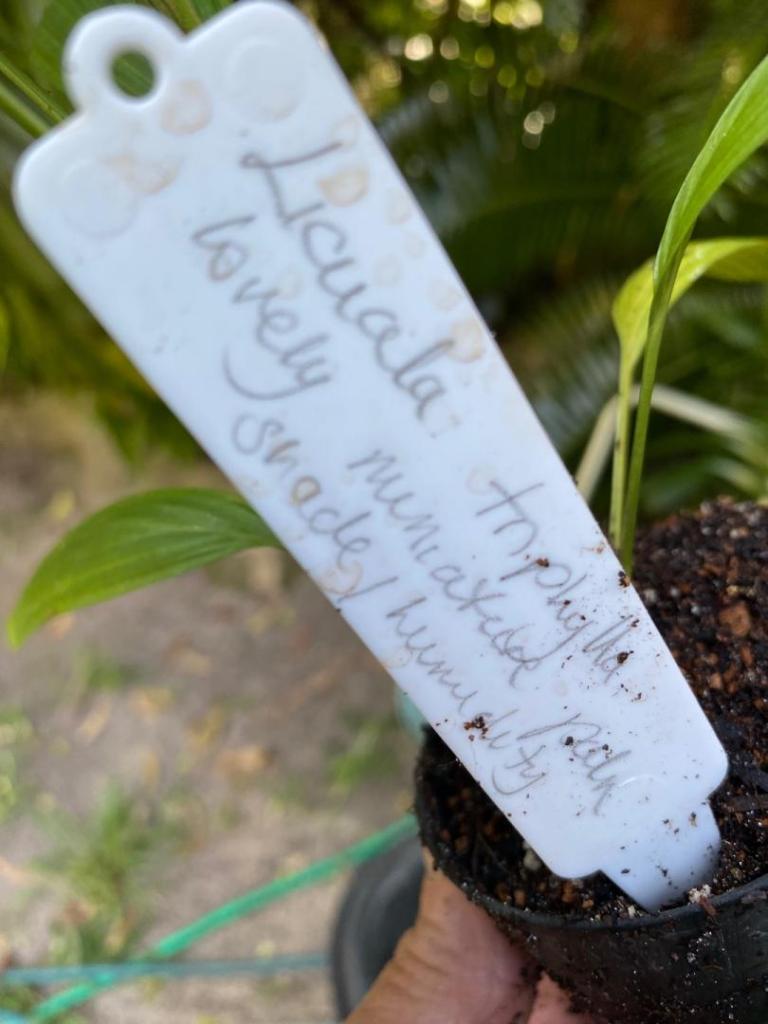


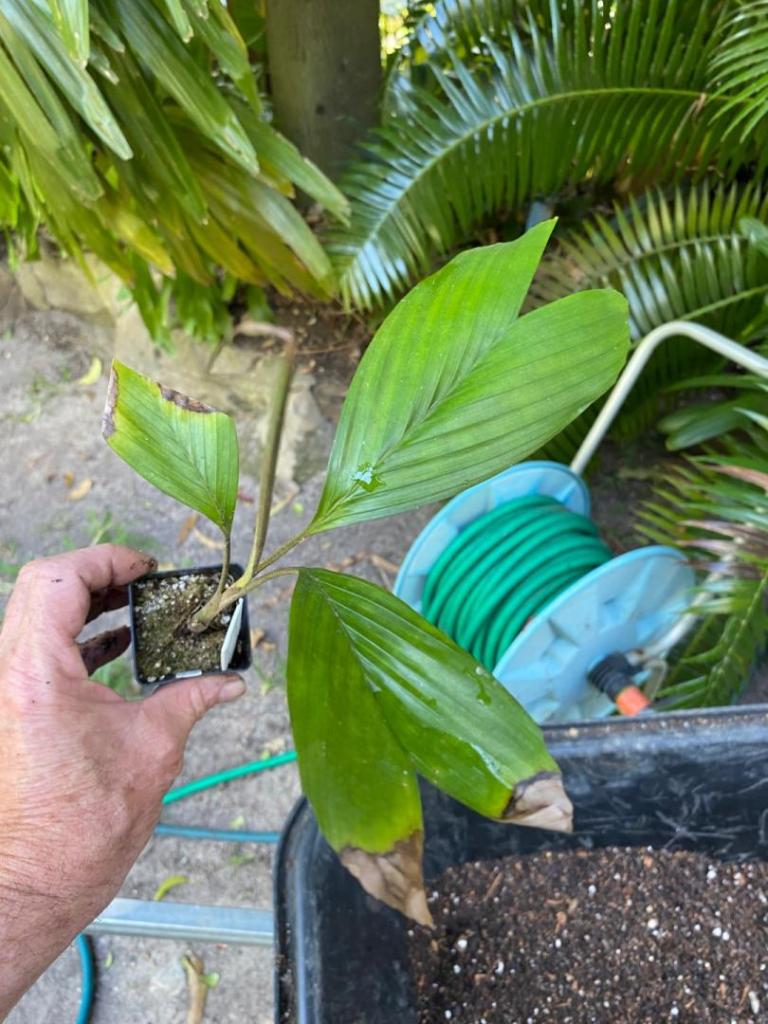
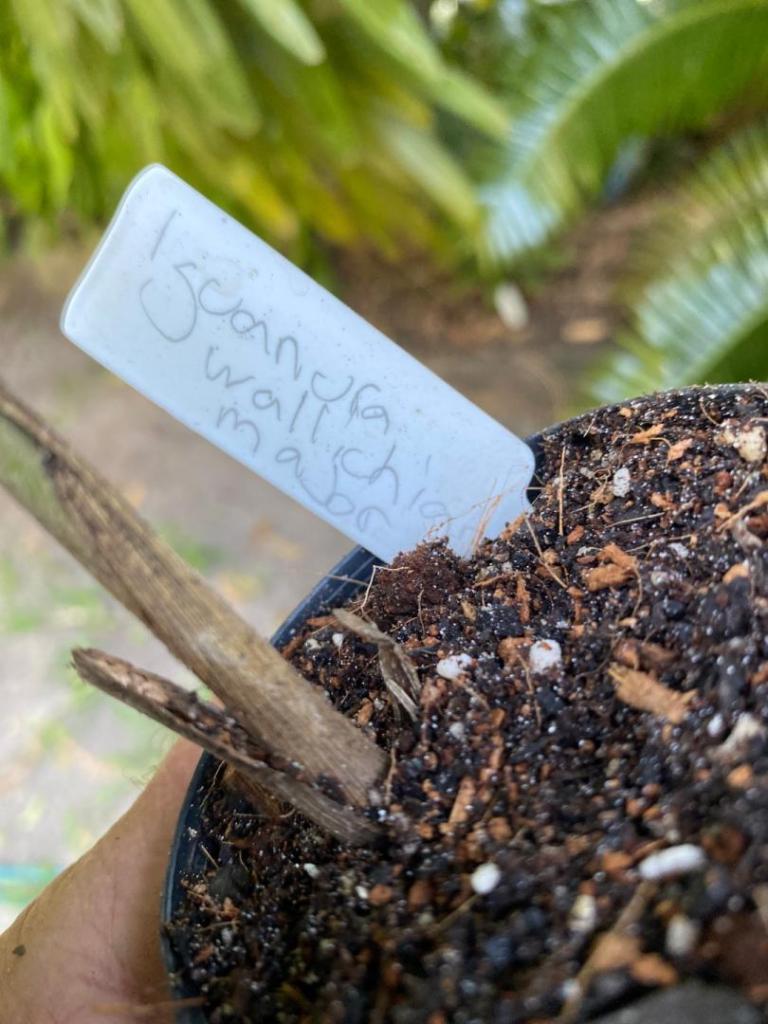
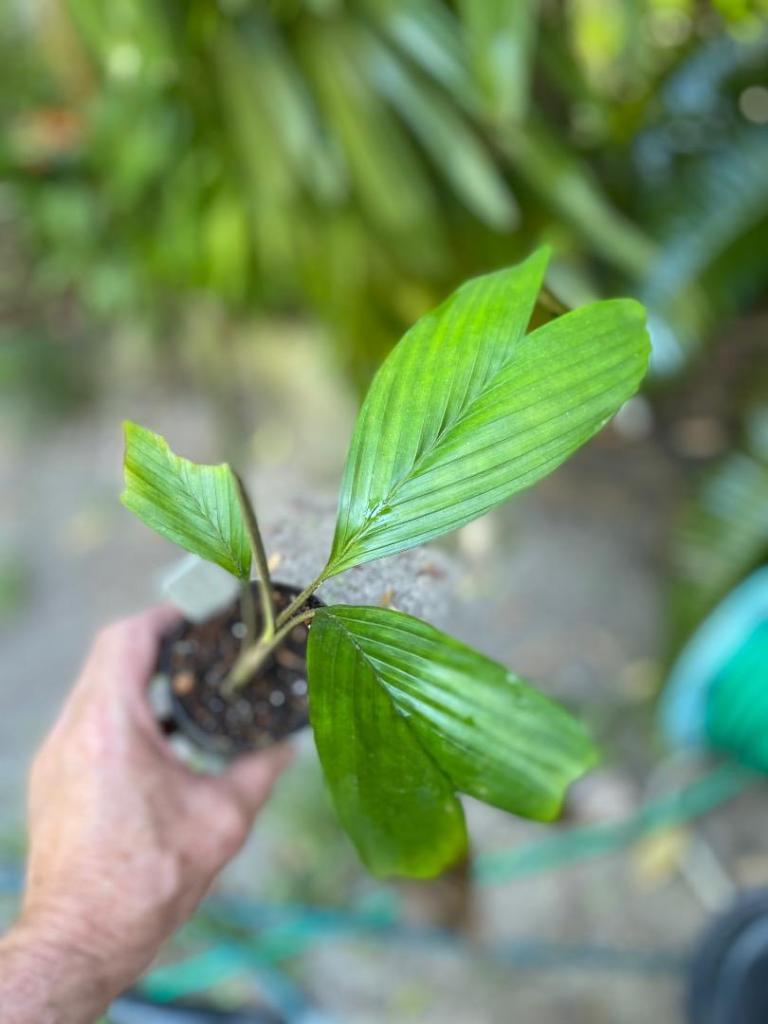
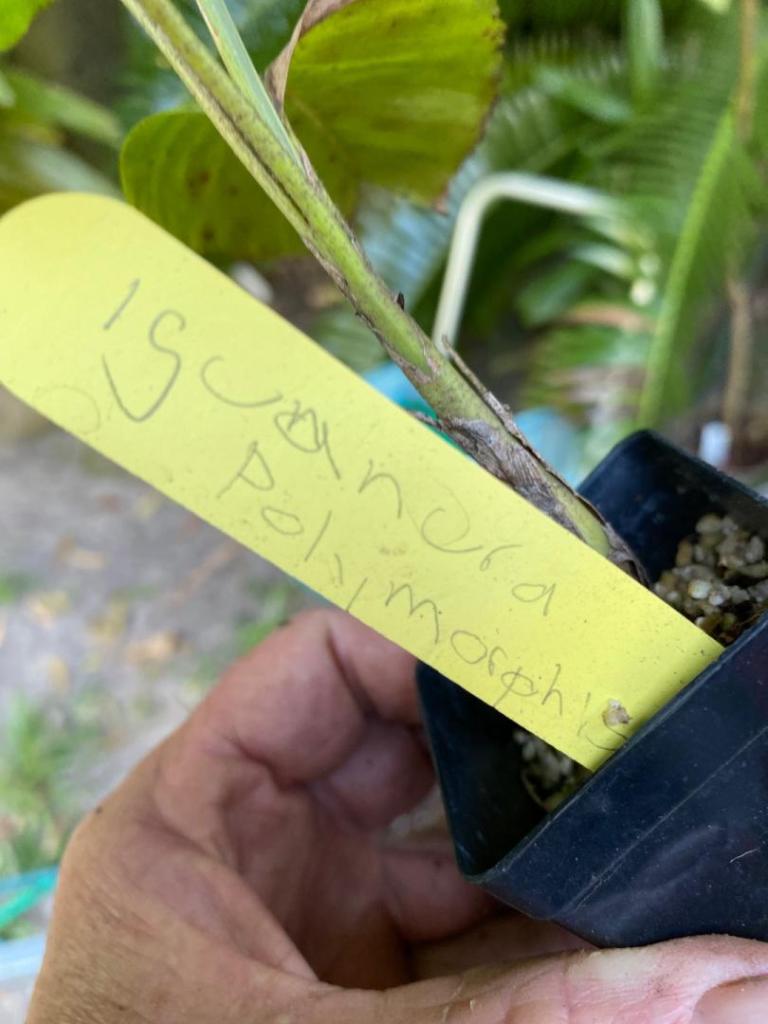
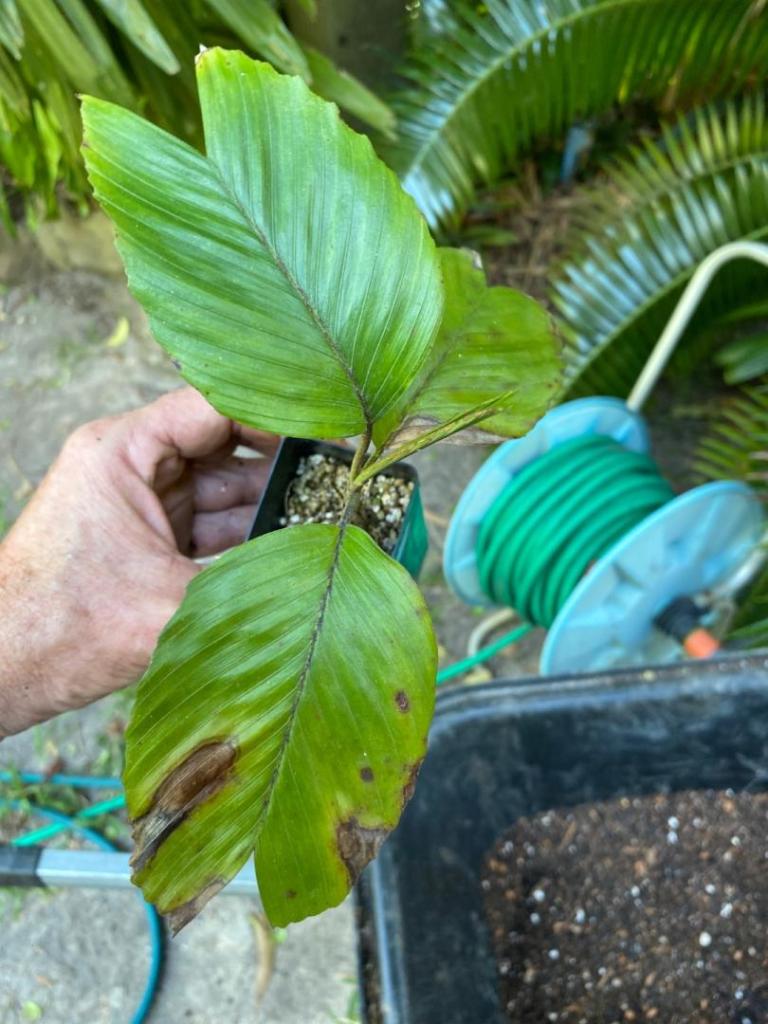
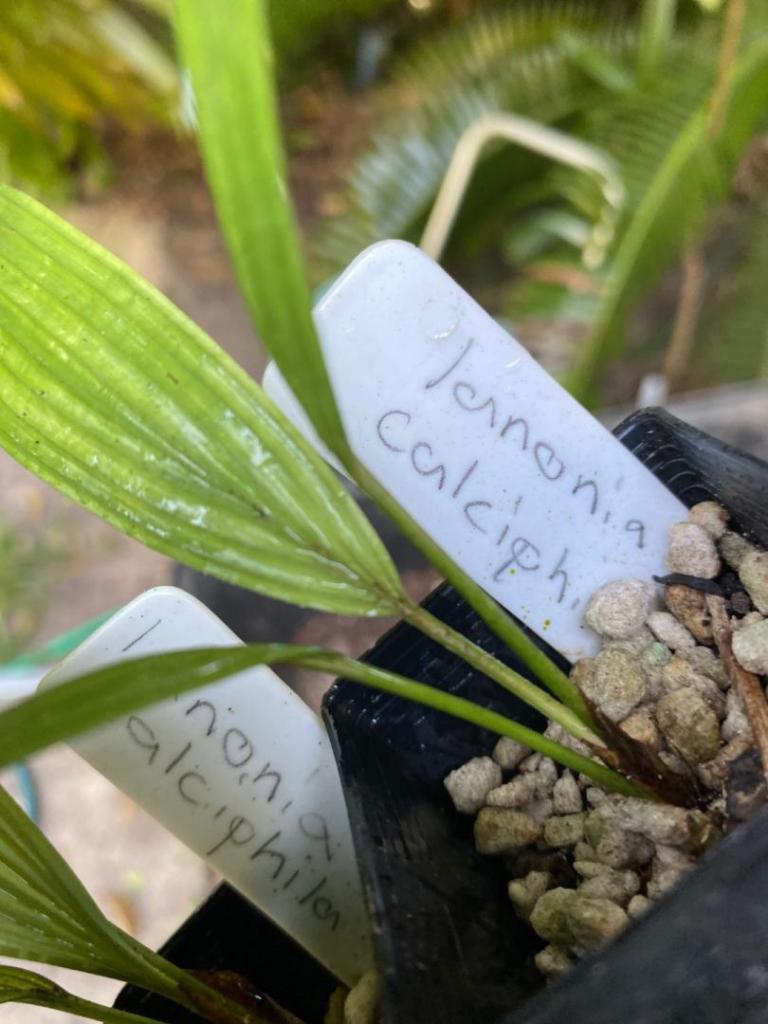
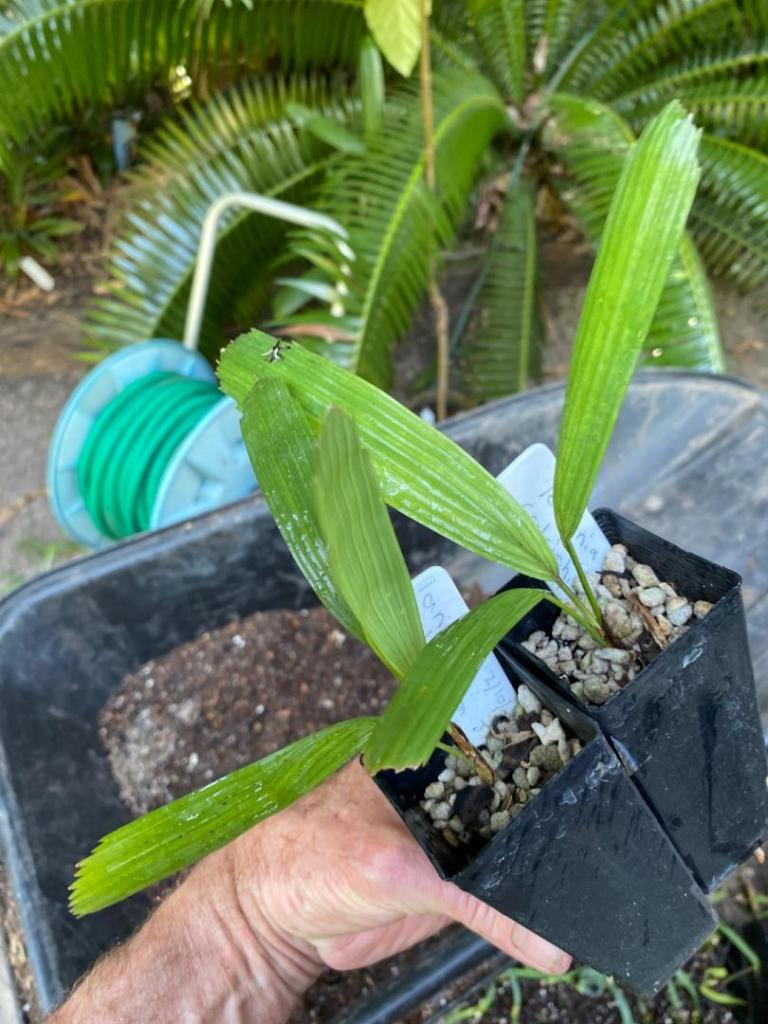

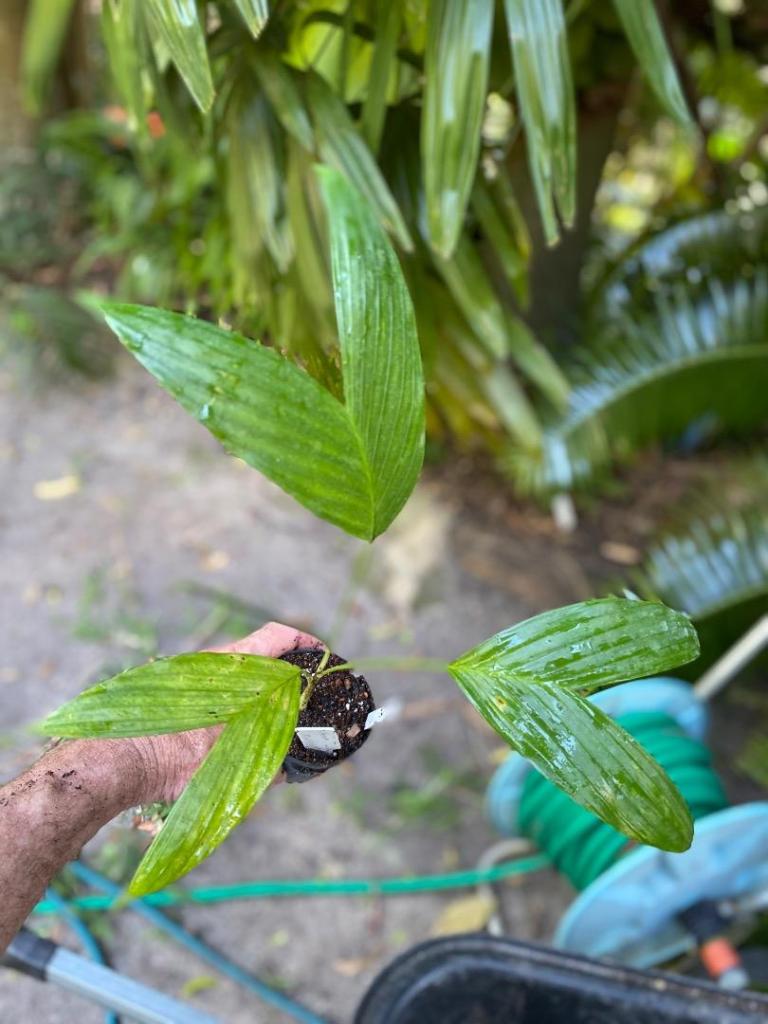
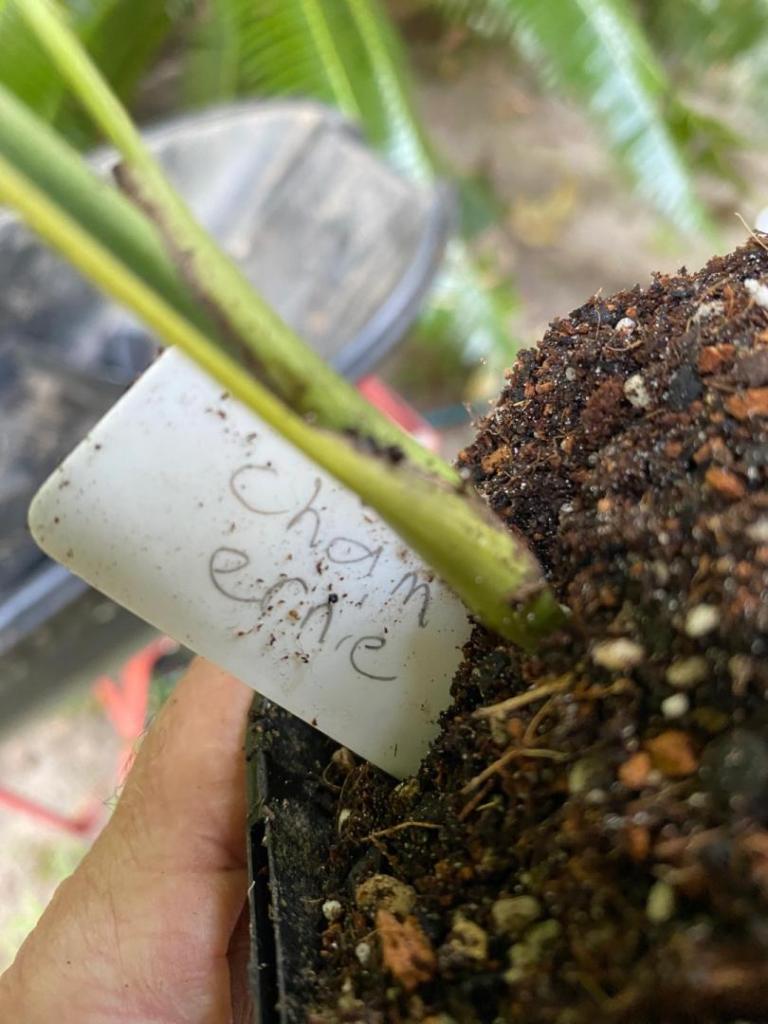
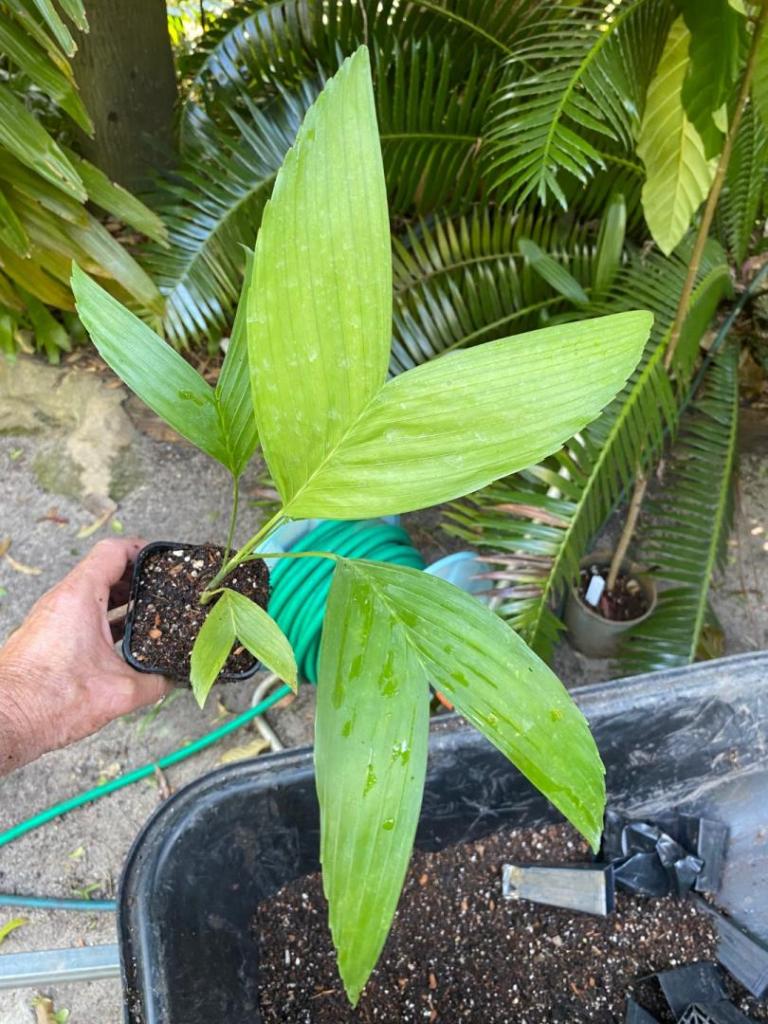

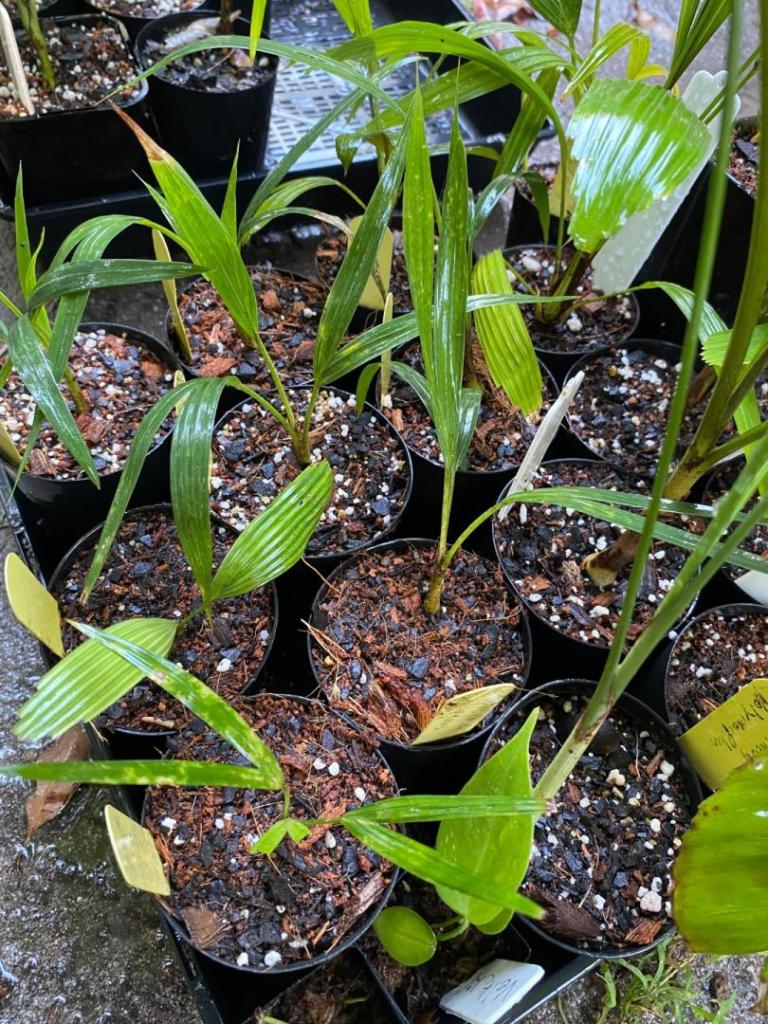
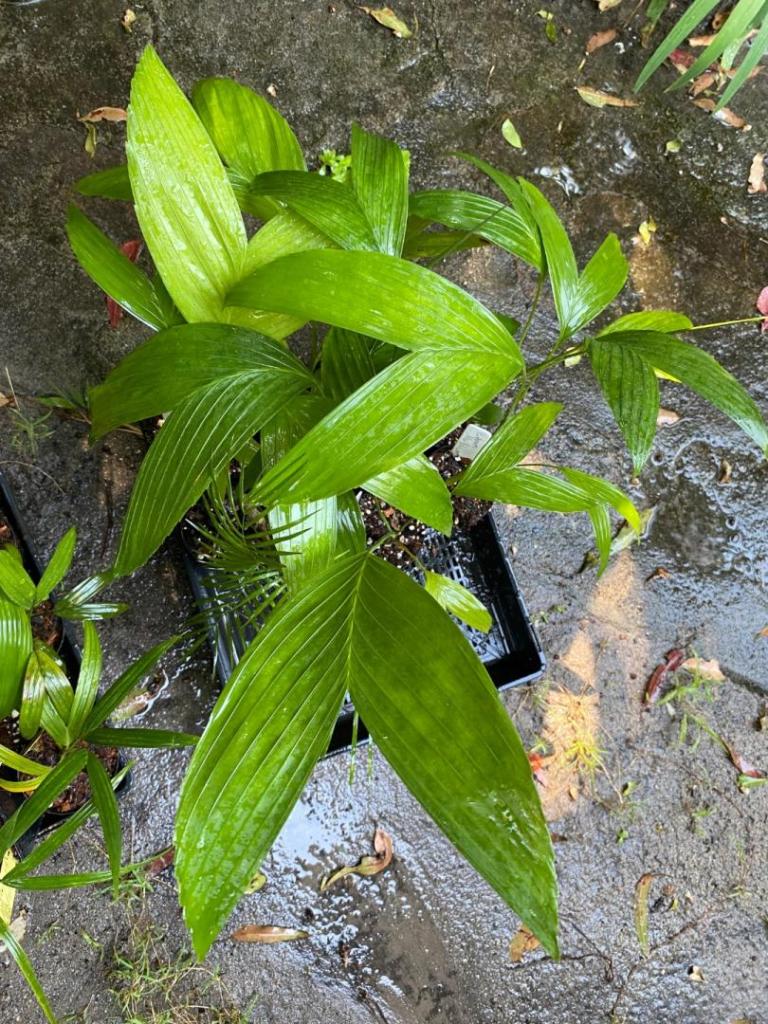
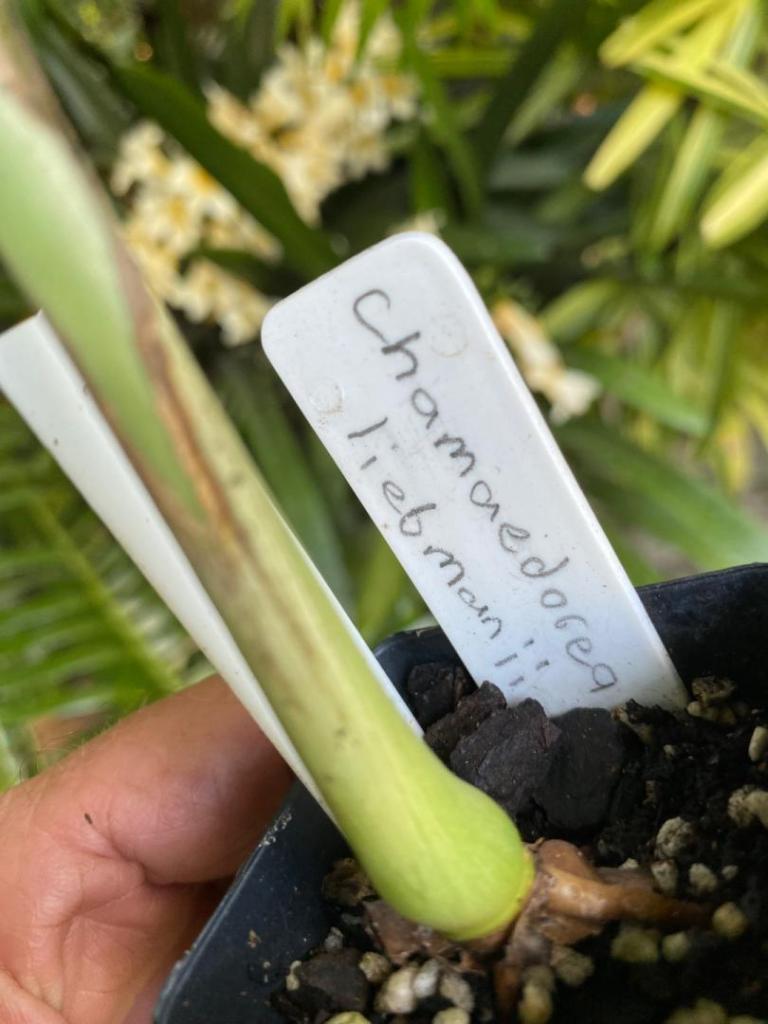
 4 points
 -
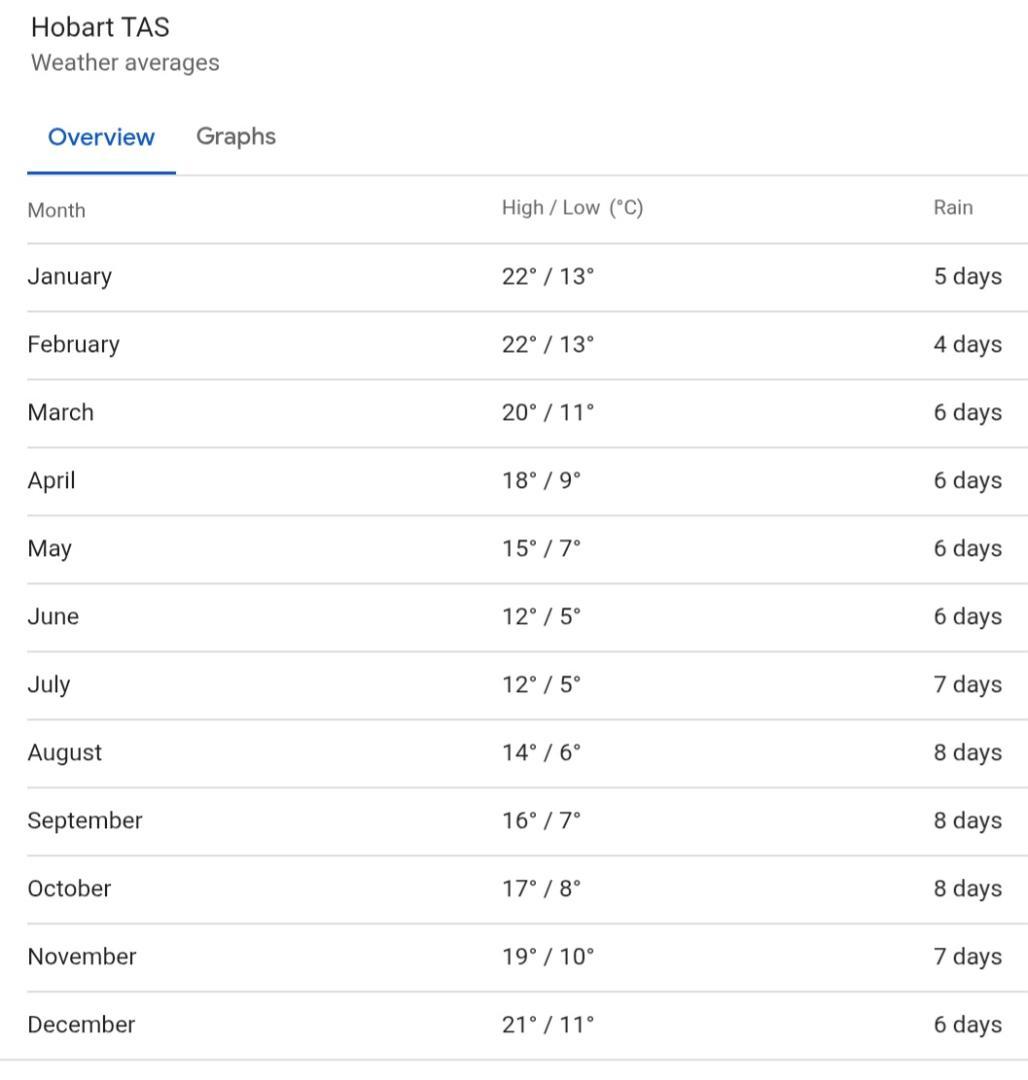
I’ve got a vision of getting some cool climate palms up onto the Mt Dandenong Ranges Botanic Gardens in Olinda, VIC. They have a cloudforest collection and I think Ceroxylon, Parajubaea, Hedyscepe, Lepidorrhachis, high elevation Geonoma and potentially Juania would do well there. More than twice the rainfall compared to Melbourne metropolitan area and much cooler year round temps. When I visited in February this year, it was 11C (52F) all day with light rain! Despite being around 600m above sea level, the minimum temperature rarely if ever drops below freezing. The Archontophoenix cunninghamiana I saw in the gardens there was better than any example in Melbourne. Monthly temp averages:
 4 points
 -
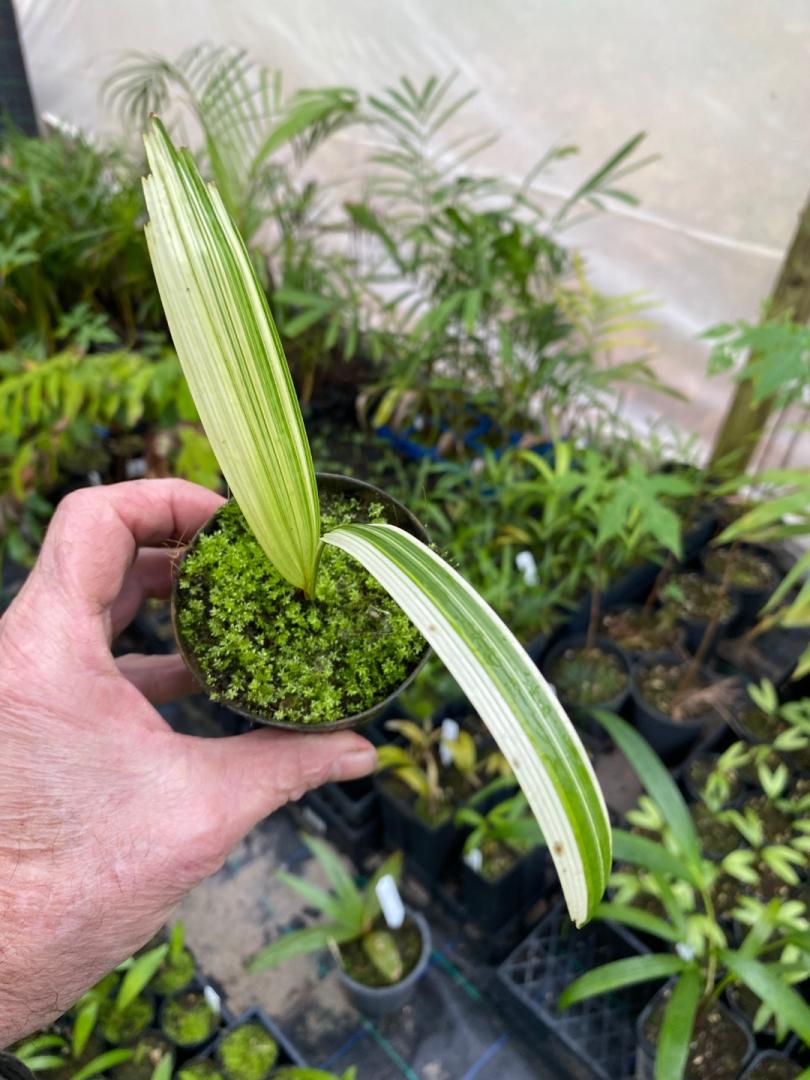
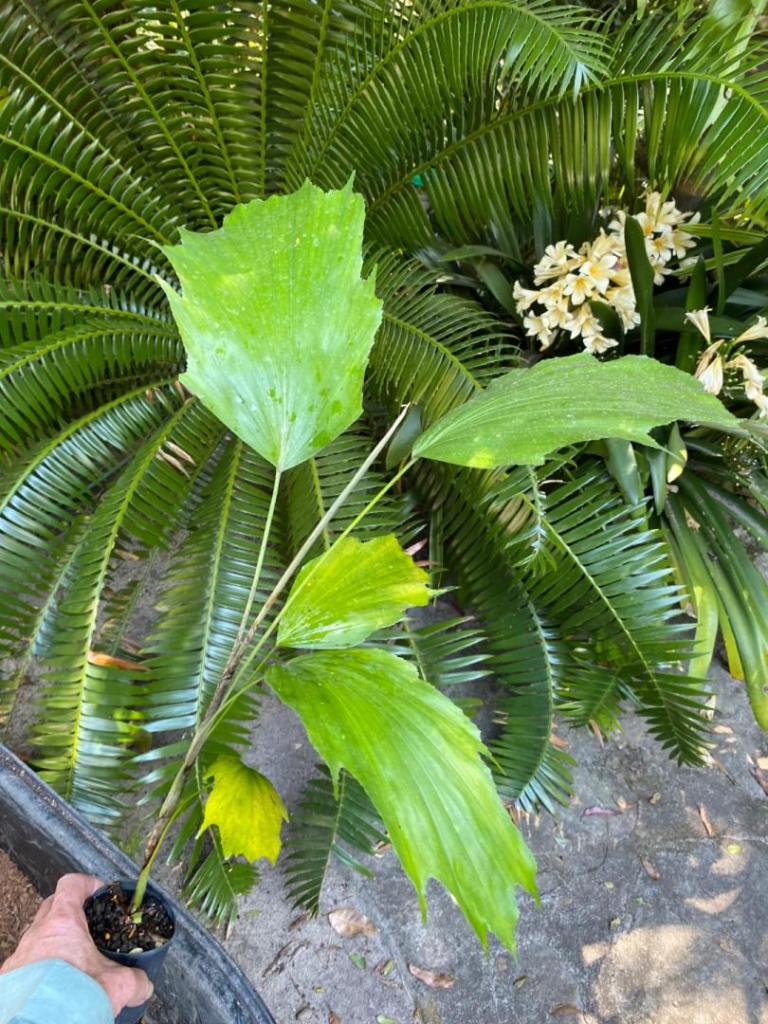
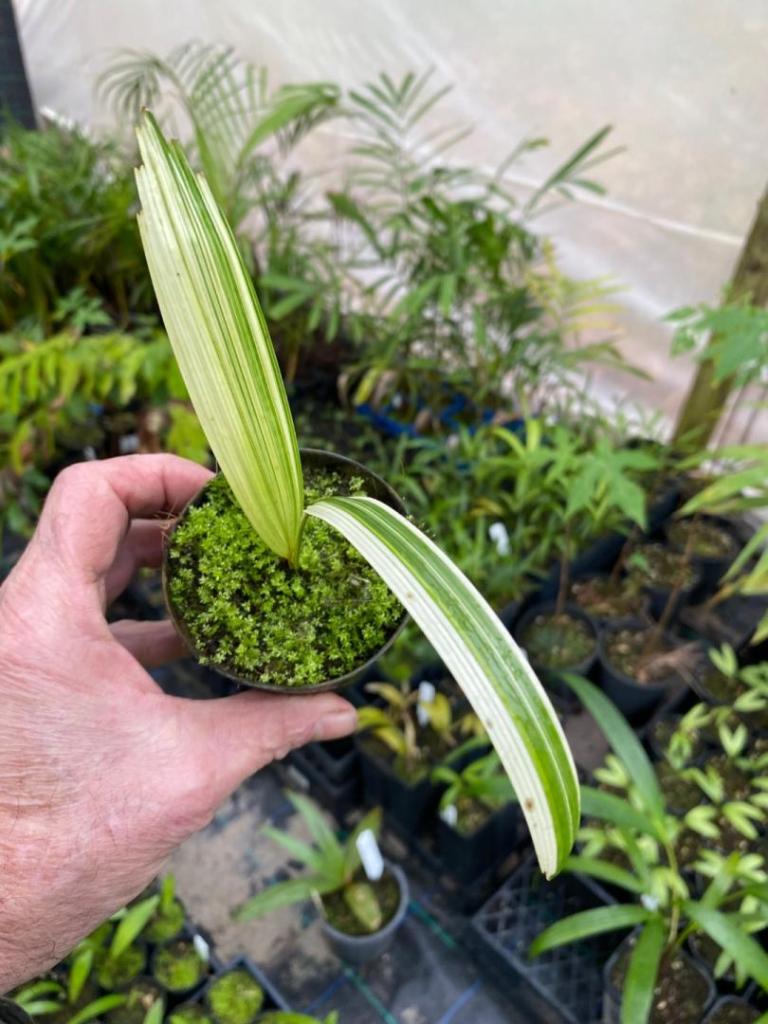
Beam me up Scotty. And just for the record so you guys don’t get worried here’s a rare variegated licuala ramsayi var tuckeri, rare enough for you!🤣
 4 points
 -
Maybe an older specimen can breeze through the temps you describe but young specimens can’t. Also the average conditions have a lot to do with it. If the right conditions happen 99% of the time an older established in the ground specimen can tolerate a couple of spikes out of the range over an extended period of time, but that diminishes greatly for seedlings. If your temps are out of range for more than that your chances quickly diminish. Having tried them as seedlings, I doubt anywhere on the Australian mainland would ever stand a chance. If you live on an offshore island off southern Australia (King Island etc) surrounded by constant sea breezes in a perfect spot, or southern Tassie in a similar place you have a good chance I reckon. The Chatham Islands off NZ would be ideal too.4 points
-
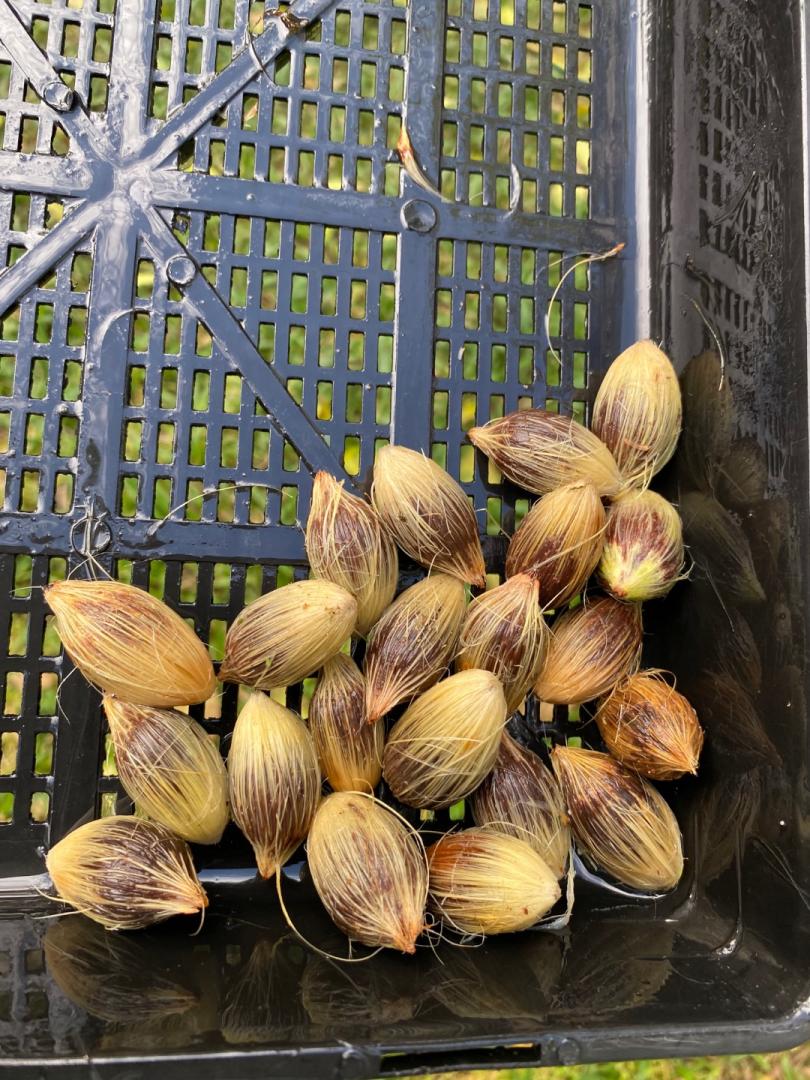
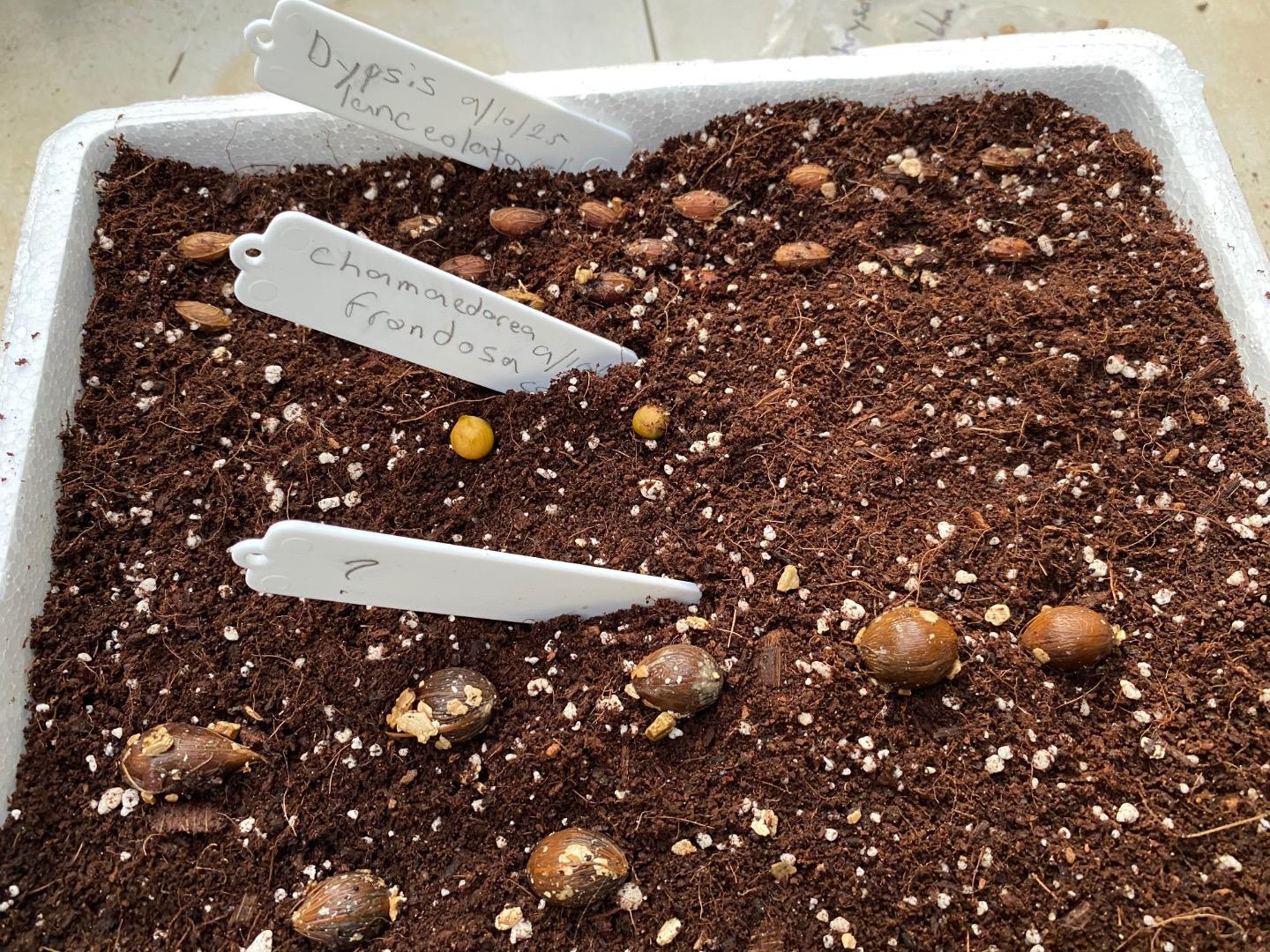
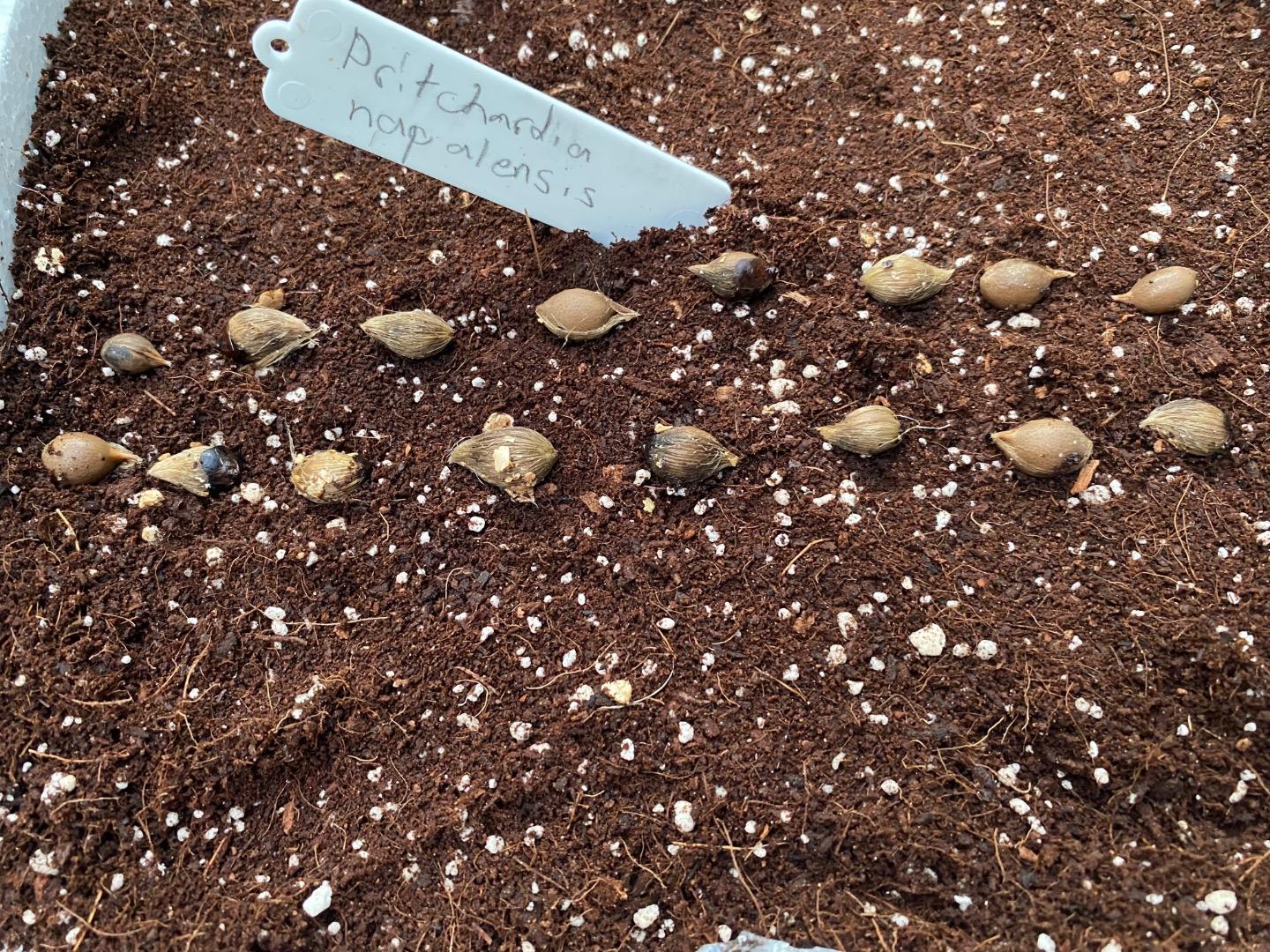
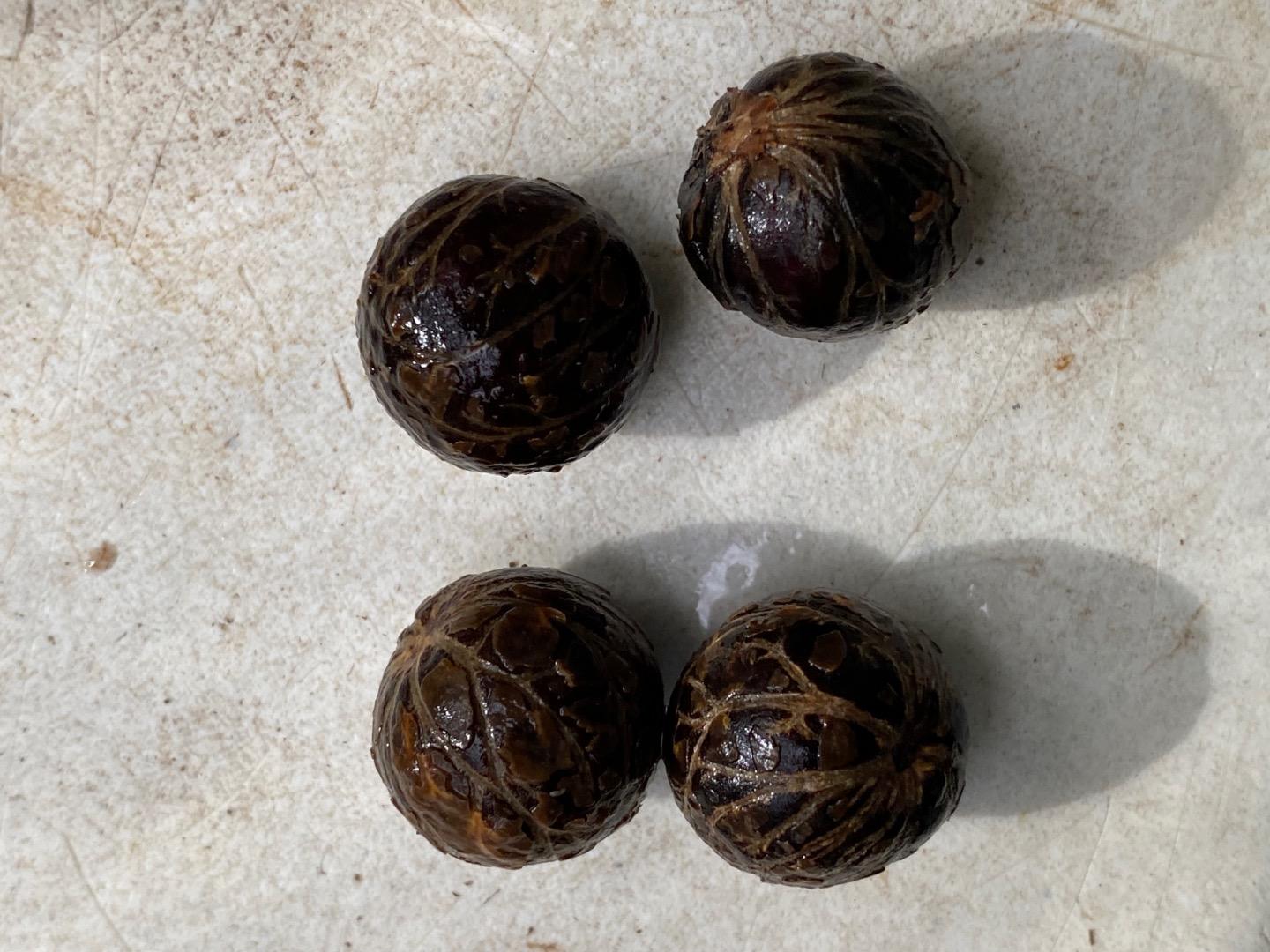
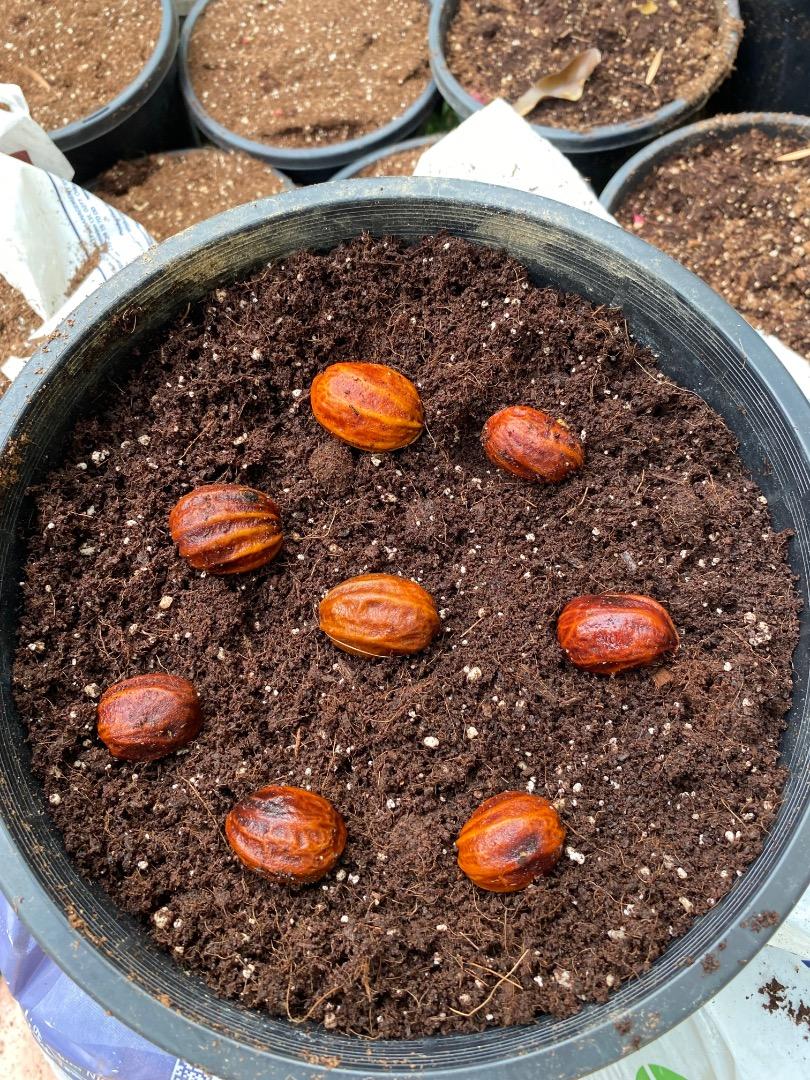
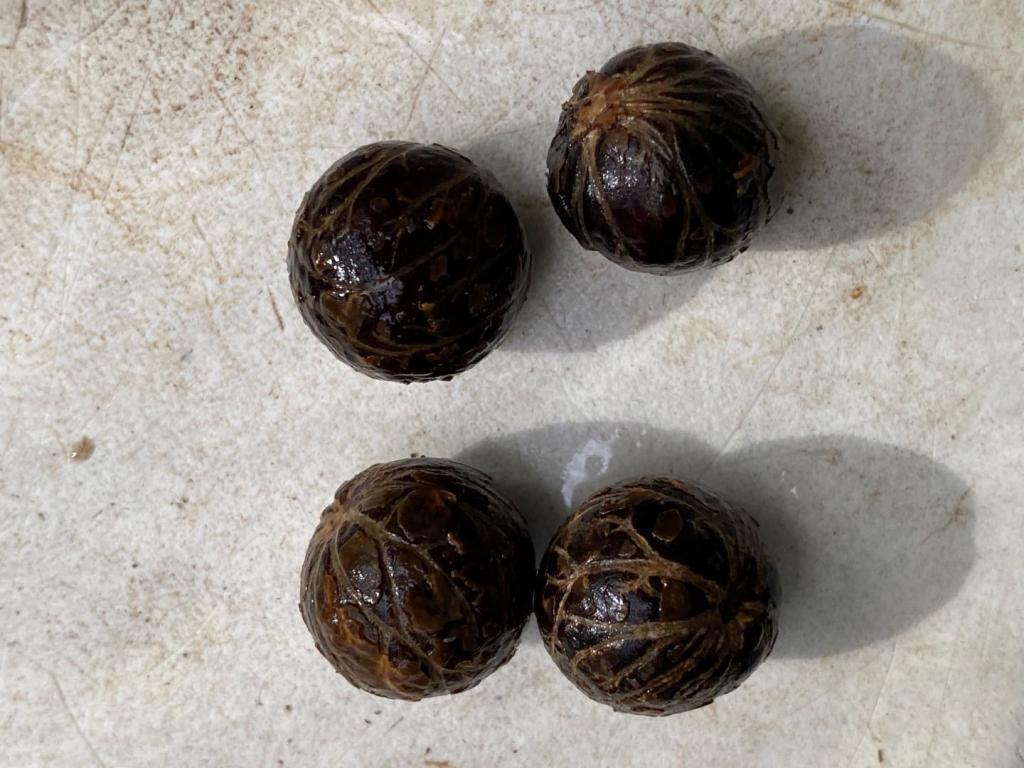
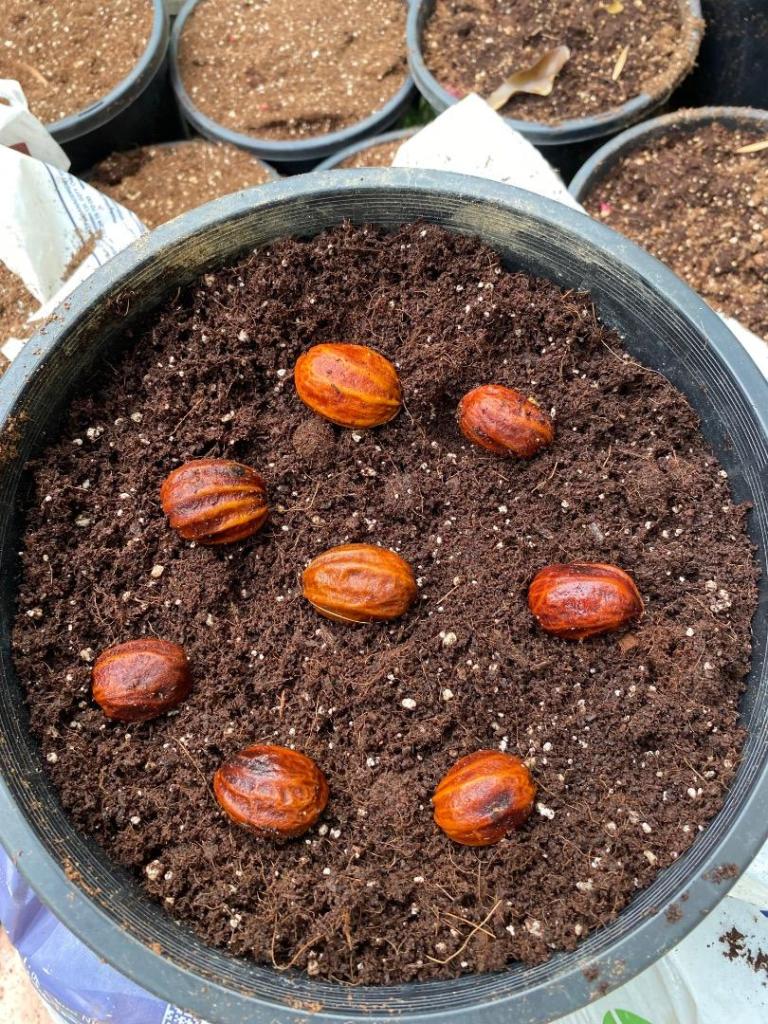
A lovely little gift of some seeds. I shall do my best to germinate them. And then grow them on. I will say the green Bismarckia seeds are definitely different looking than the more common bizzie. Definitely looking forward to the chamaedorea frondosa if I can get them to germinate. And the rest will be interesting and fun, there was a couple of mystery seeds so those will need to be identified later on. So thank you @palmtreesforpleasure I trust you know there in good little cultivation fingers, the world needs more palm!
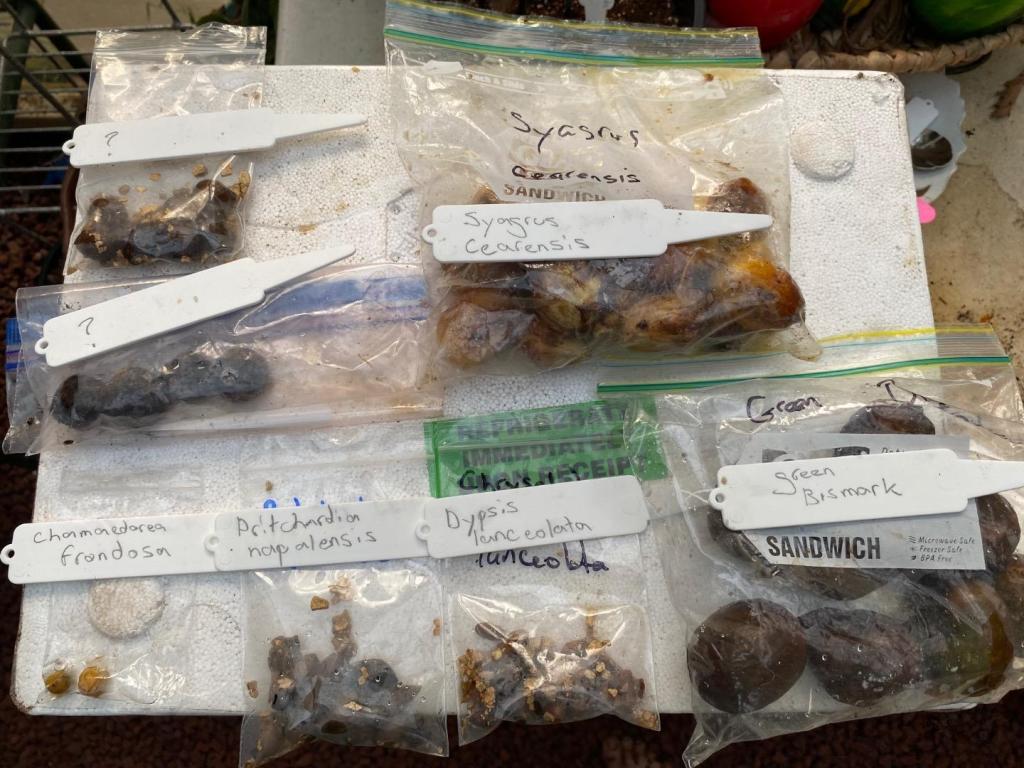

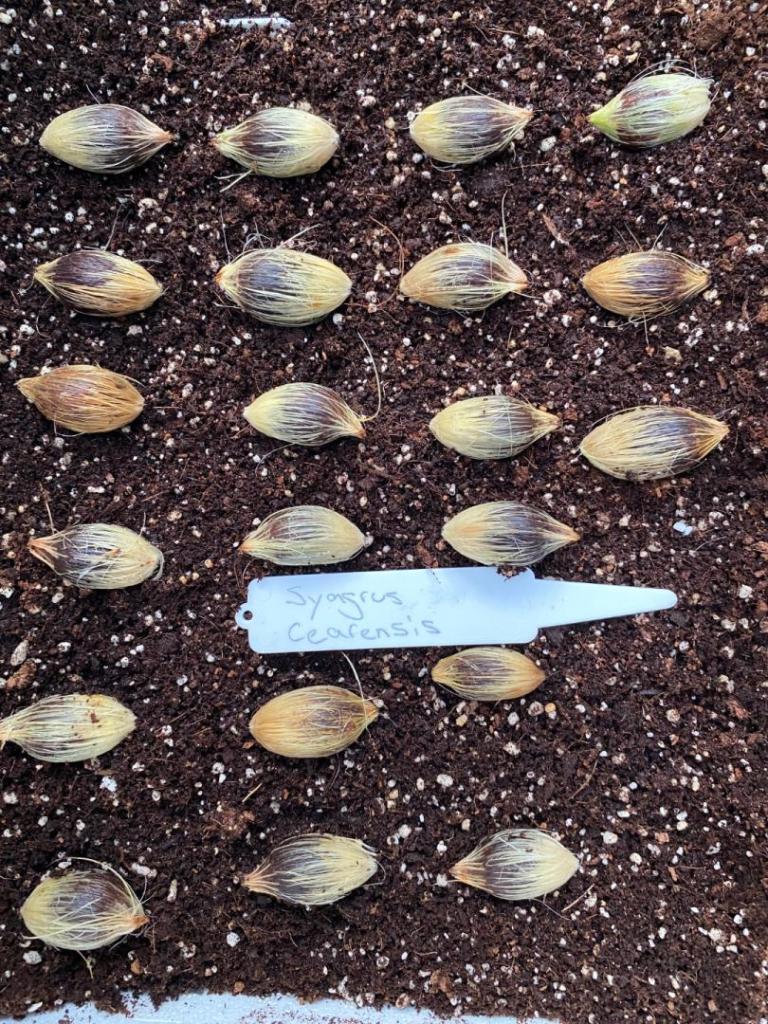
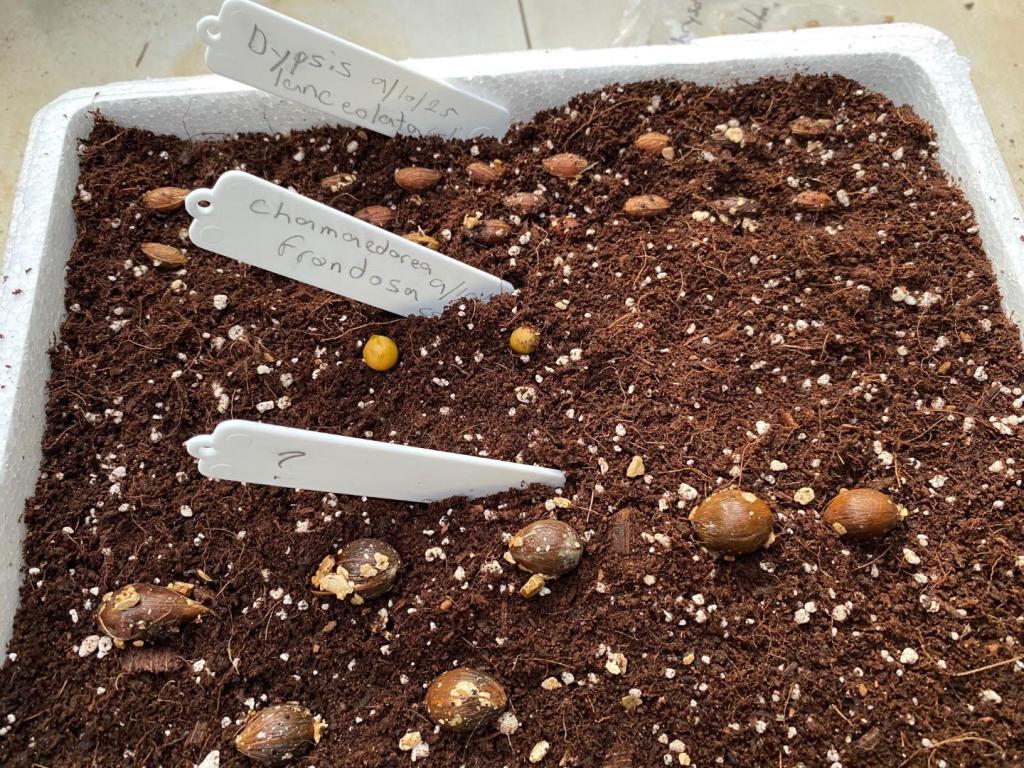
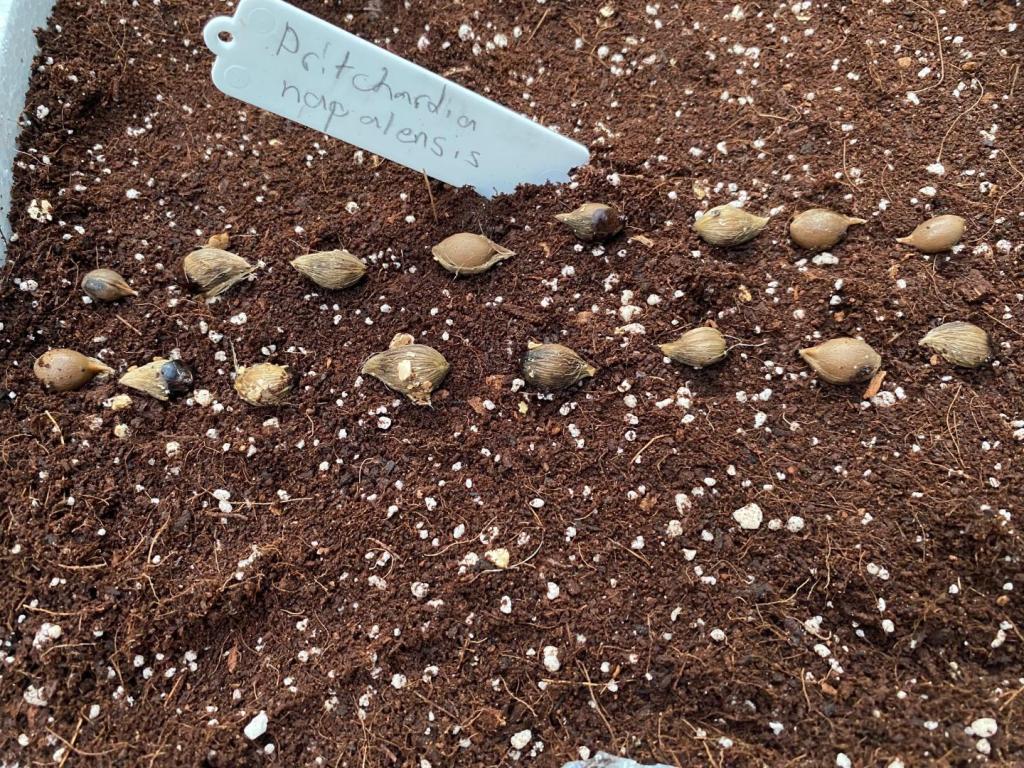
 3 points
 -
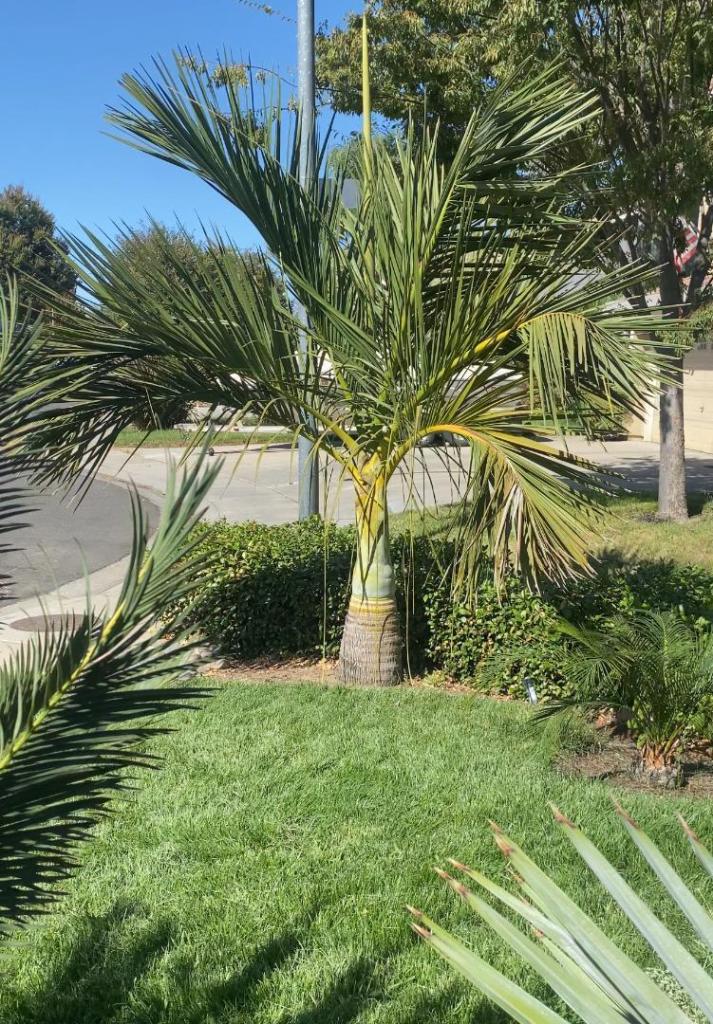
Here is a C decipiens in my yard (one of two) that was started from seed in the late 1990's. Have patience my friends.
 3 points
 -
In my experience Juania seedlings do not like dewpoints above 15C, whereas Leppidorachis seem to go backwards at dewpoints around 20C. Unfortunately we can get 15C dewpoints in winter and dewpoints above 20C are common in summer. It’s not all about absolute temps but the level of humidity. The Juanias were problem free during winter even germinating in winter with max temps of 15C and nights close to zero at times.3 points
-
Yes. The Dandenongs make Hobart look warm.3 points
-
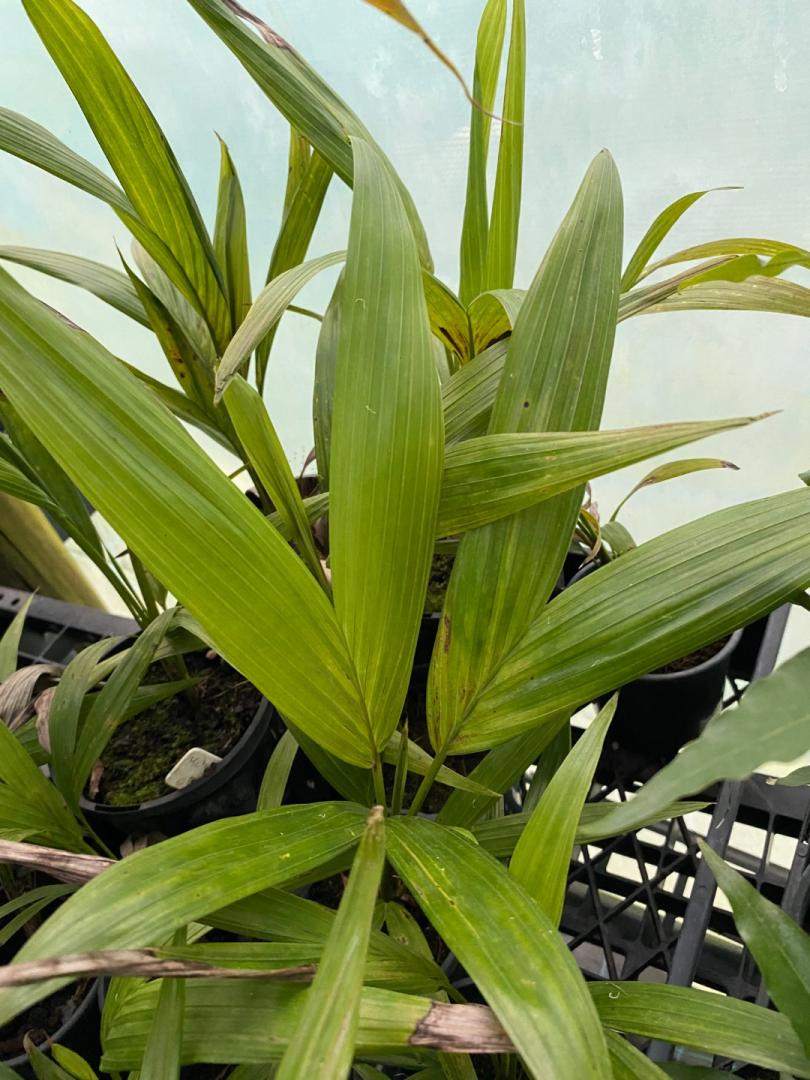
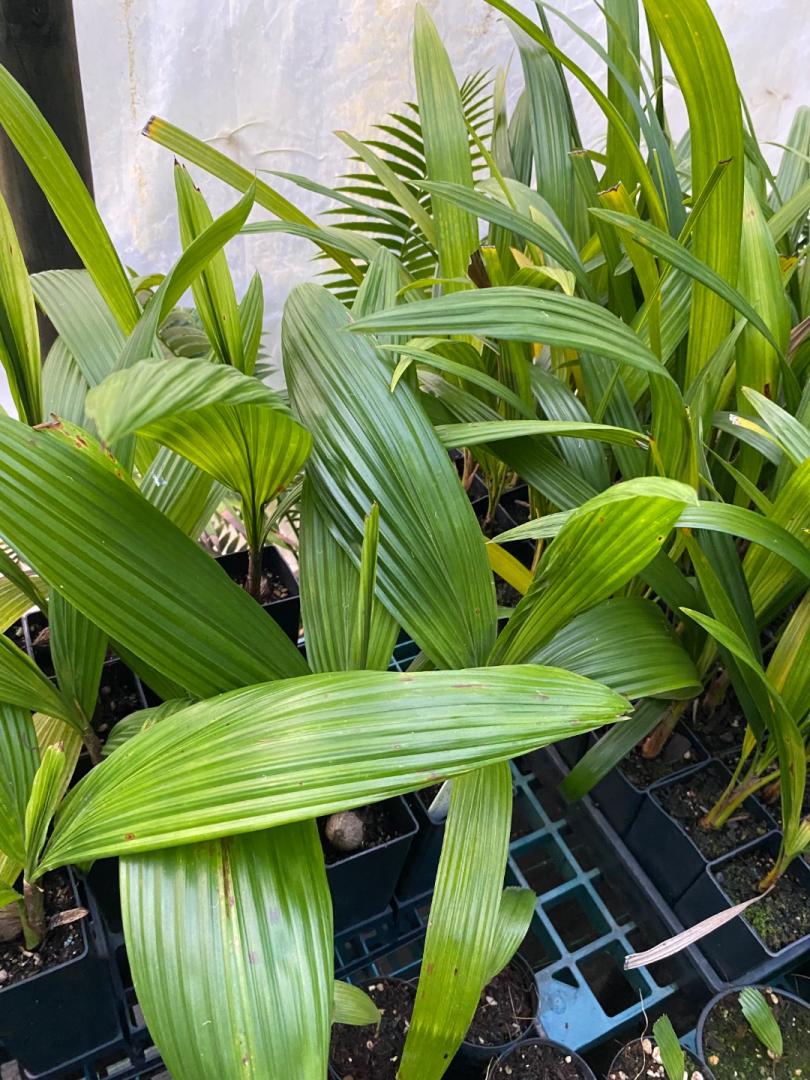
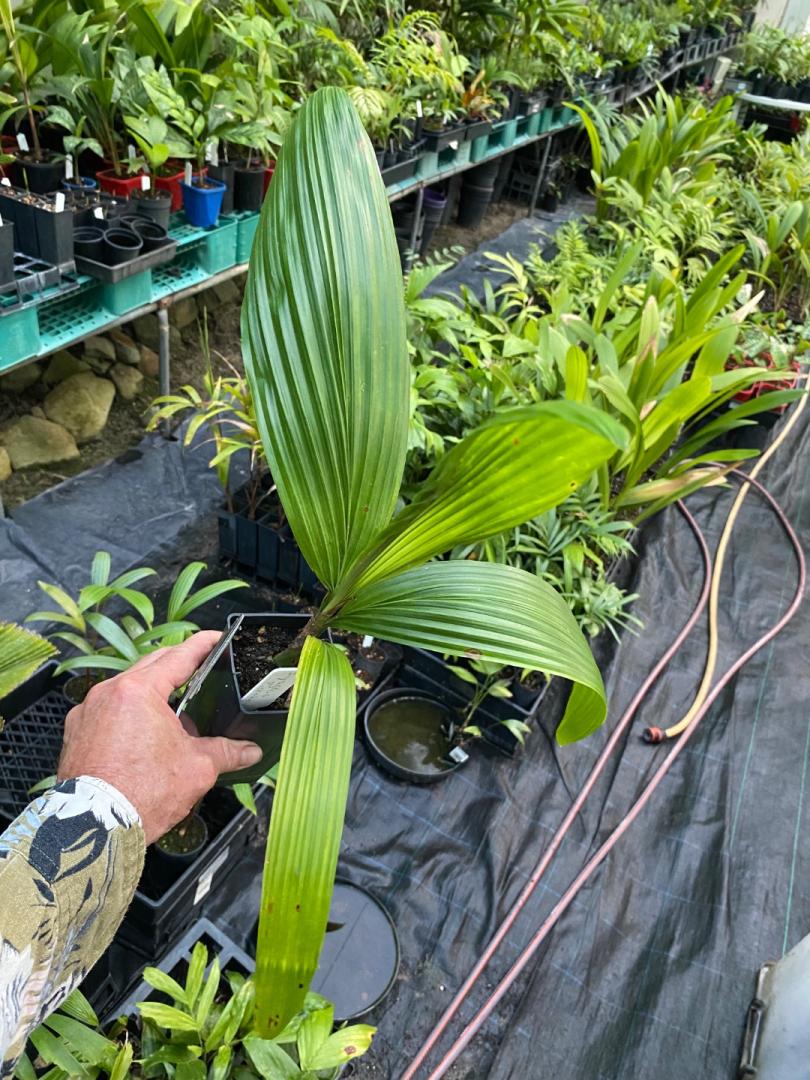
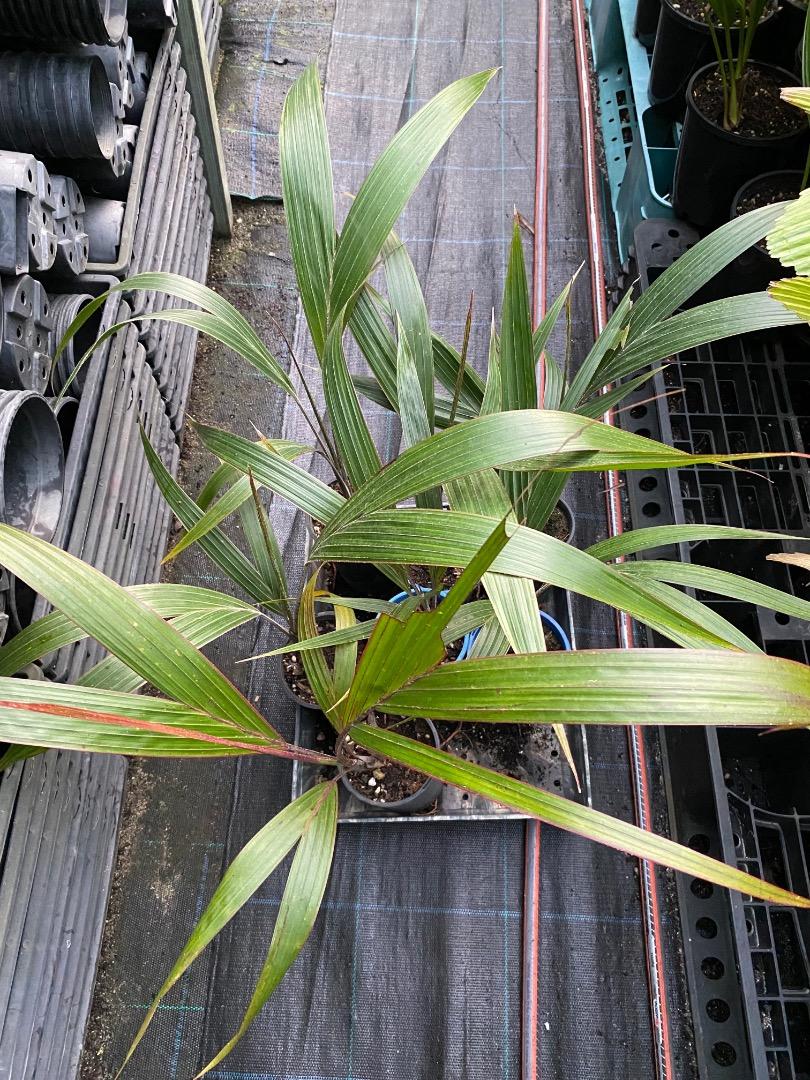
The tiny starts are difficult at first, but become much more stable as they get larger. I distributed several to local friends, and I have none to share at this time. My trusted vendor for the true species seed has been 'out of stock' for a few years now. I have purchased seed on Ebay, but this is often not the true species. The most recent Ebay seeds have not yet germinated. It is easy to identify the true species, even as small plants, with the silver-blue color and the orange mid-rib. Here in my warmth deprived microclimate they prefer full sun, even as small starts. It is a disappointing situation here in California, there is lots of plant material offered at retail nurseries labeled as C. indivisa, but it is never the true species. Even a giant wholesale grower like Monrovia sells wrongly labeled plants. I am really busy today, but soon I will post images of my one remaining plant, so as to help others recognize the true species. Patience is certainly the game with rare plant material. I desired a cloud forest palm for 28 years with no luck, only to obtain it through the major generosity of @richnorm.3 points
-
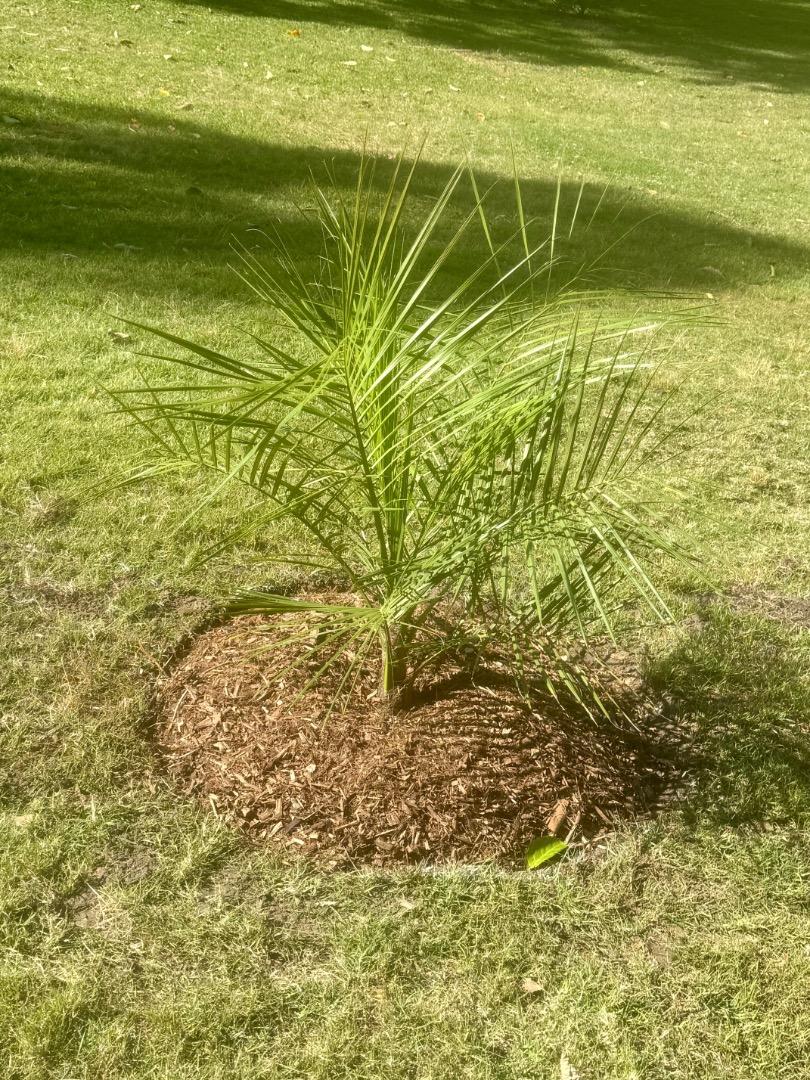
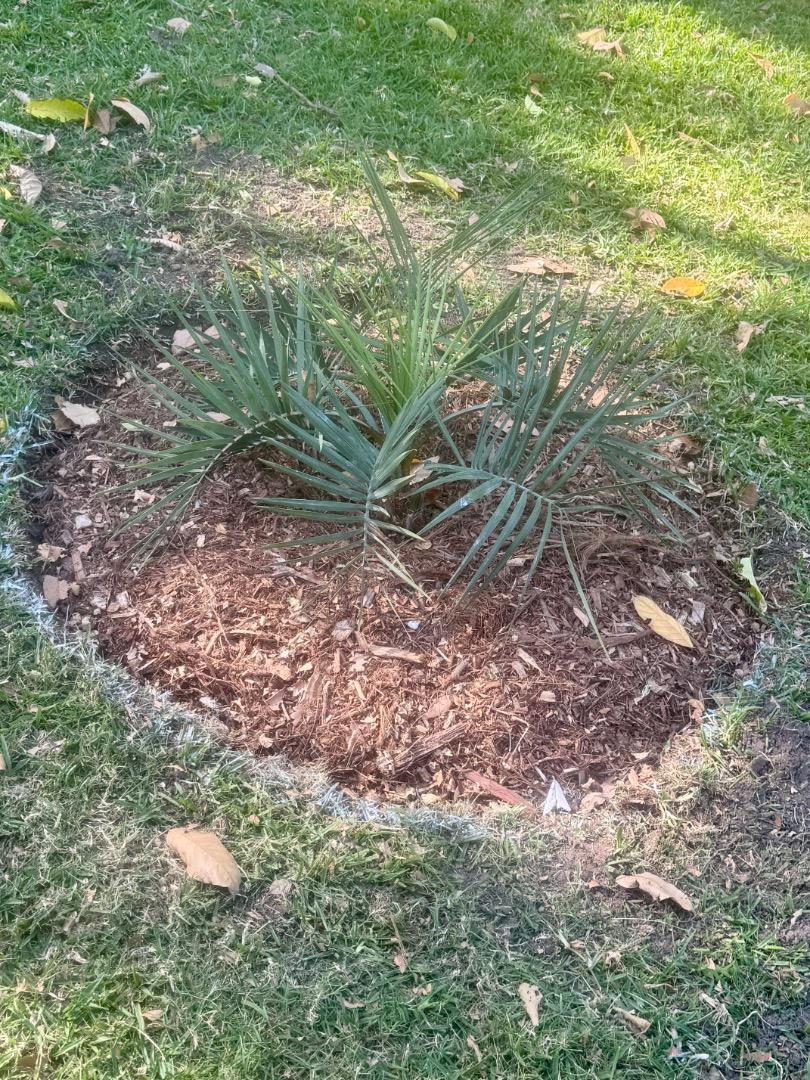
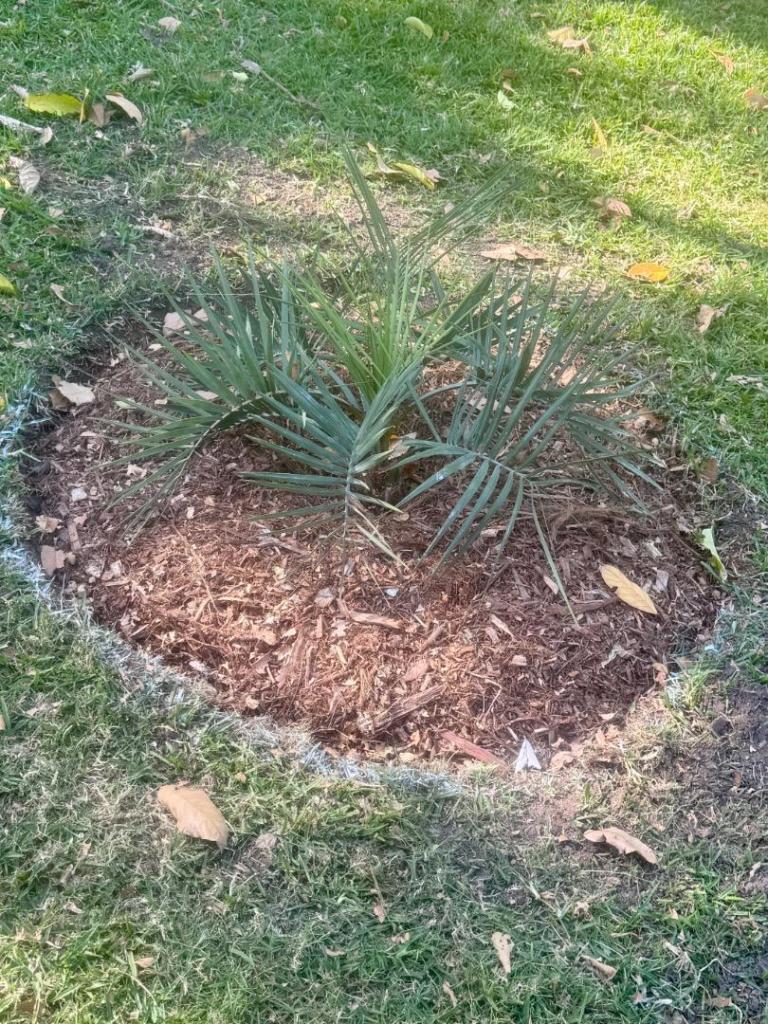
Watered in and mulched today. Garden staff are doing a fine job with them. Butia odorata x Syagrus schizophylla F1 Butia odorata x Parajubaea torallyi var. torallyi F1 Butia odorata x Jubaea chilensis F1 Jubaea chilensis x Butia sp. F2 “Tauranga”


 3 points
 -
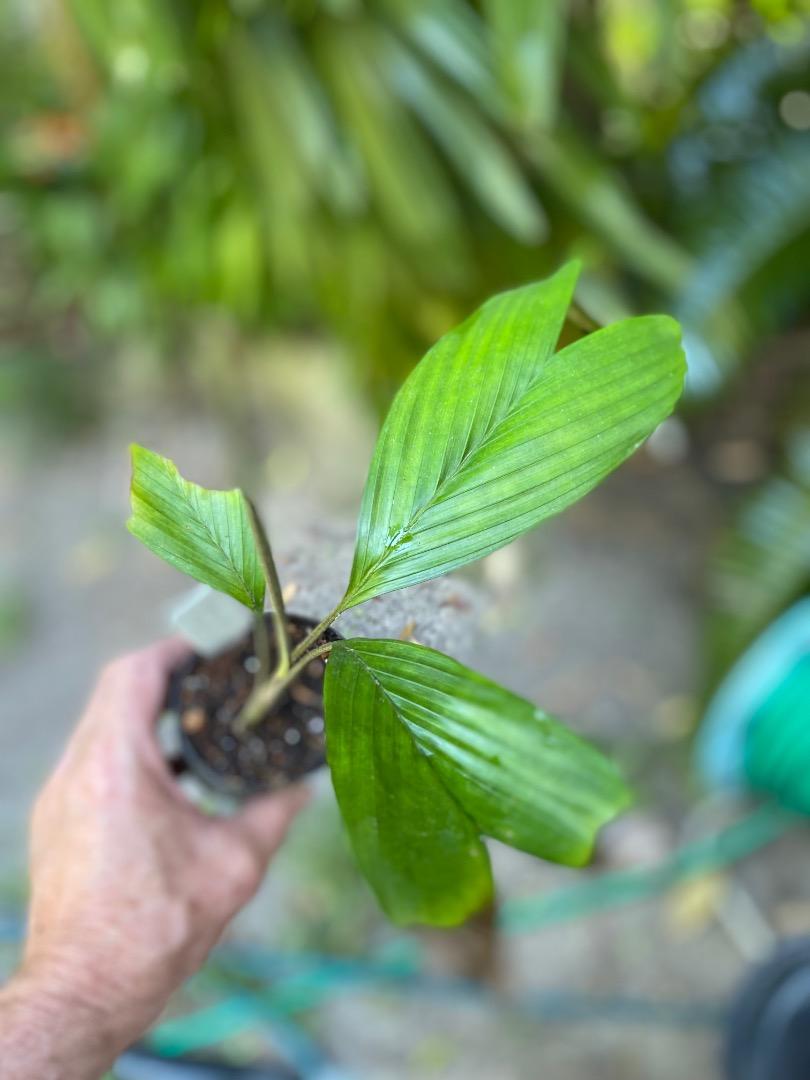
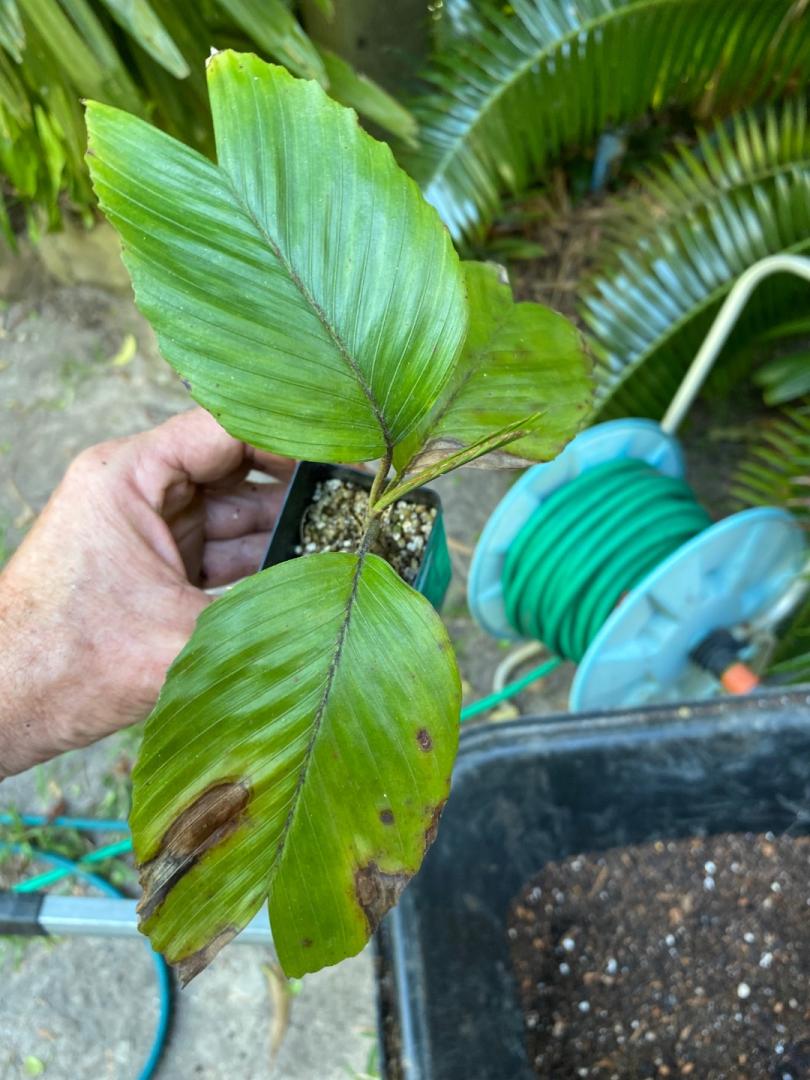
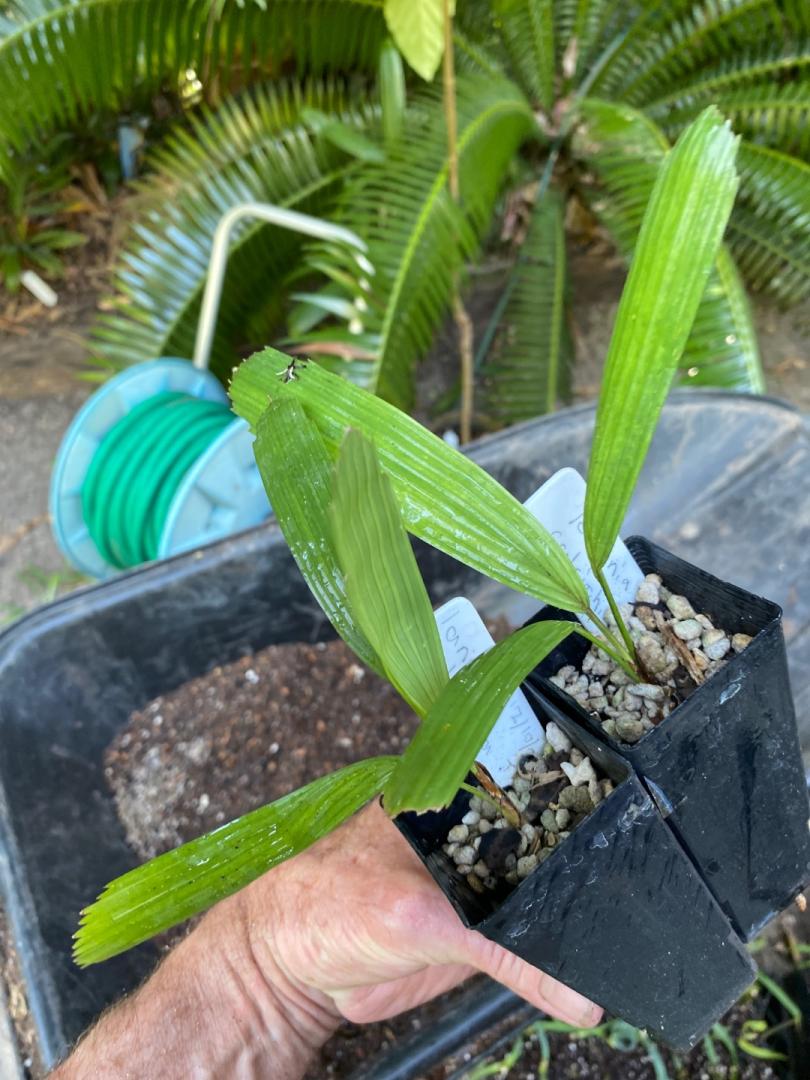
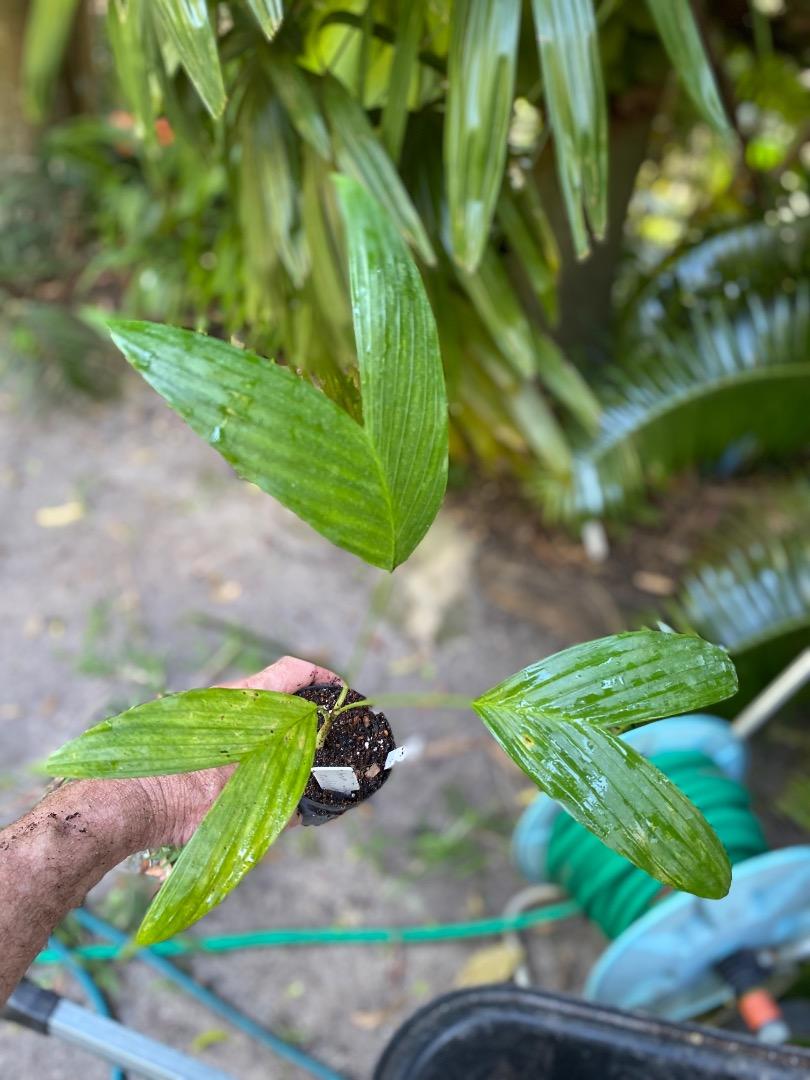
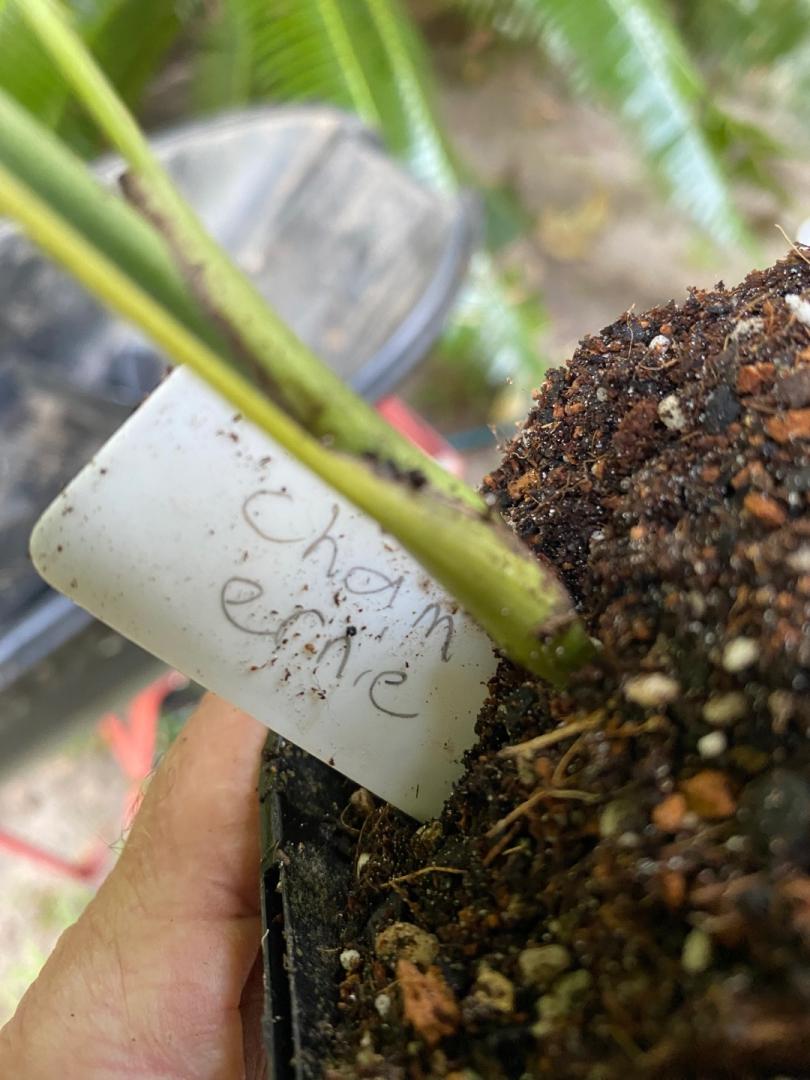
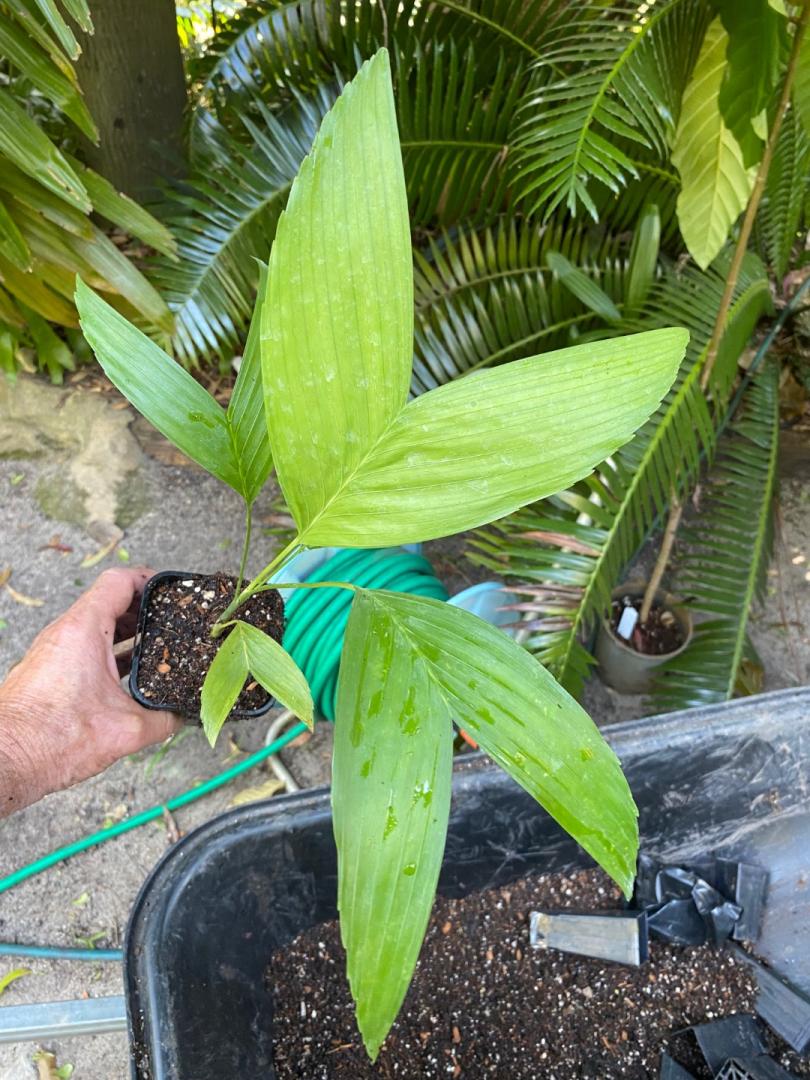
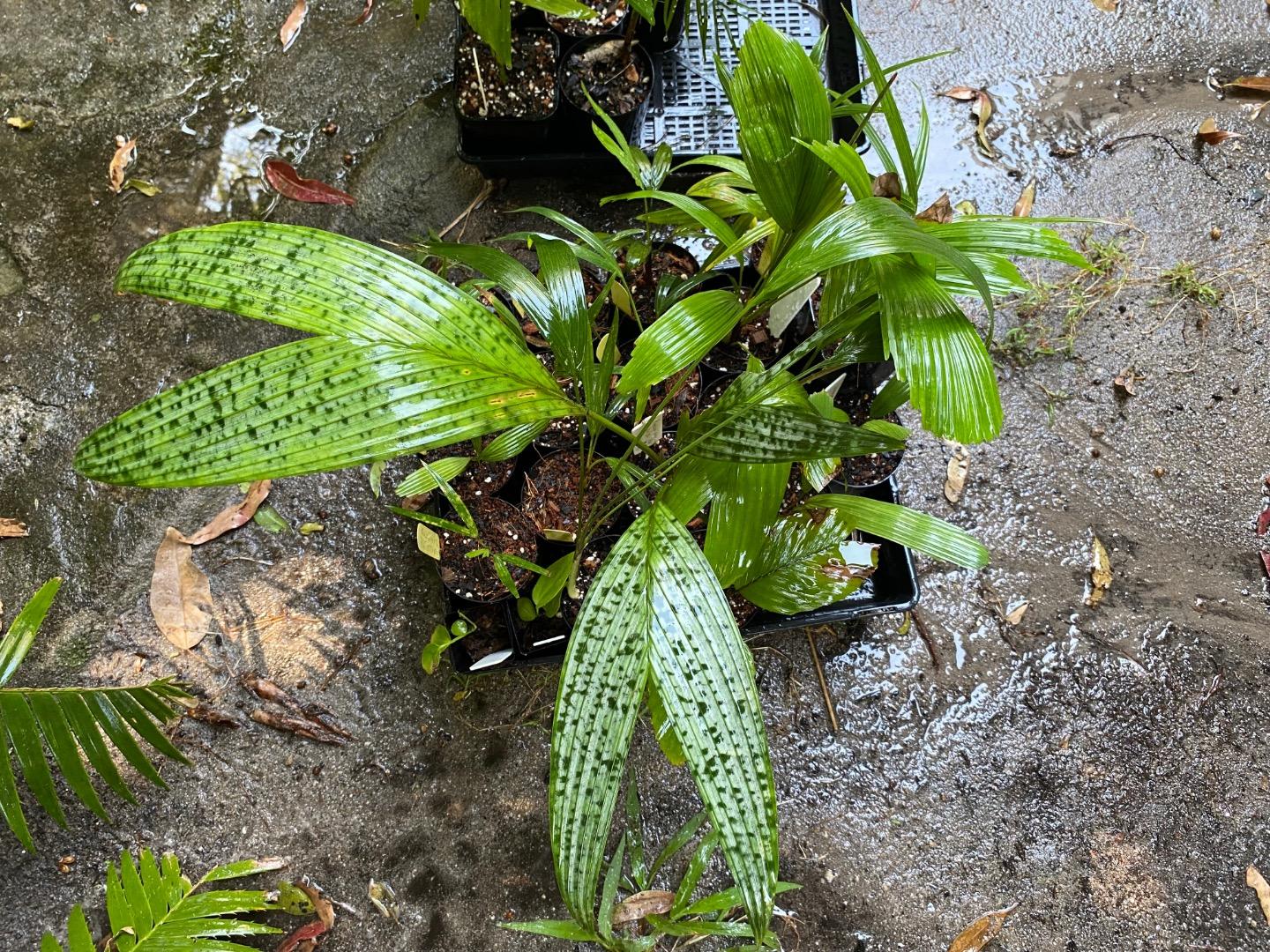
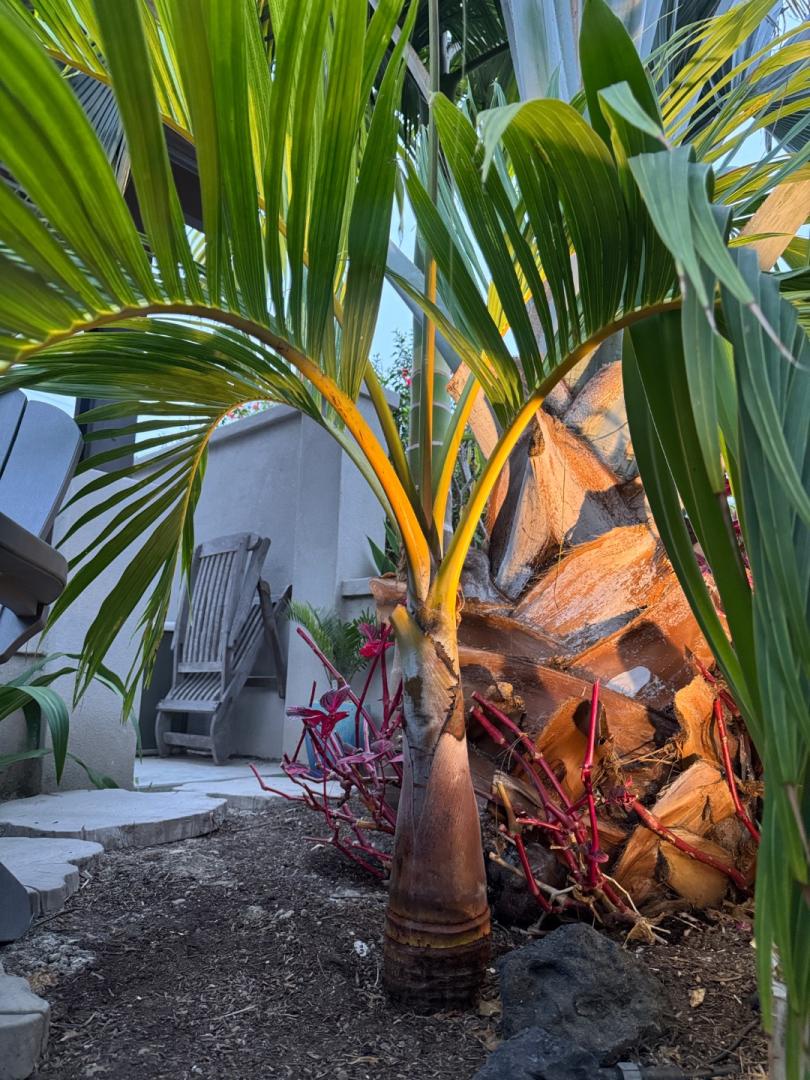
Hi, it has been acquired as a Chambey watermelon. I doubt however that it is watermelon. It carries in all fronds this characteristic golden mid vein and is distinguished through its robust dimensions (very thick stem bulb for its age) and quicker growth. Here are some additional pix focusing on various fronds of this specimen.


 3 points
 -
Thanks for the answers so far all. So it looks like 9-11 years where records have existed, with some thinking it could be more like up to 15. Everyone is in a similar ballpark. It's closest relative, R. moorei, took 54 years to flower at Kew, admittedly in less than ideal conditions. Sadly not enough experience from horticulture exists to get more data on that species. Anyway... keep it coming!3 points
-
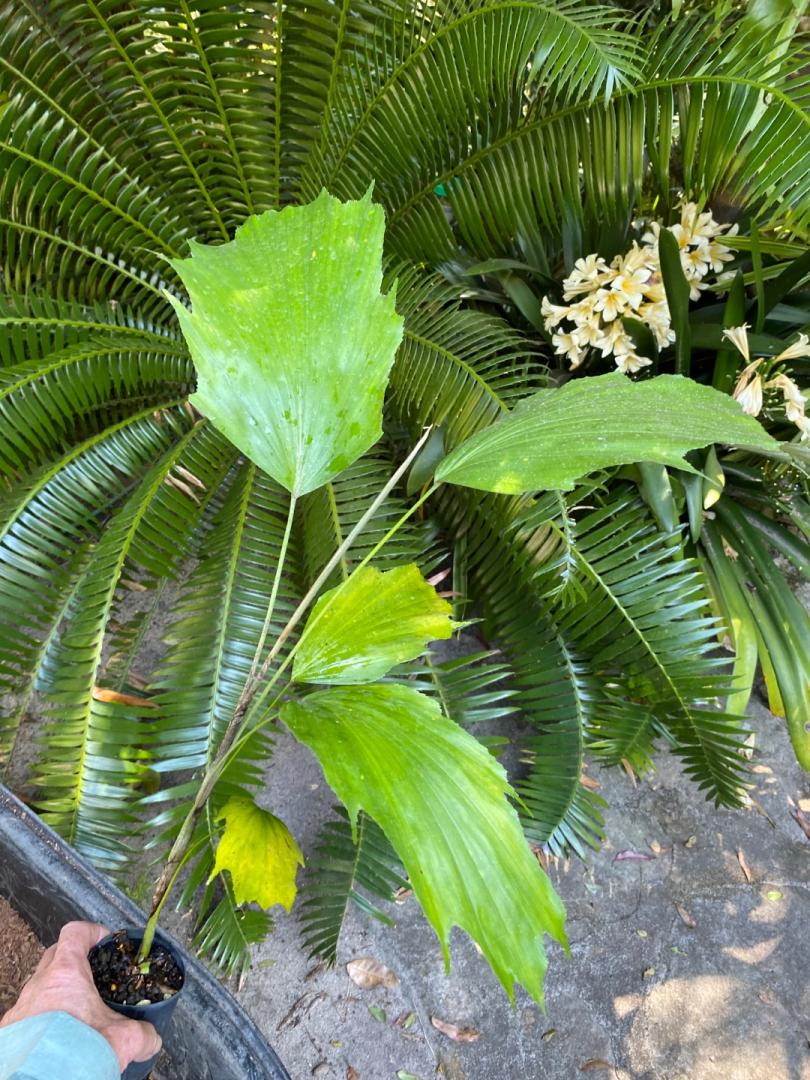
Same experience for me. I’ve had a bunch of seedling die and no correlation to heat or cold. Then some others will thrive. My Orange Crownshaft in the ground looks great too but perhaps a year or 2 behind yours. Maybe the cooler areas of SF might be pushing it too much, but I’d recommend trying a few times before anyone completely gives up hope.3 points
-
Well, unless it's Jubaea. Then it's 50 years ago.3 points
-
I am actually getting over 60 seeds, I will sell most of the seedlings to local palm/plant collectors and anyone willing to come to Monterrey for some (If most of them sprout). This is the only Bactris sp. that I will be able to grow in the ground down here, that's why I posted it in the cold hardy forum, it's one of the two cold hardiest Bactris species. I am pretty sure that this species could also do well in the Rio Grande Valley in Texas.3 points
-
So moved. Interesting. Hopefully it proves not to be a one-off.3 points
-
I was surprised to see this posted in the Cold Hardy forum also. According to @kinzyjr's cold hardiness spreadsheet one at Leu Gardens survived 29°F without damage so it apparently does have some cold hardiness for potential survival in zone 9b. I assume that you're getting B. mexicana var. mexicana and not var. trichophylla. Hopefully Eric can give you some germination tips! Good luck @idontknowhatnametuse! Save a seedling for me 😉3 points
-
Common but a winner 🏆3 points
-
It looks a Banksia spp flower, as do the serrated leaves, however that colour doesn’t look natural, has it been dyed perhaps?3 points
-
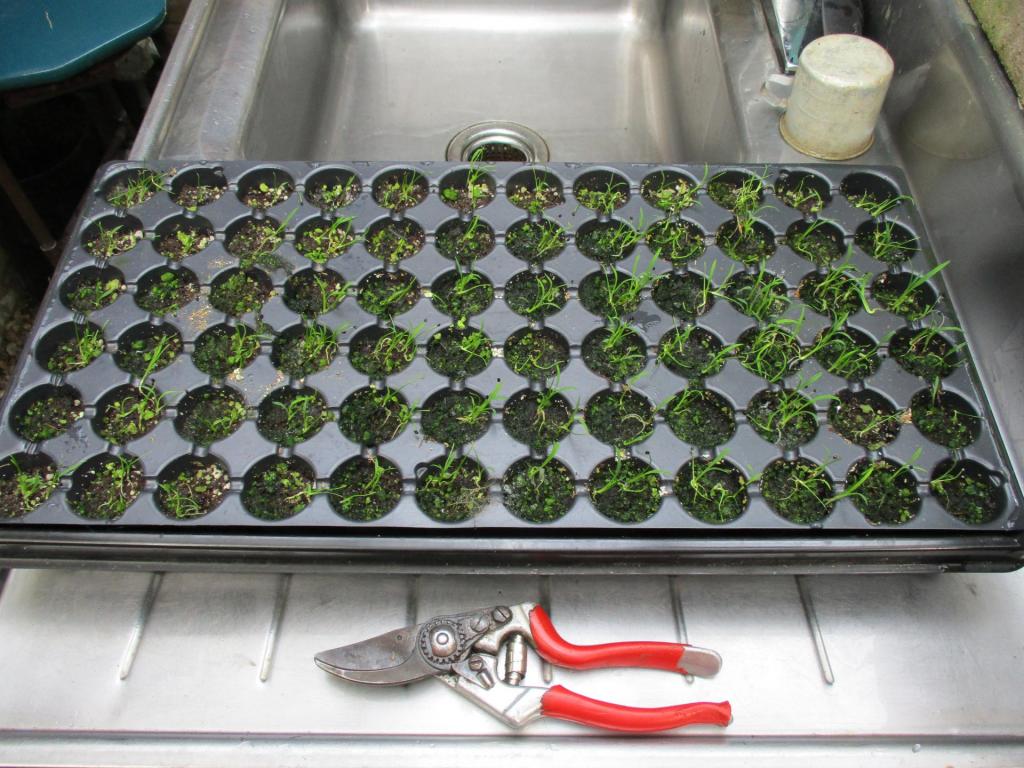
Palm Crazy and Richard,.. I first became aware of this spendid plant, Cordyline indivisa, when I saw them in habitat on the slopes of Mt. Taranaki, (north island of New Zealand.) My first attempt was a mail order plant from Cistus nursery. This 5-gallon sized plant grew very well in my garden until it was killed by a pocket gopher, (Thomomys bottae) Alas, by that time Cistus had no more inventory. My second attempt was by seeds purchased online. I should have been suspicious when the seeds arrived with a return address of Reno, Nevada. These were the four plants I mentioned with the distichous foliage habit. I don't have these any longer, I don't remember their disposition, but I admit that I have discarded plants when the ID became suspect. My third attempt was seeds purchased online from a reputable source, nzseeds.co.nz. These failed to germinate, zero! I signed up for the notification when the new crop would be available. My fourth attempt was with very fresh seed, also provided by nzseeds.co.nz. Here is the result. If I can grow these up into substantial plants I will have an enormous bounty, as I have space for only one or two plants in my garden. So, my quest for this plant has been 22 years so far, and these sprouts are yet a few years away from ground planting size. My friend, JasonD, alway mentions a luxuriant and massive individual growing on the coastline north of San Francisco. This only increases my frustration and resolve !! Richard, you should have no trouble growing this in always cool, but frost free conditions.
 3 points
 -
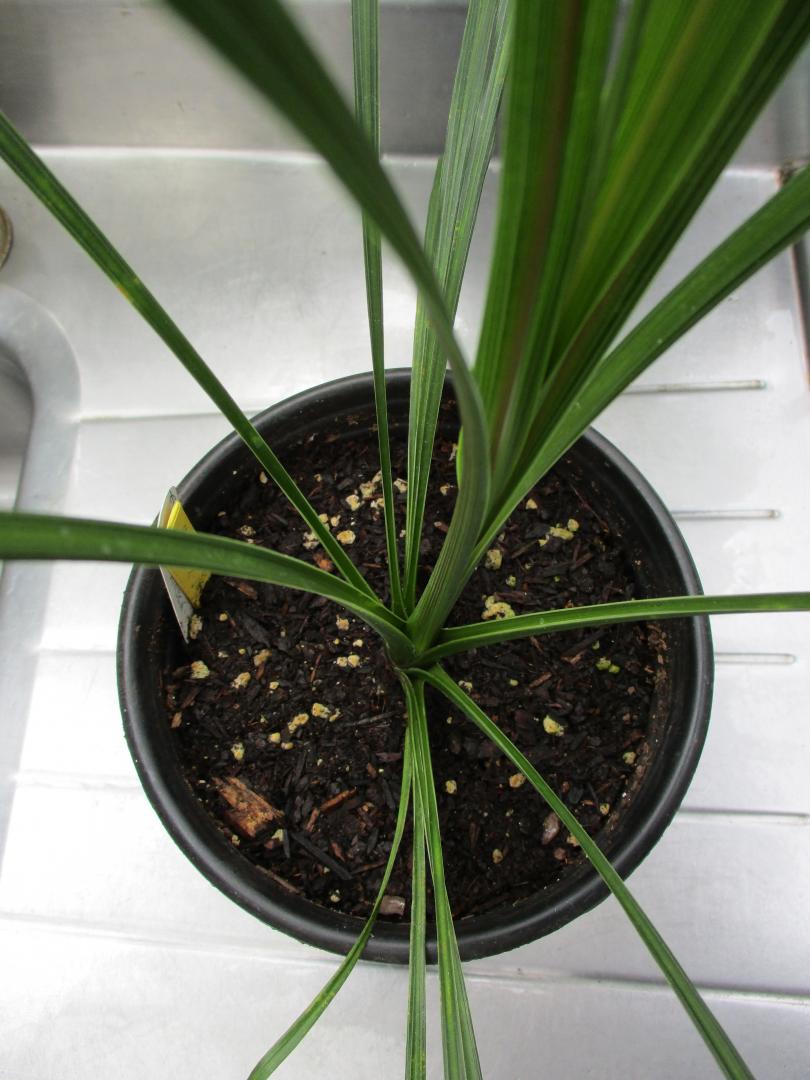
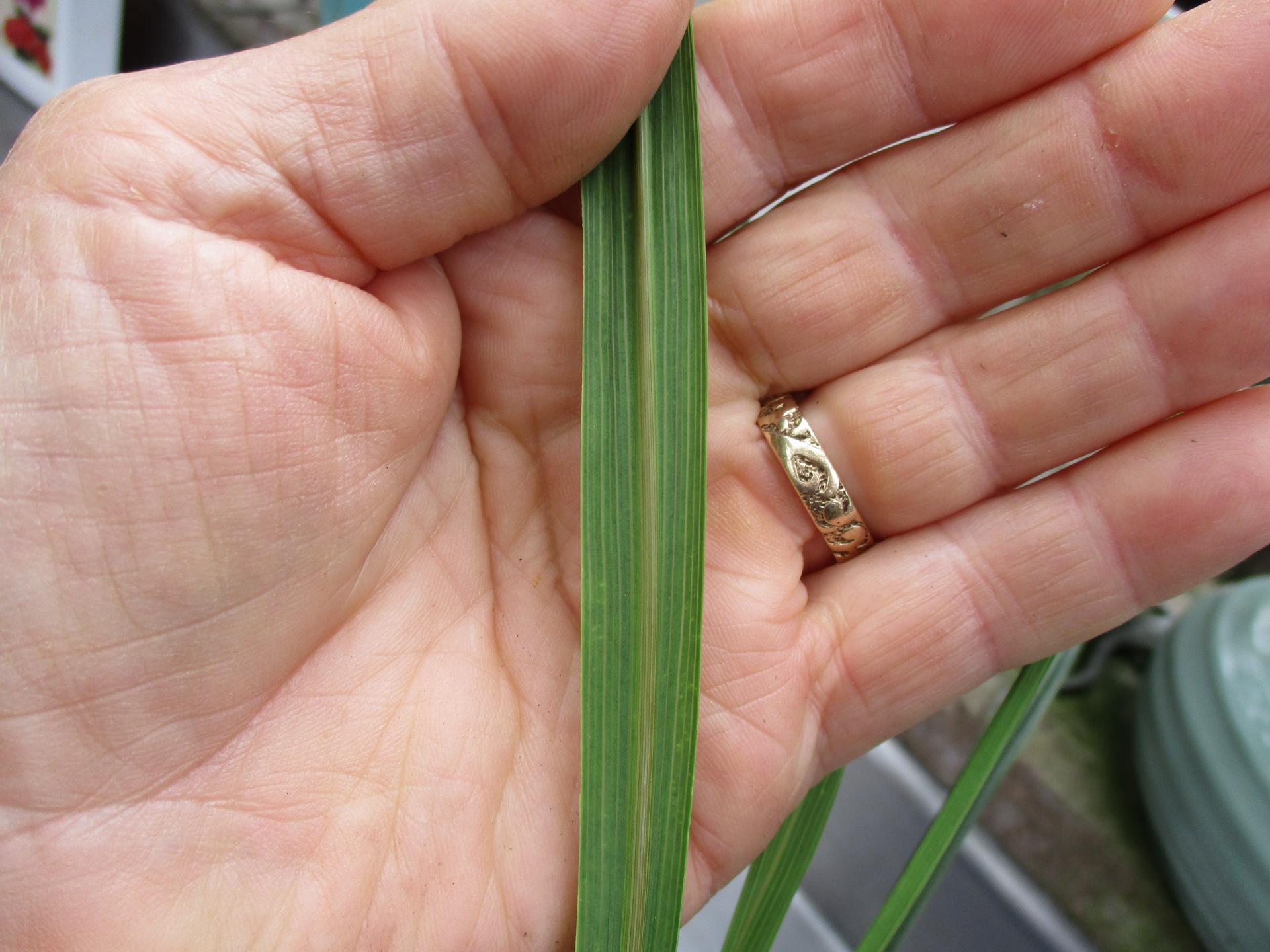
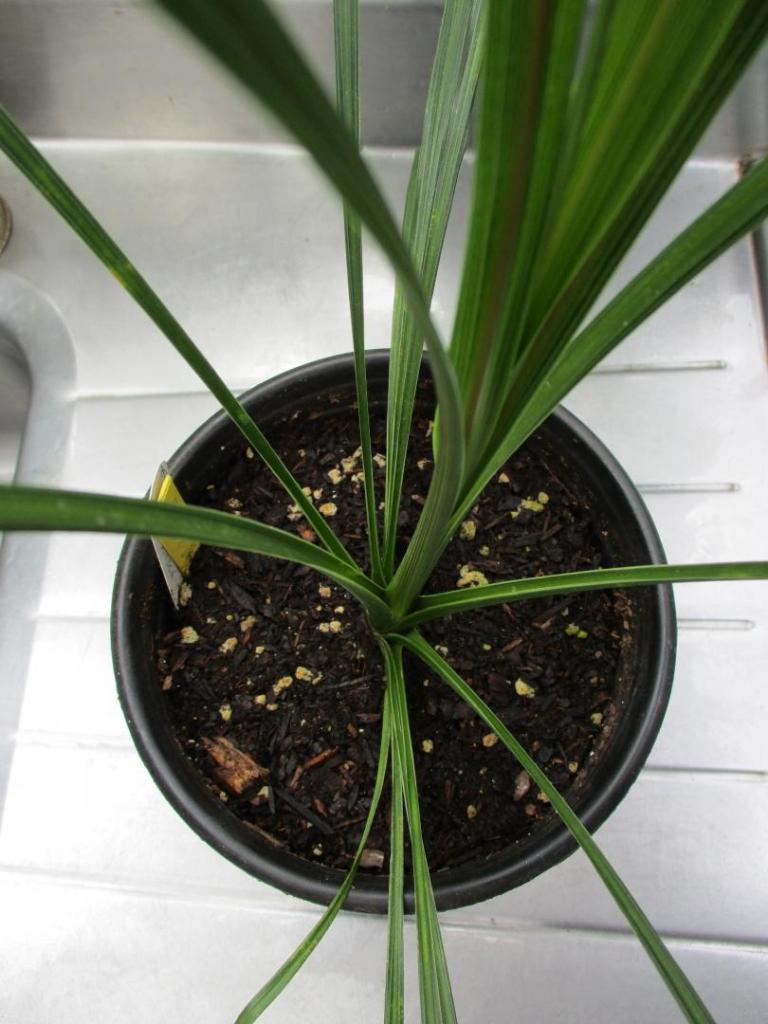
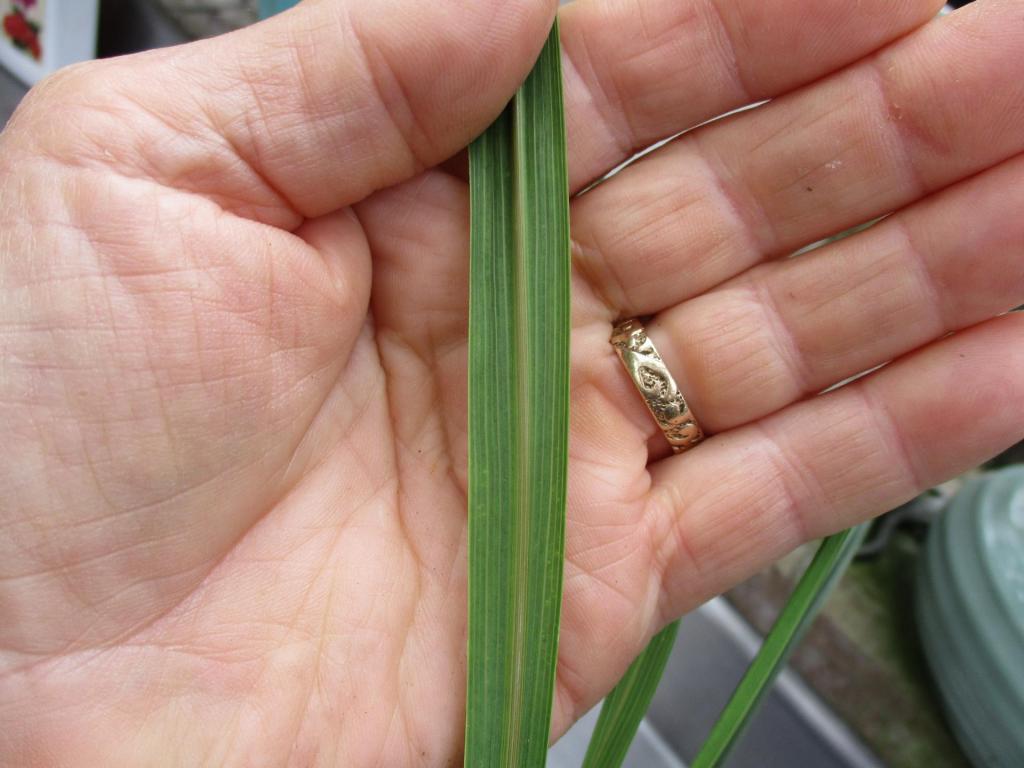
Bump my own thread ! The mystery deepens. About a month ago I moved my four plants from 4 inch pots up to 6x7 inch pots (California 1-gallon). Two of the larger ones have now shifted from the strict, distichous habit to a random, radial attachment to the main stem axis. Also, a faint, orange color is starting to appear on the mid-rib. (A very promising change) The first photo shows the strict, distichous habit all four plants originally presented, the second the newer, more radial attachment, and the third photo the very faint orange color. Might these plants actually be correctly named, Cordyline indivisa? Who has grown Cordyline from seed? Has anyone observed this change in the foliage habit? Roger, I have had zero germination from the NZ source, how about your seed ?

 3 points
 -
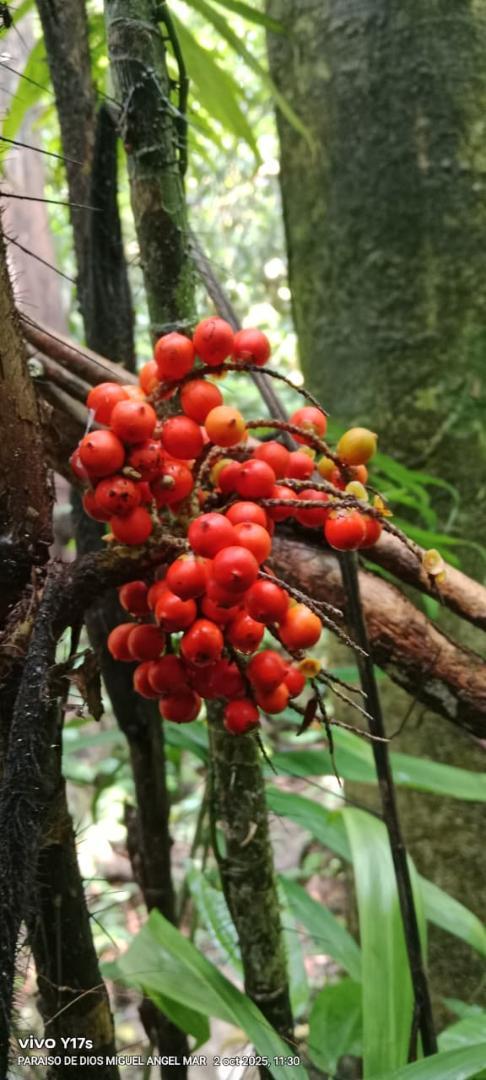
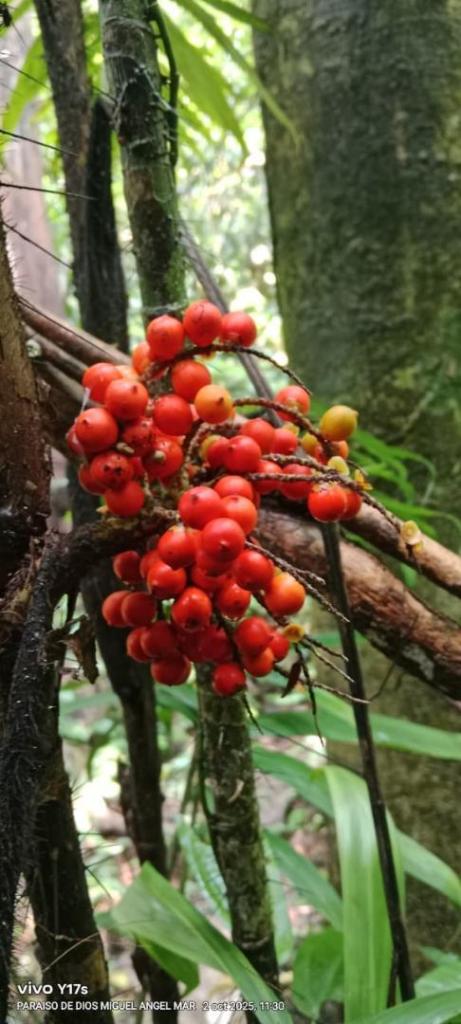
I am going to recieve seeds of this species from a very kind heliconia seller in Tabasco, Mexico (photo of the seeds in the mother palm) next week. Does anyone know what these need to germinate? I know this species lives in mountainous areas and that it is shade-loving. Has anyone germinated these in the past? What kind of conditions do they need? (how much temperature, humidity, light) @Eric in Orlando any tips?
 2 points
 -
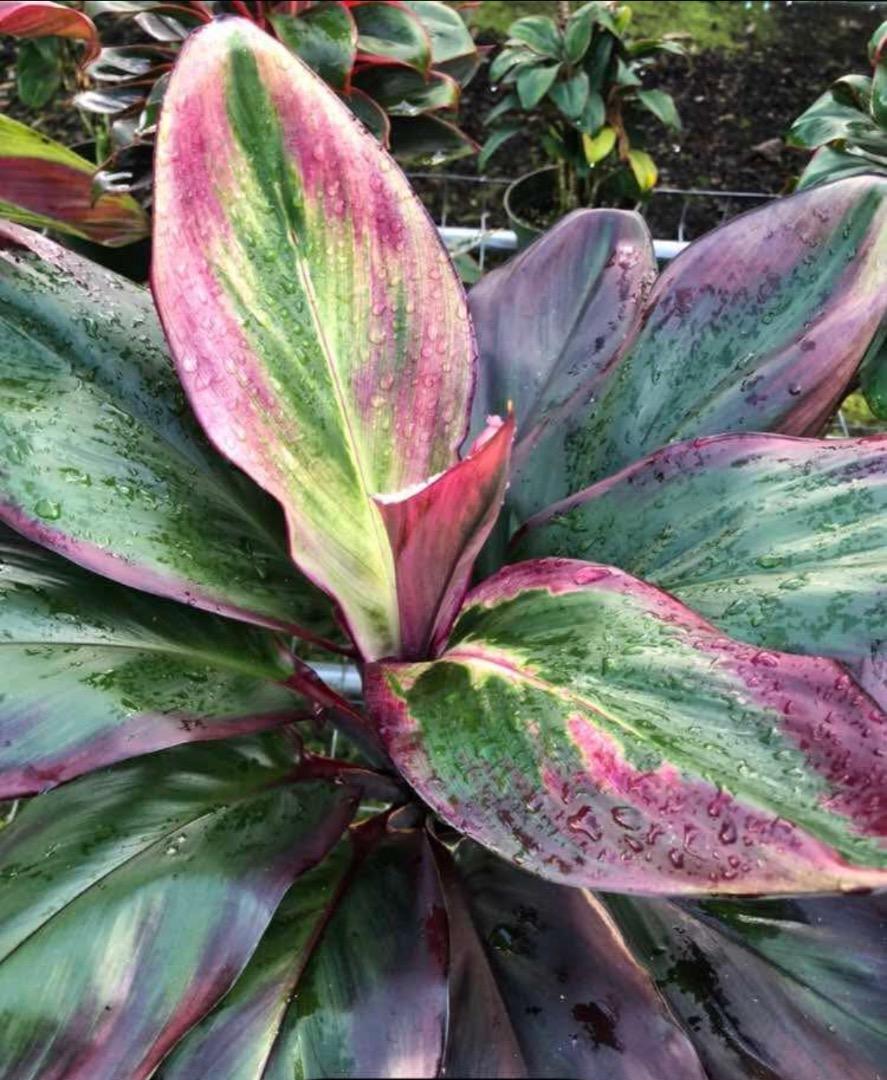
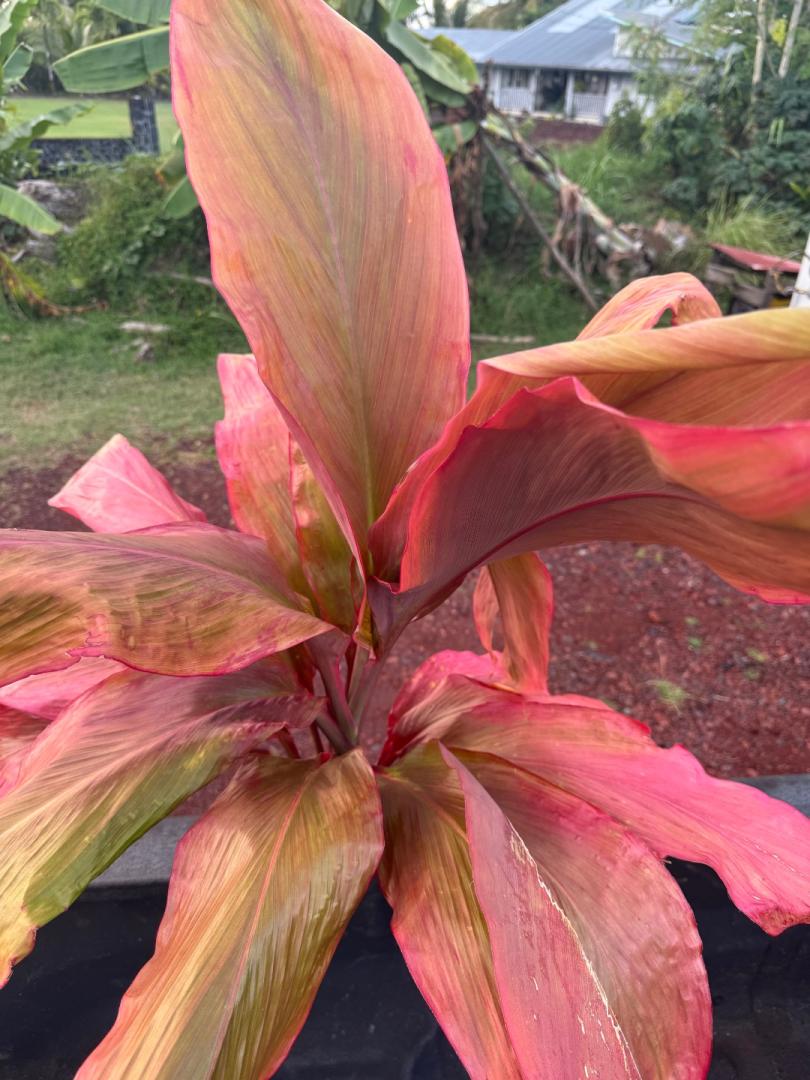
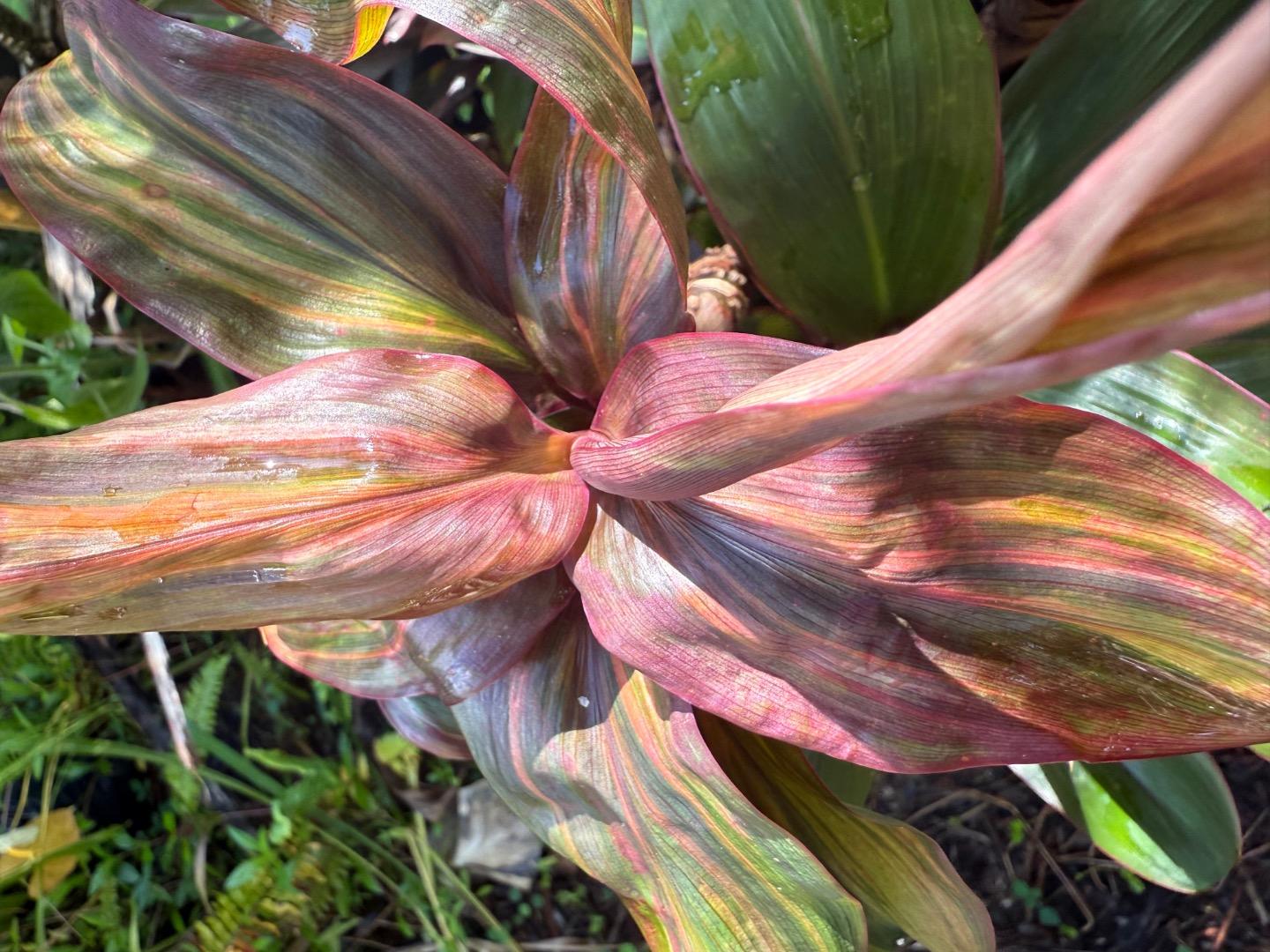
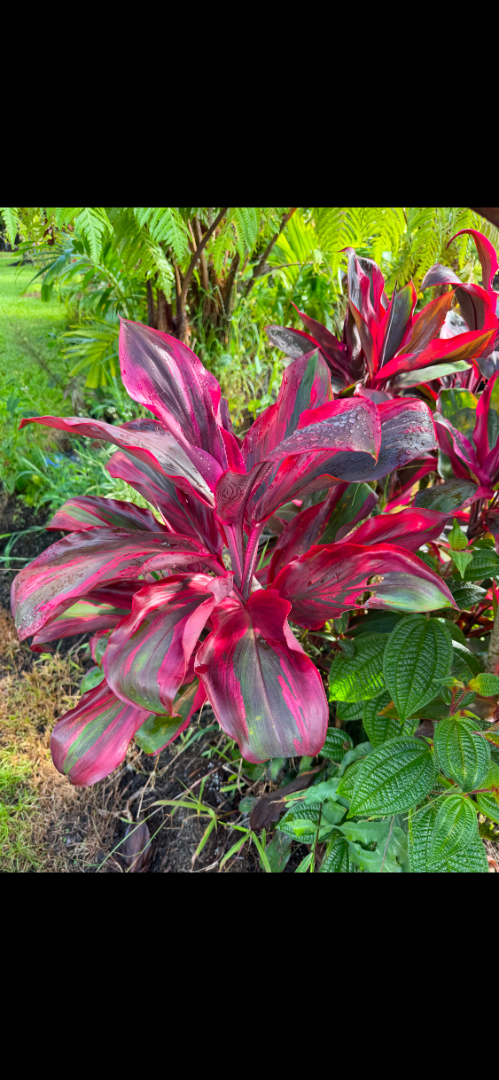
🌺 Aloha Ti Lovers! 🌺 I’m based here on the Big Island of Hawai’i, and over the years I’ve been collecting many different varieties of Ti plants (Cordyline fruticosa). From rare color blends to unique local varieties, I’m always excited to see the diversity and beauty these plants bring to our gardens and lives. I thought it would be fun to start this thread as a place for fellow Ti enthusiasts to: 🌱 Share photos of the varieties you’ve collected 🌱 Swap knowledge about growing and caring for Ti 🌱 Talk about breeding and propagating different Cordyline species 🌱 Celebrate the cultural significance and beauty of these plants Whether you have a single ti plant in your garden or a full collection of rare varieties, this space is for you! 🌴✨ Please feel free to introduce yourself, post pictures of your Ti, and let’s connect as a community of growers and collectors. Mahalo, 🌺 Jordan
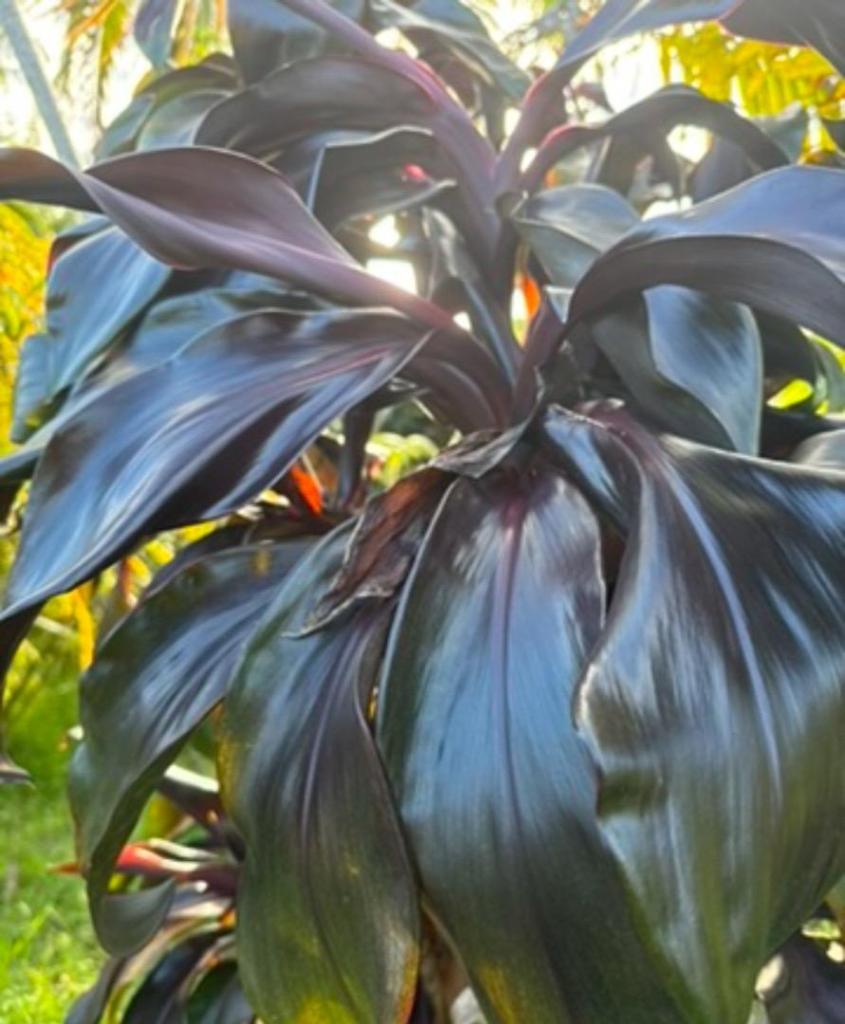
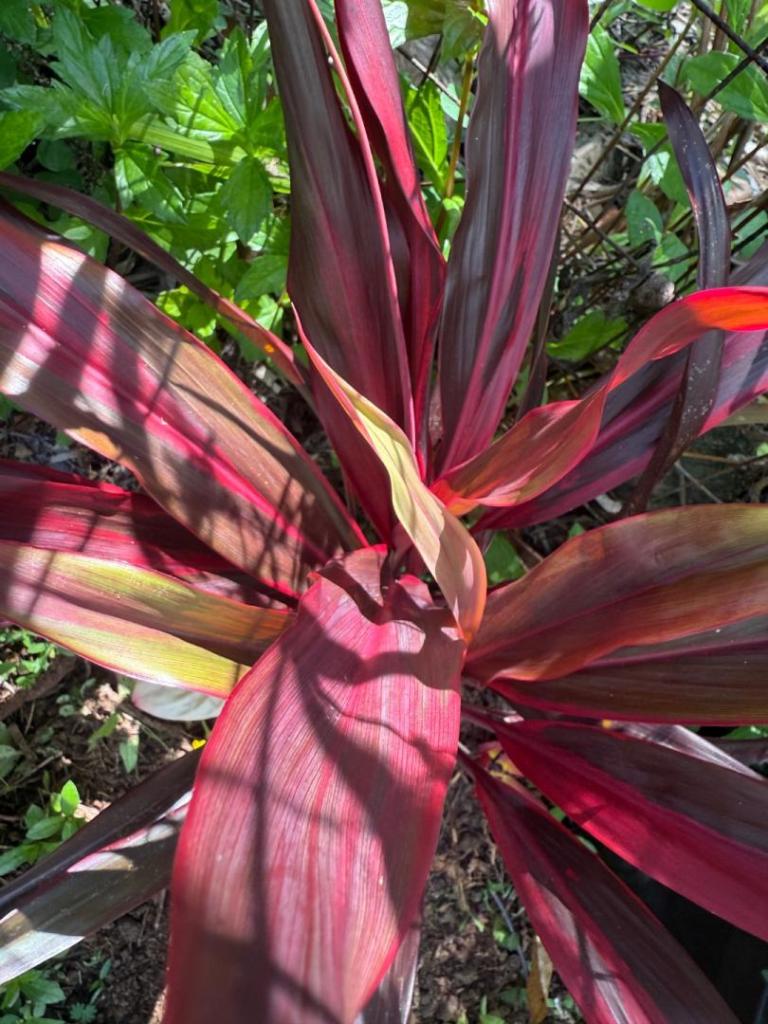

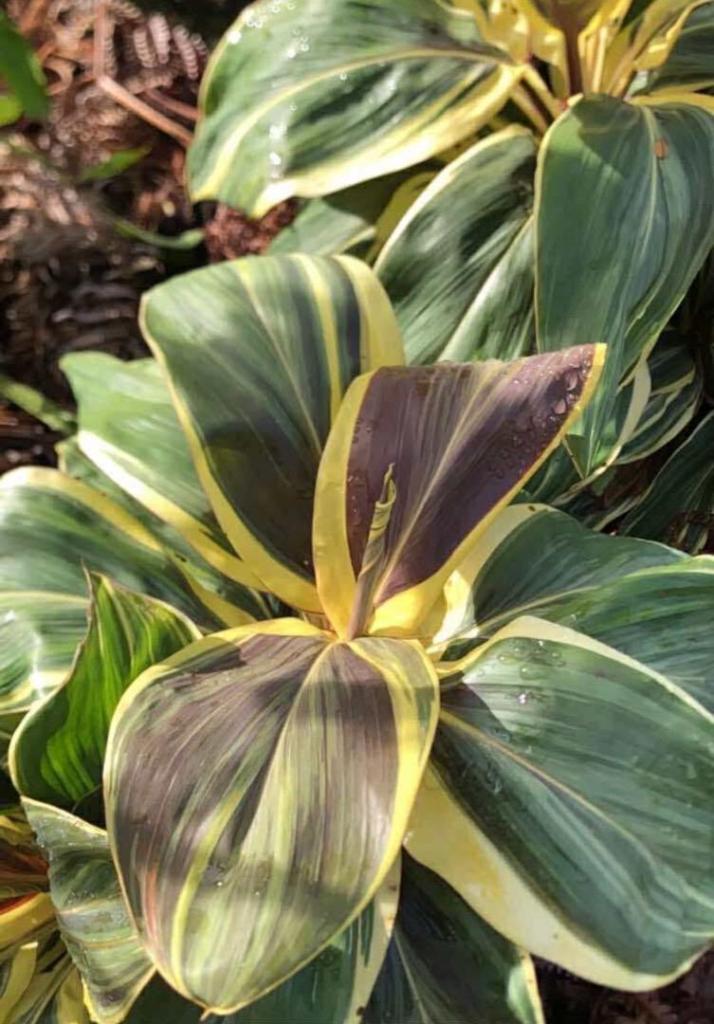

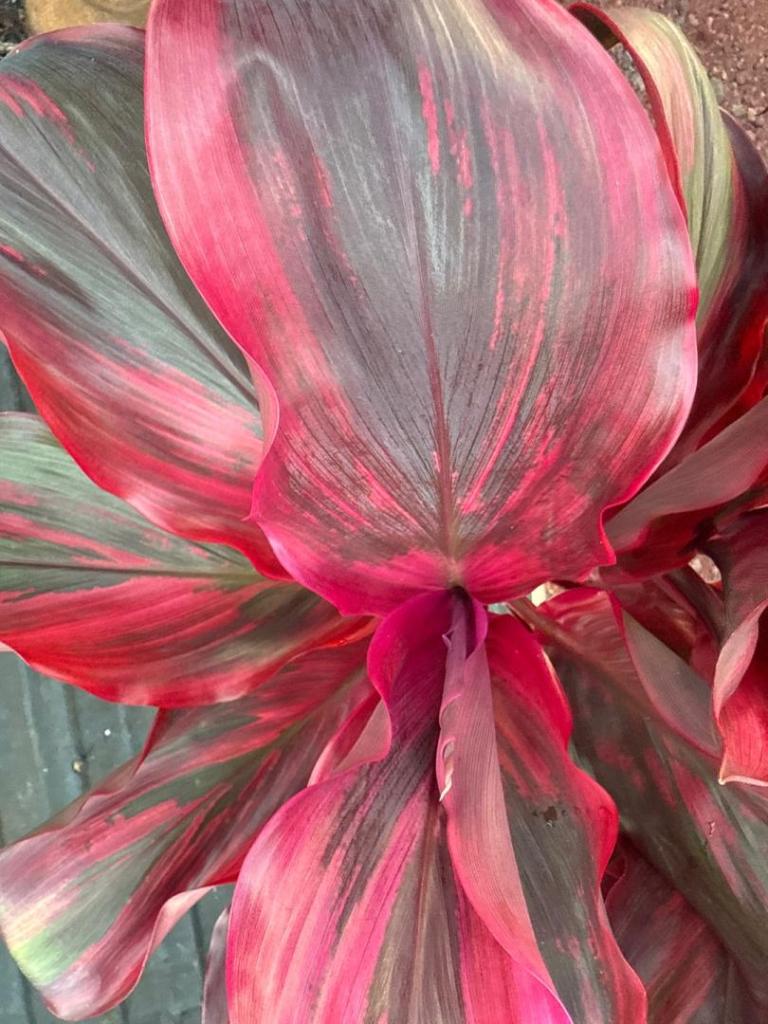
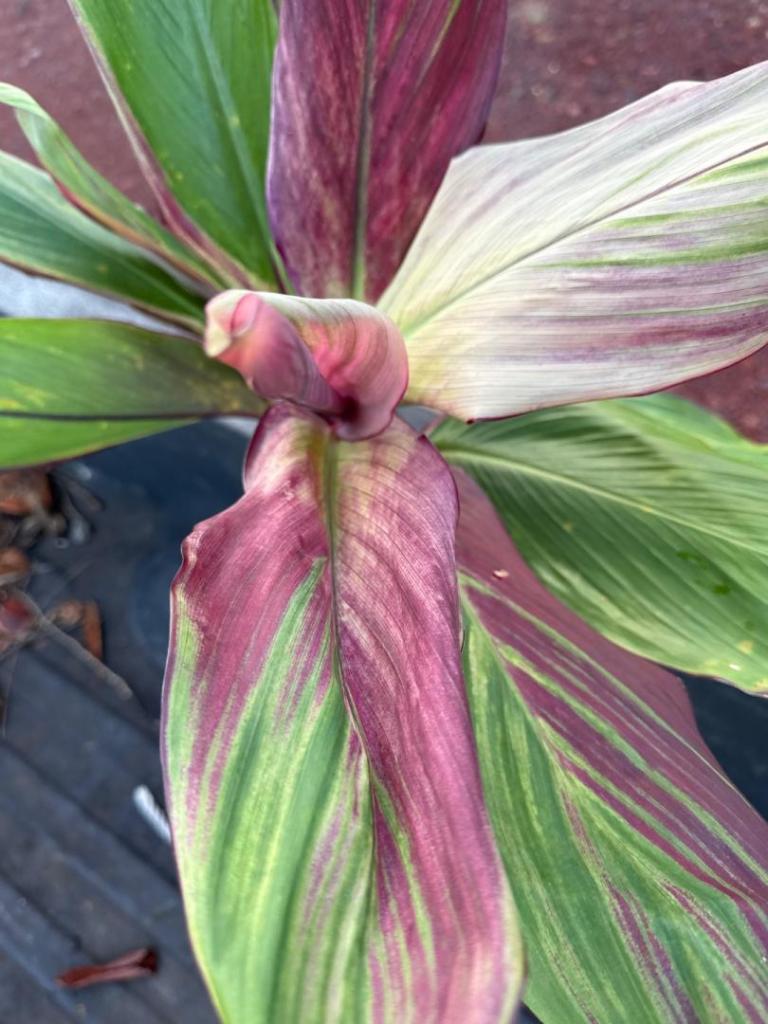
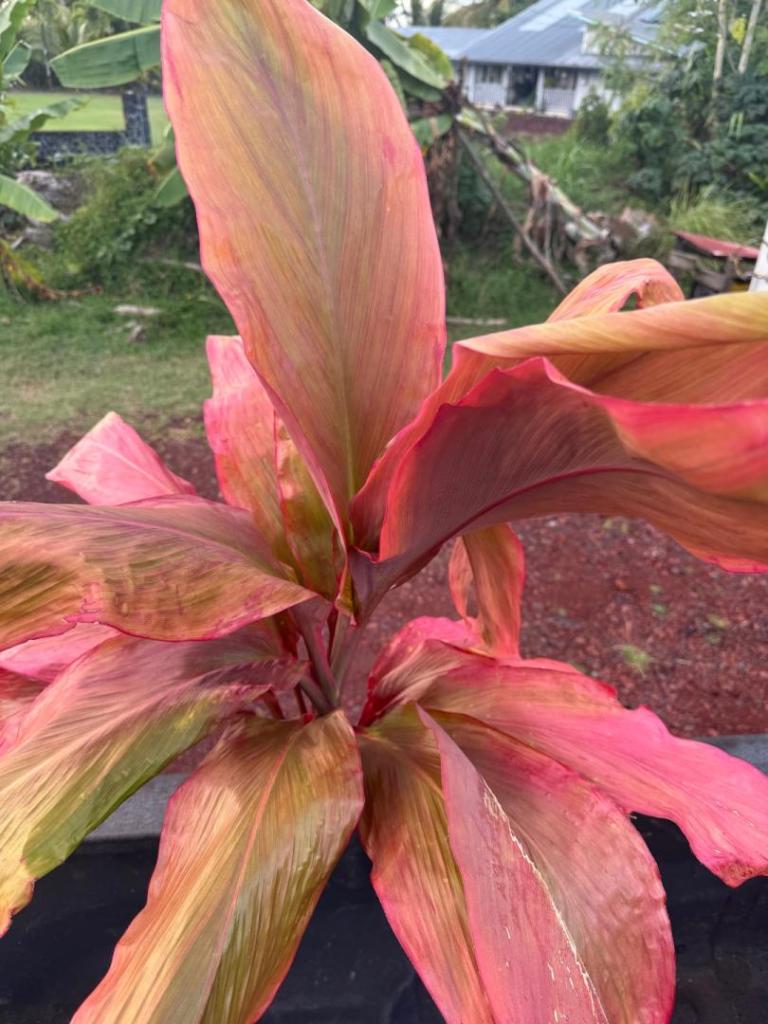
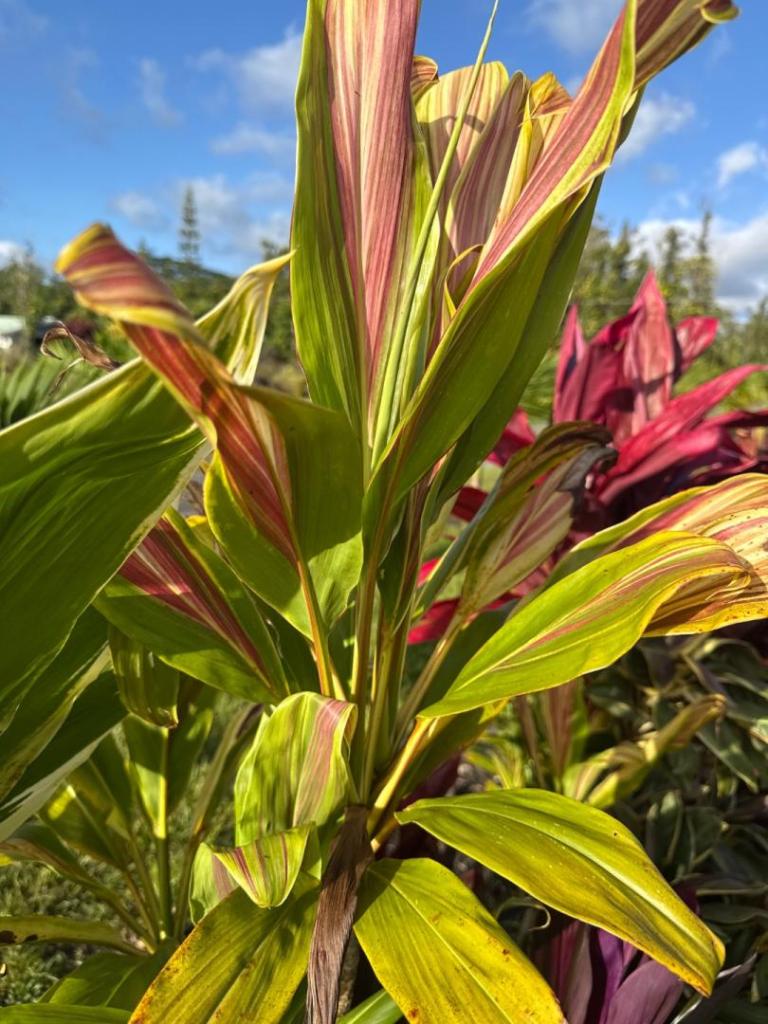
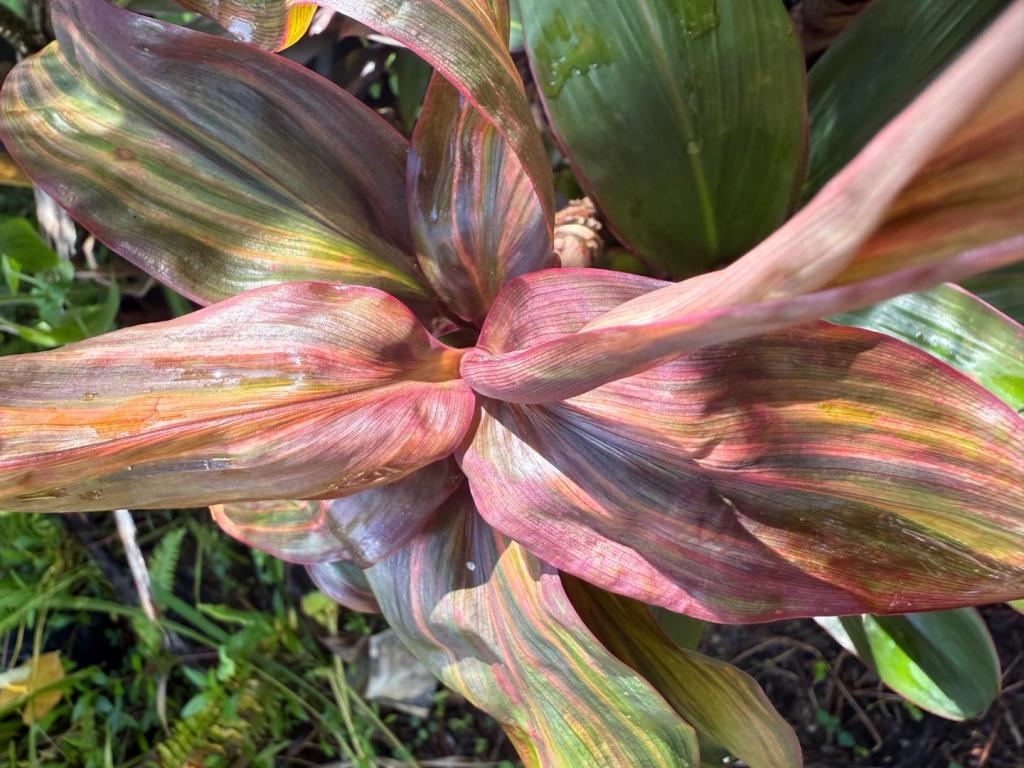
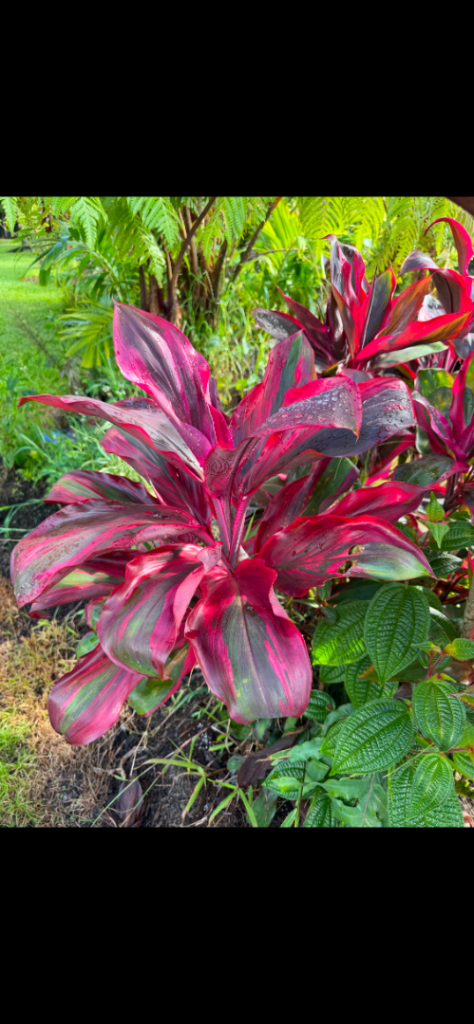
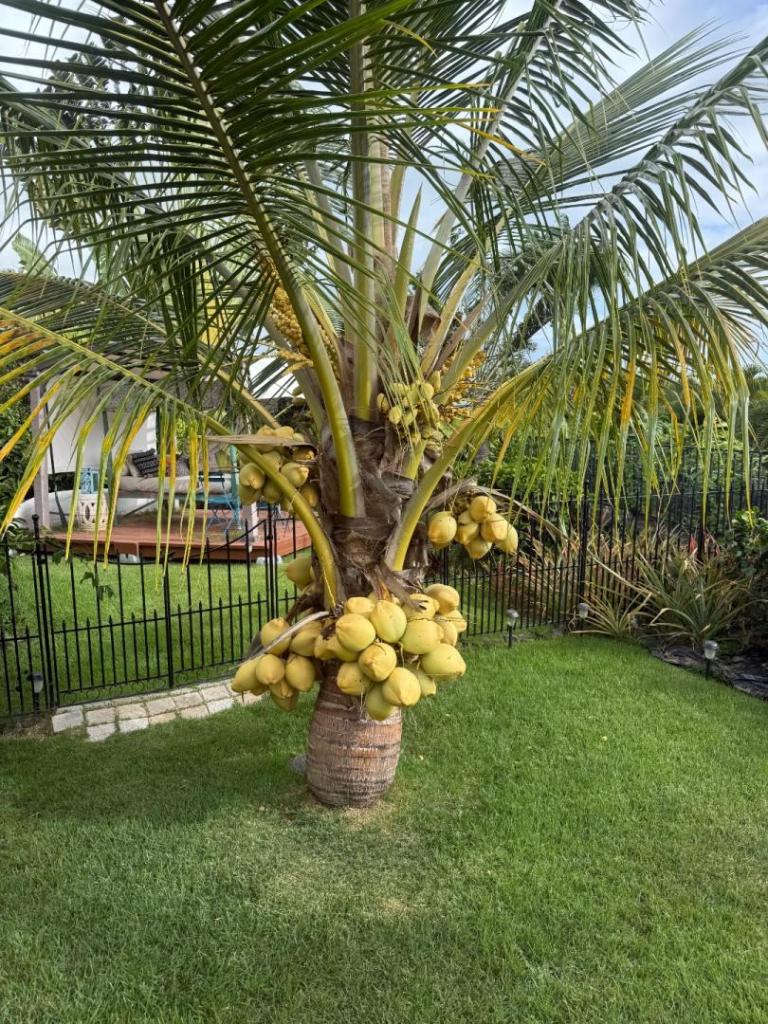 2 points
 -
Definitely! Love Pinanga species, Ptychosperma macarthurii and Areca trianda 👌🏽2 points
-
Well done Darold, I would love to grow one but alas they would melt in the Auckland climate. But maybe I should just try again and hope for an outlier?! This week was a good one. A palm friend came for a visit and gave me four extremely hard to find New Caledonian palms that I had almost given up hope of ever obtaining. And then the next day a letter arrived from a Palmtalker in Australia with fresh Ceroxylon parvifrons seed! I have a massive stand of bamboo which is flowering at age 120 and will die. It was a shock at first but now I'm relishing the opportunity of new plantings and what better to plant than gifts?2 points
-
That's really very sad and it gets on our nerves here too. Everything is being controlled everywhere. Governments want to control everything, but these institutions are out of control and need to finally understand that they are there to do everything they can to ensure that as many people, plants, and animals as possible are doing well. No, they elevate themselves above everyone and everything—this is contrary to all ethics and logic—because most of them simply cannot resist money, power, and luxury. As soon as a person or government can elevate themselves above others and determine what happens, things usually go badly for everyone else. There are no exceptions to this rule. The entire history of humanity demonstrates this impressively—equality is a fairy tale... Today, my new cell phone AI assistant told me that she couldn't turn off the phone yet, that this function wasn't operational yet—how absurd... A friend of mine was fired from her job because she went to the bathroom too often, while others smoked, including the branch manager... The woman was replaced by someone who, even after weeks, still can't give you the right information in the garden center. She led a customer to what she thought was a Phoenix canariensis—please don't laugh, it was a Howea foresteriana. We heard everything... No, my twin sister, who pays a lot of attention to her appearance, said the young woman looks good on the catwalk, but probably won't find her way there... After the customer left, we gave the young woman some tips so that she could better understand it. We didn't make fun of her, no, she can or must learn it too... She thanked us afterwards and it was a little happy ending.2 points
-
But it's incredible that in Chile they can withstand extreme cold, rain, wind, storms, and high humidity. It must be because they're already adults. This year in Chile, it was colder than ever before. A polar wave that flooded the entire Southern Cone, all the way to Argentina. An apocalyptic polar wave. Never in my life have I experienced such extreme cold.2 points
-
Richard is the only archontophoenix I can grow here, and only cunninghamiana, while I can grow alexandrae under a shed.2 points
-
Heyerospathe barfordiSyagrus picrophylla Dictyosperma conjugatum var albumlytocarum weddlianum All four varieties are absolutely gorgeous species to grow in any garden.
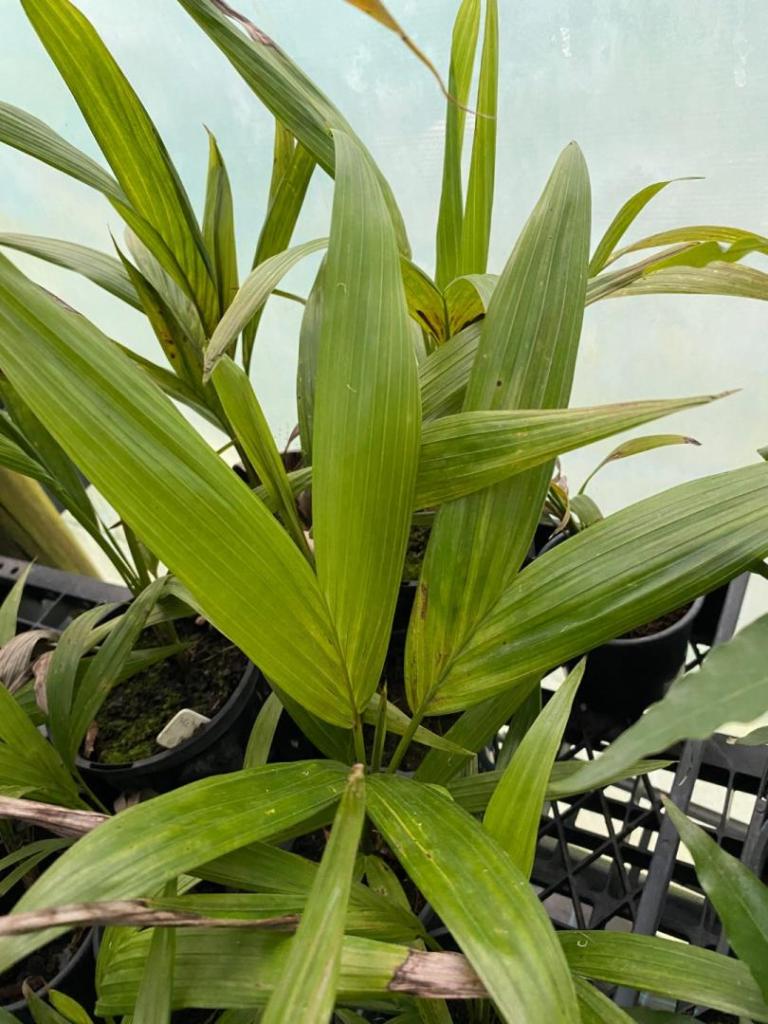
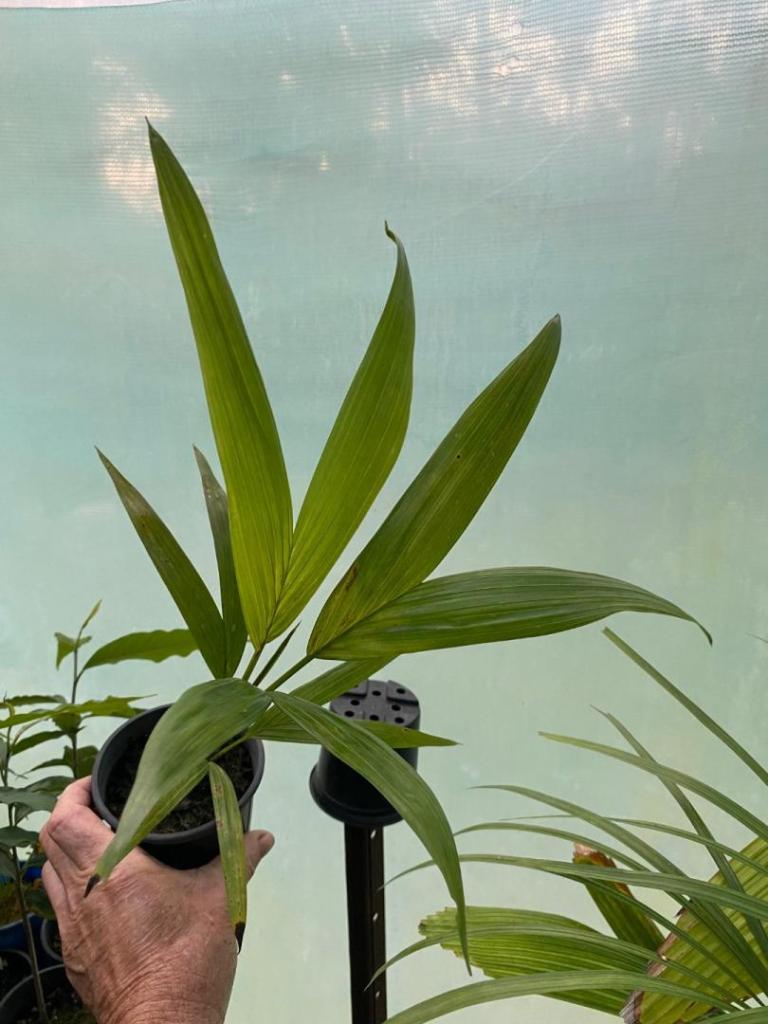
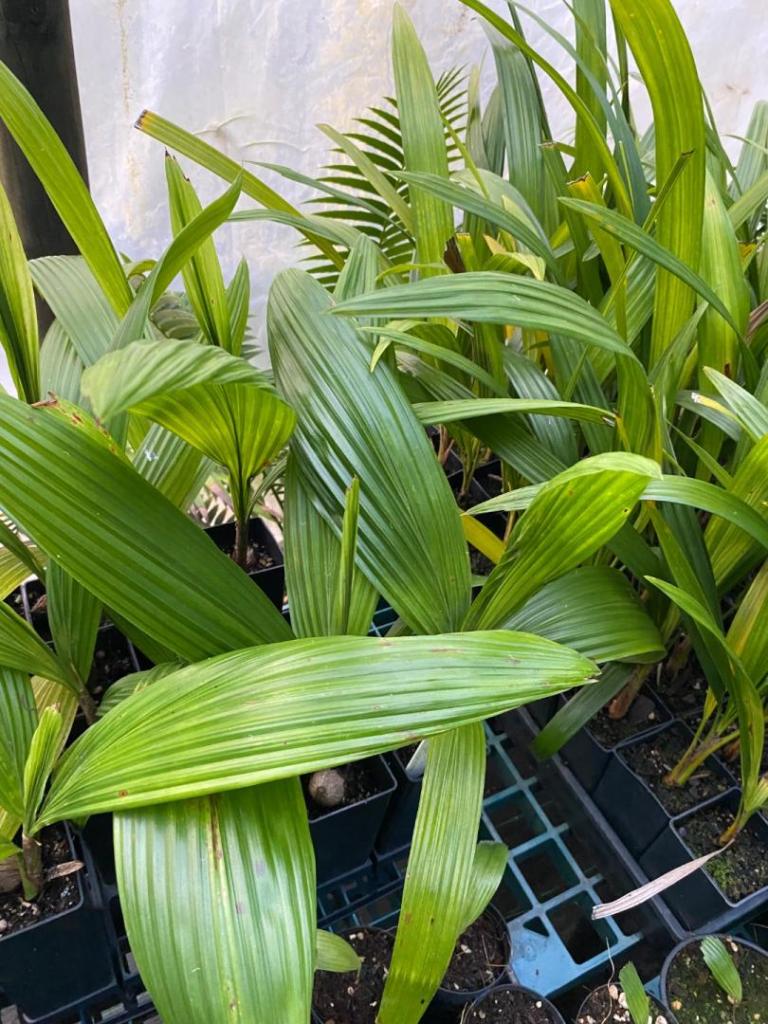

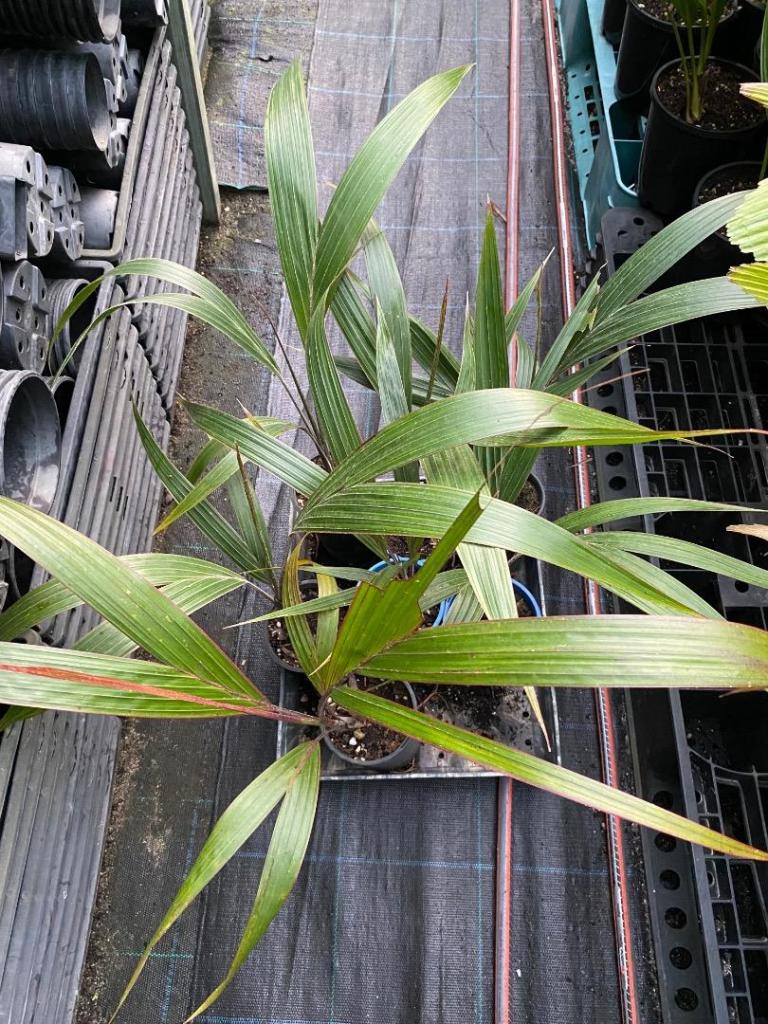
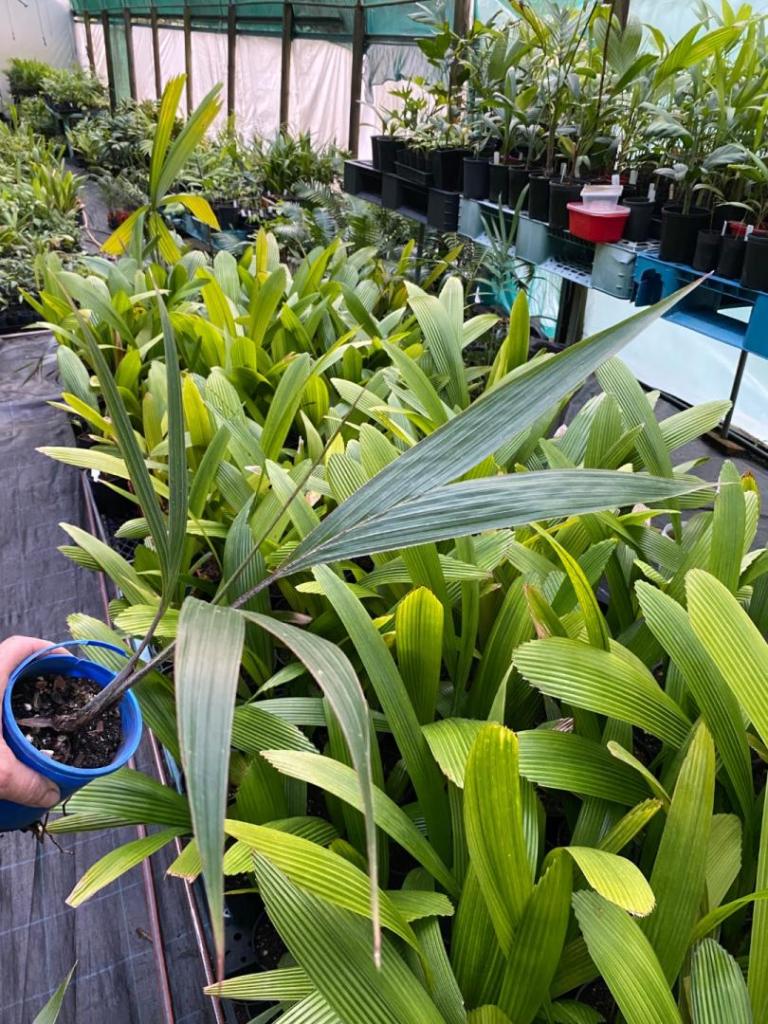

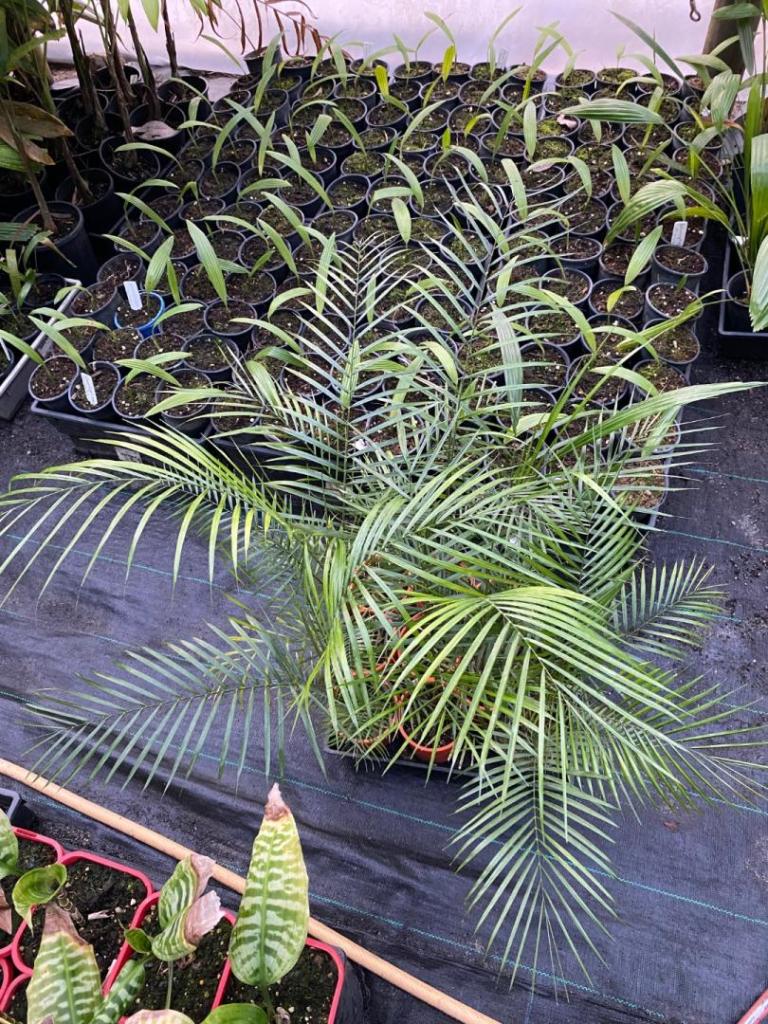 2 points
 -
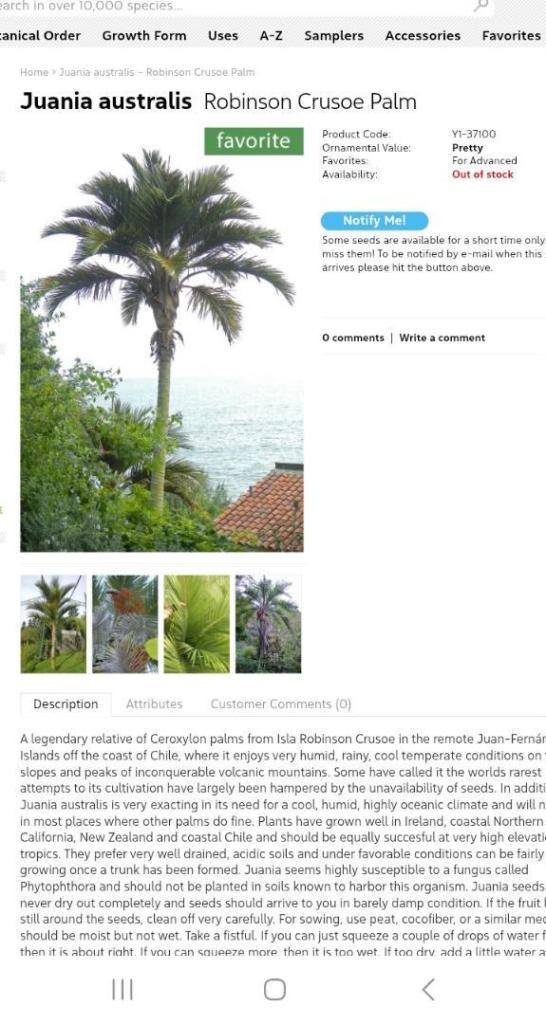
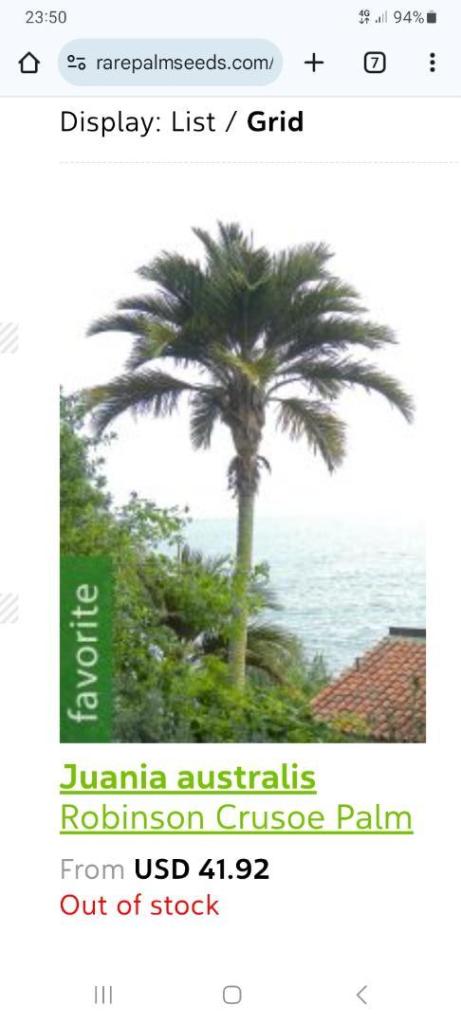
In southern Chile, there's a city called Valdivia. A man named Alberto had some palm trees that yielded seeds. He sold them to many people around the world. He also sold them to a member of PalmTalk. He sold them for a very high price. It turned out that all the palm trees died from the cold. He told me he only kept a few smaller ones. He received seeds from the palm trees in his area and from central Chile. It's a shame no one has the protocol yet for selling these seeds on a large scale. My friend has a Juana Australis on the continent, but it's still small. If I had the protocol, I'd make a fortune selling all the seeds.
 2 points
 -
If the information in Palmpedia under "Comments and Curiosities" is correct that seems to contradict your source - unless the mother palm is from a collector. The only entry in Jeremy's spreadsheet is for var. mexicana. Hopefully there's still some cold hardiness with it. https://palmpedia.net/wiki/Bactris_mexicana2 points
-
Paul, don't waste any more time with this species, I had difficulty to grow it even inside my greenhouse. Fast forward to the compost bin !2 points
-
It looks good! But it's like everyone says, the best time to plant a palm is 20 years ago.2 points
-
2x4's are cheap2 points
-
Son de las Isla Juan Fernandez?2 points
-
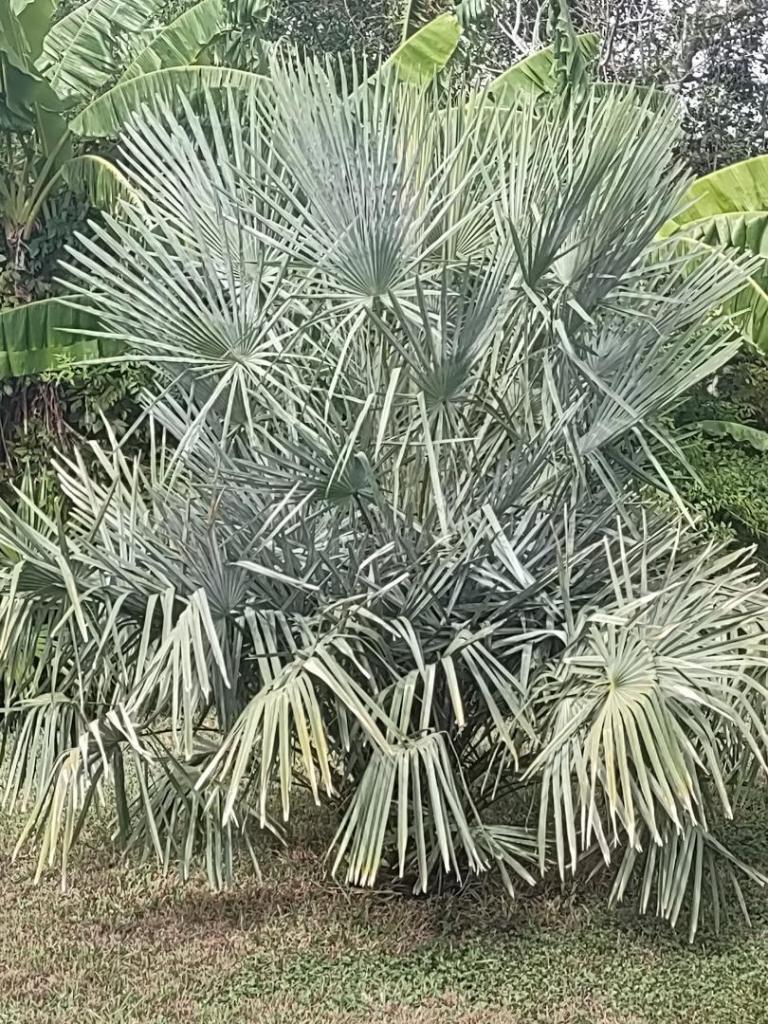
I'm not in Florida but similar climate here on the Gulf Coast of Texas. I think L. decora is a pretty good choice for speed but I don't know how drought tolerant they are. Same thing with L. nitida - grows as fast as Washingtonia with lots of water. For me Copernicia prunifera is the winner. I planted this one as a 5-gal in 2021. It basically sat unchanged it's first year as it worked on roots and not irrigated by my renter but it seems to have hit ground water (?) and exploded the past 2 1/2 years since I moved here and haven't watered it much at all. Photo is from early spring. It's holding onto so many fronds I can't count them.
 2 points
 -
Yes I have a hybrid palm silver lady catching my eye today.

 2 points
 -
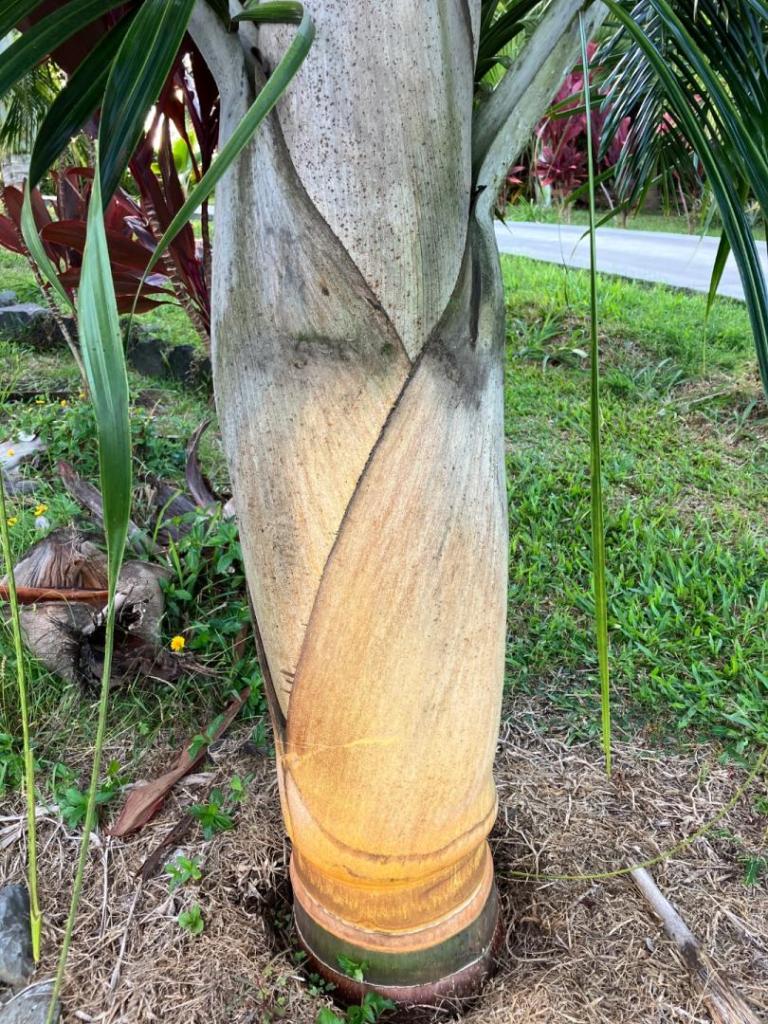
Chrysalidocarpus leucomallus after a leaf drop
 2 points
 -
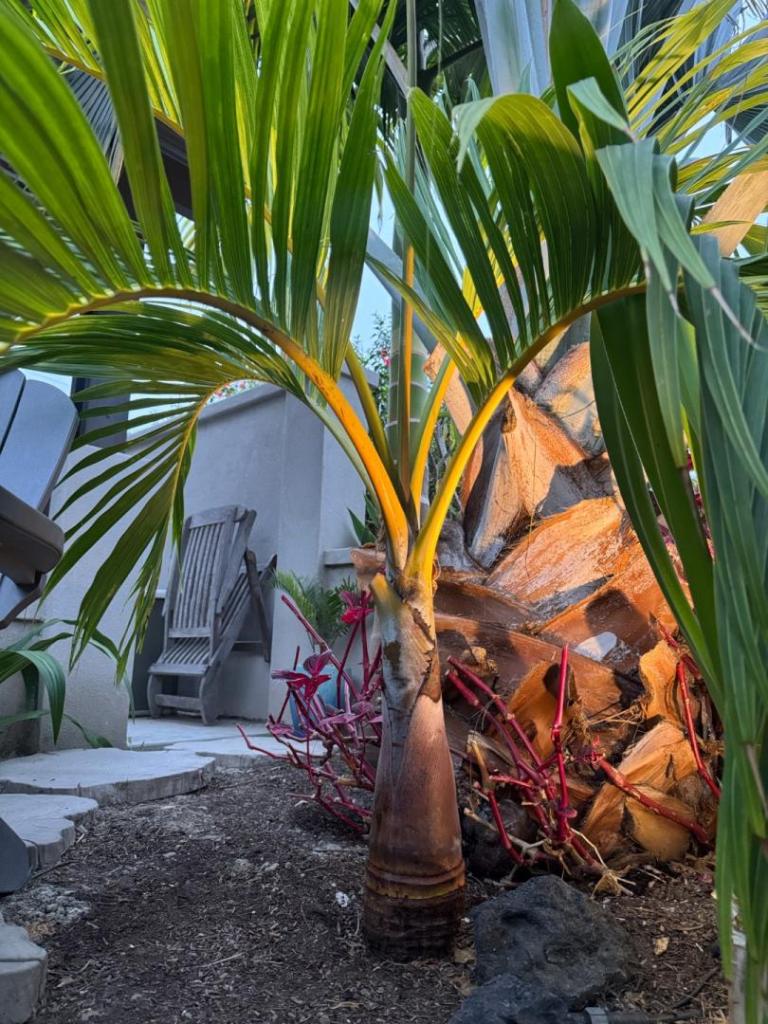
Not too much to look at for some but this Bentinkia caught my eye this early morning as the landscape lighting was still on illuminating. Bummer the Blood Leaf looks terrible at the base of the Bismarck behind. I just hacked it back. -dale
 2 points