Leaderboard



Popular Content
Showing content with the highest reputation on 09/30/2025 in all areas
-
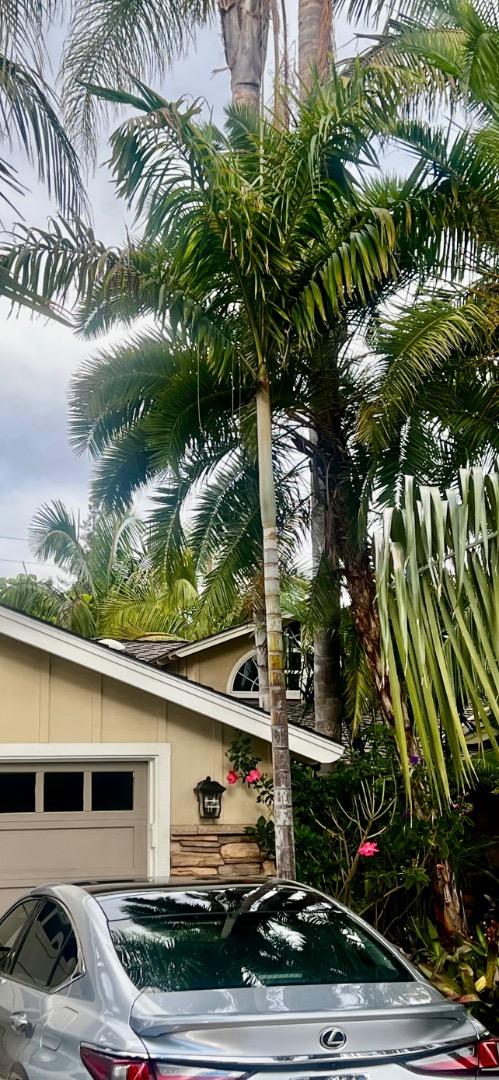
This one has been in the ground for ten years out of a one gallon container. Neither Wodyetia nor Veitchia will grow well at all here but their hybrid does shockingly well. I wish a had a few more of them. Anyone growing one or more in a cooler climate?
 13 points
 -
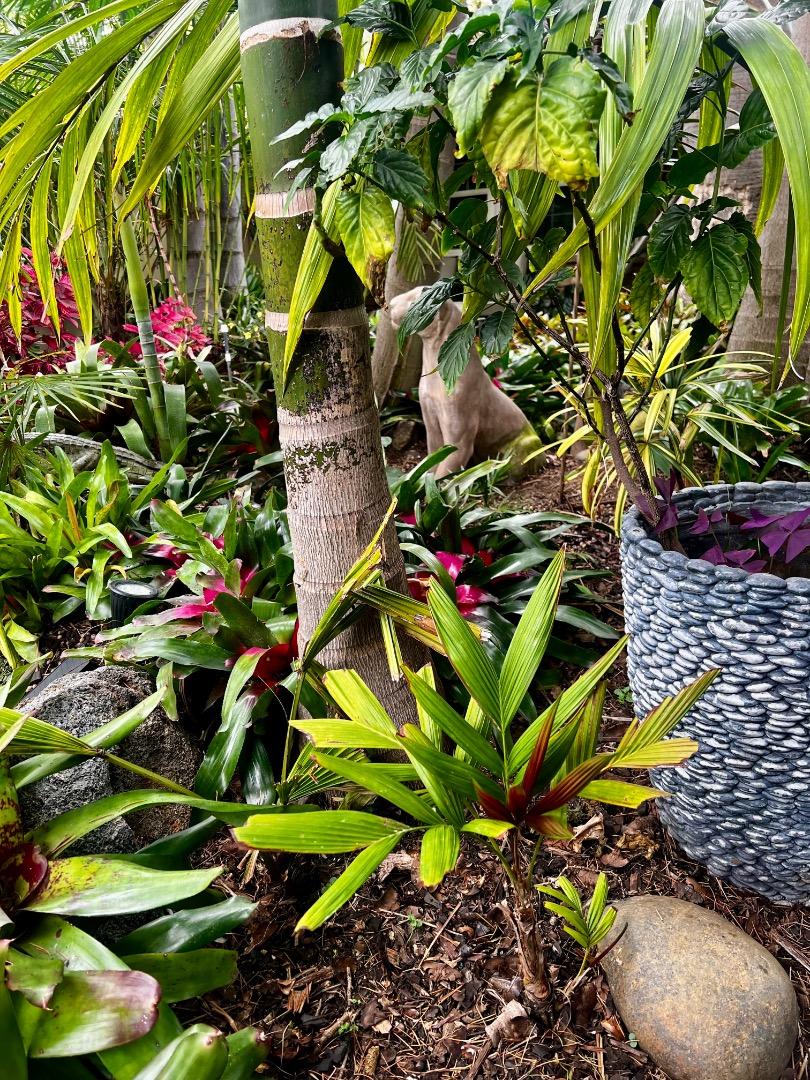
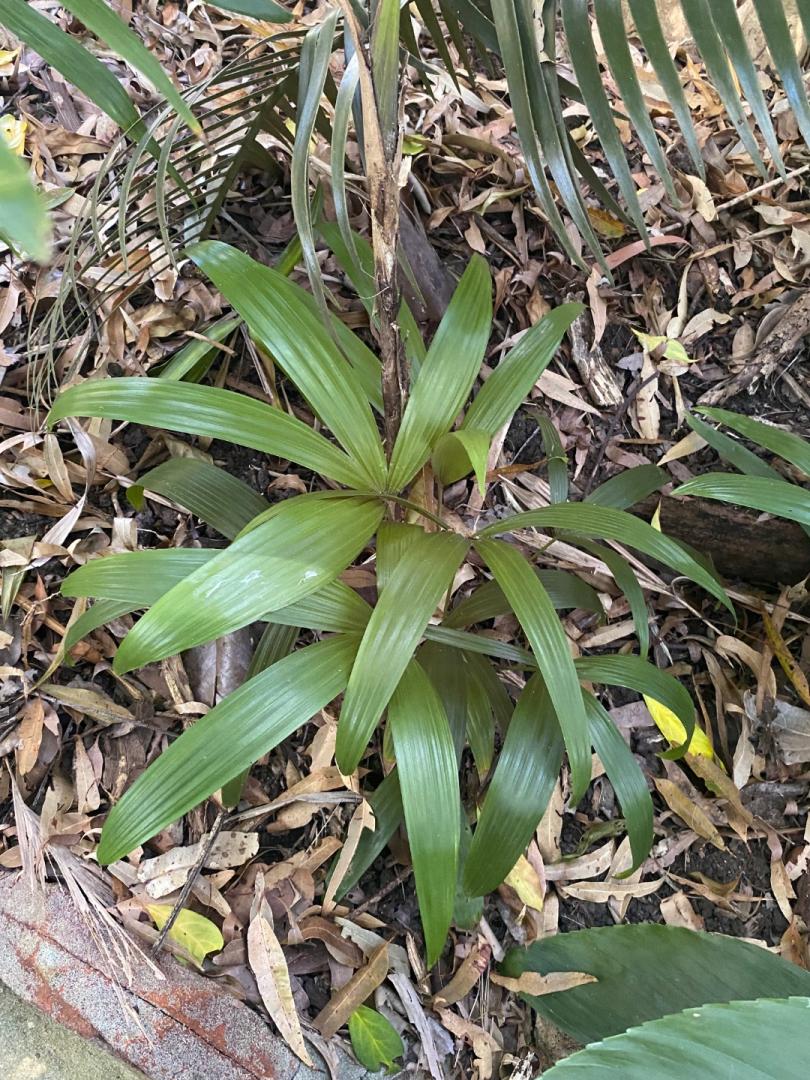
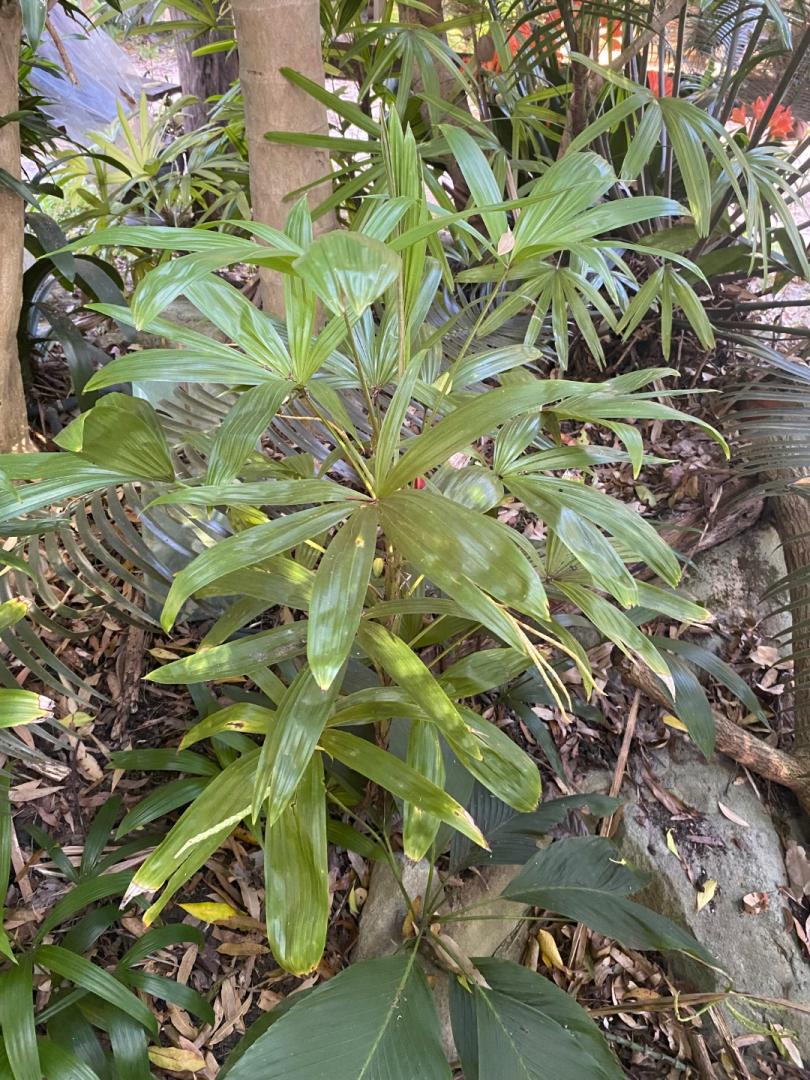
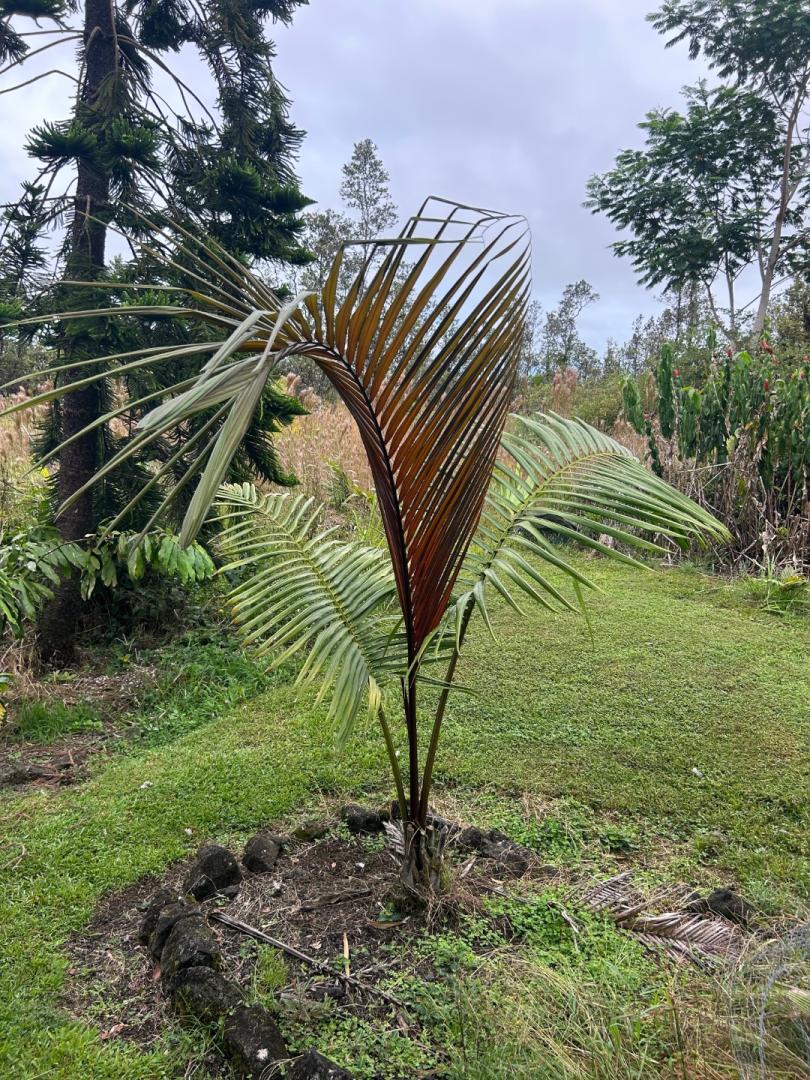
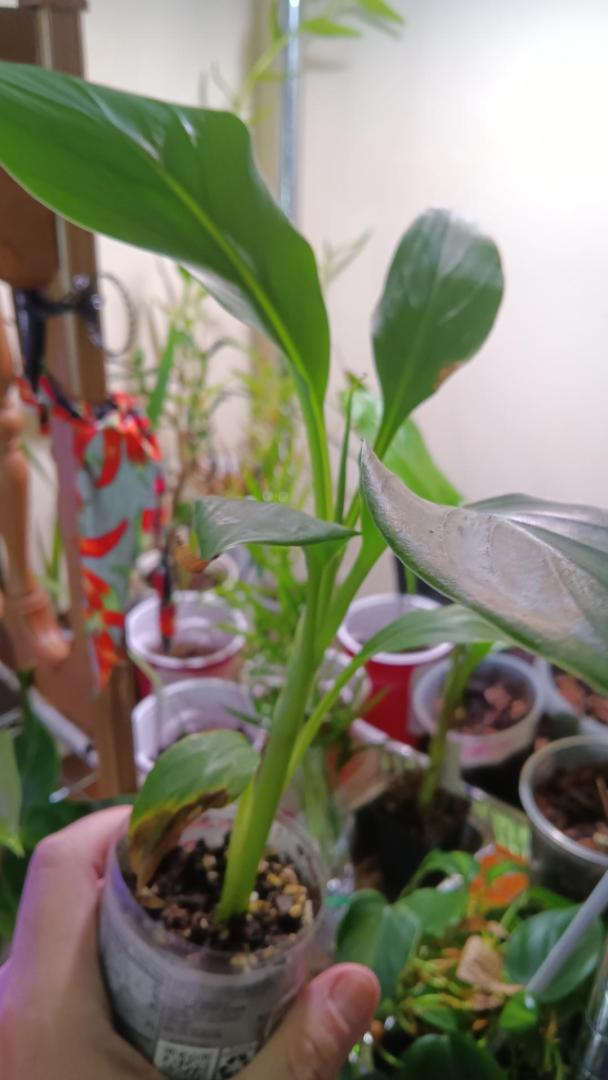
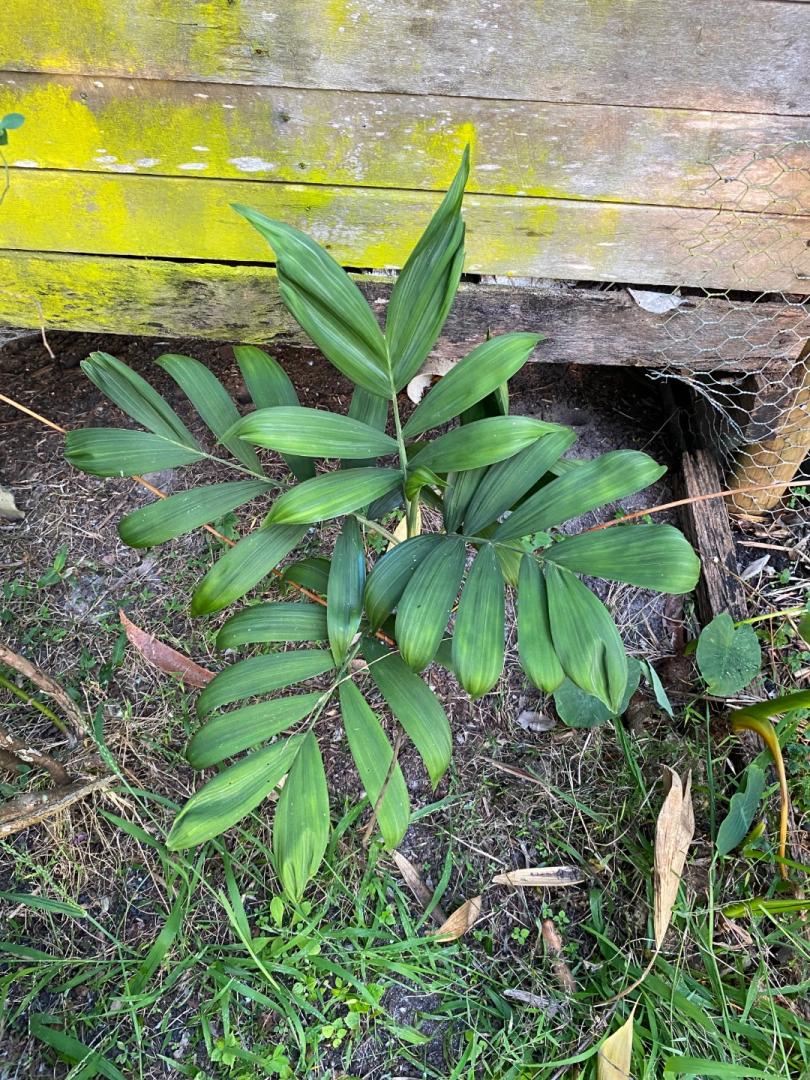
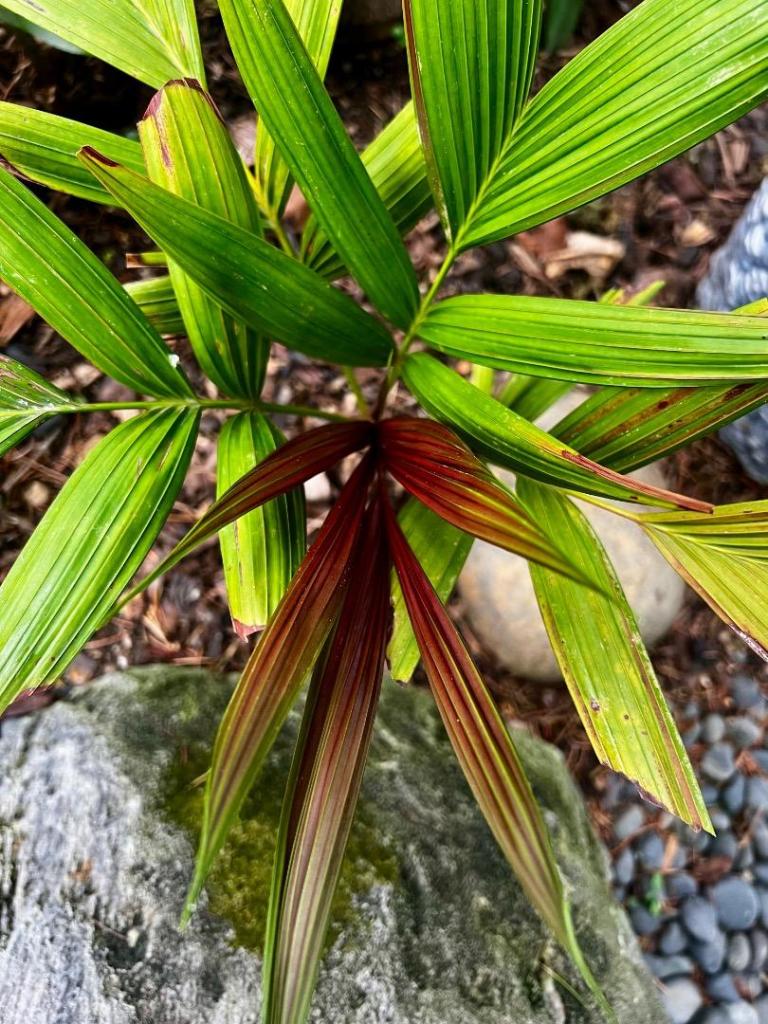
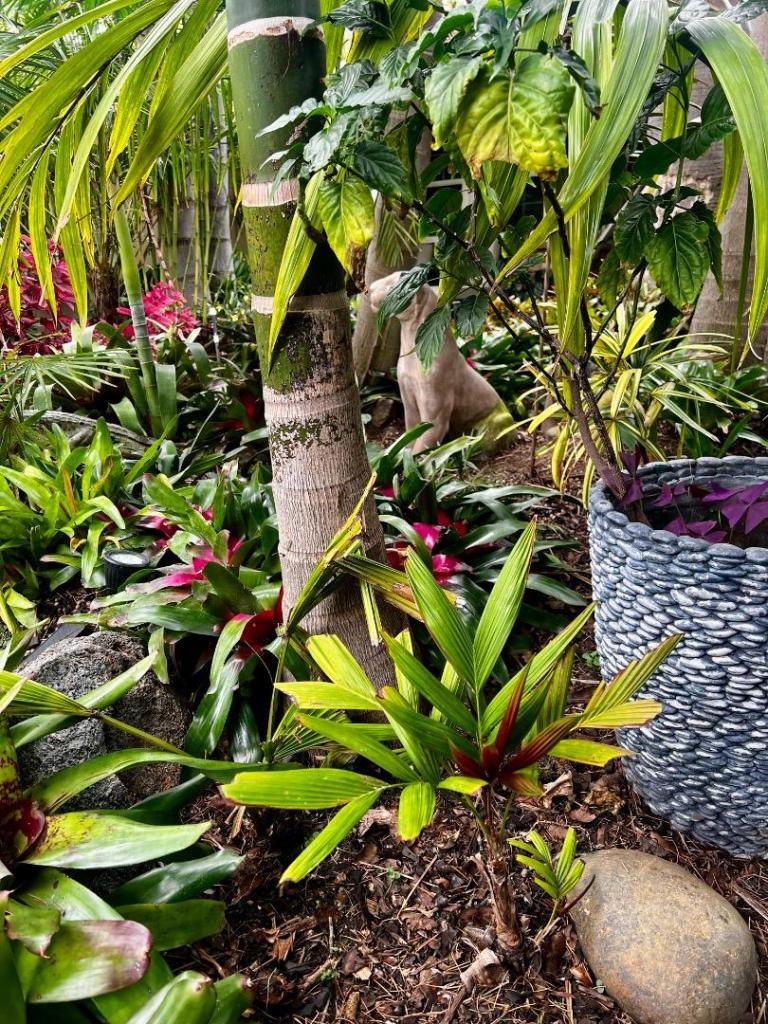
Not typically a recommended palm species for my area but this Geonoma pohliana has remained healthy and grown slowly throughout the last few years putting out two red fronds per year. It’s little offset has a red spear as seen in one photo below. Anyone else growing this species?

 9 points
 -
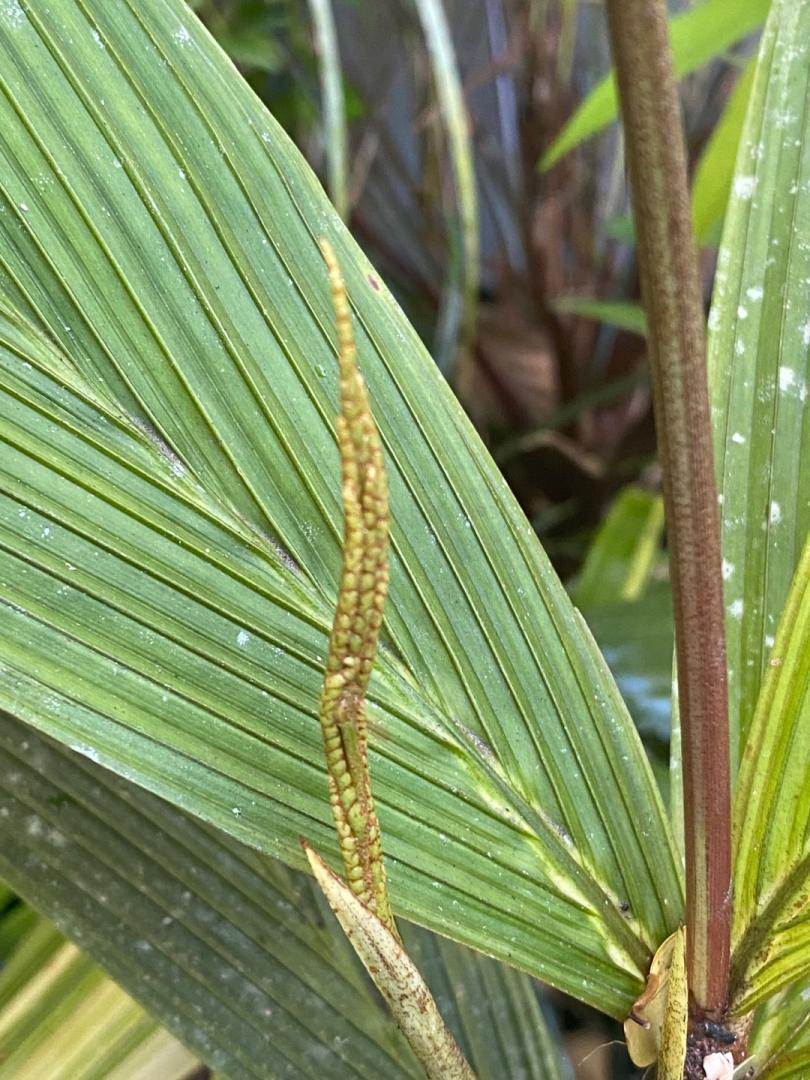
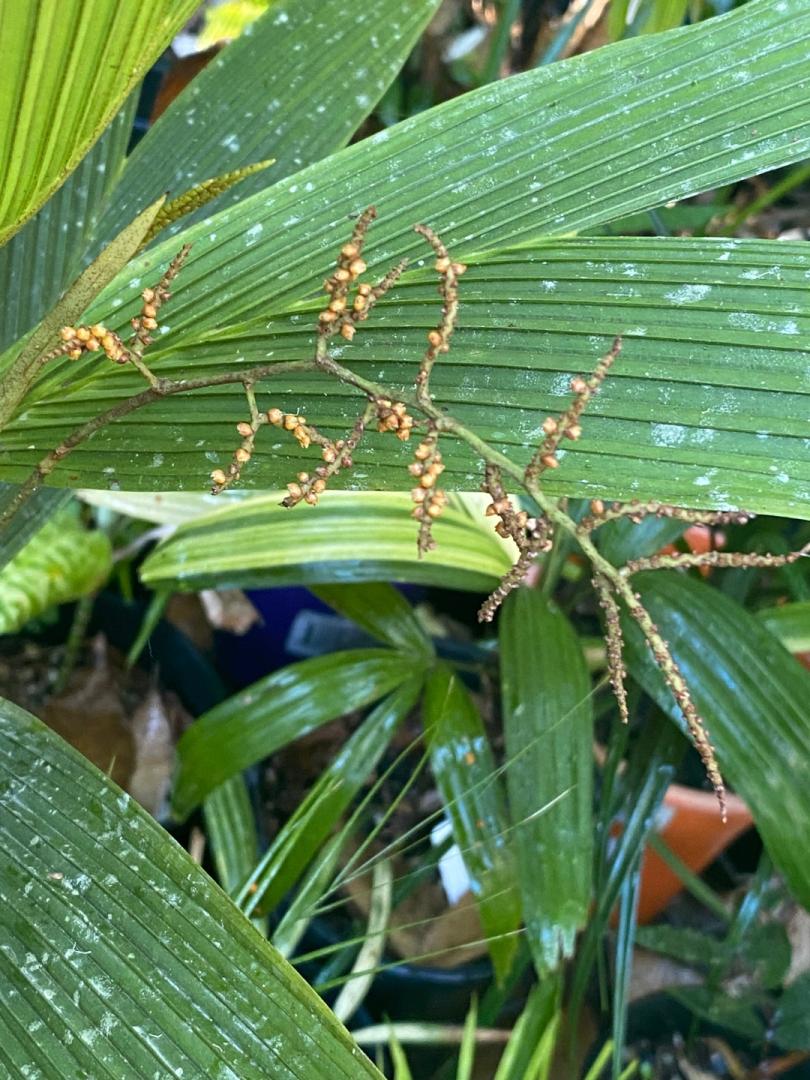
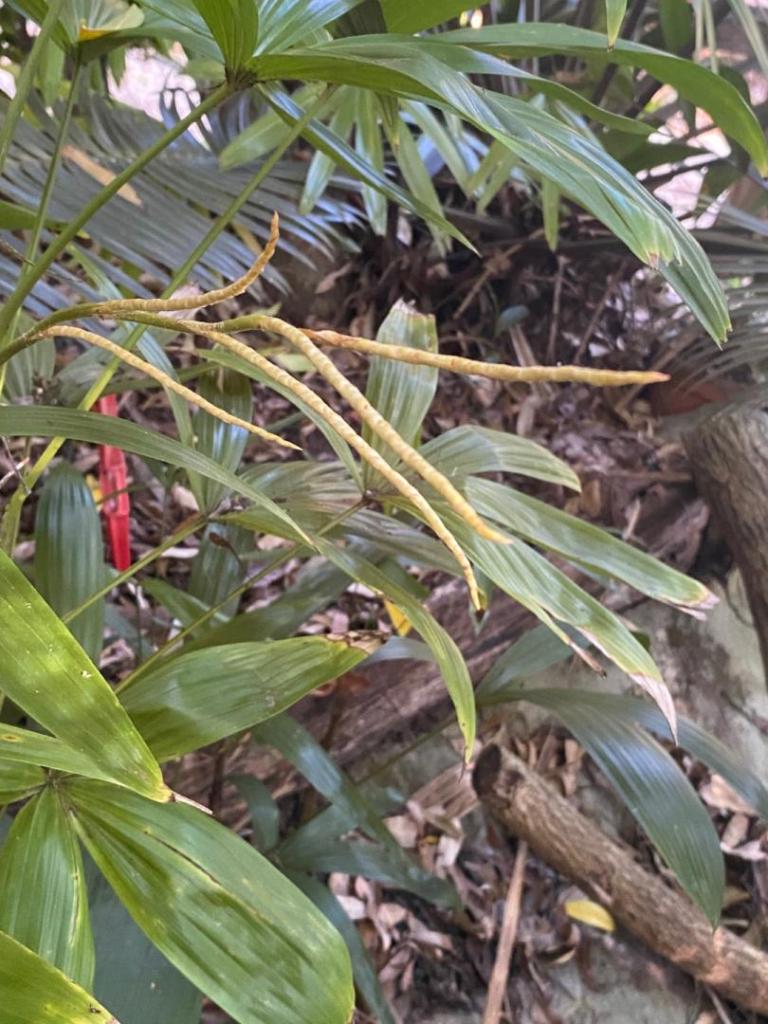
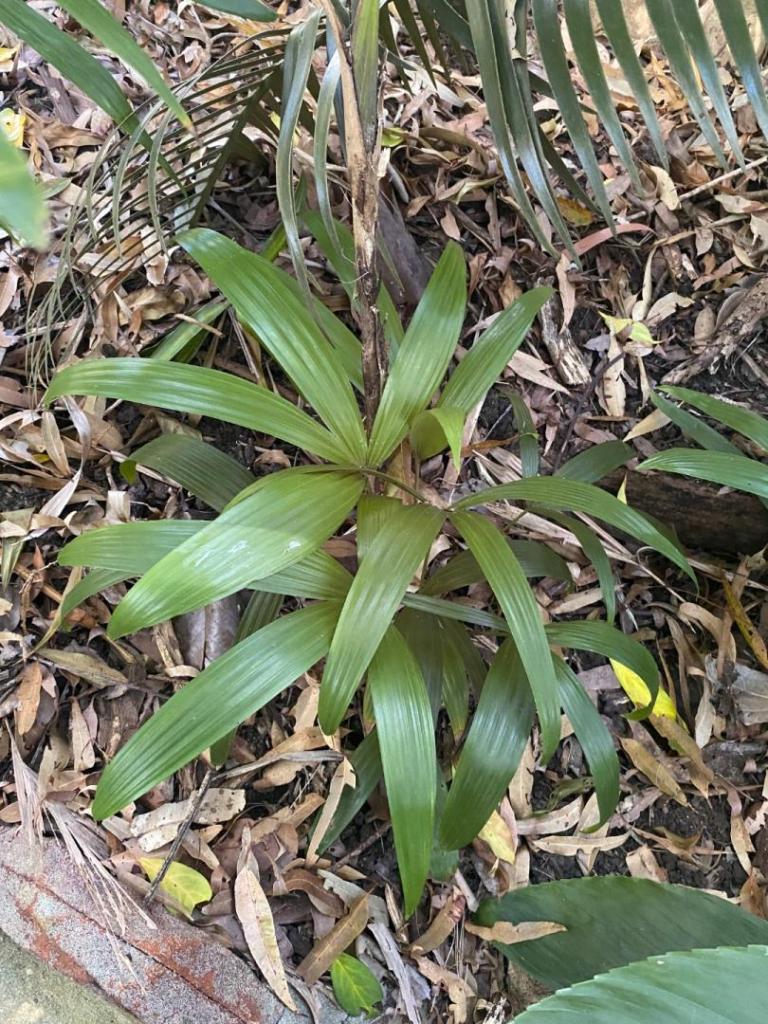
Chuniophoenix nana flowering does get my attention, knowing I will be getting more seeds of a beautiful palm.
 8 points
 -
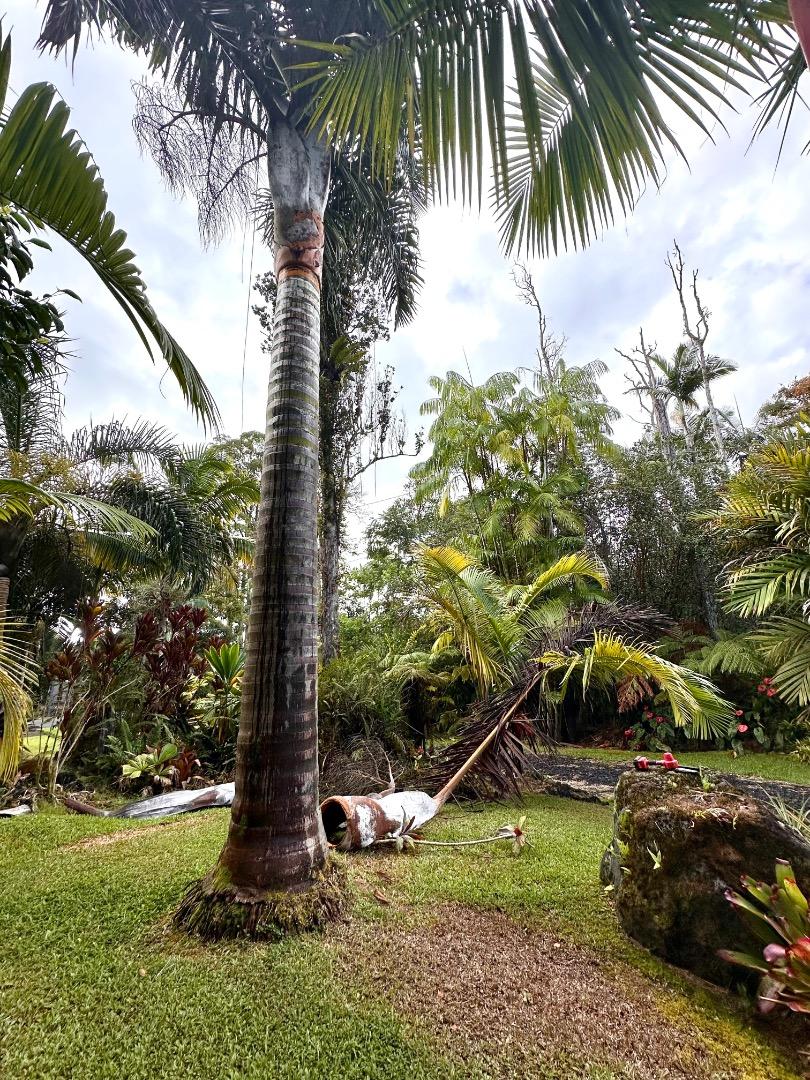
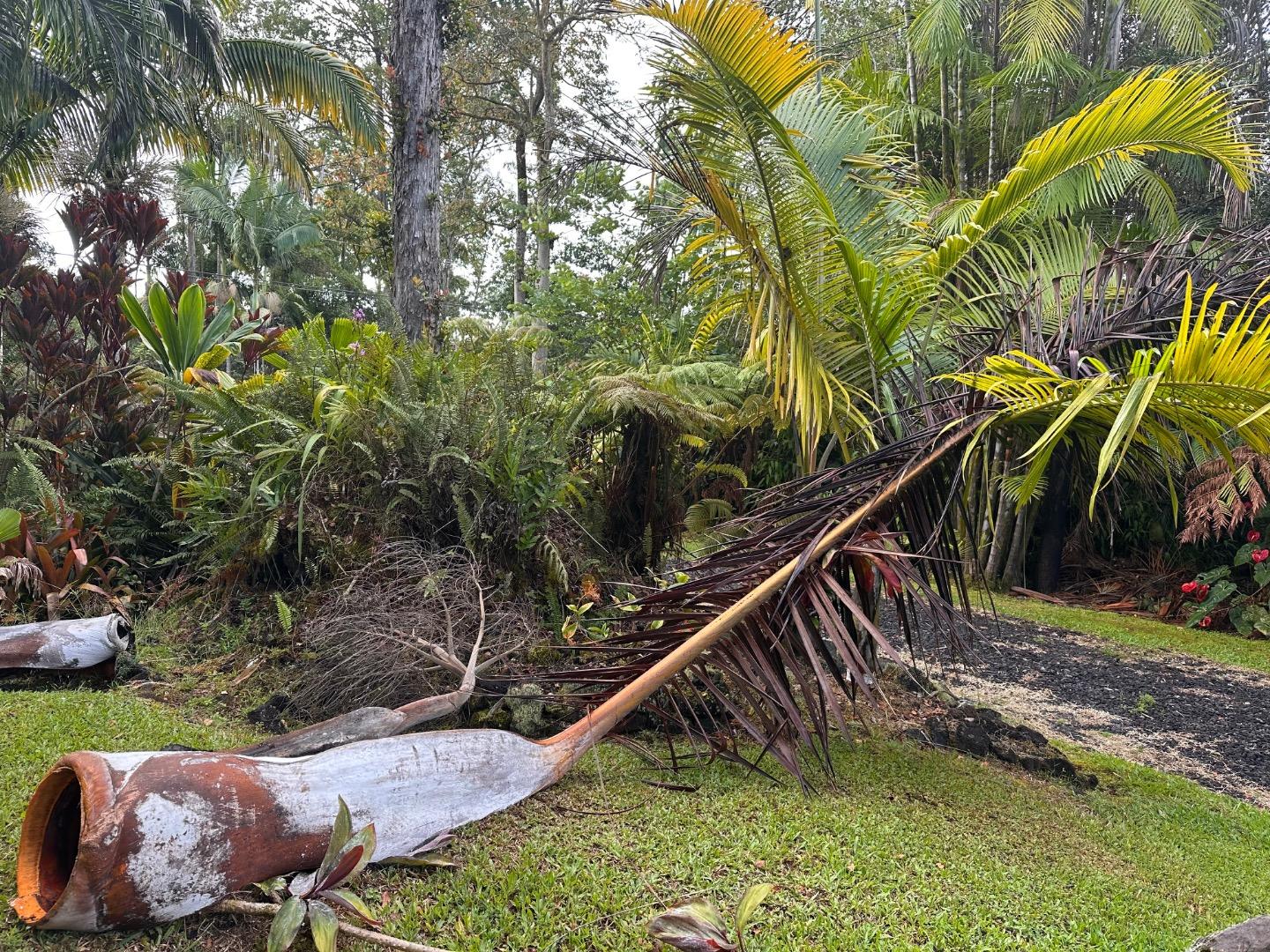
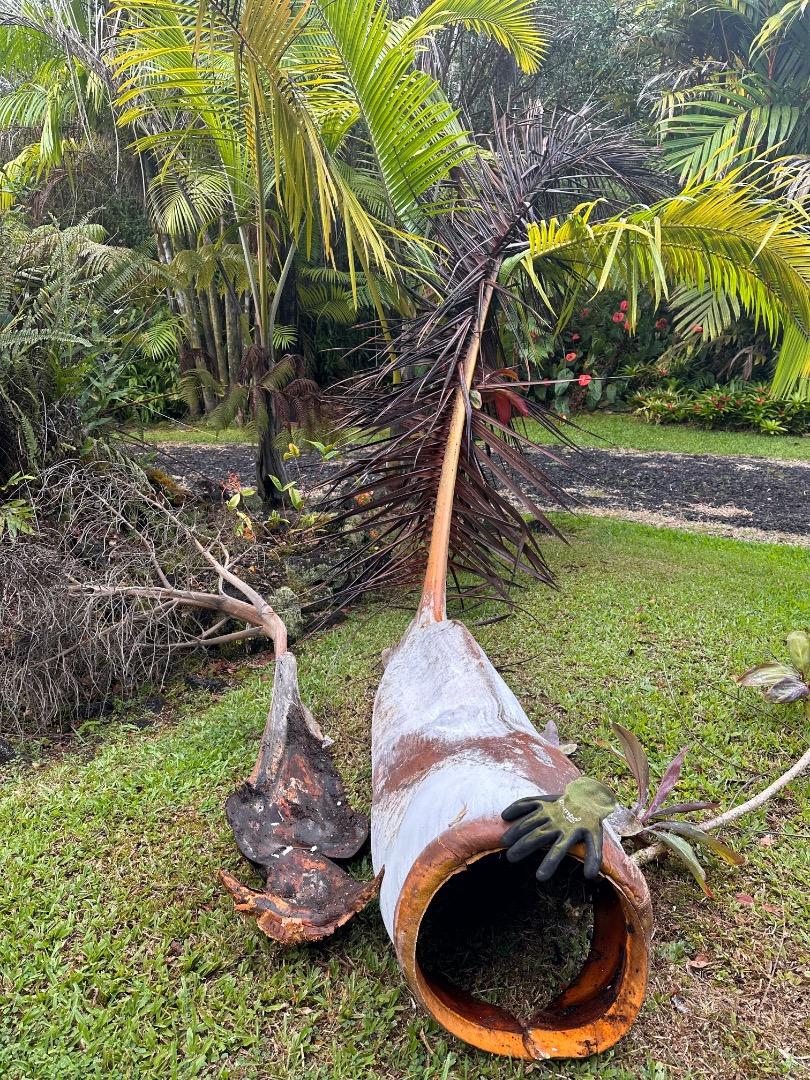
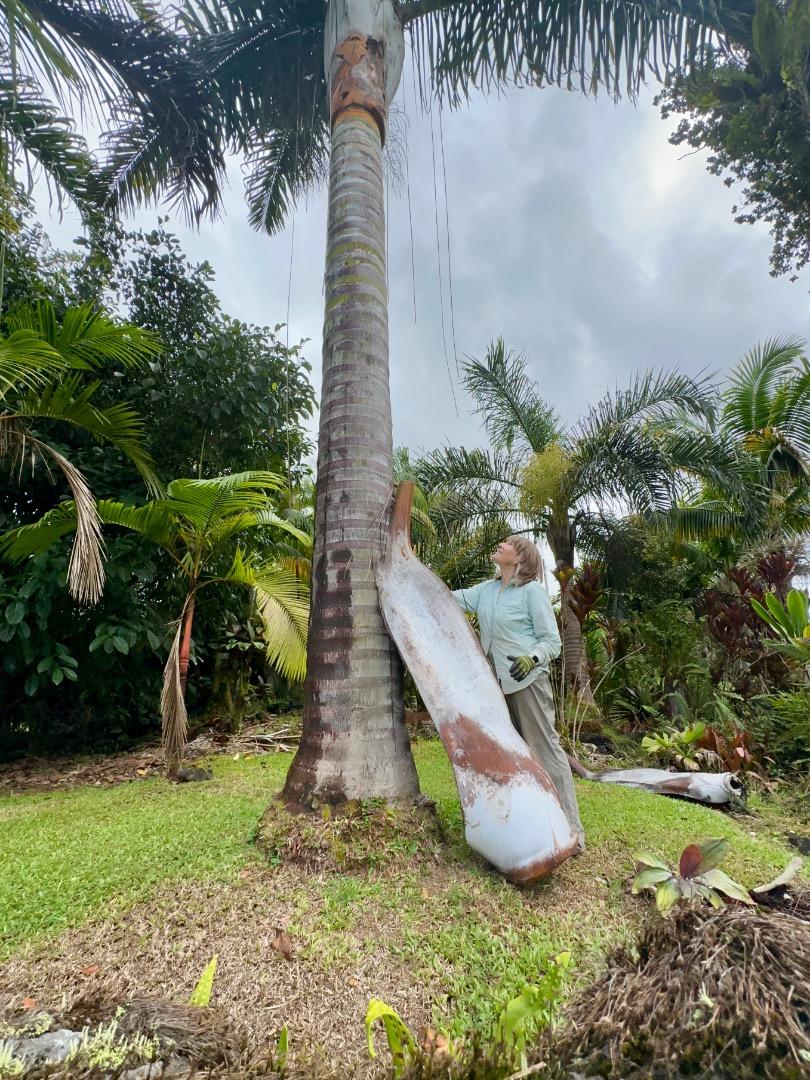
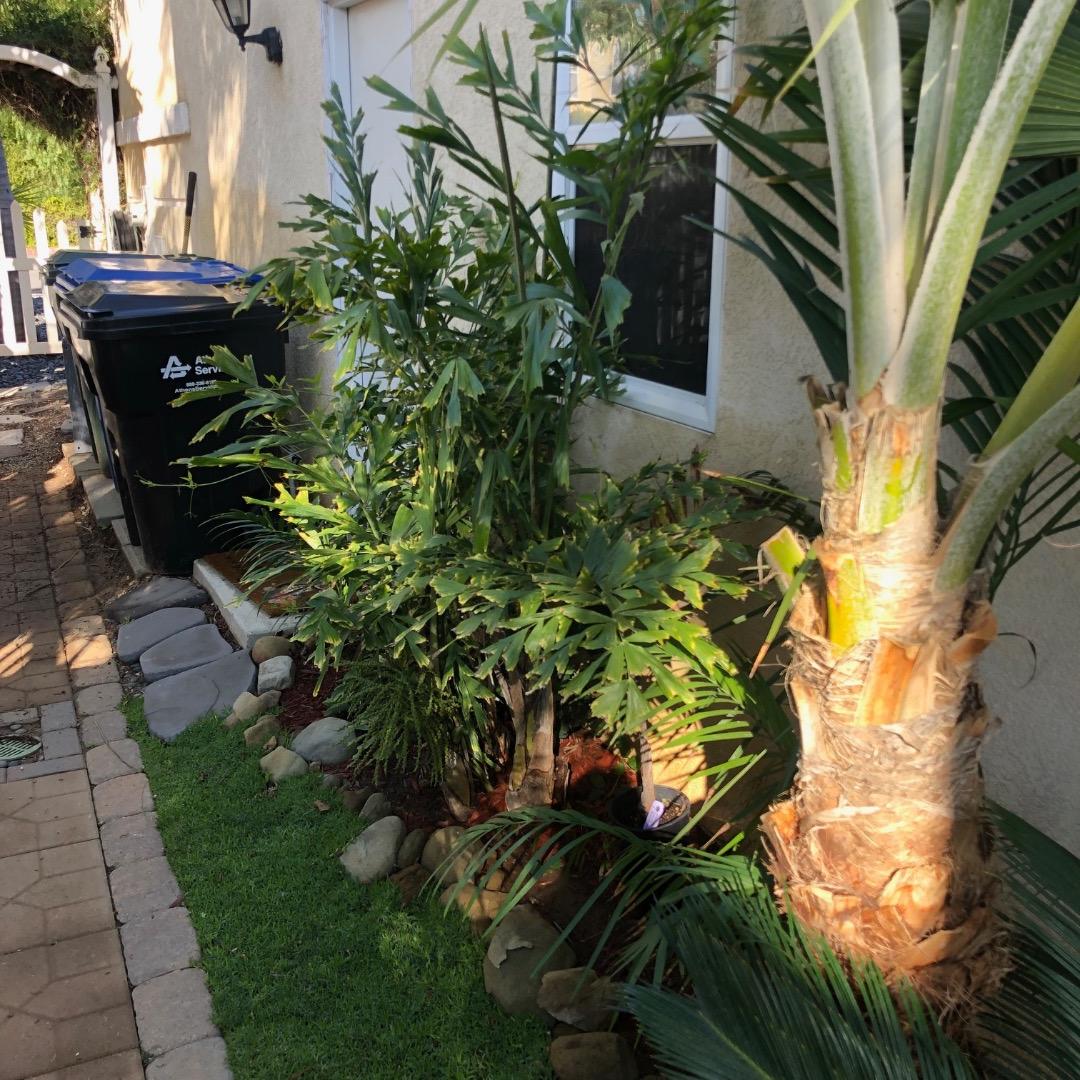
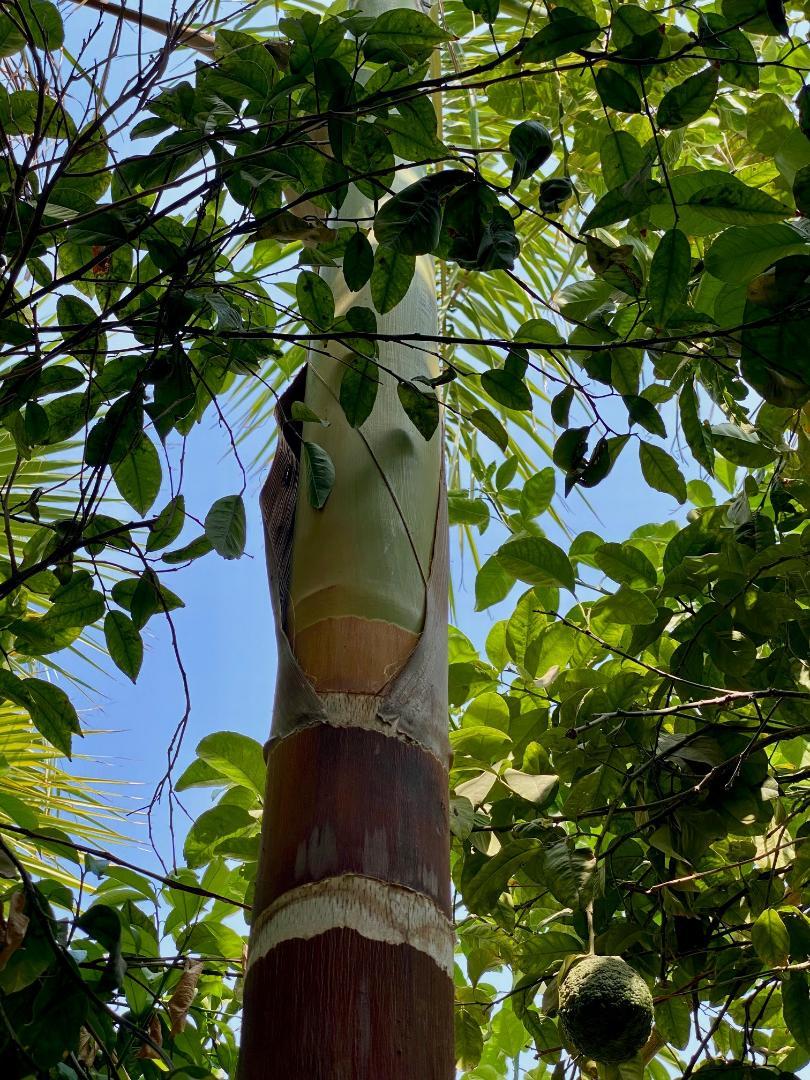
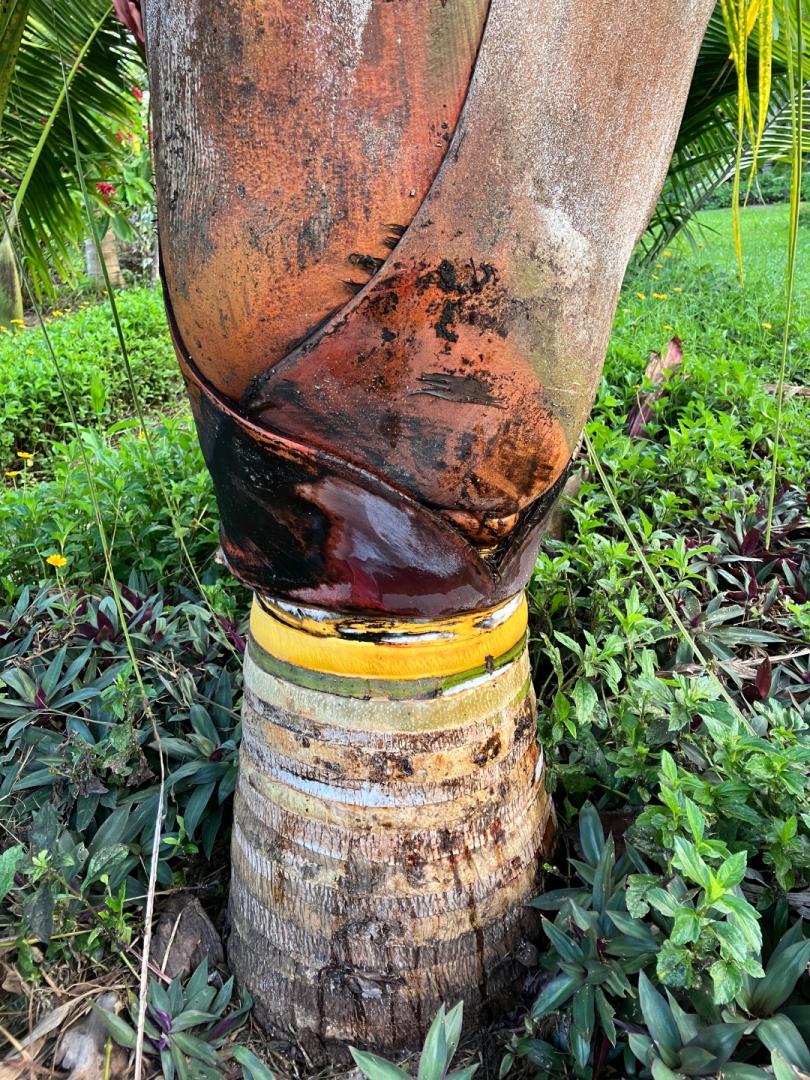
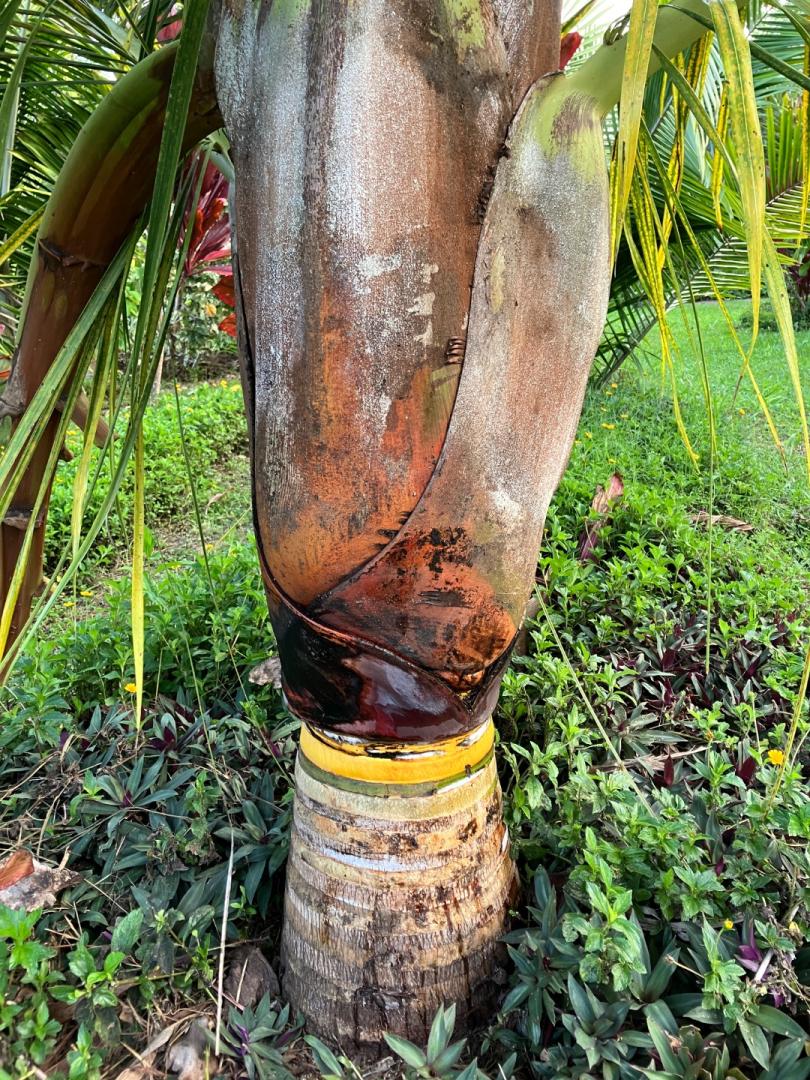
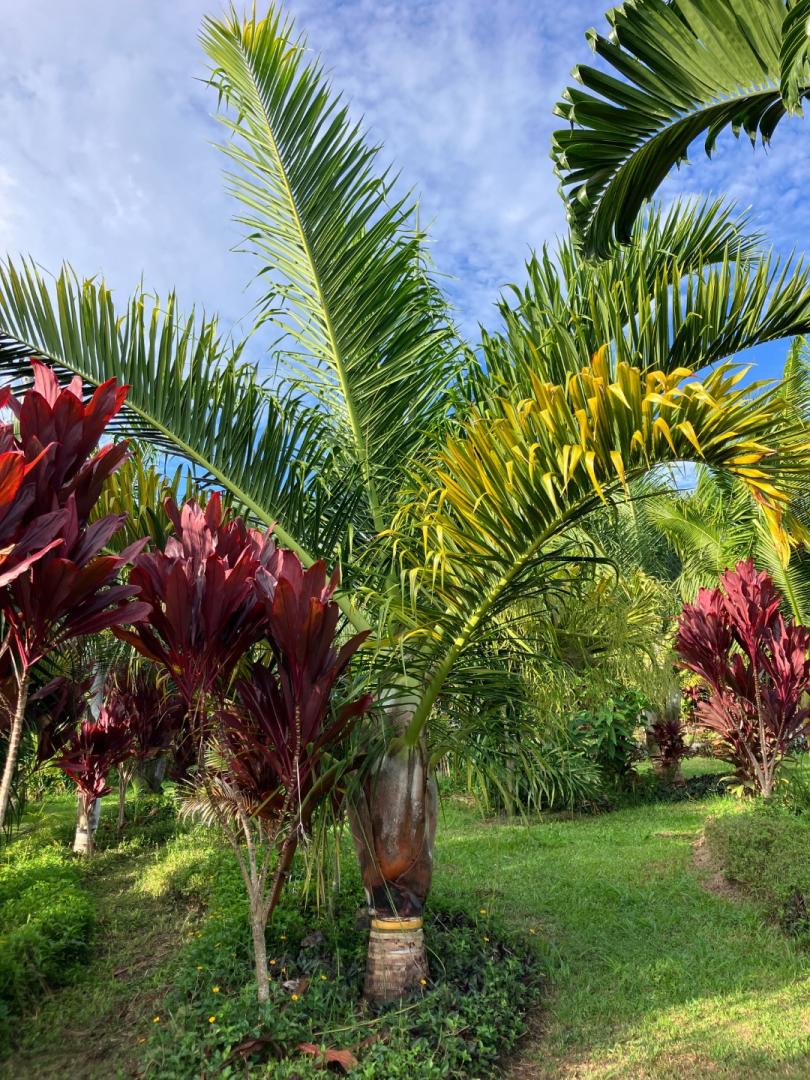
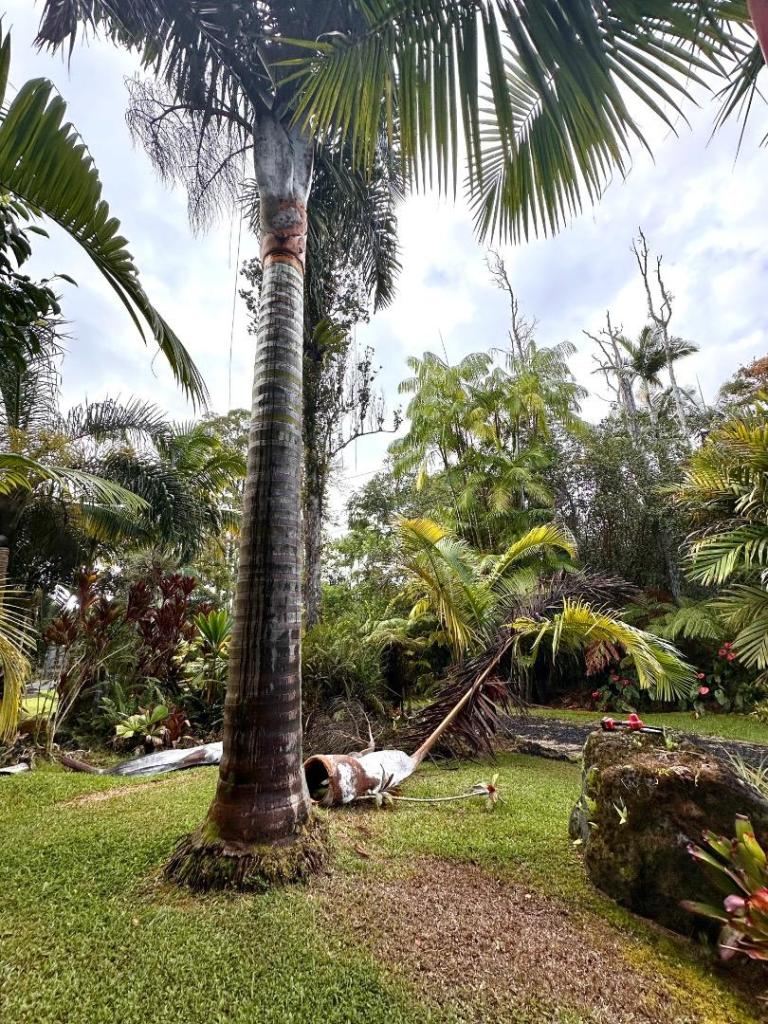
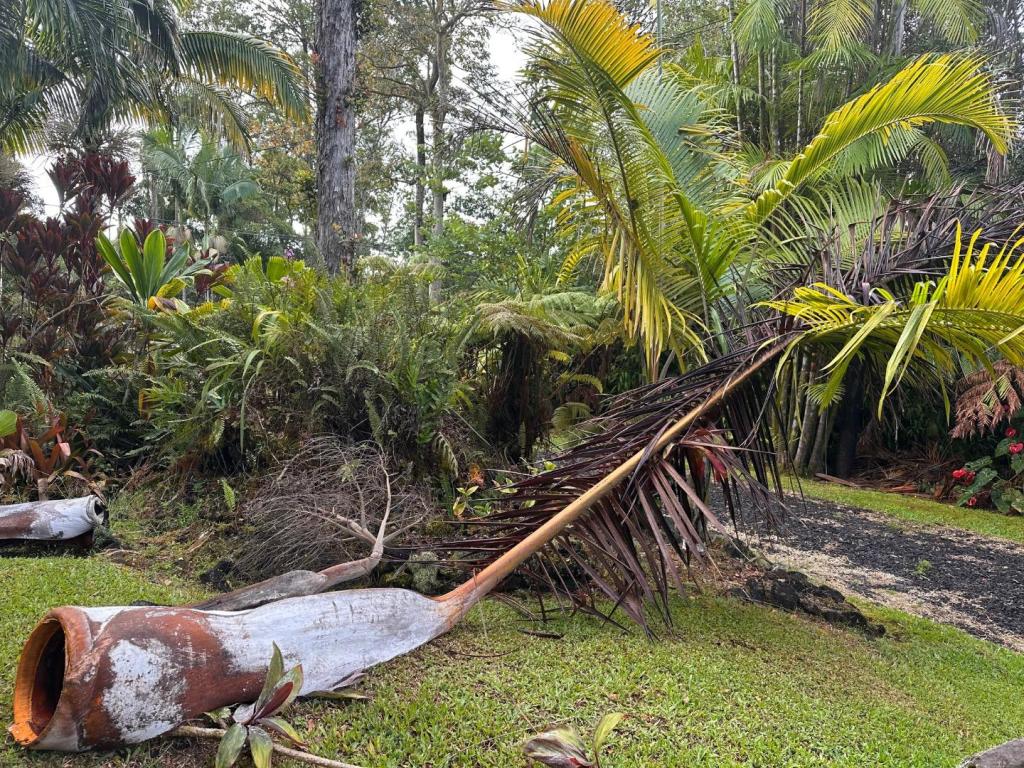
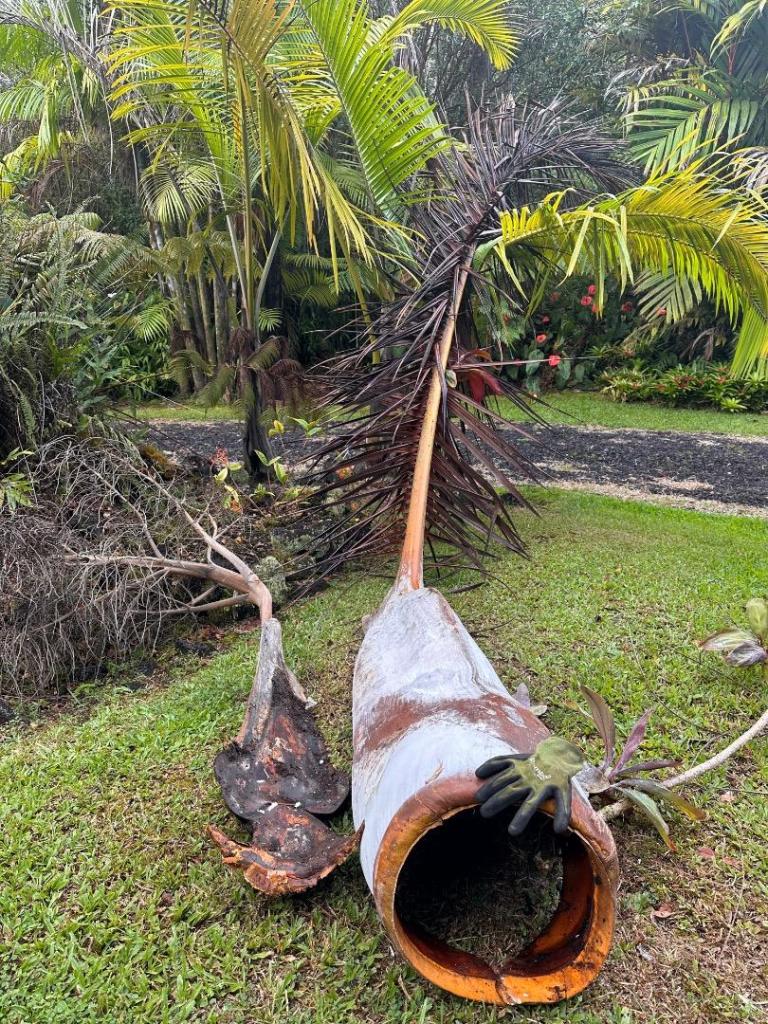
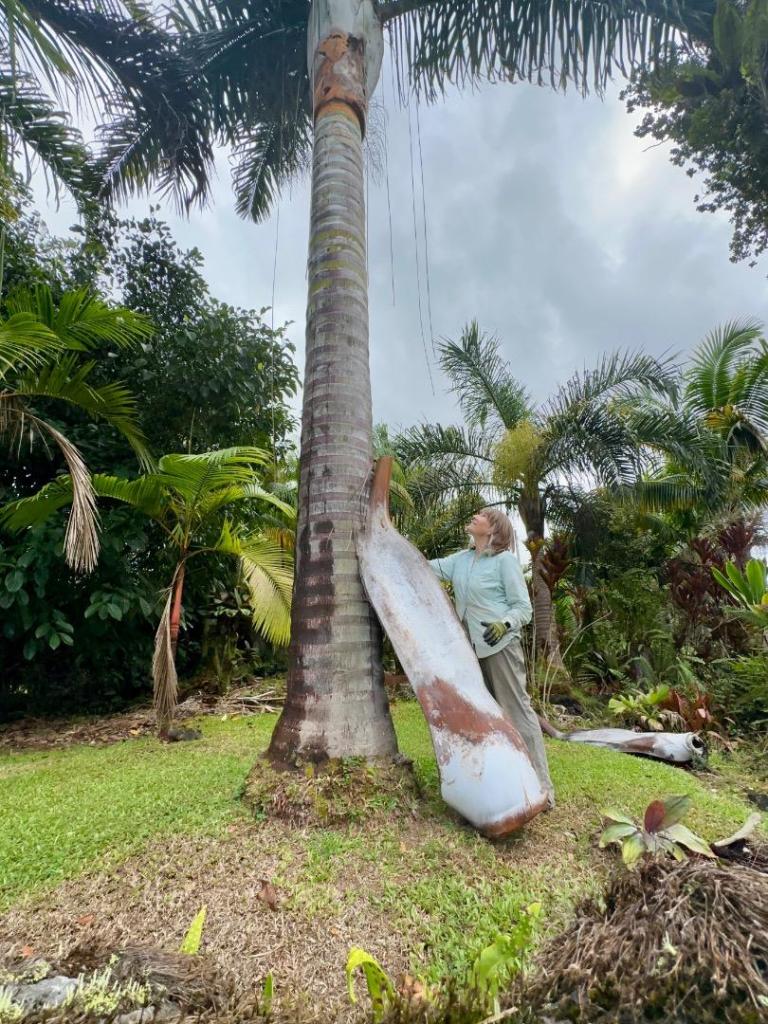
Now that it's autumn, watch for falling leaves! 🍂🍁🌴 Extremely robust crownshaft of Chrysalidocarpus canaliculata flattened an old ti plant. (Purchased as C. canaliculatus so that's what I call it.)
 7 points
 -
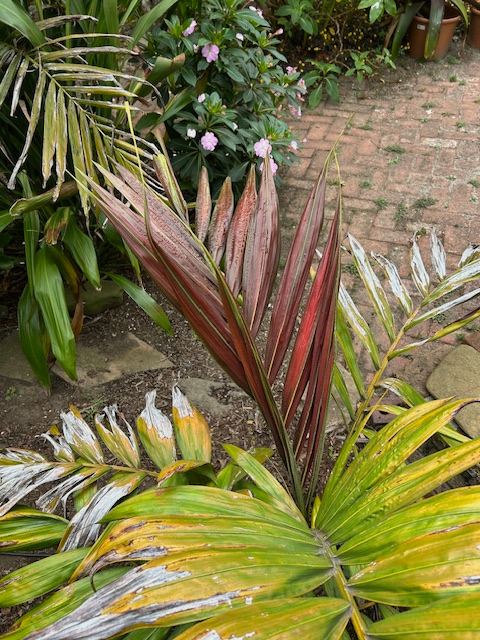
The fronds on my Chambeyronia hookeri are usually kind of slow to crack open, but this one was shut tight a day ago and popped right open overnight, a nice surprise!
 6 points
 -
6 points
-
Hello everyone, I’ve received several requests for an updated list, so I’ve put together the latest inventory. Several of the Brazilian imports that sold out previously are now restocked, based on the most common requests. This will likely be my last shipment until the new year, with hopes to resume afterward, as the new shipping rules are making imports increasingly difficult. If you have any questions, please feel free to reach out. Best, Philippe 🌴 September 2025 Inventory Palms Chrysalidocarpus lastelliana — $8/10, $14/25, $23/50, $35/100 Copernicia prunifera — $7/10, $12/25, $19/50, $29/100 Rhapis excelsa — $6/10, $10/25, $16/50, $24/100 Chrysalidocarpus cabadae — $8/10, $14/25, $23/50, $35/100 Arenga tremula — $8/10, $14/25, $23/50, $35/100 Butia odorata ‘Super Silver’ — $10/10, $20/25, $36/50, $65/100 Butia odorata ‘Relaxed Form’ — $10/10, $20/25, $36/50, $65/100 Butia odorata ‘Seafoam’ — $10/10, $20/25, $36/50, $65/100 Butia odorata ‘Strictor’ — $10/10, $20/25, $36/50, $65/100 Butia odorata ‘Little Guy’ — $10/10, $20/25, $36/50, $65/100 Other Costus pictus — $6/10, $9/25, $13/50, $20/100 🔻 Discounted Inventory — 50% OFF LIST PRICE Copernicia alba — $3/10, $4.50/25, $8/50 Sabal minor ‘Louisiana’ — $3/10, $4.50/25, $8/50 Latania lodgessi — $5/10, $10/25, $18/50 Washingtonia robusta — $3/10, $4.50/25, $8/50 Hyophorbe lagenicaulis — $3/10, $4.50/25, $8/50 Carpentaria acuminata — $3/10, $4.50/25, $8/50 Washingtonia × filibusta — $3.50/10, $6/25, $10/50 Chamaedorea microspadix — $3/10, $4.50/25, $8/50 Roystonea regia — $3/10, $4.50/25, $8/50 Ptychosperma macarthurii — $4/10, $6.50/25, $11.50/50 Phoenix canariensis — $3/10, $4.50/25, $8/50 Phoenix dactylifera ‘Barhi’ — $4/10, $6.50/25, $11.50/50 Phoenix dactylifera ‘Blonde Beauty’ — $4/10, $6.50/25, $11.50/50 Phoenix dactylifera ‘Halawi’ — $4/10, $6.50/25, $11.50/50 Phoenix sylvestris — $3/10, $4.50/25, $8/50 Phoenix roebellini × canariensis — $4/10, $6.50/25, $11.50/50 🌎 Imports (Brazil) Butia archeri var. diamantinesis — $8 Butia catarinensis — $4 Butia exilata — $9 Butia lallemantii — $8 Butia purpurascens (Red Fruit) — $9 Butia purpurascens (Yellow Fruit) — $8 Butia witeckii — $8 Butia yatay (Blue Form) — $6 Geonoma schottiana — $3 Syagrus comosa — $6 Syagrus coronata (Blue Form) — $4 Syagrus lorenzoniorum — $6 Syagrus microphylla — $9 🌱 Hybrids Butia odorata × Syagrus romanzoffiana (Standard Mule) — $2 Butia odorata ‘Strictor’ × Syagrus romanzoffiana — $3 Butia odorata ‘Super Silver’ × Syagrus romanzoffiana — $3 Butia catarinensis × Syagrus romanzoffiana — $35 points
-
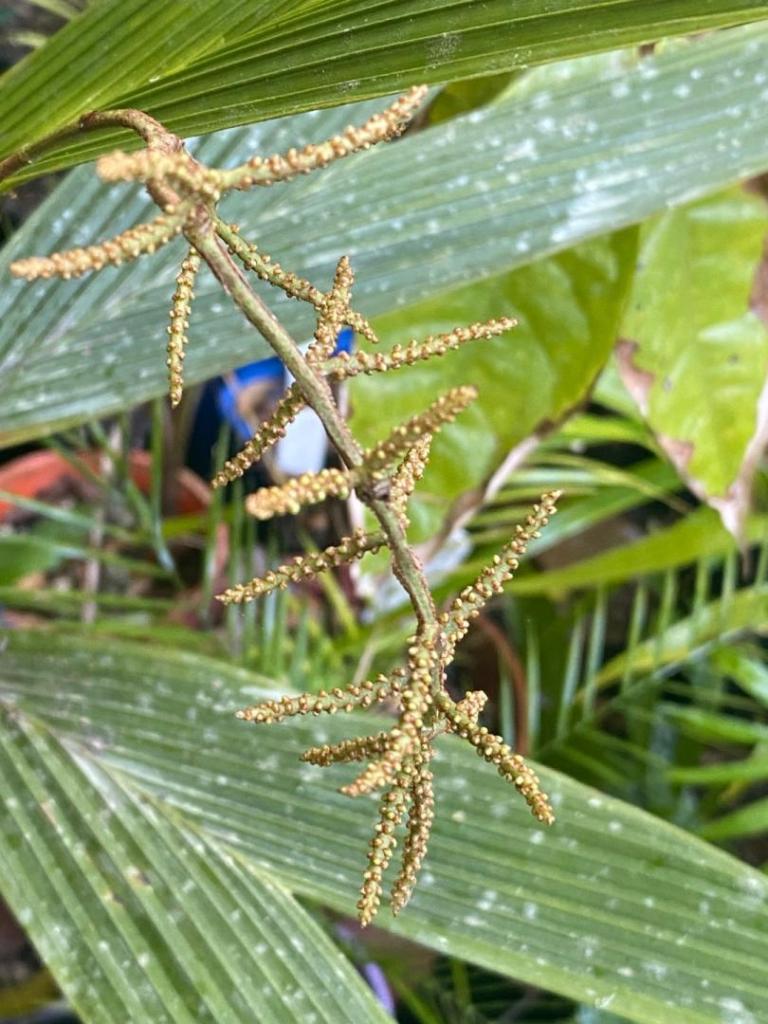
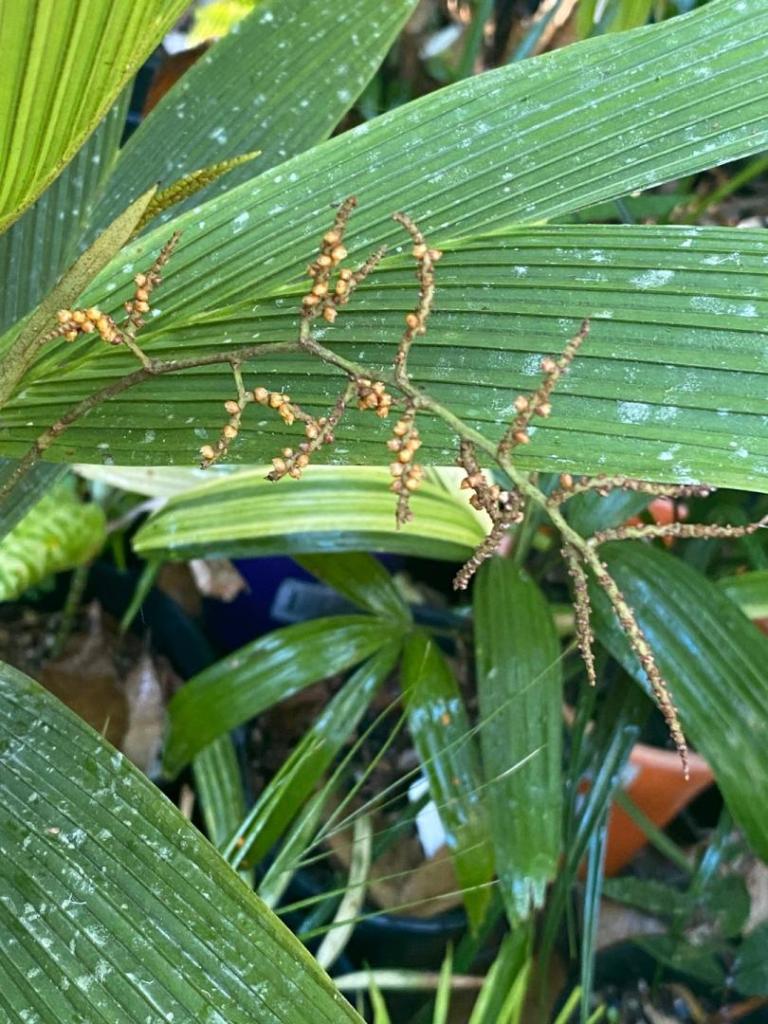
My louvelli is at again flowering, no seeds yet, hopefully one day it may flower and set seeds, one beautiful rare palm.

 5 points
 -
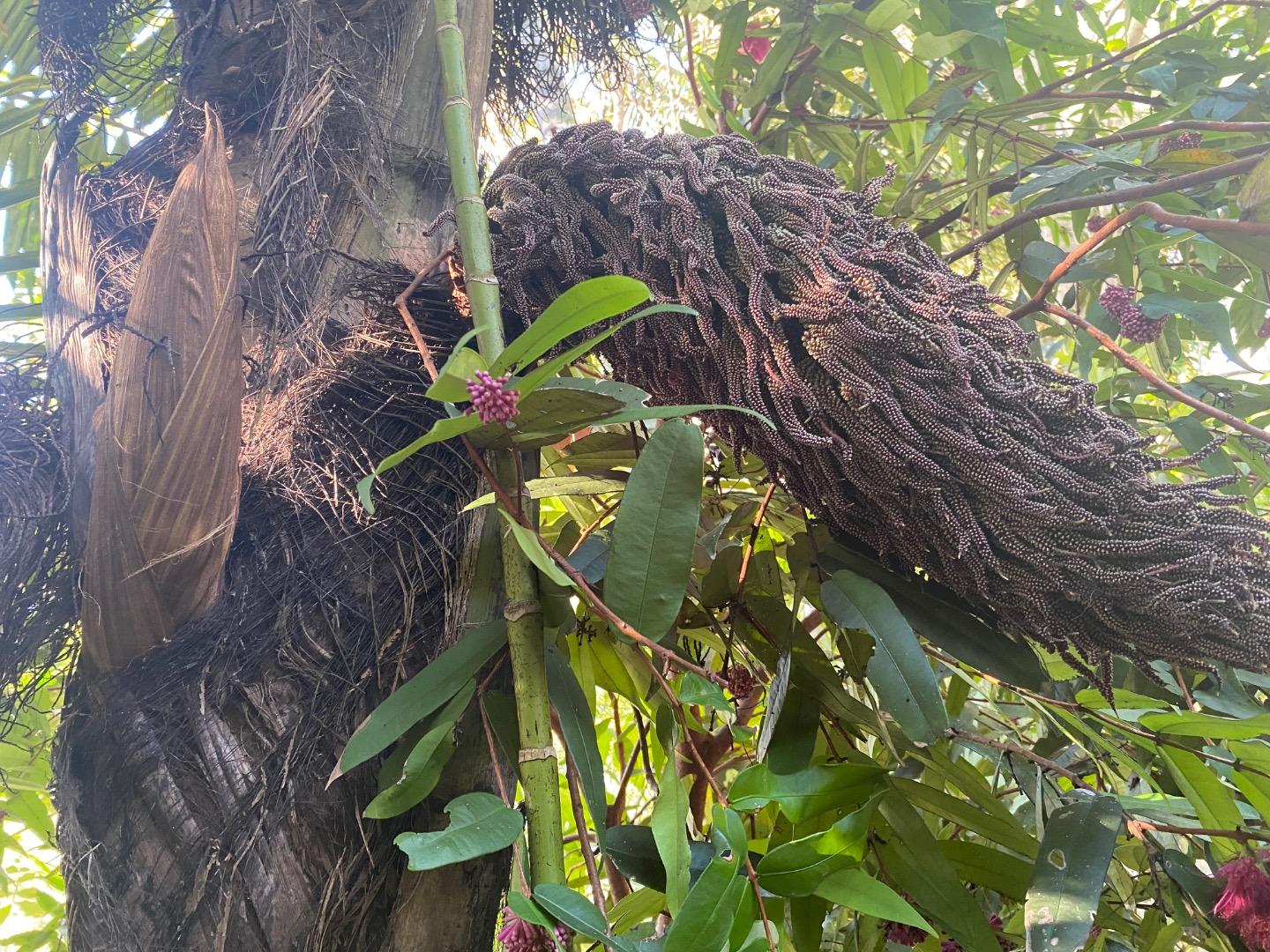
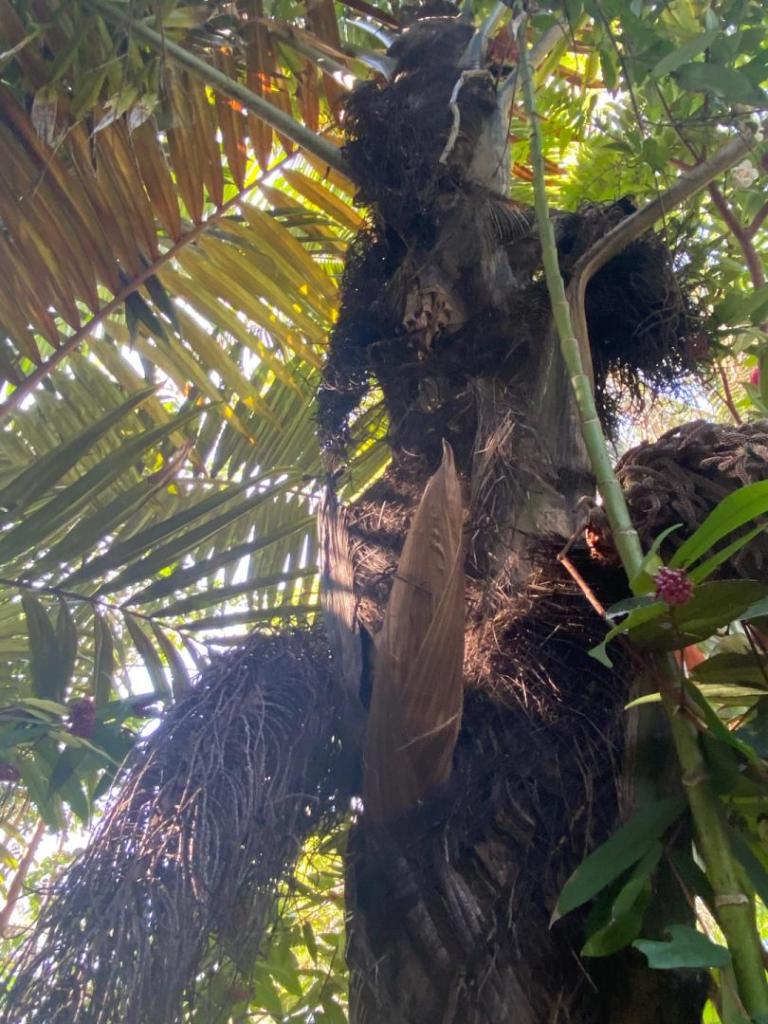
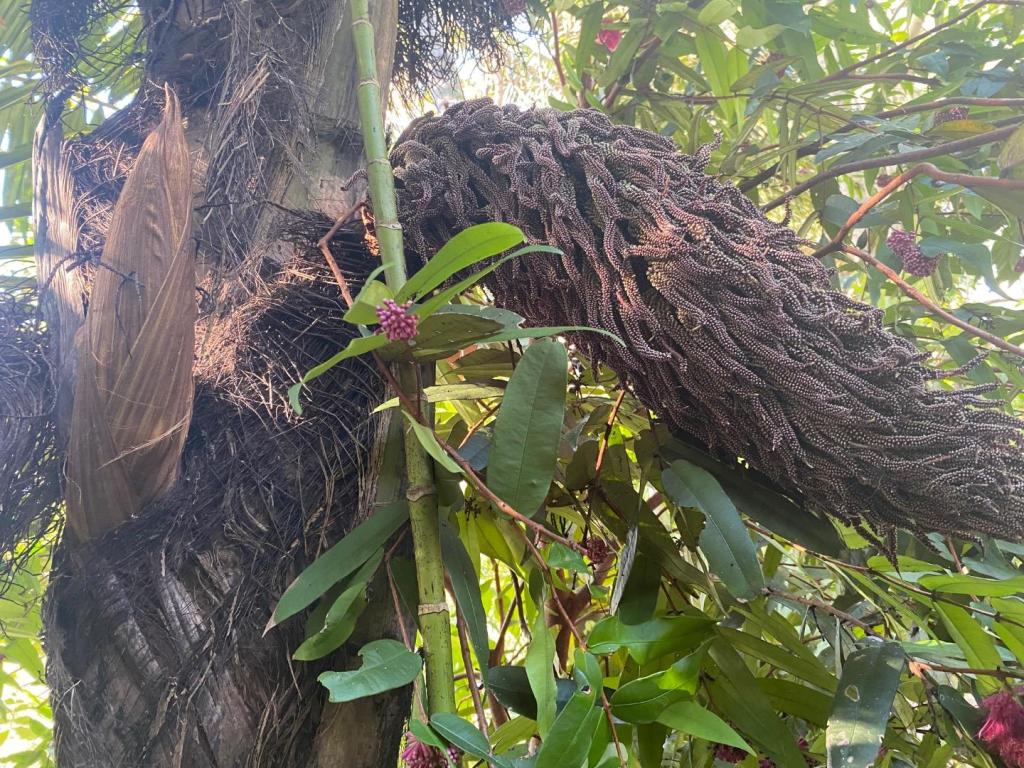
At first one flower I was excited about, now a few days later after spotting the first flower another flower is forming. Never seen two at once. Apparently they are going to be male and female spathes.

 5 points
 -
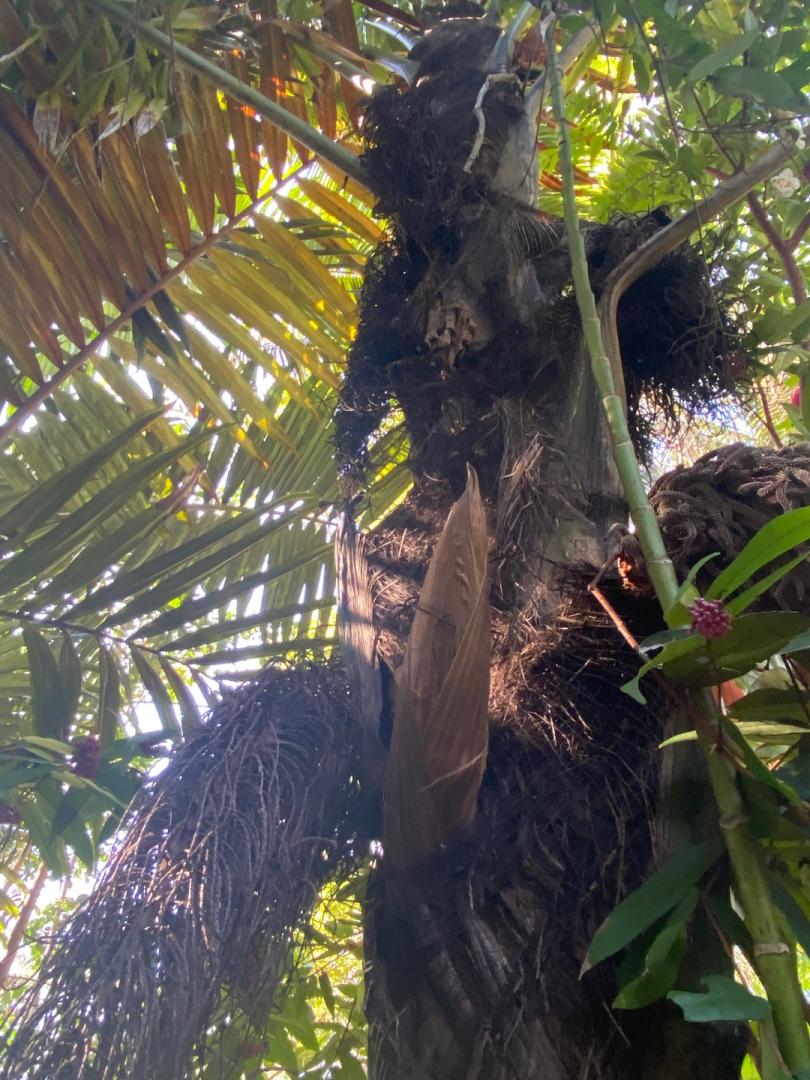
I just noticed this great big spike coming out of the palm tree on the Wallichia I hope it’s a different sex to the other flower spathe, I have never seen two at once before. @Phoenikakias I hope it’s what you say it is. Very intresting!


 5 points
 -
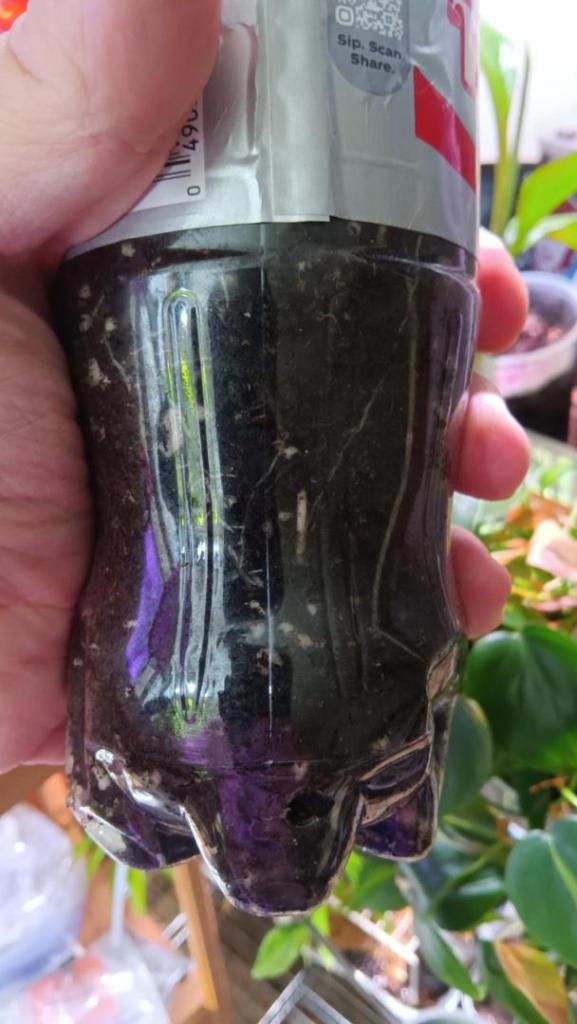
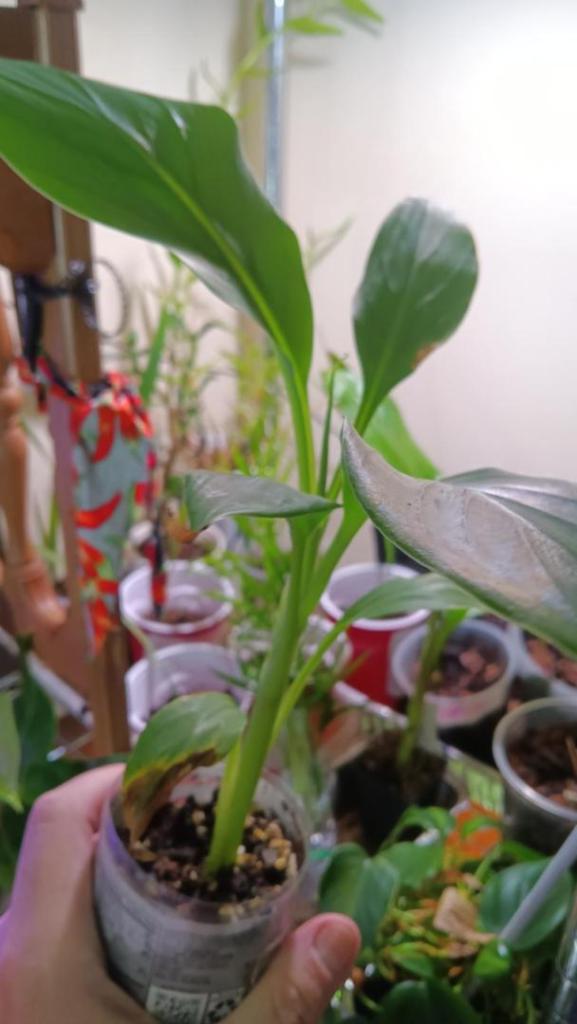
I haven't had this thing 3 weeks yet. It's been indoors. It had like 2 or 3 leaves when I got it and almost zero roots, pretty sure it was a tissue culture plug. ROOTS. LEAVES. Oh buddy you're gonna be a monster. (Mekong Giant banana)
 5 points
 -
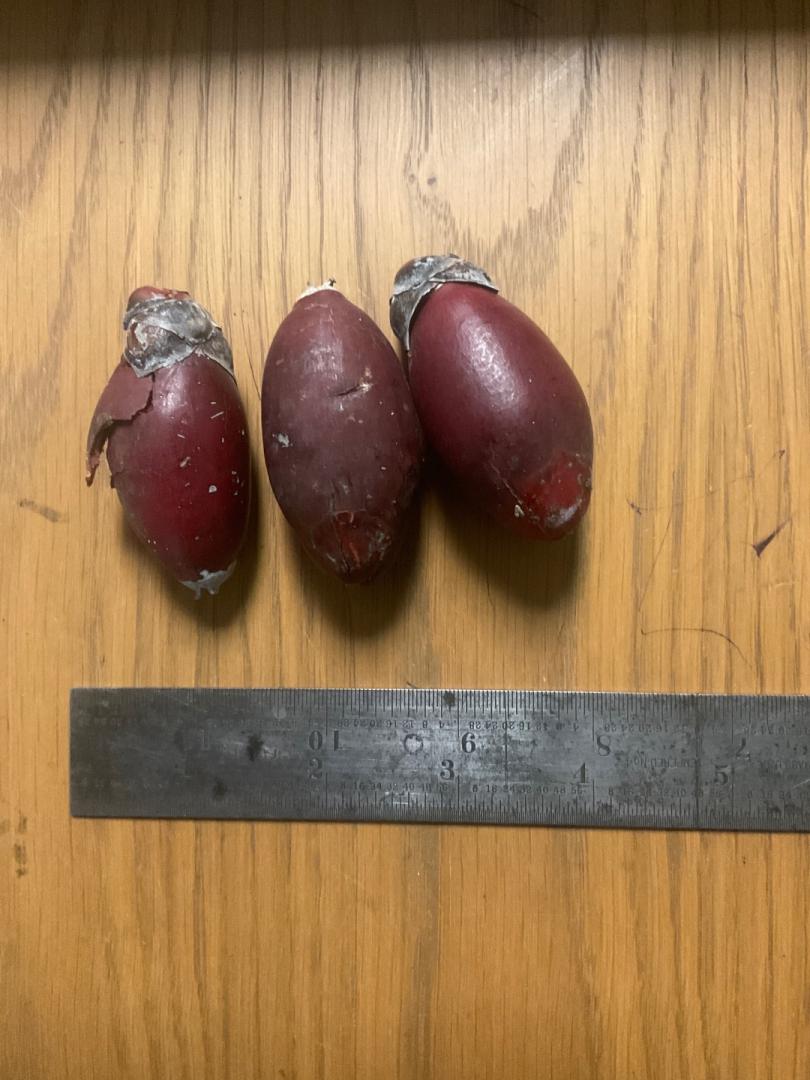
Reviving an old thread in lieu of starting a new one . I just got my hands on some beautiful red Chambeyronia Hookeri seeds . I am hoping to germinate them in potting soil mixed with perlite as I have done with other seeds. I will just get a few small pots and put them in plastic boxes to hold in the moisture and keep them warm in the garage until Spring . The parent tree is beautiful . I’ve been patiently waiting for fruit to fall from this palm for months! They are quite large. Any tips or suggestions would be welcome😄. Harry ‘These are the first to fall as far as I know , there are more up there( too tall to reach!) Harry
 4 points
 -
If you don’t replant them , the first wind event will knock them over . Always dig a larger hole than you think you need and use soil amendment mixed in with the dirt to fill after placing the palm in its home. Those are nice sized palms so a large hole is required . Harry4 points
-
Whoa that’s a bit high, definitely replant them. Try to keep the root ball intact. A good deep watering with a bit of seaweed extract will help with the stress of the whole process. And make a dam around them do you can water them a bit easier. Good luck4 points
-
No worries hopefully all goes well. But as I say I won’t count my chickens before they hatch.4 points
-
I planted this one all by himself in the vegetable garden 25 years ago, away from the rest of garden all by himself, I think it’s time I planted a few more around him, I have a female in a container so he can have a friend to be with.
 4 points
 -
Jason, I was going to say ‘you have no idea’, but I think you do. You’re young and strong, your Uncle Tim may need your help one of these days. Uncle Tim4 points
-
So you really need a few to get any chance of a good amount of seeds then . Intresting they alternate in flowering sex’s, you learn something new everyday. Thanks4 points
-
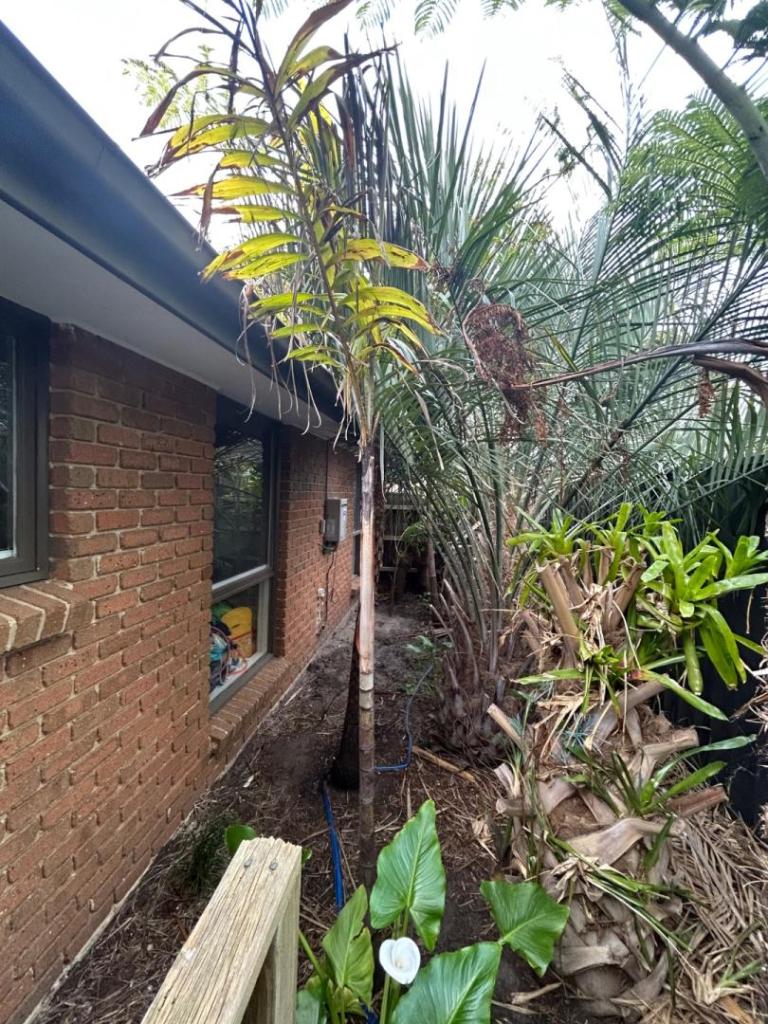
Jim, here in Melbourne I think we’re a tad cooler on average than you but with slightly more extreme temps occasionally, both cold and hot. Veitchia is next to no chance of survival here while Wodyetia can survive but invariably ends up stunted. I’ve known a few growers to try foxy ladies with mixed results. Some have done well until killed off by a freeze below zero. The one I planted in my childhood garden nearly 20 years ago is still alive but hasn’t really gained size the last 10 years or so. I suspect it is from not only climate but also soil quality and lack of water. Here it is last year, a pretty sorry looking thing now unfortunately.
 4 points
 -
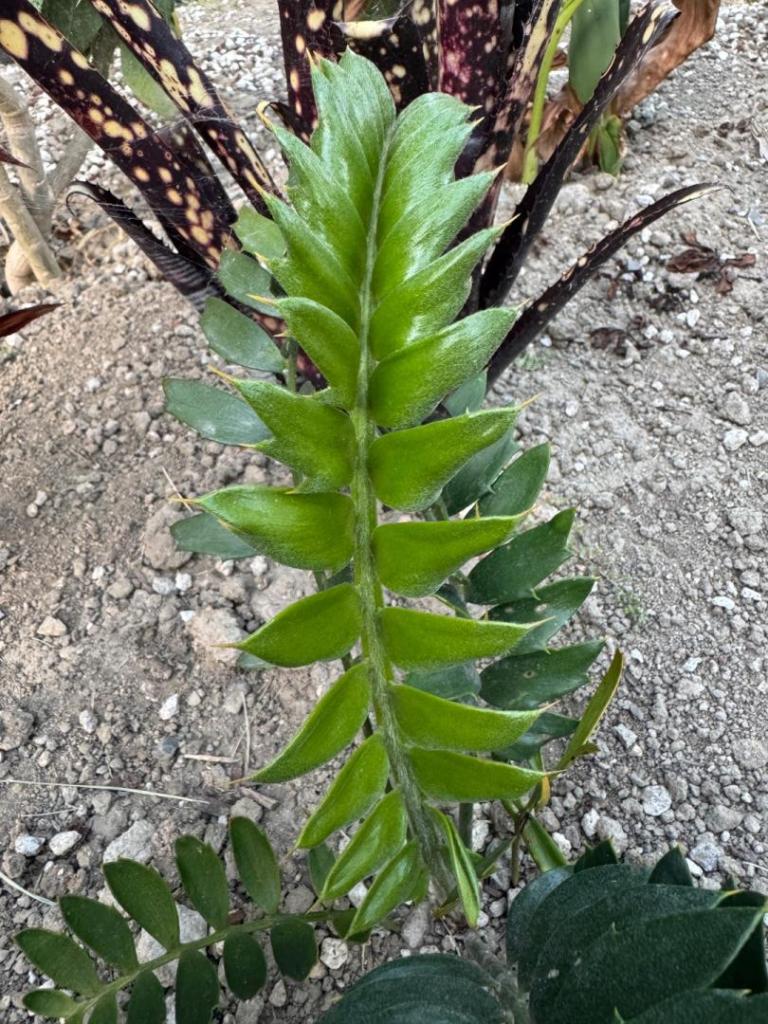
Here’s pics of my pure Latifrons pushing another single leafer. This closeup really shows the micro fuzz on the leaflets that give Latifrons that matte look. Pretty cool. -dale

 4 points
 -
The situation isn’t too dissimilar on this side of the pond in terms of all the red tape and licensing and what not. I get them imposing it, but it is also a lot of hassle and a large cost, which isn’t necessarily worthwhile. If you are going to go all in, you have to go ALL in… and make a proper enterprise/business out of it. Otherwise stick to EBay, FB, Craigslist etc. Much cheaper and more convenient for smaller scale business. I won’t be going all in for some time. One day, but not now. Not in the next 5 years probably. I am only 32. I will wait until I can properly invest the time, money and resources into it. Otherwise it isn’t worth the costs involved. Go hard or go home. Half measures will not be successful when you factor in all the costs nowadays. It will be the difference between succeeding in the longer term and failing in the short/mid term. The amount of red tape does us no favours, but it is what it is. I would wait for now.4 points
-
That is not a CIDP. That looks like a Dactylifera or true date palm. If so, the odds are stacked even higher against it i.e. there are CIDP present in coastal Oregon, but not Dactylifera. The winters are probably too cool and wet there. Overall, Dacty’s are not as hardy as CIDP. Unless it is quite a dry winter area, they will not take any kind of hard freezes. The wet-cold will do them in, unlike CIDP, which actually takes a ton of wet-cold, providing they don’t have back to back years with hard freezes in a wet-cool area. That is why CIDP does so well in southern England, yet Dacty’s struggle badly.4 points
-
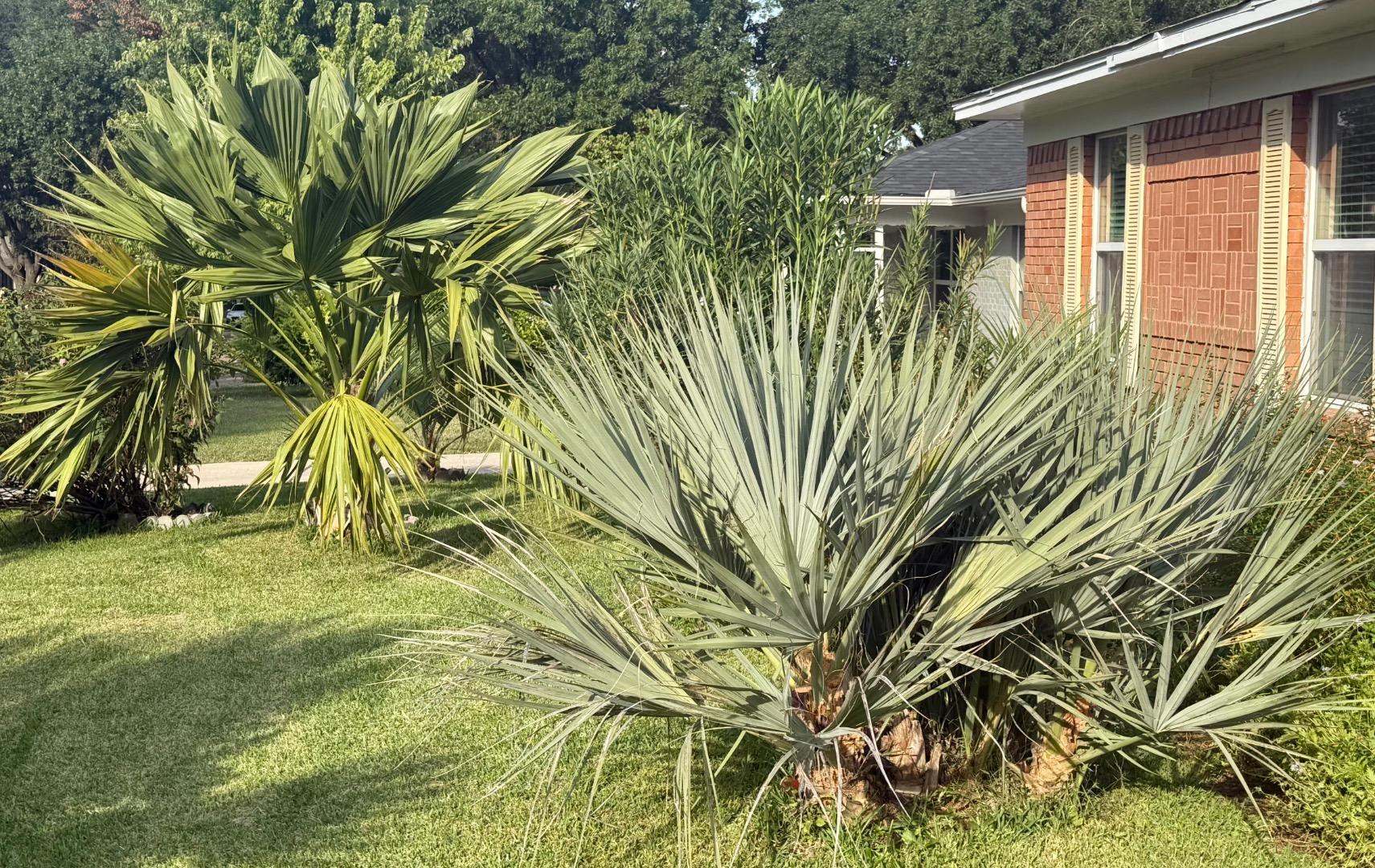
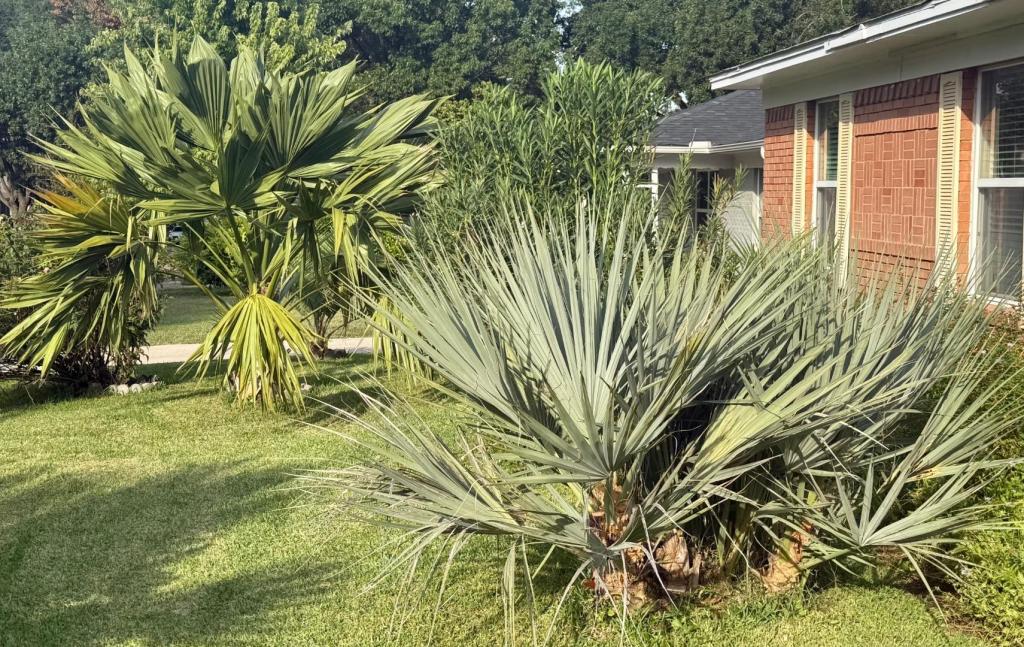
Seedling grown nanorhops richtiana in Dallas 7 months after 12F an example of an established, seedling grown on site , cold hardy palm recovery in a Hot summer climate.
 4 points
 -
In no particular order: Licuala Cordata Marojejya Darianii Orania Trispatha Sabinara Magnificia Johannesteijsmannia altifrons Licuala Mapu Copernicia Fallaensis Cyrtostachys Renda
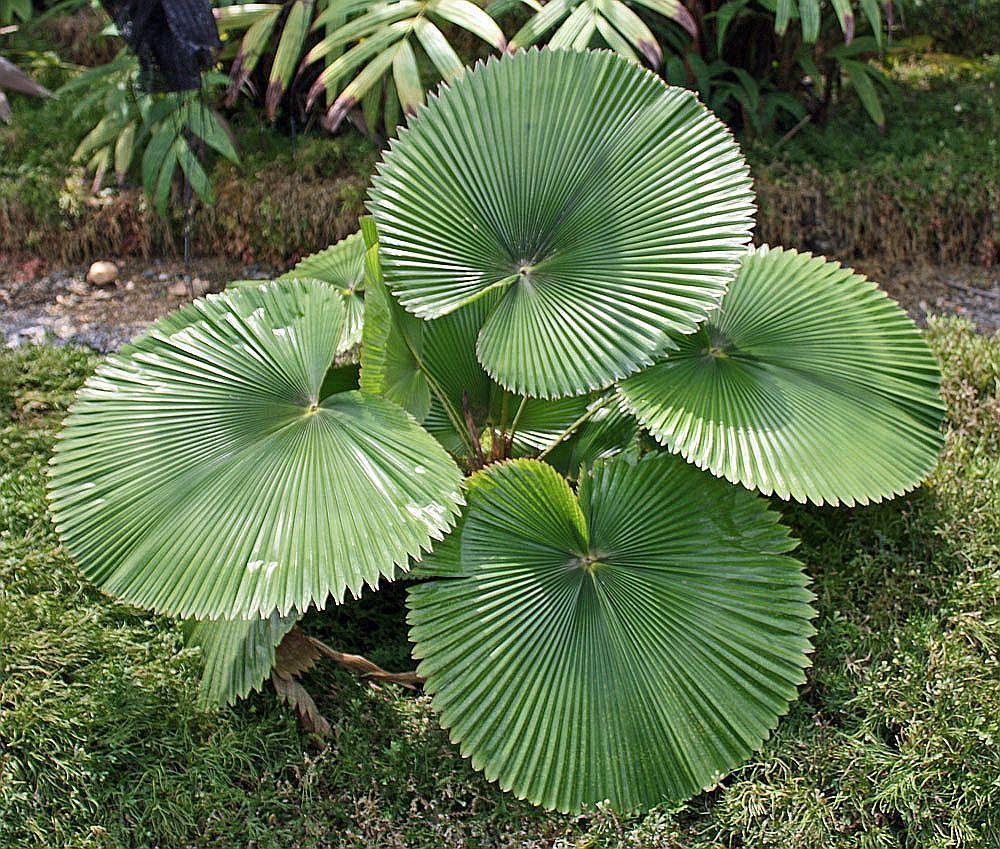
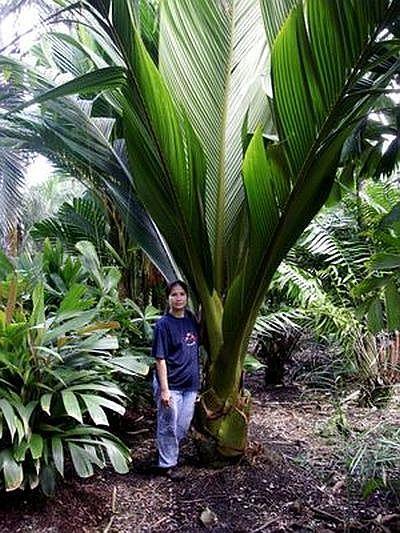

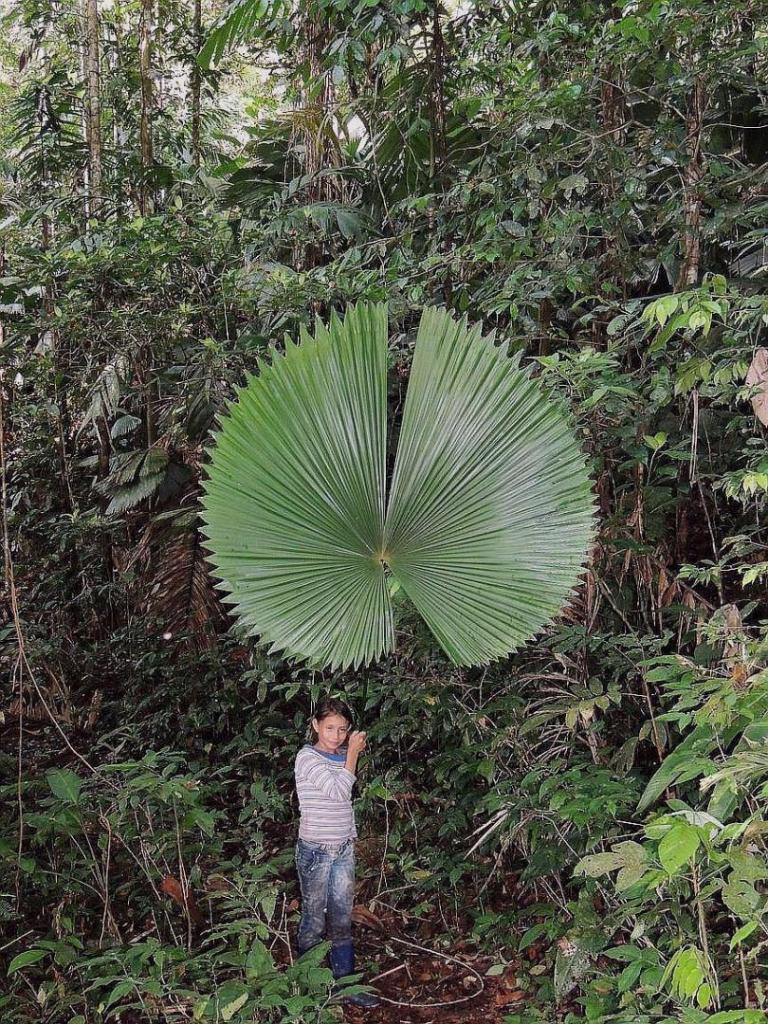
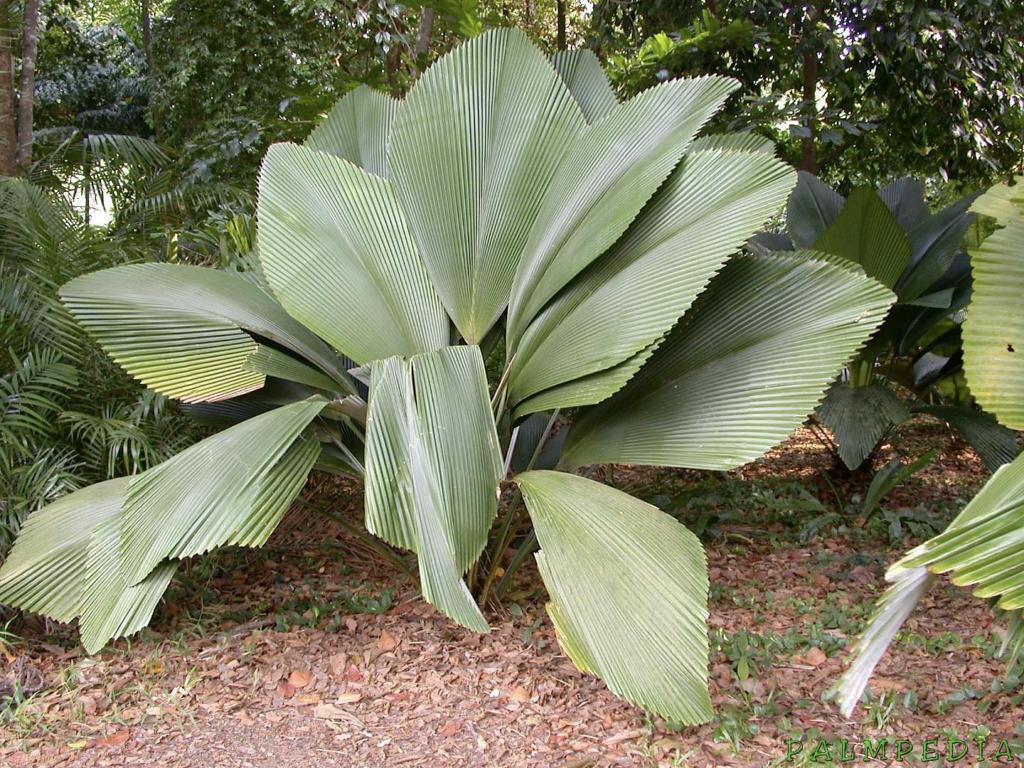
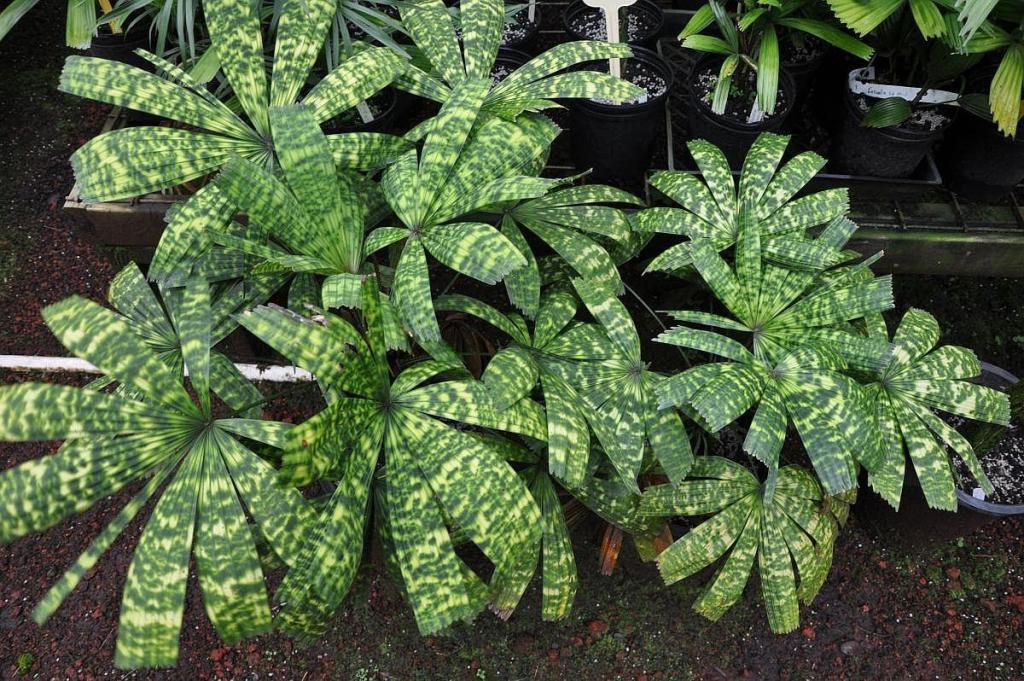
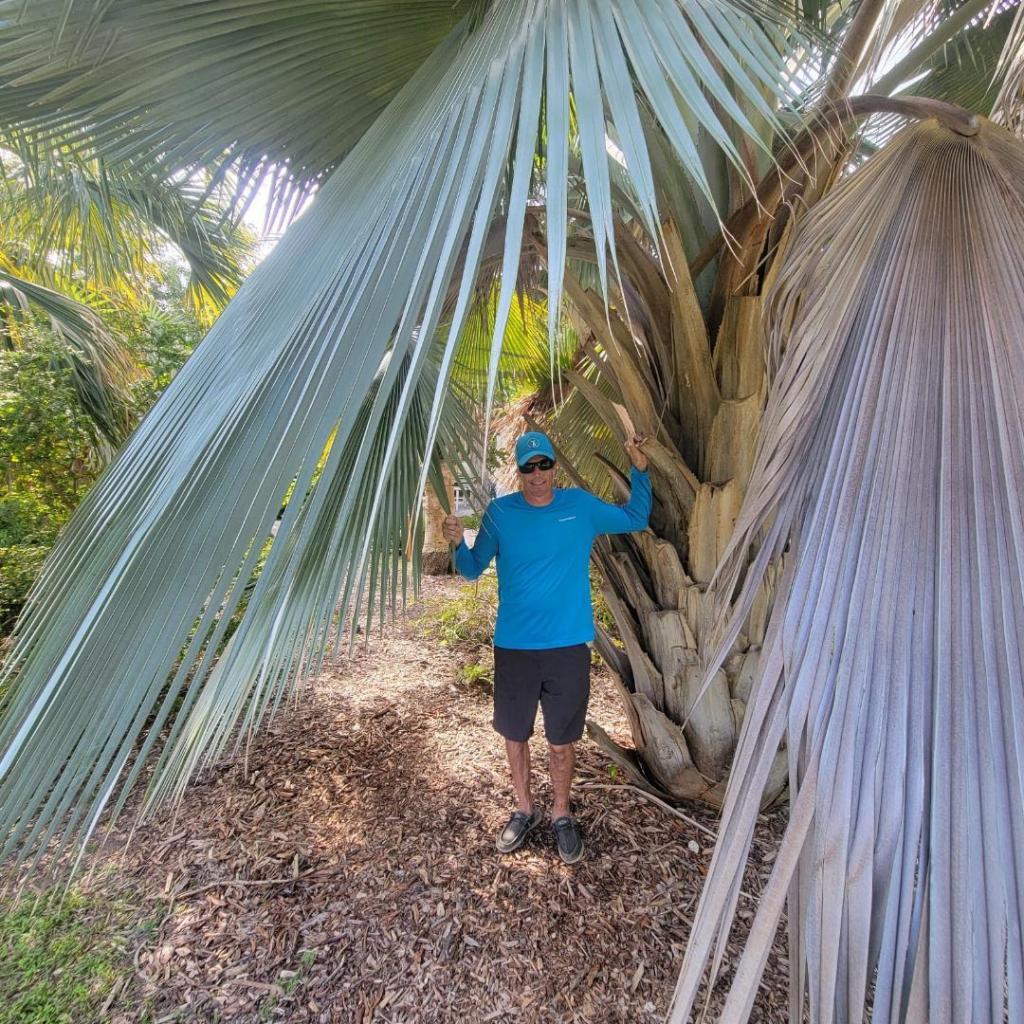
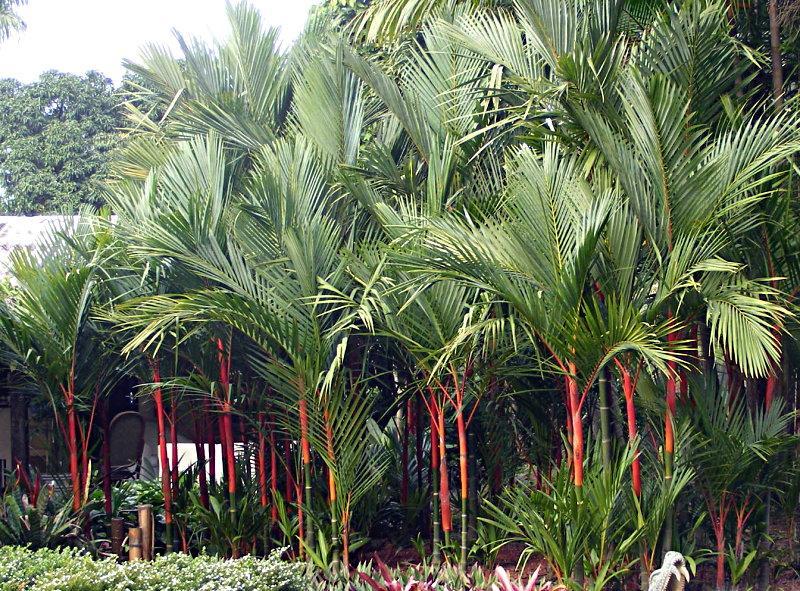 4 points
 -
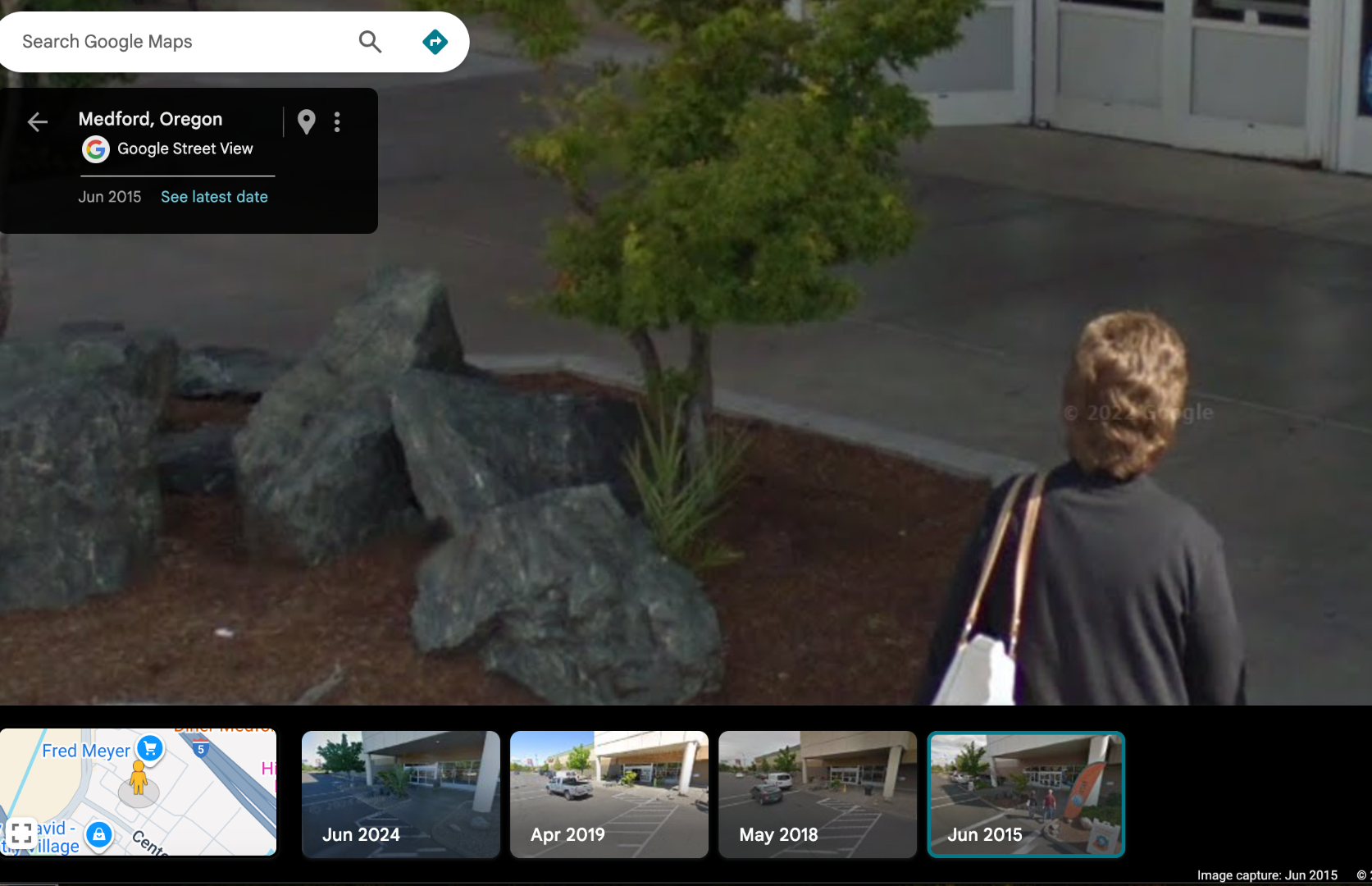
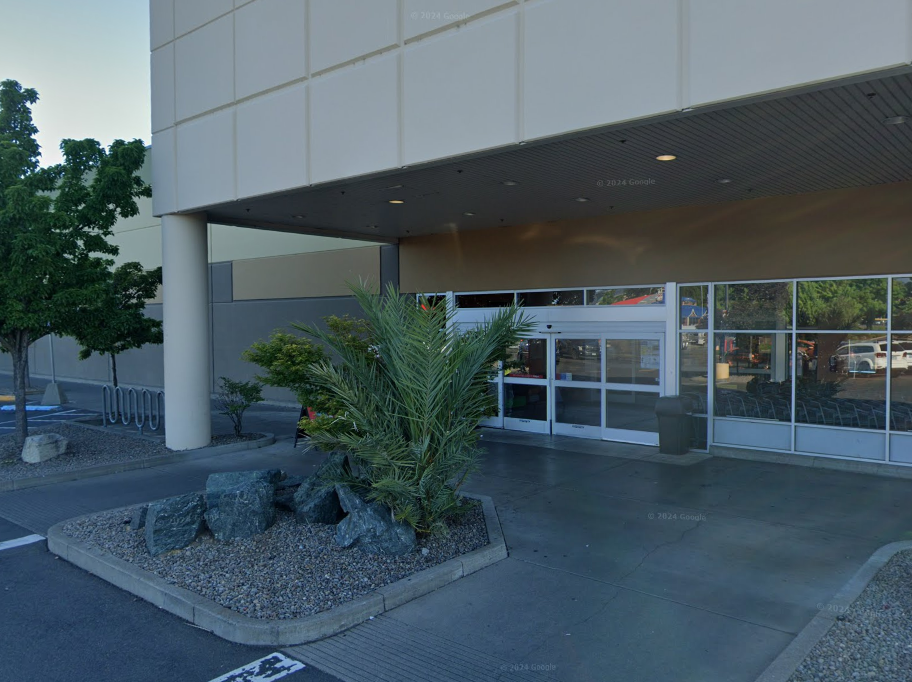
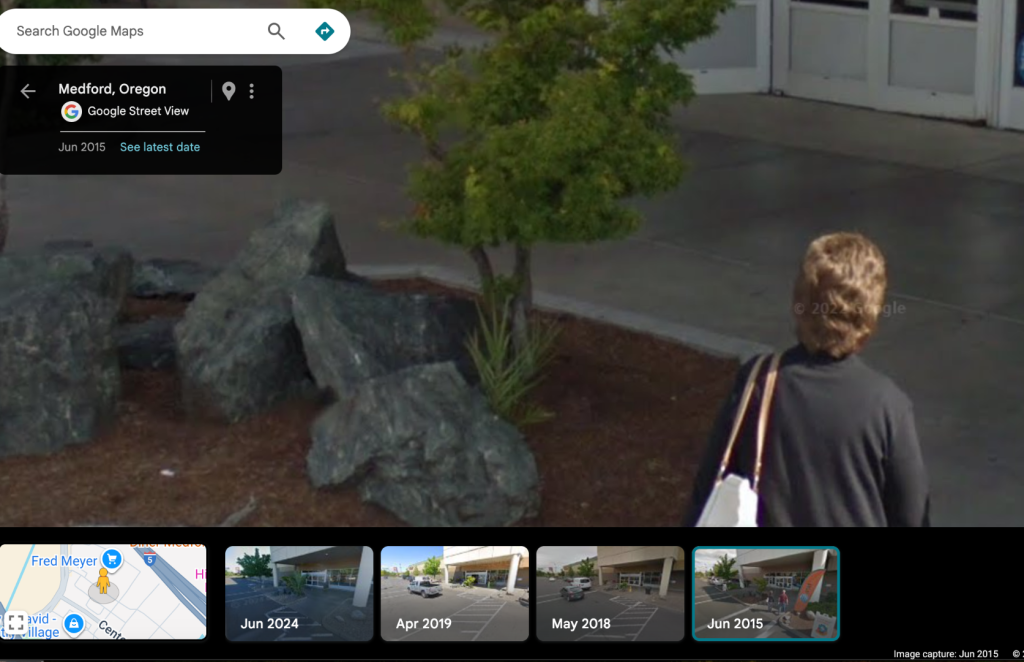
Can someone verify if the CIDP at the Fred Meyers in Medford is still there after the 24/25 winter? I don't think Medford got hit as hard as Northern Oregon. This might be great microclimate for it (building heat, hot summers, dry area, and some minor overhead protection) and might be a successful inland OR specimen. From earliest street views, it looks like someone just causally planted a seedling right there hoping it would become something. If the link below doesn't work, it is located at 1301 Center Dr, Medford, OR 97501 at the SW entrance. Link: Medford, Oregon - Google Maps Cheers,
 3 points
 -
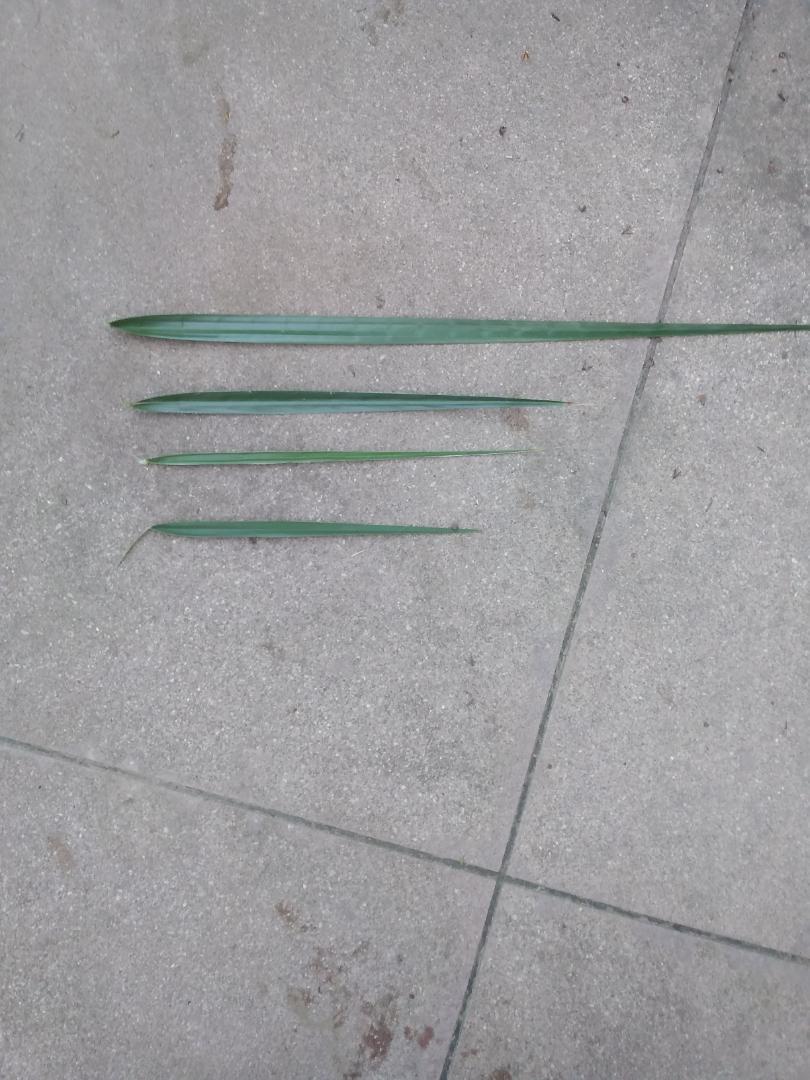
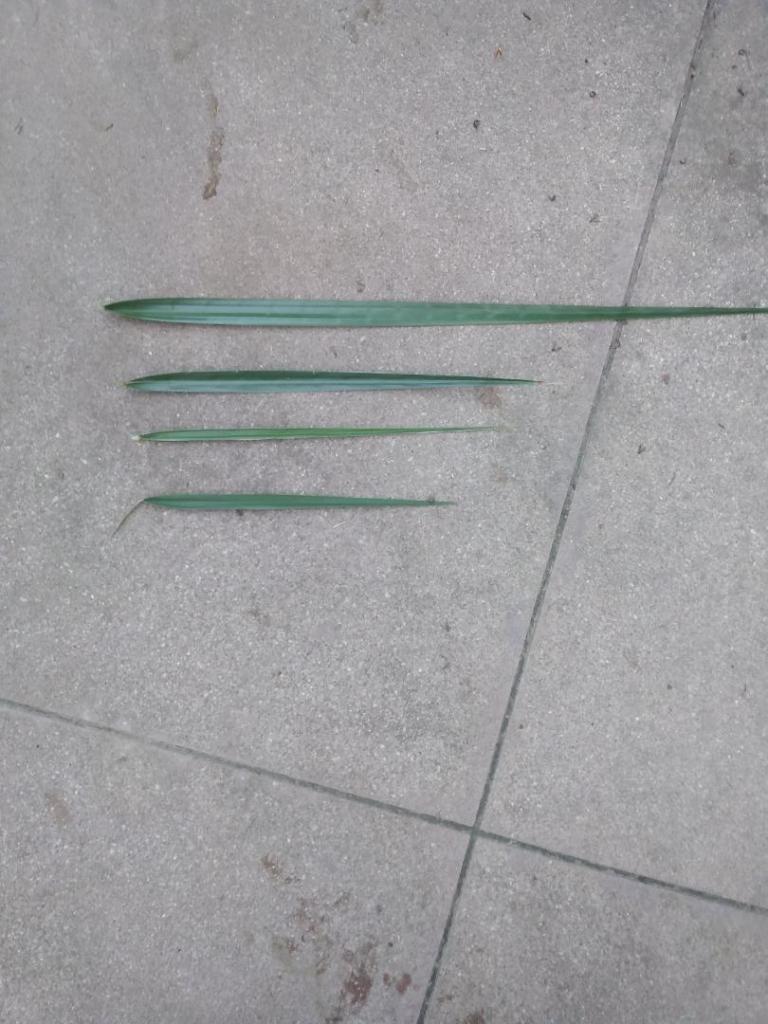
I took the pinna / pinnules of the central leaves of some of my phoenix pinna / pinnules--I translated it with Google, I hope it translated well, said Richard /happypalms, never trust a translator From top to bottom 1 phoenix rupicola 2 phoenix reclinata 3 phoenix roebelenii x reclinata, seeds made by me 4 phoenix roebelenii x dactylifera, seeds made by me
 3 points
 -
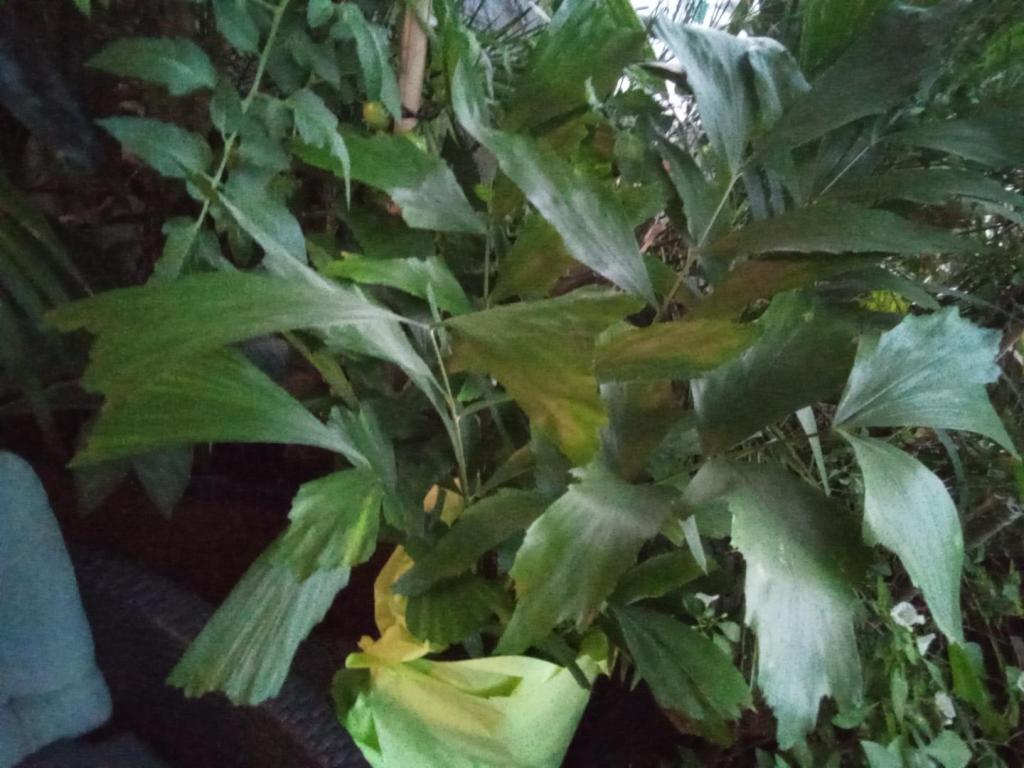
After stopping briefly at the store this afternoon to look for soil, my bargain hunter spotted this Caryota mitis for 25 USD. She spoke briefly with a gardener and ended up getting the palm tree for 20 USD. I was speechless and amazed ...
 3 points
 -
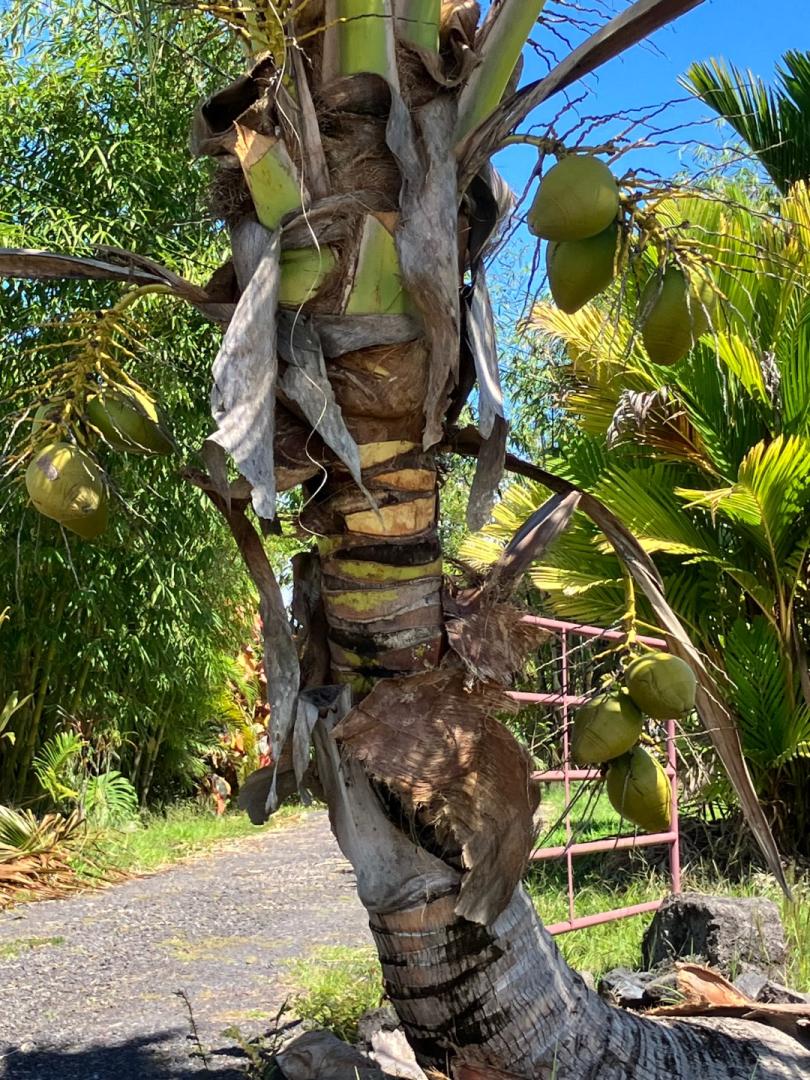
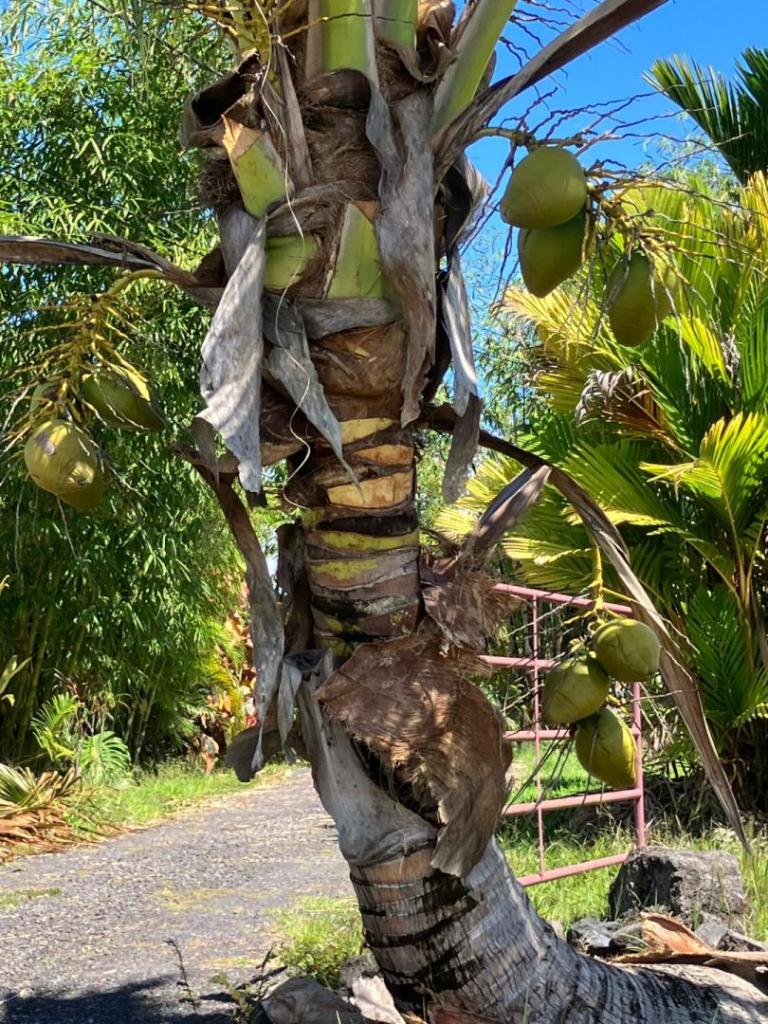
Today it caught my eye that literal low hanging fruit can be a really nice thing to have especially on a coconut.
 3 points
 -
Great palm . They prefer a more shady location here . The ones I have in the sun get burnt but grow well. The shade grown ones are very nice . Every few years I cut the flowering trunks out of the clump and it continues to send out pups. Probably easier to control in pots. Harry ‘This was over a year ago after I cut 2 6’ tall flowering stems. It has been there many years and has recovered from this cutting . It has now regained most of its size. It cruises through the lows of about 40f . Very rare that it gets that cold here , and only for a couple of hours . …..and that is a very good deal on that one you have , happy growing!😄
 3 points
 -
Not a waggie. Falls within the normal frond shape/size of regular fortunei. Technically speaking they are all fortunei.3 points
-
look at where this one was born, it's as if the mother who produced the seeds, somehow dropped the seed very close to its stem and roots, to protect it, if it germinated a few meters away I could trample it with my feet
 3 points
 -
A bit like us all with a bit of age!3 points
-
Thank you. I won’t count my chickens before they hatch, but this is the best sign I have seen this palm do in the way of setting seed.3 points
-
I met up with the Curator and senior staff this afternoon and was treated to a vehicular tour around the gardens as we travelled to each of the proposed planting sites. I was told all donations will be in the ground within the next two weeks. Took the opportunity to check out both Tahina. Pleased to report the small one has finally started to grow out the funk it went into immediately after planting mid-2024. Still a ways to go, but it’ll get there I think. The large one is really starting to look the business.

 3 points
 -
We hope that you too will find other wonderful specimens like these. Amazing. We're keeping our fingers crossed for you. Sometimes what you want really does come true if you visualize it over and over again.3 points
-
If I get more Juania Australis seeds, I'll send them to you, Richard. They're a bit tricky to get because they're from Robinson Crusoe Island (Juán Fernandez).3 points
-
Super happy about this flowering event, if I get any seeds I will send you some!3 points
-
Yeah Tim, it’s not quite as cool here summer or winter than your area as far as I know but not a huge difference. We don’t typically deviate much from temperature averages either. I bet you wish you could save that Foxy Lady’s life though. Poor thing.3 points
-
Just learned about this thread. Glad everyone enjoyed the tour and we appreciate all of the nice comments. We are always happy to share the garden and self invitations to visit are encouraged. Mike - I didn't even see you wielding a camera. Thank you for sharing pics with everyone else. Rick - Yes, Mauna Loa did a number on the West side of the Island in 1950. The first lava flow that crossed the highway travelled from the summit (13,681 ft elevation) to the sea (24km - 15 miles) in a little less than 3 hours. So clearly when Mauna Loa gets a bit shaky we do too. Good news is that eruptions are approximately every 20 years and the last one was in 2022. Hopefully we are good on that front for awhile. Kim - the Raphia is mambillensis. It is a trunkless or nearly trunkless species in the genus. Happy to try to answer any questions - gmp3 points
-
Mind you having just looked this up, it has done pretty well there. It was tiny back in 2015 and has grown a fair bit over the past decade or so. I know Oregon had some cold blasts in recent years as well. I also didn't realise it was so far south and close to the border with CA. So not overly surprising.
 3 points
 -
Yes. T. wagnerianus is the easiest to distinguish from the others in the genus, and that one looks nothing like it.3 points
-
I like it Jim ☝️3 points
-
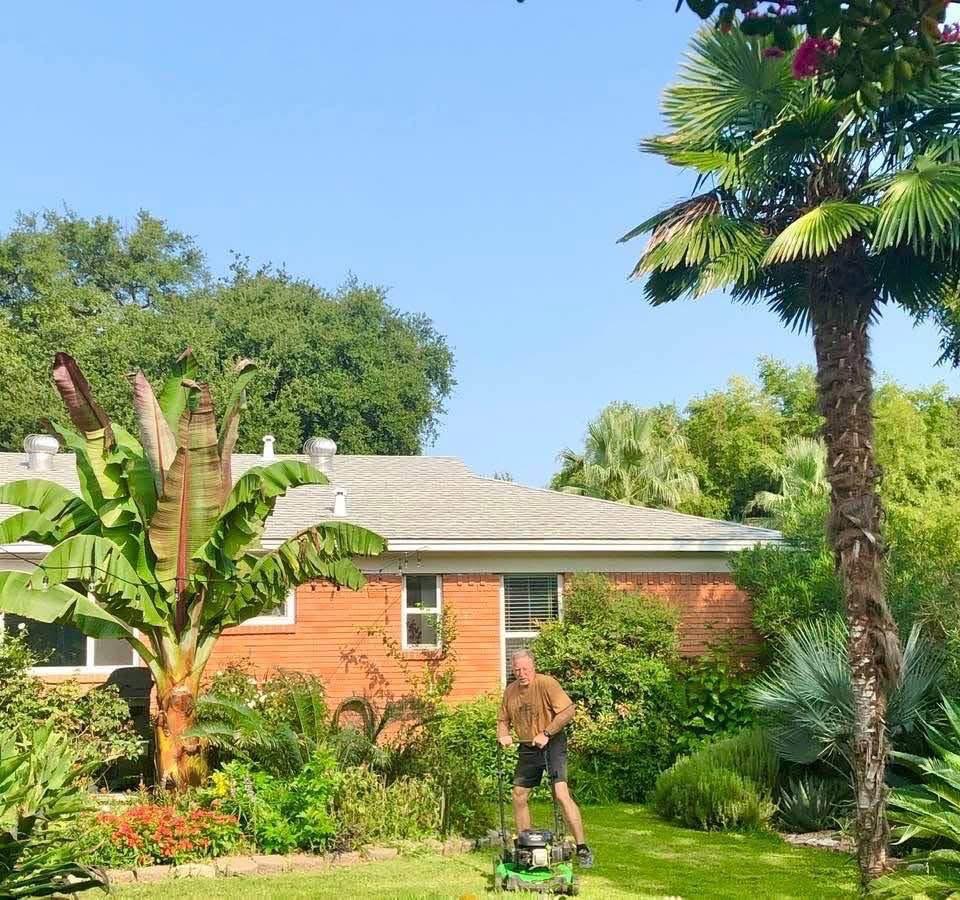
Trachycarpus fortunei and ensete maurillii in Dallas
 3 points
 -
Seedling grown Brahea armata in Dallas 7 months after 12F
 3 points
 -
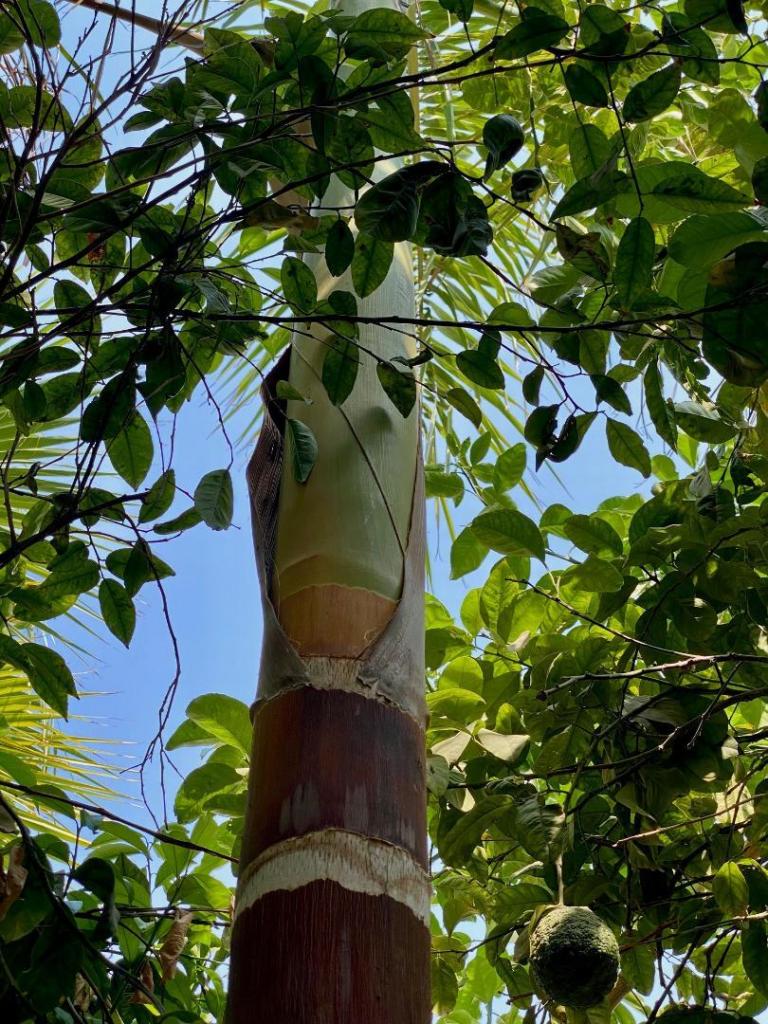
Royal dropped a leaf to show this
 3 points
 -
Yes I don't think it is a waggy but nice looking palm nonetheless3 points
-
To me it looks just like what you would expect from a Fortunei or maybe Fortunei x Wagnerianus hybrid. Nice palm nevertheless.3 points
-
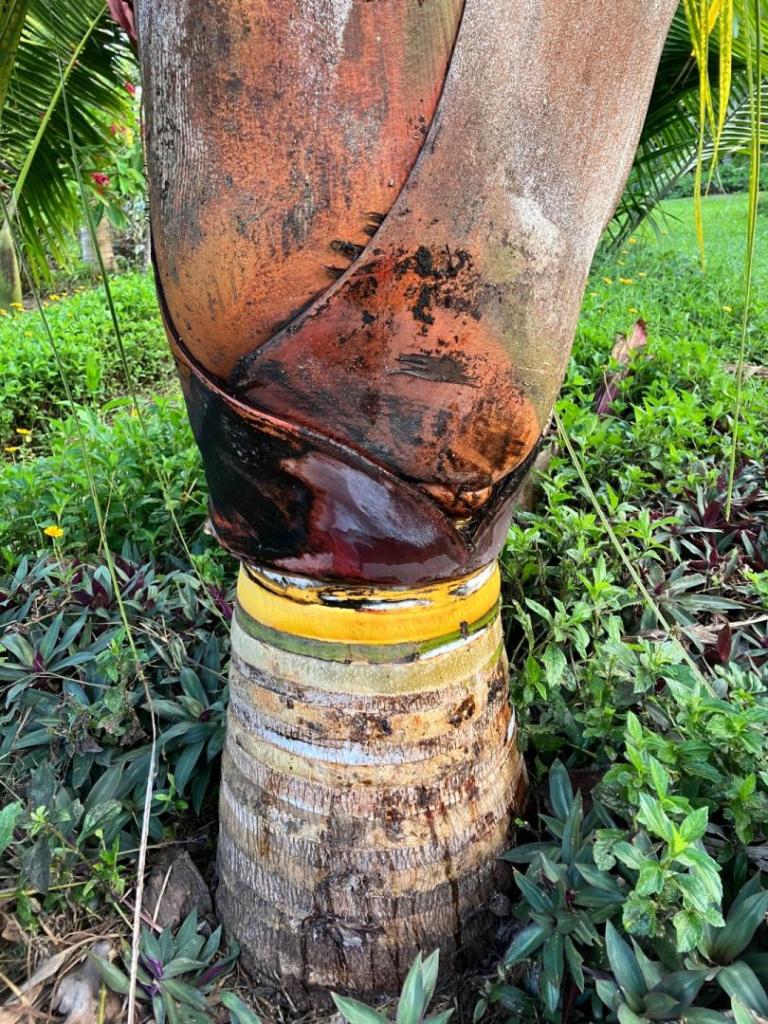
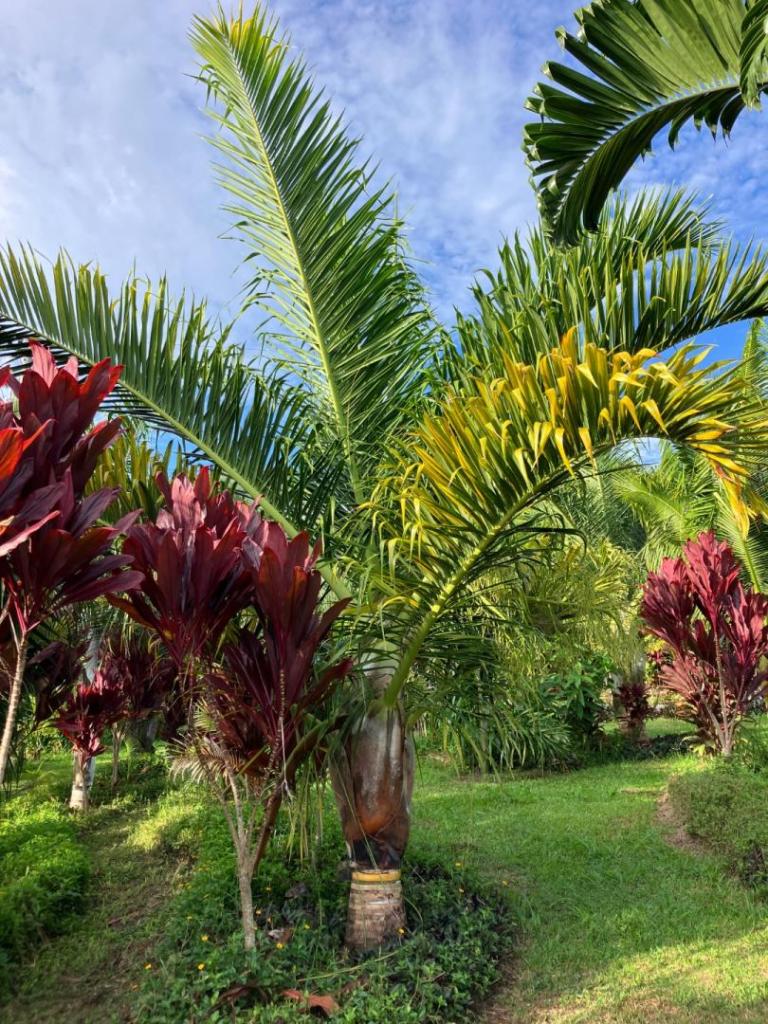
Chrysalidocarpus Prestonianus dropped a leaf to reveal some color

 3 points
 -
Three spears on this Rhopalysyis caught me eye.
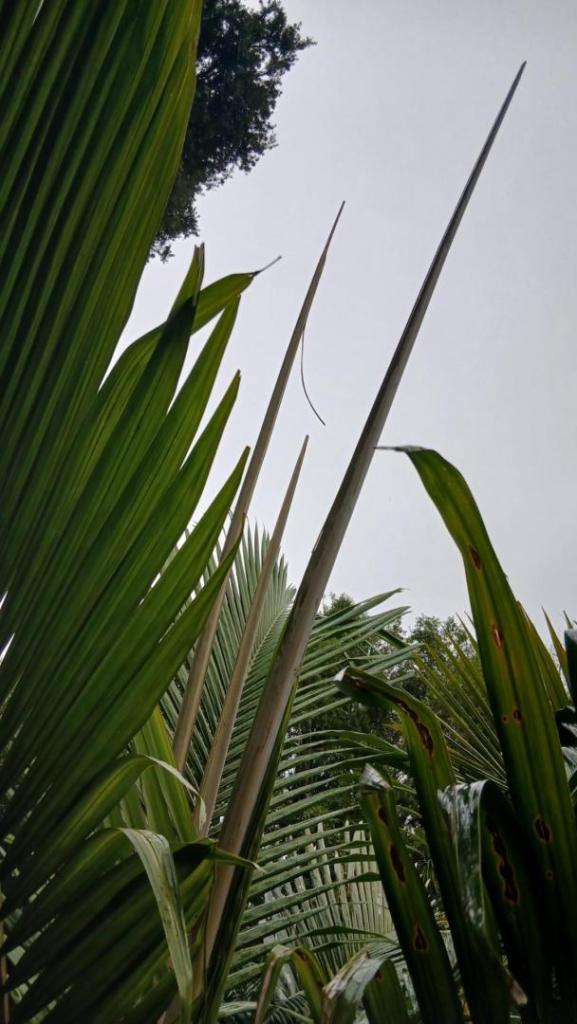 3 points
 -
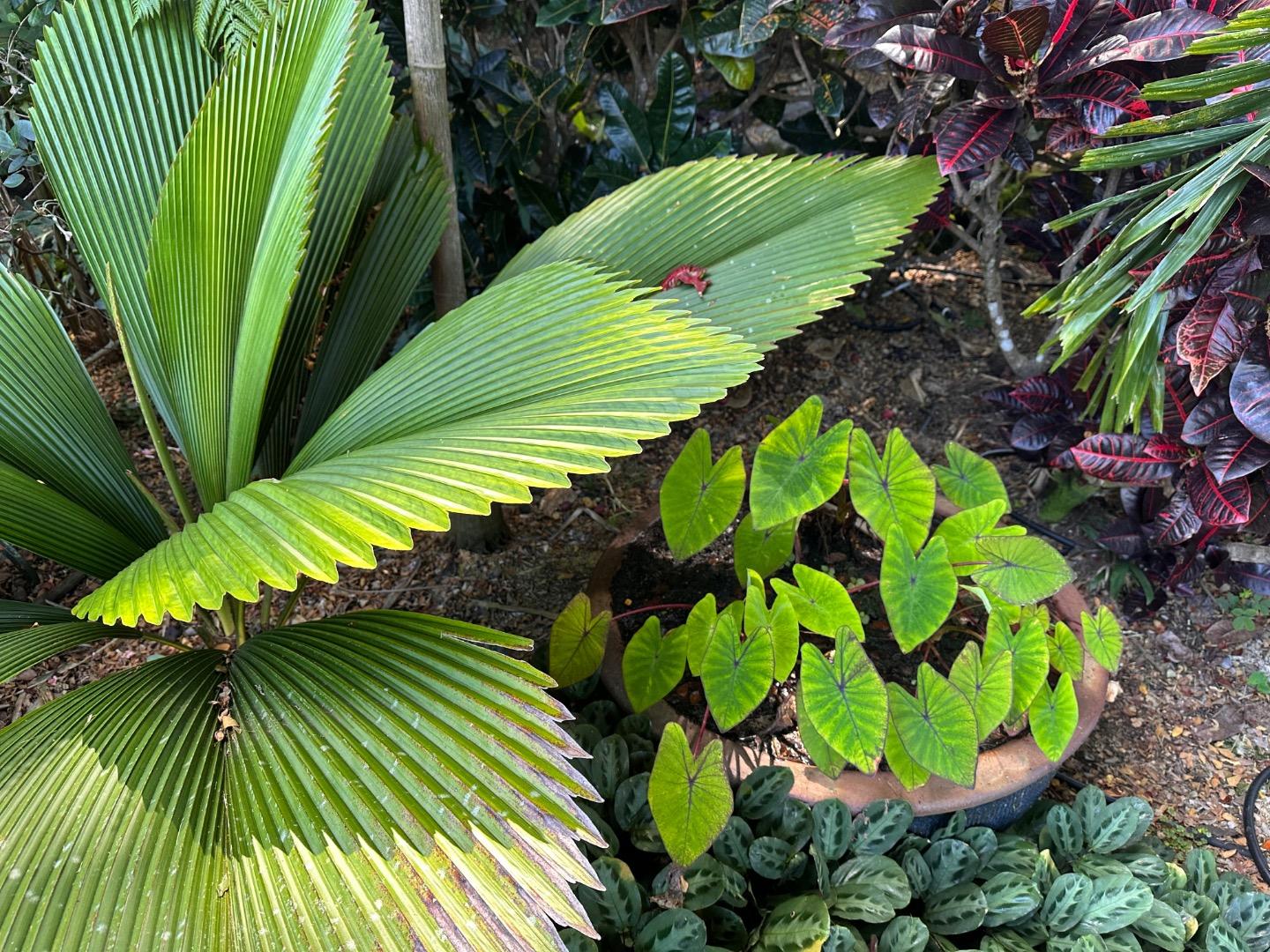
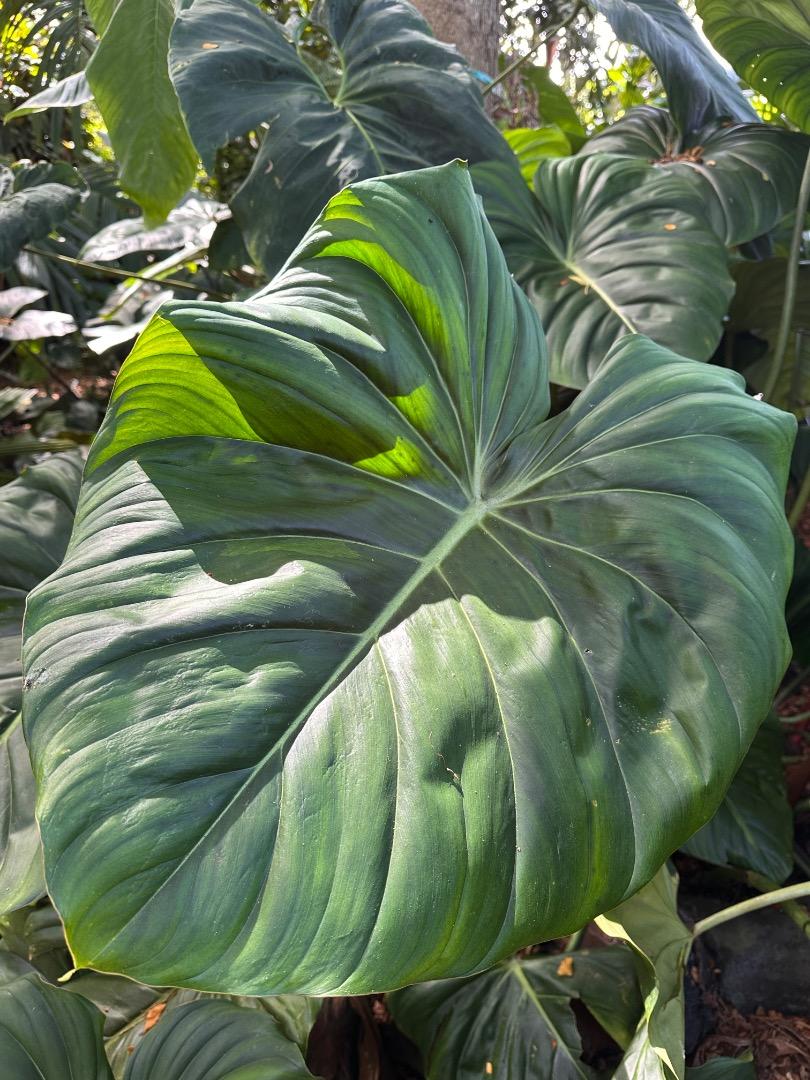
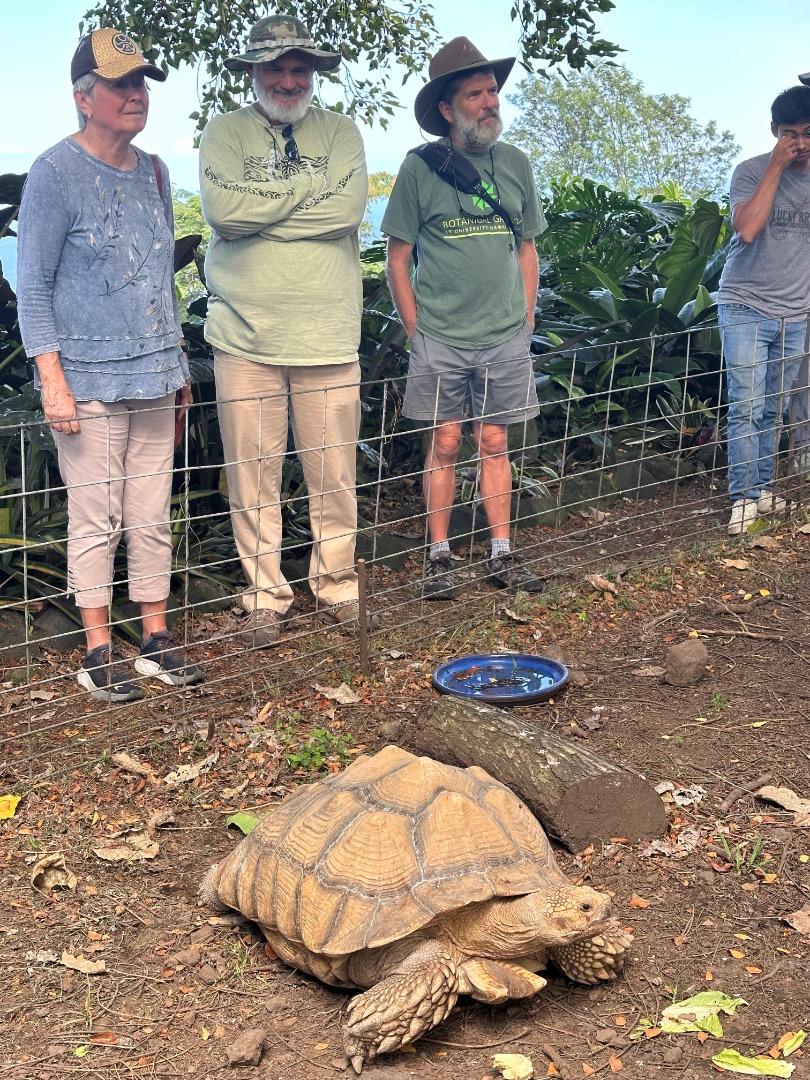
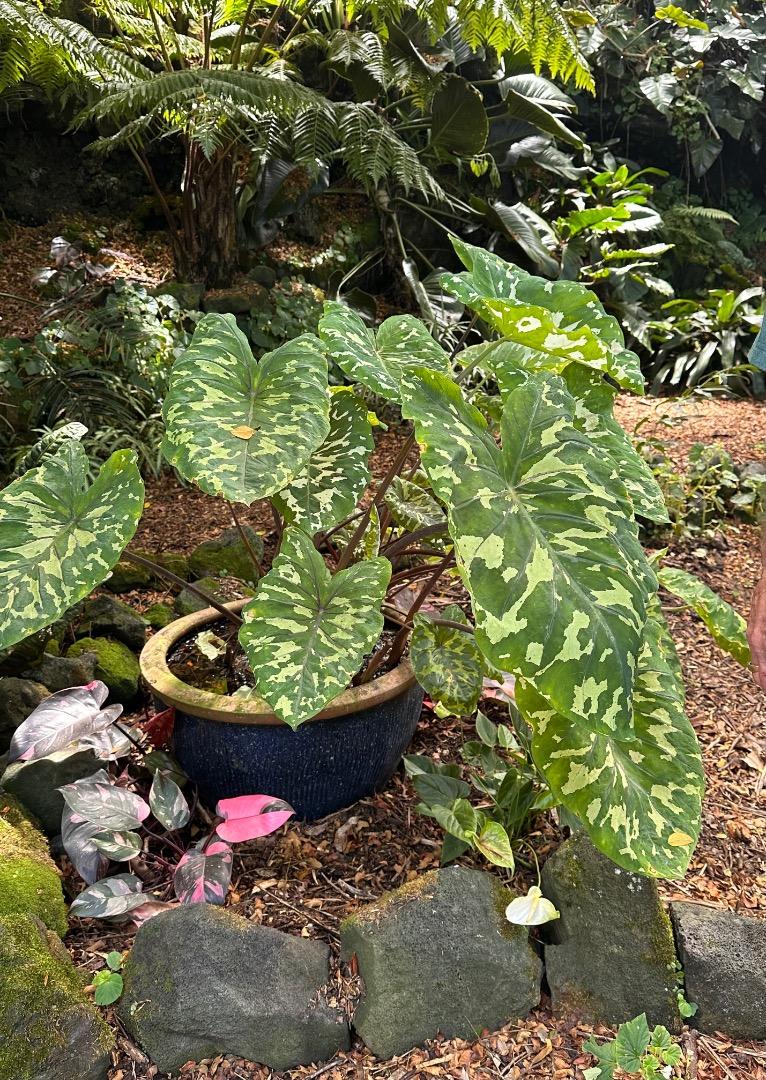
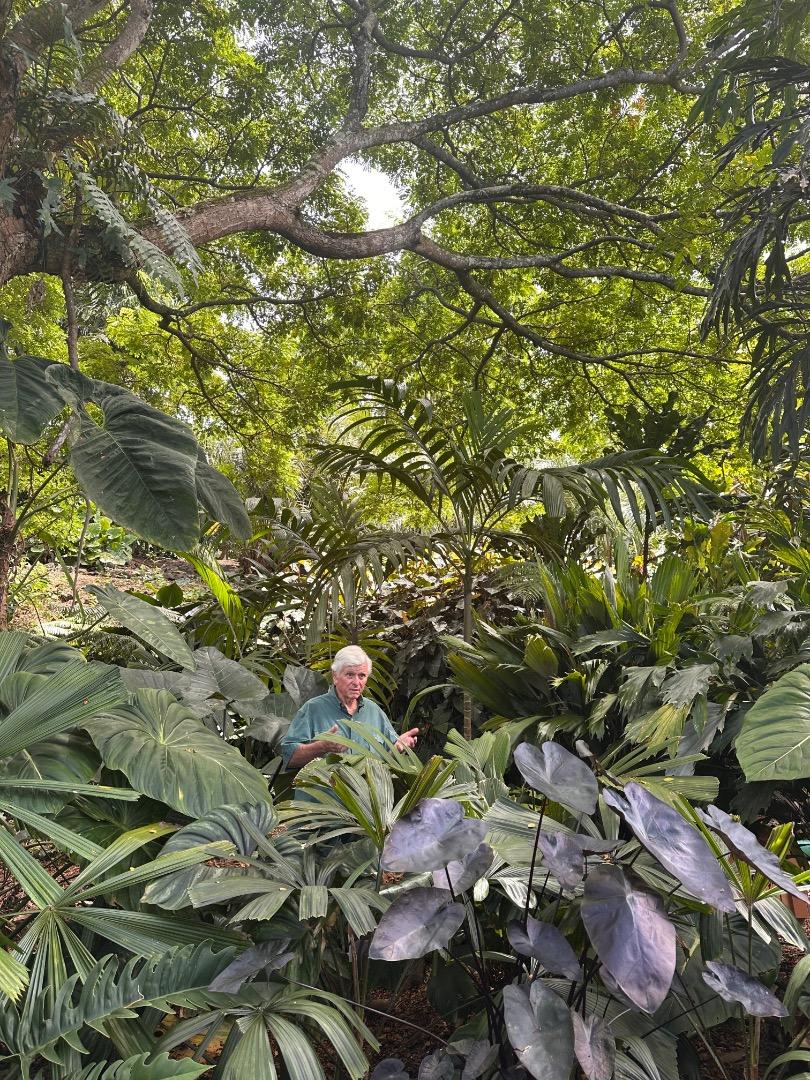
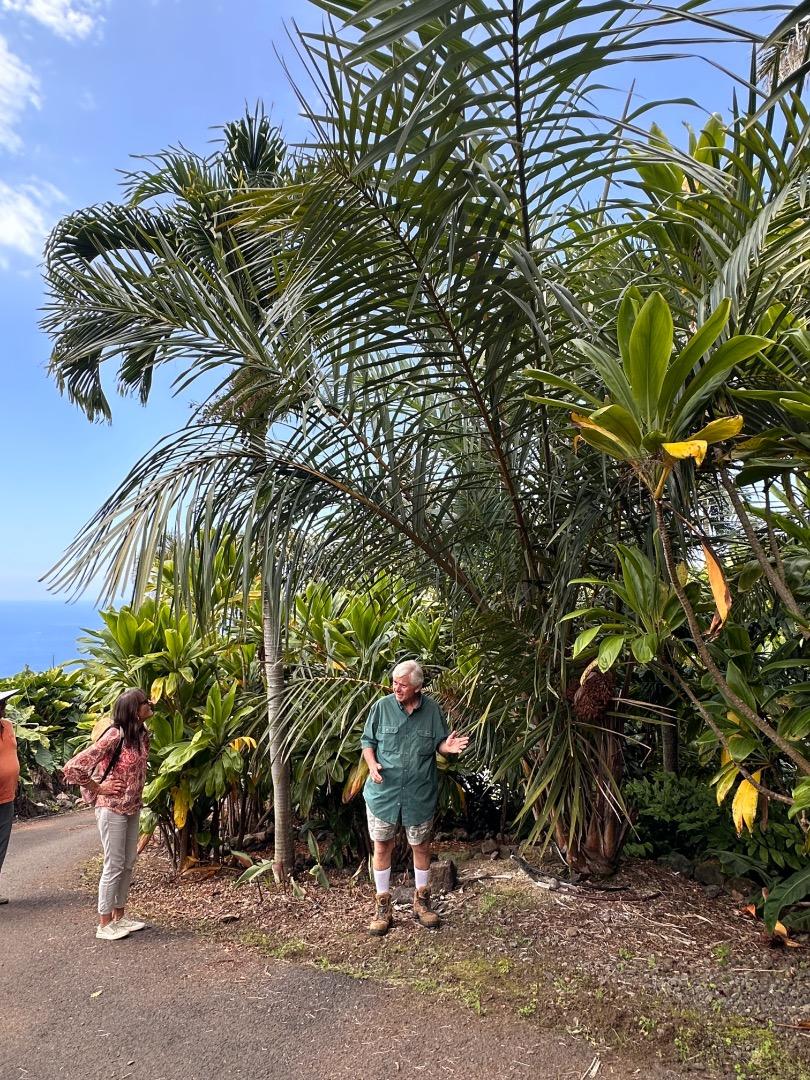
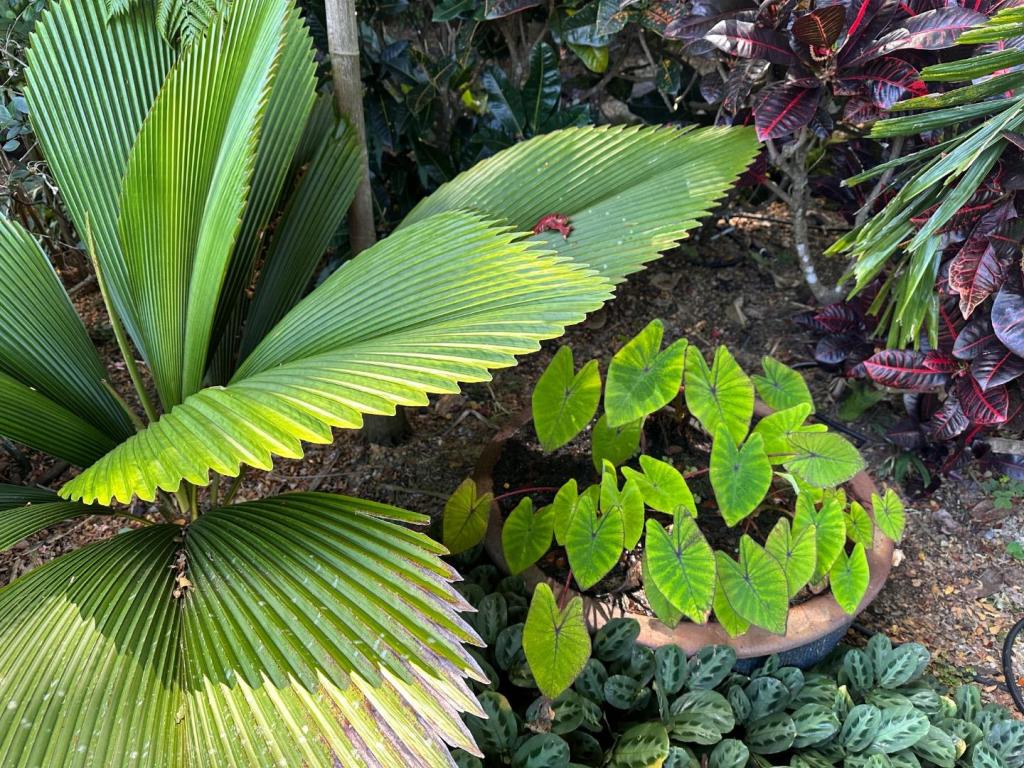
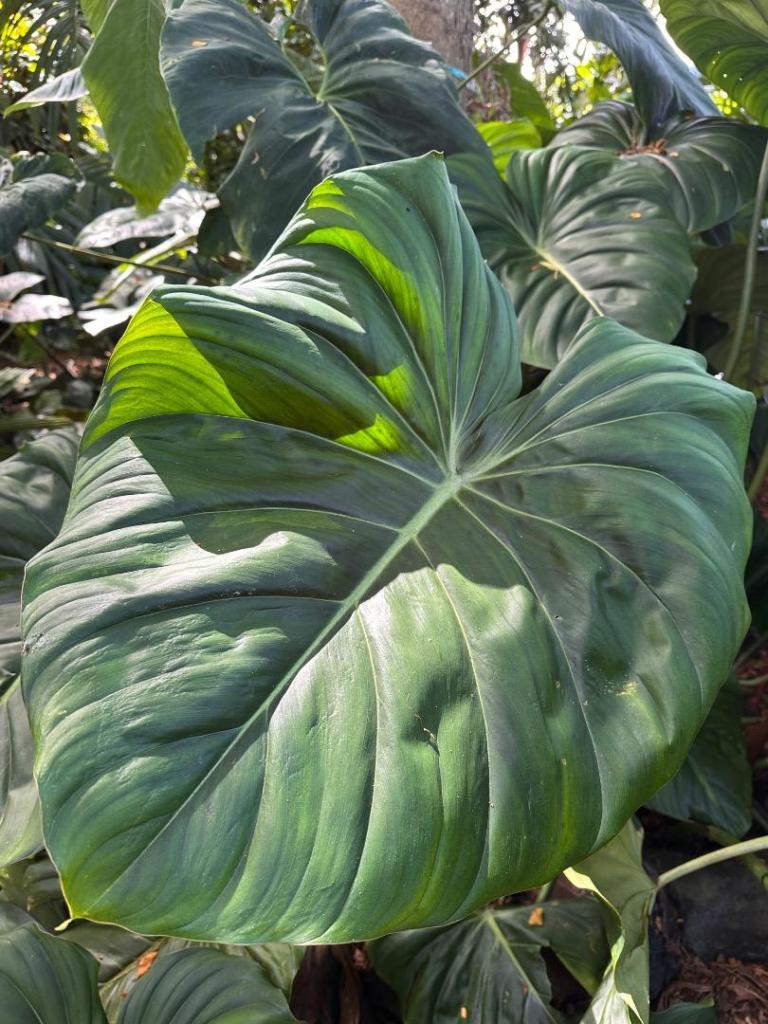
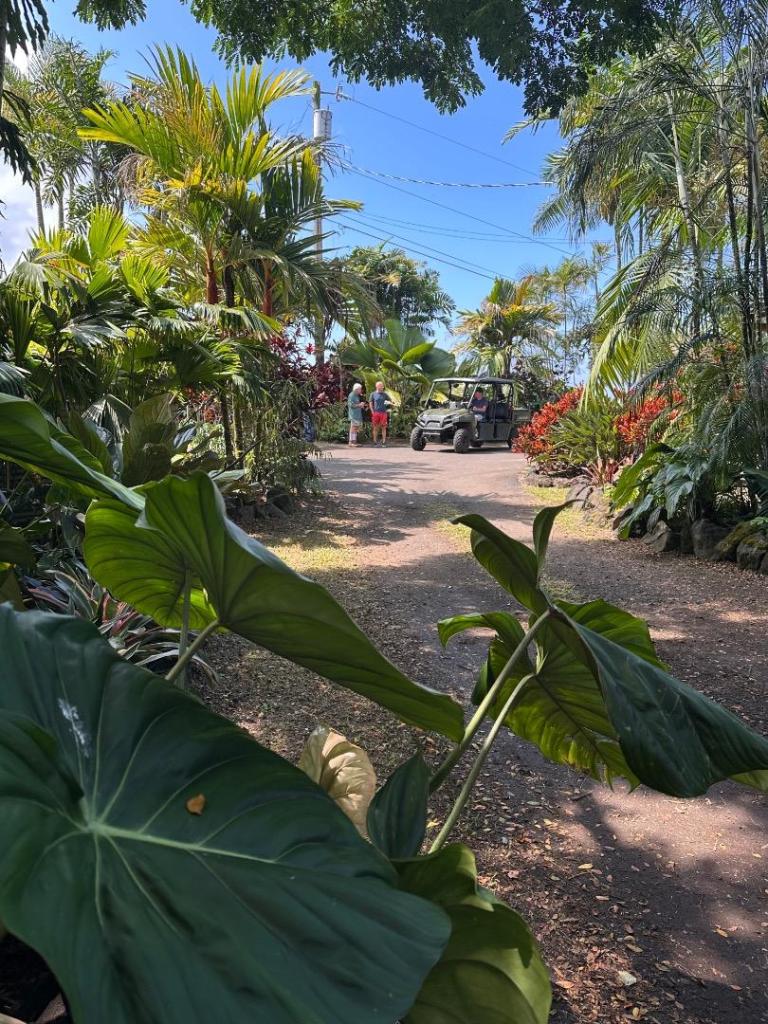
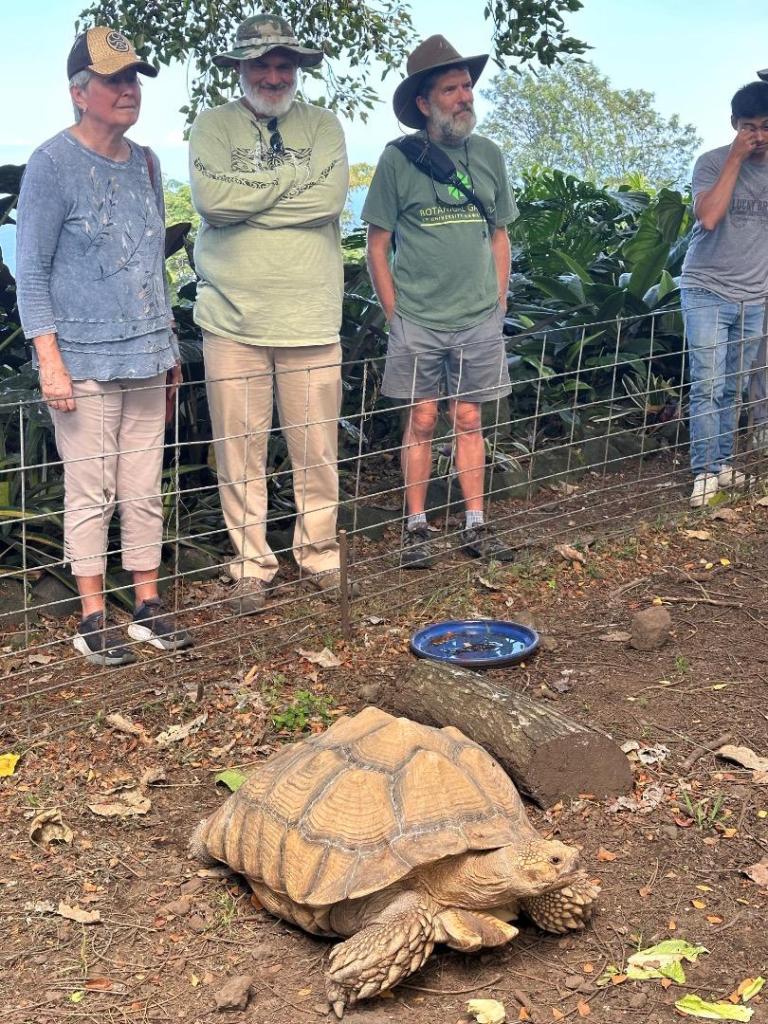
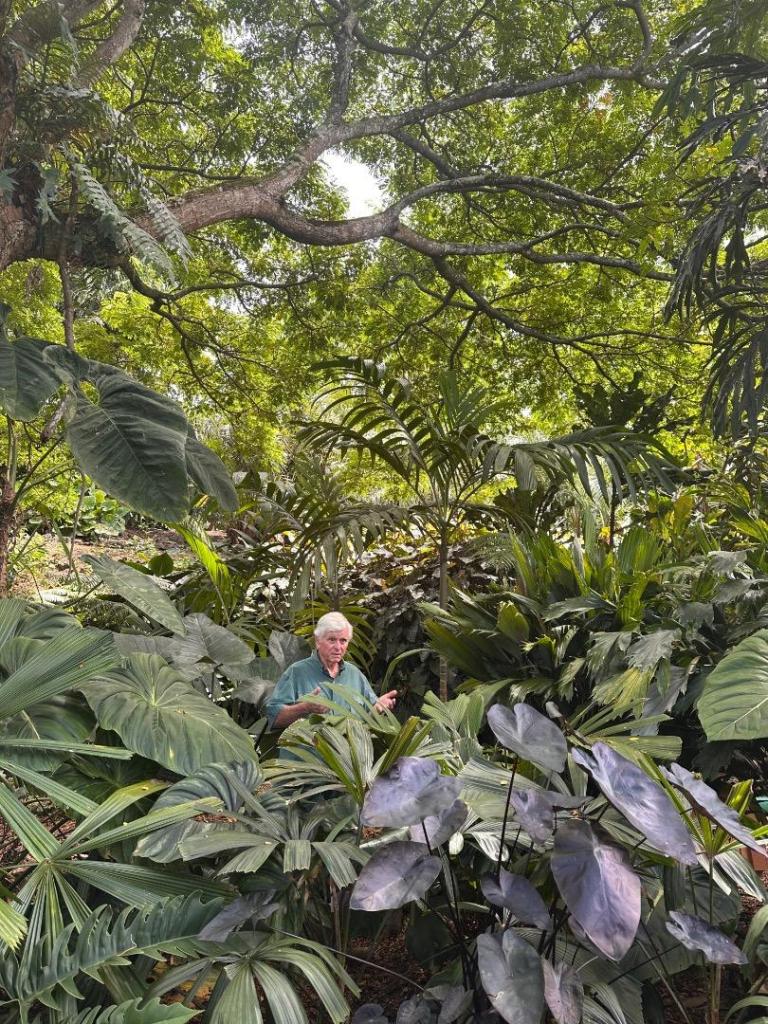
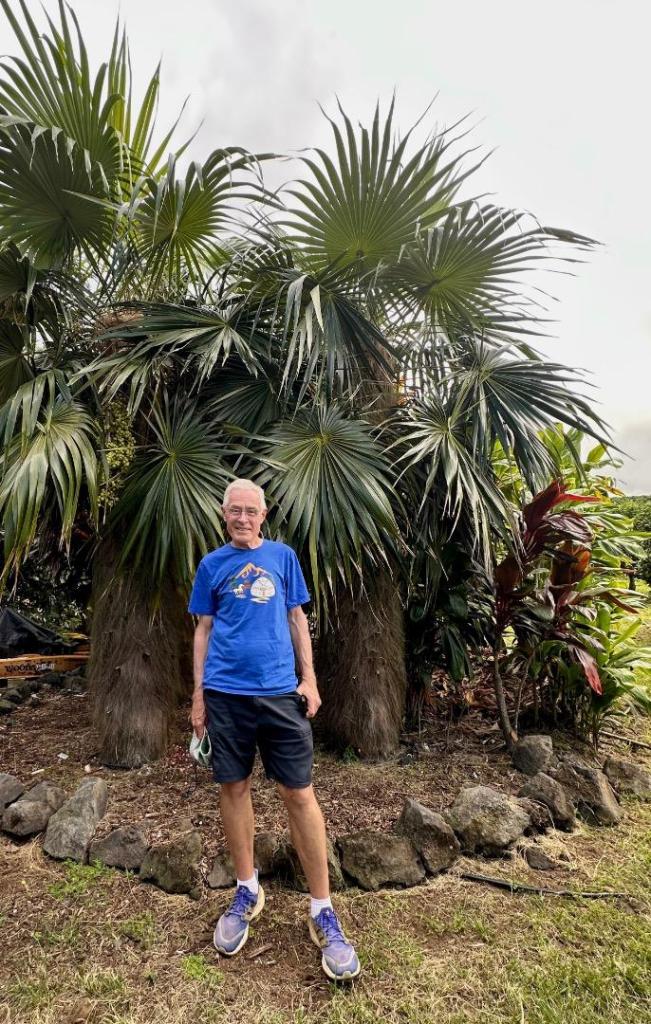
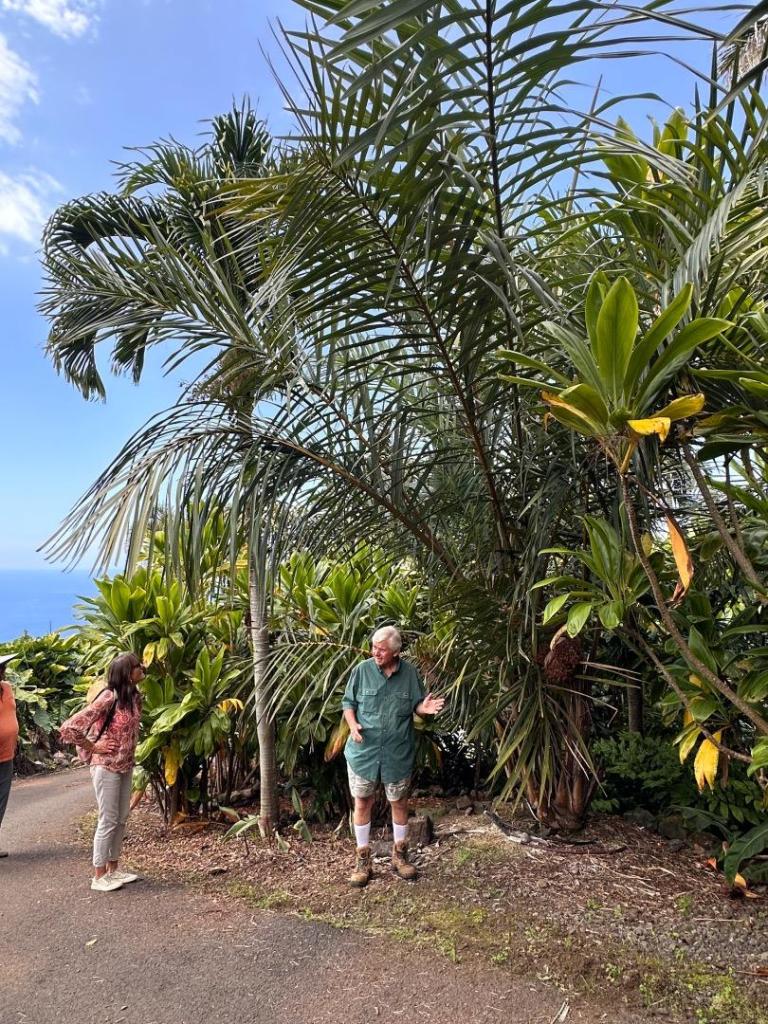
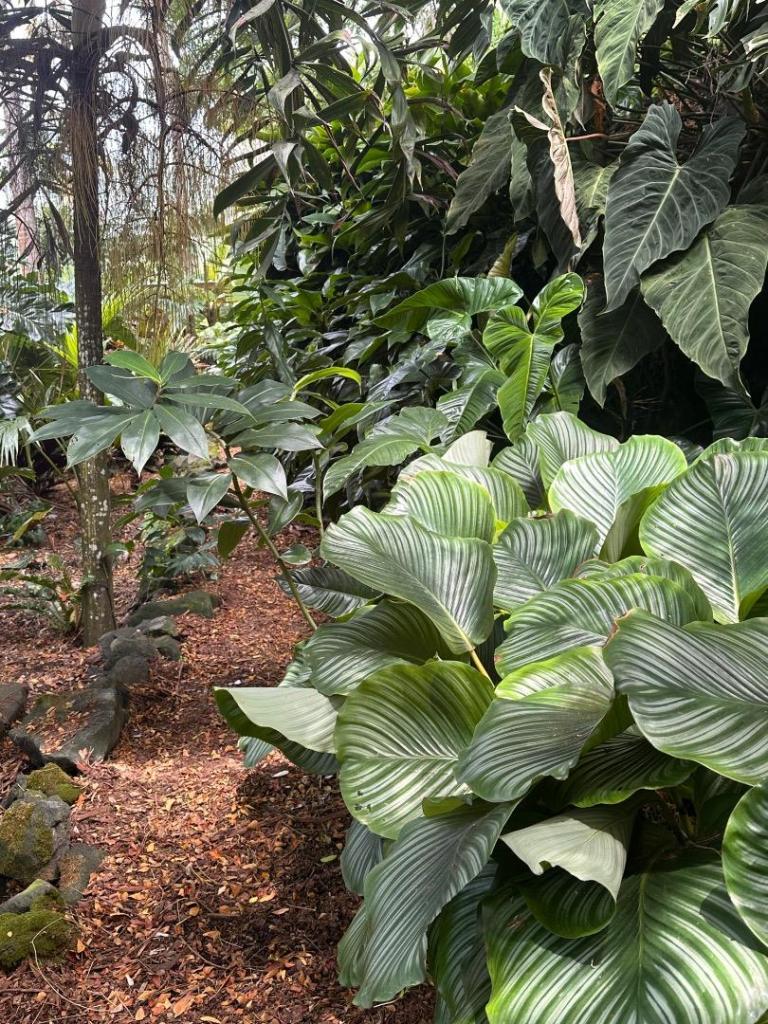
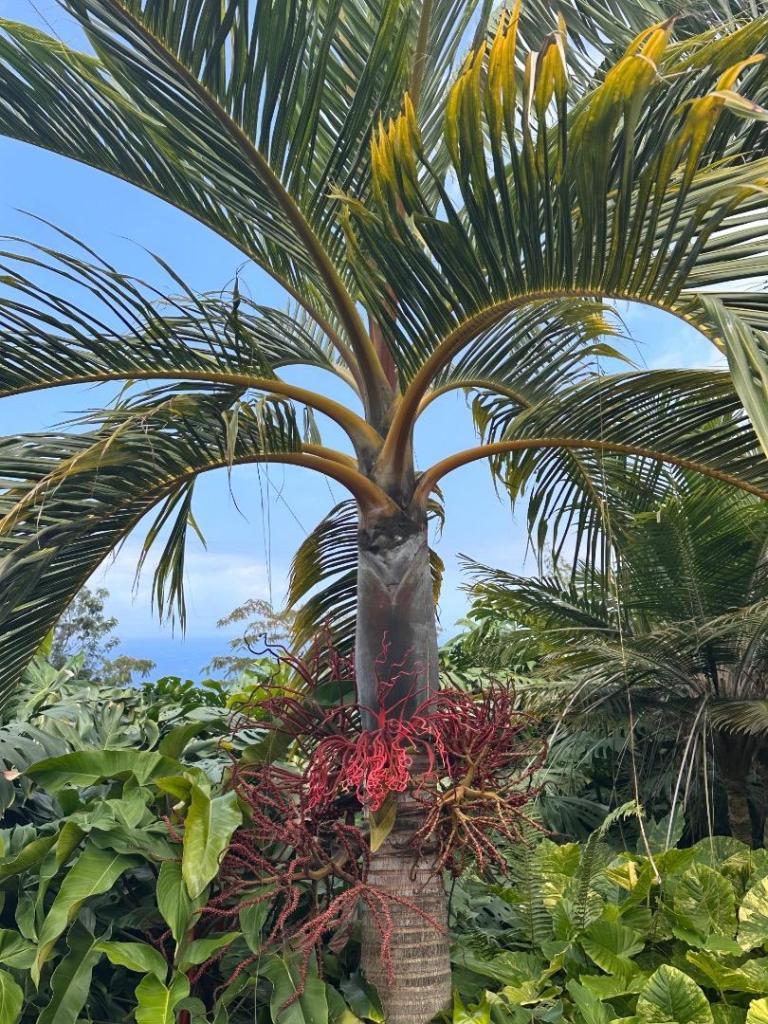
Thank you, Mike and Rick, for adding photos and information here on PalmTalk. Bo and I attended the morning session of the tour and I really appreciated what Dr. George has achieved in a relatively short time. The understory captured my attention as much as the palms -- an impressive amount of foliage plants really set off the palms. And the palms were varied and quite impressive. Photos below. Below, an astonishing pair of Dypsis rosea, closeup of inflorescence below. The one Colocasia I can keep alive, 'Gloriosum.' (Correction: Philodendron 'Gloriosum') Below, Dr. George on the left welcoming a visitor while Kenny (hope I got that right) mans the Polaris. Below: palm jewelry Fun getting acquainted with Leonard and his pal. Below, more of the wonderful foliage plants -- i"m told keeping them in sealed pots with plenty of water is the 'secret' to success for this one. Dr. George describing his still-young Sclerosperma mannii while engulfed in luxuriant greenery, Monkey pod tree overhead. Bo with a couple of old men, aka Coccothrinax crinita. Dr. George with what I vaguely remember as a Raphia species. Below, Borassodendron machadonis with Dr. George for scale. Next 2 photos: loving the understory inspo For a final bow, the most colorful and happy Bentinckia condapanna on the planet, no "enhancement' necessary. Special thanks to Hawaii Island Palm Society, Dr. George, and wife Lynn for an inspiring day in the garden. There was so much more than what you see here... just wonderful!






 3 points