

Leaderboard
-

happypalms
IPS MEMBER86Points13,447Posts -

Mandrew968
IPS DIRECTOR34Points7,502Posts -

Hu Palmeras
IPS MEMBER31Points1,048Posts -


Harry’s Palms
IPS MEMBER20Points4,509Posts
Popular Content
Showing content with the highest reputation on 09/24/2025 in all areas
-
 10 points
 -
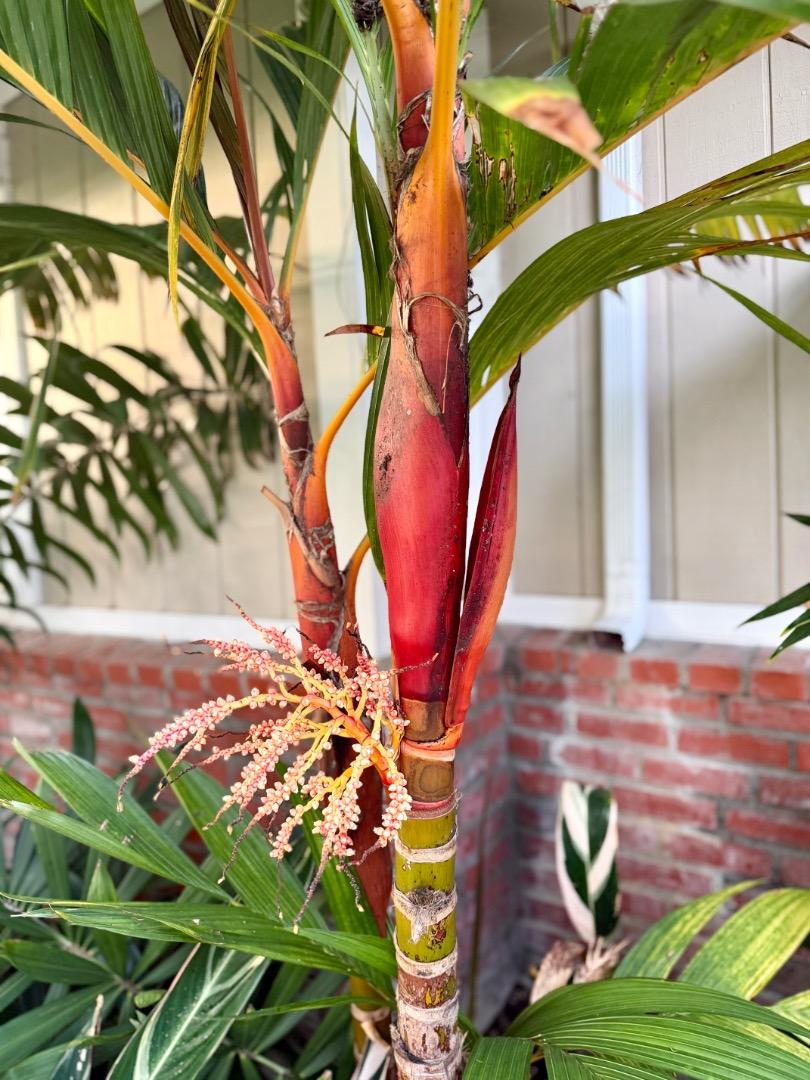
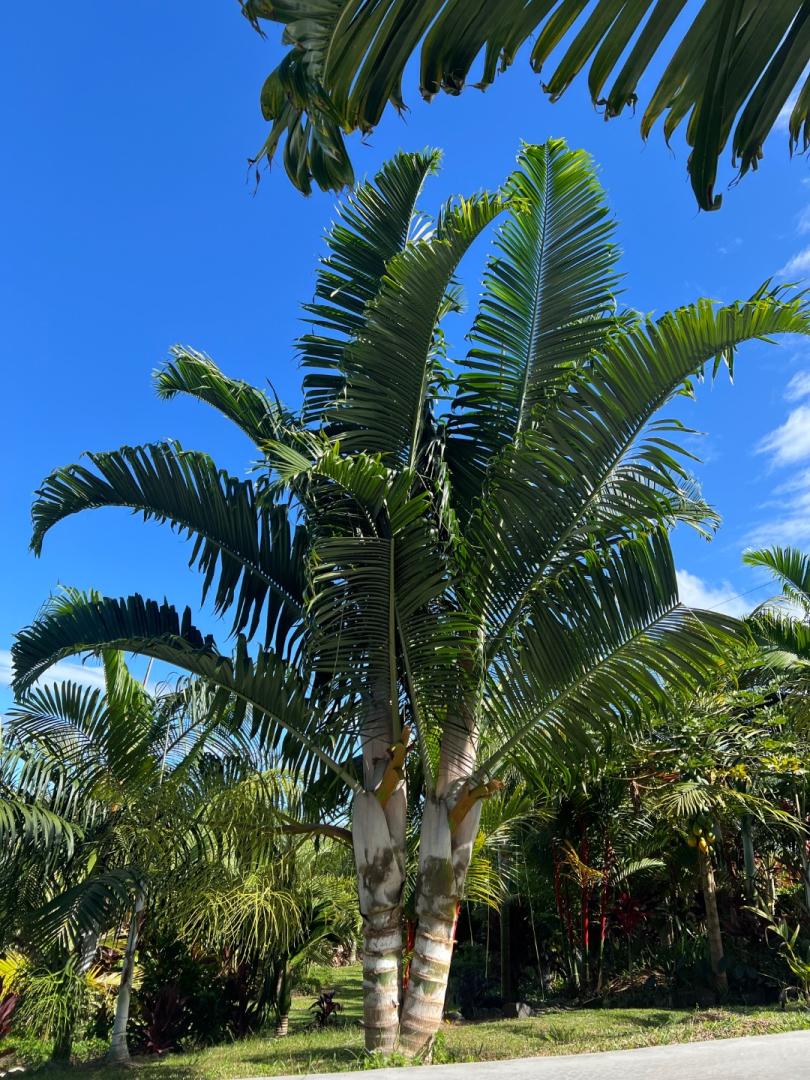
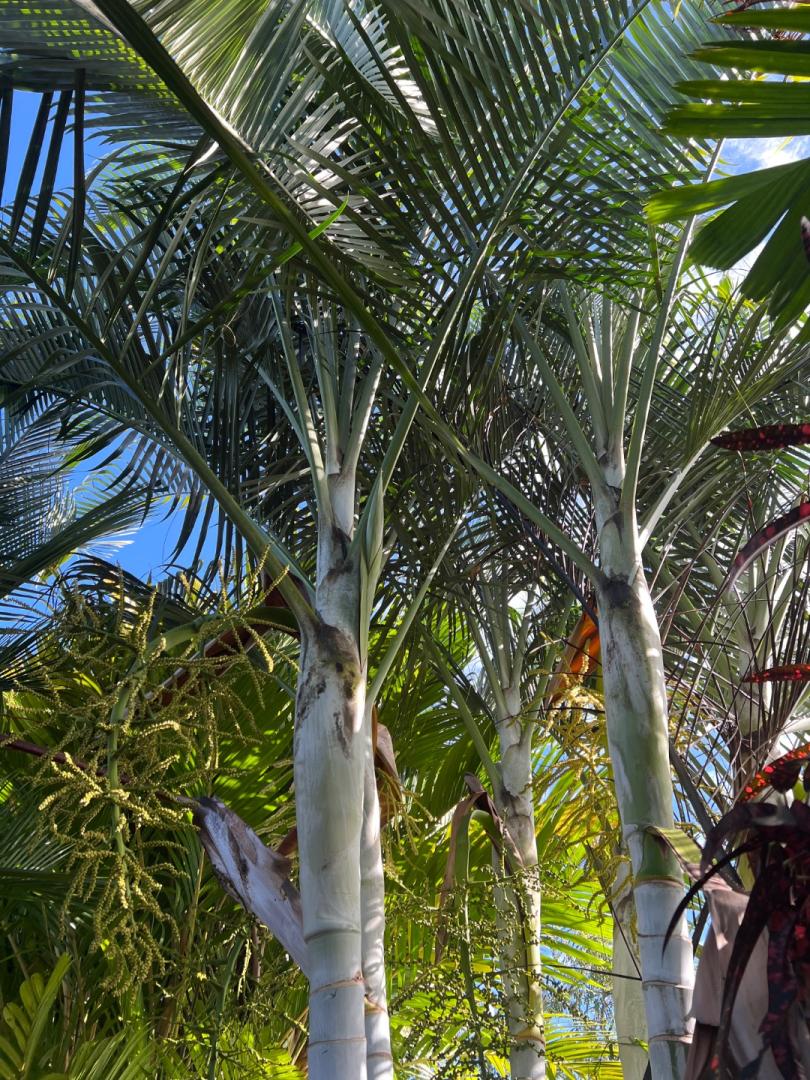
 My second Chrysalidocarpus (Dypsis) decipiens is going to flower. This one has the crownshaft and inflorescence more colorful than the others that are more greenish.


 10 points
 -
9 points
-
 7 points
 -
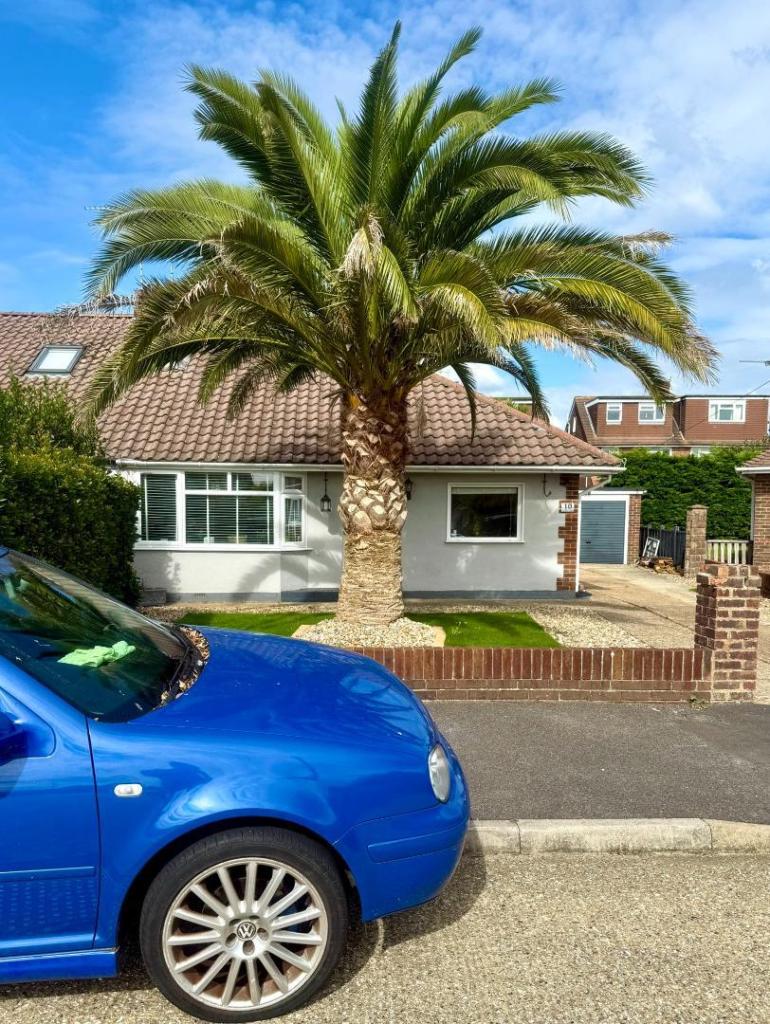
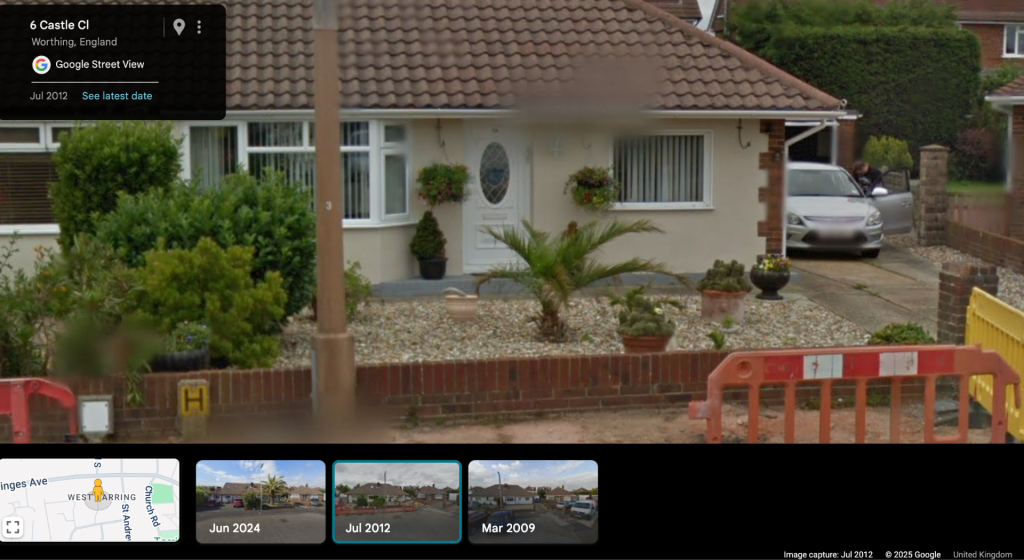
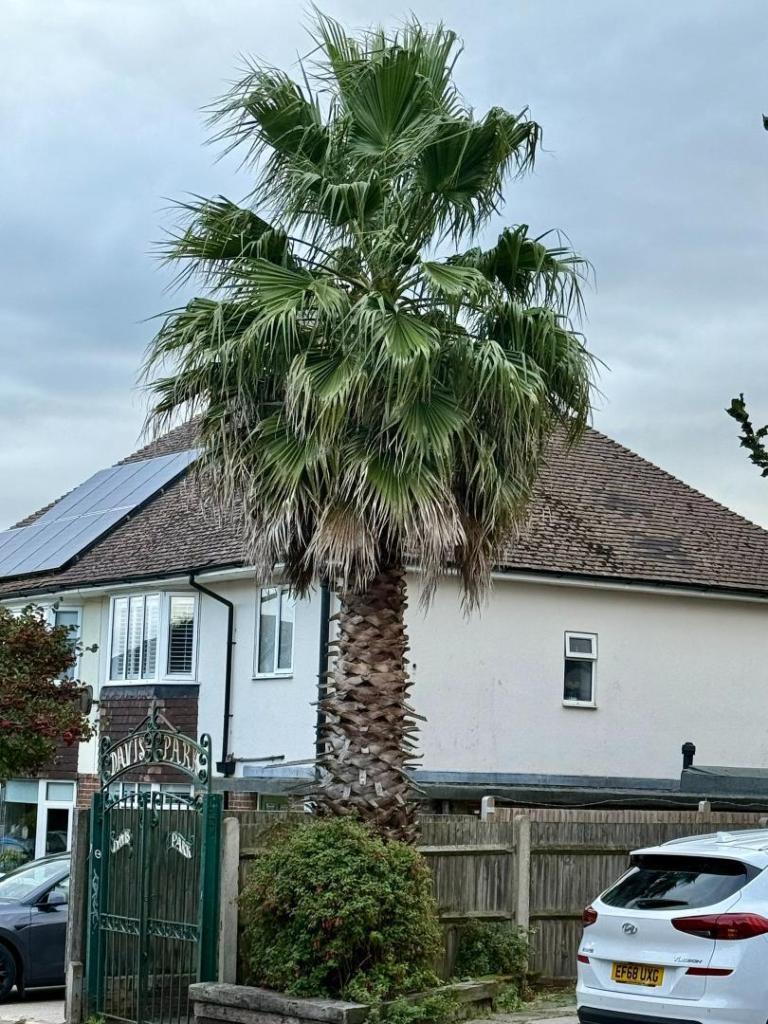
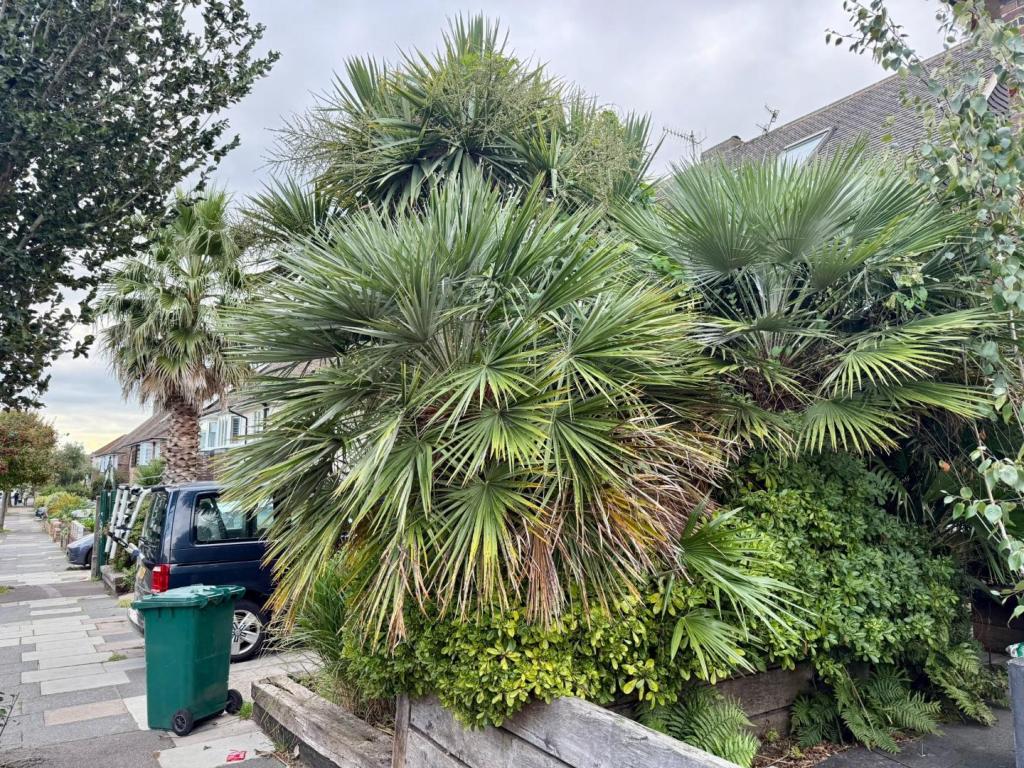
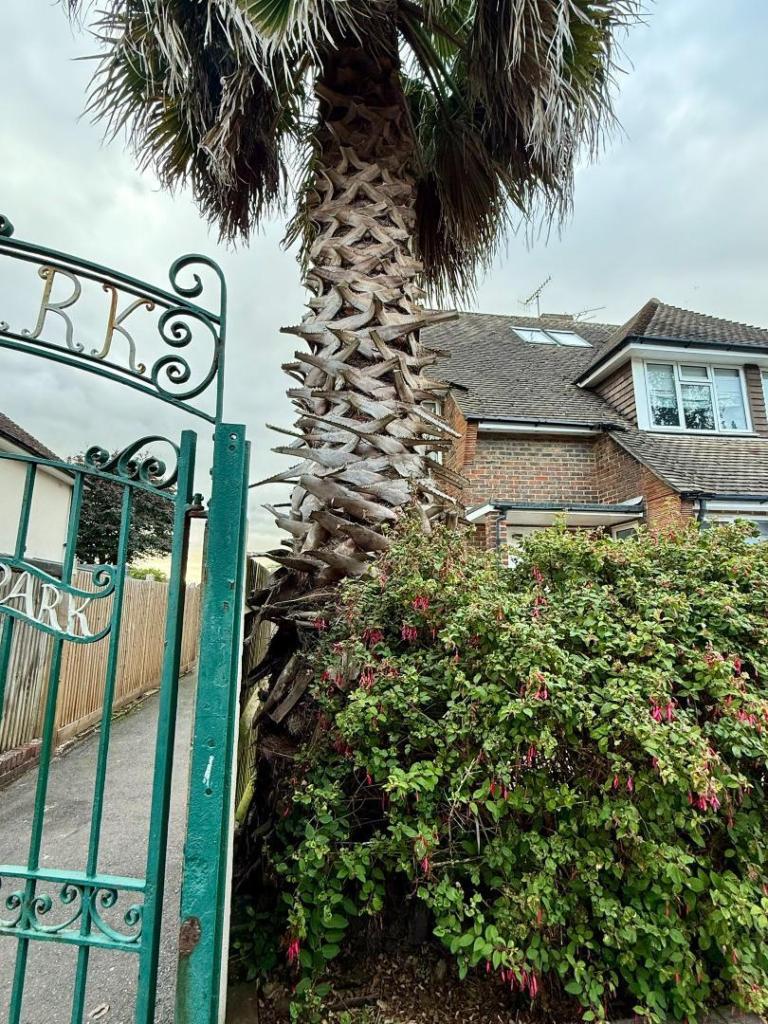
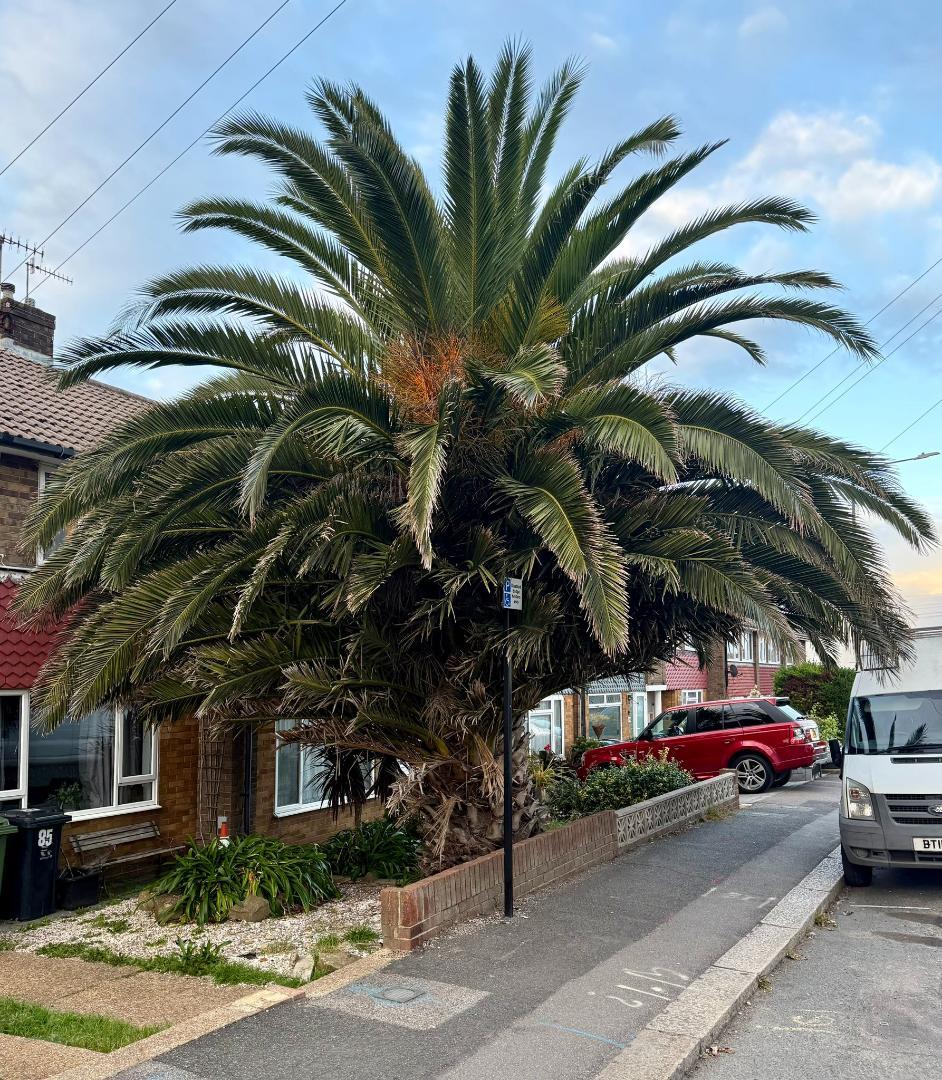
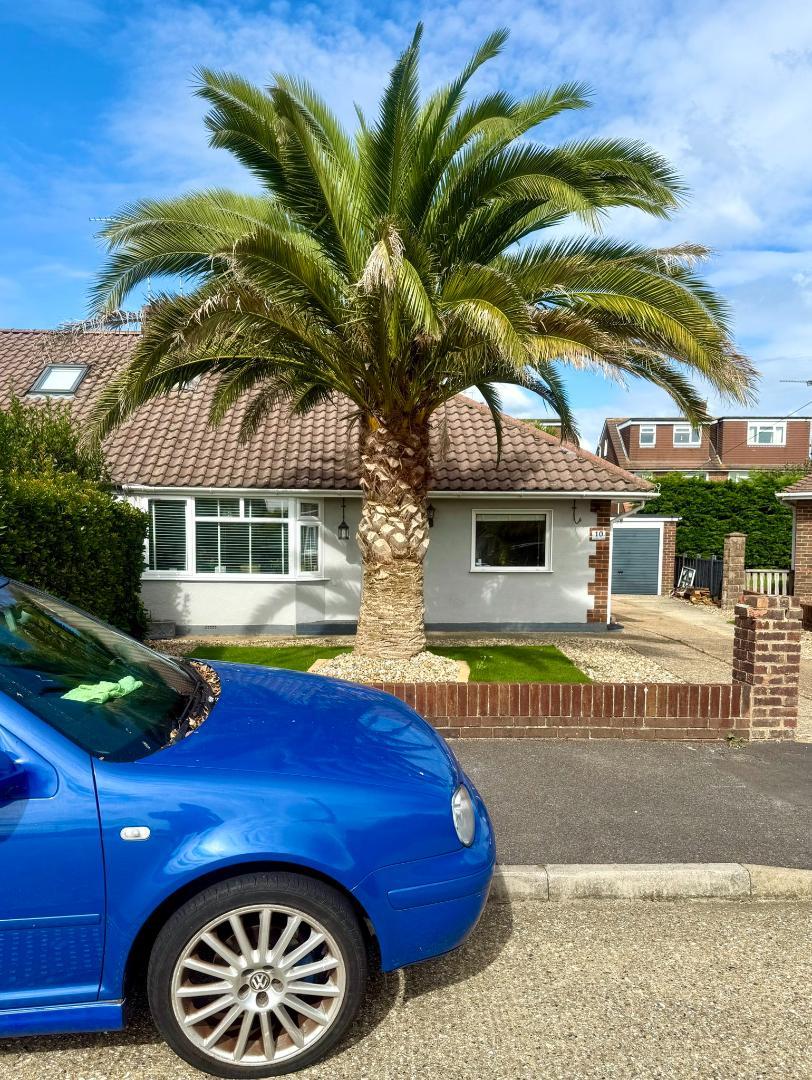
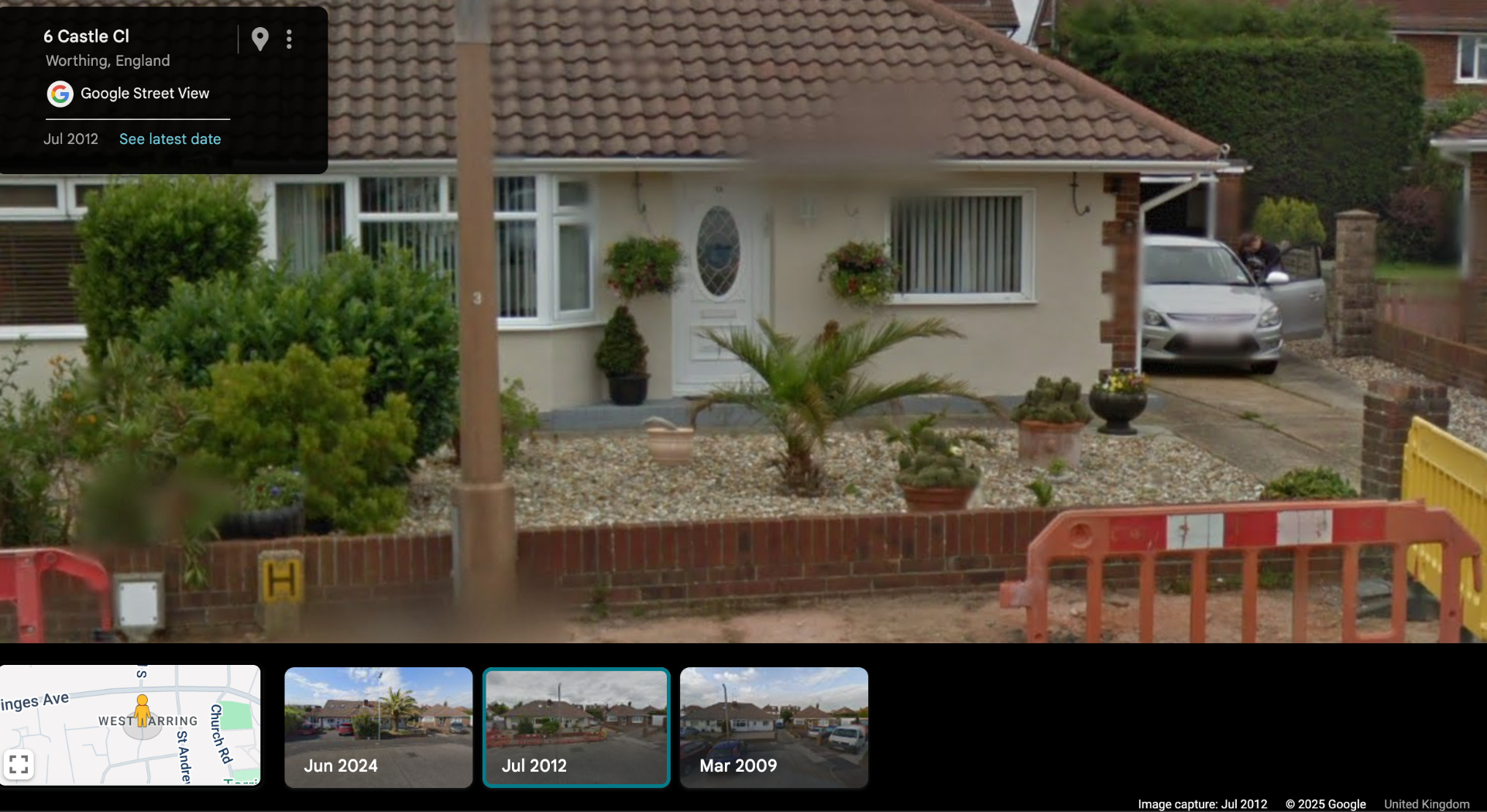
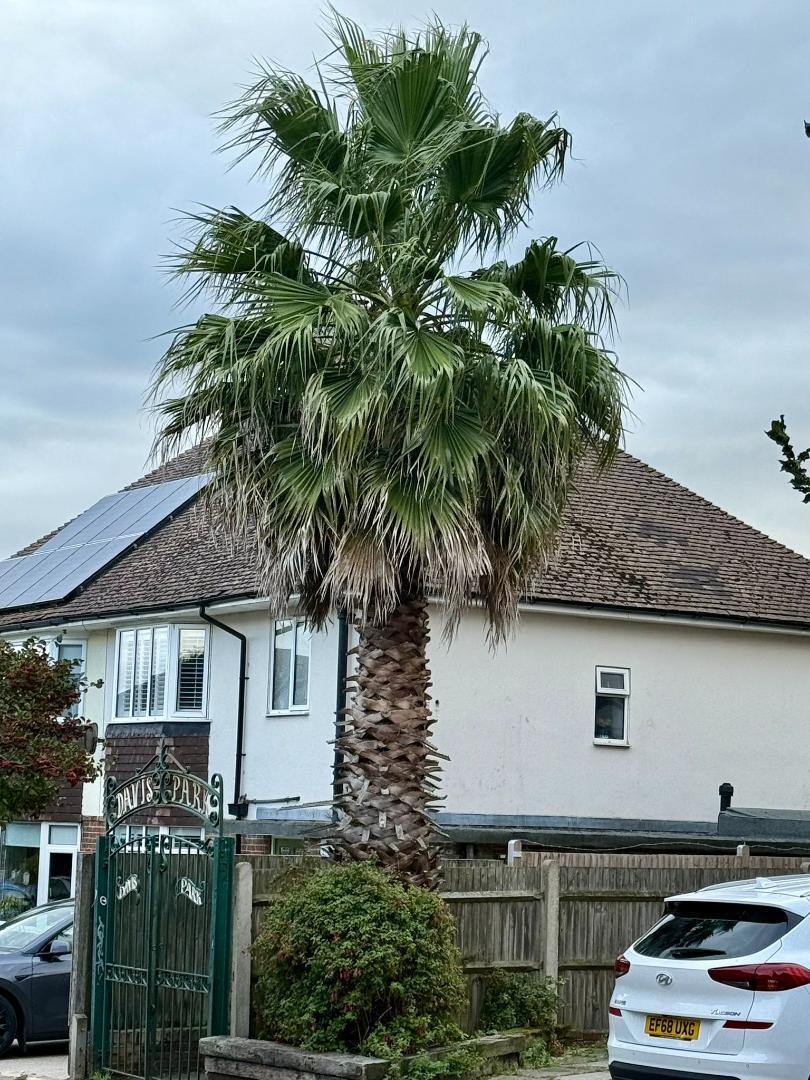
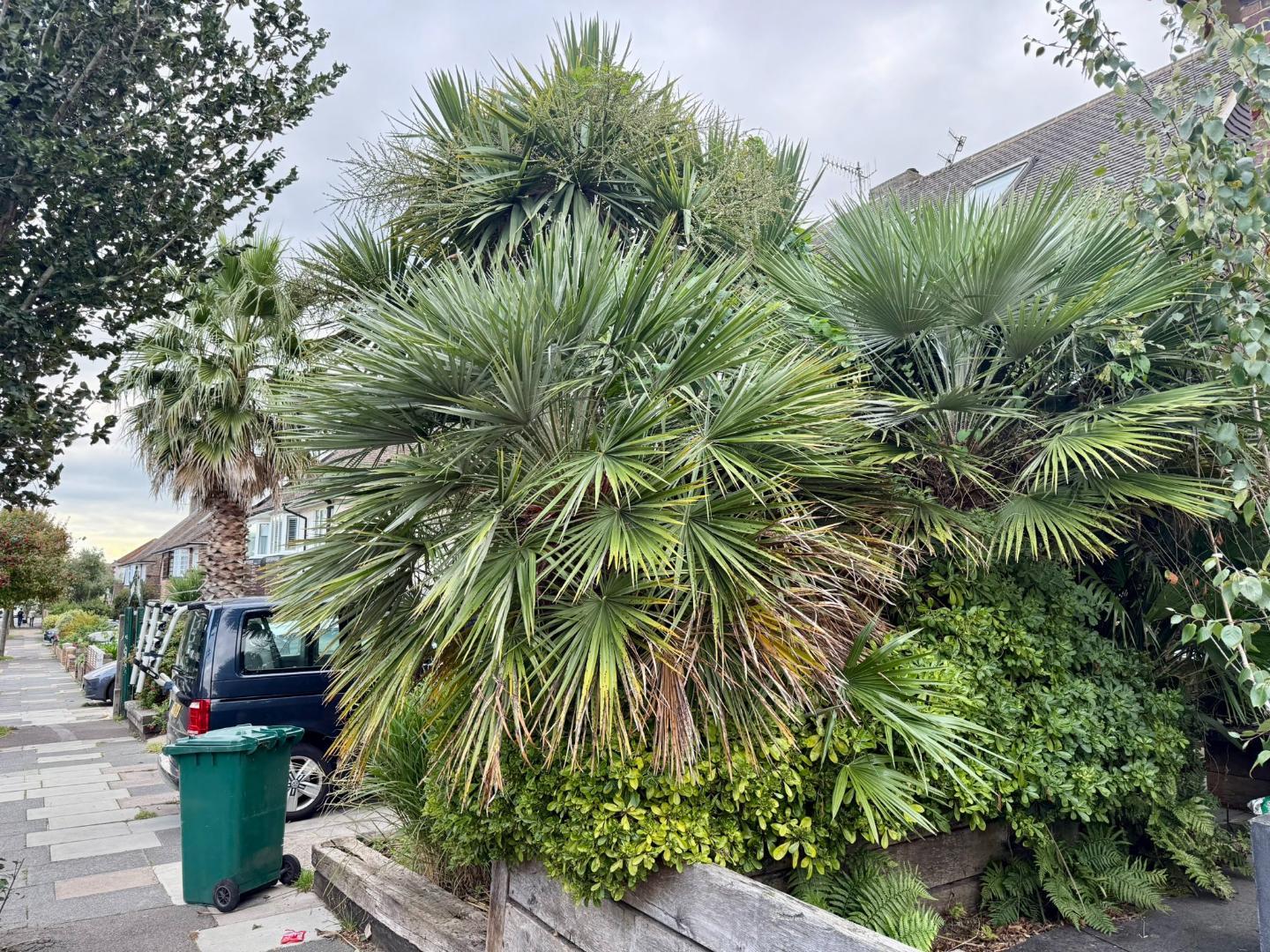
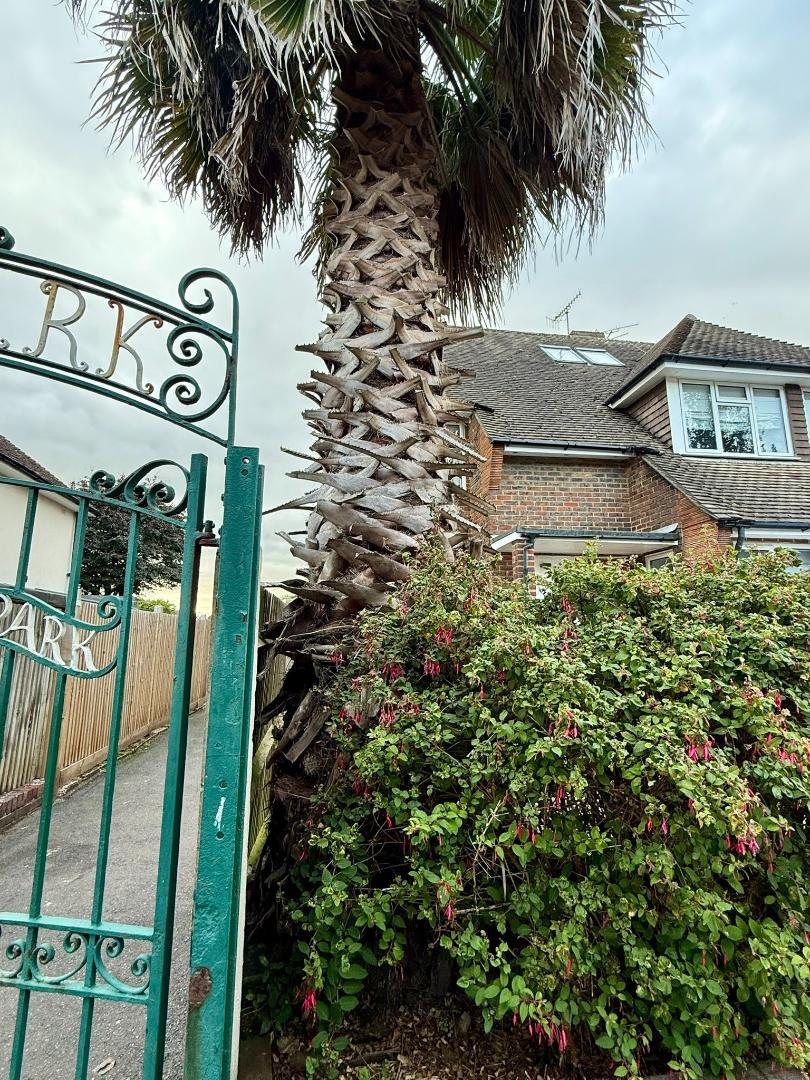
 7 pointsNothing particularly exciting unfortunately, but I was in Shoreham in West Sussex on Tuesday for business. I happened to pass a decent sized CIDP that I wasn't aware of. The fronds go above the house. Makes you wonder just how many more like this are lurking out there nowadays. If they trimmed up the trunk properly, it would look majestic. To play devil's advocate however, I spotted another one I didn't know about... except this one had been OVER pruned! It's like feast or famine. Big crown, or big trunk? There doesn't seem to be any half measures... 🤣 I looked that one up on Google maps after seeing it and it has been growing there since at least 2012. Also further testament to just how quick growing CIDP is in southern England. 2012 vs 2025 image above... I could post a bunch of other pics from today, but I'll just add these two. Pretty sure I have posted this Washie before...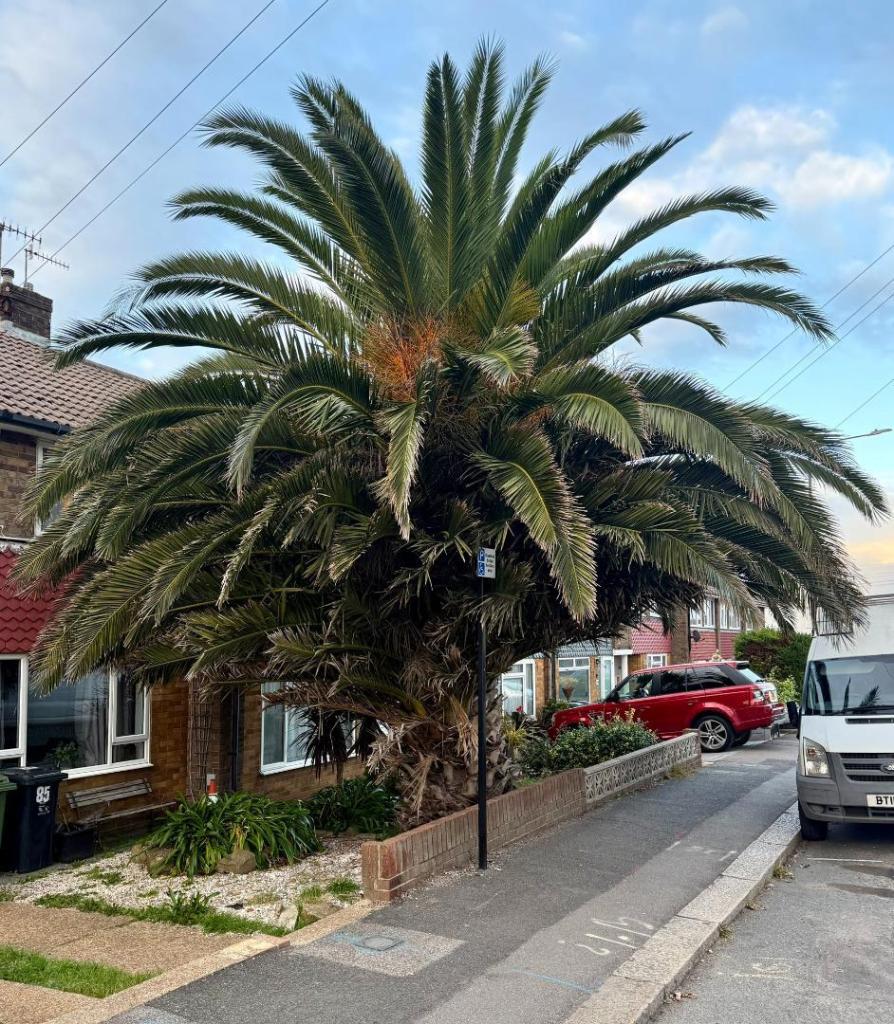
 7 points
 -
 Just a not-often-discussed topic since you're a newbie to germinating palm seeds...there are three main types of palm seeds found in the tropics and subtropics: orthodox, recalcitrant, and intermediate. Unlike temperate-zone and desert seeds, which usually can be stored dry and even frozen, only orthodox seeds can handle long periods of dryness or cold temperatures and still remain viable. Recalcitrant seeds are sensitive to a lack of warmth and moisture, and will fail if exposed to "standard" dry-seed-storage practices. Intermediate types can handle a longer amount of dryness and usually some amount of cold (probably not really freezing in most cases) and can be stored a little more loosely for a longer period. You can look up the status of a species' seed with a google search. But you can also guess if you know their native habitat. Rainforest palms, since they usually drop their seeds into a place with constant warmth and moisture, will likely be recalcitrant; palms that grow in tropical/subtropical areas with a marked dry season and monsoon-style moisture (like Western Mexico) may be intermediate; and those from drought-ridden or desert areas will likely be orthodox, for obvious reasons. Since the seed-dealers you find online (Etsy, eBay, et al.) generally have no idea about this, it's best to either buy from a known palm-savvy grower (as here on PalmTalk) or collect your own fresh seed and make sure, as Meg mentions above, that they have not been devoured yet by borers (this is very common in fallen seed in Florida). Best is to watch for the "season" for a species and then grab the seeds off of a tree before they hit the ground. Clean off the fruit by soaking/fermenting (you can place in a water-filled baggie and massage daily and keep rinsing until they're clean) and then put into a clean baggie with just-moist (not wet) peat-moss/coco-coir/perlite/sand or a mix thereof; or in a greenhouse in either community or individual pots. Then wait. The two species you have are both very, very slow. Thrinax faster than Coccothrinax. they will look like blades of grass for two or three years before they start to develop thicker leaves and even longer before you see their "character leaves." Since blades of grass are going to be very depressing for any newbie, you might also get some Veitchia (Montgomery Palm) seeds or Adonidia (Christmas Palm) seeds. Also a coconut or two. They sprout quickly, throw up large leaves from the start and will get you very excited, particularly the coconut and the Veitchia, because they grow like rocketships. And then you might want to go down to Homestead when you have a chance, find a nice inexpensive mom-and-pop nursery on/around Krome Ave. and buy some Thrinax or Coccothrinax palms (the fastest Coccothrinax is C. barbadensis, often sold in SoFla as "Coccothrinax alta") to enjoy while you spend years watching your seedlings grow into something. But be careful, because, slow or not, seed-sprouting can become addictive!6 points
 -
 6 points
 -
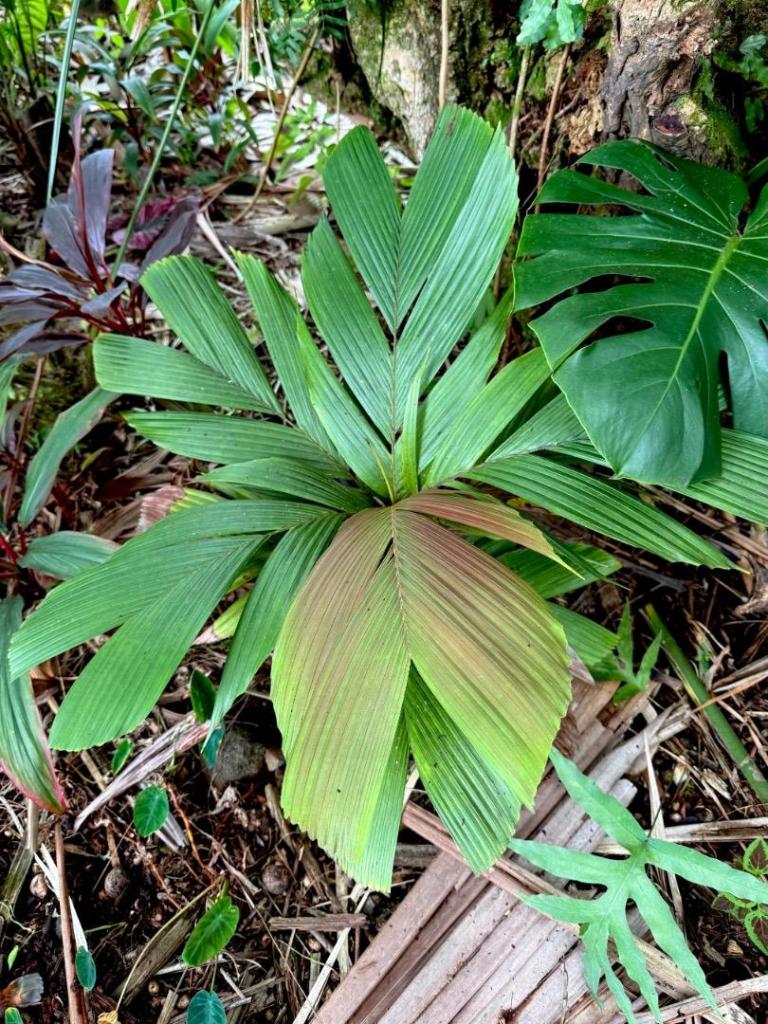
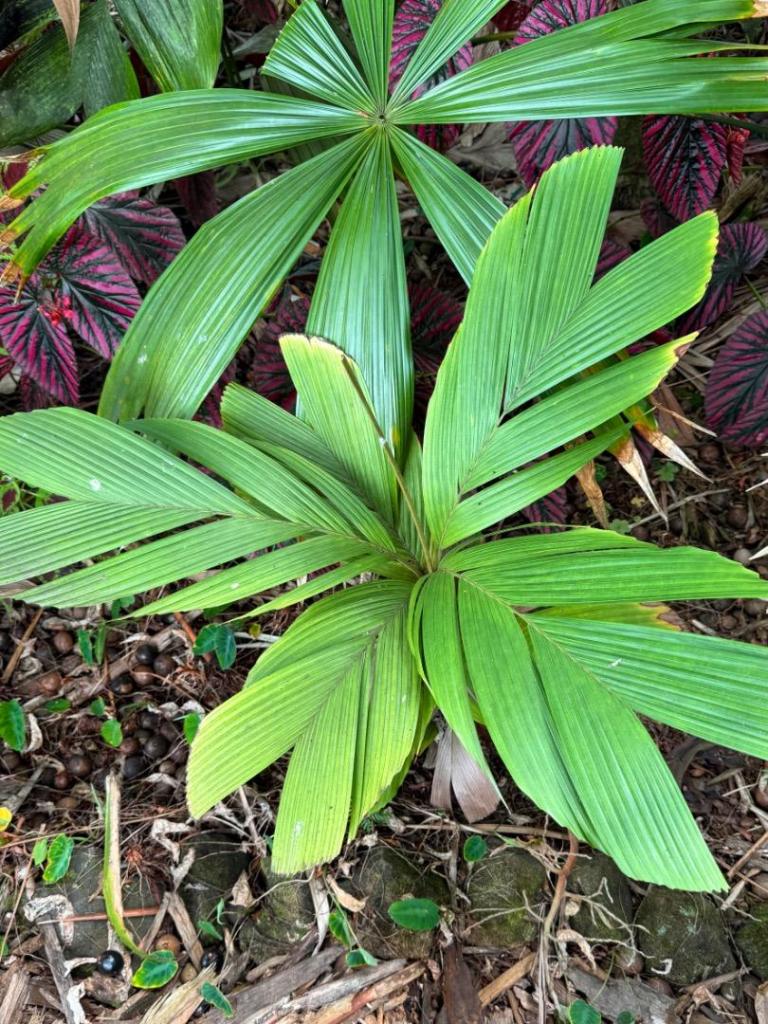
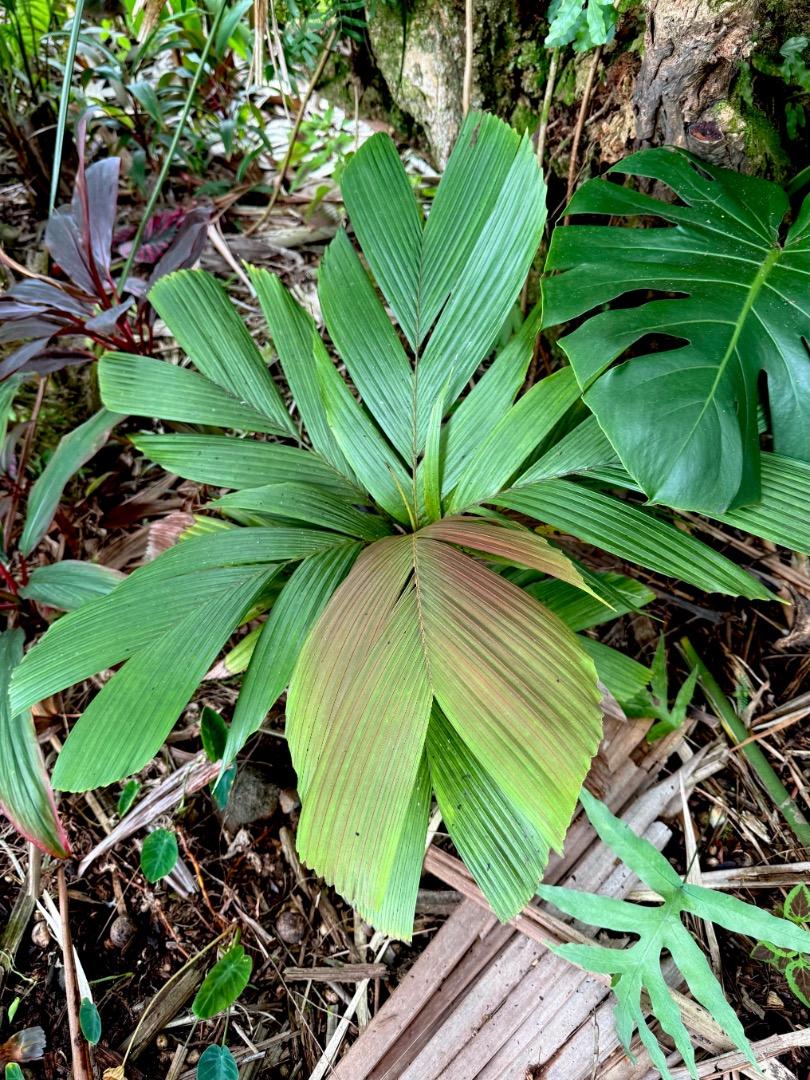
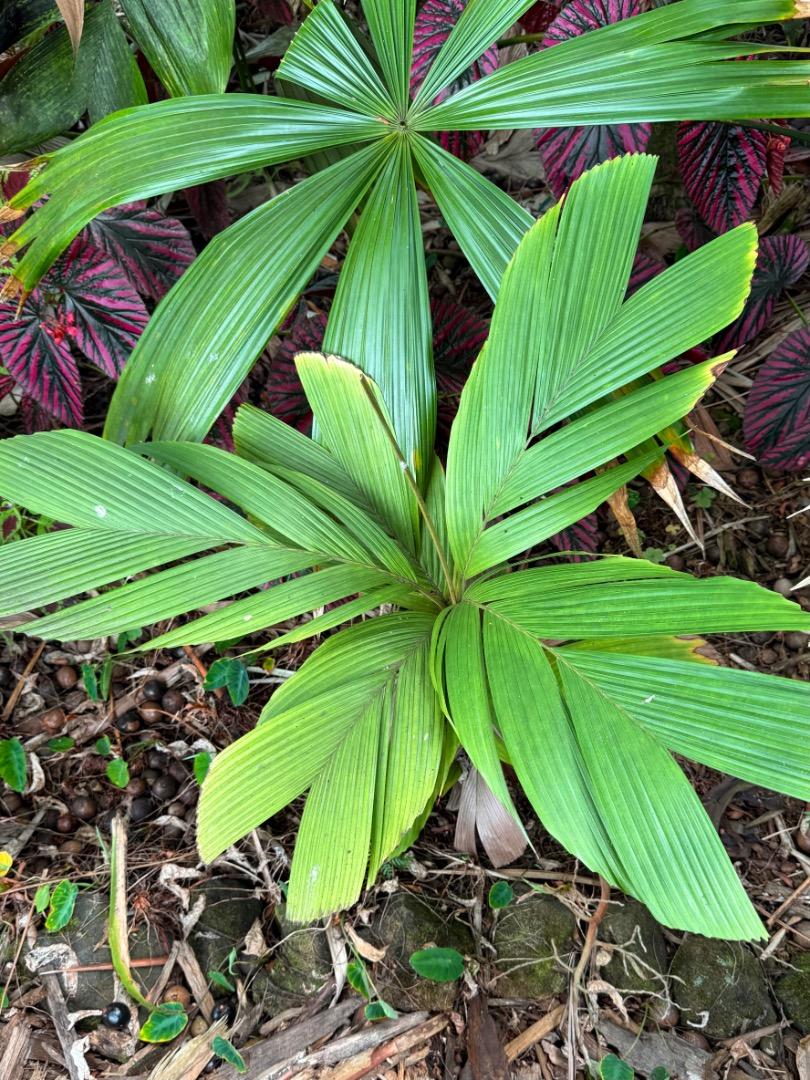
6 pointsA couple of juvenile Iguanura wallichiana var. wallichiana were looking quite happy in a shady spot. Tim
 6 points
 -
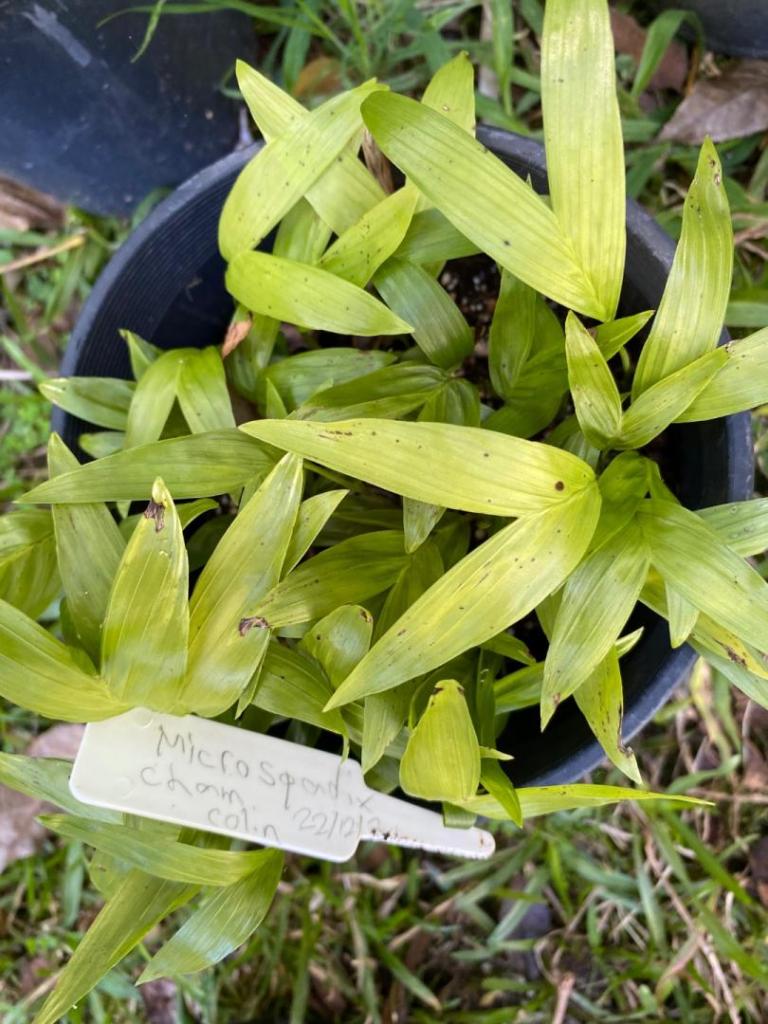
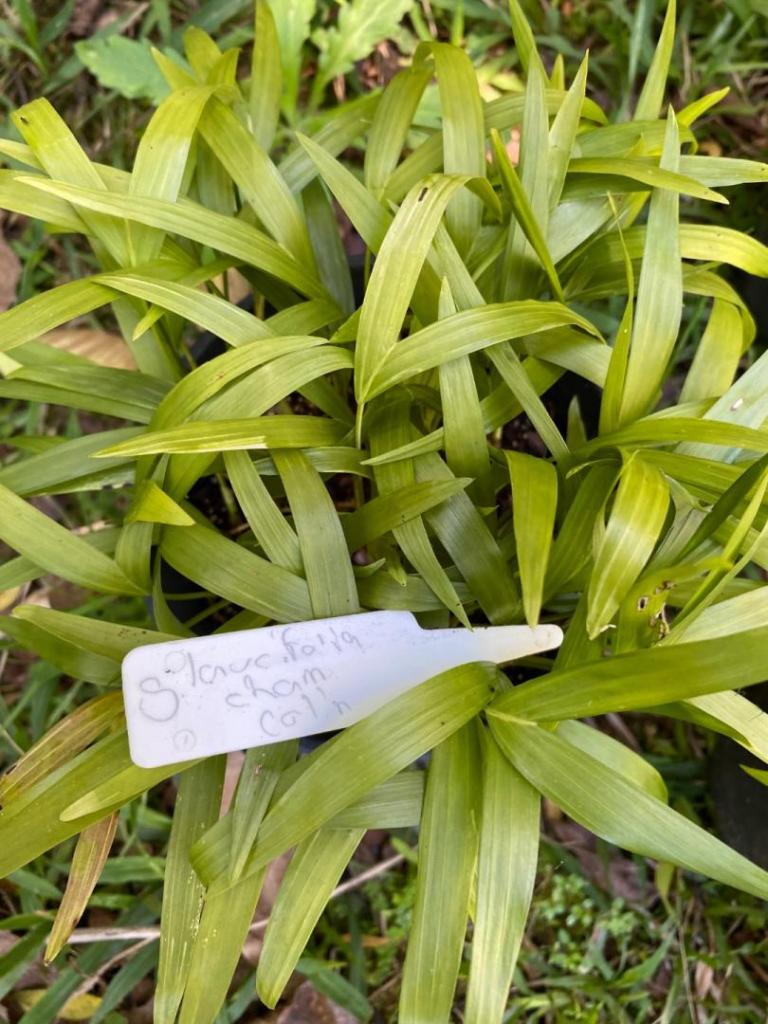
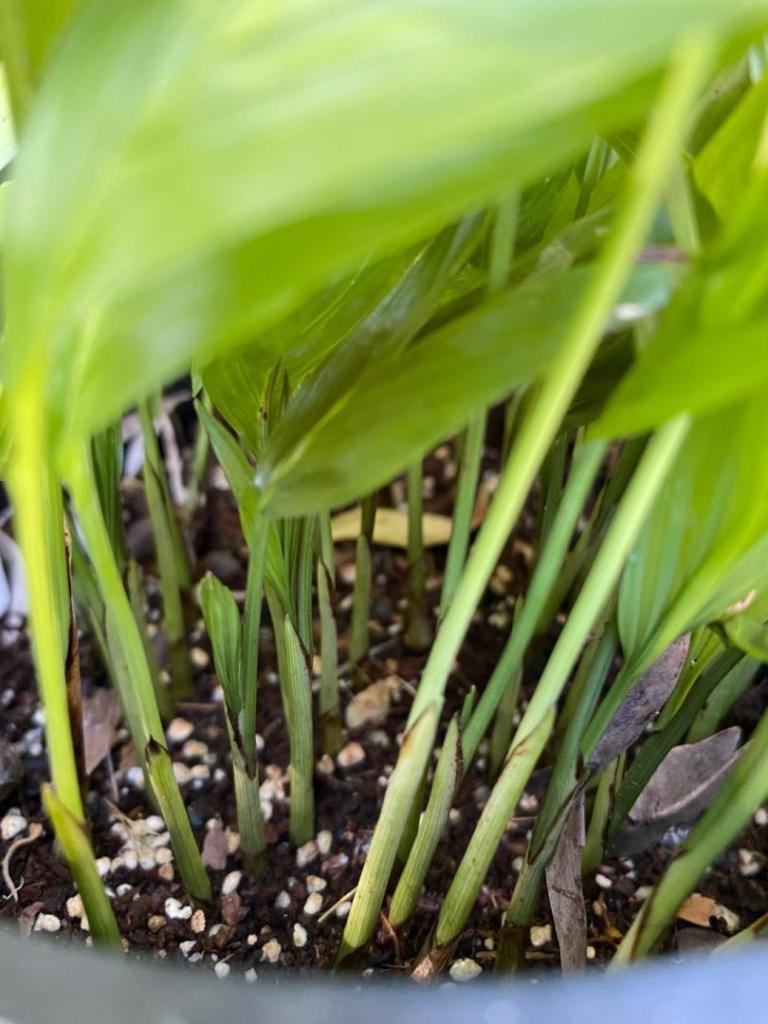
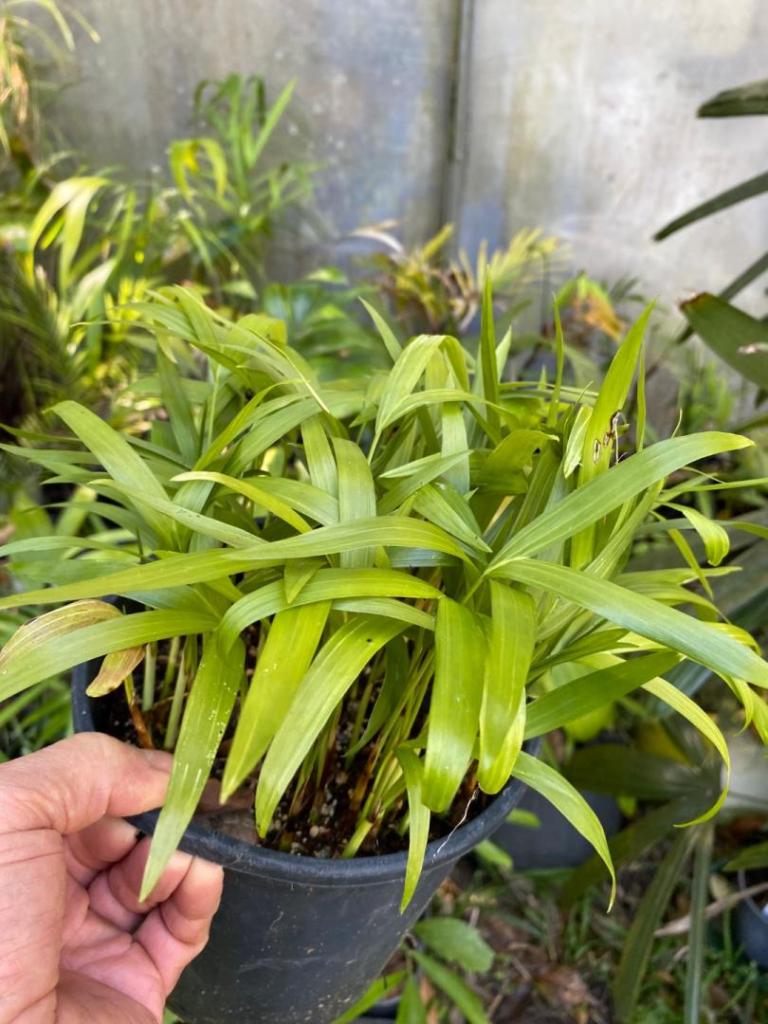
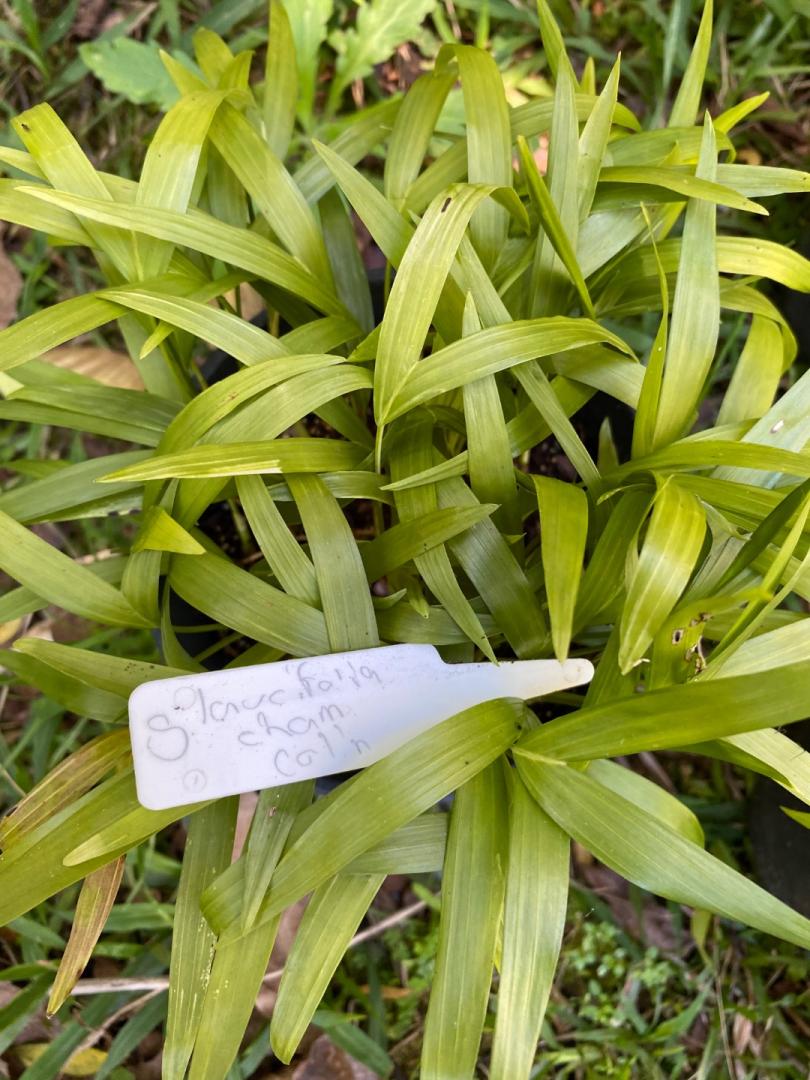
Some seeds gifted to me by Colin Wilson the chamaedorea king. It was the easiest way to germinate them in a community pot and as luck would have it I had a great success rate. A couple of good hardy varieties glaucifolia and microspadix.


 5 points
 -
I can see both sides of this . If visitors use common sense and obey traffic laws it ain’t a problem . Problems arise when visitors are intrusive and ignore boundaries. Harry5 points
-
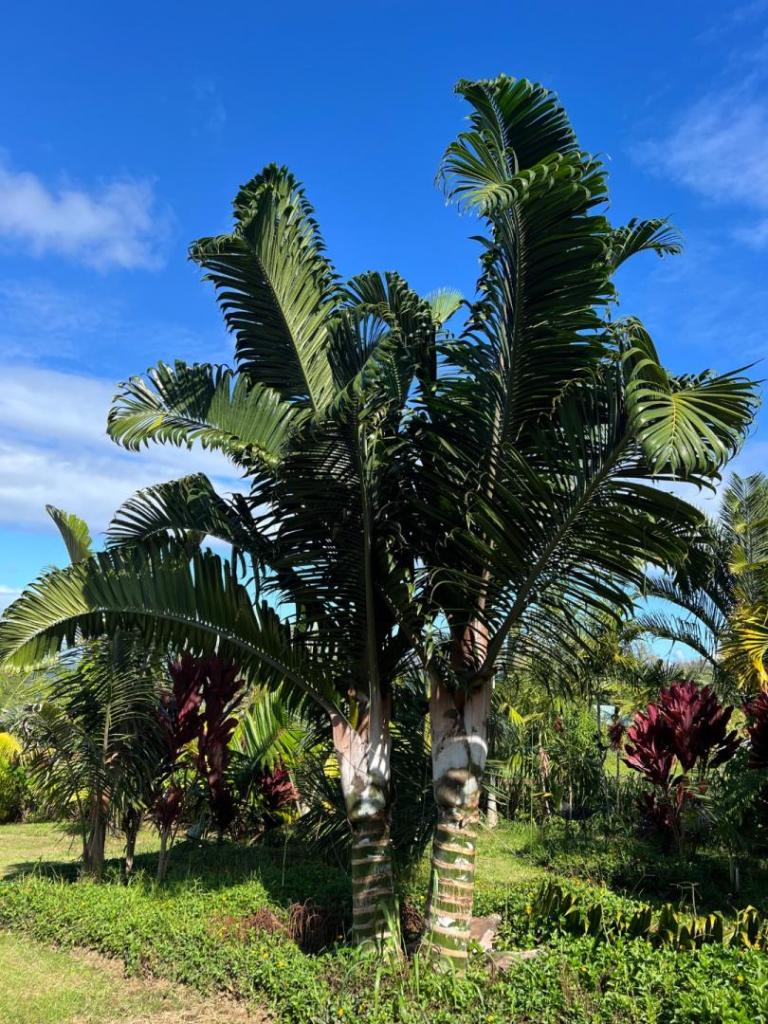
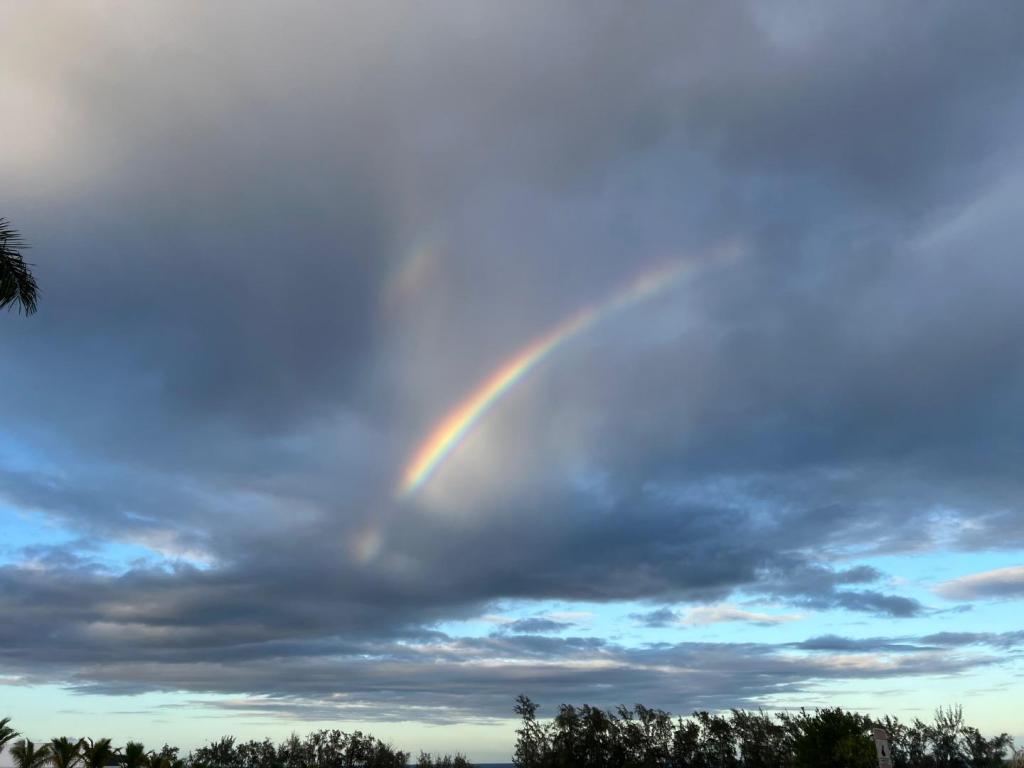
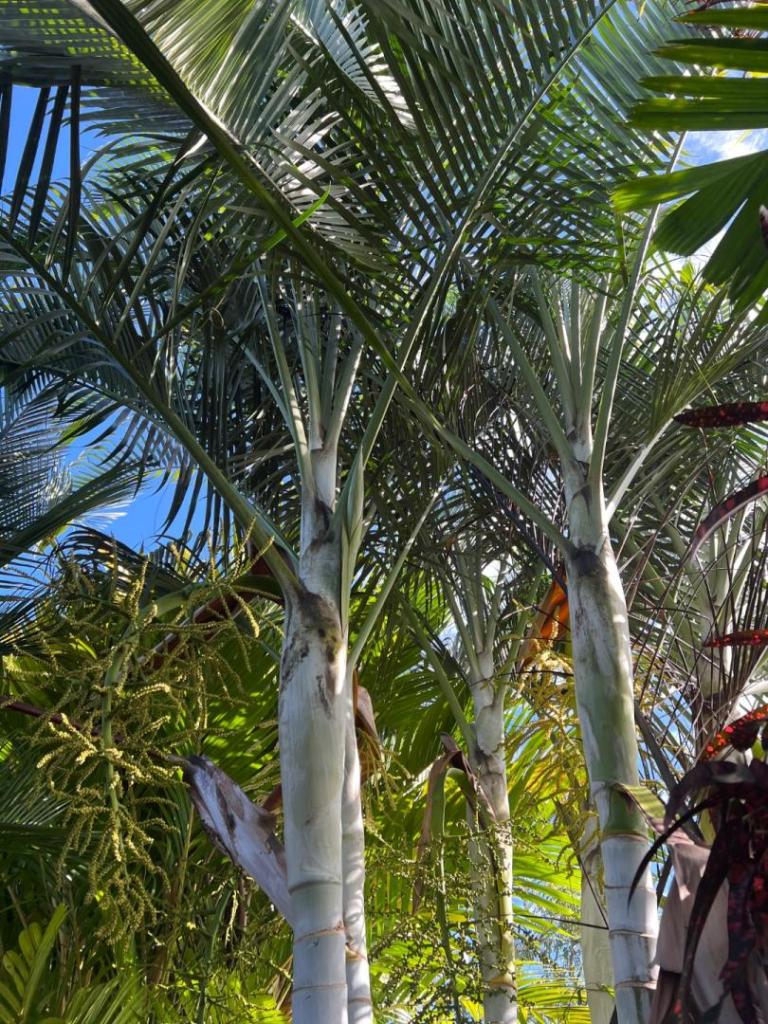
 5 pointshad the opportunity to visit @Hilo Jason and their garden of wonders today, no surprise they synchronized with a slice of heaven on earth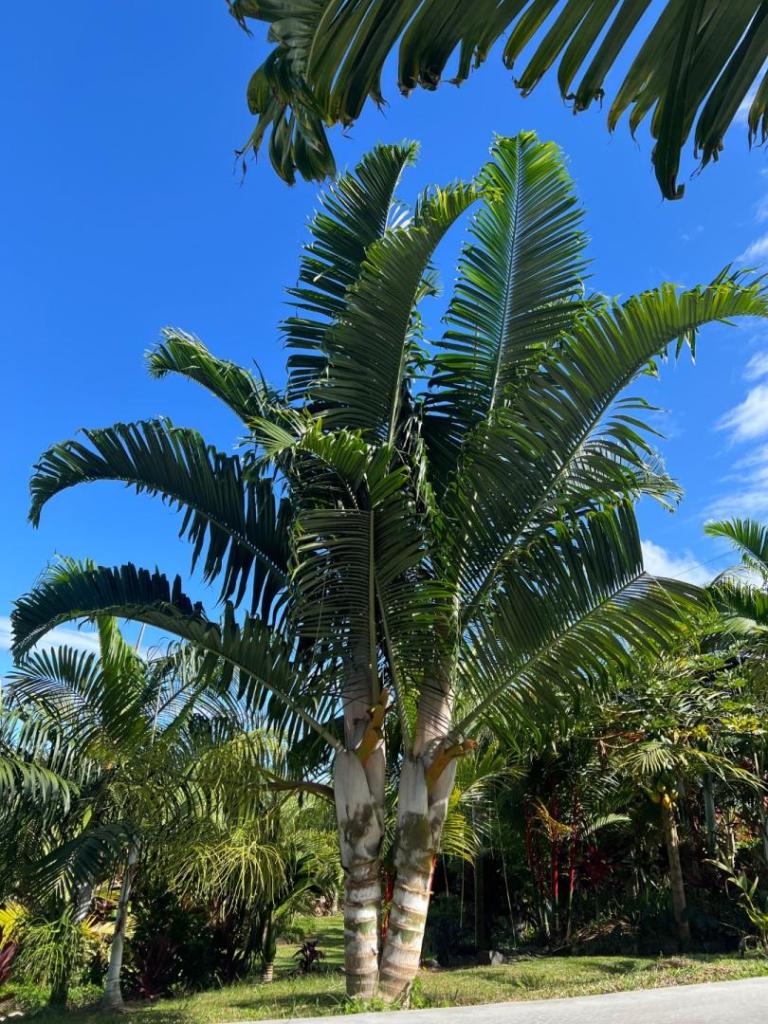
 5 points
 -
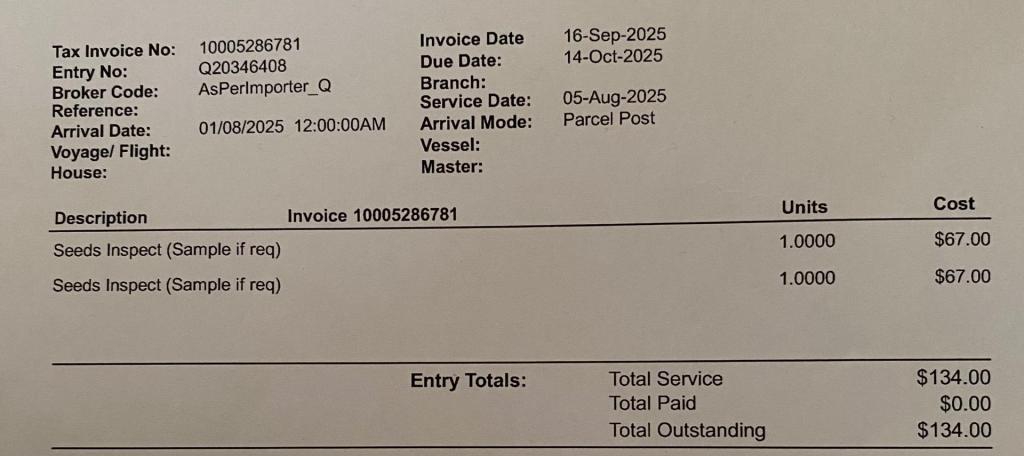
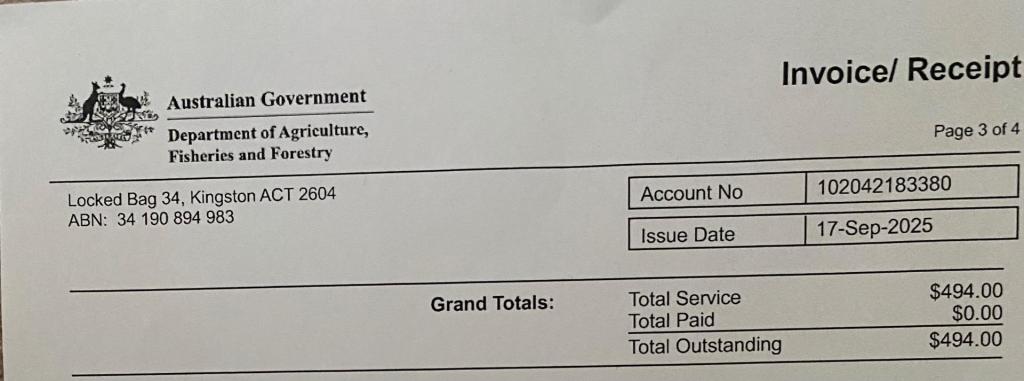
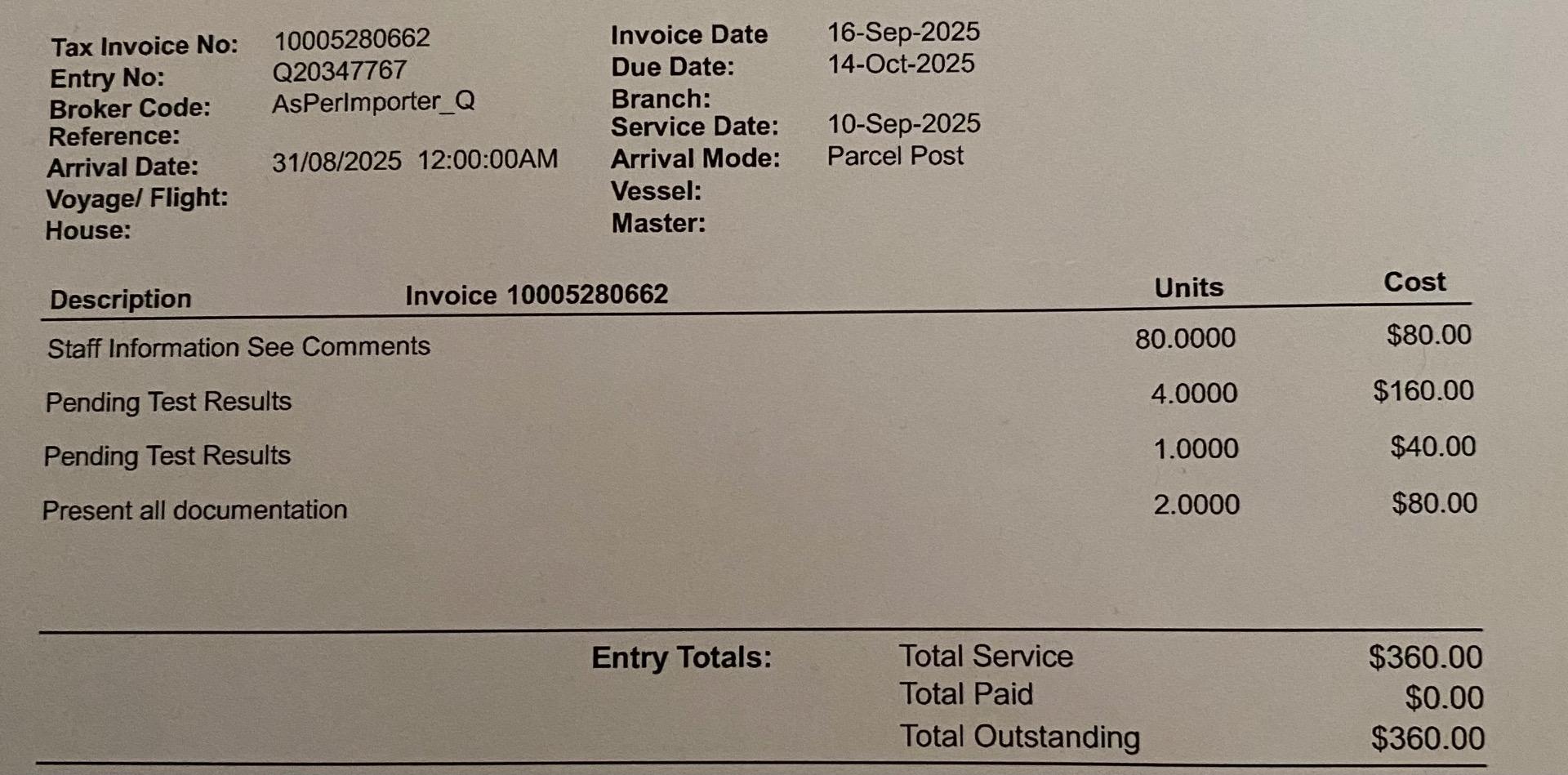
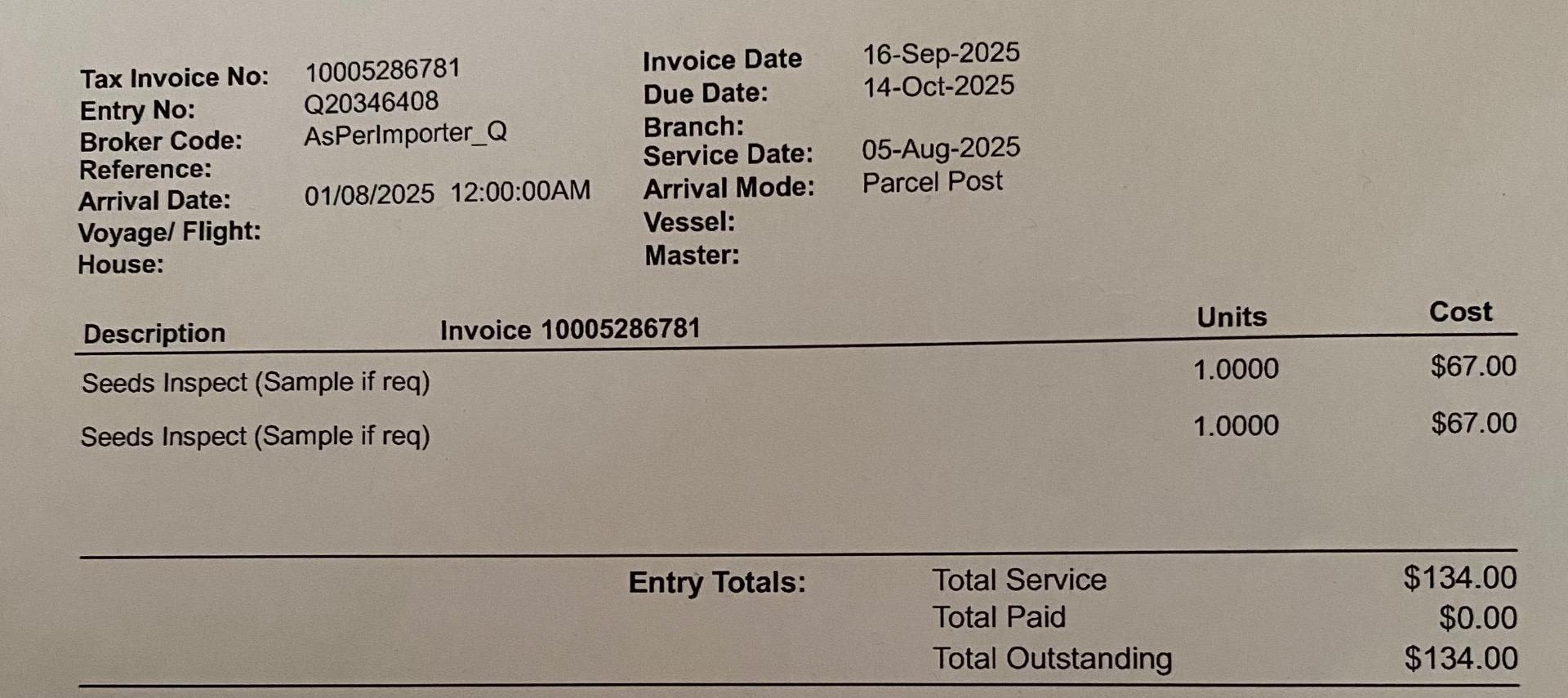
4 pointsOk so I import seeds. Some germinate and some dont I can live with that, but the real cost of each seed is going to be factored into that when I sell a palm, some will say it’s overpriced or just to expensive, if you’re paying up to $3 to $5 dollars for some rare seeds and you buy them in lots of 20, 40, or 100 and 500 sometimes. It can get rather expensive for seeds. I don’t mind that it’s part of collecting plants, but what gets me going is the bill for throwing them in the bin by the government, yes this post could go on but………..

 4 points
 -
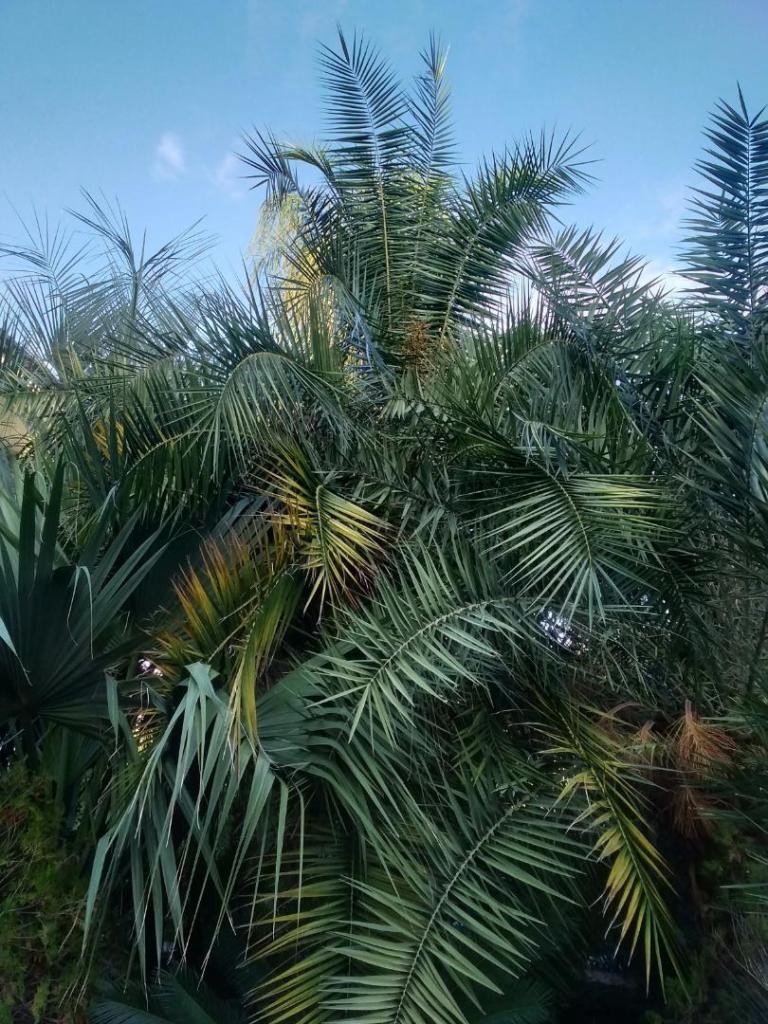
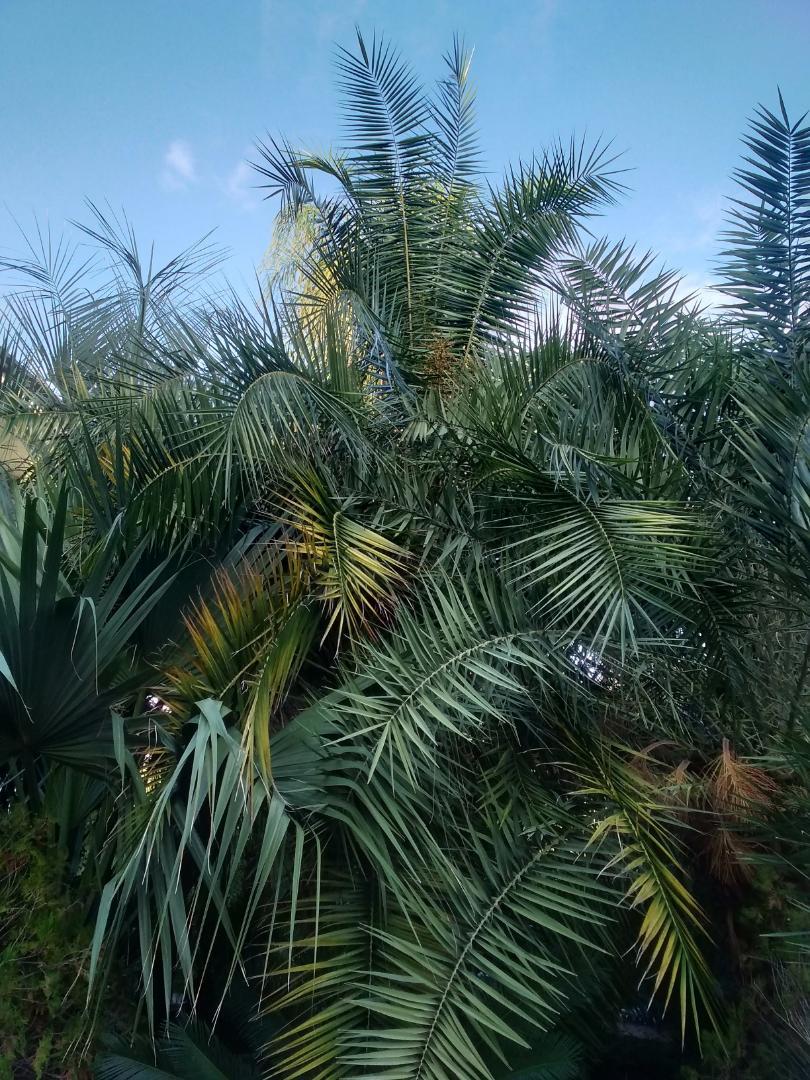
 4 pointsToday, while I was taking a picture of my Phoenix reclinata, I noticed that it is not 5 meters high, but maybe 10 meters! It reaches up to the roof of the house.
 4 points
 -
 4 pointsNew frond on the Verschaffeltia. This one is green, when will they start producing red fronds?
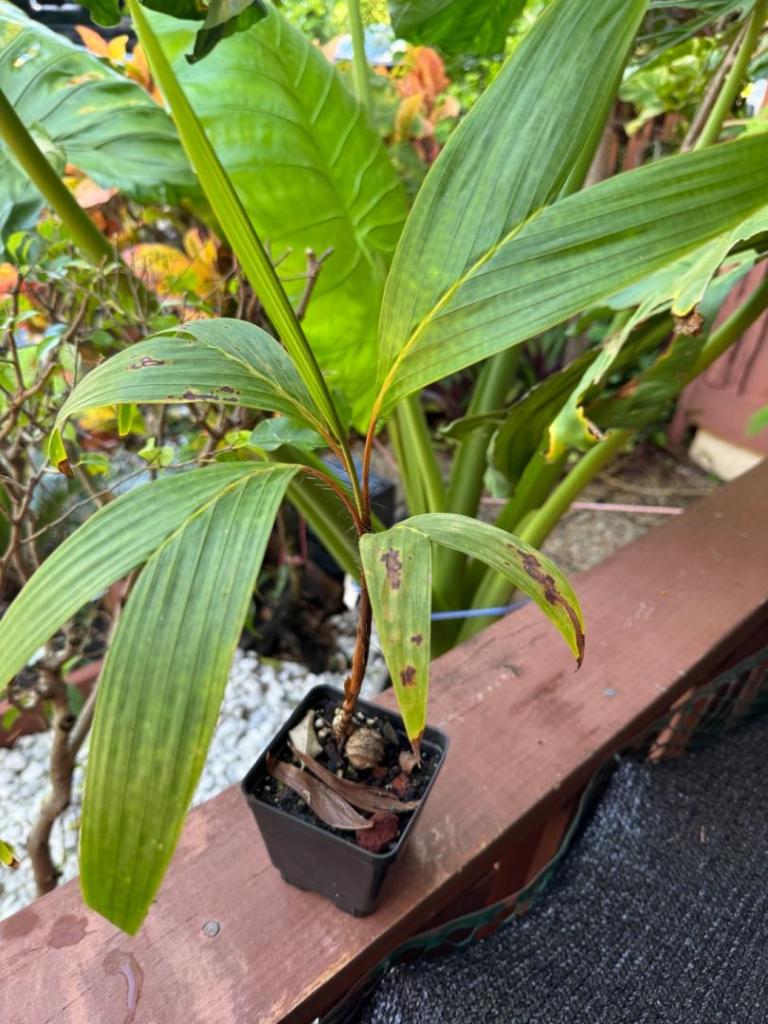 4 points
 -
 4 pointsI hope you got your seeds. Tough if they send you the invoice for confiscated seeds4 points
 -
4 pointsI have planted a few of these and never had a problem from pot to ground . Digging and moving never worked out . I agree with the idea of cutting down the sides of the container , allowing for the palm to be removed with very little disturbance . They are fairly slow growing here , unlike the Brahea Edulis ( much faster ) . A bright sunny location would be best. As these get large , they are quite a statement , allow room for growth. Harry ‘This is about 25 years from a 10” pot . Full sun on a south facing slope . About 20 miles from the coast. It started picking up a bit of speed a few years ago. It was pretty small when I planted it. Never gave me any trouble. Harry
 4 points
 -
 4 pointsEncephalartos Longifolius x Latifrons pushing new growth. Really starting to take on some unique features like the pleating in the middle of the leaflets. -dale
 4 points
 -
 4 points@xtazia, yours looks just like the one I bought back in March from Palm Plantation in Riverside. They are root sensitive and I had an unfortunate situation when I planted mine in spite of being careful. I believe it had been recently potted up and when I was removing it from the pot one of the newest roots broke. It's doing fine now and opening new spears but it just sat there for 4 months or so before 4 of the oldest fronds started dying off. Cutting the pot as Tom suggested is probably the best thing to avoid a possible setback. Or you could just plant the entire pot in the ground.4 points
 -
Hopefully this fad will die down on its own. I lived next door to Beverly Hills for many years and I was about the only person ever driving around or walking and photographing palms in those days, LOL. There are a couple of parks in B.H. that have nice old palm plantings and these shouldn't cause a problem in terms of traffic interference, so I'm assuming this is about the big Phoenix canariensis and Washingtonia robusta palms that line Cañon and Beverly Drives; and around the Beverly Hills Hotel at Sunset and Crescent. These are very busy streets and quite dangerous to be running around taking selfies in the middle of the road! I believe most of these palms were planted between 1911 and 1913 or so, as the city was being first laid out, and so they are very impressive. Hard to believe it's been more than a century now. Quite a few of the big old P. canariensis have been lost, as it was Ground Zero in L.A. for the big Fusarium epidemic that exposed the unsanitary practices of the landscape crews maintaining the palms in the 1990s.4 points
-
 4 pointsI'd cut the pot off with a box cutter, carefully. Root wise its different when planting vs transplanting(when you dig it up to replant at another site). They are very sensitive to transplanting, not so much to planting. I would cut the pot enough to allow it to slide off. Generally you should be gentle with all palms but the transplanting part where you cut lots of roots is a problem for these. Use the box cutter to slit enough of the container to allow you to tap if off. You can lift this palm by the trunk but keep the trunk vertical so you dont allow gravity to damage roots at an angle tot he vertical. make sure its high drainage soil you plant into but put a layer of mulch chips on top and water every day while it warm out for a month. After that back off the watering to every two days and when high temps drop below 70 water every 3-4 days or so. I grew 6 of these in the arizona desert, they did very well. Looks more like brahea clara to me, also a beautiful palm.4 points
 -
 3 pointsYes, Harry. Be careful. Unfortunately, I also slipped down a slope towards some gooseberries, but luckily my friend Otto was there. He caught me, literally like a small child. I'm always amazed at his strength. After all, I weigh 73 kg and he currently weighs 110 kg. But he's built like a well-trained heavyweight boxer...3 points
 -
Microspadix would be one of my favourites, such a deep green colour!3 points
-
 3 points
 -
3 pointsThat’s the one it all begins with a seed. Small or large once you sow thay seed it all begins.3 points
-
3 pointsDont let them get the better of your passion. A little amount is great way to go. Most small orders go unnoticed.3 points
-
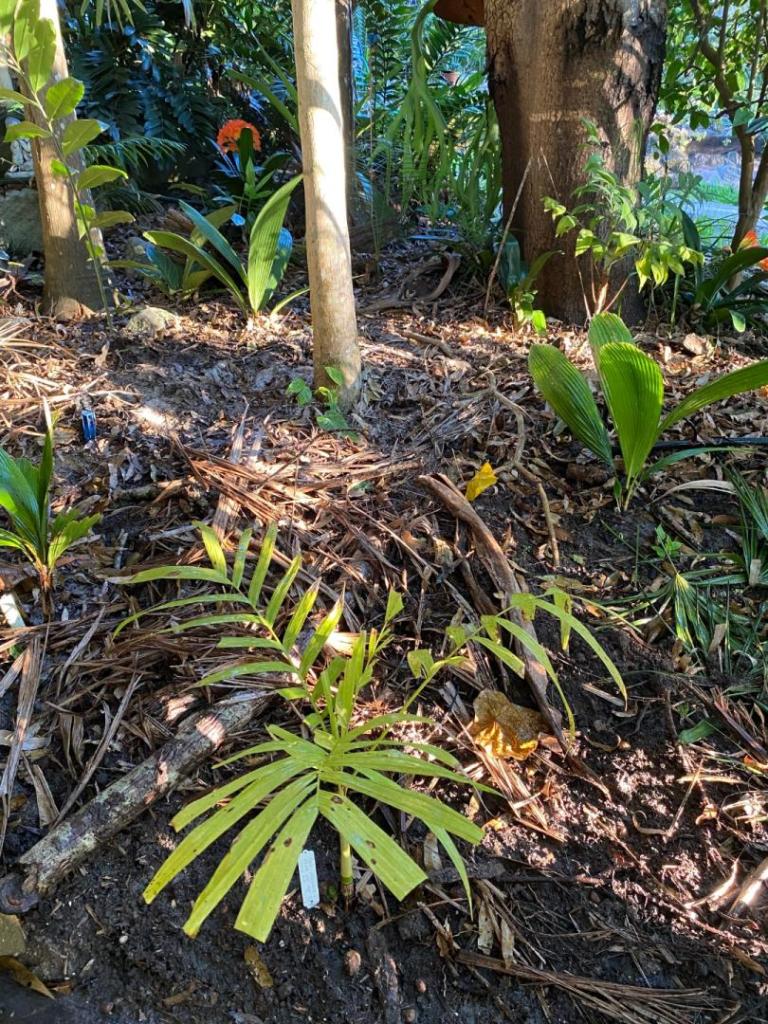
I have two videliana and there just not greening up, they take the cool conditions so that’s a good place to start. So what’s the best way to grow a palm plant it in the ground, I will see how it goes now it’s planted in the garden.


 3 points
 -
3 pointsI know the feeling no wonder the price of rare palms has gone up. And I for one will be putting my price up! I just need more of the @tim_brissy_13 to get there orders ready for them 🤣3 points
-
3 pointsIam not going to let them beat me, I will continue to import and tick all there box’s and paperwork they need. Yes and I don’t blame you to buy with what’s available, someone such as myself will import them, supply and demand as they say! Richard3 points
-
3 pointsNo that was the bill for throwing them in the bin, after many phone calls which they don’t answer half the time, and numerous emails which takes at least 2 to 3 days to get a response. And that’s all lost time for a living seed that’s dying from the day it’s harvested.3 points
-
3 pointsYou can’t tell them there completely extinct in the wild or how rare they are. It’s the government with no common sense, it’s all about how cheap they can do things and get online and do your form lodging!3 points
-
3 pointsCustoms had all the dates they could eat more like it! There an agency customs and they need to make money to keep themselves in a job. So every now and then they slap you with a bill to l keep there job. I respect our bio security gor good reasons but it’s just a joke there rules they change as they go. I would have thought Chile would have been open to imports but from what you say it’s very difficult to import for you. Keep on persisting with your imports and dont let them get the better of your dream to collect palms.3 points
-
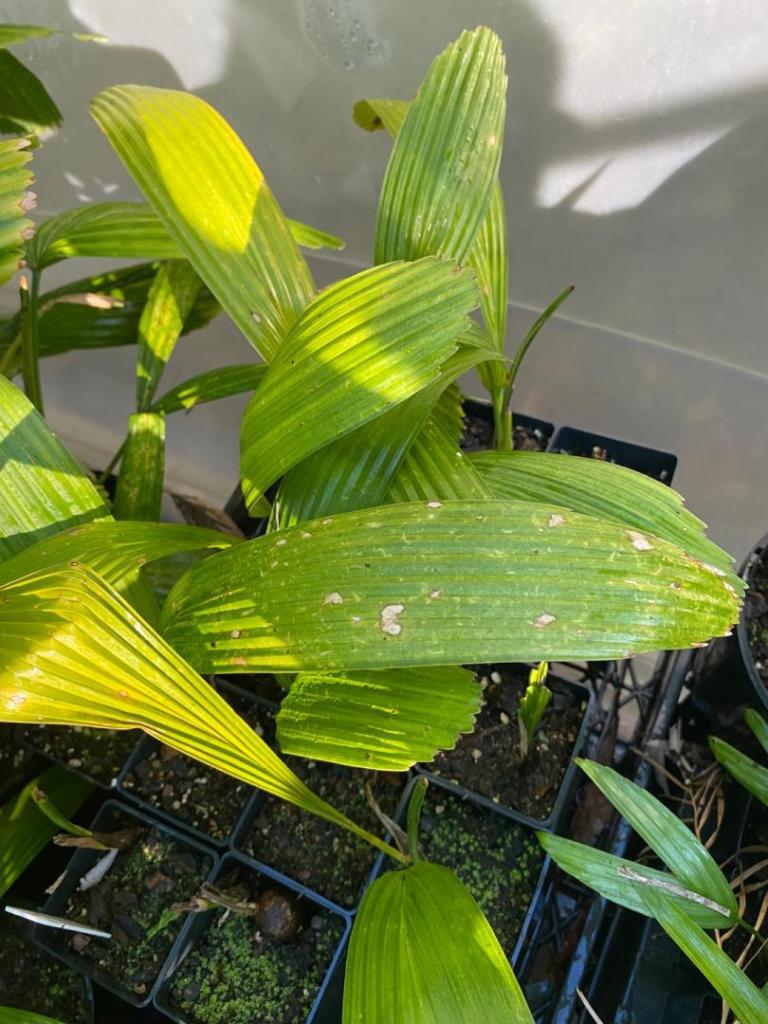
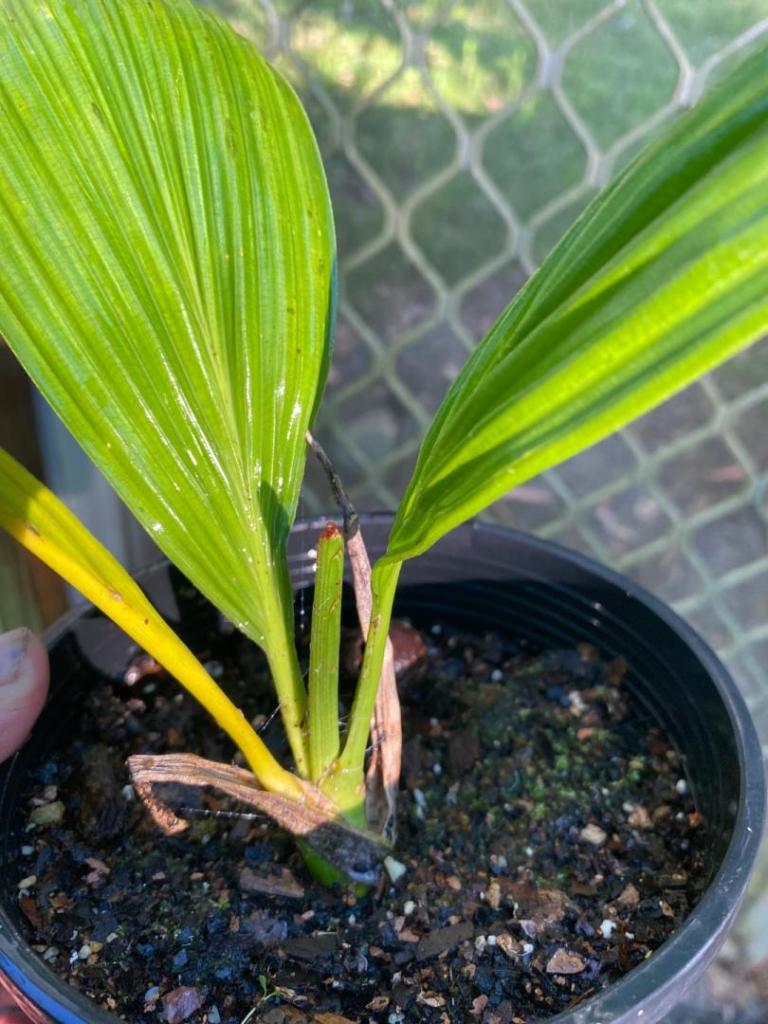
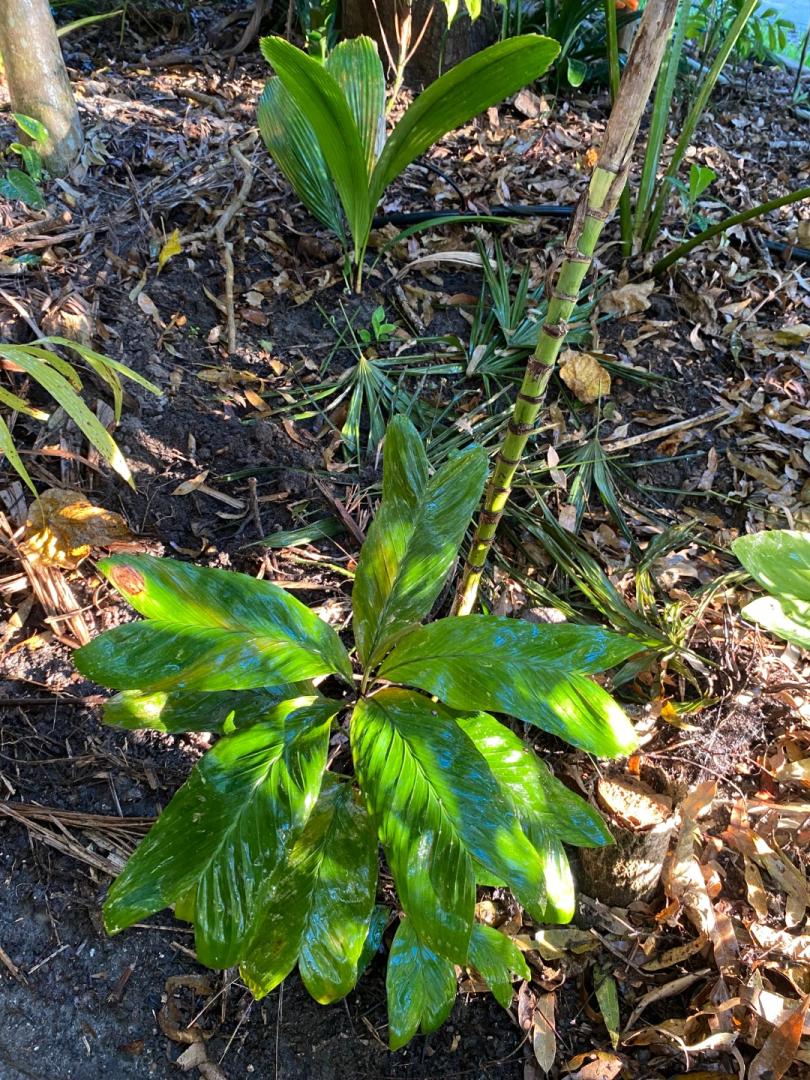
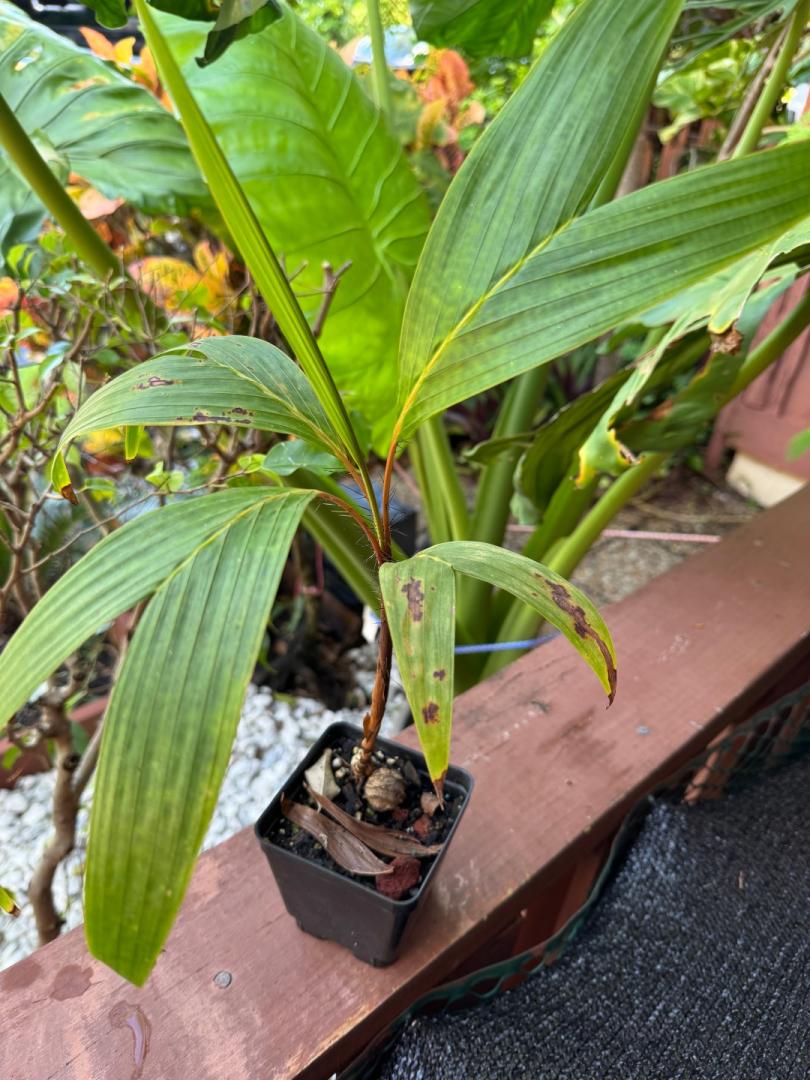
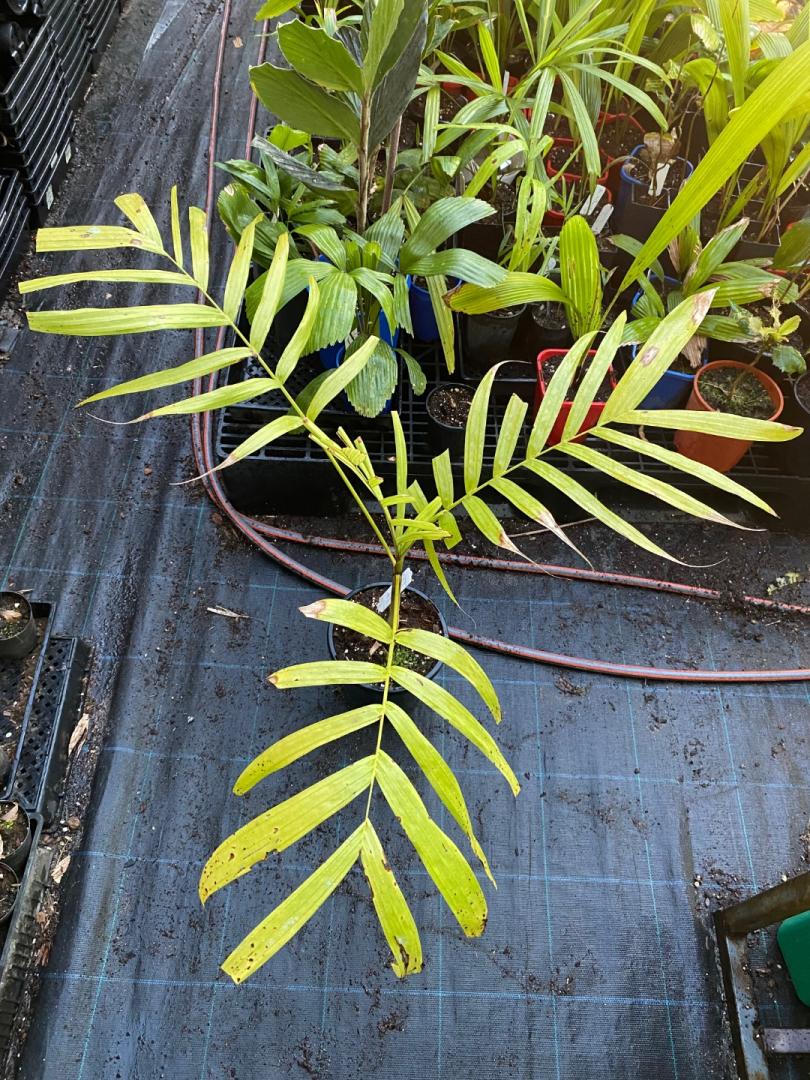
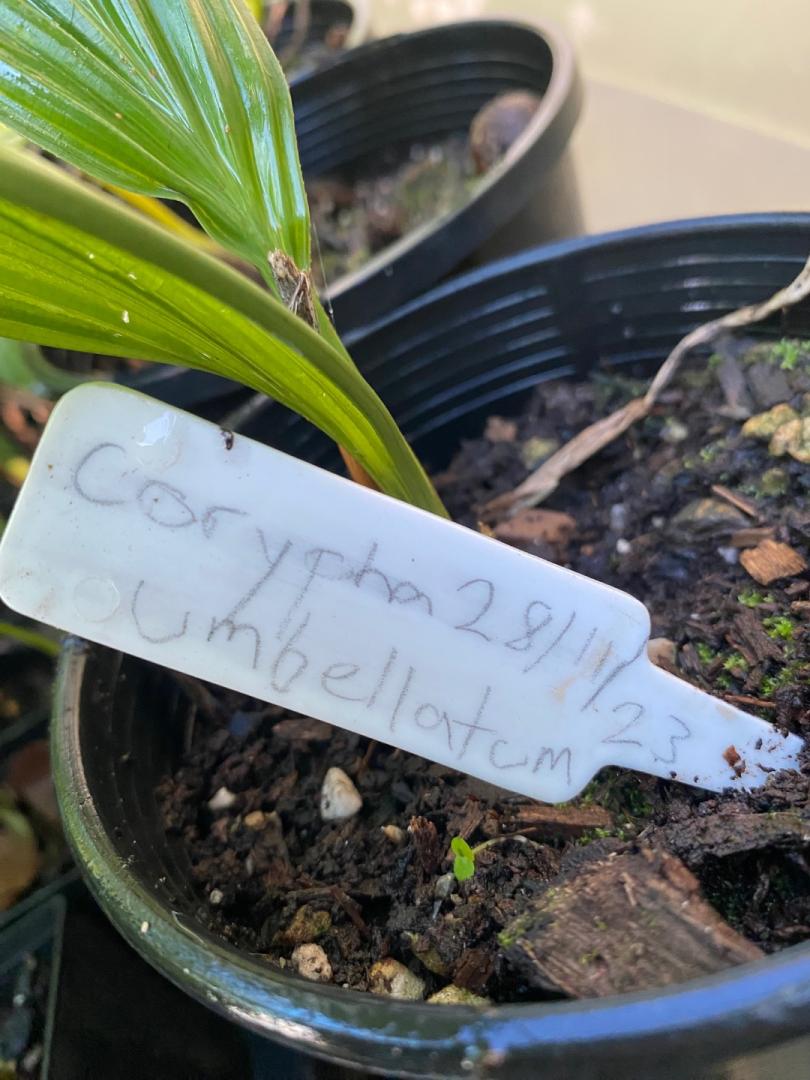
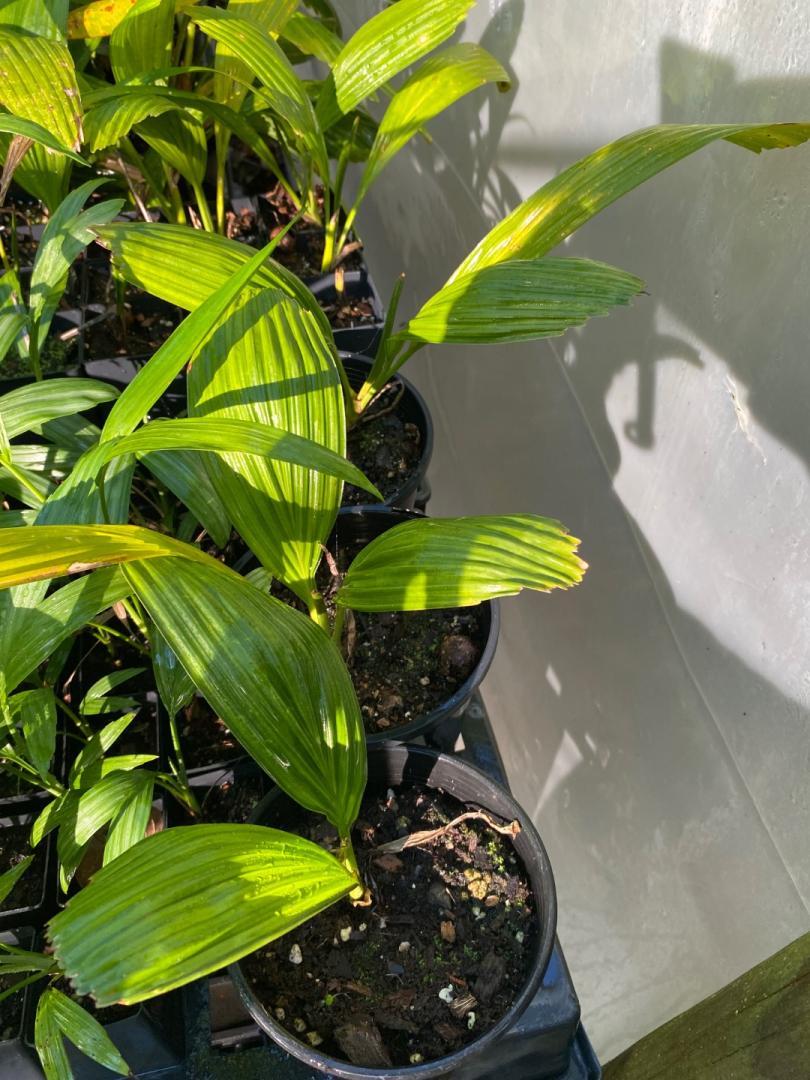
A few corypha that are doing well, slow to start of with, but once they get past the seedling stage they seem to be doing well. I did lose about 6 since germinating them and the rest seem to be the toughest. Will be intresting growing this palm but you will need room for it to look it’s best.



 3 points
 -
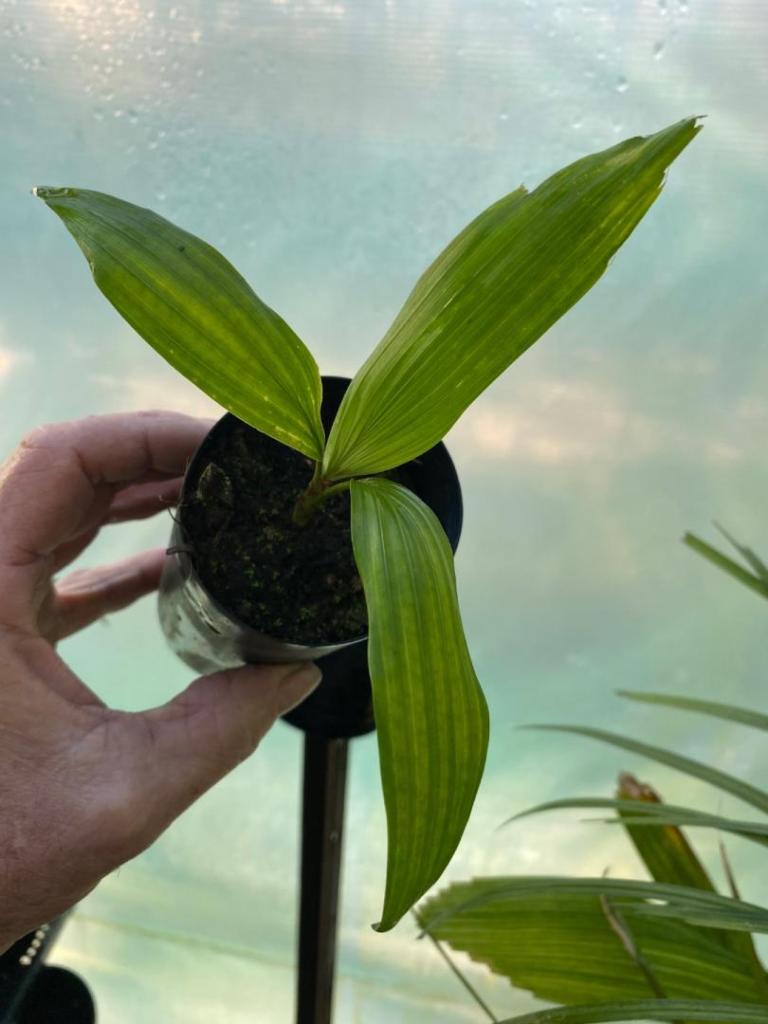
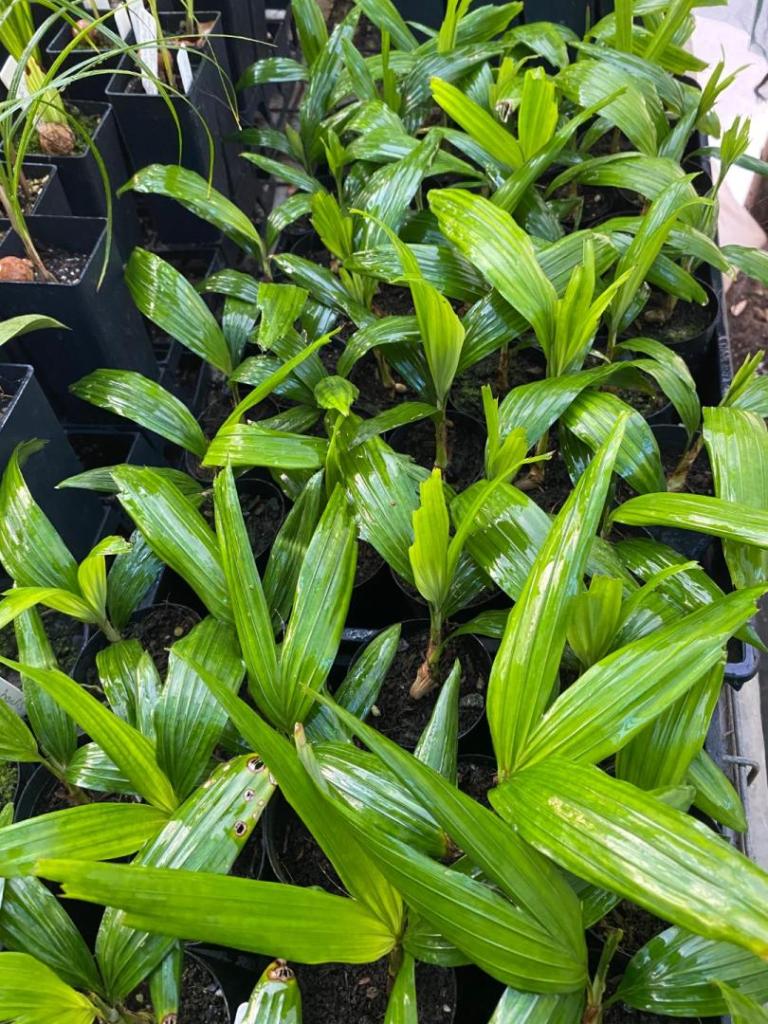
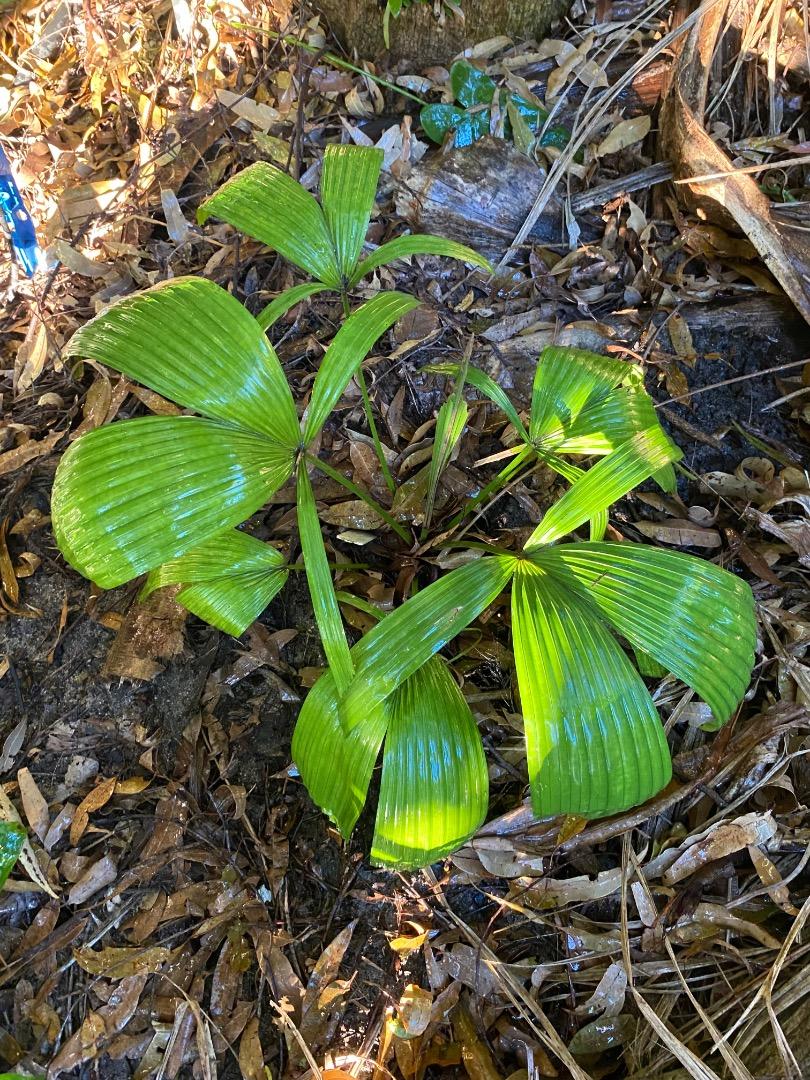
3 pointsOne little palm that will live in winter and grows well is the little gracilis. The miniature window pane palm, they took winter well a great cool tolerant palm that grows well in the ground and in the greenhouse. A must have for the collectors. A great batch of RPS seeds with a great germination rate!


 3 points
 -
.thumb.jpg.304b32ca4398a111edf4ac525048111e.jpg) I agree with you. My first palm that I planted is a Robusta but it's a hybrid. It does burn in the low 20s and it did the same thing for the last 3 years , even partially spear pulled when temperatures dropped to 16f s couple of year back but like all other hybrids in this area , the recovery process is fast. We've had some rough winters from 2021 to 2024. This year hasn't been that bad so far but with winter being around the corner you never know what you get here in South Central Texas. Our zone ratings in Texas doesn't mean anything, it's a very unreliable indicator for gardeners. You can be zone 9a, like here in San Antonio but still get a 7b winter once every 40 years. Our temperature swings in Texas are extreme compared to the Southeast and states along the Pacific coast. Robustas in drier climates surely can handle some beating but may succumb over the years if the ultimate lows going to be in the low teens , repeatedly. Most Robustas you find at the big box stores are hybrids. I'm not sure if any store sells pure Robustas. I like my Robusta and it has been very reliable so far .3 points
I agree with you. My first palm that I planted is a Robusta but it's a hybrid. It does burn in the low 20s and it did the same thing for the last 3 years , even partially spear pulled when temperatures dropped to 16f s couple of year back but like all other hybrids in this area , the recovery process is fast. We've had some rough winters from 2021 to 2024. This year hasn't been that bad so far but with winter being around the corner you never know what you get here in South Central Texas. Our zone ratings in Texas doesn't mean anything, it's a very unreliable indicator for gardeners. You can be zone 9a, like here in San Antonio but still get a 7b winter once every 40 years. Our temperature swings in Texas are extreme compared to the Southeast and states along the Pacific coast. Robustas in drier climates surely can handle some beating but may succumb over the years if the ultimate lows going to be in the low teens , repeatedly. Most Robustas you find at the big box stores are hybrids. I'm not sure if any store sells pure Robustas. I like my Robusta and it has been very reliable so far .3 points -
 3 pointsI got a bill that, once they confiscated some of the seeds, cost about 3 times more than the seeds themselves. When coupled with shipping and phytosanitary certificate costs, for every $1 I spent on seed for that batch, I spent another $4-5 on other costs. Makes it really hard. But if you want a certain species there’s not really any other option (other than just waiting for Richard to buy the seed and sell them 🤣).3 points
 -
 3 pointsI'm thinking maybe you could combine interests...ie plant an oil palm plantation, but maybe not in East Mississippi!
 3 points
 -
.jpg.0cf735c7525858af1582442942bc68e8.thumb.jpg.894f59a749fff01eb286c1fe4a50ab62.jpg) 3 pointsI stopped buying seeds from Overseas dealers many years ago. Mainly due to the very low or none at all, germination rates. Now since Quarantine is even worse, so friends overseas can't send them either. Now I just wait and see what is for sale within this country, not that I bother much as I no longer have much patience for seeds etc. Peachy3 points
3 pointsI stopped buying seeds from Overseas dealers many years ago. Mainly due to the very low or none at all, germination rates. Now since Quarantine is even worse, so friends overseas can't send them either. Now I just wait and see what is for sale within this country, not that I bother much as I no longer have much patience for seeds etc. Peachy3 points -
3 pointsAnd I thought our government was strict on importing, Chile is rather harsh in comparison. The price of seed can get expensive if you buy them by the hundreds.3 points
-
Very nice example of a special palm. These are large trees and grow a bit faster once they start trunking . Around here , they slow a bit once they start flowering . Yours is very happy there and showing some brilliant coloring. Harry3 points
-
 3 pointsSorry just saw your post. I planted it in the ground In the end of August It was probably a little too late but I'm sure it will do great
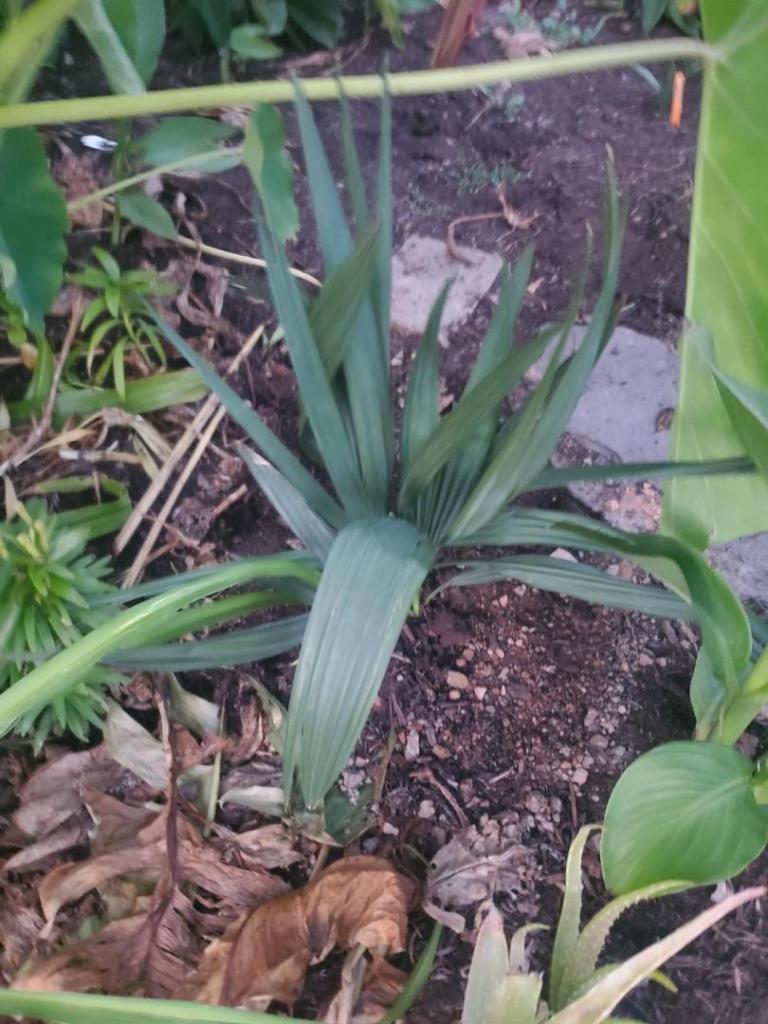 3 points
 -
3 pointsThe old saying a $100 dollar planting hole for a $10 dollar palm, or a $10 planting hole for a $100 palm. It’s up to you and in most cases there is not much of a difference. If you live in a harsh environment then amended soil is best. If you live in Hawaii just stand back and throw the palm over your shoulder and it will grow every time you look at!3 points
-
 I remember about a week and a half or so ago, some troublemaker on here posted a whole bunch of pictures from Beverly Hills and now the Grey Poupon guys are all annoyed because sometimes they have to use the horns in their car. This country is truly going to hell. What's the world coming to when the wealthy have to share the same space as us peasants?3 points
 -
 3 points
 -
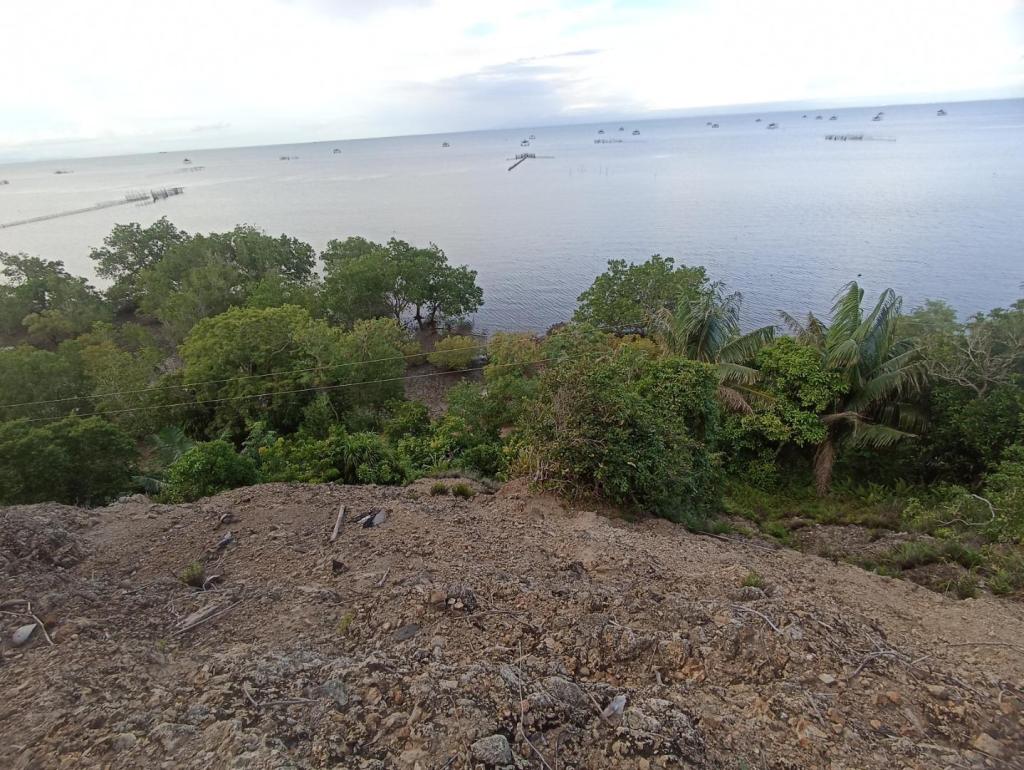
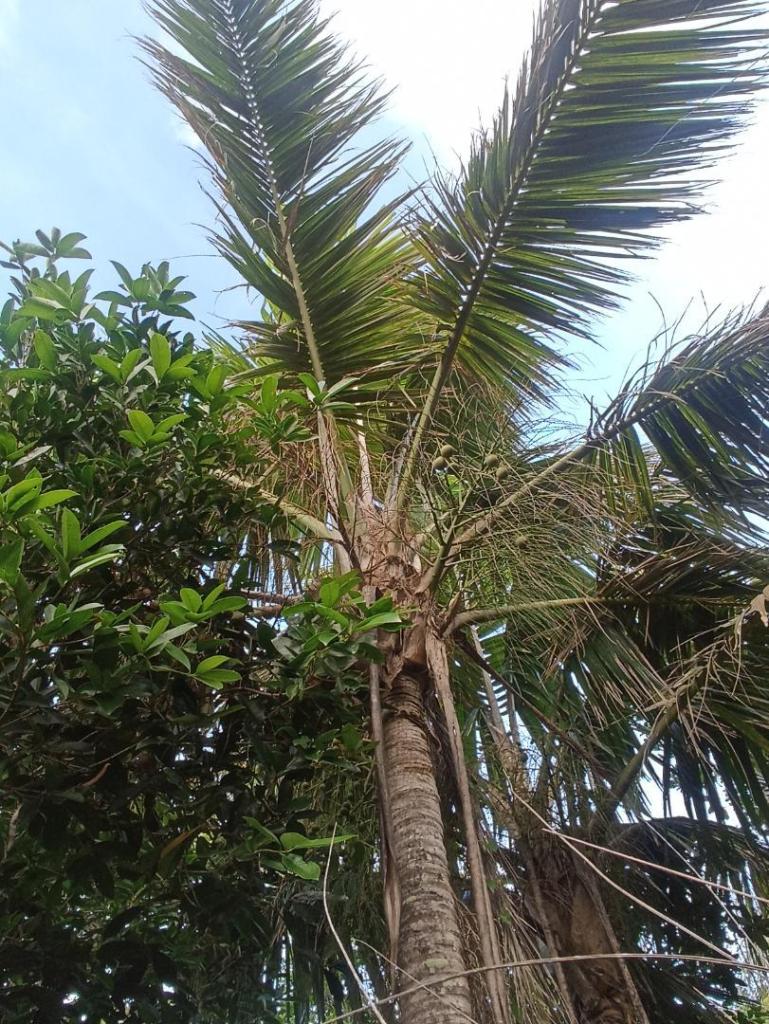
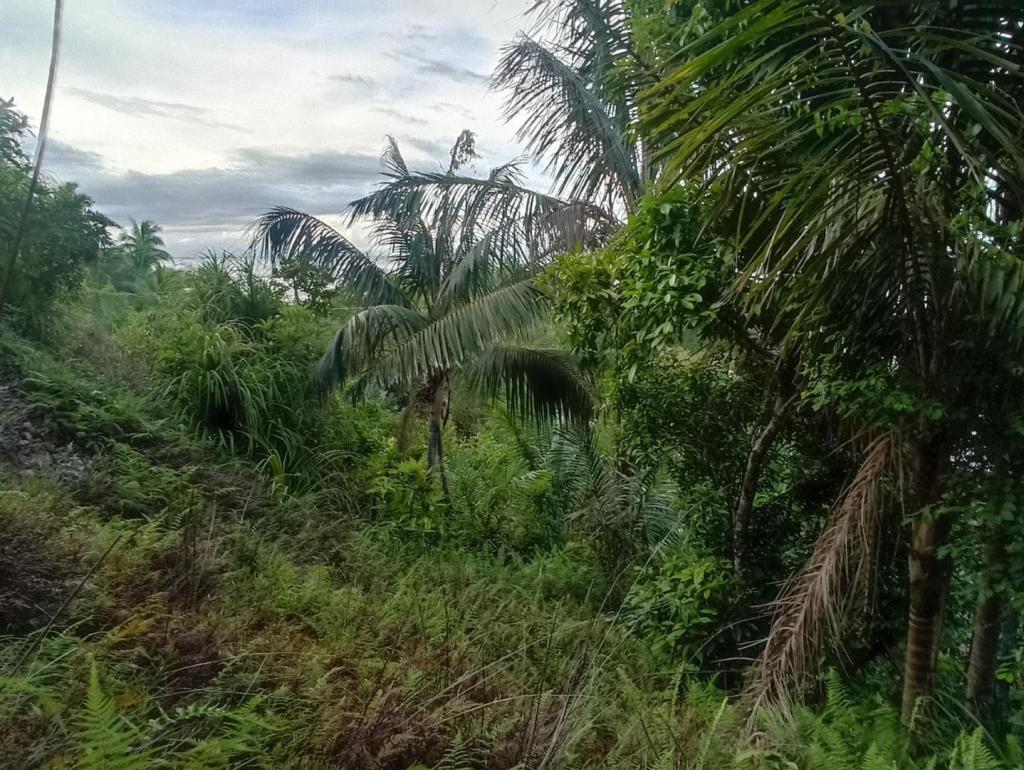
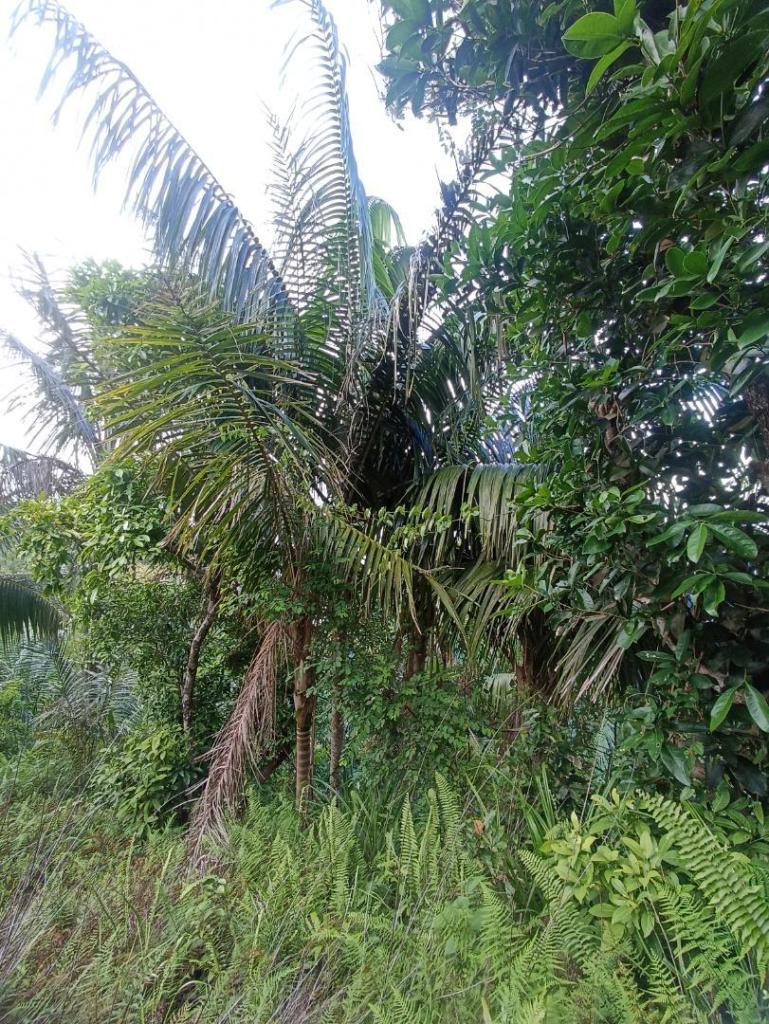
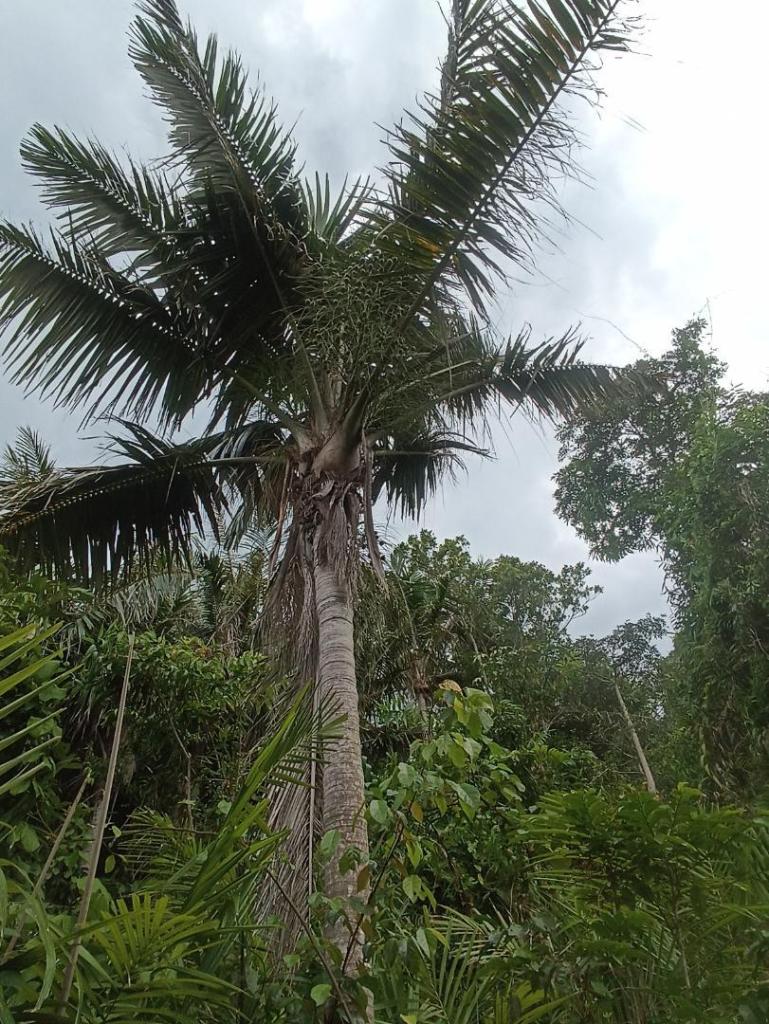
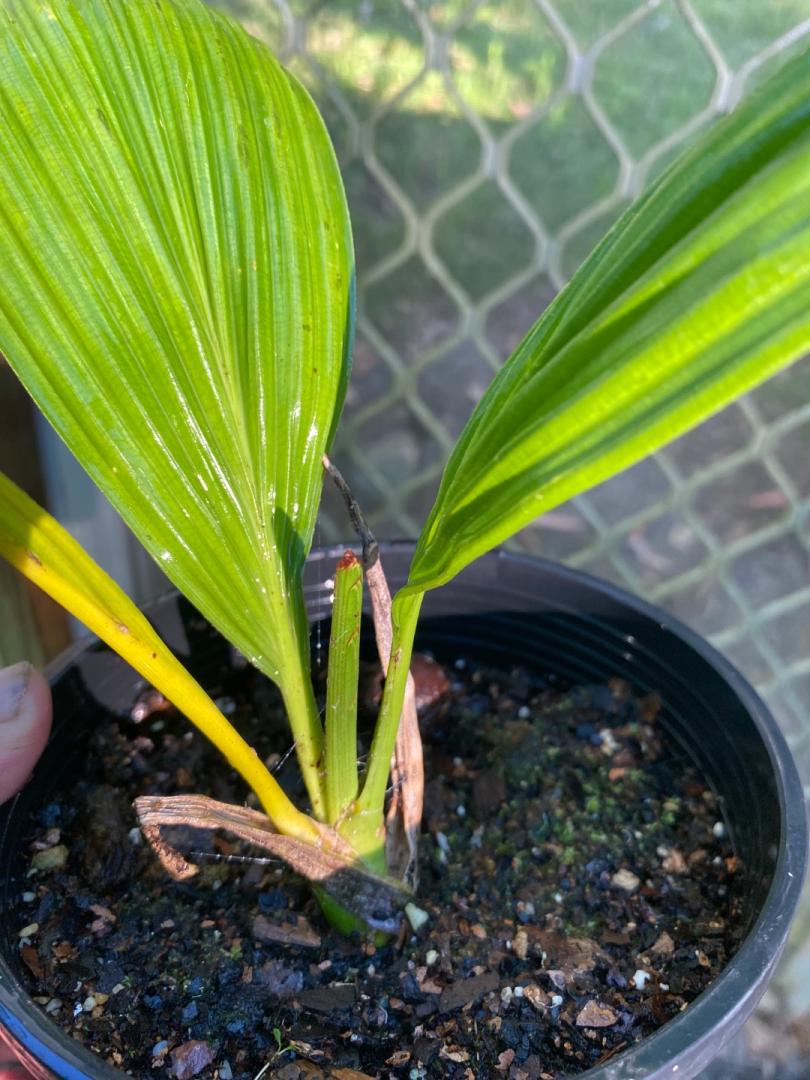
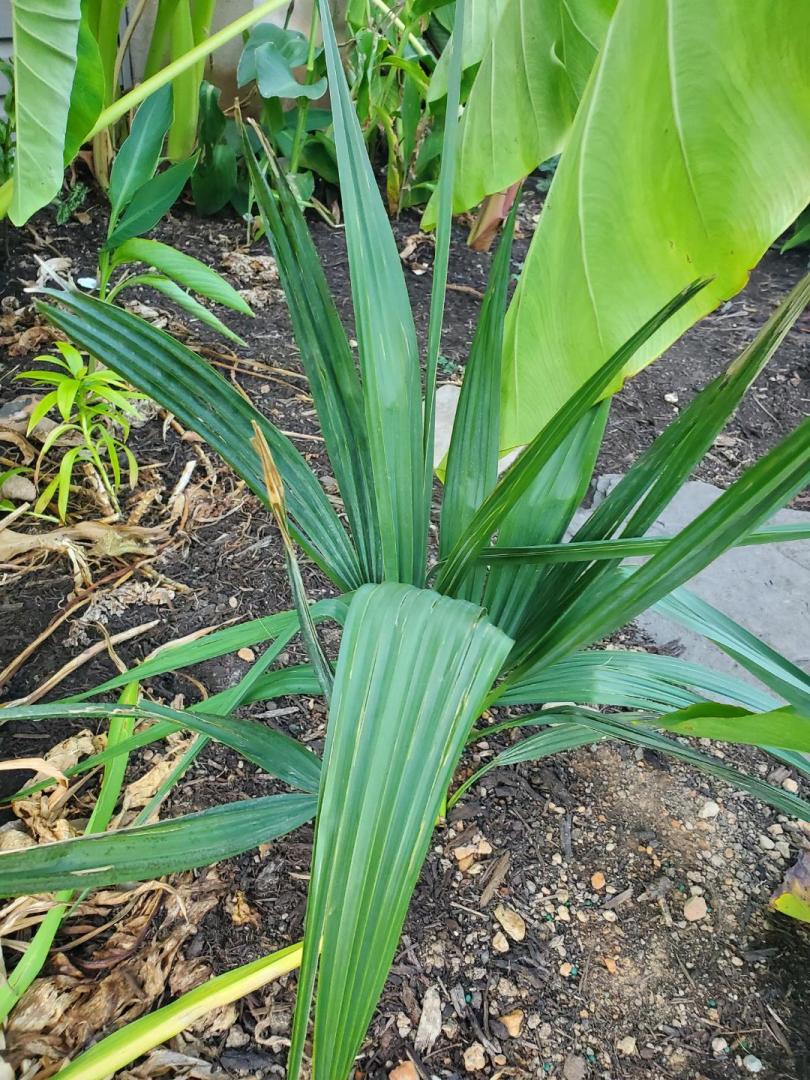
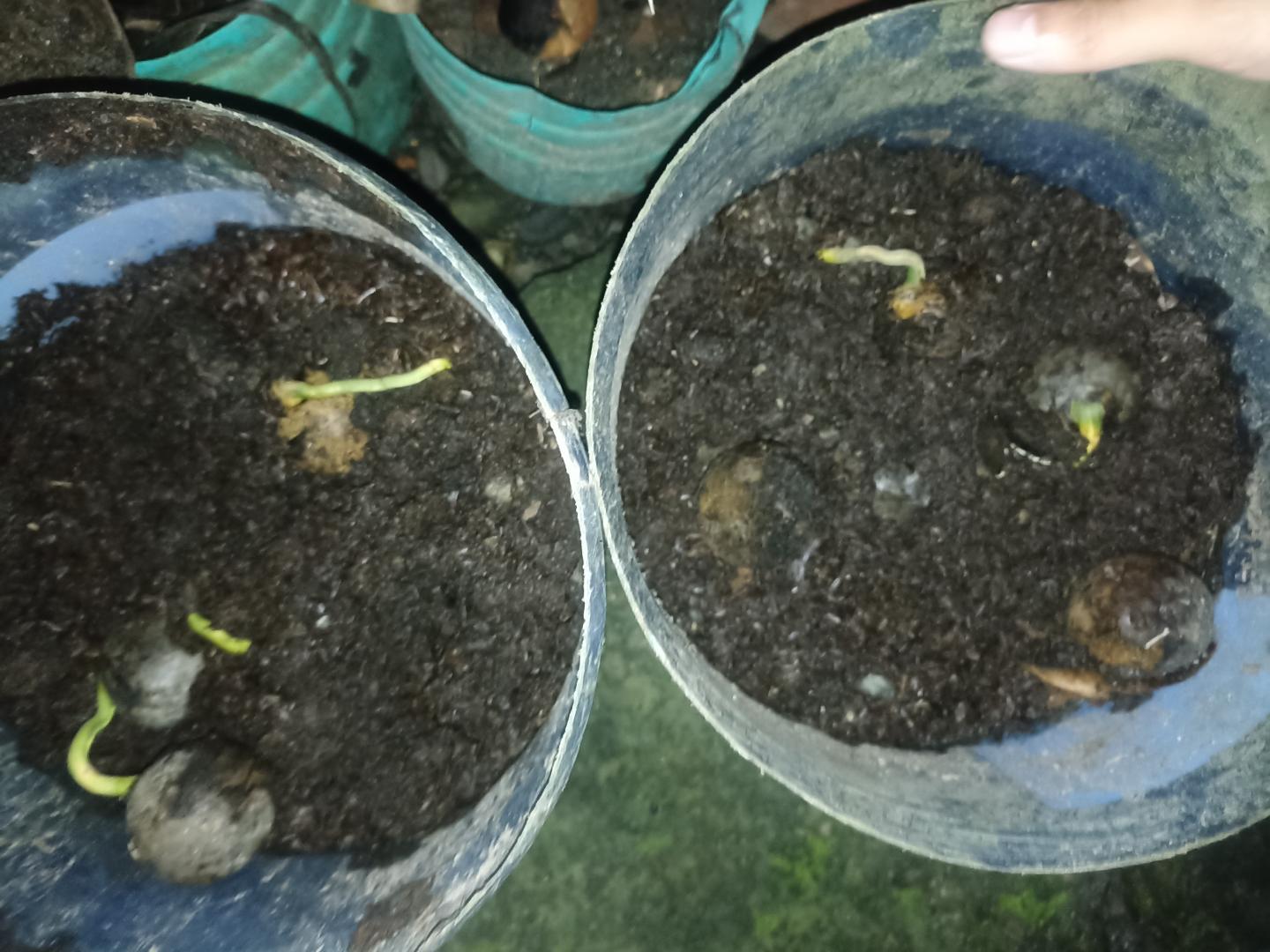
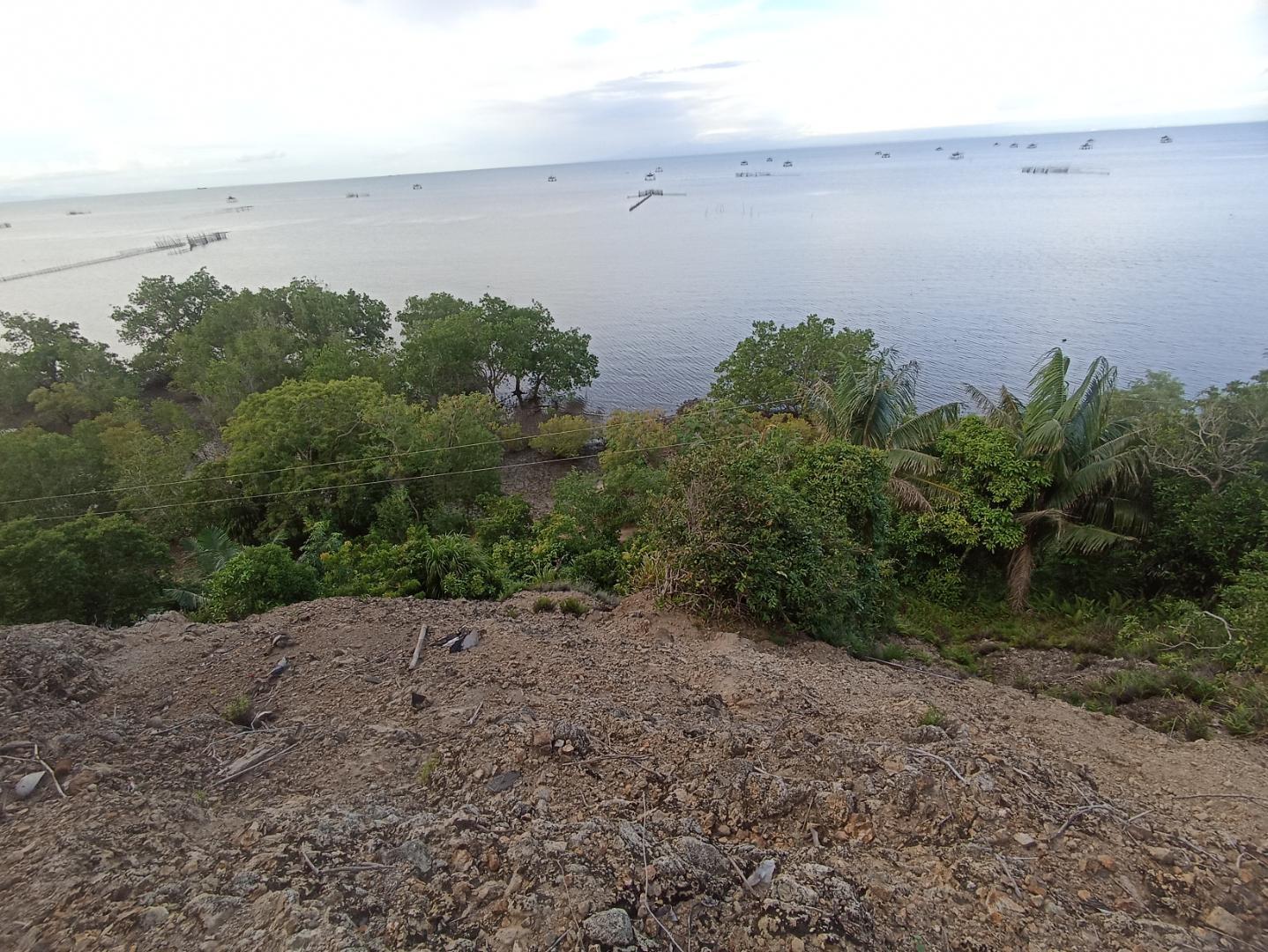
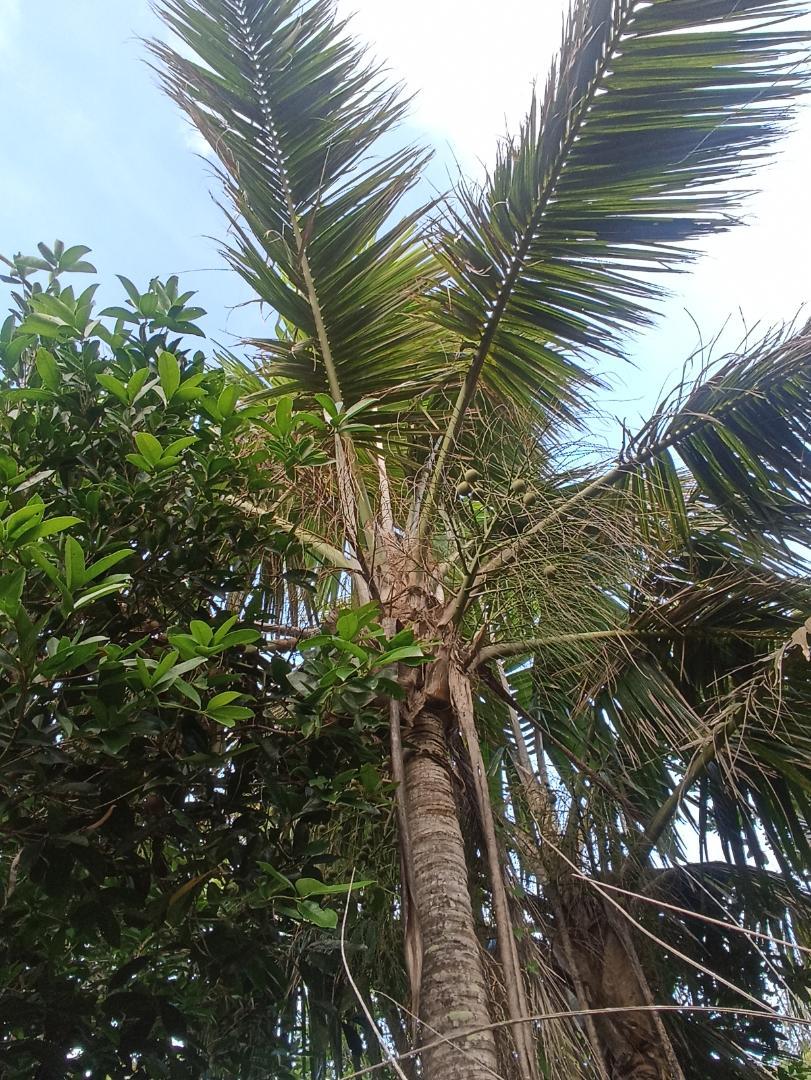
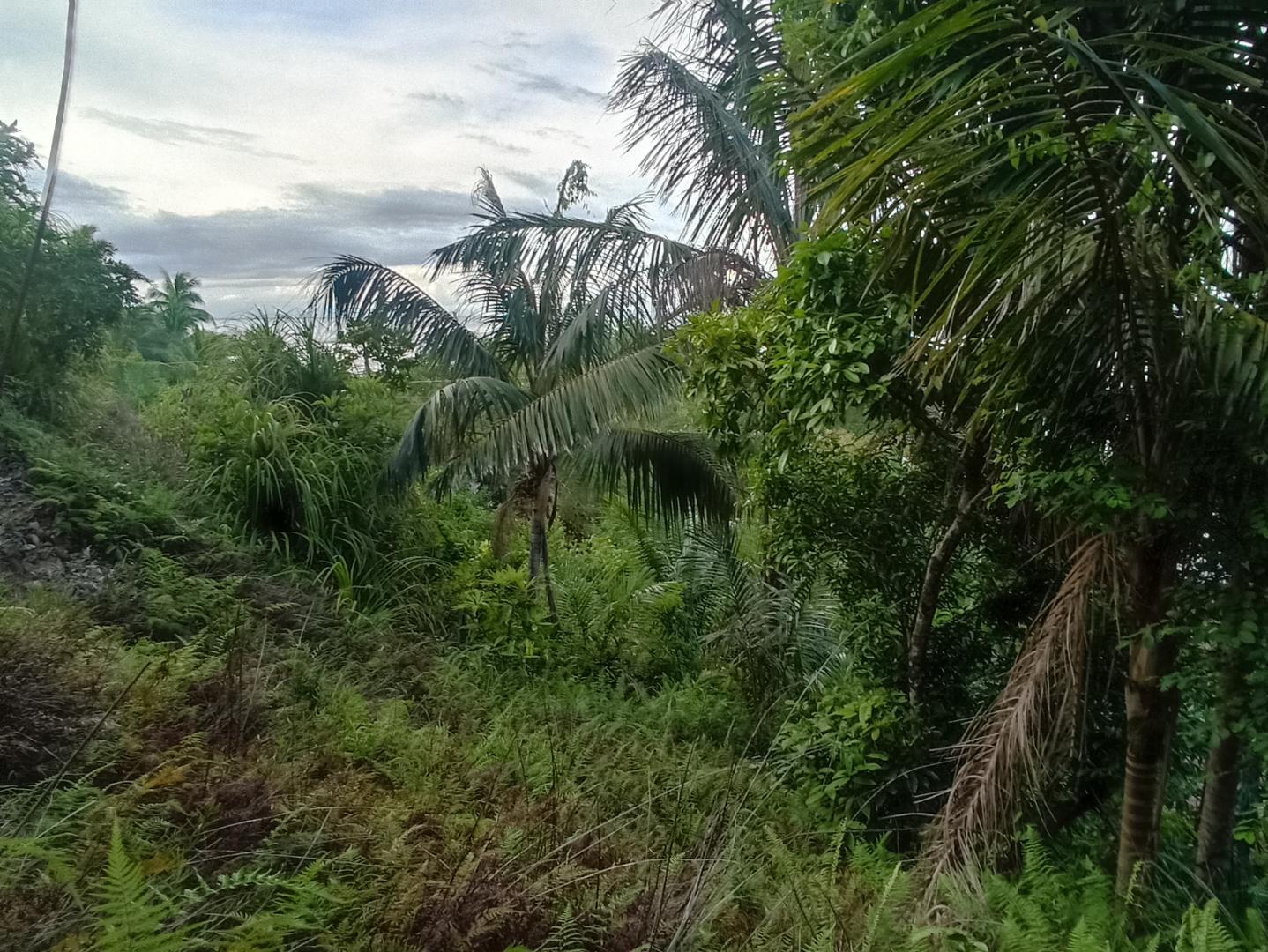
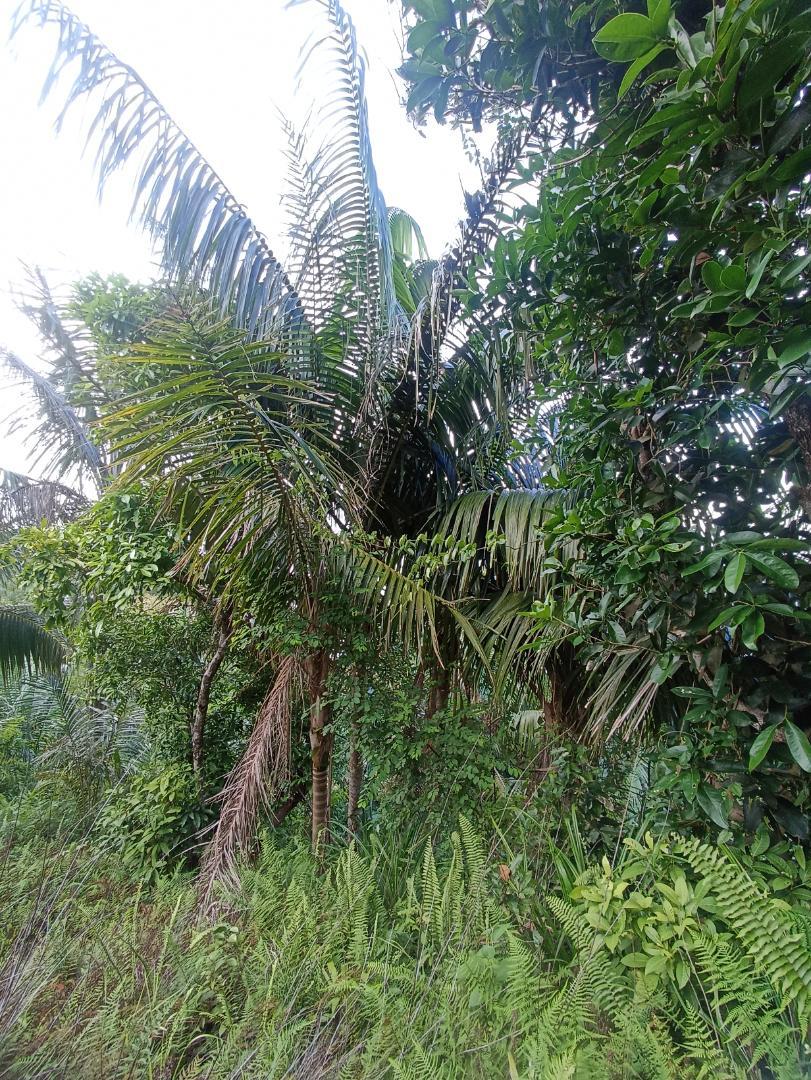
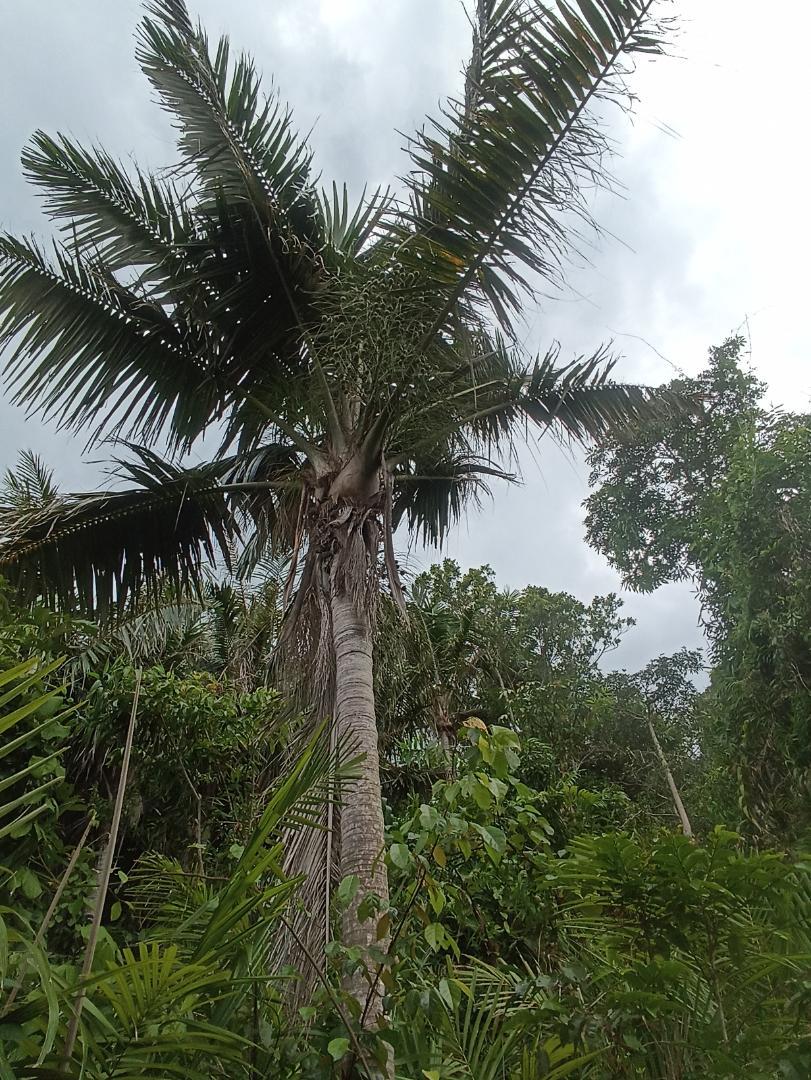
 3 pointsYoooo, thanks for the pics I finally know the palm trees, but only in genus level. I saw the palms in Guimaras island growing in mainly mineraly, crumbly clay/ limestone soil on a cliff. I swear I thought they were coconuts cuz they were growing along side a grove of coconuts, the trunks and leaves look like a coconut but the fruits were small hahaha. It definitely intrigued me but image search keep giving me coconuts and its been like two months that i havent identified it then just now I saw your pictures and I can finally rest in peace. But, there seems to be three species found in the Philippines, O. decipiens, O. palindan, O. paraguensis according to palmpedia. Can anyone confirm which of the three is it. I took around ten ripe fruits and the just started to germinate took a few weeks. They definitely dont sprout the way I expected palms to sprout.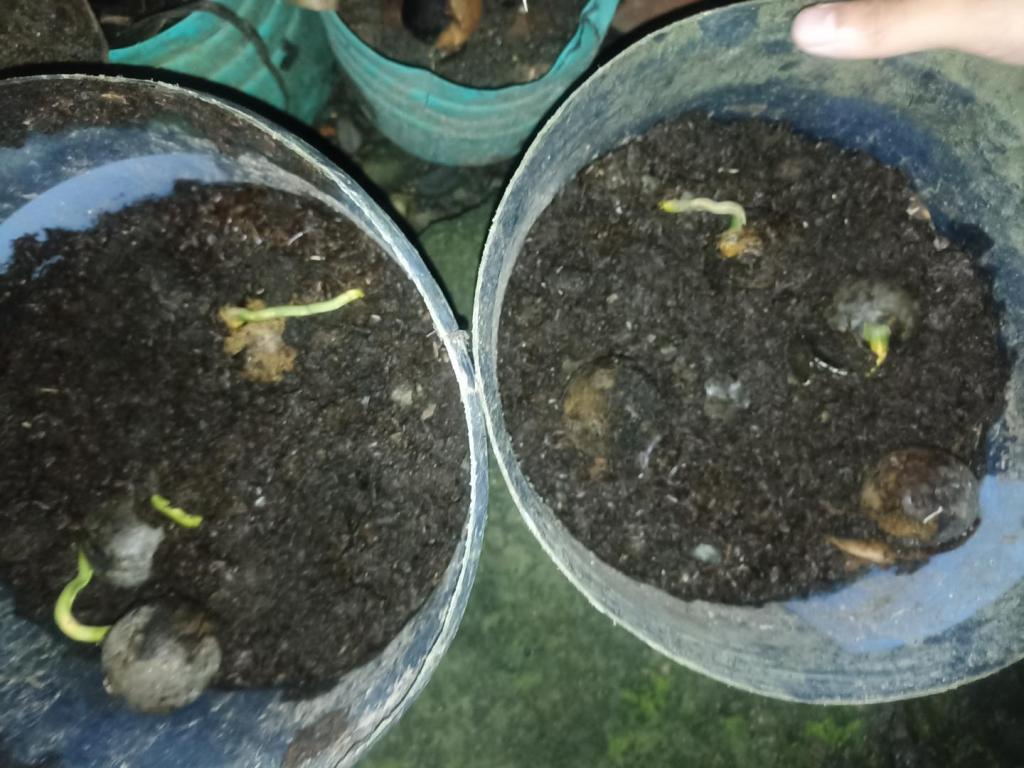
 3 points
 -
3 points
-
3 points
-
3 points
-
3 points
-
3 points
-
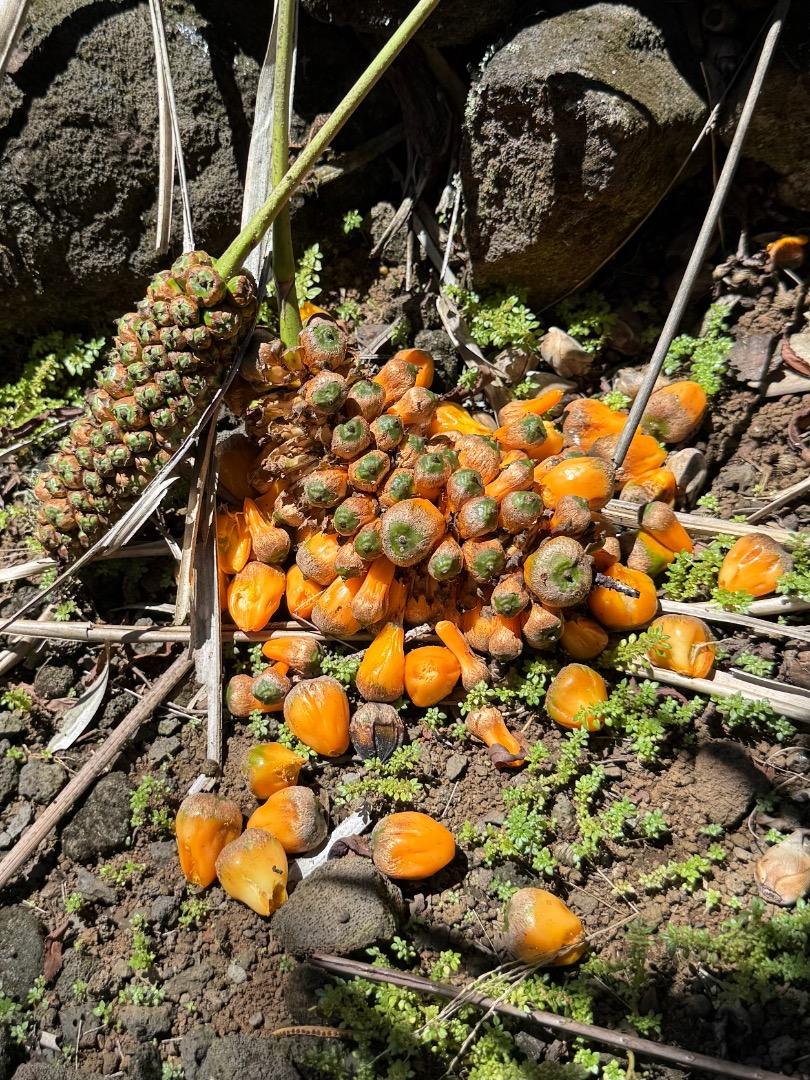
3 pointsAllagoptera arenaria seed. Actually quite delicious too, tastes like cantaloupe….. no joke. Tim
 3 points





















.jpg.e5151206b0a3ae4138d0c3d5f0d06984.jpg)