Leaderboard



Popular Content
Showing content with the highest reputation on 07/24/2025 in all areas
-
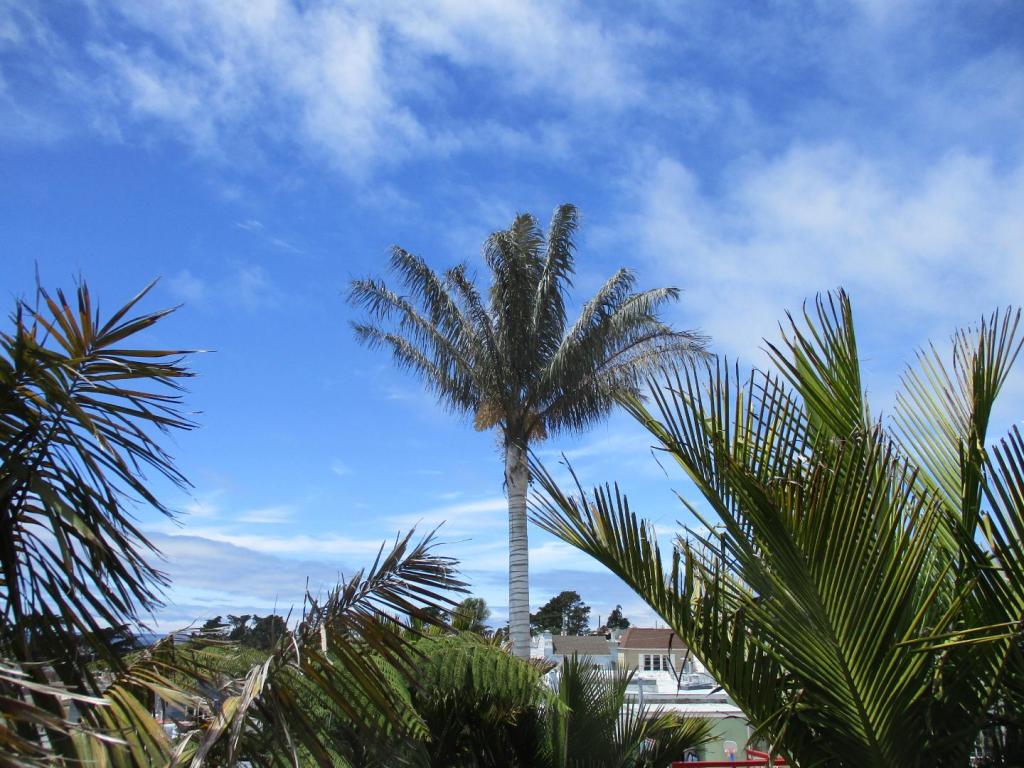
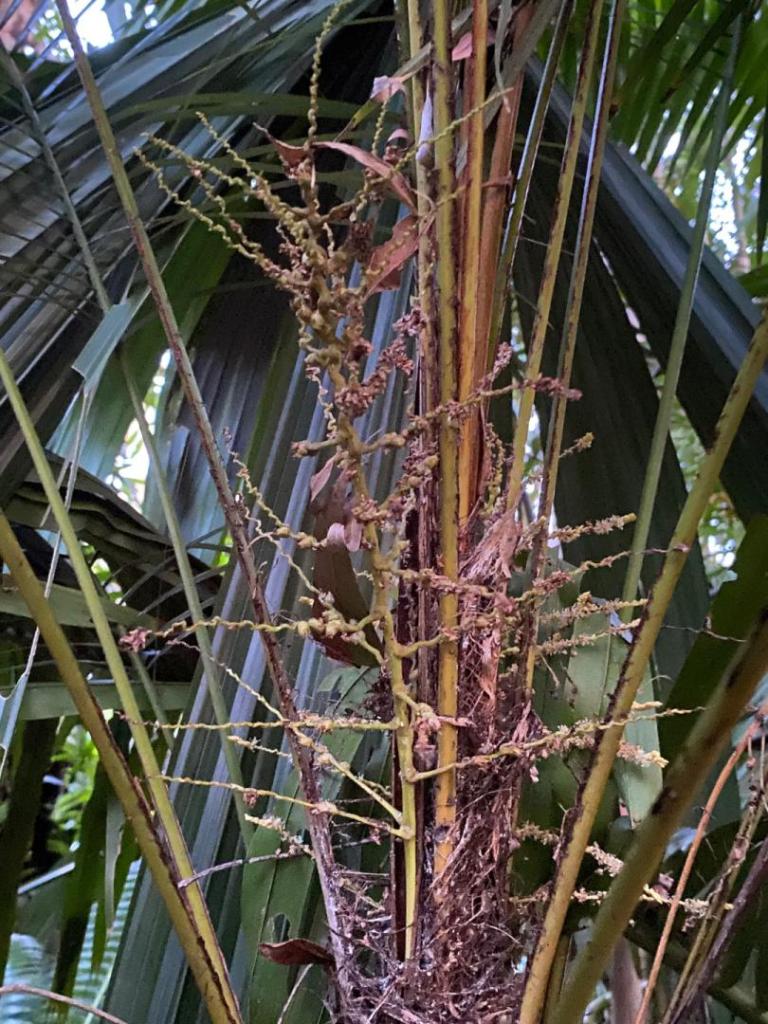
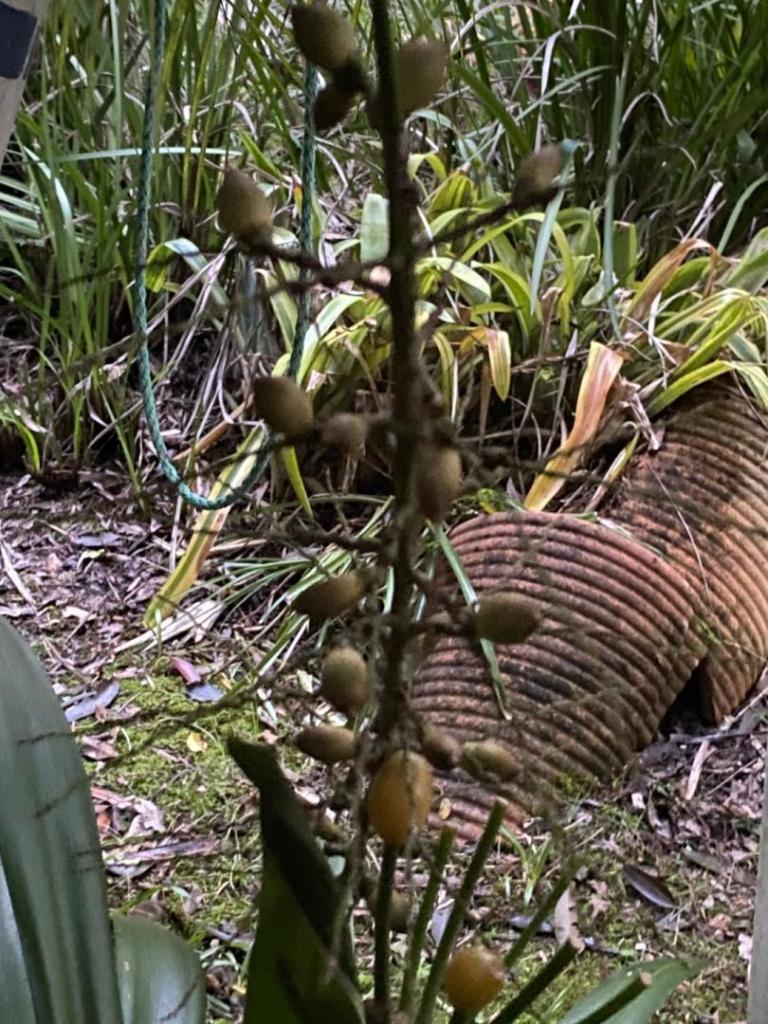
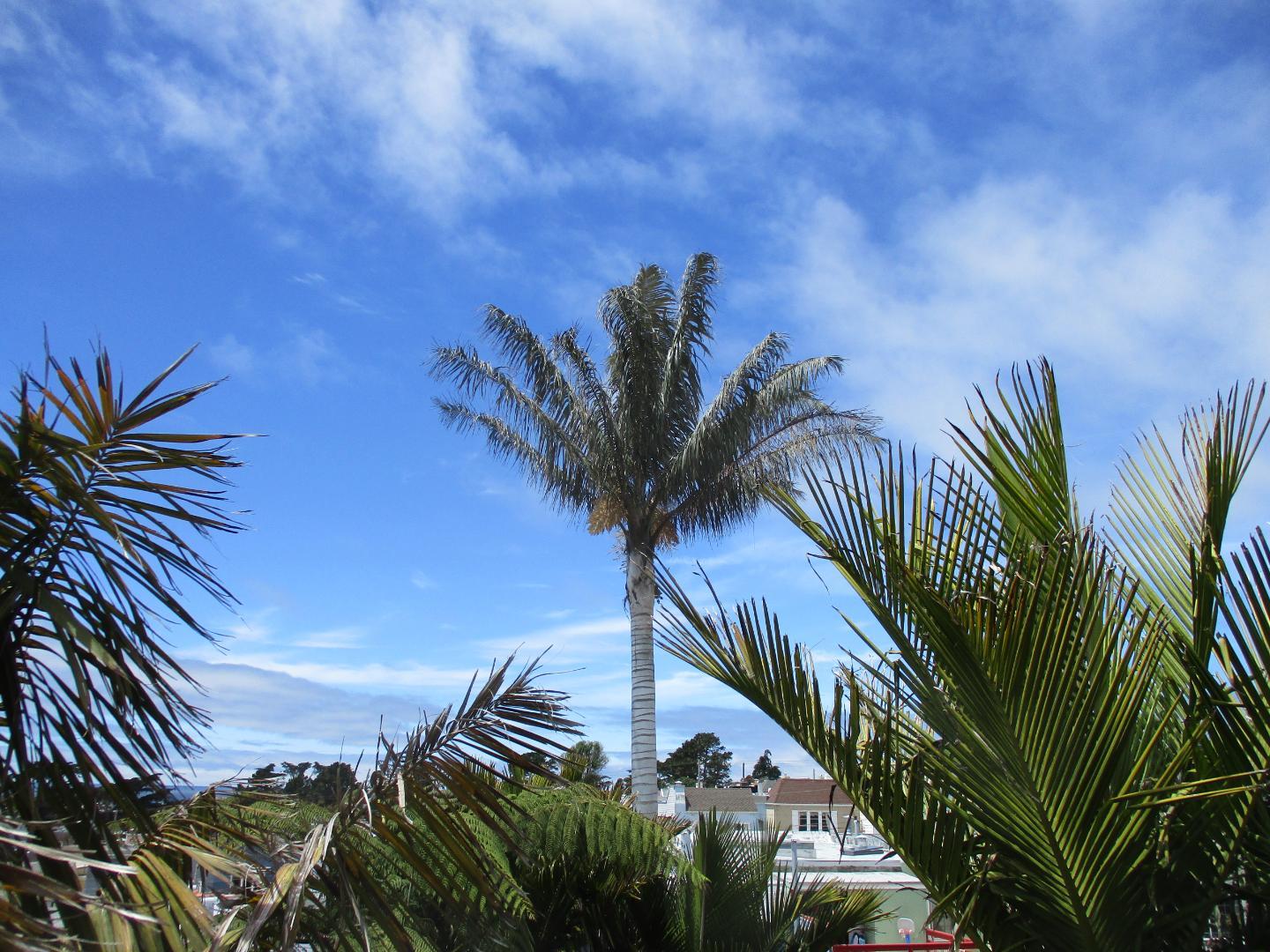
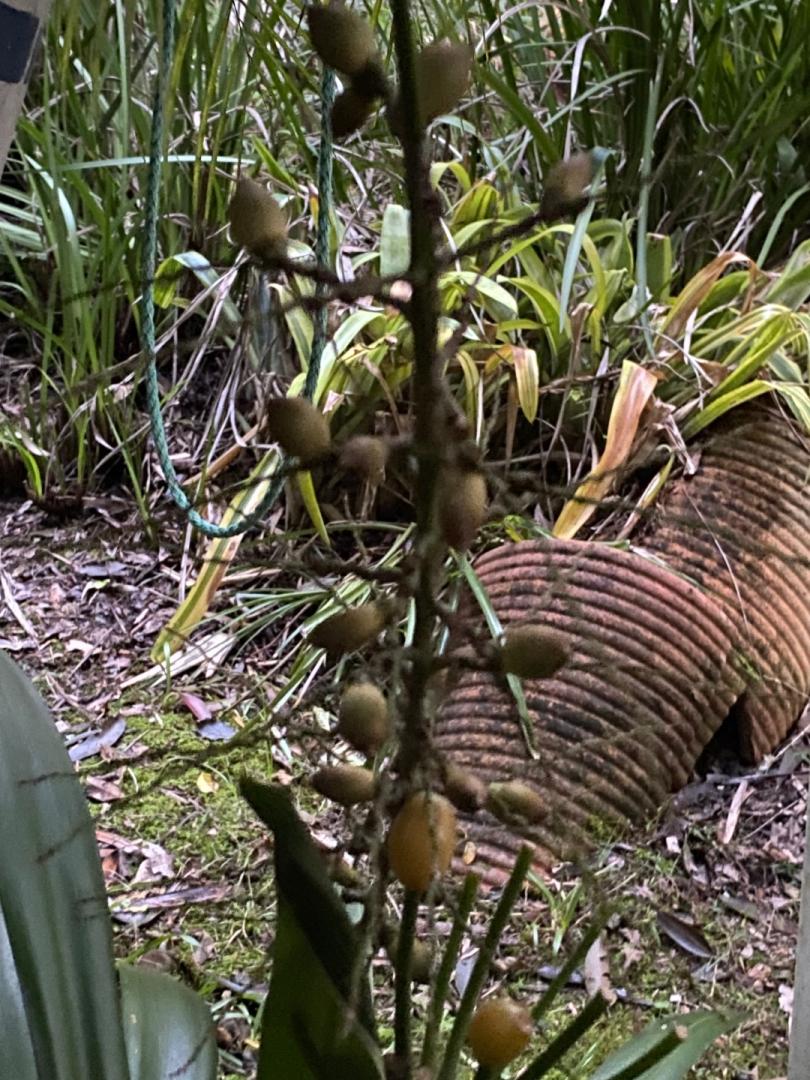
Here is an update on my Ceroxylon quindiuense. The seed collection was in Columbia, 1978, by my late palm mentor, Garrin Fullington. I ground planted it in the spring of 1983. It is a sibling from the same seed batch as the two plants in San Francisco Botanic Garden. I have not found aborted flowers on the ground yet, so the gender is unknown.
 29 points
 -
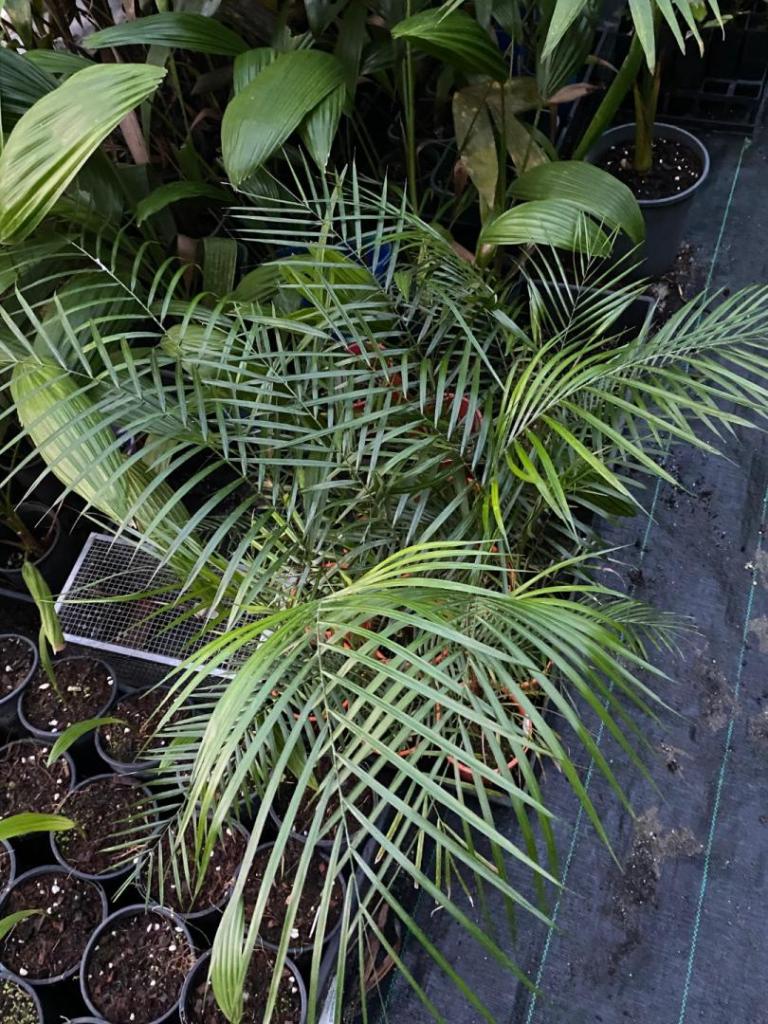
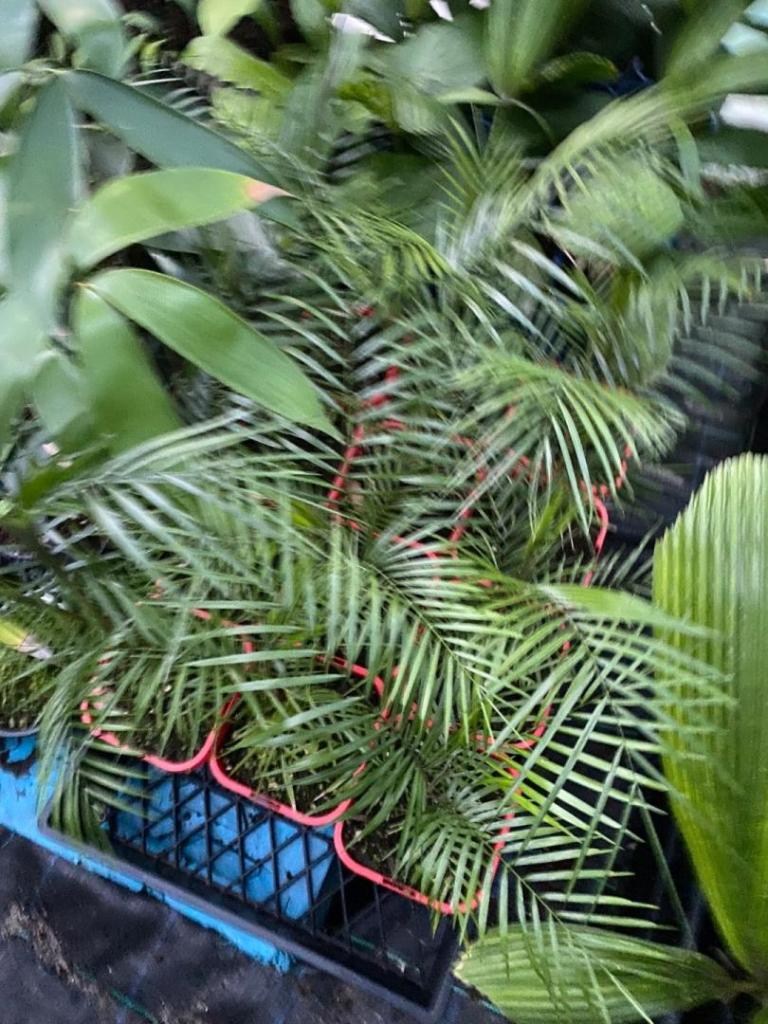
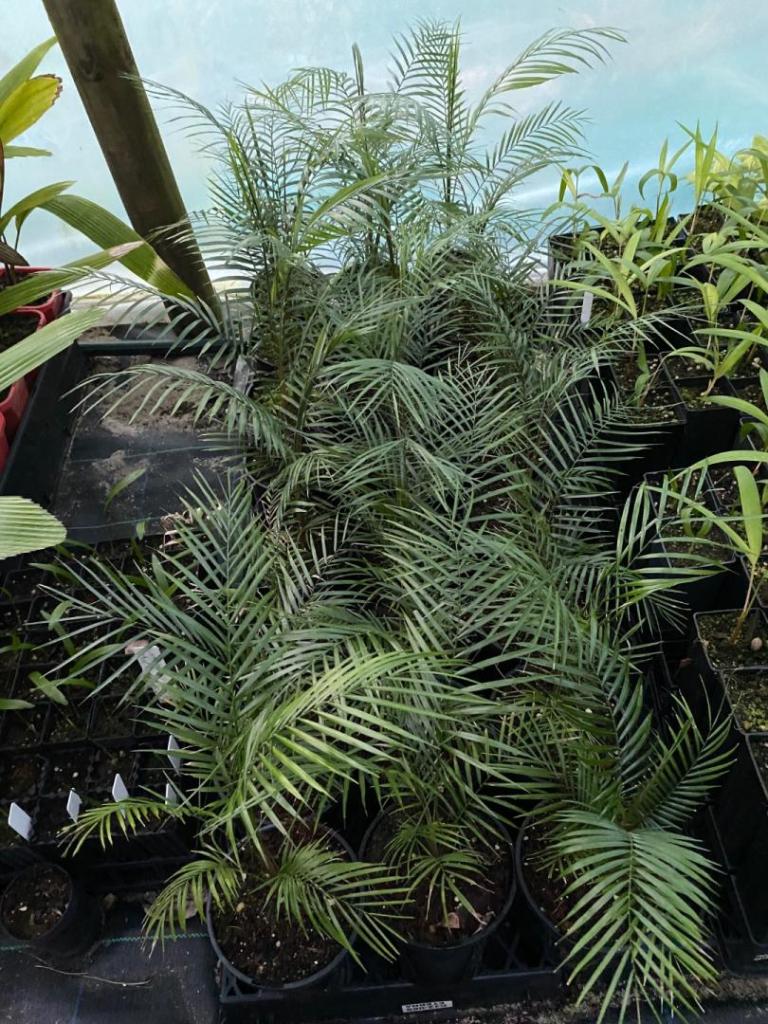
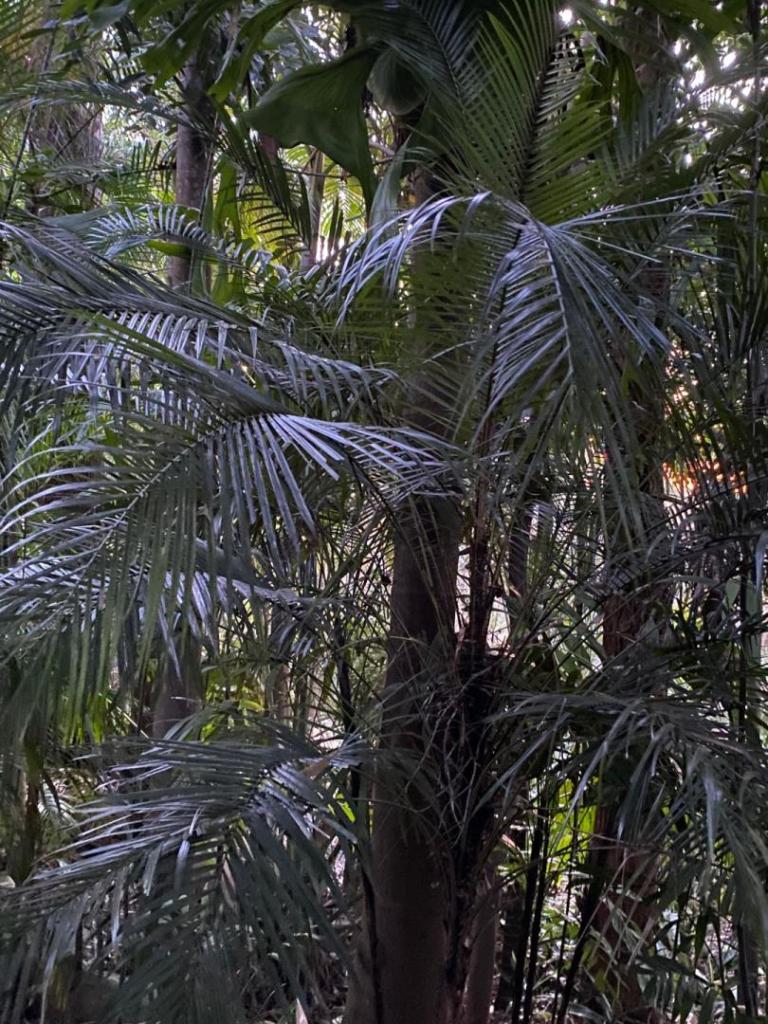
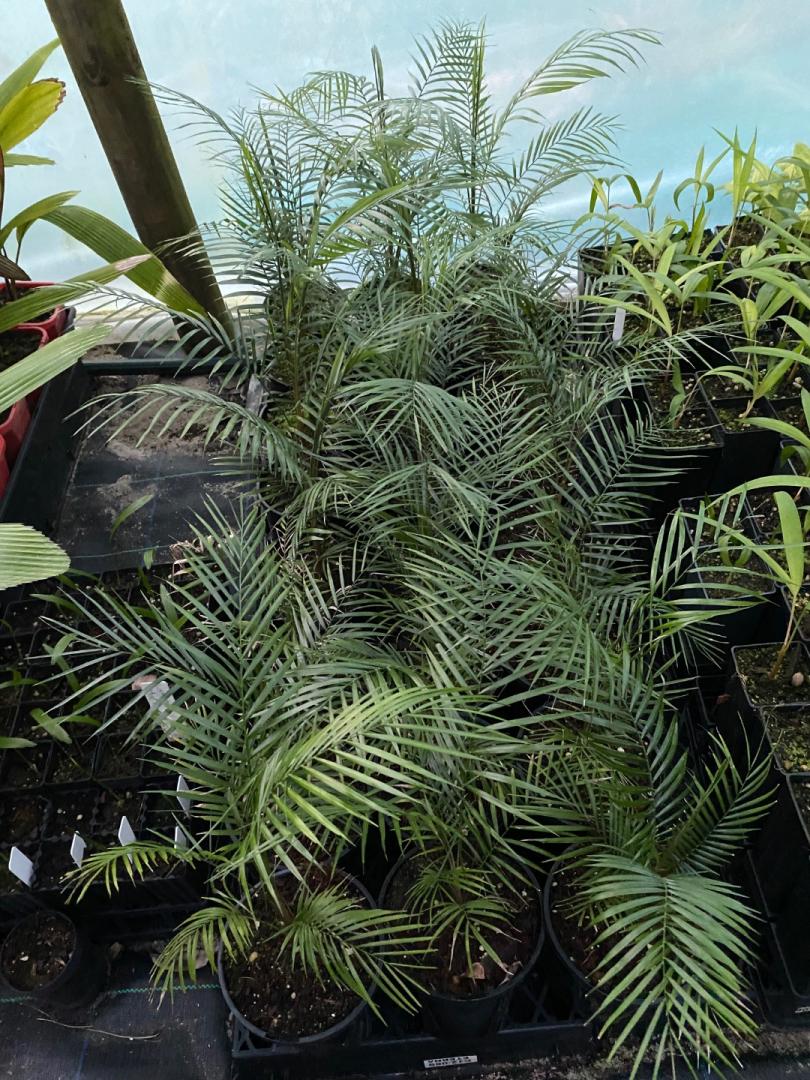
One palm that grows to absolute perfection in my climate the weddlianum or wedding palm. Such a delicate palm when a seedling and is always popular as seedling with non palm nuts. I have had them sell as I deliver them to retail nursery being snapped up off the delivery trolley. There beautiful and even more so when mature and given a nice clean up. So easy to grow and germinate, I just love them!




 4 points
 -
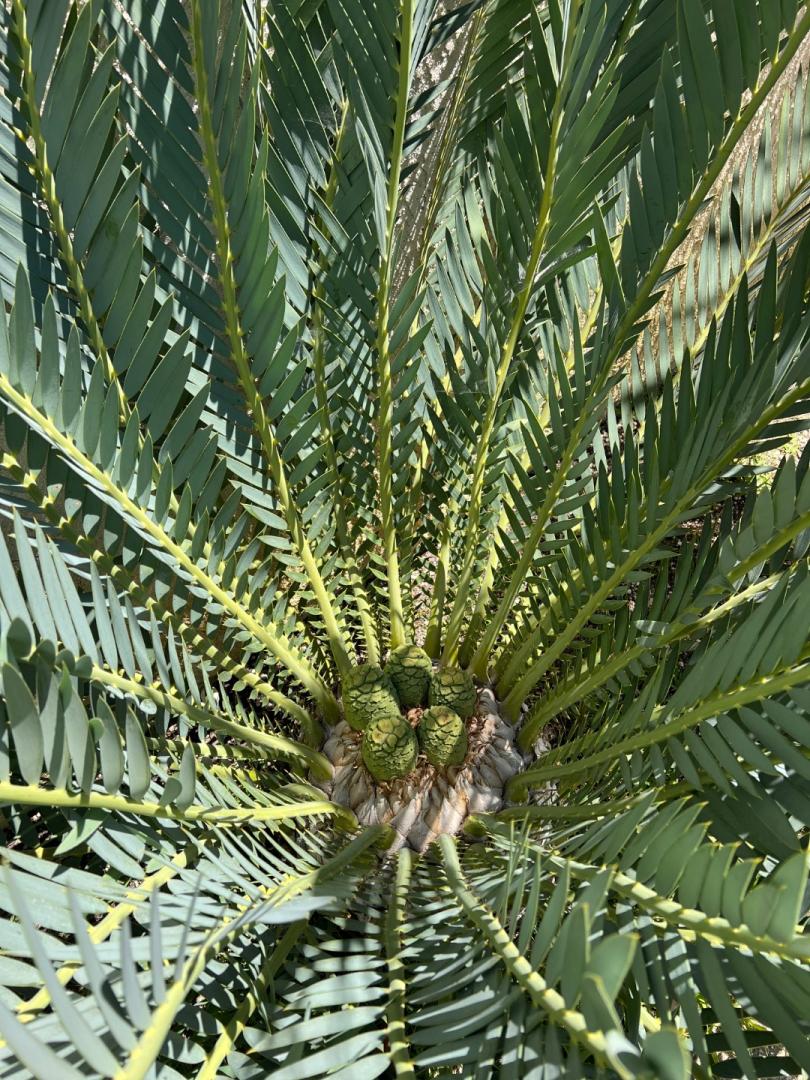
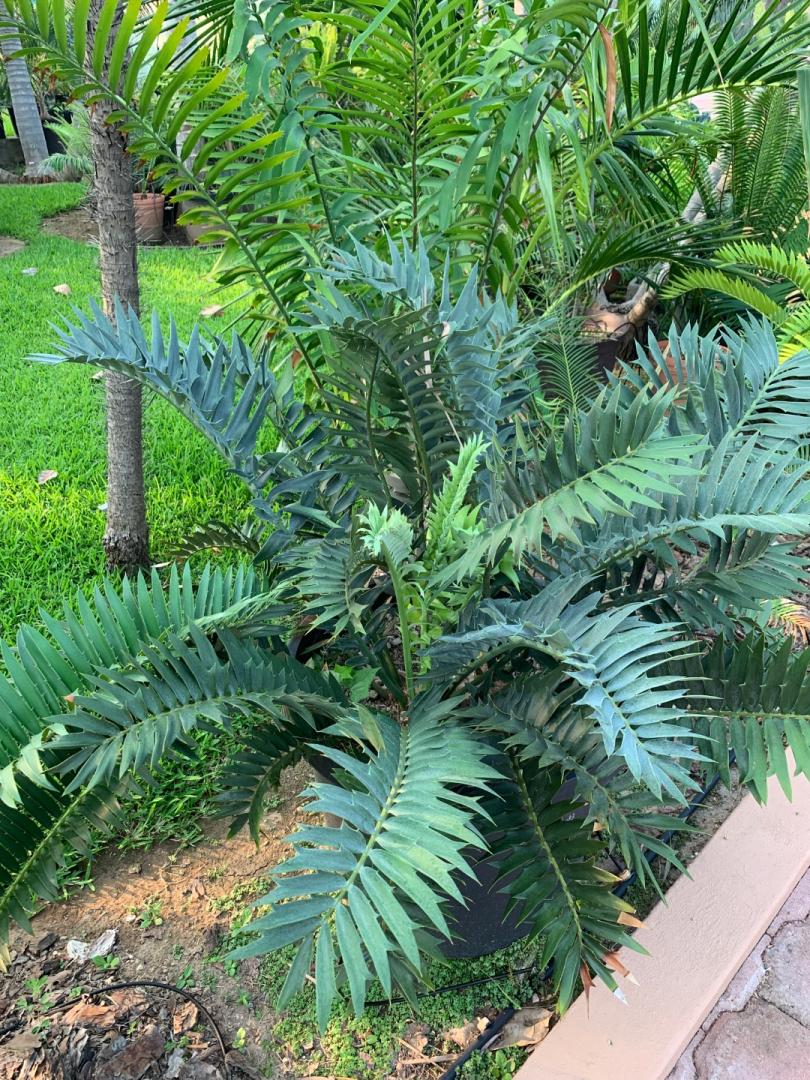
Best I can do is no comparison - 24 years from seed. Definitely not the best way to grow Cycas revoluta but growing from seed is rewarding regardless!
 4 points
 -
The maximum temperature this palm has experienced is 30C, or 86F, for two or three days on 3 or 4 occasions.4 points
-
Iconic palm, Darold. Someday, hopefully, people will be looking up a 150’ (46 meters) or taller tree. I’m just hoping to see any trunk at all on any of my Ceroxylon species. C. alpinum may be getting ready. Darold, you should be very proud!4 points
-
That was my thought. A mild potassium deficiency.3 points
-
Looks like potassium?3 points
-
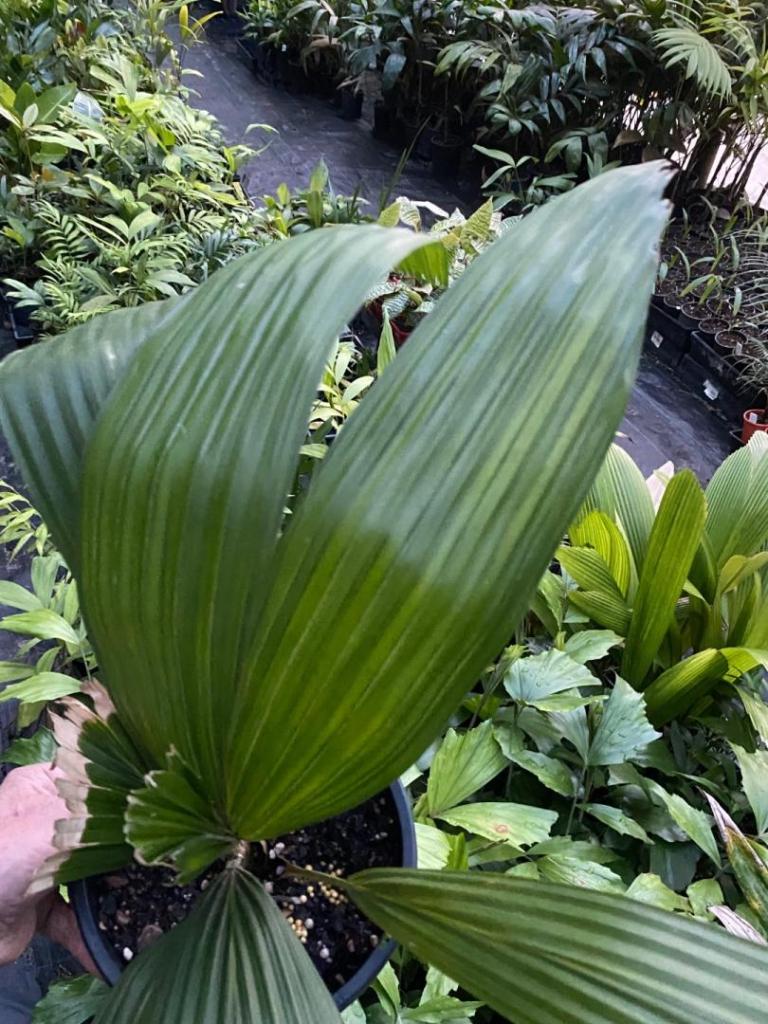
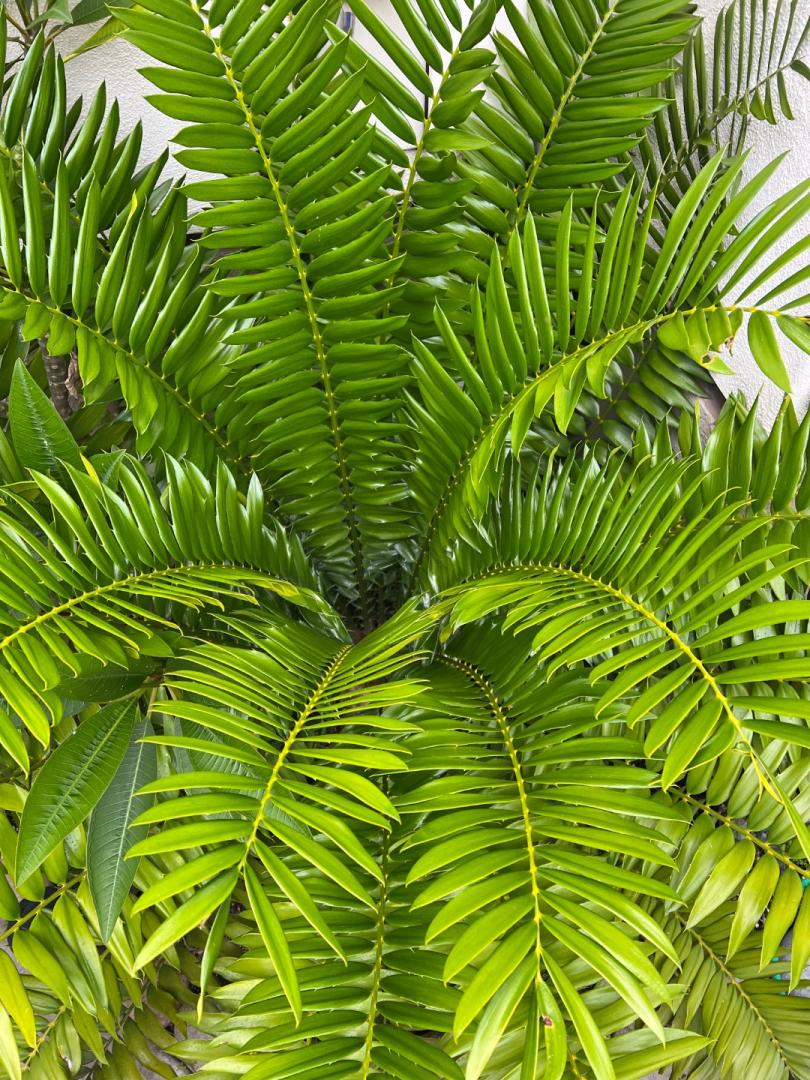
One grand palm that’s spectacular, while I have only seen pictures of them and juvenile seedlings, they seem rather special to me. So far they have taken two cool winters down to 2 degrees last winter and 3 degrees Celsius this winter, I did lose two last winter and one with spear pull but that one is looking even stronger this season and picking up pace. The only thing I thought I did wrong last winter and killed two was water them to much in winter that’s all I can think off grower mistake, unless it was something else iam unaware off. So it’s always good to report on unknown new varieties being grown outside in the cool subtropical winter. So a zone push try and is very encouraging so far for subtropical growers. Gor such a spectacular palm that’s new to cultivation in my area.


 3 points
 -
I think the answer to your HOA problem is to buy a bunch of giant palmettos and plant them everywhere. Aesthetic this.3 points
-
Few more….


 3 points
 -
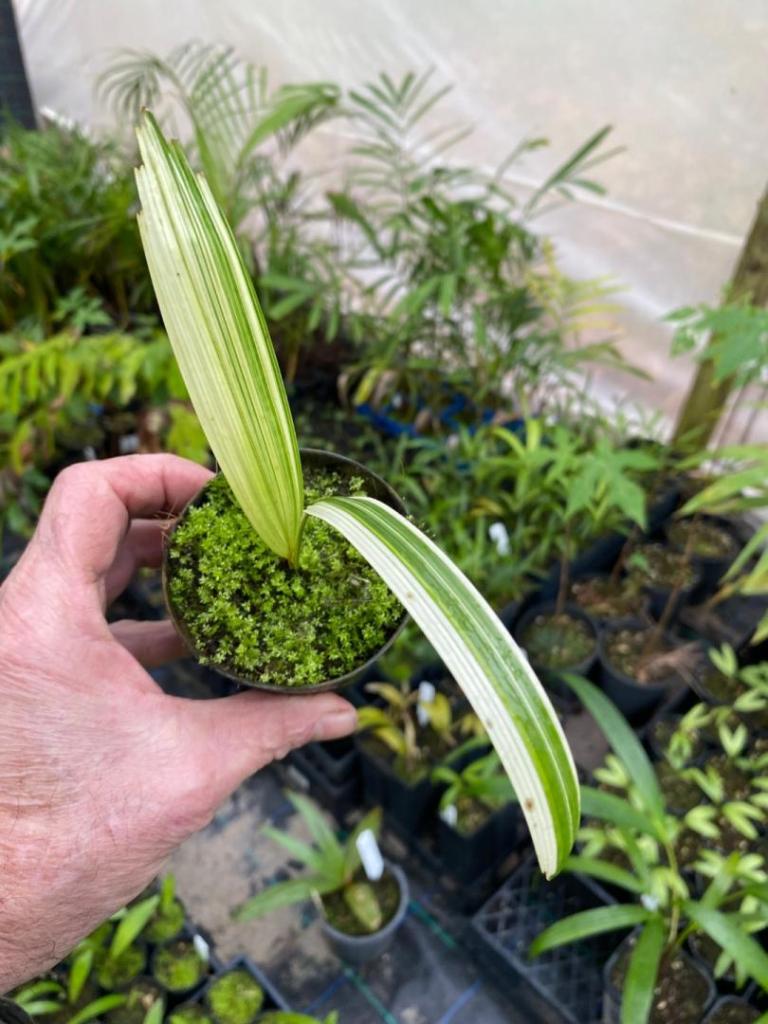
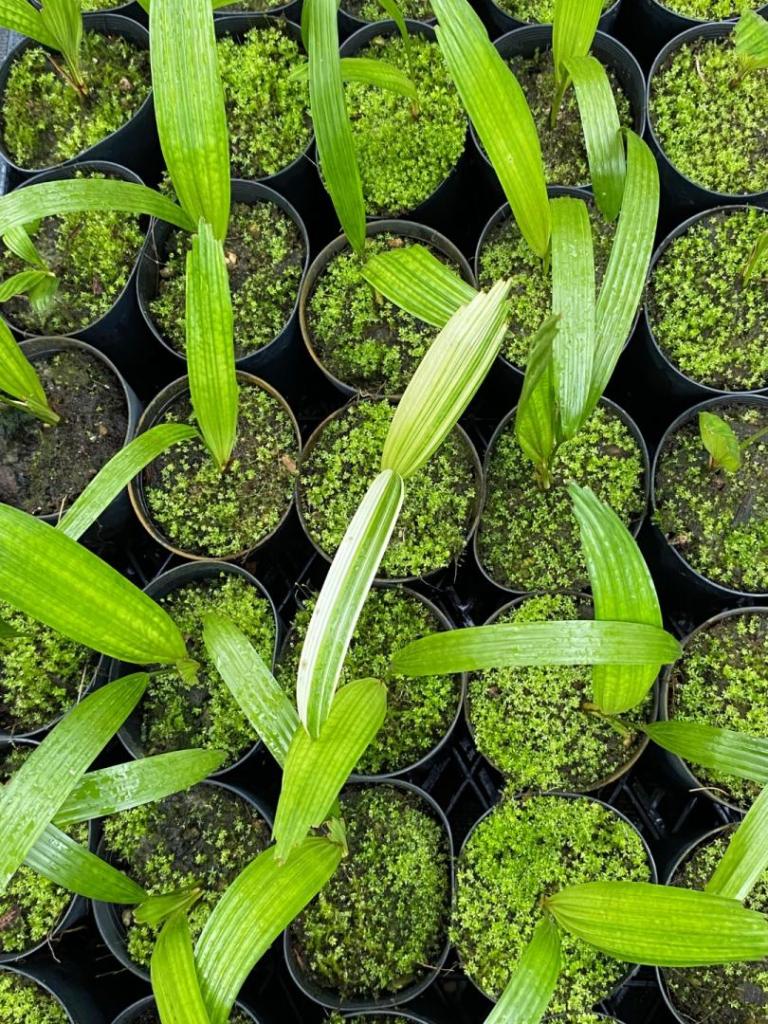
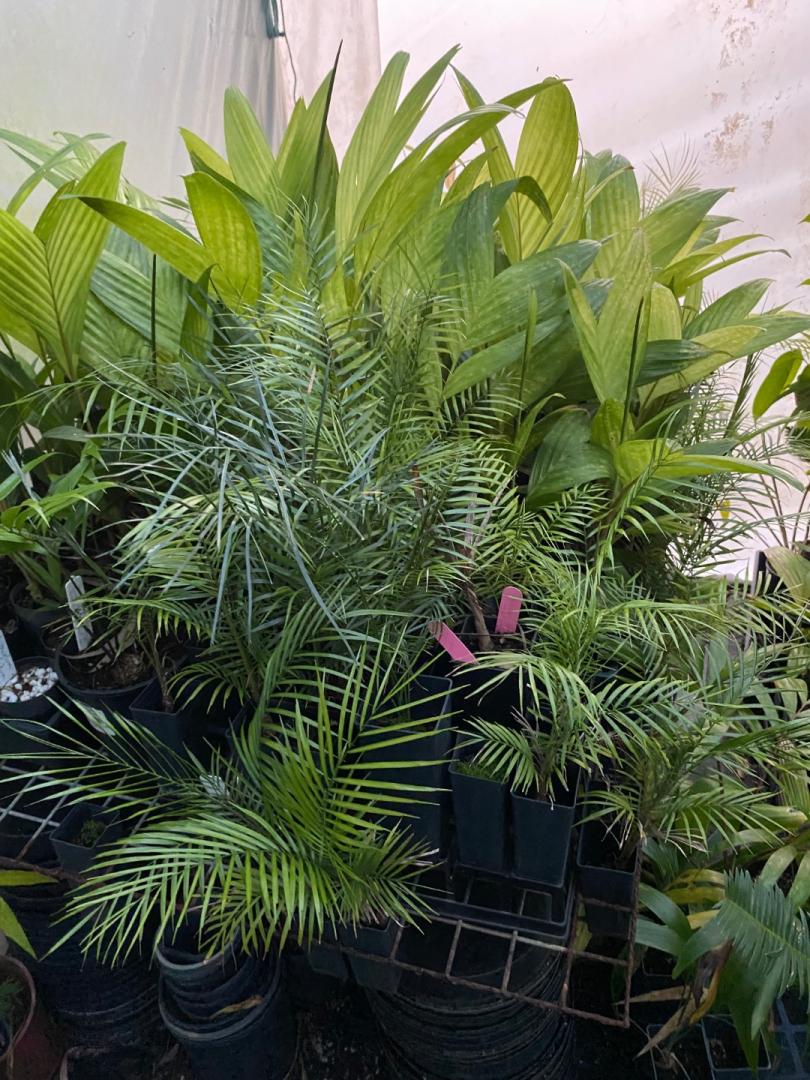
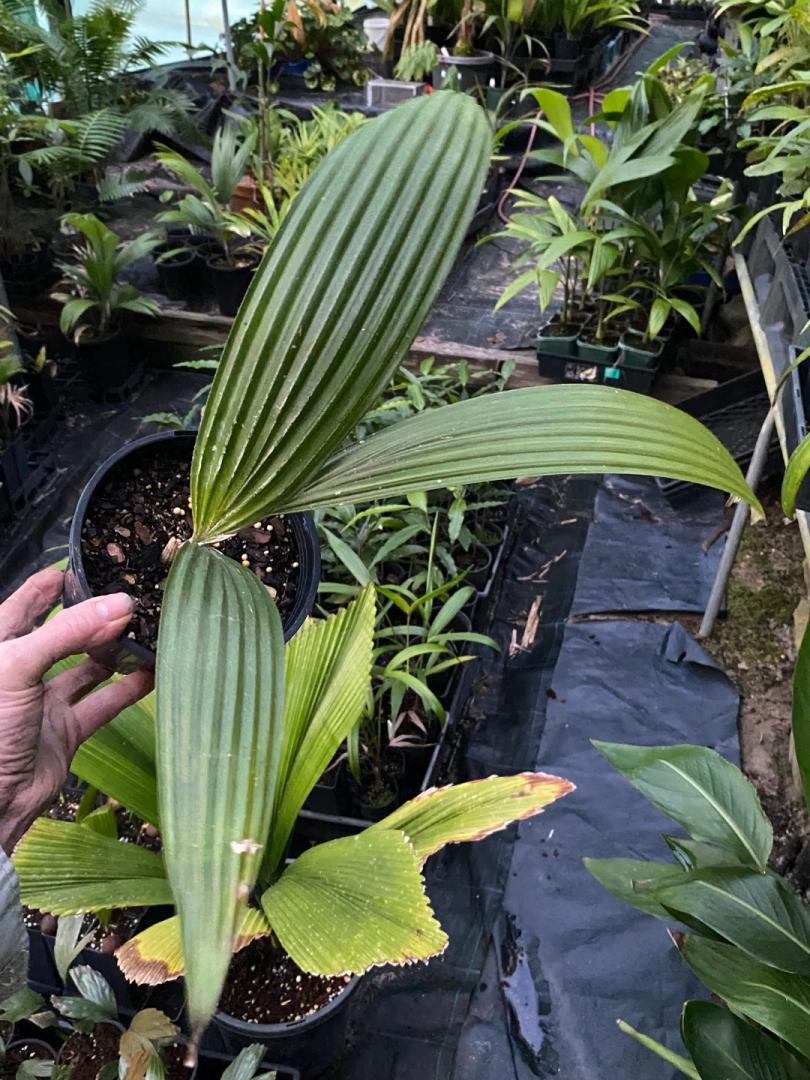
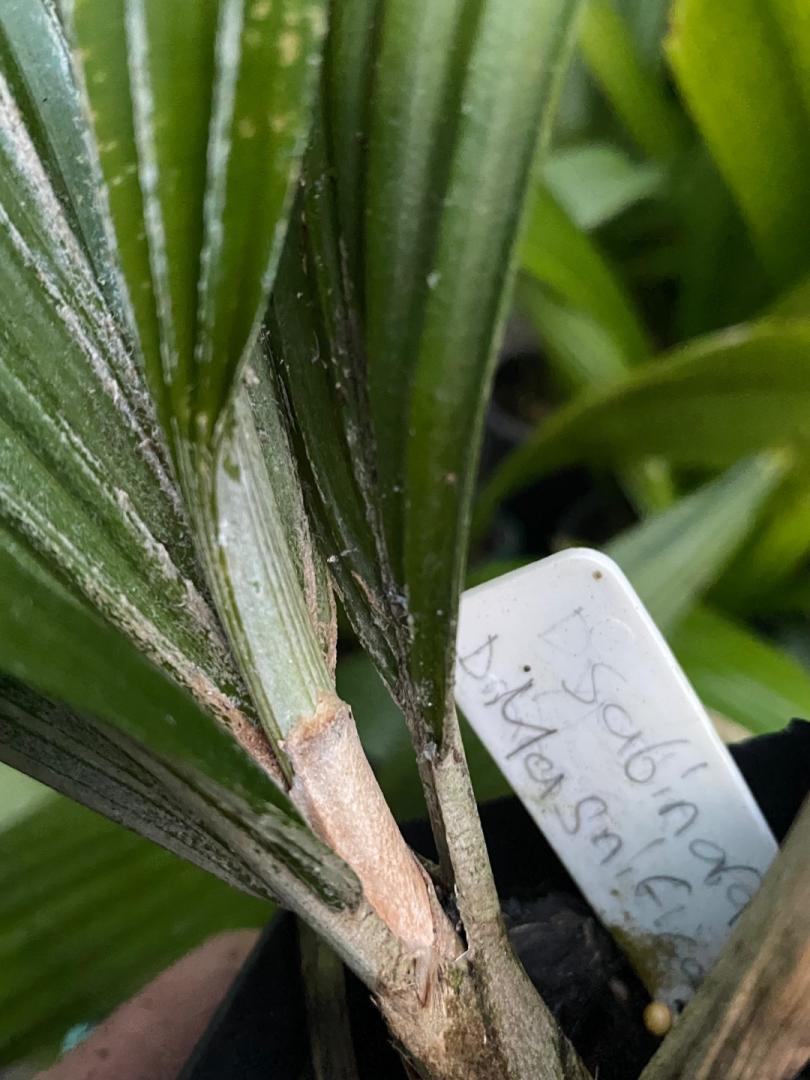
These two varieties are doing well just left to there own, the rhapis are just sitting outside in no real special spot and the ramsayi just sitting around with his cousins in the greenhouse. Less is best sometimes dont fuss over your palms especially if they are rare, just treat them like any other palm.
 3 points
 -
My gut feel without being an expert on Ceroxylon inflorescences is that it might be a male. The inflorescence just looks pollen-y to me 😆. Any idea if the C quindiuense at San Francisco BG are mature and if so what sex they are?3 points
-
Wow. It just blows my mind that some of y'all have trees almost as old as me.3 points
-
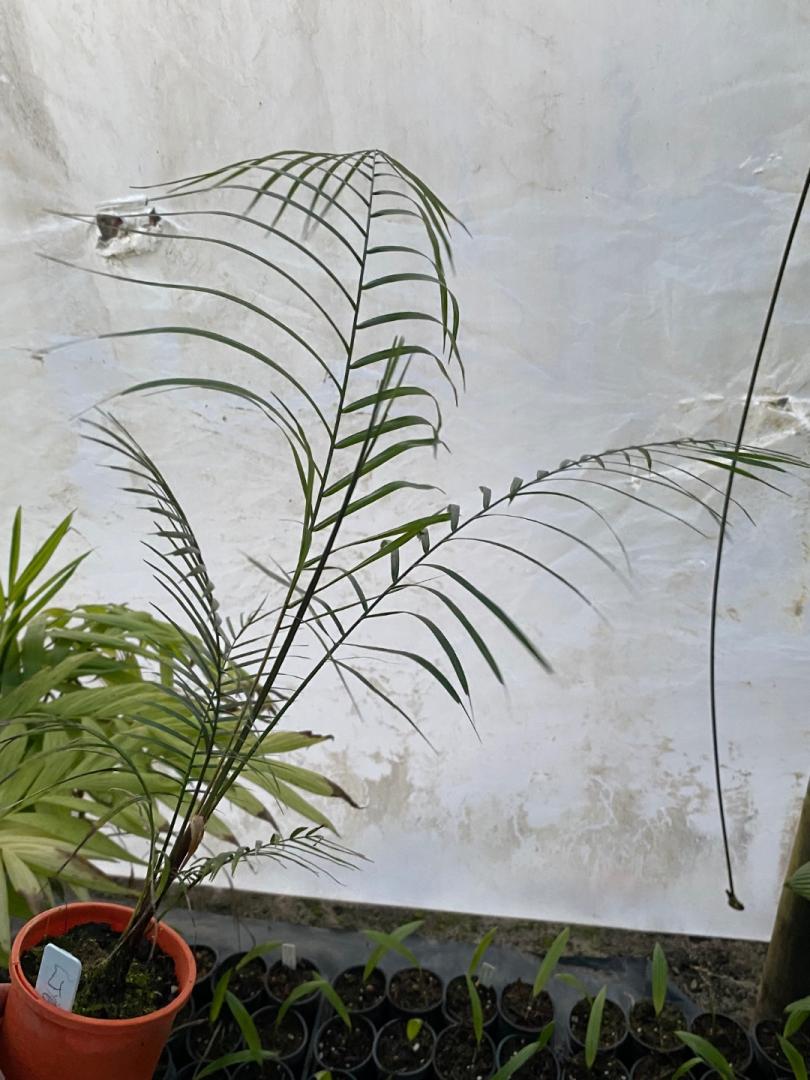
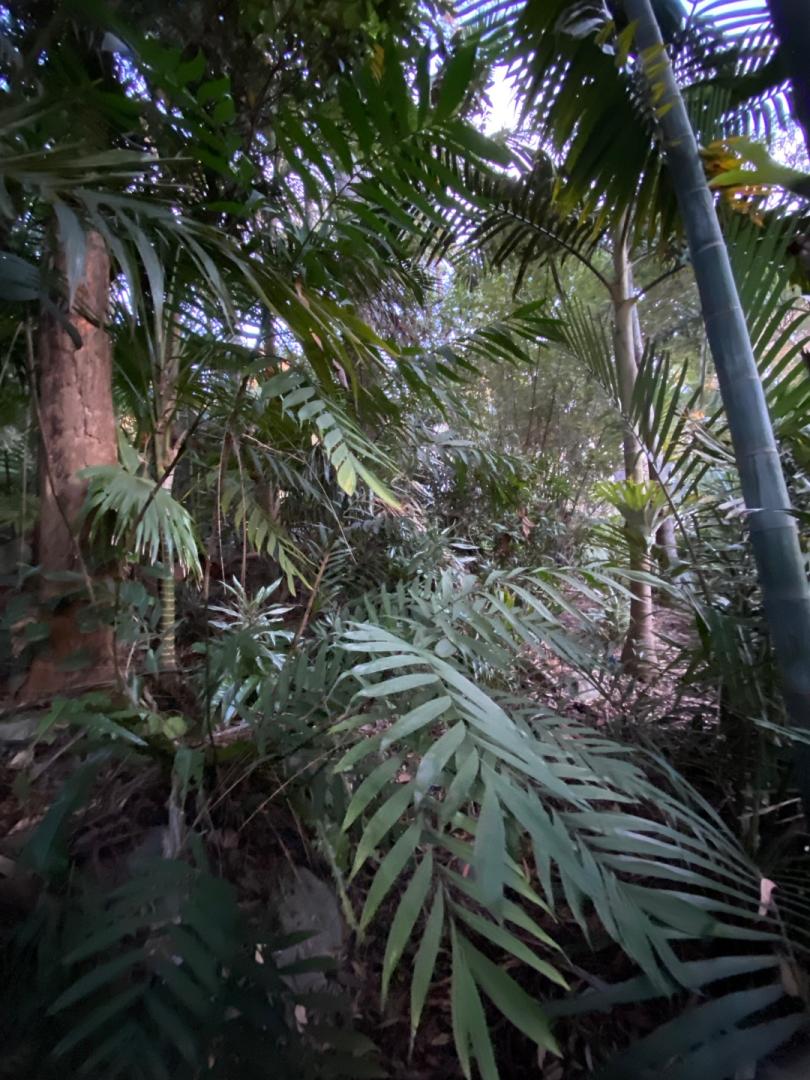
A very easy variety of chamaedorea to grow the microspadix, tough, cool tolerant with a little dry tolerance. Loves the shade and will always be happy if given a little attention. A nice palm for landscaping with predictable growth patterns and thin stems. Sets seeds easily and germinates just as easy. An all round easy chamaedorea species to grow you just need shade.


 2 points
 -
Fabulous specimen Darold and your climate is perfect for this species and I can attest to having to wear a warm jumper in your garden in mid summer.2 points
-
Here’s a couple of containers for you!
 2 points
 -
I like your Cycad, but my garden is too cool, foggy, and shady !2 points
-
Nice save! Looks like it has some nice blue color on it. I'd keep it in a partly shaded spot for awhile to allow it to regrow roots. Butia actually do well in containers if you end up keeping it that way for awhile.2 points
-
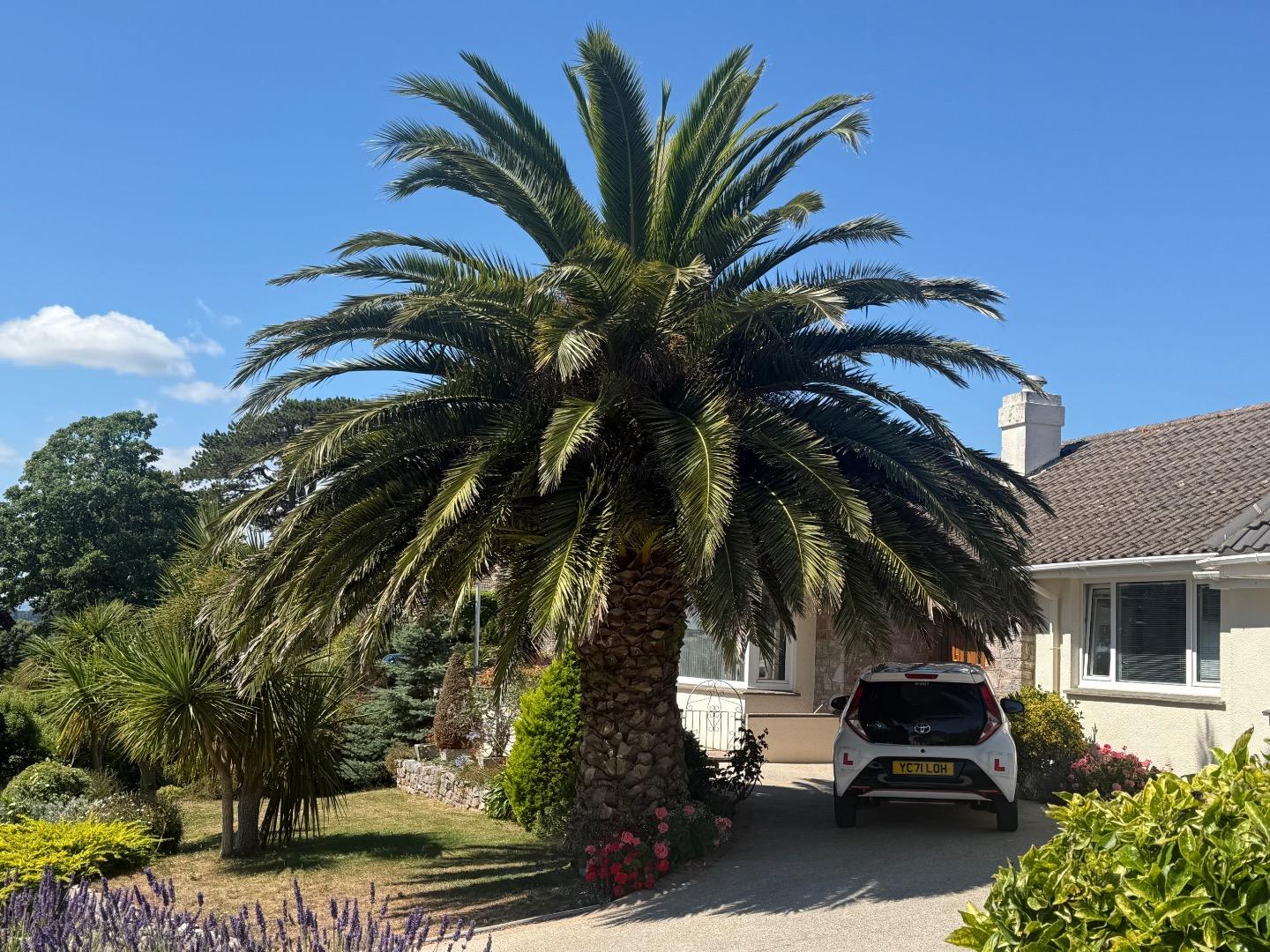
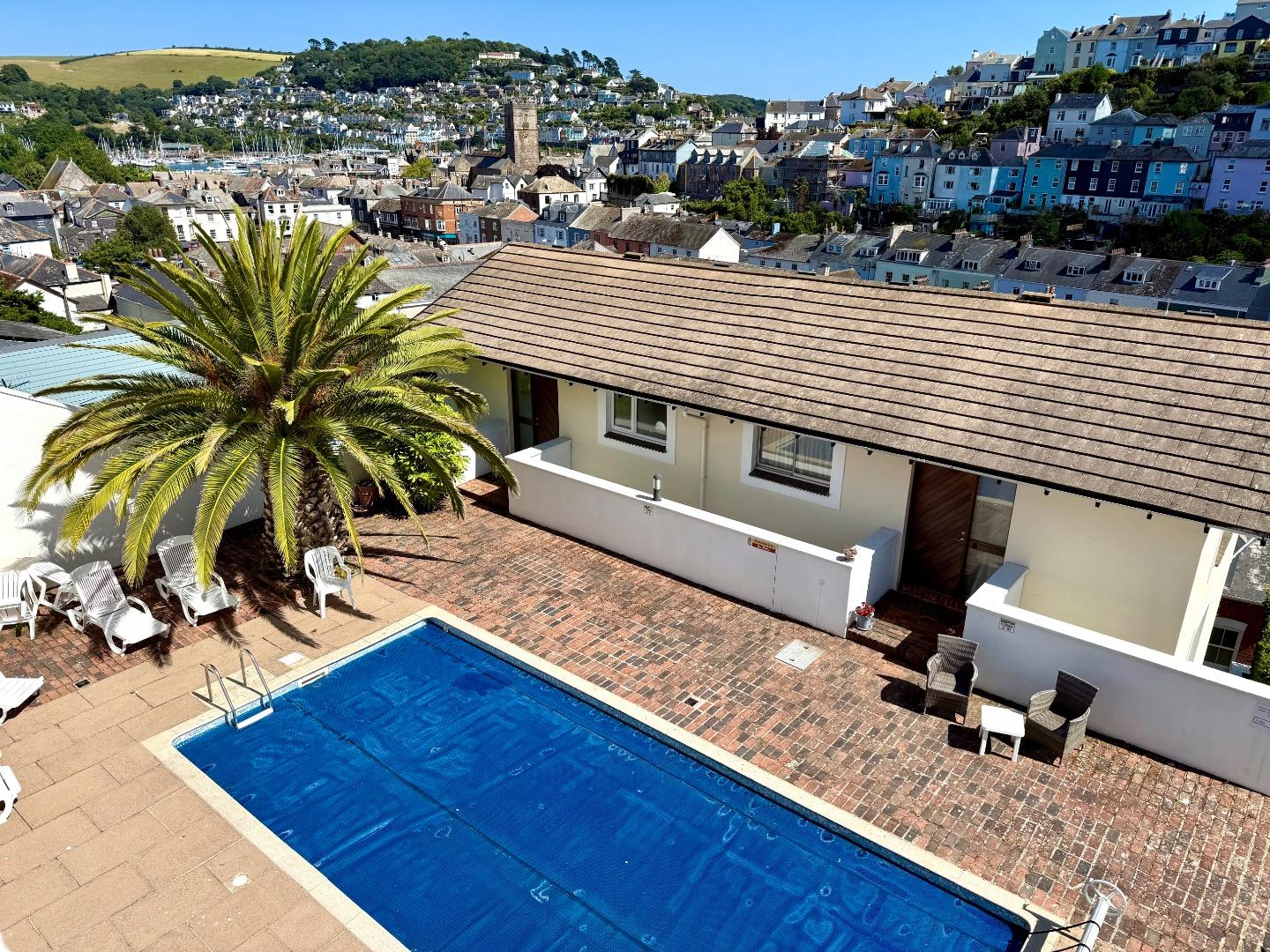
Echium Pininana just have similar temperature thresholds to small CIDP. You can’t grow either without protection in areas that see -5C or lower most winters. 2/3 of the winters cannot drop below about -3C really, in which case the Echium will get through winter and small CIDP will not get knocked back. The other 1/3 of winters can go down to -6C as long as it is only once every 3 years, although a small CIDP may defoliate from that and the Echium would die that winter. But the other milder winters in between would allow them to grow okay. Anywhere that see’s -8C or lower, even once every 5/6 years, is going to struggle to get smaller CIDP established. I have that problem here. I checked out a few stonking CIDP’s on the south coast of England recently in Devon. Which of these 3 houses would you rather own…? 🤔🤣 These are all houses I saw in Devon on the English mainland last week…

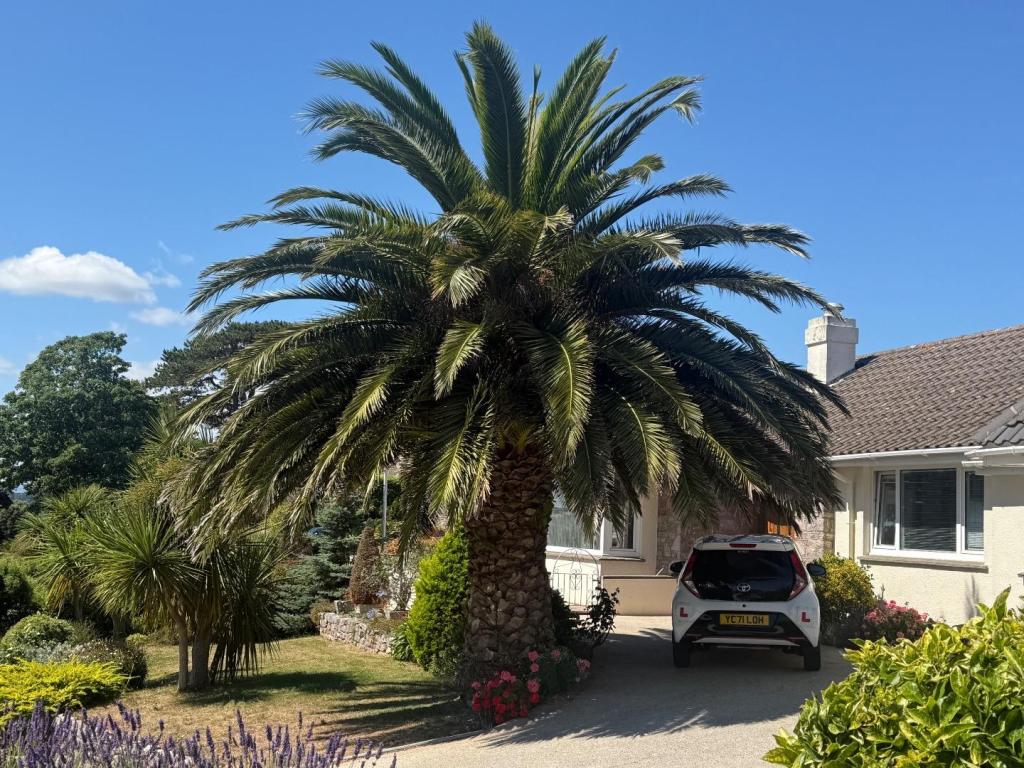
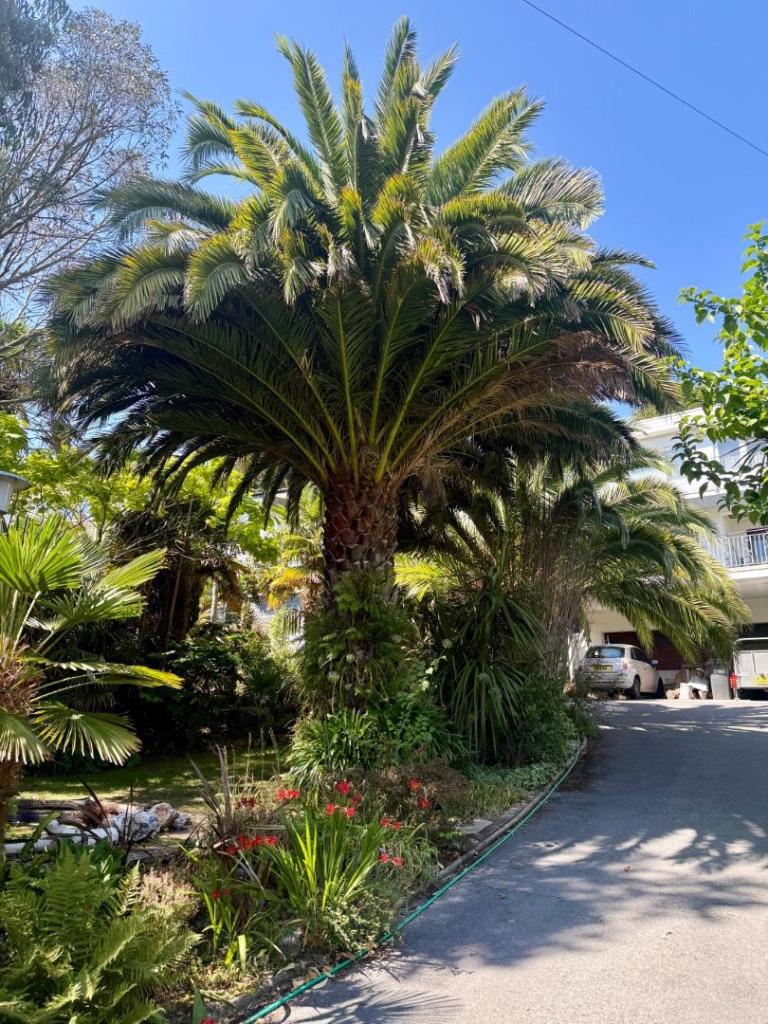

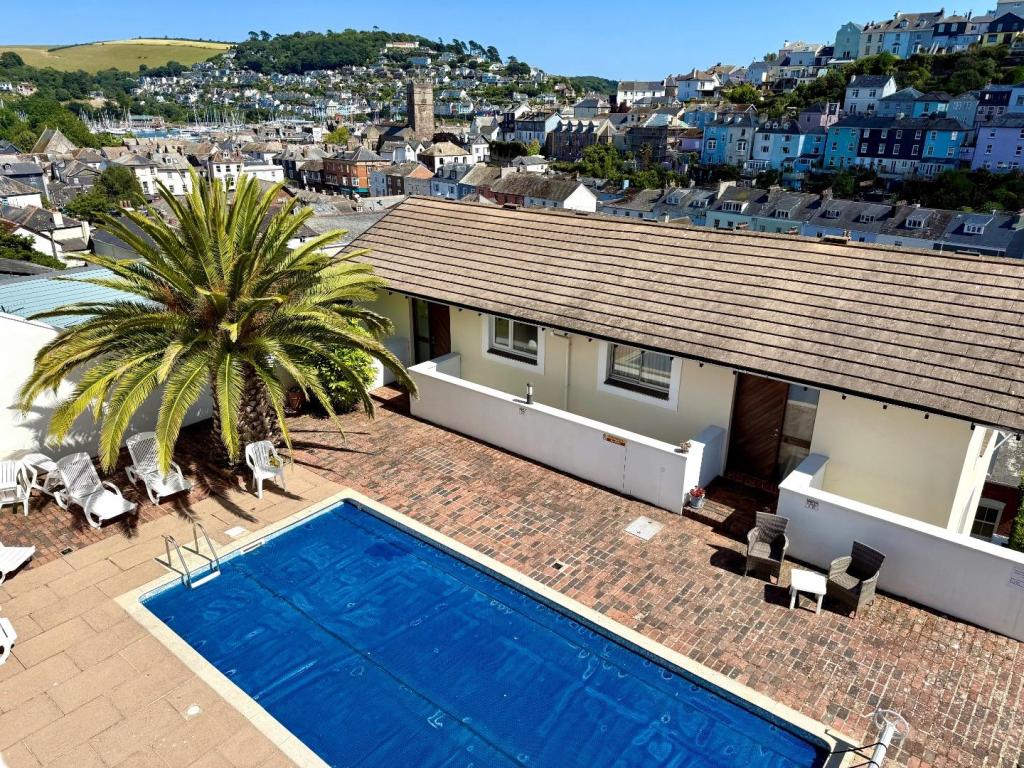 2 points
 -
Awesome Darold. Hey, I never knew you were that old 🤣2 points
-
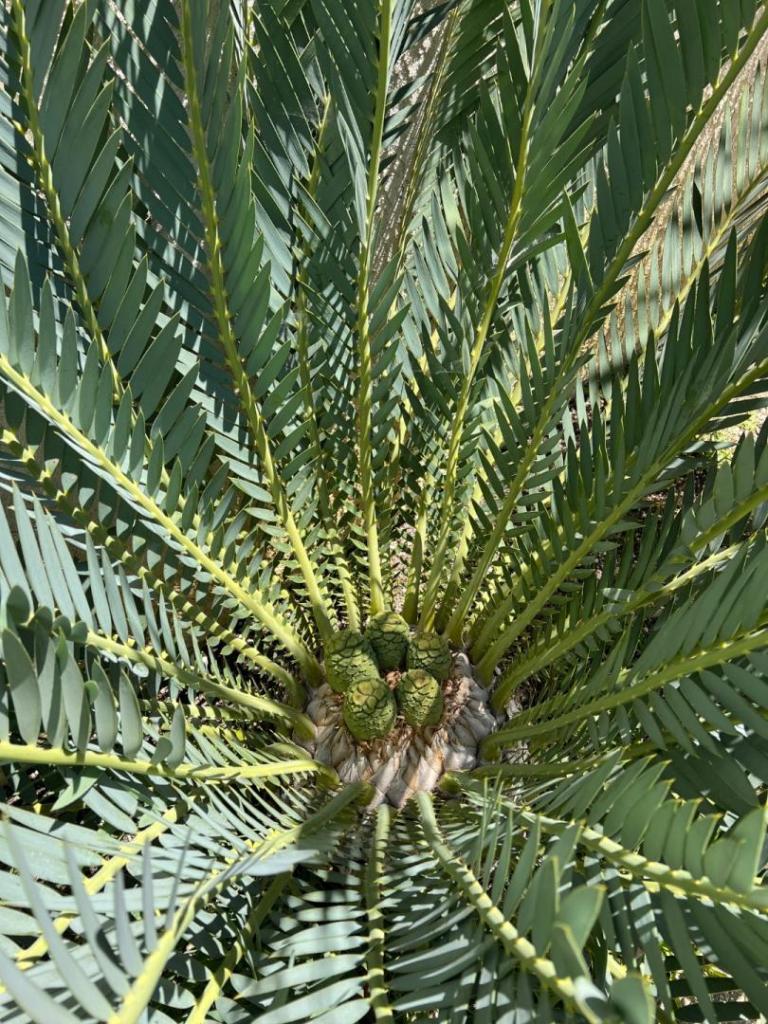
Better late than never… female dyer, female Nubi, male Nubi, Tri and aren.


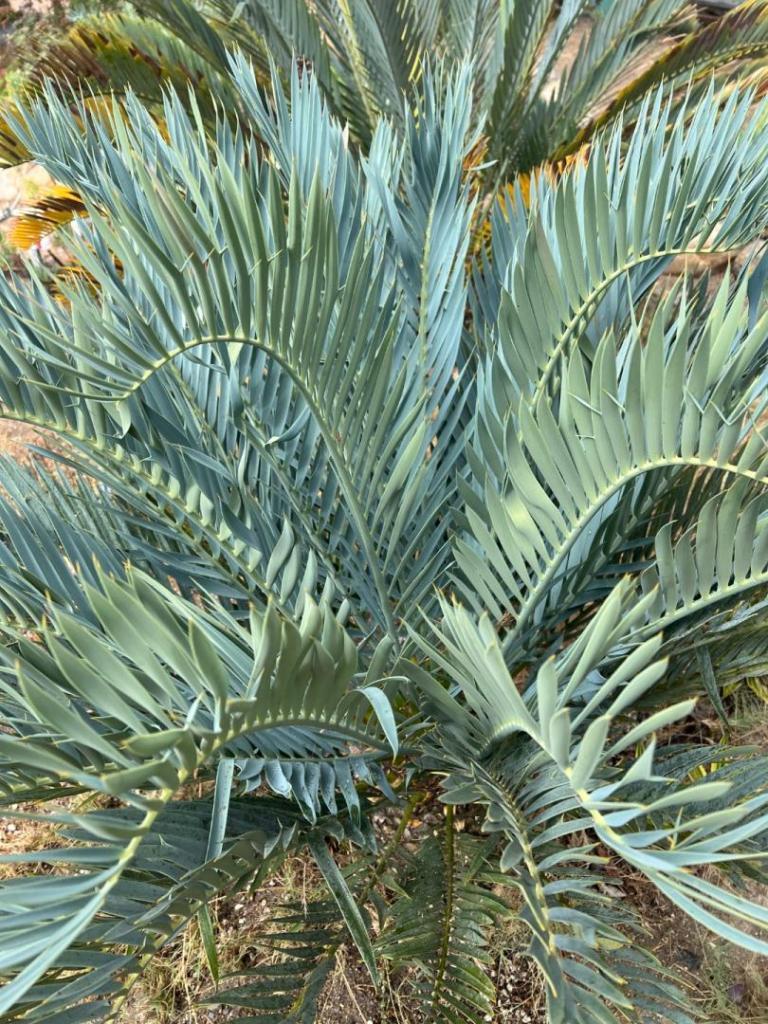
 2 points
 -
Nope, oh I got a few golden canes but that’s only so i can answer the million dollar question do you have any golden canes? Actually yes I do how many would you like just so I don’t miss a sale 💸💸💸💸2 points
-
Now that’s a living memory!2 points
-
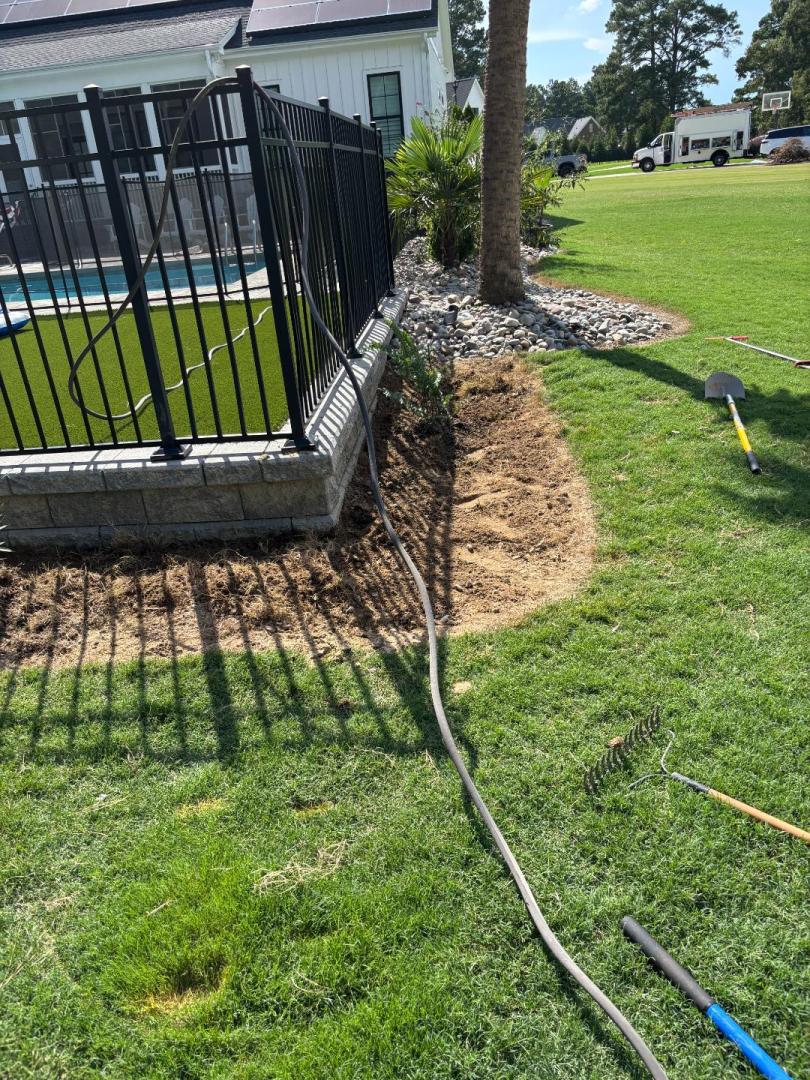
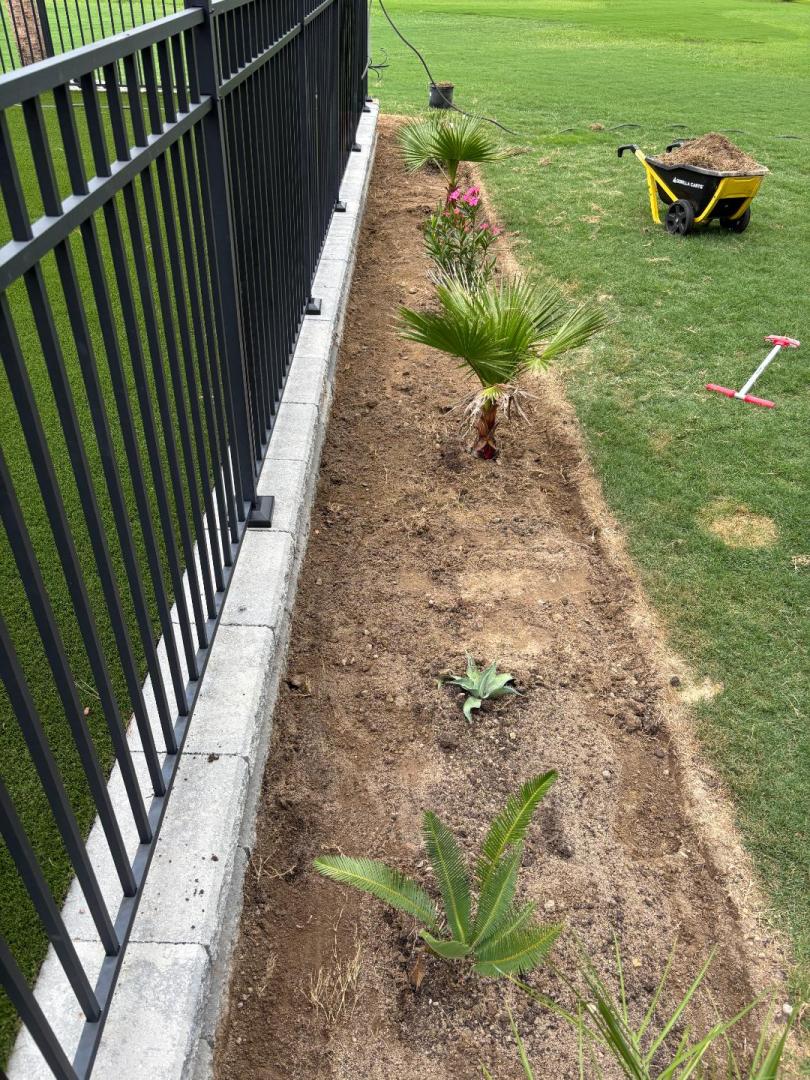
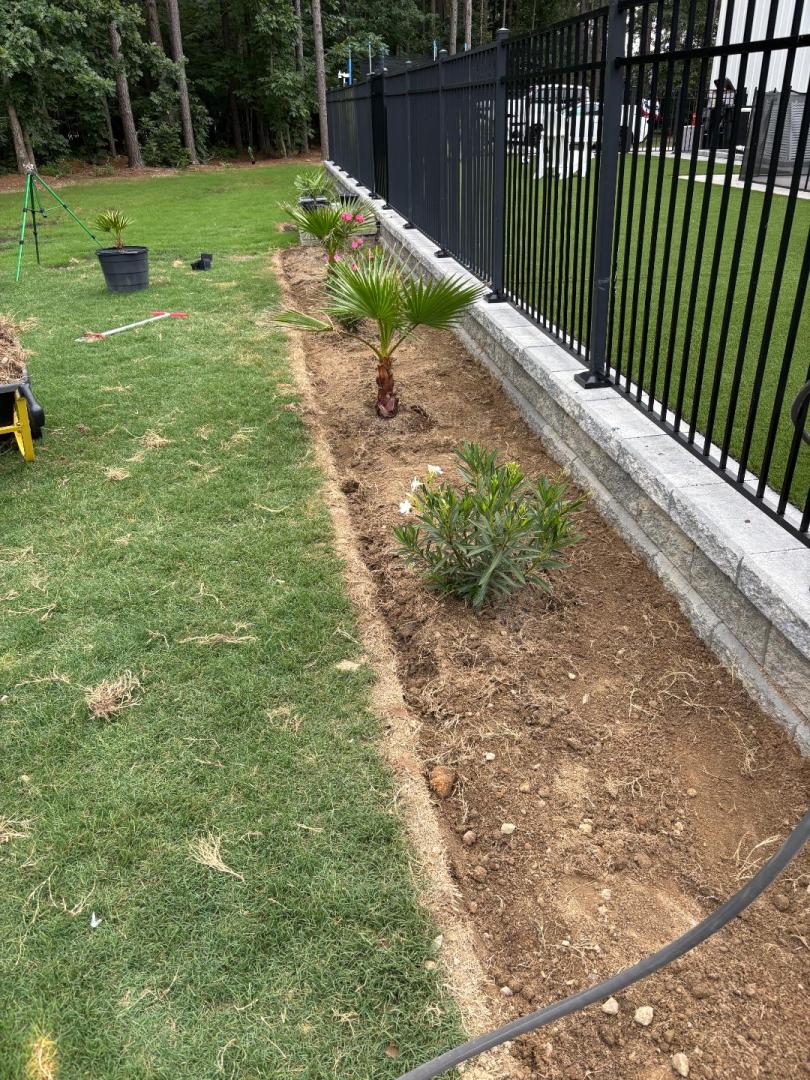
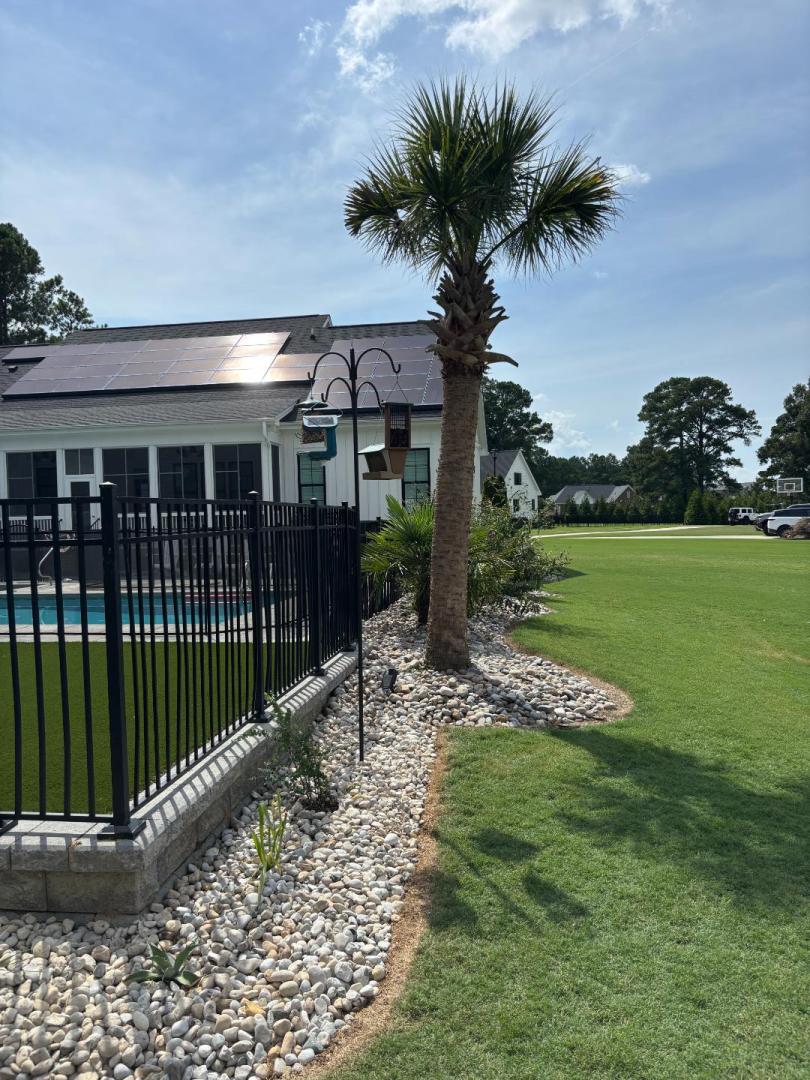
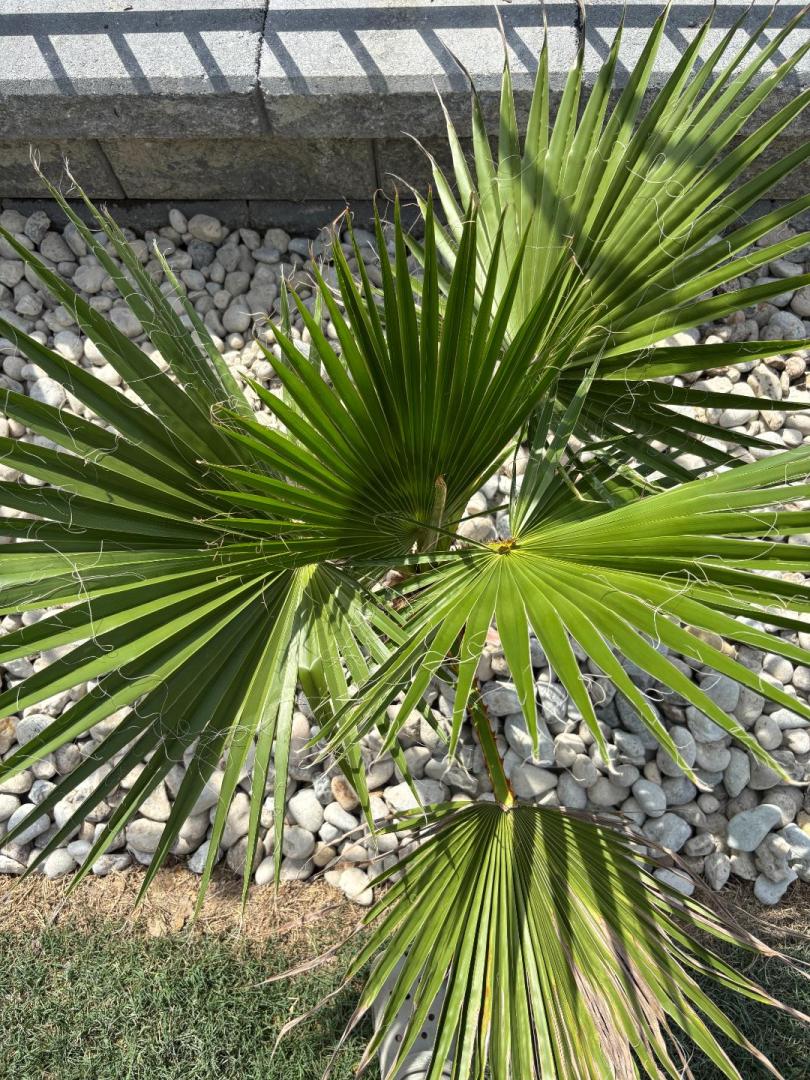
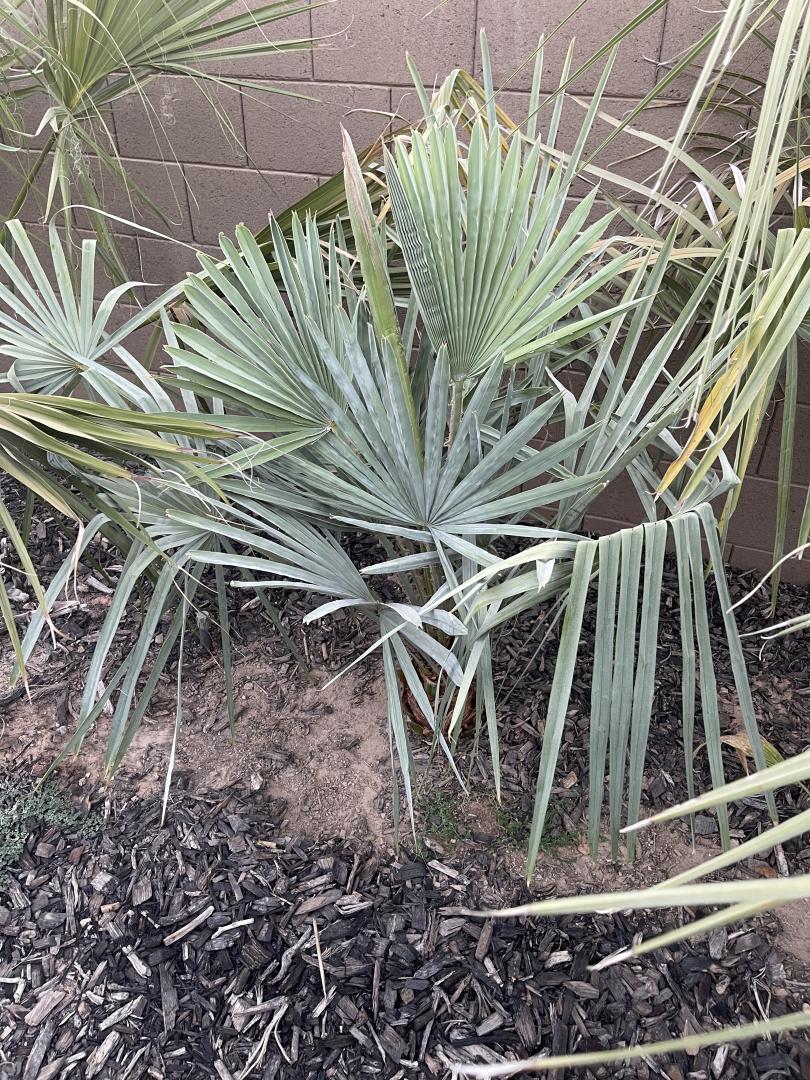
Part of my never-ending yard work this summer has been extending an existing rock bed along my retaining wall. This section of the wall faces E/SE and receives really good sun throughout the day. Plus, Is well hidden from the road... (Trigger warning) I had an HOA complaint about my large palmetto not fitting the aesthetics of the neighborhood. (there's a lot to be said about that last statement. Just gonna let it simmer here for a while) I have added more palms since the complaint, but i've been cognizant not to make them highly visible to the road. Tough though, cause most the hidden areas of my yard are low-light; less than 6 hours of sun. I continued the rock here for a few reasons. 1.) I personally like it, and eliminates a lot of weed eating! 2.) Attempting to dry the area up, 3.) Keeping the kids off the wall! - After killing 8-10 black widows in June along this wall, I decided to fill the bed in completely to keep everyone from sitting on the ledge. This bed has 2 Washingtonias I picked up from a local Lowes (will be protected), a $25 Butia, Dioon edule (also protected), then some z7/z8 agave, and drought tolerant flowers in the mix from Plant Delights. 1-3 inch Indian River rock. Next up - the other side of the steps - featuring a Chamaerops humilis var. argentea


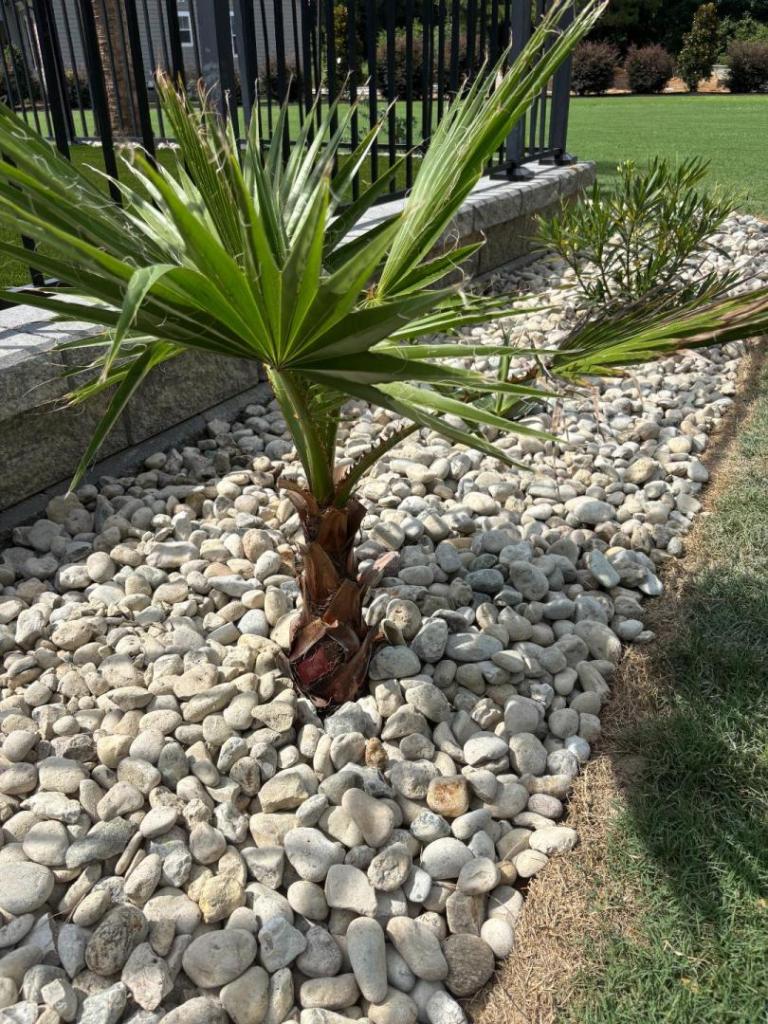

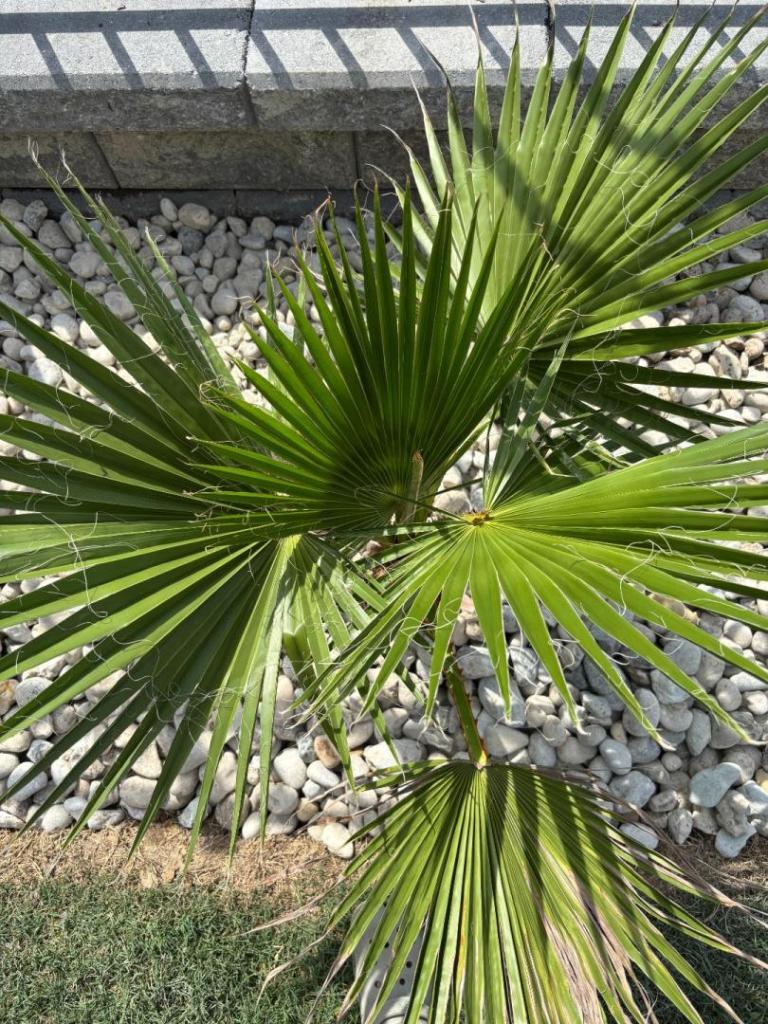
 2 points
 -
My thoughts(it looks like they are inside), is to put them outside in shade or under covering(patio). I bet they would like the (indirect) sunlight, diurnal temp swings, etc., and it may stimulate growth. And like what @N8ALLRIGHT says above, time, and patience, fish emulsion.2 points
-
So, I posted a while back “Summer Recovery” and got a couple responses that made me think I’ve been living a lie…😂 First the Brazoria. There was a question about its authenticity based on the height of the seed stalks. Oddly enough, I had no idea that seed stalk height that exceeds frond height is an indication that the palm is not a Brazoria. My face sagged and my heart fell and I’ve been watching those seed stalks like a prison guard ever since. So far, seeds are forming and stalk height is almost exactly frond height. I’ll send pics later. Then I got a post regarding my accidental Butia and I’ll bore you with the details because it’s quite a story that I’ve told before but in my zone, we’re very limited so palms and stories tend to repeat themselves…and age plays a part, too. Anyway, it was early summer and I thought I would try sprouting some seeds so I ordered some Brazoria seeds. My germination method of choice was to use moist sphagnum moss as the medium in a plastic bag. Things seemed normal for a few days then suddenly I had a bag full of hairy mold. So I took all the seeds out to dry on my garden bench outside. I no sooner turned my back and all 12 seeds were gone. The thief was a squirrel no doubt as I have at least a dozen of the chronically obese critters in my microclimate, backyard zone. I feed them, along with the birds. It’s my own fault. Anyway, I thought that was it for the experiment and I moved on. Well, spring rolled around and about mid spring I noticed a 6” thin strap leaf growing right off my ground level deck. I was shocked. That seed wintered, unprotected in ground in an area that gets no sun in the winter. Anyway, I dug it up and transplanted it to a sunnier spot in my microclimate backyard. And here’s where my heart not only sank…it imploded. There was an observation from my post that it probably is a Sabal of some sort. Don’t get me wrong, I love Sabals but in terms of what I have to talk about, they dominate and they’re palmate. This Butia was going to be my only pinnate, protected, of course, until it was too big to protect. Thus becoming another sad Palm Talk casualty but at least something new to talk about! So, it’s a wait and see. I still have hope as there were zero Sabal seeds here unless someone sold me a bag of Sabal seeds but I was real “Palm Talk” studious to make sure the seeds I ordered looked like Butia Odorata seeds, and they did., I’ll give it to fall to see if my beloved accidental Butia is a Sabal… Have a great rest of your summer growing season. I’ll be posting pics by fall to vindicate my palms! 😂1 point
-
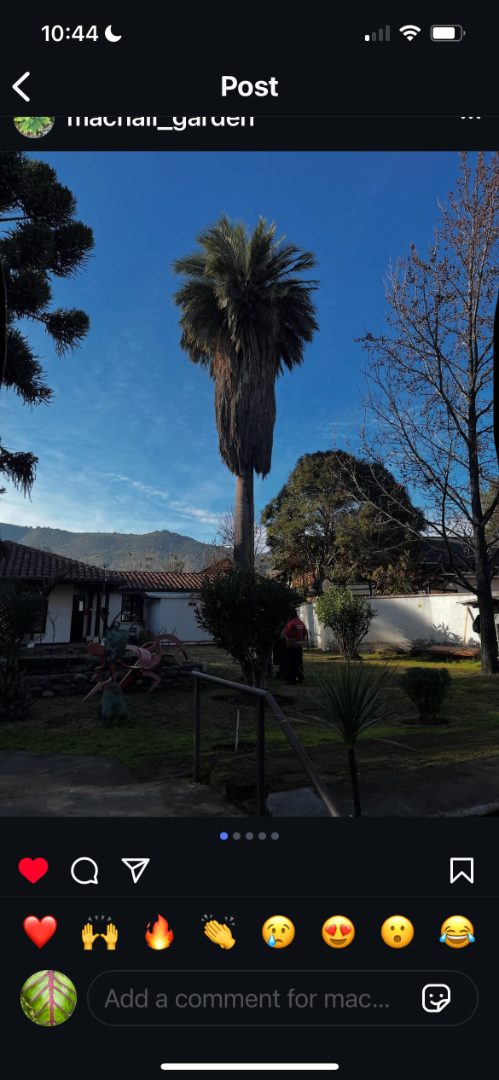
I’ve never seen a Jubaea with a skirt before. I’ve seen photos of them in Habitat but this was new to me. It was a posting on Instagram of a palm in Chile that was planted in 1933. I don’t know how to link the post so I took screenshots. Has anyone else seen this?


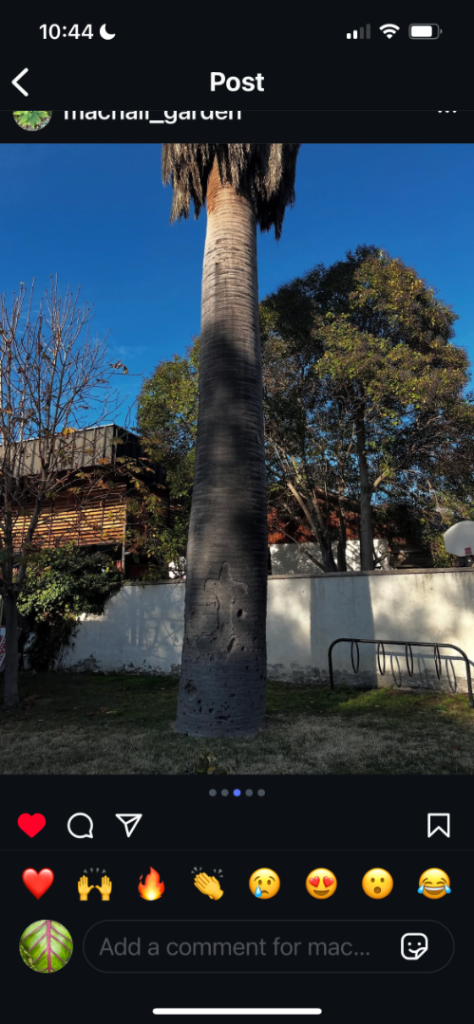

 1 point
 -
Im loving the color on my Cop. Prunifera right now, thought I should share! If your growing these bad boys, I’d love to see some photos!
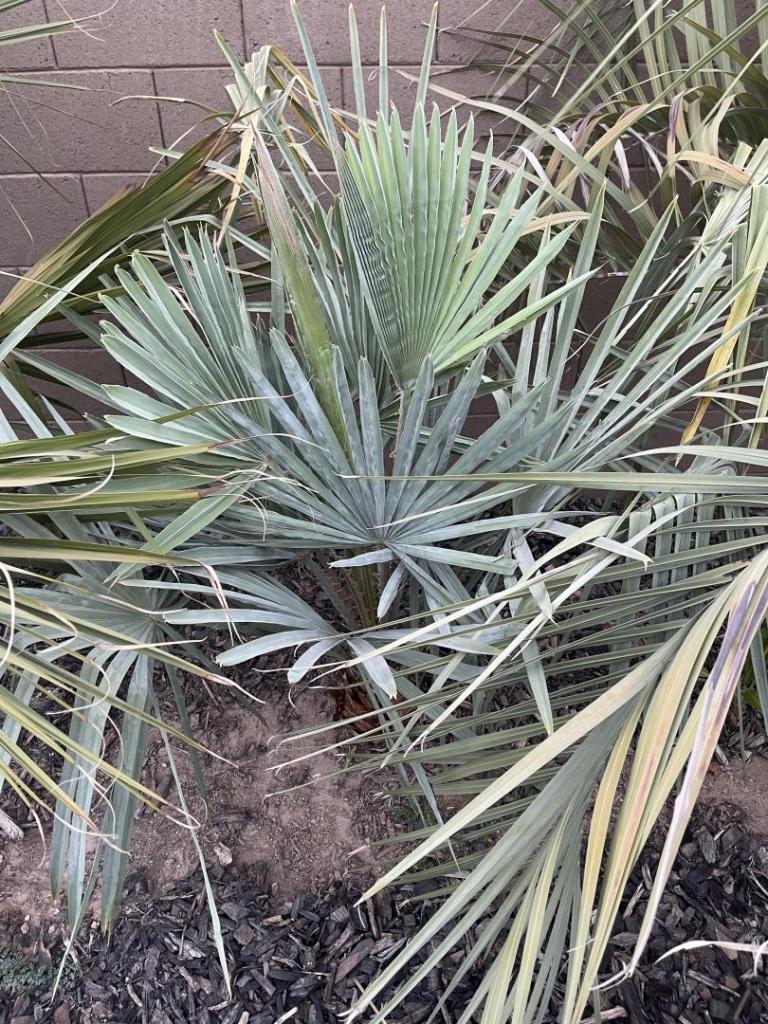

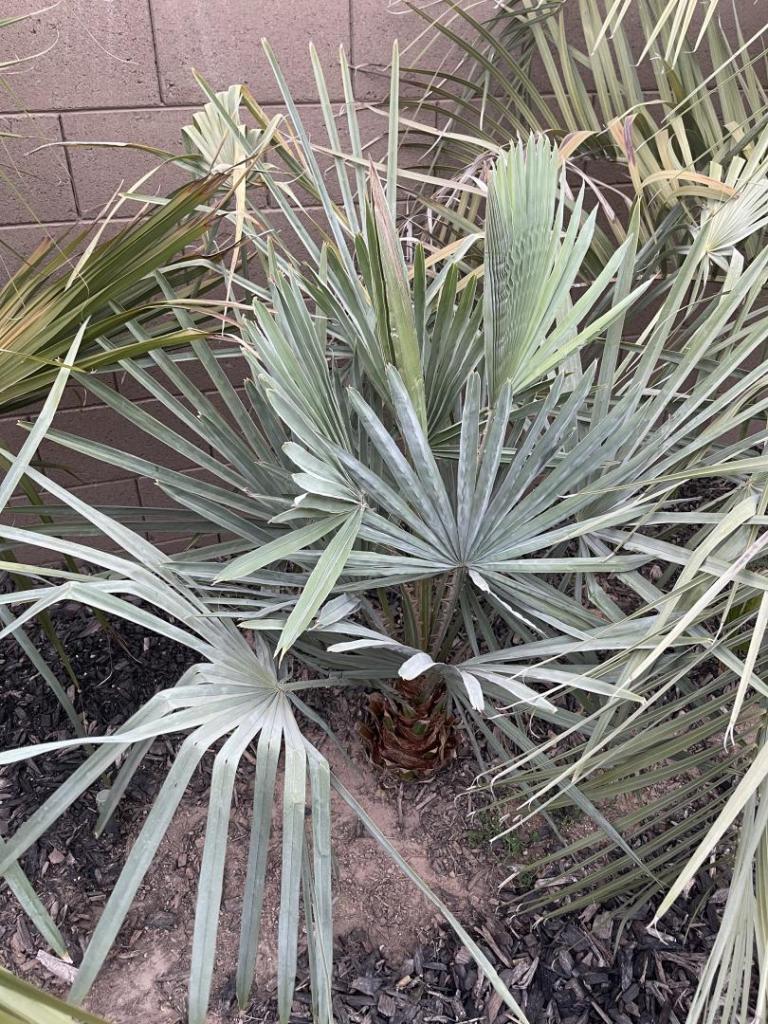 1 point
 -
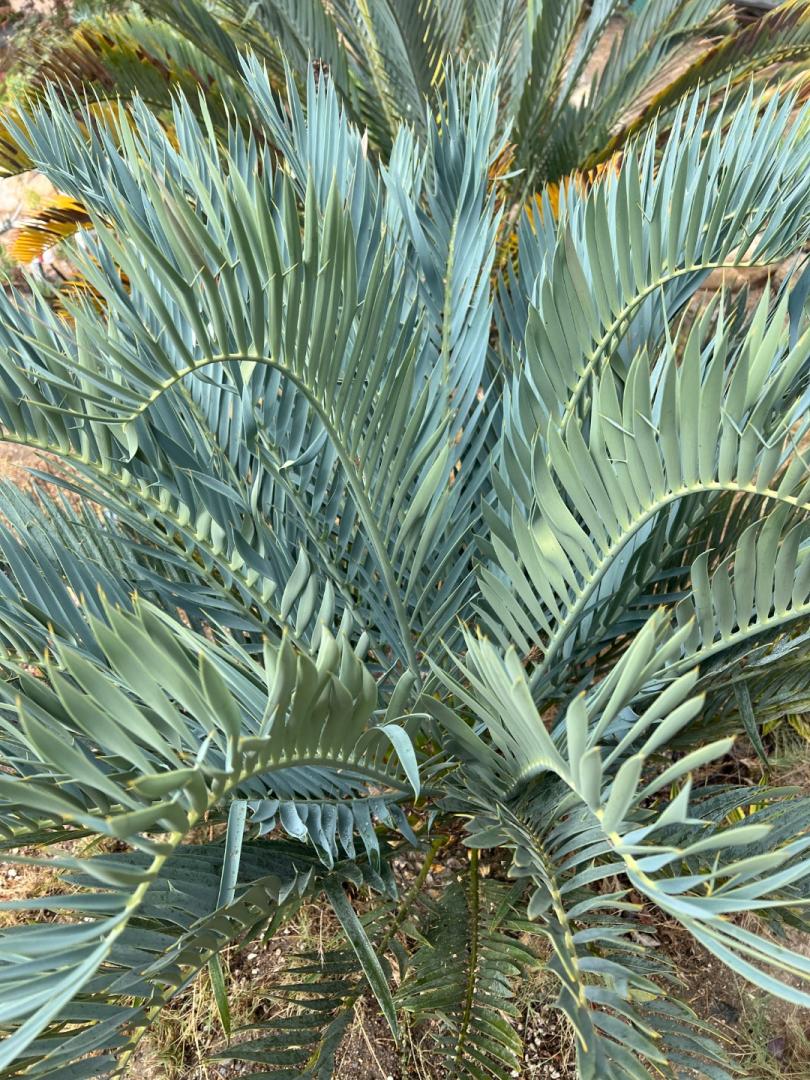
I currently have a green and a blue Encephalartos arenarius flushing at the same time. It’s interesting to see the difference between the two plants. The blue one is two headed since germination and much younger but grows a bit faster than the green one. The blue one also has gnarlier looking leafs while the green one tends to look more organized even though it’s flushing a bit unevenly on this flush.

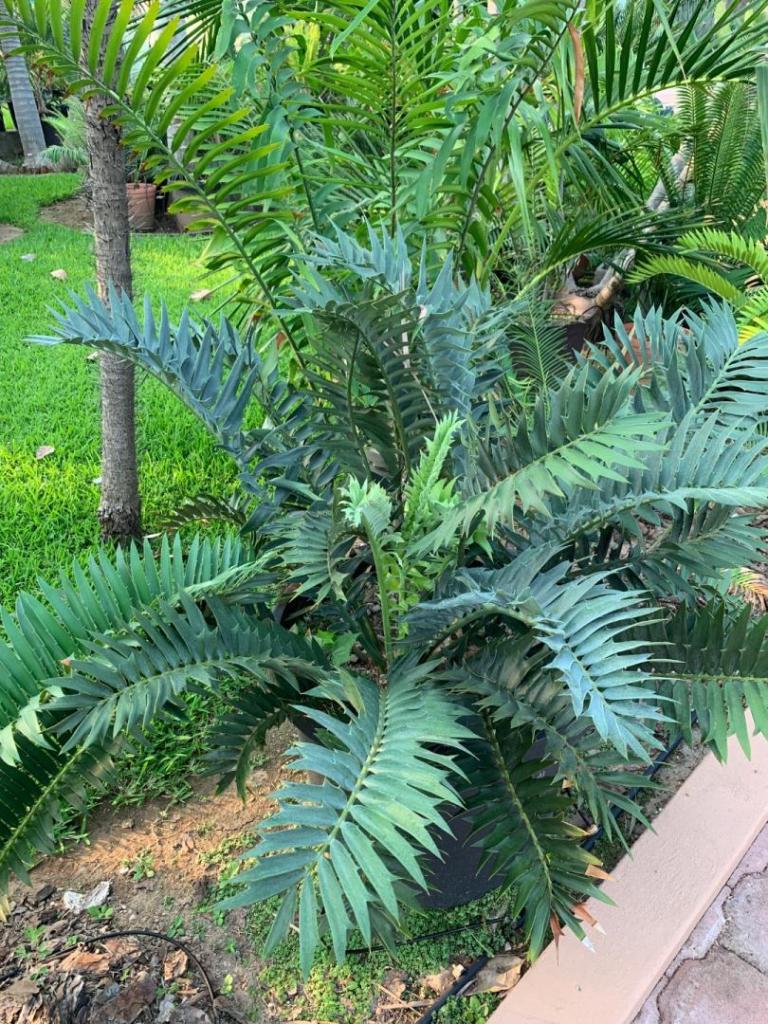 1 point
 -
I couldn't locate the seed when I carefully transplanted . Likely rotted away, or otherwise may have been a smaller seed1 point
-
I live 50 miles south of Darold in a much warmer zone and my 17 year old C. quindiuence in partial shade has endured many heat waves to around 100°F (38°C) and a few in excess of that, without any adverse effects. Same goes for my other Ceroxylon species. My summer climate is otherwise very mild. This summer has been almost entirely in the 70sF.1 point
-
A quick pic would help or at least a description of the size of the palm. Regardless of the size, it is trying to establish a root system and can be burned by fertilizer so only use a small amount of whatever you choose. Sul-Po-Mag is generally fine for palms but it is typically used for treating imbalances. It is better to use a balanced palm specific fertilizer to avoid triggering a nutrient deficiency. Fish emulsion is good since it is not a synthetic product, but again use a small amount. The last thing you want to do is burn your palm with fertilizer while it is trying to get established.1 point
-
Awesome plants and coneage!1 point
-
One of the best posts ever!1 point
-
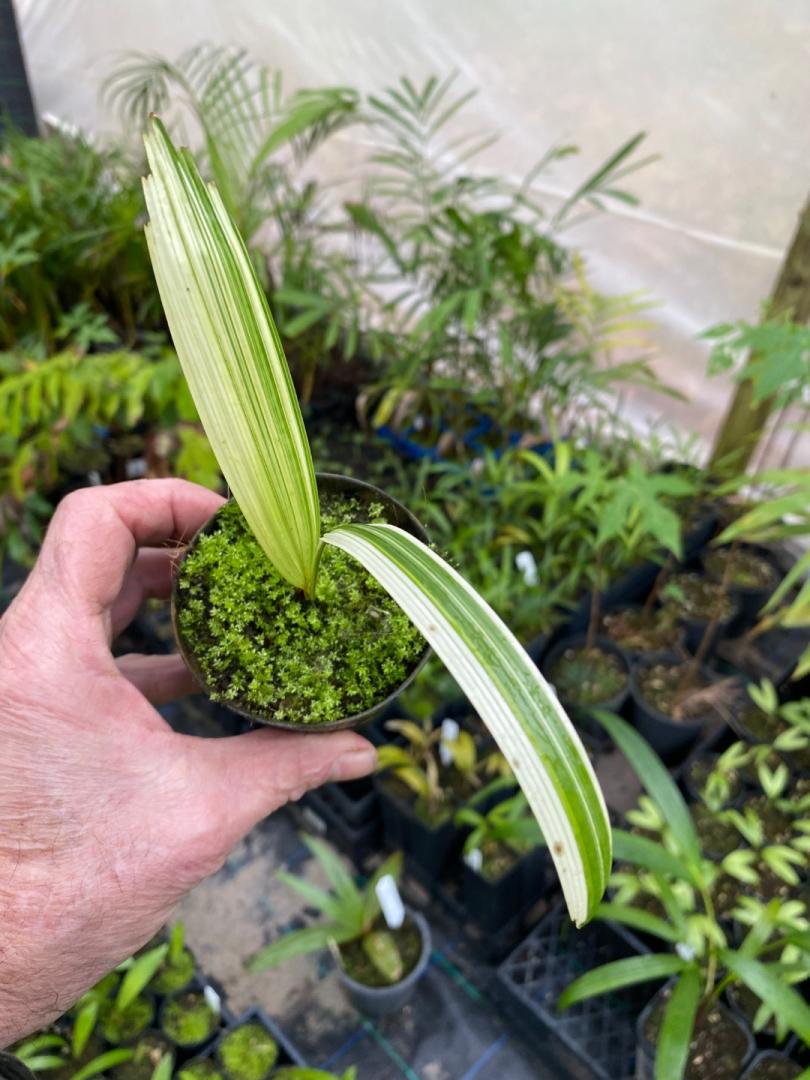
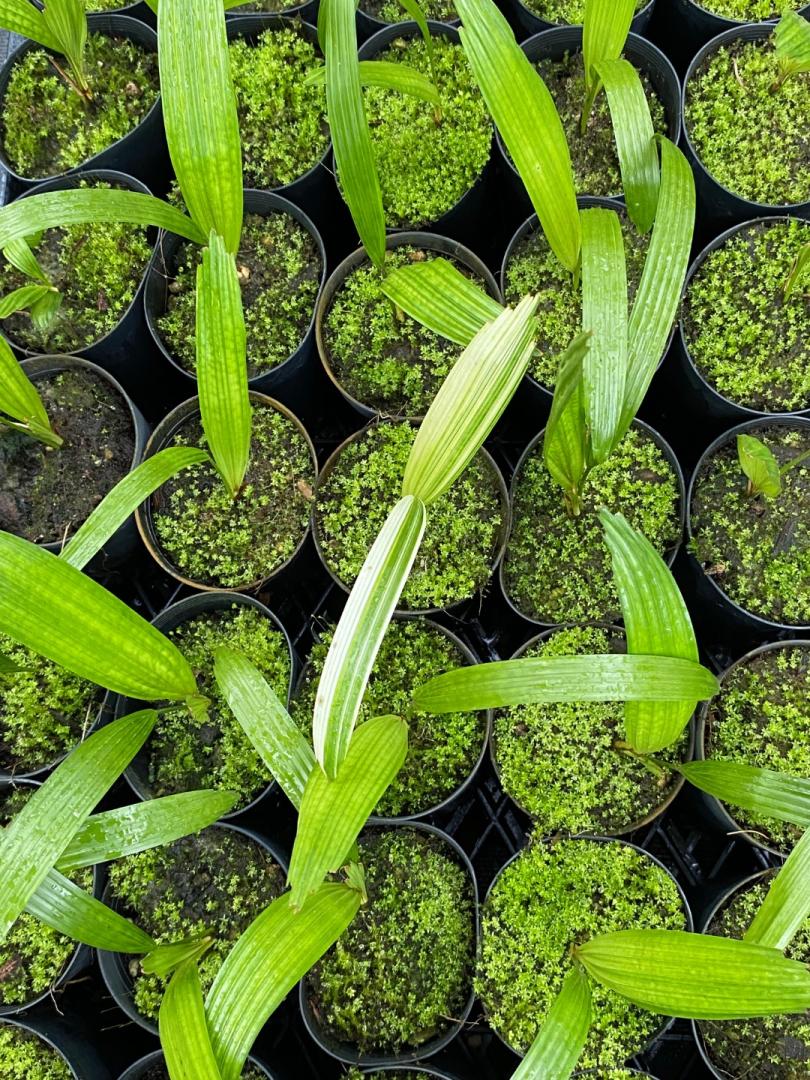
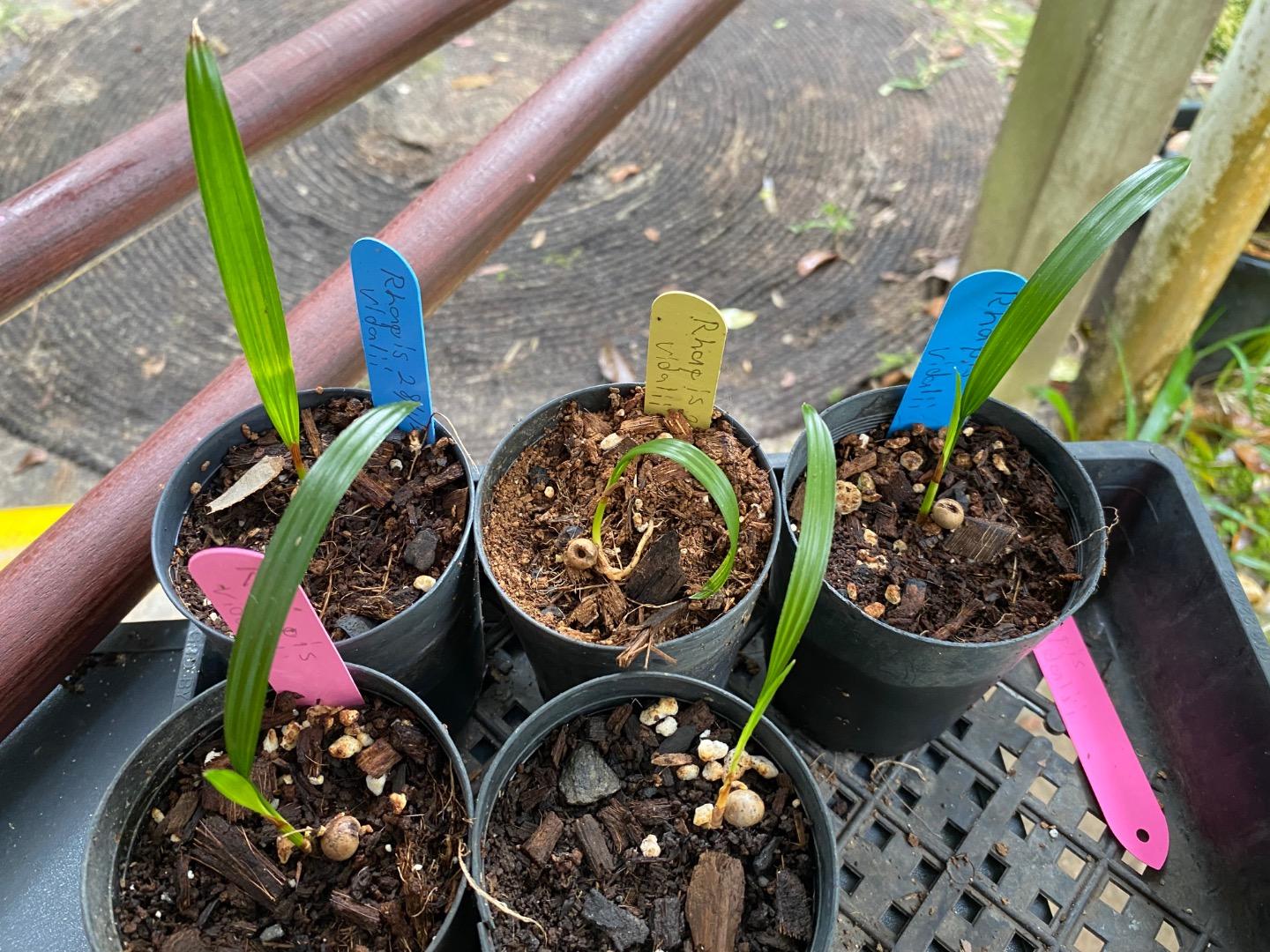
Oooh Rhapis vidalii good to see them going well Richard.1 point
-
You're a shrewd and crafty businessman and I respect the hustle.1 point
-
I love this white trunk! Has it ever endured a heat wave and for how long?1 point
-
July 23 2025 I removed the roof piece just in time bc it got hot today. I’ll try to make this area more presentable but in a way that won’t allow flooding if next year is a wet one. Isn’t it odd how different in size those two are but they’re about the same age (1.75 years old) and from the same place same treatment etc. The potted yellow one got a really bad infestation of those spider mites so I put bug spray as I couldn’t reach all them with my fingers.
 1 point
 -
That tree is WAY bigger than a standard 25 gallon ever would be if grown in the pot. It probably was field grown and recently dug and potted into the 25 gallon pot. It should recover quickly, regardless. aztropic Mesa, Arizona1 point
-
23/07/2025:
 1 point
 -
They are reliable growers here but need a lot of trimming, which gets progressively difficult, as they grow taller. Besides the disposal of removed leaves is also troublesome, because spines are very hook-like.1 point
-
I also sowed chamaedorea benzei from Colin W., but so far no seeds have germinated, let's hope they germinate1 point
-
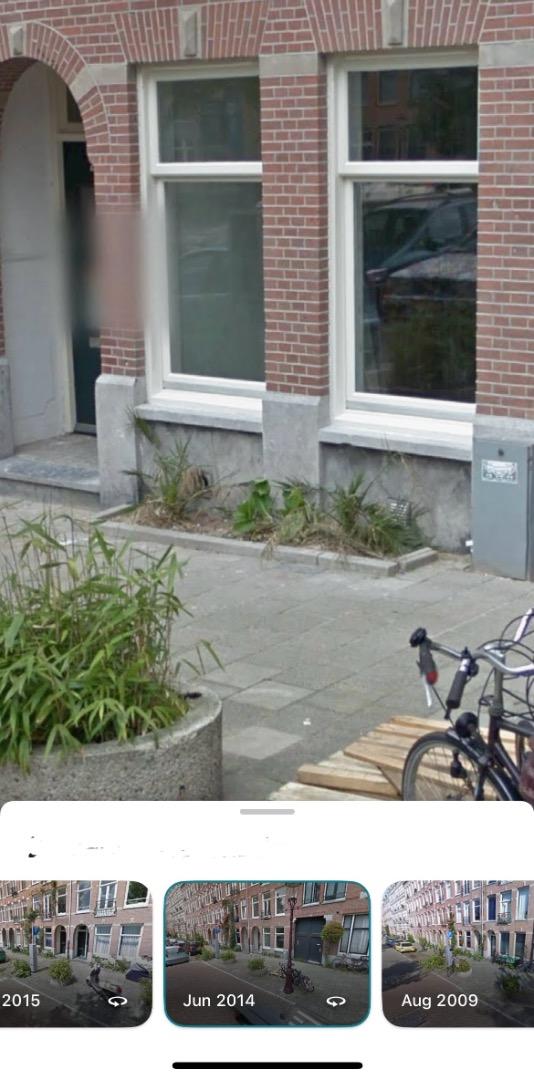
Same plants in 2014, 11 years unprotected.
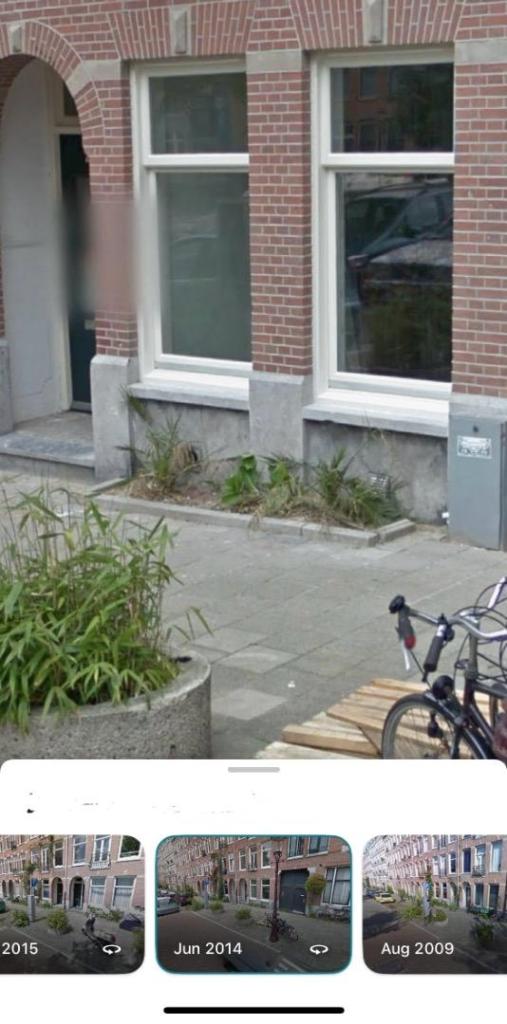 1 point
 -
Regarding Ireland, that has to be the furthest Parajubaea from the equator at 53N in Dublin. A real decent size as well. Also the furthest Butyagrus or Mule (Butia x Syagrus) from the equator as well. The photos are a year old too now, so it will be bigger! That wall is 6-7 feet high for context. If they are able to grow that well in Dublin at 53N it shows what is possible in Cornwall, or the Isle of Wight at 50N. They barely get any summer heat in Dublin, but it just shows what is possible with mild winters. Mild winters are more important than anything else. Summer warmth is somewhat irrelevant if palms can’t survive the winters. I think Dublin actually met the criteria for Csb / warm-summer Med conditions pretty much this summer just gone. Dry summer but also mild/cool. Here is the true Queen (Syagrus Romanzoffiana) at Lamorran Gardens in St Mawes, Cornwall. It has been in the ground 2-3 years. The trunk is just starting to fatten up now that it has got roots down. New spears are emerging. I think this will look amazing in the coming years. They need to do something about the bamboo however which has collapsed onto the crown of the Syagrus and ruins the photo! A couple of palms that need to be closely watched in the coming years. Massive potential. I still think Syagrus Romanzoffiana would do best in central London where it would benefit the most from summer heat. Plus the mild sheltered winters. @gurugu

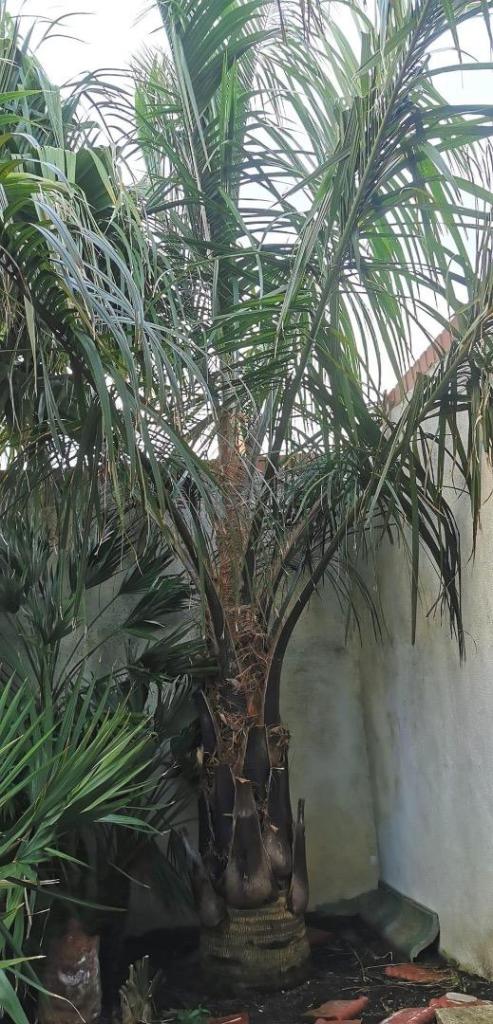

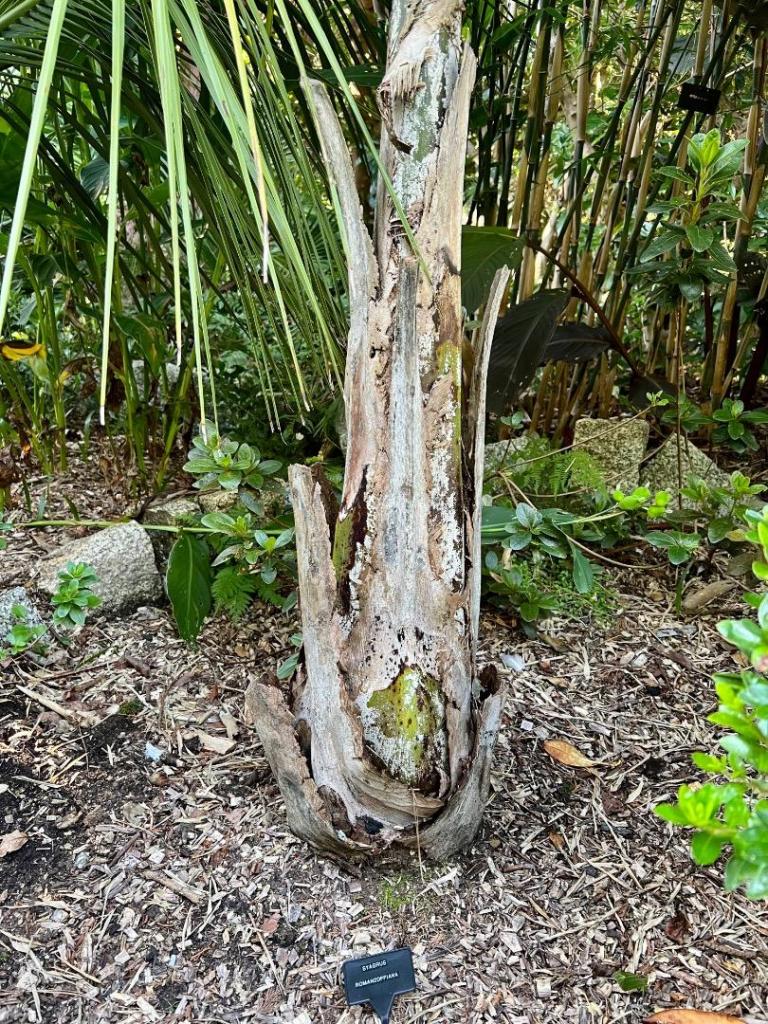


 1 point
 -
I will withdraw from the contest 🤪 because the new USDA map has me in zone 8 now. I'm East Coast but certainly not Northeast. I'll attach a couple more pics from our bedroom window that show the trunk better and the setting - but I agree that y'all 😉 should focus on palms farther North.
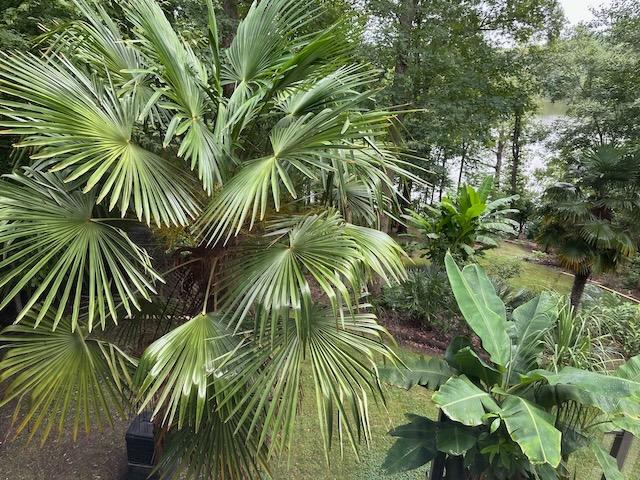
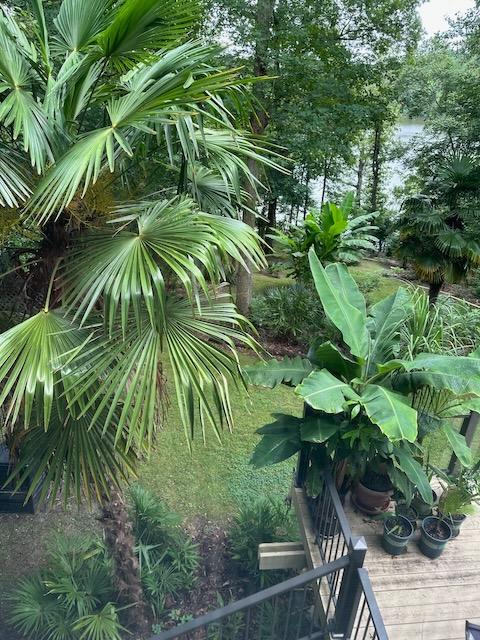 1 point
 -
Trachycarpus Fortunei "nanital". This was a Plant Delights seedling when they thought that it was T. takil discovered on mount Theklar(?) 20 year ago(?) Williamsburg, VA 7B/8A
 1 point
 -
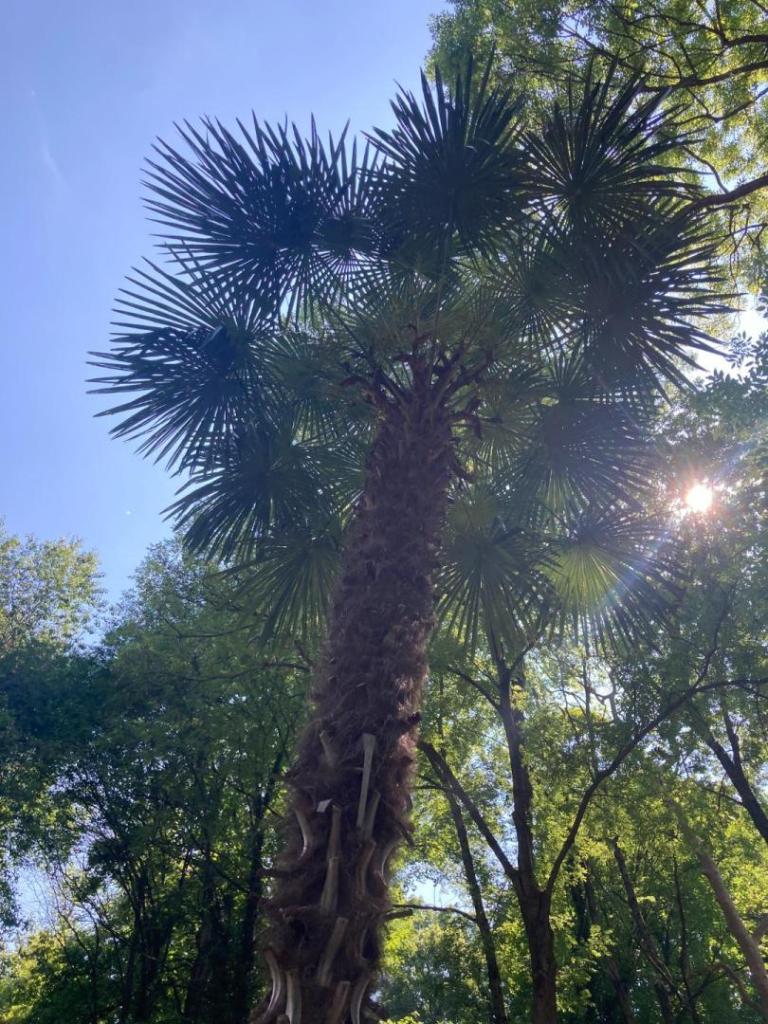
Thank you for sharing, a few of the nicer specimens, lovely! Haven't found that much photos of larger princeps hybrids yet. I agree that the crown often will be more impressive on shadier spots, I've seen it in Italy where those were growing in the forests.
 1 point
 -
Wag x Prin are turning out to be good looking palms. Back of the leaves are very blue. Tops are blueish. Looks better stretched out a bit planted in a shady spot. Shady w x p Sunny w x p

.thumb.jpg.7ec17e6c1dec466c23085e10020c983d.jpg) 1 point
1 point -
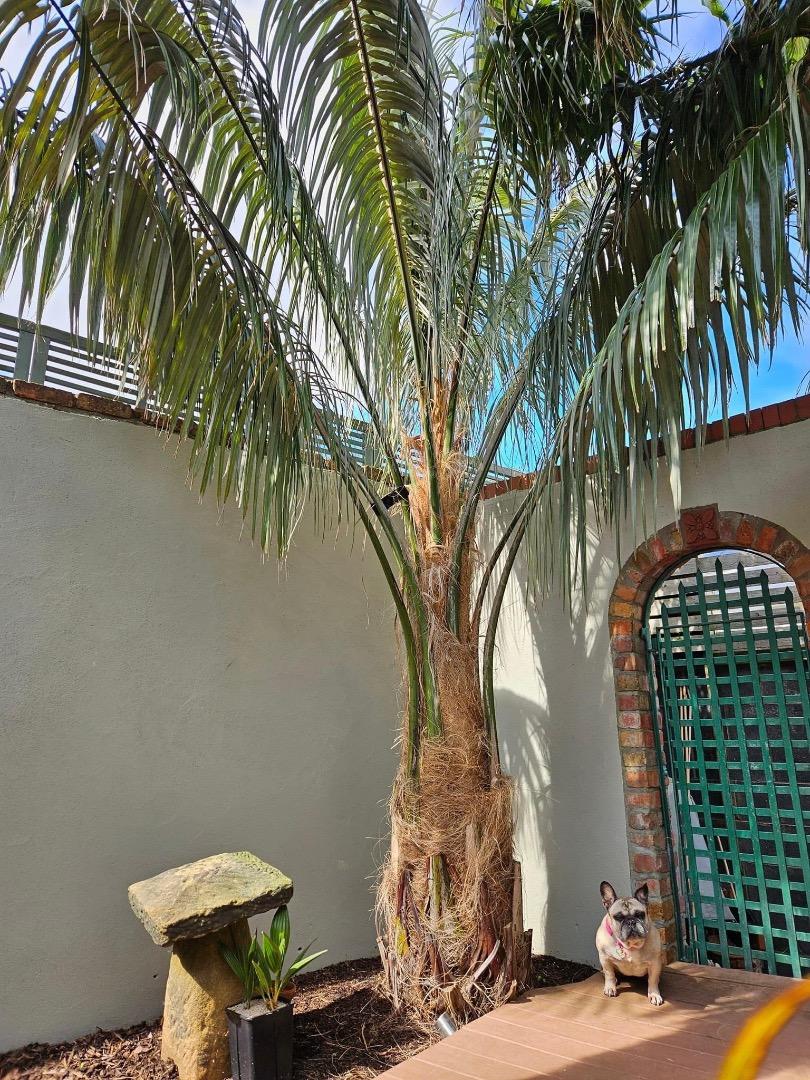
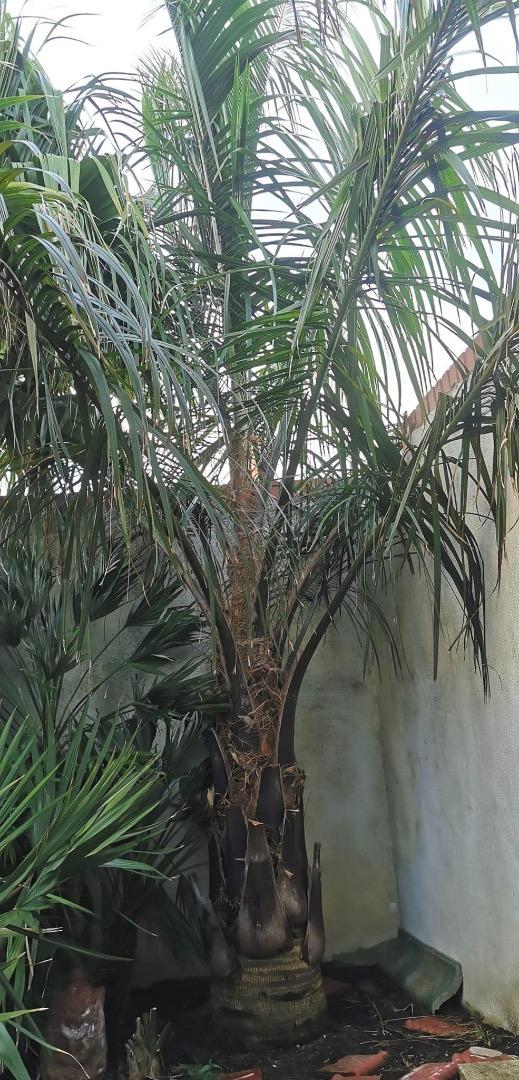
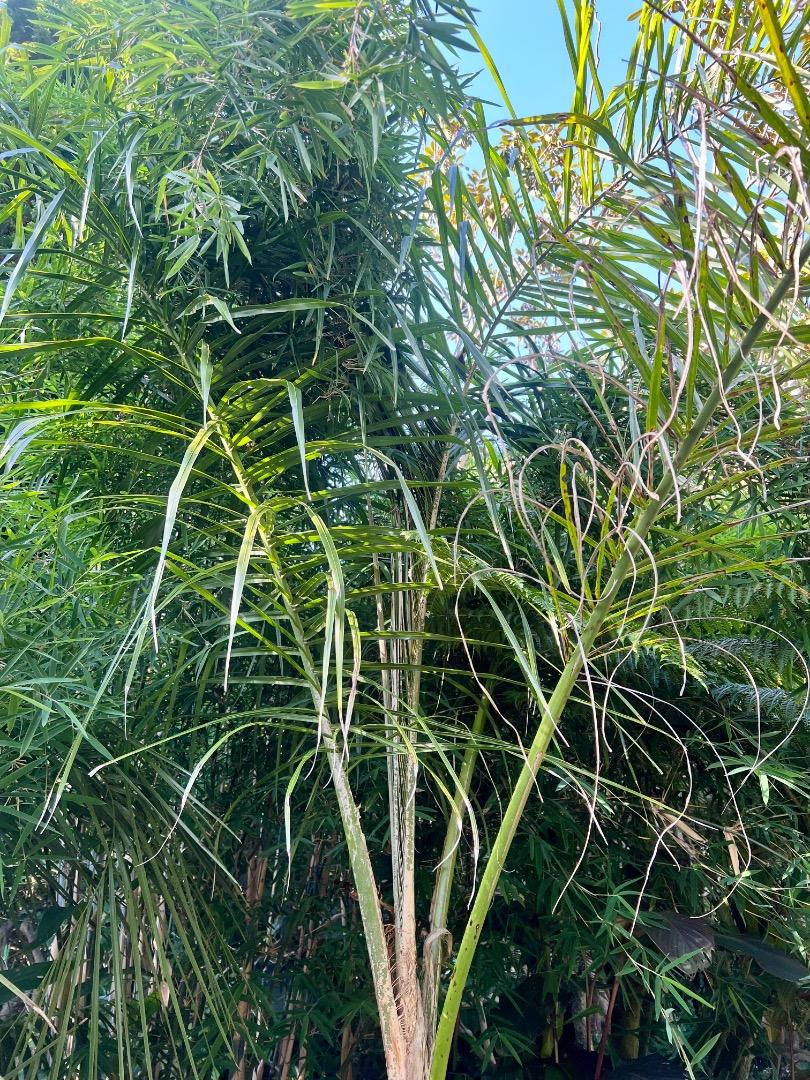
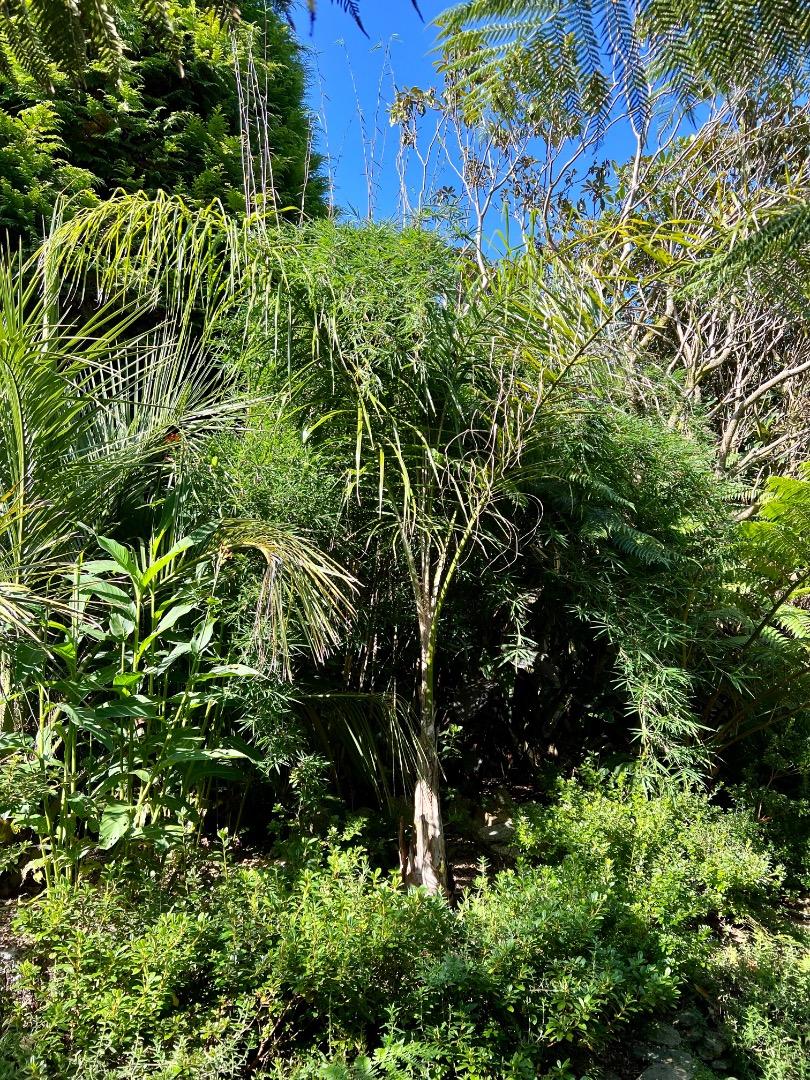
While I agree with your post about Syagrus romanzoffiana, keep in mind that common names for palms are different in different countries. The original poster is from Spain and the common name for Syagrus romanzoffiana is Pindó in Spain just as it is known as Jerivá in Brasil and Queen here in the U.S. This is one reason that it's better to use the scientific name to avoid such confusion. Another confusing example is calling Chrysalidocarpus lutescens "Areca" as that is also the name of an entire genus of palms.1 point
-
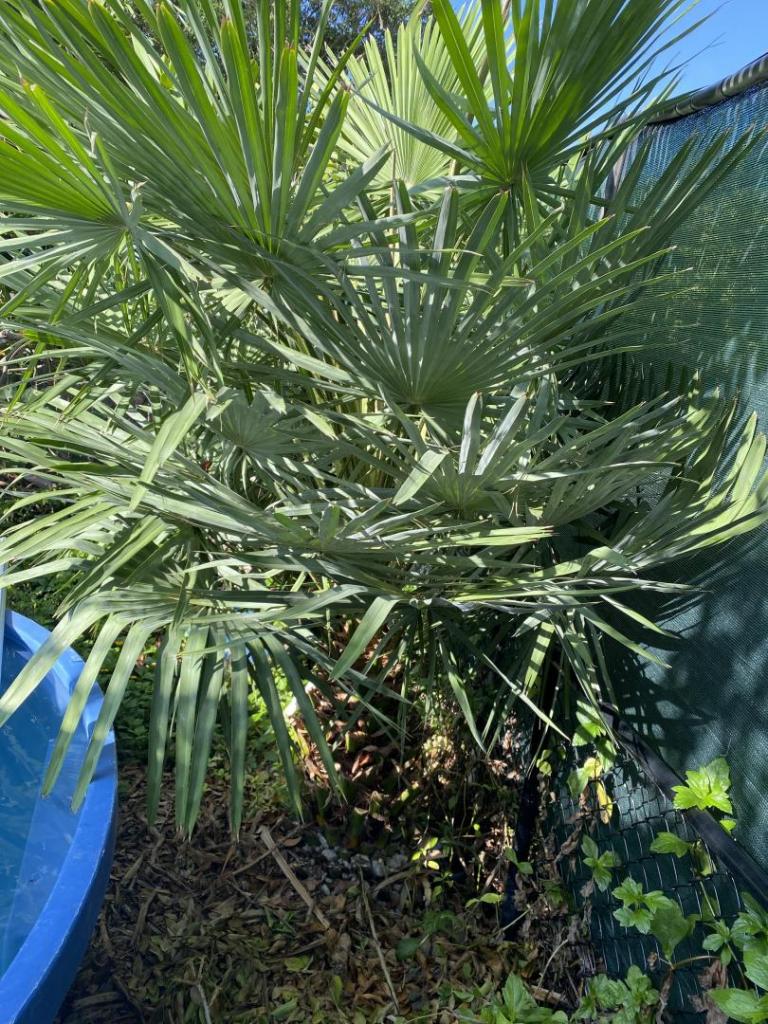
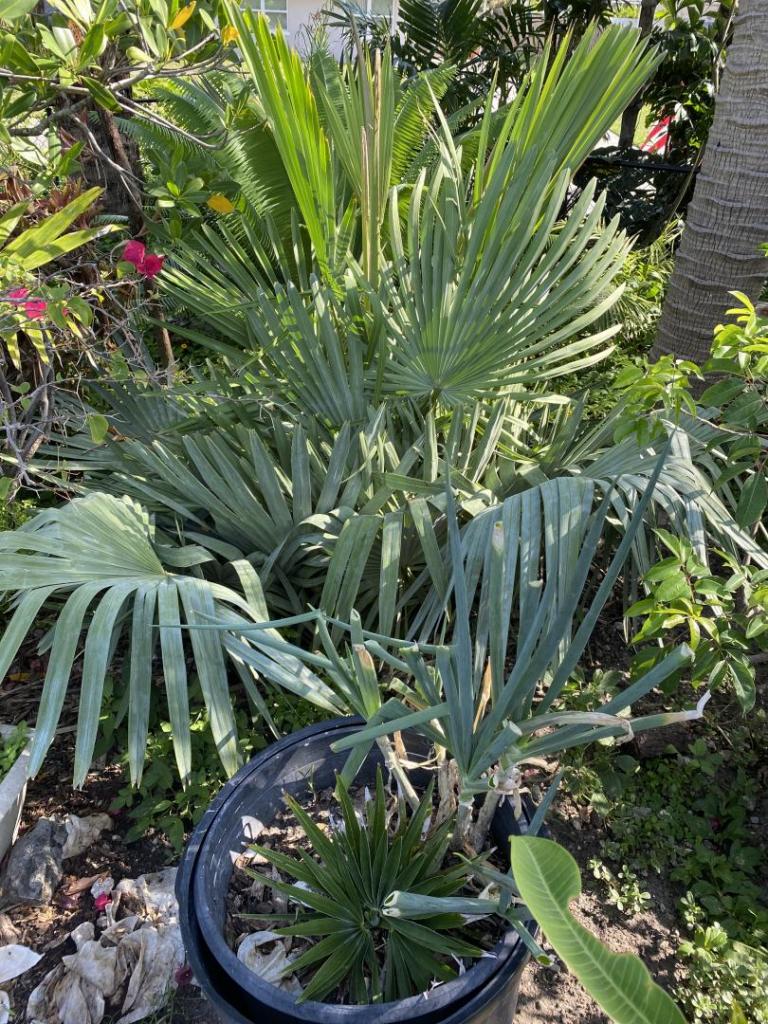
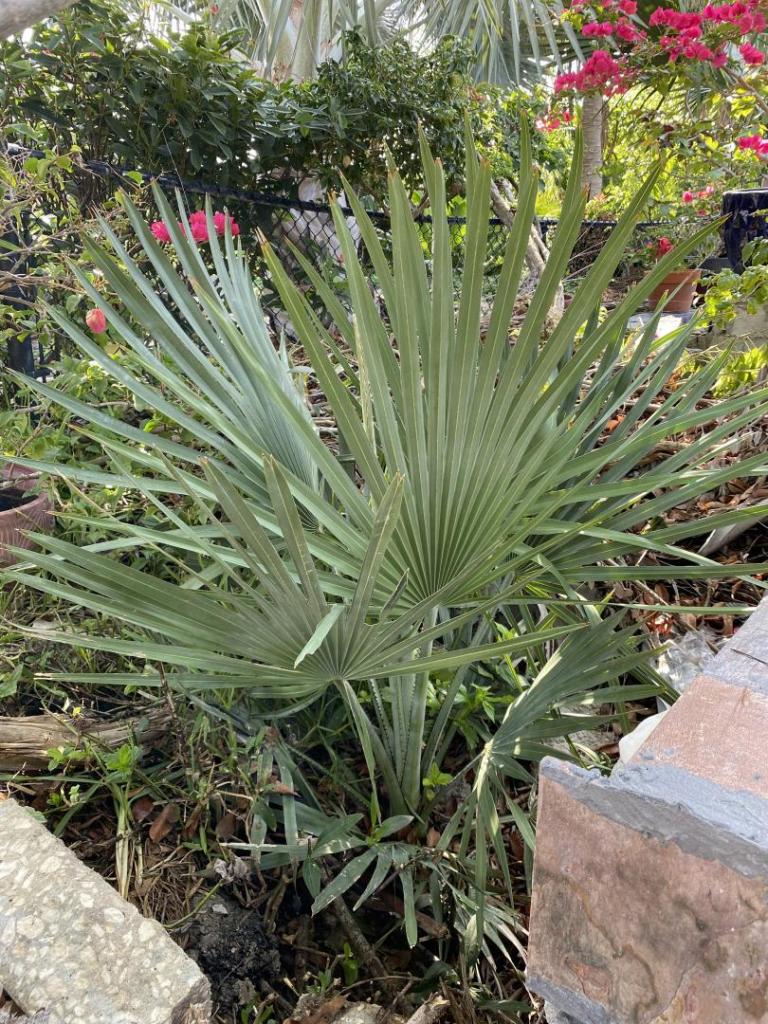
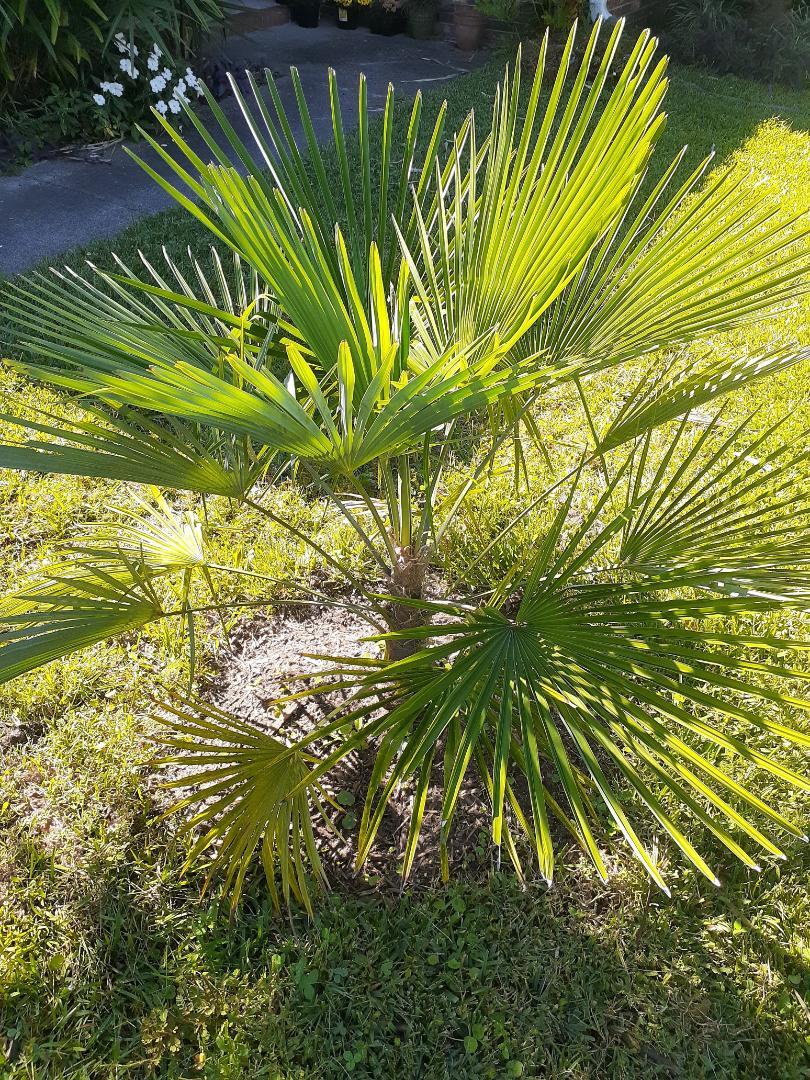
Nice job, Rudy.. I've got about six of 'em around the yard -- Very cool blue-green color. Fast growers, but the thorns..! You only make that mistake once -- Painful. Pic of nearby C. Bailey, about 4 feet, nearby..


 1 point
















































.jpg.e9abba1523af8ac23463527ff0963a89.jpg)