Leaderboard



Popular Content
Showing content with the highest reputation on 07/22/2025 in all areas
-
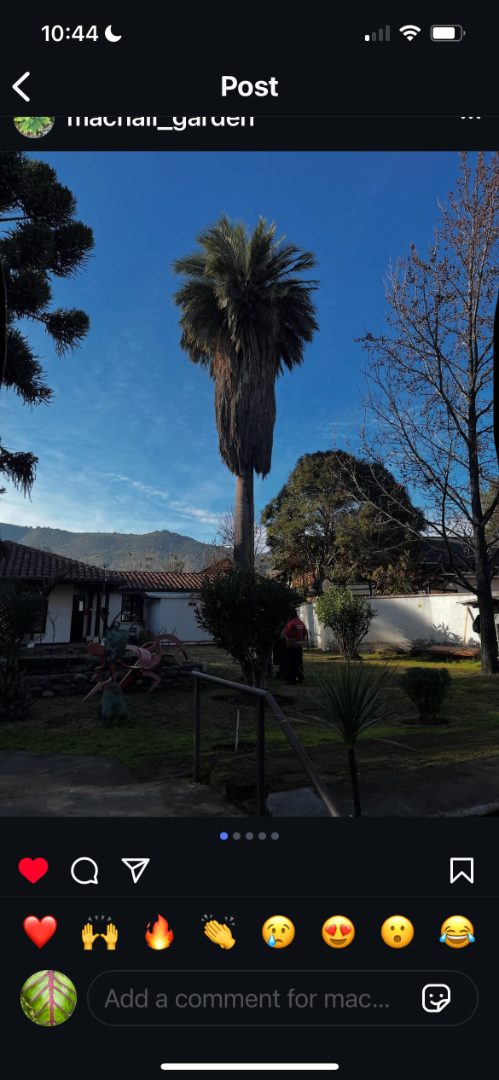
I’ve never seen a Jubaea with a skirt before. I’ve seen photos of them in Habitat but this was new to me. It was a posting on Instagram of a palm in Chile that was planted in 1933. I don’t know how to link the post so I took screenshots. Has anyone else seen this?


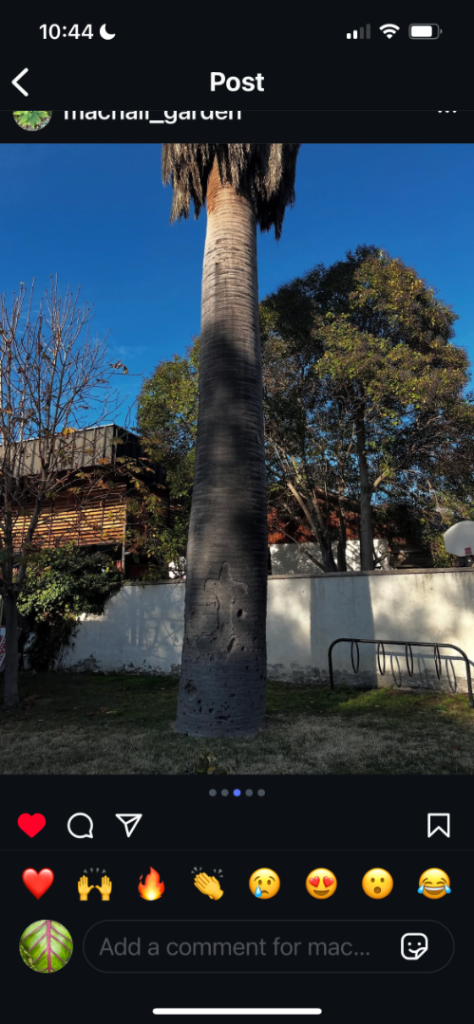

 5 points
 -
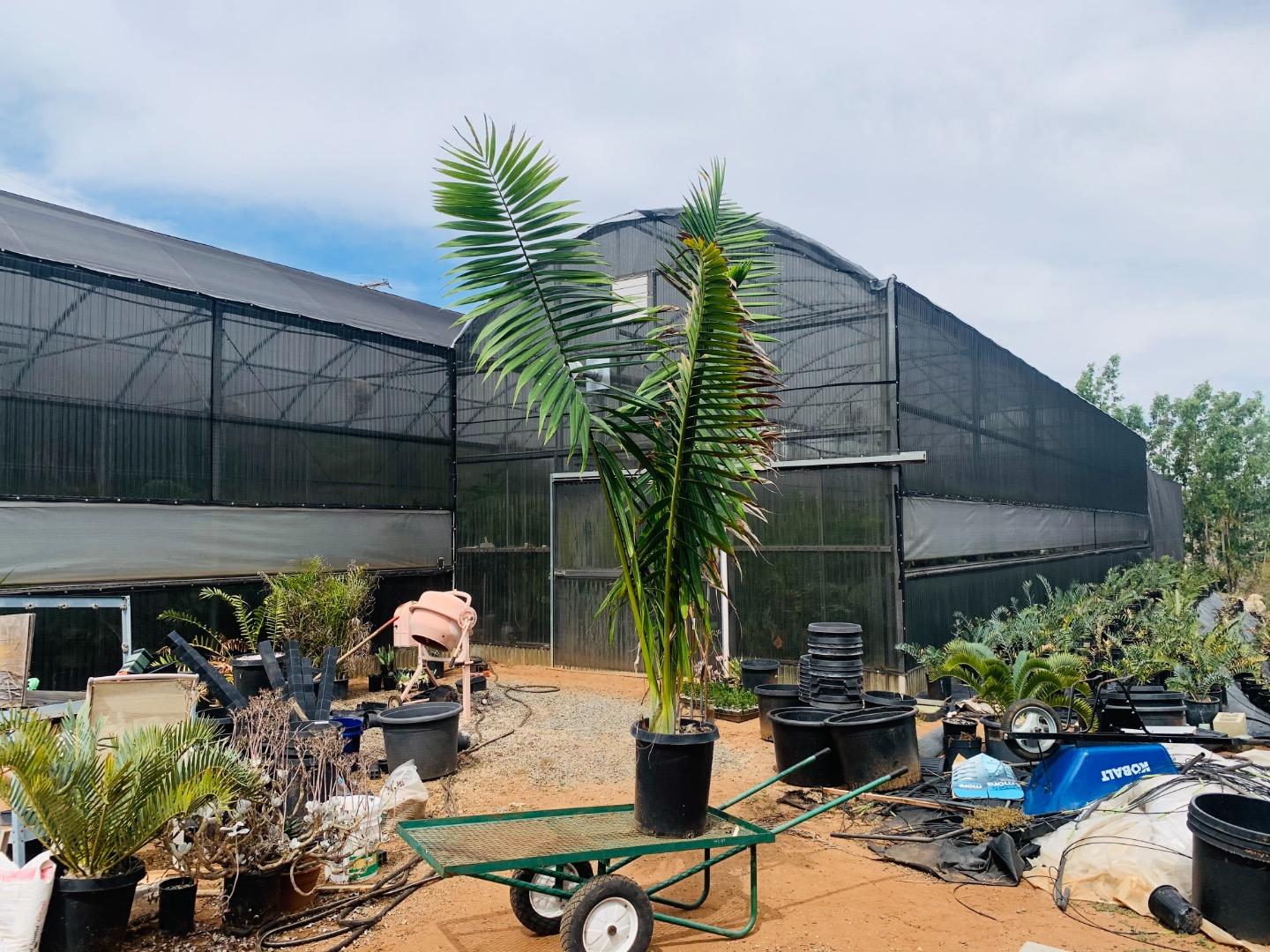
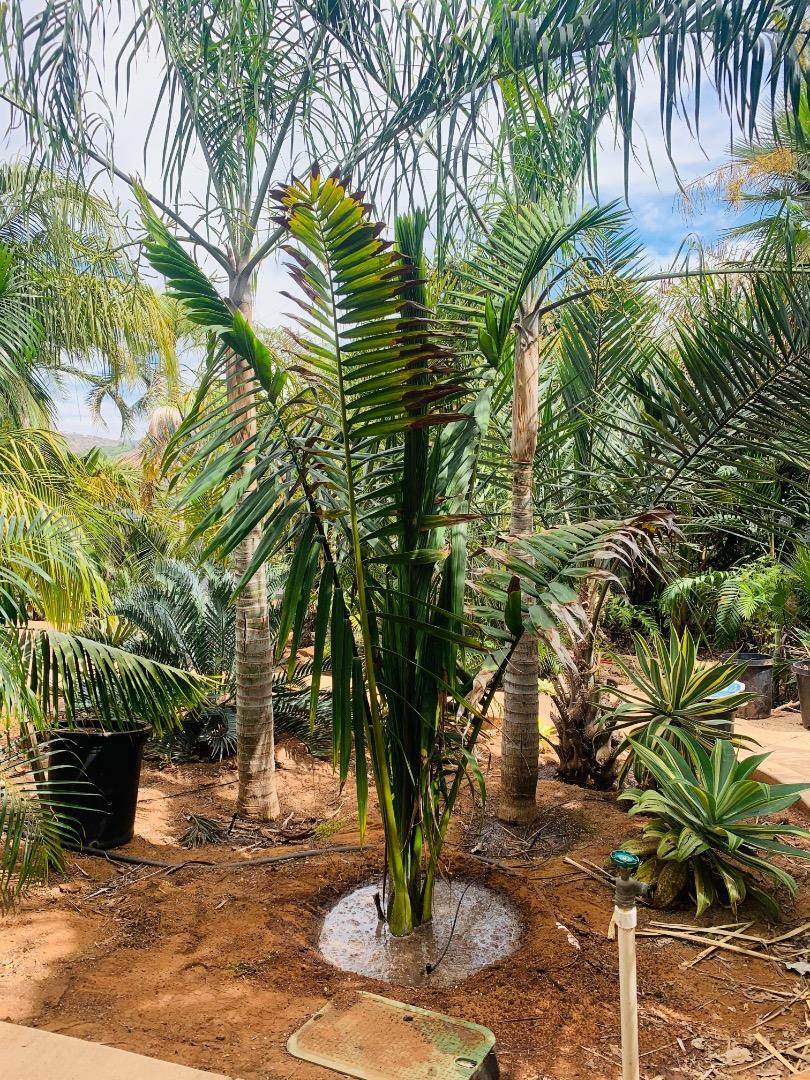
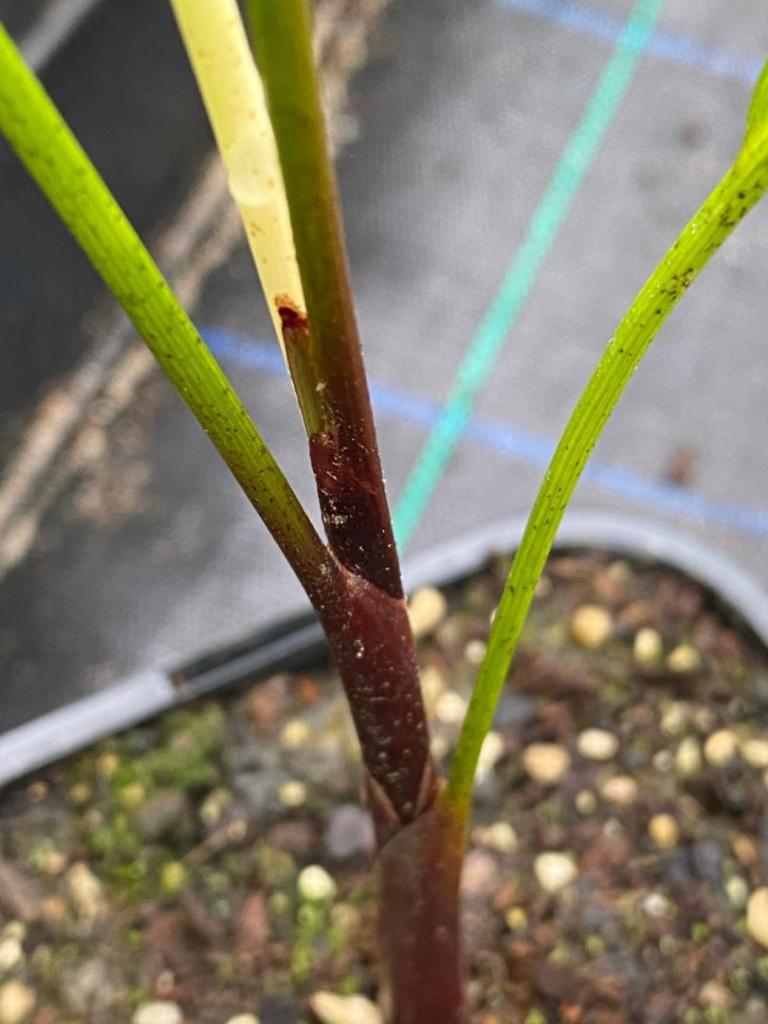
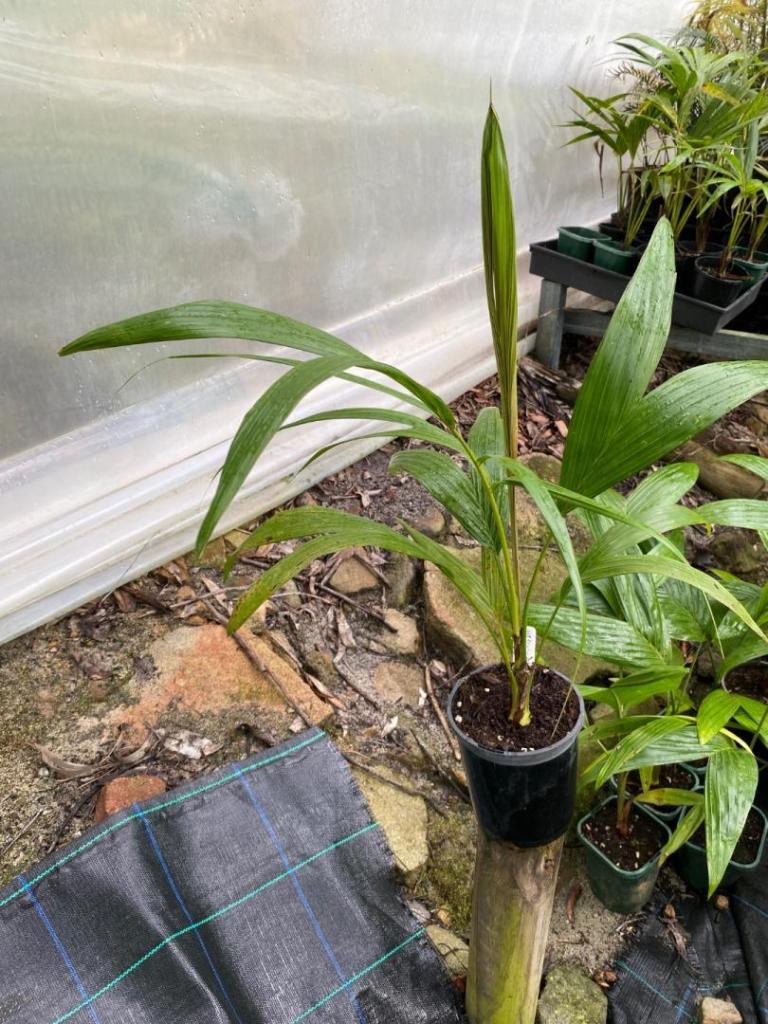
Another two palms prized by collectors the black petiole baronii and the heterospathe barfordi, both are true collectors palms that offer that highly prized ornamental affect in the garden adding more to the tropical look for gardeners wanting that little extra eye candy. And iam sure the heterospathe will get noticed in front of the greenhouse door.



 4 points
 -
If it lives, law requires you give it a cool name.4 points
-
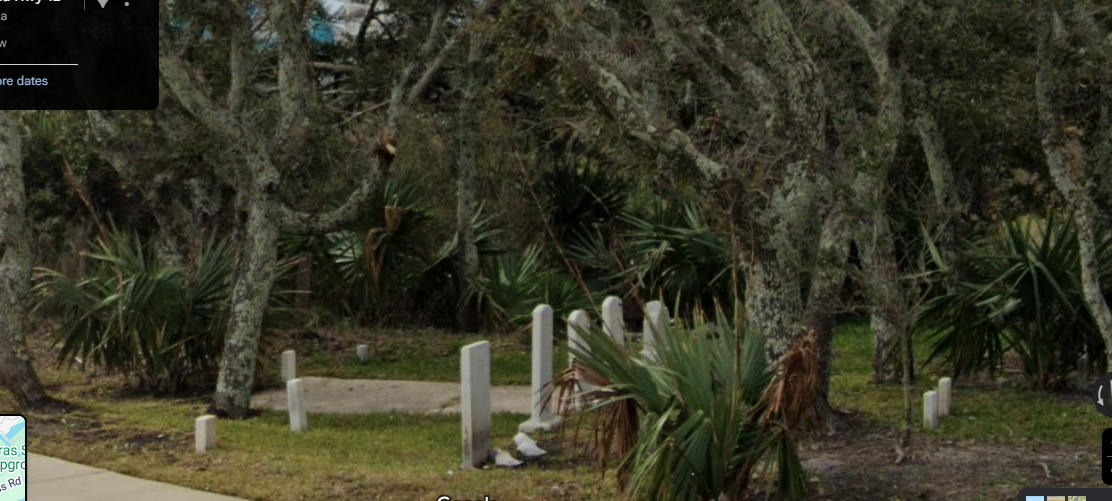
Naturalized Pindo Palm in Lake Waccamaw, N.C. Link to Google Street View: https://maps.app.goo.gl/eeMs7SU3Qm7baciXA
 4 points
 -
It’s definitely NOT the palm roots causing cracks in your flooring. Palm roots are narrow, flexible, and will grow to where there is water available. They are not destructive to structures. I have several Archontophoenix larger than your Queen palm as well as a couple of Queen palms and growing almost touching my house and never a problem. If the roots were troublesome, the brick walkway in your photo would be lifting long before and interior floor was affected.


 3 points
 -
Dioon tomasellii flushes once a year for me. It’s a beautiful flush so I’m always excited when it’s starting to flush. A few weeks ago it looked like it was going to start flushing but threw out a cone instead.
 3 points
 -
At least someone had the hindsight to plant one and good on them for doing so!3 points
-
The silver on this one is beautiful!3 points
-
Whoa damn.3 points
-
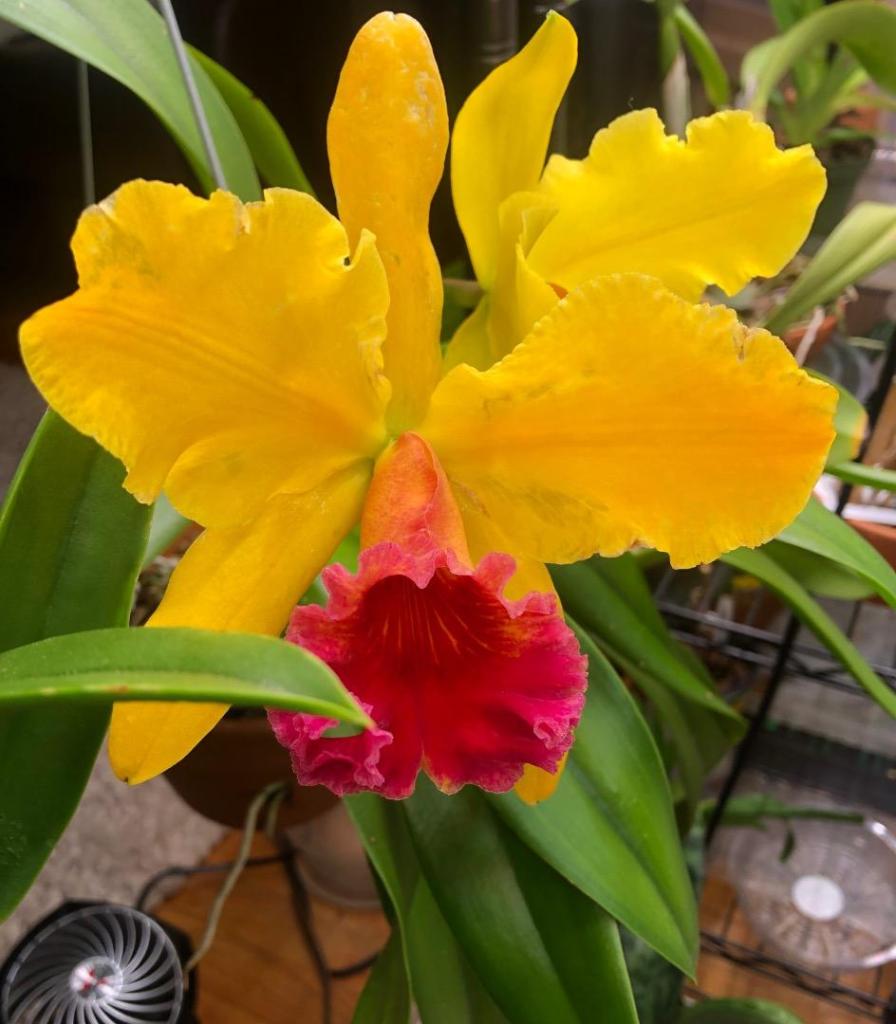
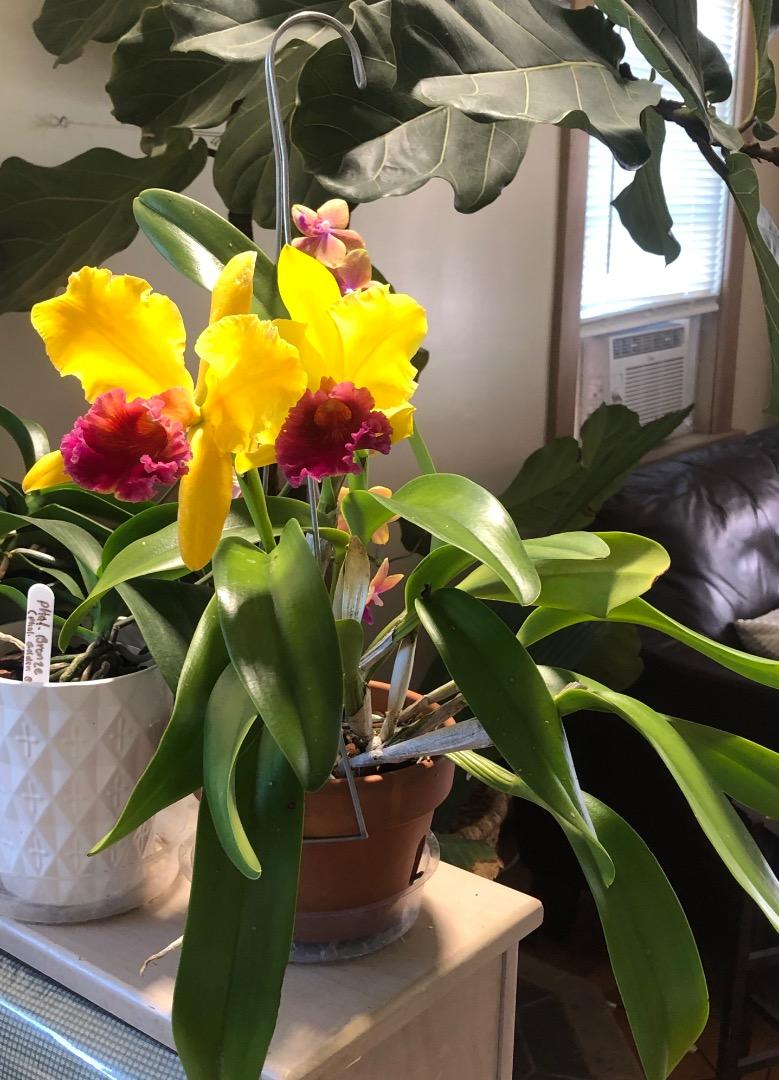
BLC. Terri Henderson Barbara’. A reliable summer and early autumn bloomer for me when not many of my orchids are blooming.

 3 points
 -
A nice gift of some benzei seeds germinated well. One chamaedorea that i didnt have in the collection, sometimes you just get sidetracked with other palms. But chamaedoreas have always been on my list of must have palms. Plus another two macrocarpa seedlings that popped up I thought I might as well get them in some deep tubes, that’s 4 now with one more that’s still doing it’s thing.


 2 points
 -
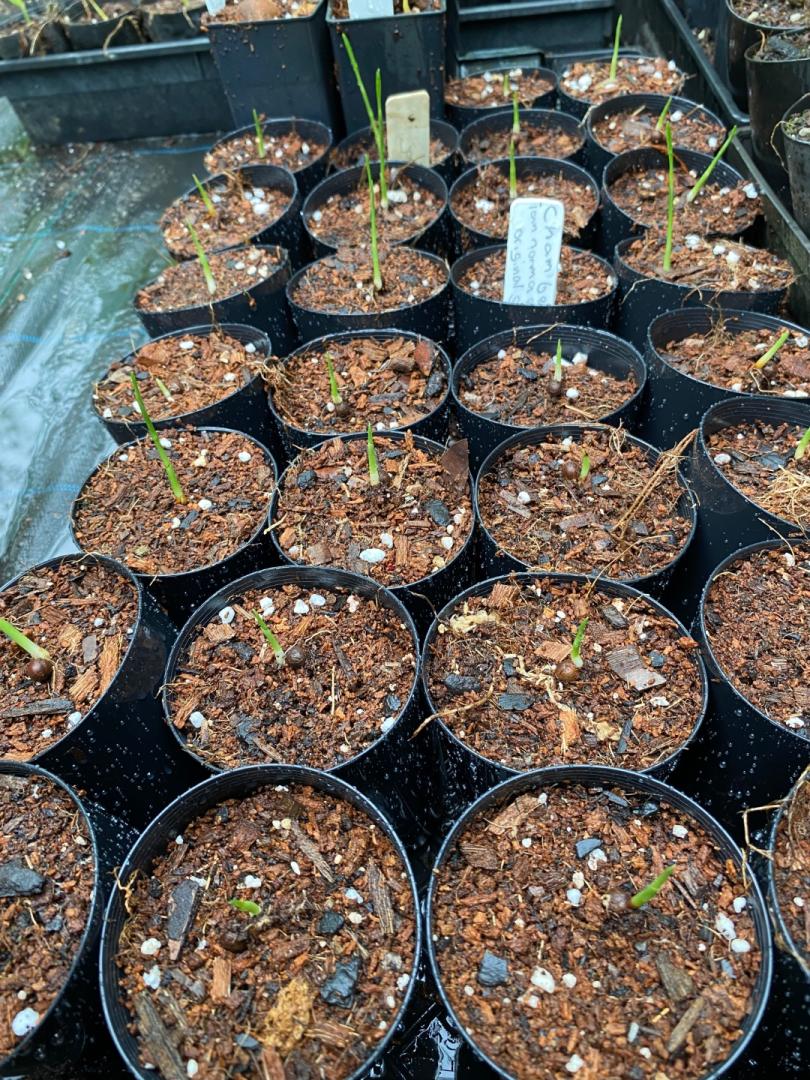
A few nice varieties iam happy to say that have germinated well, the Crysophilla are from RPS so a good batch of seeds there. It’s a long process from ordering to importing and finally getting them to germinate. The odds are stacked in manner of make or break when it comes to imported seeds, even locally collected seeds can be a hit and miss. But it’s the only way you can get rare unobtainable palms rather cheap at times. So what should the going rate of rare palms be worth really. Considering the cost of the seeds, customs fees, shipping, phytosanitry certificate. And if you buy a hundred seeds and get 5 or none to germinate then the rats eat 3 of that 5. Then theres the cost of electricity for heat mats, pumps, propagation medium, containers and medium. Labour on top of that. Does it come down to how rare they are or how many from a batch of a hundred seeds germinate. A lot of factors are involved, if I sell a Joey palm in a 140mm container for $50 Aus dollars, then you see that palm let’s say as an example in a chain store nursery for $120 or more, what is the grower actually making, do rare palms have to have a price hike. When you consider the cost living now it just doesn’t match up to what it’s worth growing or does it?


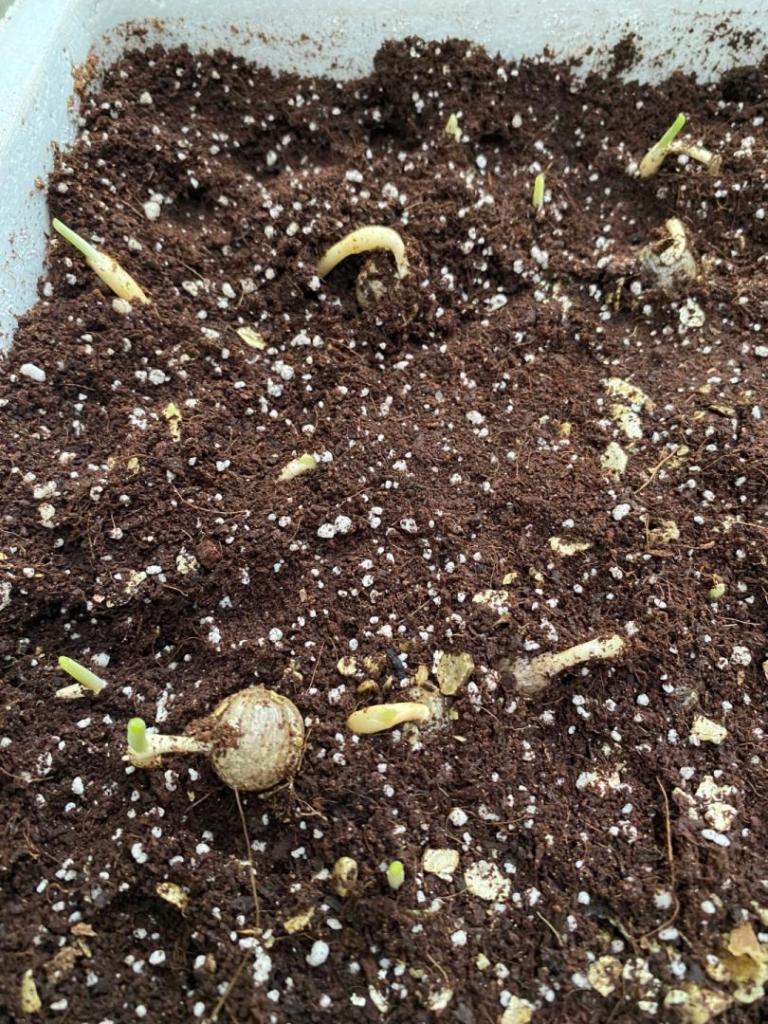

 2 points
 -
I have finally started growing my iguanura half decent, now that I have removed them the hothouse lack of humidity was the problem, a big growers mistake I made. Now they seem easy to grow in a greenhouse. And both are cool tolerant taking low temperatures of 2 degrees Celsius. Some nice palms for a container collection.
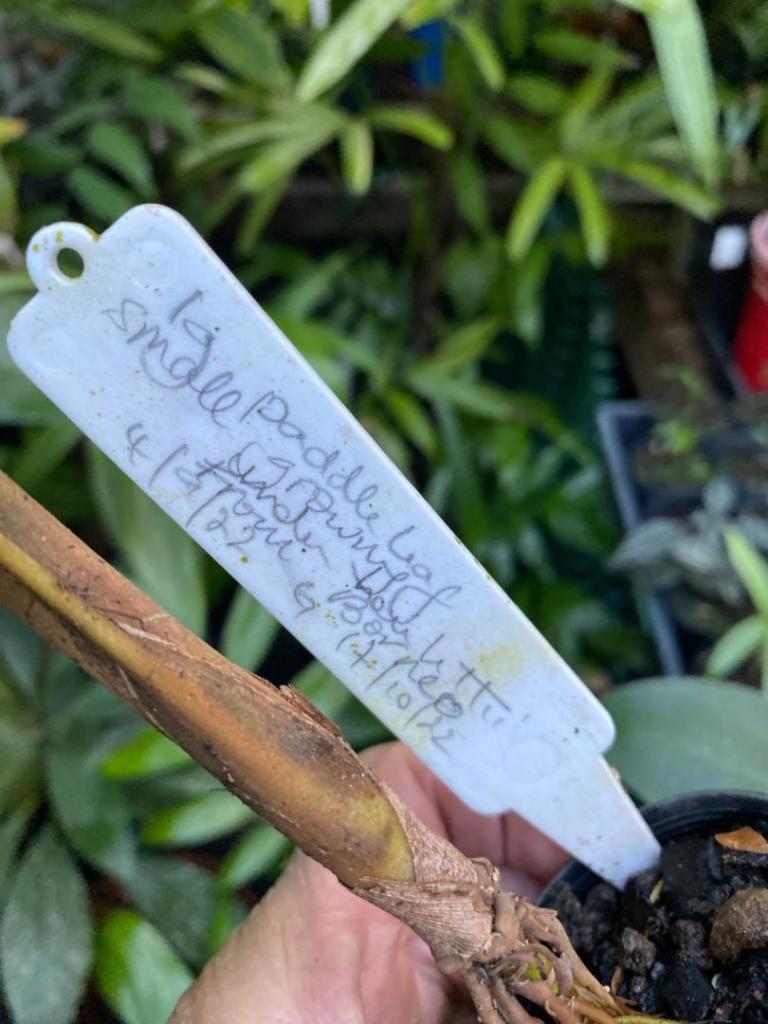


 2 points
 -
So I was able to bring some spanish moss back from me from Florida, and decided to put some on the needle palm Don't know how long it will last but it's worth a shot lol. And yes before yall ask, I HAD to de-needle this palm ever since my dog liked to poke himself on it lol.
 2 points
 -
Volunteer palmettos across from ECUs campus. The parent is a survivor of 2018 freeze. https://maps.app.goo.gl/9pzMvGSBBu1RQoaeA2 points
-
Encephalartos ituriensis flushing.
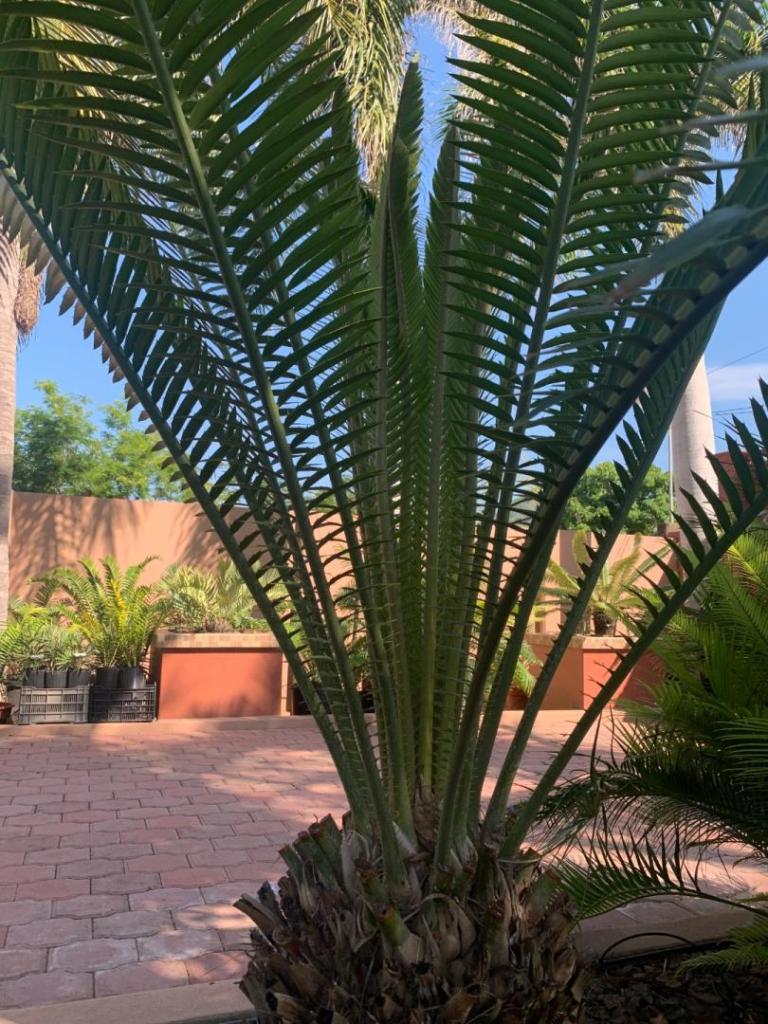 2 points
 -
Onward! To a Wodetyia stump!
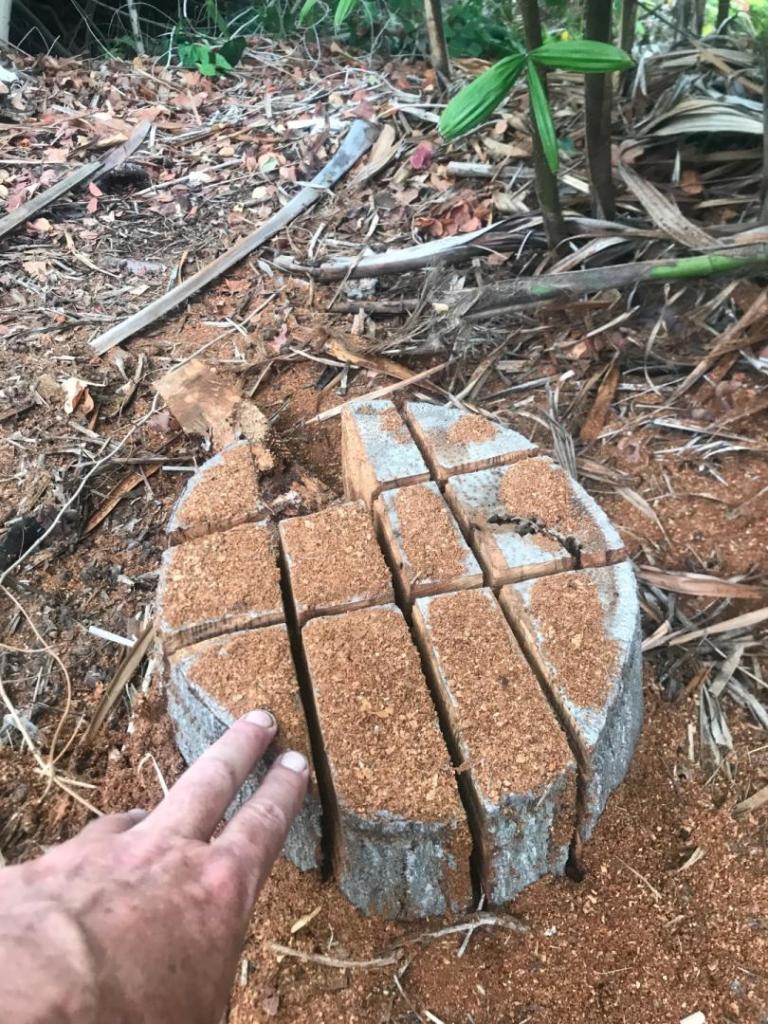 2 points
 -
Poor palm taking that dirt of hit. If it lives it might split into a double header. A lot of lighting struck palms either die or start to form twin heads, either way if it lives you will be lucky.2 points
-
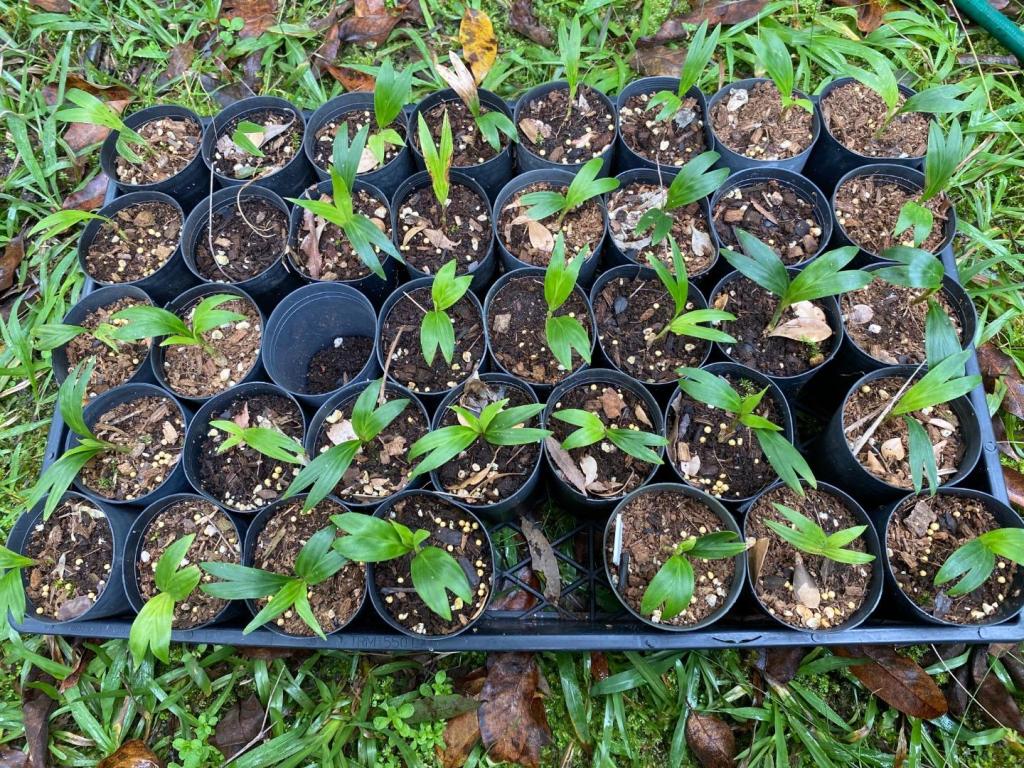
Iam fast becoming a little dypsis fan, there gorgeous palms, easy to grow and prized as garden specimens among the collectors. I just love them, I will be growing more of them that’s for sure.


 2 points
 -
Confusa say man who……2 points
-
some of my tree ferns Cyathea medullaris and Cyathea tormentosa
.thumb.JPG.c6b3e03332a37b089b24c7f593f3776f.JPG)


 2 points
 -
That climate looks great for Rhopies, cold isn't the issue. Almost certainly fried I would think, as per comments above. If you try some more, maybe provide a bit of shade for the first summer, then gradually remove it. They'll grow perfectly well in full sun once they've adjusted to the conditions. Growing palms is always adventure...good luck with your next attempt!2 points
-
Yep I never bother to water my lawn, save it for the palms instead. I will never have that manicured Hawaii looking lawn, give me a jungle garden anyday!2 points
-
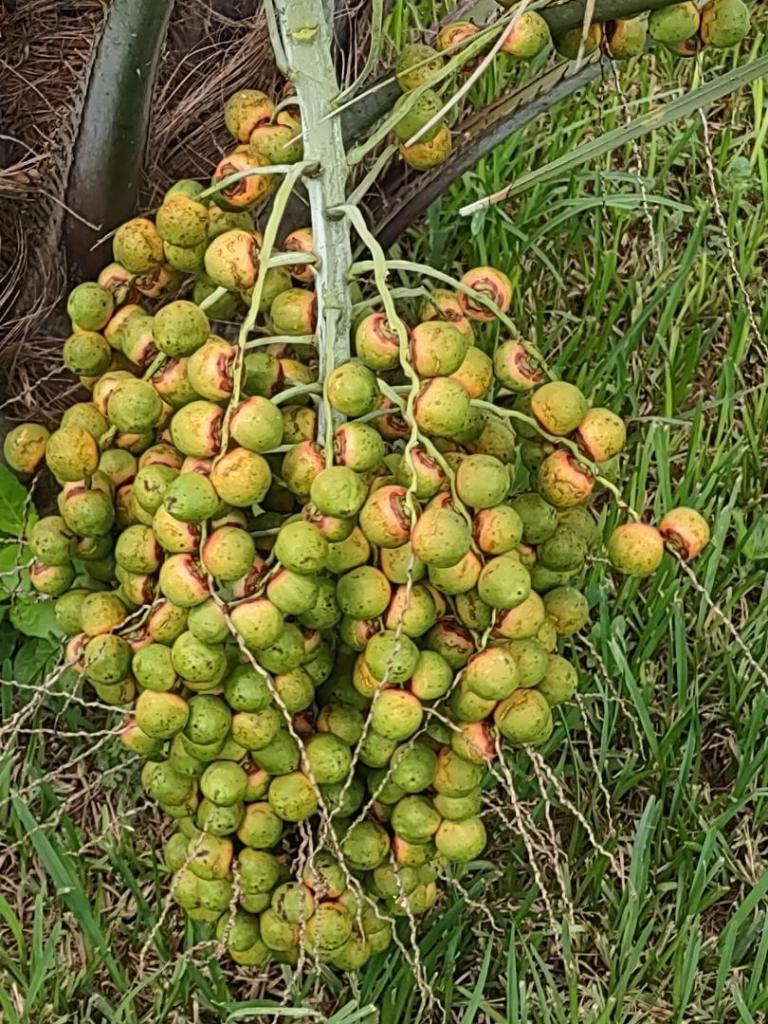
Welcome to Palmtalk! It's definitely a good palm for your area since there's a mature fruiting palm near you. I don't grow them in containers but have grown them in my yard for several years. I planted this Butia odorata in my current property in 2019. It flowered for the first time in March and I just harvested fruits this past week. You probably already know but the fruits are delicious! They tolerate clay soil but strongly prefer well draining soil. In a pot make sure that the medium drains well (I imagine what you have is good) and keep it watered but don't let the pot sit in water and make sure the pot has adequate drainage holes. They grow slowly at that size.


 2 points
 -
I was wondering about oxycarpa in the dry weather, as usual another water lover palm. I do irrigation whenever I get a chance and it is noticeable the difference in keeping them alive and growing. It’s only when I get 2 inches or more of rain that I really notice the palms growing, rainfall is one element that does make palms grow faster just look at Hawaii and Cairns in Australia combined with the heat and humidity. Looks like good soil amendment for thes arecas then!2 points
-
Washingtonia in Morehead City, N.C.
 2 points
 -
Hi Everyone! I must admit that I don’t jump to read topics in the Cold Hardy section since I live in the tropics. And some on PT may not have seen the TX travel post. I am very excited to be heading to Texas in December for the first ever IPS weekend Biennial. There are a few more spaces open and I especially want to encourage everyone who has never attended an IPS event to sign up. Here’s your chance to put faces to those who enjoy PT without a big price tag or need to be away from home as long as required for an international trip. Please share this link to everyone you think might be interested so we can add this trip to our list of sold out travel. I just booked my rooms at the lovely resort hotel with negociated price including free breakfast and parking and no resort fee. This trip (unlike most IPS travel) offers a la carte selections for those who choose to drive in each day or stay at another hotel or only attend one event. The clock is ticking on this event…. I will be duplicating this post in Discussing Palms Worldwide since many visitors only go there.2 points
-
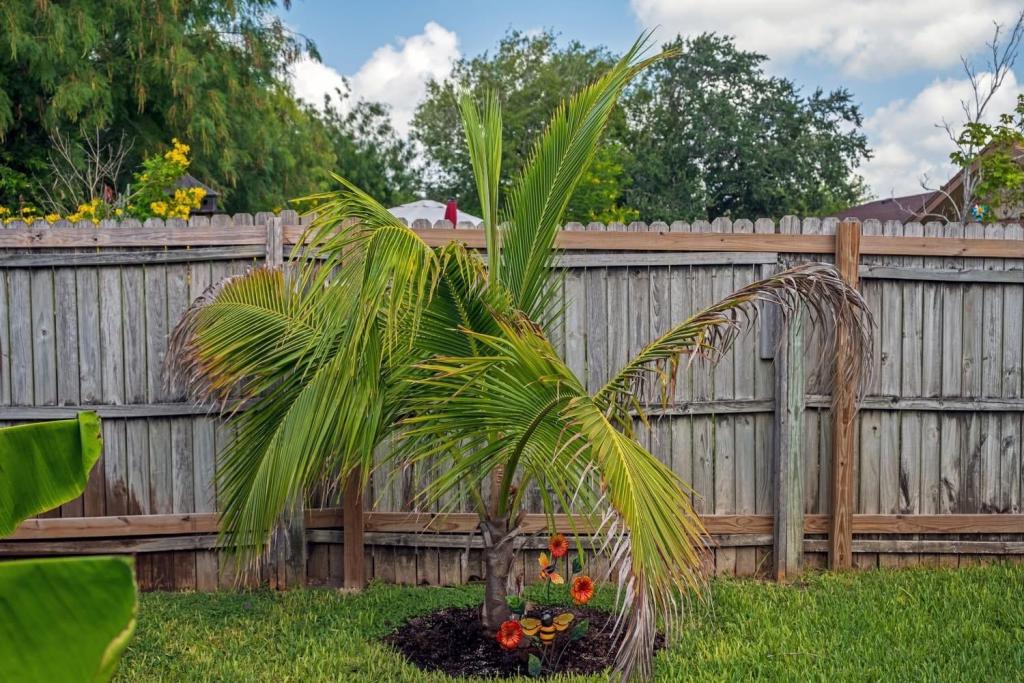
Some Brownsville coconut palms for everyone:)
 2 points
 -
Washingtonia in Sunset Beach, N.C. Link to Google Street View: https://maps.app.goo.gl/ePuUv2cBuGd4gQ218
 2 points
 -
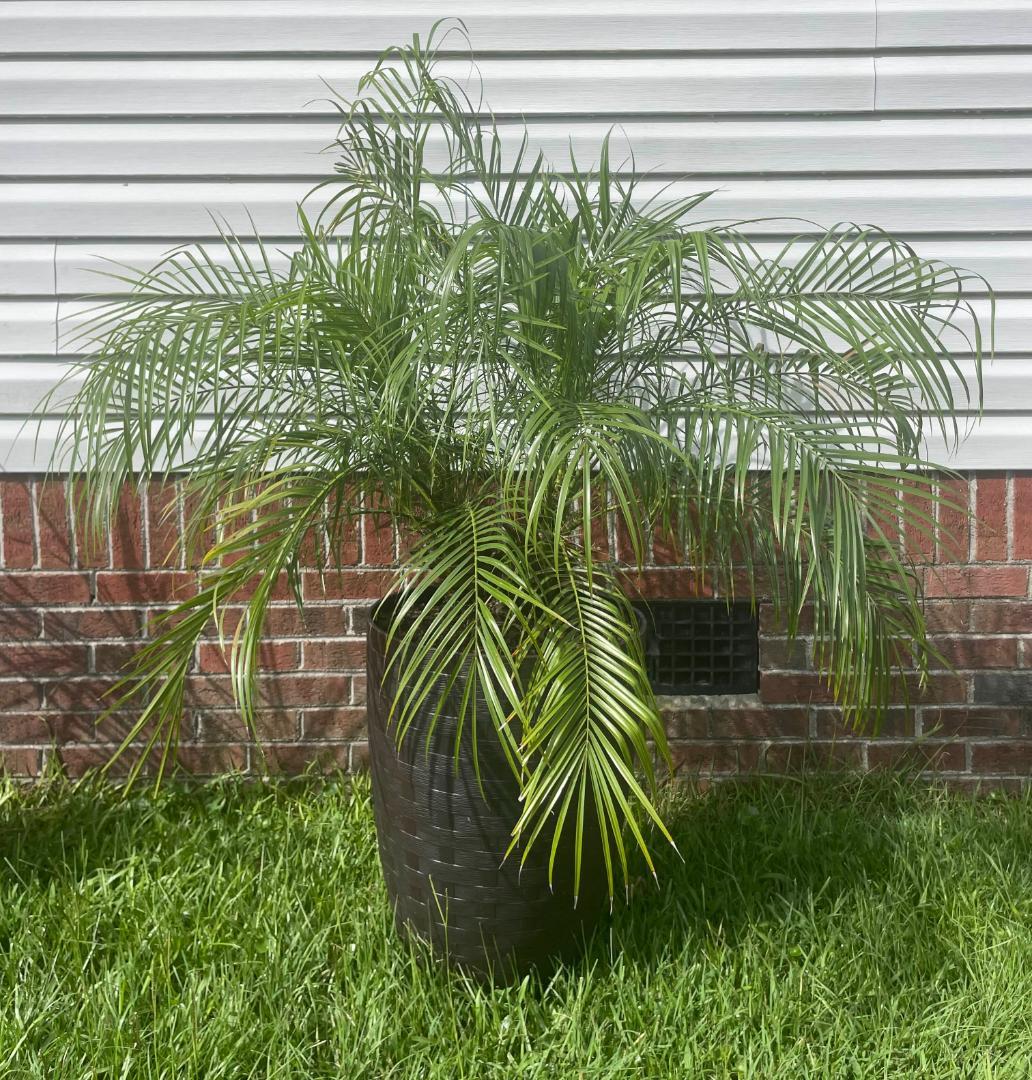
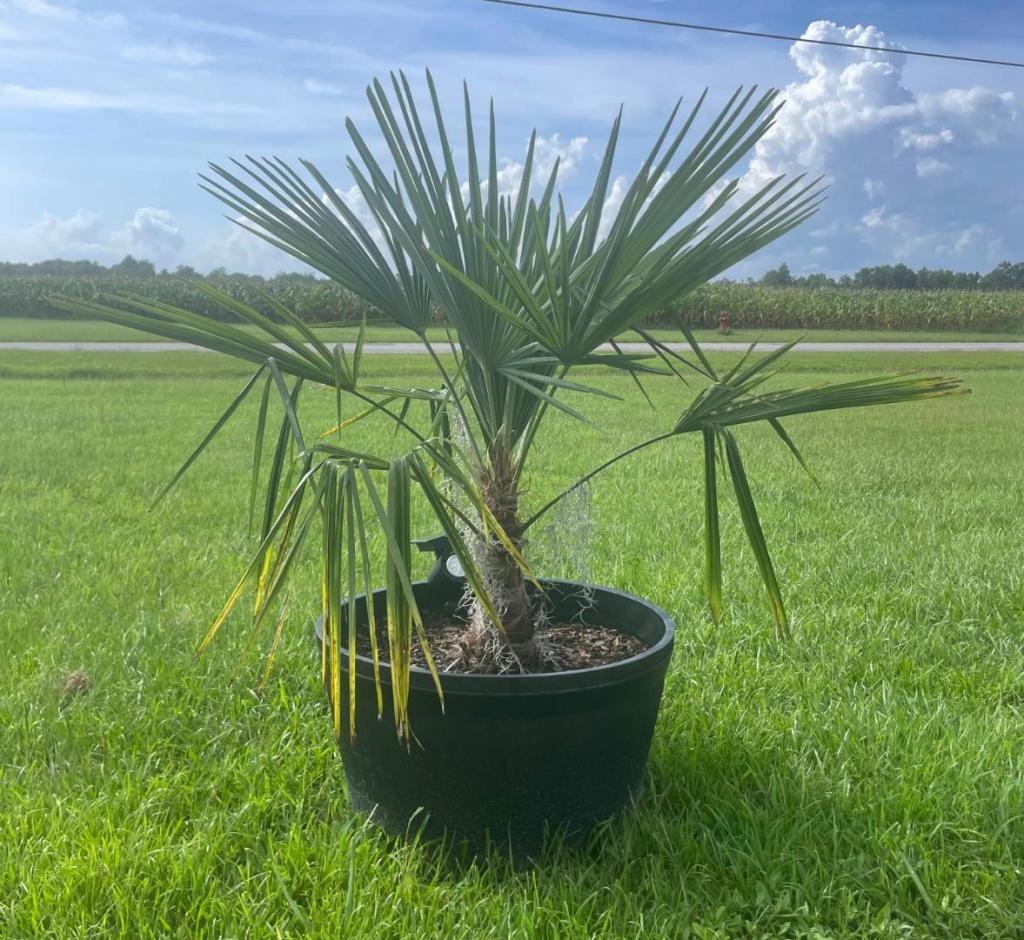
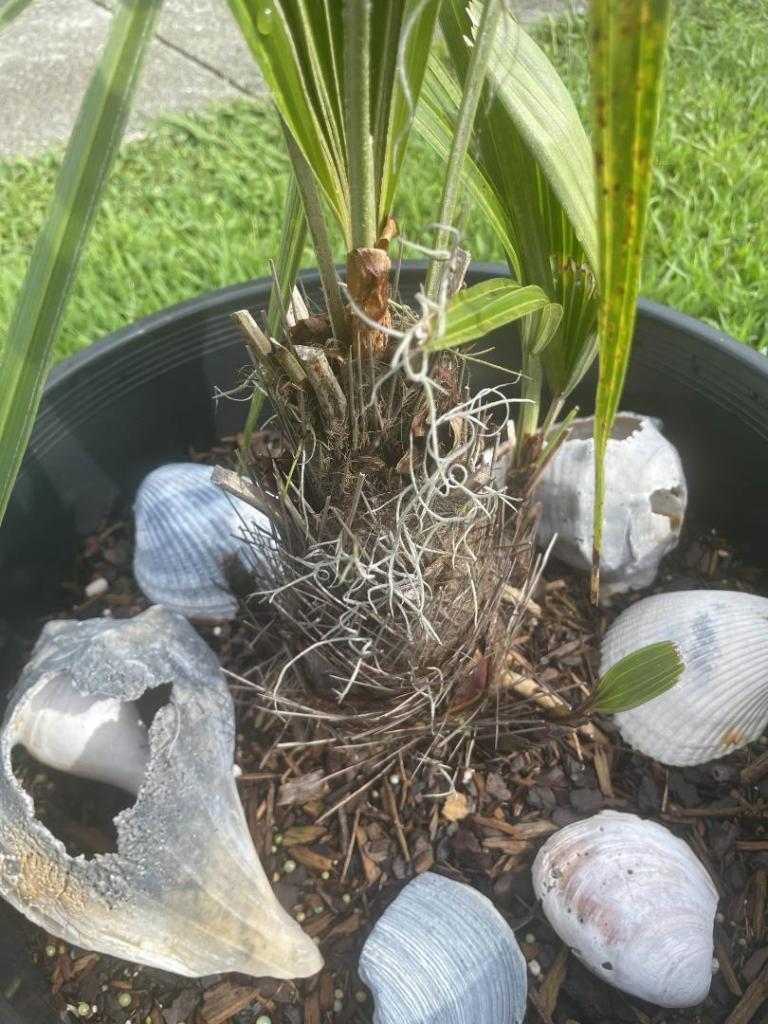
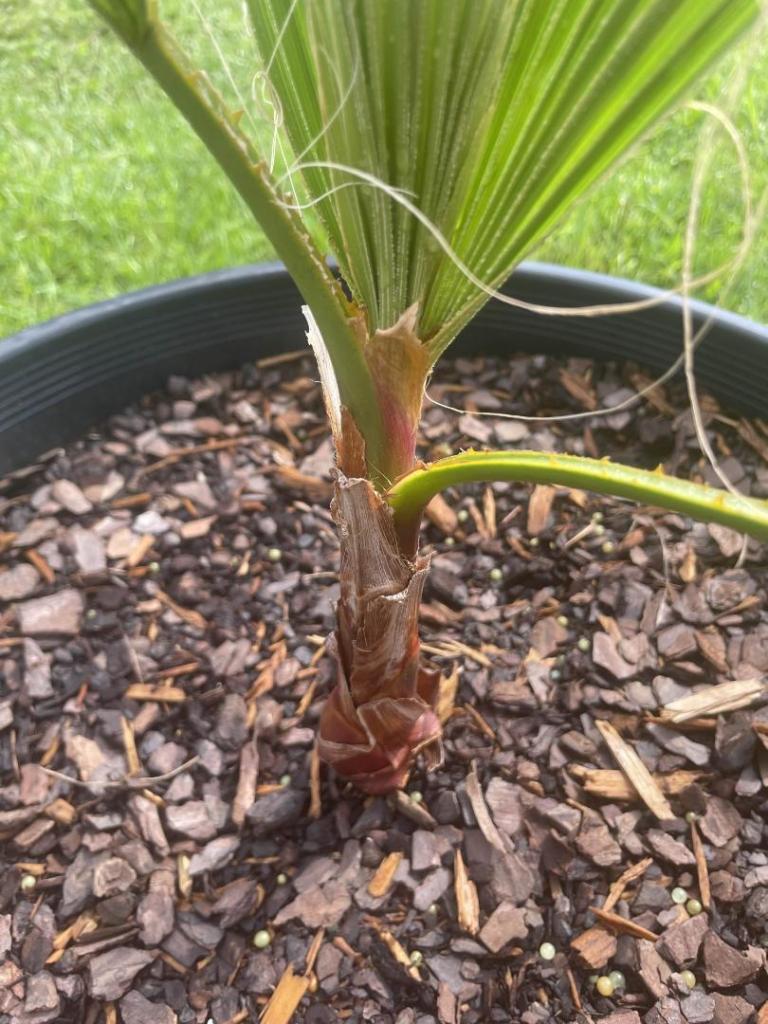
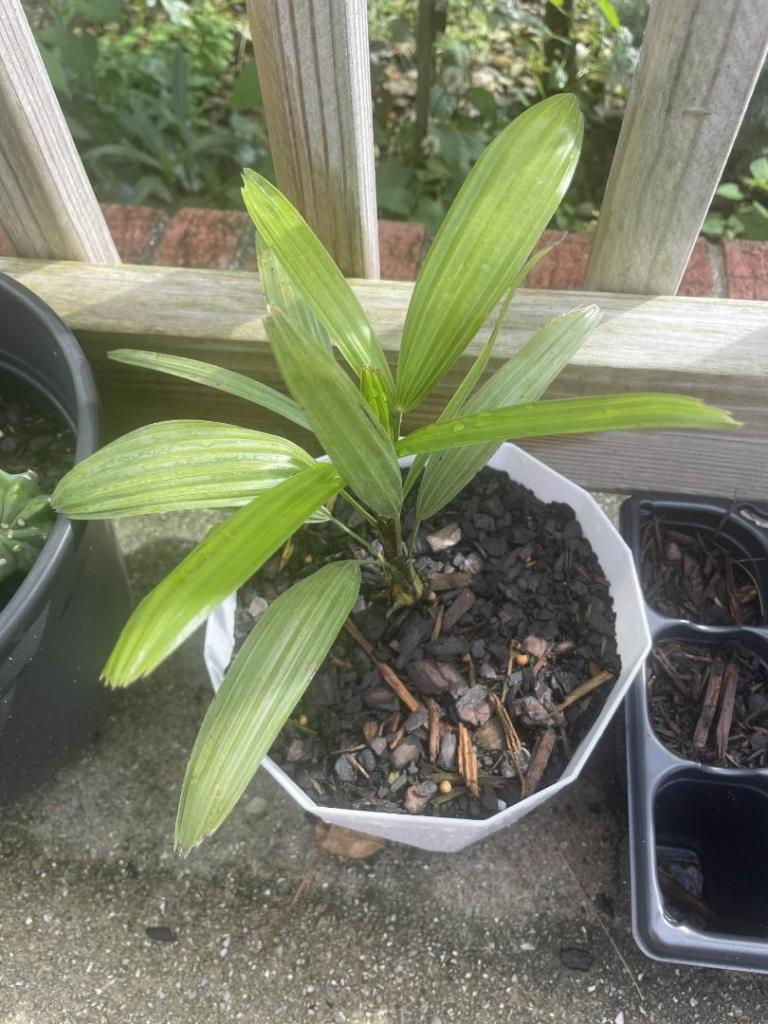
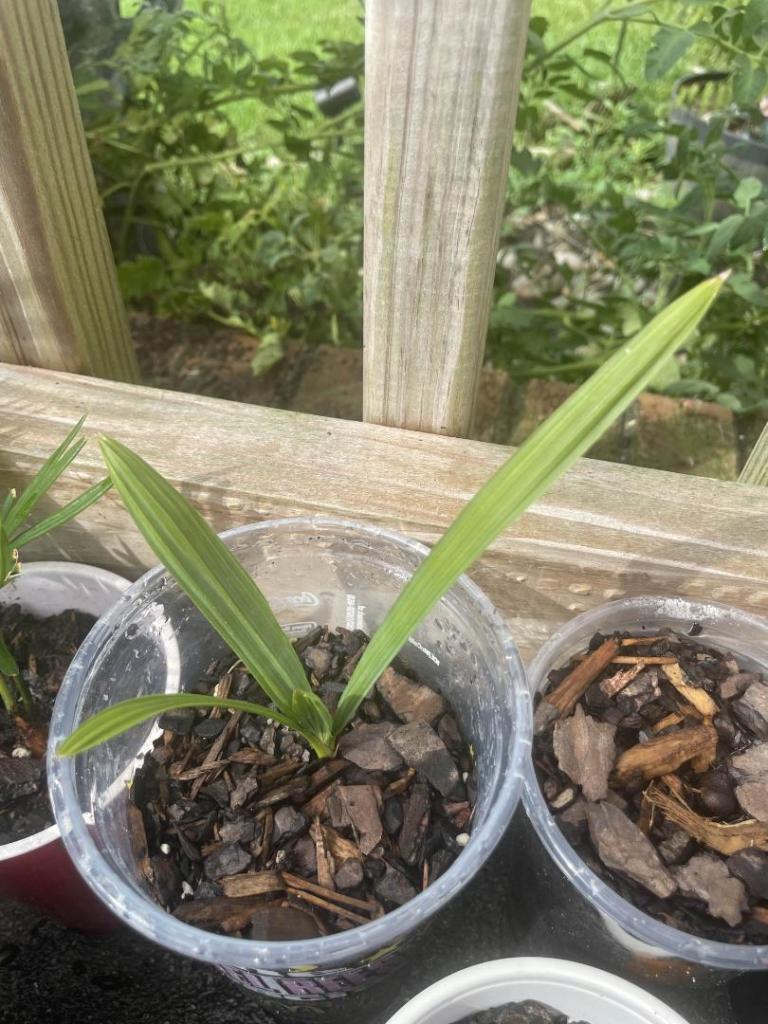
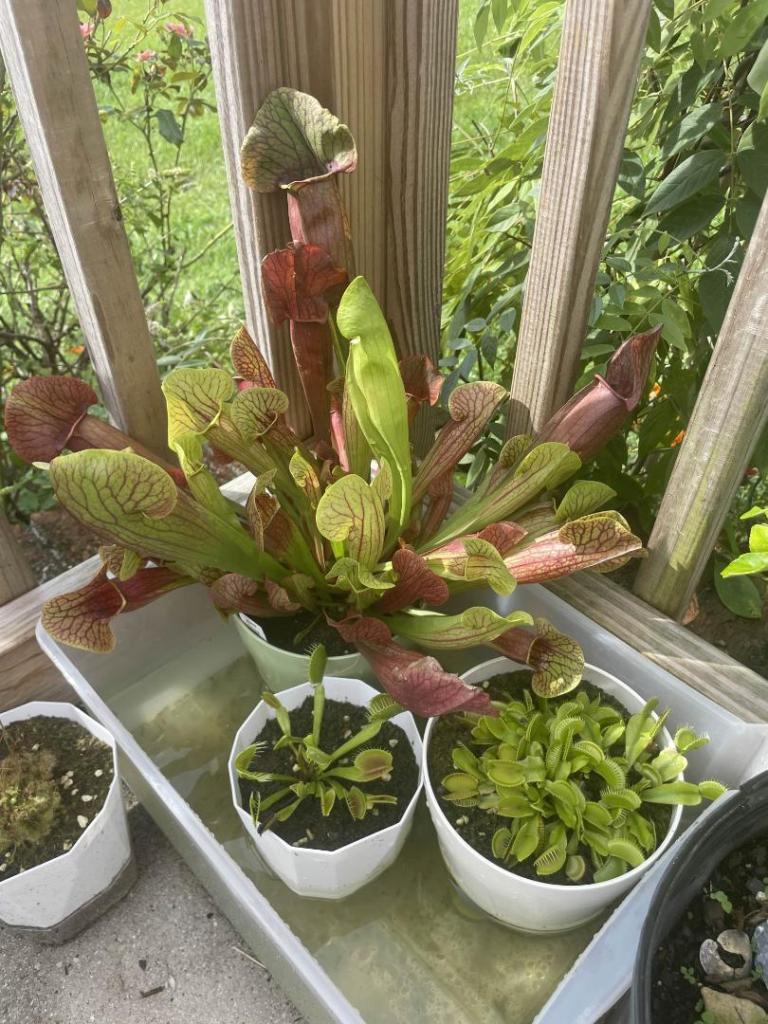
My container ranch in coastal southeastern North Carolina... Windmill Palm (Trachycarpus fortunei) This palm joined the club in March 2025 as a 7-gallon. It has exceeded my expectations... March 2025: July 2025: Needle Palm (Rhapidophyllum hystrix) This palm was purchased in 2022 from Northeast Ohio Palms as a 3-gallon. It was briefly planted in the ground in western N.C. before I moved across the state. It has been through multiple tropical storms since 2023; Idalia, Ophelia, Debby, and PTC 8. It developed what I suspect was an iron deficiency in early March of this year, but that has since been addressed... July 2025: Mexican Fan Palm (Washingtonia robusta) July 2025: Pygmy Date Palm (Phoenix roebelenii) This palm was purchased in 2023 as a 3-gallon from a Lowe's in northwestern North Carolina, the last place I'd expect to find a palm tree. Along the southeastern coast in North Carolina, it can stay outside from late March to late November in most years... July 2025: Smaller Windmill palms (Trachycarpus fortunei) July 2025: Pindo Palm (Butia odorata) December 2024: July 2025: Lady Palm (Rhapis excelsa) Sabal palmetto & Trachycarpus fortunei popping up... Sabal Causiarum seedling... Washingtonia robusta seeds sprouting, alongside a couple more Trachycarpus fortunei... Some non-palm extras...










 1 point
 -
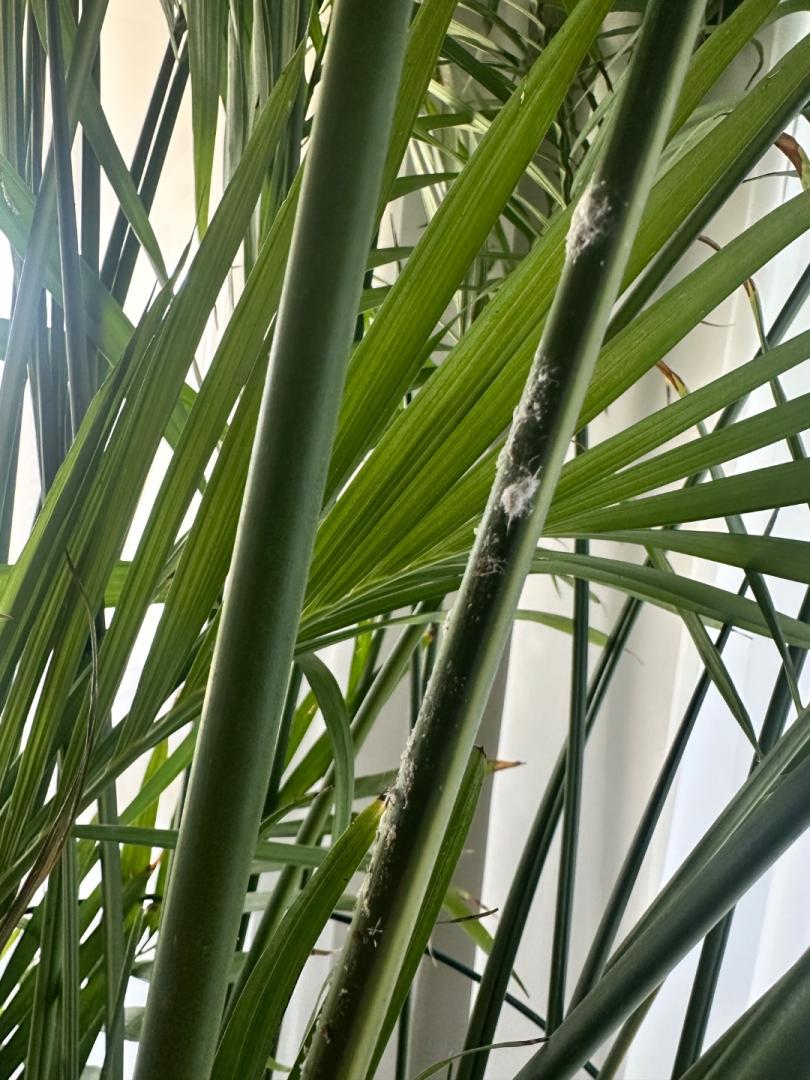
Hello! I have never tried forums, but desperately need some help. I have a palm and love it. His name is Palmy and he is very moody. I think he might be a cat palm or a majestic palm. He had several issues. At first I had him inside the house. Watered and sprayed the leaves. He developed two issues. Brown edges on the leaves. White cotton like substance in new leaves. I thought I under watered him and I thought he had mealy bugs or scale. I brought him outside, sprayed with alcohol those affected with white stuff leaves. He first looked much better. I think I got rid of white stuff. A week later he then started to show different symptoms Brown spots on the leaves Brown spots on the trunk I tried copper fungicide for brown spots. Hasn’t helped yet. Planning to bring him inside now. Thoughts or recos?


 1 point
 -
what the hell... did they cut all the way to the core...?1 point
-
that's pretty cool! Lake Waccamaw has some of the most spanish Moss in north carolina that I have seen1 point
-
Ok thanks, I usually head down to get Cop macro seeds, the first weekend of August.1 point
-
They where gifted to me by a friend of Colin Wilson.1 point
-
Pinging this thread to see how things have come along!1 point
-
Tracy nailed it I think. The southern exposure really helps in winter when warming up the day after an overnight freeze and its better closer to the house for heat too. Bizzies like full sun and heat, I grew them in gilbert AZ. they were very tough in the heat just water them. well in high heat If you are really marginal there for bizmarckia, I also like the brahea clara or brahea armatas both are beautifuI. I grew 6 armatas in the desert, tough in the heat and take mid to upper teens in the desert. Select the ones with the most powder blue, look around for a few months to find the right one and I think it takes two to fill the space of one bismarckia.. There is another very cold hardy bizmarckia substitute I like, sabal uresana. With uresanas hold out for the powder blue color "icy blue". They are harder to find but they are out there.1 point
-
@Cindy Adair, I have to admit I was surprised to see you post in this forum (even though Sabal causiarum is cold hardy and native to PR)! Looking forward to seeing you in December!1 point
-
One other healthiest foxtail I have ever seen got my attention today!

 1 point
 -
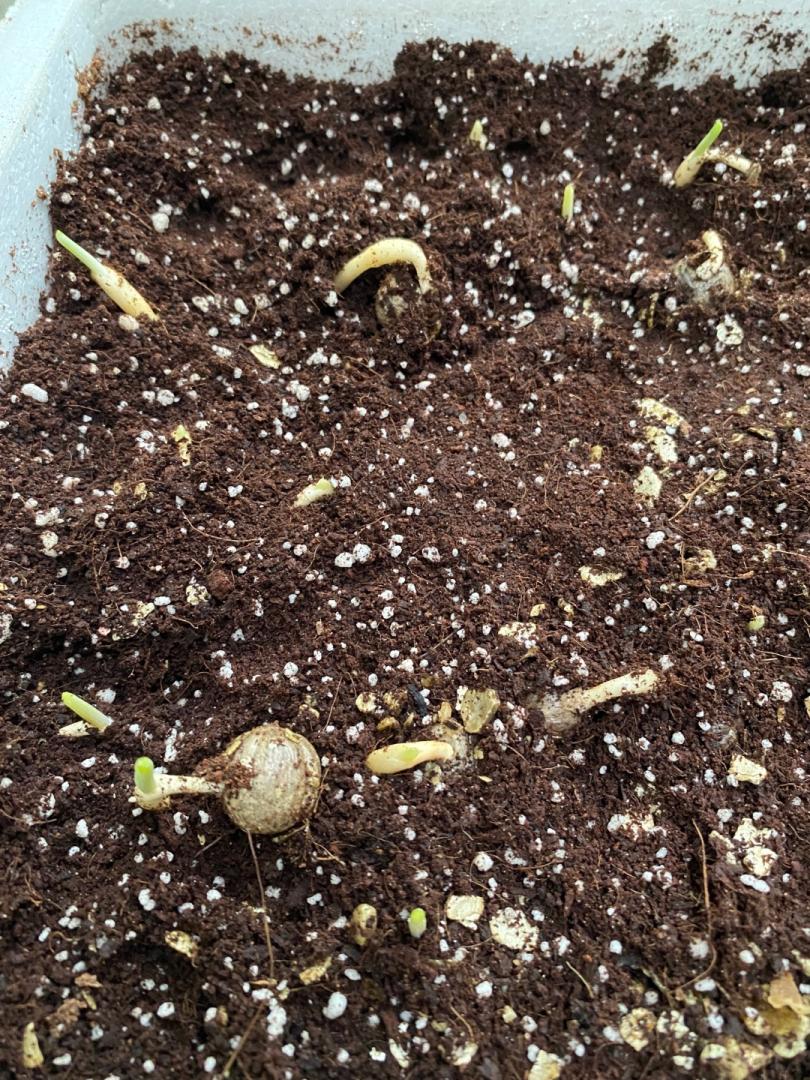
Growing from seed is a rewarding but challenging process sometimes. You can take all the steps necessary to germinate them and get very little or no germination. And then, you will find seedlings popping up where you accidentally dropped the same seeds. Sometimes, you will get 100% germination and then lose them to damping off. Using the scientific methods do not guarantee anything and your box method will likely work to some degree. As long as they get adequate heat and moisture, the medium and container really shouldn’t matter much.1 point
-
I agree most of the stuff is the same. I like Turner’s Nursery as they sometimes have some other options in bamboo palms and different crown shaft palms. They normally have Coco Queens (Syagrus schizophylla x Syagrus romanzoffiana) which are beautiful. Unfortunately I consider that hybrid a pipe dream as the winters have been a bit too severe even along that part of the Texas Coast. There is also Padre Palms and Landscapes which only has larger palms but in a few varieties I haven’t seen at Turners, Adonidia, Bismarckia. Certainly the RGV is the best place to go for more exotic varieties of palms. Seems from the posts I’ve seen on this forum Houston has better options than San Antonio in any case.1 point
-
Earlier today, I removed the remaining marigolds from the pots of my trunk cut Pindo Palm & trunk cut Windmill Palm. I've experienced issues with my larger 3-gallon Windmill recently and was advised by members of the forum to remove the flowers. So I went ahead and performed preventative maintenance on the other two. The marigolds are now in their own pots. That thread is linked below... Anyway, here's what they look like now. Both were trunk cut in mid-April...

 1 point
 -
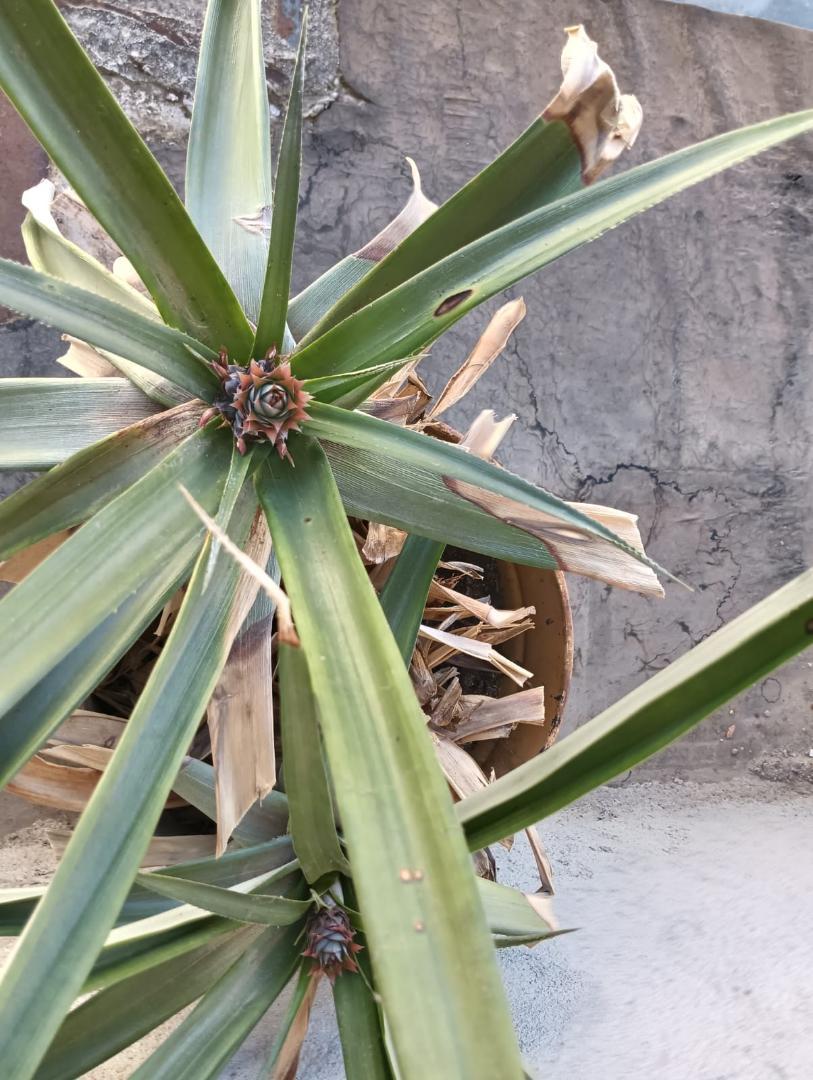
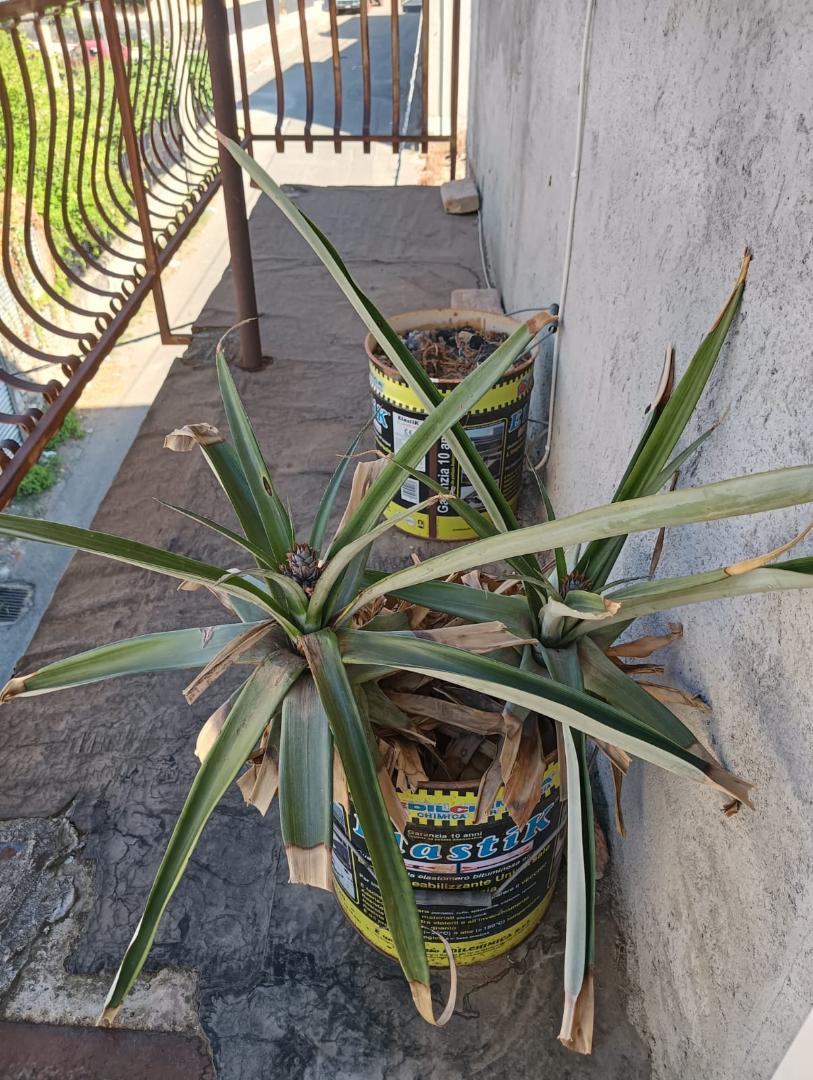
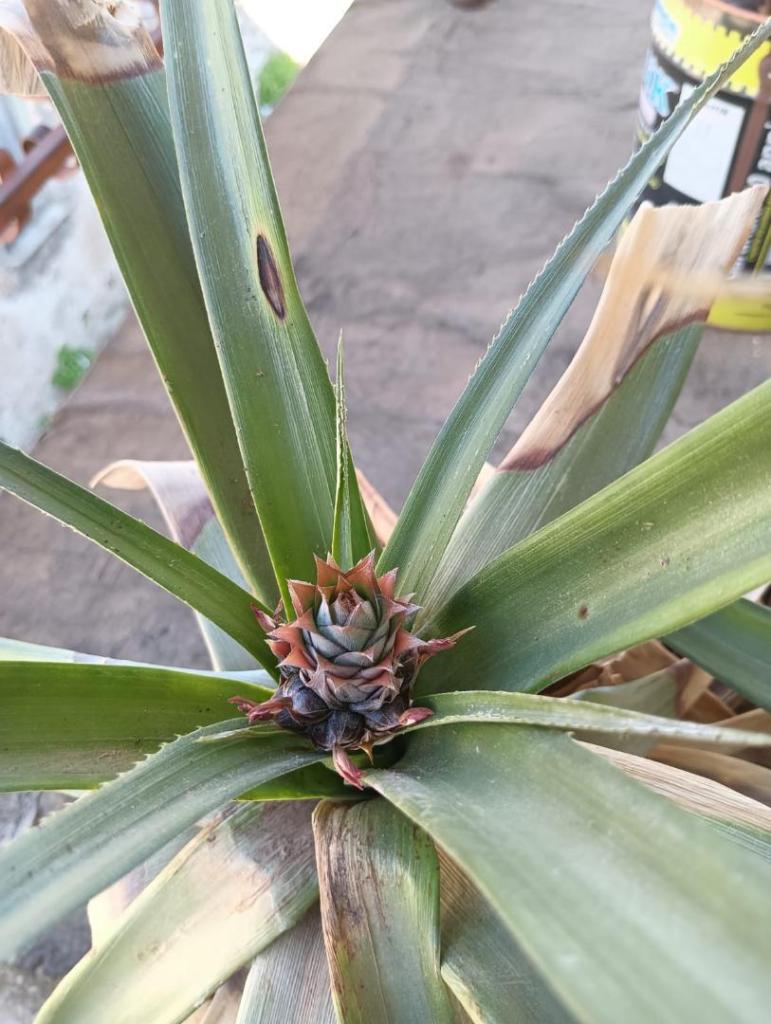
Pineapple update:


 1 point
 -
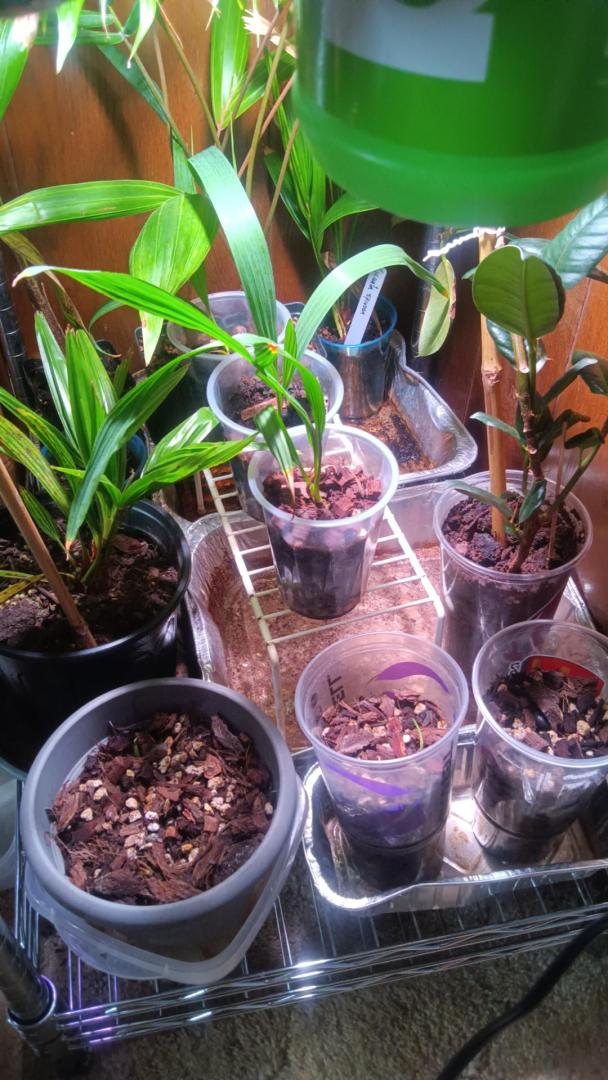
Also meant to add this earlier. The Palm Condo™ is a little fuller now, a couple individual Sabals and a community pot of Mexicana. And I really need to do another community pot or 2 of Mexicana, I have 3 L. Chineseis that have sprouted. And I need to pot up and maybe separate the Sabal Etonias from @kinzyjr, the roots are circling the bottom of the cup and there's gotta be 10 in there. And I honestly don't know what else is coming. More Trachies and whatever @teddytn throws in the next box. I also ordered a couple more bulbs and corded sockets. At least one is going in the ceiling over the Future Spider Mite Factory™, so I can move some of the taller stuff over there and free up the Condo space for seedlings. Speaking of bulbs, it's insane how expensive some of them are now. The same ones in the Condo, I think I paid $9 for and my big one with the crazy heatsink... I dunno I think it was $19? Anyway it costs like $50 now. Anyway I ordered these. https://a.co/d/0MfbjLr I thought about tubes or strips, but you can either buy some garbage that doesn't really do anything or you can pay a grip. I think the other one is gonna go into an old gooseneck lamp I've wedged into a shelf. I really need to spread out my Philodendron, I need to make Ti cuttings, etc. Anyway just pictures of shelves that aren't as empty as they were last week.

 1 point
 -
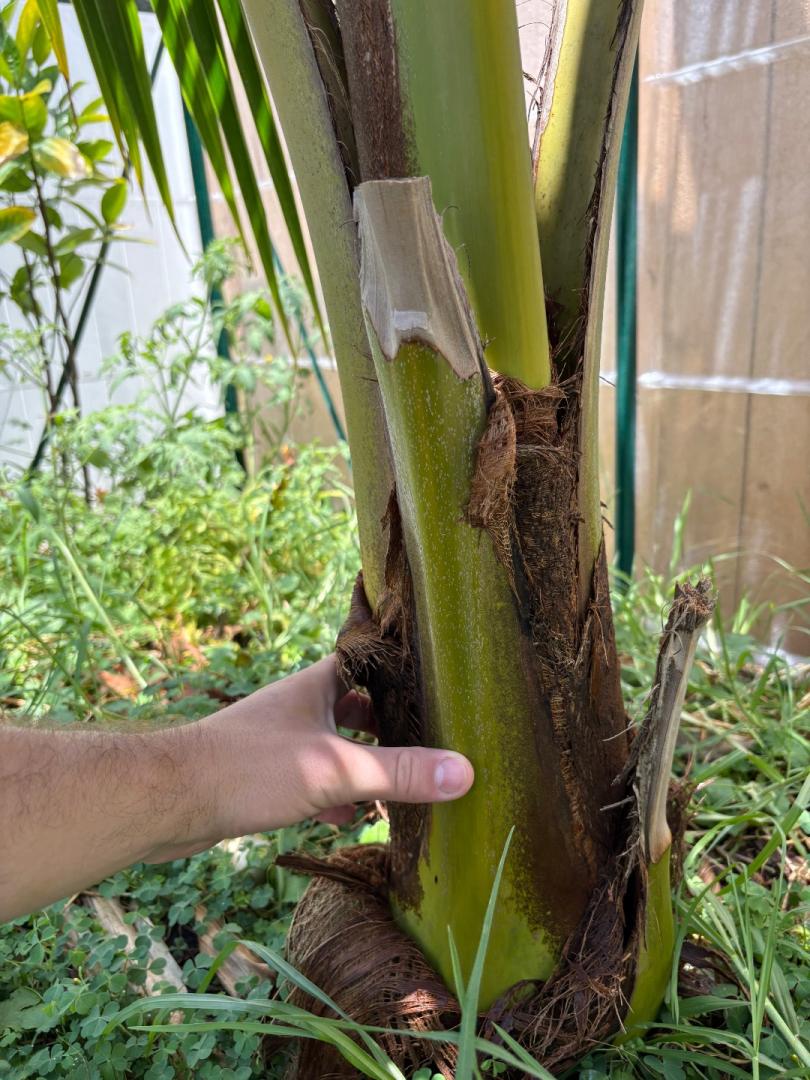
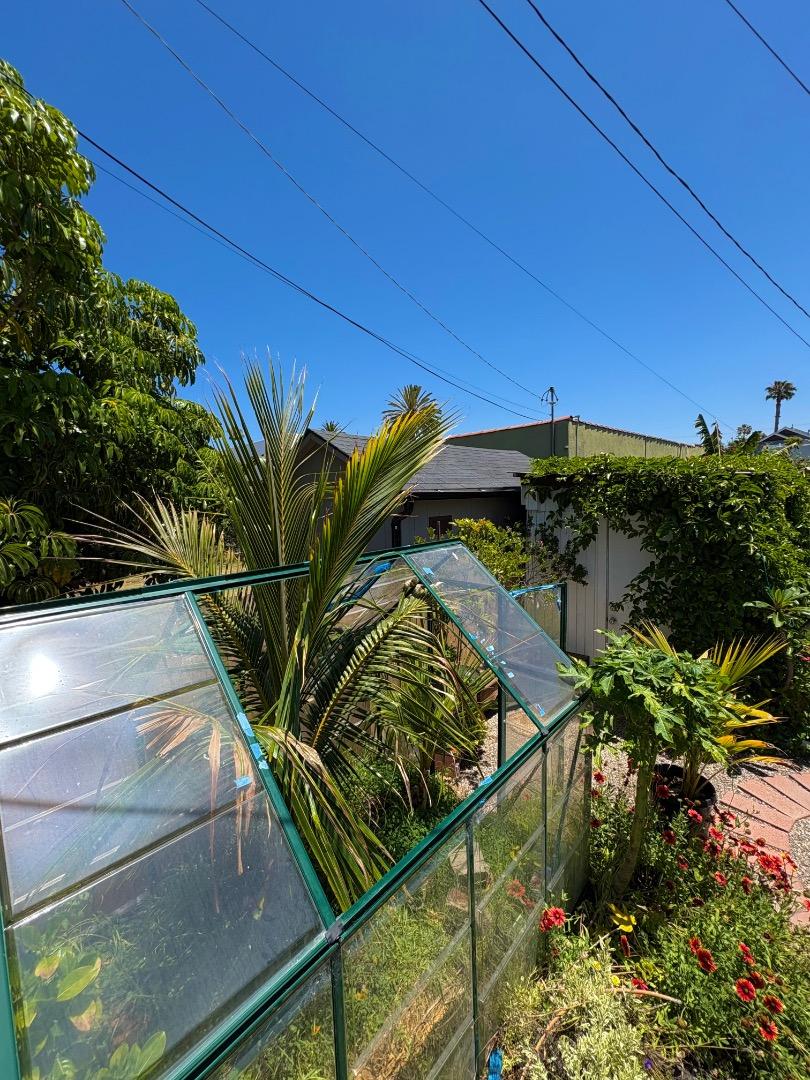
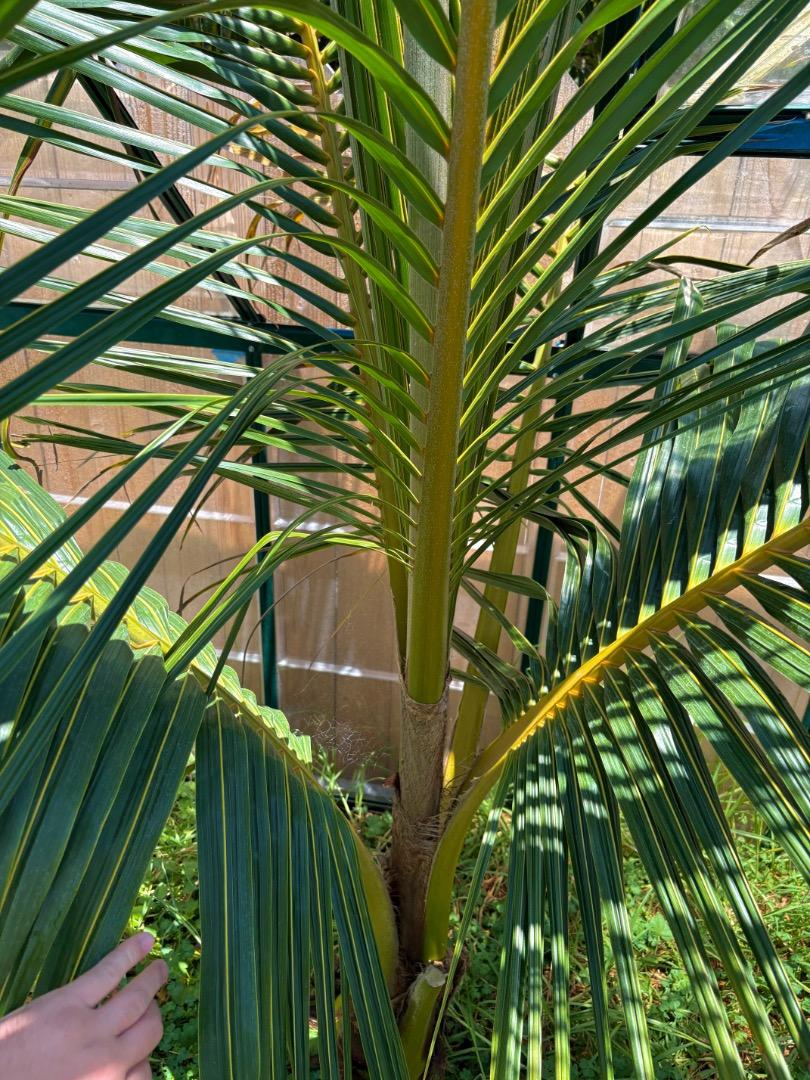
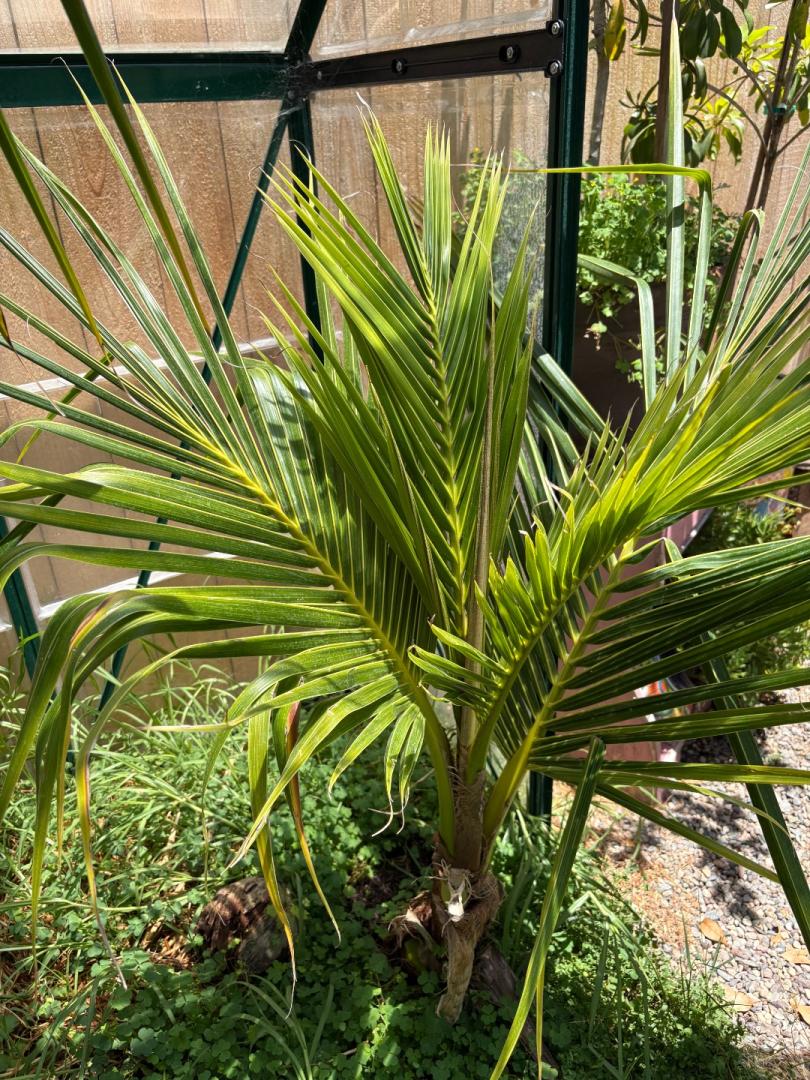
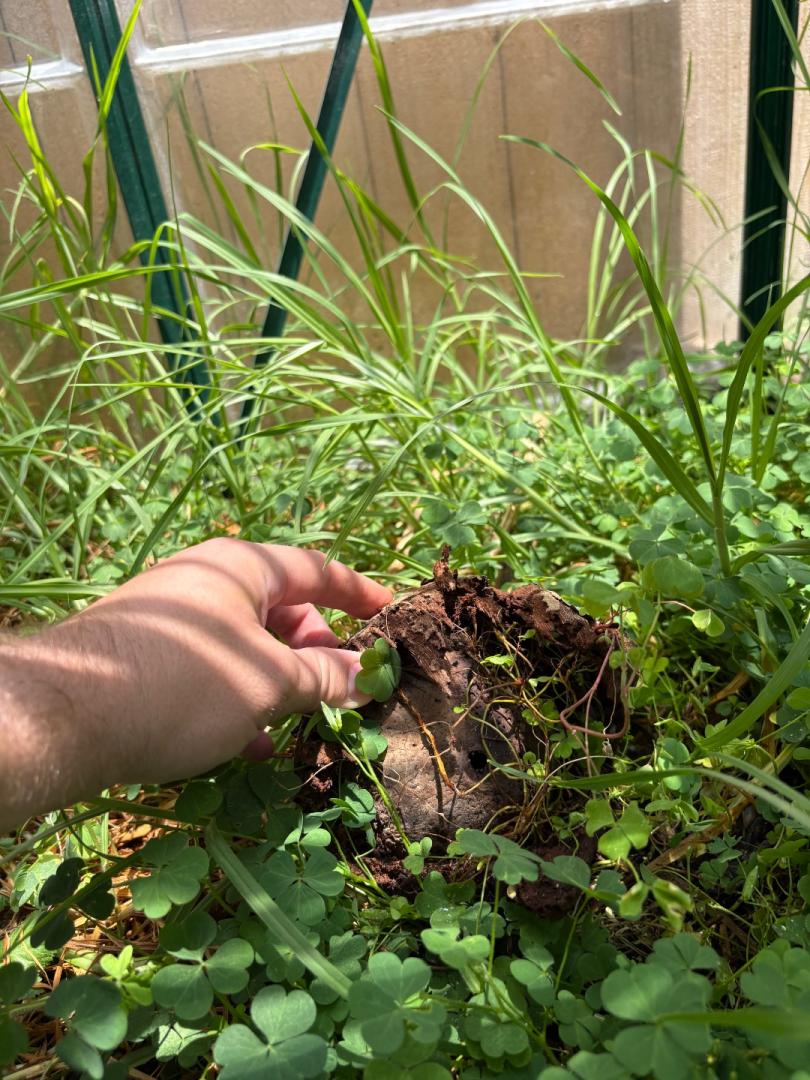
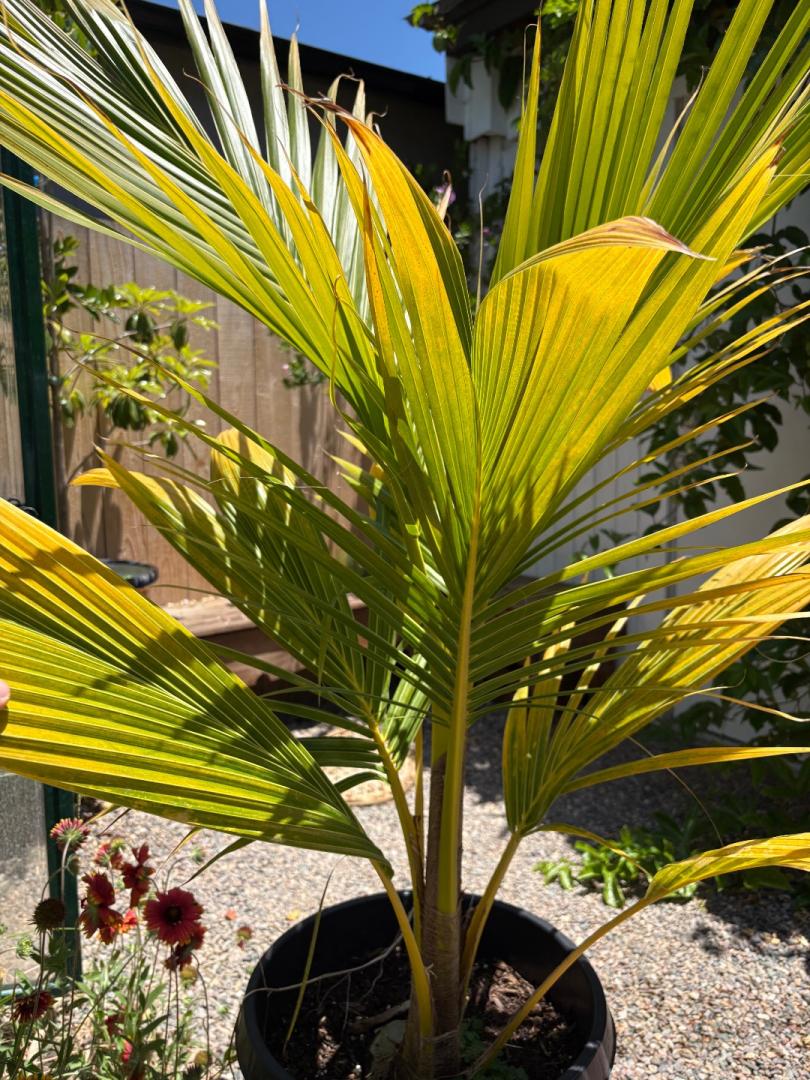
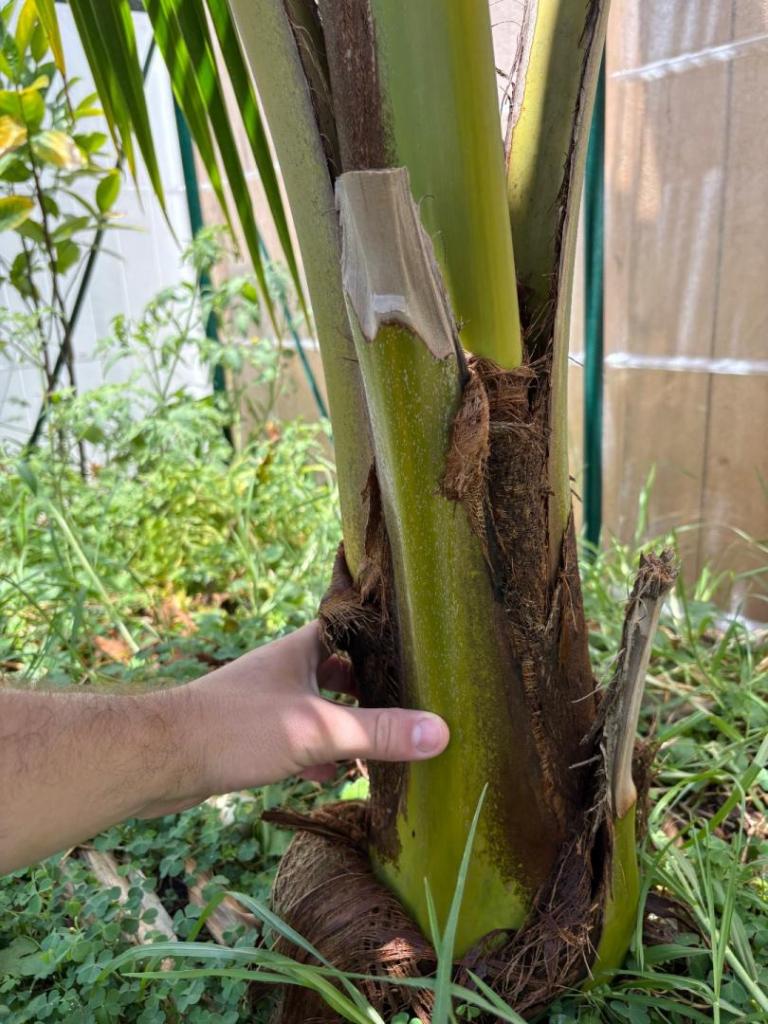
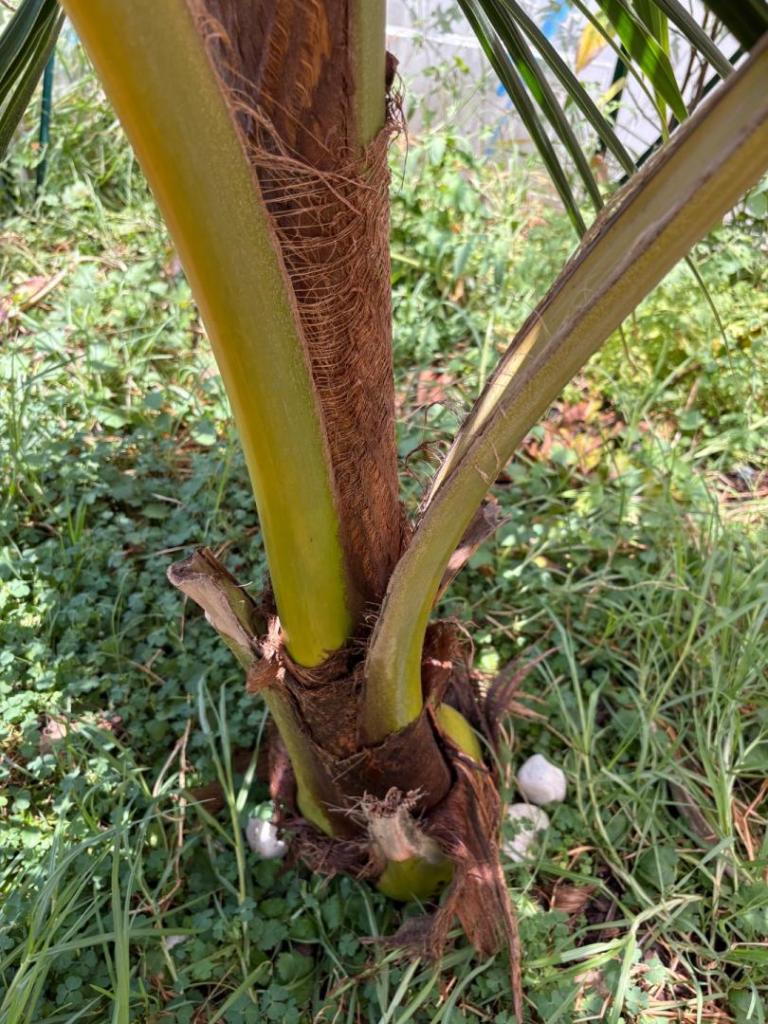
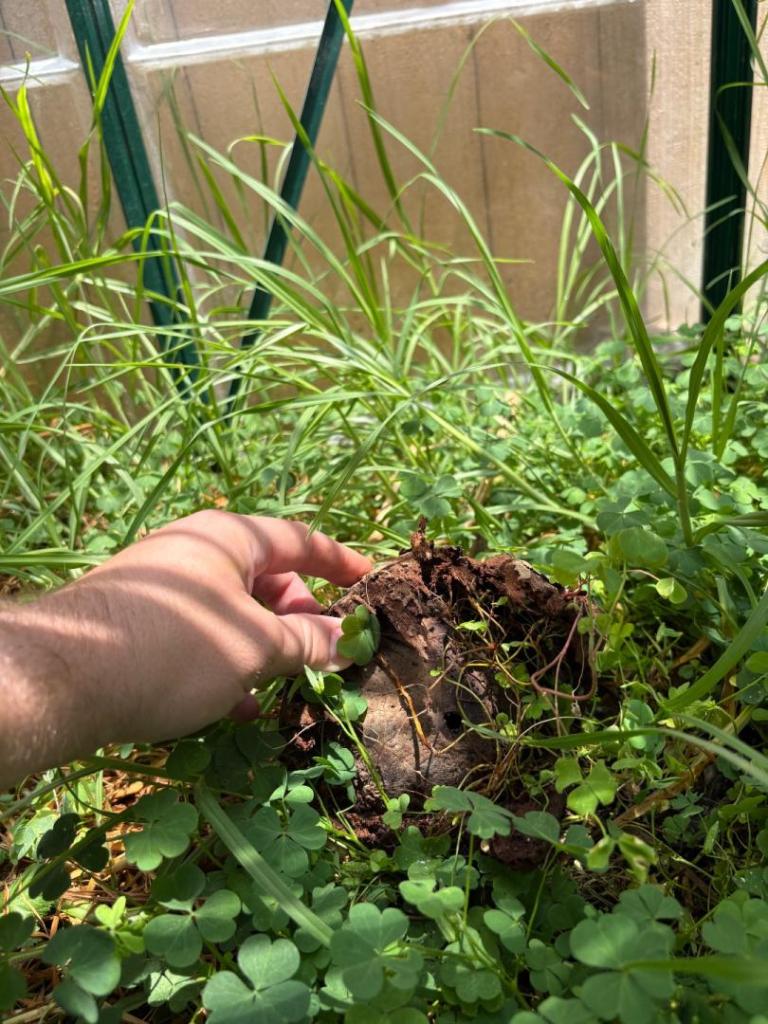
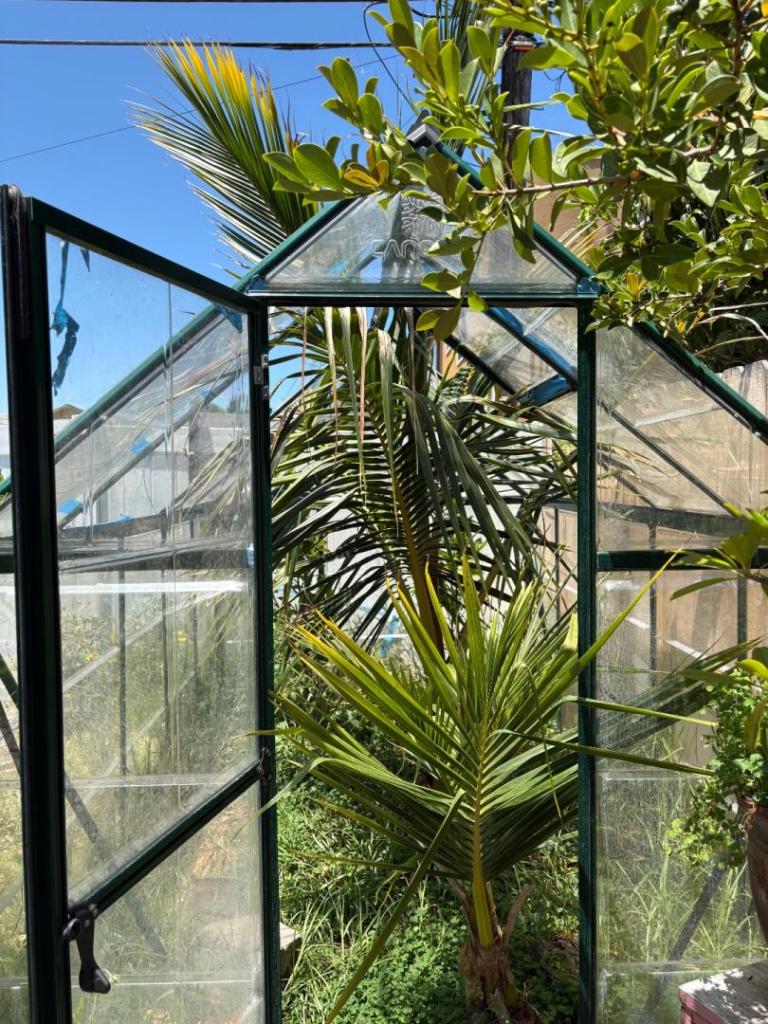
July 6, 2025 Ive been gone quite a bit so I can only hope they’ve been watered as much as I’ve instructed but the plants tell on them. 😡Since under all the homedepot soil is native pure clay, I wonder if they have a natural reserve of water down there. The large coconut has gotten so tall I have to get on a ladder to show the top. It must be near 11 feet tall. The new fronds are massive . Now that I’m home for good I will remove what’s left of the greenhouse structure. I am worried about rats so if anyone has any methods I’m all ears bc I have tried all the normal stuff and they seem too smart for traps. Here is this one. I removed the actual coconut and you can see how little it is. Maybe that’s why the plants so little? Here’s the yellow potted one. He grew but shows some signs of not getting enough water I believe.



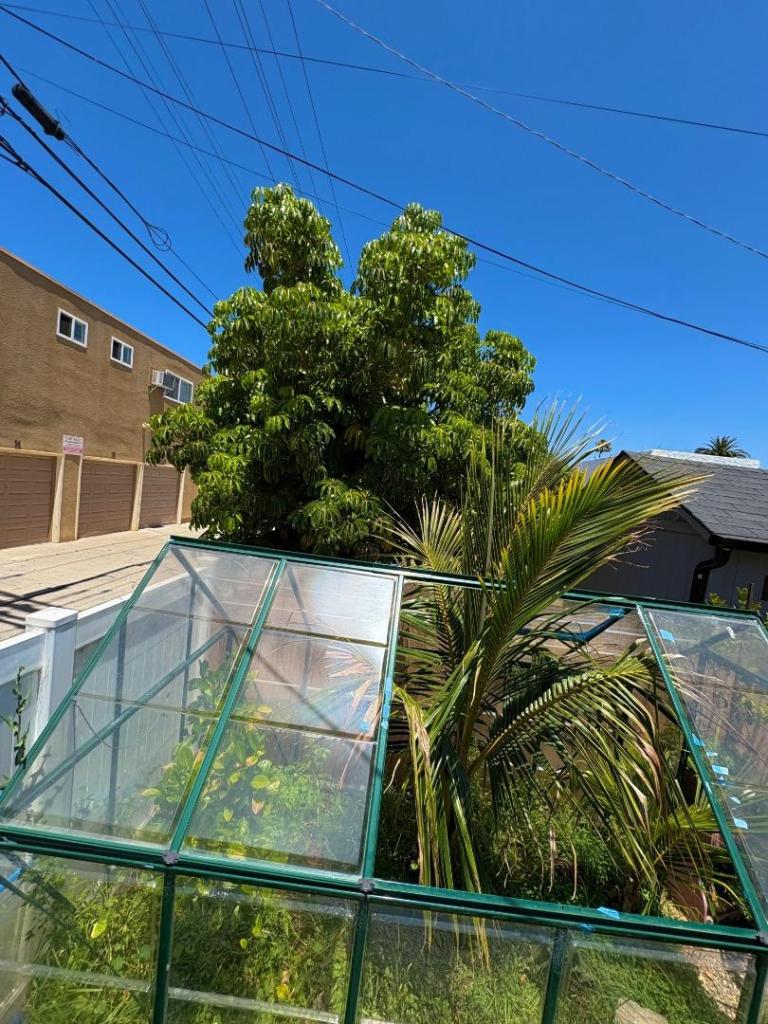
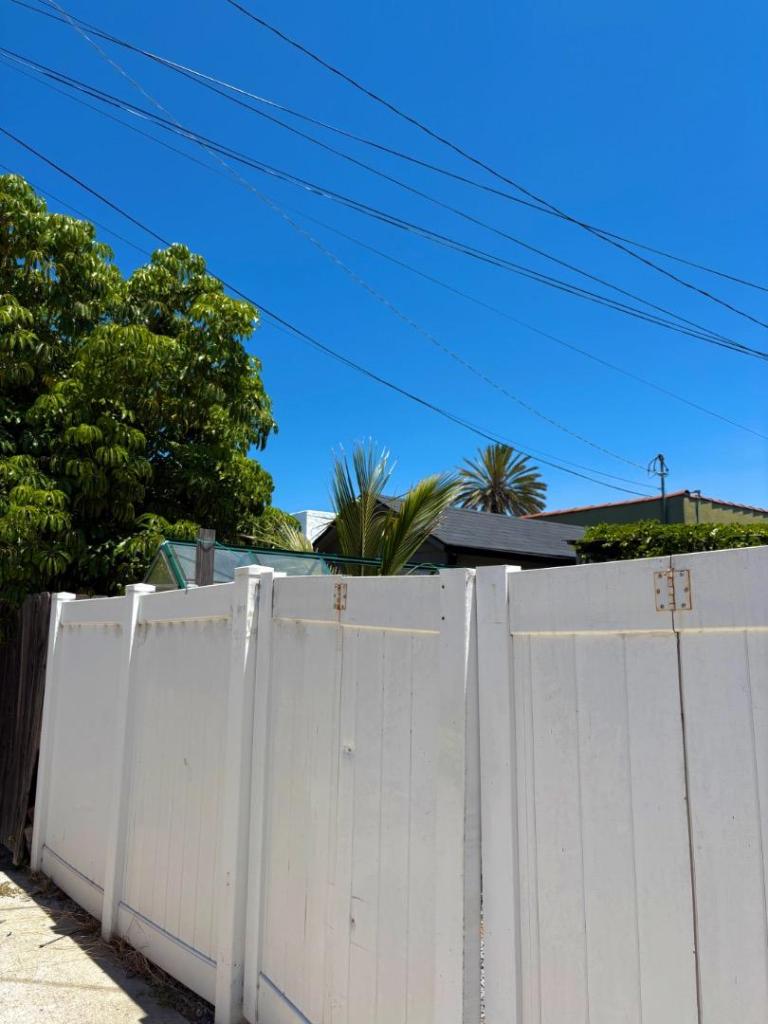


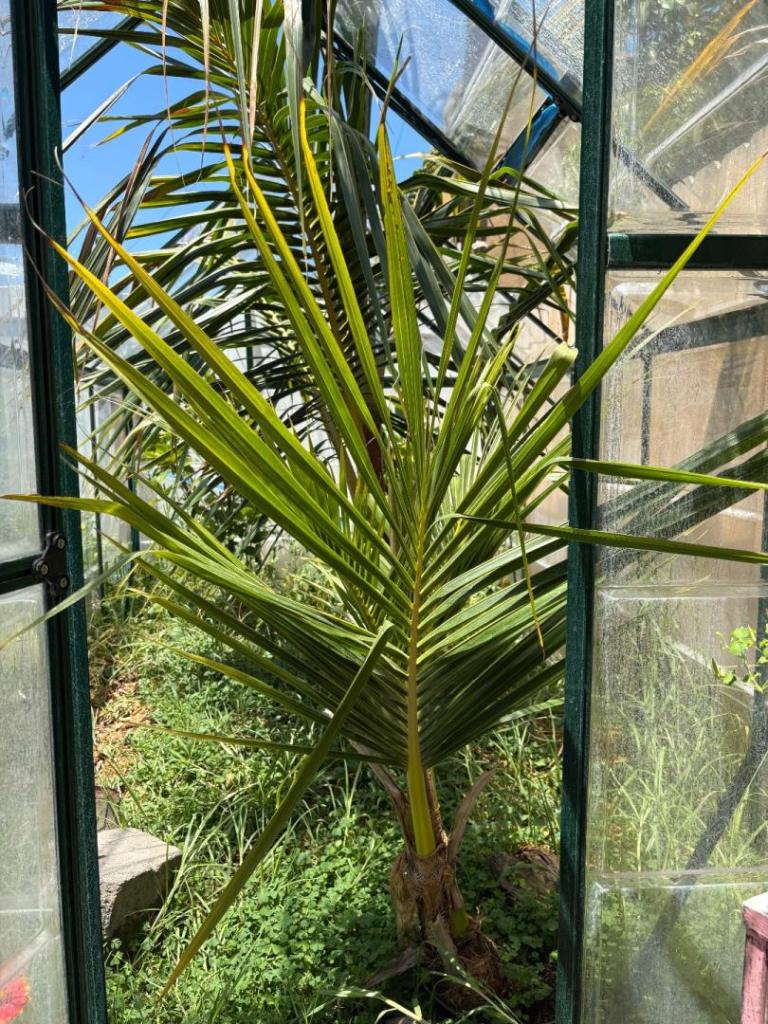
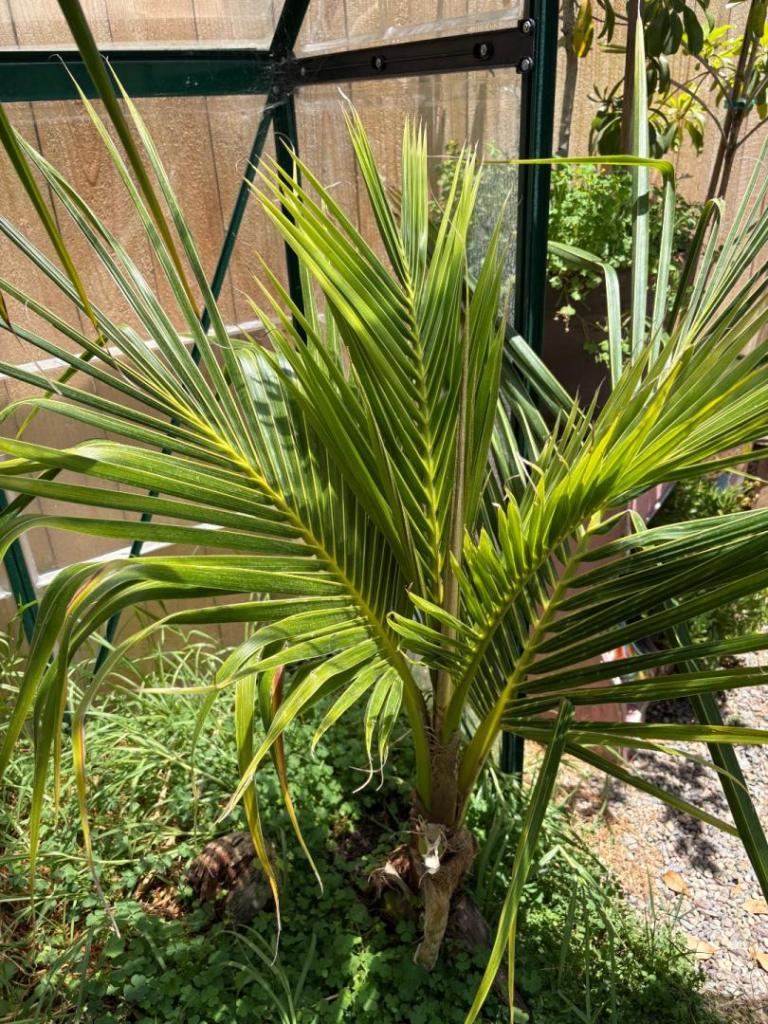


 1 point
 -
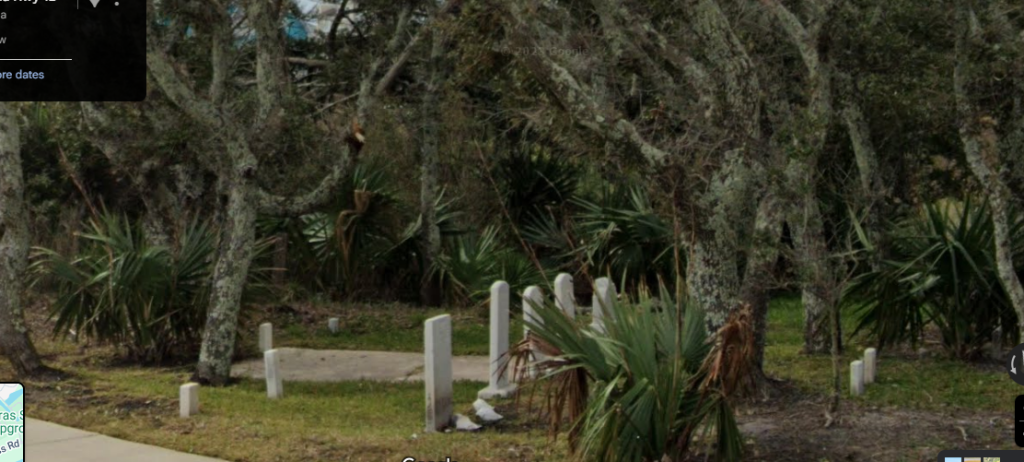
Here are some of the native Cape Hatteras Sable Miners they are absolutely everywhere!!!!


 1 point
 -
The idea that huge palm like Washingtonia robusta would have a narrow-diameter root-system similar to much smaller palms truly strains credulity. Basic logic (and physics) informs us that a palm such as Washingtonia robusta or a tall Cocos will require a very broad field of roots just for their physical stability. Per Broschat and Melrow, "Palm roots are capable of significant lateral growth; roots of some palms have been measured well over a hundred feet from the parent trunk." A friend of mine on the Long Beach strand on Big Pine Key (in the Florida Keys) discovered to his chagrin that his beachfront house had lost all of its sandy beach after a major hurricane (either Georges or Wilma), but he marveled at the suddenly revealed, huge net of roots spreading out from his coconut trees. He said the fibrous root system extended at least 100', well beyond his property boundaries. This is certainly a factor in the ability of these trees to withstand almost unbelievable wind-forces and remain firmly in the ground and upright. Also, the "root initiation zone" does not refer to the width of the root-system, but rather to the zone at the physical base of the stem/trunk in which roots are initiated (and this can be a constantly regenerating area of new roots to replace those older roots that die off or are physically damaged). This zone can extend upward along the trunk for some distance in cases of stilt-root palms, or along the ground-facing stems of "crawling" palms such as Serenoa. Clustering, small palms will of course have a very different root-zone from tall/massive solitary palms...and details will depend on whether they are growing in desert, mesic, seasonally flooded, rainforest, etc. environments. And so it follows that palms from very dry areas (or seasonally wet/dry areas with extended droughts) will need to have roots that can tap into groundwater supplies, as WesTex suggests. A palm like Washingtonia robusta, which pops up in the cracks in bone-dry, almost completely impermeably paved parking lots across Southern California, or in the searingly hot, dry desert of Palm Springs, must additionally have the ability to send down very deep roots to locate groundwater. Some of these groundwater resources will be quite deep. So, in short, every palm will likely be different in the details and scope of its root-system, and it is best to consider each species--indeed, each specimen--on its own, and within its individual circumstances, rather than rely on generalizations of dubious origin. Plants will do what they need, within their own physical limits, so I think the answer for any palm is just "follow the water, stand up to the wind." Whatever it takes to survive.1 point
-
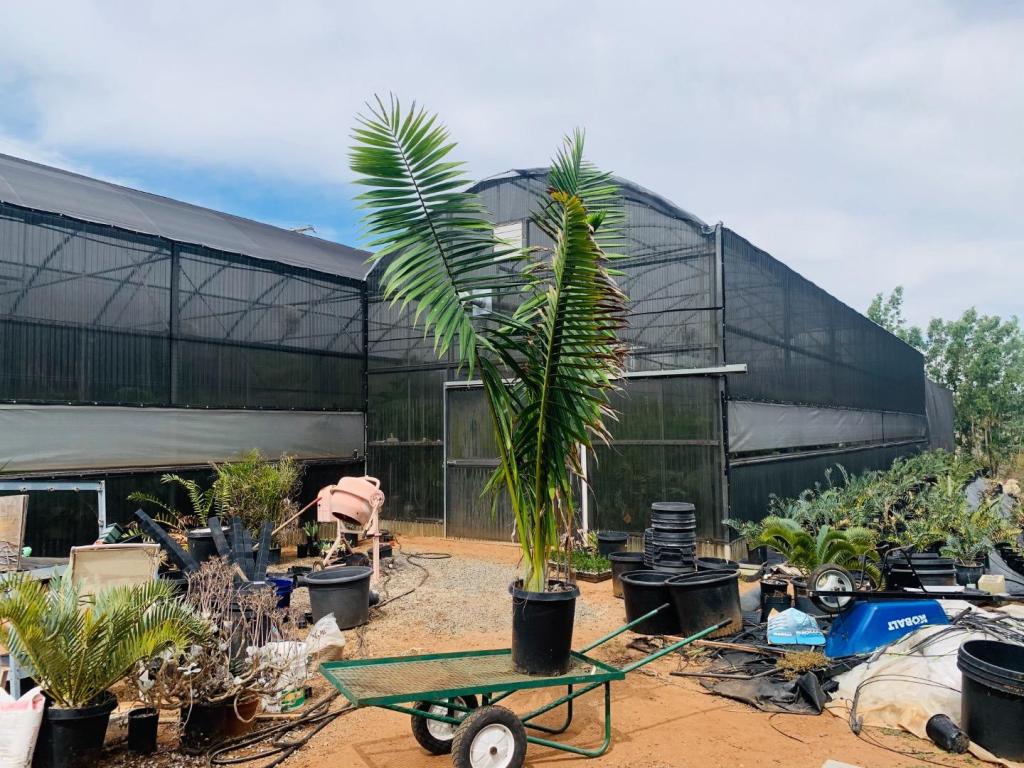
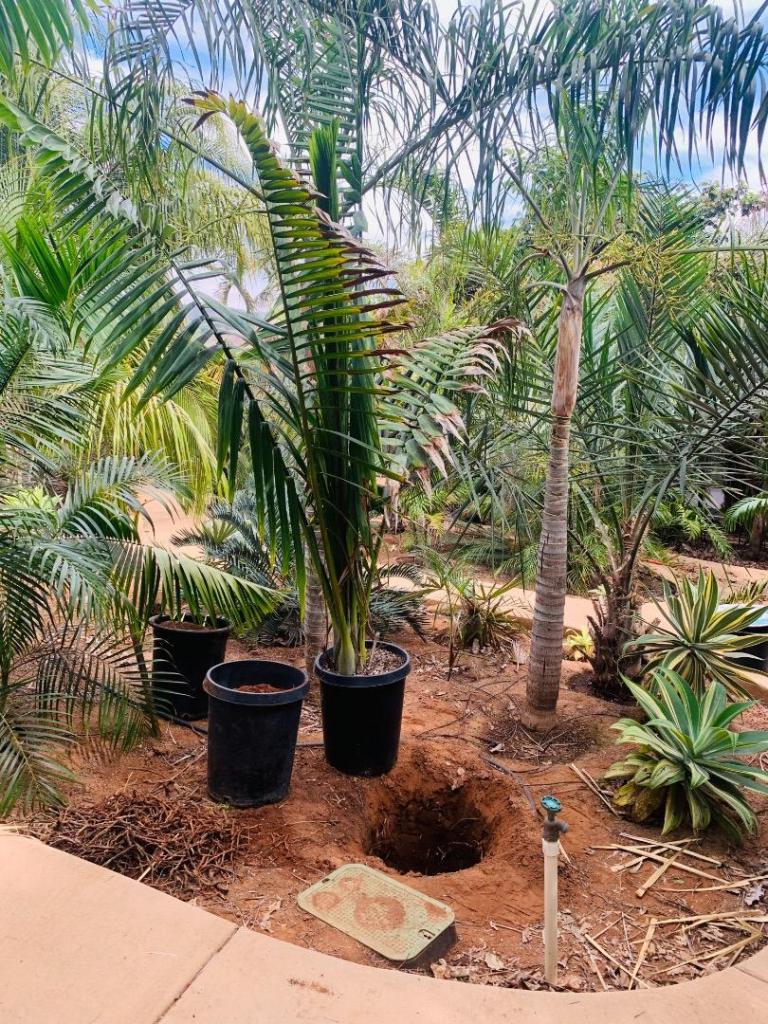
Dypsis robusta made it way into its forever home. Grew this from a tiny 4 leaf seedlings back in 2014. super slow grower. And just think, that’s greenhouse years not outside growing years.
 1 point
 -
Cryosophila seeds are fairly tropical and can be germinated by baggie or compot. In summer place outdoors under shade. In winter use a heating mat. They are no problem. H. belmoreana is a temperate palm that hates high heat, even more so than H. forsteriana. Do no try to germinate them any hotter than room temperature (70sF). In summer that means keep the seeds indoors with no additional heat. Both Howeas come from a cool/chilly climate. Forsteriana grows at the lowest altitudes of Lord Howe Island, belmoreana at a higher altitude. Both are tricky to keep alive here in FL. I have one of each still alive in our jungle. The other two species - Hedyscepe and Lepidorrhachis - are impossible grows in the SE US because of the summer heat.1 point























.JPG.cfb67499185c65c5b0a1e8b5736e29de.JPG)