Leaderboard



Popular Content
Showing content with the highest reputation on 07/20/2025 in all areas
-
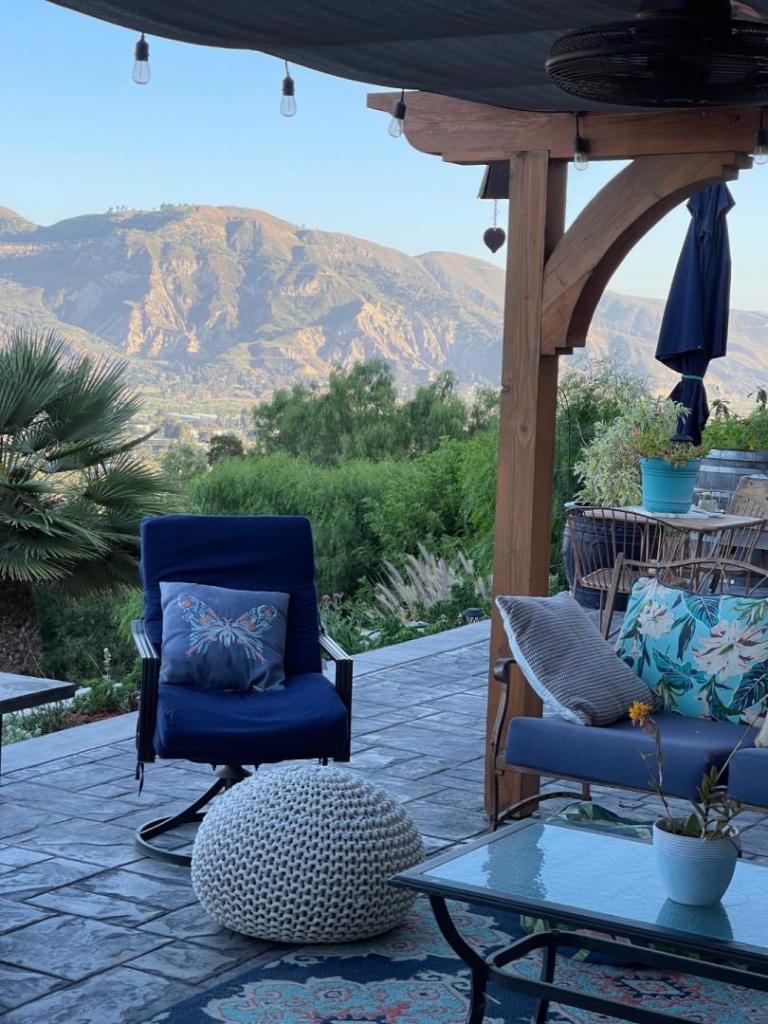
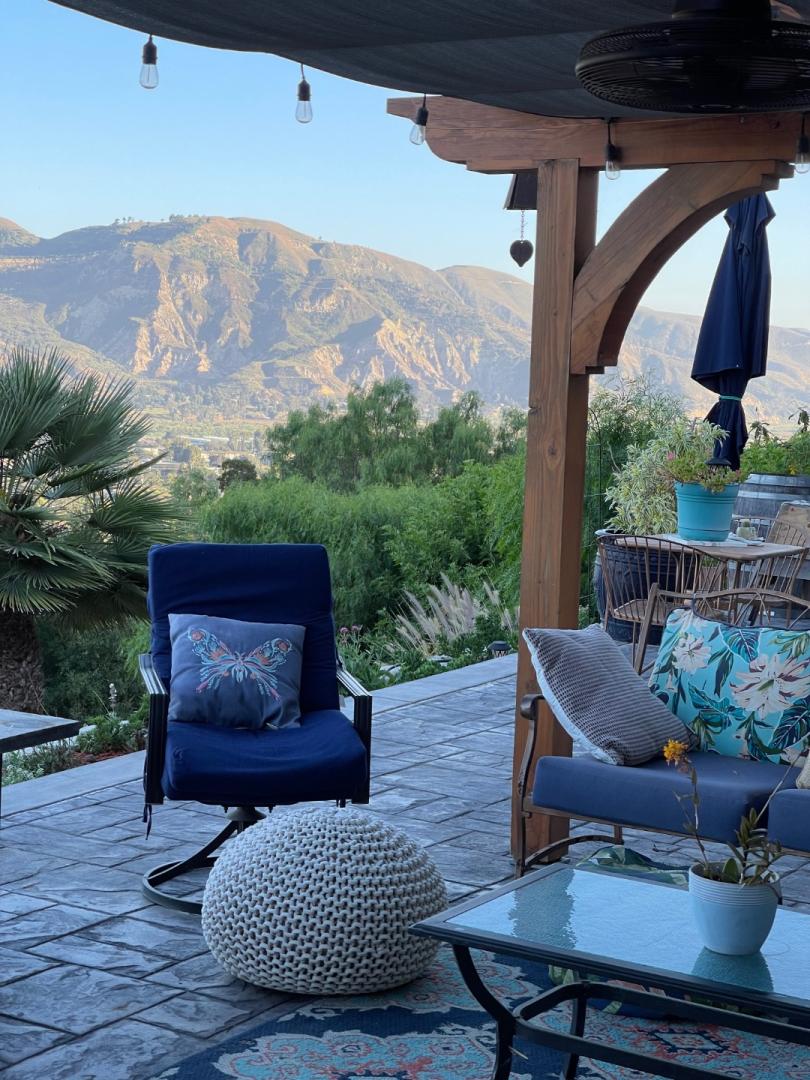
I have a great view here facing southeast and west . It is the reason we bought this house 28 years ago. Our main bedroom , living room , kitchen and dining room are all on the view side of our home. Most of the south facing side of the house is glass with a stackable glass sliding door to merge our living room with the deck.We extended the deck space by adding a retainer wall many years ago . Two years ago we had a large stamped concrete slab to replace the flagstone that was not practical. Harry ‘The deck is about 60’ wide , this is right off our living room. Looking west in the evening About mid day Night time with the smoke from the fireworks , July 4th


 5 points
 -
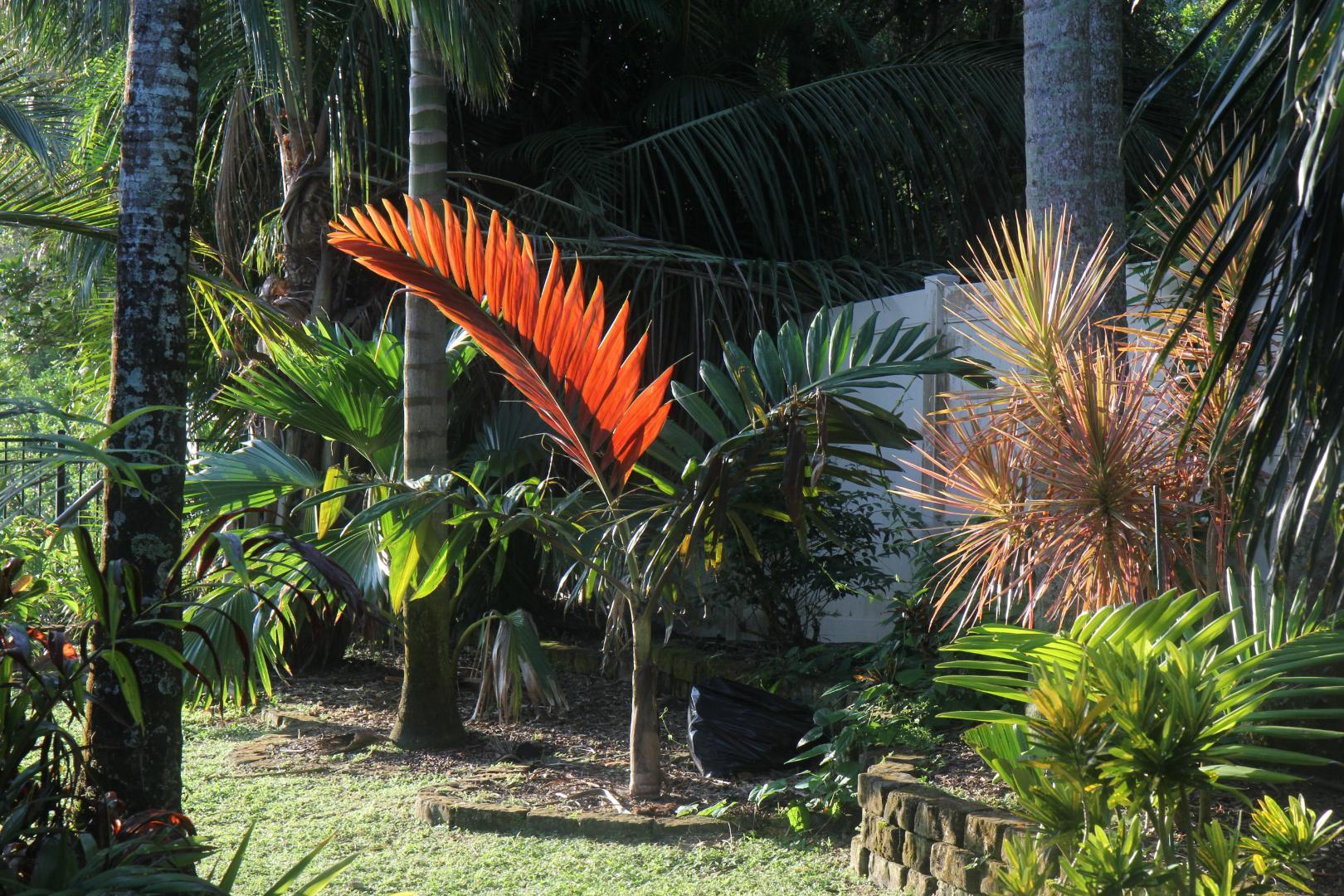
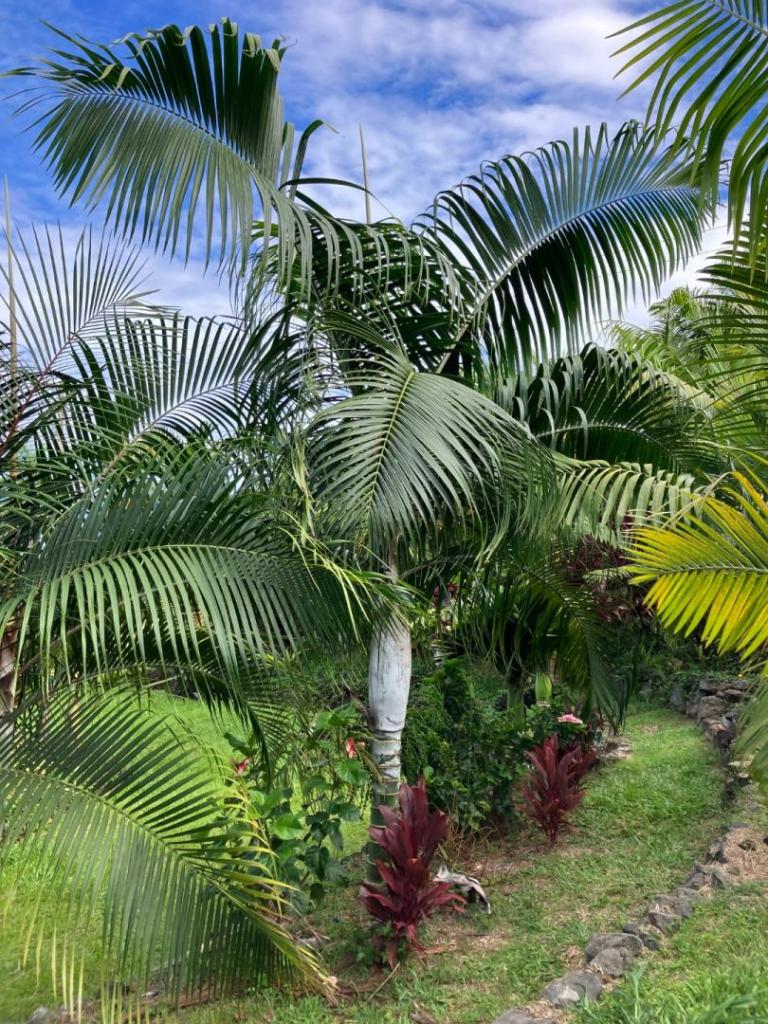
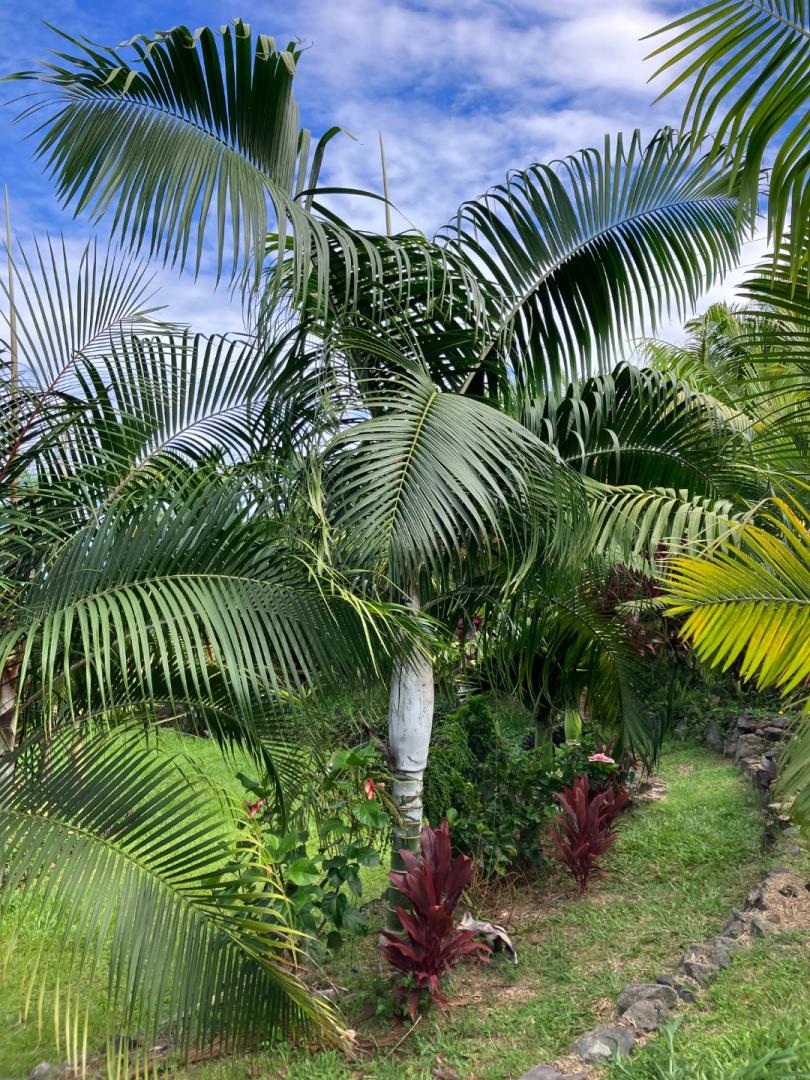
Chrysalidocarpus Mystery with nice coloring has caught my eye lately:

 4 points
 -
Thought I would add some pics to this thread of a Hovomantsina Hybrid that is m growing. Very fast palm, has gone from a 1 gallon plant to the size it is now in less than 5 years.

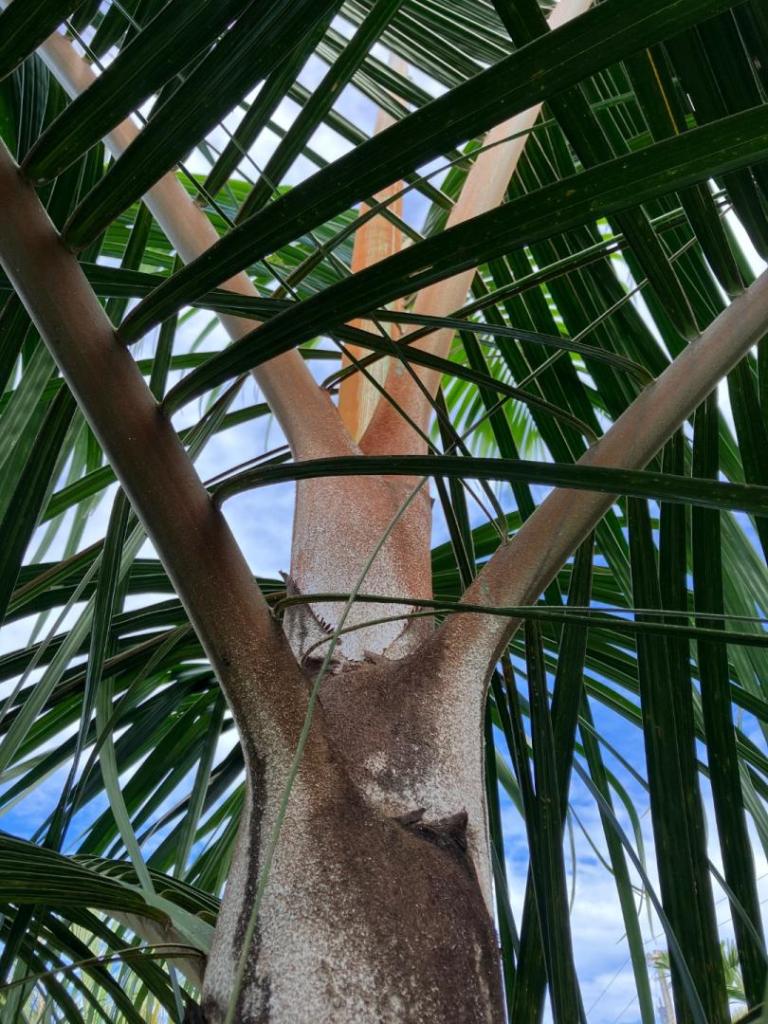
 4 points
 -
Getting in size! 20250720_123429.mp4

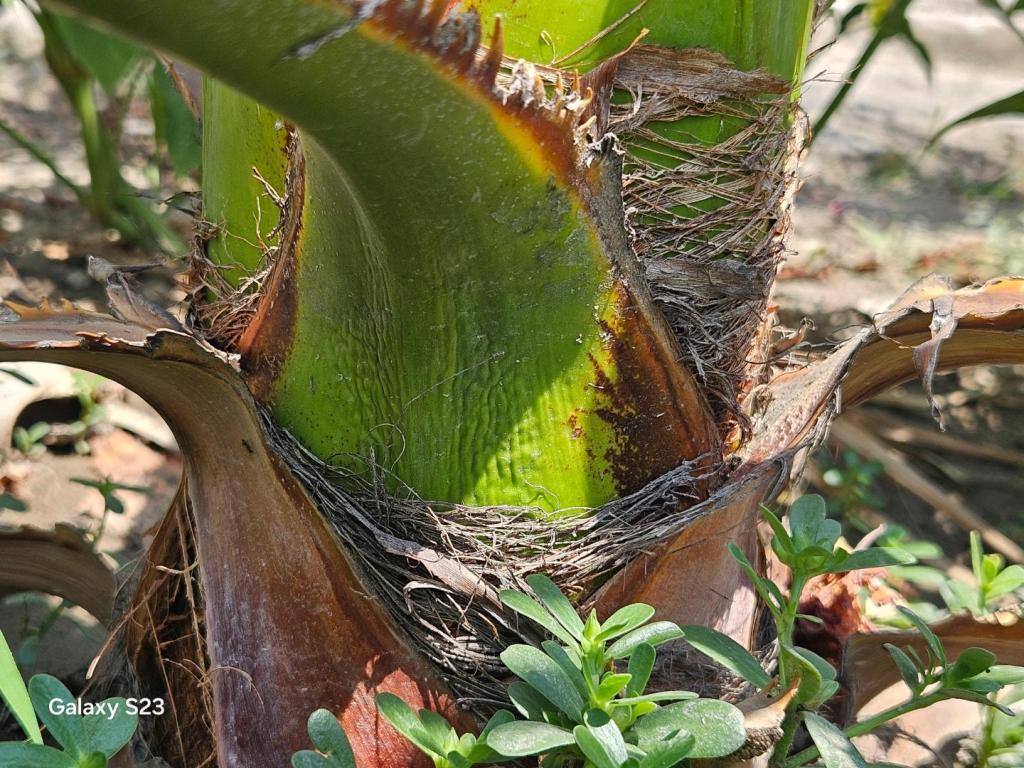
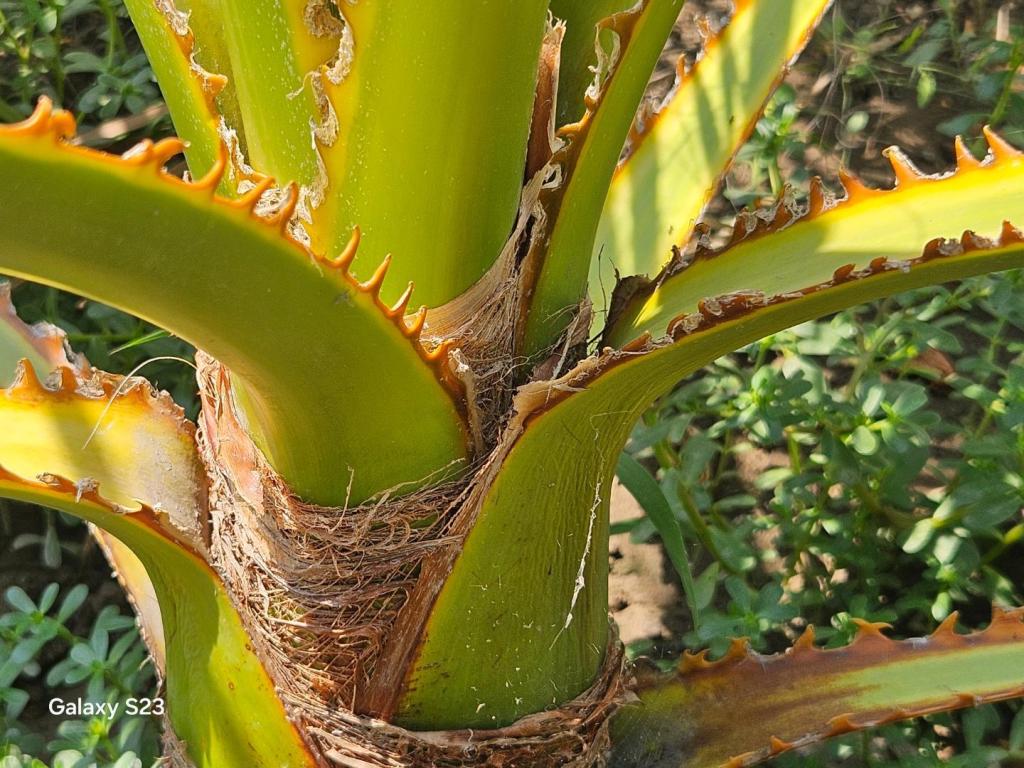
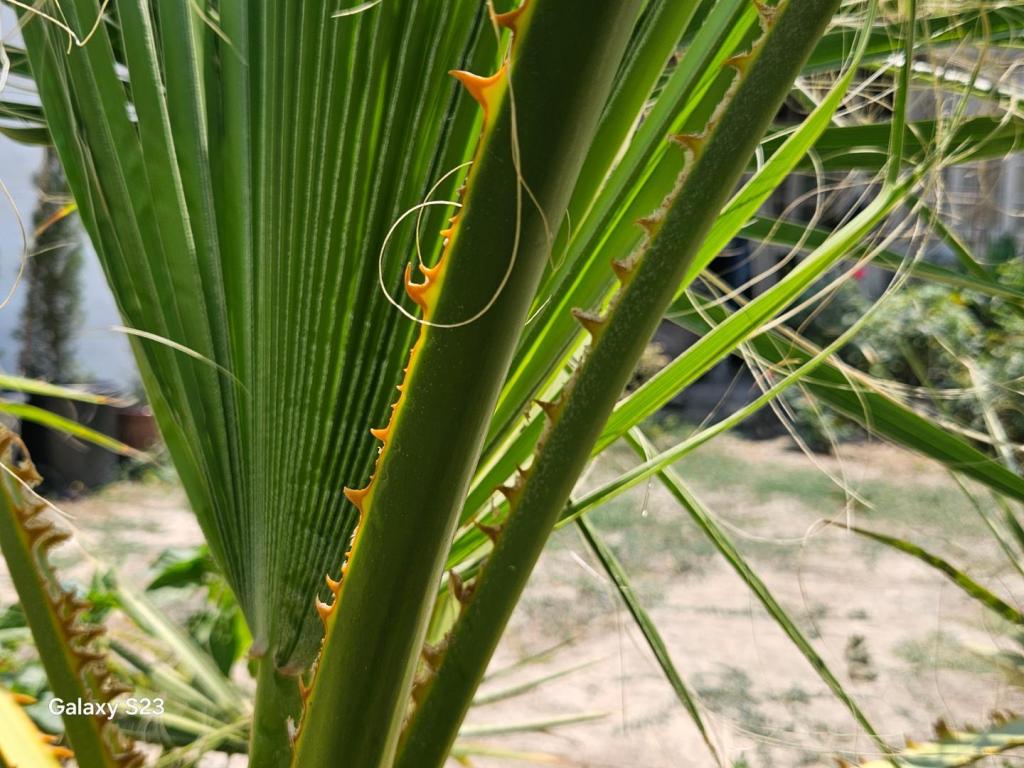
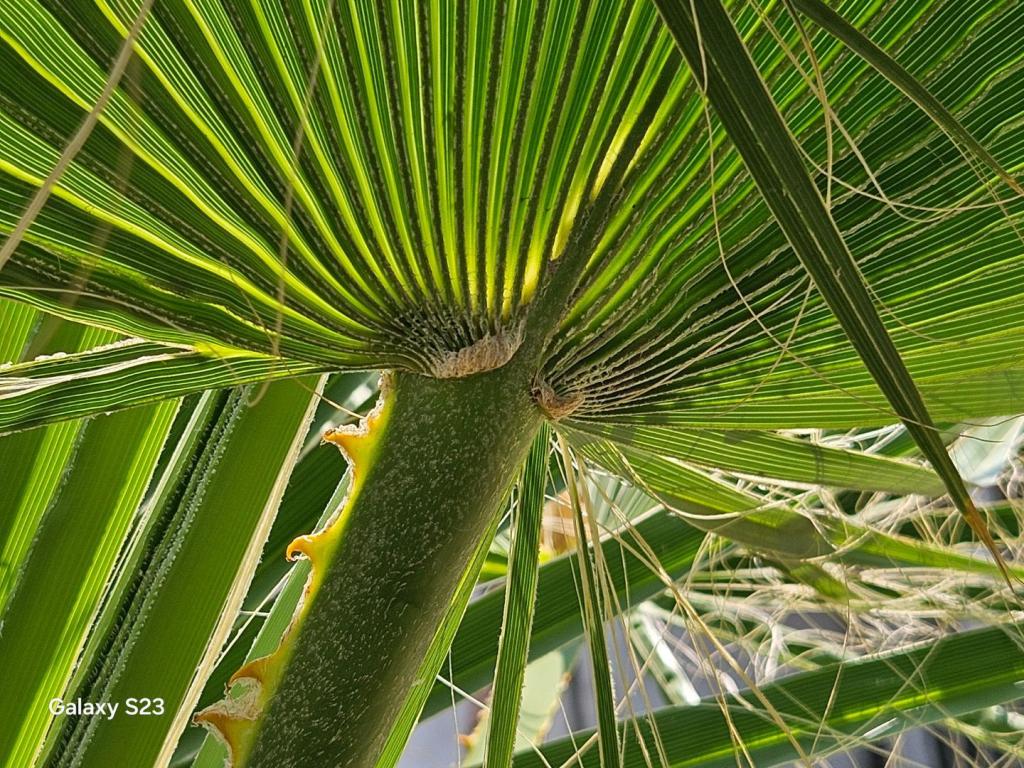

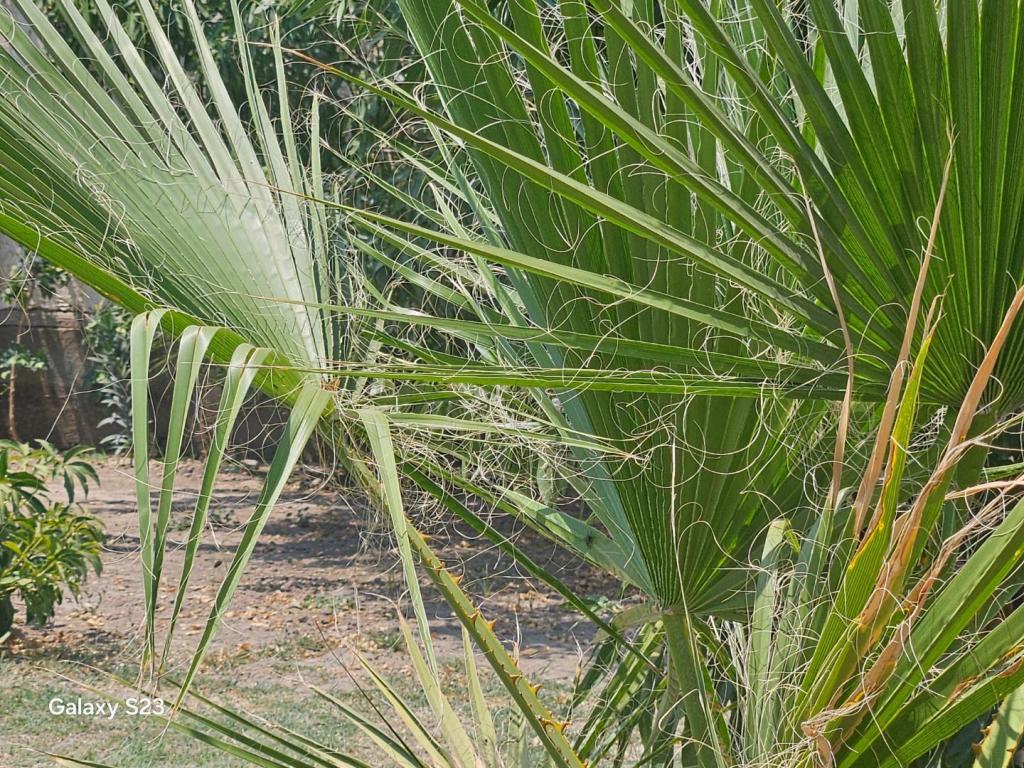 4 points
 -
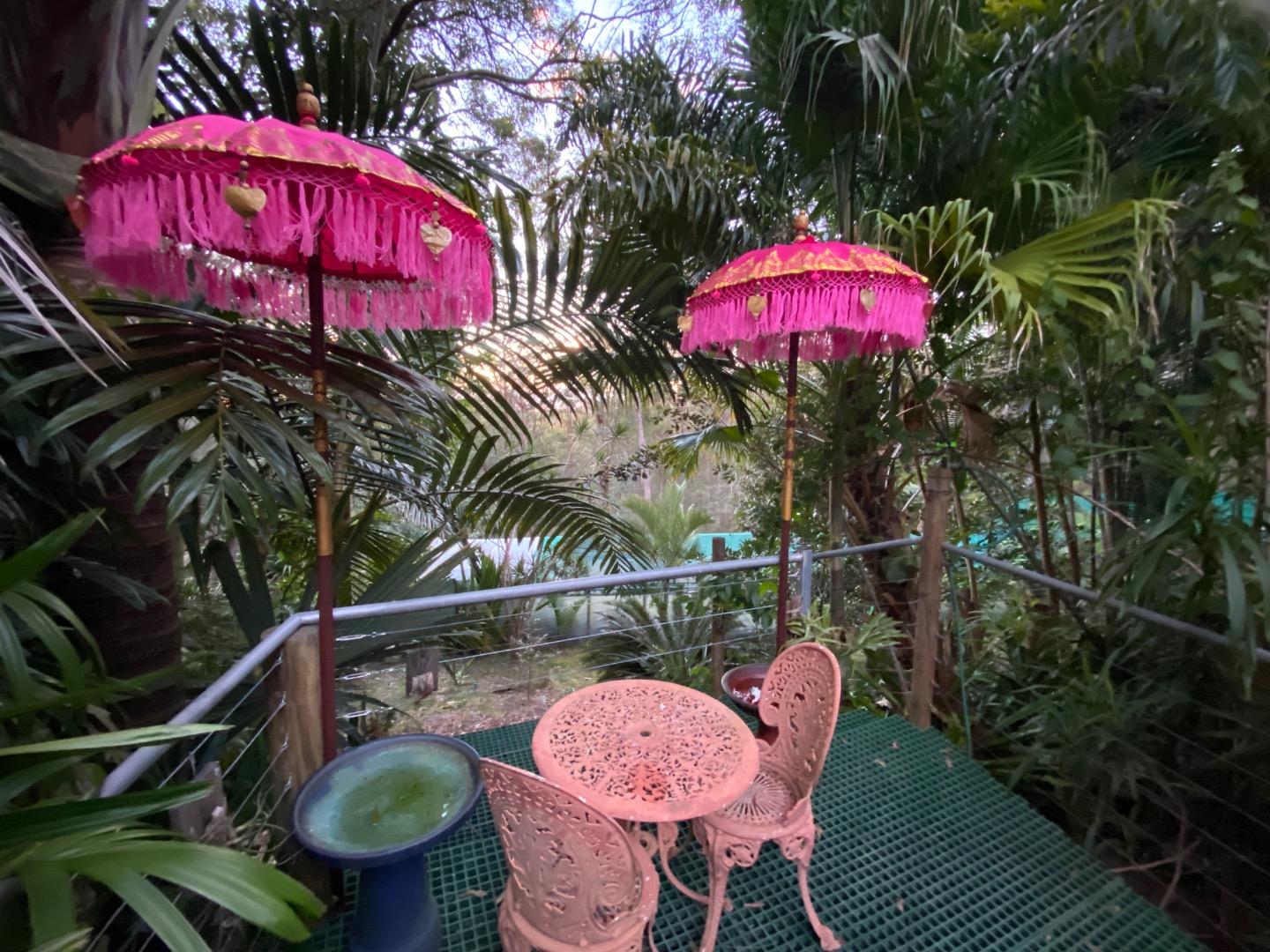
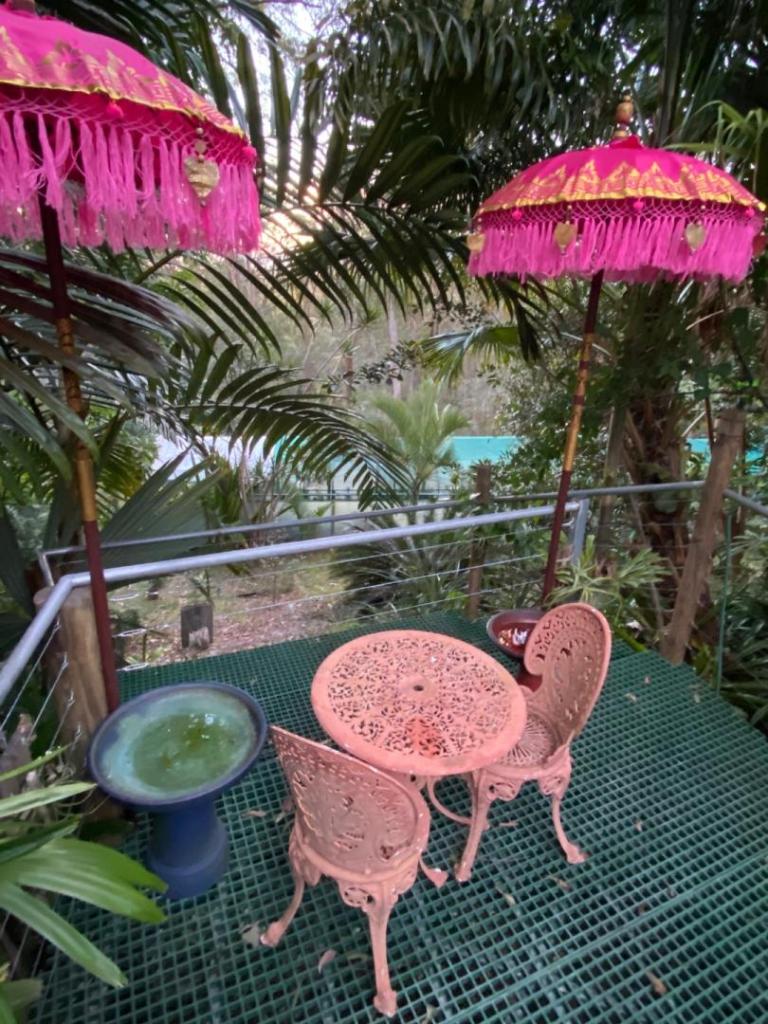
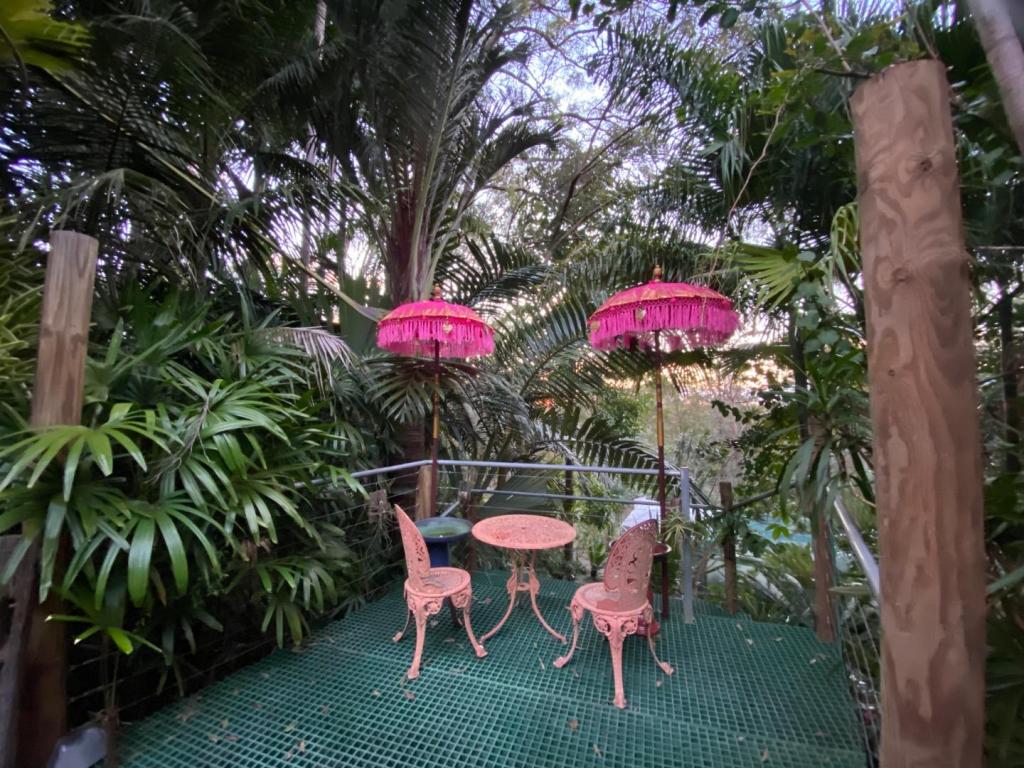
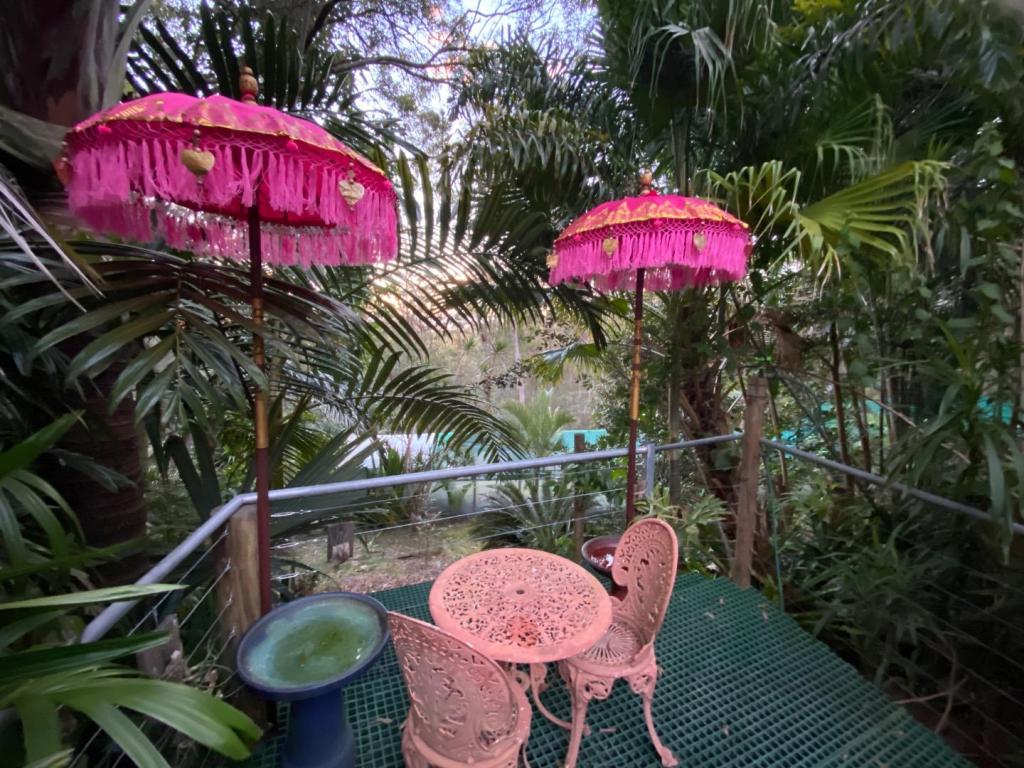
The back deck views. Furniture and catio are all covered for the overnight dew, so none of the actual deck is in either photo.

 4 points
 -
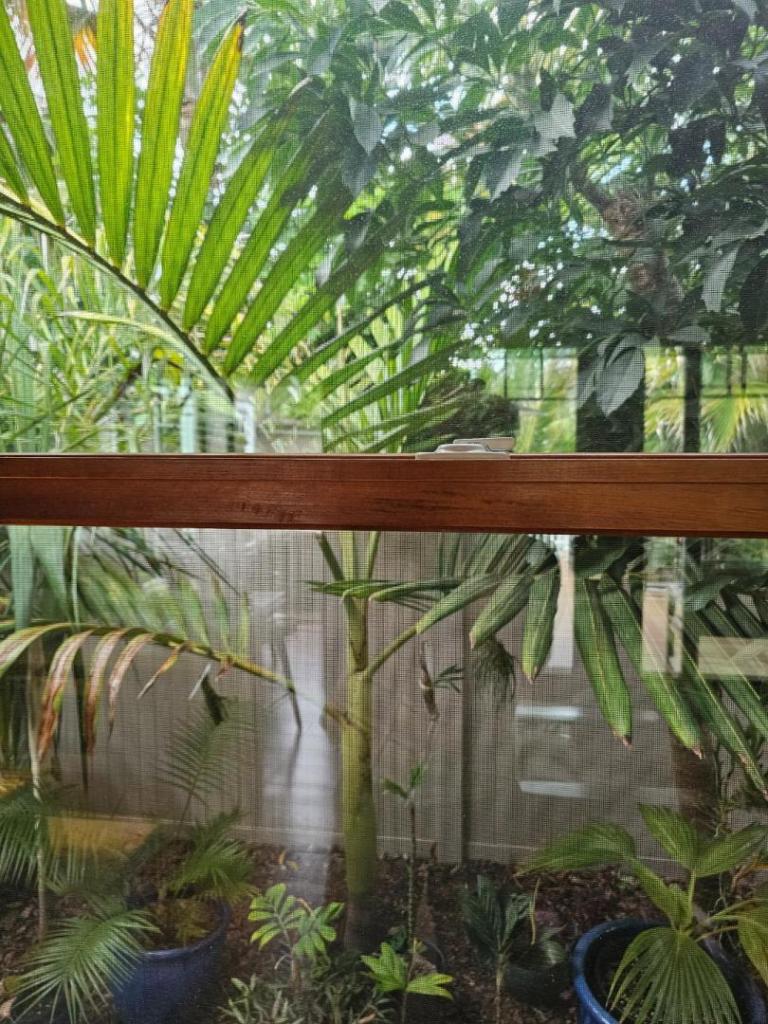
Bill no photos? Yours is spectacular looking last time I was over (too long ago). Back to Stacy's question, I don't recall having staked my palm in Leucadia. I lost one in clay soil in Carlsbad that was very wobbly and again not staked. Perhaps staking that one would have helped with stability and it would have survived. The view of mine looking out a window. It is a bit tight planting but hindsight is 20/20.
 4 points
 -
I think you should reconsider the exposure. North facing exposure in cool damp winter conditions is a set up for problems. My advice would be south facing to maximize sun exposure in winter, and consider planting on a slope if you have one or building up an area to mound plant it for the best drainage in winter. Unfortunately one can not depend on zone tolerances without understanding the limitations. You get plenty of heat in summer in Sacramento, but in winter it isn't just how low it goes, but the duration of the low temps. Giving your Bismarckia a southern exposure will help accelerate the heating in winter, whereas a northern exposure would accentuate the duration of cool temps for the roots and plant. A simple piece of planting advice in marginal climates for a palm is to plant the palm in the spot that it will like most in your yard, and not to try to force a specimen into the focal spot of your yard. Select something that will thrive in that focal spot instead of trying to use a shoehorn to get a plant that won't like the micro-climate of the spot. There will be another spectacular plant that would like that northern exposure spot, just try to find the right plant. Good luck!4 points
-
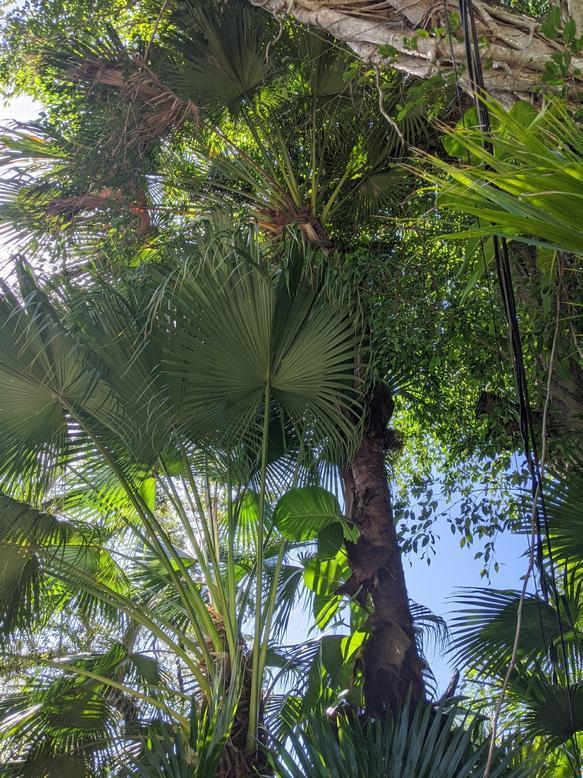
when you plant certain palms as a double or triple, do each of them typically grow at a different rate or do they shoot up and have similar heights? I have a number of Livistona chinensis on my property that was planted as doubles years ago. Each pair have very different grow rate. I would say the most extreme one is a double where one where the top of trunk is 5 feet from the ground and the other one is 14' from the ground. It's like one is dominant the other took the back seat. What is interesting is the tall one is always the one closer to the east. Coincidence?


 3 points
 -
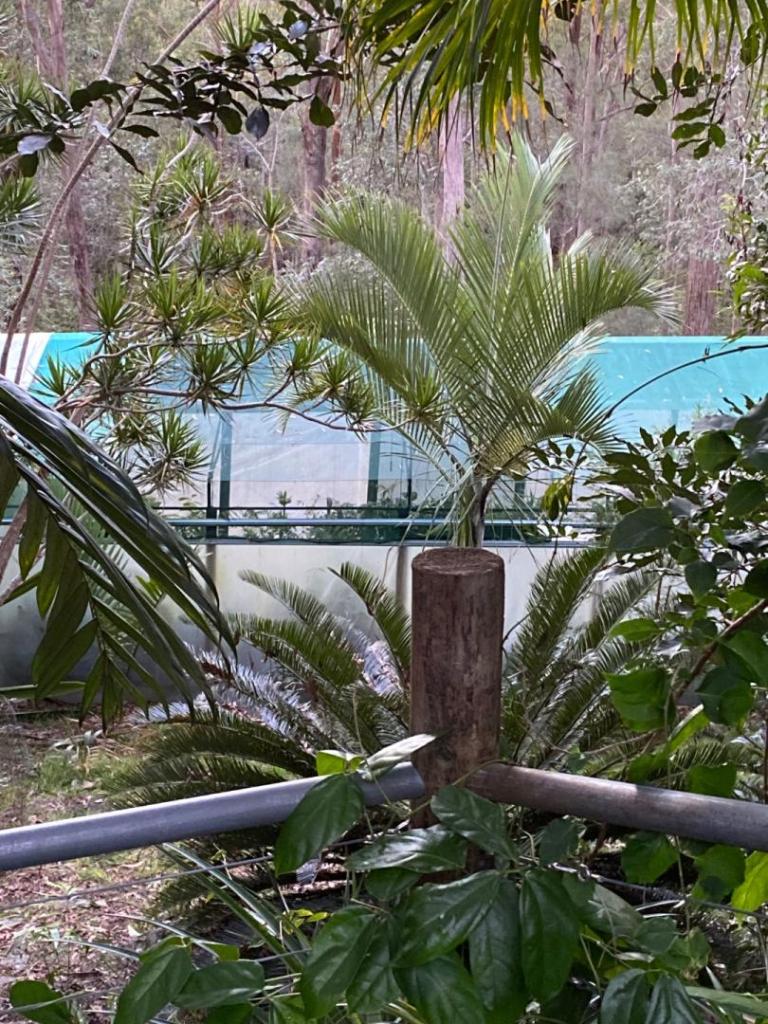
Just sitting around admiring the view, the saintlucei is looking good from the deck! What’s your current view!


 3 points
 -
Looks fine. Most of the trunk still has old leaf basses attached to it still and they will gradually fall off which is already happening. That will expose some adventitious roots at the lower part of the trunk. Perfectly normal.3 points
-
Must be time to build a deck then. A nice three story tower would be the go, I always wanted a tower deck!3 points
-
A living memory of your mum. Don’t overwater it looks to be in a fairly large container. So don’t overwater it. Let the top of the soil dry out before you water let the top one or two inches of topsoil dry out maybe more by the looks of the container, it looks like it has been overpotted for a palm that size. Mist the leaves now and then or wipe them down with a wet sponge cleaning the leaves, then it may need a rest outside now and then in shaded location with humidity out of the sun and not in winter. Just be careful of overwatering and over fertiliser. Actually don’t worry about fertiliser for a while until you are confident about indoor plant growing it can get tricky for newcomers with indoor growing, more plants are killed by overwatering and fussing over, just remember every time you look after your palm your mum is watching you and loving you. Less is best a little goes a long way🌱3 points
-
Below are photos of 4 leaf seedlings of Ph. Dactylifera (left) and Theophrastii (right). theophrastii appears to be a slower grower however this may be because of the fact that much of its vigour is focused to the roots in comparison to dactylifera. The theophrastii seedlings are about 6 months older than the dactylifera. This has been the case in all the seedlings I have repotted Both seedlings were raised in identical conditions in an unheated greenhouse in the UK and survived temperatures to -6°C with a few casualties from the dactylifera batch but zero from theophrastii.
 2 points
 -
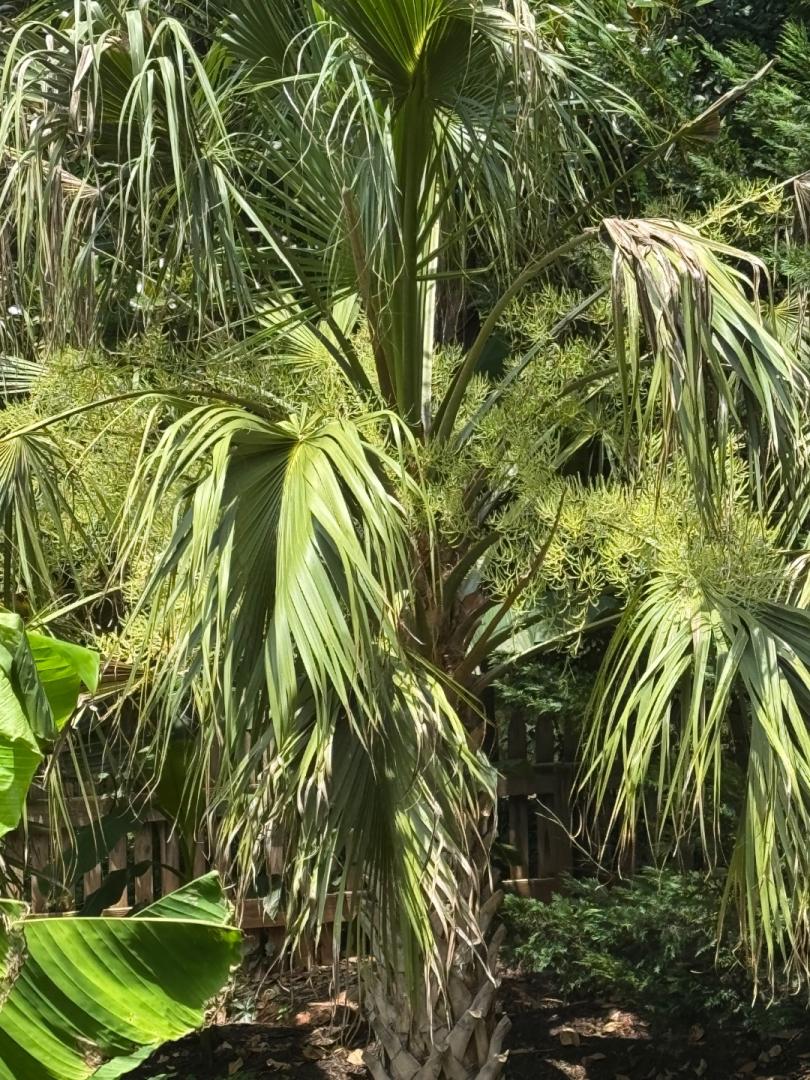
Interesting thread. I haven't seen this before but here's my two cents. Palmettos don't produce many fronds in a season, especially in the more northerly locations of the south. As opposed to windmill palms which can defoliate completely but look pretty much like a palm tree by years end. Having said that, for a palmetto to have a rough winter needs a good run of warmer winters (in colder locations) to replace the crown and not go into decline. There are a handful of palmettos in my area, some are hurricane cut and others were planted as larger containerized palms. To me they never look as good as a palmetto in the lower south (thinking Columbus GA or Columbia SC to name a few locations) because their crowns most always have less fronds and never look full. For me, I'm not convinced that sabal bhi or Birmingham are any hardier than a regular strain of palmetto. To me, more importantly is to plant one that has been pot grown and not hurricane cut, for cold locations. As to the area they would do better in. These locations must have long hot summers, days on end of 90'F plus temps with higher nighttime lows and rain throughout the growing season. Any climate without one or all of these characteristics will lessen the success of a palmetto.2 points
-
I need to create a deck.2 points
-
I live almost exactly on the opposite side of the world from you, in the native habitat of the nikau. We have very similar climates except we don't (usually) have as dry a summer as yours, and we never really get above 30C. All the advice above seems great, although at least here with summer watering nikau can handle full sun fairly well. They will certainly burn though, if moved straight from a shady spot to sun. My recommendation would be to not buy trunking ones. They have a decent sized root system and all the ones I've seen trunking in a pot/bag look really poor compared to ones planted out younger. Those plants you bought are probably at least 20 years old, and I assume they are priced accordingly. If you decide to replace them, I would get one about 1-1.5m high and plant that out under shade (which you could slowly reduce over a year or so if you wanted) . You could probably get a few of them for the cost of the trunking one too! Kentias seem a lot less bothered by root constraint but for me are less tolerant of exposure than nikau are, at least until the kentia is older and well adapted2 points
-
Hi there, I don't recall having seen one of my Bismarckia pushing three spears at the same time... Keep growing, little beauty! 😍 Lars

 2 points
 -
The new greenhouse construction site caught my eye, oh for the love of Palms another one to fill up with the finest of Mother Natures gifts!
 2 points
 -
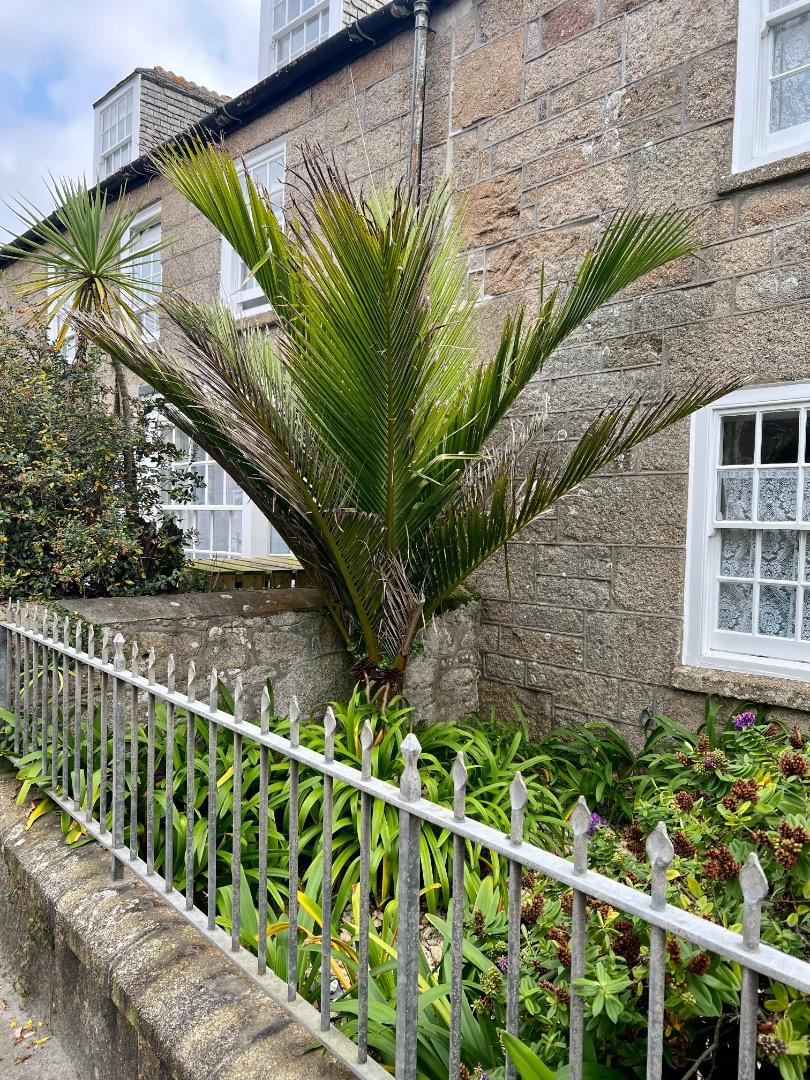
It may be winter damage possibly that is the problem. What is the lowest temperature that they have been subjected to there in your location? Here in the UK Rhopalostylis run into major problems below -3C. Also here in the UK the Rhopalostylis have some issues with sunshine/sunburn in summer. They ideally need to be in partial shade at best really. The ones in the Isles of Scilly seem to be okay as the sunshine hours aren’t too high in summer in southwest England, but in southern England on the mainland they get scorched during hot, sunny summers where the sunshine hours rack up. I recently saw one in Torquay, Devon and it gets shade by a Washingotnia overhead. But another smaller one out in the open nearby has been badly burnt by the very sunny April - July period that we have had this year. Overhead canopy is pretty important in marginal areas during winter and summer. These are all UK photos.
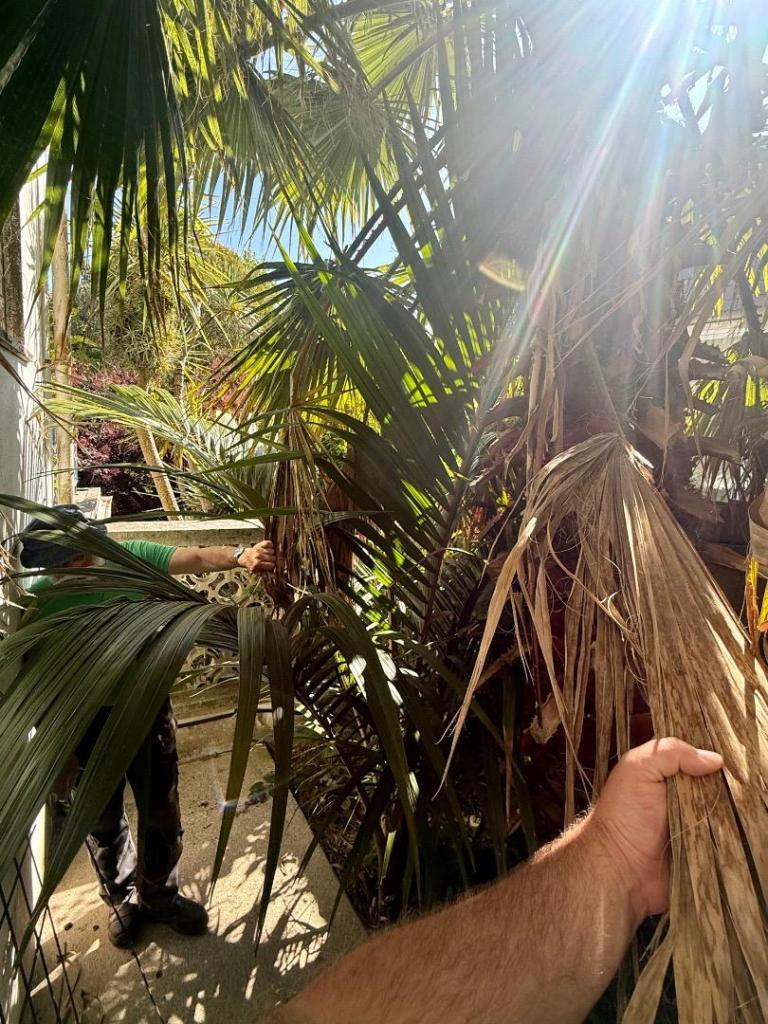

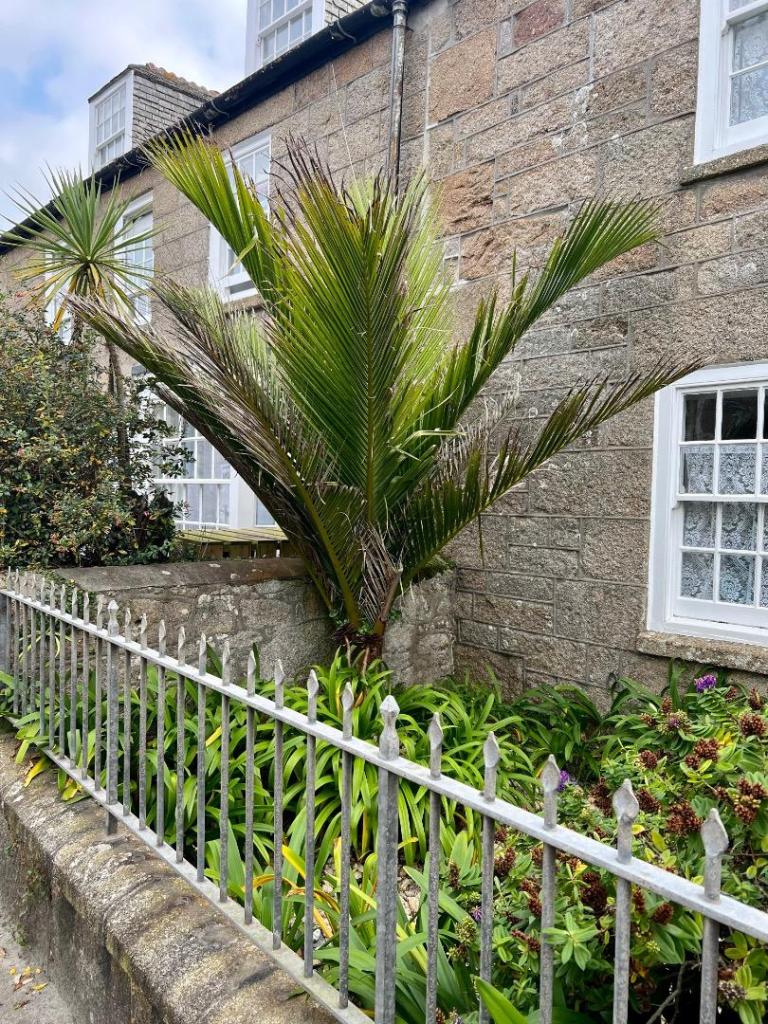

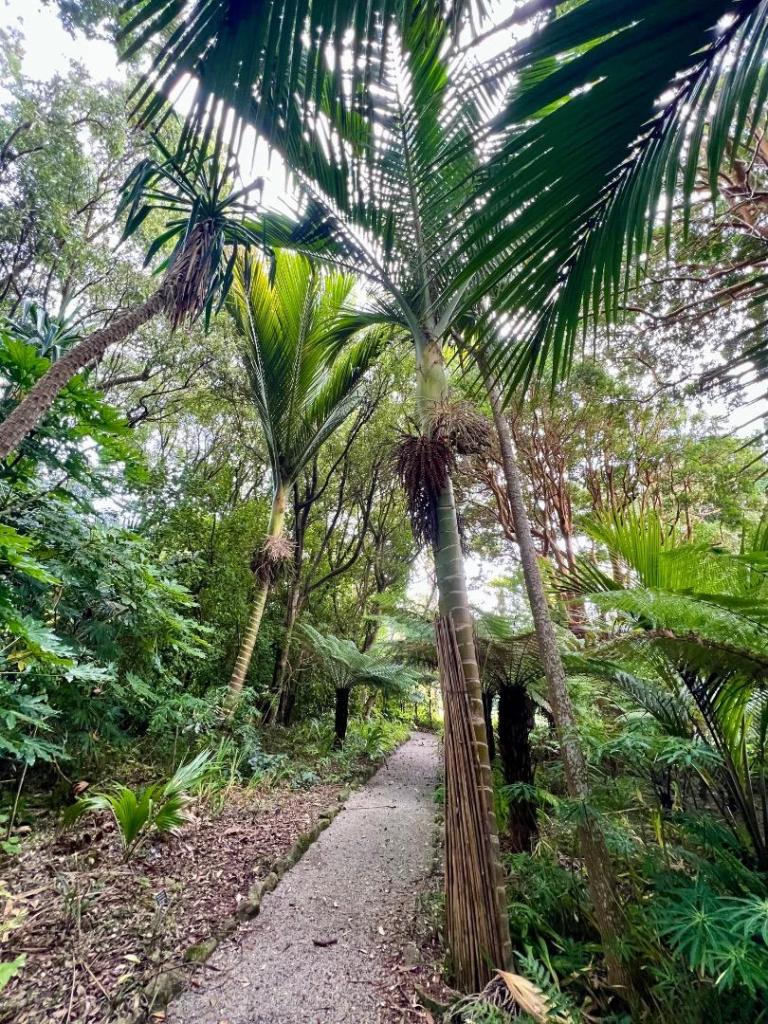 2 points
 -
I just love it Harry, that’s just a real California feel right down to the mountains! Can I ask have those mountains been learned or that’s natural, mostly in Australia in my area if you see a mountain like that it has been clear felled of vegetation. Richard2 points
-
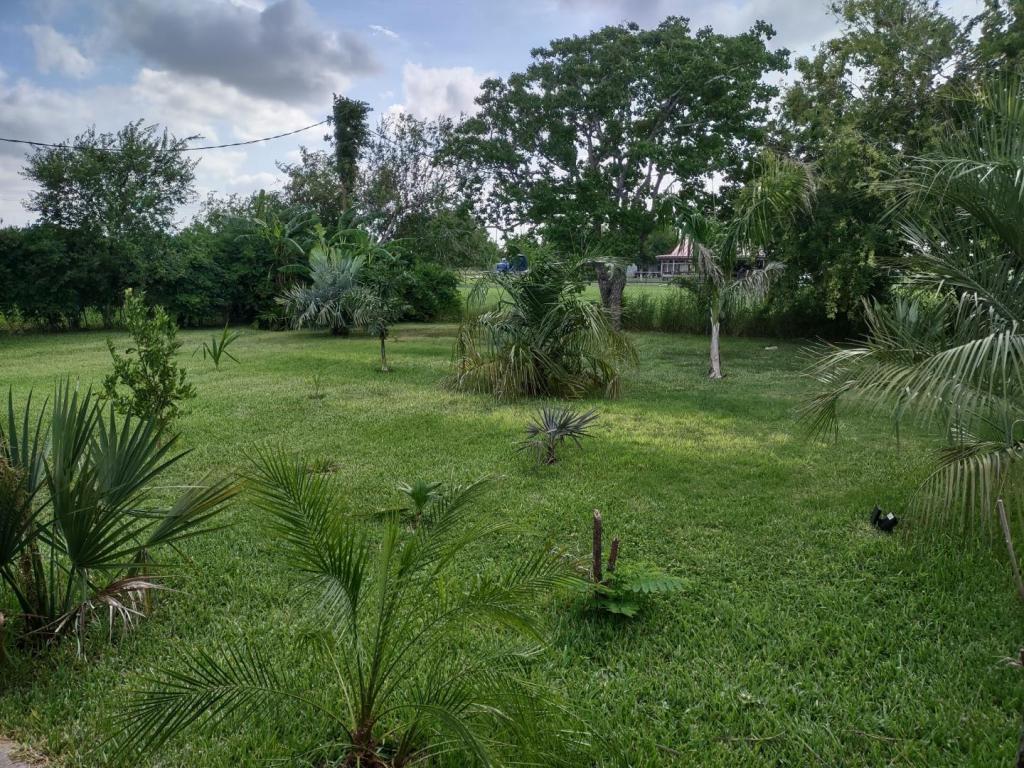
I don't have a deck but here's a palmy view from my back patio. My largest palms are to the right of this shot.
 2 points
 -
Depends on the humidity frankly. If you have coastal humidity, they usually can take a fair amount of sun...if not full sun. However it may take 2 or 3 leaves forbfull acclimation. You may need some partial protection until then.2 points
-
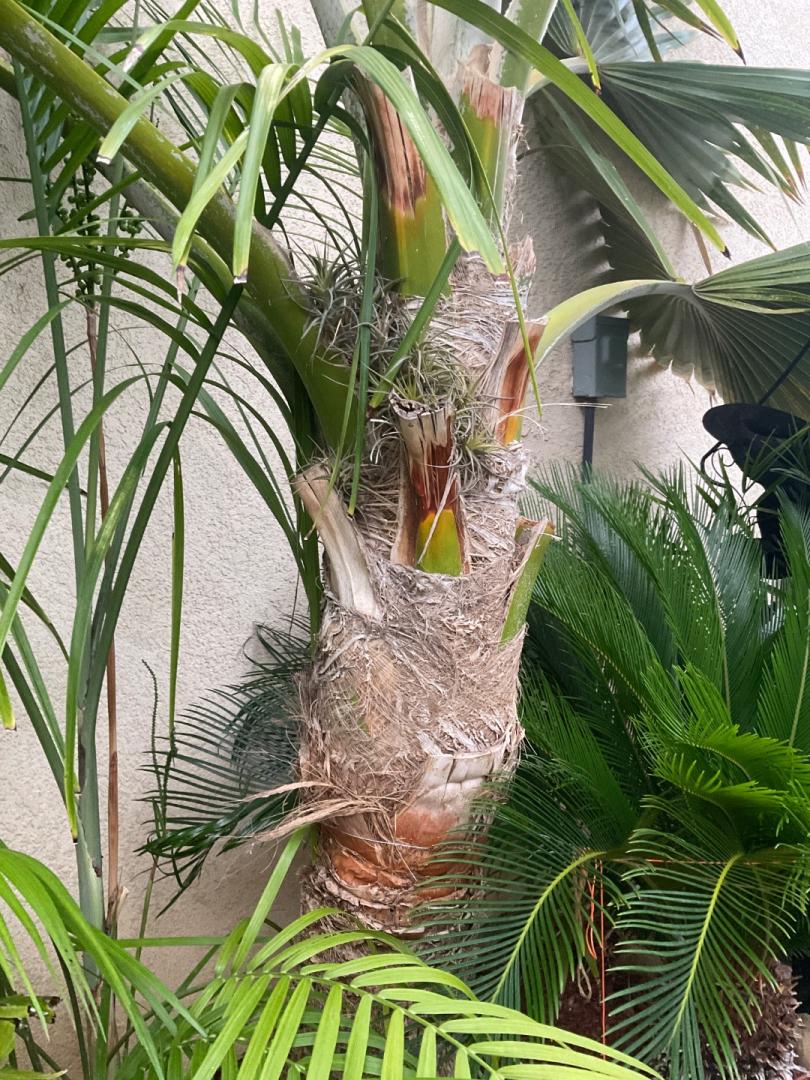
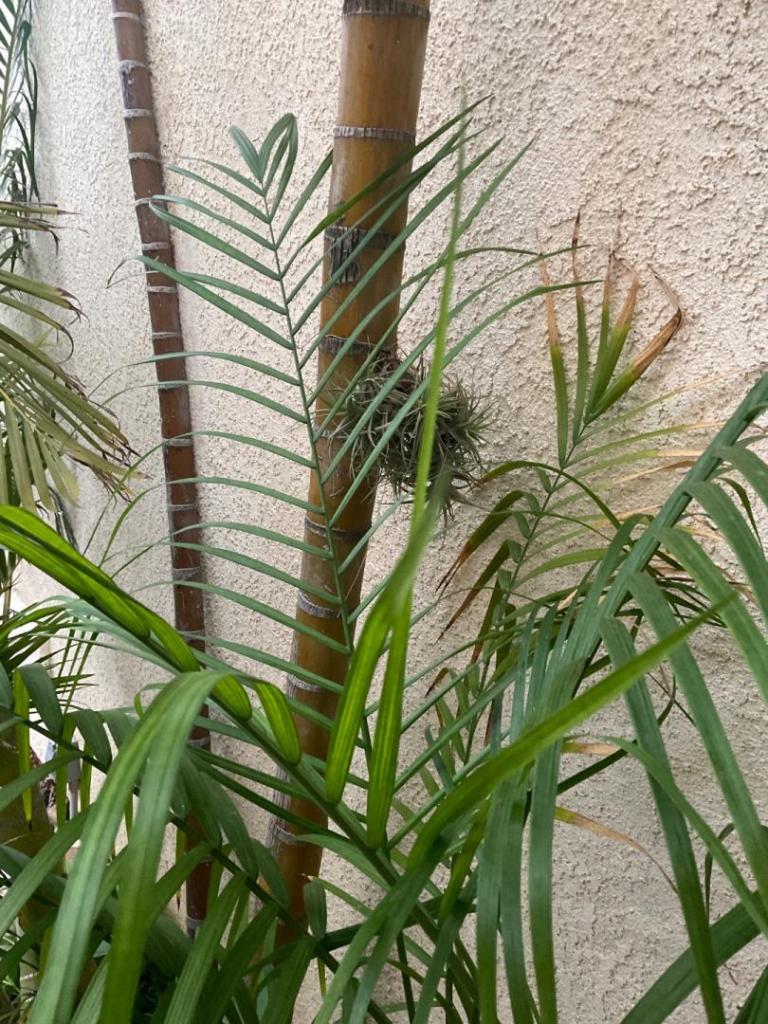
The bloom is over for my Tillandsia’s but I have a few on my Pritchardia , Chrysalidiocarpus Lutescens, and a Bromeliad in the hollow of a cut down Syagrus . We have a “Tillandsia Wall” and they are everywhere including a small Howea and a Plumeria on the side of the house. Harry Pritchardia Hillbrandii with friends I carved out the top of this Syagrus stump to give this Bromeliad a home Chrysalidiocarpus Lutescens with friend My wife’s Tilly wall . In the Spring these are all blooming with beautiful pink and purple flowers This one bloomed a few weeks ago “ Blood Orange”. Above it , to the right , is a lavender one that I recently added, still very small Plumeria with a nice clump! Plenty of wall space for more , an ongoing obsession. I have given away tons of these to friends and visitors to our garden. The first Tilly I got was from a visit to my mentor’s garden / jungle . That’s all it took to start my collection. Harry




 2 points
 -
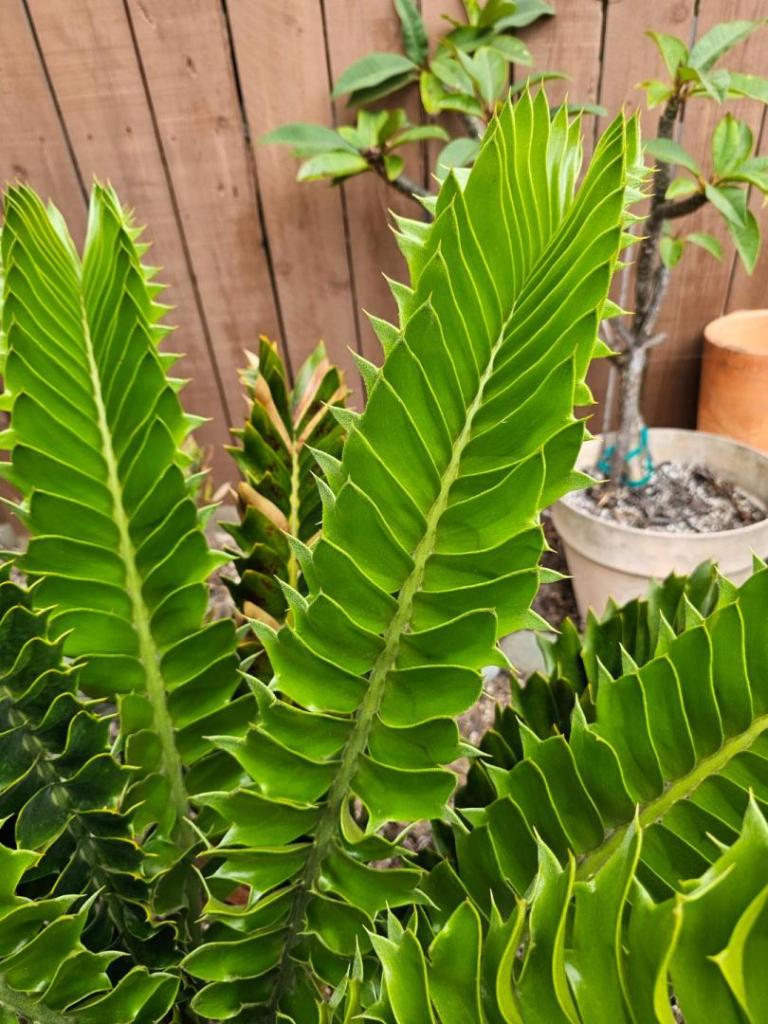
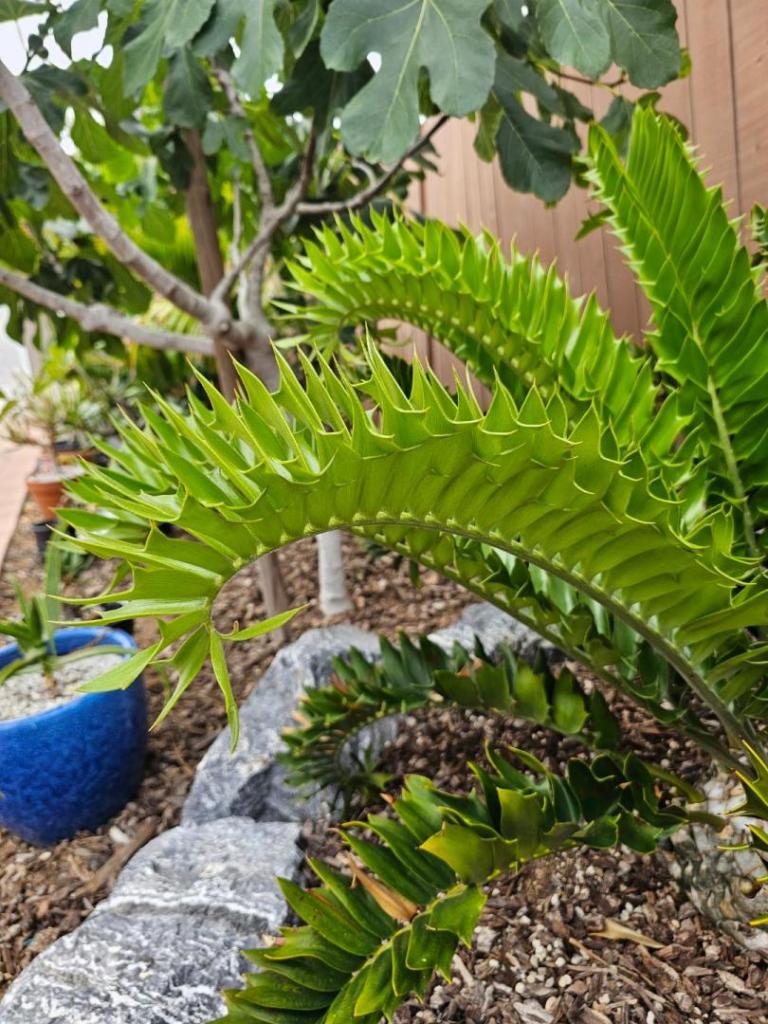
Based on your tutorial, I see a typicum form in my plant with some Green Valley traits. It is still relatively young, so some characteristics may yet develop. I don't see this one ever going to the deep dark green of the Trappes Valley. This latest flush still hasn't hardened, so it remains the bright green which will darken some. I repeat the previous post, thanking you for sharing your knowledge.
 2 points
 -
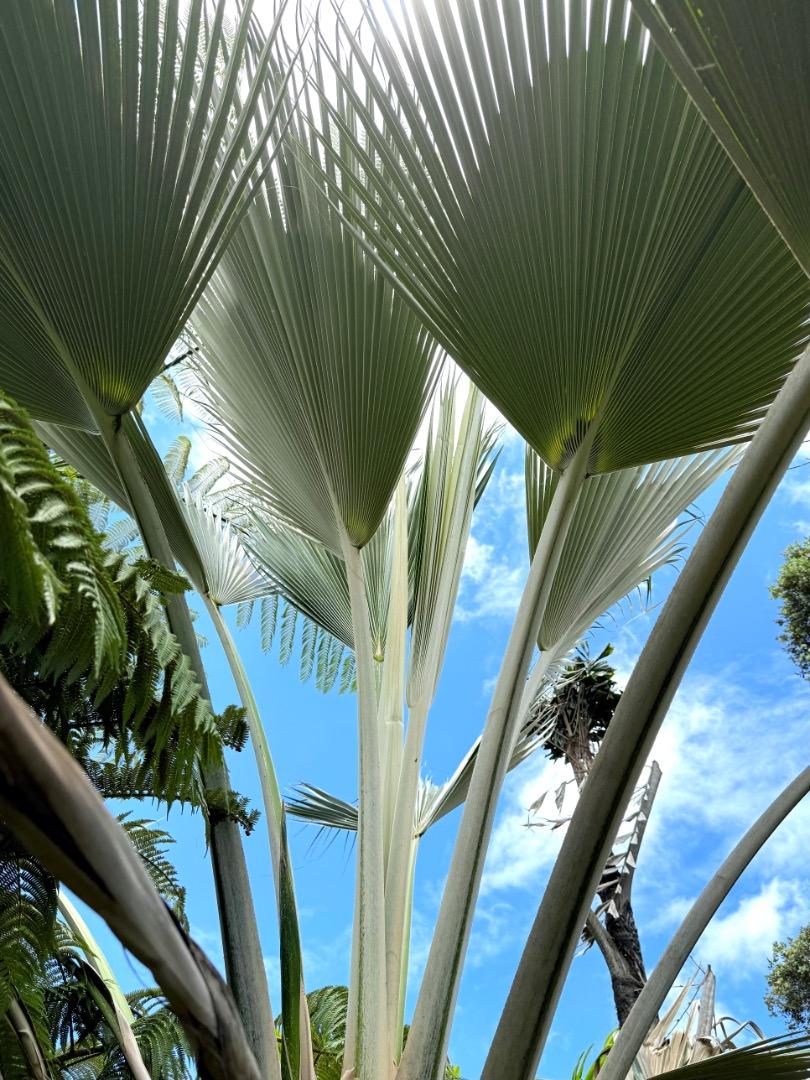
Pritchardia martii. The leaves remind me of Copernicia. The abaxial sides are almost pure white. Tim
 2 points
 -
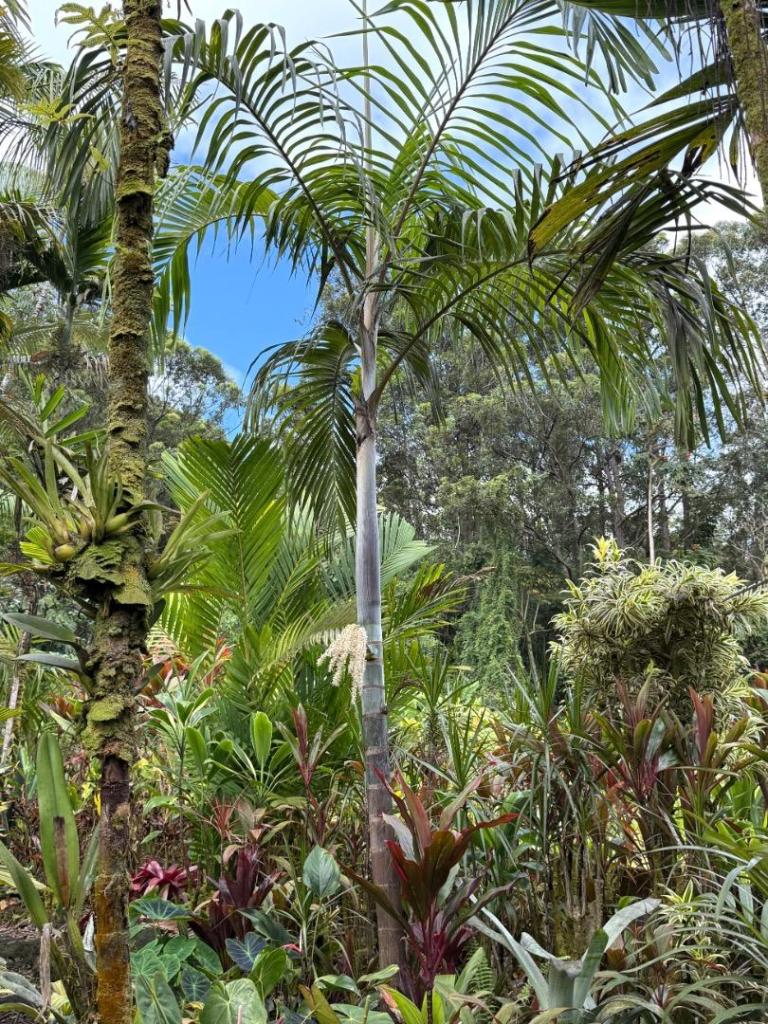
The unidentified Hydriastele. Open habit and nice color at this stage of its young life. Tim
 2 points
 -
1 point
-
Is this a bad sign? I've noticed since last year some earwigs on my sabal birmingham, specifically in the newest fronds. Do you guys ever deal with them? Thanks.1 point
-
I had a lot of success in Winston-Salem ( now 8A in the newest zone map ) just 1.5 hour drive west from Raleigh , but 2018 took them out except for my Tifton Hardy palmetto . My 2 biggest palmettos were trunking and flowering . Gary Hollar of Gary's Nursery said that that cold spell in 2018 was a 100 year event where it was below 32F for 8 days here . The lowest Low was 7F , which is what they say a Palmetto can survive , but it hit 7F twice and it evidently needed to thaw out during the day , which it didn't for way too long . I easily could've protected the trunks but thought they could handle that kind of cold . My newest HC Palmetto below . If it looks a little beat up it was due to scale that I have successfully eradicated . It has a lot of inflorescences that might actually become pretty showy soon . I got this palm from Lloyds Nursery in Wilmington , NC . It was supposedly sourced from Northern Florida Palmettos , which might be a little hardier than ones from South Florida ?

 1 point
 -
View just after sunrise was nice today from the lanai. Early in the day, the sun gets under the canopy and the flame burns.

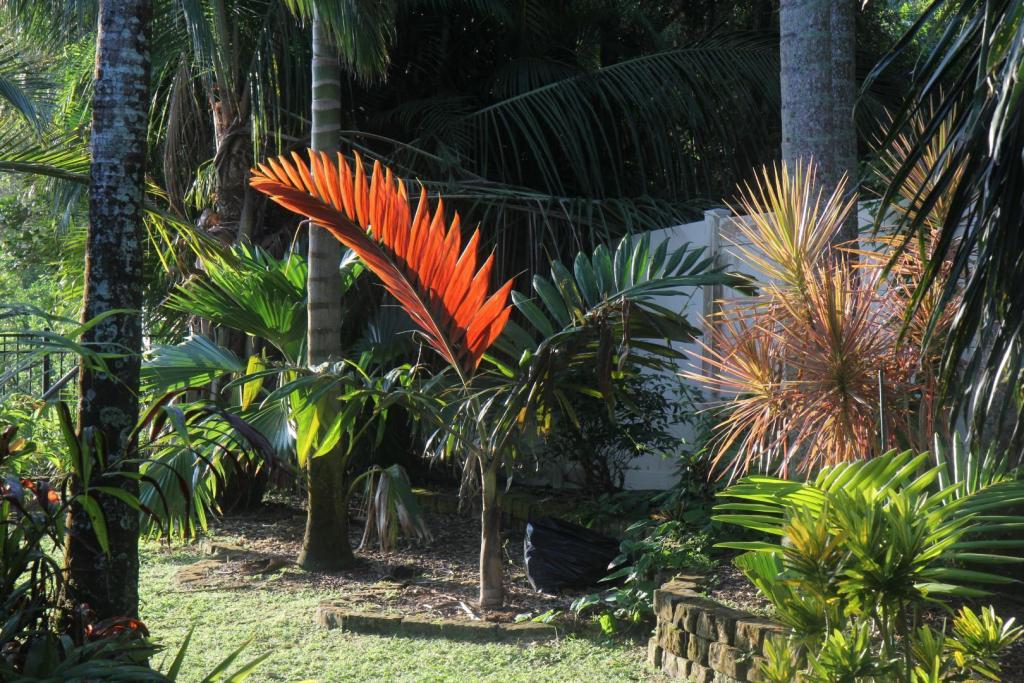 1 point
 -
Nice form and coloration!1 point
-
It seems that way!1 point
-
The product I use is nearly used up, 30 years old and is exclusive to the Canadian market only. I'm not even sure it is available anymore. Sevin? No idea. Never used it.1 point
-
All I need is another 50 years. Round two with new plantings time will tell if I get it right! Richard1 point
-
Unfortunately that last palm looks dead as well. If you replace your Rhopaloystylis see if you can find a Chatham Island variety or even a Baueri cheesemanii. They will handle sun much better in my experience and are in my opinion an even more attractive varient/species. Frost shouldn’t be the culprit with these species and I also suspect rot. If you don’t have drip irrigation, it’s also possible that everything is getting underwatered and then rotting when water from a sprinkler comes into direct contact with the trunk. Good luck! I‘d recommend trying out some New Caledonia species as well since they have good cold tolerance and there’s a few that will enjoy lots of sun starting at a 5 or 15 gallon size.1 point
-
I've never had any damage to my palms as a result of earwigs being present. However I have little tolerance for them and have used bait from time to time.1 point
-
A sort of had an idea this one would do ok in my winter and it seems to fairing up well with no damage at all. Planted in summer it had time to adjust and survived one winter in the greenhouse growing strong in it went as a140mm container palm. A new one in the collection showing a bit off promising results in 3 degrees Celsius this winter.
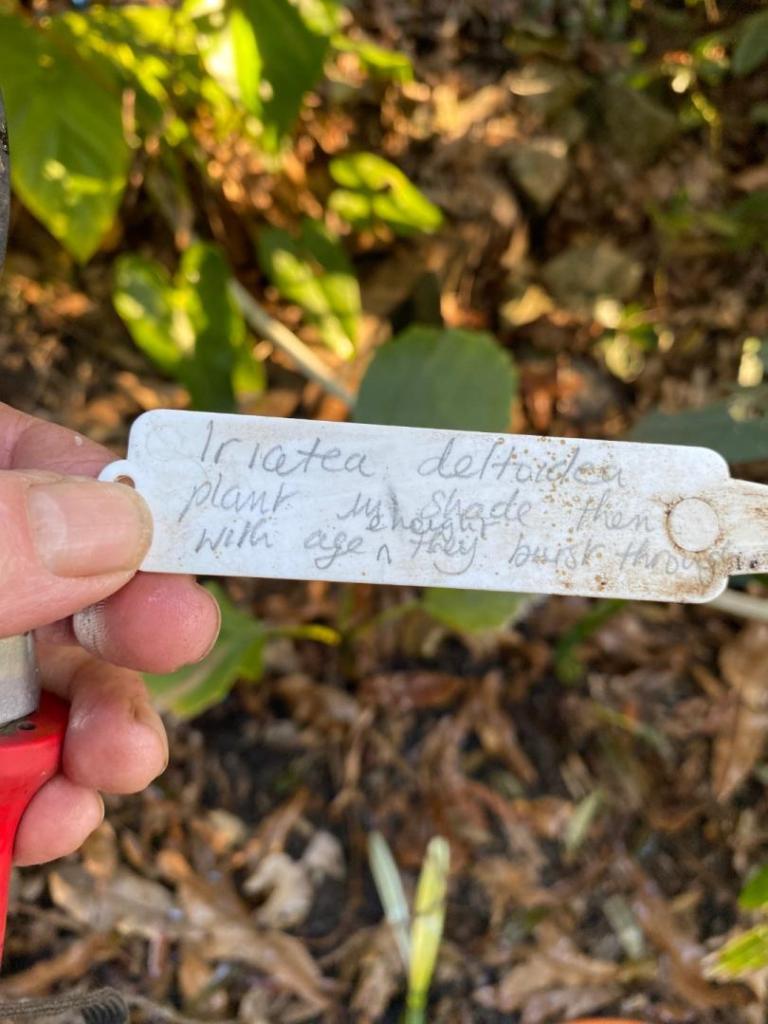
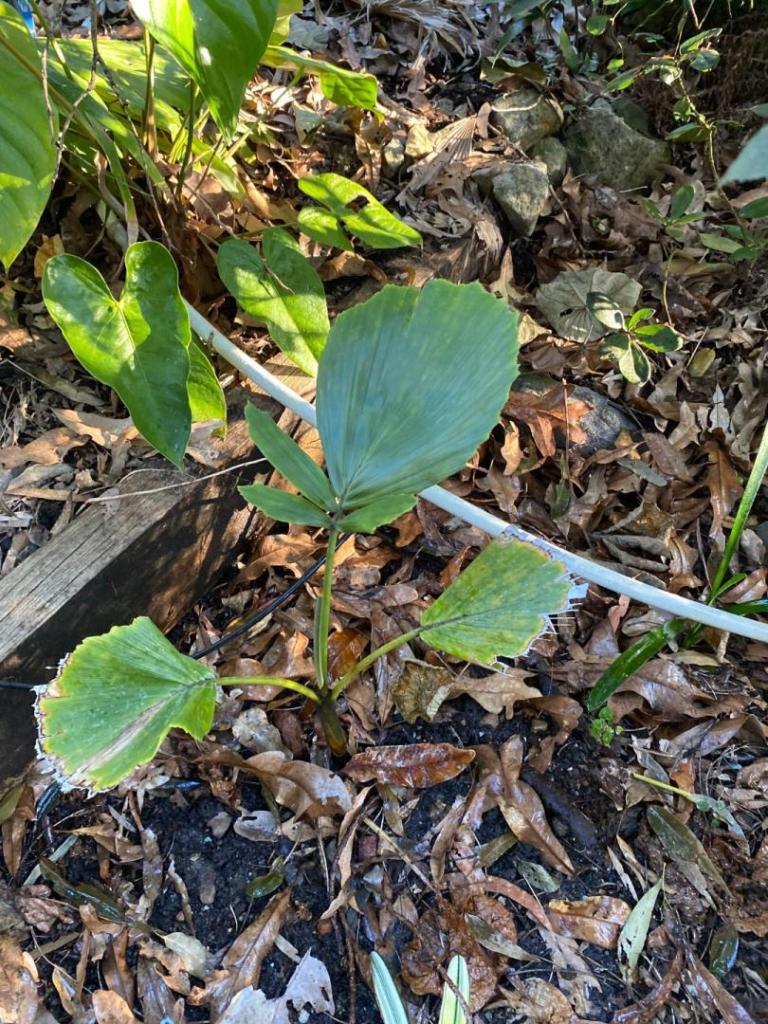

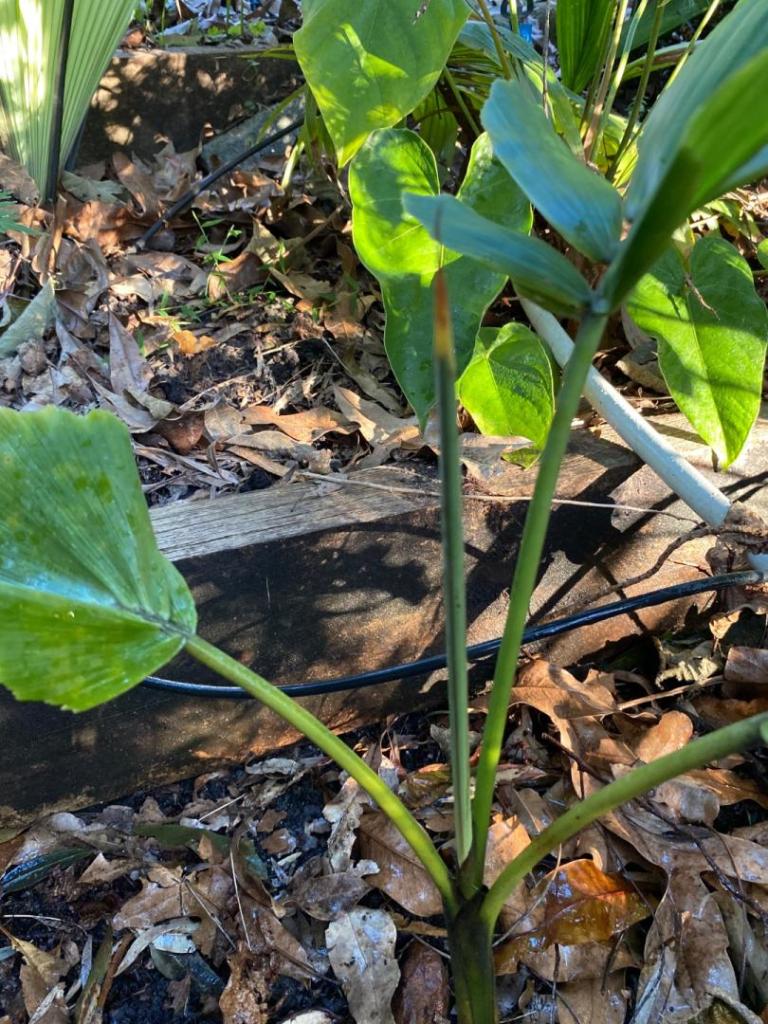 1 point
 -
Lucky to have them growing like archontophoenix and linospadix monostachya so common in my area. You hardly even notice them. But also having access to a seed supply is a great thing!1 point
-
@omercop2 welcome to Palmtalk! As TropicsEnjoyer mentioned, the rotting parts are the old frond bases. These are frequently called the "boots." Some Sylvesters will keep those on there for decades, some rot an fall off after a couple of years. Generally the only concern is if the smooth-ish trunk underneath becomes soft and mushy rotten. So for example you could poke at the areas circled in yellow with your finger. If it's solid there, generally it's not a cause for concern. One thing that can cause trunk rot is a sprinkler hitting the trunk. That doesn't seem likely given the patio stuff around it, but just make sure that watering is done to the ground and not against the trunk.
 1 point
 -
Oh boy , fresh canvas! Harry1 point
-
Bizzie and big Queen look great for 19°F.1 point
-
Someone should have advised you that this species must be planted in full shade unless live in a very cool summer climate. These palms can’t handle heat in full sun. It must have been very expensive at that size. Sorry, but the palm is dead.1 point
-
@Robert Cade Ross That place looks great. Near me too.1 point
-
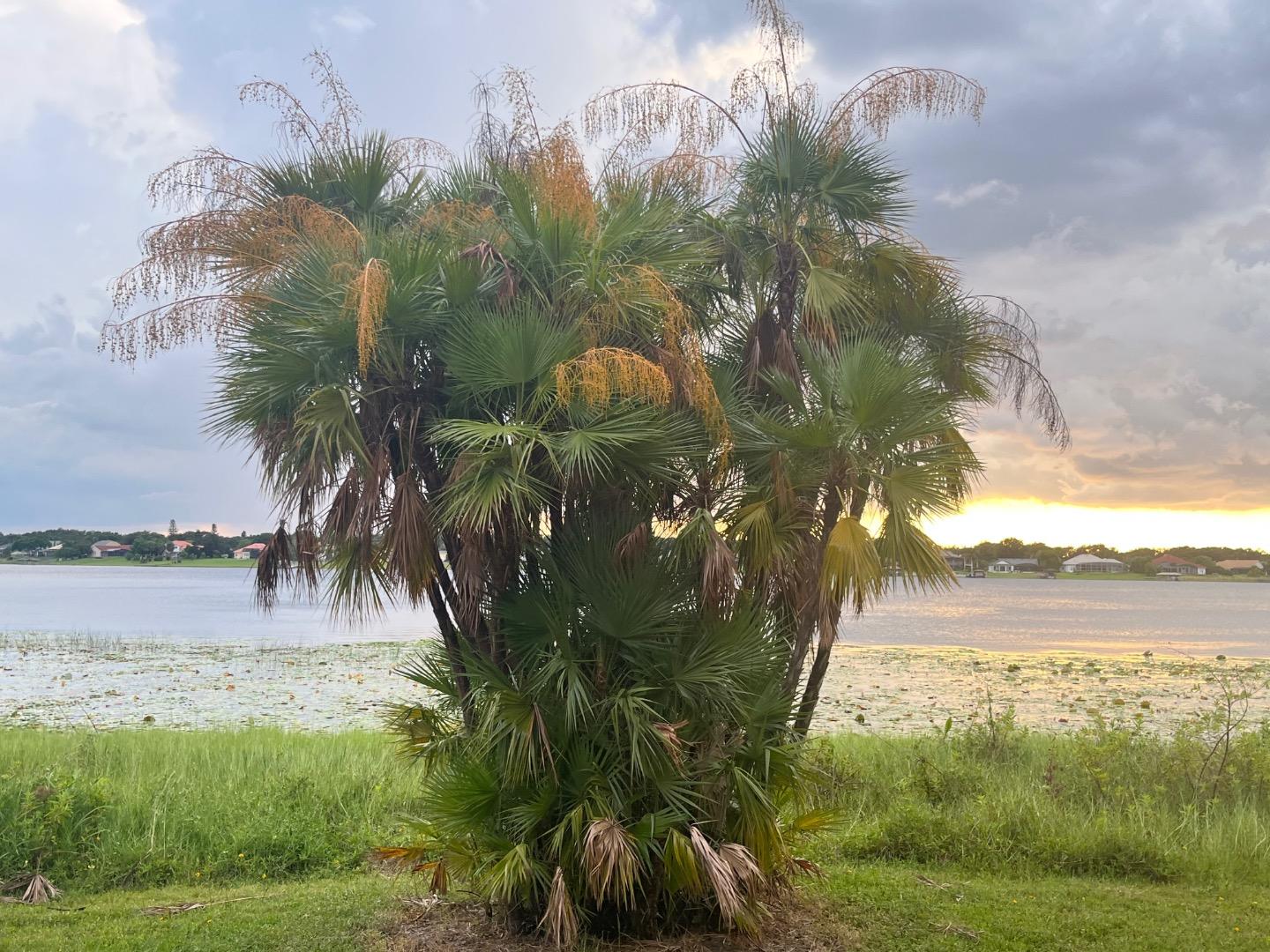
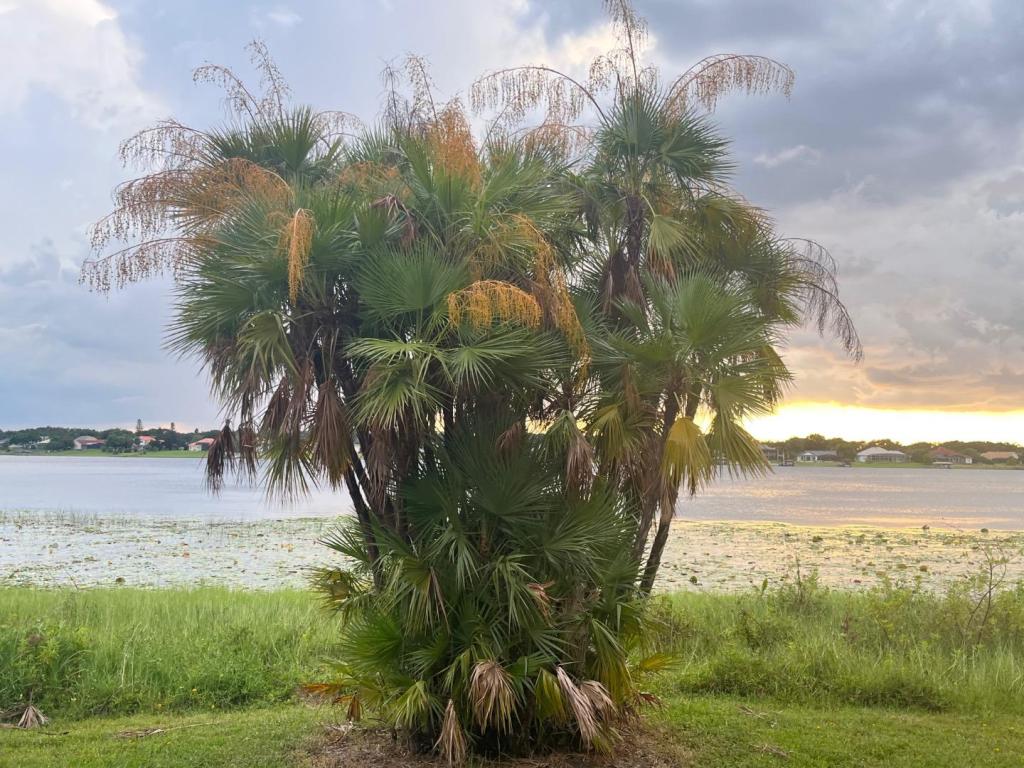
I saw these two clumps of everglades palms today, and I was able to get some seeds off of them!
 1 point
 -
Pinanga chaiana

 1 point
 -
Bringing back this thread because multiple people mentioned that this palm tends to be "wobbly" when young. I just put mine in the ground and observed that it was indeed "wobbly" right after the install. The palm does seem to stand fine on it's own, and just wobbles when my daughter tries to walk past it (and brushes the fronds). I should probably tell her to be careful not to touch the fronds when she plays in that area, right? And should I stake it as well? If @BS Man about Palms or @ellidro are reading, I'd be curious how long yours took to get a sturdy base. Here's a photo I took right before putting it in... * I was originally planning to plant it on the landing right above it, but that area gets very poor drainage. So my solution was to cut out a corner of the grass and put it there instead! Who needs grass, right? Despite the shady look in this photo, it actually gets TONS of sun in this spot, and a lot of water (water from the hill above tends to gather in that corner). Hoping this spot will be ideal for it, since it's in a highly featured area of the yard.
 1 point
 -
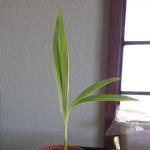
Hello all, The 3 archantophenix are now growing with water every day. Thanks a lot for the advice. cheers Morgan
 1 point
 -
Best to come visit if you can. I have a lot of them and other palms.1 point
-
@kinzyjr! YOU ARE NUTTY! And praises to you for that!1 point
-
Cluster, I remember now, the Inn&Art Hotel in Canico has a coconut palm at the rear of their restaurant, there are steps down to the terrace (above the cliffs). Sorry, I have no picture any more but maybe this helps: http://media-cdn.tripadvisor.com/media/photo-s/01/9a/fd/5b/klifflage.jpg You can see the leaves of the coconut palm in the middle of the picture. Found also this here, same palm: http://www.holidaycheck.at/data/urlaubsbilder/images/12/1156635199.jpg cheers nick1 point




.thumb.png.f0d217c598e4d132c8b941cd567ed600.png)