Leaderboard




Popular Content
Showing content with the highest reputation on 07/18/2025 in all areas
-
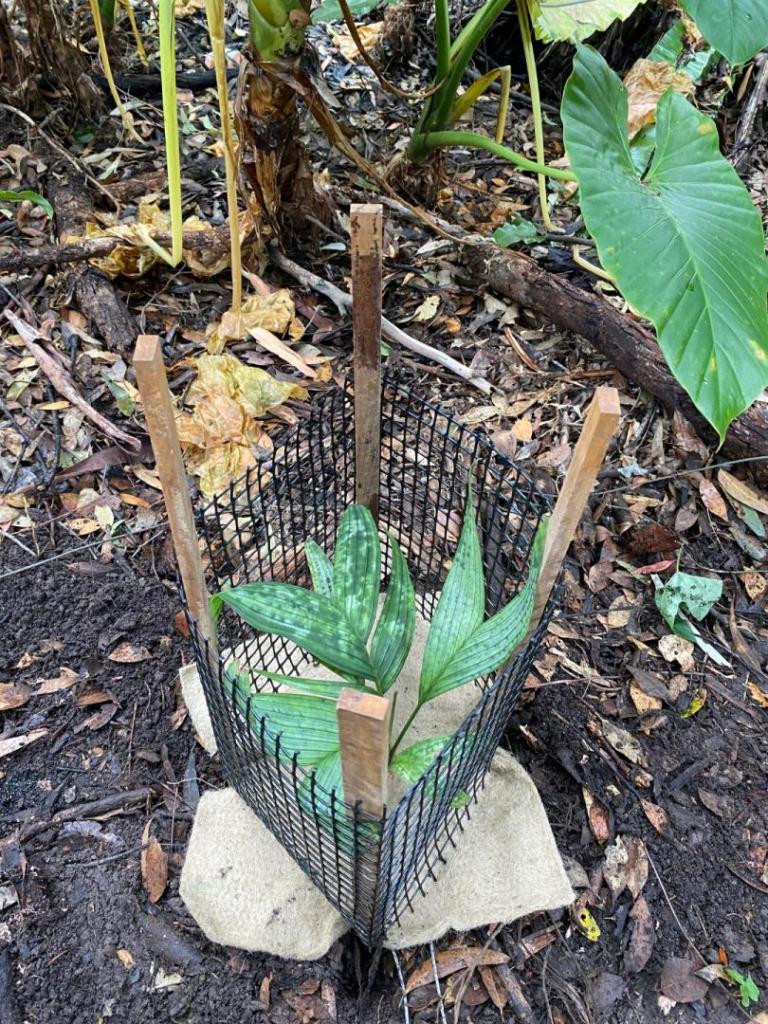
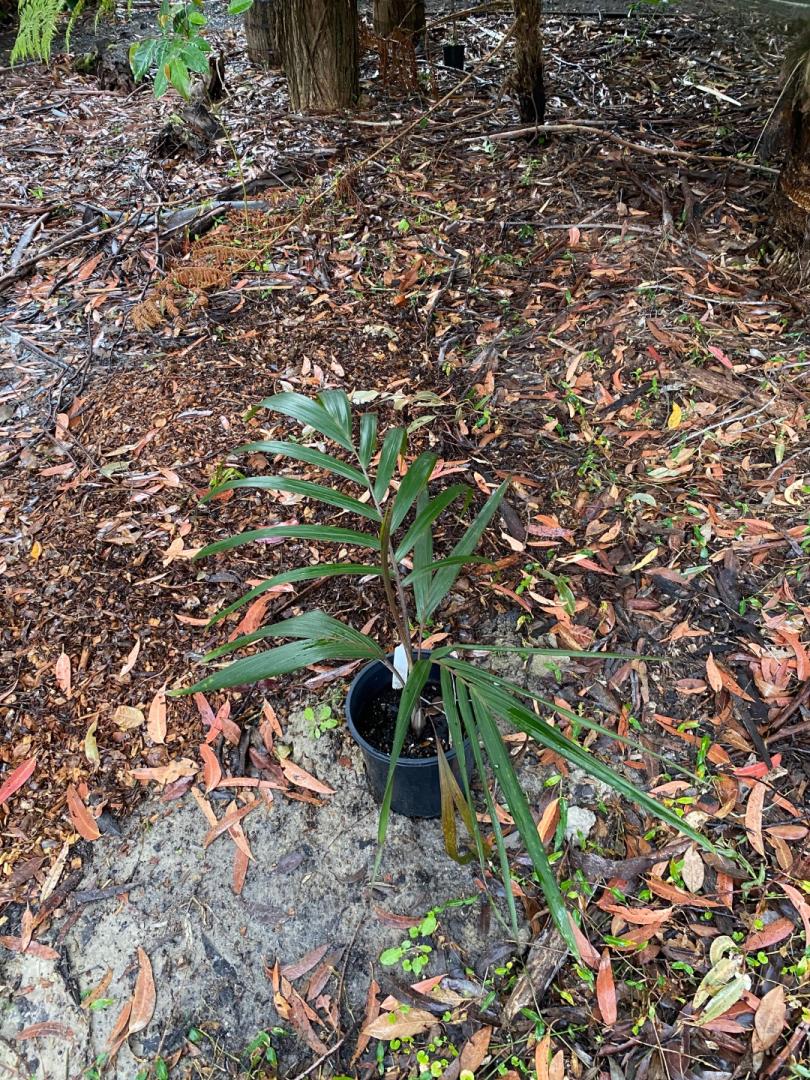
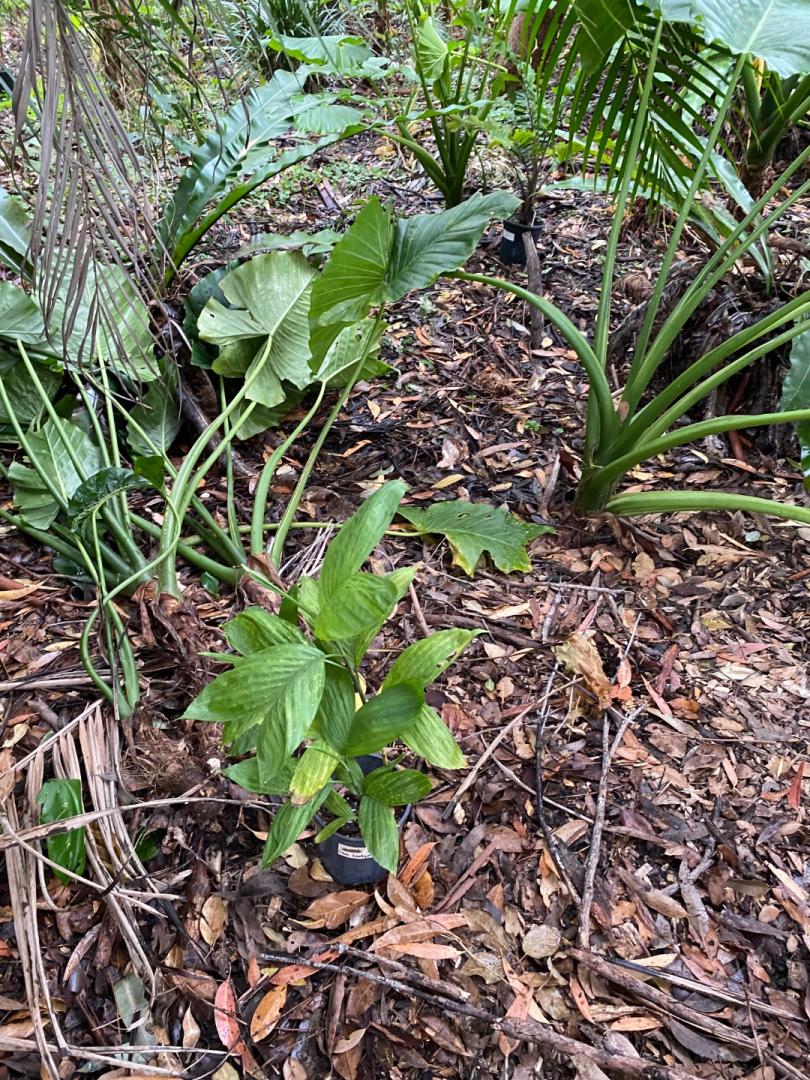
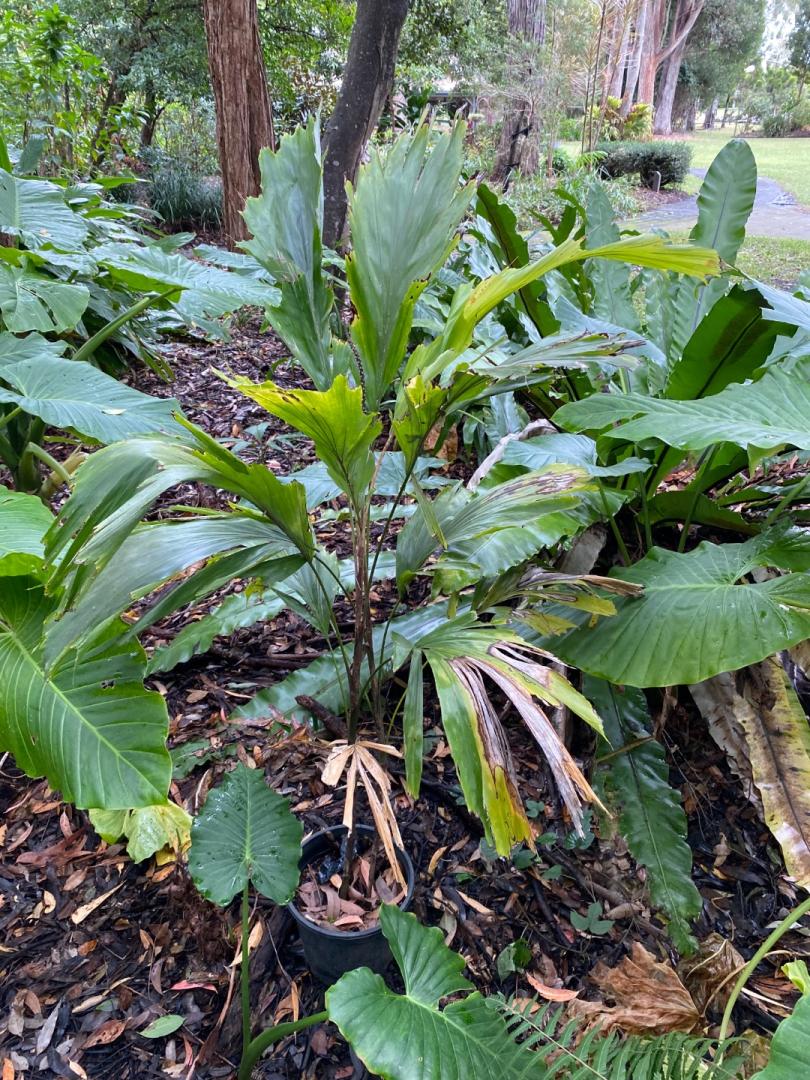
One little palm I definitely thought would not make the cool subtropical climate. I purchased this little gem and thought iam only going to kill it so i donated it to the Coffs garden project. Due to the fact they had a rather large climate controlled hothouse it will definitely survive. Survived it has in the gardens nursery section, and even more surprising is the other one I have at home is surviving just as well. Others are failing now around it due to cold weather but the sarawakensis is up and running! Winter is not over yet but iam confident if it hasn’t been cooked by the cold weather now it most likely won’t be! Wonders never cease.


 6 points
 -
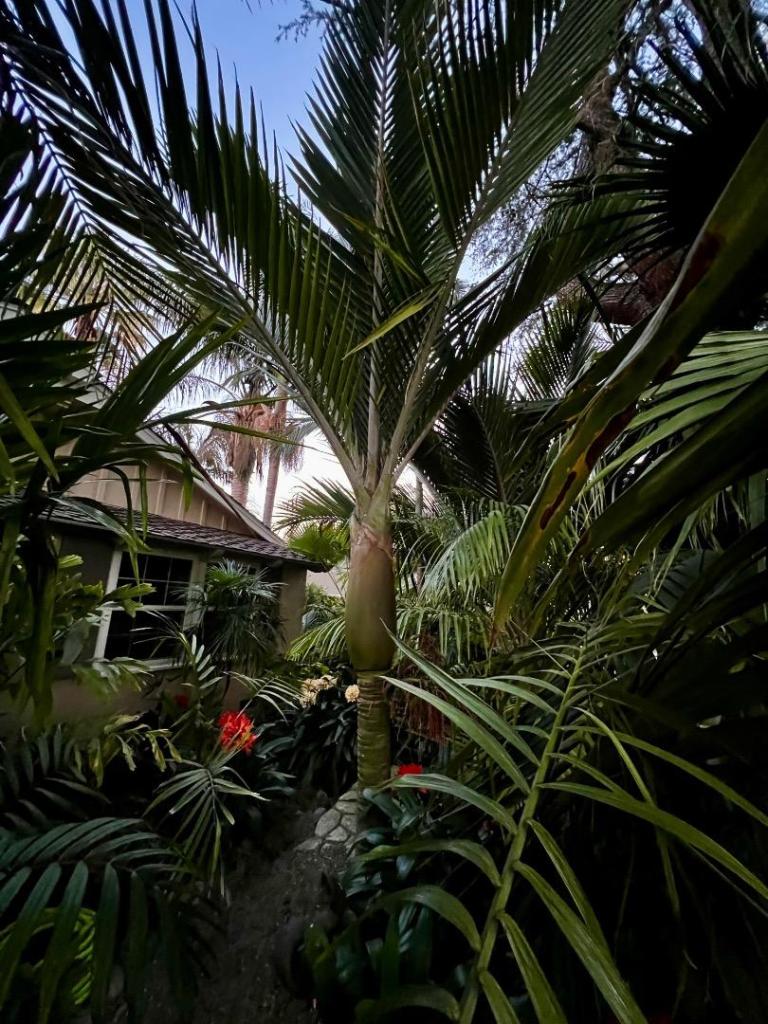
Check out this Mexican fan off the 405 freeway in SOCAL. Literally making it happen out of the cracks in Santa Monica. Noticed it coming home from work.
 6 points
 -
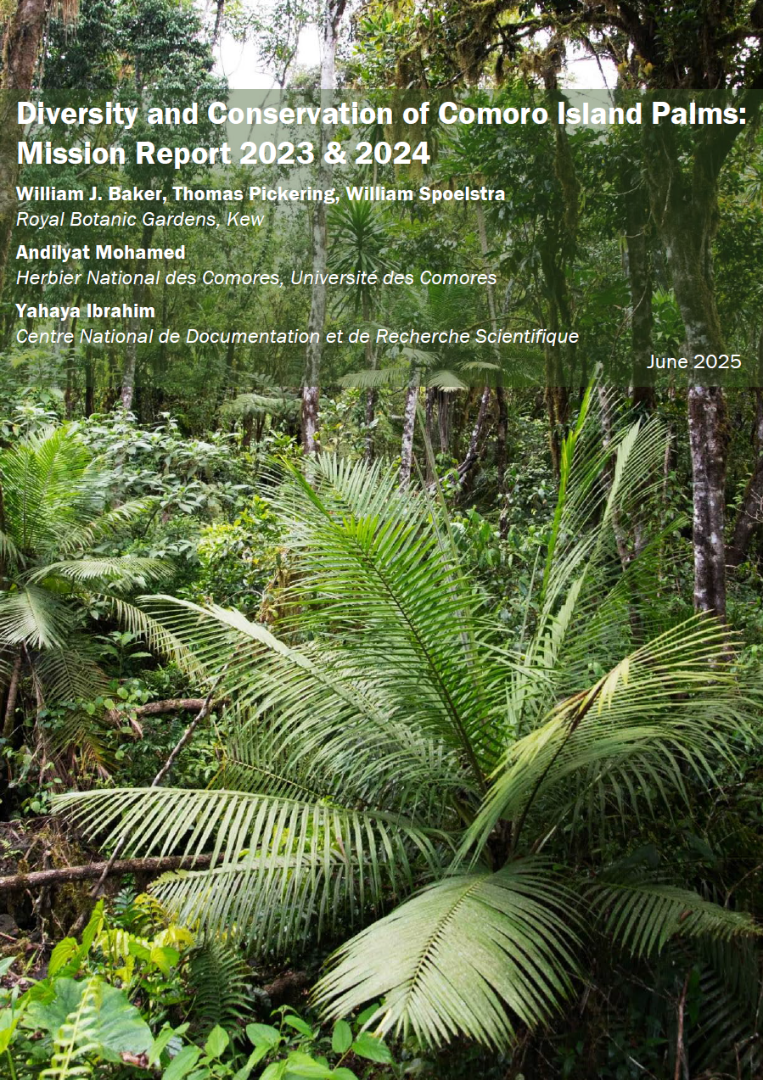
Thanks to the generosity of supporters of the IPS Save the Species campaign, a team from Kew and Comoros was able to complete important work on the endemic palms of the Comoro Islands. We have now completed our final report, which I’m delighted to share with you today - you can download it (in English and French!) at this link: https://zenodo.org/records/15924392 We were able to carefully survey all three islands in the independent Union of the Comores. We found Ravenea hildebrandtii and Chrysalidocarpus lanceolatus on all islands, but Ravenea moorei and Chrysalidocarpus cabadae only on Grande Comore (although the last is also reported from Mayotte). Palms are highly threatened on all islands, but the last two especially so. Chrysalidocarpus cabadae in particular is found only in coastal forests, which are highly degraded. Thankfully, our missions have inspired a new wave of palm enthusiasts and action to protect these species is already underway – please read the report to find out! This work could only happen because of the passion and motivation of IPS members – we cannot thank you enough! Please continue to support the society – in its fundraising, by subscribing to its publications and by participating in its travel opportunities (look out for the Vietnam Biennial – it will be phenomenal!!!). With your support, we can do so much more! Example plate from the report:

 5 points
 -
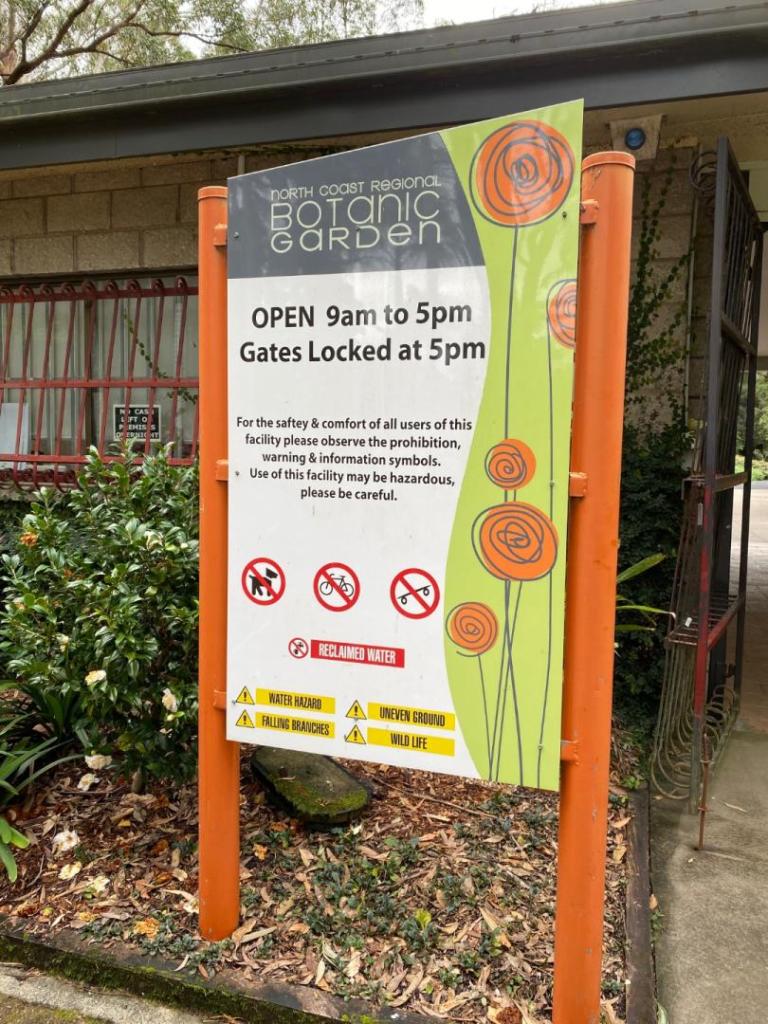
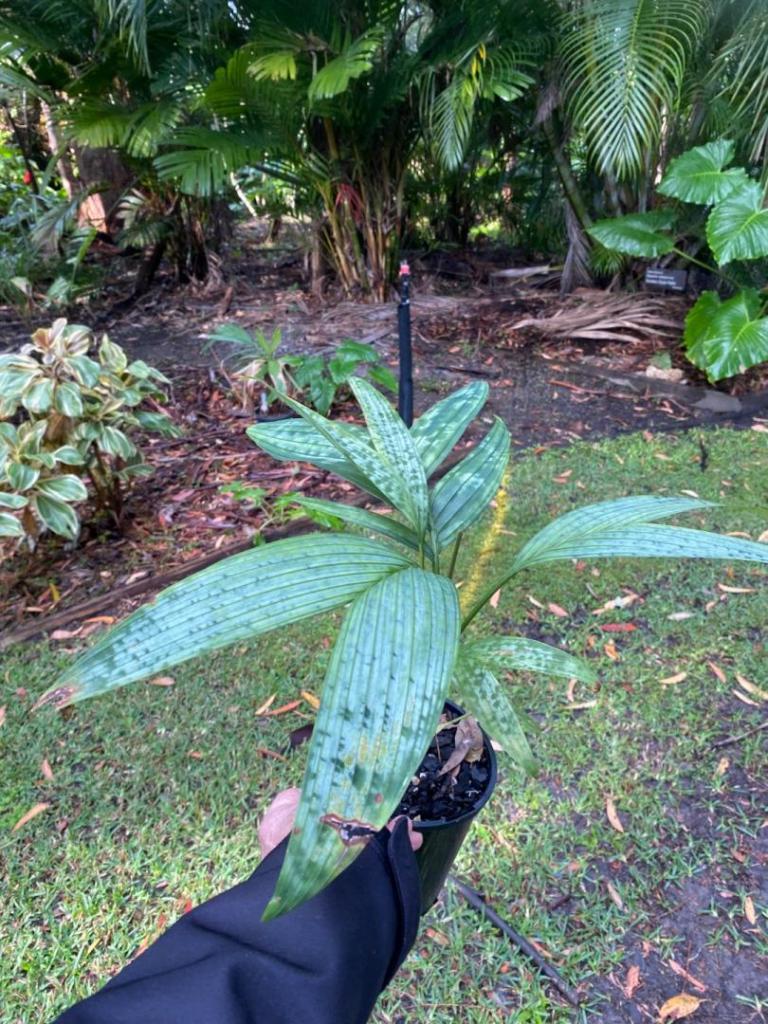
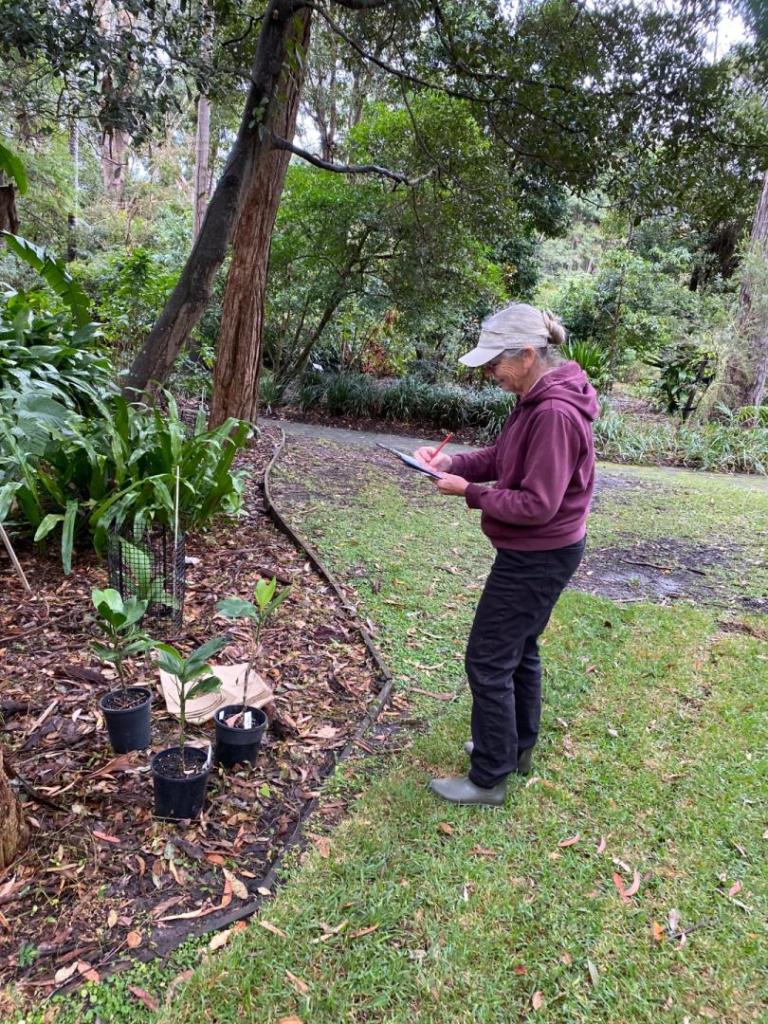
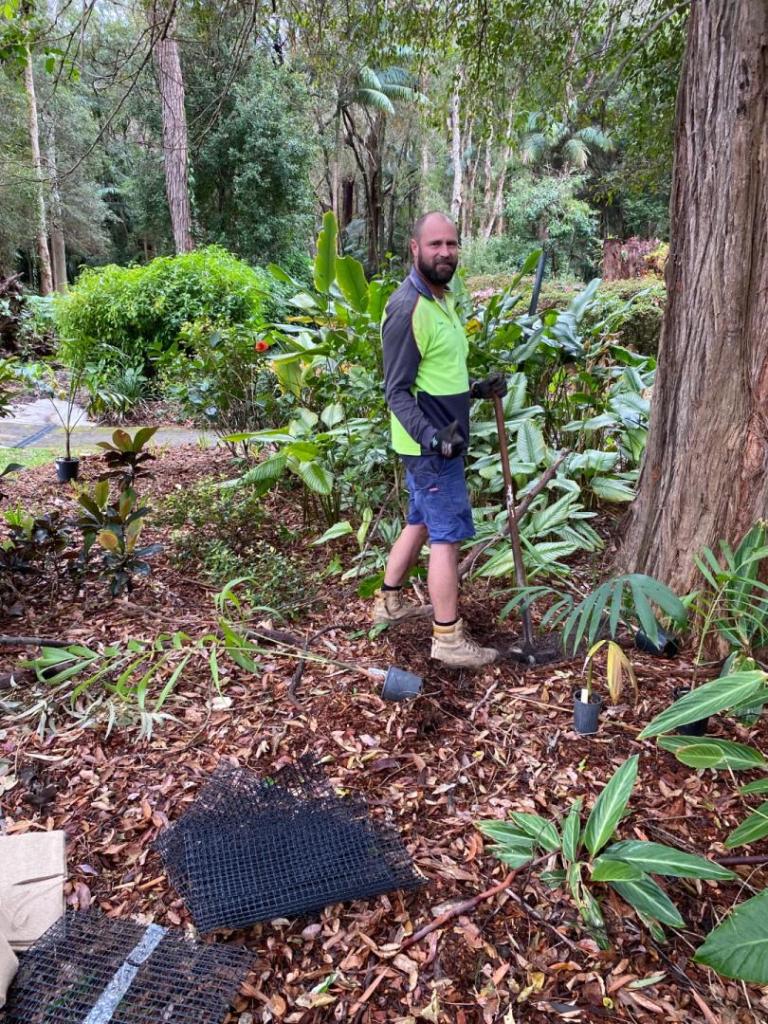
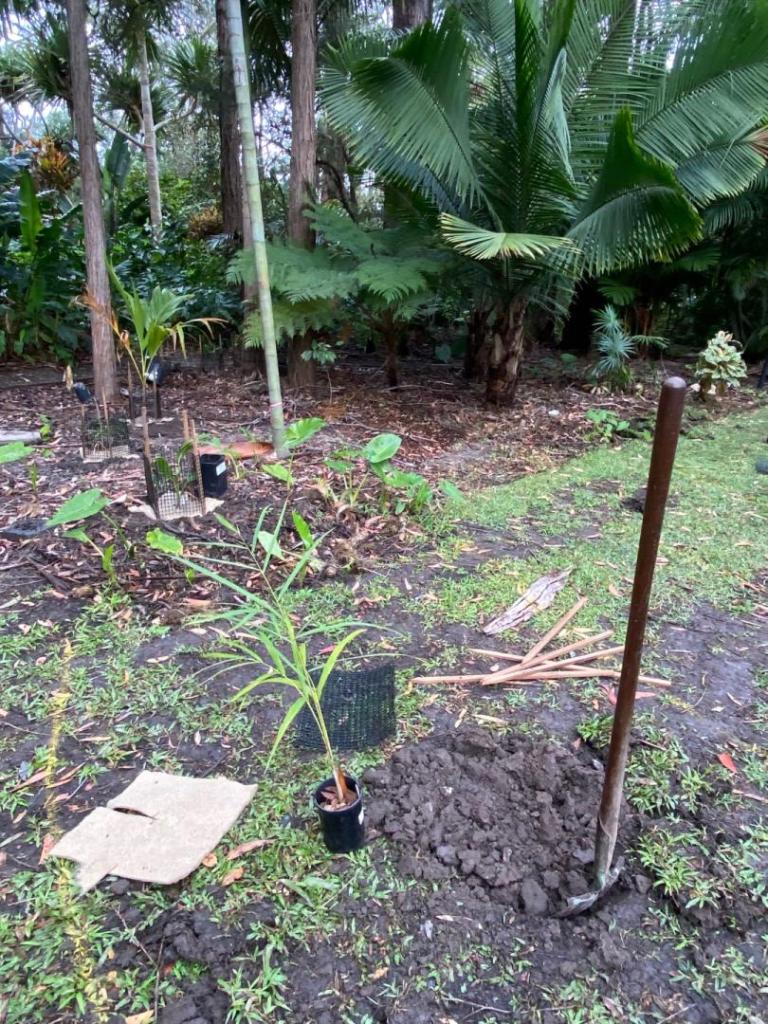
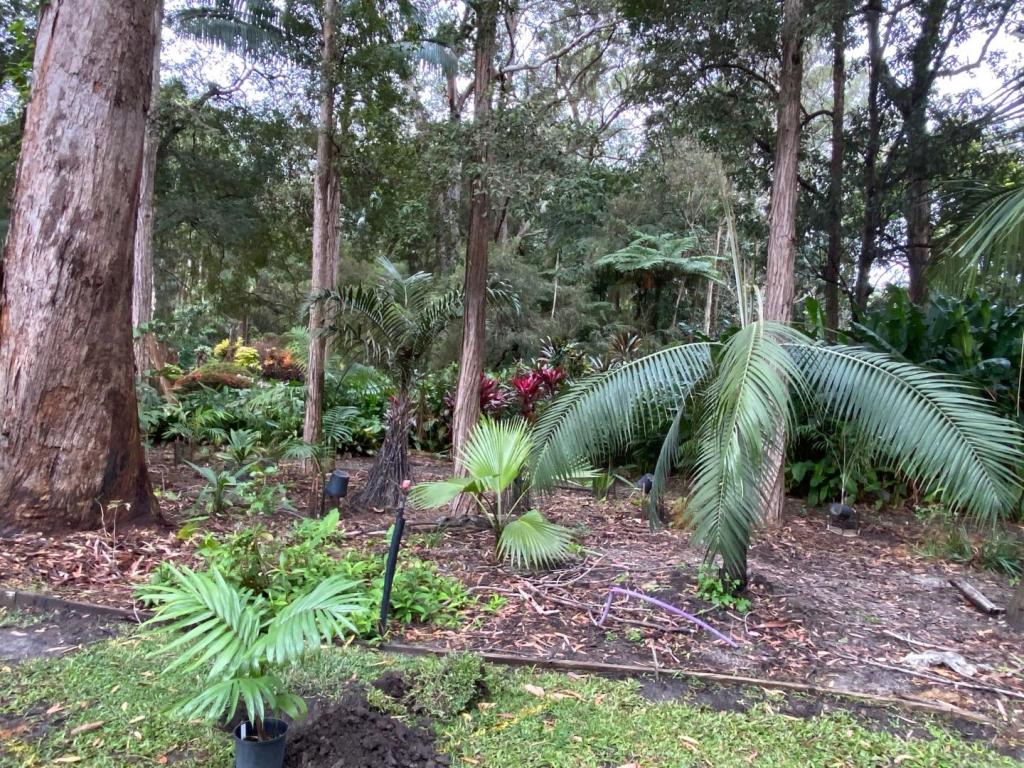
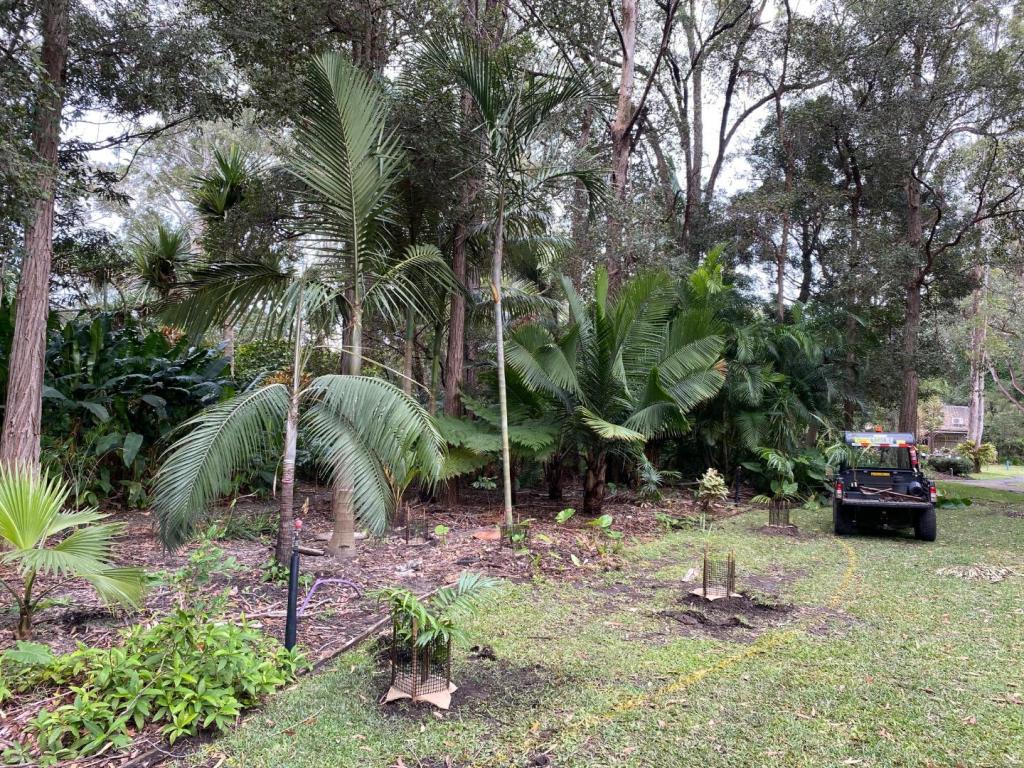
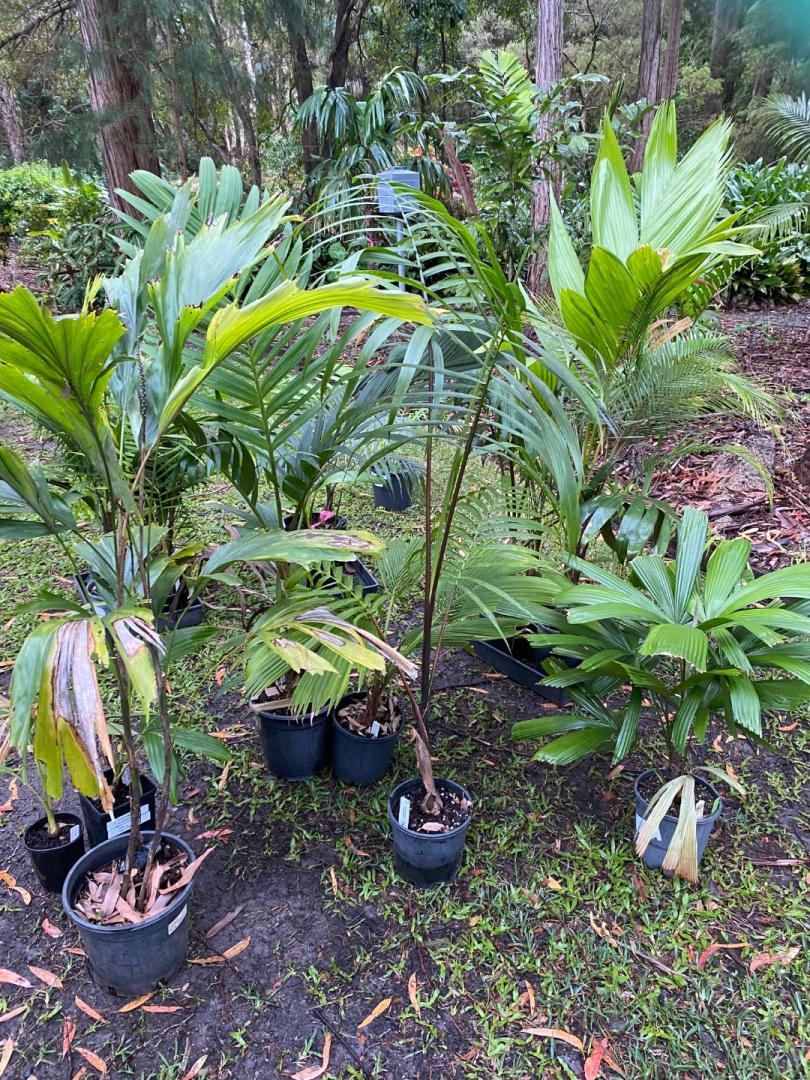
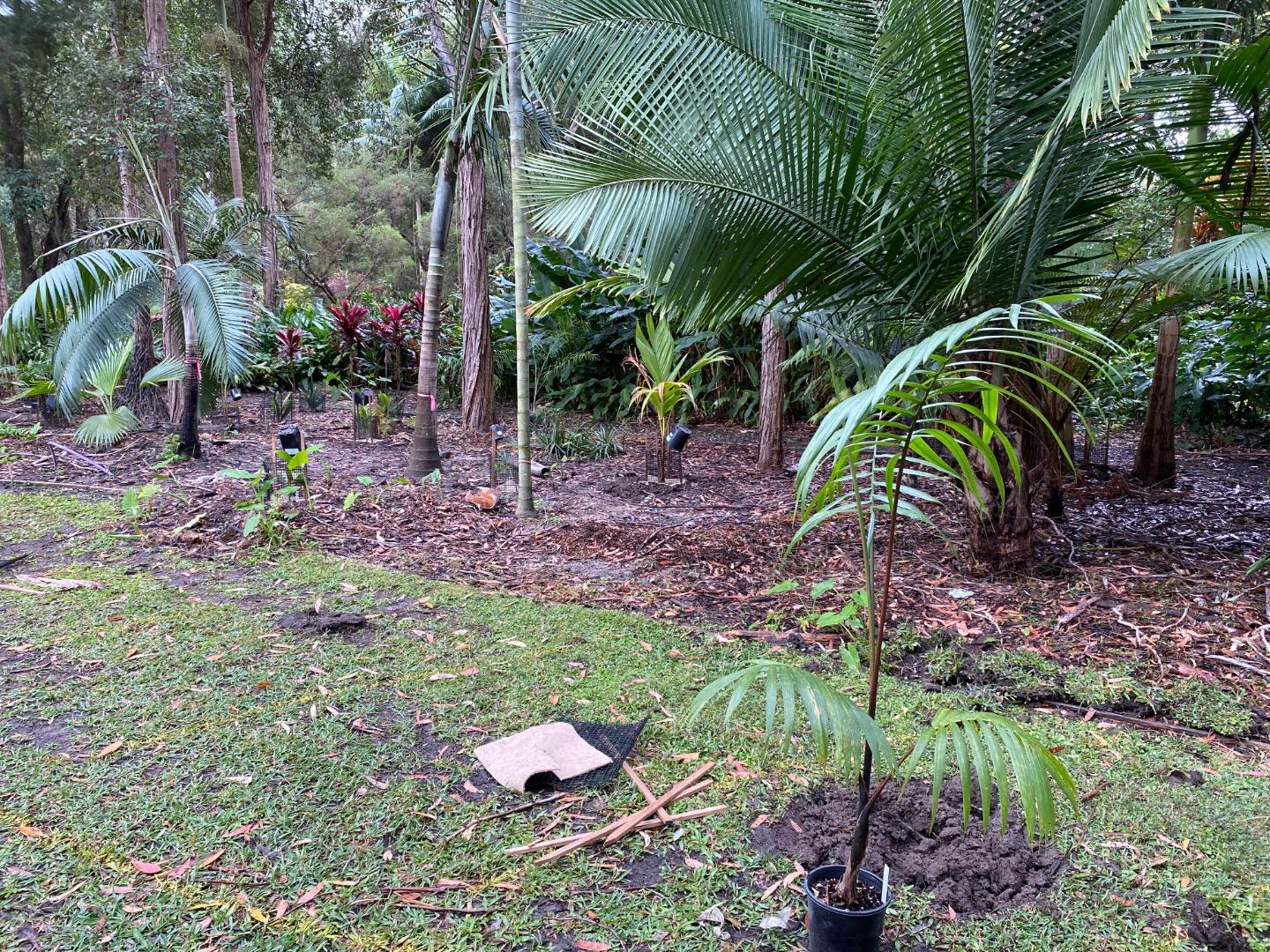
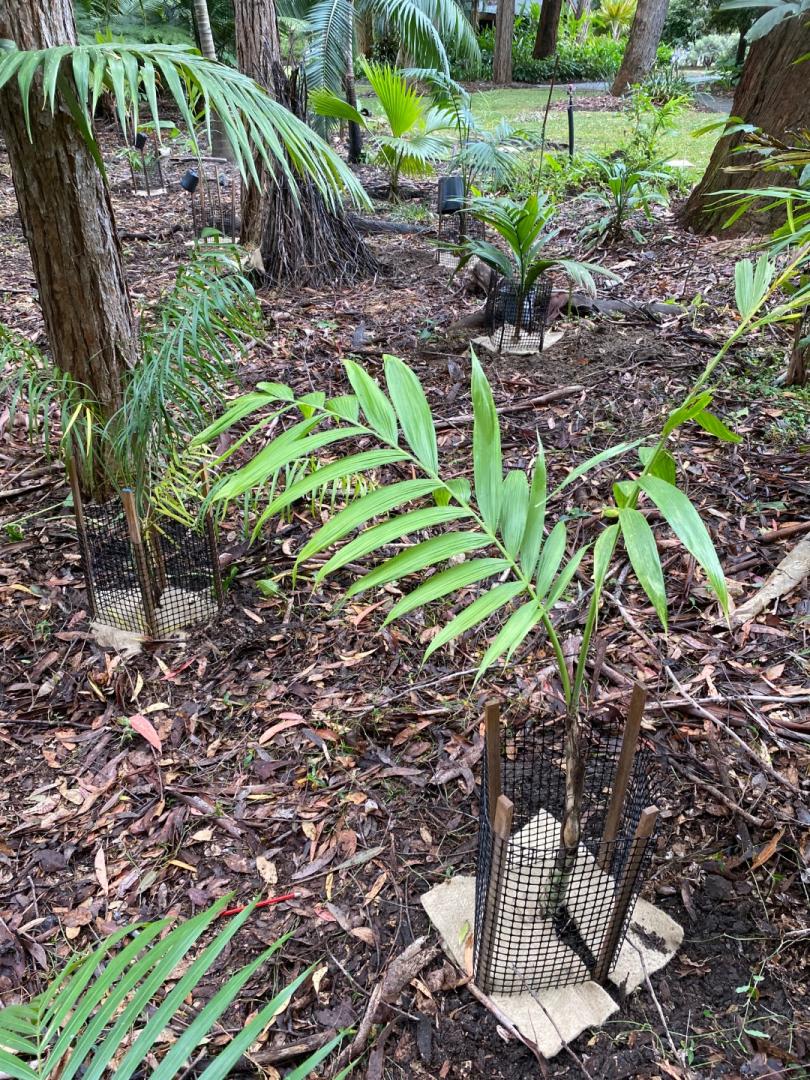
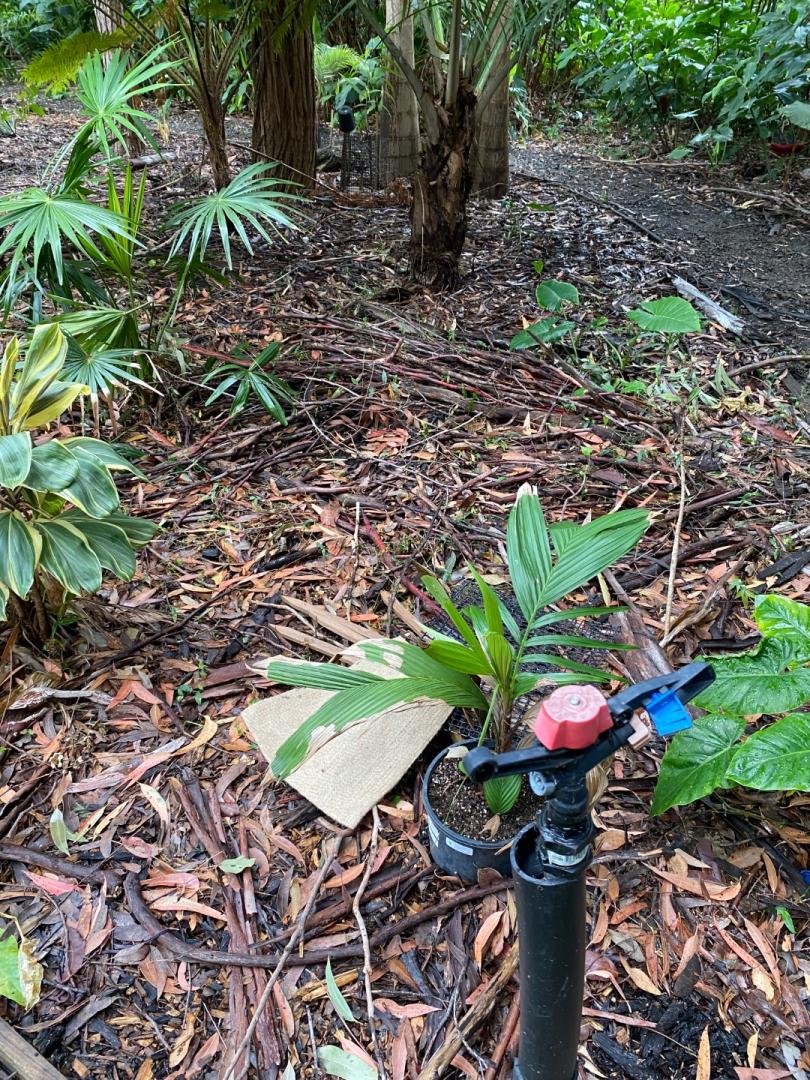
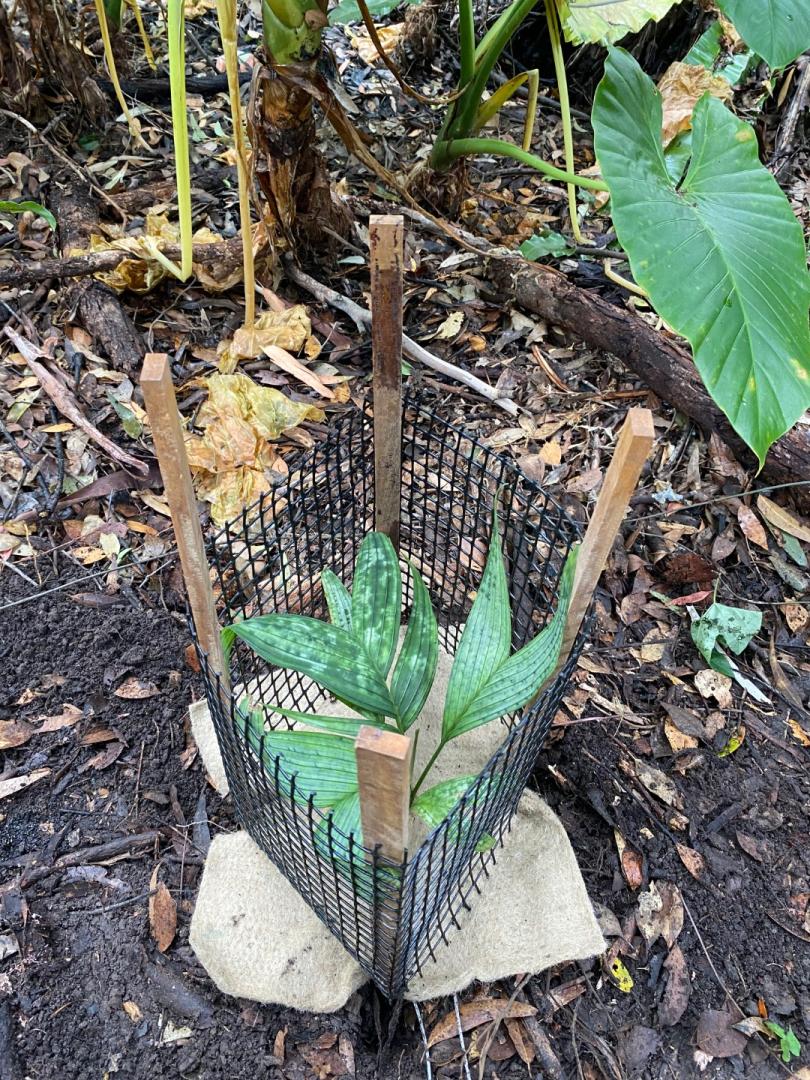
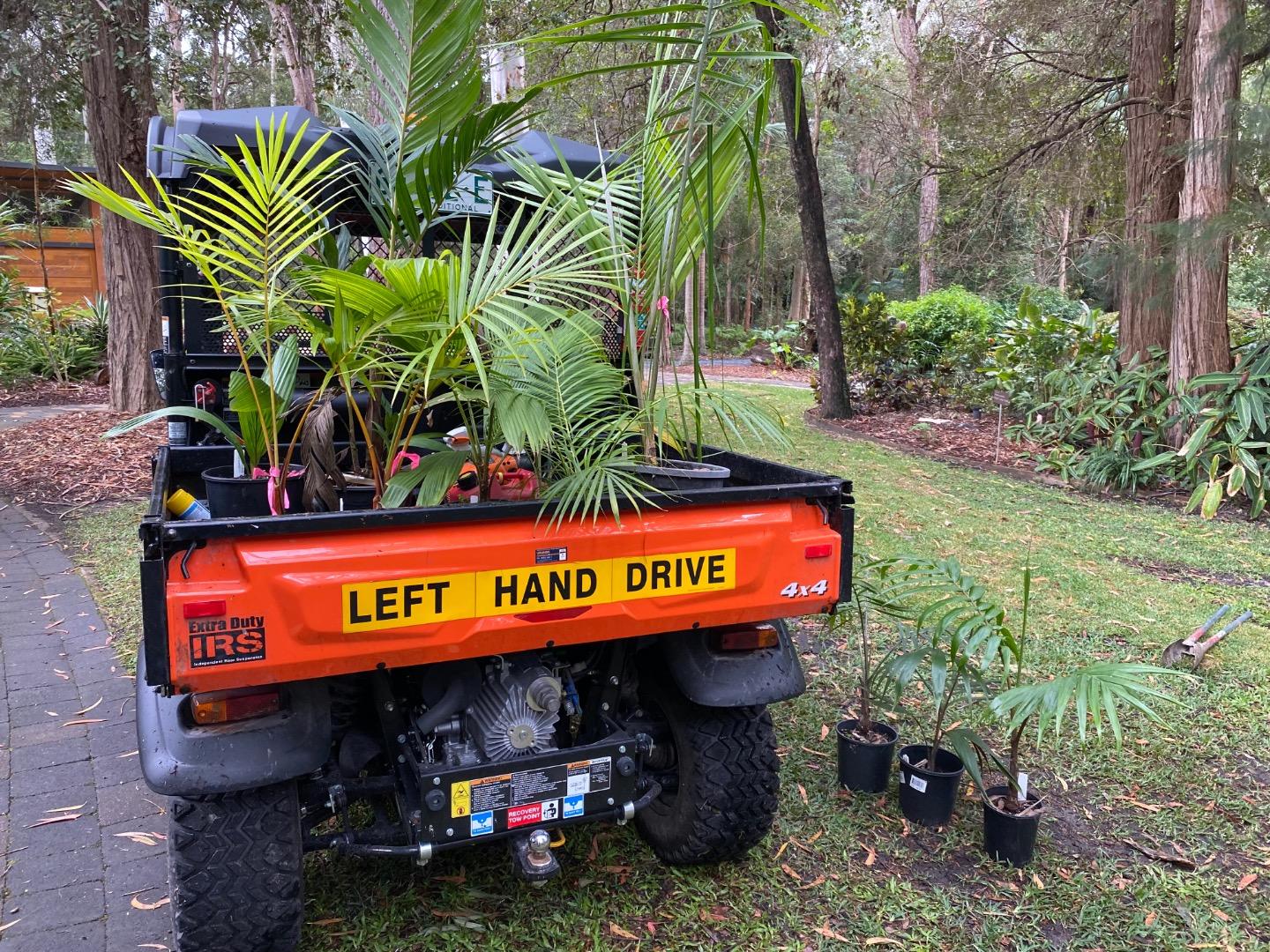
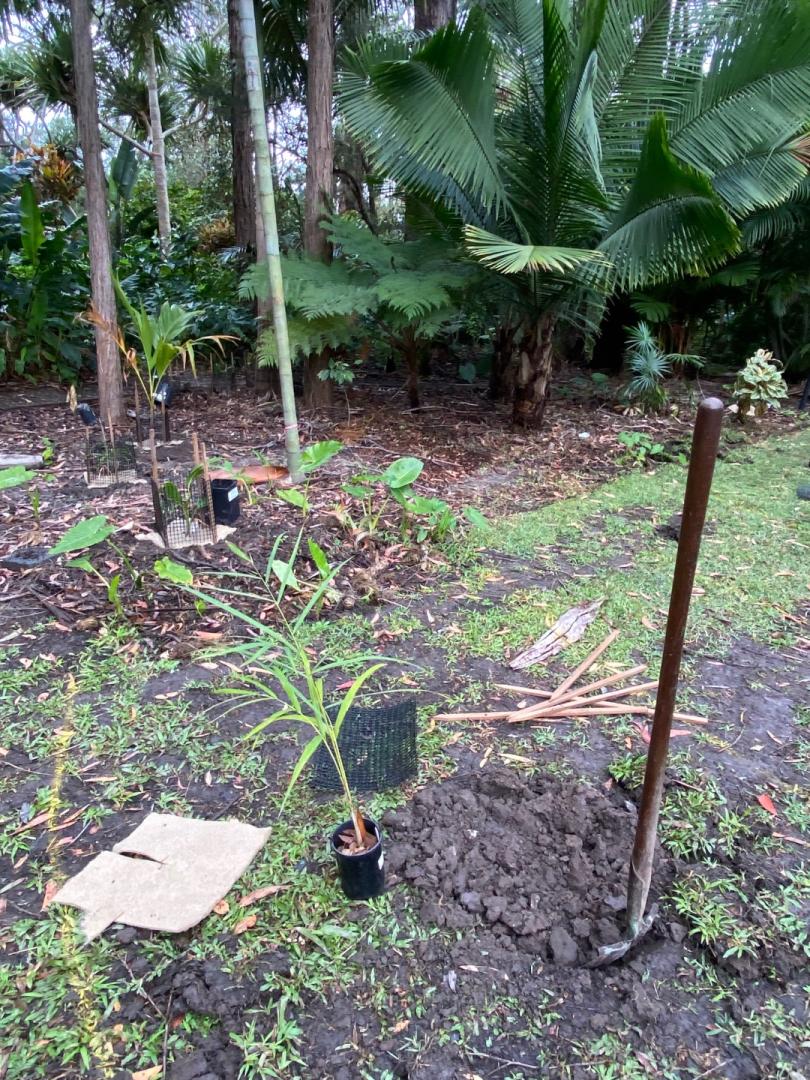
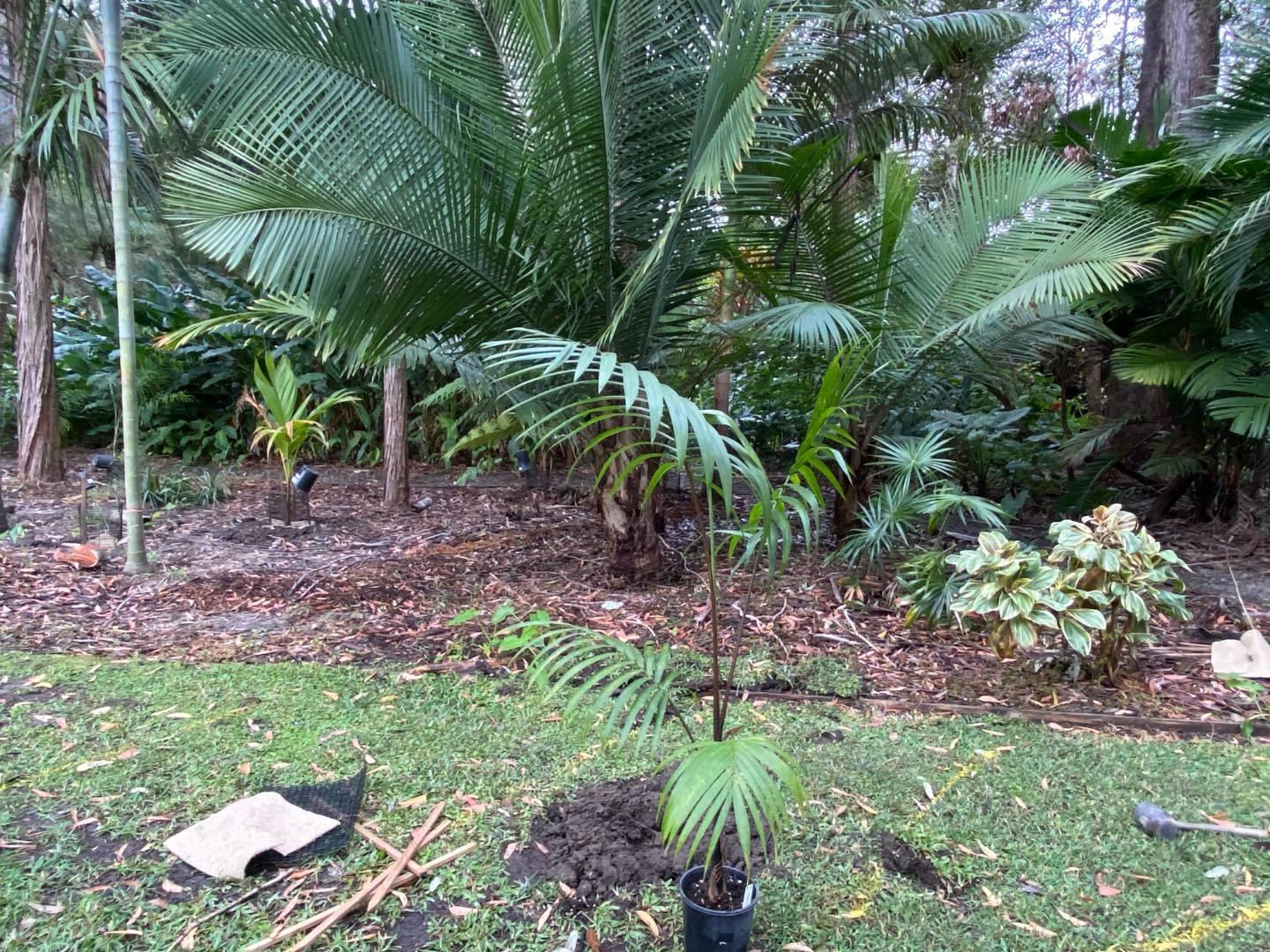
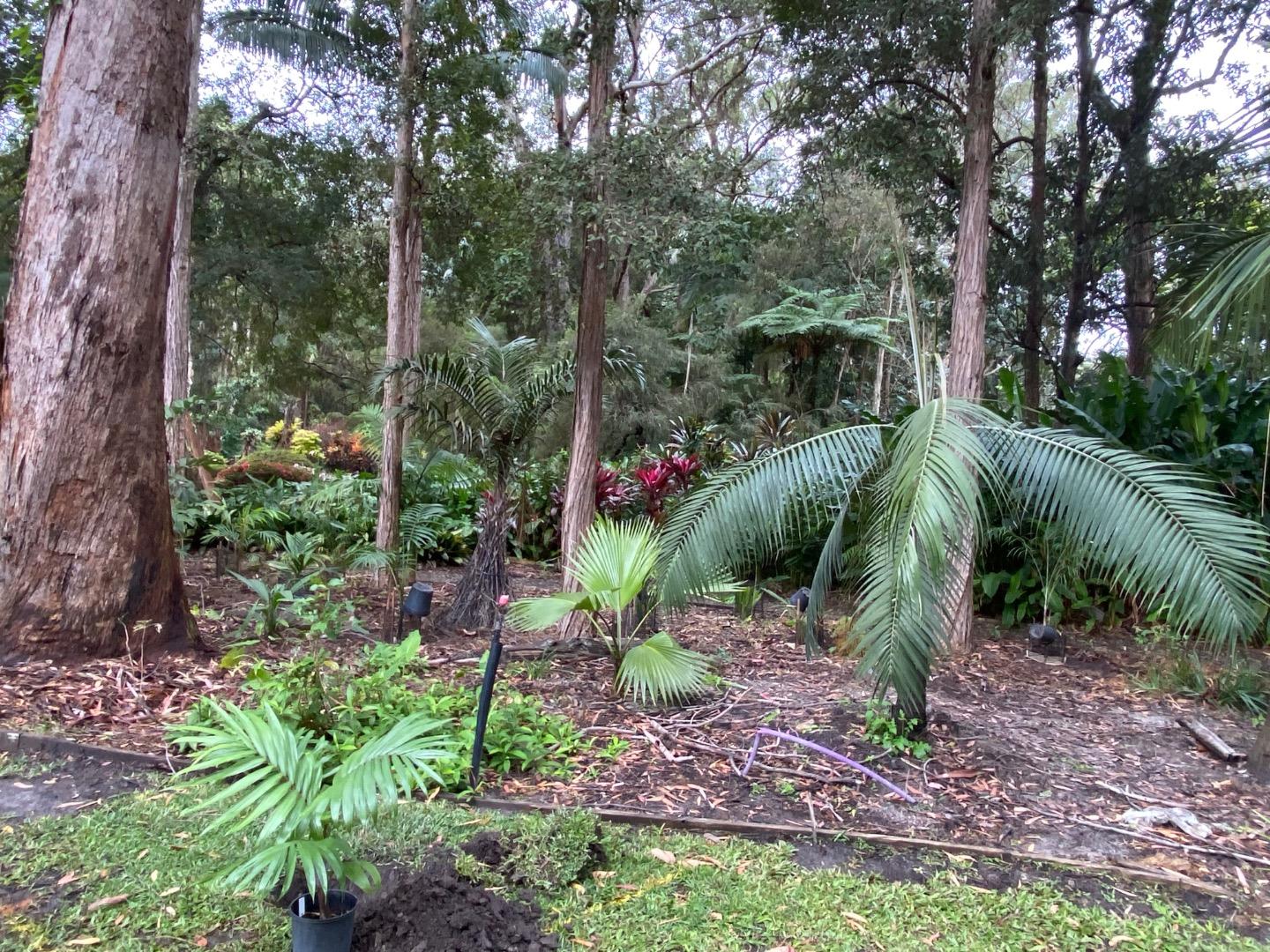
A little more progress was made today with the palms that have been donated by Colin Wilson Lyn Crehan and myself. With a great amount of palms being planted today for the future conservation project, with Toby the senior horticulturalists and Lyn the volunteer who is recording all the plants going in for a data base Hortis that is linked to Kew gardens. Along with Rick and myself planted some palms. It was fun I got to place hopefully all the palms in the right position. This part of the collection will be for education purposes on rare and endangered species and exotic palms. A long time vision of the garden curator Rick ackland it’s great to be part of this project for all generations to come and enjoy the wonderful world of palms!
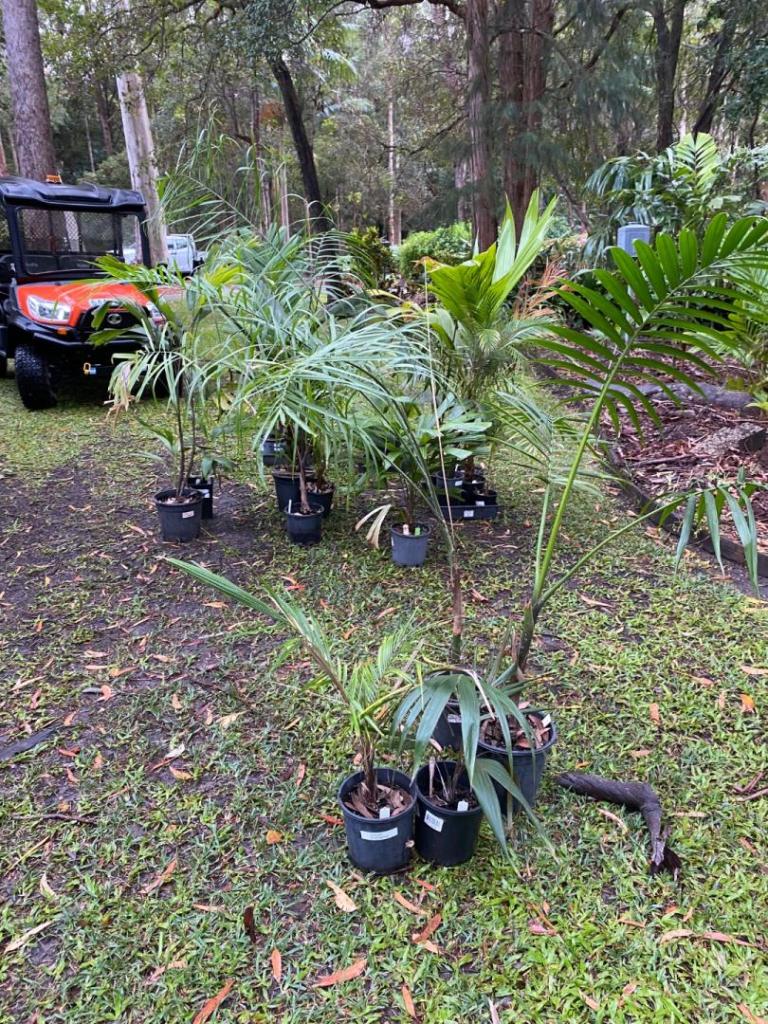

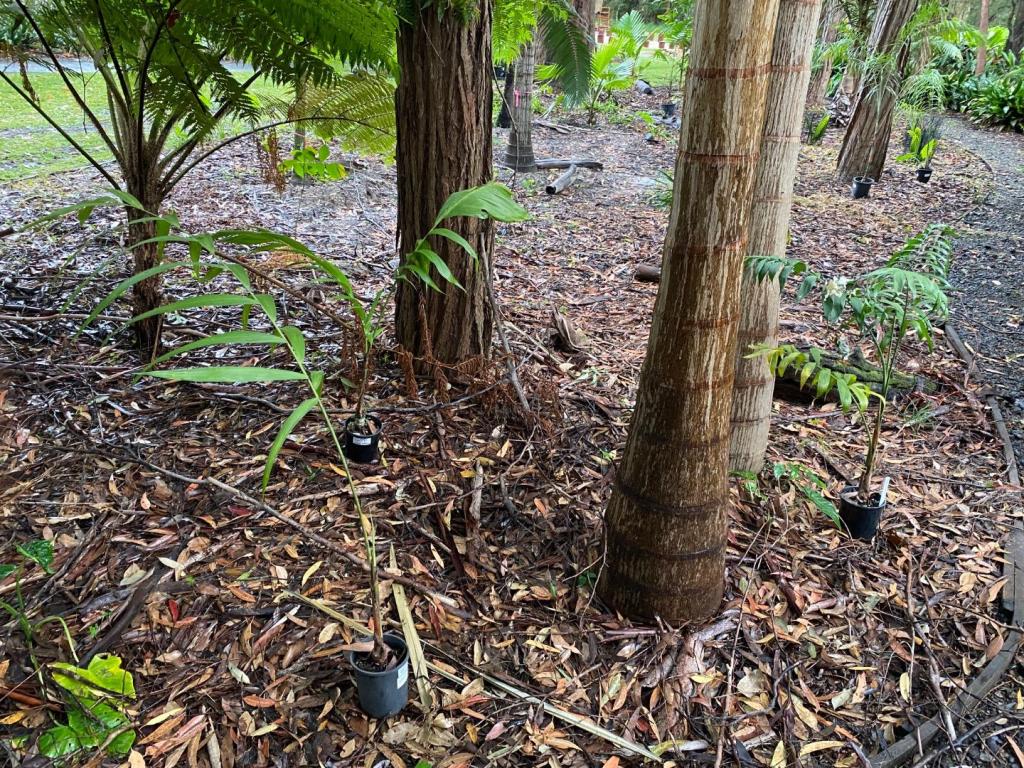


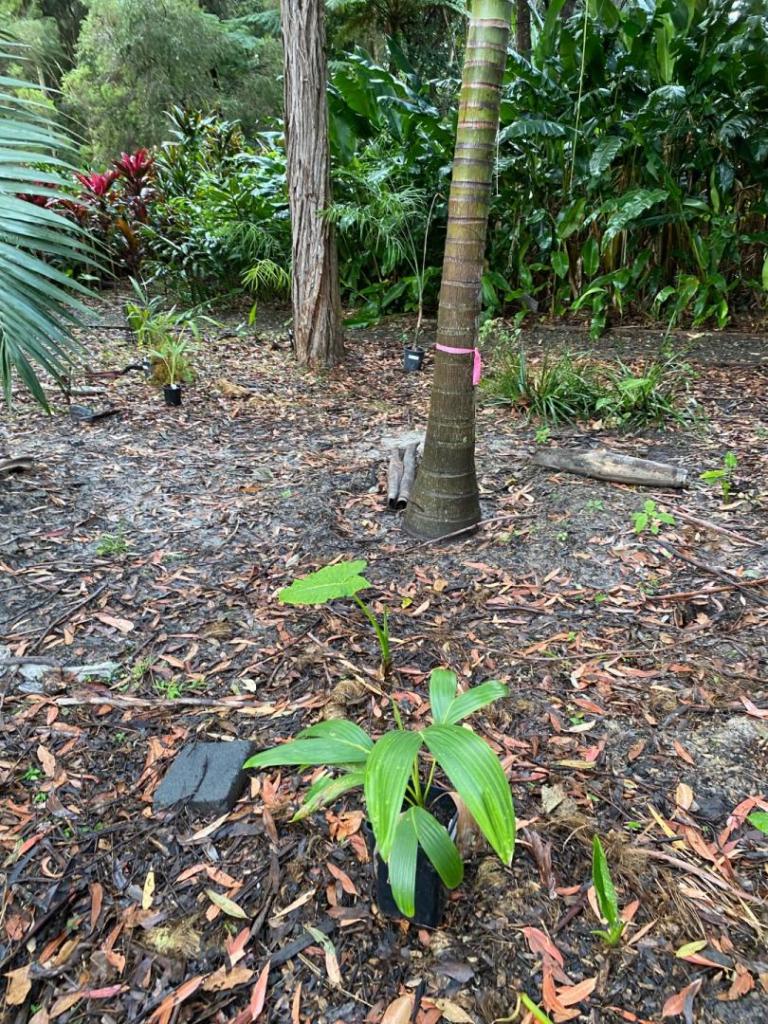
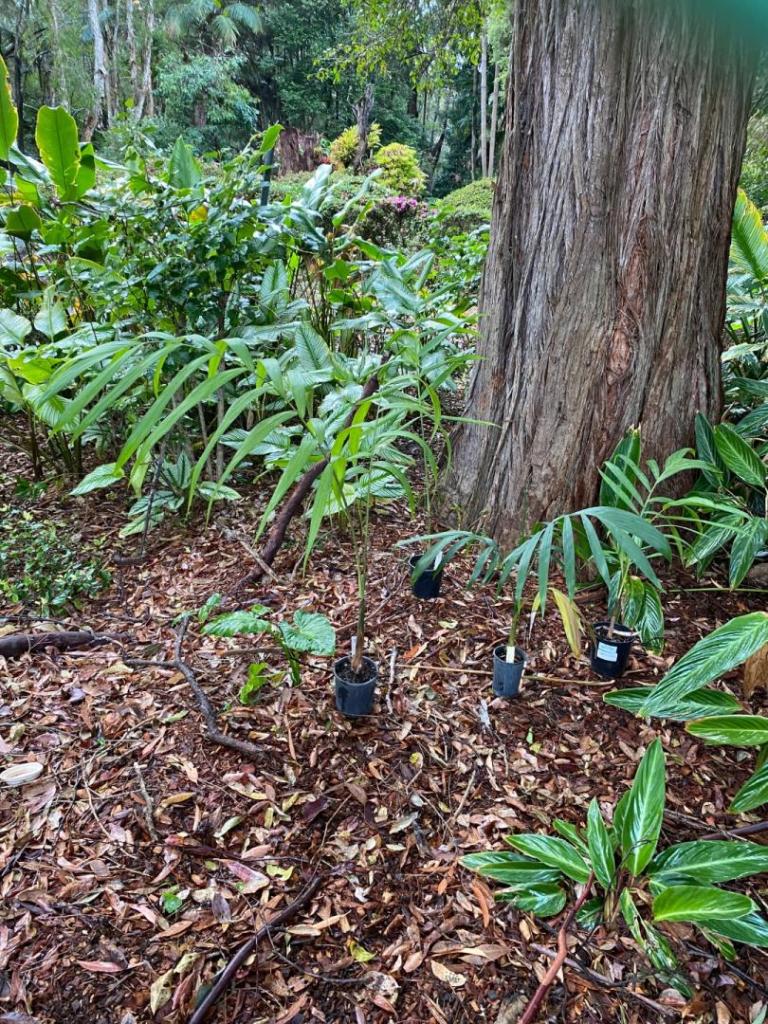








 5 points
 -
Many more to come over the next 5 years. ....it will some collection and with Richards local support it will definetly happen.4 points
-
It was so fun just grabbing palms and going right plant there. I did try to keep the chamaedorea varieties separated to prevent cross pollination. Choosing shade and sun palms along with how big does it get. Having some experience with palms I hope to create a jungle of palms. From canopy to understory I know how to create and to be able to leave such a garden behind in a public space for all to see is a milestone as gardener. To know it’s in a botanical garden even better and gives me great joy as palm lover! Richard4 points
-
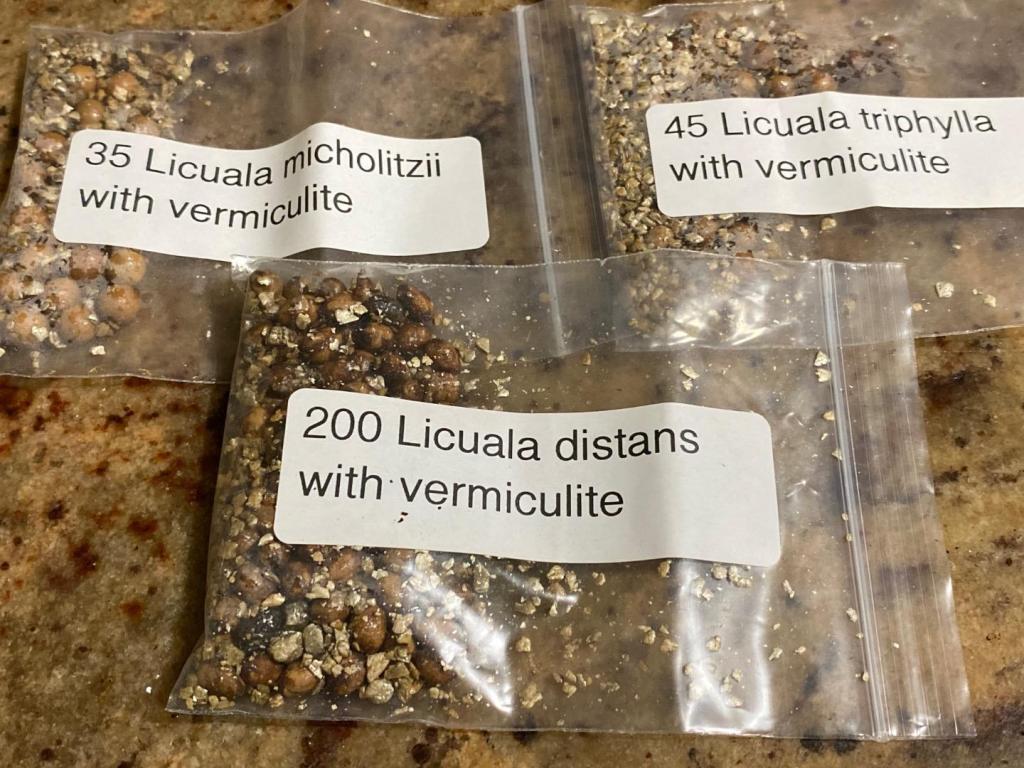
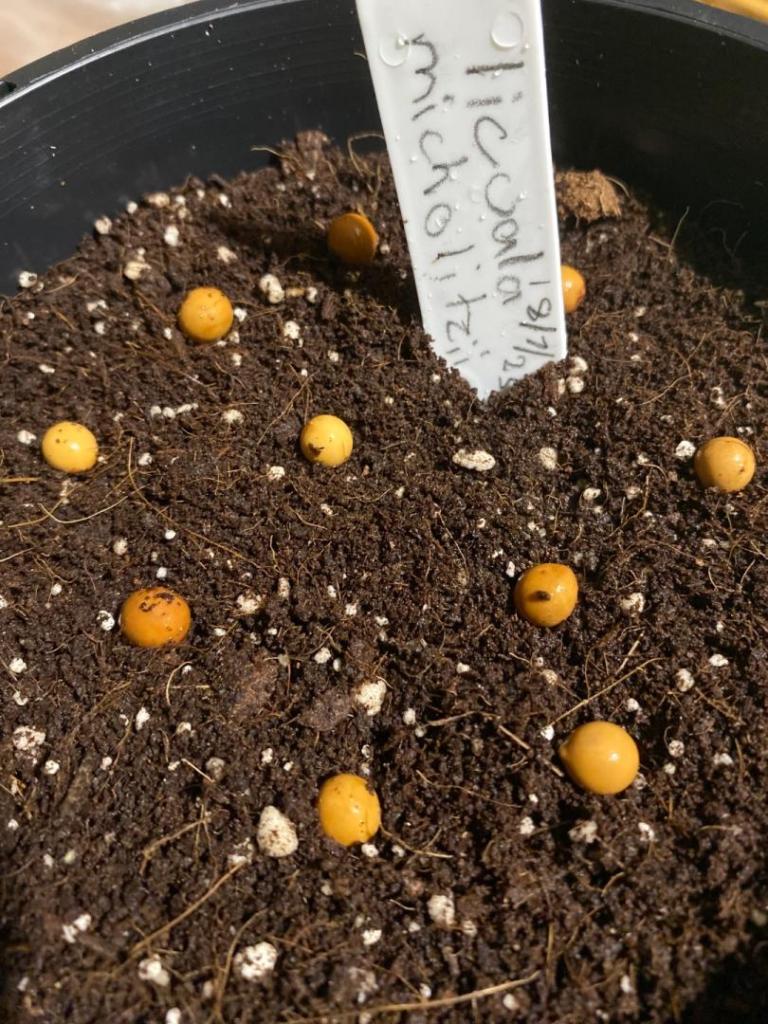
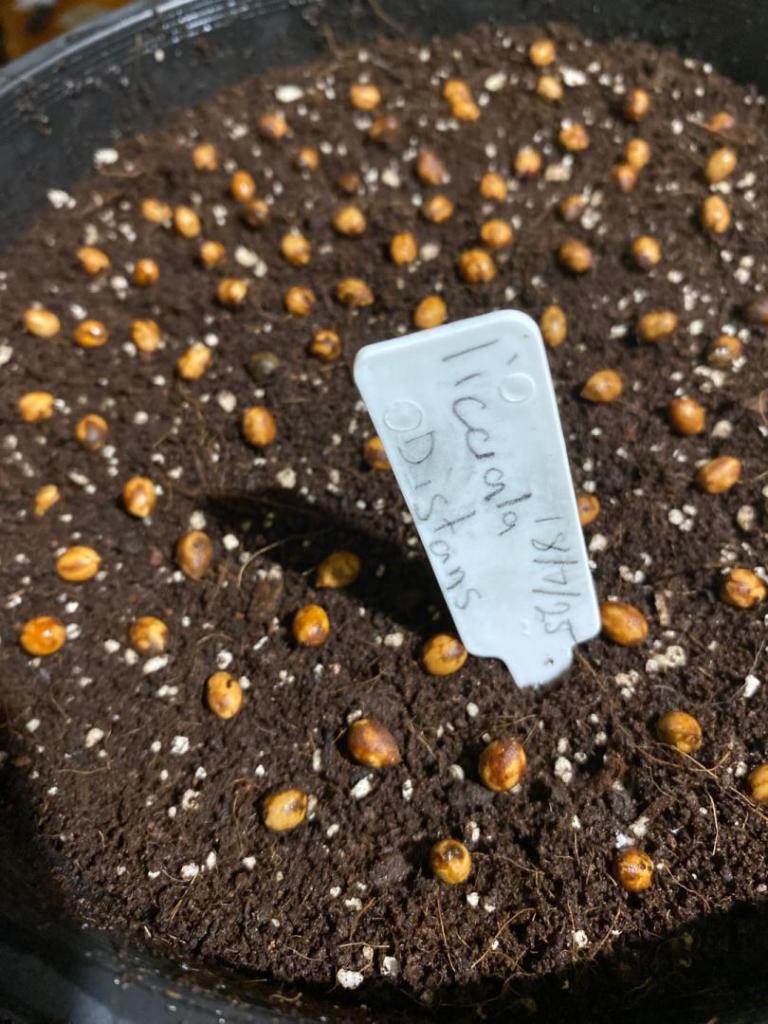
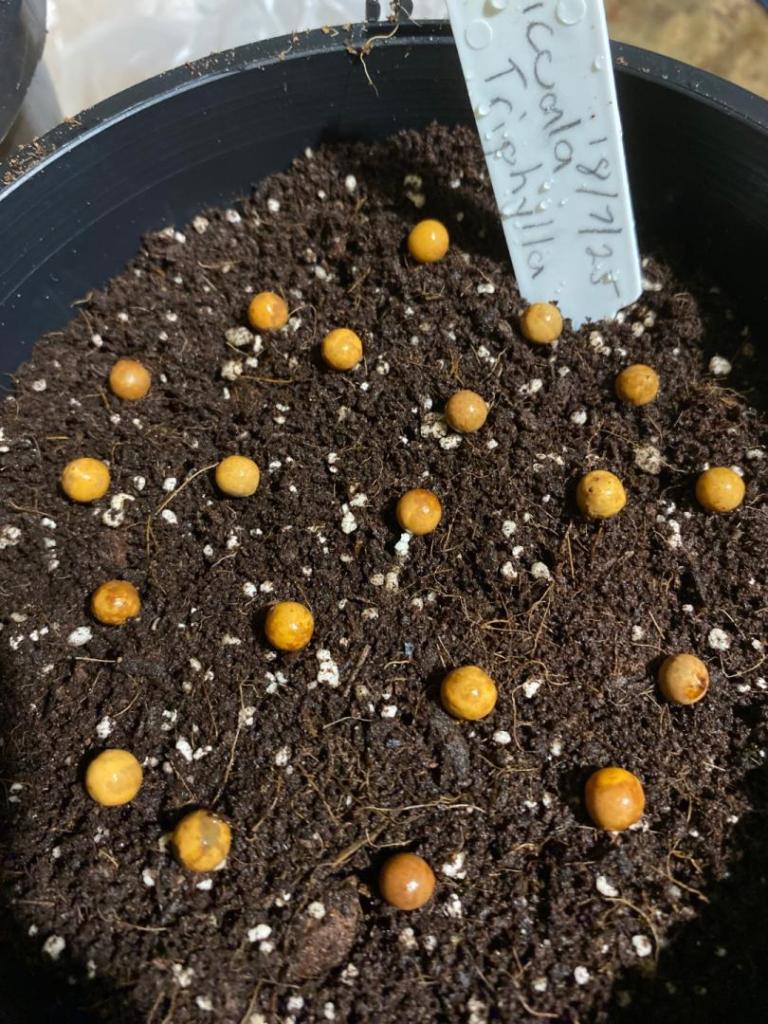
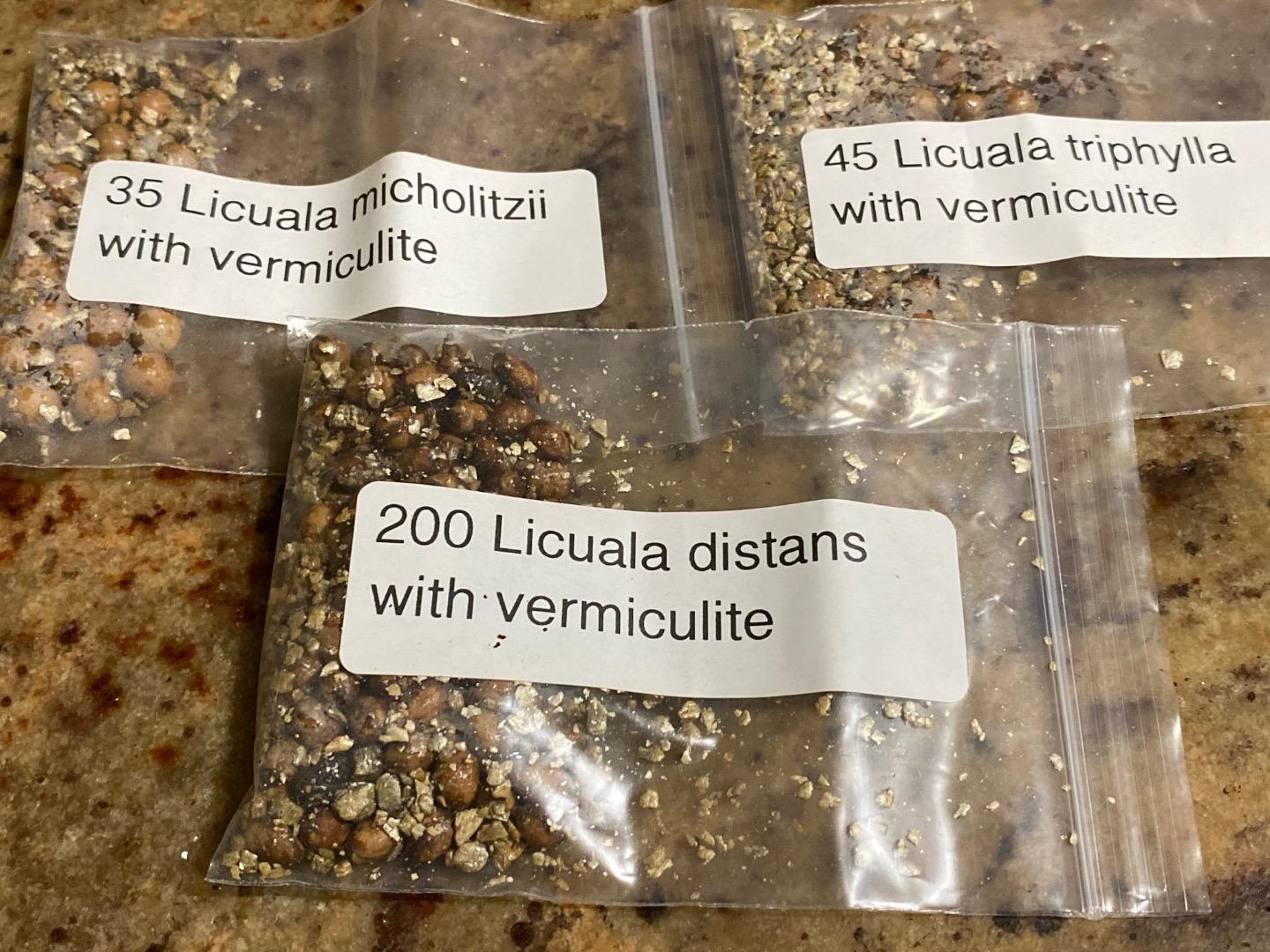
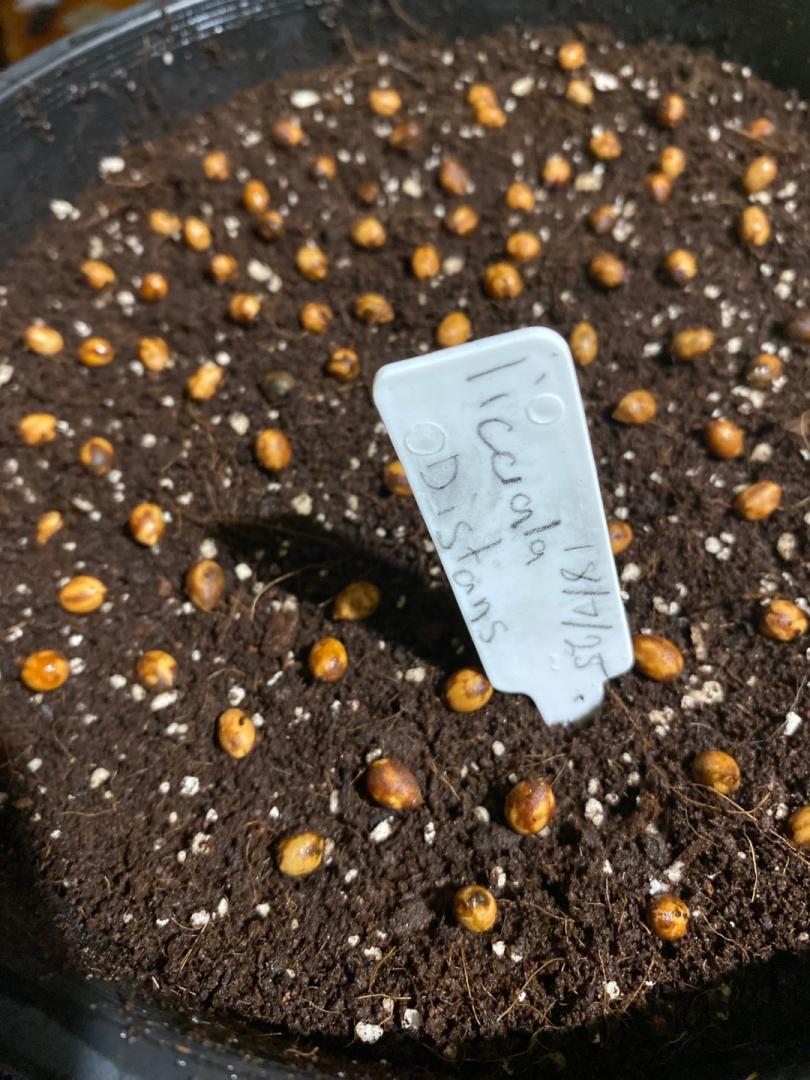
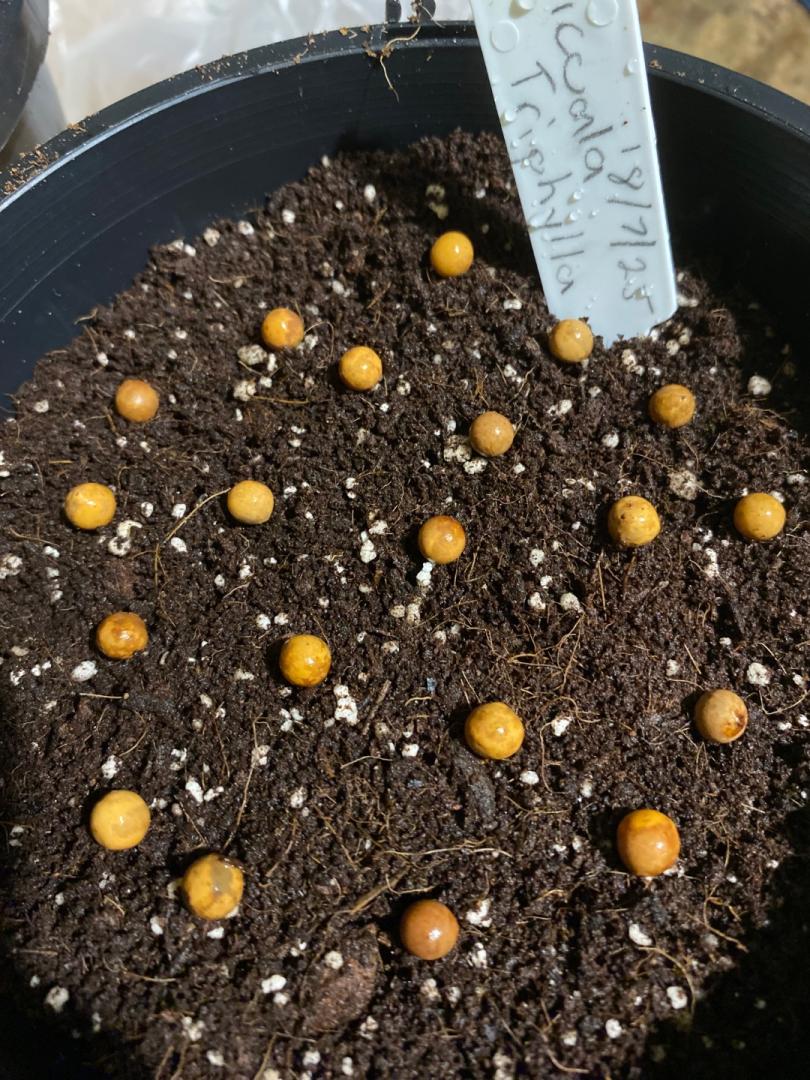
Just a few good licuala varieties in this batch. Definitely interesting species for sure, all you need is a bit of luck in the germination department and instant winners in any collection. Time will tell, not a lot to look at now but give them some time and they standout in any collection!
 4 points
 -
I’m sorry but your palm is dead and has been for a while. Sorry for your loss. That was an old palm.3 points
-
Dioon Vovidesii

 3 points
 -
I supposedly have one and have had it for 25 years, grows a few cm a year Regards Colin3 points
-
They don’t call them the velvet palm for no reason! Some people love small dypsis my love is small chamaedoreas. I have fully observed this little palm the adscendens. And have cracked there little secrets for seed production, knowing by colour and visual observation I can say it’s taken years to perfect it, truly horticulture at it’s best, too observe and study a palm is a joy! Richard3 points
-
Alright nice one John. Now what is the golden palm rule repeat after me though shall not kill thy palm and get it to snuffit! But honestly you got a real gem there.3 points
-
And the best part is I ask for nothing in return, the same as you helping your cousin. Life is full off genuine people who are the same as yourself all around the globe. Traveling the globe I have met people with the same genuine honest feeling I have, just because they don’t speak English or they live halfway around the world doesn’t mean they are not loving caring people just the same as yourself. This is one joy you get from traveling that and the friendships that last a lifetime, oh and the food!3 points
-
Some of the ones I see in photos in Hawaii omg!3 points
-
@ken hammer welcome to Palmtalk! I haven't heard of sulfur for new transplants before. I suppose if the soil is really high pH that might help, but generally you don't want to add fertilizer or other "stuff" to a new transplant. Palms will "eat" the old fronds for nutrients, so don't cut old fronds off until they aee brown and dessicated. Adding a bit of diluted liquid fertilizer a month after transplant or a bit of granular palm type fertilizer is ok. I would definitely not cut off any pups or mess with it for at least 6 months. Let it grow in and get settled before doing anything to it.3 points
-
I think this will be a winner for you. Cool temps are not the issue with this one. Low humidity and not keeping them constantly moist is their enemy but you are in a good part of the world for it. Plant more.3 points
-
Nearly all the Chamaedoreas here have fruit, even the house plants but I don't know how to be gender specific and only have one of each species. My big Teddy Bear grew bracts months ago and only now are things started to happen that could be seeds eventually. I have decided not to learn more about pollination etc as there is so much information about every topic on earth in my brain already that it is at risk of overloading. Peachy3 points
-
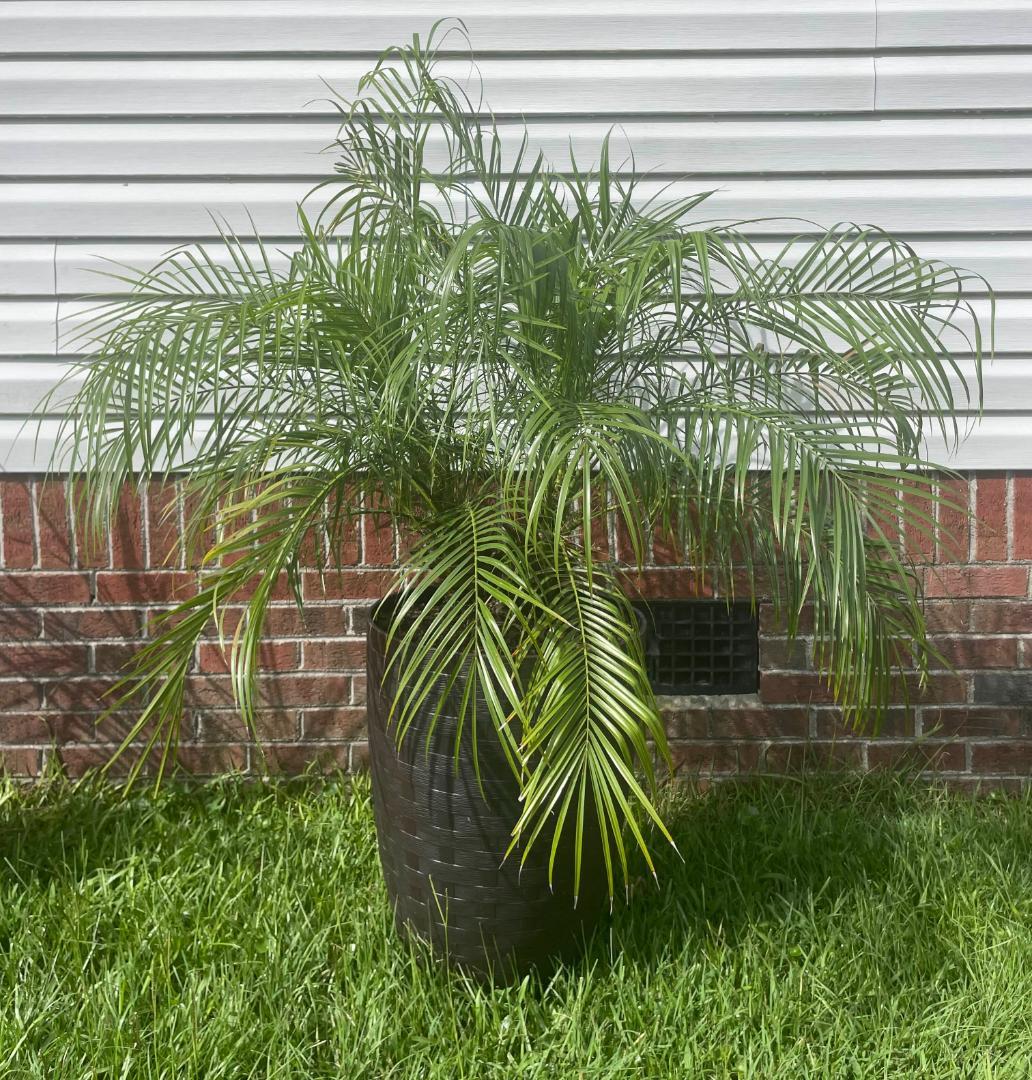
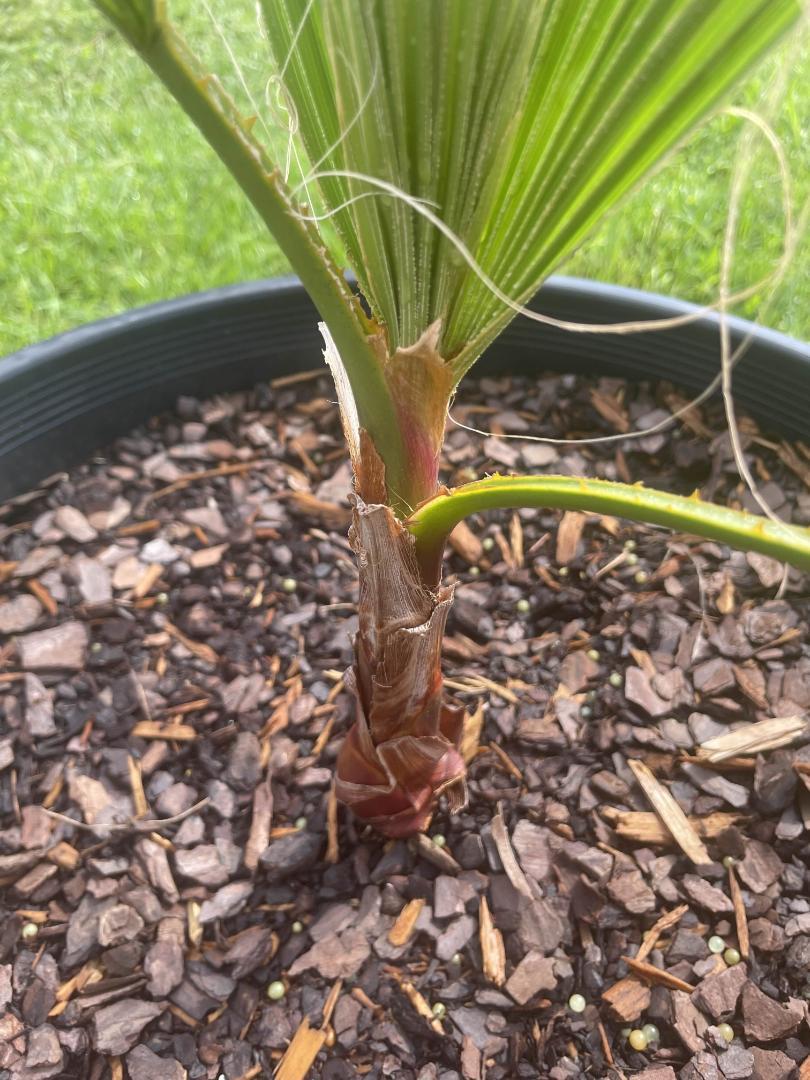
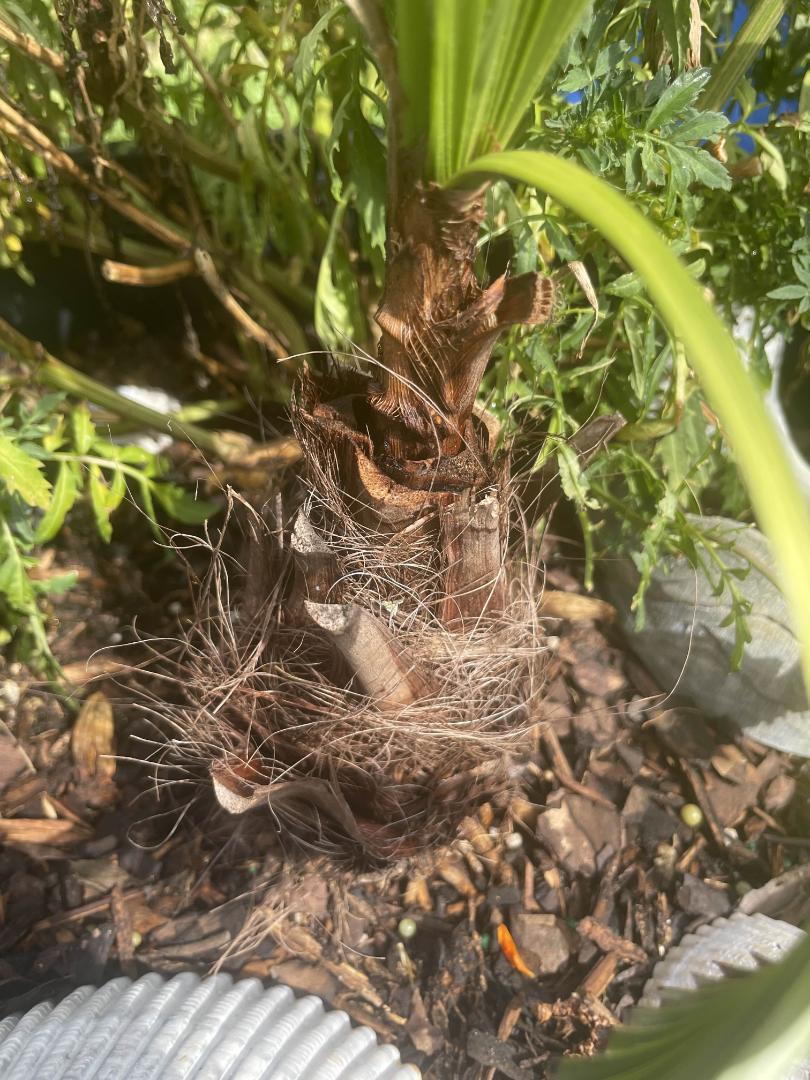
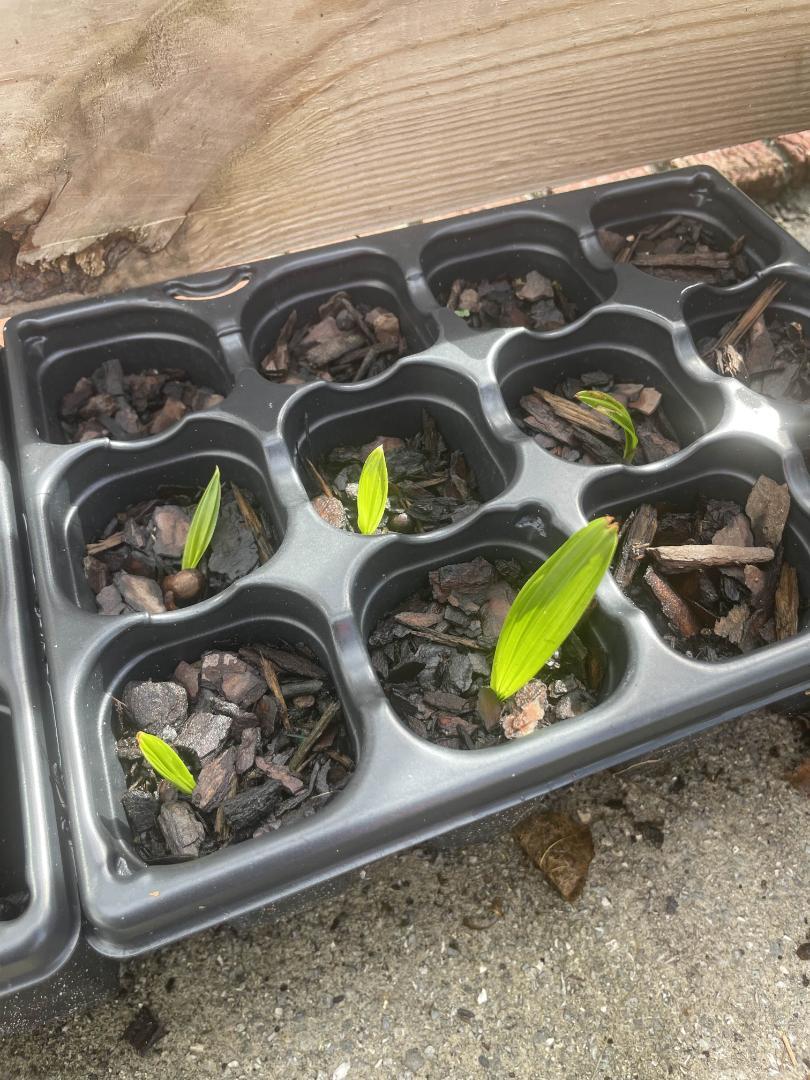
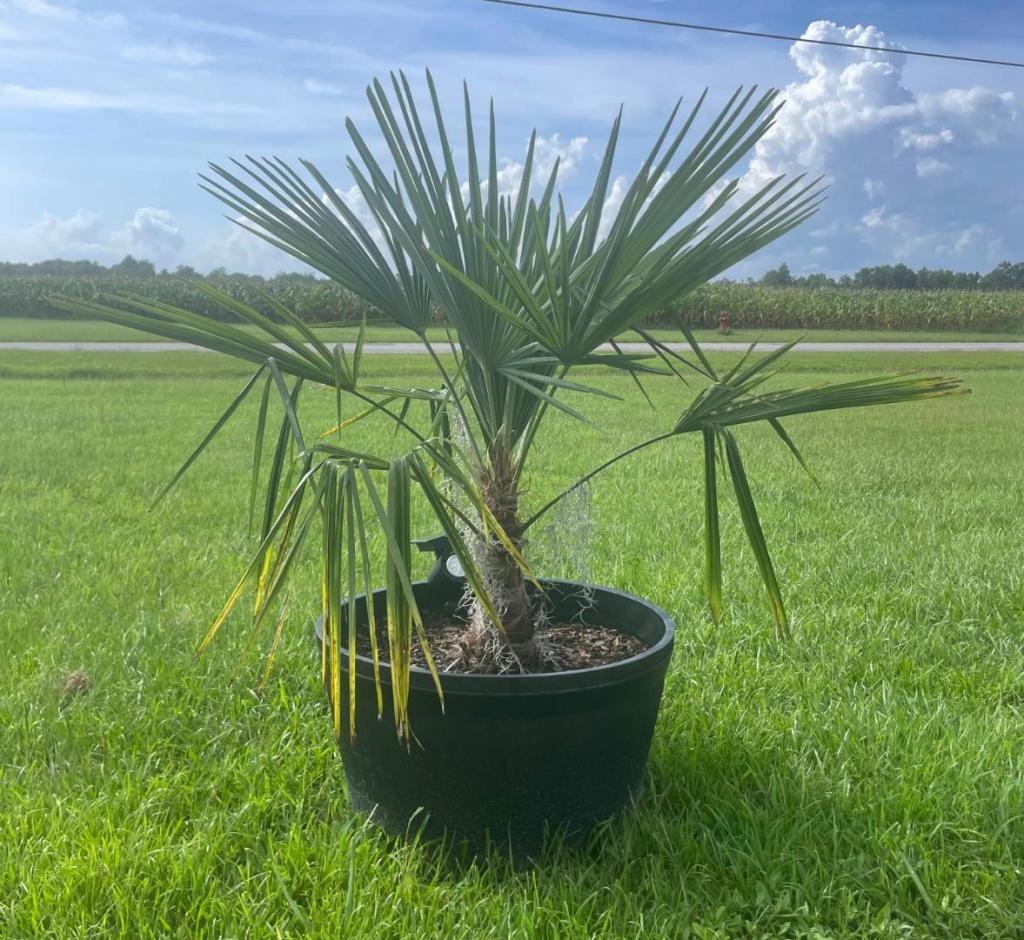
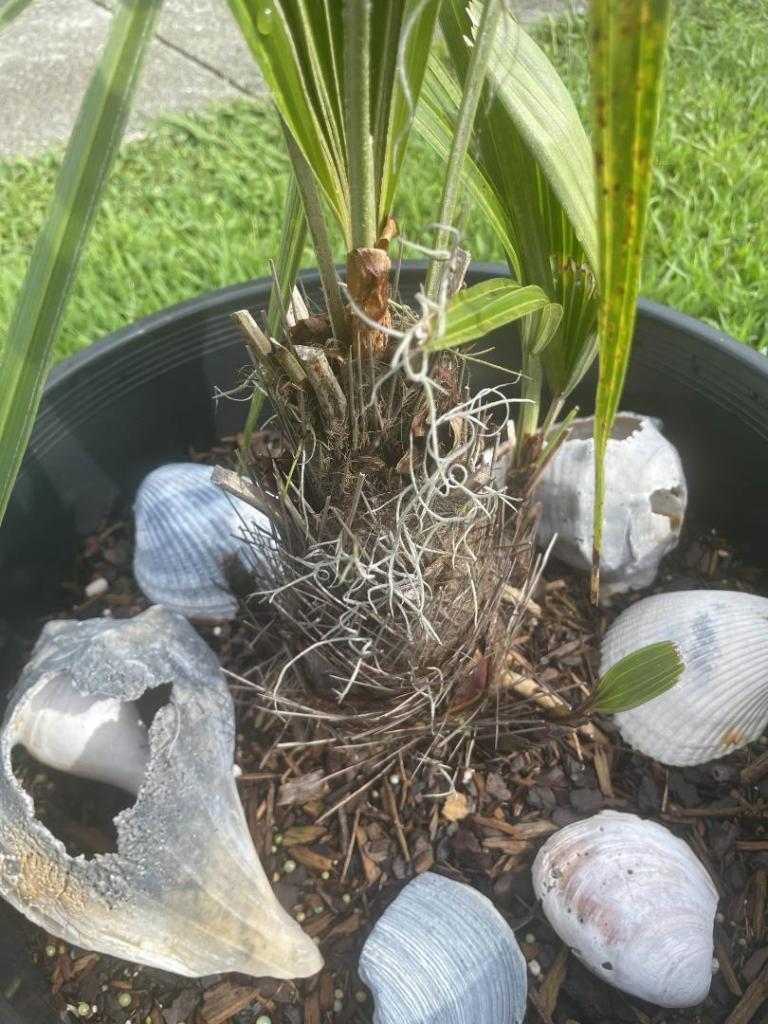
My container ranch in coastal southeastern North Carolina... Windmill Palm (Trachycarpus fortunei) This palm joined the club in March 2025 as a 7-gallon. It has exceeded my expectations... March 2025: July 2025: Needle Palm (Rhapidophyllum hystrix) This palm was purchased in 2022 from Northeast Ohio Palms as a 3-gallon. It was briefly planted in the ground in western N.C. before I moved across the state. It has been through multiple tropical storms since 2023; Idalia, Ophelia, Debby, and PTC 8. It developed what I suspect was an iron deficiency in early March of this year, but that has since been addressed... July 2025: Mexican Fan Palm (Washingtonia robusta) July 2025: Pygmy Date Palm (Phoenix roebelenii) This palm was purchased in 2023 as a 3-gallon from a Lowe's in northwestern North Carolina, the last place I'd expect to find a palm tree. Along the southeastern coast in North Carolina, it can stay outside from late March to late November in most years... July 2025: Smaller Windmill palms (Trachycarpus fortunei) July 2025: Pindo Palm (Butia odorata) December 2024: July 2025: Lady Palm (Rhapis excelsa) Sabal palmetto & Trachycarpus fortunei popping up... Sabal Causiarum seedling... Washingtonia robusta seeds sprouting, alongside a couple more Trachycarpus fortunei... Some non-palm extras...




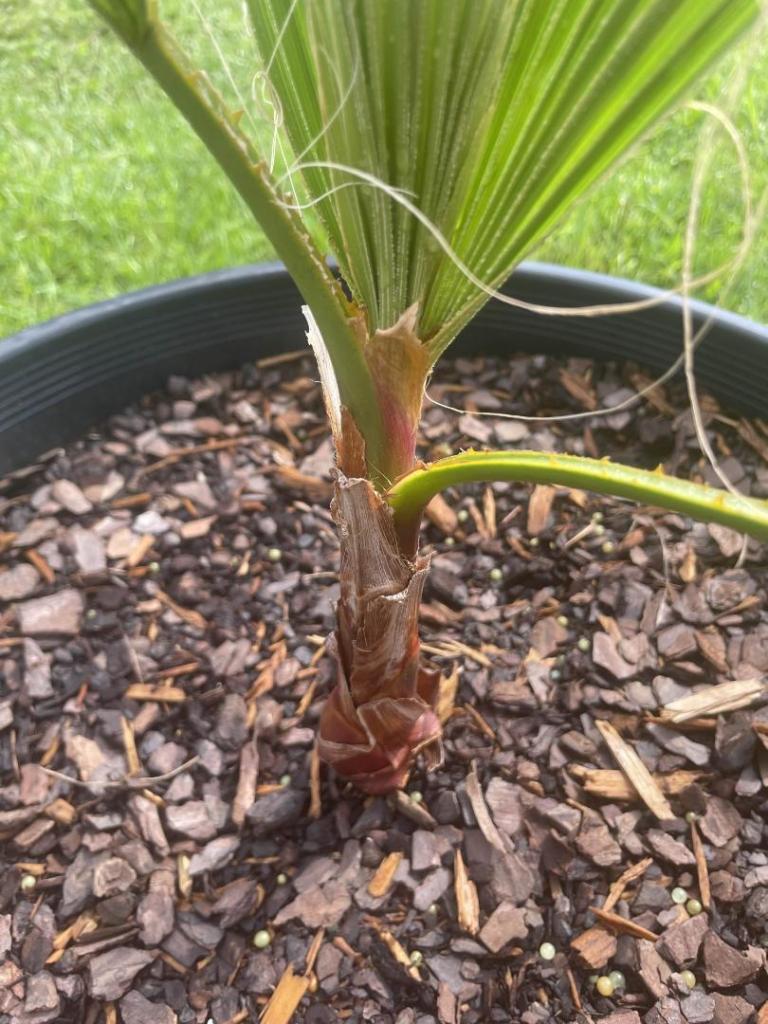


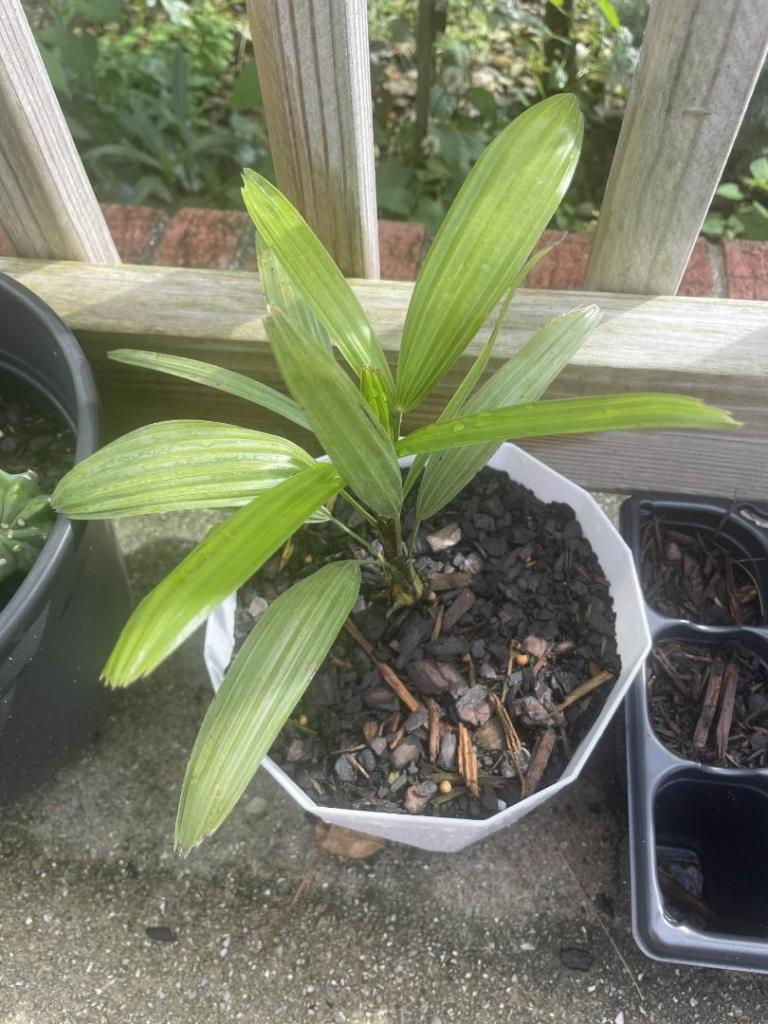


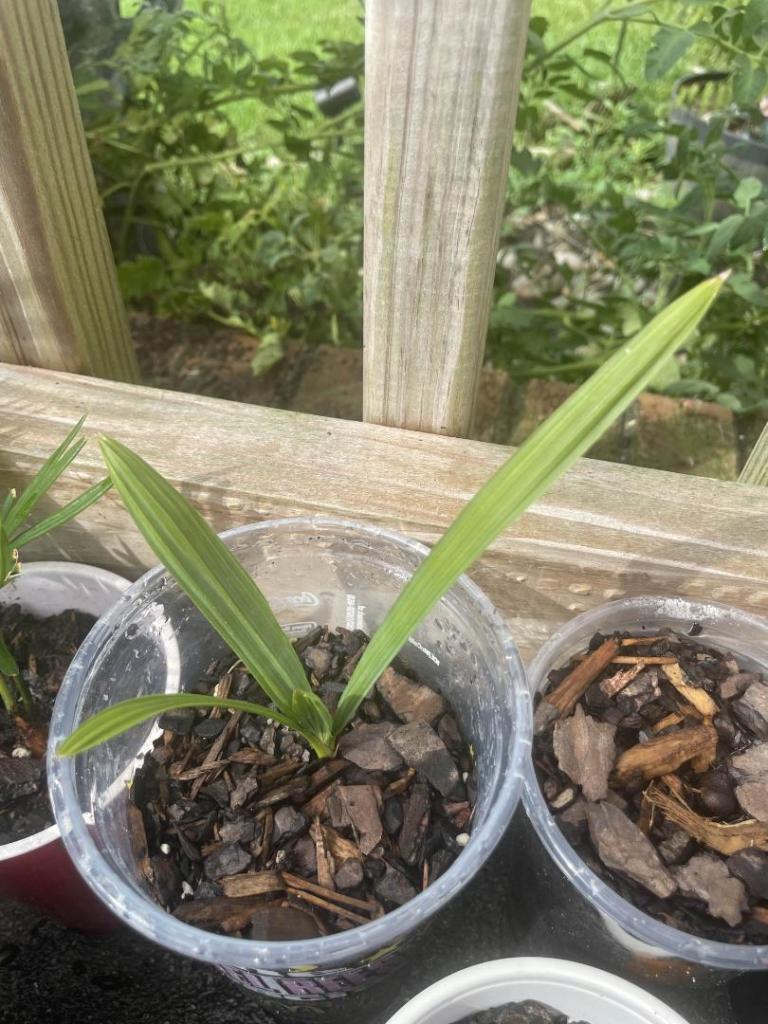
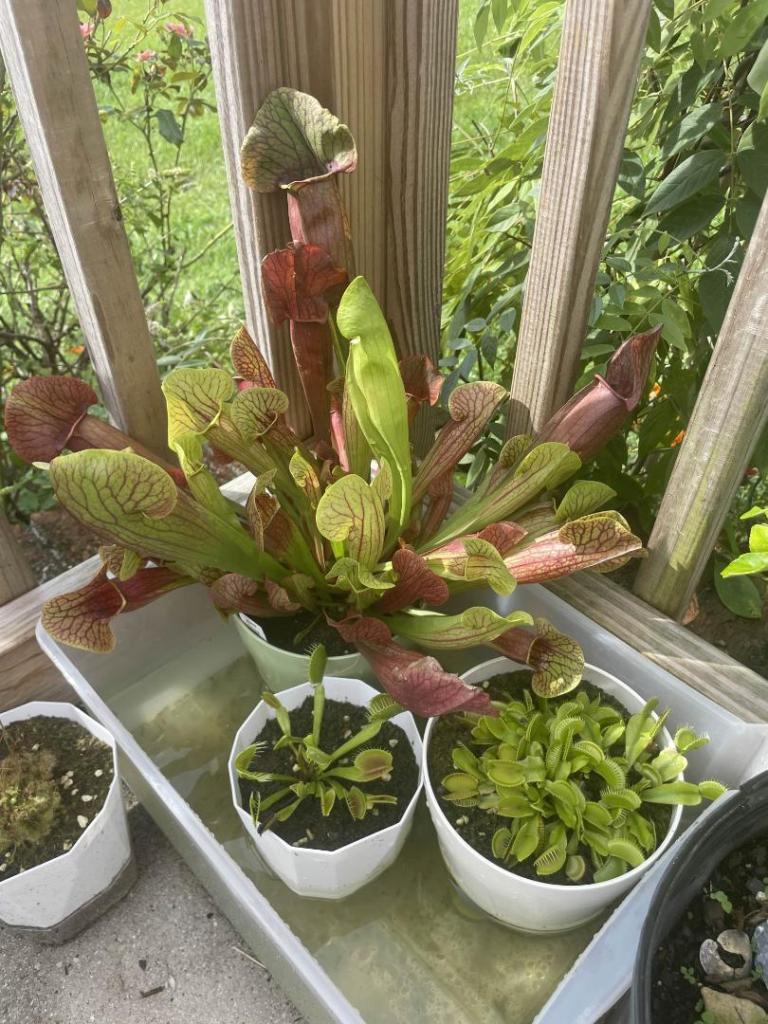


 2 points
 -
I wouldn't depend on the Farmer's Almanac for palm planting. 😆 But yeah you should be fine planting Trachycarpus and Sabal now. First winter in the ground cover the Trachycarpus on nights that go below 20°F to prevent spear-pull otherwise they'll be fine. Not sure how much cold the bermudana can handle but it's probably just slightly less cold hardy than mexicana which are very cold hardy.2 points
-
I have several Rhopalostylis in my garden here in California and all are in mostly shade. My summer climate is mild (mostly high 70s (25°C-29°C) but we occasionally but rarely have a heat wave that can reach as high as 100° (37°C) for a day or two. Nights always cool way down to about 14°C though. These palm’s leaves can still burn if any direct sun hits them during hot spells. Your Kentia palms (Howea forsteriana) would be better off in shadier conditions as well. They can handle more sun after they have several feet of trunk.
 2 points
 -
Oh yes I was not trying to double up with palms already in there. Leaving space for some new ones to come. There’s still plenty of real estate in there and a lot of understory room. It won’t happen overnight but it will happen!2 points
-
I would say that dead palm has been struggling for at least a year. The others are barely hanging on. It looks like there is no protection for the palms . Howea can take sun but it takes years before they are ready for that . Most of us start our sun sensitive palms off in the shade so they can slowly grow into sunlight as they get bigger. Your Rhopalostylus will not make it with too much sun and heat , they may already be on their way out. I don’t know what your watering schedule is like , but most palms want lots of water . The Howea has really long petioles ( leaf stems) which tells me it was shade grown . It may pull through but will take at least a year or more to look a bit better. If you could provide overhead shade for it in the interim it would help , they are pretty tough but they need a cool down at night . If it is more than say low to mid sixties every night they won’t be happy . I really think , if you want palms , you should look for more heat tolerant varieties like Butia , Brahea , or Sabal. There are plenty of others that will thrive in your environment. Some of the Phoenix palms can take sun right out the gate , so will Chamerops or Mediterranean palms. I hope this helps , we all had to learn and this forum is great for teaching . When I began collecting palms , I went to a nursery that had very good knowledge to share . The manager was very active in the local International Palm Society and guided me along …. I am still learning to this day and I started in 1990. Harry2 points
-
Thank you. My container ranch has certainly had its ups & downs over the years. Good looking Needle you have there. My Needle in a 10-gallon pot went through 4 days of highs below 32°F & lows around 15°F in January. Now it's working on its 4th frond of the season. They're tough palms.2 points
-
Thank you. If you can locate one, Causiarum should do well in your area of Mississippi. The Causiarum x Palmetto is definitely a safe bet.2 points
-
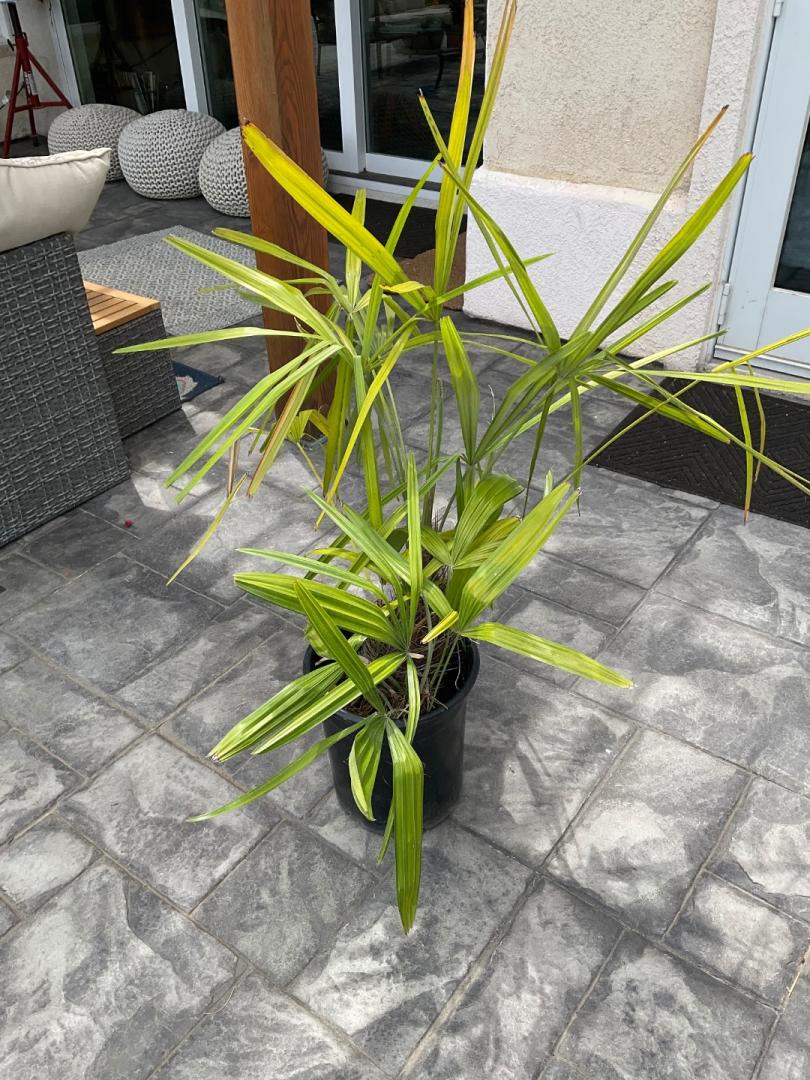
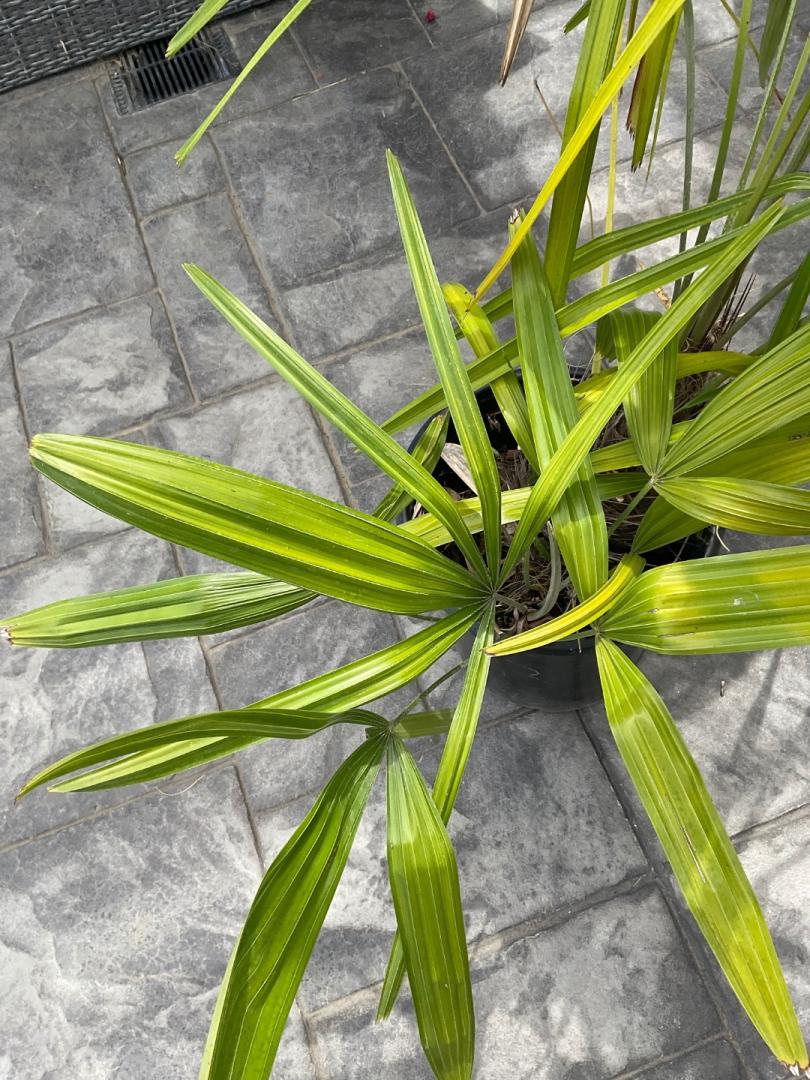
Someone should have advised you that this species must be planted in full shade unless live in a very cool summer climate. These palms can’t handle heat in full sun. It must have been very expensive at that size. Sorry, but the palm is dead.2 points
-
Those are also Archontophoenix but probably A. alexandrae versus cunninghamiana. And yes, they need a lot of water to look their best.2 points
-
Archontophoenix cunninghamiana aka bangalow palm, king palm, piccabeen palm2 points
-
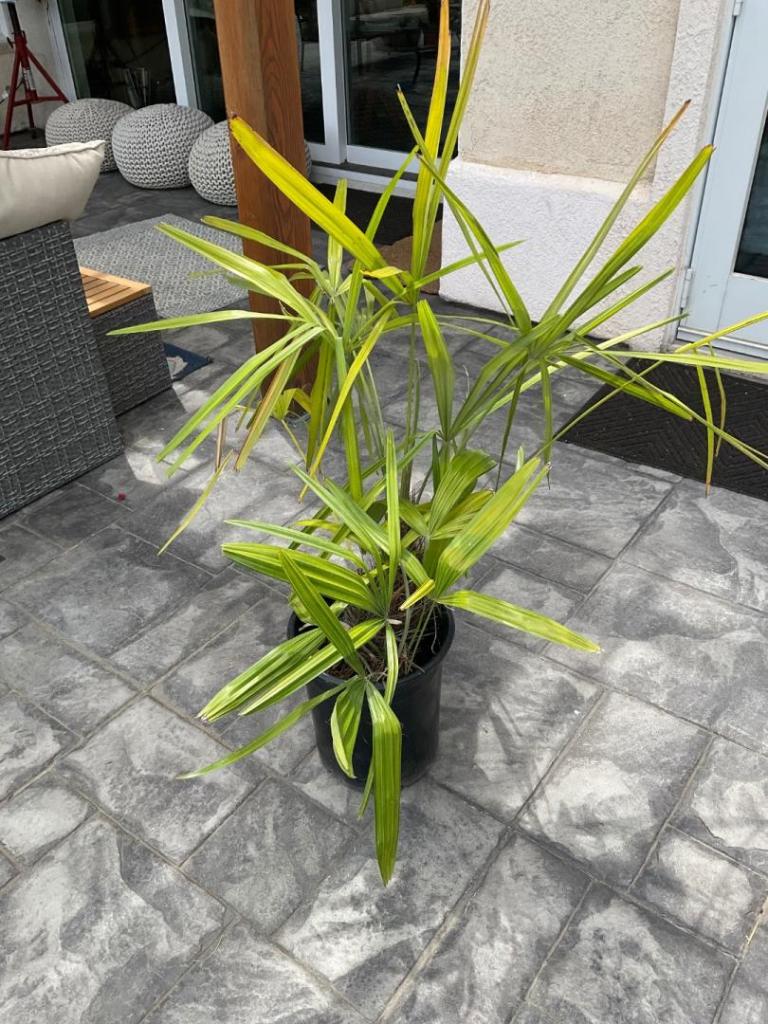
Looking great . Container gardening is a bit more challenging , so good job. I just added a Needle palm to my hill along with a few others that were in nursery containers. I keep a few container plants but almost everything ends up in the ground at some point. Harry Rhapidophyllum Hystrix I had never thought about adding one of these to my collection until I stumbled on this one from a private grower , @DoomsDave They are pretty cool looking palms , and very hardy. Perfect for “ the hill”.
 2 points
 -
These hate heat . About the time we started getting more heat waves here , it faded after 20+ years of healthy growth . Mine was about the size of yours and it took 2-3 years to die . A few blocks away there were 3 more in a yard that died too. Maybe if I had kept it in shade but it was in full sun, my mistake . The R. Bauri is supposed to be more tolerant of high summer temps . We’ll see , I planted one ( Bauri Cheesmania) in partial shade and so far the hot days don’t bother it . Sorry for the loss of such a mature specimen. Harry After looking at your pics more closely , I can see that your palm has been stressed for quite a while . The narrowing trunk at the base of the crown is a give away. Also , in the background , I see other palms that look dried out and a bit crispy . Perhaps more water is needed? Harry2 points
-
From what I've seen when Trachys go bad in summer, its over. If it were winter or spring, there is a good chance of recovery. In your trunk cut photo what you have cut down to doesn't look healthy to me. Maybe you can snag an end of summer deal on a replacement.2 points
-
Theres gnarly and then there is this😳Blue Arenarius flushes turning blue.

 2 points
 -
Just read the document and it was a great read. Awesome work done by the Kew team. Sad to see the habitat degradation but that’s going on worldwide unfortunately. Any effort to keep these going in habitat is worth the effort. It’s sad to hear that the Ravenea moorei in the Kew palm house may not survive the renovation work. I hope some effort is made to transplant it. I know trunking Ravenea rivularis transplant well. If there is nowhere to put it at Kew could it be donated to the Eden Project in Cornwall? I’m sure they’d be eager to help. The priority should be in protection of insitu plants and exsitu plants in botanic gardens in the Comores. However if a plan is put into action for exsitu collections around the world (such as was done for Tahina in 2007) with Ravenea moorei and Ravenea hillebrandii count me in. I believe I could grow them here. You’ve done some great work Bill. BTW I think that plumose leaf C lanceolatus may turn out to be something different.2 points
-
The lanonia are known for cool tolerance especially this one. Richard2 points
-
Iam pretty confident they will live indoors in winter, then back outside in the greenhouse. Or in the ground. There adorable palms.2 points
-
Yes the spread of fire ants is a big threat at the moment, with restriction on movement of plants, mulch, soil in those those areas for a short time past. And aerial chemical dropping in bio security areas. The community kicked up a stink and rightly so dropping chemicals all over the place on there land!2 points
-
Yep you just don’t know. It’s interesting for the palm community to hear of new varieties available about cool tolerance for new varieties of tropical palms that are rare. Going out on limb does pay off in the end, but I will say I have had my failures that’s for sure! Richard2 points
-
It is so cool to see the beginning of a botanical garden collection. When I visit older gardens I often try to imagine this stage , when the plants were first put in . I mean …..it had to start somewhere . This is the beginning of a valuable educational experience for all ages. You folks are providing a vital resource. Harry2 points
-
Water with seaweed extract for vitamin B strees relief! And a job well done!2 points
-
Good suggestions, I will try any seeds I can get my hands on, also it’s just a matter of if I havent got it and I see it for sale I buy it!2 points
-
You should try Dictyocaryum lamarckianum if you can find seed. Should be a good climate for it in your area. Also any Clinostigma. You’re probably growing them already.2 points
-
My climate doesn’t seem to bother it, the best part about my area is I can grow a lot of palms both southern growers cannot grow and a lot the northern growers cannot grow, yes there are a few tropicals and temperate varieties I can’t grow, but my broad scope of varieties I can grow is rather diverse!2 points
-
Nice one coconuts drop dead in my garden but a 15 minute drive to coast they live. Another top tropical I had written off as it will die is Pinanga sarawakensis, I can’t believe it is alive in my climate 3 degrees Celsius. Coconuts die but it lives you will certainly be able to grow one sarawakensis for sure if your after another tropical variety of palm.2 points
-
Tim, I’ll tell ya, this has been one beautiful palm at all stages if it’s life. I can’t say that about every Crysalidocarpus in the garden, this has been one of the exceptions. Every time it drops a leaf sheath, it’s eye popping with the different colors. It’s such a cool palm. Tim2 points
-
Oh yeah Harry top of the list this palm. Tim has one in Melbourne Australia and he’s happy with it you will be surprised, in a protected spot you’re in for a surprise! Richard2 points
-
Do people smugglers do back loading trips ?2 points
-
I would just keep it watered . Let it settle in for a while . I have never done any fertilizer or sulphure whatever to mine , just water and sun . It looks good to me for a transplant. Harry2 points
-
We went through a 'black frost' years ago and nobody was left unscathed. Even the queen palms were scorched. Fast forward a couple of years and one would never have known that they had been through a -5c with a heavy frost. Foxtails, Coconuts, Adonidia, roystoneas all looked dead (very dead) but the following hot wet summer revived them. Even Frangipani (plumeria) which had turned to jelly on the extremes, flowered the second year afterward. Of course there were losses but the majority survived. It was probably the daytime temperatures were in the mid 20s C that keep the death rate of palms so low. Peachy2 points
-
The leaf gets huge, such a stunning palm have quick google in palmpedia omg palm. And it’s right on the corner of the driveway. Richard2 points
-
they're sprouting for me these days2 points
-
Here , in Southern California , none! Just lots of sun and some water. Mine was just a seedling when I planted it in full , hot sun. It thrived. Best $3 I ever spent. Harry Single trunk form ( one for @peachy )never sent pups out. The hill is south facing . Upper 70’s to low 80’s f. most of the summer and into fall. Never fertilized this one. Harry
 2 points


















.jpg.0cf735c7525858af1582442942bc68e8.thumb.jpg.894f59a749fff01eb286c1fe4a50ab62.jpg)