Leaderboard


.jpg.0cf735c7525858af1582442942bc68e8.thumb.jpg.894f59a749fff01eb286c1fe4a50ab62.jpg)

Popular Content
Showing content with the highest reputation on 07/02/2025 in all areas
-
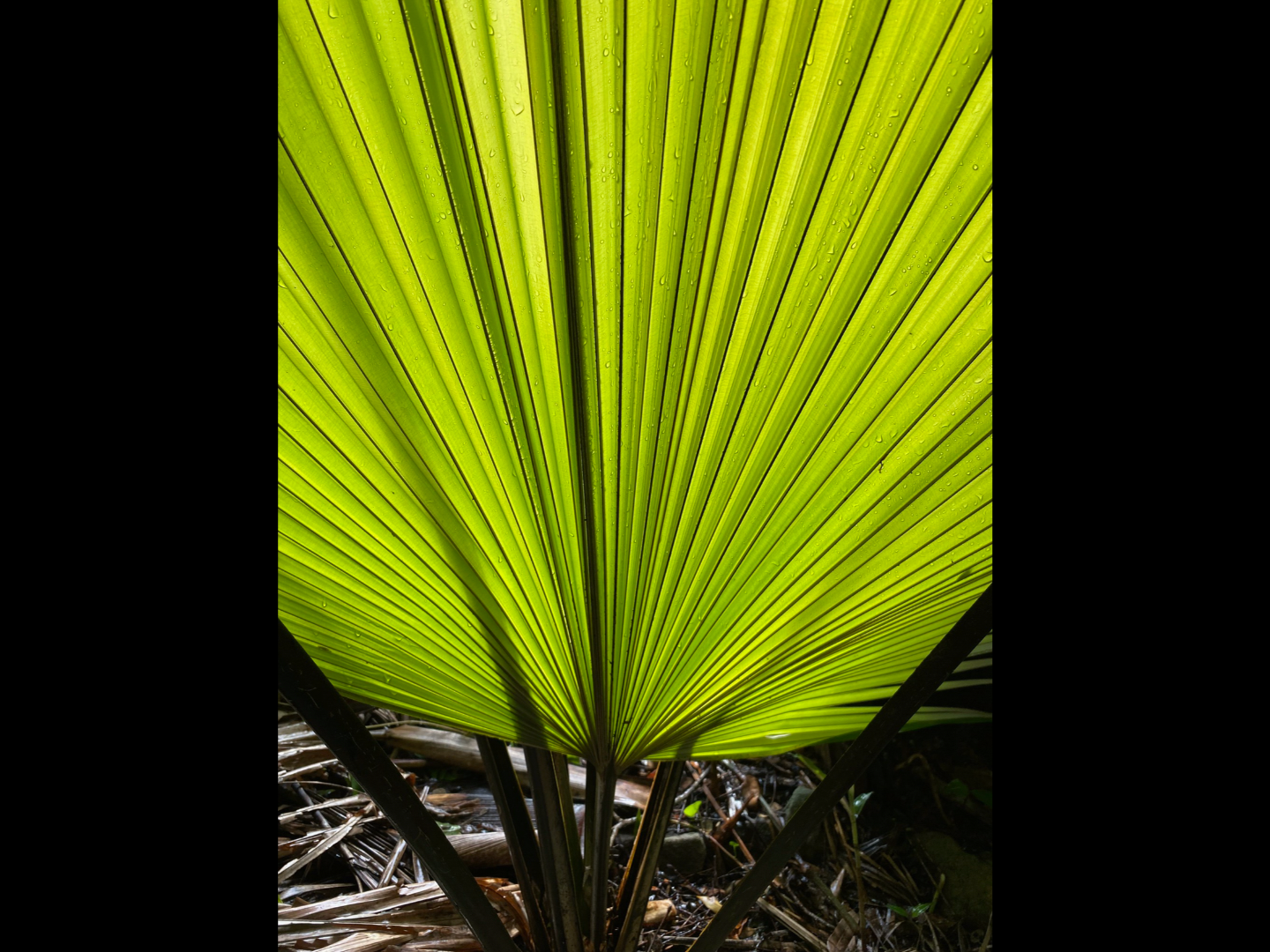
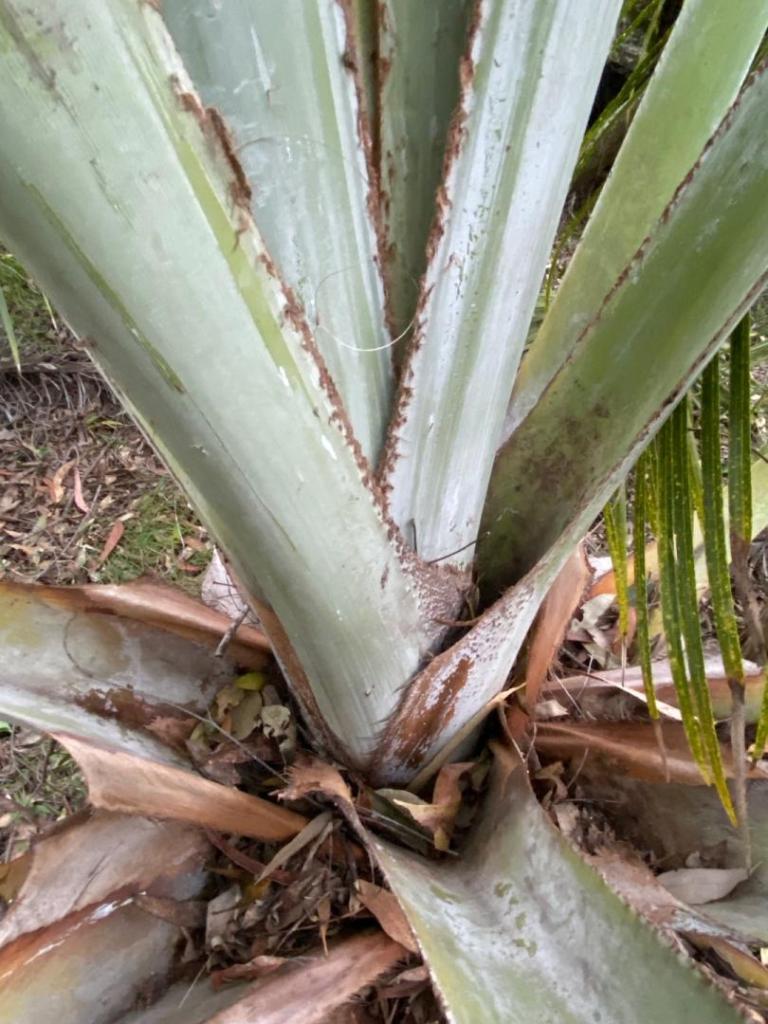
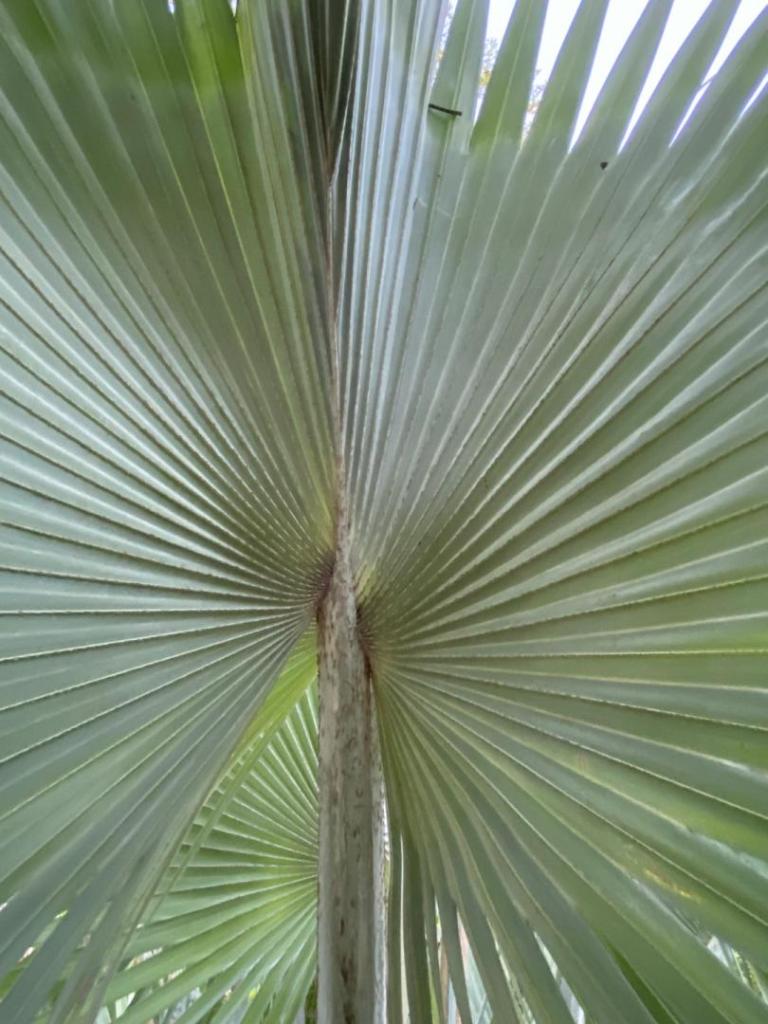
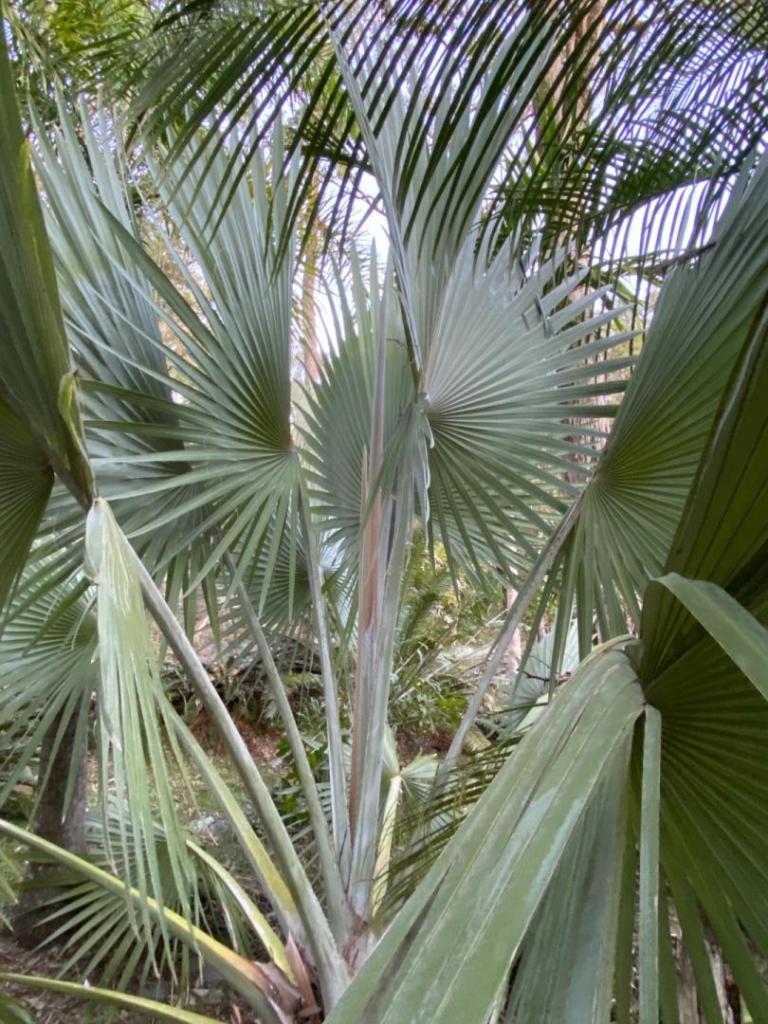
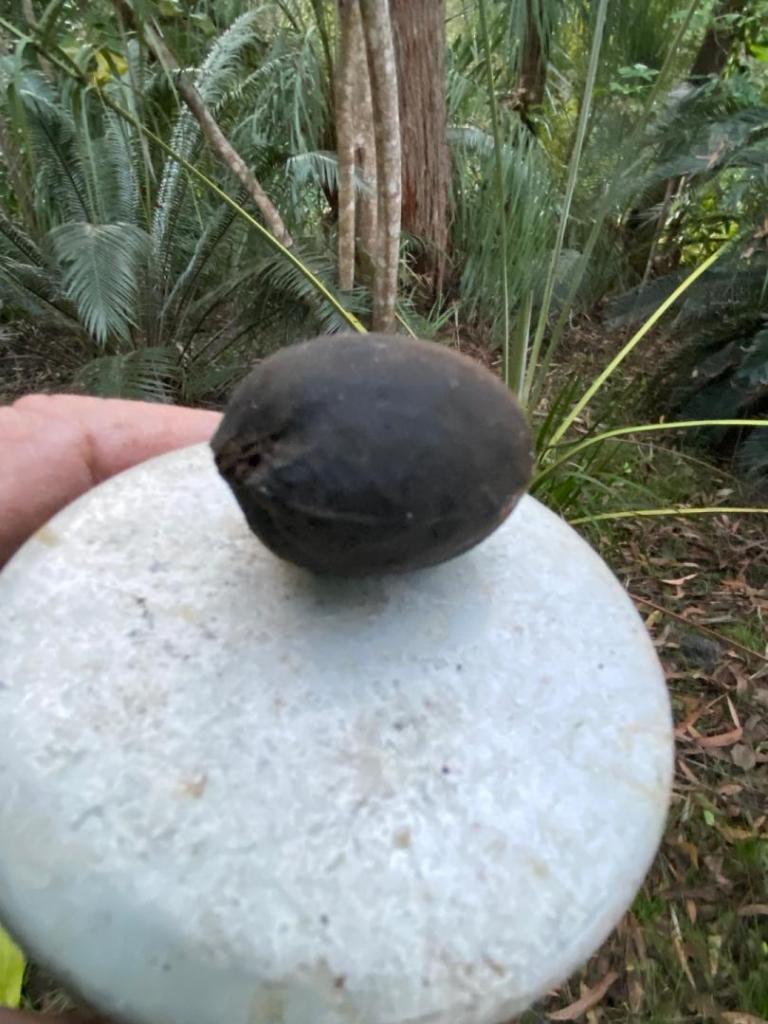
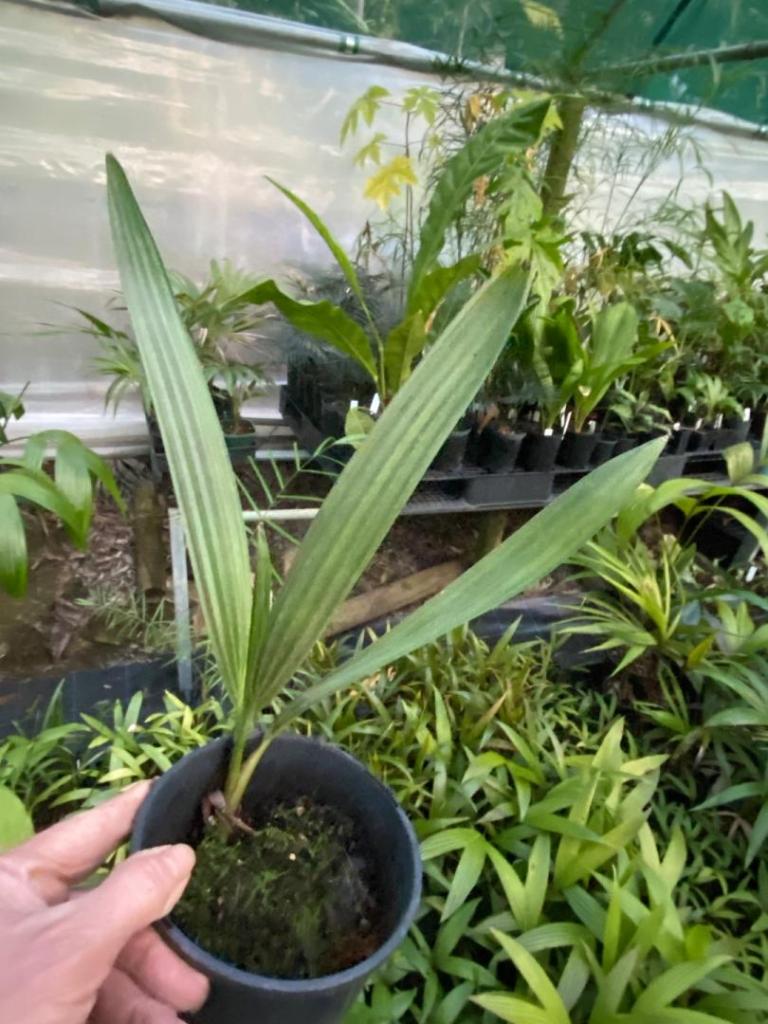
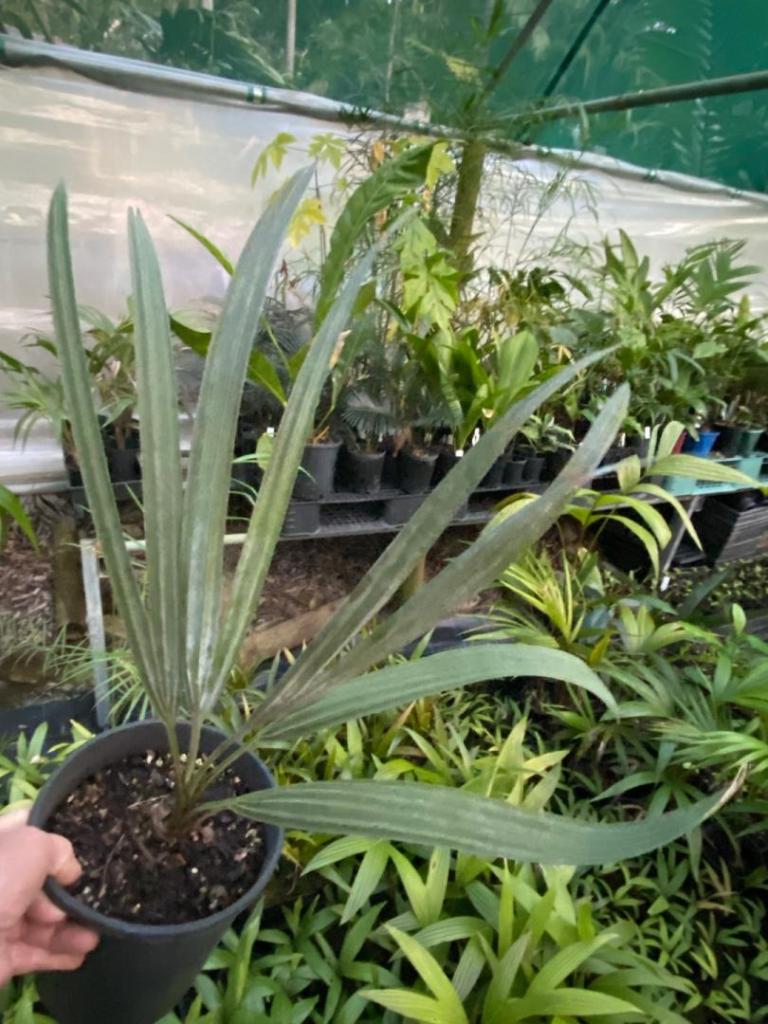
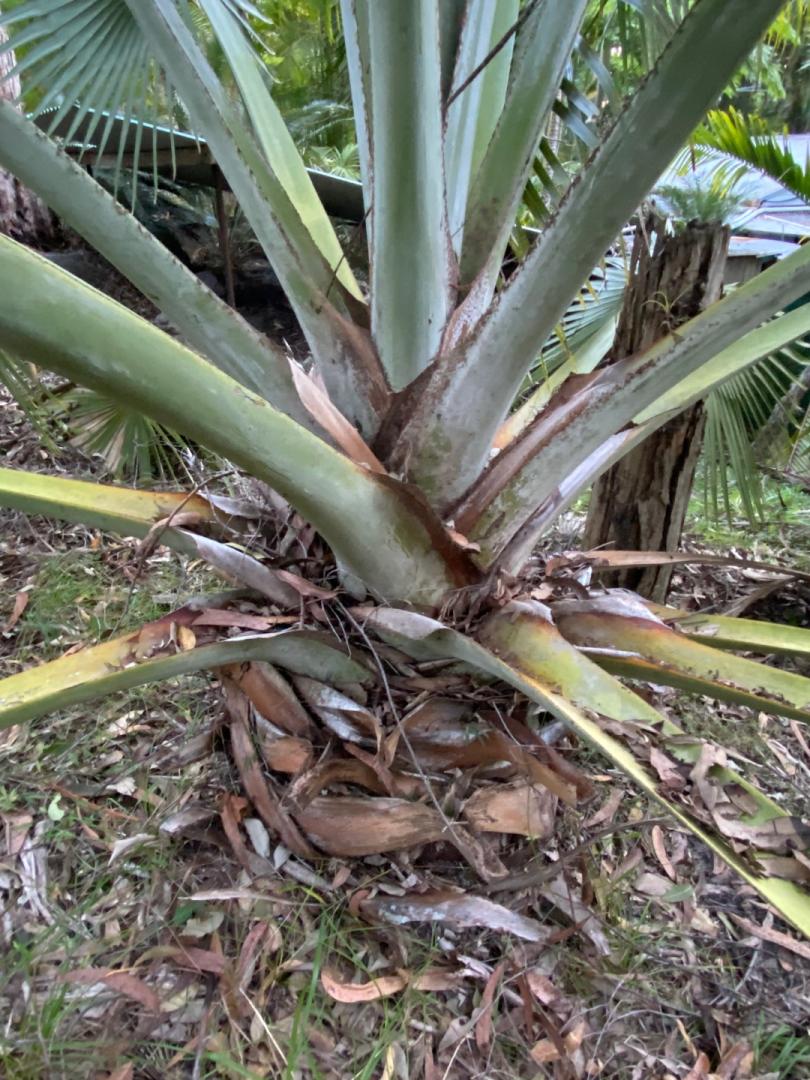
One palm that has become so popular that it hardly even gets a second look from a collectors point of view. Out done by its own popularity yet it still shines through as a number one favourite with gardeners and new home owners. Such a grand palm in colour and size from a small seed. An easy palm to sell due it’s tough as nails grow in a lot of places plant me iam tough attitude. I like them and they are still a popular palm yet overlooked with so many varieties of new palms a collector just won’t worry about them due to the fact they have already have them planted. But if it was a sabinara they would sell like hot cakes to the collectors lining up for more that’s for sure.


 6 points
 -
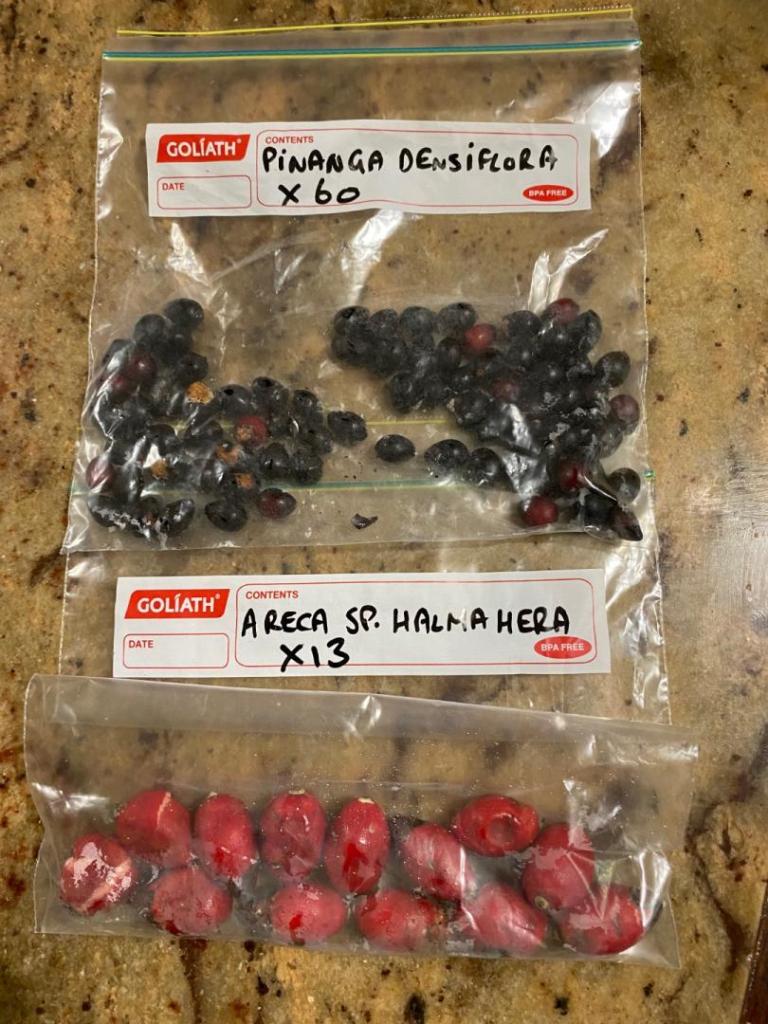
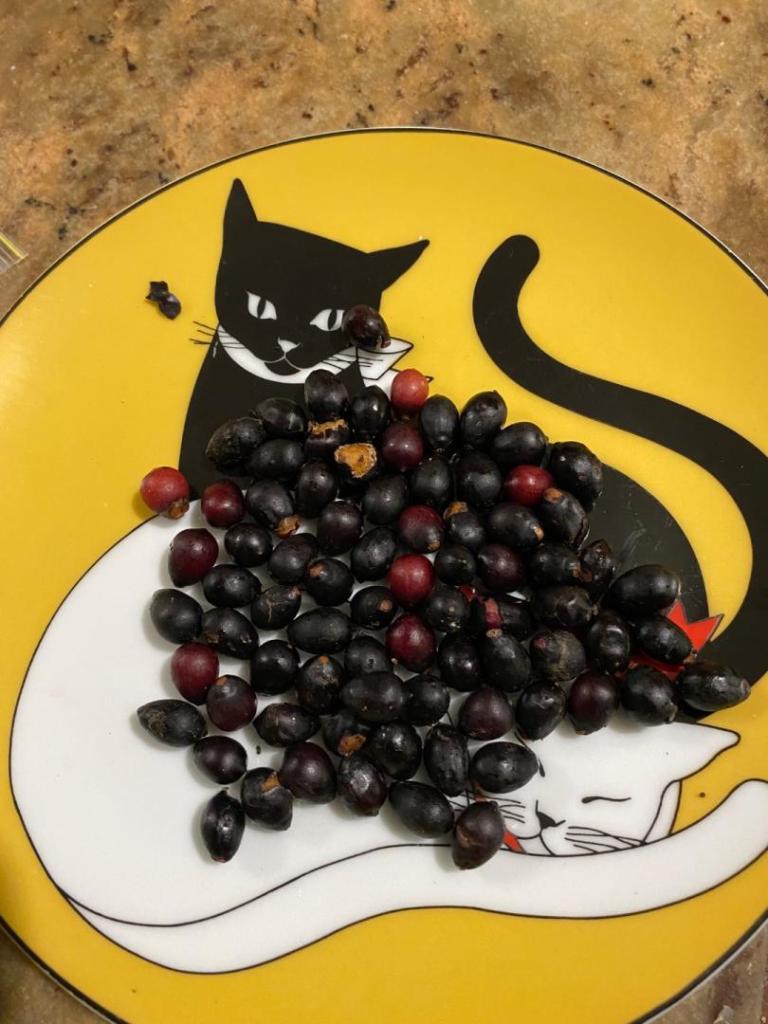
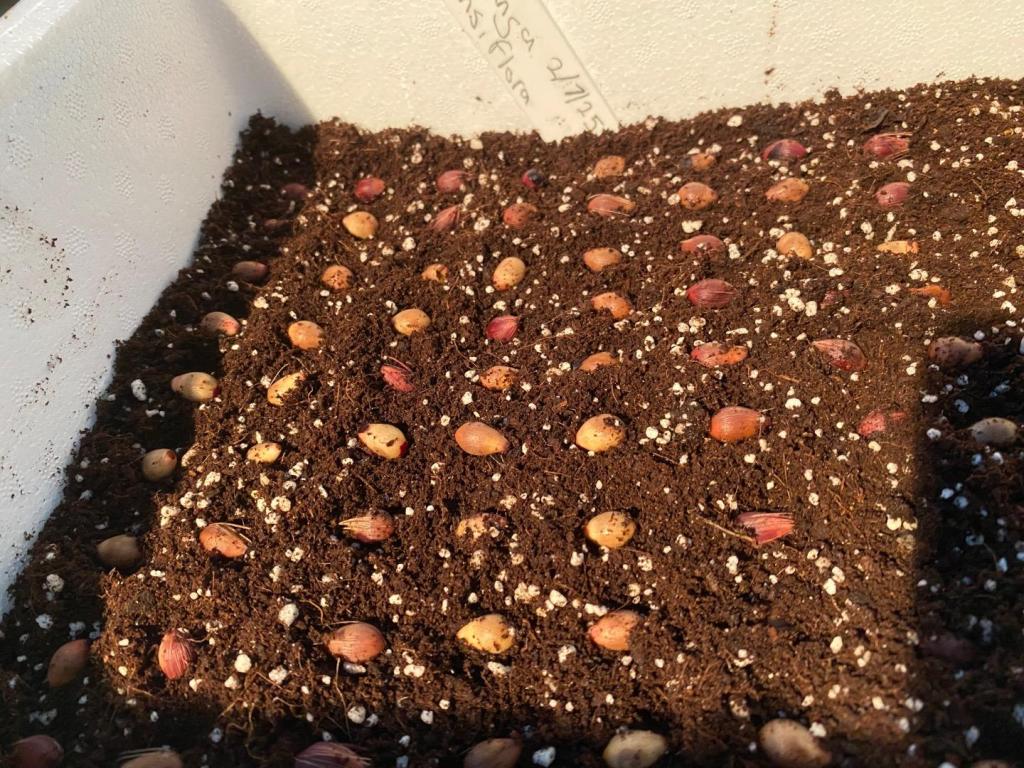
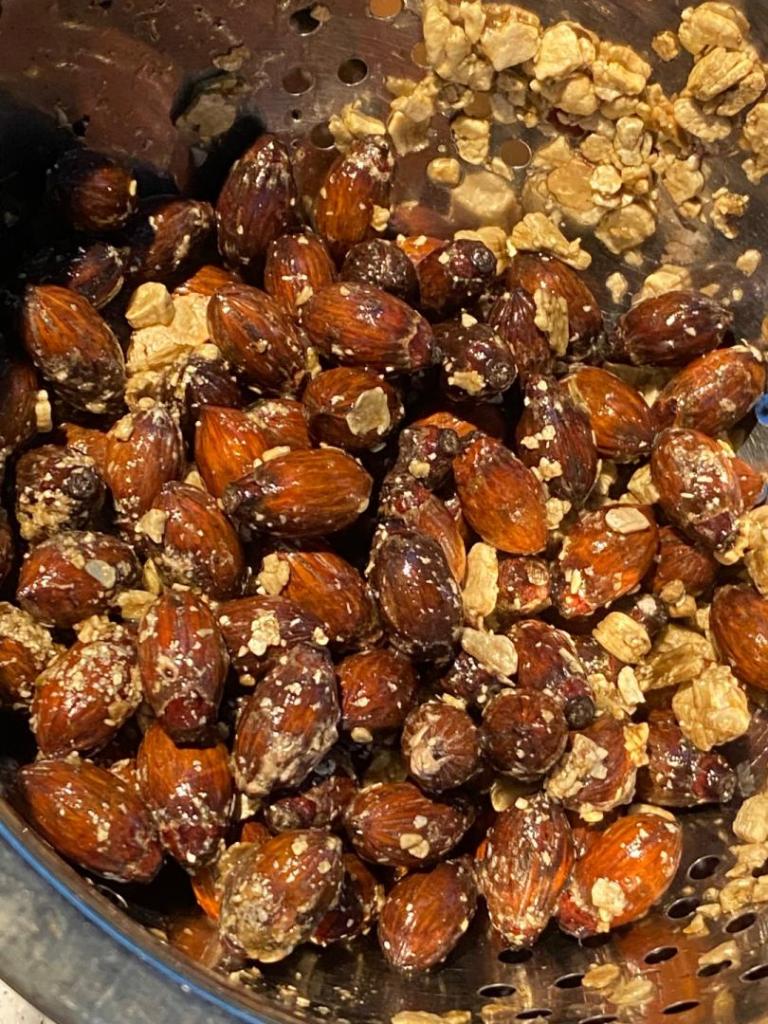
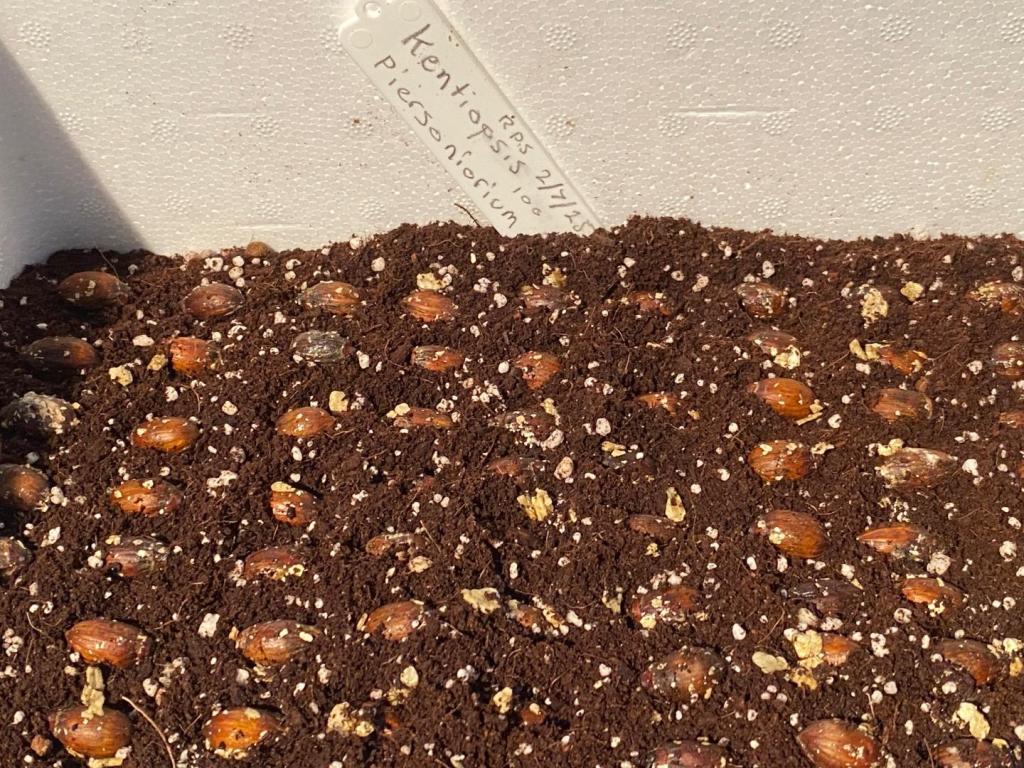
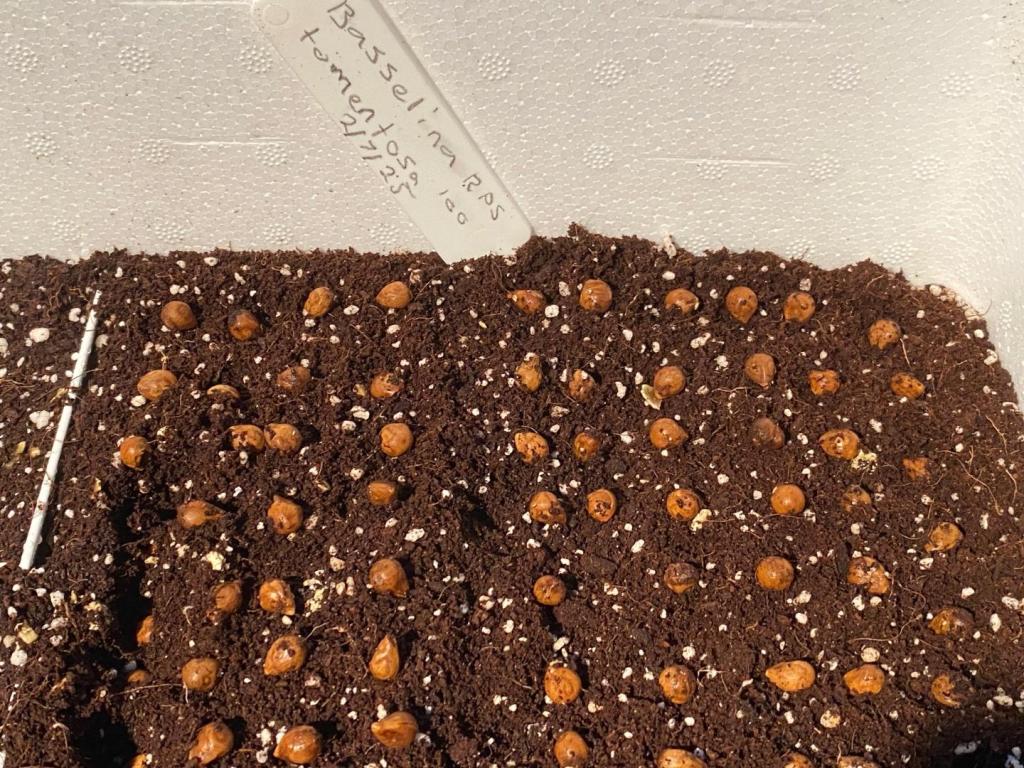
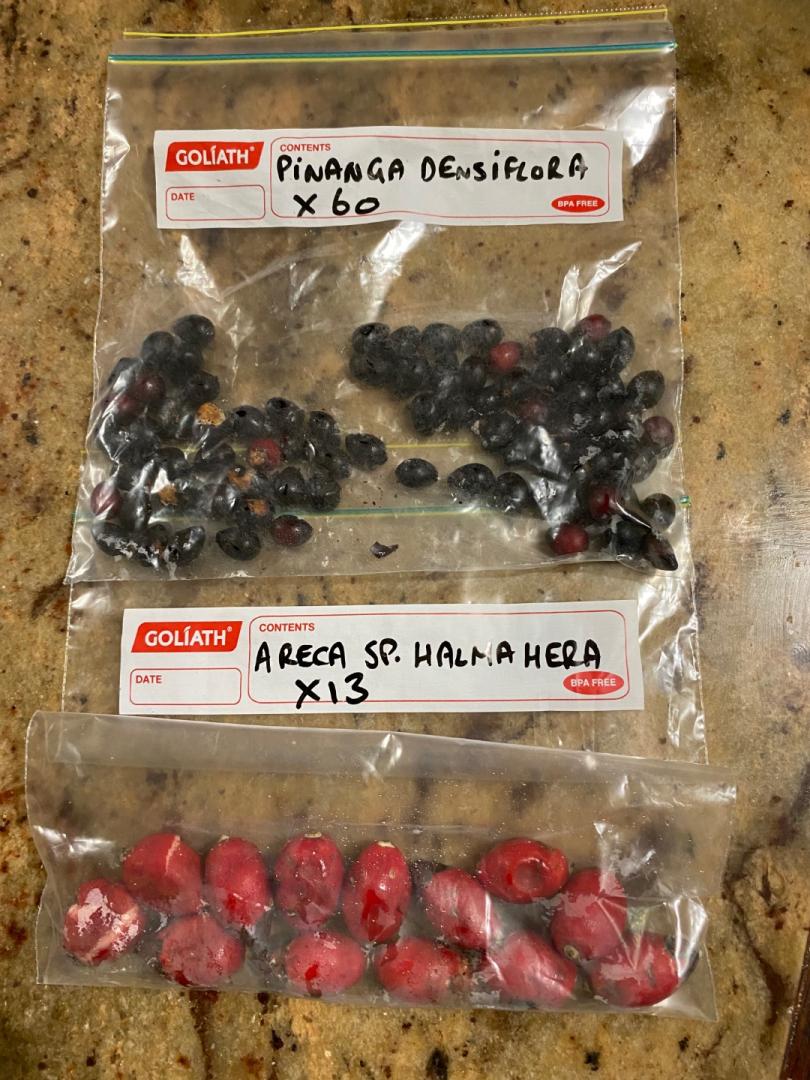
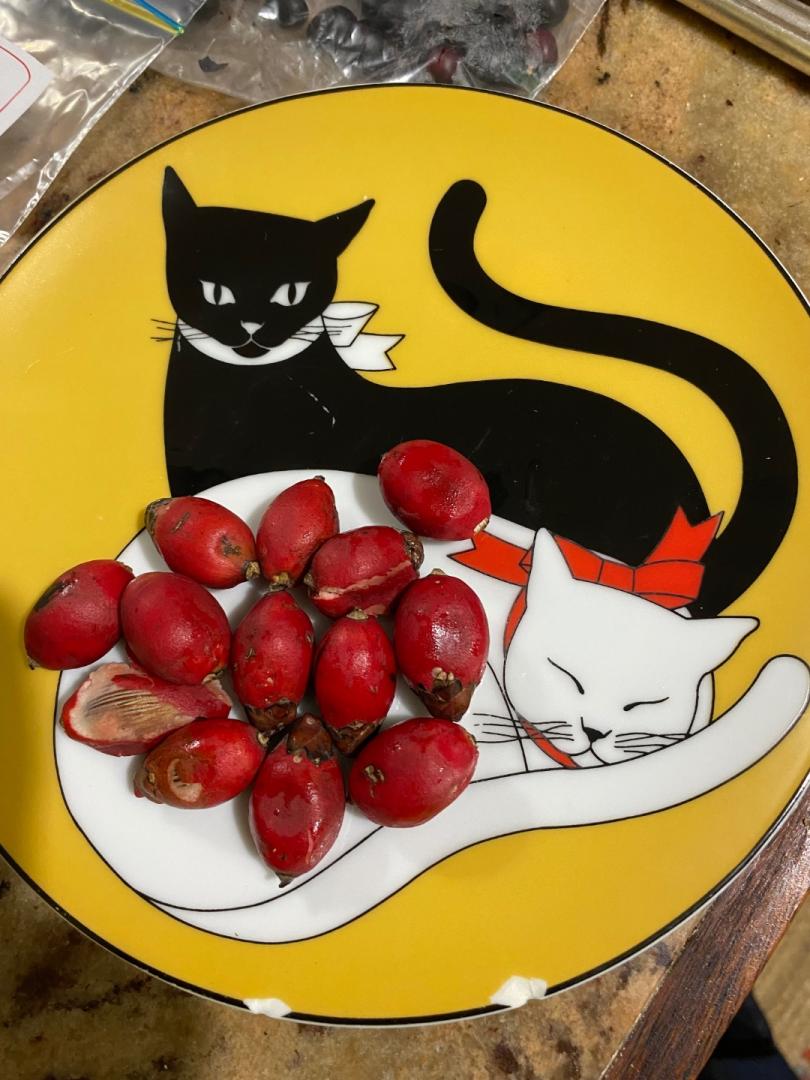
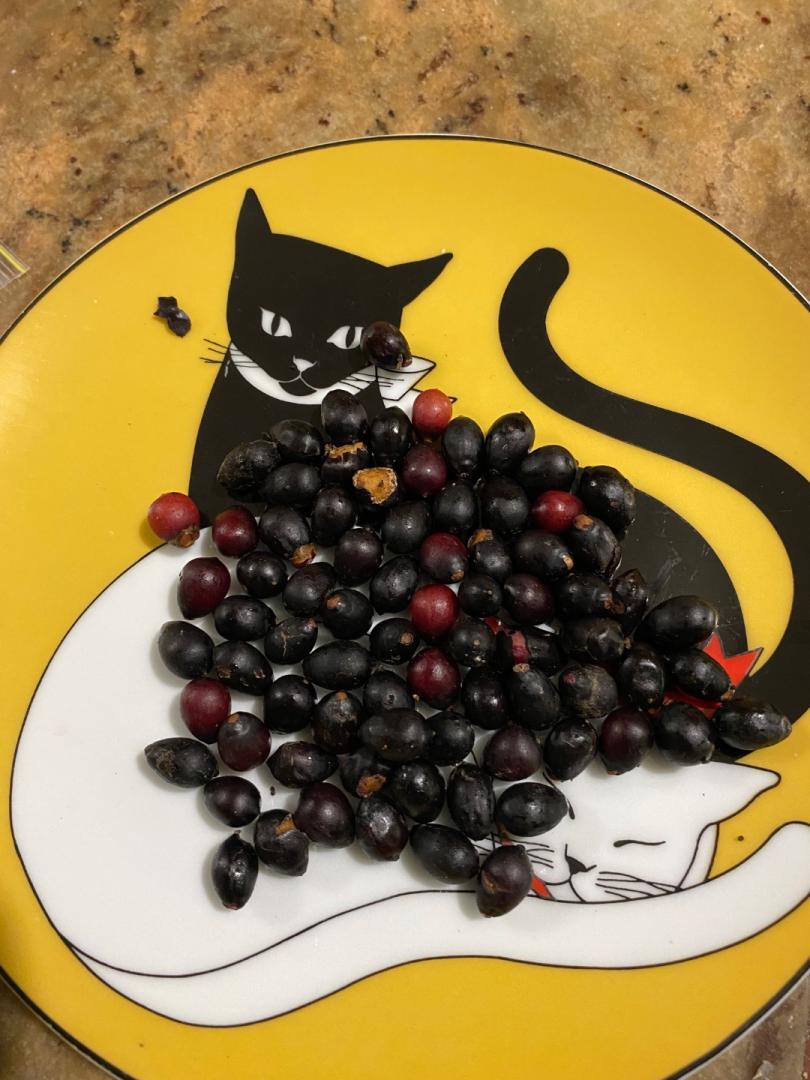
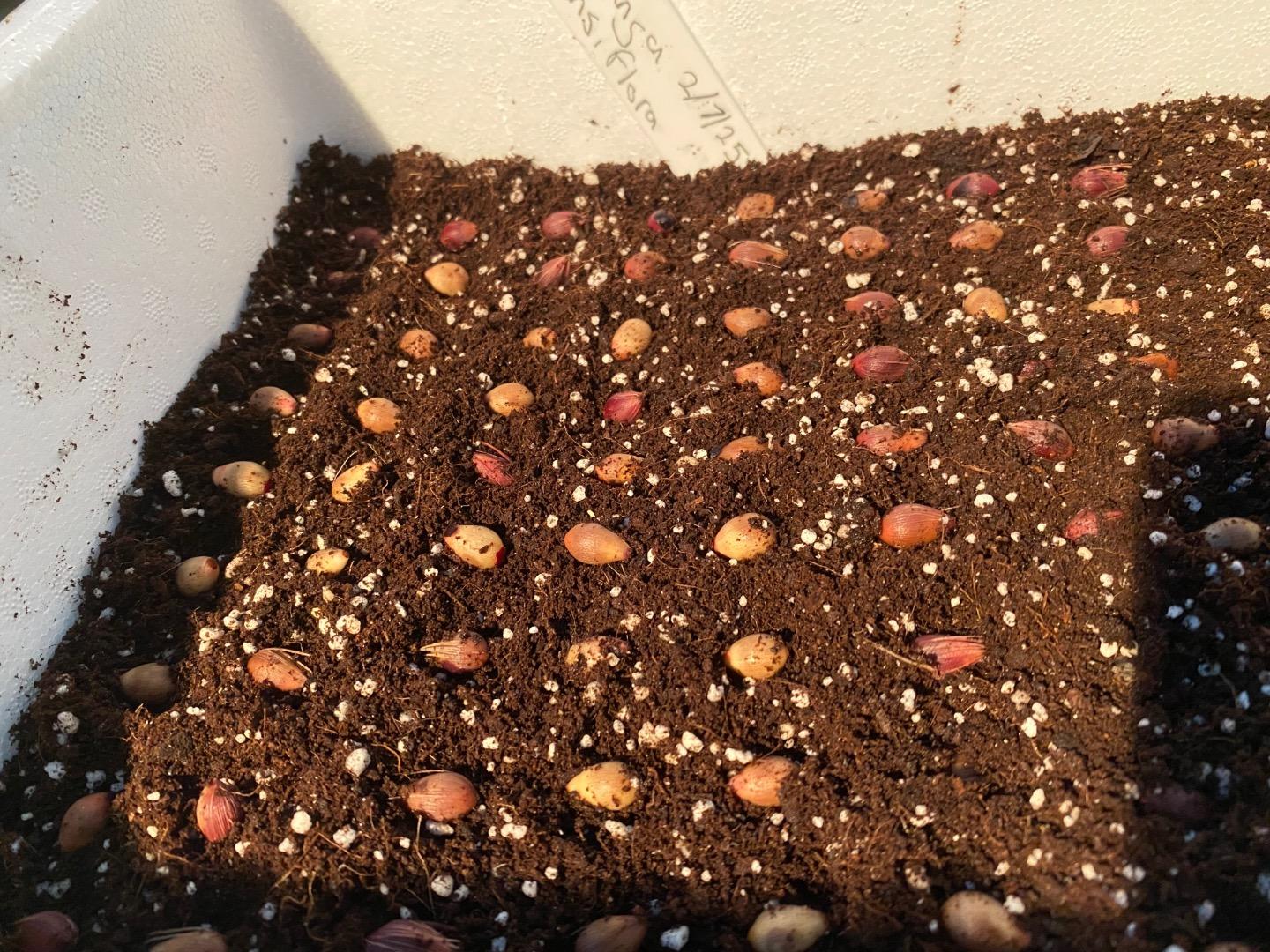
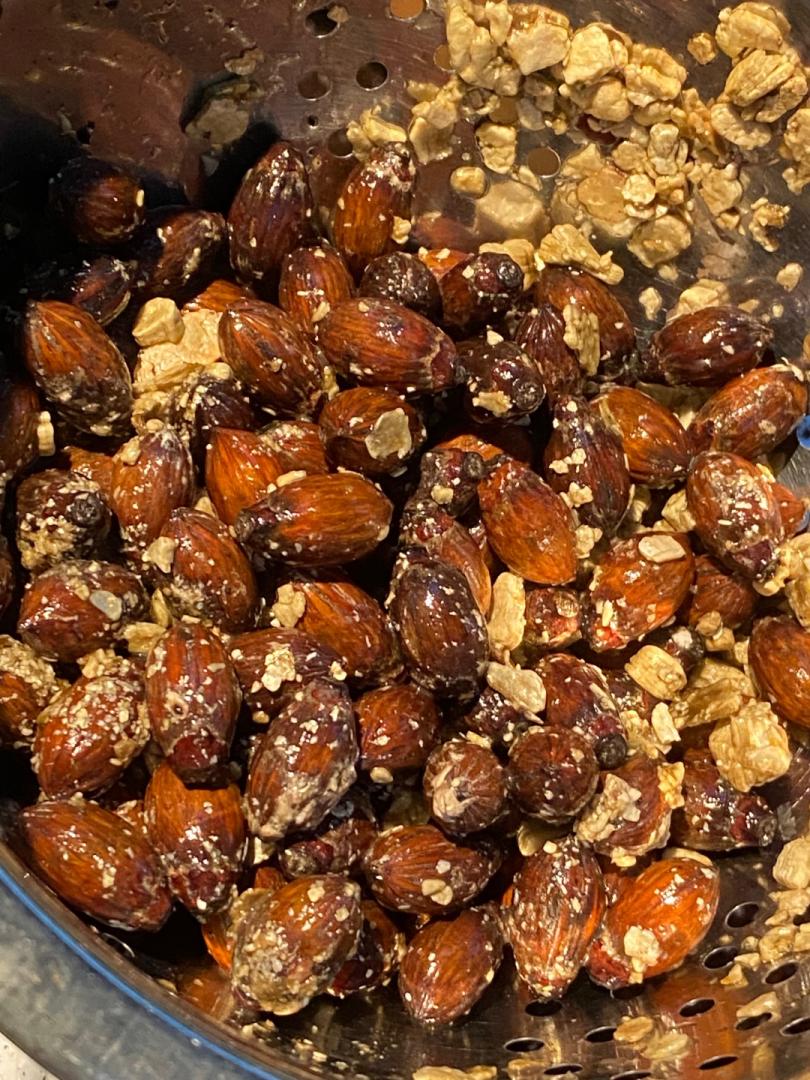
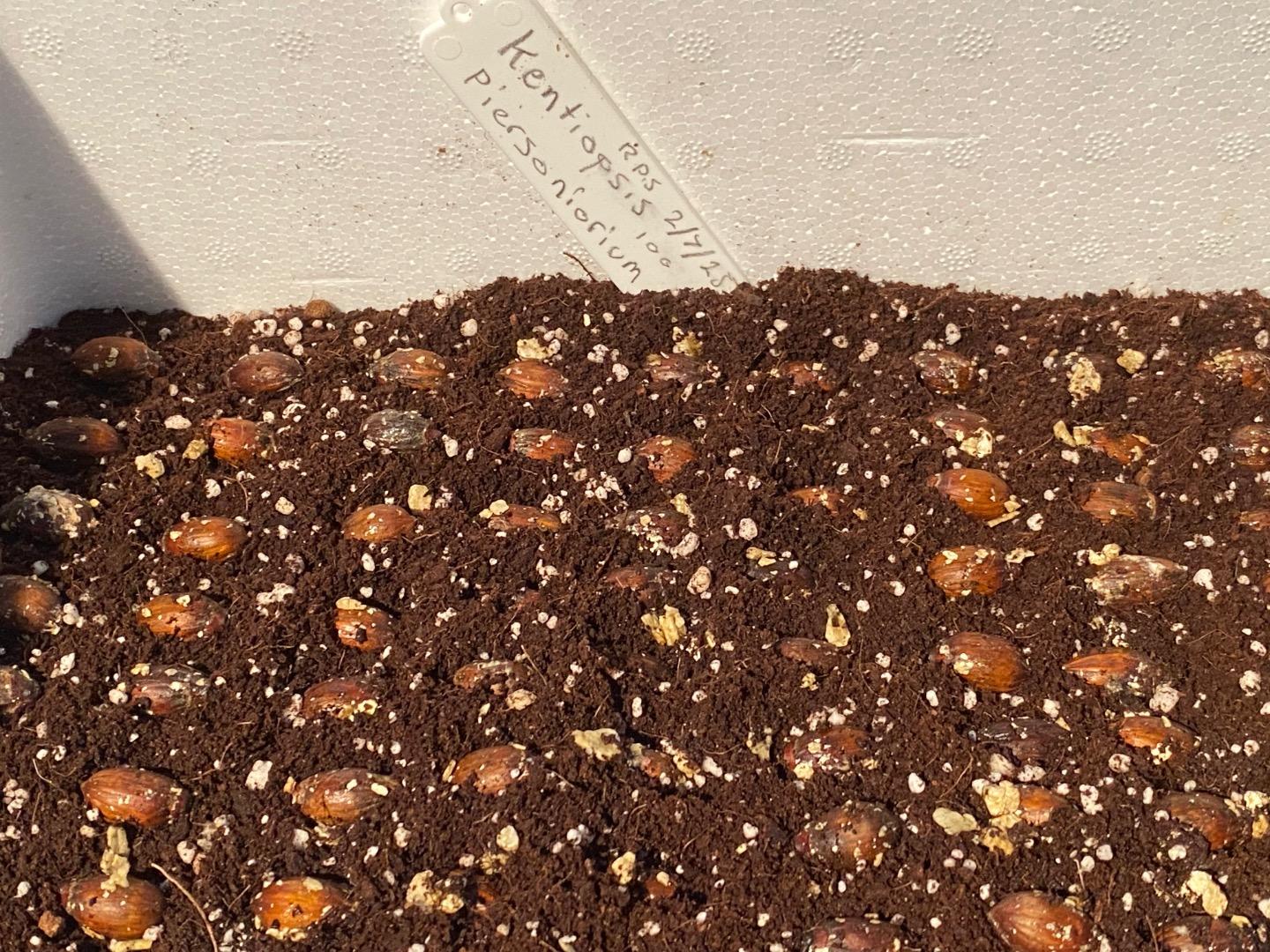
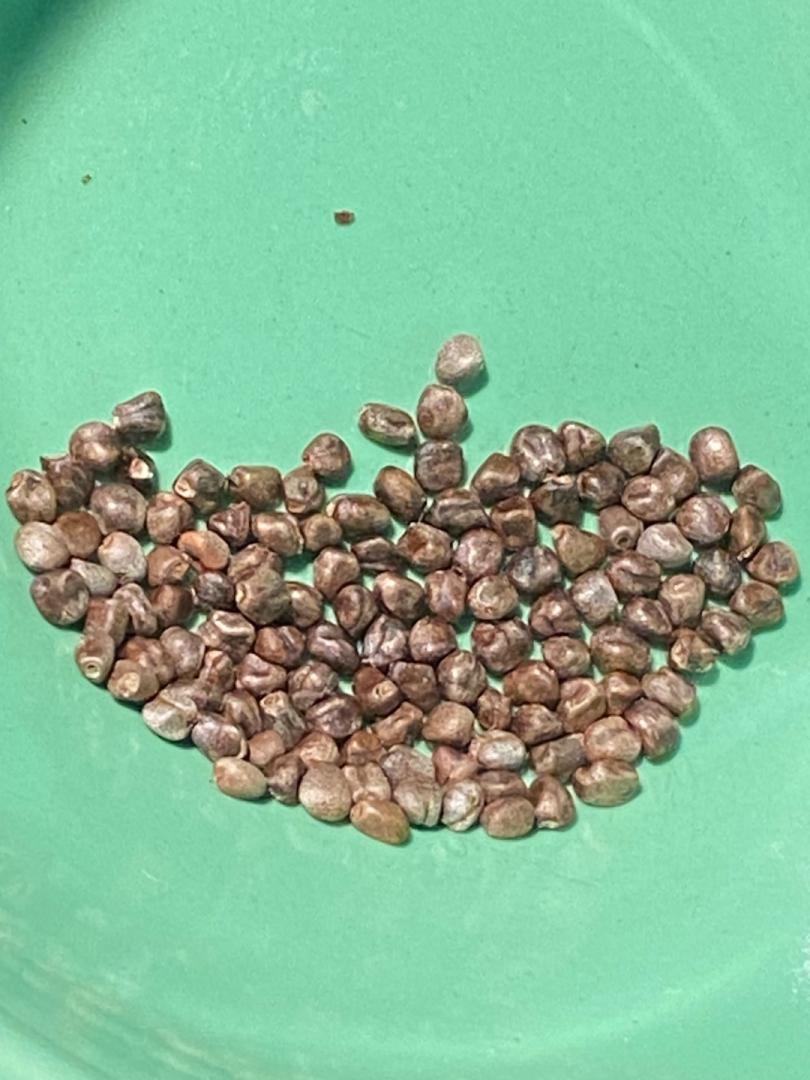
A few more seeds one lot a RPS order and the other lot a local source. I will say it’s great to see a local seed supply of fresh quality seeds. And the usual RPS seeds coming through customs without any delays which is a good thing. And there was also a couple of dypsis minuta seeds from the garden that were ready to pick. They may not look much at the moment, but it all begins with a seed! That’s the hardest part getting them propagating them is easy, finding them another story.






 4 points
 -
You can use Mancozeb on turf. Also great for killing mites.4 points
-
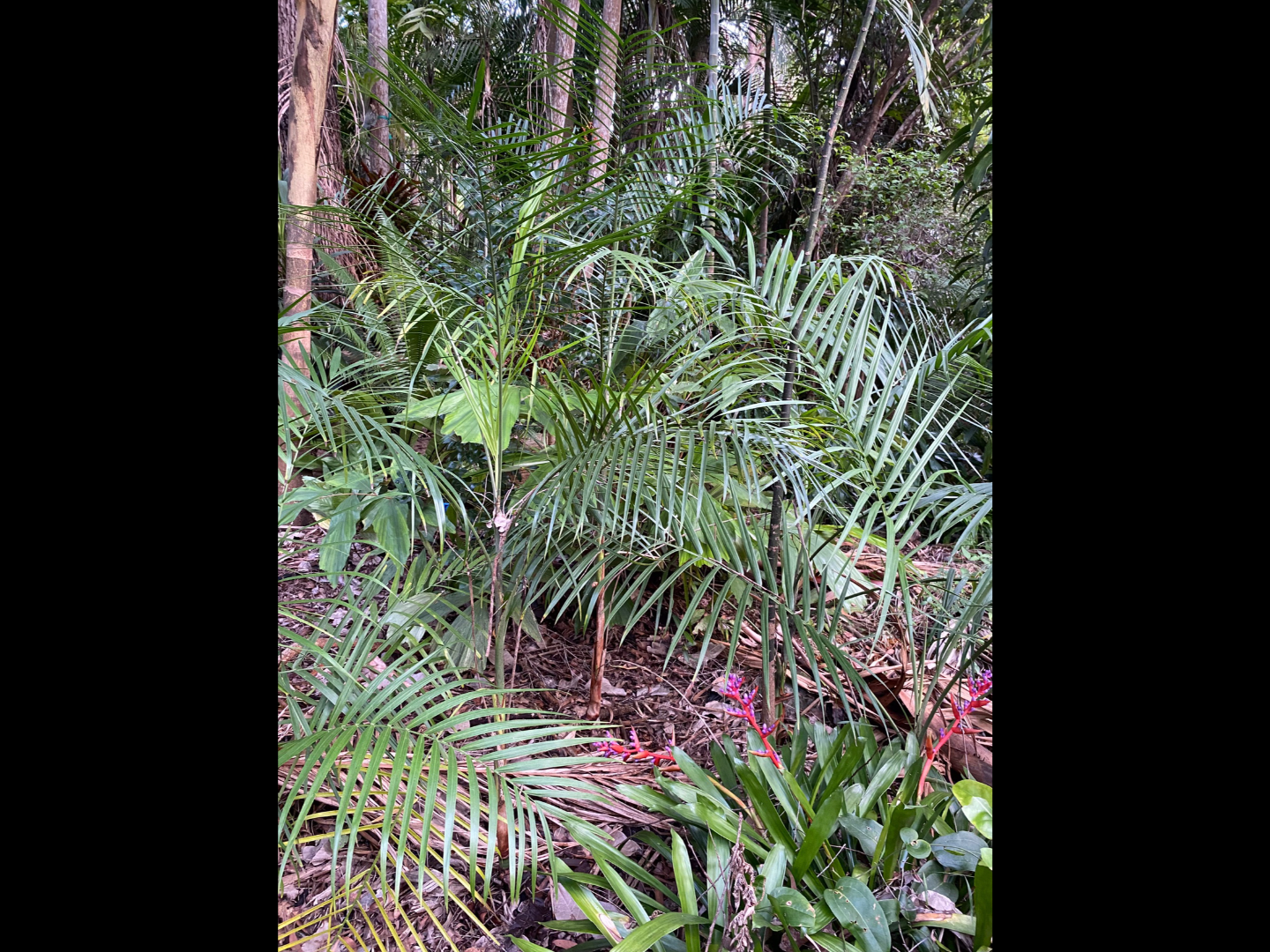
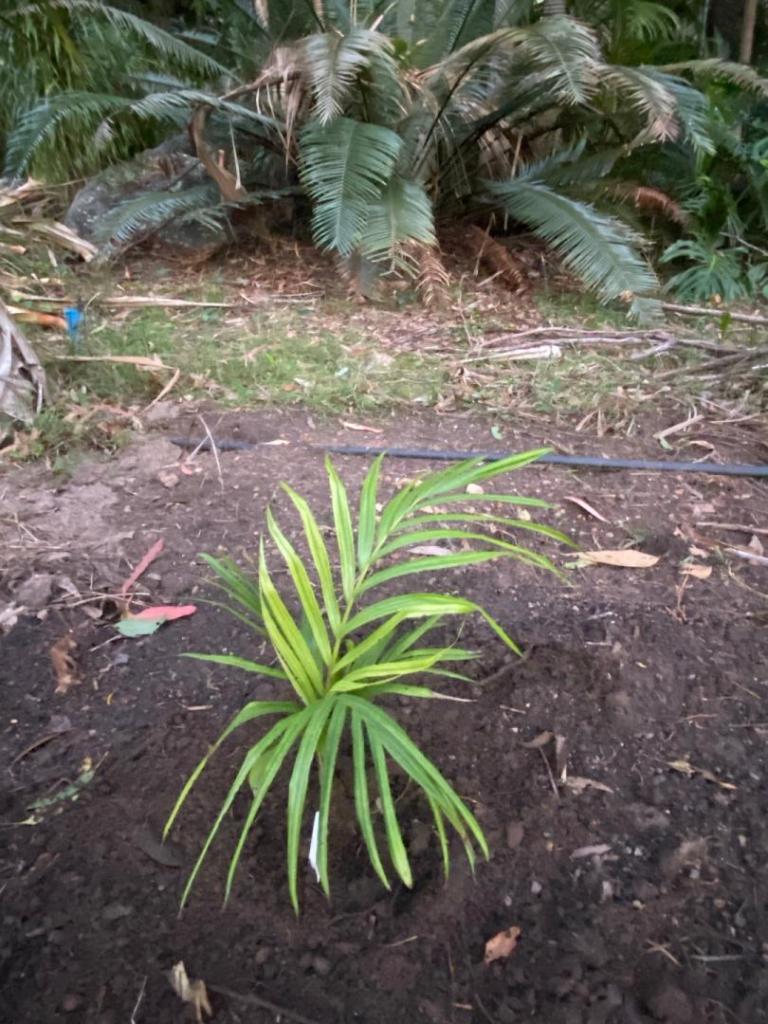
Another medium sized dypsis that is still a dypsis the rivularis. A beautiful palm worth growing in any collection. Quite tough yet so beautiful, easy to grow and germinate. They get a nice bit of colour with a bit of age in the trunk. Cool tolerant down to 2 degrees Celsius and possibly lower, frost would not be its friend, they love water, and about all they really need is good drainage. And still a little it rare available but a rare.


 3 points
 -
Rare Palm Seeds in Germany...a good selection of stuff, but generally best to buy off their "New" list to ensure fresh, viable seeds.3 points
-
For a brief period of time after buying our new home , we had sod and I used a Scots product that kept everything nice but I can’t remember which one. Go by what Richard recommended, he knows this stuff. I ended up pulling out all the fescue and replaced it with beach pebbles and wood chips. Harry3 points
-
They actually looked pretty good the seeds. I might be in luck!3 points
-
And iam sure an advanced specimen would cost an arm and a leg. Unfortunately the older we get the better our palms look. Richard3 points
-
Oh if i listened to what was said, and what I read about it’s to cold for that plant to live in my climate. I would have a pretty boring generic garden full of golden canes and Alexander palms, along with Xanadu plants and those agave things you see for free on the kerbside pickup. Iam glad iam a zone pusher it definitely pays off in the plant department. Richard3 points
-
That’s encouraging for you 2 winters. My ones don’t even have a cold spot on them. I was told that they won’t grow no matter what I do in my area. So this winter will be the test alright, But you gotta try. They are such a spectacular palm well worth the persistence in trying. Richard3 points
-
30 minutes ago a large crashing noise had us running outside in the wind and rain to see what happened. For only the second time in 33 years a palm blew down at home. A 40 year old 5m trunking Trachycarpus fortunei came crashing down A few old Chamaedorea sartorii are not to happy either under the fallen trunk. The Clivea's are not happy either. for the next 2 days the wind and rain are increasing so hopefully nothing else will come down. Very lucky not to live in extreme storms zones like many others. Such is life...... regards Colin


 3 points
 -
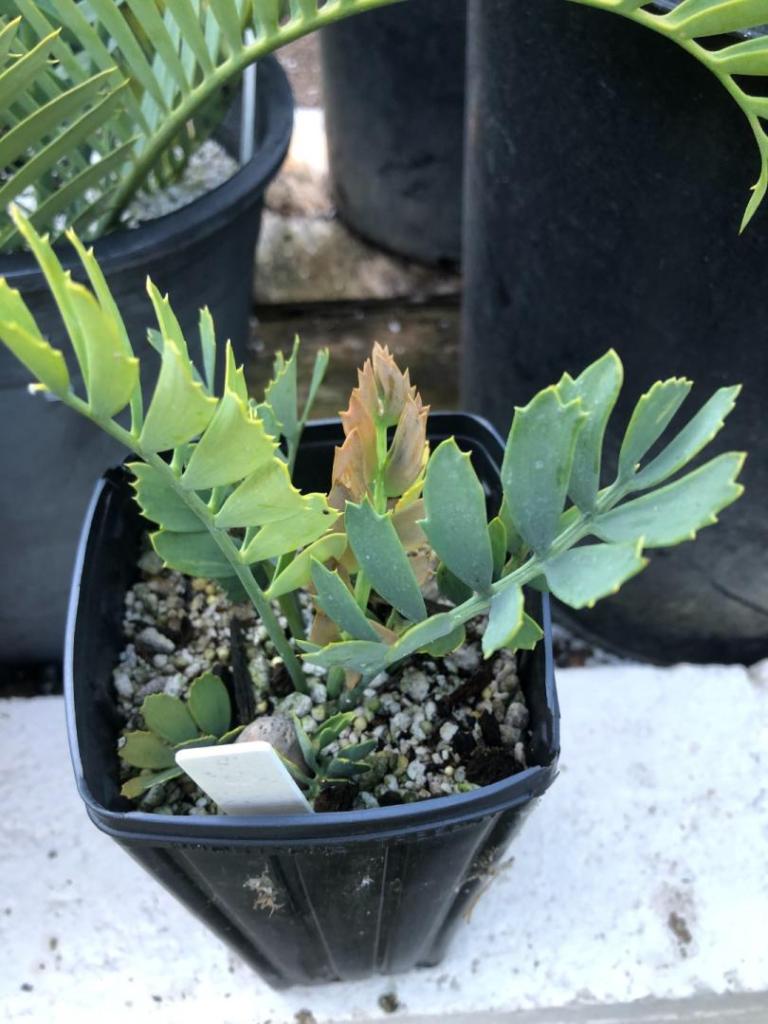
Probably the craziest cycad I have is this Lehmannii x Blue Longifolious mutant. Its about 4 years from seed and has 9 leaves including its first and its only 4” tall! Check out the crazy leaf form. It is flushing right now and every time it does I hope it doesnt revert back to normal leaves. I think Im going to end up growing it in a bonsai pot.
 3 points
 -
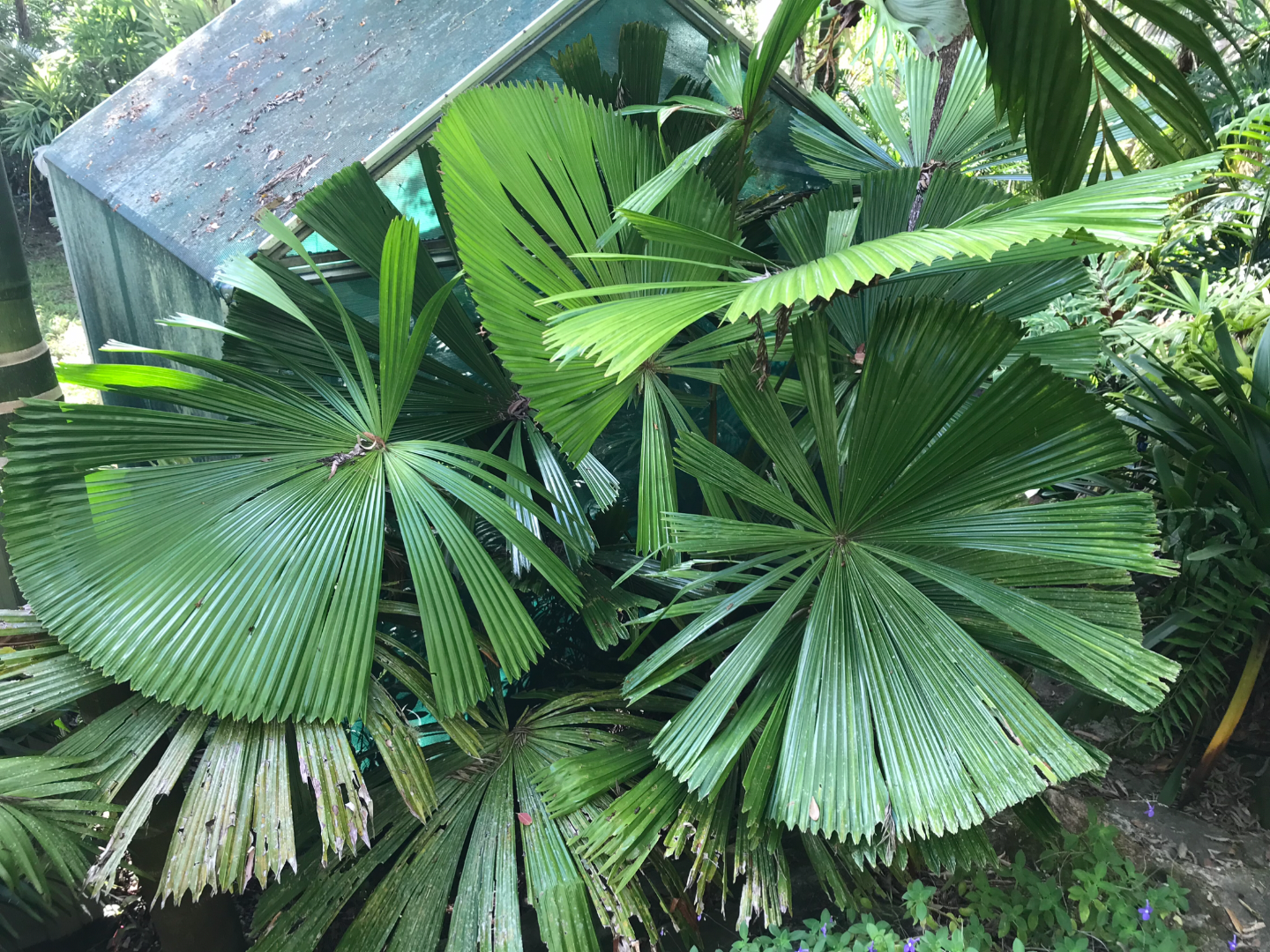
Got this view last week of some of my Lord Howe Island 🏝 Palms from the upper deck.
 2 points
 -
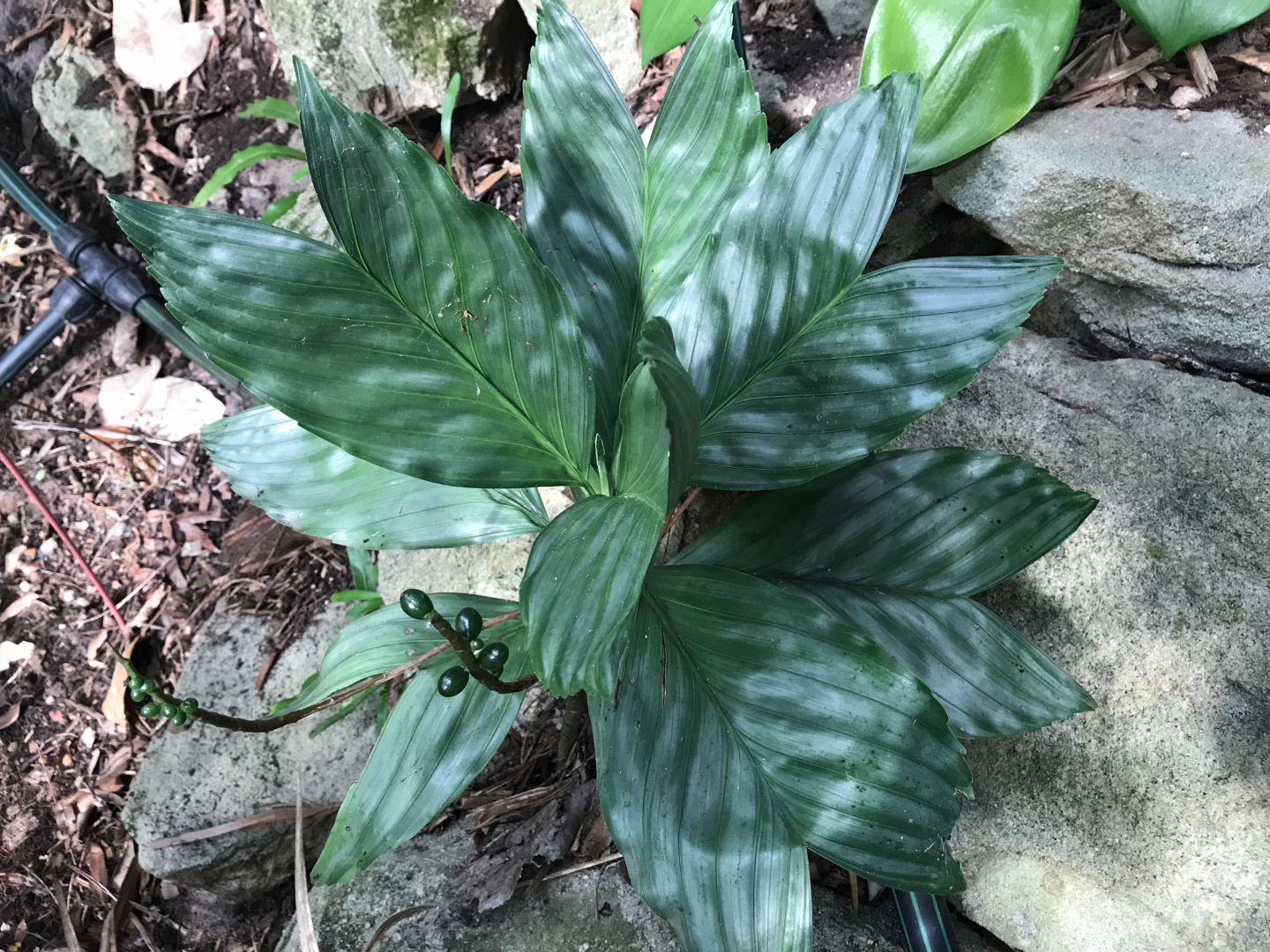
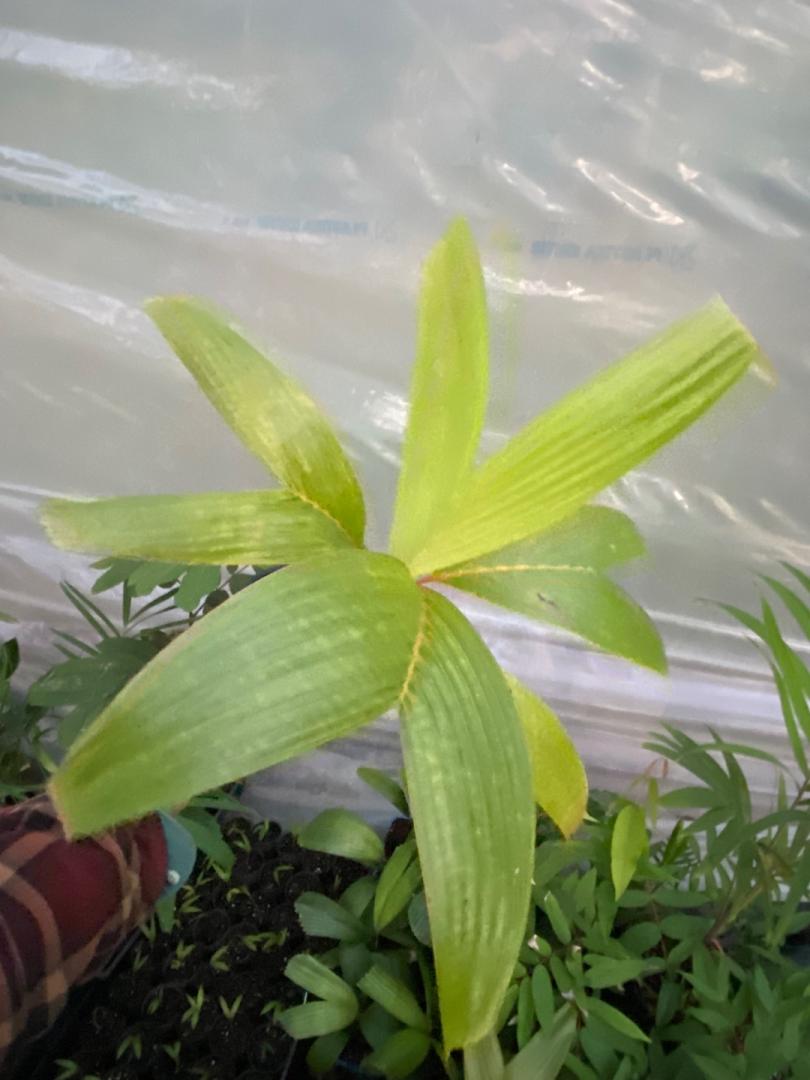
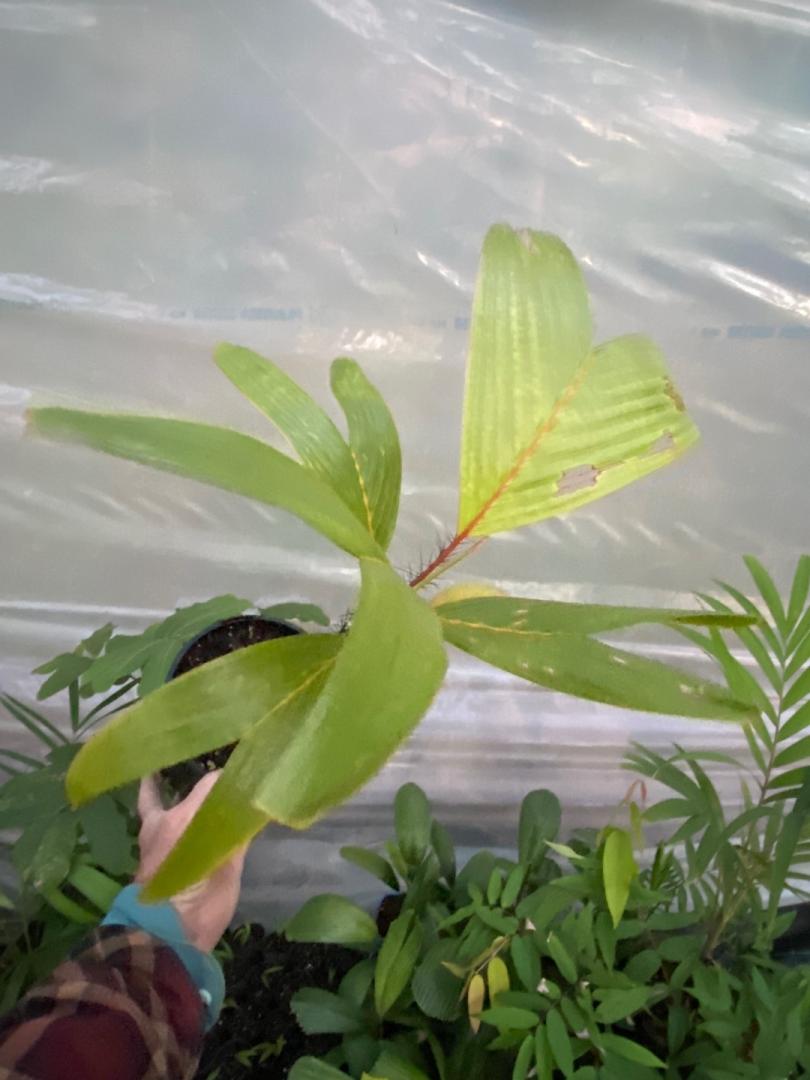
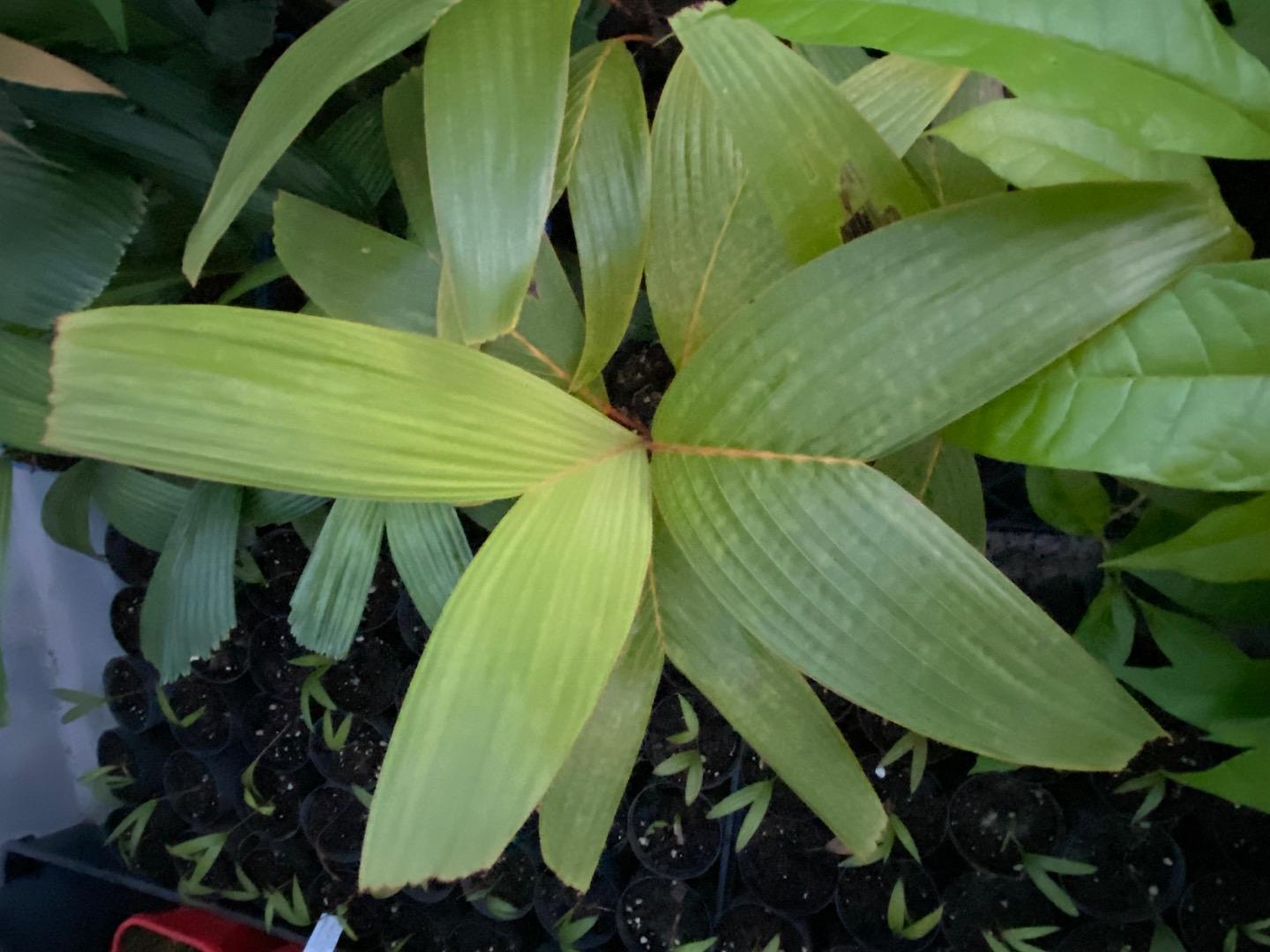
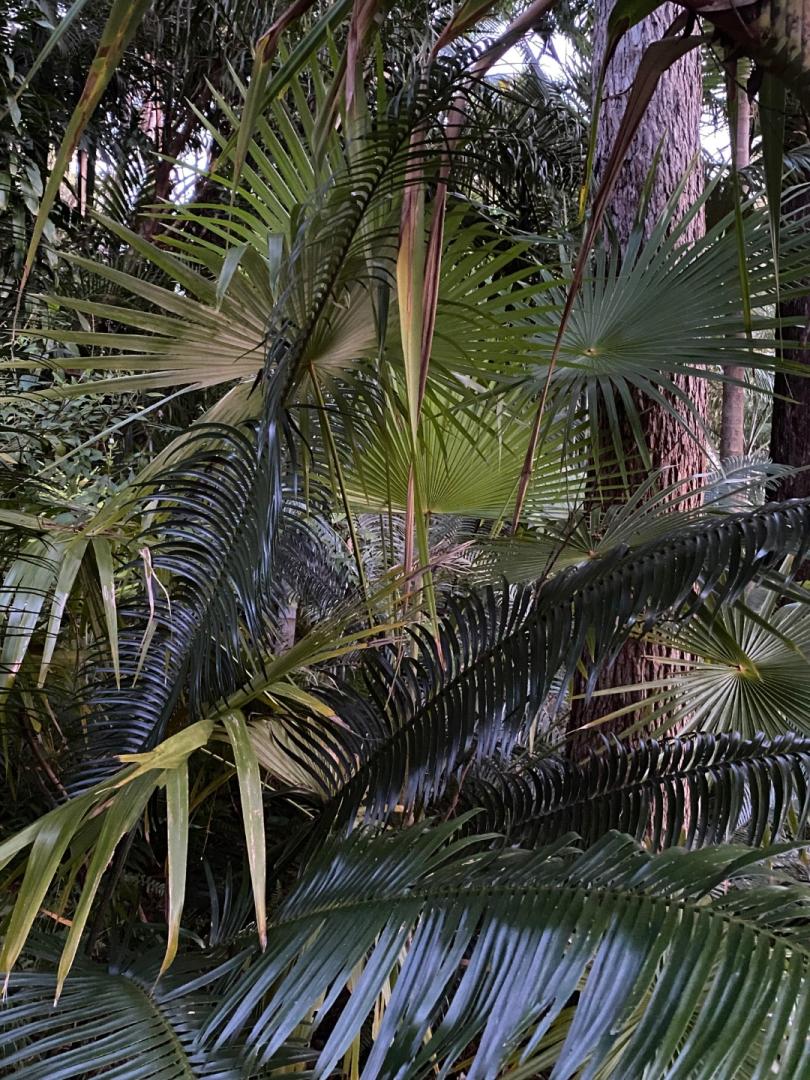
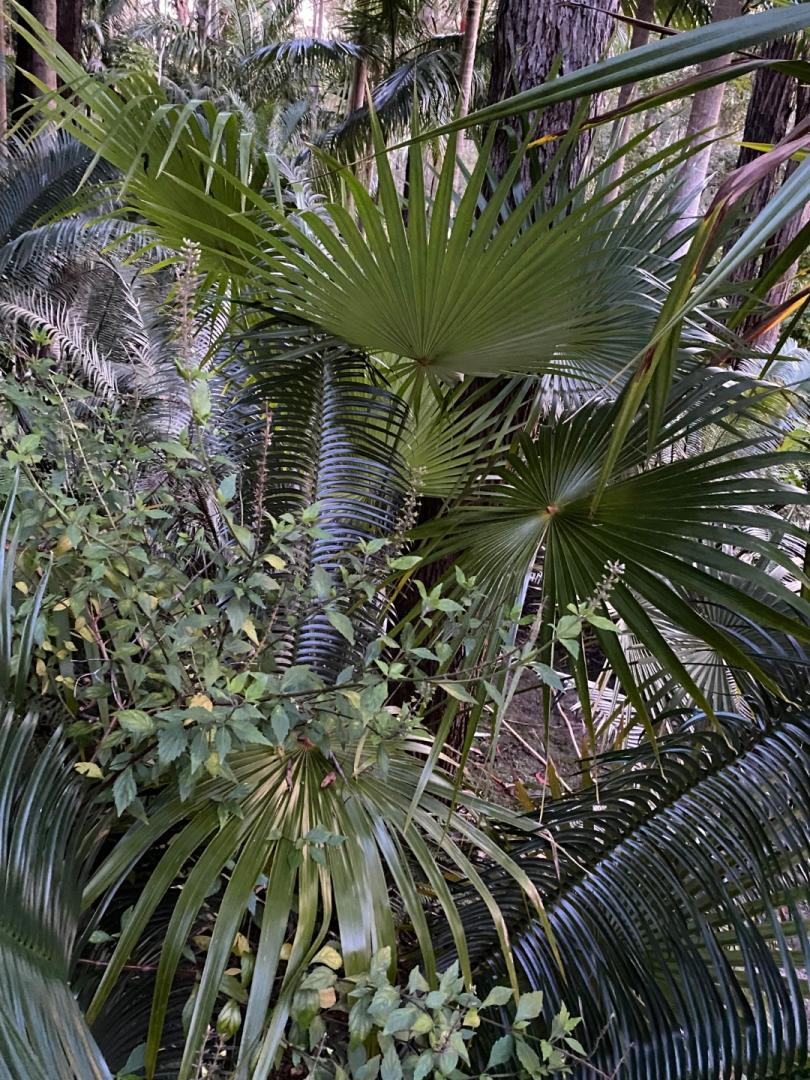
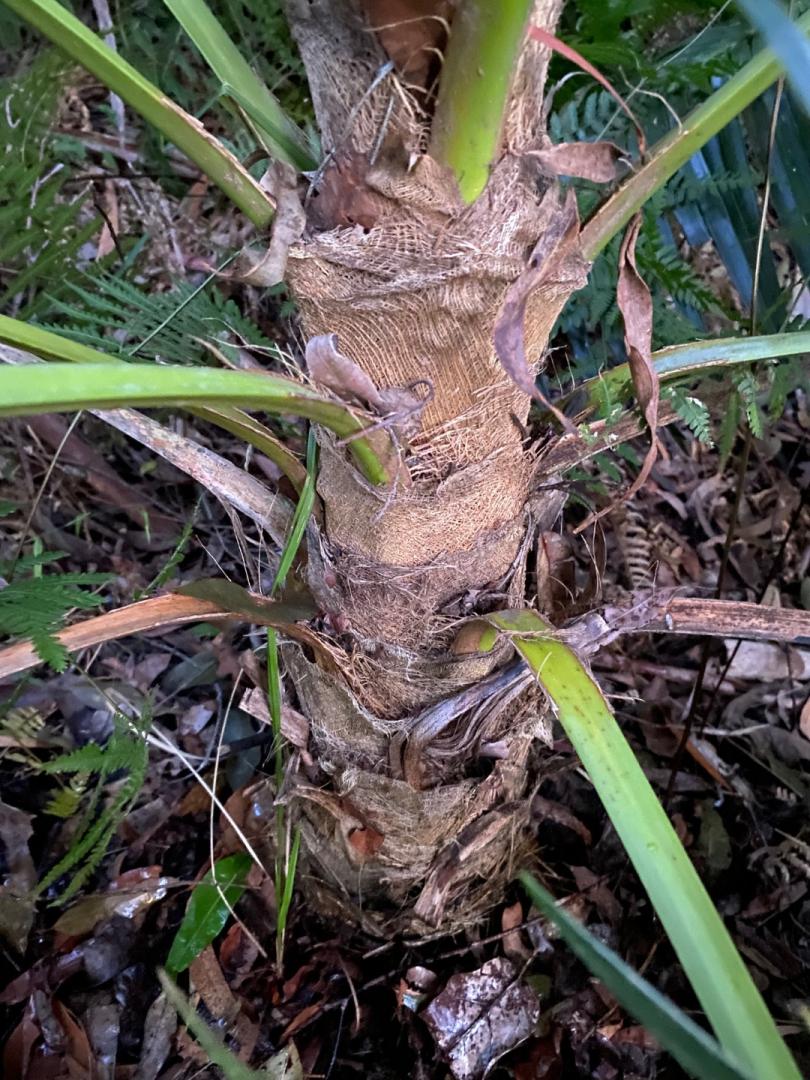
Could anyone identify following Chamaedorea specimens? Additionally to posted pictures, it is solitary and female.


 2 points
 -
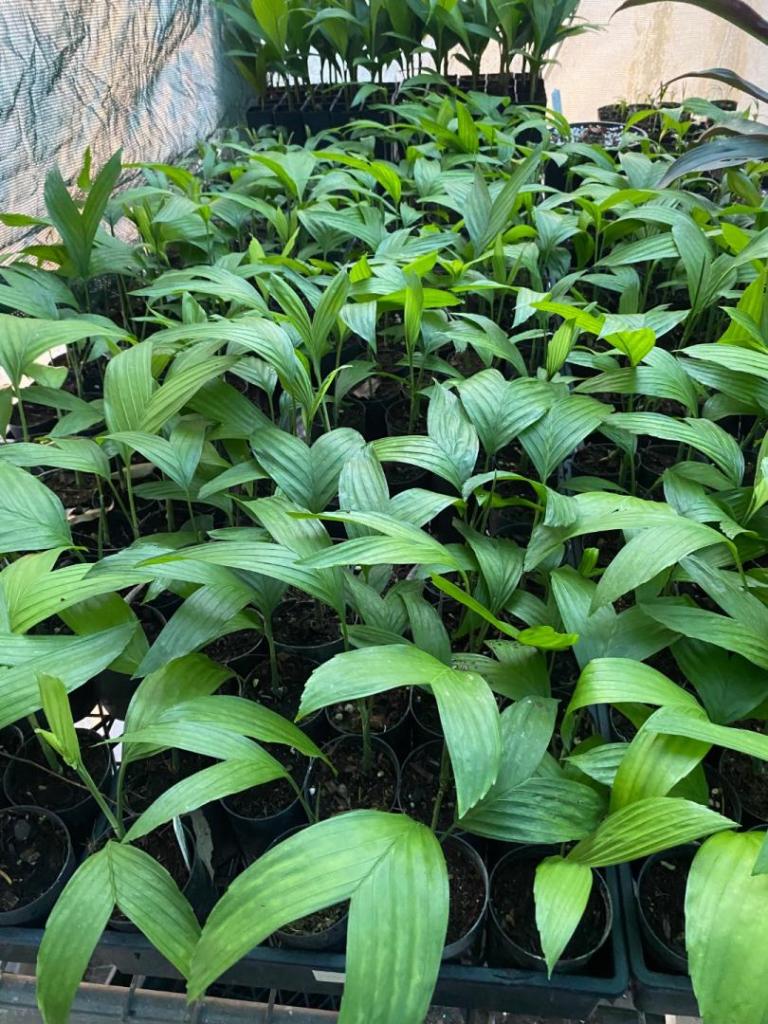
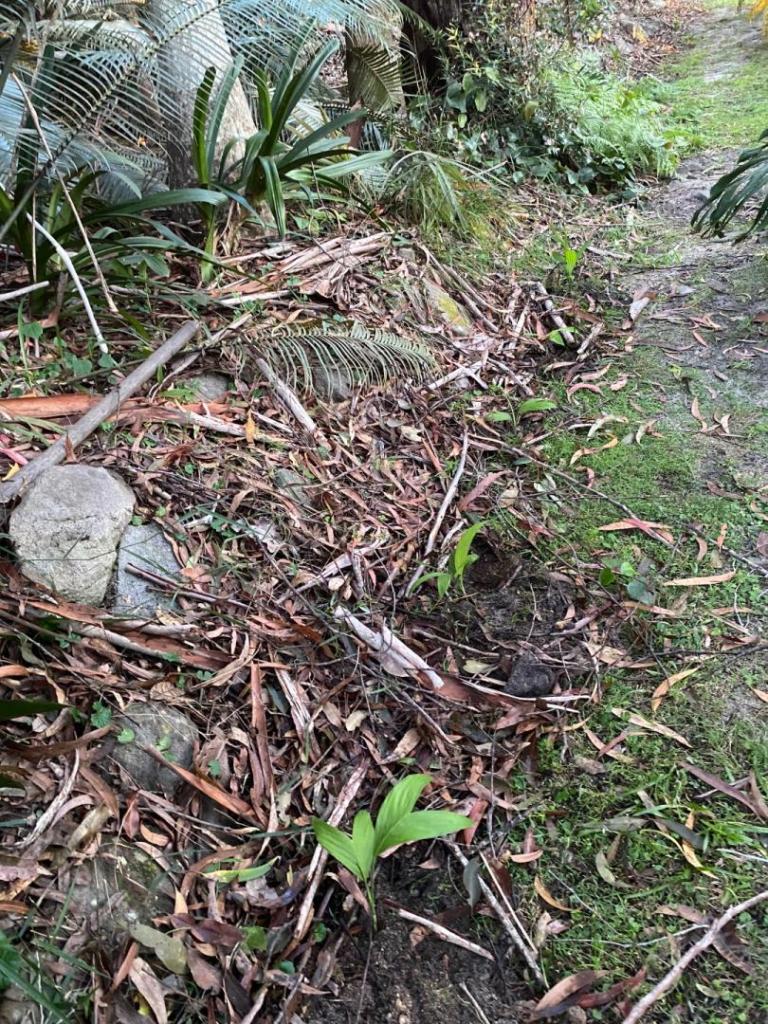
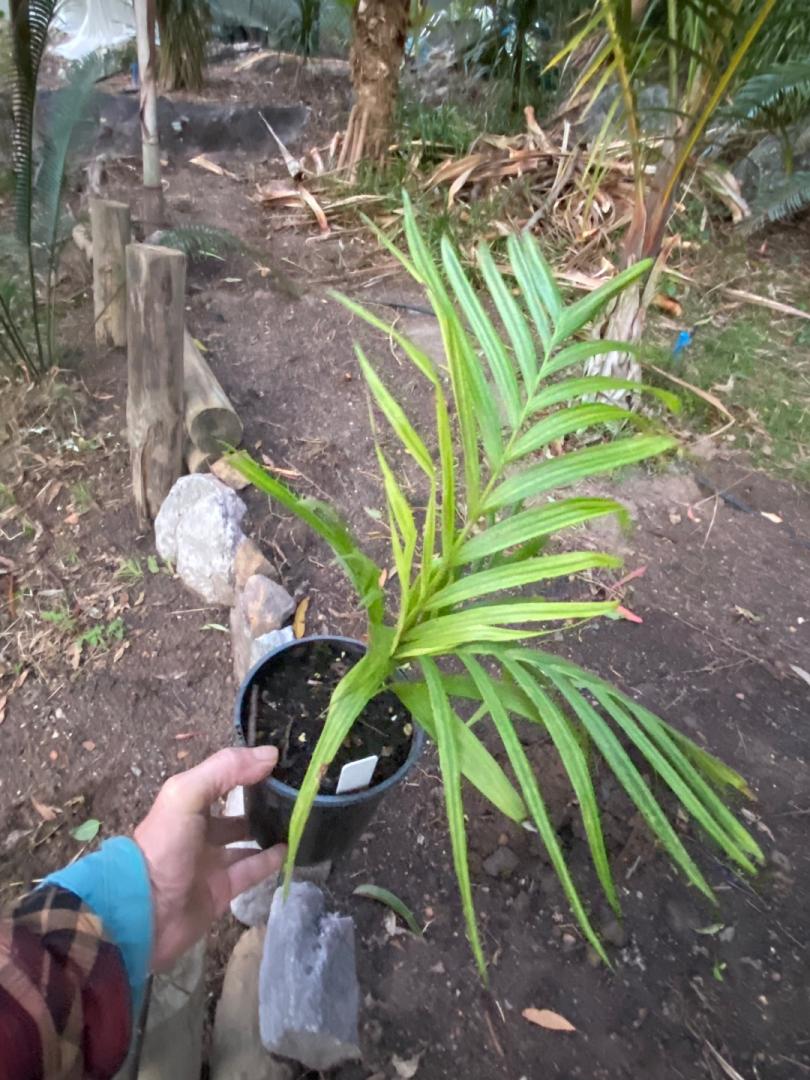
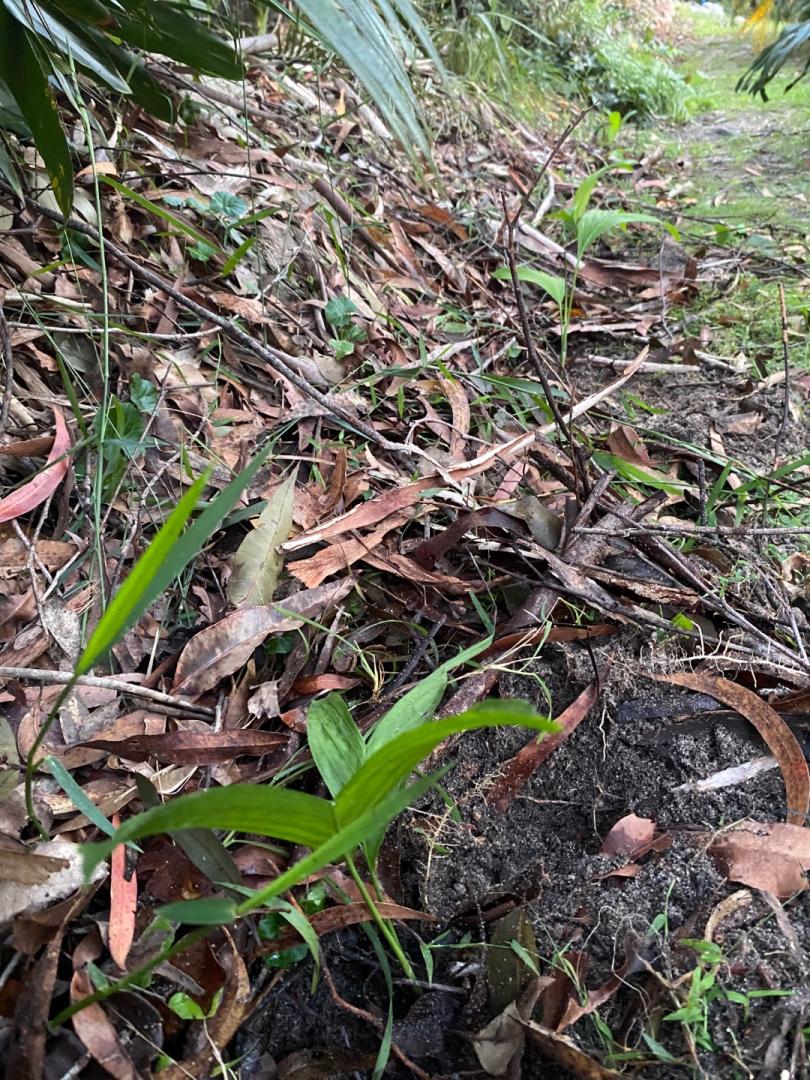
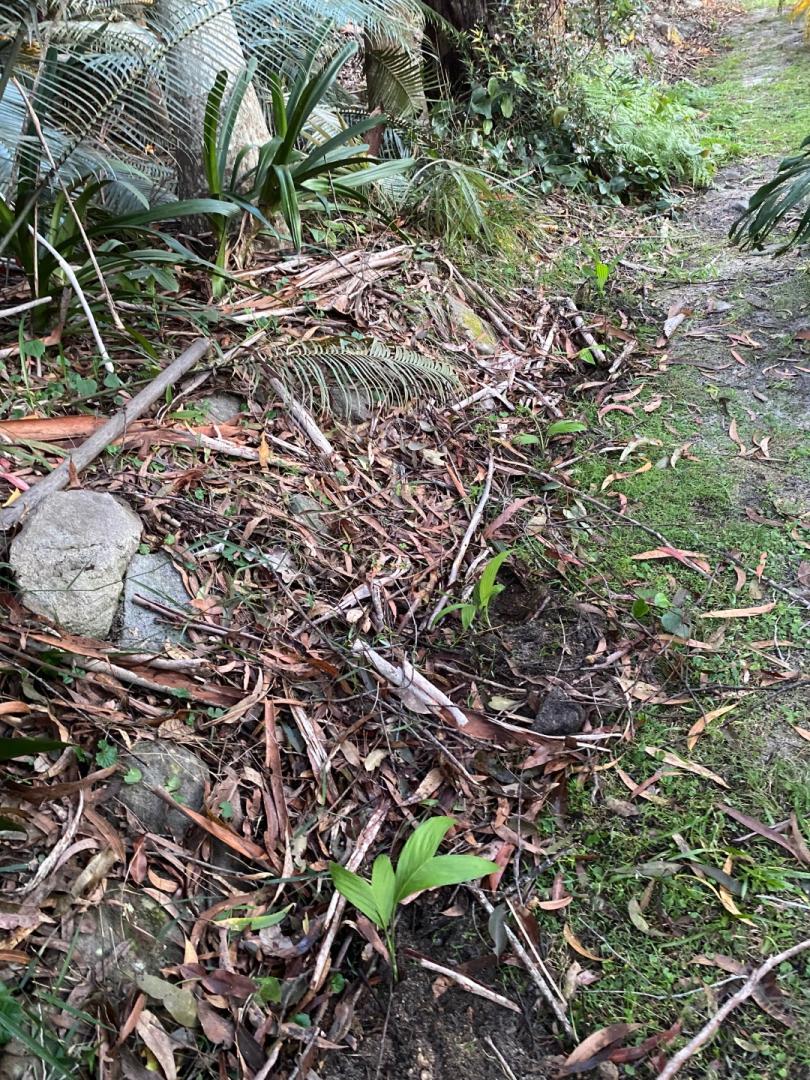
With a couple of Chams to spare why not plant a row of them along the path to the greenhouse. Germinated these few from a RPS batch of 200 seeds and lucked up in the Chamaedorea department. A nice row will make for a nice casual walk to the greenhouse sort of the driveway of driveways only to the greenhouse!


 2 points
 -
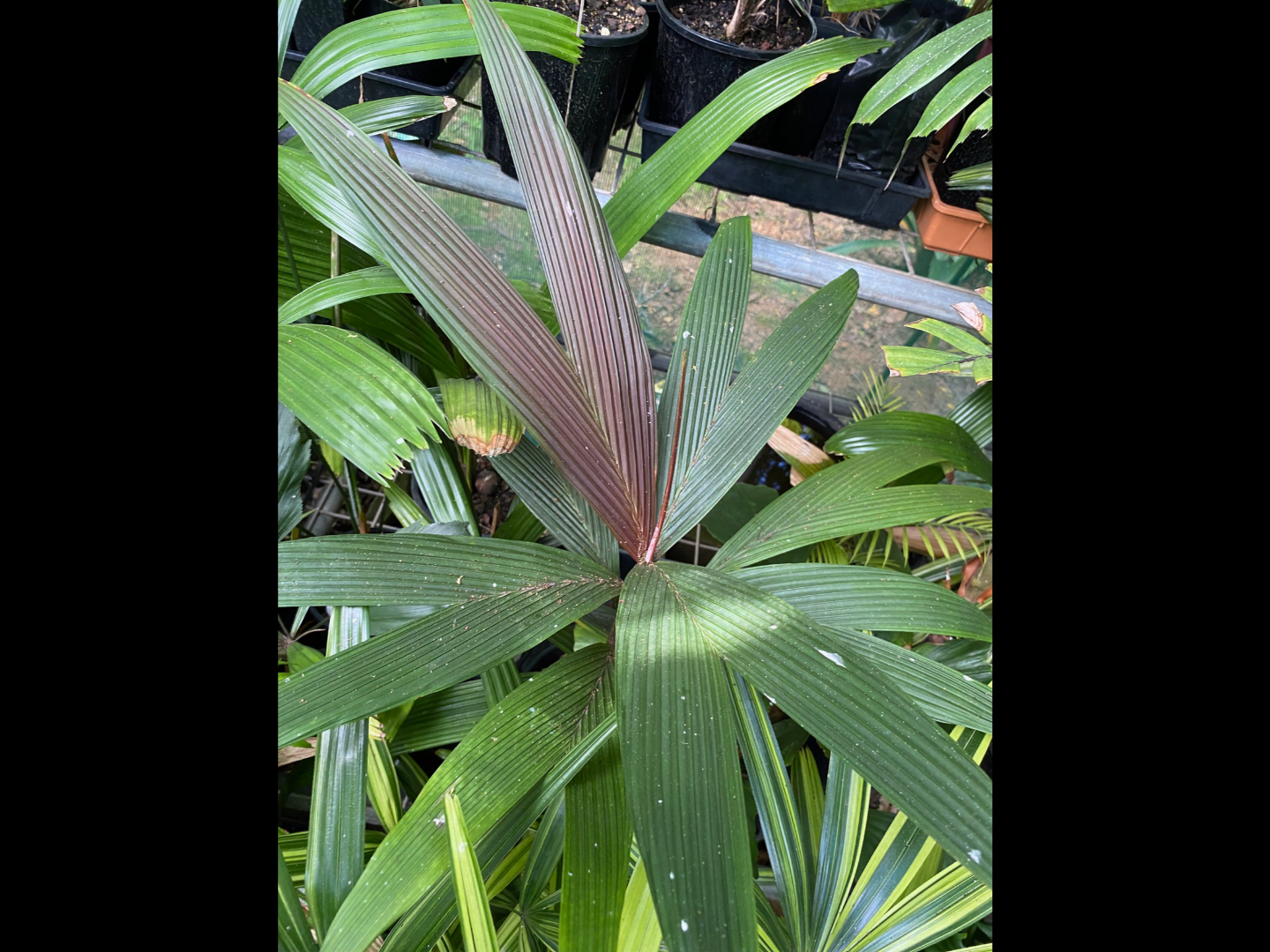
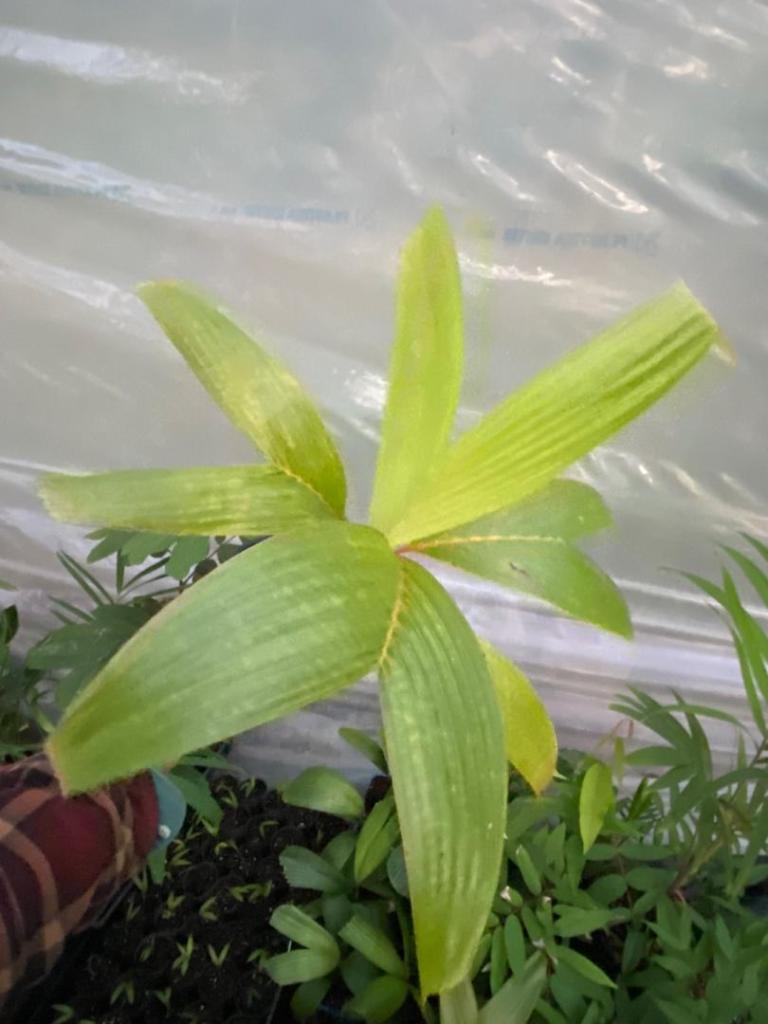
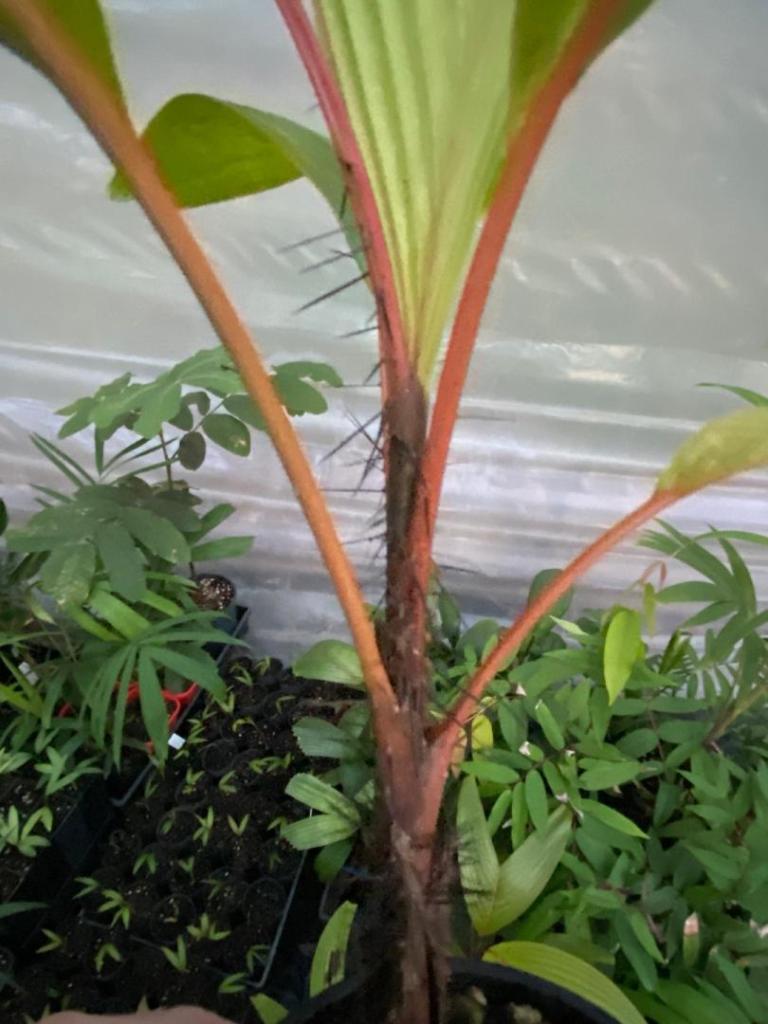
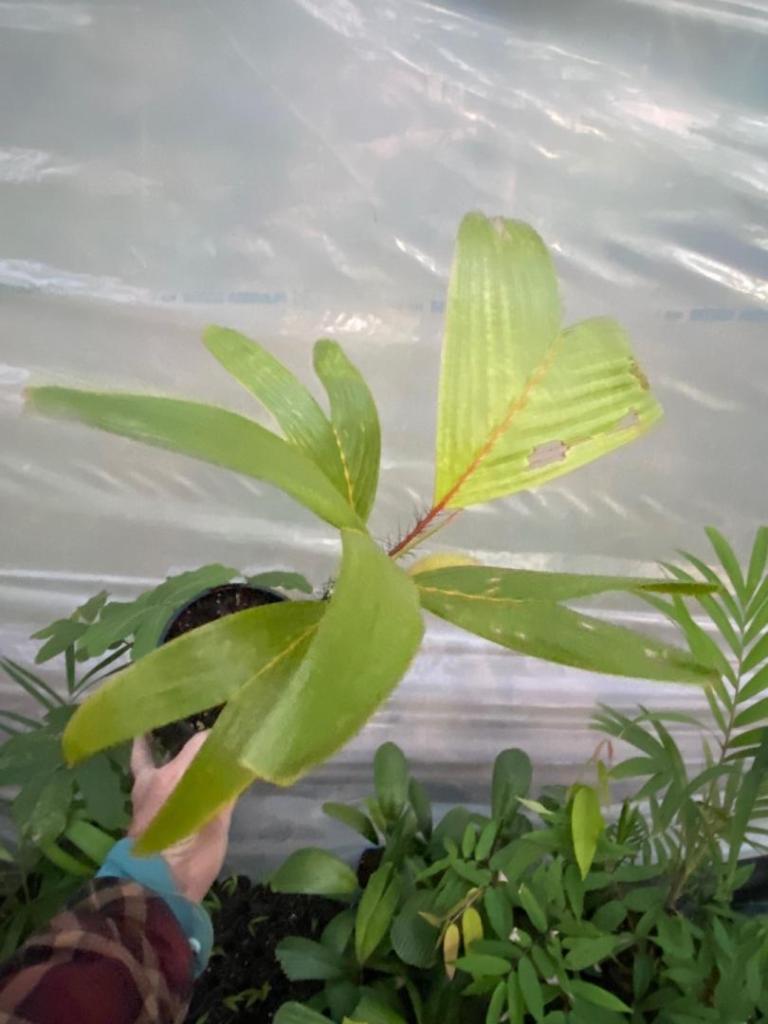
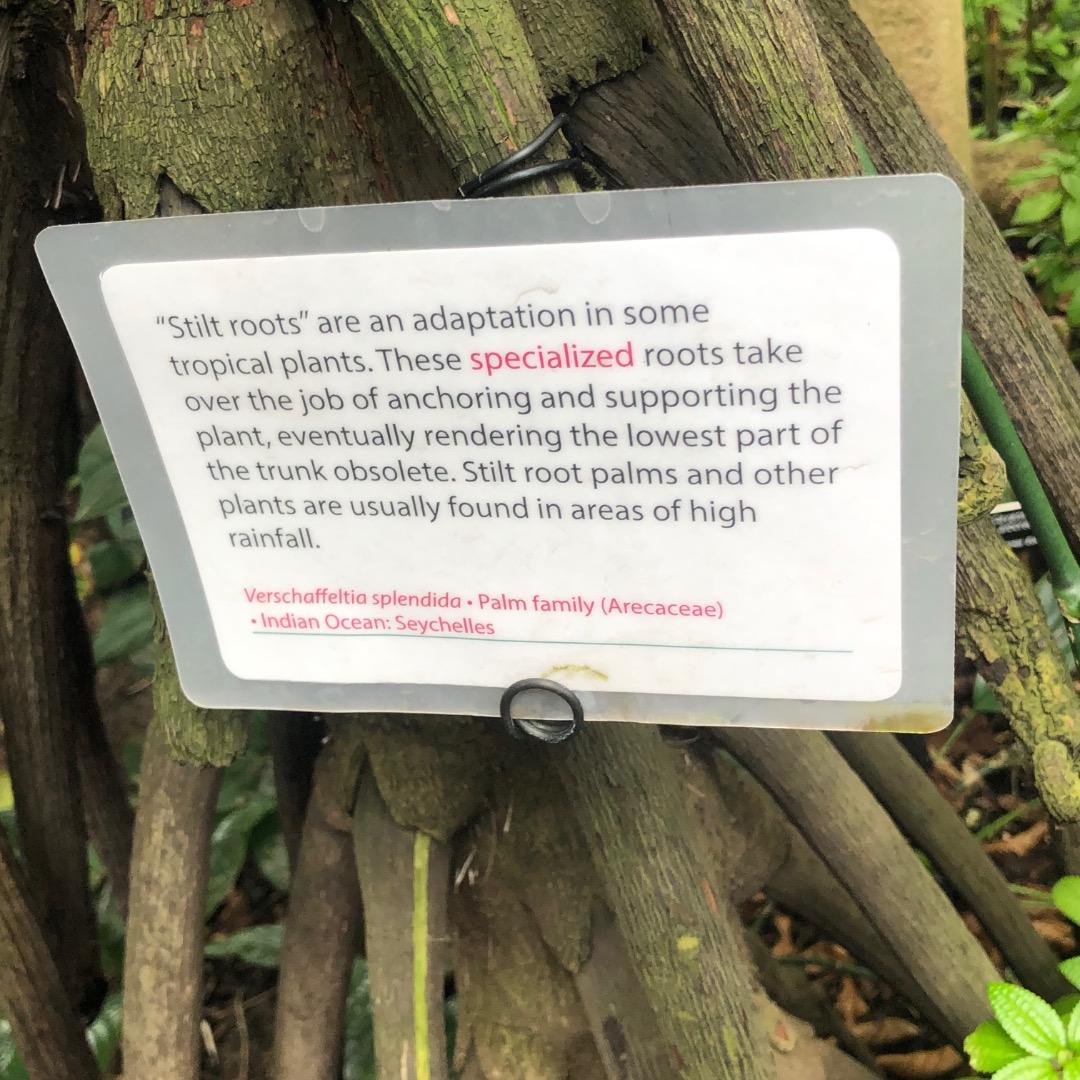
I thought for sure these verschaffeltia would be burned to crisp by now in the cold, others are failing around them. This is there first winter outside of the hothouse, so iam surprised they are hanging in there and actually look quite good apart from the slug damage. I purchased the seeds from cairns area so not really acclimated as cool tolerant seeds. These 4 are the sole surviving ones from 30 seedlings I germinated. I did sell one to an another collector. So far there holding up well and with the next couple of weeks our coldest time of the season, it’s going to be interesting to see if they make it.

 2 points
 -
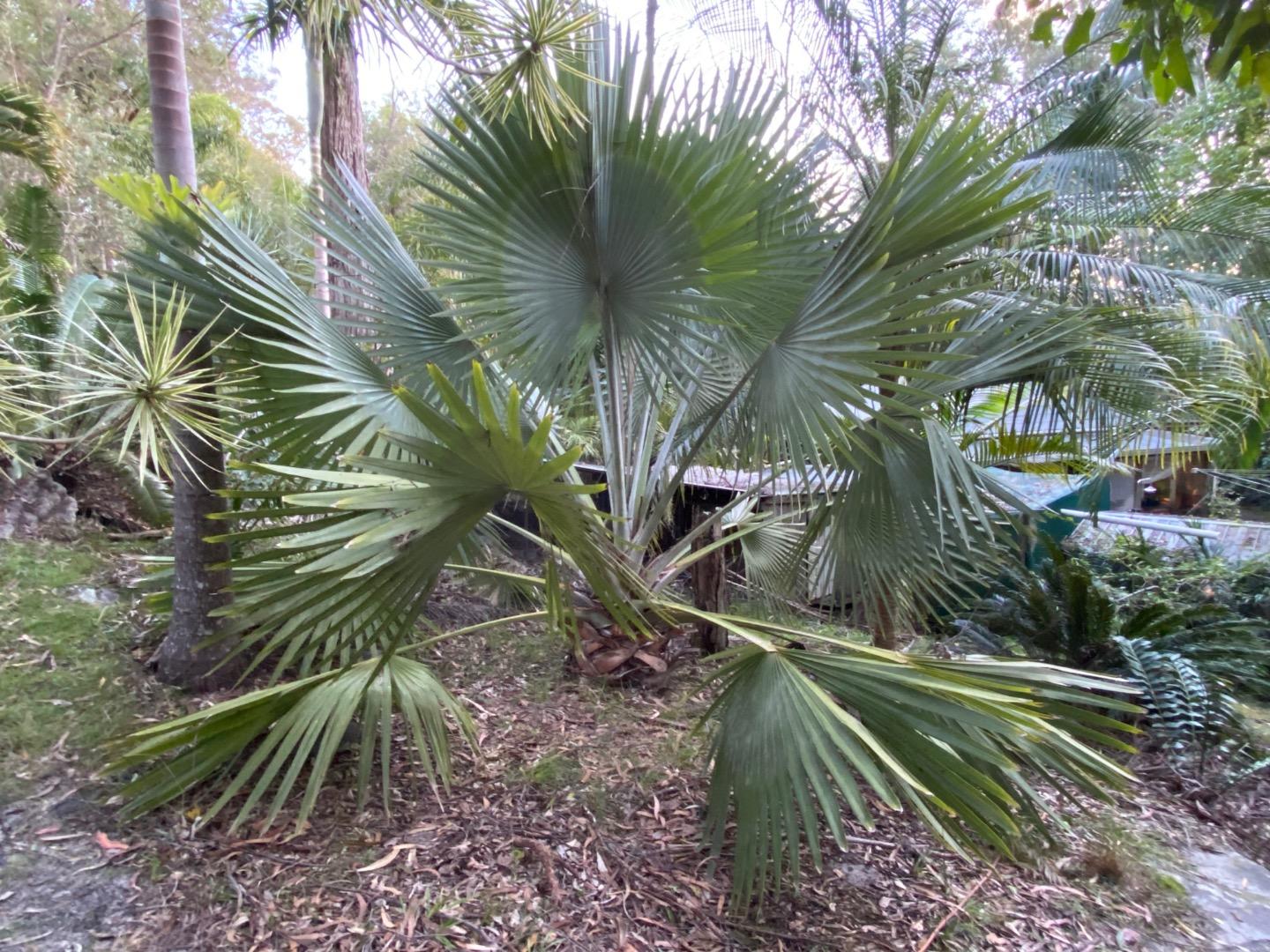
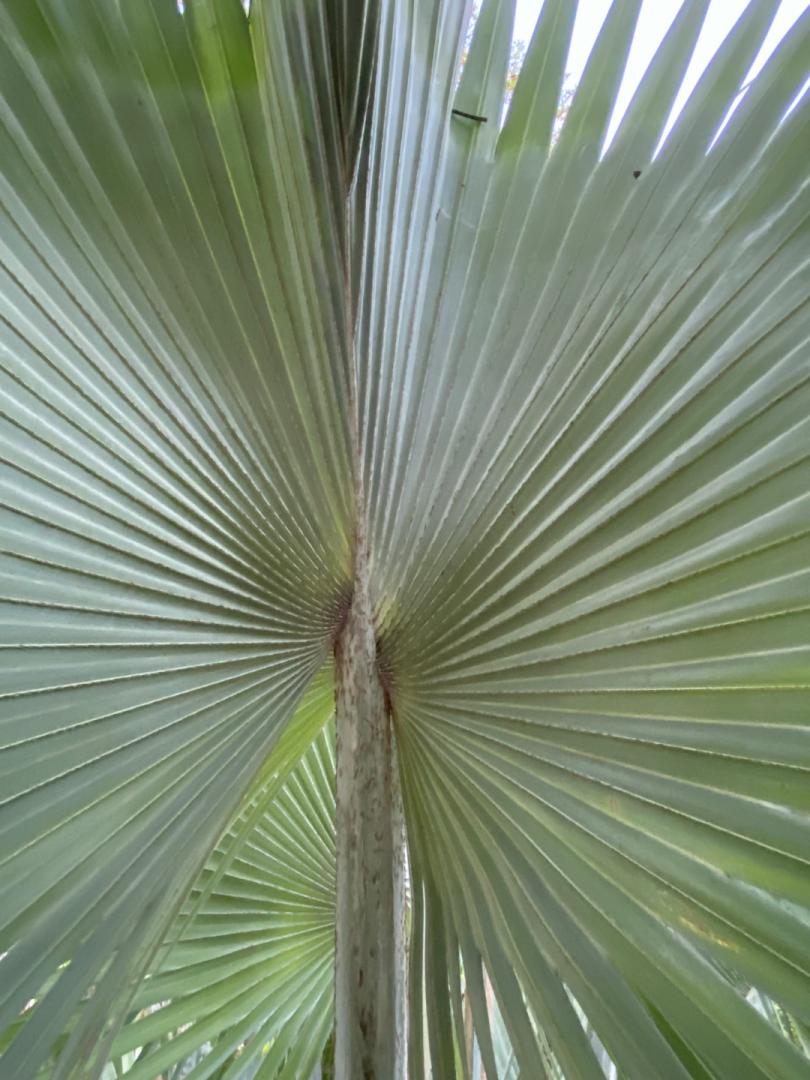
This Bismarckia is one that I grew from seed sent to me from Australia! They're still popular in my eyes...
 2 points
 -
Beware that there is no Syagrus romanzoffiana v. litoralis...there are many threads here on PalmTalk over the years discussing the various populations, varieties or forms of this species. And what was originally sold as "v. litoralis" or "silver queen" was presumed to be a population from the litoral areas of Santa Catarina (probably somewhere around Florianopolis) but there is no expectation that these palms would be any more cold-hardy than other populations, since this is an area where coconuts grow...rather the inland forms from mountainous areas with very thick trunks endure a lot of cold. There's a lot of misinformation out there, so just educate yourself by studying old threads here and beware of anyone's claims. I would think probably the best thing you could do is take a visit to the marginal areas, say, of northern Florida, or if you are in Bakersfield--cold, low spots in the Central Valley, and find old survivors of cold and collect some seed for yourself.2 points
-
Demian, we have 23,705 members, many who are overseas, or beginners. Please ID the palms in your posts. ( This one looks like Washingtonia robusta.)2 points
-
Yep, you're seeing it right! This is a big green Tillandsia, more like a Vriesea, from high elevation. The Till seeds are in transit to Tasmania, via Mr @happypalms. Thanks again for organising Richard.2 points
-
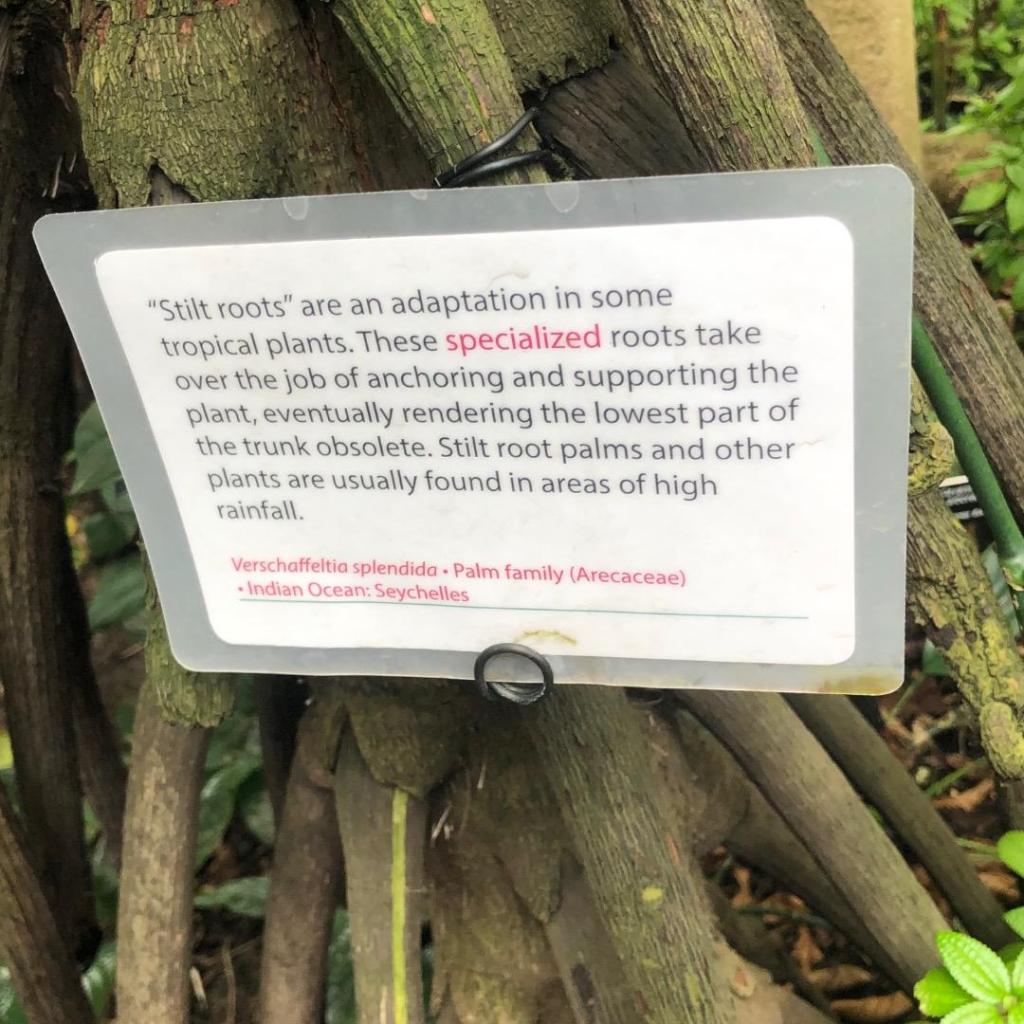
@Rubberboots yes , stilt palm and super cool but will most likely die here. A very tropical climate is needed. For us , it would go beyond pushing the zone. Harry ‘From The Huntington glass house.
 2 points
 -
Ps or the palm mafia intervention gang will be around to sort out the problem 🤣2 points
-
Nice one Tim, it wants shade.2 points
-
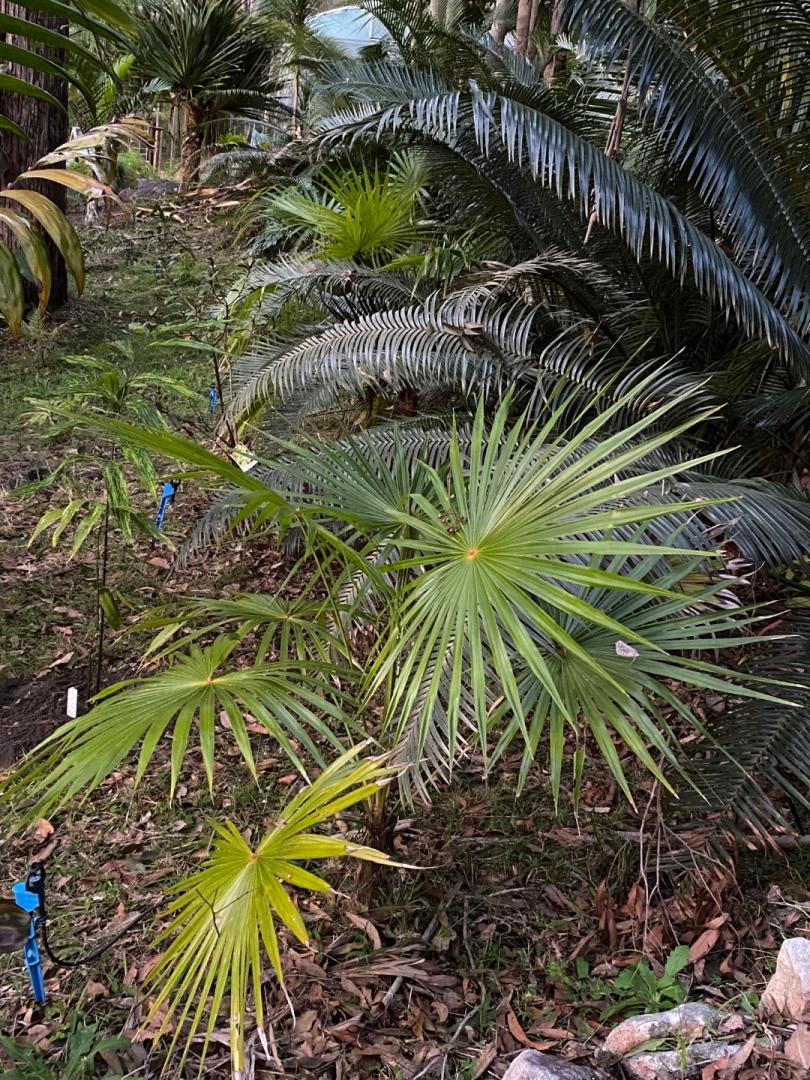
They survive down here. They actually don’t really even get damaged even without canopy down to -1.5C/29F, it’s just that they barely grow. My older one is over 15 years old and while it doesn’t look terrible, it doesn’t really gain size. This photo is from last September, it actually looks a bit better now after a good growing season.
 2 points
 -
I hope the B tomentosa go well for you Richard. Bit of a holy grail species for me, but probably much better off in your hands up North. I’d say they should like your climate.2 points
-
I love how people who couldn't find where you live on a google map are the very experts that tell you all the things that won't stand a chance in your garden. Peachy2 points
-
They are a very pretty palm and I had one planted at the old house but as everyone has said, very very slow, therefore valuable garden space has to be used for something that gives more rapid results unfortunately. Peachy2 points
-
A real winner. And if you can get hold of one I recommend you do so. You will be surprised how cool tolerant they are, I would say at least 2 degrees Celsius possibly down to 0 no frost but they are tough. Well worth a try. My ones have seen a few cool winters over the years. My area has been hit by two black frosts in 25 years. Not my property but I will say dam cold temperatures. Slow growing is there only problem. Richard2 points
-
Mine have now seen 2 winters here and apart from a few leaf spots, they cope quite well with the cold. When they are big enough to plant and see their first winter in the ground will be the big test for survivability. Peachy2 points
-
that is really, really sad. every plant and every animal that accompanies you during a certain period of time and dies afterwards is also a sad event, similar, at least for us, to the death of a dear person ... We have taken both into our hearts ♥️ we had never seen it here before. we only heard from a third party that one of their neighbors in southern Switzerland had a Trachycarpus on a slope that had fallen over after a big storm. according to her, it was about 40 years old at the time. This was over 8 years ago and the owner lived away from a forest...2 points
-
Sorry to read the news, Colin. Surprising that should happen for you, and losing such an old friend in the garden is hard to take. My condolences.2 points
-
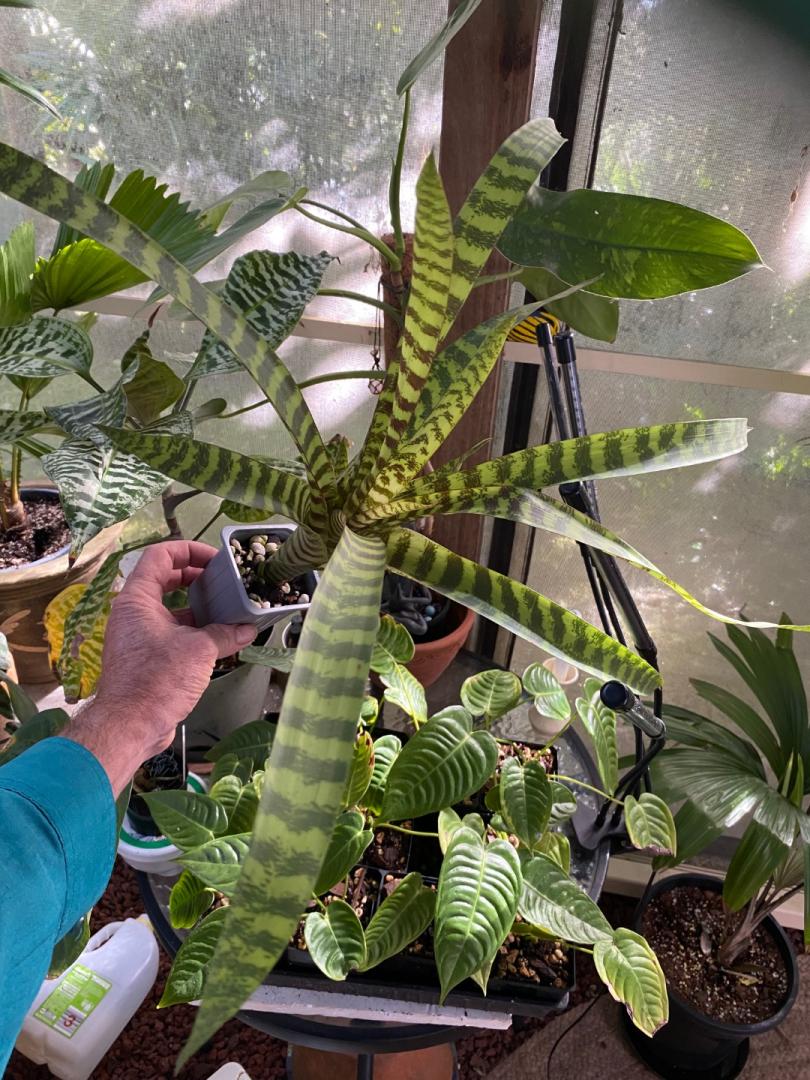
A nice batch of some common exotics for the garden. A monsteria deliciosa variegated, philodendron el guapo, and a bromeliad from the Amazon Guzmania vittata. I don’t buy many broms but this one was so beautiful. All will the plants will be planted in the garden after winter and will make a nice bit of colour in the garden.


 2 points
 -
Seeds are SOLD OUT.2 points
-
Steve, Thanks for sharing your soil mix ! The primary reason I am looking for a new mix is that a lot of my cycads will be going up to 15G pots and I need something fairly lightweight. Currently my mix uses lots of inorganics such as pumice, decomposed granite, crushed limestone, or crushed quartzite (depending on the species) and then a soil mix with peat moss and small orchid bark. So, my organics match yours, but with the inorganics that I am using, it is simply getting too heavy beyond 7G pots .. though it works well. Here's a fairly large M. macdonnellii (6 inch caudex) I have in a 7G that needs to go up a size. That soil mix is ~ 77% inorganics making it very hard to lift. -Matt
 2 points
 -
I wish I could send you plants gyuseppe. Your palm collection took a big hit in losing so many!2 points
-
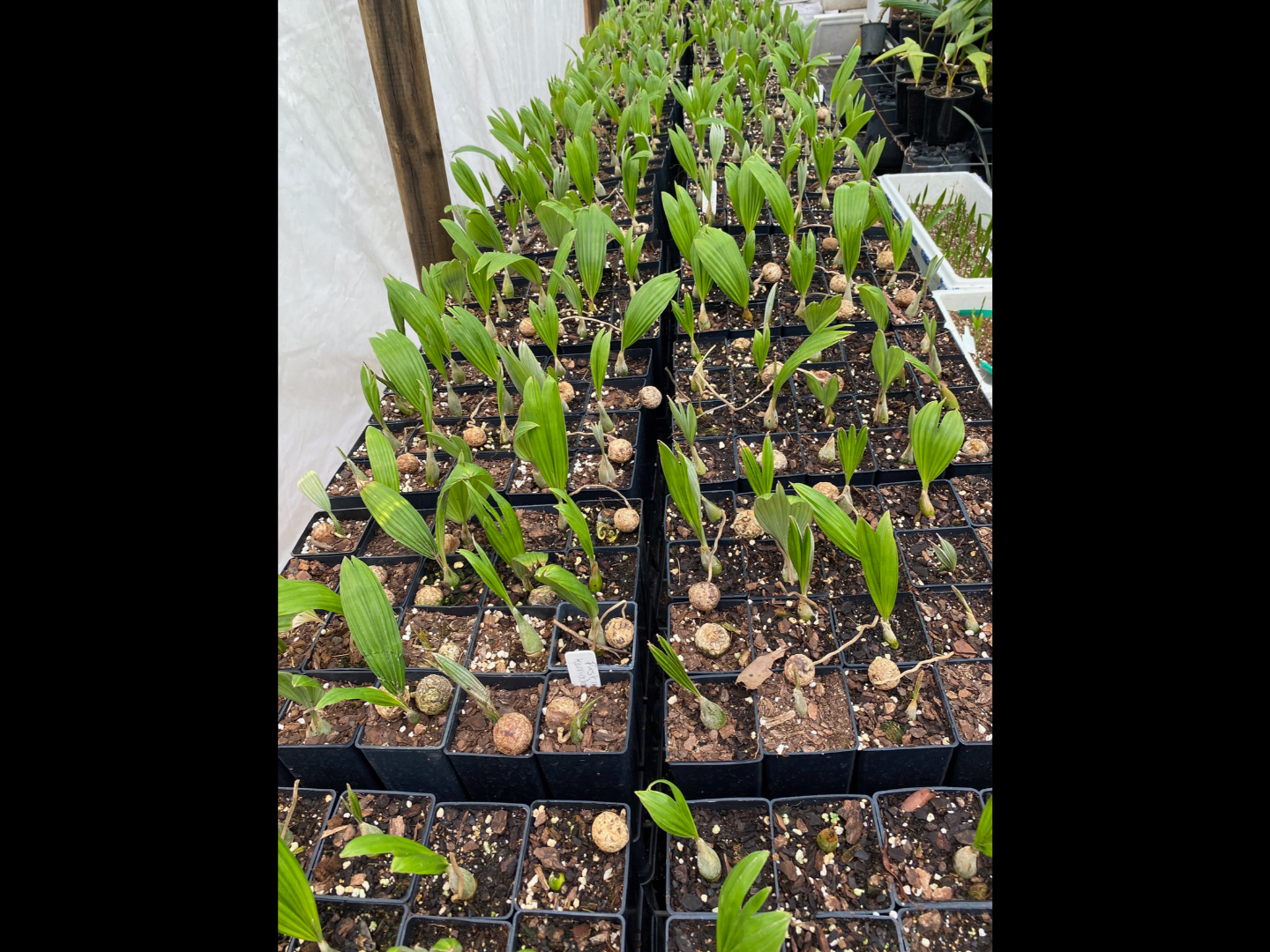
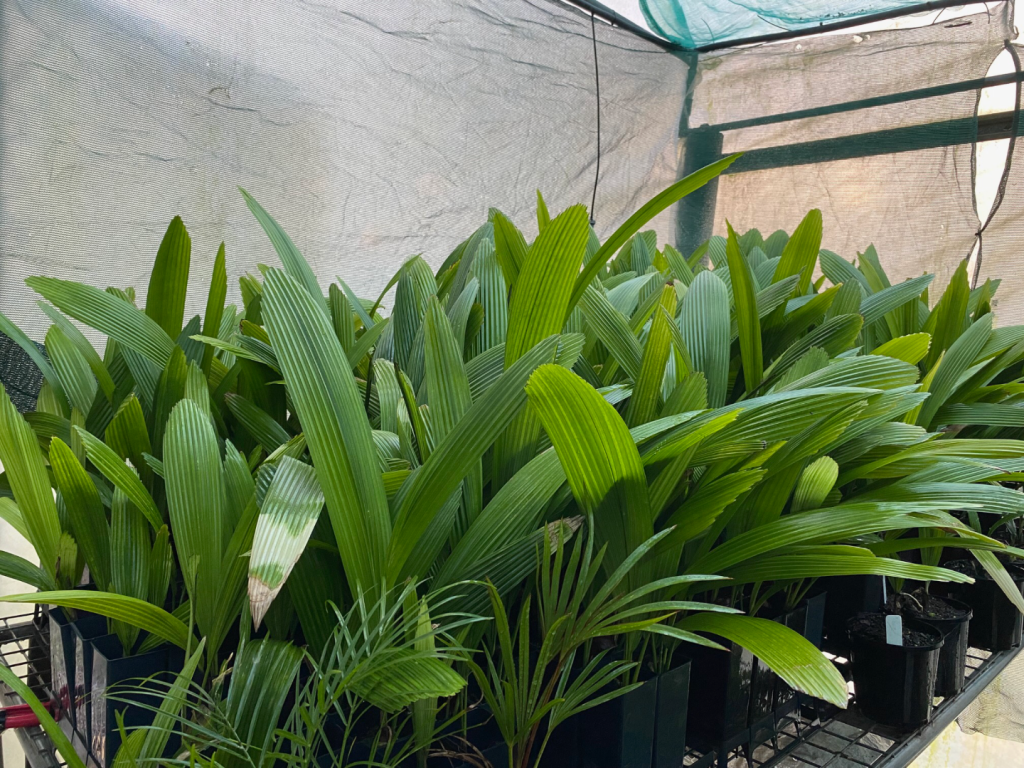
I looked at bench full of them and straight away I thought of you Harry, iam going to plant all of them in my garden I love them and so easy to grow. Such a beautiful palm. Richard2 points
-
In my garden, we are now experiencing "deep summer".... overnight low temps of 50F and afternoon high of 58 F, (10-14C)2 points
-
That is really sad. Trachycarpus are normally very strong . I have lost Caryota in the wind before , and that is common but the others aren’t a problem . I hope the damage is minimal to the rest of the garden. Good luck . Harry2 points
-
I wanted to give people a heads up that 4” plants of this Mystery palm are now available on the new Floribunda price list. So if you were not able to get seed from me last year, but still want this plant, you can order them from Floribunda. It’s listed as “Chrysalidocarpus Sp Hybrid - Jason Dunn”.2 points
-
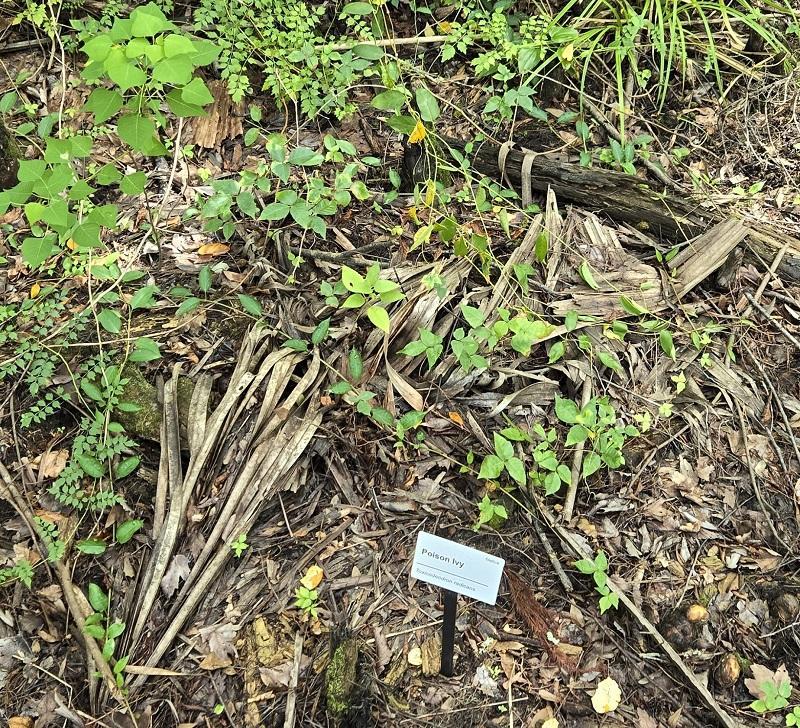
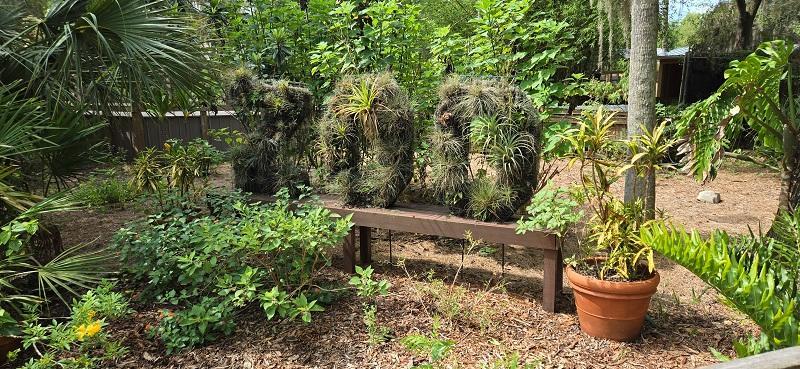
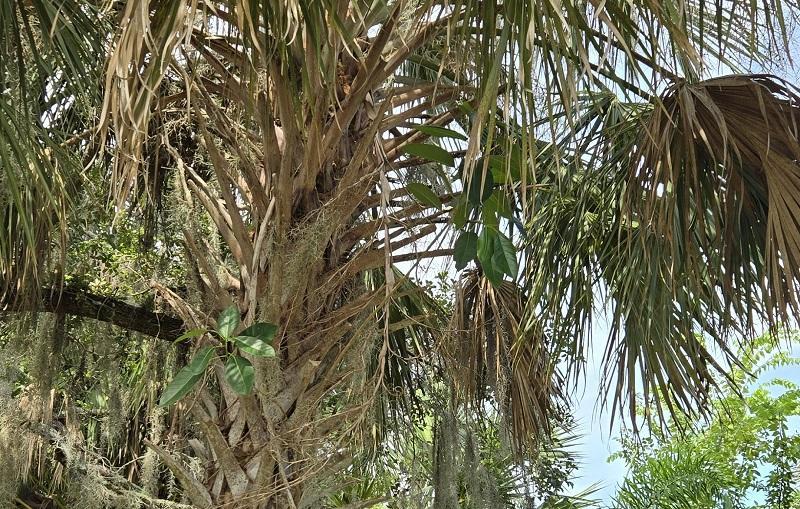
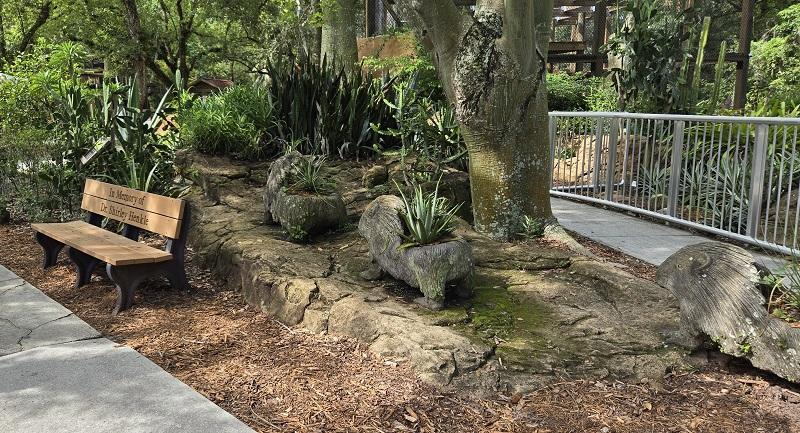
Anyone interested in visiting can check out their website here: https://www.centralfloridazoo.org/ The Entrance: The entrance features Triangle Palms (Chrysalidocarpus decaryi), Agaves, Royal poinciana (Delonix regia), Livistona saribus, Ponytail Palms (Beaucarnea recurvata), and Pygmy date palms (Phoenix roebelenii), mixed with plenty of foliage. Natives Moving North: It's no surprise that one the south shore of Lake Monroe, epiphytic Ficus aurea are present in the boots of Sabal palmetto. Natural Florida: Some parts of the park seem almost untouched. More Exotic Tastes: The zoo's location boasts a very solid microclimate due to Lake Monroe. The plantings are primarily in the warm zone 9b range, keeping the risk of loss lower than going with coconuts and Adonidia merrillii as some growers further east on the shore. Bromeliads, Silk Floss Trees, Cacti, Aloe, Liriope: Caryota mitis and Dypsis decaryi: These species are found throughout the zoo. Aroid Zoo Sign and a Potting Table: Wonderful use of plants to decorate the walkways. Common Sense Compensators: Might as well label poison ivy so no one goes off the path to play with it. It's hard to believe you'd have to warn someone not to jump in the water here, but... Philodendrons, Bromeliads, Tree Ferns, etc.: Plants that really add some bang to the garden. Rounding Out the Trip: More common plants like Queen Palms (Syagrus romanzoffiana) and Lady Palms (Rhapis excelsa), as well as more common companion plants.






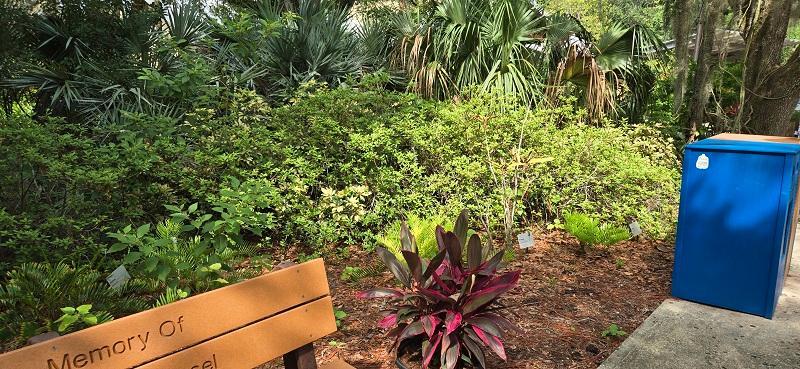

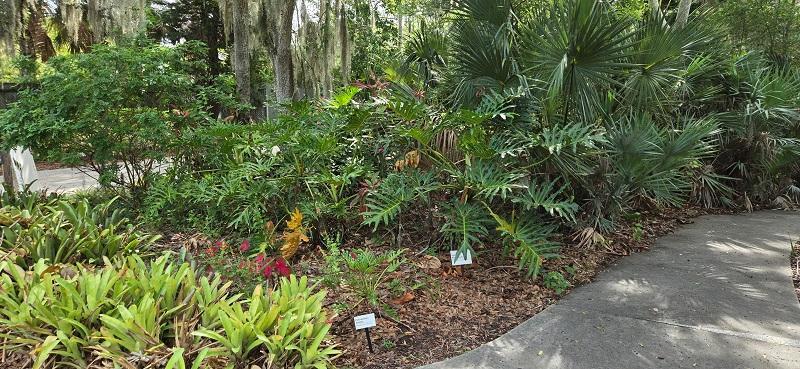


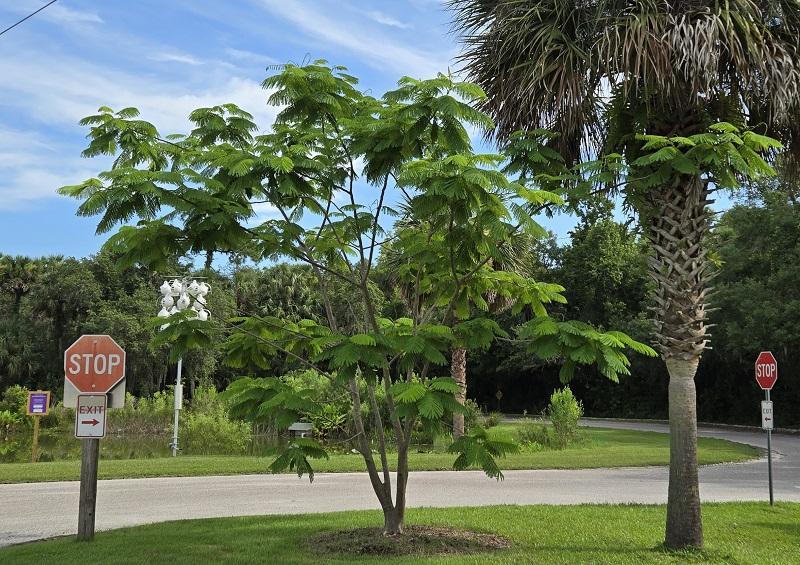


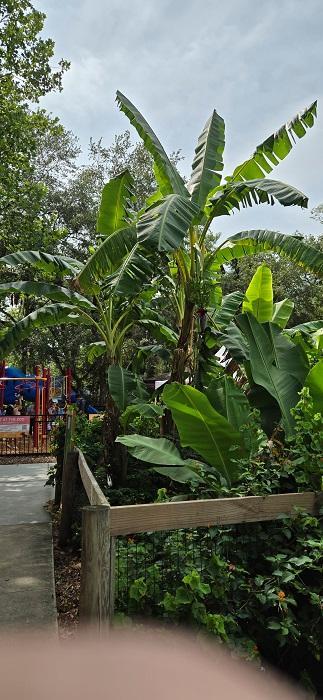
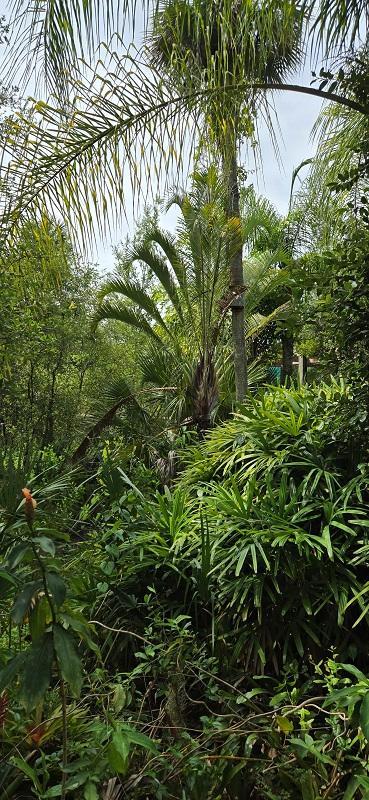


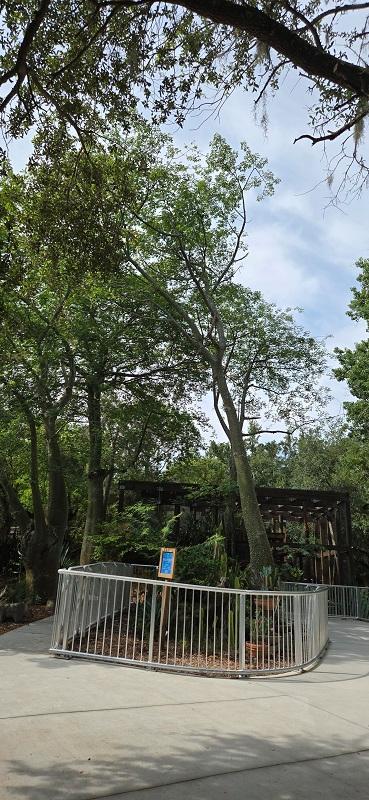

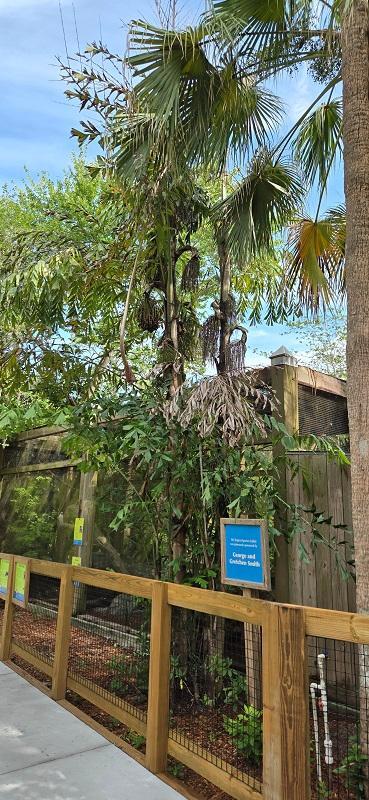
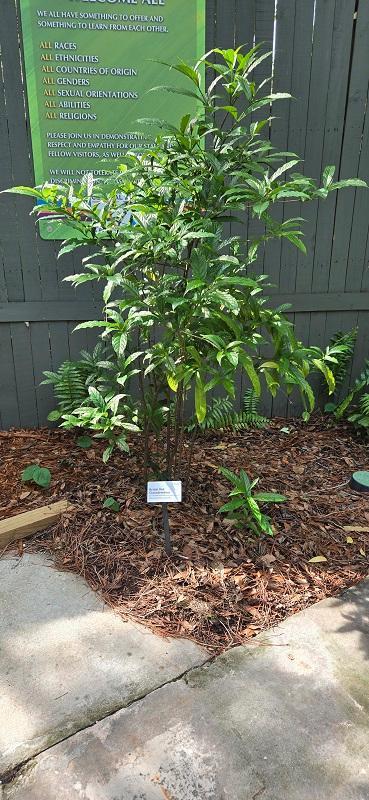
 1 point
 -
@Jonathan thank you ! I have one in bloom right now that is very large with light blue flowers that are very fragrant. Harry1 point
-
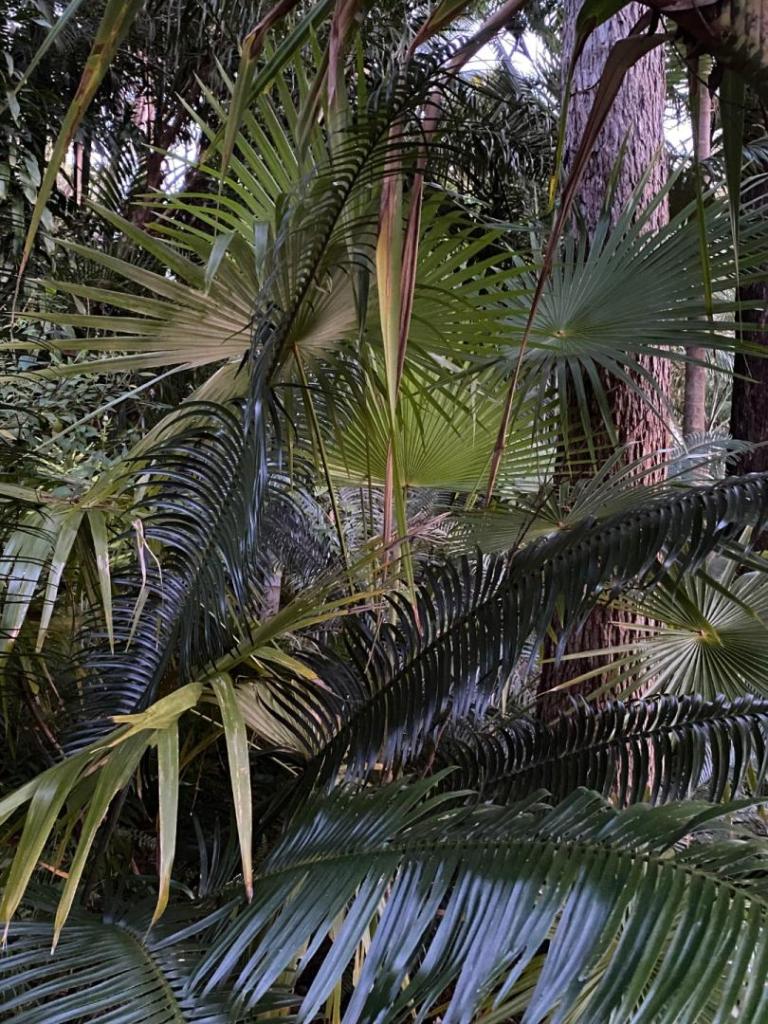
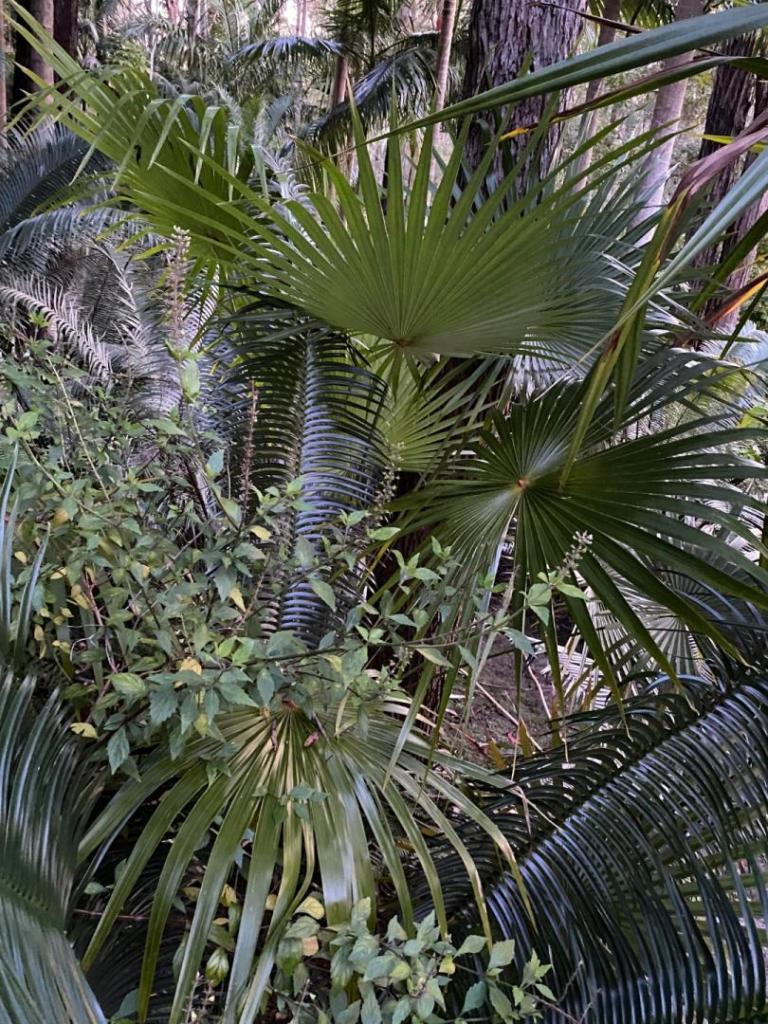
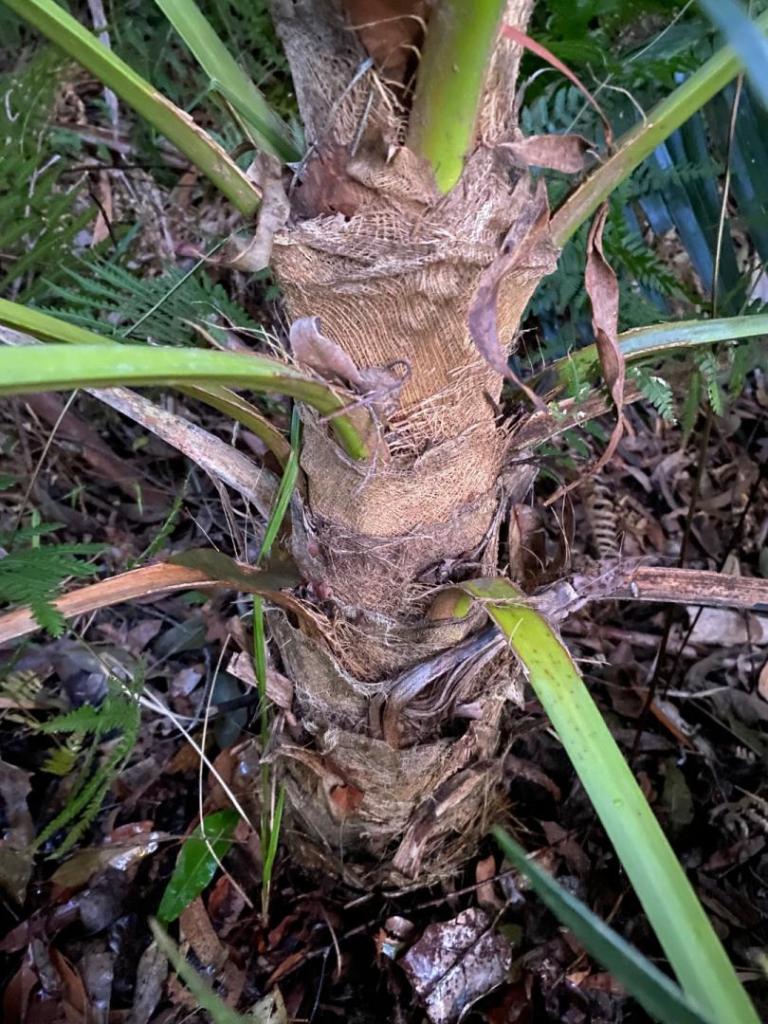
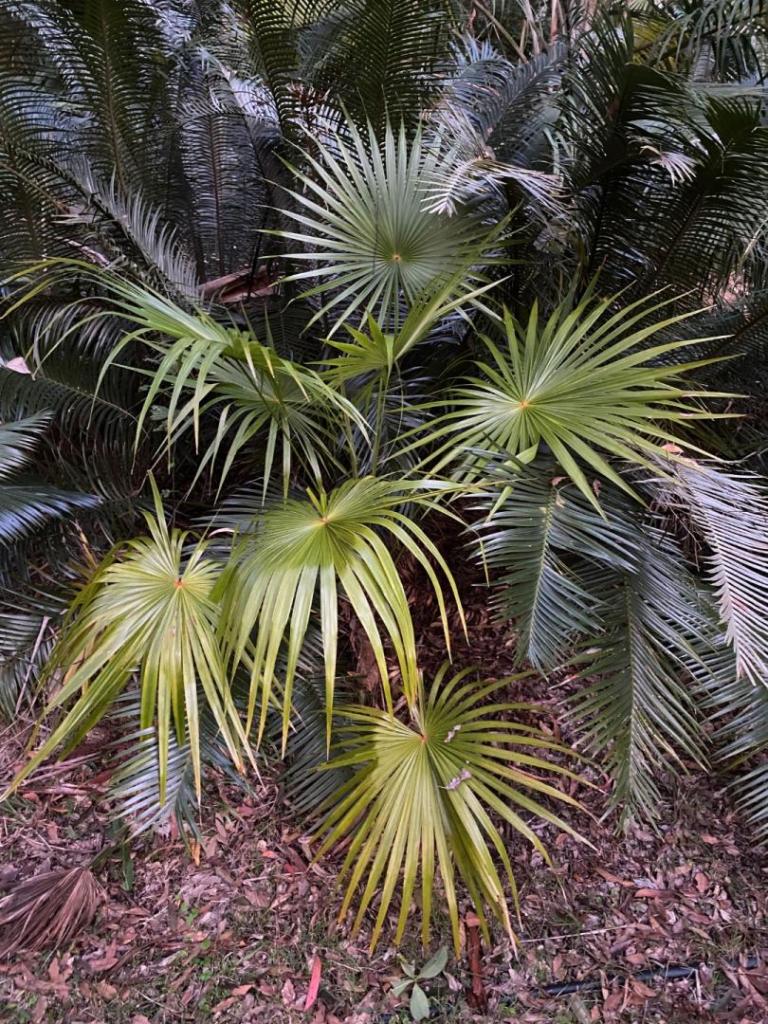
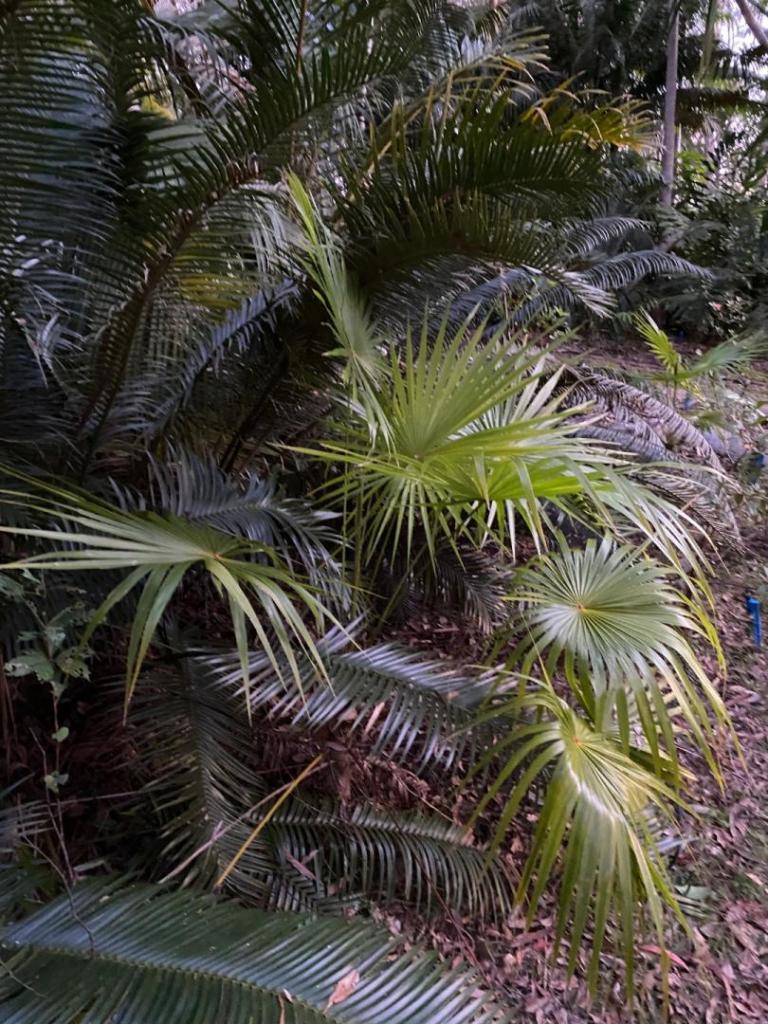
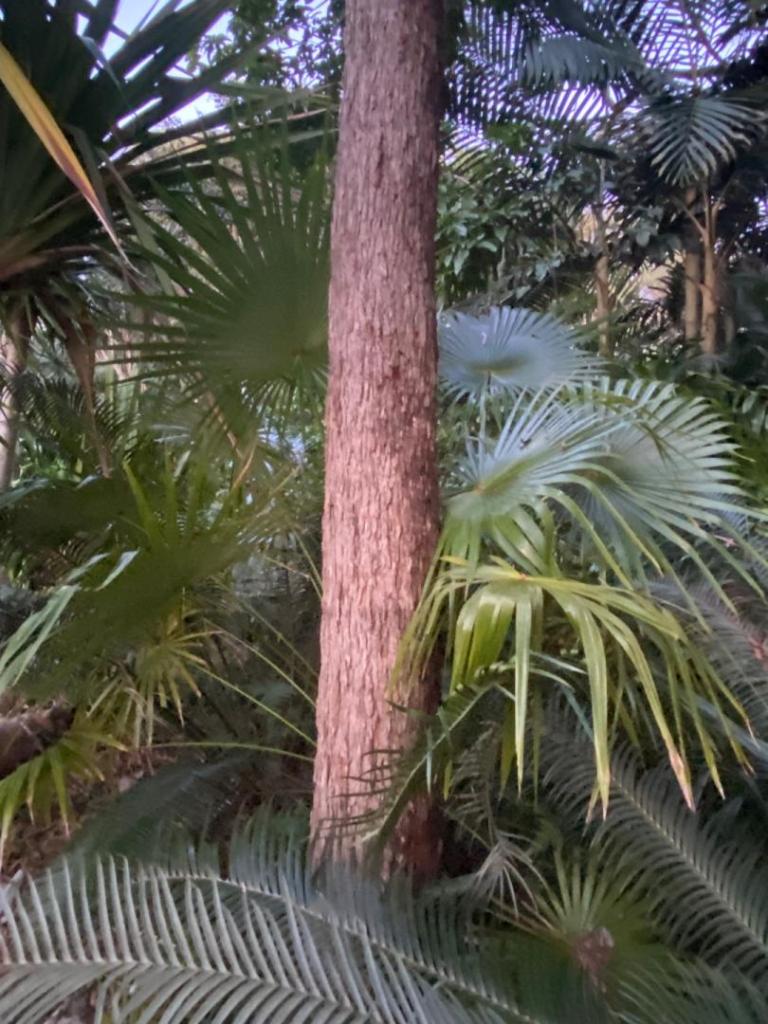
A trio of Alta to make the garden a bit special. While not planted in a group they look just as good as singles planted on their own. All are 23 years old so slow and in dry part of the garden, with irrigation having been installed 2 years ago. And there is a slight difference in growth with a little extra water. One beautiful palm well worth growing in any collection.




 1 point
 -
Too right I got my shovel and iam digging. Thanks for posting I love it, iam going to try and recreate that one beautiful!1 point
-
There are several native figs that occur in the nursery growing zones of Mexico, it is entirely possible some were brought in by accident as small seedlings piggy-backing in pots of something else. It happens here sometimes with plants brought in from Florida. Even locally grown plants occasionally have a volunteer Ficus religiosa in them.1 point
-
Thanks! So far so good. I did decide to lower it a bit add some sand and slow release fertilizer. Its been growing a bit..
 1 point
 -
@UK_Palms Minimum here was 24.2c/75.6f last night. The high was 34.4c/94f with 32% humidity. Partial cloud cover has suppressed the temps here in London this afternoon. Even with ac in the house the upstairs is up to 27c. June was the warmest on record across the uk. The average high at London Heathrow was 25.6c/78f with 225 hours of sunshine. The average minimum for June was close to 16c at 60.8f on my weather station. It's going to cool down for the rest of early July with signs of more heat going into mid July. Having to water the garden daily at the moment. The grass in London is all brown with dusty bone dry earth.
.jpg.27085e4a13f1e515cb520bf92b567fb6.jpg) 1 point
1 point -
Pretty nice start for July.1 point
-
A few favourites from the past enjoy!



 1 point
 -
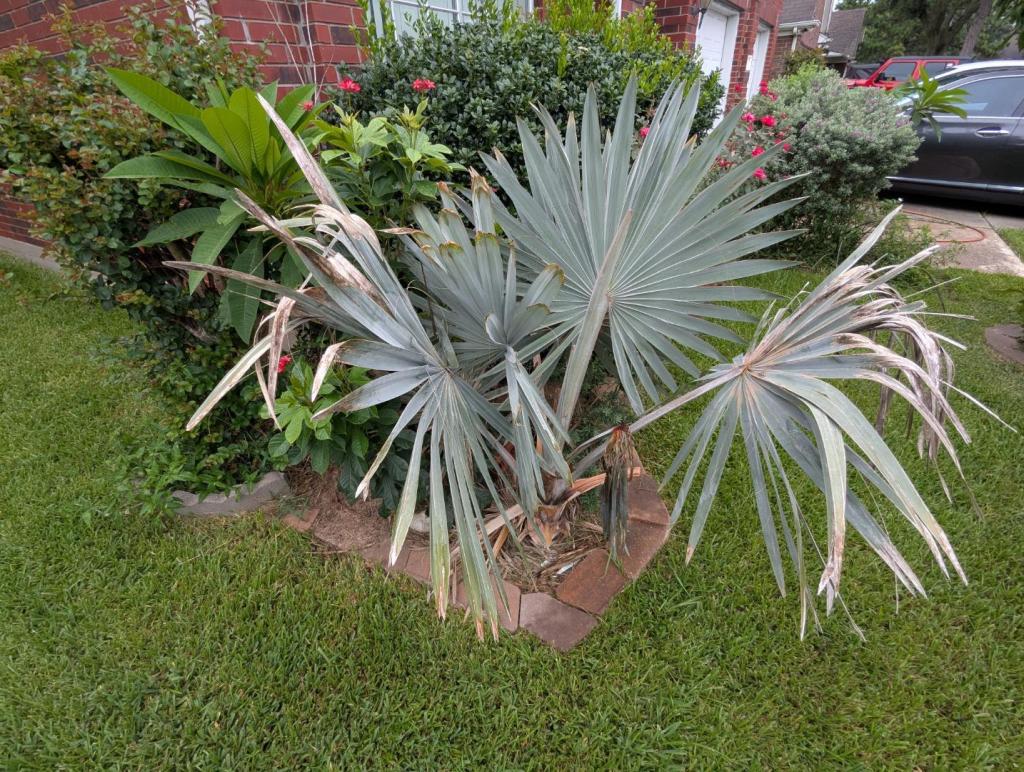
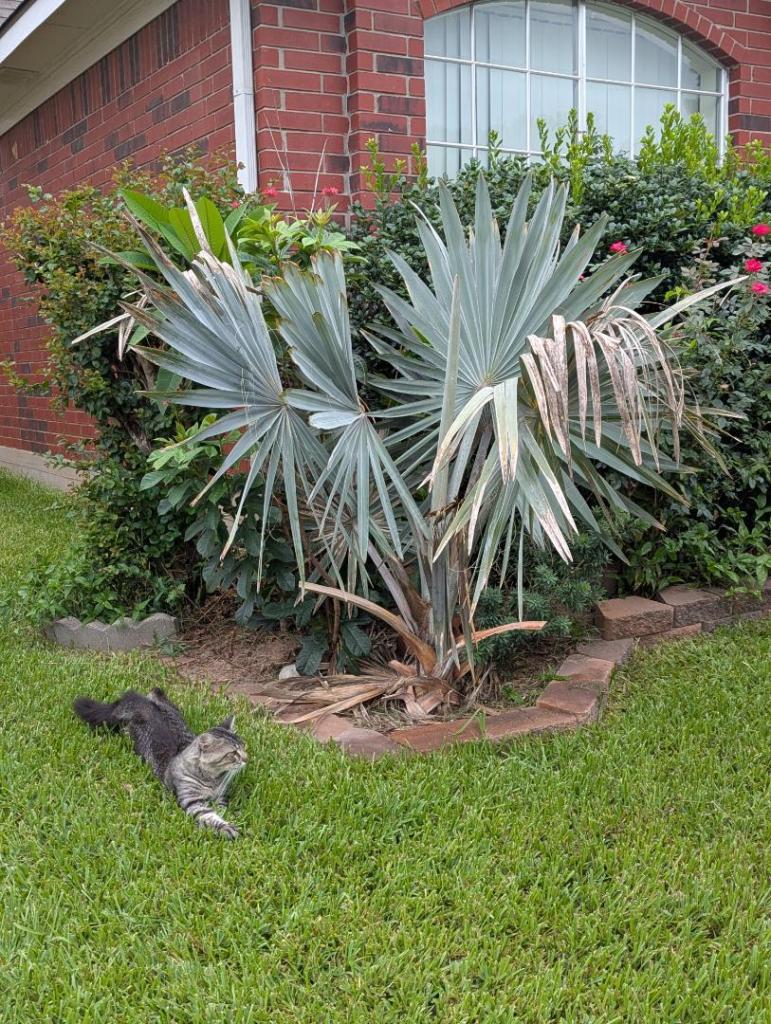
Hooray, my bizzie is putting out normal leaves again! The jatropha is also back as expected. Added a Cancun Pink plumeria too
 1 point
 -
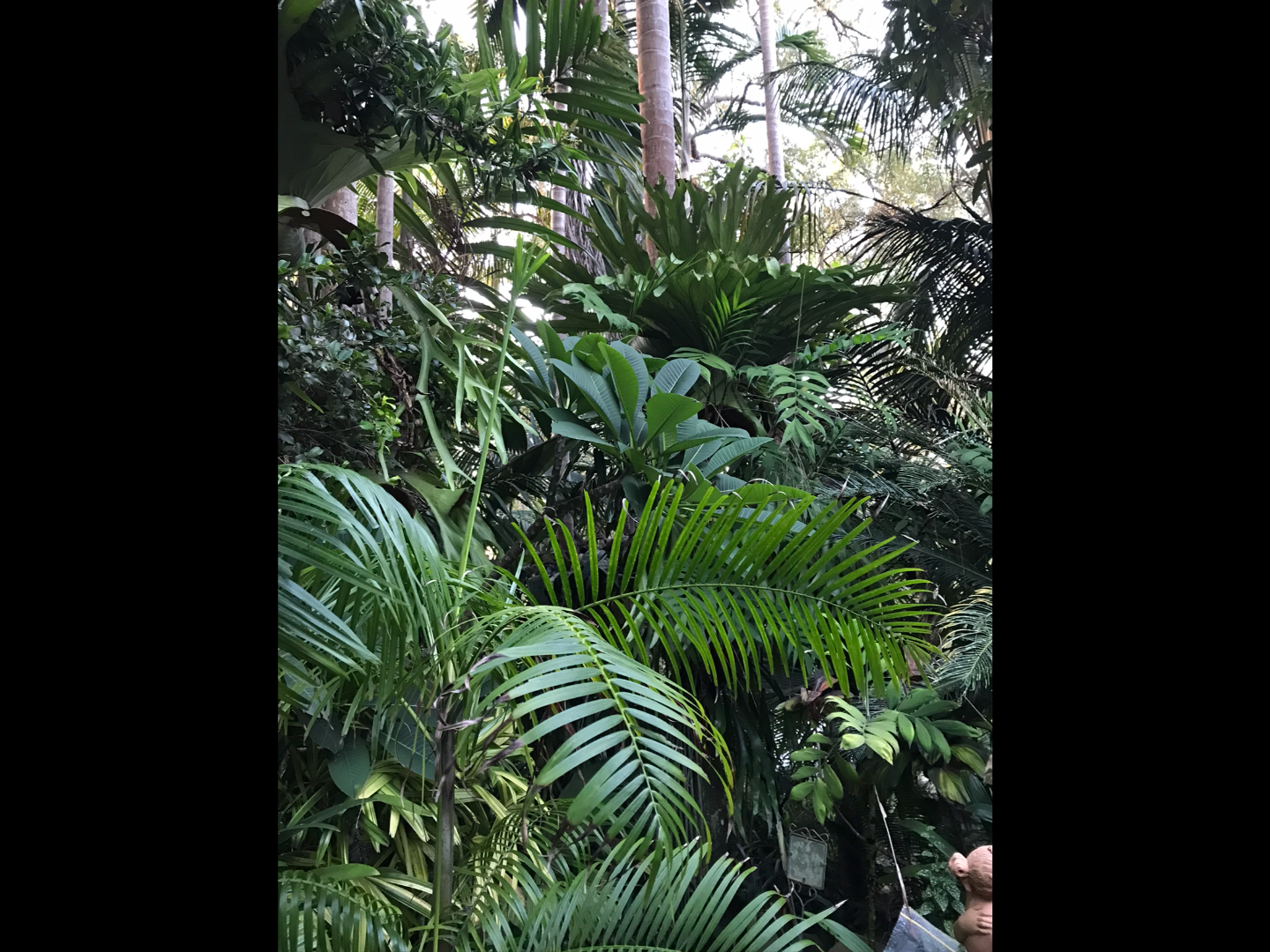
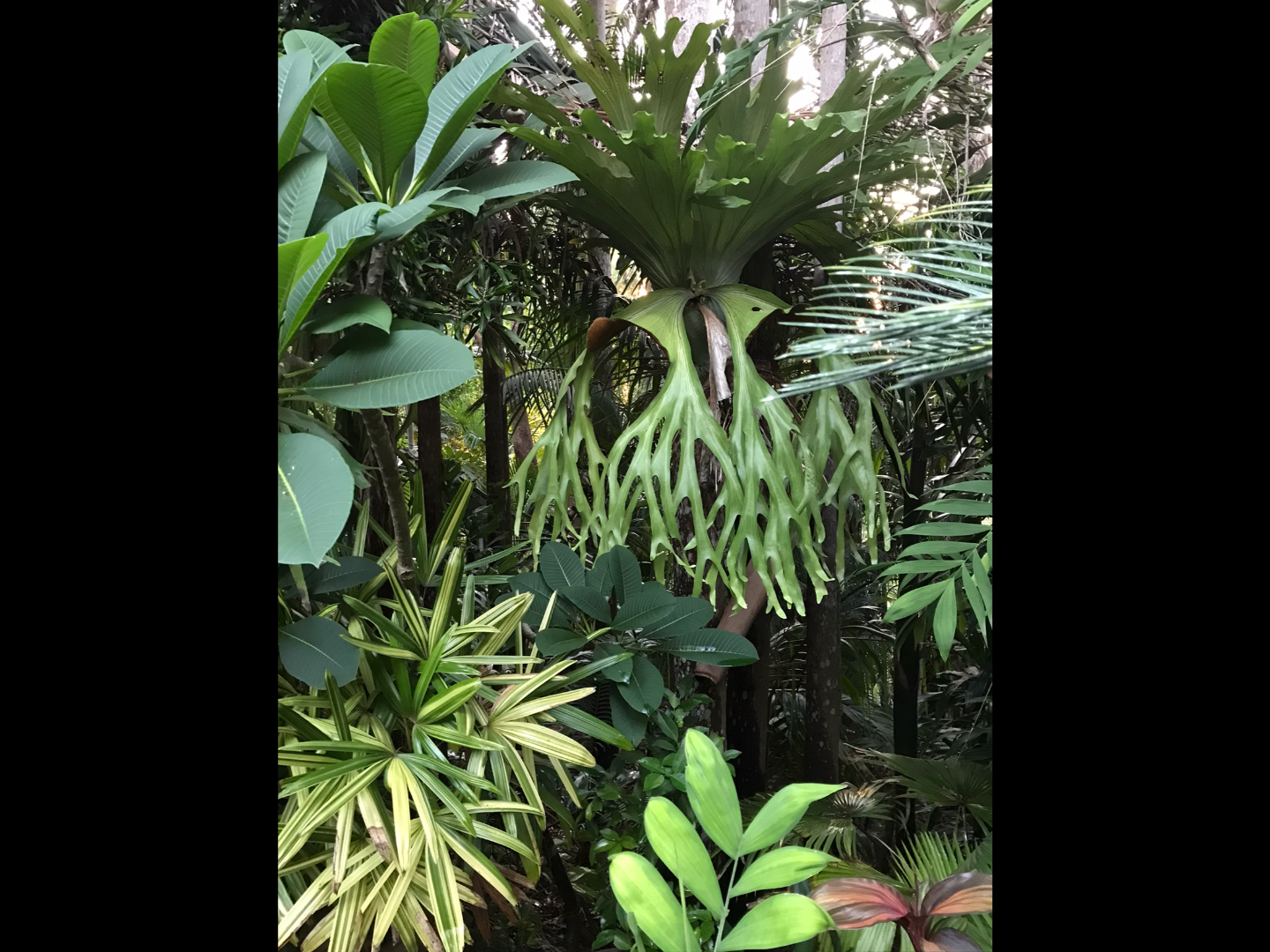
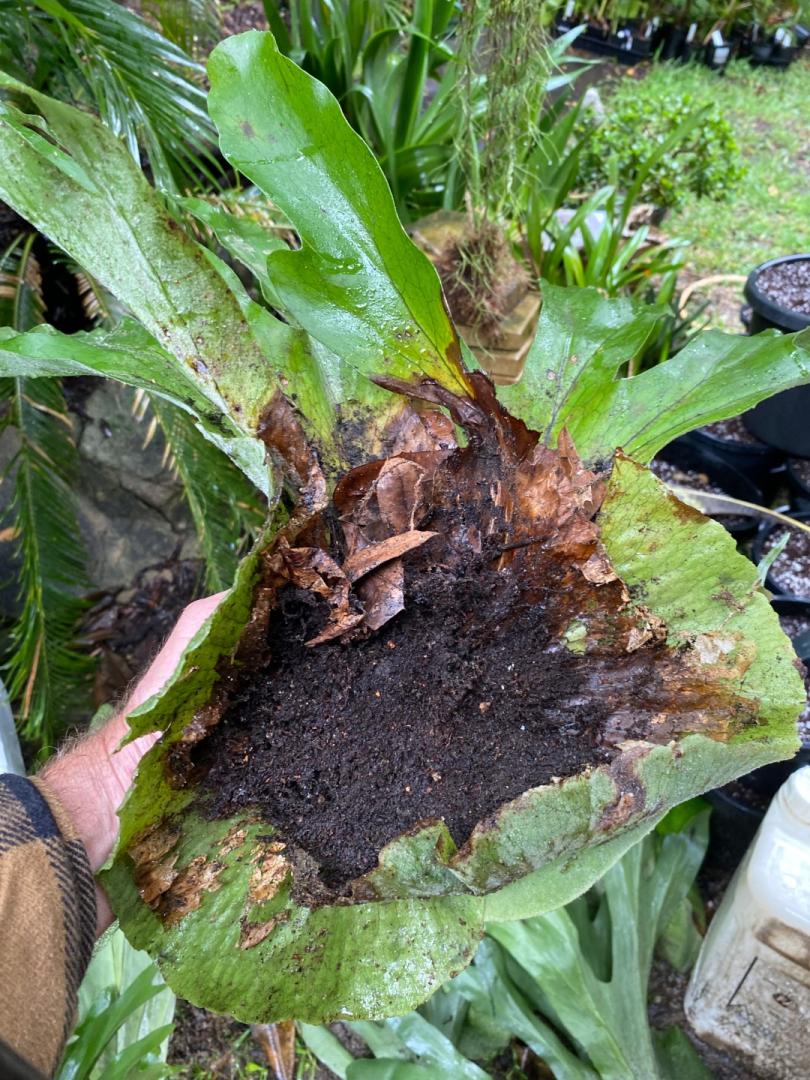
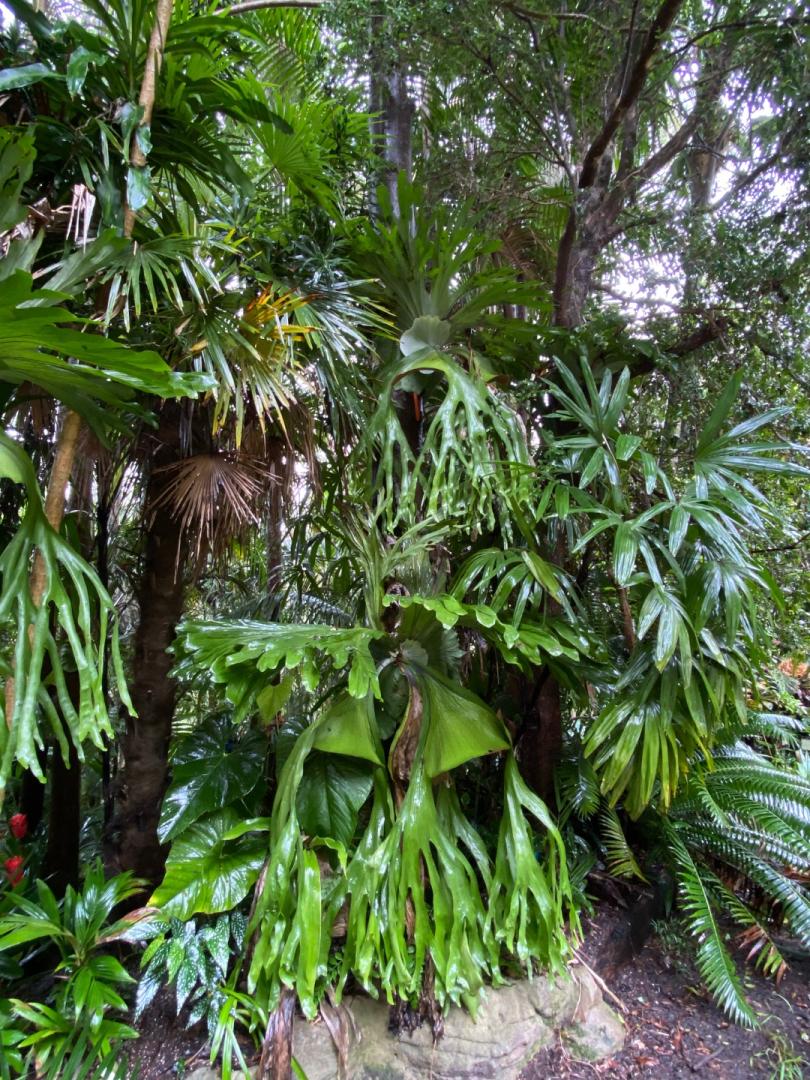
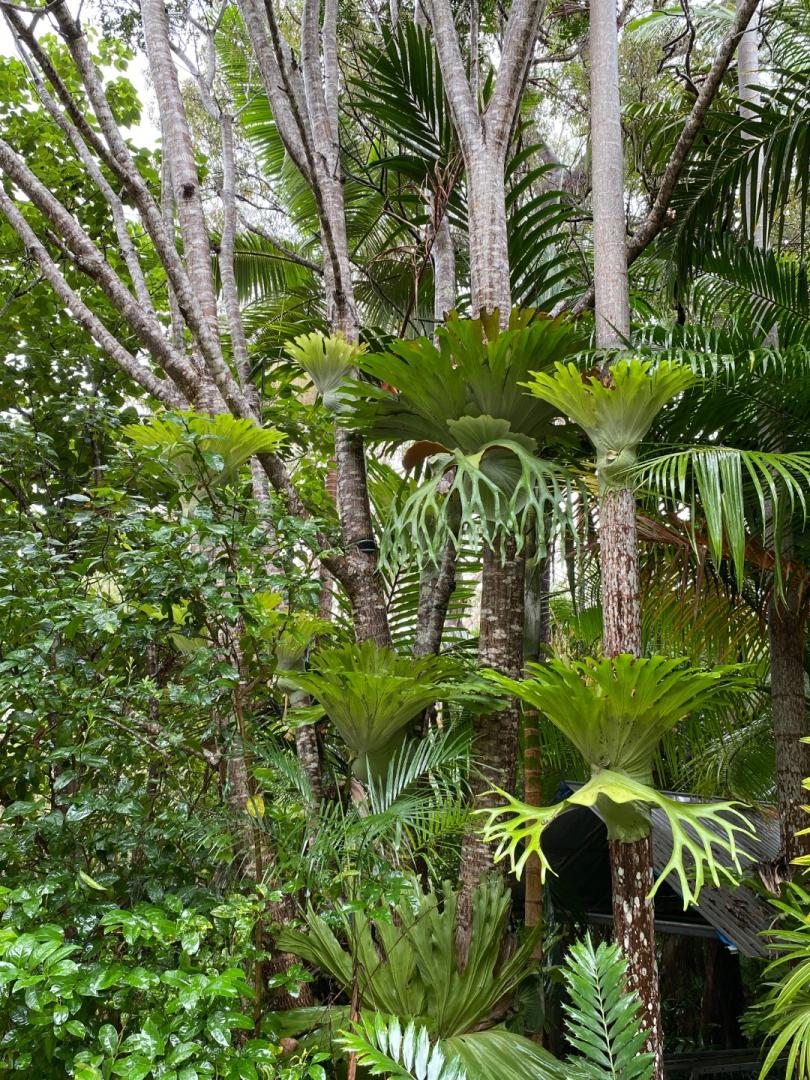
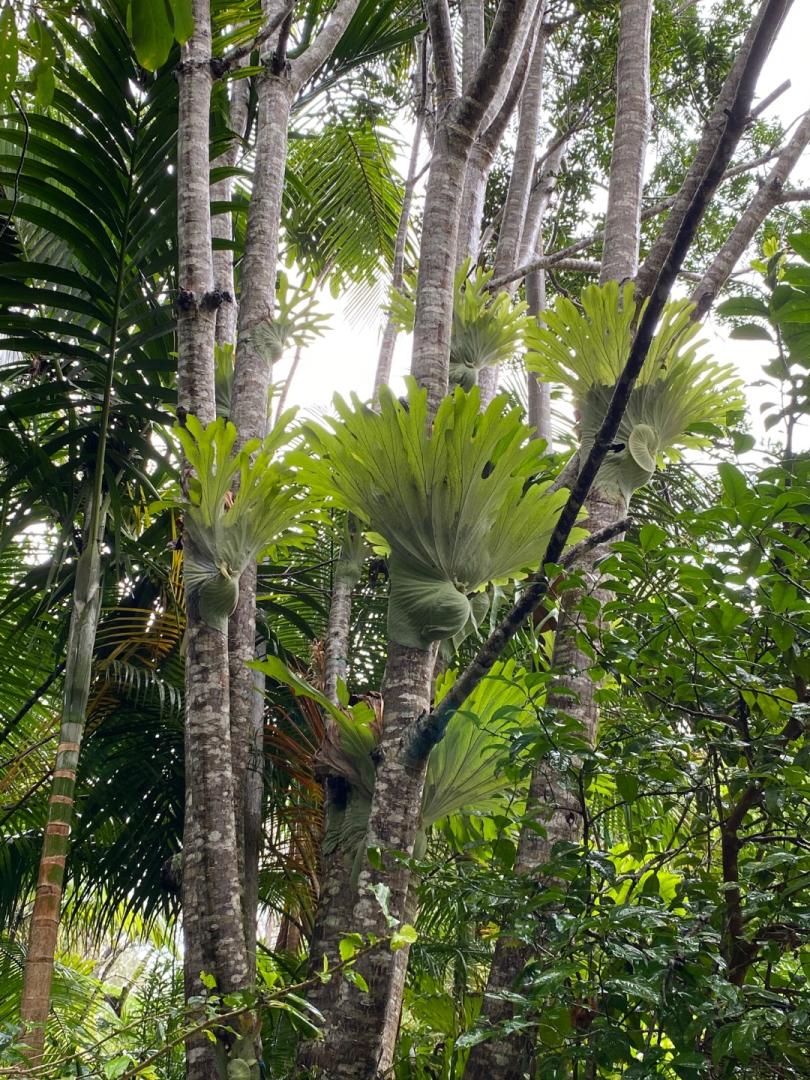
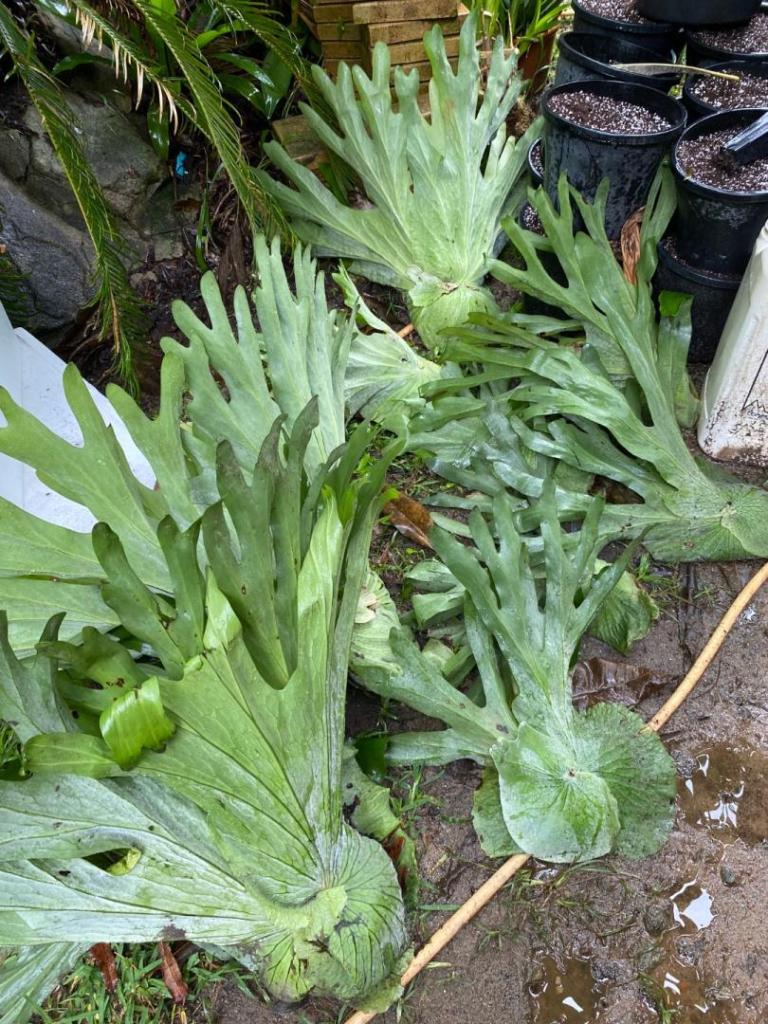
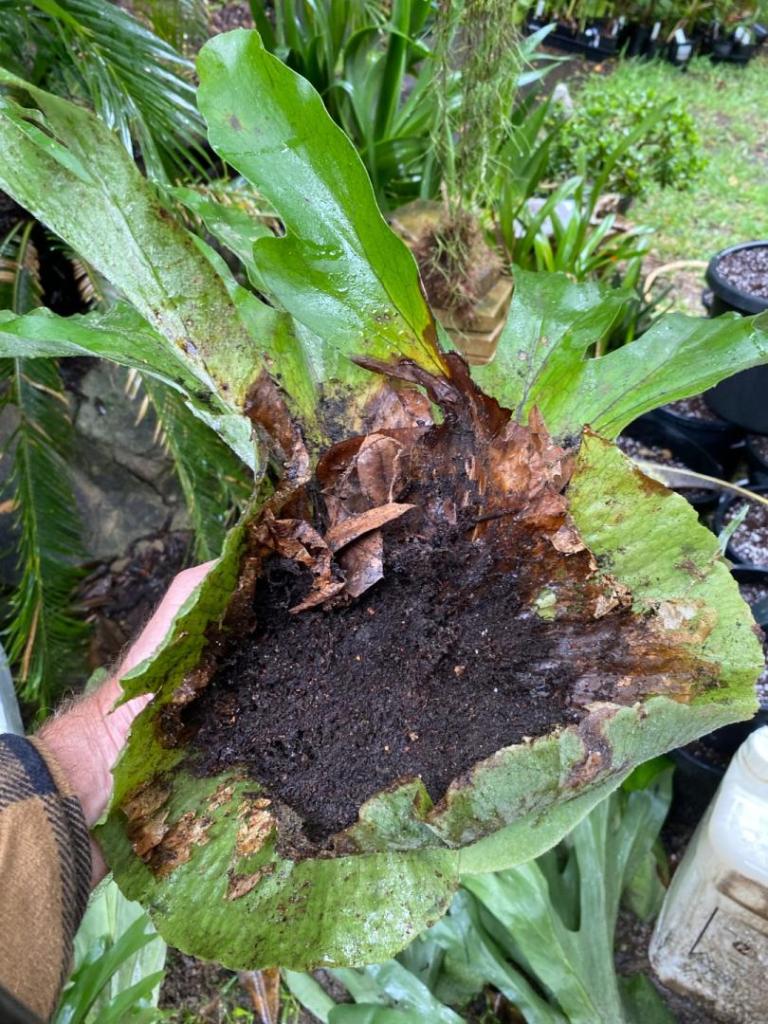
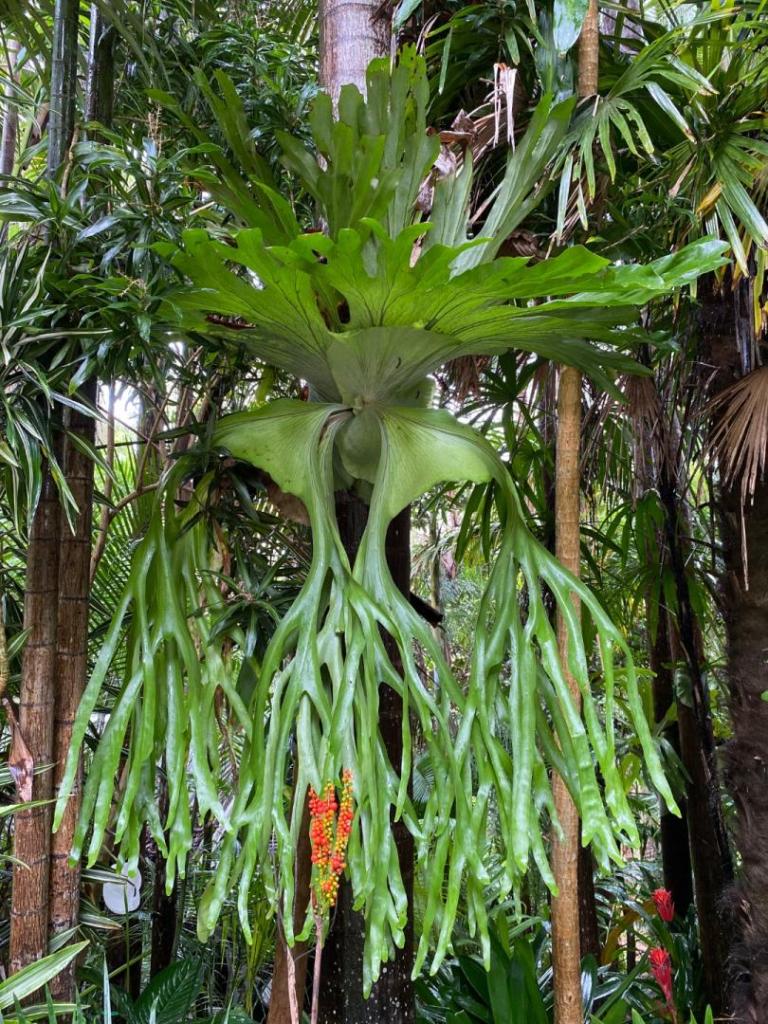
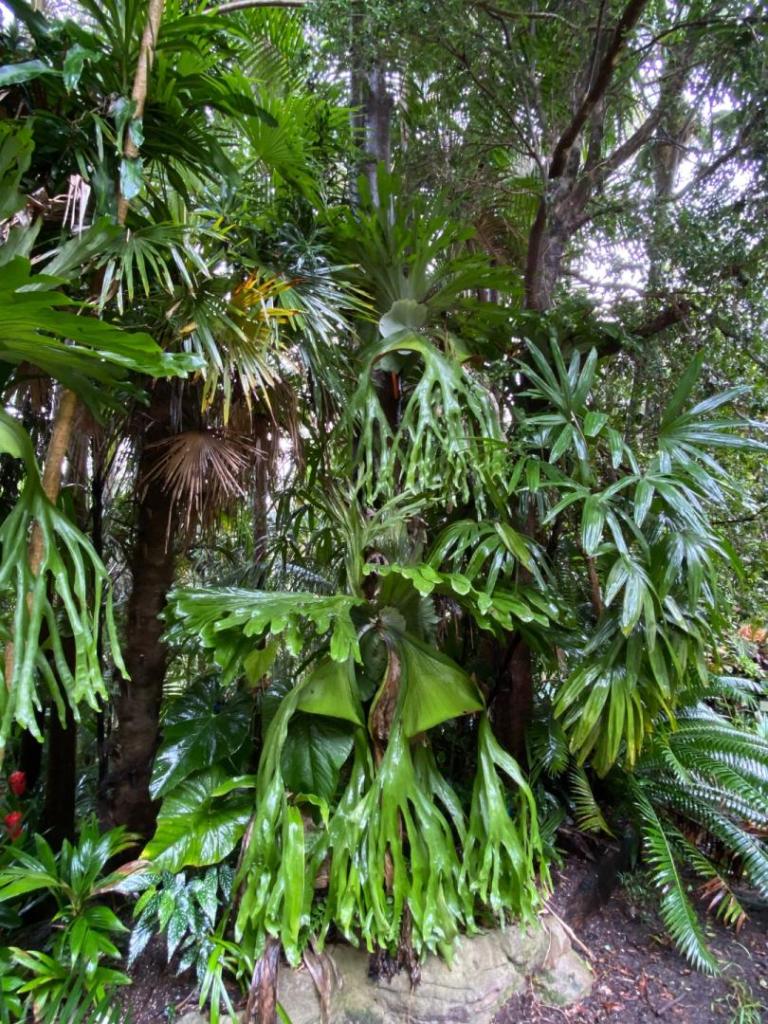
A great Australian native plant to grow in the garden. Fantastic for taking up palm trunk real estate making for a fantastic tropical look. I collected another 19 from work on the macadamia trees they are everywhere on the trees at work. With the macadamia being native a few hours north in the rainforests around Lismore area. Pretty well much one native tree that has made it big time overseas especially in Hawaii where the tree was developed for commercial production.

 1 point







































.thumb.jpg.f98e5066db1dec0358105c9c8eae8b39.jpg)