Leaderboard




Popular Content
Showing content with the highest reputation on 06/27/2025 in all areas
-
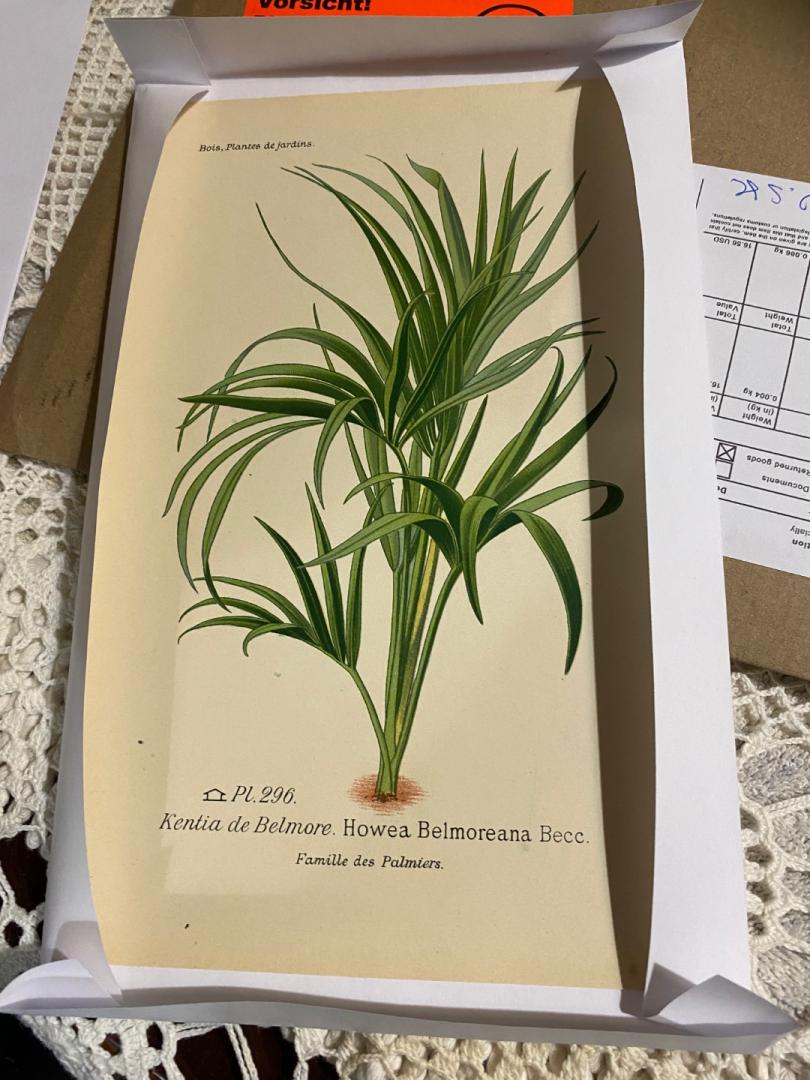
I couldn’t help myself in buying an original plate from 1896. It just goes to show that palms have been of intrest for a long time, and to stop by lord Howe island and collect seeds way back then they certainly had some great minds to think about the beauty of palms. Botany has always had its place in history and will continue to do so.


 8 points
 -
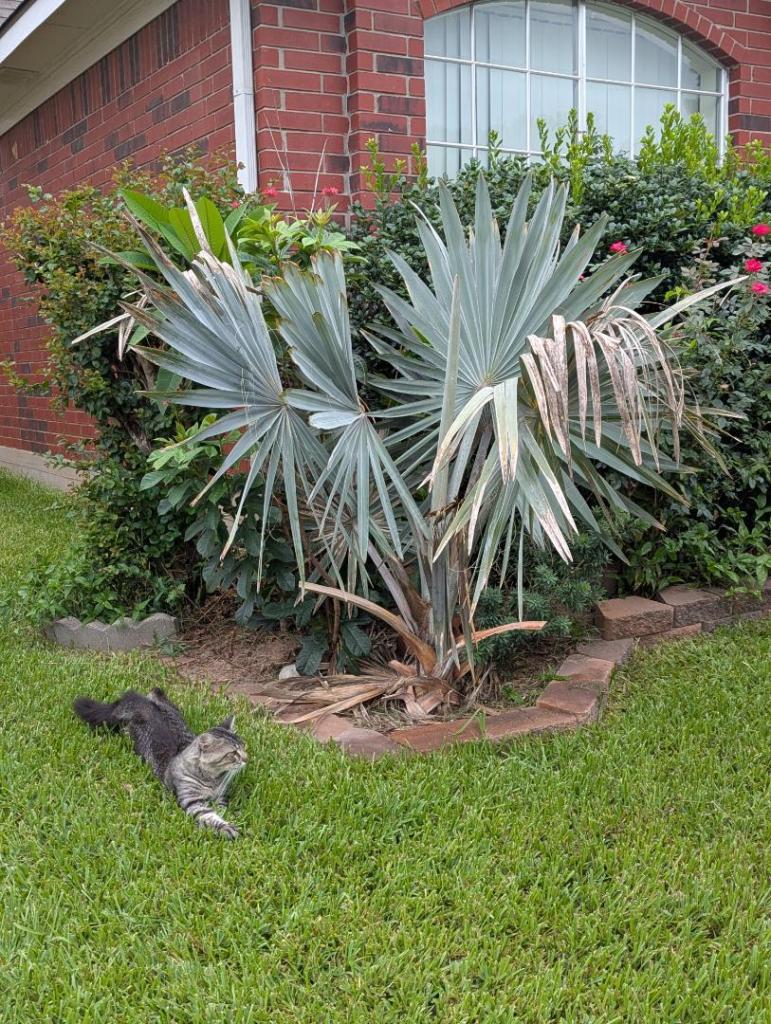
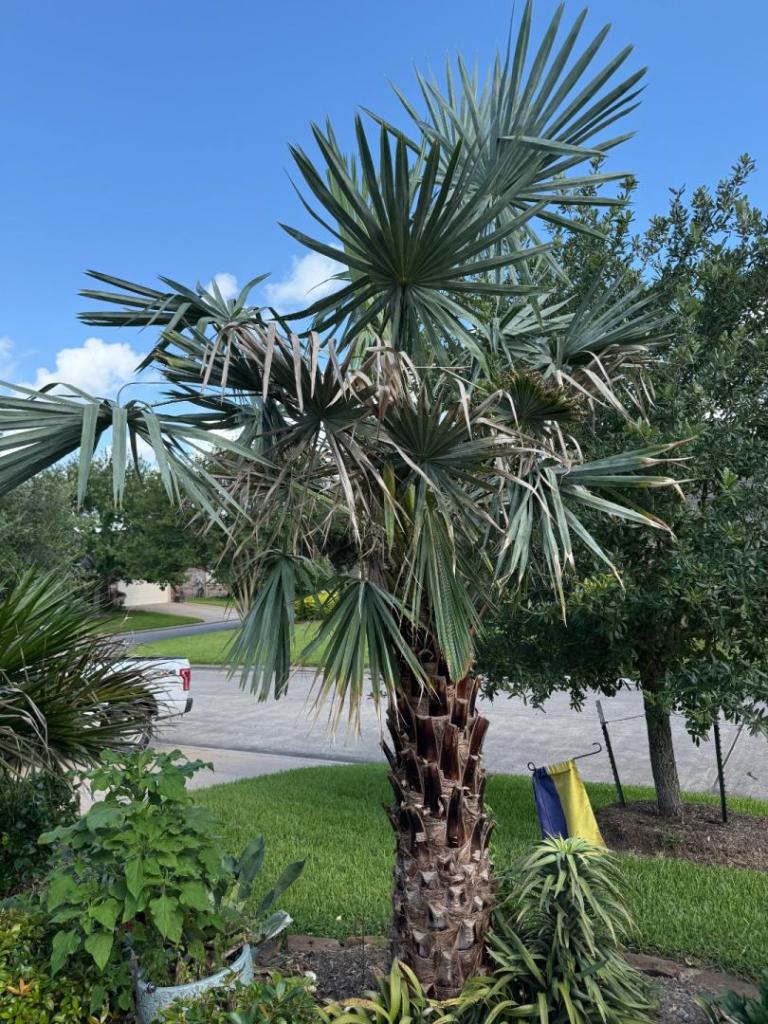
Sabal Lisa in Dallas in June after experiencing 12F Four months ago. 8 year plant in background. 6 year tree in foreground. 🌴

 7 points
 -
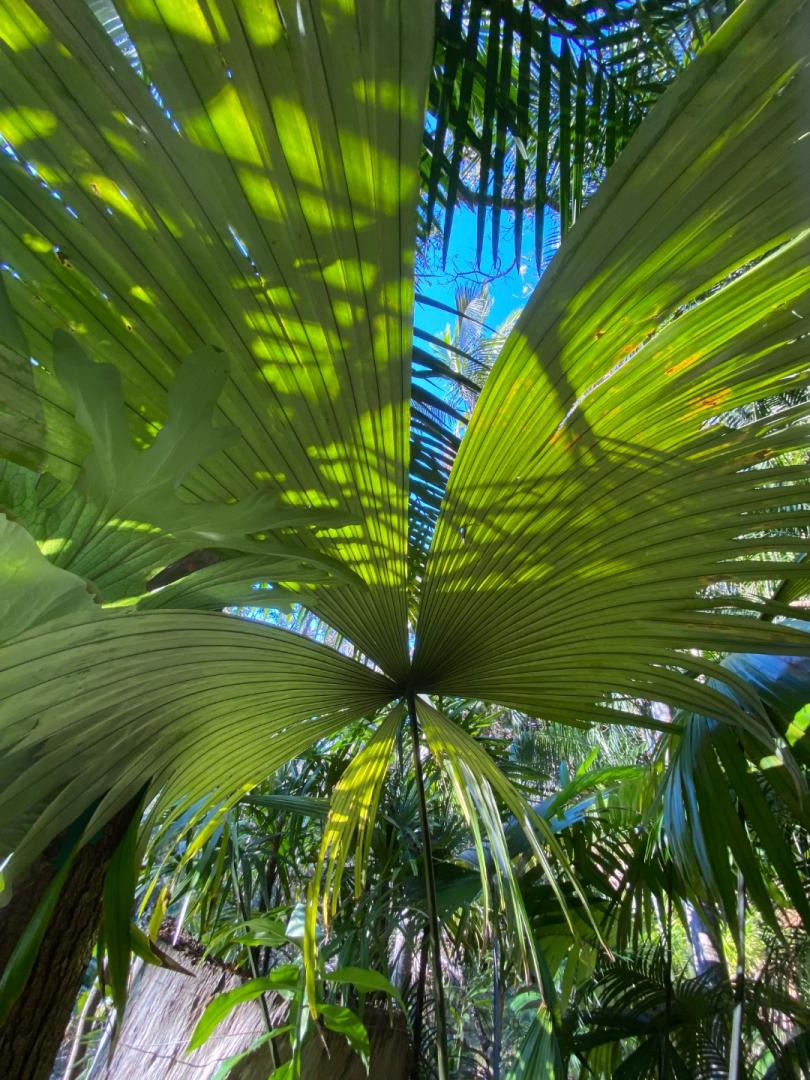
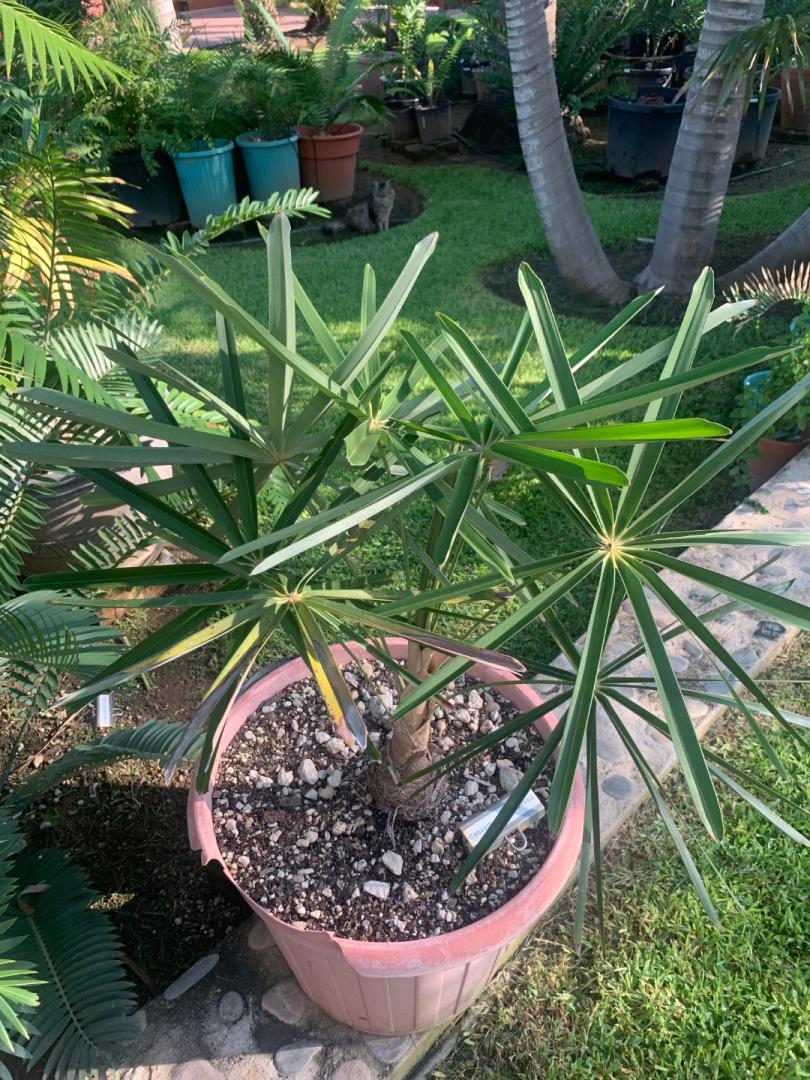
Time has come for this beauty to go in the ground, after being with me for such a long time, she can finally be set free and grow in the ground no more container life for this elegant palm. An original rosebud farm purchase in Kuranda by mail order. Now I can just admire her as walk past!


 6 points
 -
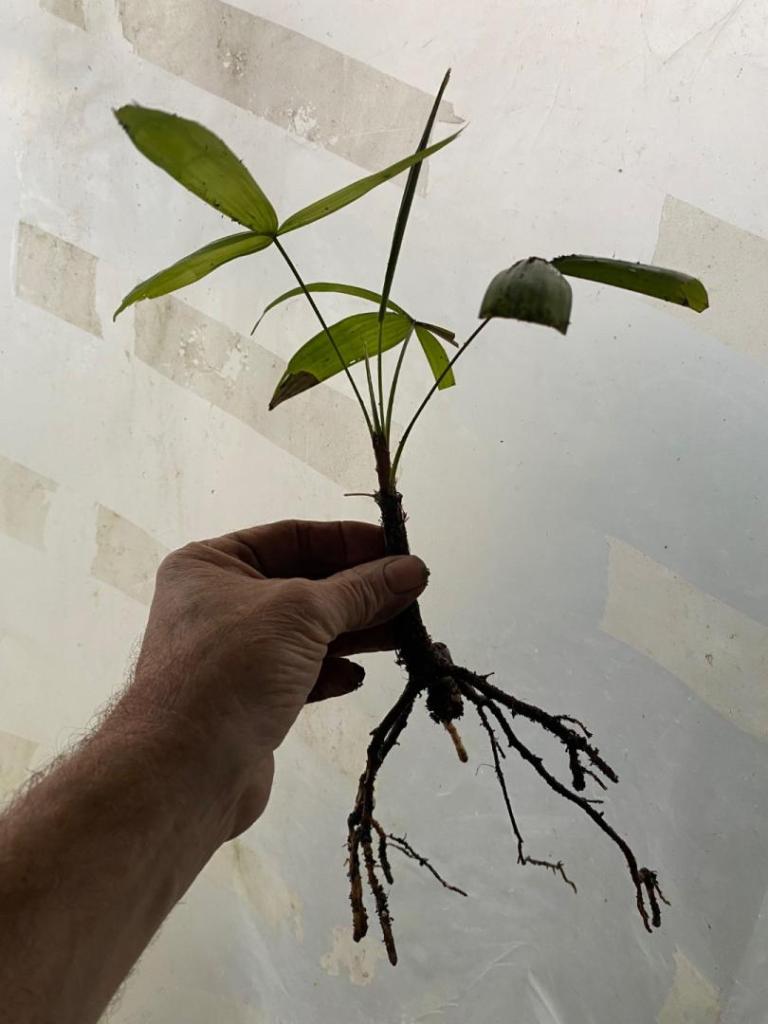
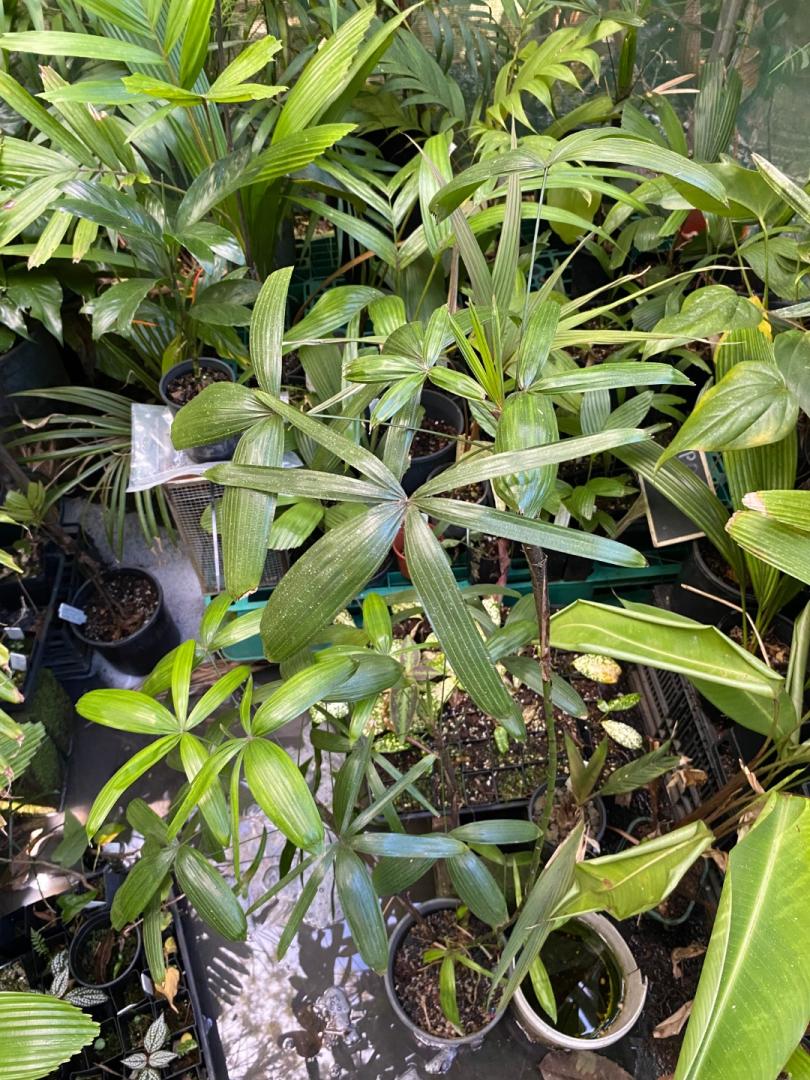
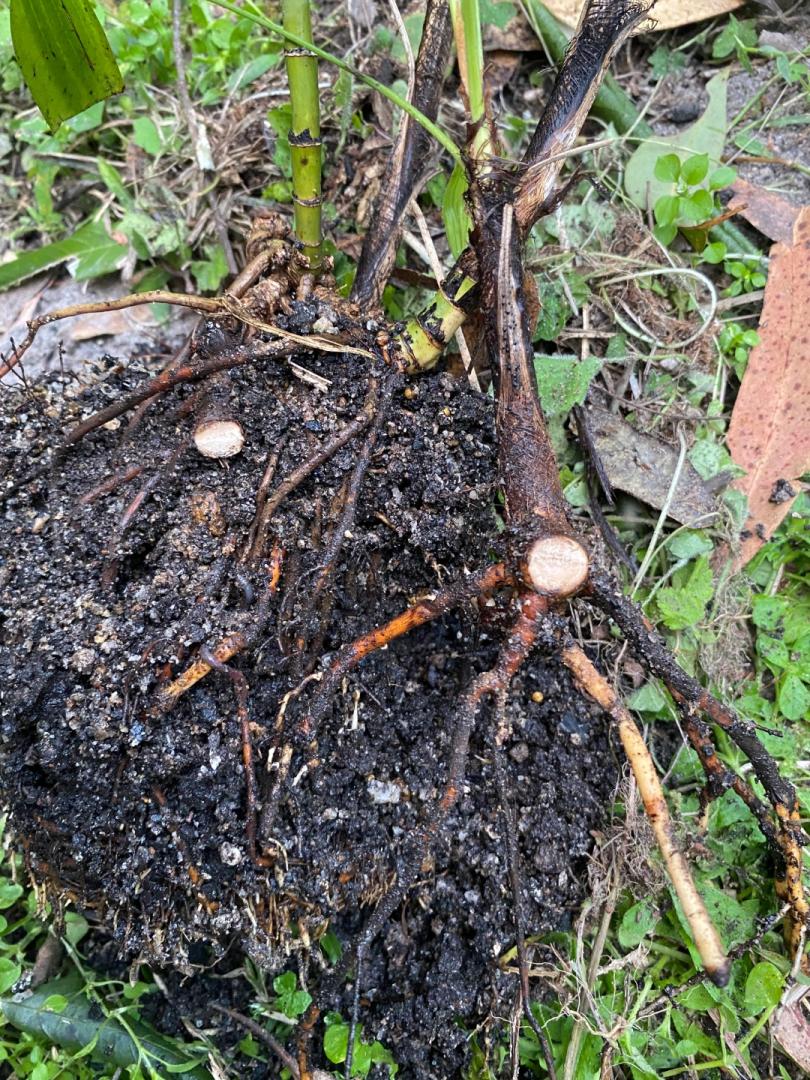
An easy way to get a few more rhapis for the garden is by taking a clone or two. Nothing special is involved in taking the clone just select the pup your after and simply cut it off from the parent plant, all you have to do is make sure there is a few roots on the pup you select and cut away until your heart is content, then just simply tear the pup away and bingo new plants. A great way to multiply rare rhapis or variegated ones. Then it’s simply pot the little tacker up and place in the greenhouse and forget about. Then the next time you stubble upon it Bobs your uncle and you have a new palm!



 5 points
 -
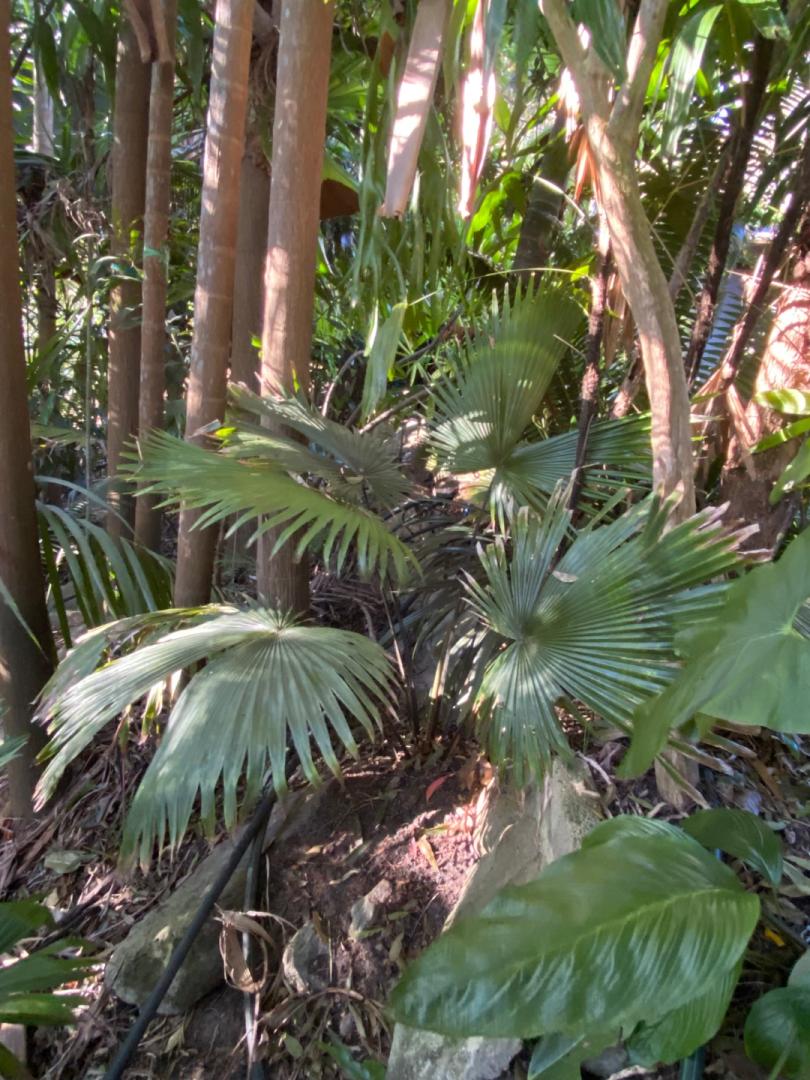
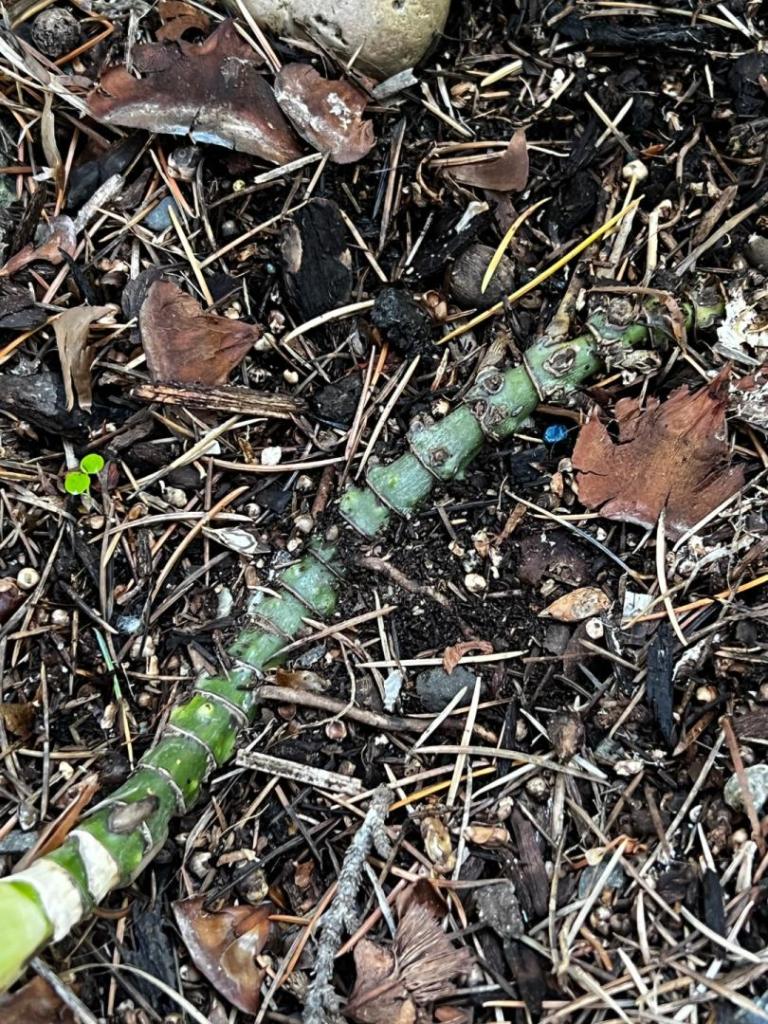
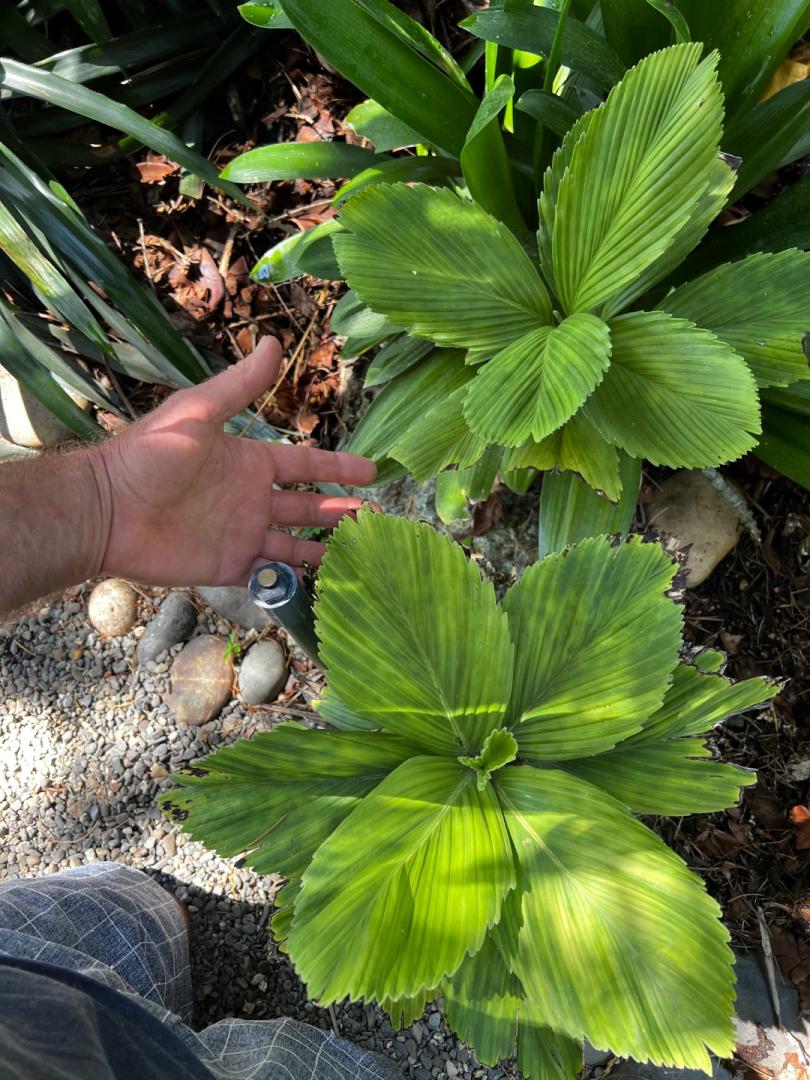
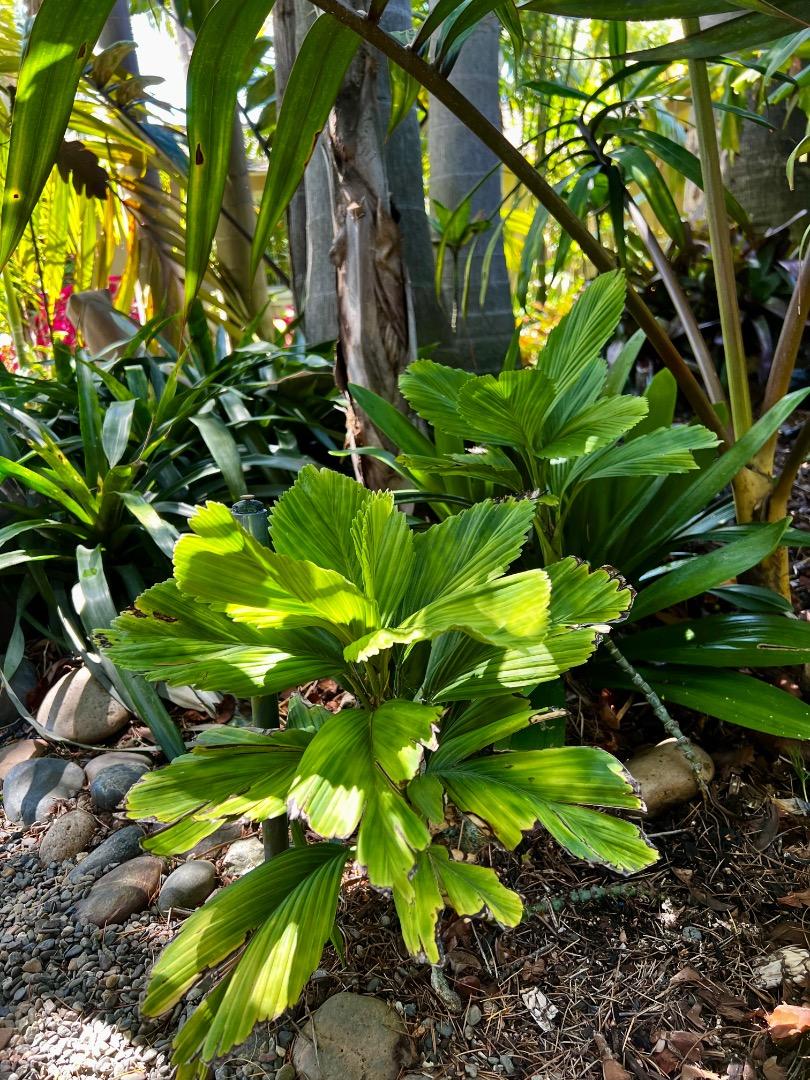
These “Potato Chip” Palms seem to have been enjoying life in the front garden for a number of years. The stems “crawl” horizontally and root in wherever they make soil contact. Anyone else growing these, please post photos!


 5 points
 -
Here is one of mine, purchased at the Paris flea market, from L'illustration Horticole, circa 1880.
 5 points
 -
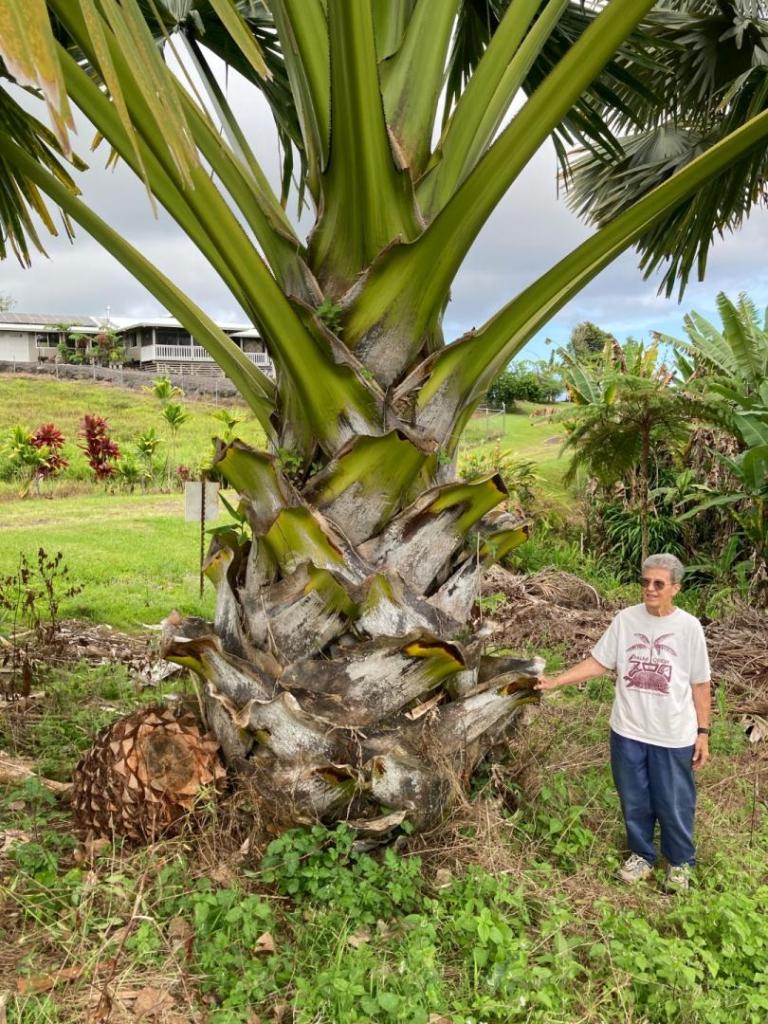
I visited Karen Piercy's place this afternoon under the pretext of picking lychee. Of course, the real reason to visit was to commune with the jaw-dropping collection of massive palms. I posted a photo of this Corypha umbraculifera a few years ago, but it was even more overwhelming on this visit. The trunk has to be over 4 ft in diameter, maybe closer to 5 ft. Growing in deep Hamakua soil at roughly 1200 ft elevation overlooking the Hilo airport. Now you know why you don't often see these growing in suburban landscapes. Certainly gives Tahina competition as the most massive palm out there. It's probably still decades away from blooming. You may remember Karen and her husband, Dean, as the organizers of the 2004 IPS Biennial to Hawaii and helping again with the tour of the former Carlsmith palm collection during the 2022 Biennial. BTW, I filled my 5 gallon bucket with delicious lychee. That didn't make a dent in the fruit still left on the trees. Oh, the hardships of living in Hawaii...
 4 points
 -
By all means amend your soil , it will give the slow growing species you have a better start in life. I have some very nice cocothrinax Alta in my garden and most don’t seem to mind the dry conditions growing the same with or without irrigation, but personally by all means water them it won’t do them any harm. As for fertiliser less is best for palms so just liquid feed with seaweed extract now and then it is also a soil conditioner so that will help them out.4 points
-
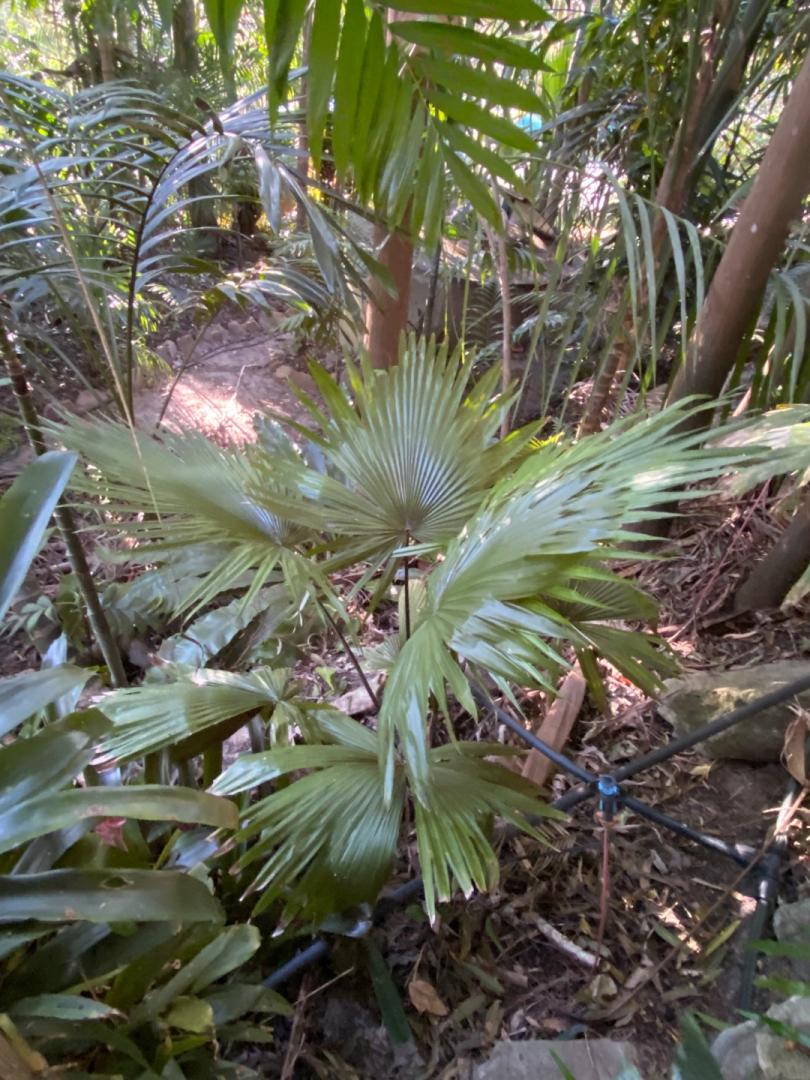
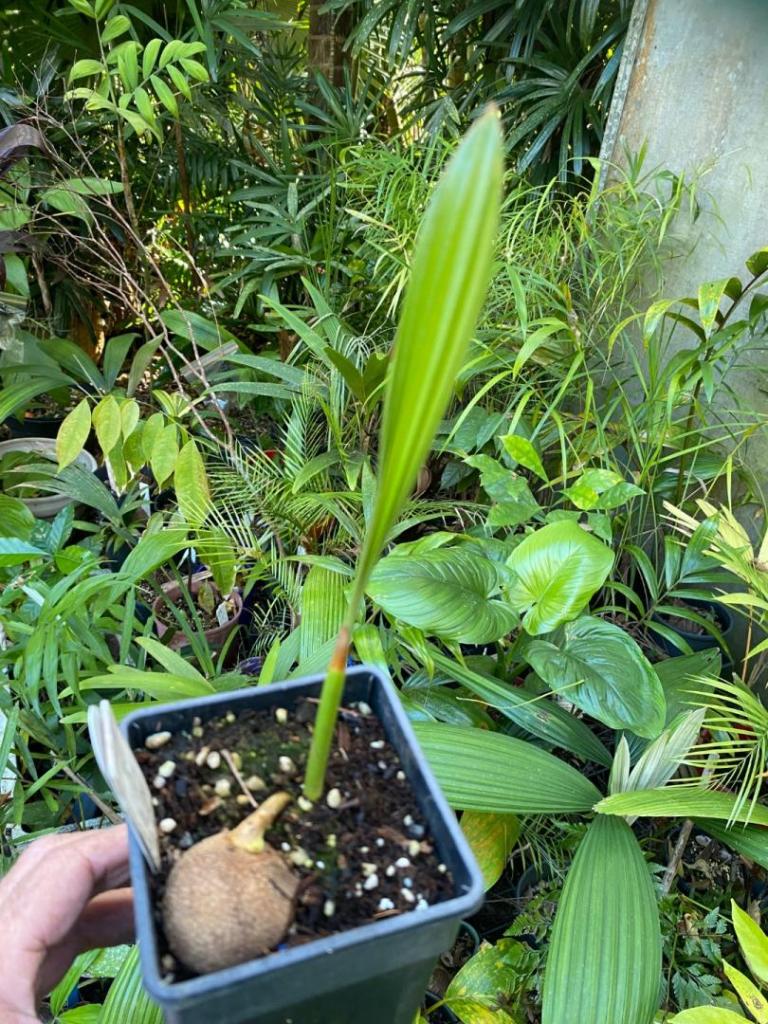
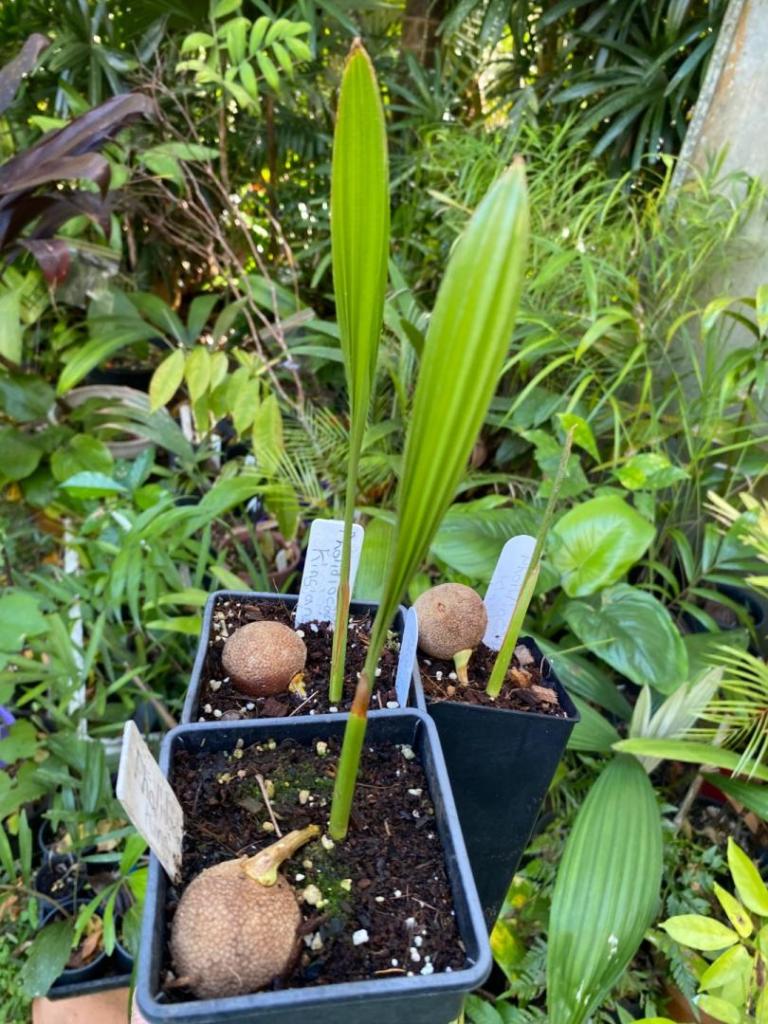
An interesting palm from Malaysia the kingianus.. Almost a Livistona in looks. These seedlings have survived so far in the cool weather and there just sitting outside not even in the greenhouse, cold weather may not be an issue so far in growing them in my climate it’s the water issue or lack of water in my climate they will slow them down.

 3 points
 -
I think these love heat but I could be wrong. The last year or so mine has picked up speed , coincidently we have had more heatwaves. Harry3 points
-
Dit is lekka. Die broodboom is ook uitstekend.3 points
-
It is a brilliant little chameadorea, when I first started to collect chameadoreas Ernest Augustii and Genoformis along with Metallica I couldn’t get enough of them. Richard3 points
-
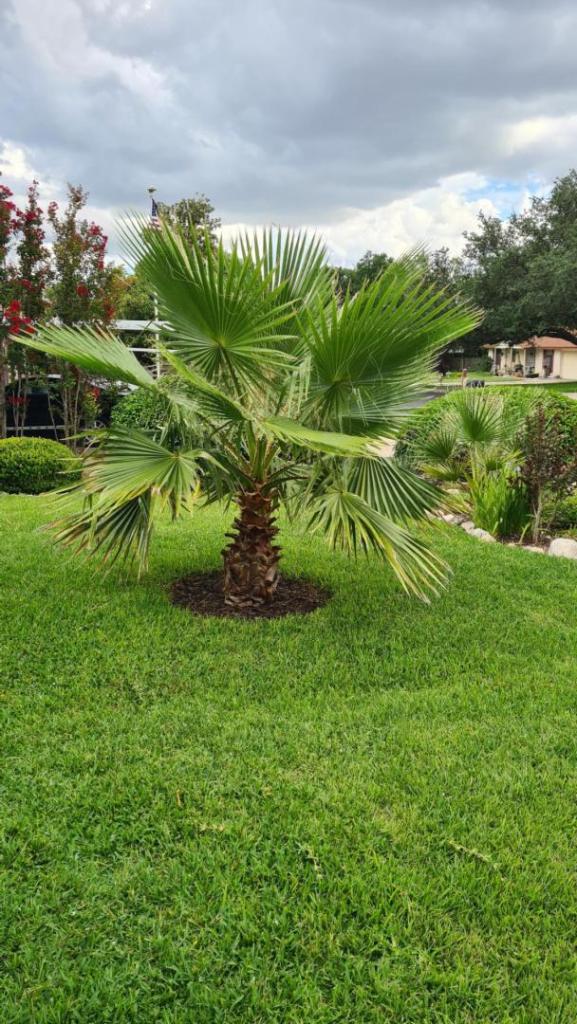
It's doing pretty good . Most fronts burned this year but other than that it keeps growing like a chanp.
 3 points
 -
Humidity sits around 70 percent give or take a few percentages. Here’s a pic of the poor thing. But funnily enough it’s just starting to get a little move on ever since I have been giving my garden some more attention. Getting divorced tends to let a few things go astray in life, that and four operations later, iam back loving life and my garden again!
 3 points
 -
In south Florida with a Coccothrinax, you don't need to do anything crazy at all. Especially Miraguama. I put one in the ground last year, and it's in a very hot, unforgiving area with bad soil, and I've only fertilized it with 2/3 cup Florikan 2x since it's been planted and it's done amazing. Probably doubled in size from about 2' to 4' They love the heat and it seems they also love our wet/dry cycles that are very similar to Cuba.
 3 points
 -
I have Coccothrinax miraguama, borhidiana, montana, and barbadensis WAY out of their natural growing zones and feed and water them regularly despite their very slow growth here in this cooler than ideal climate. They respond well to the feeding and watering schedule I have them on. My fertilizer of choice is PalmGain.
 3 points
 -
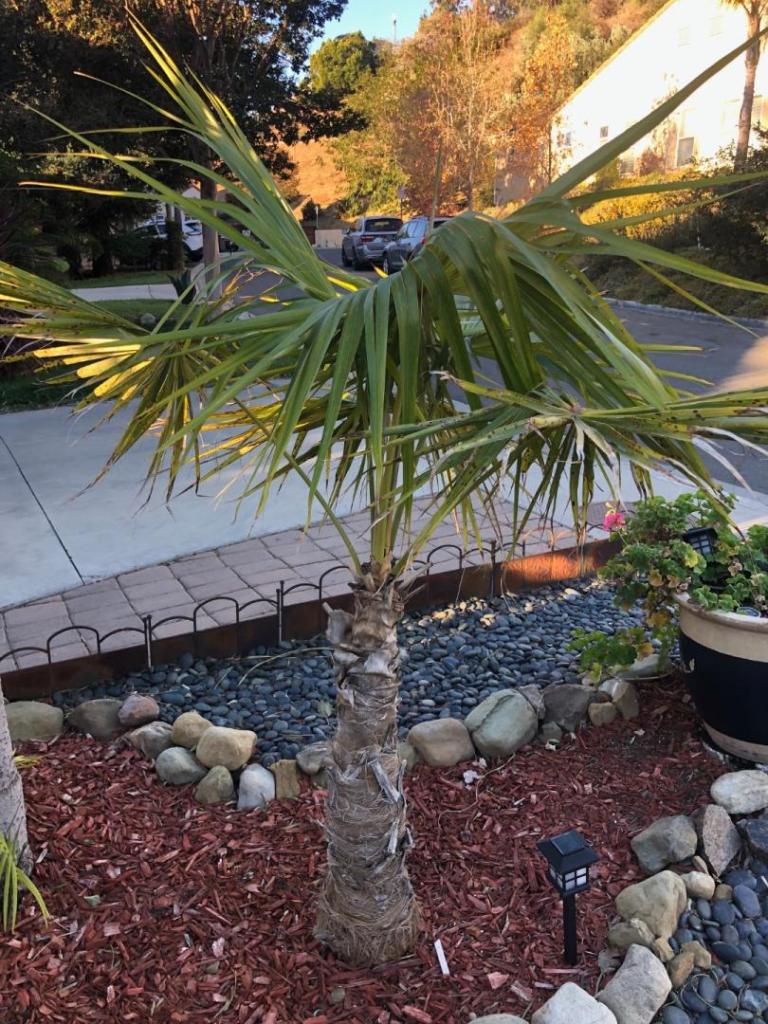
I have a Cocothrinax Barbadensis here in Southern California . It does OK but I really think it would do much better in a subtropical climate. I amend the soil around my palms at least once a year and use a wood chip topping to help the soil stay moist. I also use a bit of EB Stone palm fertilizer (organic) every 2 months or so just to give it the best chance to grow. It is well over 25 years in the ground , doesn’t like winter , but grows steady. Very slow growing palm. My friend has a different variety , not sure which one , a few blocks away and it is about double the size of mine but also about 8-10 years older. Harry last year . Fibrous trunk and stubborn leaf bases an orange hastula

 3 points
 -
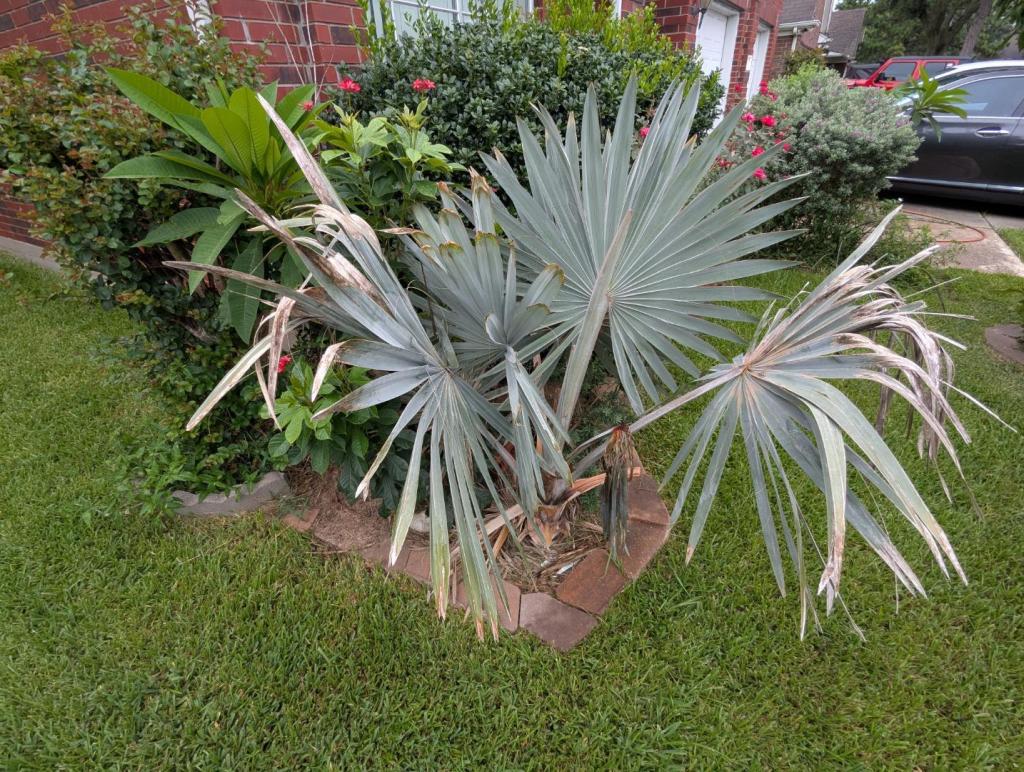
Hooray, my bizzie is putting out normal leaves again! The jatropha is also back as expected. Added a Cancun Pink plumeria too
 3 points
 -
Hello! We planted this parajubaea in april, I would like to know how to water it in our hot hungarian summers? We have black, hard soil with a high organic content, I mixed a little gravel into the planting hole to improve drainage. It is often 35-39°C from the beginning of June to the end of August and only cools down to 20-23°C at night. The air humidity fluctuates between 20 and 50%. The palm is in full sun from morning to evening. Occasionally, severe summer thunderstorms occur with sudden large amounts of rain, but our summers are generally dry. I flood the grass with water once a week, is this enough for the palm, or should I water it separately with the drip hose? If so, how much? I have read that they do not like heat combined with humidity, but I do not want to kill it or dry it out, because as I wrote, it is a fresh planting. This is a very new species in Europe, there is hardly any experience. If anyone has experience, please share it with me so that it can become a nice big palm. Thank you everyone!


 2 points
 -
Many of us would likely disagree with your assessment on variegation. It’s stunning on some palms and, at the very least, interesting on all of them. The only variegated palm in my garden is Rhapis and they are ridiculously prettier than the common solid green ones throughout my landscape.2 points
-
Happy Lemmon tree and both bizzys are happy now.


 2 points
 -
Such is the life of a butia in our cool summer climate. They can take our winters just fine, but they will just very slowly decline without supplemental heat during the growing season. There is even 2 large ones planted in the dublin city centre, one of them has even shrunk since 2009 https://www.google.com/maps/@53.3450459,-6.2396719,3a,75y,131.89h,95.31t/data=!3m8!1e1!3m6!1sWwVcQ9J2731gmlIv4gDAHA!2e0!5s20241001T000000!6shttps:%2F%2Fstreetviewpixels-pa.googleapis.com%2Fv1%2Fthumbnail%3Fcb_client%3Dmaps_sv.tactile%26w%3D900%26h%3D600%26pitch%3D-5.314521067305023%26panoid%3DWwVcQ9J2731gmlIv4gDAHA%26yaw%3D131.88788351969168!7i16384!8i8192?entry=ttu&g_ep=EgoyMDI1MDYyMy4yIKXMDSoASAFQAw%3D%3D2 points
-
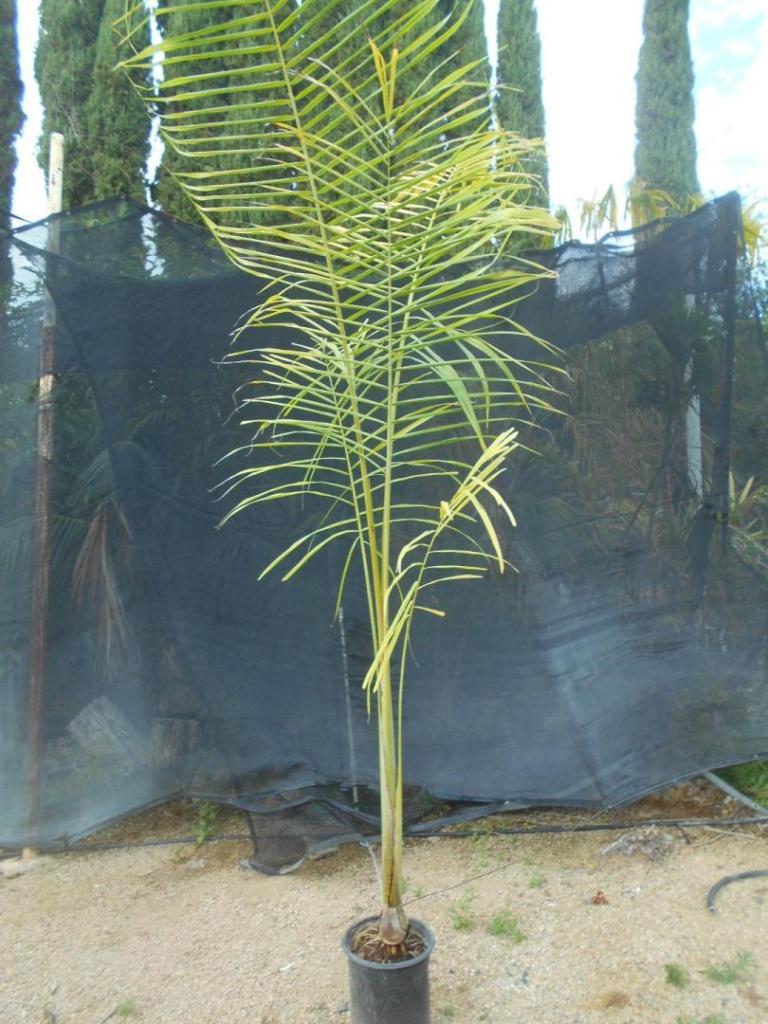
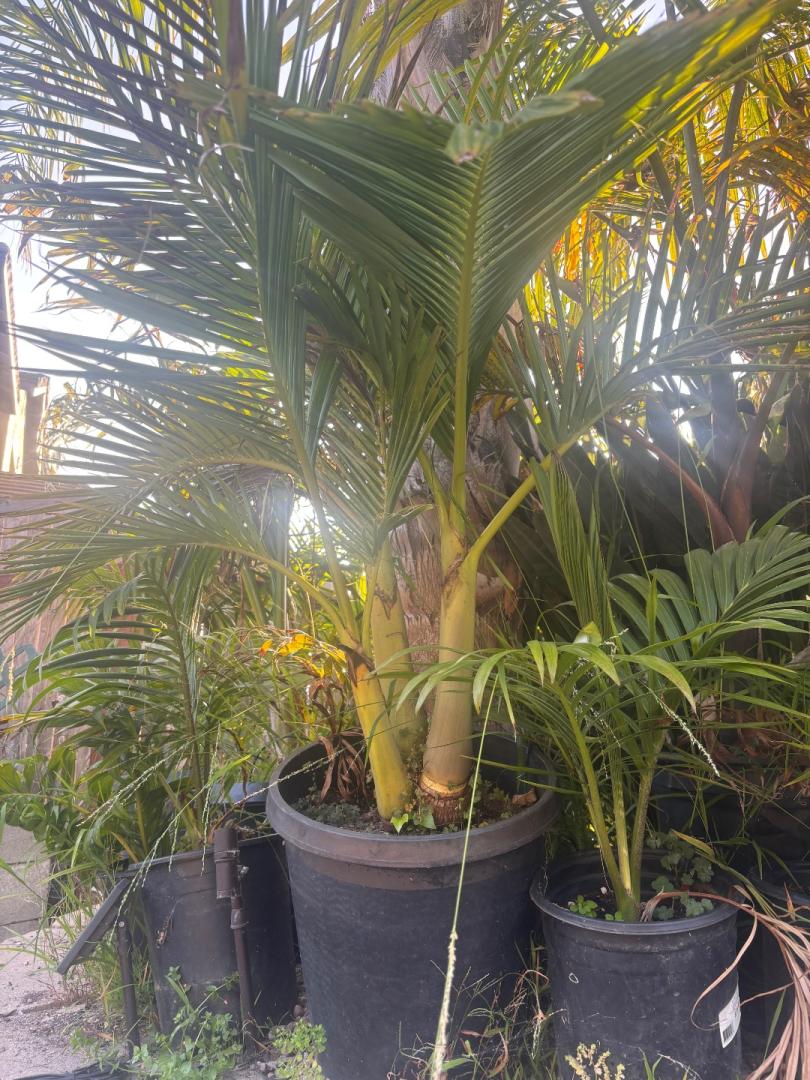
$30.00 each or 2 for $50.00 6 to 7 feet high form top of container ready for the landscape located in Fallbrook, CA call (760) 723-8886 for appointment and pick-up
 2 points
 -
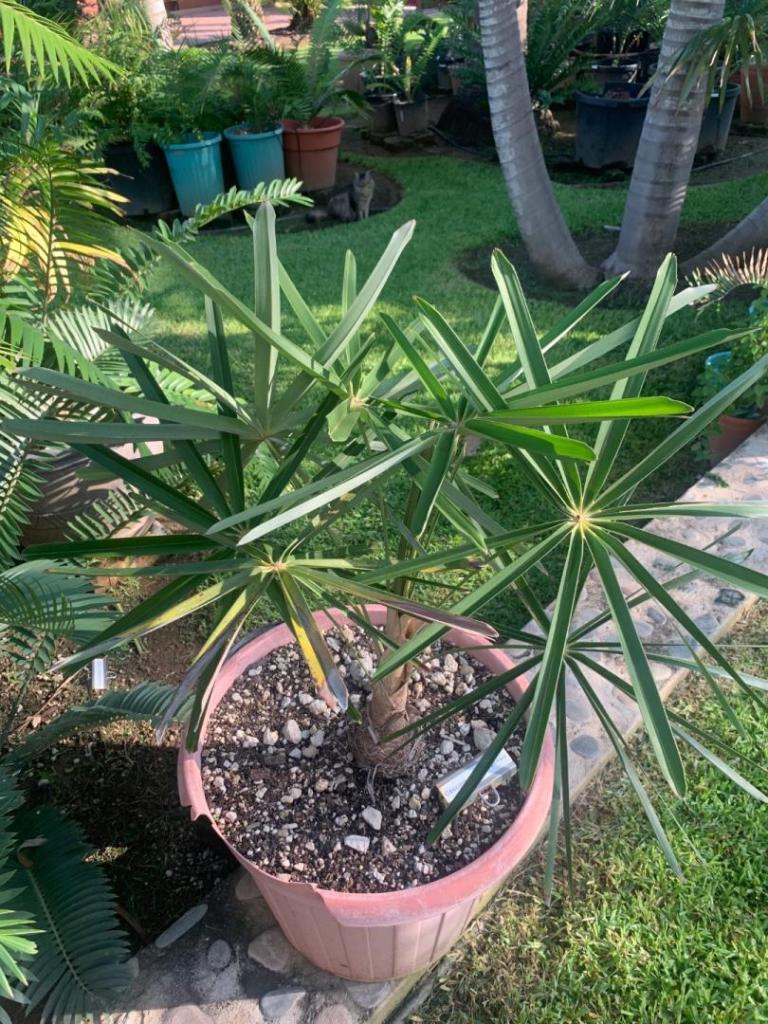
Your Coccothrinax should do really well in south Florida without much attention. I’d water them a bit during long dry spells in the growing season and feed them a few times a year but they are pretty hardy. Whether to amend the soil really depends on your soil. I grow several different species of Coccothrinax and find that they like lots of non organic material. I use a lot of sand and pumice with a bit of organic like compost and coco coir. Adding a bit of slow release fertilizer will help with any doubts about how often to fertilize. Also, make sure the soil is well drained. You don’t want them sitting in water after heavy rains or sitting in water in an area with a high water table. Here are a few of my Coccothrinax,



 2 points
 -
Very nice . I have been in my house since it was new in 1997 and having planted every palm here , some recent , some in the first few months of ownership , there is a reward to watching an older acquisition grow . Whether a slow growing Rhapis or something tall , touching the sky. Now that I have a more mature garden , I have come to appreciate the smaller , slower growing palms . Harry2 points
-
From what I have read , the British were some of the first to collect rare plants from around the world . I guess having such a fleet of ships and explorers had a lot to do with it. The Spanish and others had many explorers but I have not read about their exploits in regard to botany. Those early prints are very nice . Harry2 points
-
I have no idea what variety it is, but you certainly have one slow growing palm and your growing it well!2 points
-
It is healthy but it’s slow that’s for sure! Durban is close to the same latitude as my area and a lot of plants from that area do well in my climate, and Madagascar as well.2 points
-
Well there you have it thanks on that one gyuseppe interesting fact!2 points
-
on the cover it also says becc., which is the name of the Italian odoardo beccari who first described the discovery of howea2 points
-
Something about the cool weather giving crisp clear days. Great pic Harry of a huge Caryota. Mother Nature gets all the credit though shes the colour artist, we are just the observes. Richard2 points
-
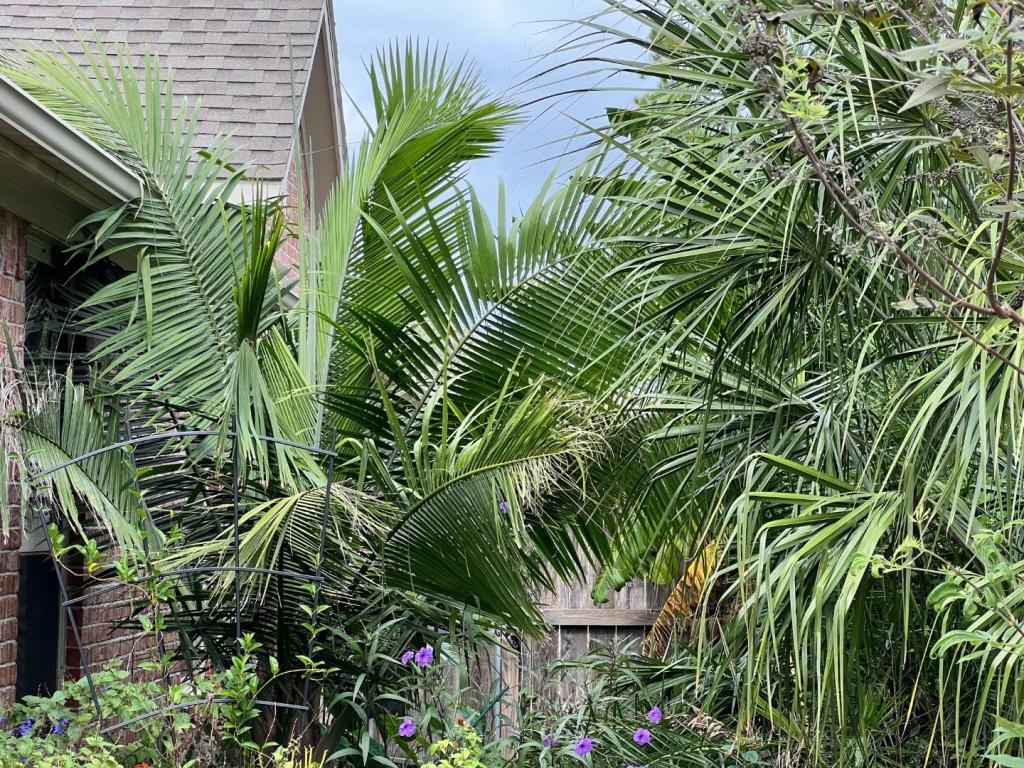
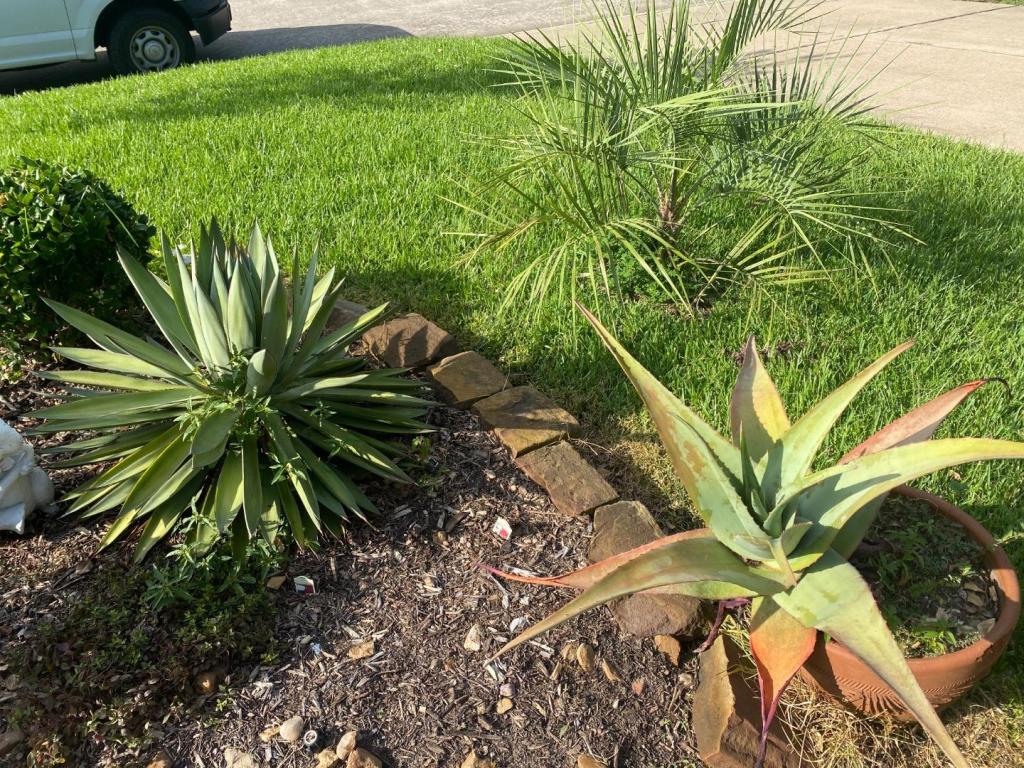
Comparing growth 9/21 to 10/24 to 6/259/2110/2410/246/25 9/2110/2410/246/259/2110/2410/246/25Copernicia alba 9/21Butia 9/2110/2410/2410/2410/246/25Copernicia alba 6/25 after protection from 17°F Ill get better shots early Fall once everything is recovered




 2 points
 -
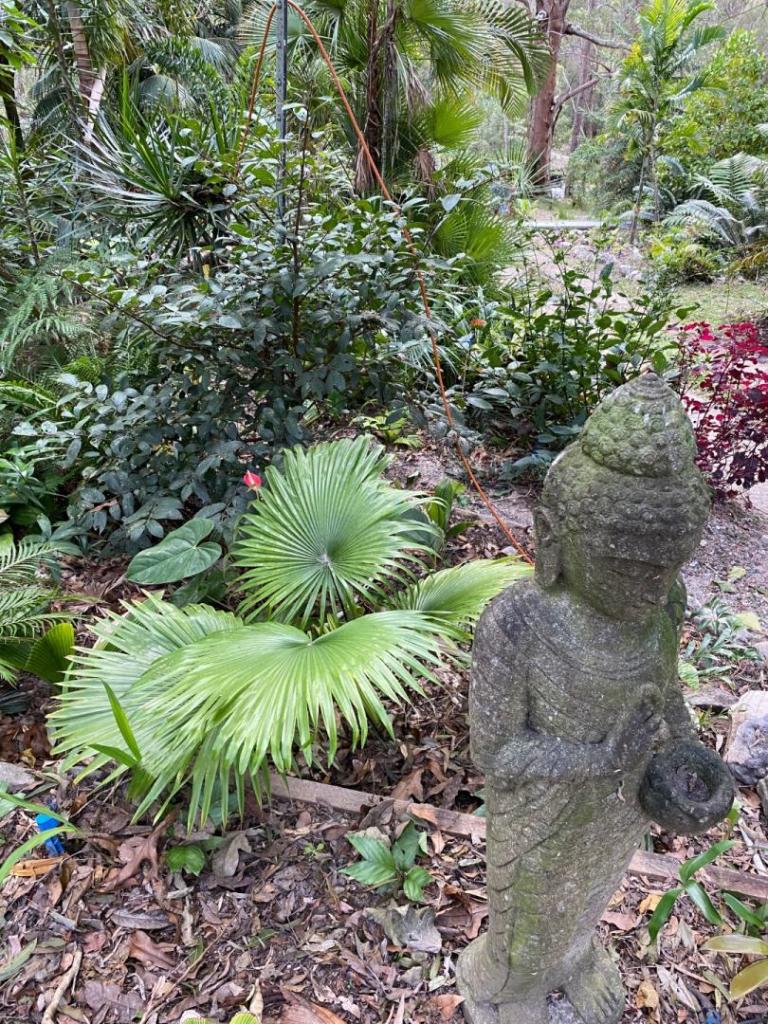
I just love them! Got 700 of them as well! Richard
 2 points
 -
@MC Silver always amend...what kinda soil ya got.
 2 points
 -
Good to see it bouncing back. Let's hope it gets some mild years ahead to really put on size.2 points
-
Hi, I collect and grow and am looking to make room for others. Triple purple king grown full sun and needing the ground or up potting. Also very healthy teddy bear wanting a new home. Located in Oceanside, ca and asking $125 each. I have lots of other options if u feel like palm shopping this weekend and can send pics. 5-20g kentiopsis, prestoniana, Prichardia, burretiokentia, Lutecens, large macrocarpa and hookeri, etc
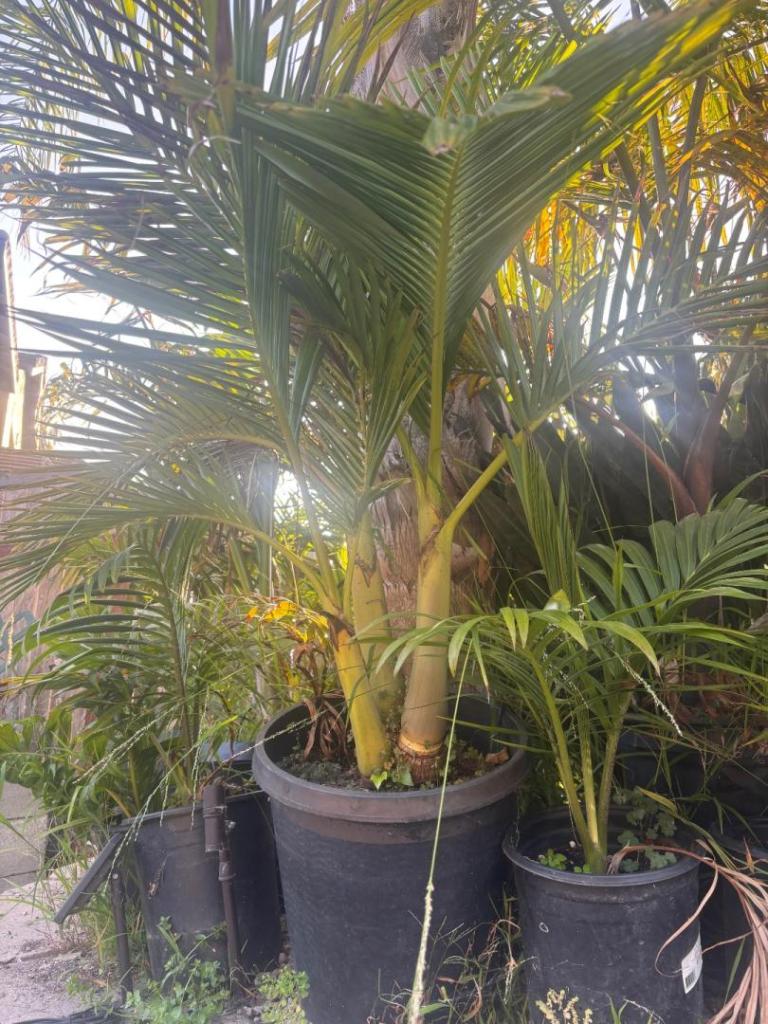

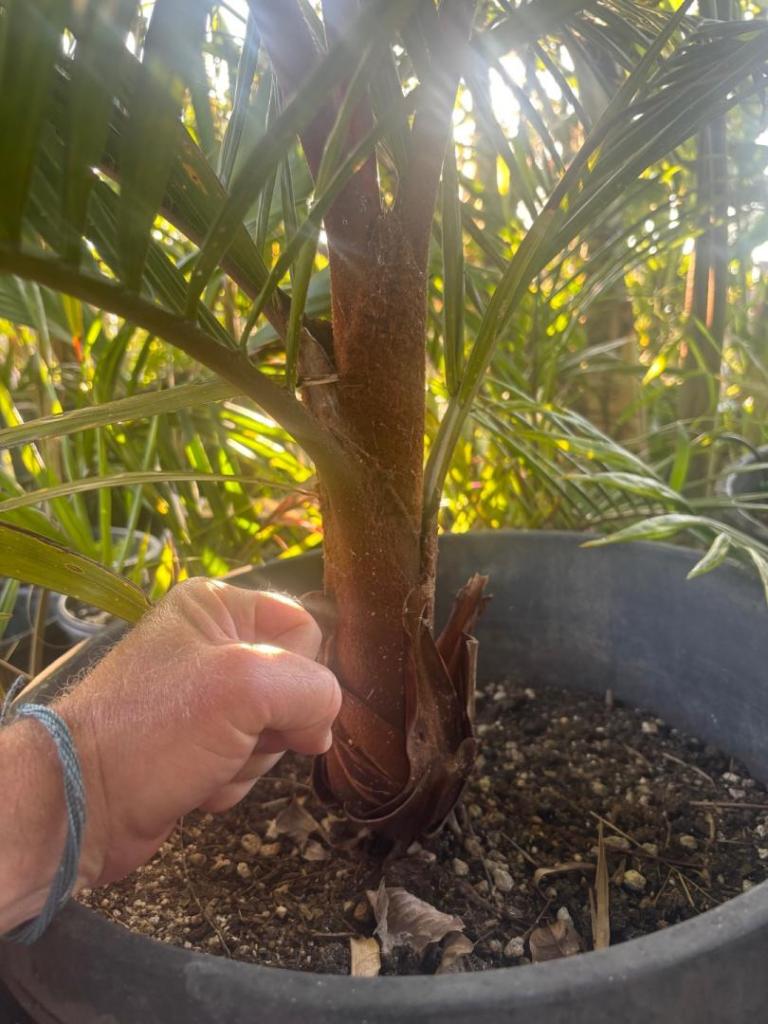
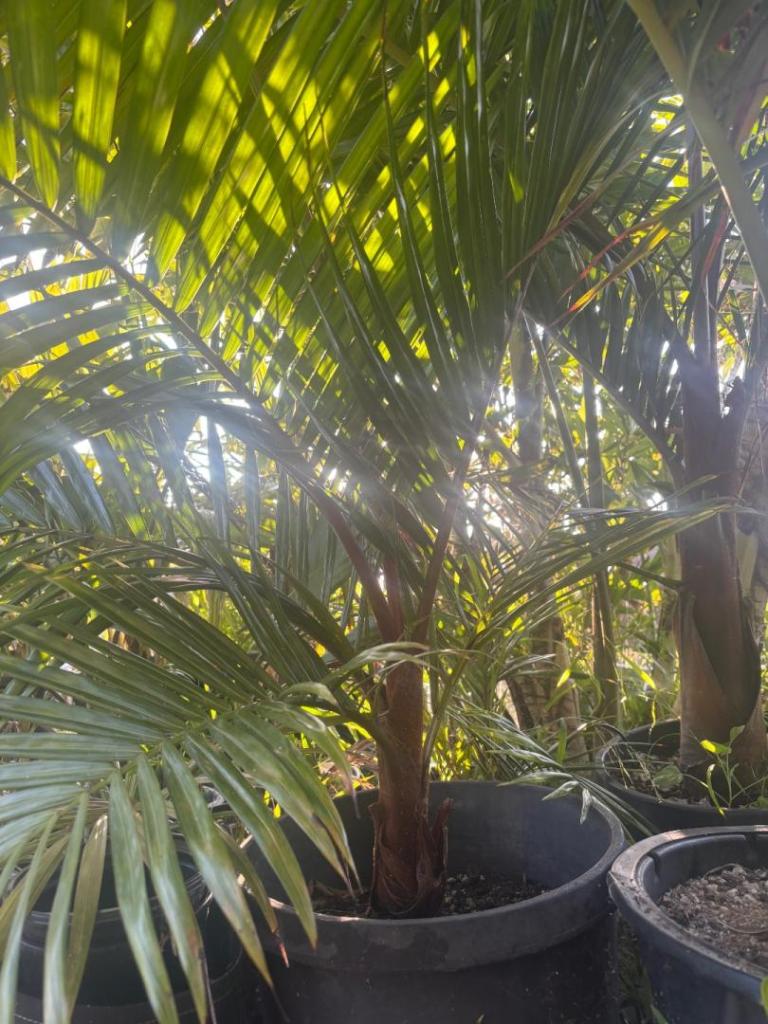 2 points
 -
They do grow inland but only in frost free sites . Also some places I call the dead zone there are no palms if any varieties growing. But I will say ever since all the blueberry farms have been established in my area there are more Bangalow palms popping up in different places that palms dont grow now due to the bird migration following the farms for fruit in areas that are quite of limits for palms. But I think fires have a role in stopping that palm populations won’t establish. But now the farms are in they won’t burn as much in those areas so it may be possible that some gullies get a few where they never where growing before.2 points
-
Just like anything peddled by Miracle - Cr#p.. ...or the spray on " frost protection " stuff, It's just a carrot dangled on a stick kind of gimmick / waste of $$, no matter what someone on youtube says.. Feed, site, and water a plant correctly and it will resist climate - related stressors ...as best as it has evolved to. Emphasize ..evolved..2 points
-
Well you definitely get an A+ plus for doing your homework. But an interesting bit of data and it will become useful for those intrested in that for future reference. But what would be interesting is a follow up as to how many are alive still. But definitely keep up the good work iamnn no impressed!2 points
-
Yes, a spread of roughly 35-40 ft sounds about right. Not sure how old it is, but certainly more than 15 years. There is one with about 25 ft of trunk growing next to the former Carlsmith palm garden with no sign of a terminal inflorescence, yet. I started one from a 1 gallon seedling about 7 years. It is nothing like Karen's, but it is opening a new frond every month and is about 20 ft tall despite lacking a trunk Having been forewarned by seeing Karen's, I planted mine in a wide open space.2 points
-
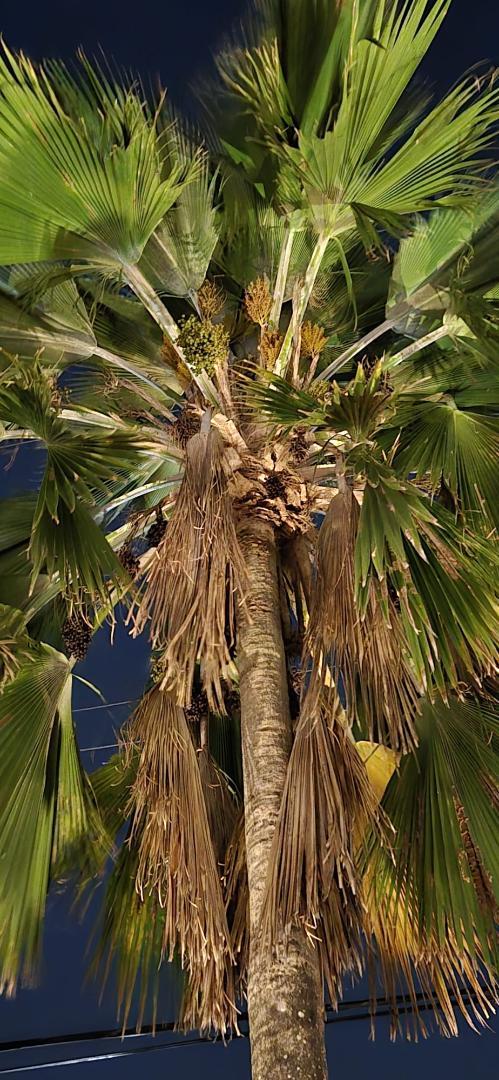
Here is an awesome one in Oakland, CA. I have a few planted that I started from seed in my Oakland garden that I hope gets this big someday!
 2 points
 -
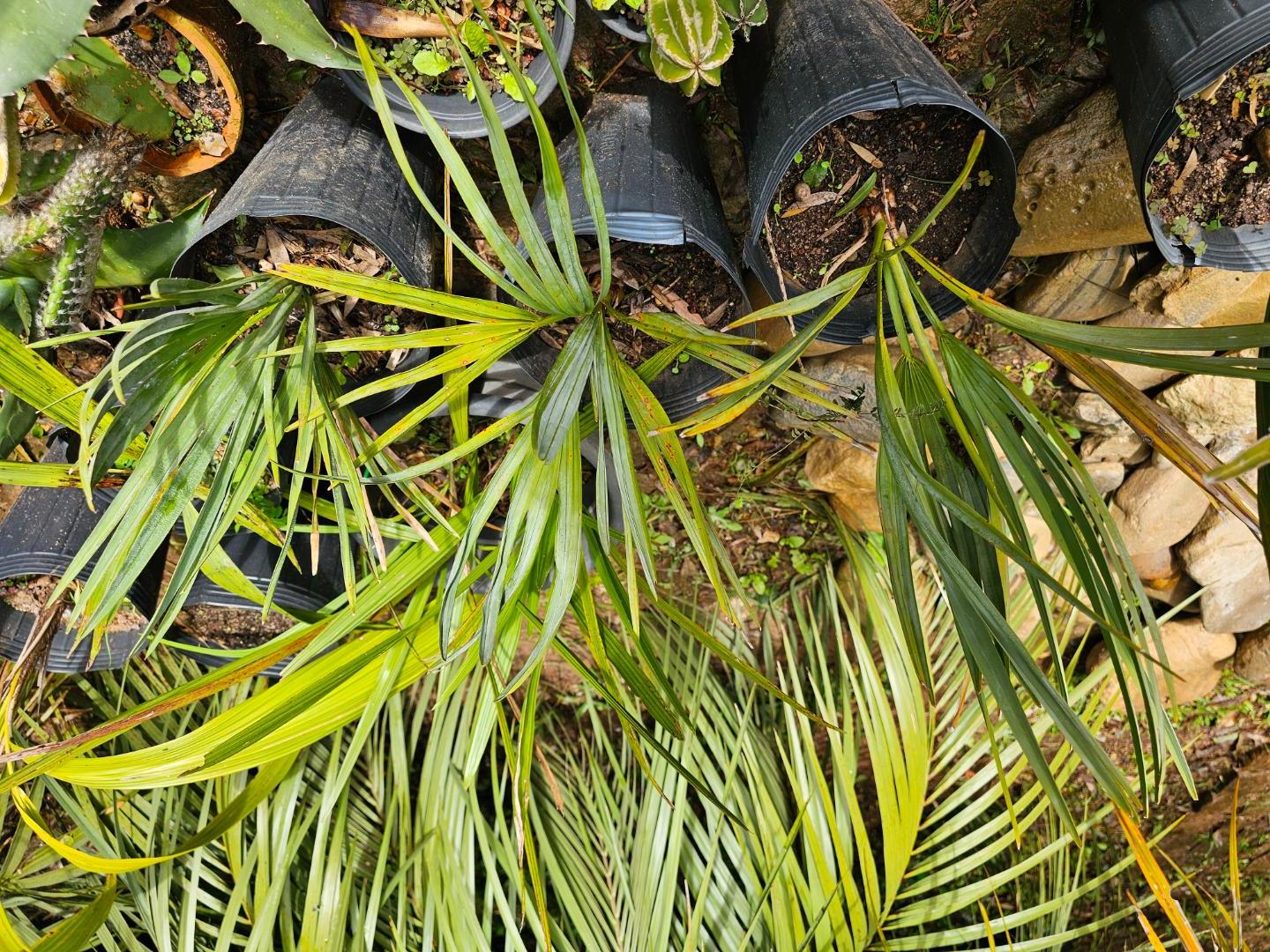
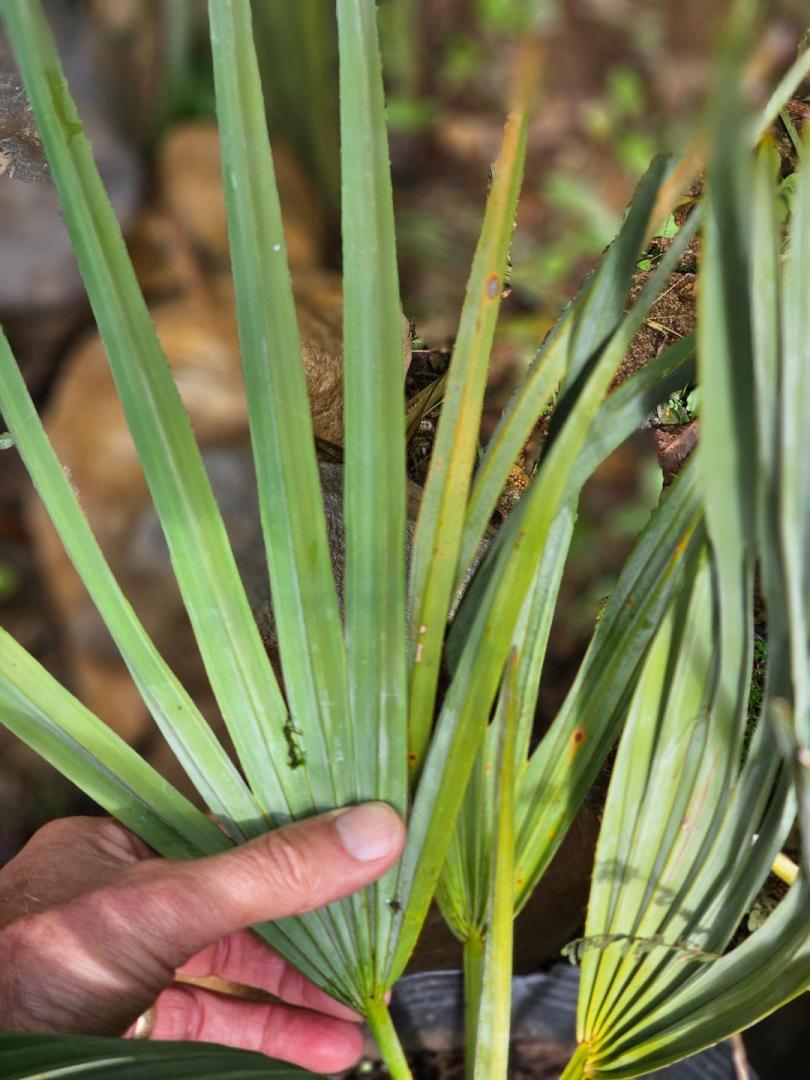
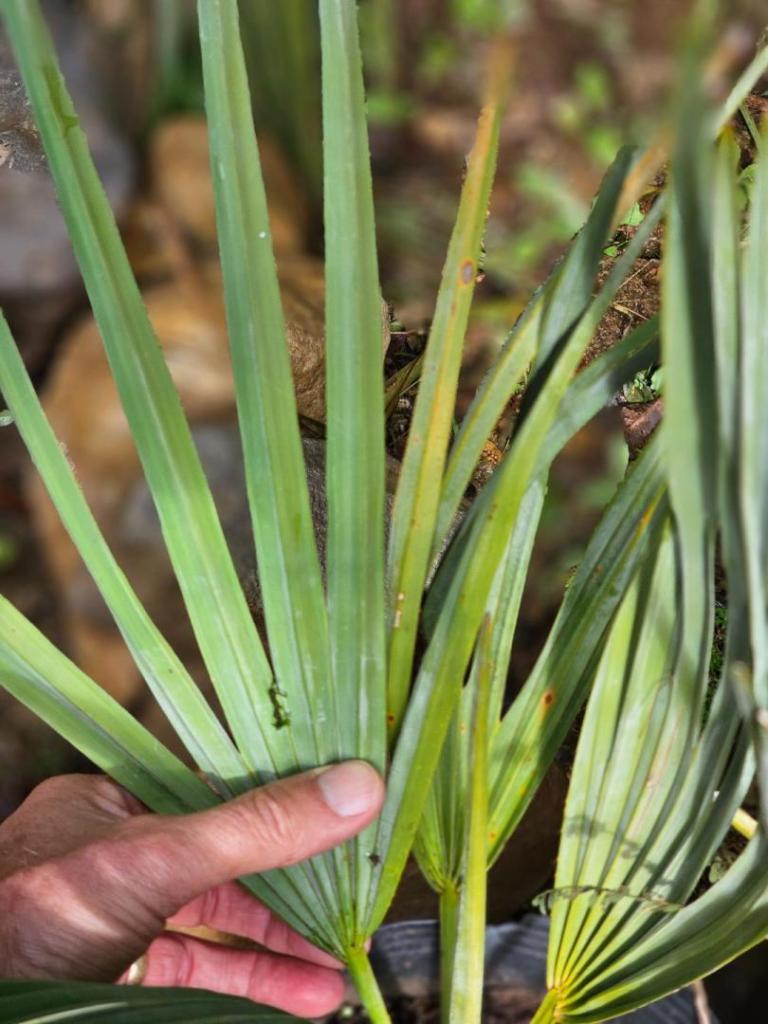
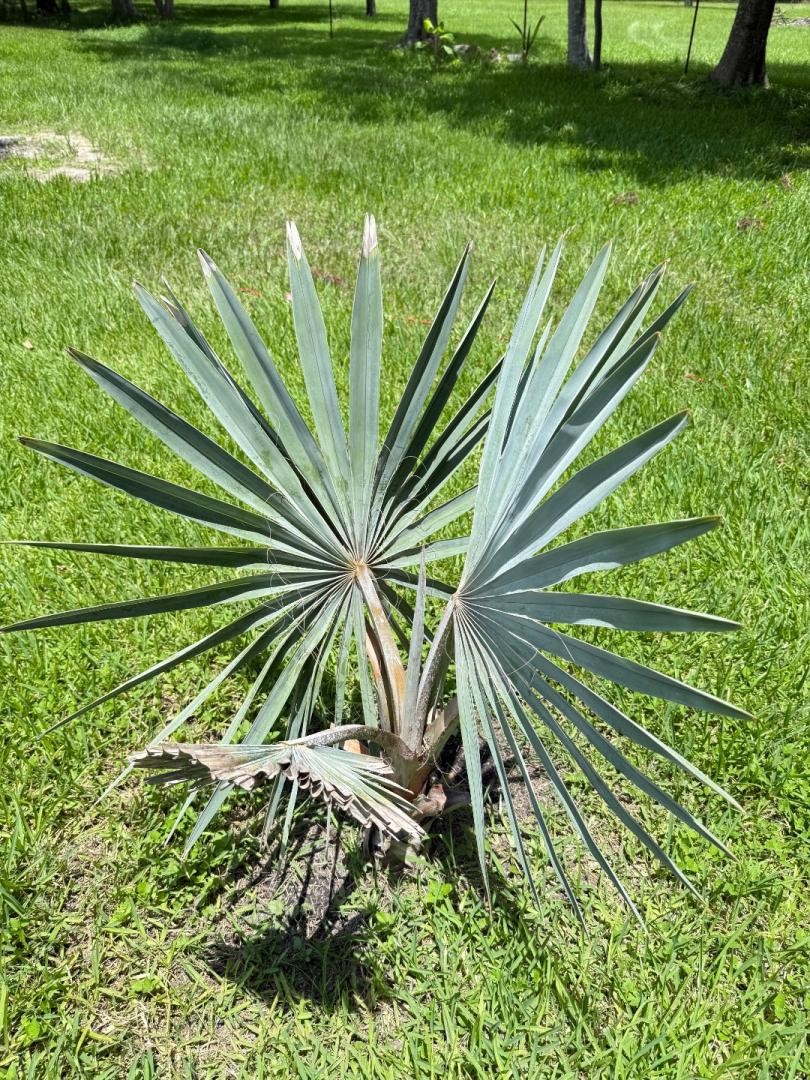
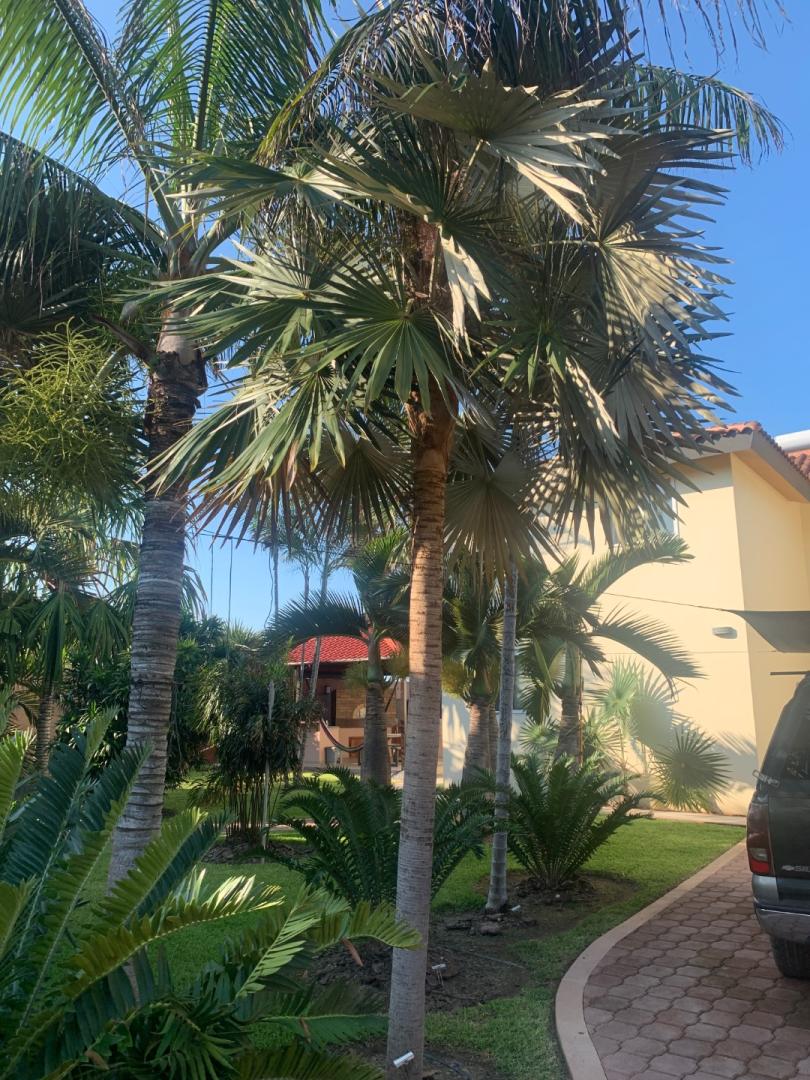
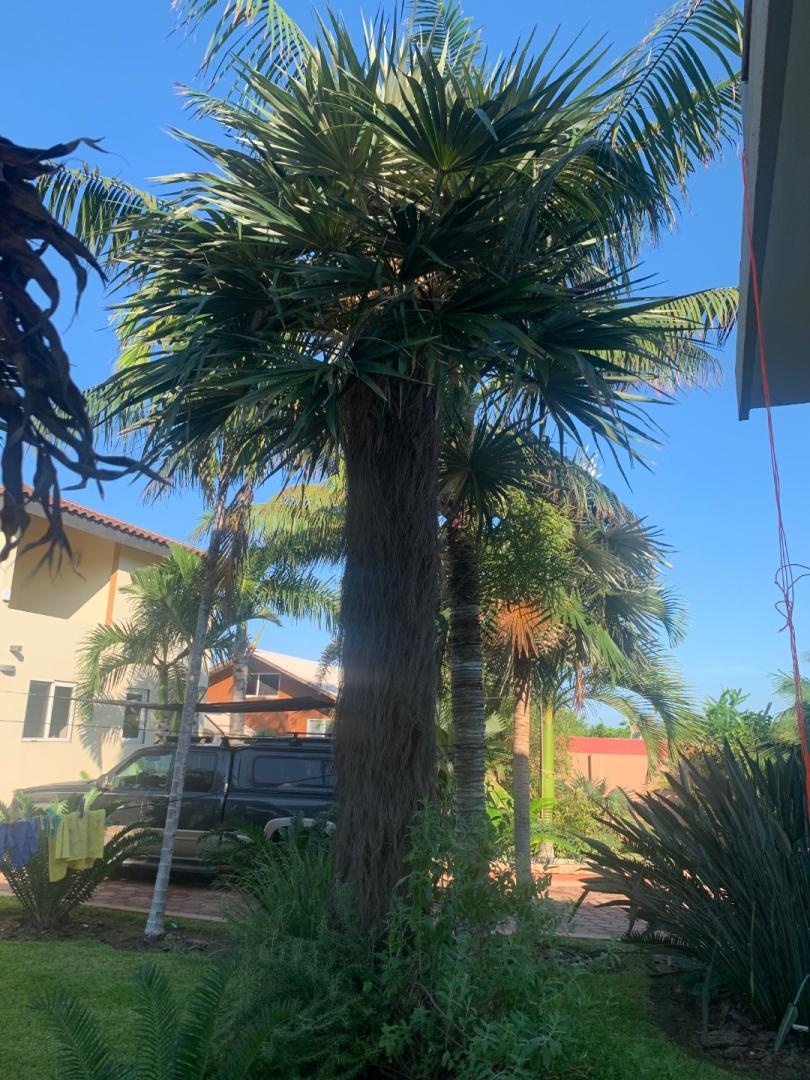
Would anyone know how to identify the species of these 3 Cuban Copernicia sp plants that I bought years ago in a nursery in Corupá, Santa Catarina state, southern Brazil? I forgot to protect these plants from frost and left them exposed to the sky (without a cover to avoid the formation of ice on the surfaces and the temperature of -1.05⁰C according to the agro-metereological station 500m from the house. Apparently without any damage.


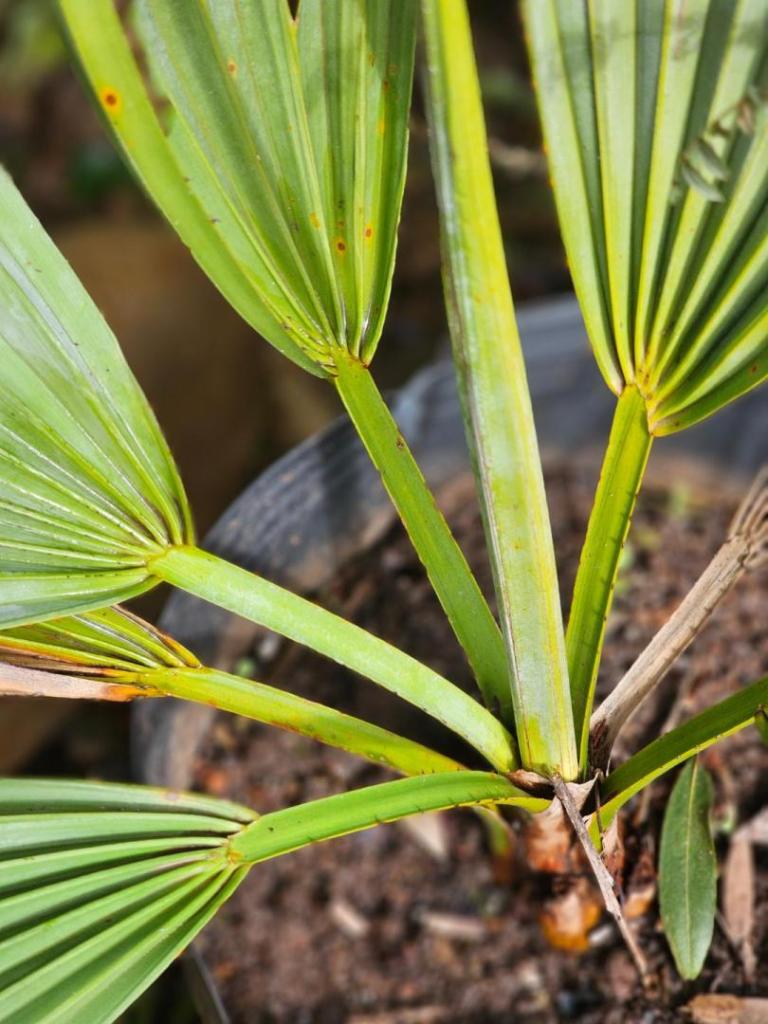
 1 point
 -
Beautiful! Rarer then rocking horse poo in Australia. There here but any seedlings get snapped up by the network of collectors, and unless your in that network (palm mafia gang) you won’t come a across them!1 point
-
Those are cool hybrids! I think @OC2Texaspalmlvr has a larger one. Interesting with the color variation from the Butia mother. The one with more purple might have more Butia genes so might be more cold hardy and/or grow slower than the other. Who knows? I have 3 standard mules and the fastest one has purple petioles and boots. Some think this indicates more Butia genes but I have queens with a lot of purple too!1 point
-
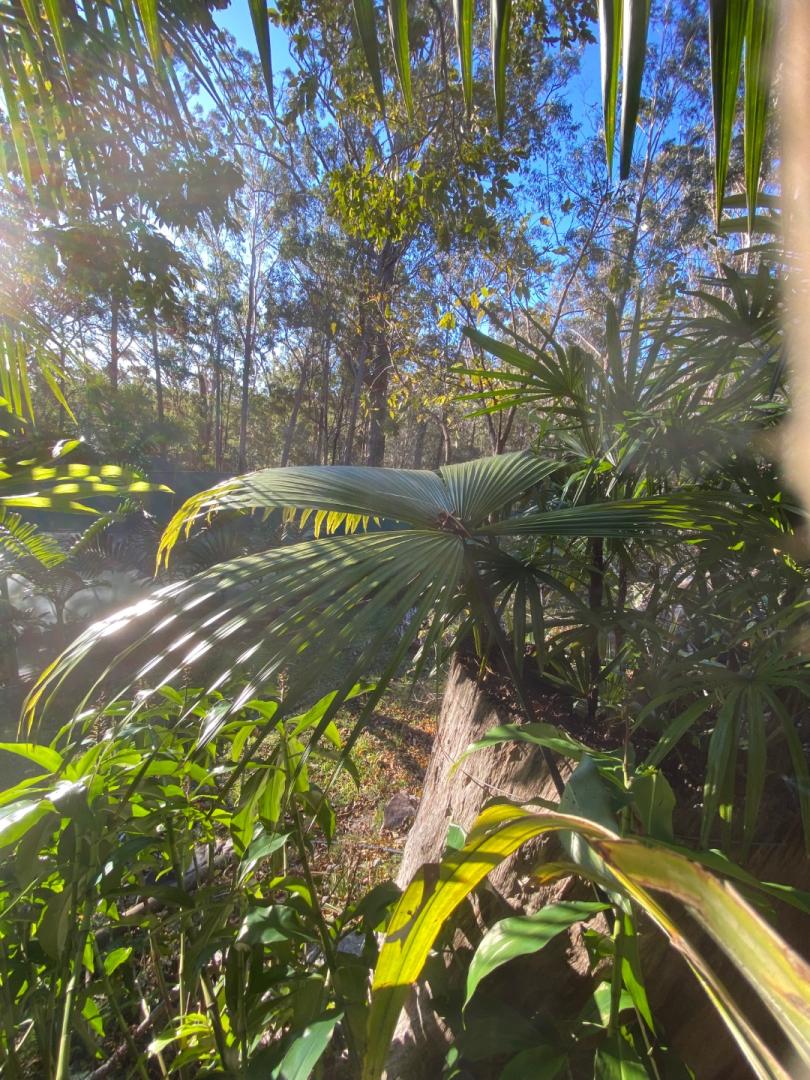
A couple of kerriodoxas pics, and we all love kerriodoxas if grown well. One palm that doesn’t like the wind. Will drink whatever is available and will tolerate a few dry days here and there. The perfect understory palm!


 1 point
 -
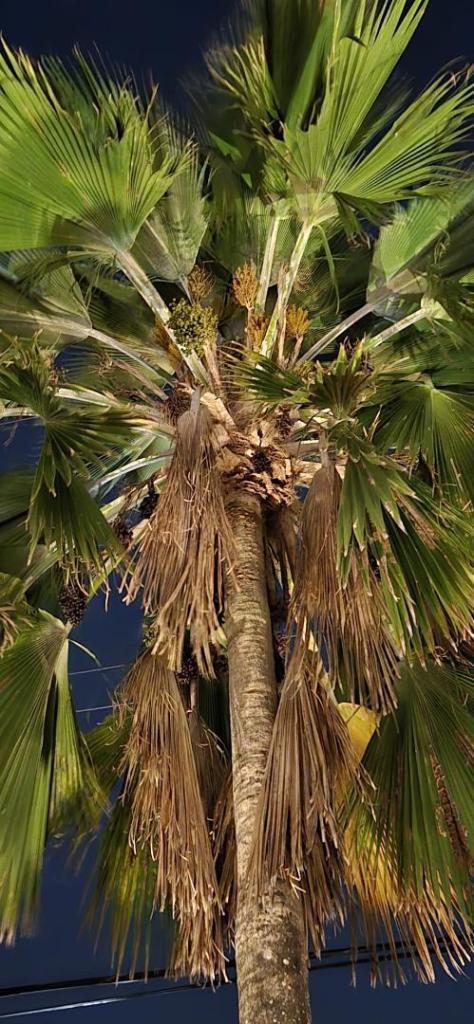
I been growing this one in miami (Westchester area) for 14 years now no problem with it with winter so far🤞
 1 point
 -
Well you will have to go back and get some seeds and put them in. And plant them for future generations.1 point
-
I saw that FBG in Coral Gables offers plants for sale. Has anyone on the board purchased there? This must be a cash and carry business. https://orders.fairchildgarden.org/collections/palms-cycads1 point
-
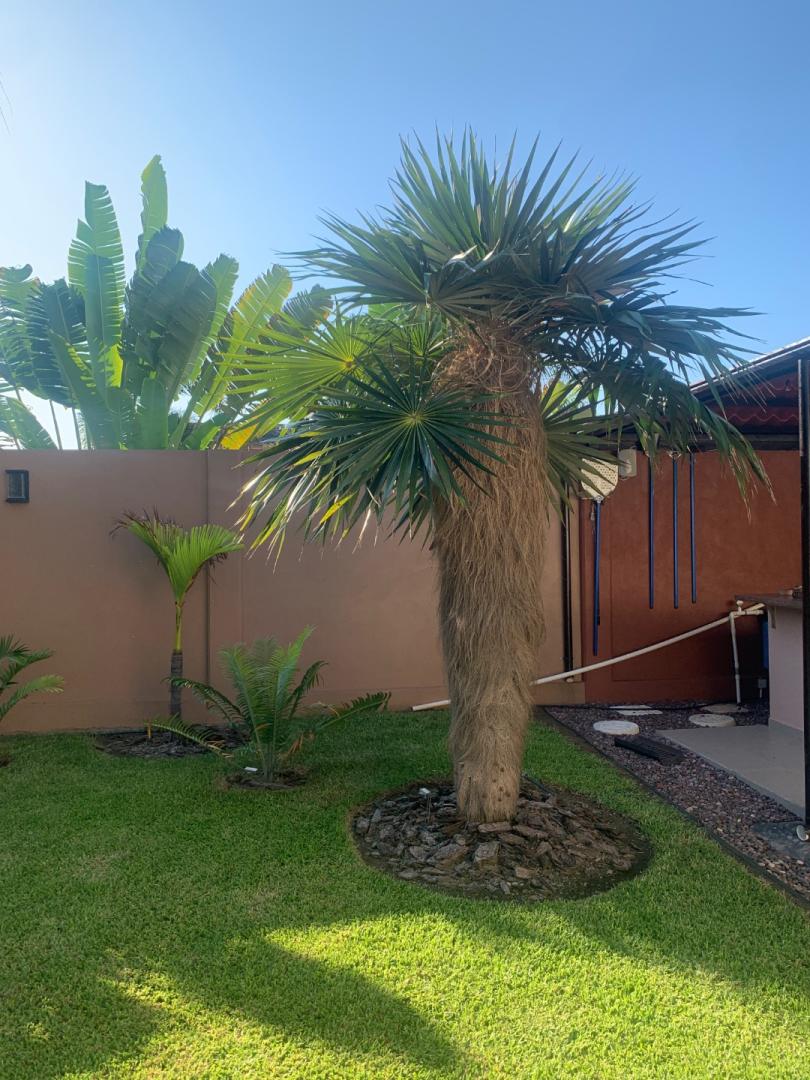
My 35 footer typically opens yellow new leaves in spring.1 point
-
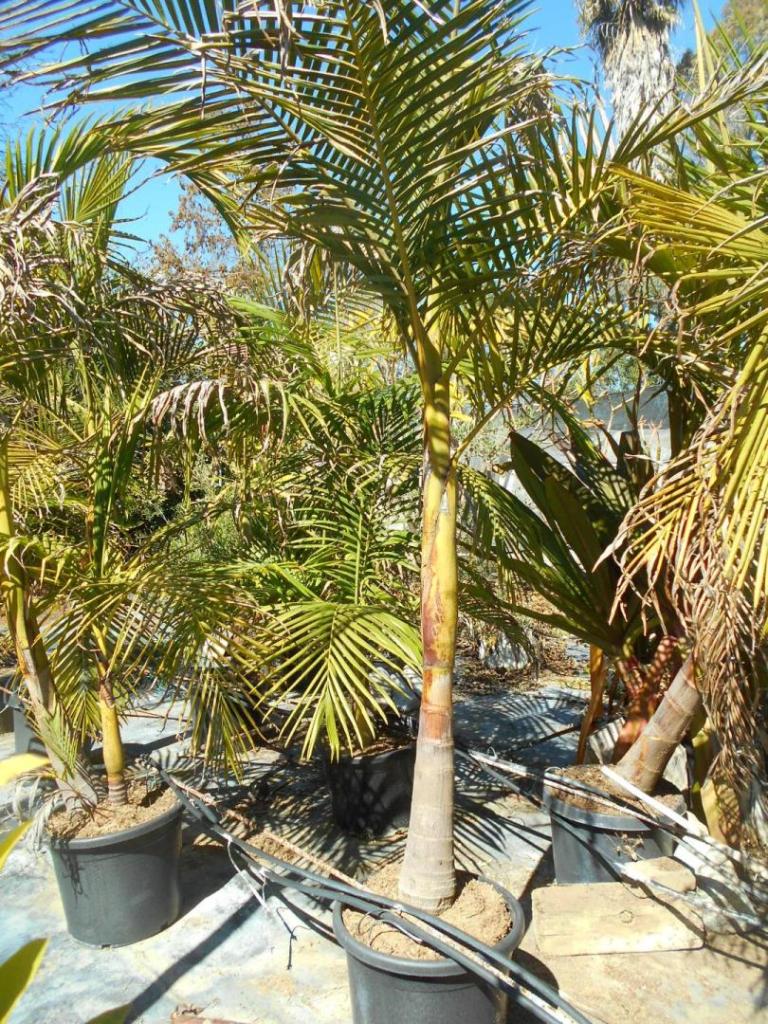
single trunk specimen 7 to 8 feet high from soil line Note: previous ad for double specimen had this photo attached mistakenly (difficult to see in compressed image) instant specimen for landscaping more than one specimen available available in Fallbrook, CA Call (760) 723-8886 (LAND LINE) for visit and pick-up
 1 point













.jpg.0cf735c7525858af1582442942bc68e8.thumb.jpg.894f59a749fff01eb286c1fe4a50ab62.jpg)
.thumb.jpg.304b32ca4398a111edf4ac525048111e.jpg)


























.thumb.jpeg.fbad841990dbf4d8685ce60449906716.jpeg)




(150x200).thumb.jpg.e1fafdd246043e79fc7371cf6efade3f.jpg)