

Leaderboard
-
happypalms
IPS MEMBER25Points12,616Posts -


Harry’s Palms
IPS MEMBER13Points4,220Posts -
MobileBayGarden
IPS MEMBER12Points264Posts -

Chester B
IPS MEMBER8Points4,675Posts
Popular Content
Showing content with the highest reputation on 03/24/2025 in all areas
-
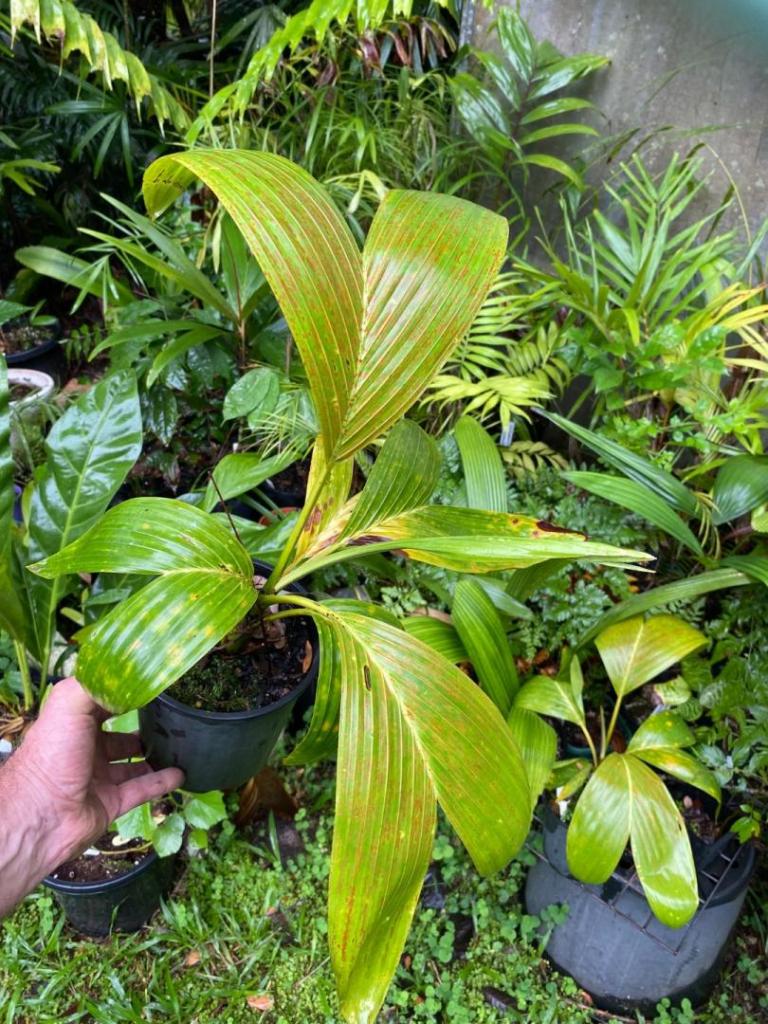
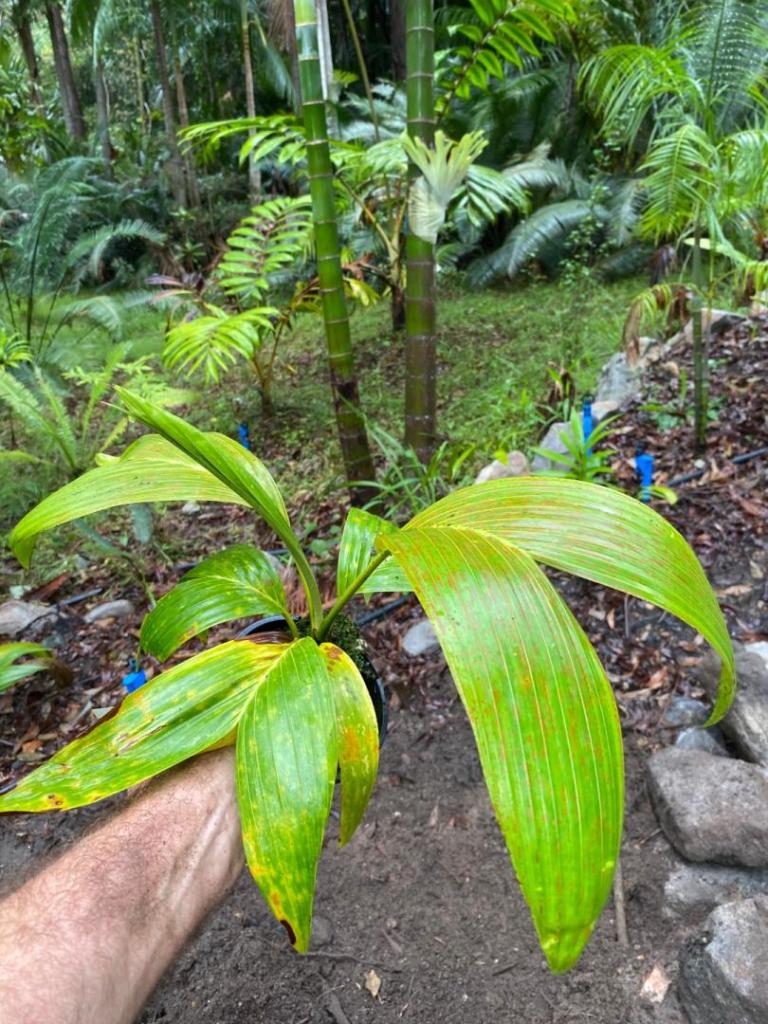
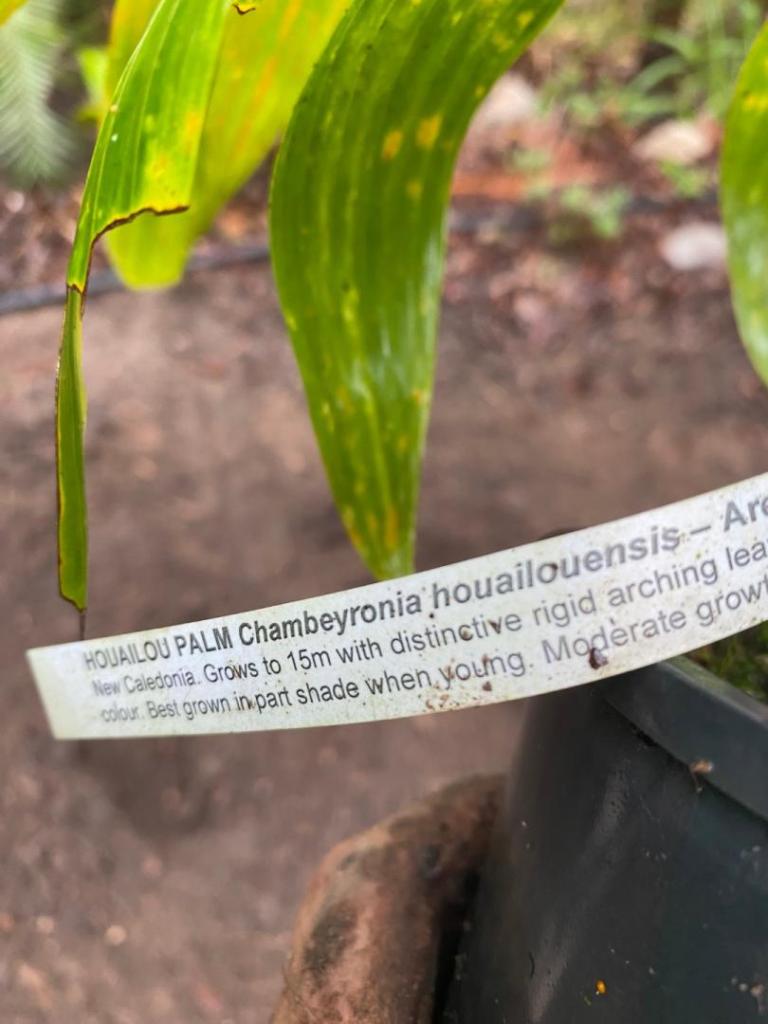
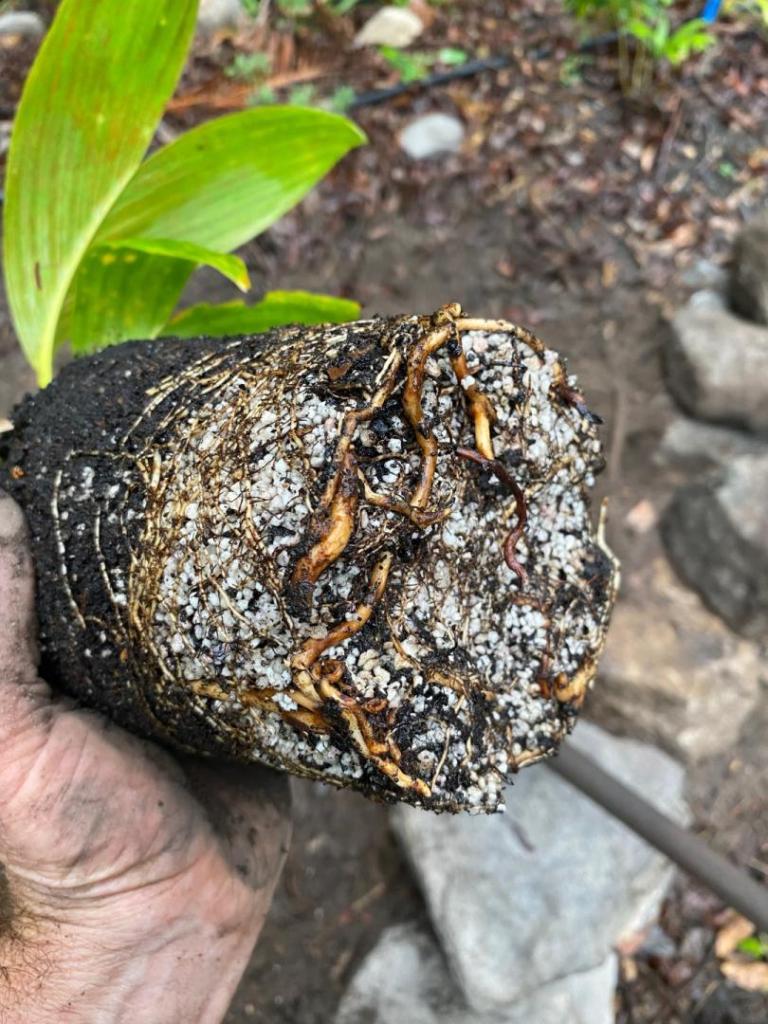
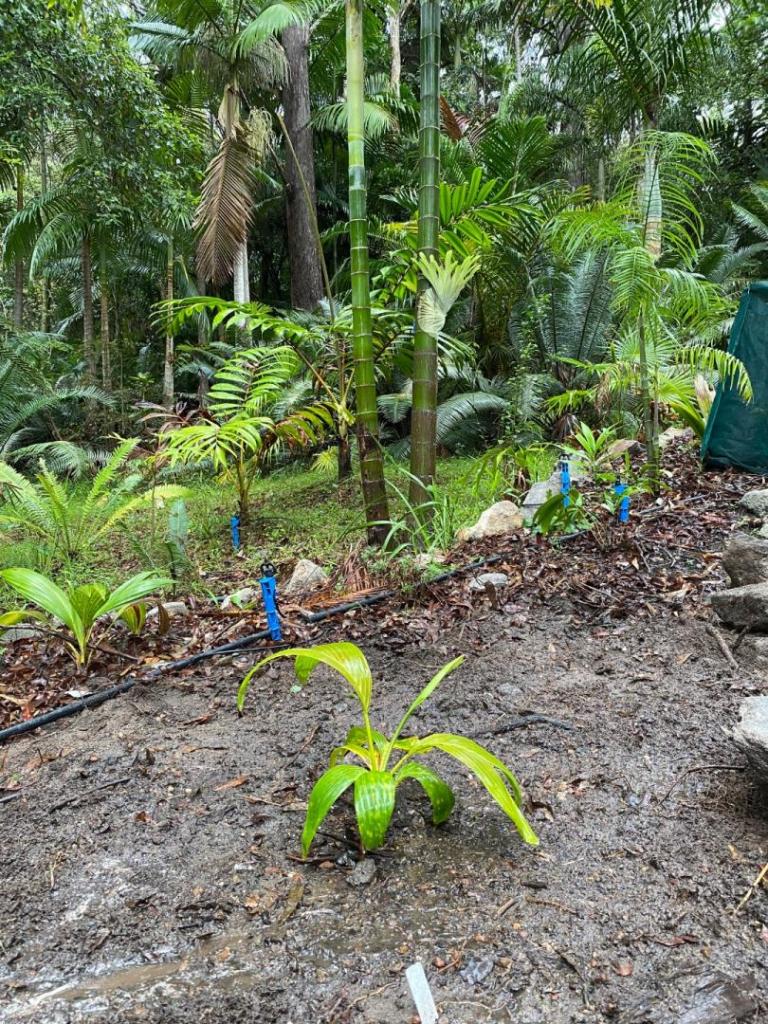
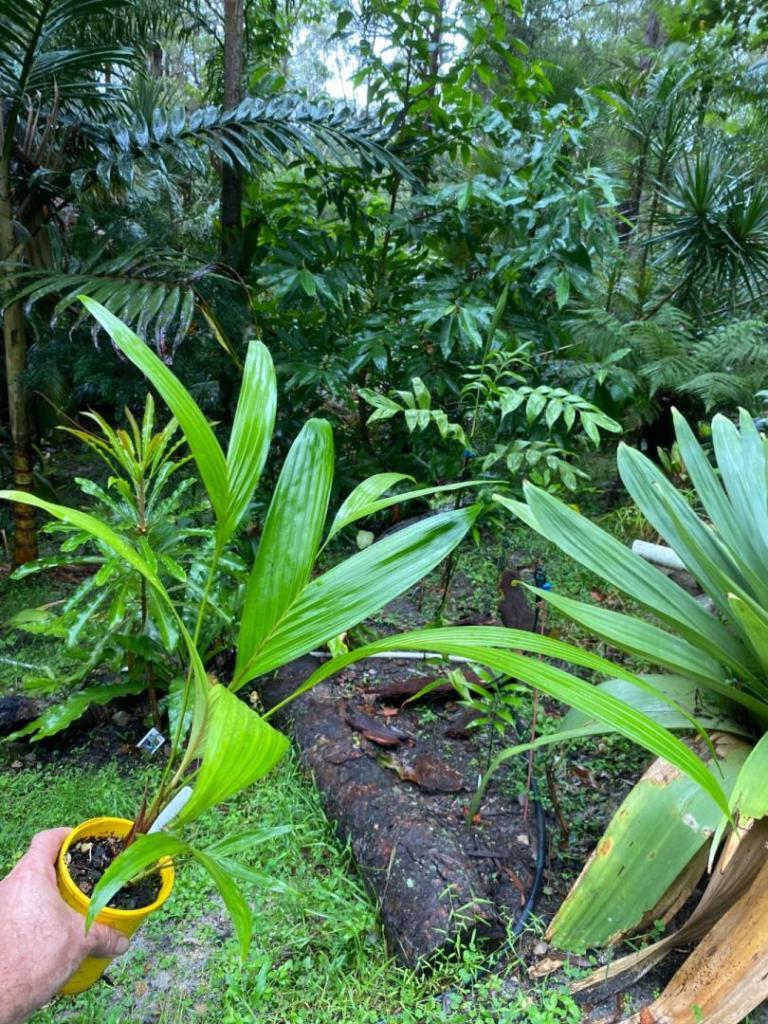
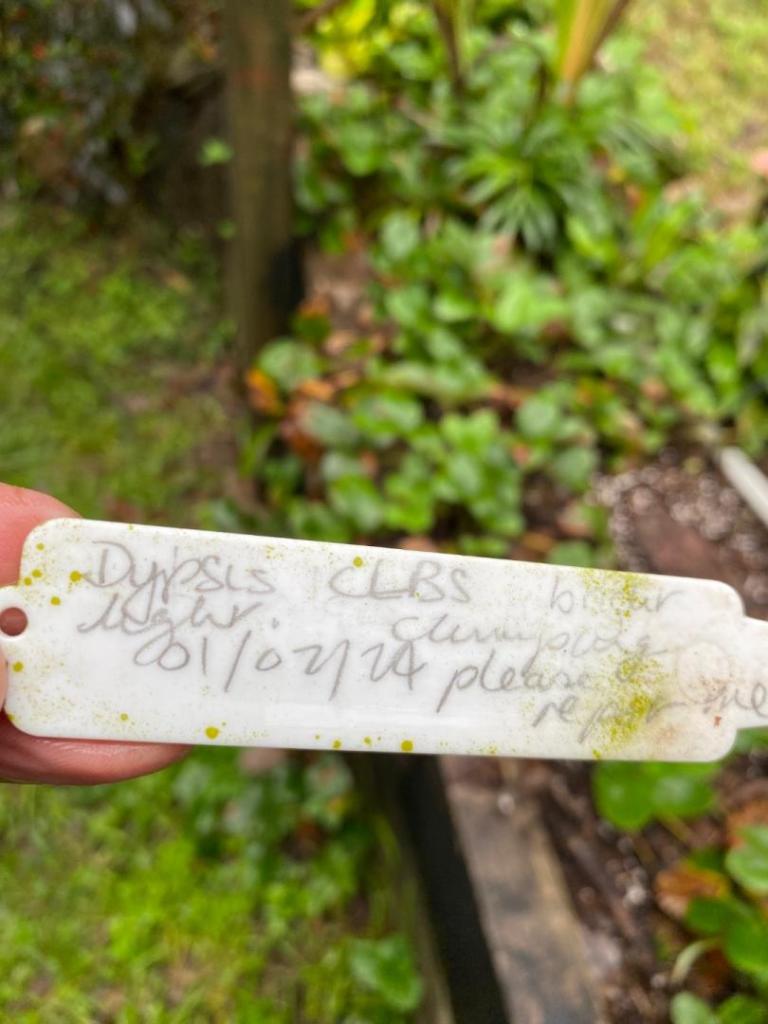
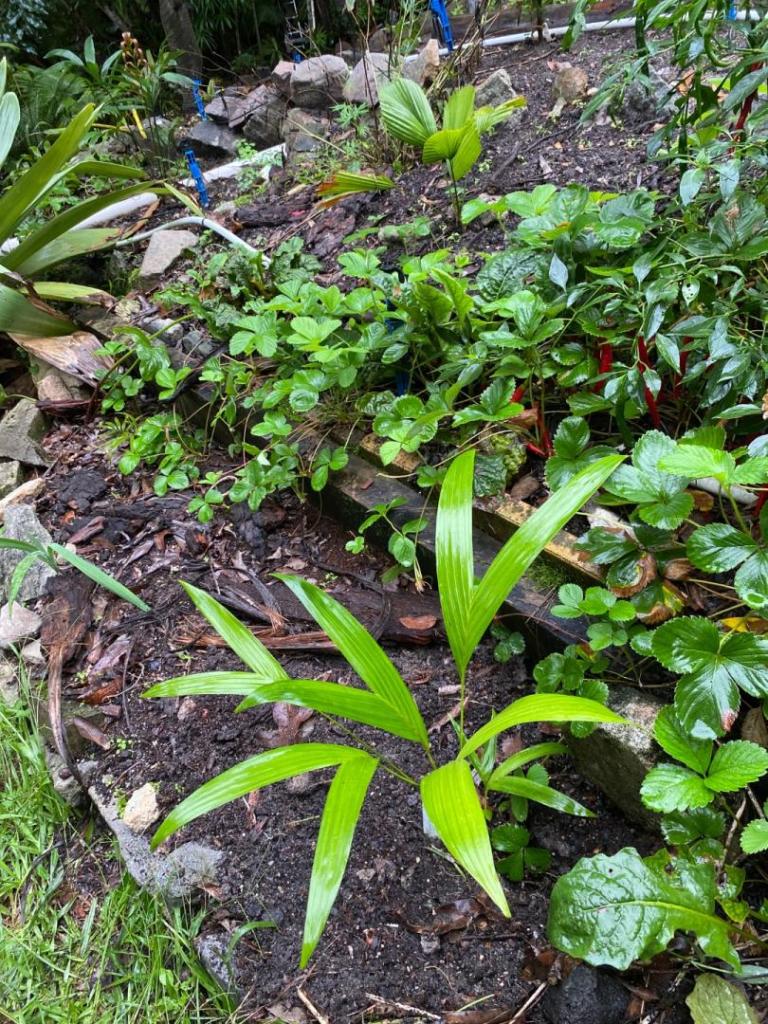
Planted a couple of winners today in the garden. With the weather being so good for planting you got to get em in the ground it’s the only way palms start growing in the ground! A few might recognise where they came from I will leave it those few to guess away. So you know there in good hands @happypalms in the garden.


 5 points
 -
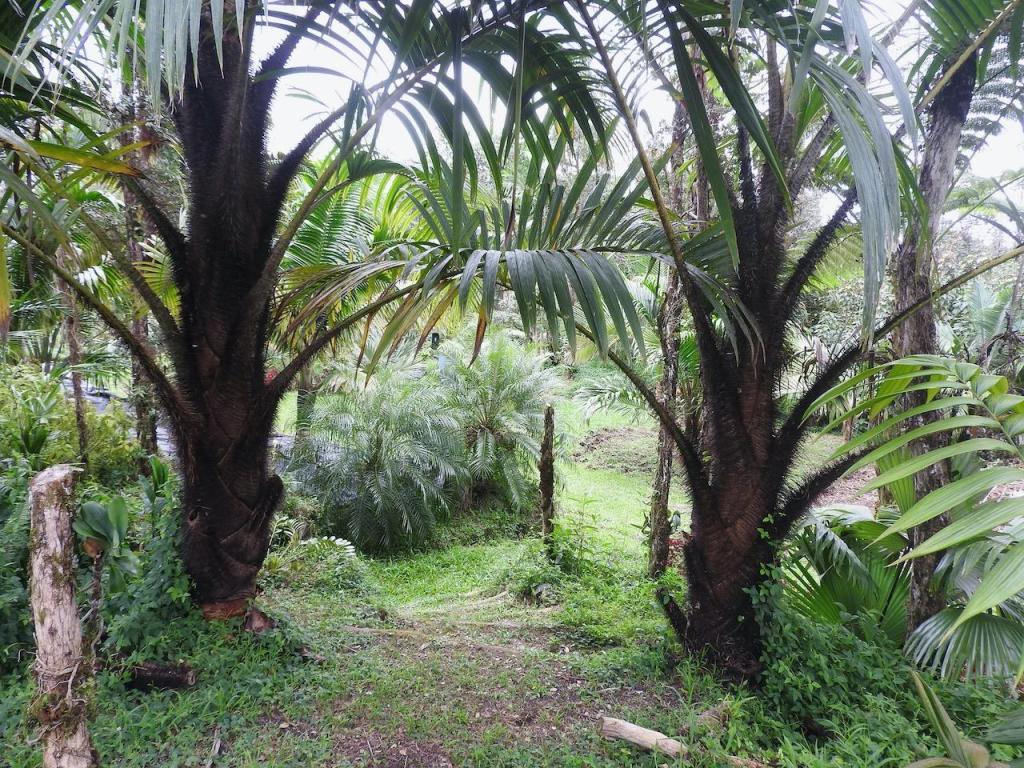
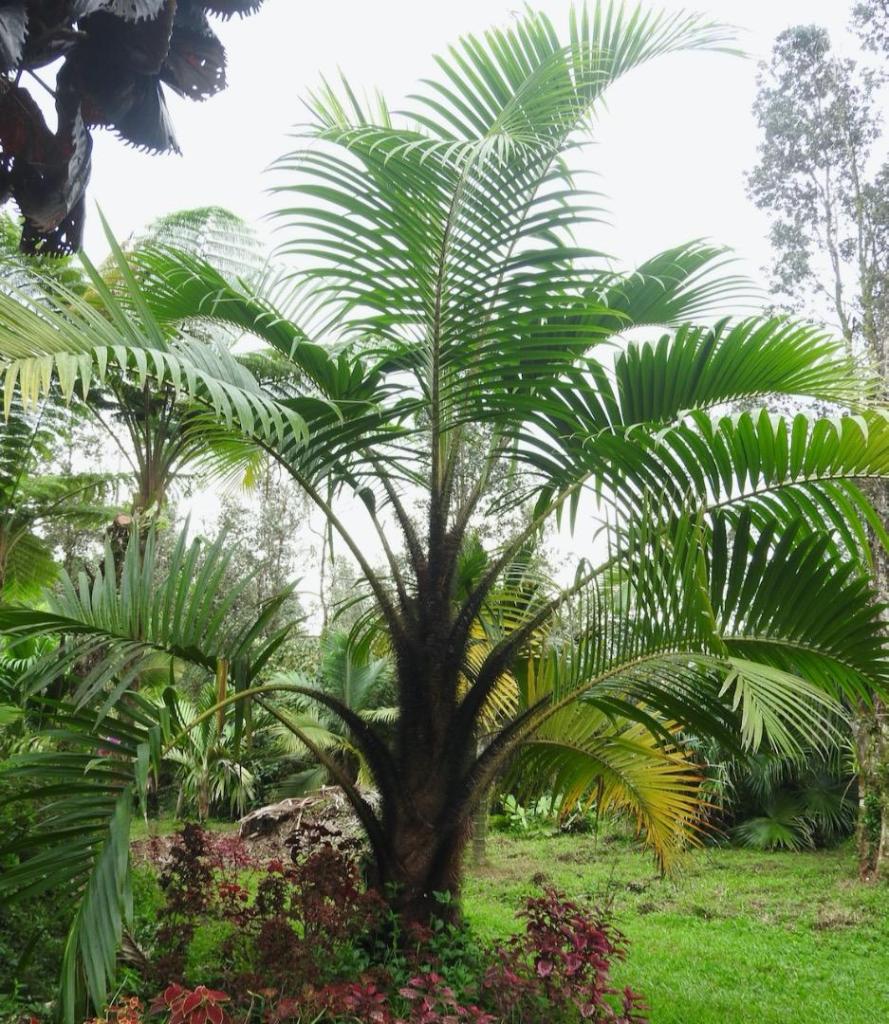
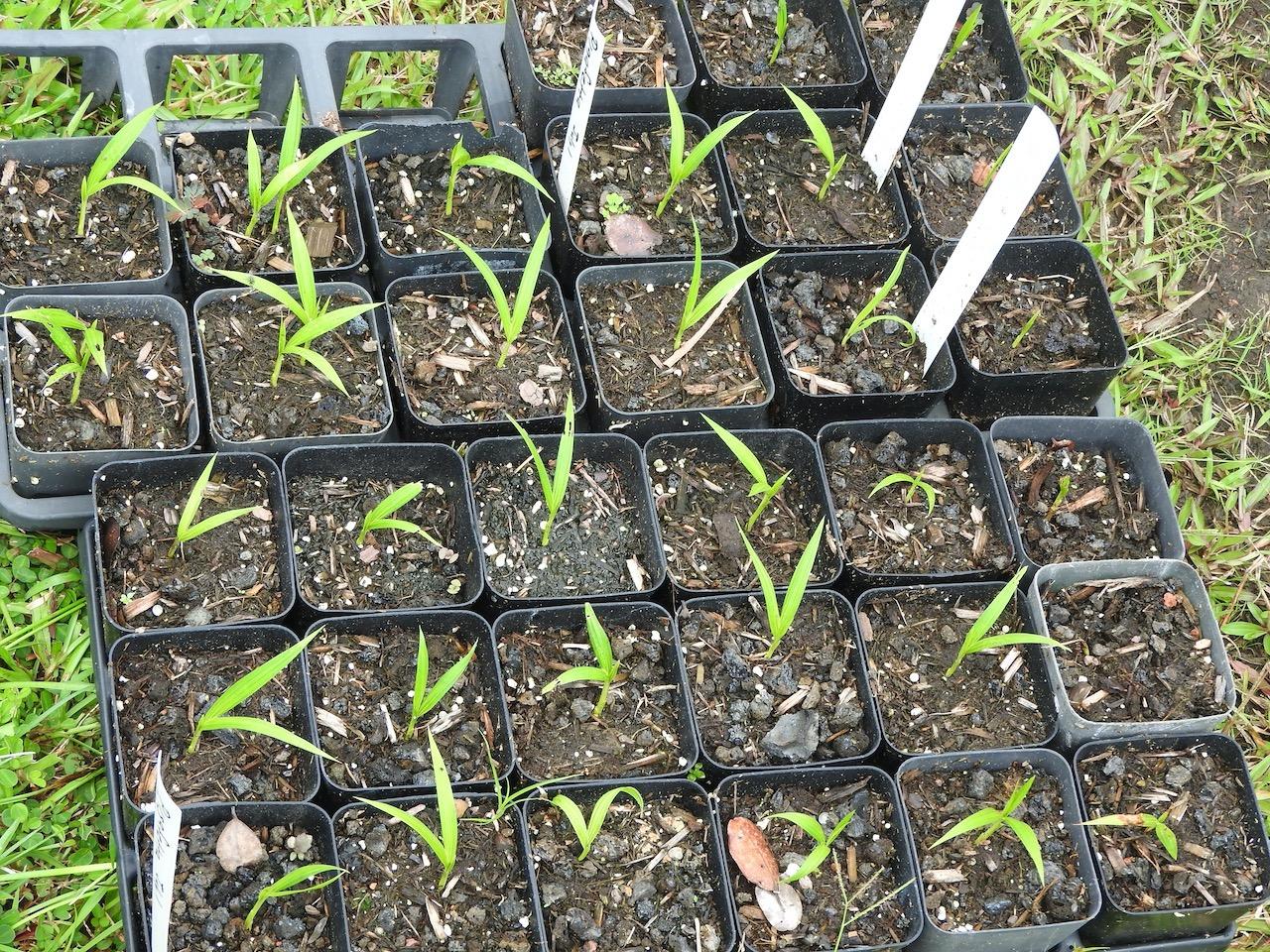
 Here is a preview of what to expect. Seedlings in August 2021 about a month after planting seeds directly in 4" pots. Same plants in January 2025. They are almost through the slow phase of growth. Once they start to trunk, you can get 2 m of new trunk each year. Full sun and a tremendous amount of rain. They drop fronds like crazy if they go 3 weeks without rain. Must be one of the most spectacular palms in the world. Just keep them far away from structures and utility lines. In my hands at least, they are sensitive to root disturbance. Be careful with the root ball when potting up or going in the ground. And of course, plant a group if you want viable seed down the road. Separate male and female trees.
 4 points
 -
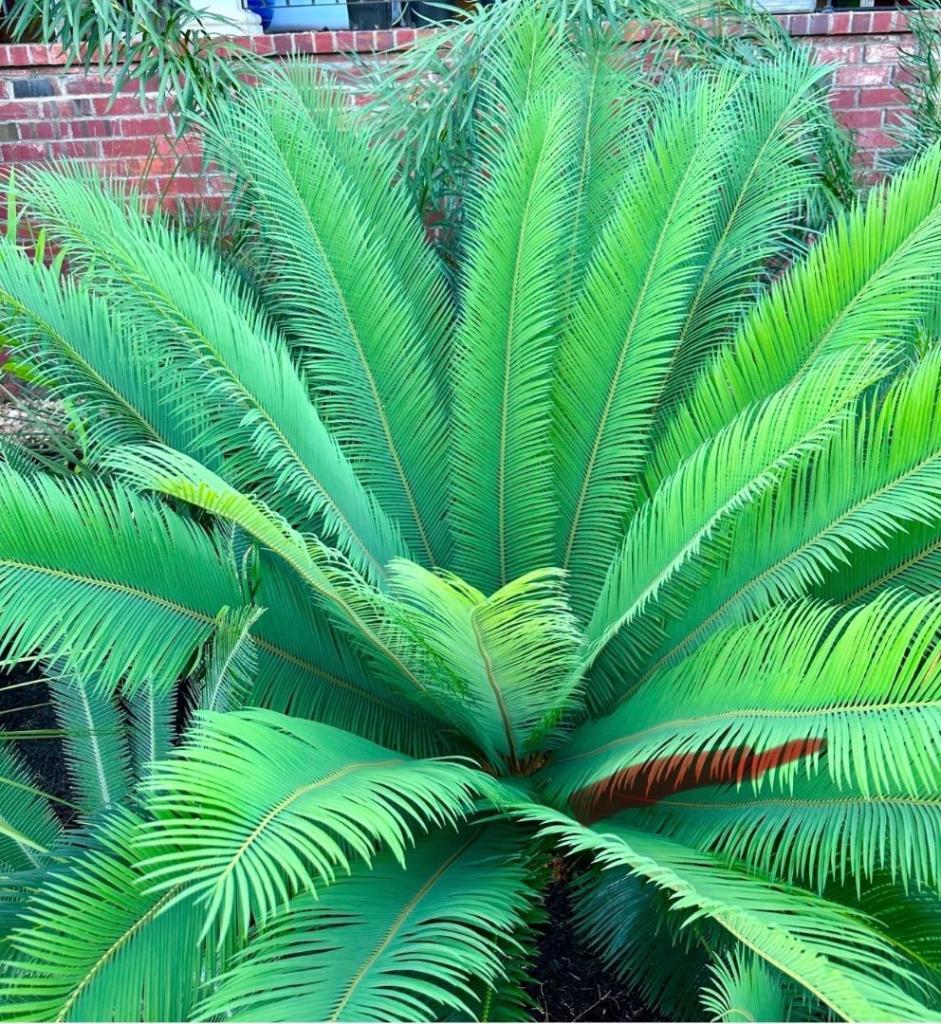
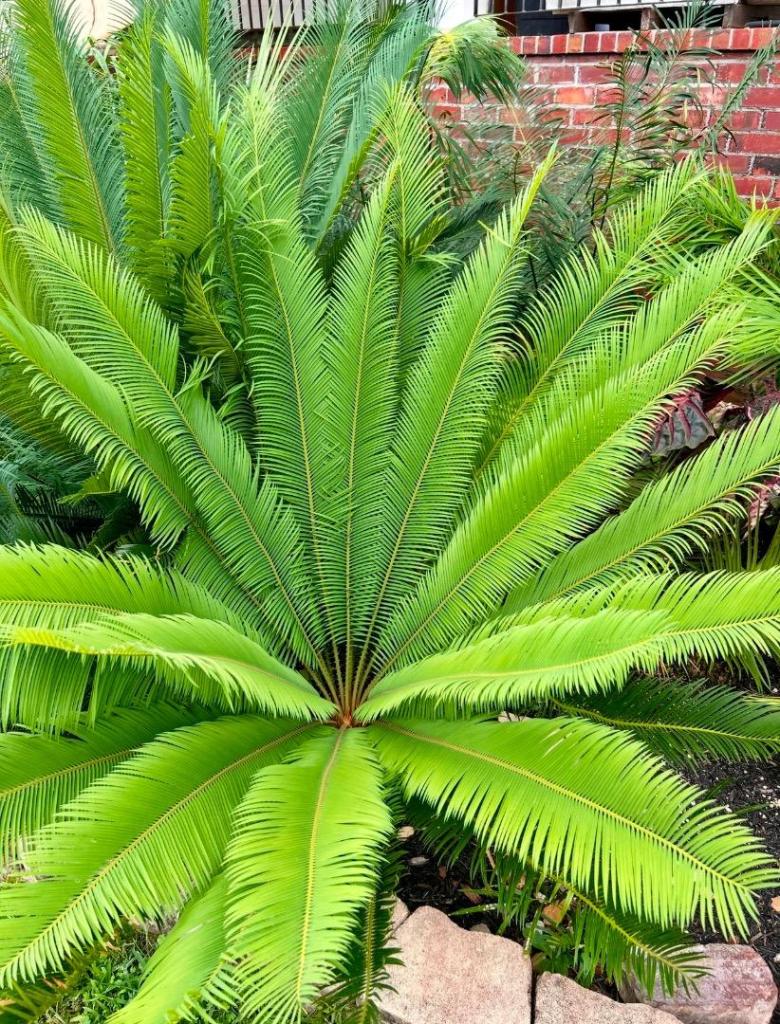
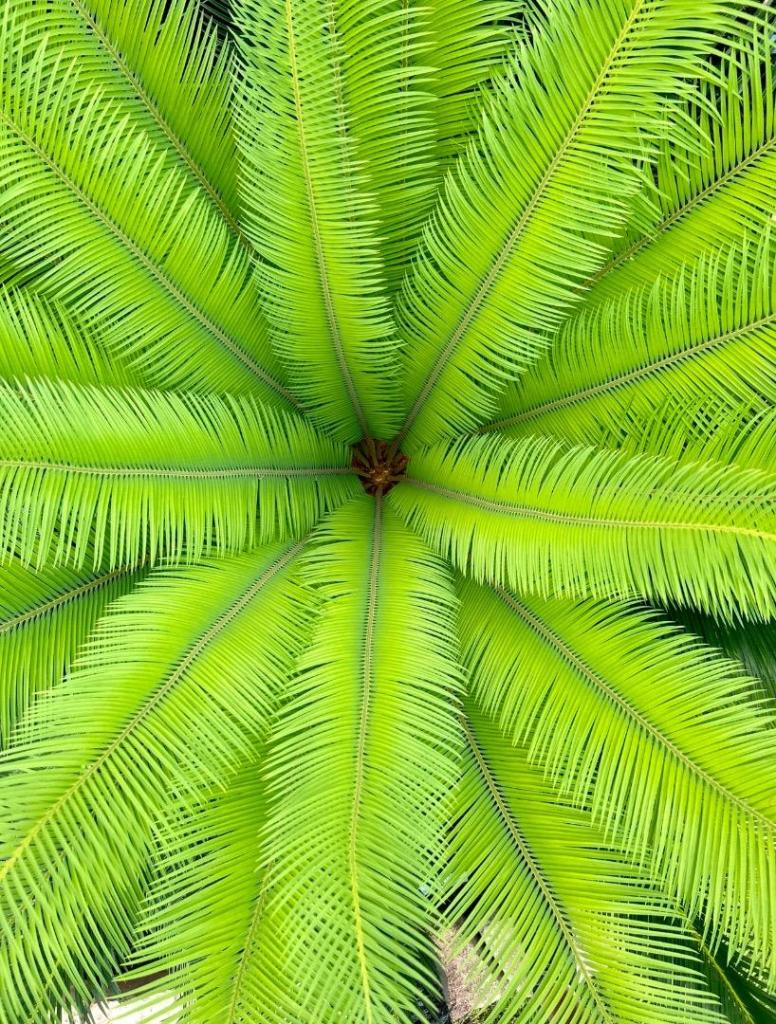
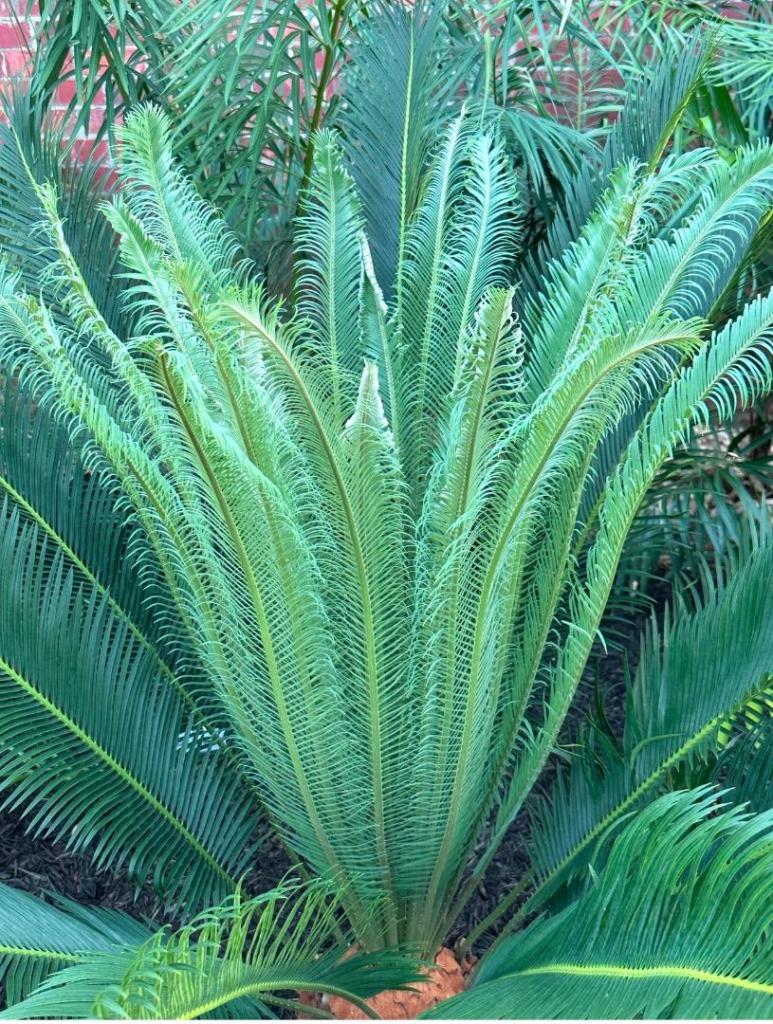
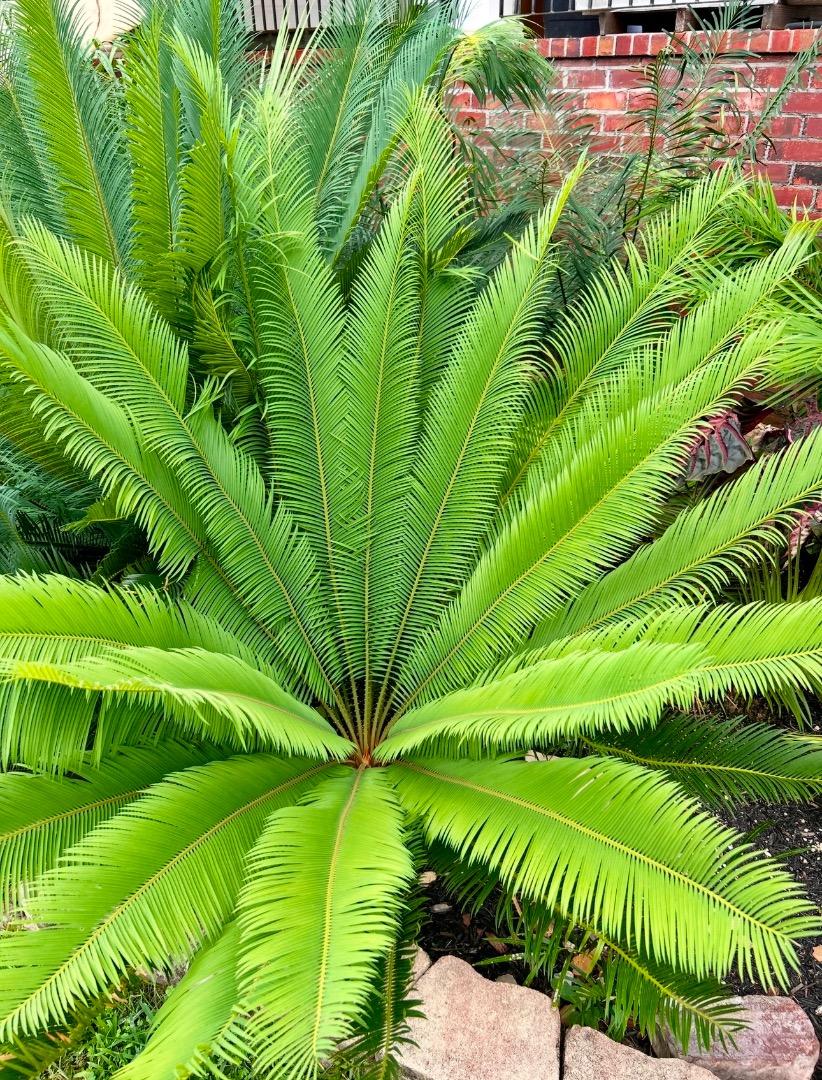
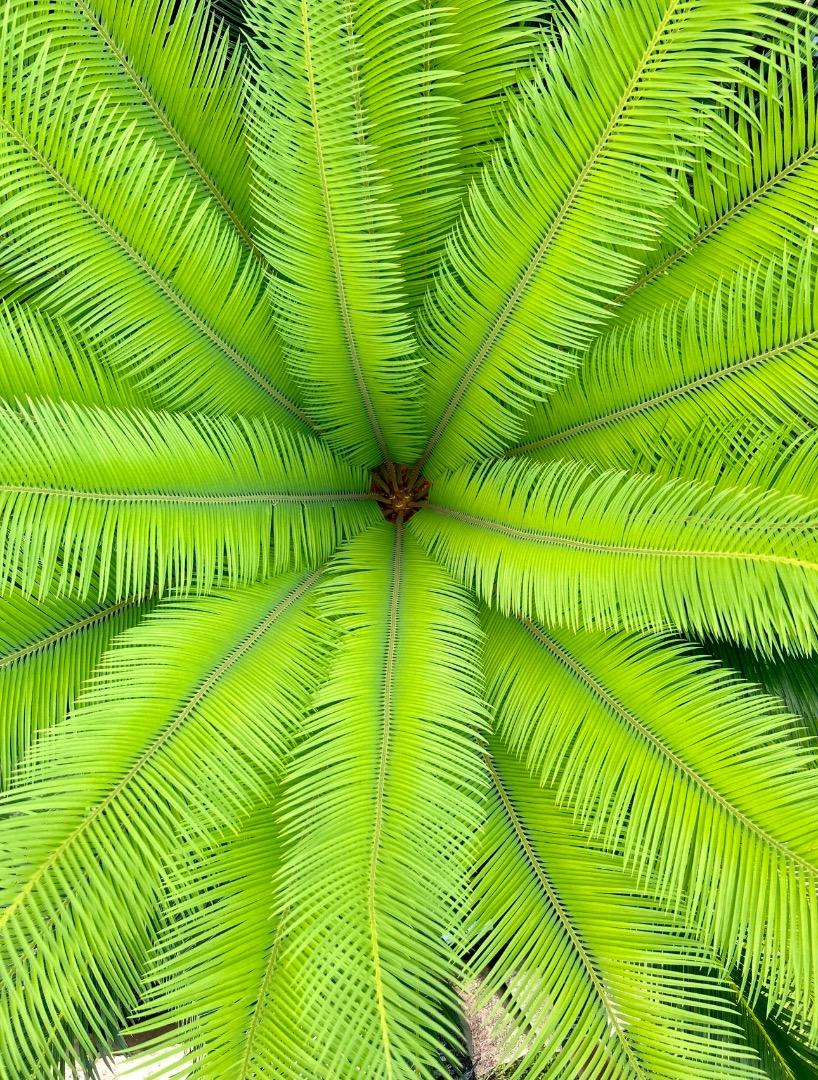
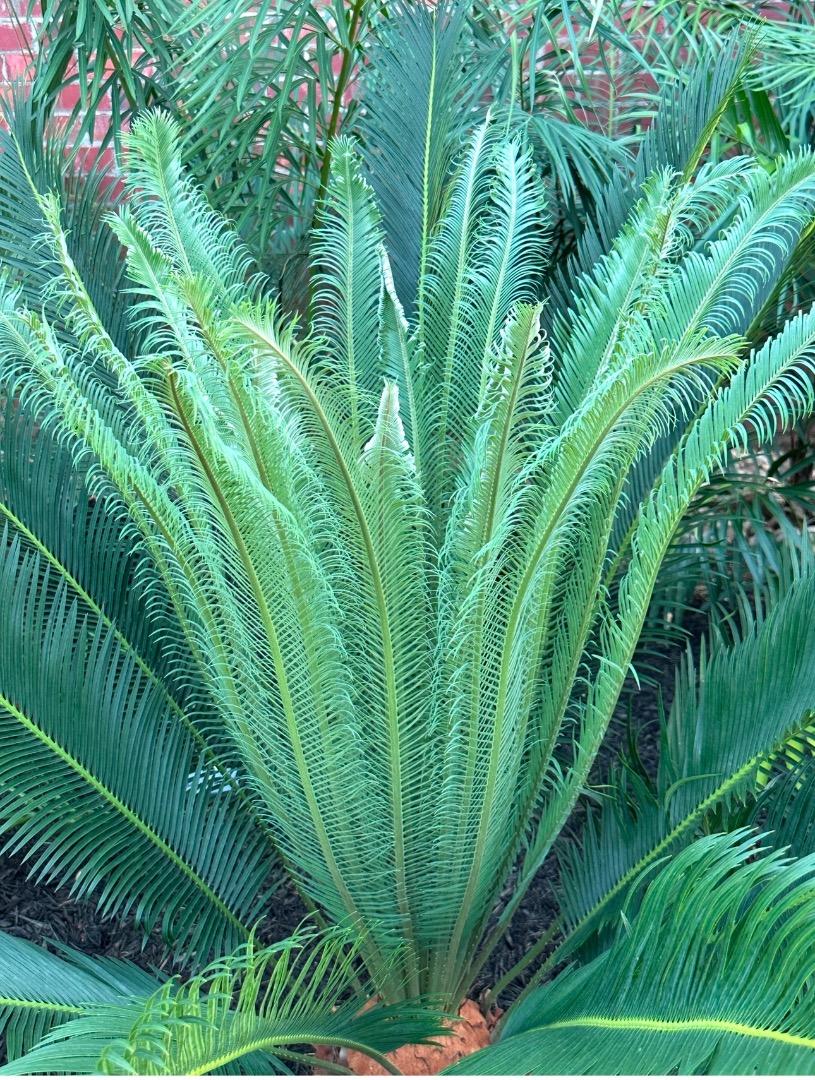
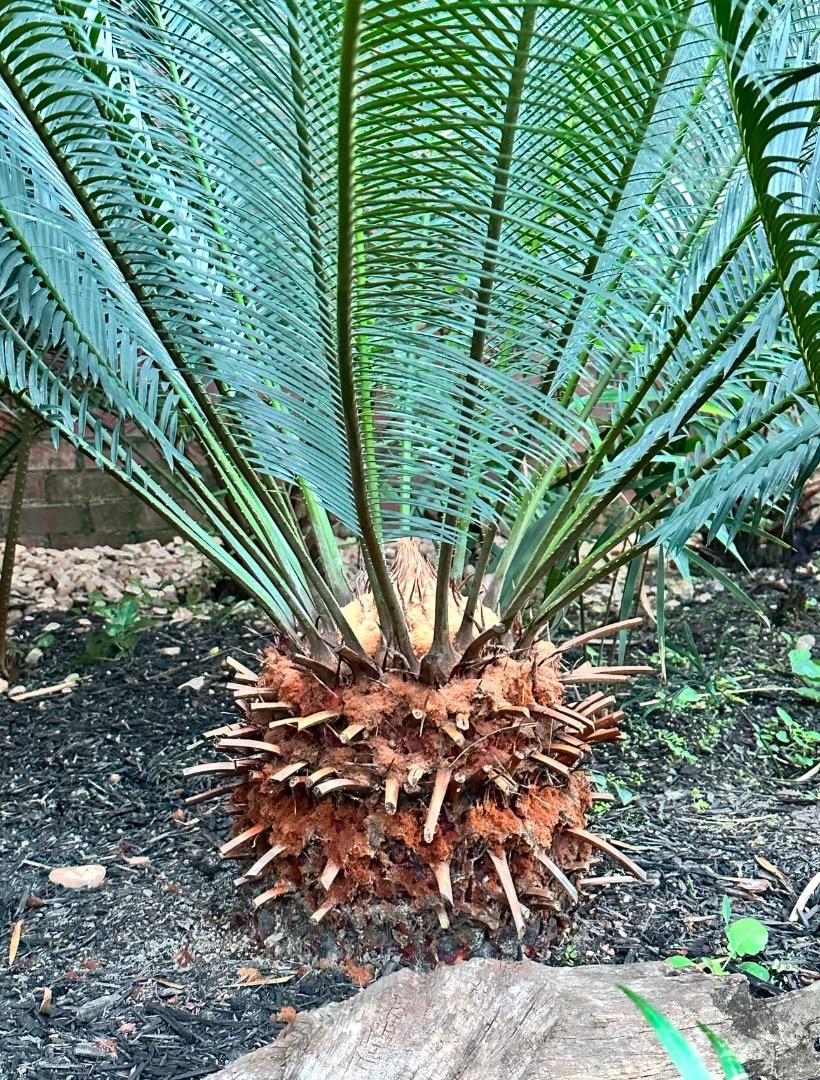
 Cycas panzhihuaensis x Cycas taitungensis is a nice hybrid. Nice color while flushing. Planted a group of these in garden with 1” caudex a little over 4yrs ago.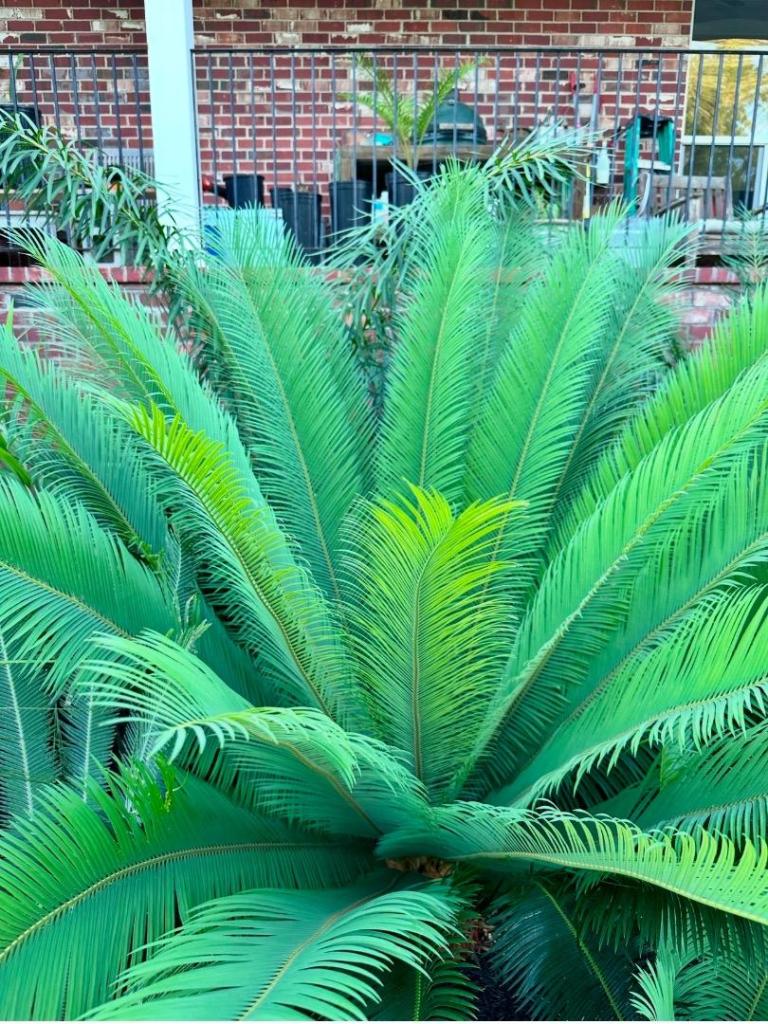
 4 points
 -
4 pointsFrom the Mercer Botanic gardens yesterday. It’s hard to really understand the size of these palms unless you see them in person. Especially the uresana.


 4 points
 -
 3 pointsFinally obtained a place in Mazatlan. got some Trachies I grow from seed Would these do fine in full shade down there?3 points
 -
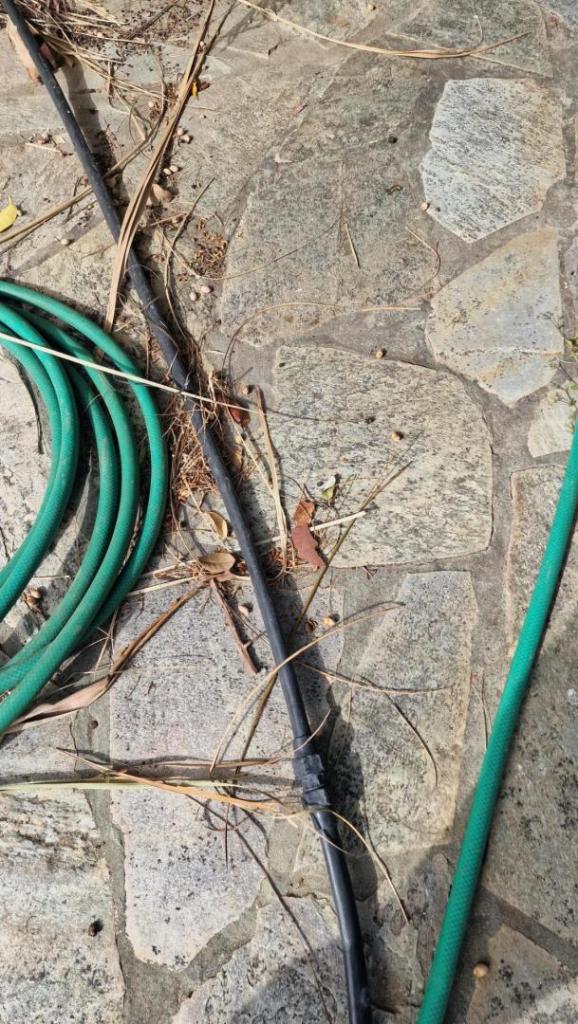
 Every time my L chinensis ripens fruits (every couple of years), I can see a layer of cleaned seeds below the crown. Obviously a kind of animal loves the pulp. I can think of rats but I have also seen once a magpie carrying a fruit. I had once to clean also blue colored bird droppings in my balcony, because I made the mistake to leave full of water my dog's bowl, while I was absent. But I think a bird in the size of a magpie would swallow the whole fruit. How possible is that a bird can clean off the pulp so thoroughly?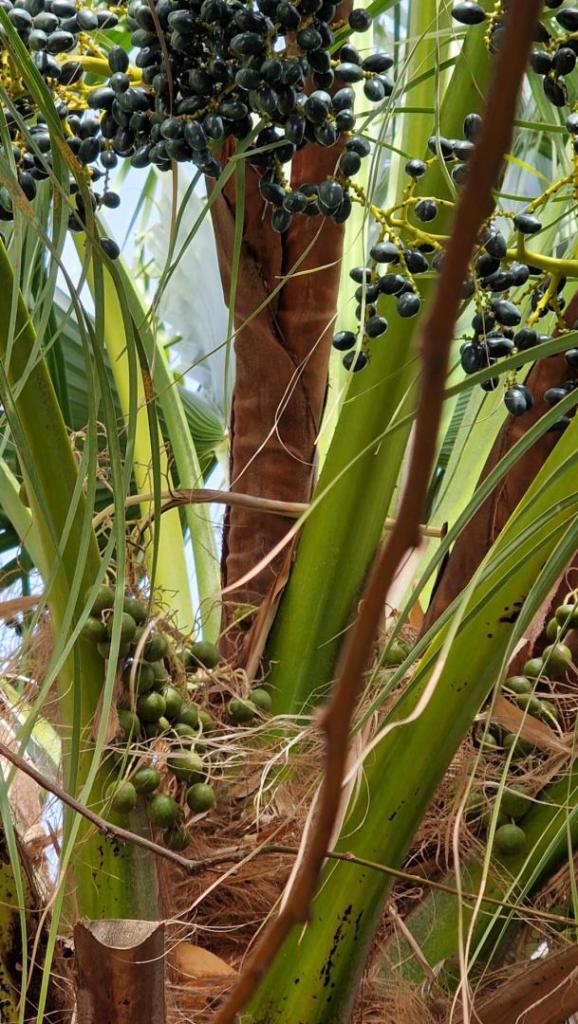


 3 points
 -
3 points
-
 Seed is fairly available and easy to sprout so you might just have to give it a go! I can confirm that they don't mind prolonged cool weather but my seedlings have never seen much above mid 20's centigrade with high humidity.3 points
 -
 3 pointsI think Trachycarpus don't like hot & humid climates. But maybe it will be fine as long as it's not completely exposed to that type of conditions.3 points
 -
 2 pointsIt’s been nearly a month since a surprise frost caught me off guard. I thought it would look like a Tillandsia war zone but…. not so much. Have a look at how most exposed species faired. These are plants that were under open sky with no canopy protection. A couple plants pictured, ice on the car for reference. Survivors/Death- 30F, below freezing for 5 hours, wet frost 1/27/25 (accidentally soaked garden plants w hose hours prior)- T. Houston- no damage T. Glabrior- possible very light spotting on one leaf, generally damage free, visible ice on plant) T. Purpurea- no frost damage, slight tip browning, could be from environmental adaptation not related to frost (new plants) T. Plagiotropica- no damage T. Ehlersiana- no damage T. Recurvata- no damage T. Fasciculata (Tropiflora)- no damage T. Fasciculata- no damage T. Albertiana- no damage (visible ice on plant, bottom of cluster frozen to its mount) T. Ixiodes- no damage T. Cacticola- slight edema, on a couple leaves T. Dasylirifolia- no damage T. Kickiae- no damage T. Extensa- no damage T. Latifolia- no damage (thin layer of ice covering plant) T. bergeri- no damage T. Hammeri- no damage T. setaceae- no damage T. Intermedia- no damage T. secunda (silver) seedlings x2- both dead ***This wasn’t a hard test but enough of one to show how hardy some of these plants are.


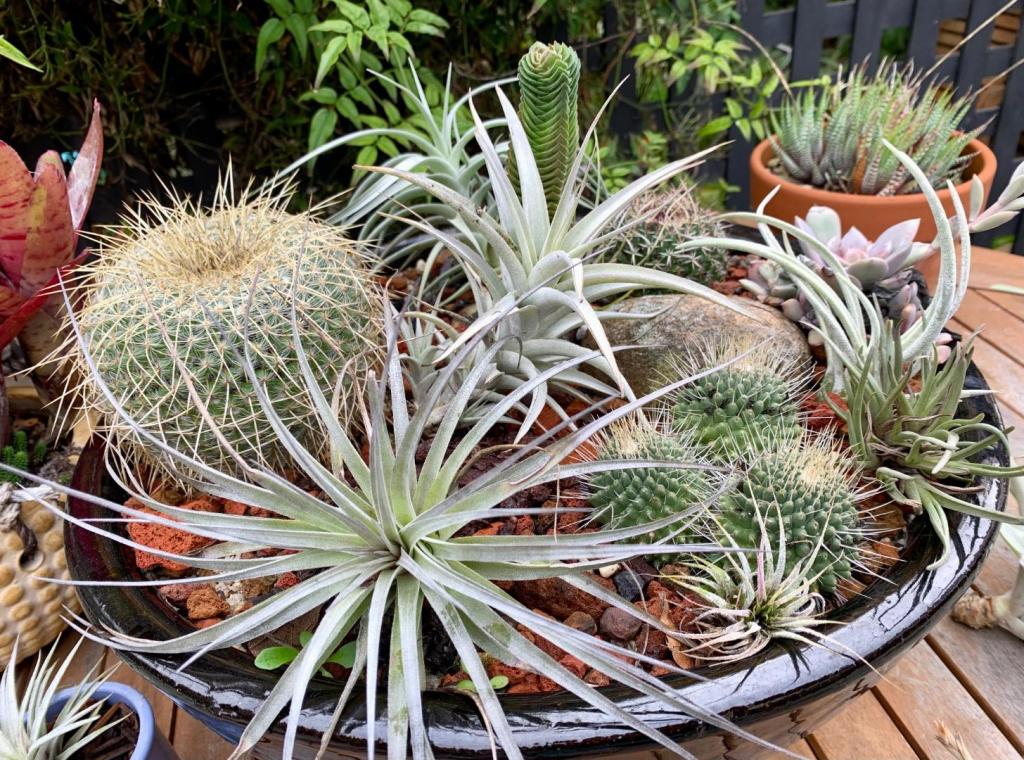


 2 points
 -
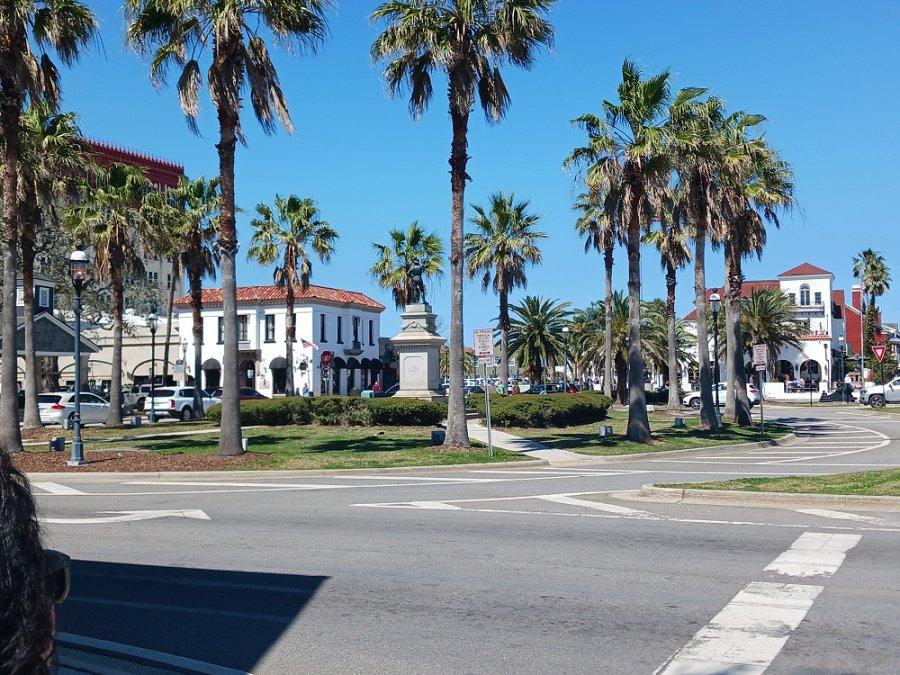
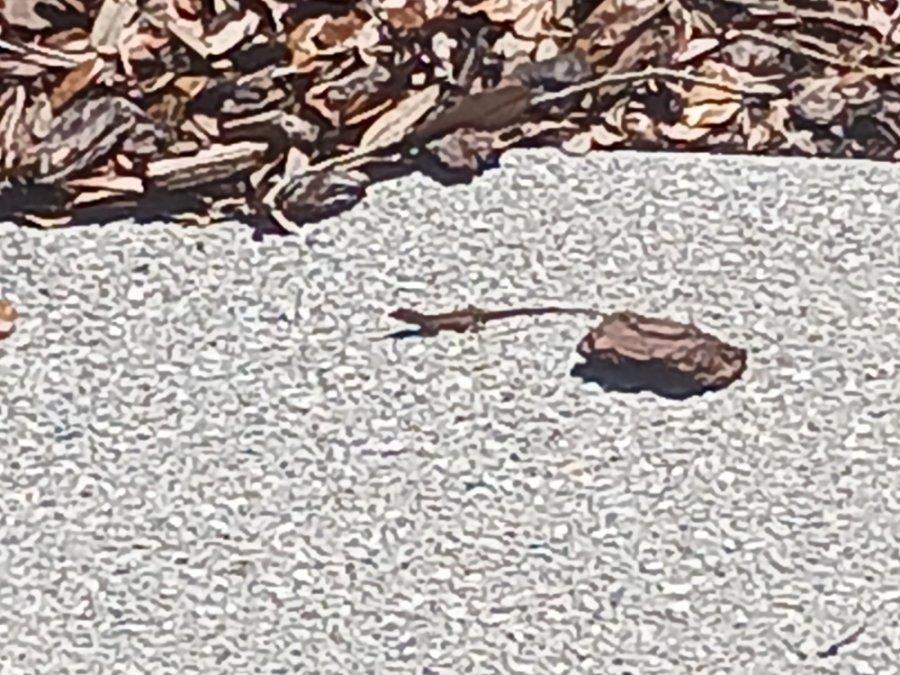
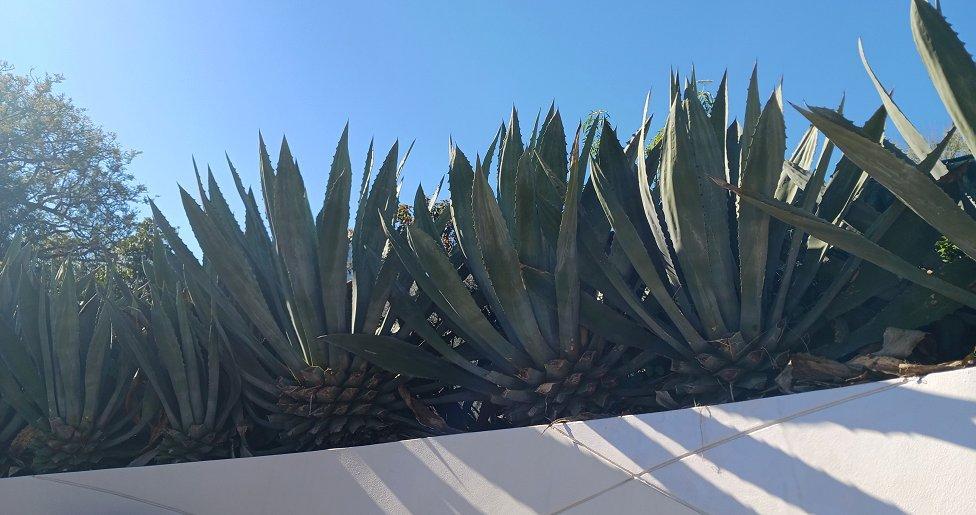
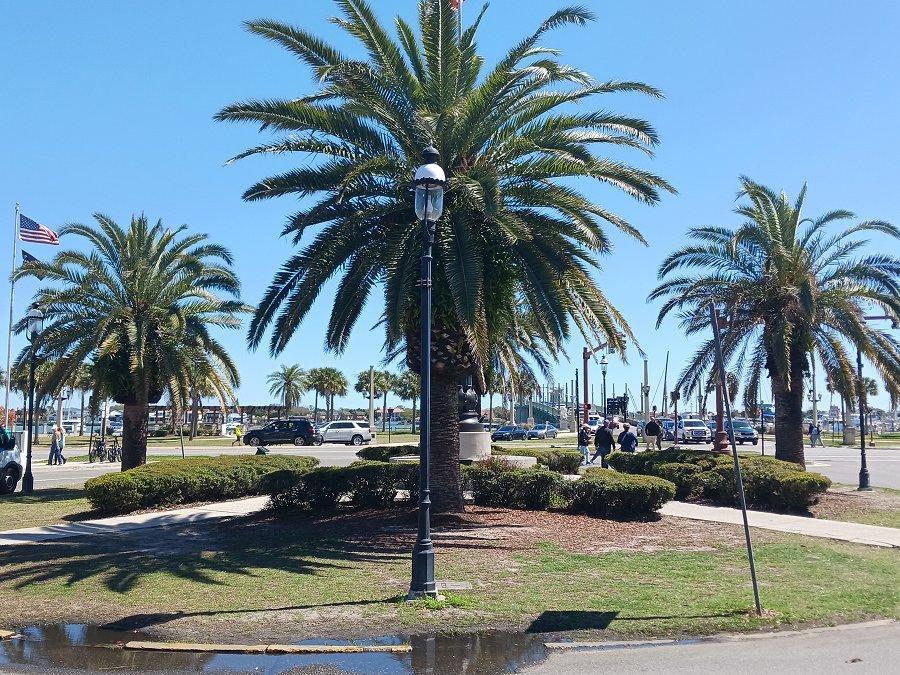
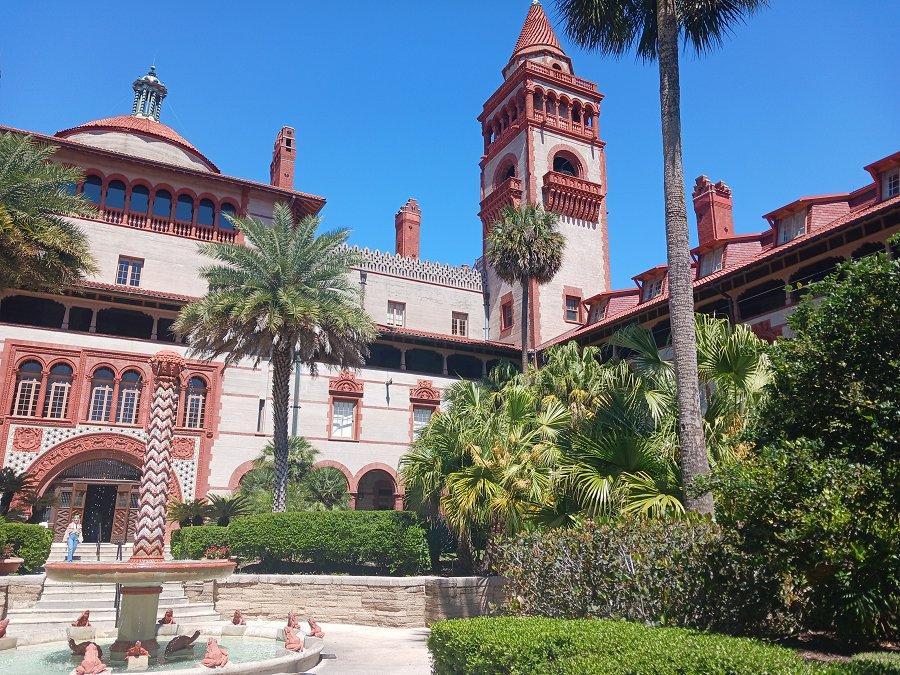
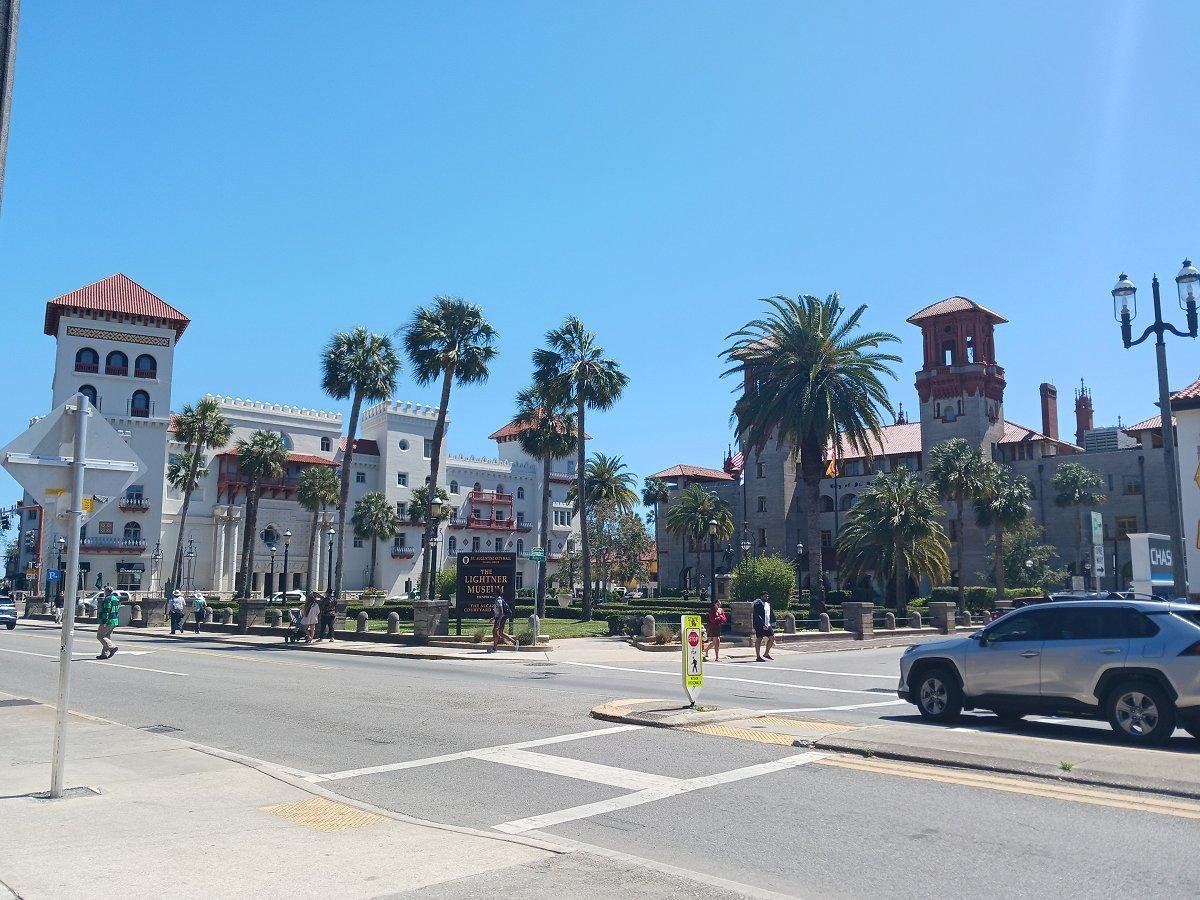
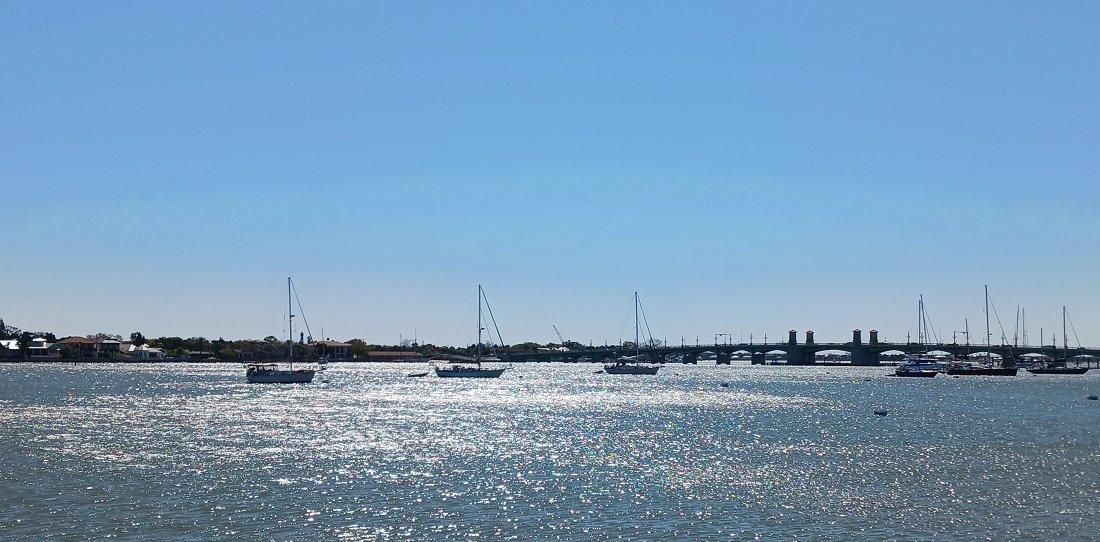
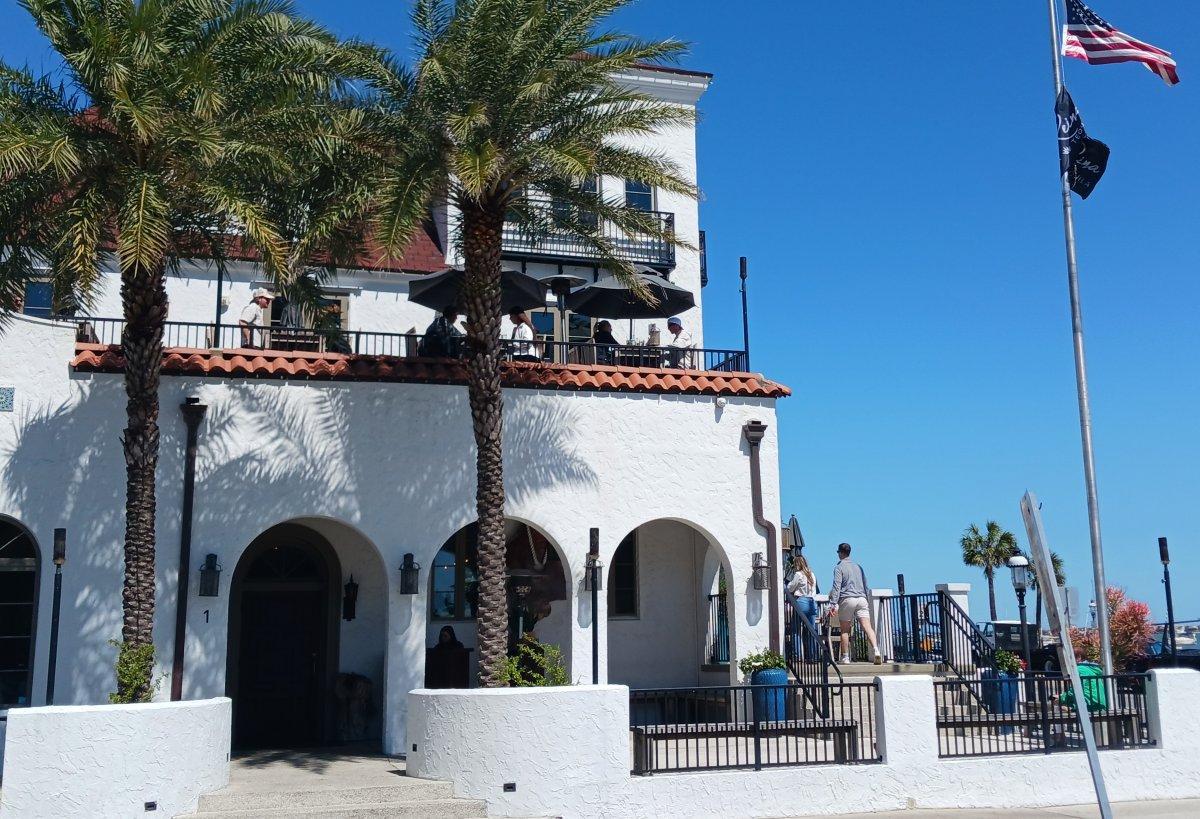
 Passed through one of my favorite East Coast cities a few days ago – the north Florida city of St. Augustine. This Spanish influenced city is one of the first settlements in the United States, and the old city quarters downtown have been well preserved. A late winter walk through the old quarters of the city was nice and I was able to see several different types of palms. Climatically, St. Augustine is zone 9b/10a (lowest temp this past winter was 32 F/0 C in January). This a low latitude humid subtropical climate, with dry, sunny winters, and a summer rainy season. Until the summer thundershowers get going in May, winter and early spring can see drought and at this latitude (28.9 north) many of the palms and plants can look sun pulverized in late winter (the Sahara is located due east across the Atlantic from St. Augustine - lol). Some random shots: Castillo de San Marcos is the oldest masonry fort in the United States (built in 1672) when Florida was part of the Spanish empire. Three 50-foot Sabal Palmettos line the old fort: Looking toward the Casa Monica resort hotel – Sabal Palmettos, Washingtonia palms, and Canary Island Date Palms: Scrubby yuccas, lizards, agave, and hot afternoon sun in this north Florida city: Waterfront area near Bridge of Lions – Canary Island Date Palms : The courtyard of the old Hotel Ponce de Leon with many palms and other exotics enjoying the March sun: A nice green March landscape on the pathway to my hotel: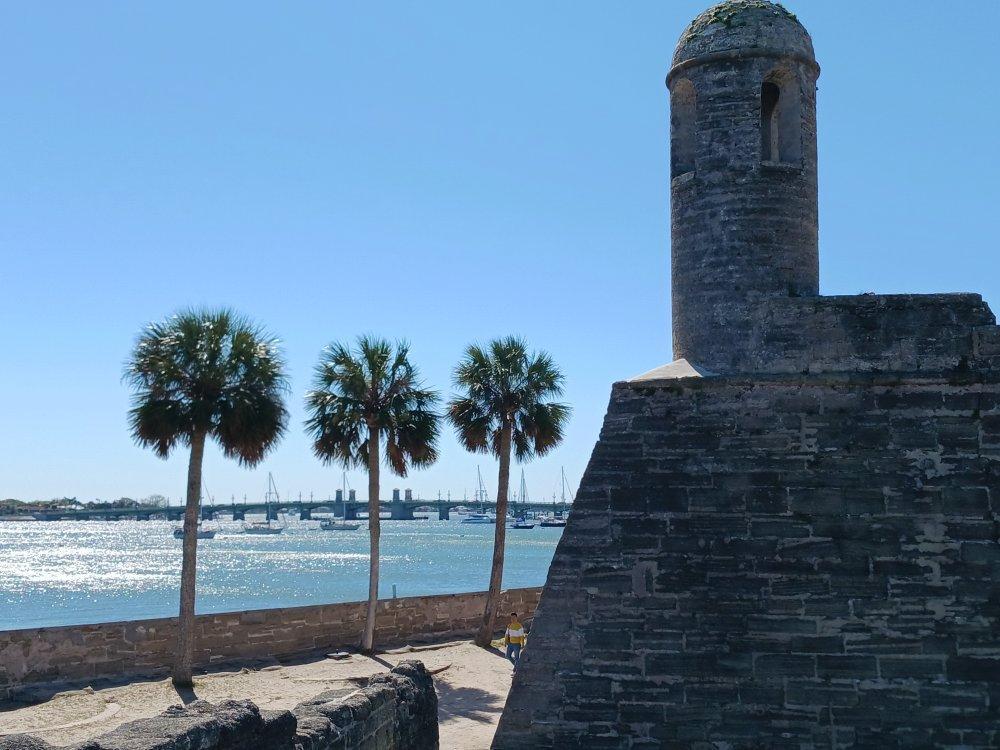




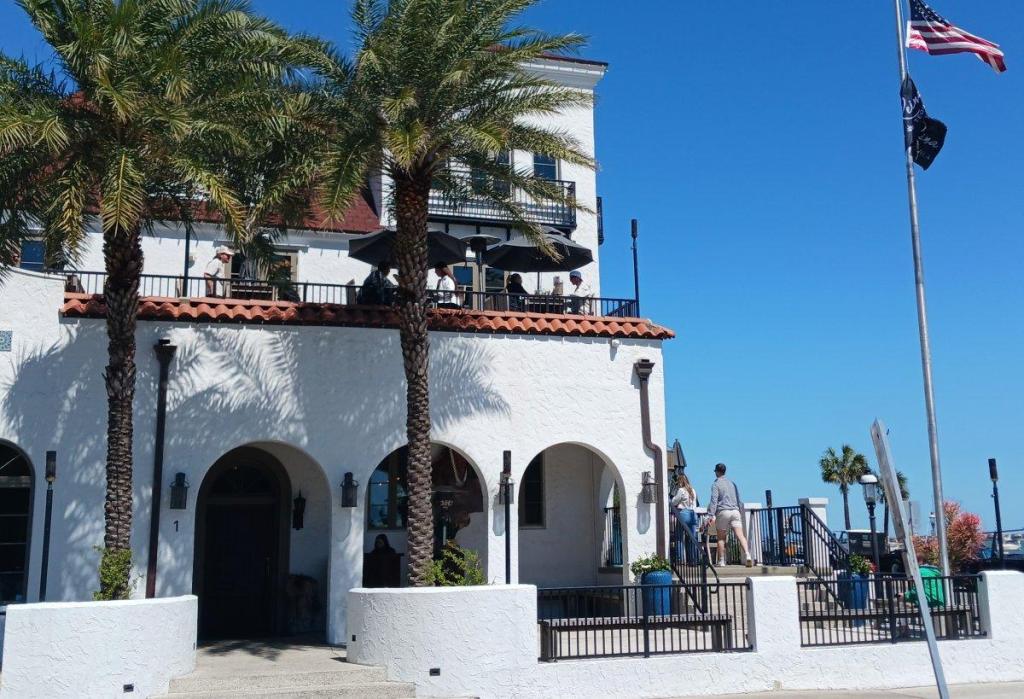 2 points
 -
 konstantinos I also find 50% of the seeds fallen to the ground cleaned from the pulp2 points
 -
 Be sure to amend your soil if you have clay - Serenoa seem to need well draining soil. Silver form does seem to be more cold hardy but I'm not aware of any variation of cold hardiness based on providence.2 points
 -
 2 pointsThanks, I hope to protect it better next winter. Southeastern Virginia.
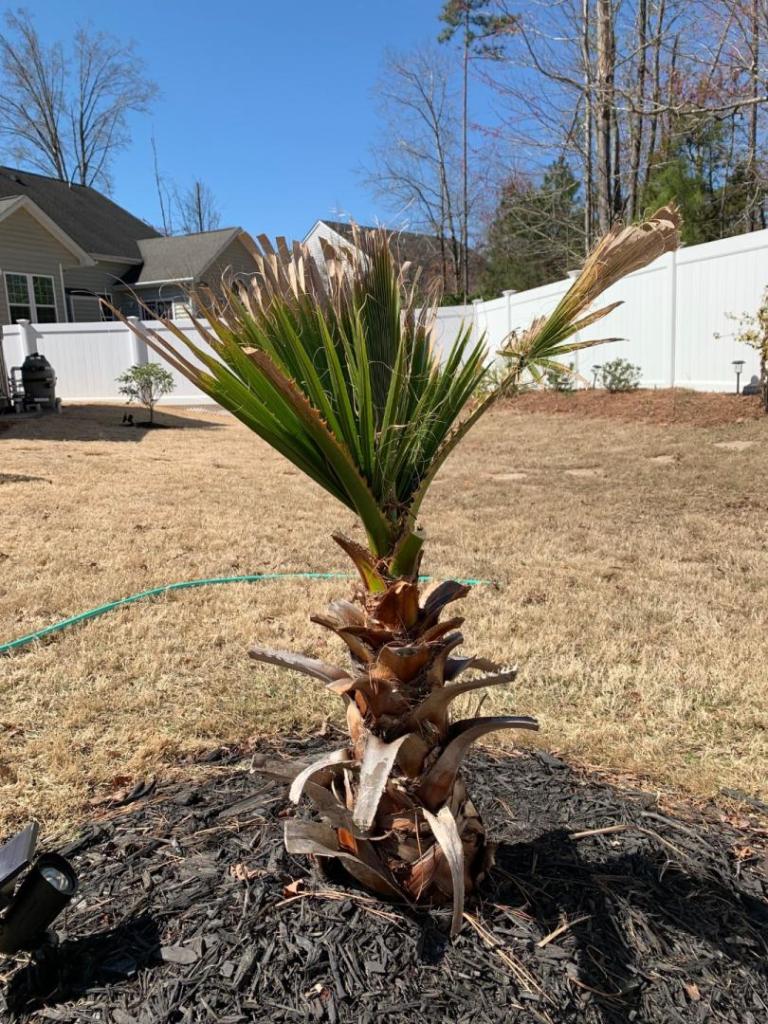 2 points
 -
2 pointsI have a few clumps around my house. All have been flowering for many years , the trunk that flowers will die and the others continue to grow . A constant cycle of rebirth on these . I usually cut down the stems once the fronds quit looking alive. Harry2 points
-
 Sabals are everywhere, they are literal weeds, I can’t imagine anyone in a FL 9a wanting to add Sabals to a landscape already littered with Sabals. Not to mention their growth rate is nothing to write home about. I would only make an exception with the Lisa’s. I think the OP is hoping for a more exotic looking landscape. To get what he wants he will need several varieties of palms to check those boxes off.2 points
 -
My coldest temps here are 38f or 3.3c. I consider my climate warm temperate with no frost on my particular lot . One city block down a steep hill below me there is frost occasionally. It is heaven for a lot of palms! Harry2 points
-
 Maybe Ptychosperma sp.? Hope that they aren't as weedy in Cairns as they can be in South Florida.2 points
 -
That is interesting. My guess would be a squirrel as the ground squirrels love my Butia fruit . I have never seen clean seeds though . After a soaking they would be ready to plant! Harry2 points
-
The parent is at least 30’ tall. I planted a bunch of them over 25 years ago for canopy . I have a few that grew much faster that others even though they were all the same size when planted. Harry They easily out paced almost anything else I planted . This is right after tree trimming just before fall last year. To the right is a Venezuelan Royal that is marginal for growing in my climate. This Caryota Urens was the only palm that kept up with the Syagrus R.
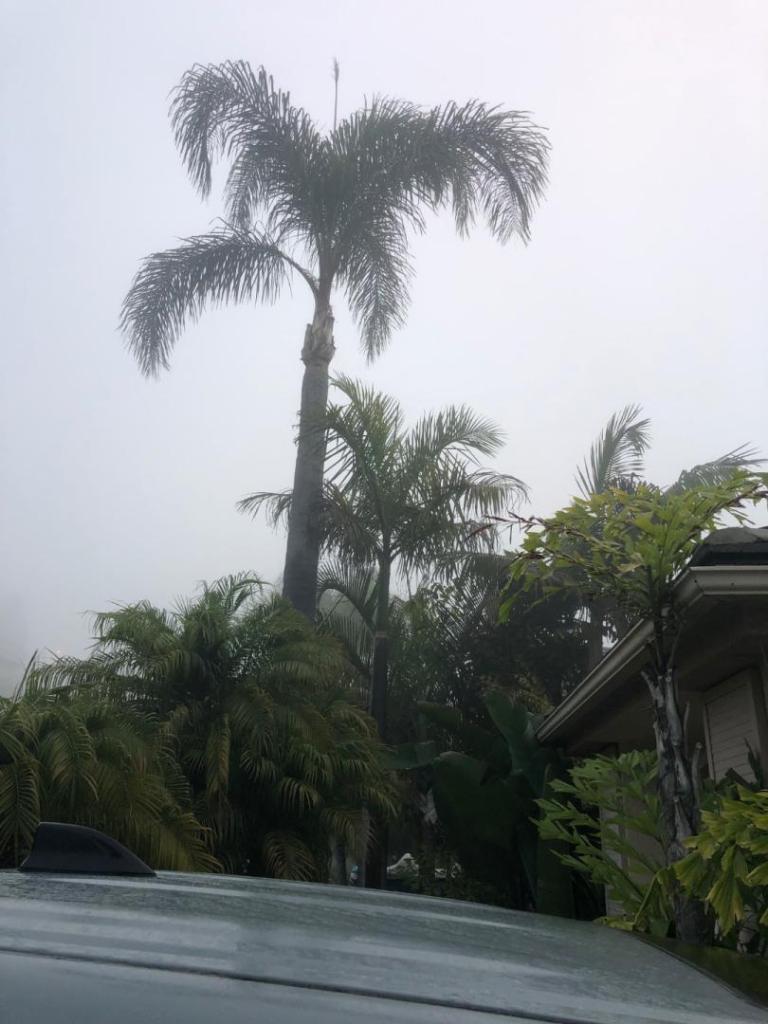
 2 points
 -
Hello Mazat they resisted -5.6 degrees celsius in January 2017, no signs of suffering, temperatures never seen, this year we never went below zero, they are very tall, the fo made from seed in the 80s2 points
-
 becariophoenix alfredii are not cold hardy to low 20s at any size.....they seem to be about same hardiness as foxtails. They don't like frost and no cold less than a rare upper 20s.2 points
 -
2 points
-
That is a great question? I have a few Parajubaea hybrids, but can straight Parajubaea survive hot humid wet summers? If so which variety would be best?2 points
-
100% agree, some things might work in 9a for a couple of years but is it worth the time and money if it's eventually doomed. Sabal palmetto should be growing like weeds in those areas mentioned, but there is such variation and beauty is other Sabals available. Just slow as dirt.2 points
-
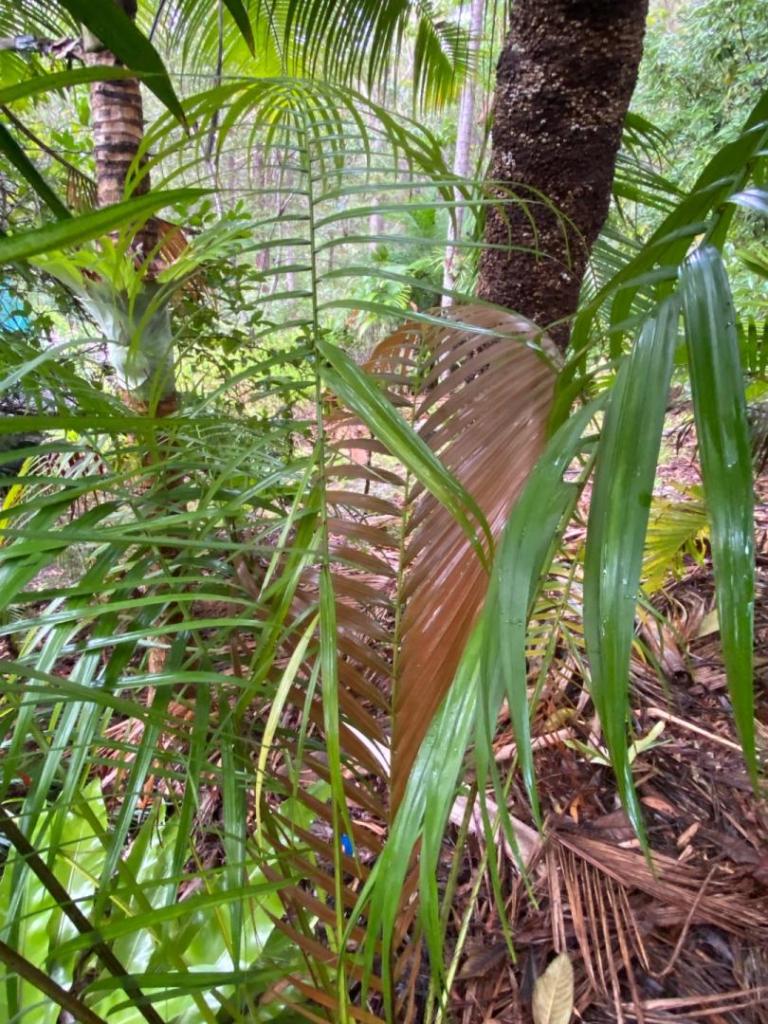
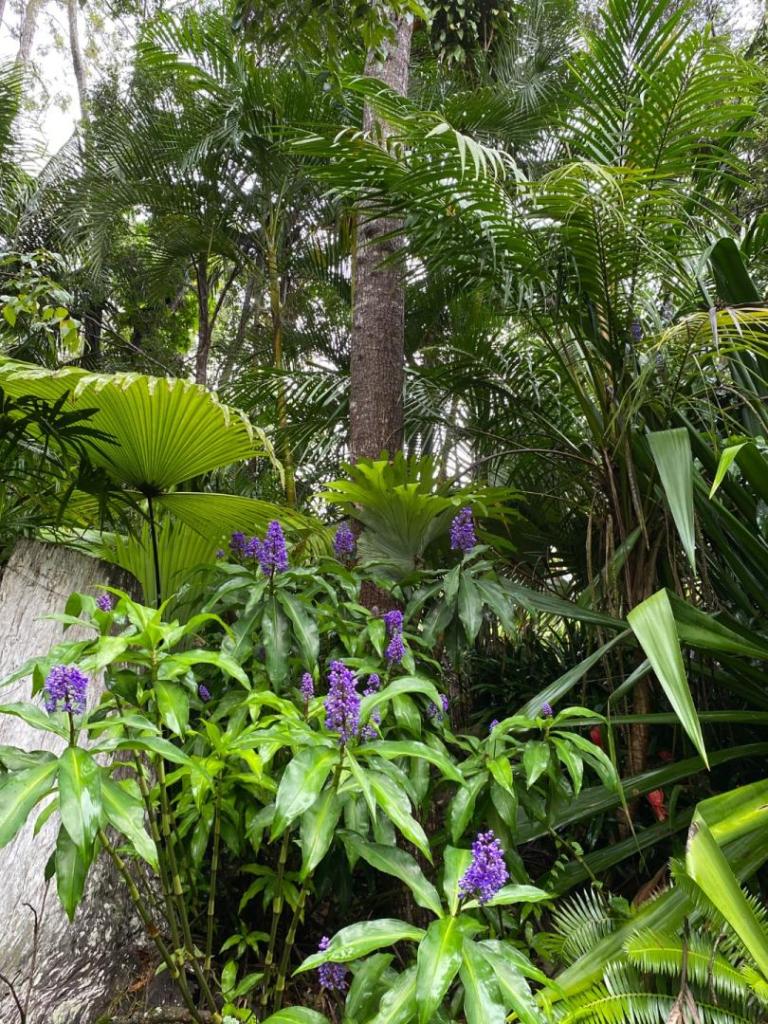
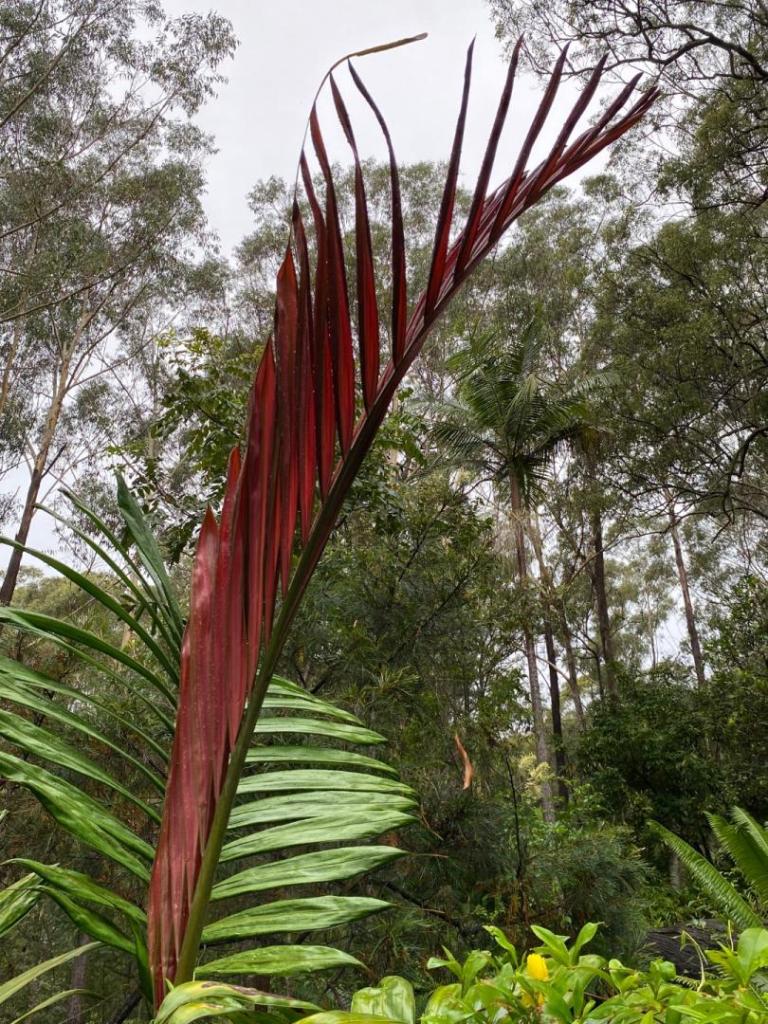
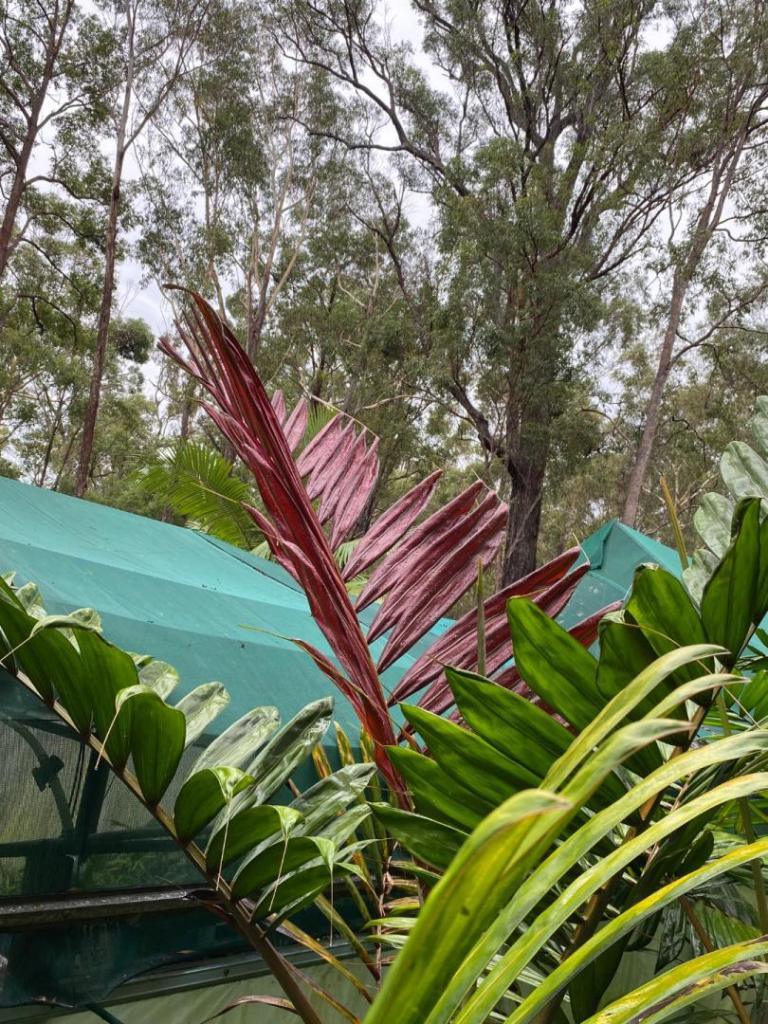
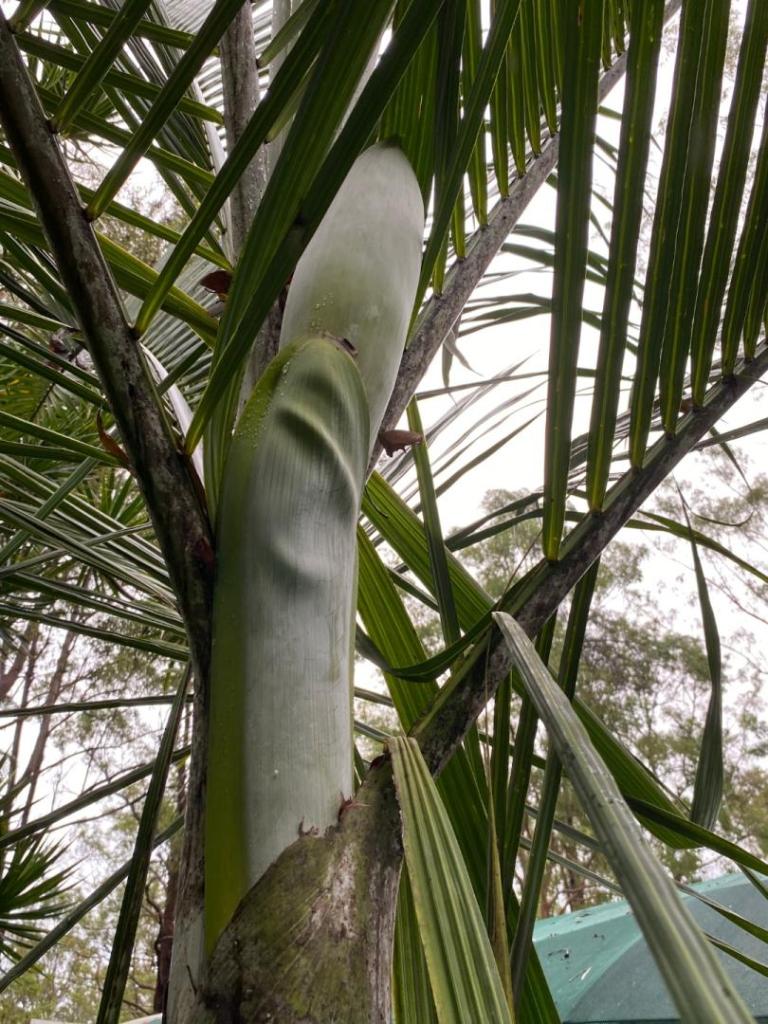
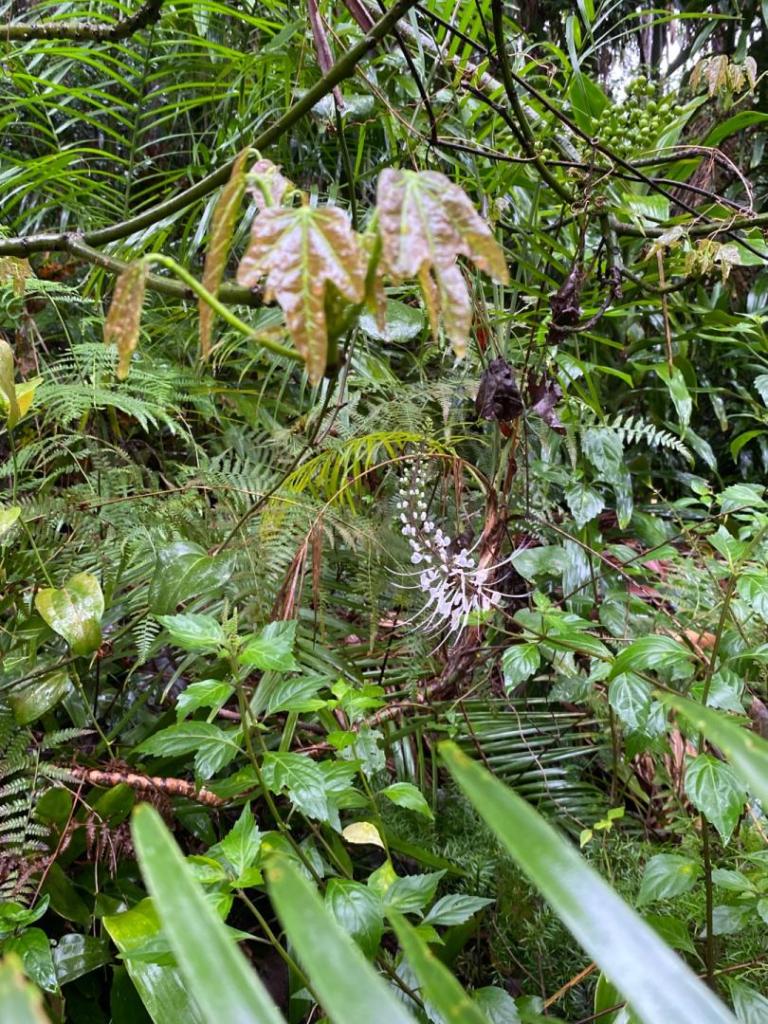
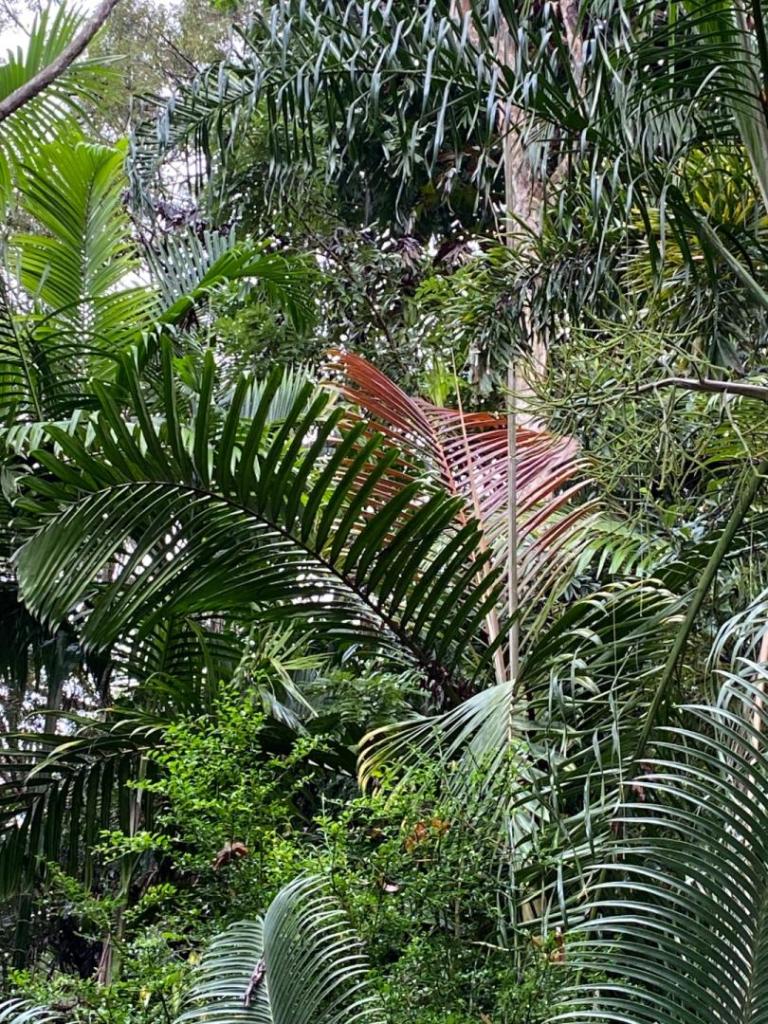
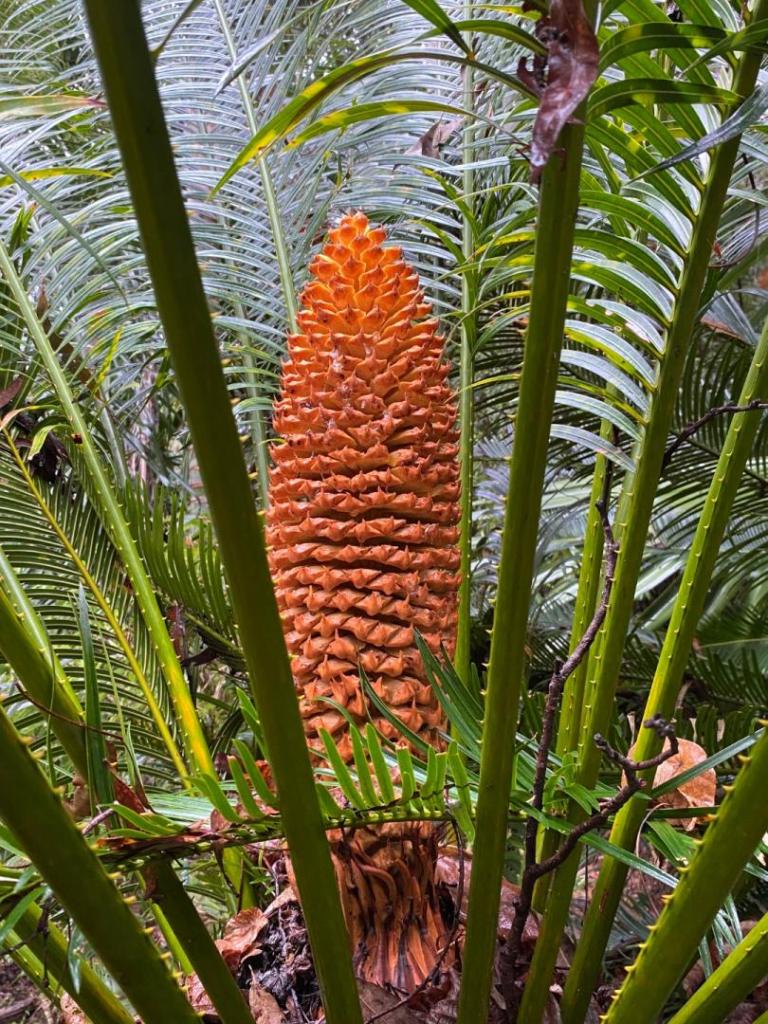
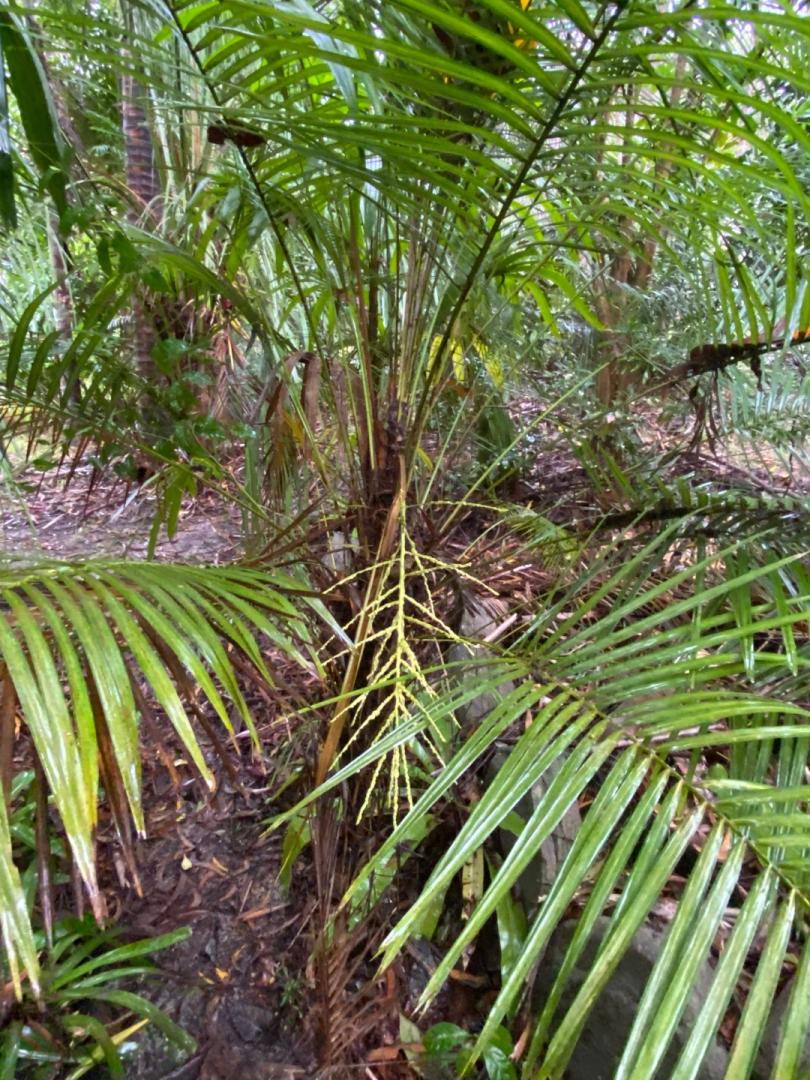
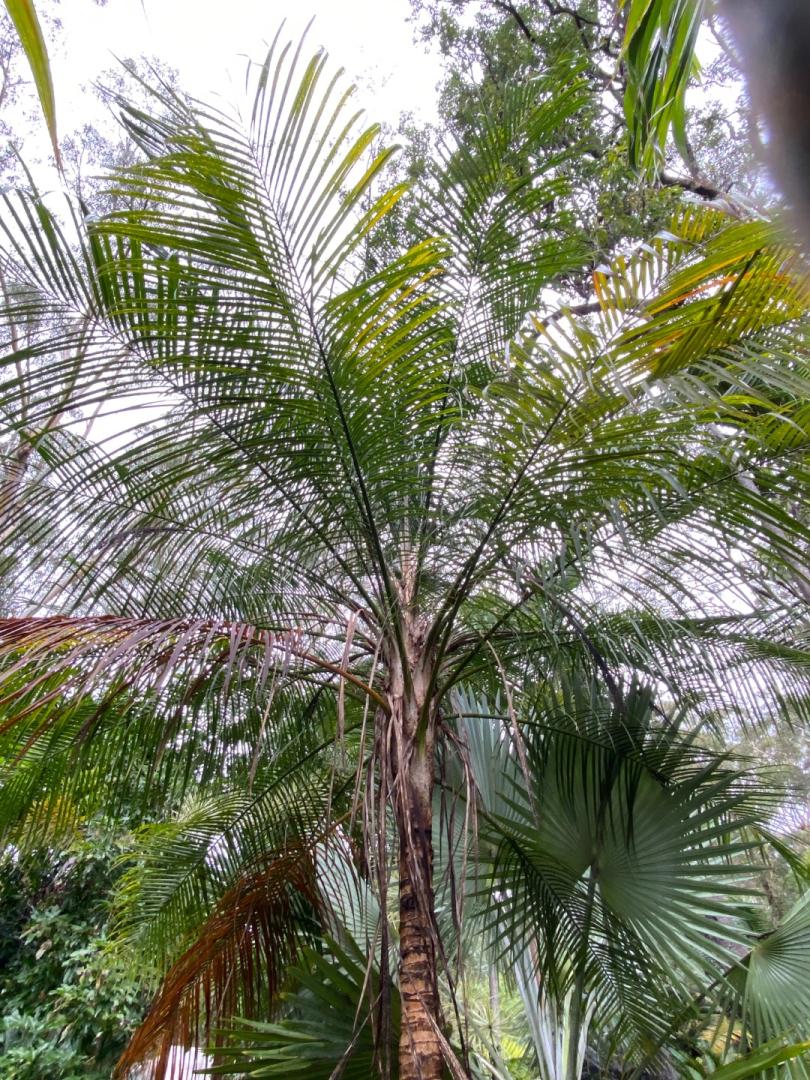
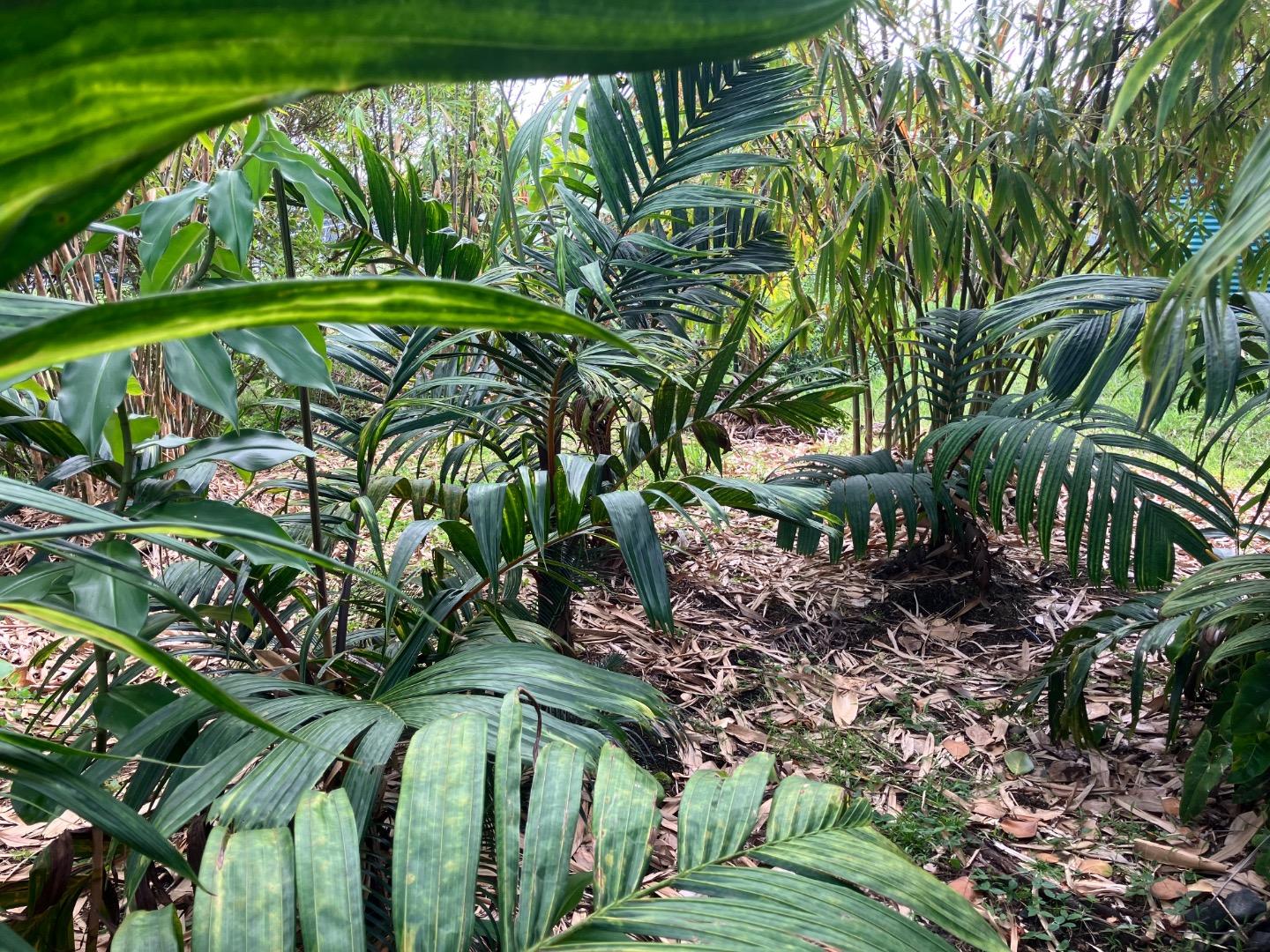
With another inch of rain on top an already soaked ground the garden is starting to look pretty good. With the temperature in the high 20s degrees Celsius keeping the soil temperature up is a good thing for new growth that’s benefiting from the good rain.



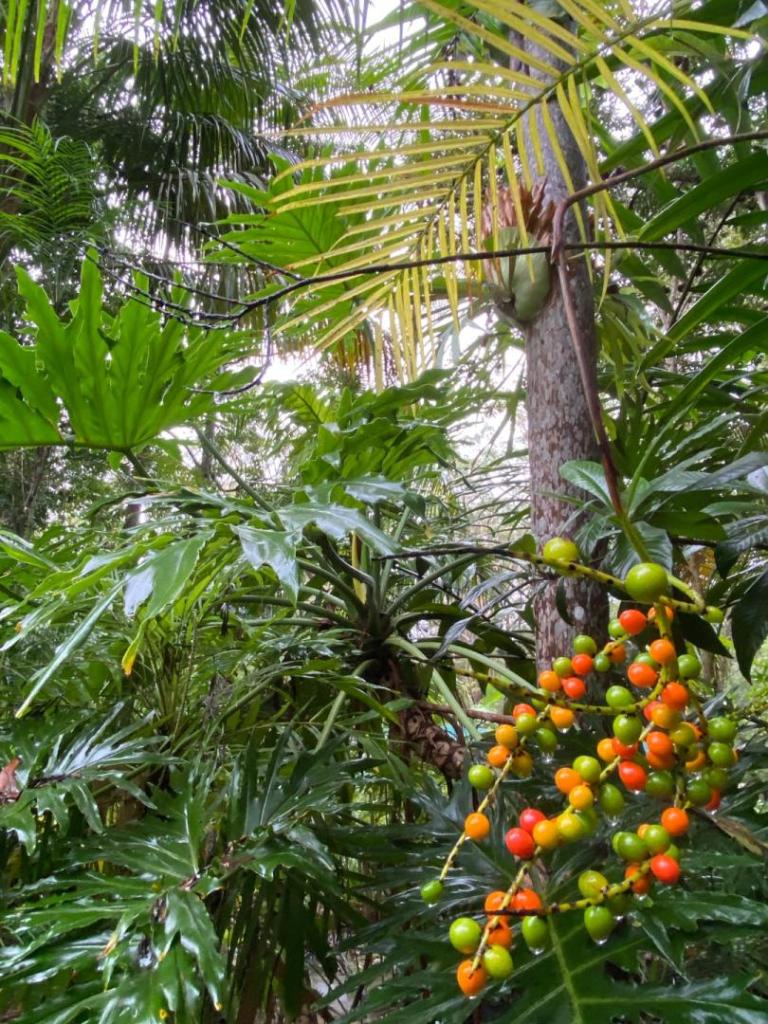
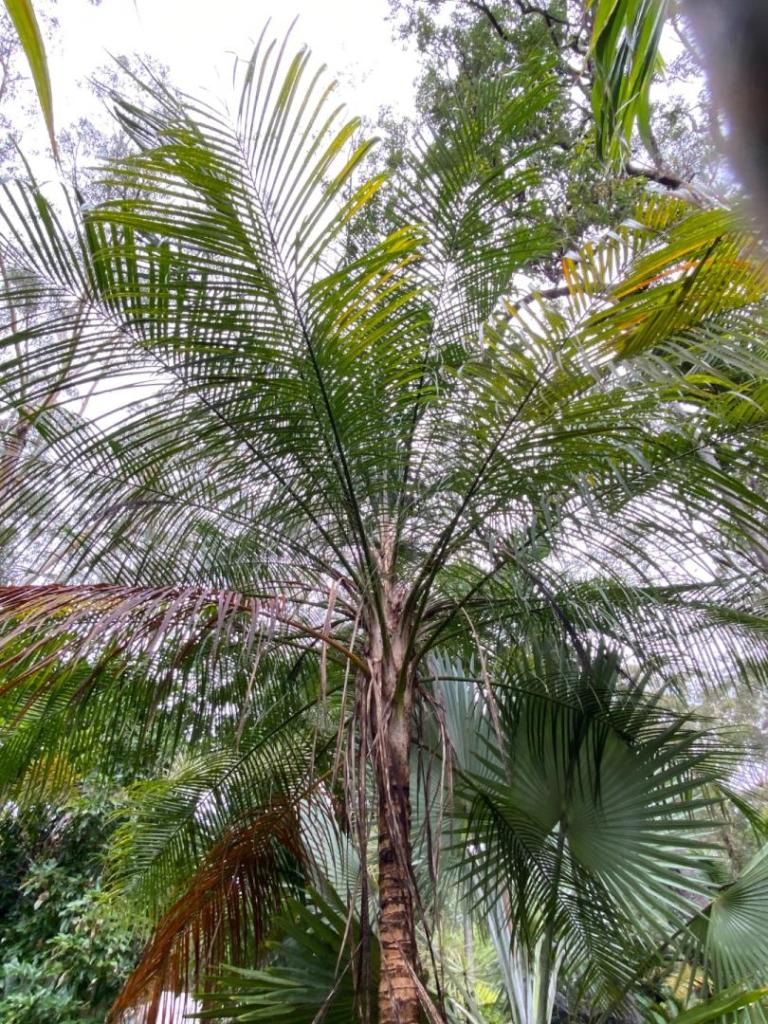
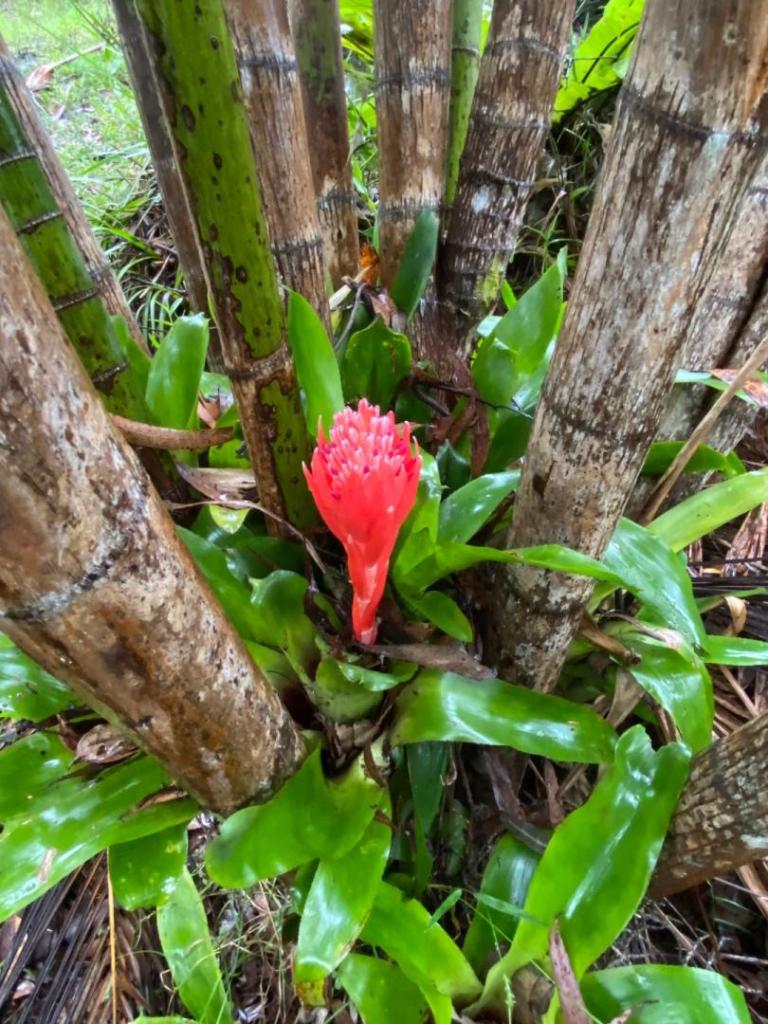
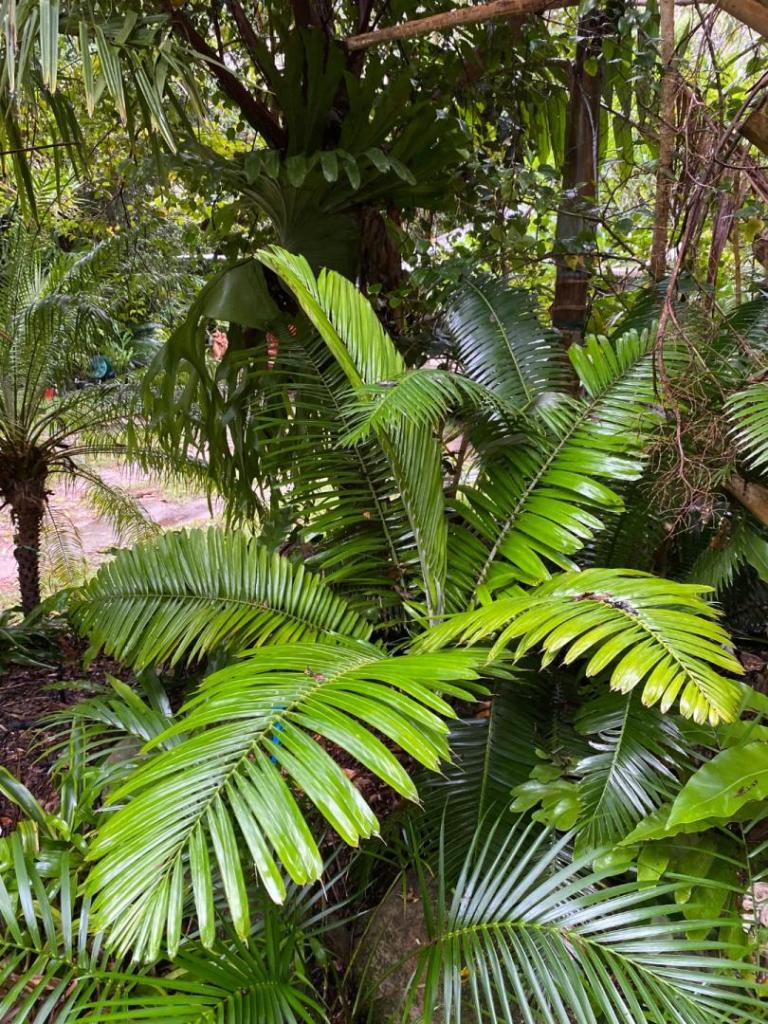
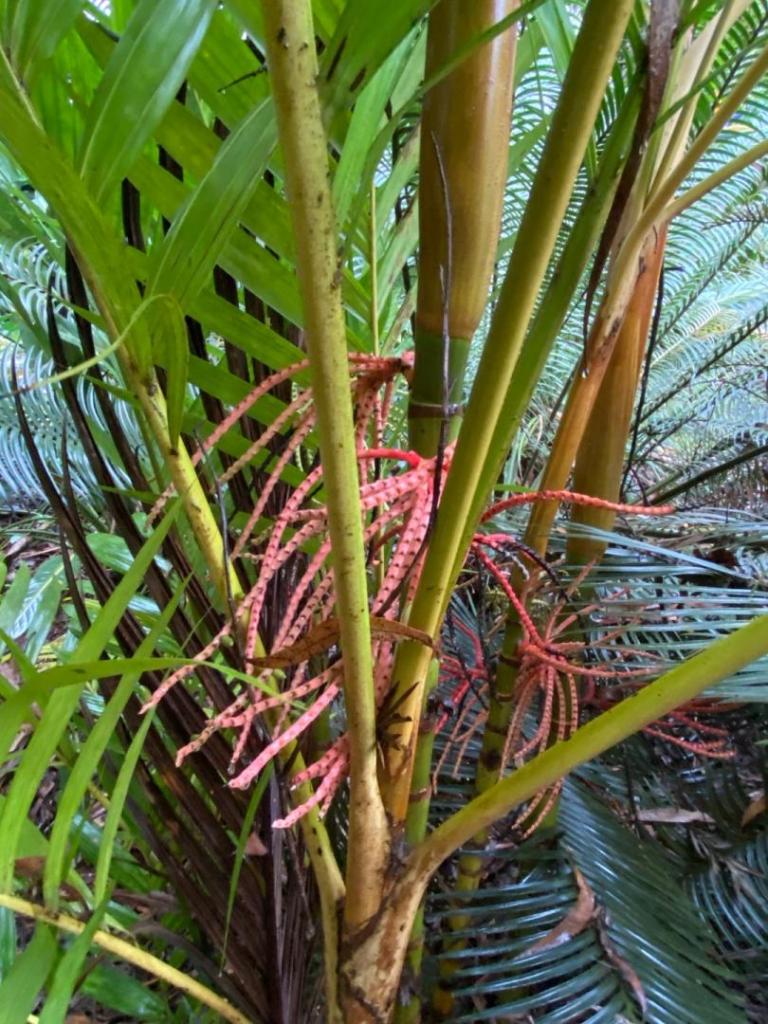


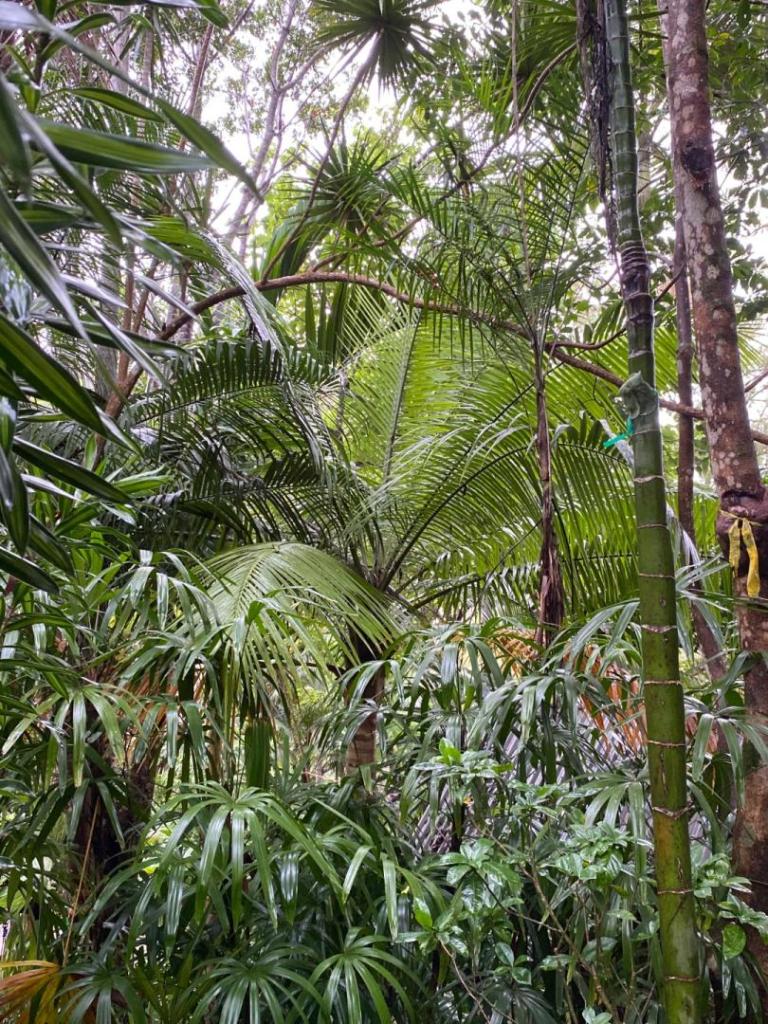

 2 points
 -
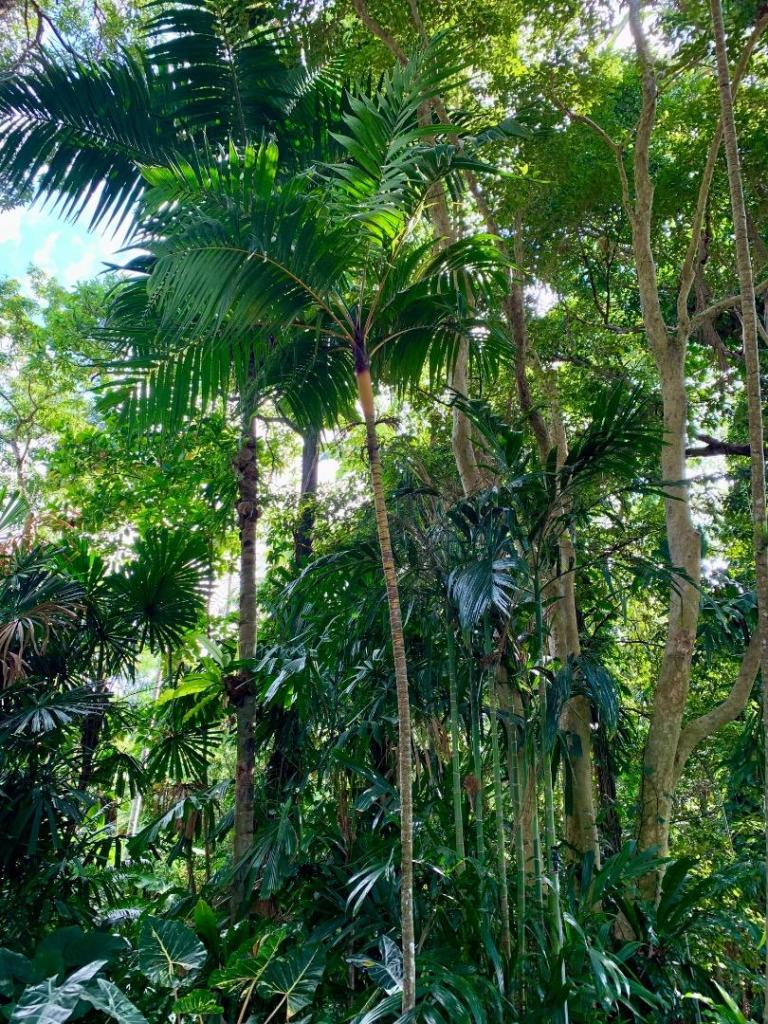
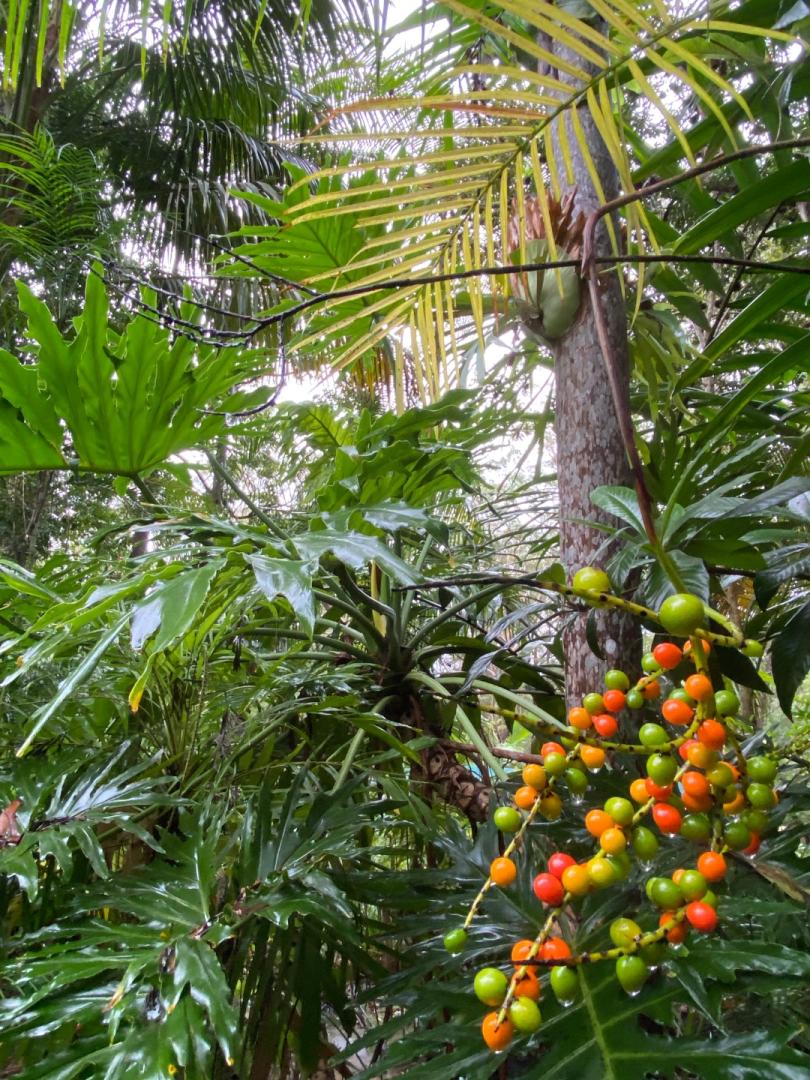
 2 pointsProbably my favourite Pinaga. I've seen a few on my travels to North Queensland, but never got the timing right for ripe fruit unfortunately. Definitely on the wish list. Pictures from Cairns Botanical Garden.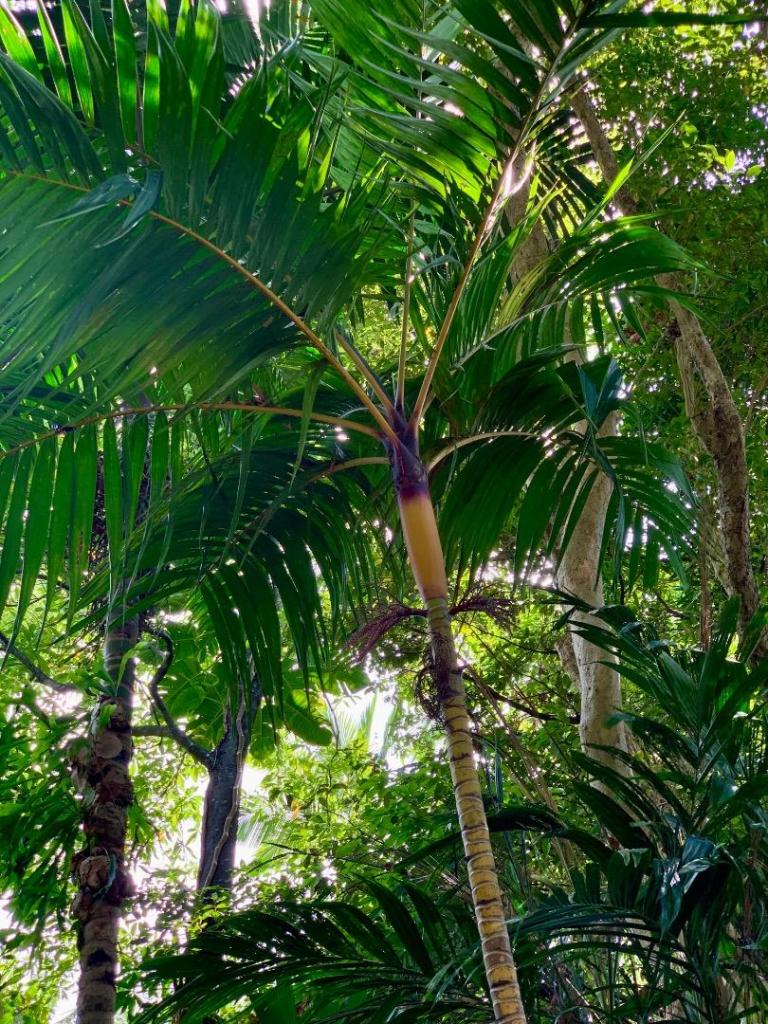
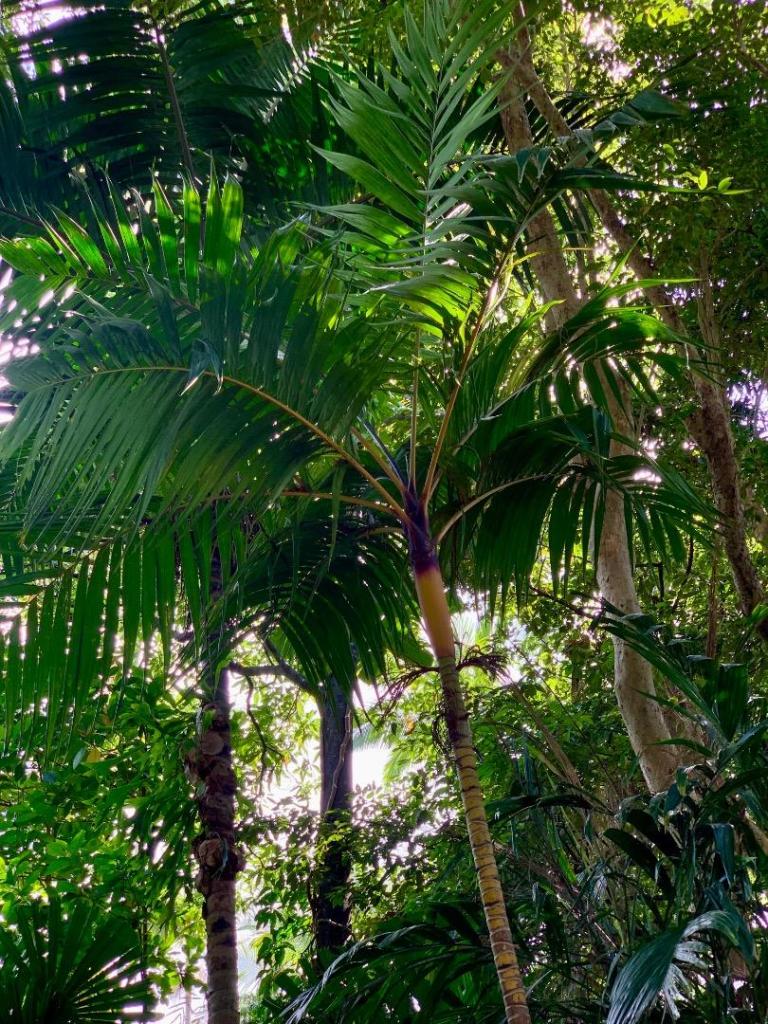
 2 points
 -
There is no alternative for zone 9a. You’re going to be very limited for any type of feather palm in general I’m in 9B and the closest thing I would say is a Phoneix dactylifera which isn’t all that close. Mules have thicker trunks. I totally disagree. The large Sabals are such amazing and impactful palms in the garden. Think causiarum or uresana. And hardy on top of that.2 points
-
 As a follow up to the recent cold event, I have been told by a couple of friends in the Lafayette area that even though some of the Pindos got burnt around there, most all of the local Washingtonias have green centers, along with the Sylvesters and Mules. One even claimed that a well wrapped Queen or two appeared to be hanging on. This is really surprising when you think about just how cold it got there.2 points
 -
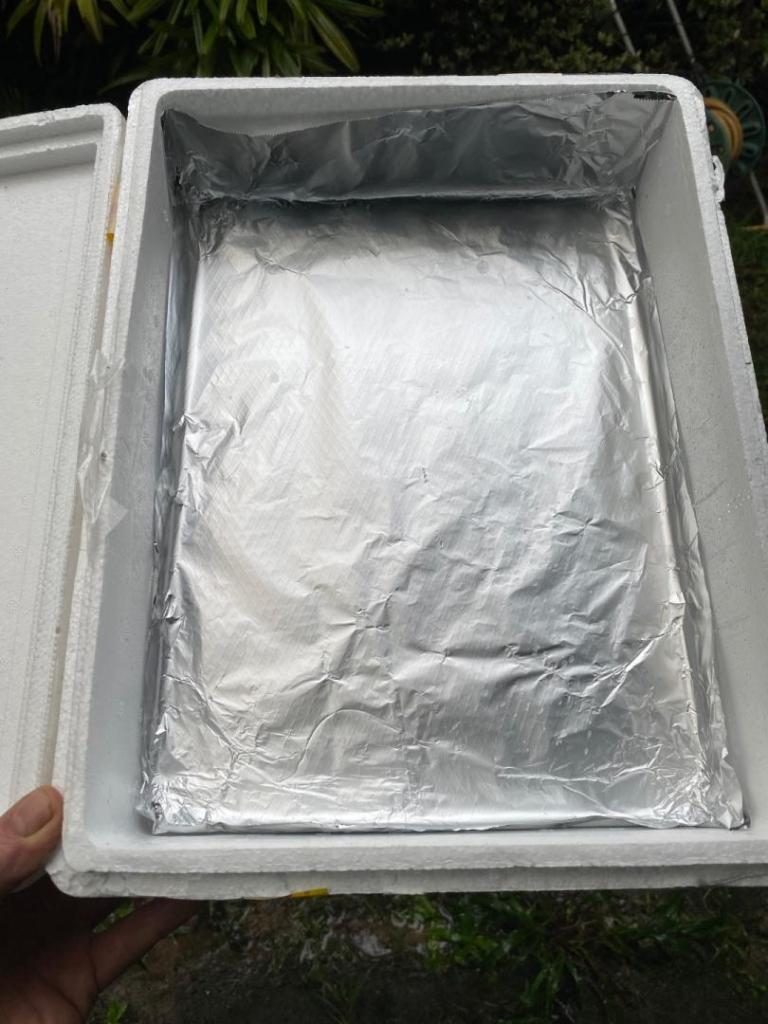
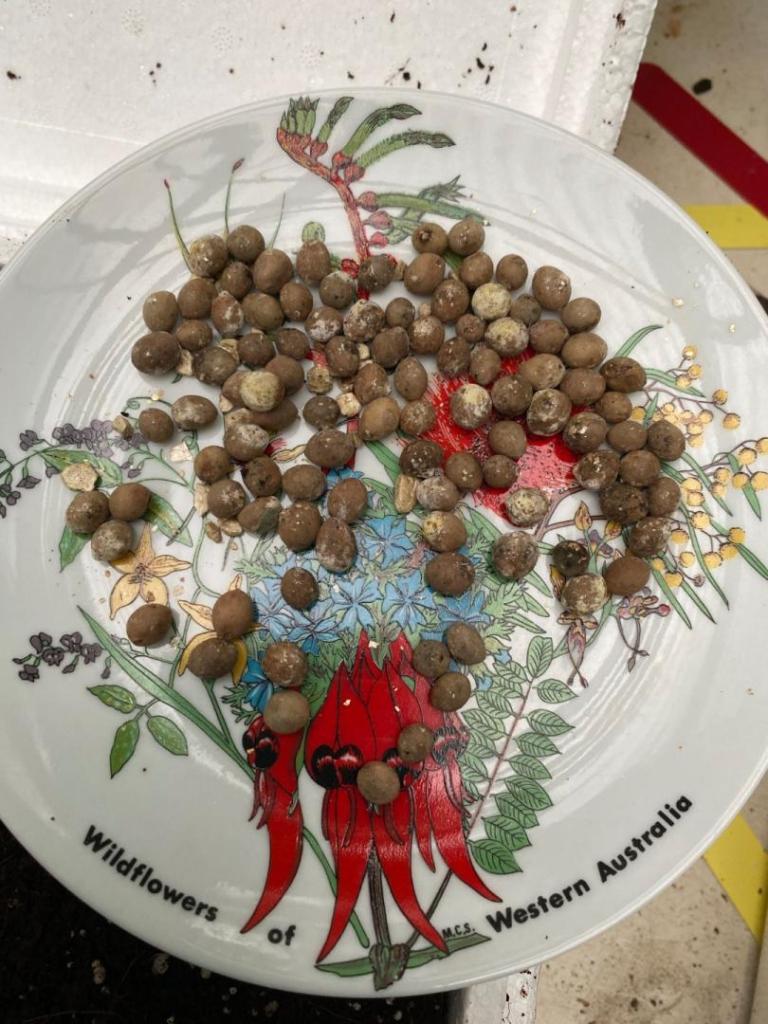
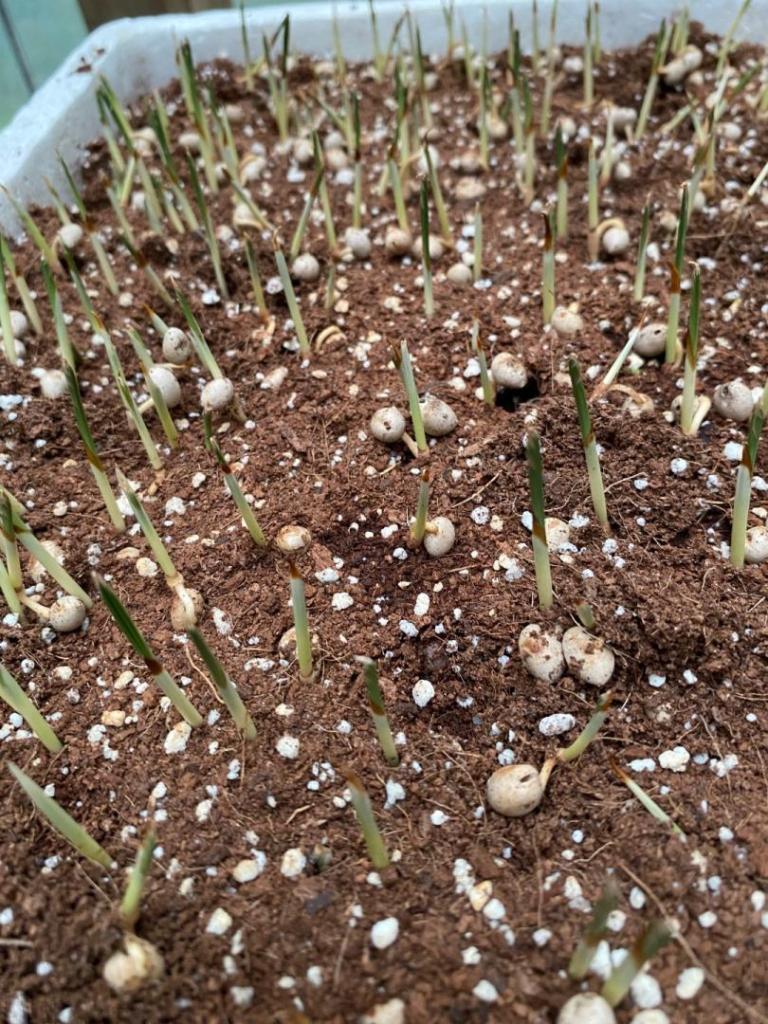
2 pointsA few more dasyantha seeds going in. The poor man’s mapu the call it. Very easy to grow and germinate, I have even had seeds germinate in transit in the postal system. Customs do allow seeds that have germinated provided the radicle is not to long, and are free of disease or fungal infection. I have already down a box around a two months ago so there fairly fast in germinating and growing. One beautiful palm tree with the bonus of being cold hardy and easy to grow just add water.


 2 points
 -
2 pointsBizmarkia are candy to gophers . I was warned when I bought mine so I lined the hole with galvanized wire prior to planting it . A year or so later , after beautiful growth , I found it lying on its side . The roots were all chewed off! Never again , I love the palms but if there is one anywhere near a gopher they will find it. They didn’t mess with any other palms except my Howea F. They ate 5 of them. Harry2 points
-
(200x194).thumb.jpg.25738373bf7571e51181f2f3921b2671.jpg) 2 pointsCongrats, welcome to more heat / humidity.. and NO threats of cold ..ever. Gotta love zone 12. As for Trachycarpus, Since you started them from seed, won't hurt to give 'em a try ...though i also suspect the heat / humidity down there may end up being too much. Never know though.. TBH, this is what i'd be looking for to grow if living there ( ..Besides lots of other interesting things you'll likely come across now ) https://www.inaturalist.org/taxa/206304-Cryosophila-nana When you're able to, would check out the Botanical Garden on Stone Island / plan a future trip to the one in Puerto Vallarta, and up in Culiacan. Both have won some serious awards through the years. Culiacan's garden itself is ranked #7 in the world, only out - ranked by gardens in England and Singapore. Regardless, enjoy you're new adventure..2 points
2 pointsCongrats, welcome to more heat / humidity.. and NO threats of cold ..ever. Gotta love zone 12. As for Trachycarpus, Since you started them from seed, won't hurt to give 'em a try ...though i also suspect the heat / humidity down there may end up being too much. Never know though.. TBH, this is what i'd be looking for to grow if living there ( ..Besides lots of other interesting things you'll likely come across now ) https://www.inaturalist.org/taxa/206304-Cryosophila-nana When you're able to, would check out the Botanical Garden on Stone Island / plan a future trip to the one in Puerto Vallarta, and up in Culiacan. Both have won some serious awards through the years. Culiacan's garden itself is ranked #7 in the world, only out - ranked by gardens in England and Singapore. Regardless, enjoy you're new adventure..2 points -
I second that! Mules are your best choice. Queens are pushing it unless it's a microclimate and even then the tolerance between individuals is all over the place. In New Orleans we had queens in the same yard that were completely defoliated a few feet from another that barely had tip burn. If you do want to try it then I would go with the Santa Catarina variety. They have a more robust look that I prefer and mine did great with the cold/snow even though they are still young. Philippe2 points
-
2 pointsThat was my thought as well, I could see either Nannorrhops or Chamaerops but the petiole thorns or lack thereof would be the deciding factor for me.2 points
-
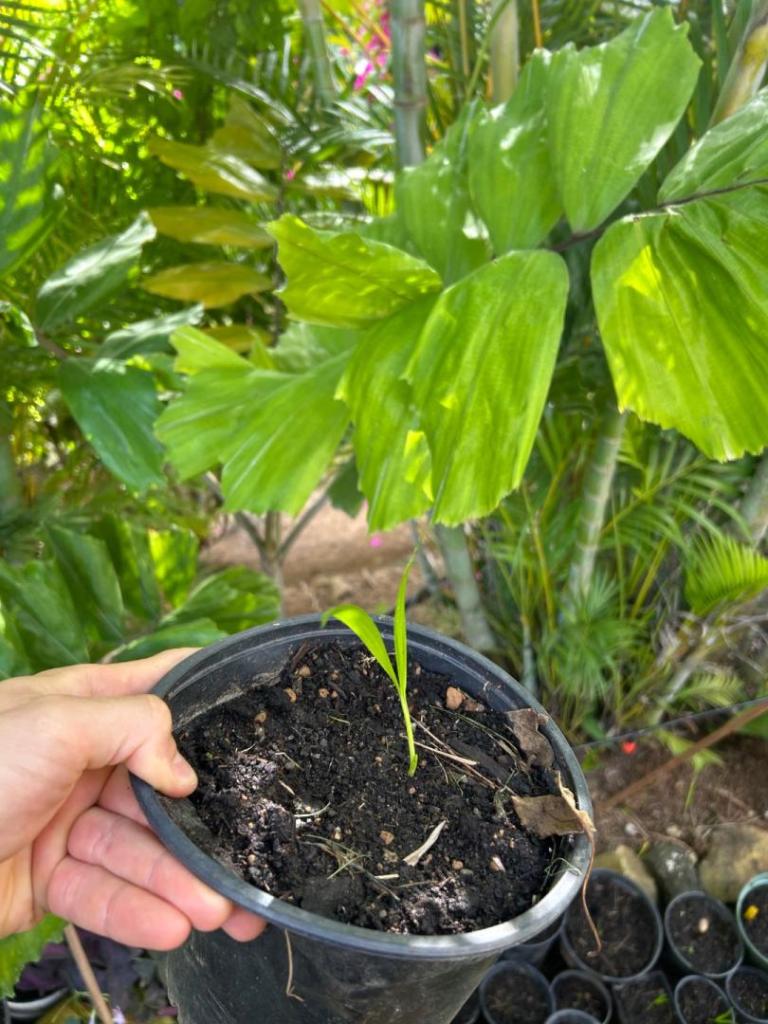
 That’s what I read too, but dry season just started here. So I don’t dare to try full sun. That how they look today : exactly 4 weeks after first germination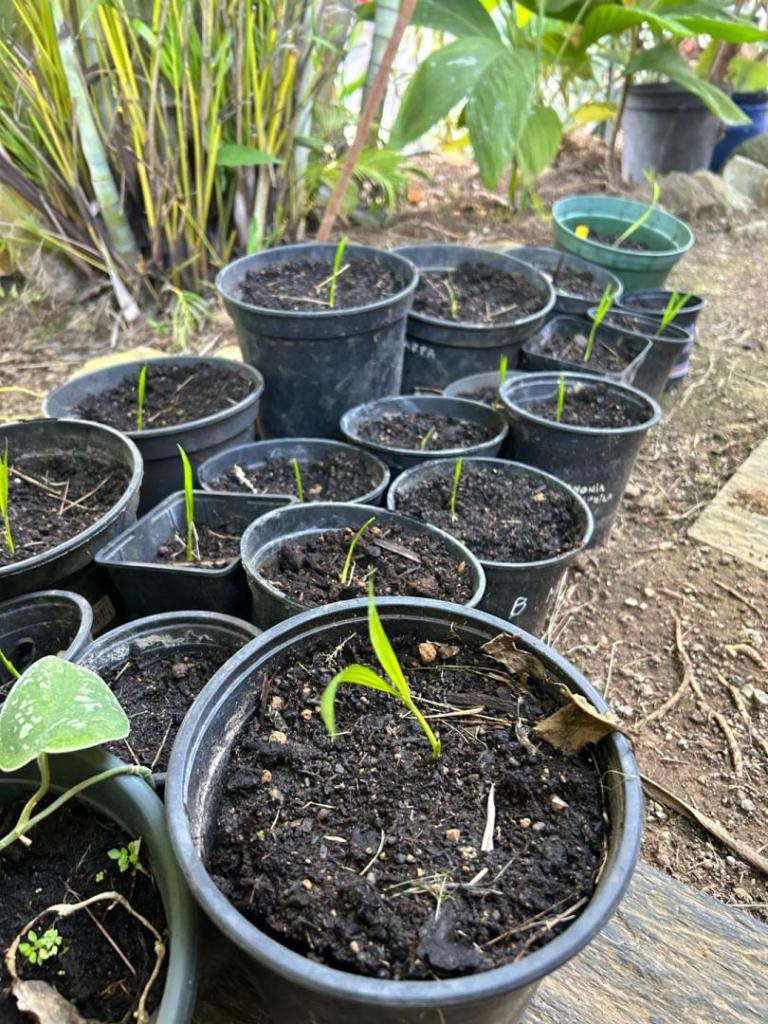
 2 points
 -
2 points
 @Jubilation My silver serenoa has been in the ground since 2023 with some protection the first winter and nothing this winter. I purchased mine from a mail order nursery in Florida as a 1 gallon plant. The winter of 2023-24 I simply placed a bucket over it on colder nights or forecasts of precipitation. This year I did nothing, of course damage could technically still show up but I've seen consistent 70's and some 80's too. Winter minimums were 5-8'F in 2023-24 and around 8-10'F this year. So far it has proven to be a tough palm for me. I'll also mention that I believe the silver ones may be a tad hardier than the green serenoas. Pics from today.
 2 points
@Bigfish Is correct that this is a very different situation due to the cell density of the endocarp. This is a cross section of a Butia odorata seed that has been cleaned and dried. The endocarp is very thick and inhibits imbibition of H2O. As I mention in my earlier post imbibition of water is the first physiological need of the embryo to break dormancy. This fact is the sole reason why trial 2 was designed. De-lidding in the case of Cocoid seed is conceptually the same as the 2 articles posted earlier but in this case only the eye of the pore opening is removed to allow immediate imbibition. (I can post a Cocoid specific tutorial if needed) This process in theory should break dormancy and minimize damage to the seed as well as minimizing fungal and bacterial contamination. While it does promote higher and quicker germination rates there are some drawbacks backs to this method as well. Fresh seeds of most species respond best to this method and I prefer it for species that have a tendency to rot easily such as Jubaea. I also prefer to use this method if the seeds are only singles. The last advantage is that any seed that does not germinate can still be used in Trial 3 which I will discuss on my next post.
2 points
2 points@Bigfish Is correct that this is a very different situation due to the cell density of the endocarp. This is a cross section of a Butia odorata seed that has been cleaned and dried. The endocarp is very thick and inhibits imbibition of H2O. As I mention in my earlier post imbibition of water is the first physiological need of the embryo to break dormancy. This fact is the sole reason why trial 2 was designed. De-lidding in the case of Cocoid seed is conceptually the same as the 2 articles posted earlier but in this case only the eye of the pore opening is removed to allow immediate imbibition. (I can post a Cocoid specific tutorial if needed) This process in theory should break dormancy and minimize damage to the seed as well as minimizing fungal and bacterial contamination. While it does promote higher and quicker germination rates there are some drawbacks backs to this method as well. Fresh seeds of most species respond best to this method and I prefer it for species that have a tendency to rot easily such as Jubaea. I also prefer to use this method if the seeds are only singles. The last advantage is that any seed that does not germinate can still be used in Trial 3 which I will discuss on my next post.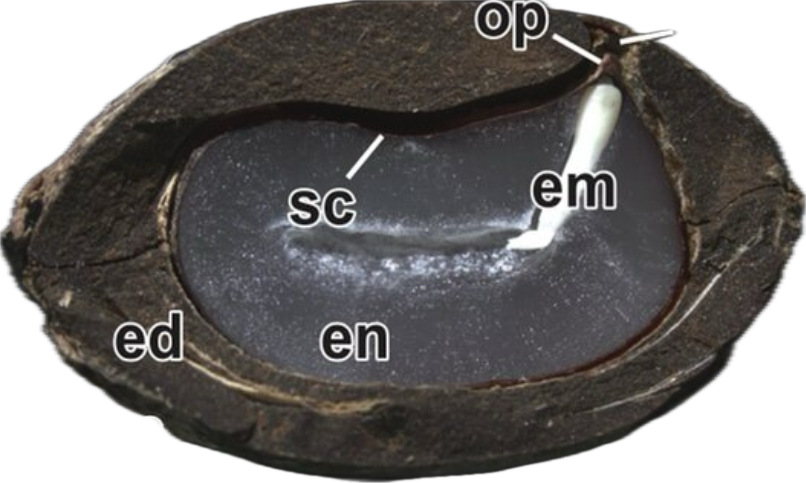 2 points
 2 points
 2 points
 2 points
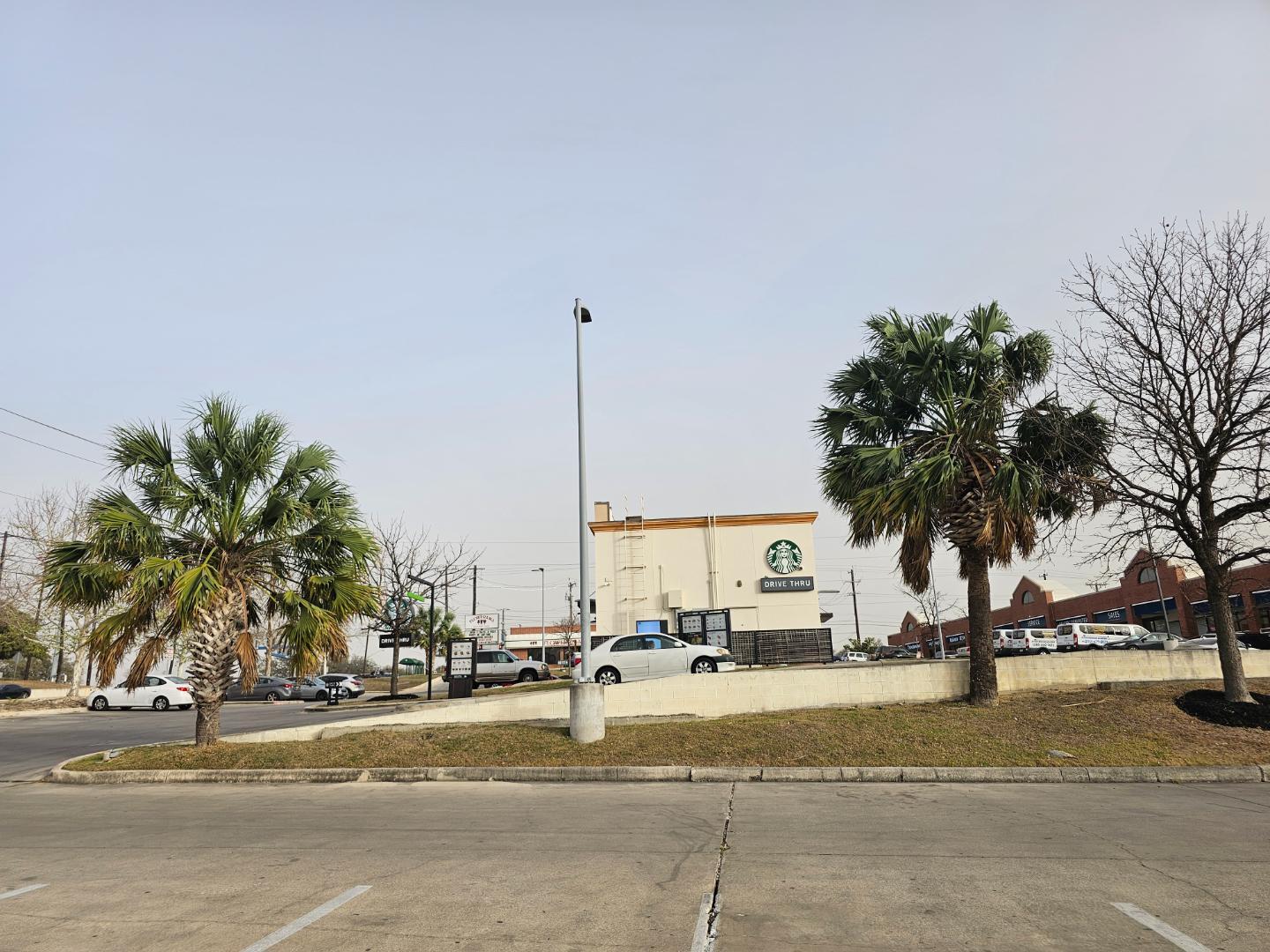
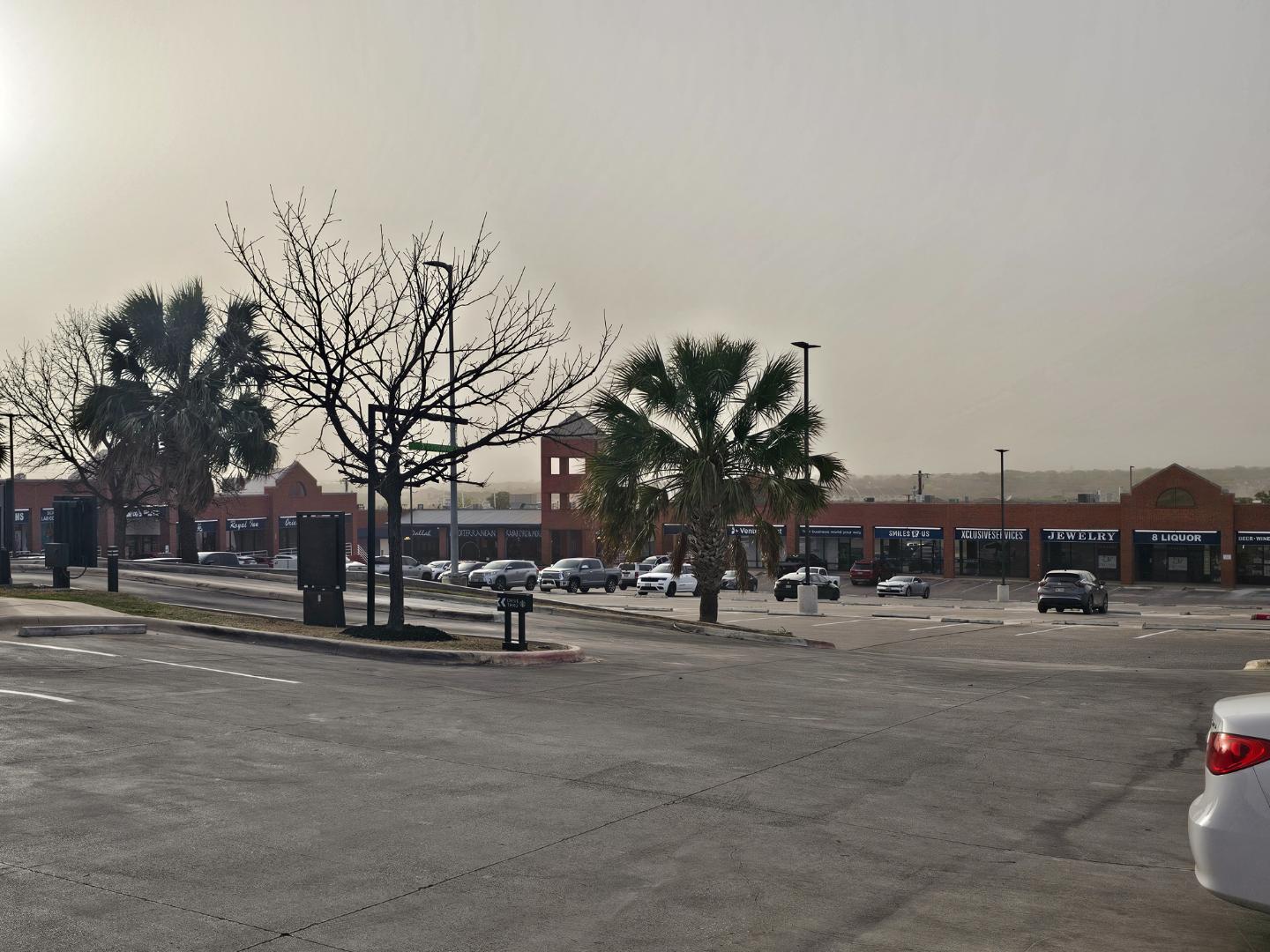
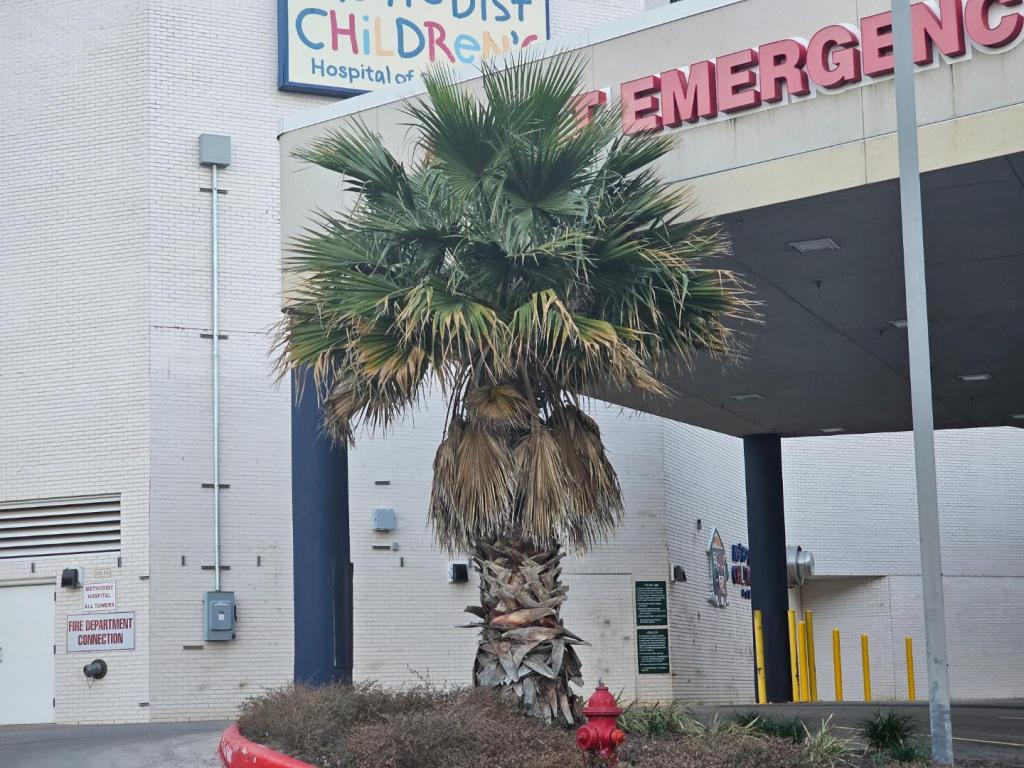
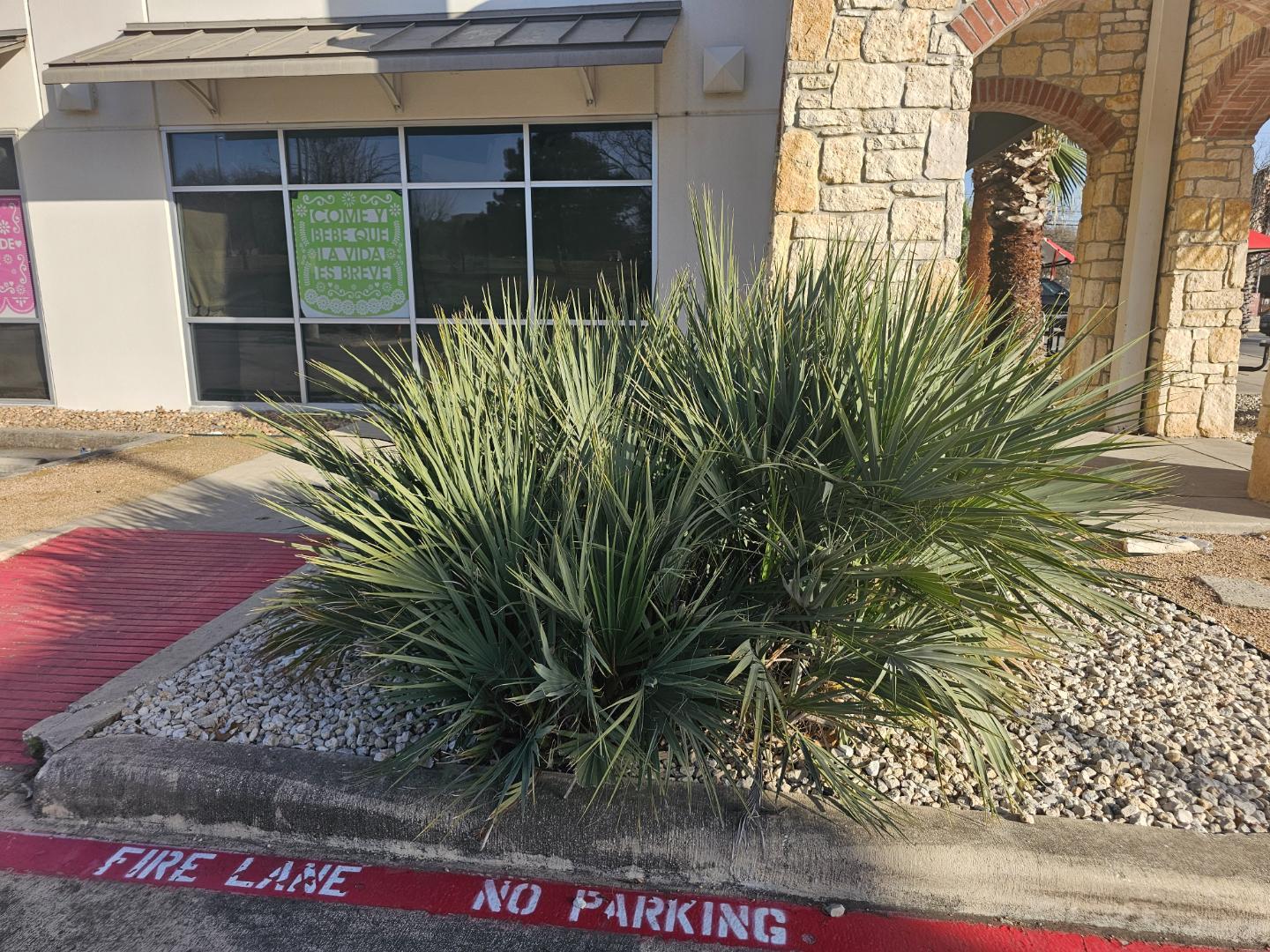
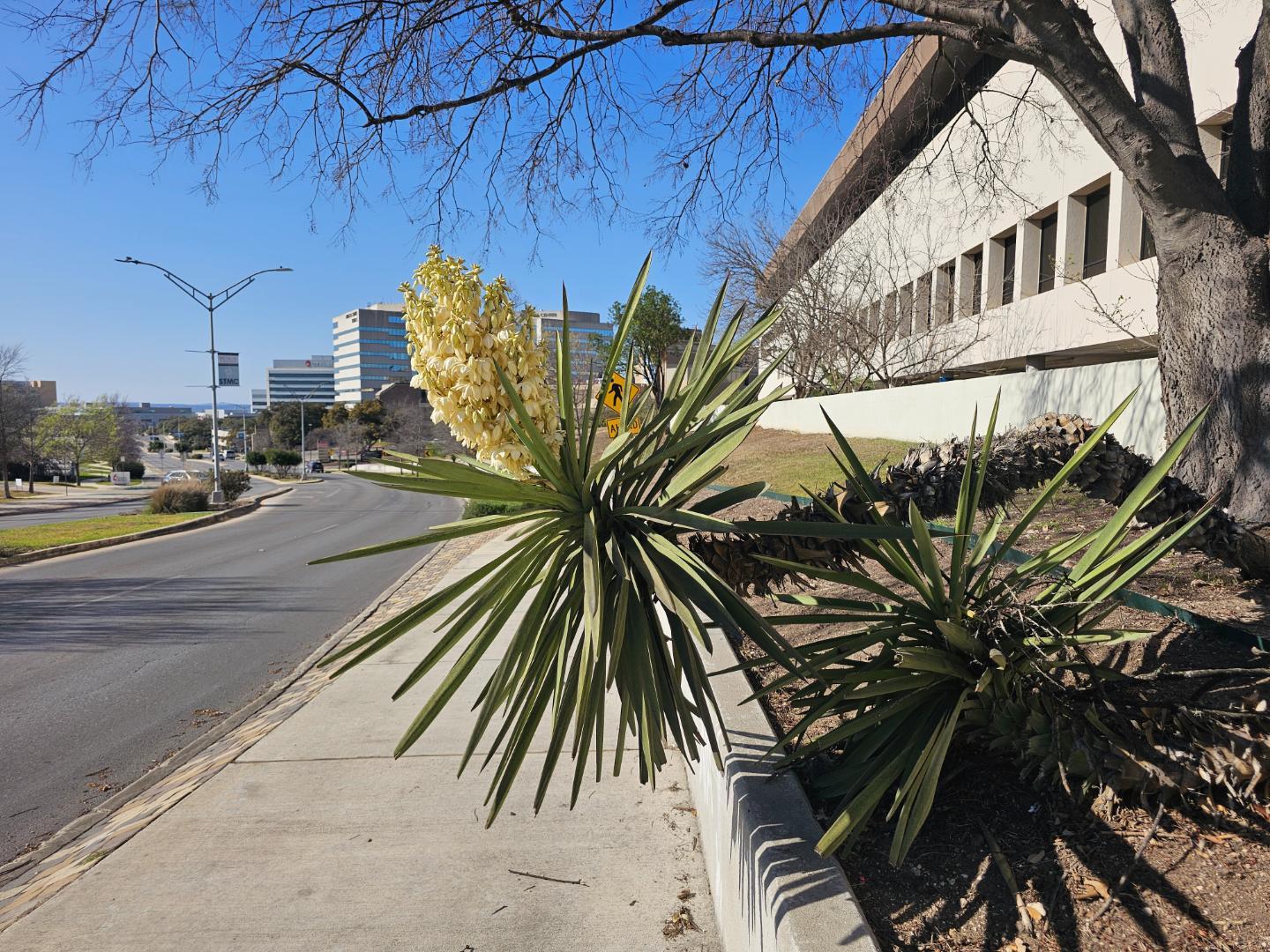
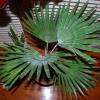 2 pointsHere are a few more pictures from the last week or so. The first is what I think is Nannorrhops? The last few are from today. It's unbelievable dusty and windy.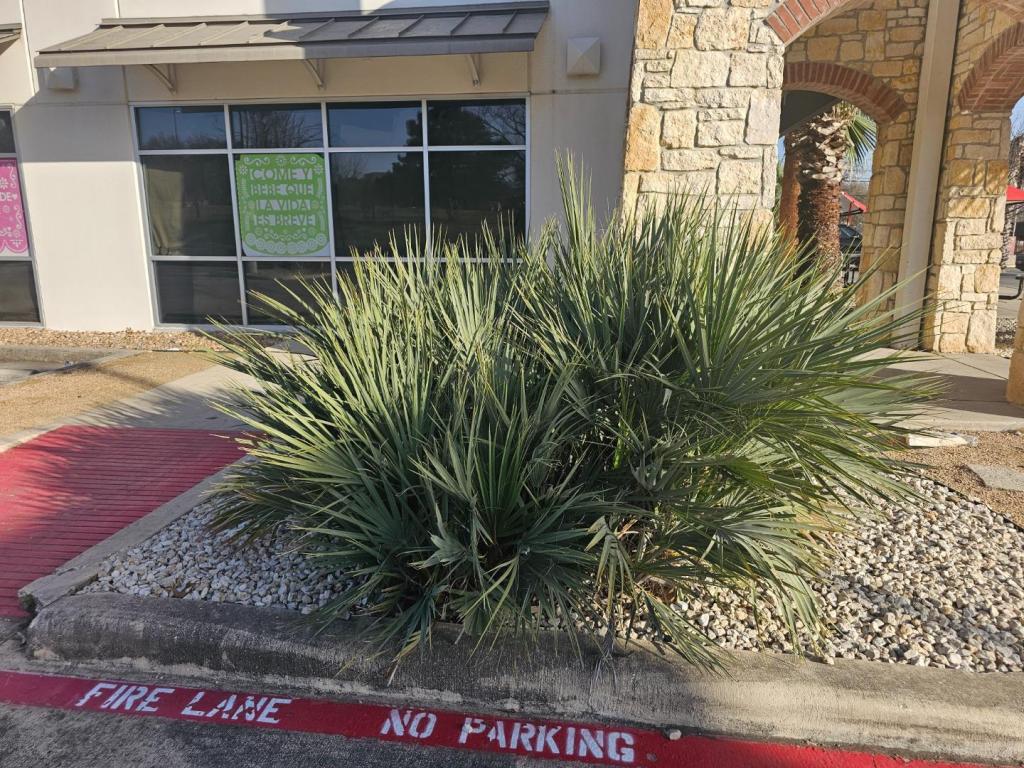

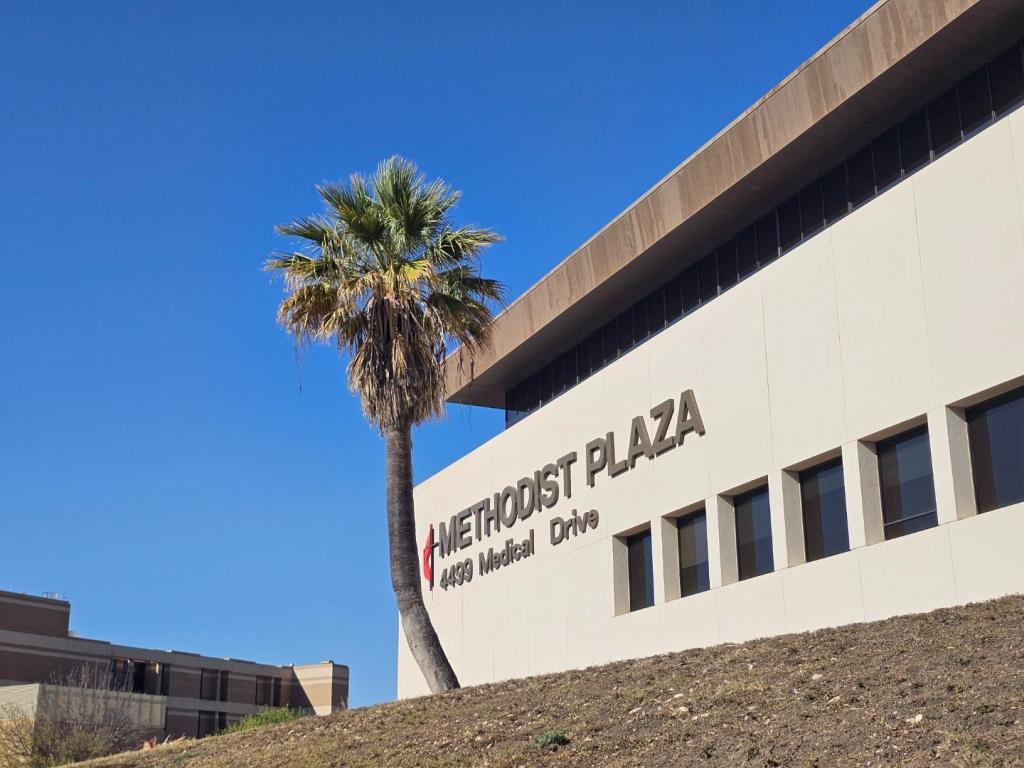

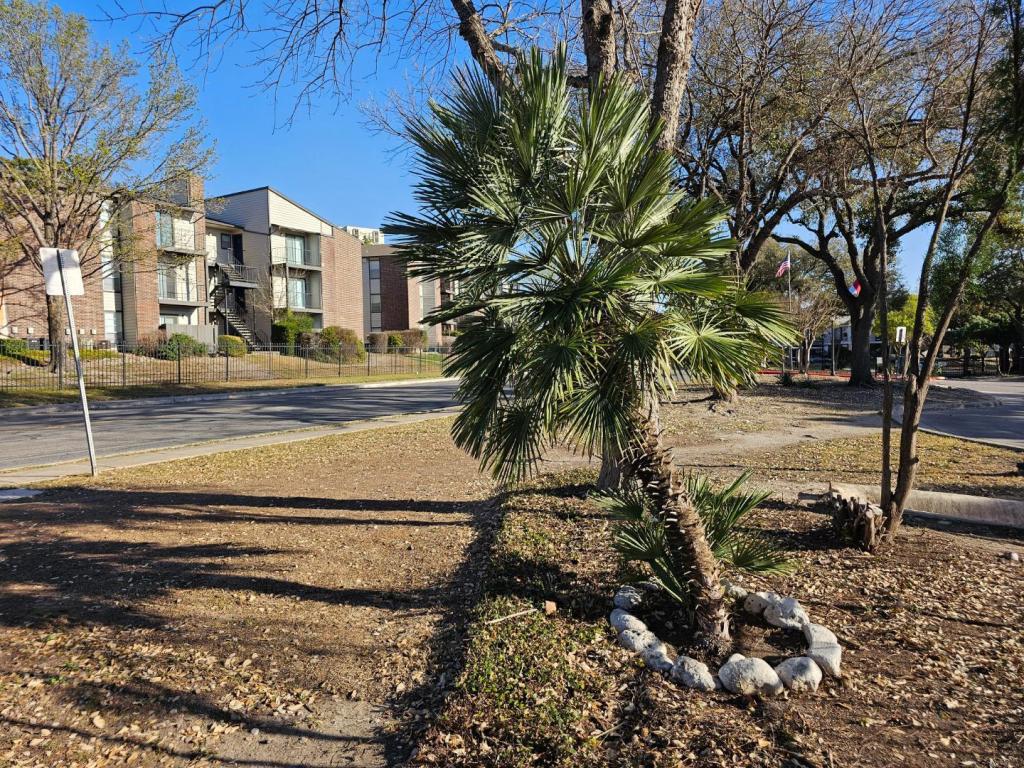
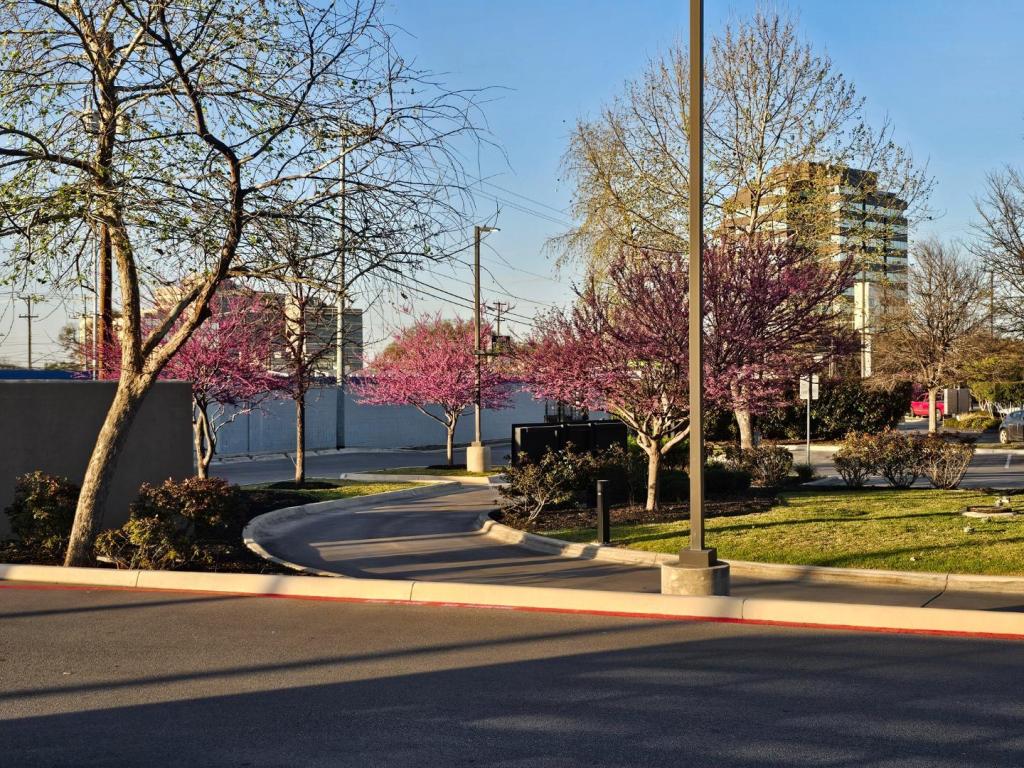
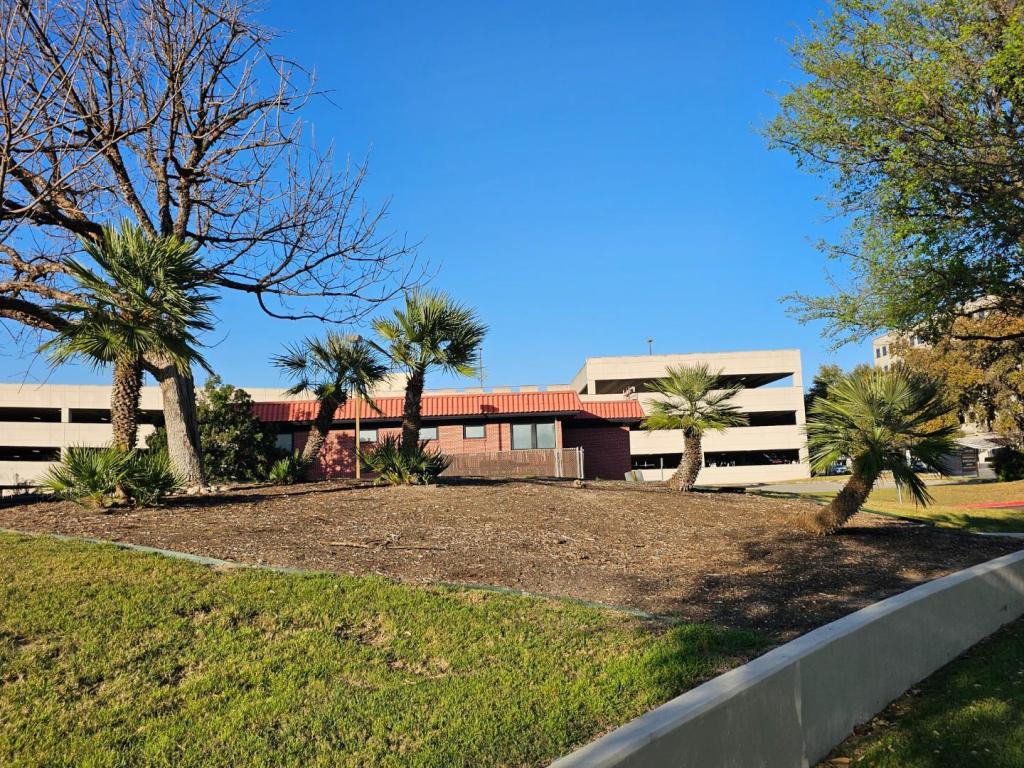
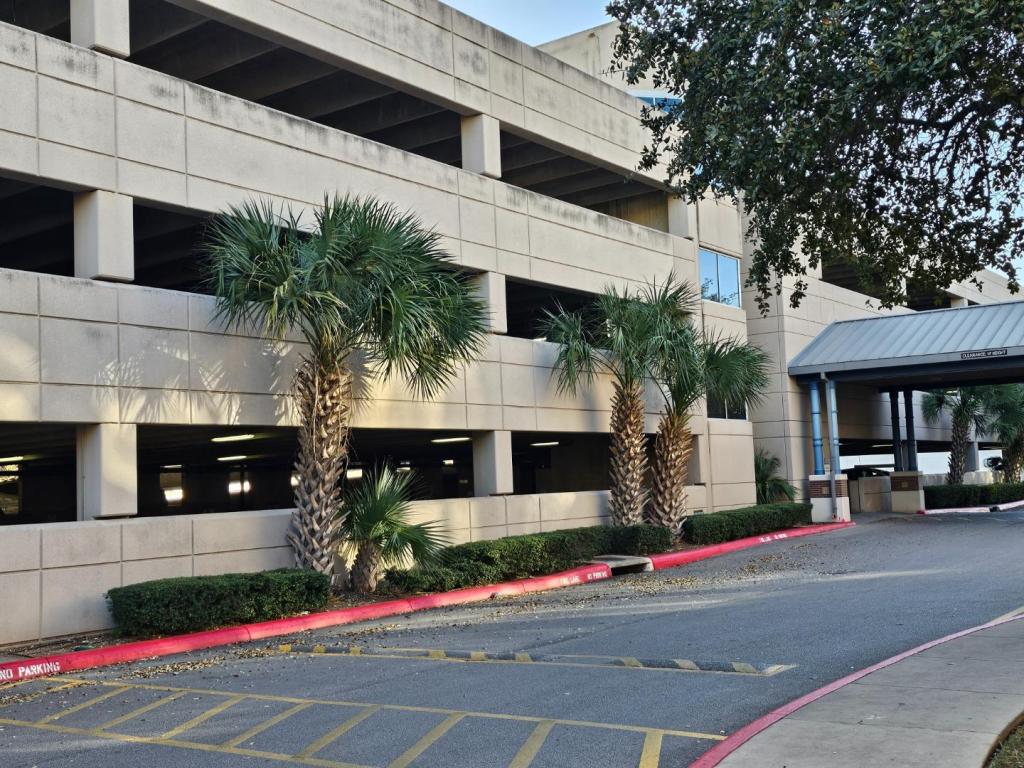
.thumb.jpg.ec0bdd6dd42745450f3215fe9054069b.jpg)

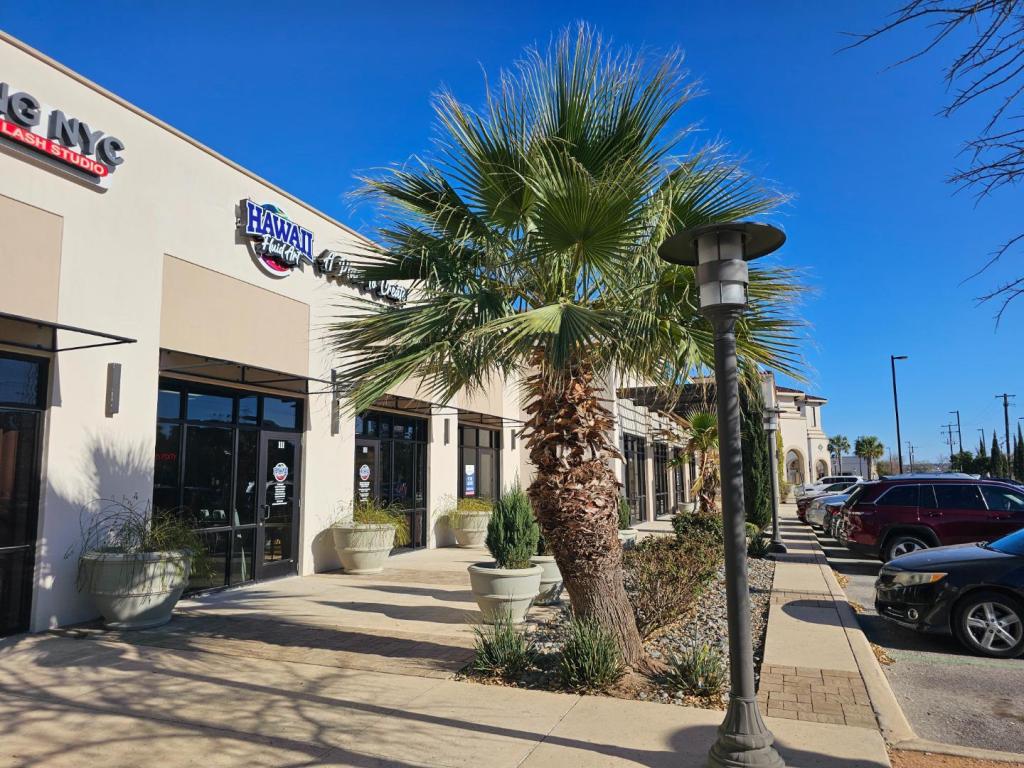
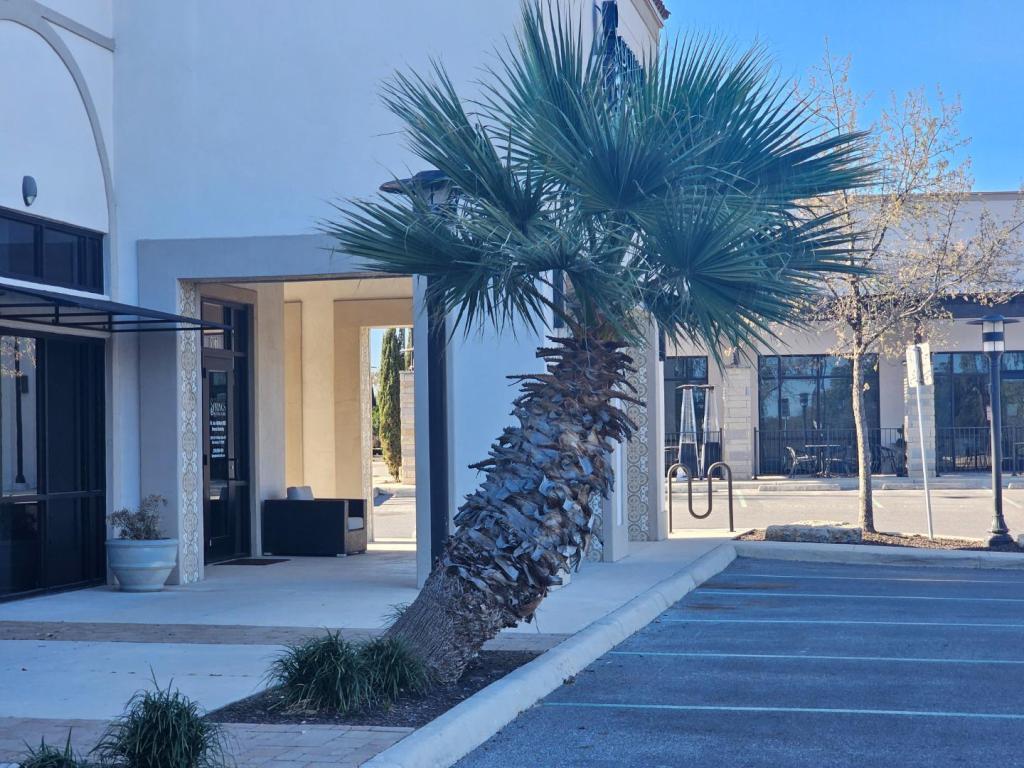

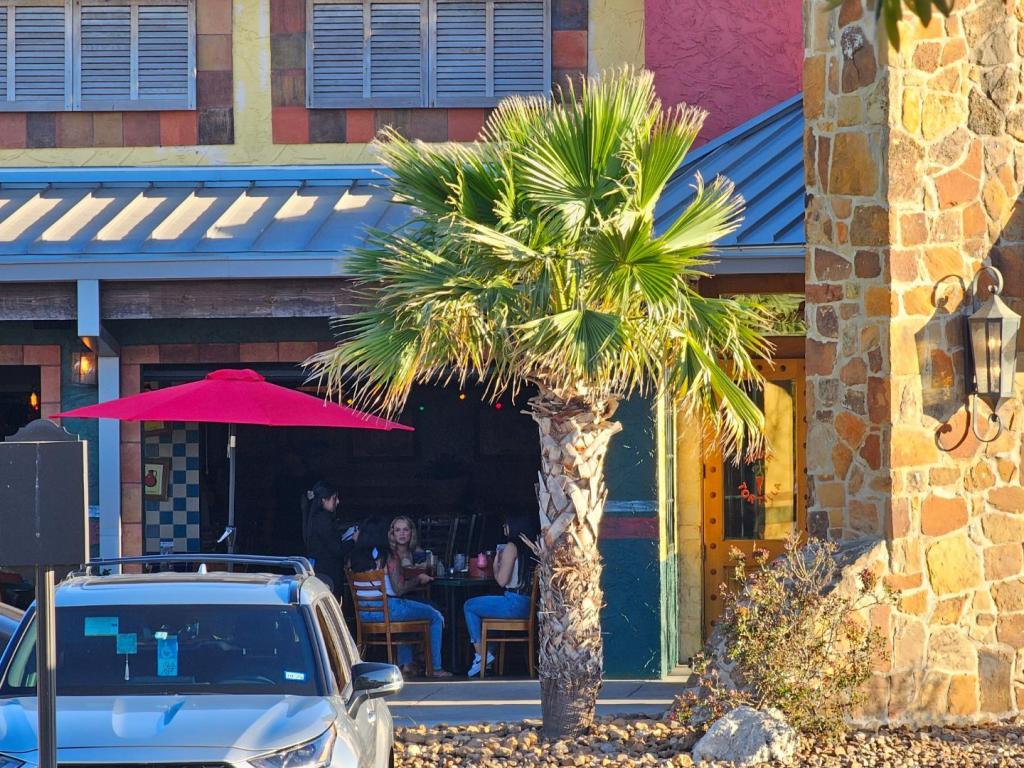

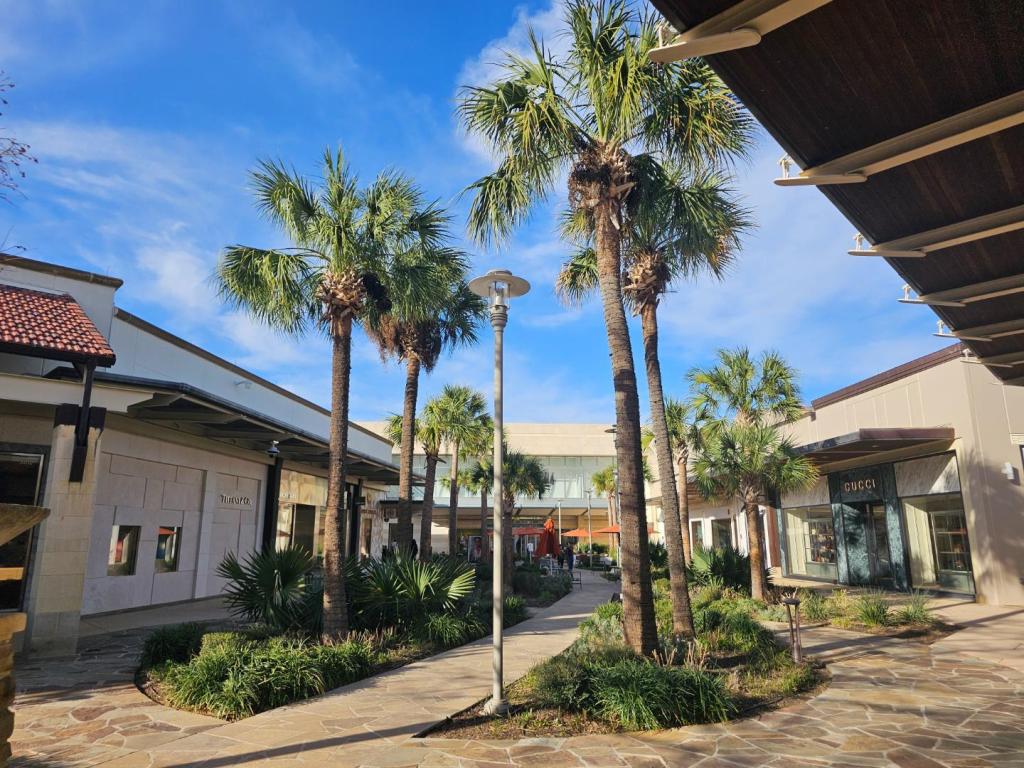

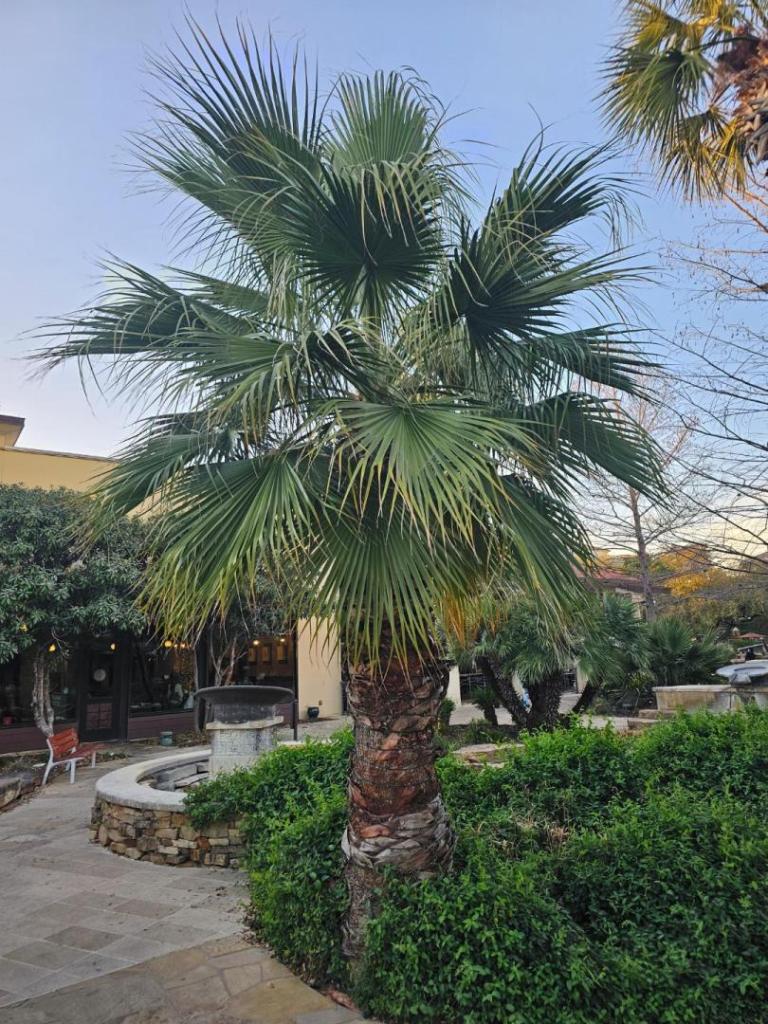
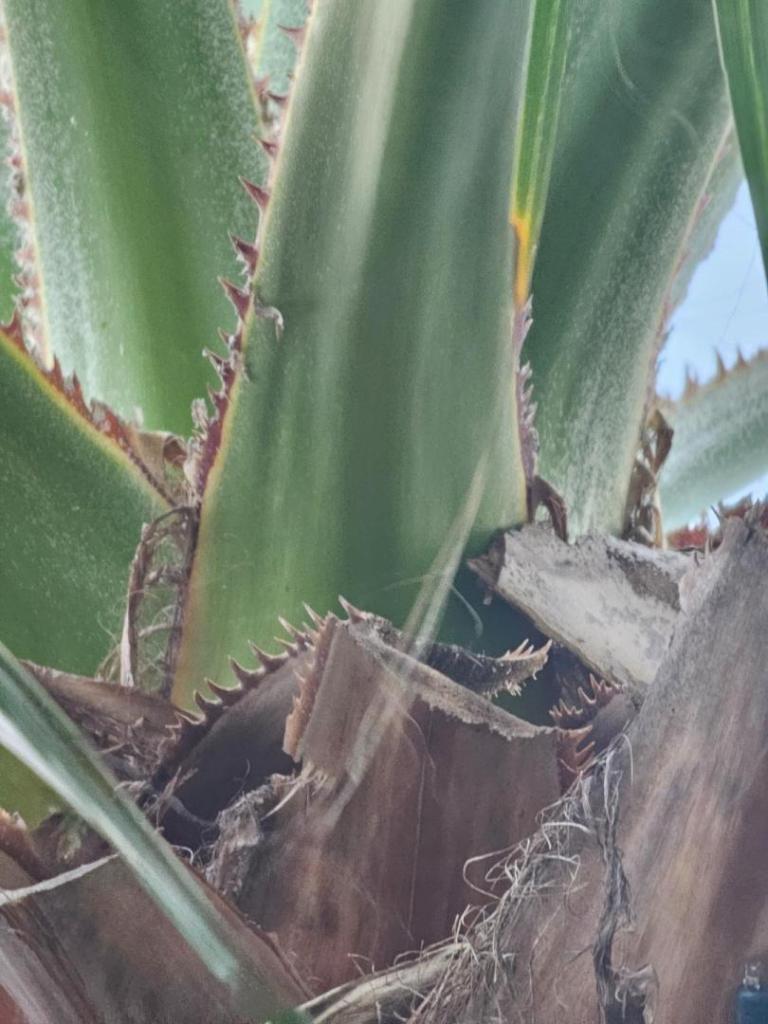

.thumb.jpg.6a5024f40a8b52307941f1bbfdcef702.jpg)
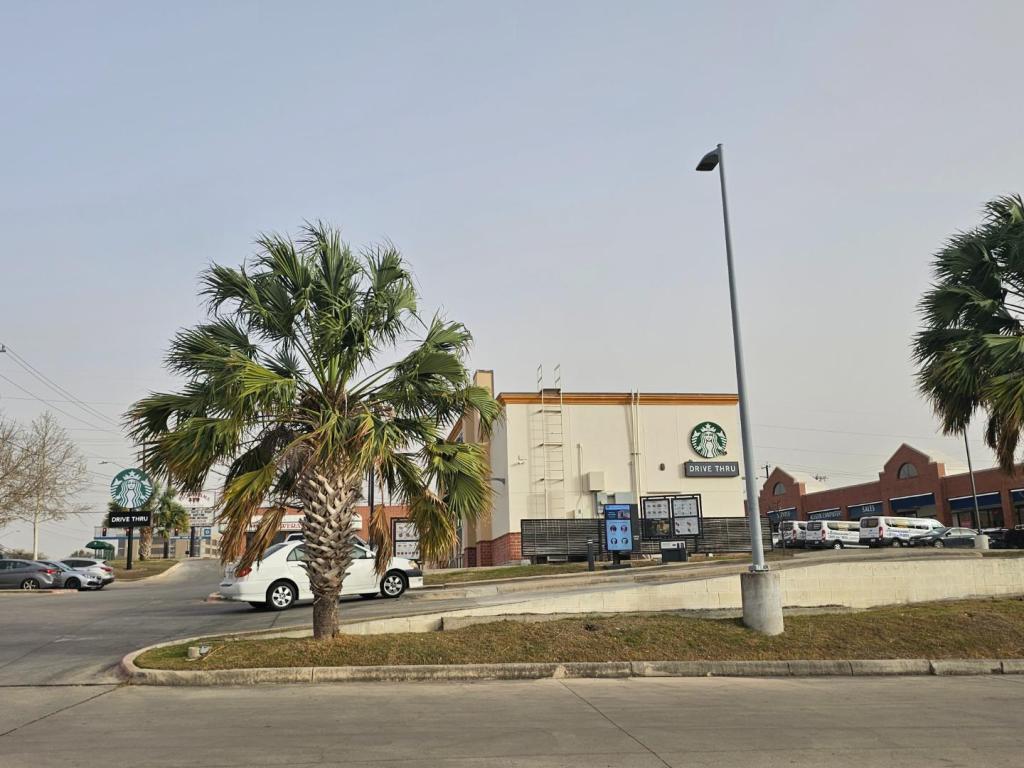


 2 points
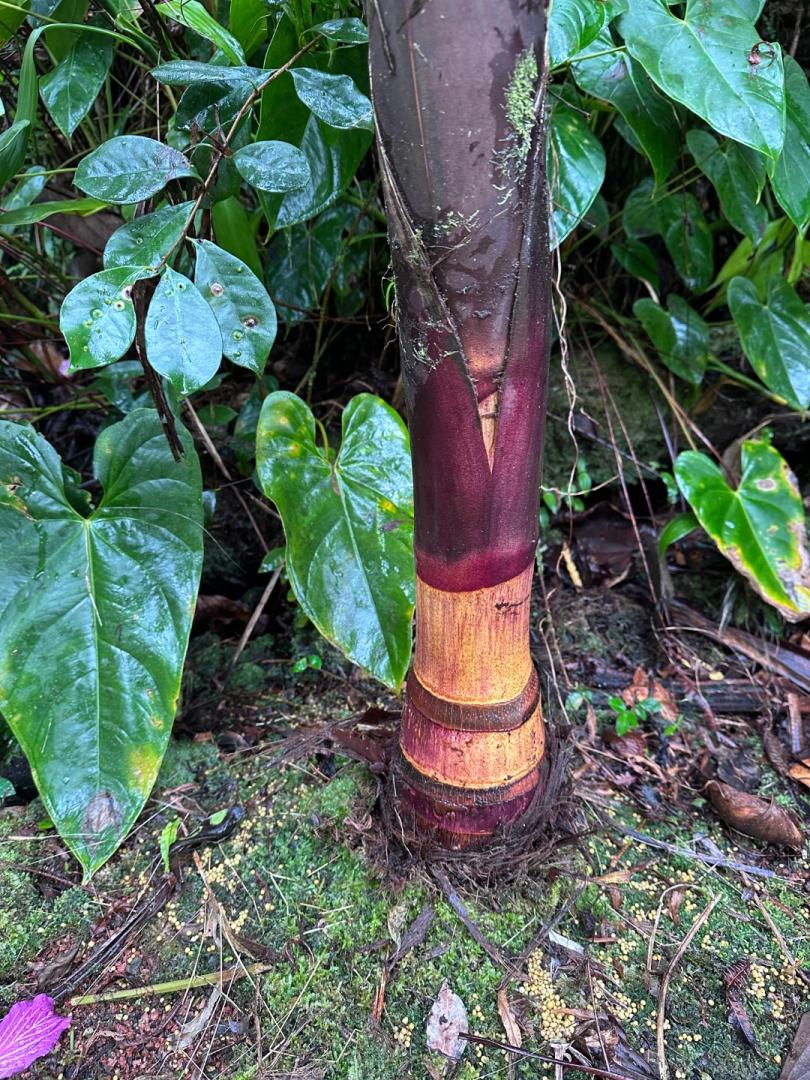
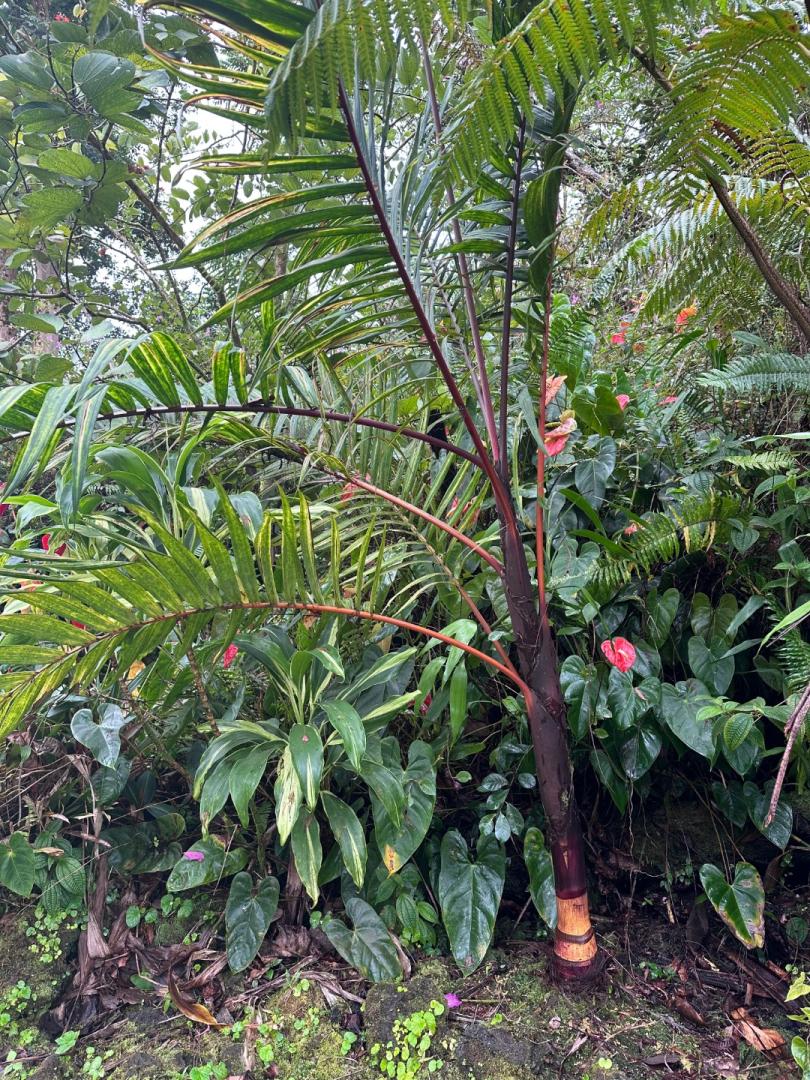
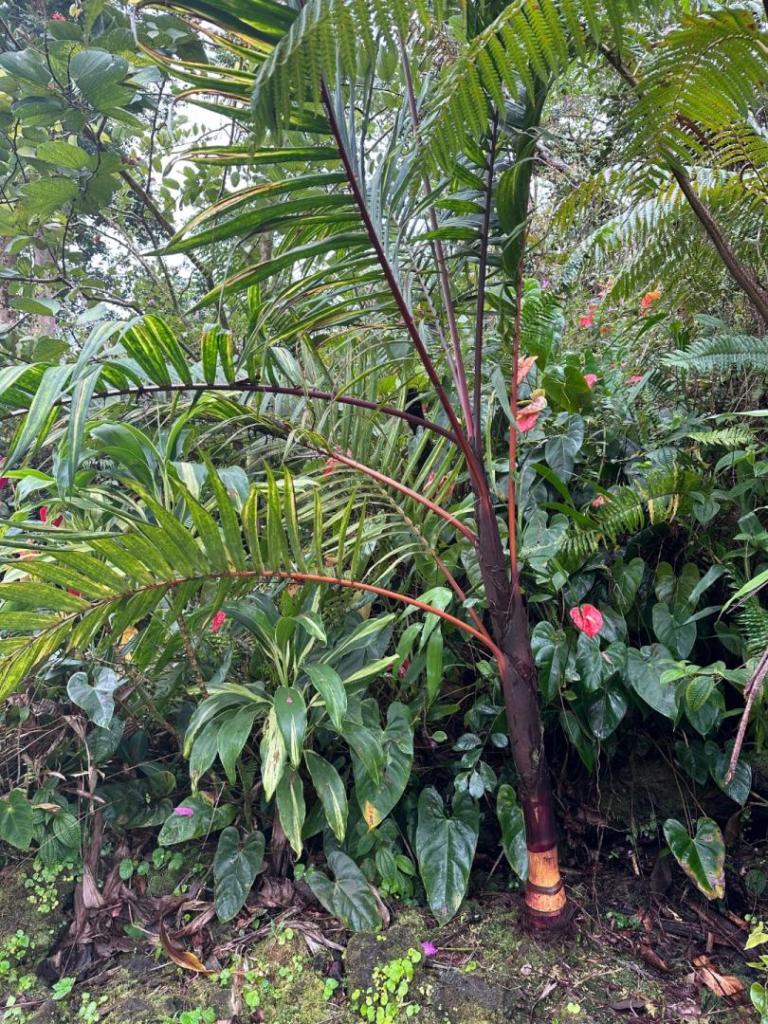
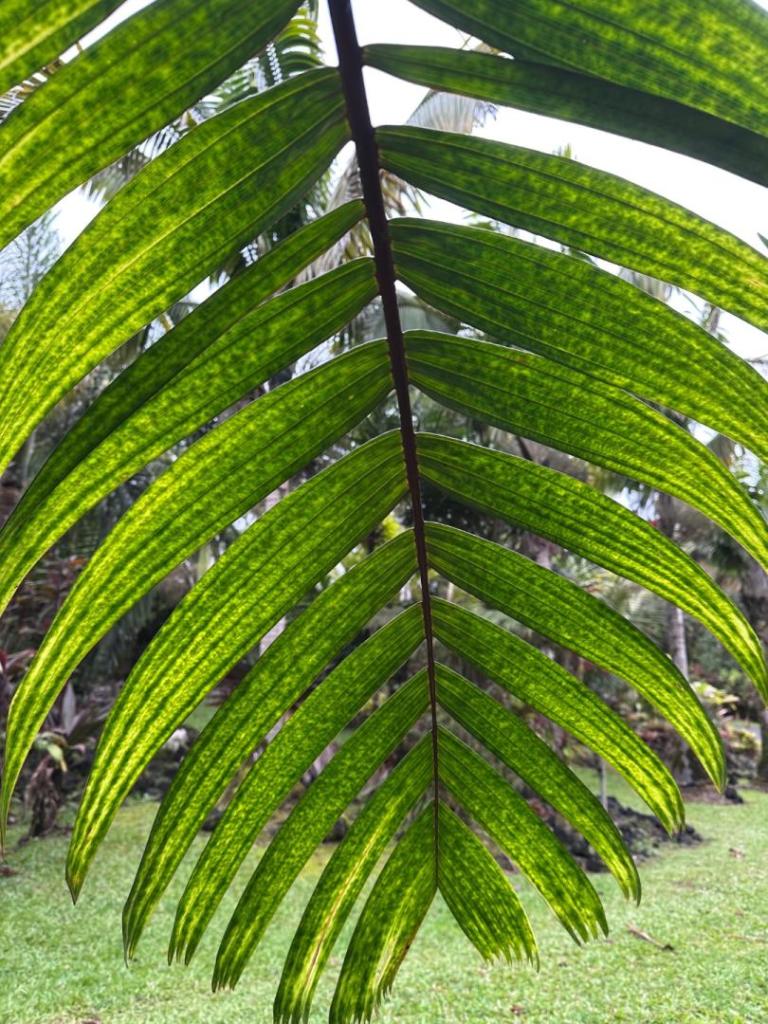
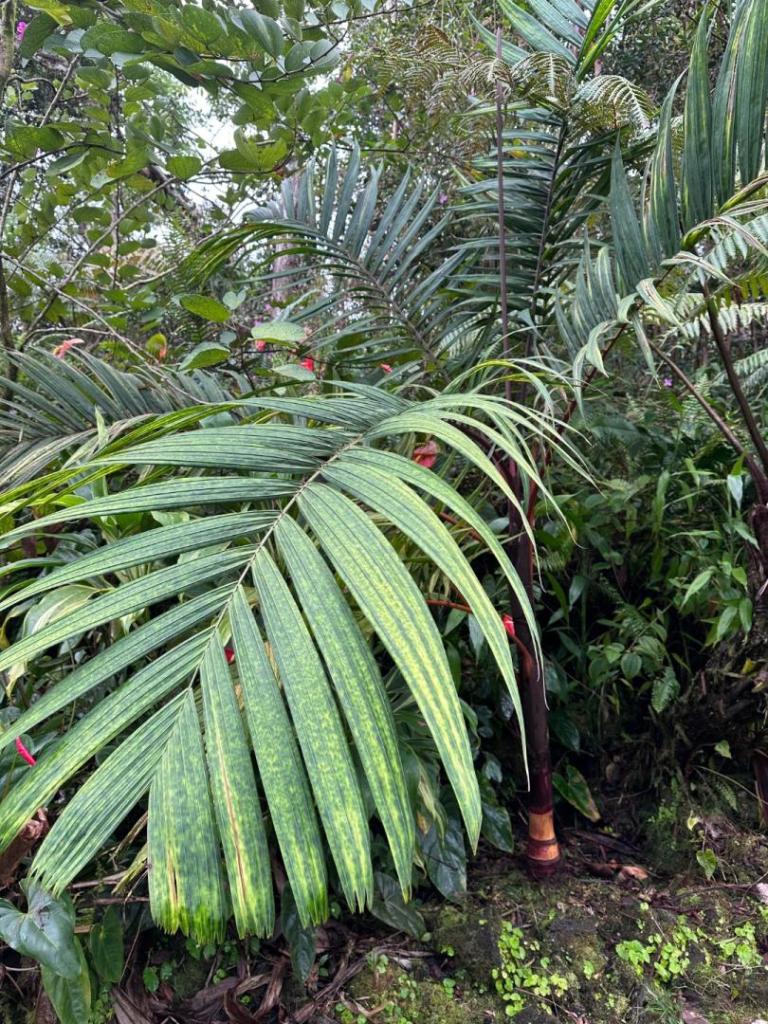
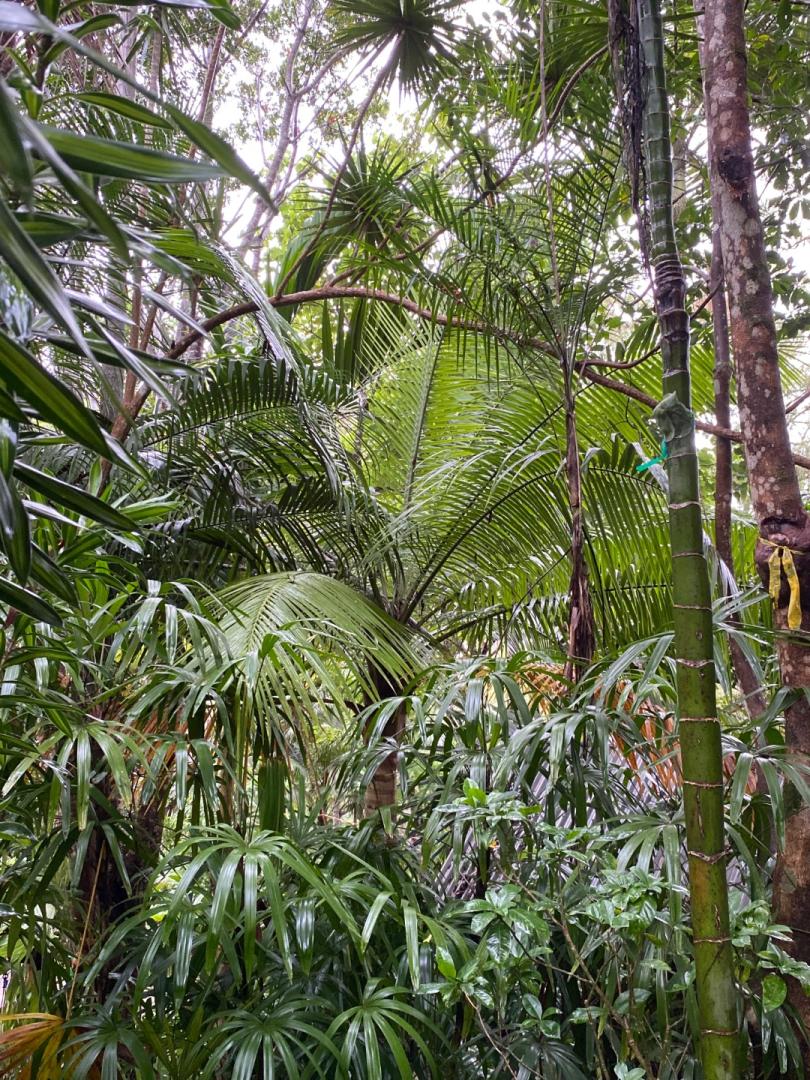
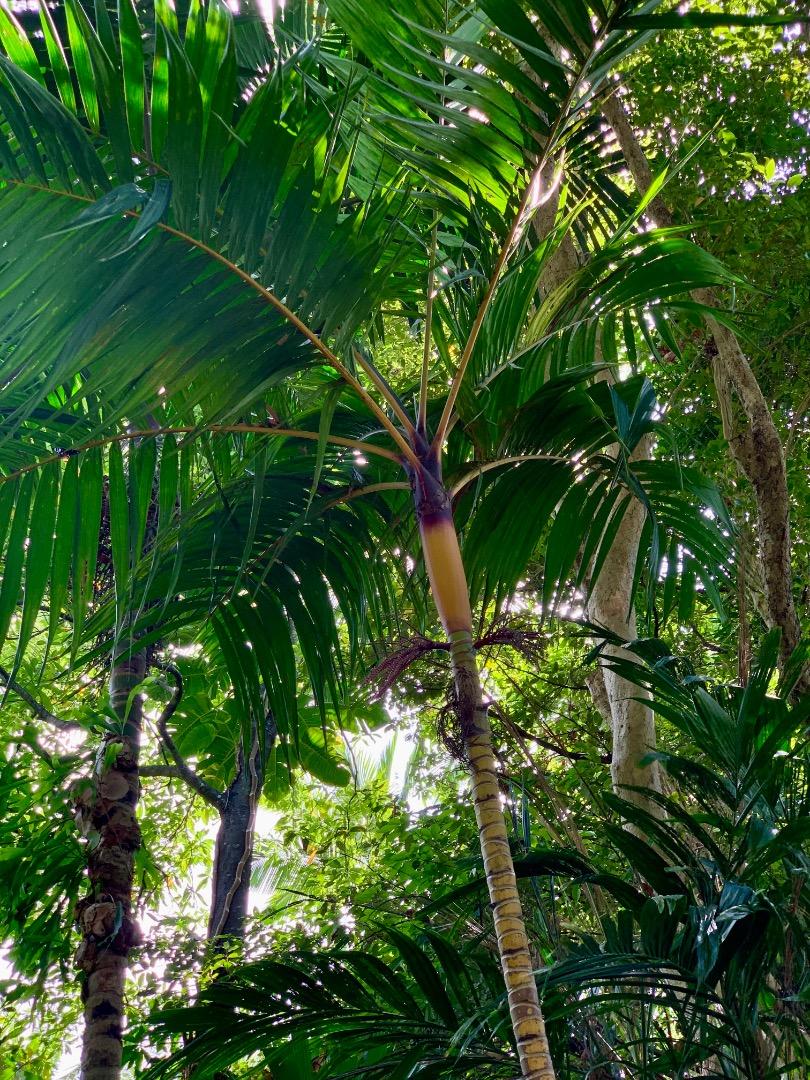
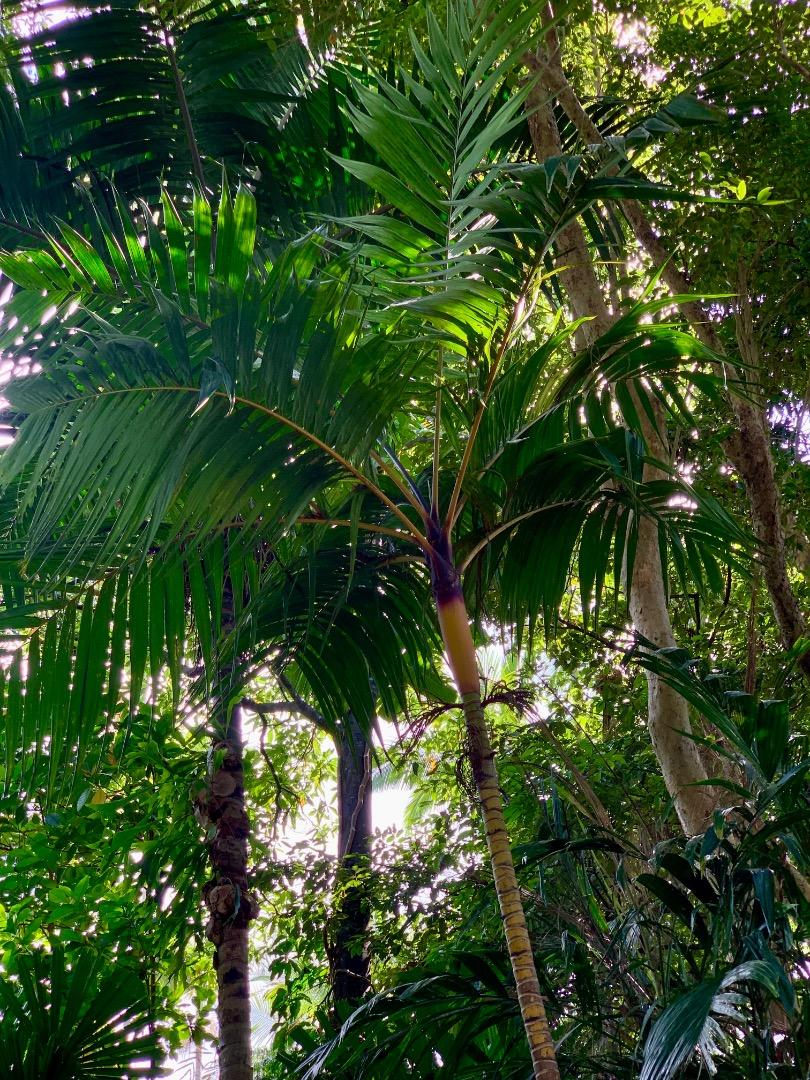
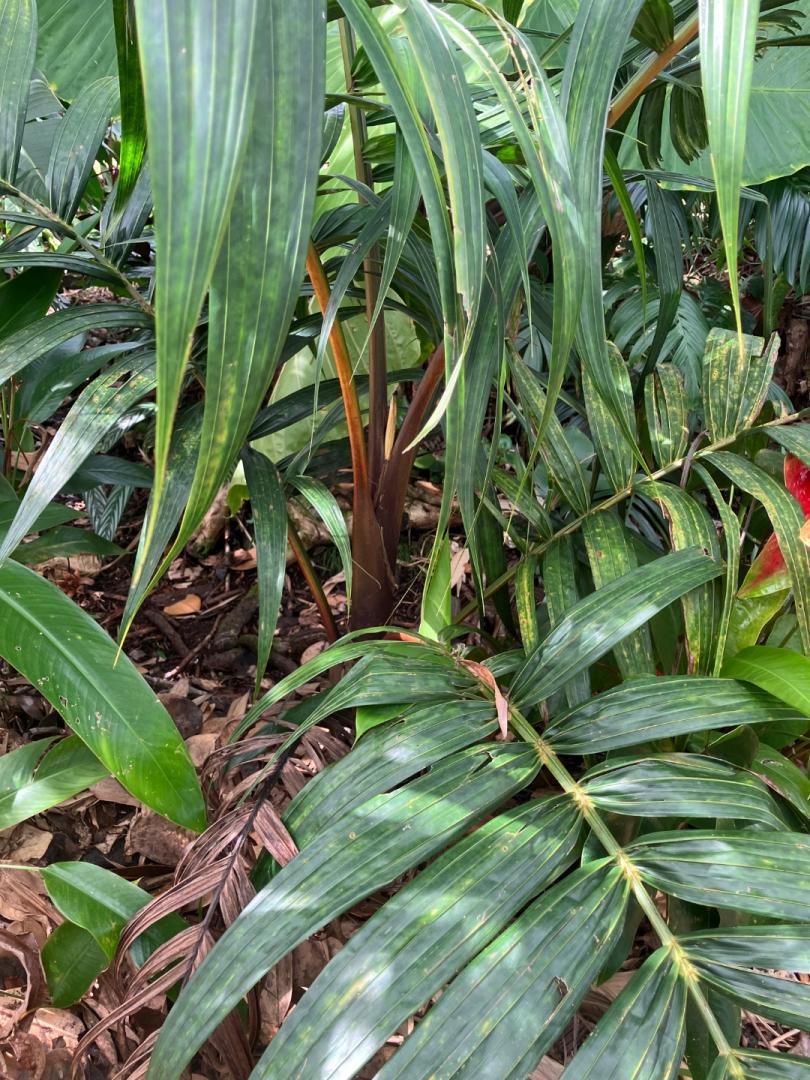
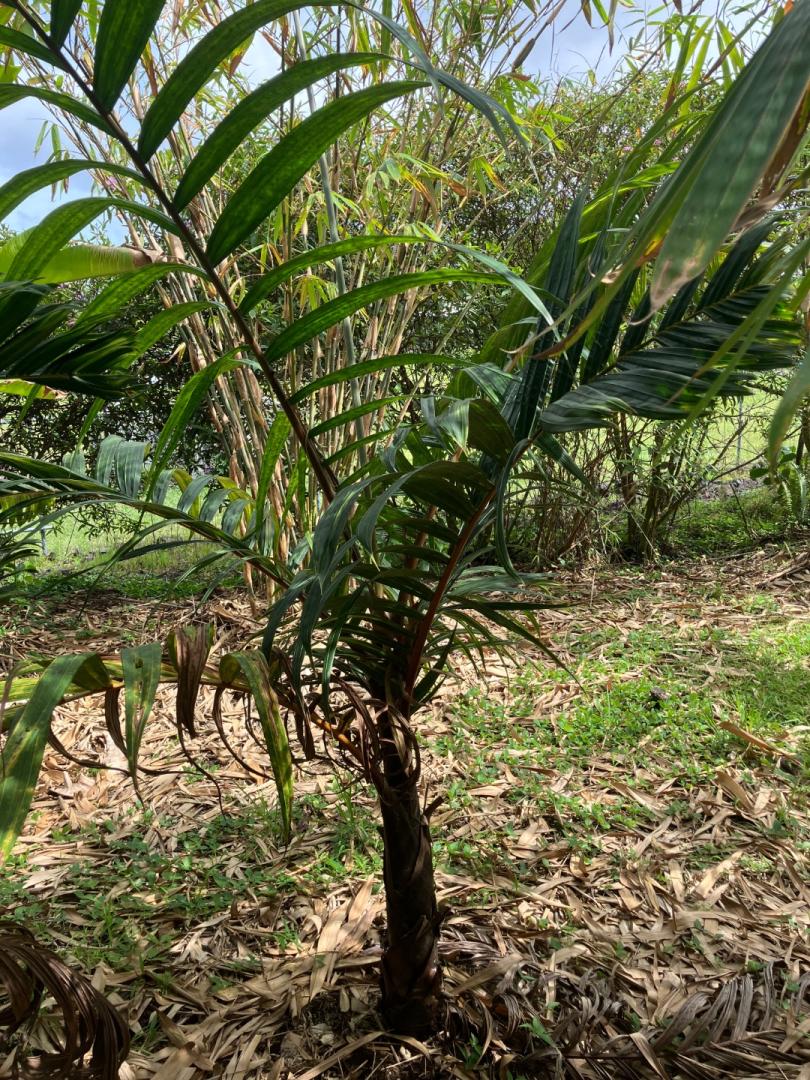
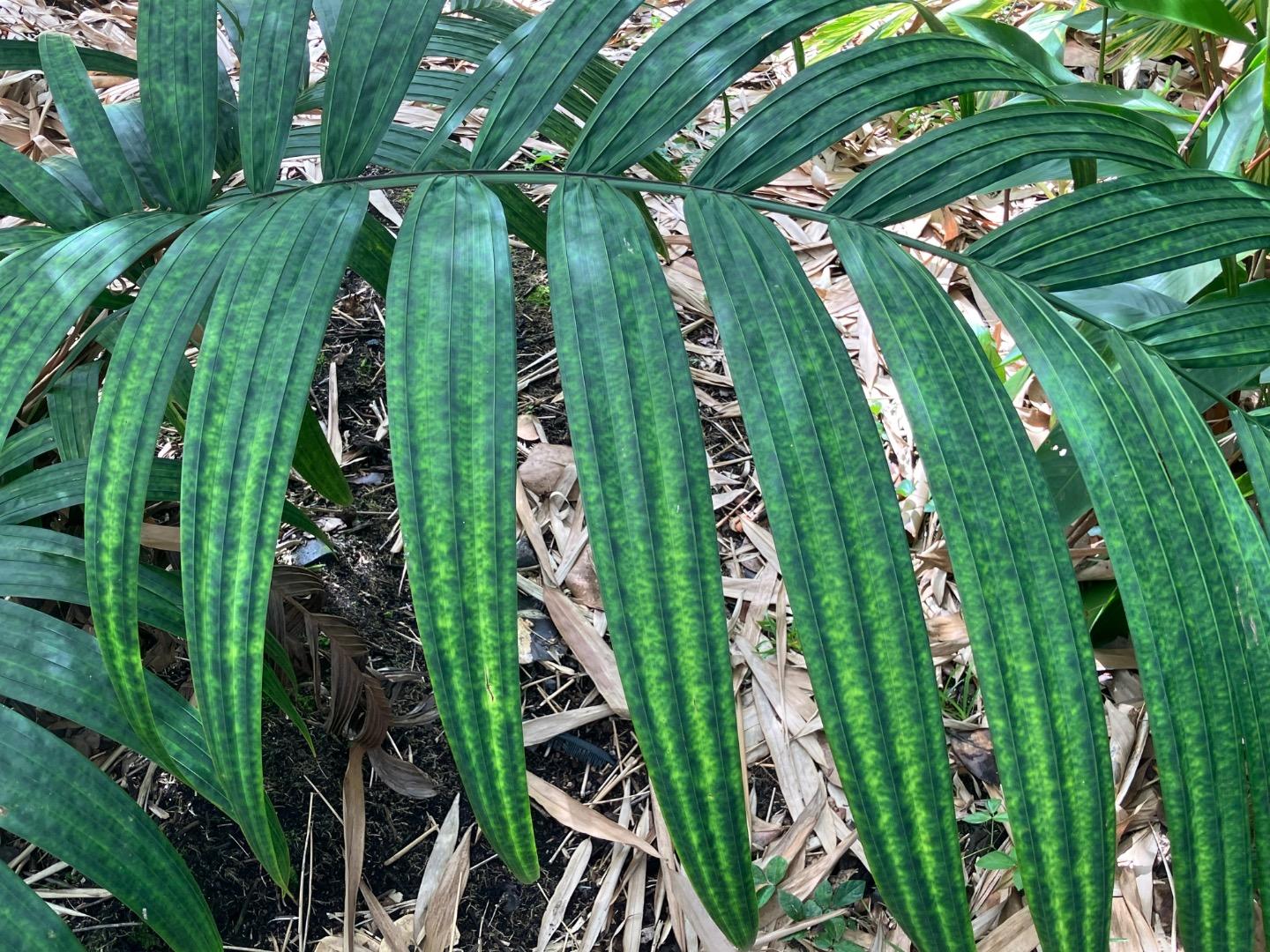
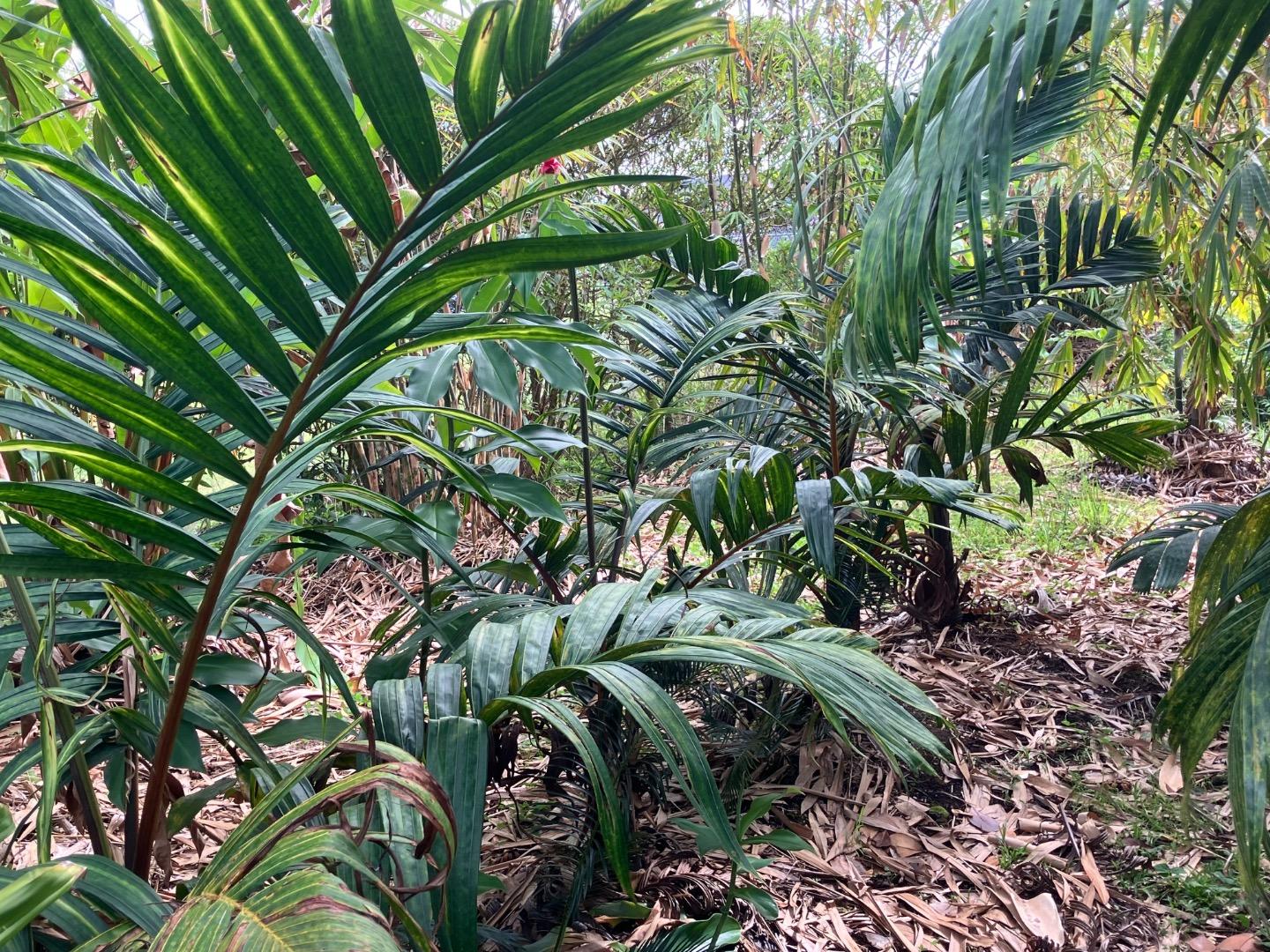
 1 pointFrom Sulawesi, Indonesia, Pinanga caesia is a very colorful, very attractive palm at all stages. Like many palms, dropping a frond gives you a bold shock of color on the trunk. Dropping a flower spathe will reveal a stunning and delicate pink inflorescence. The leaves are beautifully mottled. All this in one palm! Are you growing this Pinanga? Share a photo or several. Below, the rings revealed today Still young and leaning toward the sun Below: looking up at the underside of the leaf Another angle of the entire palm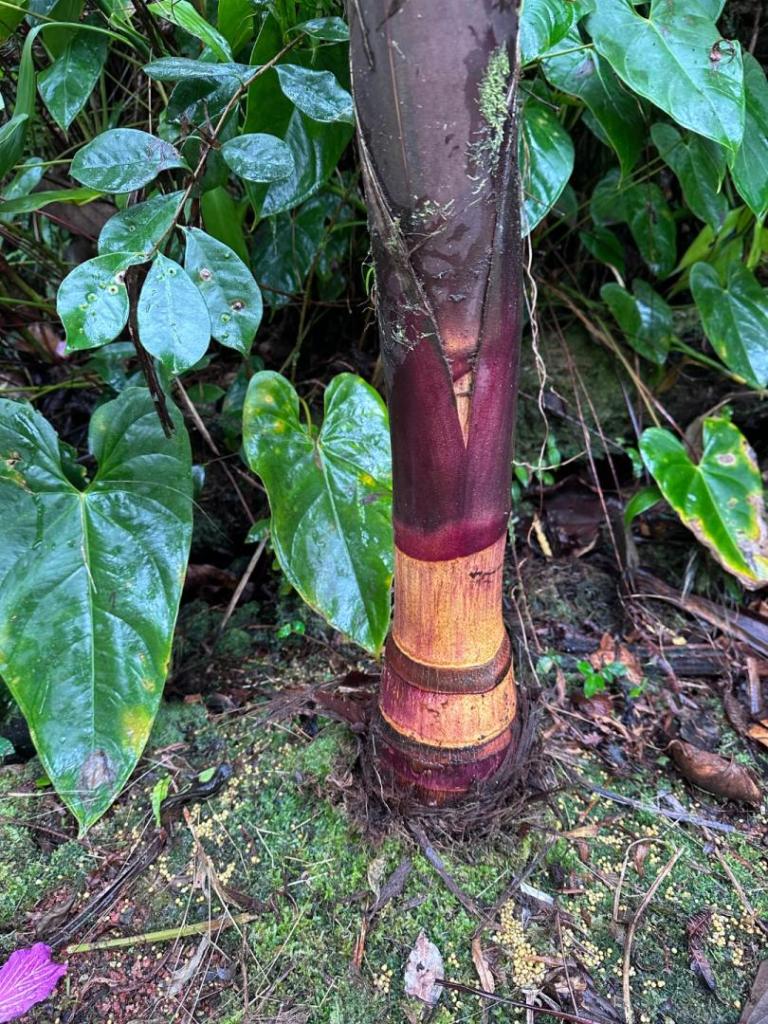
 1 point
 Any update on your trachy, @CoconutHead? I am about to buy that same Home Depot 2 pack and give these a try. I am quite a bit north of you but more coastal (Westchester County, NY north of NYC, zone 7a most winters), so I feel like it may be possible.1 point
Queens look horrible in nearly every location in SW and SFL. Central Florida is very hit or miss with queens, but mostly miss. North Florida and the GA coast have beautiful looking Queens. I think they may be worth a try, barring the events of the 1980’s, I think they can have a good run. I would plant anything but Sabals(unless you can get a Lisa) and Washingtonia and mix things up. Chinese fan palms can look absolutely amazing as well as ribbon palms. I’ve seen large, healthy specimens as far north as Hilton Head.1 point
Thanks peachy hollrugii I have but will get a few pachystachys I will find them somewhere. Richard1 point
There’s nothing that I know of that checks all your boxes. I would consider mule palms, queens and Everglades palms in those areas to give the impression of topicality.1 point
1 point
Any update on your trachy, @CoconutHead? I am about to buy that same Home Depot 2 pack and give these a try. I am quite a bit north of you but more coastal (Westchester County, NY north of NYC, zone 7a most winters), so I feel like it may be possible.1 point
Queens look horrible in nearly every location in SW and SFL. Central Florida is very hit or miss with queens, but mostly miss. North Florida and the GA coast have beautiful looking Queens. I think they may be worth a try, barring the events of the 1980’s, I think they can have a good run. I would plant anything but Sabals(unless you can get a Lisa) and Washingtonia and mix things up. Chinese fan palms can look absolutely amazing as well as ribbon palms. I’ve seen large, healthy specimens as far north as Hilton Head.1 point
Thanks peachy hollrugii I have but will get a few pachystachys I will find them somewhere. Richard1 point
There’s nothing that I know of that checks all your boxes. I would consider mule palms, queens and Everglades palms in those areas to give the impression of topicality.1 point
1 point Discussing Palm Trees Worldwide forum here is full of info on such topics from gardeners in these locations.1 point
 1 pointHere is the latest addition to my garden, Basselinia pancheri, scored this from a very dear friend, it has been treated like royalty. i noticed yesterday that the old palm frond was ready to come off, so I grabbed out the trusty iphone and snapped away, shes a beauty.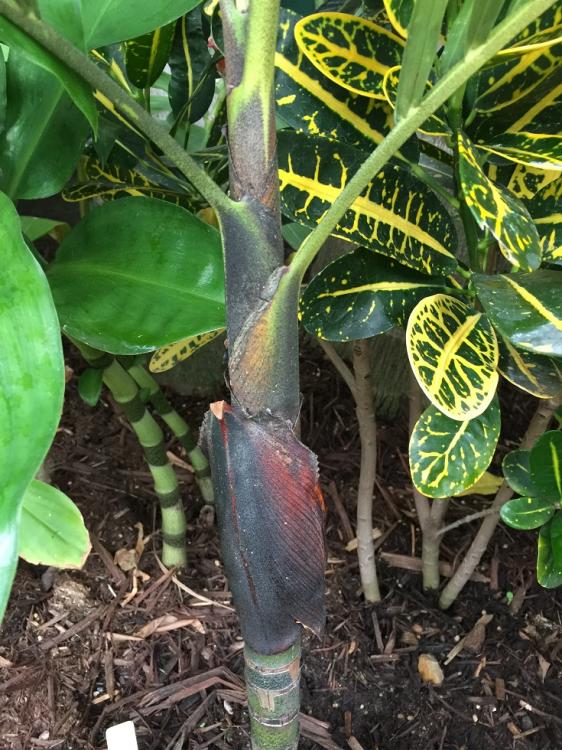
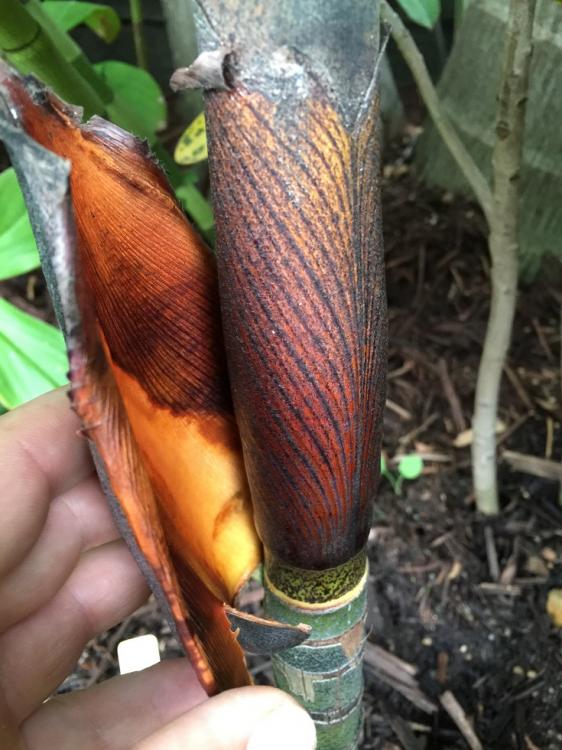
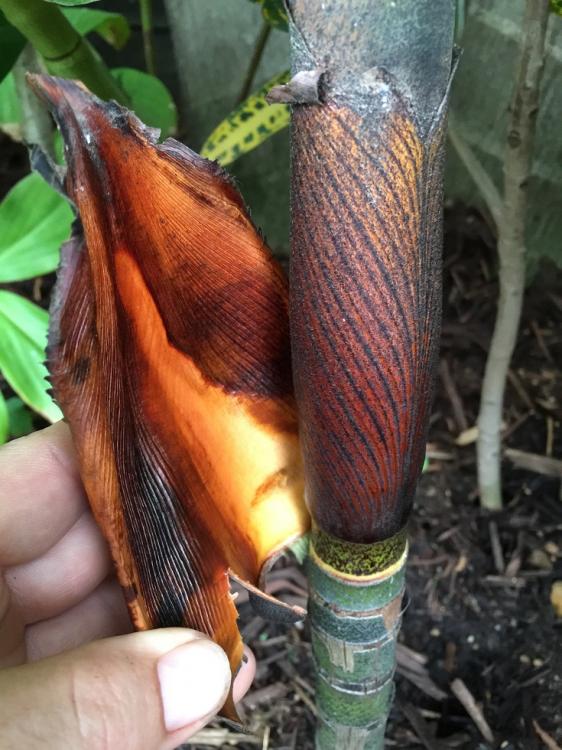
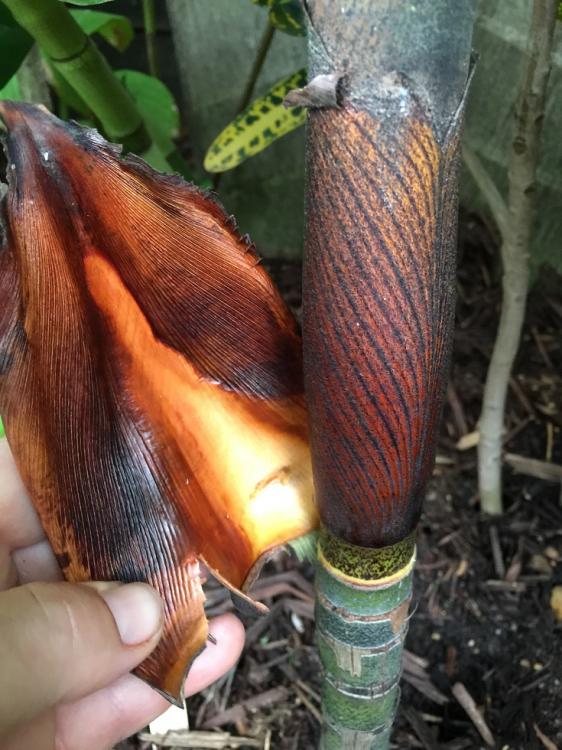
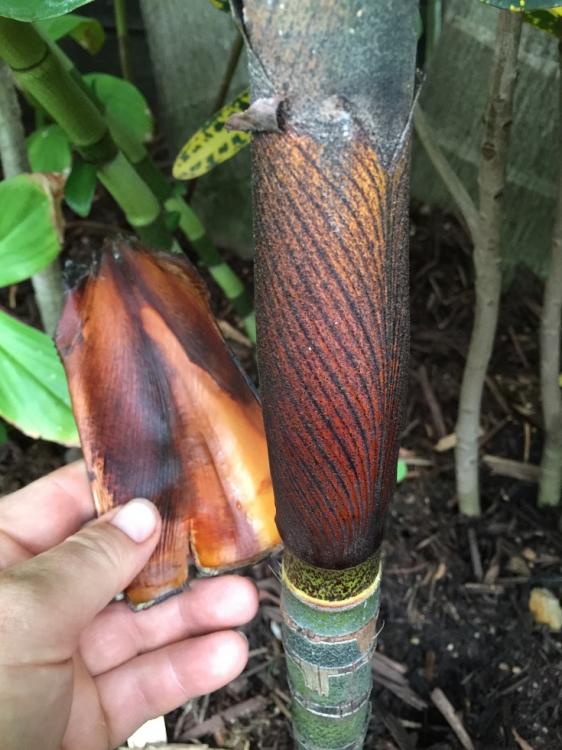
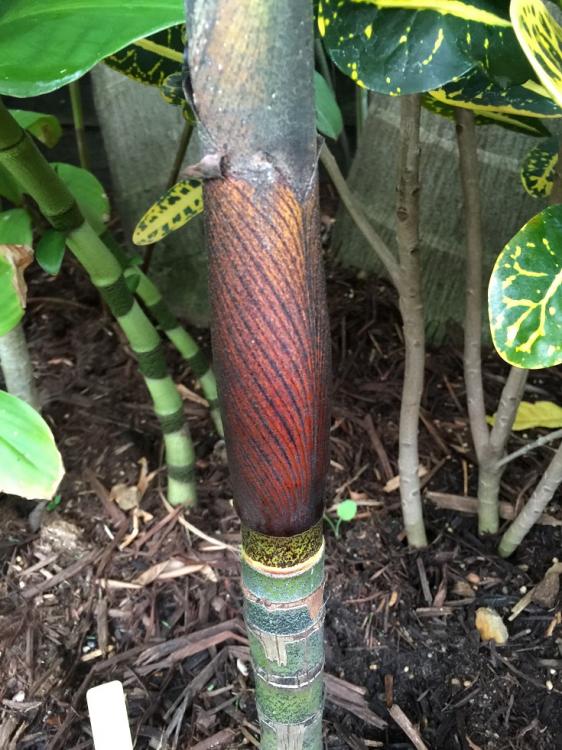 1 point
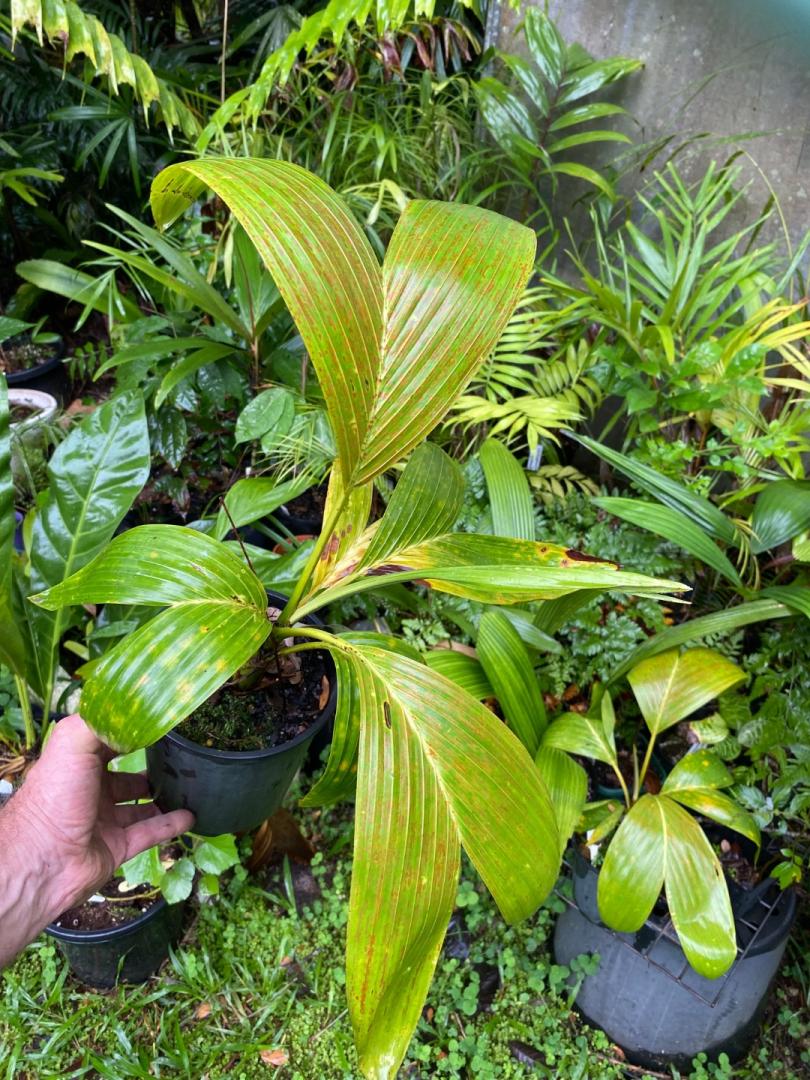

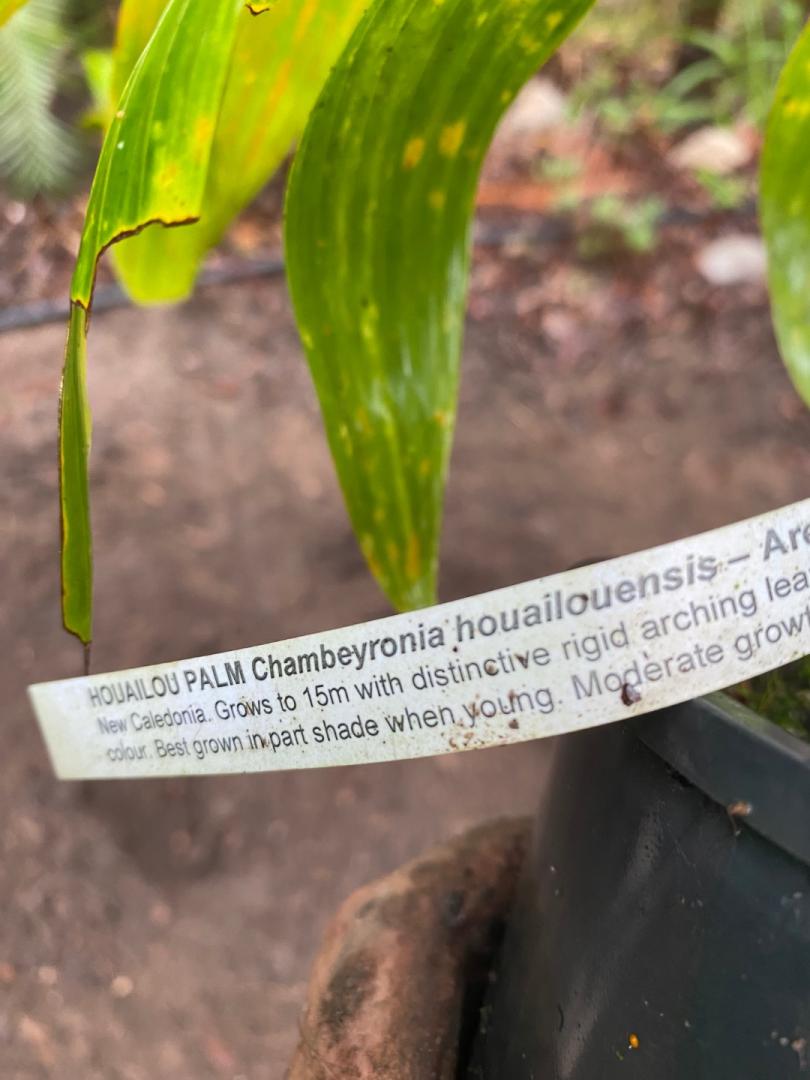
















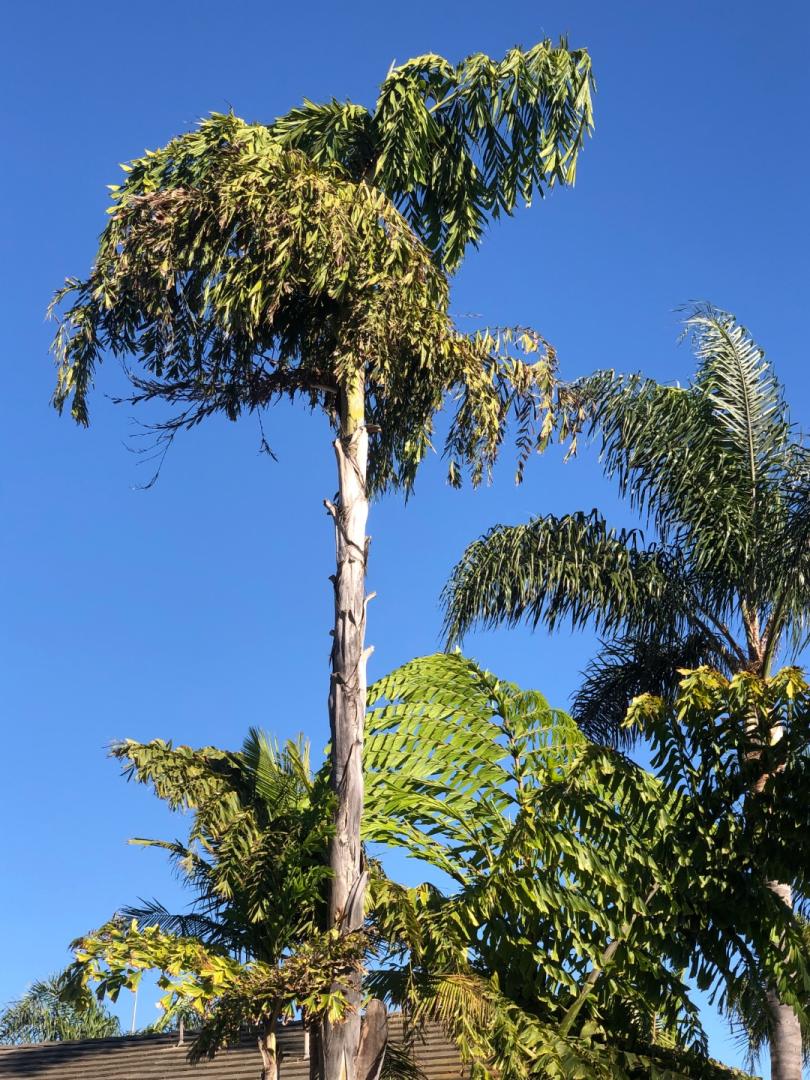

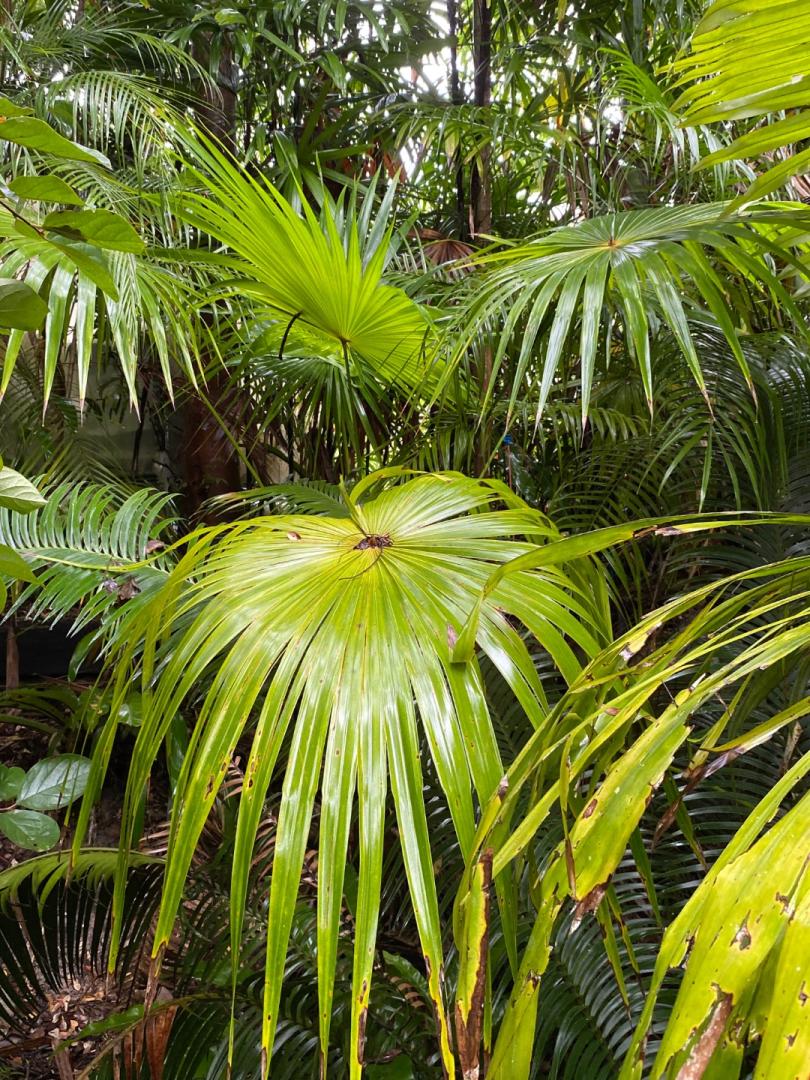

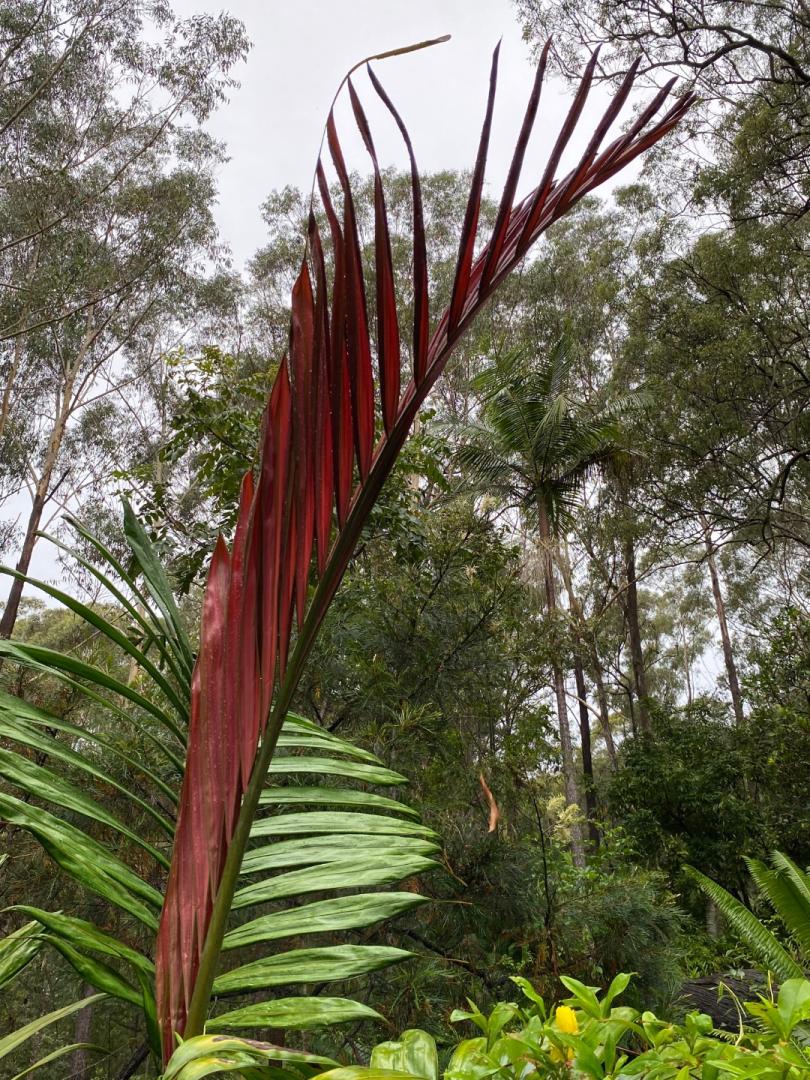


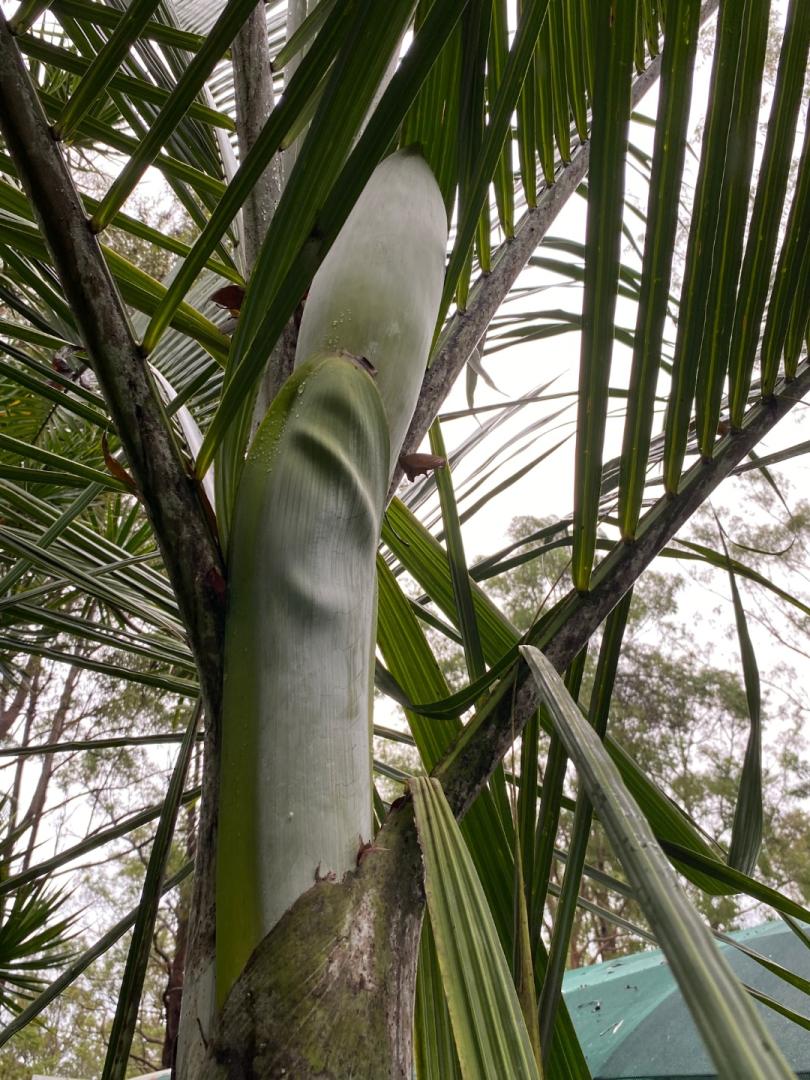

















.jpg.fa6873ab4f4f45edebc5d03e9199eade.jpg)



.jpg.dbf2e66155afb7bcddabd012311dccb4.jpg)