

Leaderboard
-


Harry’s Palms
IPS MEMBER12Points4,236Posts -

Chester B
IPS MEMBER11Points4,678Posts -

happypalms
IPS MEMBER10Points12,669Posts -

Jonathan
IPS MEMBER9Points2,519Posts
Popular Content
Showing content with the highest reputation on 03/14/2025 in all areas
-
5 pointsIt's more likely that the opposite is true...there's been a lot of confusion over these two species, as @tim_brissy_13 and @Harry’s Palms mentioned above. Despite being reclassified 15 years ago nearly all 'capitata' in cultivation are actually odorata, the nursery trade and growers have been very slow to pick up the change. If you have a look at the link below to Palmpedia you can see that true capitata has a far more slender trunk than odorata...so if the plants you are used to seeing are robust, they're far more likely to be odorata. Palmpedia true capitata5 points
-
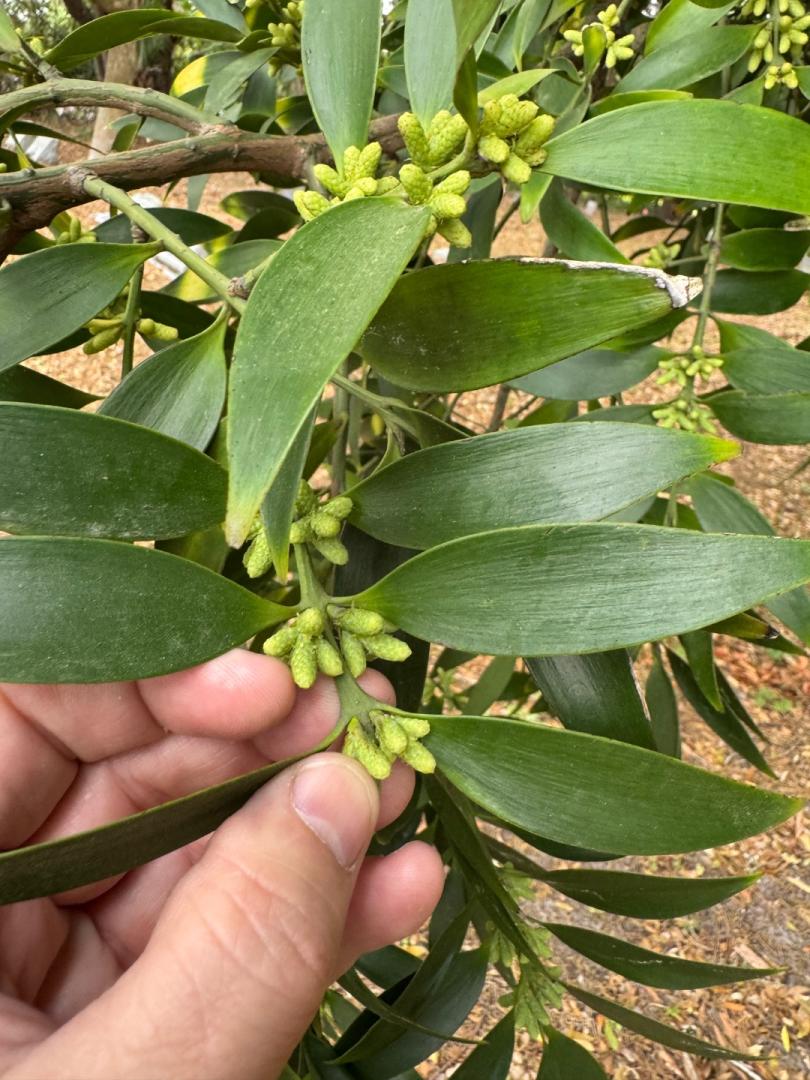
 4 pointsI can normally identify every plant but this one has me stumped. On Merritt Island, Florida. Tree trunk had a kind of peeling park. Standard looking tree. Pretty tall, 20 feet. But I have no idea what this is. Found in Indianola Pioneer Cemetery.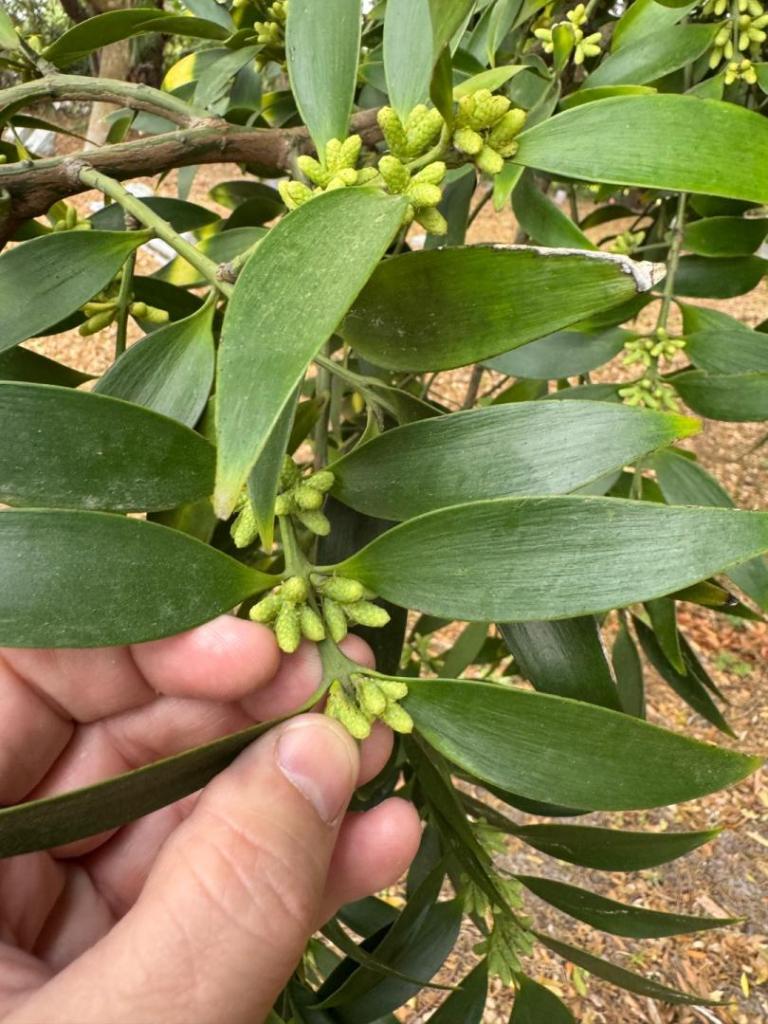
 4 points
 -
 4 points
 -
It's pretty sad when you go back and look at the original post in this thread. Hardly anything left that looks good other than the Sabal uresana and that one Brahea.4 points
-
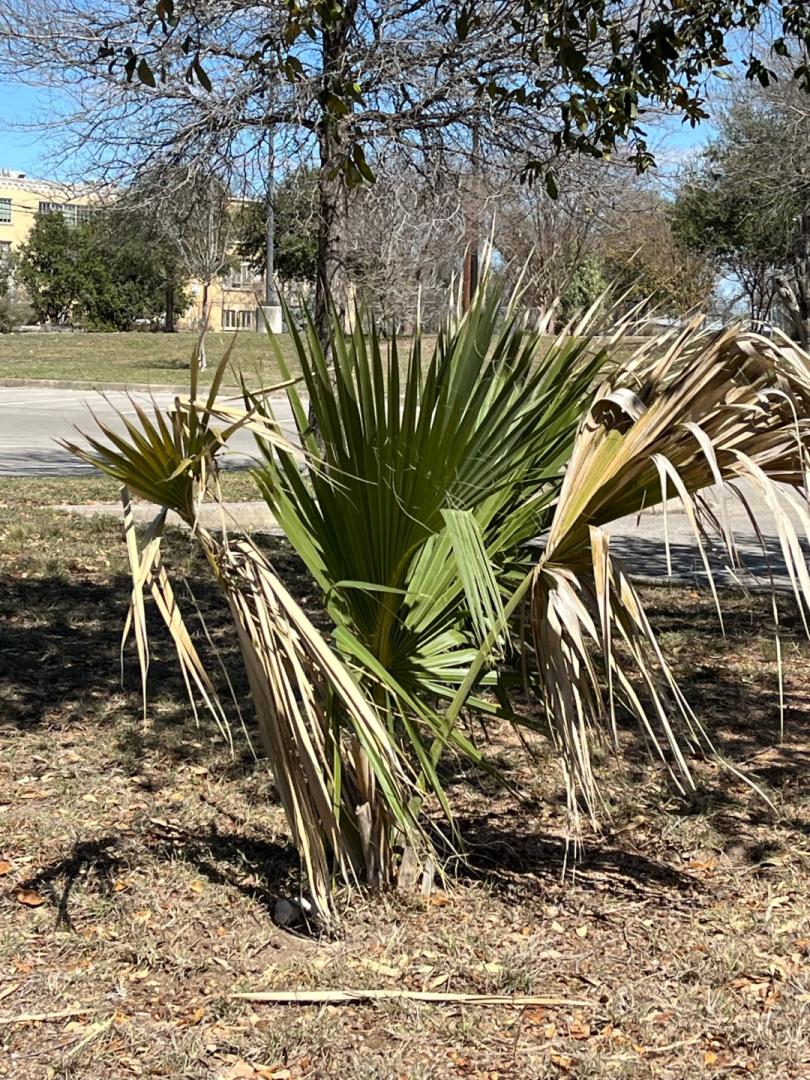
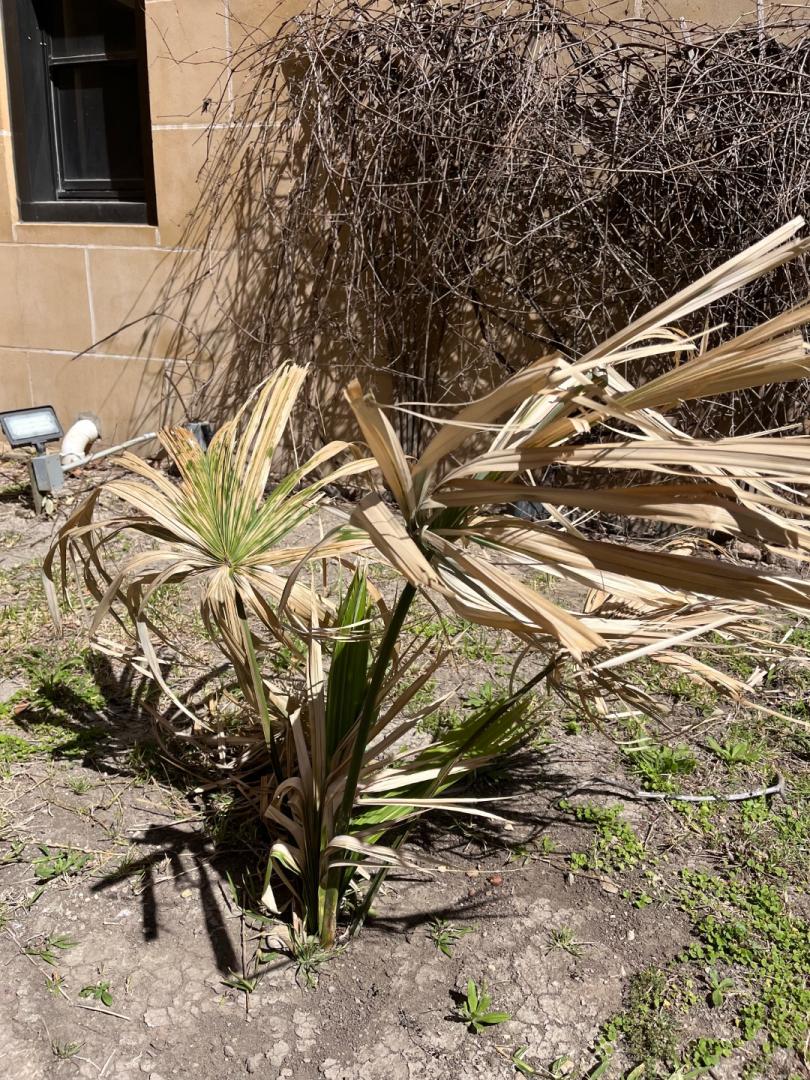
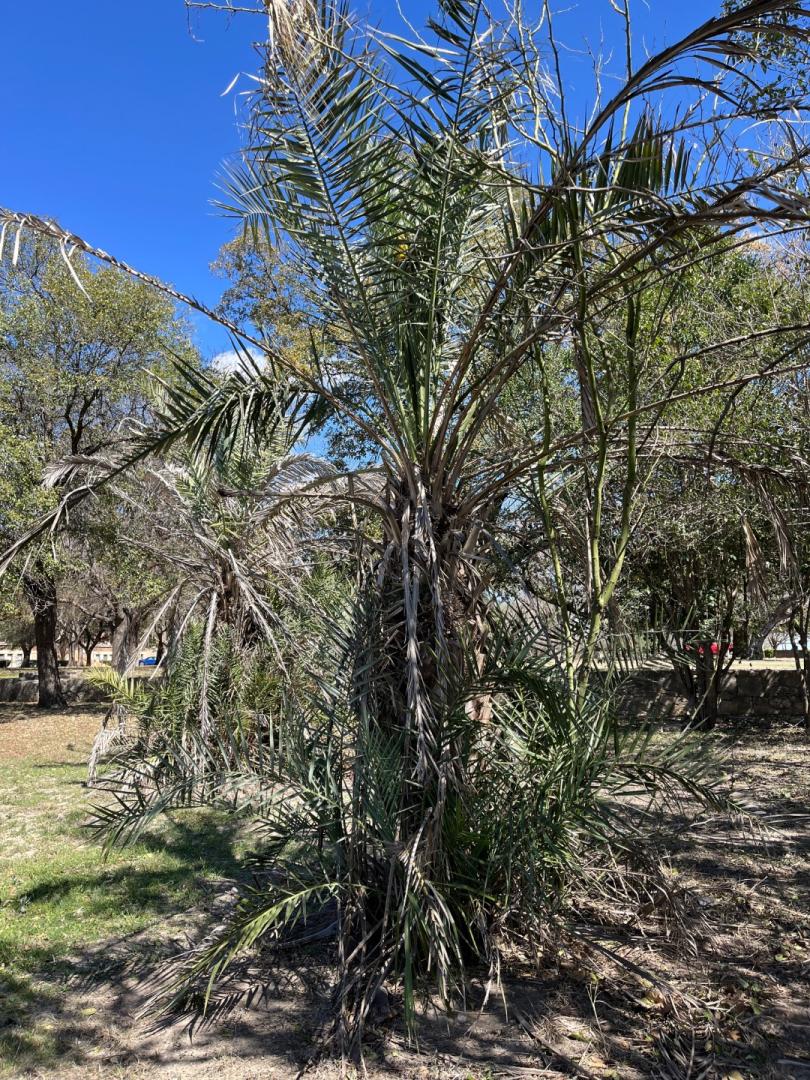
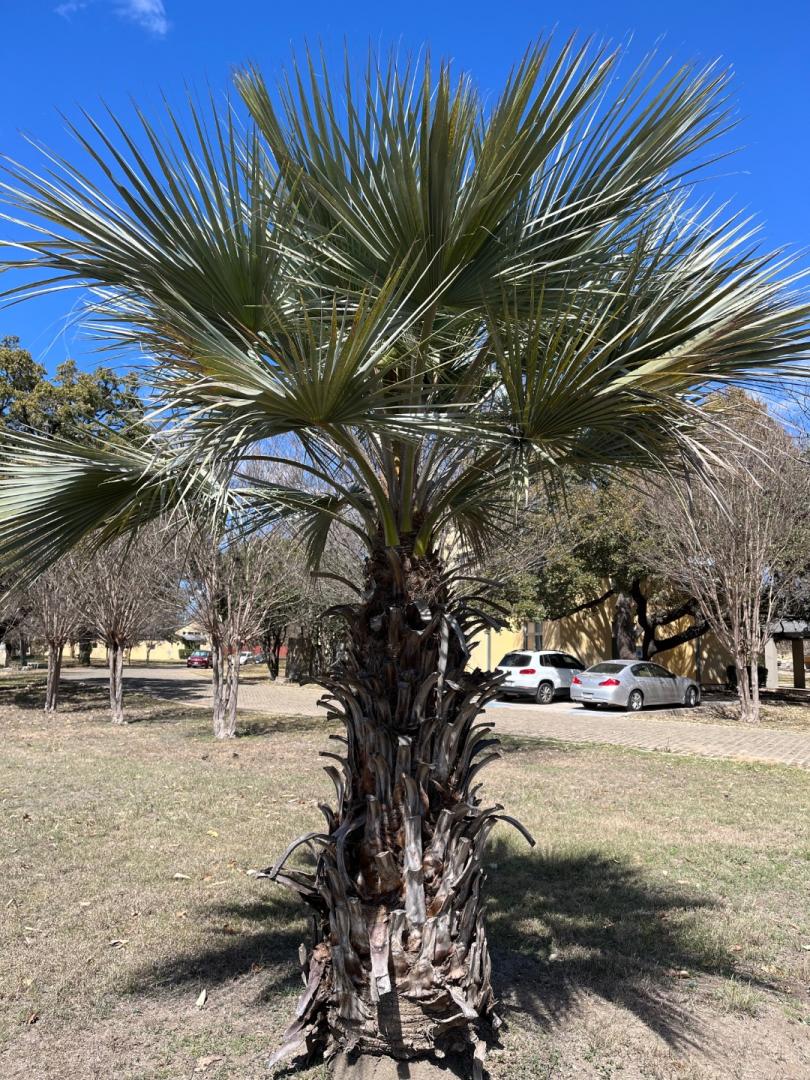
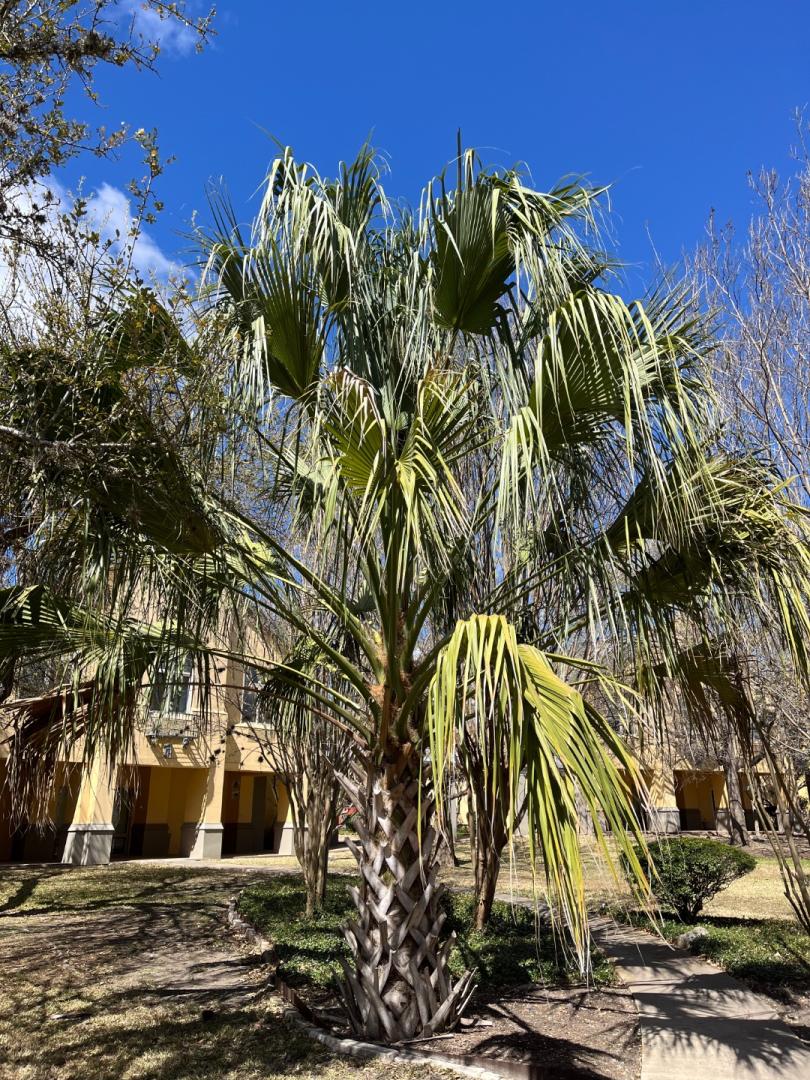
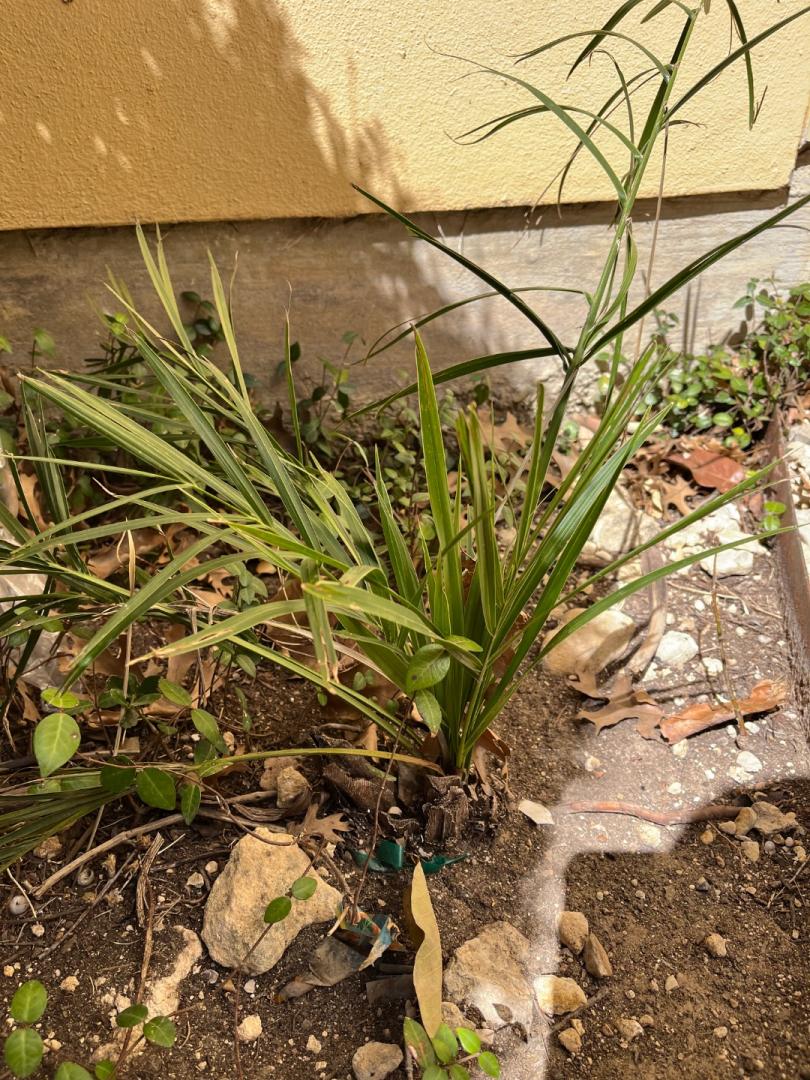
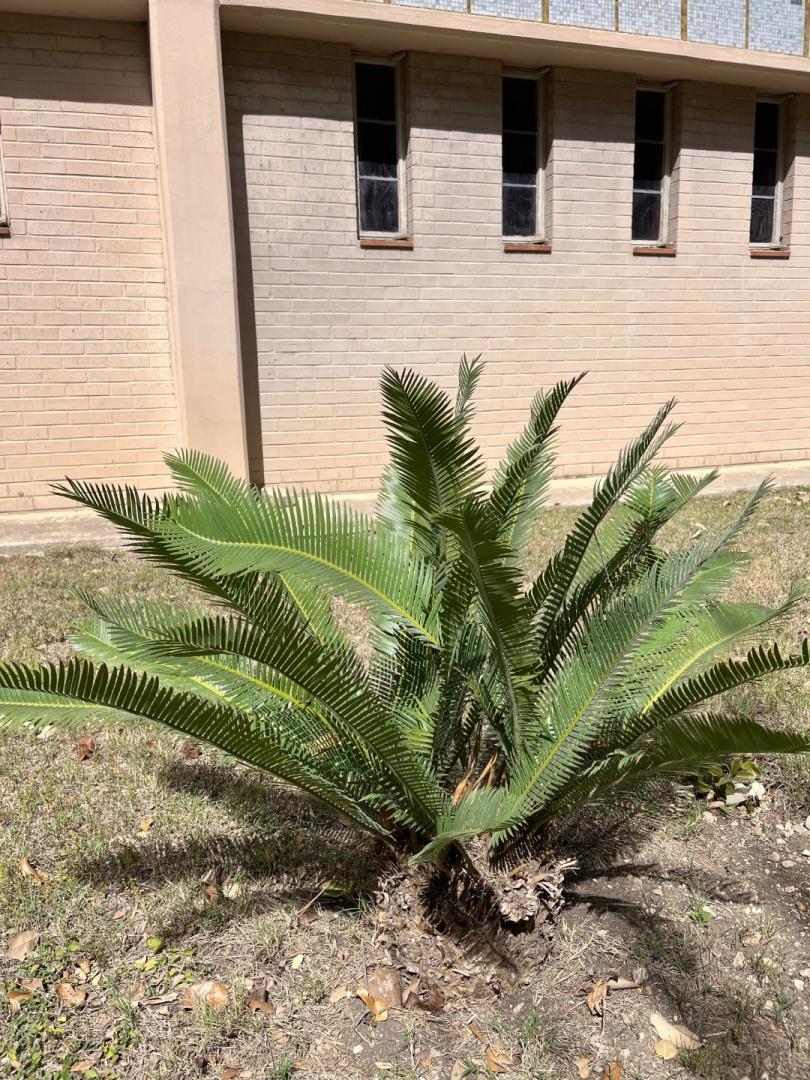
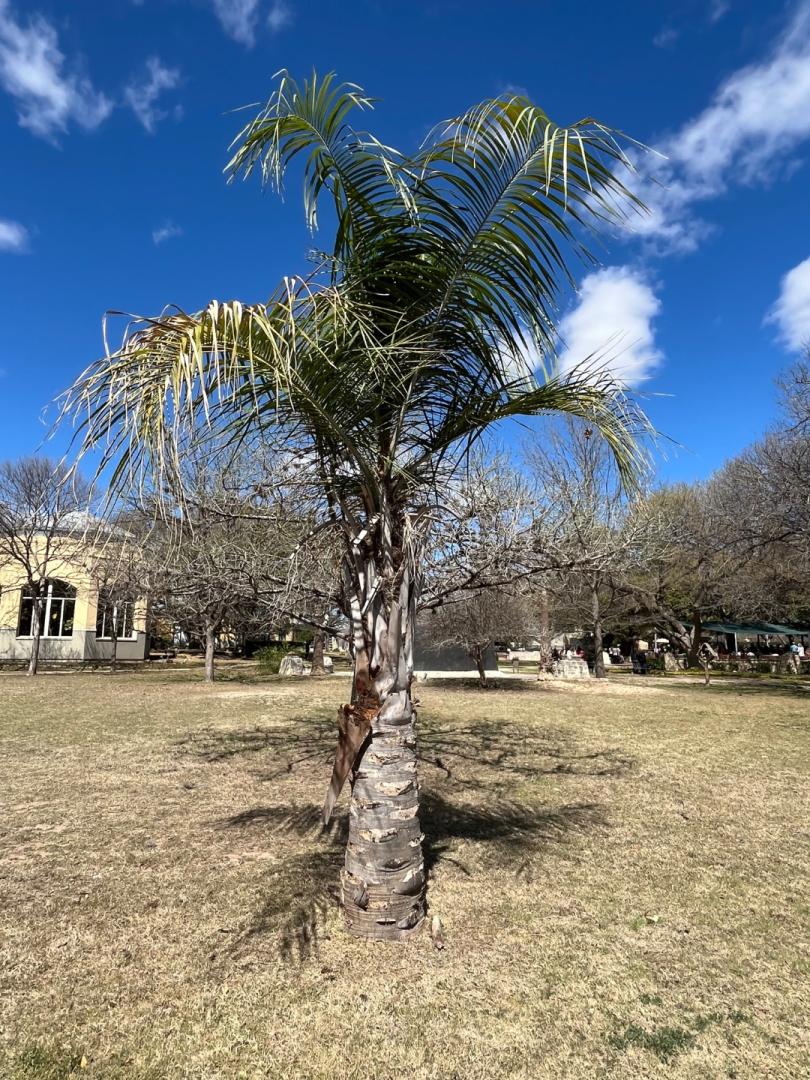
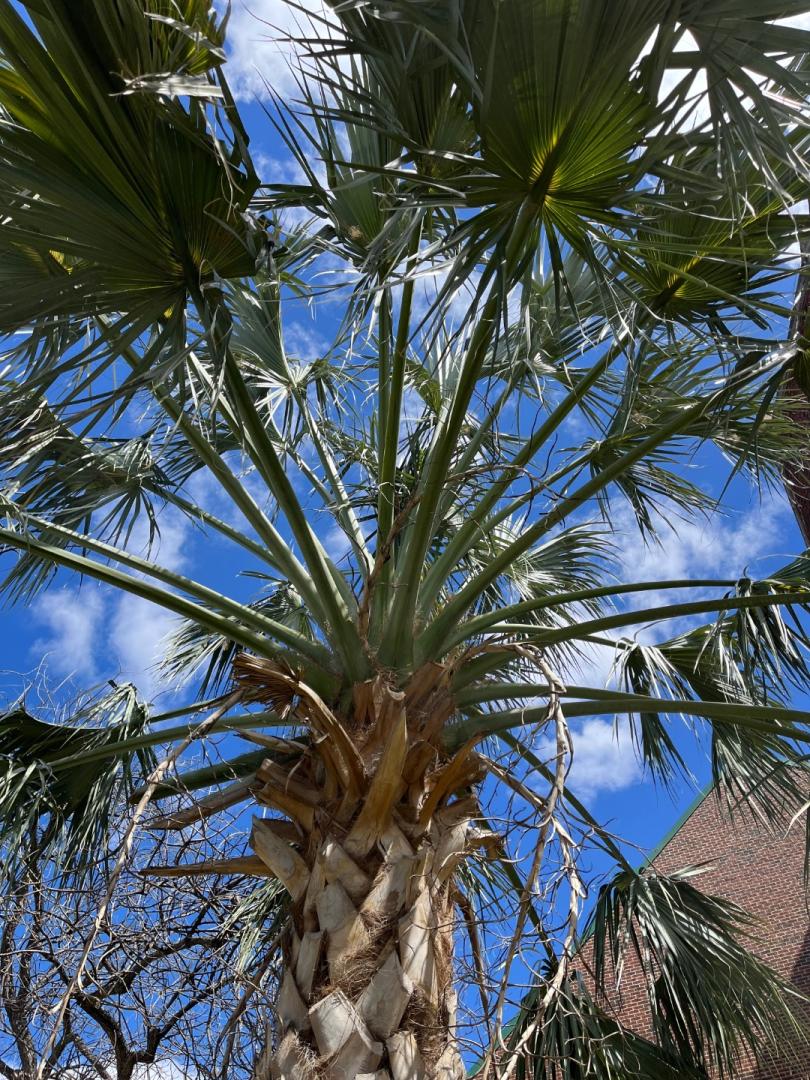
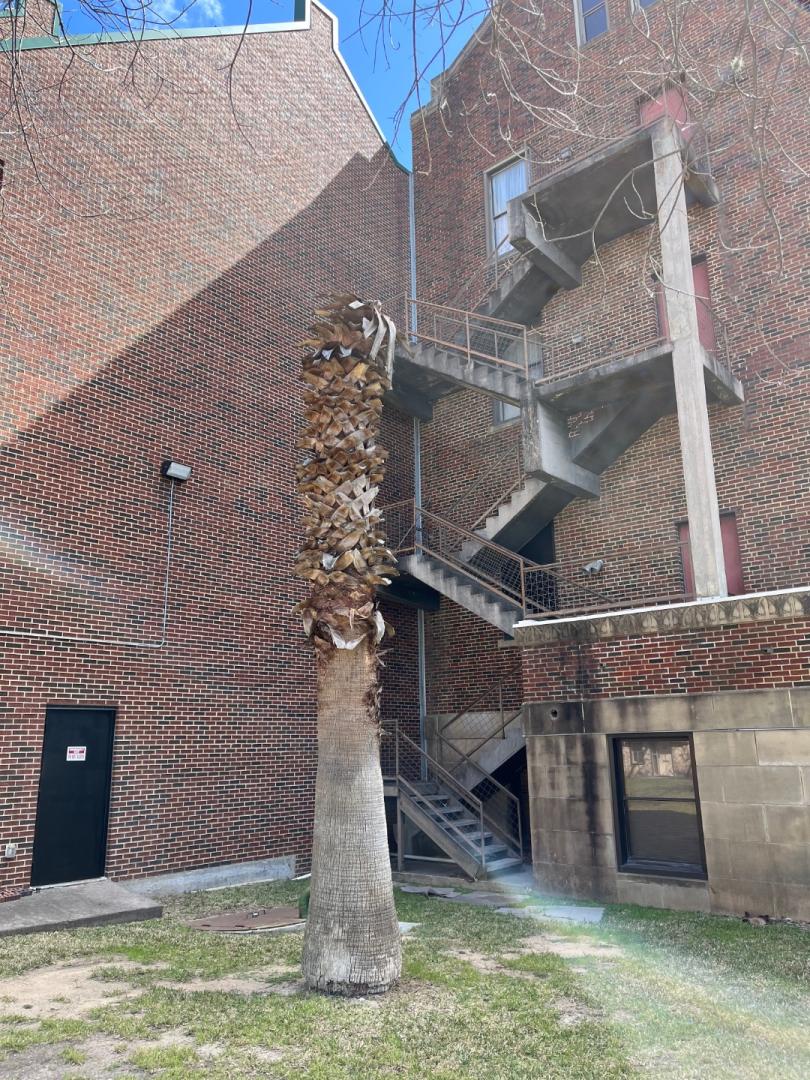
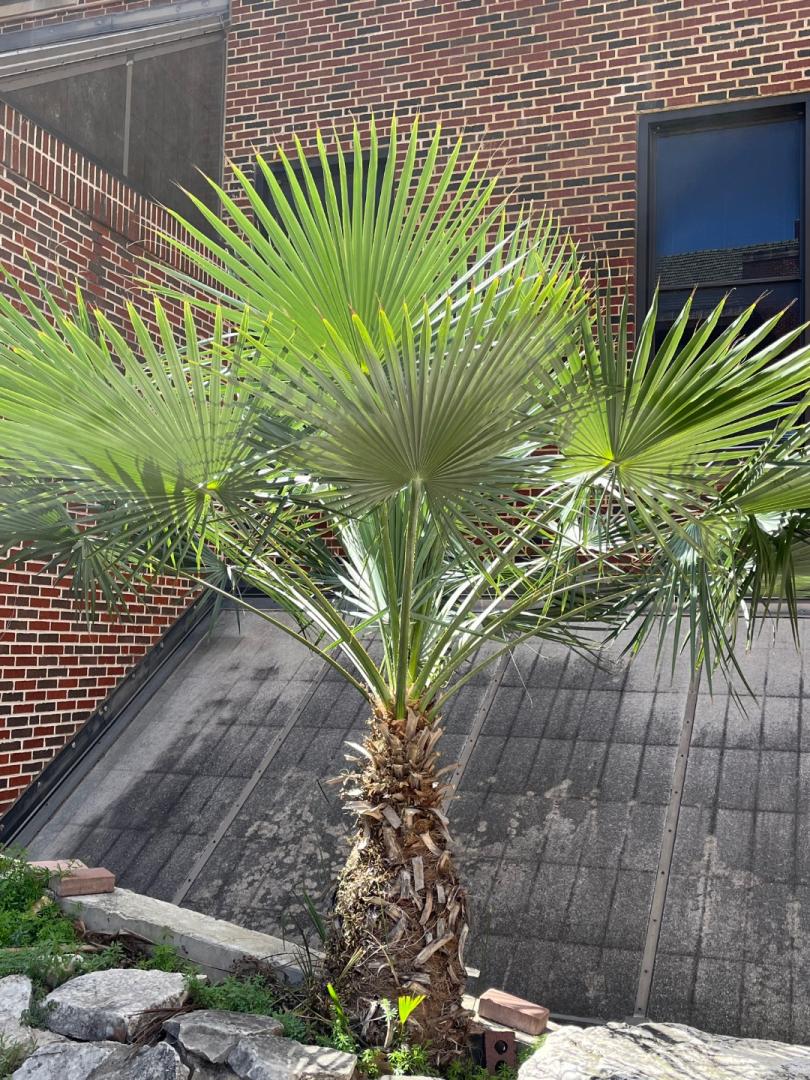
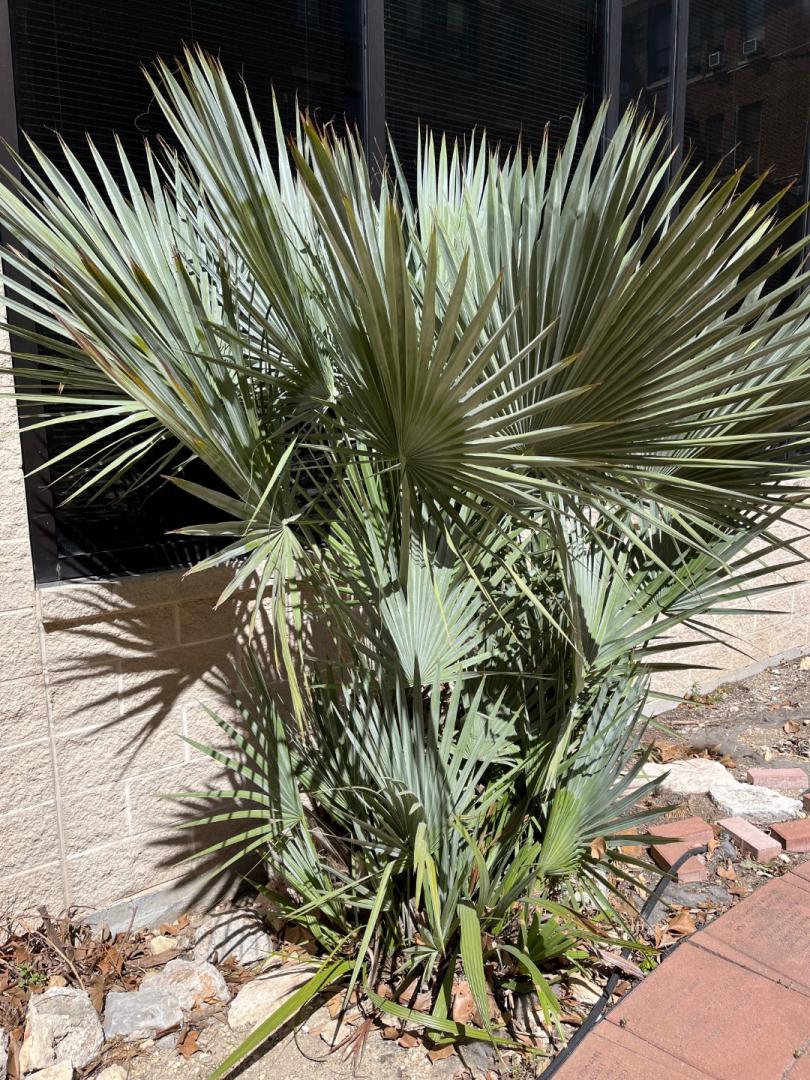
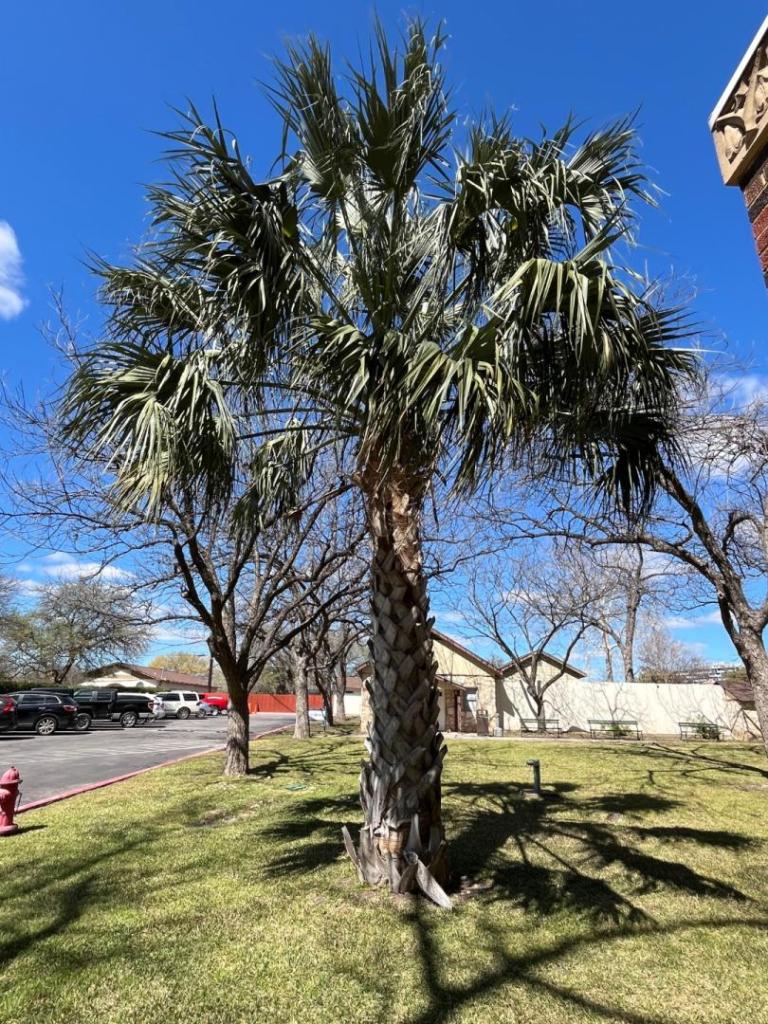
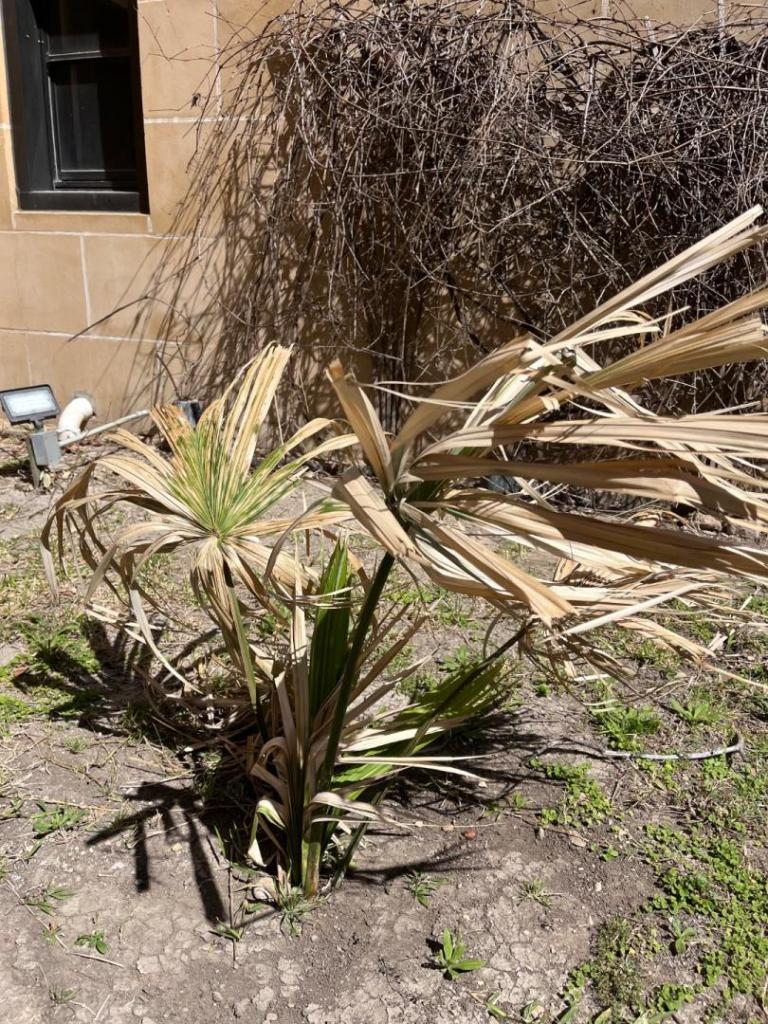
 Hey PT’ers, Been meaning to provide an update on the palms at Oblate for a bit and finally got around to getting out there to take a look at how things are shaping up. Overall, most of the palms that were doing well before continue to do well. Was surprised to see that the large Washingtonia near the Sabal uresana had died since I was last there. Not sure the reason why. Phoenix dactylifera have taken a big hit and there were several of the bigger specimens that had died and the younger ones are looking ok. Unfortunately things weren’t looking as well as I hoped, the combination of recent severe winters (this winter past winter being an exception), years of both never ending drought, and heat waves are taking a toll on those plants that are neglected. Only one Mule palms remains that I could find. The second one had slumped over and now rots in place. I was able to find the mystery Sabal and would love to know what it actually is but not sure it’s going to survive long enough to ever find out. Really wish they’d water some of these plants every now and then. Can’t count on Mother Nature to do it. anyhow, here are the photos.

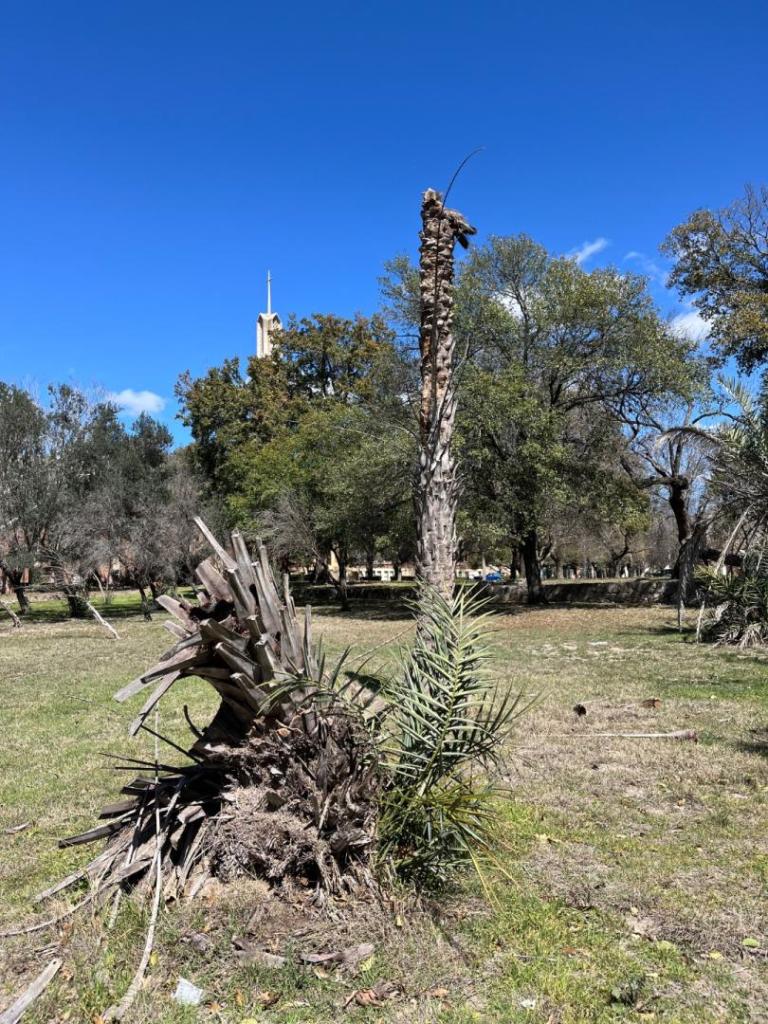
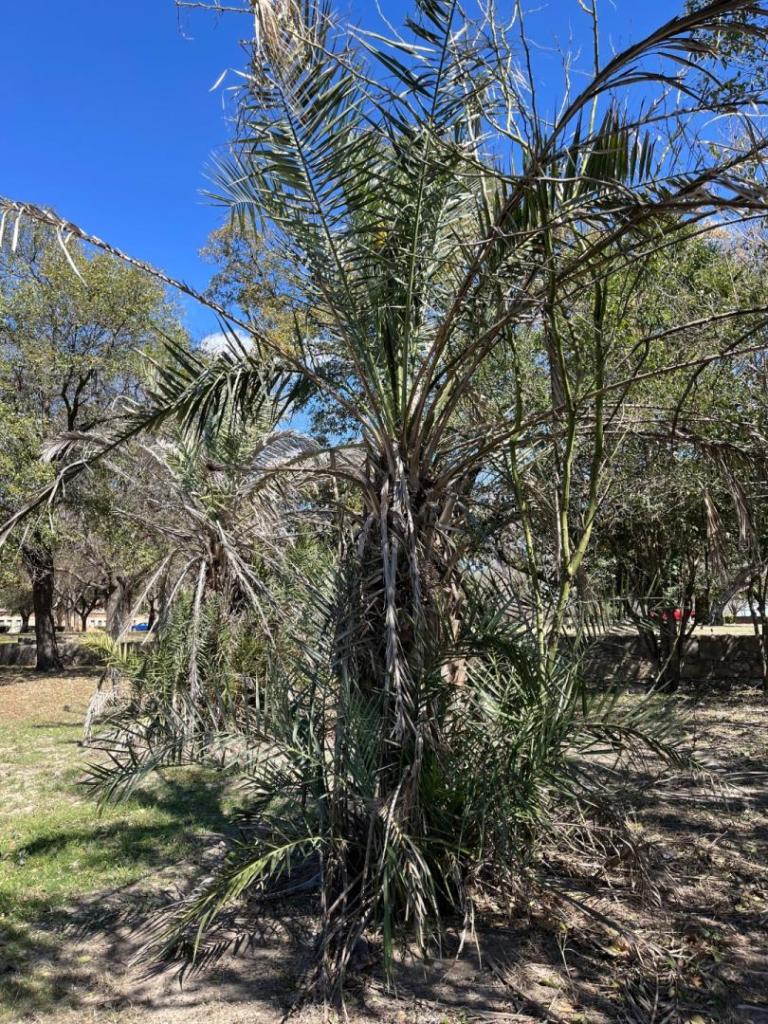
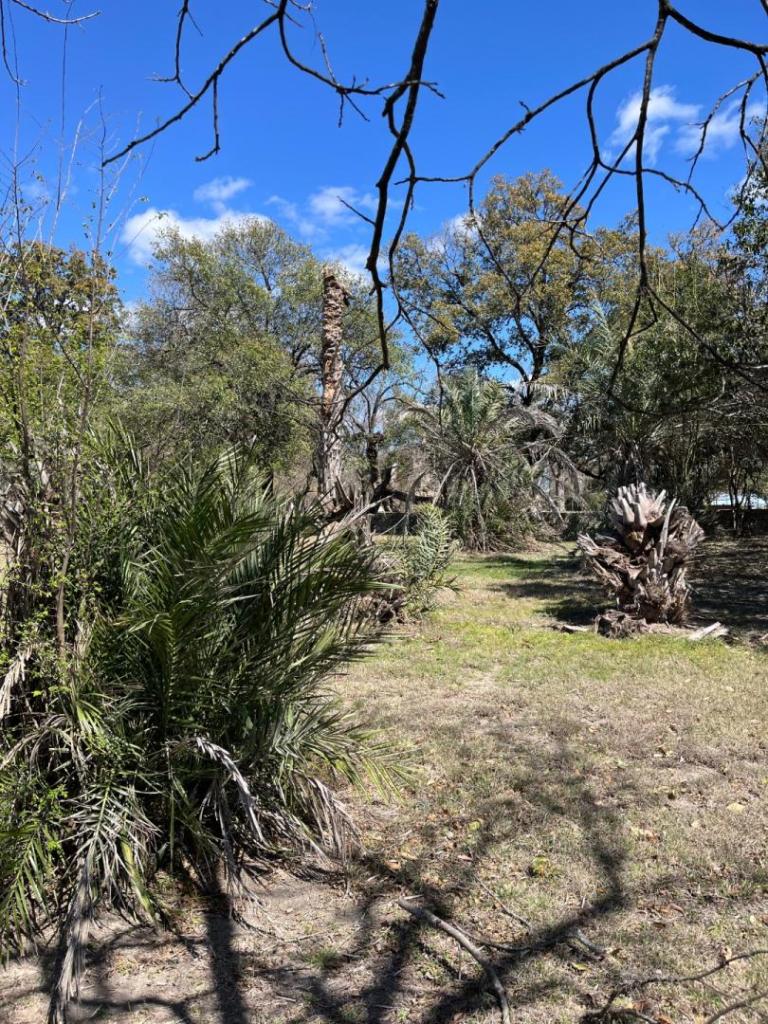
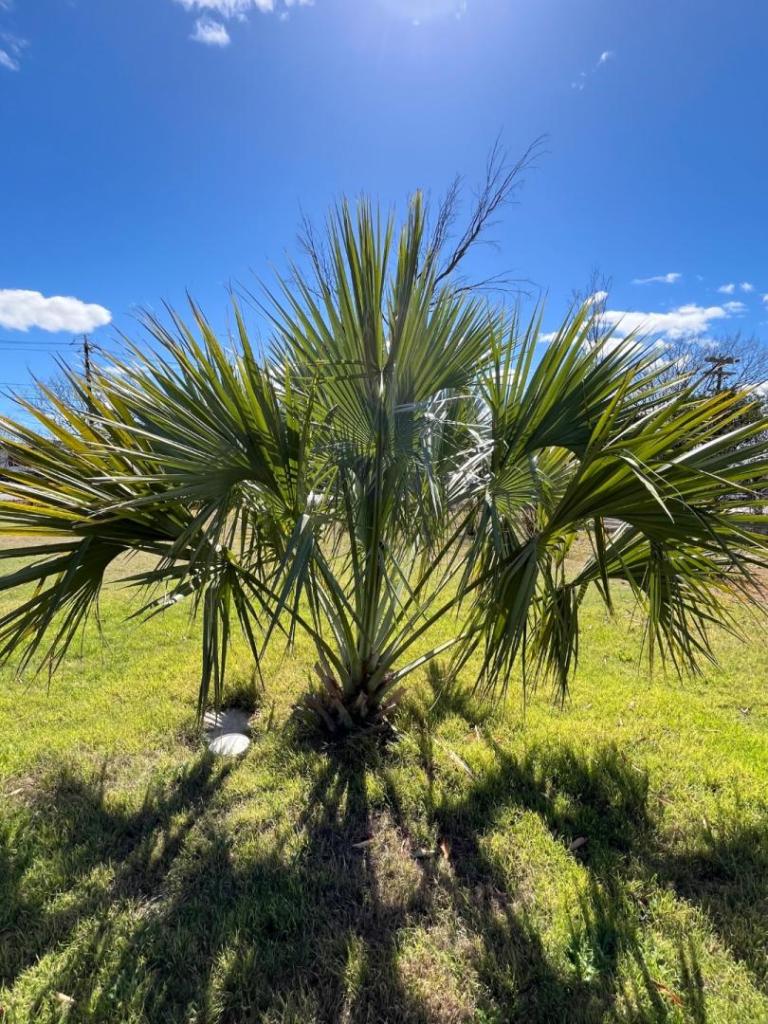

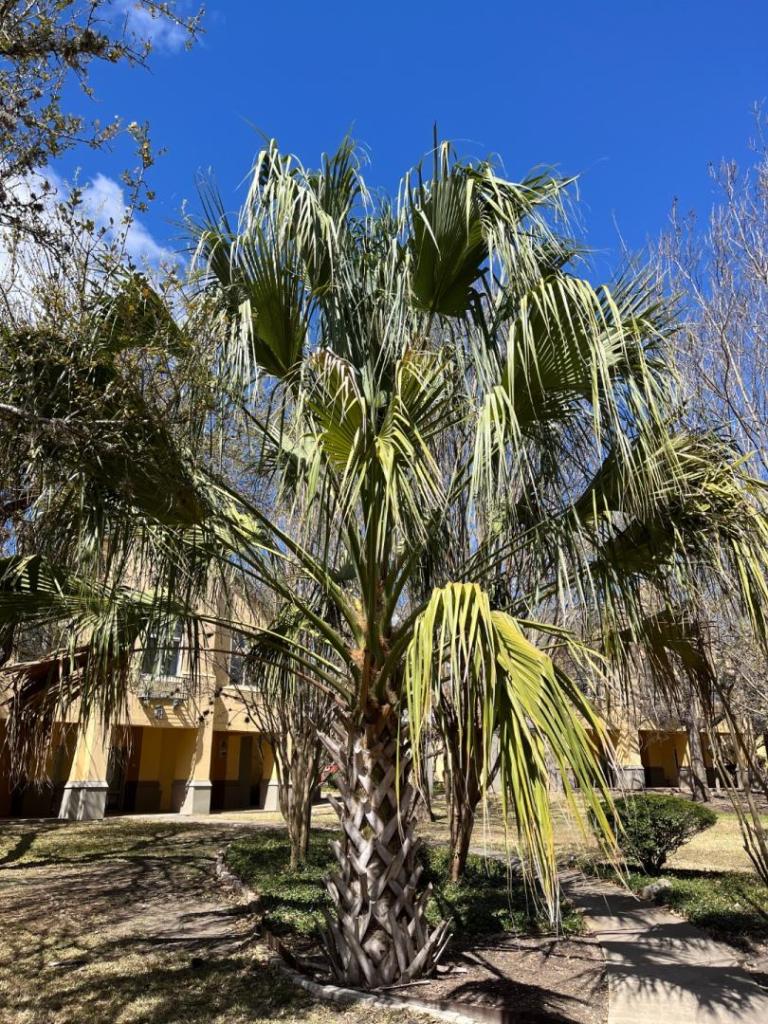
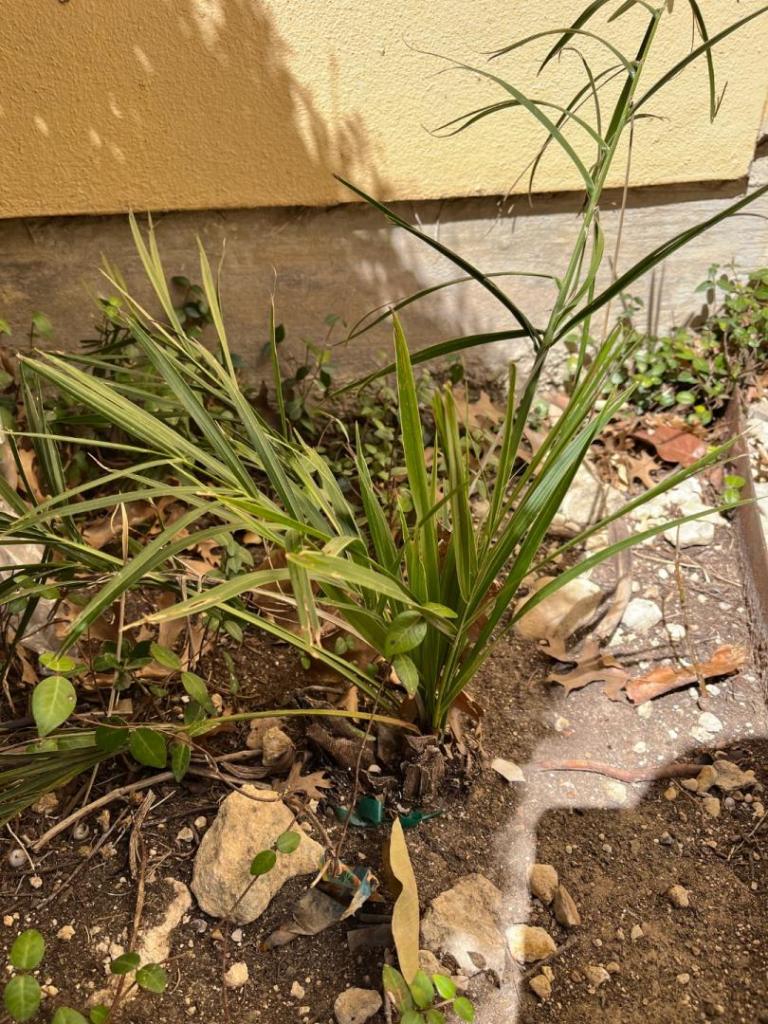
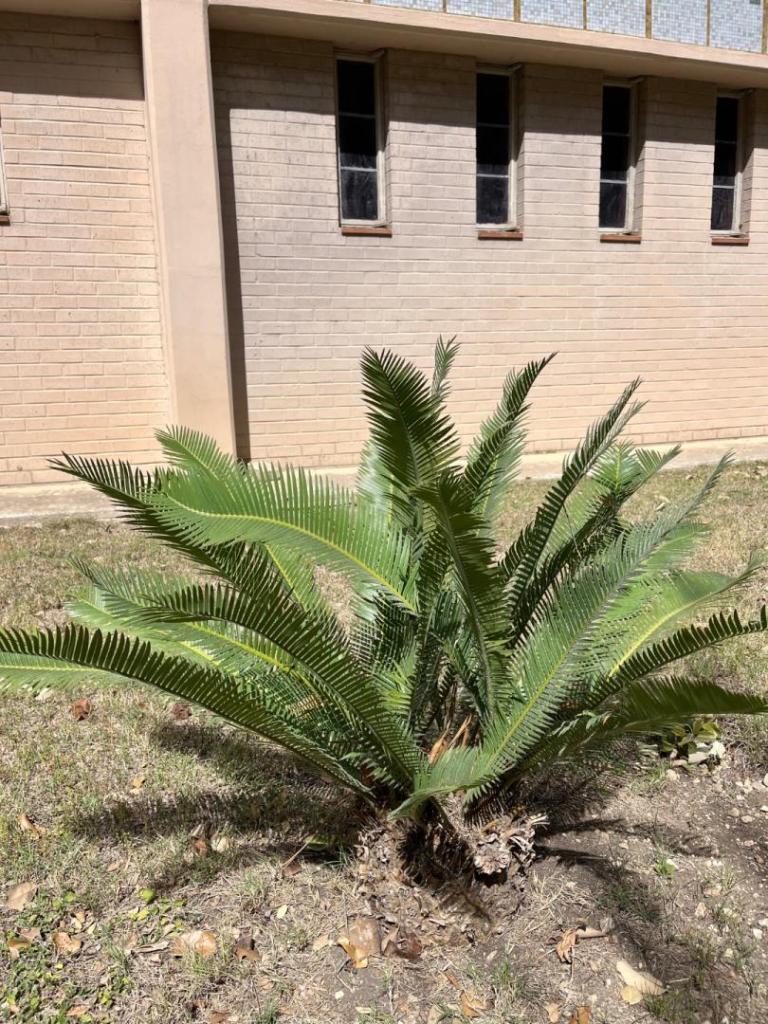
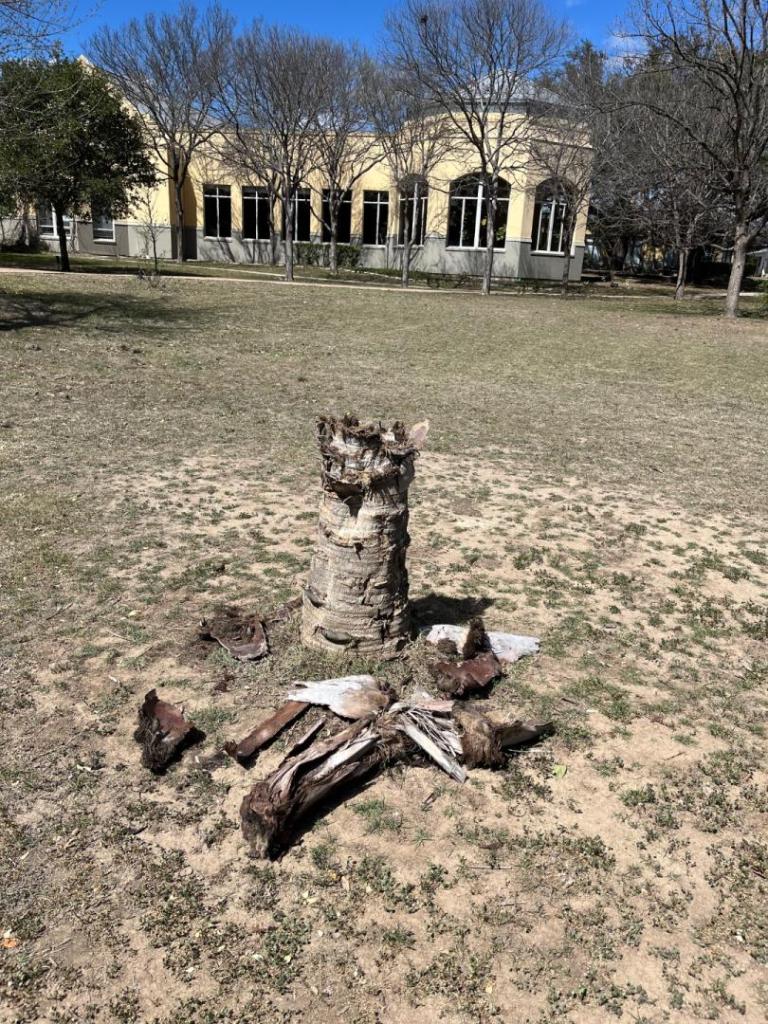

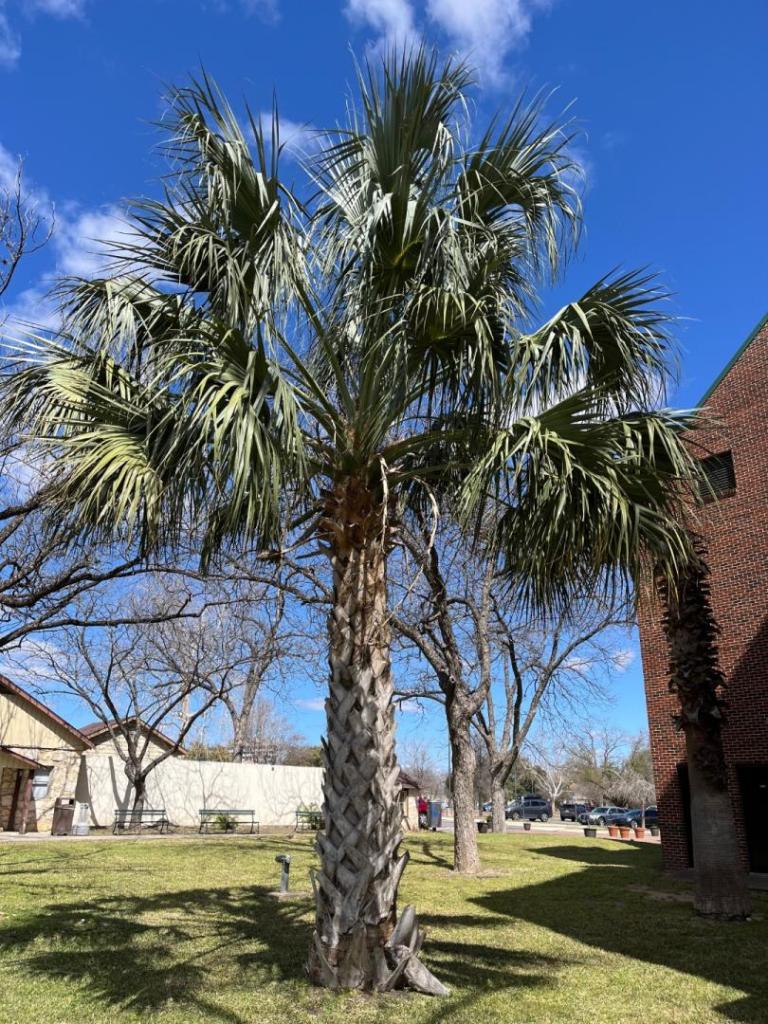

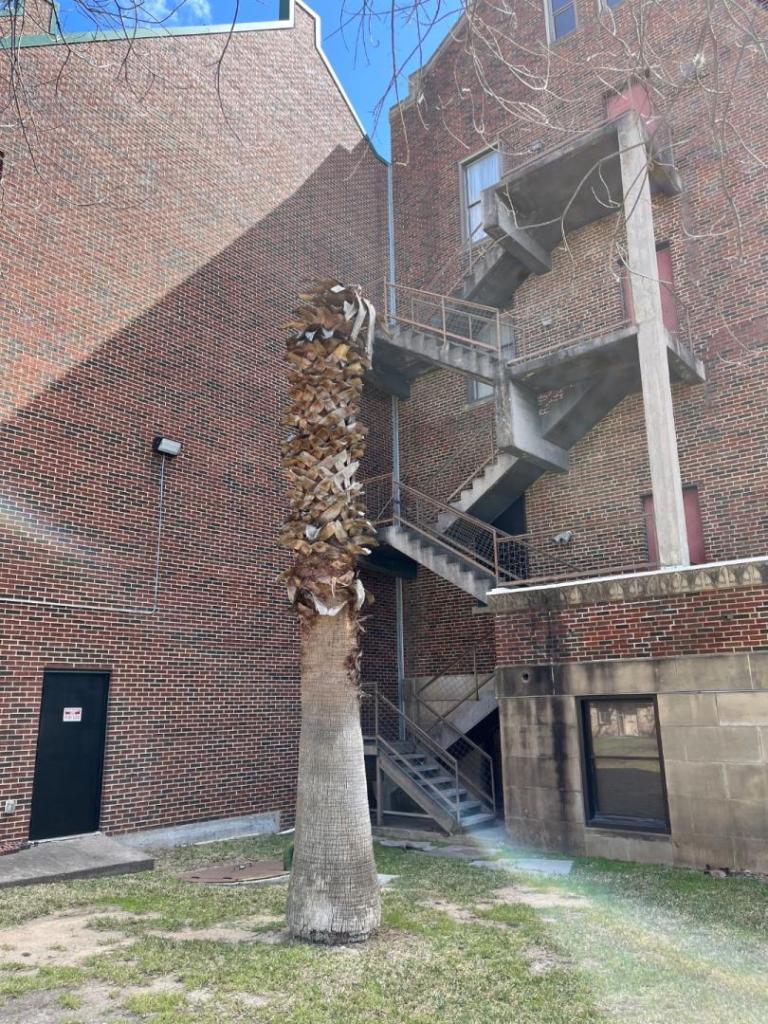
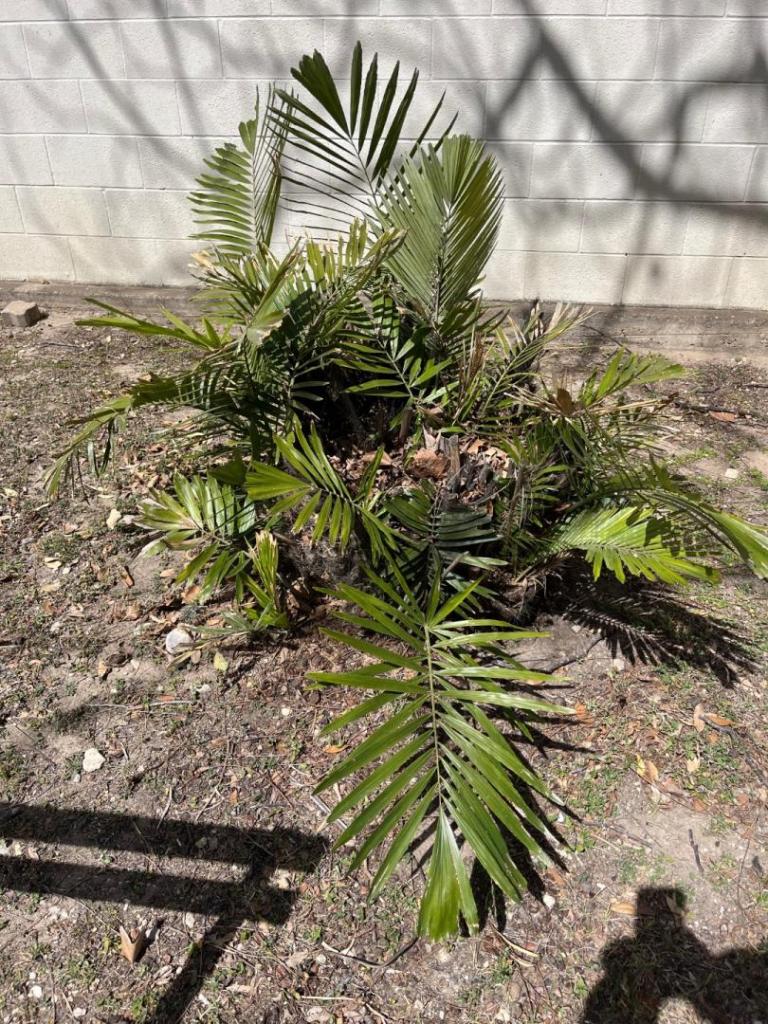

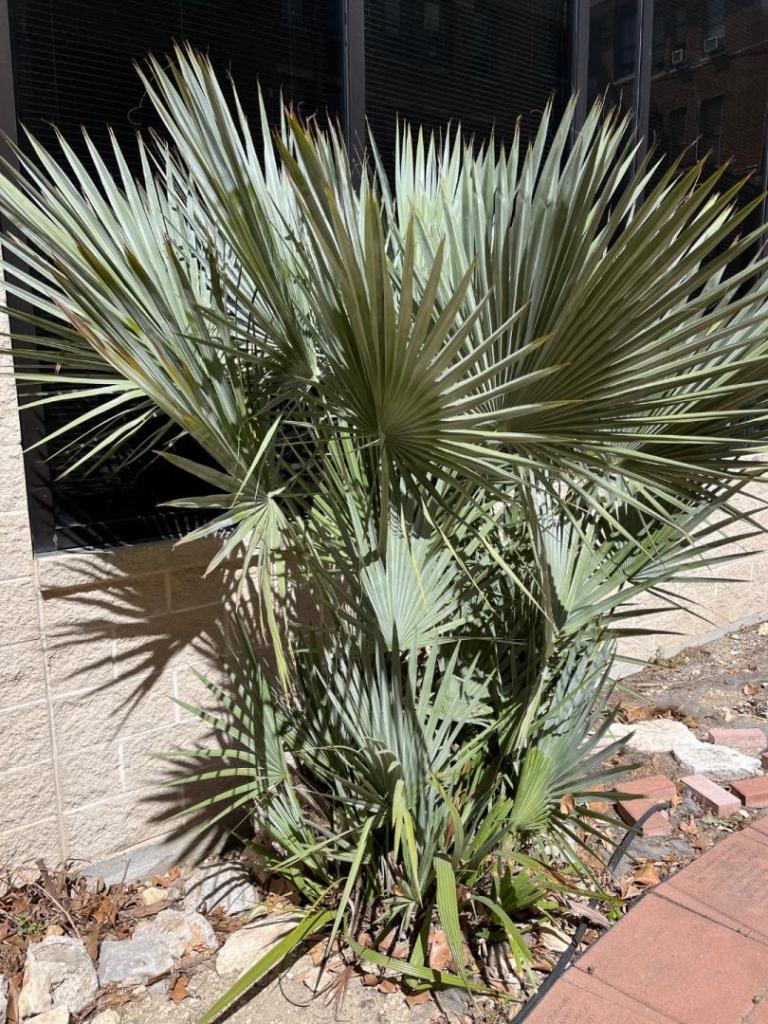 4 points
 -
 4 pointsYep as Jim said its a generational palm, for the next generation or even the one after that. They are among the most magnificent of all palms IMO.4 points
 -
 4 pointsWonderful palms but remember, it takes about 100 years from seed to get to the size of those pictured in the right climate which ideally is dryish mild/warm with cool nights in summer and cool/mild winters with lots of rainy periods.4 points
 -
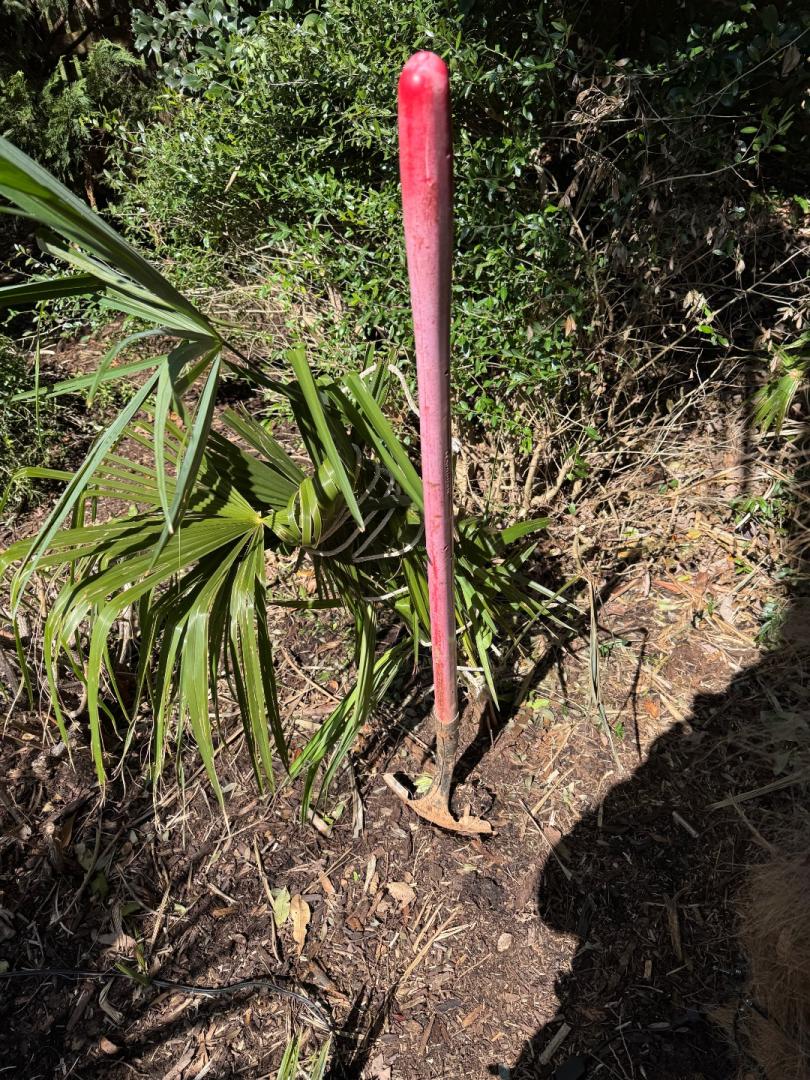
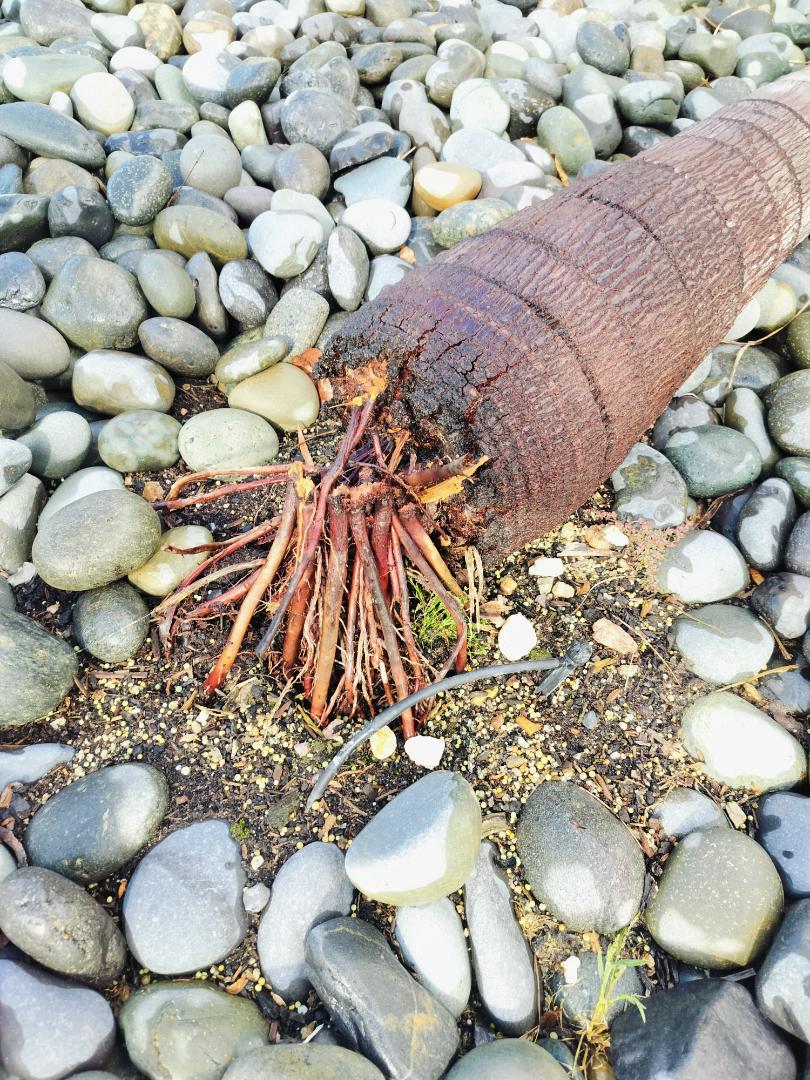
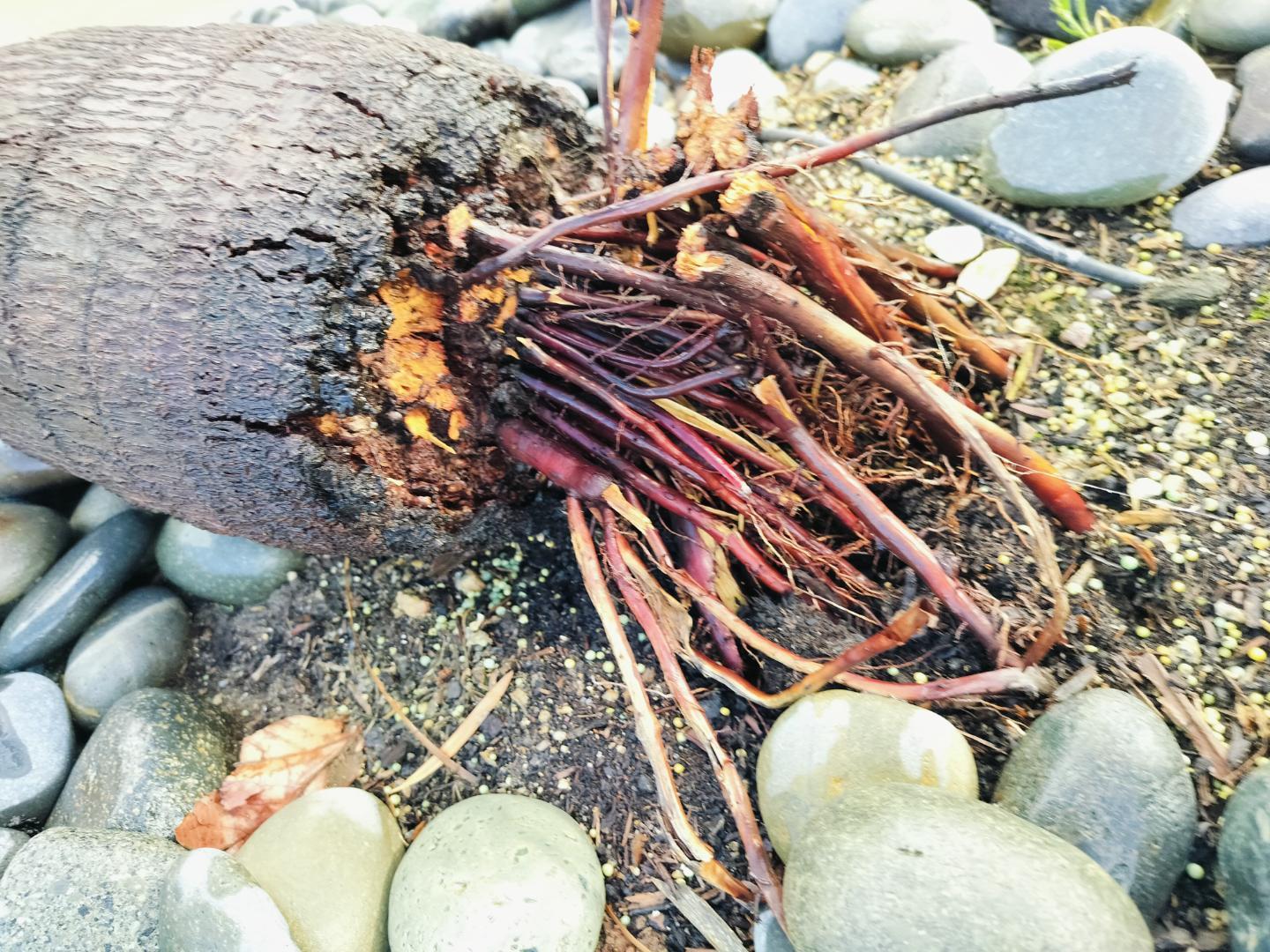
They seem to have been planted too high . The remaining palm shows that the base of the trunk is well above the soil . Honestly , I’m surprised they didn’t both go down. The one laying down is probably a goner , although I would still try to save it by mounding around both palms and staking . If there is any movement in the standing one , stake it as well. Maybe try a liquid kelp fertilizer to help them along unless they have been fertilized recently. Good luck with those , Harry4 points
-
 It may have been planted a bit too high if it looked like the other one that survived. Unfortunately, I don’t think that it would recover. You can try adding a bit of soil to the other one to try and get some more root to grow out from the base a bit more horizontally for stability.4 points
 -
 3 pointsTry a Jubaea X Sygrus, they grow very well in North Florida and look very similar to a Jubaea.3 points
 -
3 pointsI threw maybe 20 seeds out into a garden bed after giving up on germination after two years...a couple of years later I noticed a bunch of seedlings under a bamboo... Jubaea! I dug them up and now have a bunch in pots and a few in the ground. Clearly they liked the natural variation in temperature outside in my climate. They grow well here but slooooowwww...3 points
-
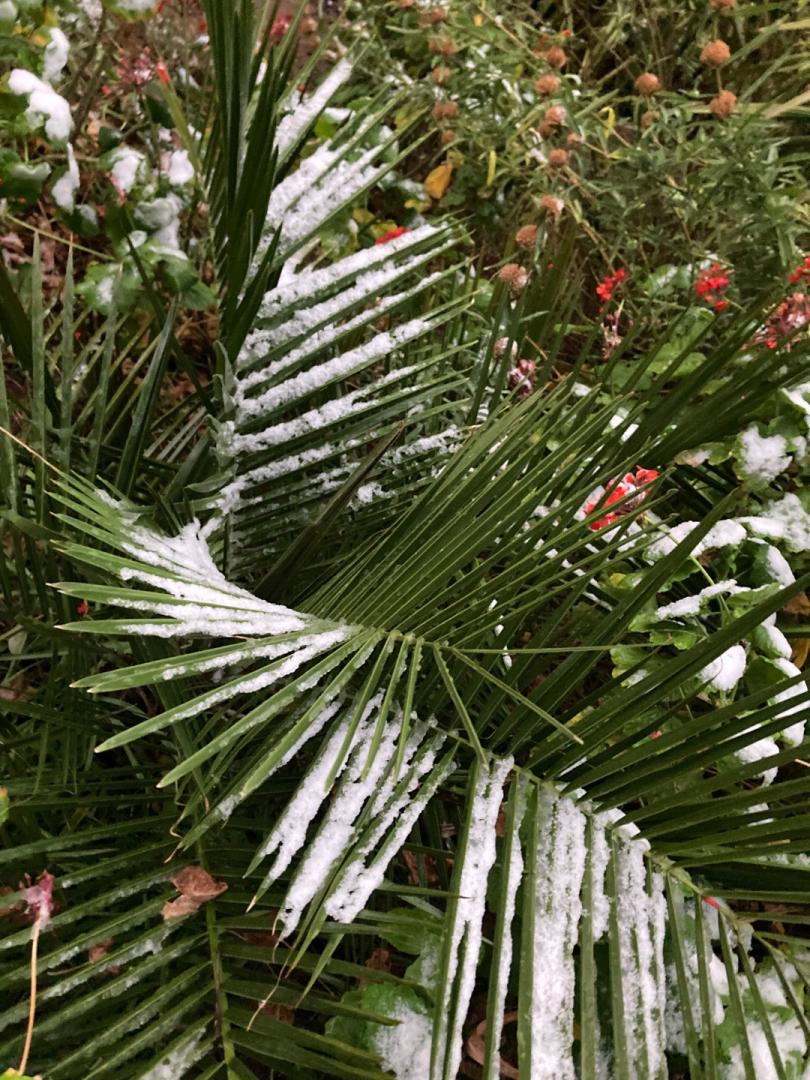
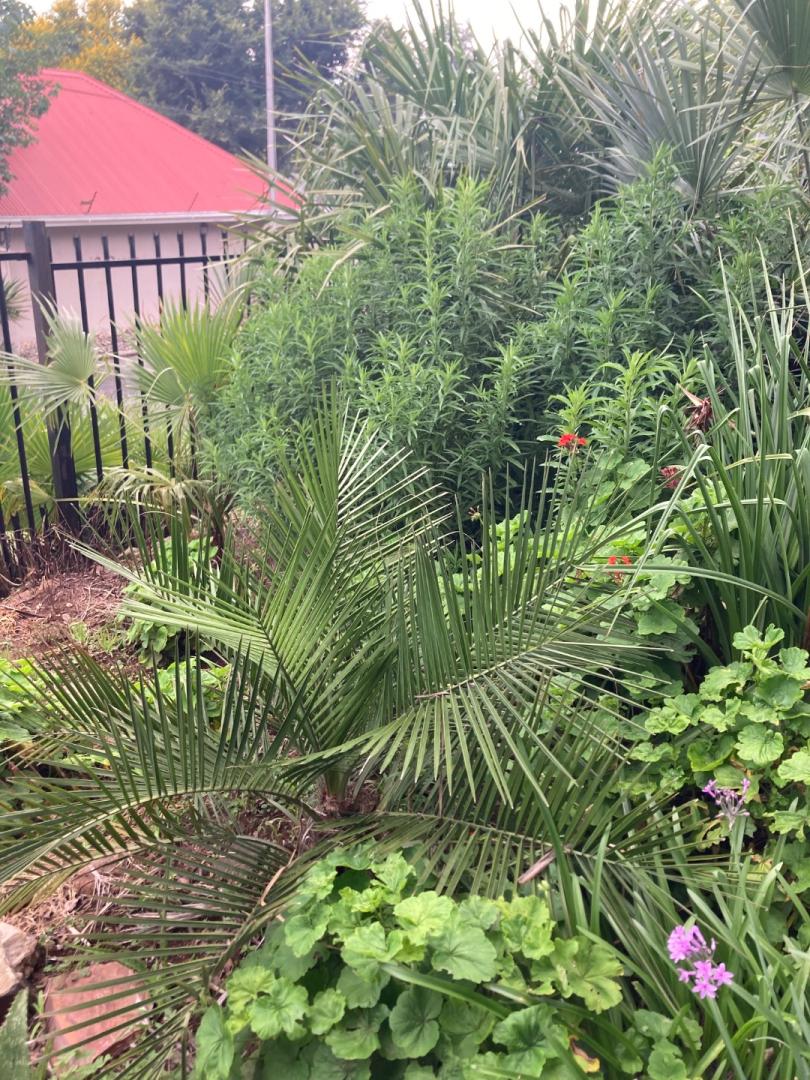
 3 pointsI had bought 20 seeds of which 2 germinated. This was about 8 years ago. One died after about two months. The other is still growing well. My climate is hot with rain in summer and cold and dry in winter. The light snow in the first pic doesn’t happen often.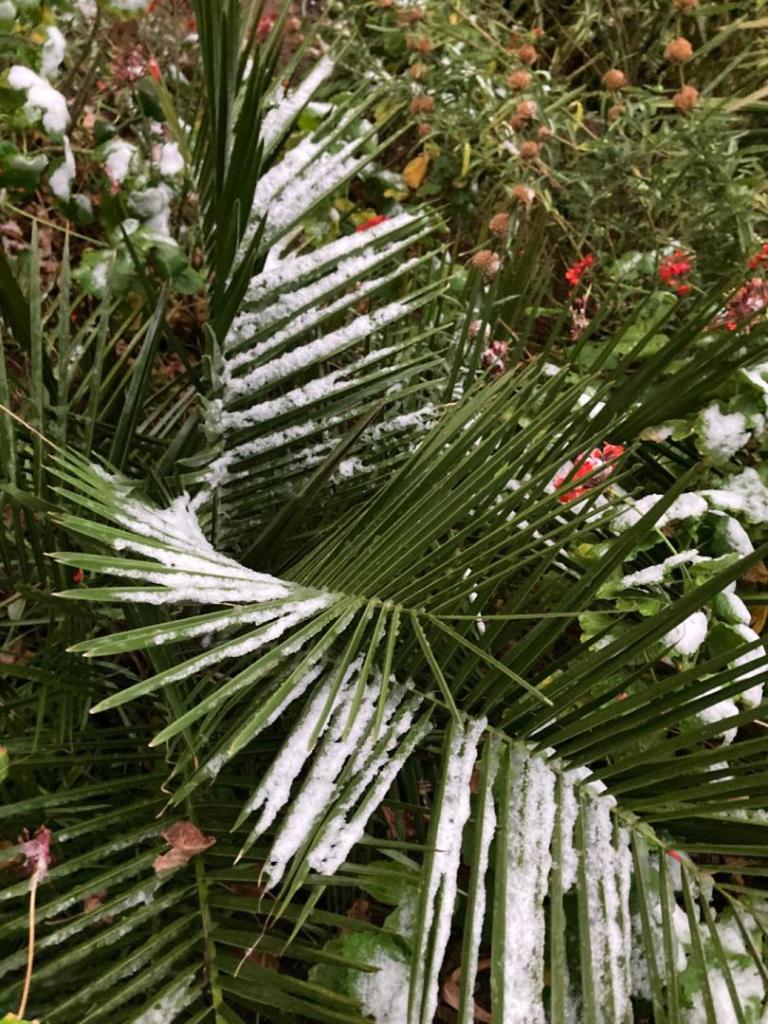
 3 points
 -
 Based on my previous attempts to save loose palms, I would not try to save it My experience has been that it was not worth the time and effort, for an unsuccessful result You could dig it up and replant in a pot, in a protected area, to see if it could be saved. But I think she is a goner.3 points
 -
 3 pointsThey must have had this Phoenix wrapped and heating cables to look this good after our last cold blast! Or maybe this is an older street view? That is awesome @DreaminAboutPalms Meanwhile in Dallas today- I discovered a Sabal bermudana i planted on my bike route after 18 years! I was on my way back through the forest north of Whiterock Lake today (also was passed by a Google streetview car! Really amazing to find after all these years looking for one after i threw out a bucket-full of seeds that year! I bet there are others!
 3 points
 -
 3 points
 -
 2 points@Scott W has a nice one coming along in JAX. https://www.palmtalk.org/forum/topic/69381-growing-jubaea-chilensis-in-florida/2 points
 -
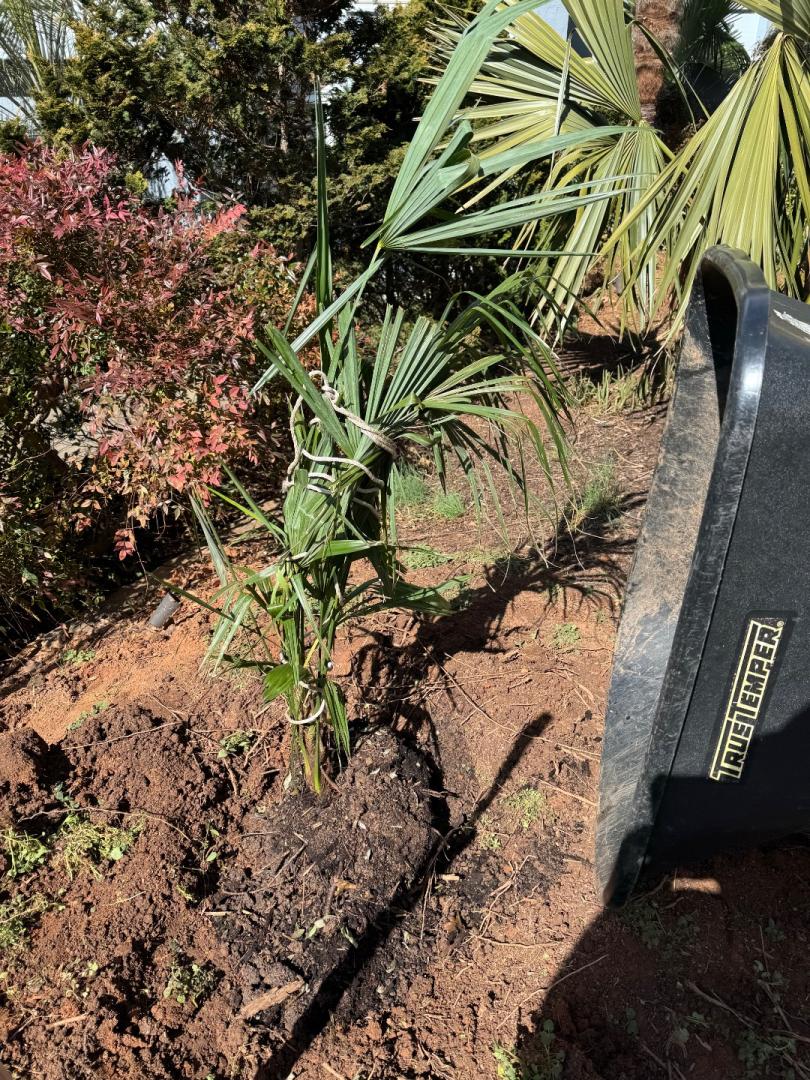
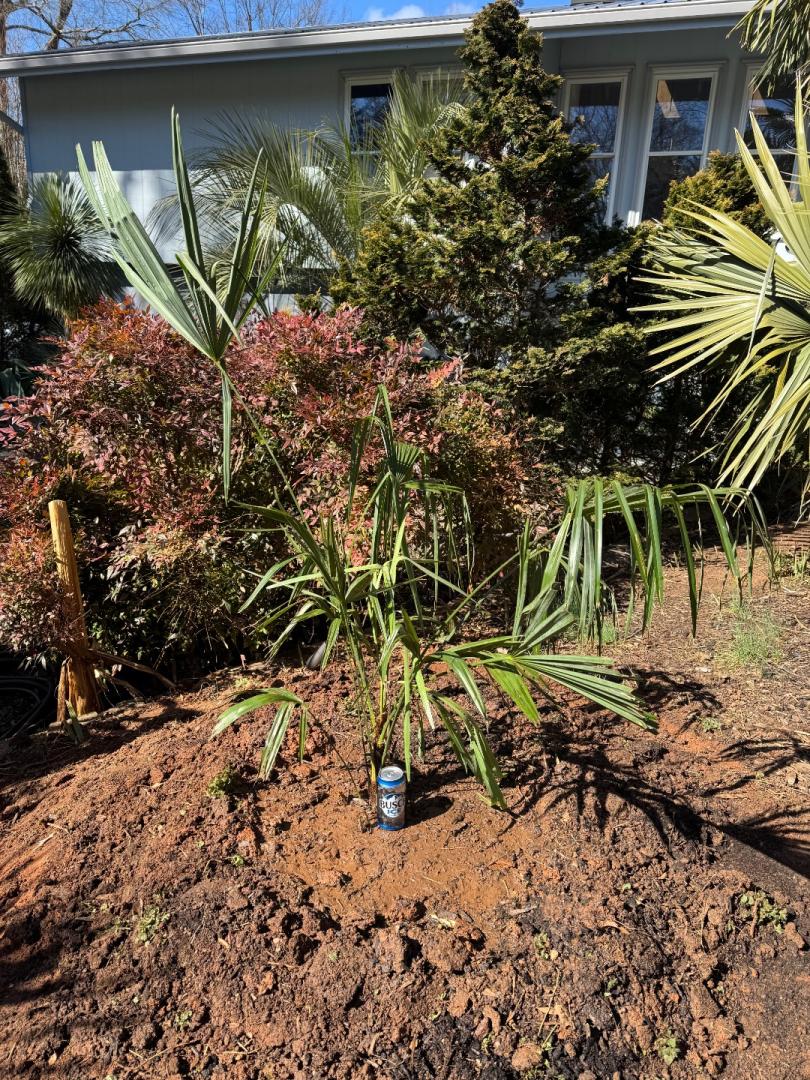
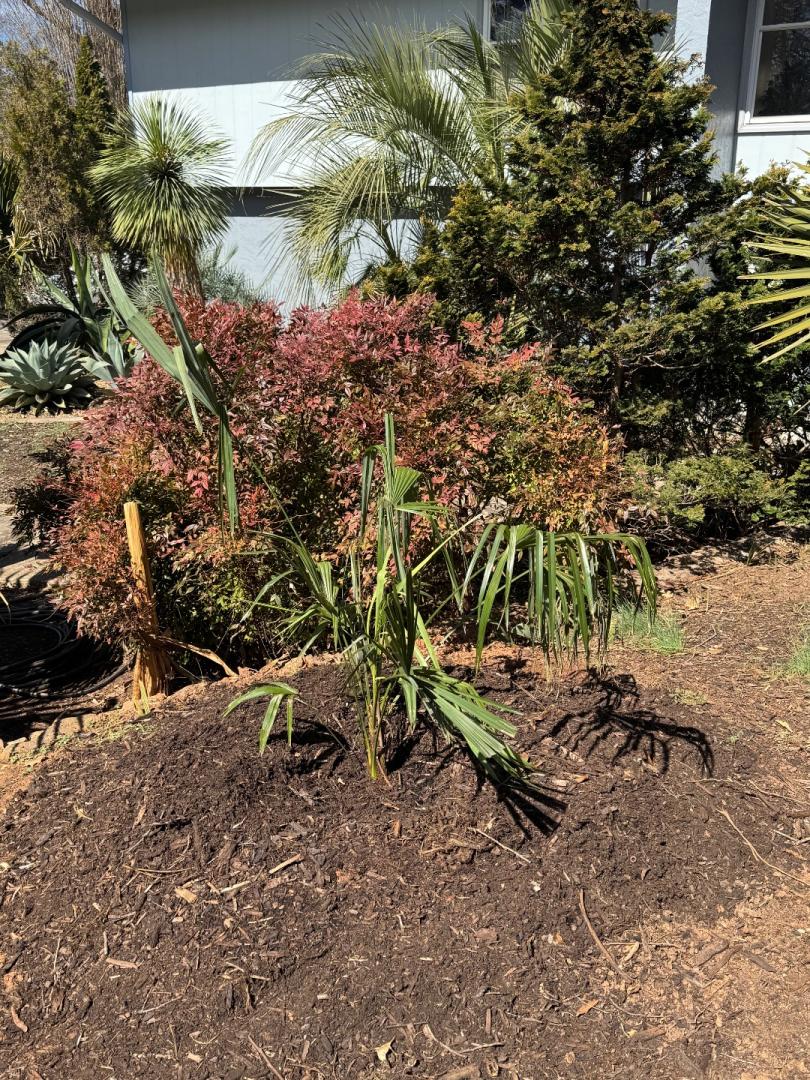
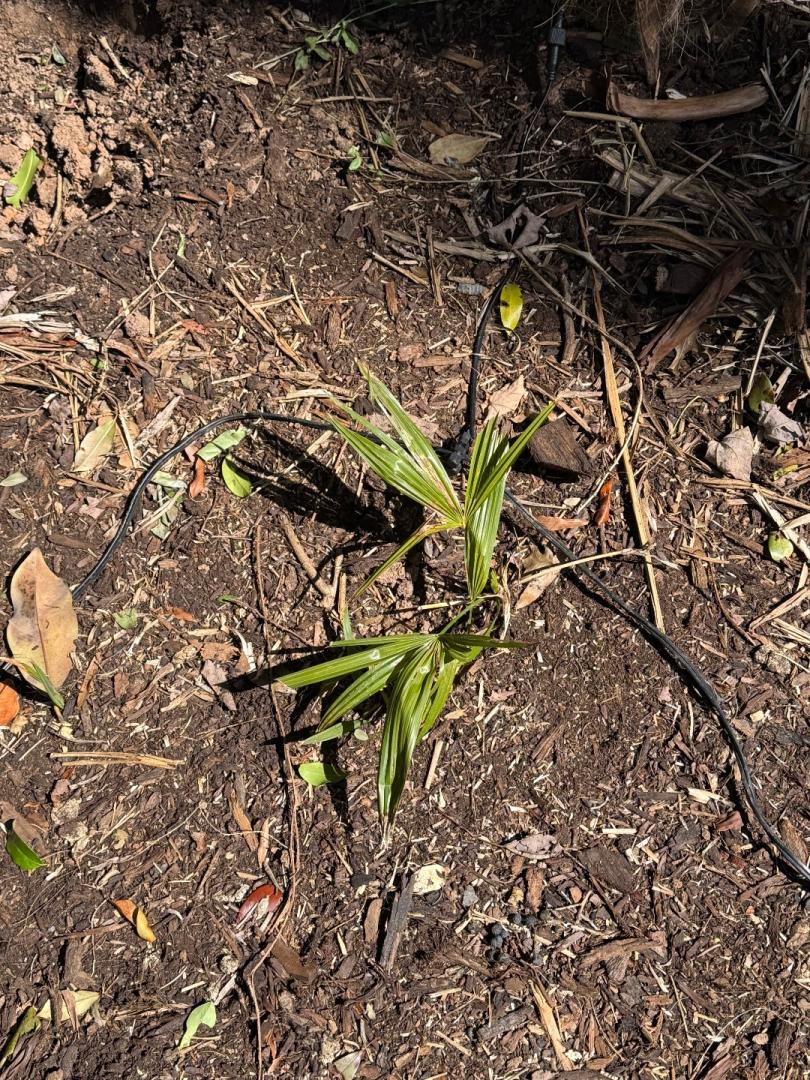
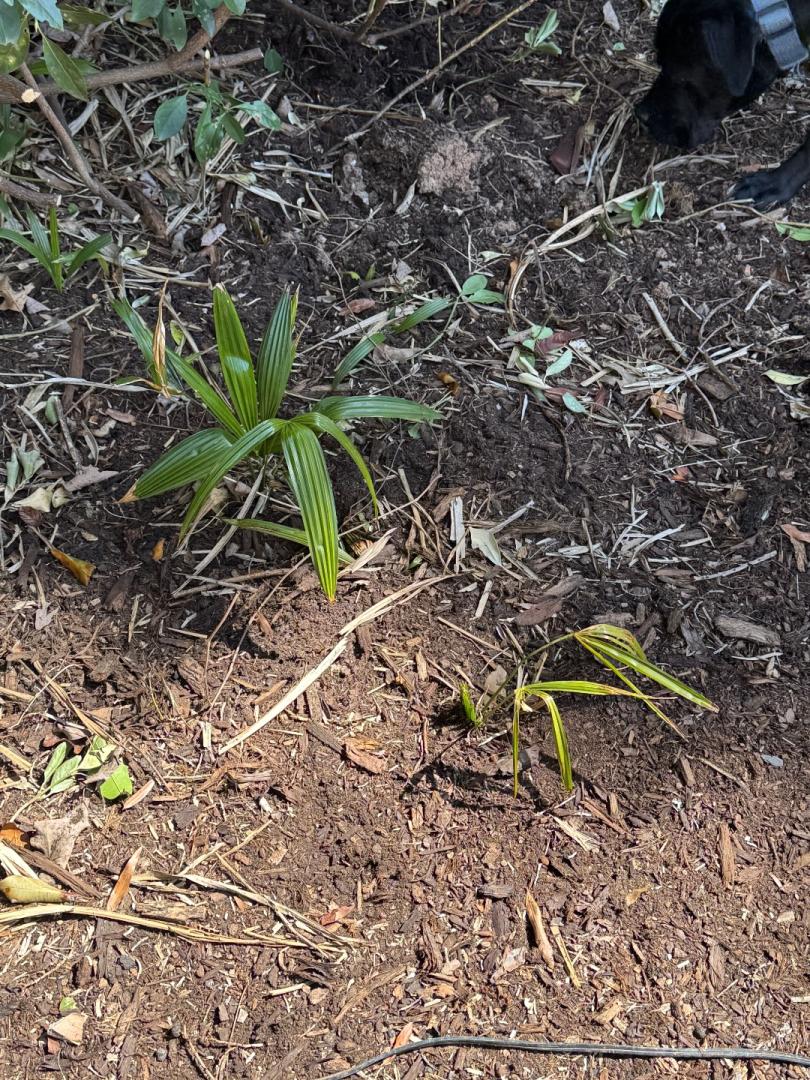
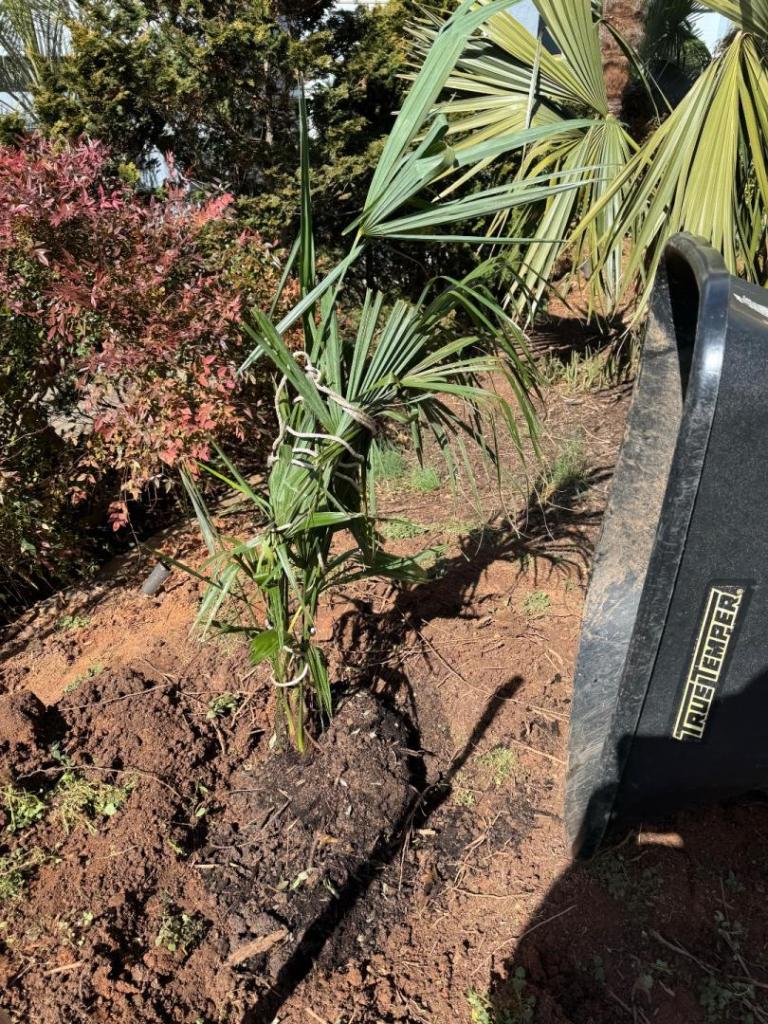
 I had a good spot for a Trachy and dug up a volunteer Trachy in the backyard and moved it to the front yard . I was trying to get a good solid rootball and I think I succeeded . These small Trachys are Taylor Forms . Watered and mulched . Not the prettiest little palm but it was in and amongst a bunch of overgrown plants and it just needs a few new fronds to look decent . Future Trachys to be planted below .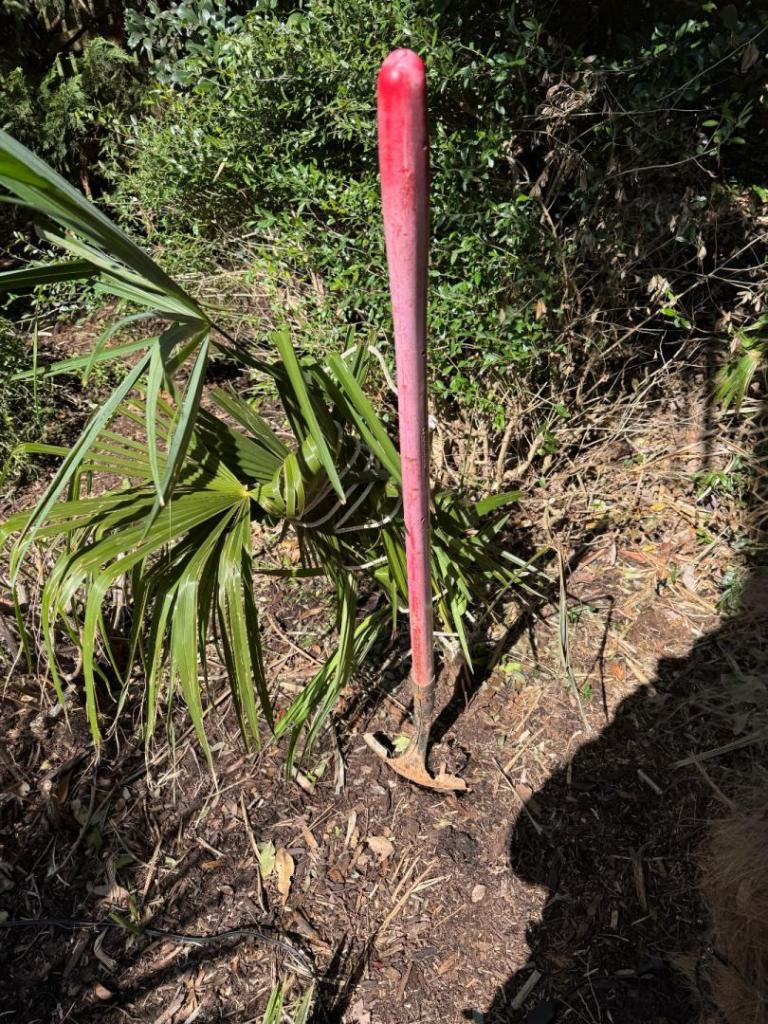
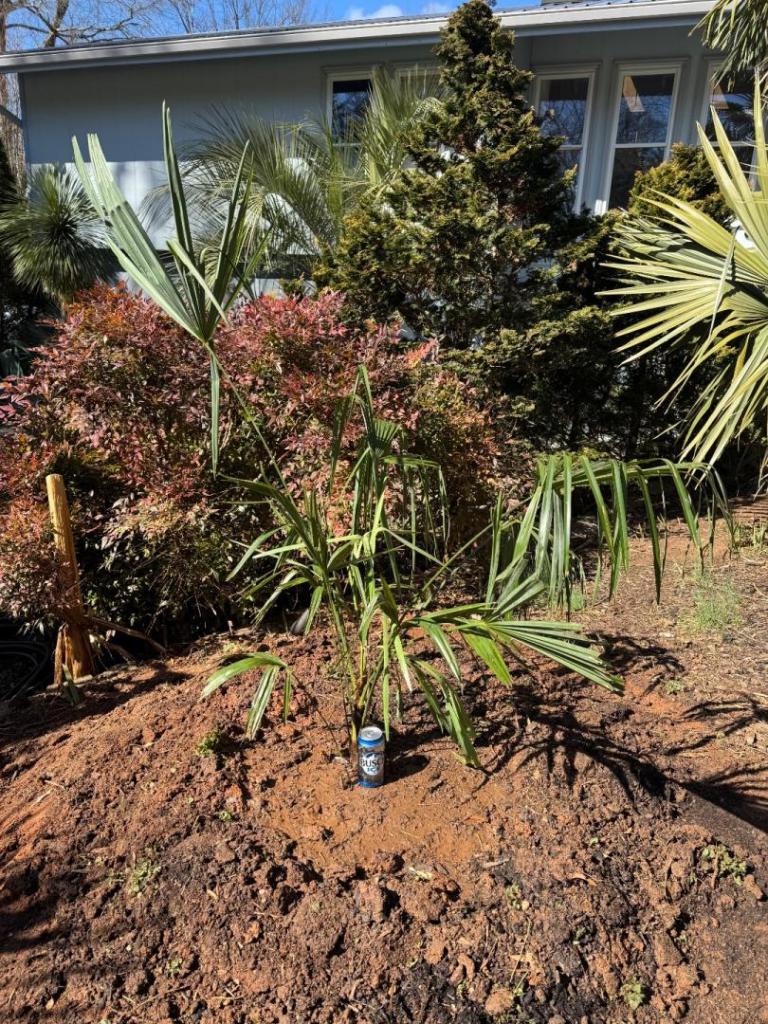


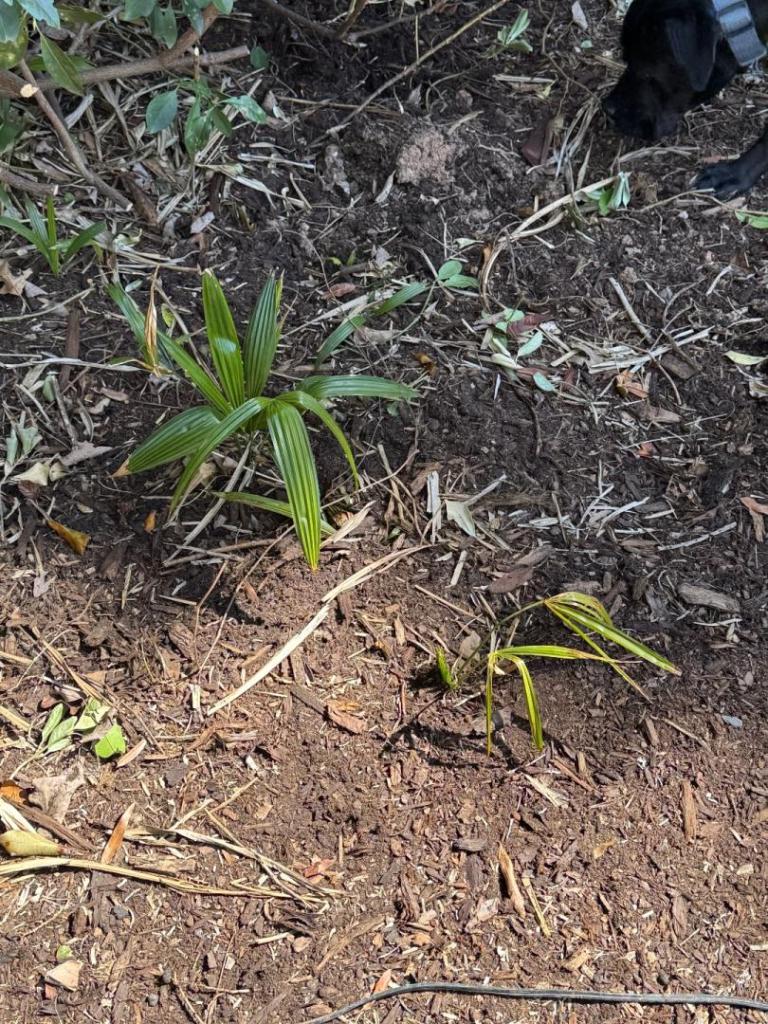

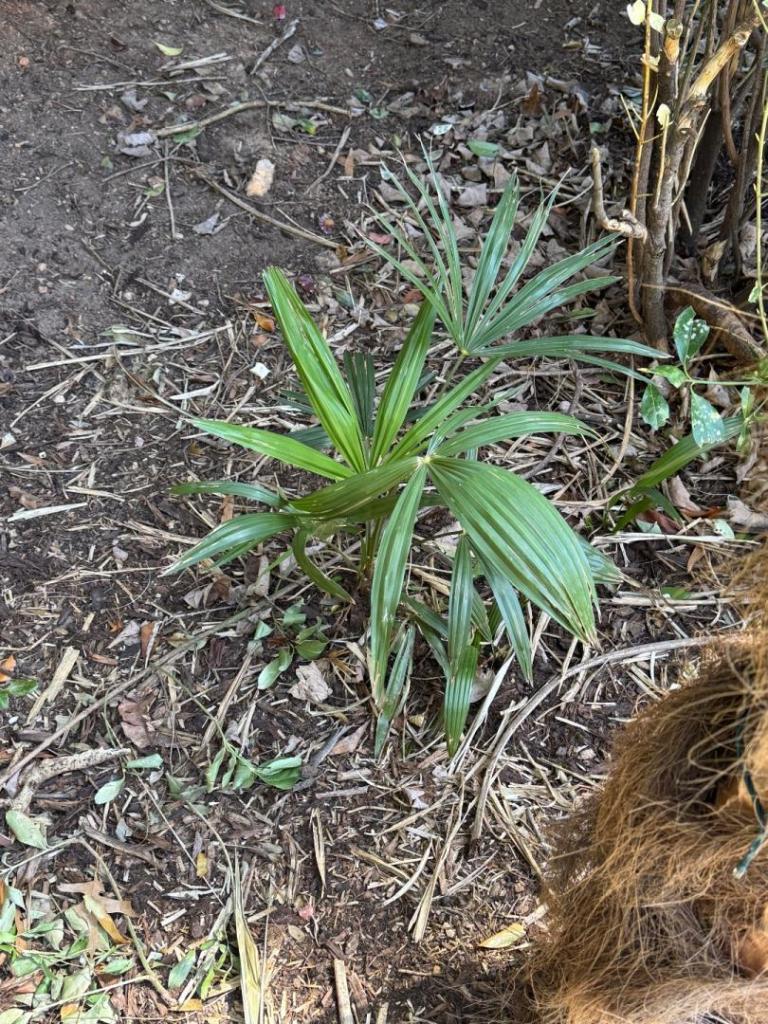 2 points
 -
 2 pointsIndocalamus tessellatus (Sasa tessellata) is low growing with huge leaves. It is aggressive but it doesn't really run uncontrolled. It is supposedly hardy to -5 degrees F. https://en.wikipedia.org/wiki/Indocalamus_tessellatus2 points
 -
 2 points
 -
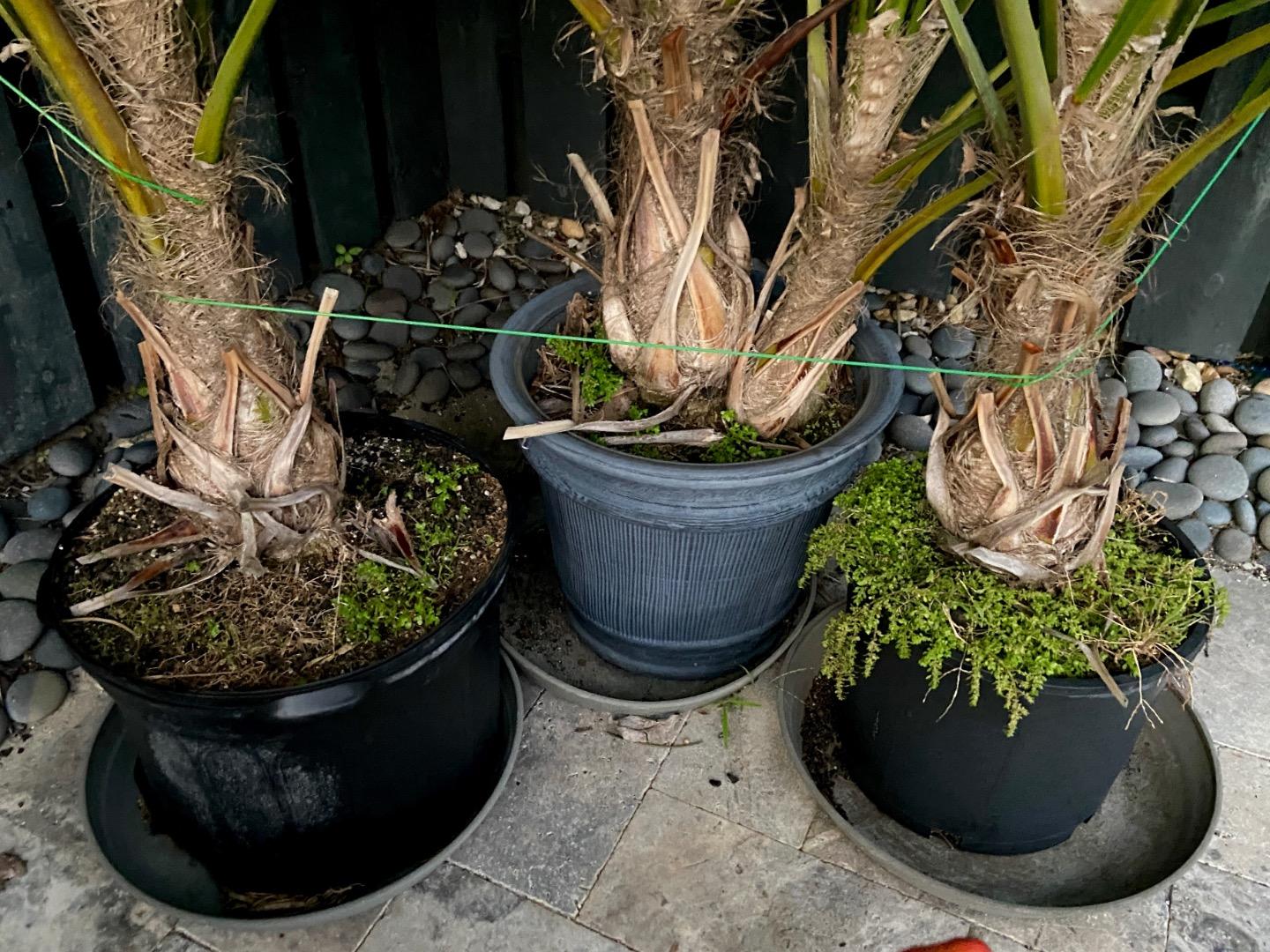
This is my 4 footer And these are my two 6 footers.
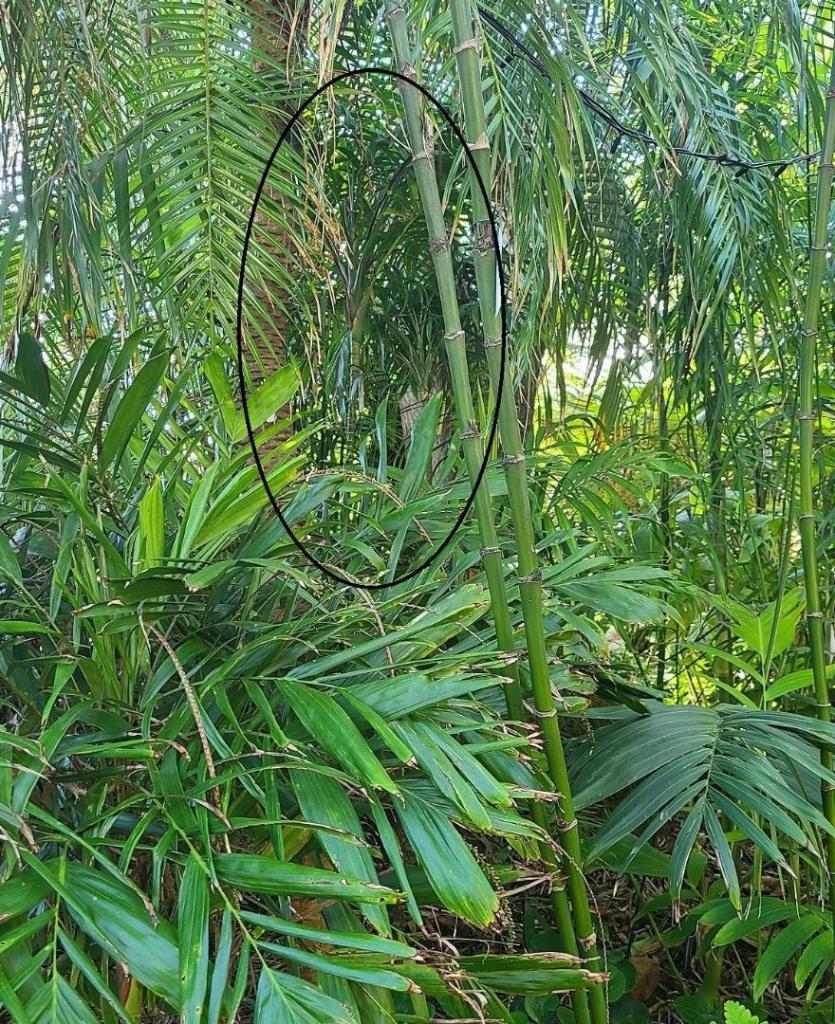
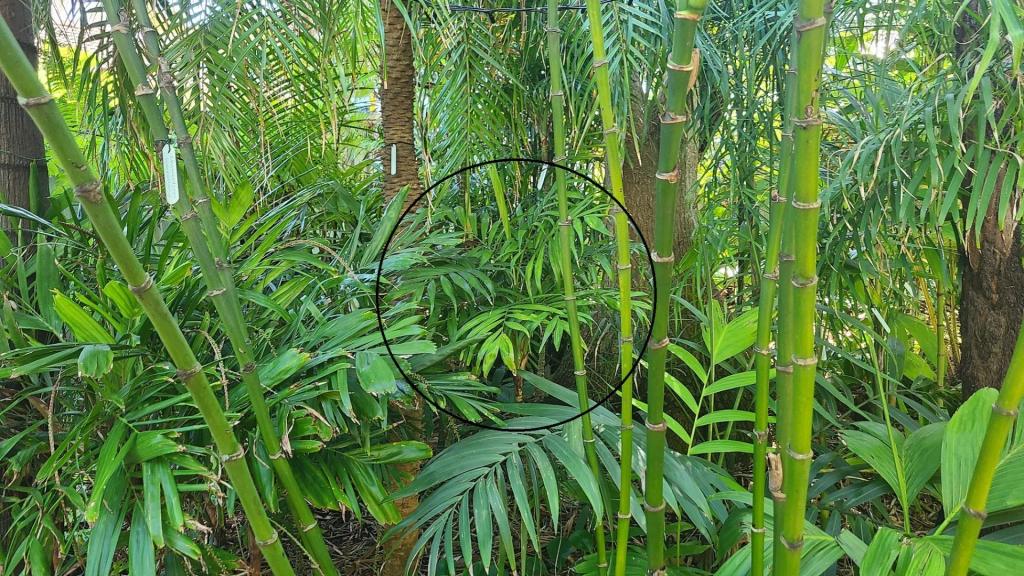 2 points
 -
2 pointsCloser photos show more damage . This appears to be more than transplant adjustment , this palm is not happy. I’ve seen worse pull through but it would take some time. First you need to find what caused the problem. A close inspection of the soil around the palm may reveal the cause .2 points
-
 2 pointsThese grow naturally in pretty harsh conditions. Fast draining, often alkaline soil or sand, with a lot of water in the hot season, and little in the cool season. They are pretty drought tolerant, but will look much, much better with regular irrigation. Around here, they are now planted everywhere lately…. Along medians, in parking lots, and down by the beach. With regular lawn type irrigation they look great. Ideal size for small spots. The crown stays at a nice hight for many years. My neighbor has a group of 20- footers that he blasts with irrigation 3x per week and they are very happy. I’ve got a few sitting neglected in the same pots for a few years now. They are trouble free.
 2 points
 -
 2 pointsSo a crazy thing happened to me. I was on my way to class in Baton Rouge and an oil company truck lost its trailer on the interstate right in front of me. It ripped the front corner of my car off and she is now totaled. The reason I am sharing this is because when I went to get my belongings out of the car in a little Louisiana town where it ended up, the dealership had the most beautiful Butia odorata in the parking lot. It had a gorgeous tapered trunk and it looked like it naturally shed its boots. I was really down and out but this really brightened up my day! It's funny how little things like that can really change your mood.

 2 points
 -
 2 pointsYeah definitely C elatior. Mine have both the bifid fronds and fully split climbing fronds after it has started to climb 6-7 years from germination. Photo from last September. They are MUCH bigger now. These are rockets after they start to climb.
 2 points
 -
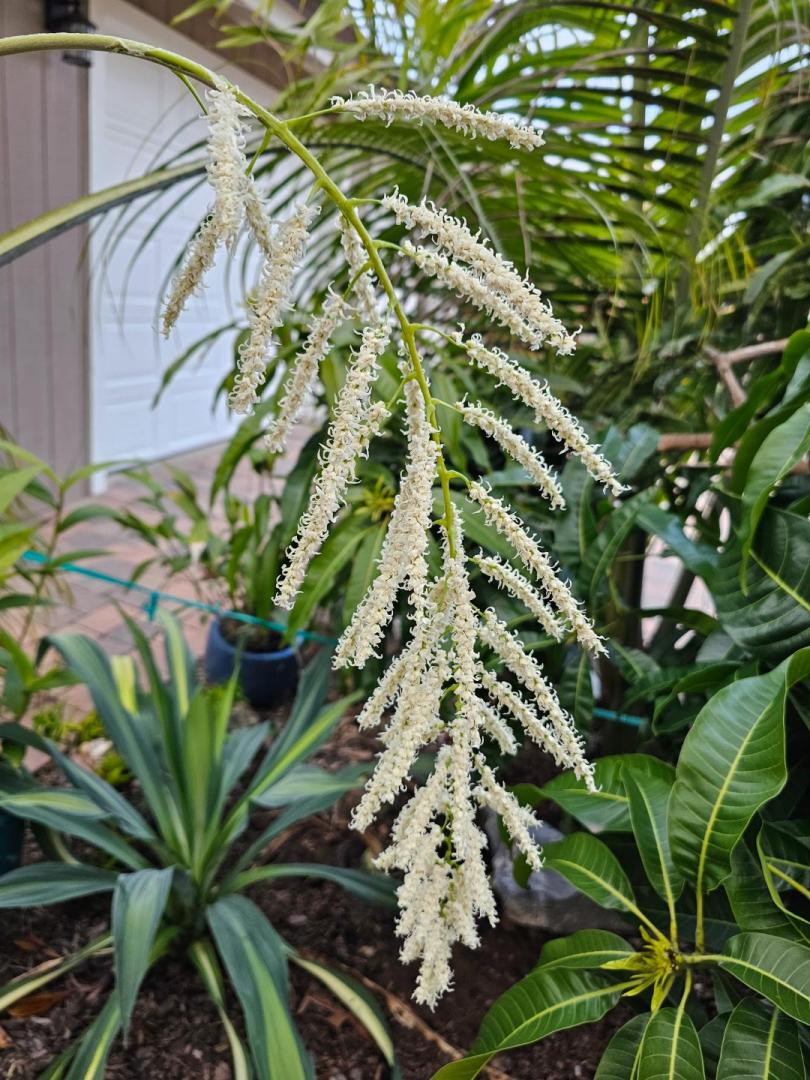
 2 pointsI assumed that my Ravenea julietiae is male due to similarities between its flowers and those of my male Ravenea glauca. Glauca flowers and inflorescence is much whiter. Both are blooming now.

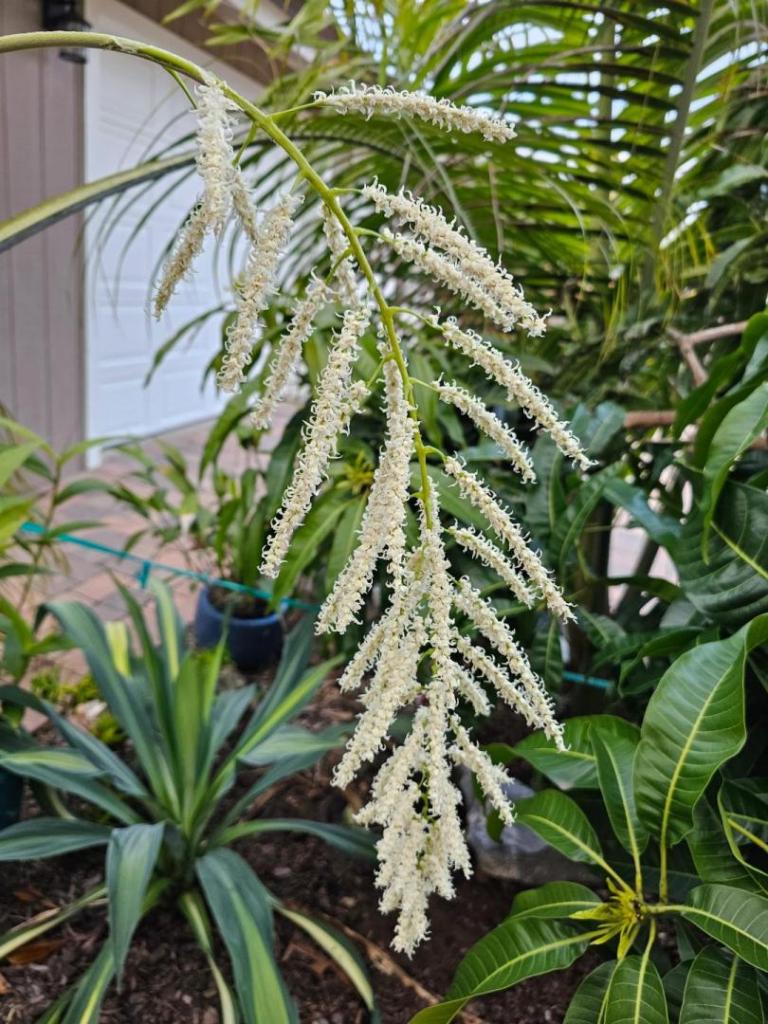
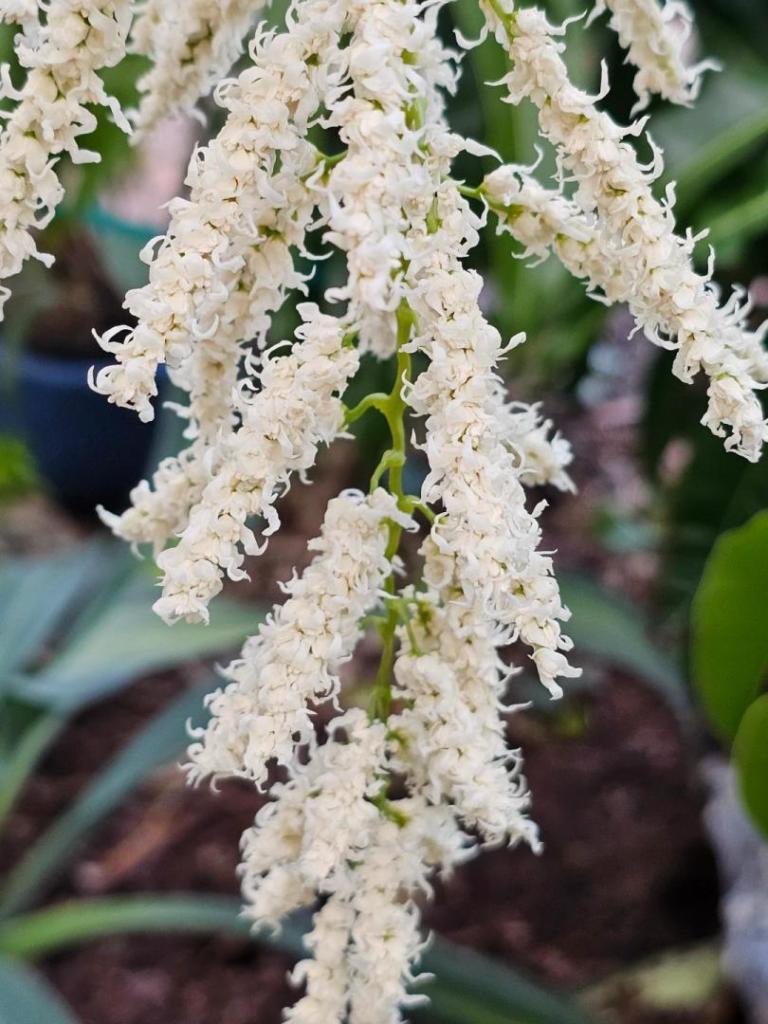 2 points
 -
2 pointsIt looks like transplant adjustment to me . It can take a while for newly planted palms to look their best. Butia ( Pindo ) are on the slow side so give it time . Keep an eye on the new growth and that should tell you. Do not allow it to fully dry out , we are coming into Spring when palms go through a faster growth period for the next several months. Any fully brown fronds can be trimmed but only if they are totally brown . I think in time that will take up that area and give you some privacy from that new construction next to you . These get big ! Harry ‘This is about 25 years from a seedling . Mine is silver but not all of them are . Some are green.
 2 points
 -
 They look quite pristine! A bright future for them lies ahead.2 points
 -
(173x200).thumb.jpg.87642ce613f801fde119db608b8aeb96.jpg) 2 pointsNot 100% certain how well they'd tolerate the soil in that part of the state but should handle the winters, most at least... Leucaena retusa - Golden Leadball Tree. Gregg's Leadball ( L. greggii ) Tree is a look- alike sister sp. that might do ok, if you can find it.. Myrospermum sousana - Arroyo Sweetwood Anacua, Ehretia anacua Aesculus pavona - Red Buckeye ..Aesculus X carnea produces more and larger flowers than the standard form as well.. Ohio Buckeye is another option worth research.. Catalpa Beautiful option for spring flowers but they can be messy. X Chitalpa might be worth trialing, though, again, not sure how they'll handle the soil there.. A bit skeptical myself, but is supposedly hardy to -at least- zone 7 < various sources > Standard Desert Willow ( Chilopsis linearis ) iNat observations of specimens in / near Houston = " trial- worthy " option. Vachellia rigidula, spiny, and a slow poke, but tough and the flower display in the spring is nice.. Fragrant too.. No issues w/ cold or heat.. Texas Ebony ..Beautiful, though there is conflicting info. regarding " absolute " hardiness.. Some sources list it as being hardy to 8B, while other sources suggest it can be killed outright by long exposure to temps below 20F.. Erythrina herbacea is the hardiest of the Coral Trees, but acts more like a large bush rather than a tree.. Erythrina X bidwillii, and E. crista- galli would be hardiest of the tree sized sps. Thought both were tough enough to handle the weirder winters there. Trial- worthy at the very least. ** Of note: All Erythrina sps are vulnerable to being attacked by stem / twig borers **2 points
2 pointsNot 100% certain how well they'd tolerate the soil in that part of the state but should handle the winters, most at least... Leucaena retusa - Golden Leadball Tree. Gregg's Leadball ( L. greggii ) Tree is a look- alike sister sp. that might do ok, if you can find it.. Myrospermum sousana - Arroyo Sweetwood Anacua, Ehretia anacua Aesculus pavona - Red Buckeye ..Aesculus X carnea produces more and larger flowers than the standard form as well.. Ohio Buckeye is another option worth research.. Catalpa Beautiful option for spring flowers but they can be messy. X Chitalpa might be worth trialing, though, again, not sure how they'll handle the soil there.. A bit skeptical myself, but is supposedly hardy to -at least- zone 7 < various sources > Standard Desert Willow ( Chilopsis linearis ) iNat observations of specimens in / near Houston = " trial- worthy " option. Vachellia rigidula, spiny, and a slow poke, but tough and the flower display in the spring is nice.. Fragrant too.. No issues w/ cold or heat.. Texas Ebony ..Beautiful, though there is conflicting info. regarding " absolute " hardiness.. Some sources list it as being hardy to 8B, while other sources suggest it can be killed outright by long exposure to temps below 20F.. Erythrina herbacea is the hardiest of the Coral Trees, but acts more like a large bush rather than a tree.. Erythrina X bidwillii, and E. crista- galli would be hardiest of the tree sized sps. Thought both were tough enough to handle the weirder winters there. Trial- worthy at the very least. ** Of note: All Erythrina sps are vulnerable to being attacked by stem / twig borers **2 points -
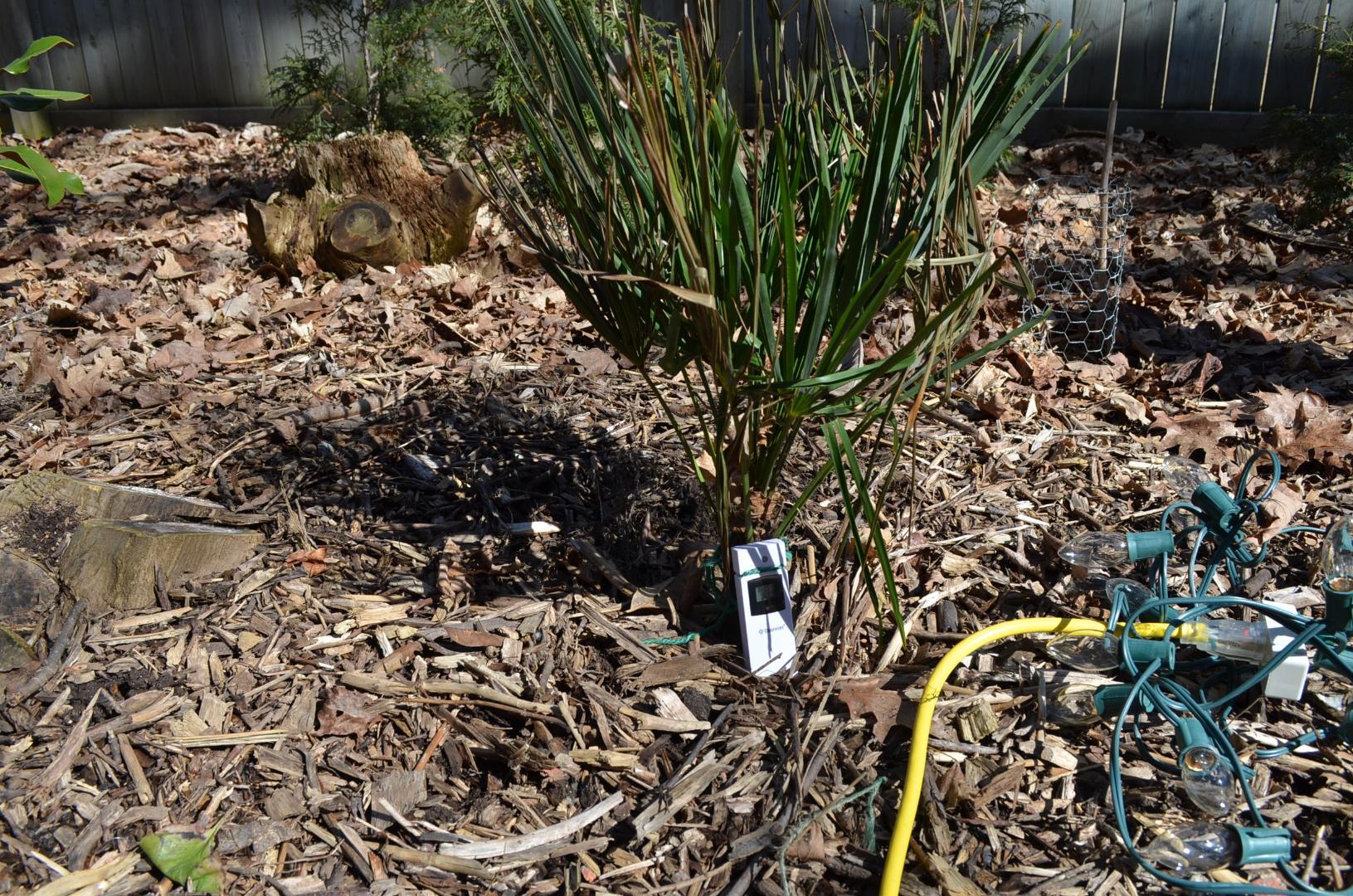
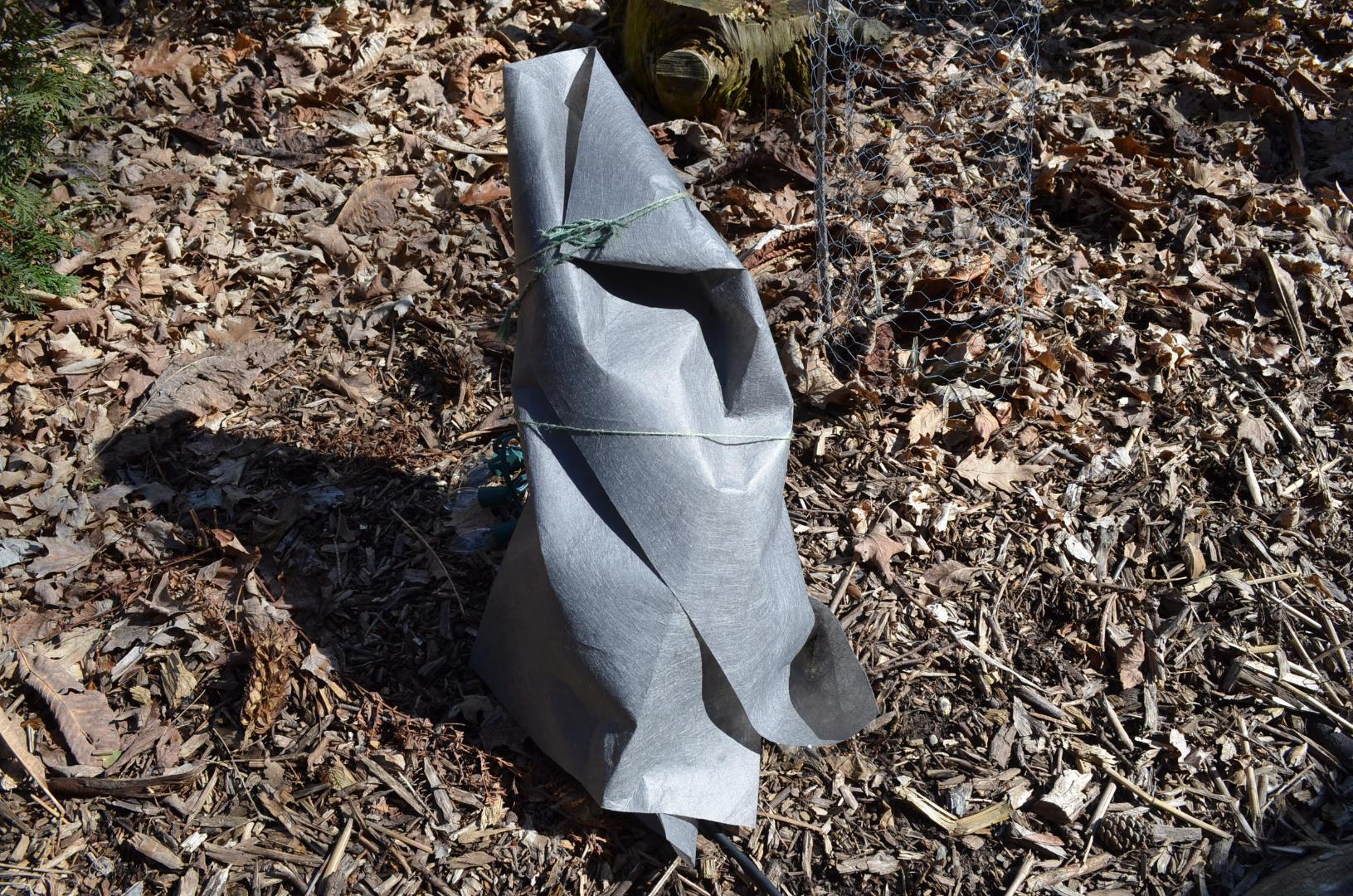
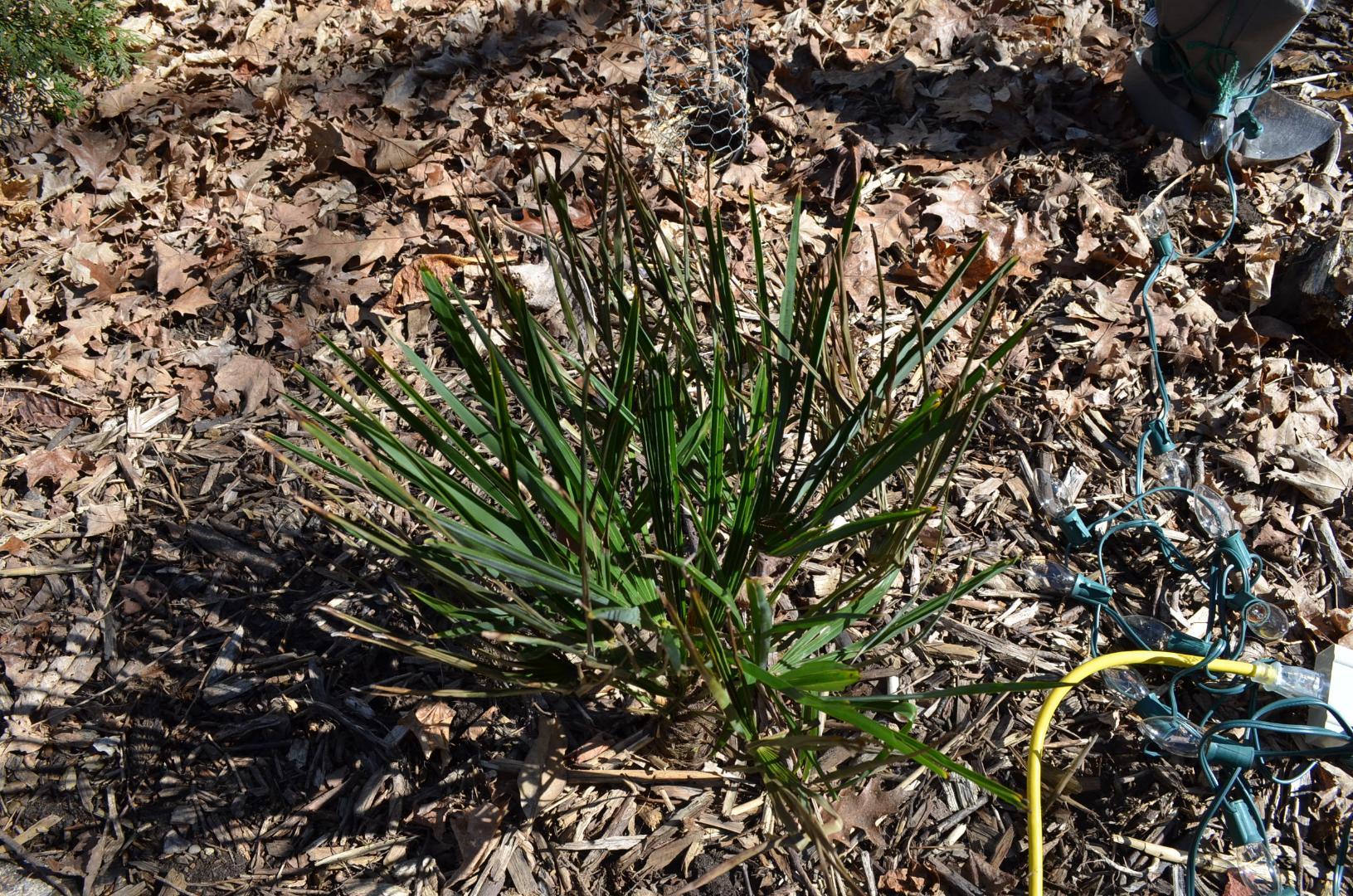
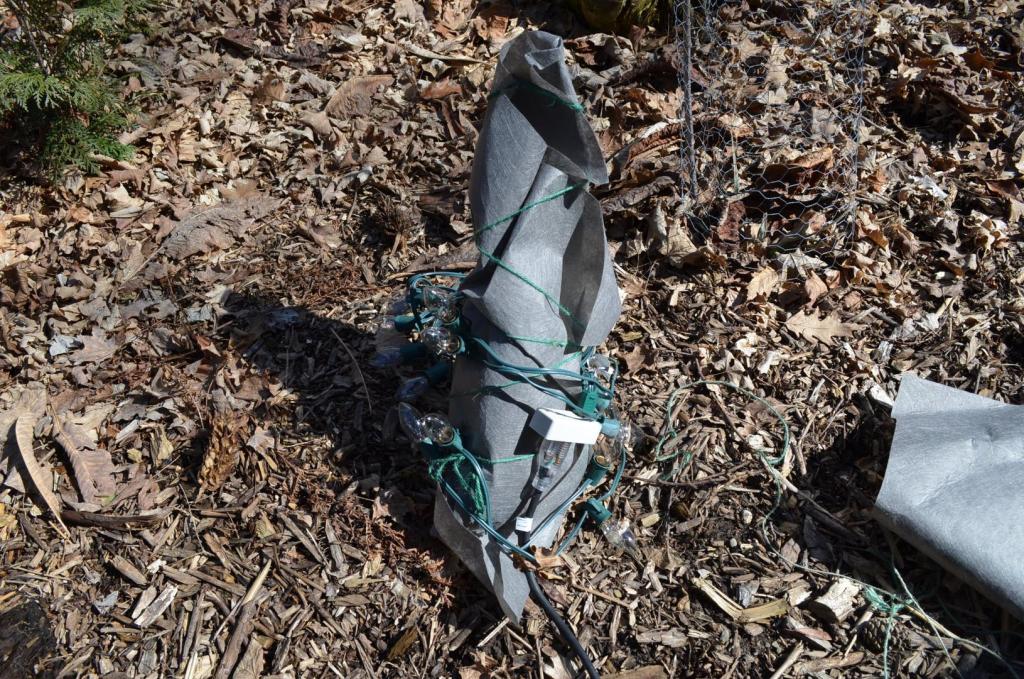
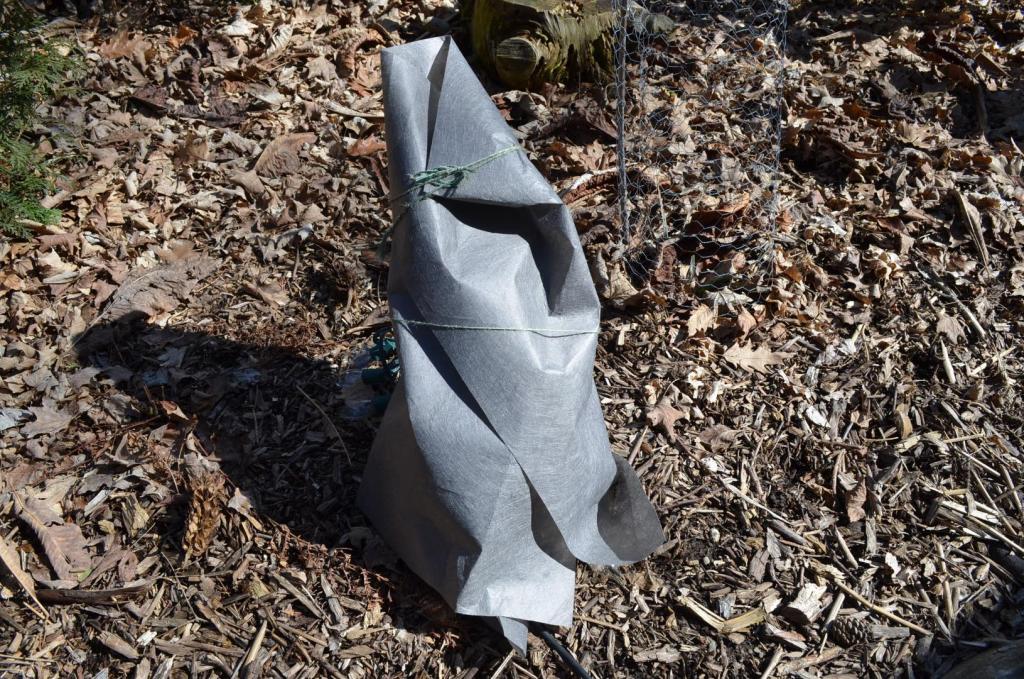
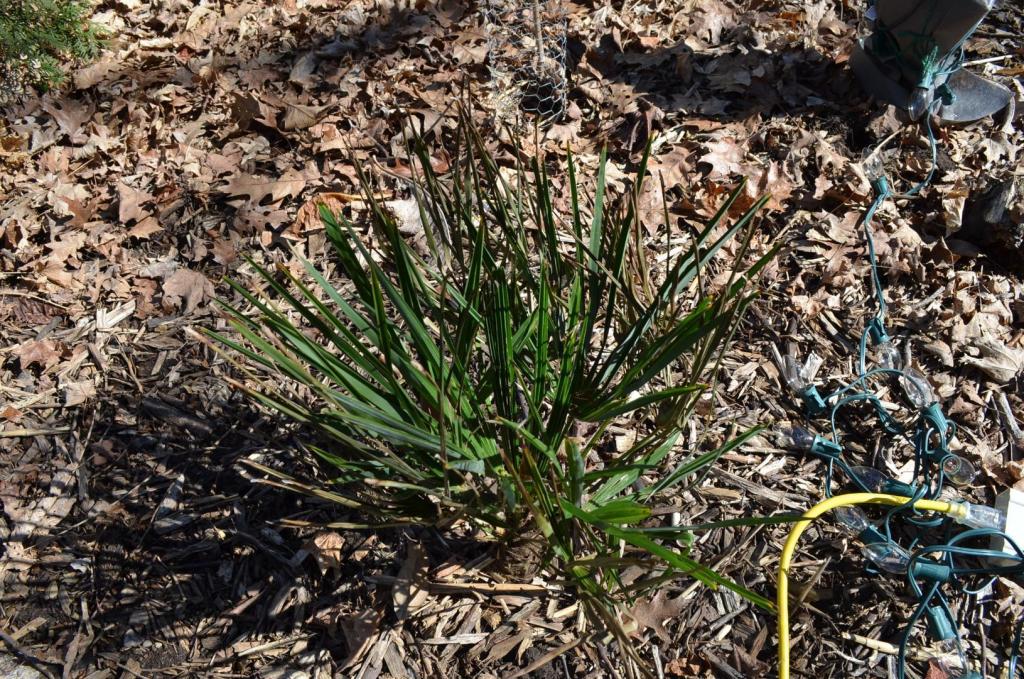
 Thank you to all the PalmTalk people who have shared their knowledge and experiences so generously. It looks like my first attempt at growing and overwintering Trachycarpus fortunei in my garden was a success. In summer 2024 I planted 1 3-gallon size, and 2 2-gallon size T. fortunei, along with some young seedlings. The area I'm located in is somewhere around USDA zone 6b/7a. If you imagine a line going north of Cleveland OH and another line going east of Detroit MI - where those two lines cross is very approximately where I'm located. Like everyone in cold areas, I've attempted to make best use of microclimate by growing the palms on the east side of my house - which is sheltered by a 6-foot high wooden privacy fence. My neighbour's home is about 5 feet away on the other side of the fence. My clothes dryer vents to this side of the house and my natural gas furnace also vents to this side of the house. The house is about 100 years old, with a poorly insulated basement - so there will be heatloss to the nearby soil. The small town I live in is located on top of a glacial moraine and so the soil is sand to sandy-loam over top of gravel. Many of you have written about the benefits of good soil drainage for overwintering success. While the winters of 2023 and 2024 (especially) were quite mild, our 2025 winter has been closer to longer-term average temperatures. I delayed putting on winter protection until December 18, 2024. My overwintering setup was relatively simple: tie up the fronds attach a temperature monitor to the stem wrap the entire plant in 1 layer of landscape fabric with a little opening at the top wrap C-9 Christmas lights, with Thermocube, around the resulting "cone" trying to make sure some lights were at the soil line, and some right at the growing point I tried to end up with the Thermocube more or less at the level of the growing point wrap the entire "package" again in a second layer of landscape fabric - again more or less in a cone form with an opening at the top Here are a few photos to show: Above - remote temperature monitor single layer of landscape fabric, C-9 lights, Thermocube The finished result (above) And the result when the protection was removed yesterday (March 10, 2025) - above. There is some burning of the outer (lower) fronds. But the inner fronds look to be a good, green colour. I've read lots about spear pull and so I tried it but as far as I can tell the spears on all 3 palms seem to be firmly embedded/attached. One additional feature many have written about is genetics. I purchased this plant from a local importer who mostly brings plants up from Florida but this supplier also offered T. fortunei from a Canadian seed source and grown in Canada. I assume this means it most likely came from a grower in British Columbia. As an additional bonus - I mentioned I planted some seedling T. fortunei last year as well. I confess I was somewhat cavalier with these for overwintering. I think, without exception, everyone in colder regions writes about the importance of winter protection until the plants are reasonable size and well established - that cold hardiness improves with age/size. The photo below shows one of 4 seedlings that survived the winter unprotected (other than from rabbits). I admit that it doesn't look like much but the lower half of each leaf is still green and I can't detect any evidence of spear pull at this time. I was really surprised to observe this. I thought for sure these plants would be completed brown and dead. We did get some snow cover and maybe that's what saved them. Snow can be a good insulator. These seedlings were sourced from a British Columbia grower using T. fortunei seed from there, so genetics (I hope) may also be important. Again, many thanks to all of you who are so kind to share your experiences. This early success has got me hooked now. And I still have lots to learn.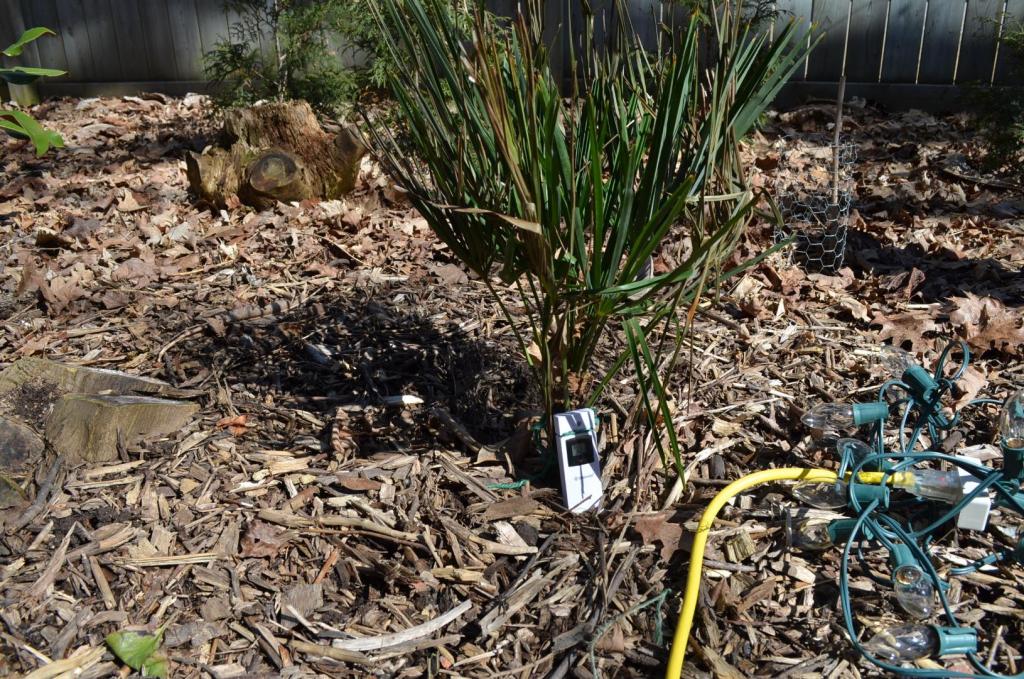
 1 point
 -
 Hi all! This is my first post, here. I have a question. We've had three foxtail palms planted in our Escondido, CA front yard for about three years. I wish they were a deeper green, but for the most part, I've thought they were reasonably healthy. The past few days, we've had lots of rain and winds only up to 30 mph. One of my Foxtails was found on the ground, this morning, with half of the roots broken. I don't see any problem with the tree, but perhaps one of you can point out why it may have fallen over, and if you think it is salvageable. I'm definitely not an expert. Thank you so much for any help you can offer.
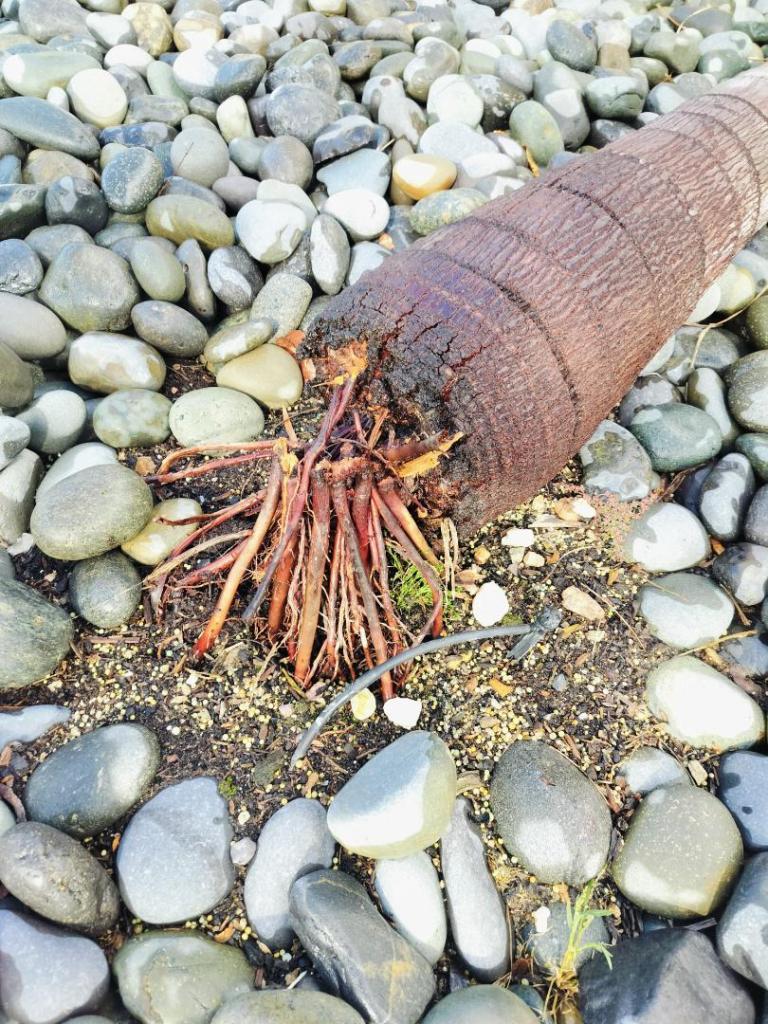

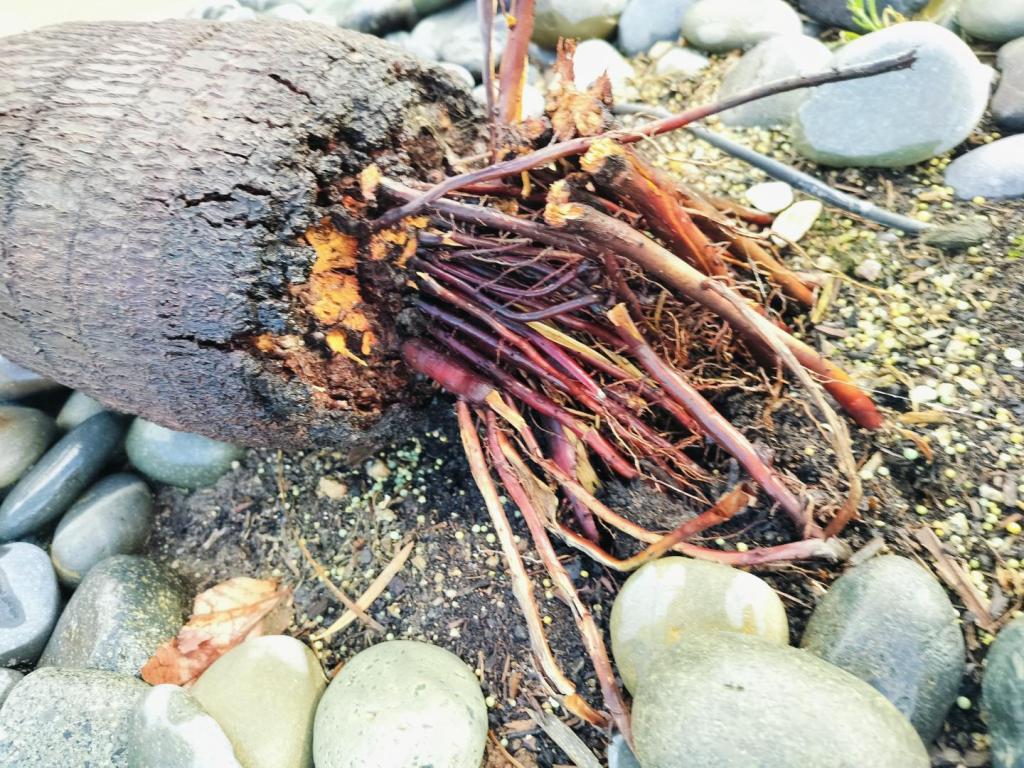 1 point
 -
1 point
-
1 pointThe new varieties of CZ are not available in Australia at the moment but iam sure given time they will be. There are so many cycas species to collect it never ends. Only problem with collecting plants is you get sidetracked on one particular species only to miss out on something better that has not caught your attention.1 point
-
1 pointYes a bob cee philodendron and a Zamia nana I just love them. Philodendron and anthuriums are a new plant to me to start collecting. My only wish is I should have started my collection years ago.1 point
-
 1 pointThanks Marcus, I called them and the owner said to call back in a couple months. I appreciate the info!!1 point
 -
 1 pointNice find, mine is just starting to grow faster. We hit 40C yesterday and we will keep having full sun days next week. I'm pretty sure this dry winter is a sign of a rainy spring. Is that a mamey tree next to the coconut by the way?1 point
 -
 1 pointI'll give it some copper fungicide then and hope for the best. I had heard needles were prone to spear pulls when not established, but I didn't think it was in the realm of tens of degrees above their normal cold hardiness 😅 hopefully it can make a recovery when the hot humid weather starts coming in1 point
 -
1 pointThe vast majority of Butia in cultivation are odorata. I’d say it’s extremely likely to be odorata which is quite variable.1 point
-
 1 pointLooks like too much water, causing the roots to rot. My advice would be to assess the situation, see if it's always wet in that location at the bottom of a slope, amend the area with lots of gravel if so,and start over. That pindo is not going to be happy for years,even if over watering is corrected. Starting fresh will save you a couple years of looking at a declining palm. aztropic Mesa, Arizona1 point
 -
 Did a little research on this and I found a website that says they can last as low as -9 C. Hope this helps. I’ll include the website below if you are interested in more information. https://garden.org/plants/view/753703/Palm-Washingtonia-Filibusta/1 point
 -
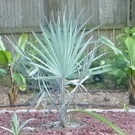 1 point@Berzon welcome to Palmtalk! The Pindo llooks like it is really struggling, and might not survive. It's hard to tell from the photo, but it looks like the new fronds in the center are very yellow. That can be a sign of root rot or severe overwatering, causing a loss of iron in particular. If it is in clay soil it may be sitting in a pot-shaped bucket of water. Can you advise if the soil was amended or mixed upwhen planting, or had fertilizer added to the hole, and how you are watering it?1 point
 -
.thumb.jpg.304b32ca4398a111edf4ac525048111e.jpg) 1 pointTry Jungle Music Palms. They're located north of San Diego. I'm sure you'll find what you're looking for. Go to their website and explore.1 point
1 pointTry Jungle Music Palms. They're located north of San Diego. I'm sure you'll find what you're looking for. Go to their website and explore.1 point -
 1 point
 -
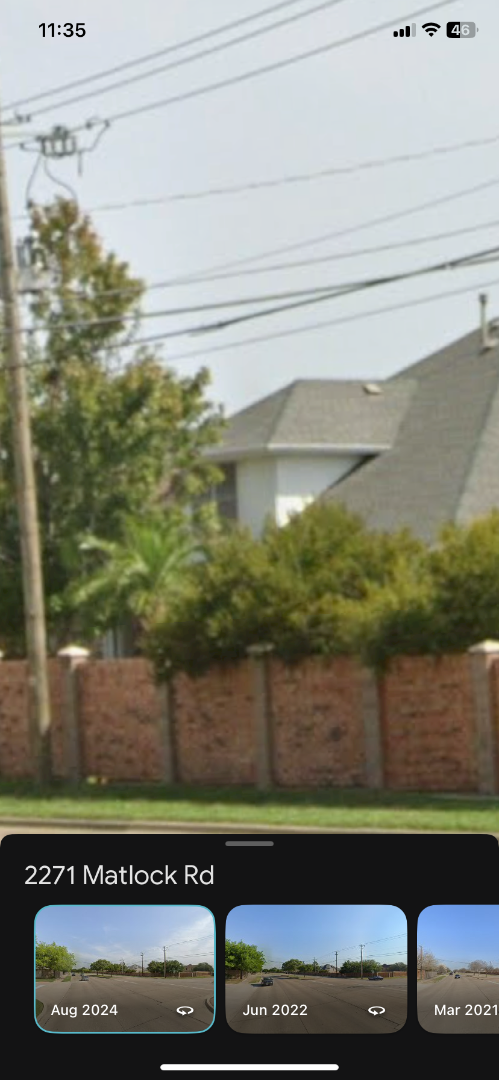
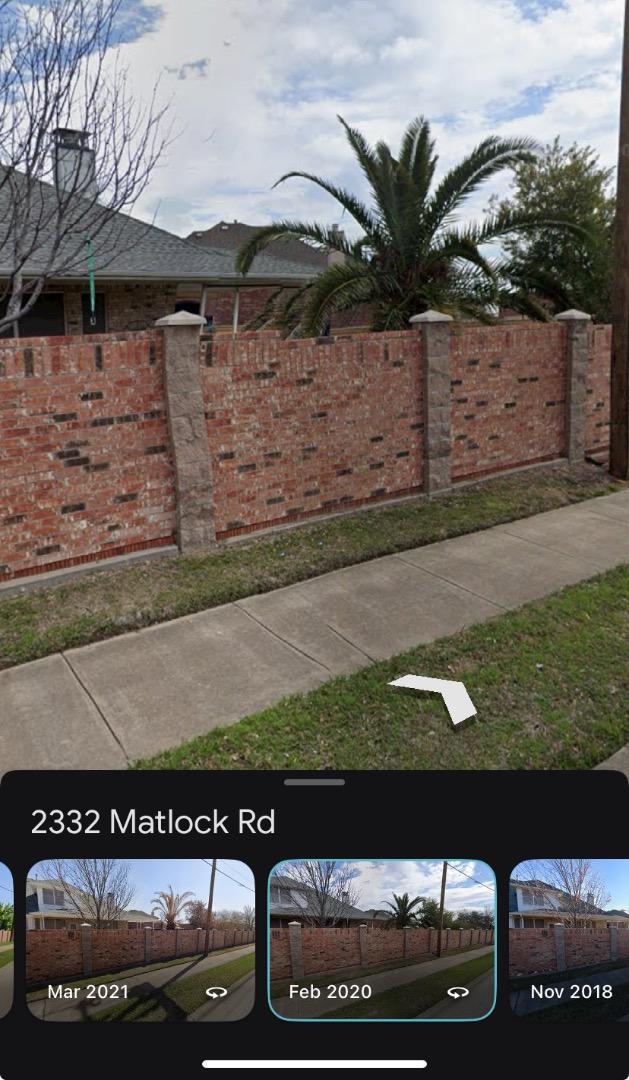
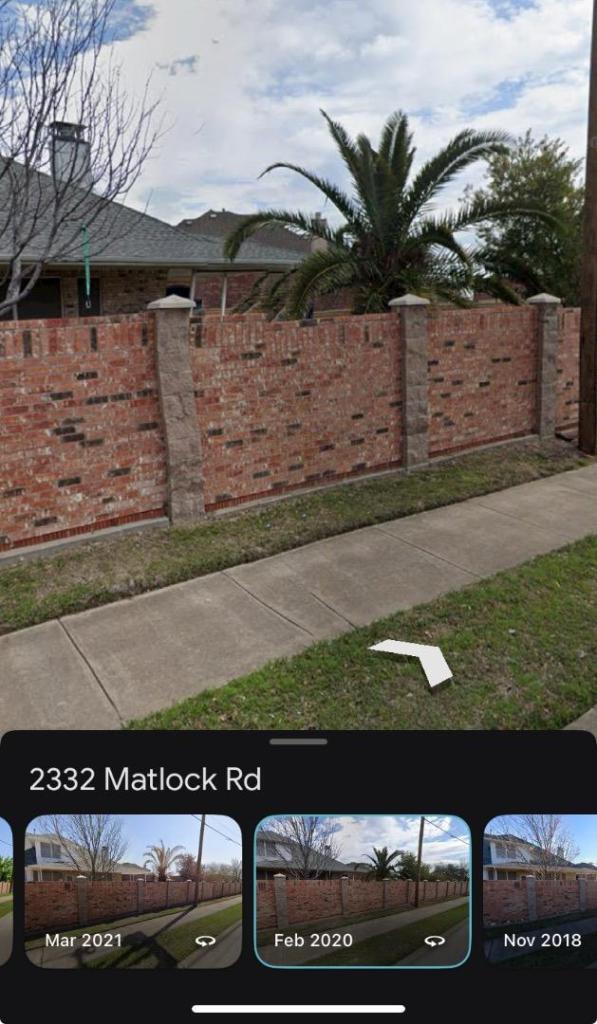
 1 pointAnother live CIDP off Matlock road in Arlington a bit south of the Wells Fargo. Doesn’t look great now and probably won’t until 10 months from now, but judging off 2020 street view it could have a pretty sizeable crown again if we get a few mild winters in a row
 1 point
 -
1 point
-
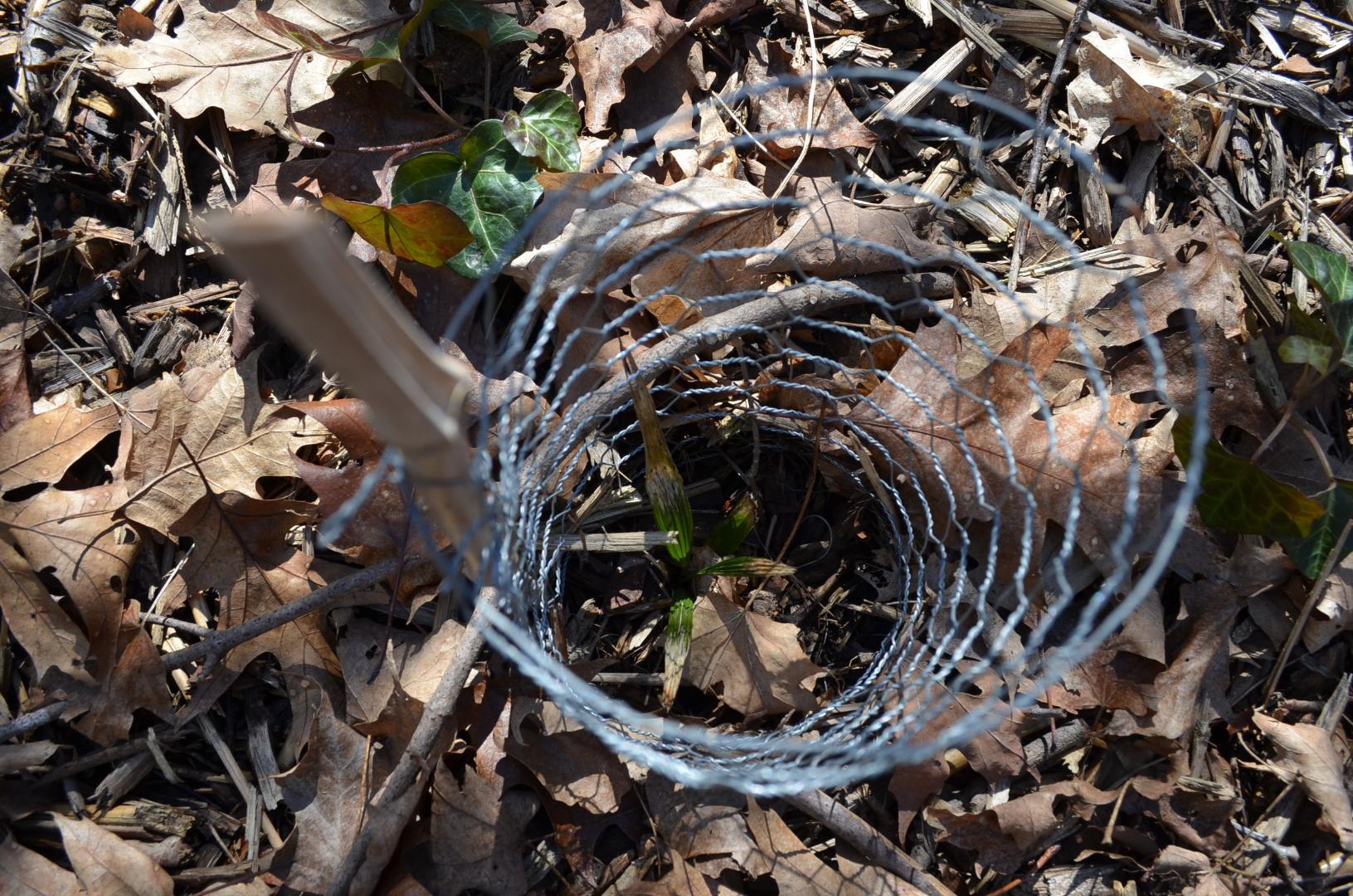
 Finally made the decision and planted today, hopefully continues to grow well form
 1 point
 -
 1 pointI have been head mod on large forums in the past and the issue here is that an entire thread was deleted with hundreds of photos and contributions from several people who had nothing to do with the issue. Such threads are important for documentation purposes so it feels a bit heavy handed. Even if someone broke forum rules, simply deleting individual posts and a formal warning should suffice. Also, its not like these forums are experiencing anything close to the flame wars seen on some other platforms... we may have drama once a month at the most! Admittedly, its usually the Texans causing problems though... 😇😁1 point
 -
.jpg.e2ada578ac67e232412dd0bfeced3af5.thumb.jpg.4055cb1a2f589dc4c4afbd2ff1f646c6.jpg) When I used to live in Richmond, I had a bunch of Needle Palms and Bananas (Musa Basjoo.) I always loved the look at the house in the Google view below, so out of place. https://www.google.com/maps/@37.6708649,-77.5350342,3a,65.1y,235.24h,86.19t/data=!3m6!1e1!3m4!1sDEQCtYNaT3-zffzNcpKq7A!2e0!7i13312!8i66561 point
When I used to live in Richmond, I had a bunch of Needle Palms and Bananas (Musa Basjoo.) I always loved the look at the house in the Google view below, so out of place. https://www.google.com/maps/@37.6708649,-77.5350342,3a,65.1y,235.24h,86.19t/data=!3m6!1e1!3m4!1sDEQCtYNaT3-zffzNcpKq7A!2e0!7i13312!8i66561 point -
1 pointI picked up a 1 gallon for $12 and planted in a protected spot back in Feb or March, I figured at that price it was worth trying. This is the only plant I have that I feel I will need to protect on the coldest nights. Right now while its small I'm going to throw a large pot over it but later on if it gets larger I was thinking burlap and a tarp or bubble wrap over the crown.1 point
-
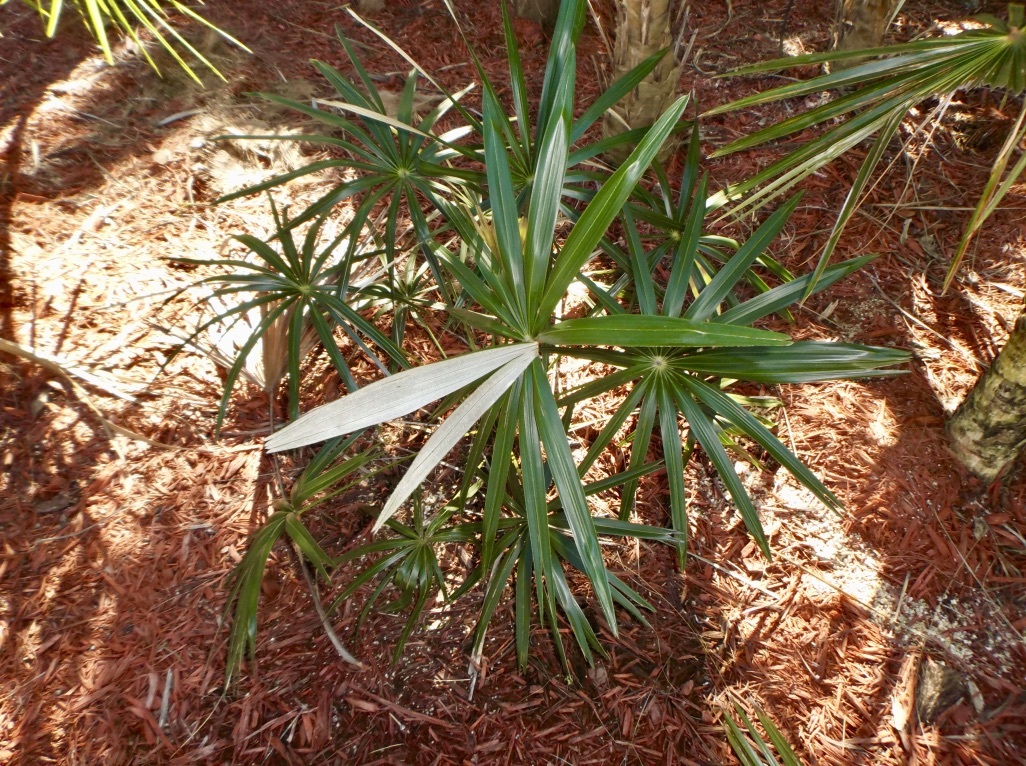
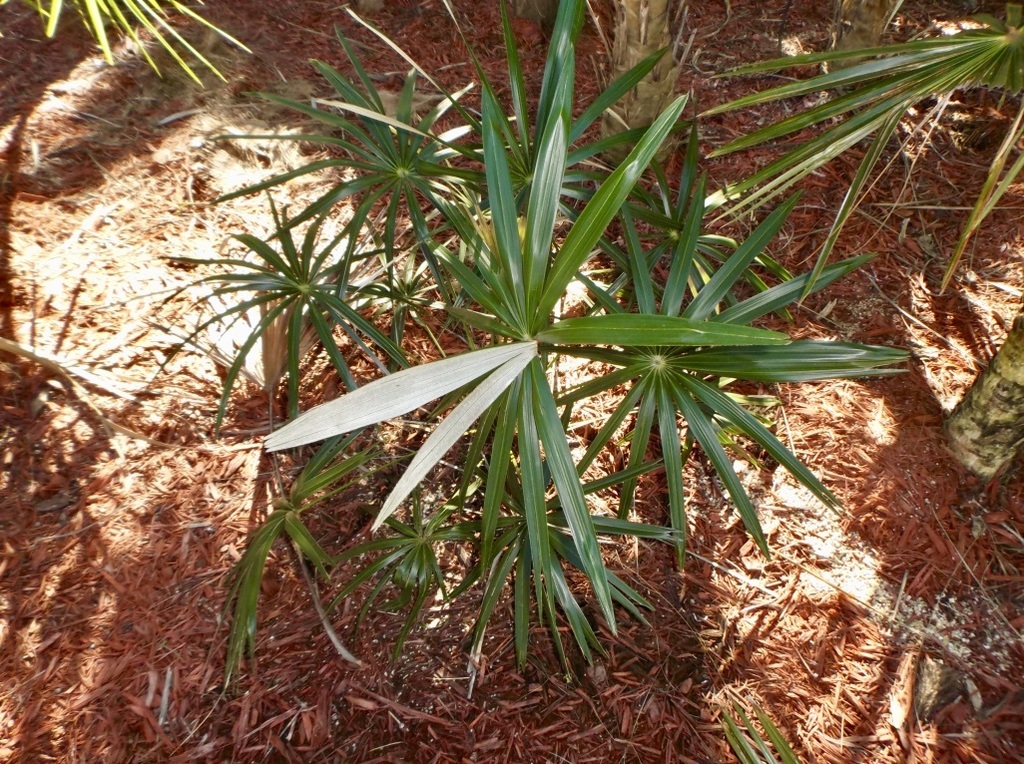
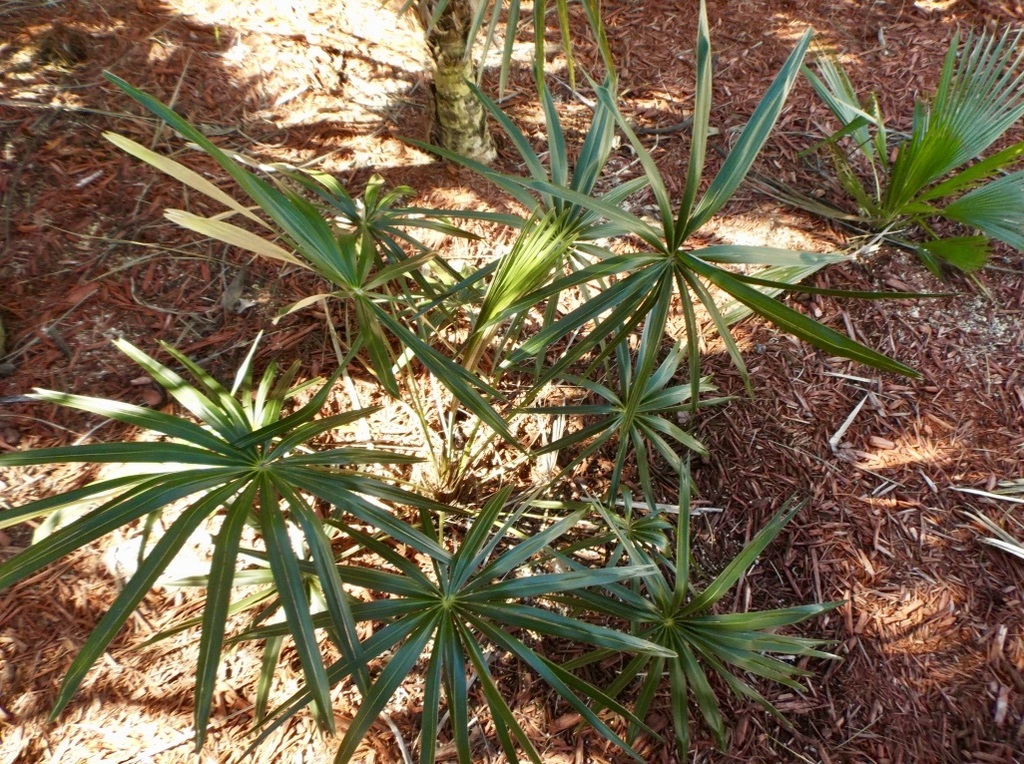
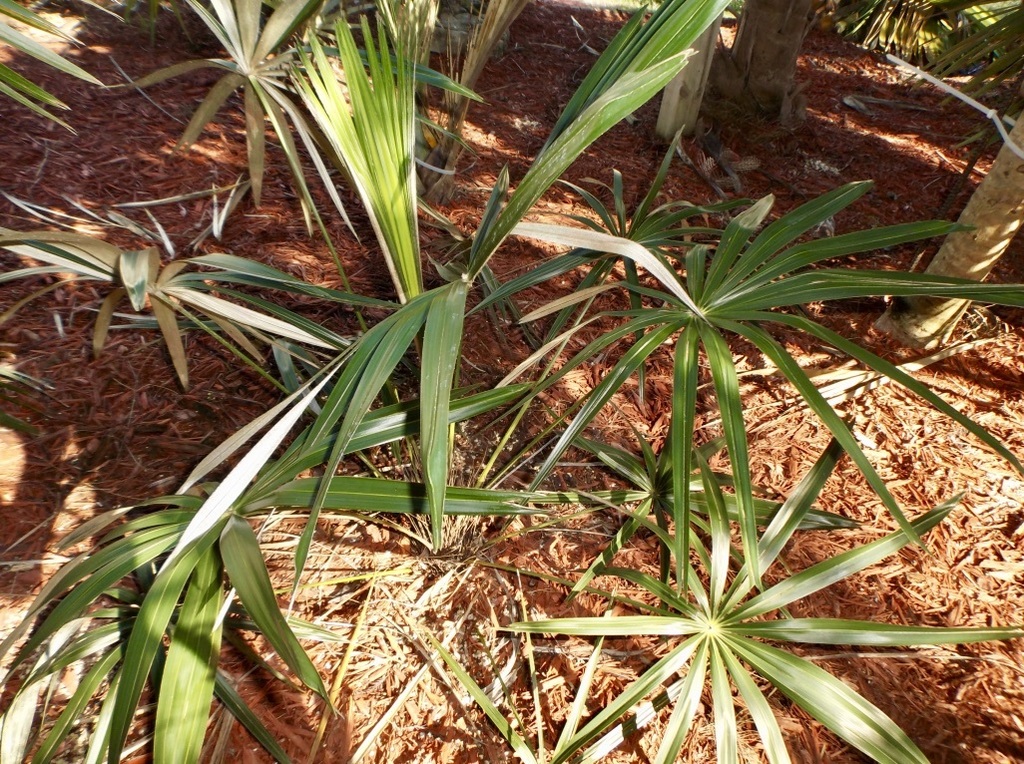
 A few days ago Christian Faulkner dropped by to see how our gardens were faring after Hurricane Irma. We were walking through my Caribbean Garden when he saw my Guihaia argyrata and asked if he could record it for his palm blog sometime in the future. I said of course and took my first close look at this palm for the first time in forever. It's been in the ground since before the Caribbean Garden was even a dream, so I can hardly call it an invader. This is one slow growing palm and, over the years, I wasn't sure it was going to make it. I got it early on as a palm acquisition. This species is hard to find and few people have even heard of them. It comes from southern China and northern Vietnam where it grows on limestone cliffs and is called the "Silver-backed Vietnamese Fan Palm" and "Chinese Needle Palm." Its resemblance to the American needle palm is uncanny. It supposedly clumps but mine hasn't yet. Trunks reach 3' tall, clumps up to 6' wide. Dark green leaves are deeply cut and backed with silver. It is a gorgeous little thing, but, unfortunately, dioecious so my little palm will not produce viable seeds. As it has never flowered I don't know its sex. It is remarkably cold hardy: zones 8b to 11. Too bad it is so incredibly slow growing. But if you stumble across one, scarf it up. You won't be sorry Guihaia argyrata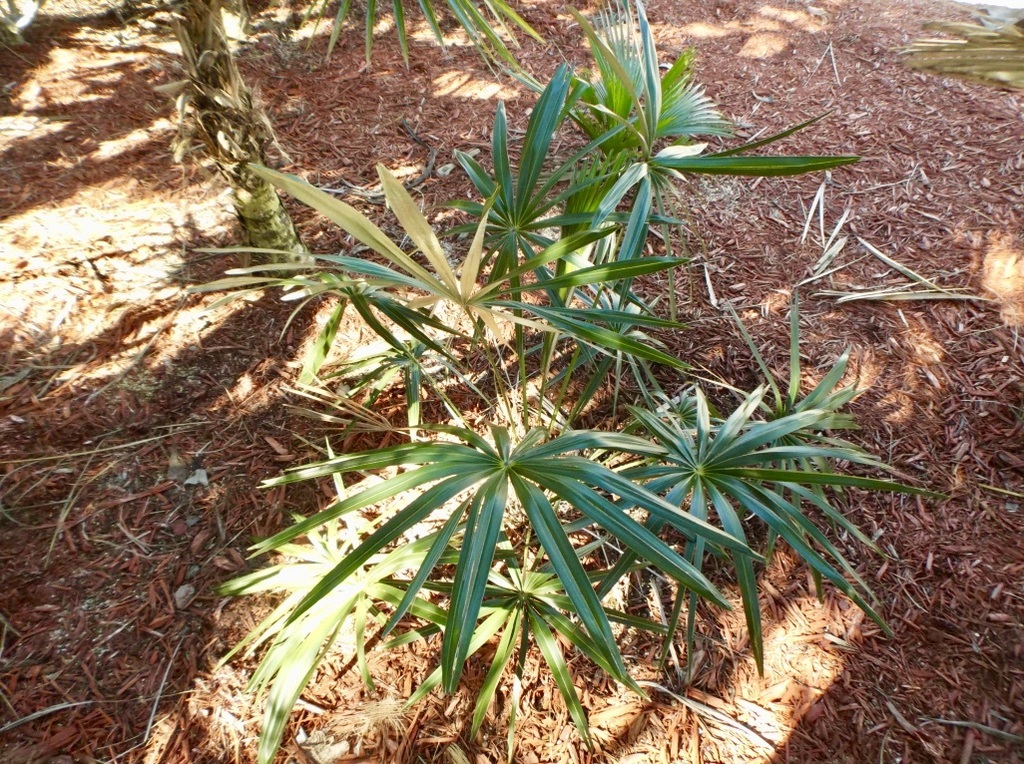
 1 point
 -
1 point

.jpg.7d99f8ceca1d9861be8913e349d4f677.jpg)