Leaderboard




Popular Content
Showing content with the highest reputation on 03/09/2025 in all areas
-
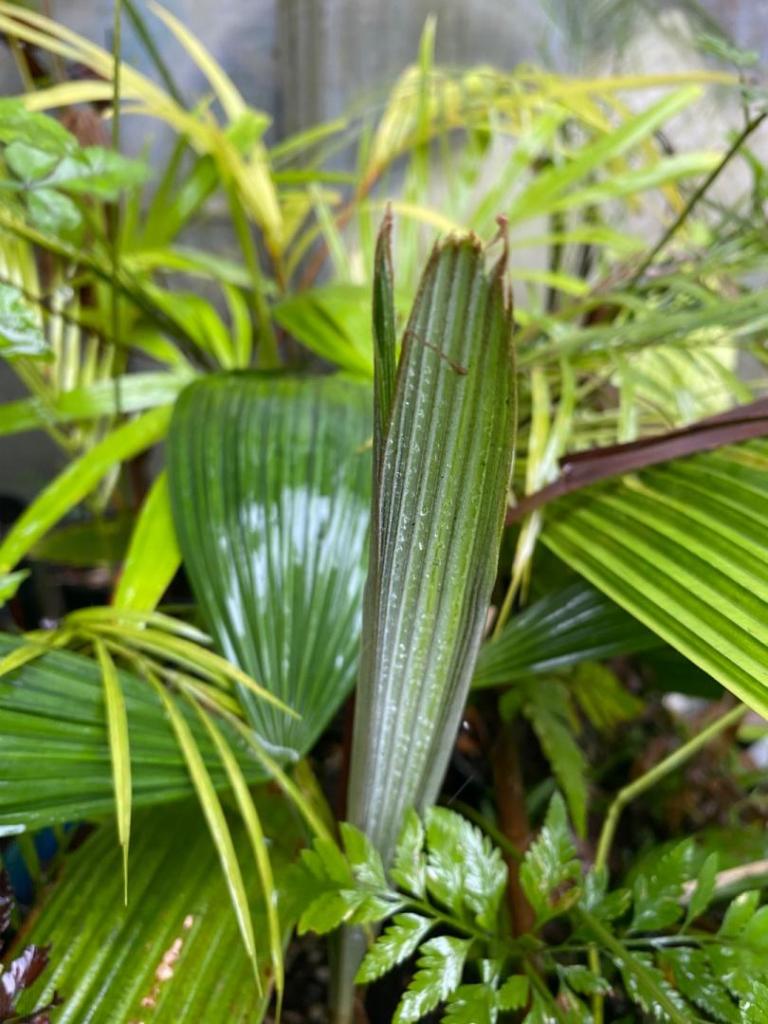
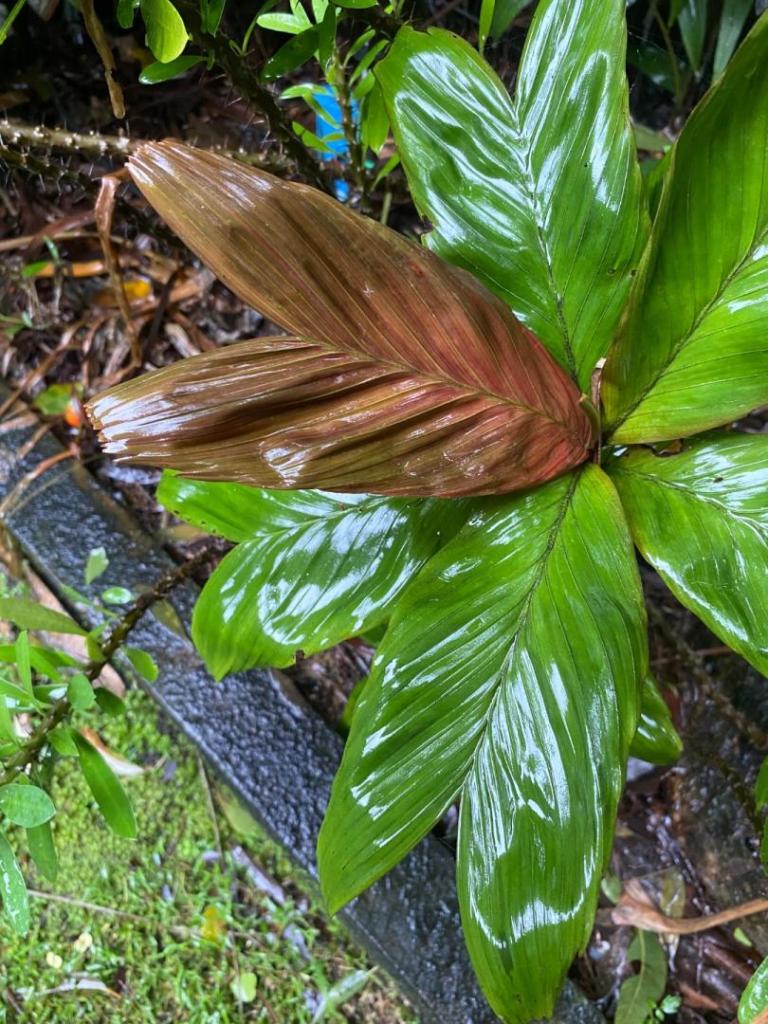
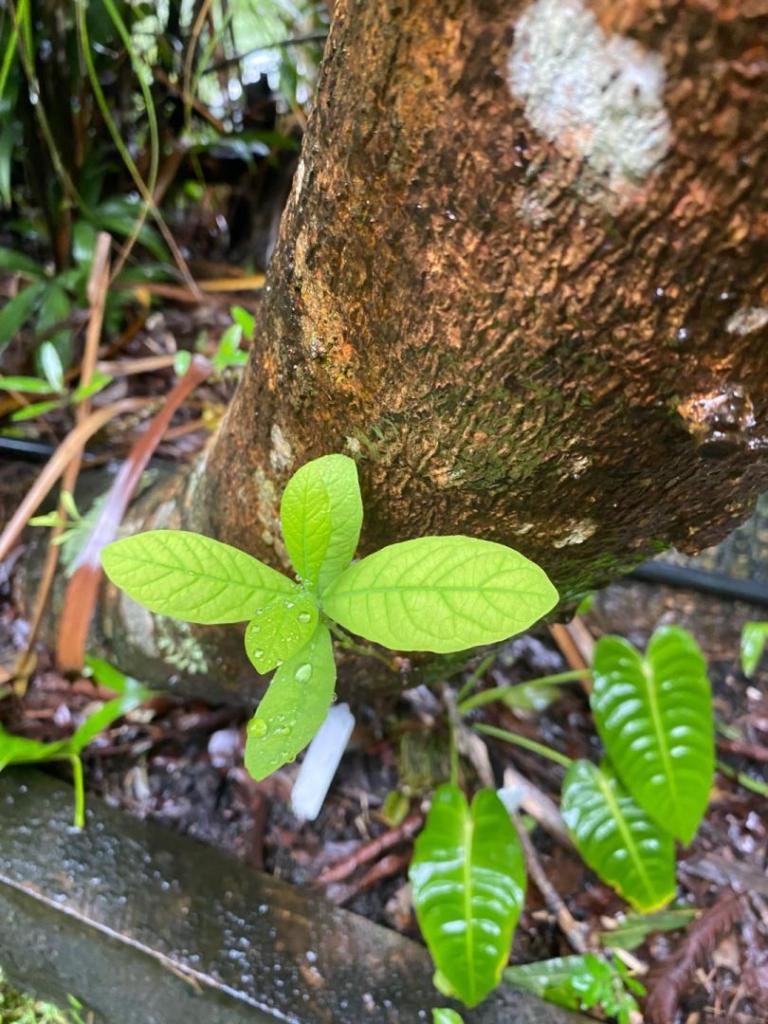
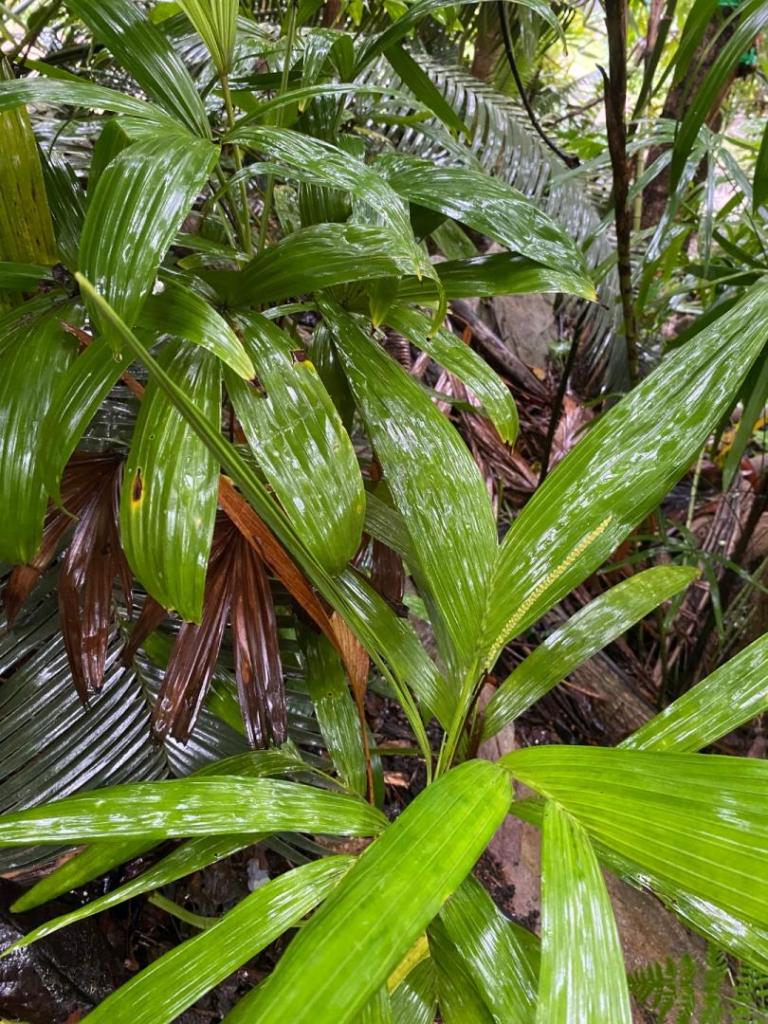
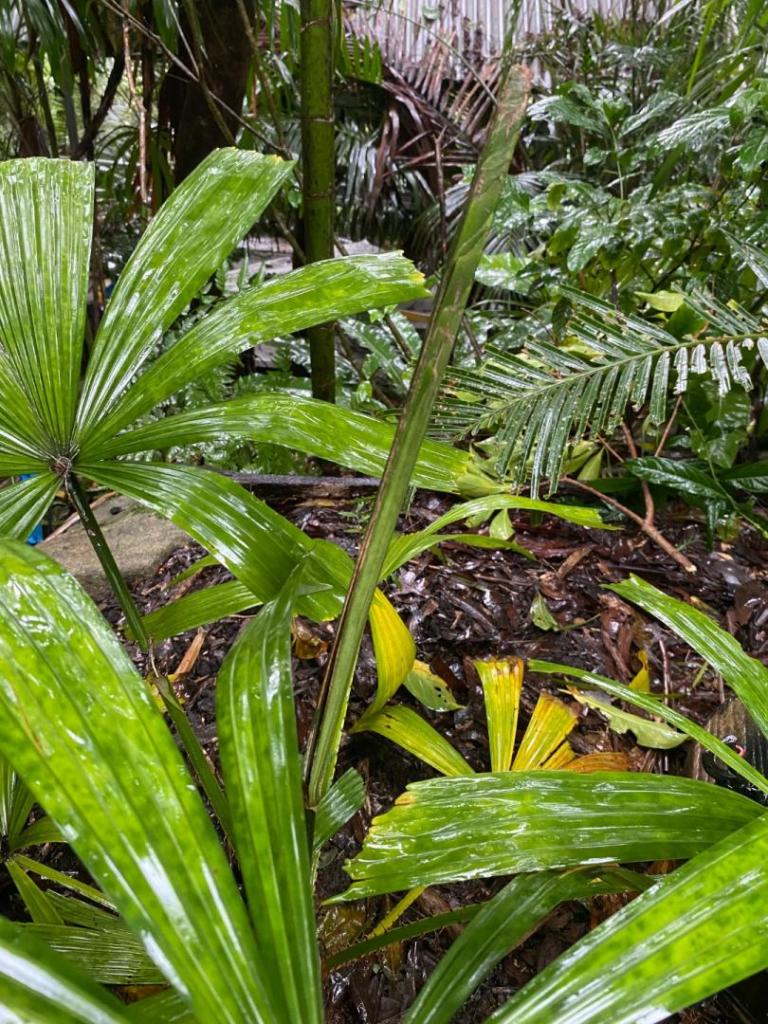
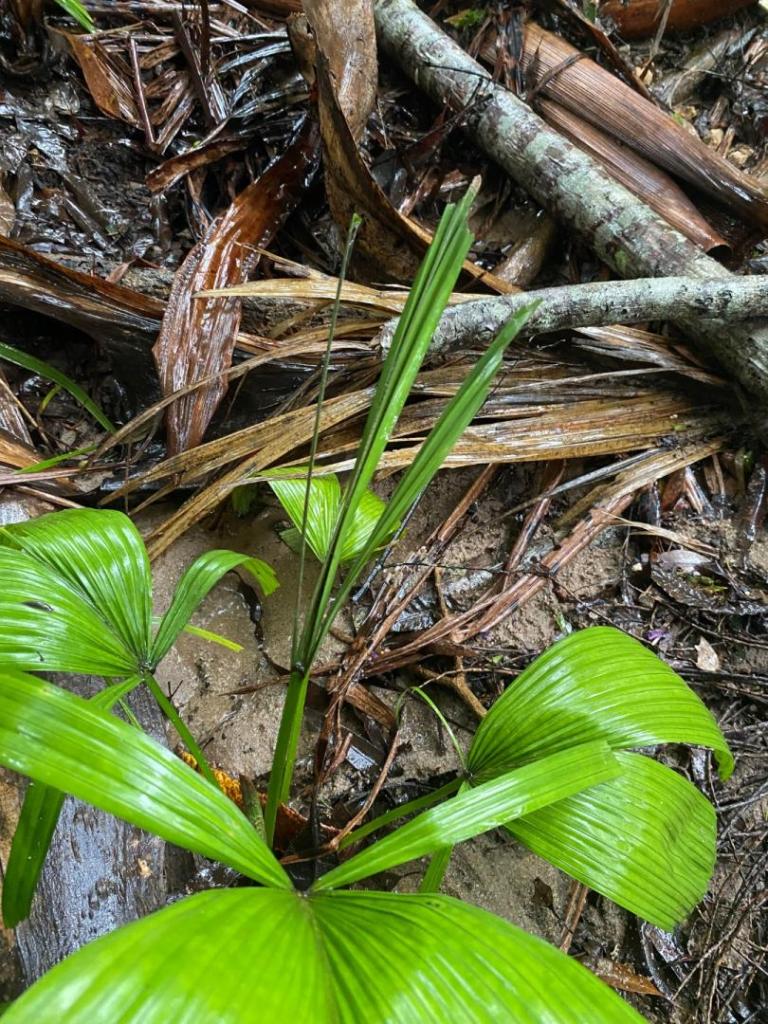
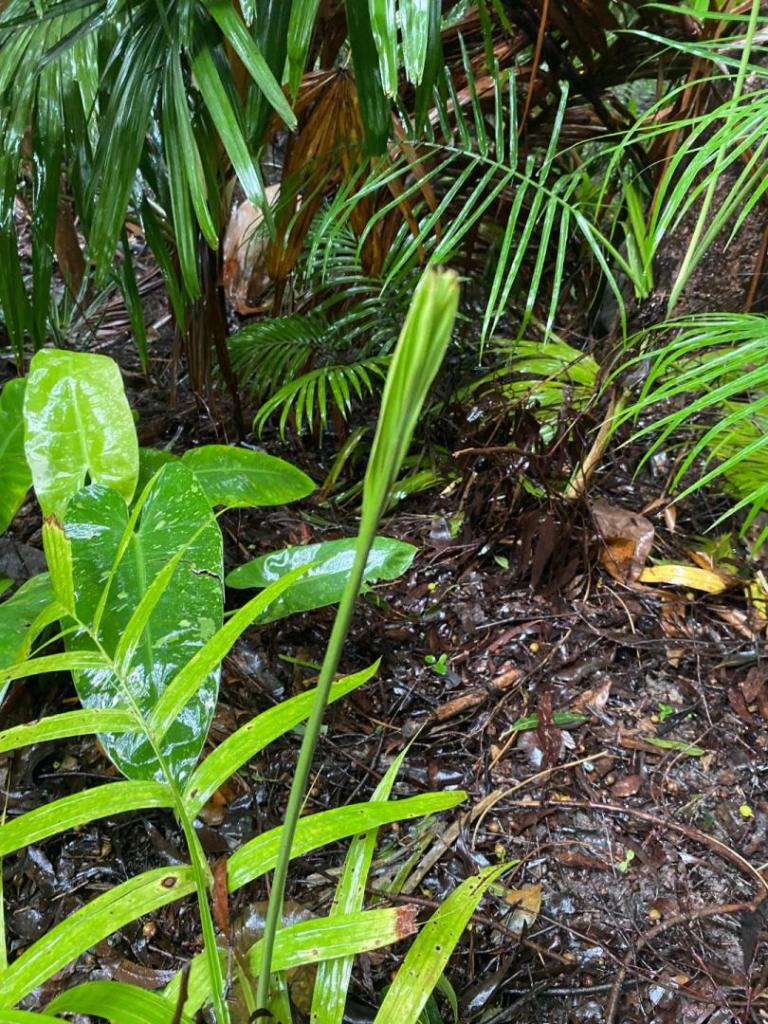
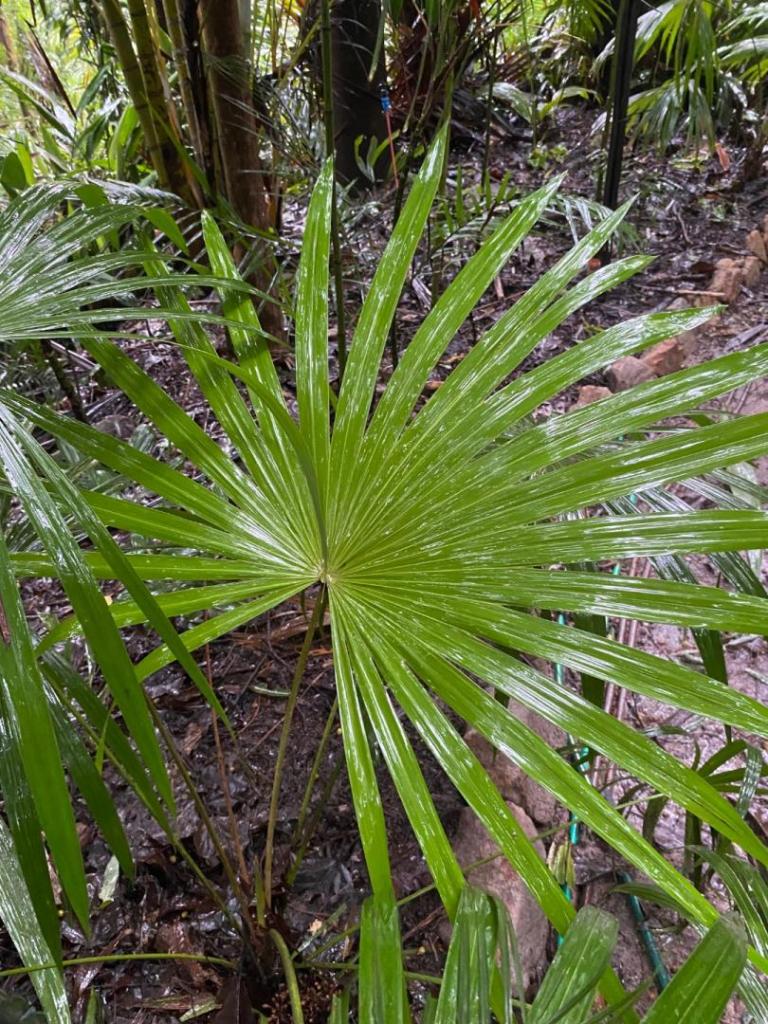
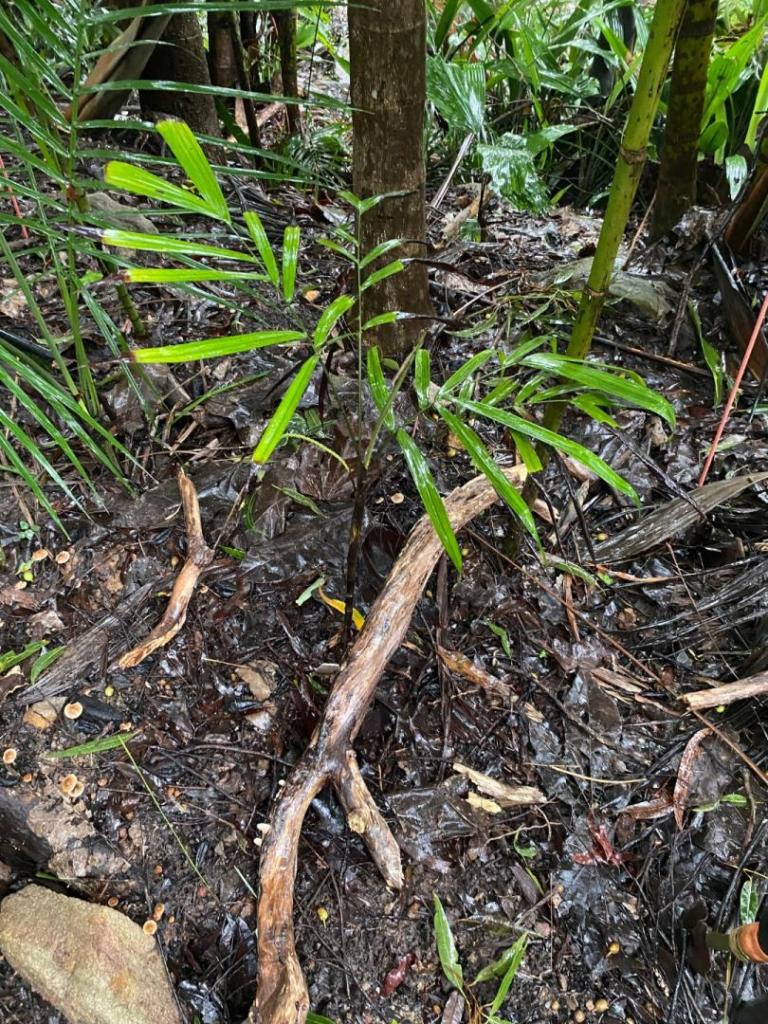
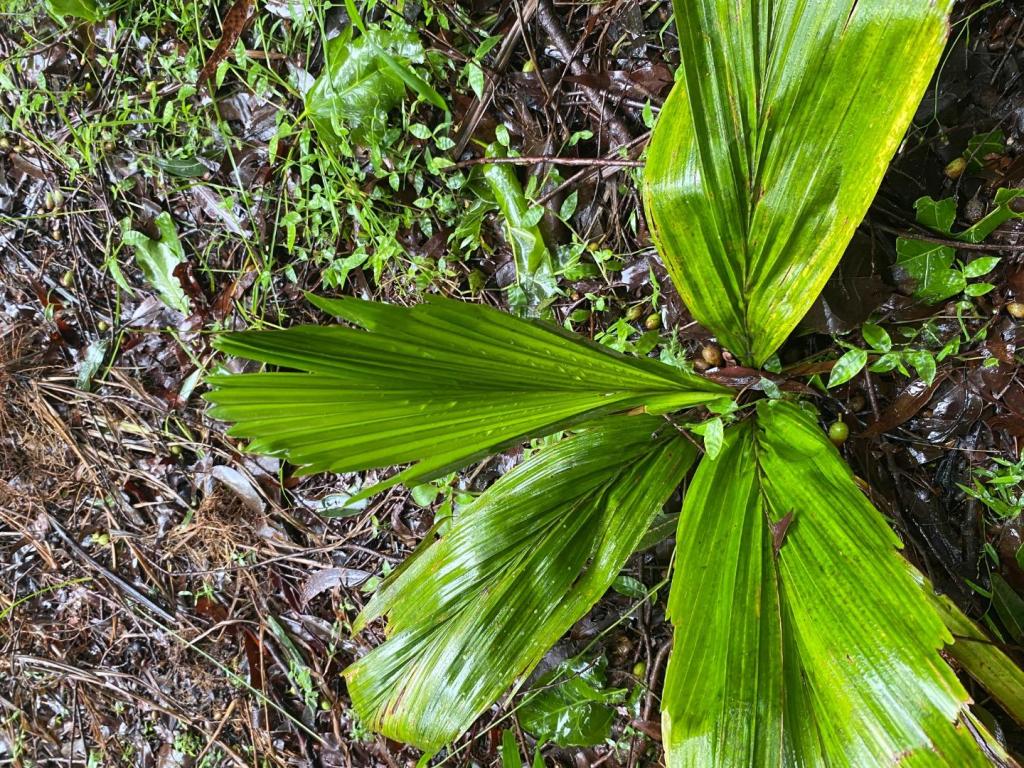
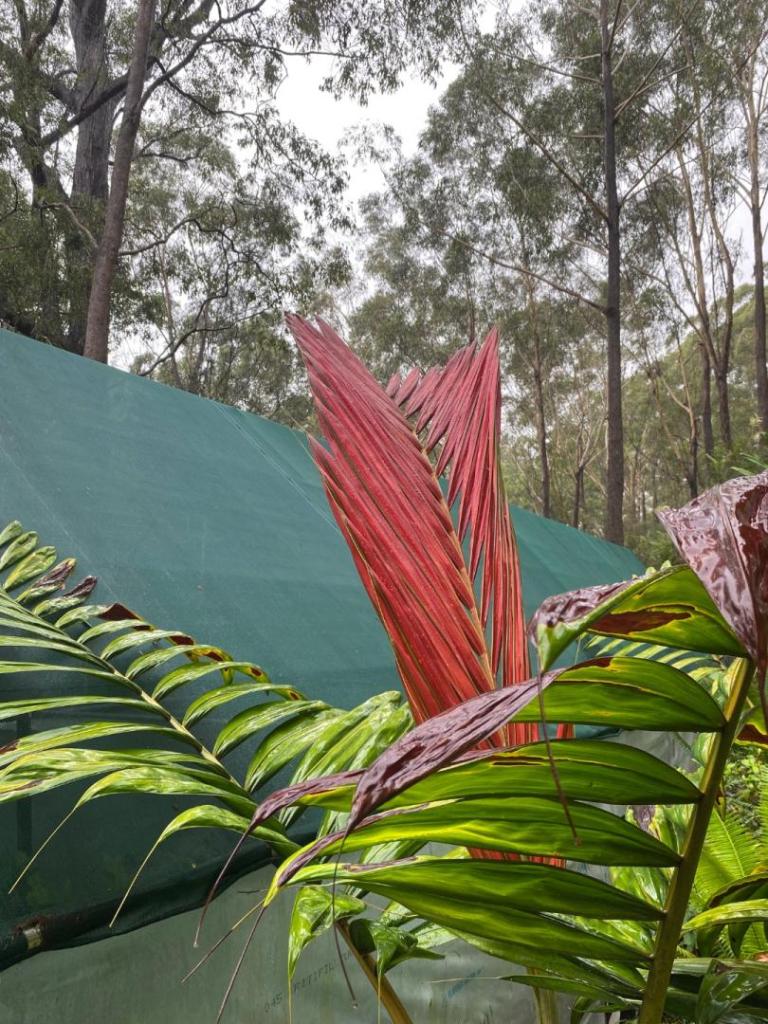
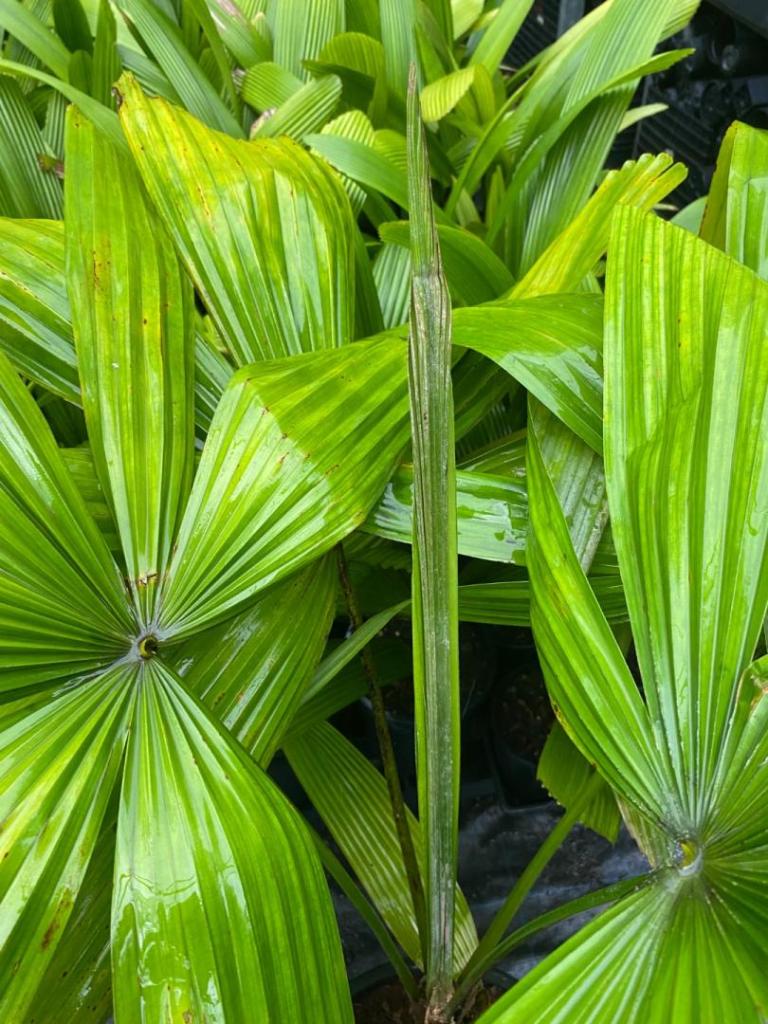
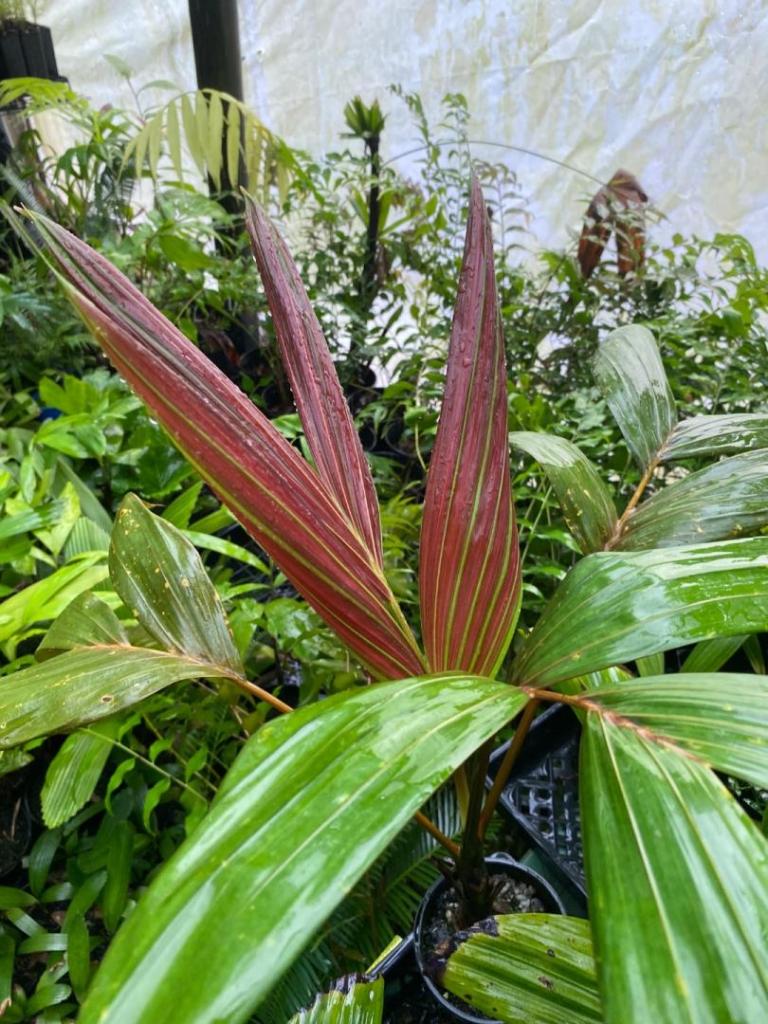
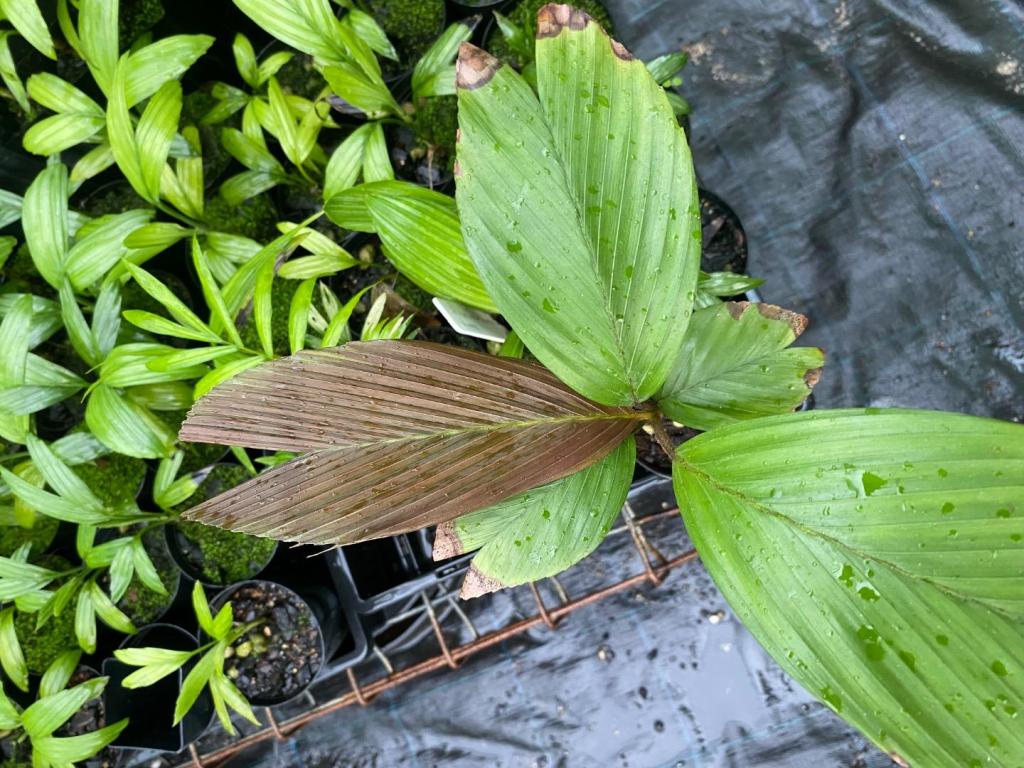
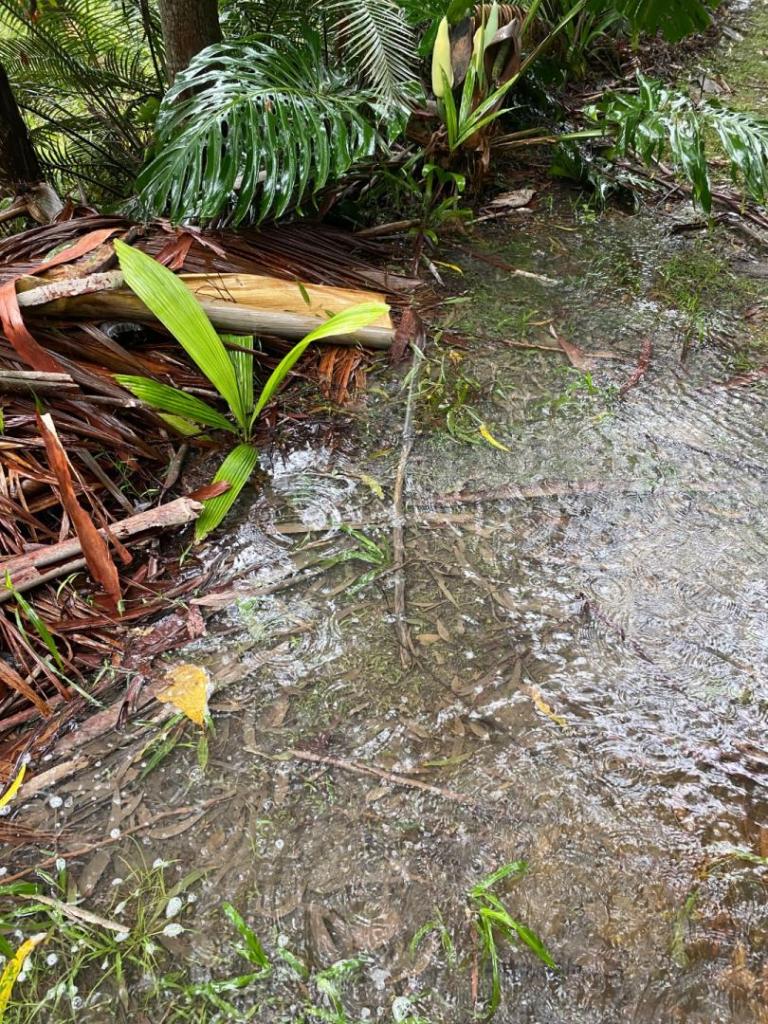
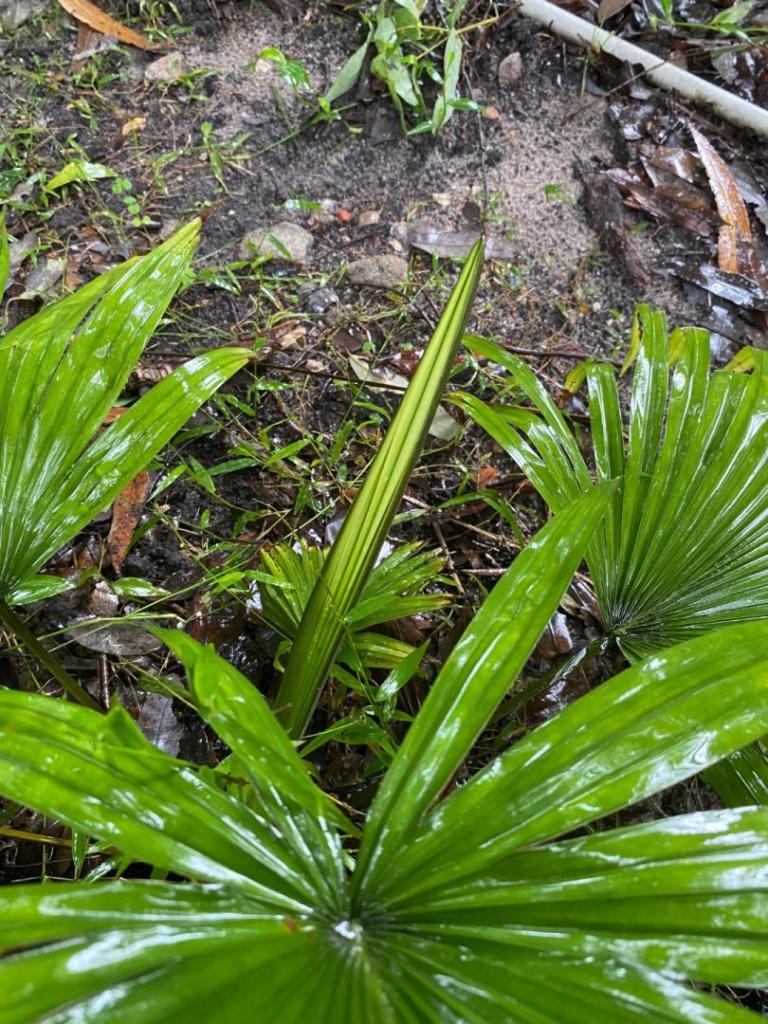
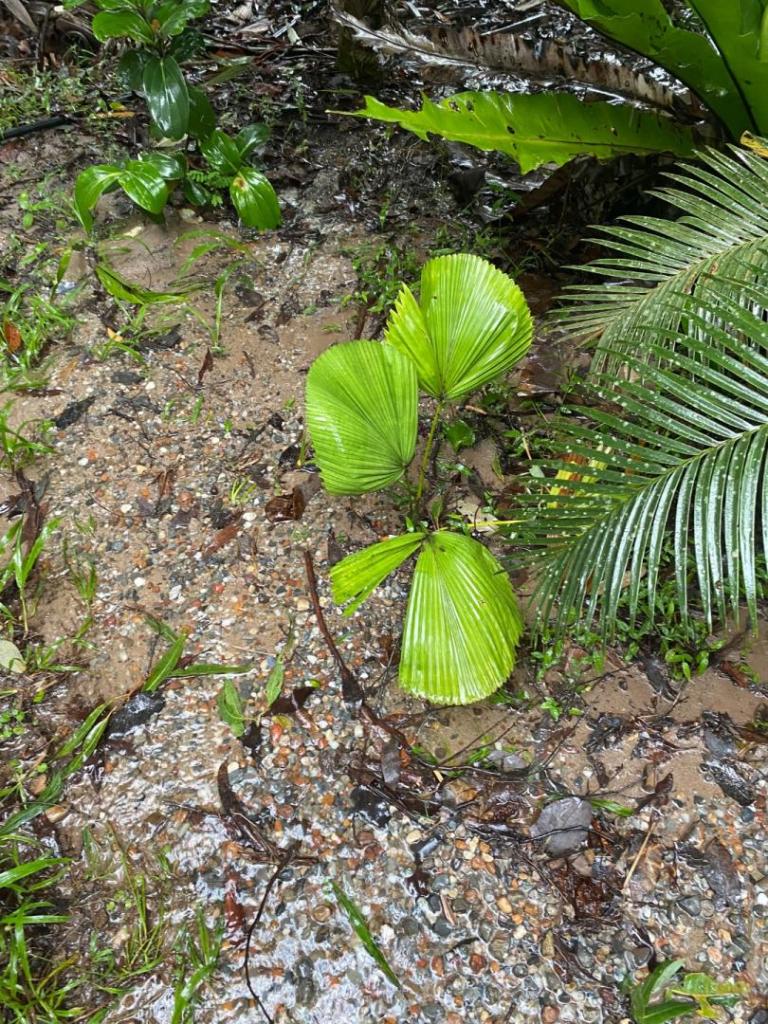
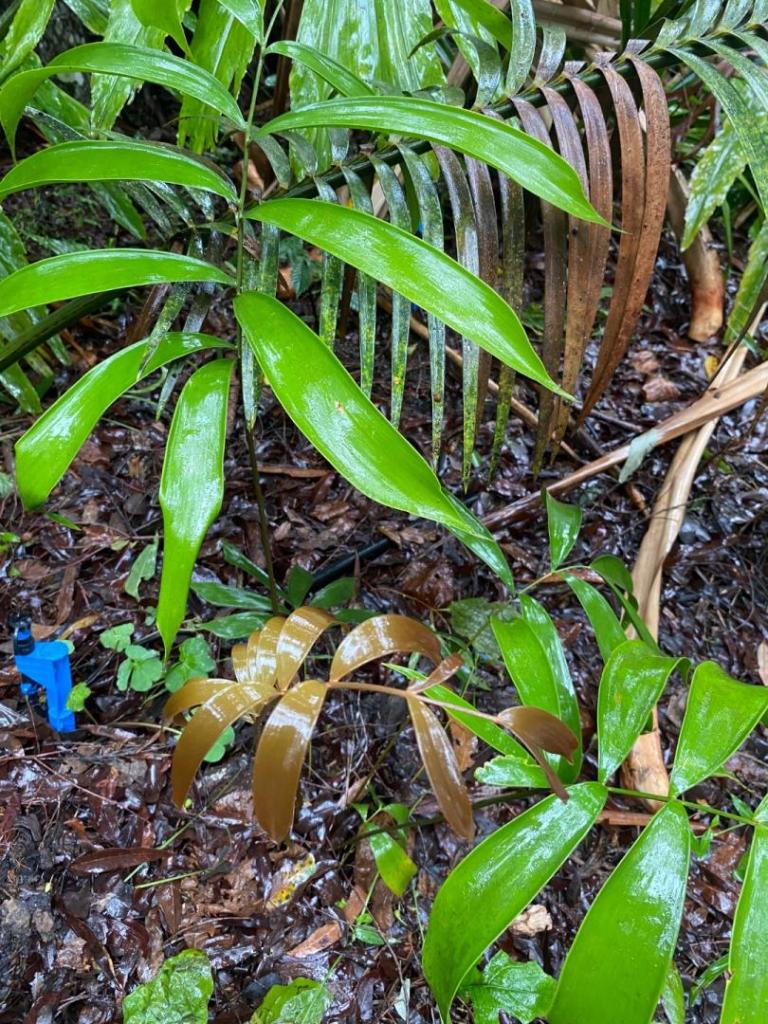
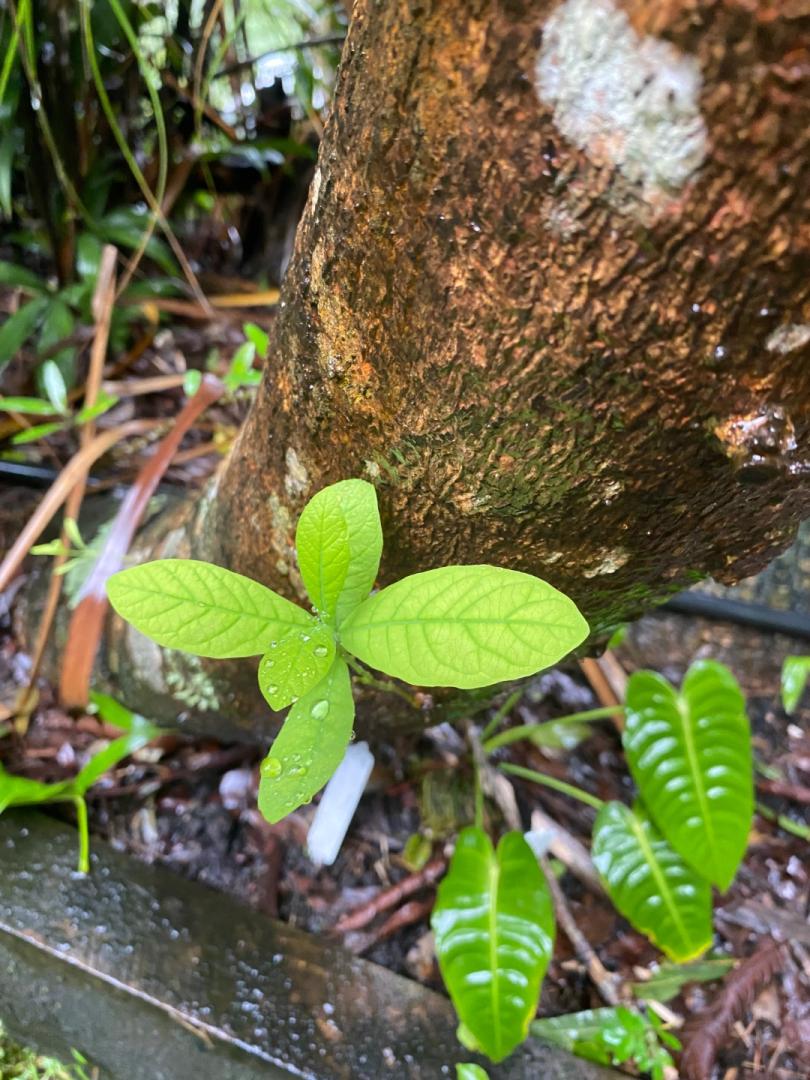
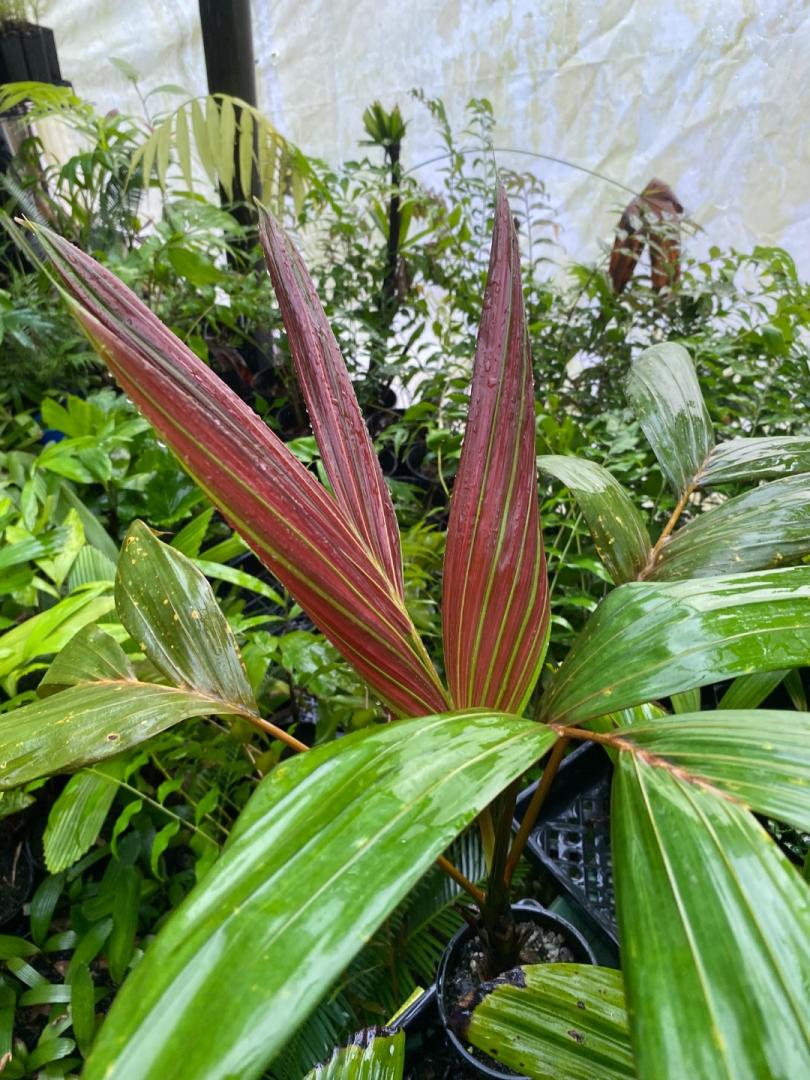
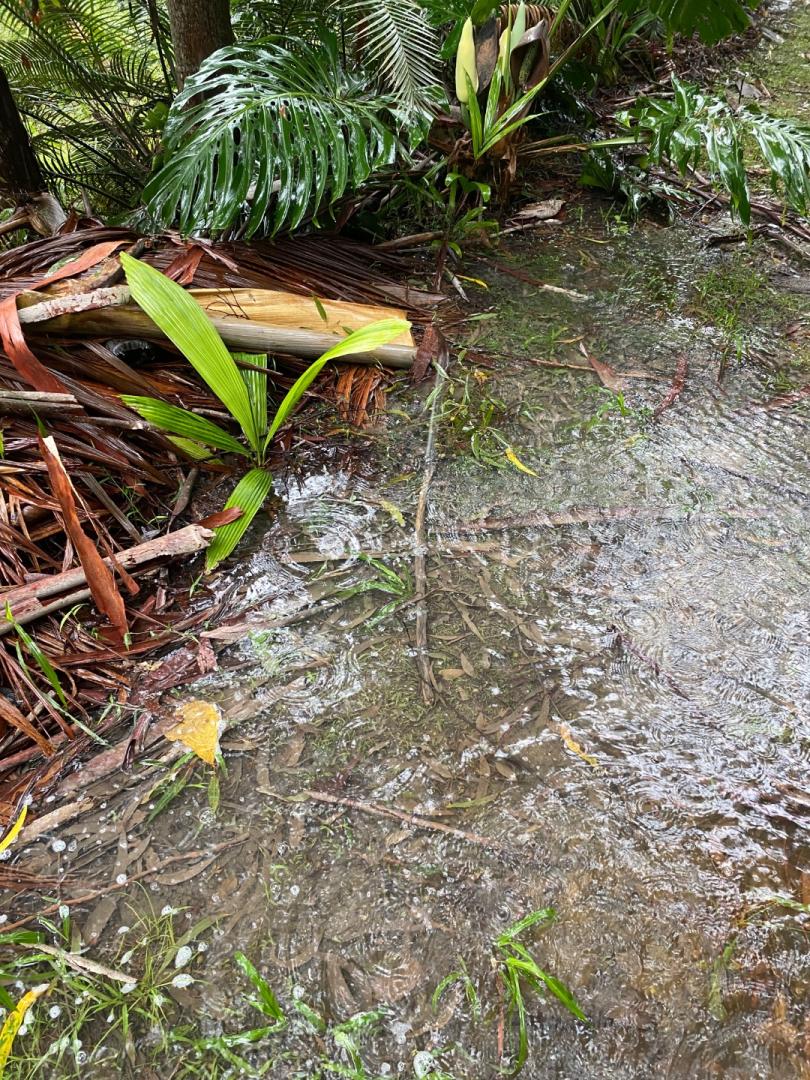
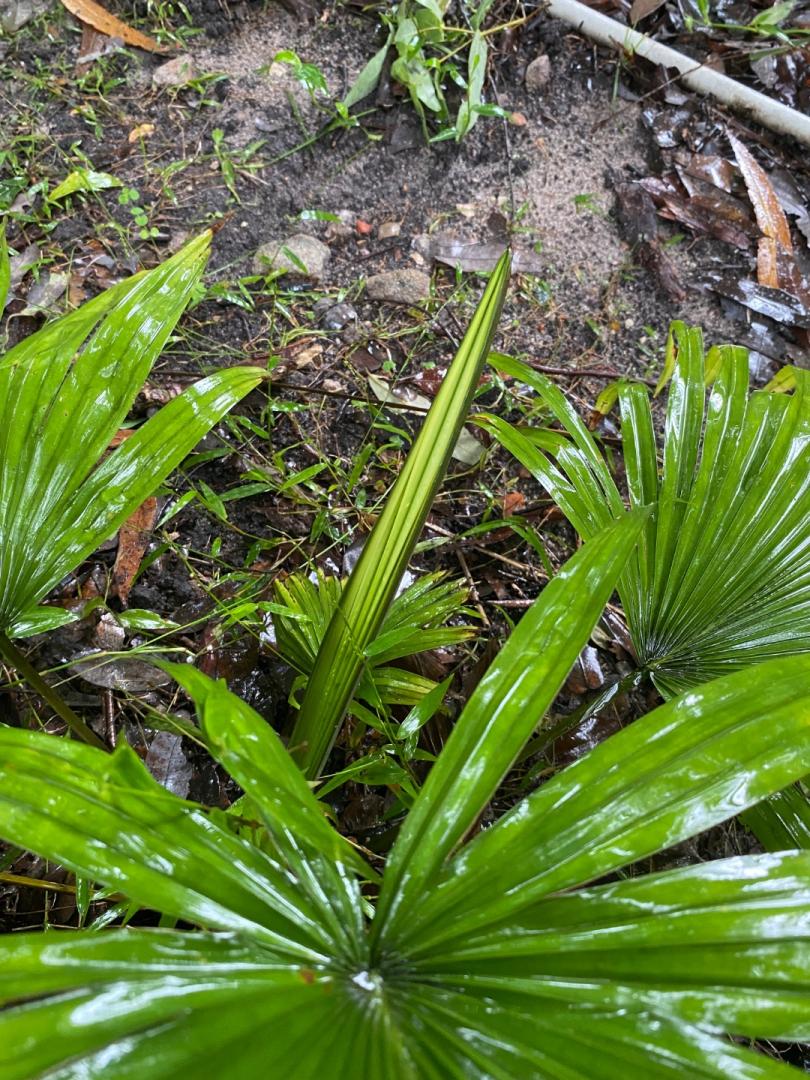
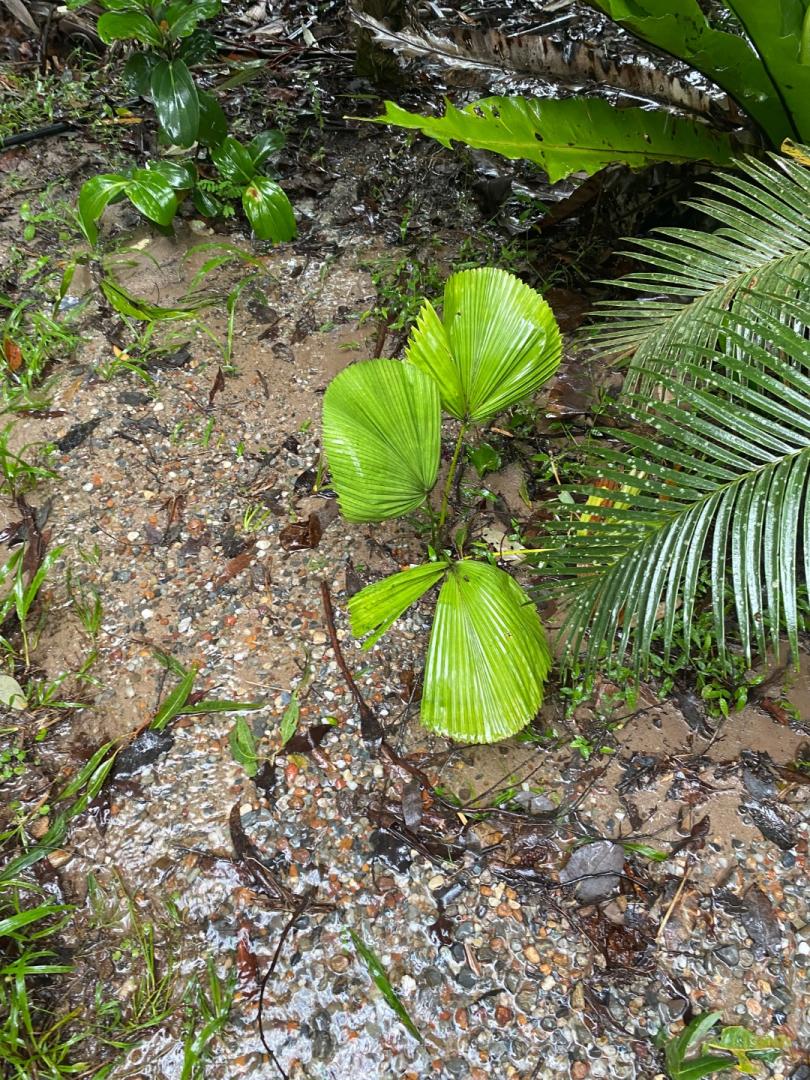
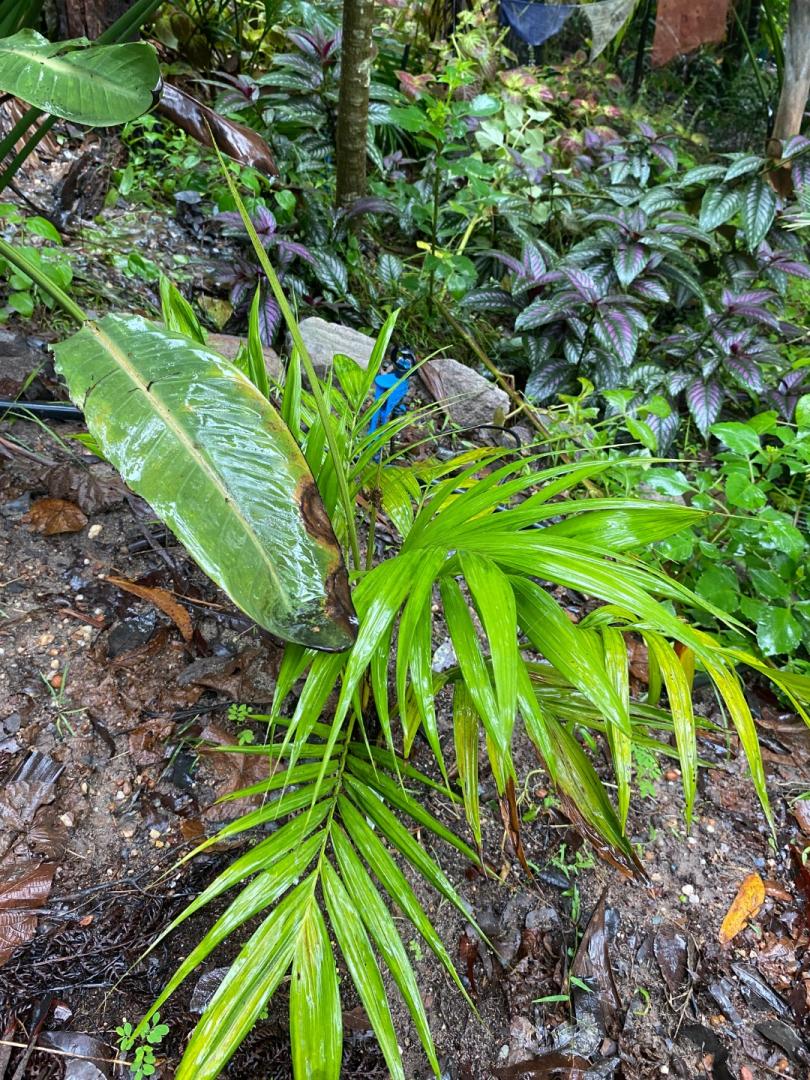
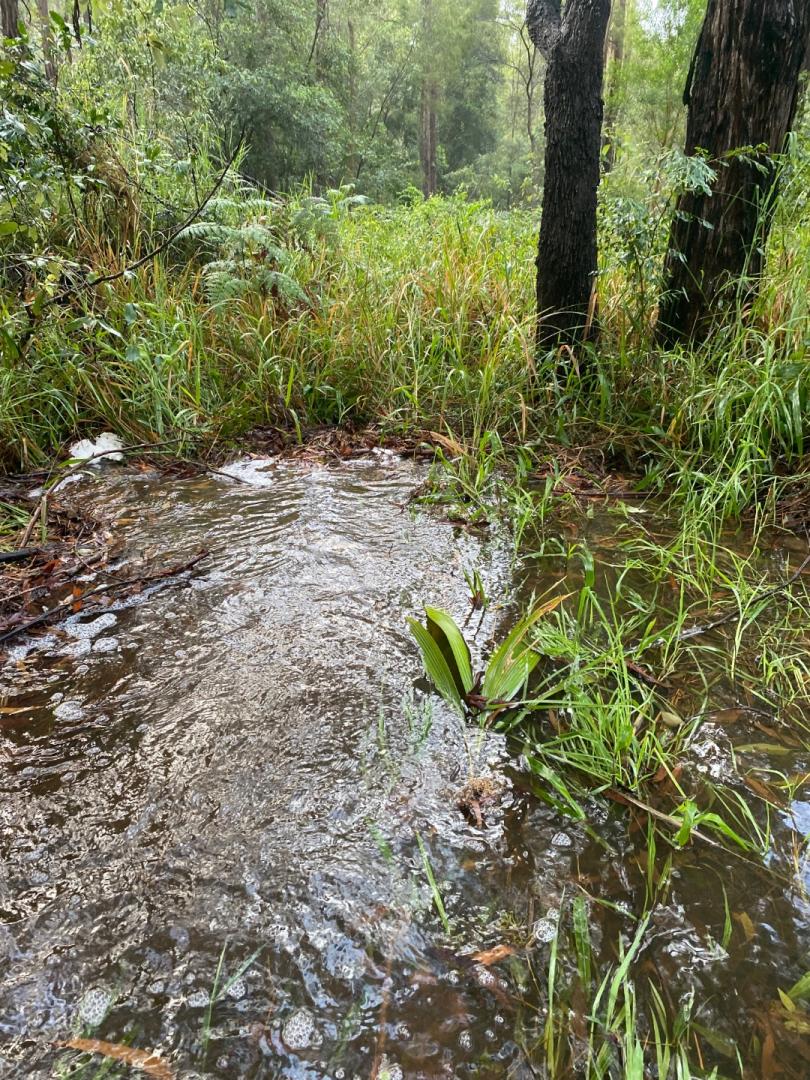
With around 400 plus mm of rainfall since the start of cyclone Alfred. You can literally see the new growth in the garden. You think your watering schedule is enough for good growth, then you get this amount of rainfall in about 4 days and you realise you’re not watering anywhere near enough. Although you can never beat Mother Nature it’s amazing to see this much rainfall in the garden and the affect it has on plants. The ground is saturated when I look at how dry my area can get then it transforms into a tropical jungle in the Amazon. The colours of the plants with light lime green to dark green is amazing.







 14 points
 -
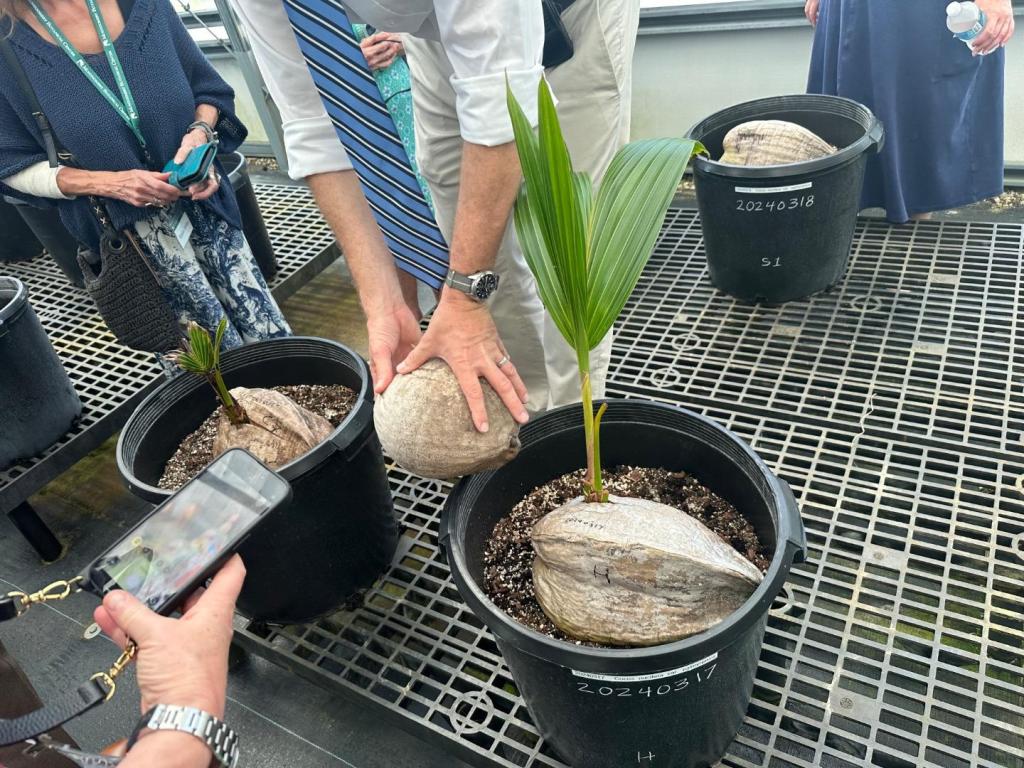
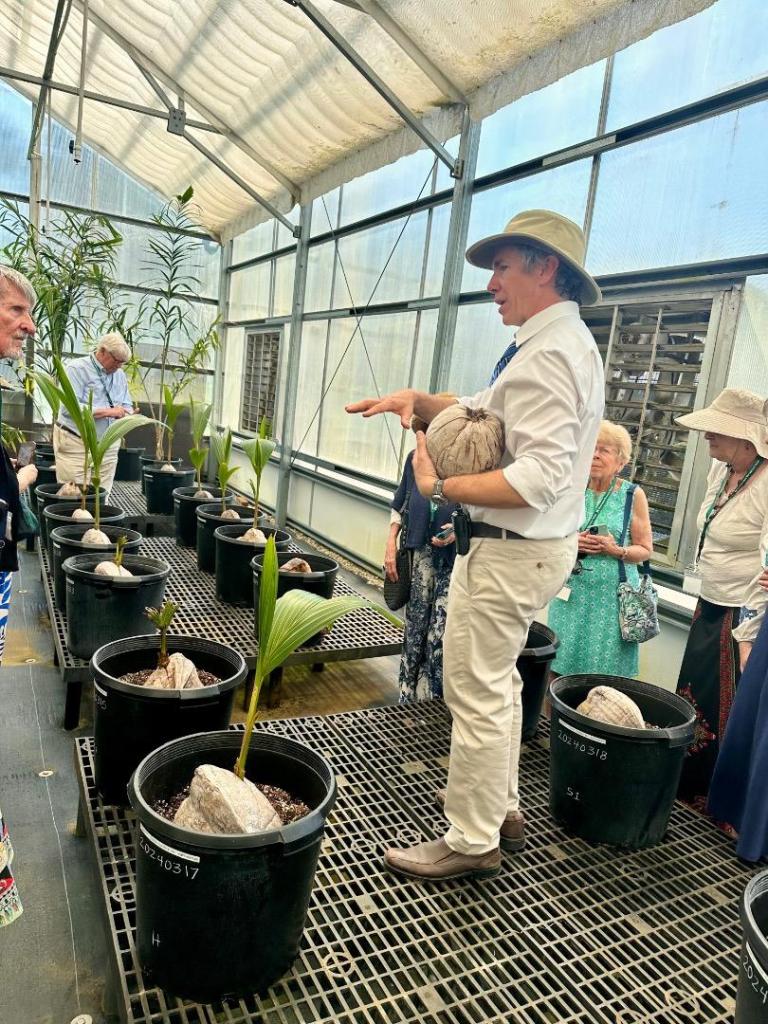
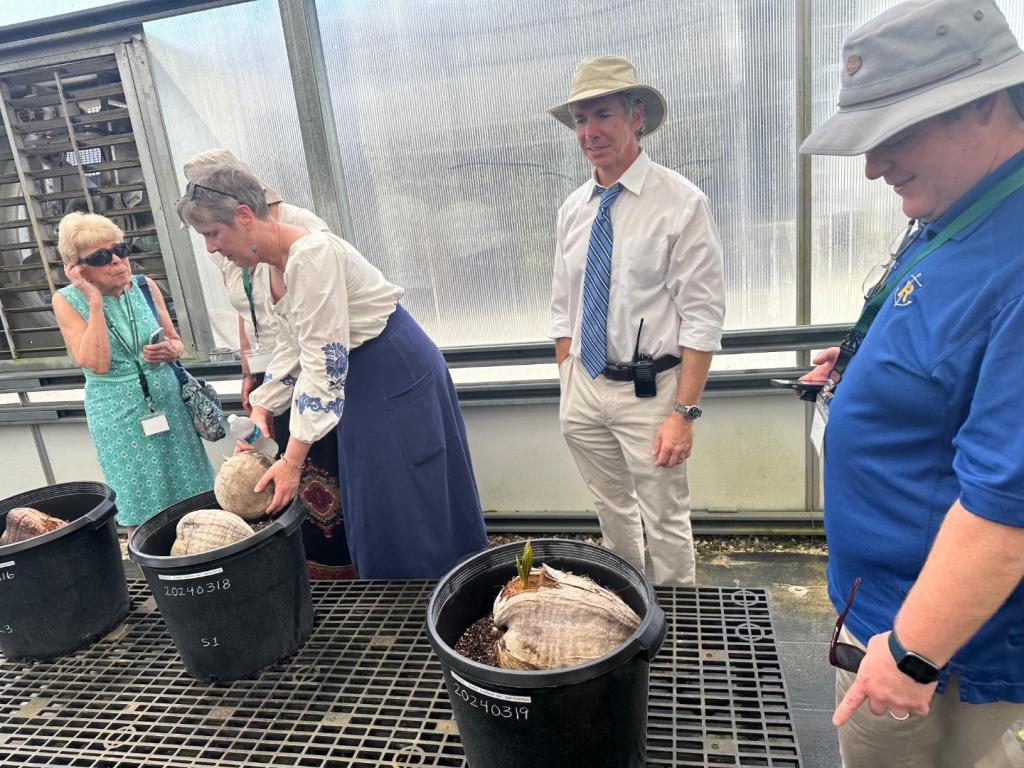
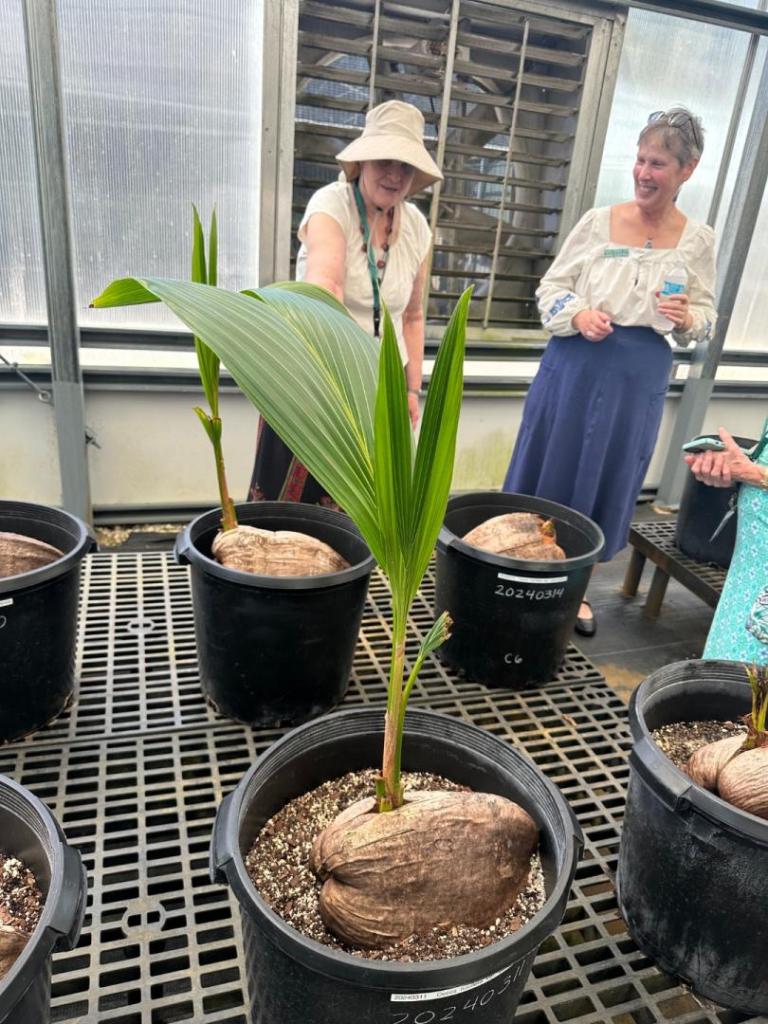
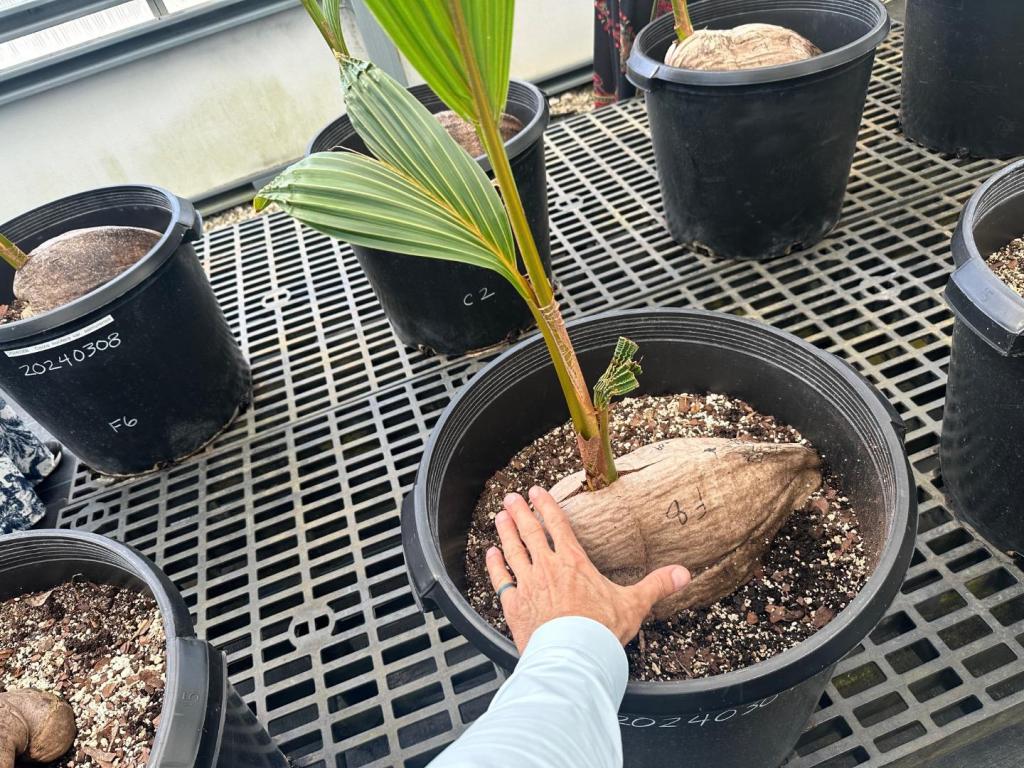
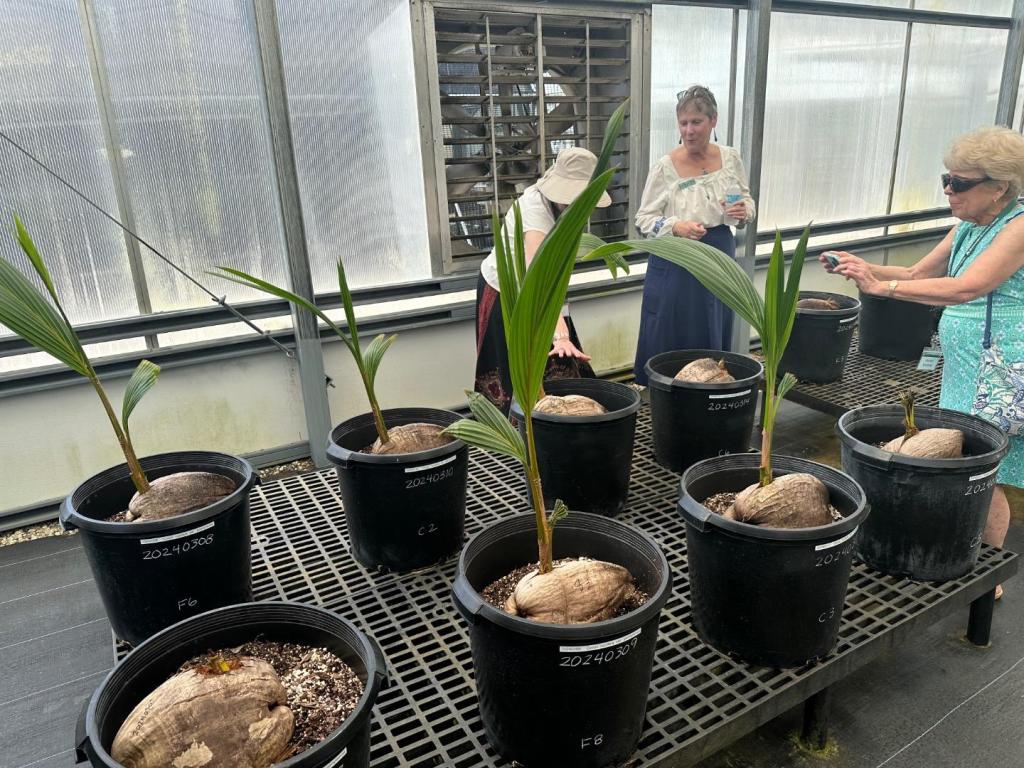
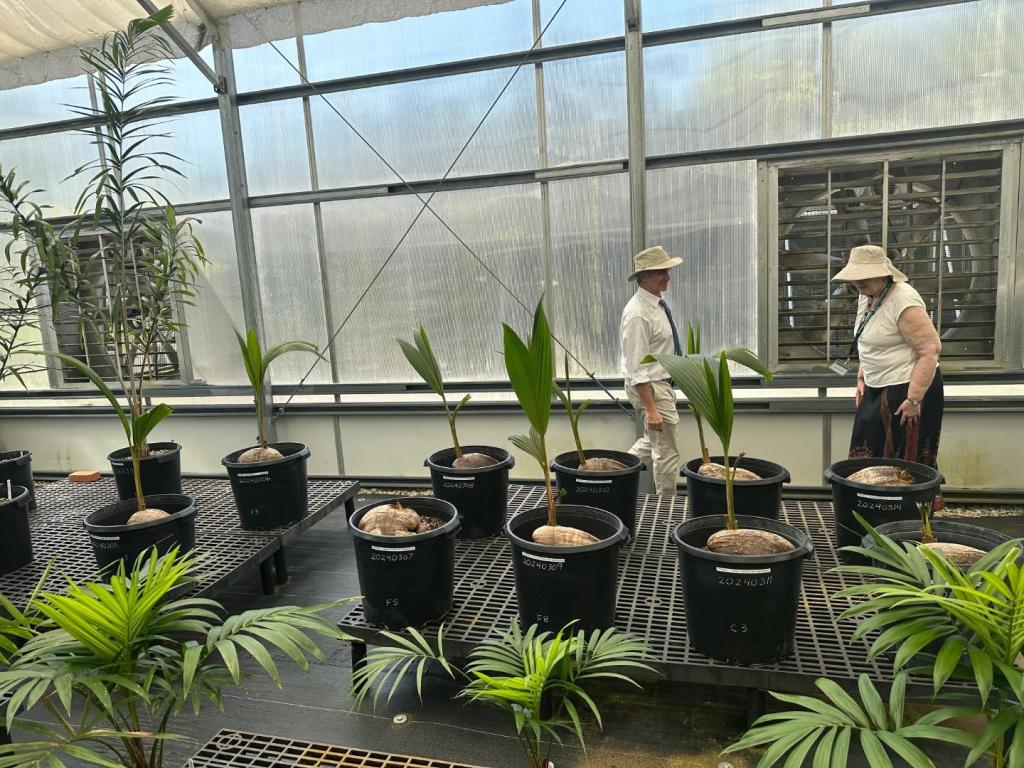
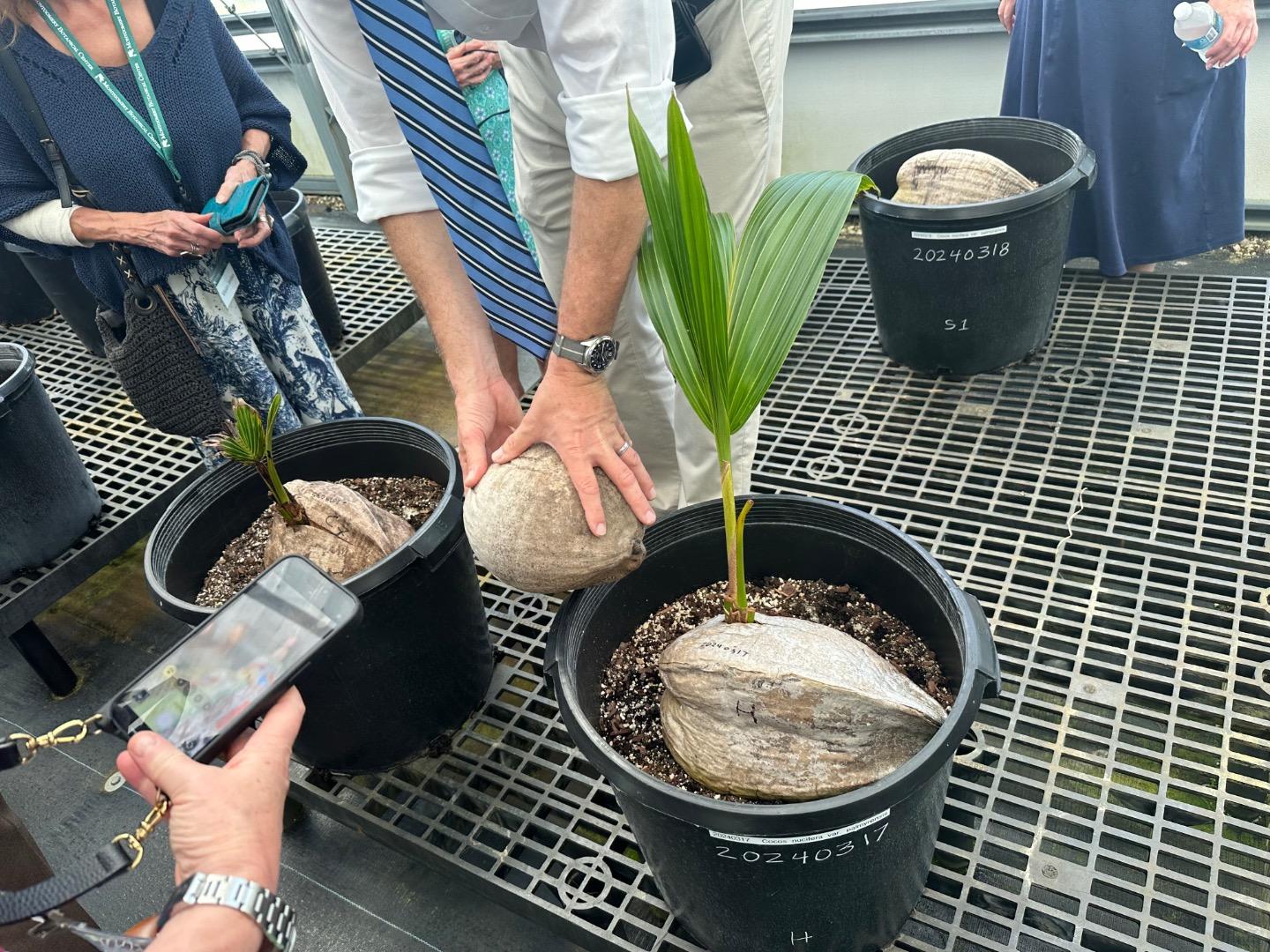
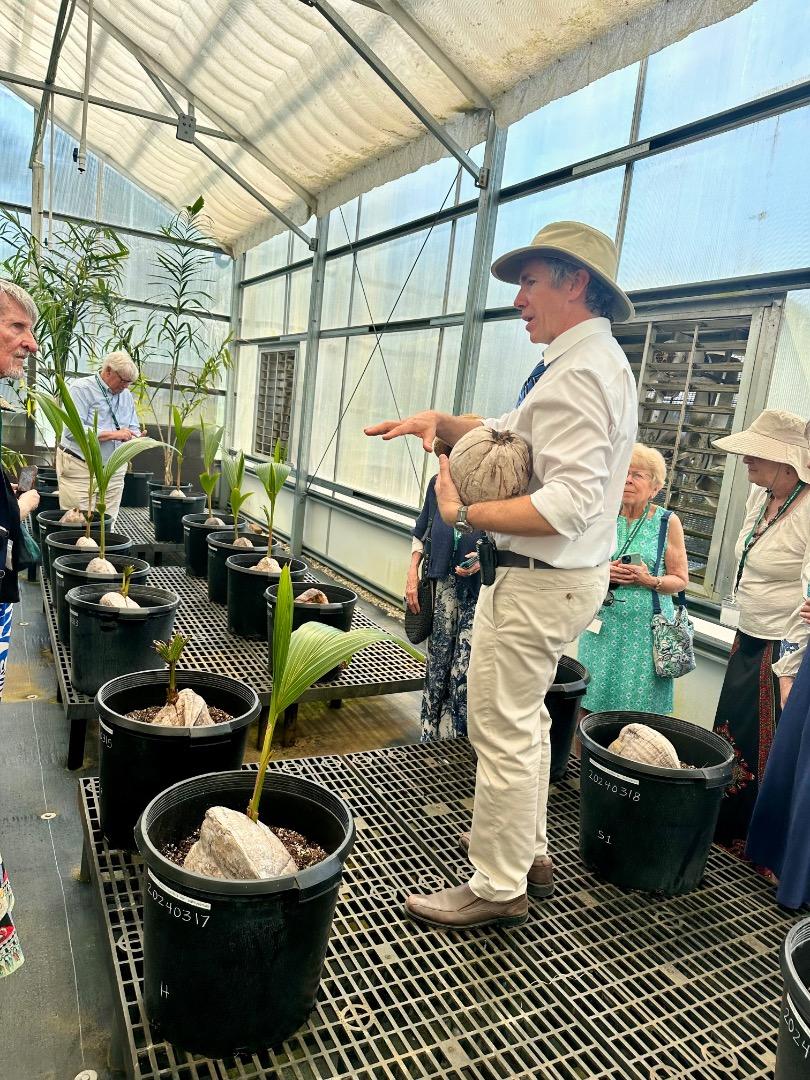
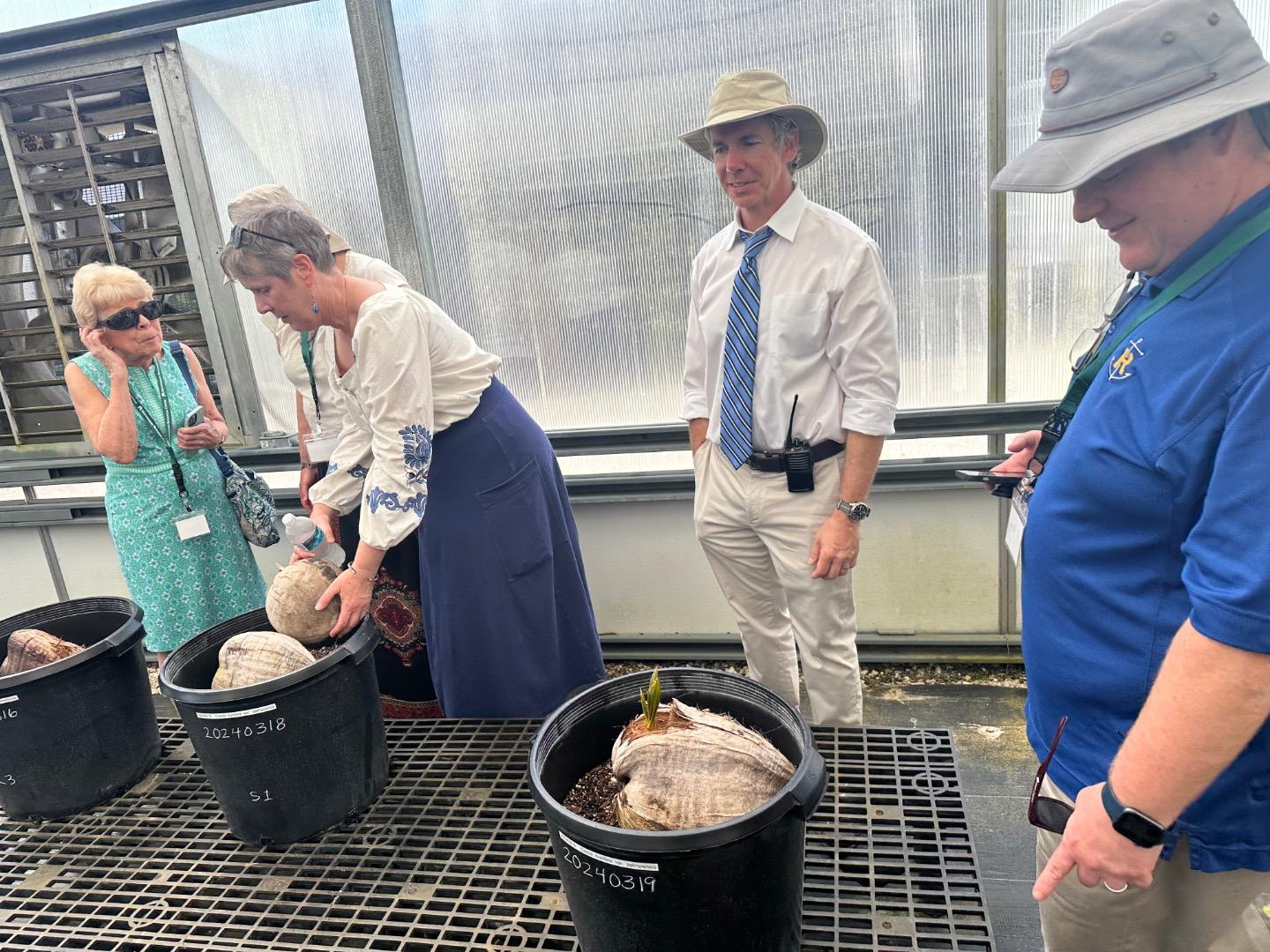
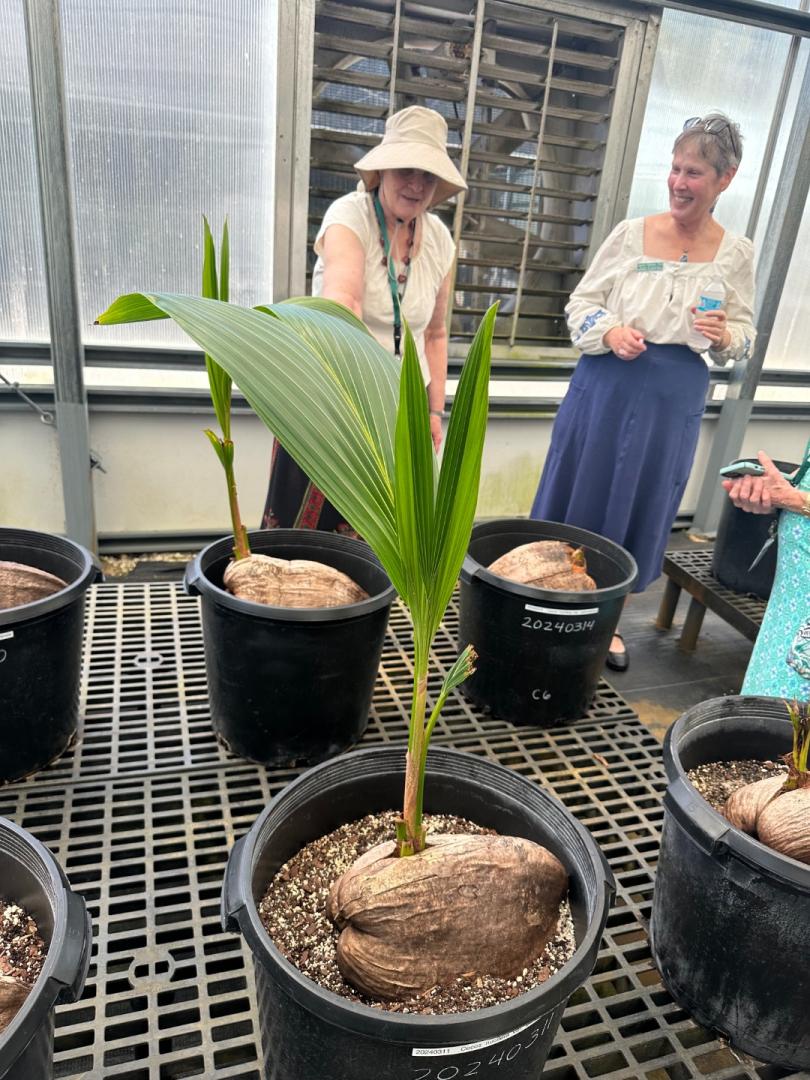
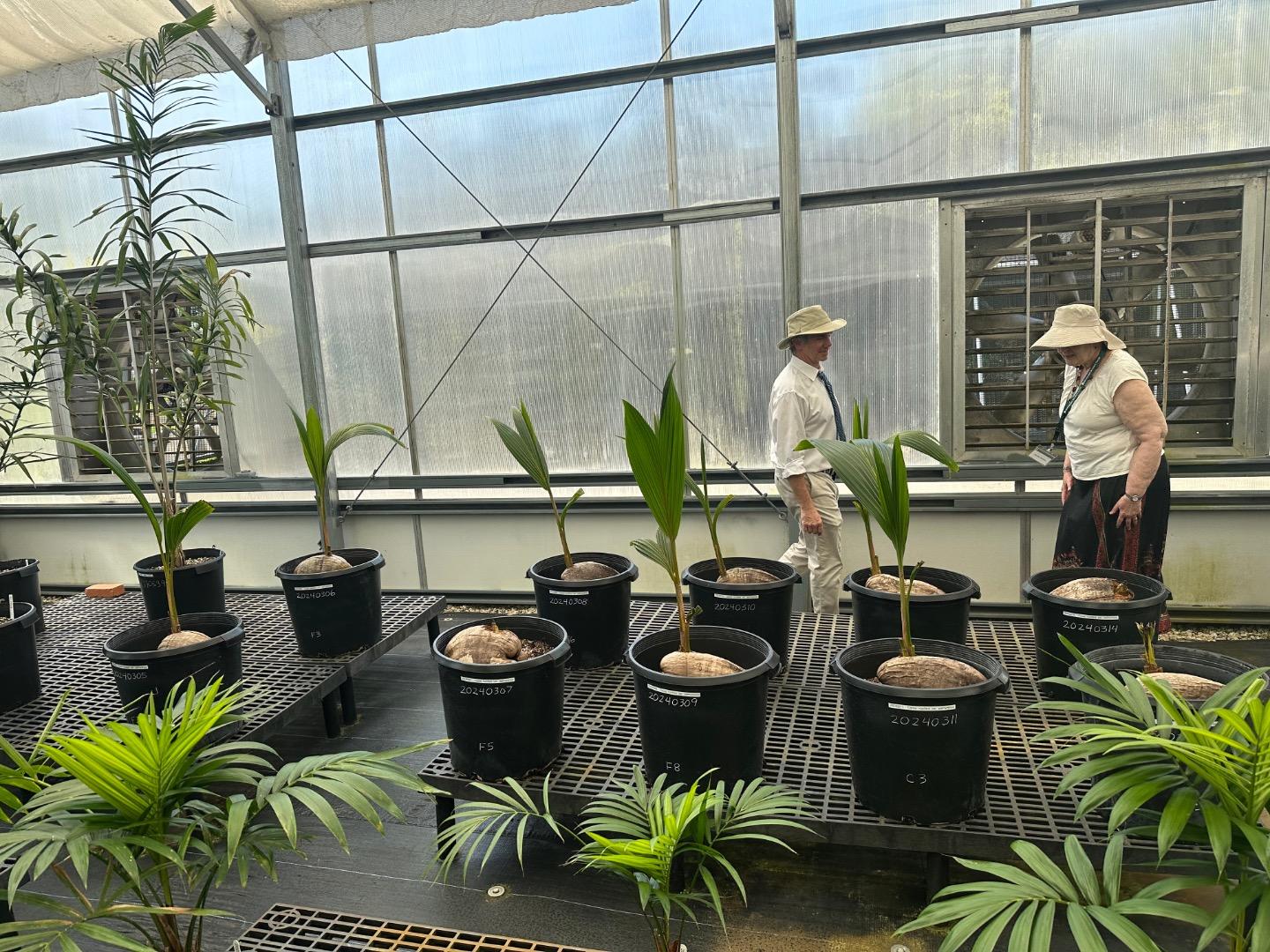
So yesterday the Montgomery Botanic Garden had its annual luncheon and they showed us their 15 sprouted Palmyra Atoll coconuts that they collected last year. These are the largest coconut fruits known, and very oblong. The trees apparently are not distinctly bigger than the regular types. BTW, The folks at Montgomery had to beg the folks at the US Forestry Department to NOT cut those trees down - since they were thought to have been introduced for agriculture to the Atoll. MBG convinced them that these were obviously an endemic variety and were not the same as the agricultural one. See the attached pictures for a comparison with a regular sized. coconut.


 8 points
 -
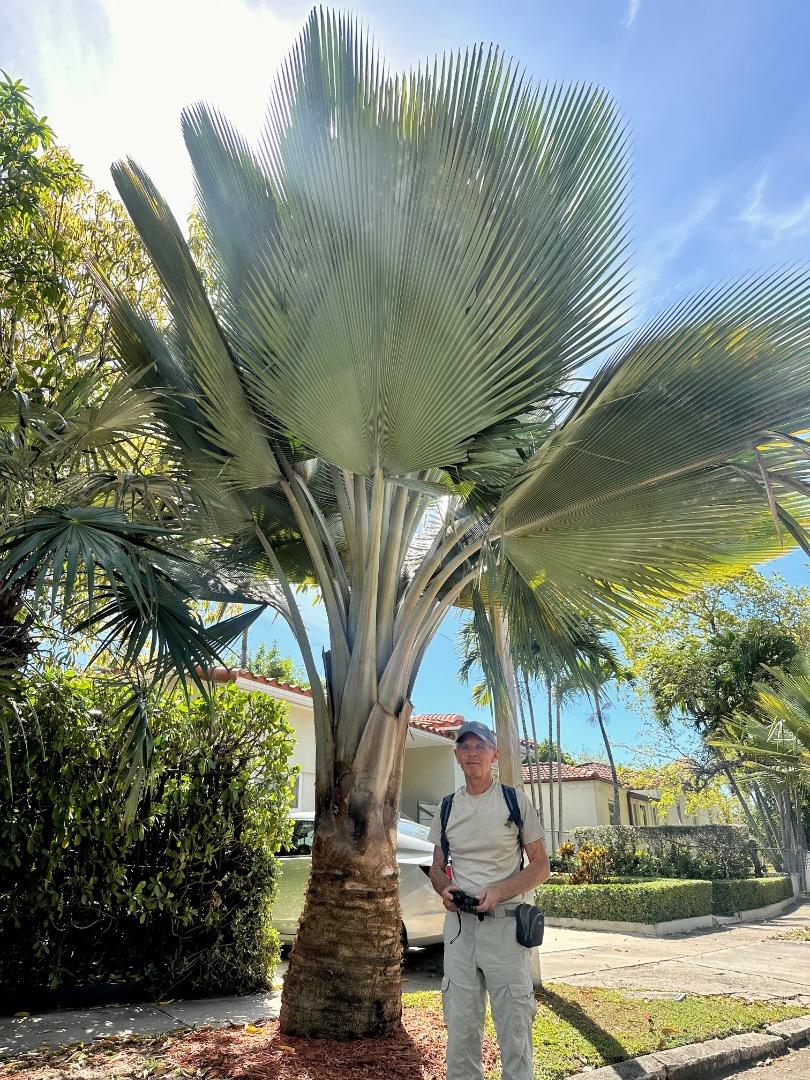
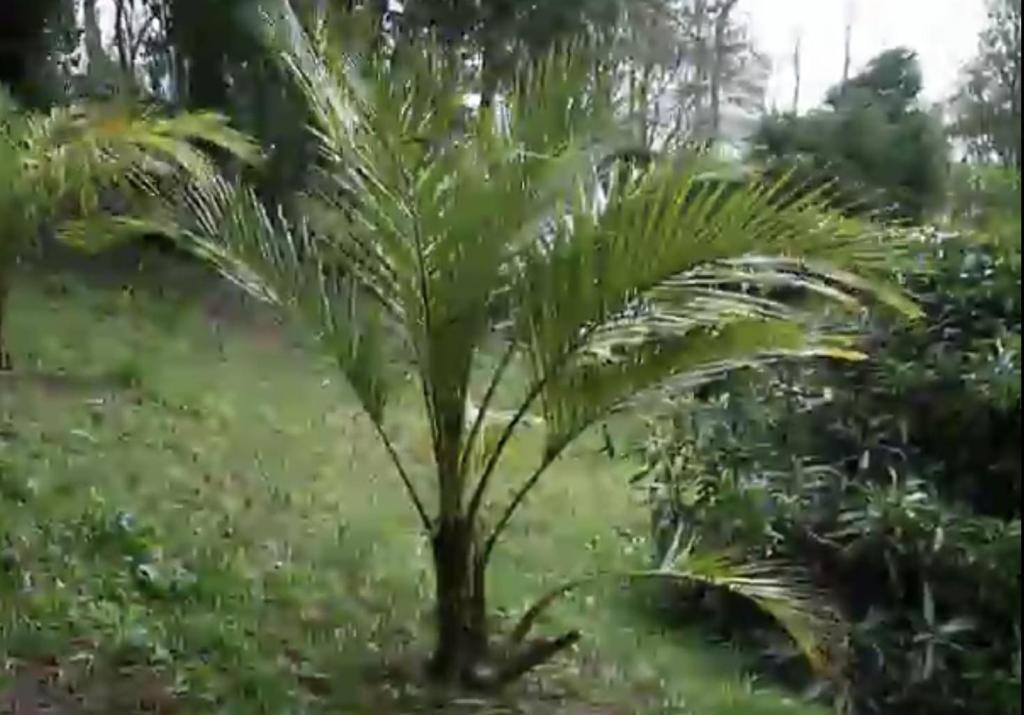
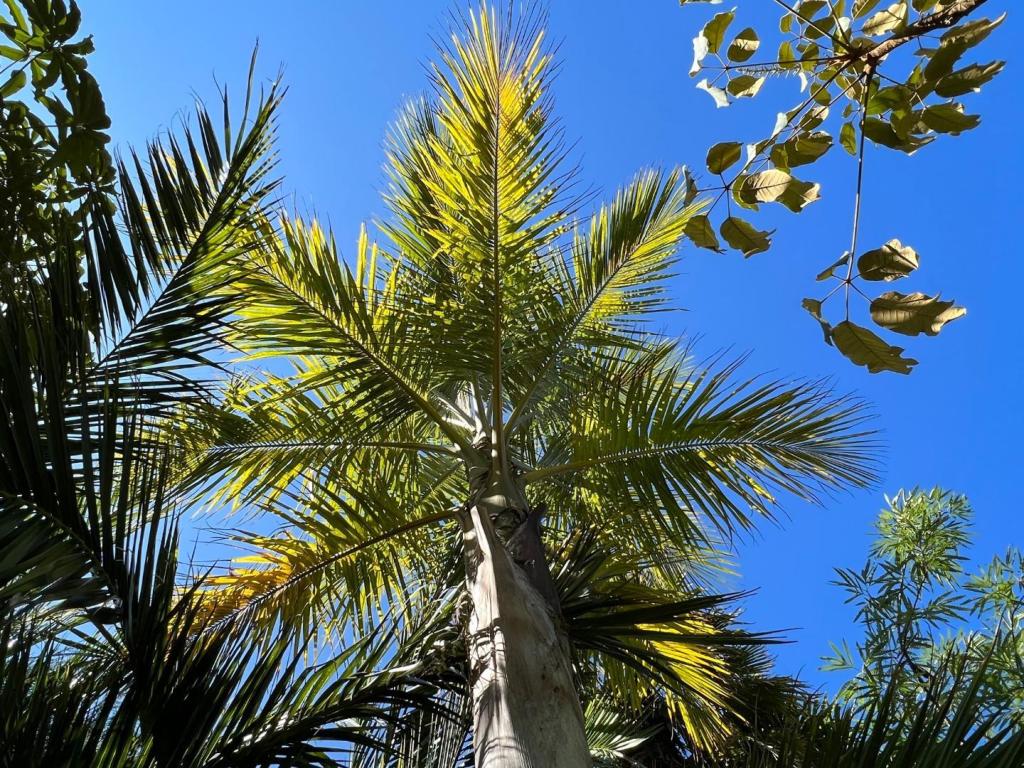
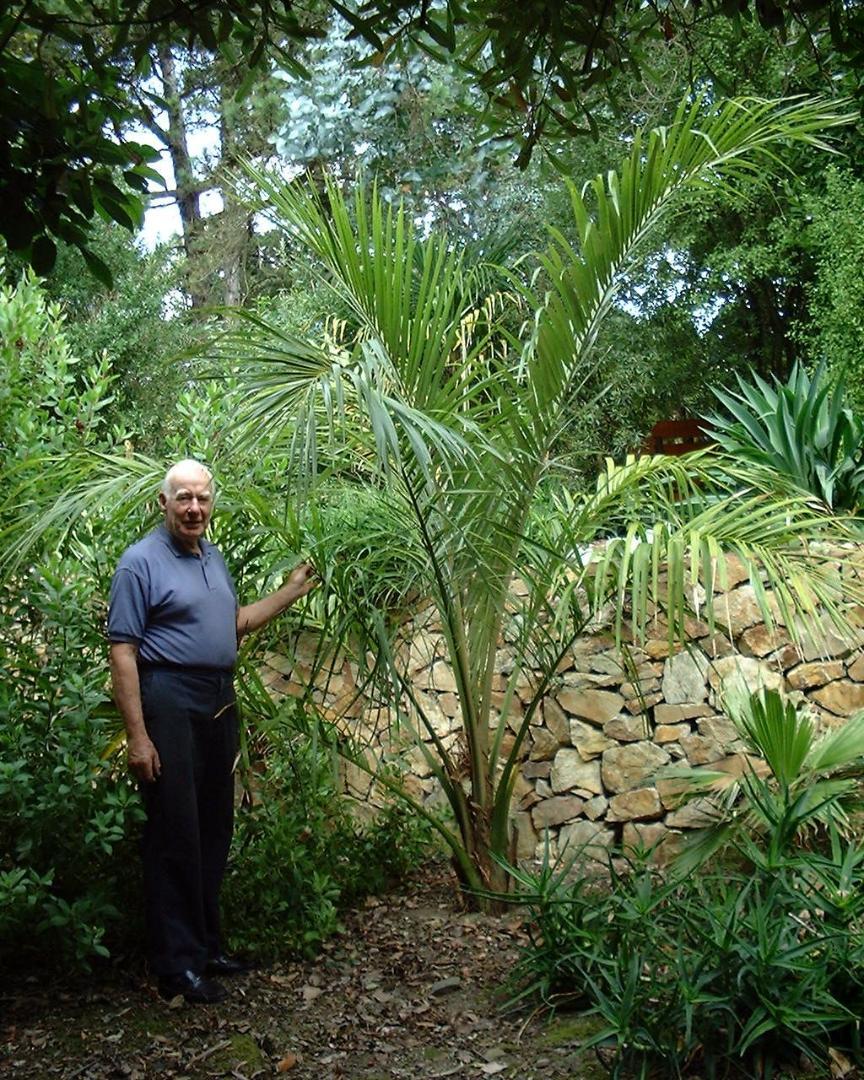
I think we need a new updated thread for these palms... Starting with the big one at Overcliffe Gardens near Dublin in Ireland. This is probably the largest Juania in the British Isles. The Earlscliffe Juania was planted very small back i 1995, so it has been in the ground for 30 years now. The earliest photos I can find are from 2002 and 2003. The third photo below shows it in 2009... -------------------------------------------------------------------------------------------------------------------------------------------------------------------------------------------------------------- Next up we have the Juania specimen at Overbeck's Garden in Salcome, Devon. The Overbecks Juania was apparently planted in 1995 as well, but it was a very small seedling back then. the earliest photos I can find for it are from 2011 and 2013. ---------------------------------------------------------------------------------------------------------------------------------------------------------------------------------------------- Next up we have another legendary Juania at Glendurgan Gardens in Cornwall that has been in the ground about 25 years as well, alongside Dr Kevin Spence for scale... Here is a grainy photo of the Glendurgan Juania from 2012 before it had properly started trunking... ----------------------------------------------------------------------------------------------------------------------------------------------------------------------------------------------------------- There are other decent specimens in southern England and Ireland, which I will update on in due course...



.thumb.jpg.29ff13164d436c9936c9f844716cb6d1.jpg)




.jpg.76bcce9a41c518e249c5f82d08a0d178.jpg)
.jpg.9c5caff7dc37926429f242f846385748.jpg) 6 points
6 points -
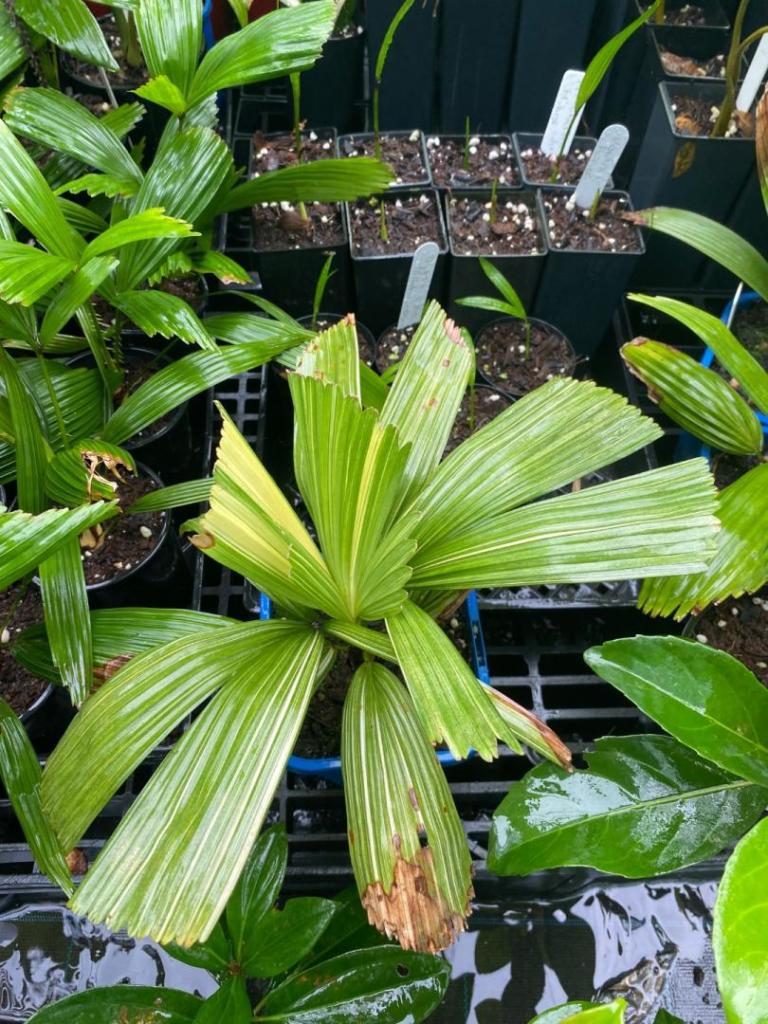
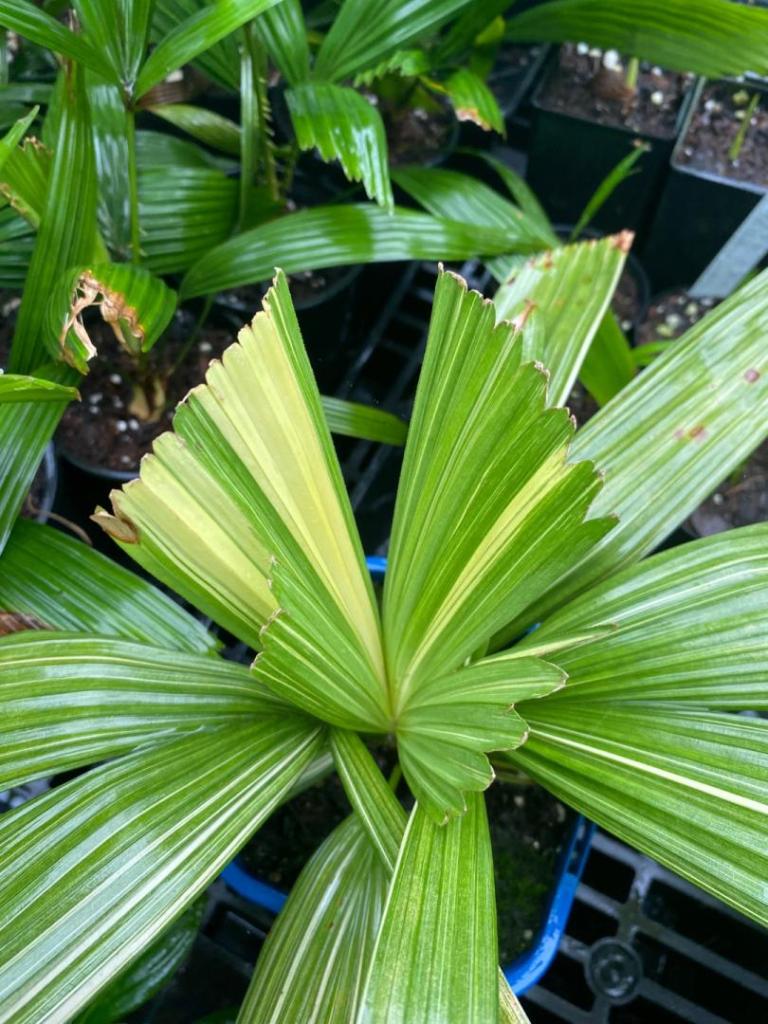
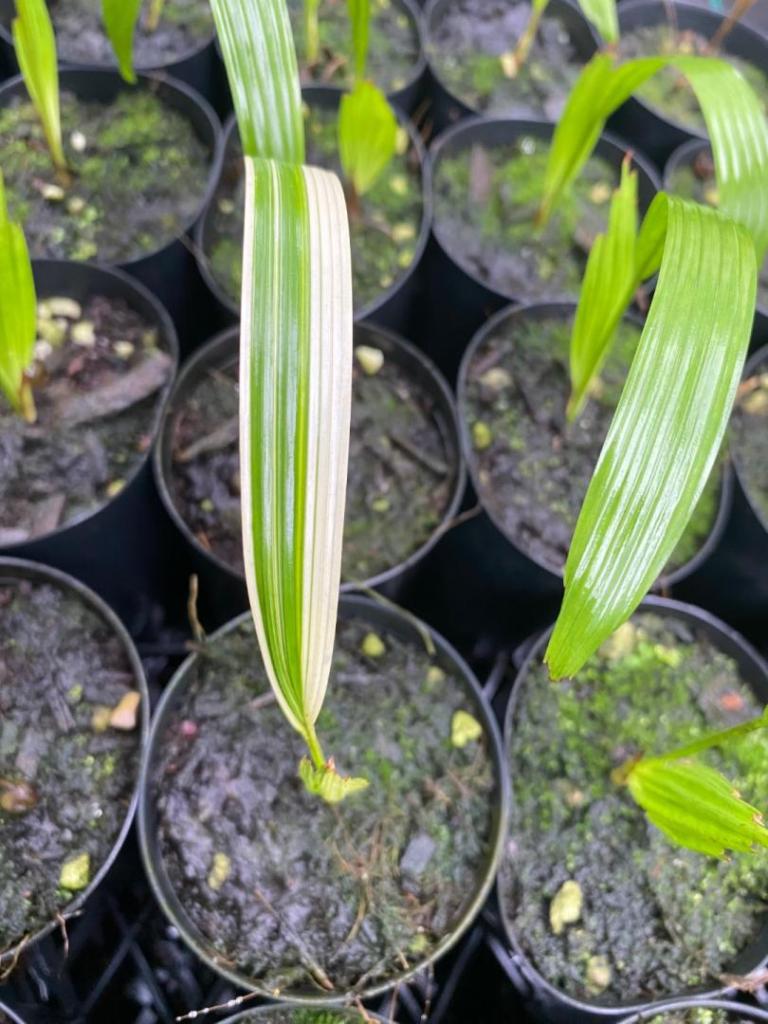
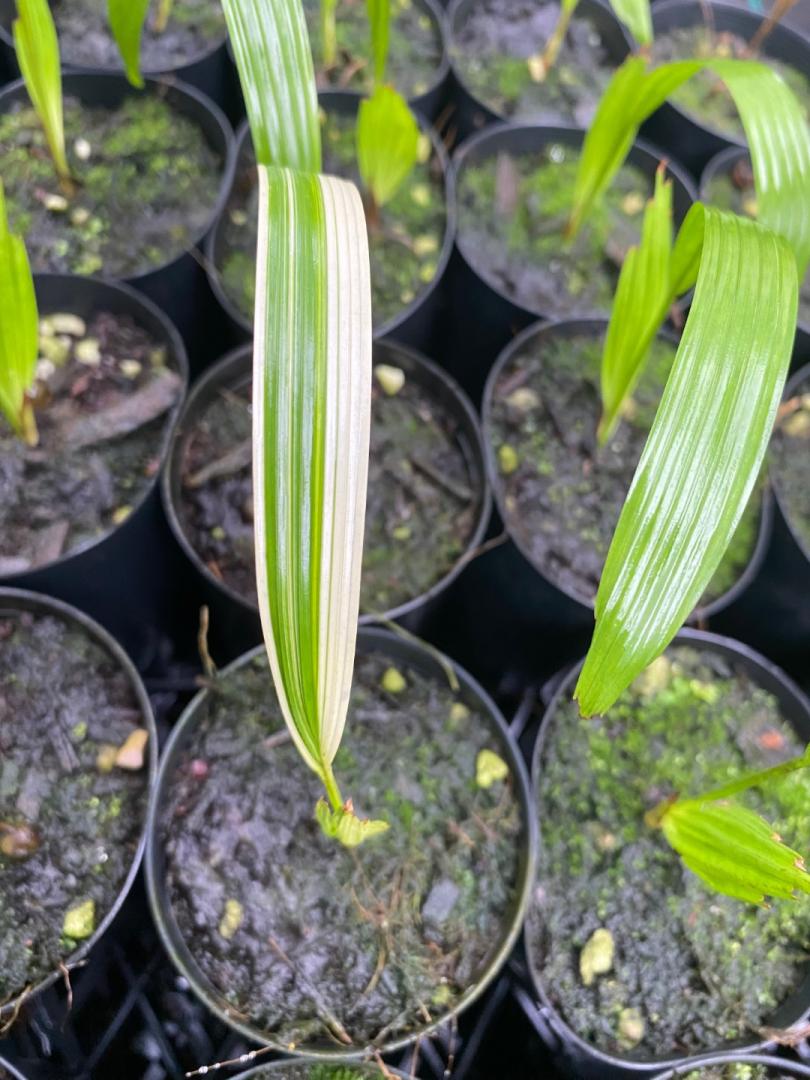
The little variegated dasyantha and ramsayi are still holding true, definitely a good sign both will become quite a talking point in the garden if they make it to planting stage and get established. And if I want to get rid of them iam sure there are a few collectors out there with there hands up.
 6 points
 -
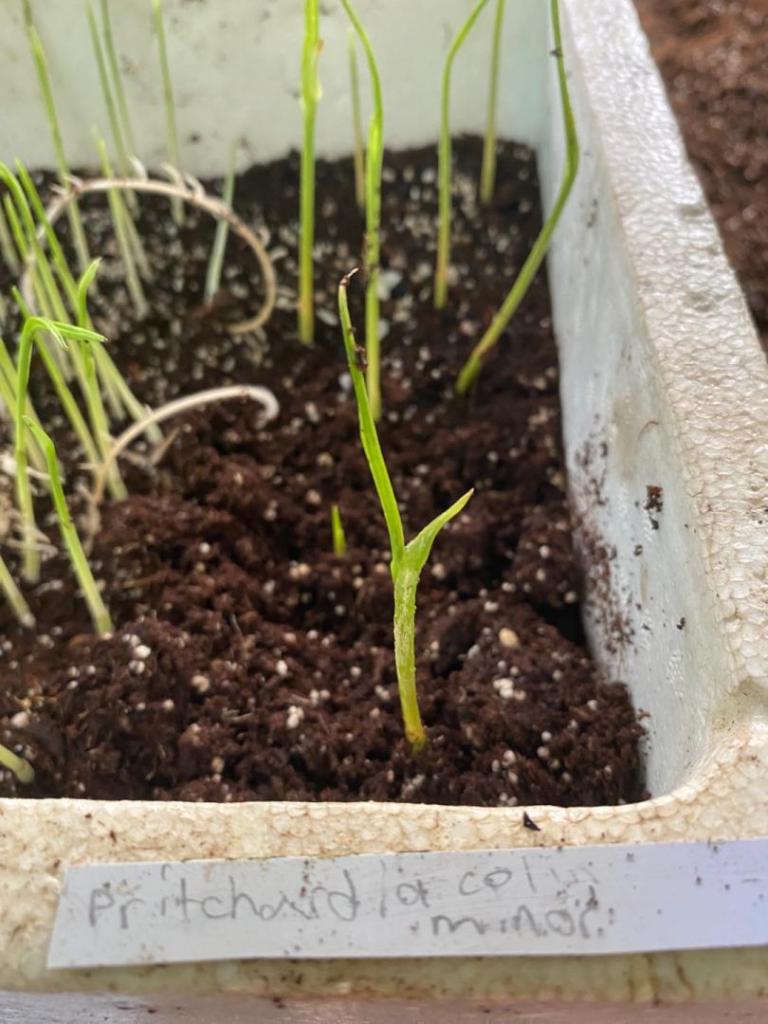
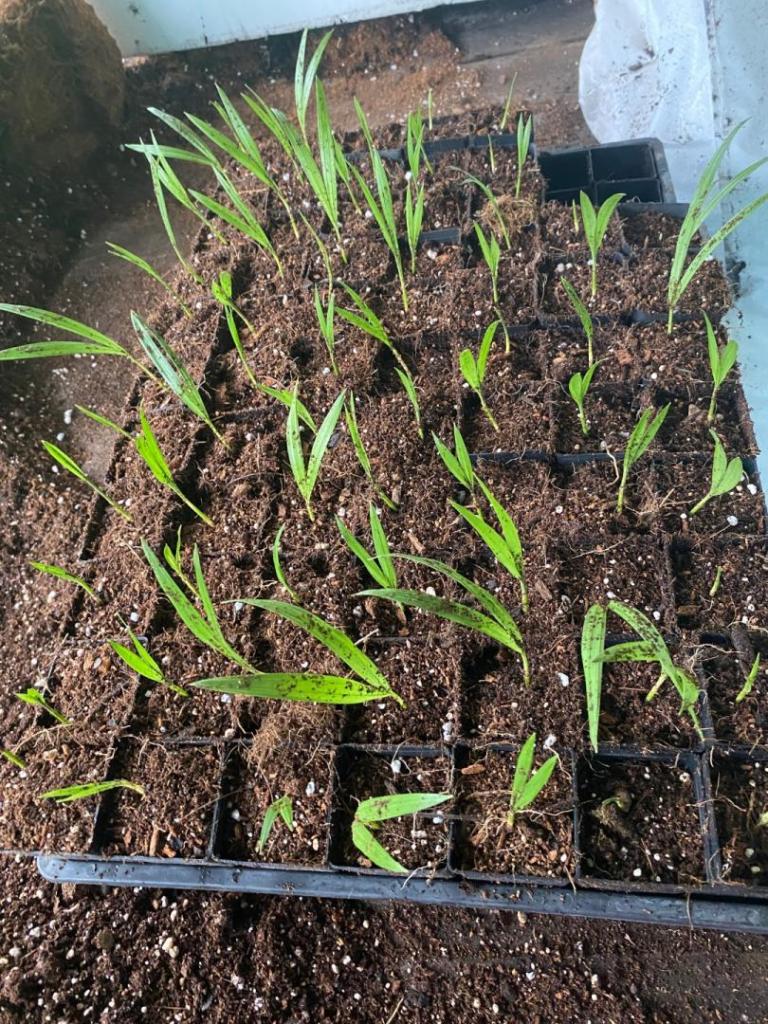
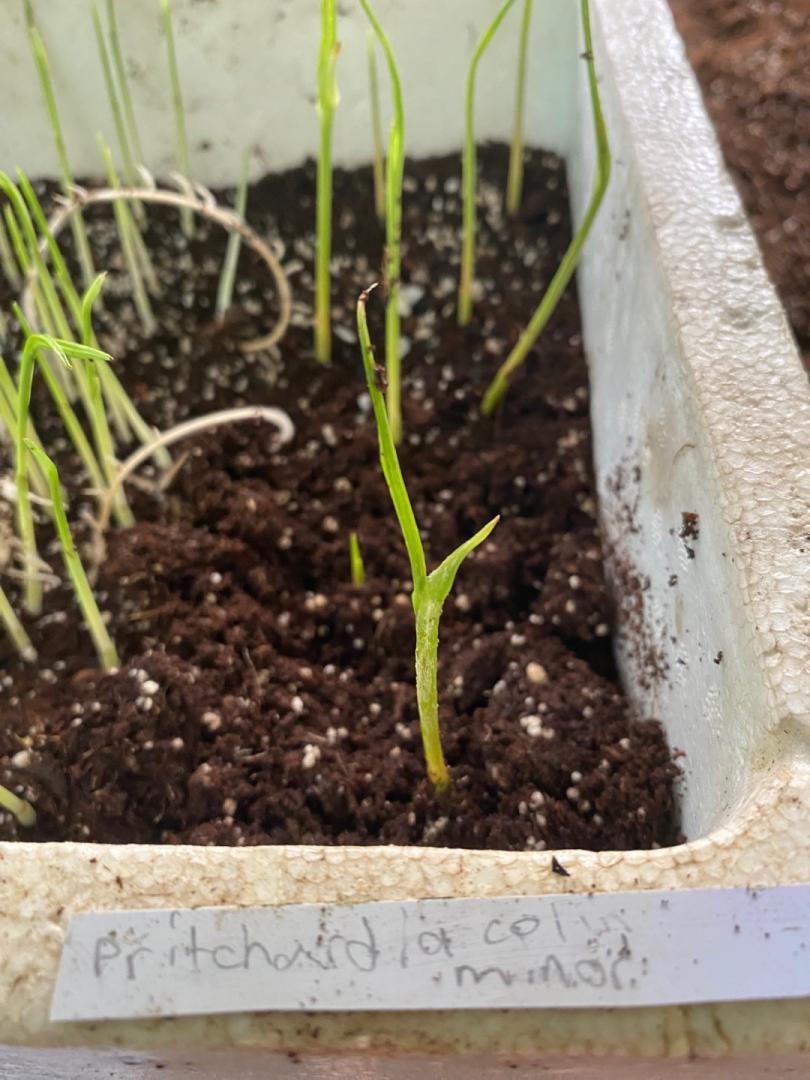
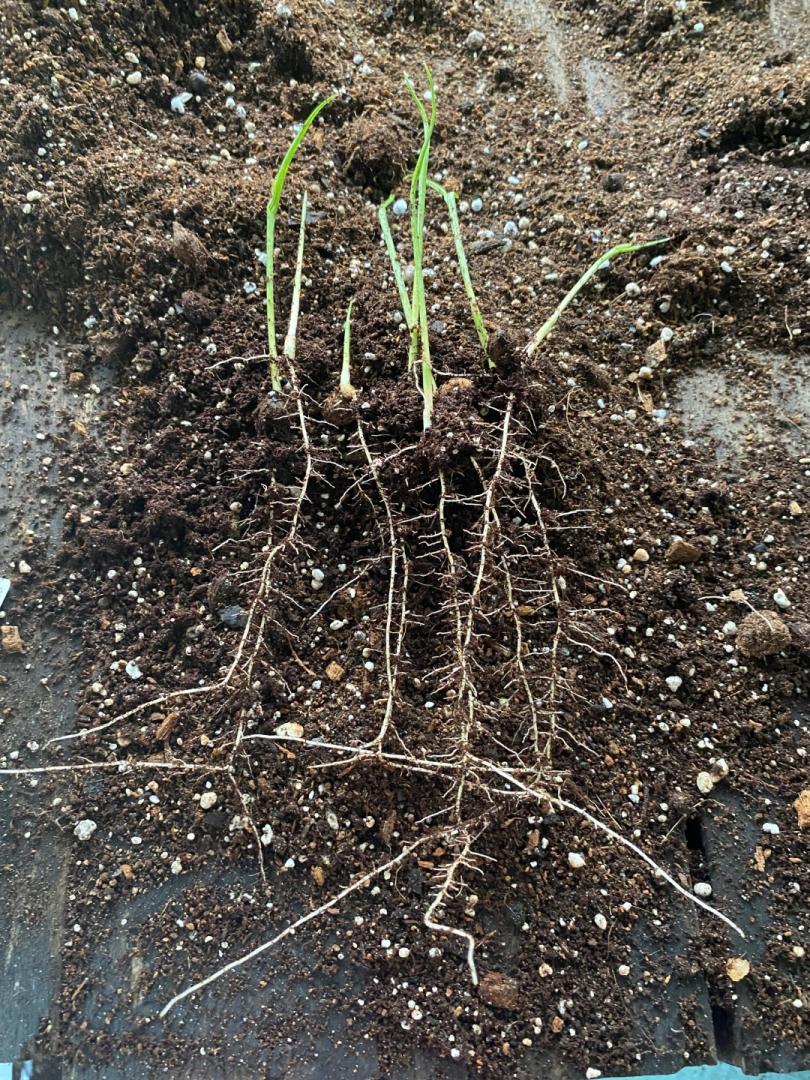
A great boredom buster the potting bench giving me something to do in the wet. A few pritchardia to pot up with seeds kindly offered by Colin Wilson along with some local collected lacospadix clumping form. It cured the boredom for a hour or so until it stops raining.


 5 points
 -
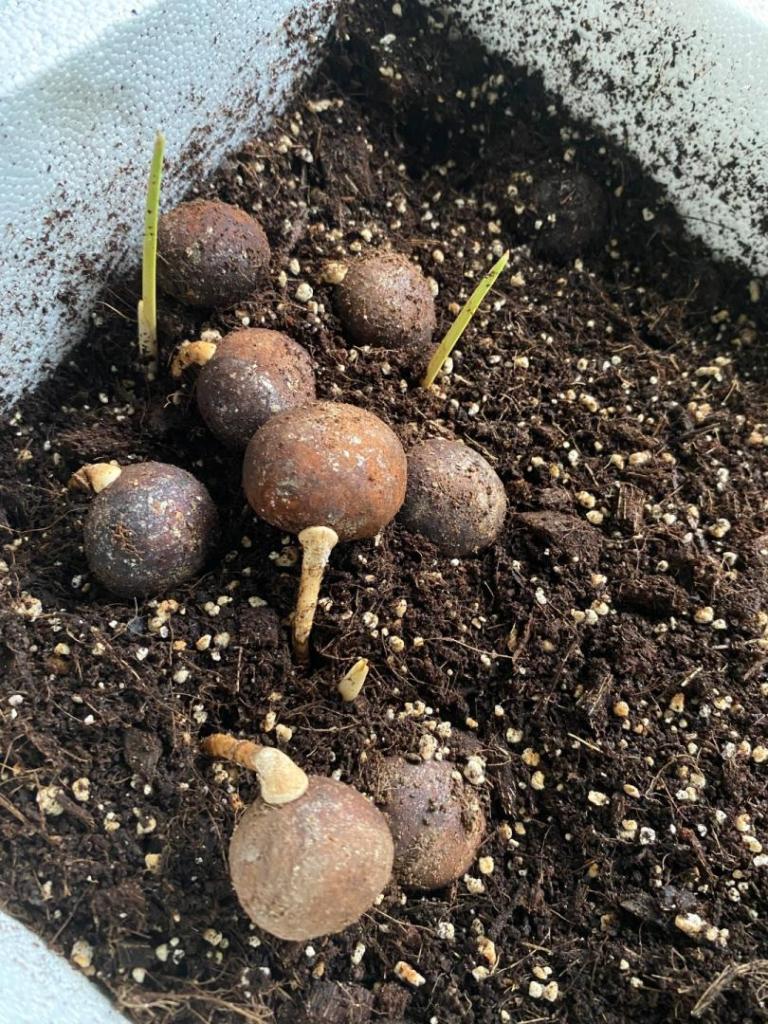
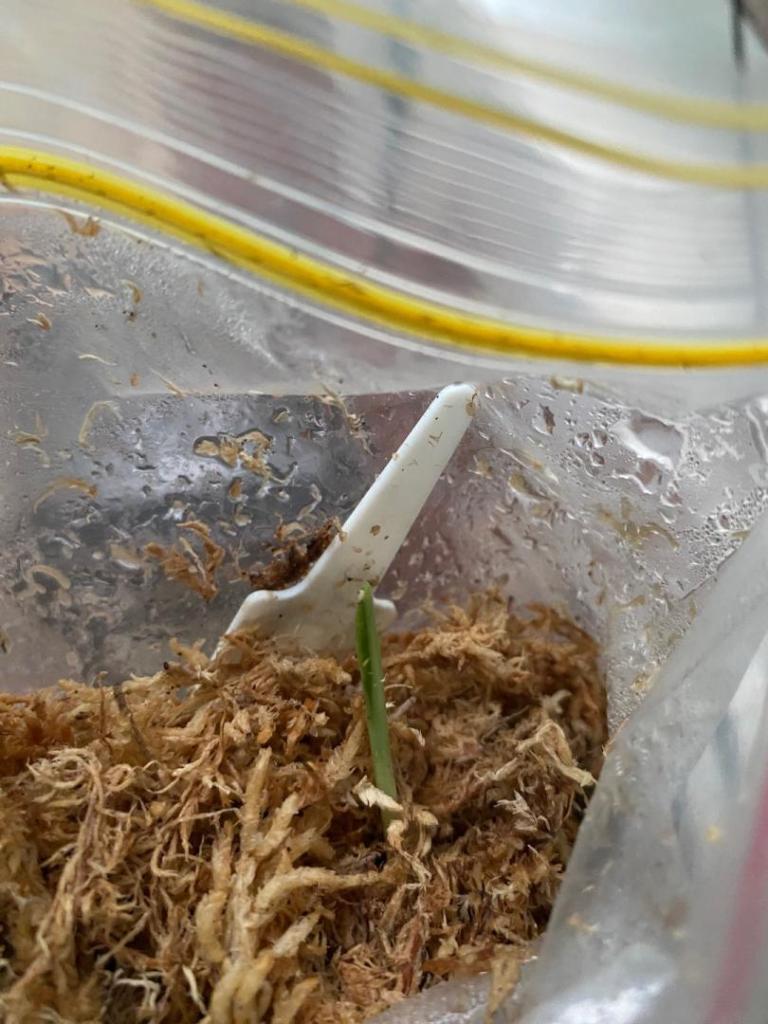
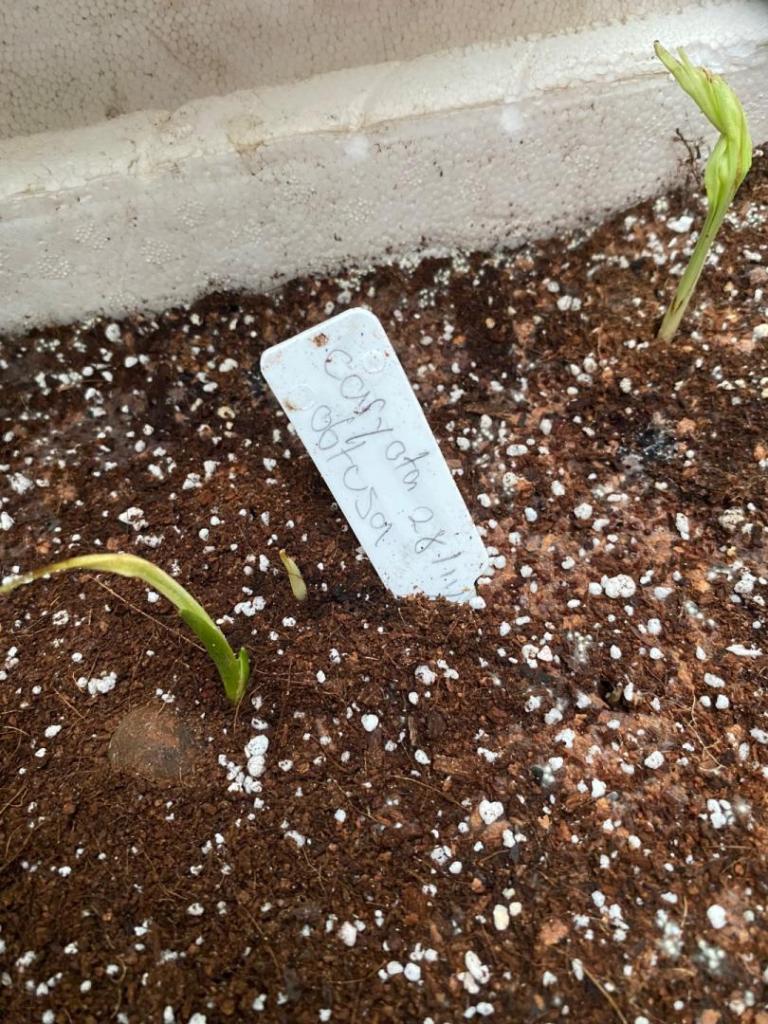
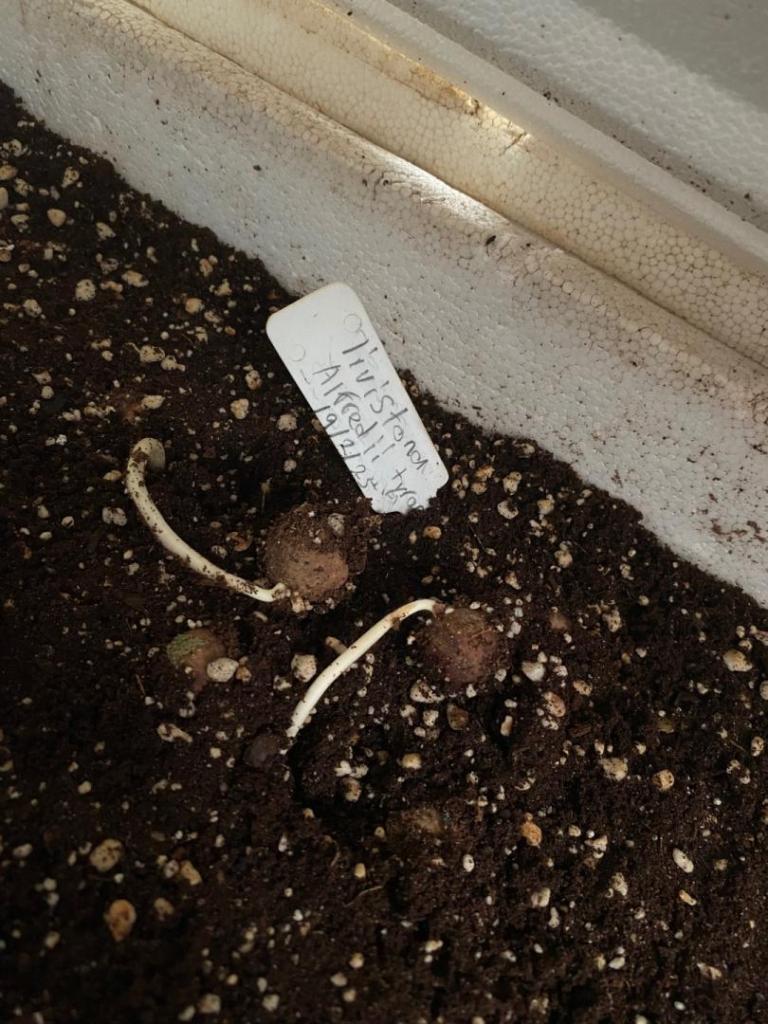
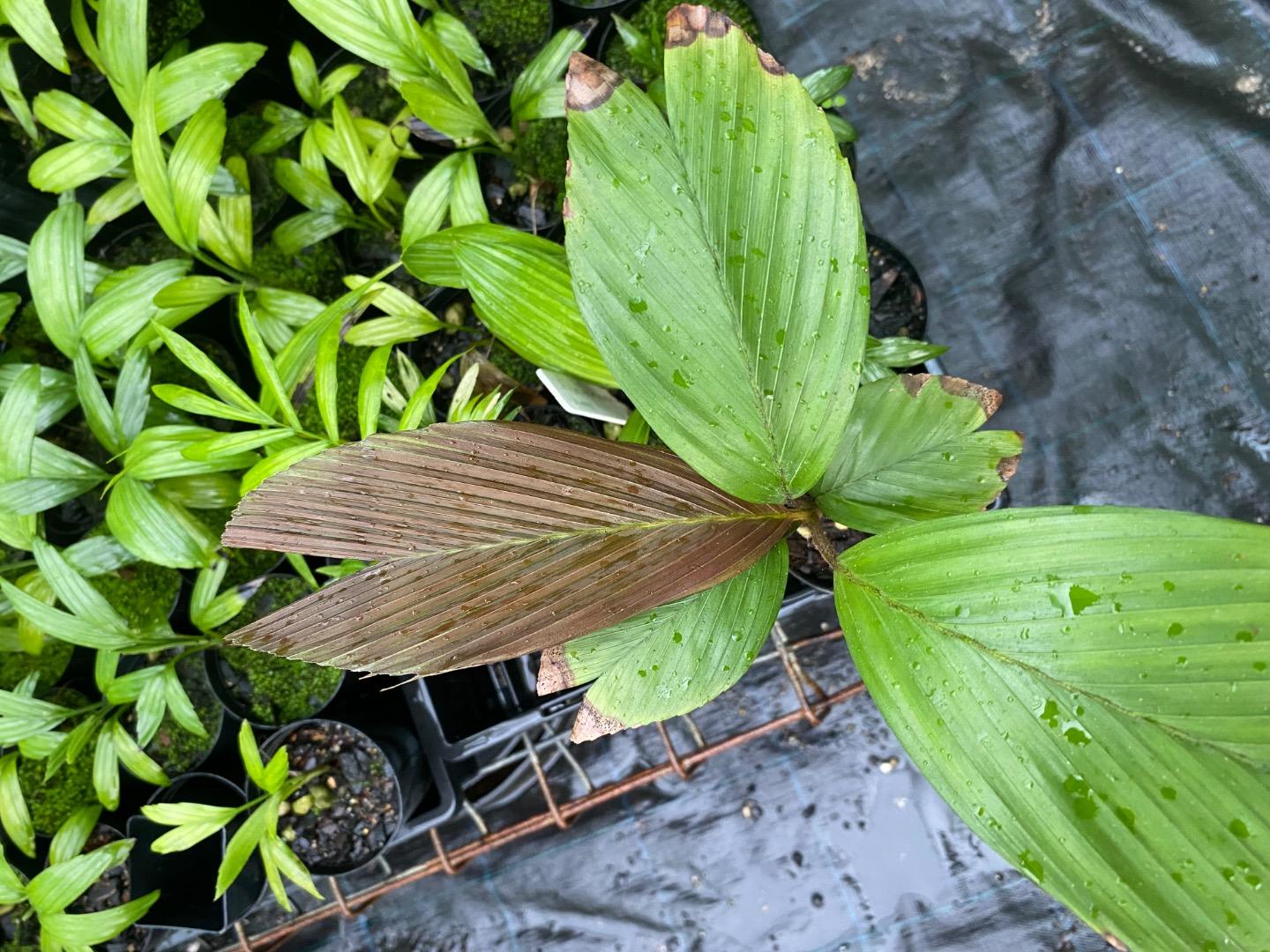
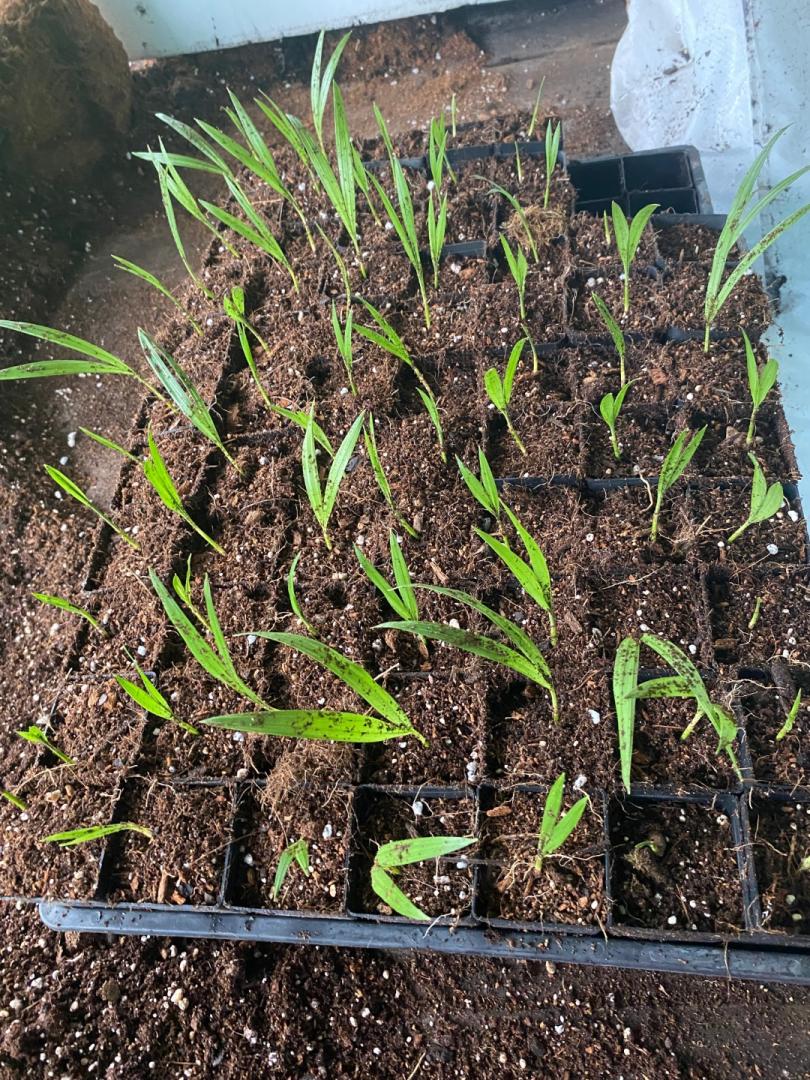
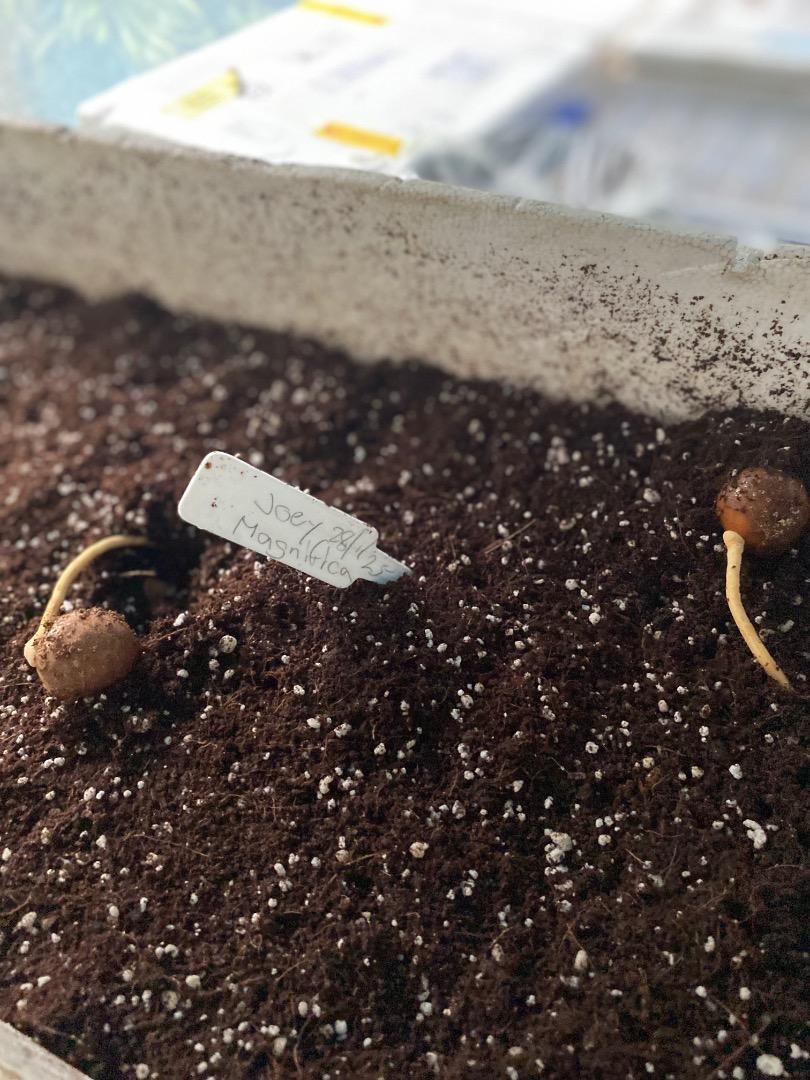
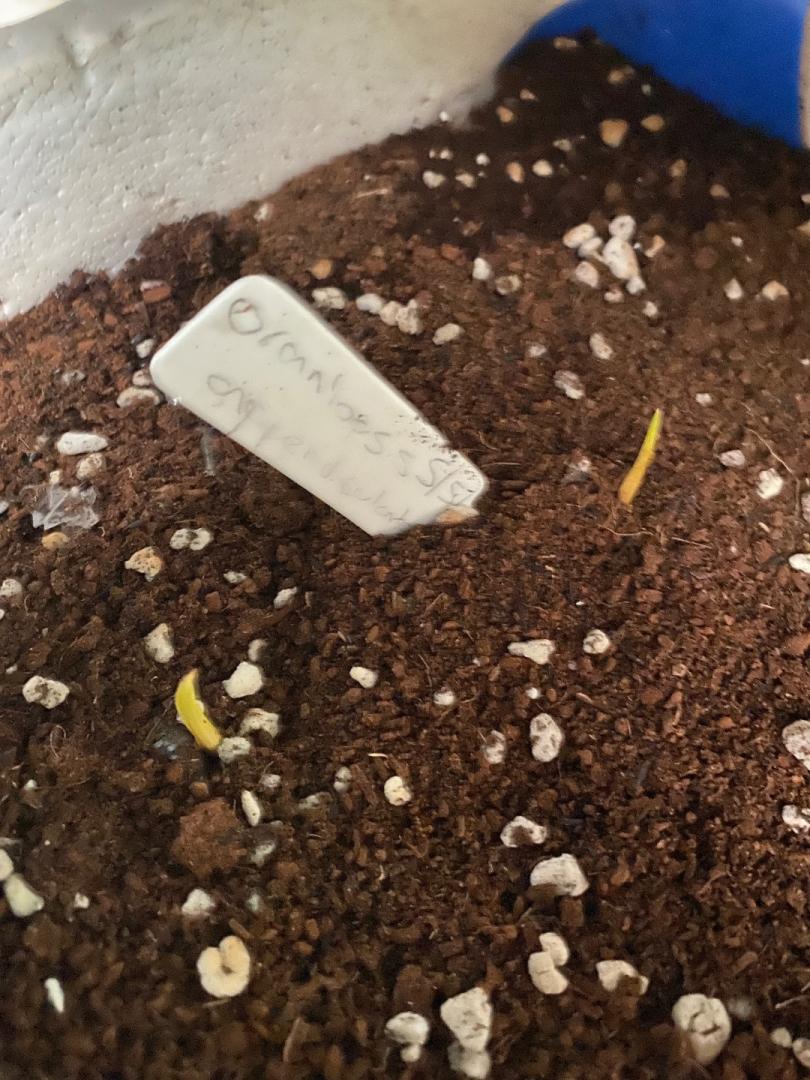
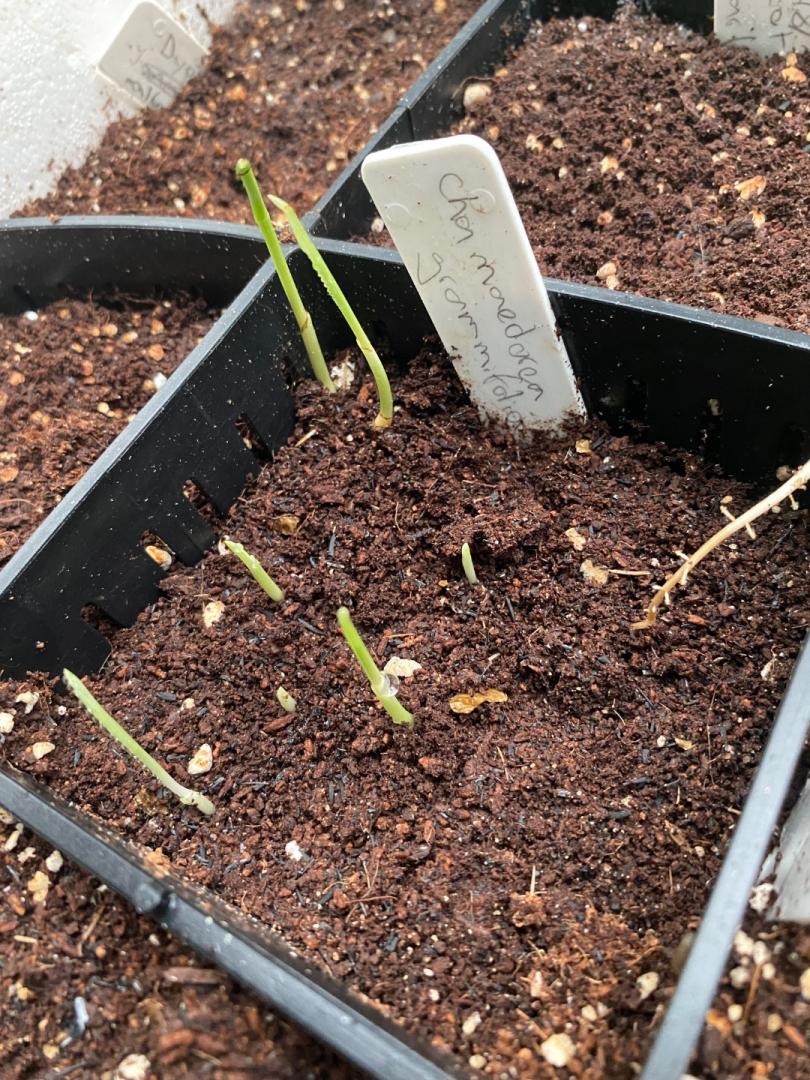
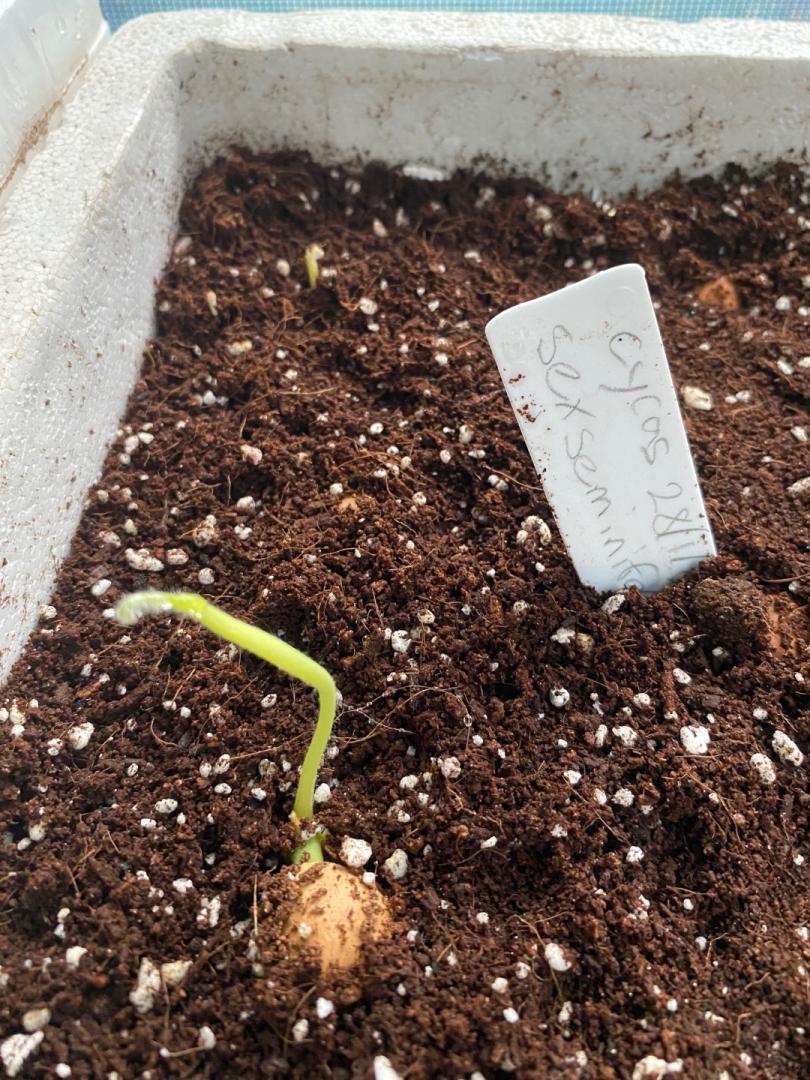
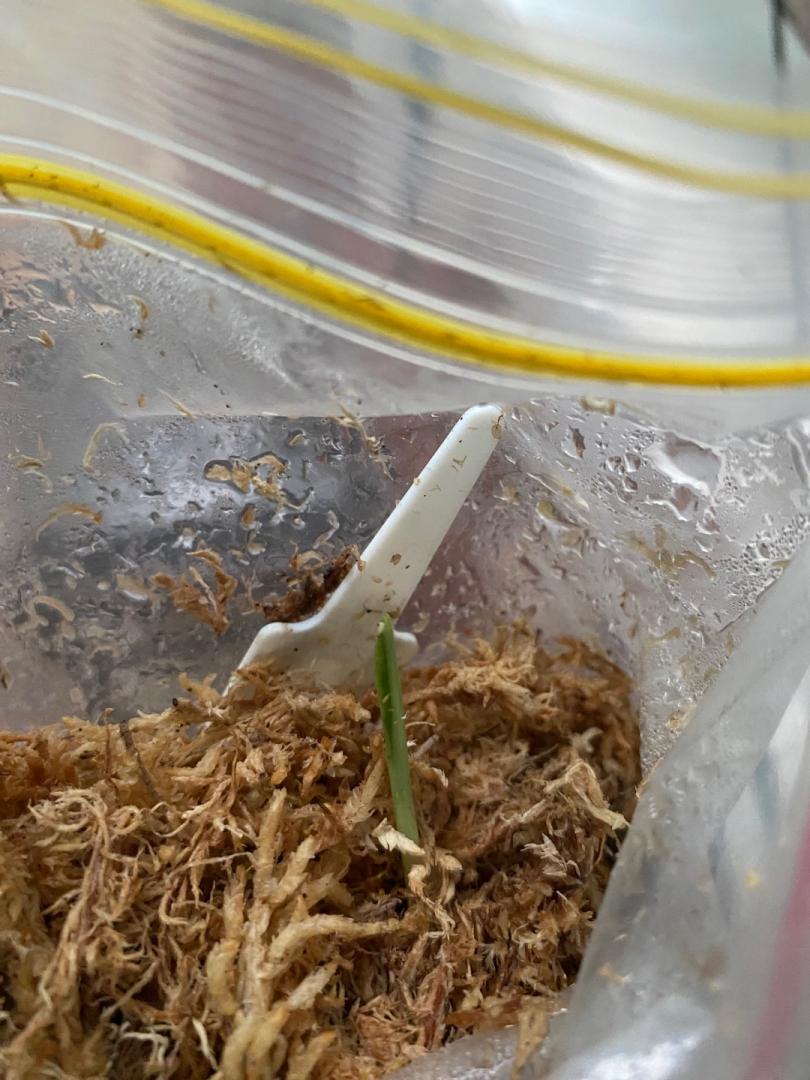
You gotta grow em from seed if you want them. It’s much cheaper to germinate from seed than it is to buy seedlings. Depends how much cheaper and comes down to what’s available in the way of seeds or seedlings how you go about obtaining stock plants. So a check up on the heat mats to see what is popping up is Johannesteijsmannia Altifrons, leucothrinax morrissi, Johannesteijsmannia magnifica, Chuniophoenix hainensis, Oraniopsis appendiculata, chamaedorea gramminifolia, cycas sexseminifera, lanonia dasyantha, rhapis vidalii, chamaedorea genoformis, Caryota obtusa and Livistona alfredii. This little batch should keep me going for a while. Until the next lot of seeds arrive next week. All with bottom heating 30 degrees Celsius with fluctuating temperatures to 25 degrees Celsius. I find some like it hot and others like the temperature drop with rising temperatures. They may not look like much now but certainly will in the years to come.


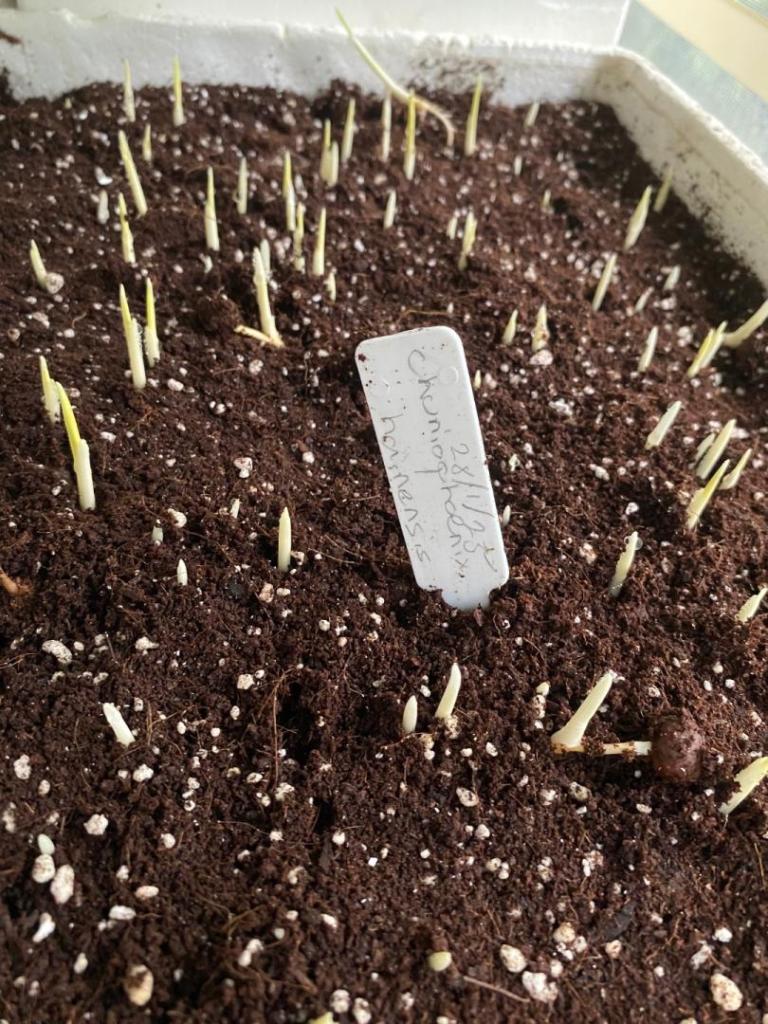

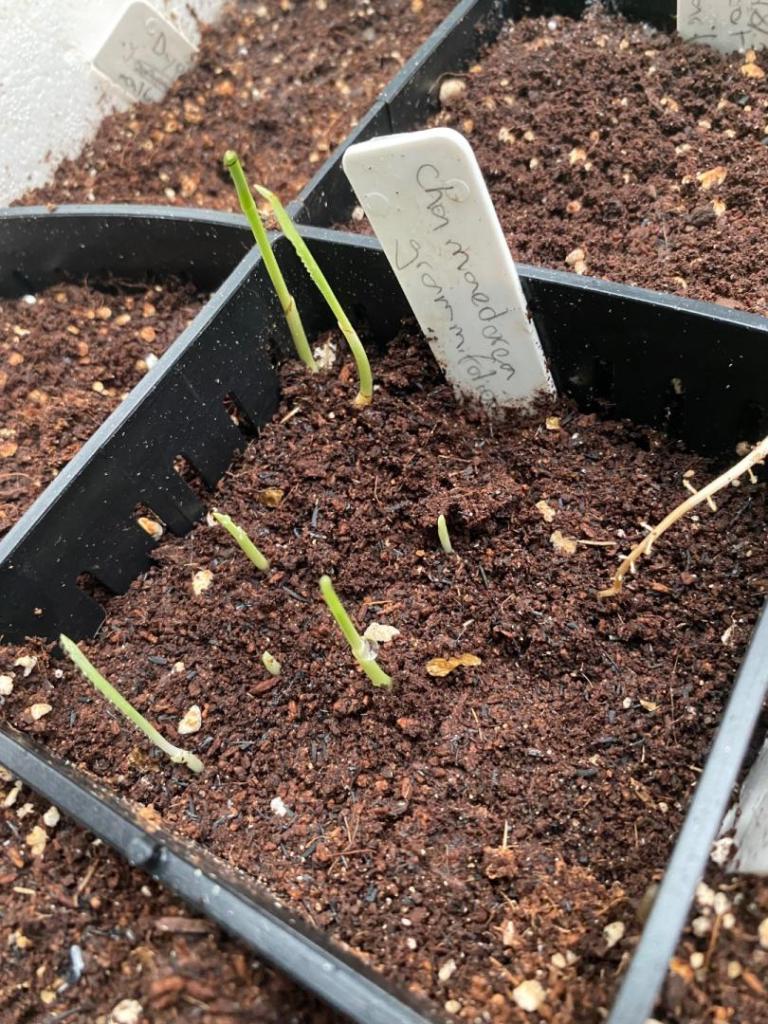
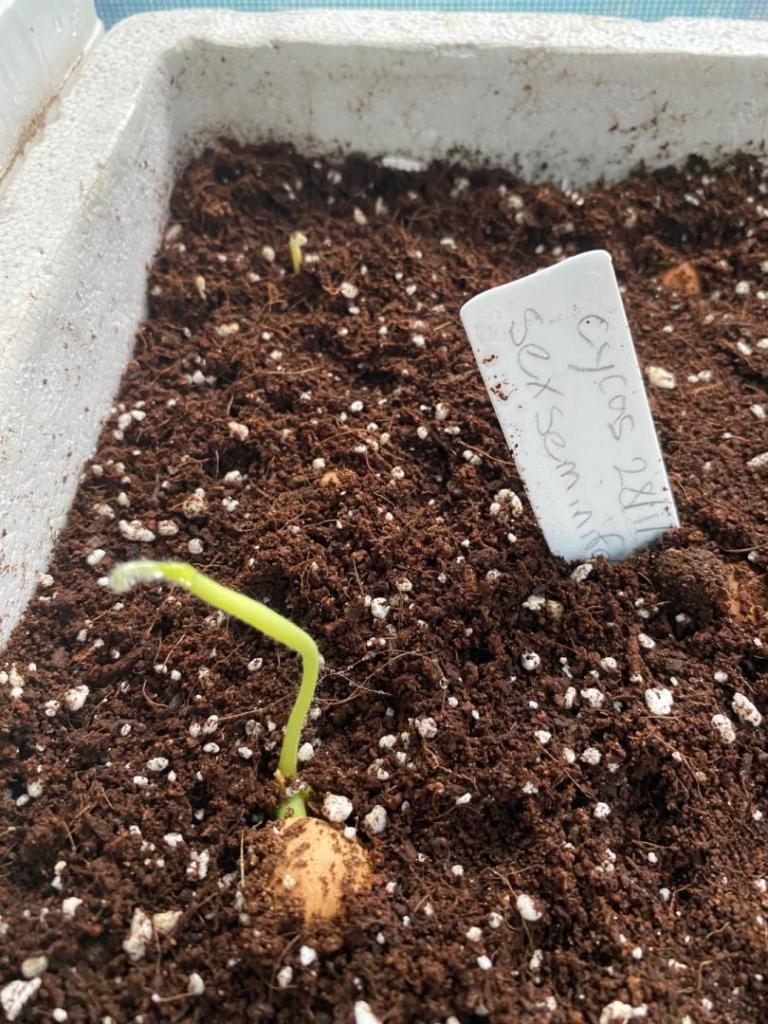
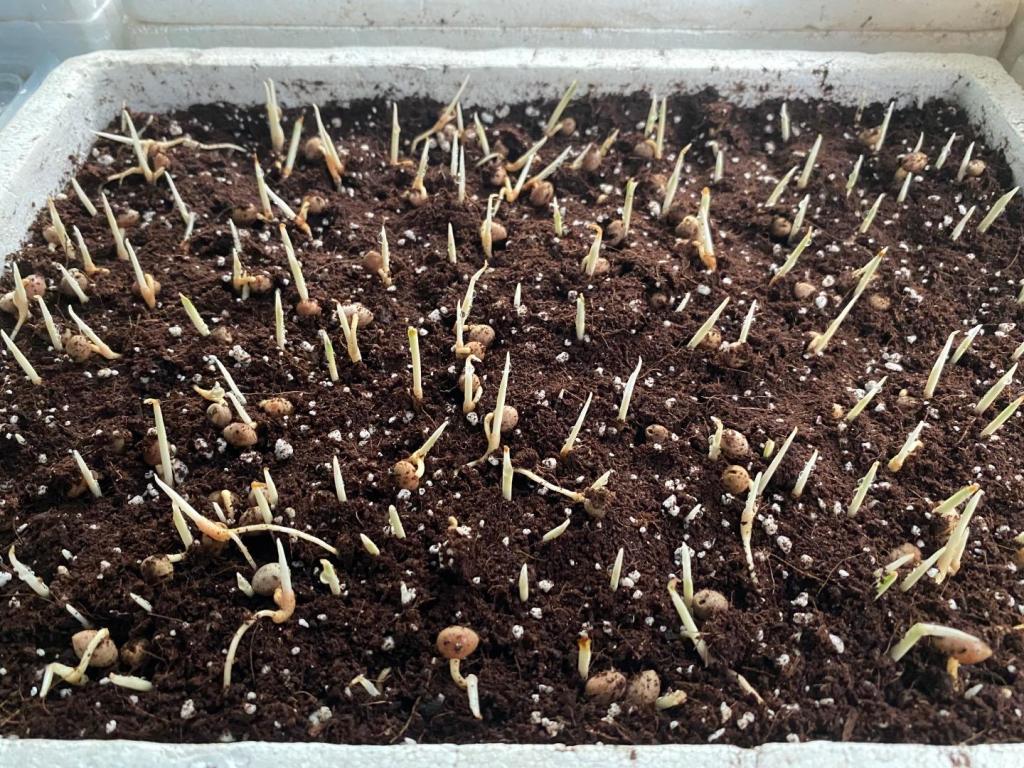

 5 points
 -
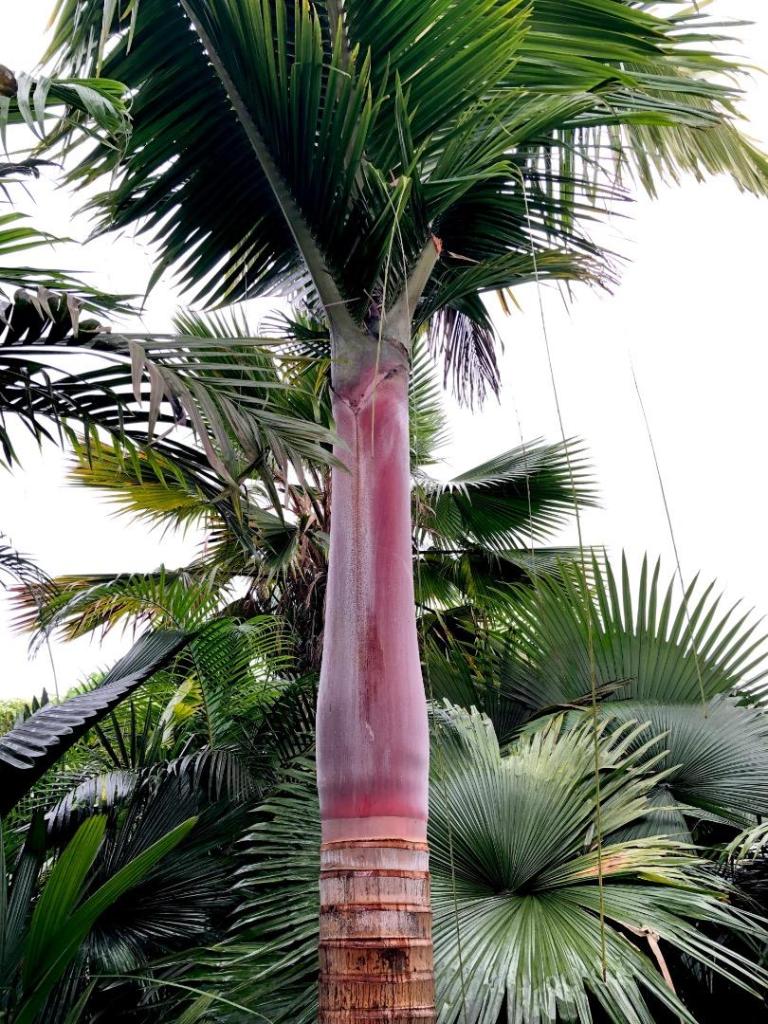
Lemurophoenix, just an amazing palm. Tim

 5 points
 -
I agree with a lot of the comments above. Sabal palmetto or Sabal mexicana are the best bet for a nice trunking palm that you won't need to worry much about.4 points
-
@realarch lovely color on that one! I am still amazed , even after 25+ years of growing palms , the colors that the crown or petiole , or even the fruit display. Here’s a couple of colorful pics from a couple of more common palms . Harry ‘The more common , but still impressive , C. Lutescens with the red petiole emerging from the golden speckled bases. A little help from a ground orchid , Bletilla The “almost ripe”fruit of the Chamaedorea Microspadix . A highlight to the light green leaflets.


 4 points
 -
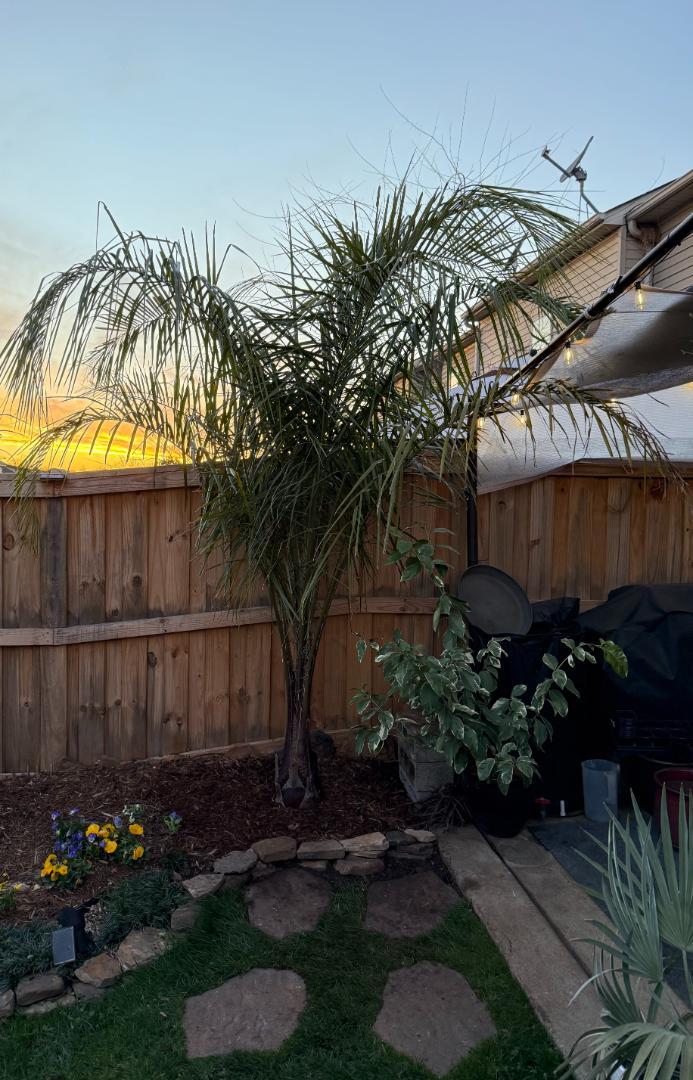
The palm in the picture is a Phoenix robellini. Very common and an easy grow. Yours looks to be doing well.4 points
-
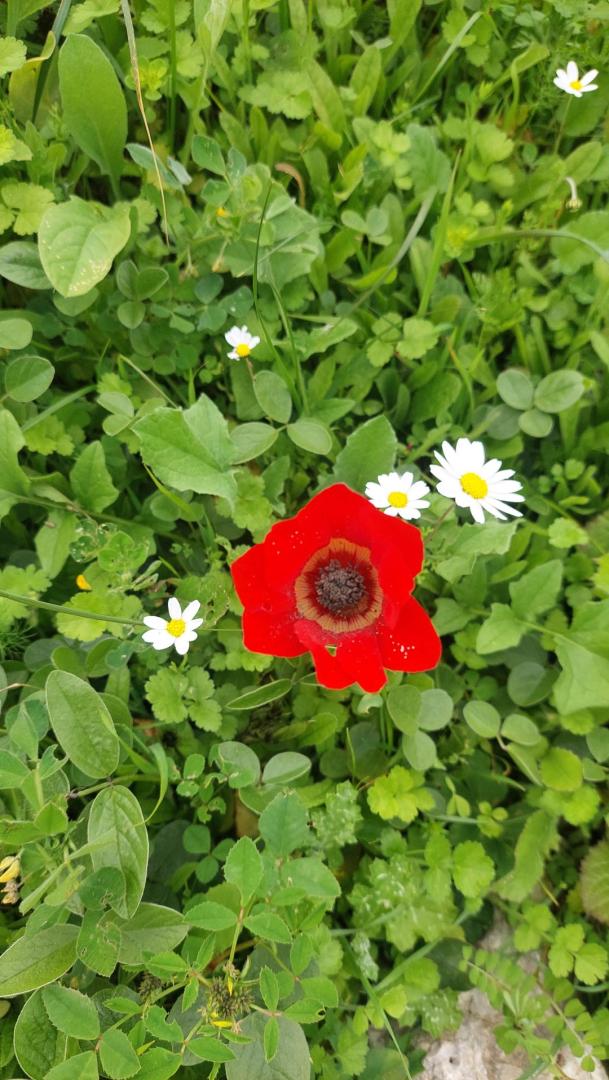
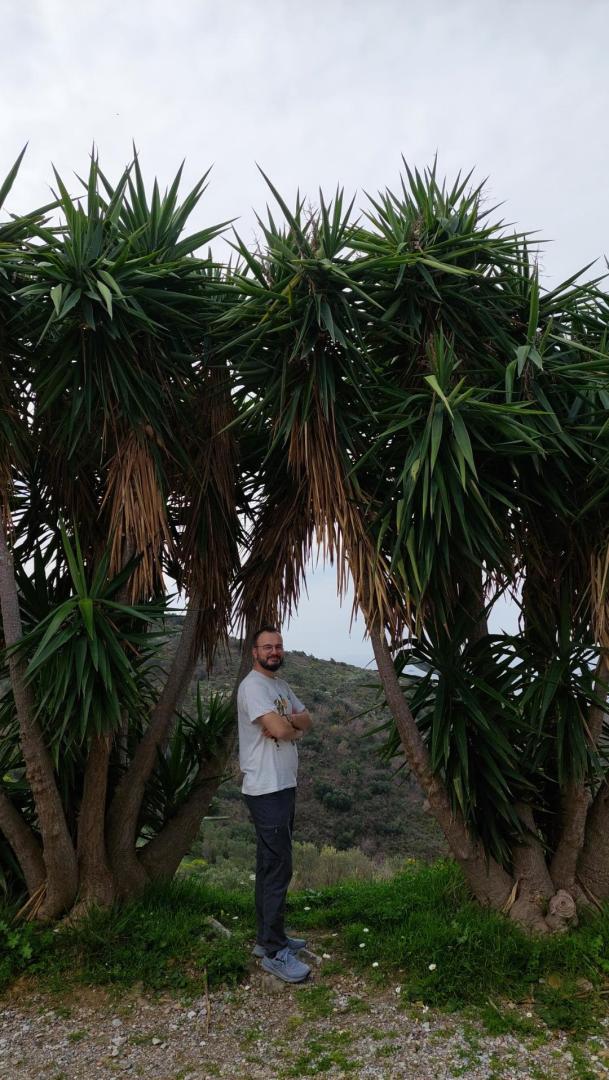
We went on a trek to Cape Tainaro which I think is the southernmost tip of continental Europe. Beautiful place and some nice flowers. Euphorbias are in their best right now. Enjoy!


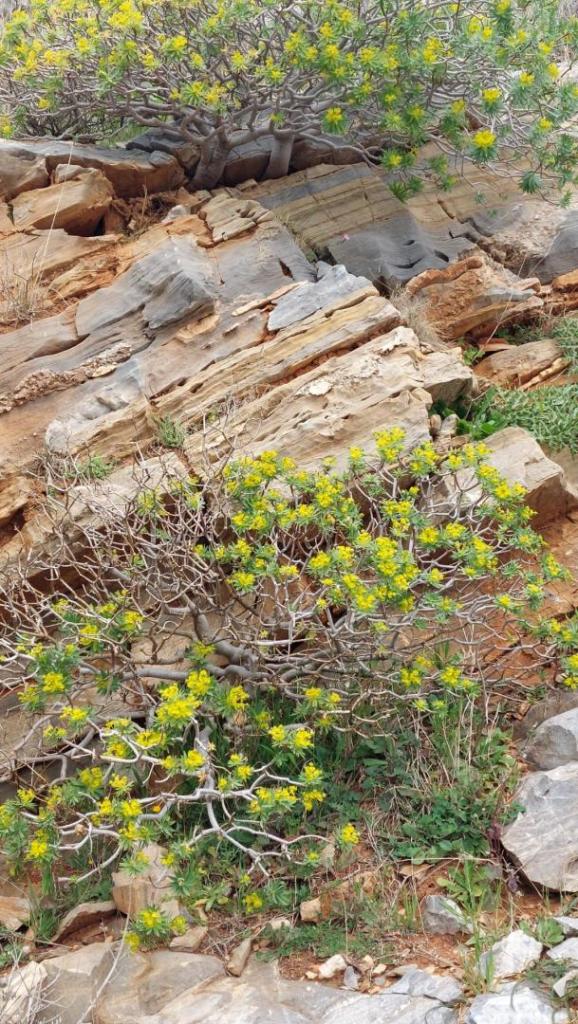
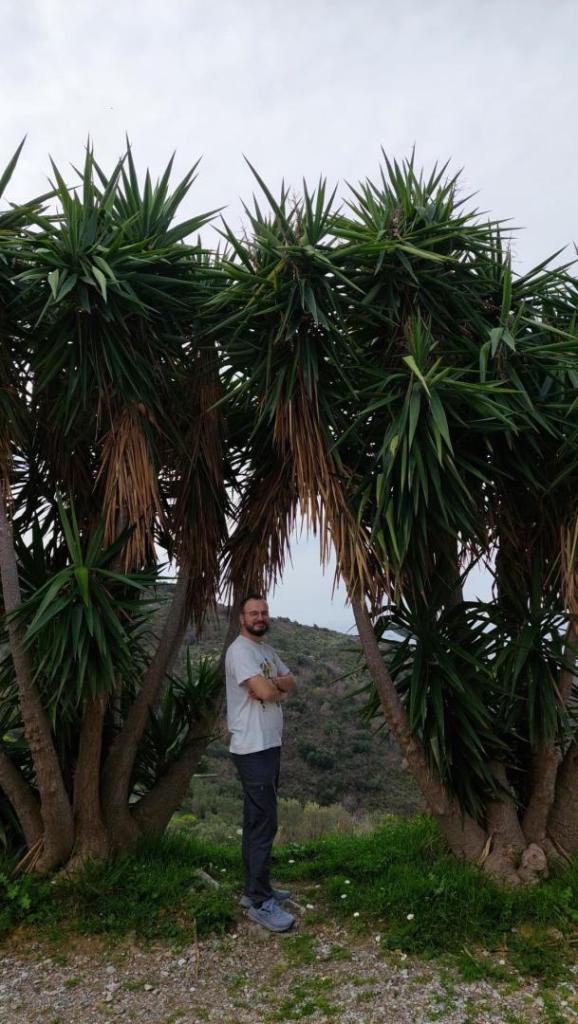
 3 points
 -
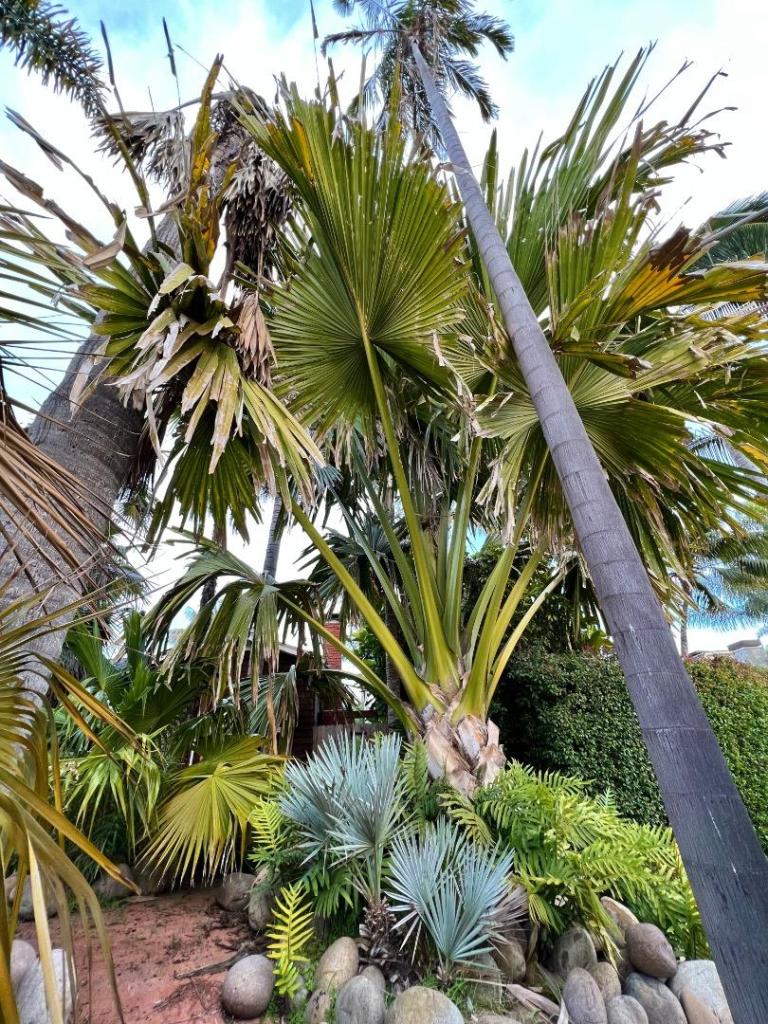
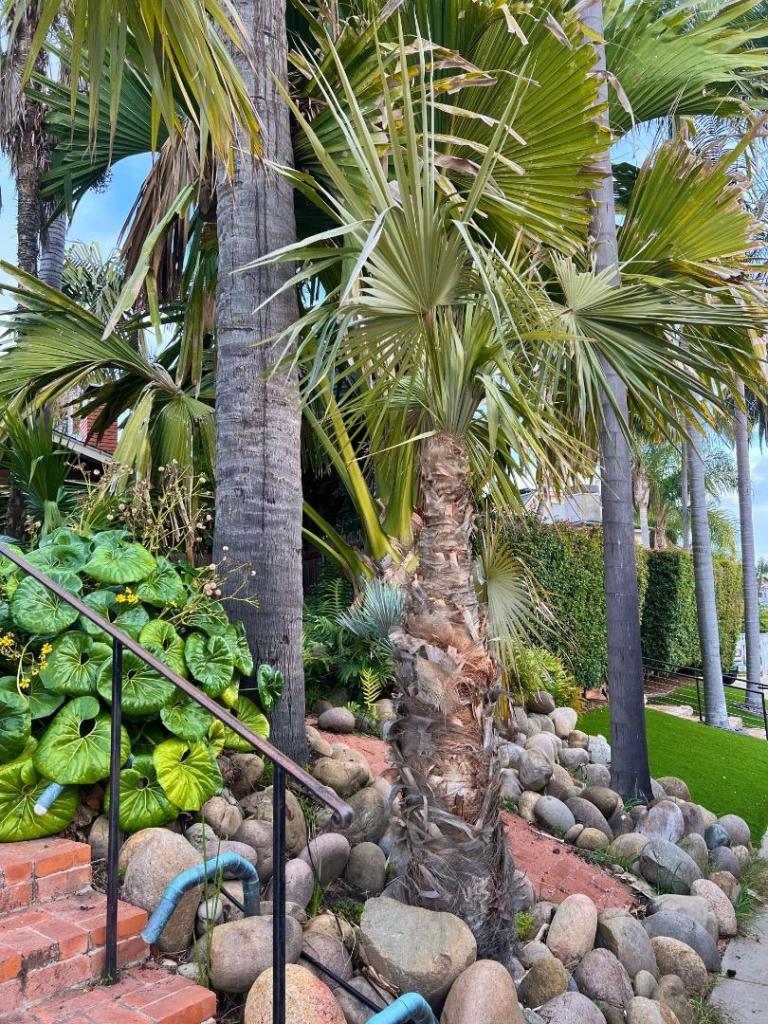
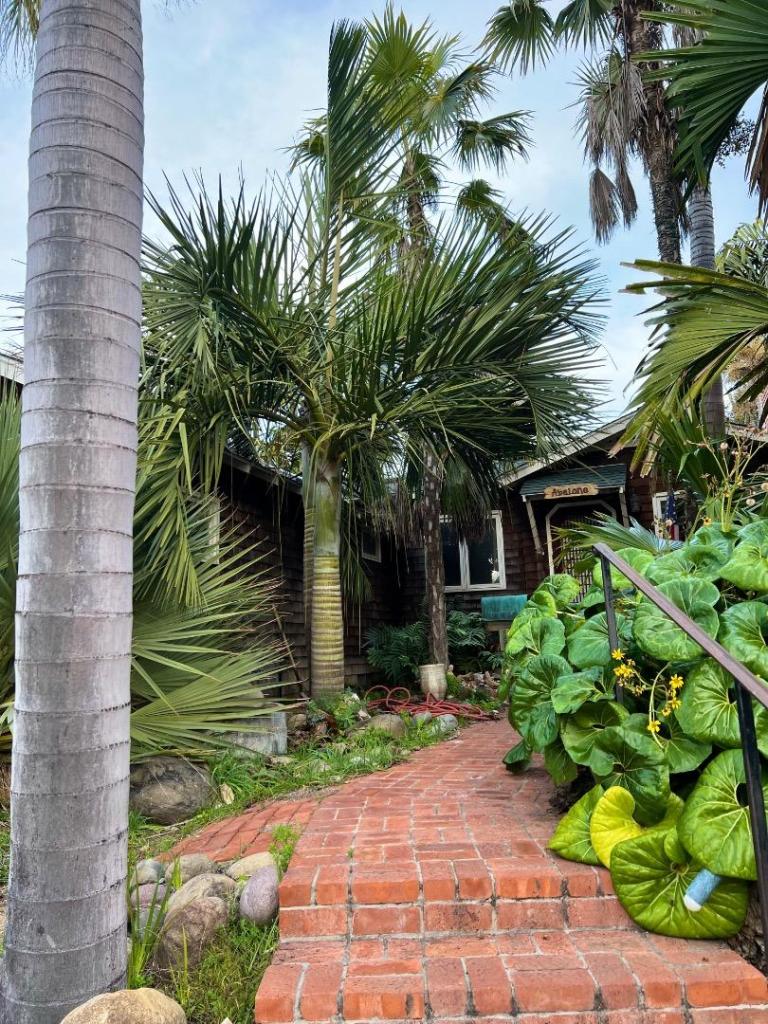
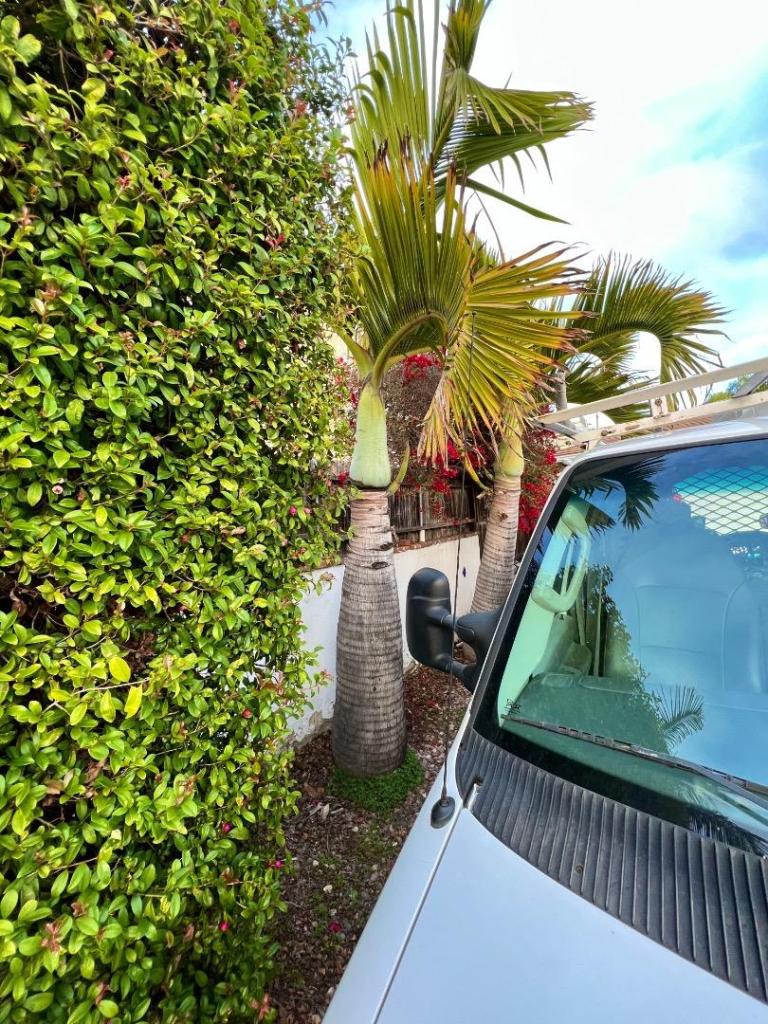
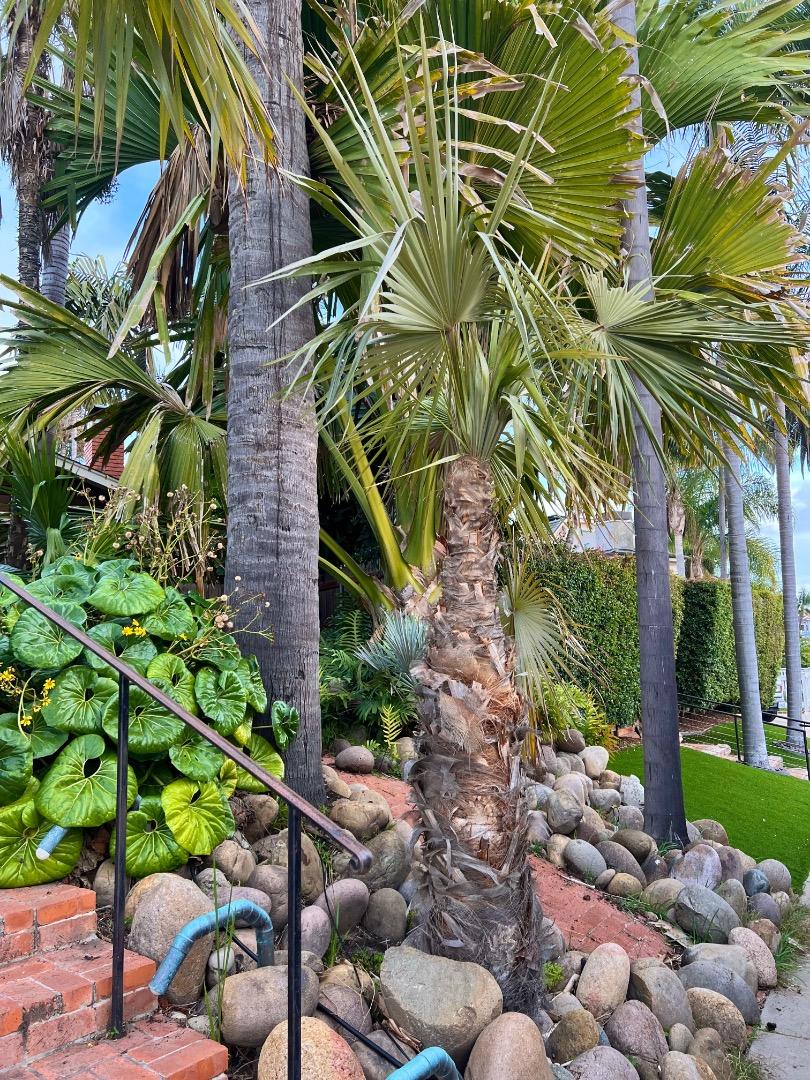
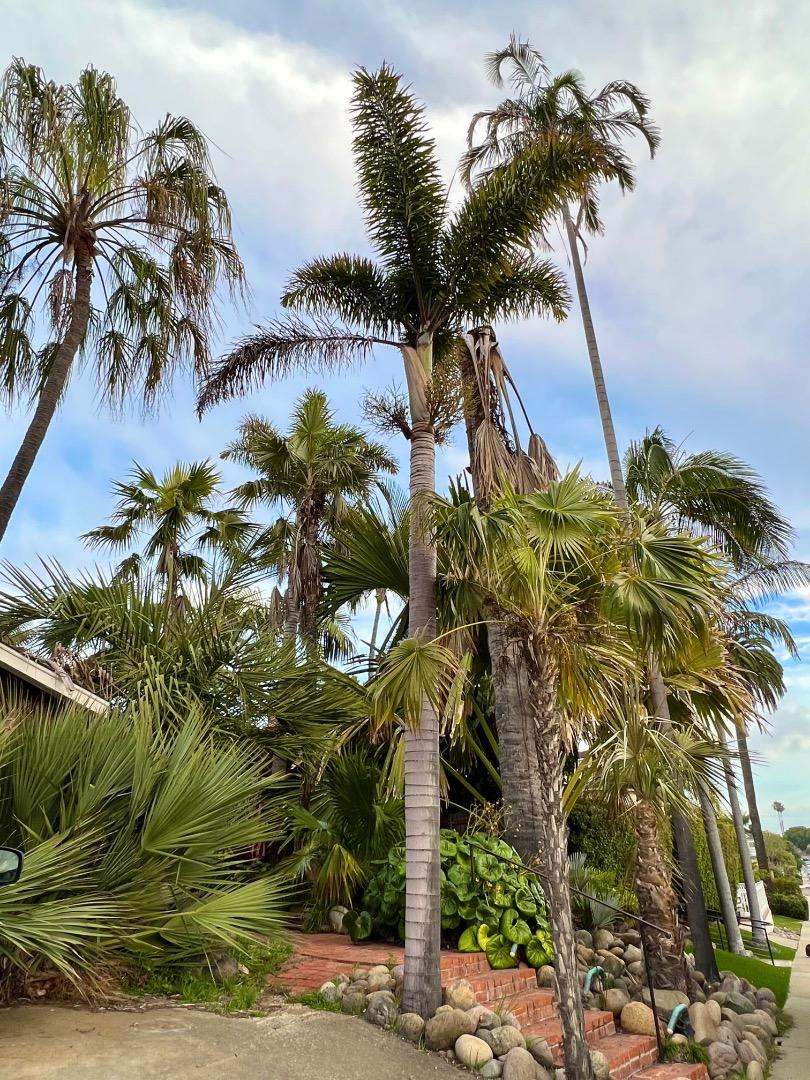
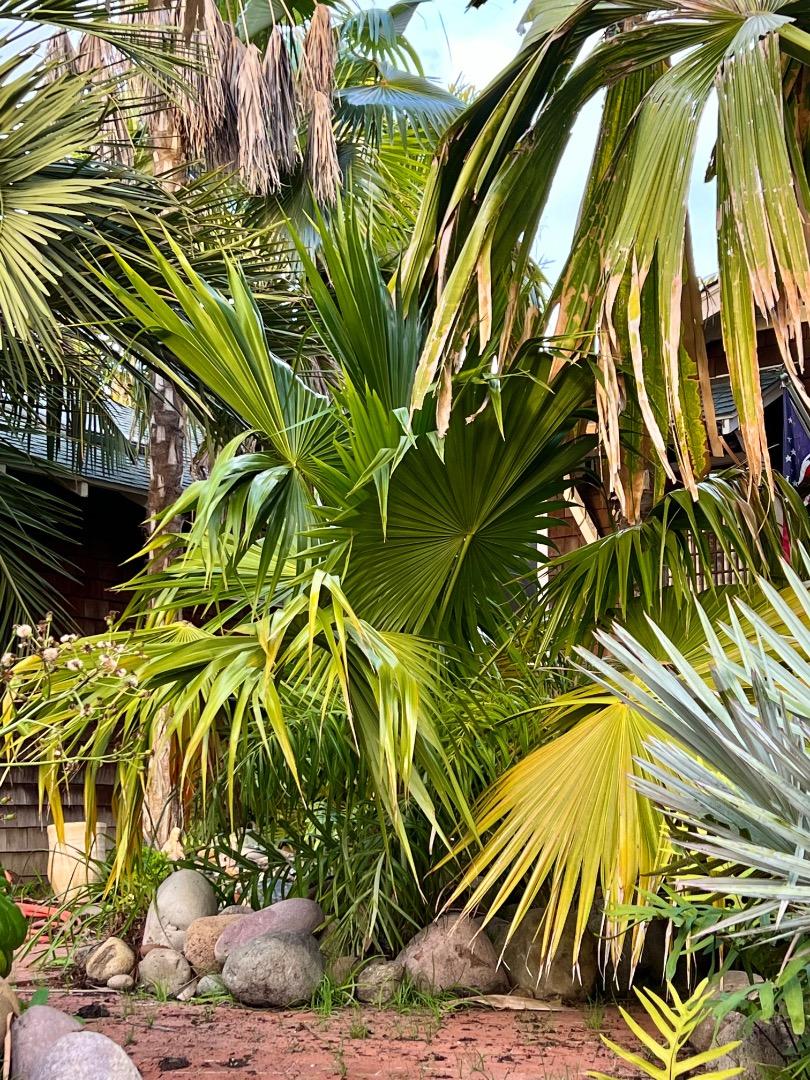
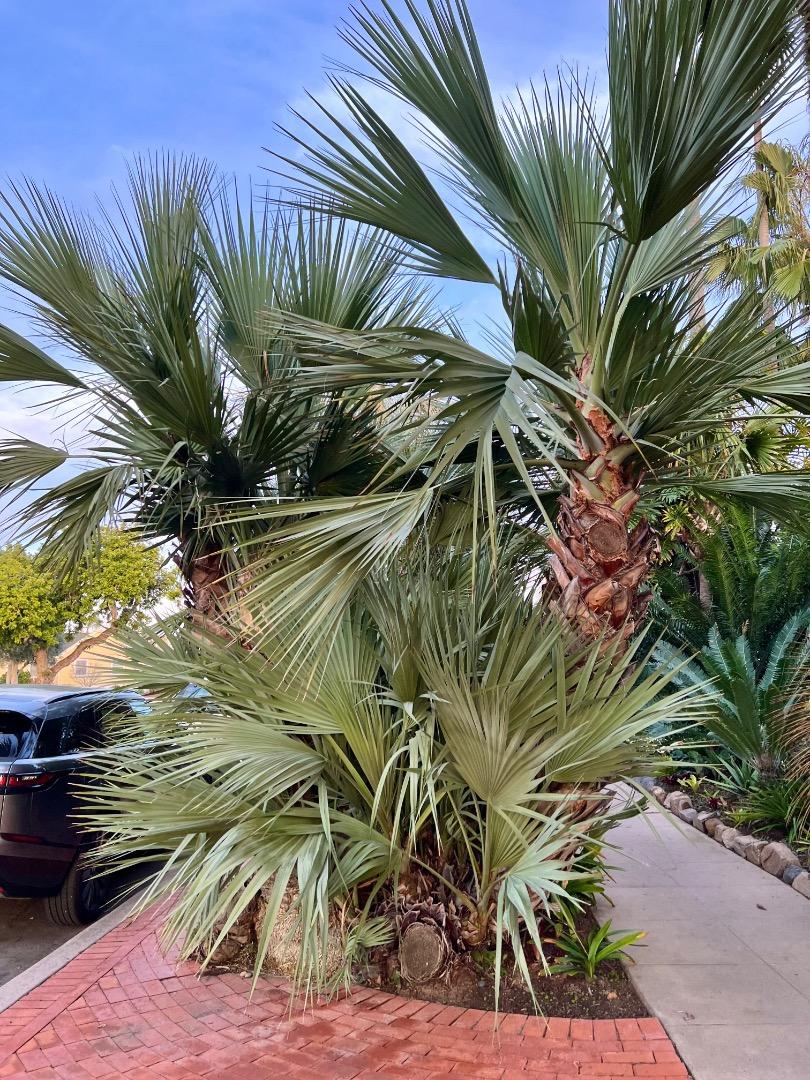
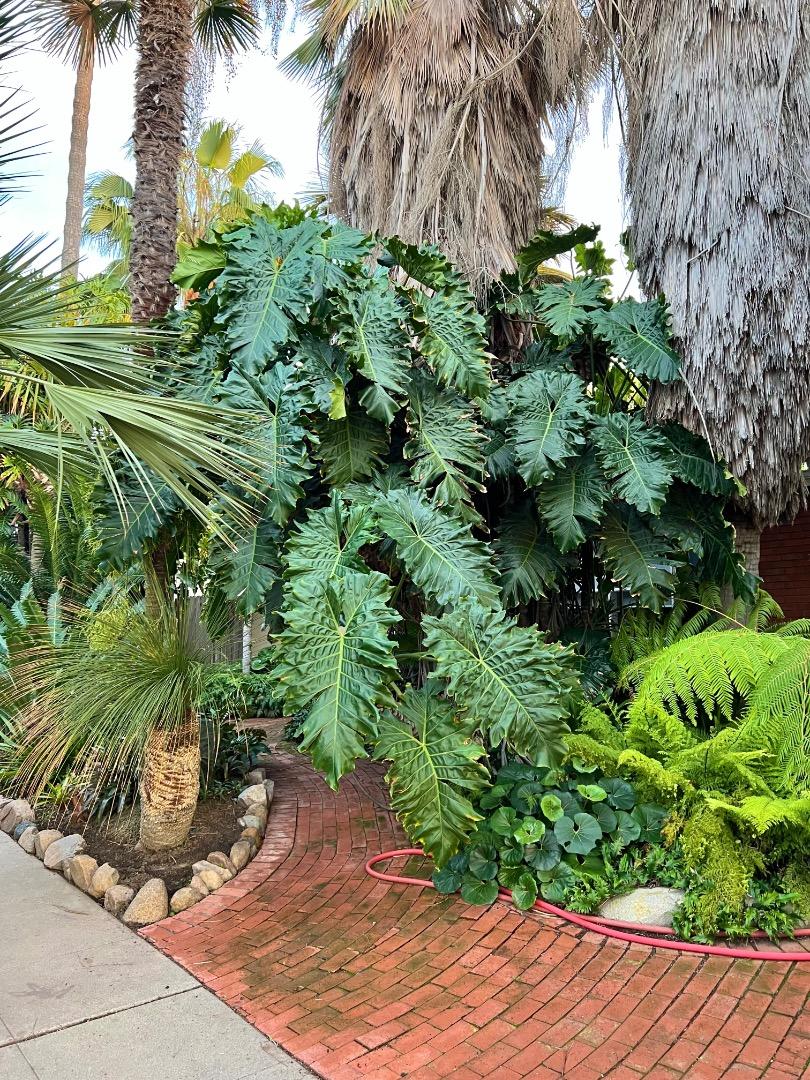
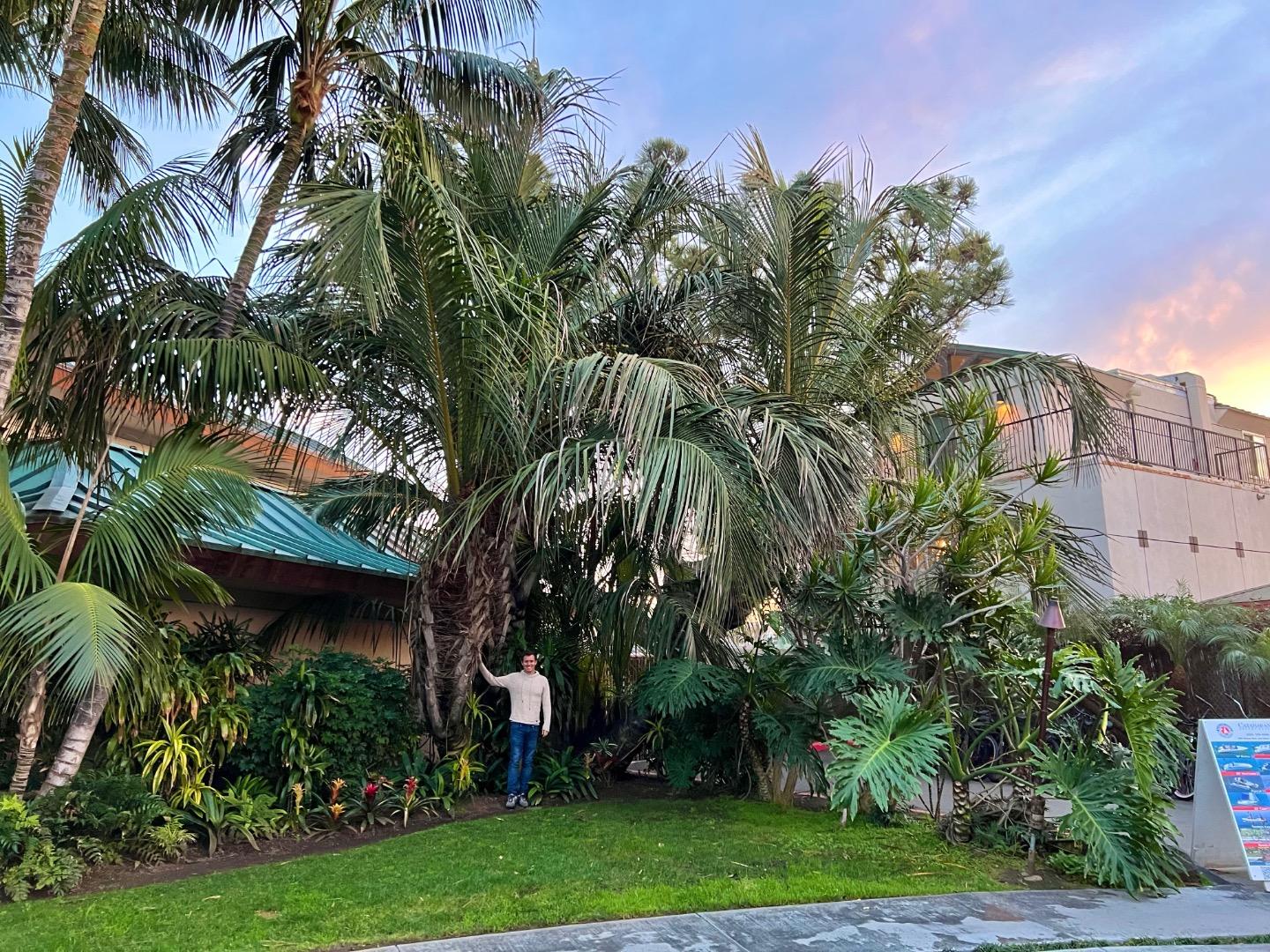
Palms around San Diego, CA! Highlight was definitely the Corypha umbraculifera. The owner was kind enough to investigate the strangers outside admiring his garden, and he states that he bought it as a seedling 25 years ago at Huntington Botanical Gardens and that he treats it against weevils every 4 months, as the weevils have unfortunately claimed a few of his palms already, including a 40 foot Bismarckia.
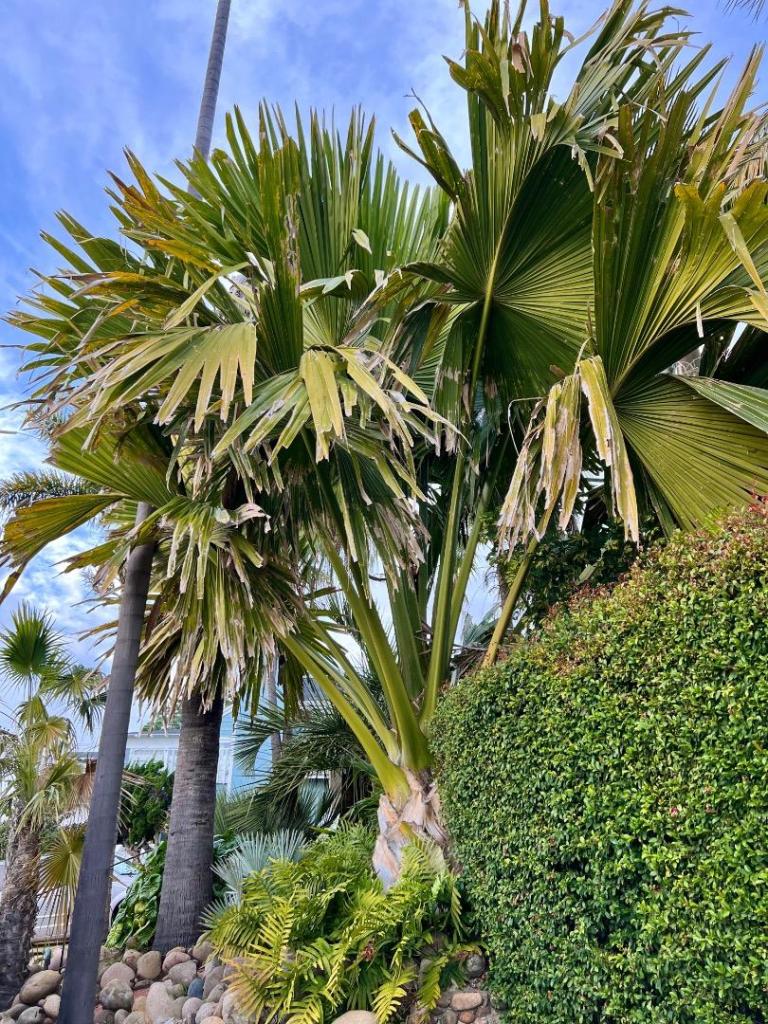
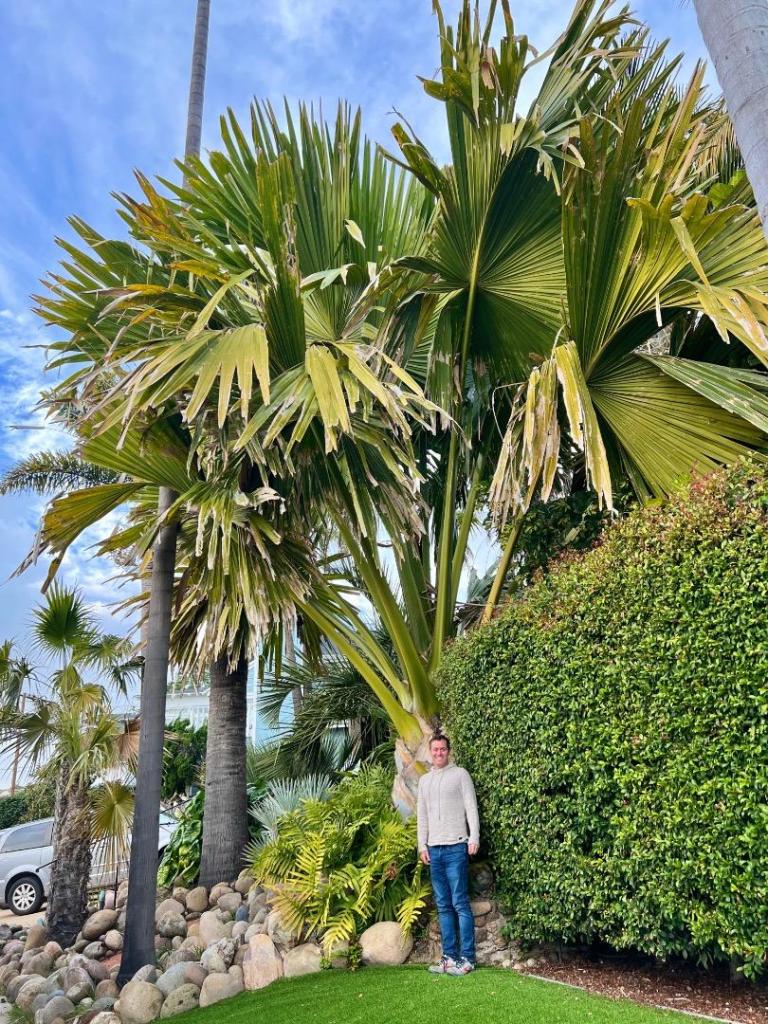

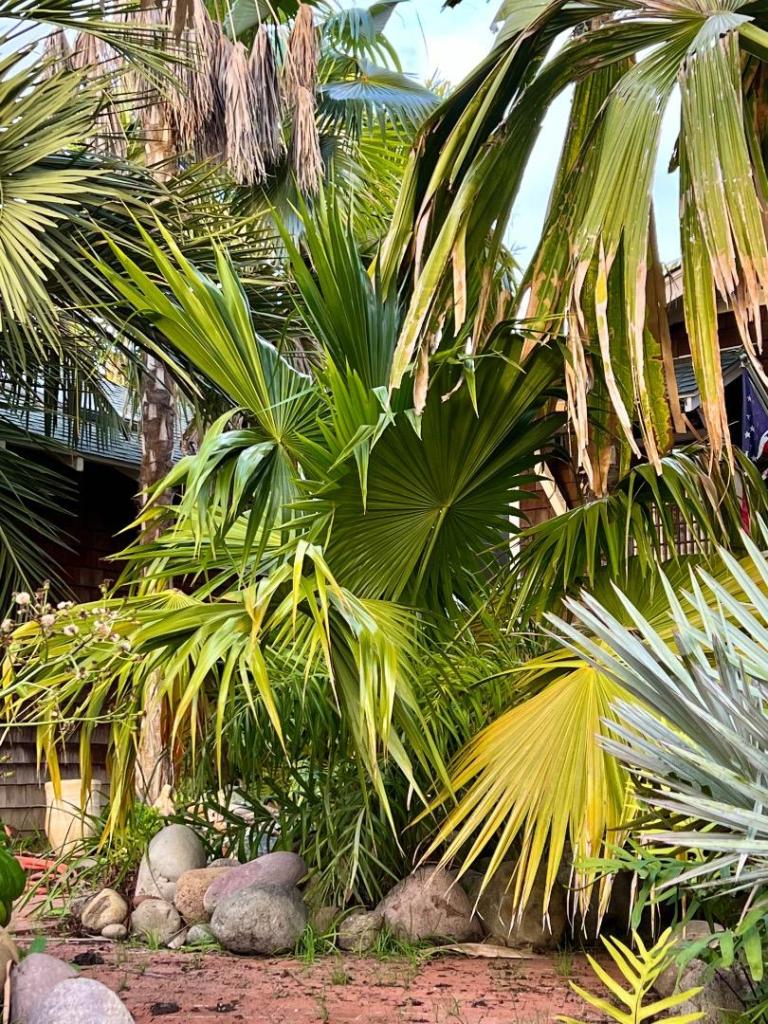
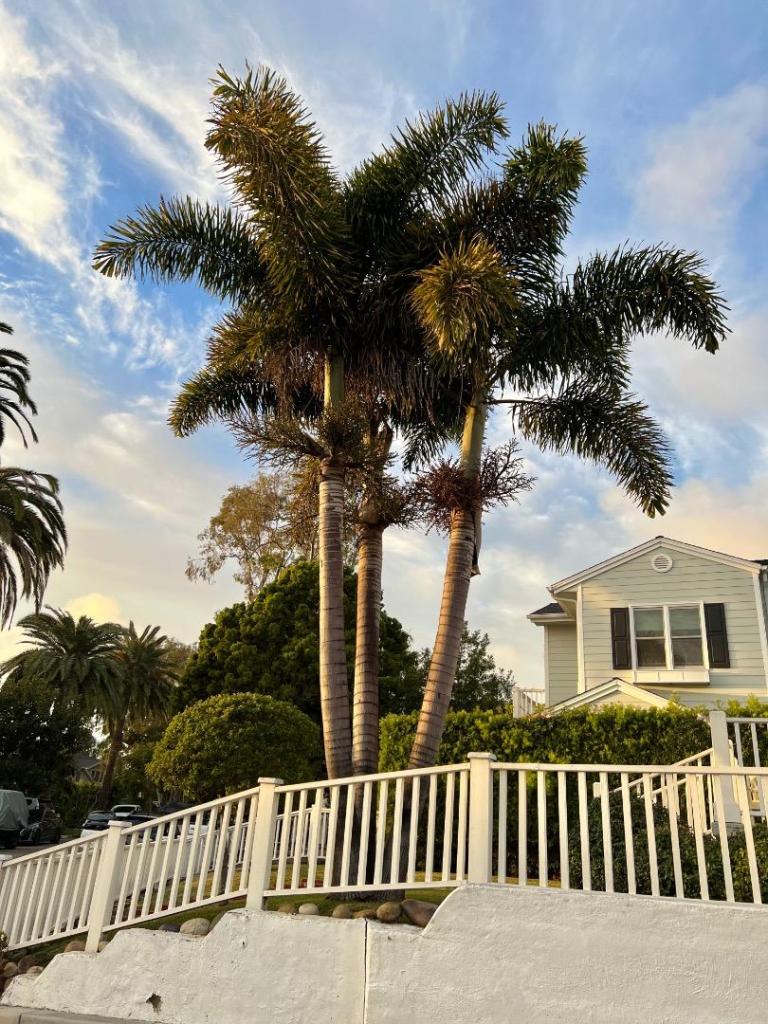
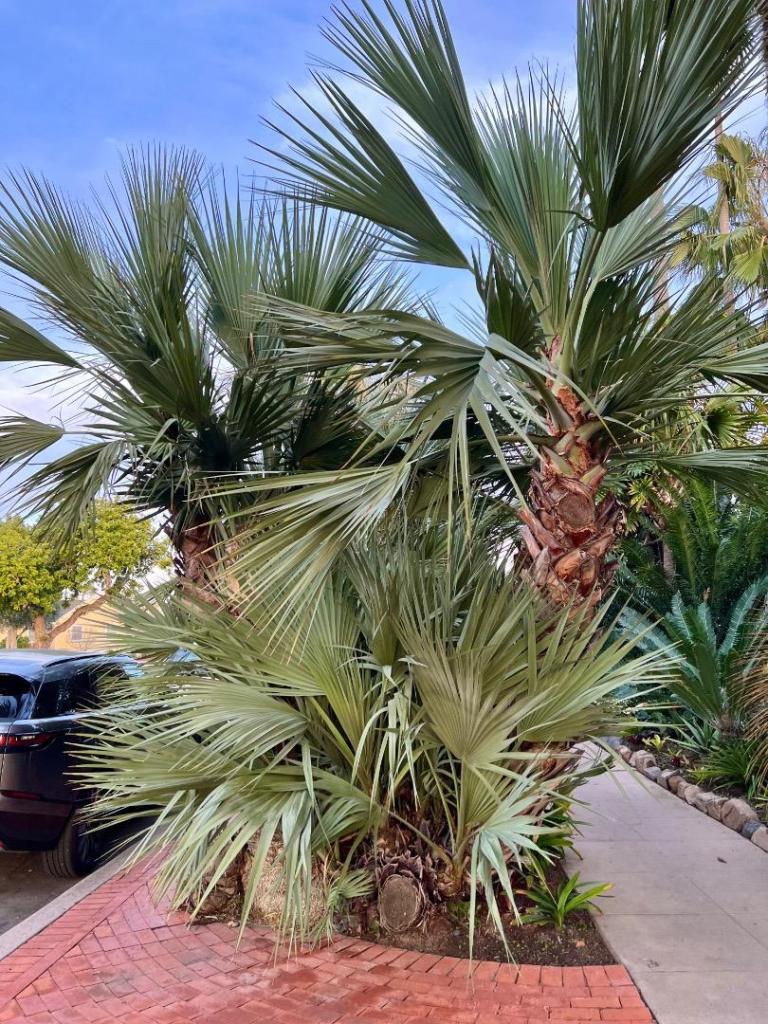
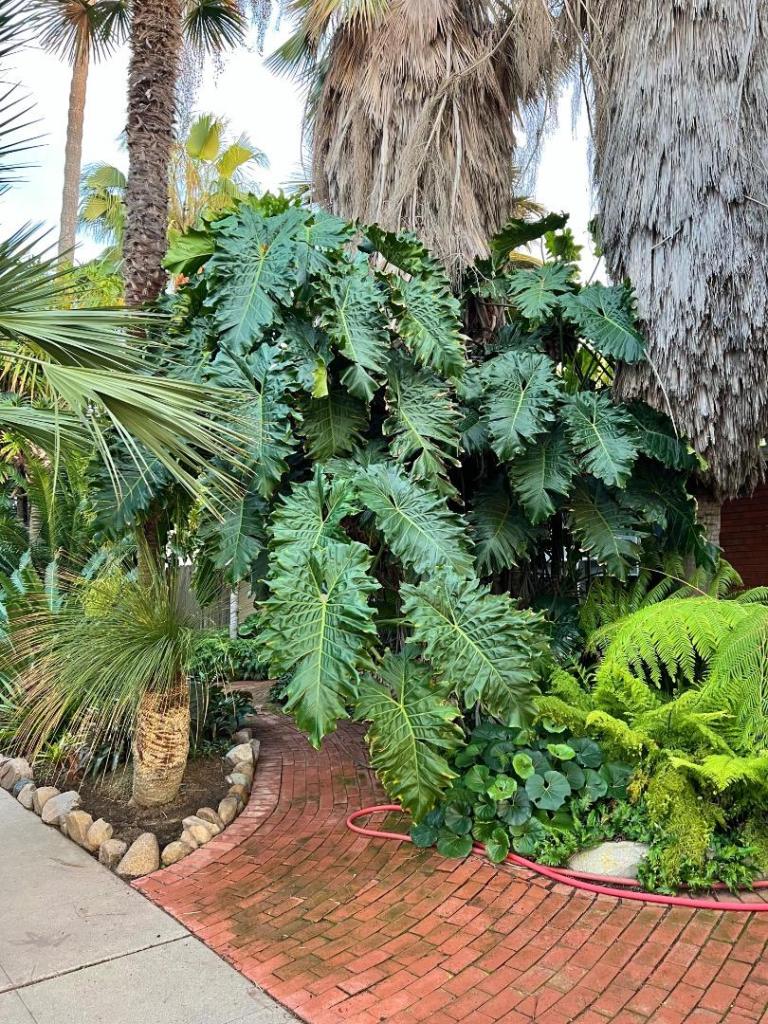
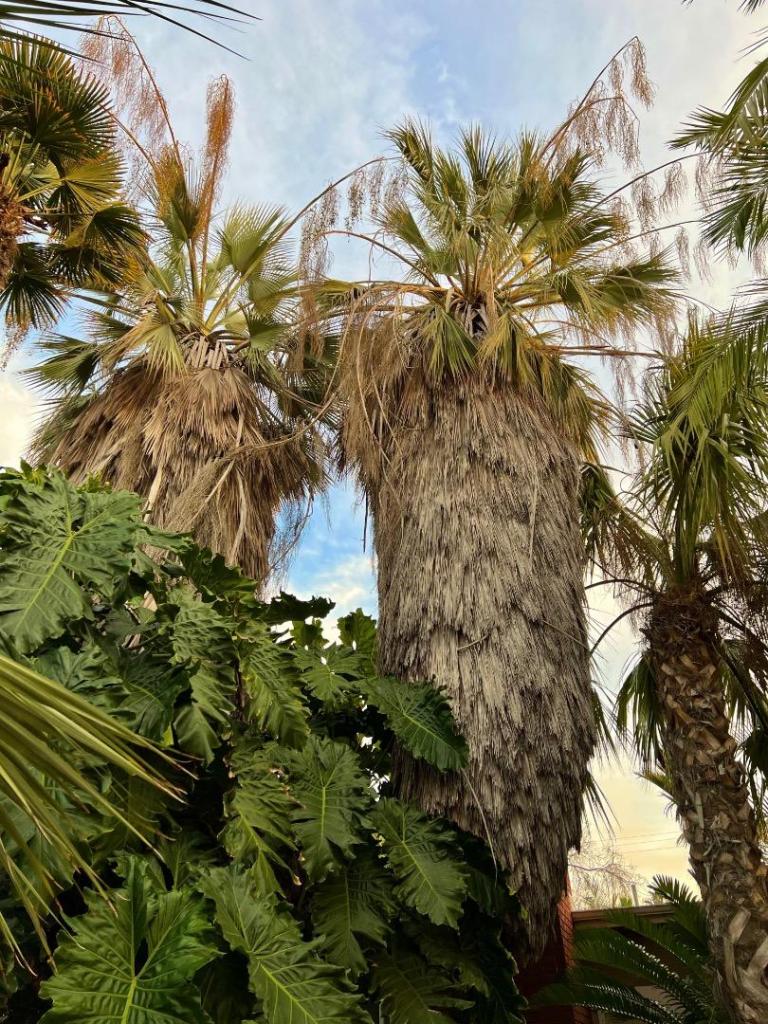
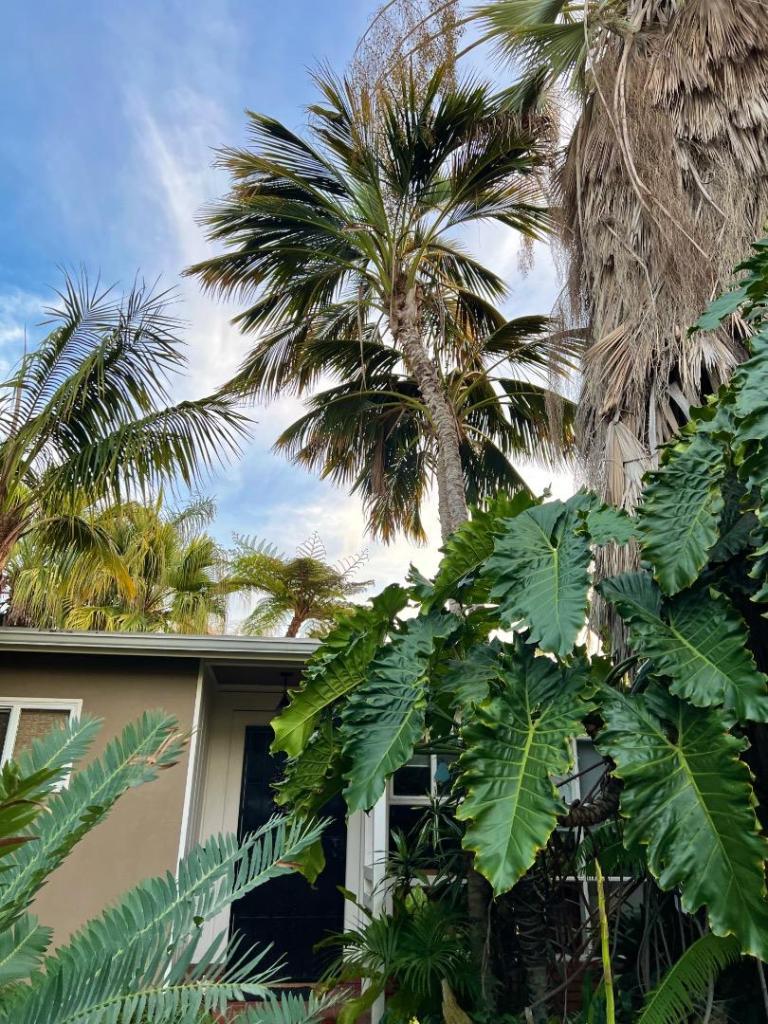
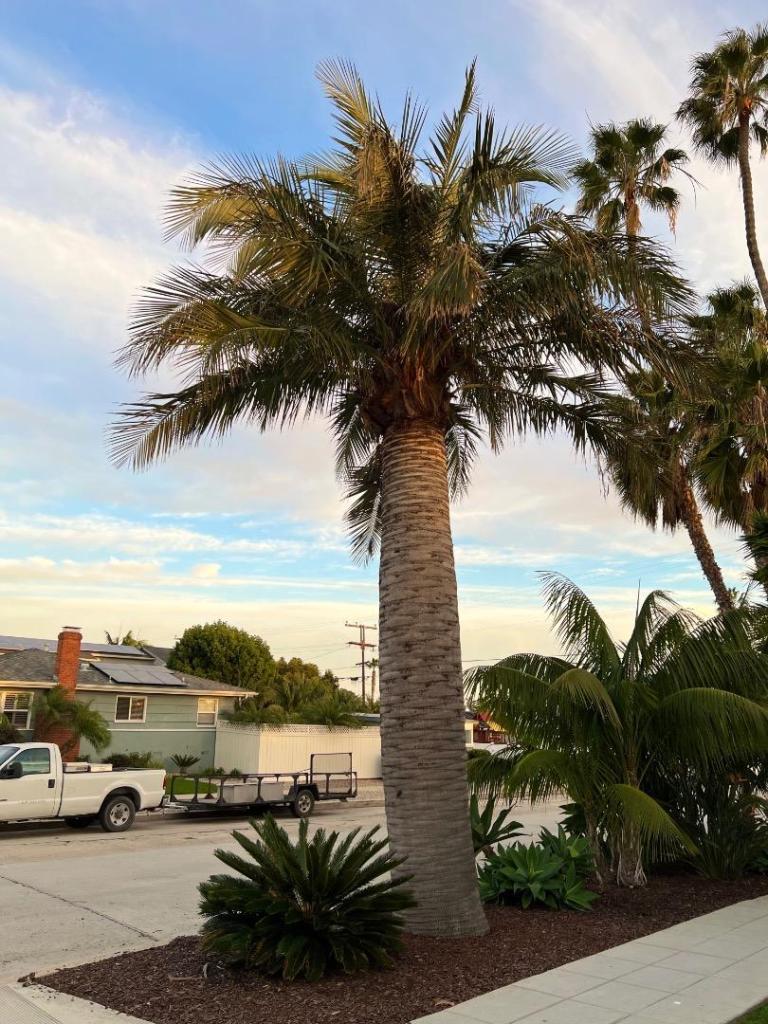
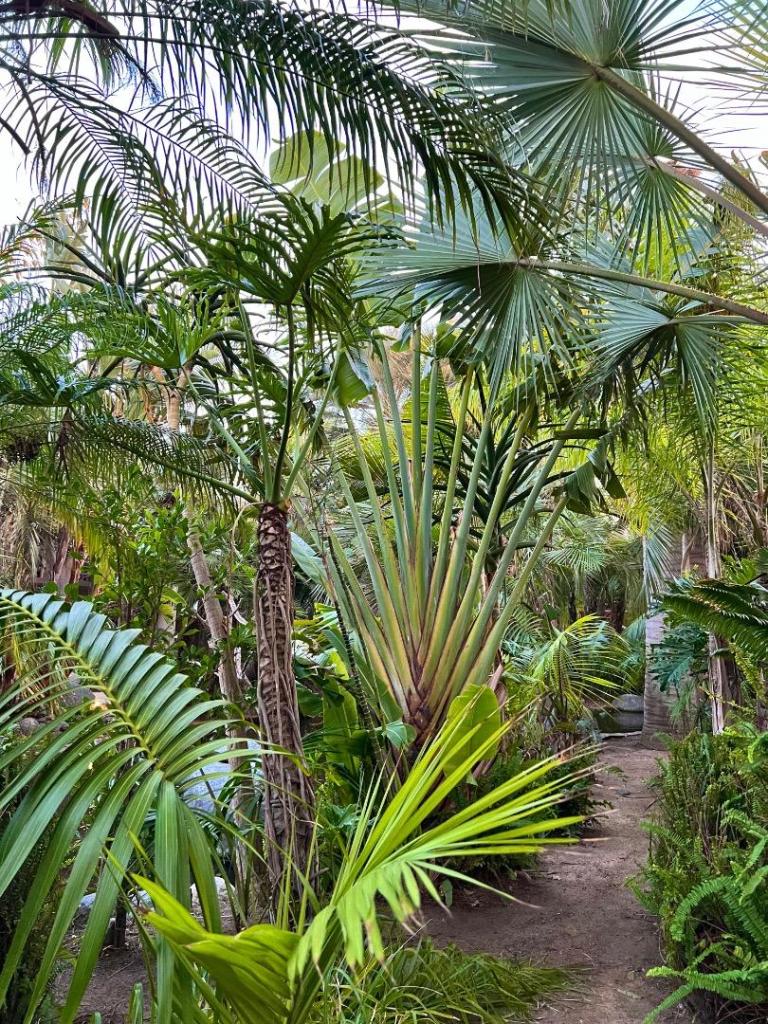
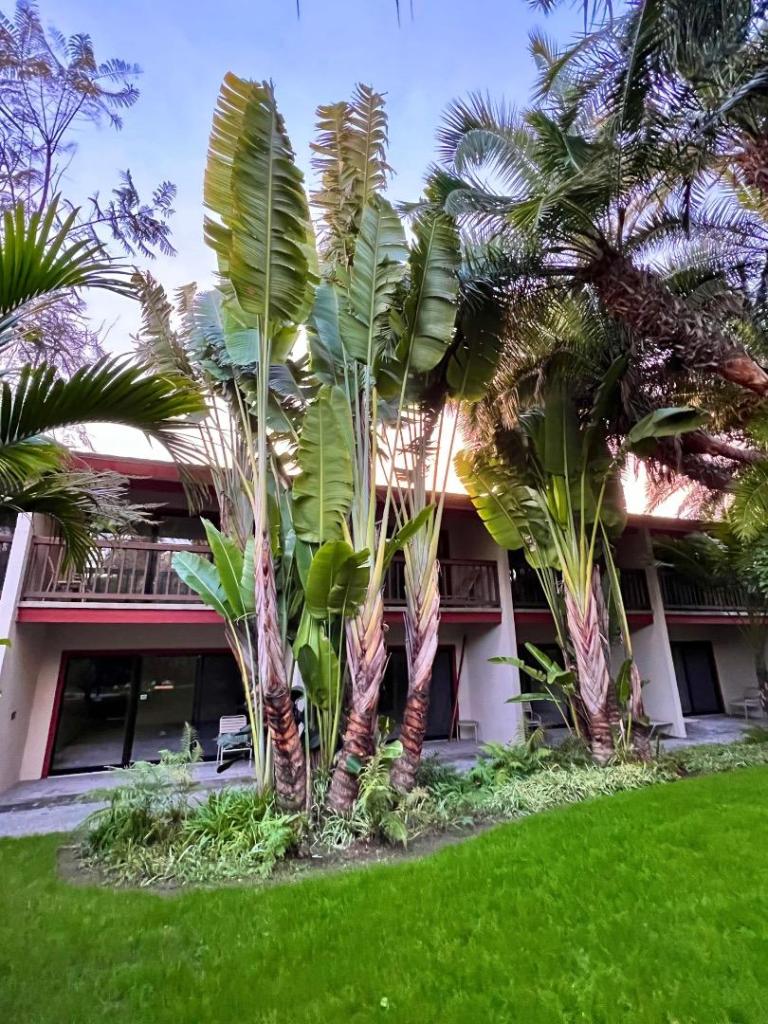

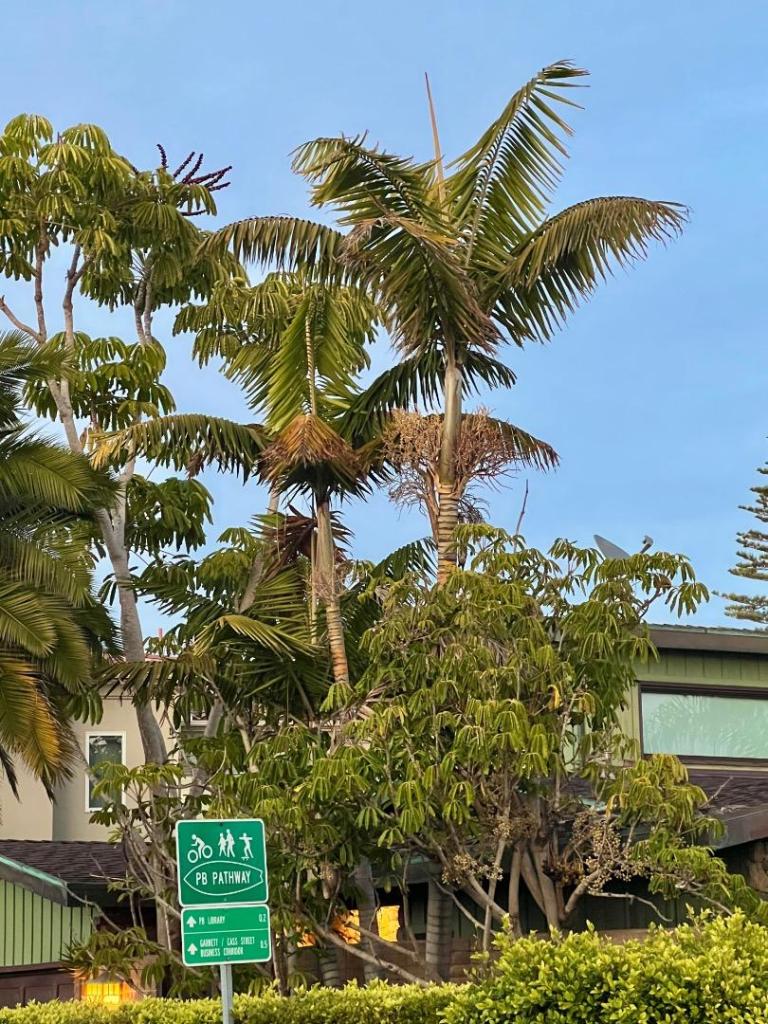 3 points
 -
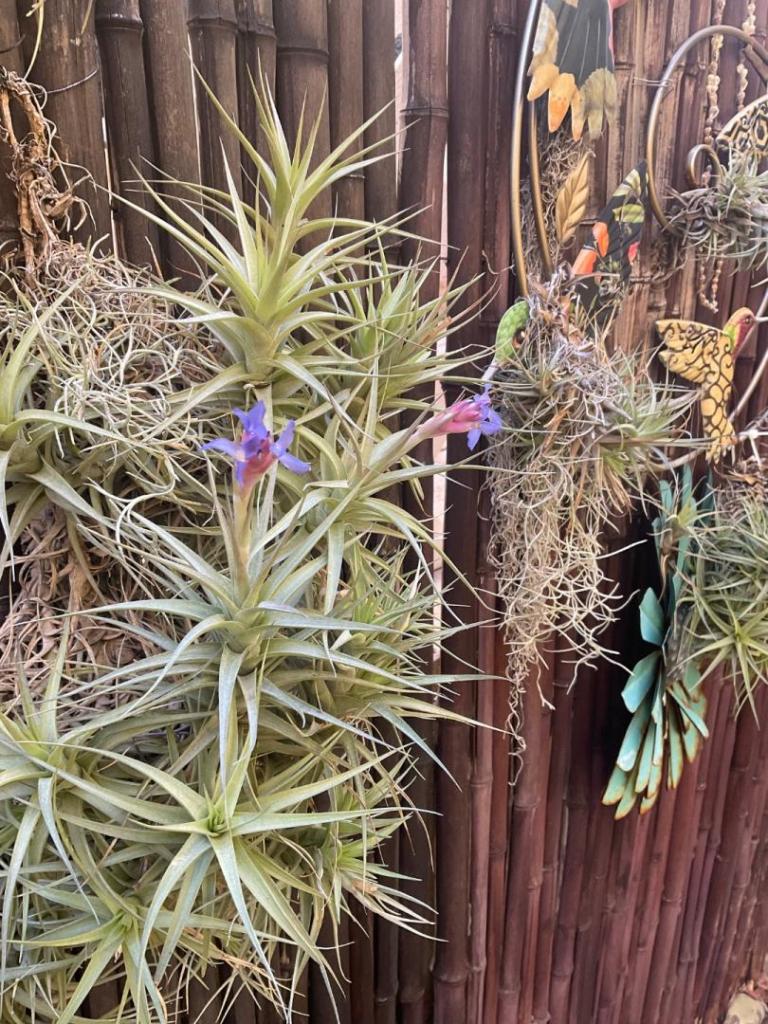
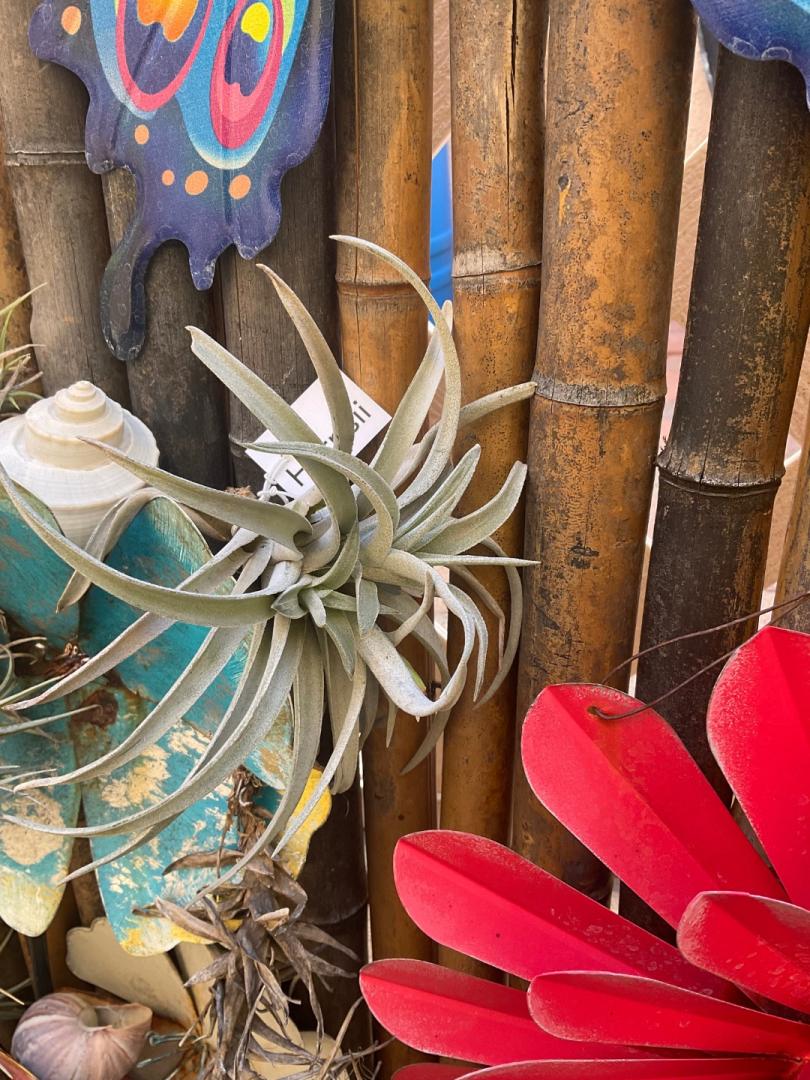
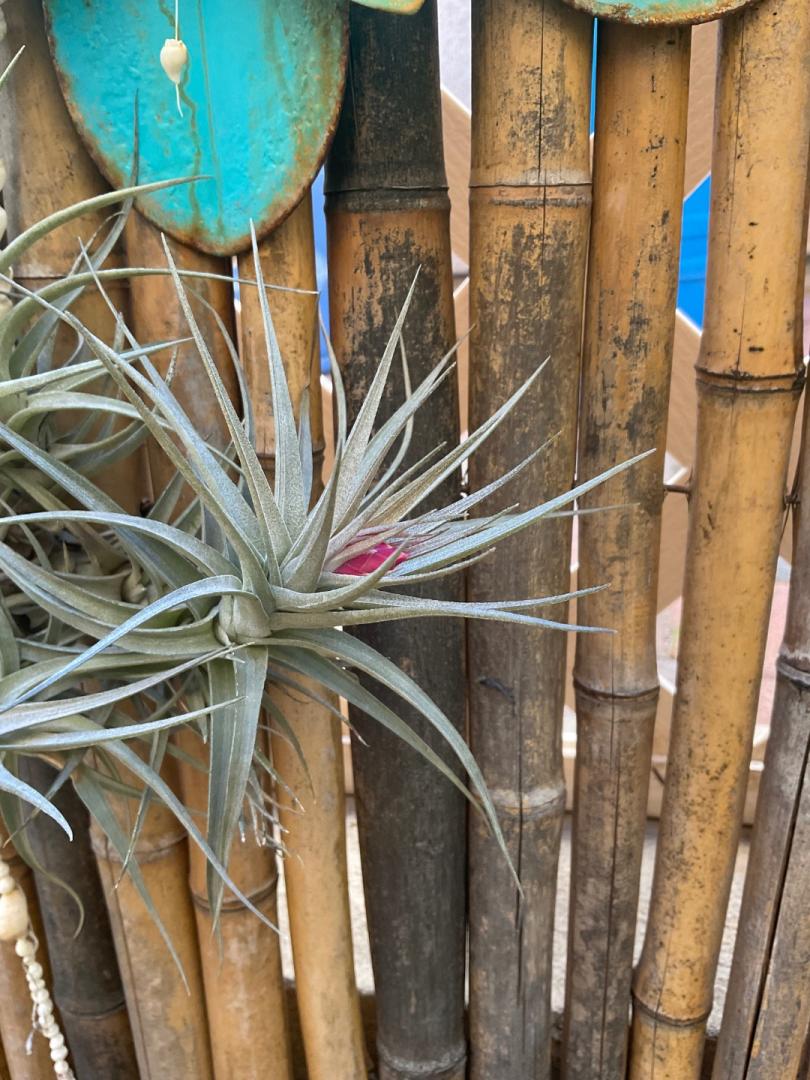
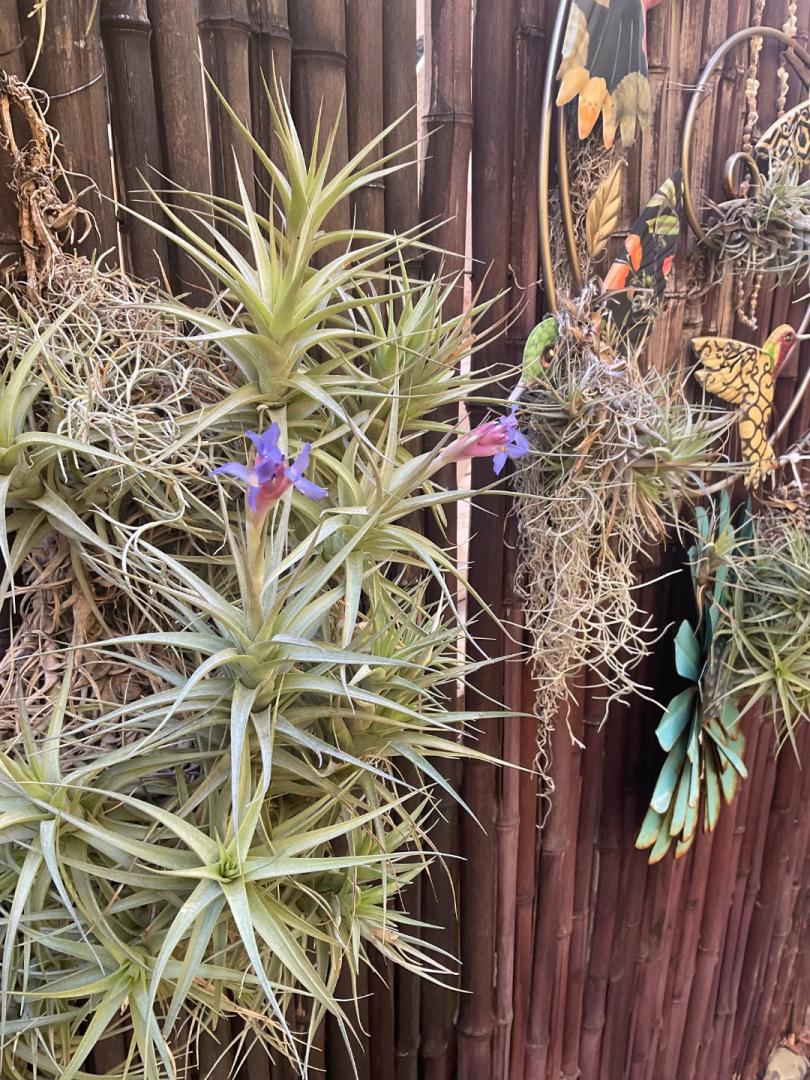
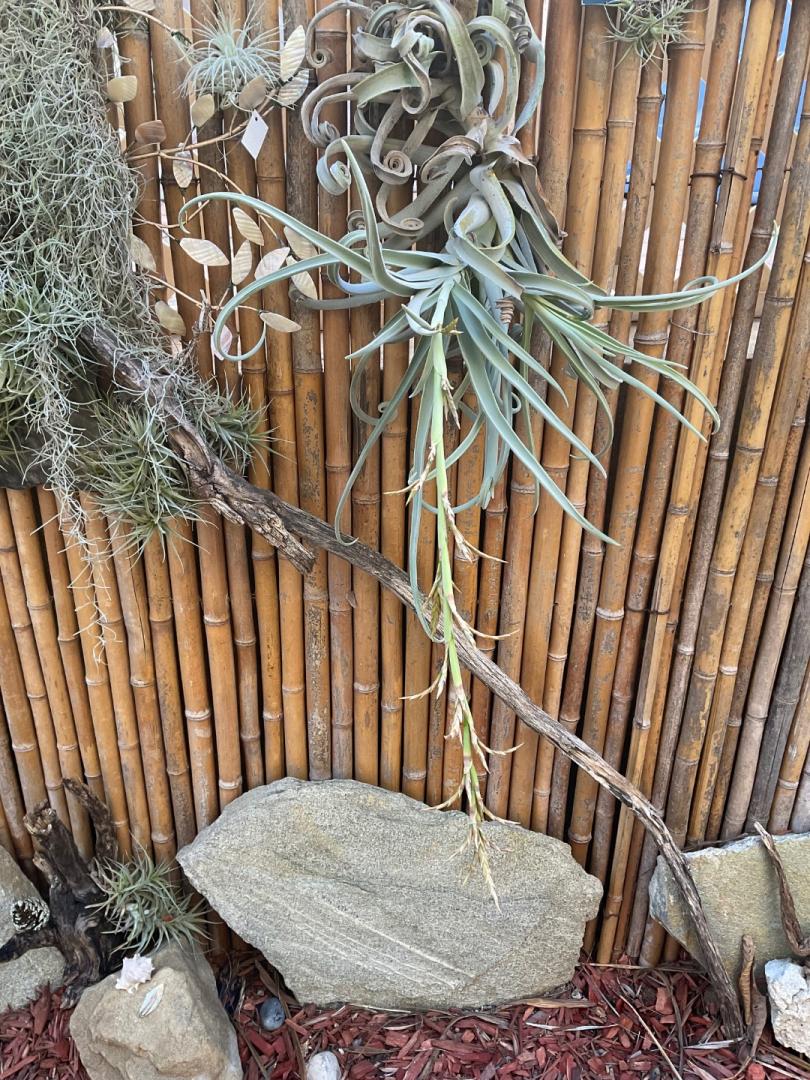
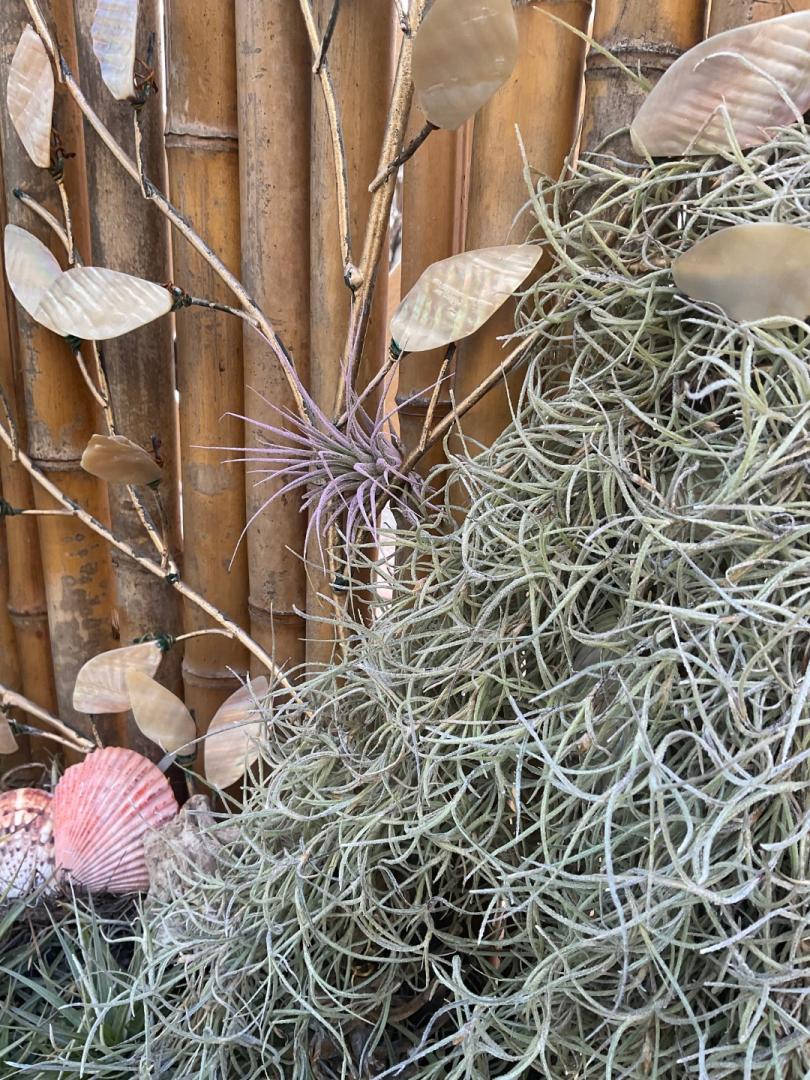
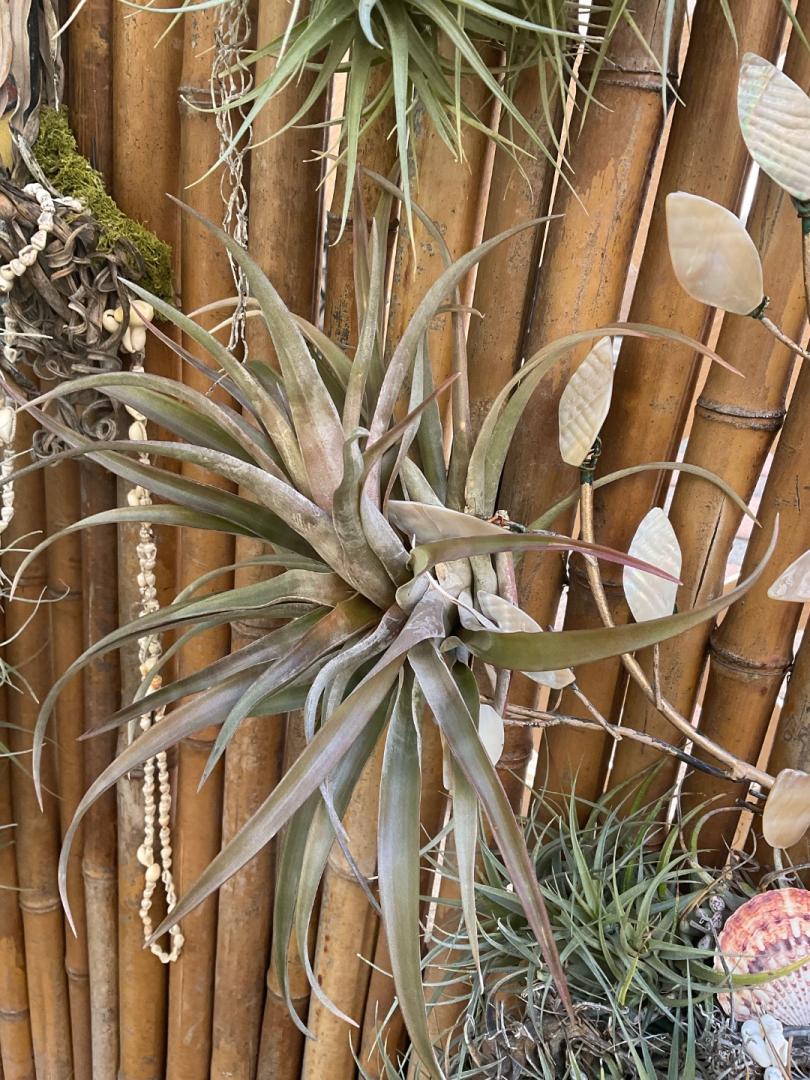
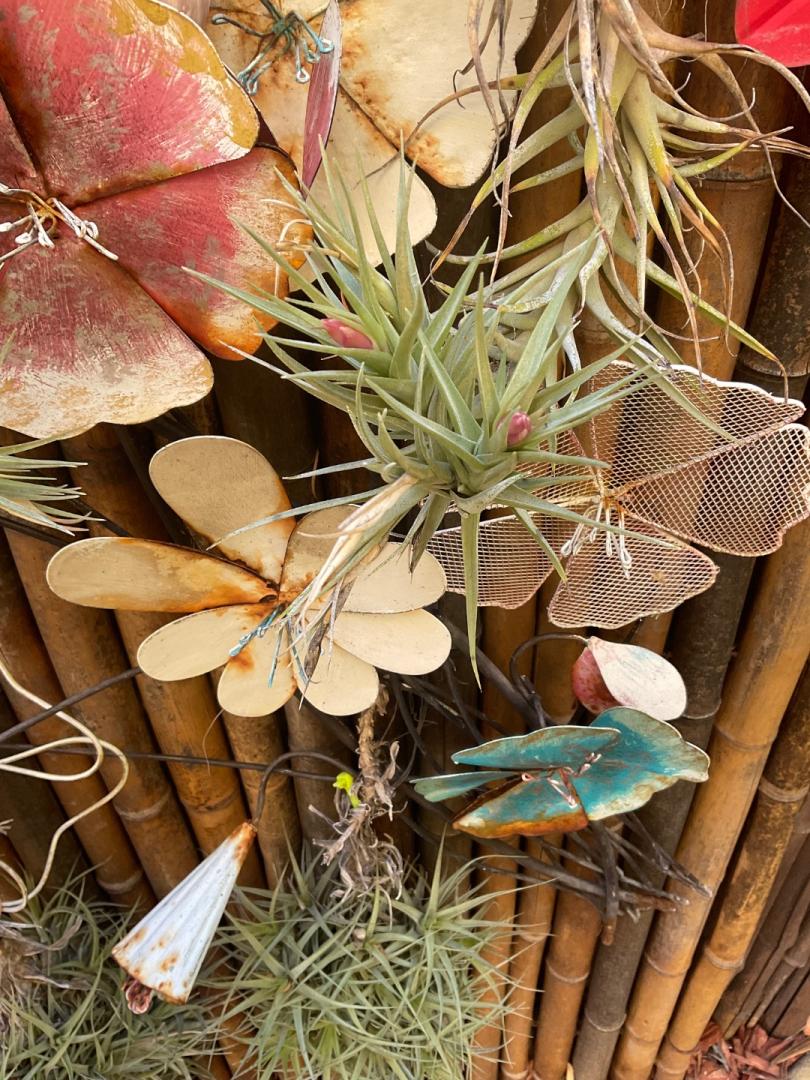
Like many palmy type folks , I have other tropical plants in the shady parts of my garden. Many years ago I was touring my mentor’s garden not far from our house. He had so many beautiful palms and mature specimens that it was hard to fathom how long it took to grow such a jungle. I was new to the obsession and he had sold me many seedlings of various palms , took me to other gardens , and ultimately get me into the palm thing. As we were dodging errant fronds and making our way through his jungle , he tossed something at me that he had plucked from one of the palm trunks . I caught it and looked at this living plant with no roots and asked what it was , how do I keep it alive , will it survive outdoors , etc. He told me about Tillandsia gardening and said “ just string it up from a palm or tree in the shade and splash water on it every once in a while. Soon you will have a bunch of them to spread around as your jungle grows!” If you really want some fun , hang some Spanish Moss with it. I did as I was instructed and , like he said , they are everywhere . I have even given away dozens to fellow garden freaks. Every year they flower with amazing color . They are so easy to grow , even in my arid environment . Sometimes I will soak them for a few minutes when it has been dry and windy , but otherwise just a spray from the hose a couple times a week. We just had a rain event and I was outside checking on things as the temps dipped to 43f briefly . I thought I would share some picks from some of these wonderful “air plants” . Harry ( have most of them attached to a bamboo wall my wife and I put up along a cinder block wall. the flowers are bright , most are not open yet but lots of buds! This large one has a bit of fragrance when the blue / purple flowers open One of my newer lavender ones sharing space with some Spanish Moss. Every now and then the birds steal the moss for nest making the buds on some are red! Harry

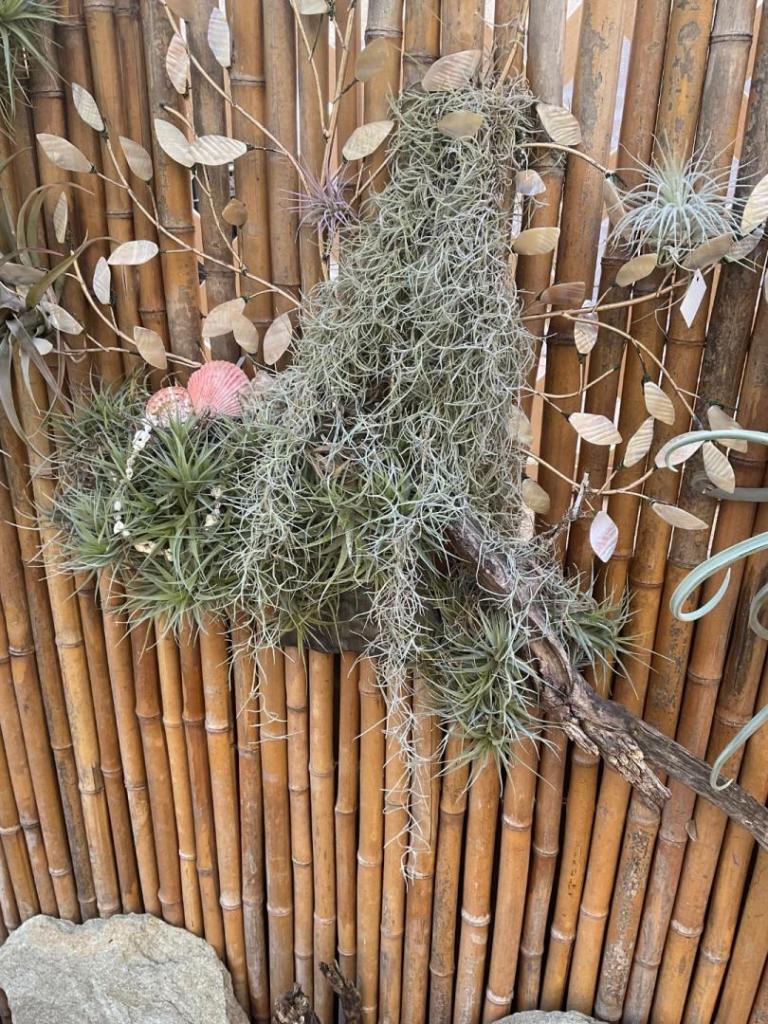
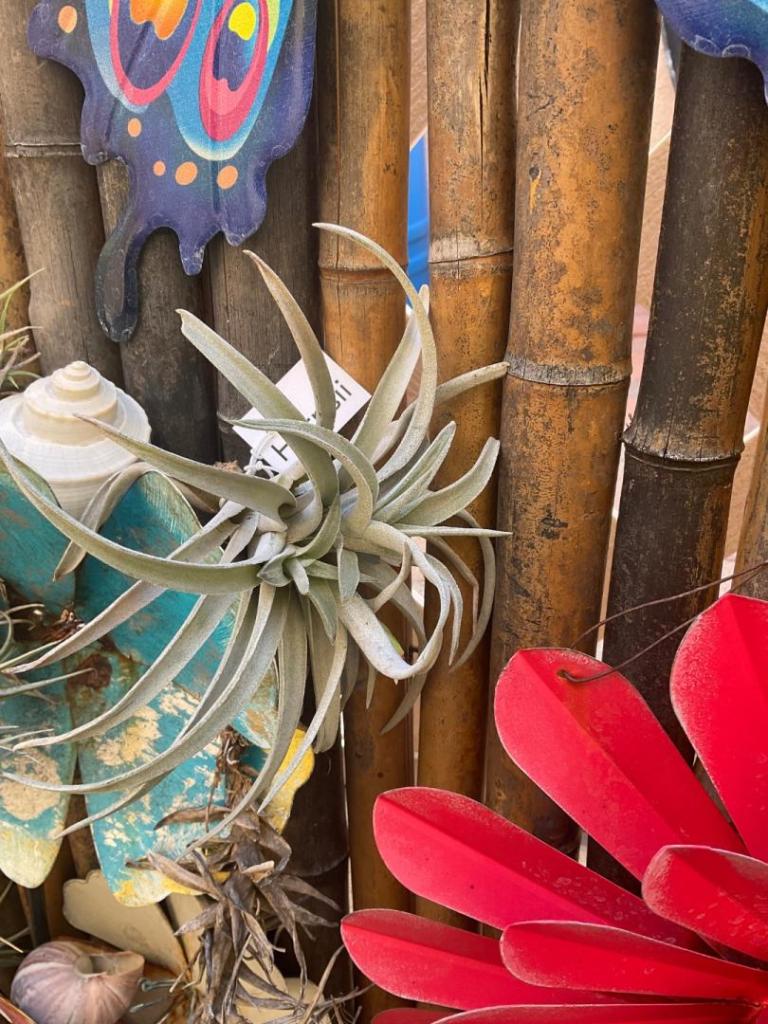



 3 points
 -
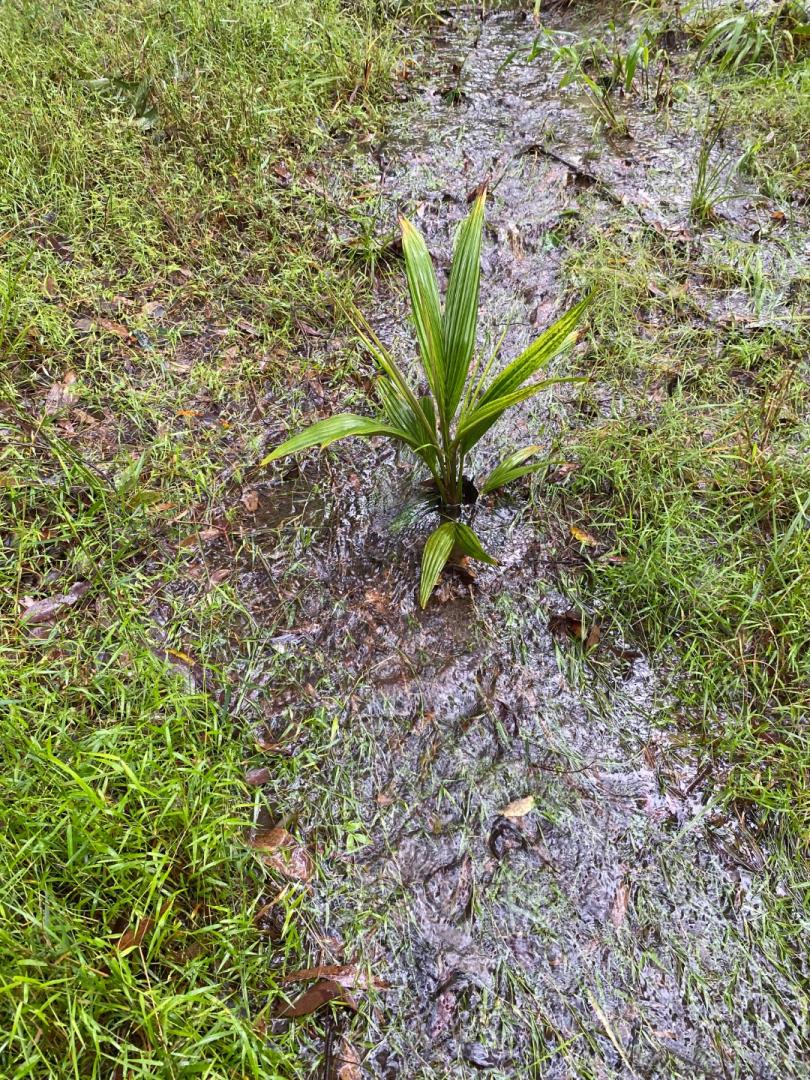
About the only cyclone damage I had was a Joey palm washed away I planted a couple of weeks ago in a gully. All was not lost just picked the little fella up and repotted him. I got away with Alfred pretty good in comparison to some places.


 3 points
 -
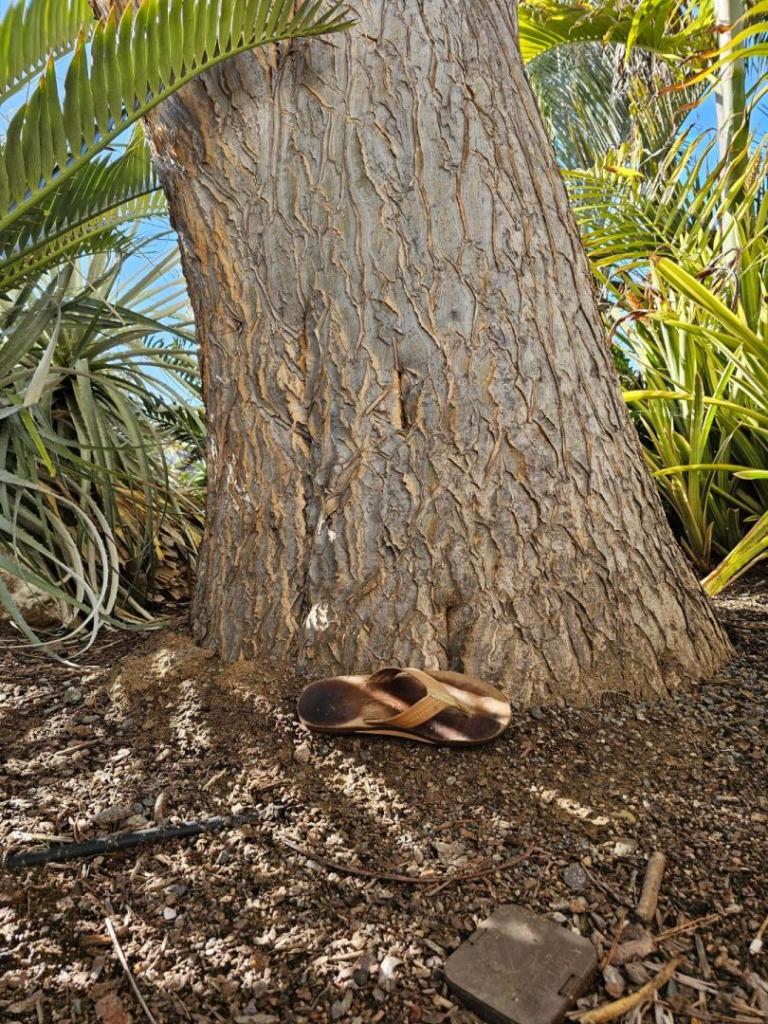
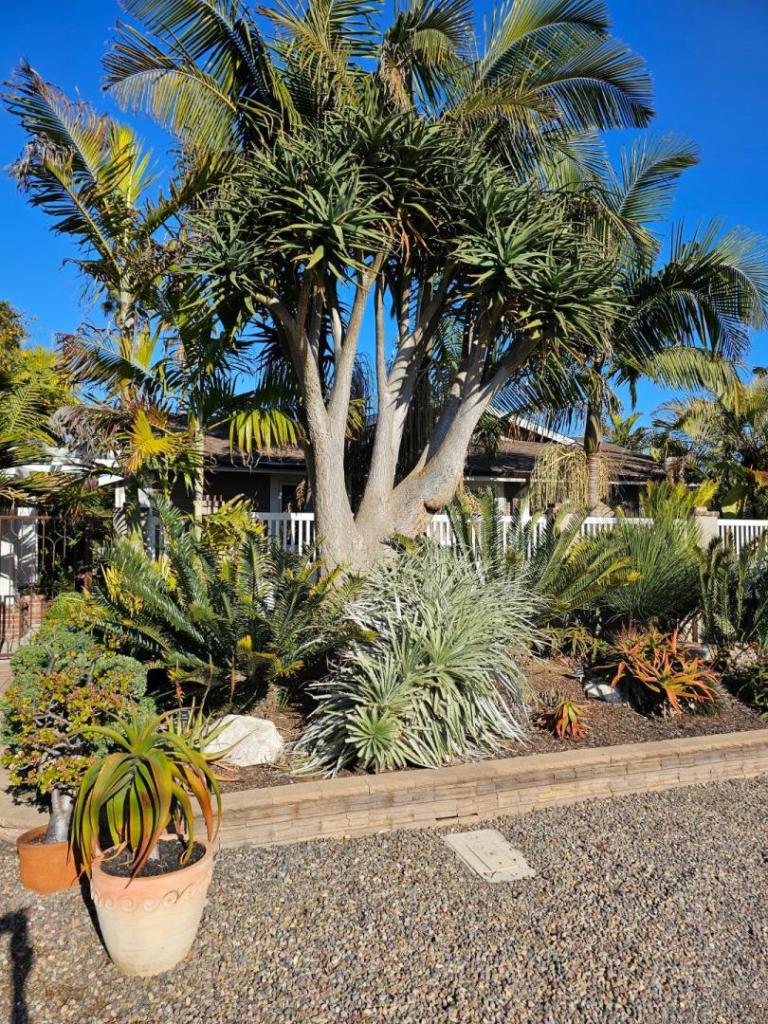
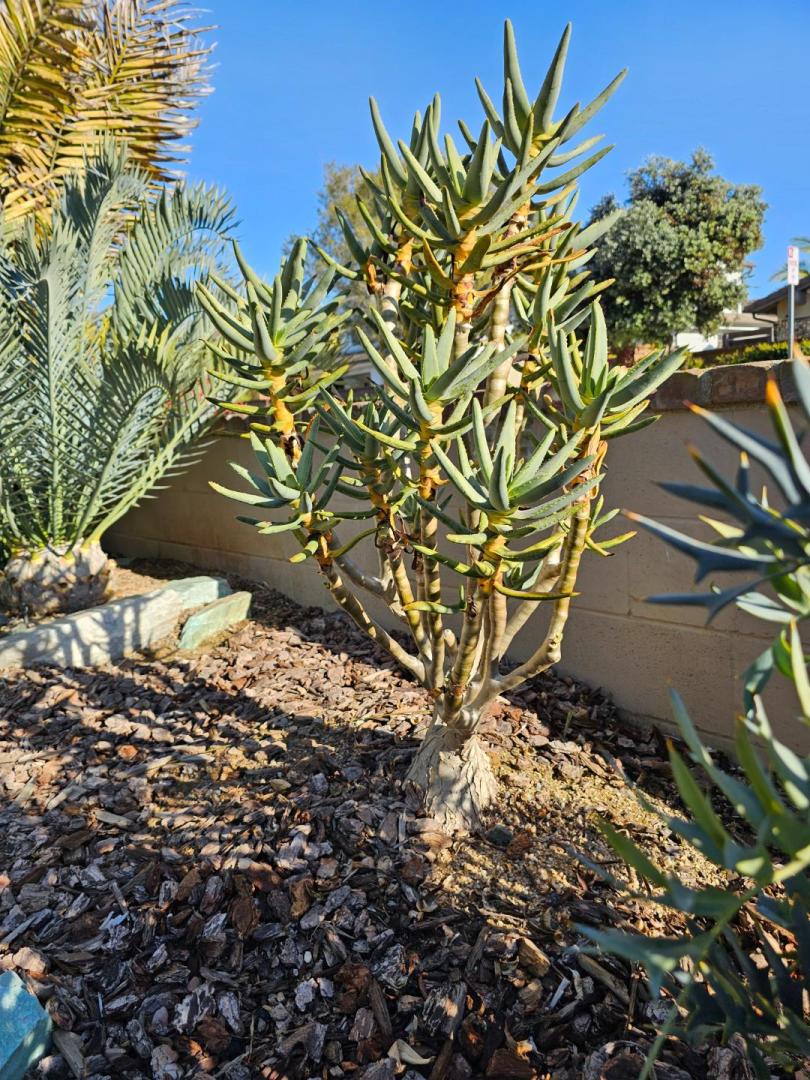
Adam requested updated photos of my Aloidendron "Hercules" hybrid. Here it is.
 3 points
 -
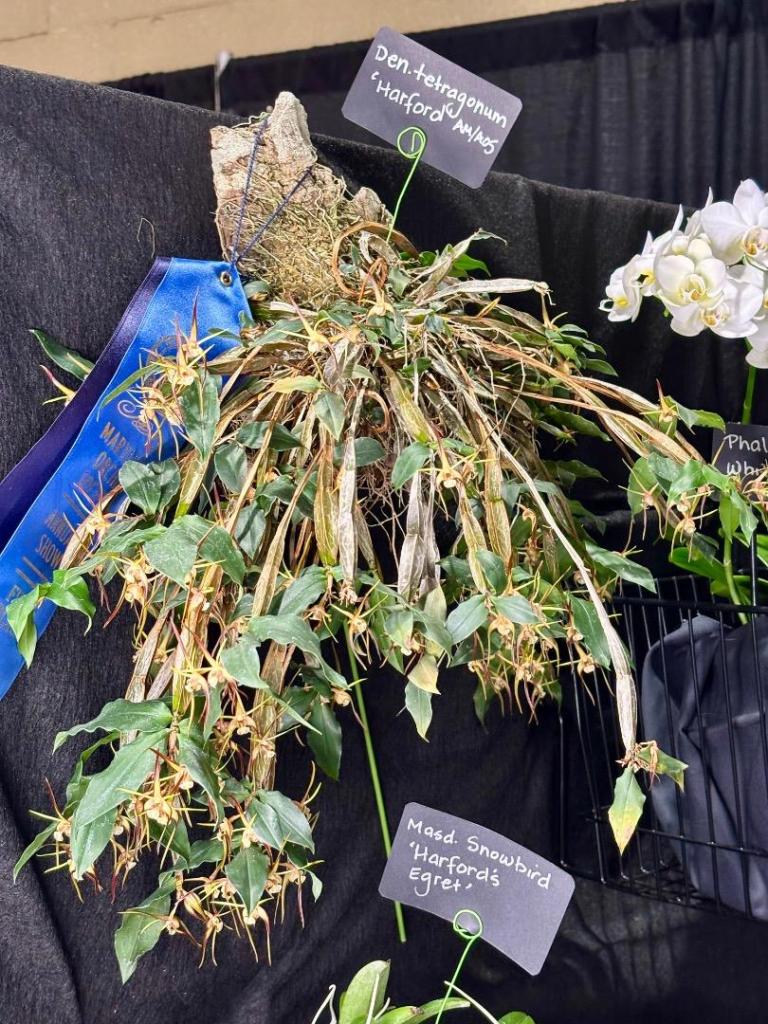
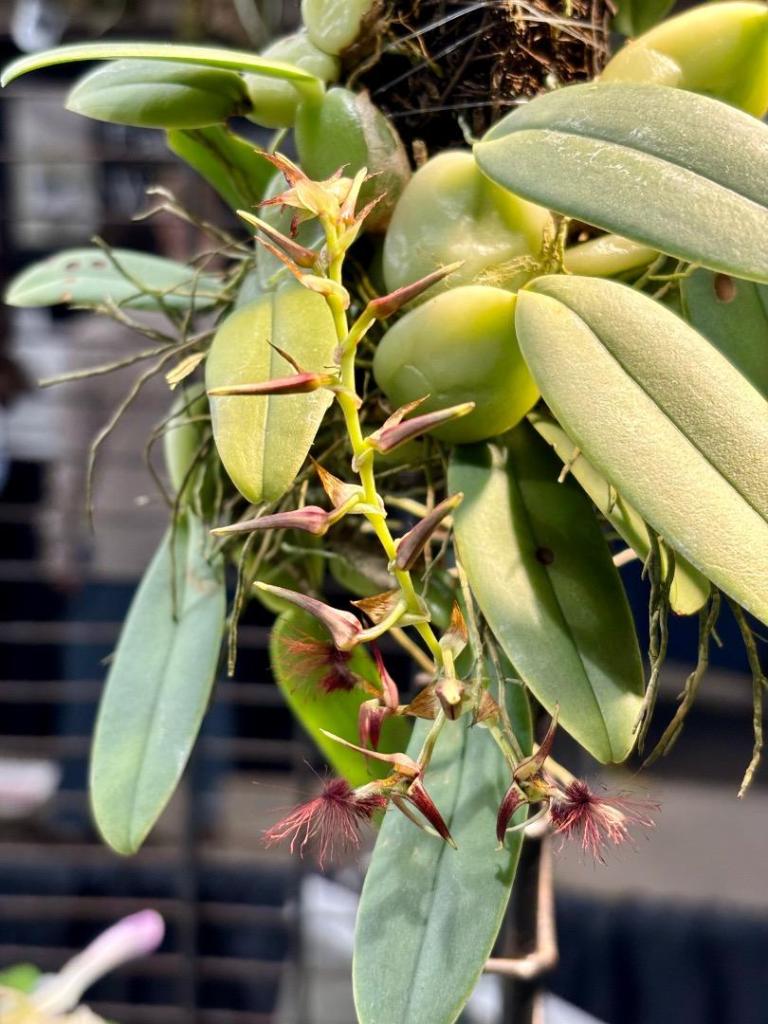
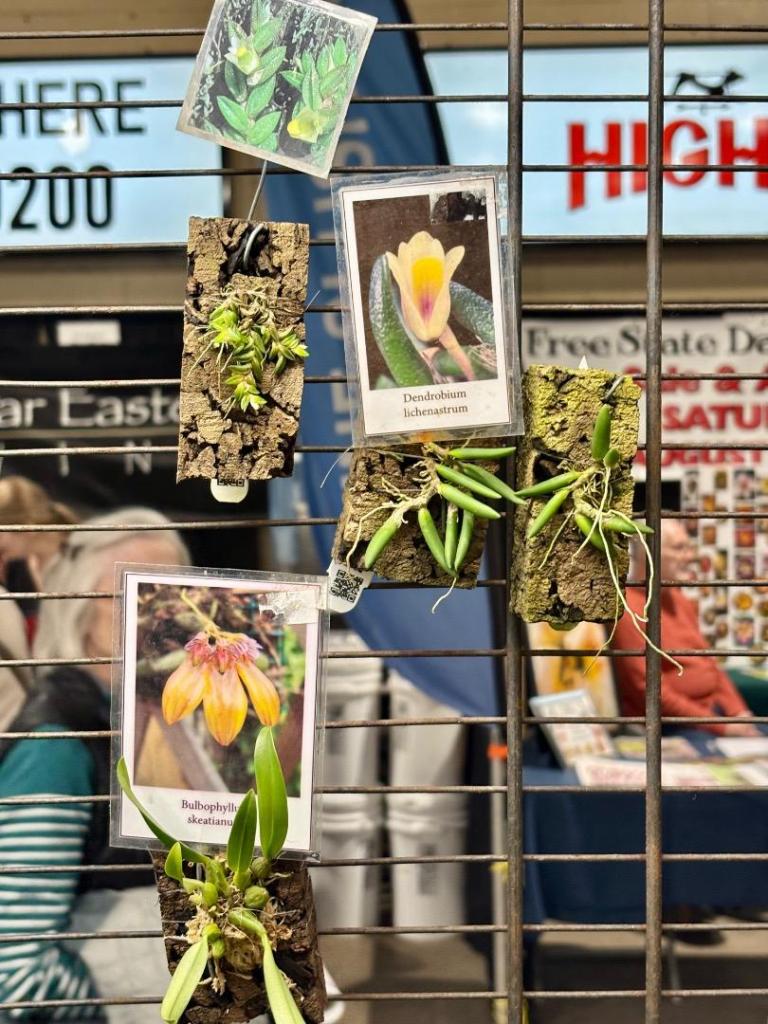
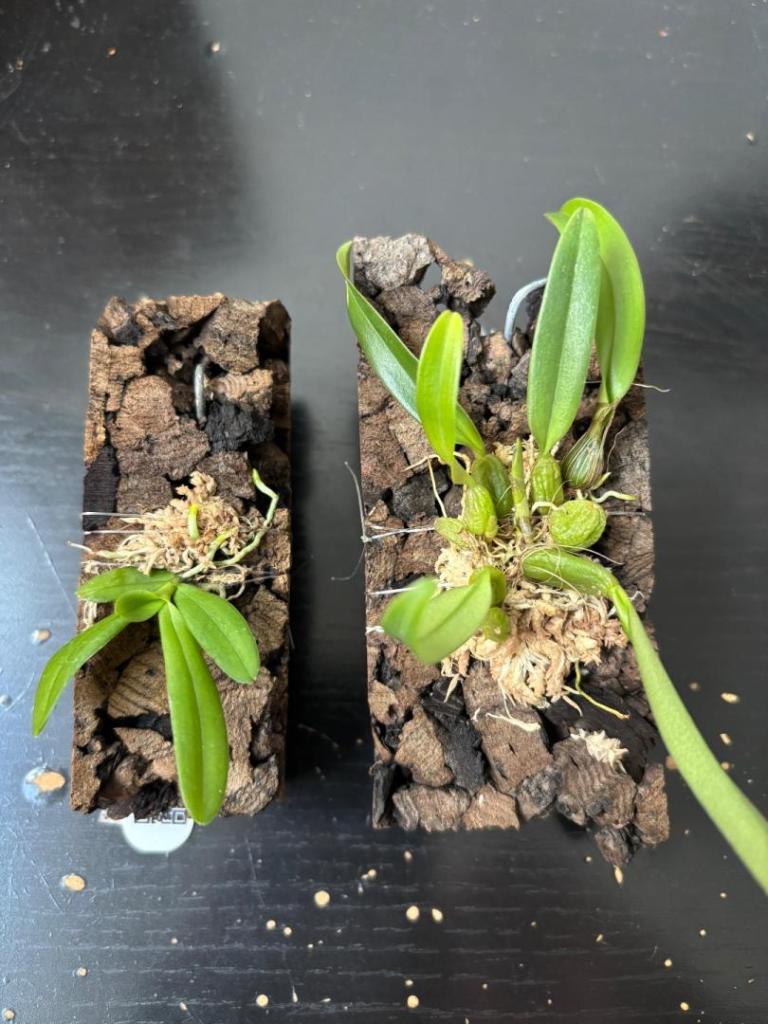
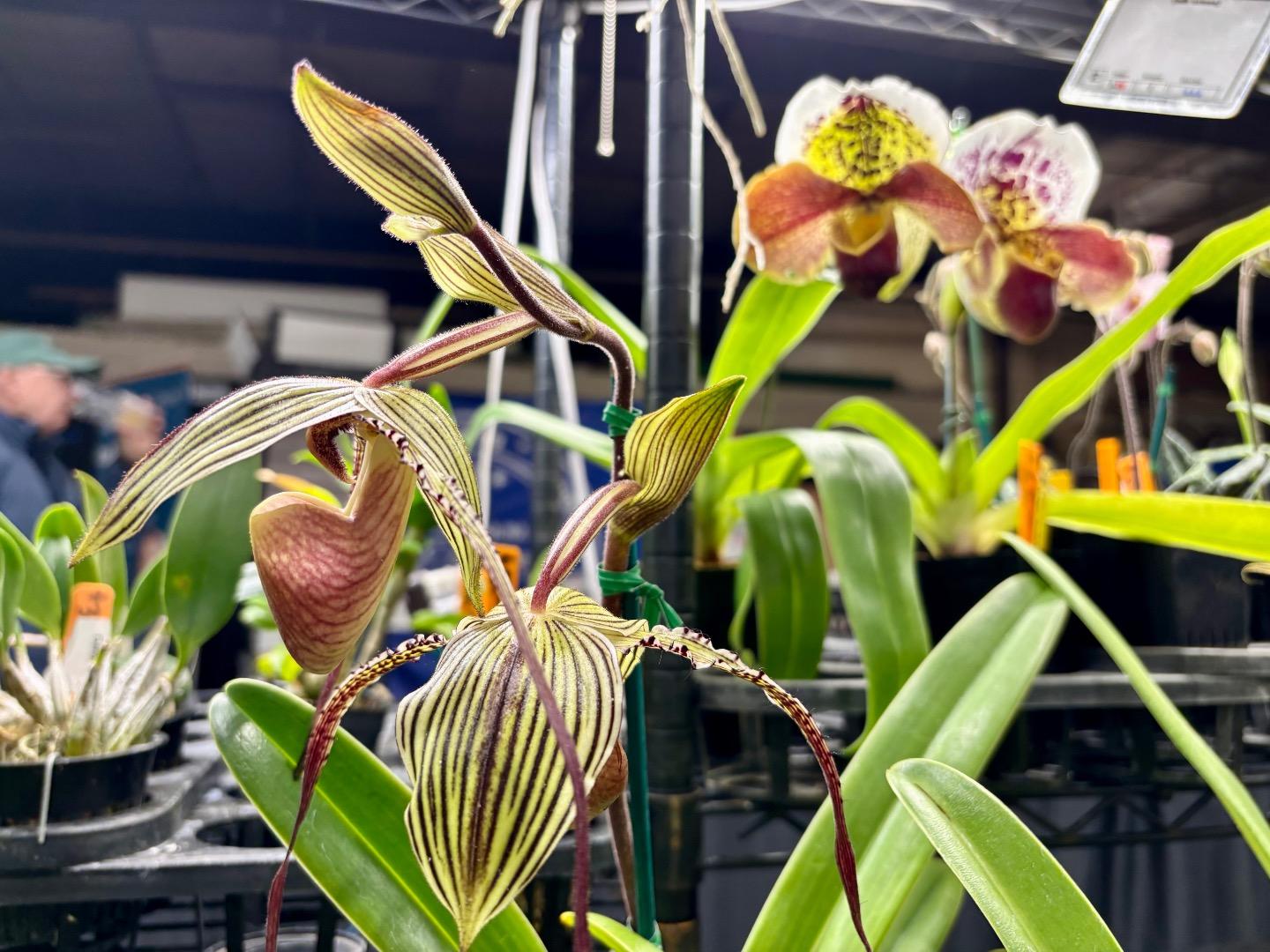
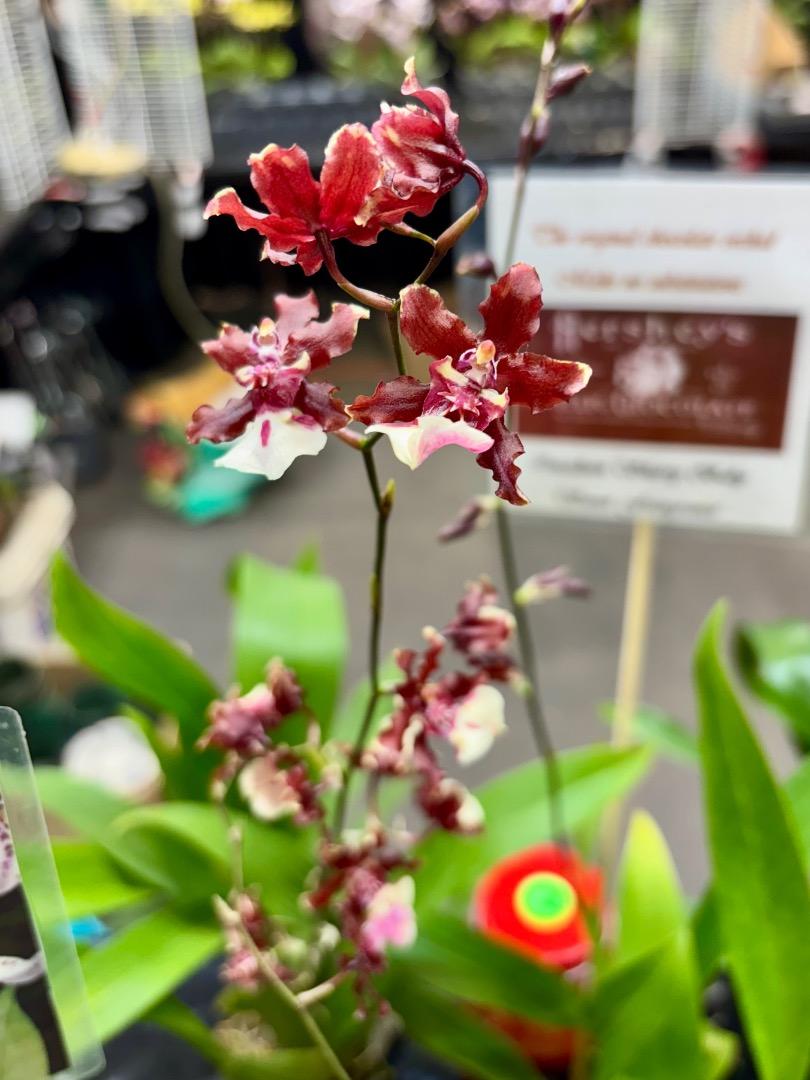
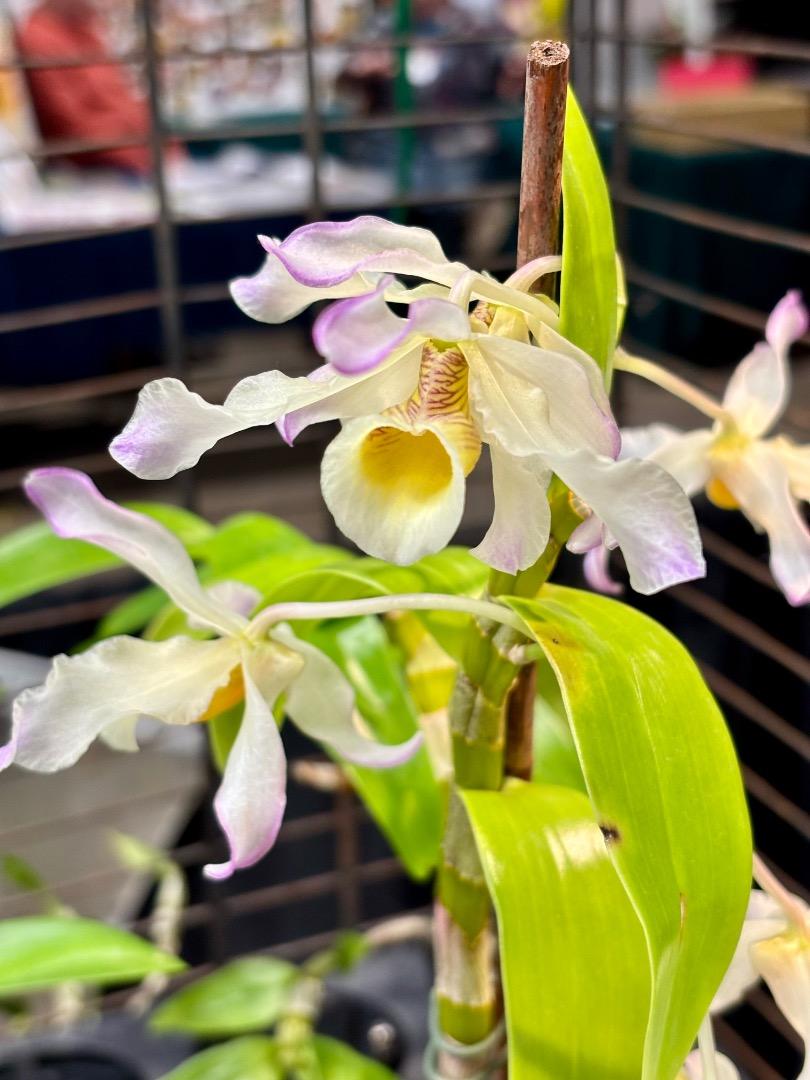
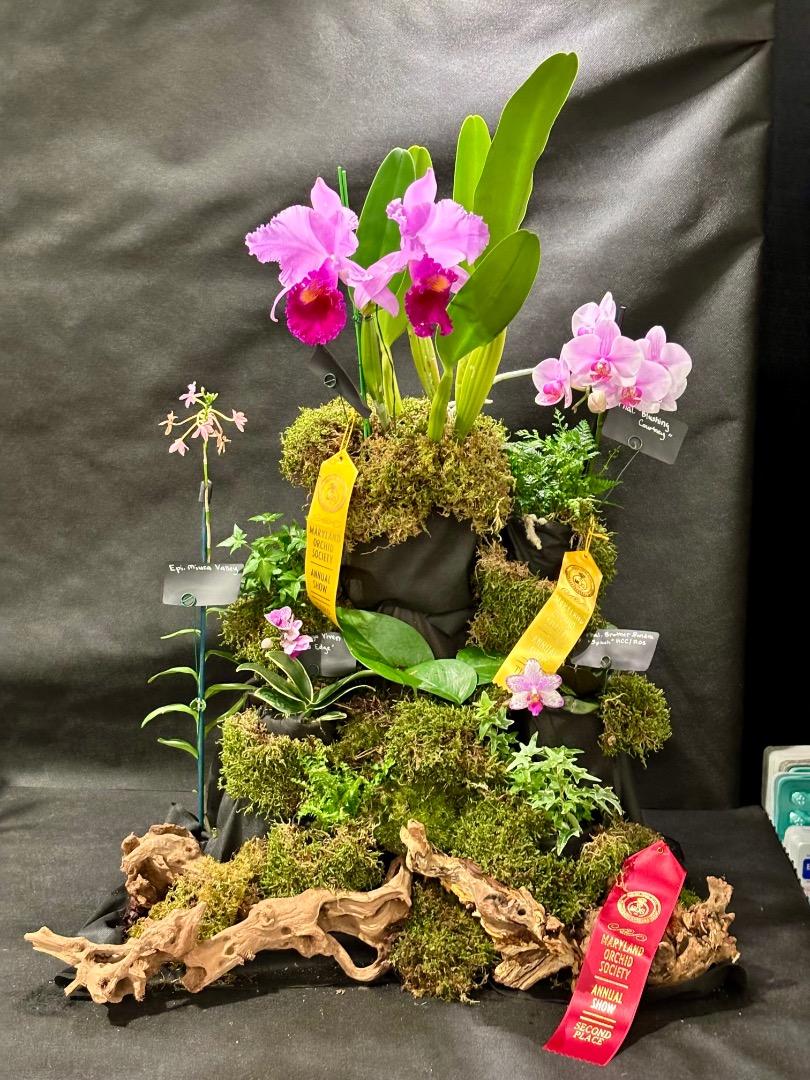
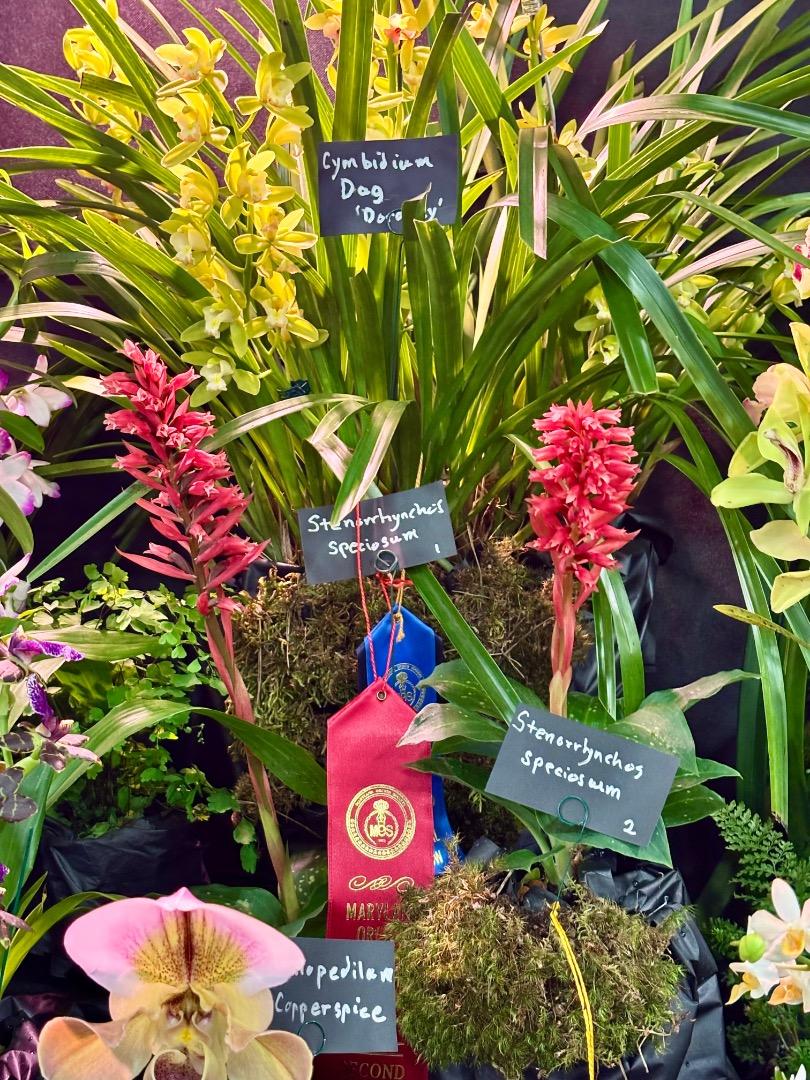
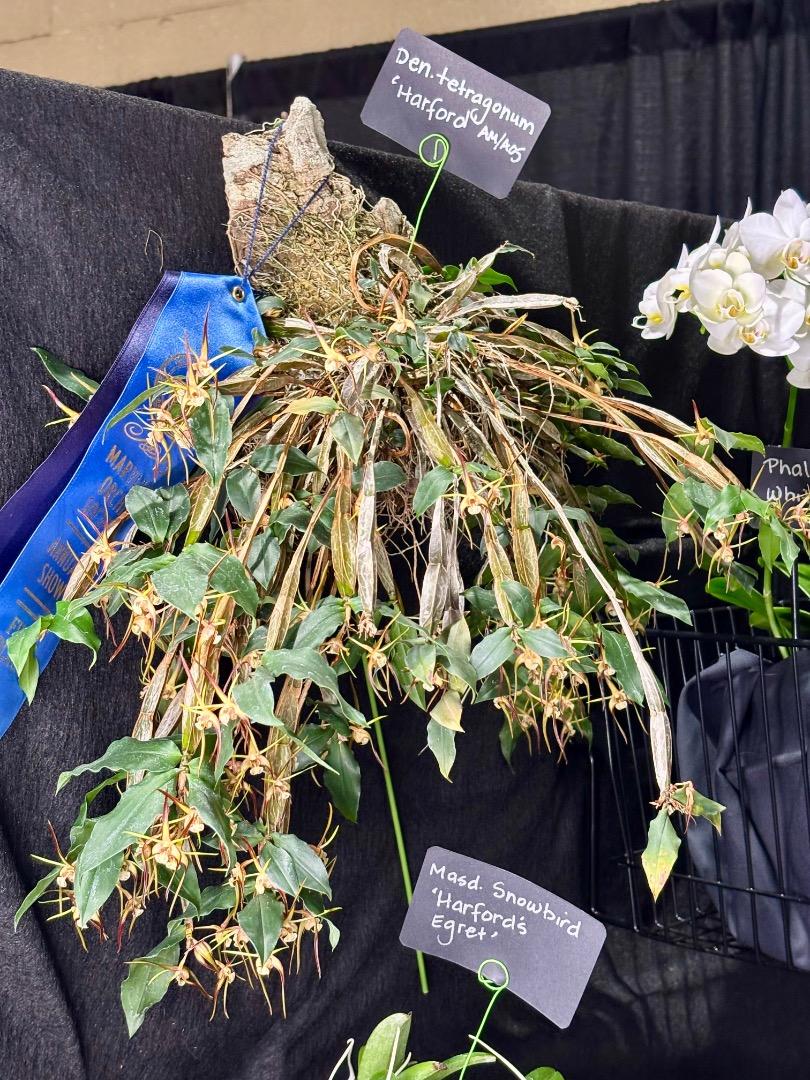
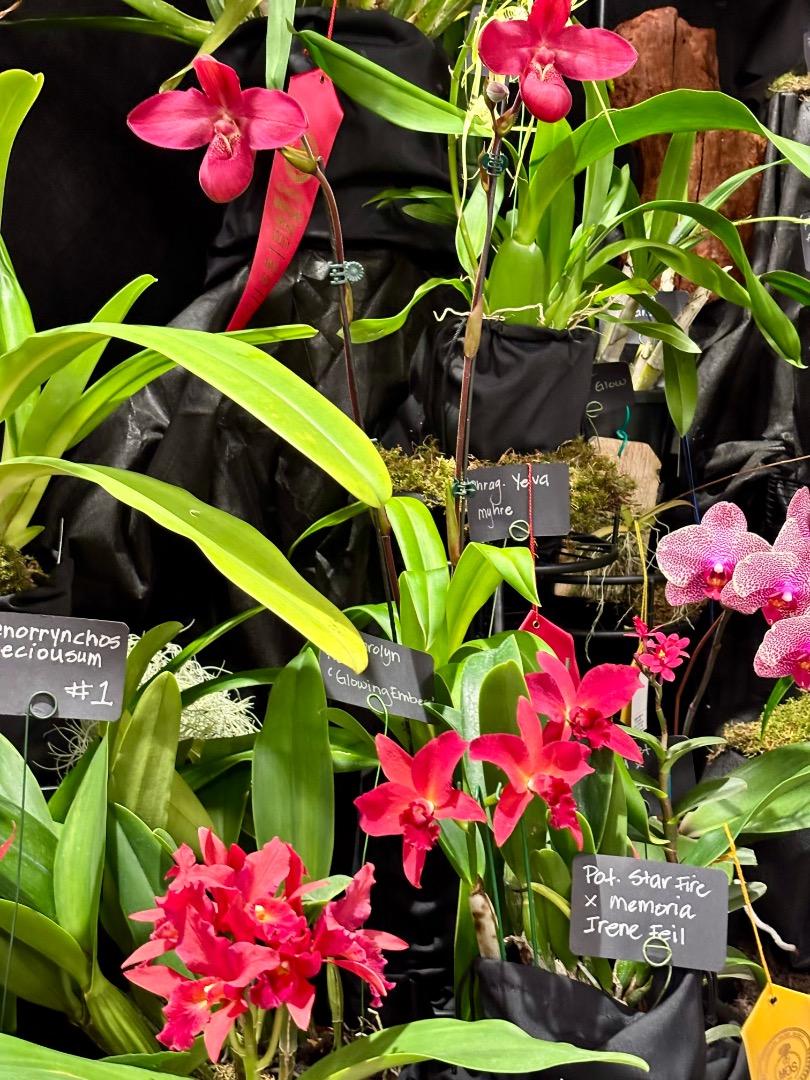
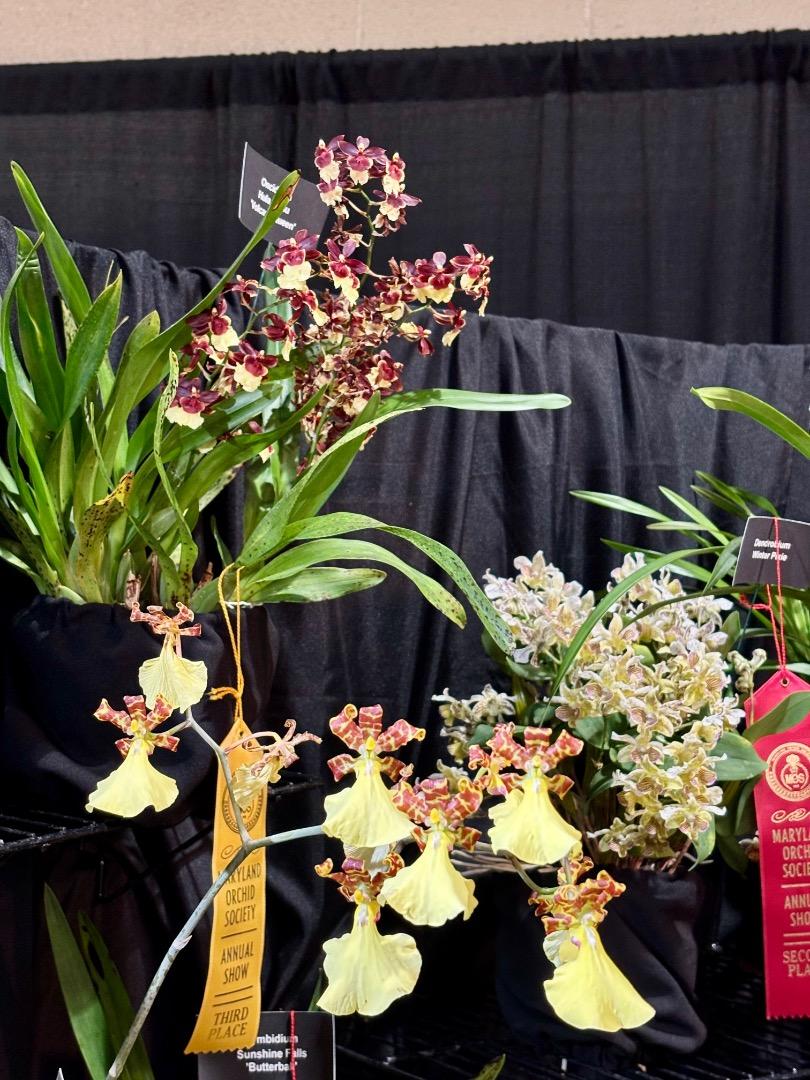
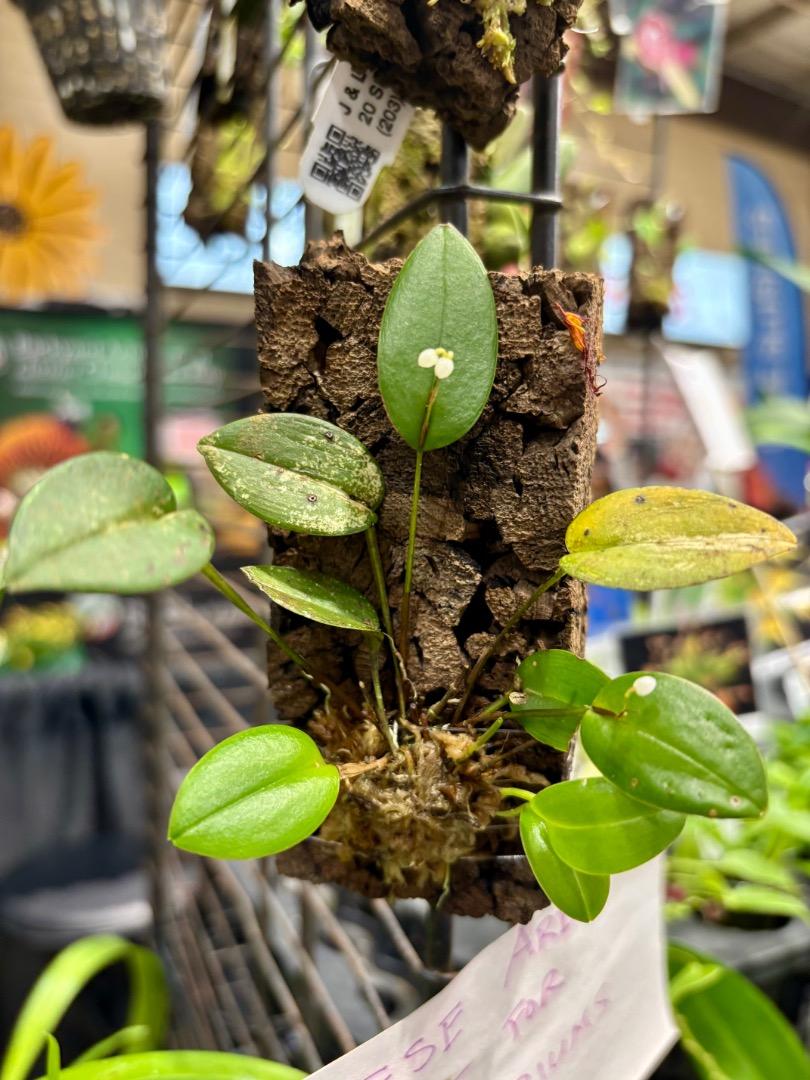
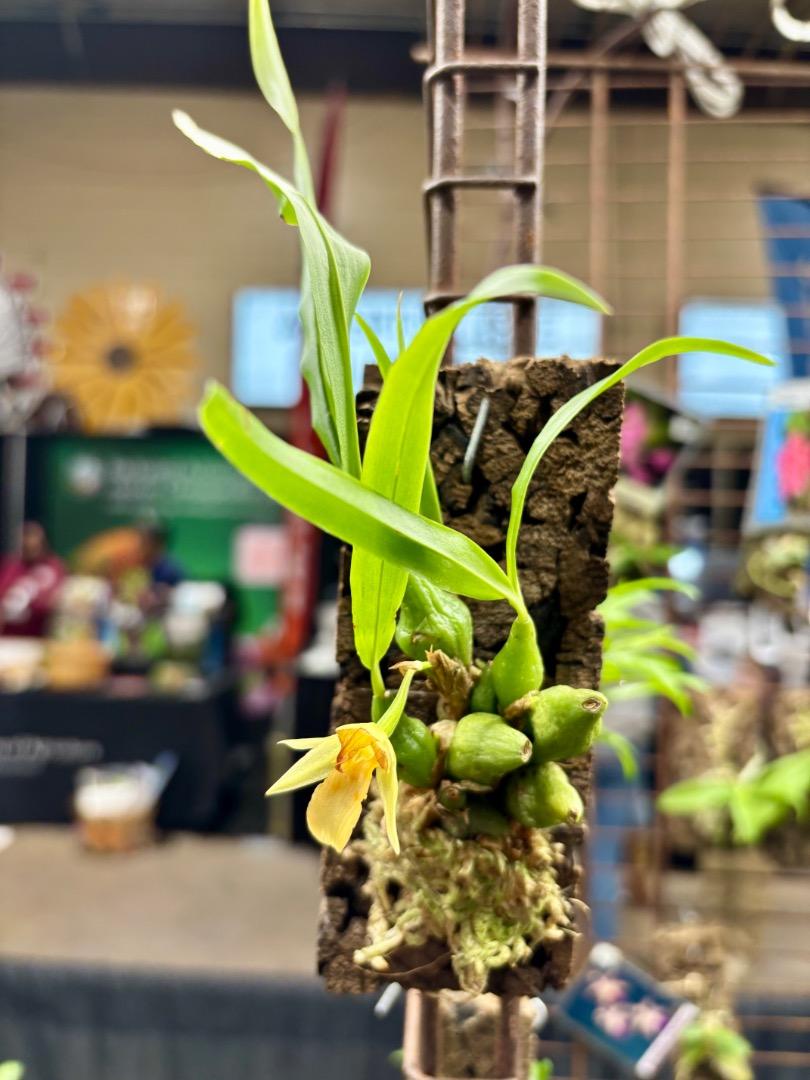
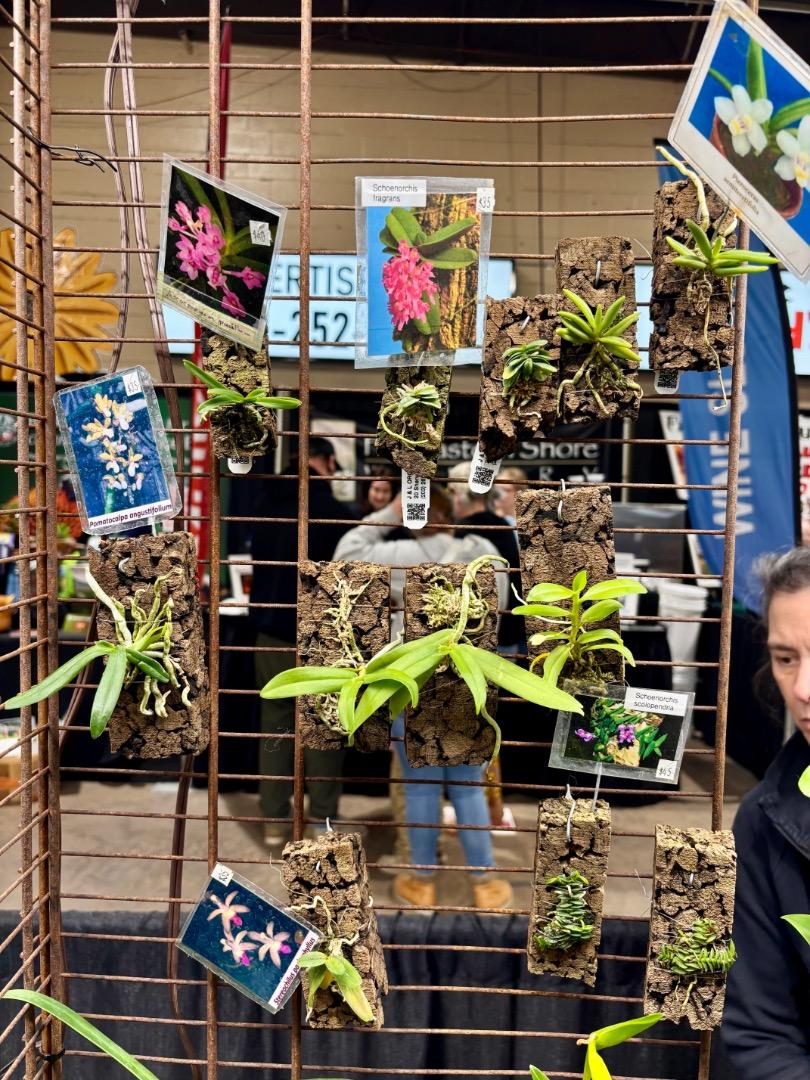
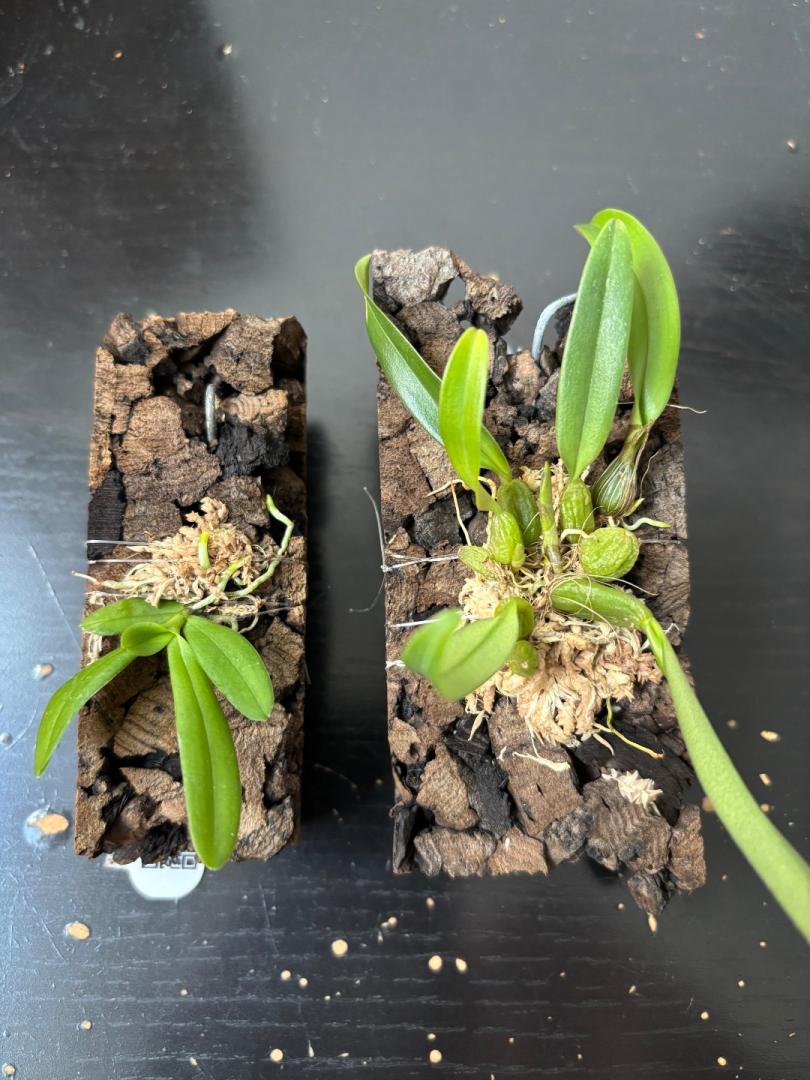
The Maryland Orchid Society annual show/sale was this weekend. I wish I could share better photos than these iPhone shots I took but here is a little sample of what was there: one of the vendors there, J&L Orchids of Connecticut, had an incredible inventory of miniature and terrarium-suitable orchids: they say it never hurts to look. But sometimes it really does. I ended up getting two tiny mounteds, Haraella retrocalla on the left and Bulbophyllum skeatianum on the right:


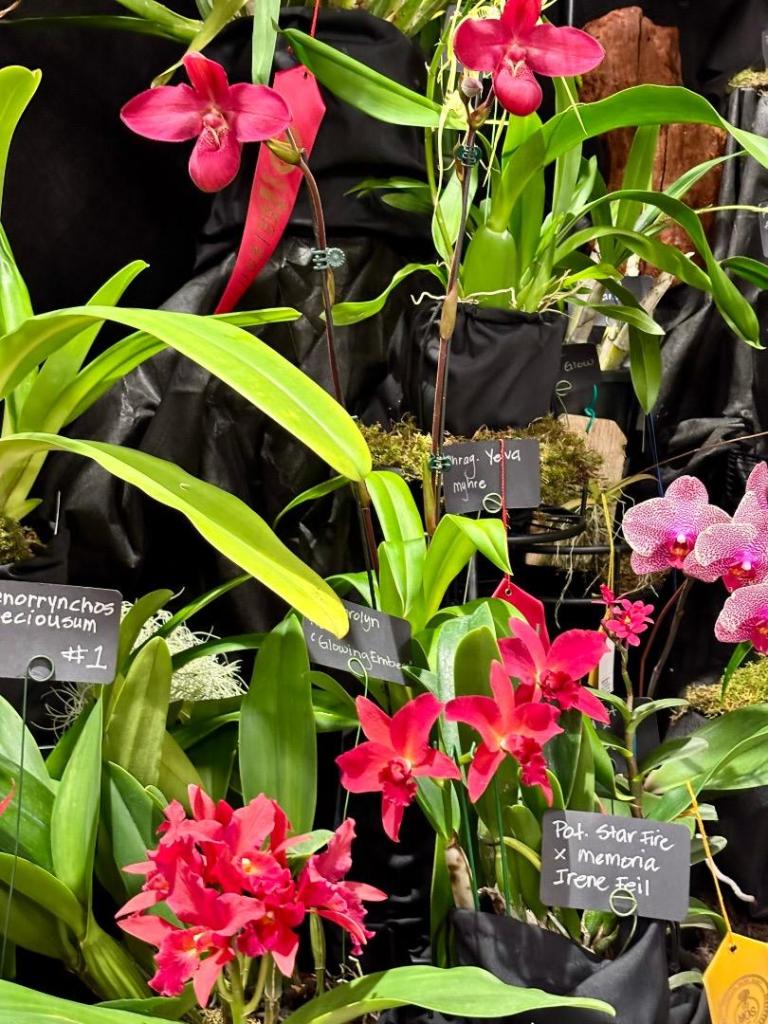

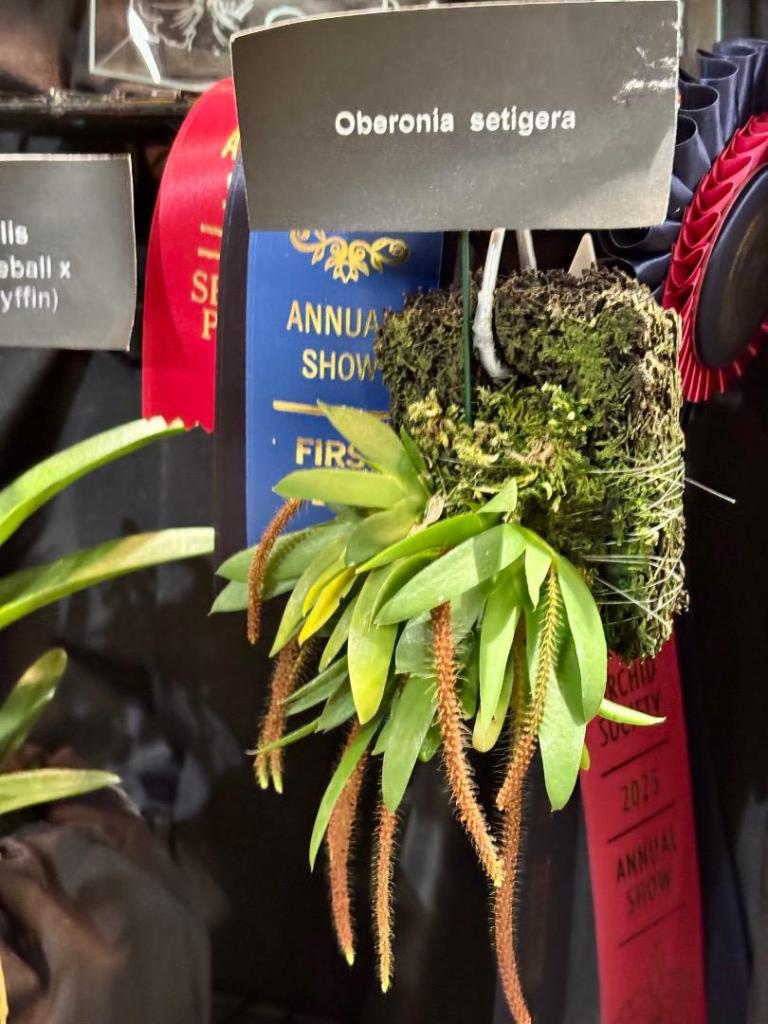
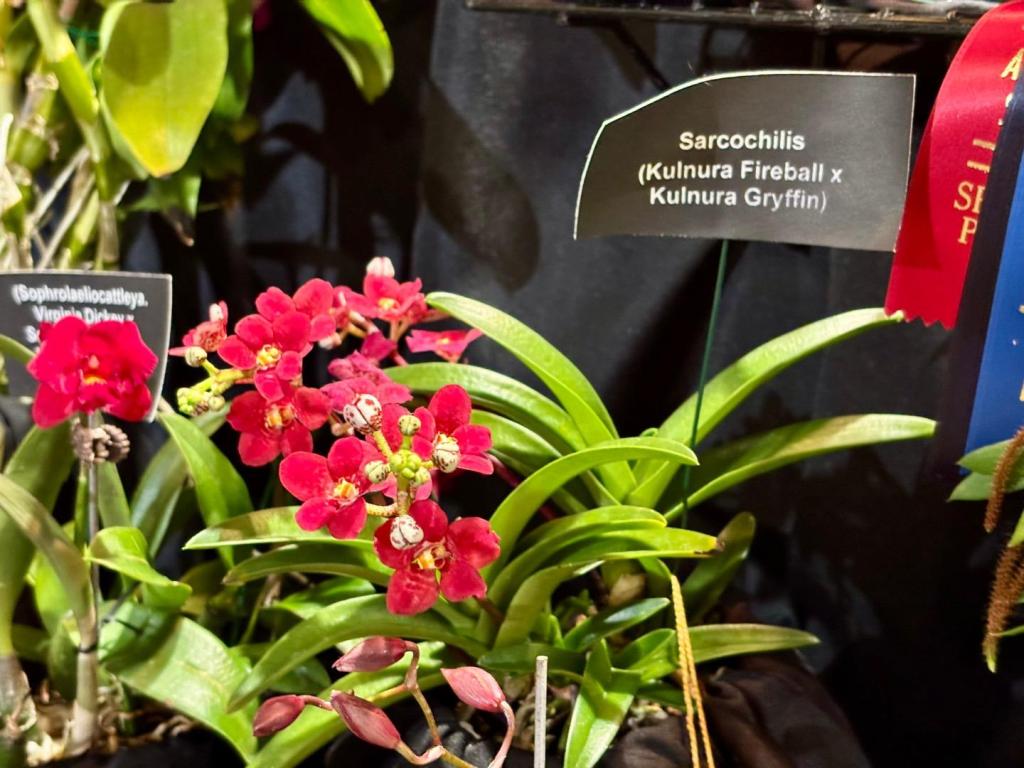
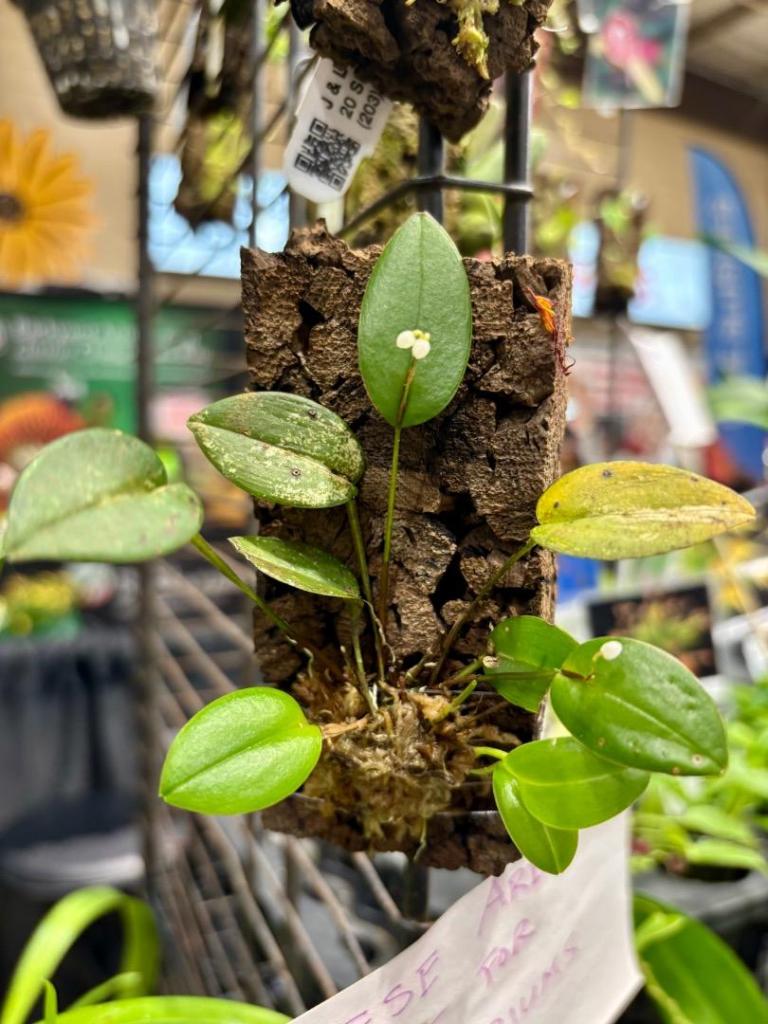


 3 points
 -
My last batch of Howea seeds from one of my big Kentia’s was about 2 years ago I only planted a few about the yard and forgot about them . It took well over a year for them to pop up. When they came up I thought they were just more C. Radicalis . Harry3 points
-
The cyclone is downgraded to tropical low, the flooding is real that’s for sure incredible amounts of water, the town of dorrigo (where all my cold killer air comes from) on the plateau has had 700mm and counting. You can’t beat germinating seeds it’s so much fun. Plus an opportunity to get rare palms from imported seeds. Richard3 points
-
So true Mother Nature has it won hands down. The old technique of germinating beds used by many nursery growers also a great way to propagate a lot of seed. I have seen old germinating beds still produce germinating seeds after seven years (Howea fosteriana) in a hothouse I had to remove the weed mat to get at irrigation under it the boss was amazed they where still coming up. Richard3 points
-
Yes , nuthin’ better’n good ole mother nature . The soil just feels better . I planted some seeds today after the recent rain last week and the soil was so nice , I used my hands to do the tilling a bed where I dumped potting soil and sand with bits of vermiculite. Harry3 points
-
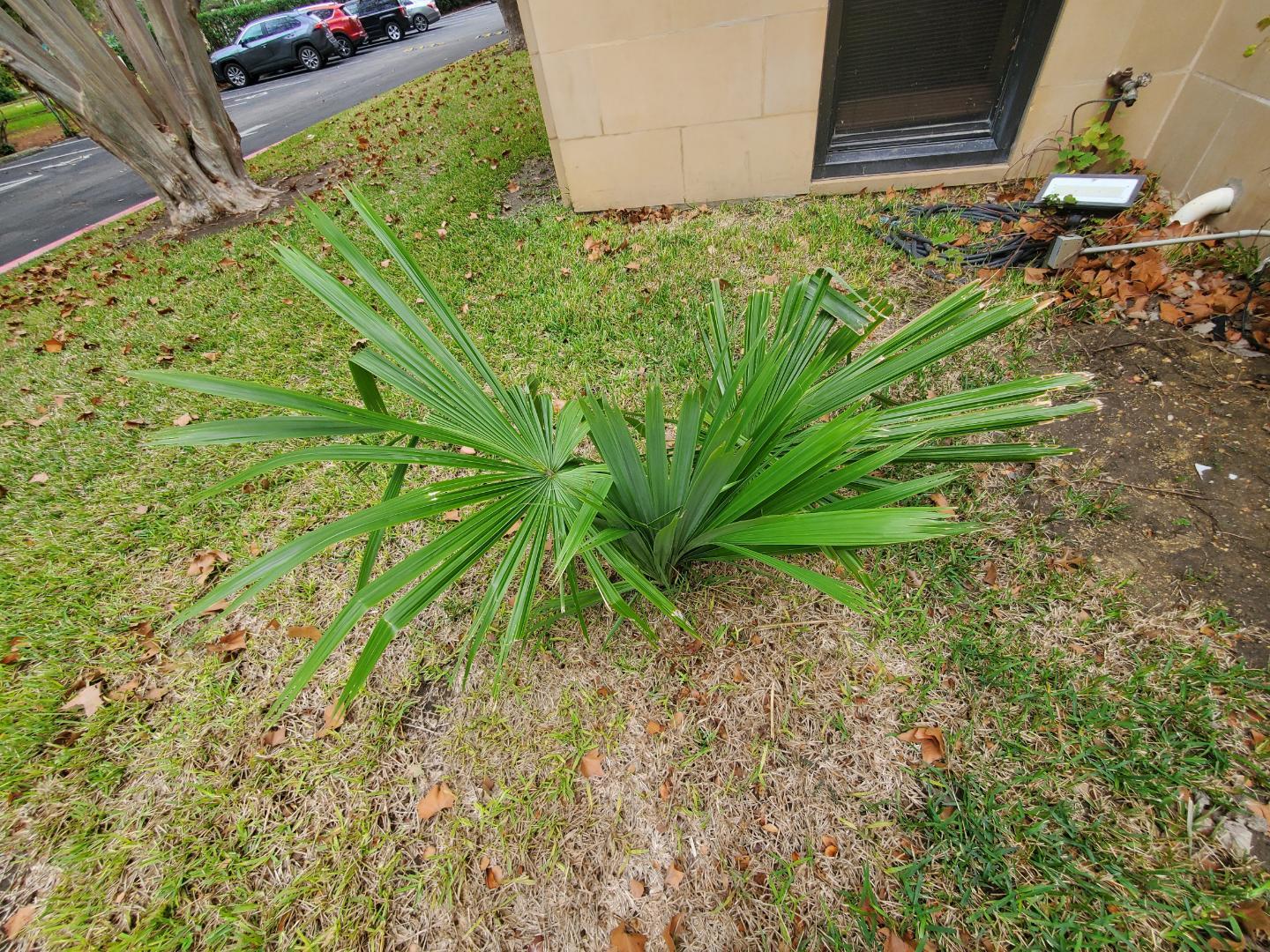
Man in 8b/9a I'd go for it. Plenty of options. Sabal palmetto and Sabal Mexicana would be my go tos. Wahingtonia filifera would be a fantastic choice as well. You certainly could do some windmills but I have heard they do better in texas with some shade. Minors and needles for sure. Perhaps a butia but I've heard mixed reviews on them in texas as well. Hardy cycads,although not palms, certainly could be in the mix. Cycas panzhuiensis and the good old sago( Cycas revoluta) as well as some Dioon edule could help roundout your plants. I'm near KCMO and I have minor, needle and windmill growing. They're not big yet but I protect in winter(zone 6b) I'd be stoked to have your winters. I Know that you guys have had a string of bad winters,but see if you can source some from survivors. They should be extra ready for winters going forward. Good luck3 points
-
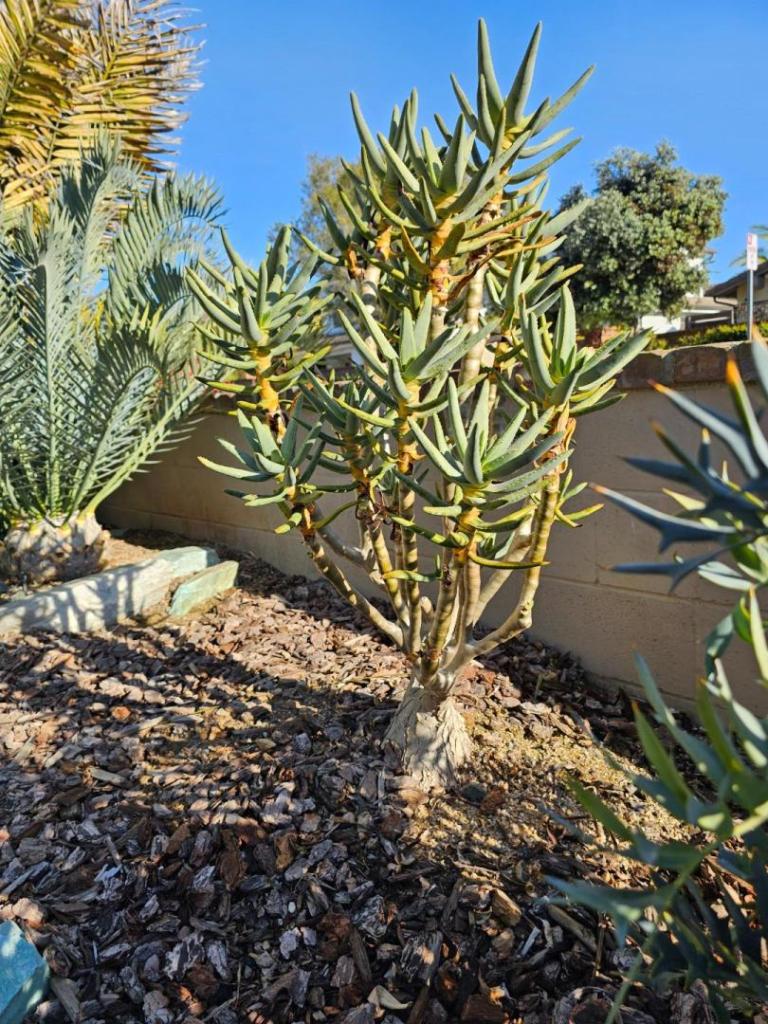
Aloidendron ramosissimum.
 3 points
 -
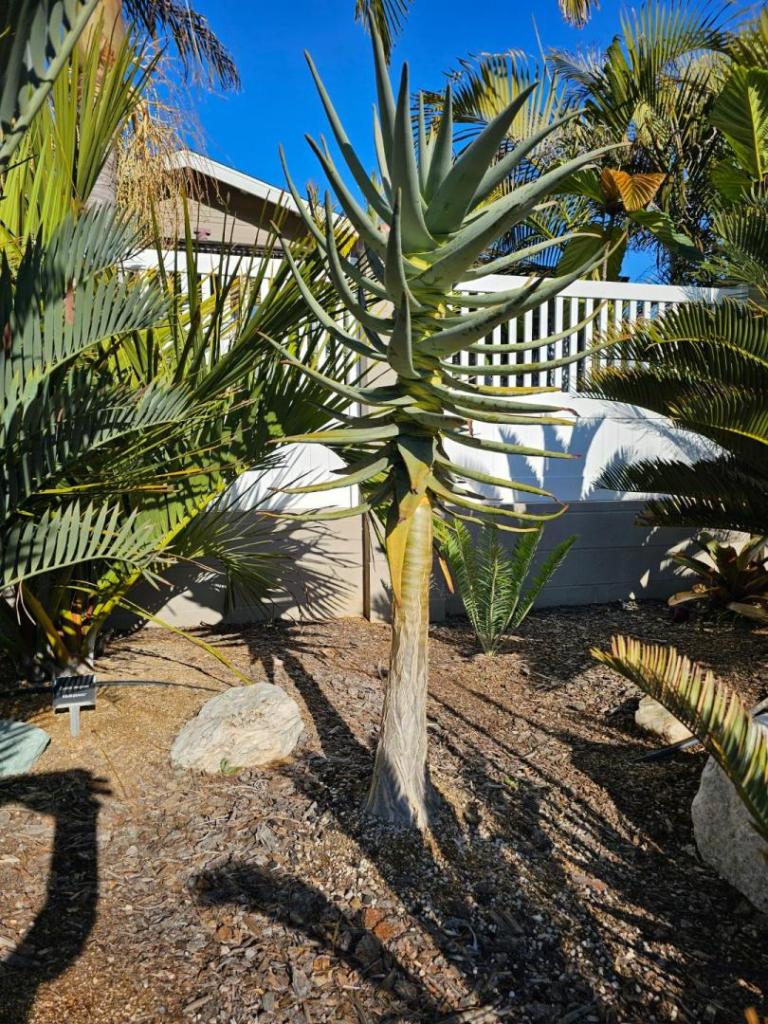
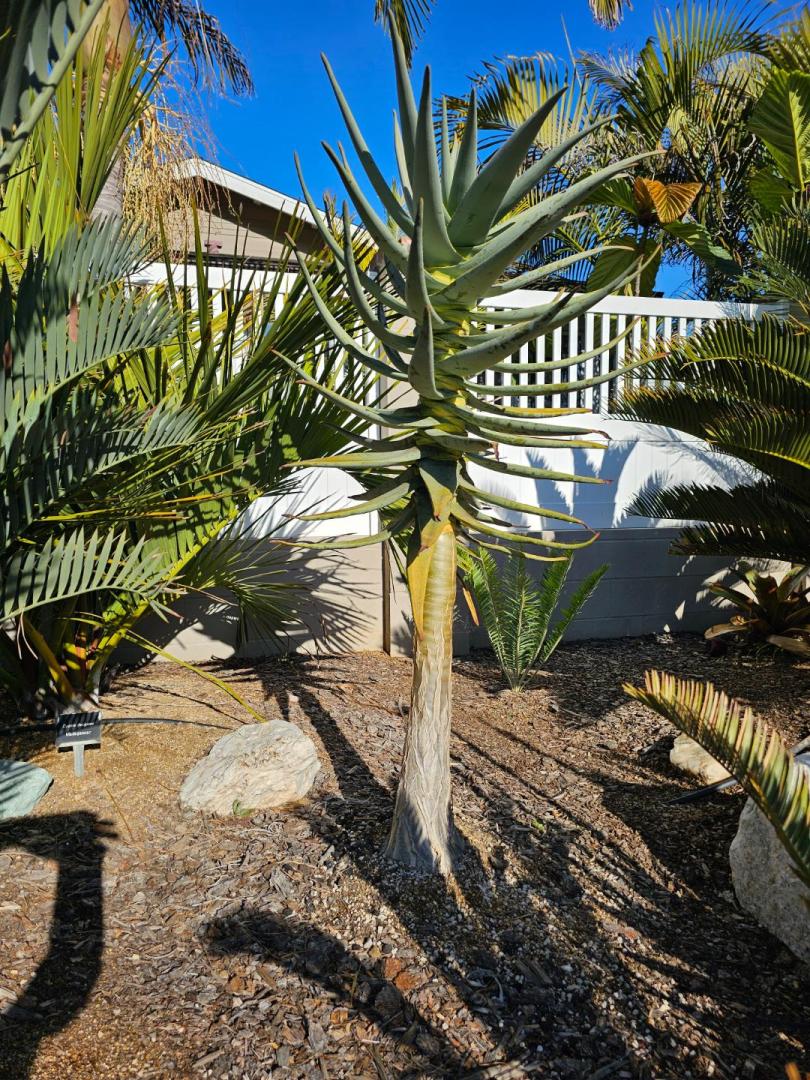
Aloidendron dichotomum
 3 points
 -
Yes it is what has been stated. I would only add that they have some thorns that can puncture the skin easily so wear protection when trimming them. They look very healthy . Harry3 points
-
It's Phoenix roebelenii but it might be a hybrid with a lot of roebelenii in the mix. Phoenix roebelenii are solitary palms so you have 2 different palms there (they're often sold in triples or doubles). Welcome to Palmtalk!3 points
-
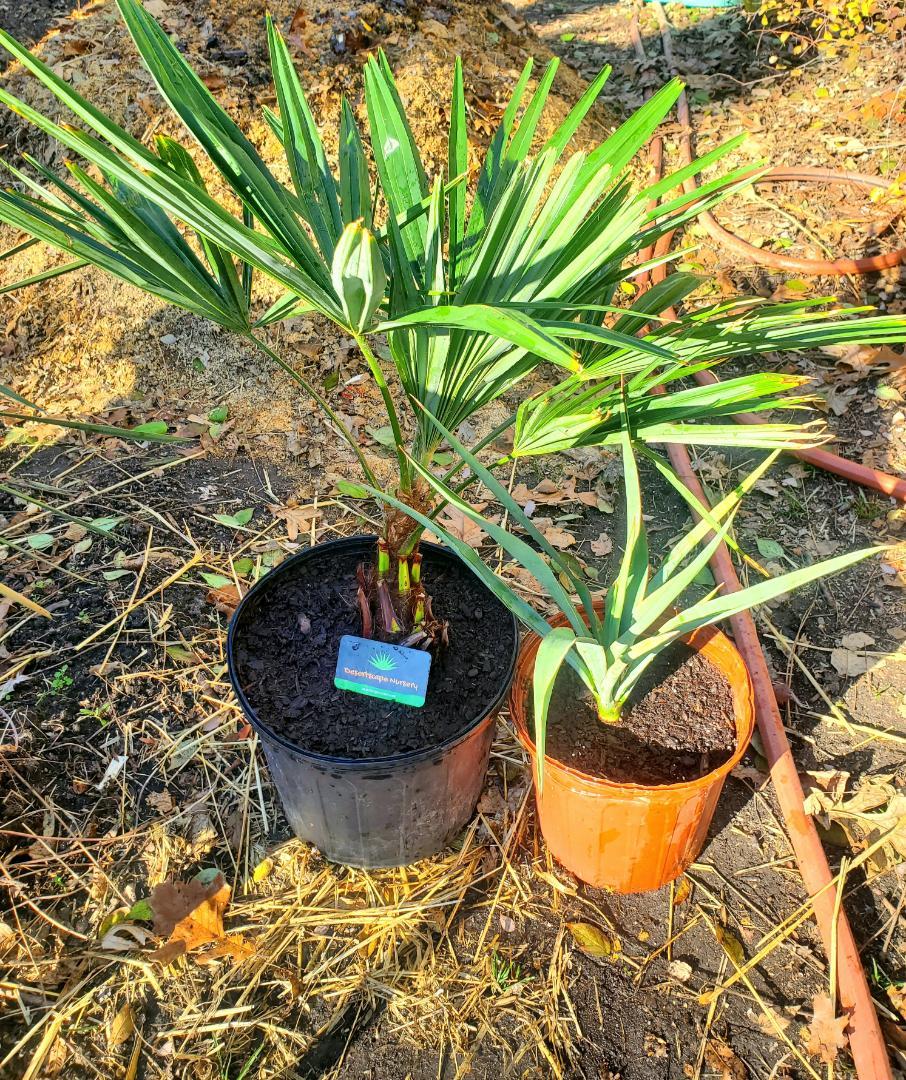
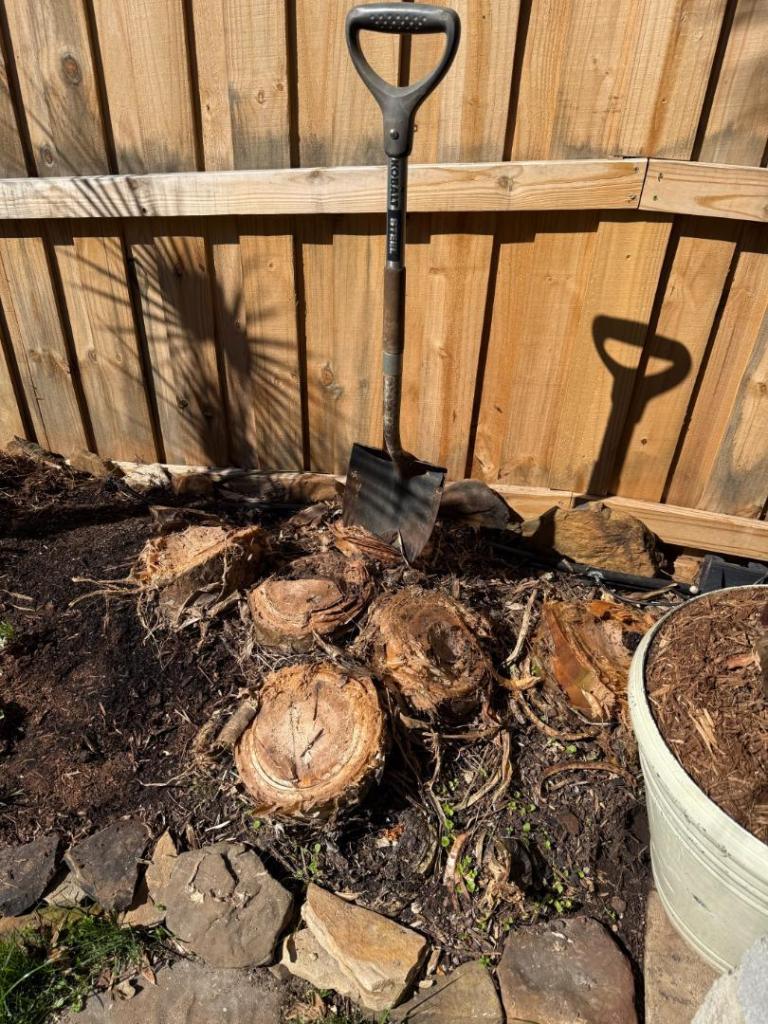
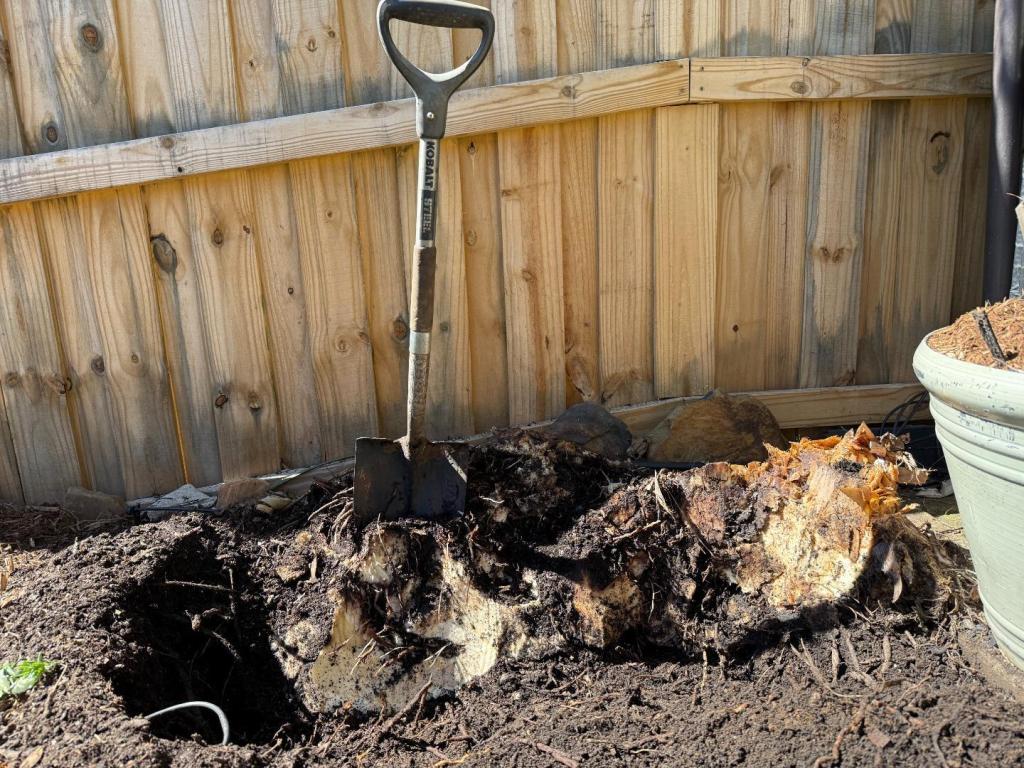
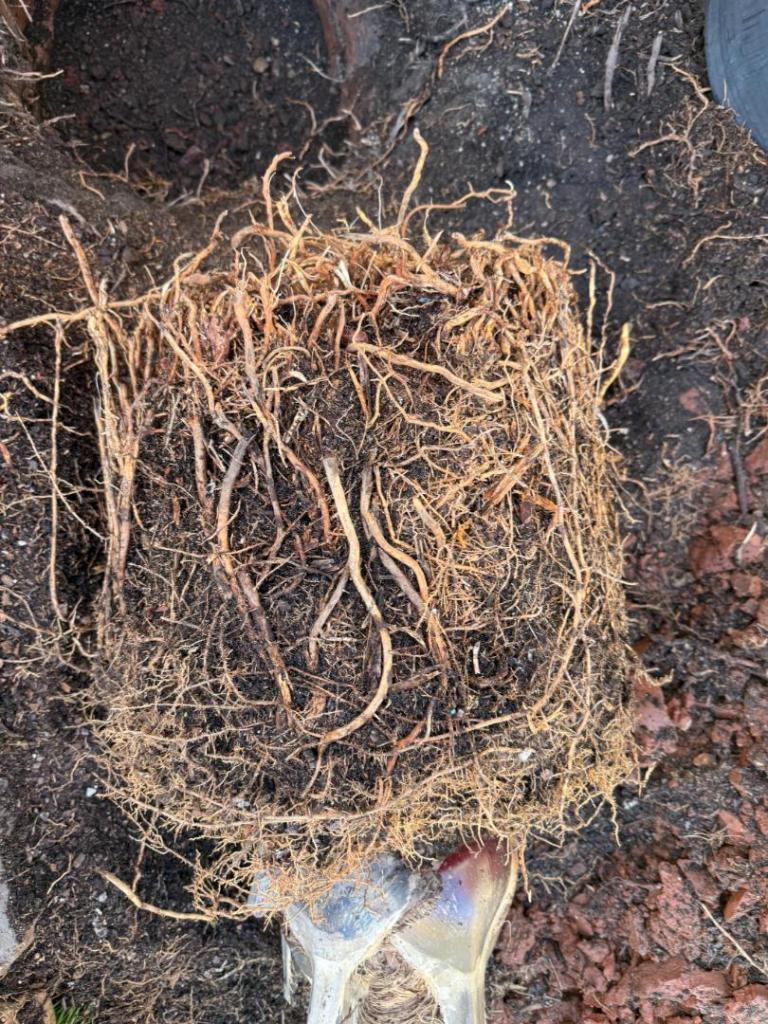
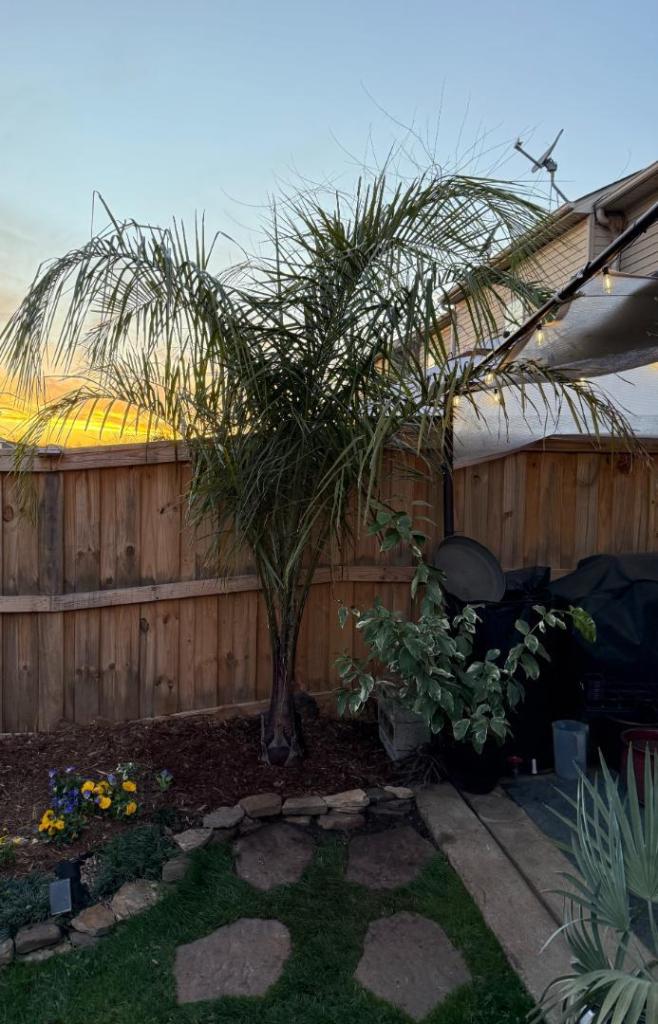
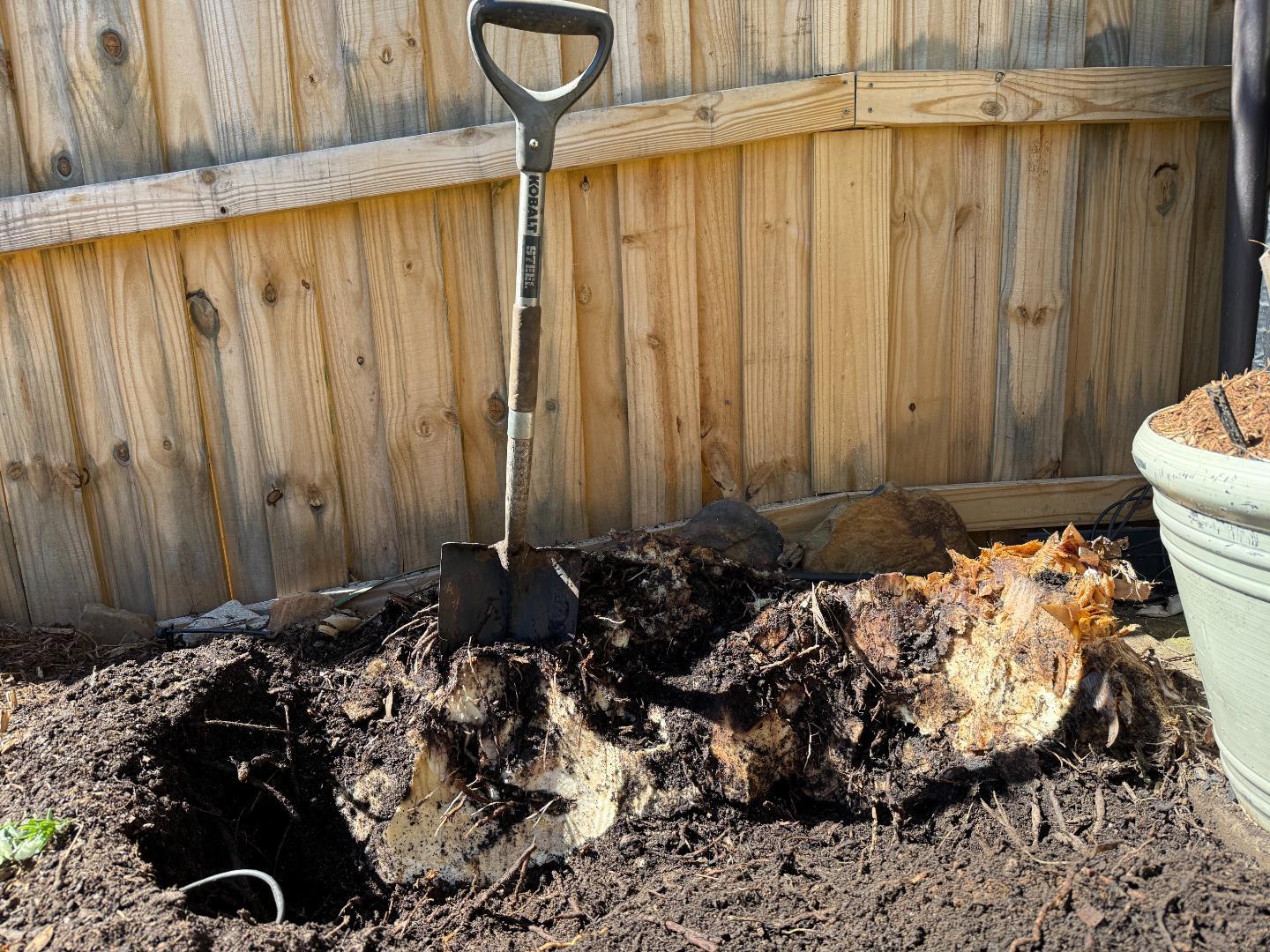
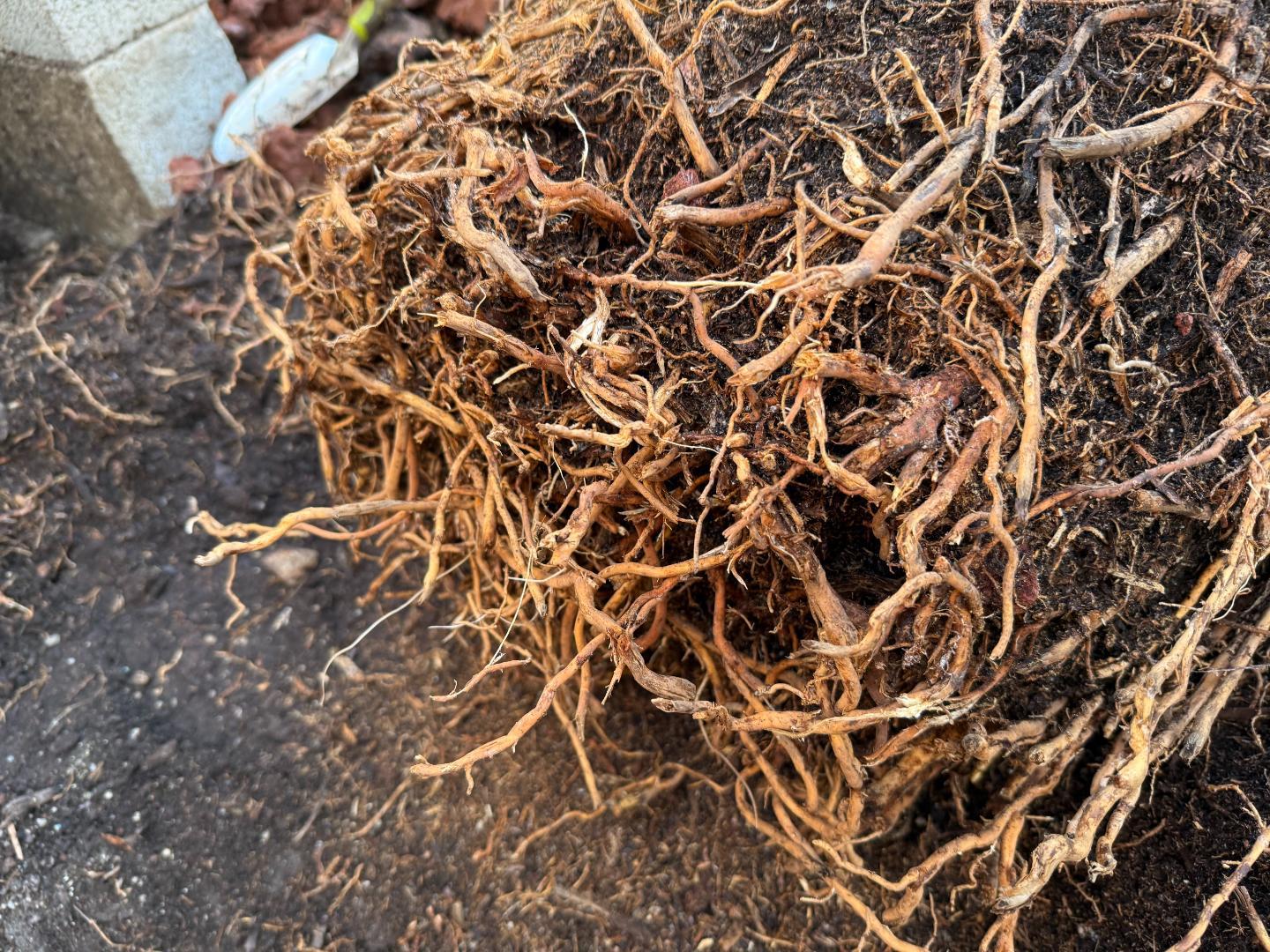
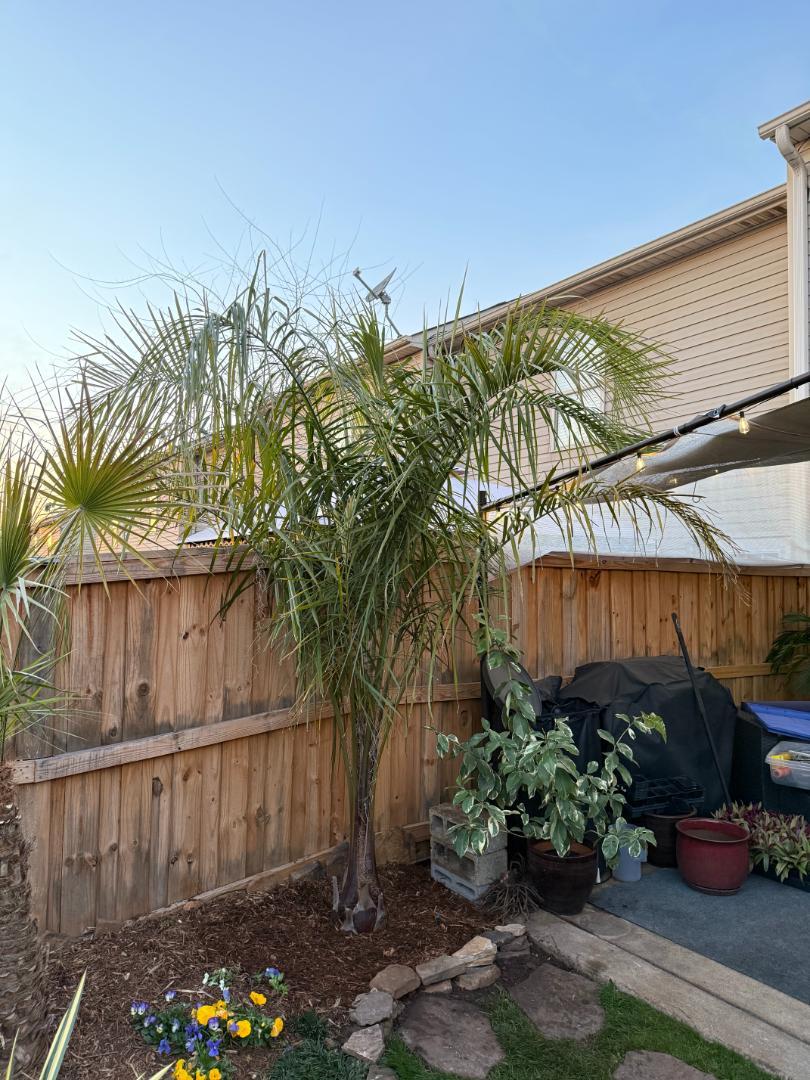
In January 2020 I received my Mule Palm from MPOM. Over the last 5 years its grown substantially and now I am faced with a decision to up-pot yet again, sale it, or plant it. Of course I chose to plant it. A new pot the next size up would be about $300, and then what? In 2 years I'll be faced with the same predicament. This mule has endured the last 3 seasons outside since it's been too large to come in the house since 2022. The lowest we've been since then is 10F and its suffered minimal to no damage (granted - I laid it on the ground and threw a bed sheet over it when it got that cold). Otherwise it's stayed outside year-round. Now, before anyone comes for me about planting it (Yes, I'm in zone 8) my logic is that considering its survival and knowing its marginal palm here - I am willing to see what happens. Who knows, maybe we won't have anymore century level events for the next 100 years. *fingers crossed* Anyway, the predicament has been WHERE to plant it; the backyard is quite full these days. So, the decision to remove my Namwah banana mat was made yesterday, and plant the mule in its place. While I love my bananas, and they do extremely well here - the Namwah was the right plant in the WRONG place and was a constant pain to keep off of the fence, and off of the patio. Not to mention I have plenty of other varieties of bananas. I made the right move. After 9 hours with only a quick dinner break today I managed to somehow remove the established mat of namwahs, and excavate a planting hole for the mule. (word to the wise - do not plant bananas without intent. Be sure that's where you want them for all eternity and have ample room around them. Oh, and use heavy lifting equipment if you need to move them.... ugh😫) Post trunk chop from winter and now the heavy lifting begins... About 2.5hours into it and I'm questioning my life choices ..... QUEUE 200 LB POTATO..... After about 6 hours I finally managed to get the giant potato from hell out of the ground and dig out a 2 foot deep 2 foot wide meteor impact crater .... *notice the red clay - if you know you know* Once removed from its prison... er, I mean pot.... I had to do some root pruning/releasing. It was extremely root bound and swirling. Once the mess of roots had been freed from themselves - the rest is the easy part. To settle in I made sure to add plenty of plant tone and water in incrementally as I back filled the hole using a mix of seaweed extract, superthrive, and root stimulator water. Hopefully that will minimize transplant shock. Fingers crossed. I do expect to lose some of the lower fronds just from how aggressive I had to be with the root mass. Finally after about 9 grueling hours, sunburnt and bleeding .... Hopefully the Mule likes this spot as much as the bananas did, and I get to see some explosive growth. As per usual it will receive nothing but regular waterings with seaweed and unsulfured molasses water to establish the root/soil microbiome this season with no fertilizers for the next 90 days. IMG_0208.HEIC






 2 points
 -
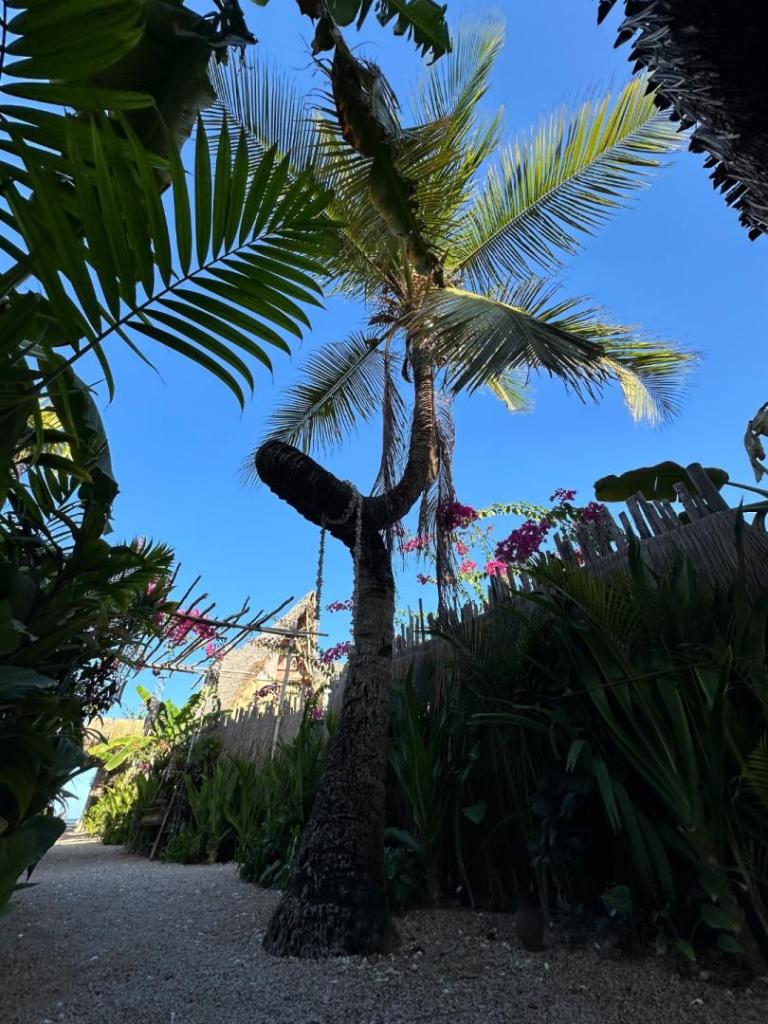
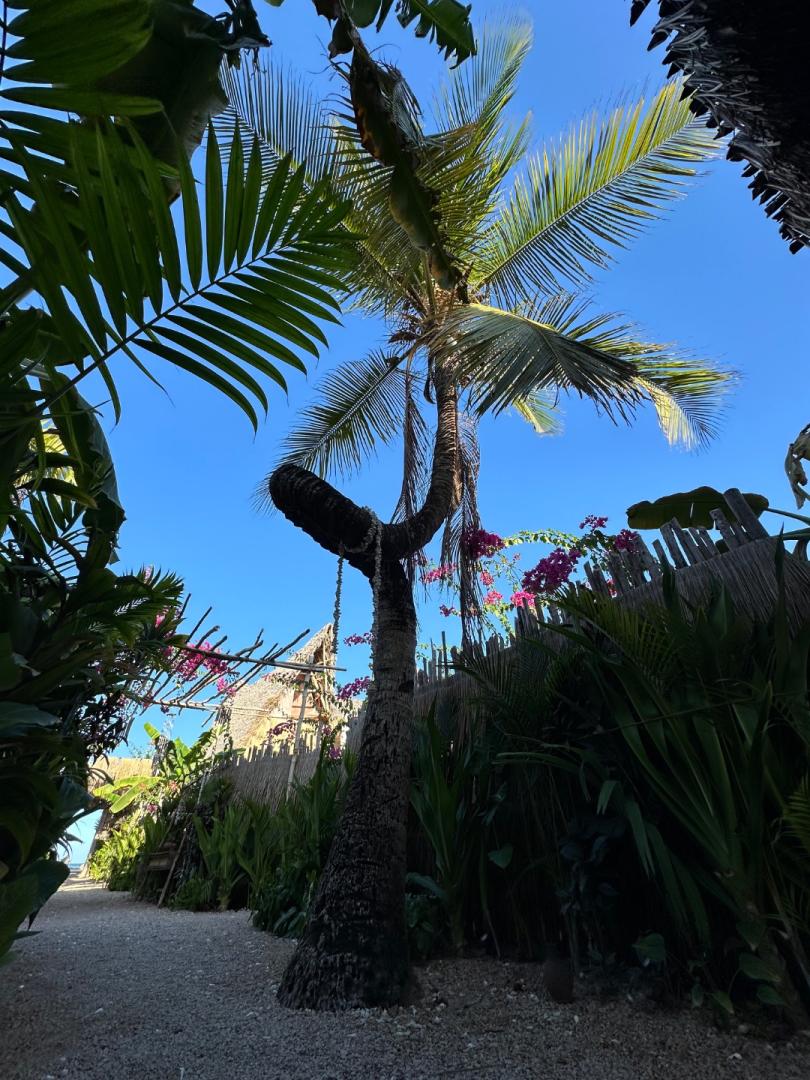
Hello dear members of the IPS forum. I recently went on a vacation on Zanzibar and I’ve seen some very distinct palm tree shapes. Some appear to be growing in a near perfect spiral / circle shape. I was wondering if anyone has experienced something like this and how it’s possible to shape a palm tree like this. I am not an expert nor do I have much knowledge about palm trees. I would be very happy if a kind member of this forum had an answer to this. I have attached two pictures of palms I’ve seen here growing in a circle. Any ideas or experiences are much appreciated. Thanks :)

 2 points
 -
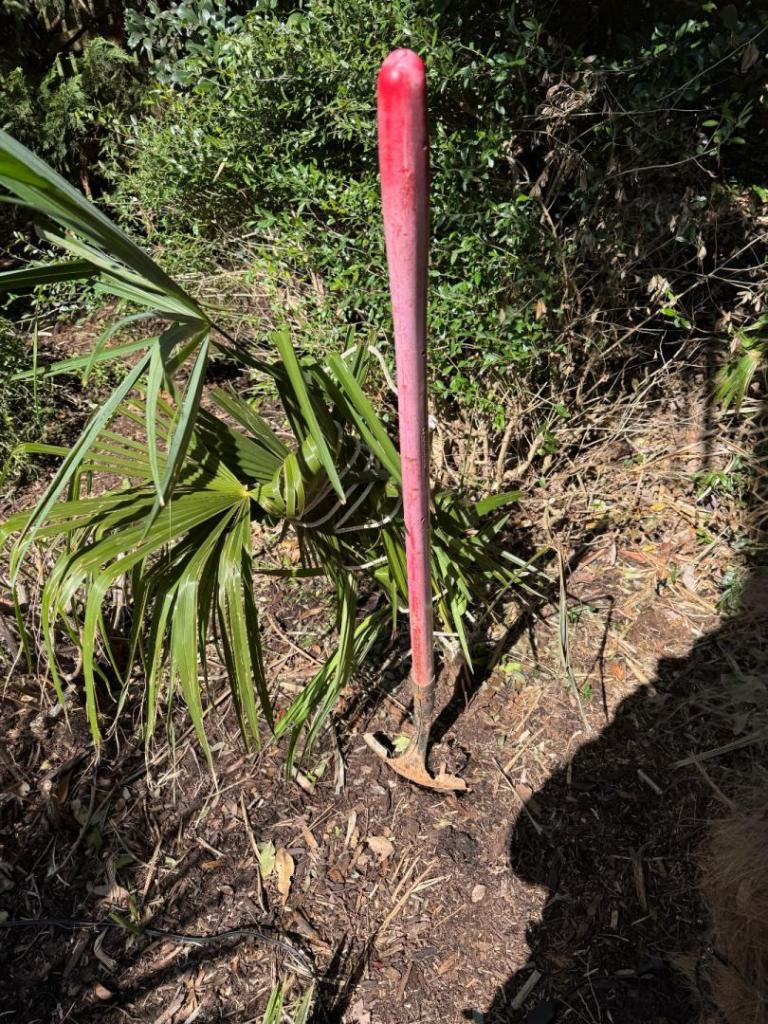
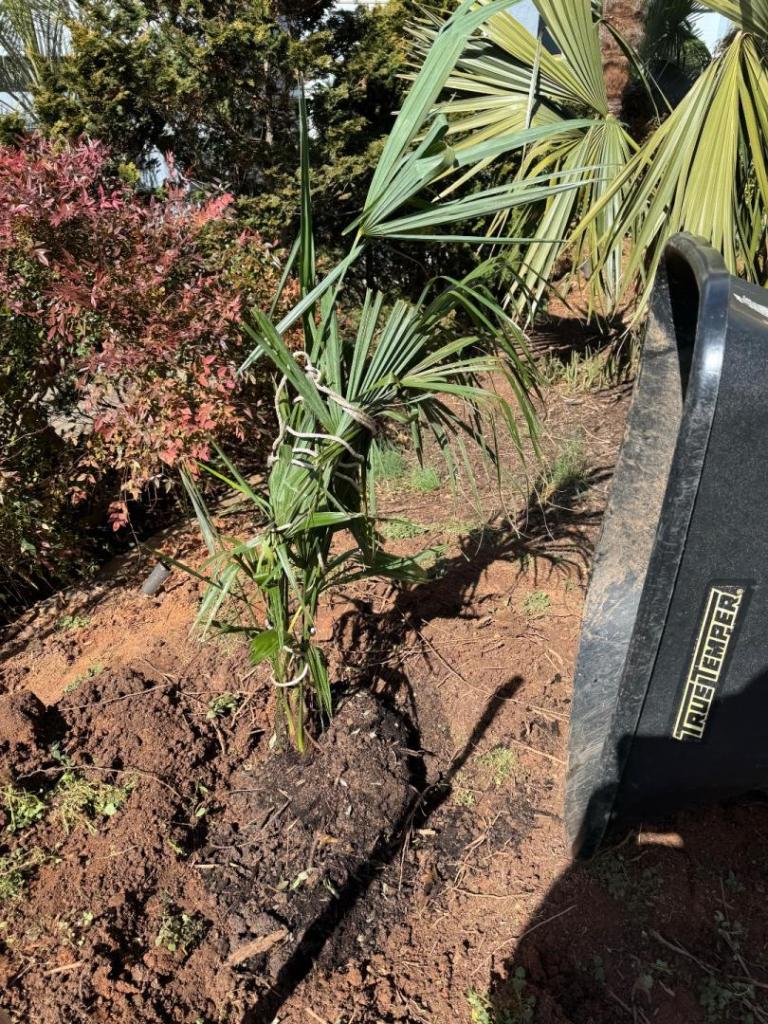
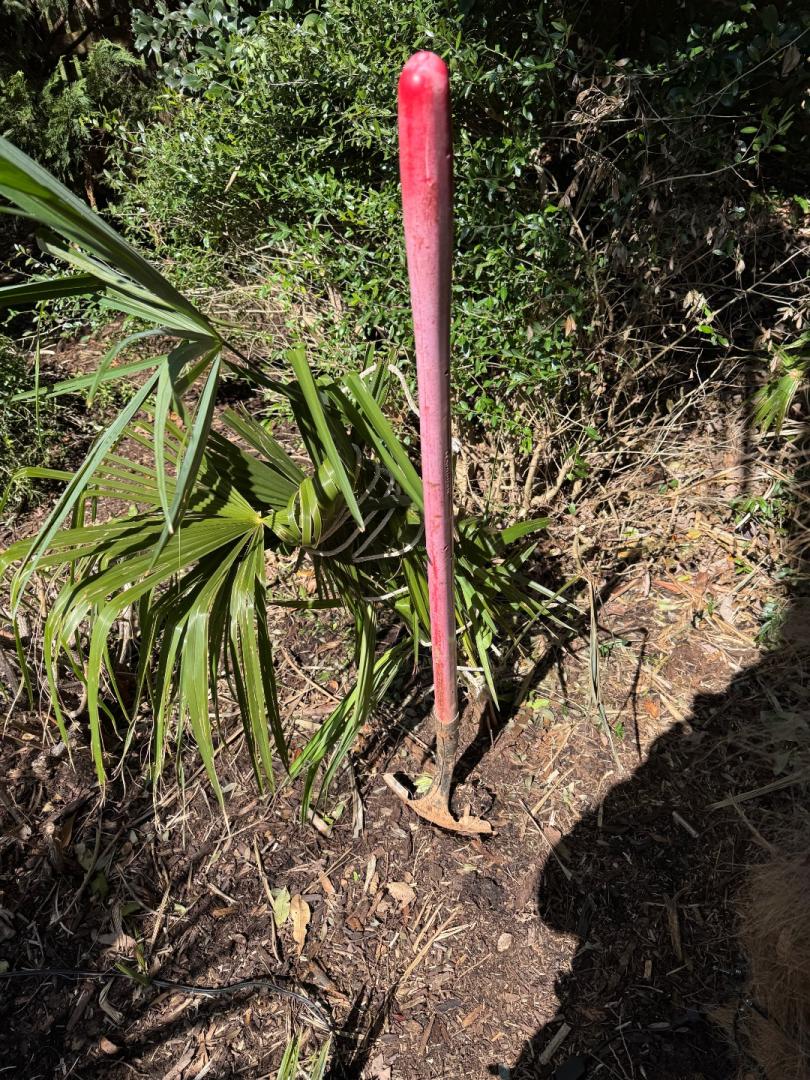
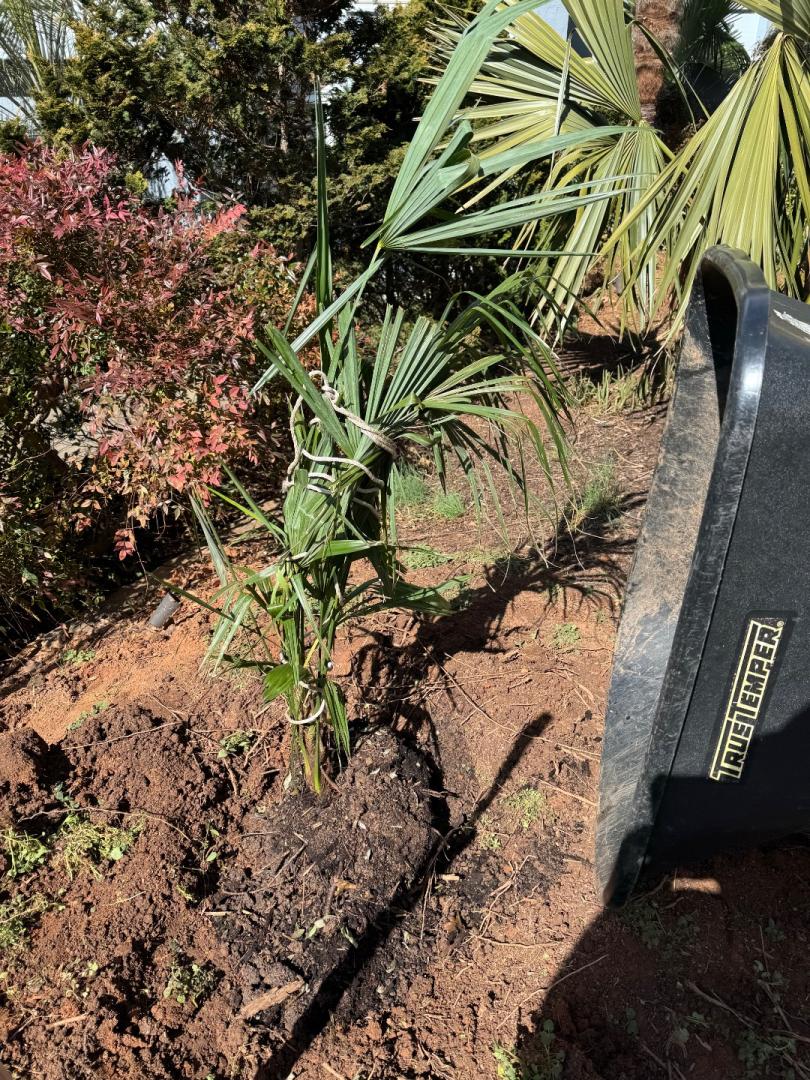
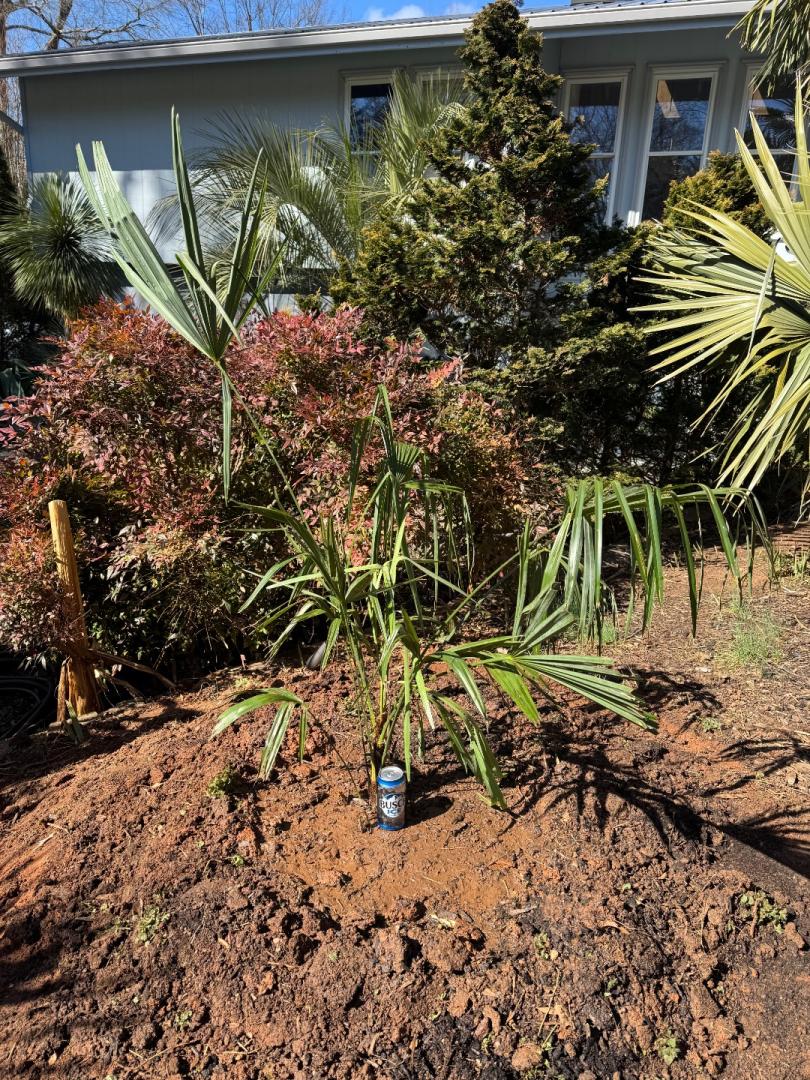
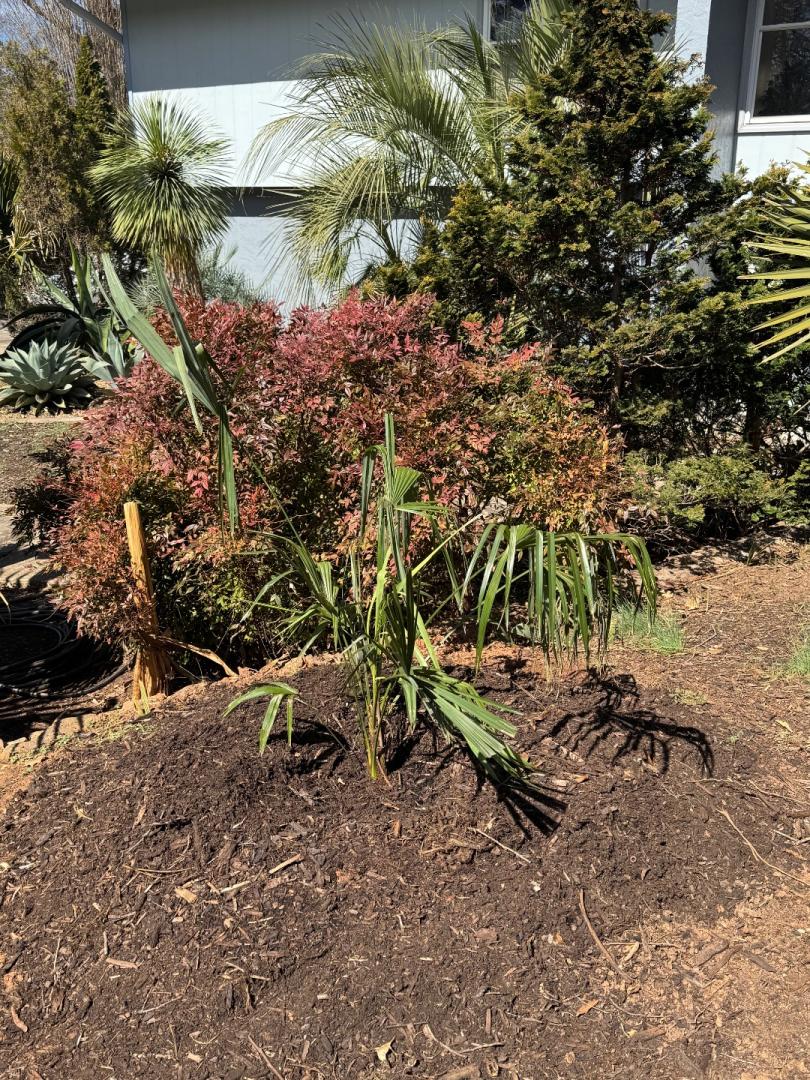
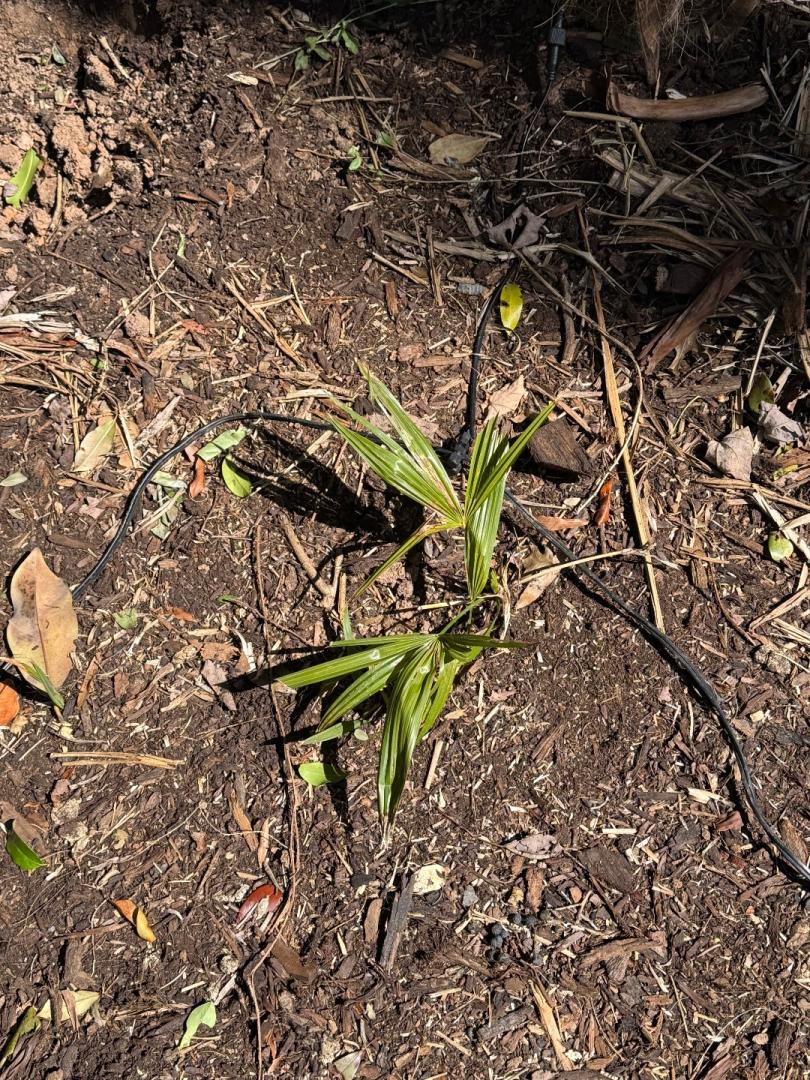
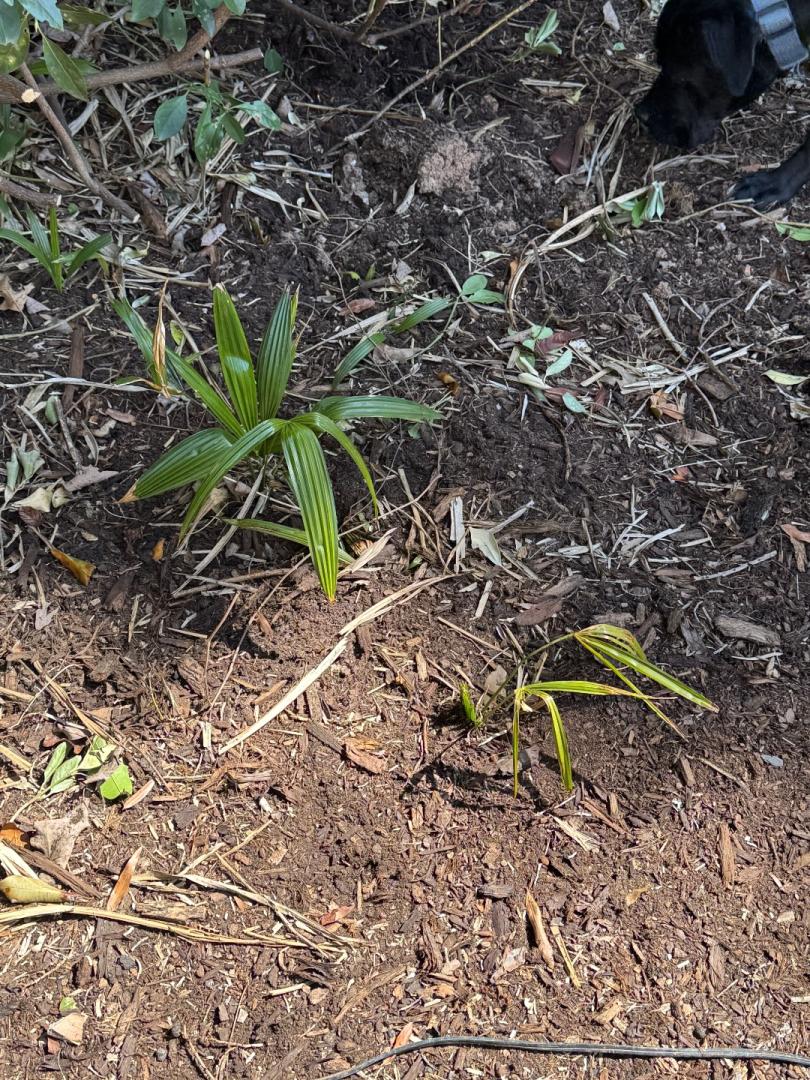
I had a good spot for a Trachy and dug up a volunteer Trachy in the backyard and moved it to the front yard . I was trying to get a good solid rootball and I think I succeeded . These small Trachys are Taylor Forms . Watered and mulched . Not the prettiest little palm but it was in and amongst a bunch of overgrown plants and it just needs a few new fronds to look decent . Future Trachys to be planted below .
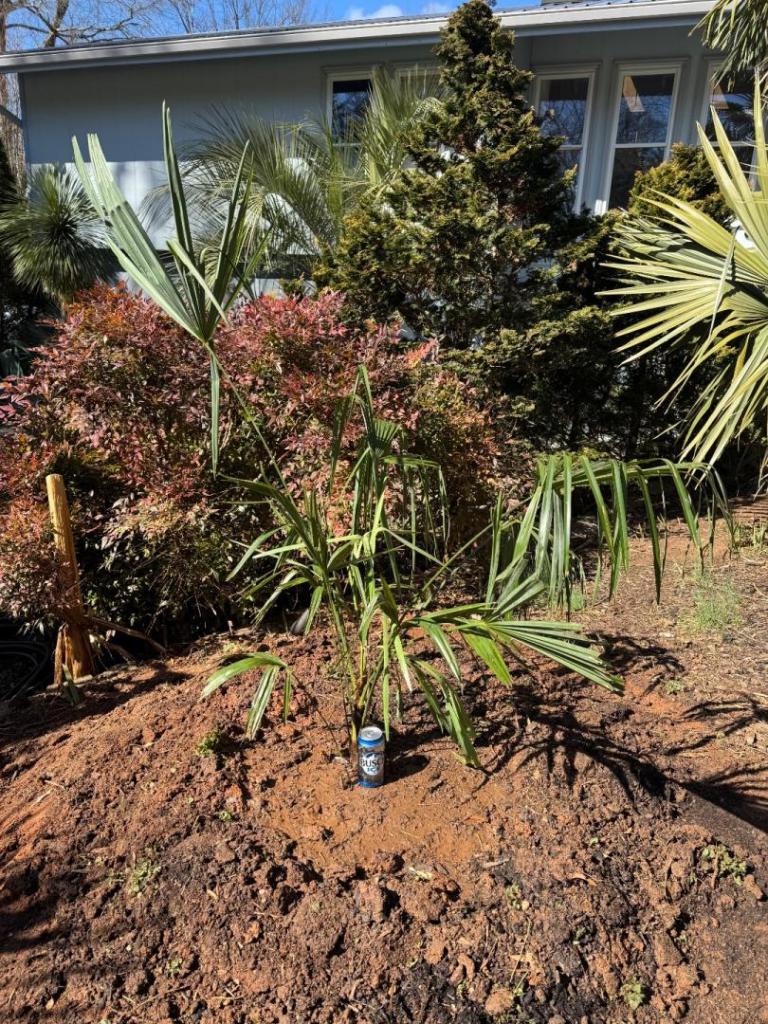


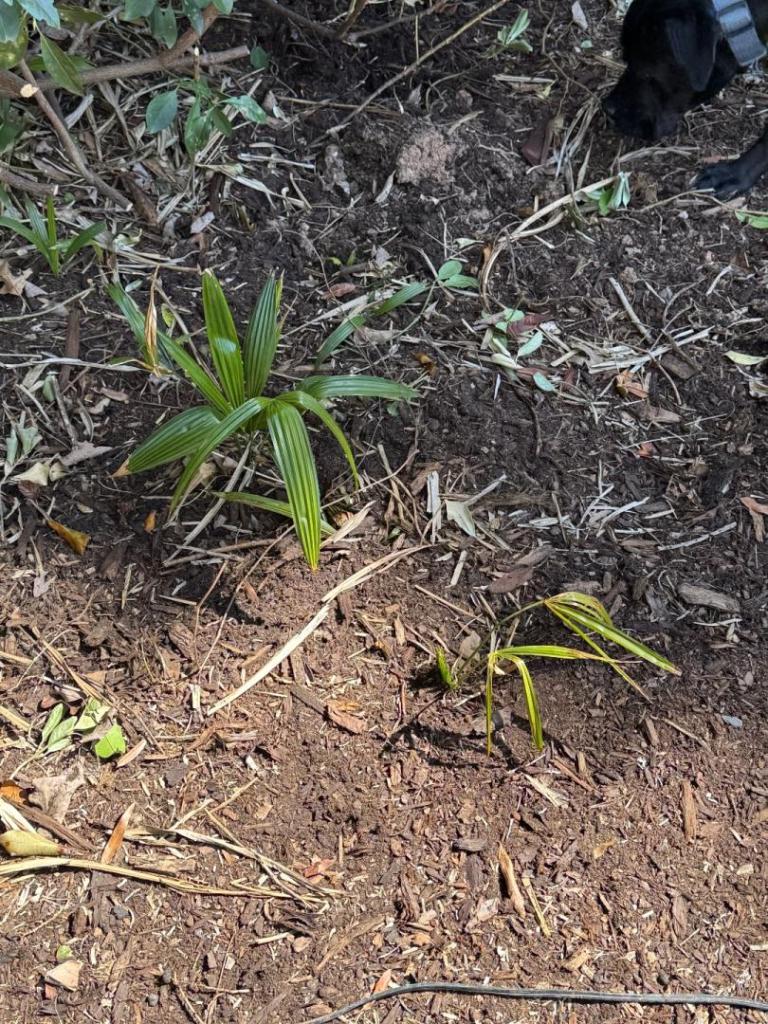

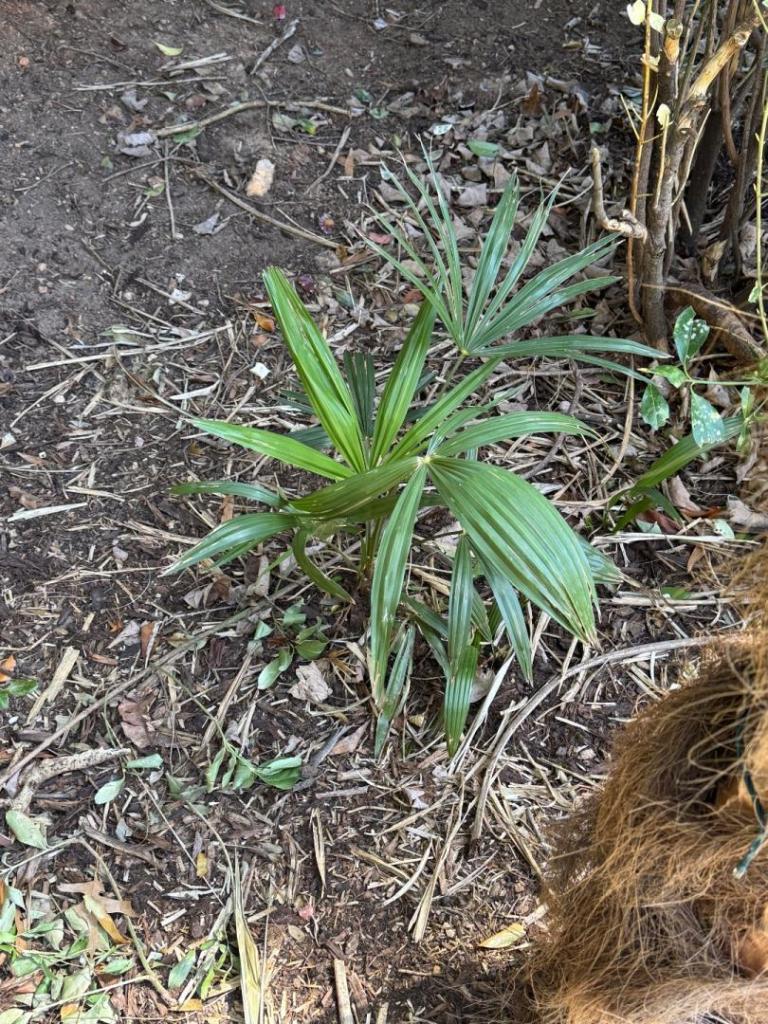 2 points
 -
No way! I have seen some in some very protected spots in HHI but never thought this was possible. I wonder if its still alive after the January weather2 points
-
Crowded grown nursery palm as @jwitt said2 points
-
9 hours in the torrential rain today sorting palms and putting the staging back. Shored it up with large pots either side to reduce the risk of it falling again. Took some decent gusts without budging an inch. Palms have taken a battering from the storm, but I reckon most will recover.
 2 points
 -
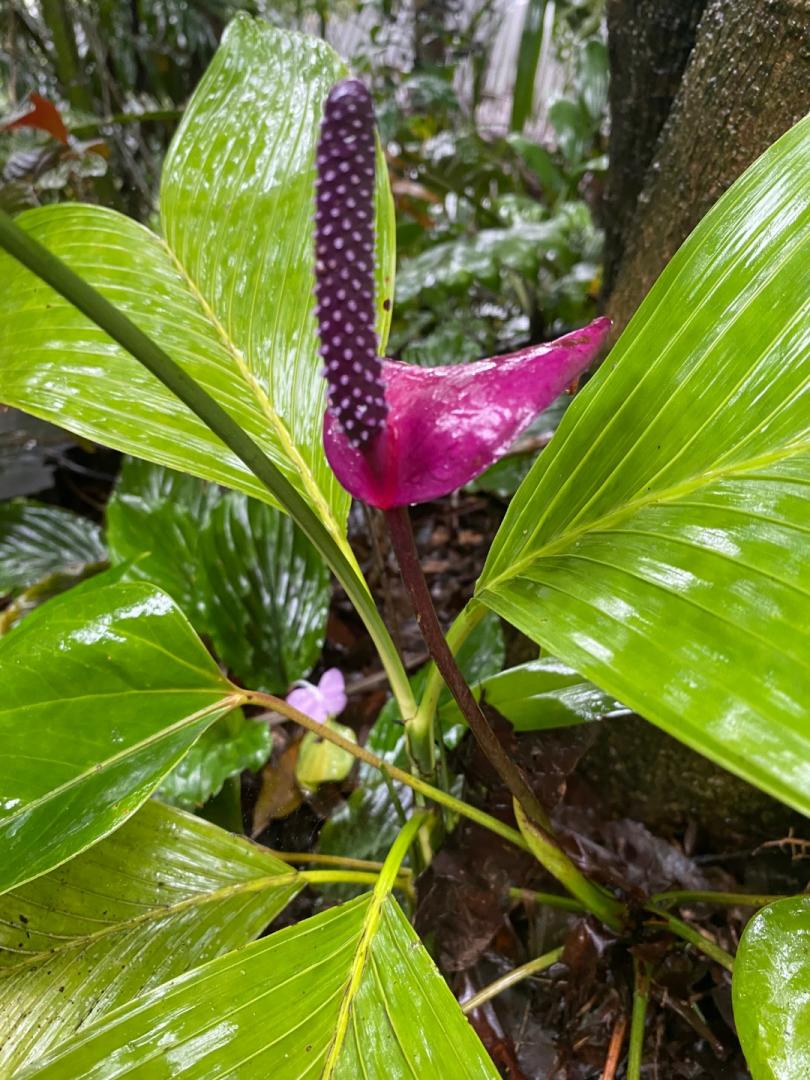
Anthurium Claudiae and a freidrichsthali. Once you’re hooked on anthuriums it’s game over for the palm collecting. Move over palms the anthuriums are coming! Well not quite.
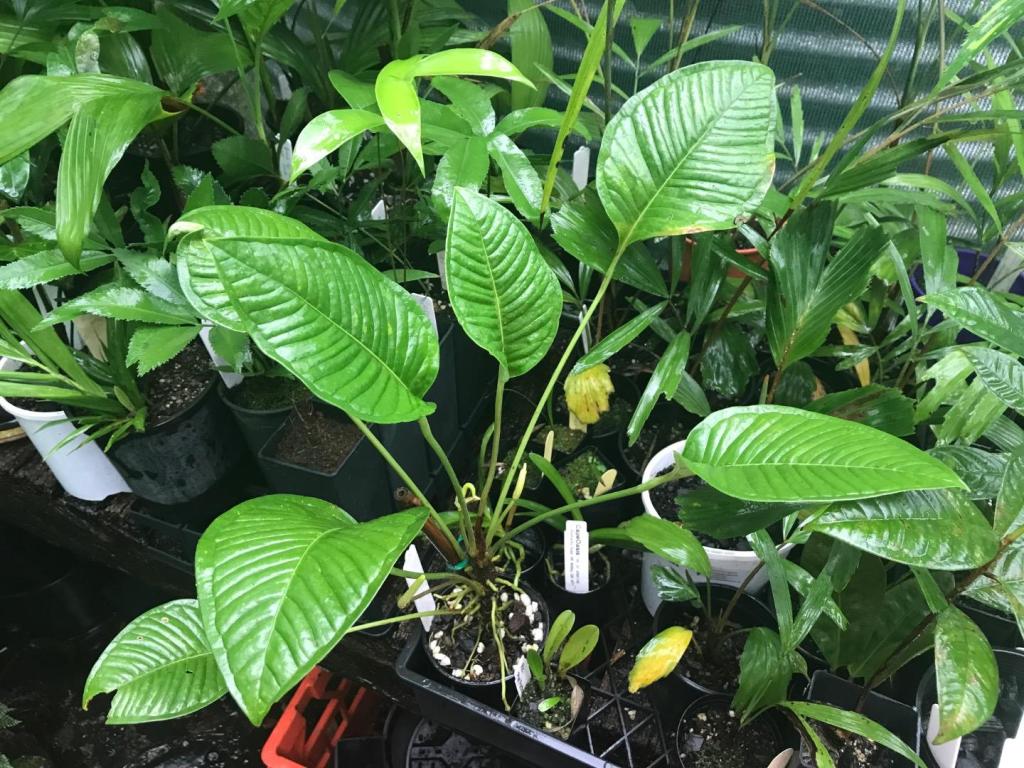
 2 points
 -
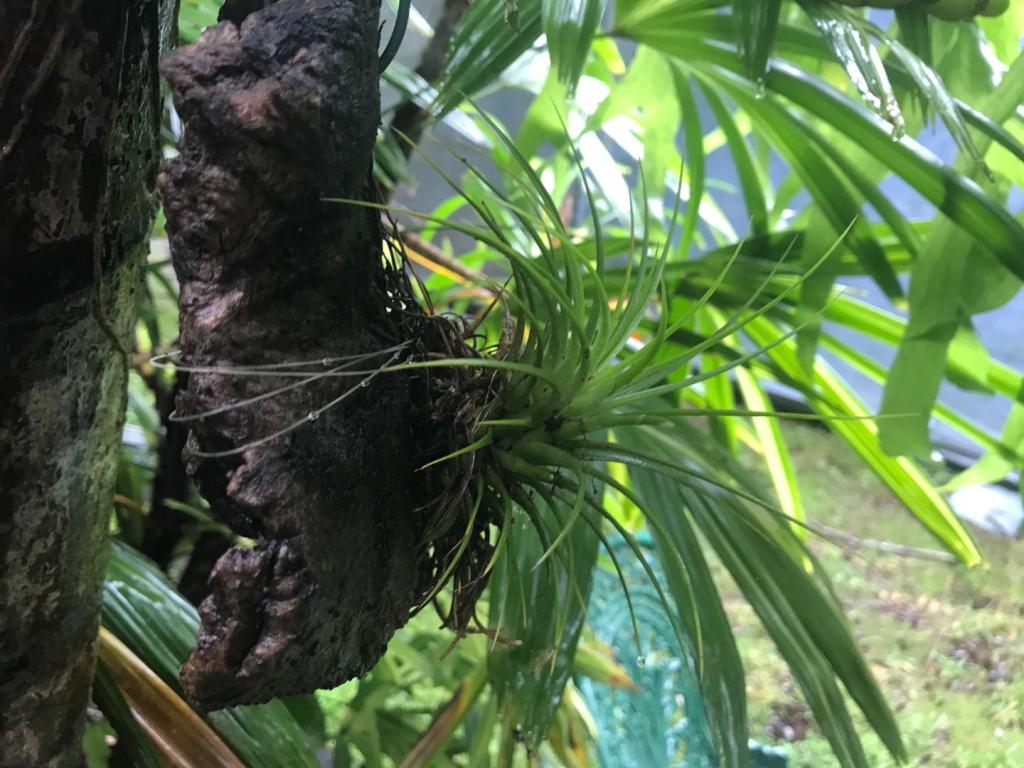
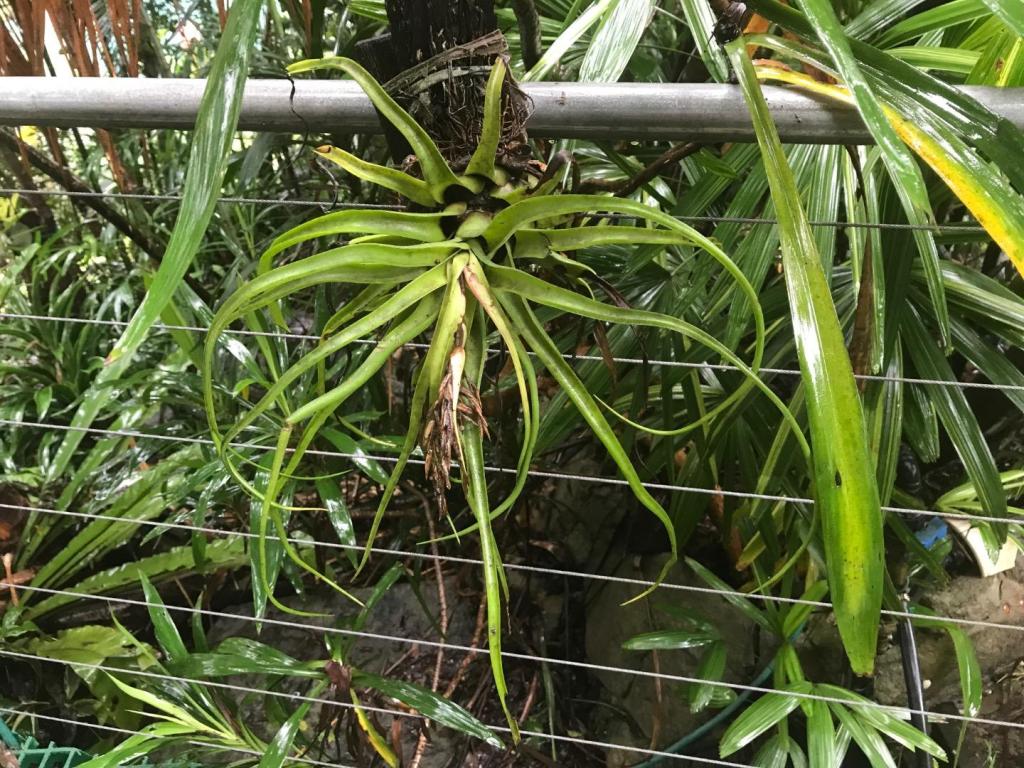
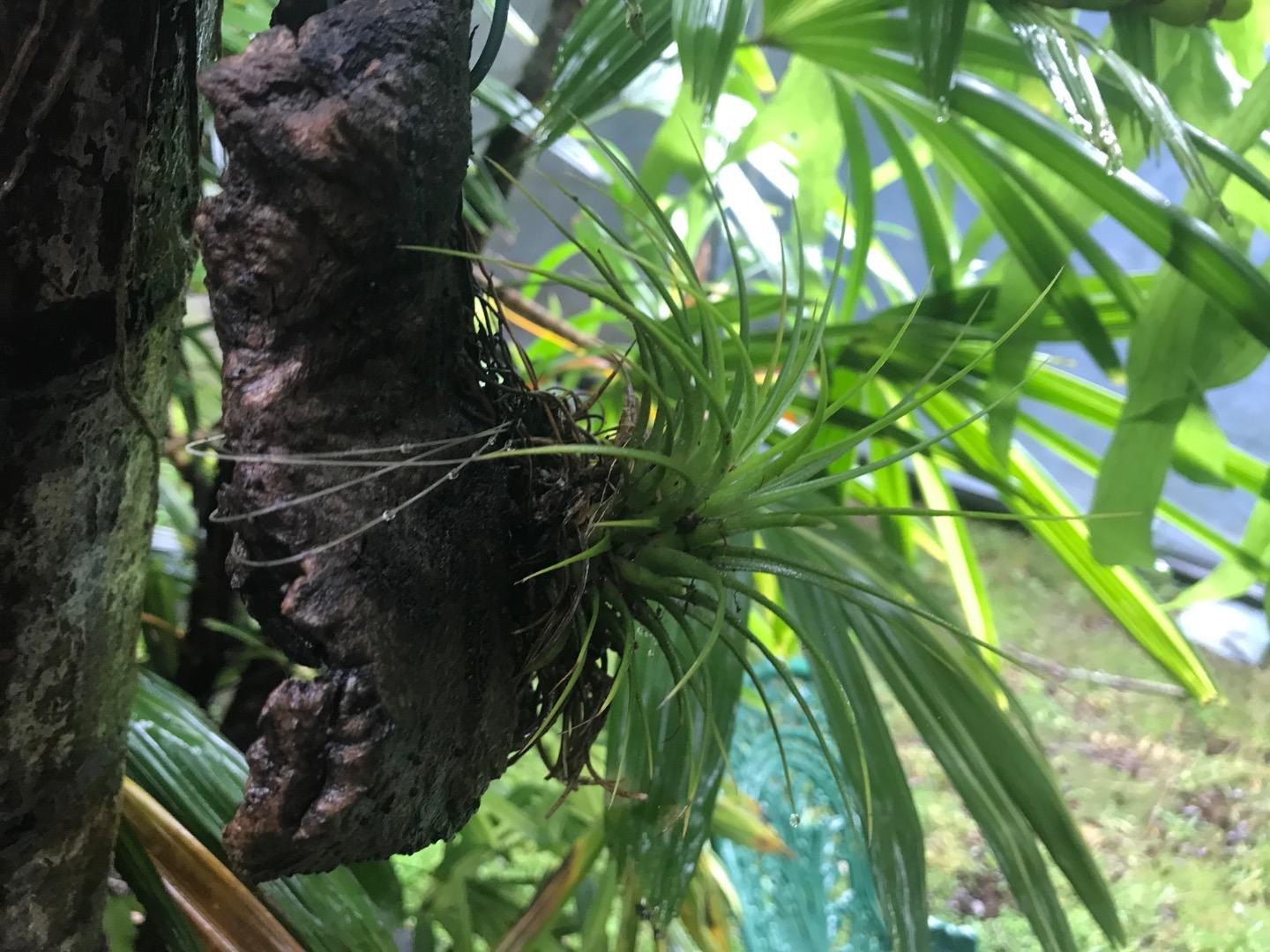
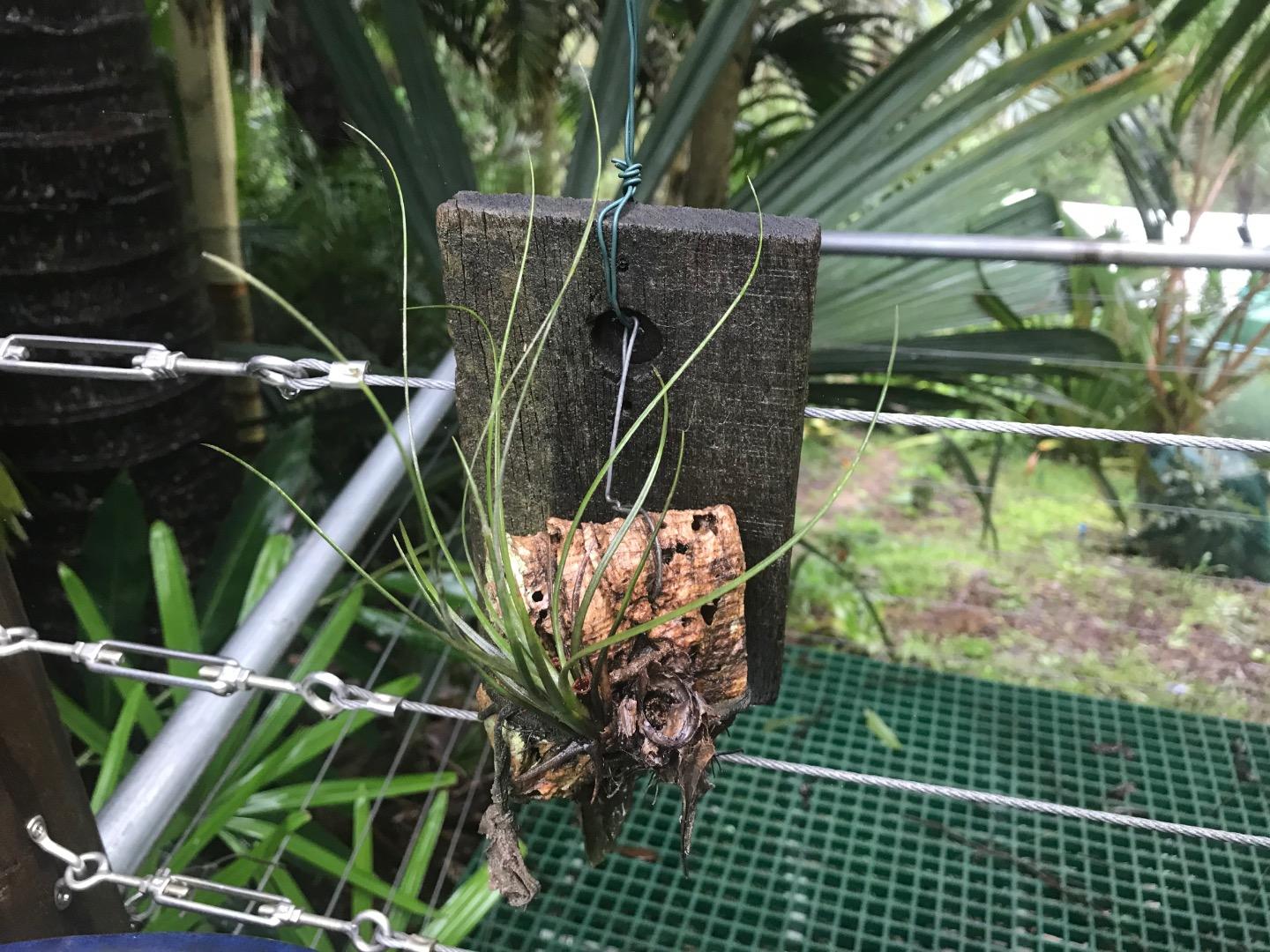
Once your bitten by the Tilly’s you’re hooked.
 2 points
 -
If I have my way there will be a few more.2 points
-
Doing well to get some decipiens seeds in. You just never know your luck with seeds. Planting seeds is fun you just never know what you will get in the way of surprises, one in a million chance of something unique or even better variegated plants. Keep an eye on them decipiens are a great palm. Richard2 points
-
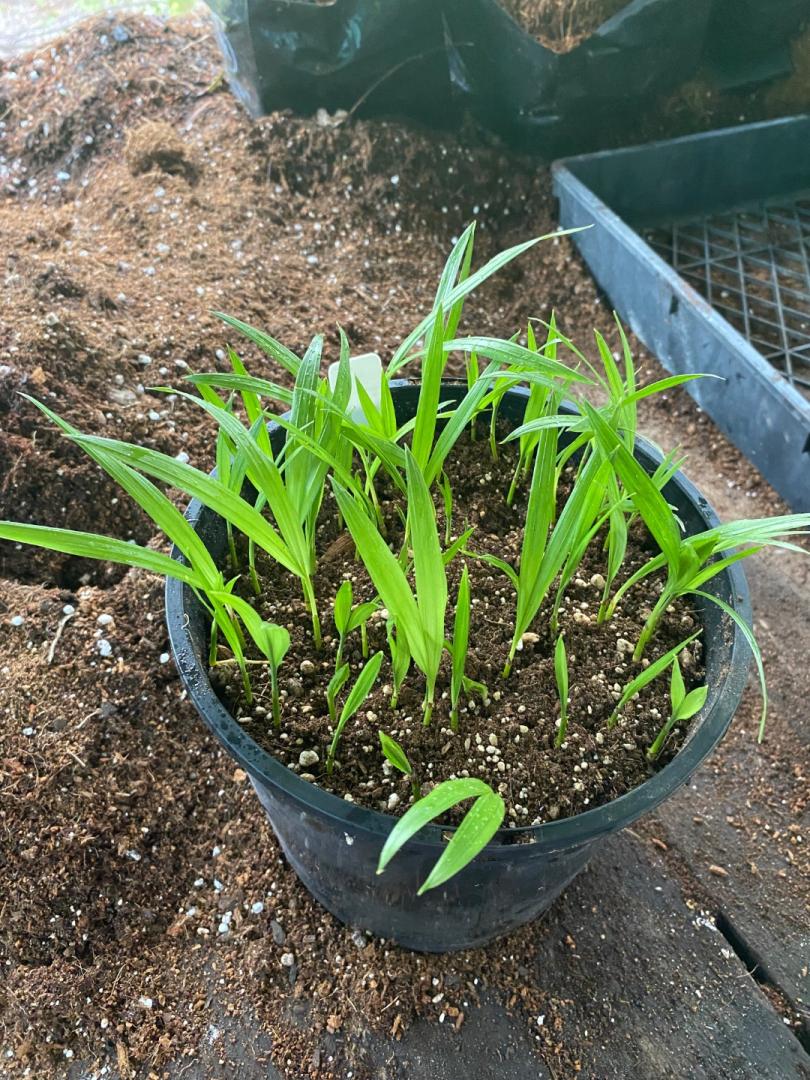
Waiting out the tail of the cyclone rain? Do you have catchment for rain water? I like catching some for use on my potted plants. I’m not sure it really matters but it makes me feel better to use it. Nice batch of wee ones. Harry2 points
-
🙏 I’m hoping these stay true to. Looking good! Harry2 points
-
There are some weeping forms that are especially nice
 2 points
 -
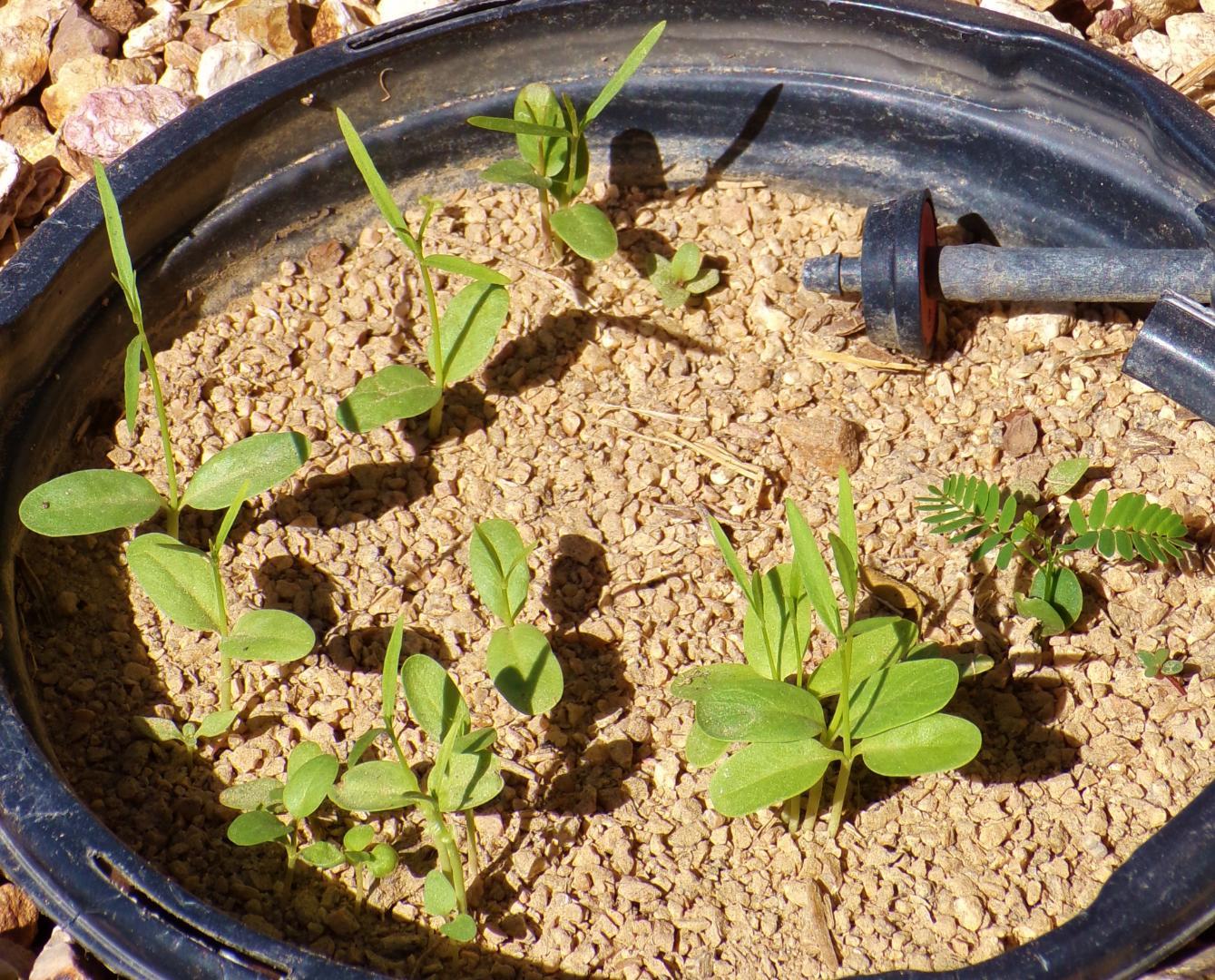
Garden would be best since most Milkweeds produce a deep root system.. With a lot of Asclepias species, it usually takes about 3 years for seed- started plants to flower. Not sure how long it would take to flower if the seed came off of the vine mentioned.. Guess-timate would be 2 years, but, ..that is just a guess.. Two ways i direct sow specific seed that doesn't do as well when started in pots out in the yard, that allows me to monitor them a bit more closely as they germinate / get established after germinating include the following.. Using 1gal plastic pots, i cut the bottoms off of them and utilize as a sleeve inserted into the ground. I'll then fill in the void with a soil mix that is easy for seeds to push through.. Once the seedlings have established themselves ( Approx a years worth of growth for most perennials, typically.. ) i can remove the " sleeve " Because they have no bottom, roots can grow straight into the soil unimpeded.. One of several examples of this technique i did last summer / re-did this winter.. Seedlings in here include a native Milkweed and species of Acacia ( far right ) in this one.. In the first example, i set up " shade sleeves " made from hardwire cloth and shade cloth around the above ground portion of these to help shade seedlings i'd started during the summer ..something that isn't easy to do due to our heat / intensity of the sun here.. These also help keep bugs from accessing / eating the seedlings while they get going. Another thing i'm trialing, placing a simple cage made from hardwire cloth over the tops of these.. Allows water and sun to reach the seed, but keeps out specific native birds here that like to dig through the soil.. Regionally native Senna sp in this one, and another placed on the opposite side of this bed... Once the seedlings are big enough to thwart attention form those birds, i can remove both the cage and sleeve..


 2 points
 -
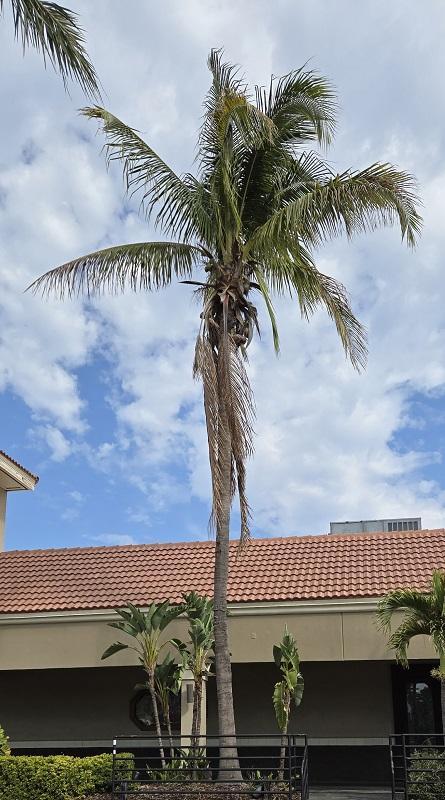
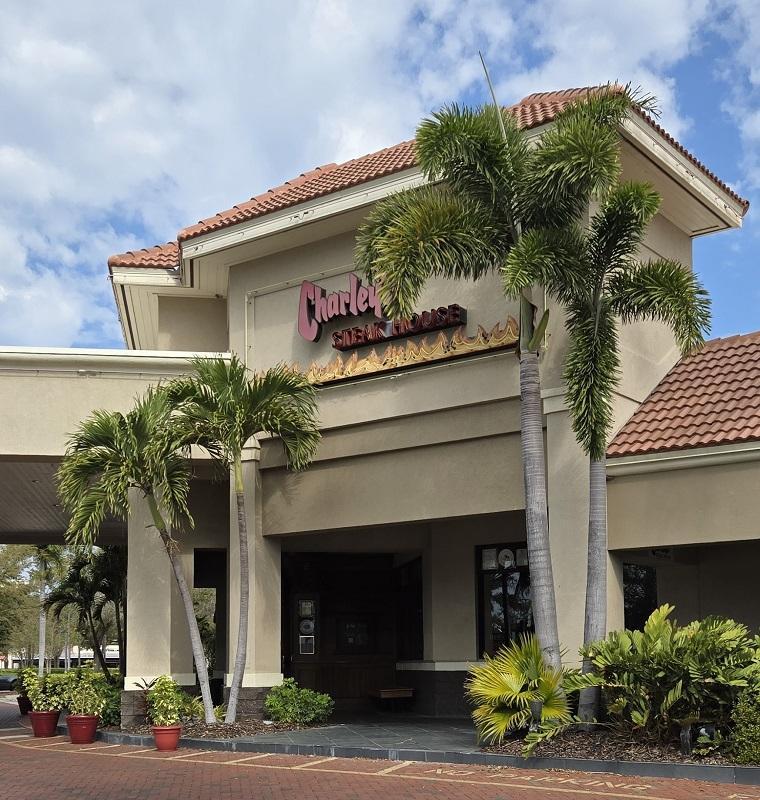
The Smashburger restaurant didn't make it, but the coconuts have. They are a little over-trimmed, but the fronds probably looked a little ratty due to the long duration of below normal weather this winter. The IDRIVE coconut looks surprisingly ratty given the ultimate low of 38F in this area, but the duration took a bit of a toll. The more cool-tolerant Wodyetia bifurcata, Adonidia merrillii, and Hyophorbe lagenicaulis species in the area look pretty good since they tolerate low temperatures without frost a little better than coconut palms.

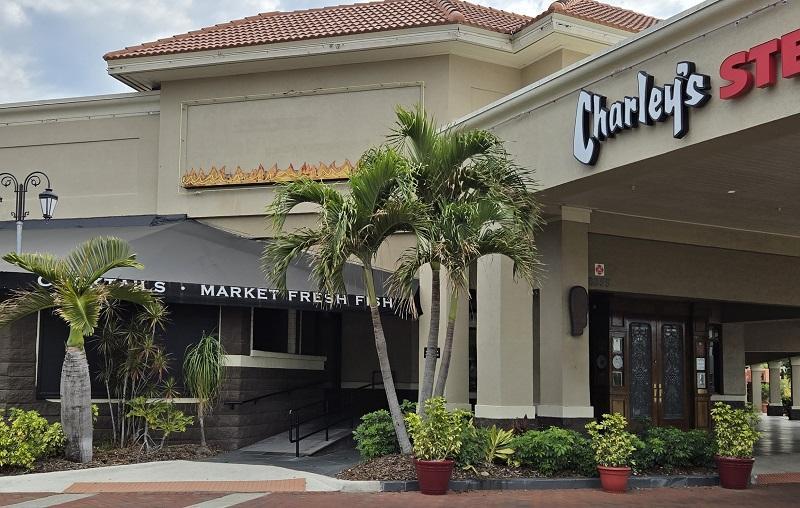 2 points
 -
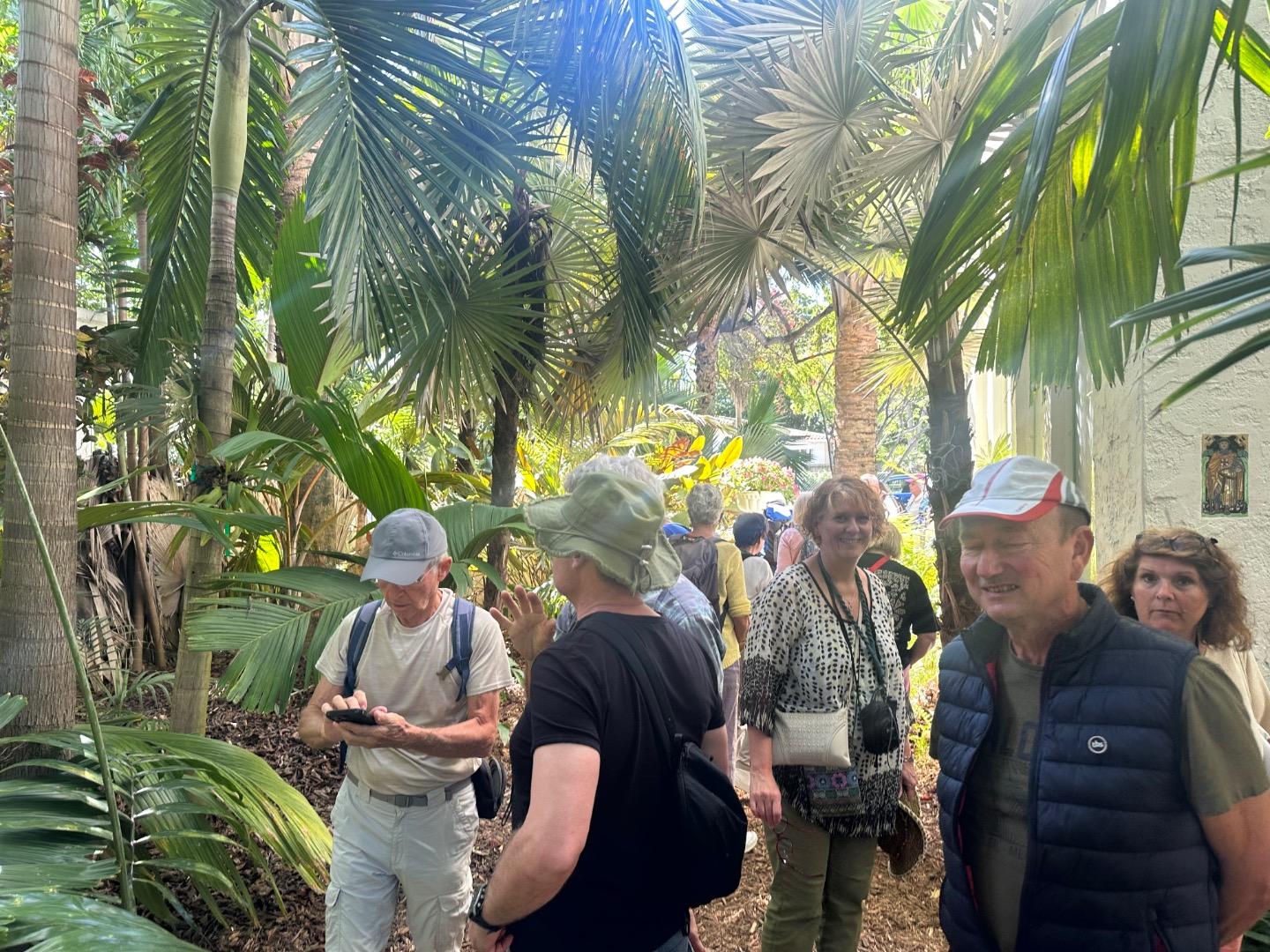
Today, 18 members of Fous de Palmiers (French Palm Society) visited my Garden on their one week visit to SoFla. Two of them came all the way from the island of Réunion. I showed them my garden and plantings around my neighborhood, then we had lunch at iconic Cuban restaurant Versailles. We all had a great time and the weather was the best ever.

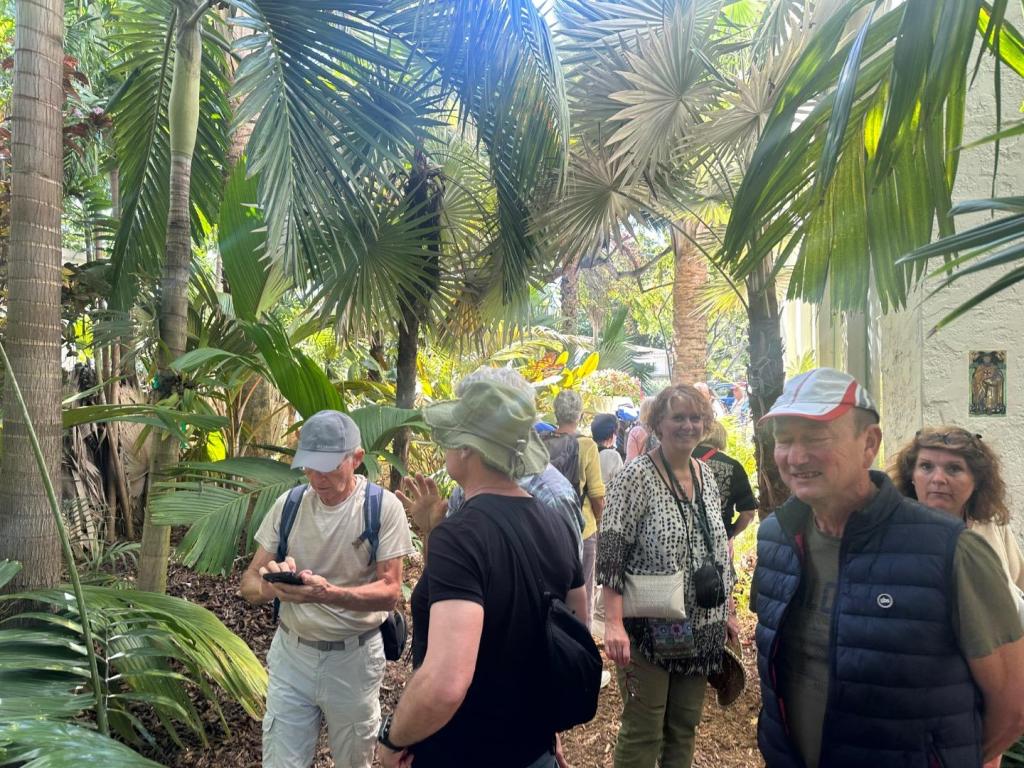

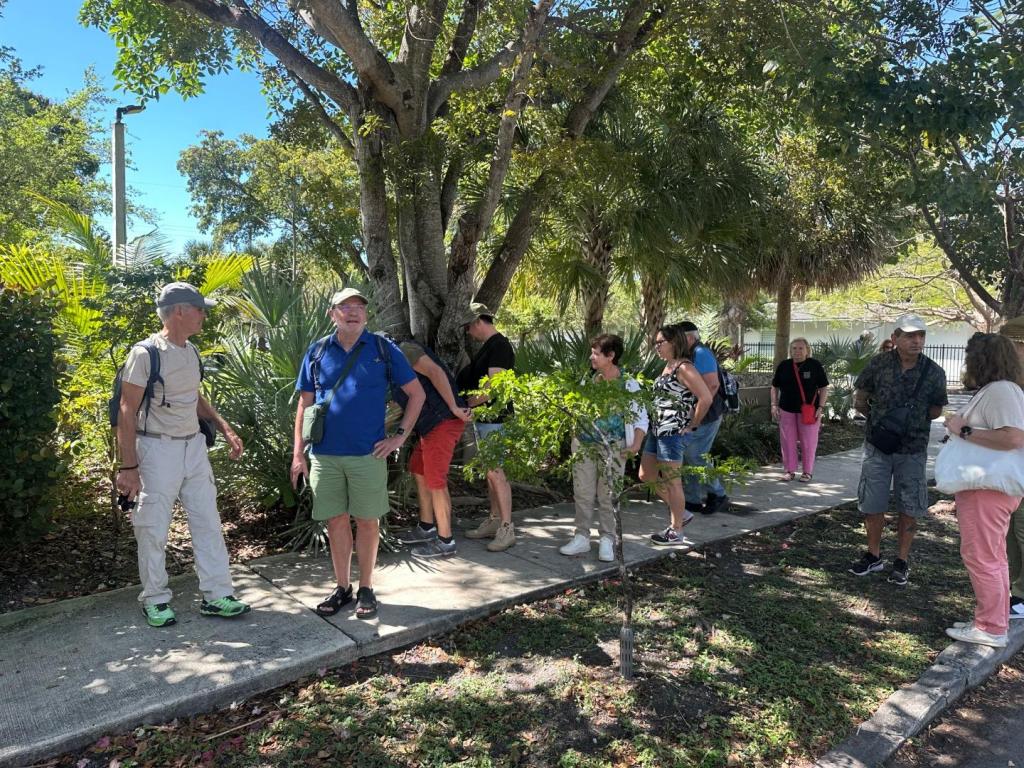

 2 points
 -
I am glad your damage was minimal. Weather events can really mess things up and hurt the plants. Here we have had very little rain but major winds that blow debris everywhere and tear up the palms . Some palms are more vulnerable , like newly planted ones or fragile leaf forms. Harry2 points
-
I think that wind does affect palms, but differently than it affects skin. Plant one marginal palm in a really windy open spot and another in a spot sheltered from the wind - and I'd bet that the sheltered palm does better all other factors being equal. It's not the "wind chill" value that affected the windy palm - it's the exposure to the wind over time.2 points
-
Adelia vaseyi is a really cool native down here

 2 points
 -
Mistakes were planting in fall, overhead watering, not planting deep enough on a few. Pulled up palm is dead1 point
-
You may want to put shade cloth over your "recovering" palm in the ground. Top growth will be slow until roots are re-established for a year or more1 point
-
So far a couple of Pomegranates, a Sabal causiarum, a Sabal blackburniana and an Ensete ventricosum.1 point
-
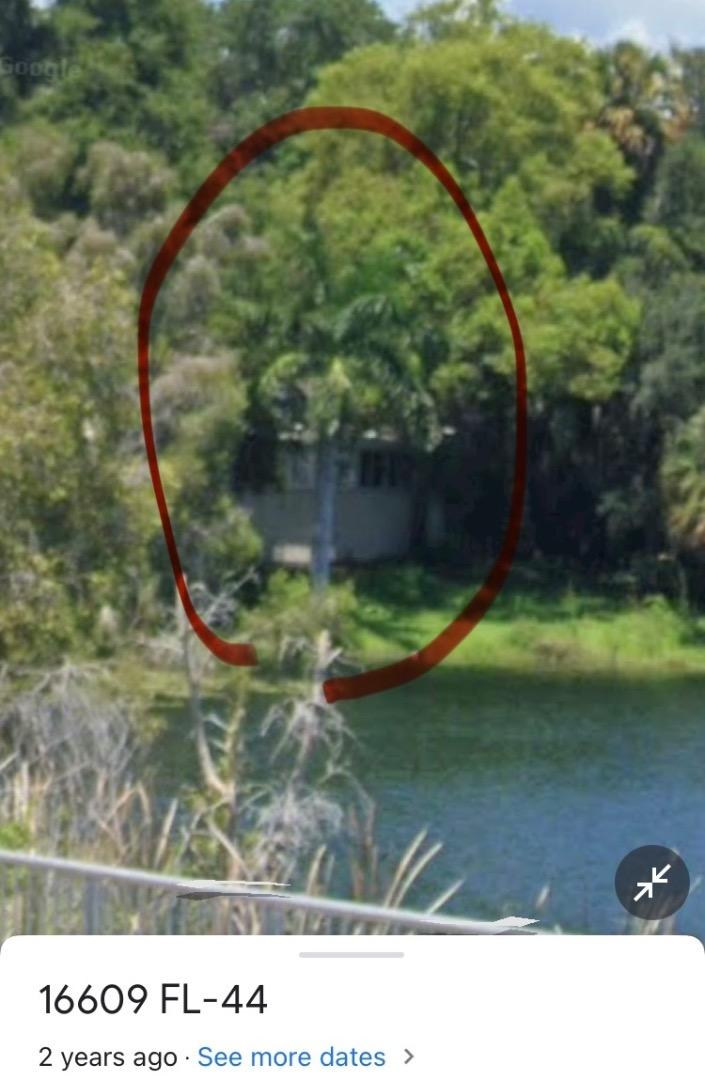
Royal on Lake Woodward in Eustis. Wish I could provide a better photograph, as it’s barely perceptible in this street view image from a couple years ago. Palm is currently looking fantastic. Very robust and healthy. There’s also a large Ficus Lutea nearby that can be seen from 441, and a nicely developing Ceiba that’s a bit trickier to spot. Anyone familiar with this Palm? I know that’s it’s been there since at least 2018, when I relocated to the area.
 1 point
 -
My Naini Tal has the creeping trunk ad well..here in Kansas
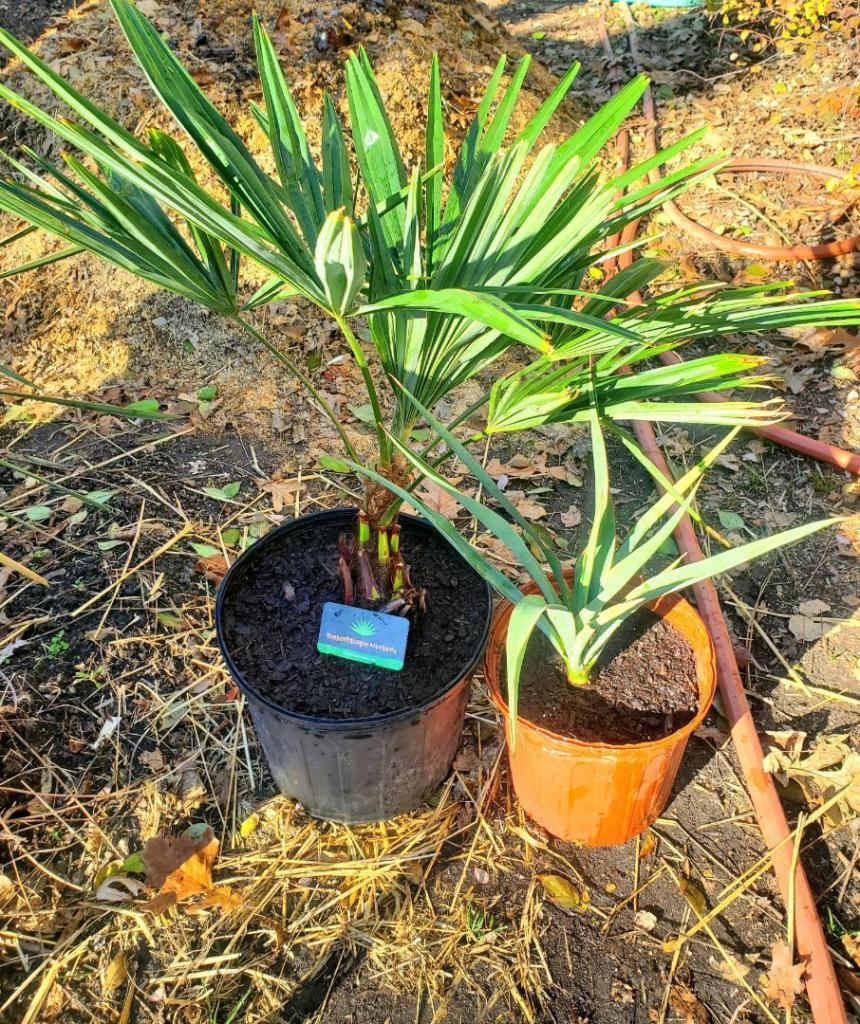 1 point
 -
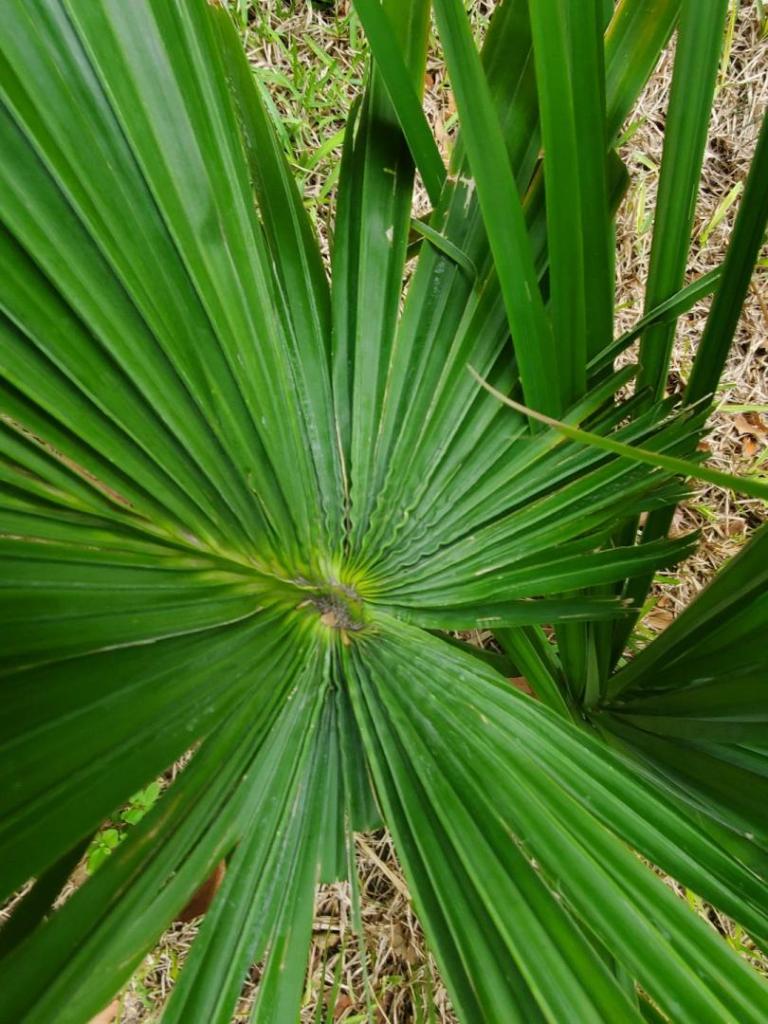
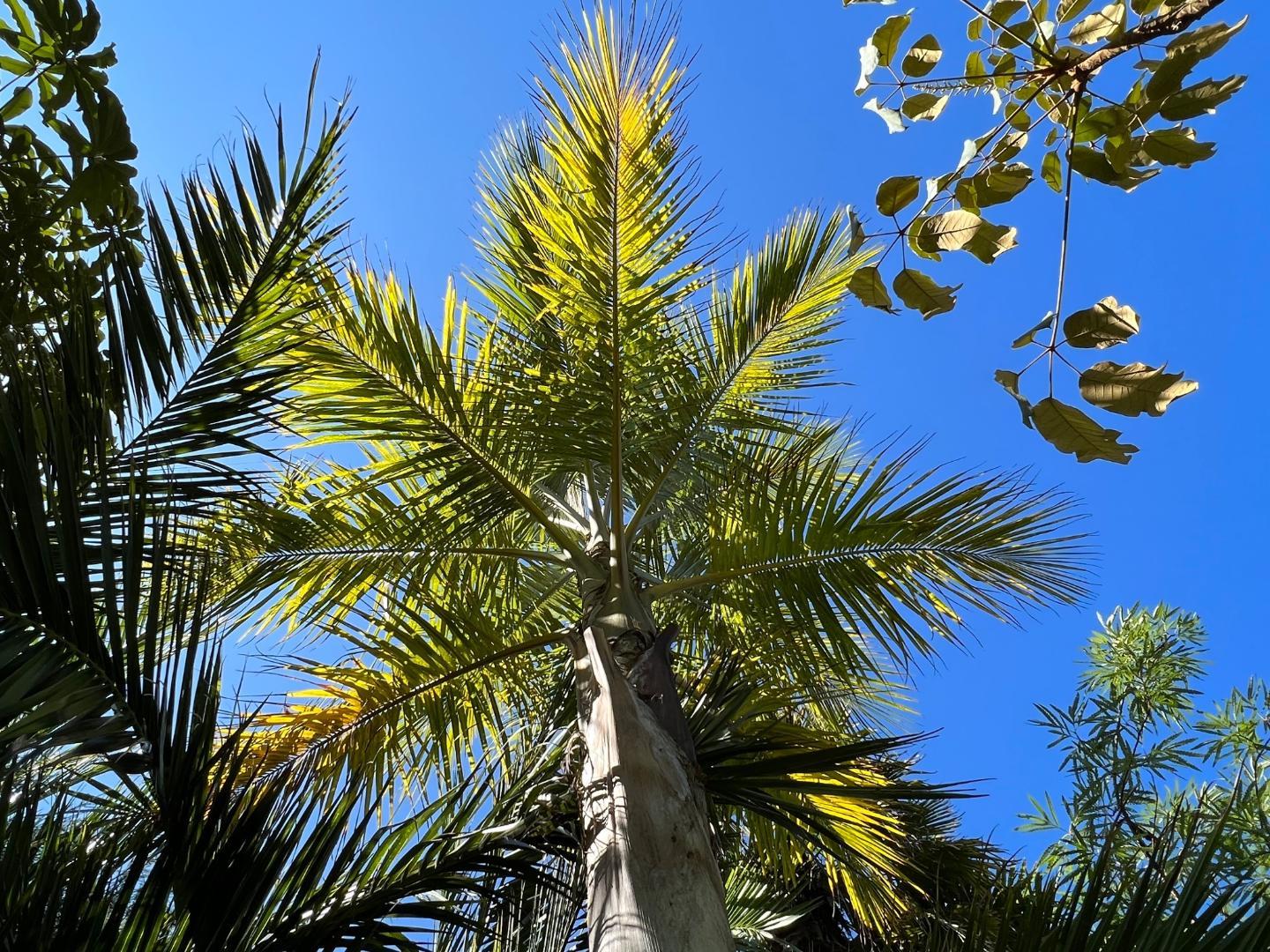
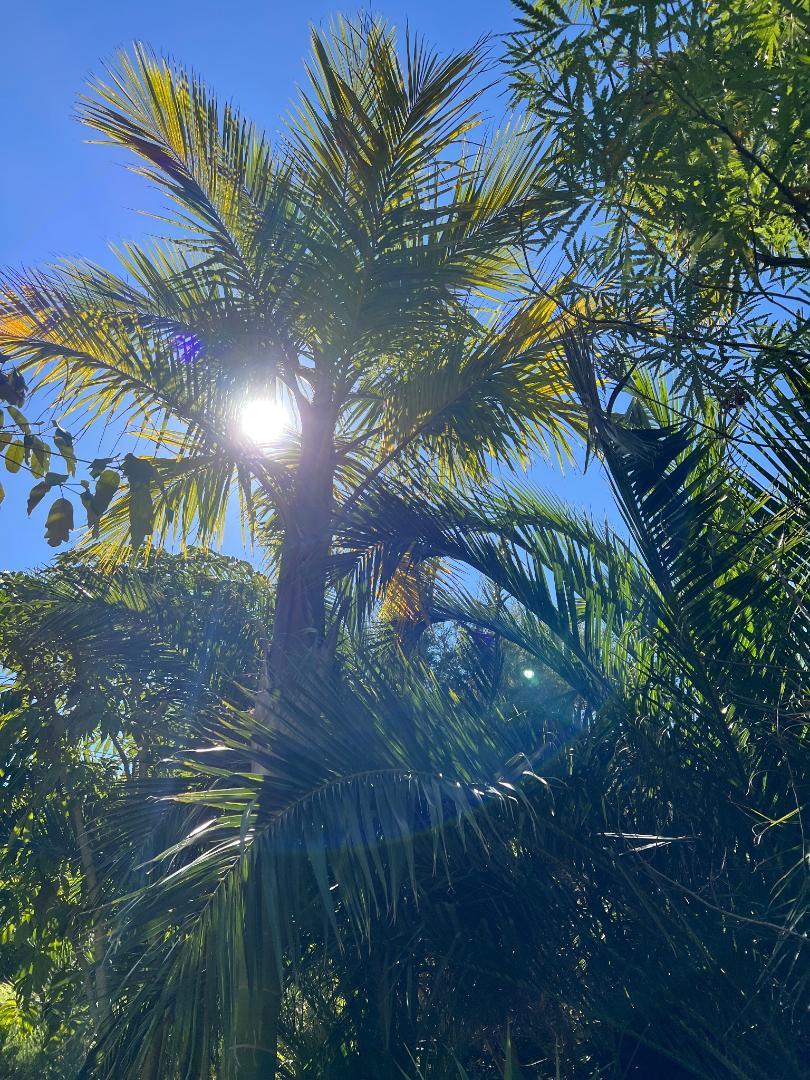
I think this Sabal sp. at Oblate looks really nice. It reminds me of Sabal mauritiiformis from its presentation. It is strongly costapalmate with a long midrib, and it has some wicked looking protruding hastulas. I have a hard time believing it is Sabal mauritiiformis though, seeing how it survived the 2021 freeze event. Anyone have any thoughts on this one?



 1 point














.jpg.3aeeac14eb669315b8f8e04ce1ce8357.jpg)

















.thumb.png.04b3487b96ff29c55b8a8994b91f62b2.png)











































(170x200).thumb.jpg.dd40fb913d3e984a56d1f1c4df64716c.jpg)