

Leaderboard
-
.jpg.4646e4d1d4d19cf091c1f1217ed4733b.jpg)
(200x194).thumb.jpg.25738373bf7571e51181f2f3921b2671.jpg)
Silas_Sancona
IPS MEMBER17Points12,423Posts -

NC_Palms
IPS MEMBER17Points1,309Posts -
Darold Petty
IPS MEMBER15Points4,865Posts -
.jpg.a218c1c0c0f4feeb79ff3e6c708db6ed.jpg)

ZPalms
IPS MEMBER9Points2,368Posts
Popular Content
Showing content with the highest reputation on 01/04/2024 in all areas
-
Growing up in the Sacramento Valley of northern California the only palms were Phoenix canariensis and Washingtonia robusta. Attending college in Santa Barbara I was stunned to see Howea forsteriana as a landscape plant. One of my first romantic encounters was a dinner and then a walk around the Santa Barbara courthouse at night. Well... the girl didn't last, but the palms have !!! .,7 points
-
 6 pointsHello all! I'm new here and just want to introduce myself. I'm a complete newbie to palms but living on the south coast of Oregon I find lots of various palms and ferns growing here and nowhere else in the state. So I have a Mexican fan palm, a trachycarpus fortunei, couple cordylines and a couple Tasmanian (dicksonia) tree ferns all less than 4 yrs in the ground. Also an umbrella palm (sedge) in the ground. I have a ponytail palm in a pot as well as a sago in a pot. So it should be fun checking in!6 points
 -
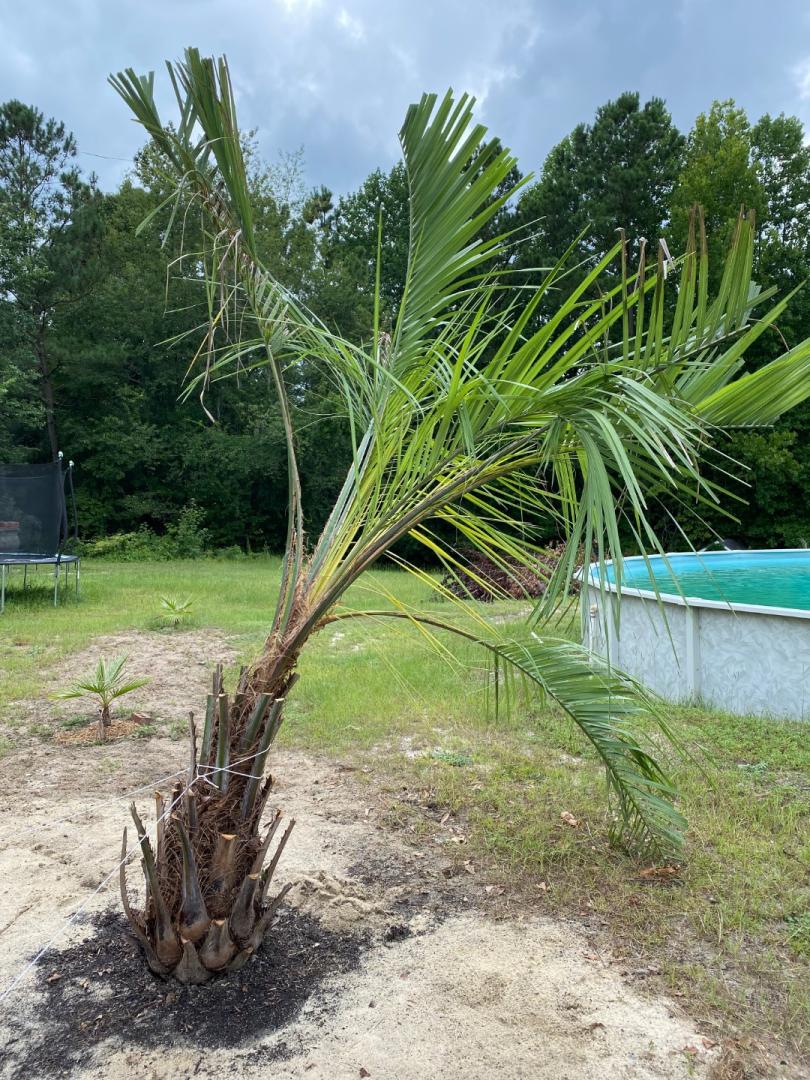
Wanted to give an update on this transplant: months later, the tree is still alive and has anchored itself. I still have strings on it, just in case of storms or whatever. I can tell the tree is actively growing because the center spear seems to be slowly creeping up, which made me redo my whole protection since the leaves were growing but constricted in the wrong direction. I am excited to see what it does this coming spring and summer. Protecting it just this winter has given me the opportunity to force it to grow upright because I really want it to grow straight up. I also think this will give it way more support because it leaning over and holding its own heavy crown up probably isn't such a great idea. I also included a video I took a couple months ago when I got it in the ground.
 6 points
 -
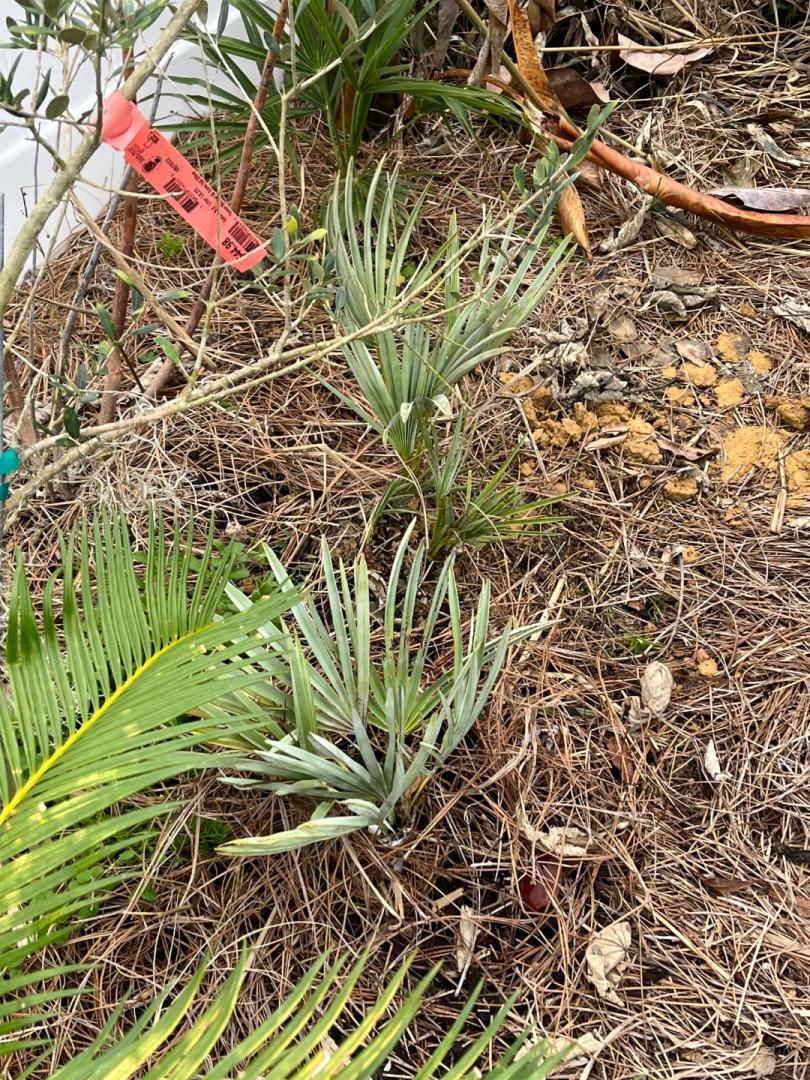
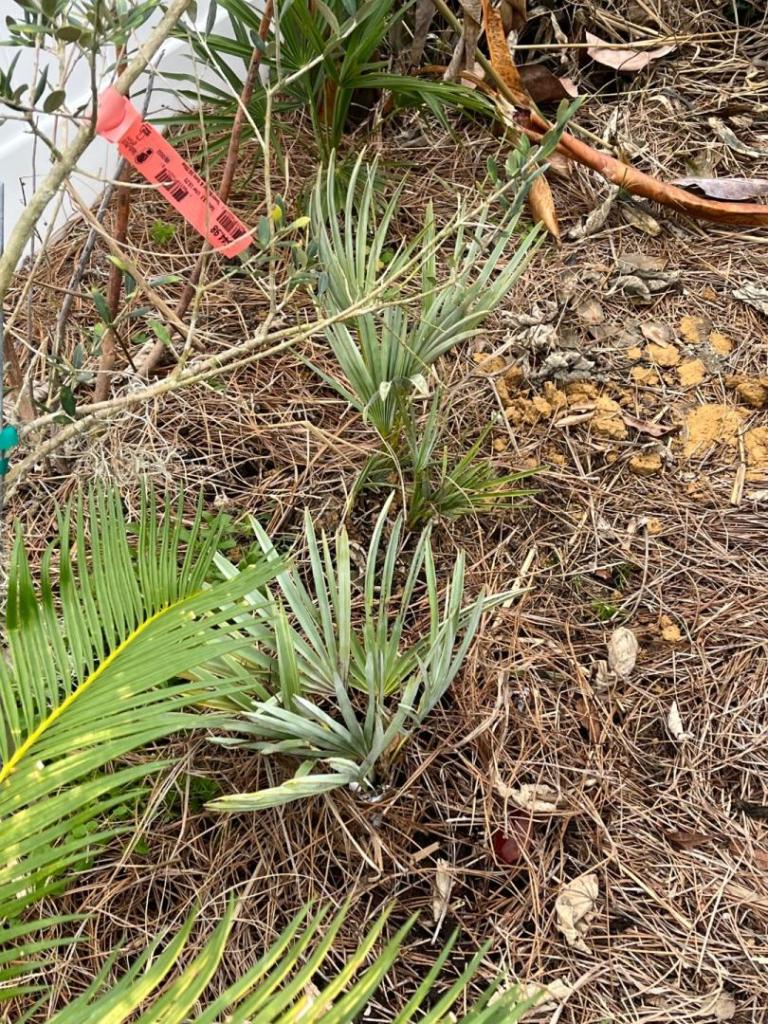
Anyways, decided to plant these silver saws that i specifically told myself i would not plant until march. but i had absolutely no room in the greenhouse lolllll
 5 points
 -
5 points
-
 5 pointsI believe Sabal ‘Louisiana’ is just genetically predisposed to the “collapsed frond” or “frond sag” characteristic (it’s a feature, not a bug). I have seen the exact same collapsed frond look on many other famous Sabal ‘Louisiana’ pics online in various well mantained gardens and also in habitat shots as well, but I have never seen this frond characteristic on any other Sabal species or variety. Observe the pics below this is clearly NOT a fertilizer or cold damage issue, this is one of the defining genetic traits that can be used to positively ID a Sabal var. ‘Louisiana’: Juniper Level Botanic Garden: Dave’s Garden: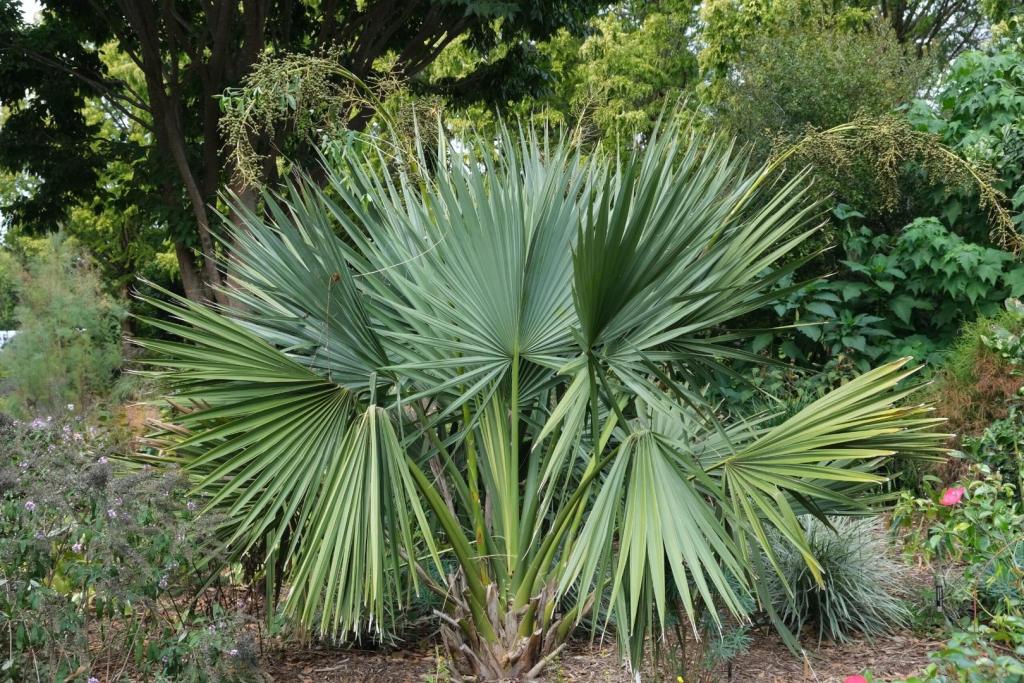
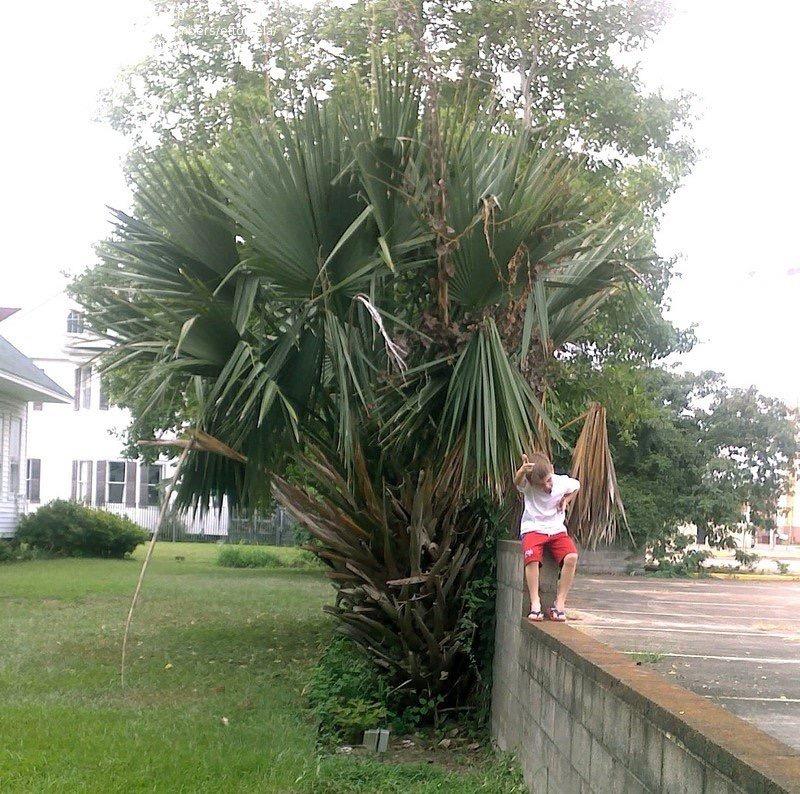
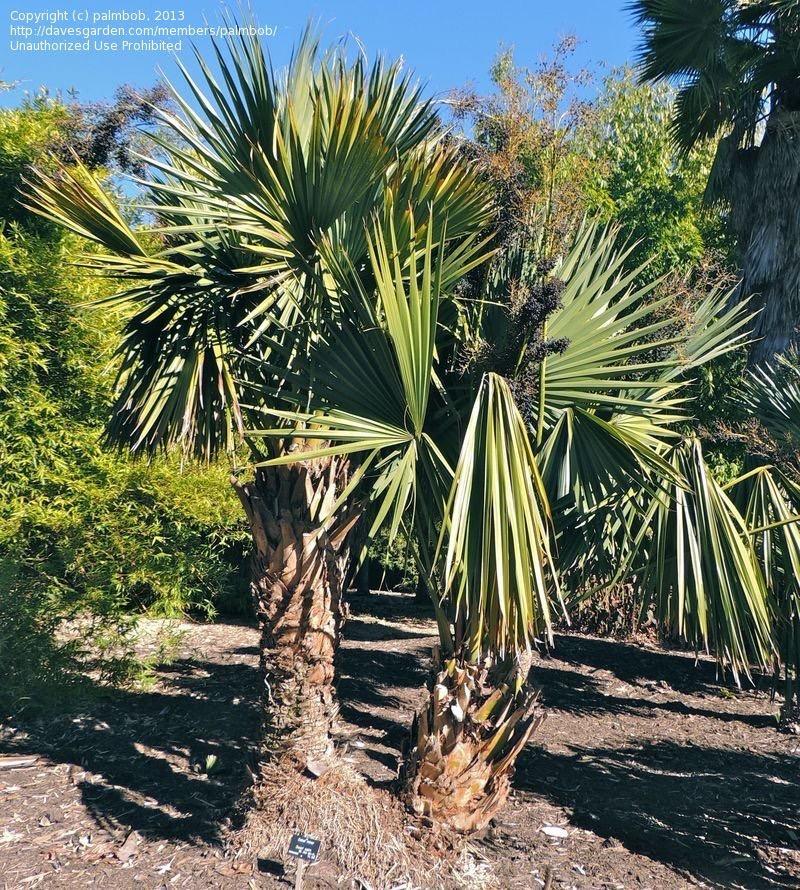 5 points
 -
also planted some minors but these are native plants so i’m really not worried about the cold getting to them
 4 points
 -
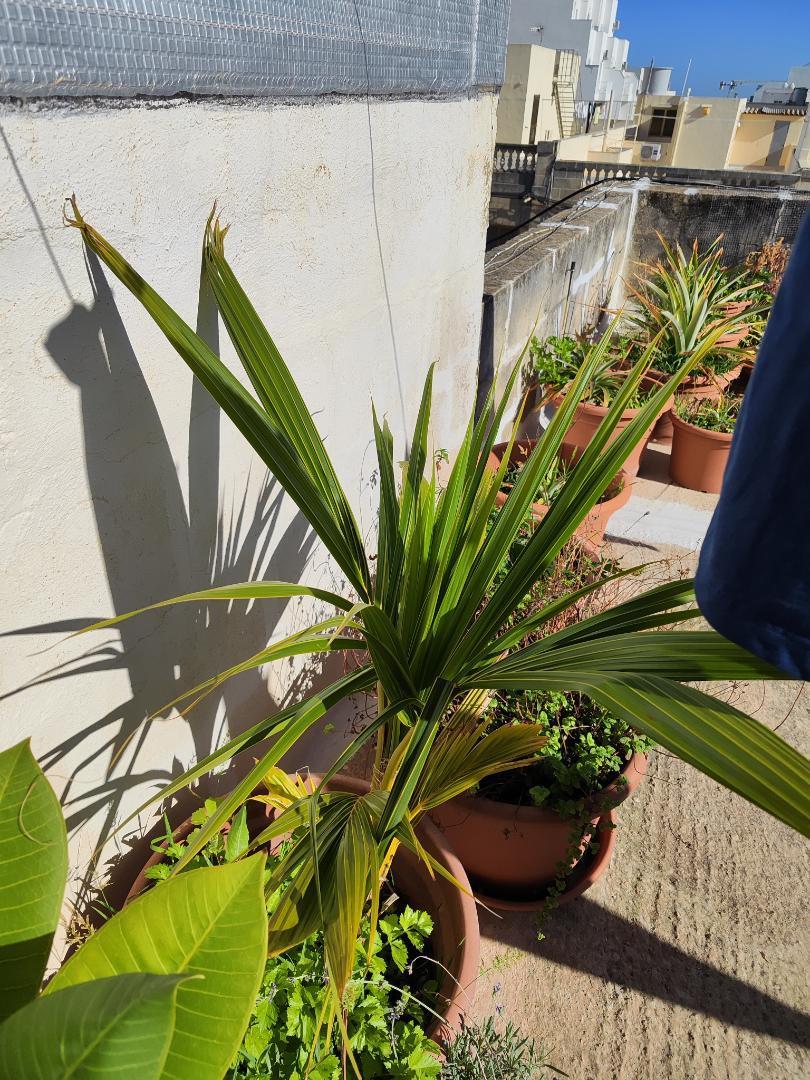
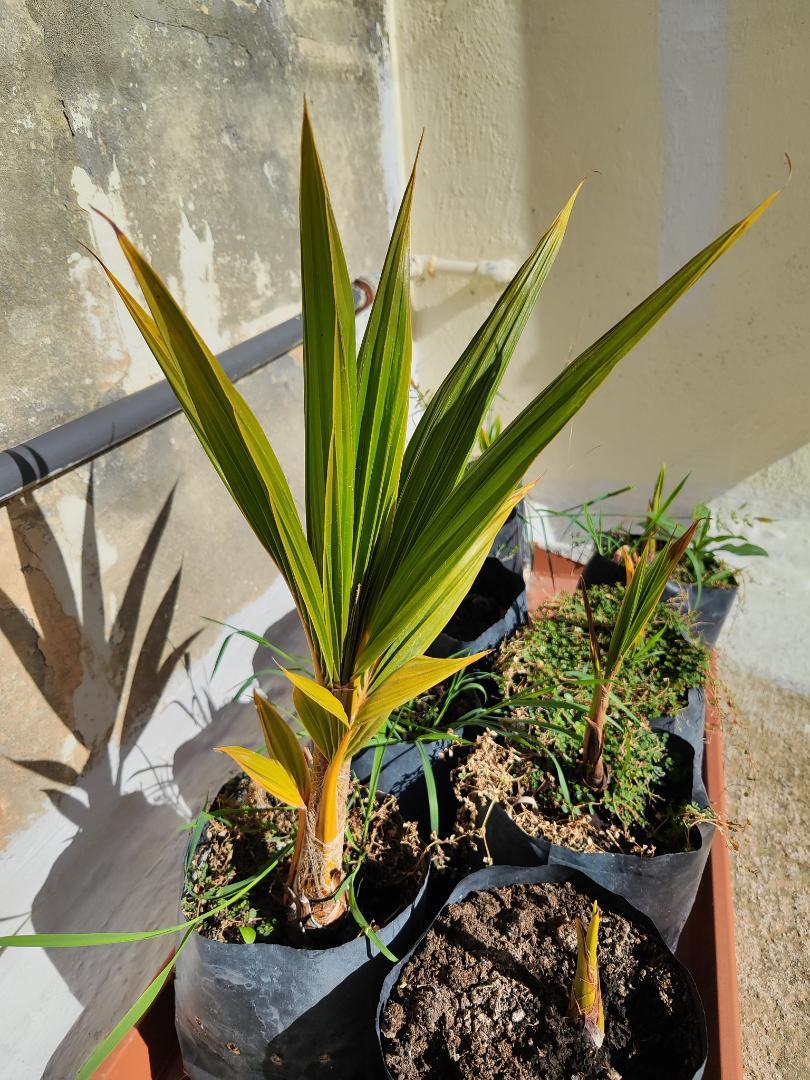
 4 pointsI’m going to say that this will probably never work out. You are attempting the equivalent of an extreme zone push and the decline you are seeing is pretty normal considering the conditions. The problem is that coconuts need much more heat and sunlight than what is available in your living room. And they want to grow big rapidly. Think about it - the coconut is the seed and the strap leaves are the smallest leaves. Compare that to a Howea which has a marble sized seed and would take years to get to the size of a coconuts first leaf. Also, stop for a second and reflect on the fact that you have an outdoor garbage can in your living room to support this endeavor. I understand what you are trying to do, but you do not have a greenhouse. I tried similar things once, twice, too many times. It didn’t work. Take some advice and choose different palms. You can grow plenty of other things indoors that will tolerate the low light and humidity conditions.4 points
 -
 4 pointsInformation varies as does the same palm in different climates. I've found there's no "one size fits all" web-site. Local networking with other experienced enthusiasts is worth exploring for more reliable regional info.4 points
 -
 3 points
 -
 I have to agree - 100% Sabal. They don't really look anything like B armata. When I saw the location, I was surprised that armata could survive there, and then I saw the pics and it all made sense. Also, Brahea don't like to be transplanted. If they actually were armata, I would have said to not waste your time/money on them.3 points
 -
.thumb.png.04b3487b96ff29c55b8a8994b91f62b2.png) 3 pointsSome people live in zone 7 or 6 and they know they can't grow most palms. Some people live in zone 11 or 12 and know they can grow almost any palm. But we, Sir, are the most miserable of all: we live in the middle. In the gap. In the unknown. In 9b/10a. We hope we can grow lots but we know we may not be able to do it. We live in doubt and we always have to try hard and yet go through disappointments and failures. No wonder our mental health is in tatters3 points
3 pointsSome people live in zone 7 or 6 and they know they can't grow most palms. Some people live in zone 11 or 12 and know they can grow almost any palm. But we, Sir, are the most miserable of all: we live in the middle. In the gap. In the unknown. In 9b/10a. We hope we can grow lots but we know we may not be able to do it. We live in doubt and we always have to try hard and yet go through disappointments and failures. No wonder our mental health is in tatters3 points -
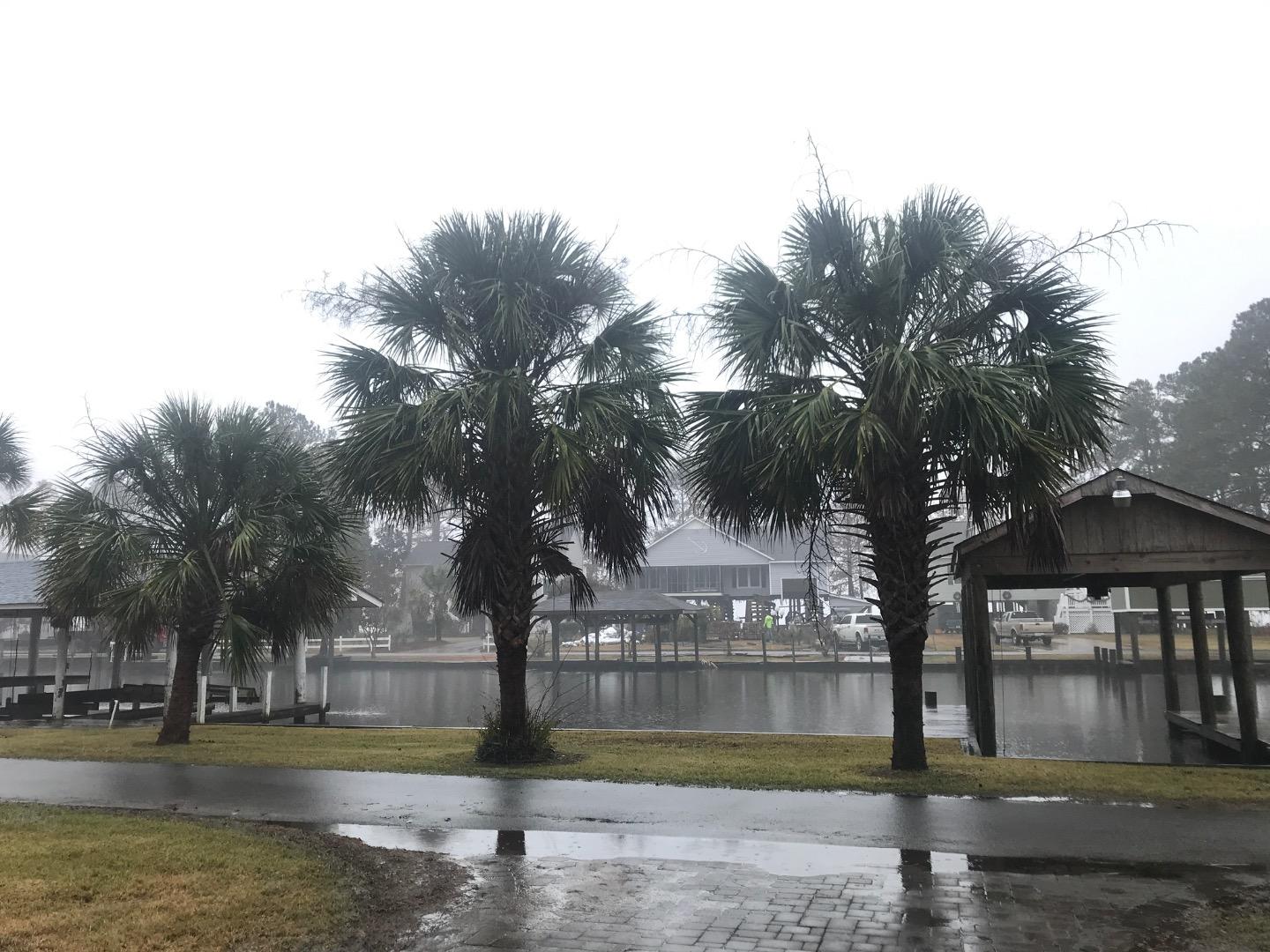
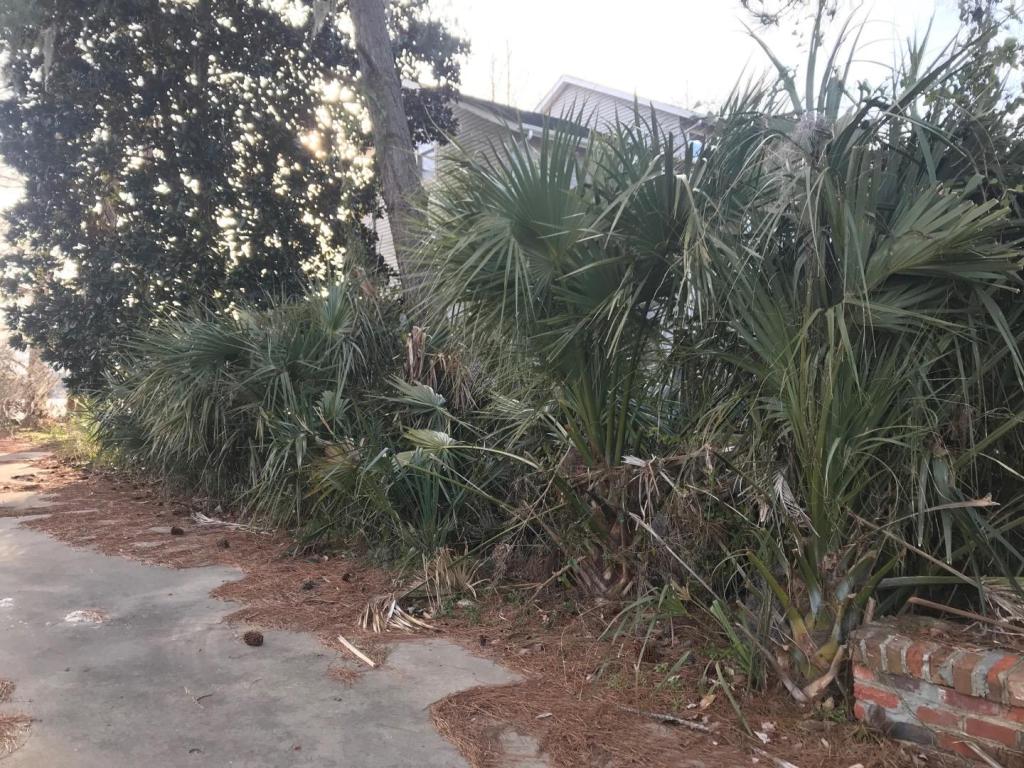
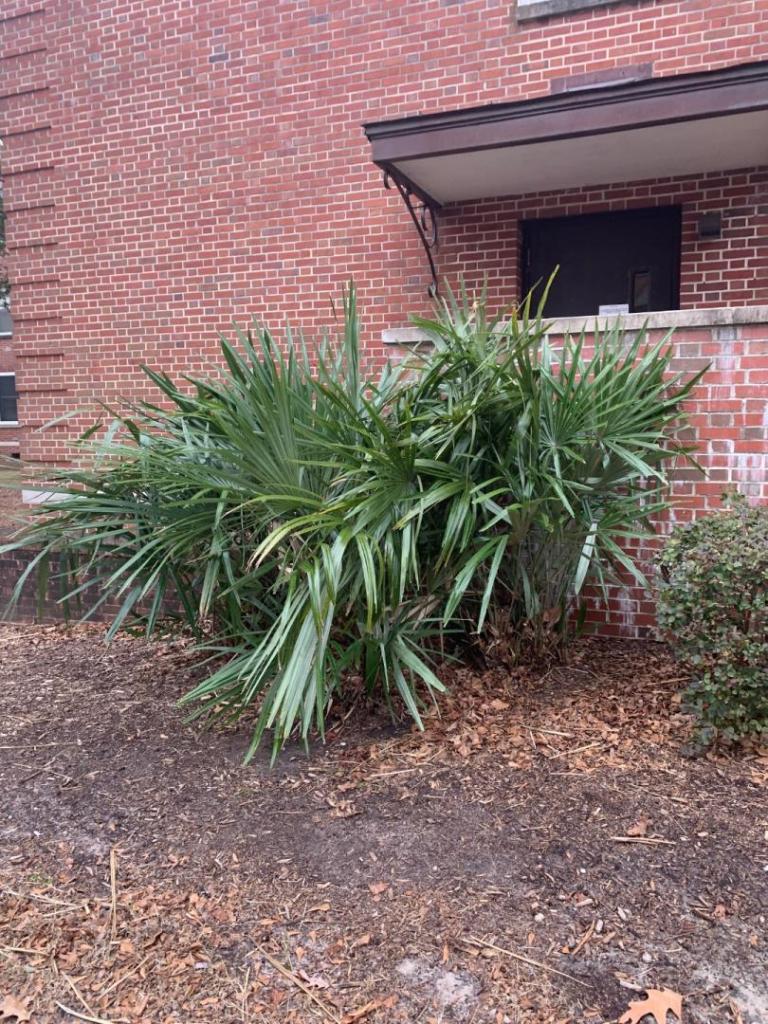
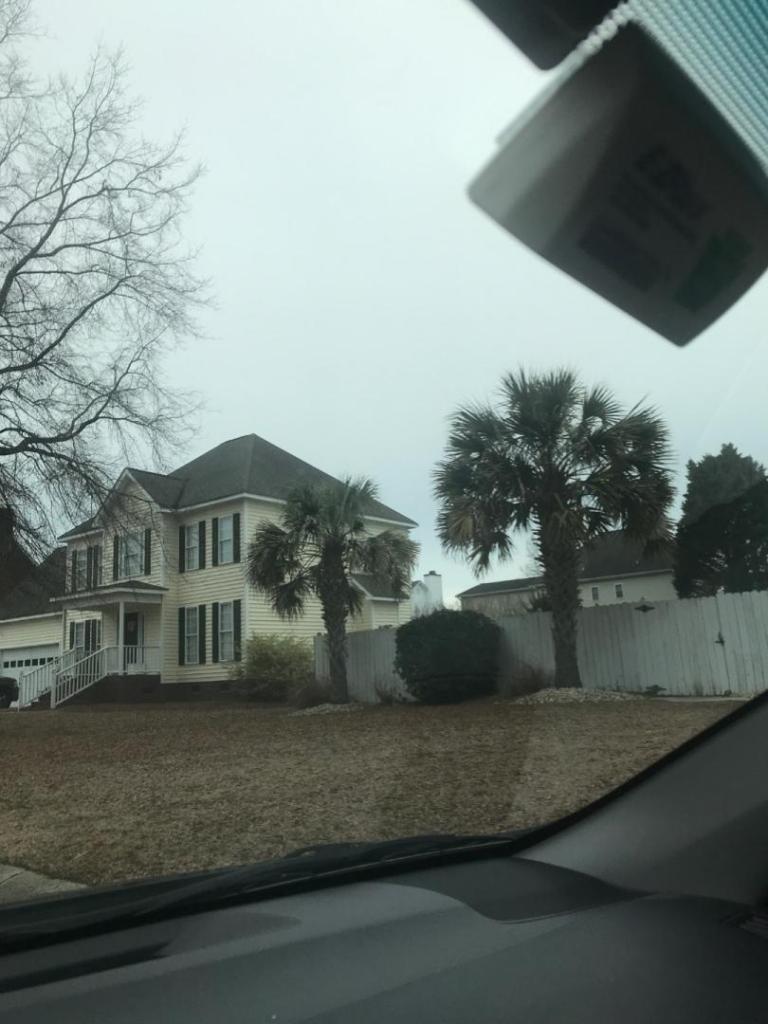
3 pointsJust some pictures of the palms around my city in zone 8a NC. There’s so many palms here than what loft people realize, so of course I won’t be able to highlight every palm but here’s an idea of what grows here. a bunch of naturalized palmettos. this palm definitely has become a naturalized species here A ton of full trachies. these palms do well in the less sandy spots here needle palms on the East Carolina University campus. a lot of butias took a hit in the 2018 winter but are starting to be replanted. this is a long term survivor growing south facing along the river chamaerops And lastly, this massive trucking S. minor!





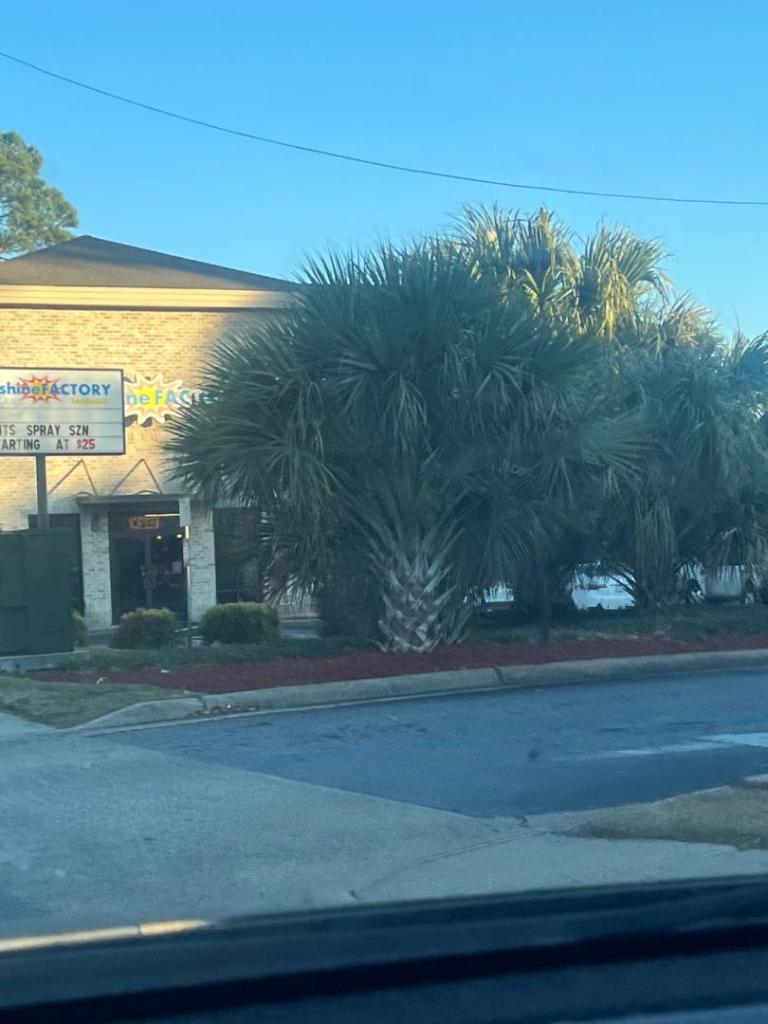

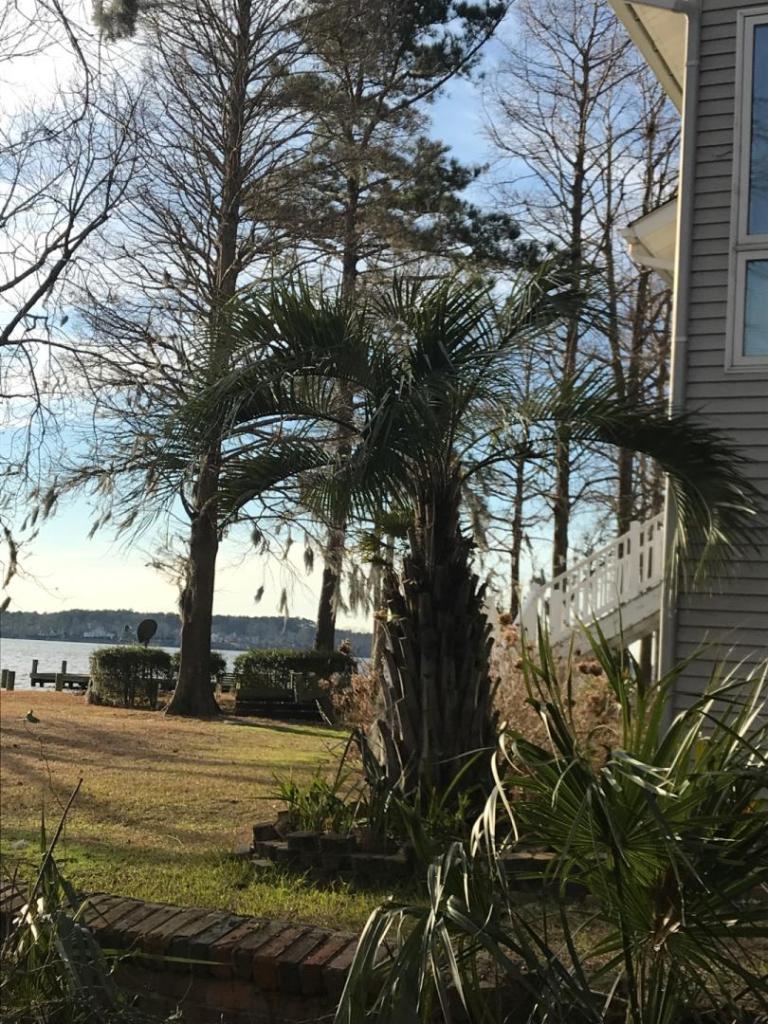


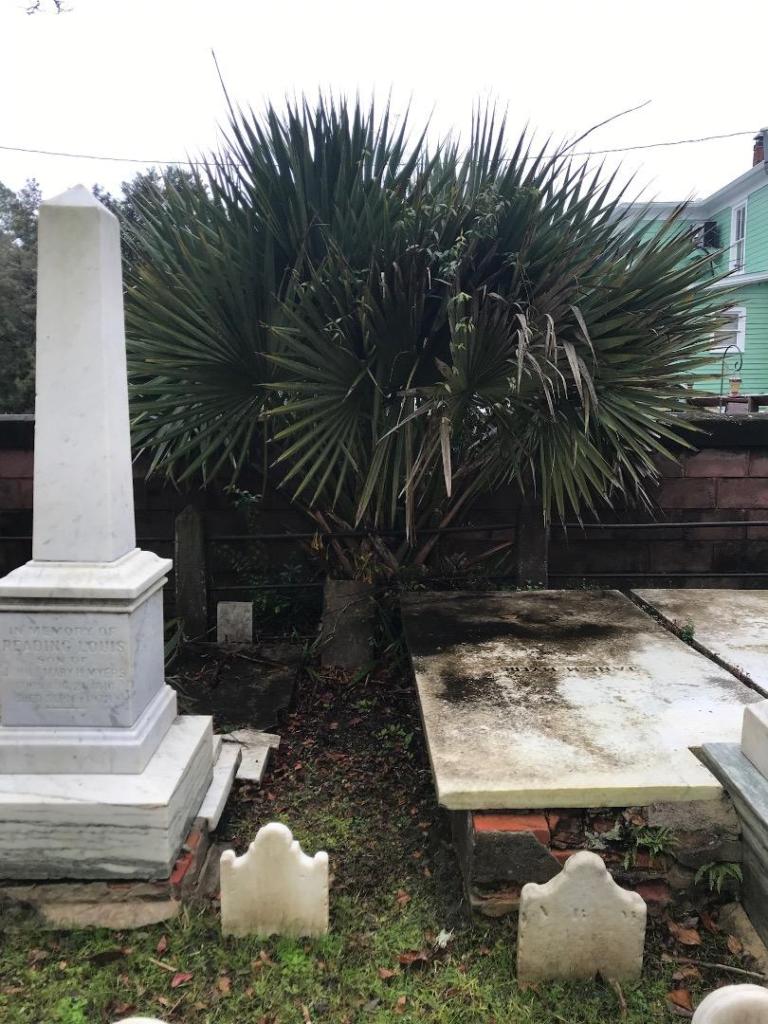 3 points
 -
 3 points
 -
 Today I finally found one of the palms that inspired me to grow tropical species in my climate, a mature and flowering Veitchia arecina. 6 years ago in a summer 2017 afternoon when I was younger I remember passing by a mature Veitchia arecina and it surprised me, I immediately started searching for the name of the street to come back one day and see it again but I never found it and we never passed by that street again, I searched it for 3 years and never found it so after all of that I assumed that what I saw was an illusion or that I had actually seen the silhouette of a queen palm or royal palm, I was obsessed with crownshafted palms from 2017 to 2019 and I had 3 Adonidia merrillii in between those years which died from cold snaps and/or neglect. Today I was casually using google maps and I accidentally found it. The last street view is from 2019 so I don't know if it survived the 2021 freeze, but it seems to have been planted around 2013-16 so it survived multiple winters here and it looks very healthy, at least in the picture. I hope it's alive so I can see it again. https://www.google.com/maps/@25.6963302,-100.3654536,3a,45.6y,154.15h,82.8t/data=!3m6!1e1!3m4!1s8Awr3eoEAliy5vHsapJiUQ!2e0!7i16384!8i8192?entry=ttu
 3 points
 -
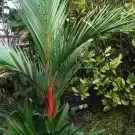 Hey, for sure everyone has a palm that loves and was the one that introduced you to the hobby. Mine is the royal palm, I went to miami when i was like 10, and those giant white trunks and lime green crownshafts caught my eye and now here I am 😀 what's your palm? What's your story?2 points
 -
 2 points
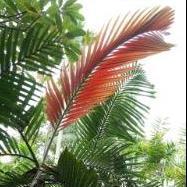
 For me it was the Bismarckia. I bought a house in Villa Park, CA and while walking the dog around, I noticed one of my neighbors had this massive Blue Palm tree. I was in awe and never knew palms could look as large and colorful. I literally knocked on the front door to inquire what it was. A few months later I planted one out. That house subsequently had a bunch of “average SoCal Palms and cycads” like Archontophoenix, Wodyetia, Howeas and Revolutas. After selling that property, I moved to Huntington Beach and also started traveling South to San Diego for work. I knew I had to take advantage of the little microclimate it possessed and was able to get a bunch of unique/rare palms by stopping by all the awesome growers in the San Diego area. The jungle has begun….. -dale2 points
 2 points2 points
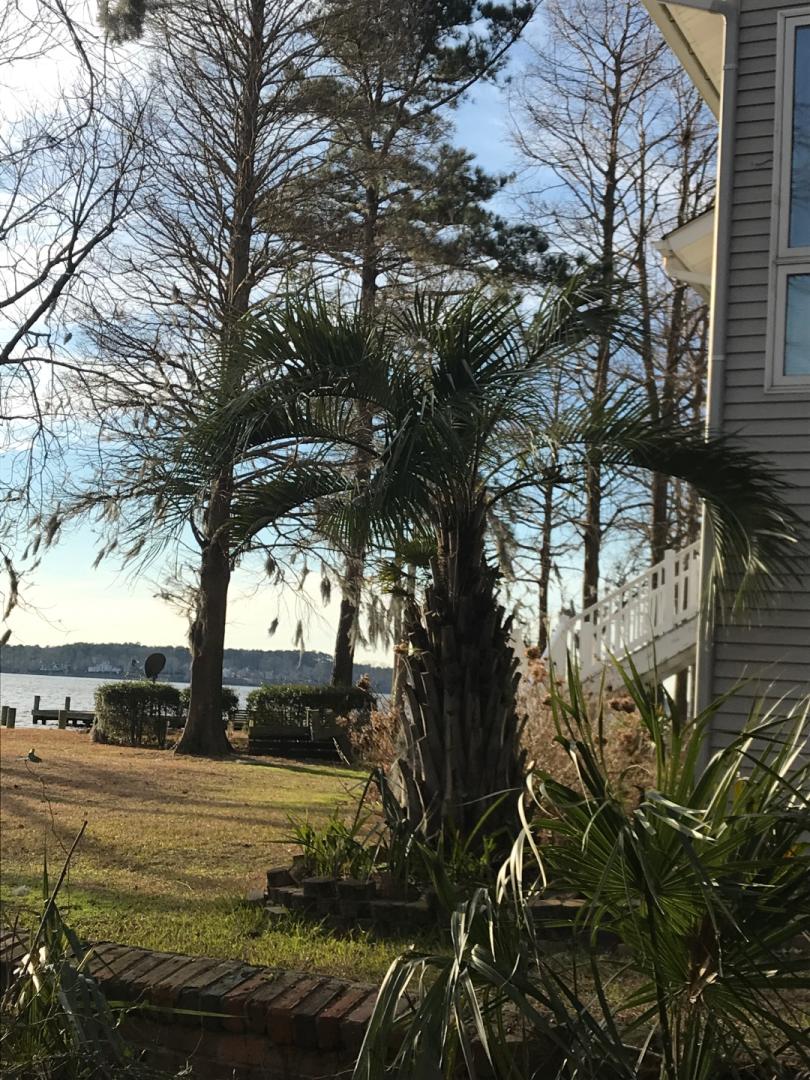
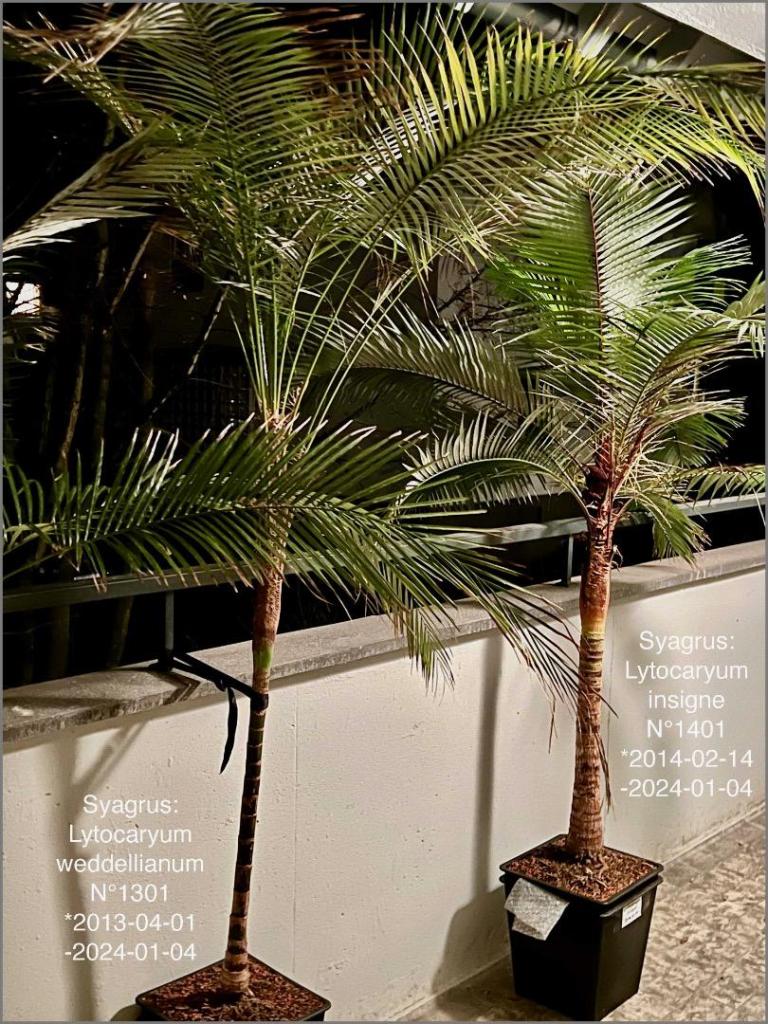
 Both palm trees suffered from the violent gusts of wind in winter:
 2 points
By far this website has the best info. It comes directly from highly knowledgeable and passionate people who are actually growing the palms they discuss2 points
2 points
2 pointsBy far this website has the best info. It comes directly from highly knowledgeable and passionate people who are actually growing the palms they discuss2 points 2 points
Looking at the pictures, i'm really not sure any of these are B. armatas. Look wayy too green compared to any specimens i've seen here / other places, even at that size.. Fronds don't look quite right, and can't recall seeing any younger armata specimens that had the stringy " strings " hanging off the leaflets.. Fronds in Shot #3 definitely looks like a Sabal rather than Brahea -anything, imo. Regardless, Other members w/ more experience should be able to confirm, but recall a few discussions through the years here talking about how armata ..possibly some of the other Brahea.. being a bit touchy as far as being able to transplant, if i remember right.. That size may be different though. Sabal on the other hand, can me moved with relative ease from about that size and larger. Seedling to about this size can a bit more challenging / don't always survive being moved, if i recall correctly.2 points
2 points
Looking at the pictures, i'm really not sure any of these are B. armatas. Look wayy too green compared to any specimens i've seen here / other places, even at that size.. Fronds don't look quite right, and can't recall seeing any younger armata specimens that had the stringy " strings " hanging off the leaflets.. Fronds in Shot #3 definitely looks like a Sabal rather than Brahea -anything, imo. Regardless, Other members w/ more experience should be able to confirm, but recall a few discussions through the years here talking about how armata ..possibly some of the other Brahea.. being a bit touchy as far as being able to transplant, if i remember right.. That size may be different though. Sabal on the other hand, can me moved with relative ease from about that size and larger. Seedling to about this size can a bit more challenging / don't always survive being moved, if i recall correctly.2 points 2 pointsI live on a South facing hill about 300 or so feet above the town. As I go down the hill there will occasionally be frost on the houses and cars but none up on our yard.2 points
 Trachycarpus fortunei. In the 1990s, my computer-ignorant dad bluntly told me he wanted "seeds of Trachycarpus fortunei", and that I had to look for them on the internet, because they say you can find just about anything there. I think my dad wanted a palm after an English garden visit. So I searched and found a German hobbyist page that was hosted on one of those typical free website hosts of the 90s - some of you may remember... I bought 50 seeds and my father had fun with them. Seeing how they germinated and grew into palms triggered my interest, and now that I live in the tropics, I experiment a lot with growing different kind of palms. I always start from seed, because germination is part of the fun for me. I have a T. fortunei "wagnerianus" seedling just to keep the memory alive (T. fortunei is not recommended for my type of climate).2 points
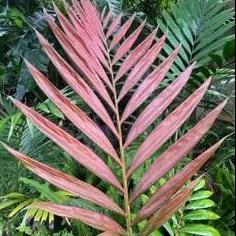 It was Veitchia arecina for me. Before I got into palms and gardening for that matter, the usual palms I typically saw around central florida were queens, Mexican fans, sabals, and an occasional big foxtail. It was on a visit to Leu Gardens in Orlando about 4 years ago for the seasonal dinosaur exhibit. The gardens are just 20 mins away from my home, and I saw what I remembered as a huge, wide-leaflet palm appearing almost all black in the shade, perfectly symmetrical specimen towering 50ft above into the tall oak canopy. At the time, this was the most exotic looking palm I had ever seen. In awe I read the name tag “Montgomery Palm” and also noticed a few big red seeds laying next to it. I grabbed a seed and pocketed it, and left the gardens thinking, “if they can grow, I can grow it”. That seed never germinated, but it was that experience that got me into a lifelong love for palms and gardening.2 points
2 pointsI am about an hour north of Los Angeles and 20 miles inland. I have a Venezuelan Royal that I bought at Jungle Music in Encinitas in a 5 gal pot. Phil said it would not make it where I live . That was about 25 years ago and the first few years were slow . It is now catching up to my Queen Palm! It has not seen anything below 38 f as far as I know , but they really don’t like cold. It would prefer being in a sub tropical climate but it is now starting to look better every year. I just started fertilizing last season to beef it up. This was last year just before spring.
It was Veitchia arecina for me. Before I got into palms and gardening for that matter, the usual palms I typically saw around central florida were queens, Mexican fans, sabals, and an occasional big foxtail. It was on a visit to Leu Gardens in Orlando about 4 years ago for the seasonal dinosaur exhibit. The gardens are just 20 mins away from my home, and I saw what I remembered as a huge, wide-leaflet palm appearing almost all black in the shade, perfectly symmetrical specimen towering 50ft above into the tall oak canopy. At the time, this was the most exotic looking palm I had ever seen. In awe I read the name tag “Montgomery Palm” and also noticed a few big red seeds laying next to it. I grabbed a seed and pocketed it, and left the gardens thinking, “if they can grow, I can grow it”. That seed never germinated, but it was that experience that got me into a lifelong love for palms and gardening.2 points
2 pointsI am about an hour north of Los Angeles and 20 miles inland. I have a Venezuelan Royal that I bought at Jungle Music in Encinitas in a 5 gal pot. Phil said it would not make it where I live . That was about 25 years ago and the first few years were slow . It is now catching up to my Queen Palm! It has not seen anything below 38 f as far as I know , but they really don’t like cold. It would prefer being in a sub tropical climate but it is now starting to look better every year. I just started fertilizing last season to beef it up. This was last year just before spring. 2 points
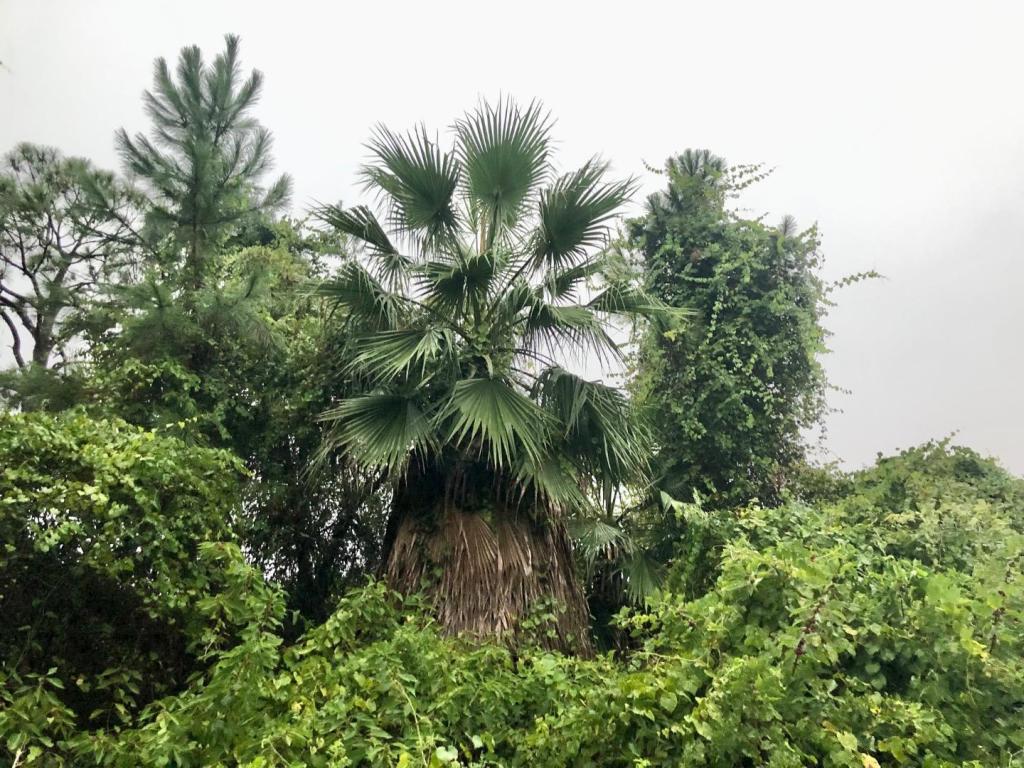
 About them growing in cracks and sidewalks I’ve definitely seen a few around, not as much as you describe where you are but it is quite common here in northwest Florida. A lot of people tend to cut off the seed stocks before they end up falling to the ground though so I’ve seen those cases but not often.
 2 points
Shaded areas, a crack in a sidewalk / road, rain gutter / crack in a tile roof tile. Definitely not picky about where they start out life.. There's a park on the far east side of Tucson where you'll find dozens ( and dozens, lol ) of seedlings / younger- aged specimens growing among an extensive grove of much bigger / older specimens, and numerous other trees which line a spring, that create fairly dense shade for several hours or all day.. While not perfect, ..No website for observing / documenting living things ever would be.. iNaturalist is a great resource for looking up ..pretty much any... living organism, let alone seeing what different conditions a particular plant might tolerate / what might grow in your area, native or introduced. Be warned, once you start surfing around the site, looking up a few things, you'll likely end up spending more time than you realized ..looking up all sorts of other things, .2 points
2 pointsI mostly use this site for quick and reliable information, and palmpedia for pictures. If there's nothing on this site, it usually is quite a rare species.2 points
2 points
Shaded areas, a crack in a sidewalk / road, rain gutter / crack in a tile roof tile. Definitely not picky about where they start out life.. There's a park on the far east side of Tucson where you'll find dozens ( and dozens, lol ) of seedlings / younger- aged specimens growing among an extensive grove of much bigger / older specimens, and numerous other trees which line a spring, that create fairly dense shade for several hours or all day.. While not perfect, ..No website for observing / documenting living things ever would be.. iNaturalist is a great resource for looking up ..pretty much any... living organism, let alone seeing what different conditions a particular plant might tolerate / what might grow in your area, native or introduced. Be warned, once you start surfing around the site, looking up a few things, you'll likely end up spending more time than you realized ..looking up all sorts of other things, .2 points
2 pointsI mostly use this site for quick and reliable information, and palmpedia for pictures. If there's nothing on this site, it usually is quite a rare species.2 points 2 pointsWhen in SoCal I used @Phil Junglemusic.net like the bible. Now i use thos website haha T J2 points
 2 pointsThis site is quite good . Use the Search feature to pull up threads on whichever palm species that you want . The State of Florida , and others are also good sources . For example : https://sfyl.ifas.ufl.edu/lawn-and-garden/florida-palms/ I assume that California and other places would have a similar site . More suited to your climate ......? These are non commercial , so there's that ....2 points
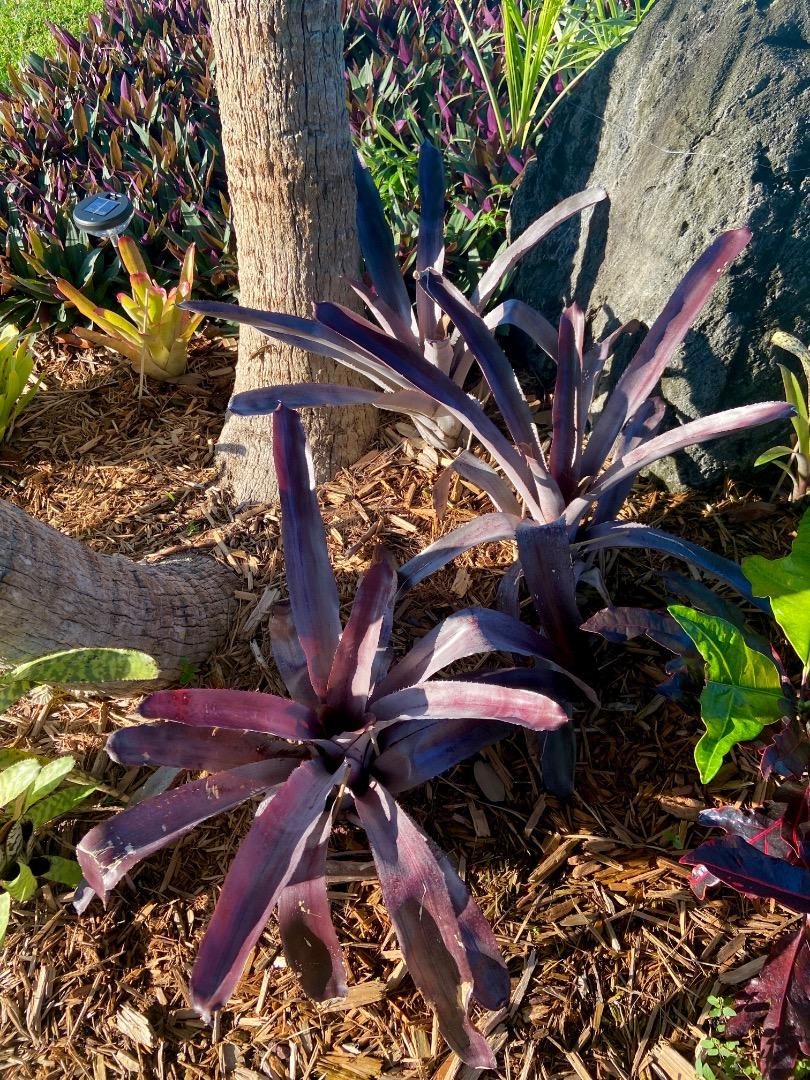
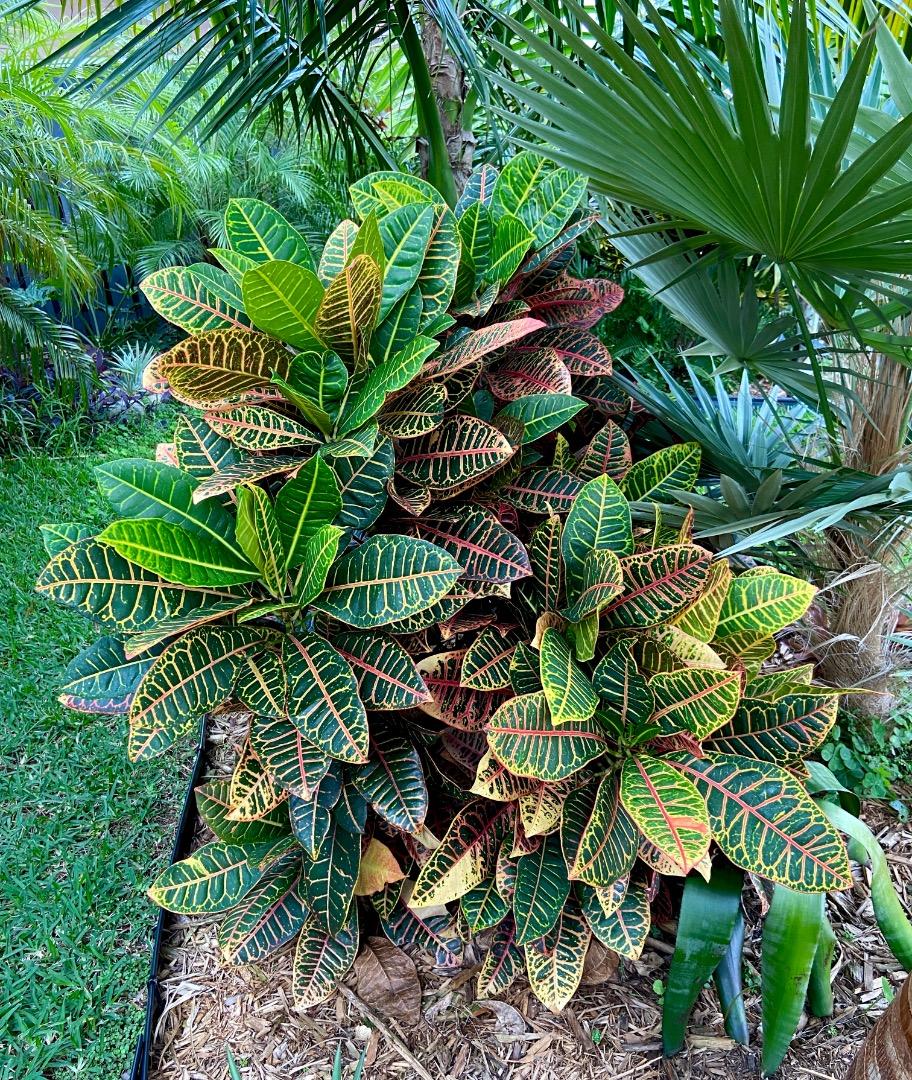
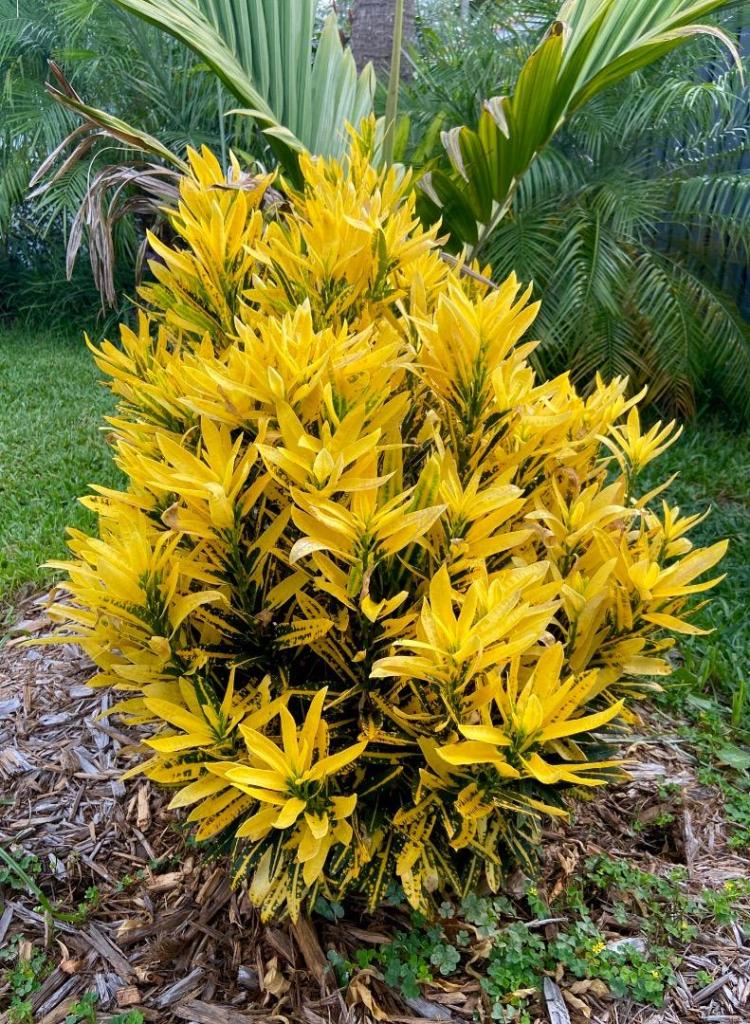
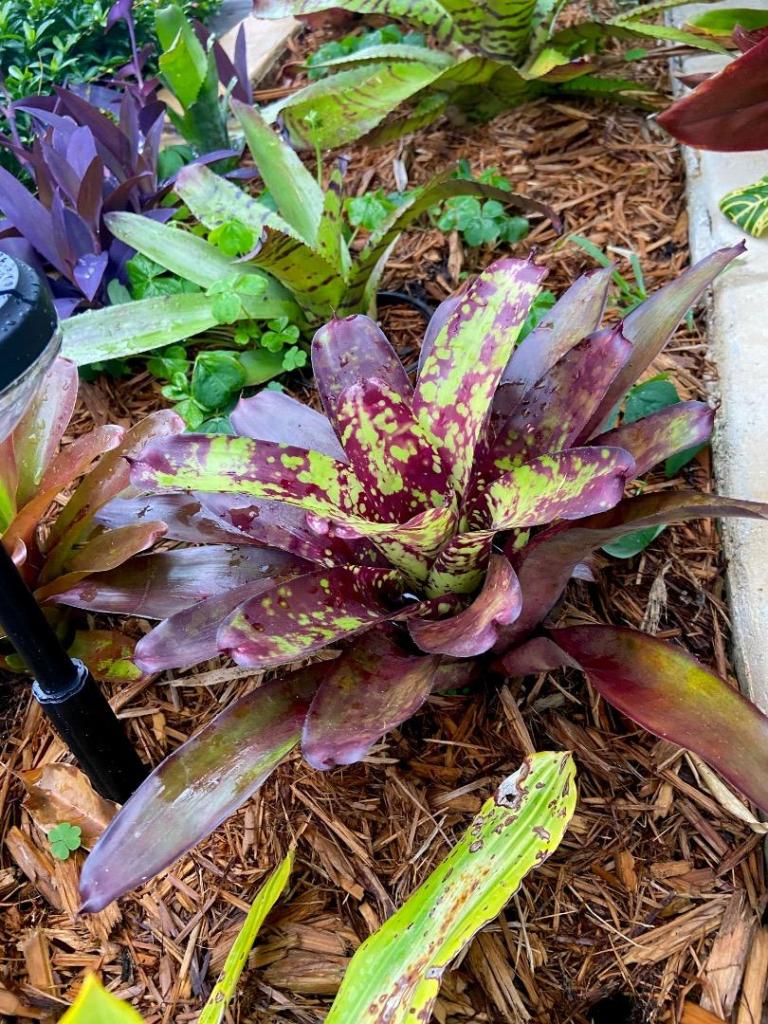
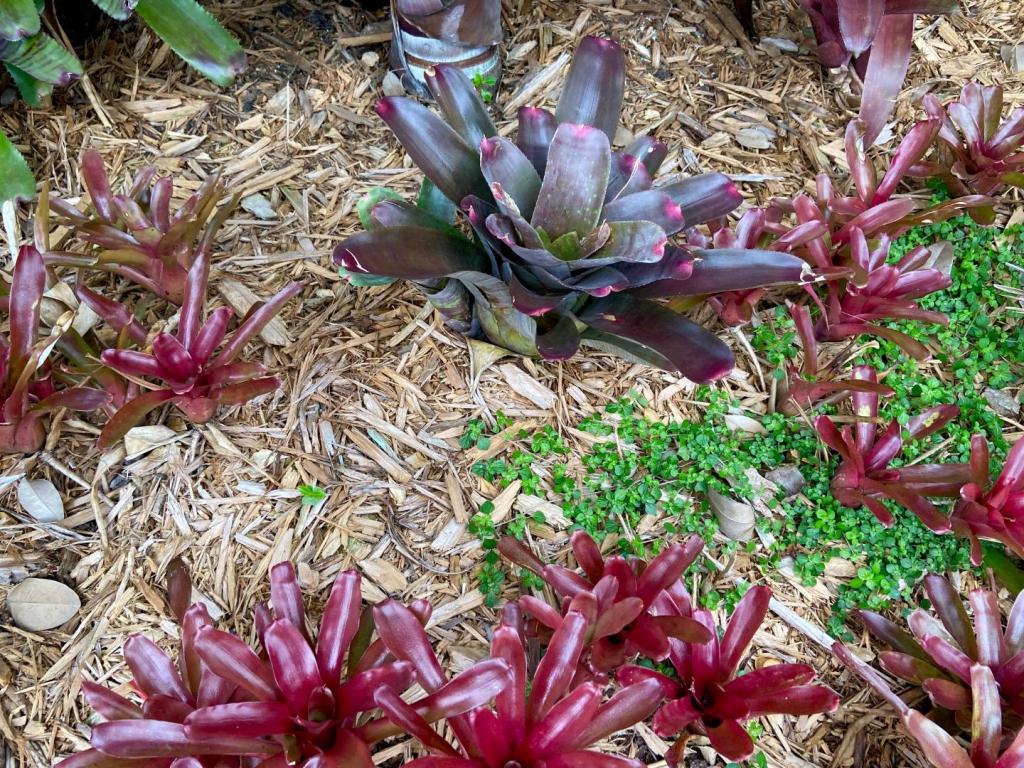
 Looks like you got one of everything! Congratulations! You’re off to a lightning-fast jumpstart! Three things to consider when planting are sun tolerance, individual water needs, and mature frond lengths for crowding. Try to get your sun lovers and drought tolerant palms out in the open, blasted by sun, away from the water and shade lovers. Then group your water lovers in the wet areas so they can get blasted with irrigation without rotting anyone else out. Each spot in the yard has certain characteristics that might favor certain plants, and you can tailor your irrigation and bed amendments once you’ve got the sun spots picked out. Pseudophoenix Sargentii will like to be blasted by open sun, in alkaline soil, and will need to dry out. Satakentia will like to be watered every day to every other day, and might appreciate a little shade break at times. Chambeyronia macrocarpa will fry and die in full open Florida sun, but prosper in a moist shady spot when younger. Not sure about cold protection in 10a, but others can comment on that. What direction does the front of your lot face? When I first moved into my current house, I came from a condo, so we needed a lot of stuff for the inside. Some people advised taking it slow, as you don’t know what you’ll need or how things will exactly fit and flow, until you’ve lived there for a year or so. Since it was just before COVID hit, we took it slow on furnishings and arrangements…. by necessity, at the time. It worked out well. Same can be said about some of the outside plantings. You’ll get to know the yard, the sun movements during the year, the soil and moisture variations from spot to spot, etc…. Especially if you do your own yard maintenance…. You’ll know every blade of grass, and will notice things very early if there is a problem. Doing the understory, shrubs, and ground cover is just as fun as palms. Crotons, Ti, Philodendrons, and bromeliads can give you some color accents, leaf variations, and pizazz, but each type will need the same considerations mentioned above. Even boulders and borders can add a lot to the look. And not everyone will survive long term. Things will grow big and fast. Bigger and faster than you anticipated. Things will look a lot different in 2 years. Great place and house though. You’ve reached the fun stage. Even small plants will fill in quick in zone 10+. Crotons and bromeliads can be more addicting than palms




 2 points
2 points
2 points 2 pointsEnd of Year Update. A video of other palms is on the channel as well.2 points
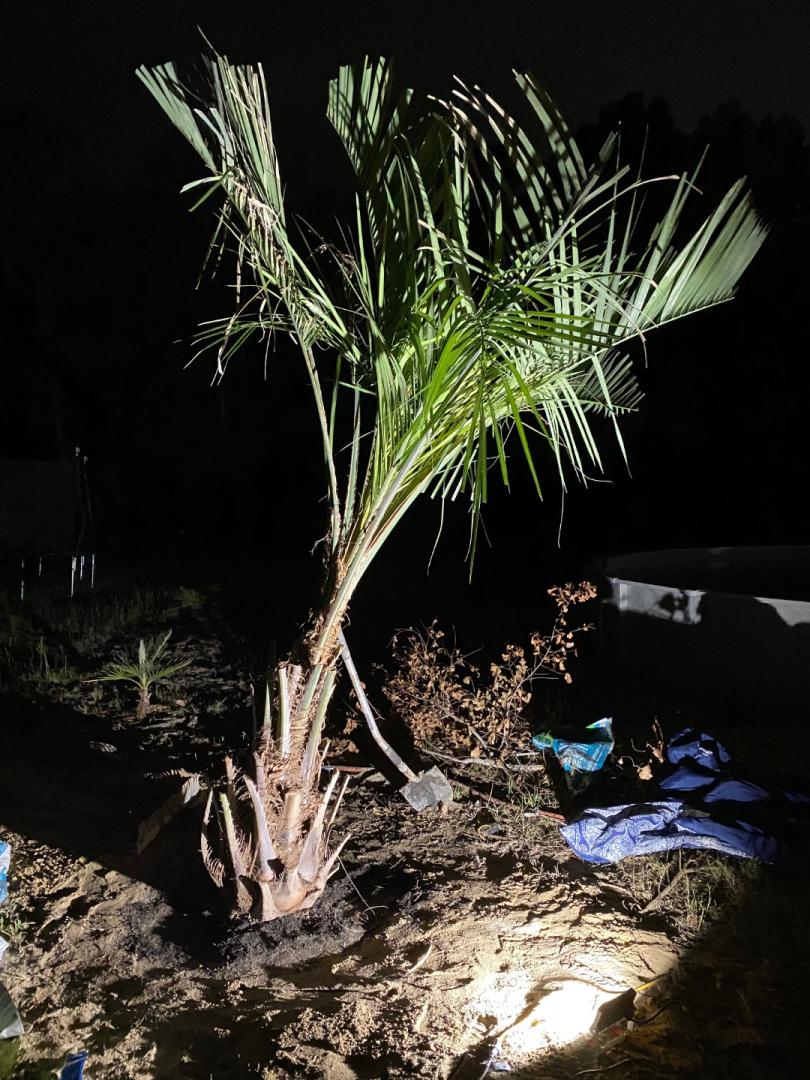
Alrighty it’s in the ground and over with, I’ll keep it watered and it has a little lean to it from being loose and leaning into the brick wall but it knows what’s to do once it’s recovered 🤠 thanks for your help guys! Only thing I’m wondering is should I stake it up?
2 pointsEnd of Year Update. A video of other palms is on the channel as well.2 points
Alrighty it’s in the ground and over with, I’ll keep it watered and it has a little lean to it from being loose and leaning into the brick wall but it knows what’s to do once it’s recovered 🤠 thanks for your help guys! Only thing I’m wondering is should I stake it up?
 2 points
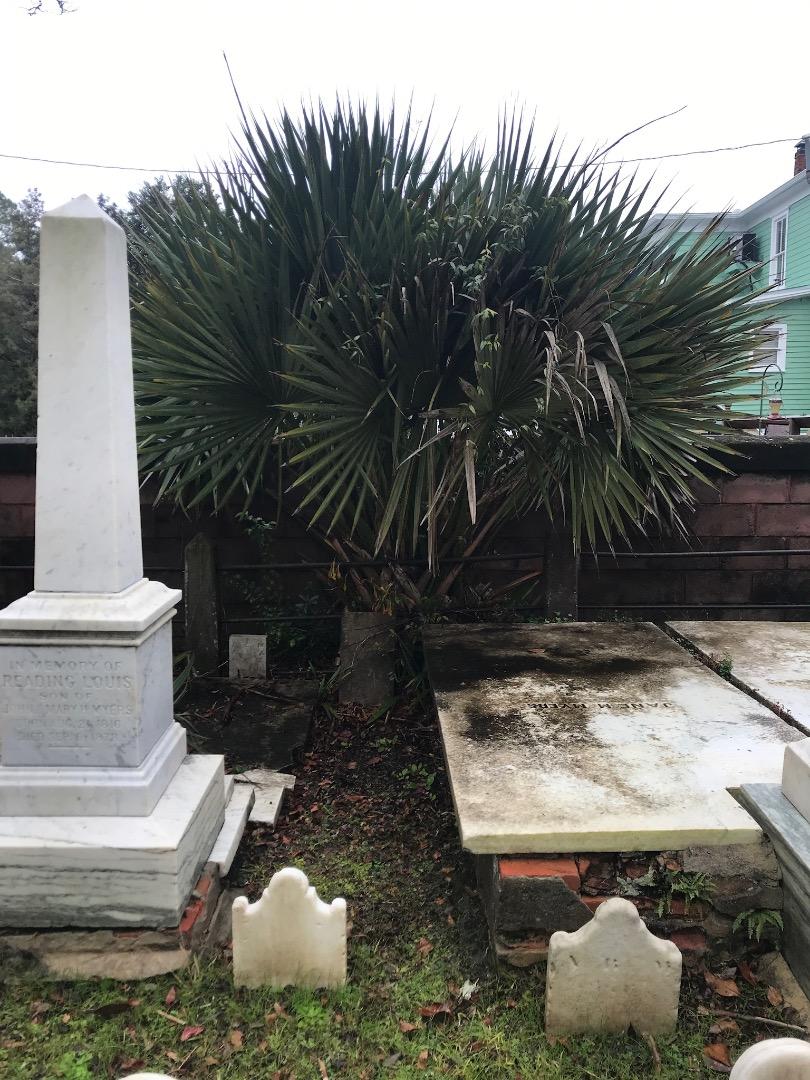
1 pointSome pics from a recent trip to the NCSU JC Raulston Arboretum a few weeks ago. Assuming it’s 7b Trachycarpus fortunei Sabal brazoria Sabal etonia Sabal louisiana A bunch of minors by the entrance. This palm has naturalized itself in the surrounding area off the property as well. T. fortunei wagner Sabal palmetto Sabal birmingham
2 points
1 pointSome pics from a recent trip to the NCSU JC Raulston Arboretum a few weeks ago. Assuming it’s 7b Trachycarpus fortunei Sabal brazoria Sabal etonia Sabal louisiana A bunch of minors by the entrance. This palm has naturalized itself in the surrounding area off the property as well. T. fortunei wagner Sabal palmetto Sabal birmingham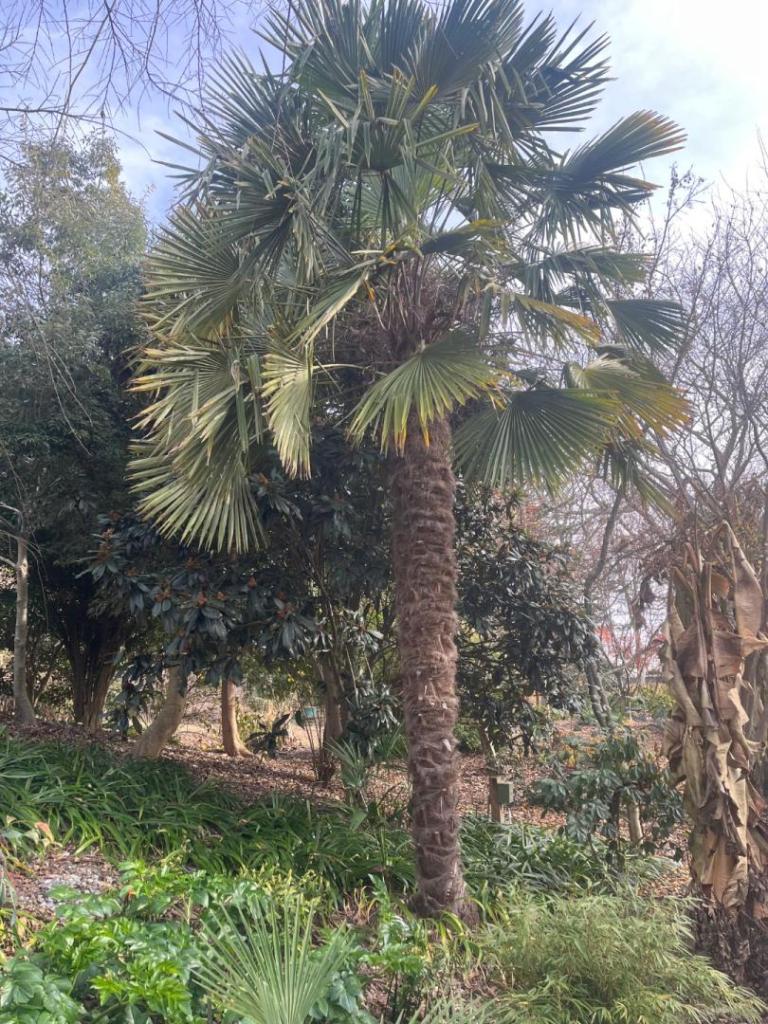
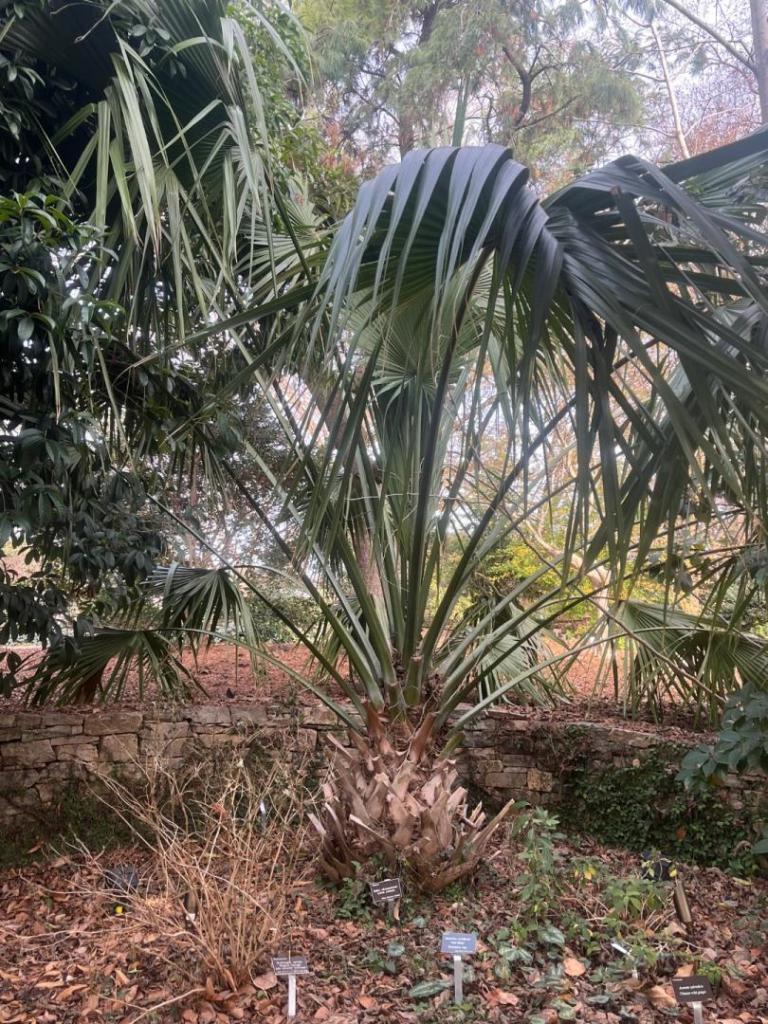
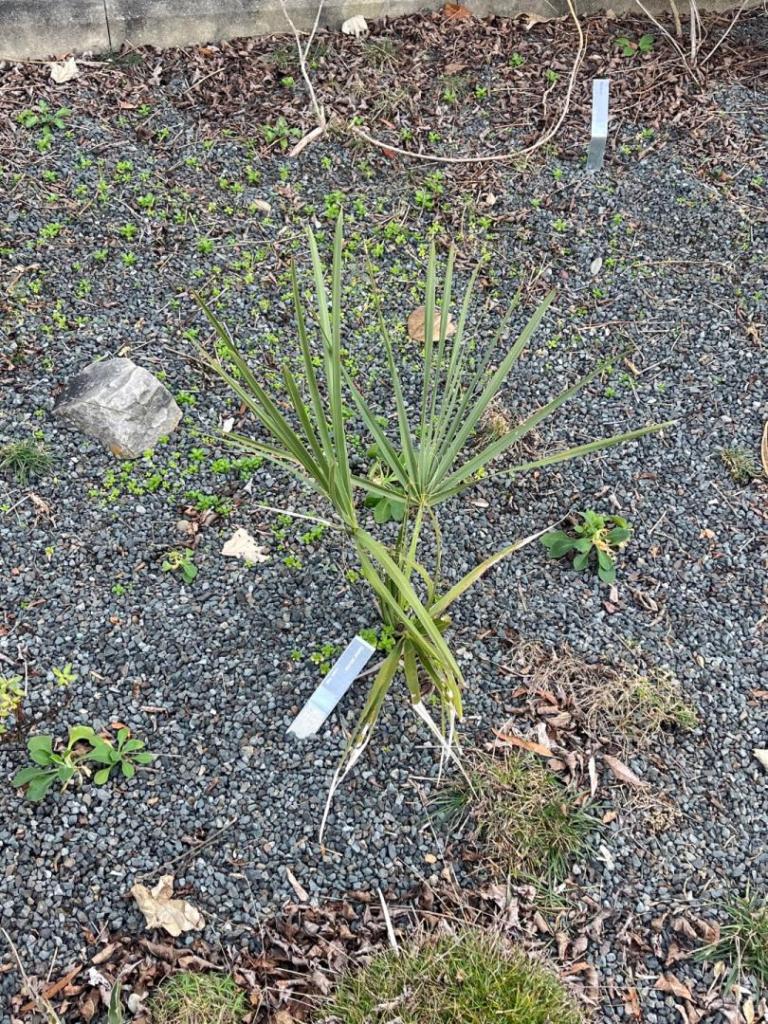
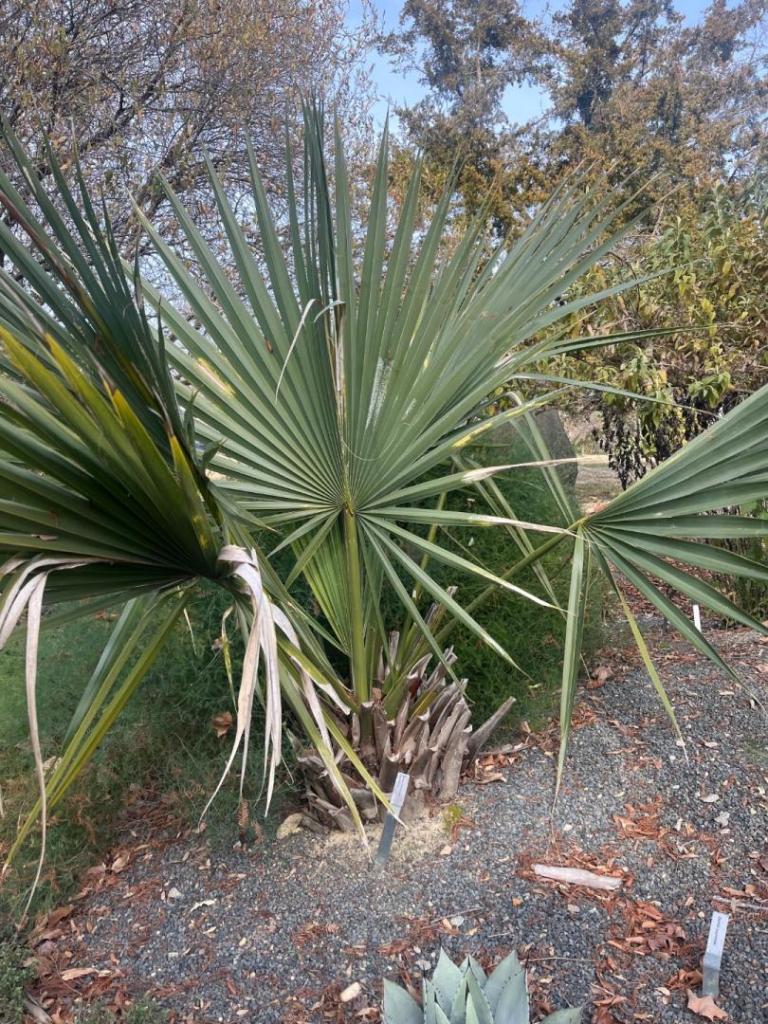
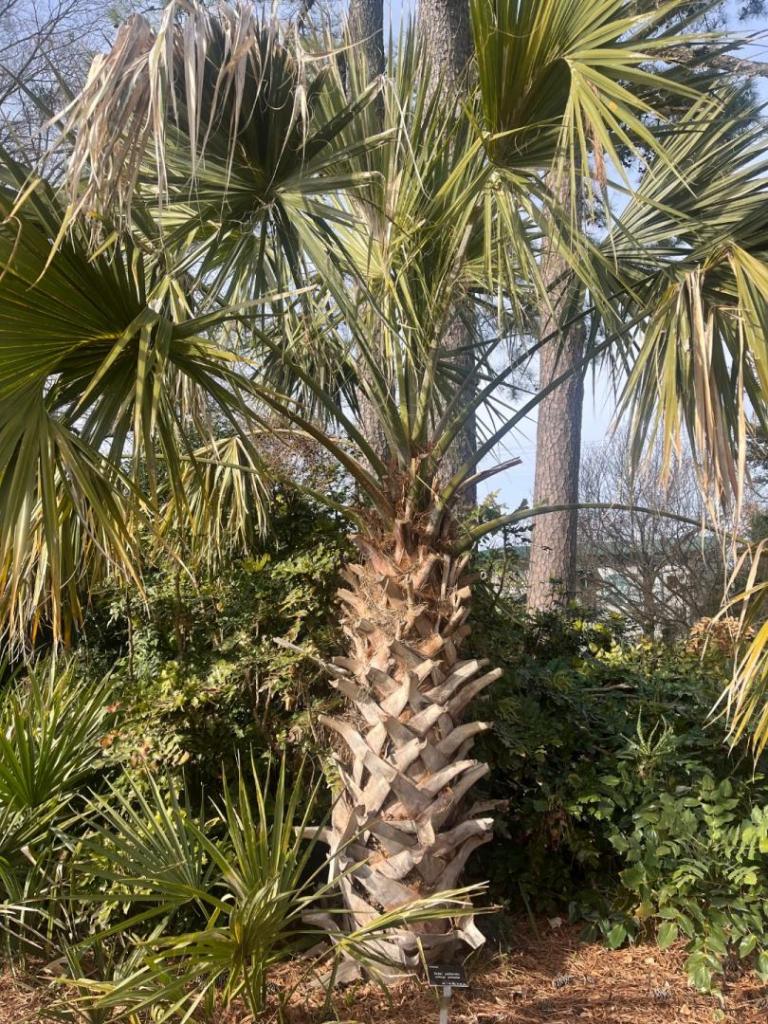
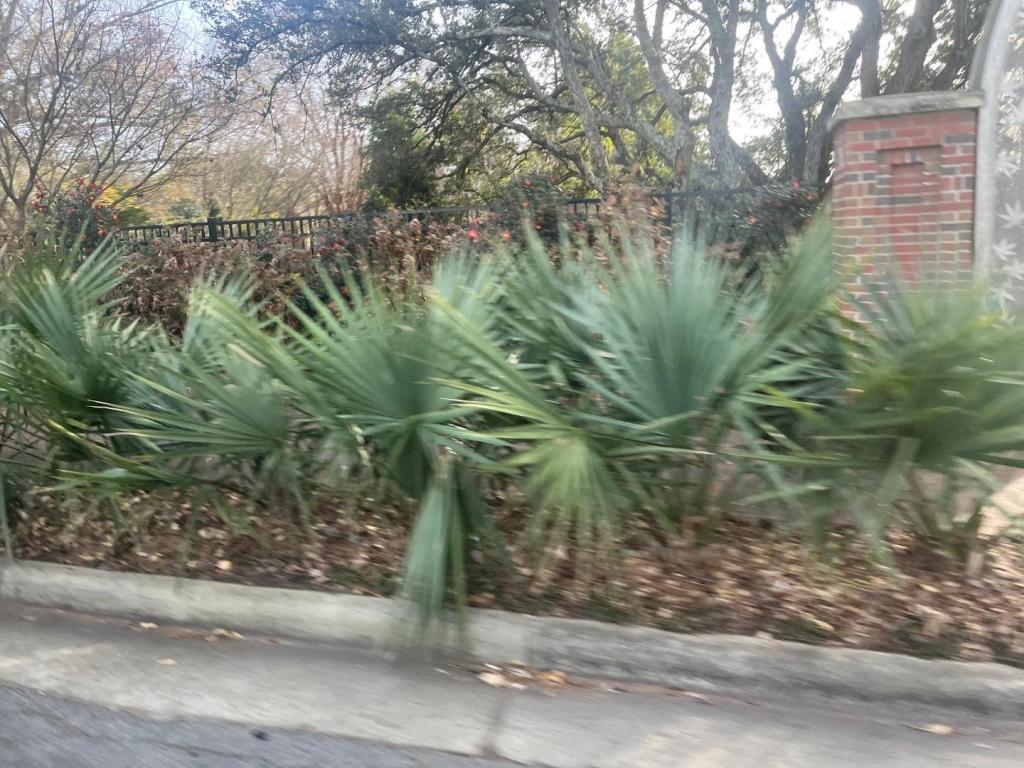
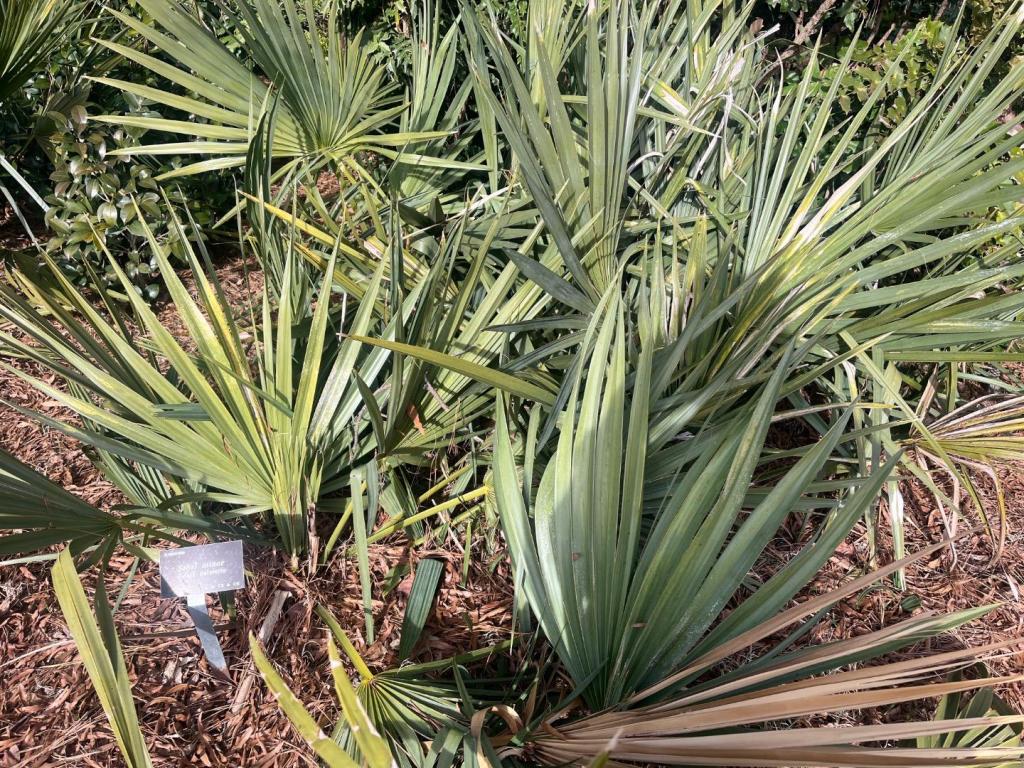
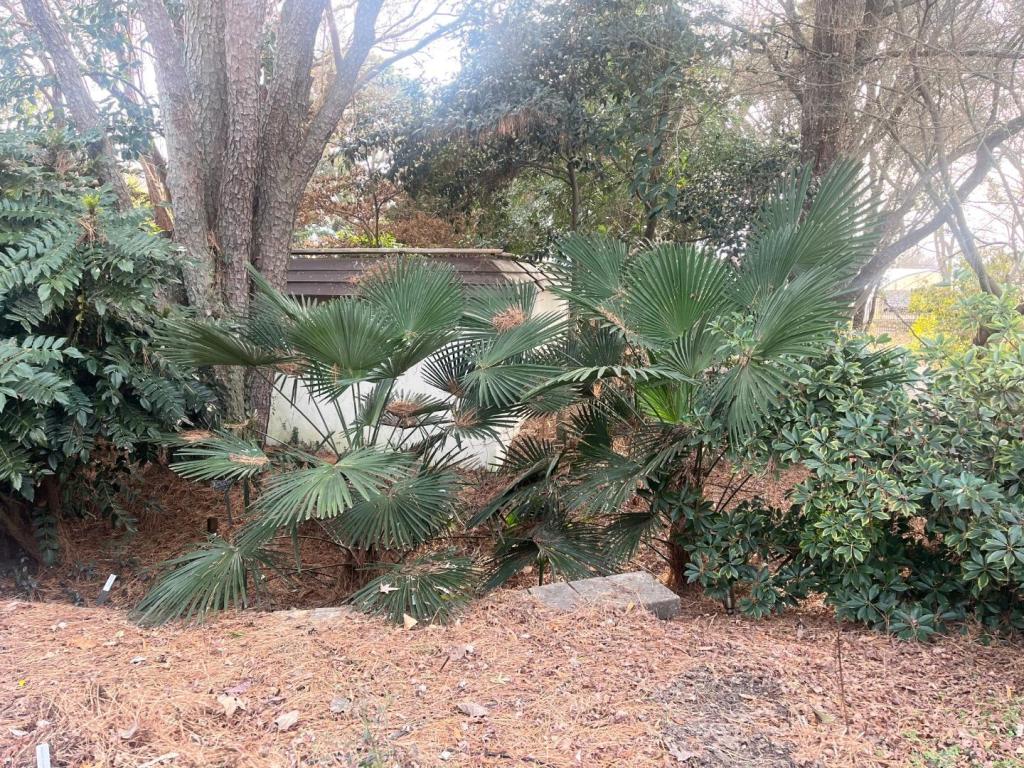
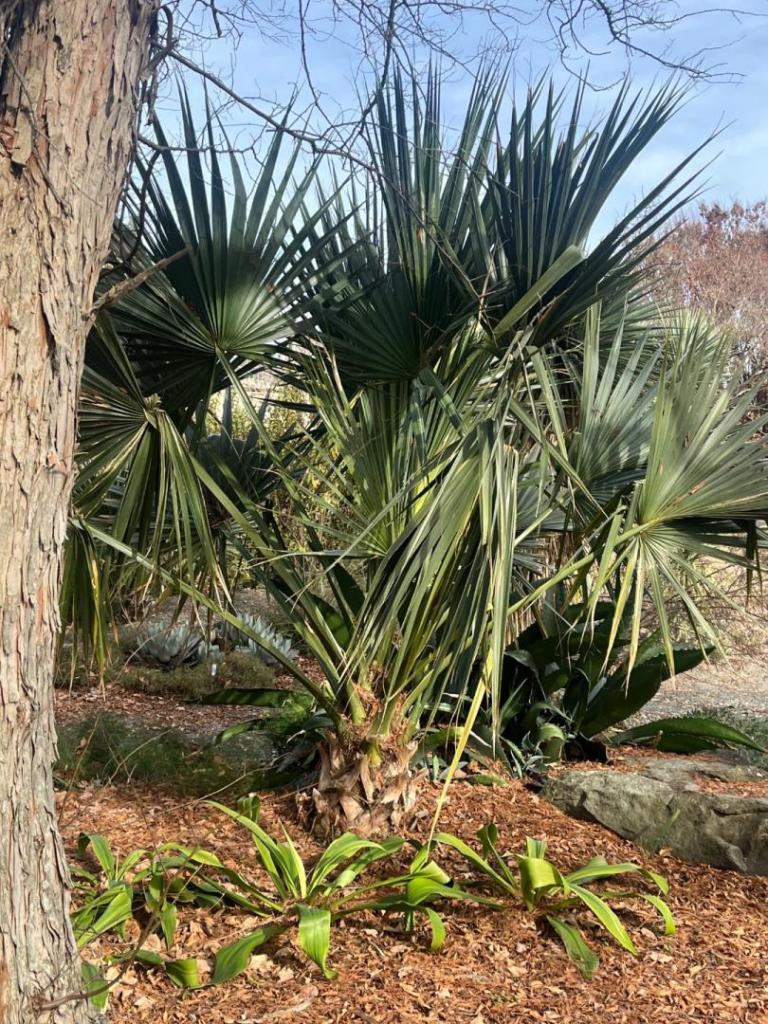 1 point
Even there in Fl. where you typically see much more rainfall than we do here, if the palm is growing next to another large tree, esp. something thirsty w/ a lot of surface roots, like a Ficus or Ash, the individual palm could be stunted / slowed down more as a result of competing with the tree's roots for available resources, rather than directly related to the less than ideal light conditions. In more shade, really dense shade esp, they might present a thinner crown / overall thinner- looking profile until they break out above that more shaded exposure. ..but, will " thicken up " once at or above whatever is shading them when younger / smaller. If you look over pictures of Mex Fans on iNaturalist, you'll see numerous examples of specimens growing in everything from sun to shade, a majority doing well in both ends of light exposures. Rare that ones that start out in shade are killed outright by growing in such an exposure. Here, the most abundant crops of seedlings i see pop up each year are concentrated in areas that are shaded by trees or larger shrubs for half or most of the day. They also seem to grow faster than those that pop up out where fully exposed to our sun and much drier air / soil conditions ( Soil in shadier areas will typically retain moisture a bit longer than out in areas which see uninterrupted sun from Sunrise to Sunset )1 point
1 point
Even there in Fl. where you typically see much more rainfall than we do here, if the palm is growing next to another large tree, esp. something thirsty w/ a lot of surface roots, like a Ficus or Ash, the individual palm could be stunted / slowed down more as a result of competing with the tree's roots for available resources, rather than directly related to the less than ideal light conditions. In more shade, really dense shade esp, they might present a thinner crown / overall thinner- looking profile until they break out above that more shaded exposure. ..but, will " thicken up " once at or above whatever is shading them when younger / smaller. If you look over pictures of Mex Fans on iNaturalist, you'll see numerous examples of specimens growing in everything from sun to shade, a majority doing well in both ends of light exposures. Rare that ones that start out in shade are killed outright by growing in such an exposure. Here, the most abundant crops of seedlings i see pop up each year are concentrated in areas that are shaded by trees or larger shrubs for half or most of the day. They also seem to grow faster than those that pop up out where fully exposed to our sun and much drier air / soil conditions ( Soil in shadier areas will typically retain moisture a bit longer than out in areas which see uninterrupted sun from Sunrise to Sunset )1 point 1 pointTry using a grease pencil. BTW china markers are the same as grease markers.1 point
 1 point
 1 pointThat is an incredible result - overwhelming generosity and passion in the society to make a difference! Thank you!!!1 point
Should be fine without full sun. Fast growing so keep that in mind. They get VERY tall.1 point
1 pointThat is an incredible result - overwhelming generosity and passion in the society to make a difference! Thank you!!!1 point
Should be fine without full sun. Fast growing so keep that in mind. They get VERY tall.1 point The one closest to the street is looking a little rough, but hopefully we have a mild winter and it'll recover more.1 point
Very cool, thanks for sharing. I'll try to check some of these areas out the next time I'm in town and the sun's out. I wonder how much of what was removed would eventually bounce back? It's sad to see all that removed. In addition to this there are, I think, silver date palms at the south rim. Here they are after last winter's freeze: https://maps.app.goo.gl/c7dat5JfA7gYbCp88 2 are still alive, I think the third one might be too, but it's recovering the slowest. I believe these were planted after the big freeze, but got zapped last year. Here's a few more I've seen off I-10: https://maps.app.goo.gl/ArjQzWotfmAq9Qjq8 https://maps.app.goo.gl/LJfcyBSh8zPp1dd46 These are in much better shape. I just looked, these were planted before palmageddon. They look great from what I've seen from the highway.1 point
Another vote for Filibusta, fronds are leaning more Filifera with the deep cuts.1 point
The one closest to the street is looking a little rough, but hopefully we have a mild winter and it'll recover more.1 point
Very cool, thanks for sharing. I'll try to check some of these areas out the next time I'm in town and the sun's out. I wonder how much of what was removed would eventually bounce back? It's sad to see all that removed. In addition to this there are, I think, silver date palms at the south rim. Here they are after last winter's freeze: https://maps.app.goo.gl/c7dat5JfA7gYbCp88 2 are still alive, I think the third one might be too, but it's recovering the slowest. I believe these were planted after the big freeze, but got zapped last year. Here's a few more I've seen off I-10: https://maps.app.goo.gl/ArjQzWotfmAq9Qjq8 https://maps.app.goo.gl/LJfcyBSh8zPp1dd46 These are in much better shape. I just looked, these were planted before palmageddon. They look great from what I've seen from the highway.1 point
Another vote for Filibusta, fronds are leaning more Filifera with the deep cuts.1 point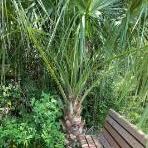 Looks exactly like my filibusta in Albuquerque. The deep cut to the fronds shows the filifera part of the genetics, while the petioles are very richly colored, although not as red as in pure robusta. This should be a very hardy palm and grow faster than filifera with a smaller trunk size, although again thicker than robusta. It's a beauty!1 point
1 point
Looks exactly like my filibusta in Albuquerque. The deep cut to the fronds shows the filifera part of the genetics, while the petioles are very richly colored, although not as red as in pure robusta. This should be a very hardy palm and grow faster than filifera with a smaller trunk size, although again thicker than robusta. It's a beauty!1 point
1 point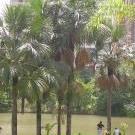 I agree with the other's advice above. Smallish Butia move quite easily in my experience. This one was dug out and transplanted 5 times in 6 years and didn't skip a beat! It finally got too big to fit in my Nissan Versa so it's stayed in this spot since 2017.
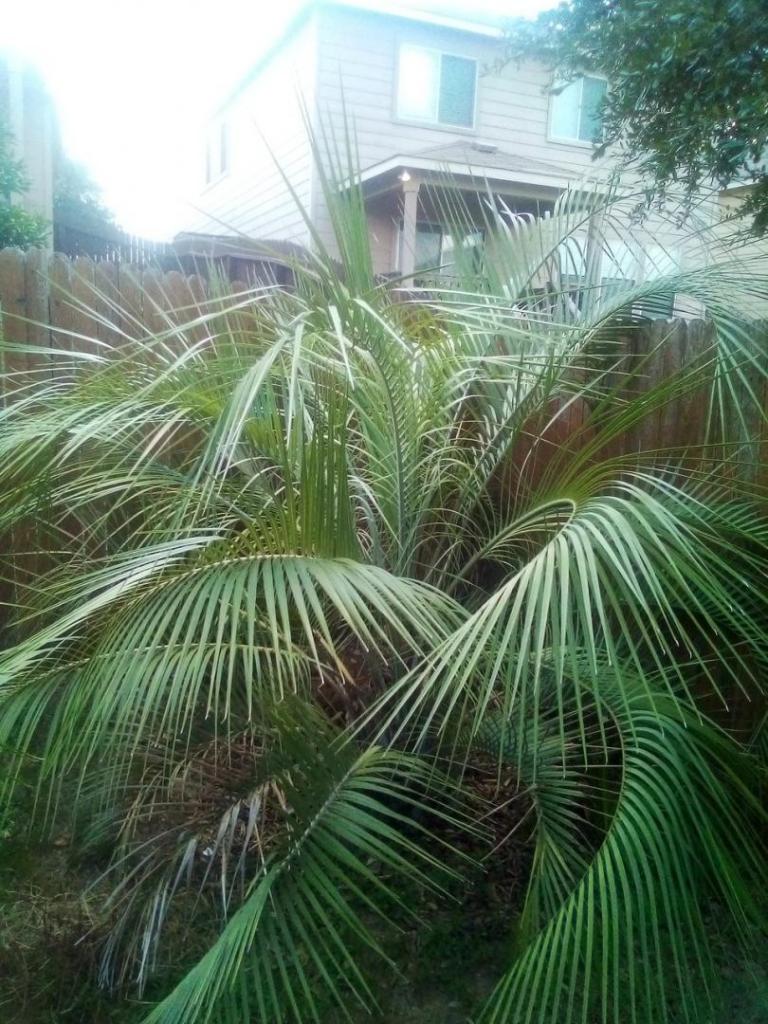 1 point
 1 pointI have both forms. Upright form is a fast Easy grower for me. The weepy form is an easy grow too but is way slower. Between the 2 I like the weepy best. Mine have seen 110f and 26f. No damage from heat and very little damage in the cold. My weepy is in full sun and my uprights are in shady spots. I’m 18 miles inland.1 point
 For overall best Dypsis in So Cal, I have to pick Dypsis onilahensis as number one as I have seen it do well in almost every climate in southern California (though not so great in Palm Desert heat). Only Dypsis on that list that does well there is D decaryi, but that one is too cold sensitive for many areas of So Cal (have tried over and over and over and all die eventually- at least here in the San Fernando valley in Los Angeles county). Dypsis saintlucei is my second as it is amazingly cold tolerant and it the only Dypsis on that list (that I grow) that did not get fried in the freeze of 2007 (even all my Dypsis decipiens burnt badly). And it's a beauty! And Dypsis lutescens grows pretty much everywhere. All my Dypsis baroniis, even if protected, got killed in the freeze. Most of the others on this list are hopeless here in the valley.1 point