

Leaderboard
-

Billeb
IPS MEMBER10Points1,387Posts -
Merlyn
IPS MEMBER9Points5,830Posts -

steve617
IPS MEMBER8Points202Posts -

Chris Wilson
IPS MEMBER7Points106Posts
Popular Content
Showing content with the highest reputation on 09/16/2023 in all areas
-
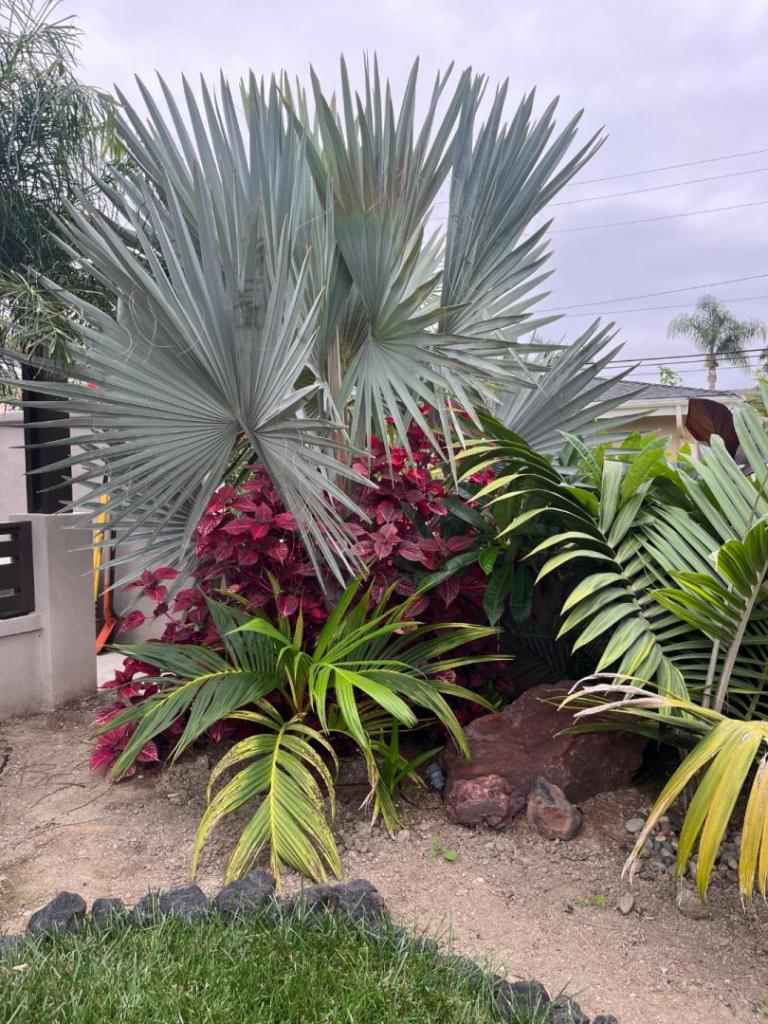
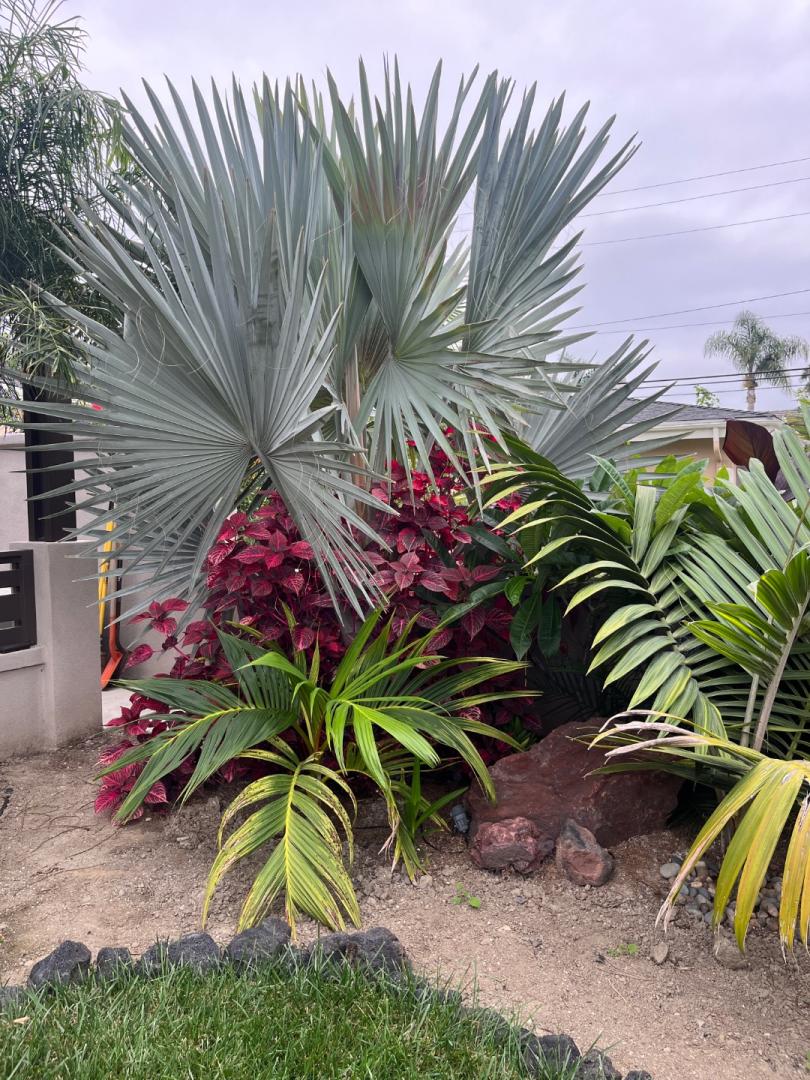
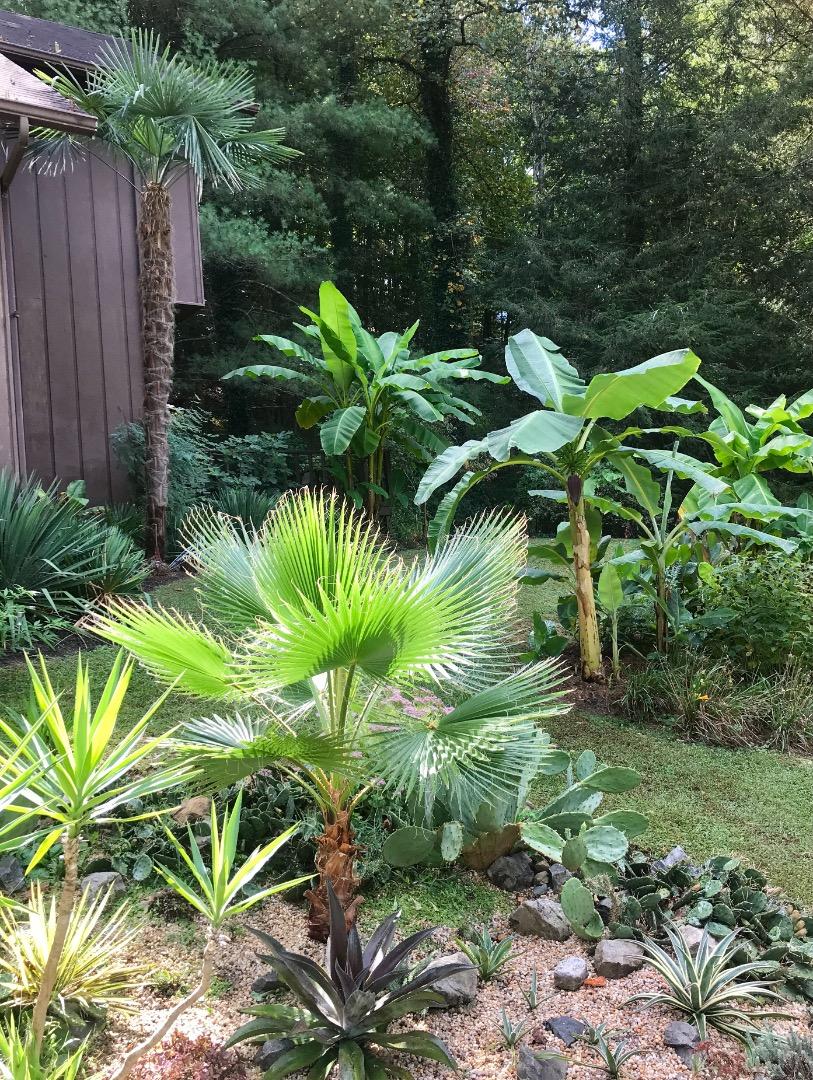
Here’s mine from a small 20G I planted out 2yrs ago. It was about 5ft to the tips and it’s roughly 12ft tall now so it grows great. Full sun, plenty of water. Can’t see it much cuz the blood leaf is getting out of hand. Adding planter so it’s a bit under construction. @Billy & @iDesign, I need to swing by and visit both your places. I’m down that way all the time. 🤨 -dale
 6 points
 -
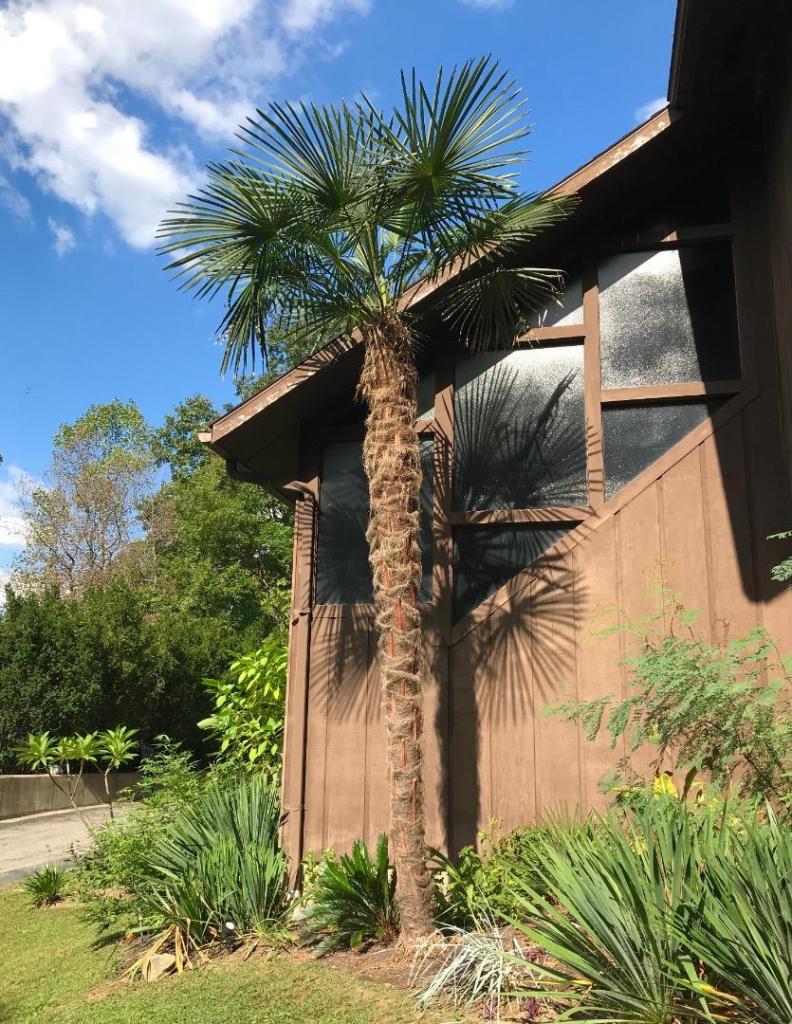
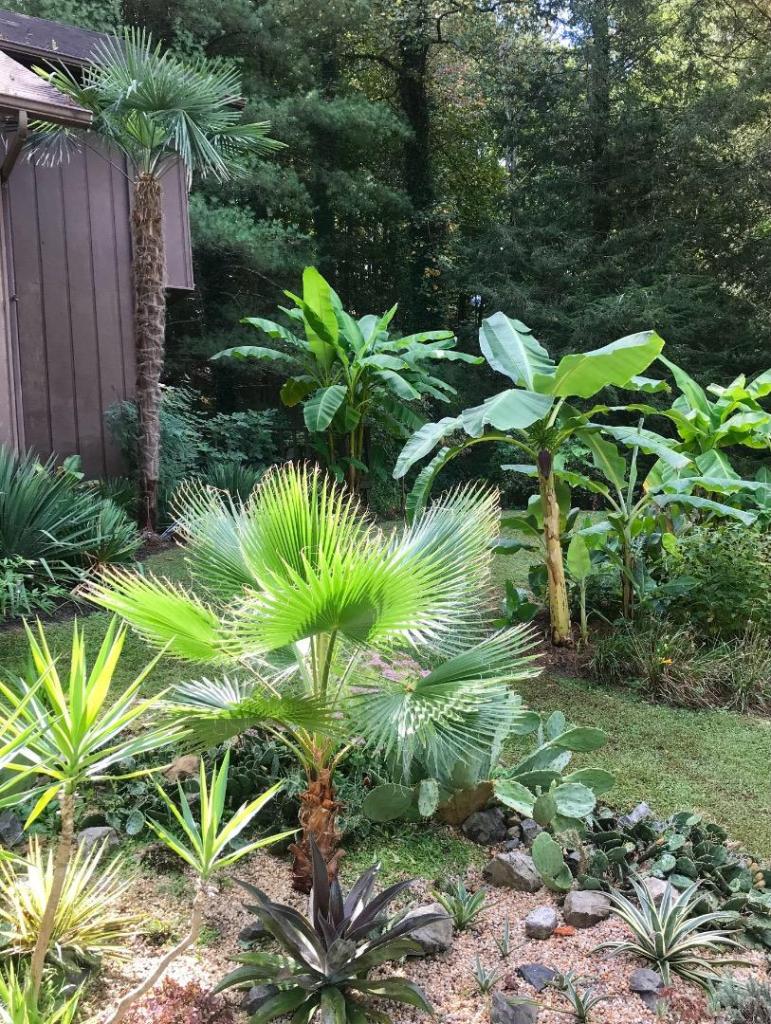
5 pointsMy palm has made a really nice recovery this year. Even after defoliating it grew 15 new fronds, which is about the same growth rate as past growing seasons.
 5 points
 -
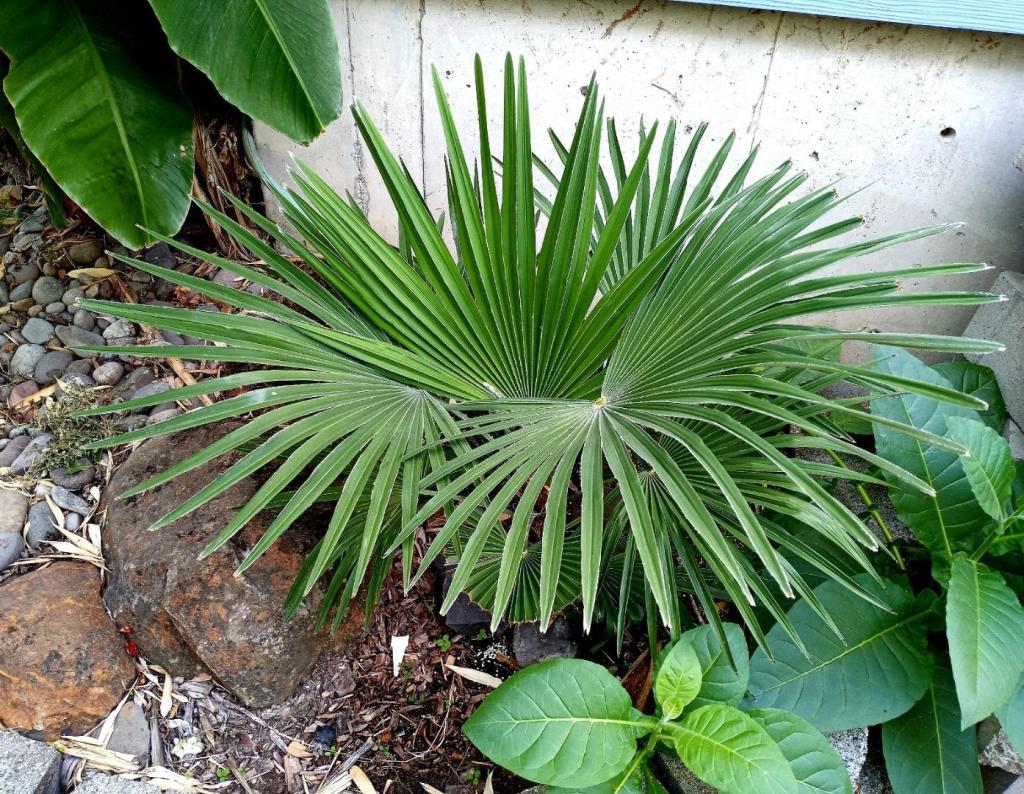
 4 pointsT. fortunei X T. princeps hybrid that I got as a strap leaf from @Josue Diaz a few years ago. I think this is my favorite trachy cross by far.
 4 points
 -
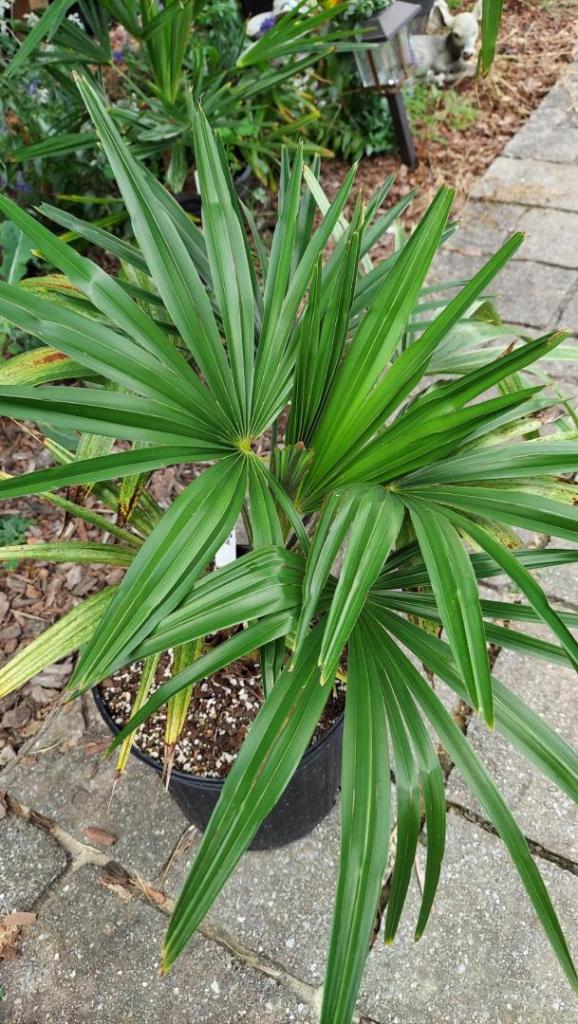
4 pointsThis is thought to be from seeds from (T. Waggie x T. Latisectus) x T. Waggie came from Jeff St. Gelais. Had some spider mites issues keeping it inside during the winter but has recovered. Wish I had gotten more seeds before he sold out and moved.
 4 points
 -
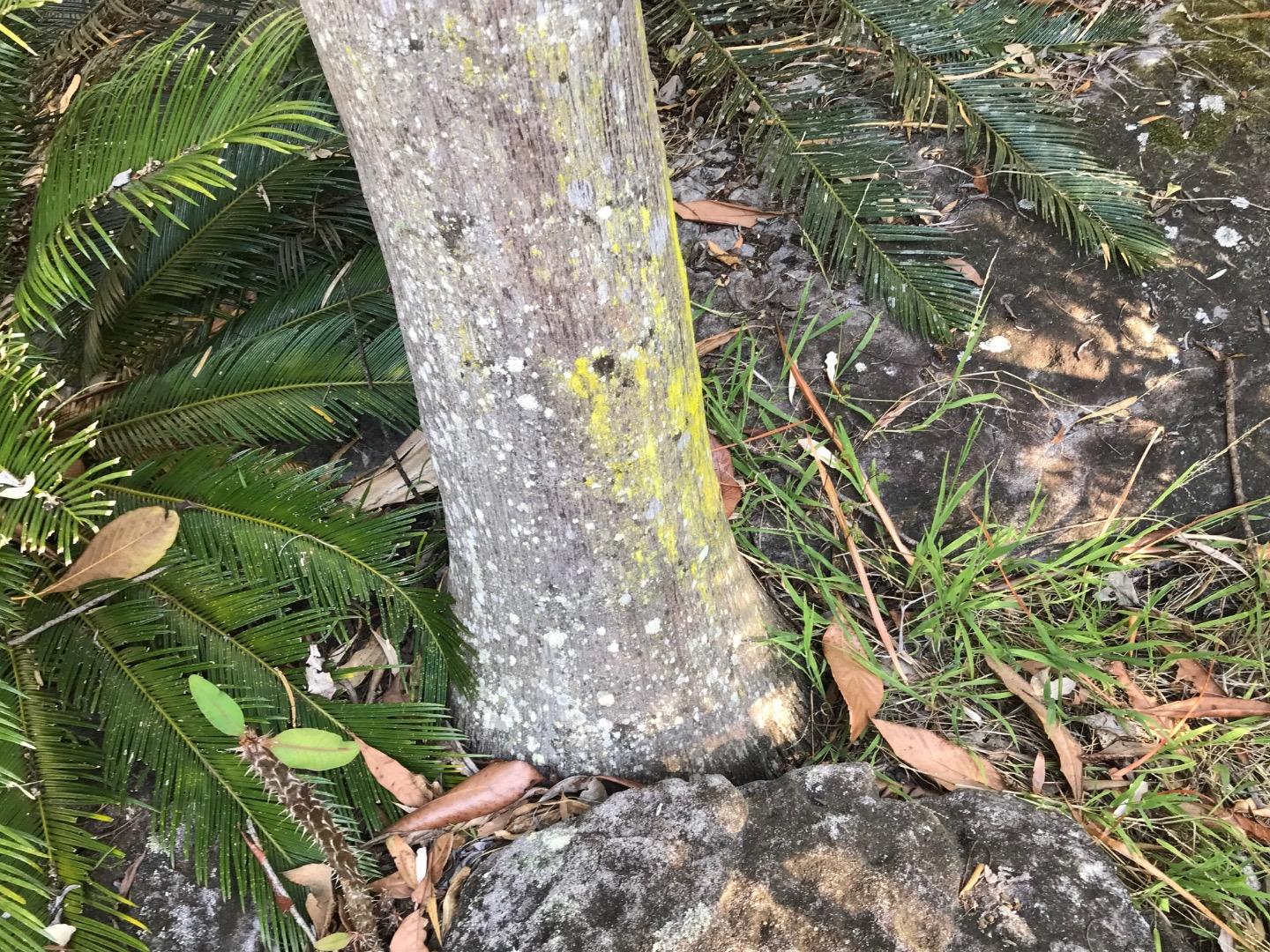
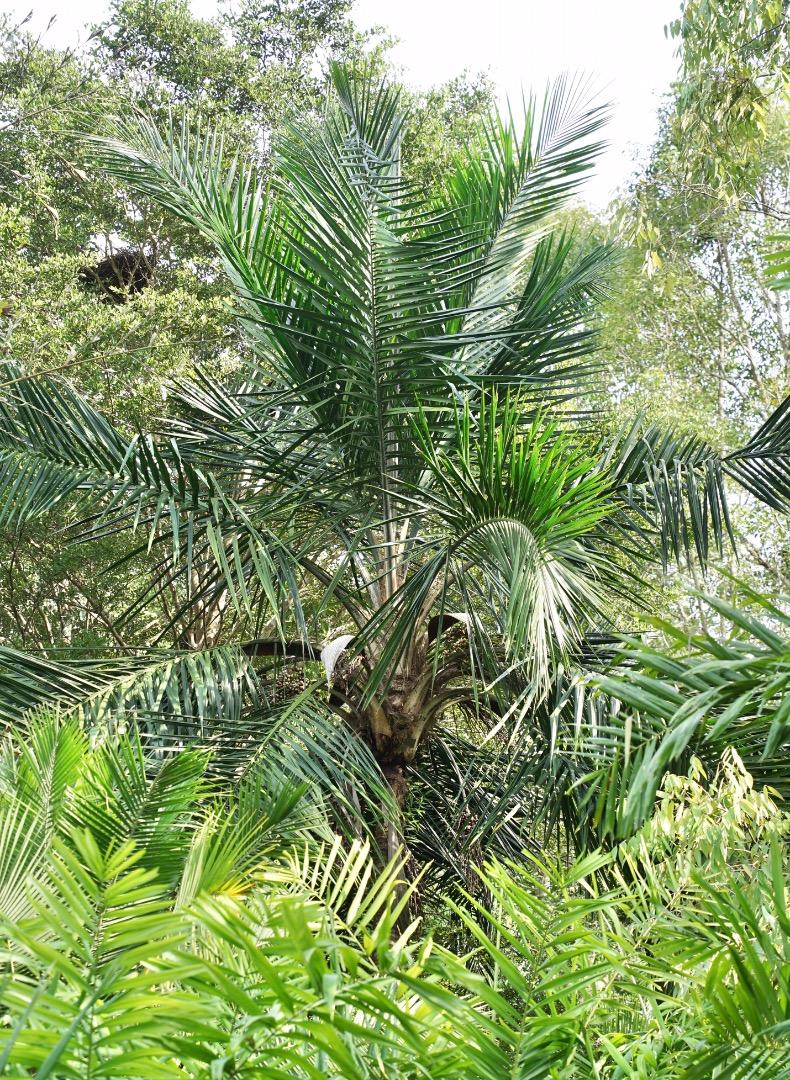
 About 10 years ago, we were prepping a house for rent and I purchased two or three palms from one of the big box stores. One was a 4’ foxtail. The sandstone that we had to dig holes in was almost impenetrable, and I was barely able to chisel out a hole big enough for the 5 gallon pot. However it has grown spectacularly well and is flowering and fruiting today. No idea how it found its way through that tough “soil”.4 points
 -
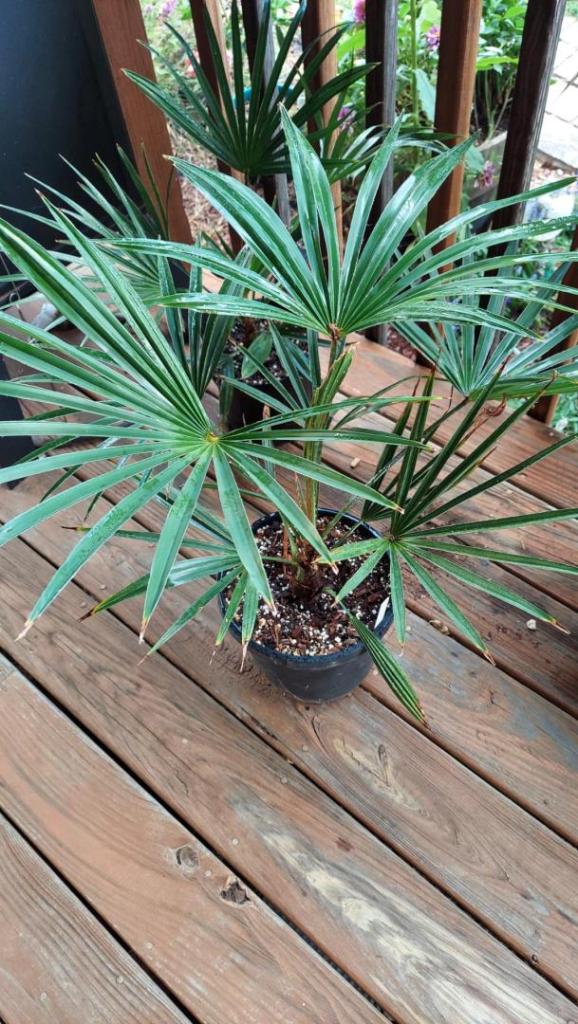
4 pointsThat's very nice. Here is one of my Waggie x Princeps.(new form) from what I've heard the new form has been faster growing but darker fronds.
 4 points
 -
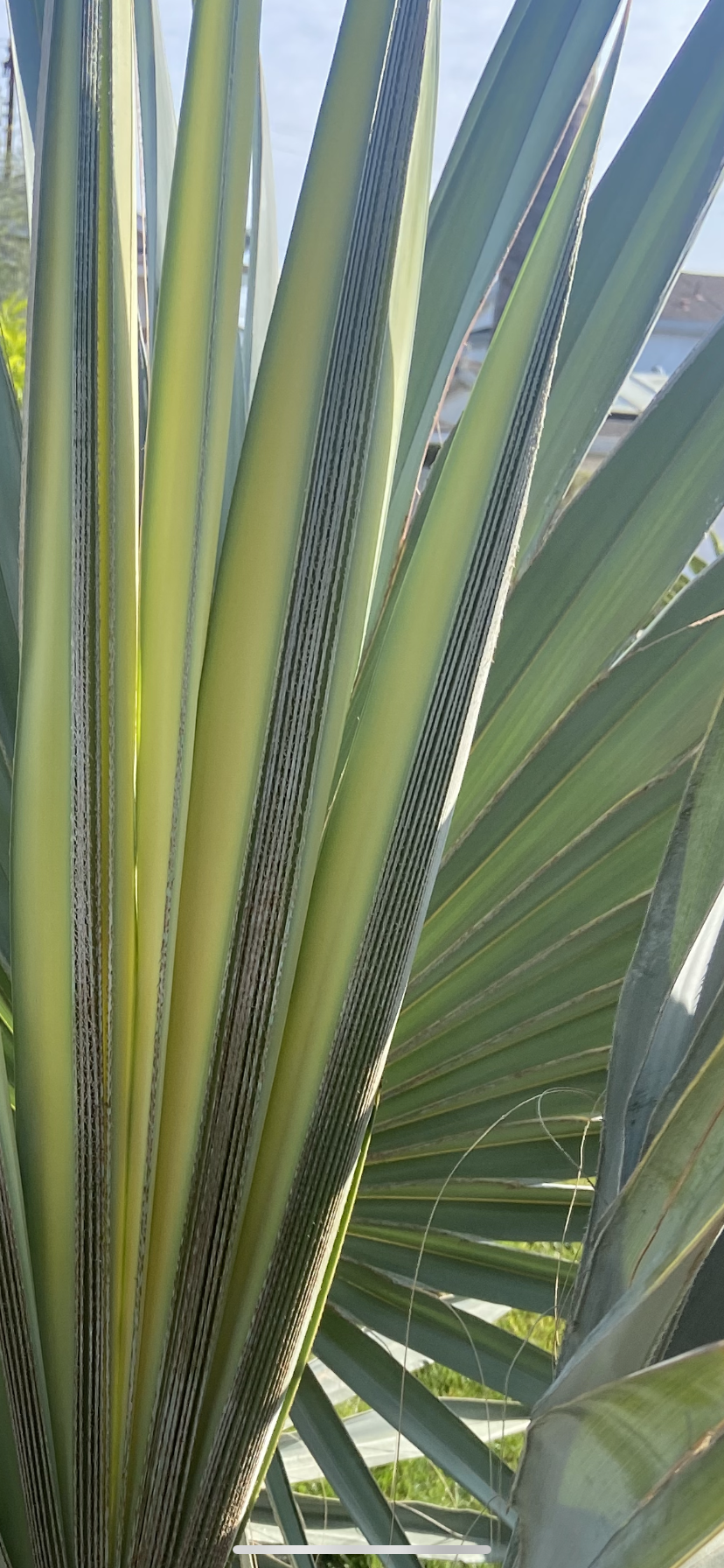
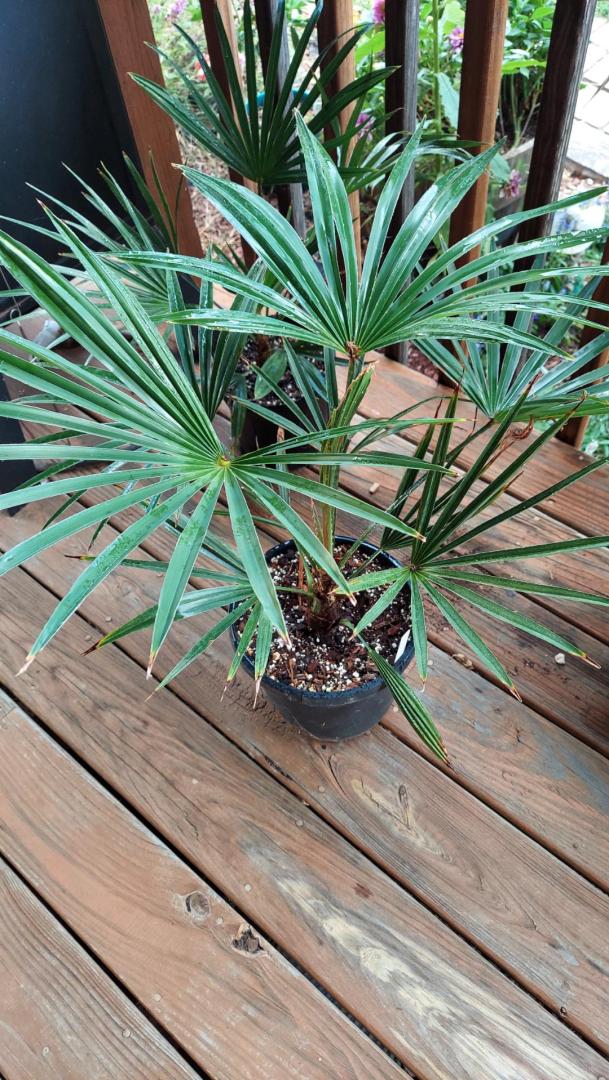
 4 pointsI think both of them are sabals. They have the heels. Nice palms though.4 points
 -
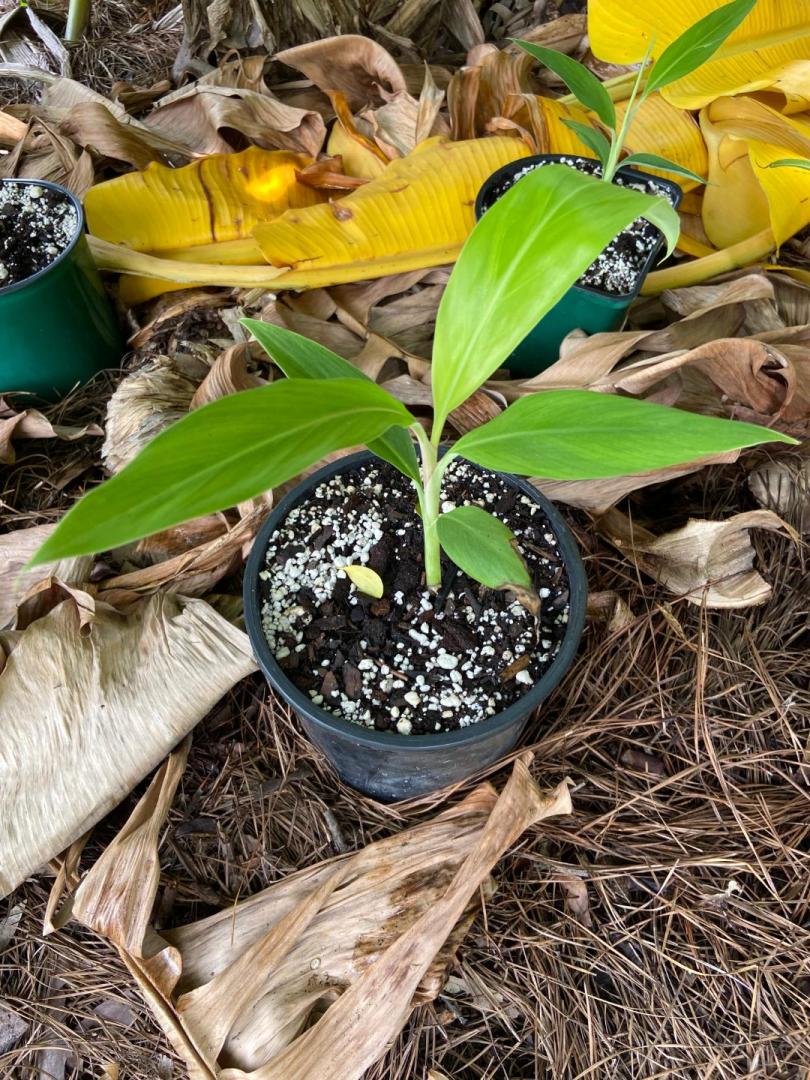
 3 pointsSo I do have a few new things, but really not that much. For the types of seeds that I sell, they are mostly fall harvested. But there are exceptions. Here's what I have new: Acrocomia crispa - I have around 30 of these total. I can do $18 for the whole lot, or $7/10 Roystonea borinquena - I have around 100 of these. $18/100, $7/25 Butia odorata - $10/25, $20/100 I have two different lots of seeds. One is from a sort of weeping form (pictures below), and one from a normal form with off-white fruits. Both are the same price. Caryota mitis - $12/25, $20/100 Chamaedorea tepejilote $10/25, $18/100 Arenga pinnata $15/25, $40/100 I only have about 125 of these, so $45 for all. Syagrus comosa $9/10, $18/25. 80 total, $50 for all. Musa nagensium (the real one) $10/25, $25/100. This a a rare Musa (but not rare in habitat) that hasn't been in cultivation in the USA. Plants and seeds sold as nagensium in the past were cheesmani. The largest seeds of ANY Musa. Tall, thin, dark pseduostems, waxy, lanceolate leaves with dark midrib. Beautiful Musa. Musa aurantiaca var. jengingensis (orange flower ornamental banana) $10/25, $25/100 Another one that isn't seen much, if at all, outside of botanical gardens. A small plant. Musa velutina $8/25, $15/100. These come from my plant, the parent mat of which grew over 10 feet tall. Very fast and prolific bloomer. That's it. LOL. Some stuff fell through. I'm still waiting on a Corypha umbraculifera shipment from Australia to materialize. The seeds are still ripening, so probably a few more months. I will have a lot more stuff in the fall/winter. I've been working on something else all summer, but not ready yet. I need to be absolutely sure. For the rest of the stuff, let's have a big 50% off sale! Everything below is 50% off from now until October 1. Arenga engleri $10/25, $15/50, $20/100 Sabal maritima $7/25, $11/50, $17/100 Livistona decora $8/25, $12/50, $18/100 Sabal uresana (green form) $9/25, $14/50, $20/100, $70/1,000 Sabal rosei $8/25, $12/50, $18/100, $65/1,000 Sabal mauritiiformis $8/25, $12/50, $18/100, $65/1,000 Trachycarpus fortunei ‘Tesan’ (open pollinated) $13/25, $20/50, $32/100, $80/1,000 Rhapis excelsa $8/25, $12/50, $18/100 Thrinax radiata $7/25, $10/50, $14/100 Arenga microcarpa $10/25, $14/50, $20/100 Rhapidophyllum hystrix (Alachua County, FL) $7/10, $13/25, $20/50 Rhapidophyllum hystrix (cultivated) - same prices as above. Zamia standleyi $1.50/ea Sabal miamiensis $10/50, $15/100, $55/1,000 Sabal palmetto 'Lisa' $14/50, $20/100, $70/1,000 Serenoa repens 'Cinerea' $10/25, $16/50, $25/100 These are from some nice palms. Serenoa repens 'Georgia Silver' $18/25, $30/50, $42/100 Check out my last post in the forum for pictures and the real story. Serenoa repens 'Weeping' $9/25, $14/50, $22/100 I have a post about this form in the forum also. Here Chamaedorea seifrizii $6/50, $10/100 Copernicia alba $5/10, $9/25, $13/50, $20/100 Musa velutina subsp. markkuana (actually now just Musa markkuana) $7/10, $12/25, $18/50, $25/100 Non-palm seeds Quararibea funebris (Rosita de Cacao) $2/ea, $15/10, $25/20 2021 seeds Sabal 'DeFuniak Springs' $8/50, $12/100, $35/1,000 Sabal palmetto 'Lisa' $10/50, $16/100, $50/1,000 As a reminder, I do ship internationally also. It's very easy for me to obtain a phytosanitary certificate. Just DM me if interested. Weeping Butia odorata Butia odorata with whitish fruit. Musa nagensium seedlings (proof that the seeds are good, haha!) More Musa nagensium seedlings Musa aurantiaca seedlings.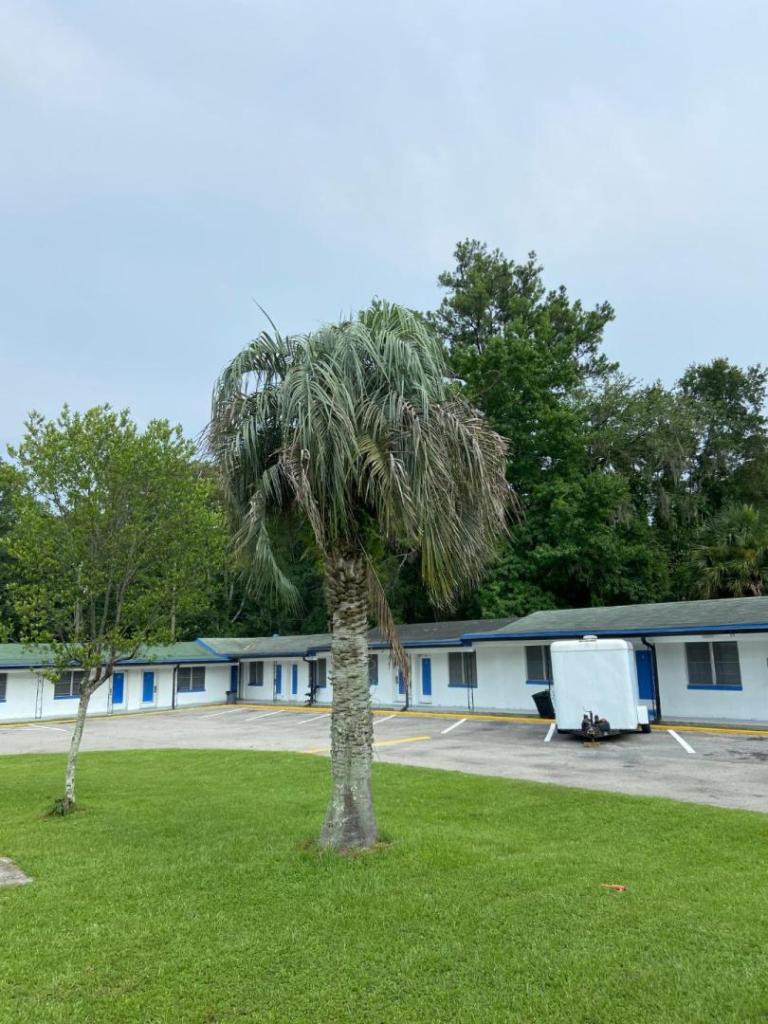


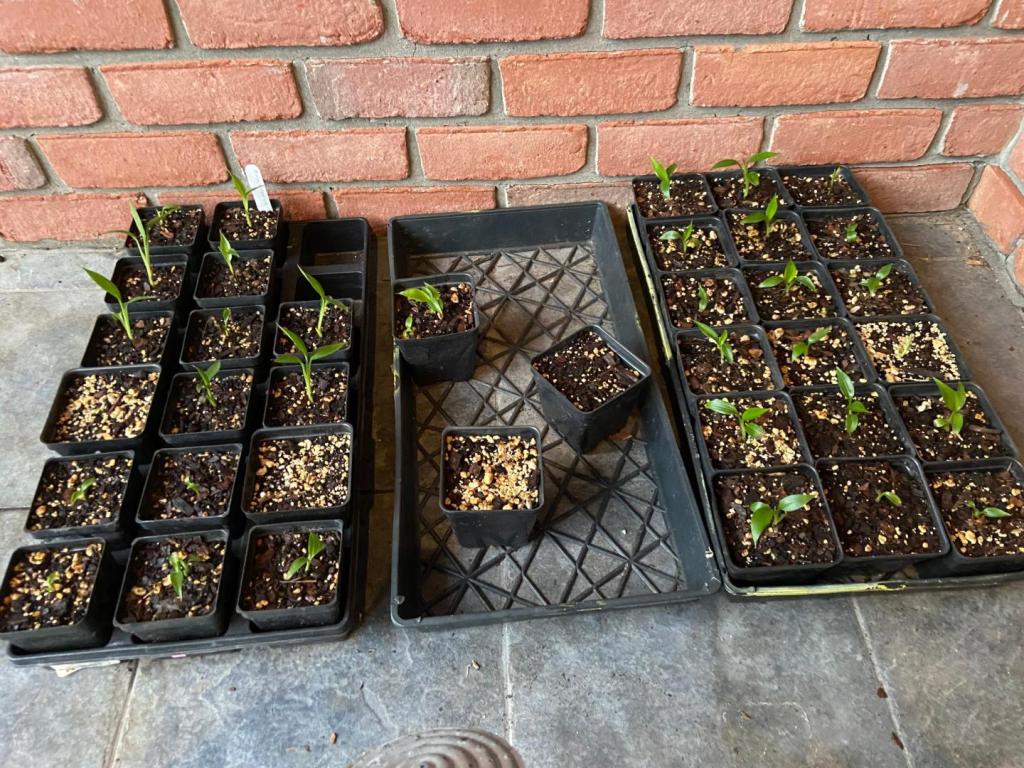 3 points
 -
 3 points
 -
 3 pointsYou can definitely see the latisectus in that palm! @Dwarf Fandont get too excited about those bulgaria. Not to be negative but be aware the so called “Bulgaria” Is all a marketing gimmick. If you’re looking for the most cold hardy trunking palm any old fortunei will do.3 points
 -
 3 pointsI think both are Sabals as well. If one is a Brahea it’s not armata; they’re really gray or blue even when young and slow as Congress in a dither..3 points
 -
3 pointsI'm not aware of a list like that, but there might be one. I found that canopy diameter and growth rate was the most useful when planning out an area.3 points
-
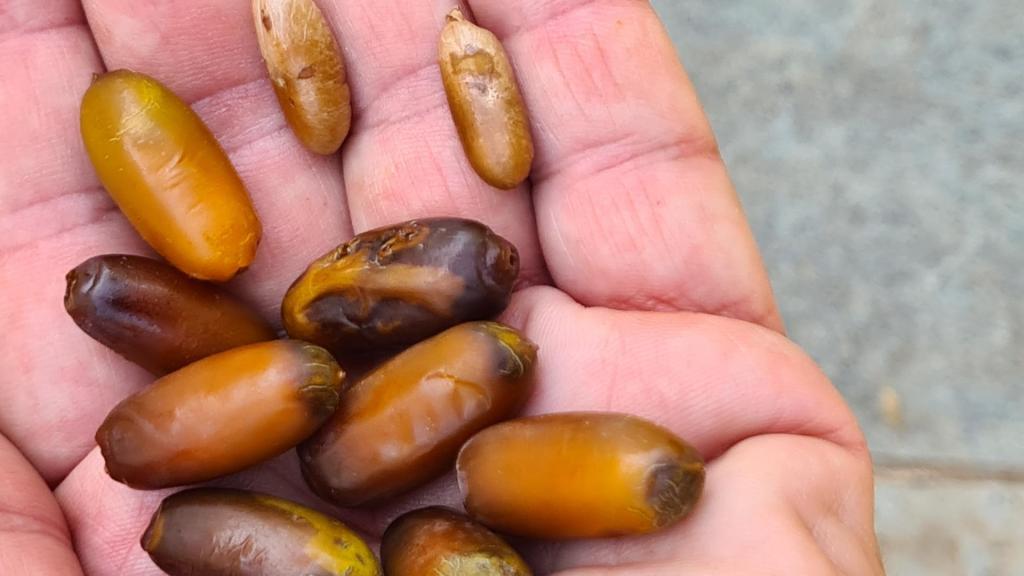
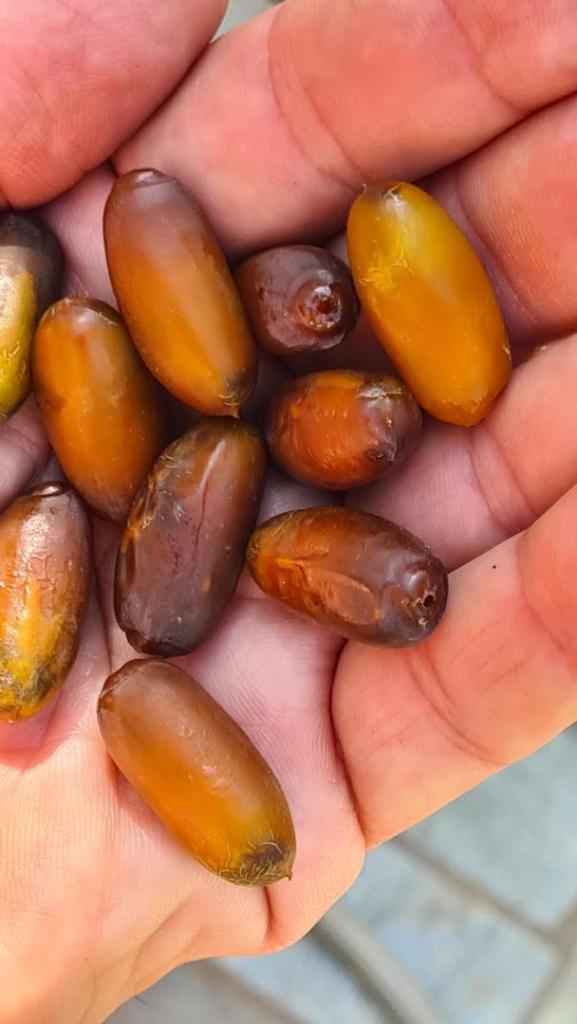
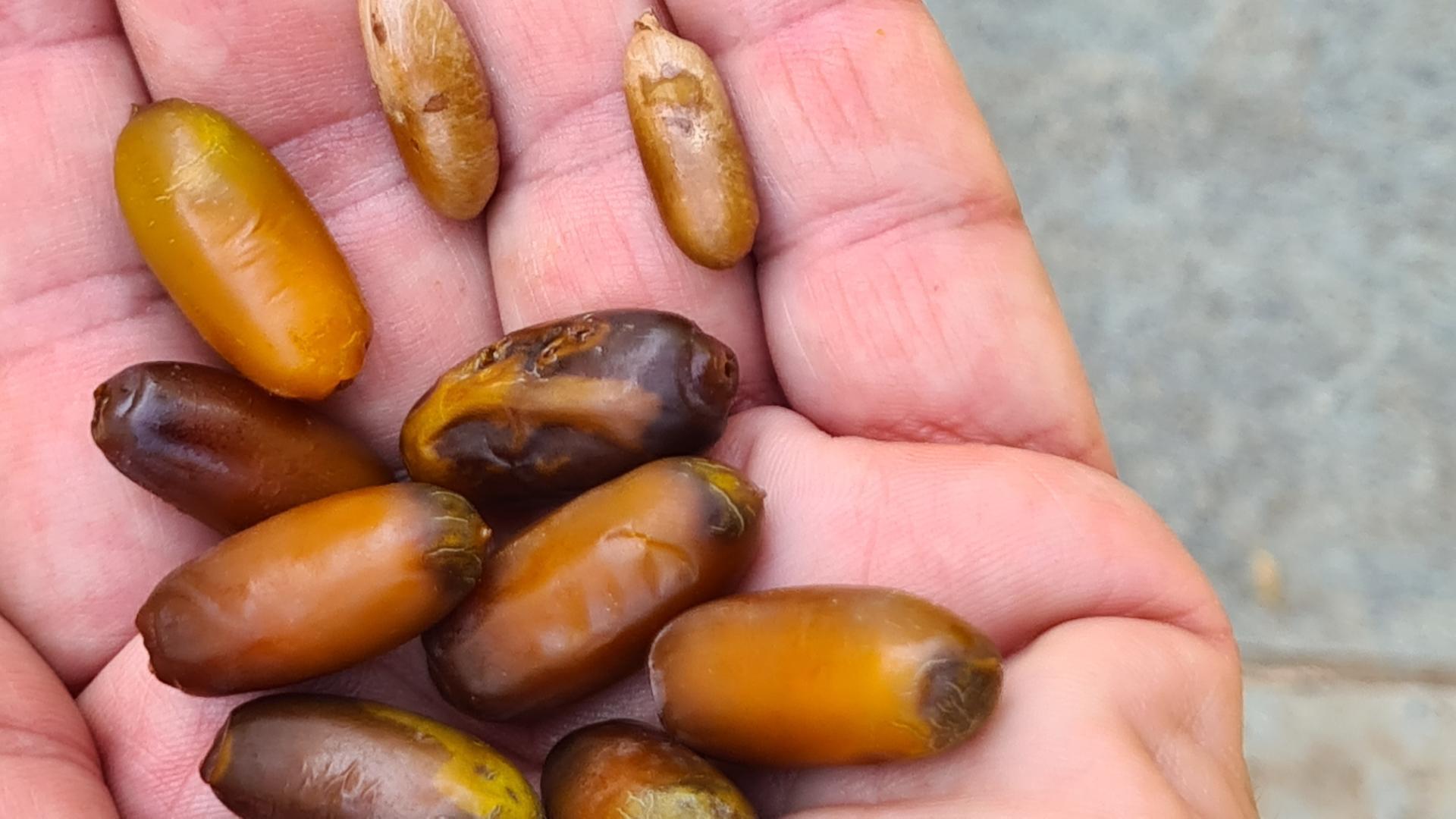
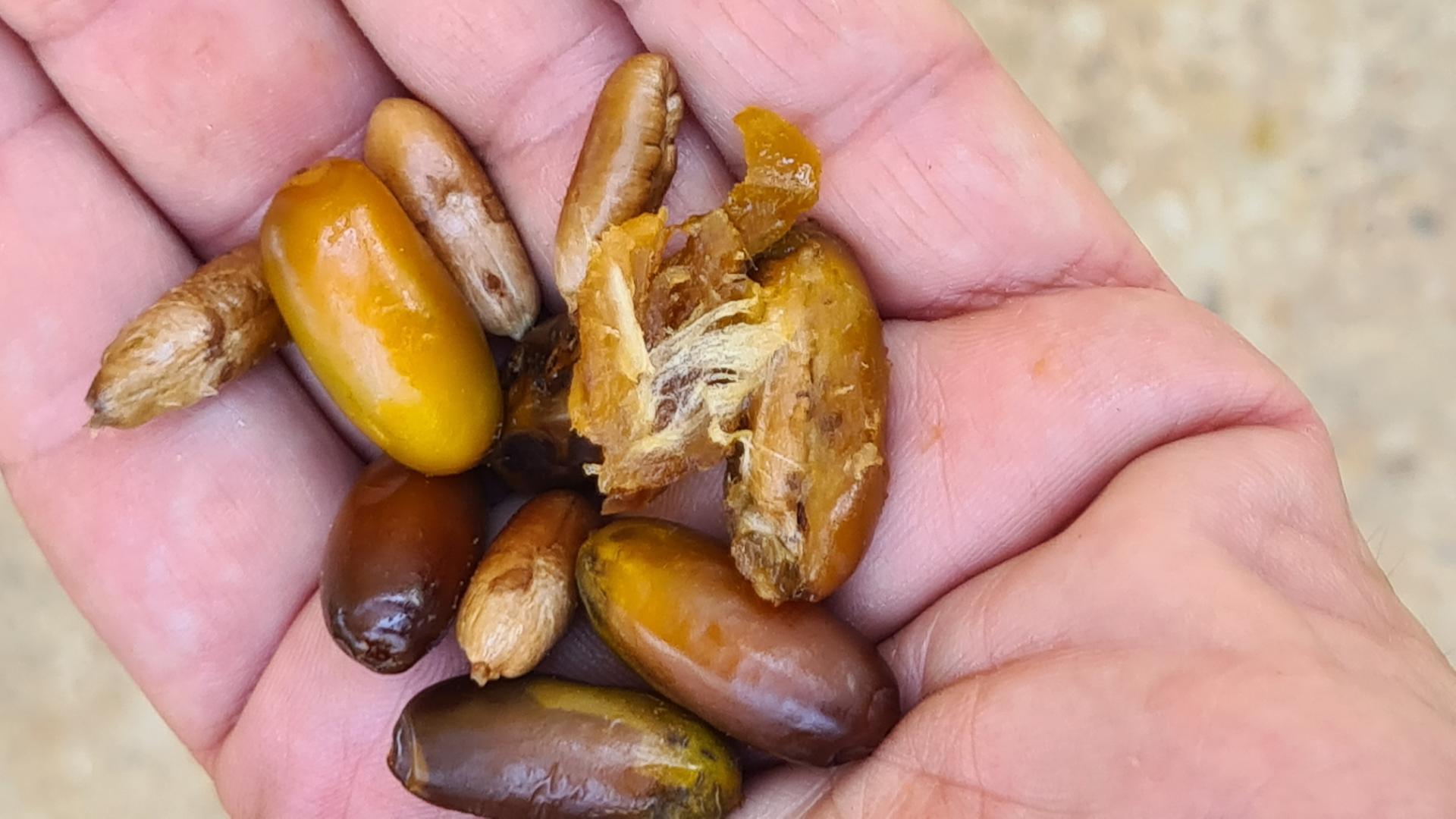
 3 pointsHow about a reclinata x dactylifera hybrid? It can produce date like fruits, smaller in size than real dates but equally tasty. They can be used for making a date liqueur.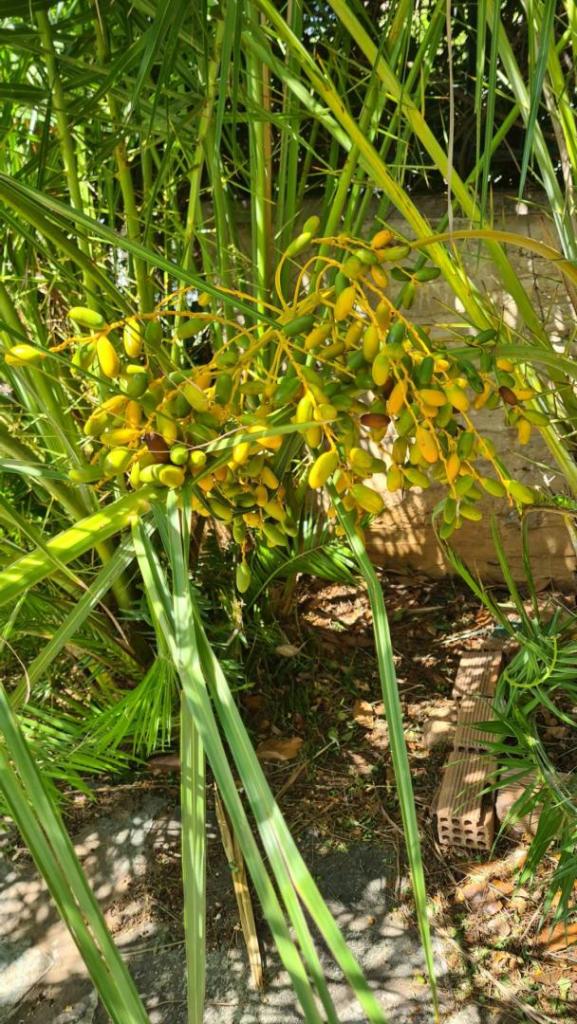

 3 points
 -
 I agree with Todd - the younger bizzies with the purplish color tend to be the most silver and more cold hardy. I believe that full sun gives them the most silver color and part sun will lessen the degree of silver. As far as telling the males from the females, it might be possible to tell at the seedling stage if the Bismarckia seedlings act like Phoenix seedlings. I remember a post by @Phoenikakias with documentation showing that the female Phoenix seedlings will twist while the males stay straight. In the photo below the fourth seedling from the left (or second from the right) in the first row of Bismarckia seedlings is showing this twisting trait and might be a female. I don't know if this holds true or not but it might be something to consider. It will certainly take several years to test this characteristic.3 points
 -
 If you trespass you will have to listen to me talk about my palms!!!2 points
 -
.thumb.jpg.f98e5066db1dec0358105c9c8eae8b39.jpg) 2 points
2 points -
For what it’s worth, mine was purple when I got it. I personally don’t think it has anything to do with eventual color rather acclimating to a new environment in the Nursery. But I don’t know… -dale2 points
-
 Nice looking palm but yeah, a lot of work and that species is vicious.2 points
 -
I think they just show up I don’t think someone is actually breeding them just a genetic thing like is so common in the palm world!!2 points
-
 2 pointsIt is highly unlikely that your broken tip will strike new roots. I did successfully air layer a Chamaedorea metallica several years ago using a device called 'rooter pot'. This was place on the stem for several months before severing the top from the lower stem section. Only certain Chamaedorea species can do this, not all. If you examine the stem of C. metallica the small bumps above the leafbase scars are the adventitious roots. I would discard your top piece, but we won't learn anything new by sticking with the conventional wisdom, so give it a try, and keep us informed. https://www.rooterpot.com/index.html2 points
 -
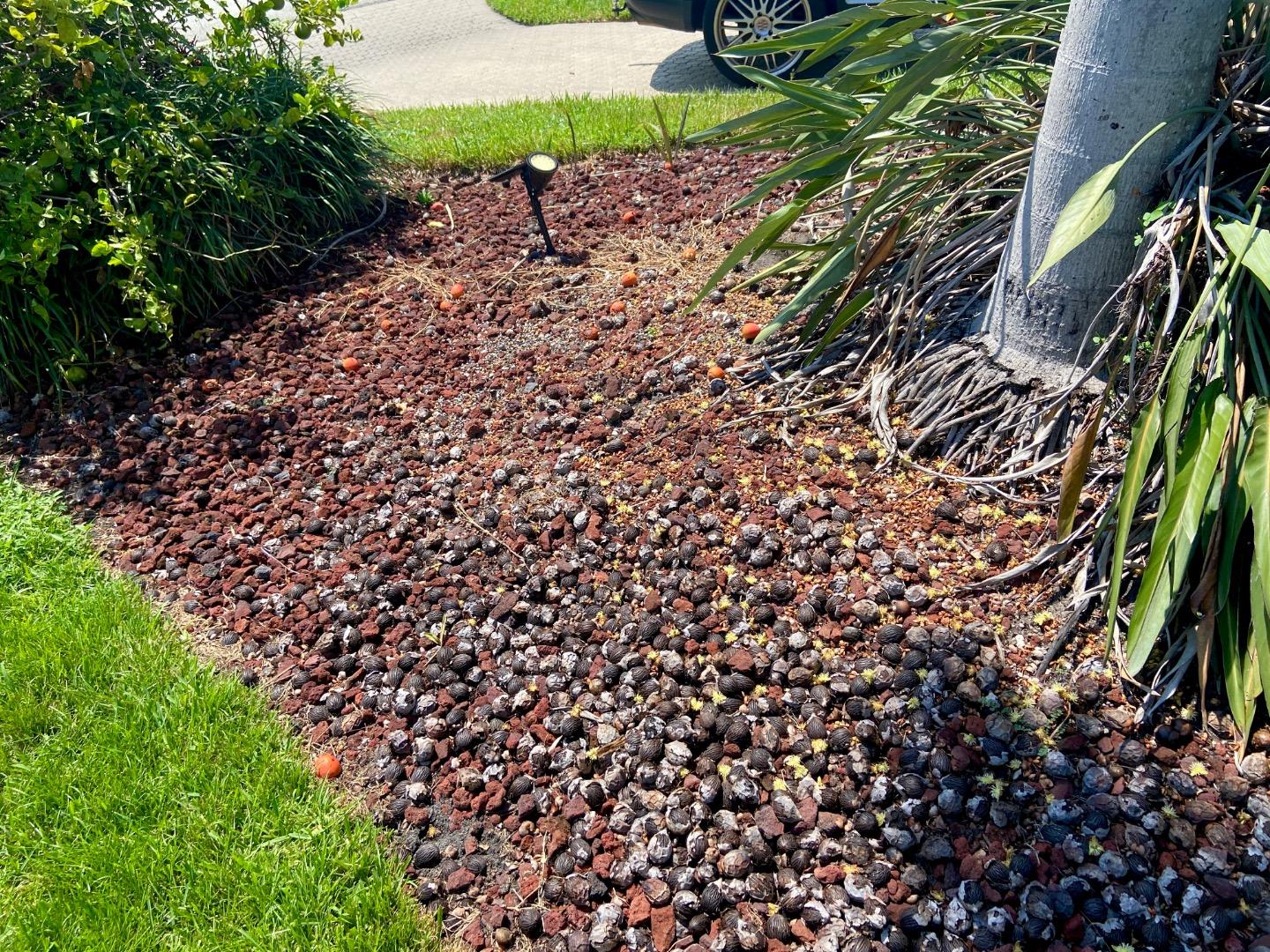
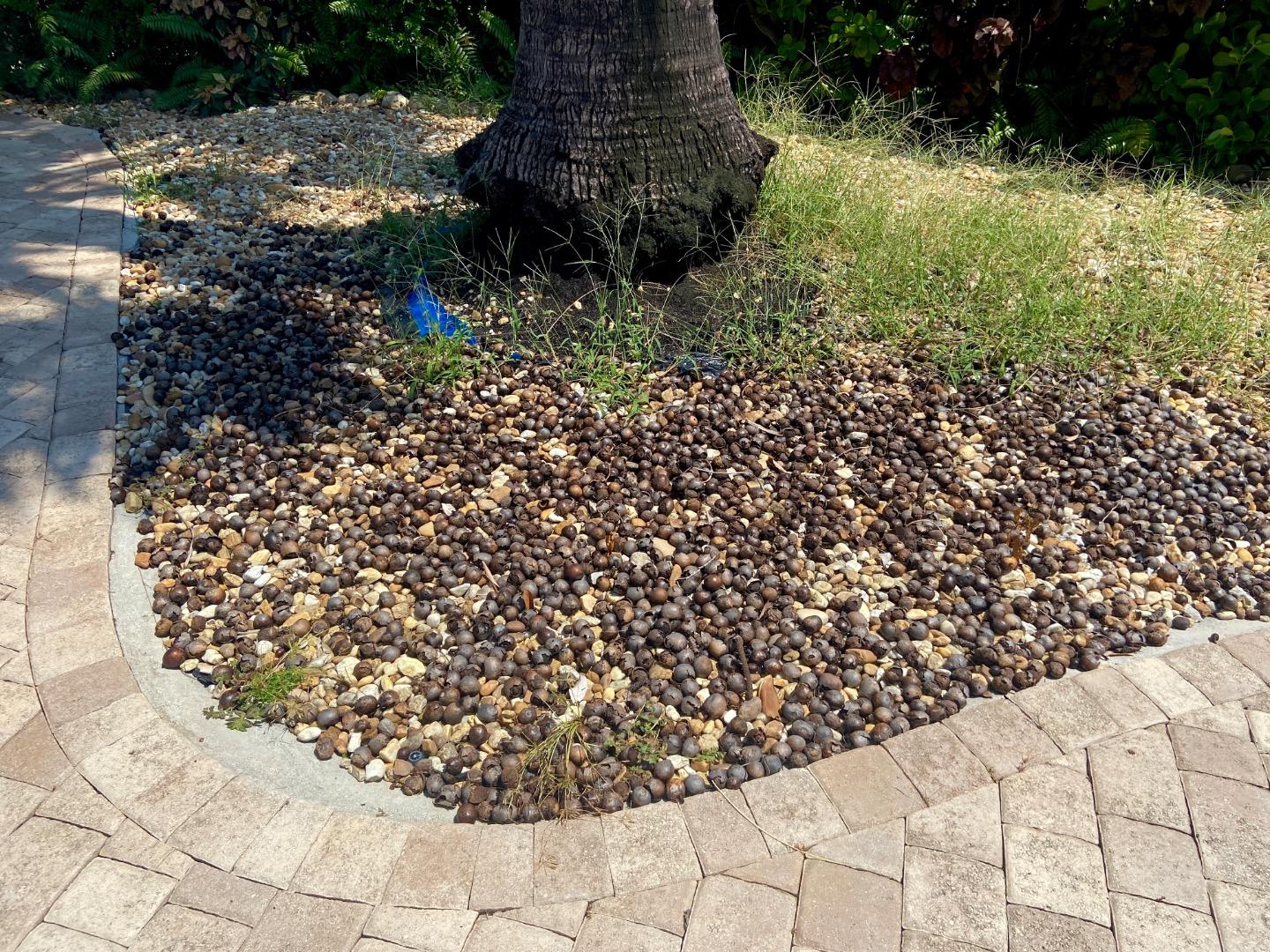
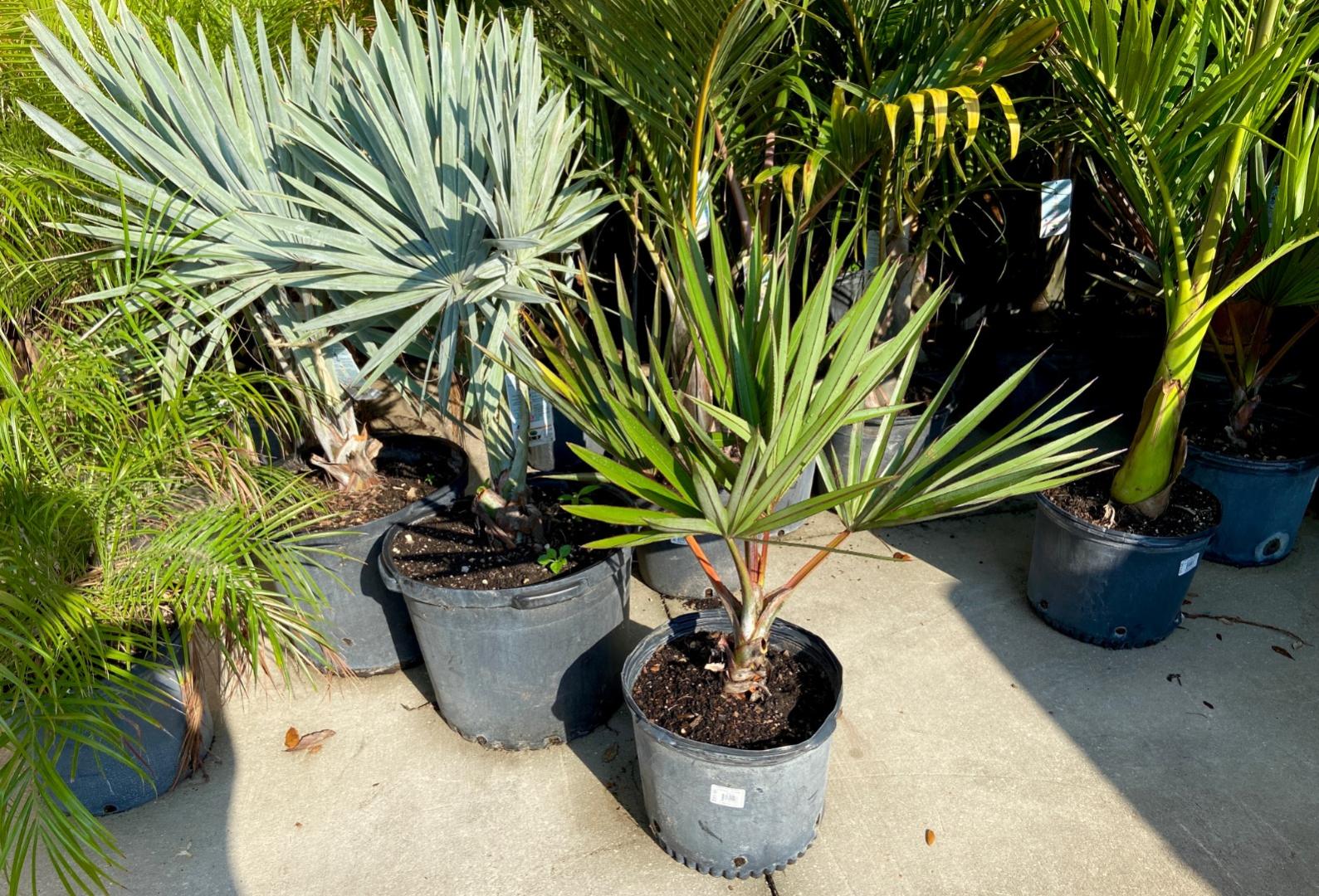
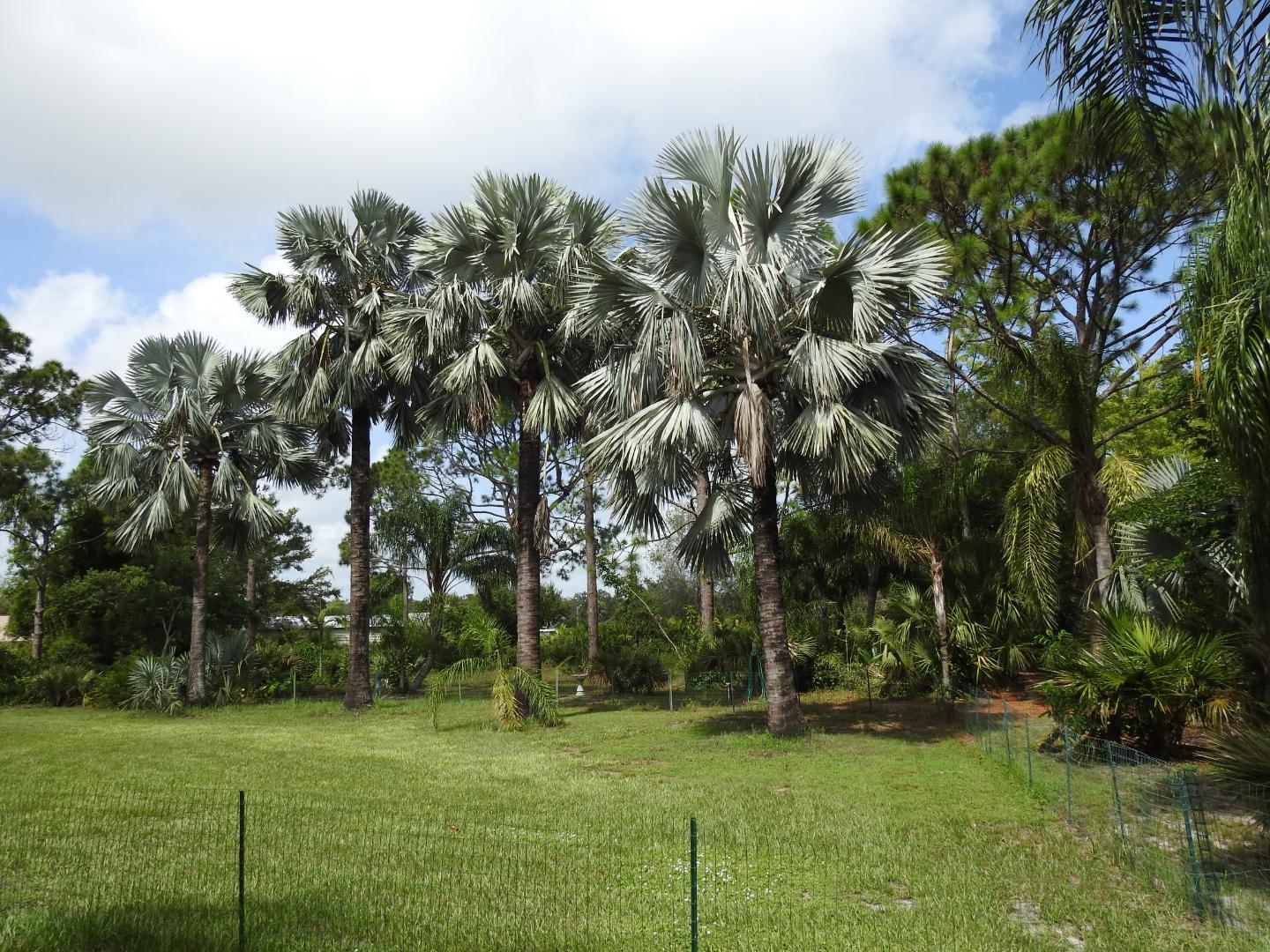
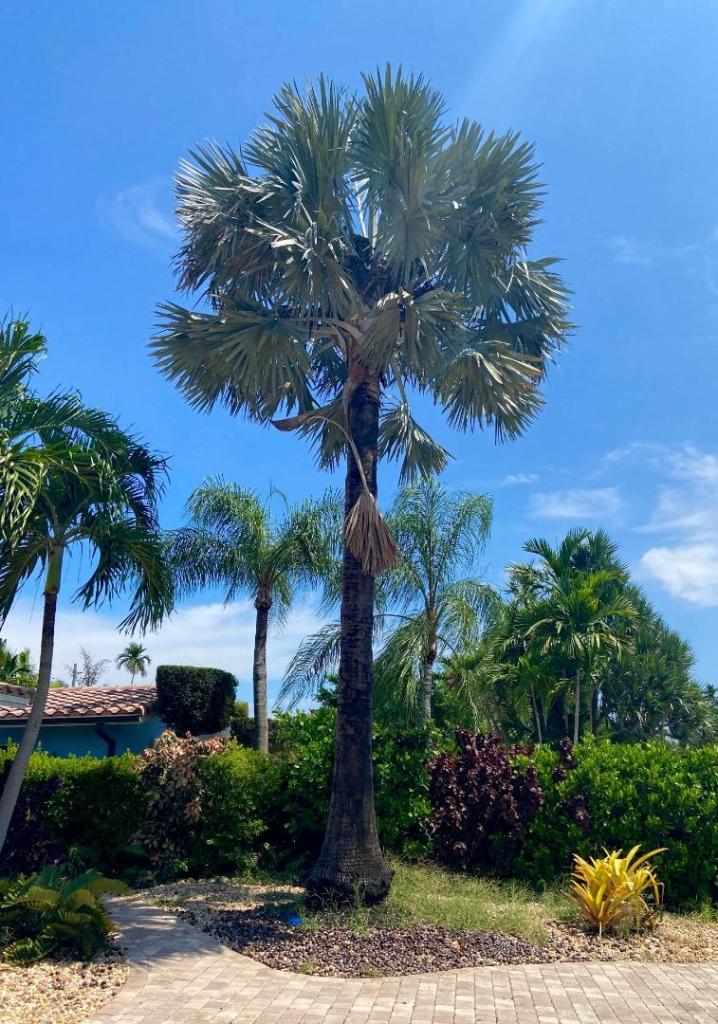
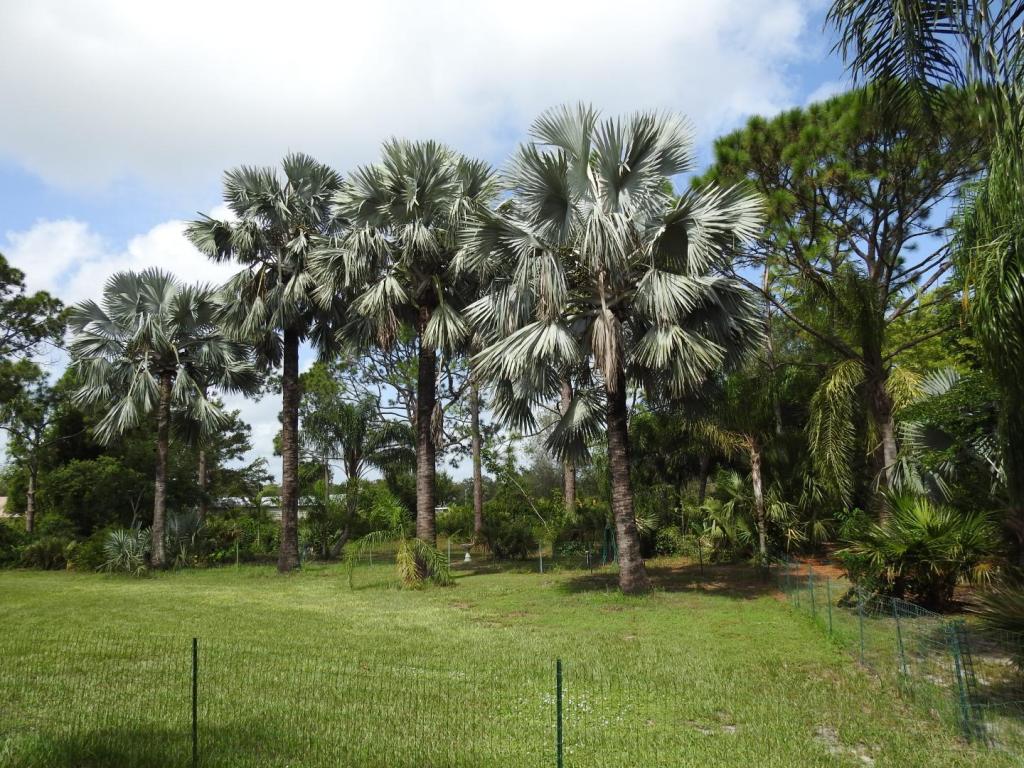
 Over here these are one of the most common yard trees. They grow fast in the sun with no care and don’t even need irrigation here. Neighbor to the left…. (I cant believe how tiny this looks in pictures, it’s probably 50 feet tall) Neighbor to the right… The piles of seeds ferment and stink. The foxtails next door drop similar seeds, in large amounts. They don’t stink as bad though. Squirrels and rats crack open a few, and distribute others to sprout later, but they must not be tasty, as they leave them mostly to rot and sprout. Here you can walk into any Home Depot or Lowes or any nursery and get a decent silver one. Adults on the block here are like all “silver” palms, ranging from pale green to blinding white depending on their genetics. Here’s the entrance to the Lowes down the road….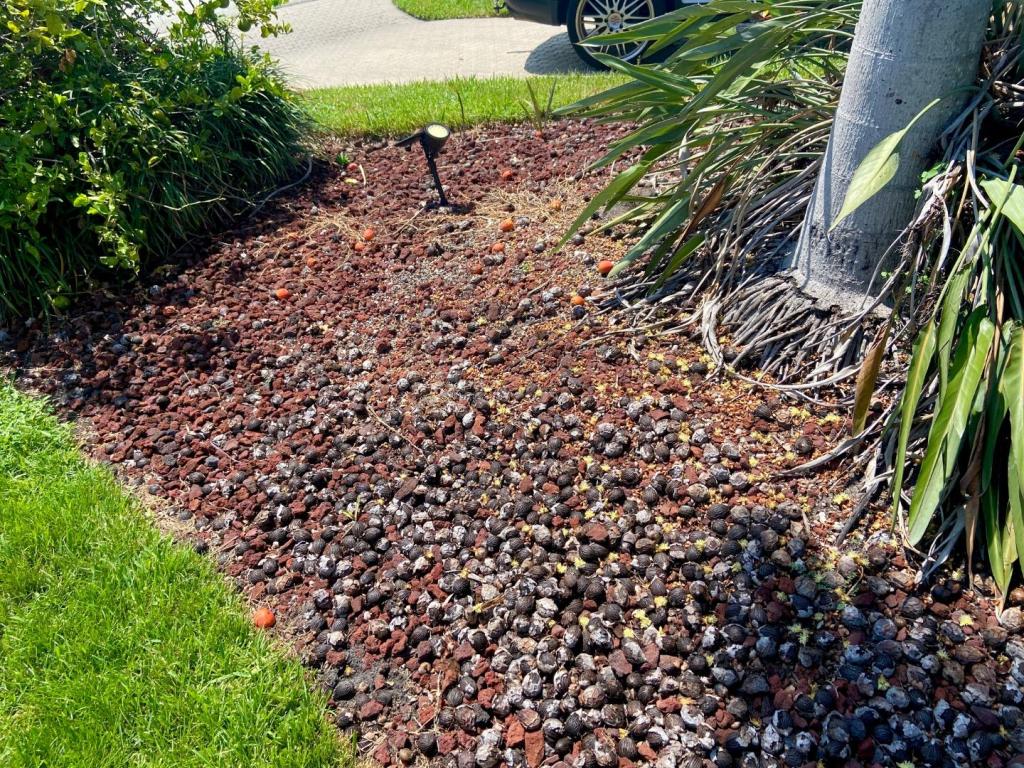

 2 points
 -
 2 pointsBoth look like Sabals to me, although the 2nd one does resemble a Brahea decumbens in a way. Decumbens have that heel as well. Definitely not Brahea edulis.2 points
 -
Several things may be going on: 1. Your palm(s) has been woefully neglected. Queens are water/fertilizer hogs and will decline and die if deprived. Good that you have upped the water. Don’t let up. Depending on where you live in FL you are in fertilizer blackout until Oct. 1. Palms need slow release pelletized fertilizer with minor elements, i.e., no spikes, no cheap blue granular stuff. But you can try organic fish emulsion or seaweed solution in a pinch. You cannot ignore a queen’s demands and this palm is a Class II Invasive in FL. 2. Fusarium wilt - an incurable, fatal disease spread by contaminated garden tools or an insect vector. A form of wilt attacks queens, mule palms and Washies. Characterized by rapid frond death that starts on one side of a frond then spreads to the other. Dead fronds turn a peculiar grayish-brown. Once symptoms show the palm is dead within a few weeks. Remove palm and send out with trash to be incinerated. Do not replant any more of the same species. Generally once wilt takes down a victim, any other queens in the yard are likely to be infected. I lost all my queens, mules and a Washy within 1 year after I first noticed infection. Keep your eyes peeled. 3. Neglect compounded by the extreme heat and drought we’ve had this summer Considering how stunted and pitiful your palm is seriously consider giving it the chop. Even if you pour water and resources into it now it may never grow to its lush potential or may die regardless. Depending on where you live, FL PTers can recommend possible replacements. Your yard deserves better.2 points
-
 2 pointsB armata is armed. Armata means armed in latin. I agree with the above, both are Sabals I think.2 points
 -
Last time I placed an order a few months ago, Jeff had mentioned it so I know it’s been thought about. There’s going to be a time when he needs to let go of selling palms and retire. When that is…..only he knows but it’s gotta be coming. Selfishly speaking for all of us, I hope it’s not too soon. The hole it will leave in the community will be massive. -dale2 points
-
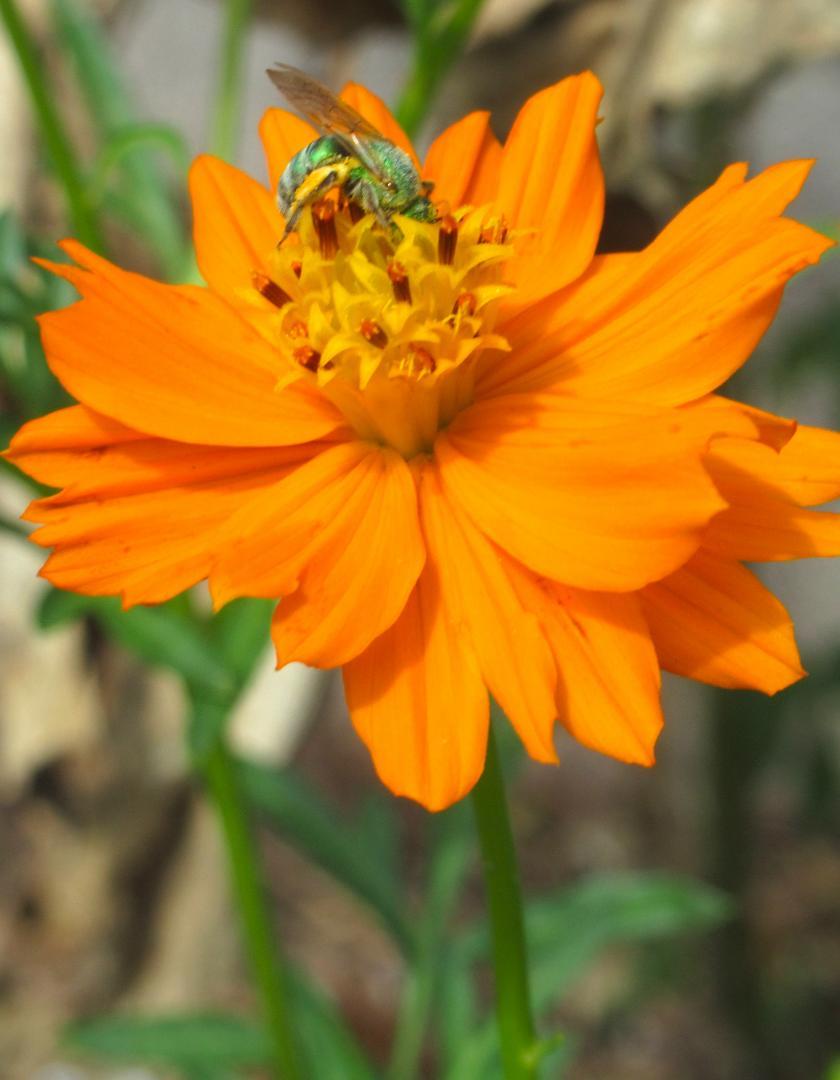
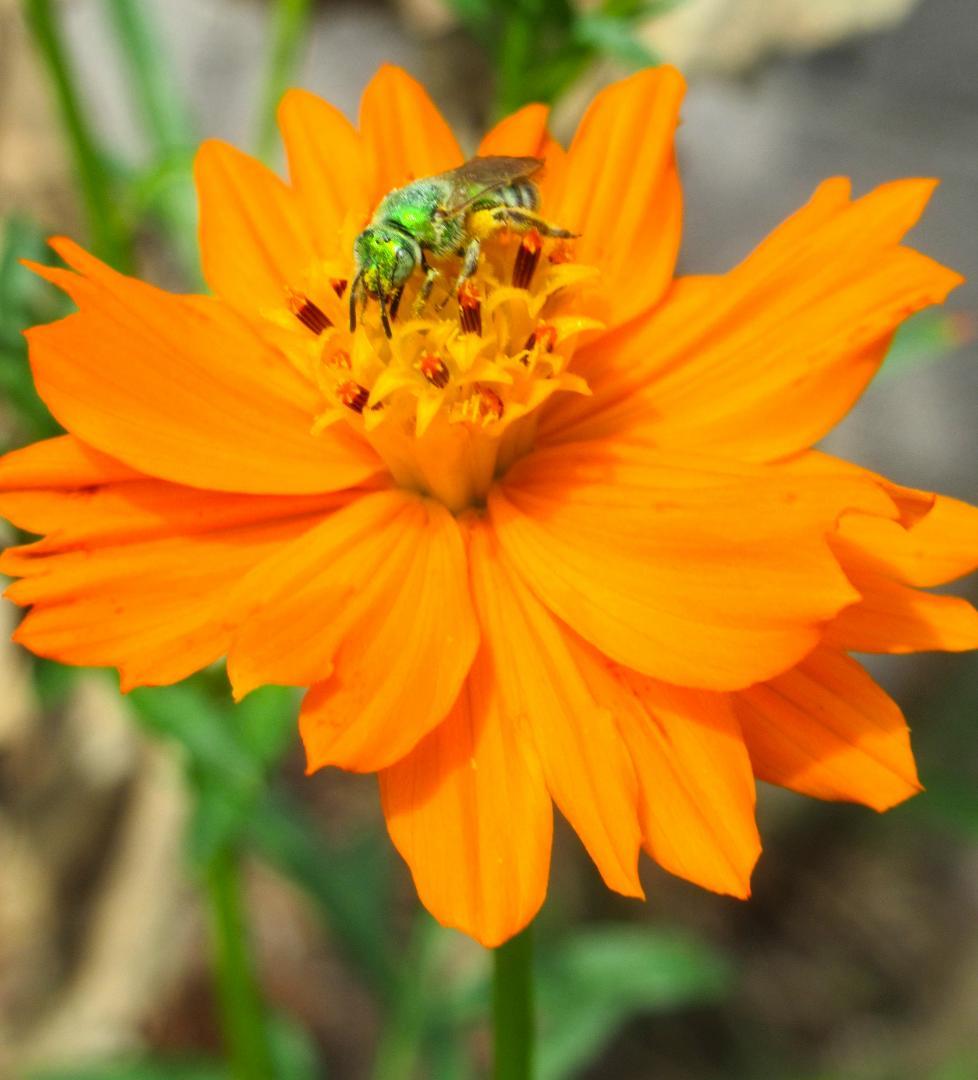
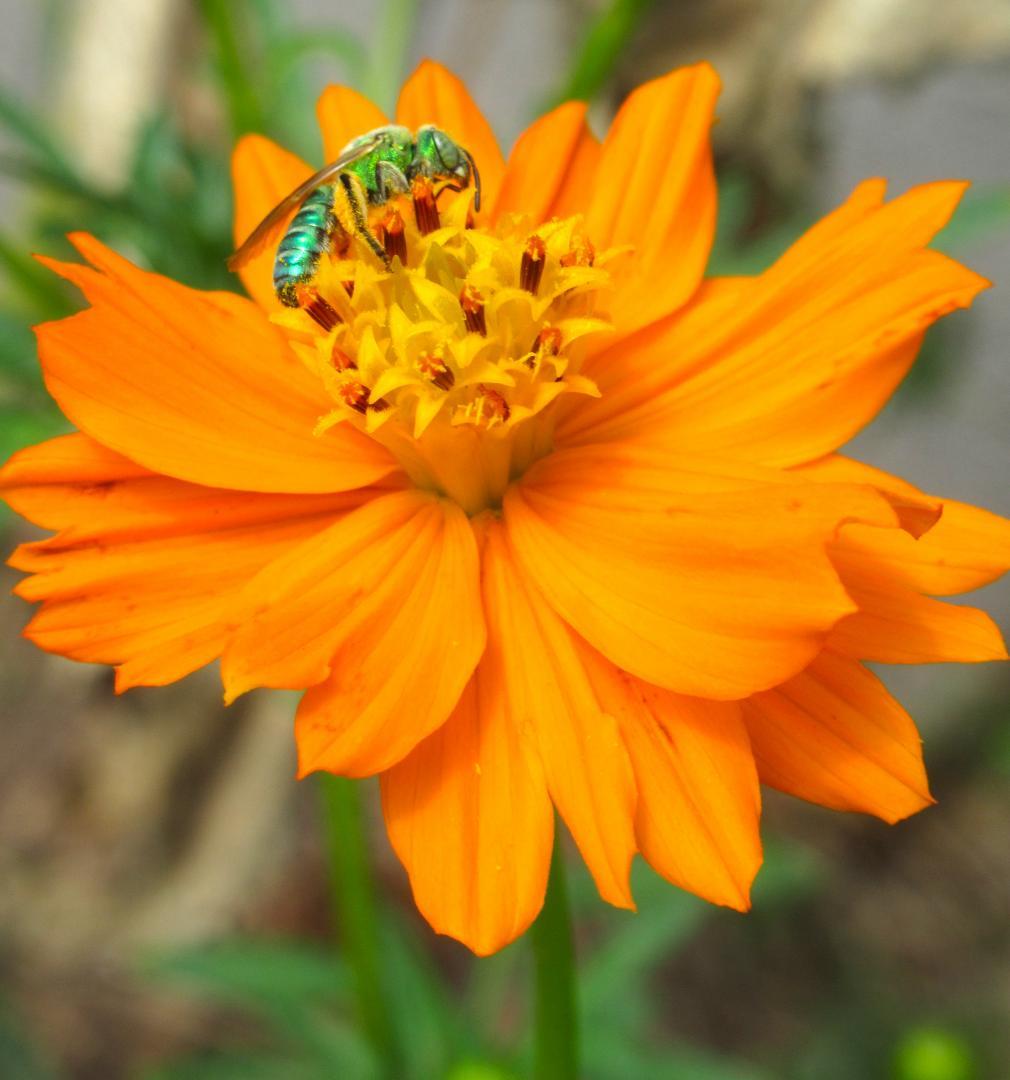
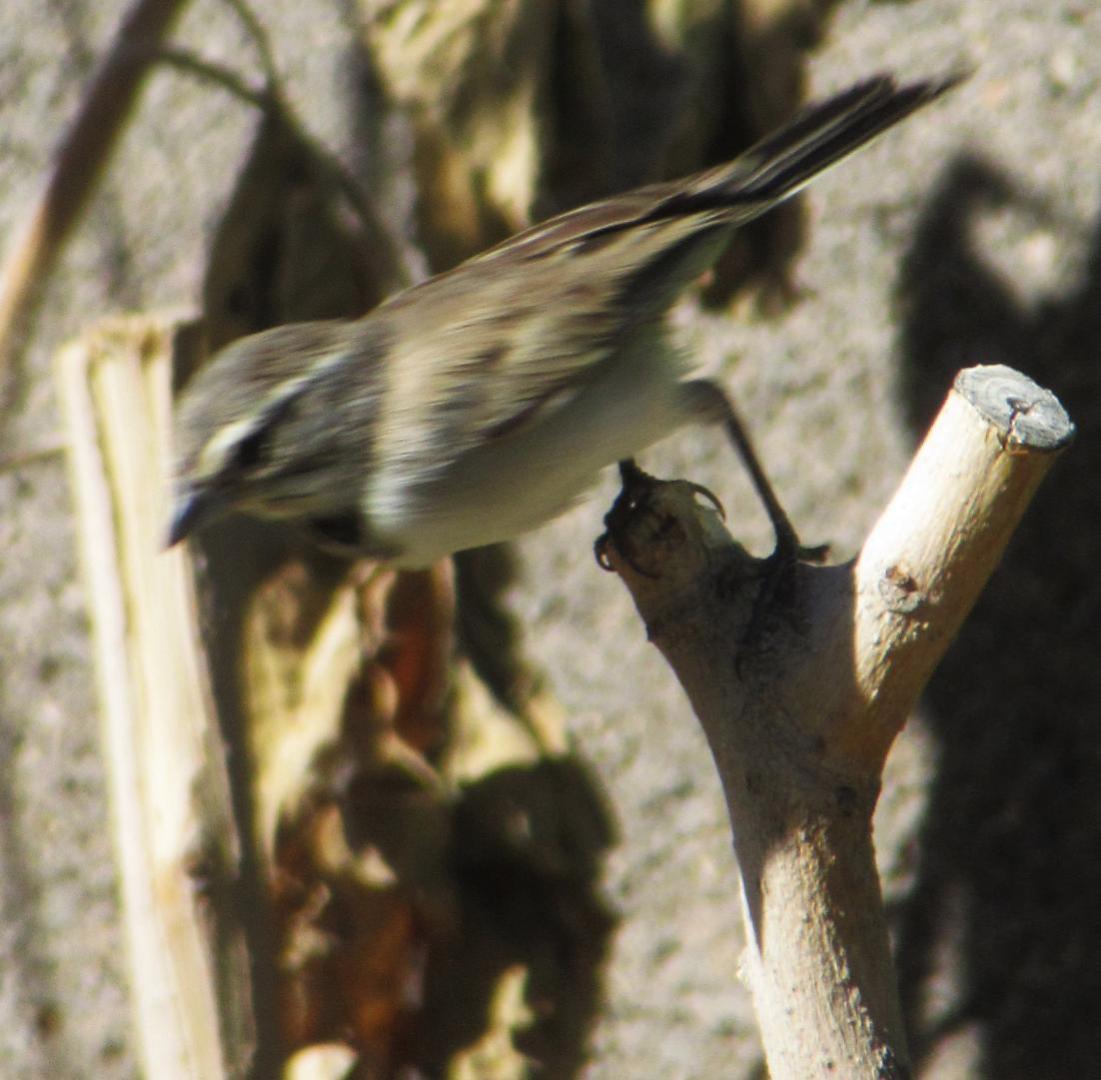
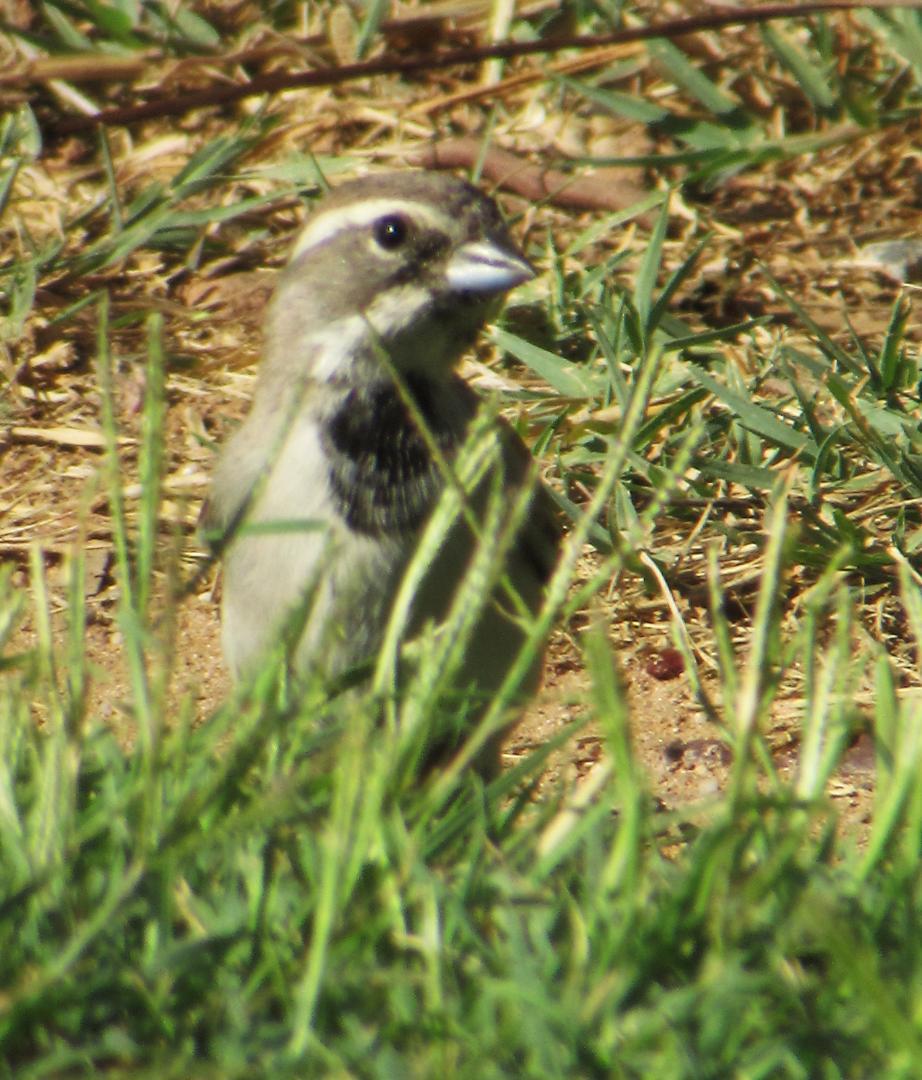
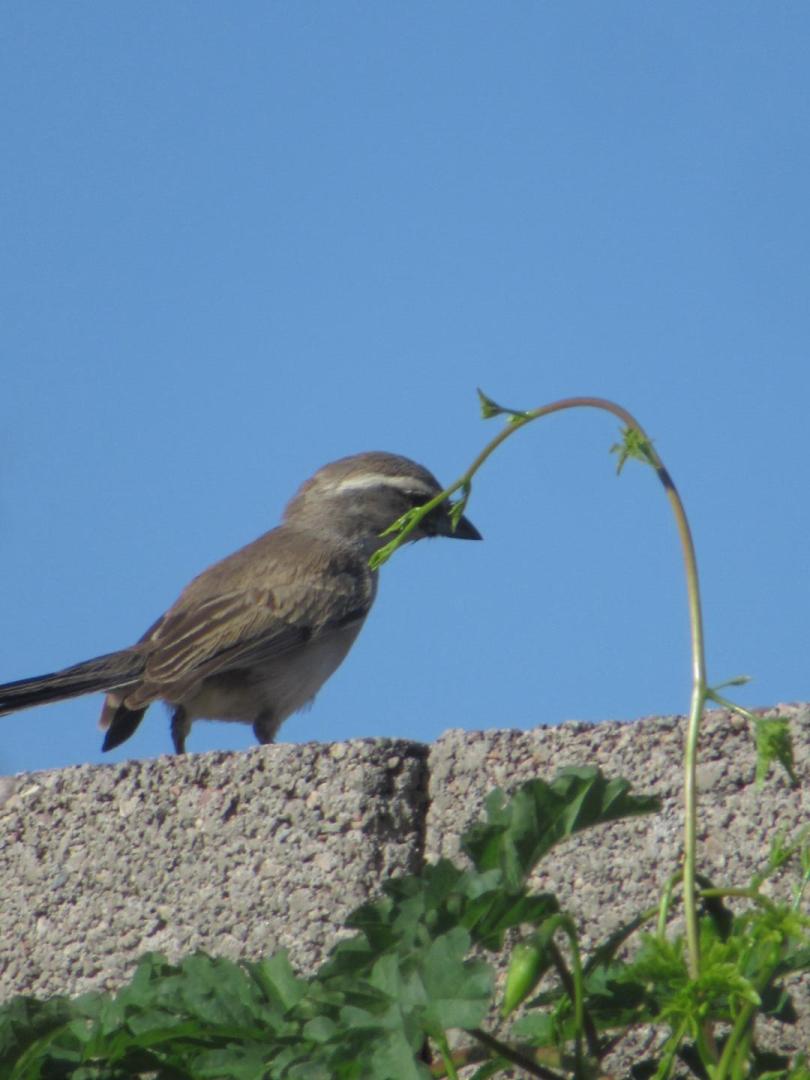
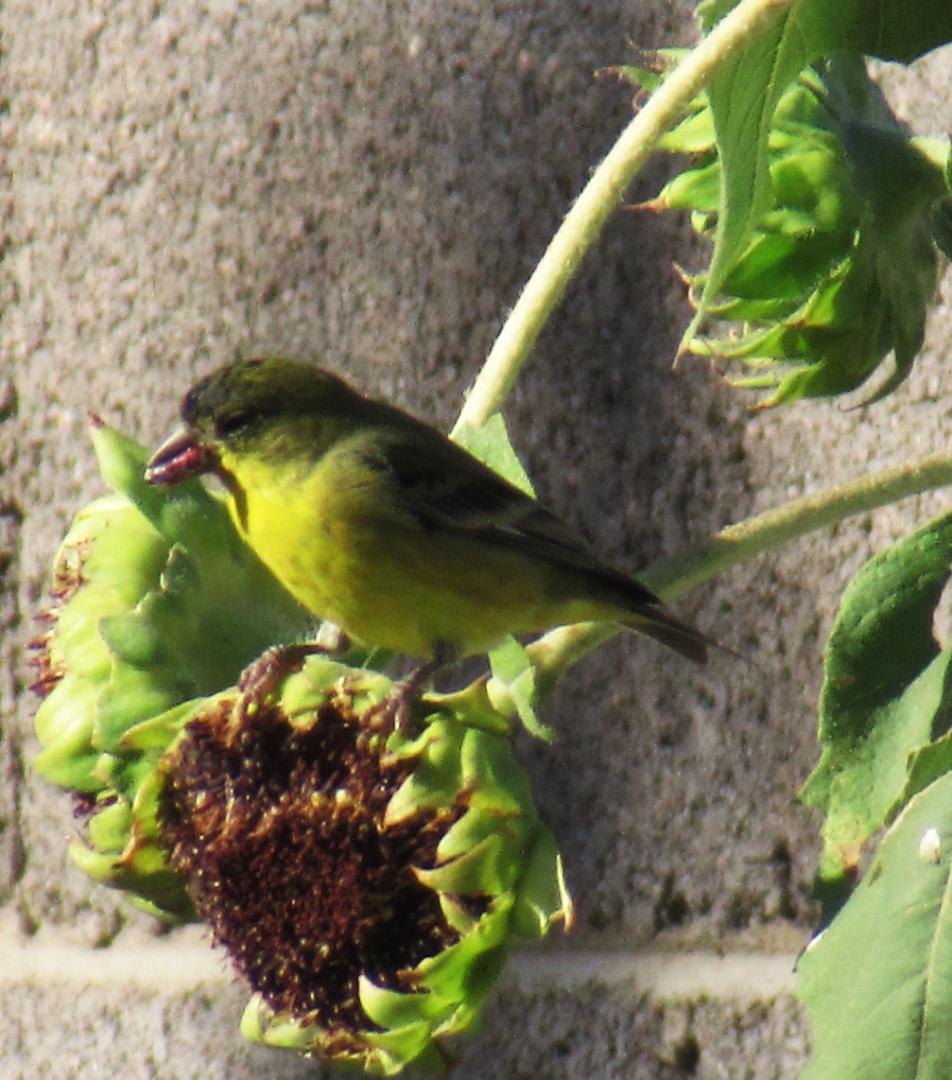
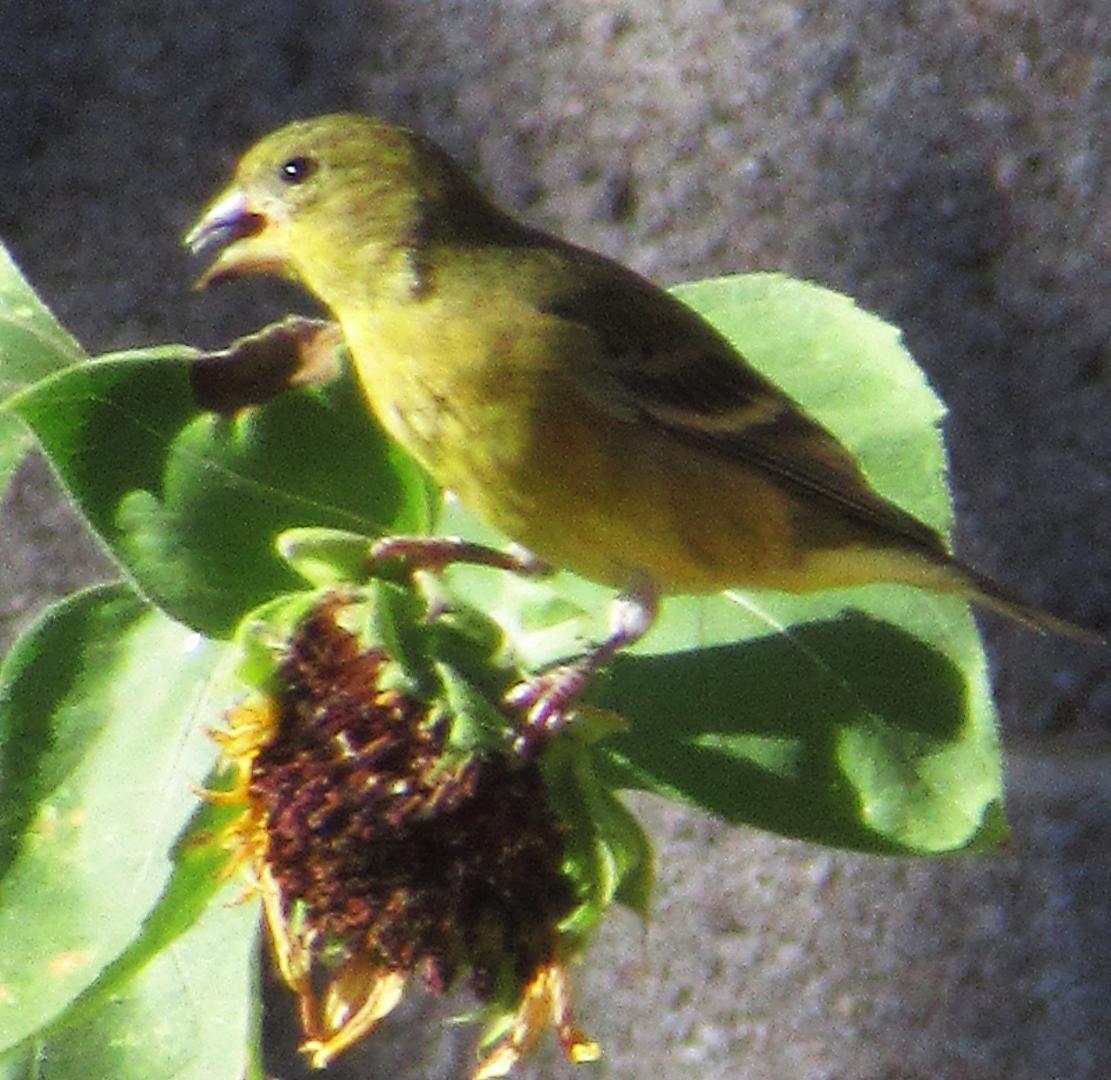
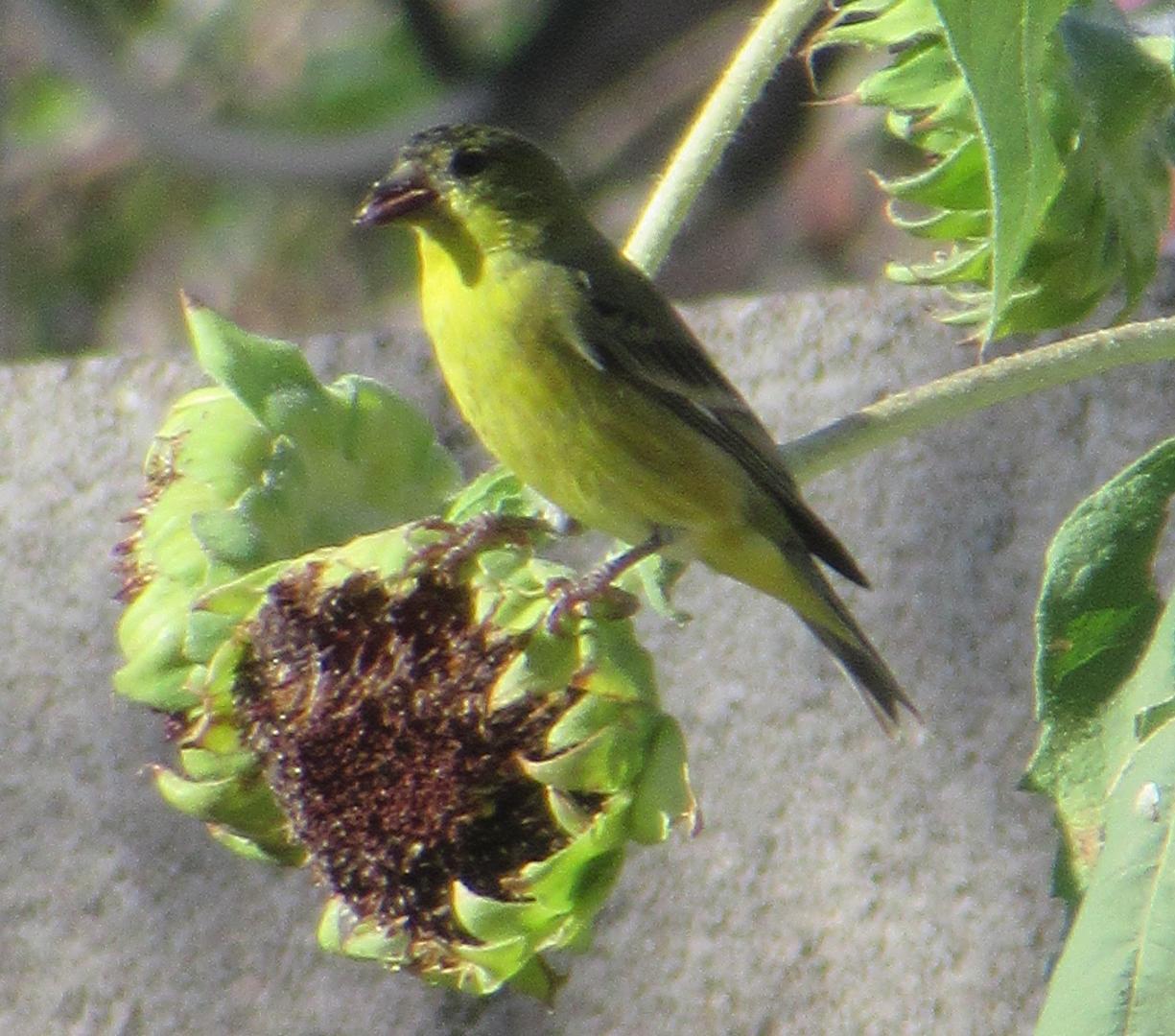
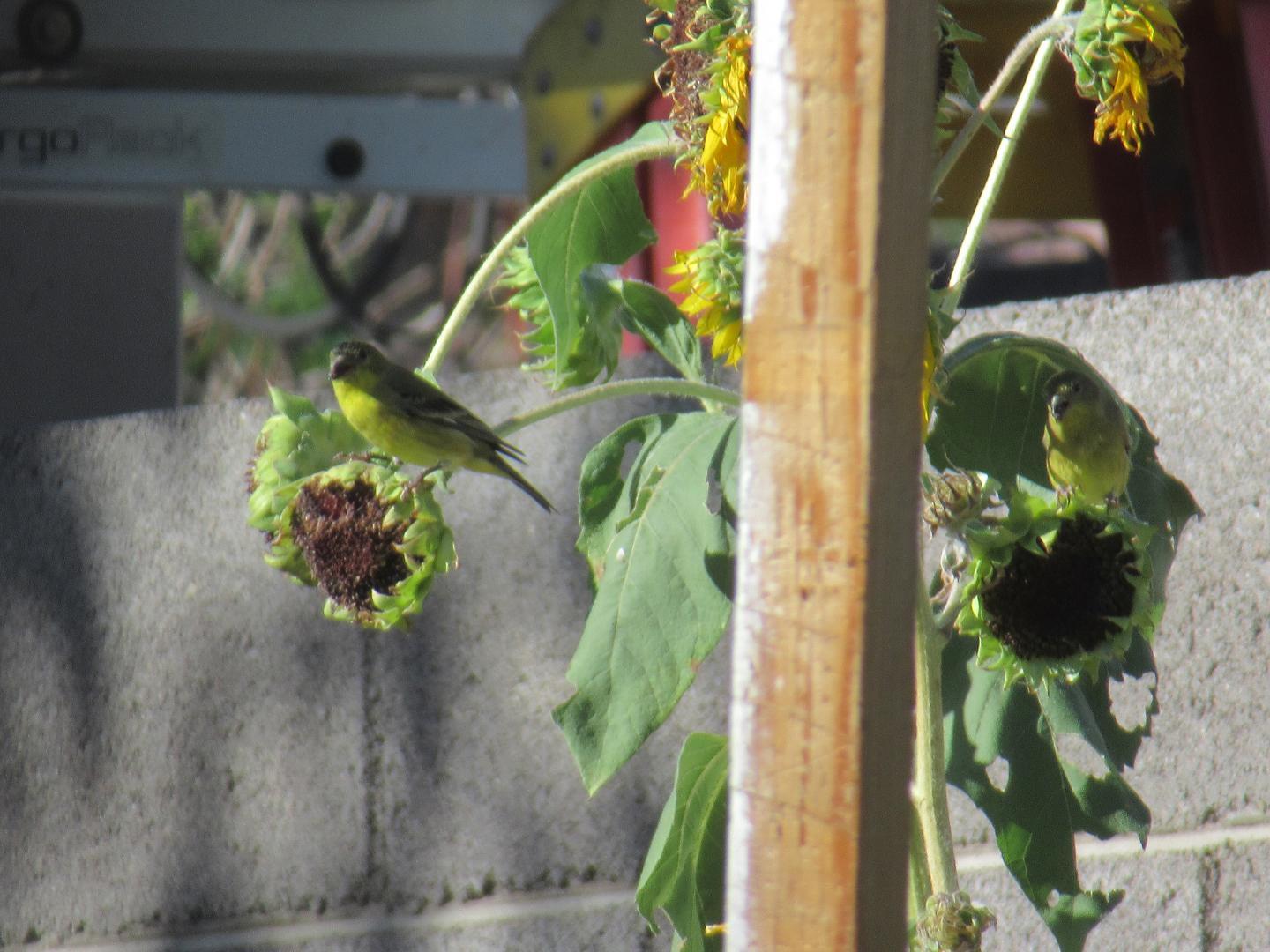
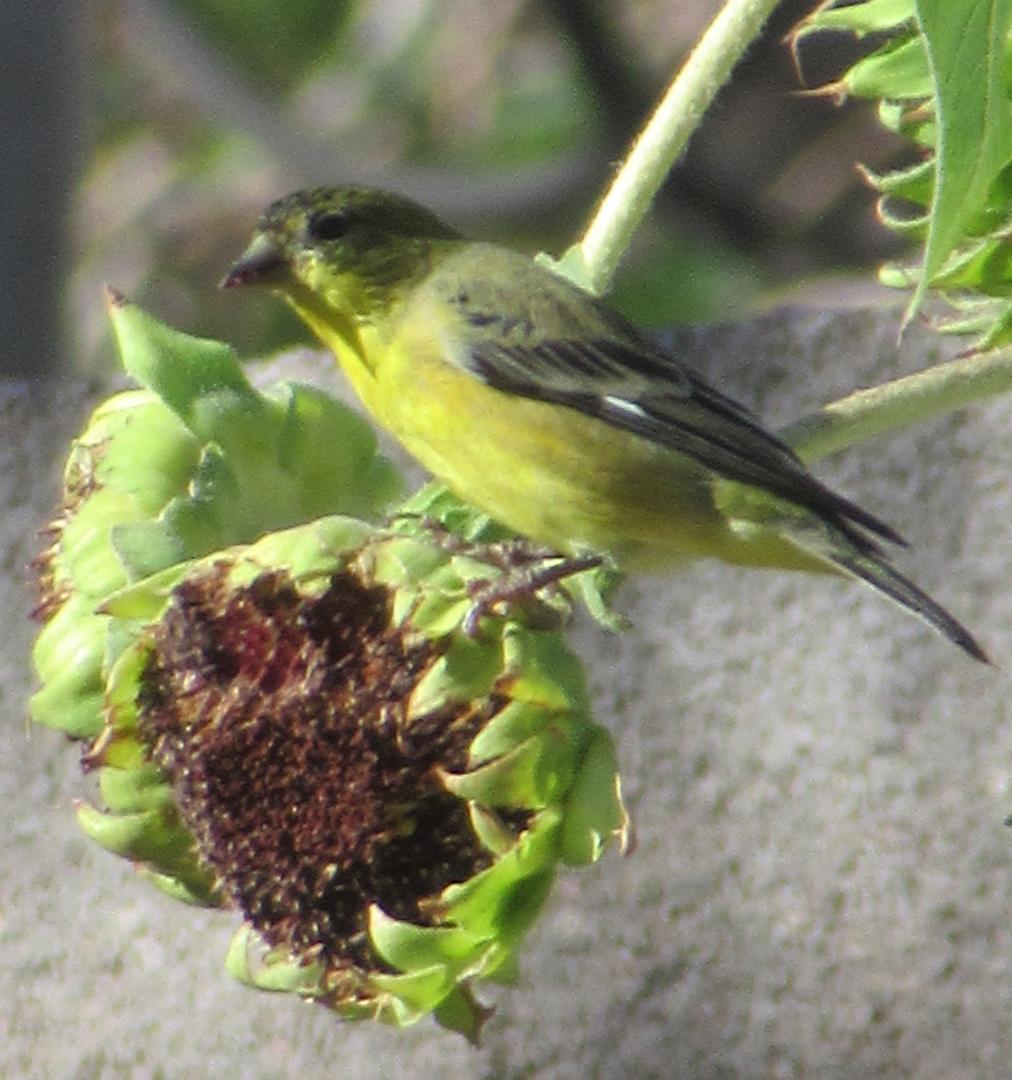
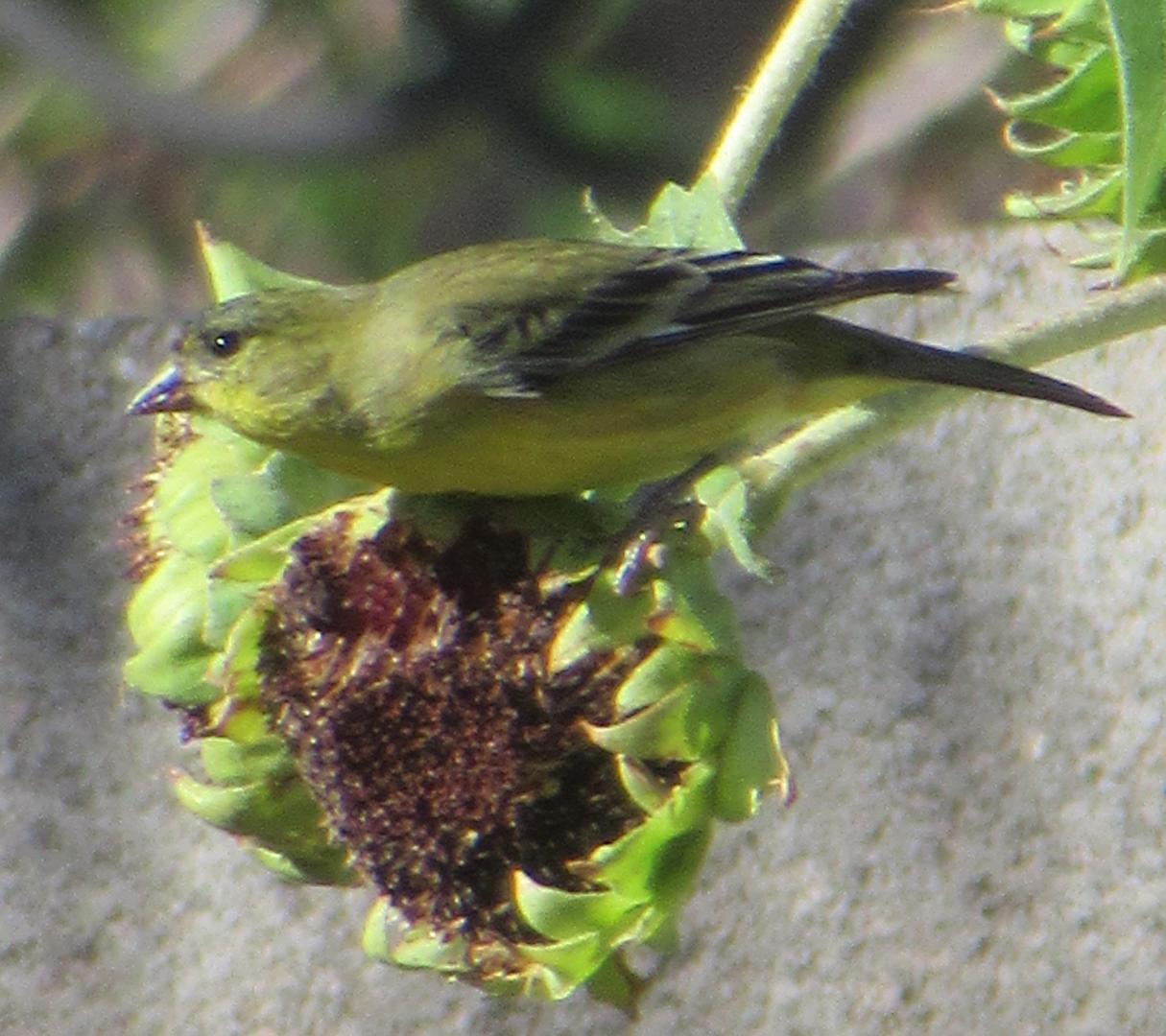
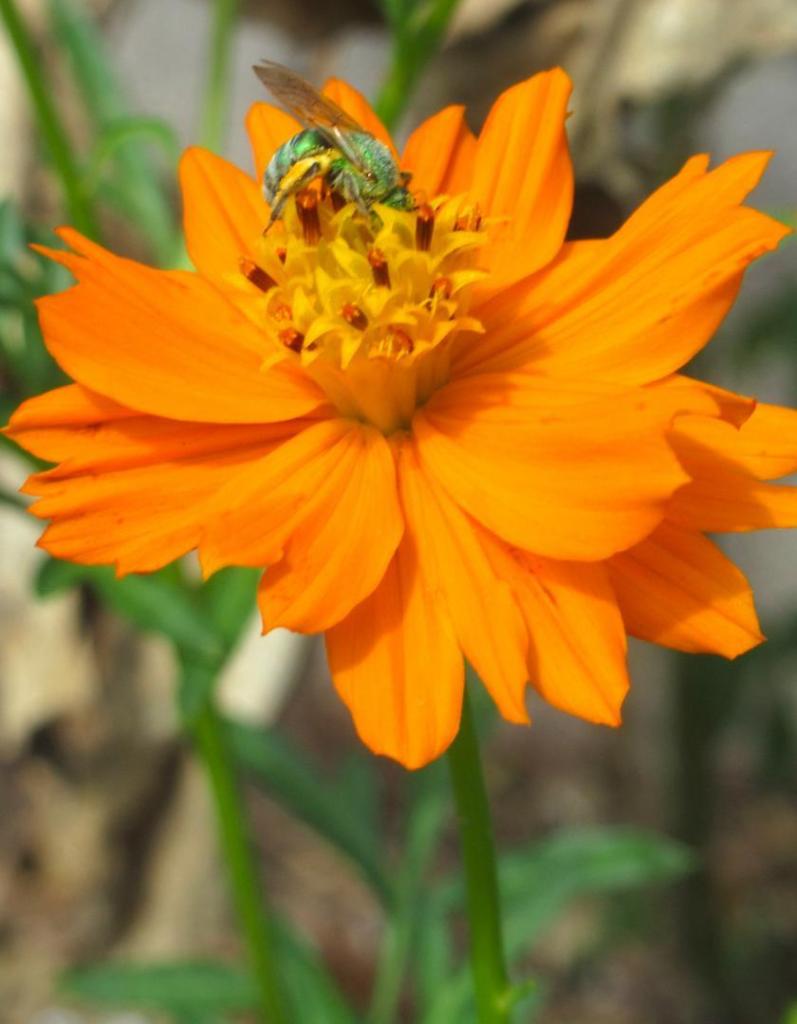
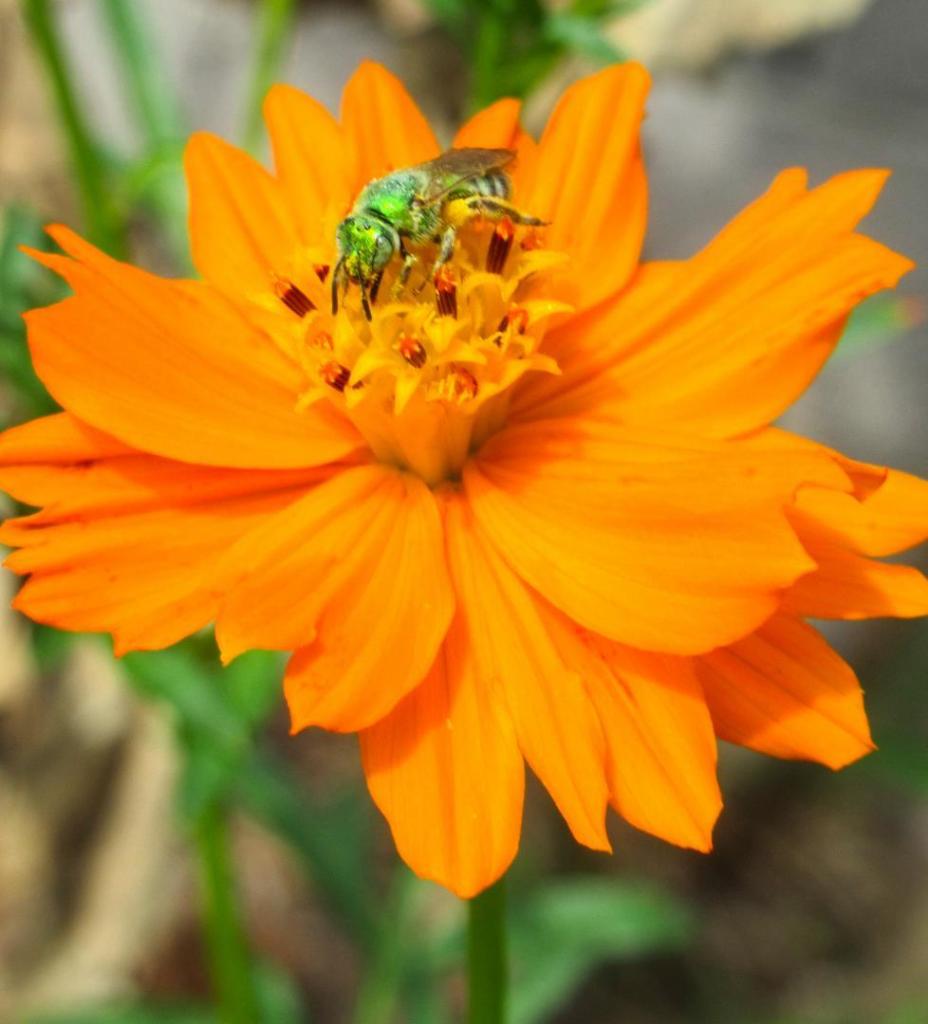
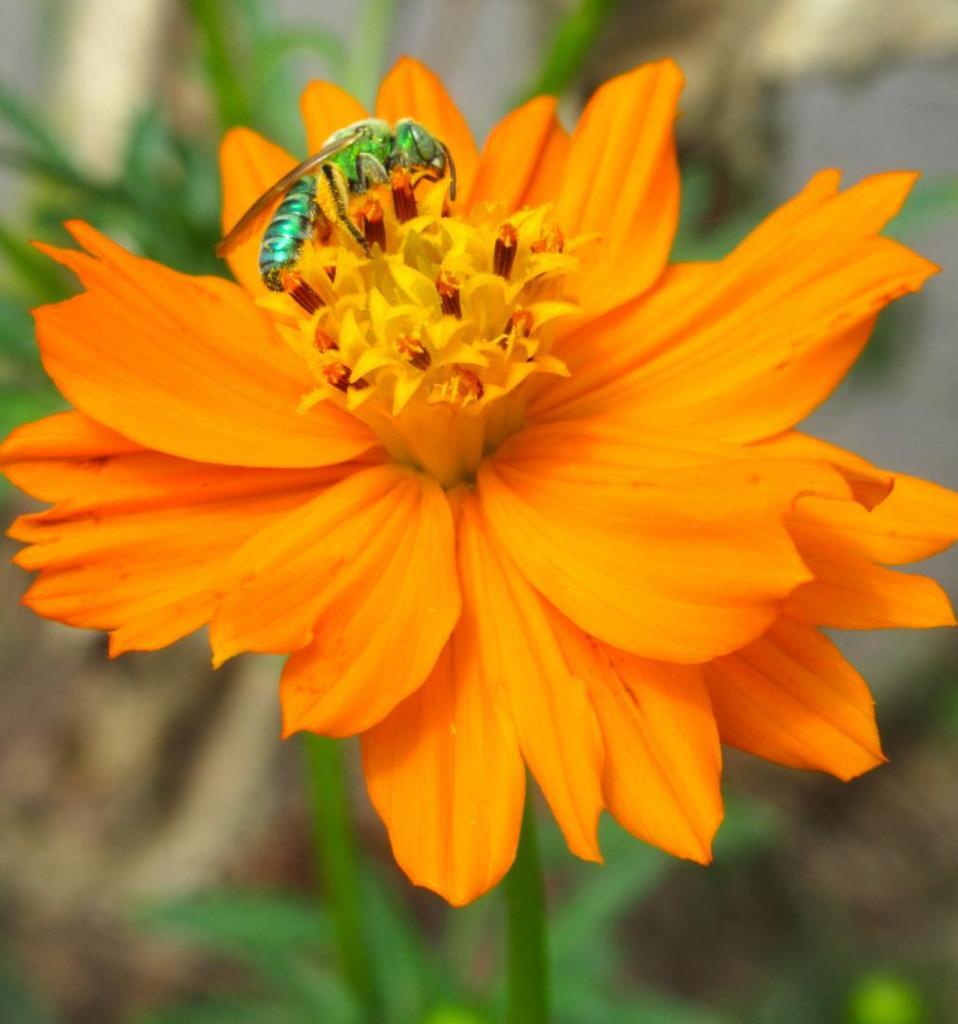
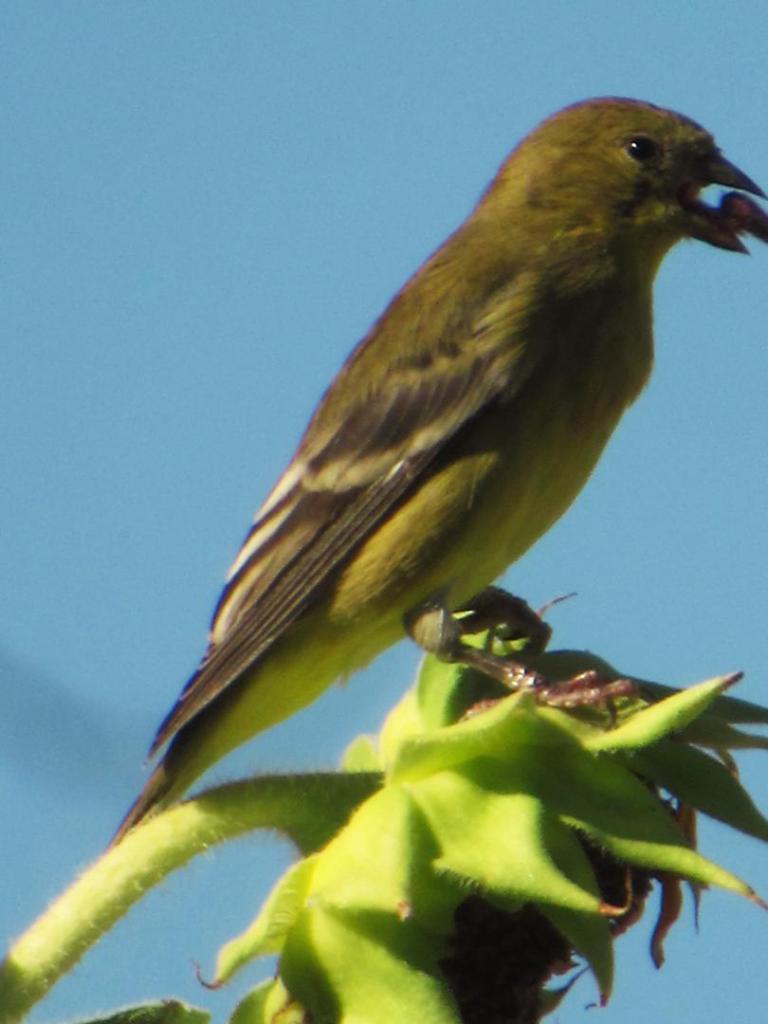
(200x194).thumb.jpg.25738373bf7571e51181f2f3921b2671.jpg) 2 pointsAngeles ( Most likely ) Striped Sweat Bee ..Day time shots.. Hatchet Wasp that found her way inside.. No Roaches in here, ..so back outside she went to continue her pest control mission.. One, of two pleasant surprises this morning... While i planted them more for the ease of growing / extra boost of summer color, i was hoping the Sunflowers would entice the appetite of a special bird i'd yet to see here, one that reminds me of the many special places -far removed from city life, where the views are wide, air is cleaner and peaceful, and the land is wild ..or at least less butchered and subdued as most of suburbia. Aside from that, these fairly small birds are often associated with such things as prosperity, abundance, optimism, sacrifice and redemption. They are one of numerous animals considered to have powerful symbolism in such far flung cultures as those in Egypt, Native Americans, and Christianity. While i'm not 100% exactly which sp. this morning's visitors were, my thought is Lesser Goldfinch, Spinus psaltria since they are the most common species in the area. That said, all three of the new World Goldfinches can be encountered here, so, it's not out of the question these could be younger aged American, or Lawrence's Goldfinch.. Regardless, now that it will be cooling down more, hopefully they'll be visiting for awhile ..and bring their friends.. A flock containing younger and adult aged birds of all 3 sps. stopping in for breakfast would be pretty sweet. Now that i know they're around, i'll likely put up a feeder for them for the winter. What's better than encountering one of the " cool " native Sparrows in habitat? how about one poking around the yard.. Black - Throated Sparrow, Amphispiza bilineata.
2 pointsAngeles ( Most likely ) Striped Sweat Bee ..Day time shots.. Hatchet Wasp that found her way inside.. No Roaches in here, ..so back outside she went to continue her pest control mission.. One, of two pleasant surprises this morning... While i planted them more for the ease of growing / extra boost of summer color, i was hoping the Sunflowers would entice the appetite of a special bird i'd yet to see here, one that reminds me of the many special places -far removed from city life, where the views are wide, air is cleaner and peaceful, and the land is wild ..or at least less butchered and subdued as most of suburbia. Aside from that, these fairly small birds are often associated with such things as prosperity, abundance, optimism, sacrifice and redemption. They are one of numerous animals considered to have powerful symbolism in such far flung cultures as those in Egypt, Native Americans, and Christianity. While i'm not 100% exactly which sp. this morning's visitors were, my thought is Lesser Goldfinch, Spinus psaltria since they are the most common species in the area. That said, all three of the new World Goldfinches can be encountered here, so, it's not out of the question these could be younger aged American, or Lawrence's Goldfinch.. Regardless, now that it will be cooling down more, hopefully they'll be visiting for awhile ..and bring their friends.. A flock containing younger and adult aged birds of all 3 sps. stopping in for breakfast would be pretty sweet. Now that i know they're around, i'll likely put up a feeder for them for the winter. What's better than encountering one of the " cool " native Sparrows in habitat? how about one poking around the yard.. Black - Throated Sparrow, Amphispiza bilineata.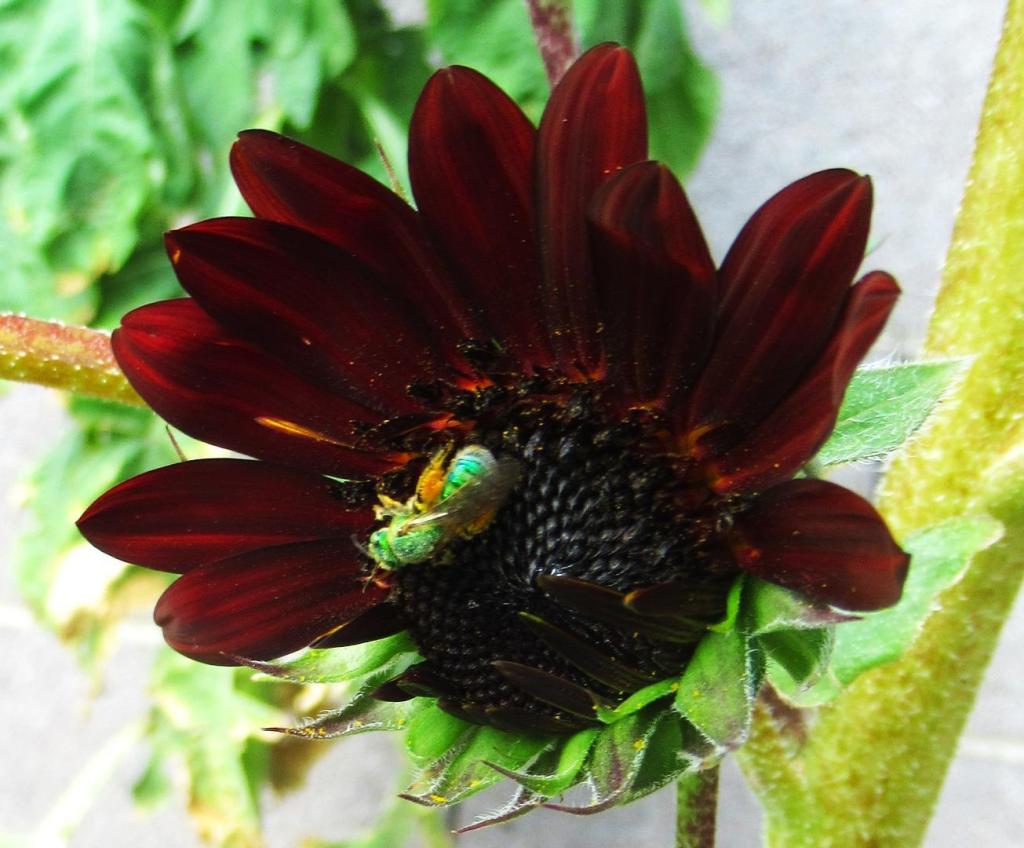
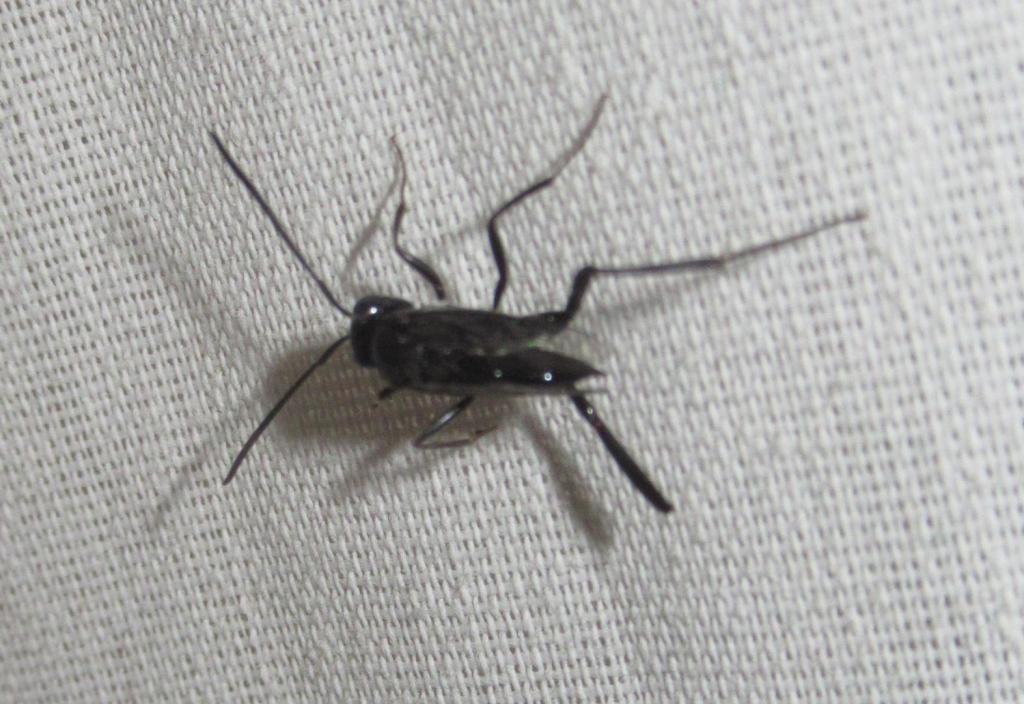
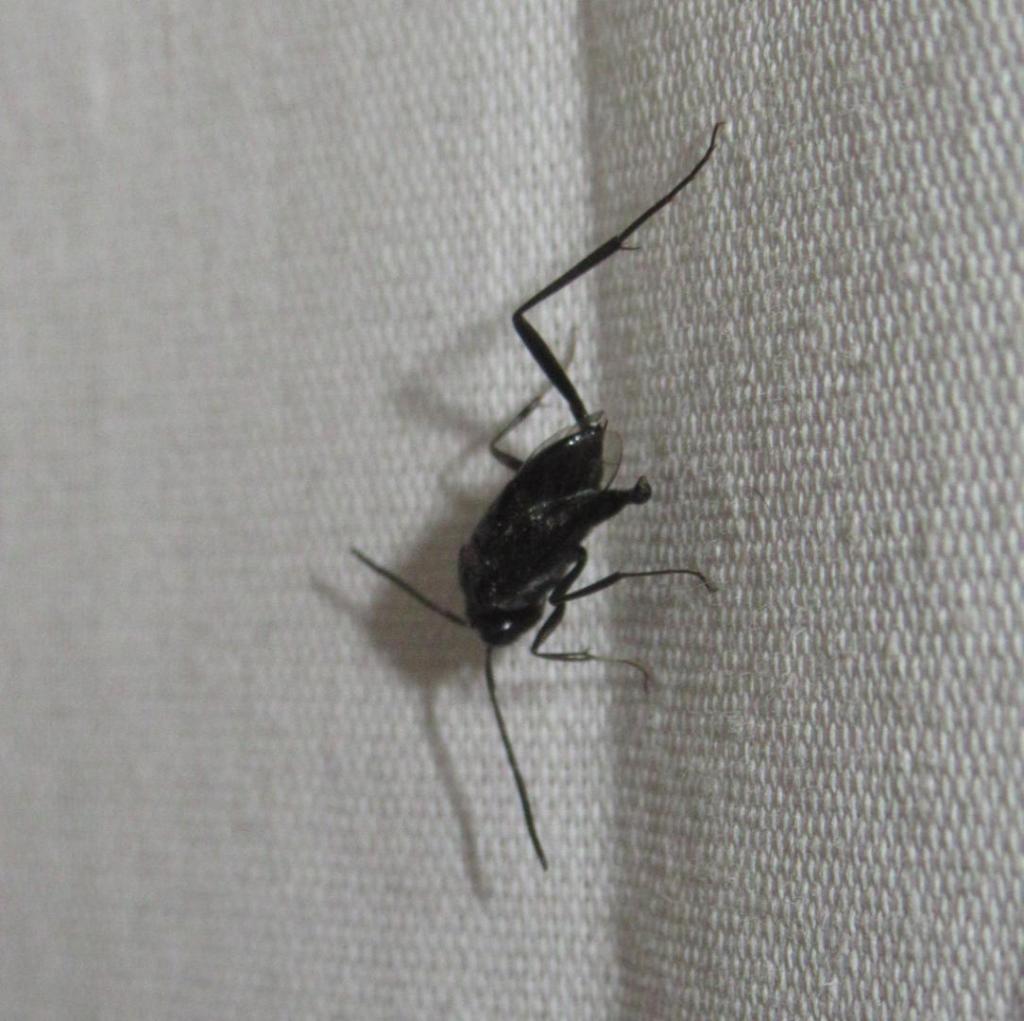
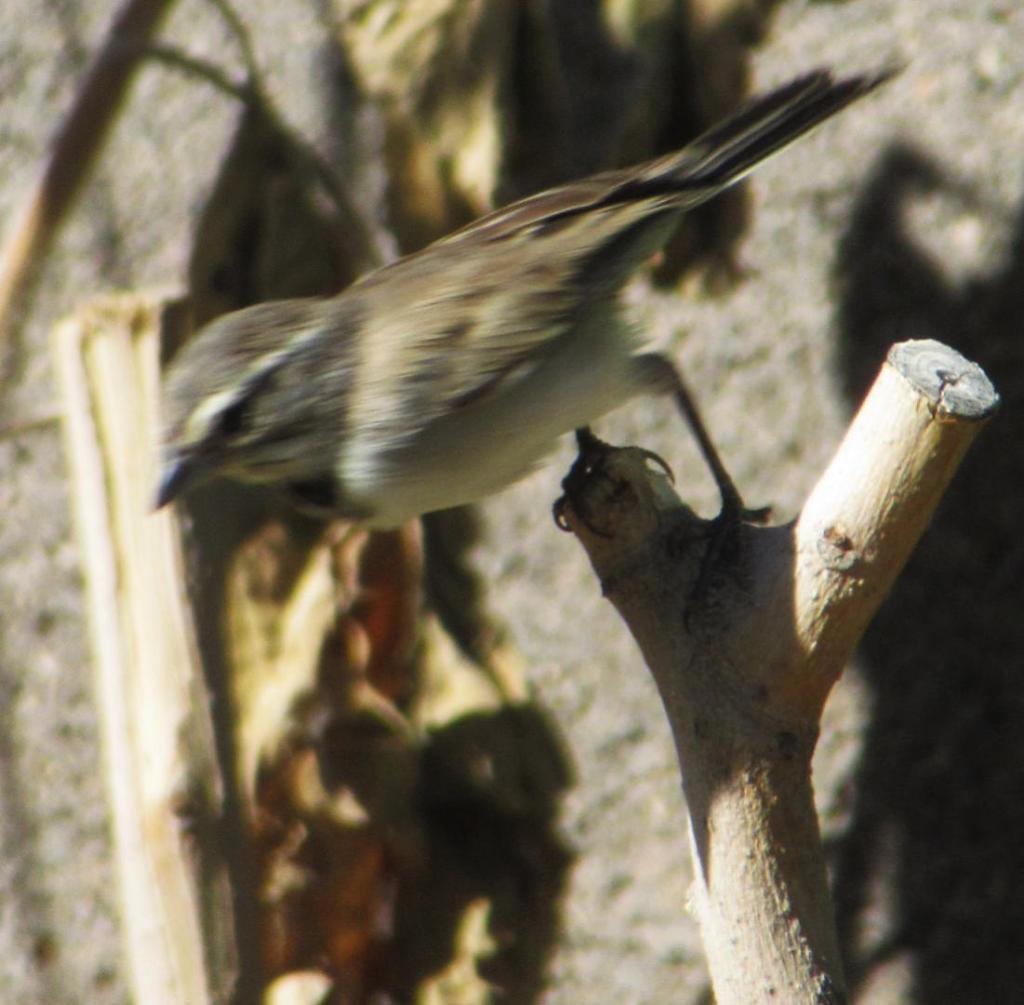
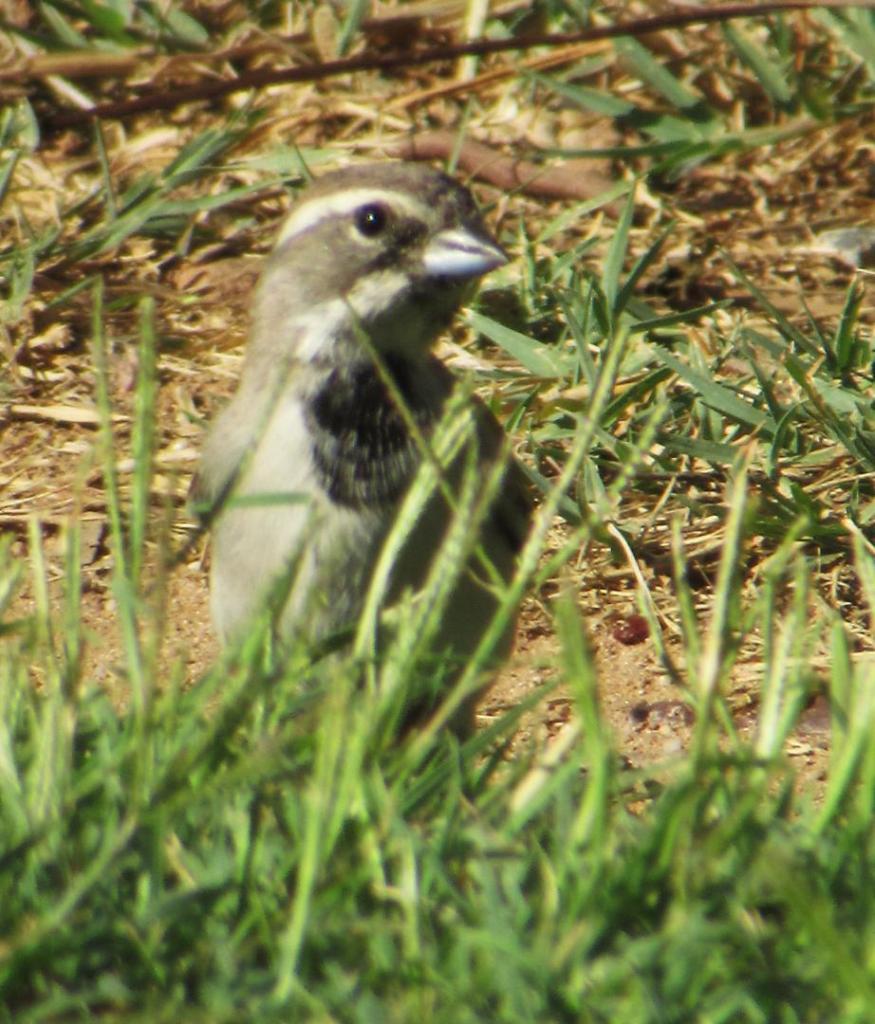
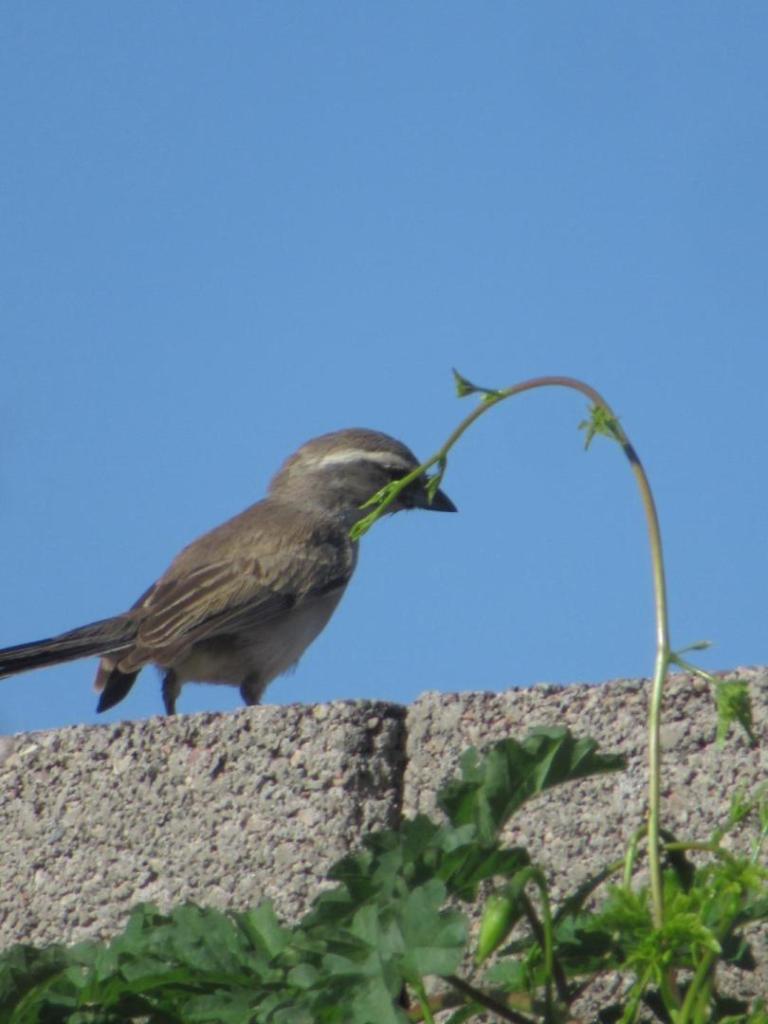

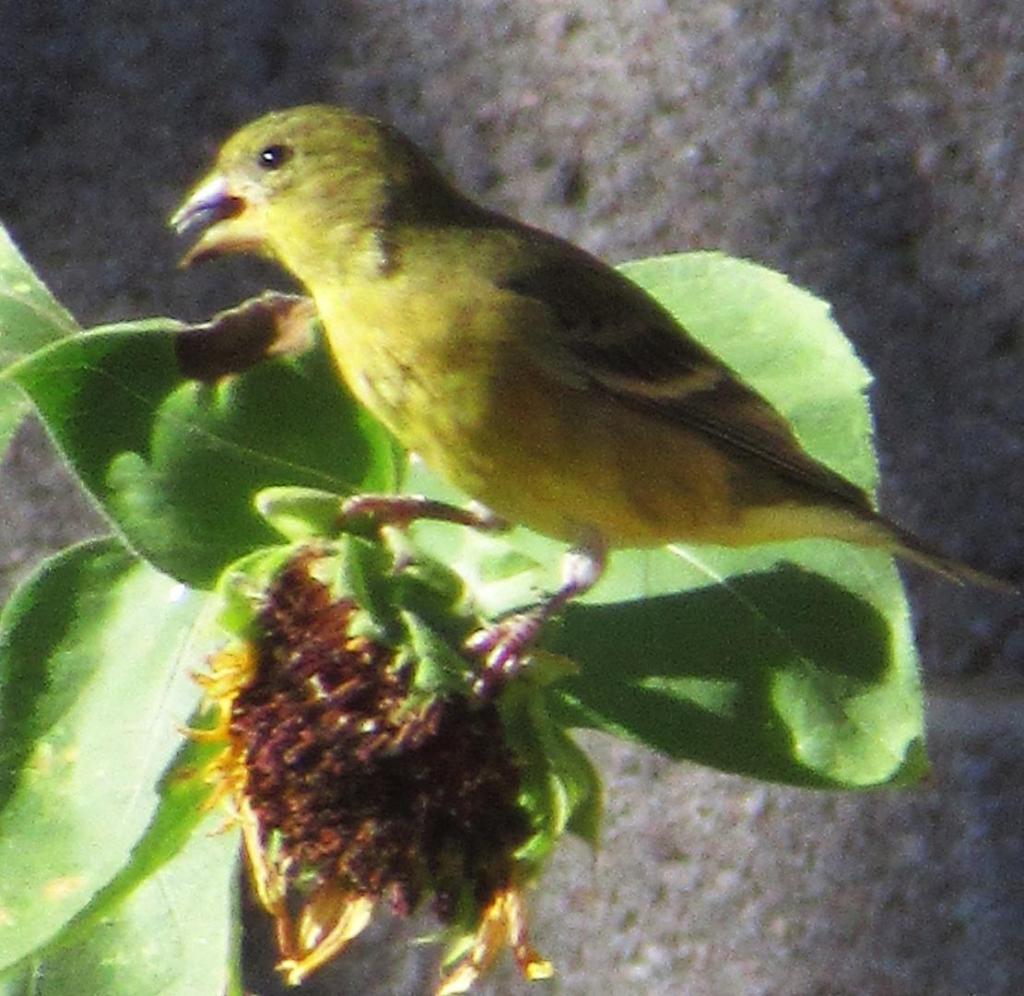

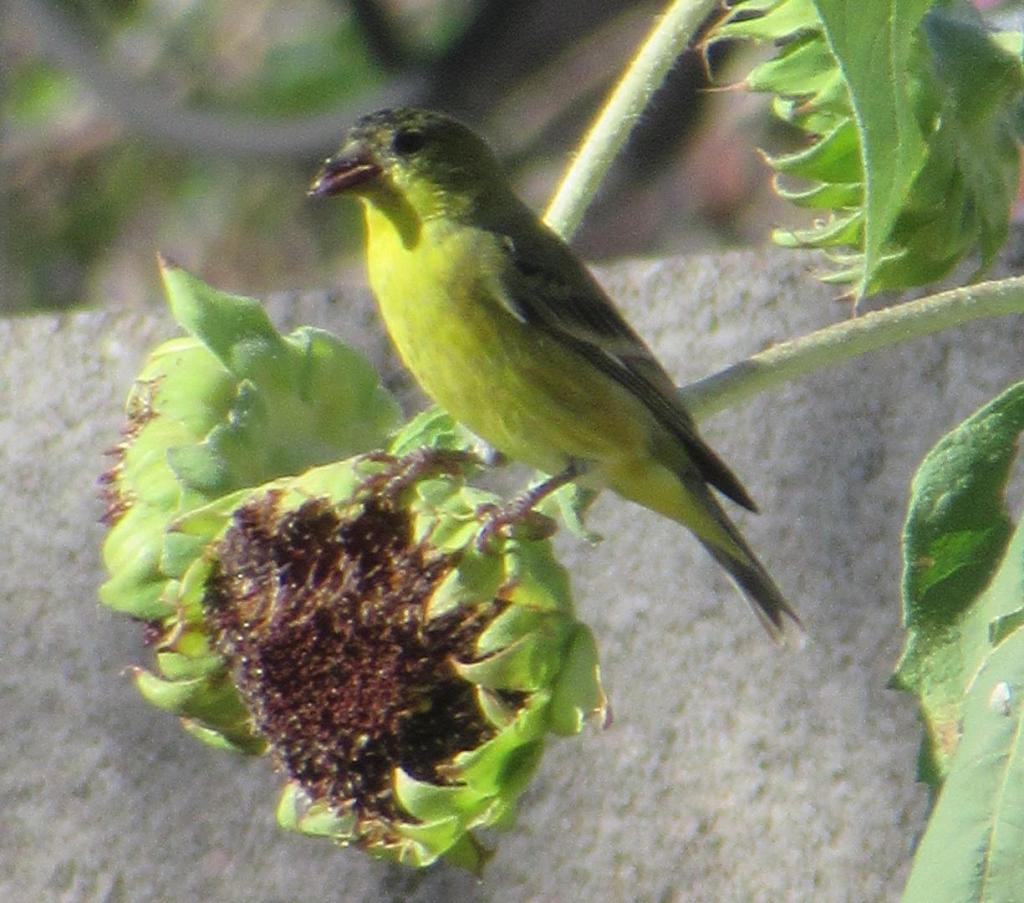
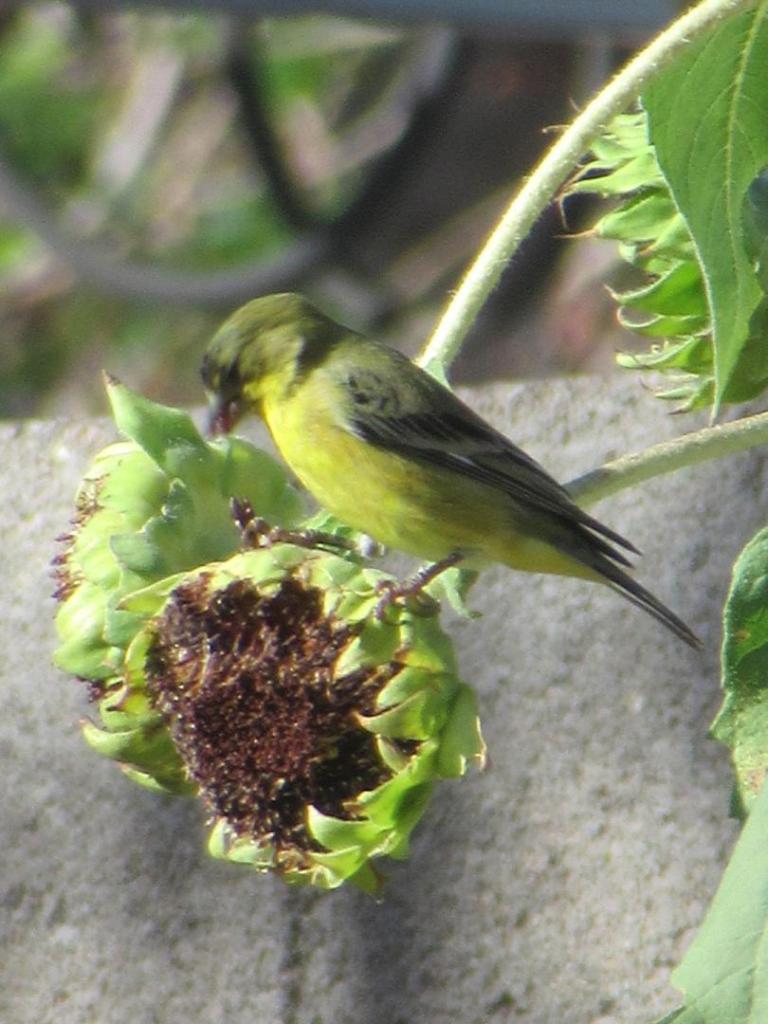
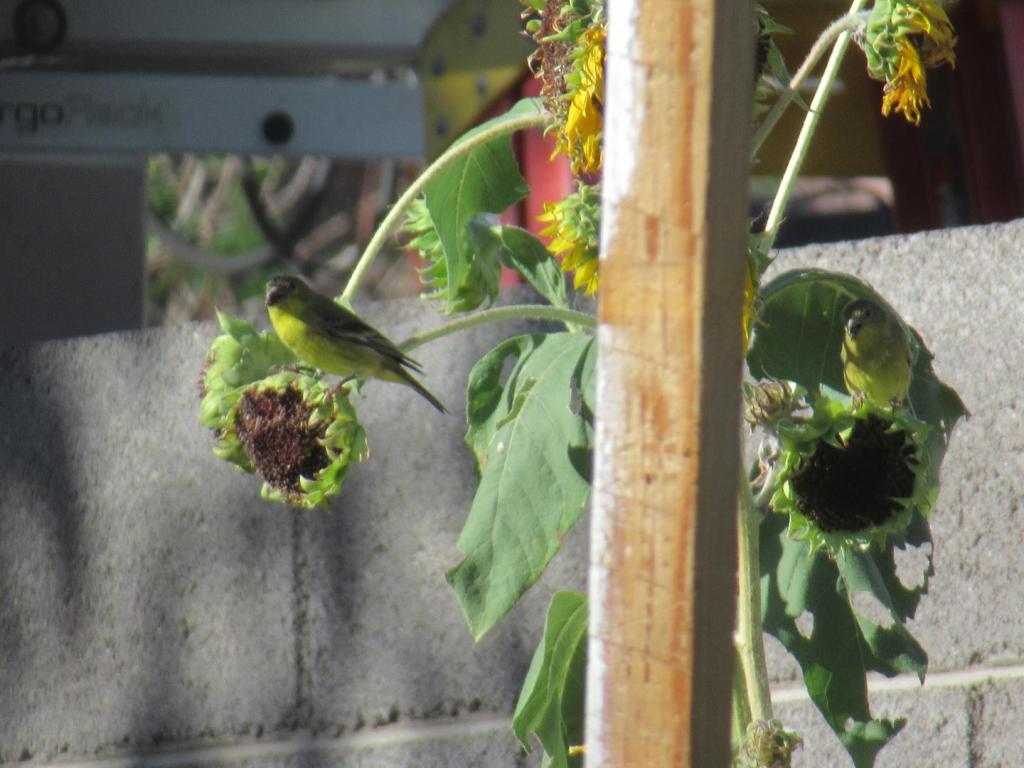
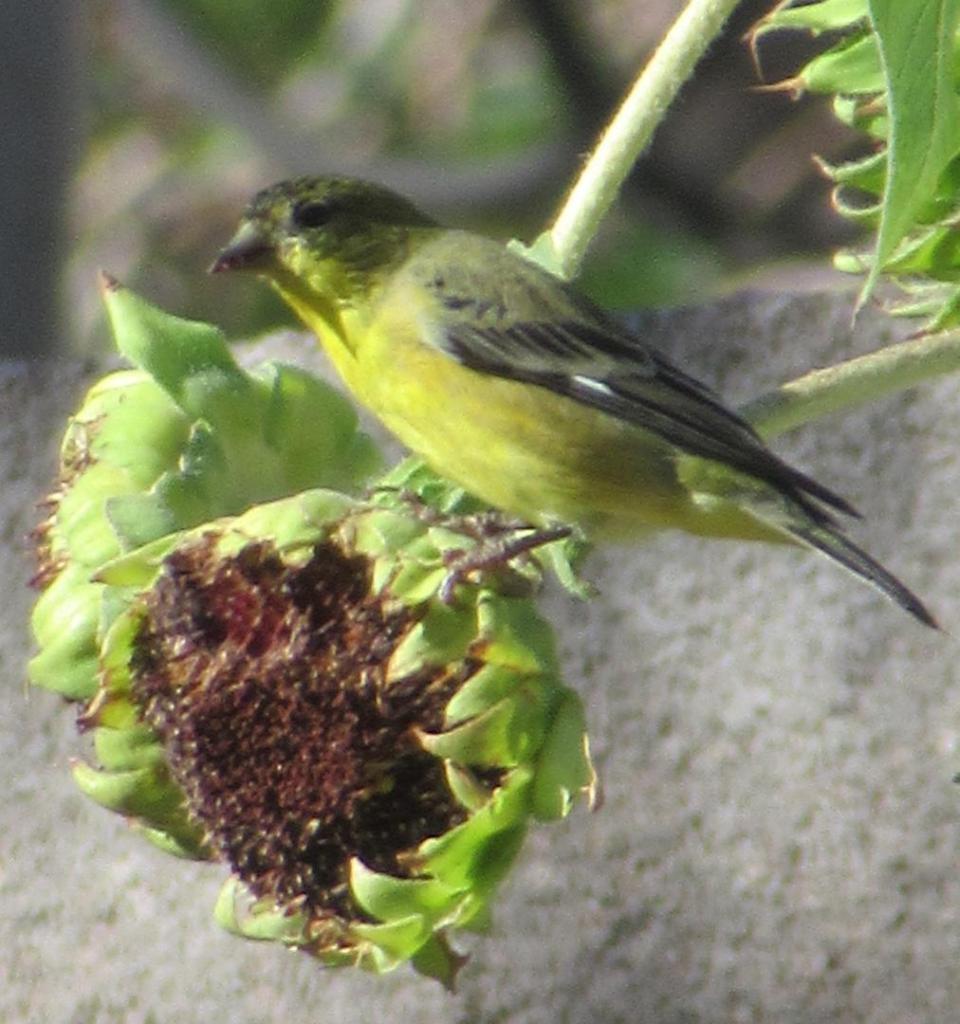
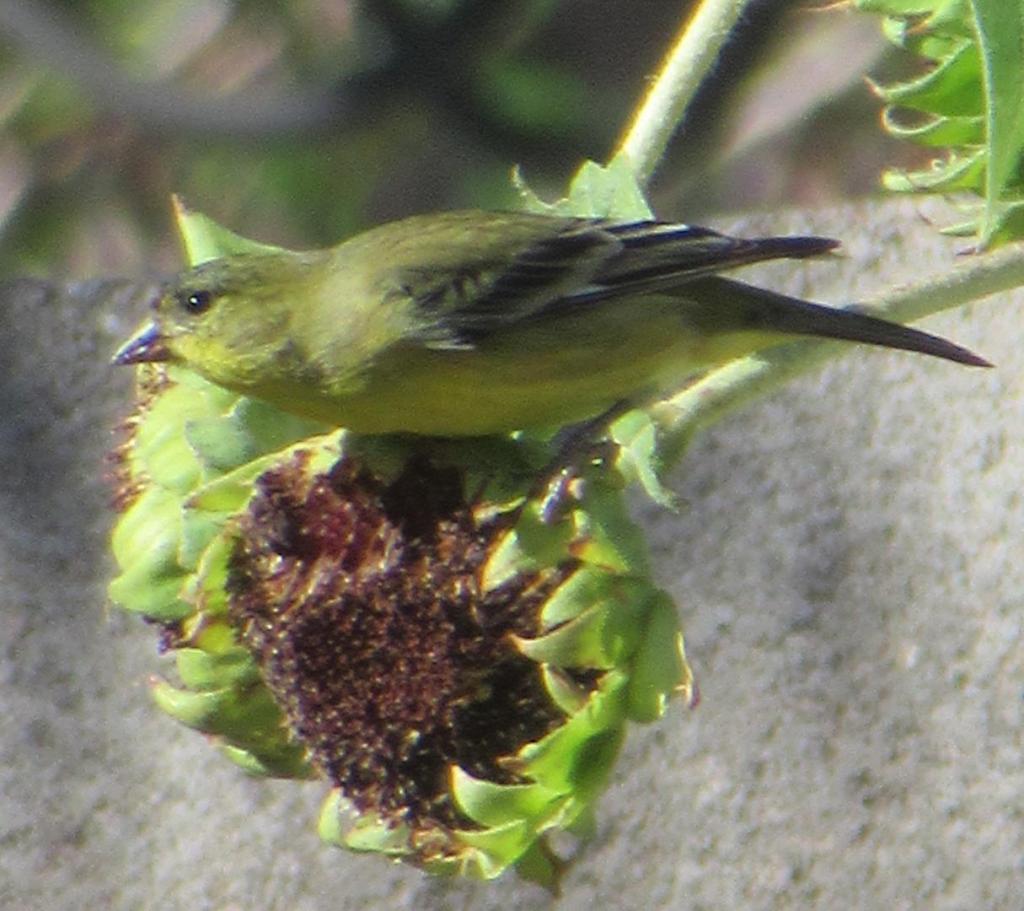
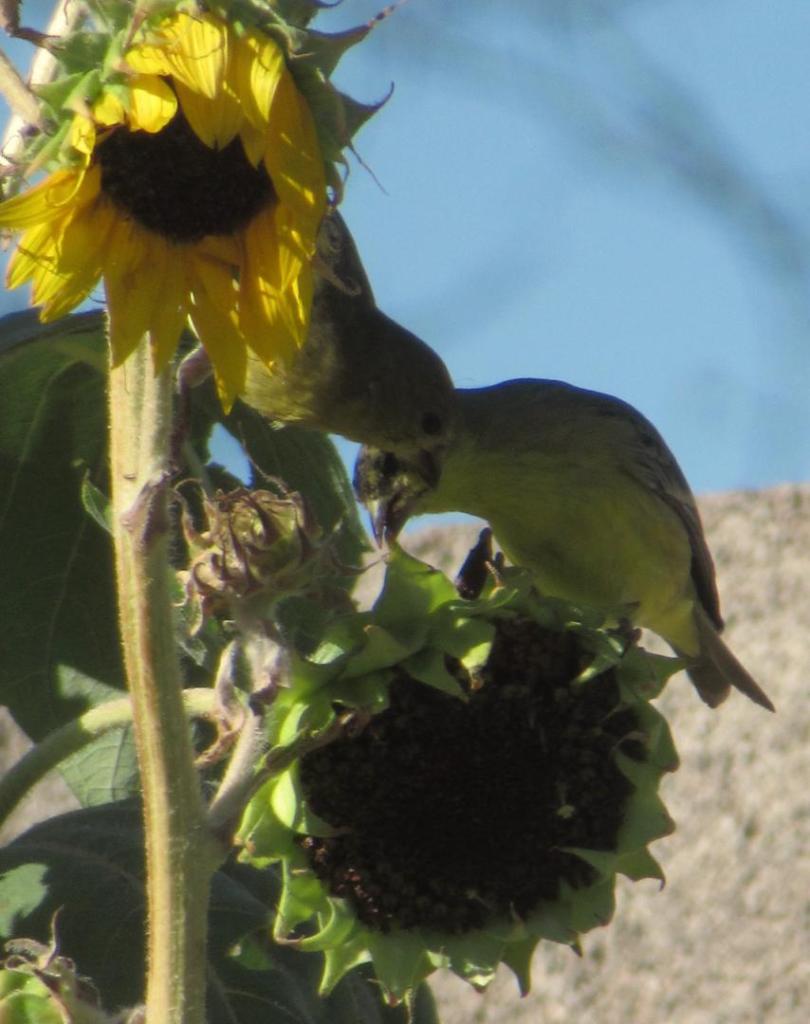
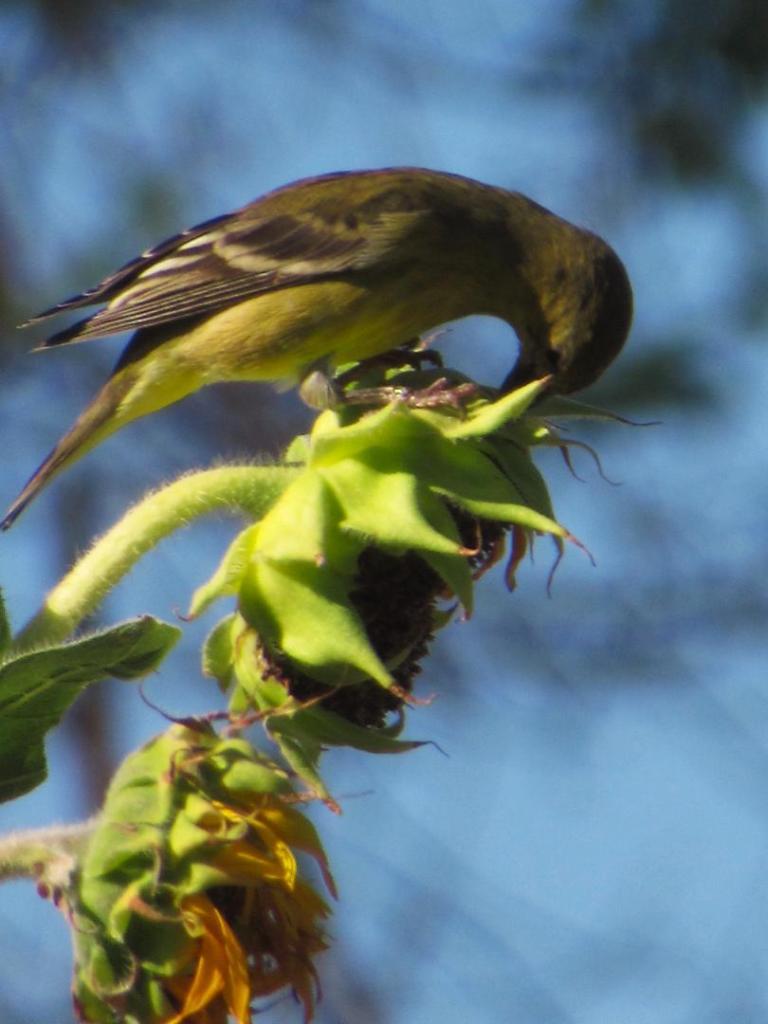
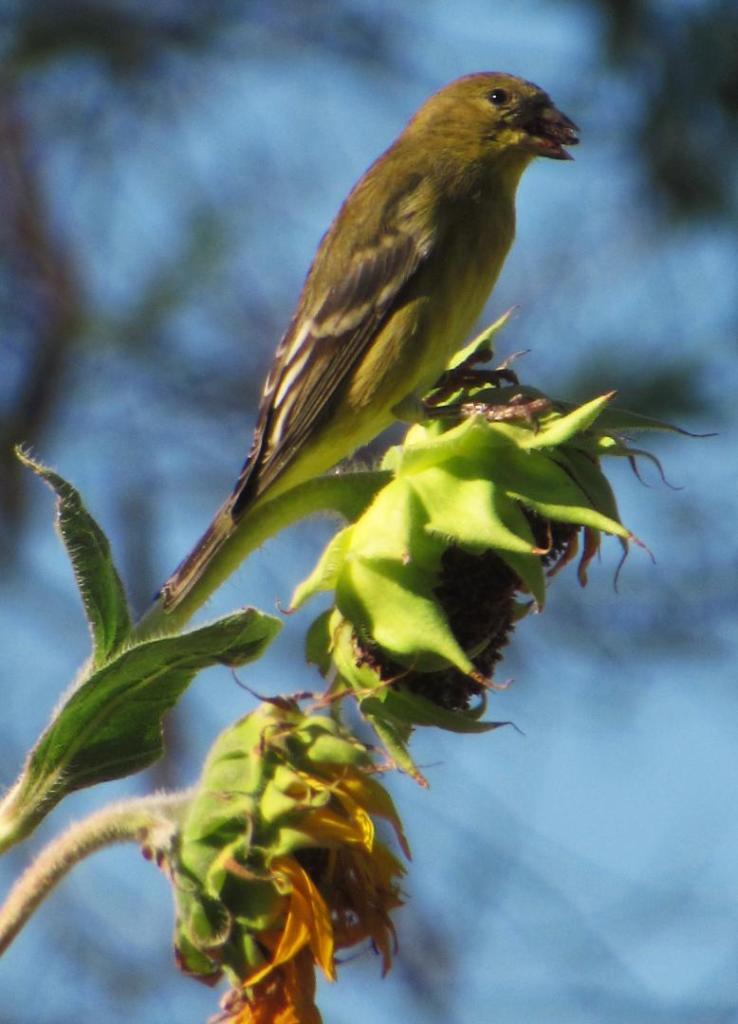
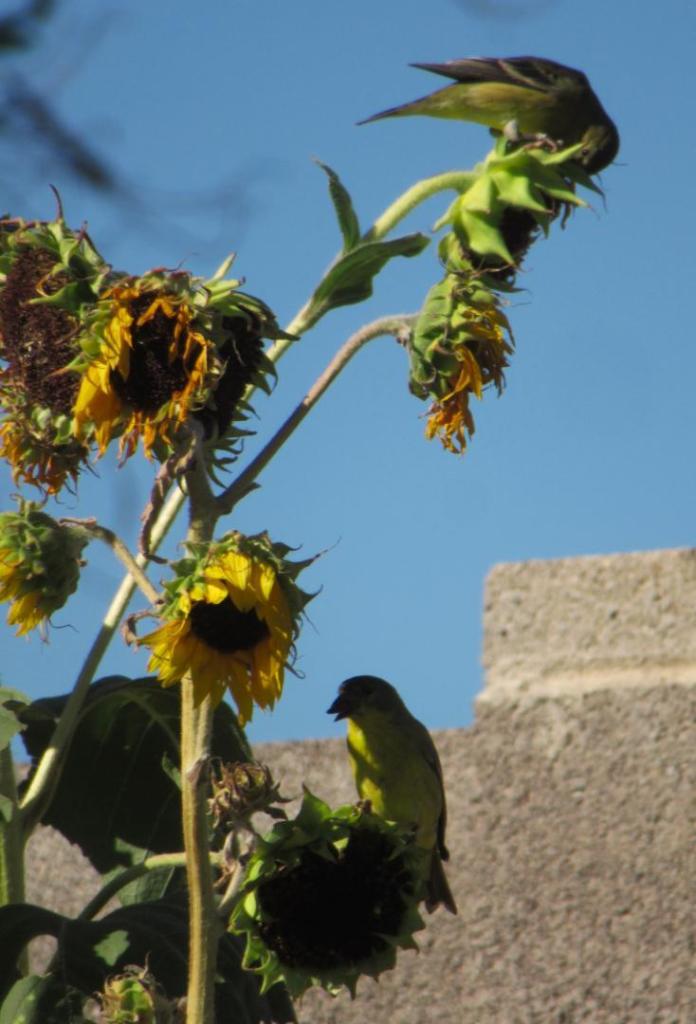
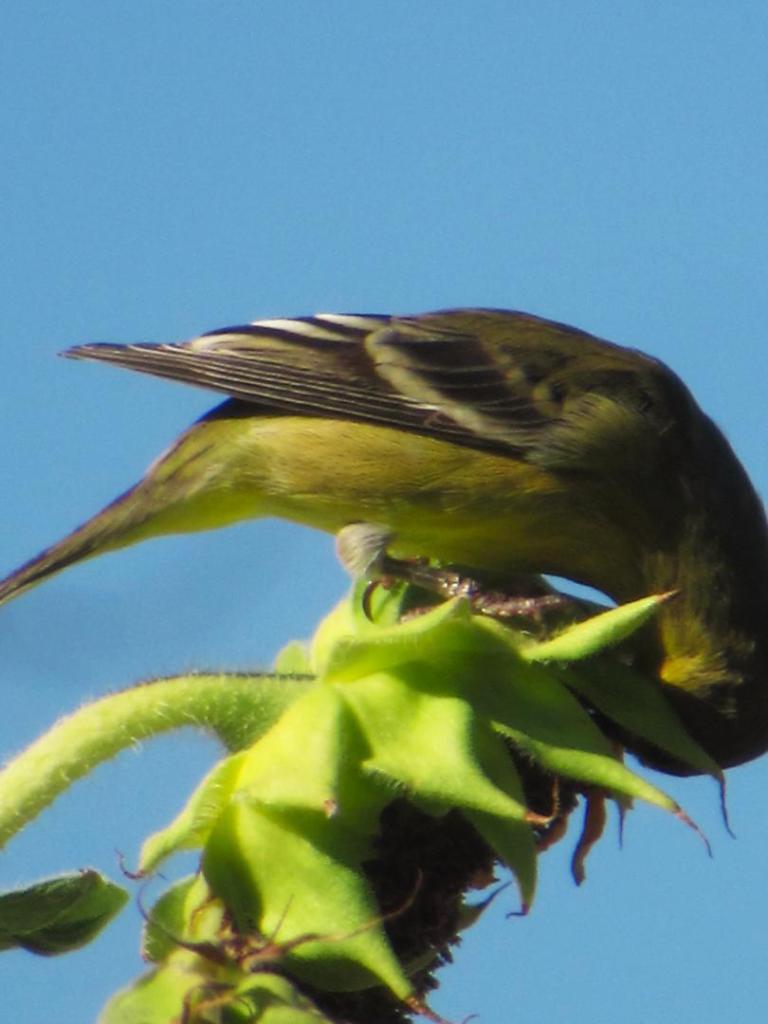
 2 points
 -
 2 points
 -
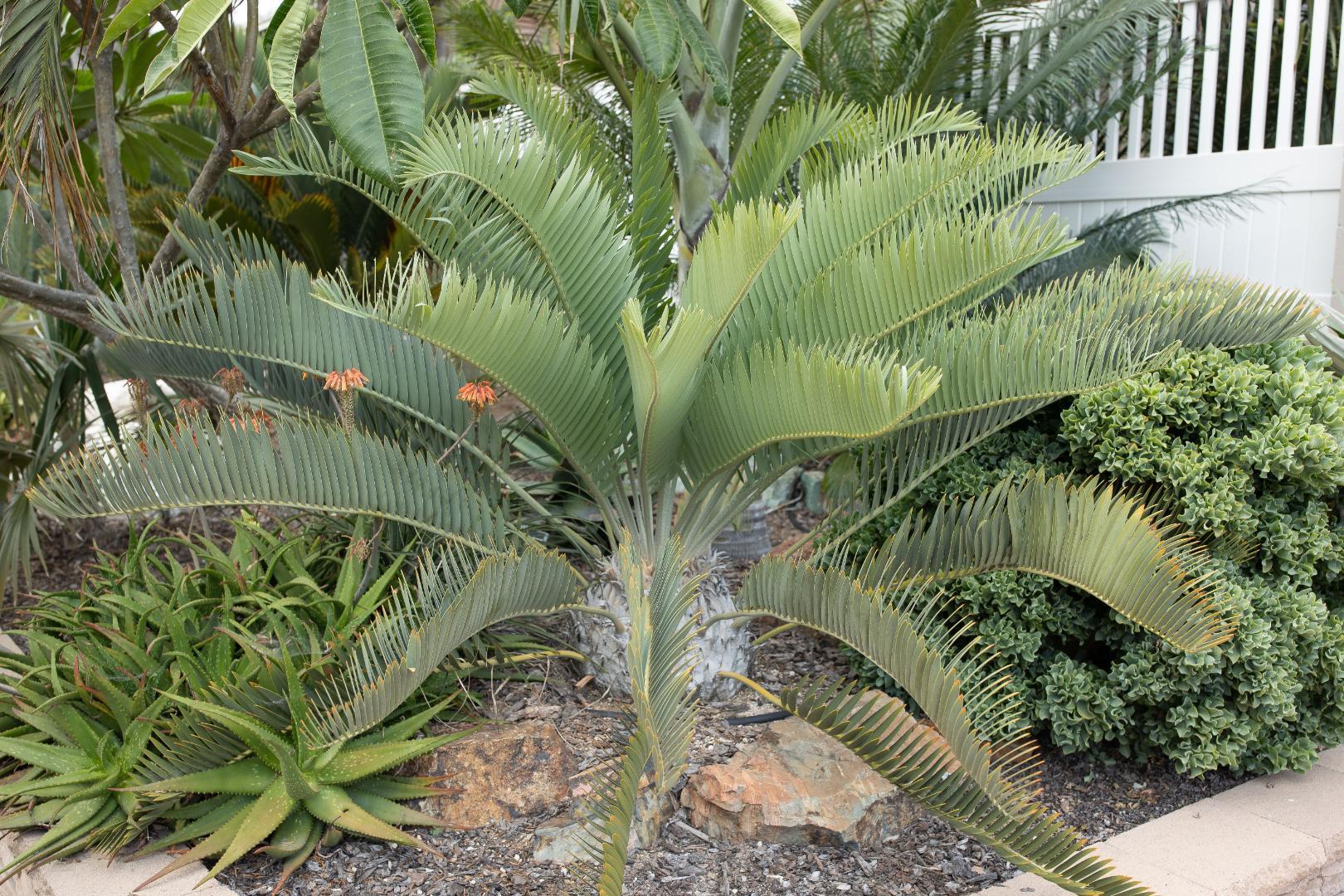
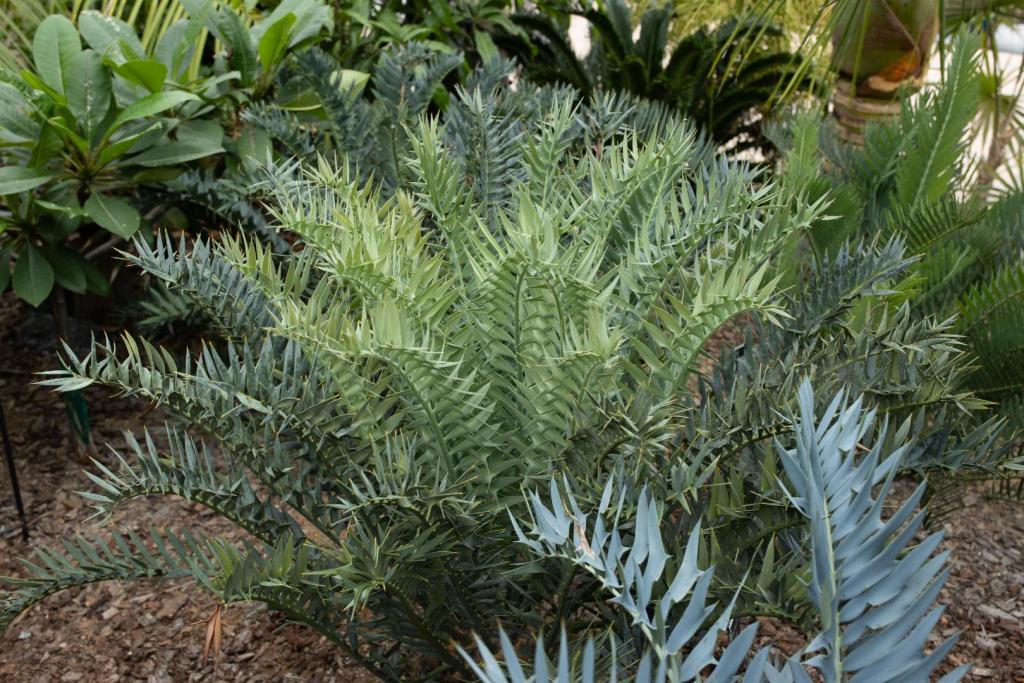
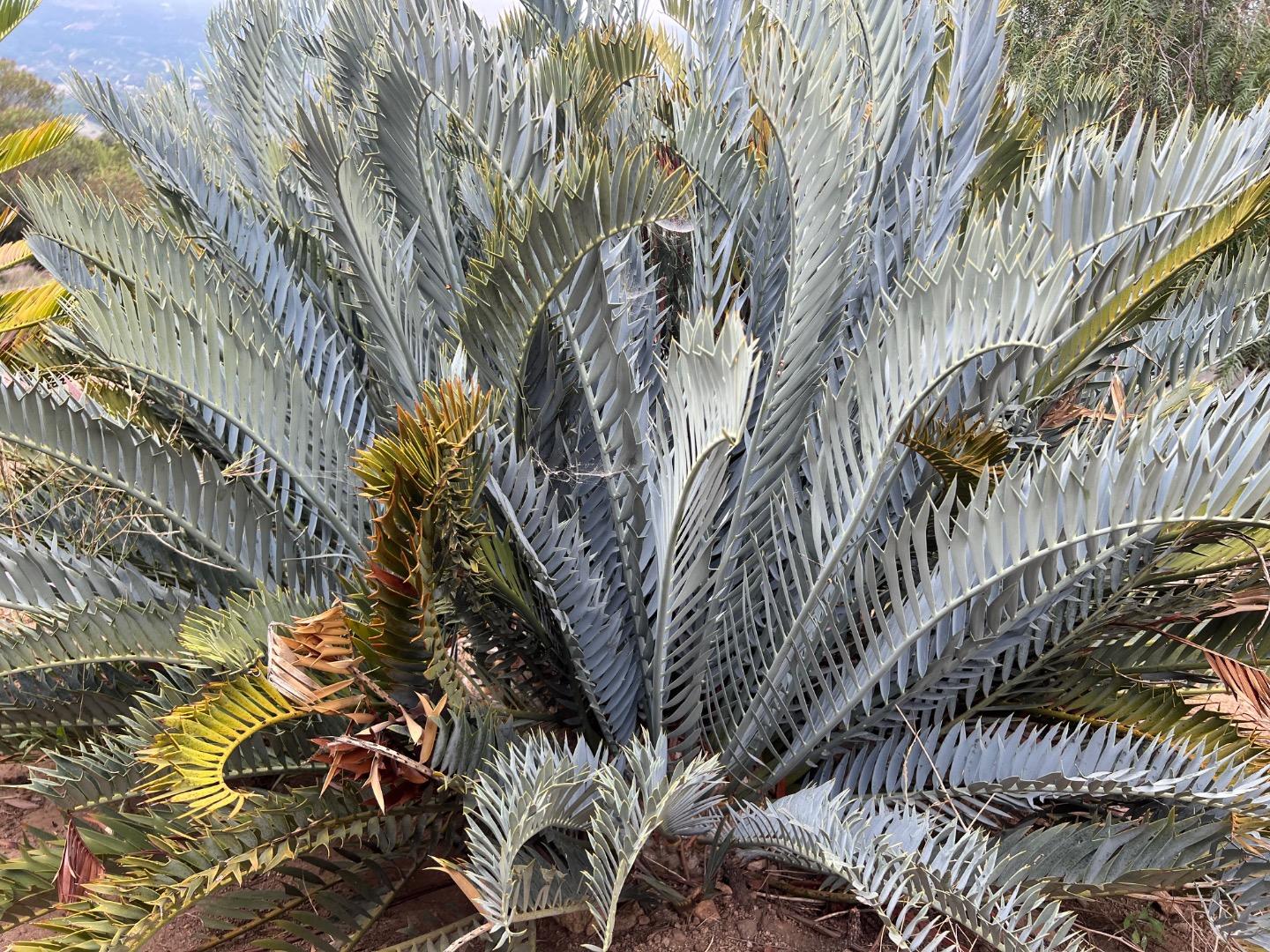
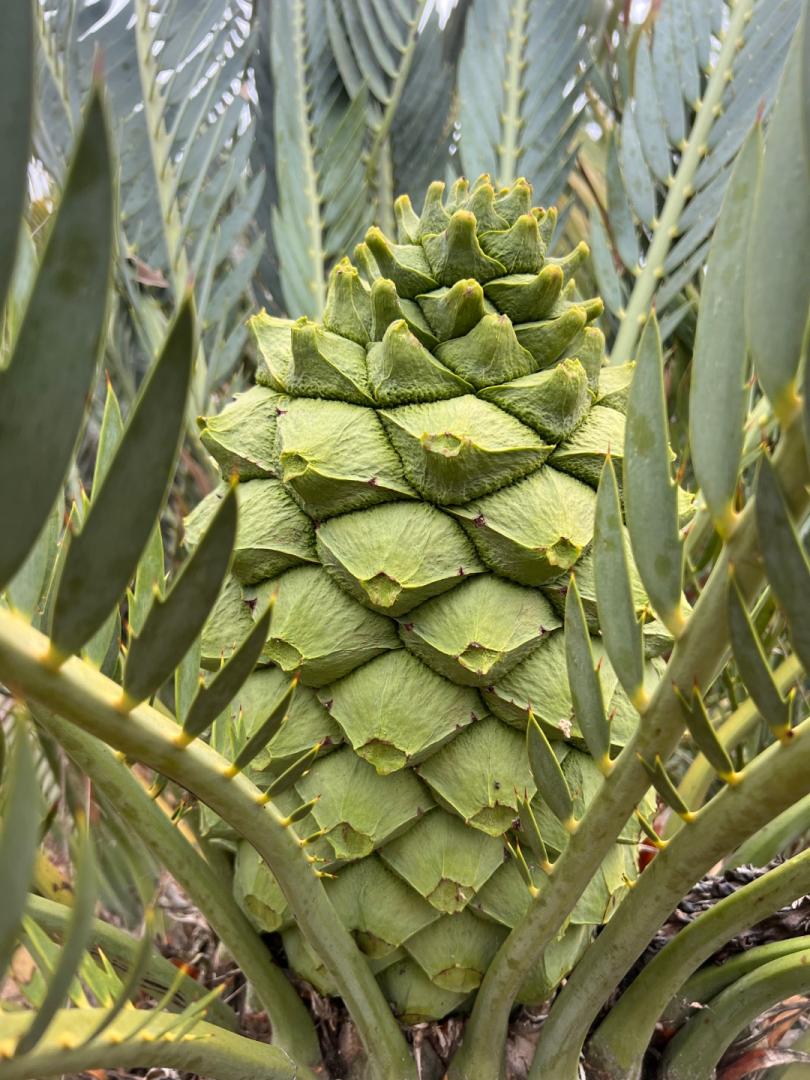
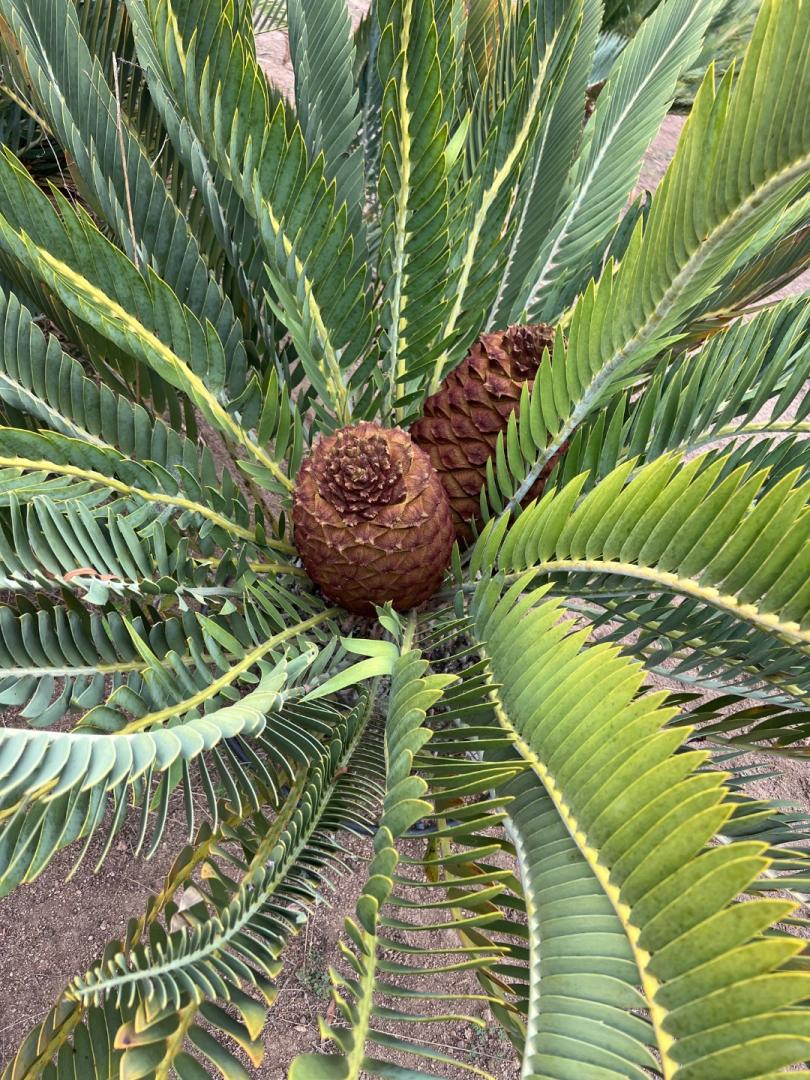
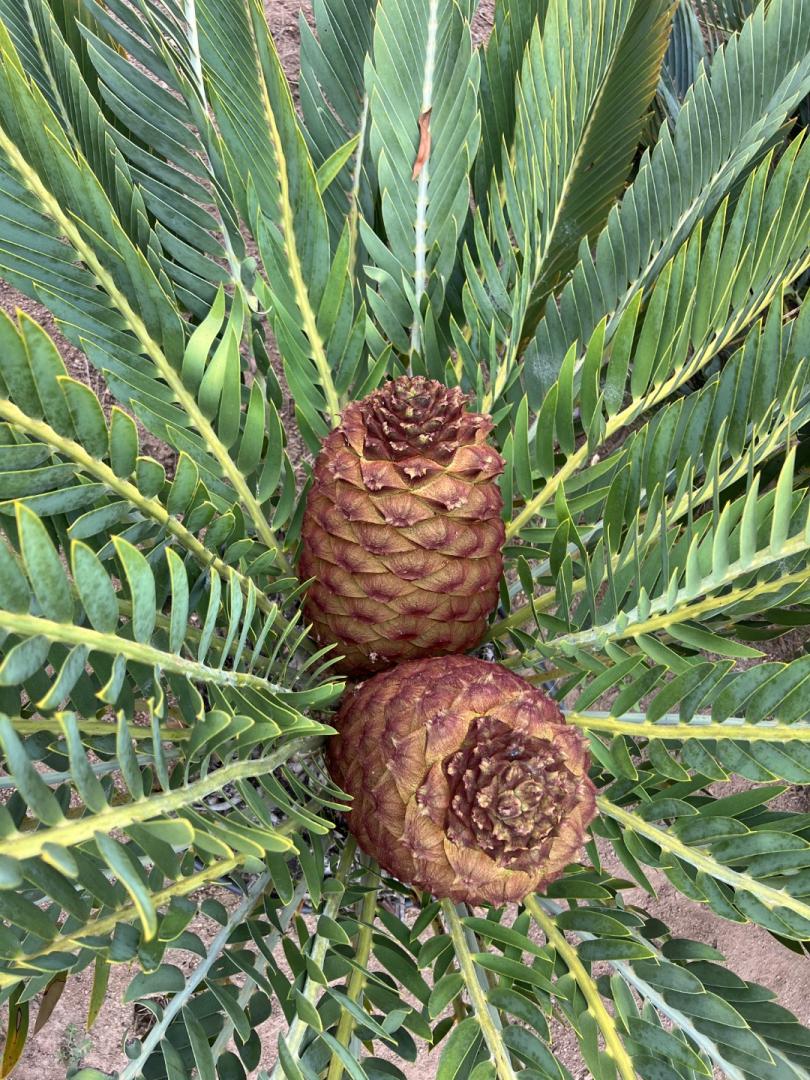
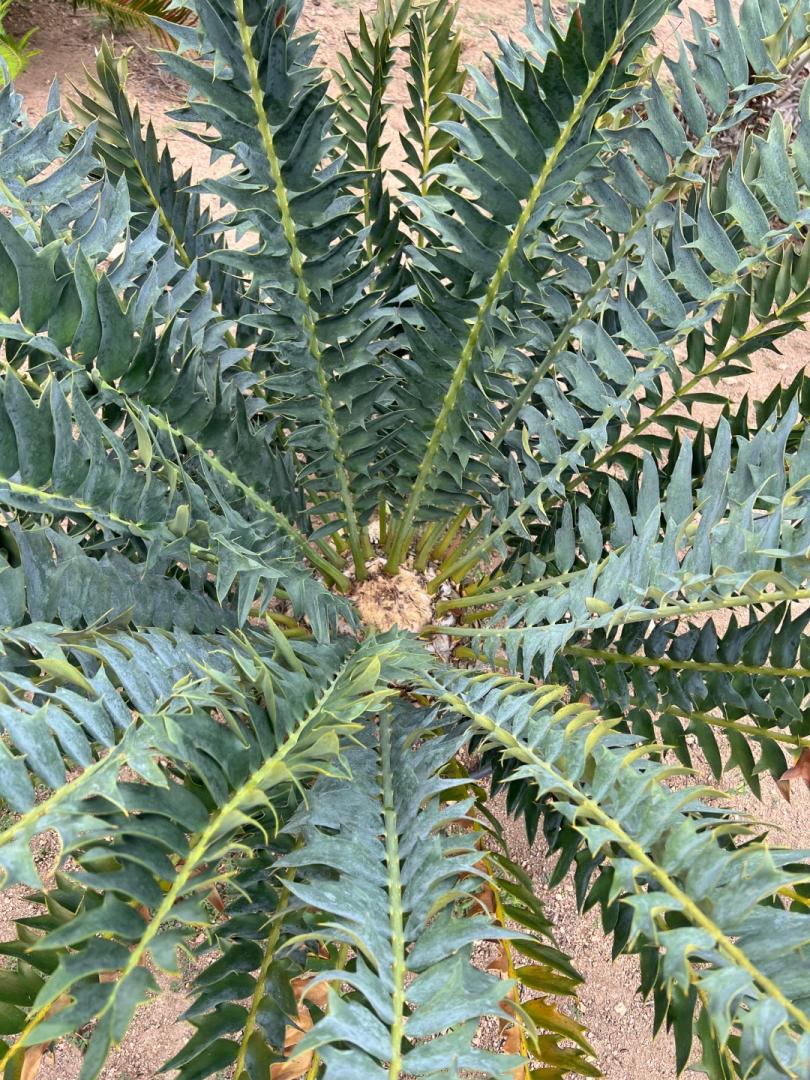
 2 pointsThe active flushes progressing right now. Dioon mejia Encephalartos horridus Encephalartos cupidus Encephalartos eugene-maraisii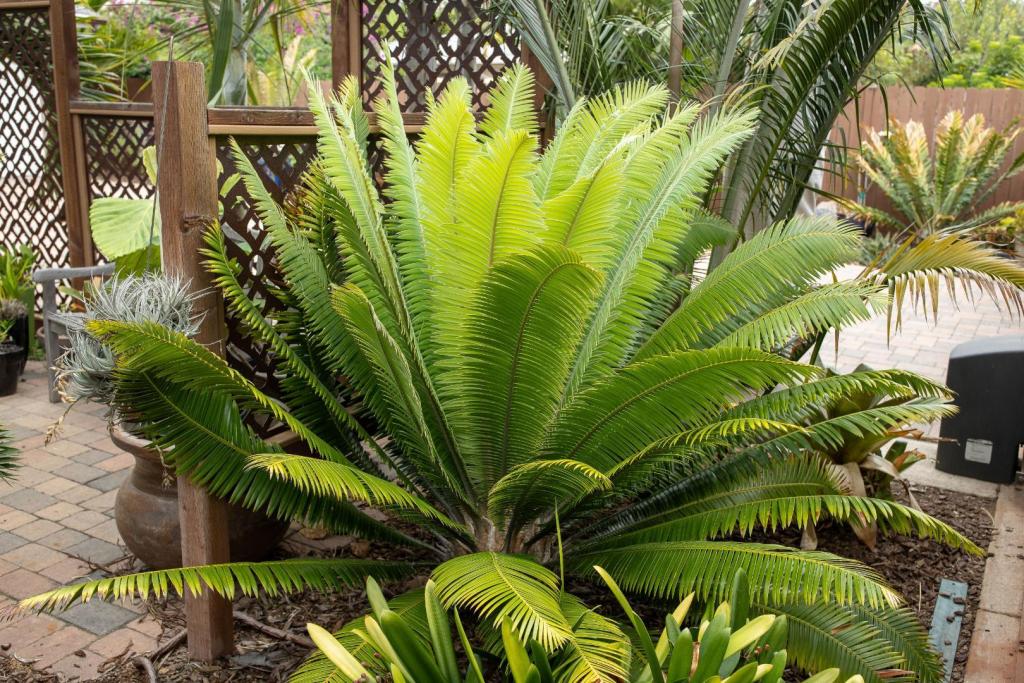
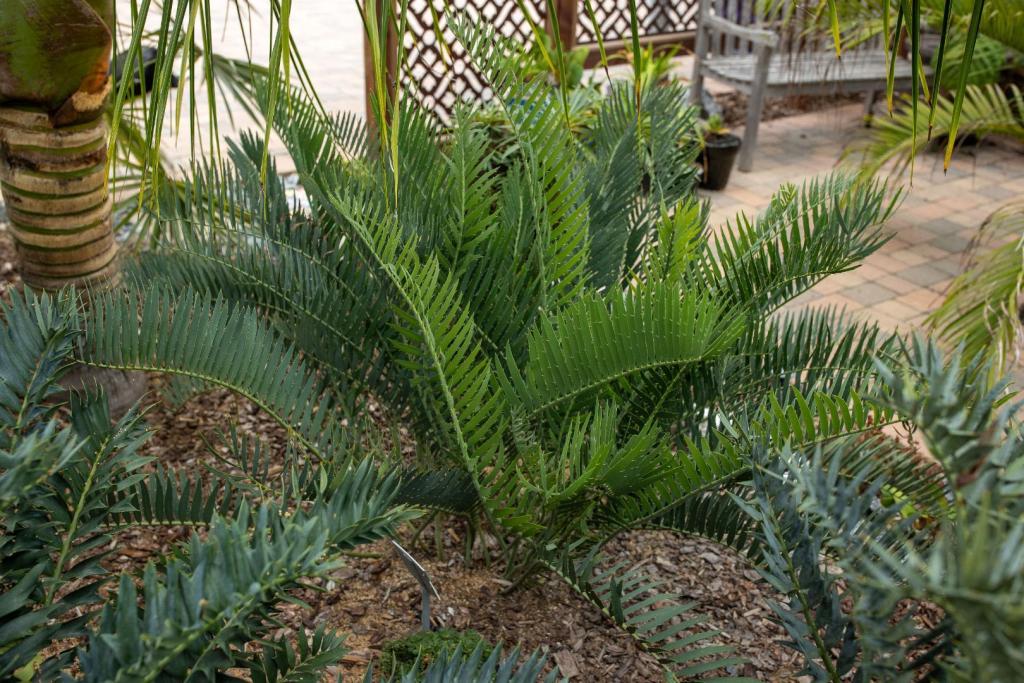
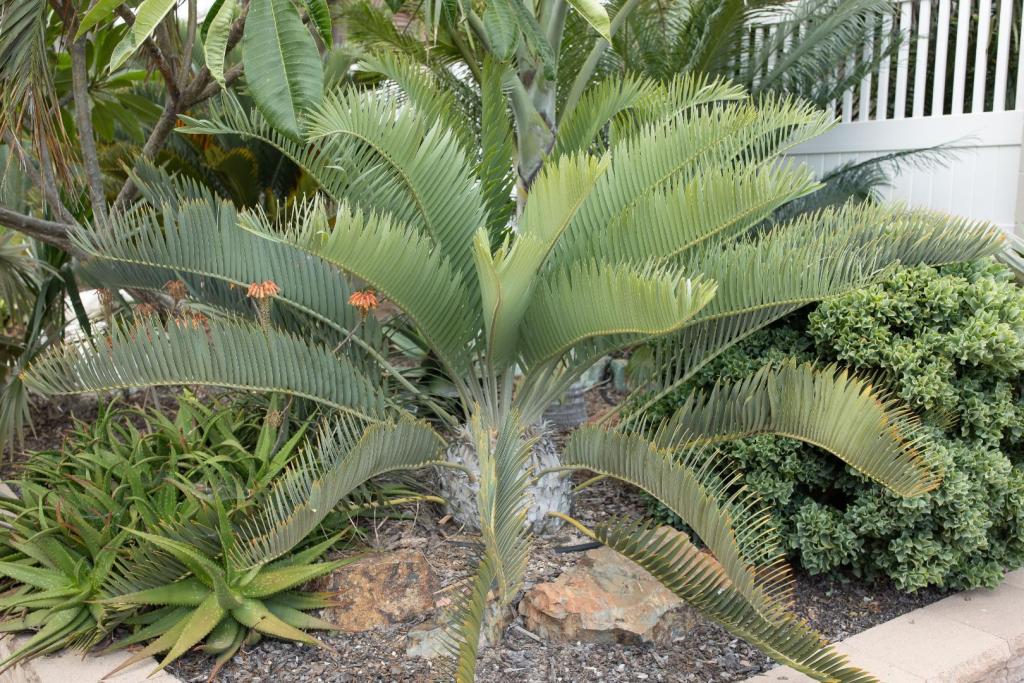 2 points
 -
I too am growing a few of the New Caledonia palms in my garden. By far the fastest and seemingly easiest has been Chambeyronia (Kentiopsis) oliviformis. I planted the one below from a 7 gallon size in late 2010 or early 2011. With the exception of Chrysalidocarpus pembanus, it is now the tallest palm in the garden. I have a couple more planted in different parts of the garden that are now starting to take off since they achieved a little bit of trunk. These seem to equal Archontophoenix cunninghamiana in growth speed once they get to trunking size in my climate.

 2 points
 -
 Yes, those seeds can do some damage too when they are flung by the blade. Even pieces of seeds with enough velocity can injure you. You have my sympathies walt! My One female drops seeds at least 9 months a year almost continuously so cleaning it up gives a temporary clean. And they rot and can smell pretty bad. You must get well over 1000 lbs of seeds a year with (4) fruiting ones.2 points
 -
 Today, a new palm genus from Vitenam,Truongsonia lecongkietii, was published. This new palm is so peculiar that it required not only a new genus, but also a new tribe in the classification of palms (Truongsonieae) to accommodate it. Most extrpardinarily, its closest relative is the African genus Podococcus! It may be diminutive and unspectacular, but botanically it is even more remarkable than the discovery of Tahina (personal opinion, of course - I realise that this is heresy!) Unfortunately, only 10-15 plants are known in the wild, rendering it Critically Endangered. You can follow the link below to freely download the full article pdf, which is heavily illustrated for photographs. https://phytotaxa.mapress.com/pt/article/view/phytotaxa.613.3.1
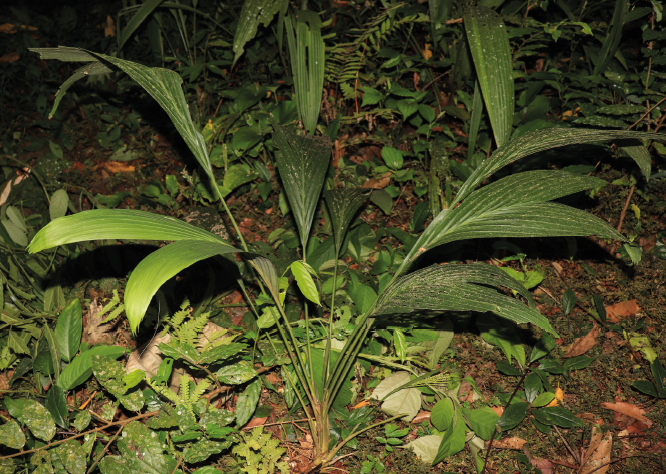 2 points
 -
Magnesium and potassium deficiency are old leaf problems, they’ll be worse on the oldest fronds and work their way up, lessening in severity in the new fronds. Iron is a new leaf problem. It will be worse on the newest fronds. That looks like iron issues getting worse over time. It’s going to be a root issue. I’d take it out of the pot, and check for old, mushy soil and rotting roots and bugs. Maybe clean off any muck, and replant in a custom soil mix similar to their native habitat. Then water in a similar manner to their natural conditions, adjusting for your temps and sun. Perhaps you’ve been watering more into a heavy mix to counter the Texas heat. I don’t know anything about these specific palms, but just a quick check shows these growing in sandy soil and rock naturally with no flooding and with lot of drought tolerance. I’d guess your mix should be very sandy and gritty and fast draining. In wet peat and potting soil, I’d bet this sucker rots easily. Check out the photos on palmpedia…. You can probably temporarily bridge with foliar iron treatments, but you need to fix the root-soil issues pretty soon I think.
 2 points
 -
 That's my biggest complaint. All four of my bismark palms in my back yard (I have more in other areas) drop profuse amounts of seeds. Hitting them with my lawn mower propels them (luckily they haven't broke out a window on my house). Further, there are 100s of seedlings coming up in my back yard. I just mow over them and they eventually die.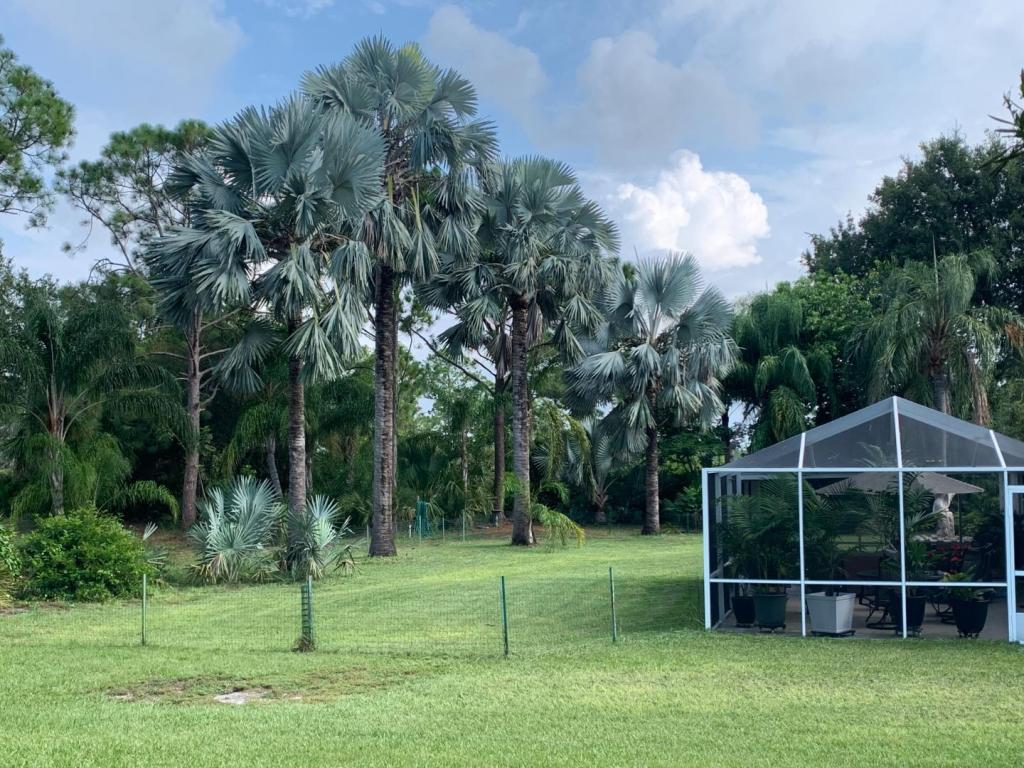
 2 points
 -
 2 points
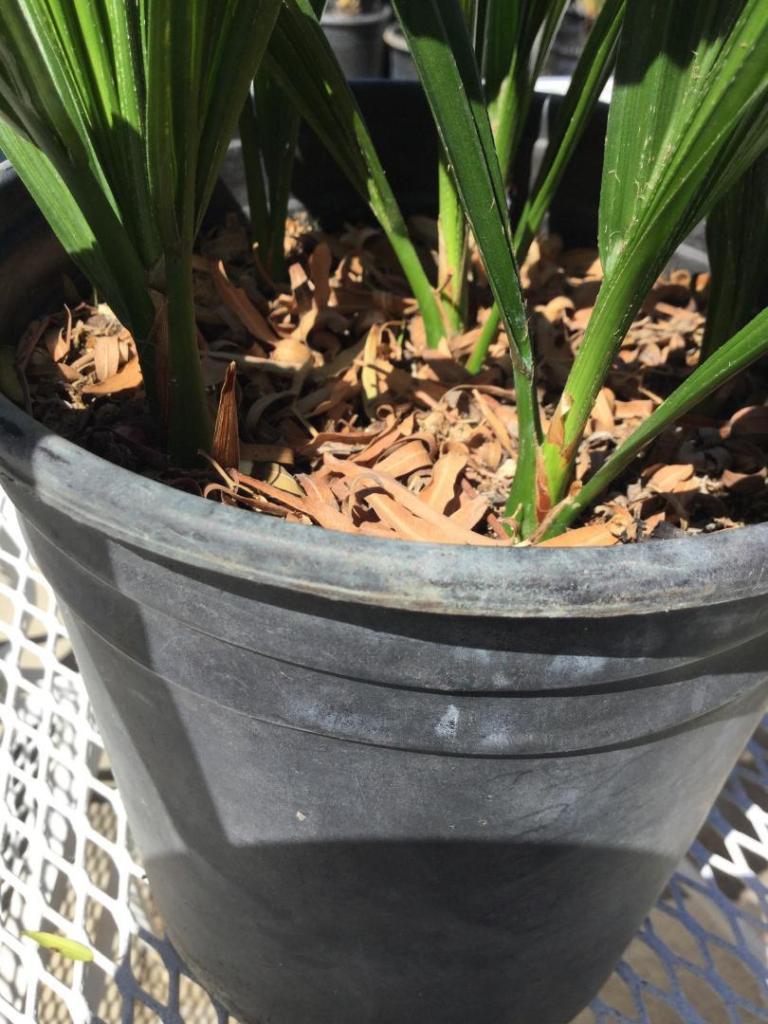
 2 pointsI have 2 similar posts regarding P. Reclinatas from 2 different locations about 60 miles apart, but I am guessing this post has P. Roeb pollen and the parallel post has CIDP pollen, so time will tell but I am trying to post at the same time the progress of each. This candidate is now in a 1 gallon container with 7 seeds sown. The age of this is 1 year 2 months from germination. Both projects are equally healthy, I feel have identical green color, get the same watering schedule, same protected shade canopy from California Pepper trees and sit above the ground so the bunnies don't start snacking. With less growth time on this candidate, one thing I believe is true, all 7 seeds have identical base-trunk diameters. I do NOT see indication of P. Reclinata traits of "suckering" occurring yet. Photo #1 is an over all family photo Photo #2 is showing the base diameters which I feel are identical. Photo #1 Photo #2
 2 points
 My palms never showed any damage. Coldest recorded temperature was close to -5⁰C in this time. ( they grow like this in the Southern hemisphere 😀)
 2 points
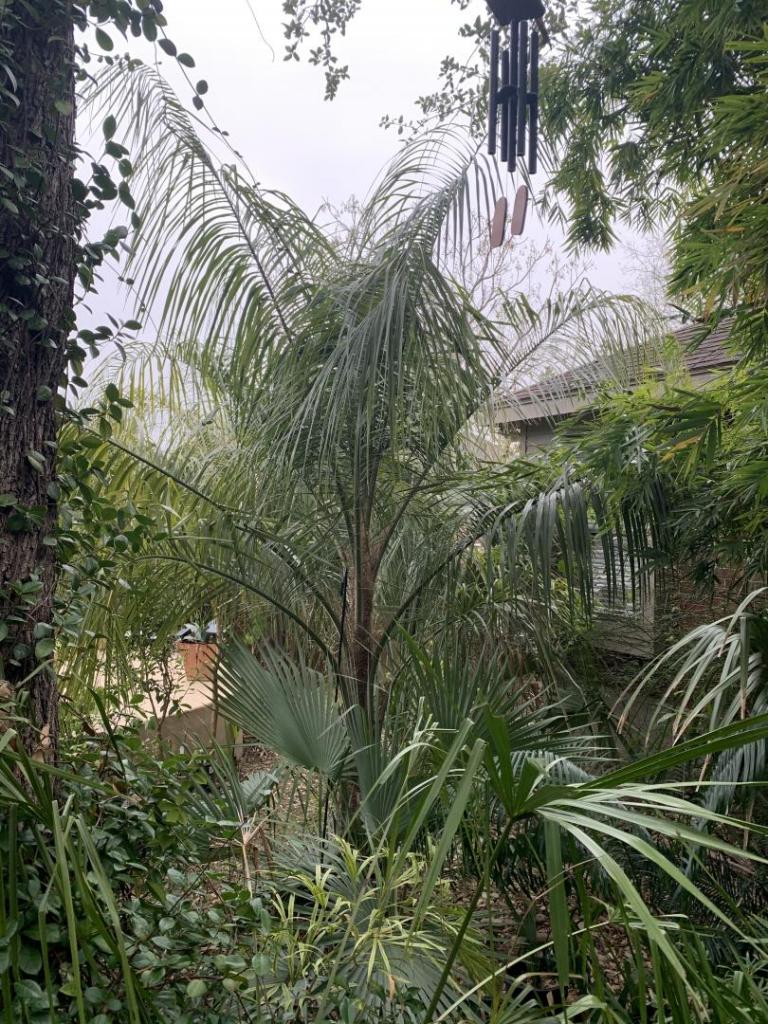
 2 pointsHere’s B. Paraguayensis x Syagrus growing in San Marcos, TX z8b -pic taken last Feb. It is much slimmer than a standard mule. Planted as a 3g in 2015.
 2 points
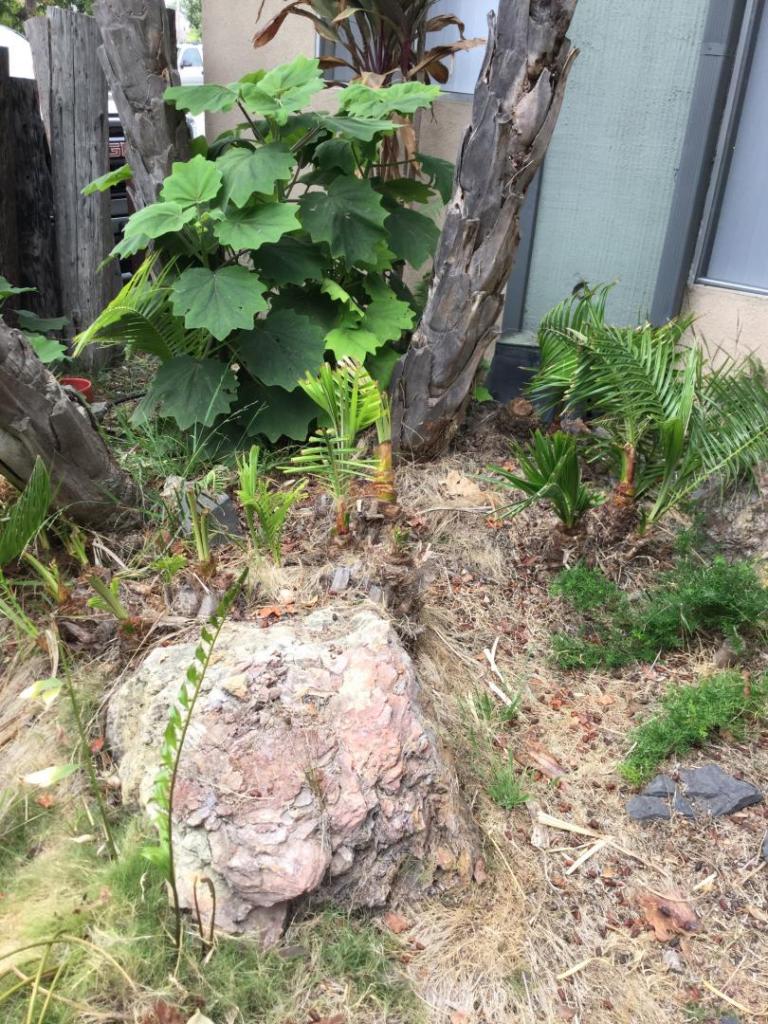
This palm is at the Tonga Apartments in Ventura (no longer part of the Sullivan properties). Some of these photos can be compared to the other post about CIDP pollen. The base photo is difficult to see the cut off "heads" but you can see sprouts that might be 1 foot tall coming from each cut head. With just 3 heads still growing, you can compare trunks, leaves and height to the other post and both appear to have been planted near the same timeframe. These seeds were cleaned by finger nail, 2 hour water soak, sown same day and germinated in 4 weeks. The height of this seedling which is just above 3 inches happened in just 1 week. Notice how slender the trunk is. There are 2 P. Roebellenii each 50 feet away in opposite directions, but I don't know about when they flowered. In another 2 1/2 years, I will have photos comparing seedling photos. Now I guess I have to wait 20 years to compare the adult HYBRIDS.
2 points
This palm is at the Tonga Apartments in Ventura (no longer part of the Sullivan properties). Some of these photos can be compared to the other post about CIDP pollen. The base photo is difficult to see the cut off "heads" but you can see sprouts that might be 1 foot tall coming from each cut head. With just 3 heads still growing, you can compare trunks, leaves and height to the other post and both appear to have been planted near the same timeframe. These seeds were cleaned by finger nail, 2 hour water soak, sown same day and germinated in 4 weeks. The height of this seedling which is just above 3 inches happened in just 1 week. Notice how slender the trunk is. There are 2 P. Roebellenii each 50 feet away in opposite directions, but I don't know about when they flowered. In another 2 1/2 years, I will have photos comparing seedling photos. Now I guess I have to wait 20 years to compare the adult HYBRIDS.


 1 point
You’re a great palm daddy! Aside from suckering, big indicators of reclinata ancestry are flat dark green leaves that tend to hold themselves perpendicular to the ground. Send us pics when they go pinnate, looks like soon.1 point
No you can't in a Mediterranean climate, without some serious soil amendment. Sandstone is very porous and not alkaline.1 point
1 point
You’re a great palm daddy! Aside from suckering, big indicators of reclinata ancestry are flat dark green leaves that tend to hold themselves perpendicular to the ground. Send us pics when they go pinnate, looks like soon.1 point
No you can't in a Mediterranean climate, without some serious soil amendment. Sandstone is very porous and not alkaline.1 point Hi PT Let me add my two cents. I just placed a very large order, over thousand total palms, about 100 different palms, split between two deliveries. Floribunda had 100% of everything I order. Jeff and Sulin have been awesome with all communication and updates before the order is shipping. Happy to share pics when orders arrives. I don’t think Floribunda is closing anytime. thank god!! Best Chris1 point
 1 pointThe chance to see these beauties in habitat is fast approaching people... DO IT!1 point
1 point
1 pointThe chance to see these beauties in habitat is fast approaching people... DO IT!1 point
1 point 1 pointNice palm, but are you sure that your palm is not an Acoellorrhaphe wrightii , also called the Everglades Palm? Because when I think of Serenoa repens, I usually have a small bushy palm in mind, in some very old cases with creeping trunks.1 point
 Don’t worry about the rocks they’re natural habitat is granite boulder country these ones in the photos are growing in between sandstone rock in my garden happy gardening 🌱
 1 point
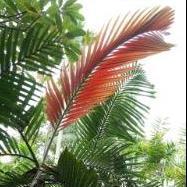 1 point
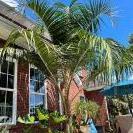 1 point
Here's a few that I've taken over the years
1 point
Here's a few that I've taken over the years





 1 point
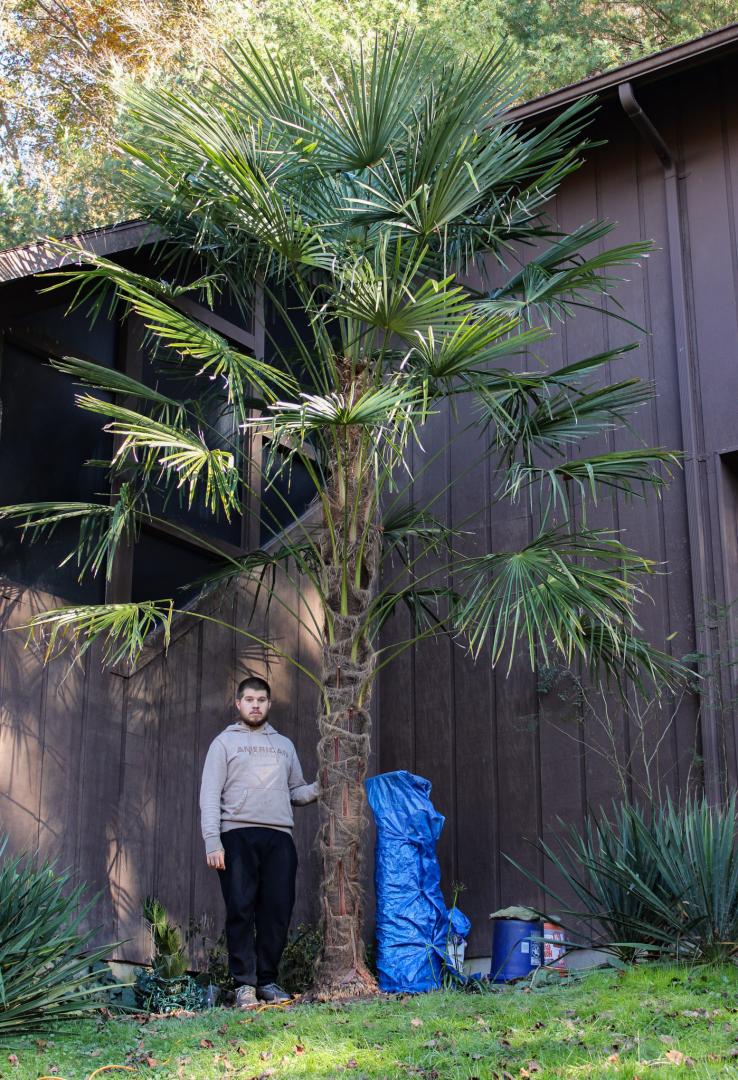
My palm today, I’m going to have to cover it sometime within the next couple weeks.
1 point
1 pointMy palm today, I’m going to have to cover it sometime within the next couple weeks.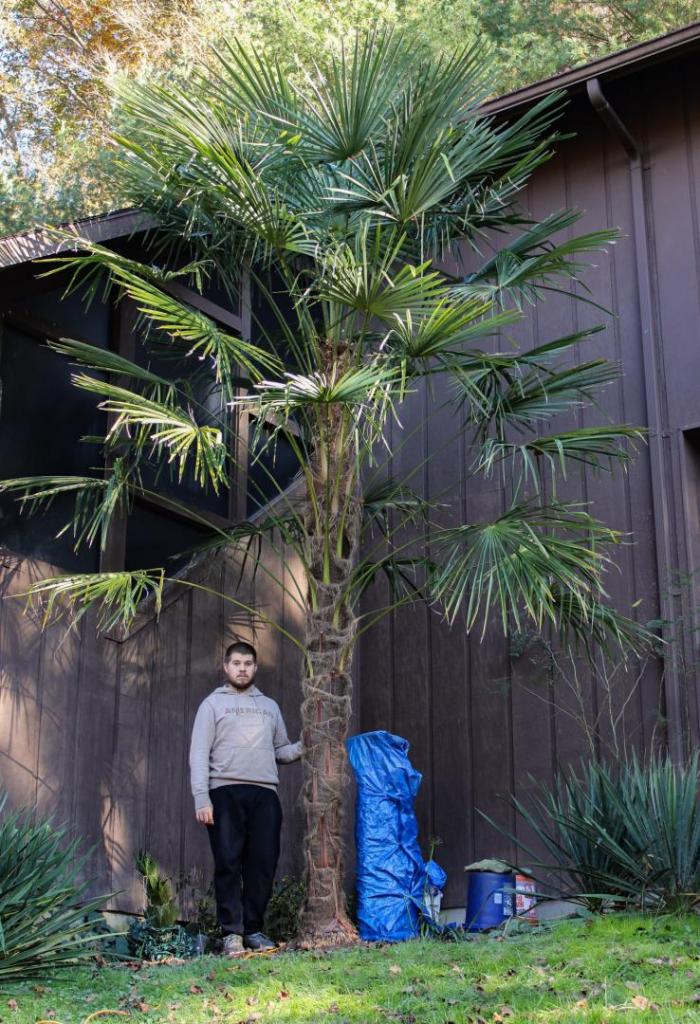 1 point
 1 pointHere is a link to that article as pdf: http://www.palms.org/palmsjournal/2012/vol56n2p100-103.pdf Thanks. Reading this again tells me John missed seeing them in Andringitra National Park. They occur much higher there than where John saw them around Tsaranoro. He stated they grow to 1000 meters. I recorded them with my GPS at 1800 meters in Andringitra National Park. For the record, Tsaranoro is where I saw them on my second hike and they are not in the numbers you see them in the park itself. Perhaps I didn't continue around enough to see them in the numbers he stated in the article. It was dumping rain and lightning shooting everywhere. I was getting nervous that my last iPhone photo my wife would see after I had been killed by lightning was me with a Glauca selfie.1 point














.jpg.b143b3f9262a2493aec18bdcc1361941.jpg)