Leaderboard


Popular Content
Showing content with the highest reputation on 06/06/2023 in all areas
-
I have a degree in horticulture and an arborist certification. I have been a plant person since i can remember so its a bit of both. For me personally its my lifeline in a world i dont care for too much sometimes. This place on some days is my connection to what we as people should be, and that is far more powerful than any professional certification or degree. That passion for plants here is far more valuable in my day to day life and keeping me working at my job. Its not a happy one but its necesary to stop the damage we see from getting worse, and this place makes me feel better after a long day. I have learned more from people who DO in their life like those on here, less so than those that do other work sometimes, even in the field.9 points
-
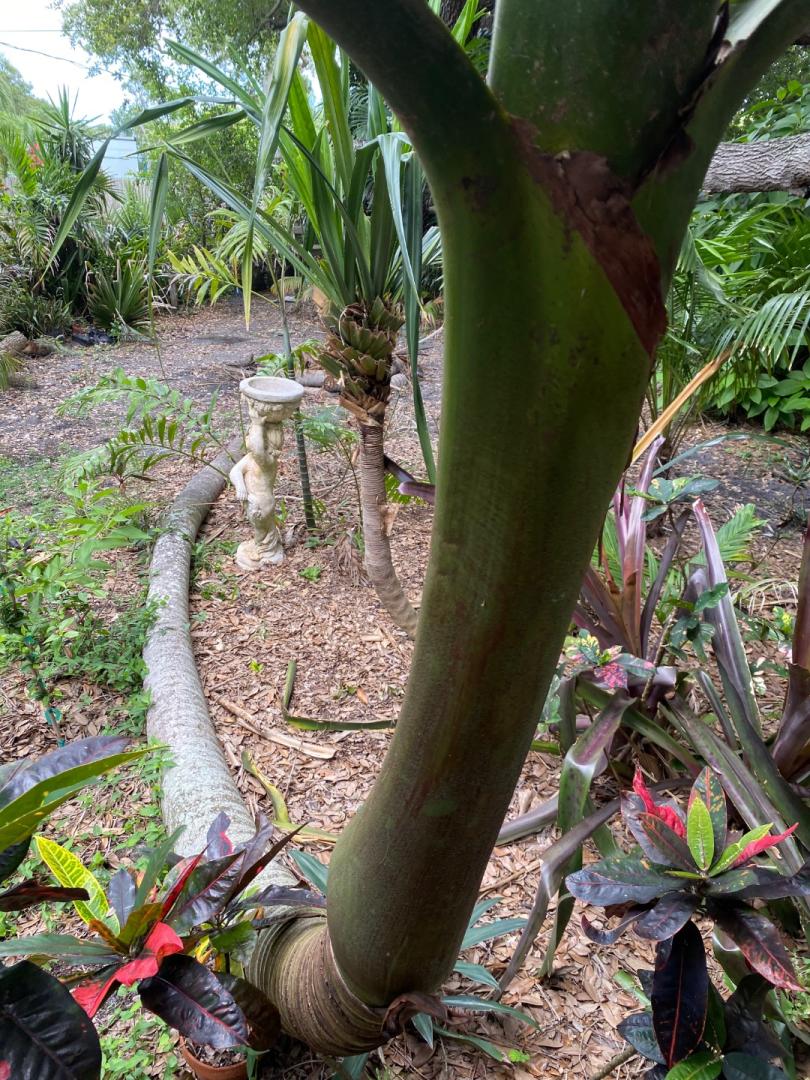
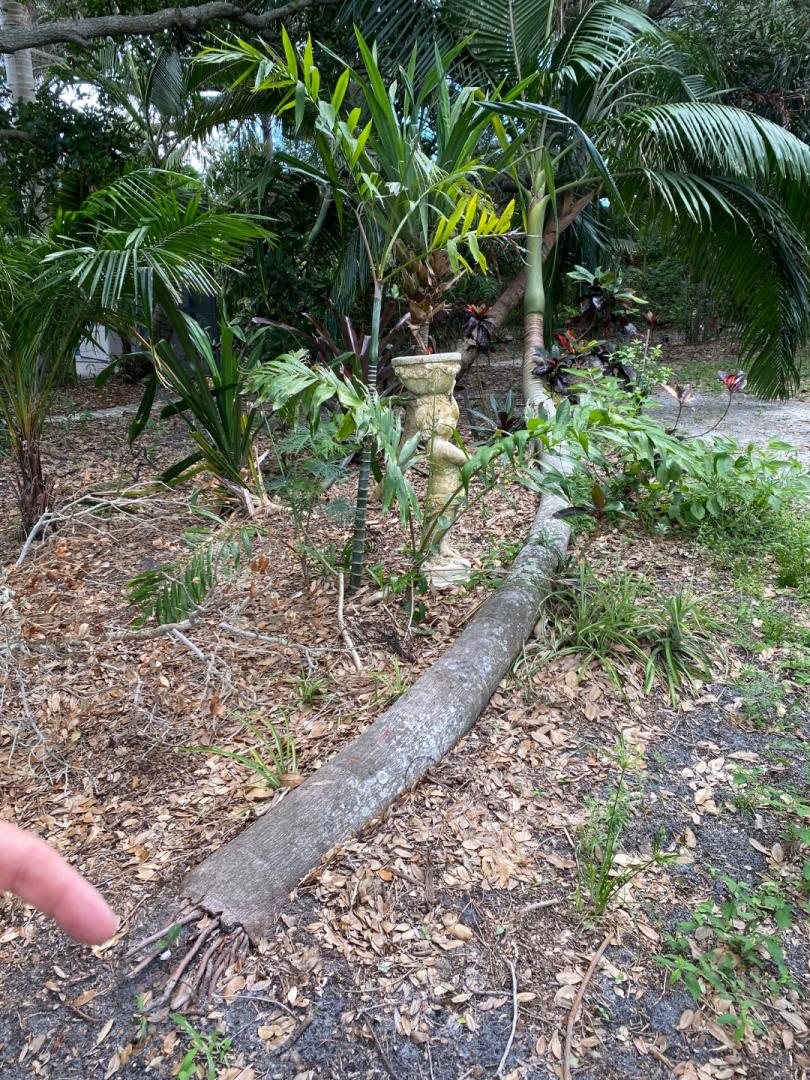
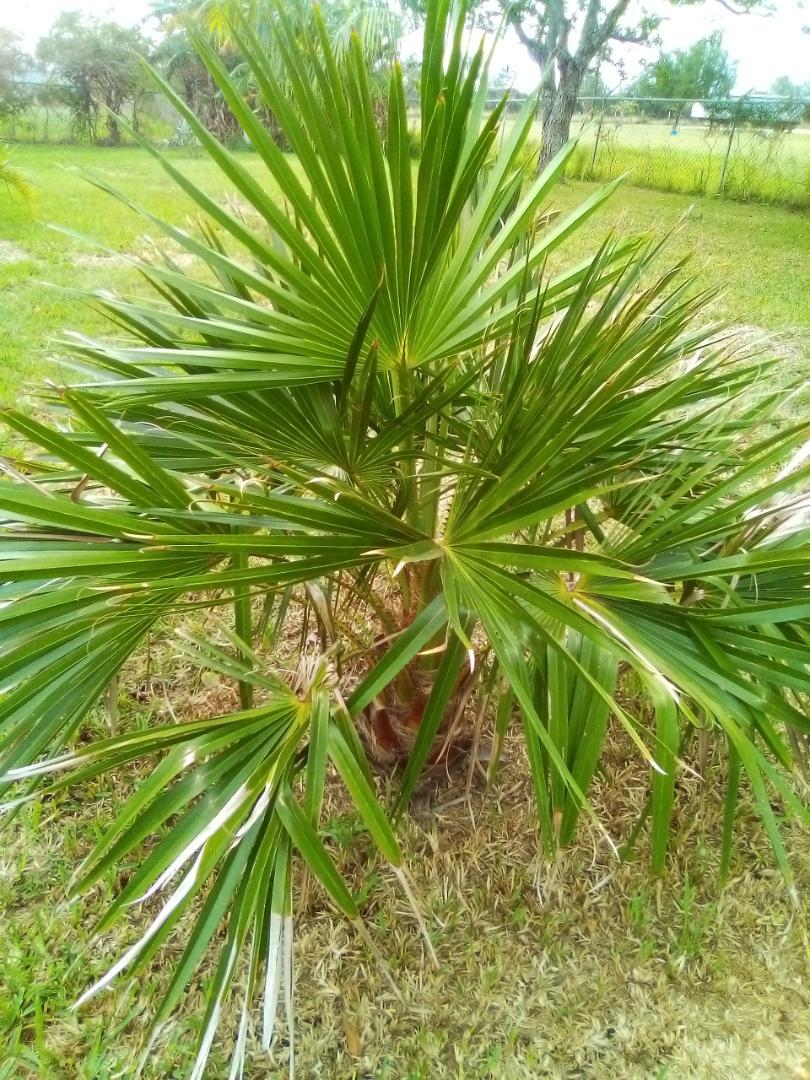
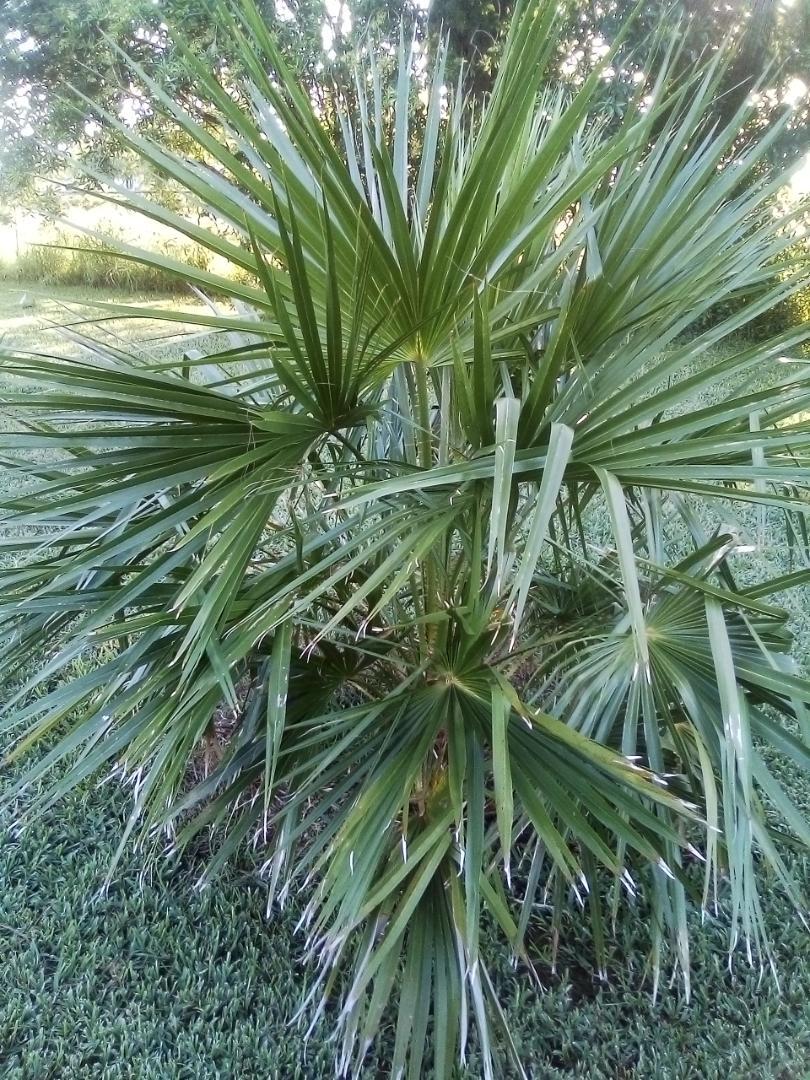
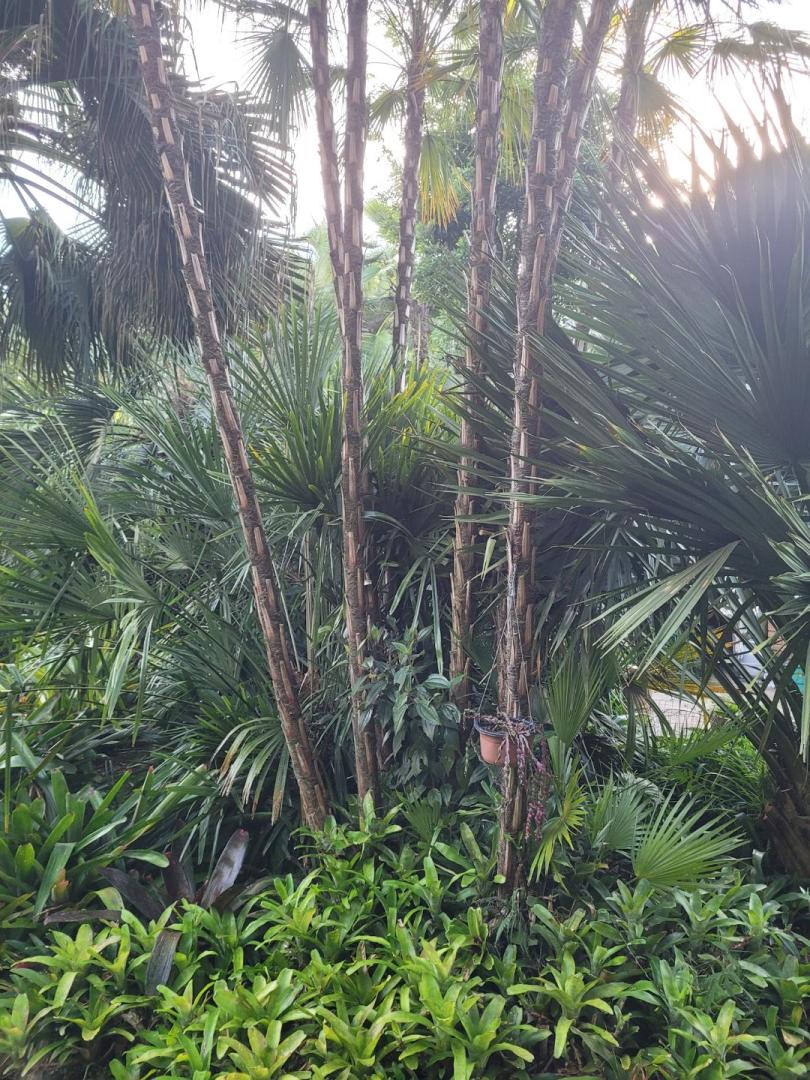
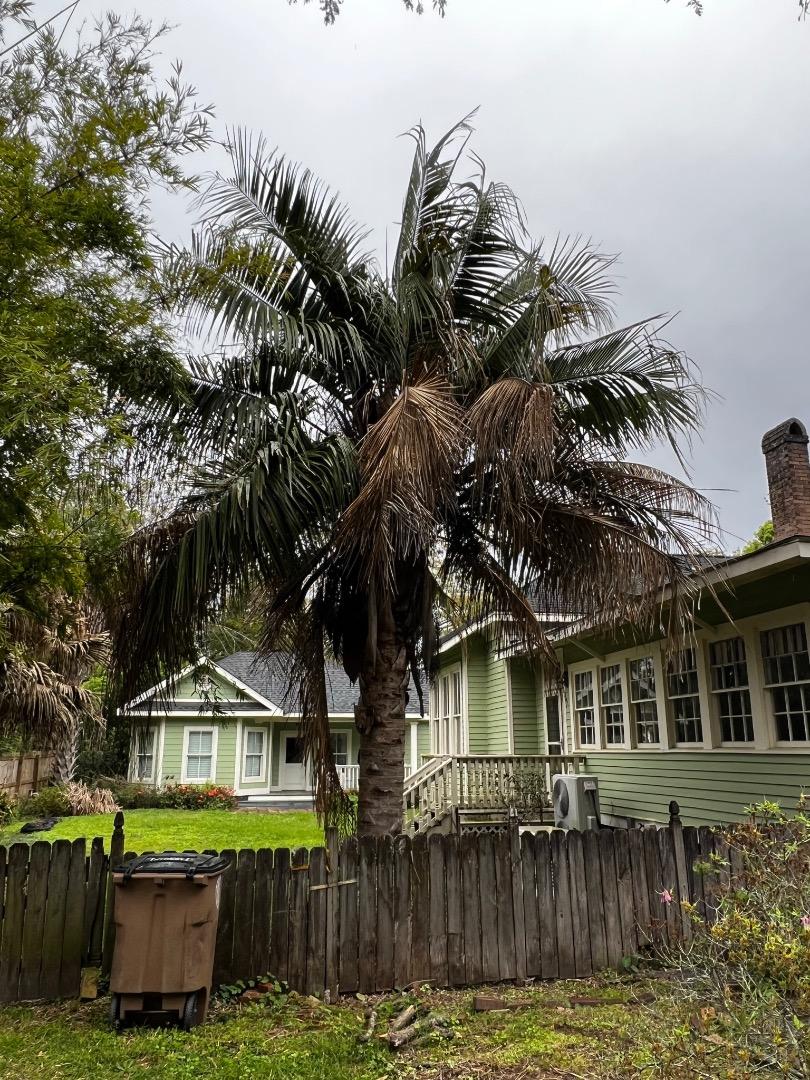
Anybody have a more leaning palm than I do? A. Cunningham. Merritt Island, Florida
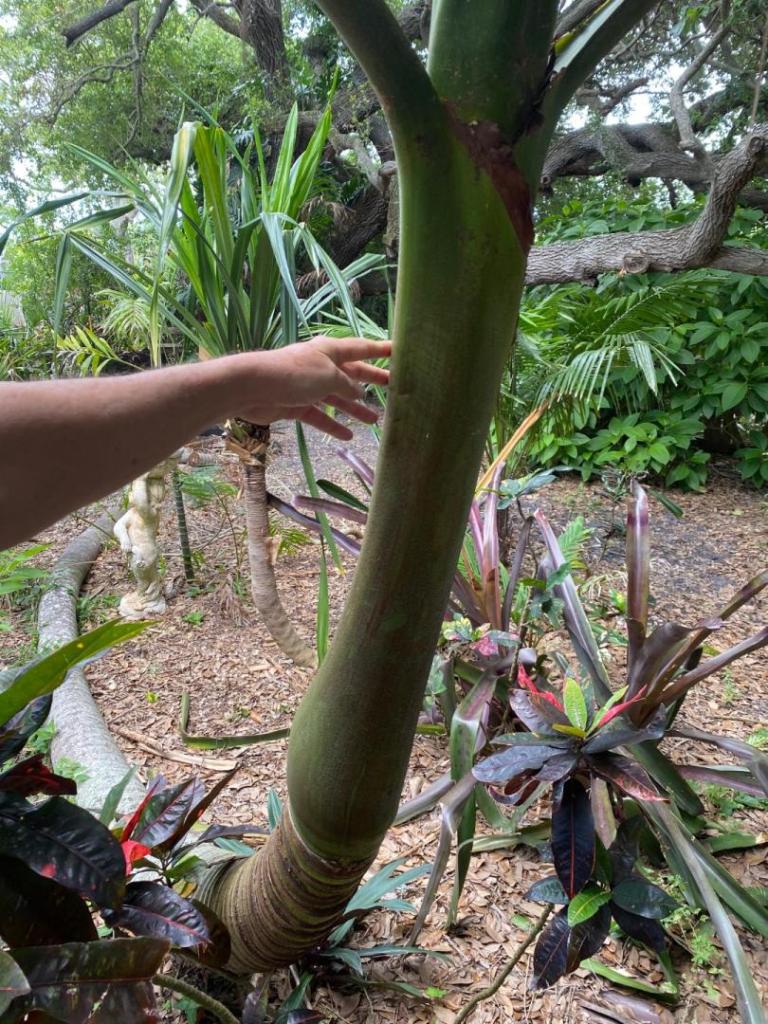
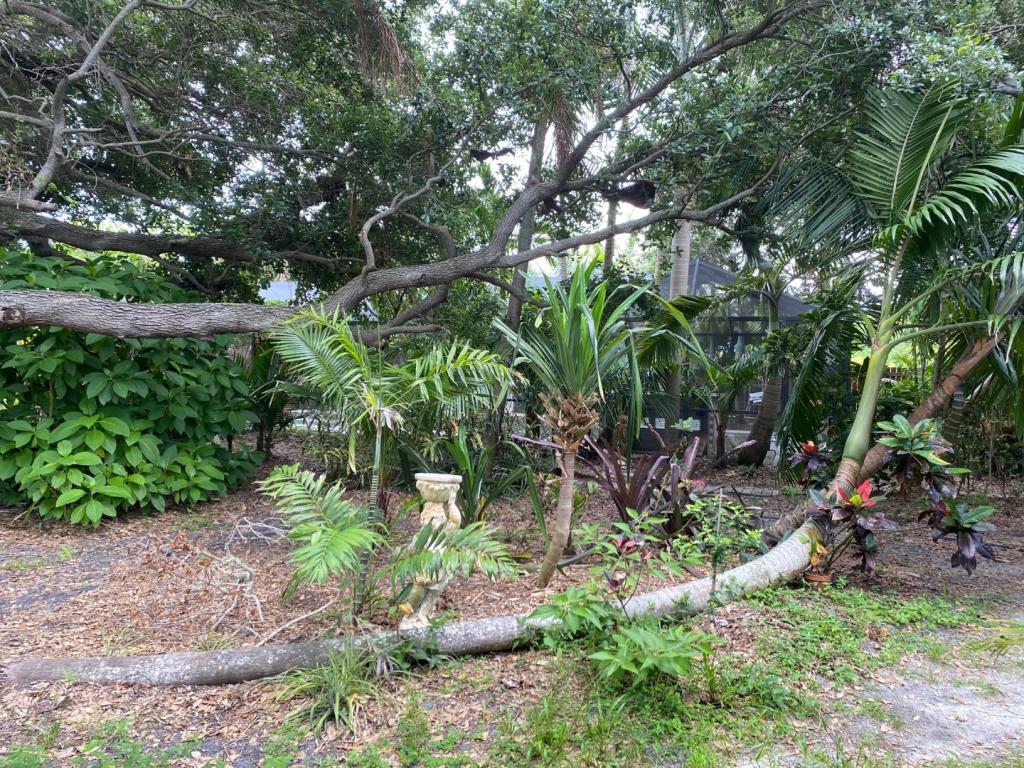

 9 points
 -
I'm the Horticulturist at Pinecrest Gardens. Essentially, I'm responsible for the 12 acre historical landscape. Most of my horticultural career has been curatorial, either developing or maintaining plant collections at various public and non-profit gardens: Montgomery, Fairchild, San Diego B.G., the Chicago Park District. I have a deep interest in tropical species, but am a strong advocate for all native plants and their environmental communities. I respect good landscape design, and attempt to make people more aware of what is involved in its creation and maintenance. Basically, I am passionate about biodiversity, and slipped into all of this from a personal desire to do something that makes people happy, allows latitude in choices and creativity, and that's not too injurious to the world. Not the most remunerative of careers, but good enough.7 points
-
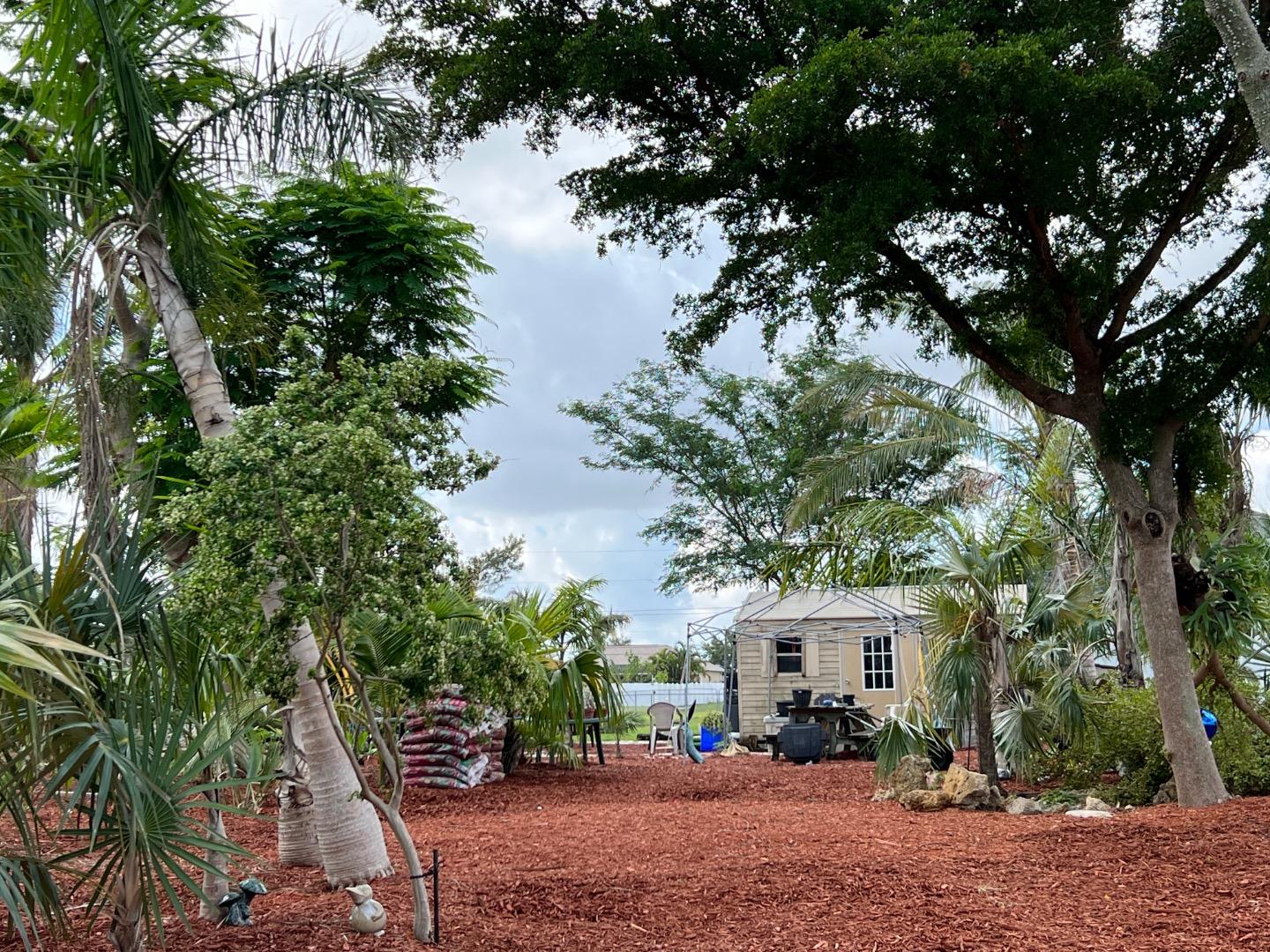
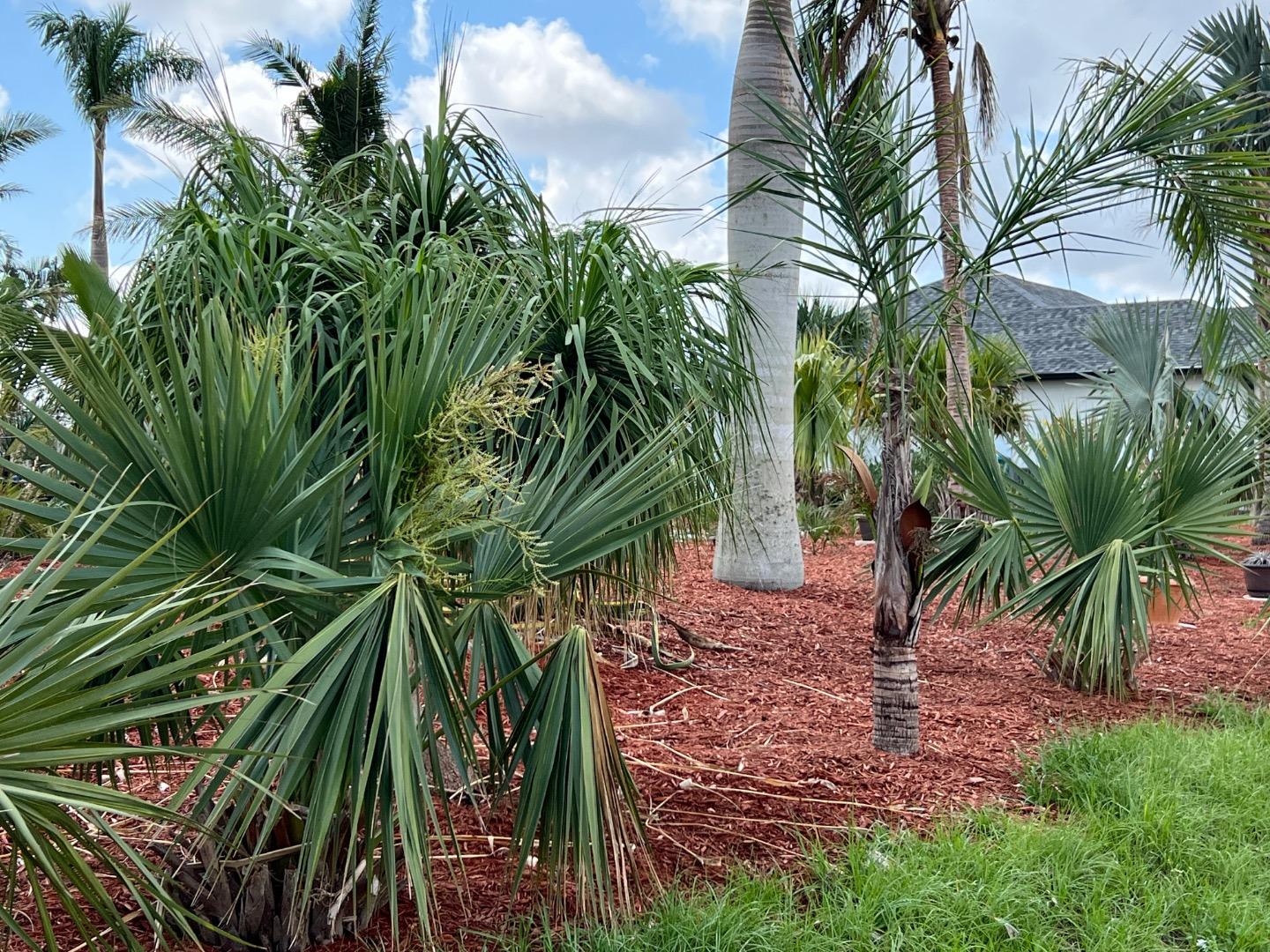
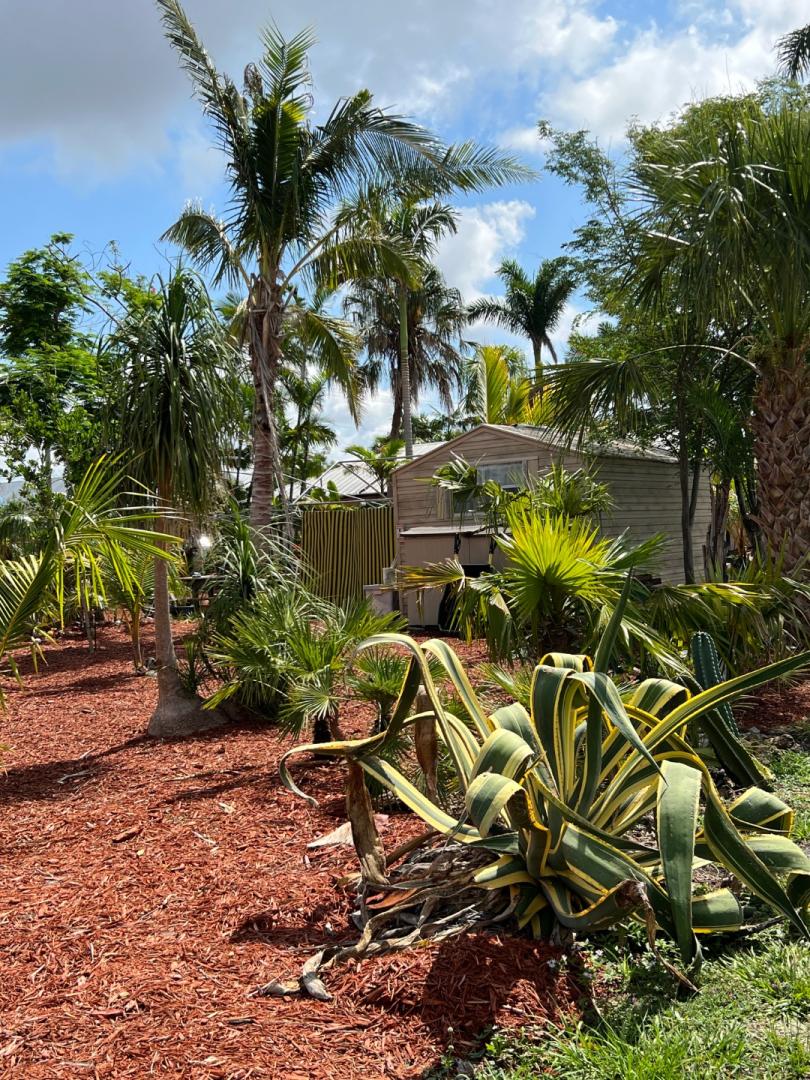
On Memorial Day weekend we finished up the months-long slog of mulching our 0.61 ac property and spreading a second dose of fertilizer on plants that survived Hurricane Ian. To those who abhor dyed mulch I apologize but to keep expenses down we had little choice. Undyed mulch is almost double the money and almost never on sale and we had to budget. Because of covid and health issues we had done little mulching for almost 3 years. We finally have caught up. I did a photo essay of our Garden Lot prior to Hurricane Ian - circa 2019 - so I thought I would bring things up to 2023. We have a lot of empty canopy but also a lot of replacement palms that have big roots/shoes to fill. I will feature those later. First, views of our Garden Lot from the east From the NE and North From the NW and West From the SW and South View of center looking toward SW. In the background is an LCEC substation also known as Osama bin Laden's FL vacation compound. We landscaped our 3-lot site to mask the presence of this monstrosity. Ian took out nearly all the large palms (Bismarckias & Livistona decora) and trees (snakewood & mahoe) that blocked sight of it.


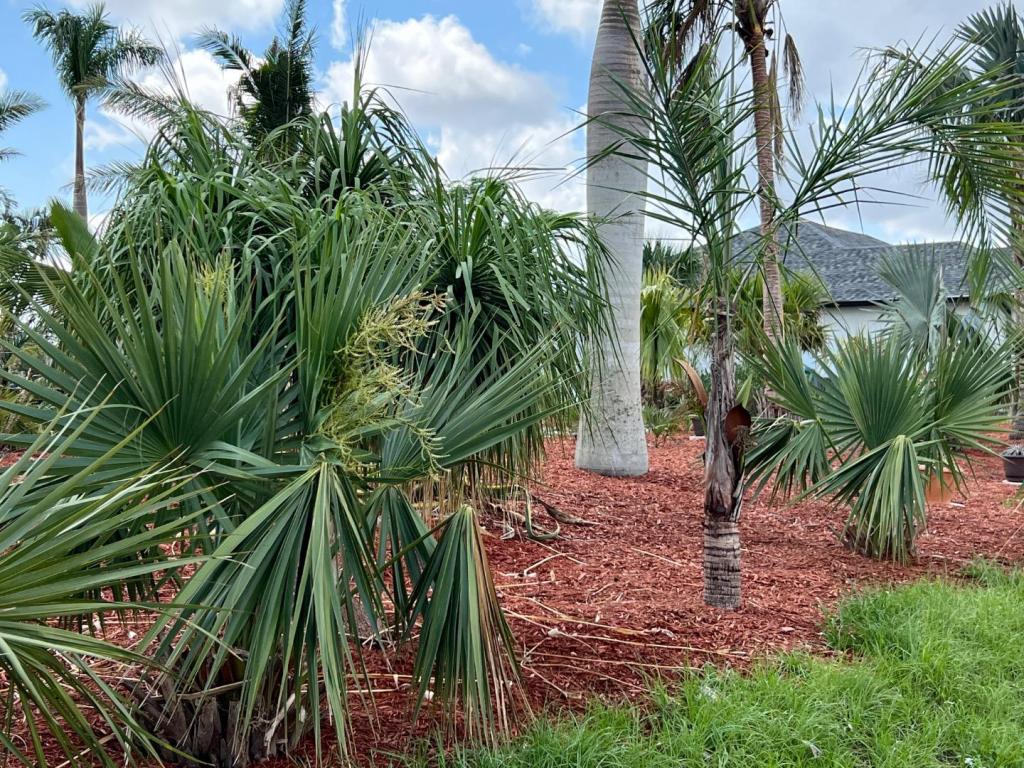


 6 points
 -
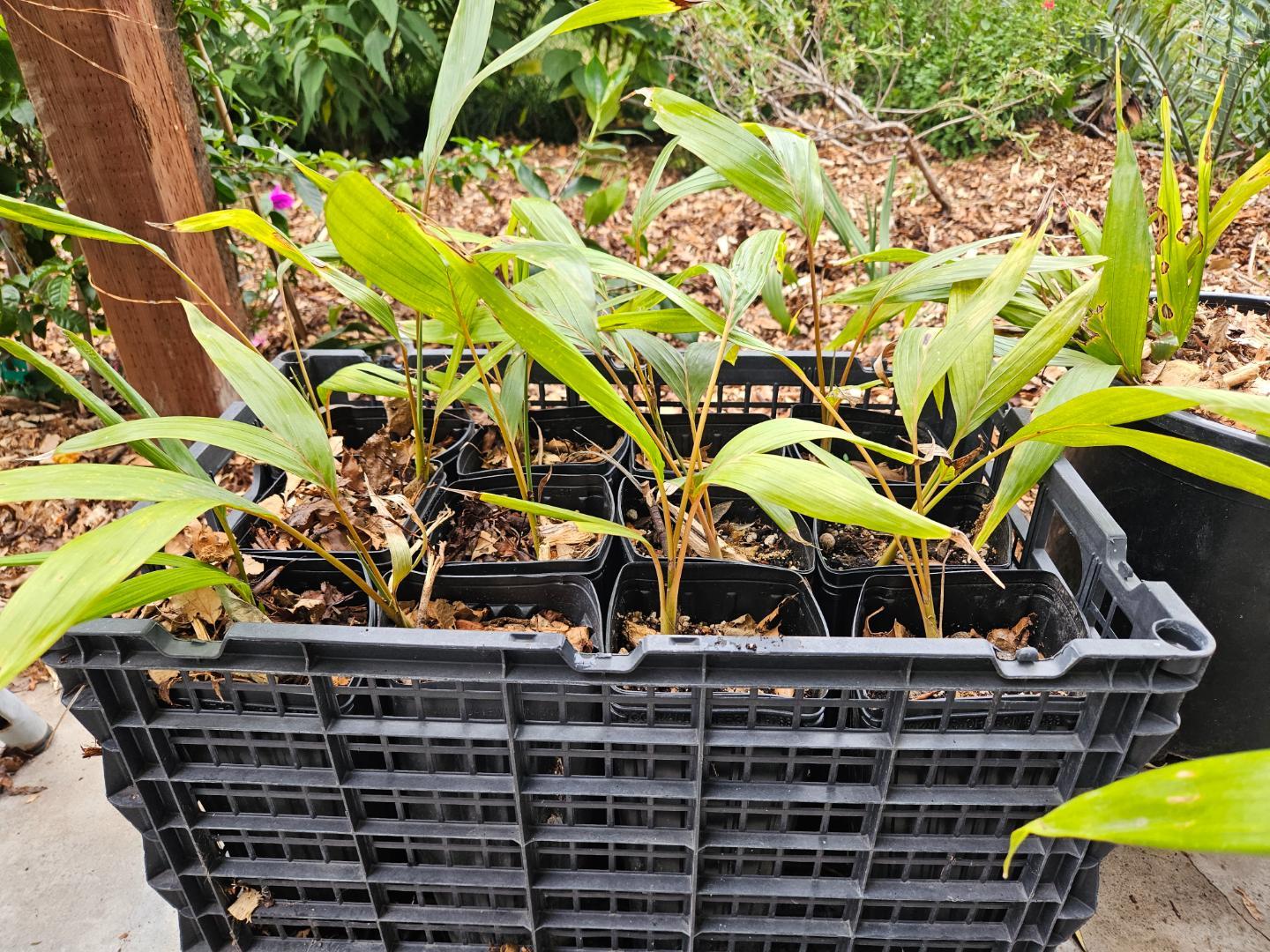
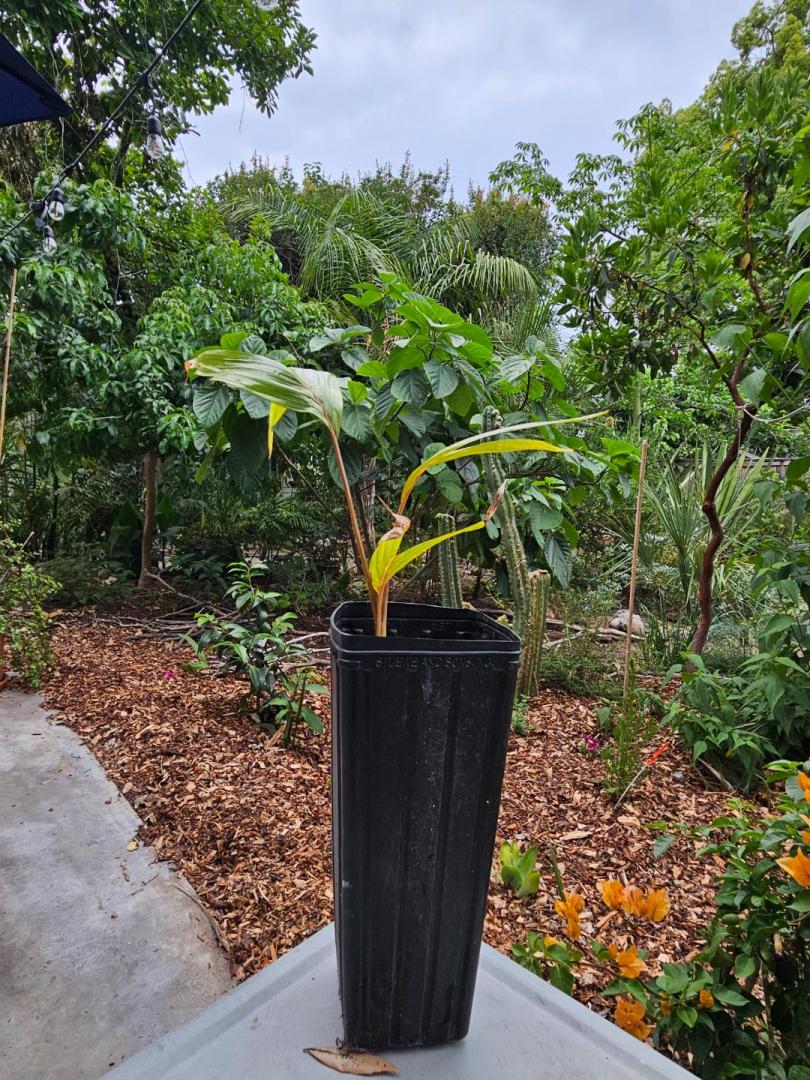
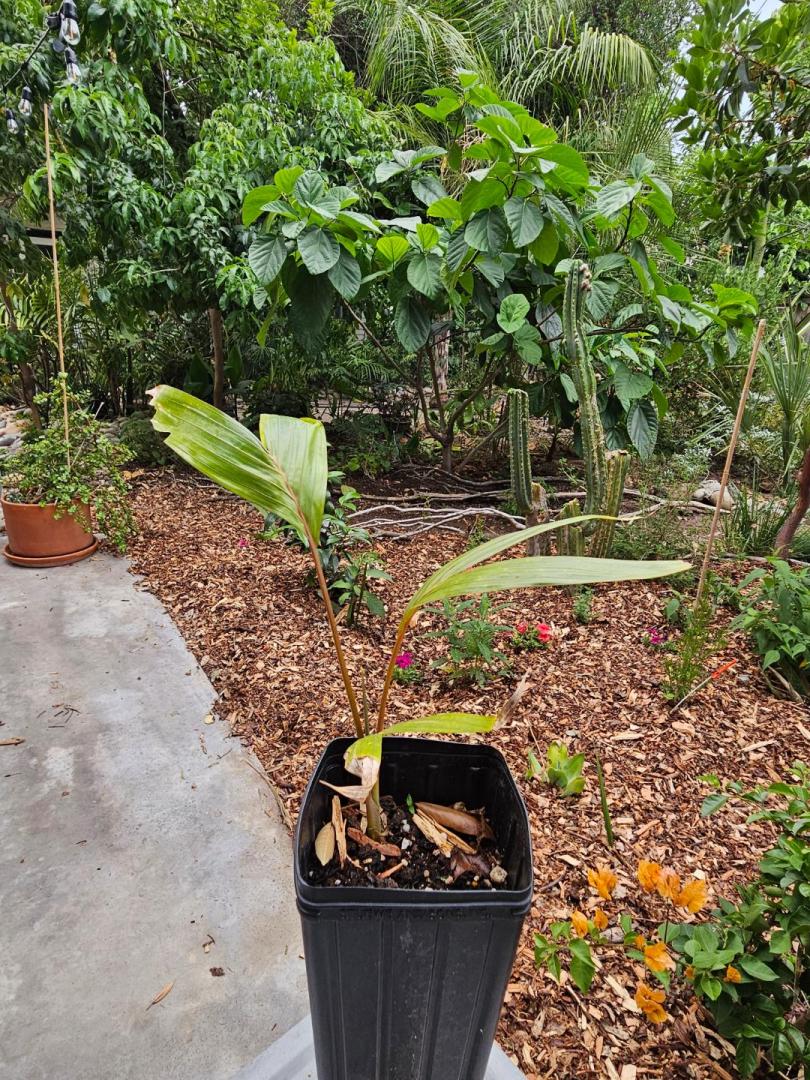
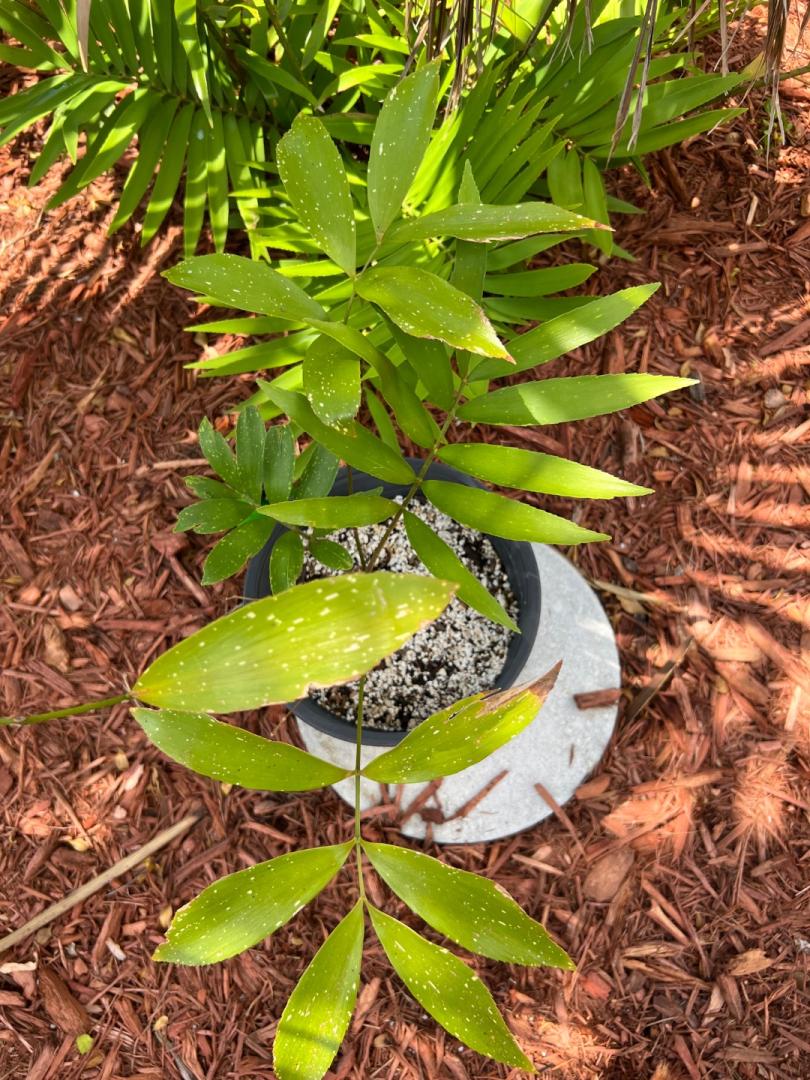
Offering these for local pick up in Fresno. Chambeyronia macrocarpa var. 'watermelon' originally from Bill Austin's seed. Asking $20 And this is one of mine in the ground. They do great in Fresno under canopy - protected from sun and frost. JD
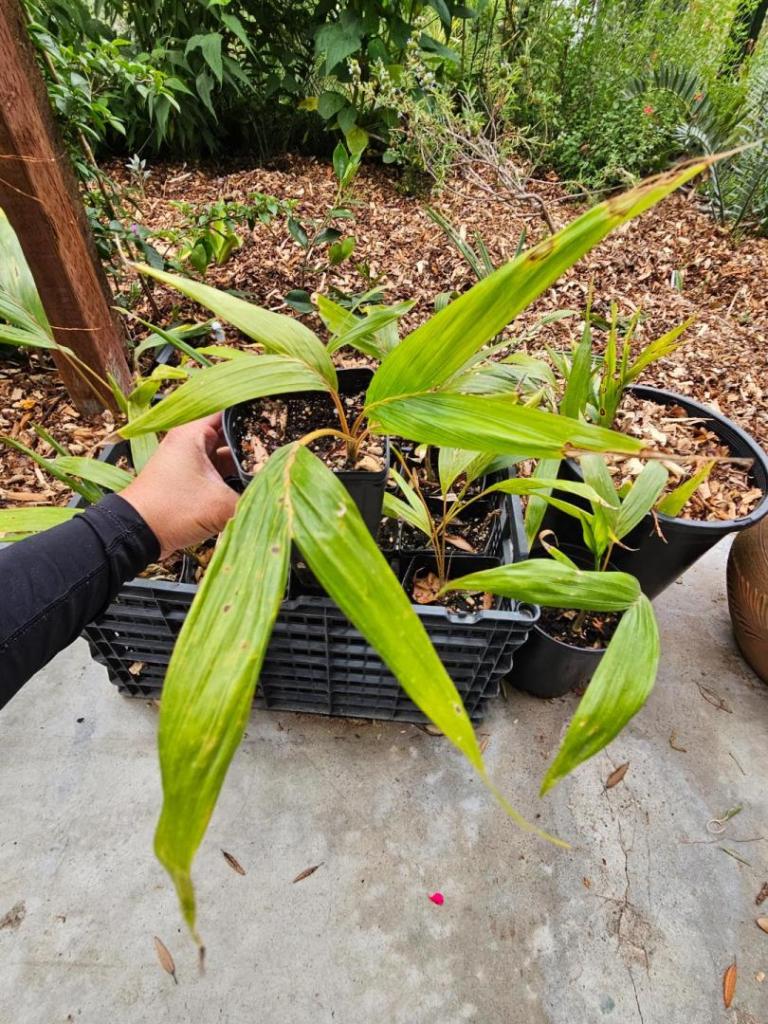
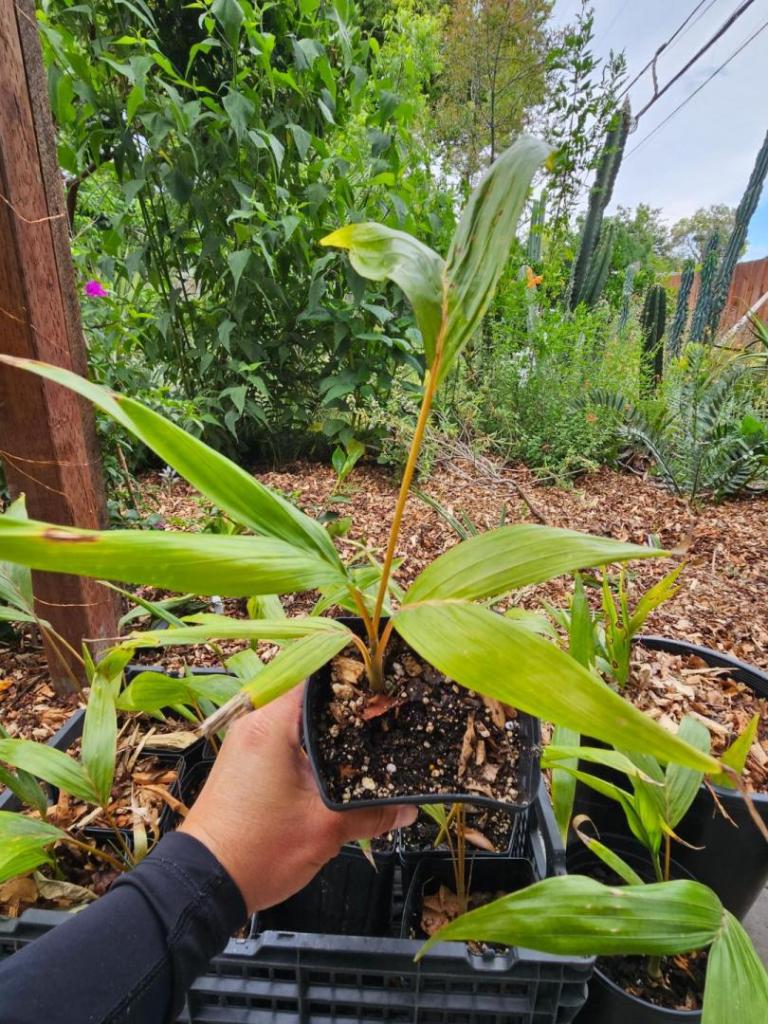


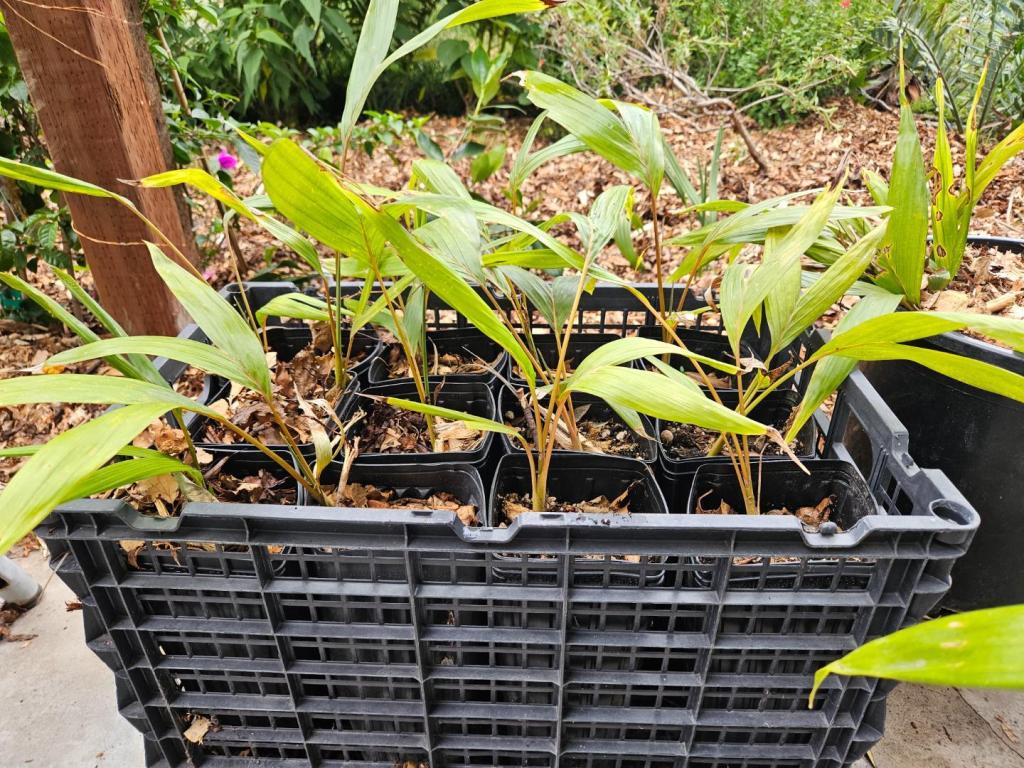


 4 points
 -
Hookerii did better for me here, but neither could handle full Florida sun as little guys (1-3g). It’s taken about 2 years of acclimation, but now I notice some direct sun tolerance. At about 6 feet tall, these three get hit with overhead sun in the summer and do ok. They still get a lot of protection when the sun is angled. These are some of my most sun-sensitive palms.
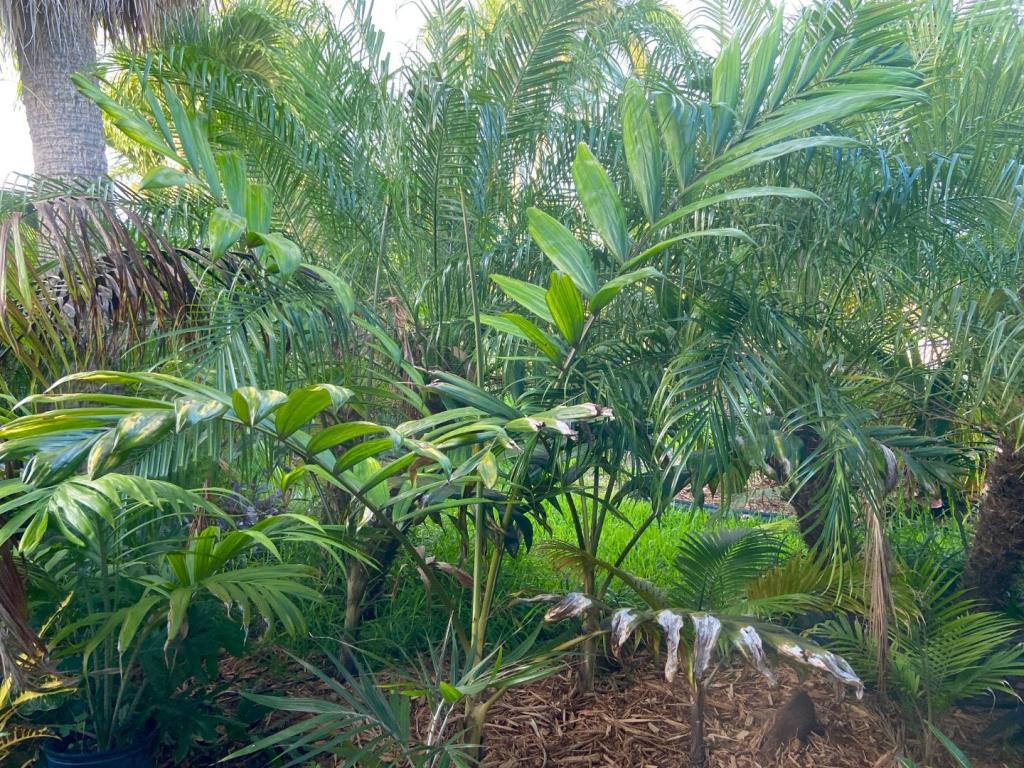 4 points
 -
Reproductive push on one of my two Chrysalidocarpus prestonianus. I thought I had one enormous inflorescence going, but just noticed there is a second one pushing now! Do you think it will push out enough flowers?
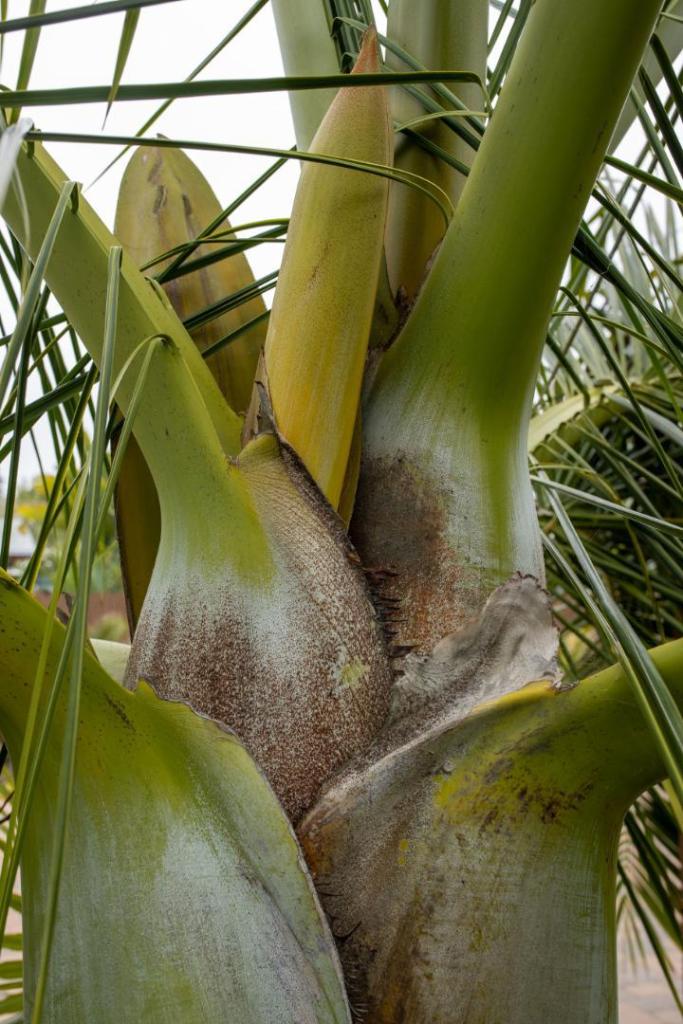
 4 points
 -
COMPROMISE! PLANT PLENTY OF BOTH!4 points
-
I managed to stop by and pick these seeds up while on a business trip to San Diego several years ago. Haven't collected any since. These seeds are now mostly 15 gallon potted plants, selling for $250 each. 😄 aztropic Mesa, Arizona
 4 points
 -
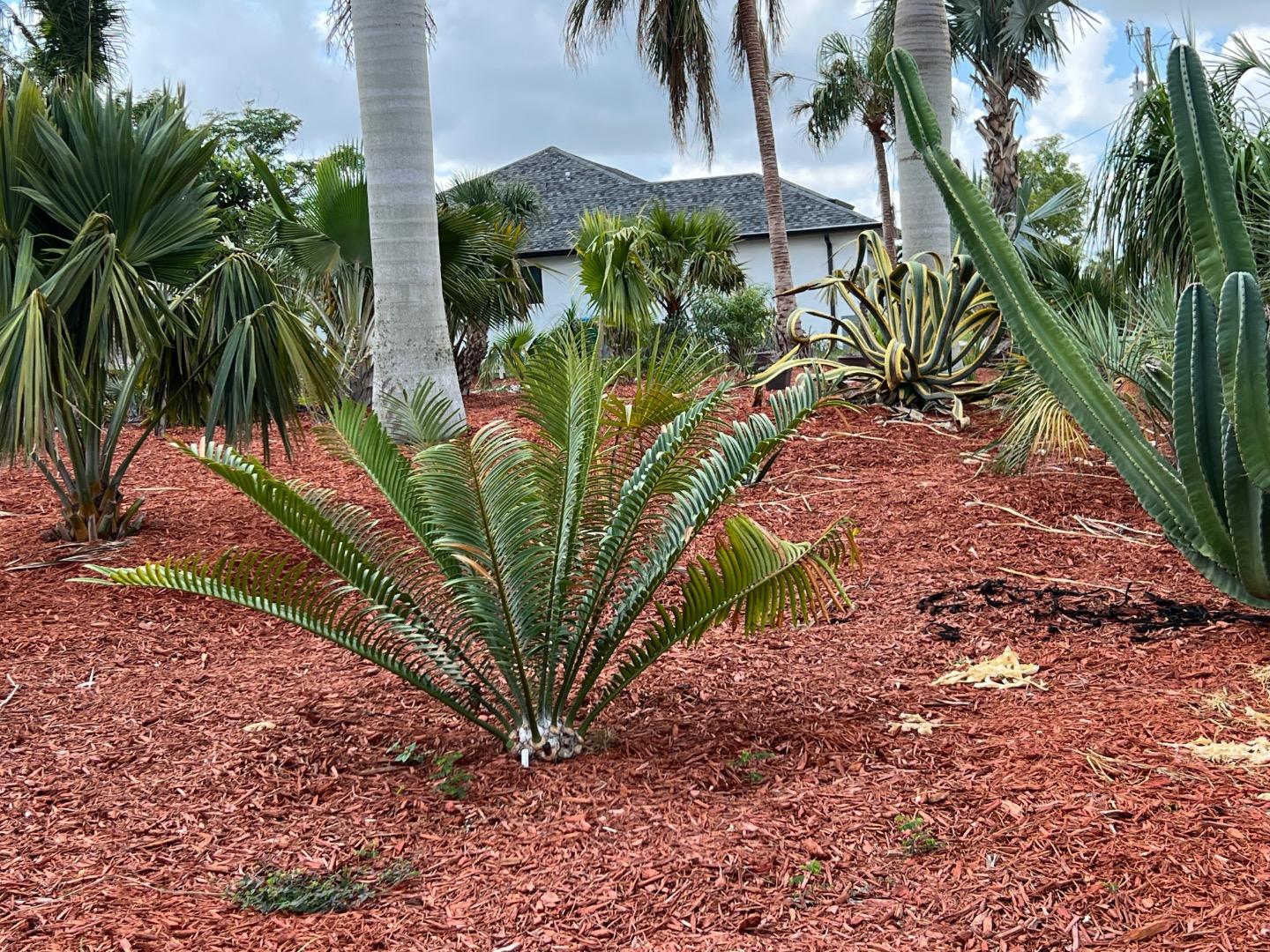
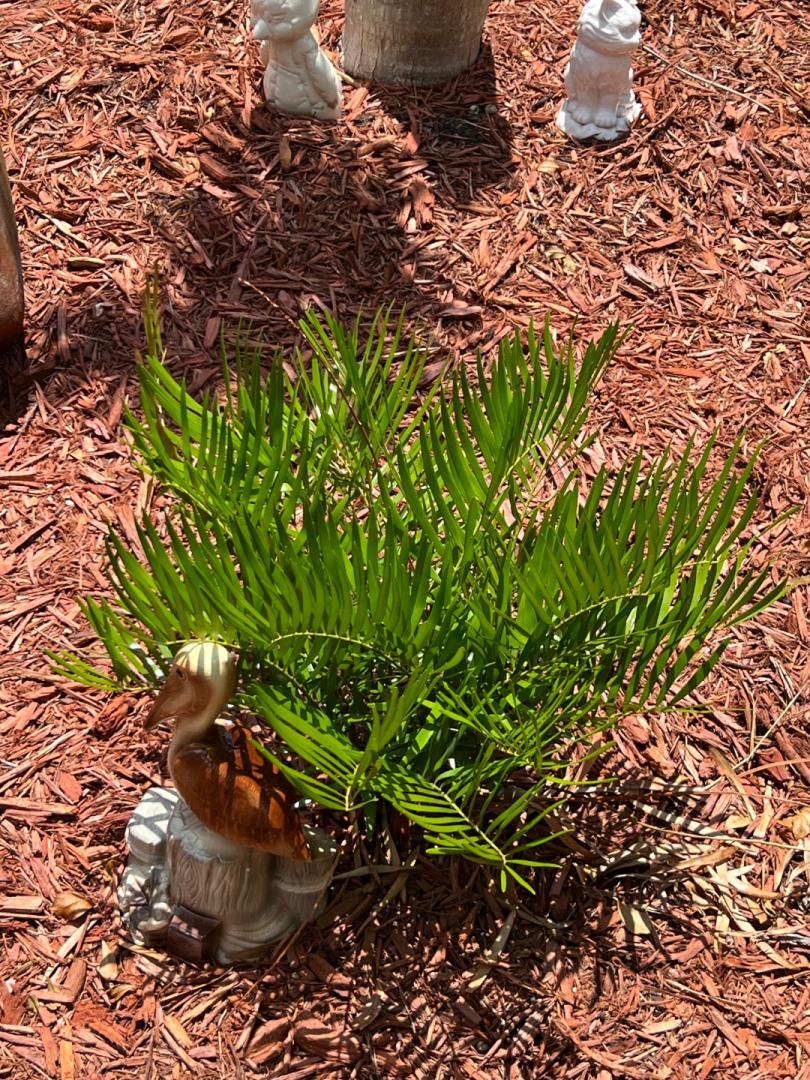
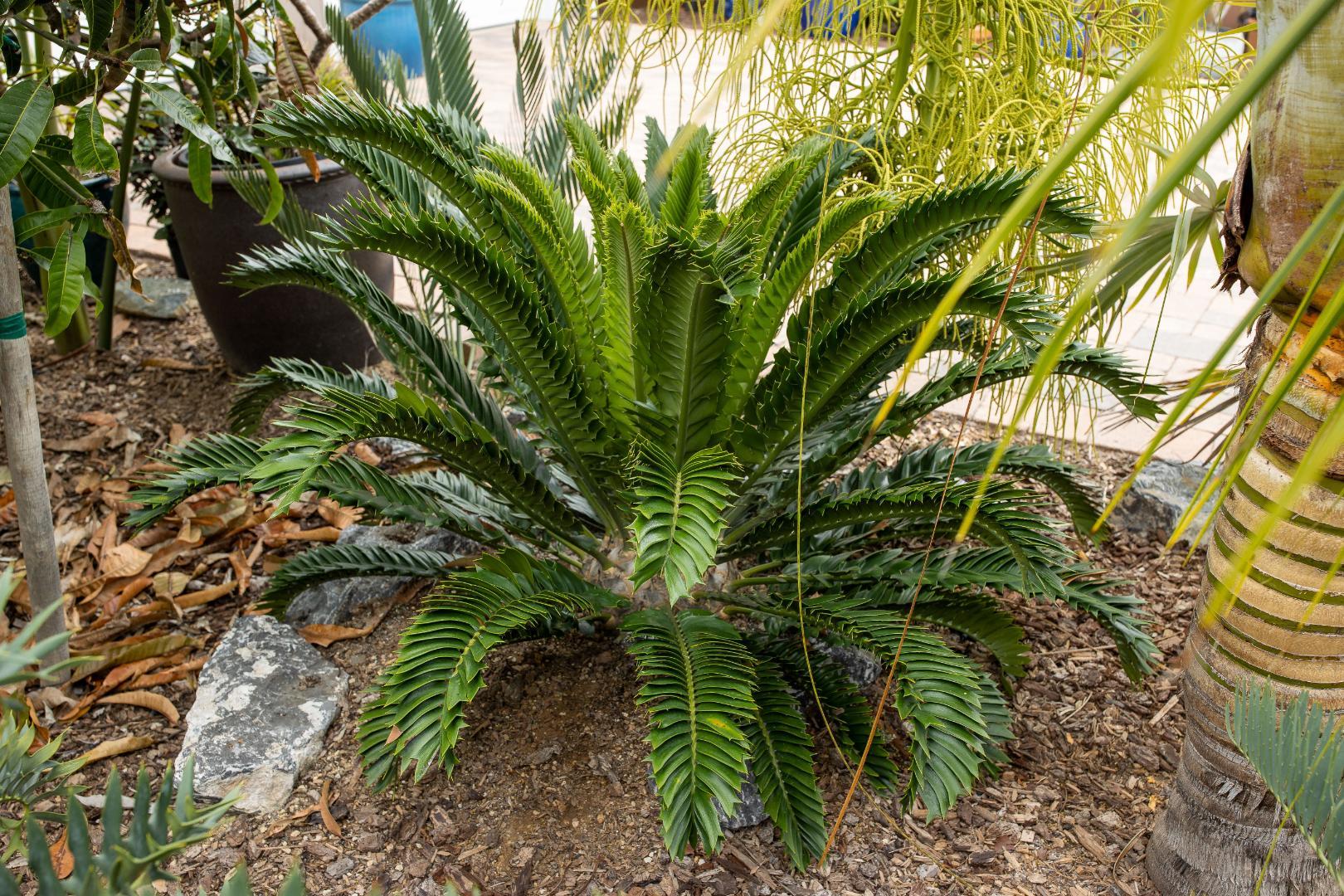
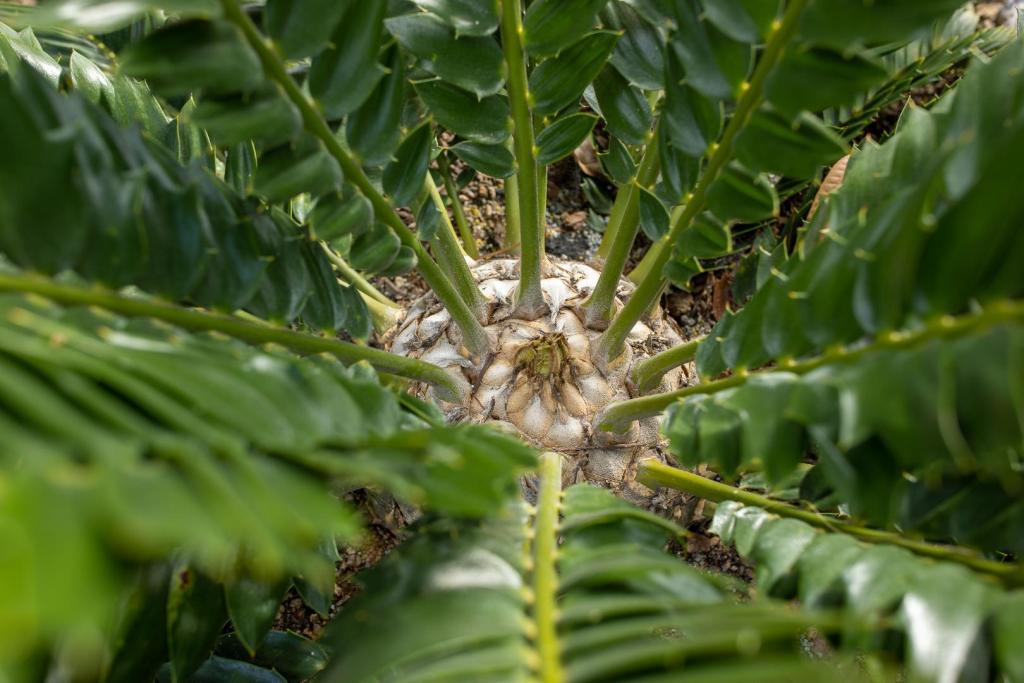
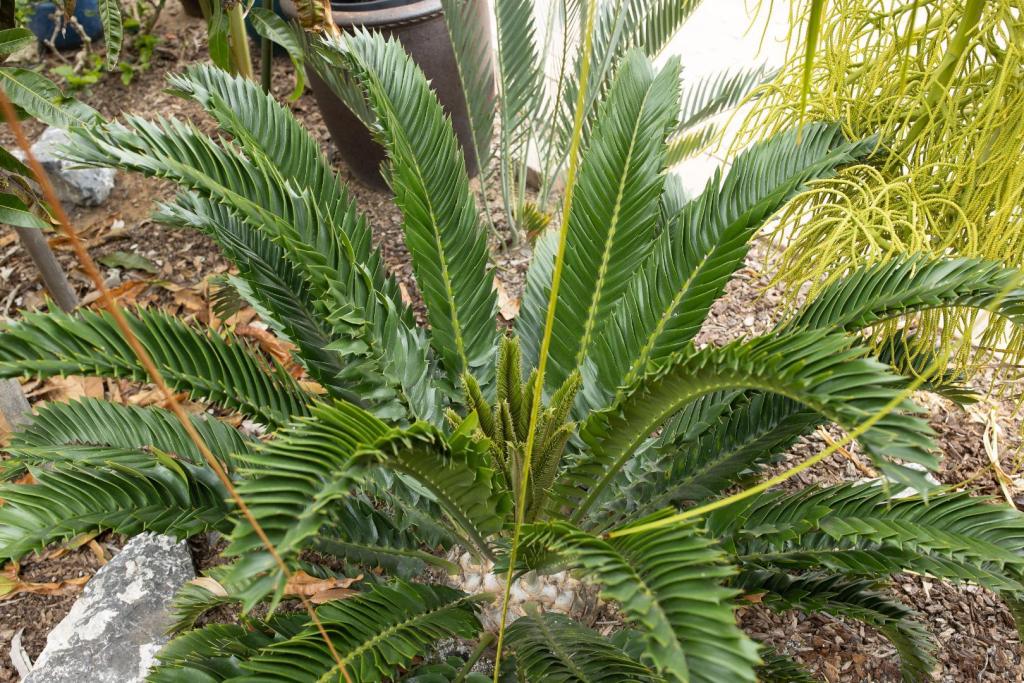
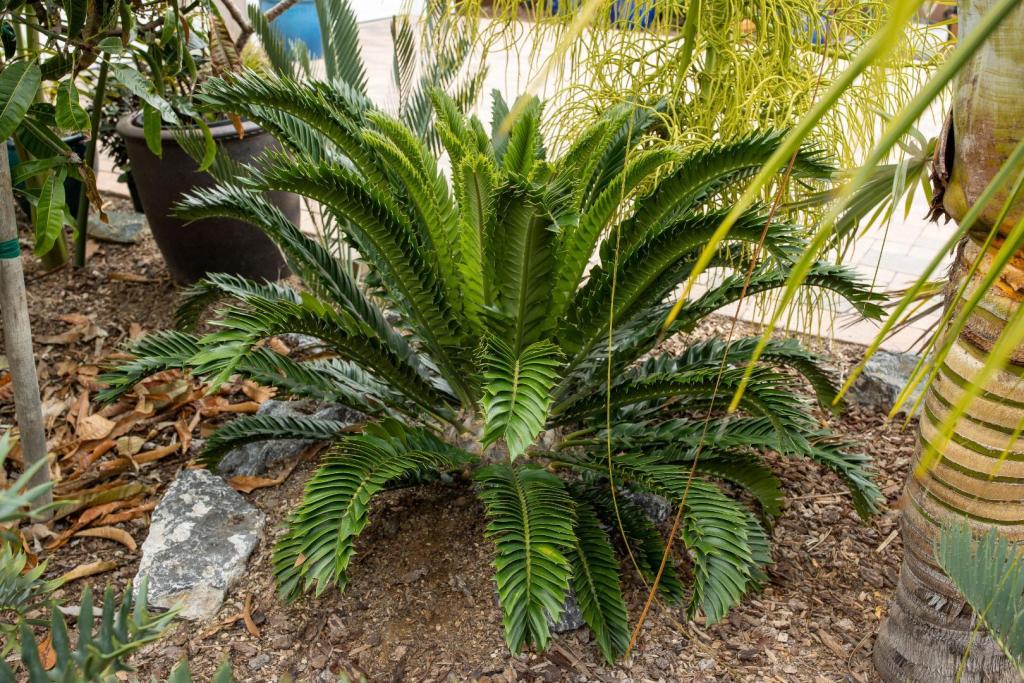
I used to have several dozen cycads, mostly Zamias, in large pots. Last fall after our gardens were decimated by Hurricane Ian, I decided to downsize my collection, plant large ones and repot a limited number of small ones. As many of my Zamias were loddigesii x pumila hybrids bought at various Palm Beach sales, I kept a few that were different looking or primo and composted the rest. Broke my heart but had to be done. I did something similar with my many Dyckias, although I gave larger ones to @PalmMom007for her nursery. I planted a number of cycad spp on our Garden Lot and distributed the rest in pots around surviving palms. I've lost many nametags over the past year so my IDs may be wrong or flat out missing. Anyway, here goes. Encephalartos sclavoi - the only one of its genus to survive for me here in FL but it's a dandy. Blue Encephalartos can't seem to hack our swelter Ceratozamia latifolia - I think. My only specimen from this genus Cycas armstrongii - germinated seeds from RPS before customs brouhaha Cycas siamiensis Dwarf - also from RPS Dioon edule - just put up a new flush of leaves Dioon edule 'Queretaro Blue' - took a major beating from Ian but I hope it survives Dioon spinulosum Zamias - this tropical genus does really well in SWFL Z furfuracea - I've had this one - a male, I believe - for years. The cardboard "not-a-palm" Z floridana - Coontie, of course Z picta Z picta 'Heavy Yellow' with odd-shaped leaves. Probably hybrid Z nana Z plicata - ridged leaves are really neat Z spartea Z unknown species Z loddigesii x pumila hybrid #1 Z loddigesii x pumila hybrid #2 Z loddigesii x pumila hybrid #3
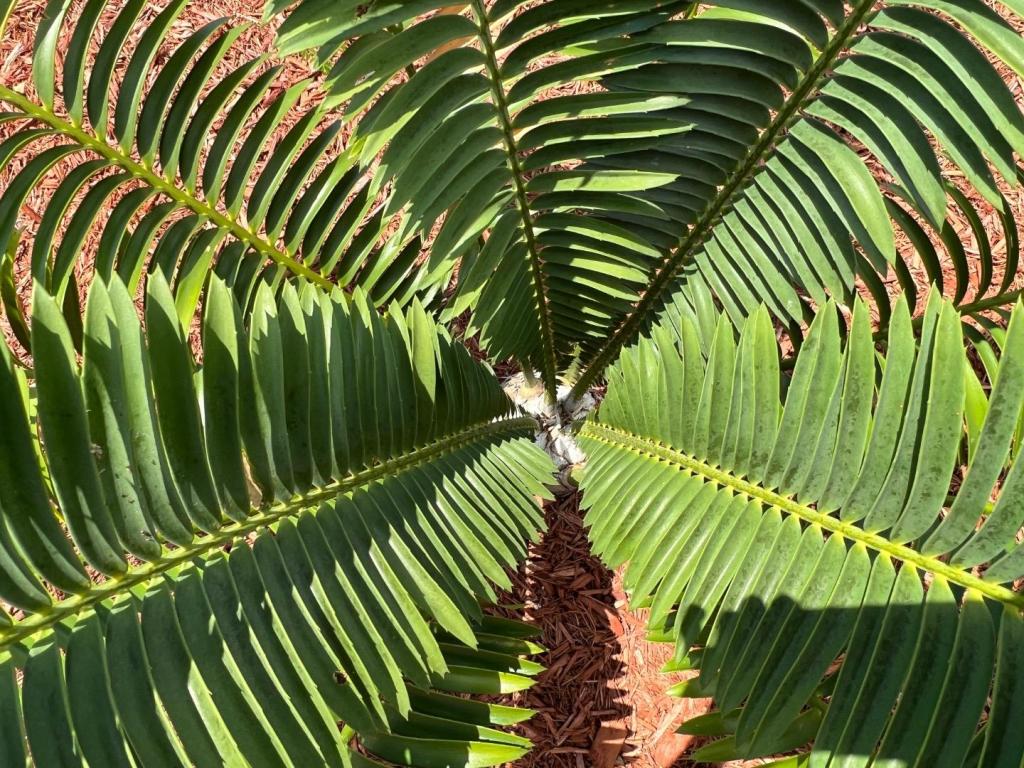
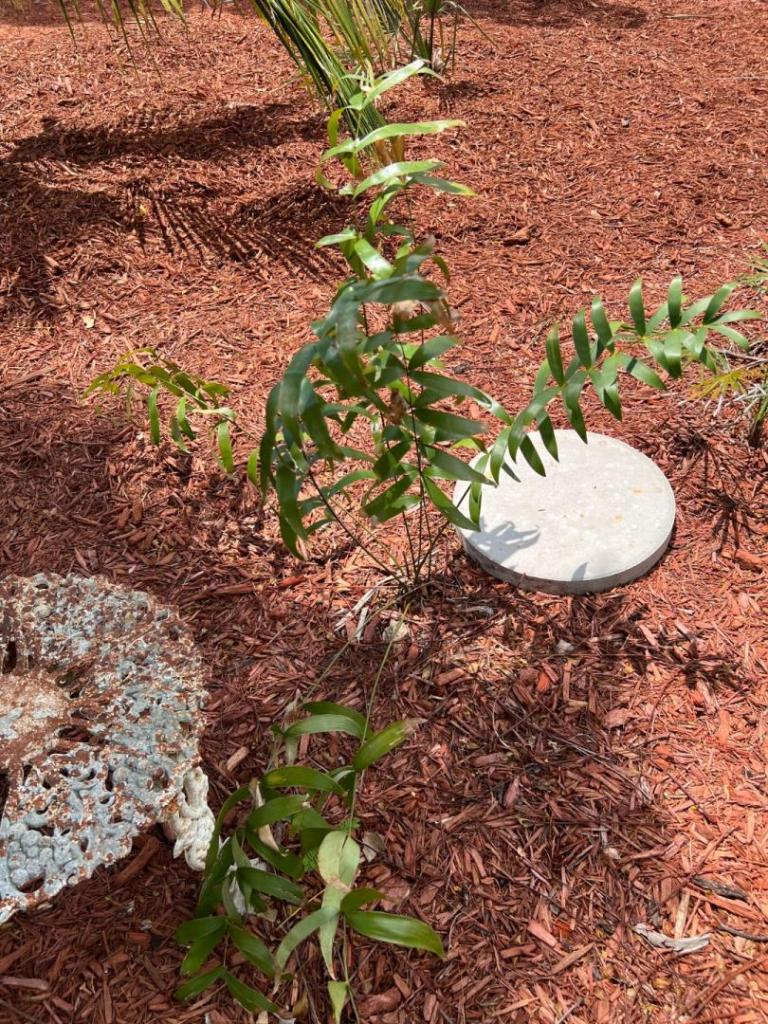


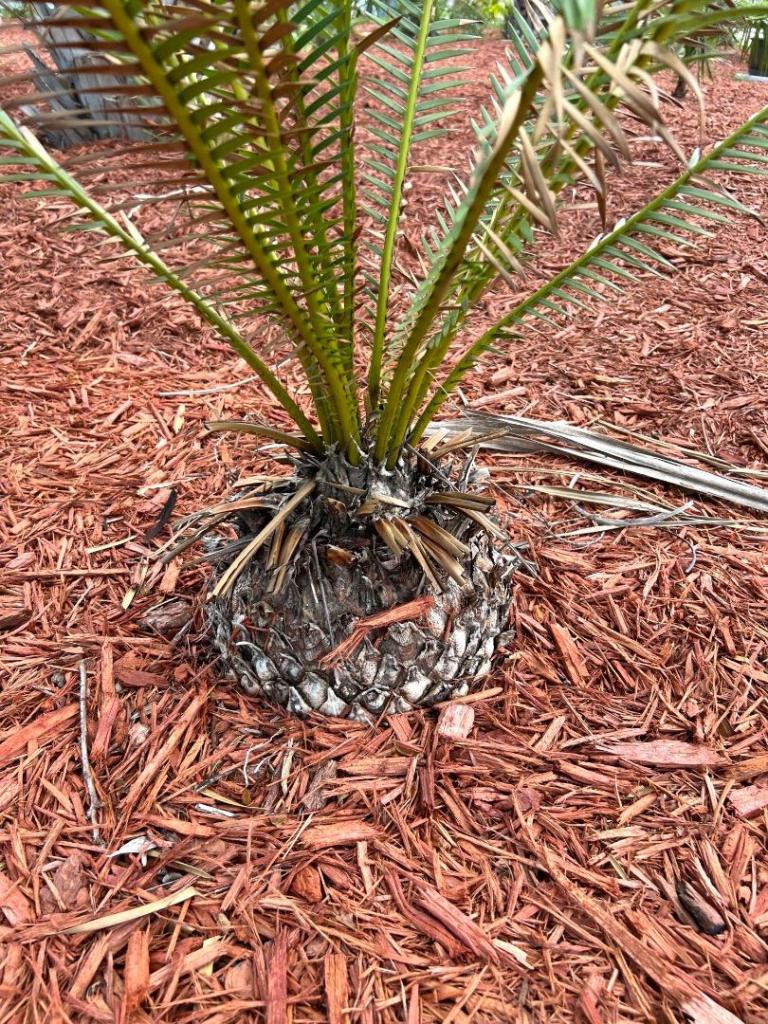


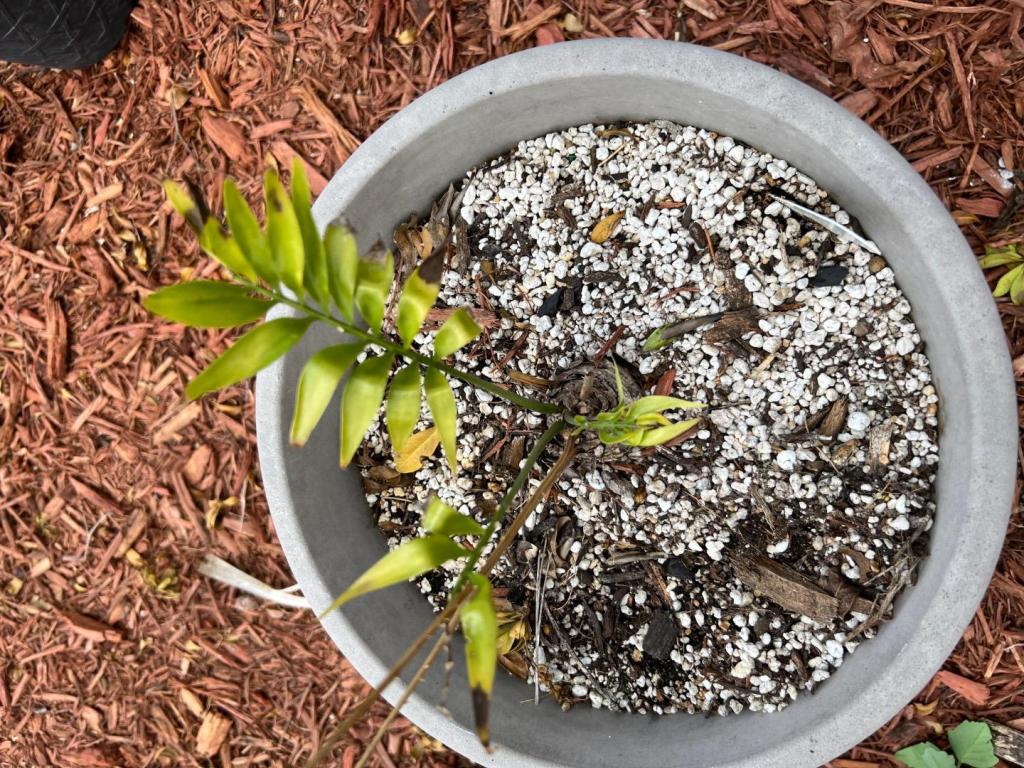


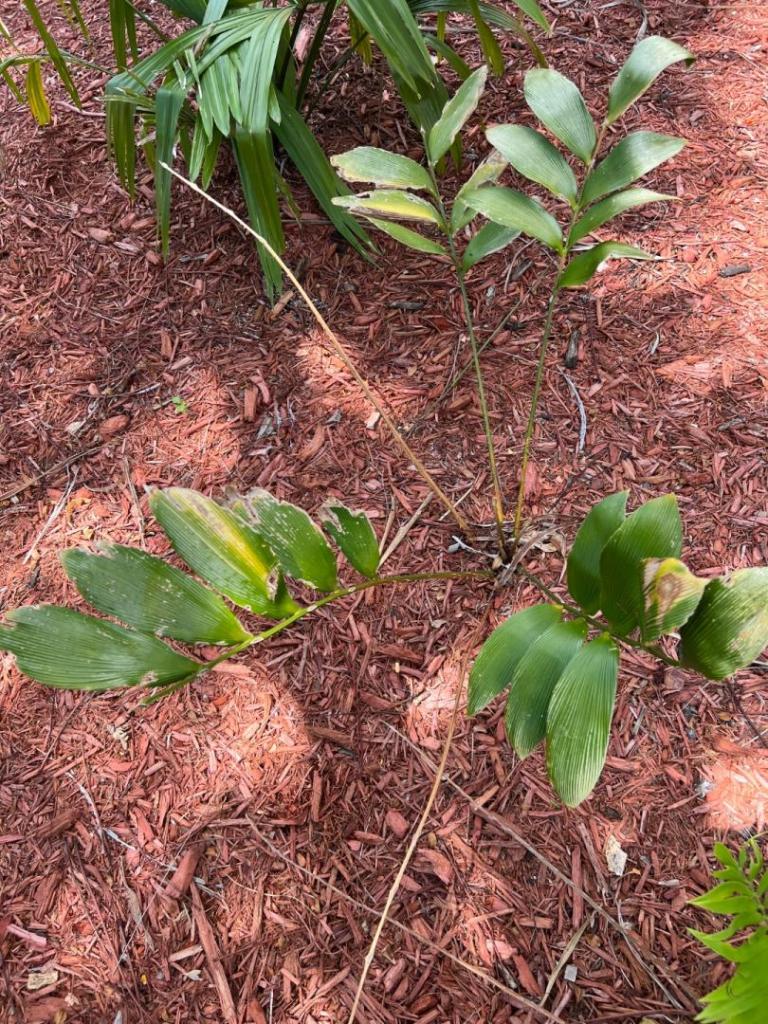


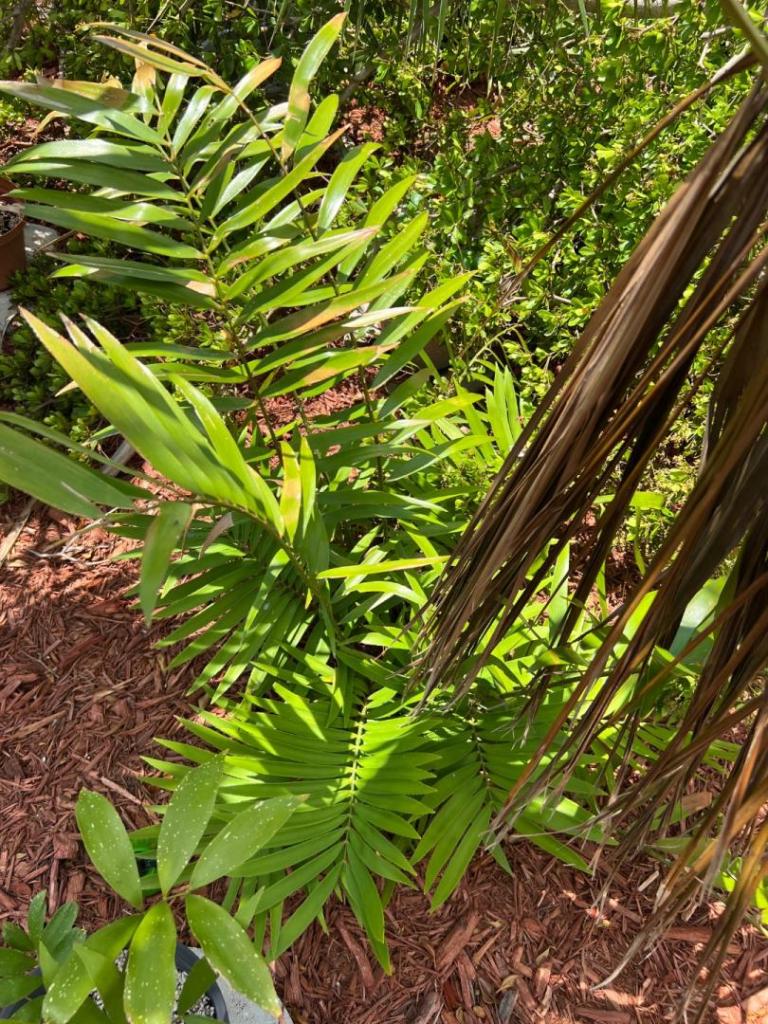
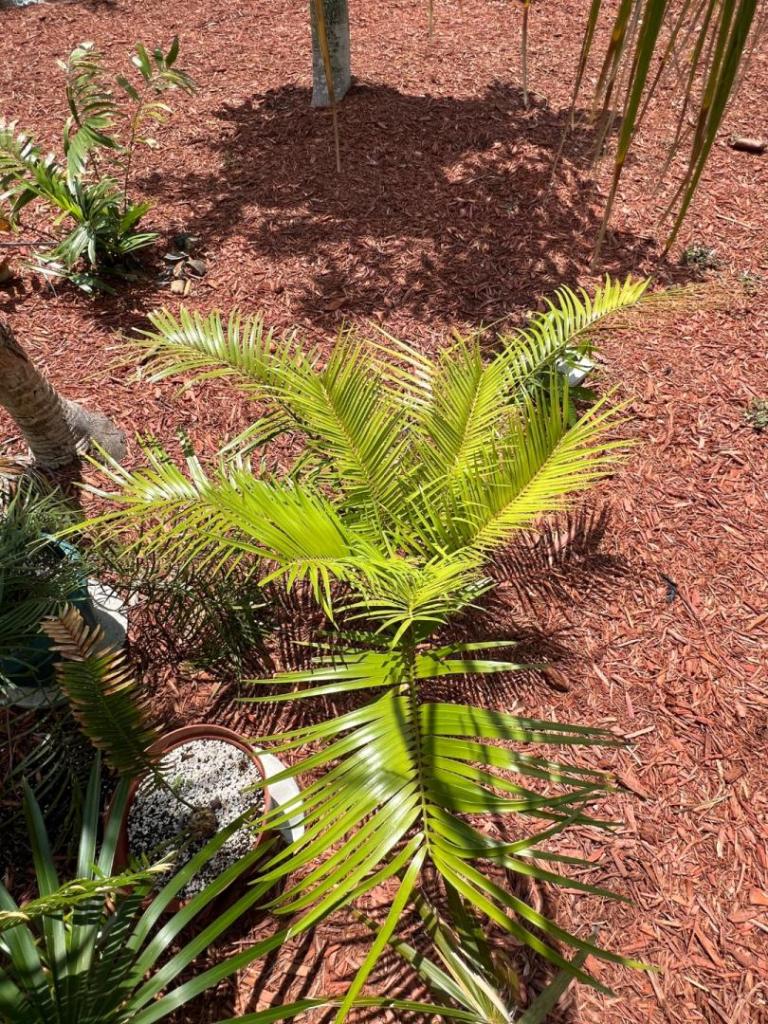
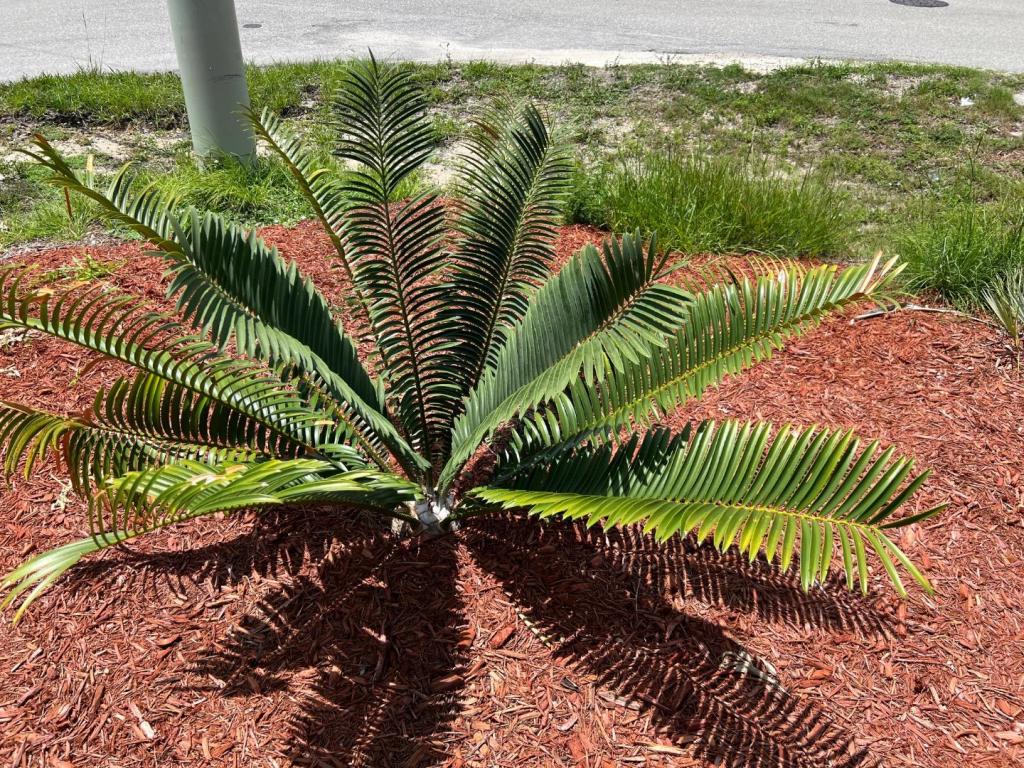 3 points
 -
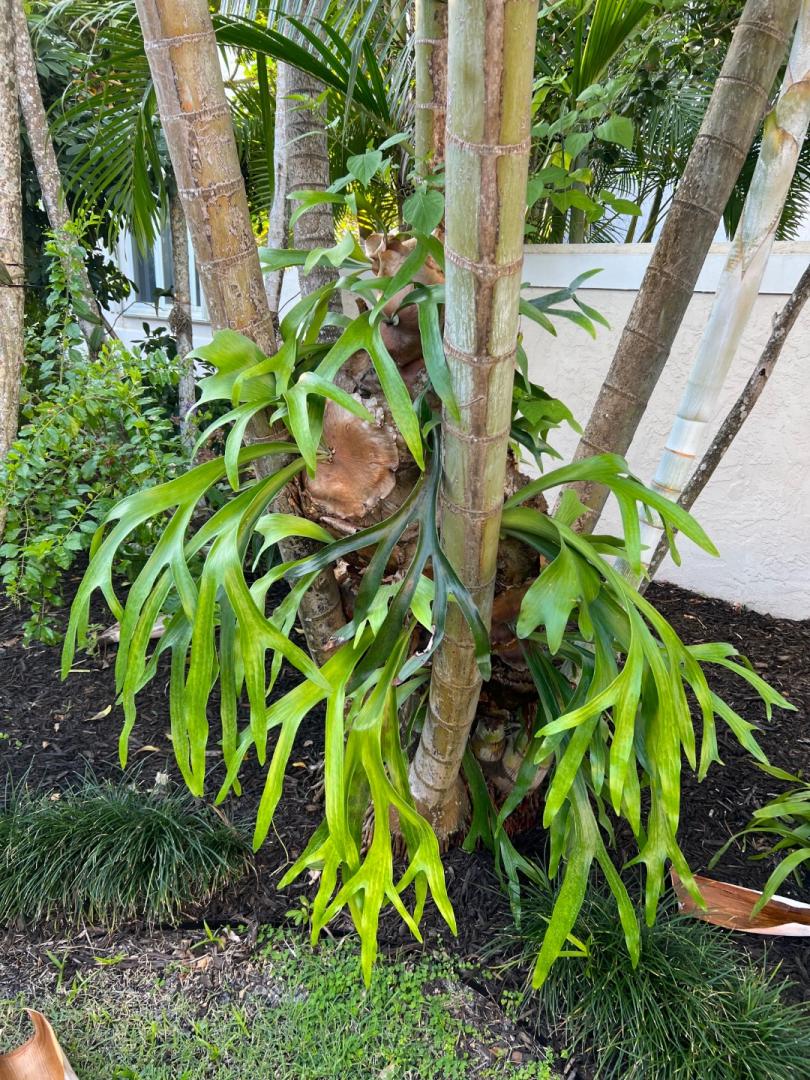
This is a plant that has been in our family for sometime. As best as can be recalled, it was initially cultivated by my wife's Grandmother in the 1930s here in South Florida. She passed it to my Grandmother around 1980-1985. Around 2000, it was past two our family. It has periods of ups and downs, but after we started feeding it bananas, it seems to have regained its stride. Anecdotally, we understand that these ferns virtually live forever if well protected.
 3 points
 -
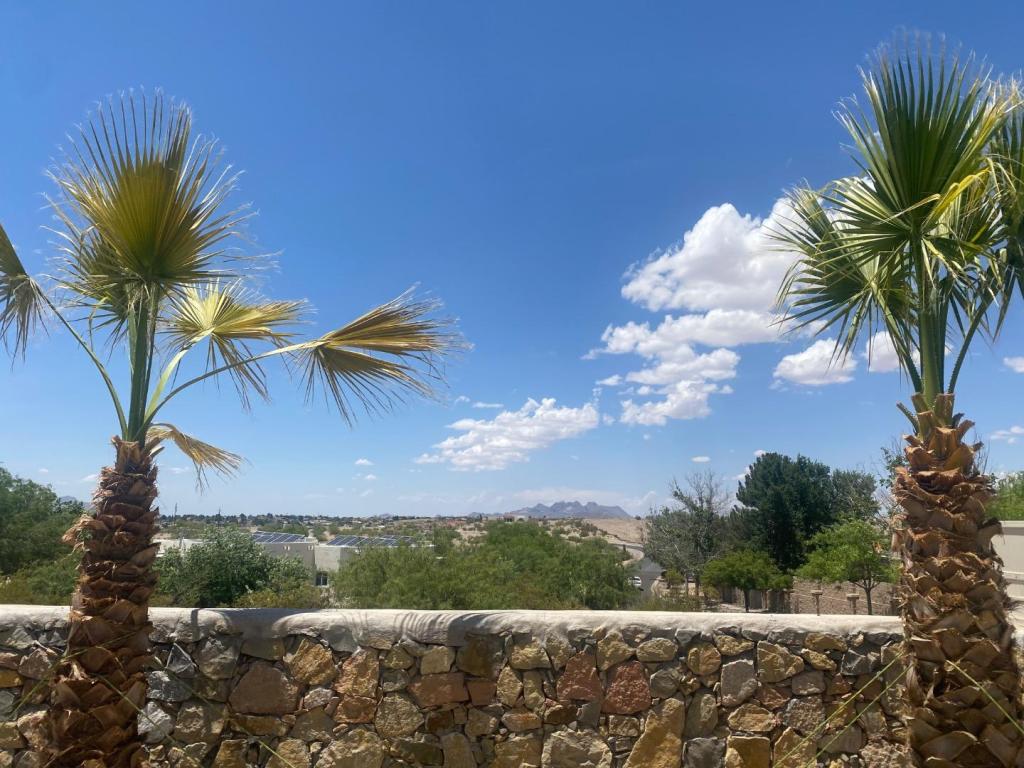
Transplanted those 8 footers last week. There is 4 of them. Only one still looks green and the other 3 are turning brown. Anything I should be worried about other than transplantation shock. It’s pretty warm here in New Mexico. I water them with a hose every morning and irrigation in the evening.


 3 points
 -
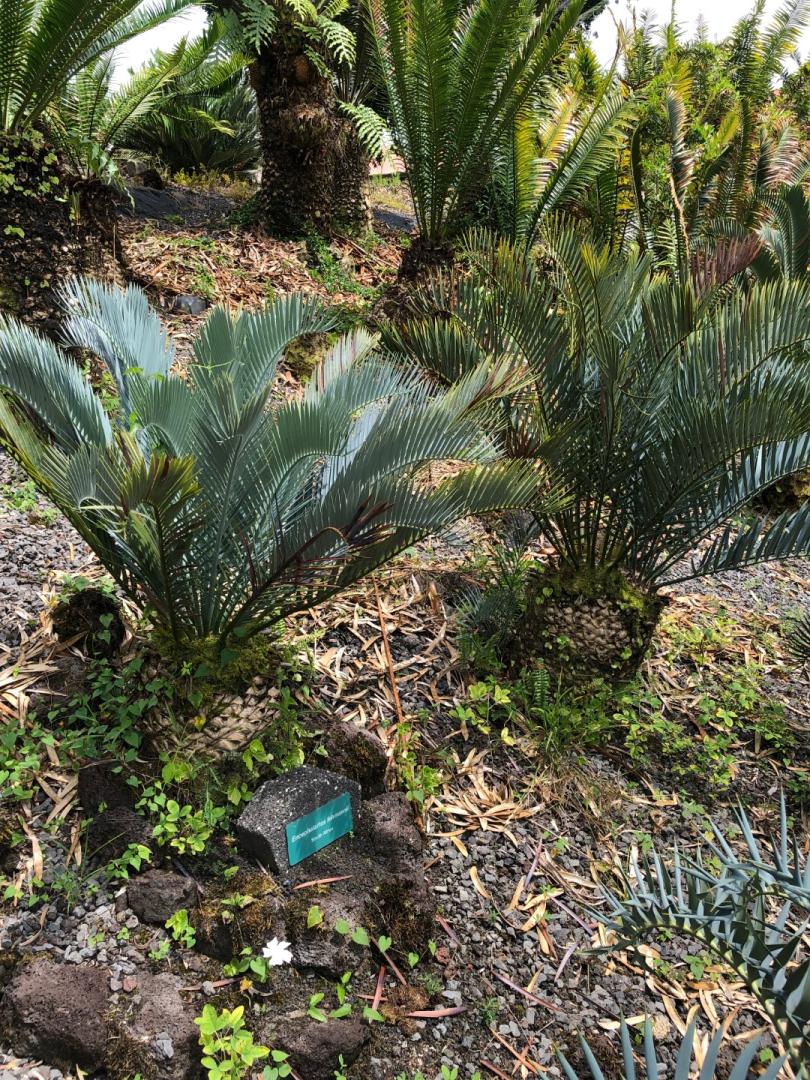
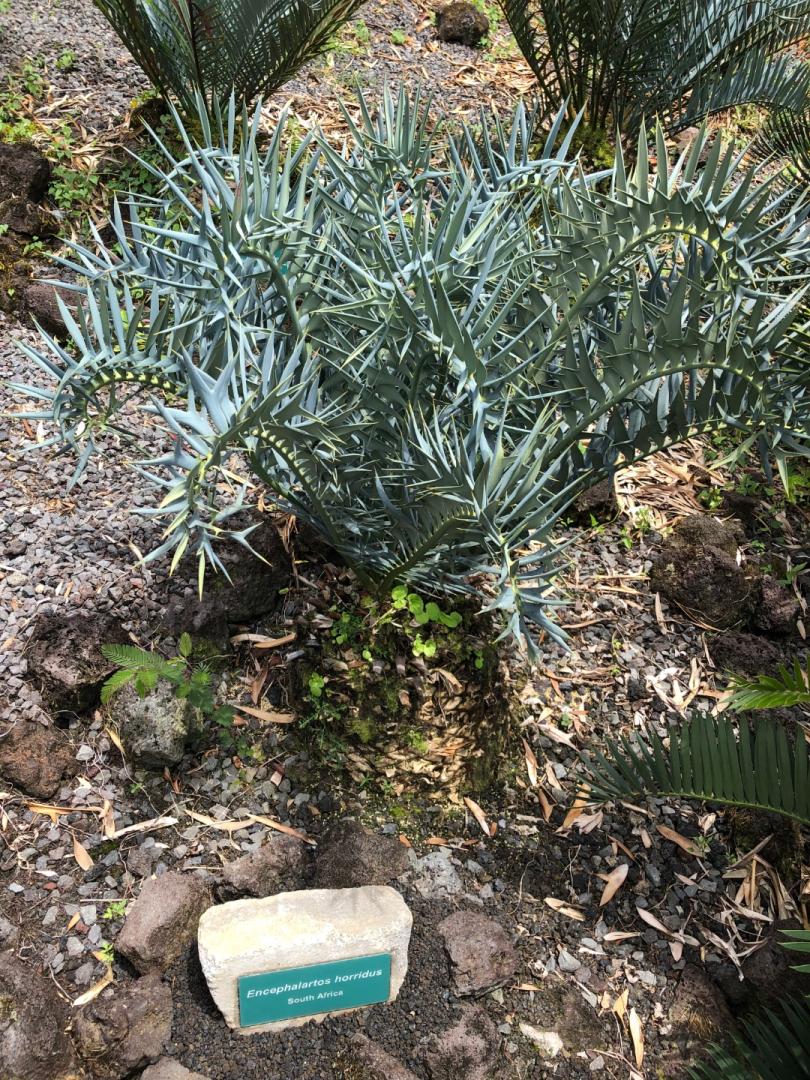
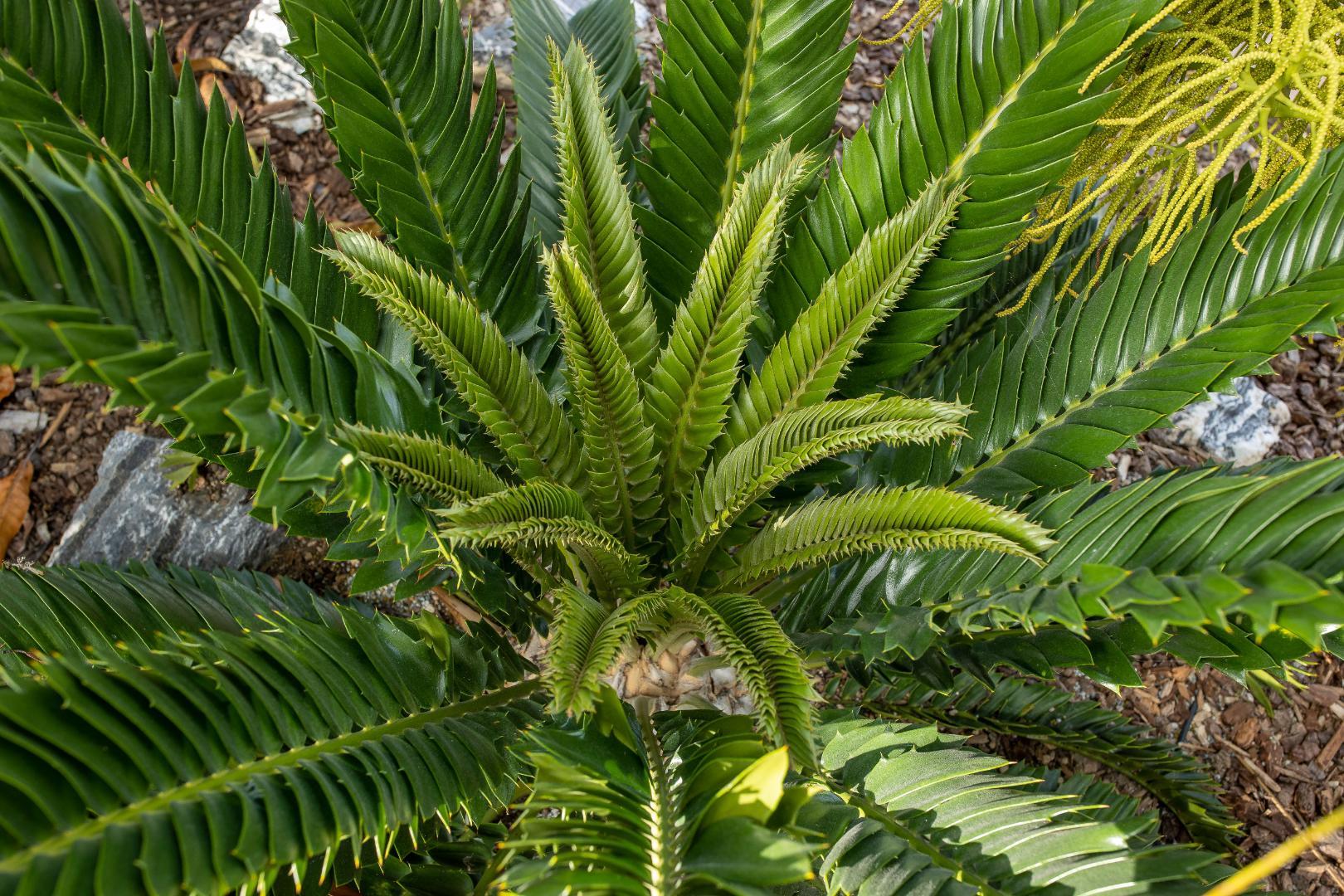
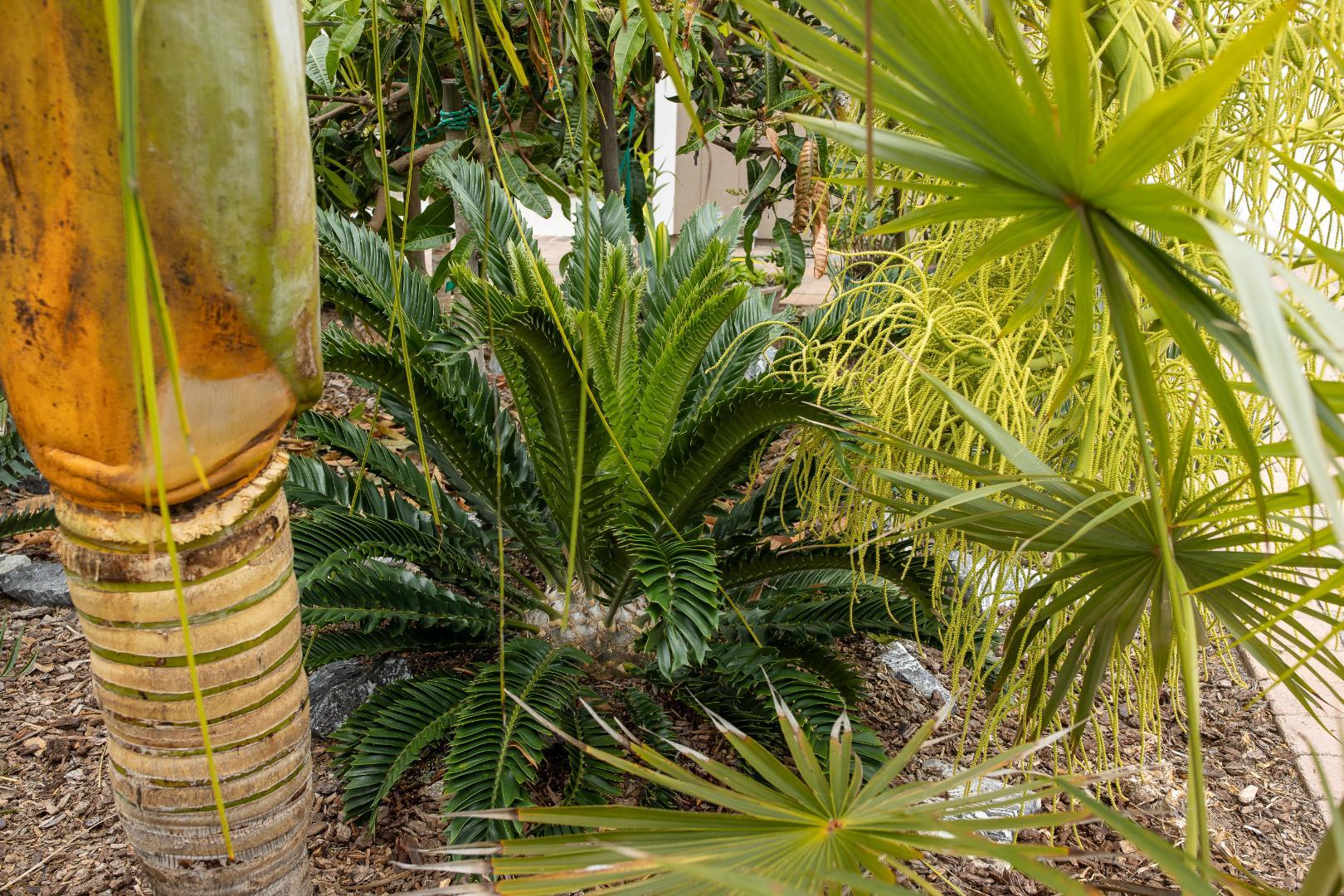
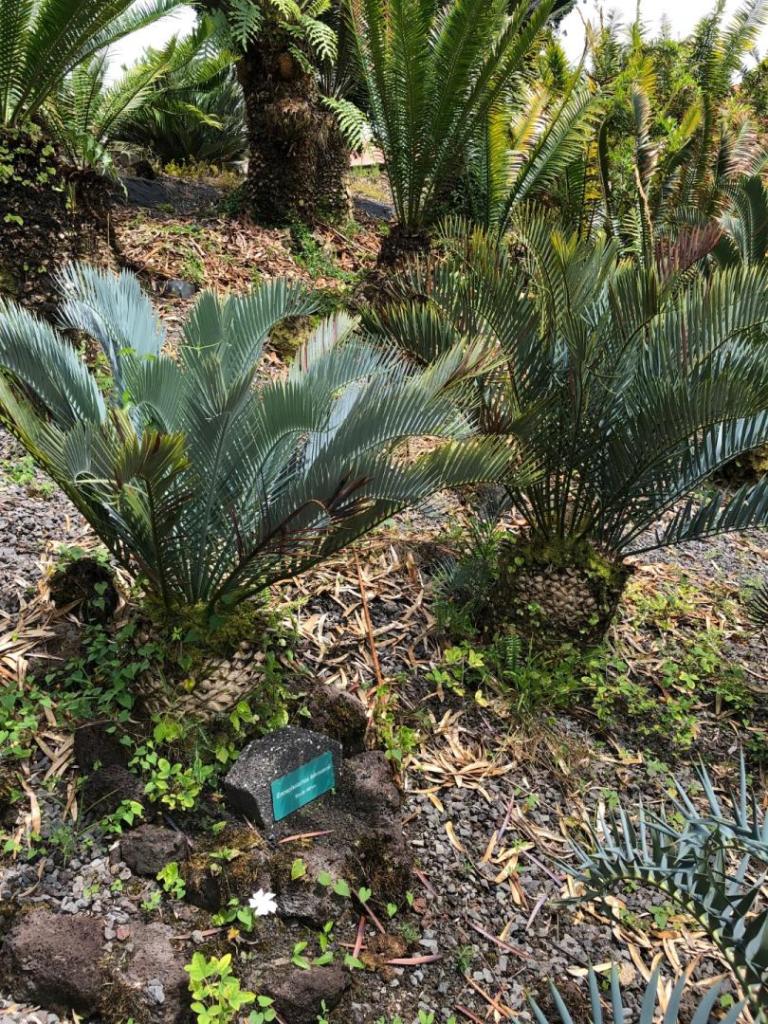
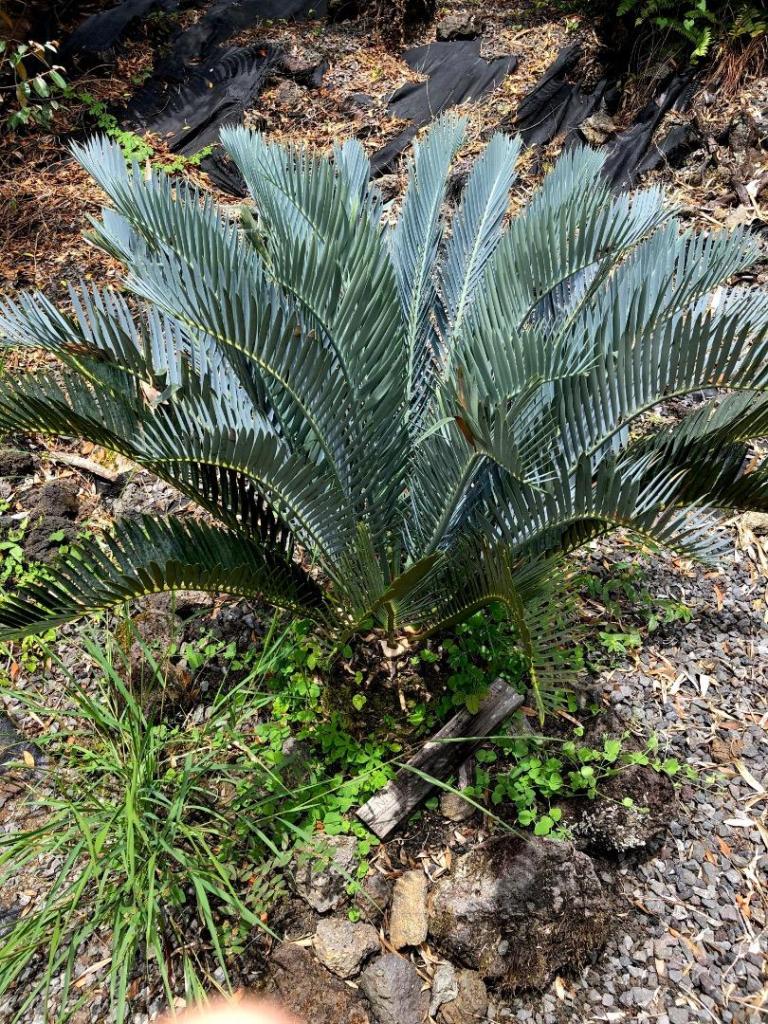
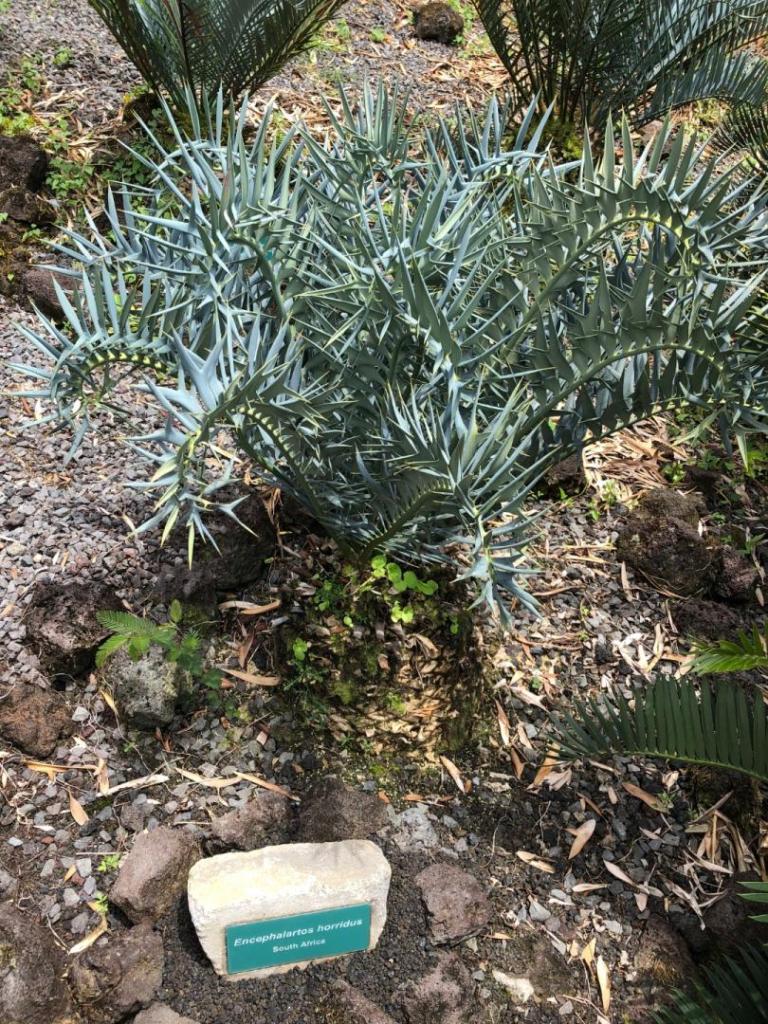
Tracy, I did read your response to a post by PalmatierMeg about the limitations of growing the silver Encephalartos in Florida due to high rainfall and humidity, and poor drainage. Good drainage must be the key as you know what the rainfall and humidity in Hilo is like. These looked pretty good, or at least I thought so. I’ll take you over there on your next visit. Encephalartos lehmannii & horridus Tim
 3 points
 -
I was busy getting a new roof put on the house last week, so I forgot to label and take photos of these four from @Jubaea_James760:
 3 points
 -
I am in no way accredited like those above but can say i prefer the company of plants to most people and have and continue to learn from them everyday. I am blown away by nature and once wished that plants could talk but finding out their secrets as they stay muted is probably the most fun of all, although sometimes very frustrating. i also echo that meeting people on this forum that have the same respect and passion has been just as rewarding. there is no fun having a rare or precious plant if one cannot sit and share your opinions with other people with the same interest. i sincerely learn a lot from many of these threads as opposed to social media where it seems it is more about "i have one but mine is bigger" or "i have one that you dont have" posts. in any case, palmtalk is my go to site for knowledge and just pleasant and constructive conversations. ps my background is in no way related and current job is only a means to this end. 🤣3 points
-
Cylindropuntia kleiniae Astrophytum capricorneOpuntia validanotocactus schlosseriGymnocalycium schreiteri Parodia sellowii

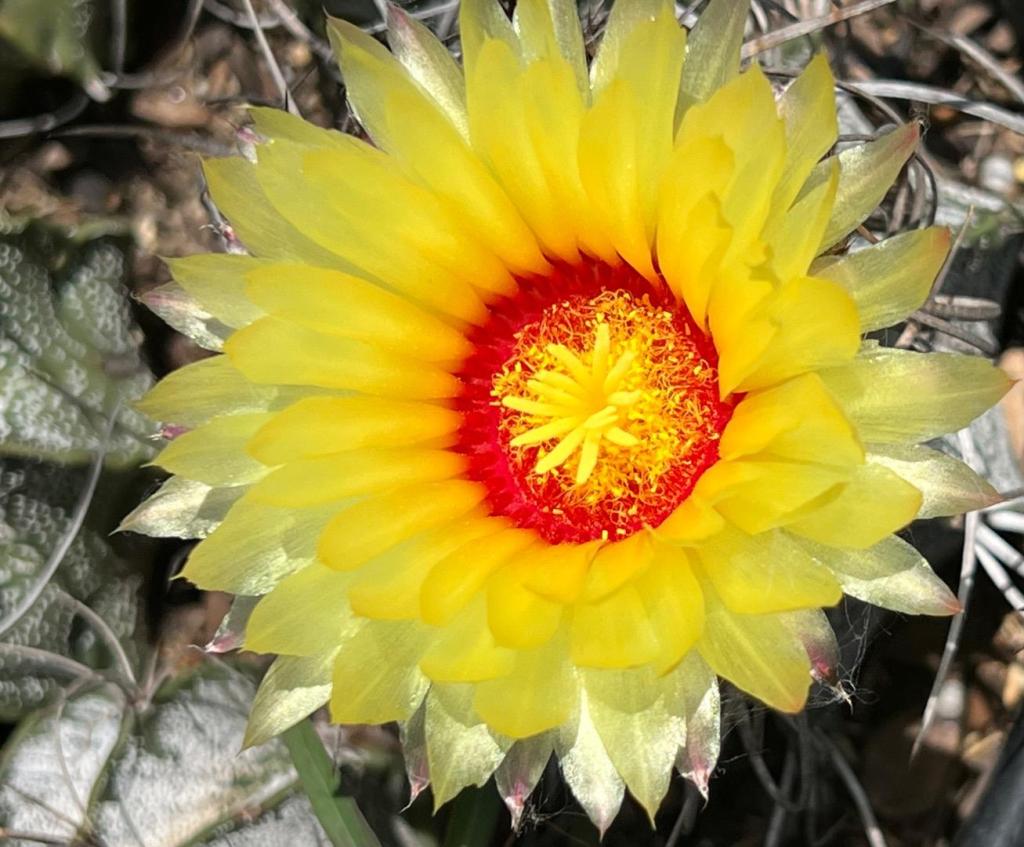
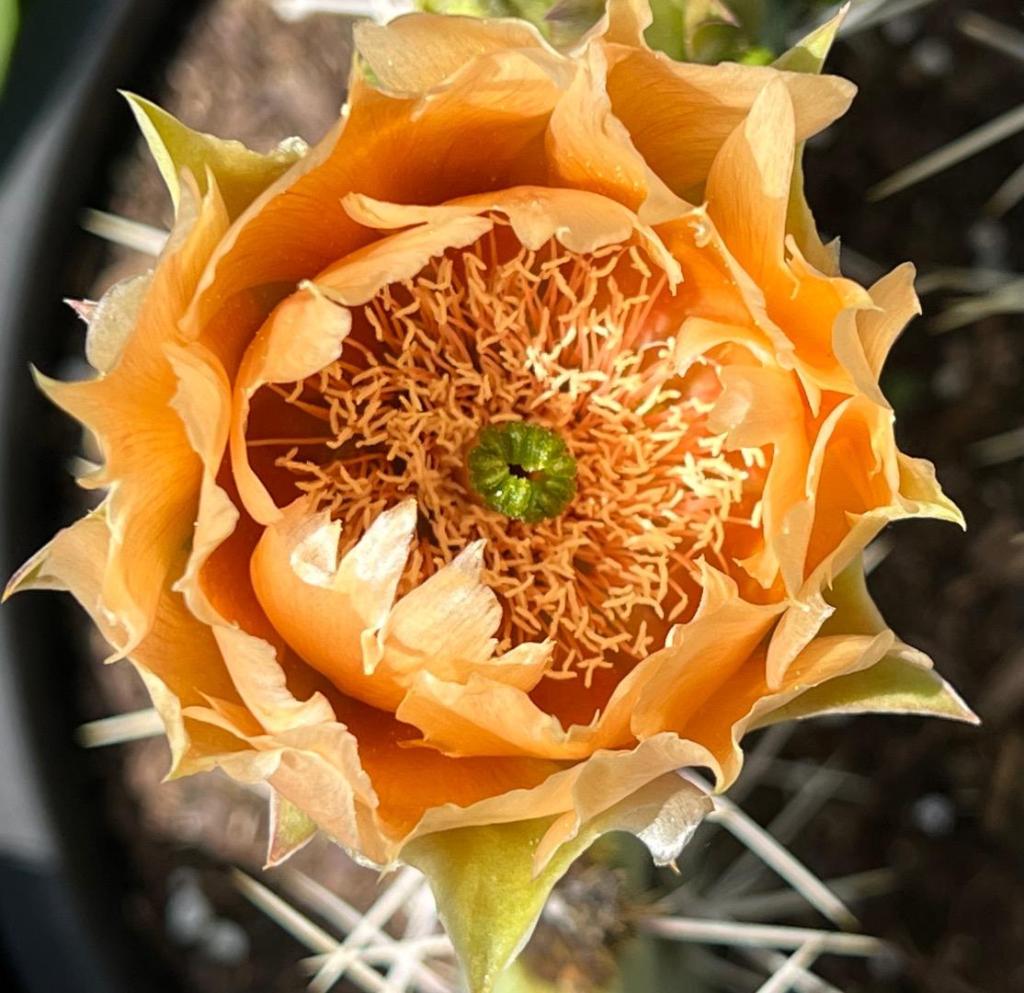
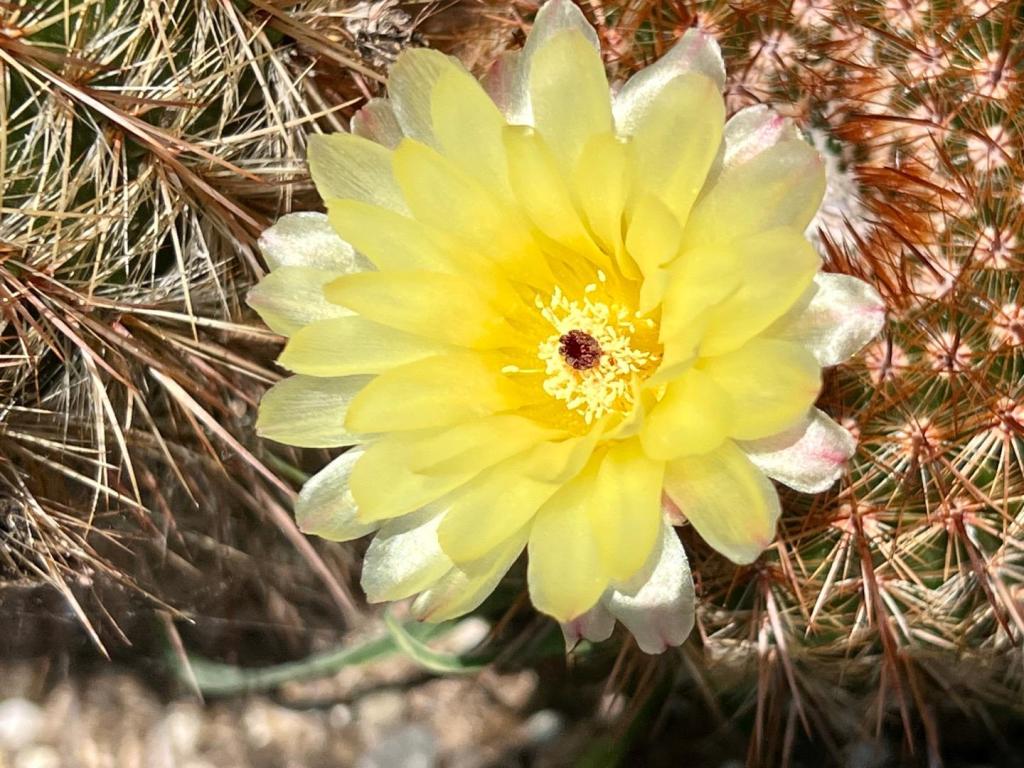


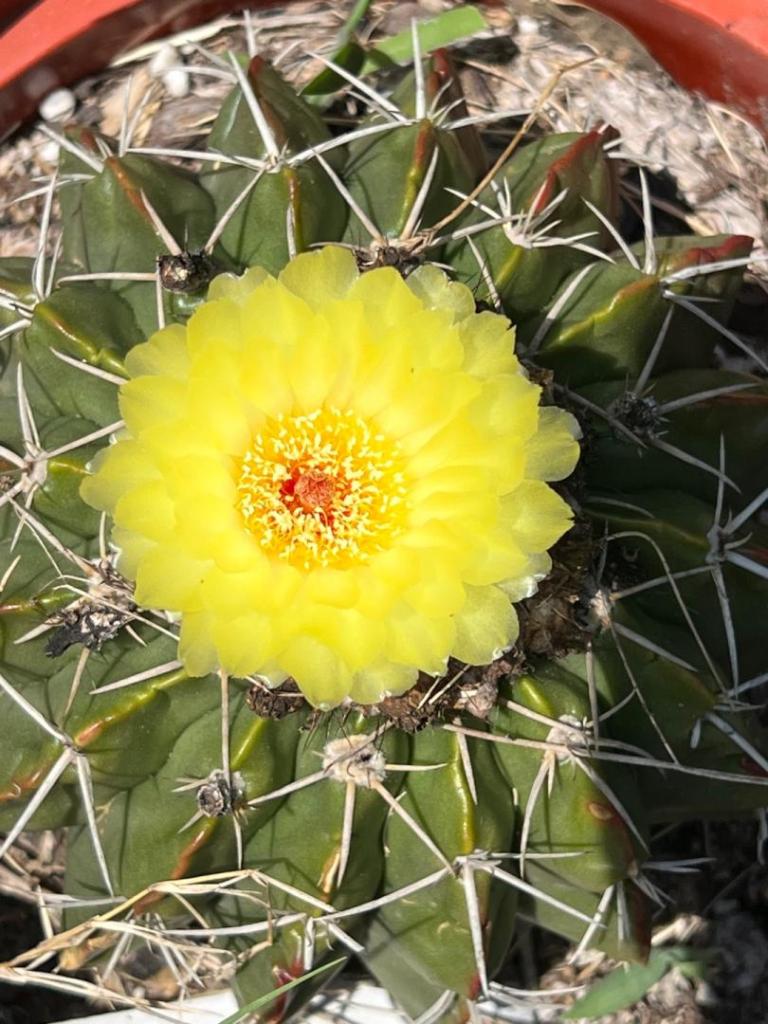 3 points
 -
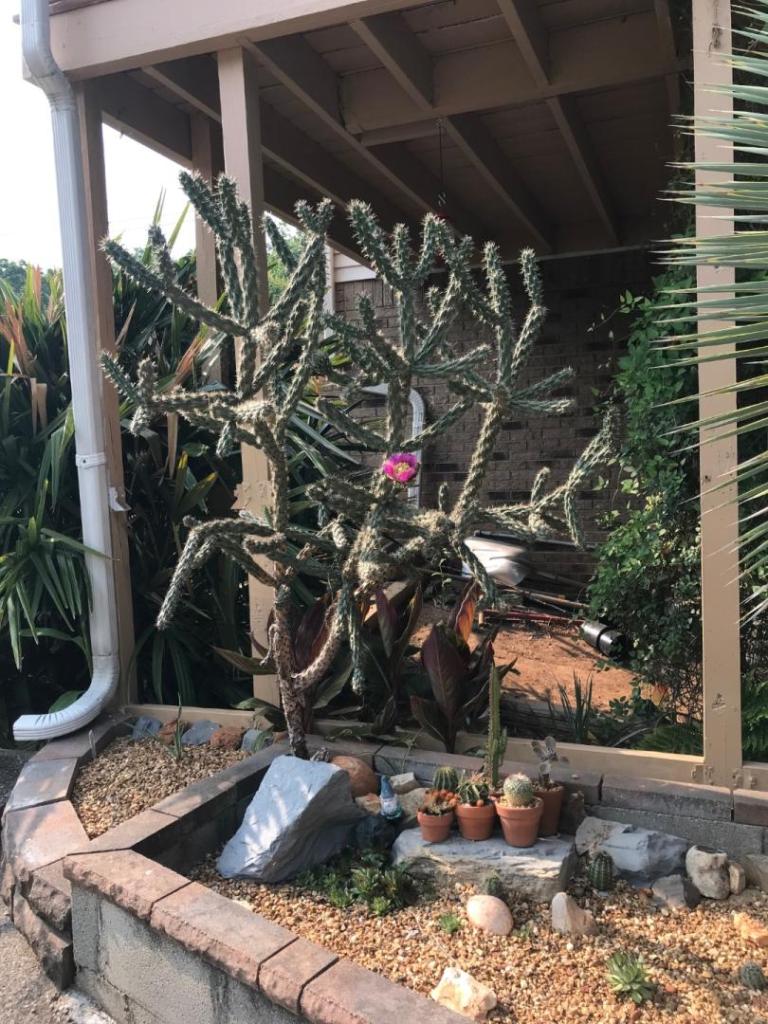
Cylindropuntia imbricata
 3 points
 -
I'm asking. Bring it!!3 points
-
It is a useful insight for the first post on the thread from my point of view. There are multiple studies listed there. There is a noticeable difference in what plants survive or the ultimate size they achieve inside of the city limits vs. only a few miles outside of the urban areas. 2C (~3.5F) on the worst 2 days in December, January, and February here is the difference between no damage and replacing a plant. Probably the best recent local examples are in the January 2022 Freeze Report and December 2022 Christmas Freeze threads. In my own case, the city I live in is not even as large as Gainesville, but there is a distinct temperature advantage demonstrated by several indicator plants. The advantage during radiational freezes is significant, illustrated by the January 2022 freeze. Advective freezes shrink the advantage to between 1F and 3F most of the time, but it does still impact ultimate survival.3 points
-
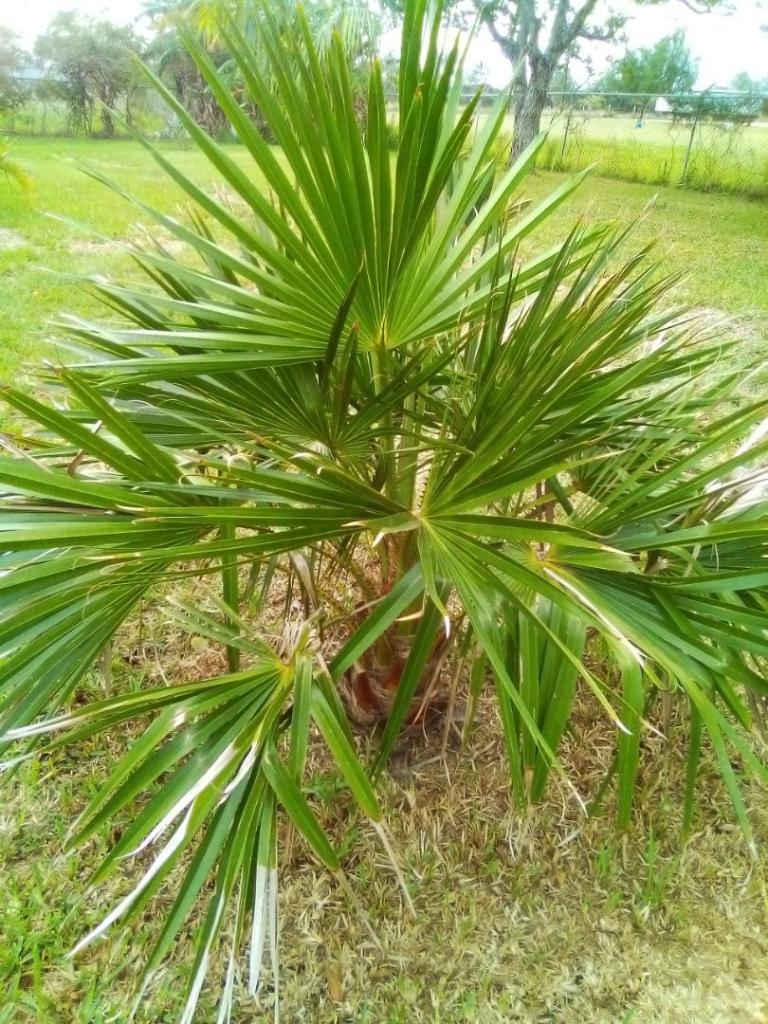
Here's a 6 month update on my Livistona nitida. Recent rains have really got it moving as it's overall height is 6'+ now.
 3 points
 -
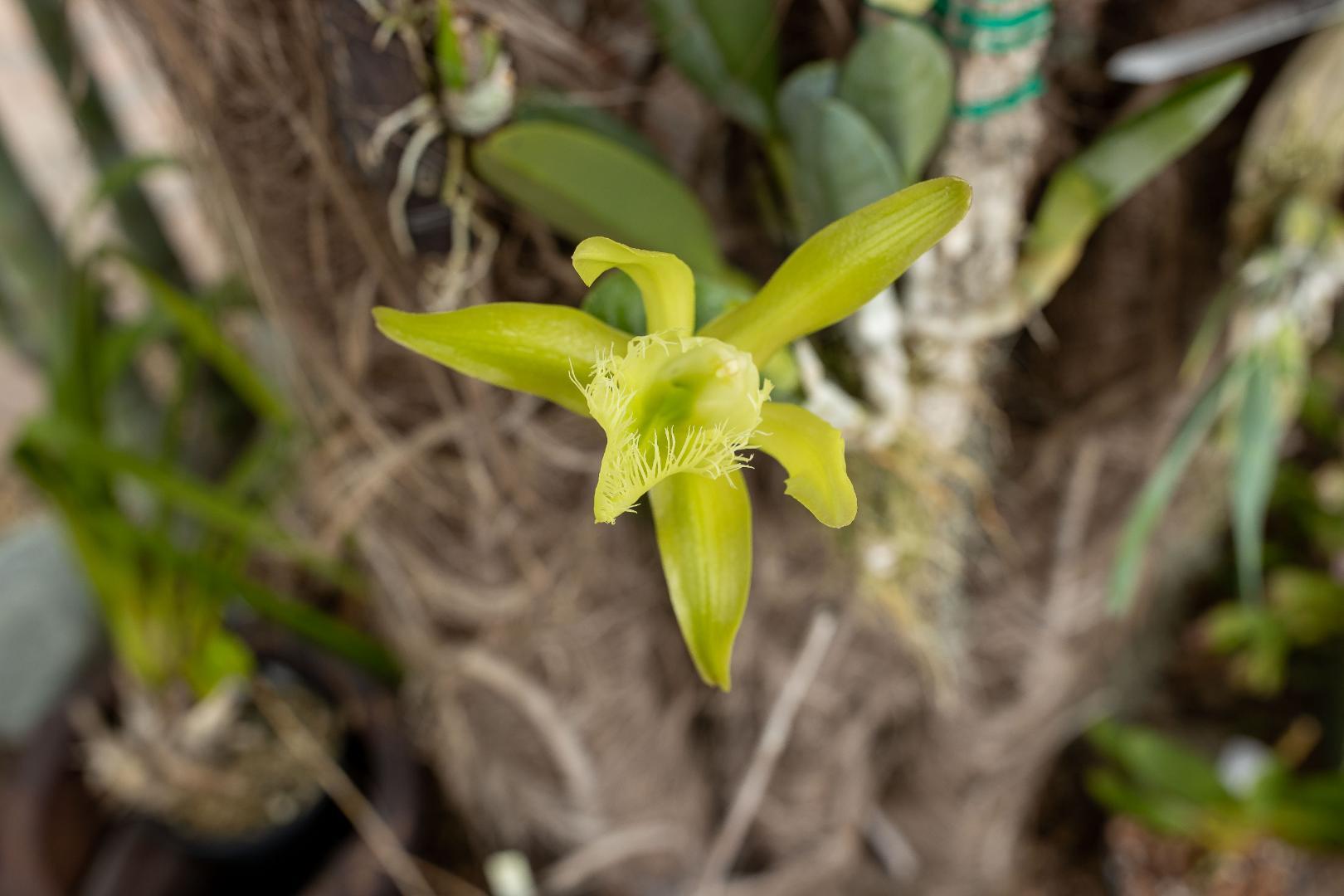
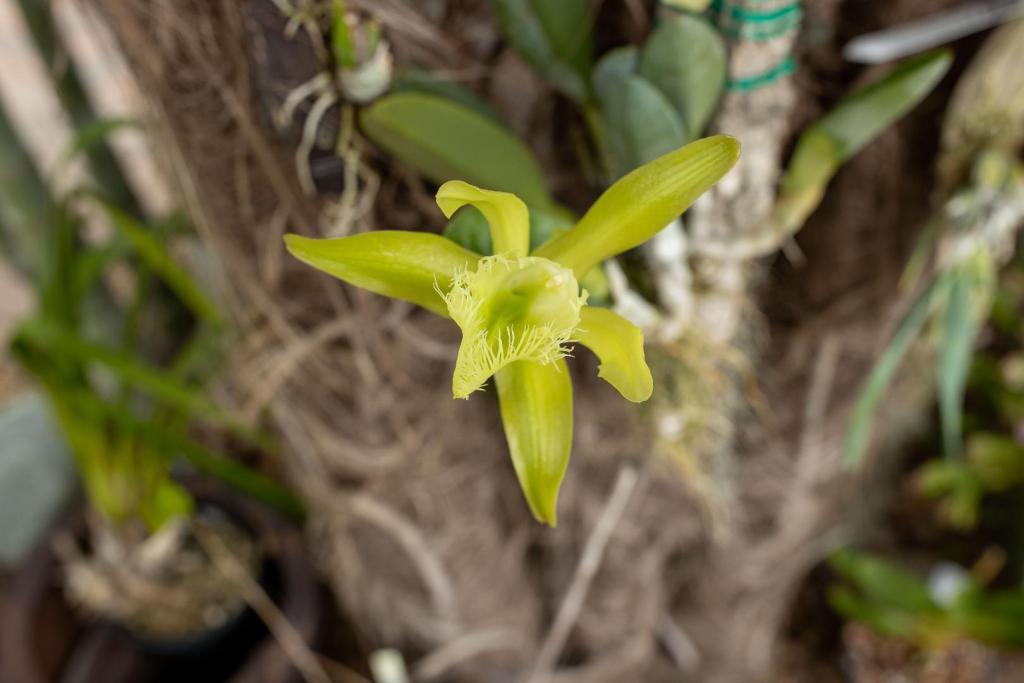
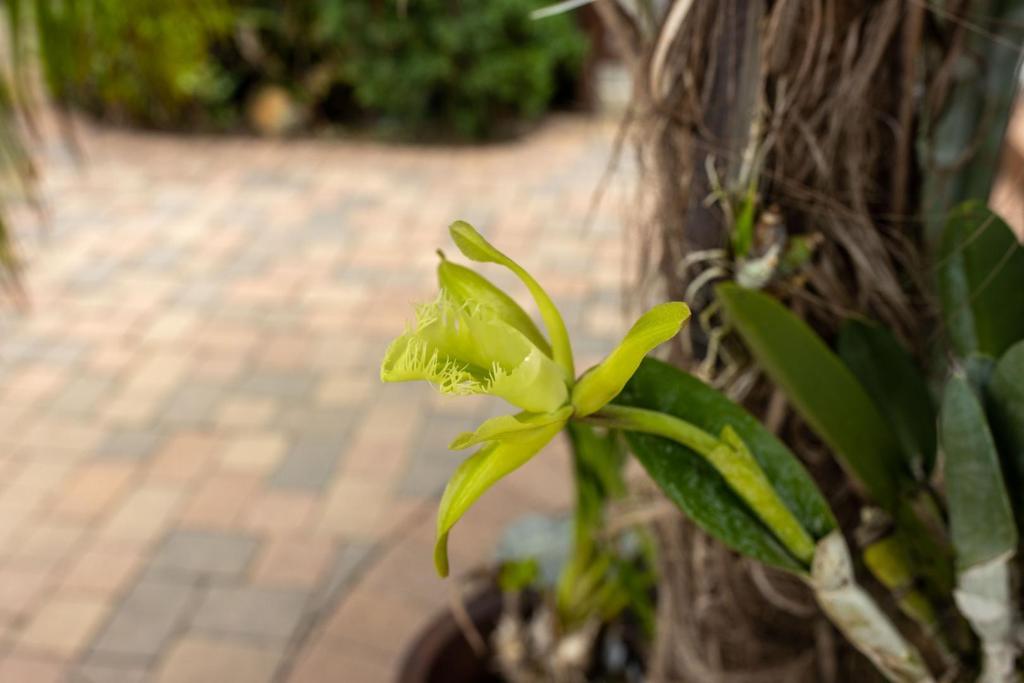
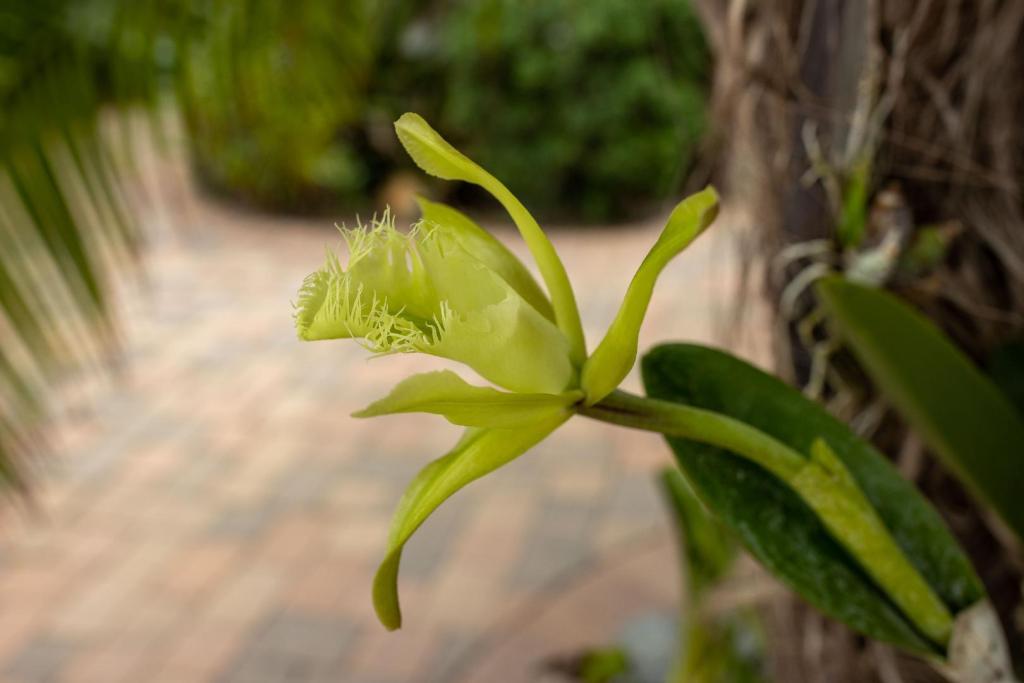
I don't think this one bloomed for me last year, so I moved it to a different spot in the garden. I have been rewarded this spring with one of it's fragrant flowers. Rhycholaeliana digbyana opened up last night just in time for an 89th birthday event for my mother in law.

 3 points
 -
Two pics with better angles ( 3 north americans in a pic)

 3 points
 -
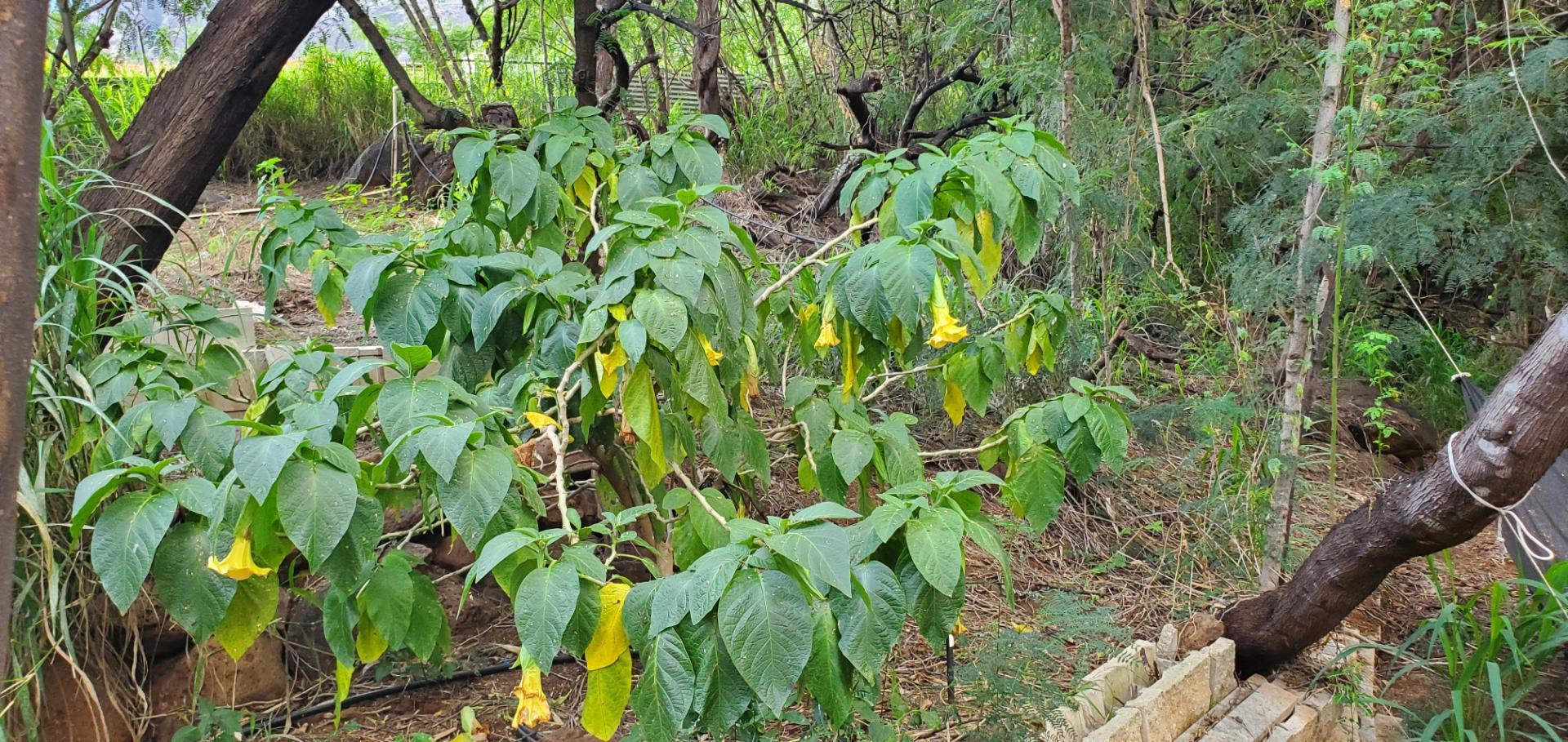
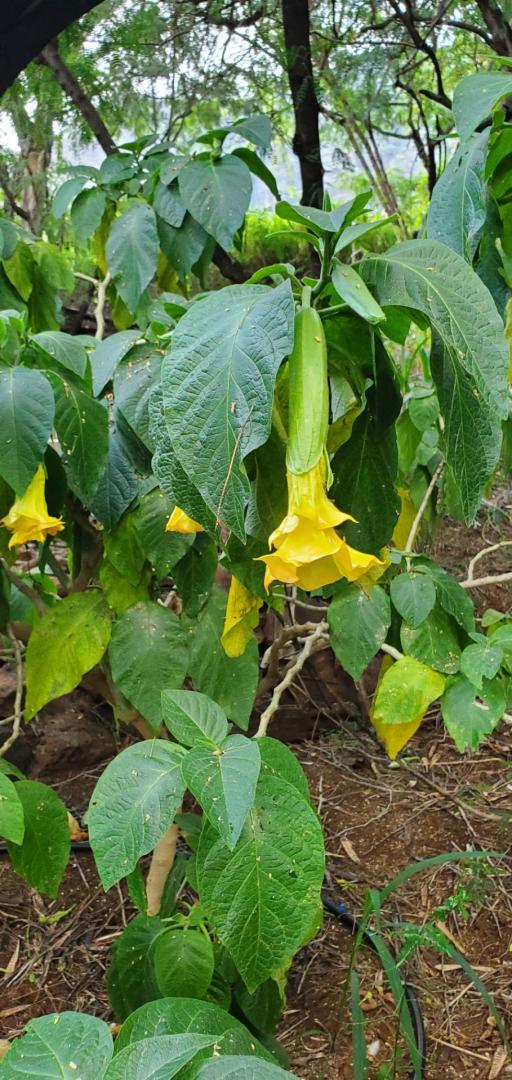
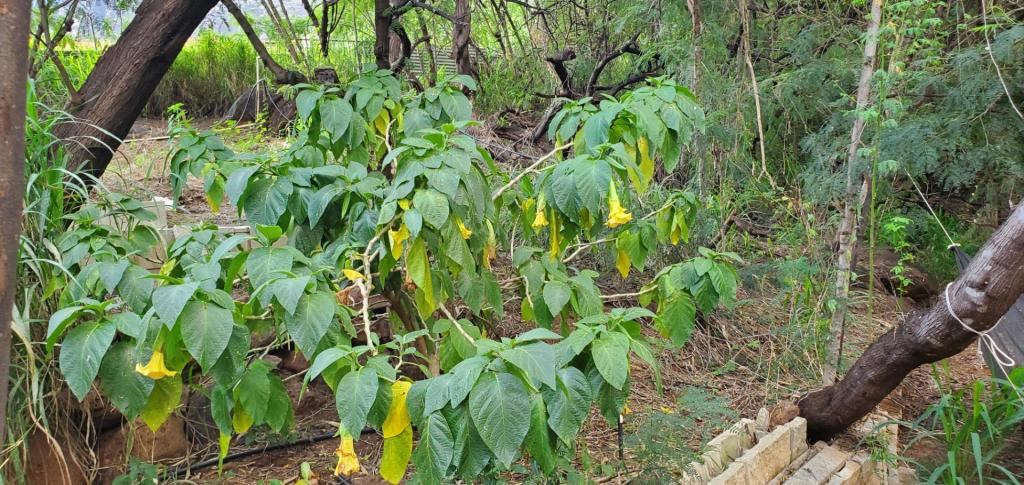
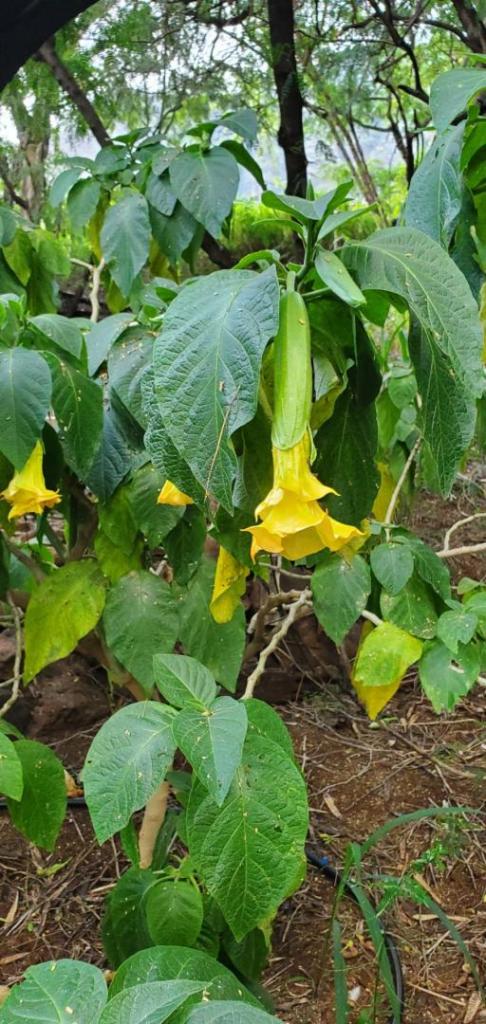
My yellow Trumpet doing well in the shade on a terraced hill.
 2 points
 -
The spotting is likely a combination of Potassium and Magnesium deficiency. A good slow release fertilizer like Osmocote, Nutrikote, Florikan, PalmGain or others should help. Keep in mind that once a frond has turned yellow/orange it'll never turn back green. The soil looks pretty dense for a pot, but it might be okay in a dry climate. Be careful about watering frequency to make sure the soil doesn't get mucky wet. Here's my notes on fertilizer deficiencies: Nitrogen - Older fronds turn light green uniformly, new fronds remain dark green until deficiency is really severe Potassium - Older fronds get translucent yellow/orange or dead spots on leaves, especially at the tips. Caryota and Arenga get random splotched dead spots in leaves. Sometimes tips are curled or frizzled. Always starts at tips of oldest leaves, moving inwards Magnesium -Yellow ends on oldest leaves first, transitions to solid green at the base of each leaf. Never causes leaf tip necrosis Iron - Many times caused by overly mucky soil and root rot. Starts with new spear leaves with yellow-green or even white, possibly with spots of green. Manganese - Lengthwise necrotic streaks in NEW leaves with dead and curled leaf tips. Similar to bands showing Magnesium deficiency. Mn is NOT mobile, so it can't be stolen from old leaves. Boron - Bent or necrotic or distorted leaf tips, distorted or bent spear, bands of dead spots on new fans, spears that won't fully open Water - Underwatering brown at the edges first, later followed by yellowing of the whole leaf. Overwatering can be drooping fronds turning yellowish and losing color Dolomitic Lime or Azomite - Magnesium Carbonate – reduces acidity/raises pH – slower release and adds Magnesium, helps avoid Potassium deficiencies in Cuban Copernicias. 5Lb per palm on full-size Copernicias and a bit less on Kentiopsis Oliviformis Garden Lime - Calcium Carbonate – fast release but works well. 5Lb per palm on full-size Copernicias and a bit less on Kentiopsis Oliviformis Sunburn - Orange/Red/Brown streaks on surfaces facing the point of hottest sun, typically the worst case is around 1-4pm. Sun tolerant species will adapt and grow out of it. Shade loving species may never adapt.2 points
-
Yep, most likely spotting from Potassium (K) deficiency. It's common and you can correct it with slow release fertilizer like Osmocote, PalmGain, Florikan, etc. Here's my notes on deficiencies: Nitrogen - Older fronds turn light green uniformly, new fronds remain dark green until deficiency is really severe Potassium - Older fronds get translucent yellow/orange or dead spots on leaves, especially at the tips. Caryota and Arenga get random splotched dead spots in leaves. Sometimes tips are curled or frizzled. Always starts at tips of oldest leaves, moving inwards Magnesium -Yellow ends on oldest leaves first, transitions to solid green at the base of each leaf. Never causes leaf tip necrosis Iron - Many times caused by overly mucky soil and root rot. Starts with new spear leaves with yellow-green or even white, possibly with spots of green. Manganese - Lengthwise necrotic streaks in NEW leaves with dead and curled leaf tips. Similar to bands showing Magnesium deficiency. Mn is NOT mobile, so it can't be stolen from old leaves. Boron - Bent or necrotic or distorted leaf tips, distorted or bent spear, bands of dead spots on new fans, spears that won't fully open Water - Underwatering brown at the edges first, later followed by yellowing of the whole leaf. Overwatering can be drooping fronds turning yellowish and losing color Dolomitic Lime or Azomite - Magnesium Carbonate – reduces acidity/raises pH – slower release and adds Magnesium, helps avoid Potassium deficiencies in Cuban Copernicias. 5Lb per palm on full-size Copernicias and a bit less on Kentiopsis Oliviformis Garden Lime - Calcium Carbonate – fast release but works well. 5Lb per palm on full-size Copernicias and a bit less on Kentiopsis Oliviformis Sunburn - Orange/Red/Brown streaks on surfaces facing the point of hottest sun, typically the worst case is around 1-4pm. Sun tolerant species will adapt and grow out of it. Shade loving species may never adapt.2 points
-
Chris, first plant is definitely not Pembana. The leaflets are much too thin. It looks more like it has some Lutescens in it but for sure not pure. Is it possibly a Dypsis Bef or similar? And honestly…..I don’t think the second plant is Pembana either. To me it looks much more like Lanceolata. Leafs shape and the way they bend at the tips. Also, the trunk coloring and speckles looks very much like Lanceolata. I don’t know, probably way off. Both look good tho. -dale2 points
-
For some reason, maybe damage or disease process, a Sabal will send up an alternate growing point. It does this as a last ditch effort to survive a "perceived" threat to its wellbeing. Sabals are solitary palms and do not cluster. The seedling will funnel its resources into this new stem, which eventually takes over photosynthesis duty. The original growing point will shrivel. Eventually you will never be able to tell where the new one began and the old one ended. My Sabal miamiensis seedling did that circa 2009. I really thought it was dying until the new one took off. Pretty neat trick by a tough palm.2 points
-
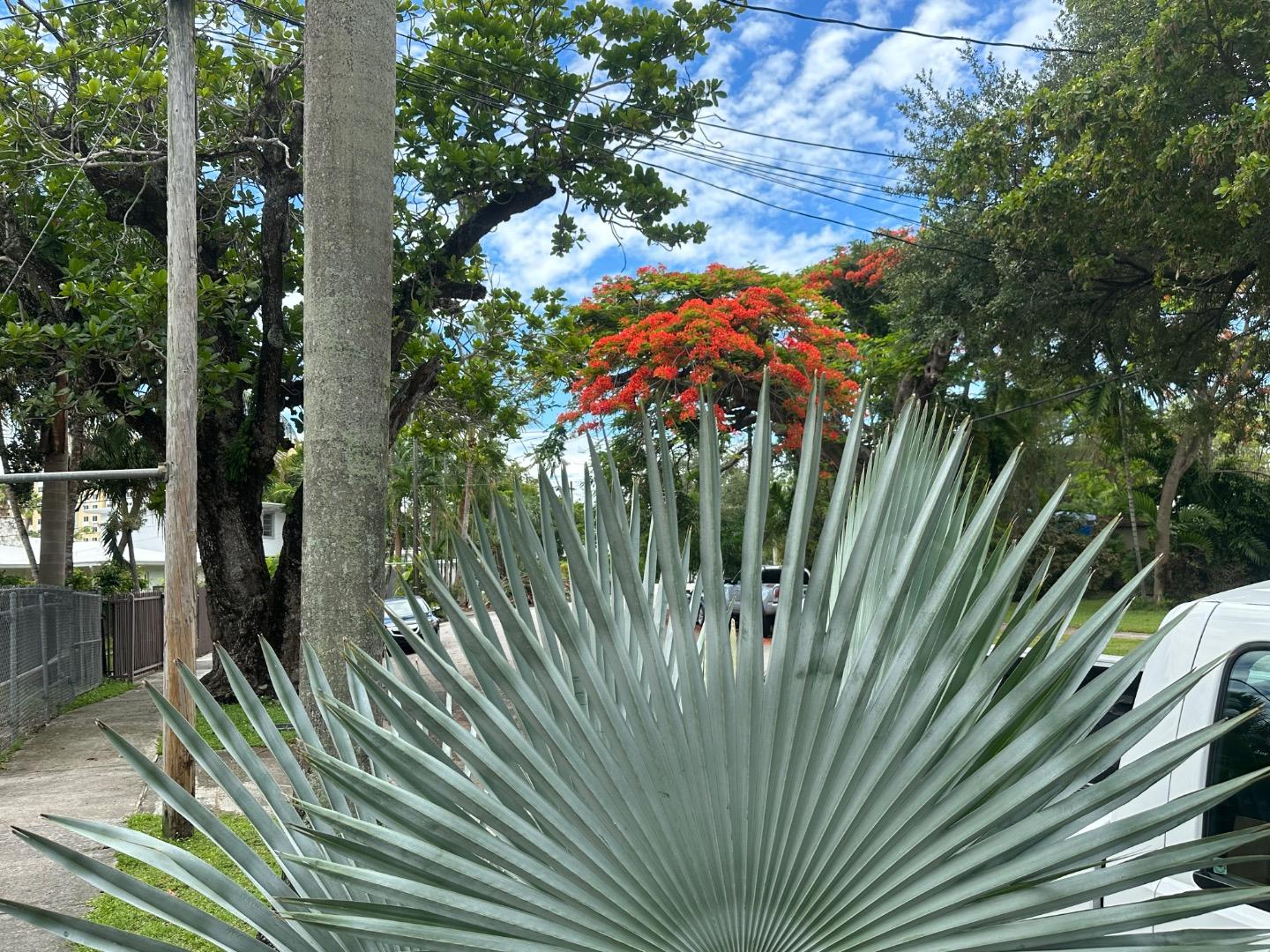
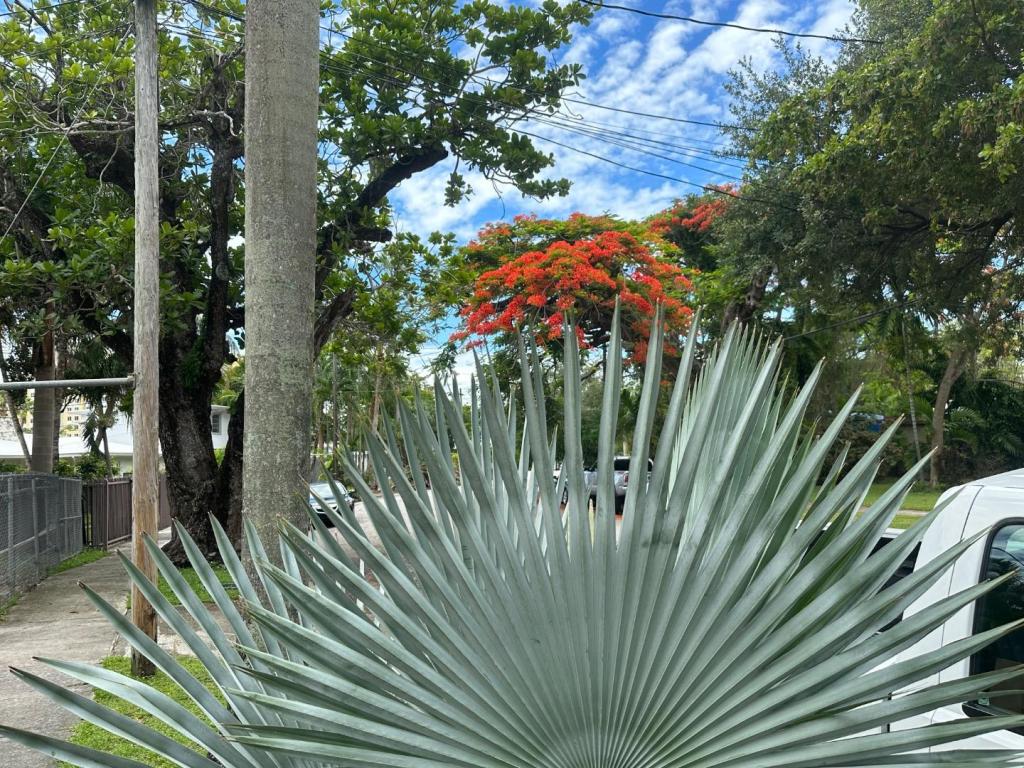
Ultra blue Copernicia bailiana waving hello to its pal, Delonix regía, in Miami.
 2 points
 -
So are you feeding it entire bananas 🍌 or just the peels? I am kind of stingy in that regard, only feeding mine the discarded banana peels. It is nice that you have kept it in the family, sort of an heirloom. I can only dream that someday my granddaughter will appreciate some of my longer lived plants and be growing them when I am long gone.2 points
-
I was very surprised by the numerous species of staghorn, which can be viewed in this article: https://en.m.wikipedia.org/wiki/Platycerium
 2 points
 -
It's the bonafide heat island in Tampa, often 2-5 degrees warmer than the surrounding area.2 points
-
Most certainly. Even if the formula needs work, they are correctly linking the increase of the urban heat island to factors such as greater albedo, and that is always useful. I was referring to the 2021 one by Climate Central that estimated the same for Gainesville as Orlando and Tampa. Some of the other I will definitely have to take a look at, but I deliberately didn't comment about them because I hadn't looked into them as much as Climate Central's. I'm not saying Lakeland doesn't have a distinct heat island, but it can't be ruled out that cold air drainage and/or the disproportionate artificial cold that weather station standards cause in the Southeast US are playing a role in making the urban areas survivable for those indicator plants. Lakeland (as you are no doubt aware) has some hills, an airport station 19m lower in altitude than the actual urban area, and usually plenty of radiational cooling to let all those factors shine during the occasional frost - all of which are or may be conducive to those factors. I suppose it doesn't really have any impact on your success, vs if it was from a heat island, because the end result is still the same😀. But I think it's important for reference in terms of what heat islands can do because if there comes a point when heat islands notably increase (as there probably will come, of course), the success may increase even more than expected due to the heat island not initially playing that much role.2 points
-
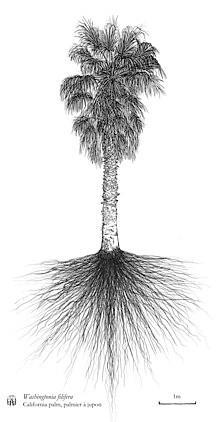
No need to water the crown in NM. The water can actually burn/damage the leaves in our June sun. Deep water the roots every 2 to 3 days for a month, then once a week til October. Stop watering after that. They need time to grow roots. It should produce new leaves that will be more vibrant, roots will take some time, up to 3 years, and then it should take off. Good luck! Deep water, so the water goes down ten feet or so. You want the roots to go down deep. They have HUGE roots. Bigger than a full crown.
 2 points
 -
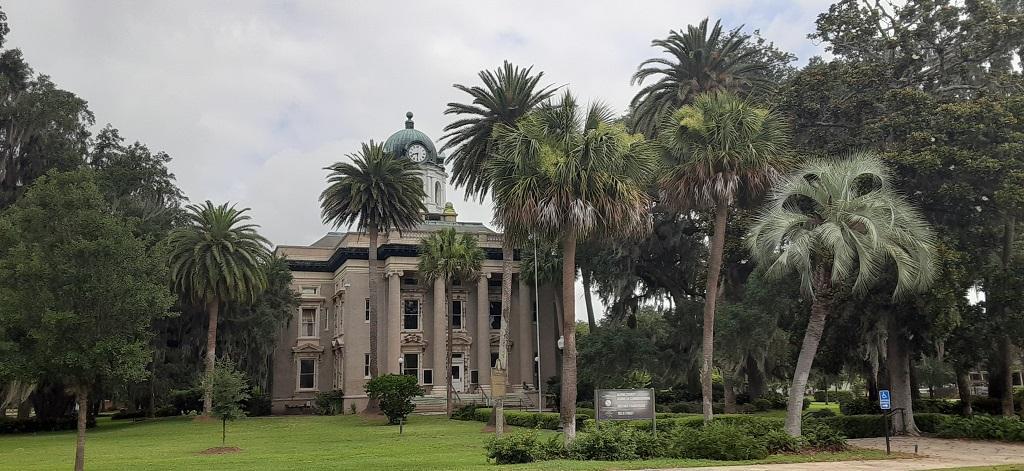
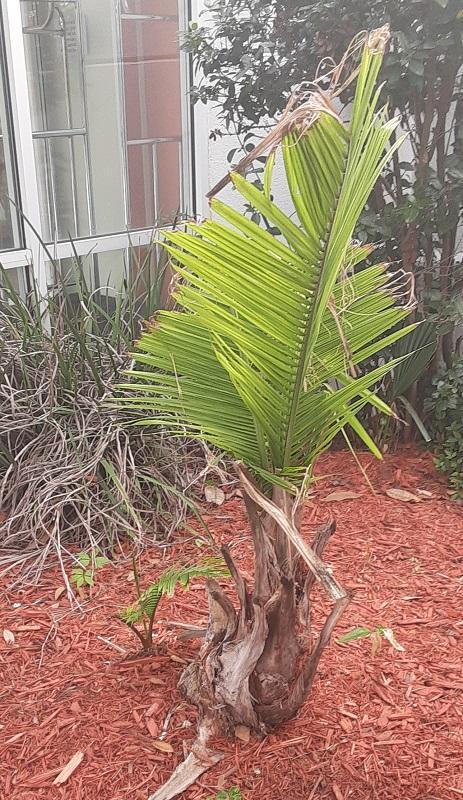
BONUS: Brunswick Historic Courthouse - with very large CIDP in front A recovering Ravenea rivularis (Majesty Palm) in Savannah. Approximate low was 19F:
 2 points
 -
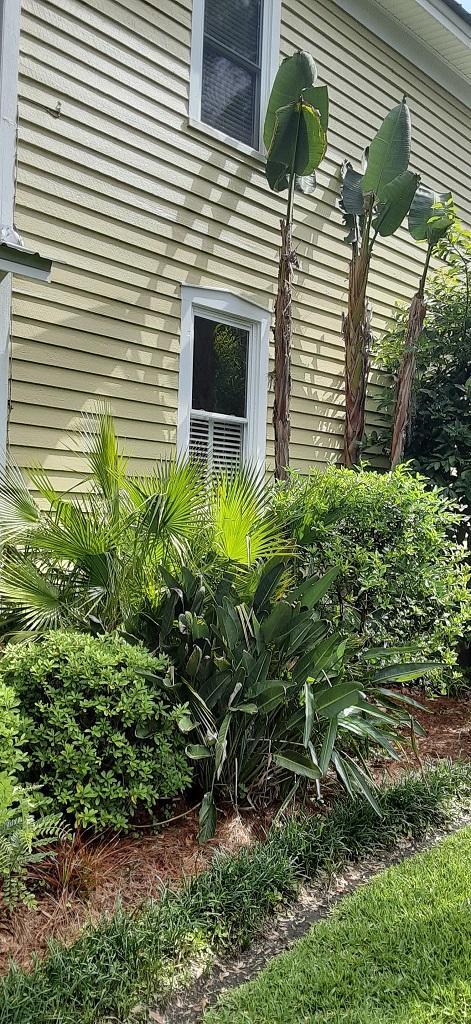
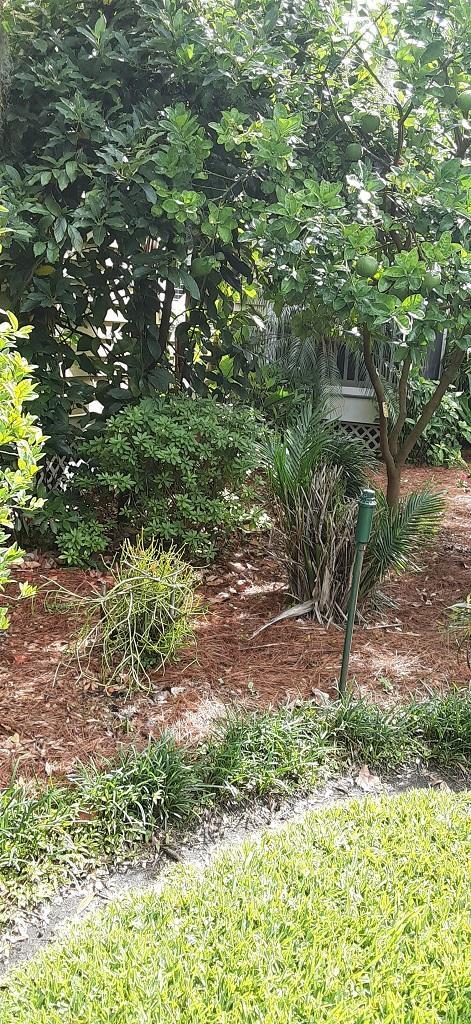
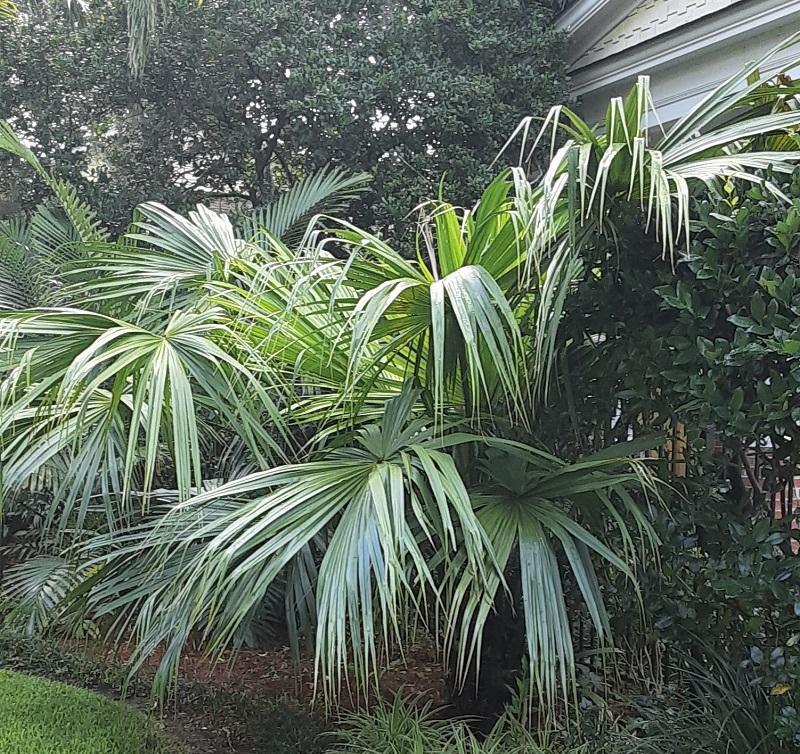
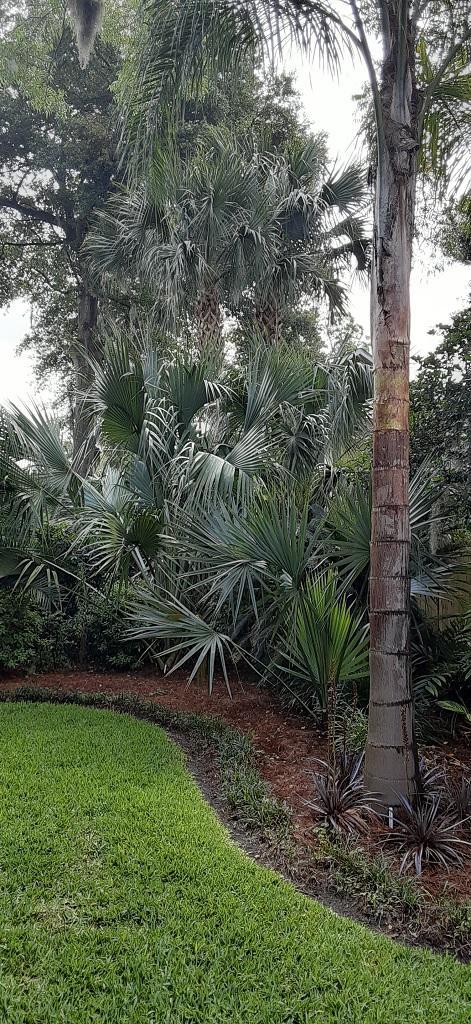
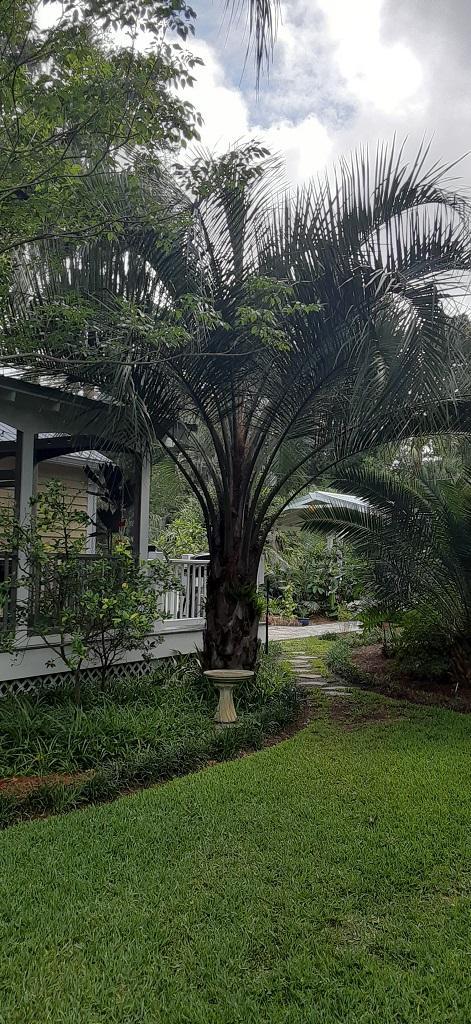
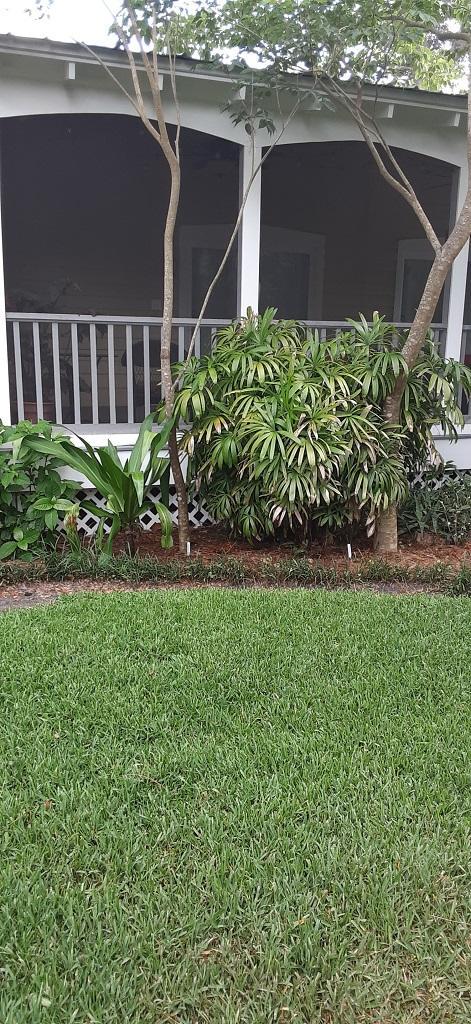
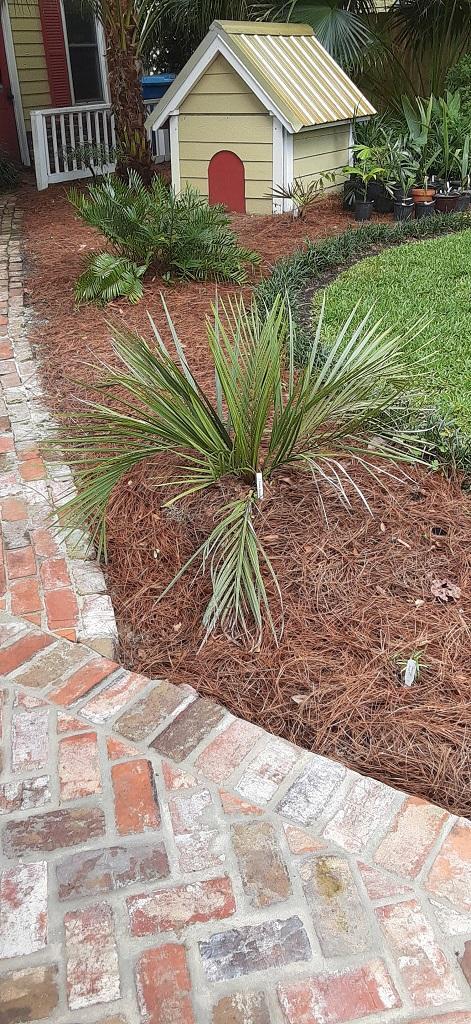
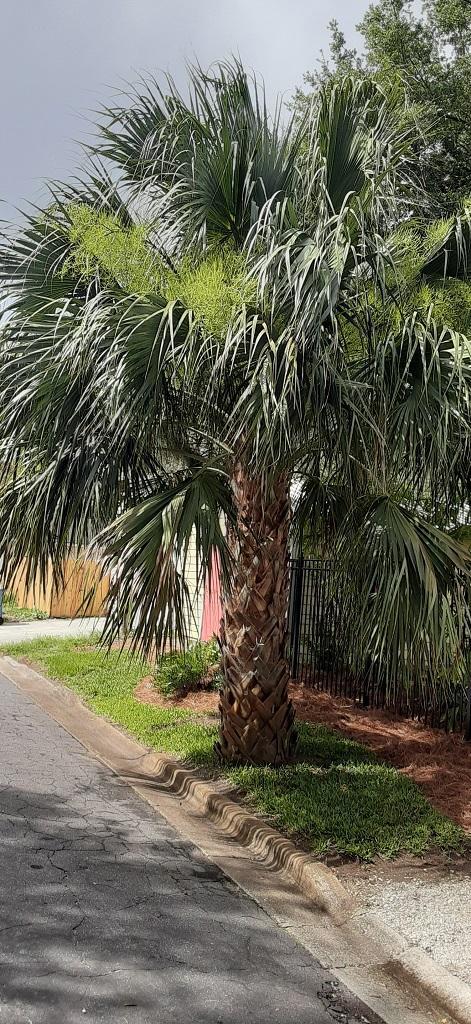
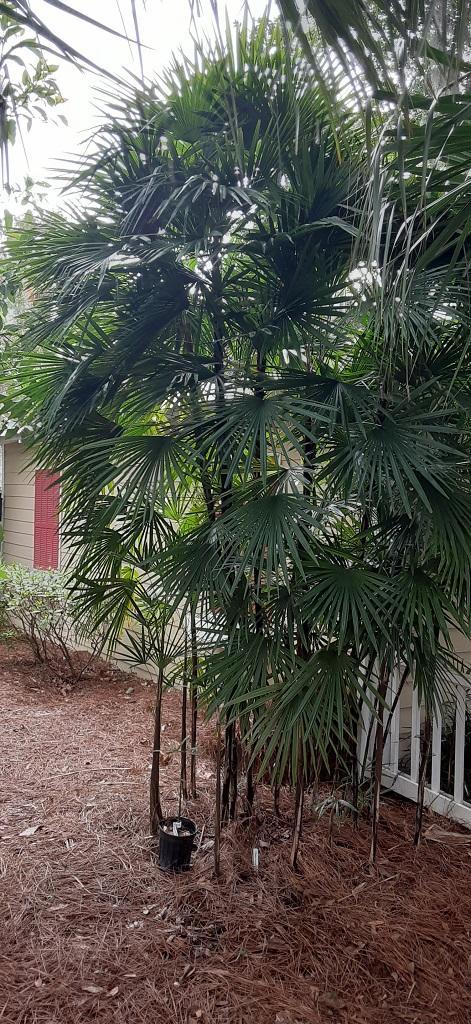
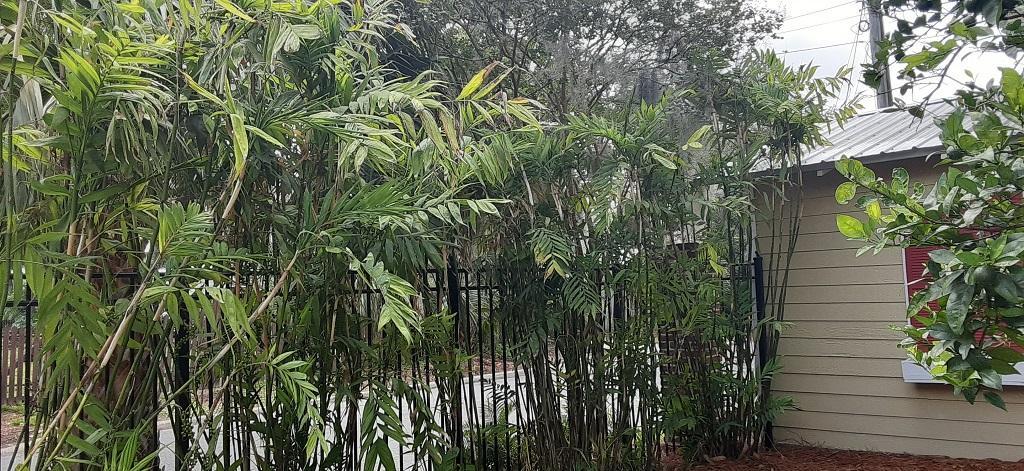
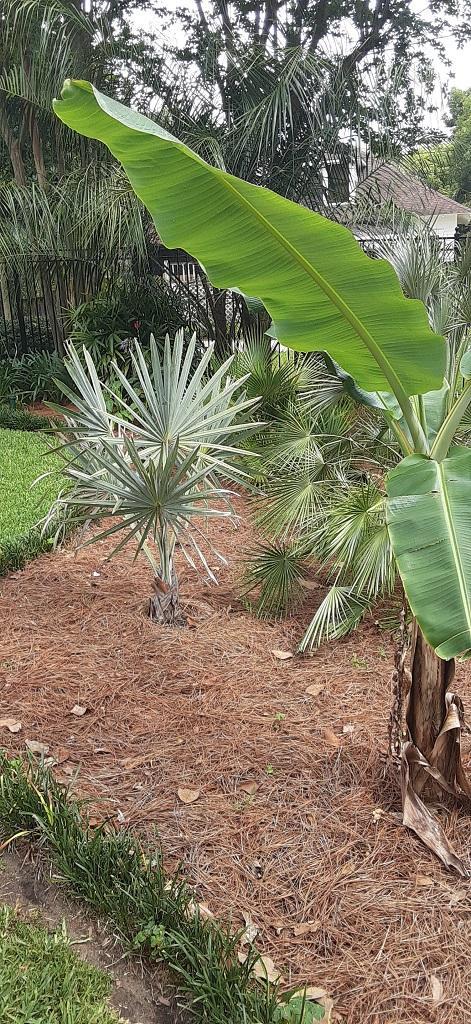
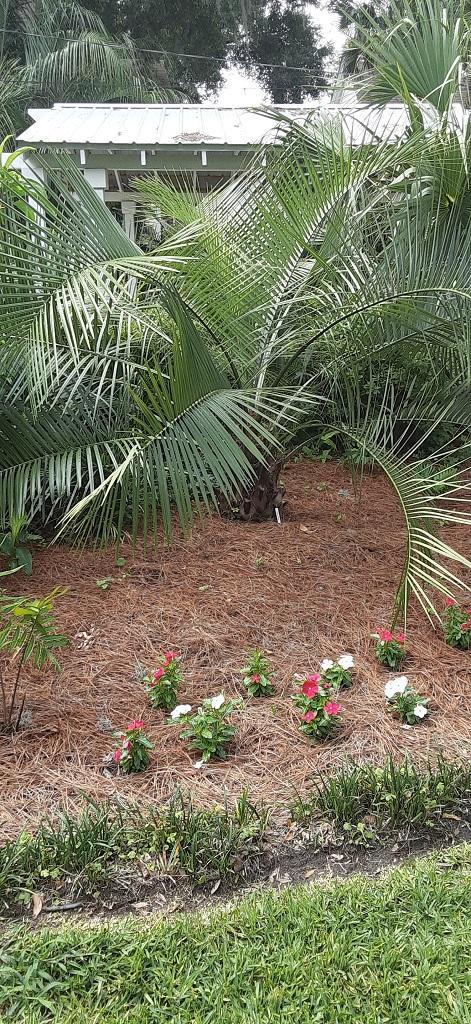
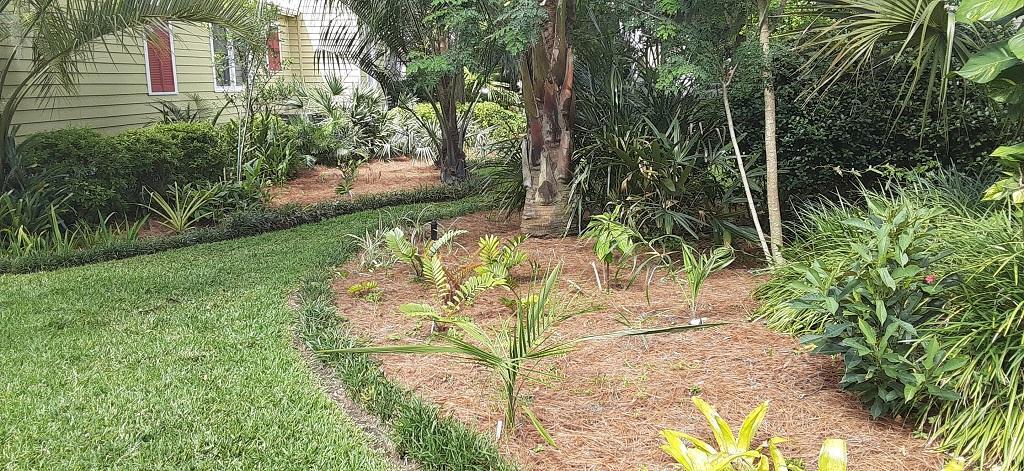
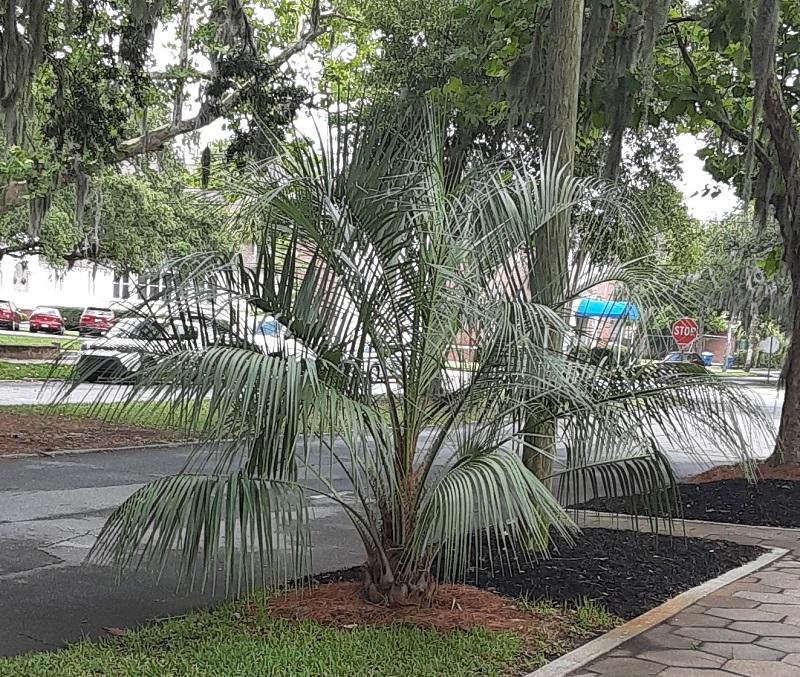
Part III - Private Garden in Brunswick, GA - Post II It was impossible to grab photos of every single plant in any feasible amount of time, so here are a few that were easy to get. Most of these are labeled from memory, so there may be a few mistakes: Dypsis decipiens Washingtonia robusta Allagoptera arenaria Bird of Paradise recovering Citrus Livistona saribus (I think) Arenga engleri Chamaedorea microspadix Sabal palmetto Flowering Aloe Rhapis humilis Bismarckia nobilis Silver Serenoa repens Hybrids Sabal maritima Butia odorata Philodendron








 2 points
 -
Took this earlier today and its probably one of the better ones I've taken of a female Grey Butcherbird.2 points
-
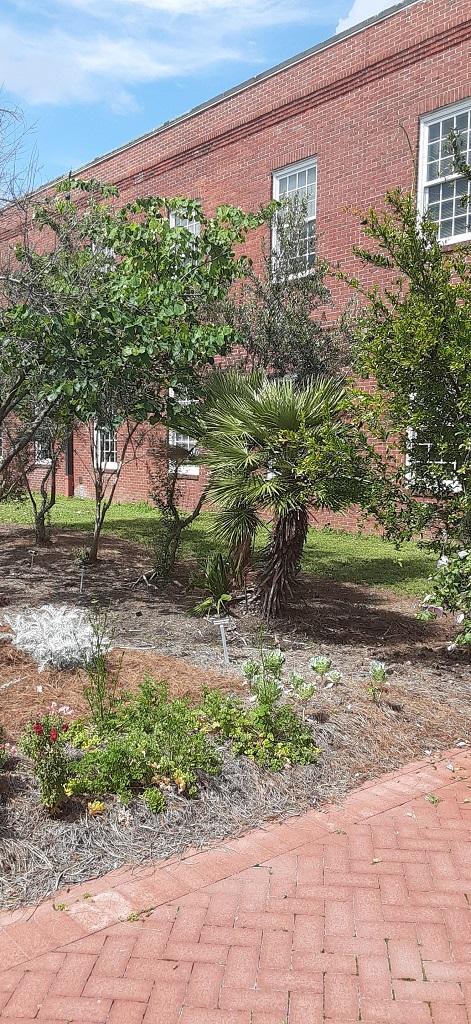
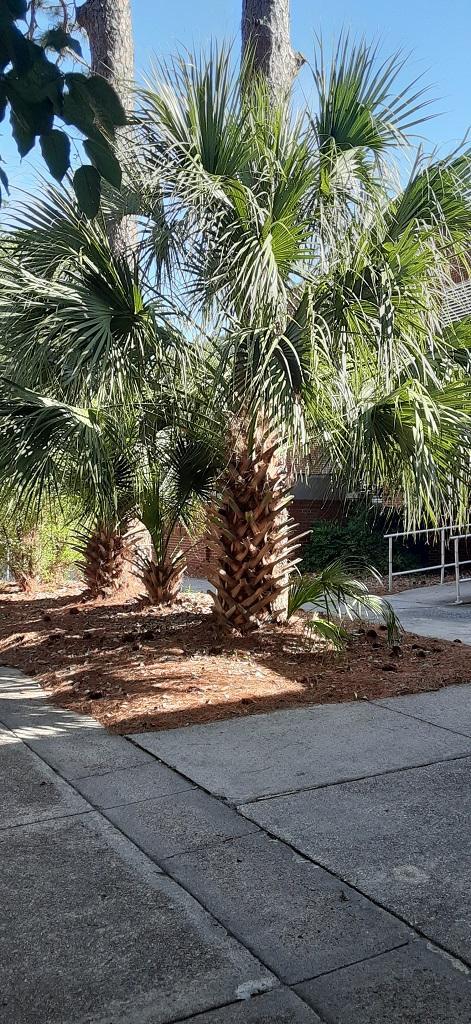
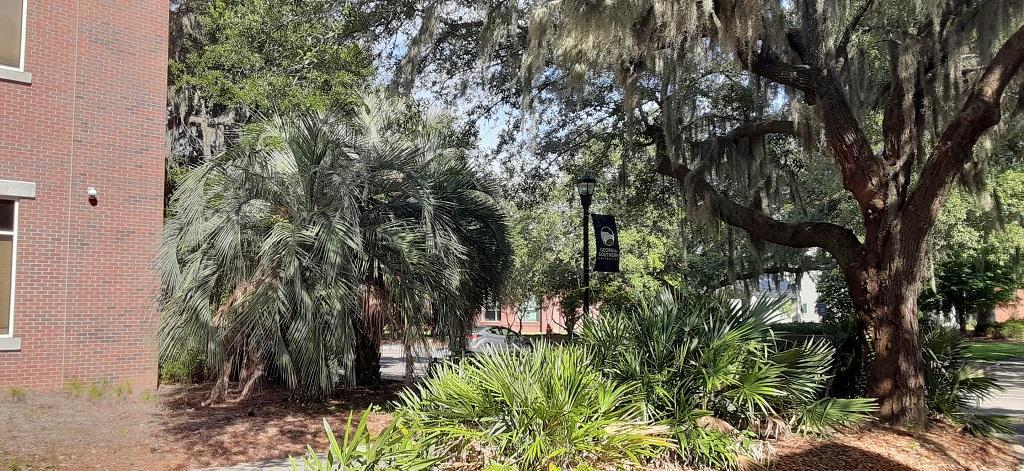
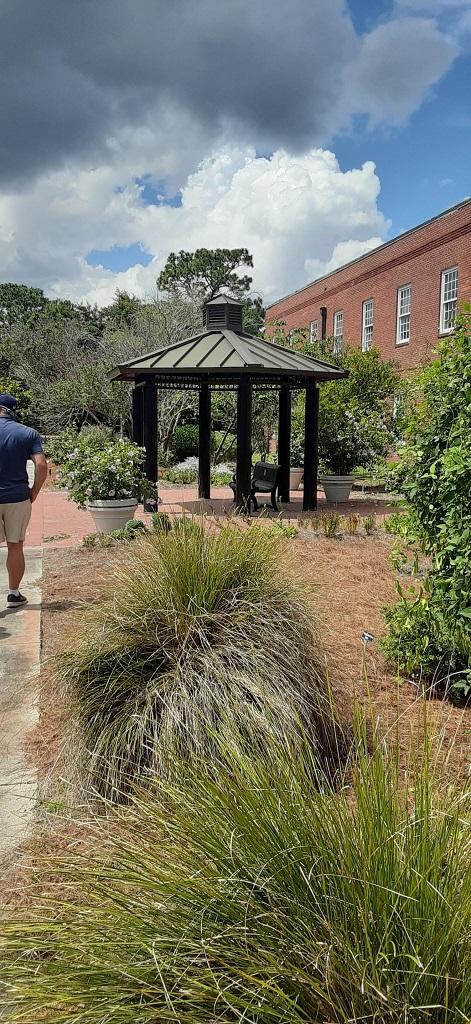
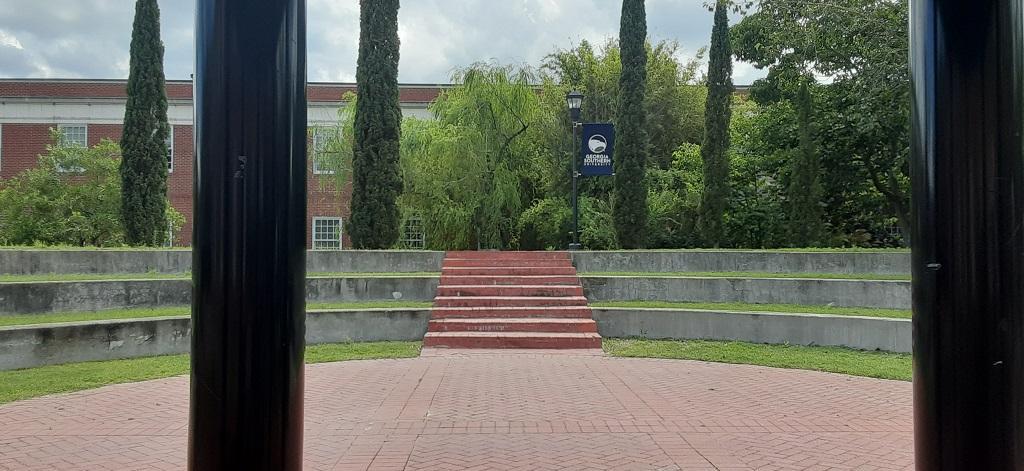
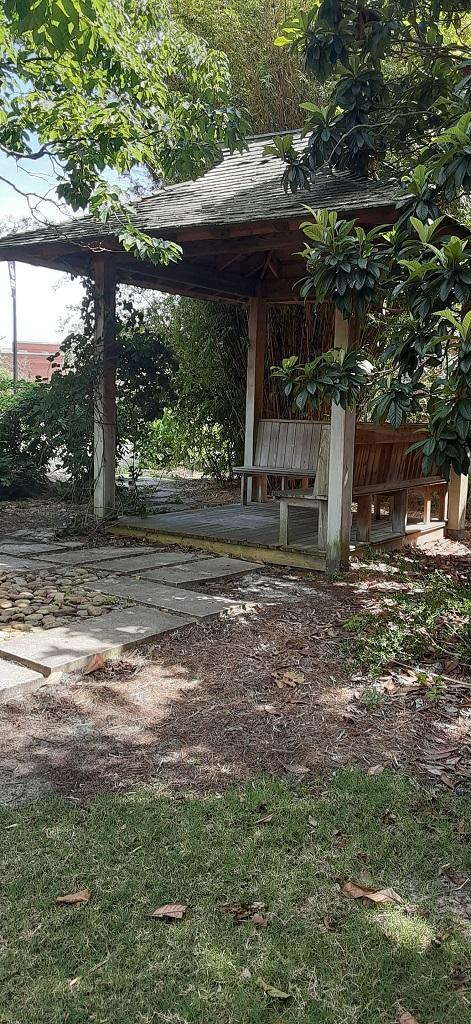
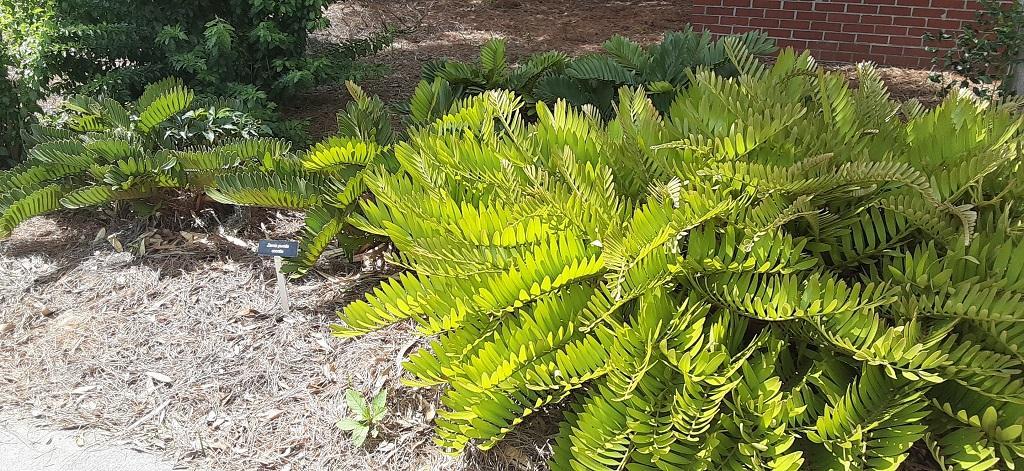
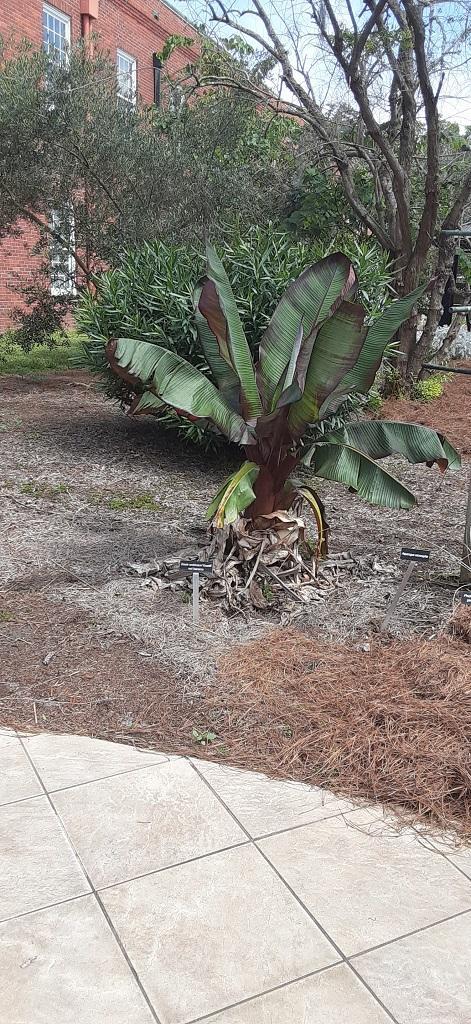
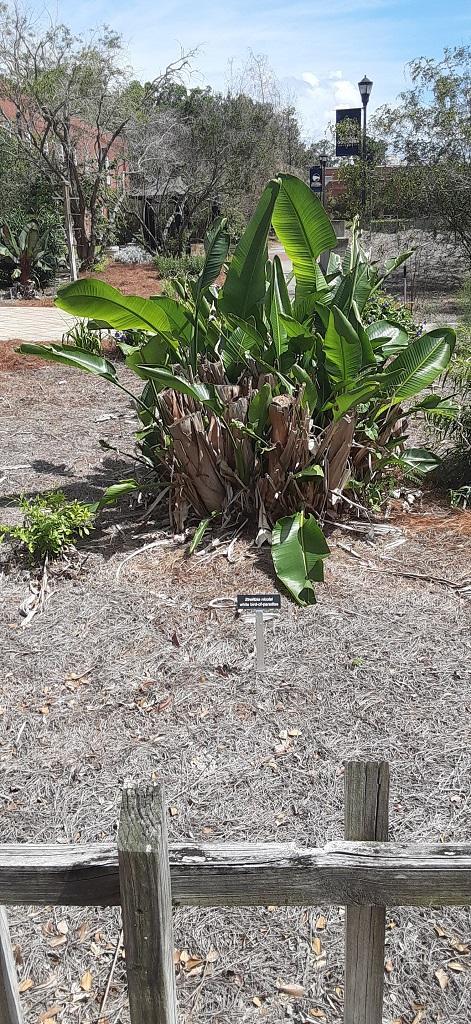
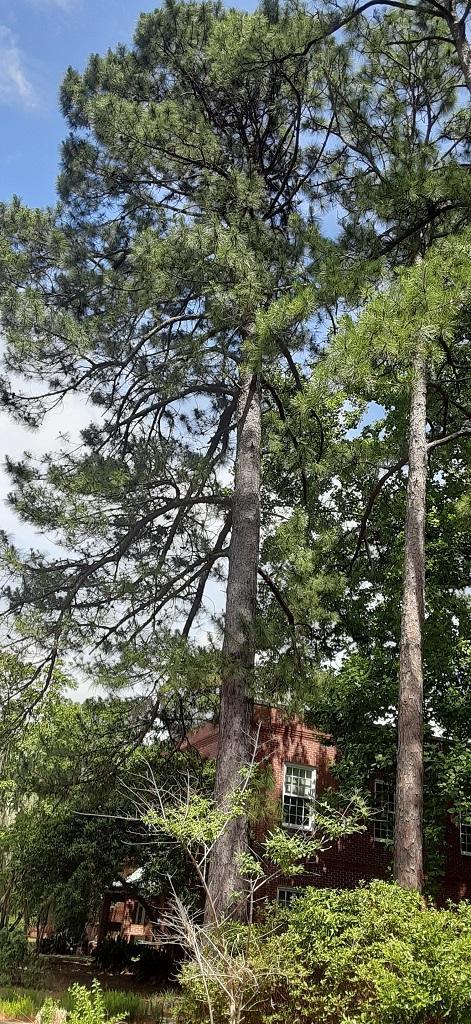
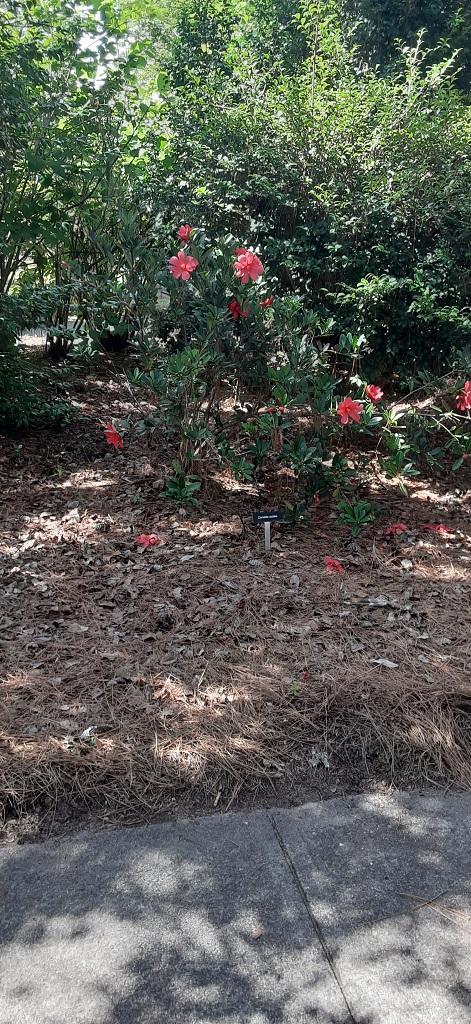
Part II - Georgia Southern University Chamaerops humilis Sabal palmetto Butia odorata Zamia pumila Ensente maurelii Bird of paradise coming back Camellia azalea Large Pines A cycad in the distance Photos of the crew exploring the campus Tiki Hut, Gazebo x 2, and the Amphitheater
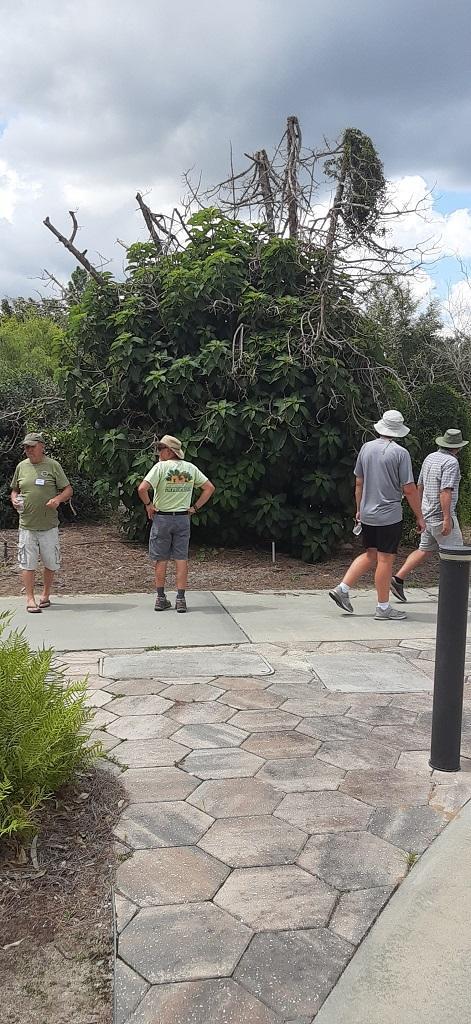
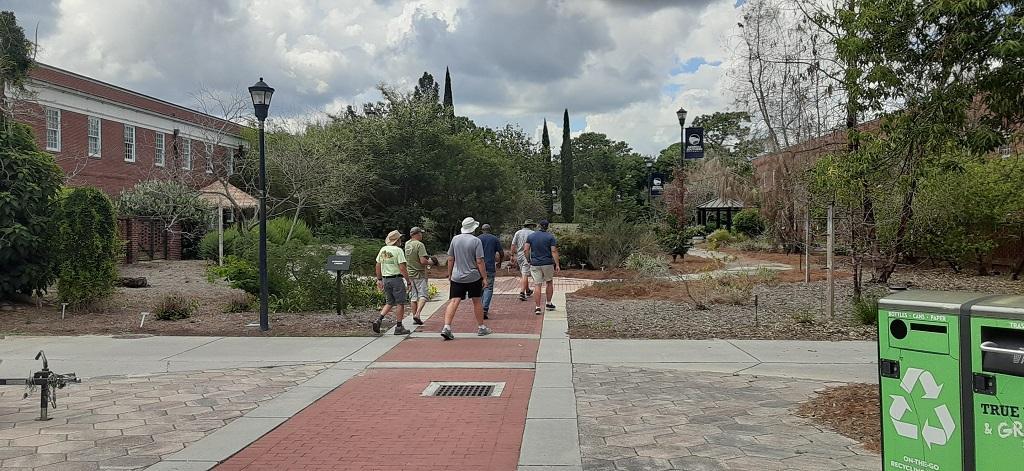

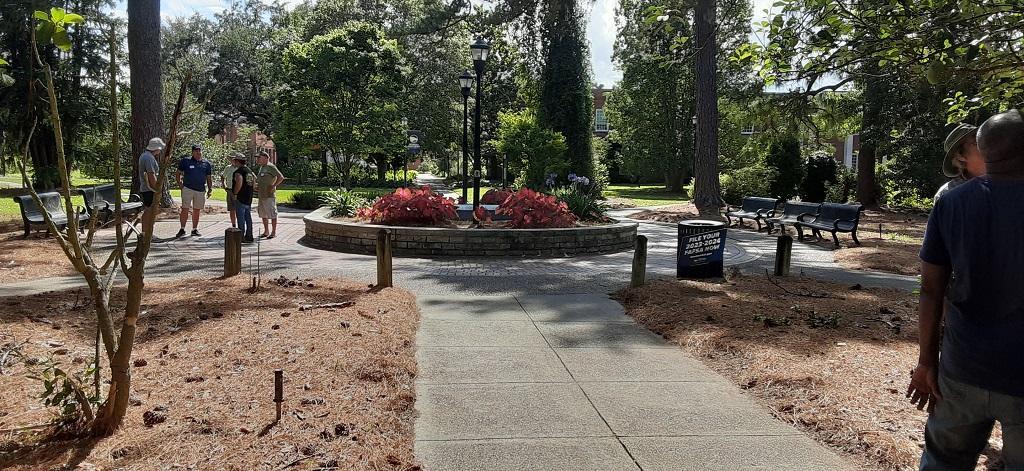
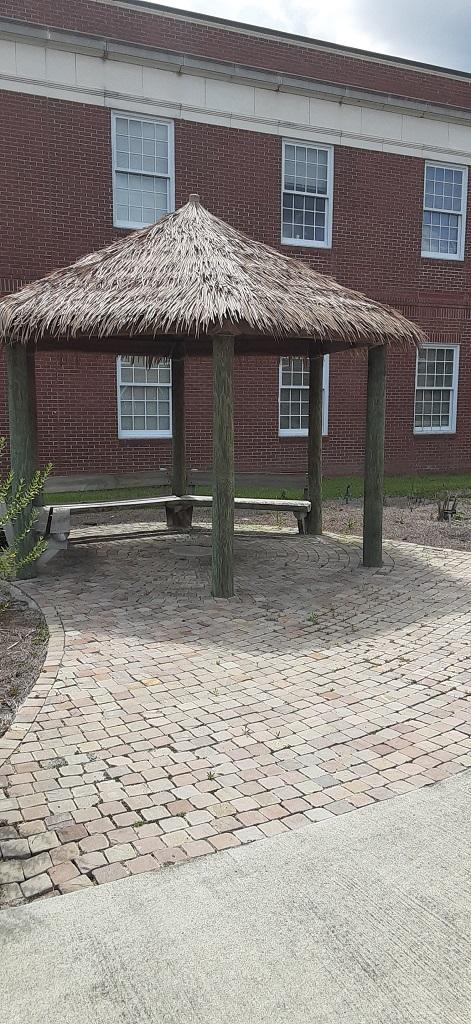
 2 points
 -
Currently 12c at 10.00am heading for an exceptionally cold and wet top of only 14c. Plenty of localised flooding around too.2 points
-
I don't know if you know this but it's worth noting that this study doesn't actually measure urban heat island directly. I was told on City-Data weather that what it does is it produces an estimate of what the urban heat island is based on the factors like building height and albedo - and, in this particular case, some estimates may be off. For reference, this same study estimated the exact same heat island for Gainesville as Orlando and Tampa are estimated to have in that link. Needless to say this doesn't make sense because Gainesville is a much smaller and less populated place than either, and so something went wrong for all of them to have the same estimate. Alternatively, for at least Orlando, we can compare Orlando International Airport to the near-downtown Executive Airport. The difference between the 2 is at best 2C in January lows, certainly not the 3.3C the study estimates. Hope this helps!😄2 points
-
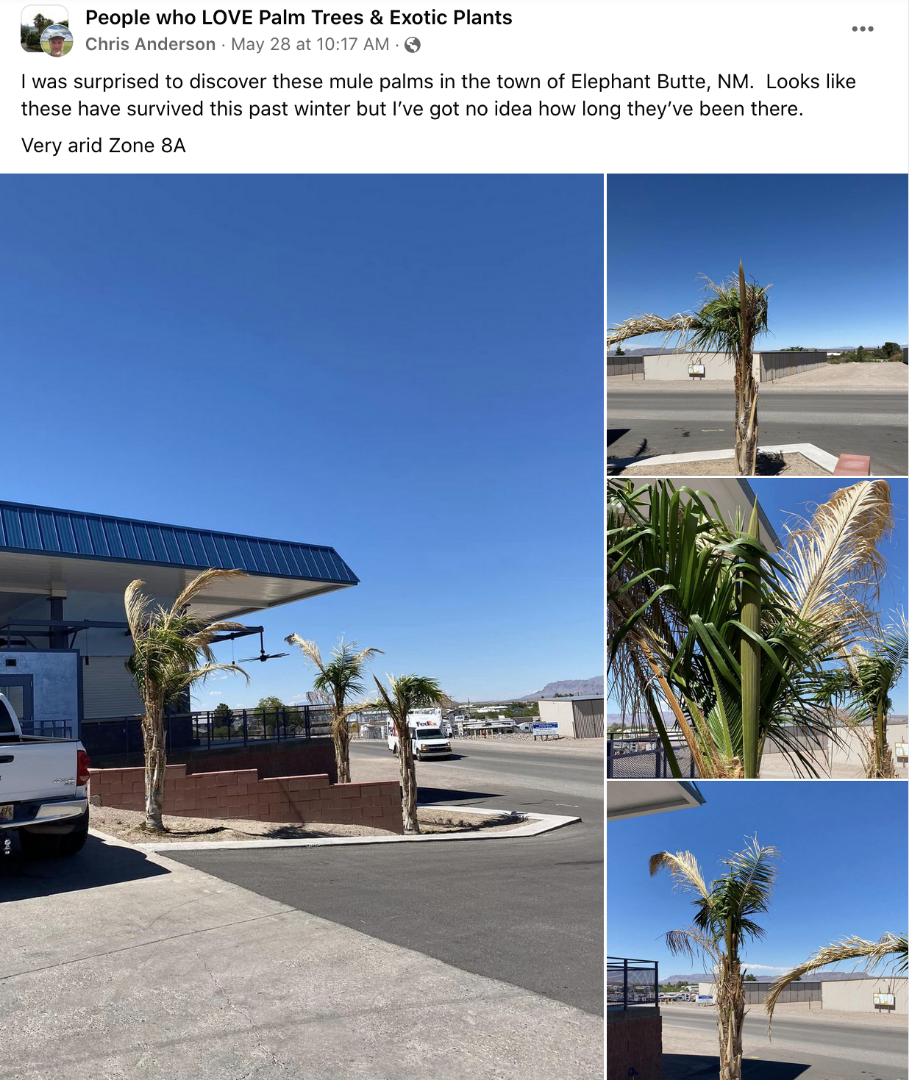
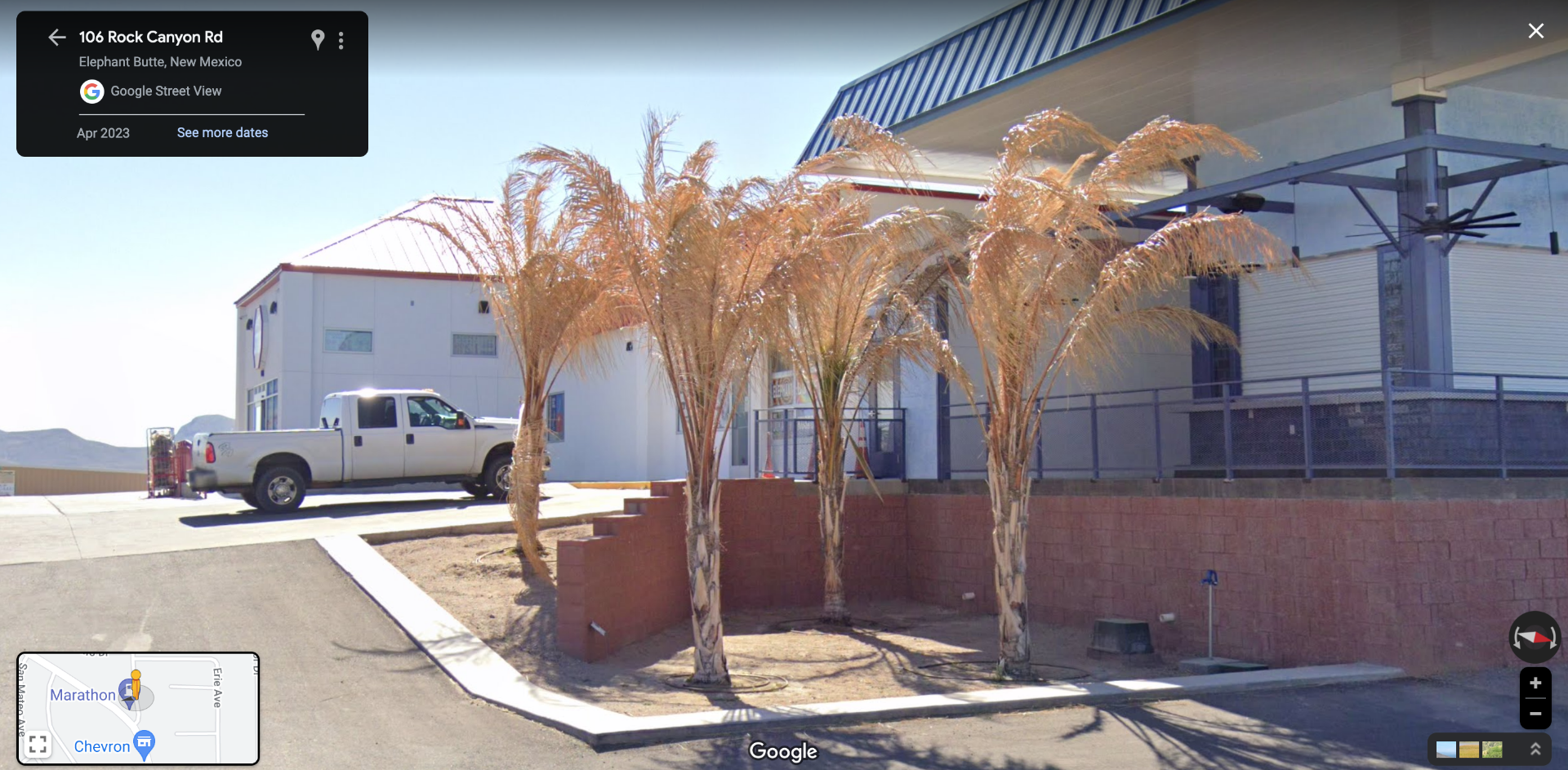
Additionally, thought I'd share these mule palms someone posted on Facebook in Elephant Butte, NM, just north of Truth or Consequences. They were planted within the last 2 years but they survived this winter (with defoliation) and are growing back rapidly. Seriously impressive! These palms, tough though they are, can get killed pretty far south in Texas and the Southeast during a polar vortex like February 2021. The dry climate in New Mexico makes a big difference! https://www.google.com/maps/@33.1982354,-107.2261457,3a,27.4y,258.11h,93.24t/data=!3m6!1e1!3m4!1s2159pXMbq5rkhc05pGyKsw!2e0!7i16384!8i8192?entry=ttu
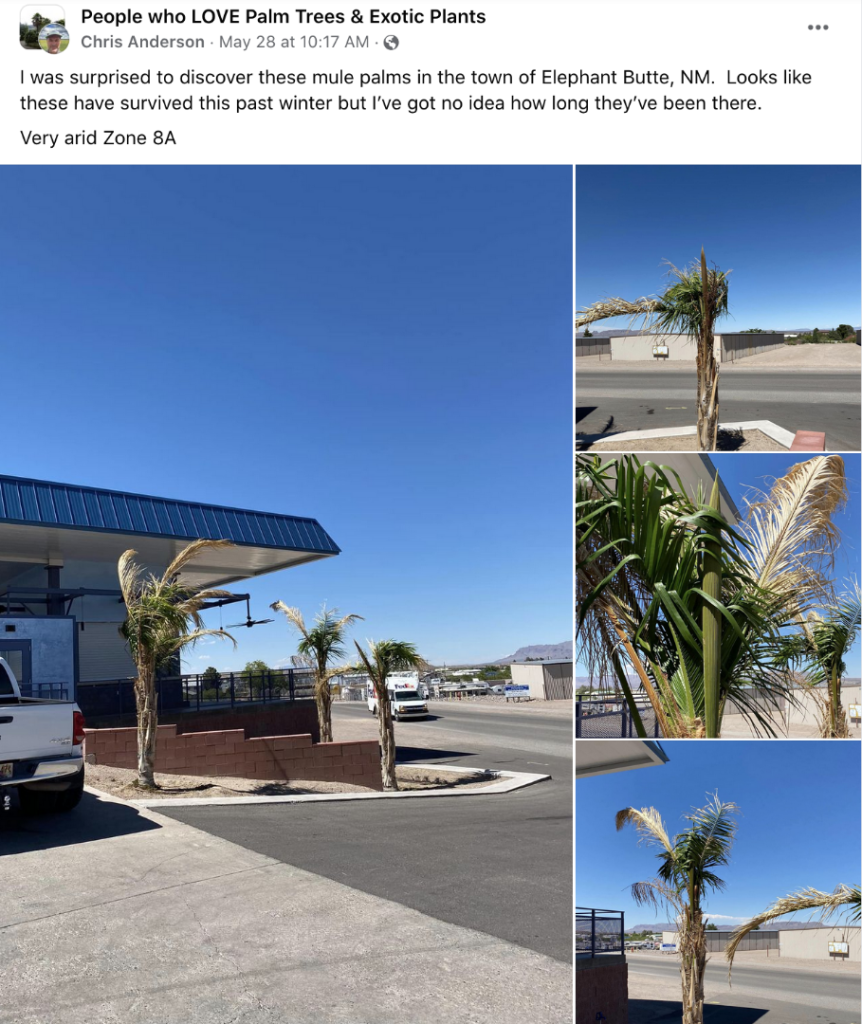
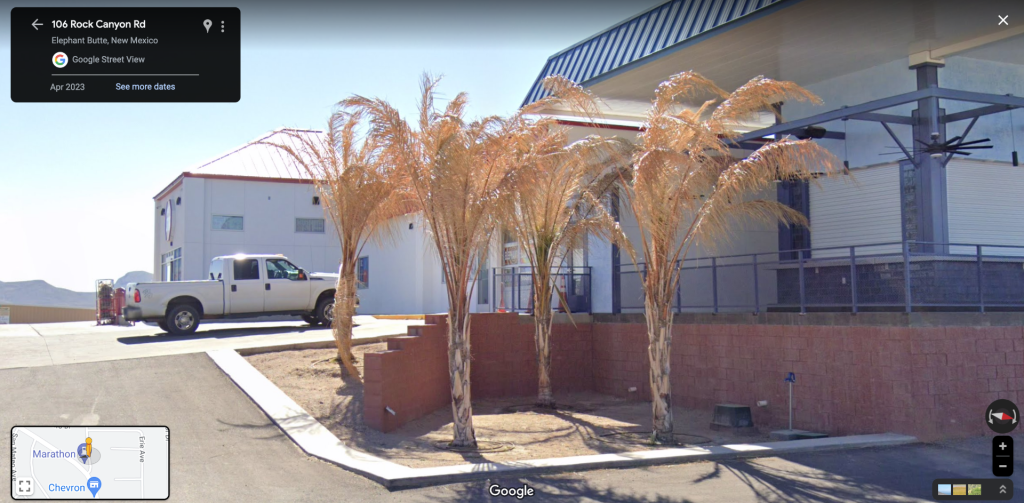 2 points
 -
The low spots in the sandhills here are all over, and highly varied, so your right about that too. In 2010 it was too cold for some of the plants that are very nearby to have survived and they are in street views, and many queens in the area have bad lower trunk damage where they did survive. Coastal hernando county, brooksville proper, and Dade city did not have this level of damage (and thats on three sides) but in the "core" of that pocket not a single pygmy date and few queens survived. Thats shady hills in Pasco county and spring hill, of which parts go below 20 on occasion. This year other spots in the same area have surviving foxtails but nothing near the airport at all (most other common stuff was minimal damage). I need to find those studies about urban heat islands and the wetlands in florida. Tampa has a heat island study already so maybe more are joining in.2 points
-
Gosh... Looking back at your original post you literally wrote zone 7a and I still asked you what zone it is. I need more sleep... Anyways thanks and that's really impressive, I hope they make it long term! There is another big dactylifera across the river in North Valley at Plant World nursery that was also planted as a large specimen in either 2019 or 2020 and it's survived several winters now. https://www.google.com/maps/@35.17365,-106.6142293,3a,15y,303.91h,90.38t/data=!3m6!1e1!3m4!1sQitKz_QXKO6SJ-Mo0FHpjA!2e0!7i16384!8i8192?entry=ttu Additionally there is a Phoenix canariensis near the Sandia Foothills that was planted before the first streetview of the area in October 2007. In the nearly 16 years since then it has BARELY grown in size, as it defoliates most winters and spends most of growing season regrowing its crown. And yet, it seems pretty fully hardy there, having clearly been through some bad freezes. Pretty remarkable that in a place so far from an ocean/large moderating body of water a palm can reliably defoliate yet not be killed by the bad freezes. It seems transplanting a big Phoenix is the best strategy if you want a big one, because it will take forever for this one to reach the size of those dactylifera. I am super impressed with these zone 7 Phoenix palms, there must be others out there in the ABQ area. https://www.google.com/maps/@35.1168111,-106.5060985,3a,21.3y,2.12h,82.15t/data=!3m6!1e1!3m4!1s4hHOr4VDaFIoBi1I4cRRqQ!2e0!7i16384!8i8192?entry=ttu October 2007: Now:
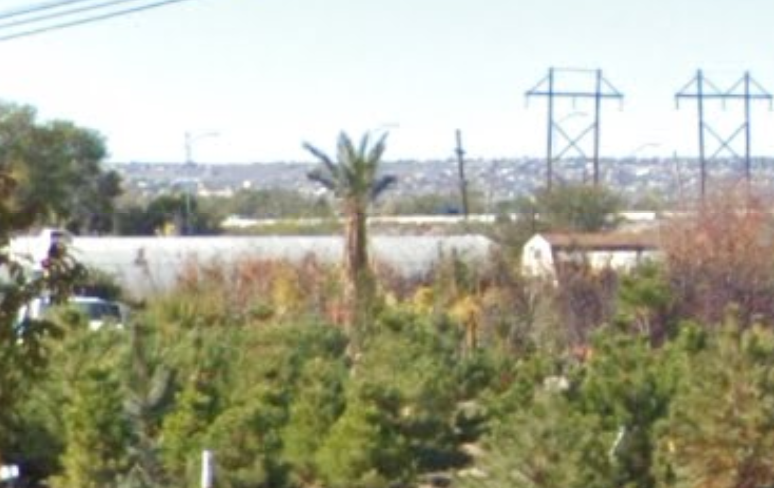
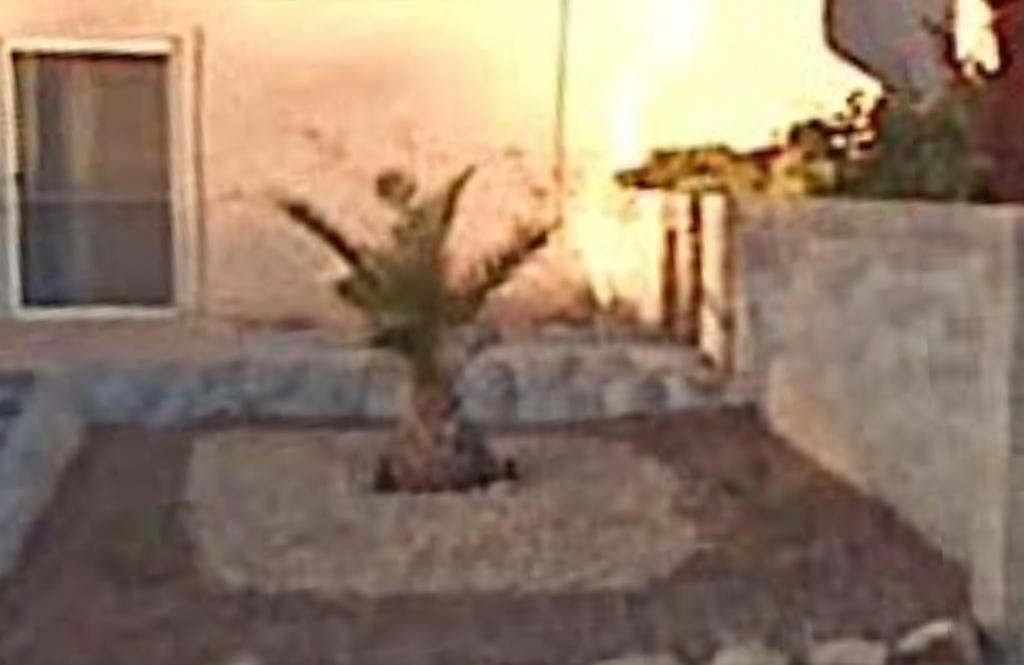 2 points
 -
Yeah Brooksville airport is a very similar case to Tallahassee airport in being so massively disproportionate. Enormous diurnal ranges and with average/usual monthly/record lows that are far more in line with the I-10 corridor than in the Tampa Bay area, I have seen the phenomenon you are referring to a LOT this past winter when monitoring it vs Wunderground stations. For what it's worth, there is the possibility that this may be a low altitude cold sink instead of simply being affected by the deforestation, because Brooksville is very hilly and KBKV is 36 meters lower than the downtown. It's important to remember that this needs conformation (after all it's nearly identical to the scenario in Tallahassee that I mentioned), but it can't be ruled out. They did have another, much higher elevation station on Chinsegut Hill that sadly was shut down in 2012. It was exactly as you describe your house: much warmer lows, much less frost, etc - although I do suspect that it may have been affected by the weather station deforesting because it has had frosts in April and October which seem rather unlikely for ANYWHERE in the Tampa Bay area without some artificial cooling. Don't know what to say about the human factors you mentioned, it just takes the words out of my mouth. Your proposal of the multiple city stations is a very good one: I wish all weather.gov offices would do it. In the meantime, we have a mix of the occasional office that does do it like downtown Austin, and Wunderground stations set up by companies like WeatherSTEM that the offices use, such as their stations on Tallahassee FSU campus. Do be aware though that with the WeatherSTEM stations I was told by kinzyjr that they are not direct comparisons to the airport due to being set up to other standards - think that's for better representativity of the environment surrounding the weather station as the WMO outlines. Accuracy as you say is important, but even if they can't necessarily be compared directly they are useful for now because of the mentioned representativity of the surroundings. A final thought though is that it's possible for at least minimum temperatures that would be under natural forest cover to be well represented or even underestimated by Southeast US urban heat islands instead of overestimated - I have seen the opposite postulated on City-Data weather so it may be worth a mention here. With some exceptions like the infamous-for-heat-islands-Dallas and New Orleans, I was told Southeast US cities tend to have very little heat island compared to the giants (and that makes sense with regards to listed places like Brooksville or Valdosta, neither measures even close to Dallas and New Orleans). Much more than can be said for the forest clearing, which of course is very serious as we have been saying. I think there's a very real possibility that in at least some urban stations the readings may still run low compared to hypothetical forested stations.2 points
-
A flush sequence on this favorite over the last few weeks. Still some additional growth happening in this flush, but this batch of photos starts on May 9th and runs through June 5th.



 2 points
 -
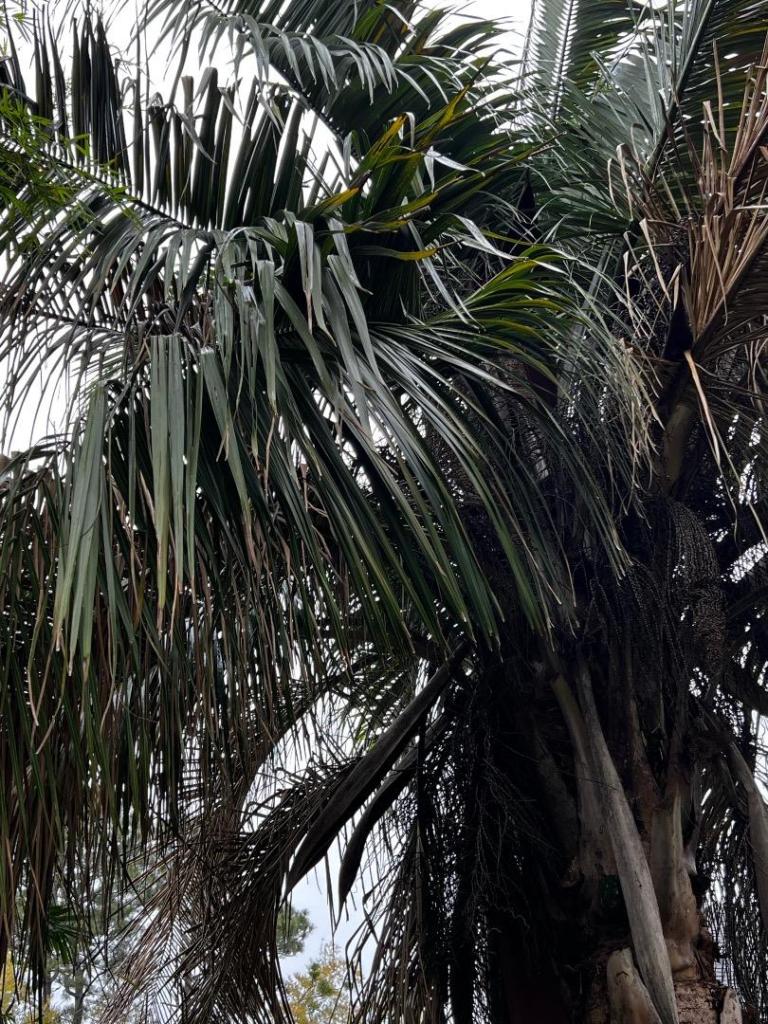
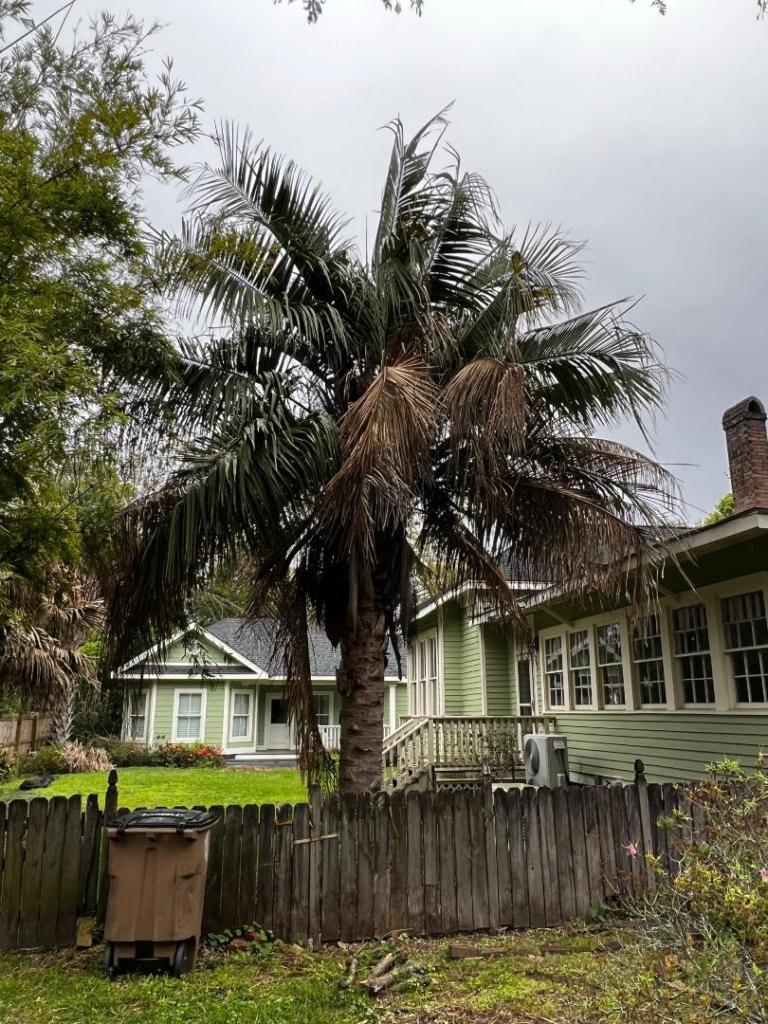
This is another mule in my neighborhood and it just has a different look to me. It’s darker and not really any recurve like the smaller ones. I guess there can be such a mix of genes expressed. There is a large jubaea chilensis x syagrus romanzoffiana in the neighborhood too that is very similar as well. 🤯
 2 points
 -
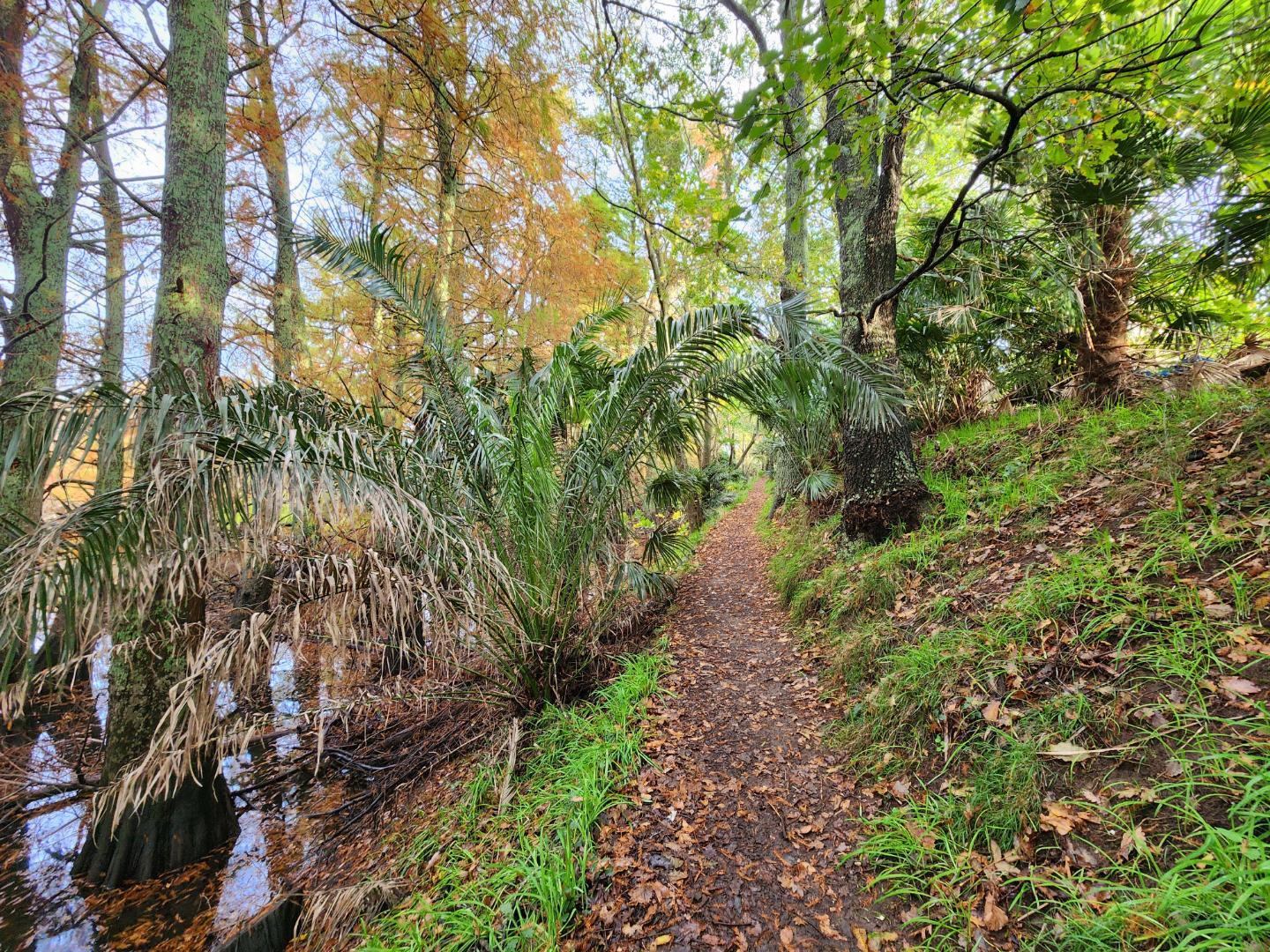
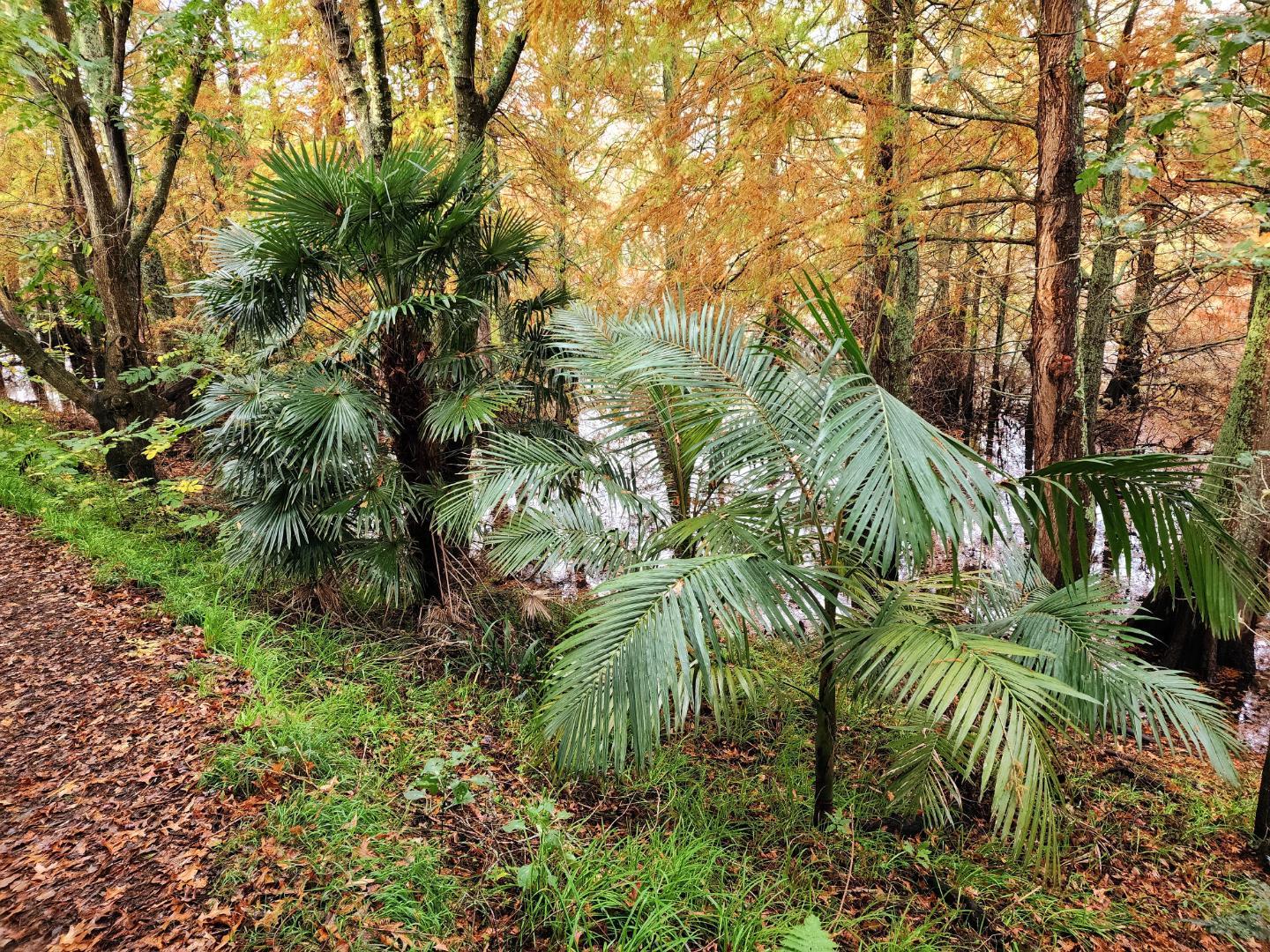
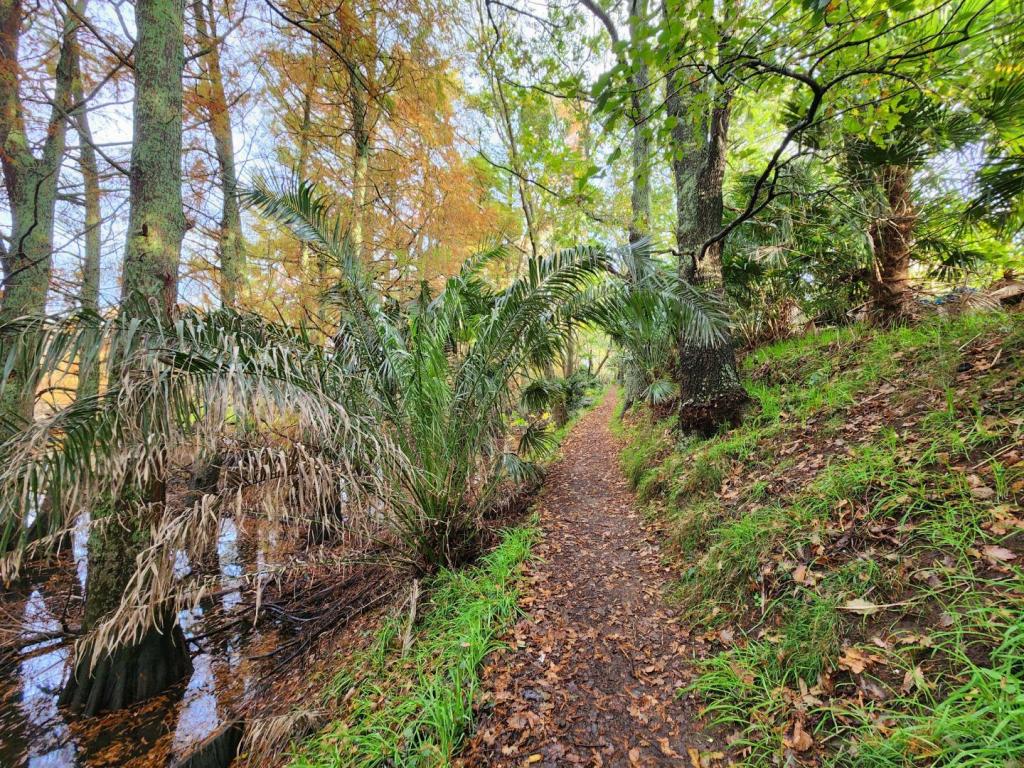
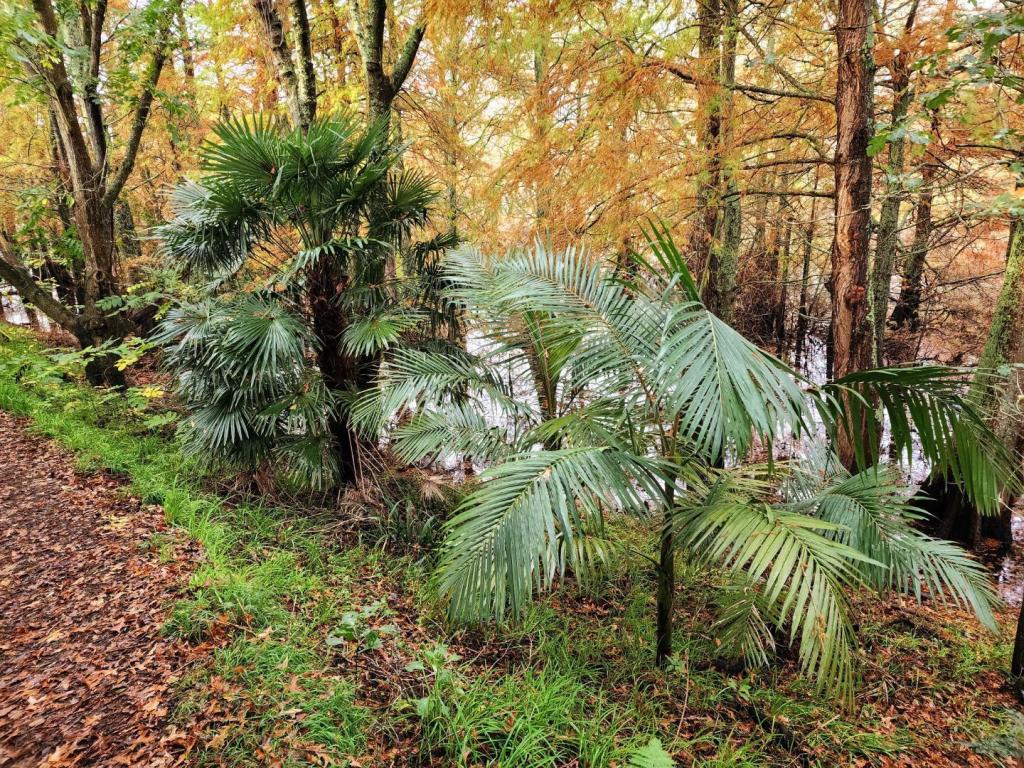
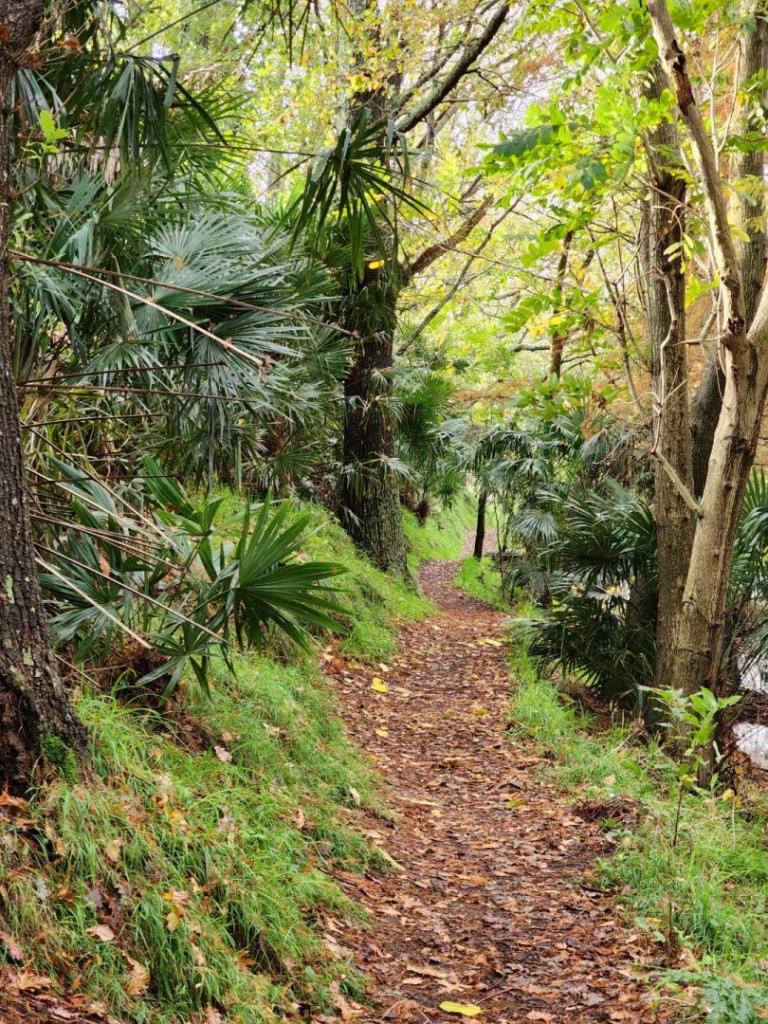
Cool and wet last couple of days. Still no frosts, nothing below 5C forecast in next 10 days. Saw today the first instance I've seen of apparently self seeded Archontophoenix locally. Have heard that is quite commonplace around Auckland but have not seen it. They were amongst lots of self seeded Trachycarpus and Phoenix which is common place all over in these types of areas, semi shaded, non curated exotic woodlands.
 2 points
 -
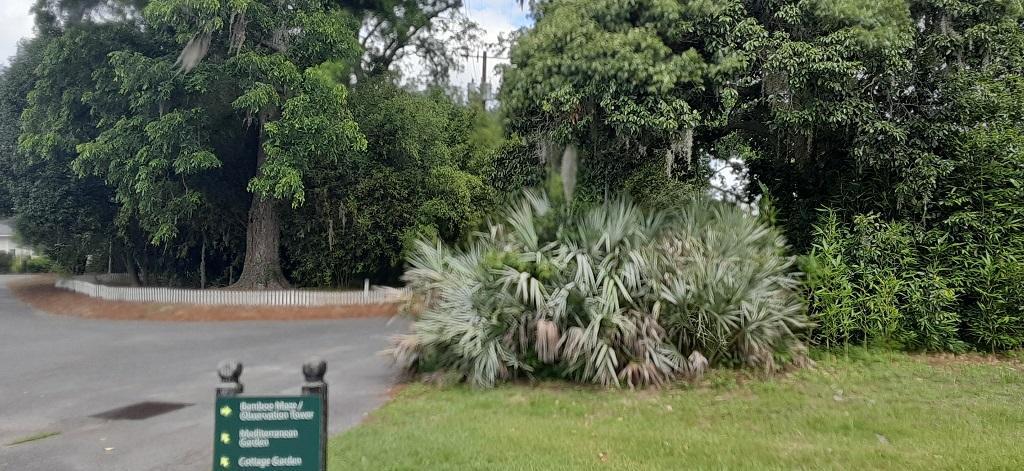
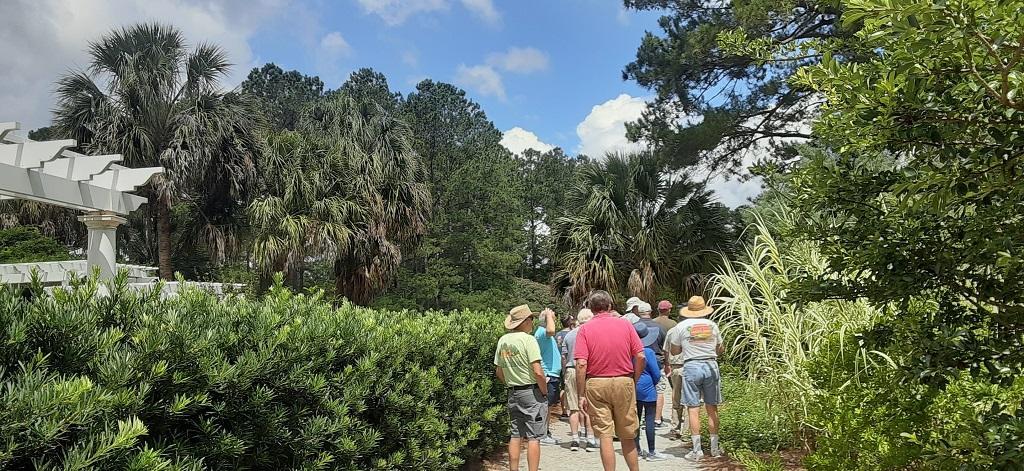
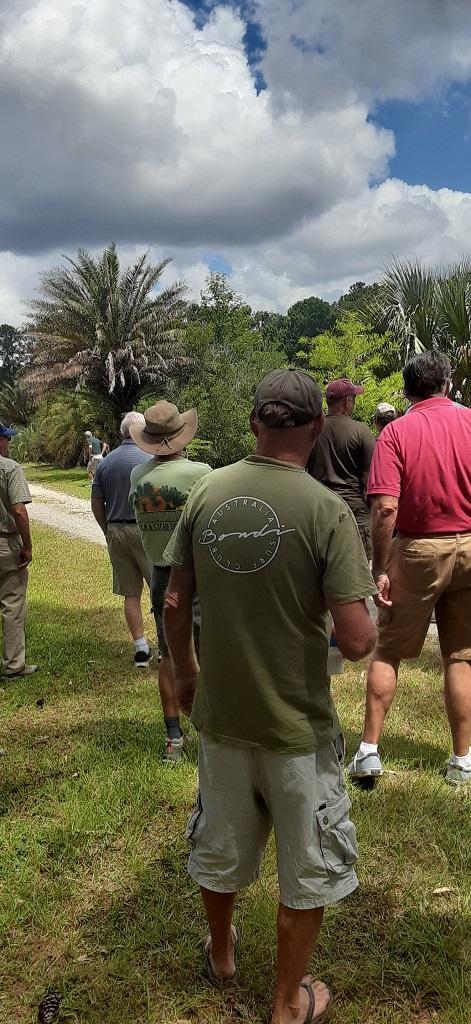
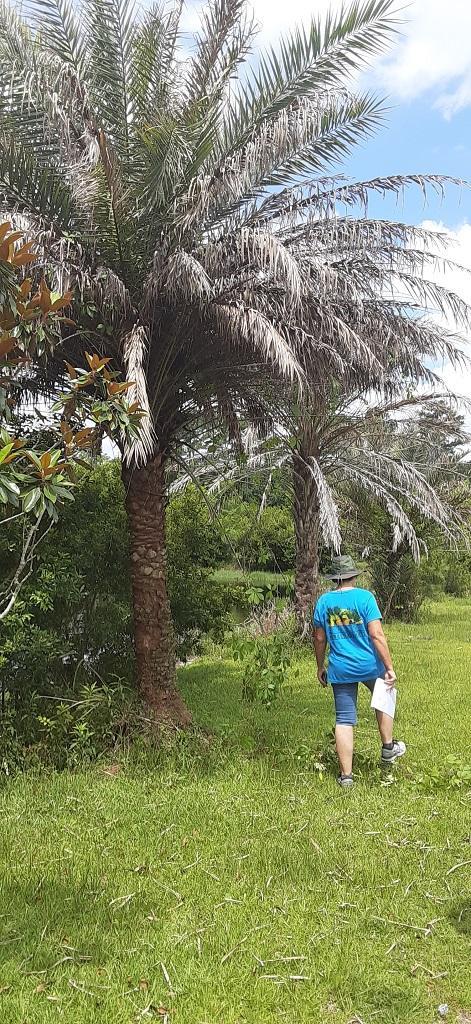
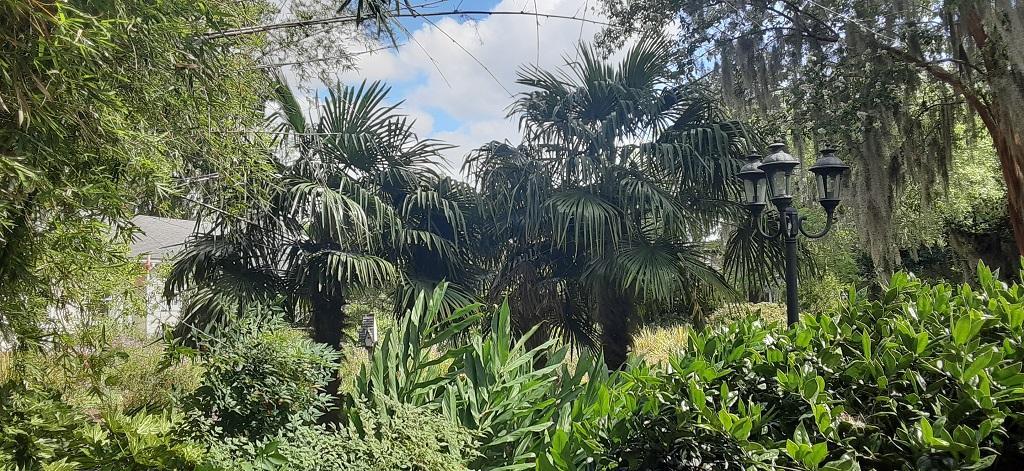
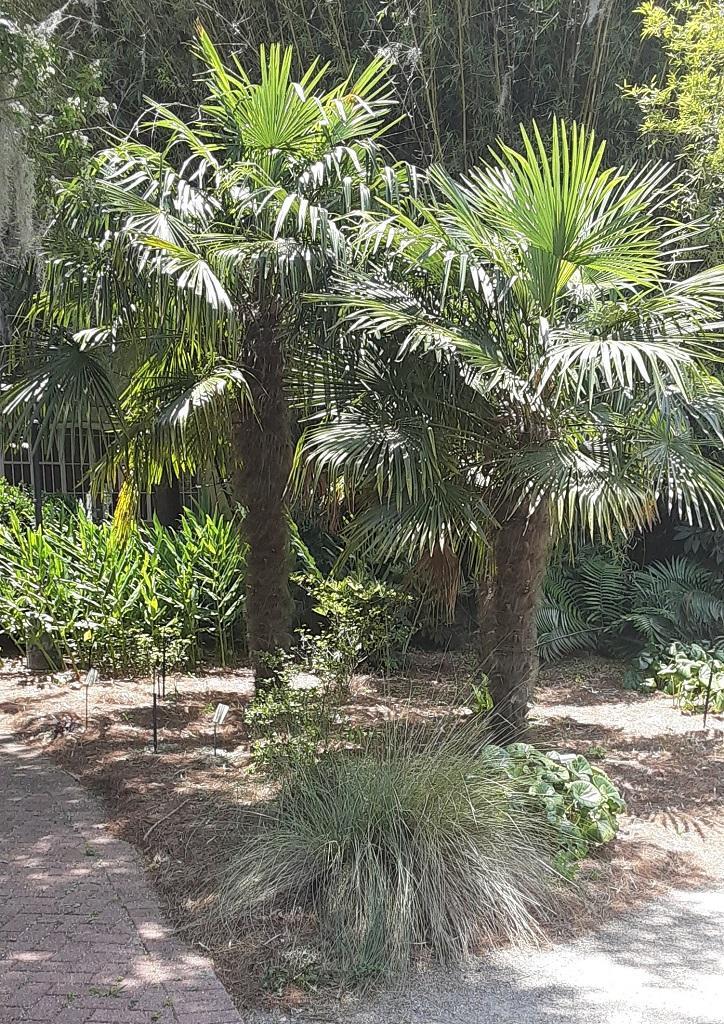
A few photos from the tour: Part I - Coastal Georgia Botanical Gardens at the Historic Bamboo Farm An introduction and then on our way. The lighthouse near some of the hybrids The Sabal Garden Various Hybrids Chamaerops humilis Chamaedorea microspadix hiding out Silver Serenoa repens Podocarpus works here too A few Phoenix that took some damage from Christmas 2022 Trachycarpus fortunei
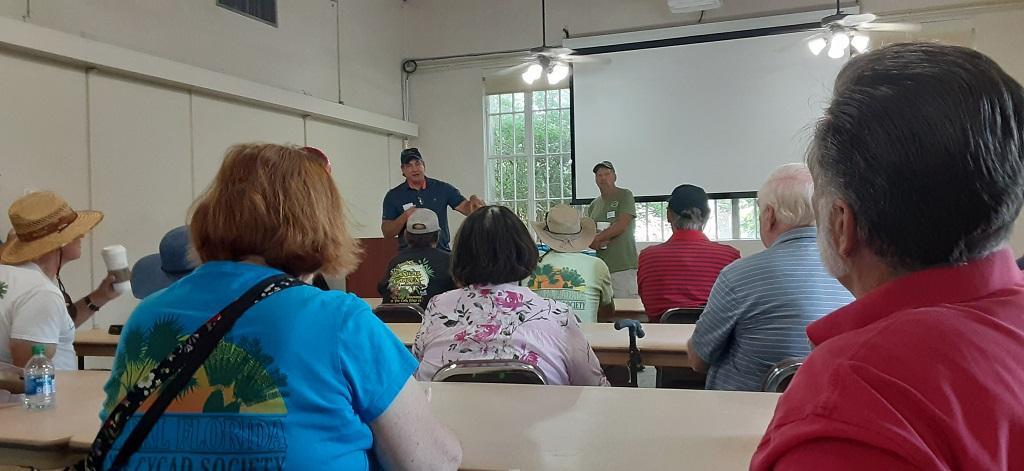

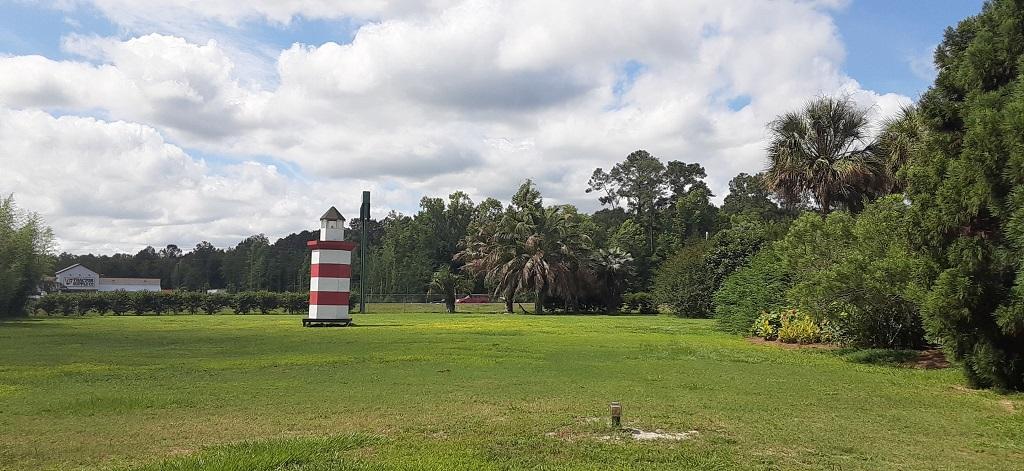
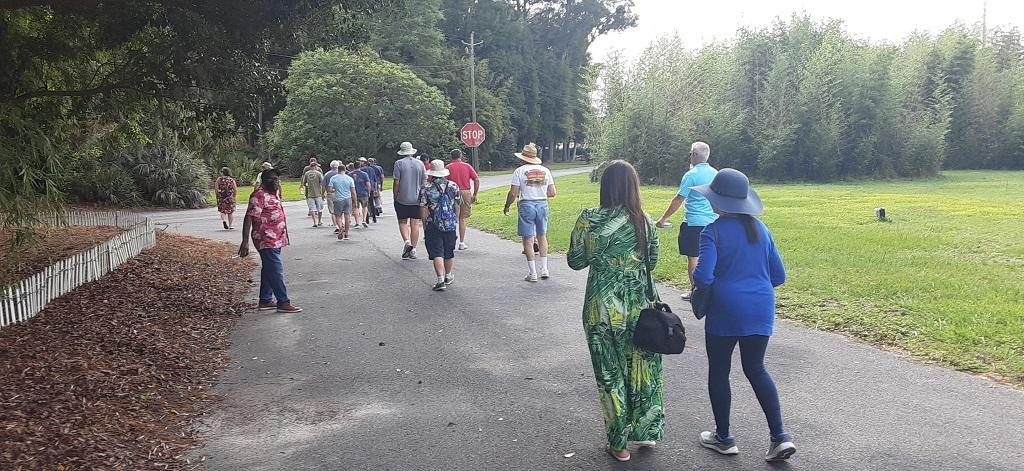

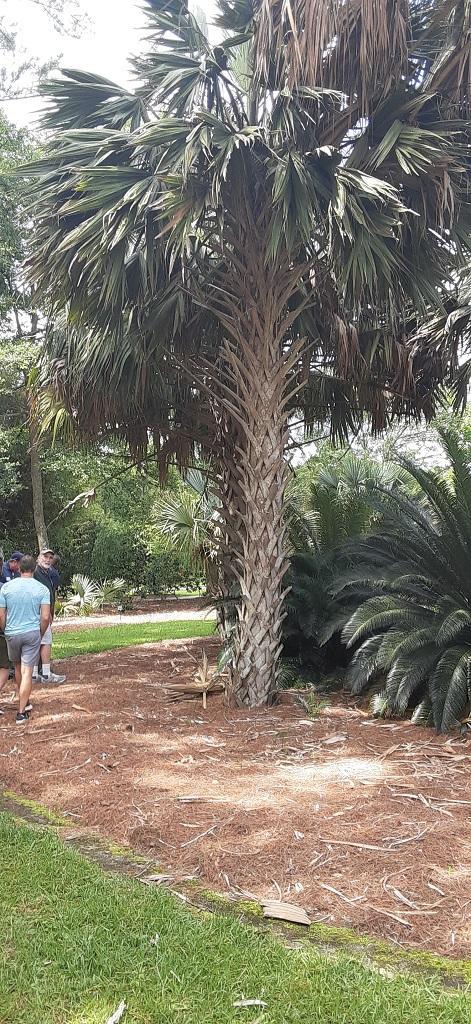
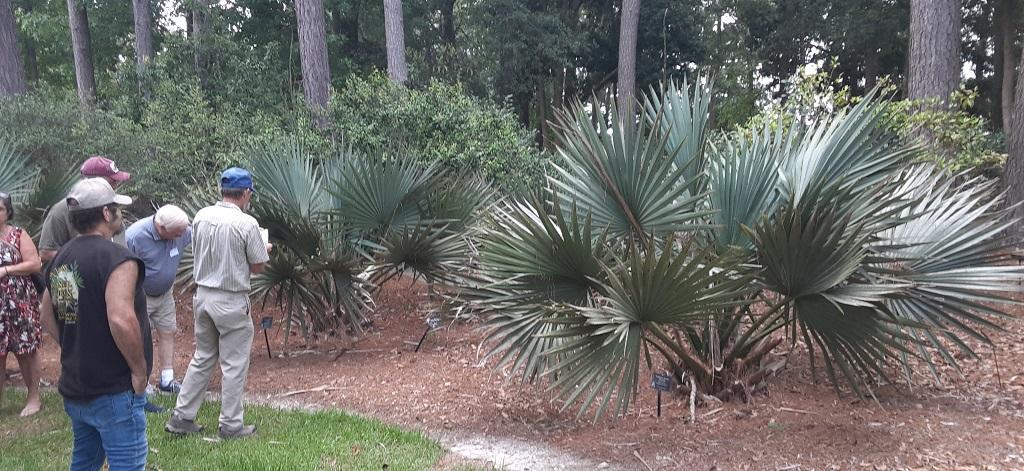
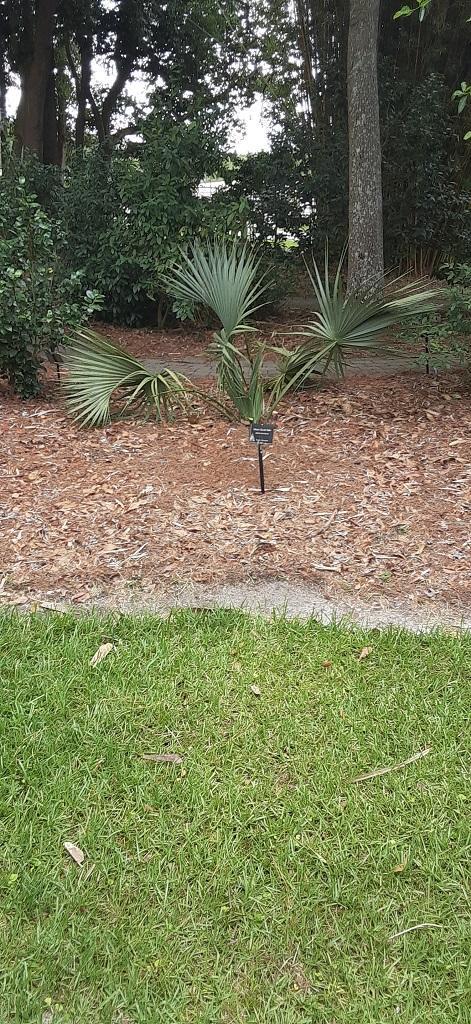
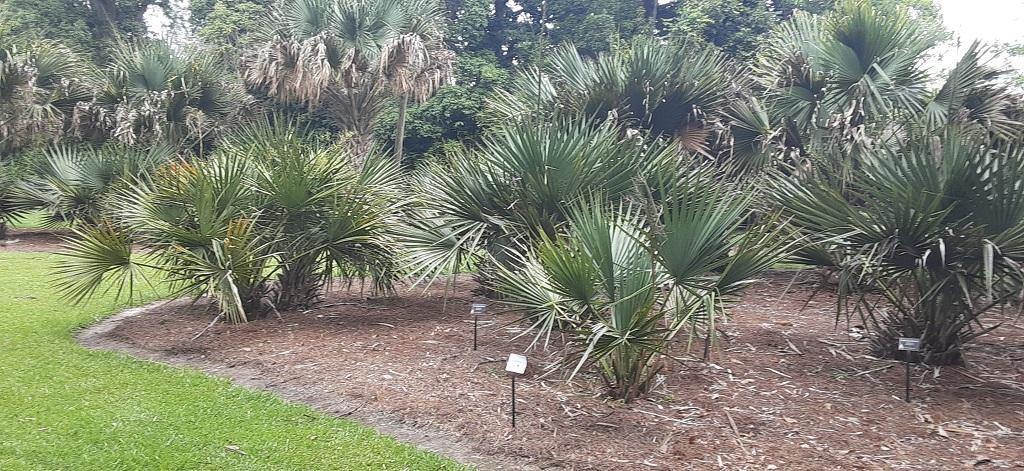
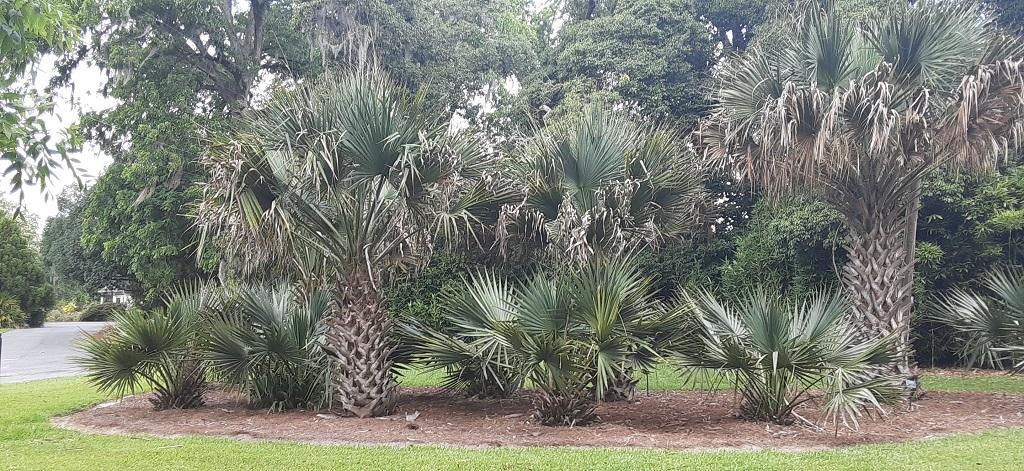
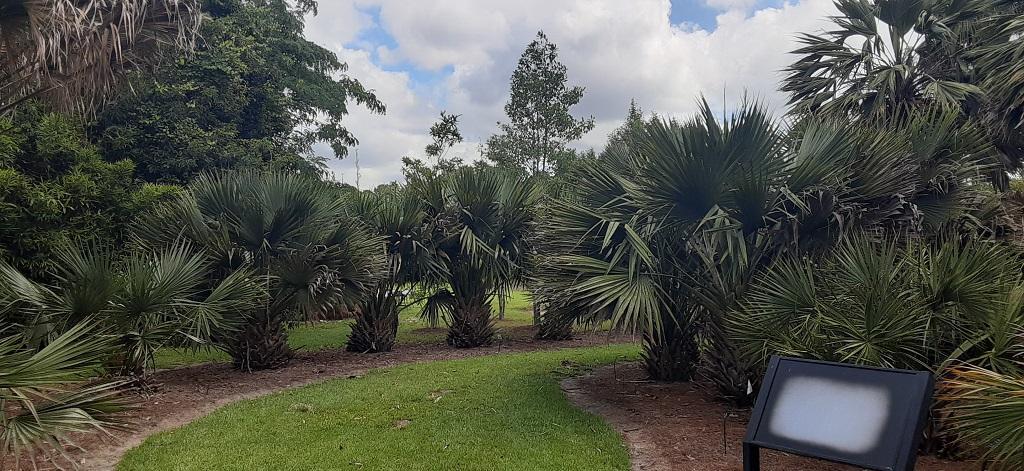
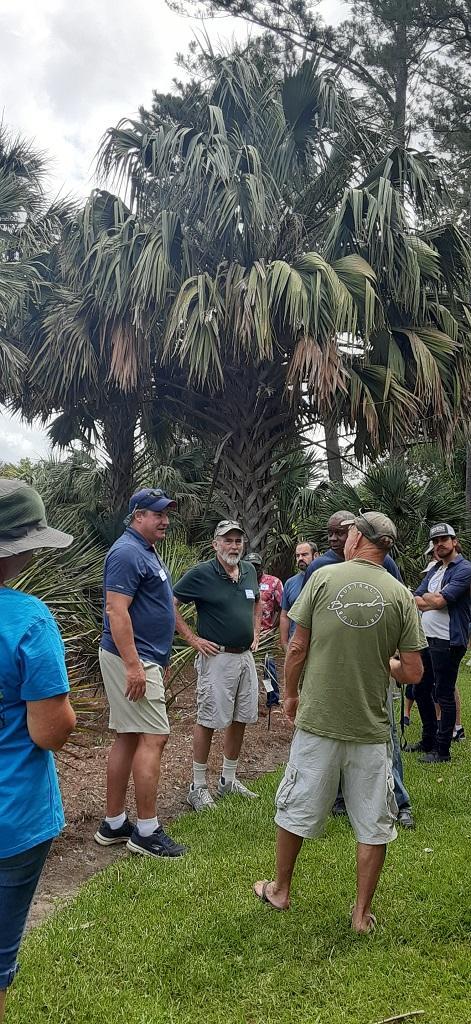


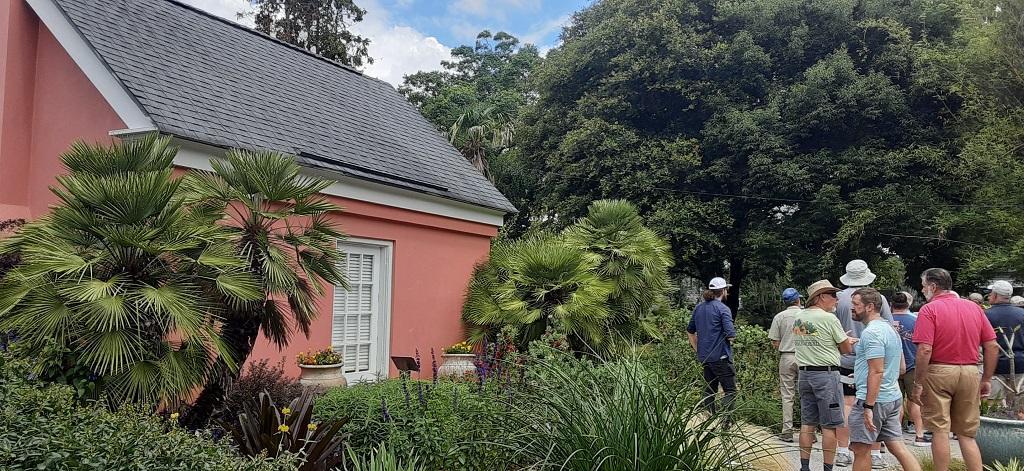
 2 points
 -
Here is mine that I got from @Jubaea_James760 not to long ago. Mine has got a long way to go to get the size of the others on here.

 2 points
 -
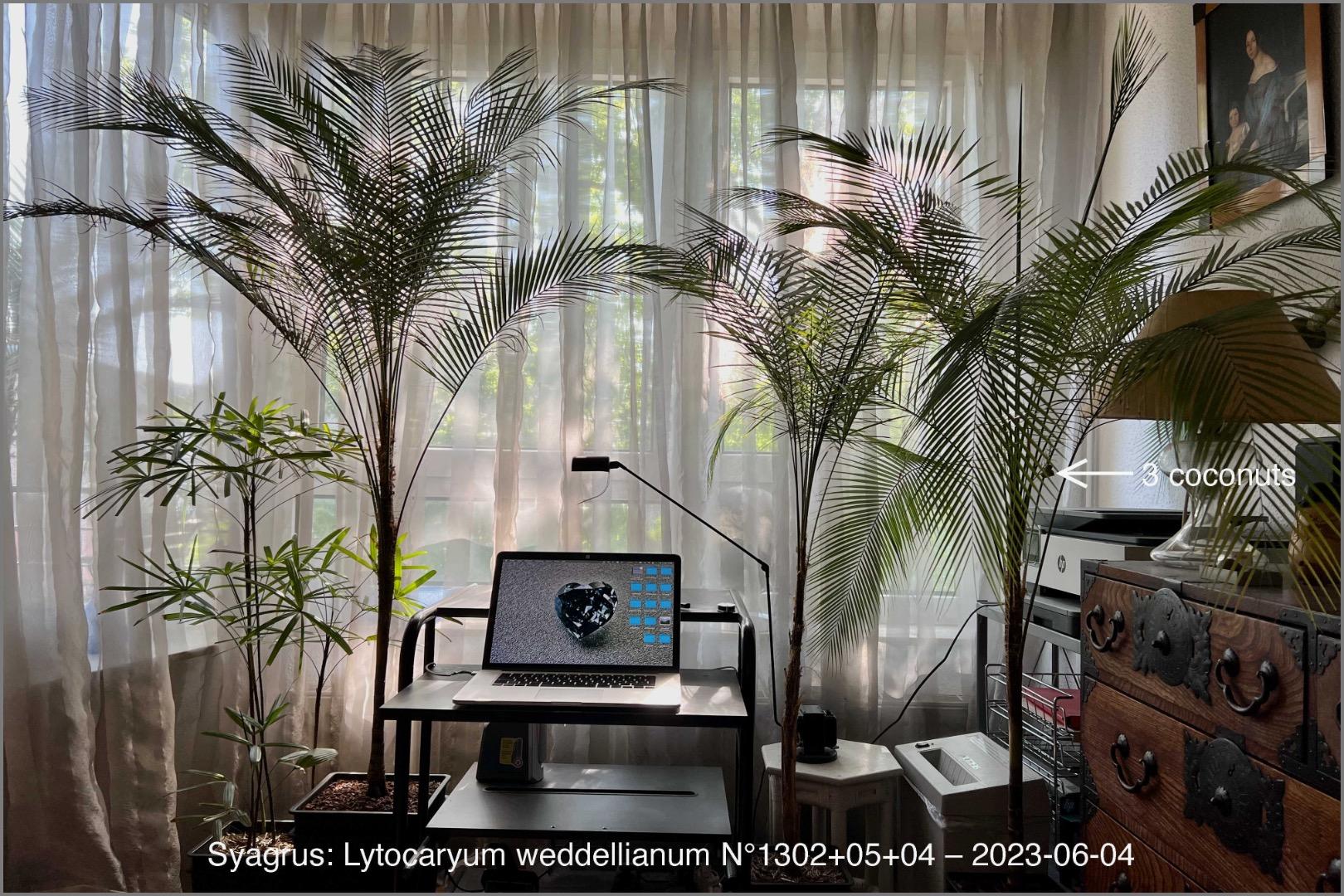
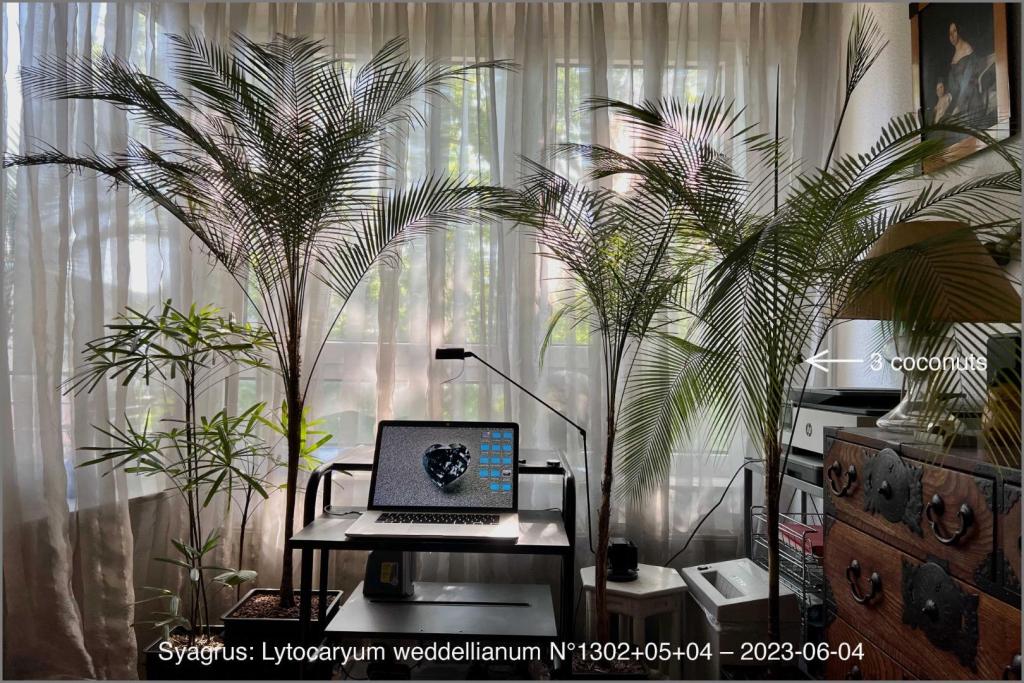
Three little coconuts … 🥰 … and three Miniature Coconut Palms:
 2 points
 -
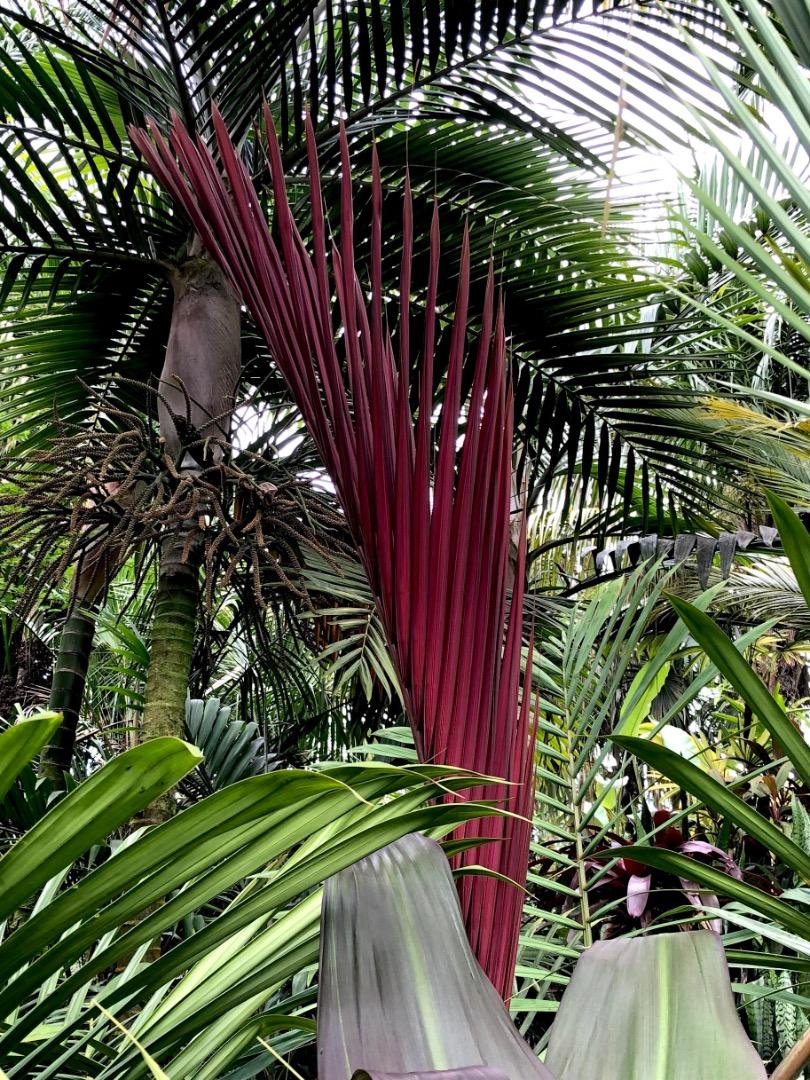
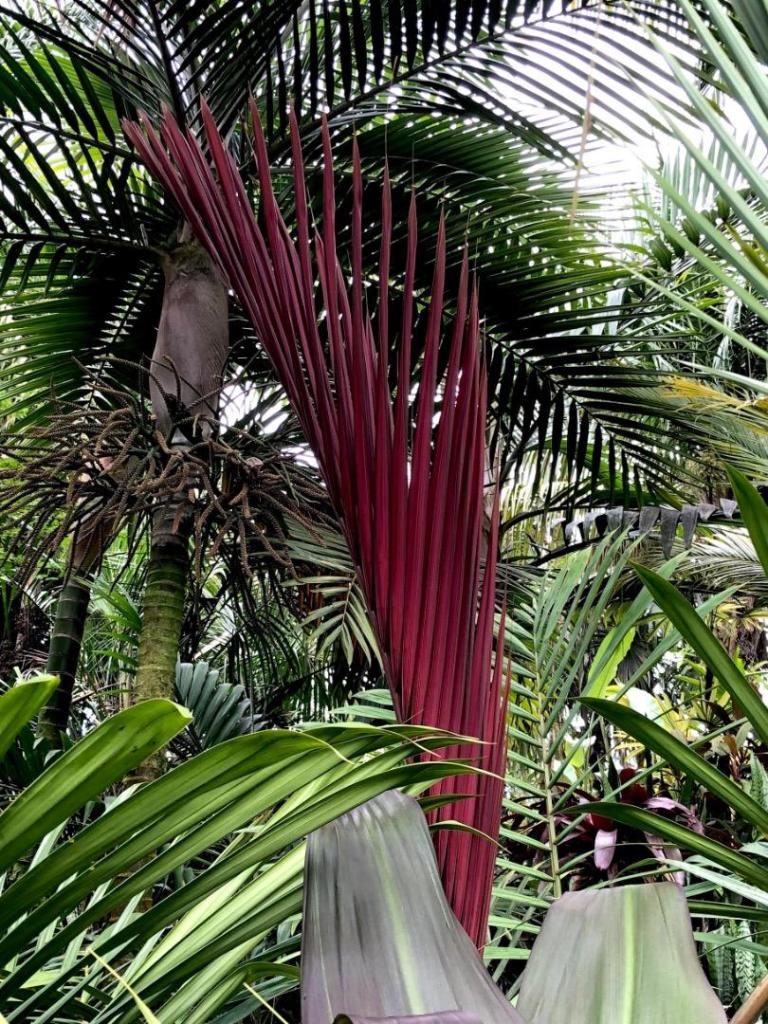
Chambeyronia divaricarta.
 2 points