

Leaderboard
-


Joao Santos Costa
IPS MEMBER9Points9Posts -


Billy
IPS MEMBER7Points683Posts -

Arecaceus
IPS MEMBER6Points920Posts -
.jpg.4646e4d1d4d19cf091c1f1217ed4733b.jpg)
(200x194).thumb.jpg.25738373bf7571e51181f2f3921b2671.jpg)
Silas_Sancona
IPS MEMBER6Points12,400Posts
Popular Content
Showing content with the highest reputation on 01/28/2023 in all areas
-
9 pointsHello Everyone, Thank you for some of the positive messages, i am thankful for all of them. My name is Joao Santos Costa, i am from Portugal and i am the new responsible for the management and administration of Palmpedia and connected resources. Palmpedia as been over the years a fundamental and unavoidable tool, an endless source of information to the palm growing hobby. I am forever thankful to Dean, Ed Vaile, and all people who have contributed immensely to the creation of this incredible resource. My path with palms started more than ten years ago, when i wanted to create a big garden around my former residence in Lisbon, and wanted to have some privacy from all the neighbours, together with the perpetual feeling of evasion and "vacations feeling" every-time i would step home. Likewise many of you the inicial humble idea of planting a few palms turned out to be an incurable addiction, that month after month started to influence where we would spend the weekends, to where we would go for vacations. From a nice garden the things escalated quickly and i ended up with a full size jungle with dozens of mature specimens, I got hooked. I loved every bit of the new lifestyle, this garden could provide, so did my children and my wife. From late night barbecues, to tiki jacuzzi parties, to bird watching with my toddler, was a fantastic experience that forever change my mindset on the "art of living". Professionally, i have responsibilities in a group of companies with ranging activities from managing real estate portfolios, to construction and hospitality businesses. Few years ago, i started the acquisition of multiple agricultural investments and have turned my hobby into a full size business operation. Currently we have 3 state of the art productions facilities, manufactured entirely in double glaze polycarbonate, biomass heating, evaporative cooling, and full climate control, where we are fully devoted to the germination of palm trees. We are also establishing plantations in Sao Tome and Principe, and Mauritius for the more tropical varieties. As of today we hold several tens of thousands of 2-3 year old palm seedlings of around 237 varieties and growing. I am focused in creating top quality plants. Our aim is to introduce recently discovered or unusual palms in the ornamental market, after all i guess we are all tired of finding the same options for sale in the conventional garden center! I have quite ambitious plan for the new Palmpedia, and i hope to have you all along for the journey, but i also understand that i will not be able to be a very consensual and accommodate everyone requests, but i will try! In what concerns the future of Palmpedia, our plan is to keep the entire structure in the wiki platform like was originally intended and allow edition, inputs, and submission of pictures and content. We are currently working in the log in and users platform to allow people to sign in and edit the content of the pages, i believe in the next few days will be operational. Also i understand that there are several scientific revisions that need update, and we are currently compiling with the help of fellow forum members the list of updates needed to perform. So if you have a suggestion or topic requiring update we are thankful to receive them by email to info@palmpedia.com. Palmpedia will remain a free and open "go to place" for palm information, independently where you are in the globe. Regarding our plans on the comercial front. We are currently testing the new online marketplace, that will be made available on the website. This will be a multi vendor online shop, (much like amazon) and will allow verified nurseries, brands, individual growers, and hobbyists to sell their palms, and their seedlings. With a very simple and user friendly platform will allow every nursery to have equitable online exposition and a simplified online sales spot. If you know a nursery let them know that we are working in order they can soon list their palms and exotics stock in the world leading marketplace we are creating. I strongly believe in this model because because is the only way to provide a truly global service without the limitations of phytosanitary regulations. In other words, depending on the place you are and will access the online shop, the assortment you see available to purchase is within your geographic range to be delivered without need of phytosanitary certificate. I am always available at info@palmpedia.com I hope to have all of you along, Best Regards, Joao9 points
-
 4 points
 -
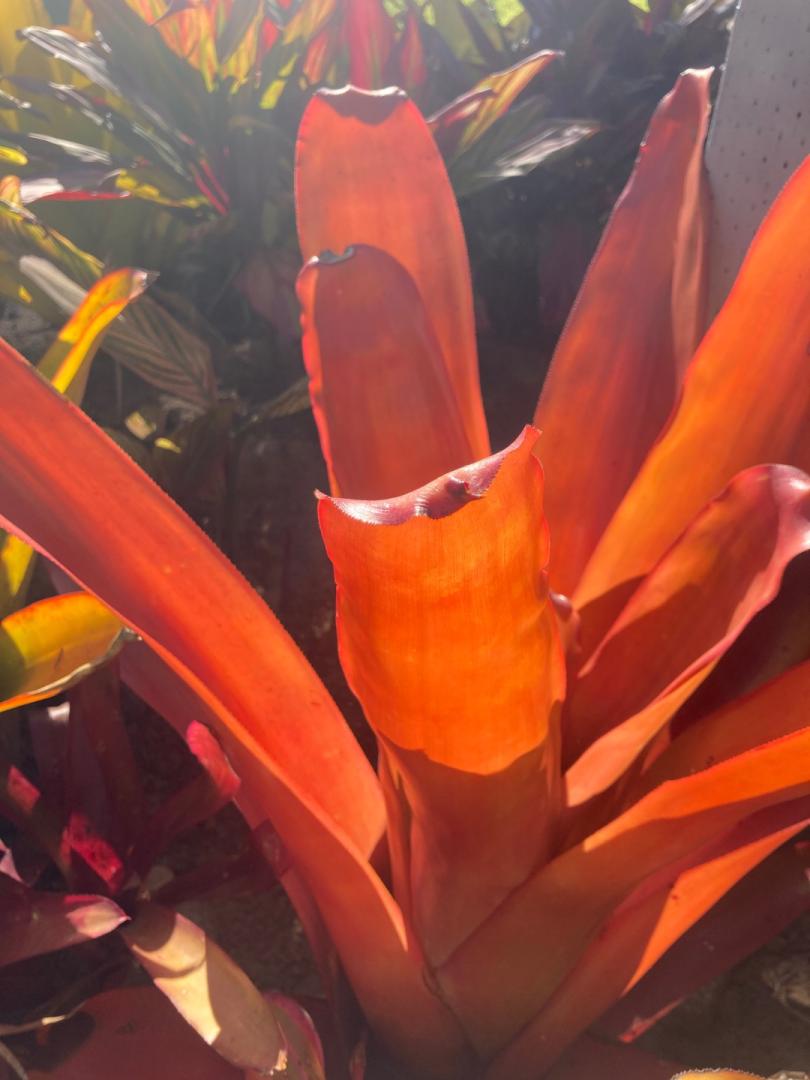
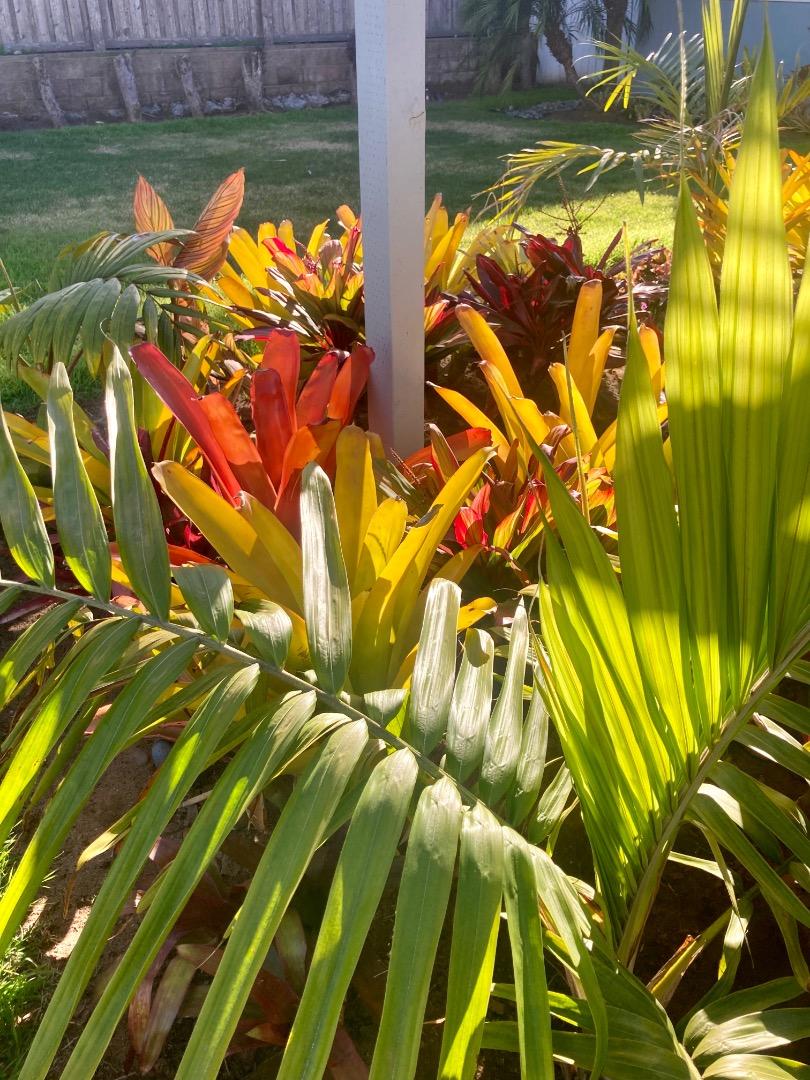
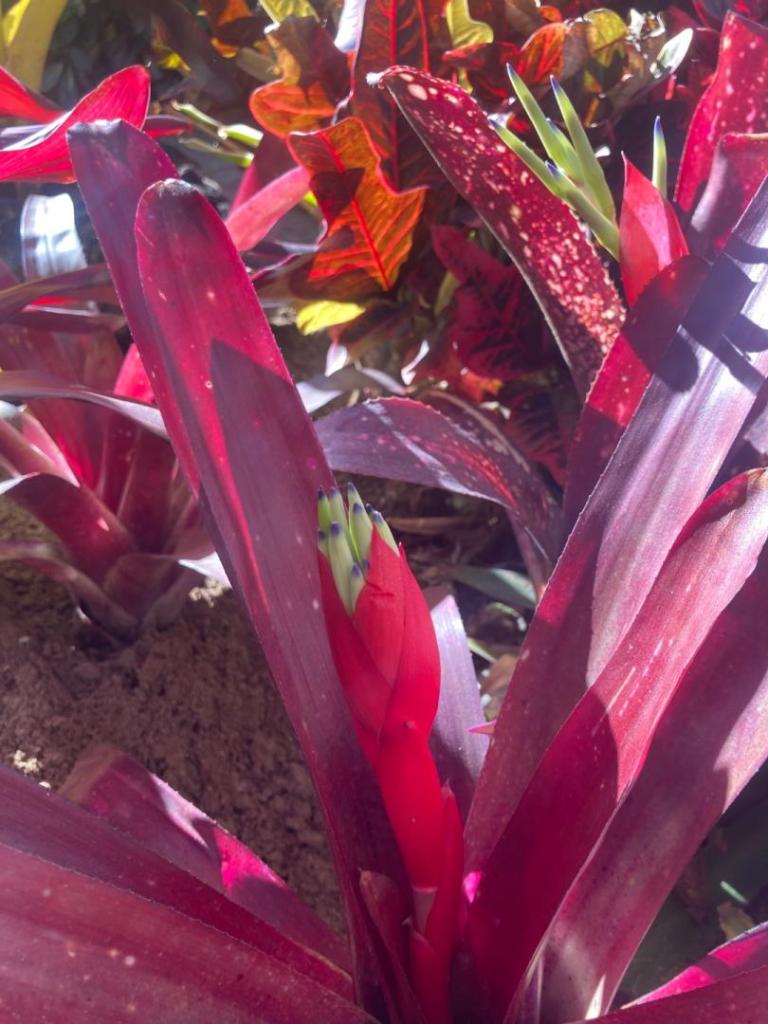
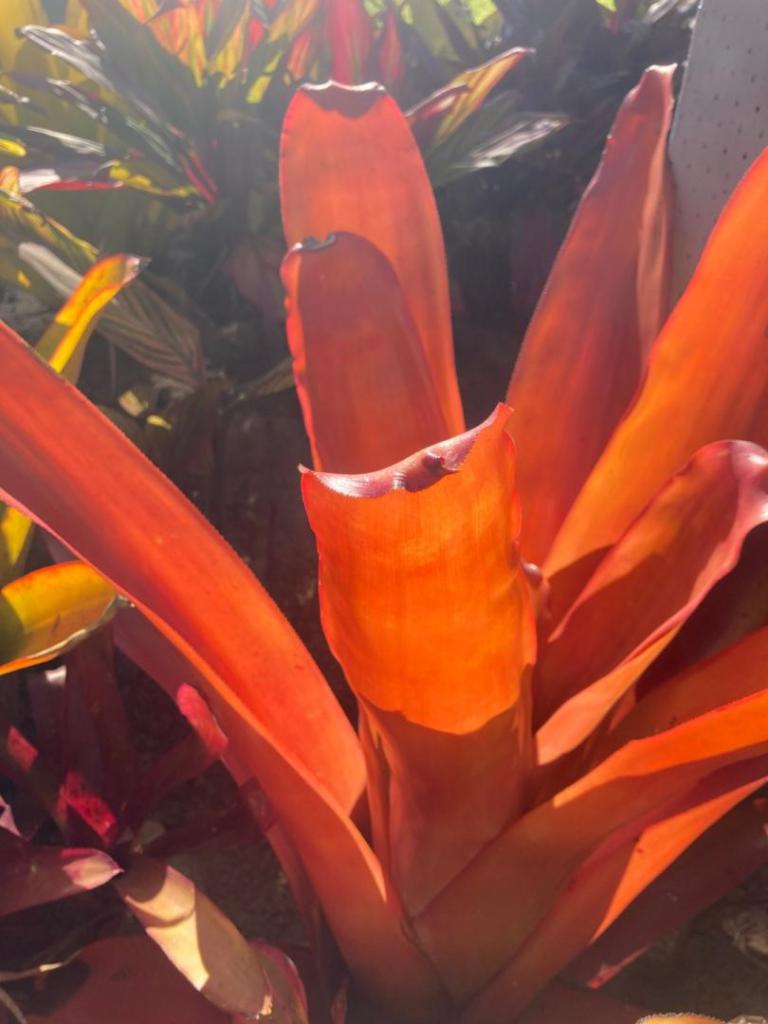
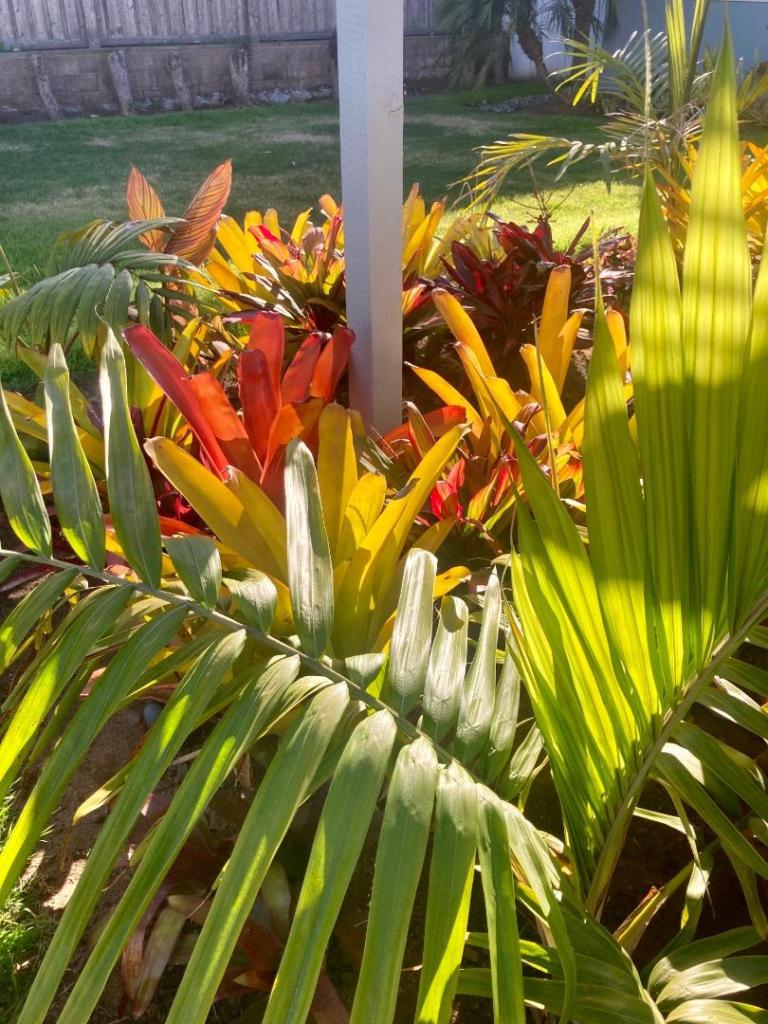
4 pointsAfternoon glow of the bromeliads also caught my eye Looking forward to Spring…
 4 points
 -
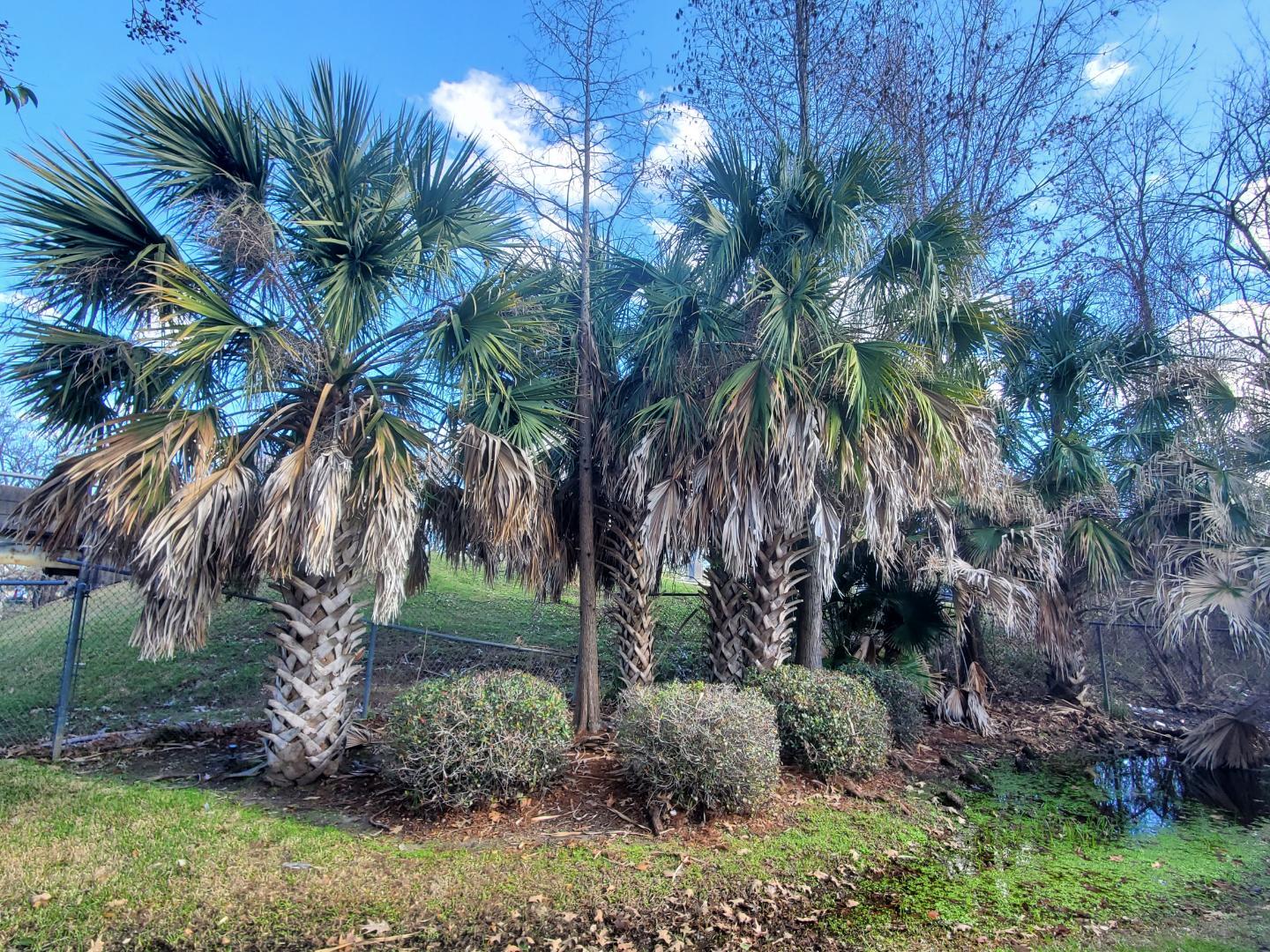
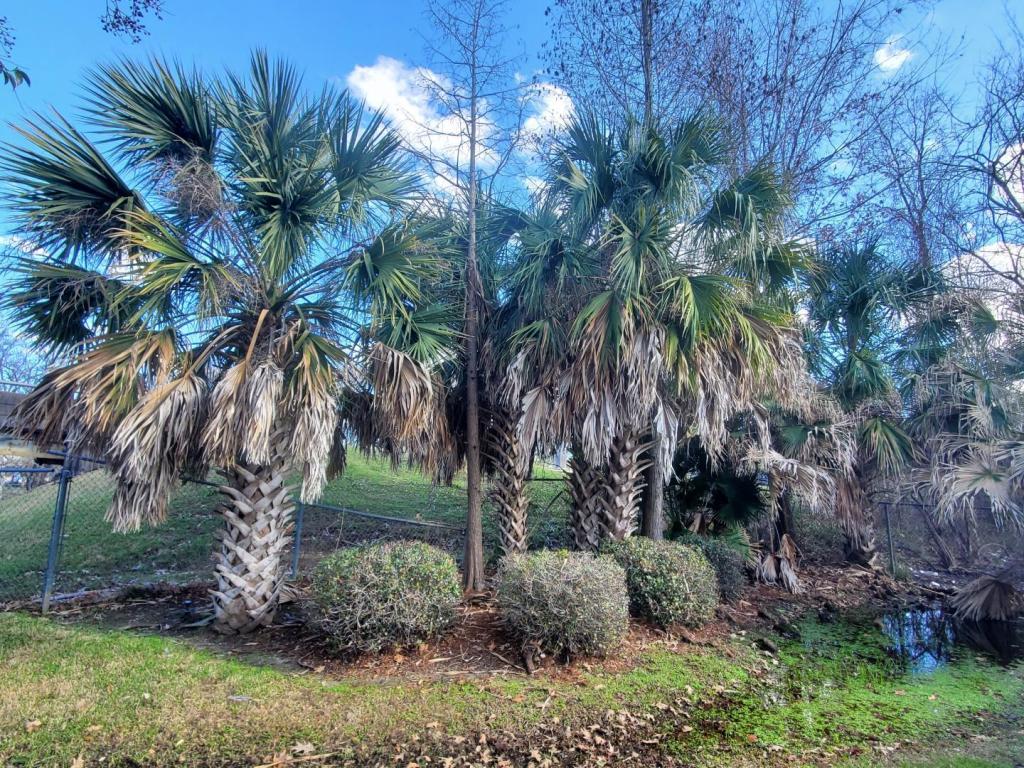
 Surprise find in Baton Rouge. Mature Sabal mexicana planting behind Parrain's Seafood Restaurant.
 3 points
 -
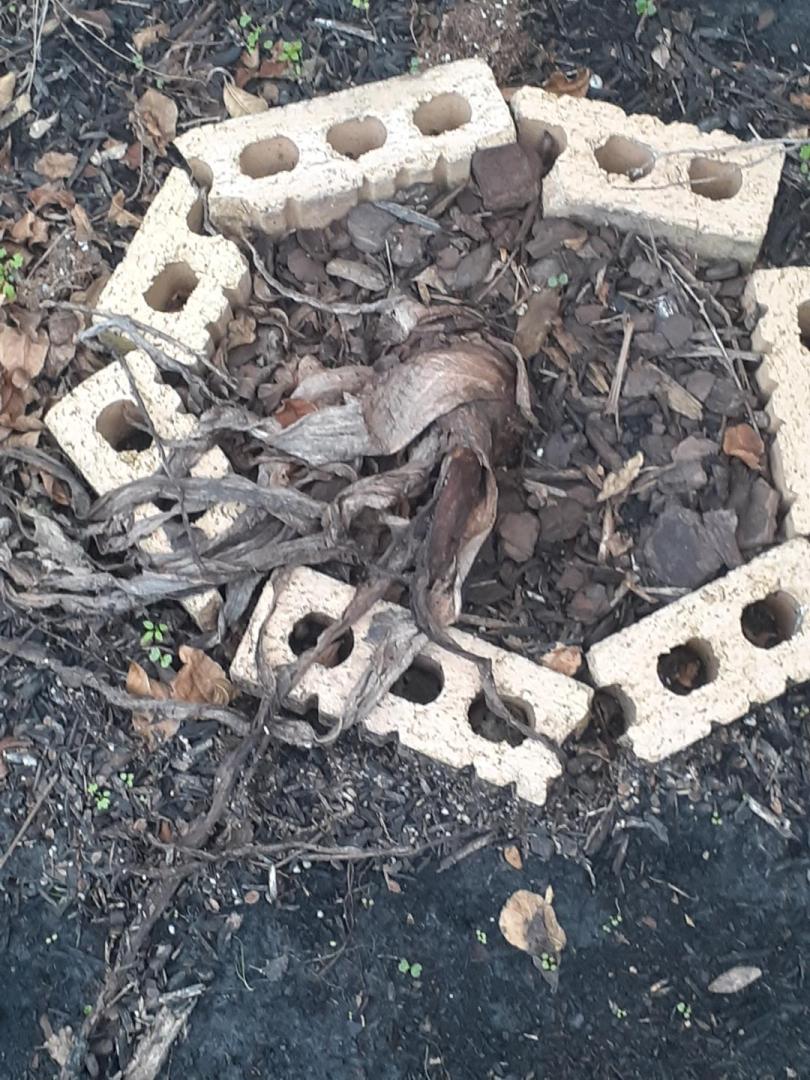
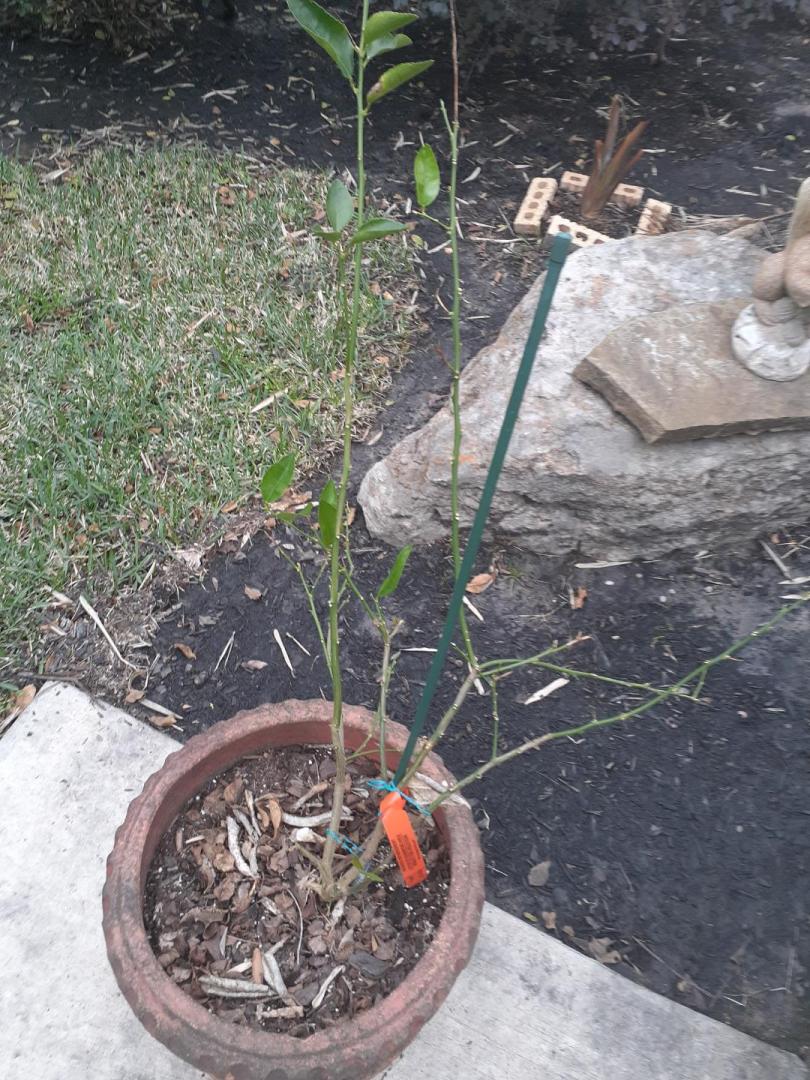
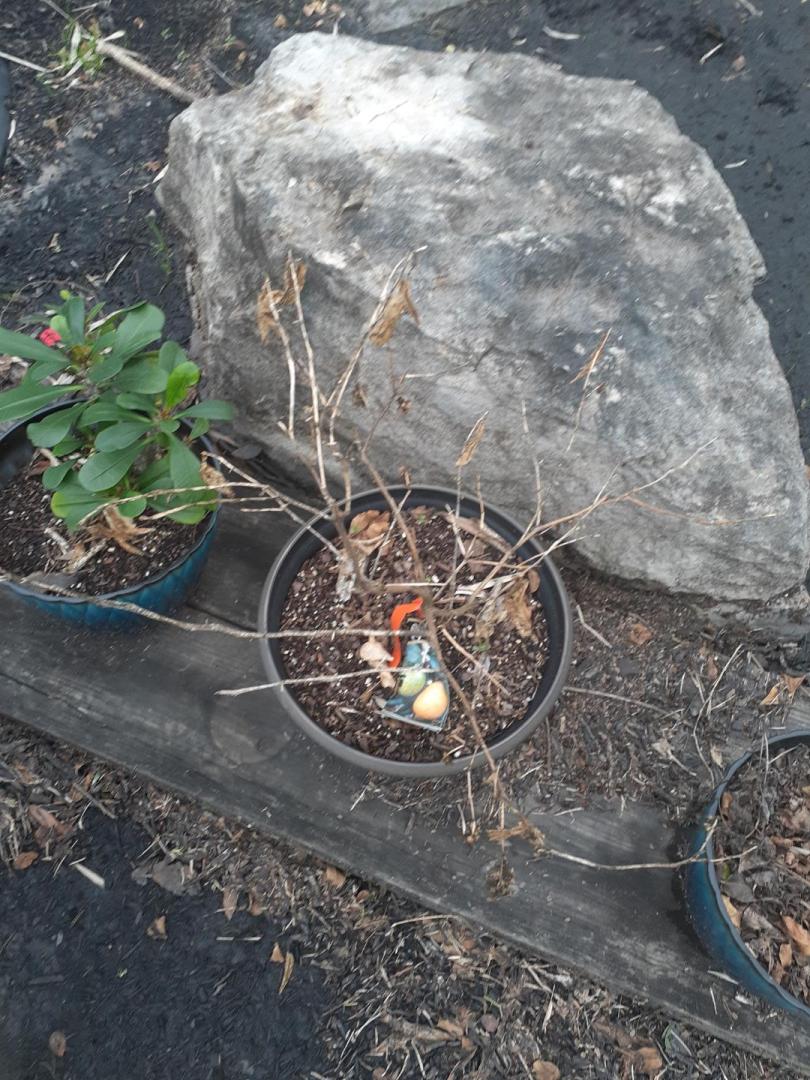
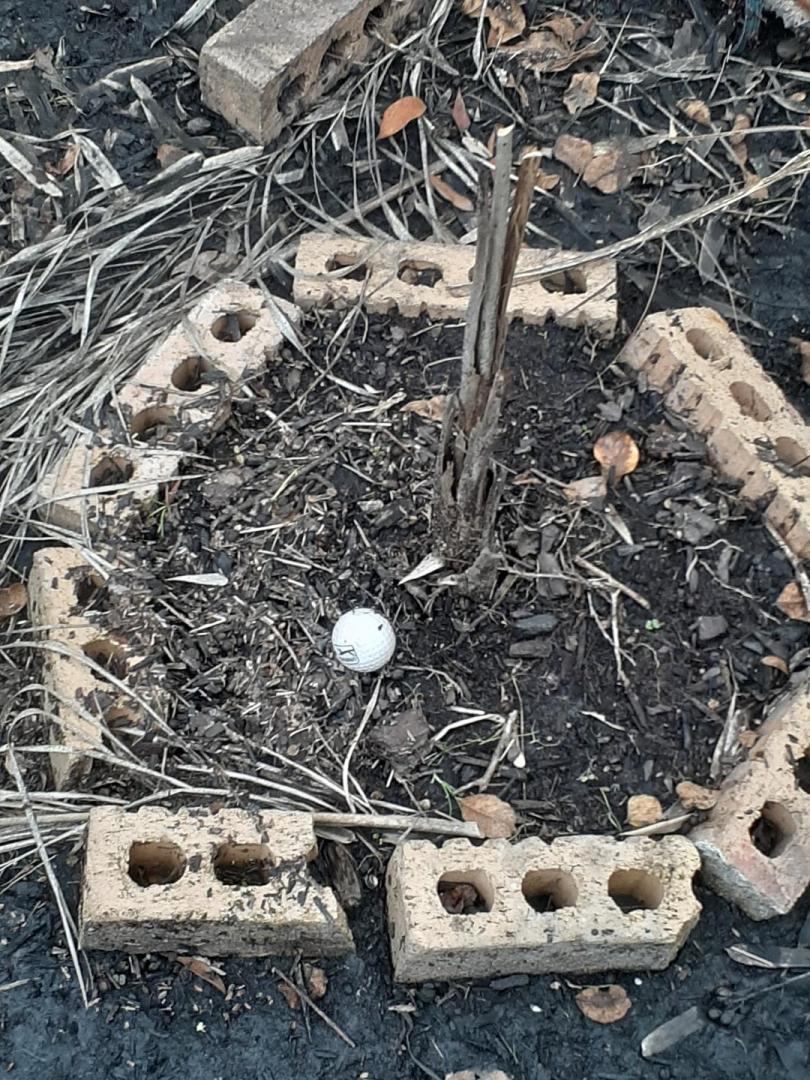
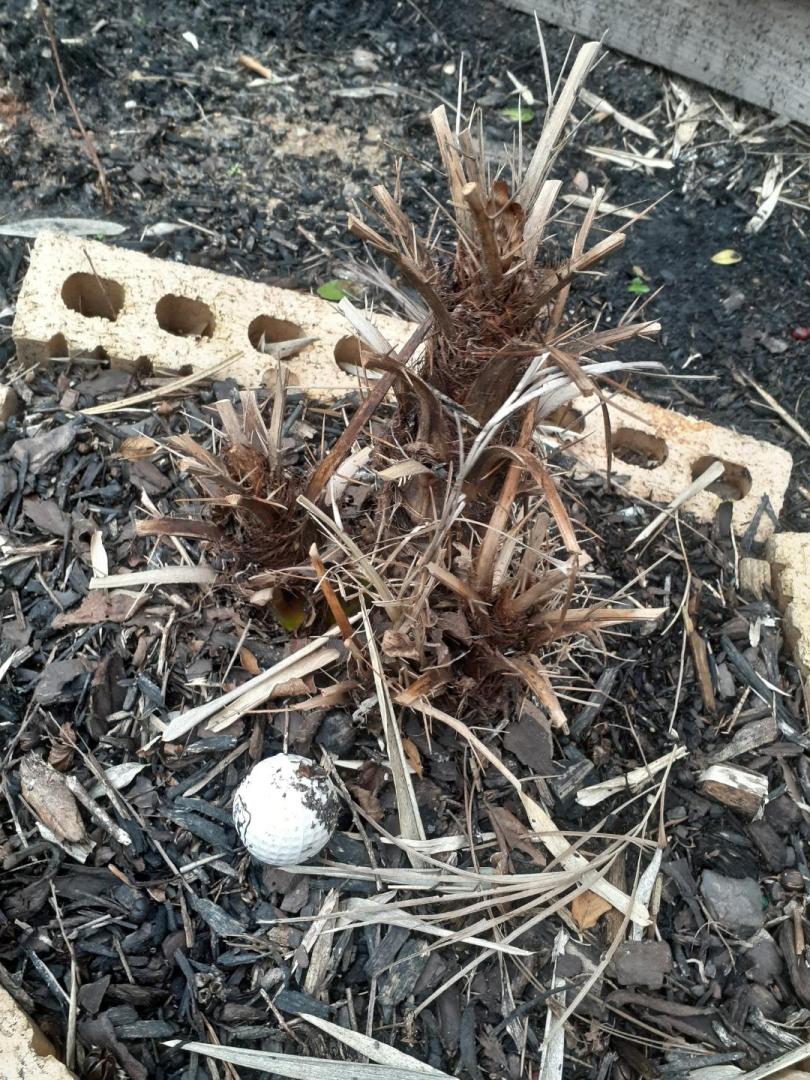
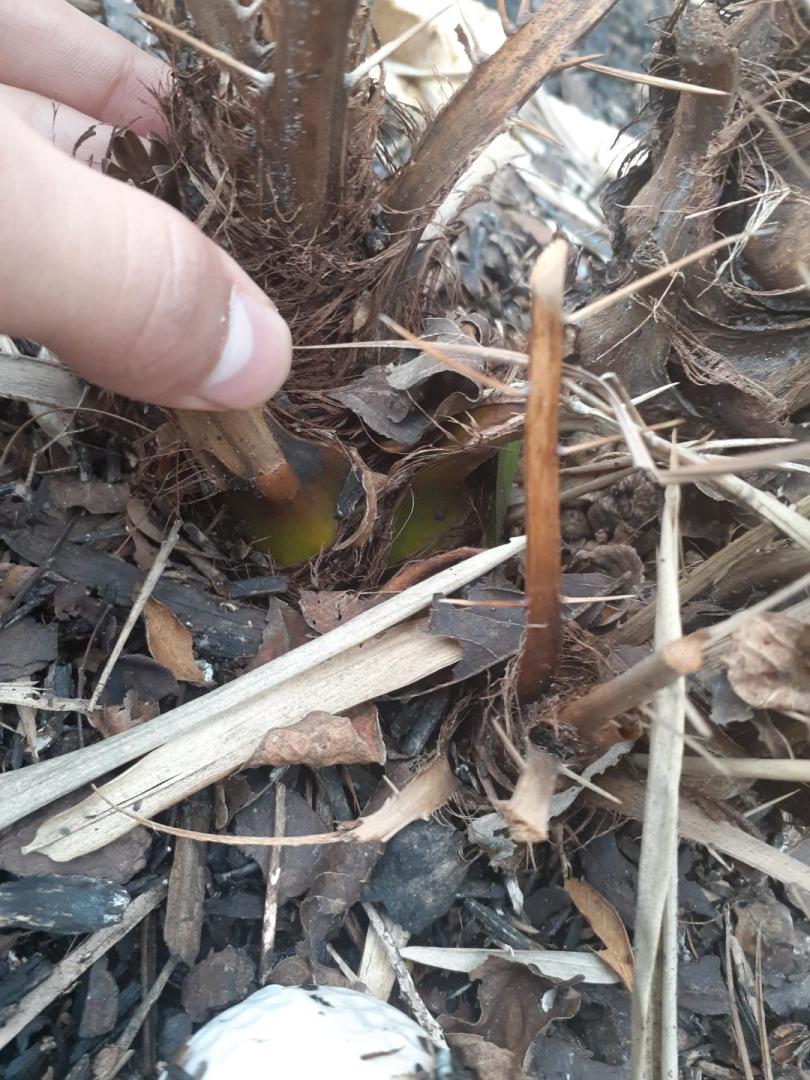
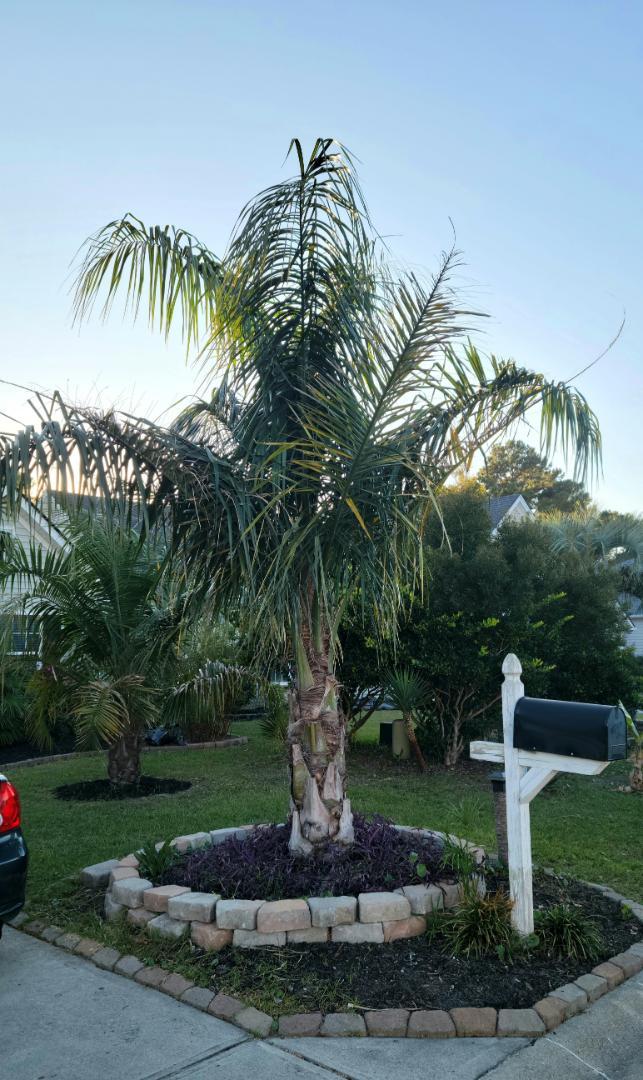
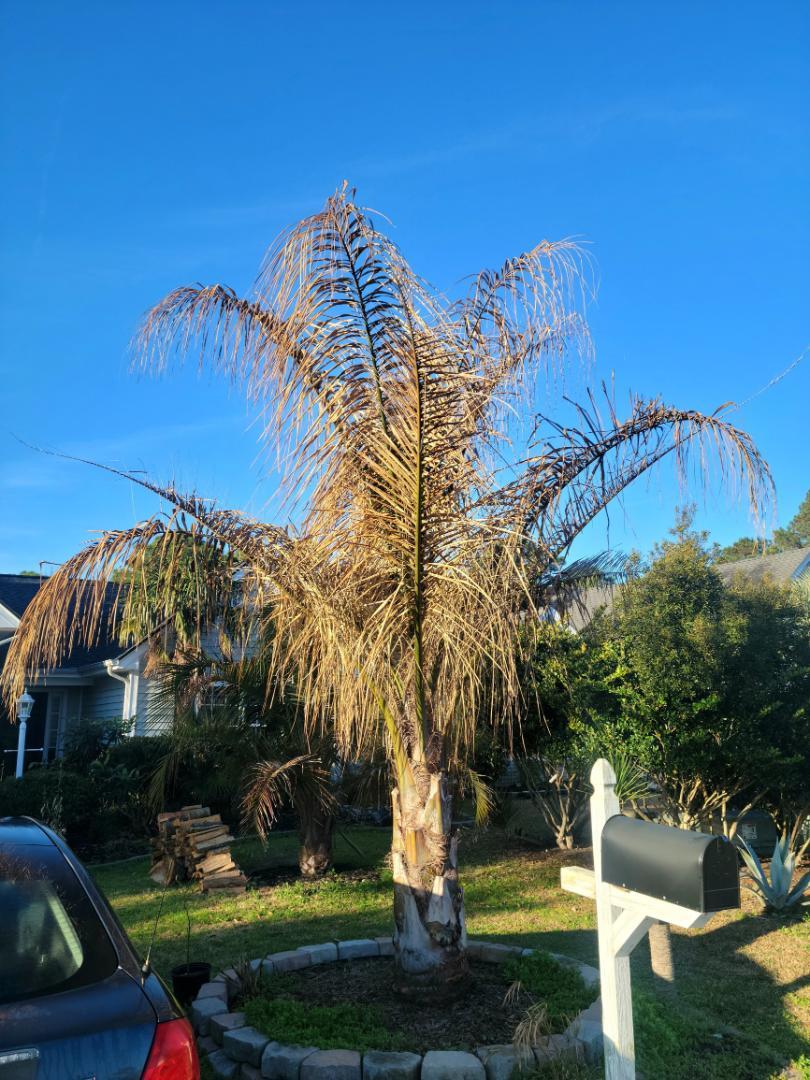
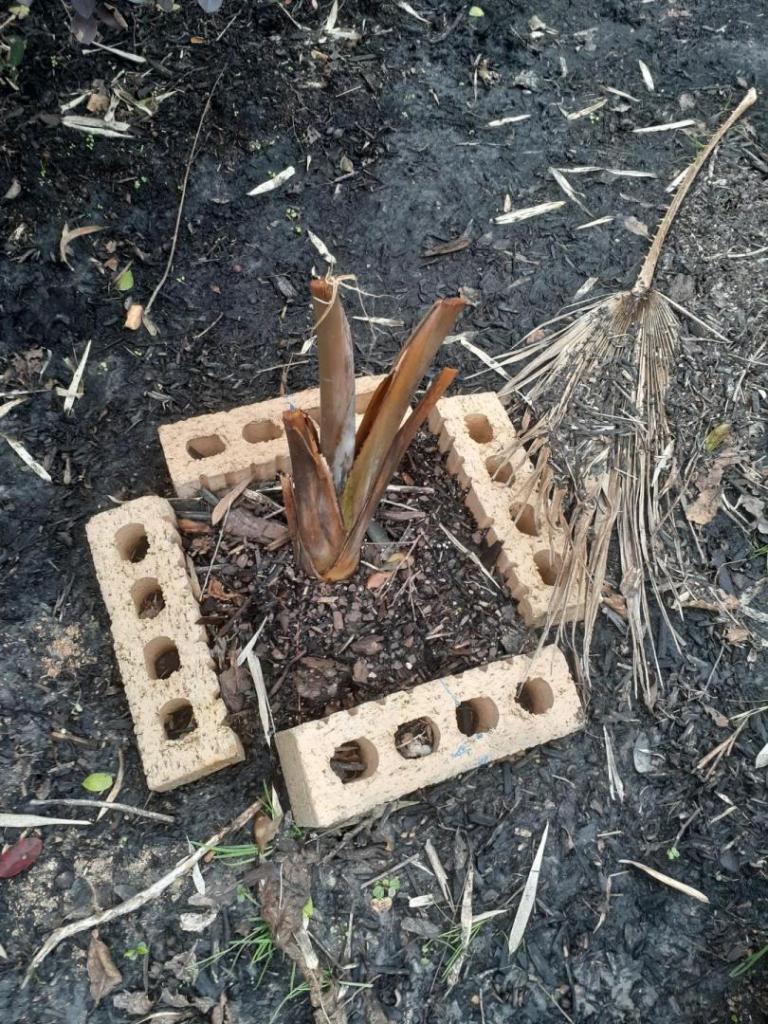
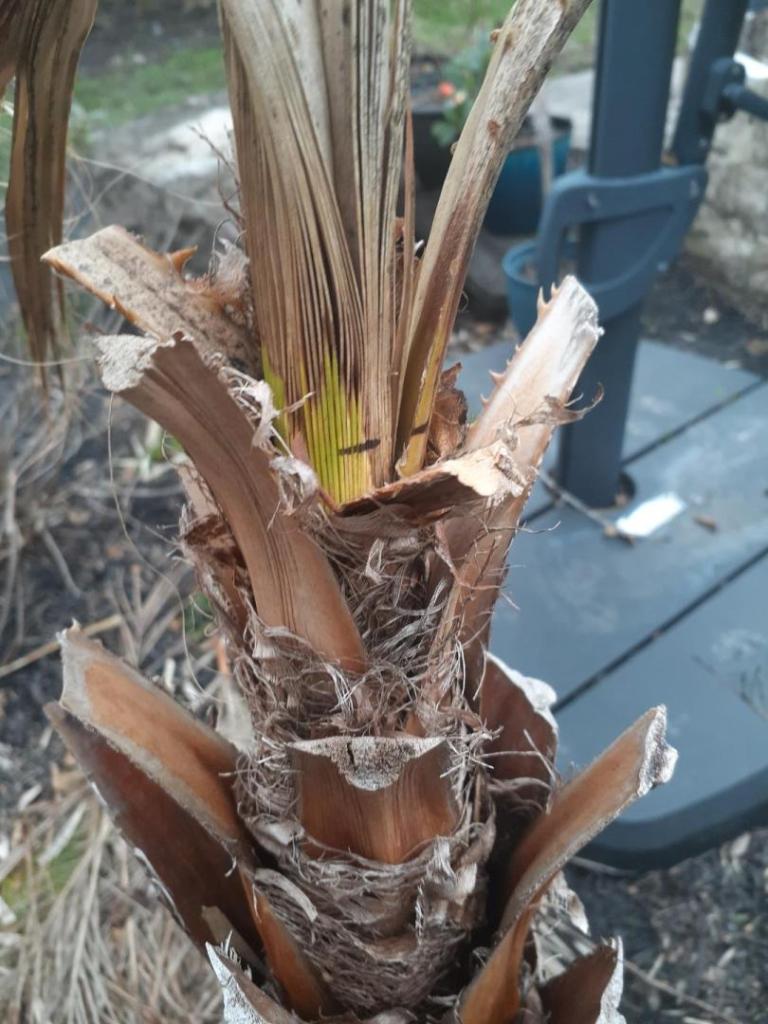
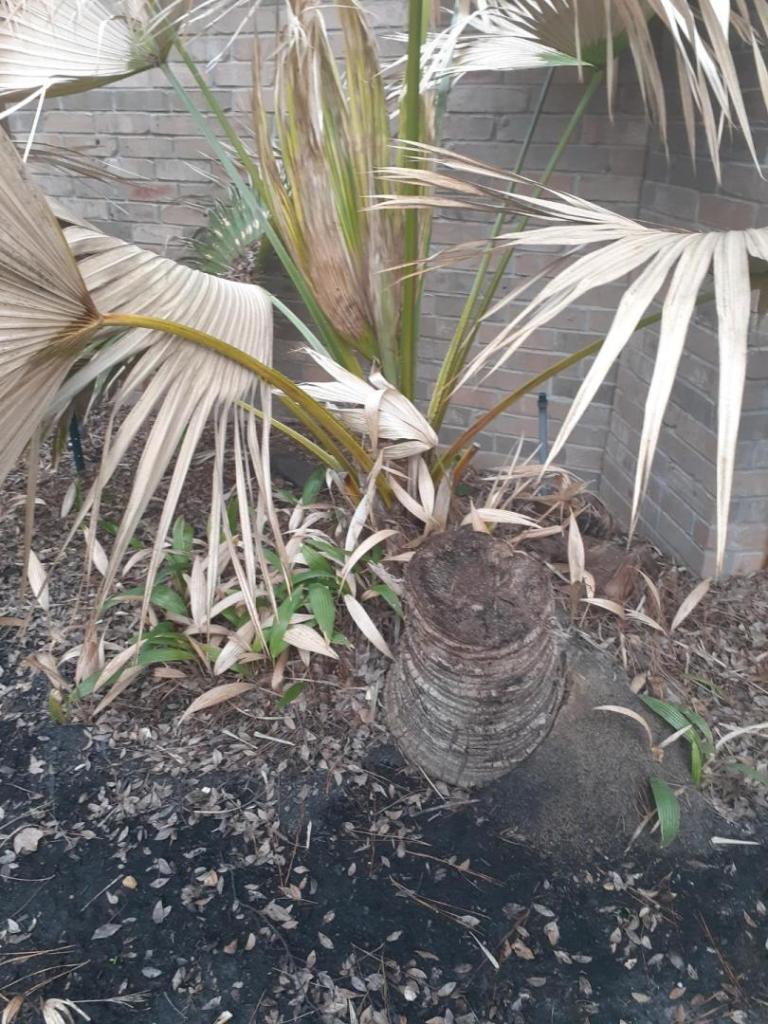
.thumb.png.c42f6651617b851f982957b6c712c363.png) Ill start with the non-palms For warning I wass out of town so nothing was protected. This elephant ear kicked it as expected Gwbop is toast, good thing they're cheap. Meyer lemon is still out, no new growth Persian lime is doing great Ok now palms, The spear pulled on the queen, golfball for size. Pygmy dates are done for. The only hope was a little bit of green robusta #1 did ok, i just marked it. Robusta 2 is dead Livistona is ok too so are her nieces and nephews
Ill start with the non-palms For warning I wass out of town so nothing was protected. This elephant ear kicked it as expected Gwbop is toast, good thing they're cheap. Meyer lemon is still out, no new growth Persian lime is doing great Ok now palms, The spear pulled on the queen, golfball for size. Pygmy dates are done for. The only hope was a little bit of green robusta #1 did ok, i just marked it. Robusta 2 is dead Livistona is ok too so are her nieces and nephews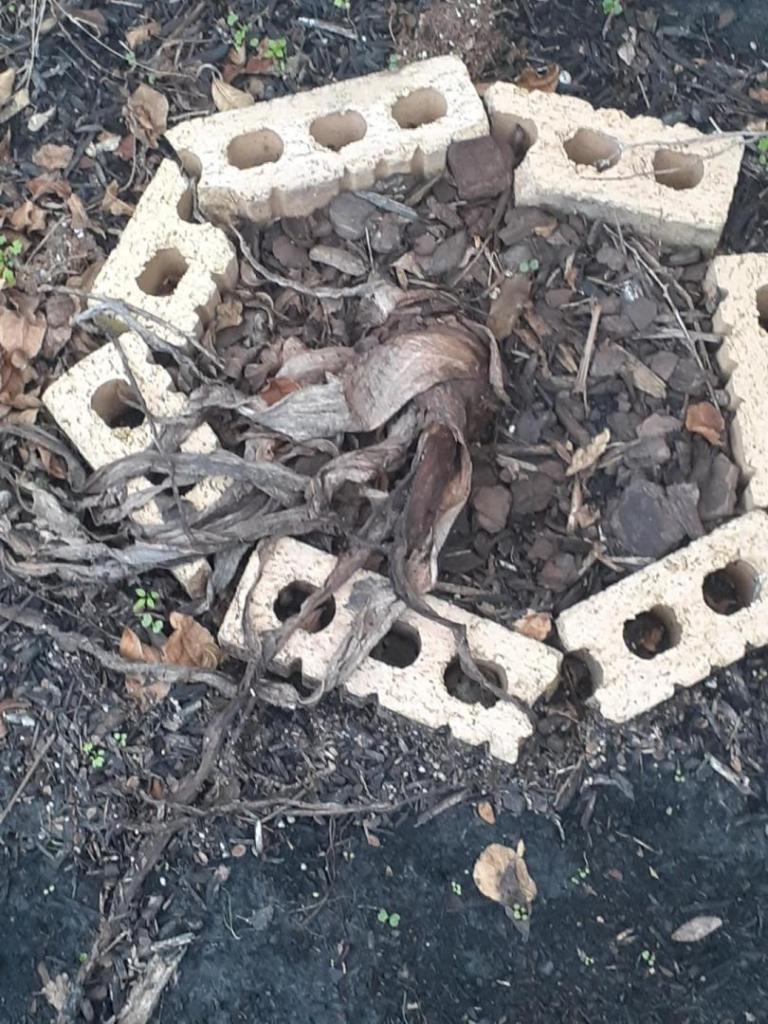
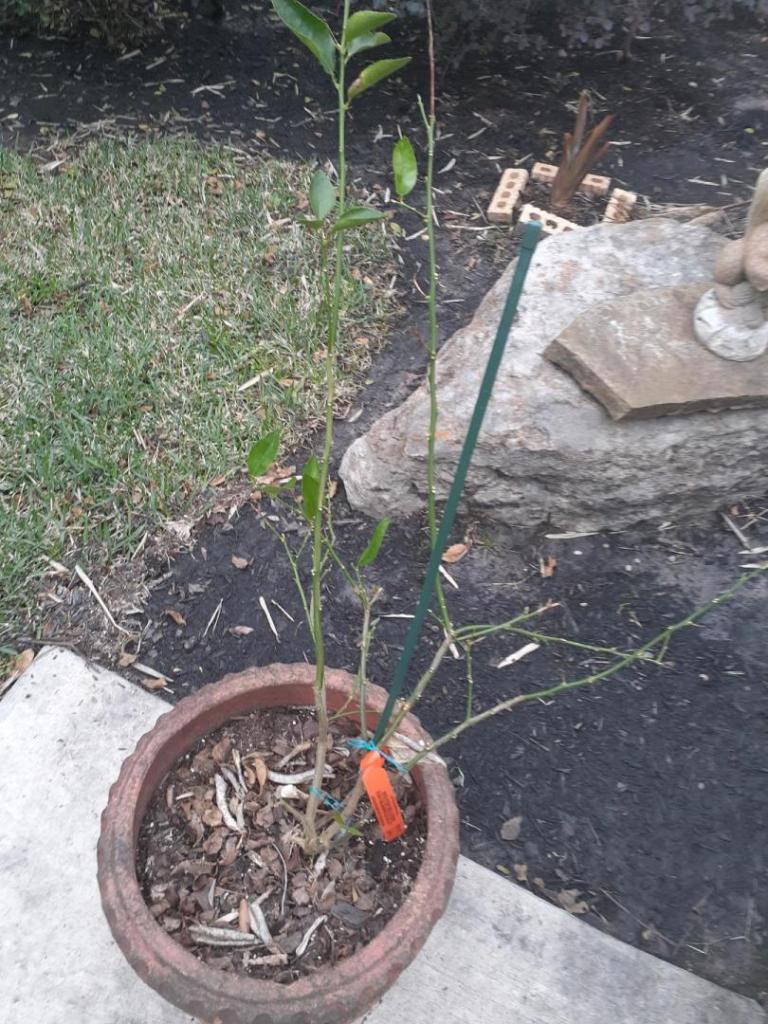
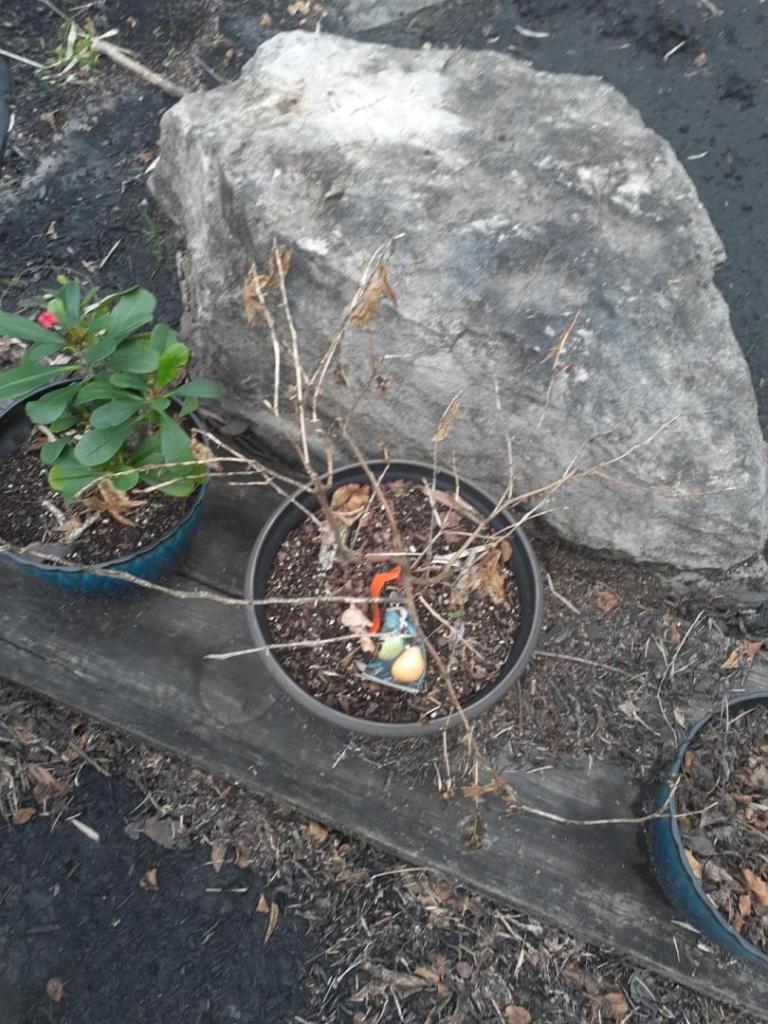
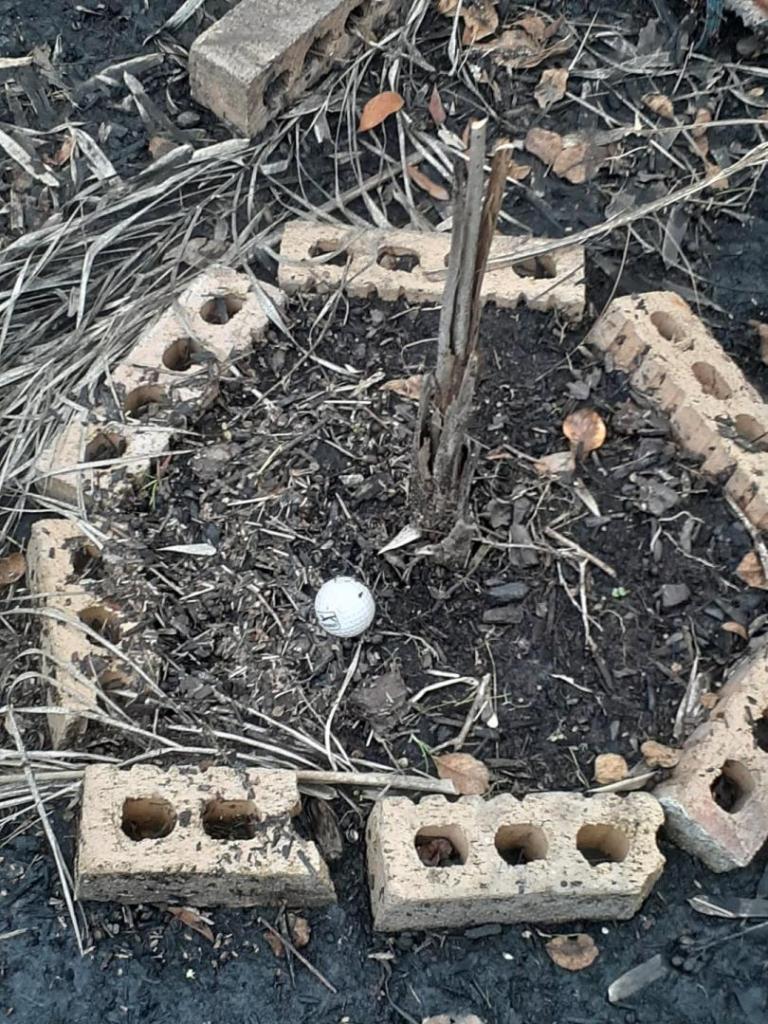
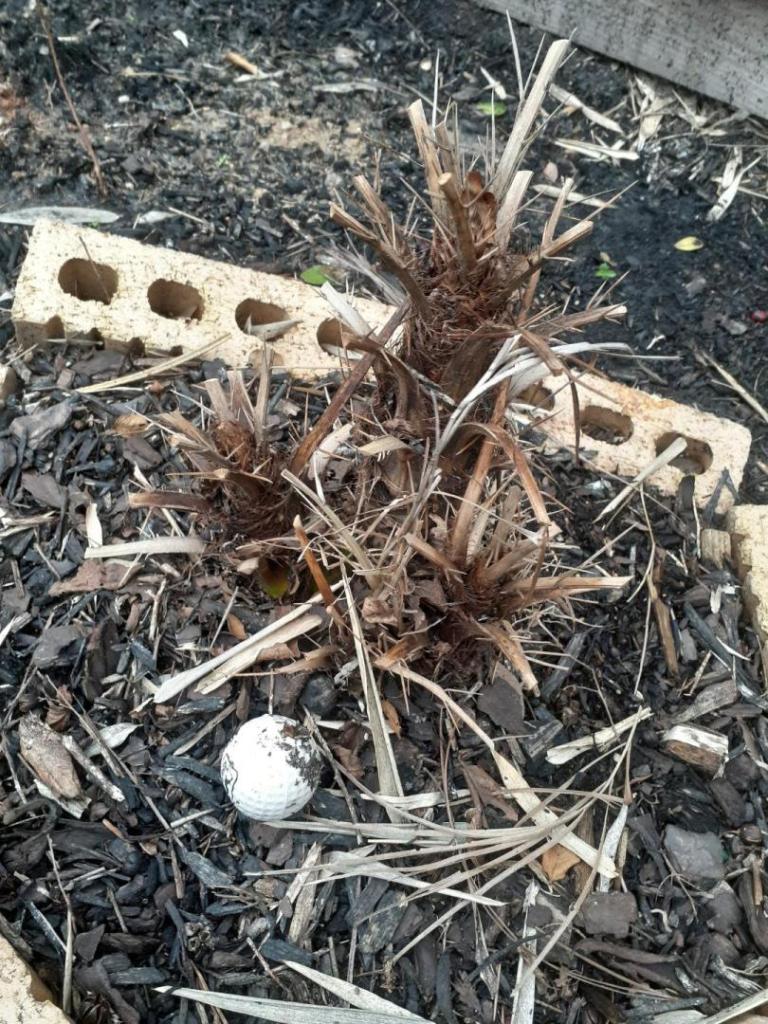

 3 points
 -
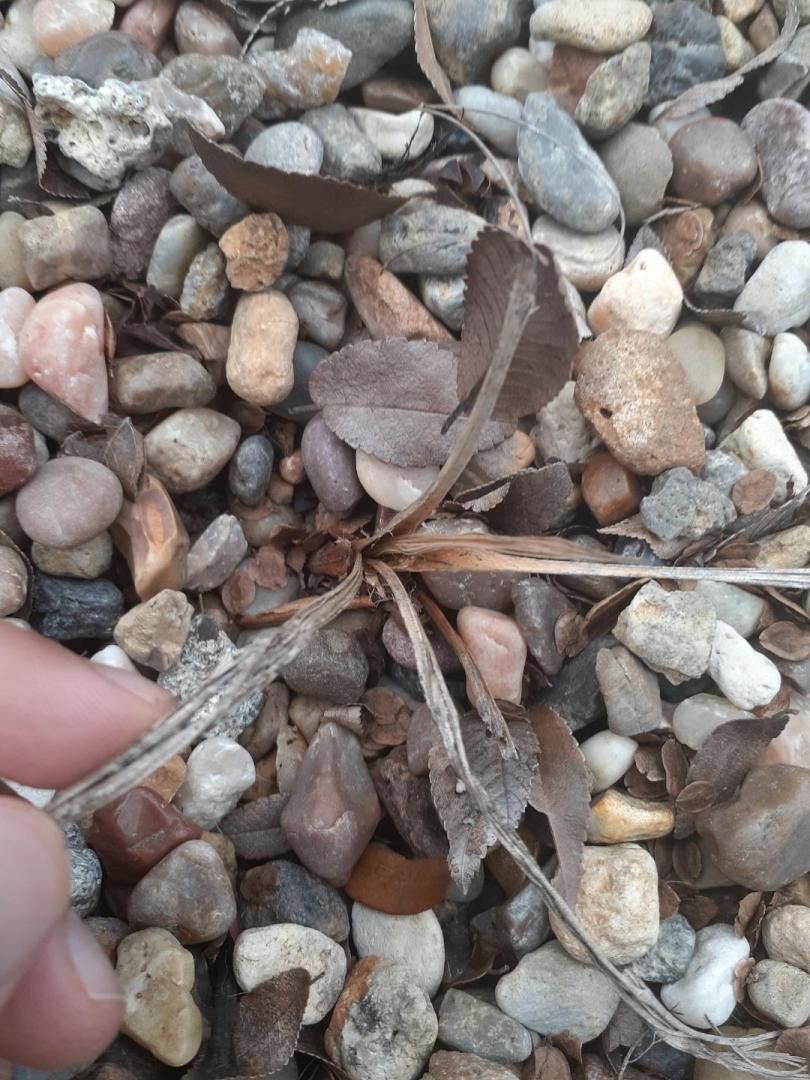
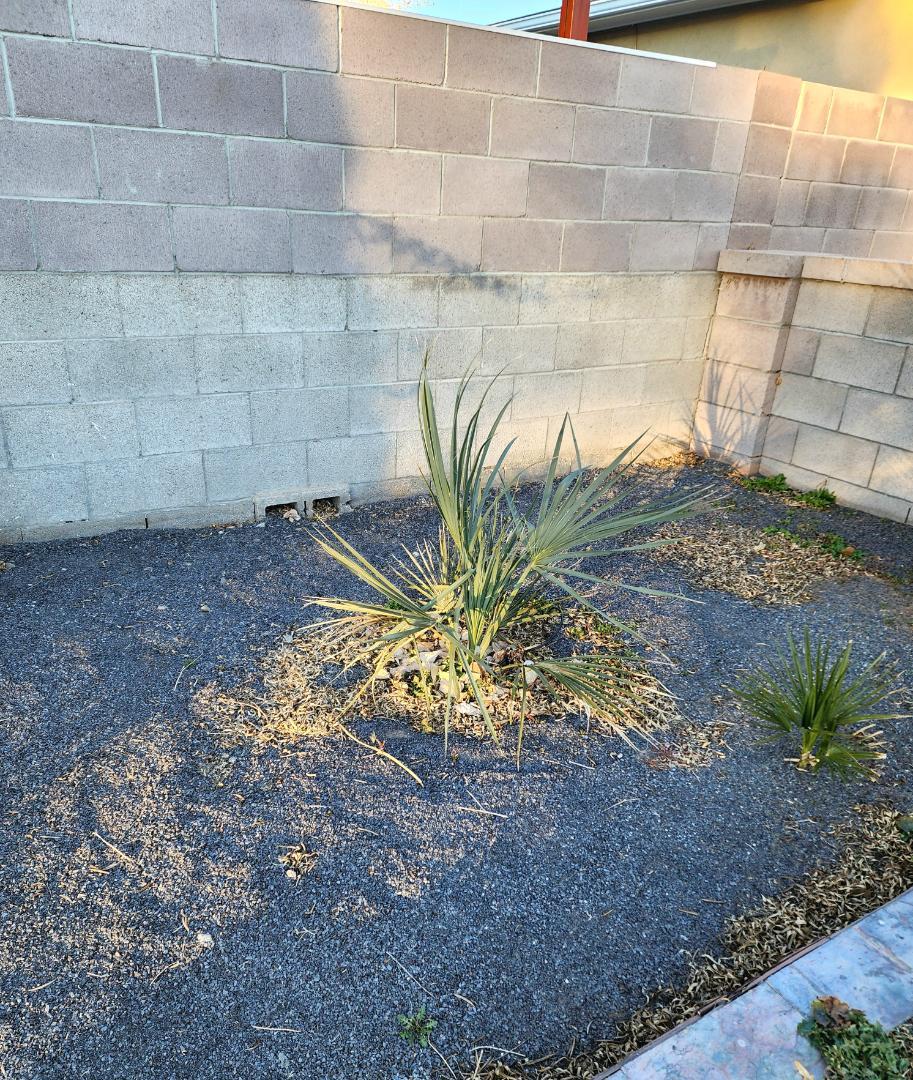
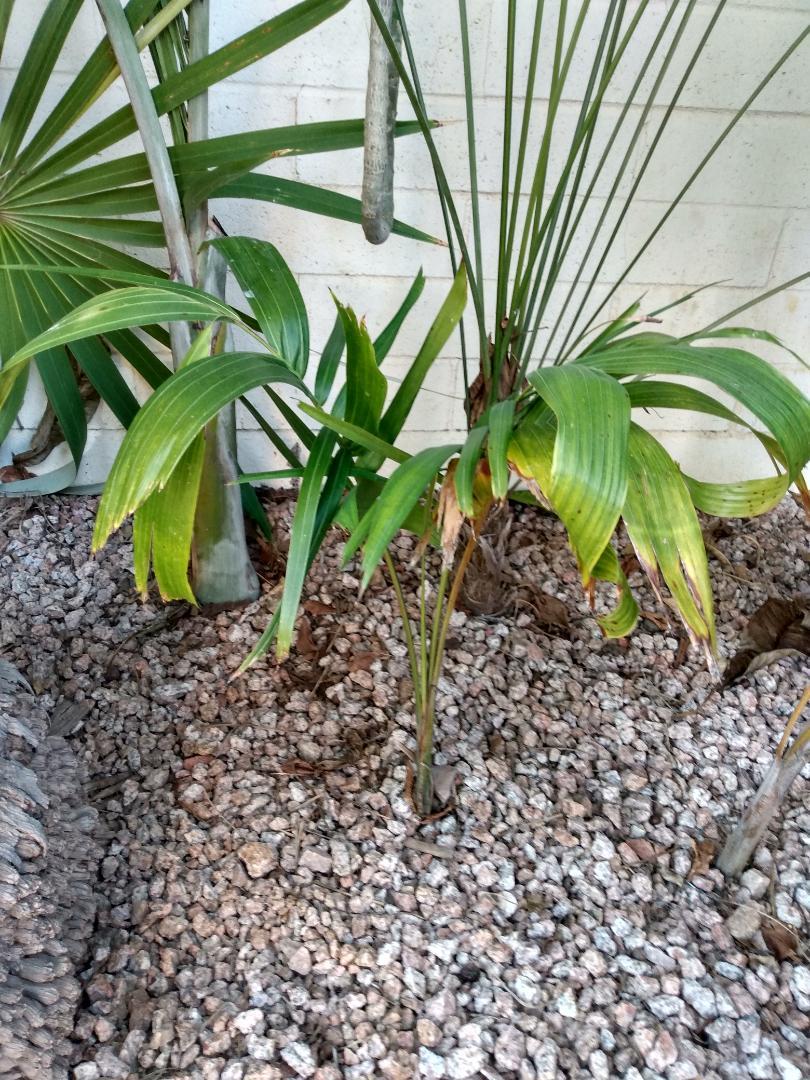
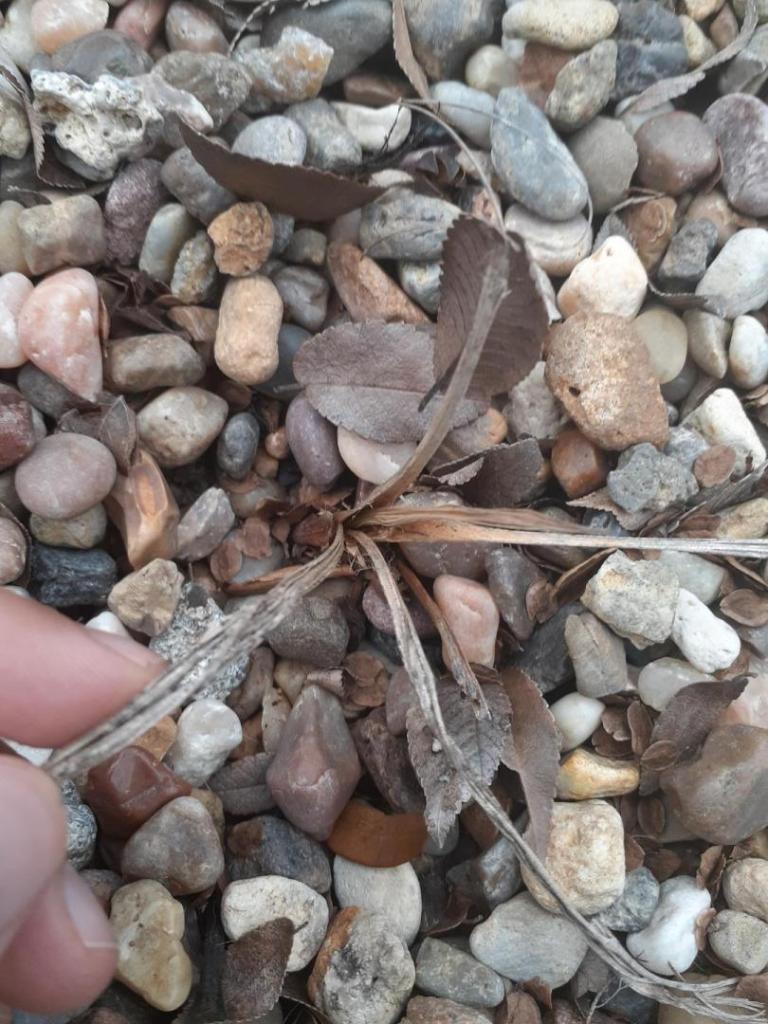
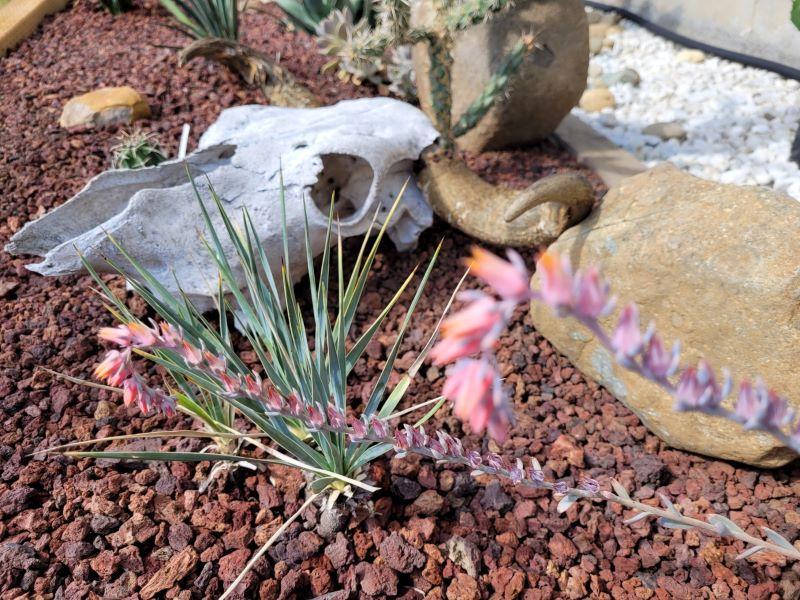
 Wood mulch is discouraged in settings that are easily ignited from careless smokers discarded cigarette butts. I've bee using aggregate & lava rock as a mulch, no so much for that reason, but I just prefer it despite the higher cost.
 3 points
 -
3 pointsBurretiokentia koghiensis and Cyphophoenix elegans (in the background) opening up new fronds after one of the wettest winters we’ve seen in forever and a couple nights with temps into the high 30’s.
 3 points
 -
 2 pointsI hate to say it but while Taylor forms evidently are incredibly hardy with large specimens growing in Raleigh for decades , they didn't handle my 6F very well . I have 3 Taylor Forms and they all look like the palm on the left . The palm on the right is a stiffer fronded form that looks much better . Wow , what a difference ! Will My Nainital did OK . Trachycarpus princeps ( green form ) had some issues . I don't know if it can handle 6F with damage or the microclimate is really good , but it has green spears and should do well in the spring . The more exposed fronds took a lot of damage whereas the lower fronds near the house are perfect . What a difference a microclimate makes .2 points
 -
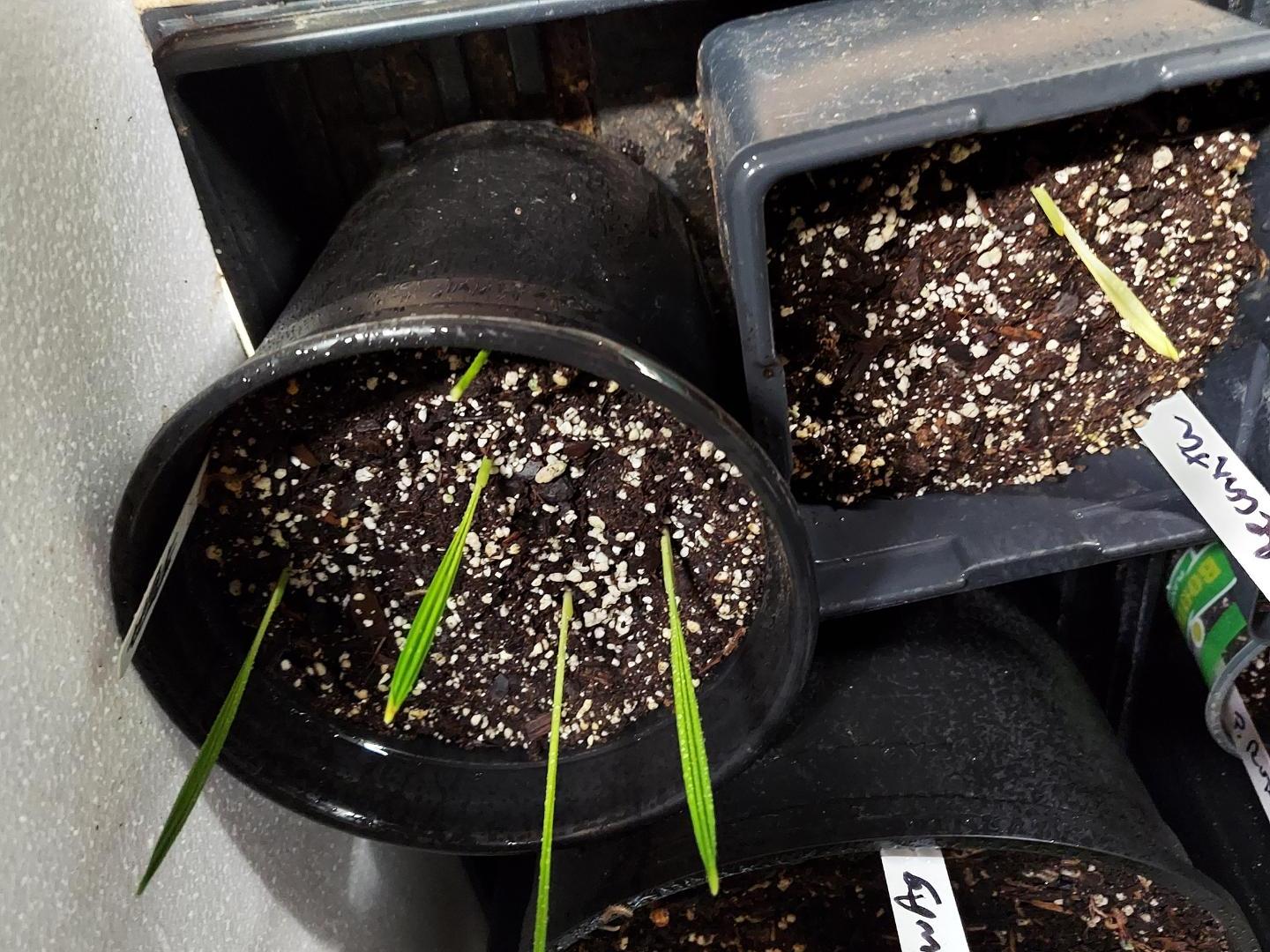
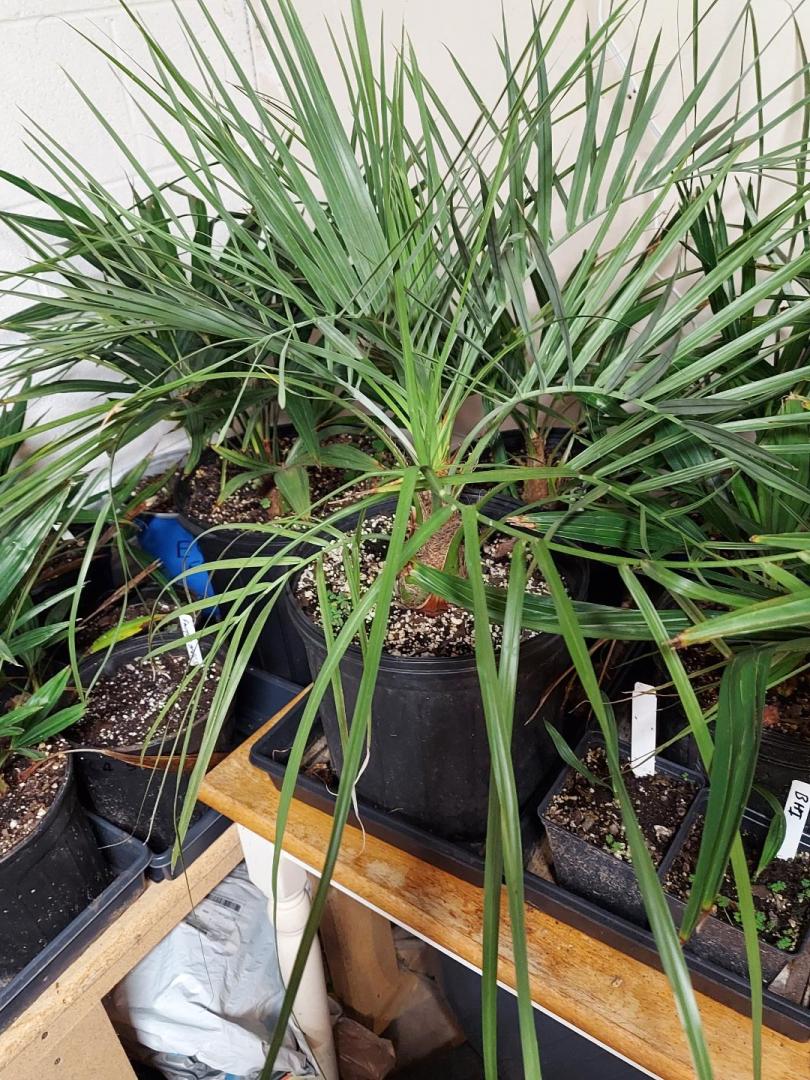
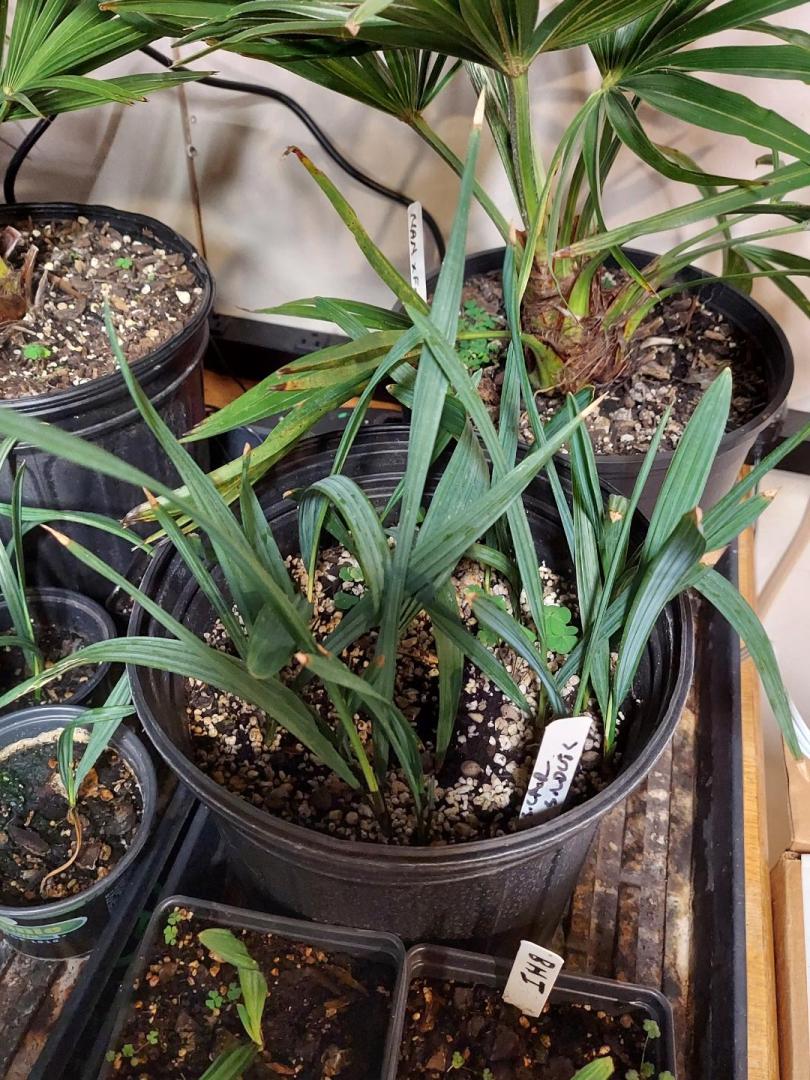
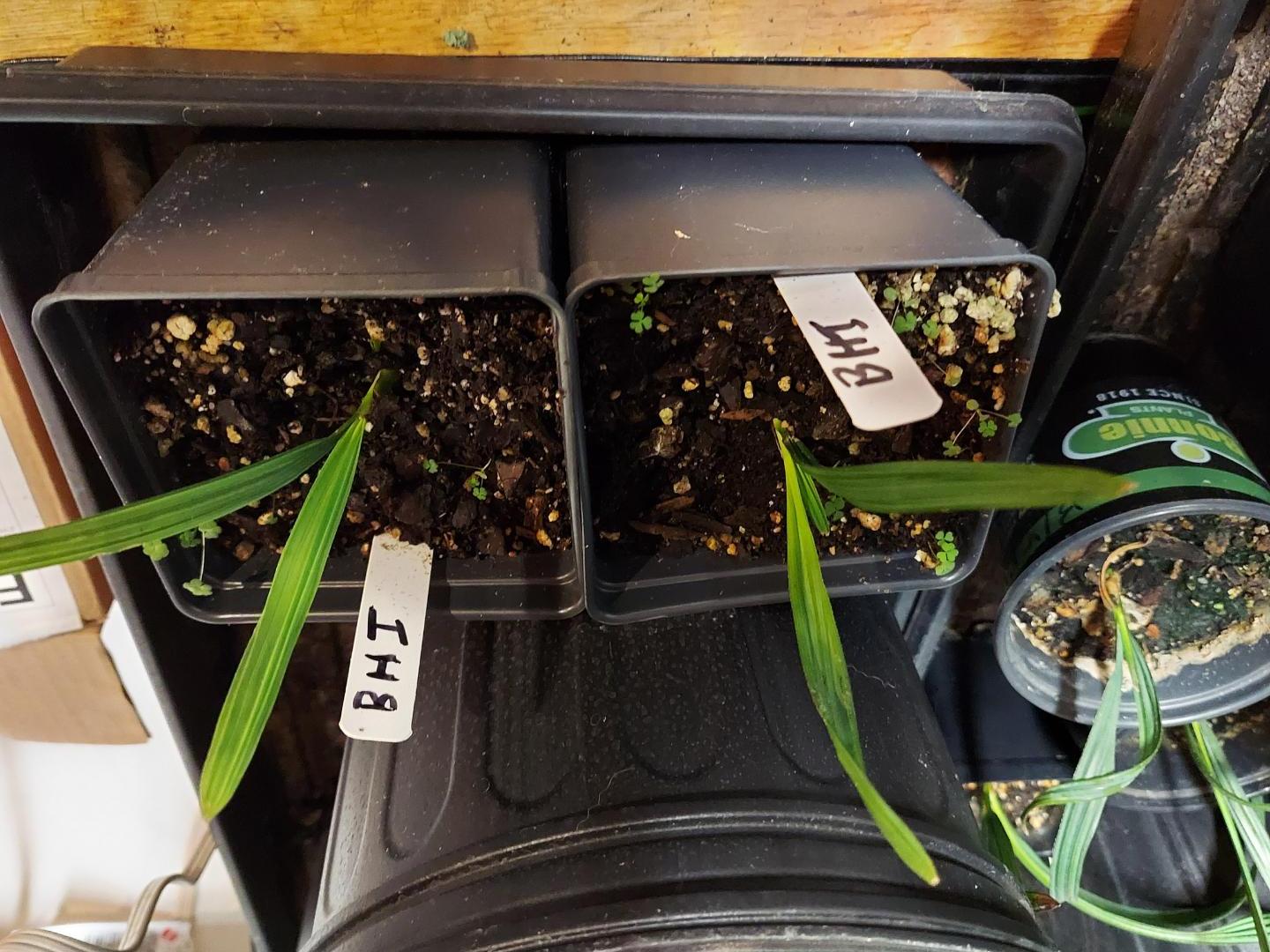
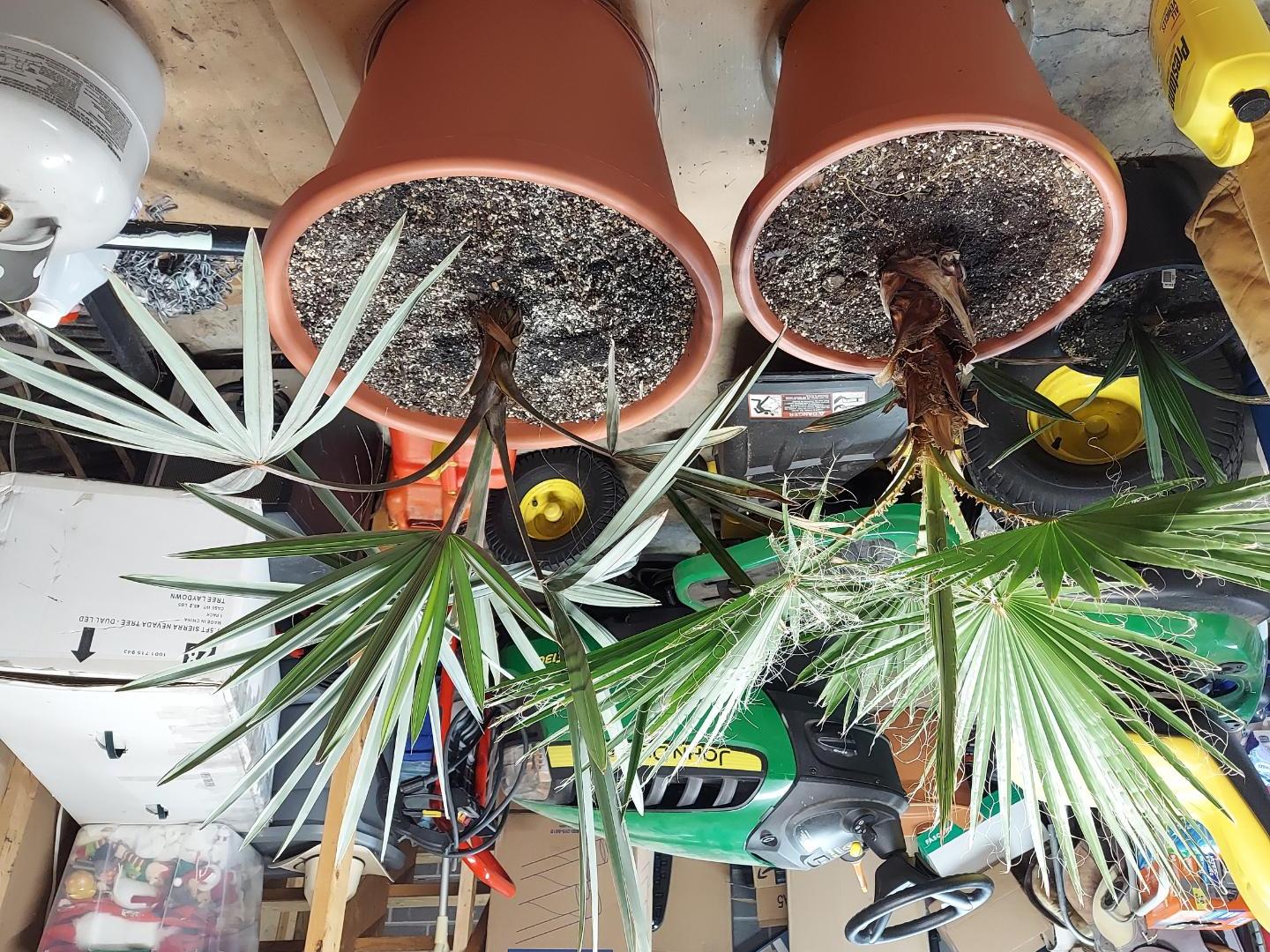
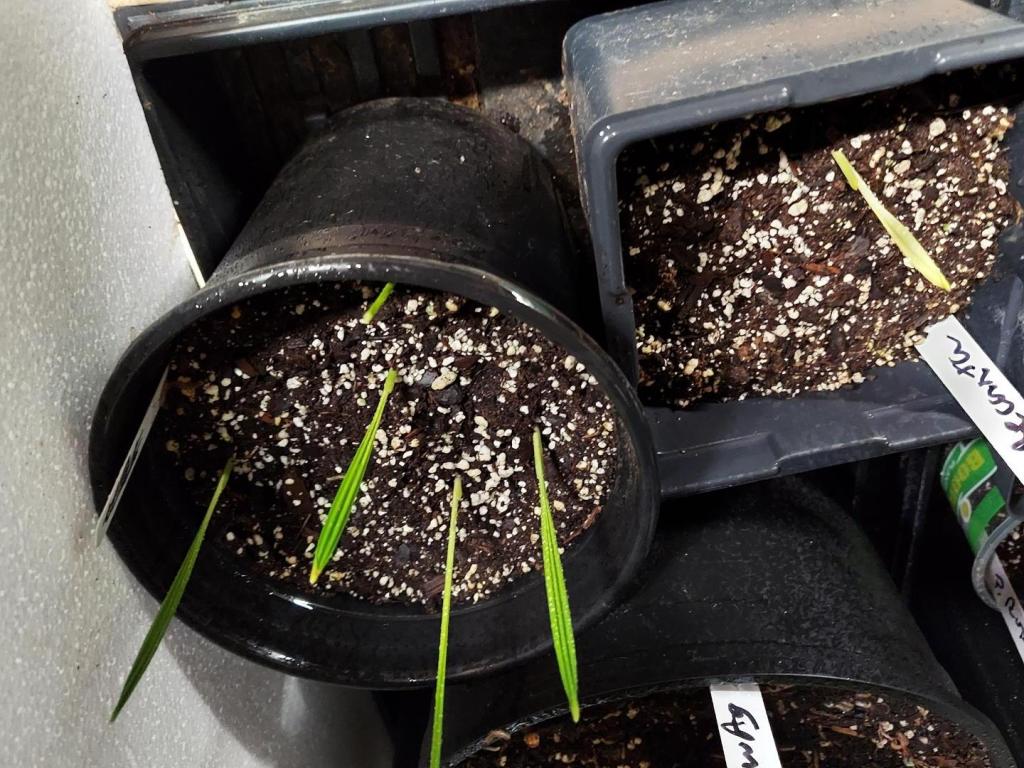
 Thought I'd share a few pics of my indoor 7a winterizing palms. I raise mainly Trachycarpus and the colder hardy Sabal minors and have probably 50 pots in my greenhouse and that many inside. Here is a few if my lesser cold hardy palms. Just a few phoenix from seed, my butia pindo, a couple Trachycarpus, Bald Head Island Palmetto, a container of Sabal Louisiana, Bismarckia Nobilis, and W. Robusta, s. Blackburniana. I had the Blackburniana in my greenhouse but when we had the big Christmas freeze, I brought them inside. I paid a little bit for those. Sorry looks like some came in upside down.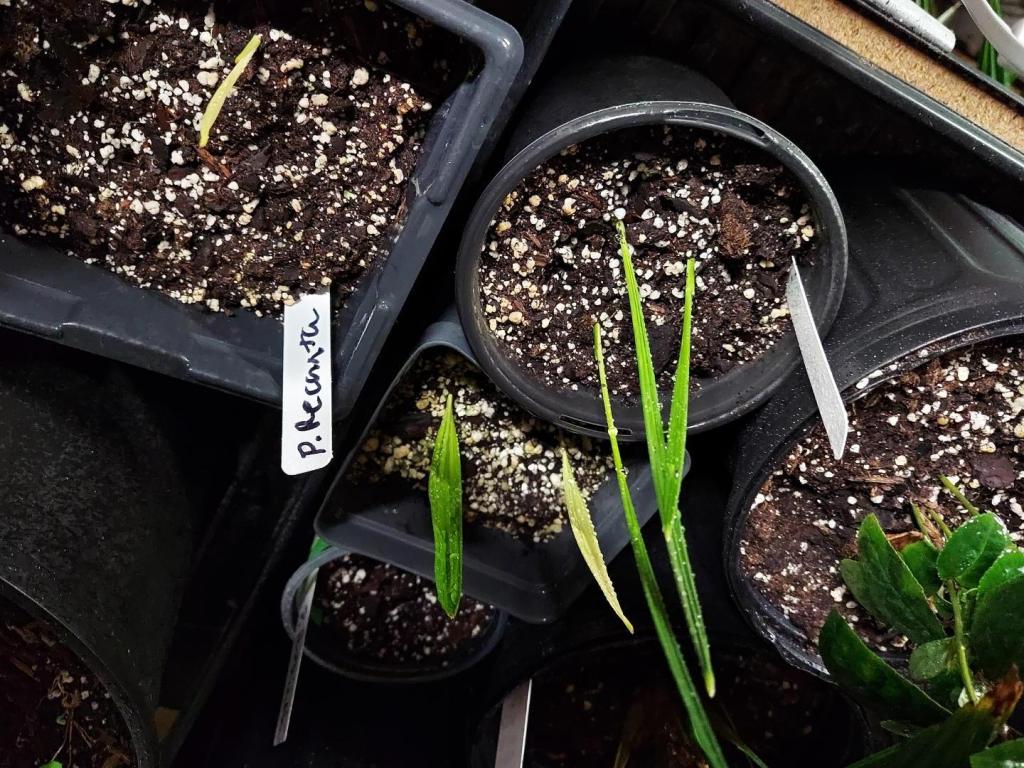
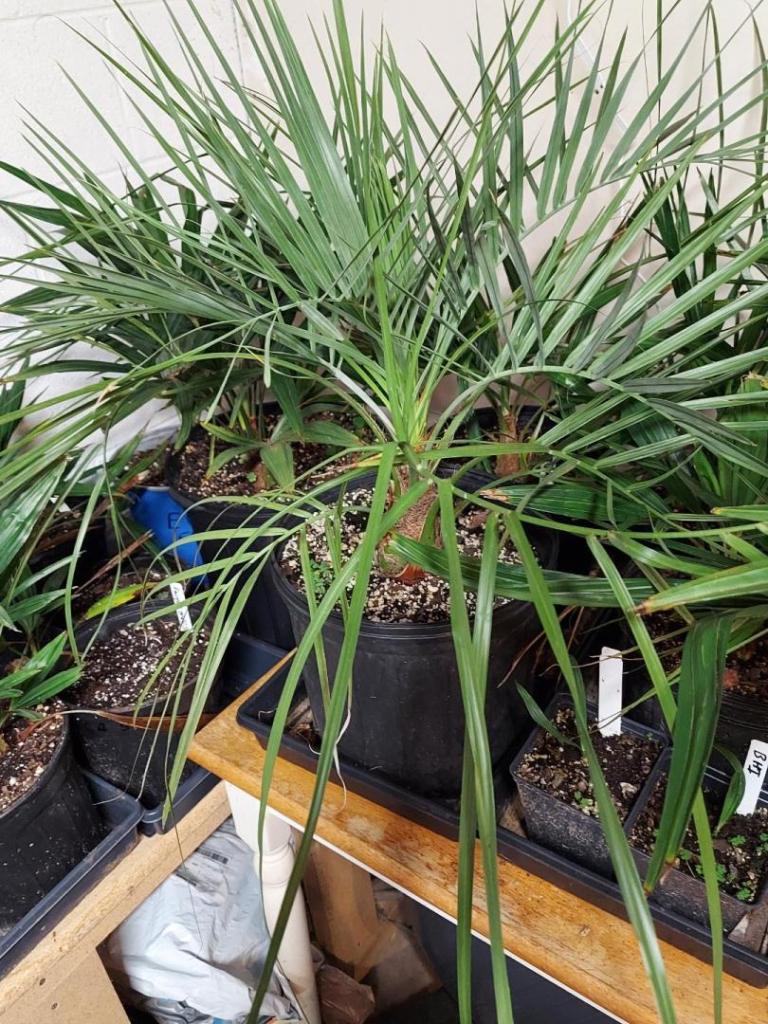

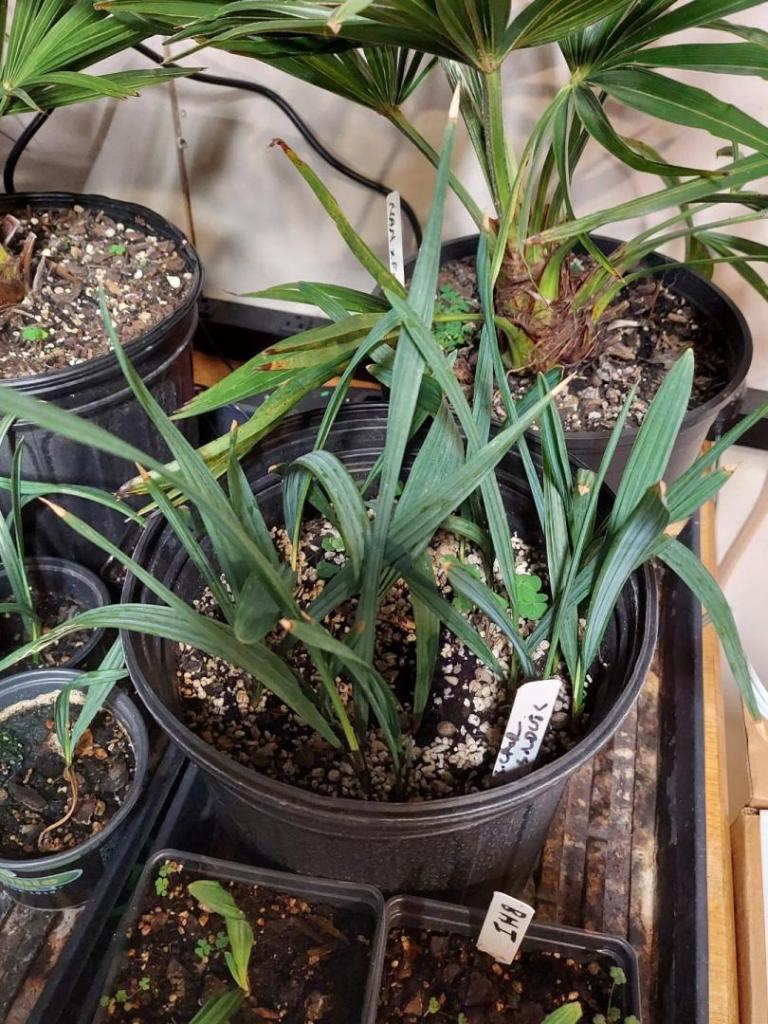

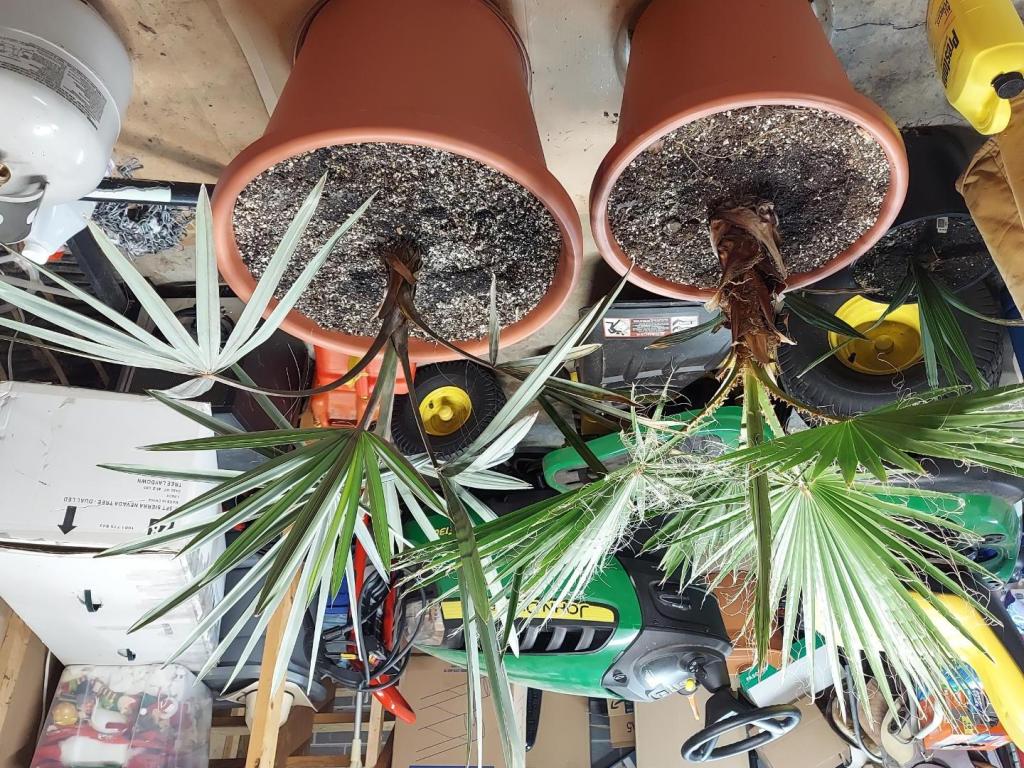
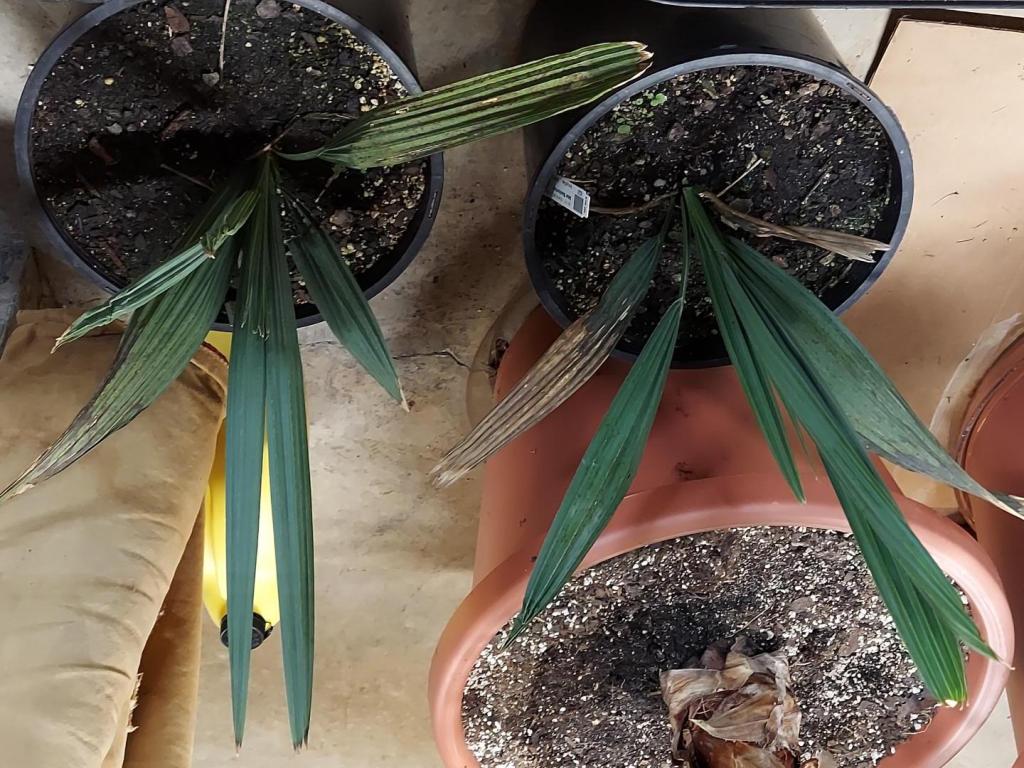 2 points
 -
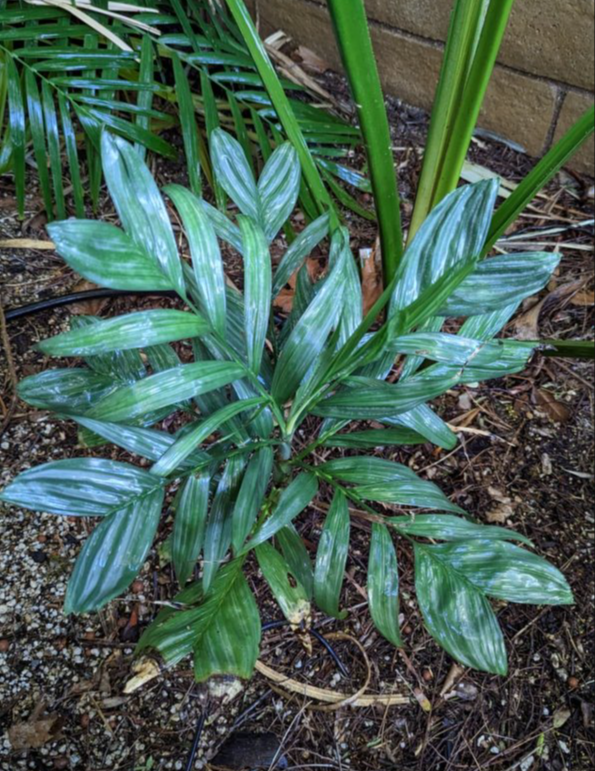
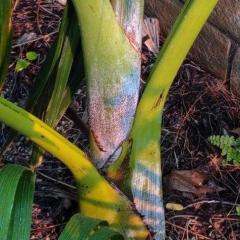 2 pointsI don't see many of these around nor many posts. This is one of my favorites and today it definitely caught my eye. Total eye candy for me. Post them it you got them. I always enjoy photos of others well grown palms. Cheers Tin
 2 points
 -
 2 points
 -
 If you are curious, try to see if it grows back. But I agree with @mnorell that this palm had pre-existing problems. It looks stunted and neglected. How long have you kept it in that pot? How often do you water/feed it (majesties are water/fertilizer hogs)? And they make lousy potted plants in the long run. They are also plentiful and cheap. That said, you may want to invest in a newer, healthier palm. Majesties are at their best looking before they trunk.2 points
 -
 Looks like you already had a serious problem with this palm (the dark grey dry-wood and rust-colored areas). The snap-off area is only the zone that is white in color, about half of the surface area. I would pour some peroxide over that ruddy area and also make sure there isn't something actively affecting the health of the plant. Otherwise your apical meristem does look to be intact and it should regrow (though you will always see damage there). But is there a way you can put that palm into the ground? It looks desperately in need. Ravenea are river-dwellers and want lots of water and fertilizer...also remember that the root-initiation-zone of palms (at the base of the trunk) in California needs to be continuously covered by soil. Since it is the area where palms grow new roots, the dry atmosphere will stop them from forming, most likely leaving you with a very unstable and unhealthy palm over time.2 points
 -
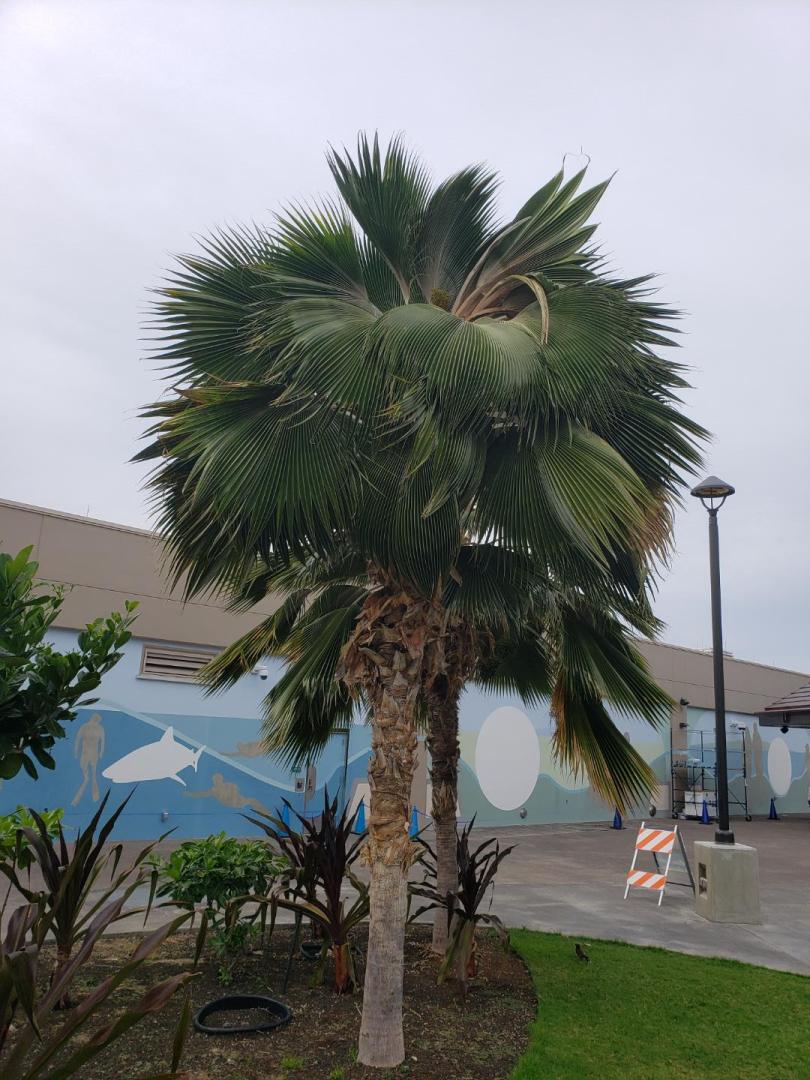
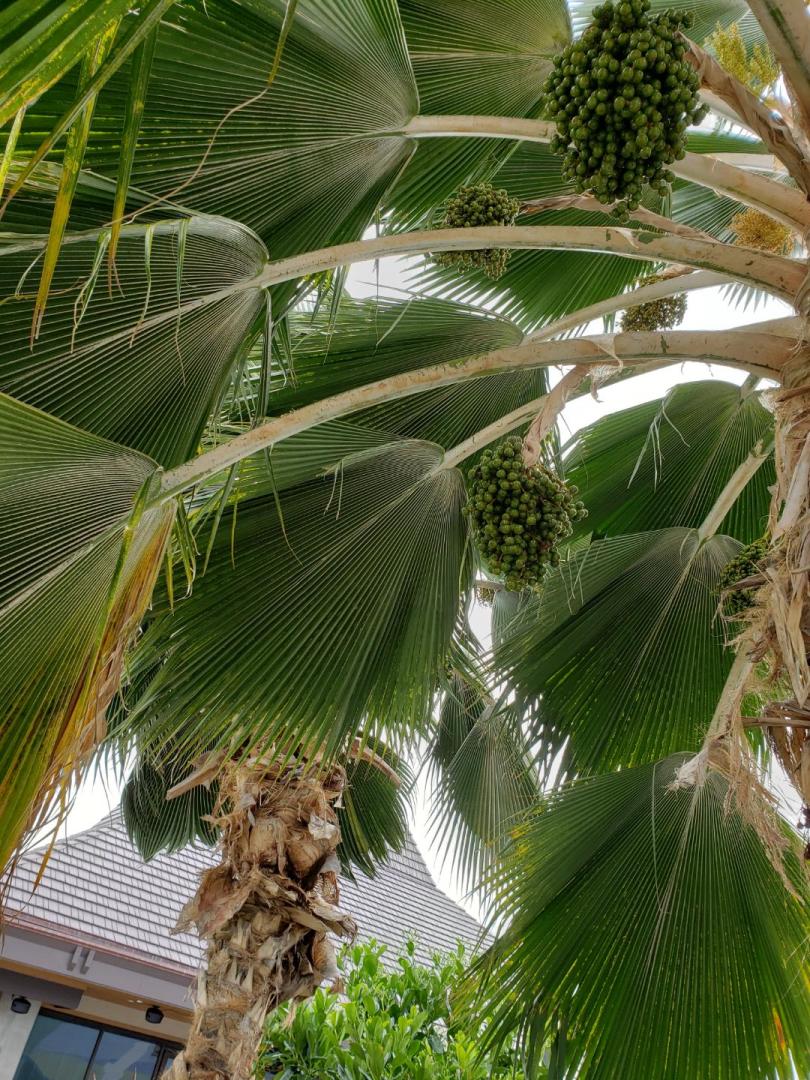
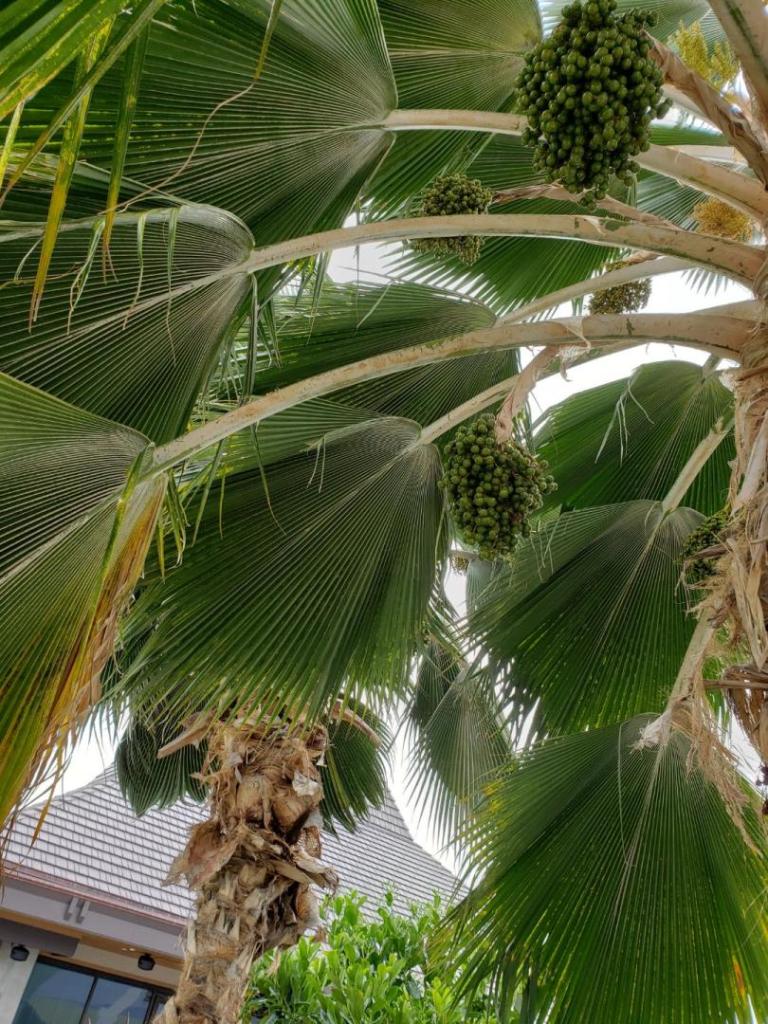
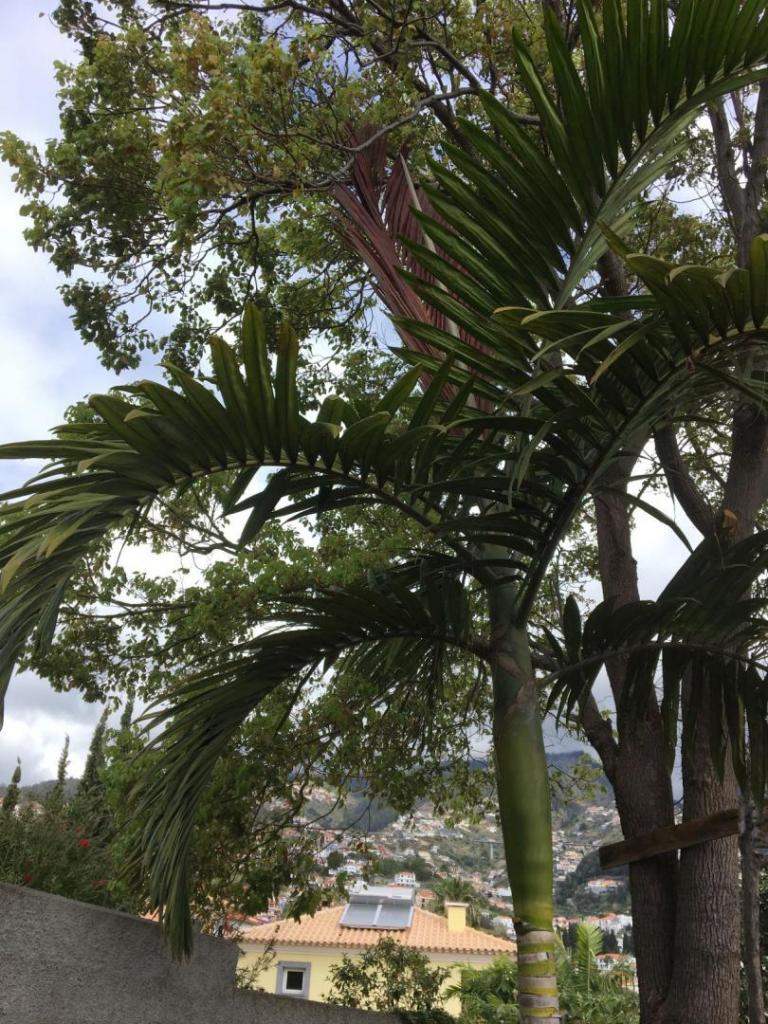
 A parting site at the Kona Airport. I noticed the unusual curvature of the leaves first then as I got closer I could see it has a leaning crown. Reminded me of the common Howea forsteriana leaning crown syndrome. In that I have not seen this occur with Pritchardia before, I thought it worth asking if this is often seen here and what the cause is? Adjacent one looks fine, showing the underside with fruit of the healthy specimen. A side note, I didn't take photos of the entryway of a resort north of Kona that we drove in to visit the beach. It was pretty sad to see the drive lined with Washingtonia robusta and coconuts at the terminus ends of the long road entrance. Why an invasive when they could have used so many different Pritchardia instead. On the coconuts, I will parrot what Jeff Marcus commented when showing his Beccariophoenix alfredii, madagascarensis, and fenestralis, they give the look while eliminating the need to continually neuter the plants to avoid dropping coconut on human syndrome. Ahhh but that requires thinking out of the 📦.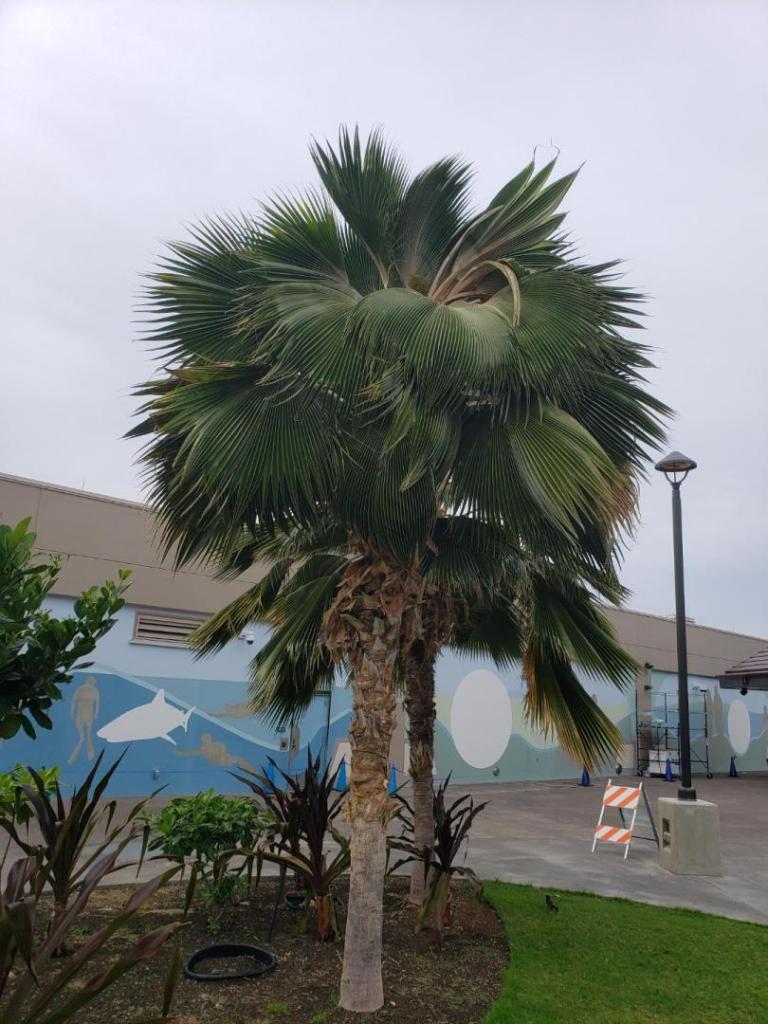
 2 points
 -
Rocks are mulch. There is organic mulching like wood chips and there is mineral mulching like gravel and such. From my experience young palms don't like rocky mulch as much as bigger ones do. I guess that's because before they've established some strong trunk it restricts their ability to do so at least a bit. Also it really looks like palms that come from rocky habitats can handle rocks even at a young age better than other palms. I have a Lava based bed where I grow mostly Californian/Mexican plants. Lava is a regional natural resource here and readily available because of it. It's radiating heat at night because of it's dark colour and it's quite porous which still provides good air exchange. Sabal uresana seems to be a palm that likes this kind of mulching already at a young age:
 2 points
 -
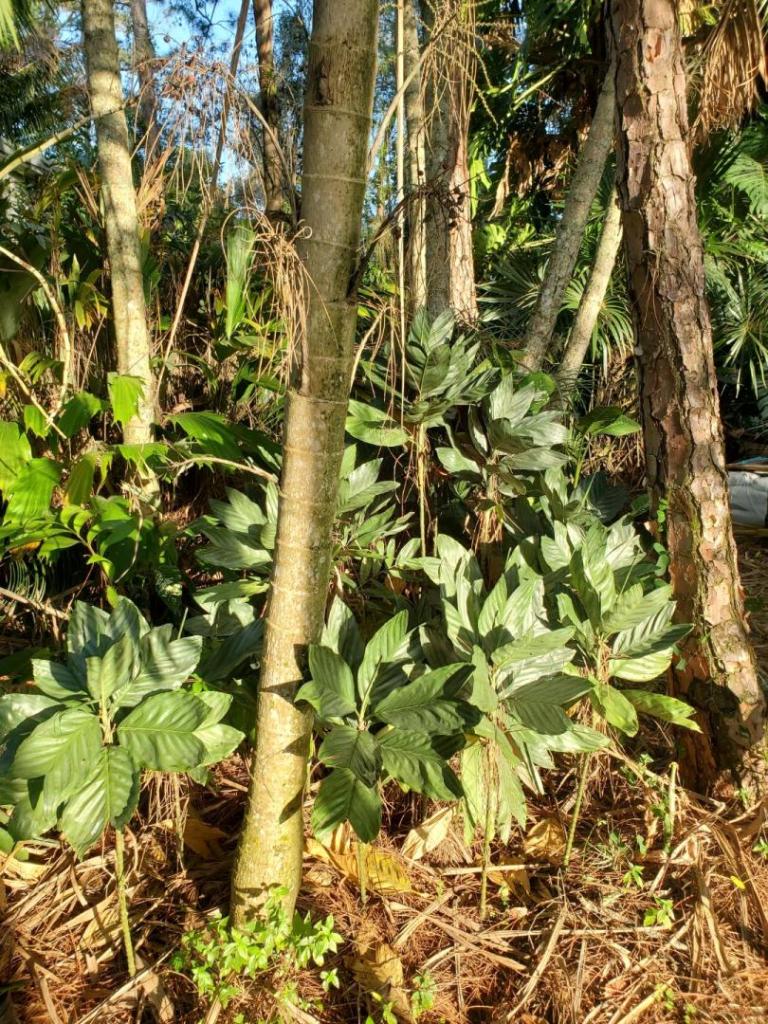
 2 pointsNo split leaf here but my metallicas are happy growing here, (Loxahatchee Groves, Florida) planted outside, and producing a few seeds..
 2 points
 -
 2 points
 -
 2 points
 -
 I really appreciate these reply posts suggestions and input. It will take me some time to digest all you shared. I hope I can source a few of the important tall and shade varieties as larger crated or barefoot but I haven't investigated what nurseries exist in the Peloponnesian area. It would be interesting if I could bring several bare root Rhapidophyllum histrix pups from here, likely they would do well there. Someone mentioned baby palms.eu as a source for mail order palms/seedlings who are in Spain. I enquired of them and they seems to feel shipping to me would not be a problem, and as an estimate a 30 kilo box holding several plants would cost about 150 Euros. Hopefully I can find things closer to Katakolo and for now I'm just in the planning stage and one house and it's concrete fence walls removed before I can plant any specimens. Also, I really should have installed new fence walls on three sides leaving one end open for construction of a home that approval to build may take a year or more to have approved. Anyway, it nice that palm and tropicals folks are nice there in Europe just as they are here. I really appreciate you folks posting with palm talk!2 points
 -
 You would be quite spot on, were there not those darned imported pests. Truth is that the planned garden will be located in south western coastal mainland, which is blessed with a very subtropical climate, moister climate, less heat in summer, less cold in winter, relatively high max temps almost every day during winter and considerably less northern wind. An entirely different world from the eastern coast in same latitude. All this because the highest montane massive does not run across the country from east to the west but rather from north to south. Therefore I am bound to recommend only crownshafted palms, which are less susceptible to an atrack by rpw and Paysandisia, plus some non crownshafted spp which have proven hardy to those pests, such as Arenga and Caryota, and plenty of (sub)tropical fruiting trees. Unless one desires to inhale almost year around pesticides, because biological treatment for extensive palm collections is outrageously expensive, difficult and during summer not entirely effective.2 points
 -
 Here in the west of Australia it’s often the opposite of the east coast. It’s not quite as simple as that, but a La Niña event in the east brings dry to the west. An El Niño in the east will likely bring wet to the west, especially if we have a favourable Indian Ocean dipole and the Southern Annular Mode lines up right. So right now in the west it’s as dry as a chip, but I’m not complaining as my irrigation works well. We did have extreme cold last winter that most likely was a record for maybe 50 years. So far summer has been mild with no heatwaves like last year. I think summer record heat can transform into winter record cold. I’m hoping we have a mild average non eventful winter this time round. In regards to the Auckland flooding, I hope it calms down over there soon and people can start the recovery process.2 points
 -
 2 points
 -
 2 pointsPhoenix looks more like dactylifera or a tall sylvestris. The seedlings are obviously palmate so more likely Sabal.2 points
 -
 2 pointsThe seedlings appear to be Sabal and the Phoenix does not look like a CIDP.2 points
 -
 2 points
 -
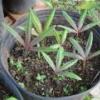 Speaking from my former sugar cane lot on the rainy windward side of the Big Island, my clayey volcanic soil is pretty acid and, yes, I have had many instances of boron deficiency over the 10-14 years I have been growing palms here. Other local palmers in residential districts have also. I use nutricote and a pinch of boron crystals in those cases. Most recover after a while, even some that don't get treated. In my case (former sugar cane land), I hypothesize that the sugar cane used up many of the desired nutrients during the plantation era.2 points
 -
.thumb.jpg.f98e5066db1dec0358105c9c8eae8b39.jpg) You have quite a good microclimate being on a peninsula. I agree that you should plant the palms and trees you intend to use as canopy first. Since you have sandy soil it might be worth adding in loads of mulch and over the years you can add more and more to improve the soil. I would add royal palms as a large trunking stand out palm, queen palms also grow pretty fast and have a good sized canopy. You could add in phoenix canariensis and Washingtonia robusta and filifera but they are probably already very common in the area. I would go for phoenix dactylifera (the true date palm), phoenix theophrasti, phoenix rupicola, phoenix Sylvesteris, phoenix reclinata, phoenix roebelenii and phoenix loureiroi. Bismarckia would also made a nice stand out palm.Chrysalidocarpus decaryi, ambositrae, baronii, onilahensis should be fine there. Some of the arenga palms will probably do well there. For understory palms I'd use the chamedorea genus.Cryosophila warscewiczii, chambeyronia macrocarpa, chambeyronia oliviformis, Chambeyronia lepidota and Wallichia as some nice rarer palms. I'd also go with the whole archontophoenix genus, some big archontophoenix Alexandrae in full sun and under a light canopy archontophoenix cunninghamiana, myolensis, purperea, Maxima and tuckeri. When the canopy has really grown in you might be able to grow Rhopalostylis sapida and Rhopalostylis baueri in lots of shade. Livistona should do pretty well there too and sabals.Acoelorraphe wrigthii and Allagoptera I think will be fine. Howea belmoreana and howea forsteriana need to be in the shade I'd also put those under denser pat's of the canopy. If you want a coconut look a like since Cocos nucifera won't grow there try Beccariophoenix alfredii or Jubaeopsis caffra. Since you have sandy soil I'd try and take advantage of that and have a large arid section with dessert plants such as aloes, cacti agaves, yuccas and arid shrubs. I would then have a Mediterranean area full of Mediterranean plants lots of flowers ect and maybe a few palms too. Finally for the largest section I'd have a full sun tropical biome area full of palms and exotics and then a shaded section at the back with the same things but can't handle full sun such as bromeliads, monstera deliciosa, colocasias, caladiums, chamedorea ect. Trees such as eucalyptus, jacaranda mimosifolia, Delonix regia and Araucaria heterophylla would do well there. The arid and Mediterranean sections would reduce watering so you can make sure the ones in the tropical style section get plenty of water. Bougainvillea is also something I'd recommend growing there. Of course there's plenty more things you could do but those are just a few ideas. @Phoenikakiasprobably knows more about what palms and plants would do well in you're climate.2 points
You have quite a good microclimate being on a peninsula. I agree that you should plant the palms and trees you intend to use as canopy first. Since you have sandy soil it might be worth adding in loads of mulch and over the years you can add more and more to improve the soil. I would add royal palms as a large trunking stand out palm, queen palms also grow pretty fast and have a good sized canopy. You could add in phoenix canariensis and Washingtonia robusta and filifera but they are probably already very common in the area. I would go for phoenix dactylifera (the true date palm), phoenix theophrasti, phoenix rupicola, phoenix Sylvesteris, phoenix reclinata, phoenix roebelenii and phoenix loureiroi. Bismarckia would also made a nice stand out palm.Chrysalidocarpus decaryi, ambositrae, baronii, onilahensis should be fine there. Some of the arenga palms will probably do well there. For understory palms I'd use the chamedorea genus.Cryosophila warscewiczii, chambeyronia macrocarpa, chambeyronia oliviformis, Chambeyronia lepidota and Wallichia as some nice rarer palms. I'd also go with the whole archontophoenix genus, some big archontophoenix Alexandrae in full sun and under a light canopy archontophoenix cunninghamiana, myolensis, purperea, Maxima and tuckeri. When the canopy has really grown in you might be able to grow Rhopalostylis sapida and Rhopalostylis baueri in lots of shade. Livistona should do pretty well there too and sabals.Acoelorraphe wrigthii and Allagoptera I think will be fine. Howea belmoreana and howea forsteriana need to be in the shade I'd also put those under denser pat's of the canopy. If you want a coconut look a like since Cocos nucifera won't grow there try Beccariophoenix alfredii or Jubaeopsis caffra. Since you have sandy soil I'd try and take advantage of that and have a large arid section with dessert plants such as aloes, cacti agaves, yuccas and arid shrubs. I would then have a Mediterranean area full of Mediterranean plants lots of flowers ect and maybe a few palms too. Finally for the largest section I'd have a full sun tropical biome area full of palms and exotics and then a shaded section at the back with the same things but can't handle full sun such as bromeliads, monstera deliciosa, colocasias, caladiums, chamedorea ect. Trees such as eucalyptus, jacaranda mimosifolia, Delonix regia and Araucaria heterophylla would do well there. The arid and Mediterranean sections would reduce watering so you can make sure the ones in the tropical style section get plenty of water. Bougainvillea is also something I'd recommend growing there. Of course there's plenty more things you could do but those are just a few ideas. @Phoenikakiasprobably knows more about what palms and plants would do well in you're climate.2 points -
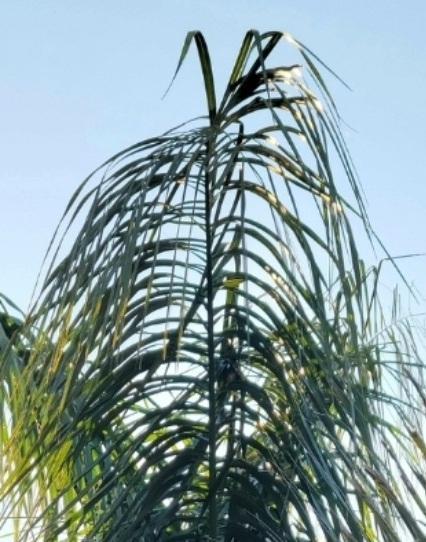
 2 pointsYea it's unreal, might as well be two different species. The foliage maintains that stiffer feel you'd expect with having pindo mixed in but the leaflet characteristics are very much queen. Here's a couple pics of it from this summer when it was more pleasant to look at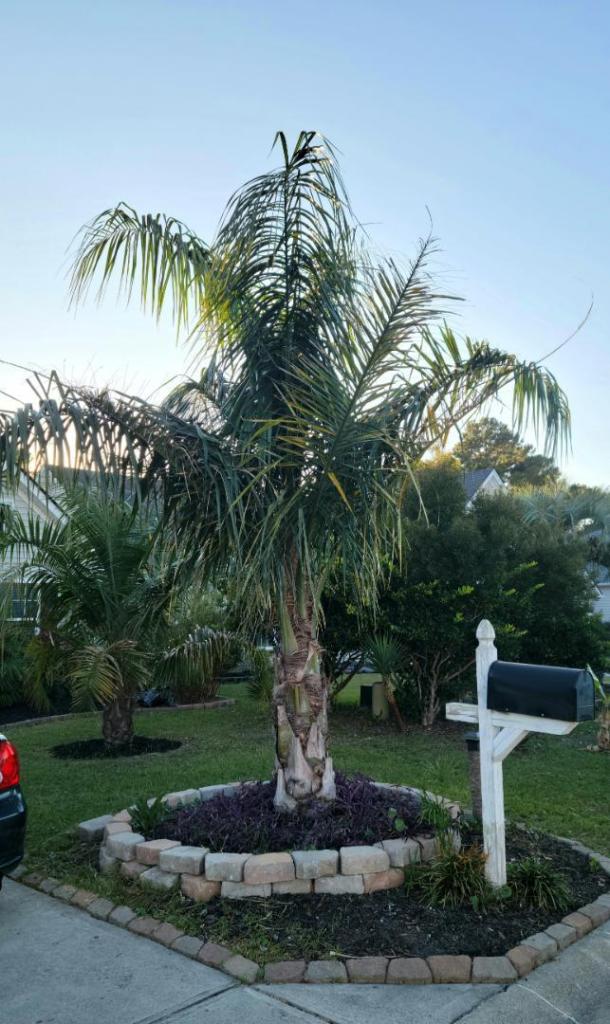

 2 points
 -
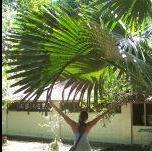 I was digging through my phone and found this pics that I took around thanksgiving last year. They have probably been in the ground for 15-20yrs. They took a pretty good hit in the 09-10 winter and lost some big washies next to them. These photos don't really do justice to just how massive those trucks are. They must be almost 3 feet in diameter.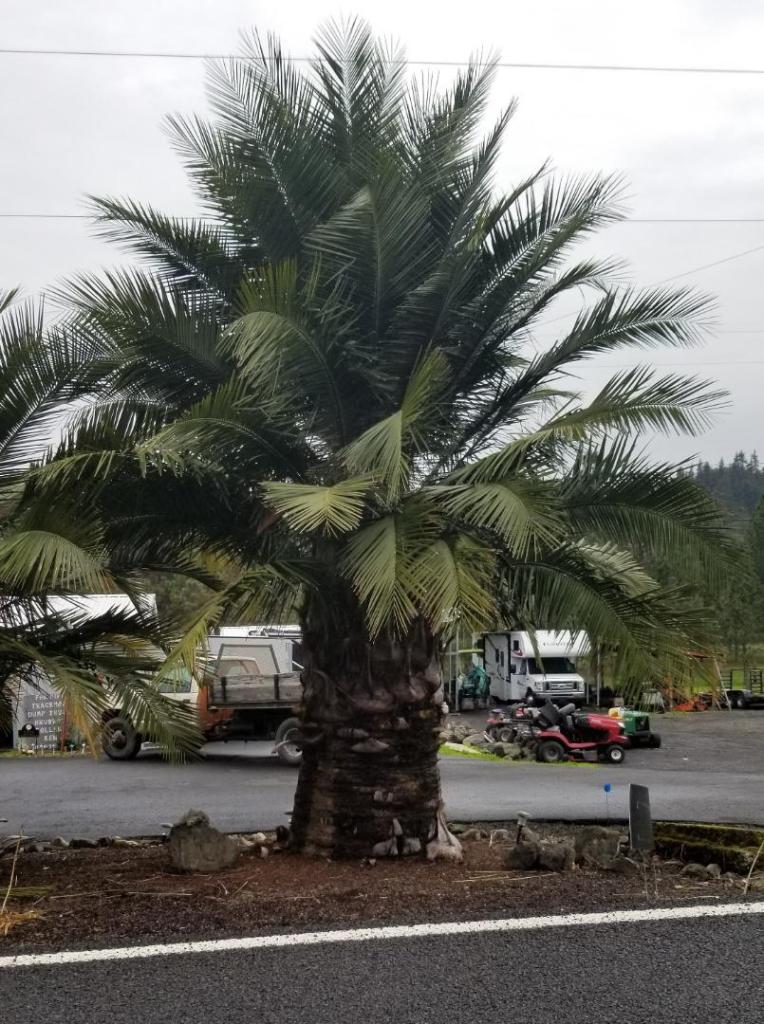
 1 point
 -
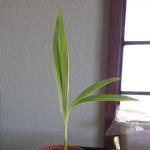
 1 pointHello, I want to grow the Carpentarian palm inside, because in South Rasht Iran it is too cold. How much growth it would have in 3 year inside my house? Thank you1 point
 -
Wow. Real sad there have been fatalities. This sort of thing looks similar to the east coast Australia floods. This has been a La Niña for the record books.1 point
-
I had 9 hours under 10F with a low of 6F , and my Trachys had varying levels of of damage . I think my Nainital came out best and then then the Taylor Forms had way more than I thought they would . My worst performing Trachy was an unknown box store purchase , and my green form Princeps was frond damaged too, but should be fine . They all survived fine but the key to growing and enjoying palms is to have them looking good , so much of the growing season will be growing out of that damage . Will1 point
-
1 pointWhat area are you in? Any other mature palms around? That will narrow it down.1 point
-
 If this had been a model output I would have scoffed at it. Not possible.
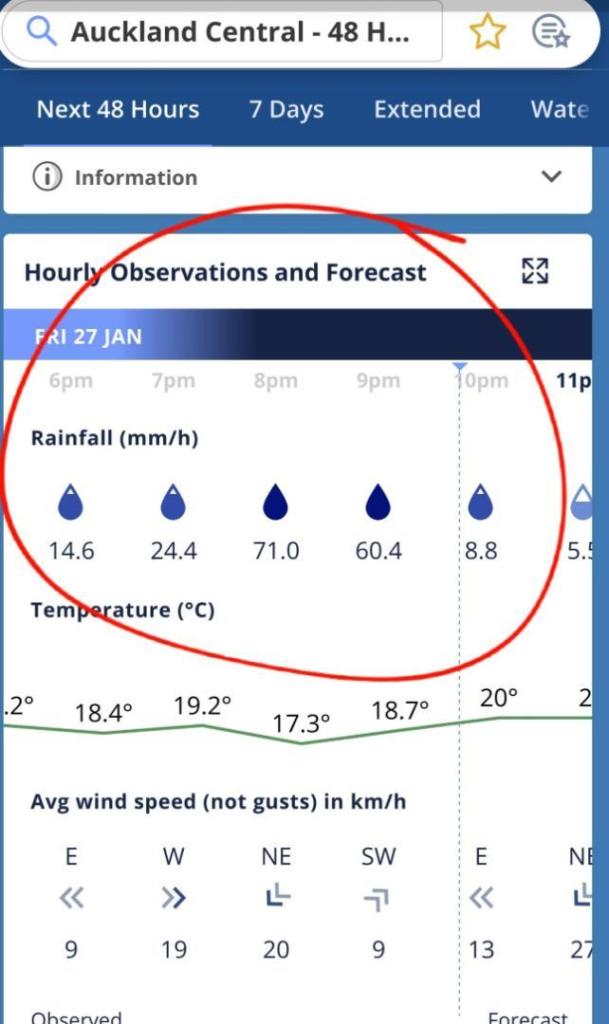 1 point
 -
Lots of damage, a handful of fatalities. Some urban stations at near sea level got nearly 300mm.
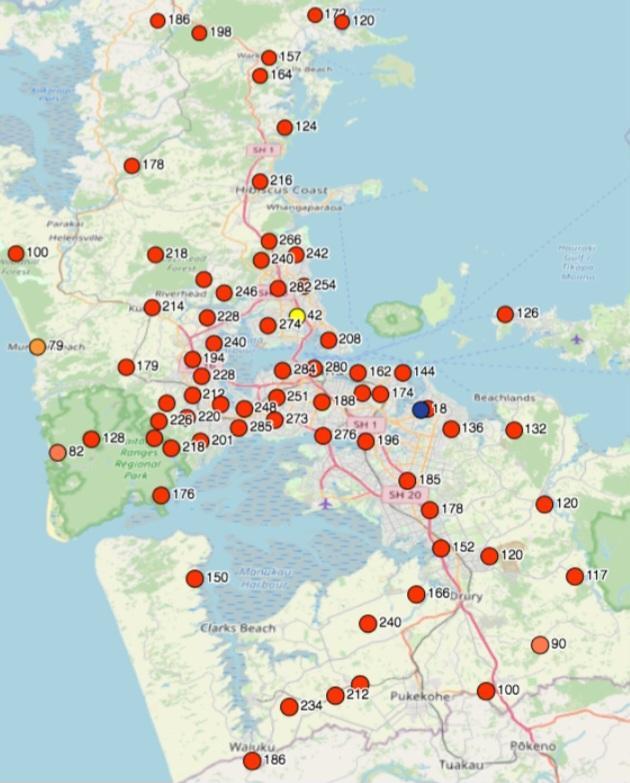 1 point
 -
1 pointGenerally speaking.. Cold air will typically drain toward the lowest points in a yard or area which would be areas near rivers, creeks, canyons.. If looking into a piece of land / property, here in the Southwest and CA at least, the warmest possible position would be located about mid way up a hill ( are often referred to as " Thermal Belts" ) Coldest areas would be at the bottom or top of the same hill. North or east facing areas will always be cooler than a south or west facing area. On a yard-size scale, lots of tree canopy is better than few or none when it comes to cutting down on the effects of frost that might settle on a cold night trapping more heat during the same event ( radiational cold event. Not advective ) Both stone / gravel. or wood mulch can help retain heat at / below ground level, though each has it's plus and minus benefits.. Here, you see a lot of yards where there is stone laid, but those areas are often open to the sky / is very little ...if any.. plant cover and / or overhead canopy. This is great in the winter ( for helping to keep the ground warmer ) but is awful come summer when that stone, especially if dark in color, traps a lot of heat which can cook anything growing ( remember, it can be 110+ for weeks during the summer here) The best "ideal" when using stone is to lay a correct depth, usually 4-7" deep, then allow leaves, spent flowers, etc from everything planted to lay on... and sift down through that rock. ...and to plant as much as you can in the rock ...everything from low growing annual and perennial stuff, to trees which shade the stone, esp. in summer -Here at least-. The rock provides a nice, well draining layer at the surface of the soil and allows oxygen to be drawn down deeper to the roots. Organic "duff" that accumulates on the stone will break down as it sifts down through the rock, releasing nutrients. Stone itself also releases various minerals / elements as well, albeit slowly, though the speed such minerals, etc are released can depend on the type of rock.( Limestone / Sedimentary type rock will decompose faster than Igneous or Granite- types ) Back east, you may not have to worry as much about summer heat accumulation if you use stone, esp if that rock is lighter in color / a mix of light and darker tones. Wood mulch works good back there for keeping the soil warmer in winter, but may retain too much moisture as it is breaking down during the warmer months, depending on how much clay is in your native soil. Will definitely add nutrients to the soil though.. Similar to which side of a hill you live on, different parts of a yard will naturally run cooler / warmer ...South and western facing sides warmer than north / east sides of a yard. Windbreaks created on the north / west or east side of a yard can slow wind for sure, but there are situations where you want some wind blowing to help keep the air at the surface mixed. Still, clear nights are perfect set ups for a frost or freeze. A light breeze blowing all night on those nights helps to keep the coldest air from settling. Same wind barrier during an advective freeze event may only have so much beneficial effects.. That wind barrier may slow down the wind, but that wind may still blow for long enough to strip away heat from sensitive plants. Evergreen overhead canopy / placing especially sensitive plants on the south or west side of a building offers better protection for them overall.1 point
-
1 point@ZPalmshere's the pic showing level of burn of my worst looking mule. This one is more exposed to north winds but sees full sun all day
 1 point
 -
 1 point
 -
 1 pointThere are not really any signals that im seeing that suggests any freezing temperatures for the state for the rest of the month and going into the first week of February. Going through February, the pattern supports warmer than average temperatures for February with a ridge stationed over the Southeast blocking any major cold intrusions. I can see the light at the end of the tunnel, even if the end of February ends up being cold (there is no guarantee for warmer or colder)1 point
 -
1 pointDefinitely recommend looking at the CIDP, Washingtonia, Norfolk Island pines and howea forsteriana locations posted on here and checking them out in London. May is one of the better months to visit day length is around 16 hours then. The natural history museum has some nice CIDP outside of it and some good sized ones nearby in Knightsbridge.1 point
-
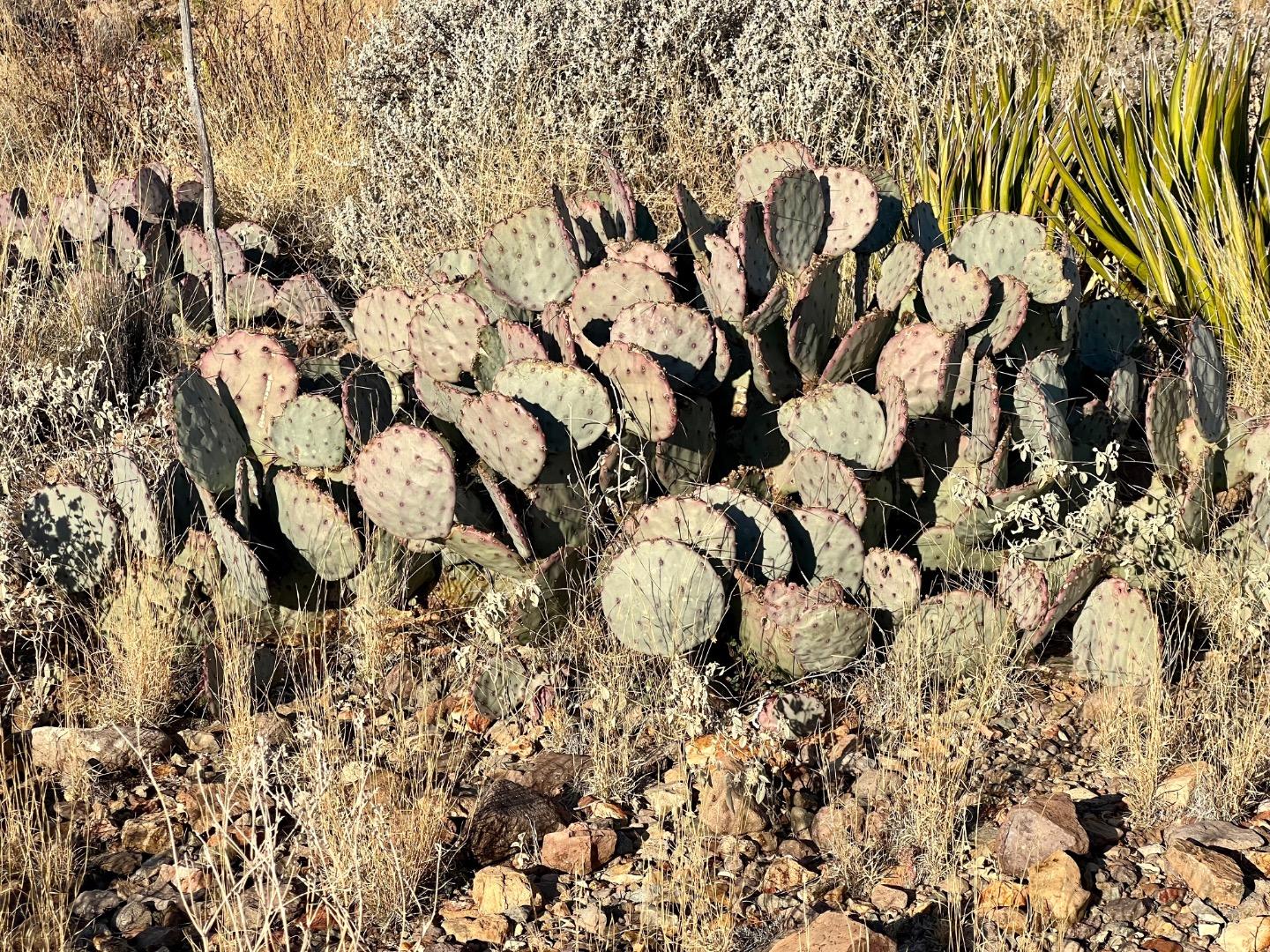
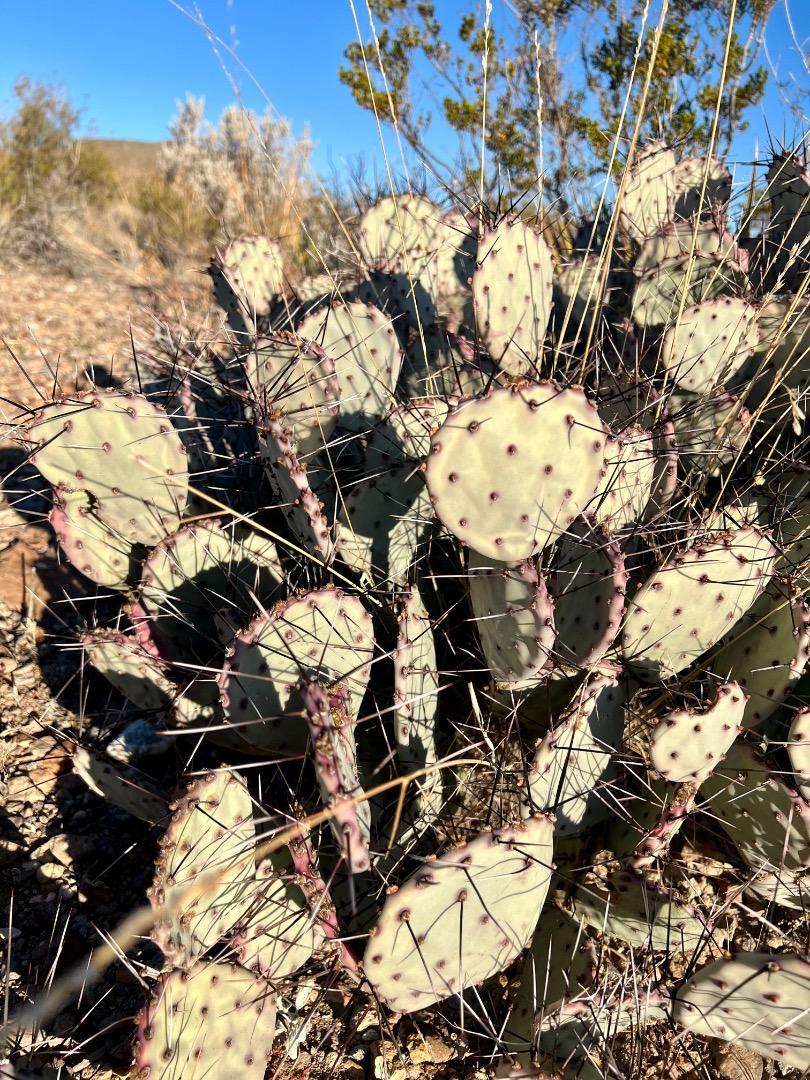
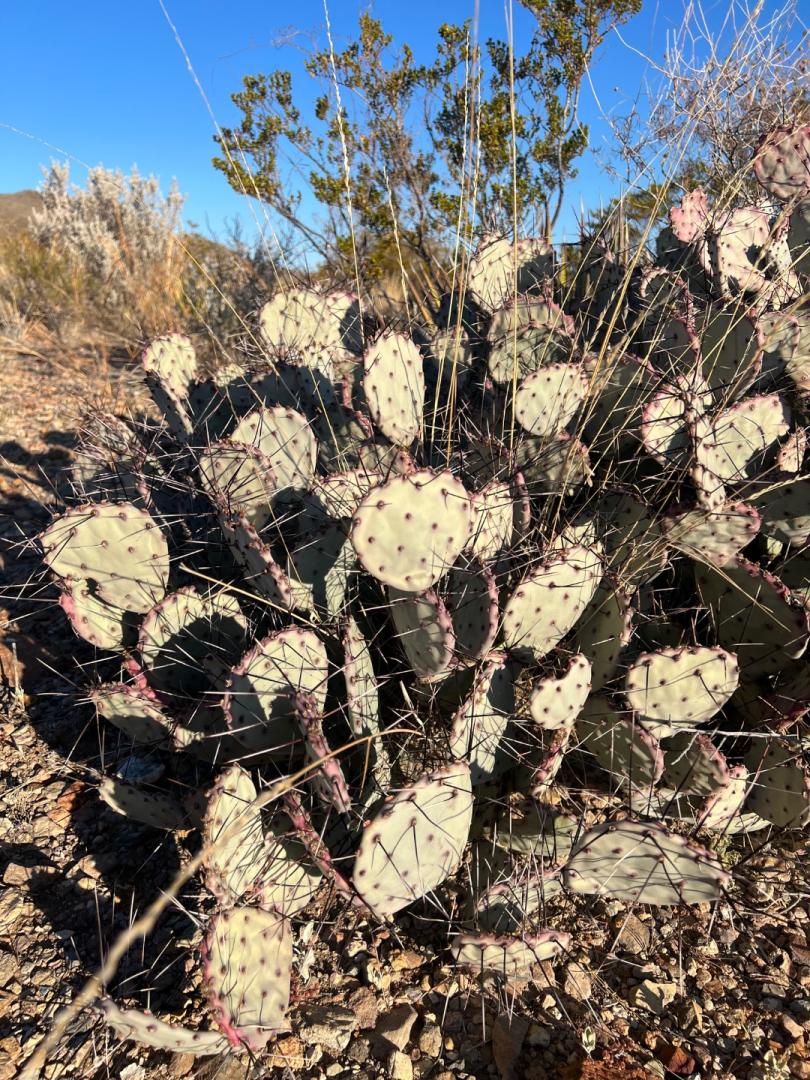
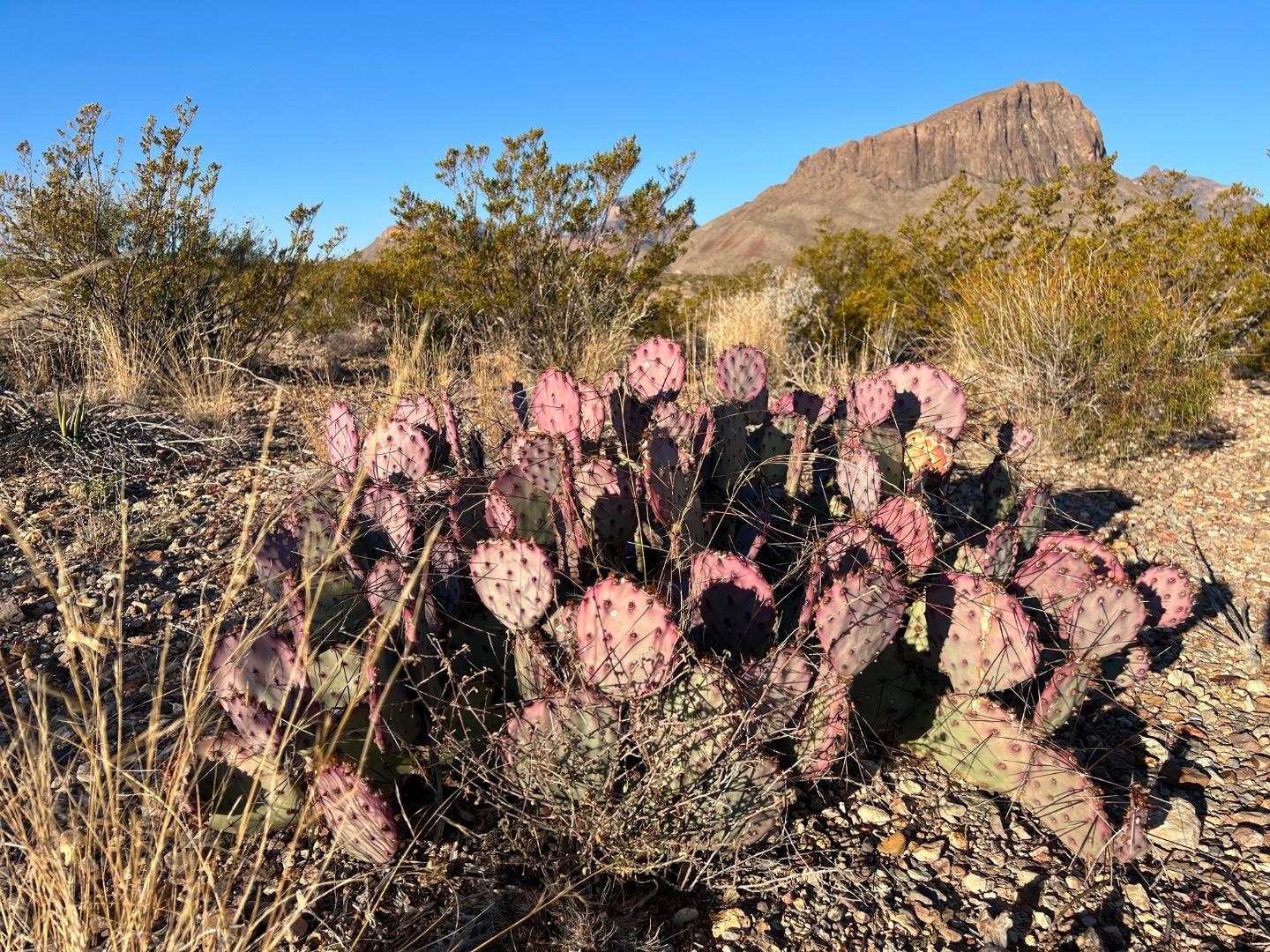
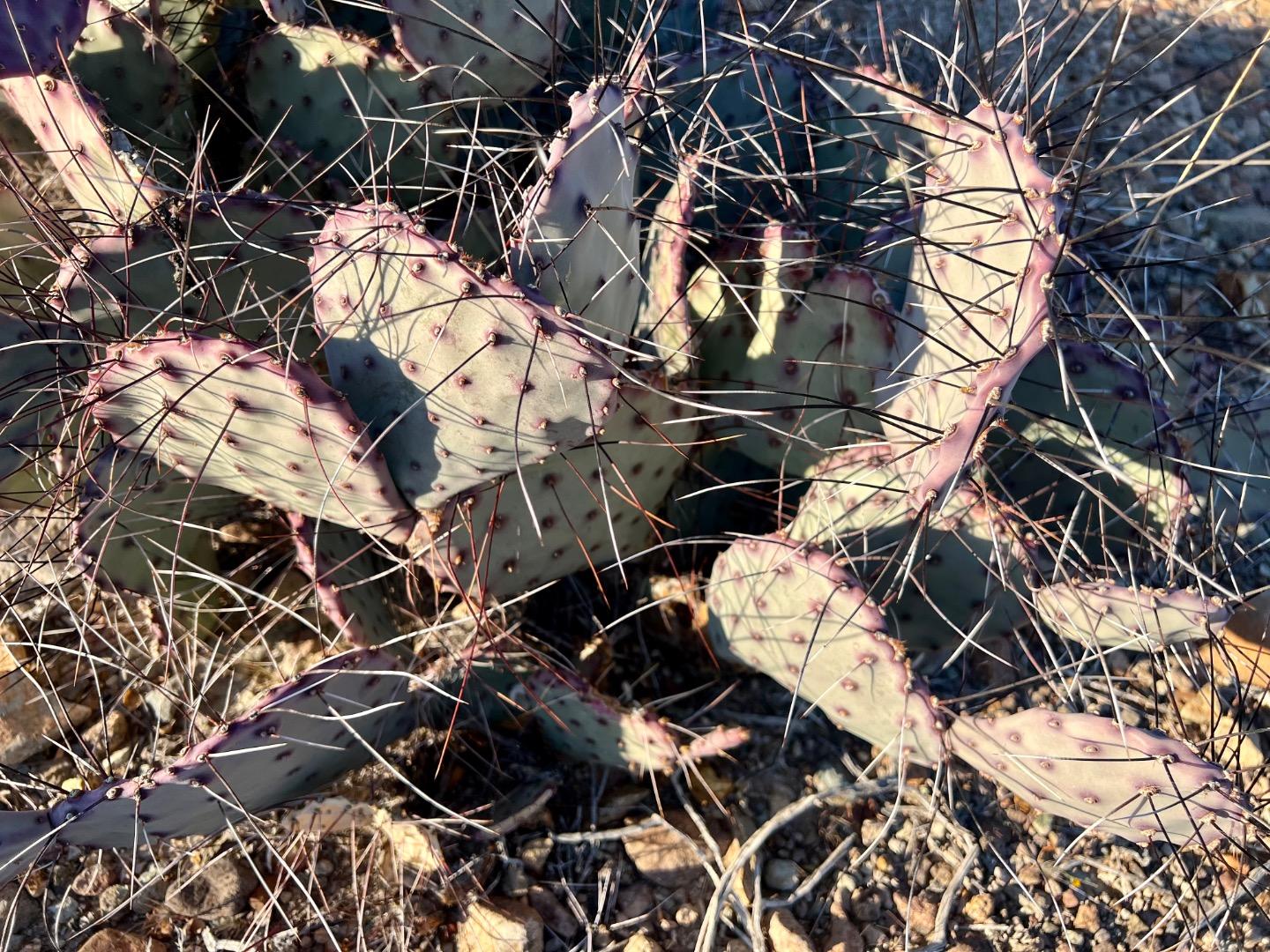
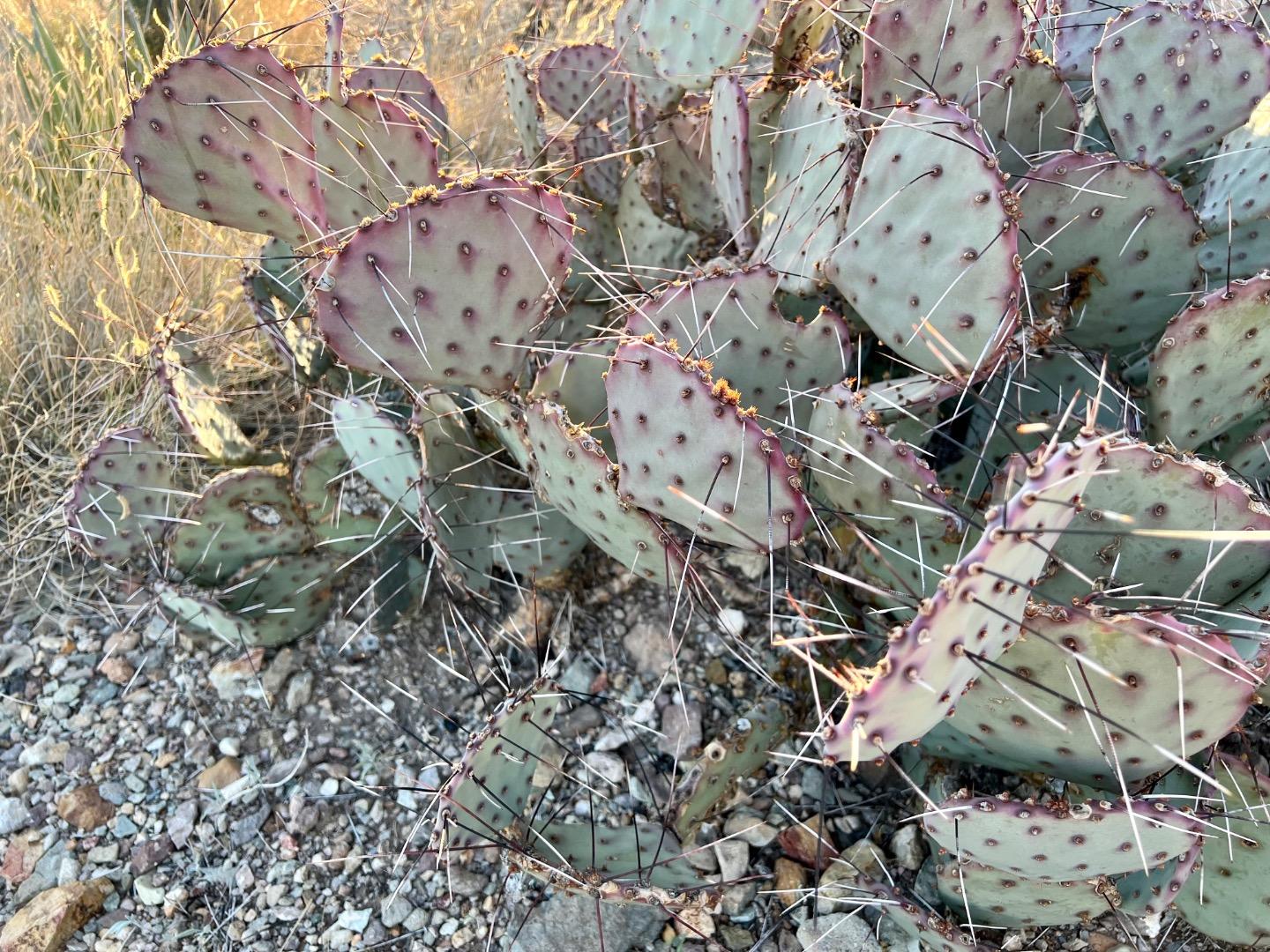
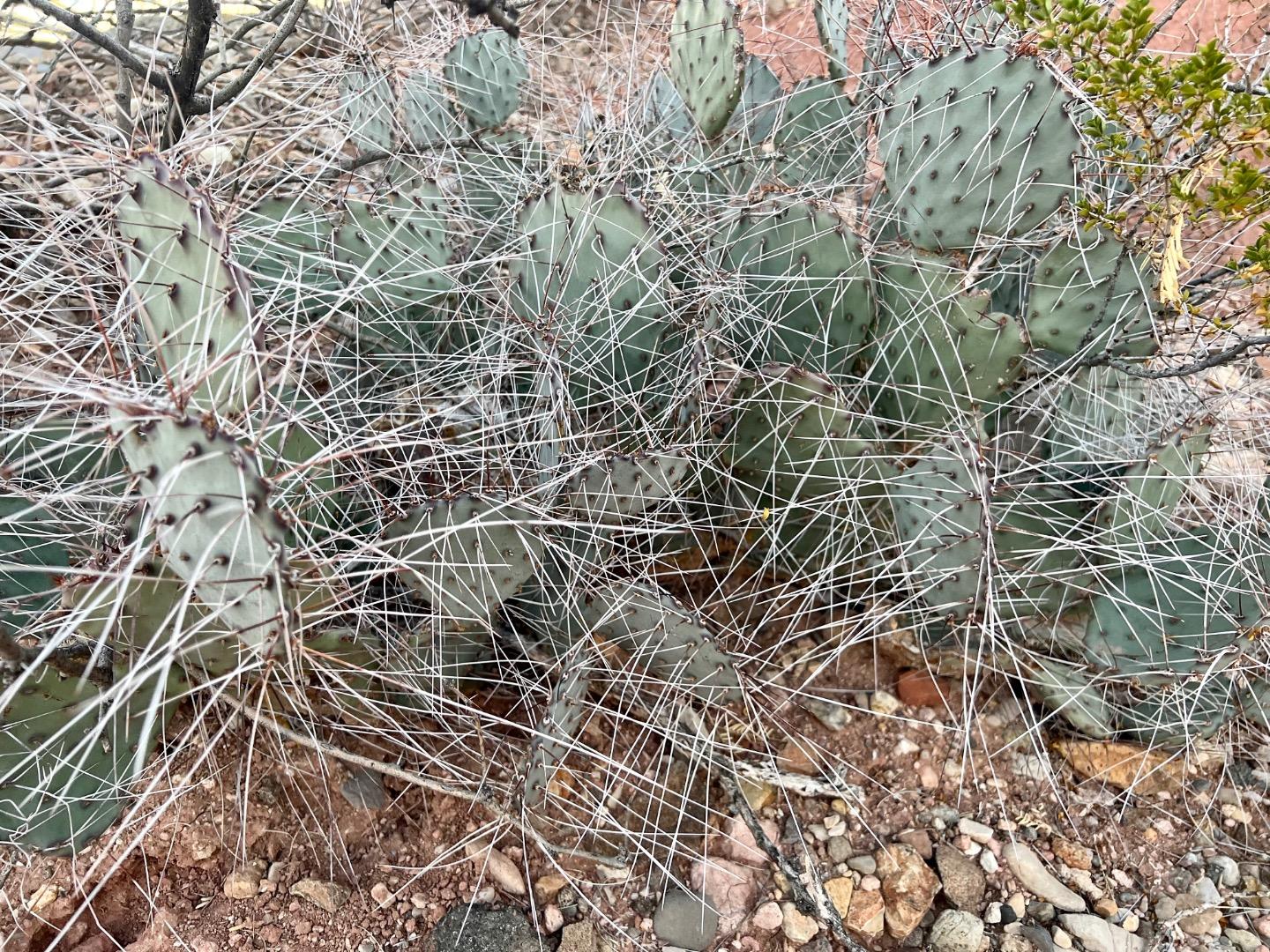
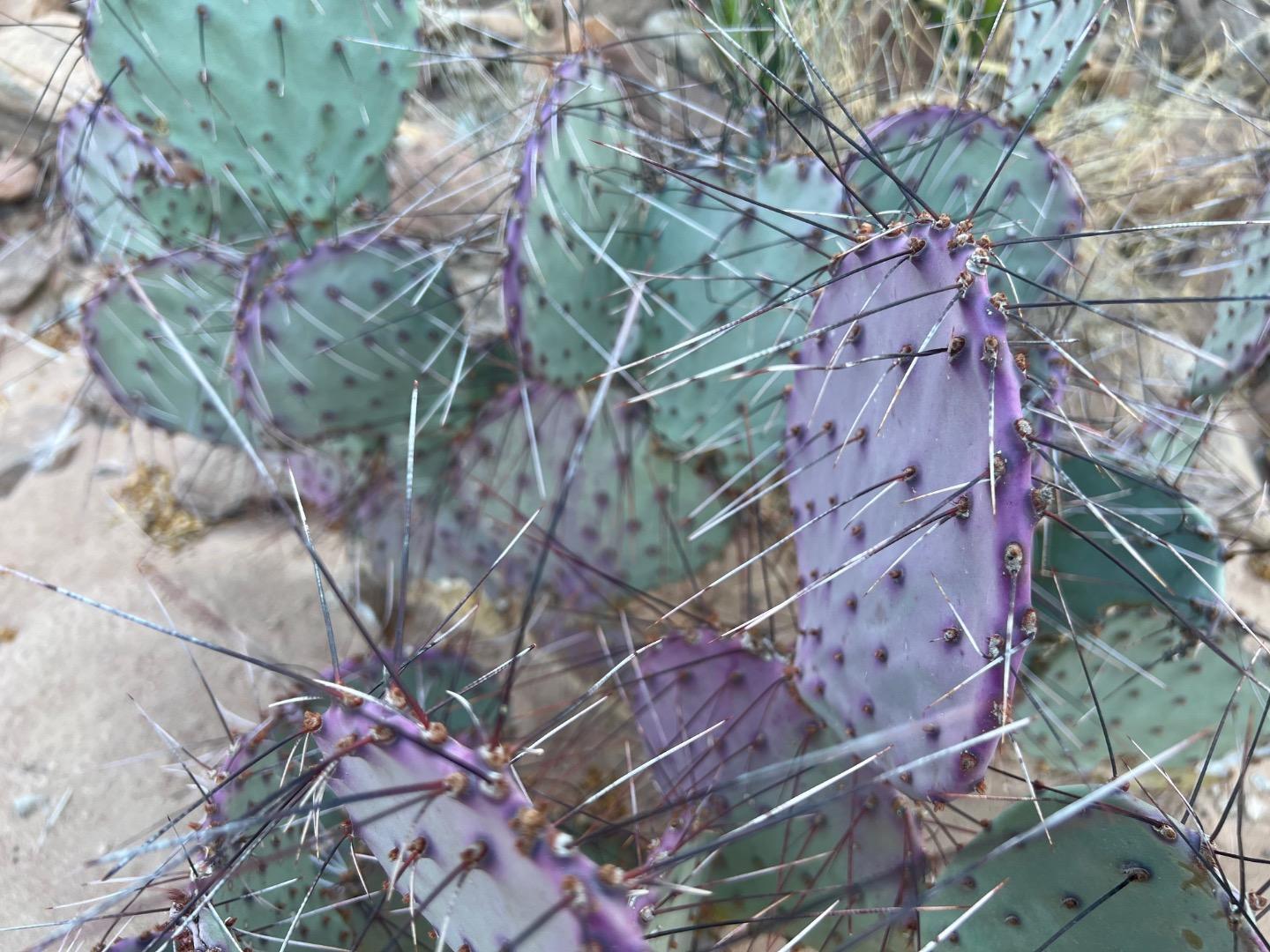
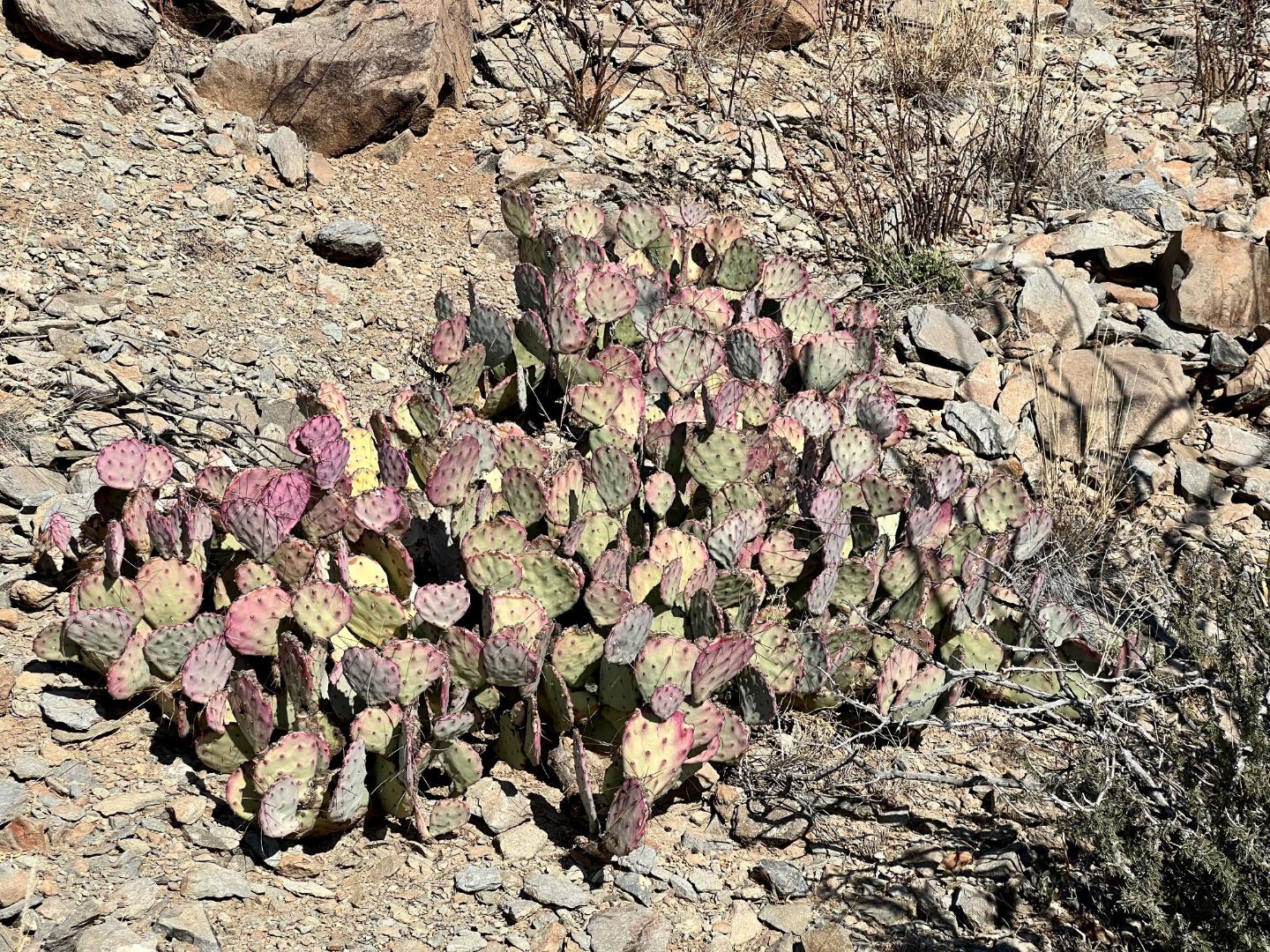
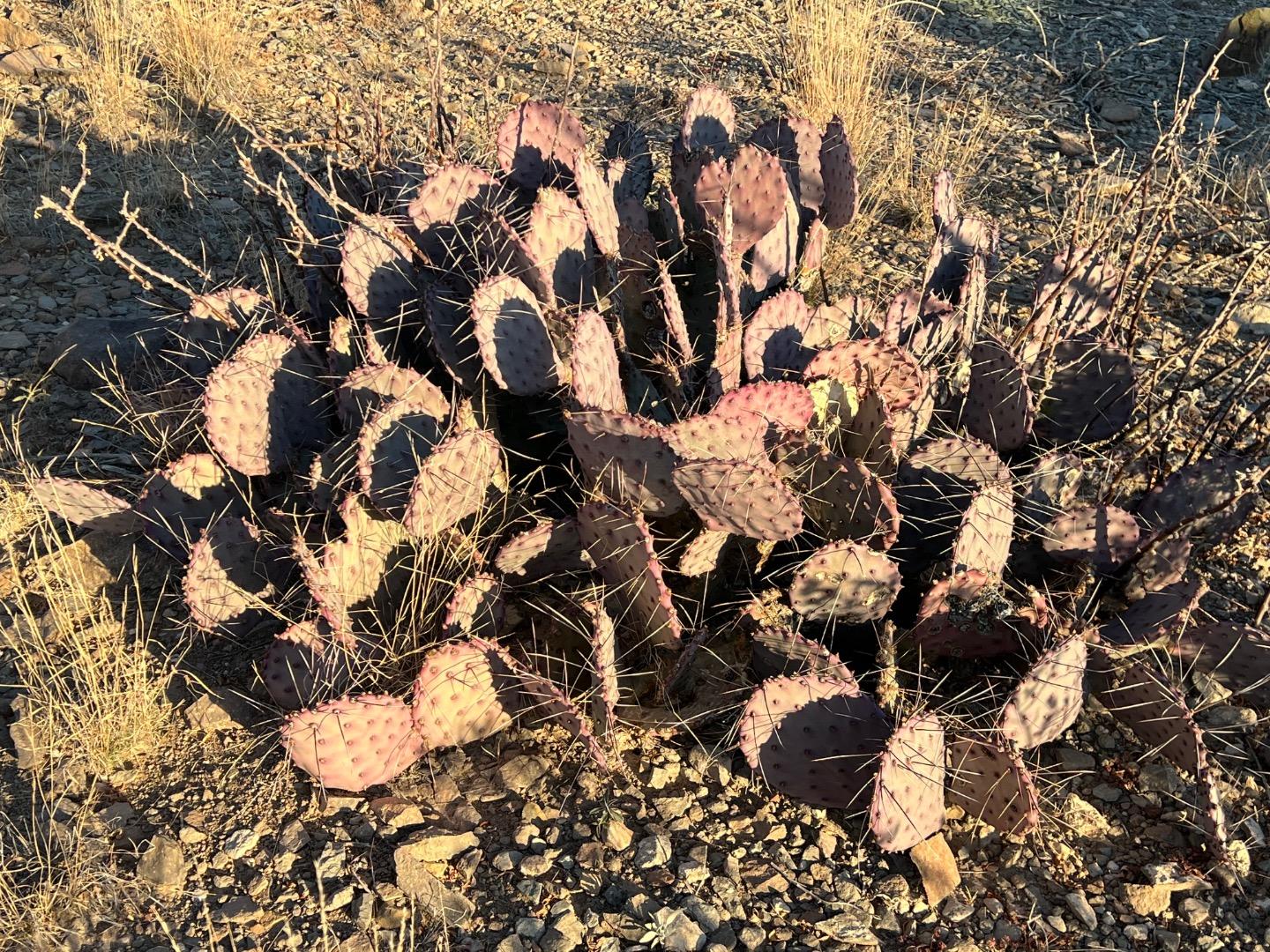
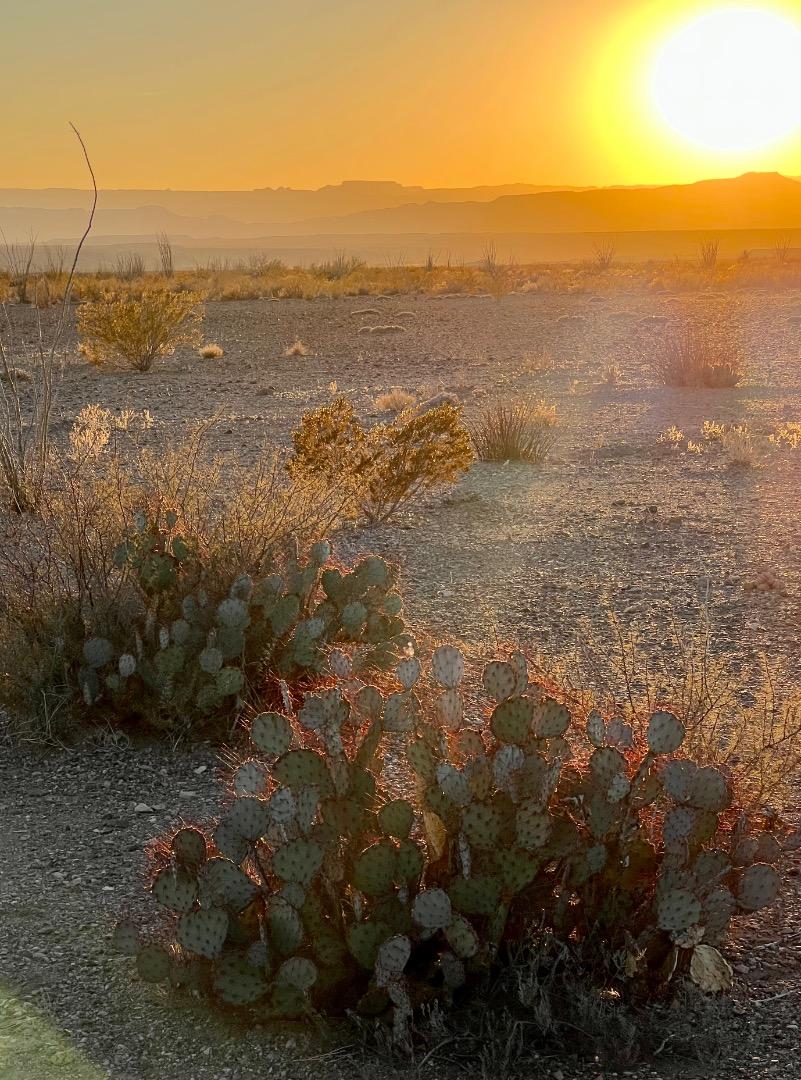
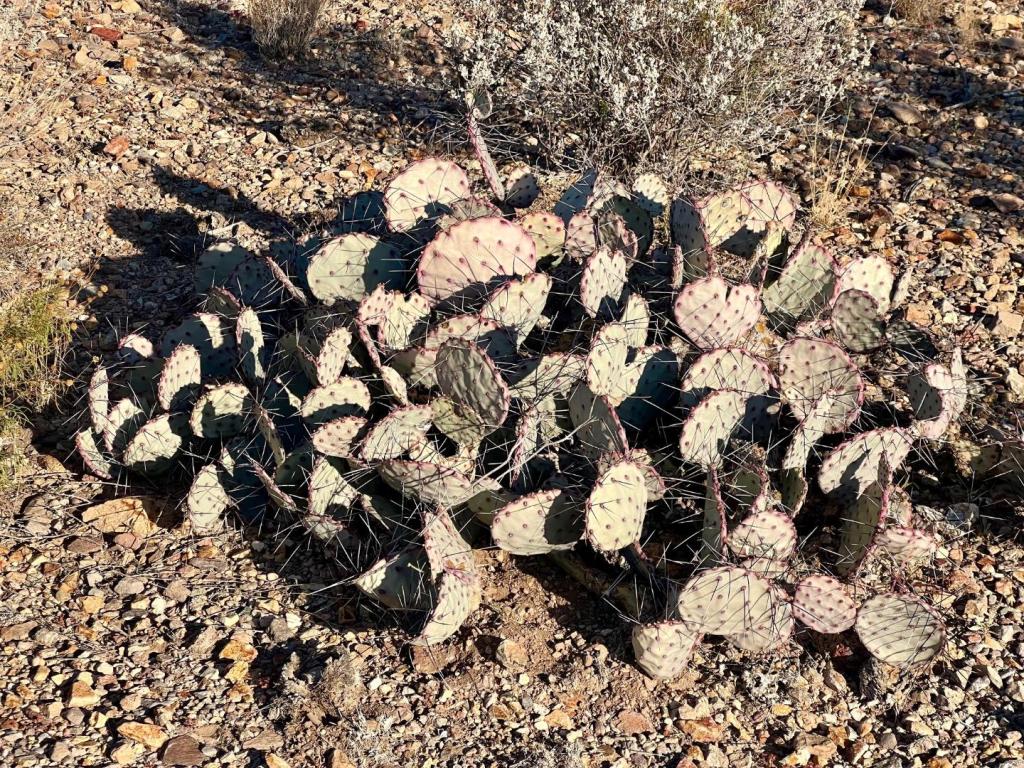
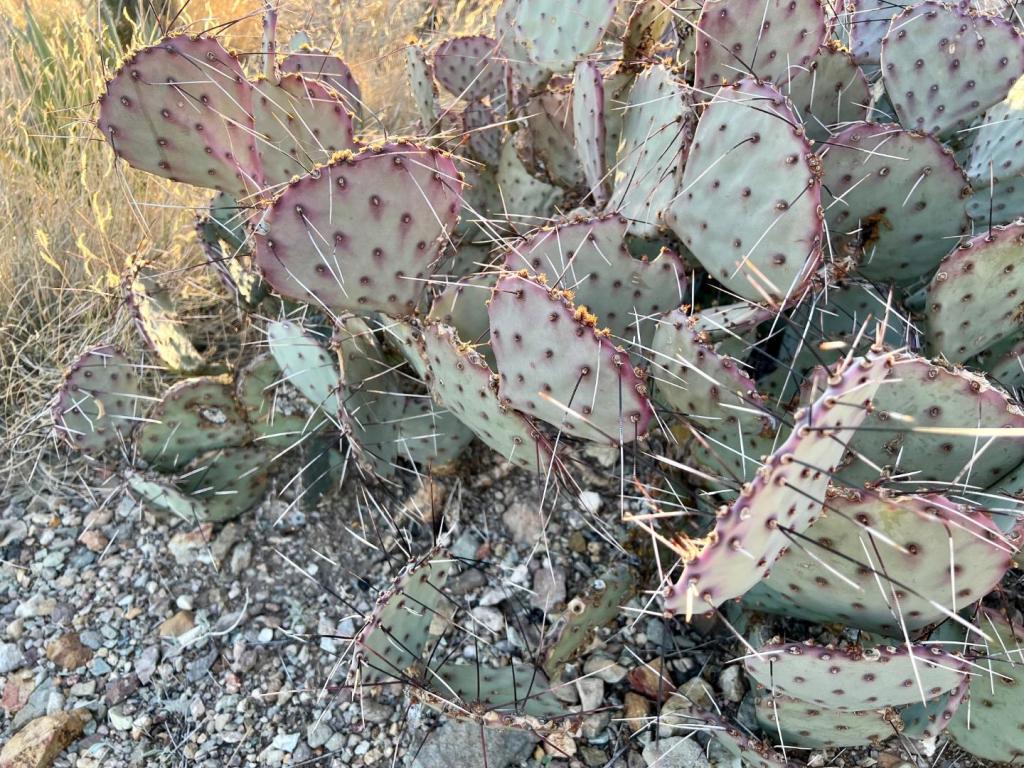
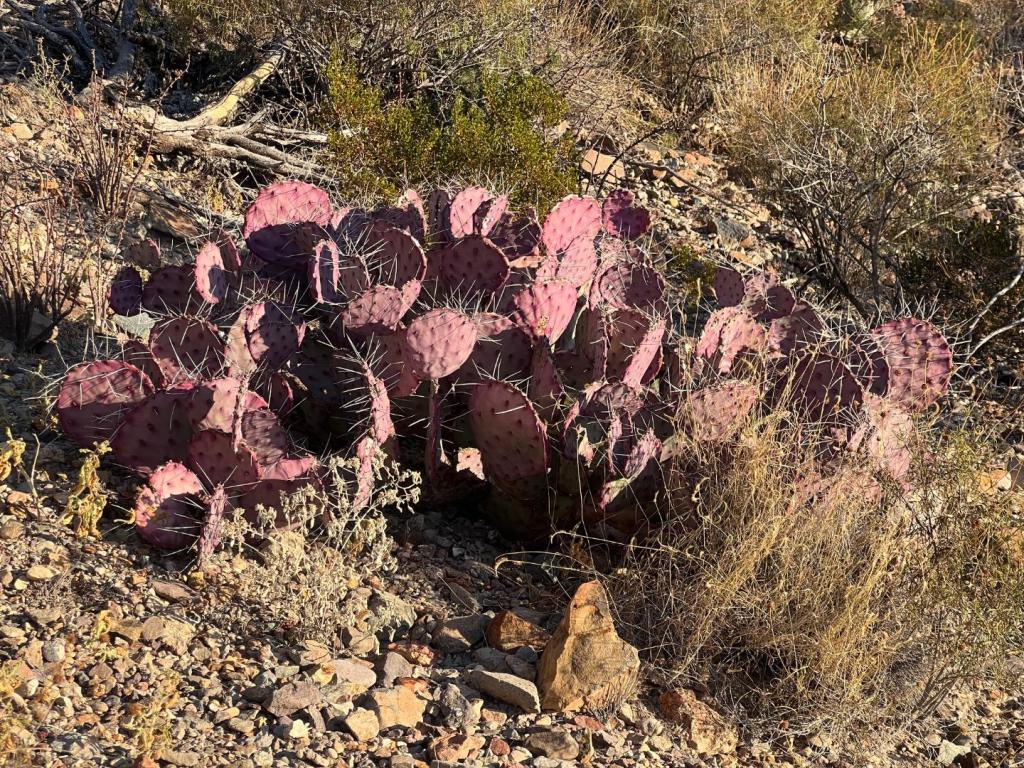
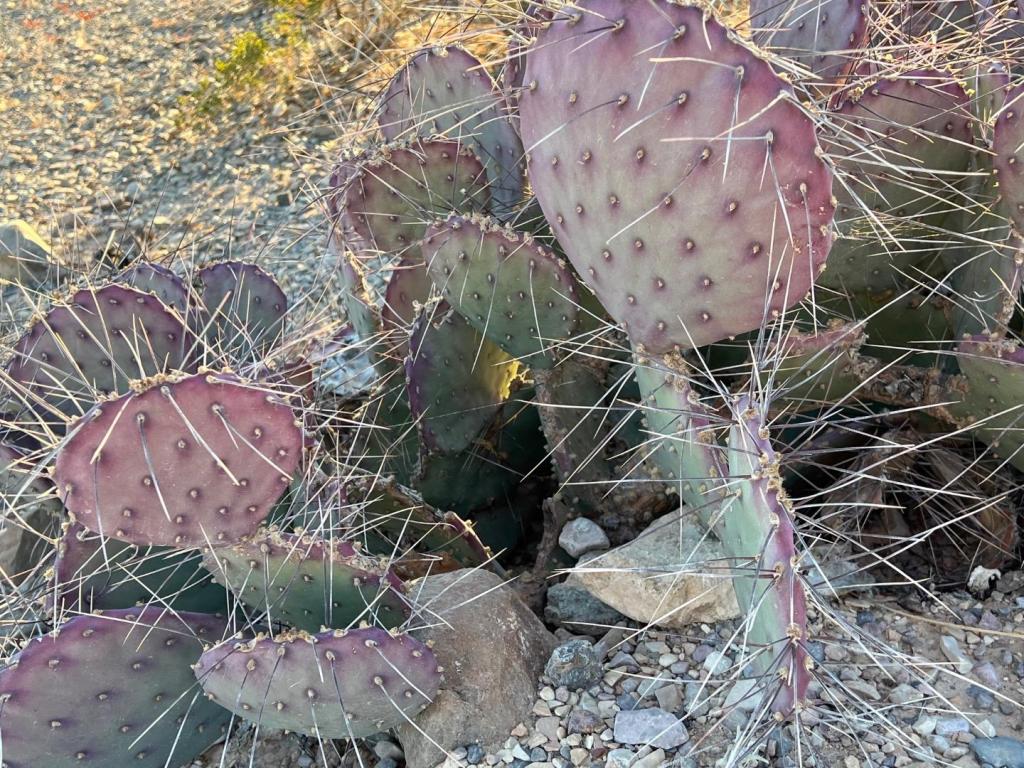
 1 pointOpuntia azurea in Big Bend National Park and 1 from the Davis Mountains. Mostly variation diplopurpurea but a few var. parva. Davis Mountains Big Bend: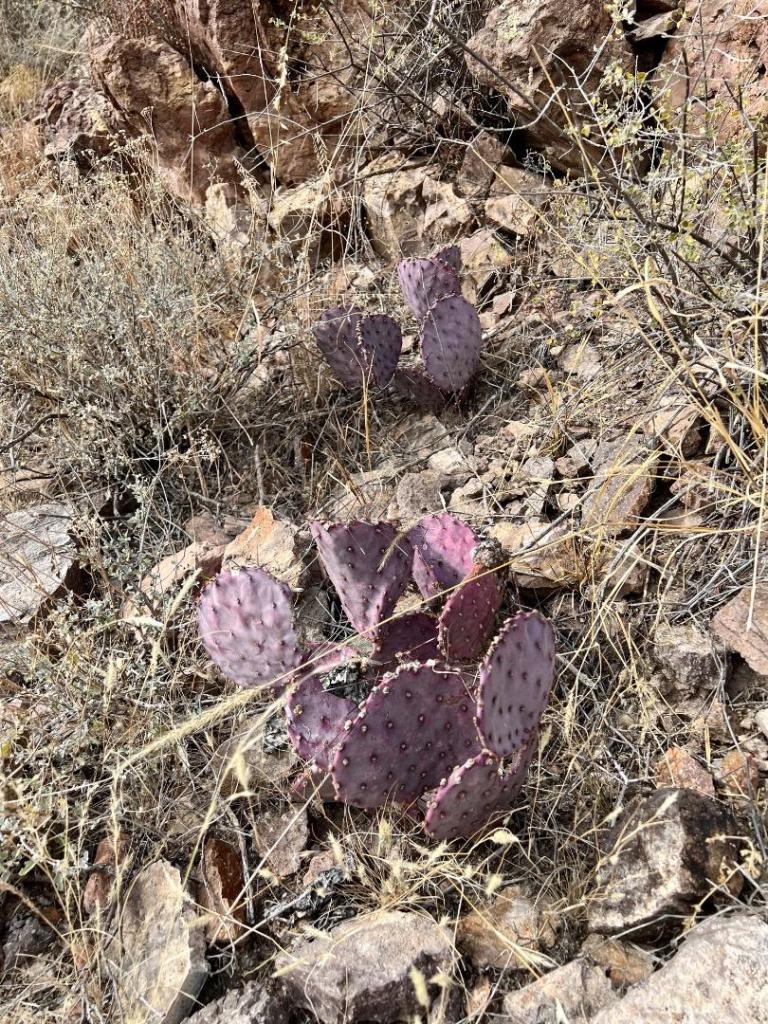

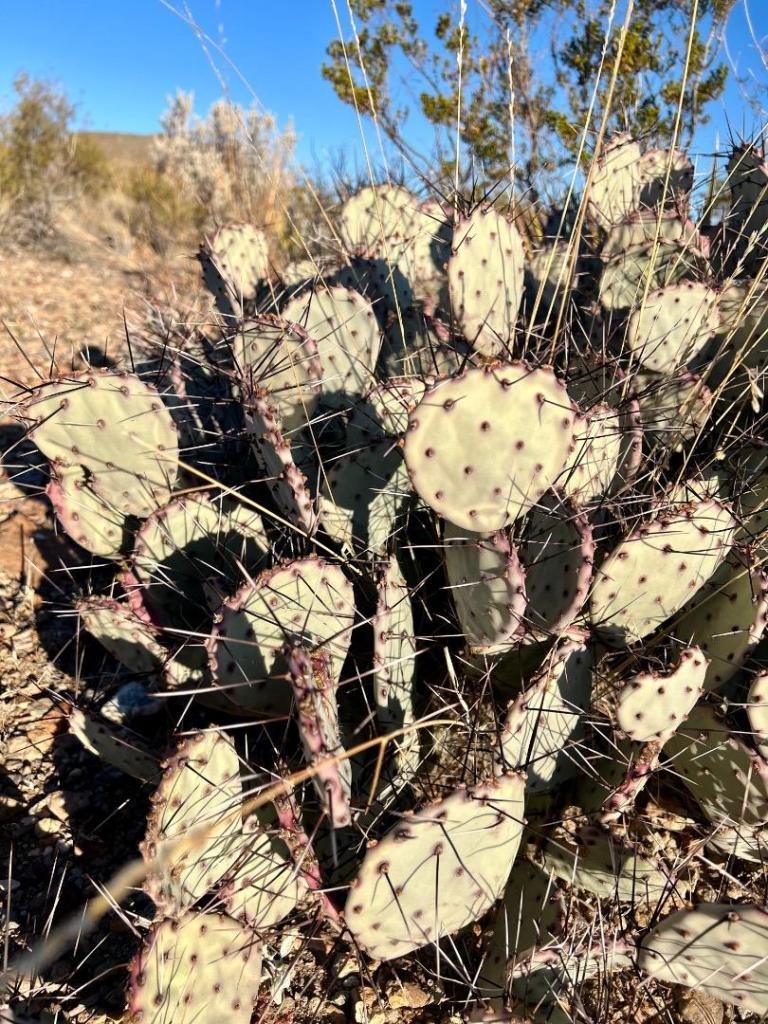
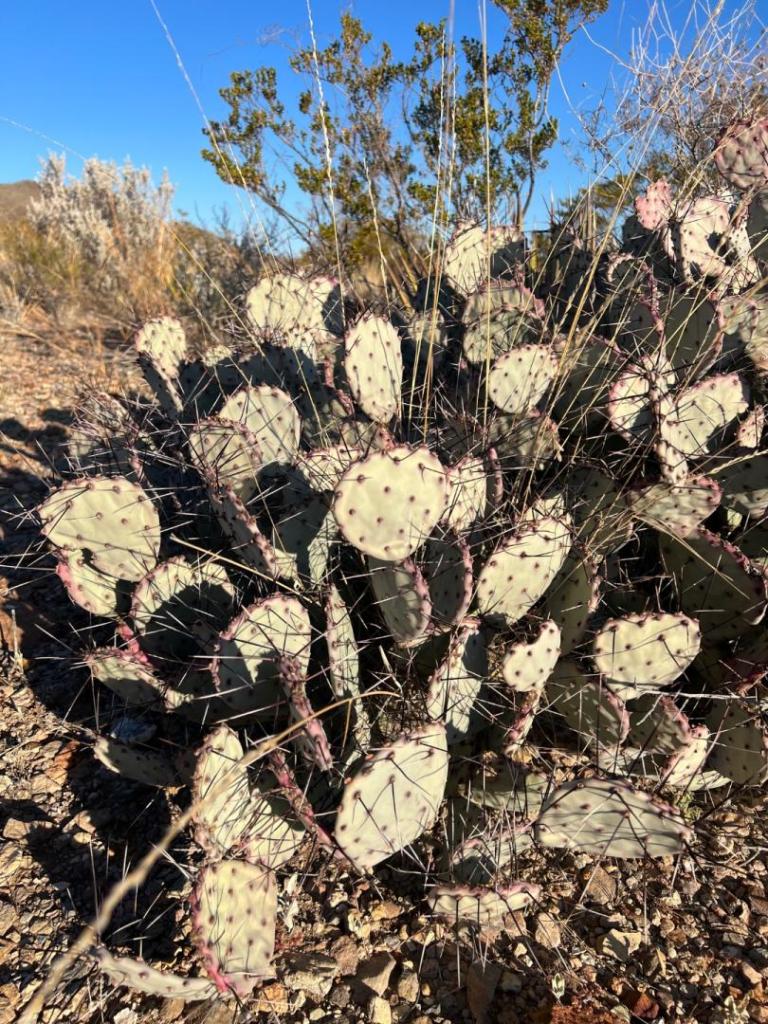




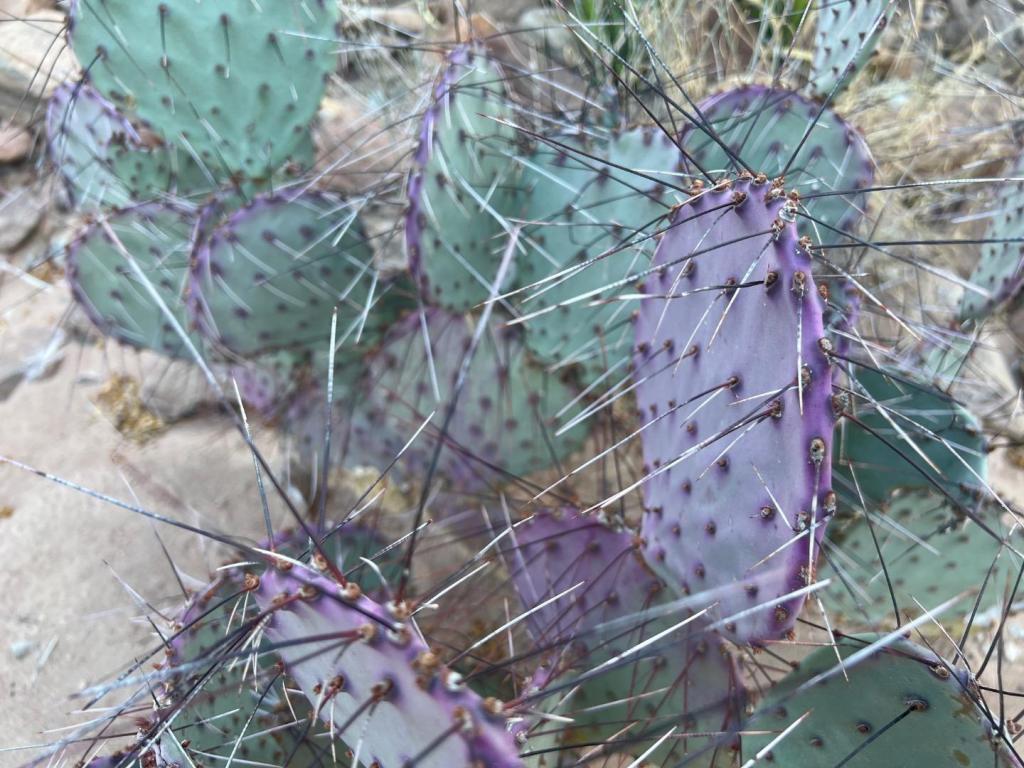
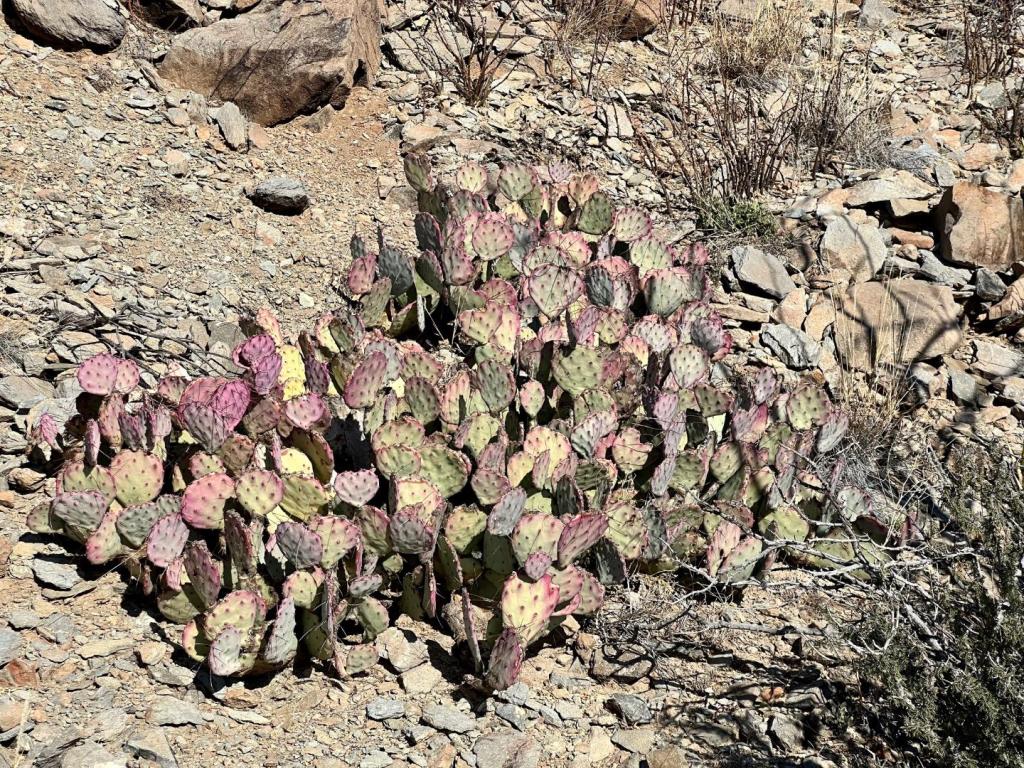


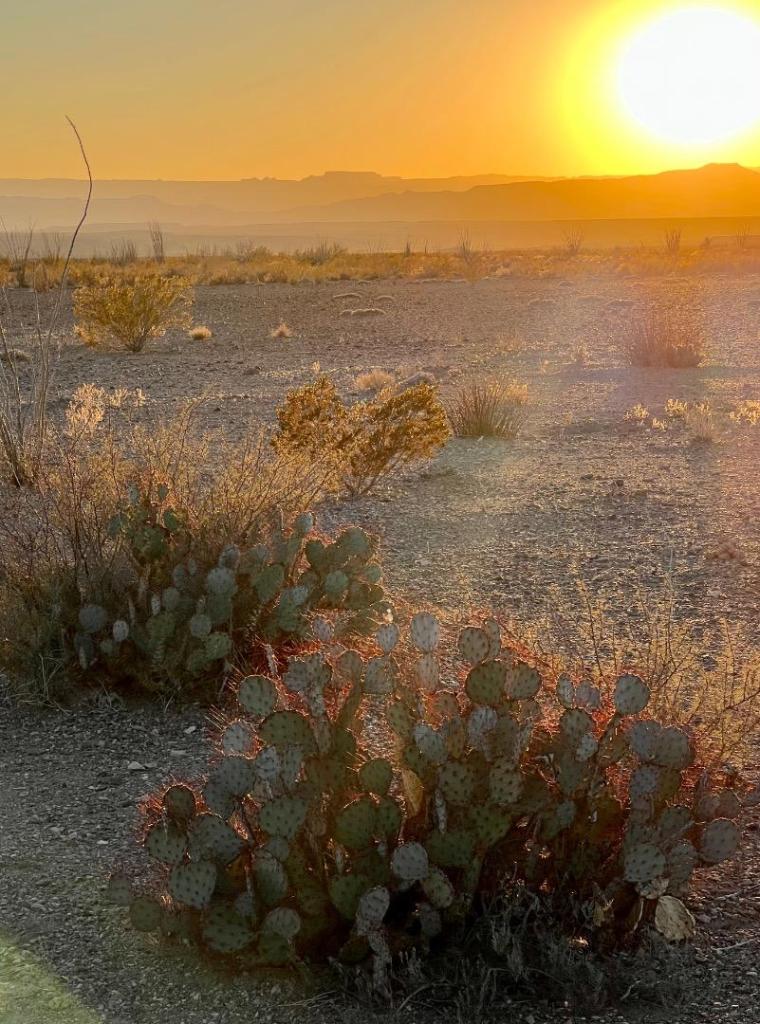 1 point
 -
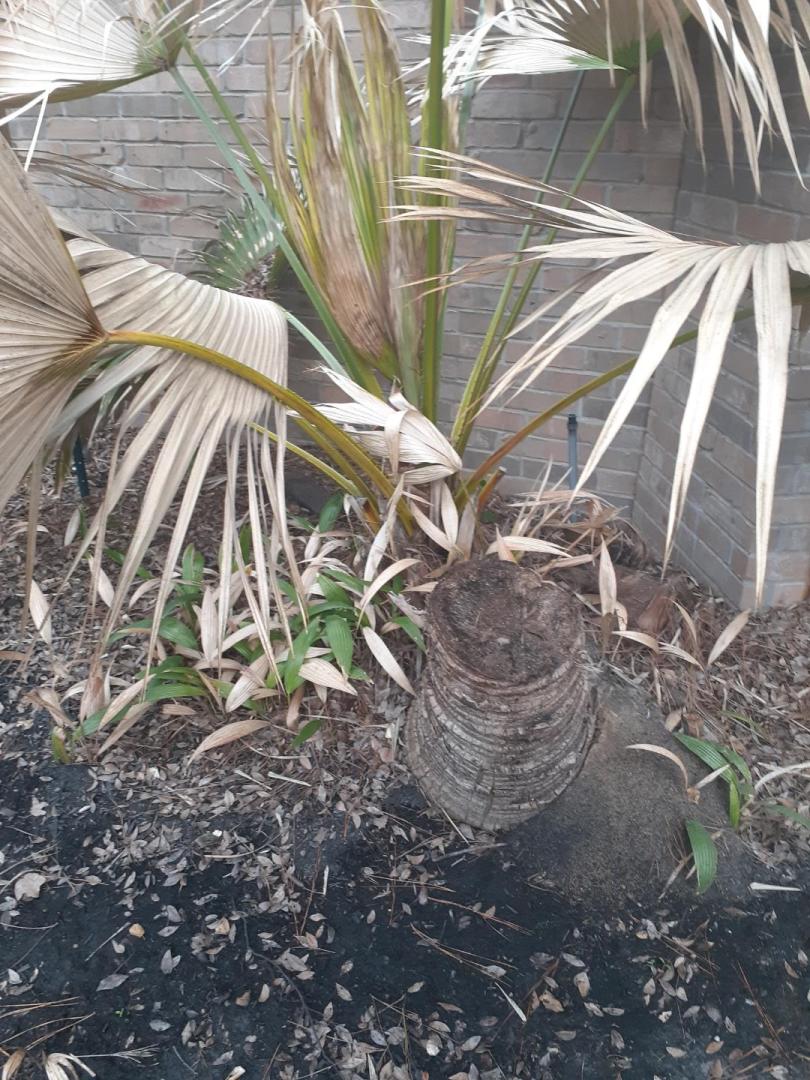
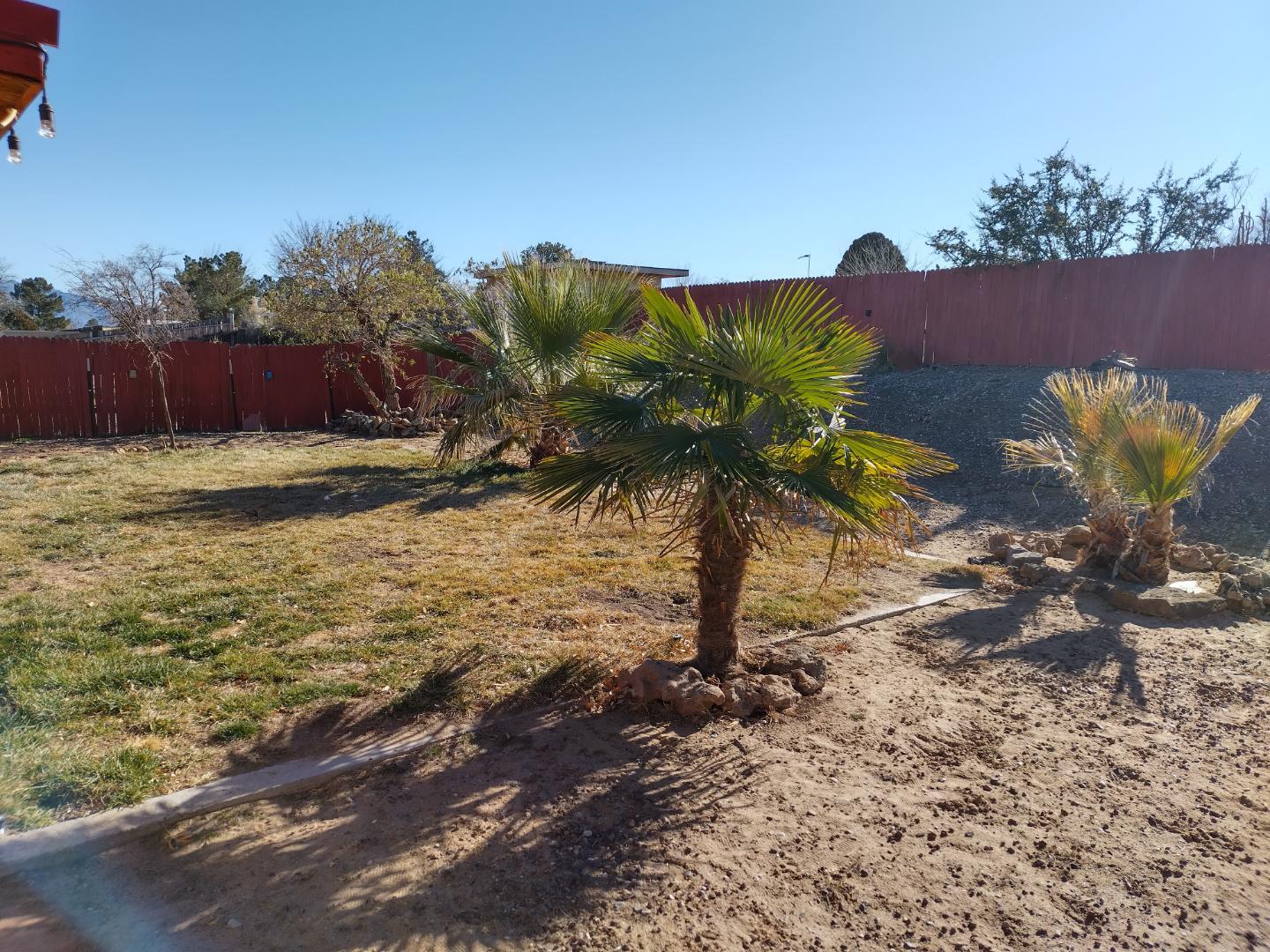
-10f Rio Rancho NM 2011 Unprotected Total defoliation
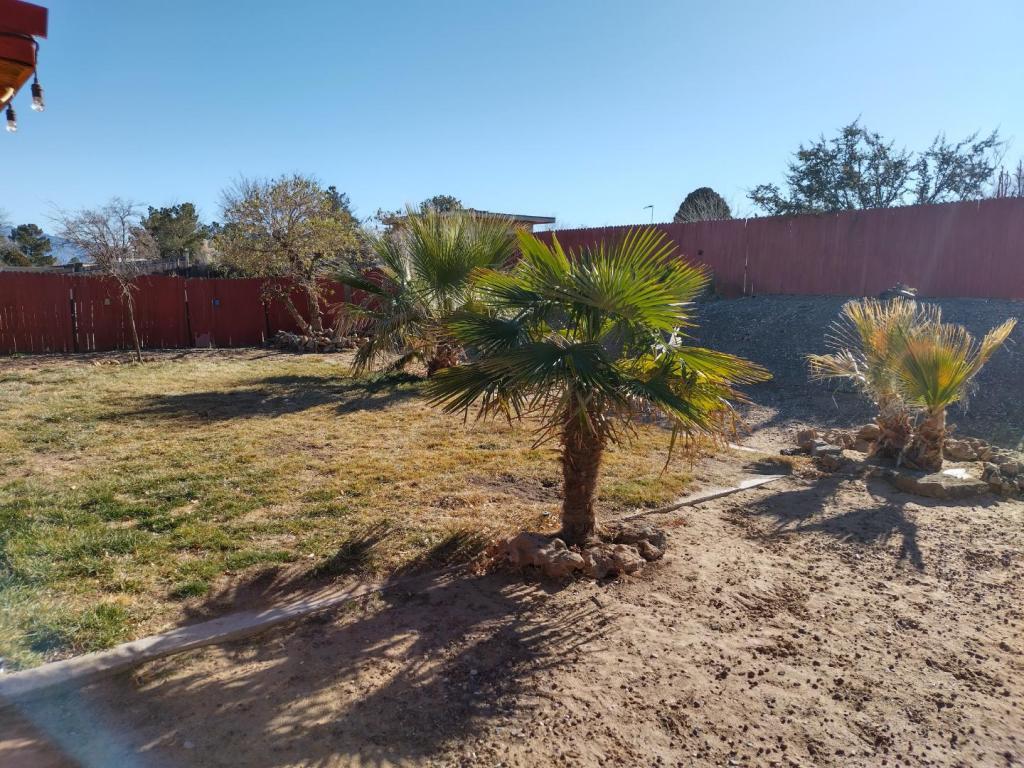 1 point
 -
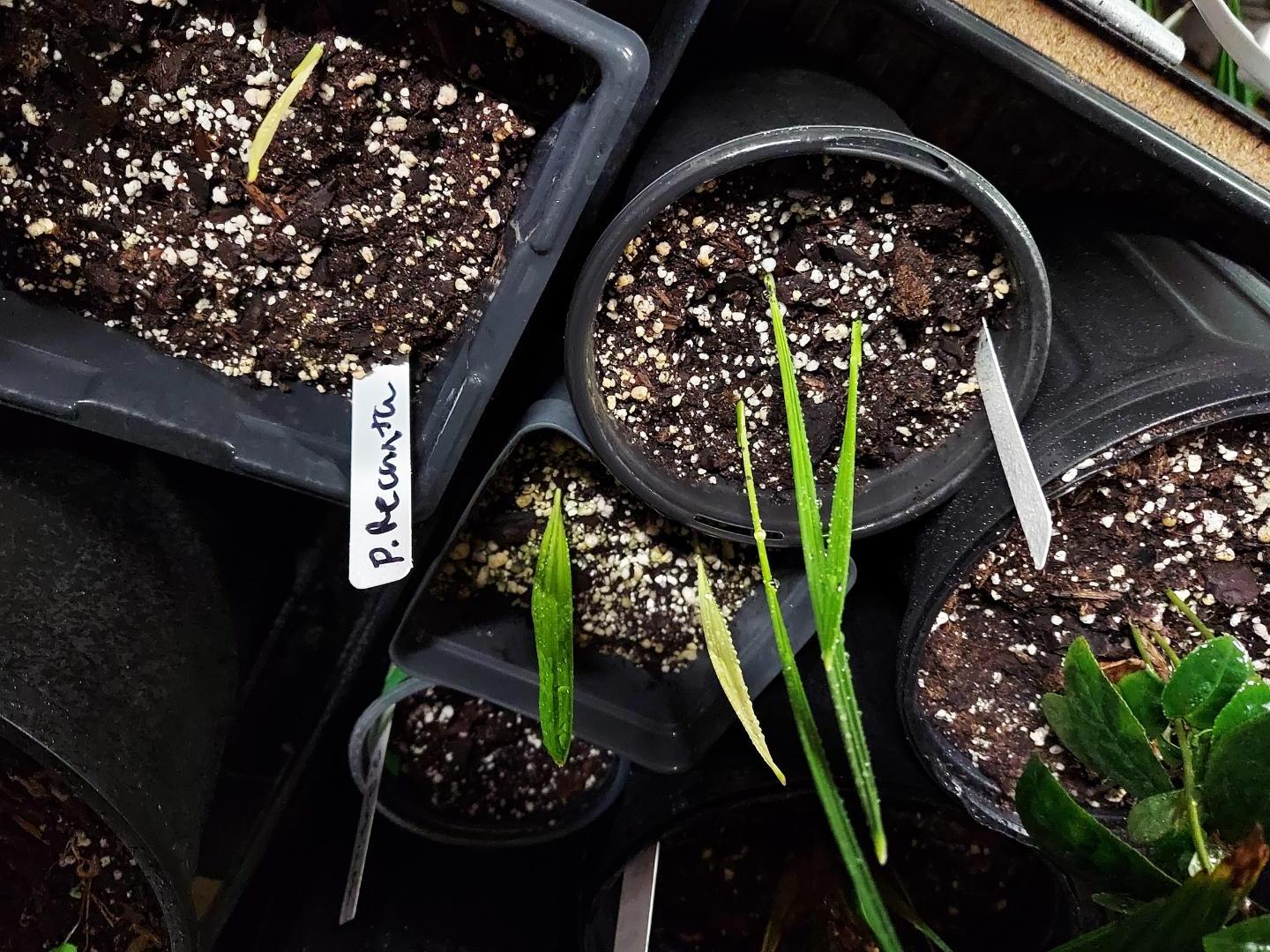
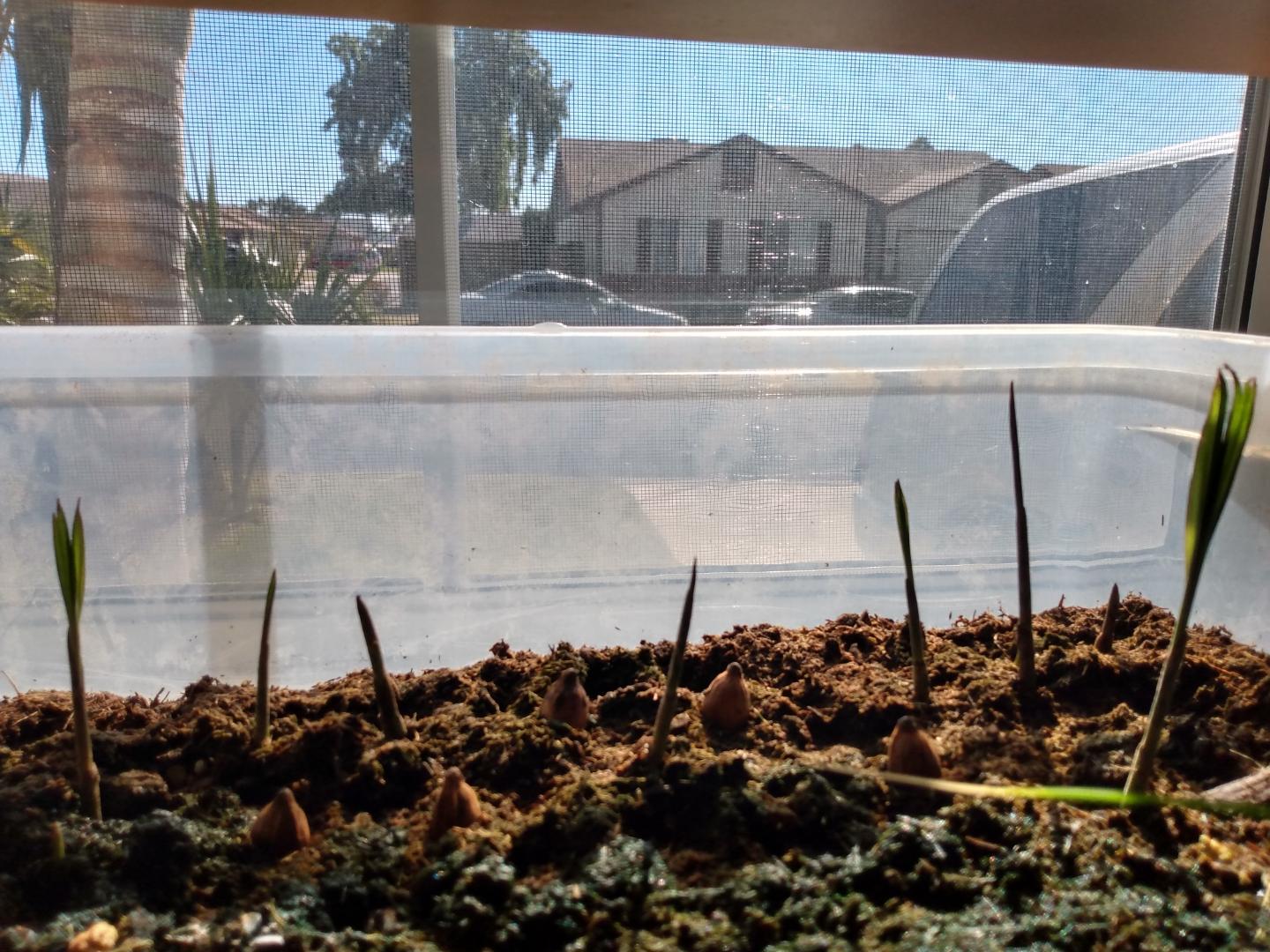
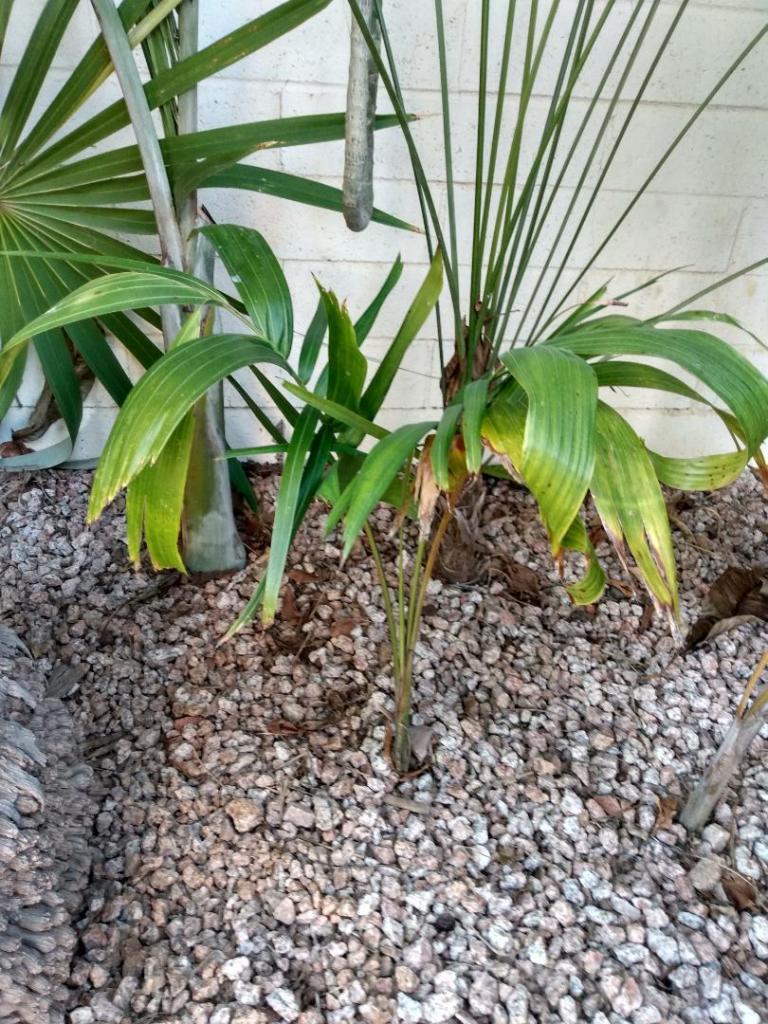
 1 pointNot as fast growing as you might think,without hot and humid conditions. I am sprouting a few Carpentaria seeds myself now, and have included a picture of a 3 year old plant from a previous batch. In 3 years grown inside,your plant will probably be less than half a meter tall. aztropic Mesa, Arizona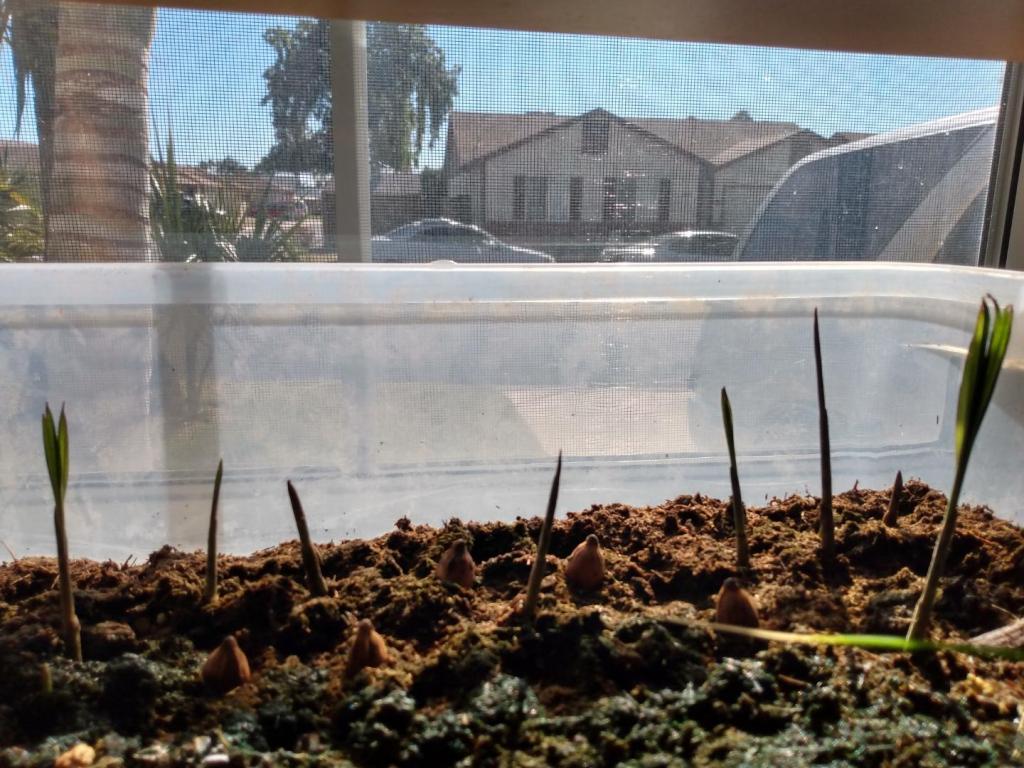
 1 point
 -
 1 pointCan't believe no one has taken you up on this... If I lived near Miami I'd be at your door with a tropical plant thank you gift 🎁1 point
 -
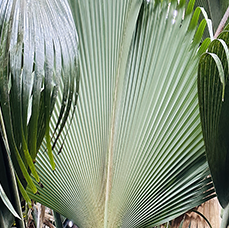 My GUESS is Pigafetta (David Fairchild was unable to grow it in Miami, despite being his favorite palm). Several other, super tropicals mentioned above from New Guinea, are certainly contenders. How about Loxococcox rupicola?1 point
 -
 Lots of things are more tender than coconuts, coconuts can reach fruiting maturity well into the subtropics like halfway up the Florida peninsula, the southern tip of Texas, etc. The real cold tender stuff is generally from the central Indian and Pacific ocean areas (Seychelles, Indonesia, New Guinea, Melanesia, and equatorial Polynesia) such as Cyrtostachys, most Hydriastele, Iguanura, Calyptrocalyx, Phoenicophorium, Manicaria, Clinostigma, Pigafetta, etc. These palms are generally native to areas with all time record lows above 60F/16C.1 point
 -
 1 point
 -
 1 point1 point
 1 pointI will, for now I am going to let it rest for a while to try to reduce the impact and meanwhile I am throwing some water with fertilizer on it. It is showing some color right now.
 1 point
 My first batch of Floribunda palms (40) came in 4 years ago and they all had moss on them. I didn't know any better and I left them on. None of those have died. I have 60% sand and 40% silt. It drains around 1.5" an hour i water once a week. I have some other plants that are not planted but they do dry out fast (staghorns) I've never had a problem with it to my knowledge. If the person you bought it from uses peat in their mix and everyone else has had success- not to mention that person keeping things alive and thriving in pots which is much harder to do then in the ground then its not "due to the nursary using peat in their mix". When I went through horticulture school our teacher said mulch is the answer to just about everything. I have planted many palms by setting a 3-5 gal plant on top of a drip tube ( no hole dug ) and pushing mulch around it. The mulch never gets irrigated water and the palms always thrive- despite it only getting watered from the bottom. The top and sides are always dry in the summer ( no rain ). Like Matty said, once the palms roots get beyond the pot size and into the native soil then it should be better. Do you amend your soil? If I had sand that drained too fast I would dig the biggest hold I could and amend with compost and mulch to hold the moisture in and then top it with at least 4" of mulch. If you have stuff rotting out and have such fast draining soil maybe its that specific plant or that your watering too much in the winter. I have chambyronias on the north side of my place that will hold water for days without draining (totally submerged) and they haven't rotted out. I'm just brainstorming, I know peat moss sucks for some applications but if cared for properly, stuff shouldn't die because of it1 point