Leaderboard
-
realarch
IPS MEMBER3Points7,115Posts -
_Keith
IPS MEMBER2Points10,564Posts -

Zeeth
IPS MEMBER2Points4,934Posts -

MattyB
IPS MEMBER1Points18,386Posts
Popular Content
Showing content with the highest reputation on 04/05/2014 in all areas
-
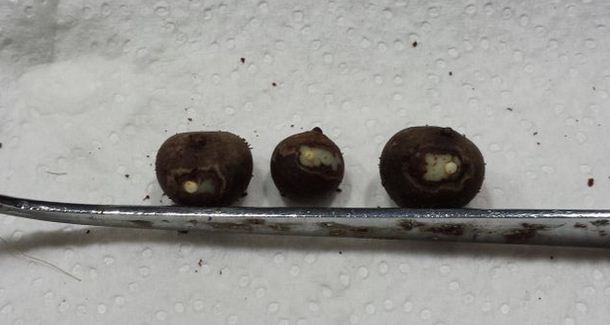
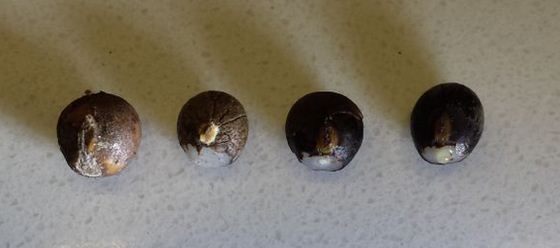
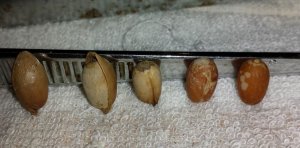
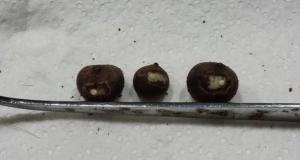
 1 pointAfter spending time to read about palm seed germination and after losing few seeds from mold due to long time of inactivity, and after reading John's posts "tickling the embryo" and "old seed germination", i decided to sacrifice 1 seed of each species i am trying to germinate, to locate the embryo and try the "de-lidding" process to see if it would work. After all, what's the difference of destroying a seed with a knife and losing it from fungus? So let this be a guide to those who are trying to germinate the following seeds with no success so far 1. Hyophorbe lagenicaulis I received the seeds on May 10th 2013 (nearly 7 months). Although they were cleaned from fruit, the seeds slowly developed mold on the exterior surface, and when the germination process had initiated at some point, the embryo was already taken over by fungus. Last week i decided to try and delid one of the remaining seeds, quickly spotted the embryo just off the lateral pole of the seed after scratching it with a sharp knife and using a very sharp blade i slowly reached the "lid". This species indeed has a lid covering the embryo, which pops easily with the point of the blade. The photo shows 3 seeds in different stages, and the experience here shows that the embryo needs 3-4 days submerged in water to bulge out of the seed. 2. Kentiopsis oliviformis Received the seeds on July 10th 2013 (5 months). Although none has rotten yet, they all just seed there doing nothing. Again, 1 seed was the tester. These seeds have a hard hairy outer covering which closes at the south pole of the seed and is easily removed. Since there is no obvious use for this, i guess it is recommended to remove it since it may prove a backdoor for fungus, keeping extra moisture around the seed. This species also has a small lid covering the embryo and it has also been removed using a fine pointing blade. The size of the seed makes it a bit harder to work with, but with little patience you will be fine. This one took 2 days for the embryo to emerge from the seed and so far no problems whatsoever. 3. Brahea armata Received the seeds on May 10th 2013 (nearly 7 months). Notoriously known for longgggg germination times this one had to be tried. The embryo is located just below the small tip on the top of the seed, and on the upper side (the seed has a flat side distinguishing it from the upper side). Contrary to the previous 2, Brahea armata doesnt have a "lid". Used a sharp knife to scratch the hard outer shell and when this was removed i had to use a scalpel blade to remove very thin slices of the mesocarp to expose the embryo without damaging it. However, this one was the most rewarding, as it had the embryo swollen in only 12 hours. So, you can forget the 1.5 years waiting for germination on this species and proceed right upon receiving the seeds to expose the embryo and initiate germination. 4. Clinostigma exorrhizum Received the seeds on July 10th (5 months). Tiny seeds, hard to work with, had to disinfect them 3 times to prevent them from rotting. 1 of them had managed to start the germination process but was attacked instantly by fungus and never made it. The brave seed showed where the embryo was located and that is the north pole of the seed. Due to small size of the seed, the scalpel blade was used to clean the hard exocarp, and shave the mesocarp to expose the embryo. No "lid" here also, so extra care should be taken when shaving off the top of the seed. When this was completed, it took 5 days for the germination to initiate, with the seed submerged to water. Apart from those described above, few other species are in the process and will follow when there is a definite result. Those include Bismarckia nobilis silver, Licuala peltata var. sumawongii, Bentinckia condapanna and Kentiopsis pyriformis. Others may follow depending on what else will not germinate in a logical time frame And again, cant thank enough john for showing the way and all other members who have posted germination information for so many species.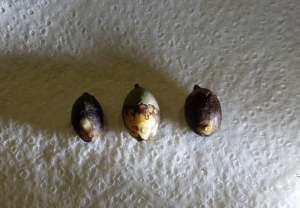
 1 point
 -
 1 point
 -
 Leo, This is one of the best topics I've read in a while. Your doing a great service to not only the school, but to the community and students. If just one student catches the fever and becomes more involved with a future in horticulture, then it was all worth it. Damn.....good for you!1 point
 -
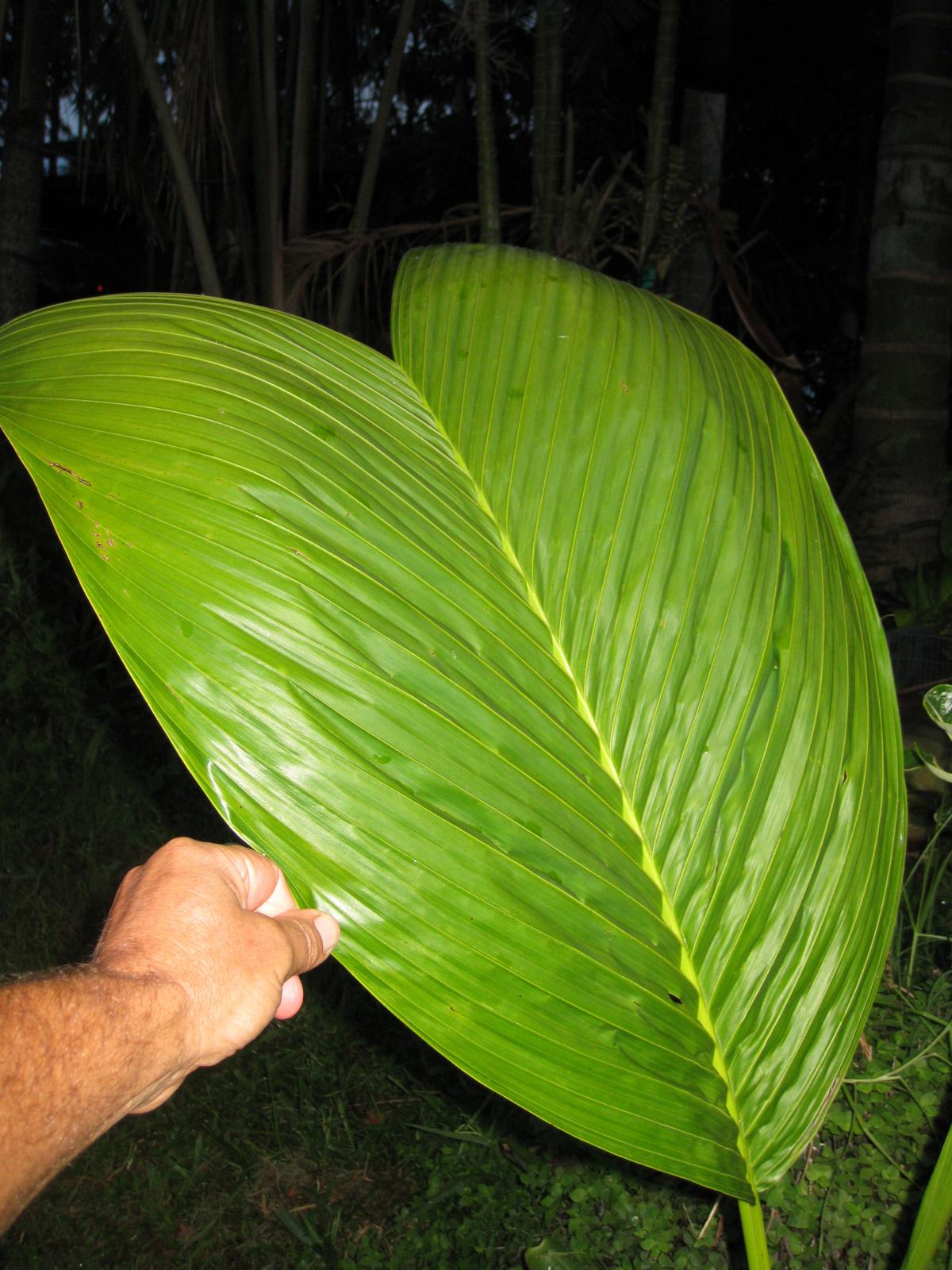
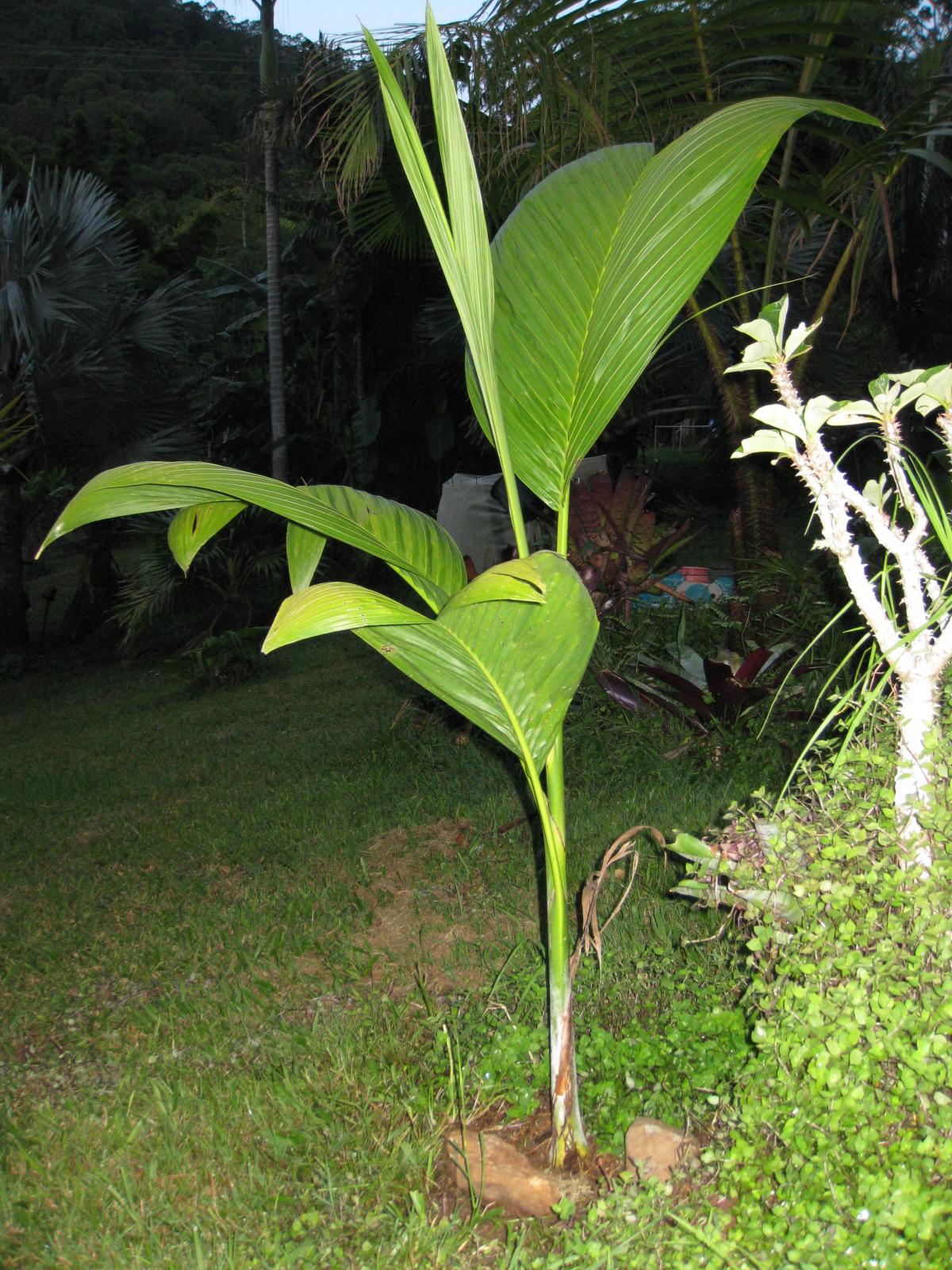
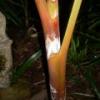 1 pointAt the start of our driest Summer here on record we had a "smashing" hail storm and this "now recovered" Clinostigma harladii was "smashed beyond recognition" along with many other Palms and Broms here. Not now, its bounced back and growing at mighty fine speed in Full sun since a seedling, thought I'd share. Pete BTW Raised from RPS seed in Oct 2011

 1 point
 -
.thumb.JPG.31602457356f9a0eb9924ddb0f0a57f0.JPG) I think palmtalk has reached an all time new low...1 point
I think palmtalk has reached an all time new low...1 point -
1 pointI think it's appealing to be able to grow palms from seed, both from the price point (often free if you have a good botanical garden nearby), and also being able to say that you grew your large mature palm from seed. Also, it's often much easier to get some species by this method.1 point
-
Maybe somebody peed on them. Really rank stuff, like after a whole night of drinking.1 point
-
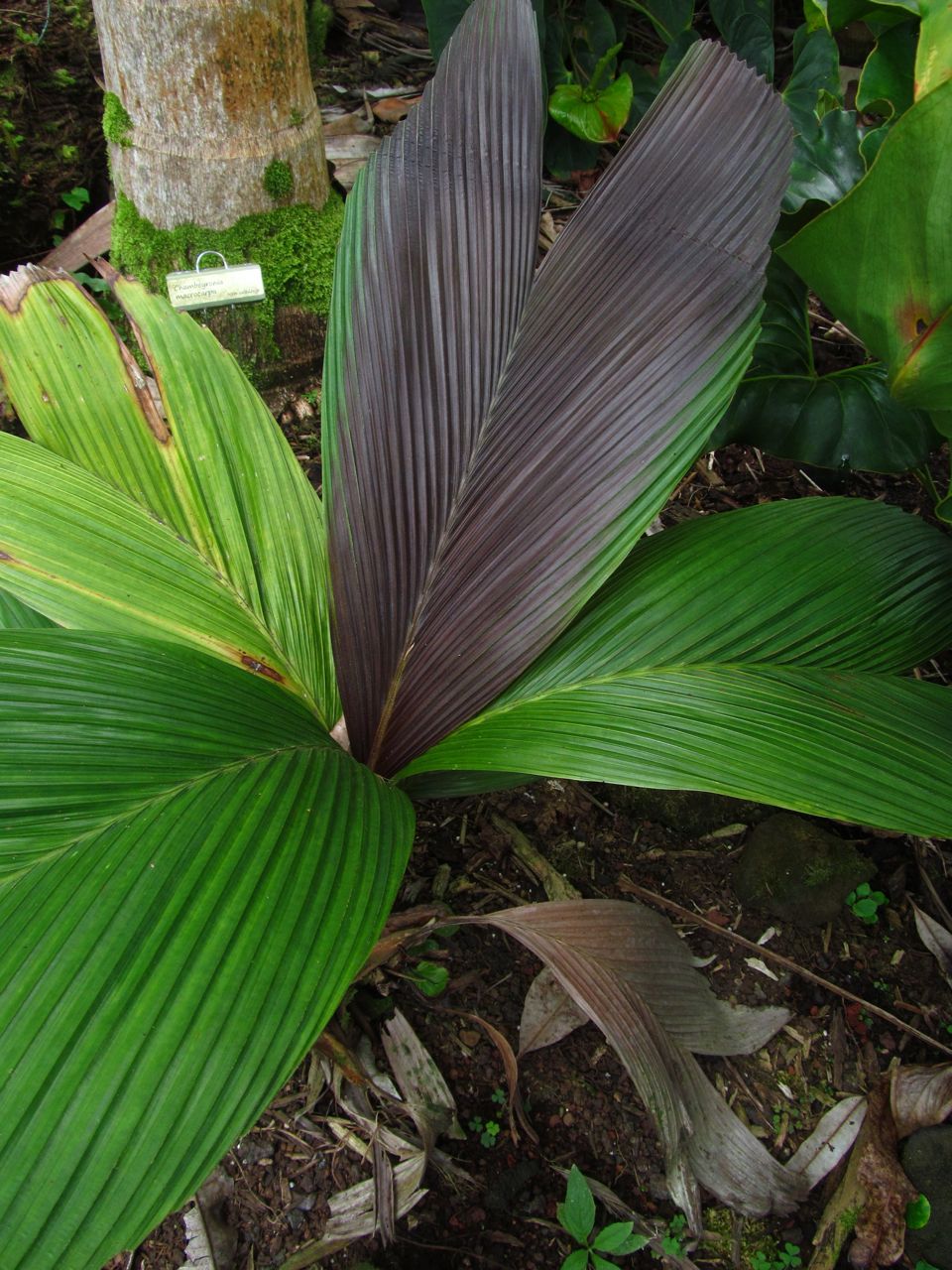
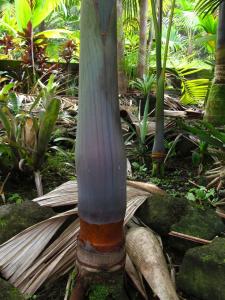
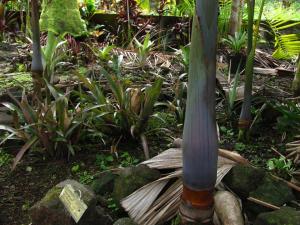
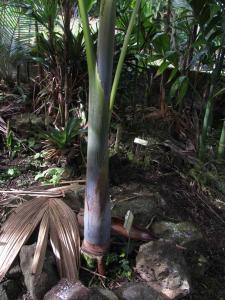
1 pointThe last of the purple bunch are the Dictyocaryum lamarckianum. The one is much larger than the rest, but the smaller ones are starting to show color.
 1 point
 -
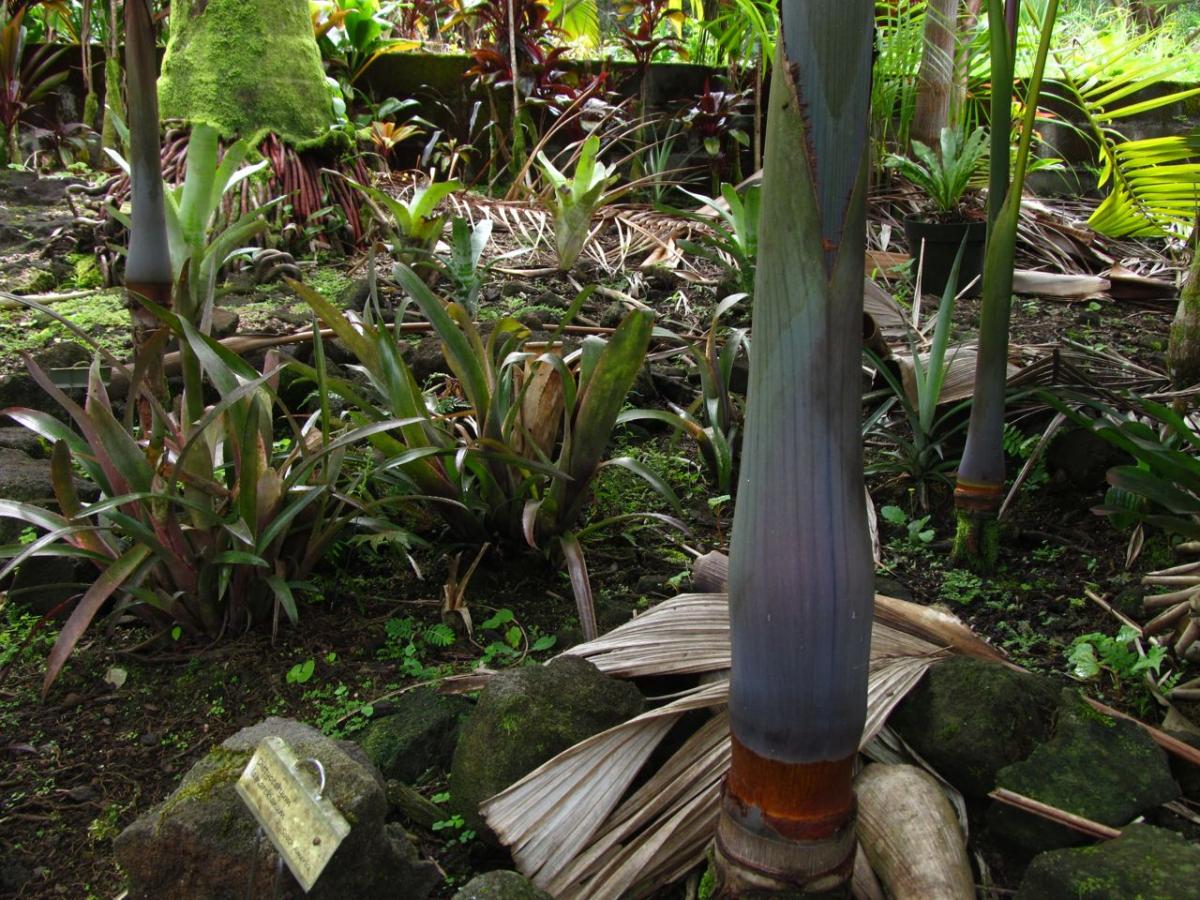
1 pointCheck out these purple hues. Base of Bentinckia condapanna, Iguanura wallichiana, and Pinanga speciosa.
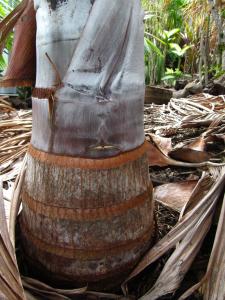
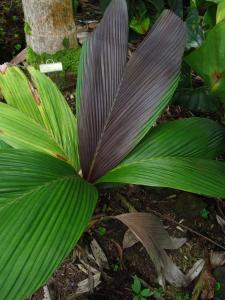
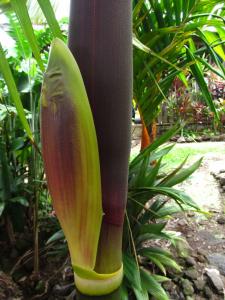 1 point
 -
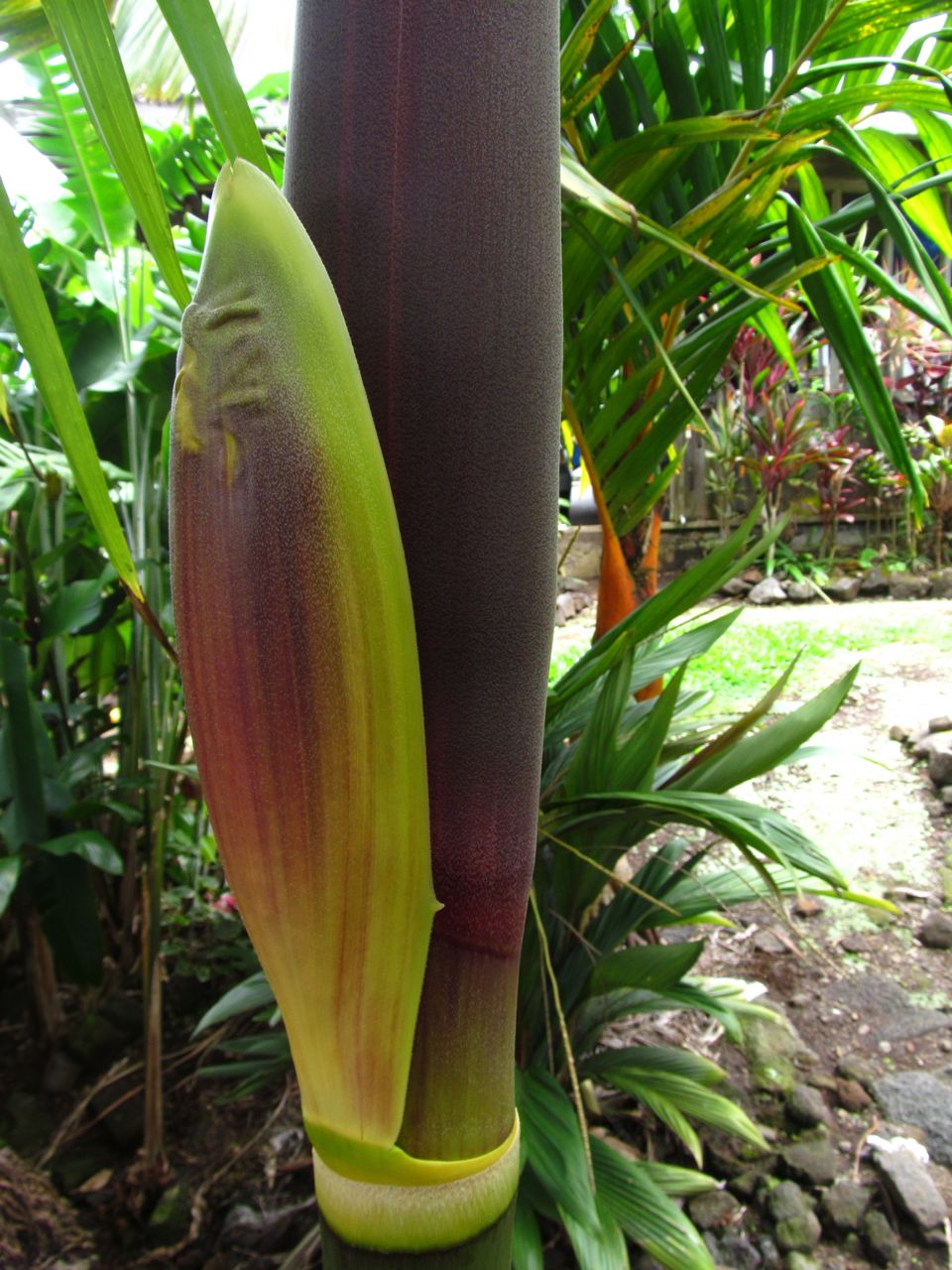
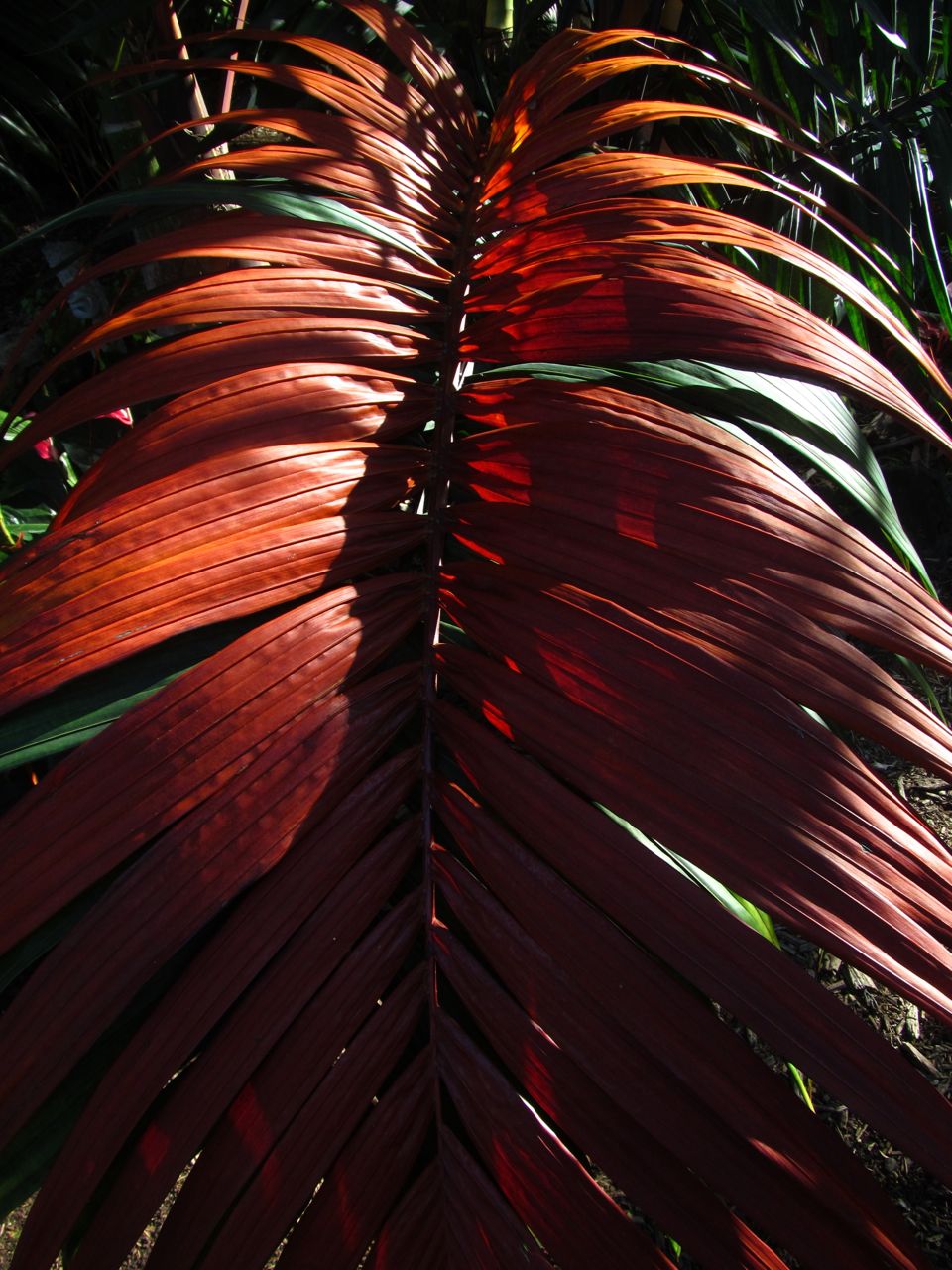
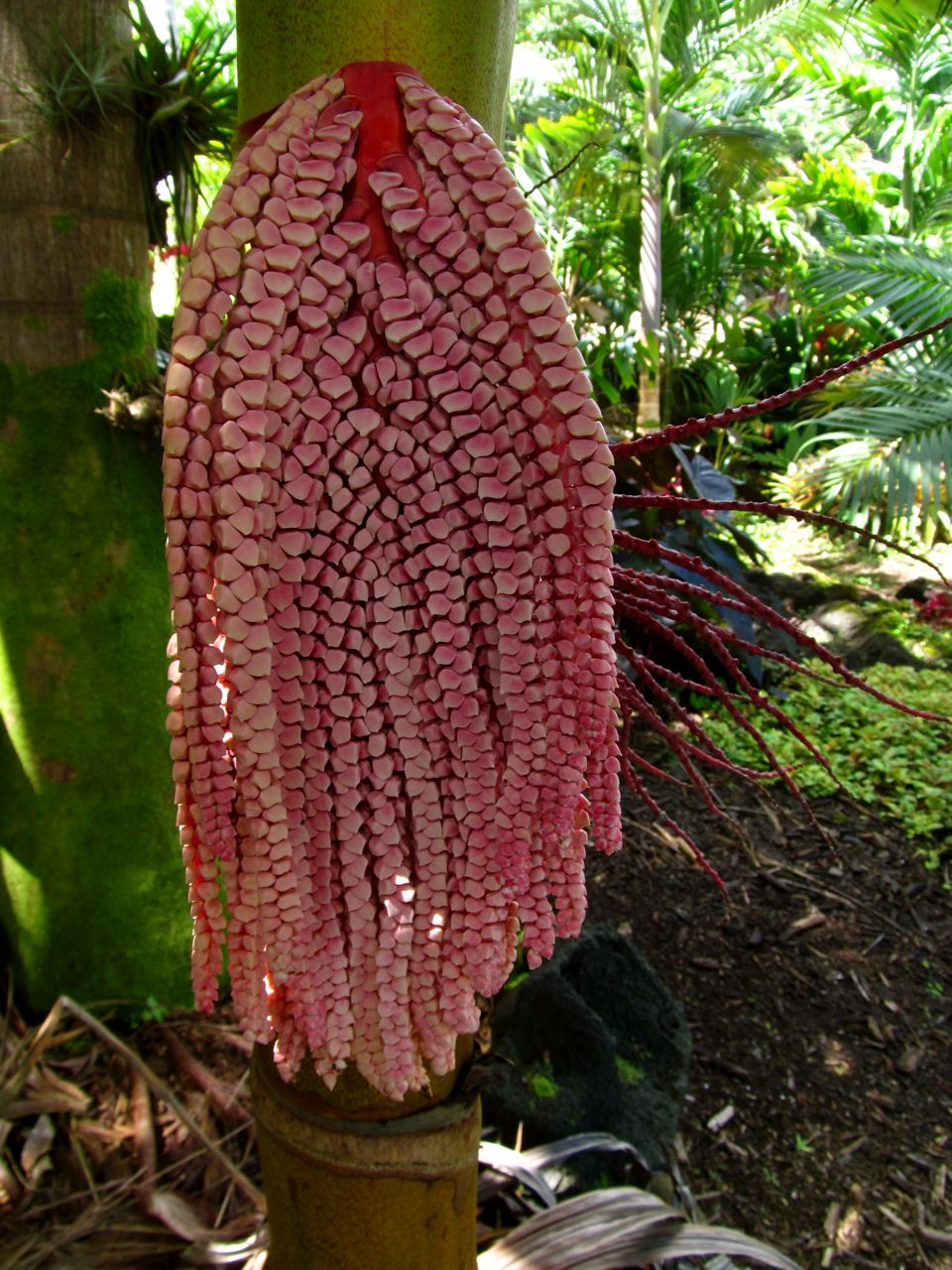
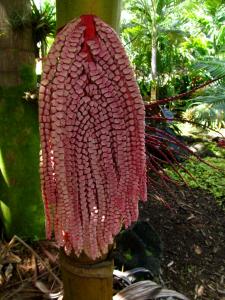
1 pointMore of a Pinanga caesia and even the dead leaves, (the last photo), are beautiful. The inflorescence is nothing short of spectacular as well.


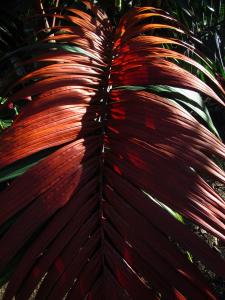
 1 point
 -
1 point
-
Axel, you do not yet live or own property in Hawaii, or am I mistaken. You are a Californian with a lot of opinions on what Hawaiians should do. And while I certainly respect your right to have an opinion, if you told me as a Californian what Louisianans should do in our state I'd say in my best southern drawl, "son, you ain't got no dog in this hunt."1 point
-
 Sorry Smithgn, I don't feel too sorry for you. I live in Seattle and we are way north (even much more than NY). We are at 47 degrees North Lattitude, which is parallel with Quebec City, Canada, and north of most of the state of Maine, for example. We can grow Trachys, Med. Fan Palms (sometimes), Butia (in some places), and maybe a Sabal Minor. That's about it. I think your theory about bodies of water holds true, since we would no way be able to grow palms here without the large body of water known as the Puget Sound (inland Sea). You most likely wouldn't enjoy our 75-85F degree summers and rainy winters, but Windmill palms do grow extremely well here.1 point