

Leaderboard
-
PalmatierMeg
IPS MEMBER4Points11,457Posts -

DoomsDave
IPS MEMBER2Points34,604Posts -

Walter John
IN MEMORIAM2Points15,128Posts -


Ciczi in Sweden
IPS MEMBER1Points262Posts
Popular Content
Showing content with the highest reputation on 02/10/2014 in all areas
-
1 point
-
1 point
-
The European Union wants all plants must be registered in order to be sold. This would lead to more small businesses going bankrupt and that Europe would have a narrow range of plants and crops. Help us to get the EU to scrap this extraordinarily stupid suggestions. Sign the petition here; http://namninsamling.se/index.php?sida=2&nid=8361 //Ciczi is for diversity, not monoculture The long text here is a summary of what the bill concretely means. The EU is currently considering a proposal for a law that could make it illegal to sell many seeds and seedlings. The proposal goes through , we will have a greatly limited access to seeds, especially varieties for small-scale farming, hobby farming, organic farming and cultivation in cold climates. We would also have a much narrower range of plants in nurseries. The result is that depletion of biological diversity , small varieties disappear , many small players in the market becomes unprofitable and must cease its activities . We would lose skills in plant breeding and sales. Farmers may well struggle to preserve and use their own seed . The bill is based on all kinds of plant material shall be recorded to be sold. This applies to both crops and ornamentals. Registration means exorbitant cost of seed companies and nurseries. Much plant material would be unregistered and illegal to sell . During the process of the law has been proposed exception for so-called amateur varieties , seed banks and small businesses with few employees. After the last update of the bill has exceptions removed or restricted heavily . This is very worrying. We therefore demand : • that any registration of plant propagating material, seeds and plants shall be voluntary. • that all sales of växrförökningsmaterial should be free , unless special copyrights are . If the registration requirement yet implemented , we require : • to ornamental plants ( ornamentals ) are not covered by the Act . • enable individuals to freely receive donate and sell seeds, bulbs and plants that they have grown themselves. • to small businesses, conservation organizations , gene banks and non-profit organizations exempt from the requirement to sell only registered varieties .1 point
-
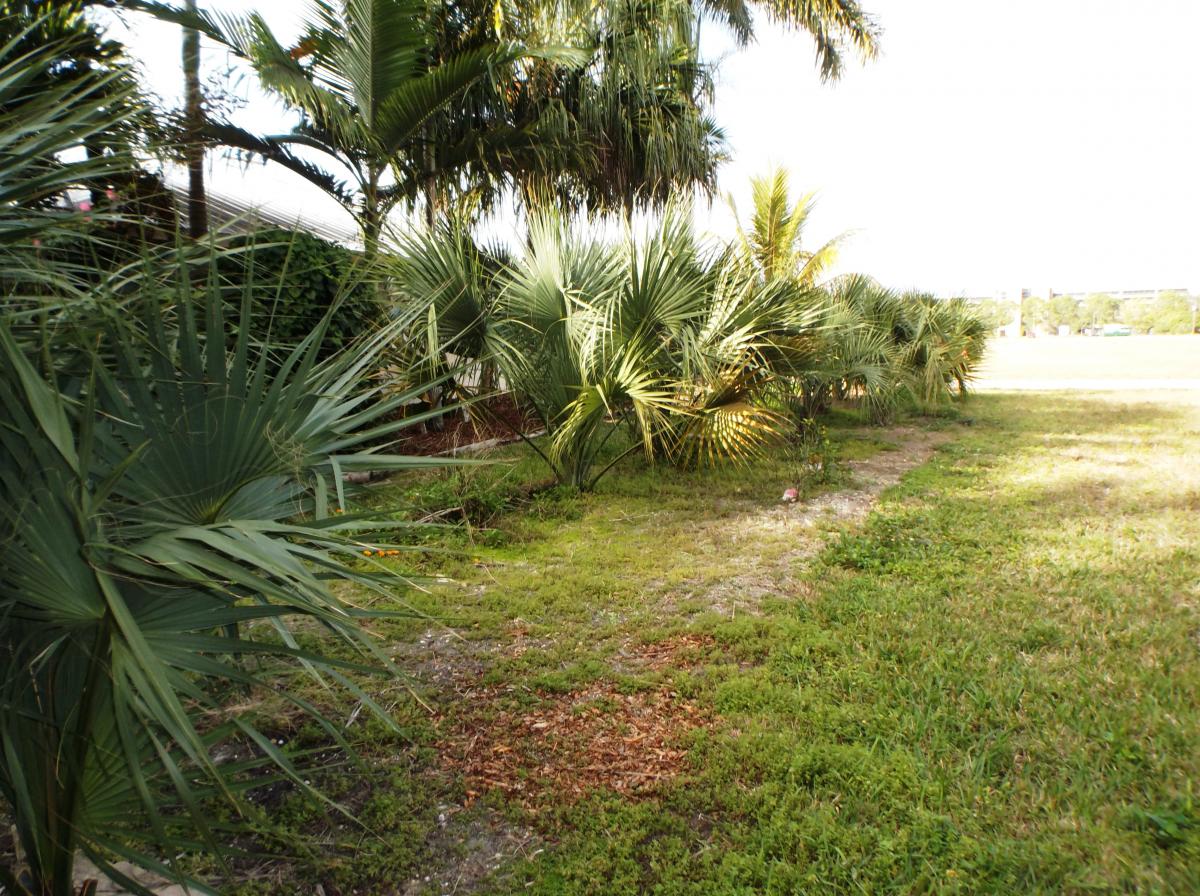
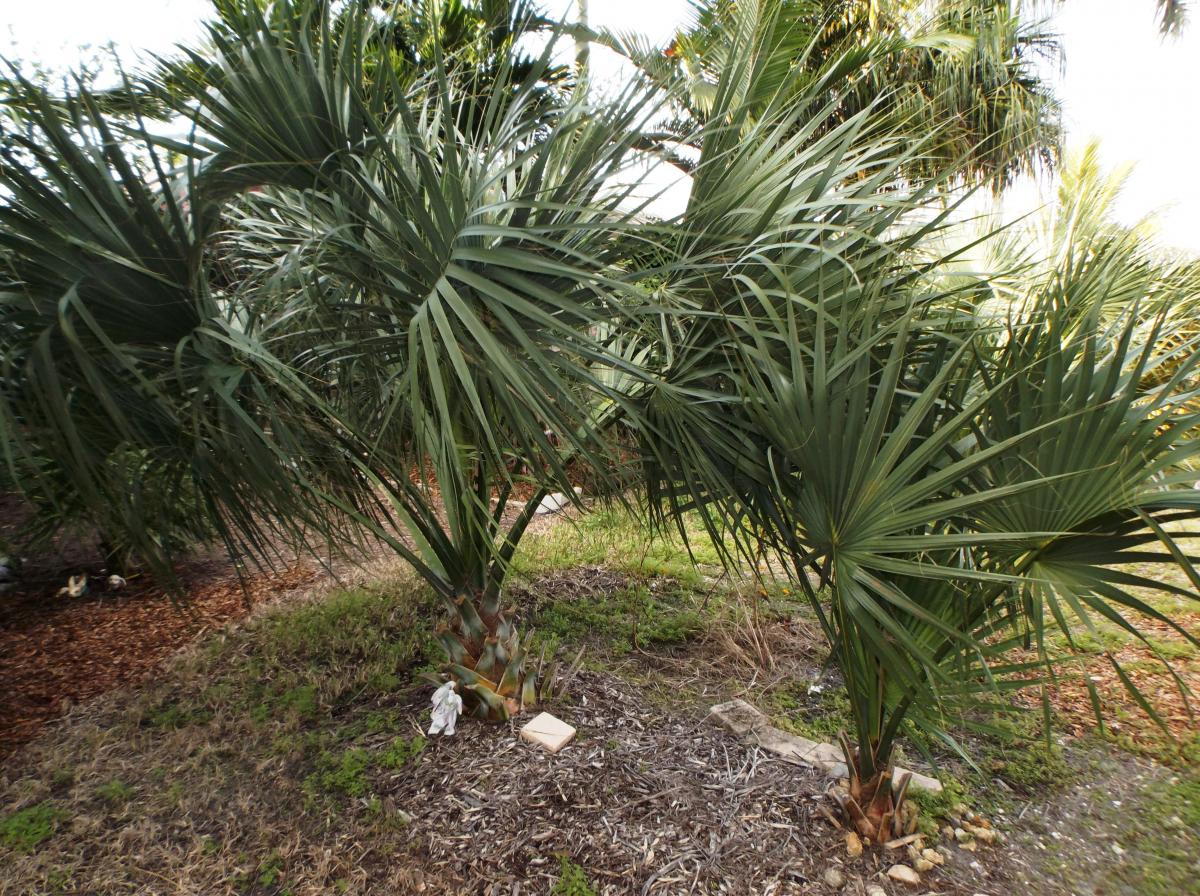
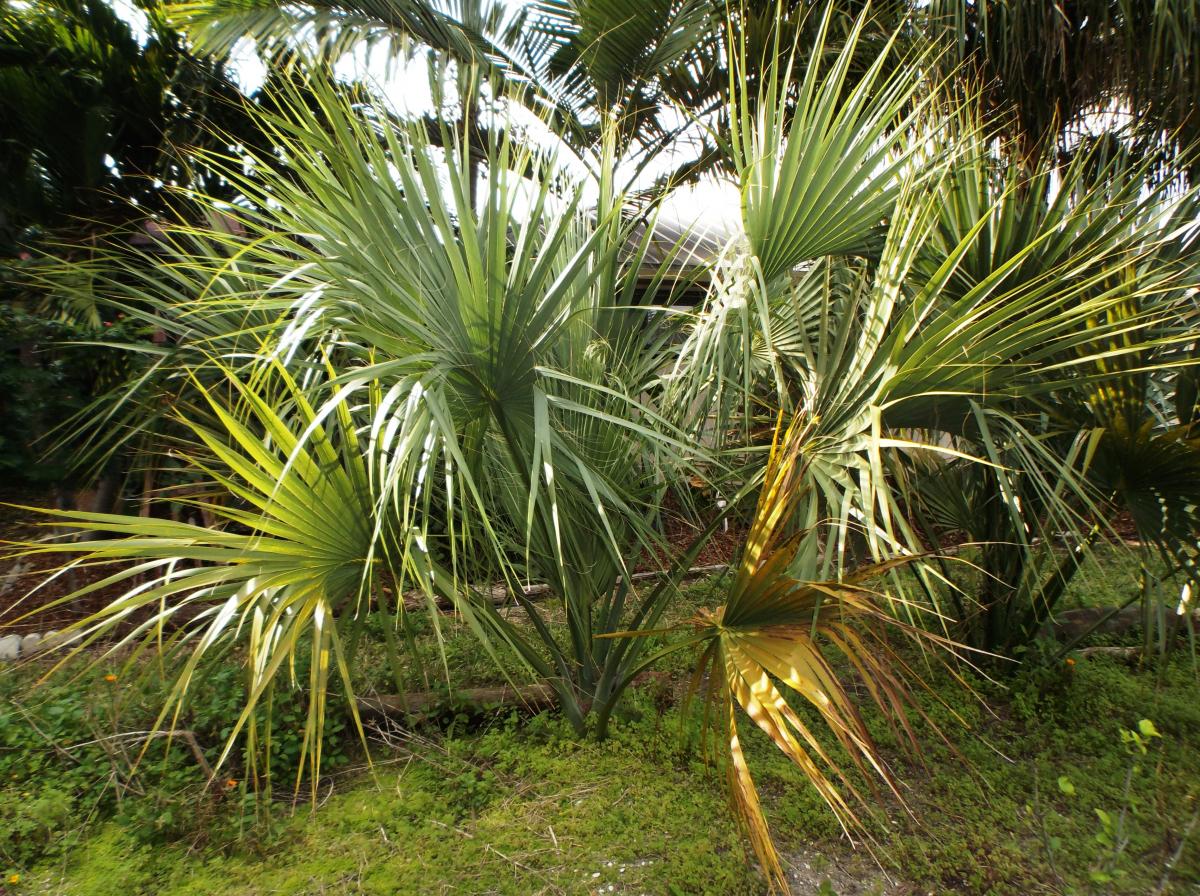
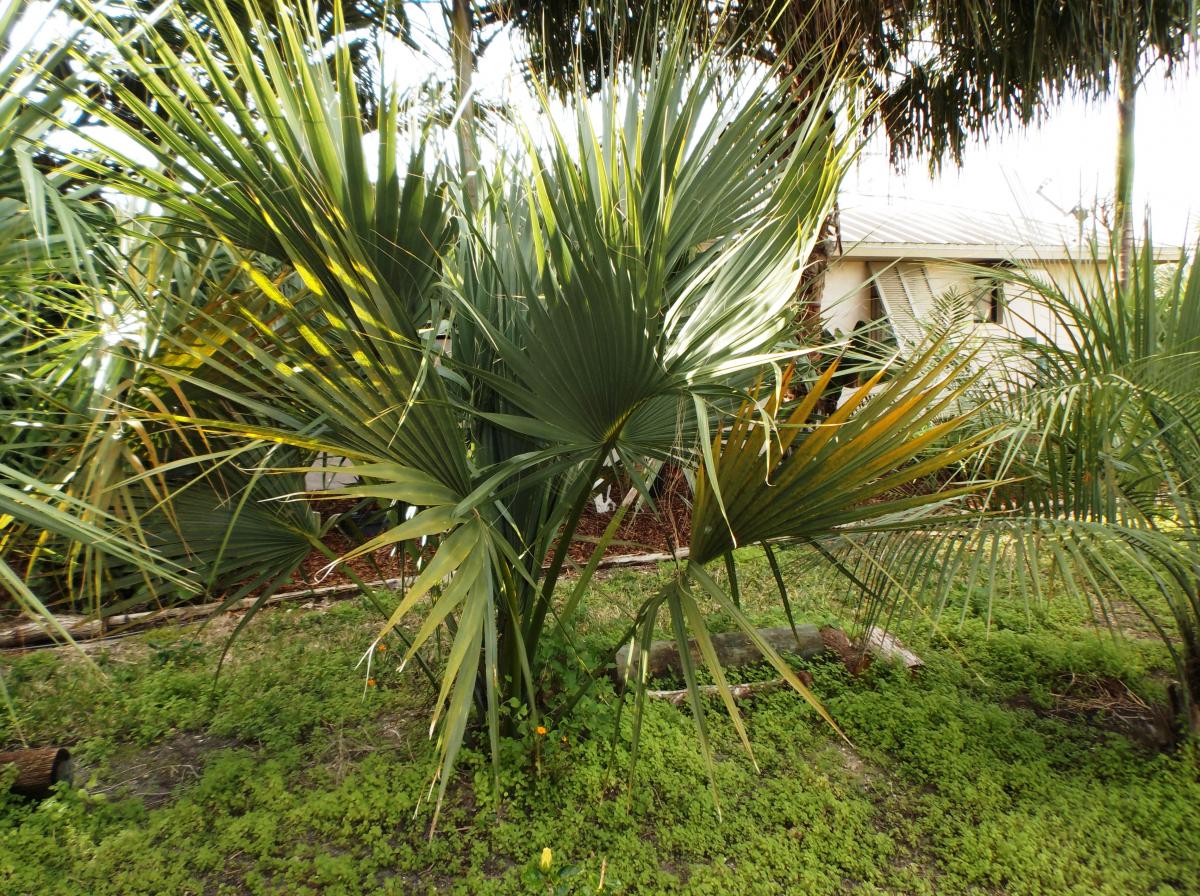
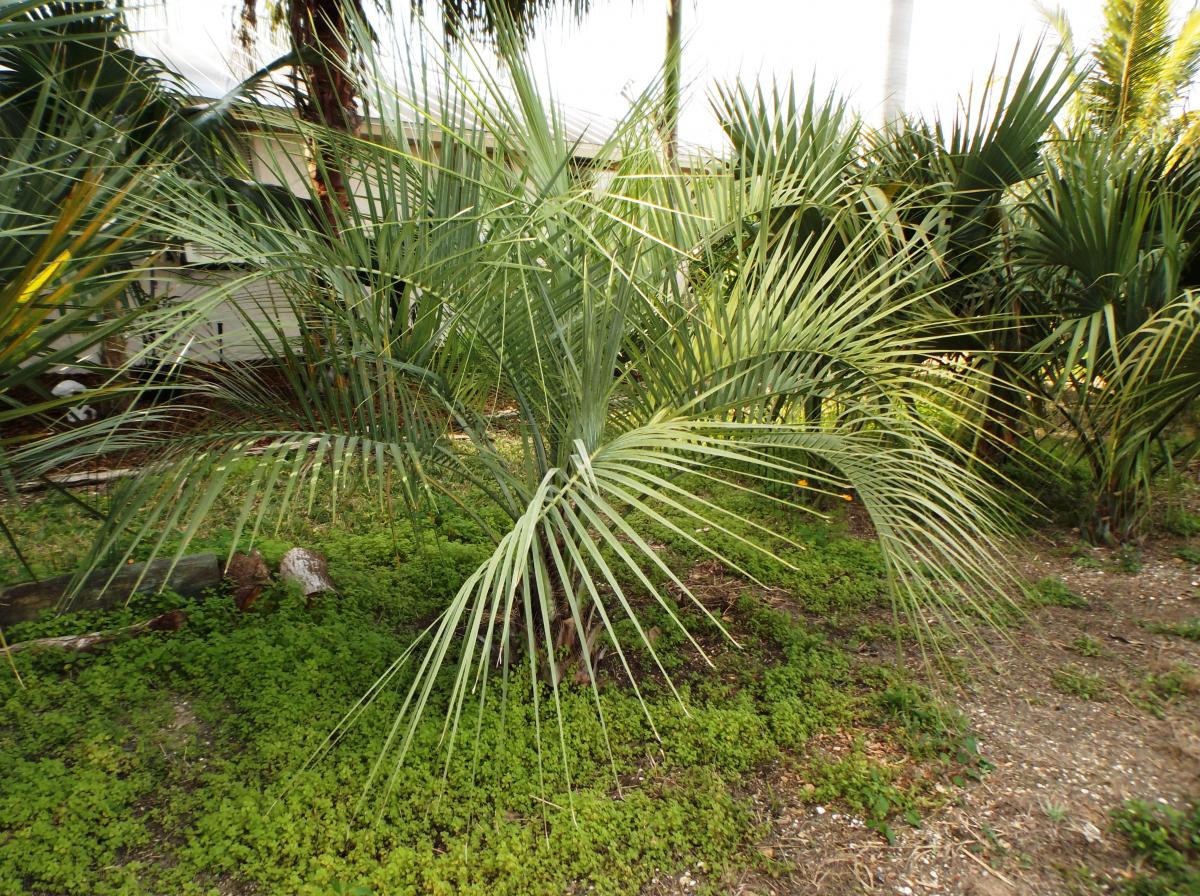
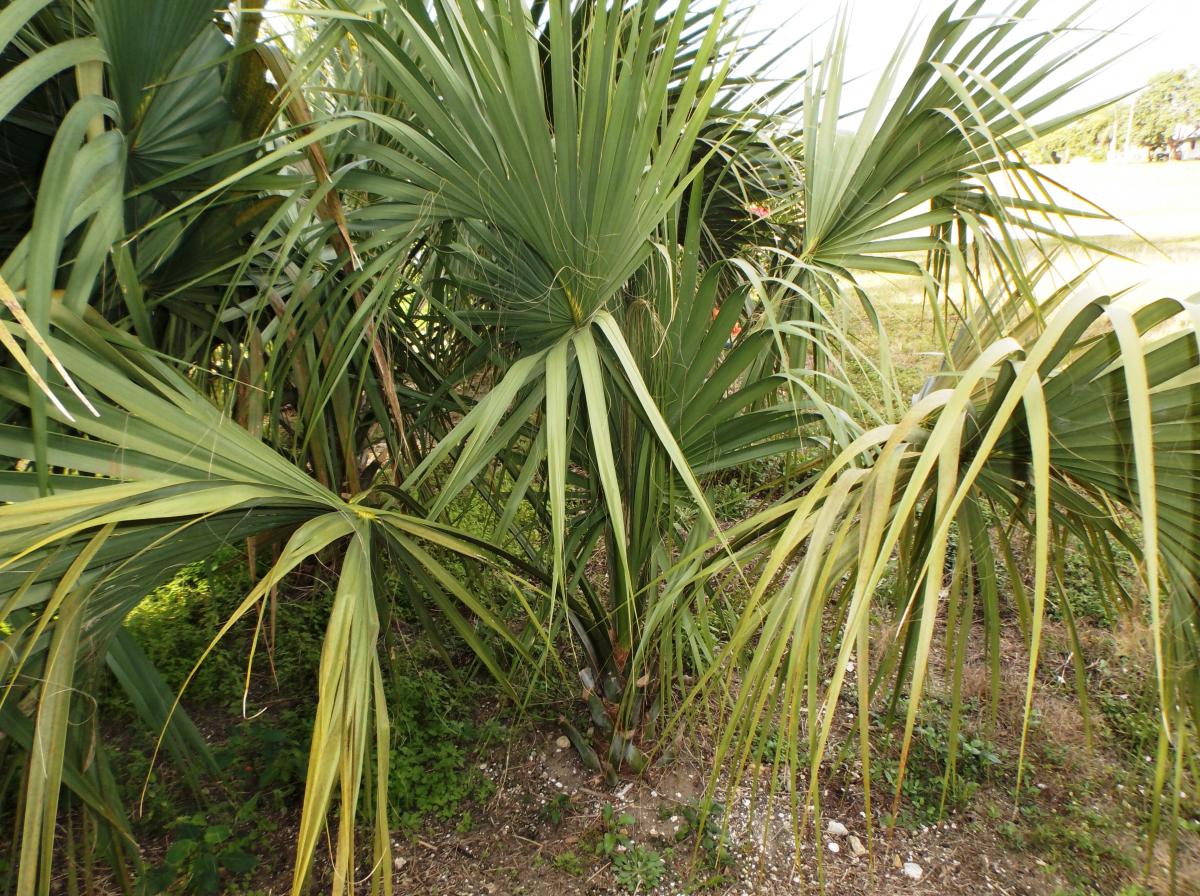
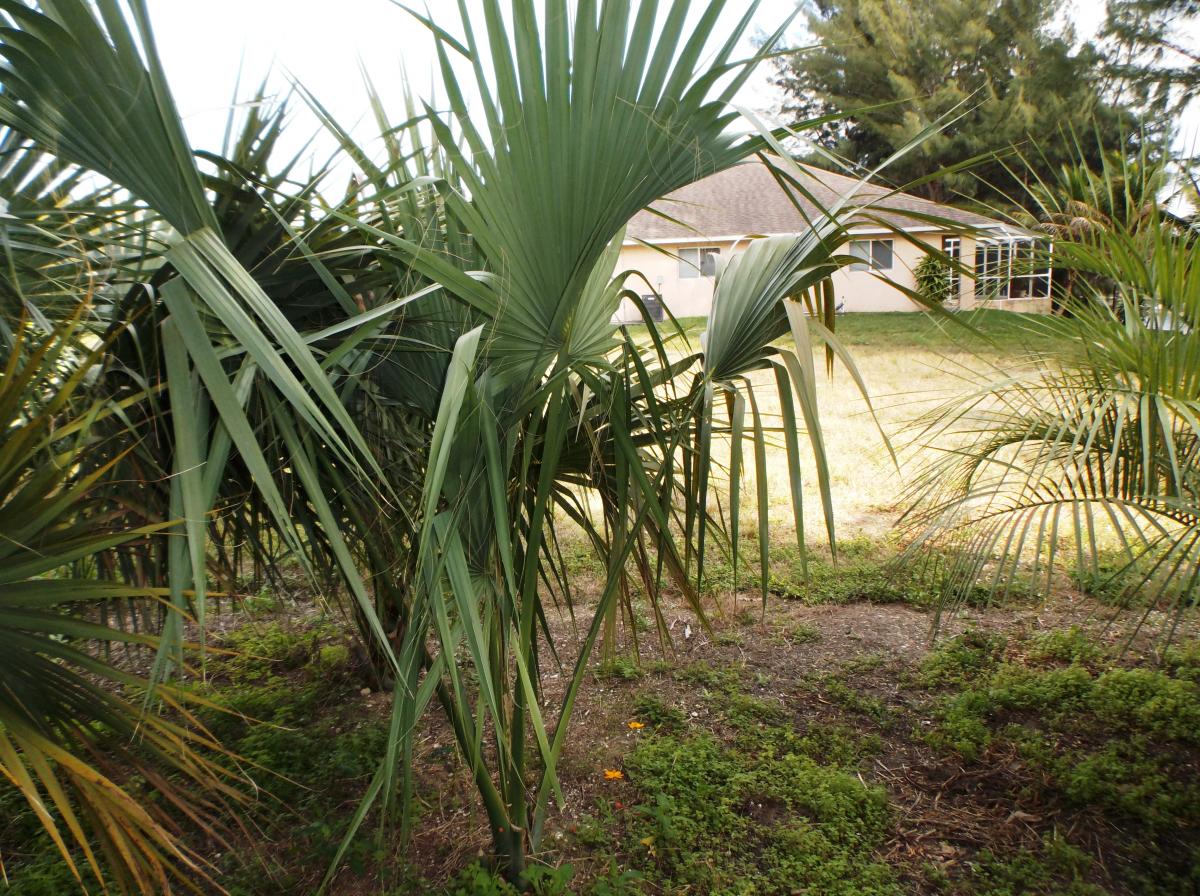
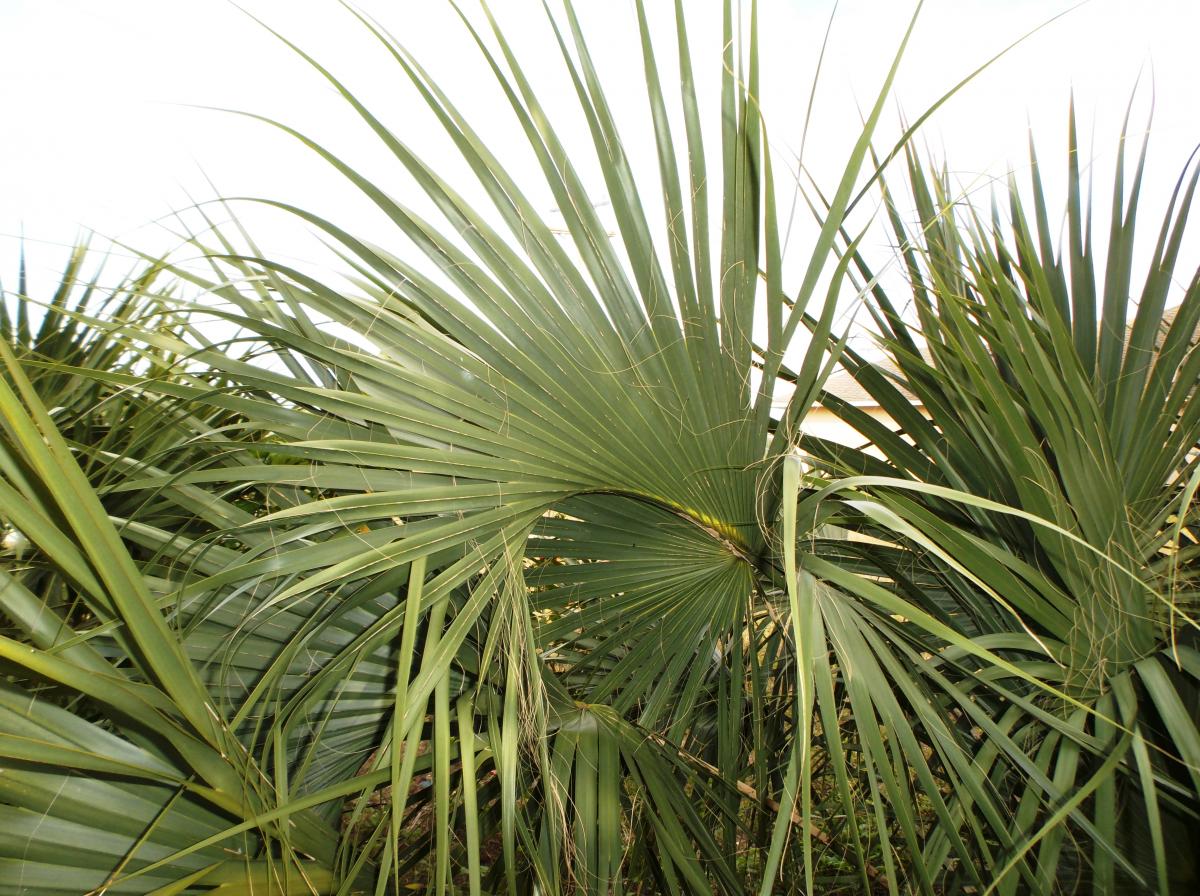
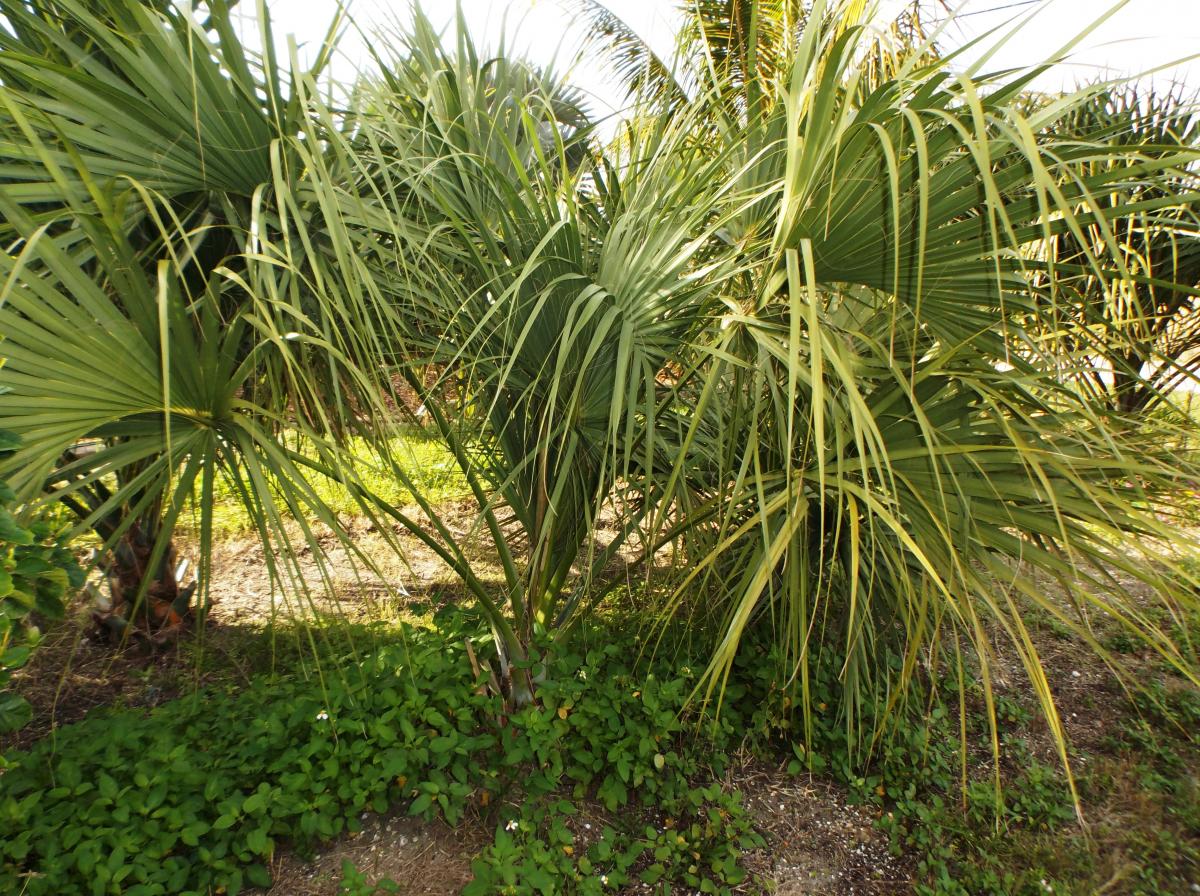
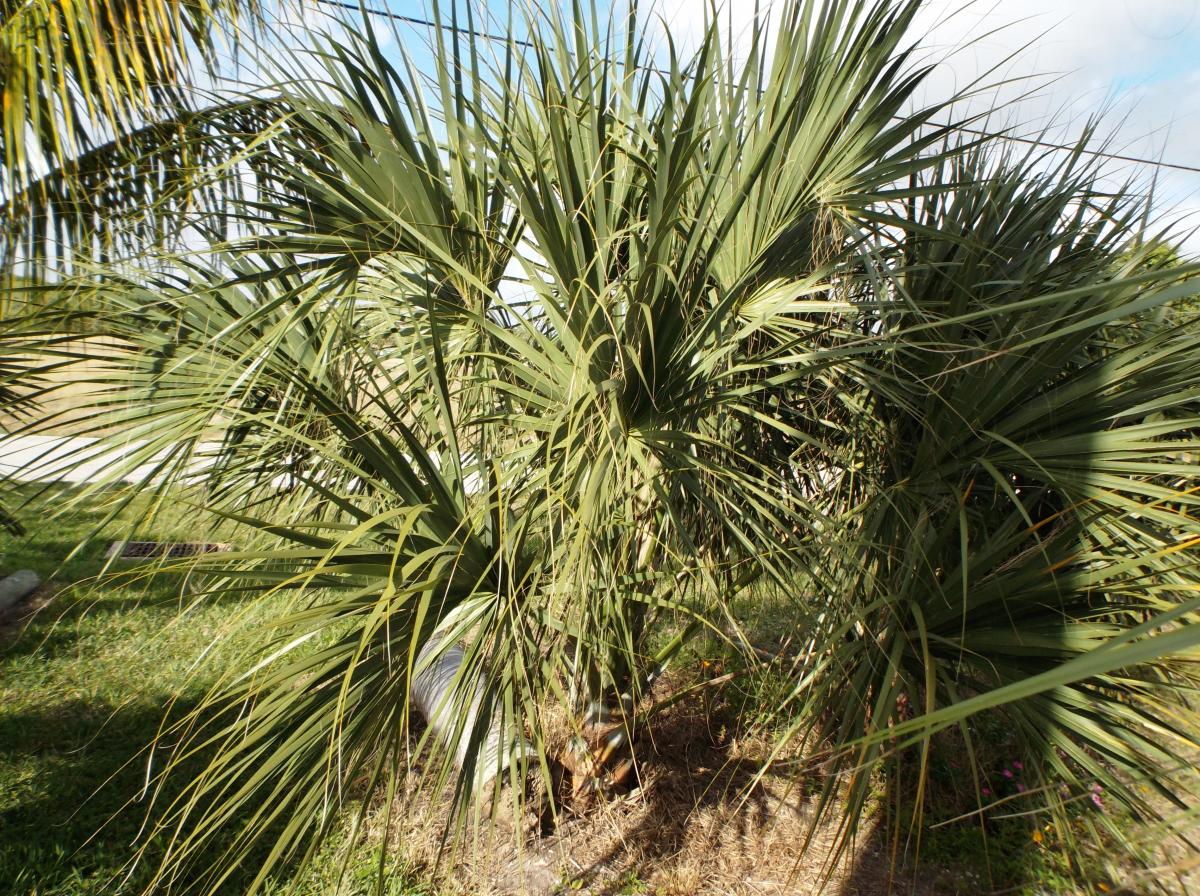
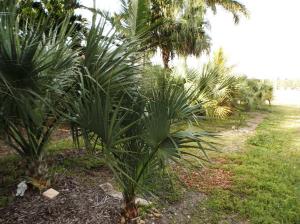
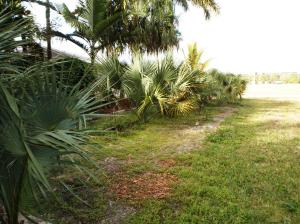
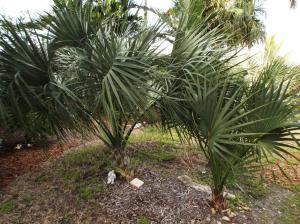
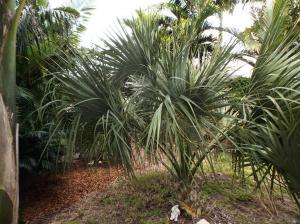
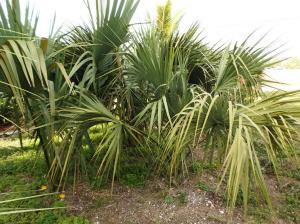
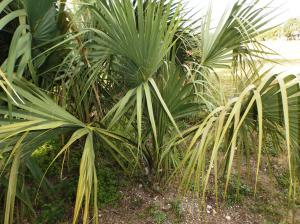
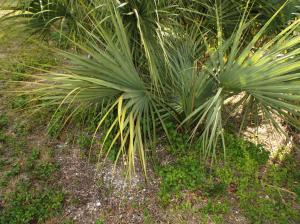
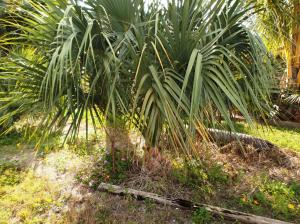
I told Sabal Steve I would take photos of some of the Sabal species I am growing. Why? If you have to ask this topic isn't for you. First up is the group of Sabals I call "Sabal Row." They actually aren't on my property but on the vacant site east of our house. In the 20 years we have lived in CC the owner, who lives a couple miles away, has never visited the property. In 2008 I germinated a slew of Sabal seeds I obtained. Sabals are probably one of the easiest genera to grow from seeds. Around 2009 I started planting various seedlings with the hope they would eventually block out the house a couple lots away. I planted the following Sabals: causiarum, domingensis, maritima, palmetto, mauritiiformis. They were the same age and 4-5 strat leaves. Over the years the tags disappeared and the only one I easily recognize is mauritiiformis. Anyway, Steve, put on your thinking cap: who is who? Sabal Row:





 1 point
 -
I felt the need to photo capture some palms this morning, and have me in some of the pics to give you an idea on the sizes, and for me to refer back. Dypsis sambiranensis aka Dypsis pinnatifrons sp.pink crownshaft etc. recent new red/maroon leaf, note that the rachis also is red unlike some other Dypsis with new red leaves that have green rachis.


 1 point
 -
I don't know why so-called "root sensitivity" in Sabals has reached earth shaking proportions. These are not Bismarckias. If you plant a Sabal from its pot you should have few problems, assuming you don't pound it with a sledge hammer. Given heat, sun & water they will grow happily in their usual Sabal manner. You run into problems with Sabals when you dig them from the ground at a vulnerable stage in their lives. The rules I learned are as follows: 1) Small strap leaf seedlings can be dug up if you take reasonable care (no machetes or sledge hammers) 2) Palms with 6' or more trunk can be dug using the trenching method with time & care (see 1) above). Rootballs are ridiculously small on big Sabals awaiting transplant. That's because after planting the palms grow a whole new set of roots. You have to cut off all fronds except the spear to reduce transpiration. Large palms take time to start growing again but that's because they are working on new root systems. 3) But, do not dig Sabals with 4' or less of trunk. That's because the growing point is still underground and you will surely kill the palm when you mess up its growing point. Notice that all my Sabals have only 2' or less trunk. If someone tried to move them he would fatally damage their growing points, which extend deep into the ground. Only when the growing points clear the ground, i.e., when the trunks have topped 5-6' can they be dug up safely. So, no, it's not about roots. It's about meristems. Otherwise, Sabals are tough.1 point
-
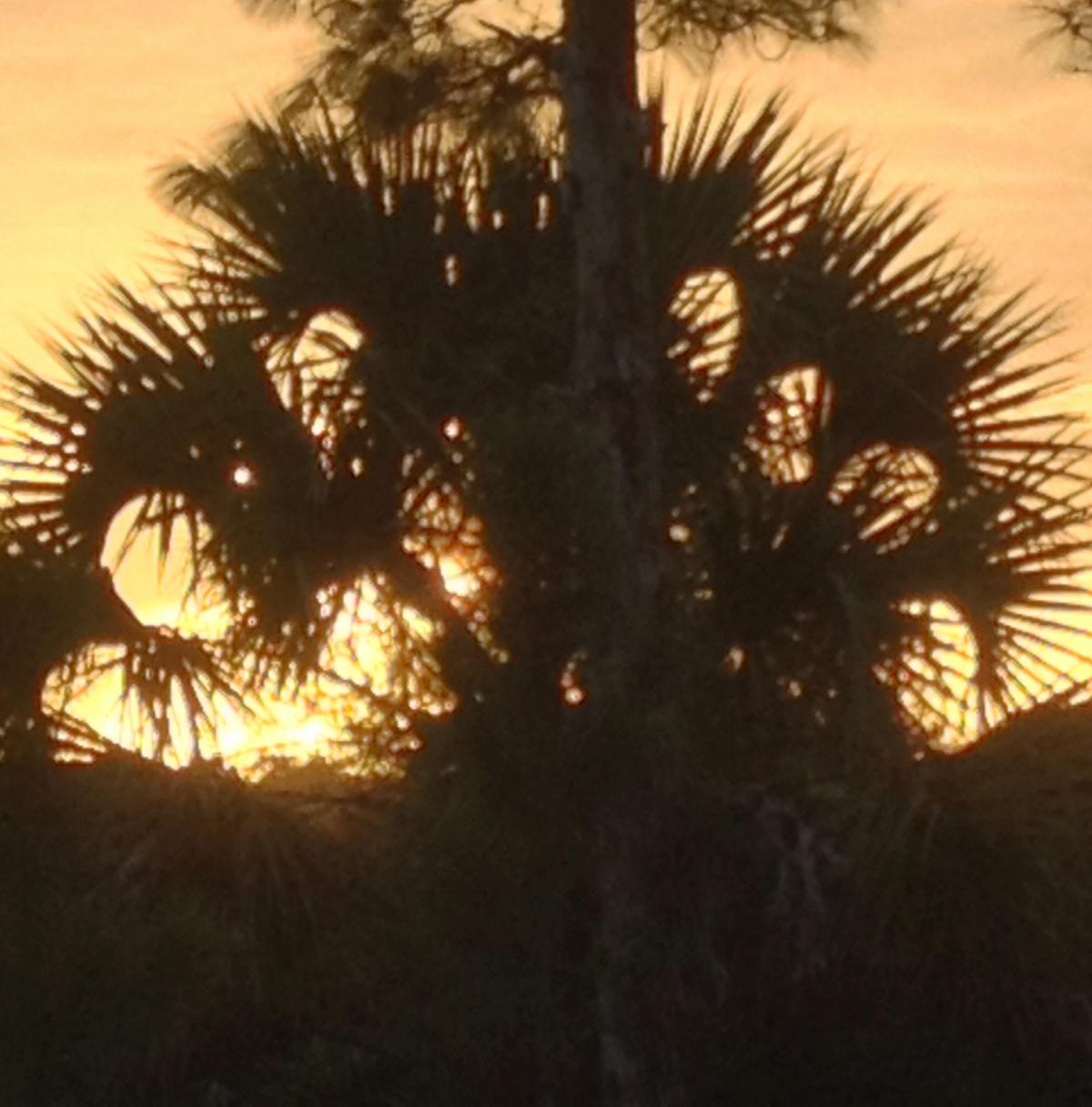
Just took a night pic of my Livistona fulva, see how well the brown leaf undersides show up, not too bad.

 1 point
 -
 Sorry, I do not give a dime about EU and its silly to illusional legislatute, because I do not feel like an EU citzen, and long since I HAVE BEEN WISHING I WERE NOT! Who knows, maybe in two years my wishes will get realized1 point
 -
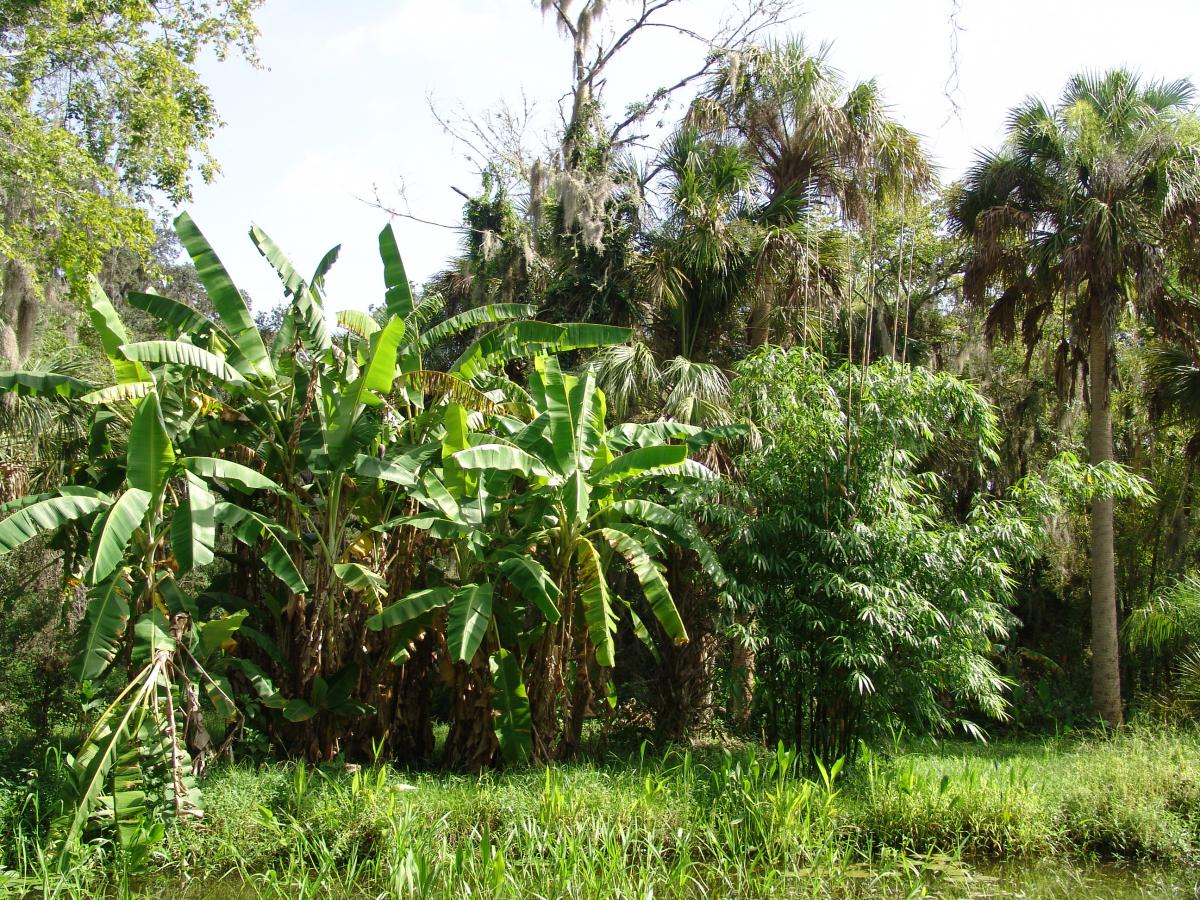
 Since Ari won't buy into this thread suppose I'd better. Lot of my Carpies are up in the canopy so sometimes difficult to get a good photo. But here's what I managed to rustle up today. These have 22 metres of trunk, crown is additional height. A couple out in the open. Another group in the 20 to 22 metre range. Difficult in a rainforest setting, another lot over 20 metres. Again, up in the canopy.1 point
 -
 1 point
 -
 1 point
 -
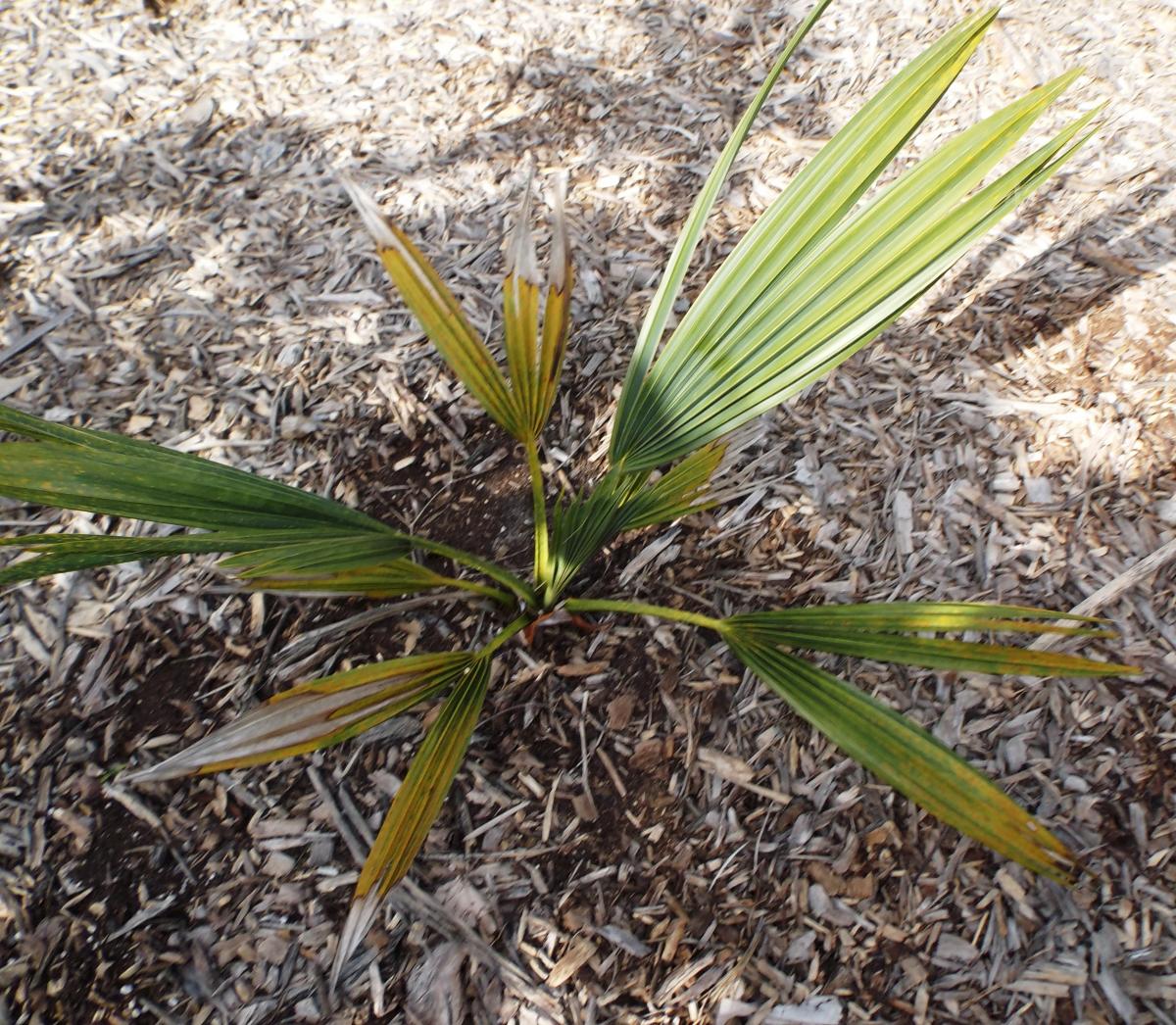
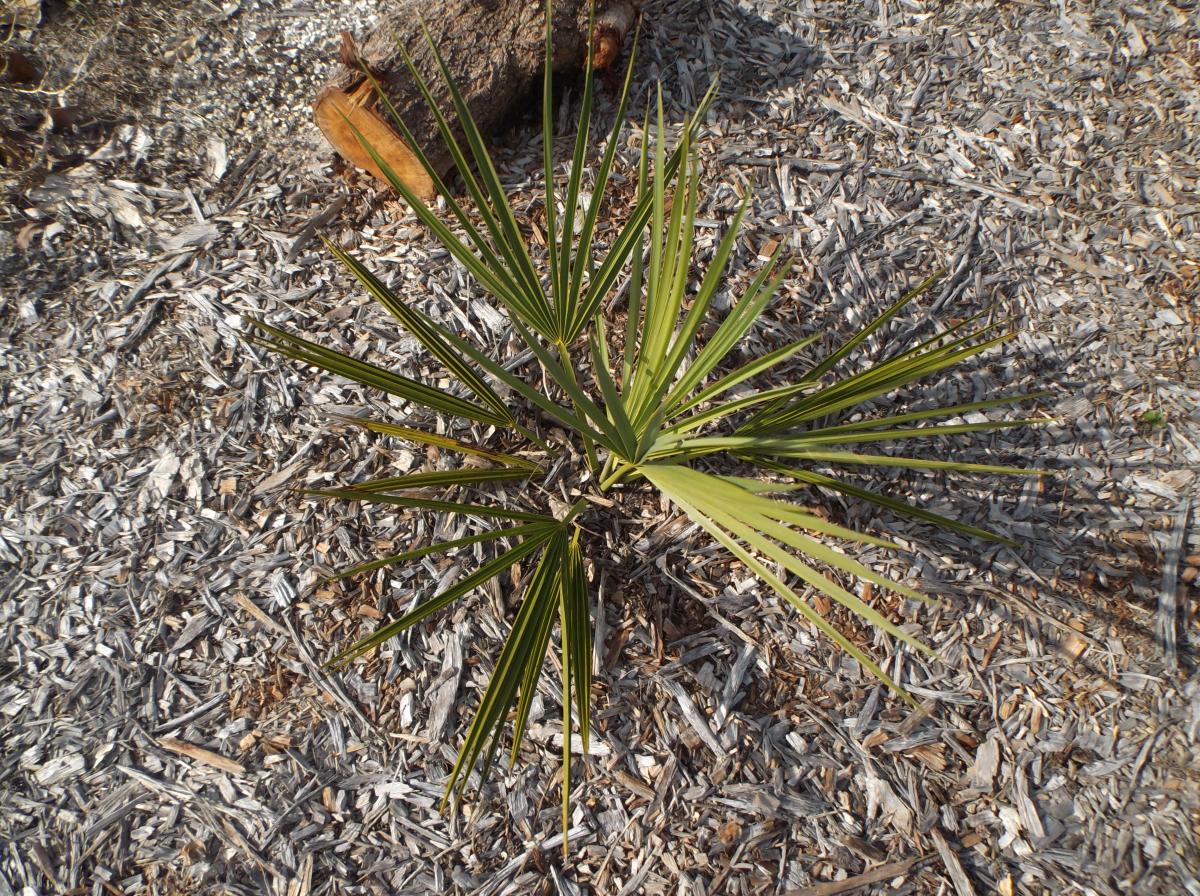
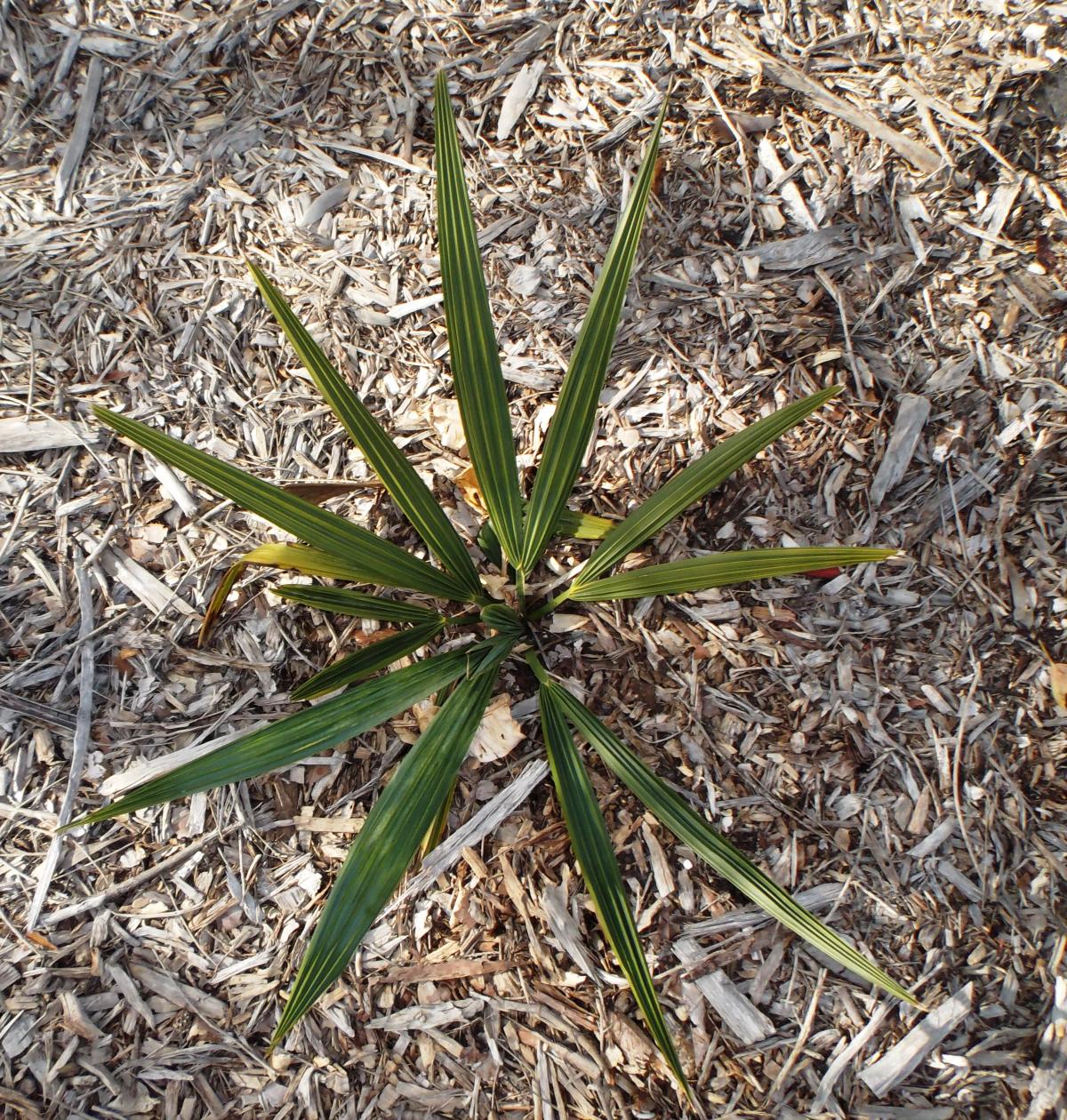
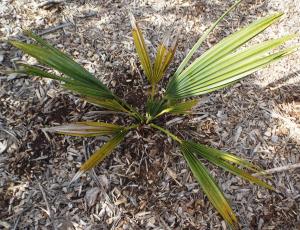
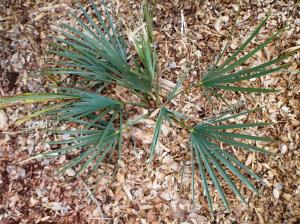
Sabal blackburniana aka ????? Sabal minor with purported dwarf characteristics, from Savannah wild mother. I never saw photos of mother so who knows what I have? Sabal guatemalensis from seeds given me by Peter in Guatemala Finally, a Sabal palmetto of undetermined age. Apparently, it had struggled to survive on this barren lot for years if not decades. Cape Coral lot mowers mow vacant lots 6 times per year. It probably had mere weeks to grow grasslike tips before the mowers returned. After we bought our 3-lot site we ended mowing. Then we noticed this Sabal emerging from the ground only 12" inside our property line. We decided this survivor deserved a chance and let it grow. We fertilize it with our other palms. So, if it looks a little spidery or anemic, you know why. These are tough palms. Survivor Sabal palmetto



 1 point
 -
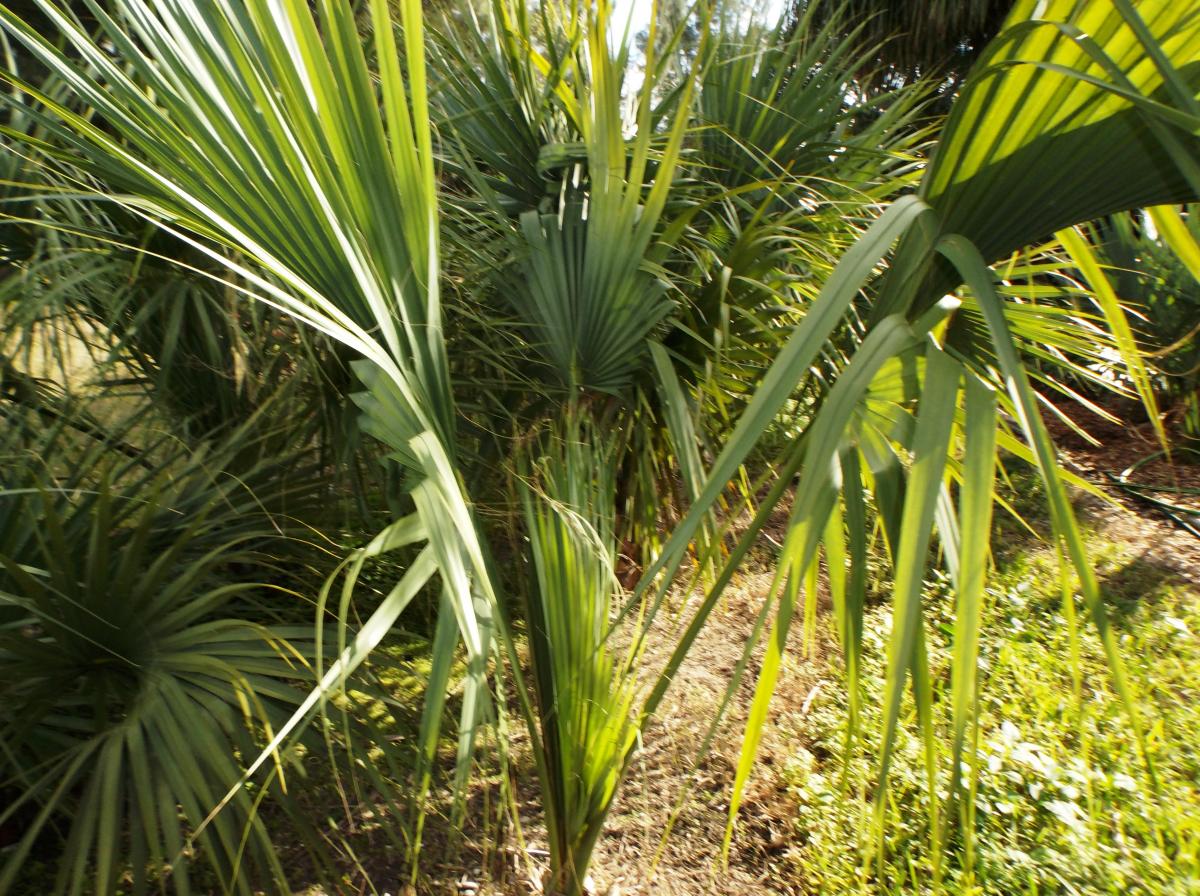
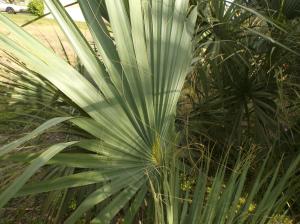
More Sabal Row: Sabal minor opposite Sabal Row in my yard Sabal minor Blountstown Dwarf set seeds last year On my garden lot I've planted a number of Sabals Sabal palmetto Lisa from seeds I collected Sabal minor Emerald Island Giant from NC Sabal bermudana Sabal brazoria






 1 point