Leaderboard

Popular Content
Showing content with the highest reputation on 11/06/2013 in all areas
-
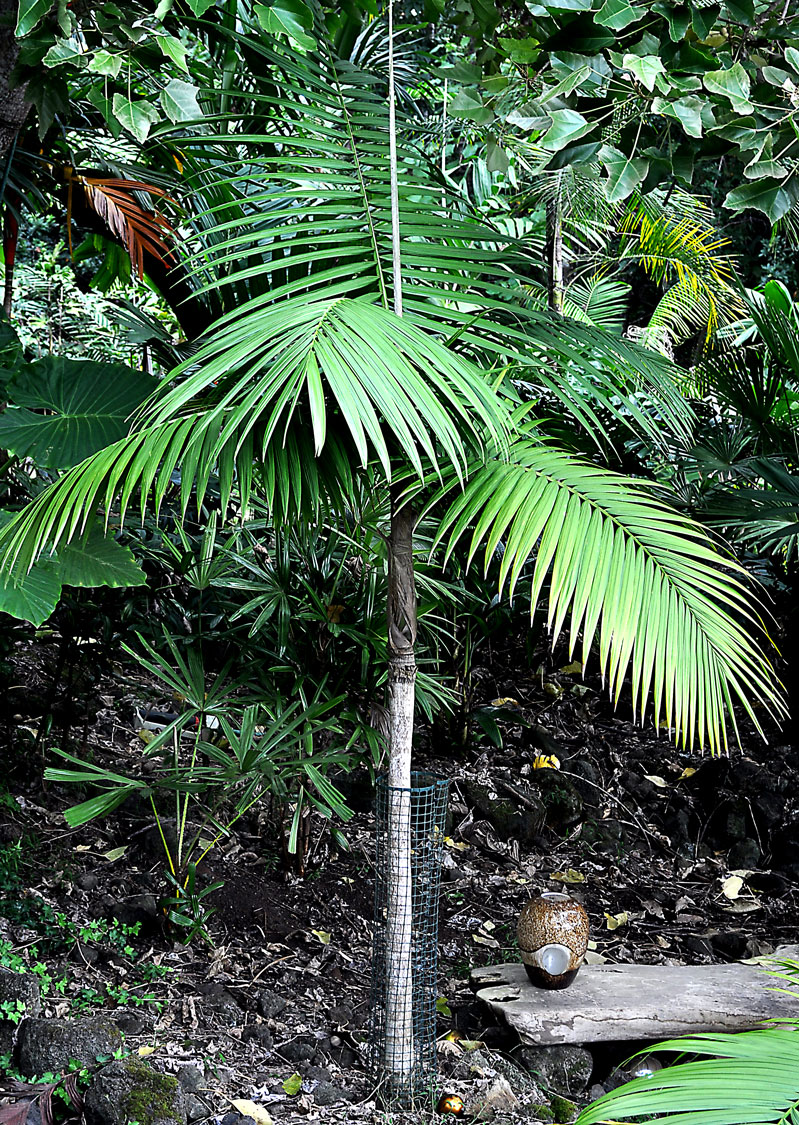
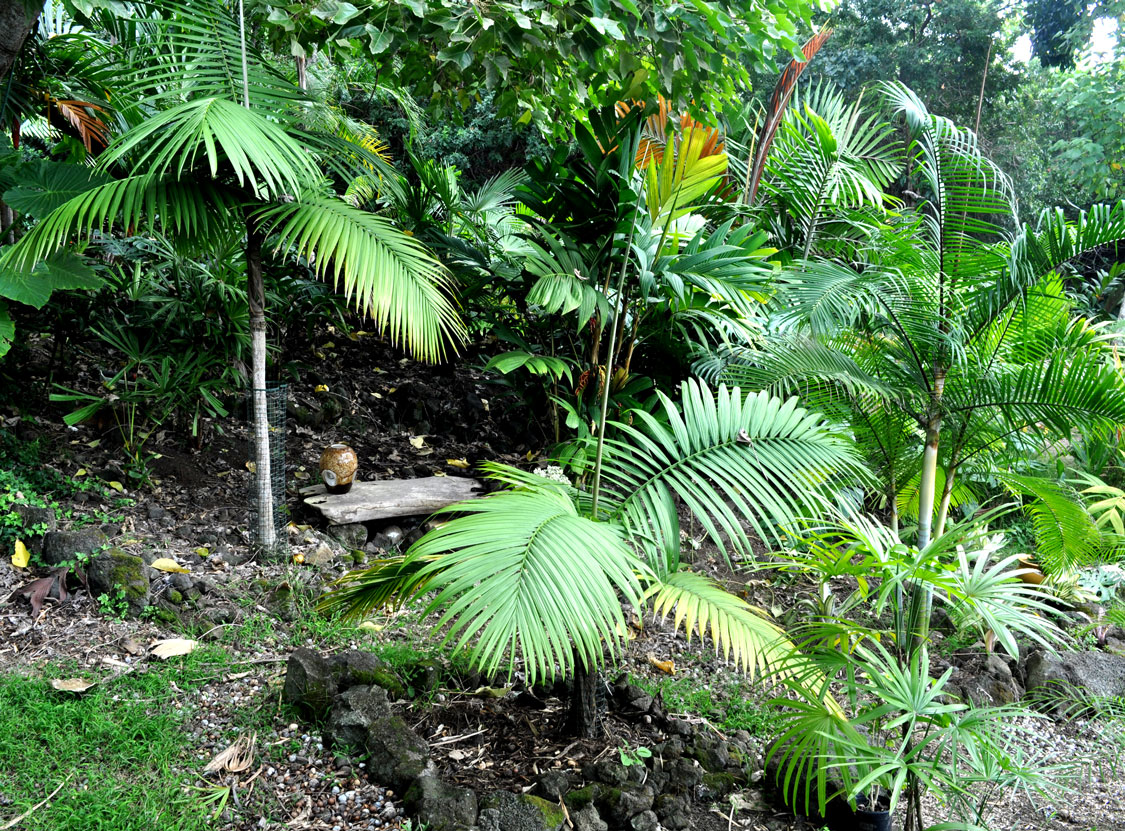
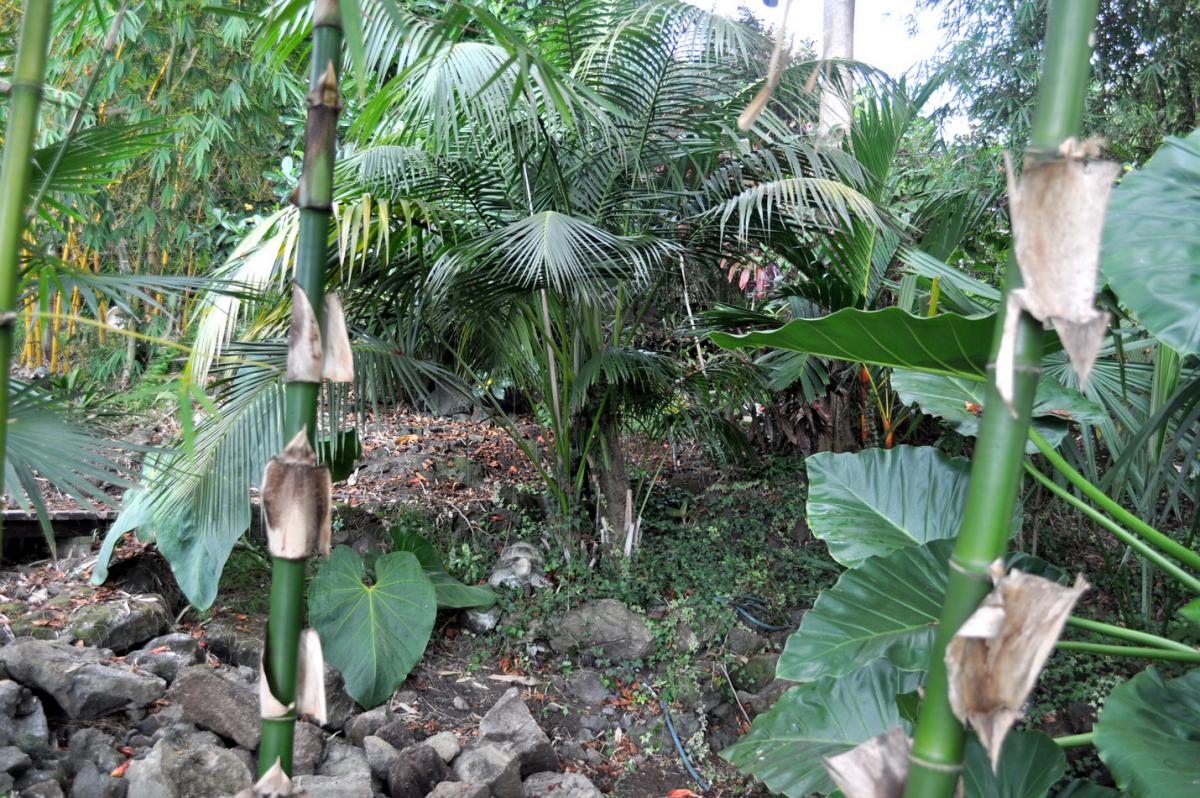
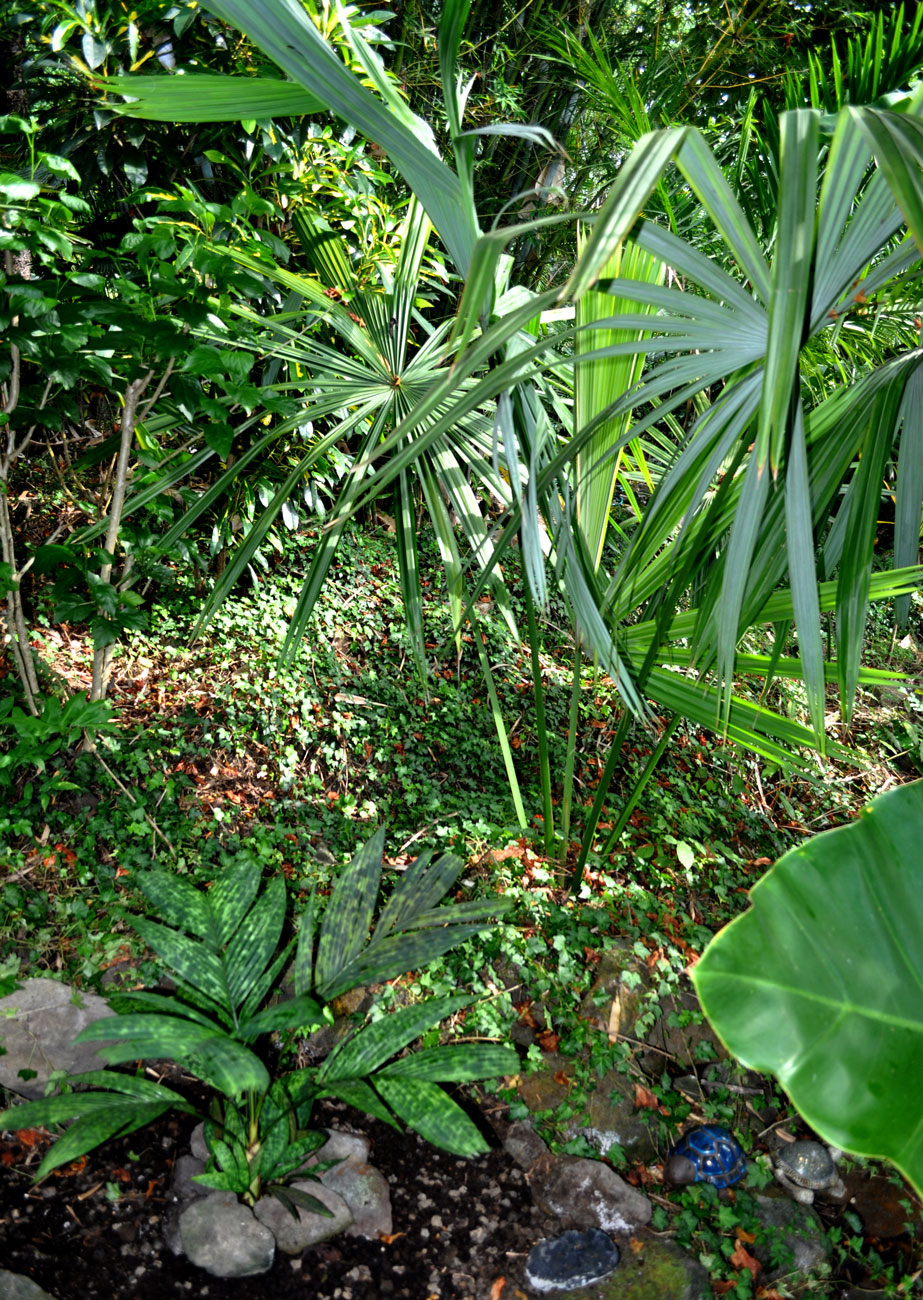
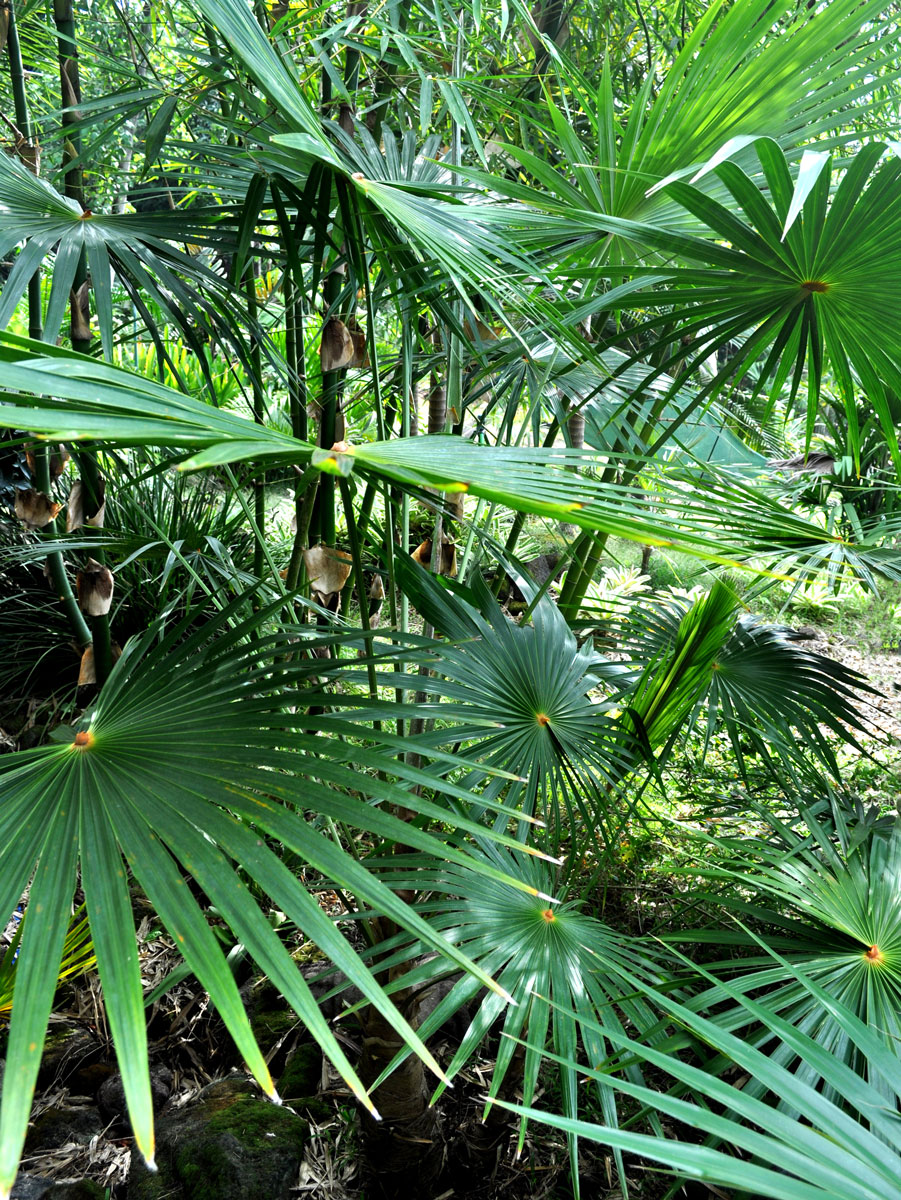
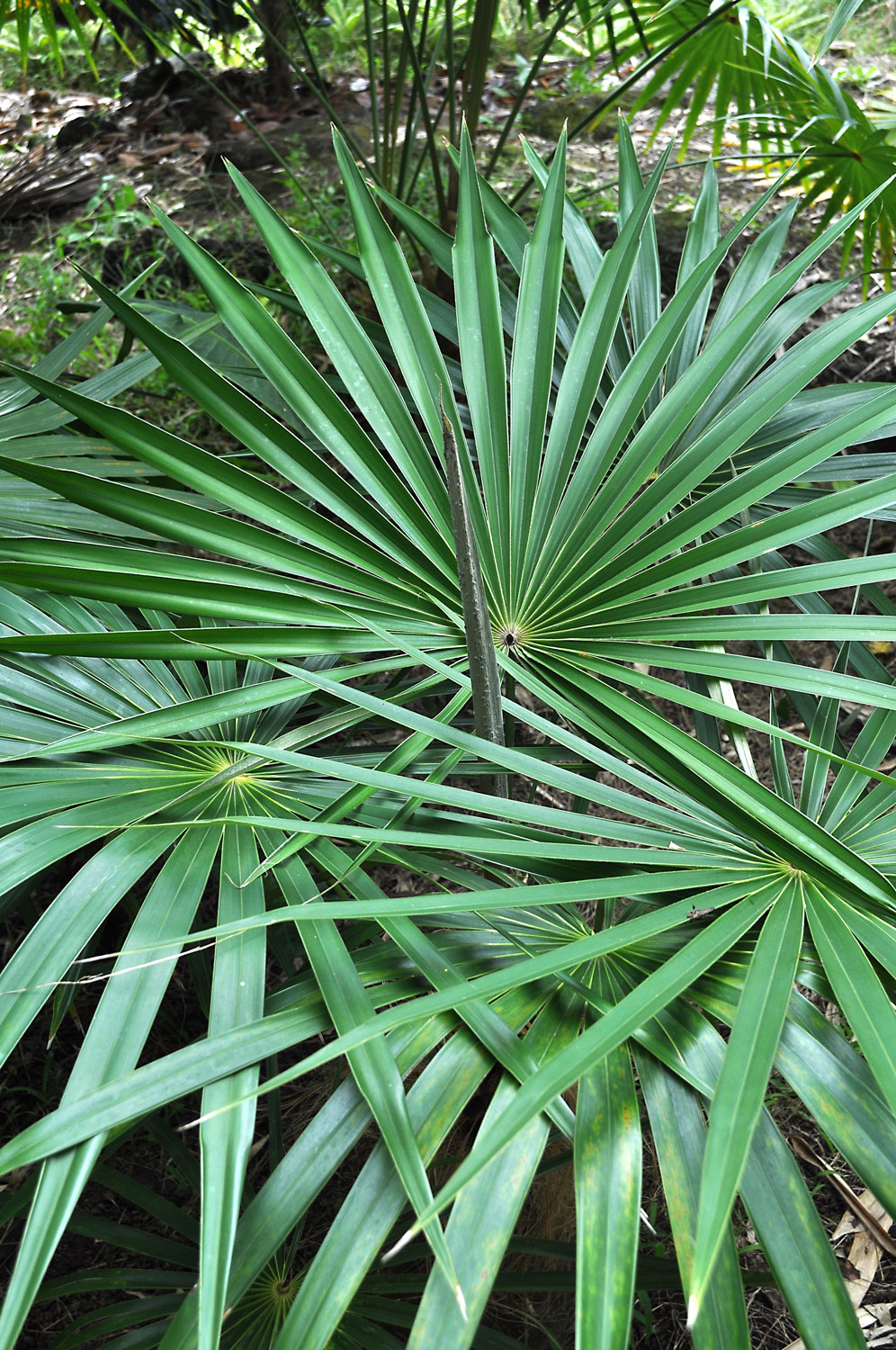
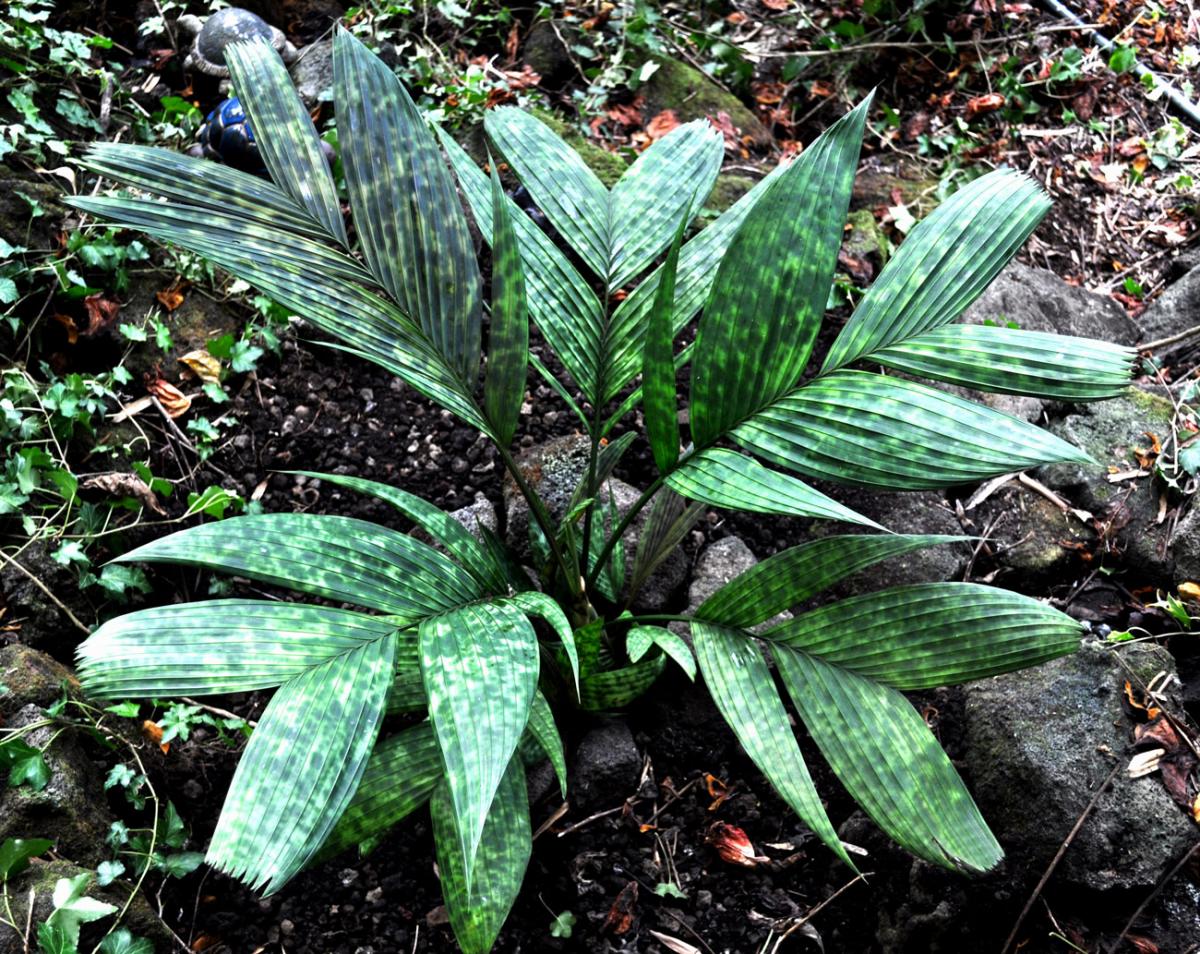
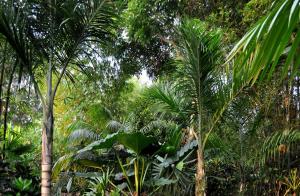
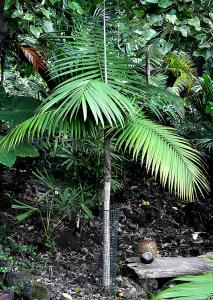
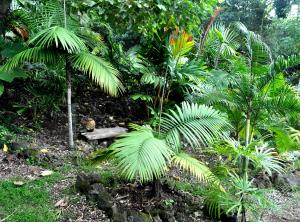
We had to take pictures of the following palms from beyond the pond because they can be seen but not photographed well from the pond. Gaussia -We bought these at a ‘big box’ store early on. They were labeled Caribbean Palms and we didn’t know what they were until Bo-Göran identified them as Gaussia. These are the only ones we’ve ever seen in the gardens we’ve visited. C. Spicatus We saw this palm on a garden tour. (Palm tours are very dangerous things!) We couldn’t find it anywhere for a long time but finally found one in a 10 gal pot at a local nursery. It was close to death so the owner sold it to us for $25 and promised that if it died he would give us a $25 credit toward another palm. It took a couple of years to rebound but is now healthy and growing well. When we showed the nursery owner a picture of it he couldn’t believe we’d managed to save it. In this photo you can also see a smaller Spicatus. We wanted to be able to walk under the canopy of two Spicatus but couldn’t find one as tall as the 1st one, a Dypsis baronii and a Rhapis. Barely visible in the back left corner of the photo is a Licuala aurantiaca. Lee
 2 points
 -
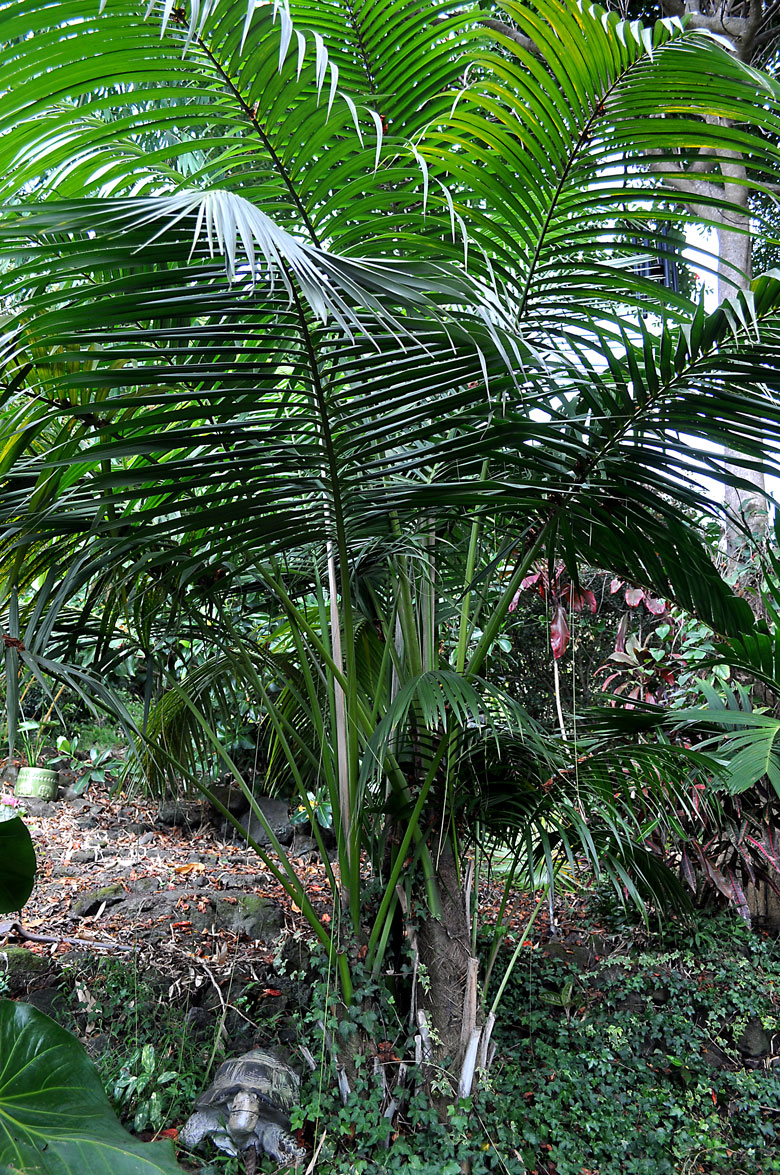
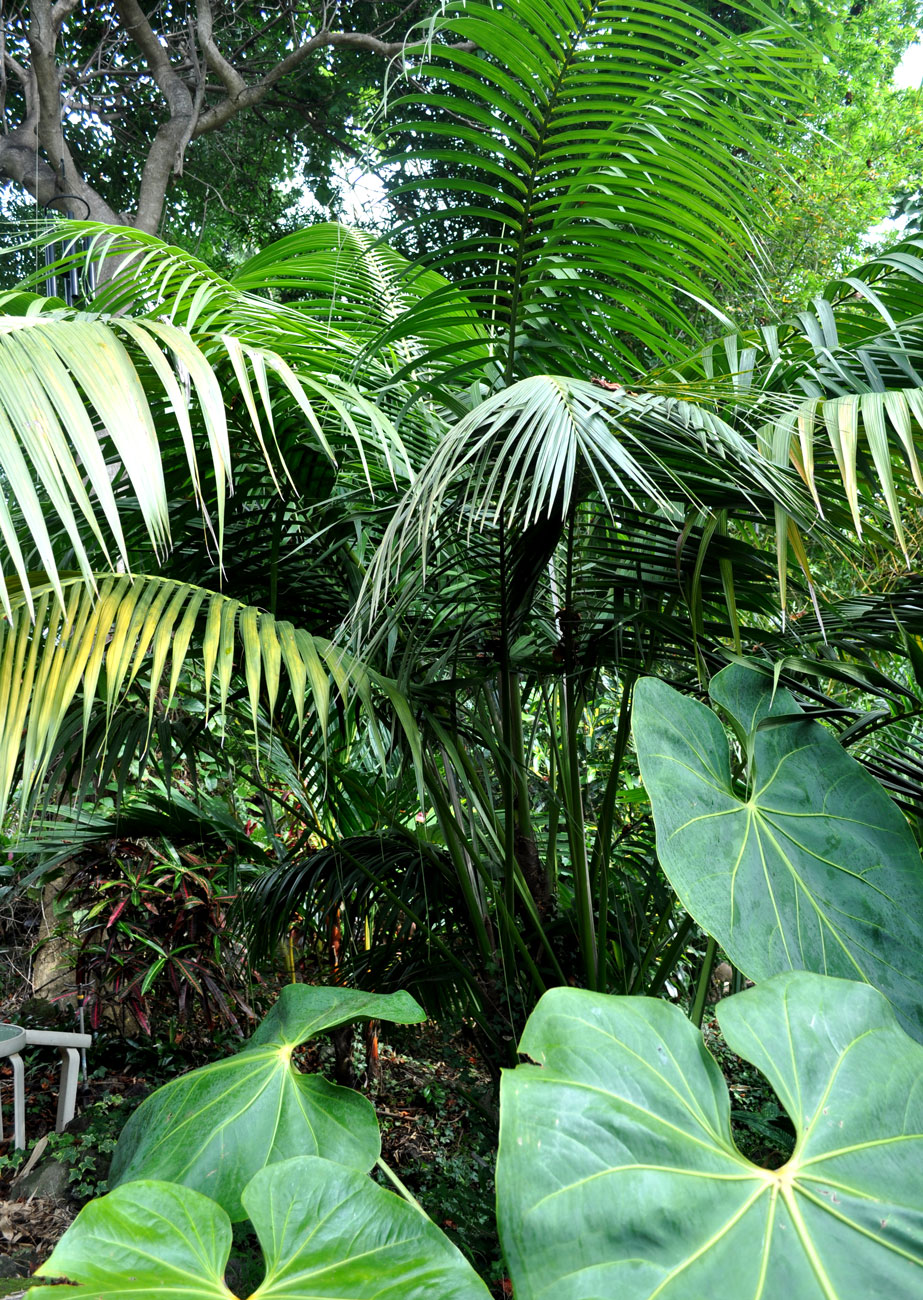
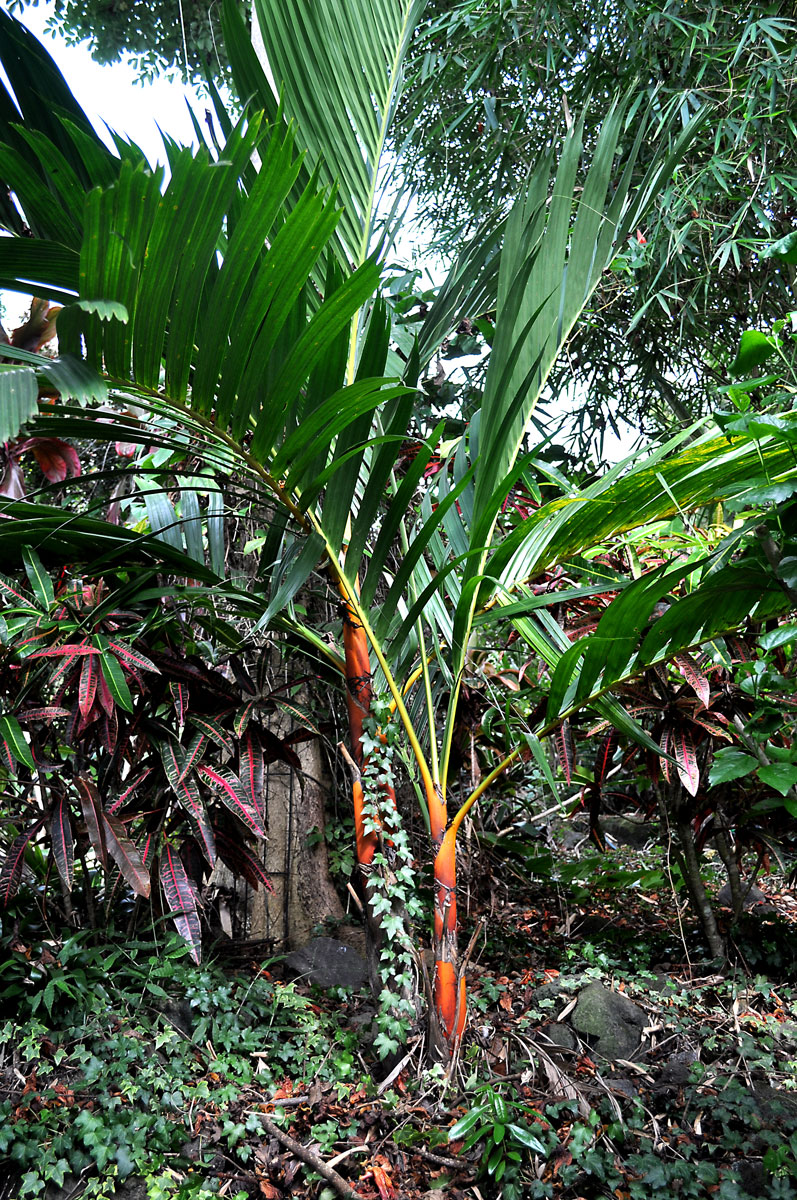
Kentia fosteriana That's a giant anthurium under this Kentia fosteriana. Cant remember what is called or where I bought it but it is a stunner! Note: I planted the ivy vine from a few cuttings three years ago. It has taken over the area but wed rather have it than weeds. K. fosteriana with bamboo

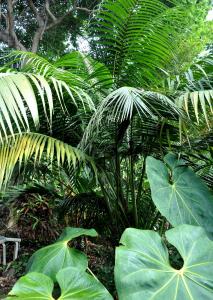
 2 points
 -
These pictures are of the palms immediately bordering the pond. All of them were planted two years ago from various pot sizes and are doing well considering that due to large rocks in the area we couldnt get any decent size holes. One of my original ideas was what I call peek-a-boo landscaping. I wanted lots of winding trails so that as you came around a corner you would see something that hadn't been visible before. This worked out very well for the pond area. As you pass the pond from the surrounding trails you can only see small parts of it from different vantage points. When you are sitting at the pond you can fully see the palms that immediately surround it. Thrinax parviflora and P.densiflora Orange vestiaria Coccothrinax argentata and argentea
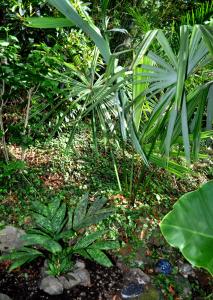
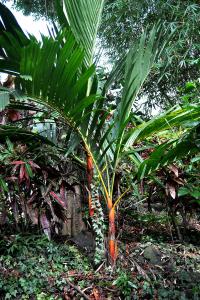

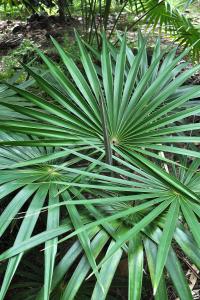 2 points
 -
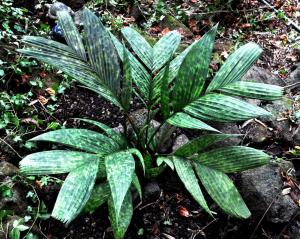
Mike and I like to get out in the garden before the bright sun and heat take over, but Saturday morning we were too late to avoid it so we decided to put a beautiful Pinanga densiflora in a shady area of the garden. There was an excellent shade spot on the border of our future pond so we took out the existing Japanese aralia, planted the Pinanga and took this picture. Lee
 1 point
 -
Your friend at the botanical garden is grossly mis-informed. CITES prohibits the international trade of seeds of species listed in appendix I, which is actually a pretty small list and doesn't contain Loxococcus rupicola, and not sure it contains any palm trees at all. Most palms are in appendix II, which has much less restrictions. Actually, loxococcus rupicola isn't even listed in any of the CITES appendices. In addition, there are exceptions put in place for seeds generated out of habitat. For an example of a plant that cannot have seeds traded internationally without massive amounts of paperwork, see http://www.rarepalmseeds.com/pix/AloPol.shtml. Plant seeds in appendix II can be traded much more liberally. Appendix II lists lemuirophoenix and ravena rivularis for example, but most seeds are from domestic sources and are not collected in the wild anyway, so it doesn't matter. Rarepalmseeds.com does a pretty good job at remaining CITES compliant. CITES isn't something any IPS member has to worry about unless they are talking to a person abroad that's going to head into a remote area to collect seeds from a critically endangered species listed in one of the CITES appendices and they do not have any of the required paperwork. Even then, as it stands, most if not all palms are listed in Appendix II and need an export permit, but not an import permit. If you work with the right conservation folks, it should not be an issue.1 point
-
Matty, are you familiar with what I was talking about? As for Kew checklist, I don't check that--it doesn't have a description of all the names listed so it can't be completely up-to-date. An example: it probably has Drymophloeus species listed and that genus will soon be absorbed into others. Lytocaryum too... I thought that I read somewhere that they were considered the same species as well, which is why I checked. Isn't Kew's Monocot Checklist the authority on the currently accepted names?1 point
-
Hey wait a minute! I've got 4 of those, and 11 of the golden variety!! Jeff, How to you keep your golden ones yellow? It's a problem here on the Big Island. Lee Hi Lee, I've never tried any of the "golden" (yellow) ones. In photos they always look sickly to me. I guess I don't understand the appeal of a yellow palm. Jeff, Im with you on that 1, they certainly look sickly, they where an "eyesore" at Gardens BT bay Singapore, while Im here I also very much "do not like Variegated palms, they too "look sickly" which really, "they are" Pete1 point
-
If you don't appreciate this bump - then your not a lover of palms1 point
-
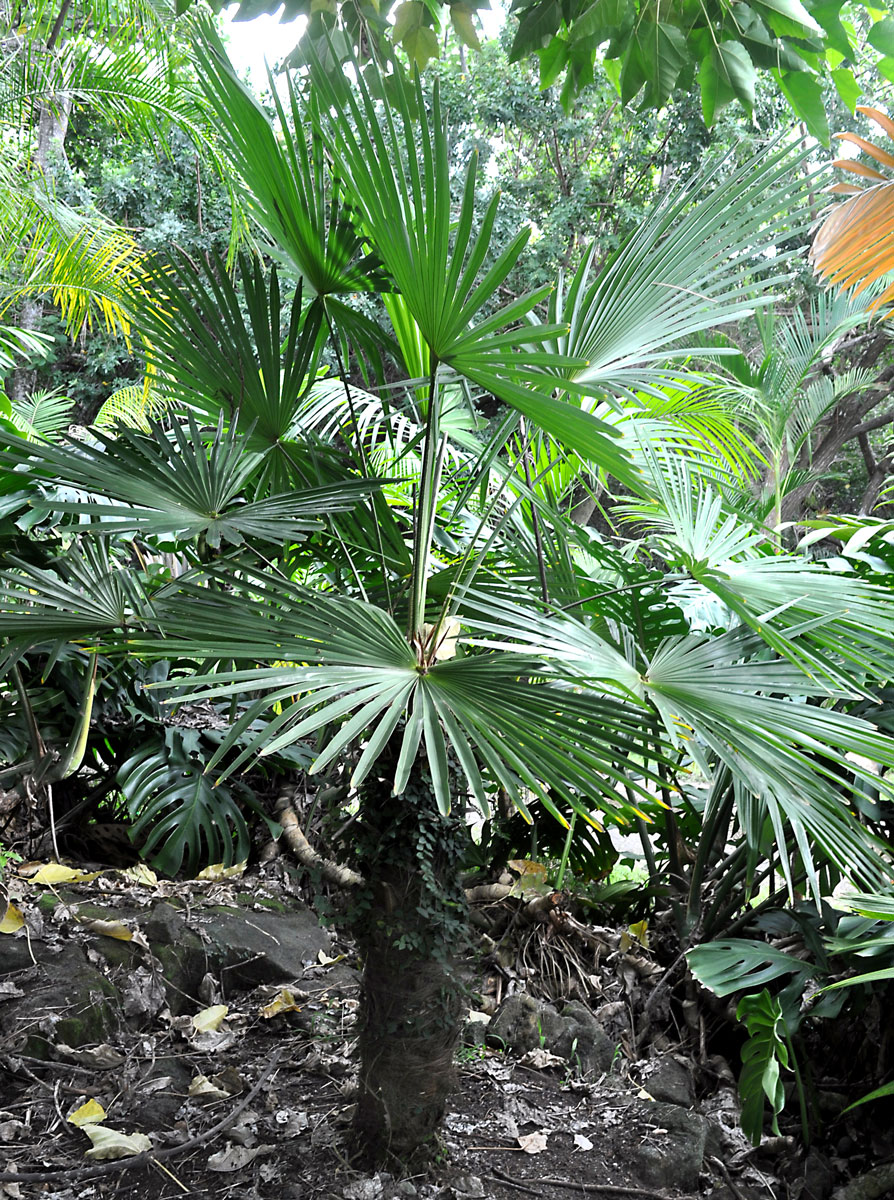
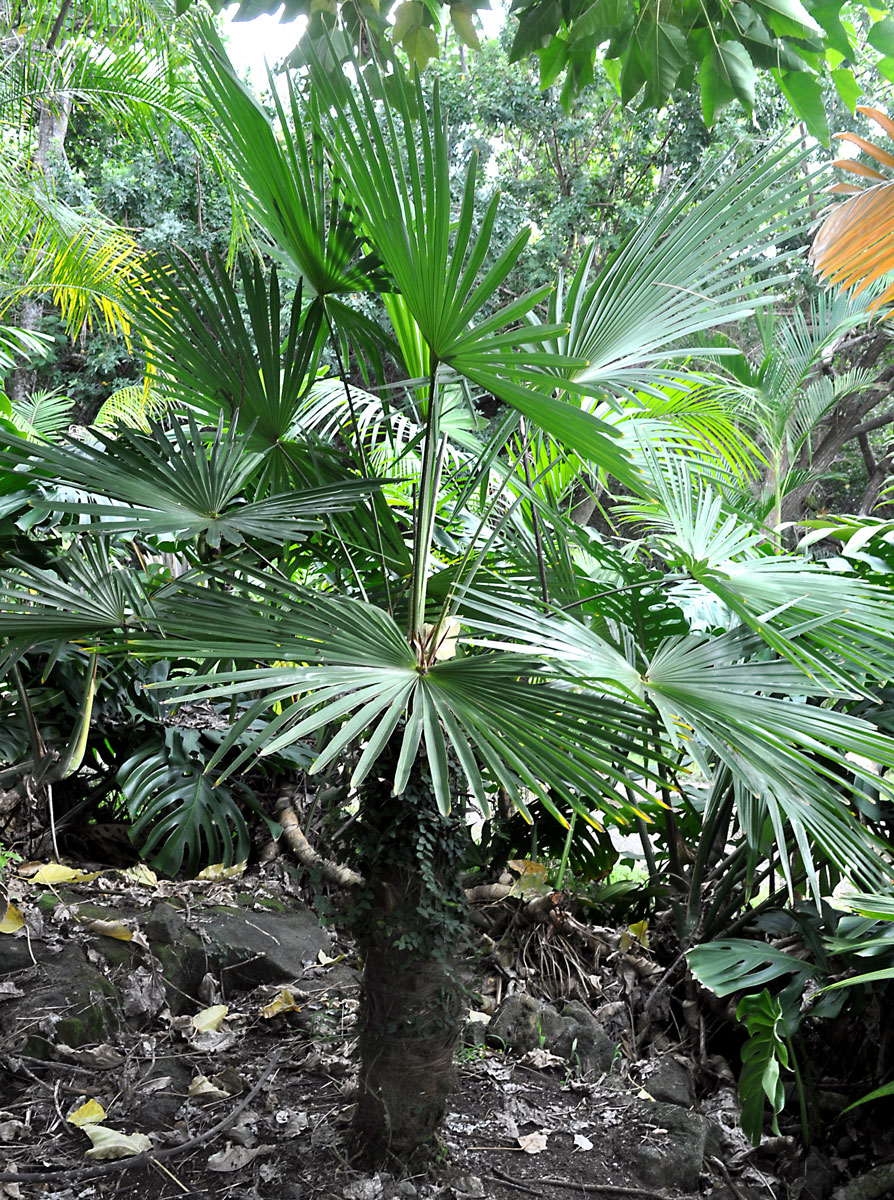
This T. fortunei went into the ground three years ago as a 15 gallon. I put it in the shade not knowing it could take some sun. Unfortunately I could have used that shady spot to plant some of our rainforest palms, but I still love it. Lee
 1 point
 -
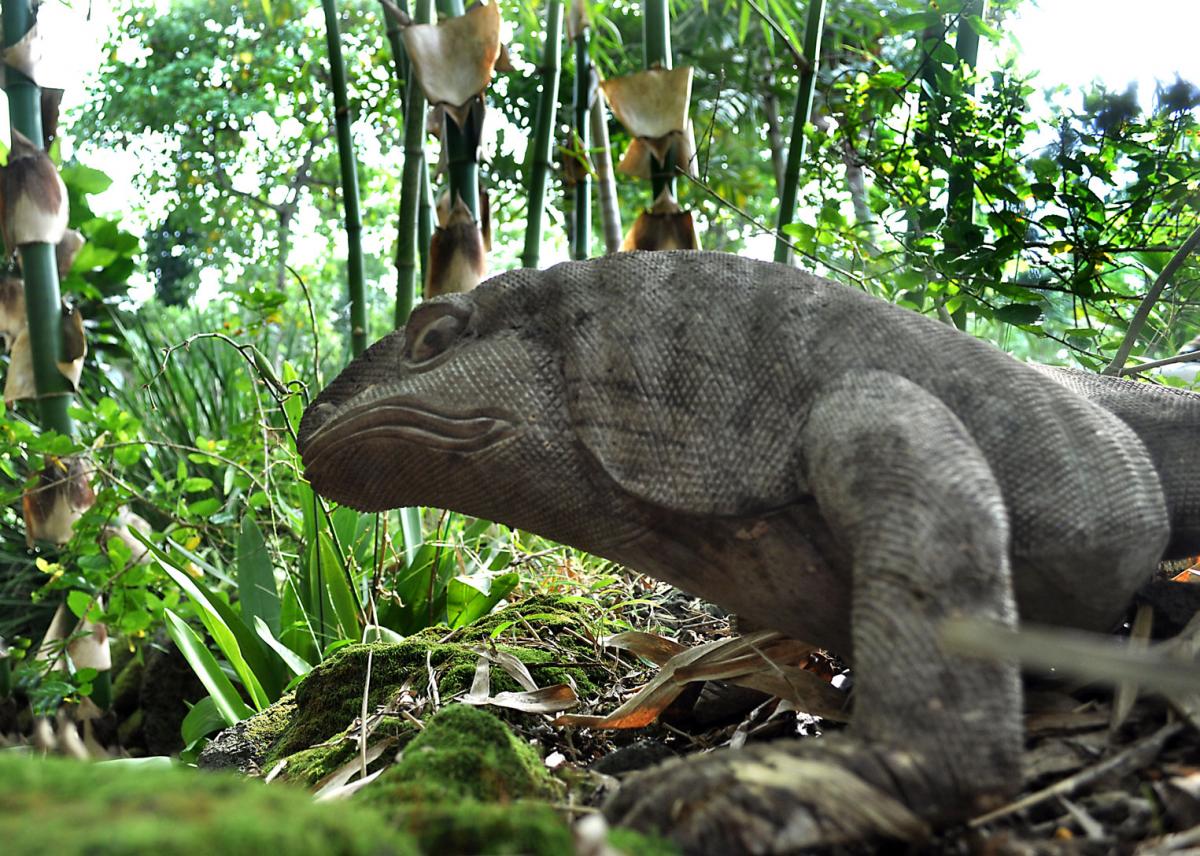
Mike loves Komodo Dragons so I gave him this one for his birthday last year. It looks great sitting on the edge of pond and real enough that some people might do a double take (or so we hope). Thanks for looking! Lee
 1 point
 -
This is also one of our first palm purchases. I really wanted one after seeing it a TV gardening show but couldn’t find one for a very long time. I didn’t know how climate tolerant it was so I foolishly planted it one of the shadiest locations in the garden - where I could have planted some of our rain forest palms. Trachycarpus fortunei Lee
 1 point
 -
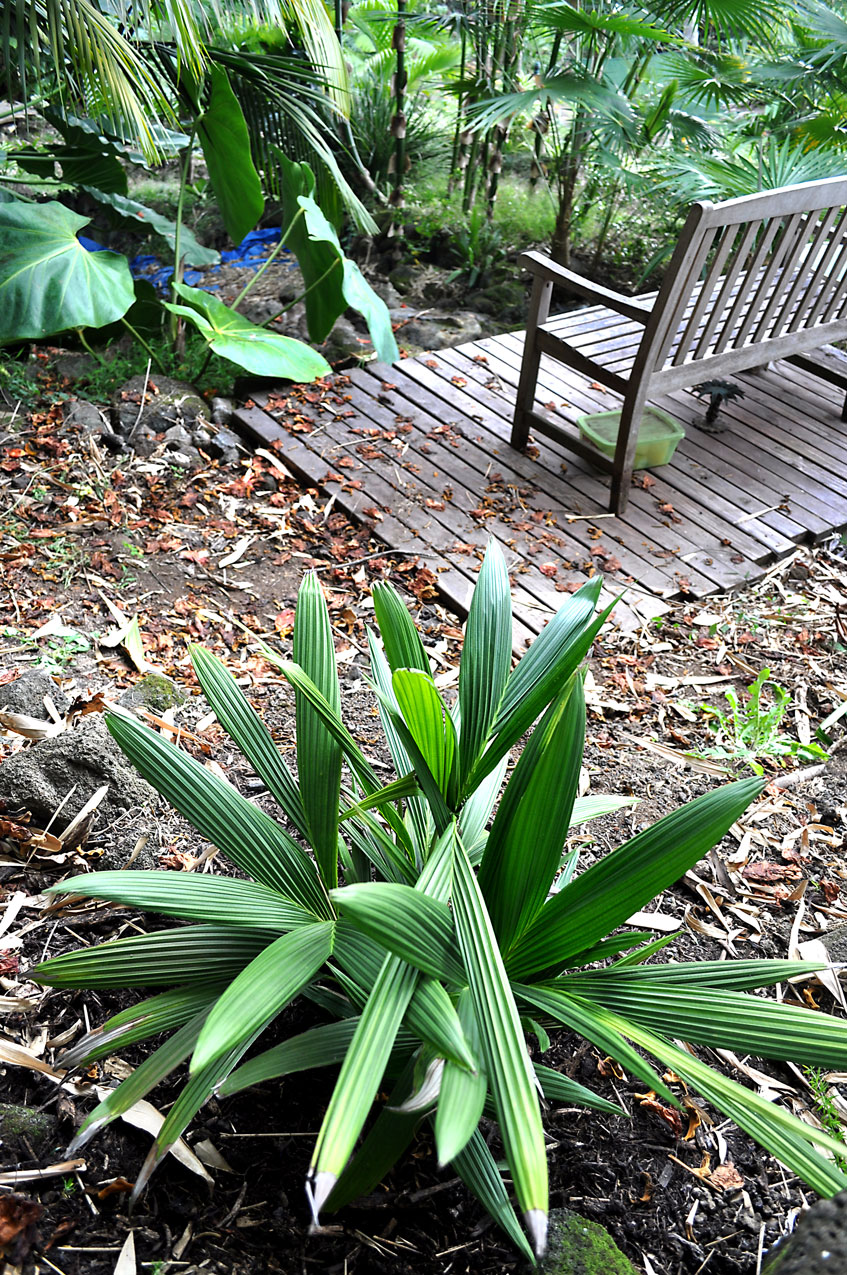
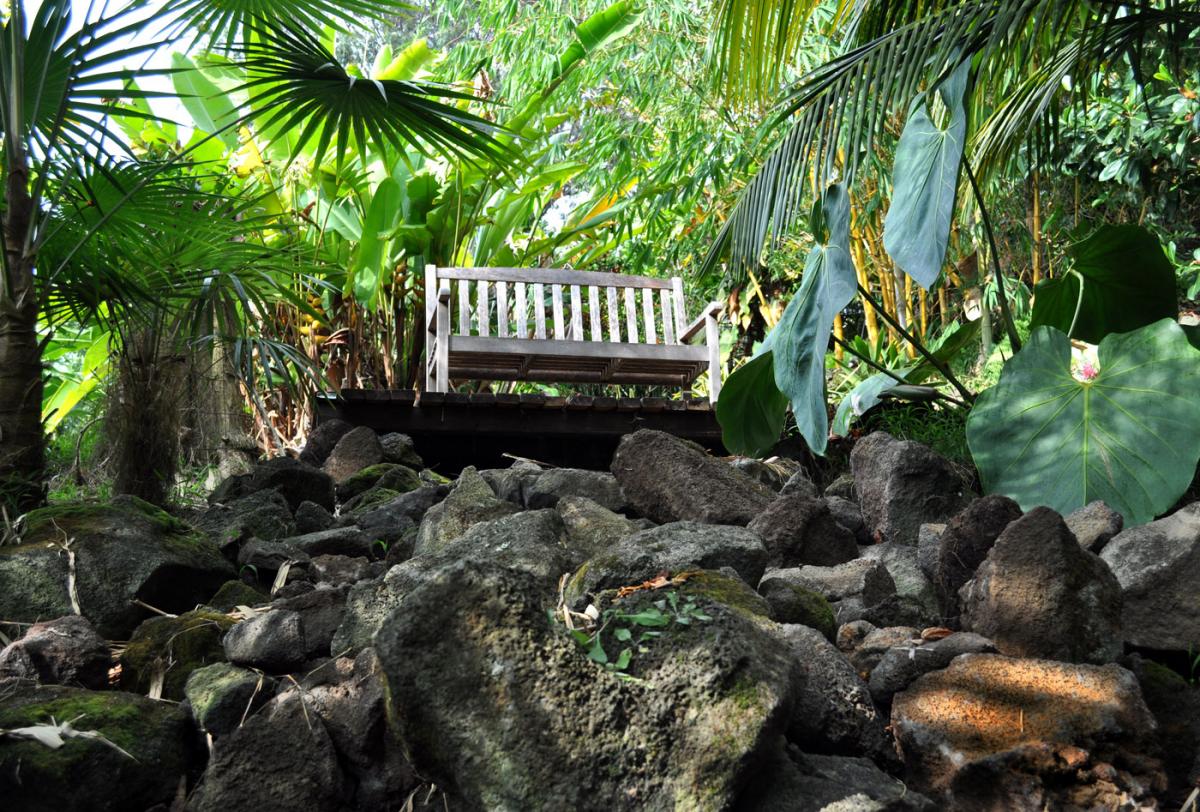
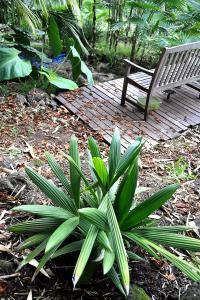
The still-to-be-finished platform below the calyptrocalyx and the bench is one of the places we like to sit after a hard day in the garden. We really enjoy watching the fading light slowly change the way the palm fronds look from below. The plastic box under the bench stores candles that we light when it gets too dark to see. Lee
 1 point
 -
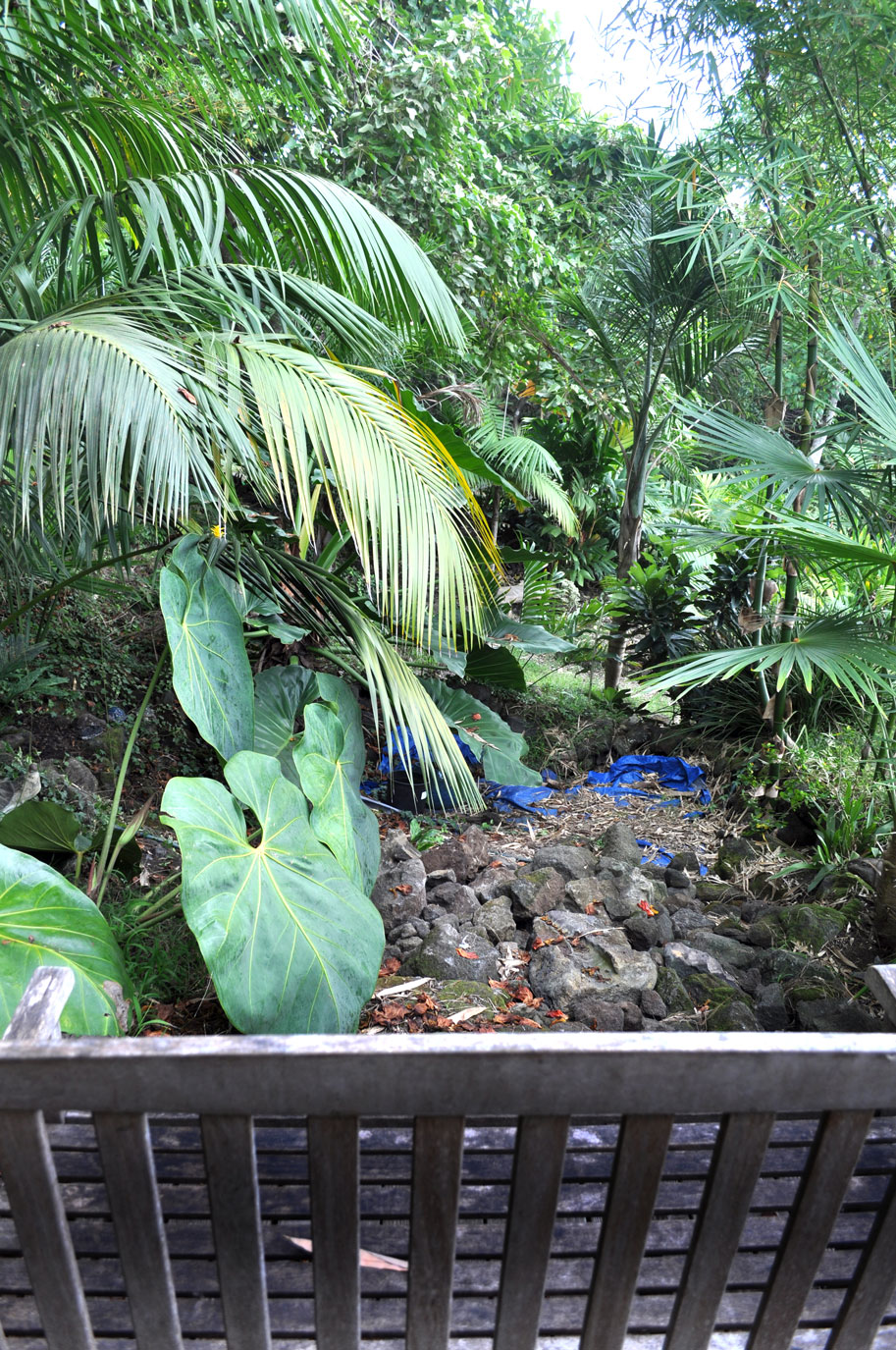
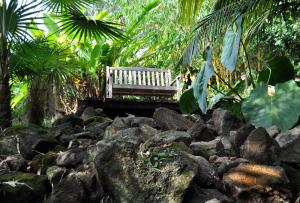
Since we never took pictures of the area prior to clearing it we decided to take some so we would have pictures of it at this point in time. We really regret that we did not start taking photo records of our garden until early this year. It would have been particularly significant for this area because it took us 4 months of weekends to clear and remove three enormous trees, dozens of coffee trees and a death defying vine - but we didnt take any pictures before we started. My husband Mike (Oo Bar Master) loves ponds and the area seemed to be an ideal place for one as clearing the roots of the original trees had created a small sunken area. The following are photos of the future ponds area. As Mike digs up large rocks from other places in the garden he moves them to the pond area where we will use them to build a small waterfall at the entrance of the pond. The water will reach the pond by cascading along the border of a clump of bamboo which is just up the slope and then under the bench platform.

 1 point
 -
Time to clean house. BOD out or I am.1 point
-
It's time to secede from the union. Let PalmTalk become a stand alone non-profit public resource and disconnect it from the IPS. I'll donate hosting space to run our own instance of ip.board. Then maybe we can merge PalmPedia and palmTalk into a great online internet resource on palms, and the old IPS can continue doing their stuff on paper until all the people who use paper are gone.1 point
-
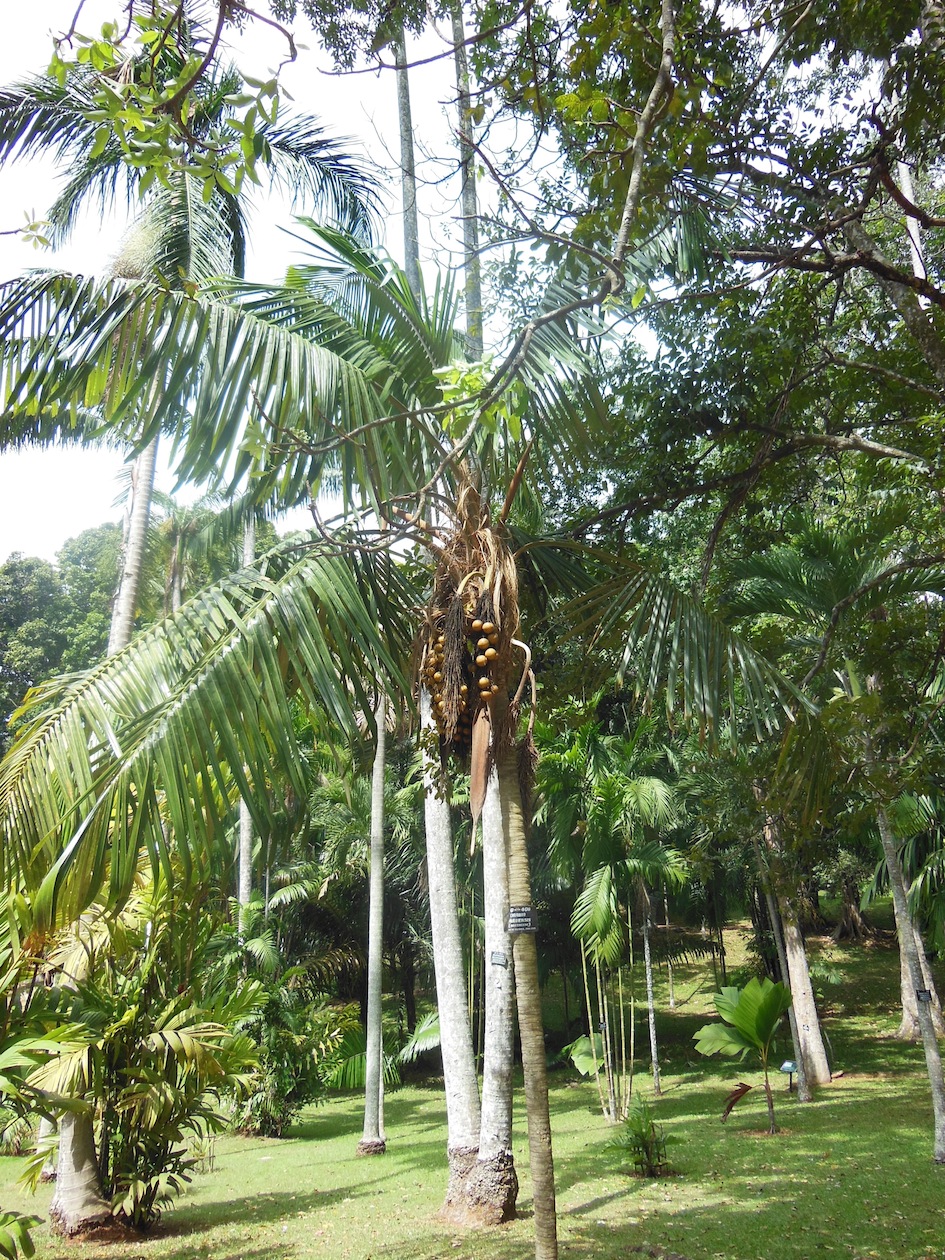
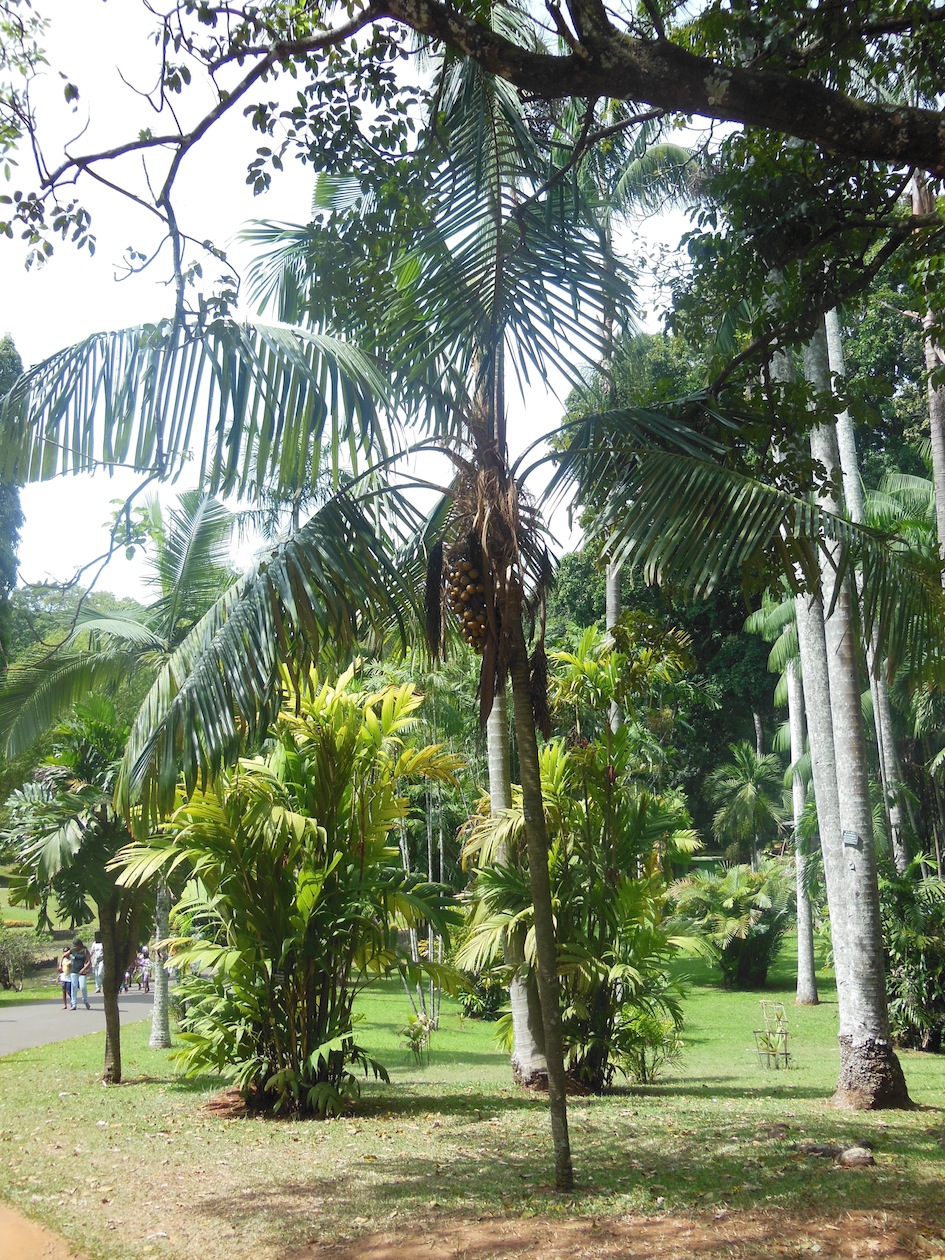
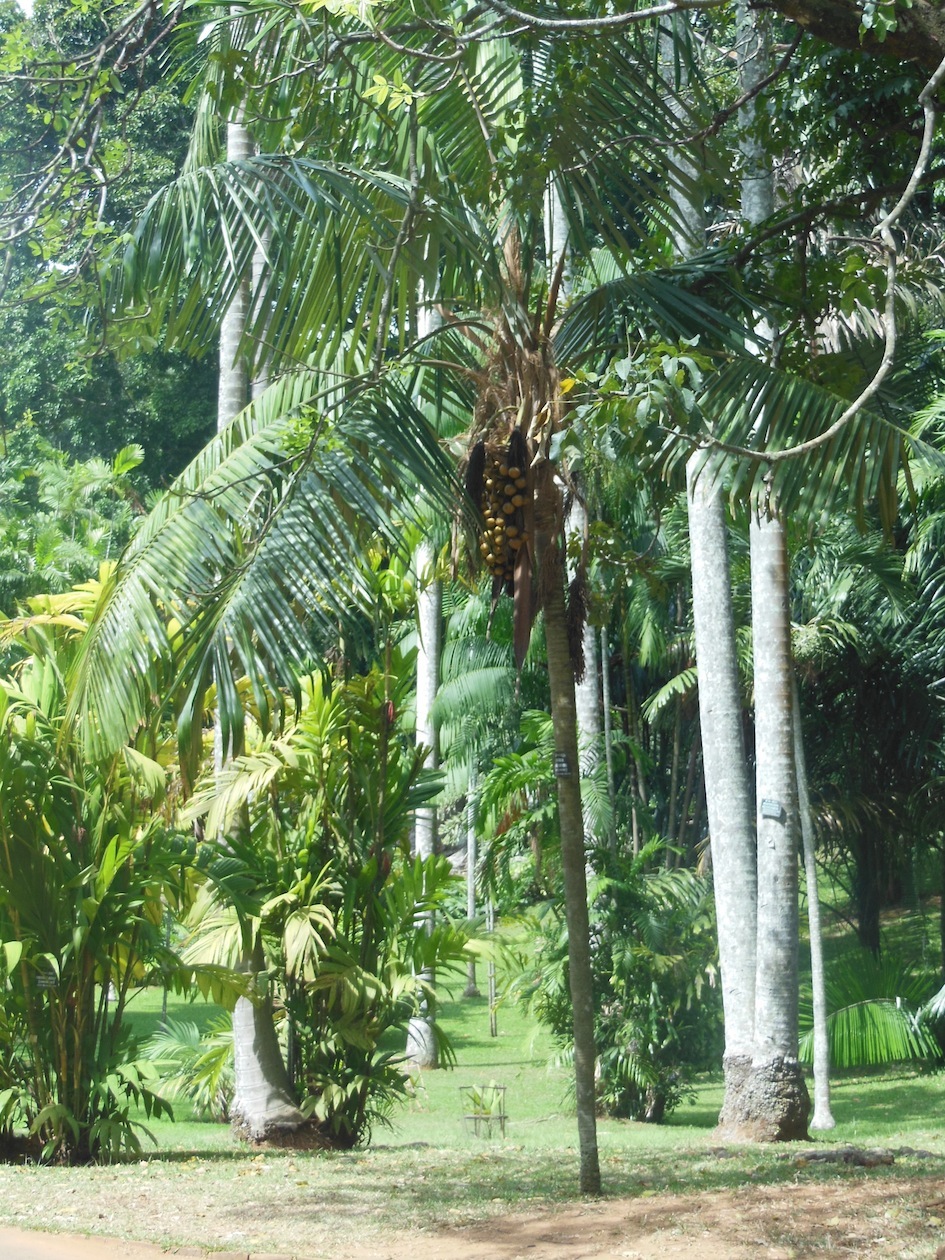
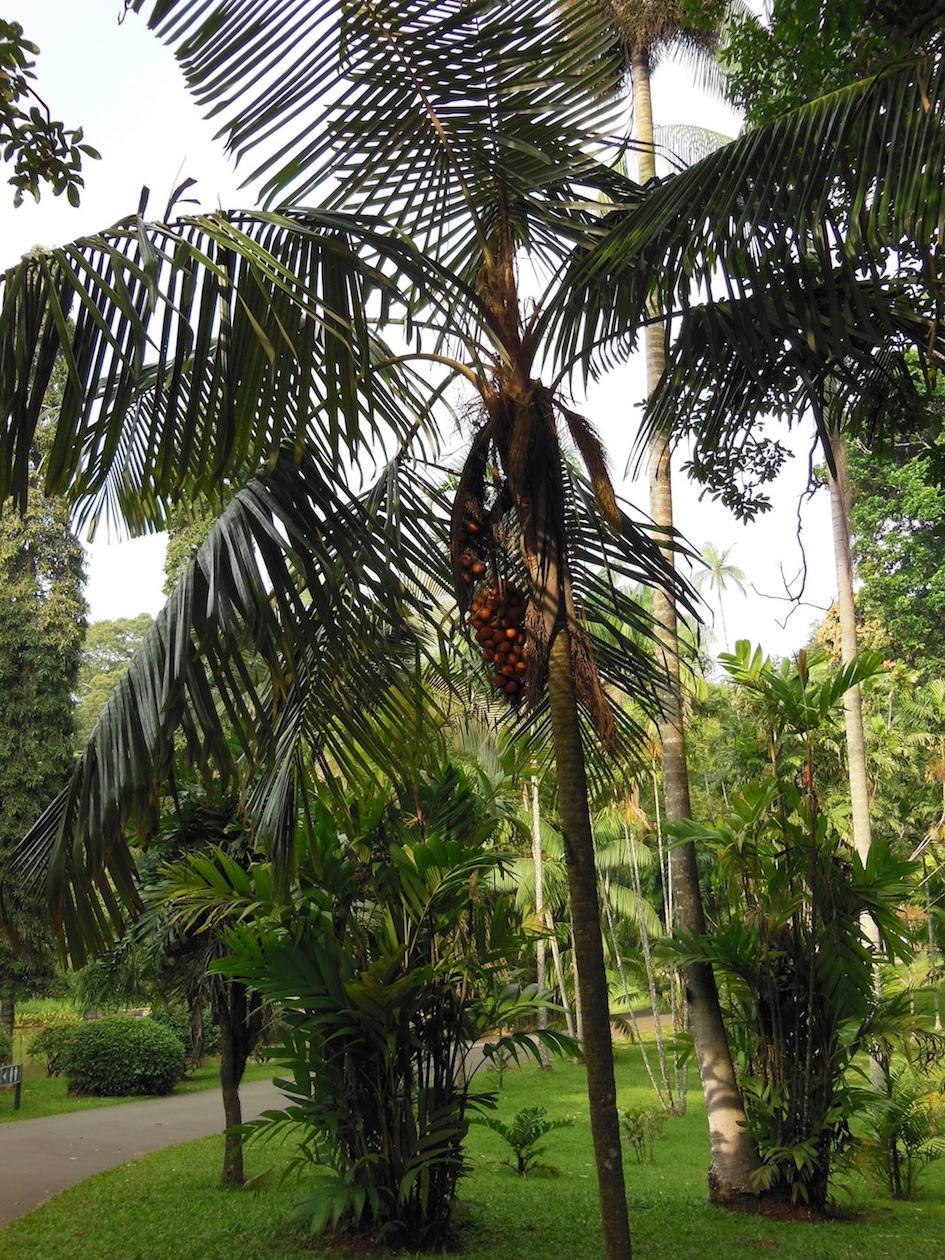
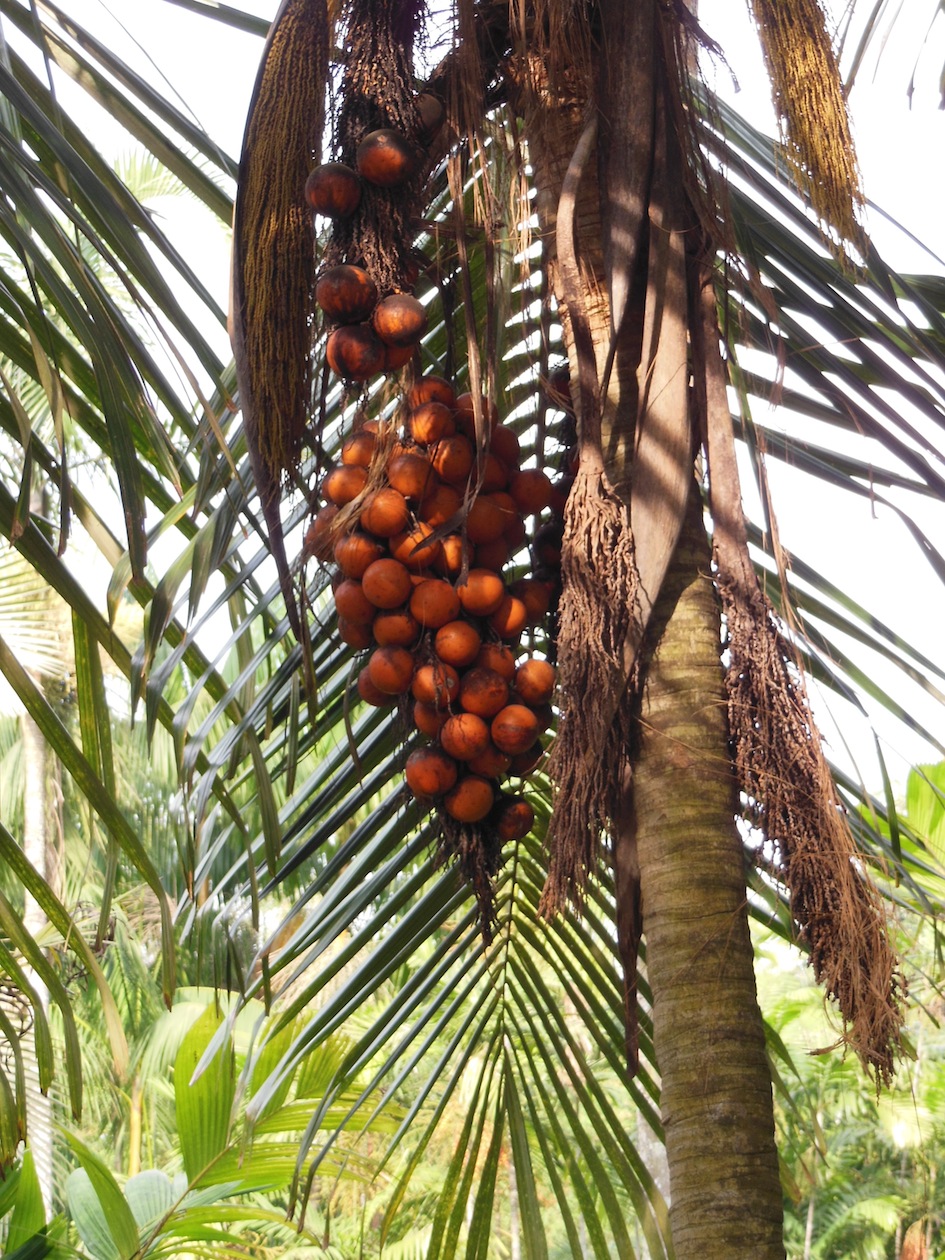
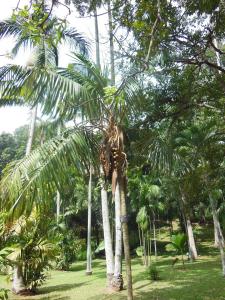
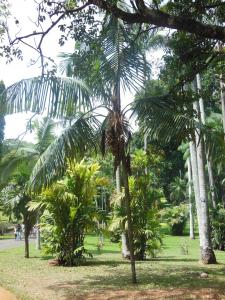
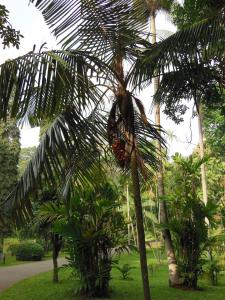
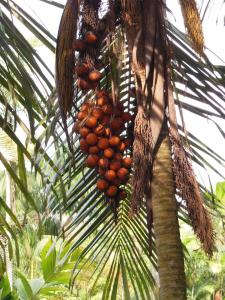
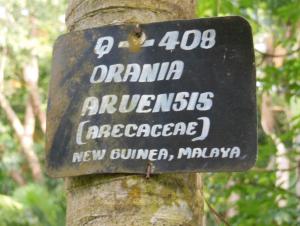
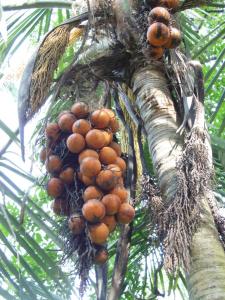
I am not sure if Orania arvensis is a synonym , maybe some Palmtalk member will identify this palm and tell if it's O. ravaka? in Peradeniya in august 2012: Same palm in december 2012:

 1 point