Leaderboard


Popular Content
Showing content with the highest reputation on 09/14/2013 in all areas
-
Guys......... Just found this link on Tissue culture showing the Makapuno variety plants. Aussie run operation. http://aciar.gov.au/files/node/14130/coconut_tissue_culture_for_clonal_propagation_and__65312.pdf2 points
-
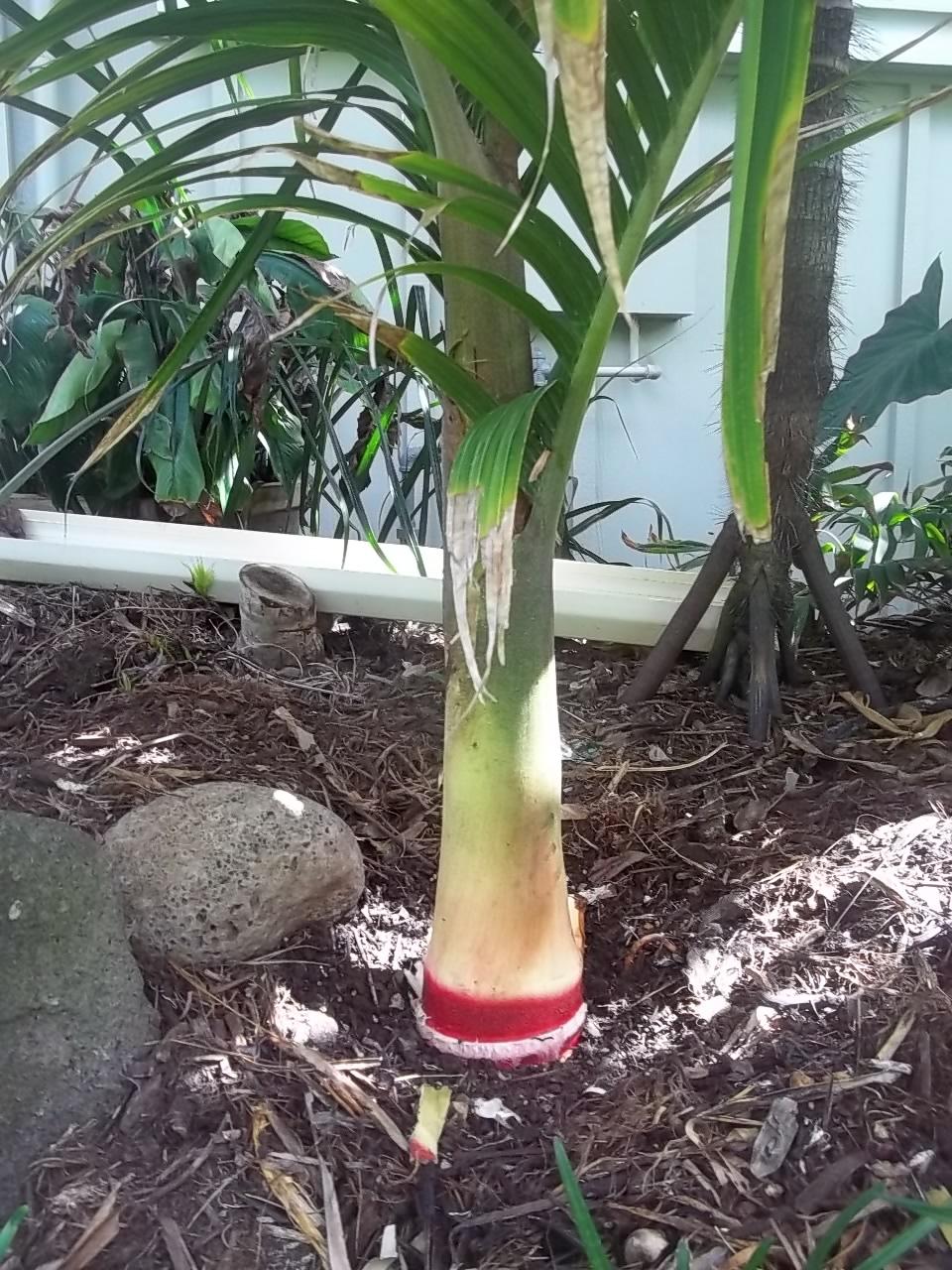
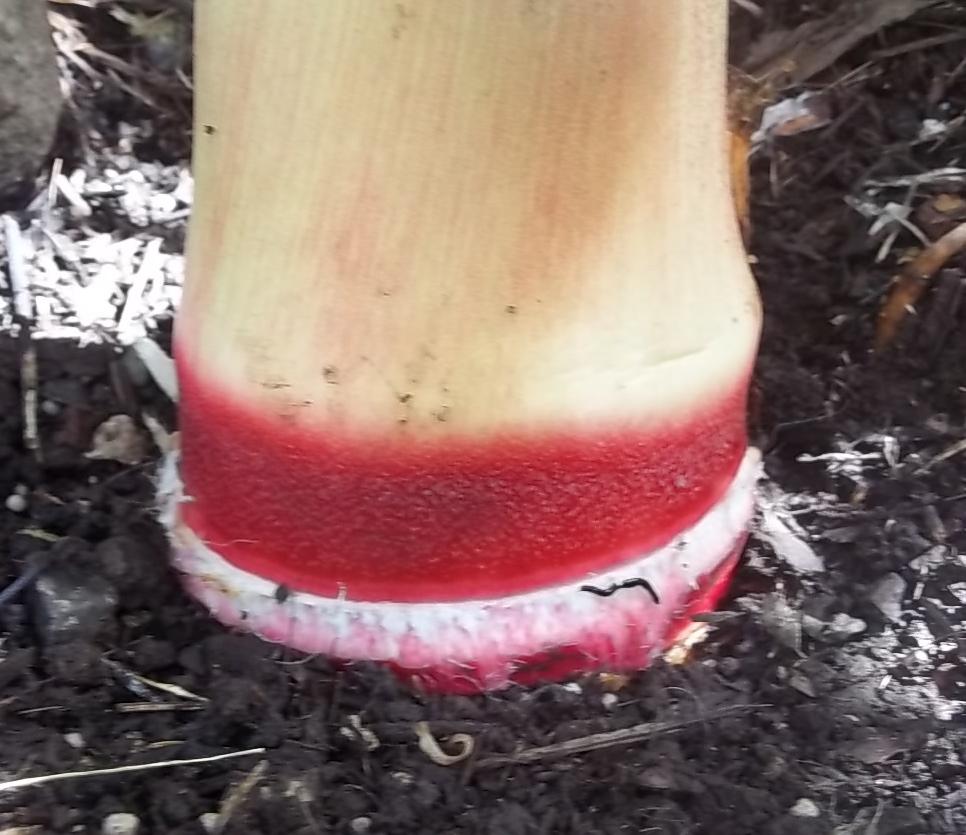
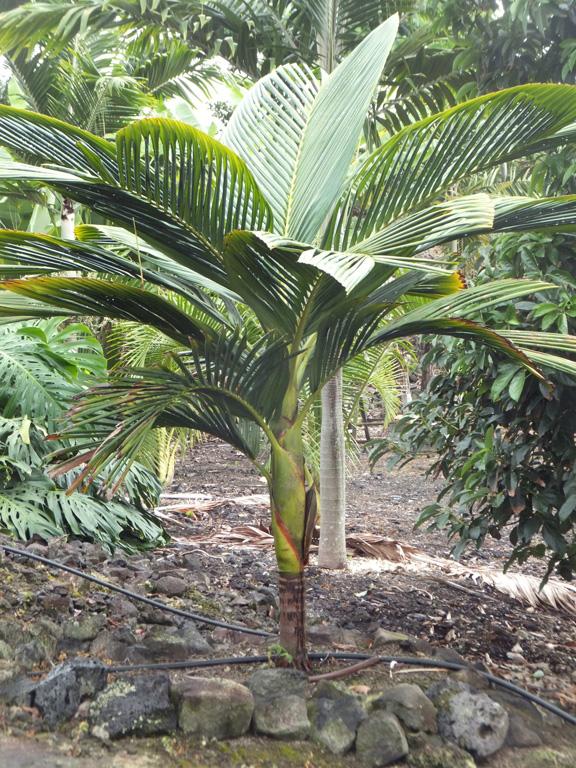
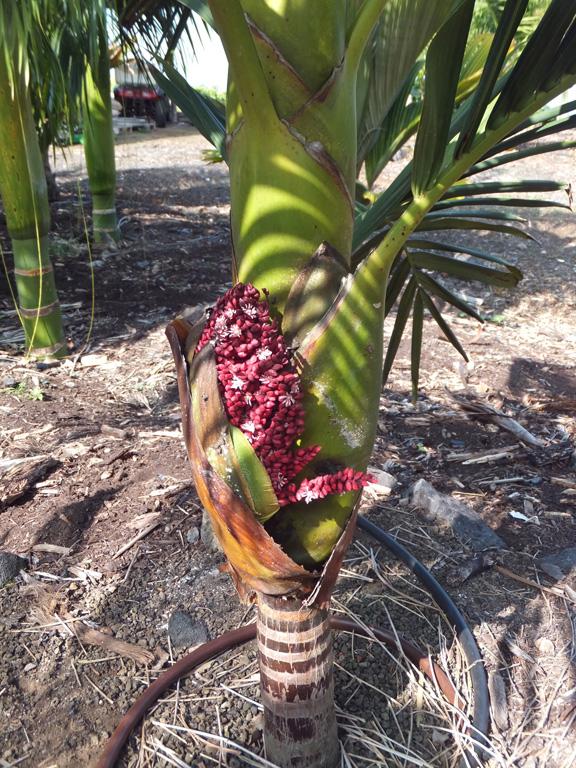
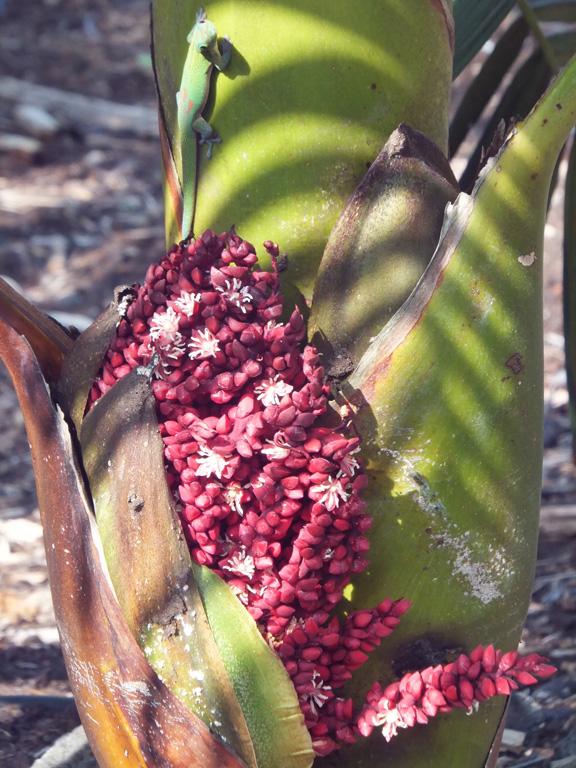
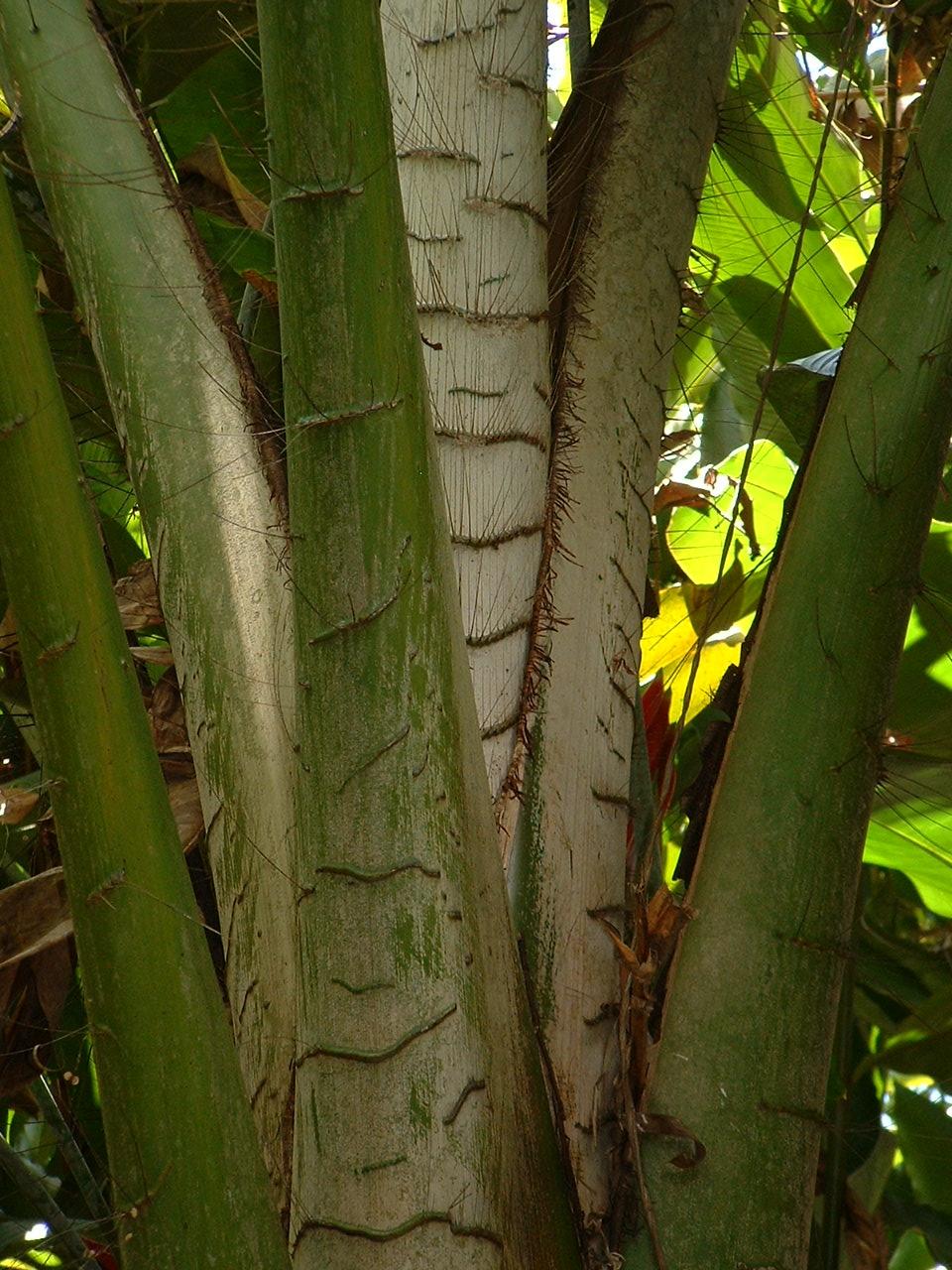
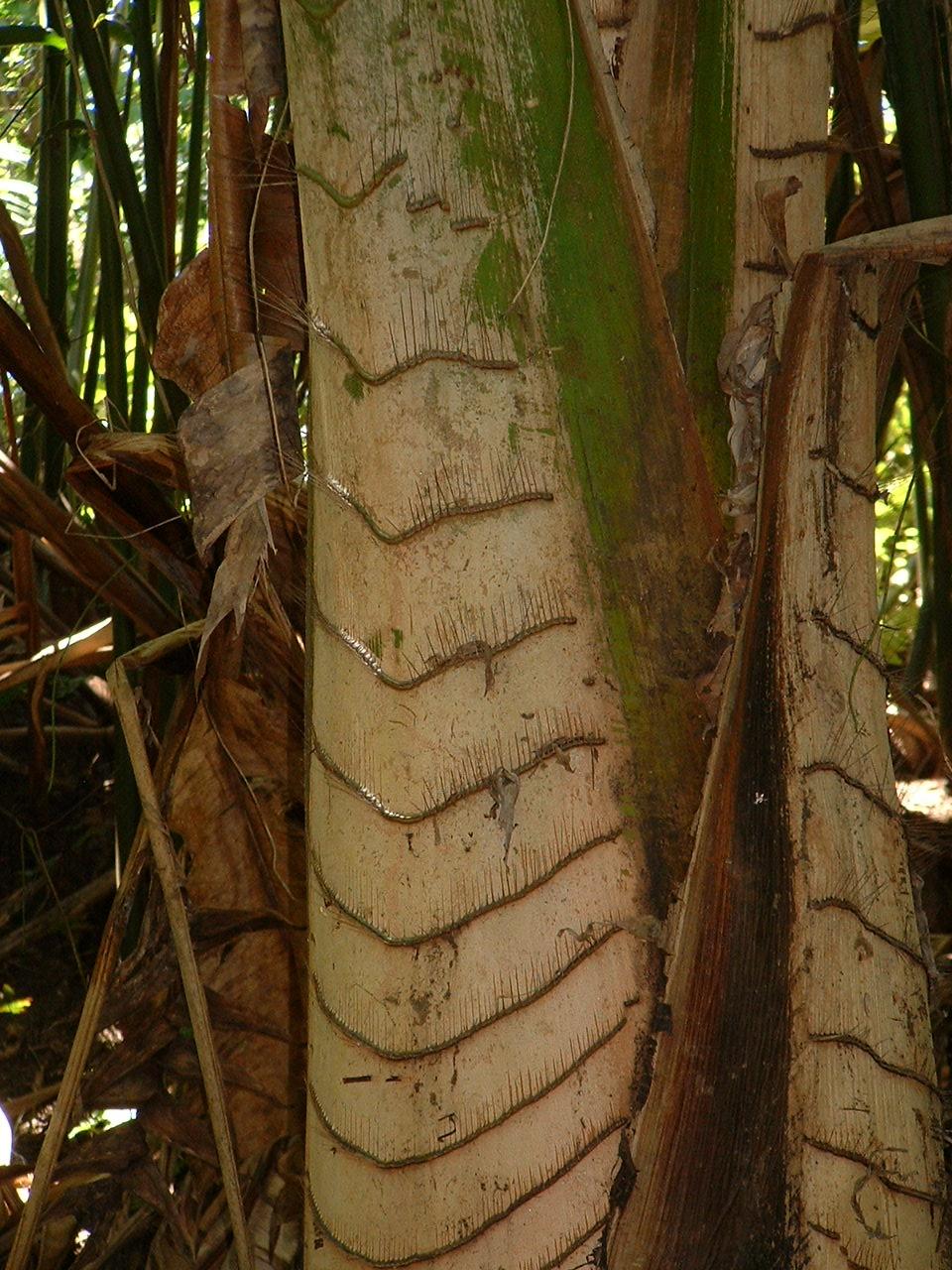
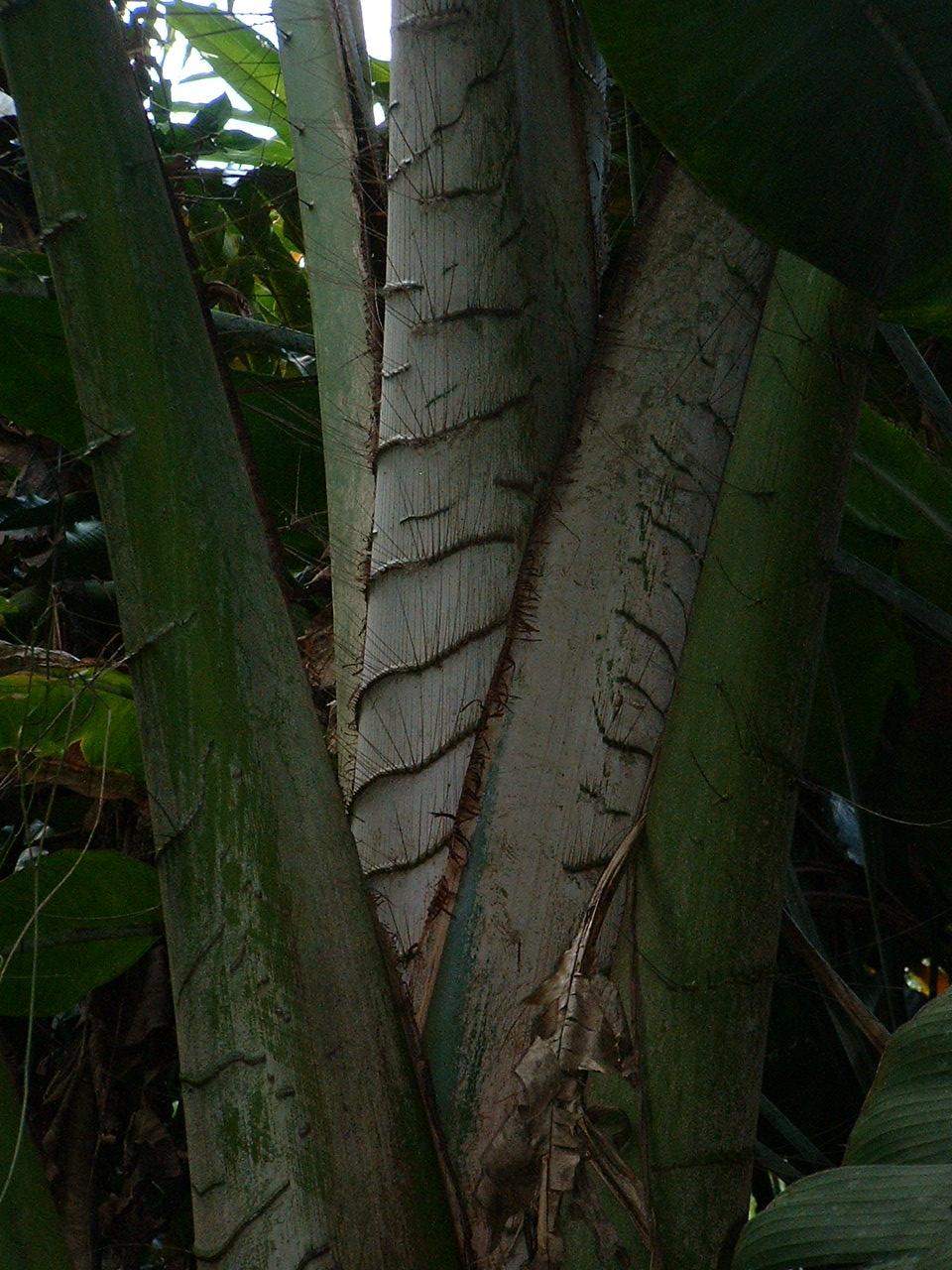
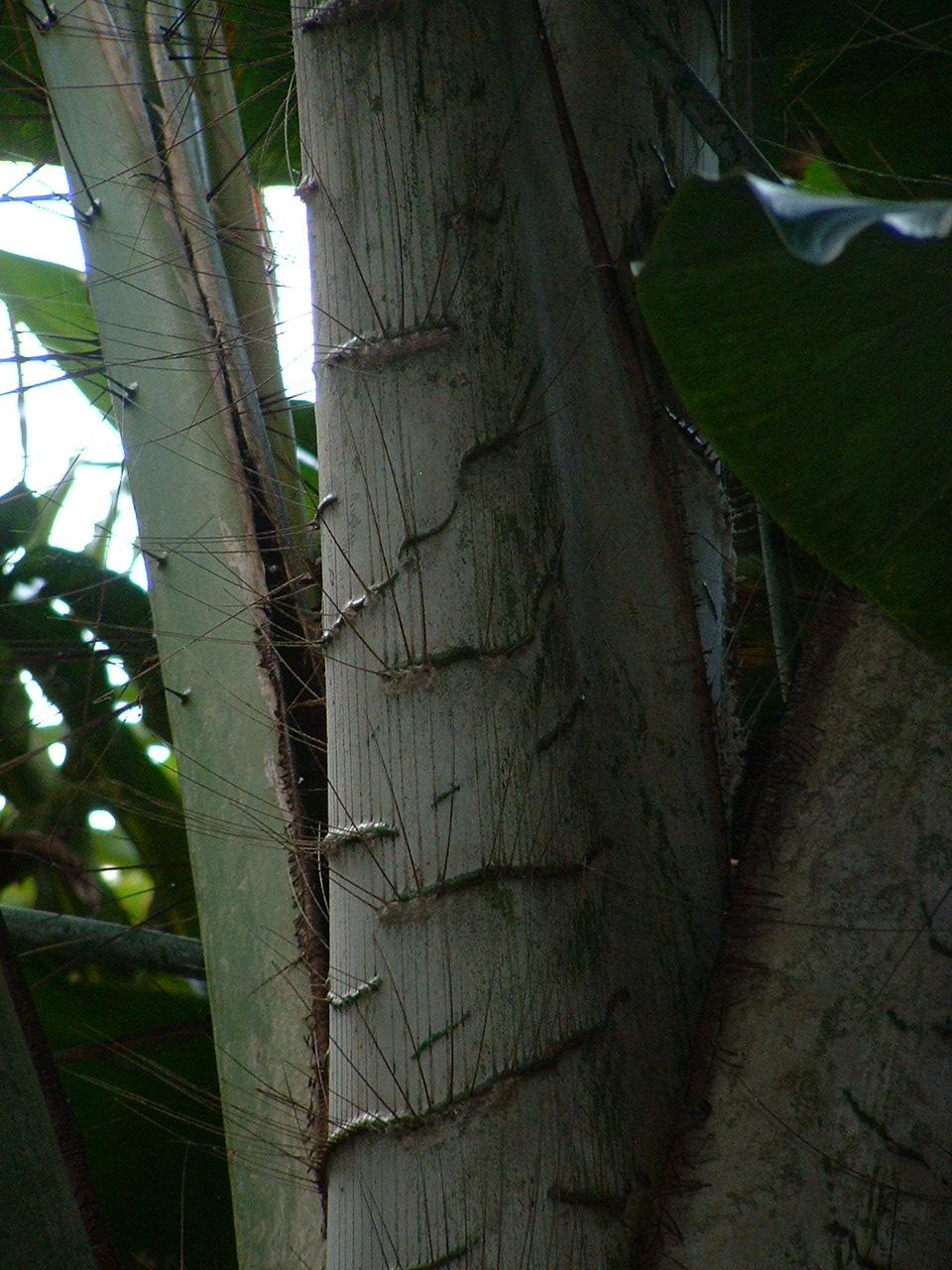
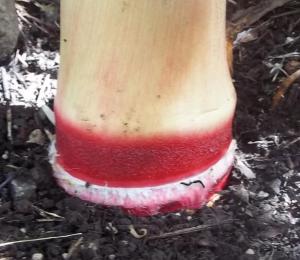
after seeing Tim's posted beauty I took the old leaf sheath off of mine and it is really starting to show some nice red. Three yrs in ground from a seedling. Six inches across at the base. aloha

 1 point
 -
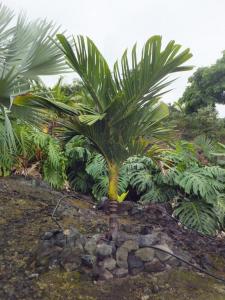
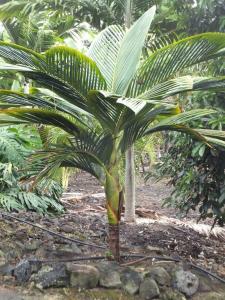
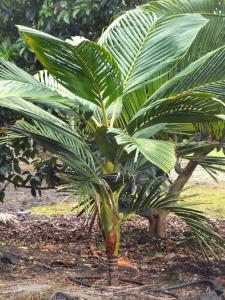
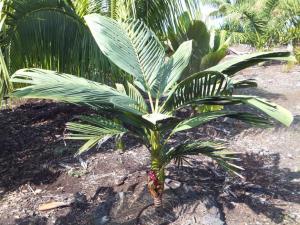
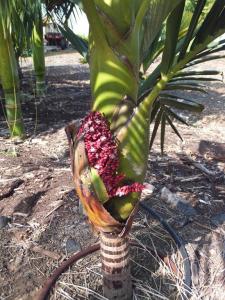
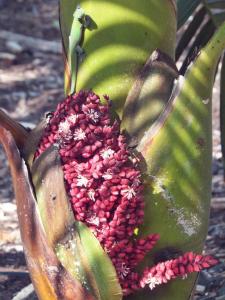
Earlier this week I posted these pics of our Loxococcus in a reply to one of Philippe's (dorabakandawatta's) topics: Then yesterday I noticed a little surprise: gmp
 1 point
 -
A very Happy Birthday to you Kris! Ed1 point
-
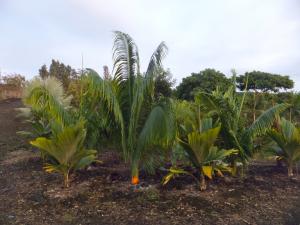
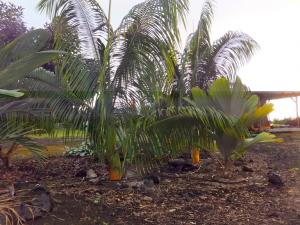
The D. pilulifera have been strong and steady growers for us, and when cleaning them up recently, I popped off the old boots to find their first show of color. Fall 2011: Spring 2012: Fall 2012: gmp


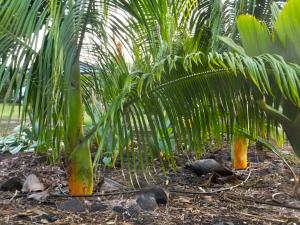 1 point
 -
Happy birthday!1 point
-
YES Happy birthday Chris ! jean-bernard1 point
-
Kris, I realize with happiness that you can receive a parcel from abroad with palms in your country without any problem. Sadly it's not the same in Sri Lanka; it reduces the choice and opportunities for ordering at RPS or anywhere else. Or it makes the job more complicated! Lucky you! Next posts soon? Happy birthday TODAY! Vanakam, Kindest regards Philippe
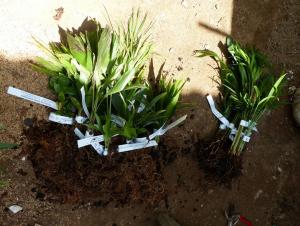 1 point
 -
Yes they have been producing Makapuno coconut trees for years here by tissue culture and as mentioned by Pindo "dates" also. I think in the US they have been doing some serious research on date cloning and come up with some fantastic results. The University of Los Banos not far from where I live has been researching and cloning these Makapuno and they sell them around 400 pesos each thats just around the $10 mark but the farmers here dont have the capital to buy 100's of these for plantations so only a few have been planted, however the Philippine coconut Authority has been working with the government to produce them at a more reasonable price. On our property as mentioned we have around 200 coconut trees but the pink scale insect has just about got them beat so they will be chopped down eventually for coco lumber. We have a new.. well not new, coconut variety called "Tacunan green dwarf" which has been propagated in the thousands for release here in Batangas to all the farmer free of charge so hopefully these can be planted to replace the old existing trees that dont produce good fruit after 30 years and many are already nearly dead from the insect infestation. Just some info for those interested in coconuts. Jerry.1 point
-
1 point
-
Saw this today up at Lyon, honestly it was this color. Crazy red. Wish mine were this color. In total shade off the beaten path.
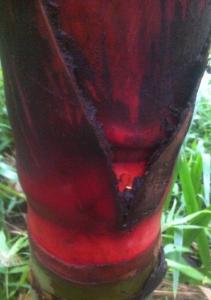 1 point
 -
yellow-green on new N. storkii leaf
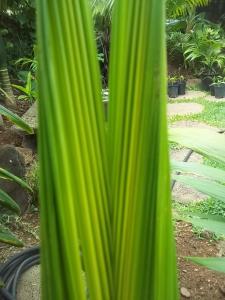 1 point
 -
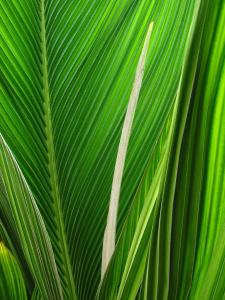
Ahhh, and yet a couple more. Marojejya darianii.

 1 point
 -
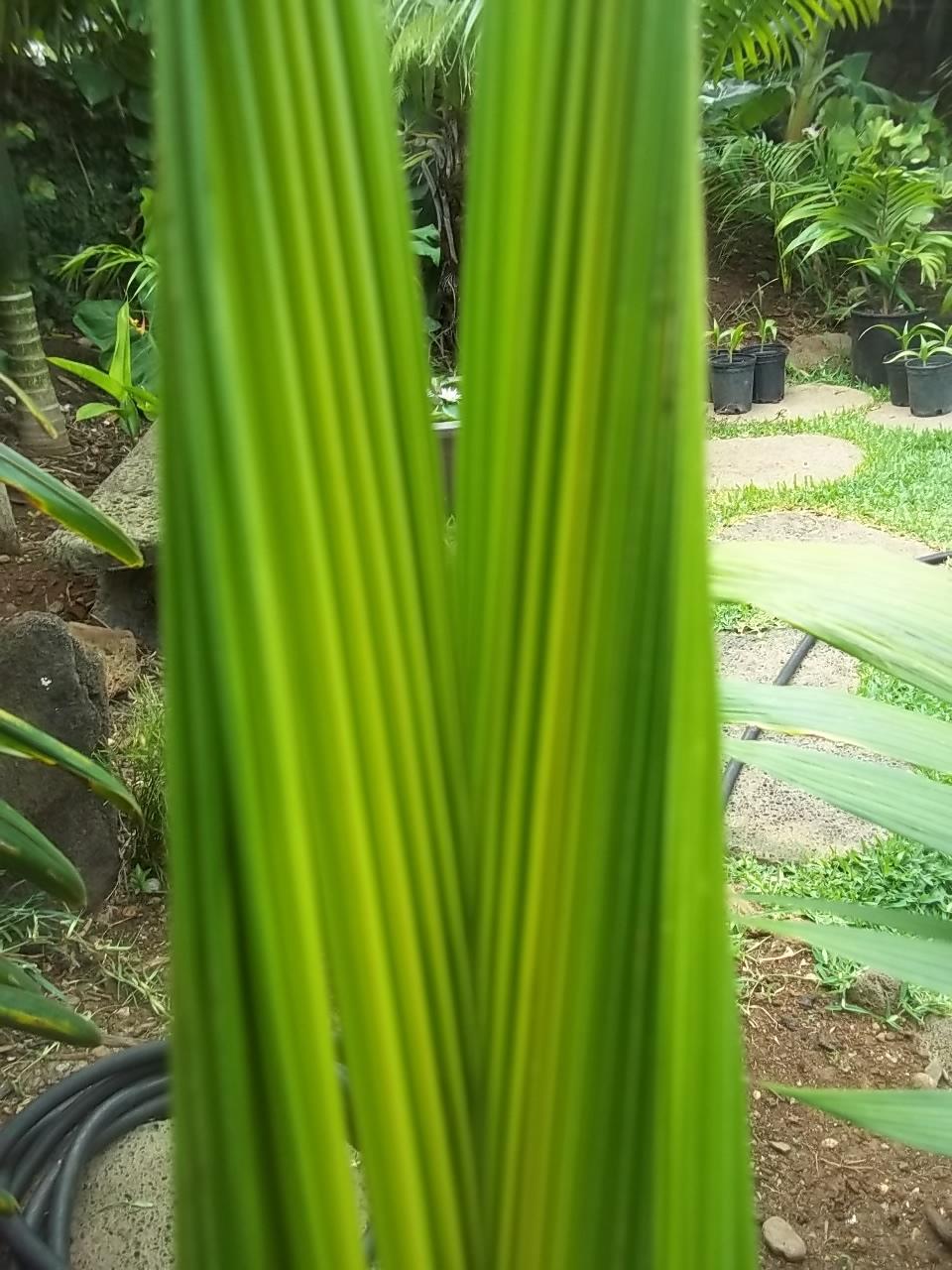
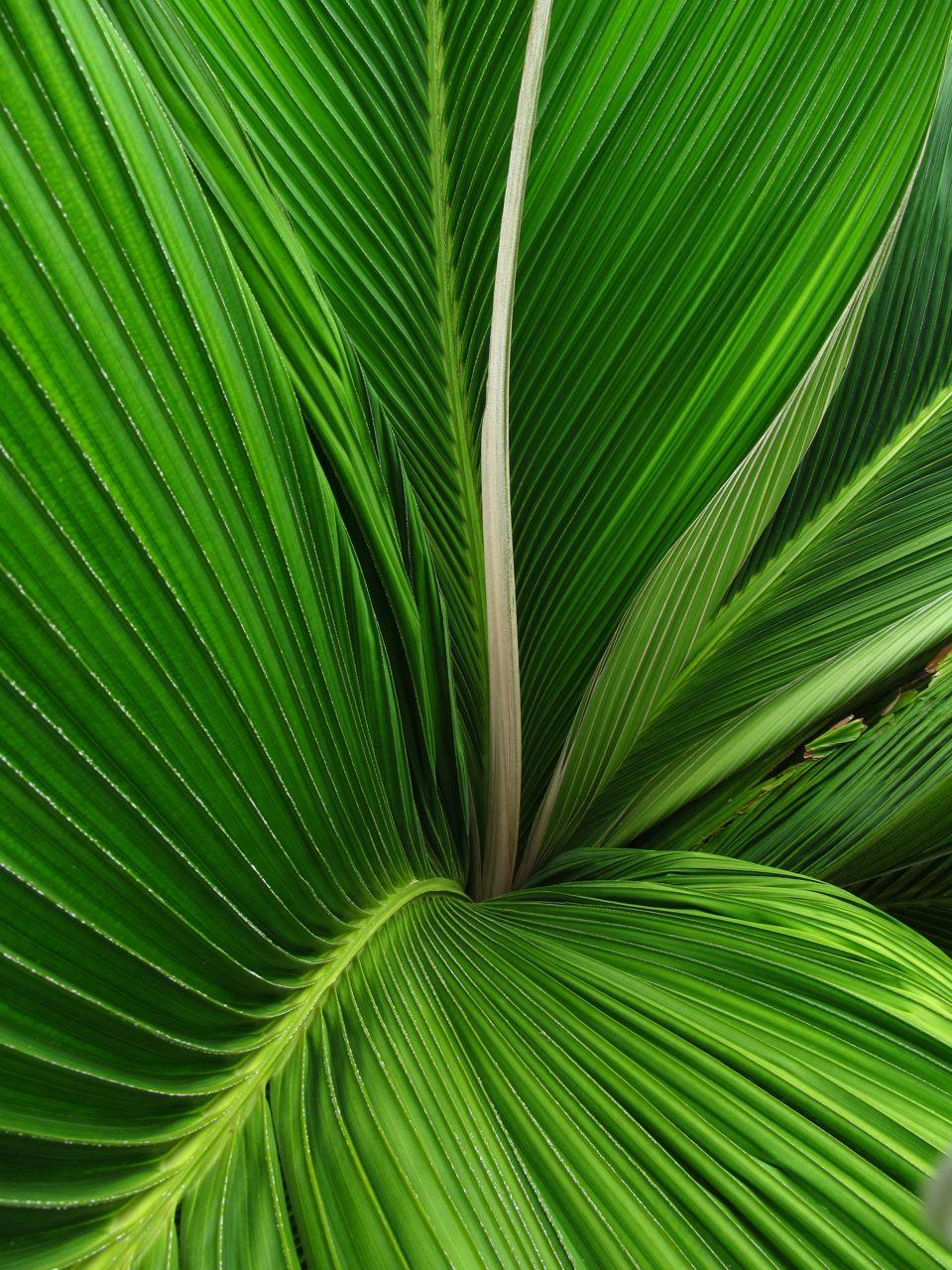
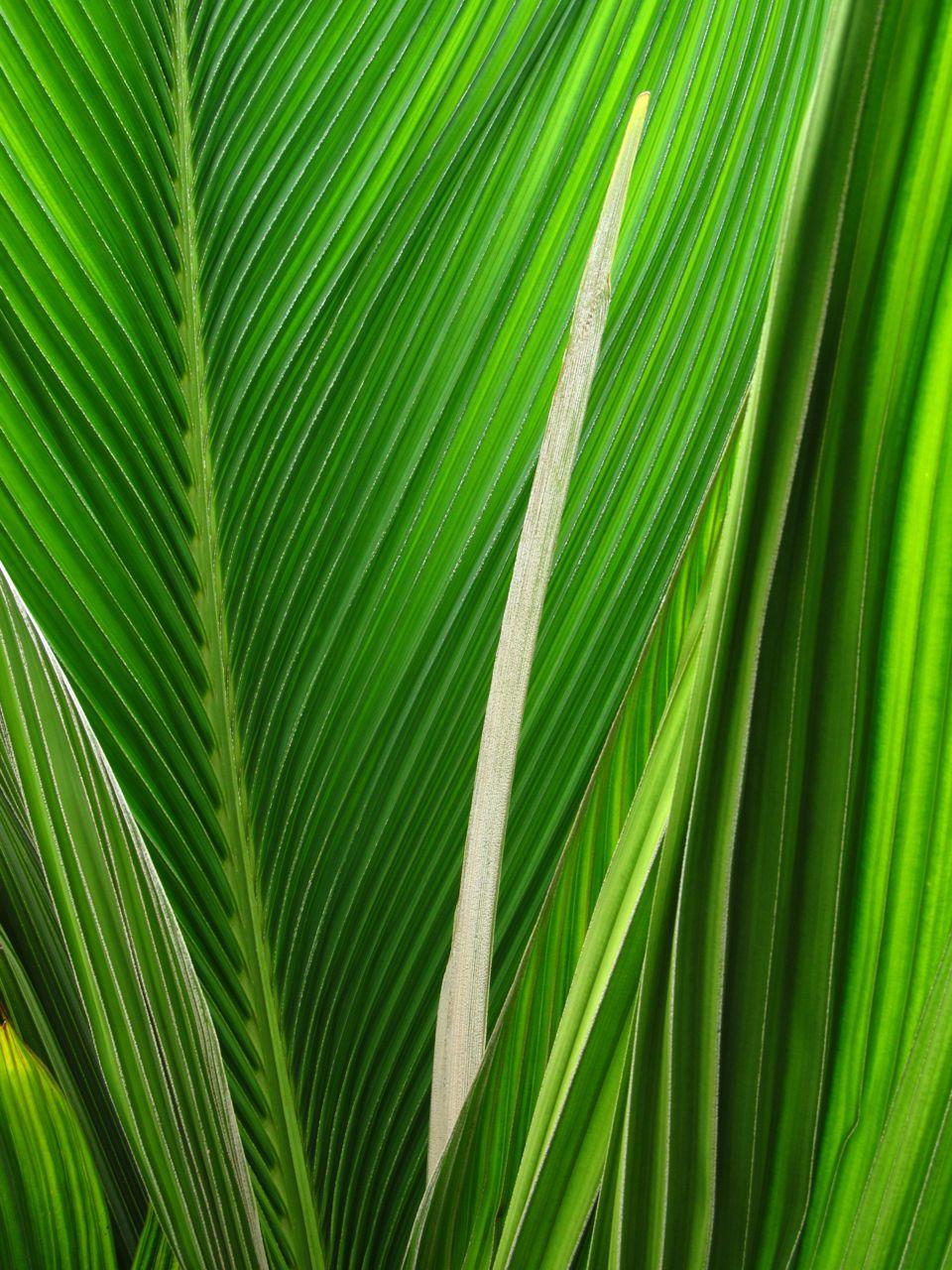
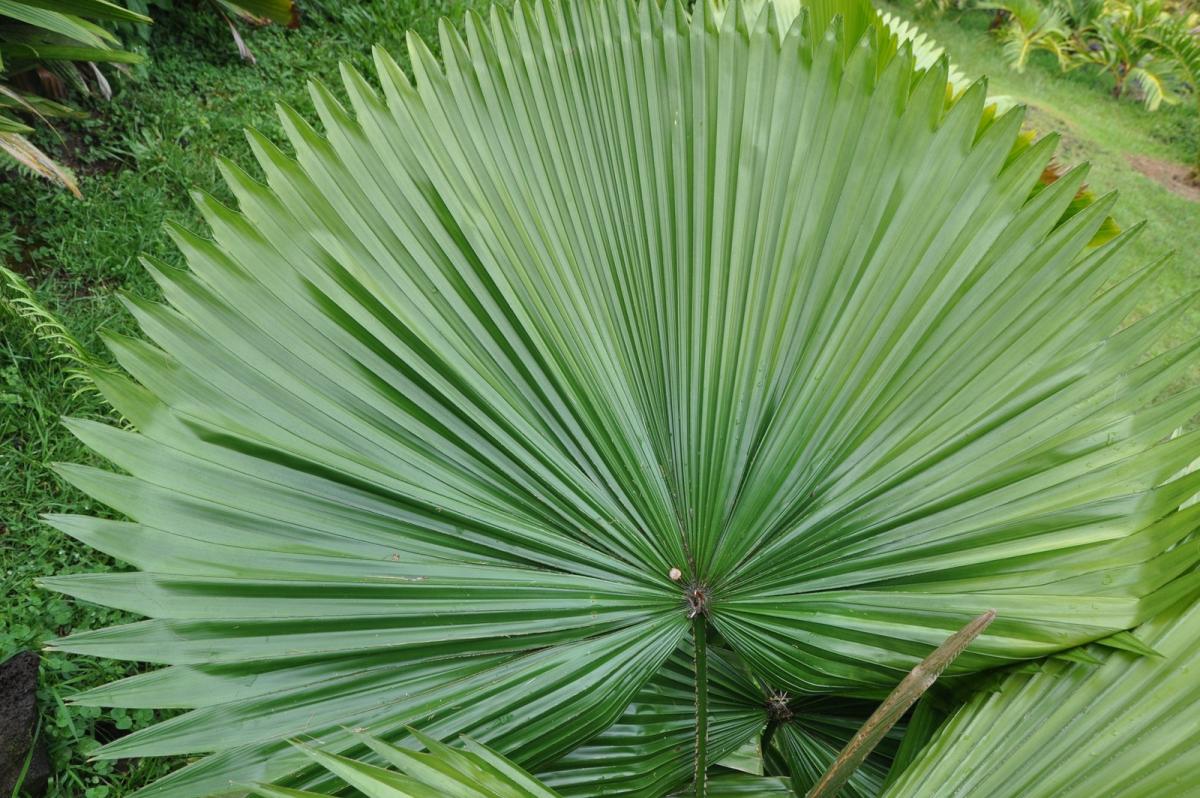
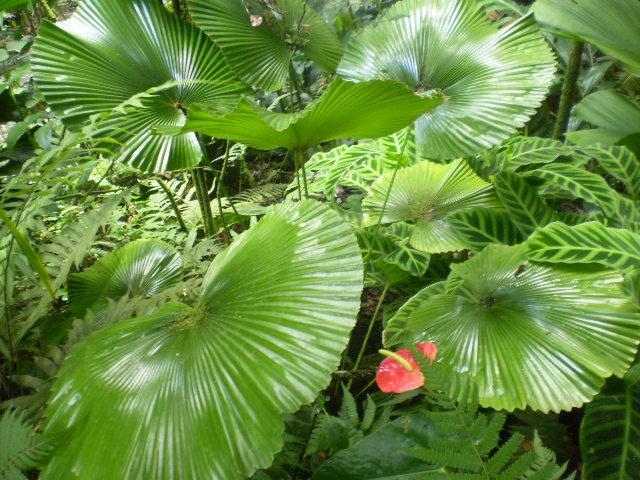
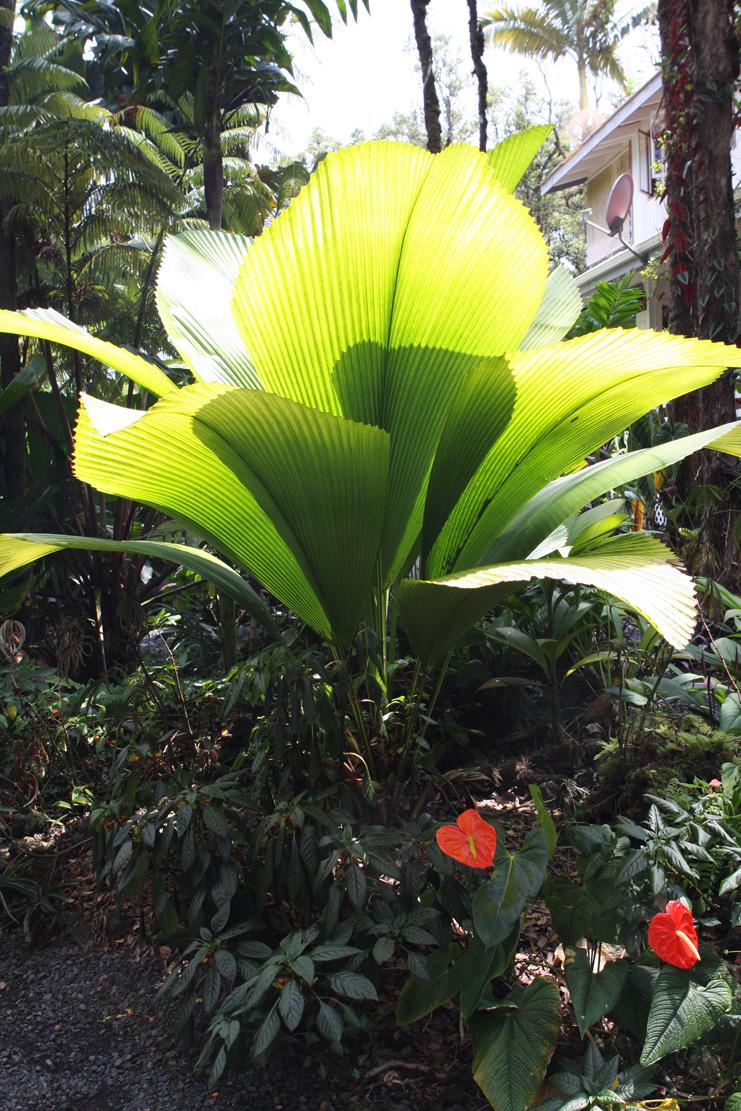
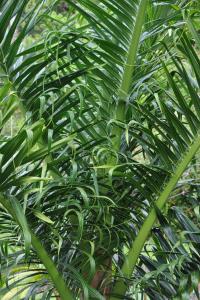
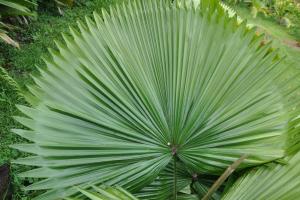
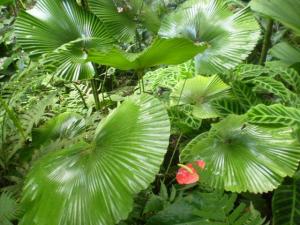
Green is definitely great! Nothing like seeing a green healthy palmfrond! And lots of different shades. On the left a close-up of the base of a Dypsis prestoniana, and then a Licuala peltata var. sumawongii in the center and on the right a new prestoniana frond opening up with that exciting lighter shade of green in the center (light not the best at this time of the day for that shot).
 1 point
 -
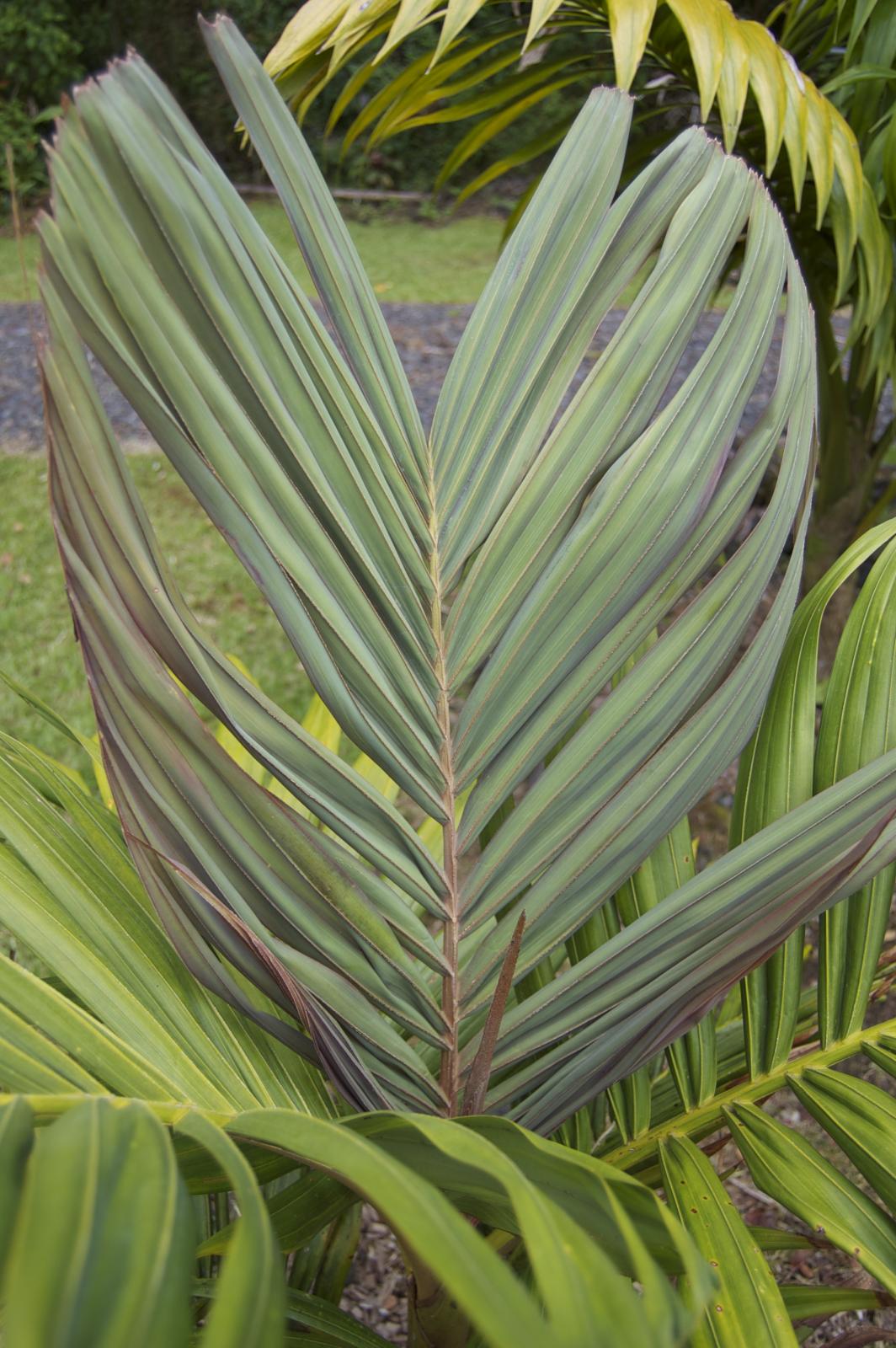
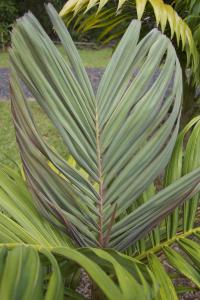
I'm enjoying all the excellent photography and lush palms, keep 'em coming! I'll add another shade of green, a new blue-green leaf with tinges of violet on a Loxococcus rupicola...
 1 point
 -
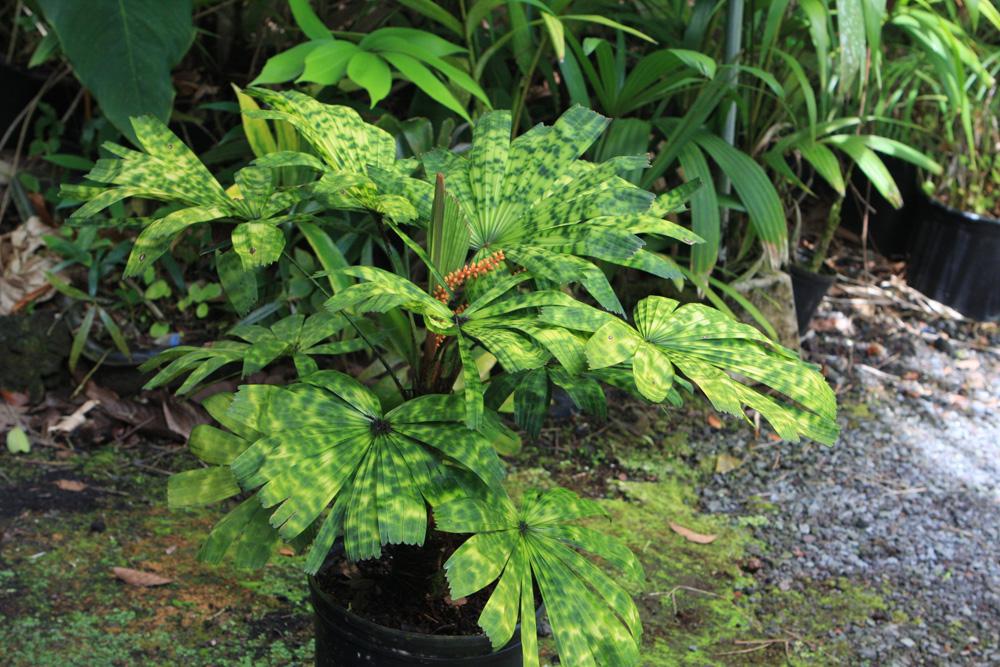
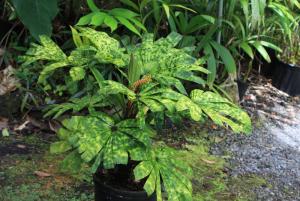
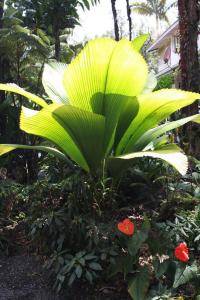
L. obicularis L. cordata L. matanensis v. mapu J. altfrons gmp

 1 point
 -
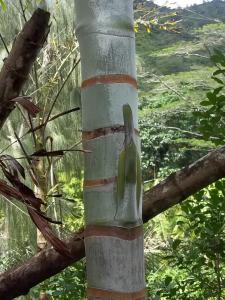
These are tagged as Dypsis white crown, but look like Dypsis malcomberi. On very steep hillside in madagasgar section at Lyon. Oahu. What do you all think??
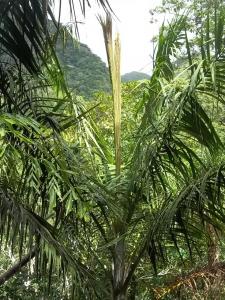
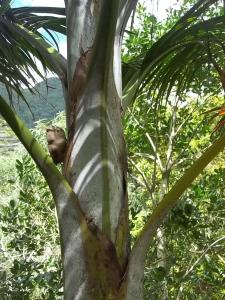
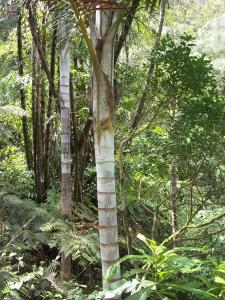 1 point
 -
Dear Philippe Vanakam, Iam from south india,yes Areca & coconut,royal palms,caryotas,cycads & some cactus grow very well in our hot tropical climate. Rain fall is bit erratic.Sometimes more but this year its very scarce.Caryopha's like talipot palms grows very well but no one plants them. Love, kris.1 point
-
Hi Friends, Here's a video Update... http://youtu.be/nW-XRb0HKlw Love, kris.1 point
-
Thanks Bo. I find your capacity to respond to so many people's e-mails amazing and will be extremely happy if you are correct as this is one jewel of a palm. Jeff Andersen and I (as well as our other buddy Ben Morris) are just amazed by B. Nicobarica though and use it as a benchmark for fast growth (even more than Pigafetta). I do not understand it but Jeff thinks this thing is faster here in Costa Rica than in the Nicobar Islands. Bizarre!1 point
-
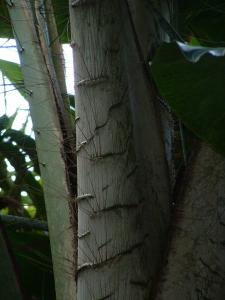
Yes, my one and only Metroxylon was large when we bought the land in PR. The previous owner had gotten some rarer palms and at one time was an IPS member. As hard as it is to believe, it was several visits before we even saw this palm as it's on a pretty steep slope among breadfruit trees away from main paths. Actually, it took several visits before I could really say I'd walked the 7 acres as we (really my husband) recreated and added to existing paths in the jungle. You can imagine my delight when I encountered this palm which was prior to finding IPS/Palmtalk and succumbing to Palm Obsession. Happily the former owner was able to supply the name, but I haven't tried to pin down the year it was planted. I both dread and look forward to seed production!


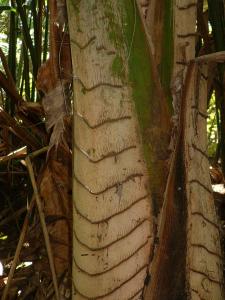

 1 point
 -
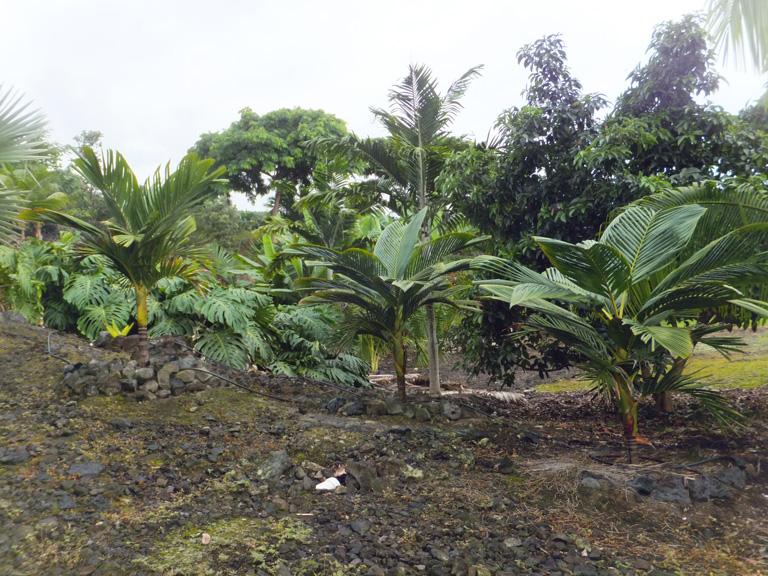
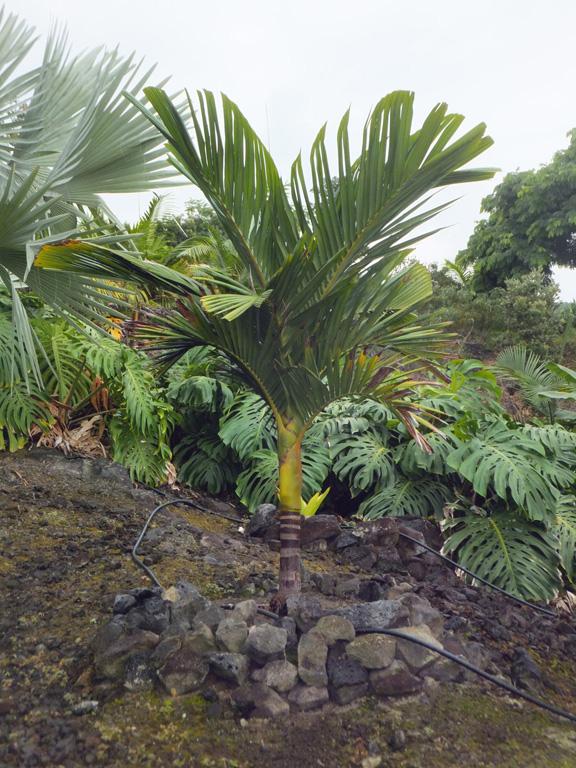
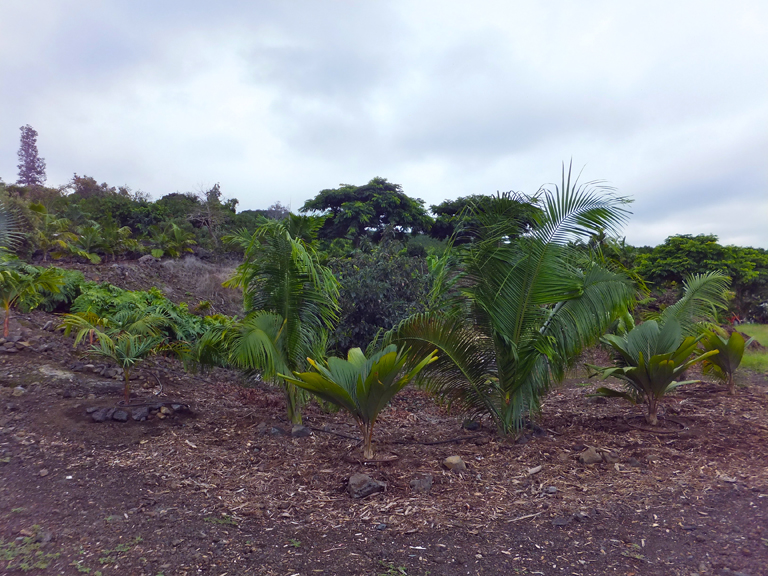
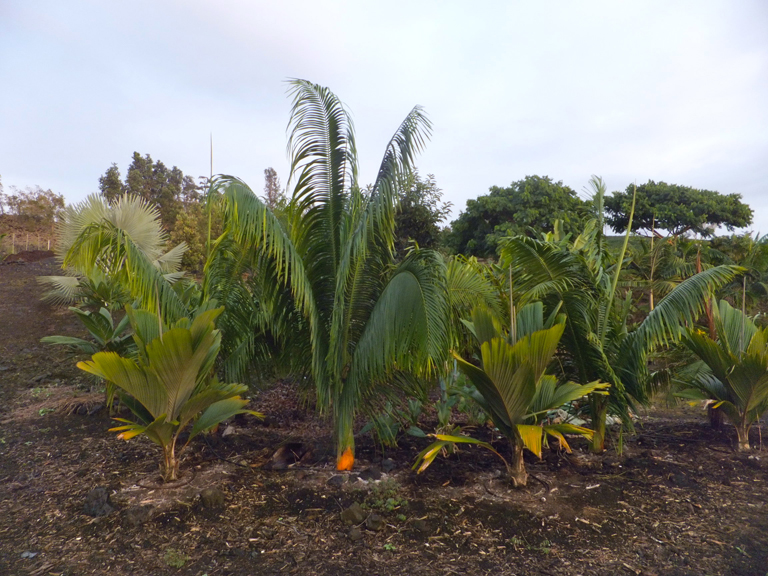
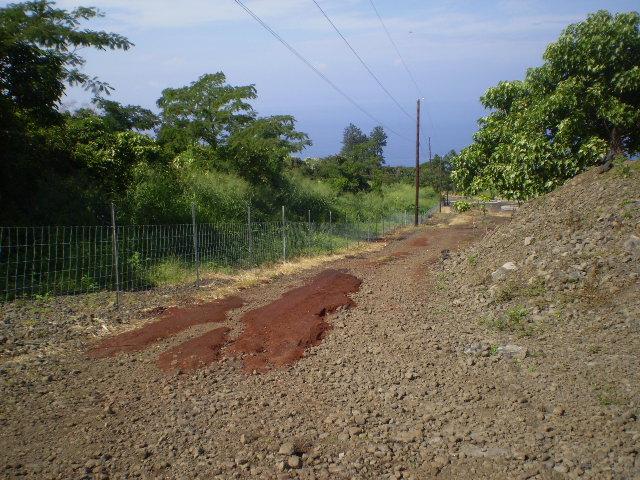
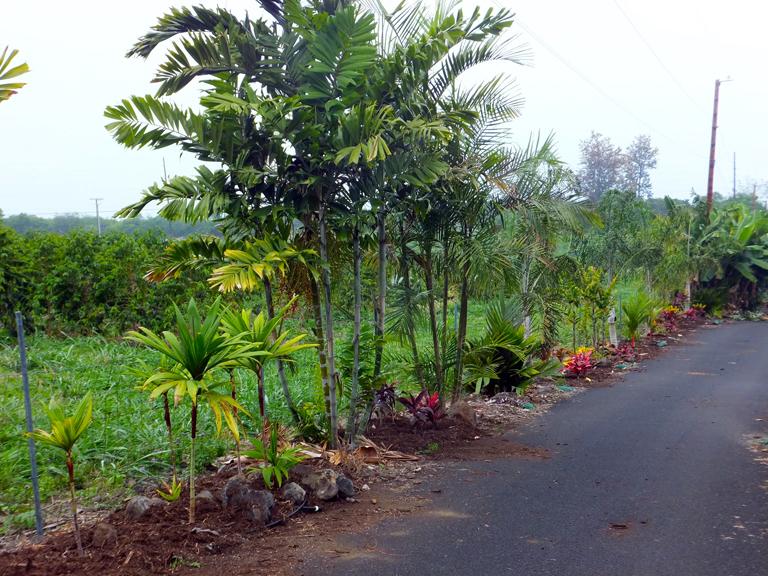
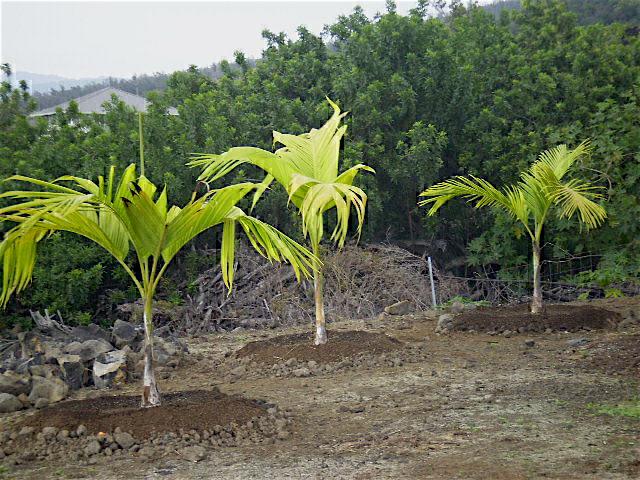
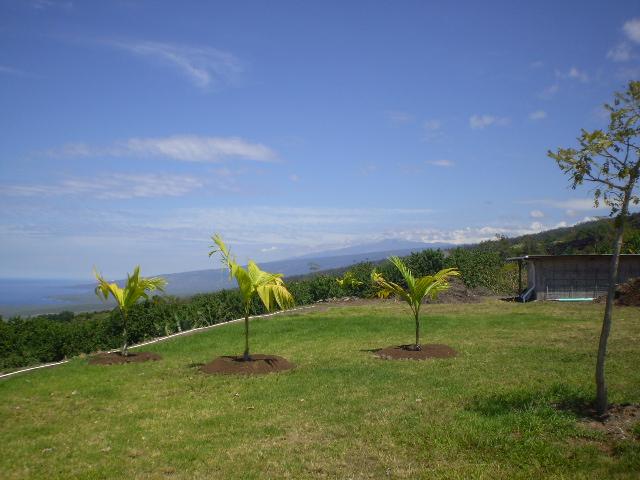
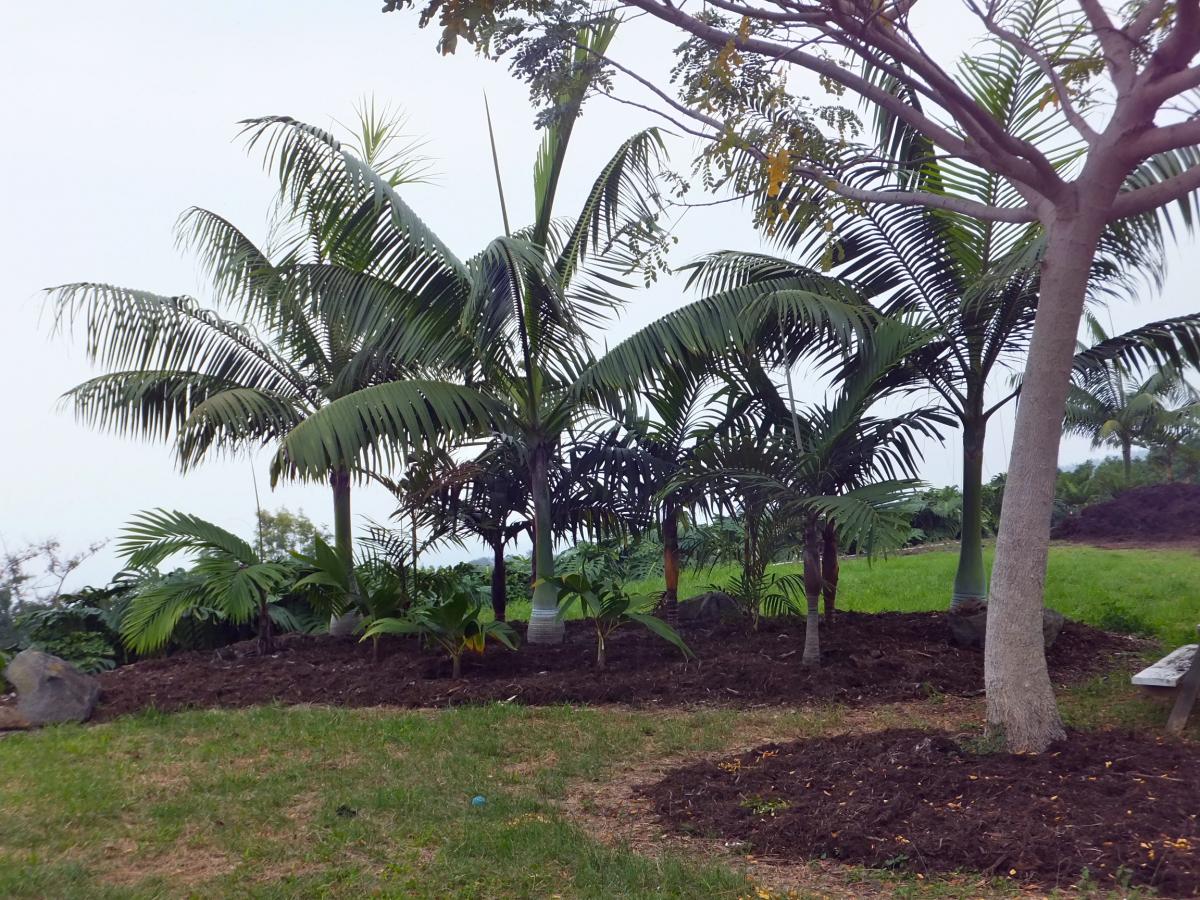
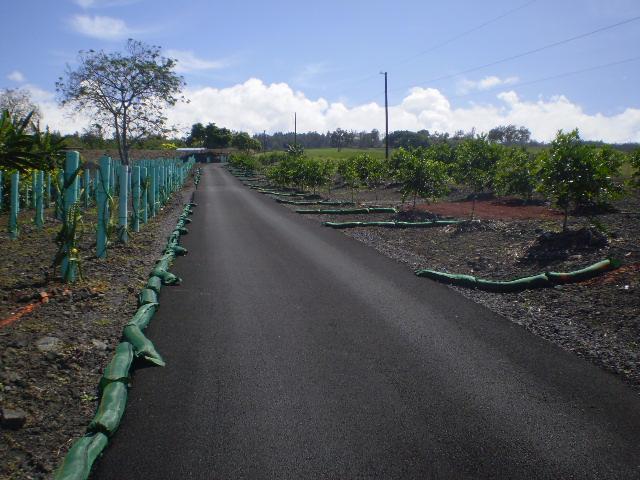
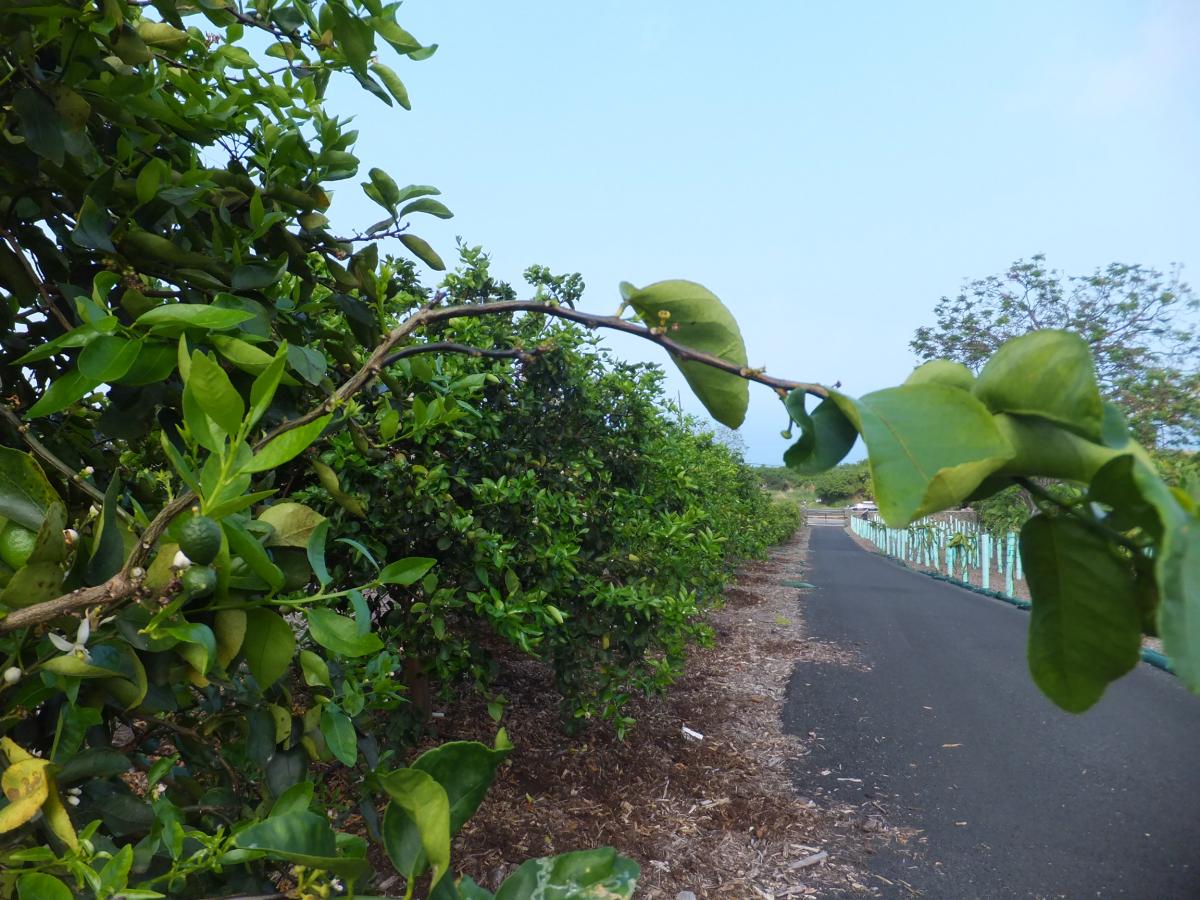
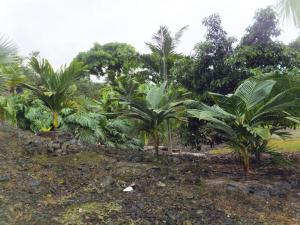
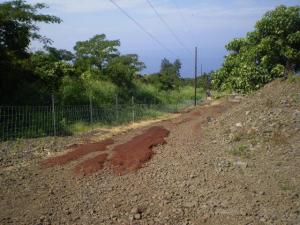
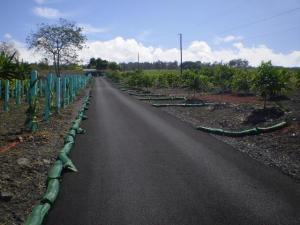
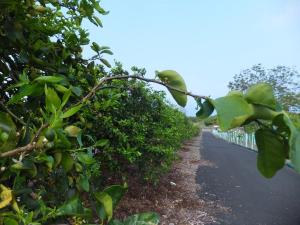
Initially we start with 4 inches - the experts at NRCS tell us not to do thicker than 4 inches so that rain will soak through it and get into the ground. If you go much thicker than that the mulch may retain much of the moisture and prevent it from getting into the soil. It takes about a year to break down into a real nice loamy mixture. The planter areas around the garden we have done annually for 2-3 times. After that the planter beds are pretty nice and don't need additional major mulching, and now we will be switching over to chipping/shredding garden clippings/trimmings and distributing that through the garden where needed. We mulched 2 acres of orchard to establish topsoil to plant grass for erosion control. Were supposed to apply 4 inches of mulch a year for 3 years, but we had enough nice loamy soil by the time year 3 came around that we did not have to do the 3rd year of mulching. The first pic below shows how rocky the soil is, and what soil there is washes away pretty quickly when you have a decent year of rain. Initially we tried a cinder driveway, but this is what was left after 3 months in a wet year, so we bit the bullet and put in 750 ft of asphalt. The second pic shows planting after the asphalt driveway was put in. You can see how the planter bed to the left is about 5-6 inches lower than the surface of the driveway. Palms were mounded when planted then we came back in and filled the areas between the mounds with mulch. Now, in the third pic you can see that after a couple of years of mulching we have a nice planter raised above the level of the driveway. Here is what the soil looked like around the Clinostigmas pictured in the previous post when they were first planted (spring 2009) And another group, 2009 then 2012 gmp


 1 point
 -
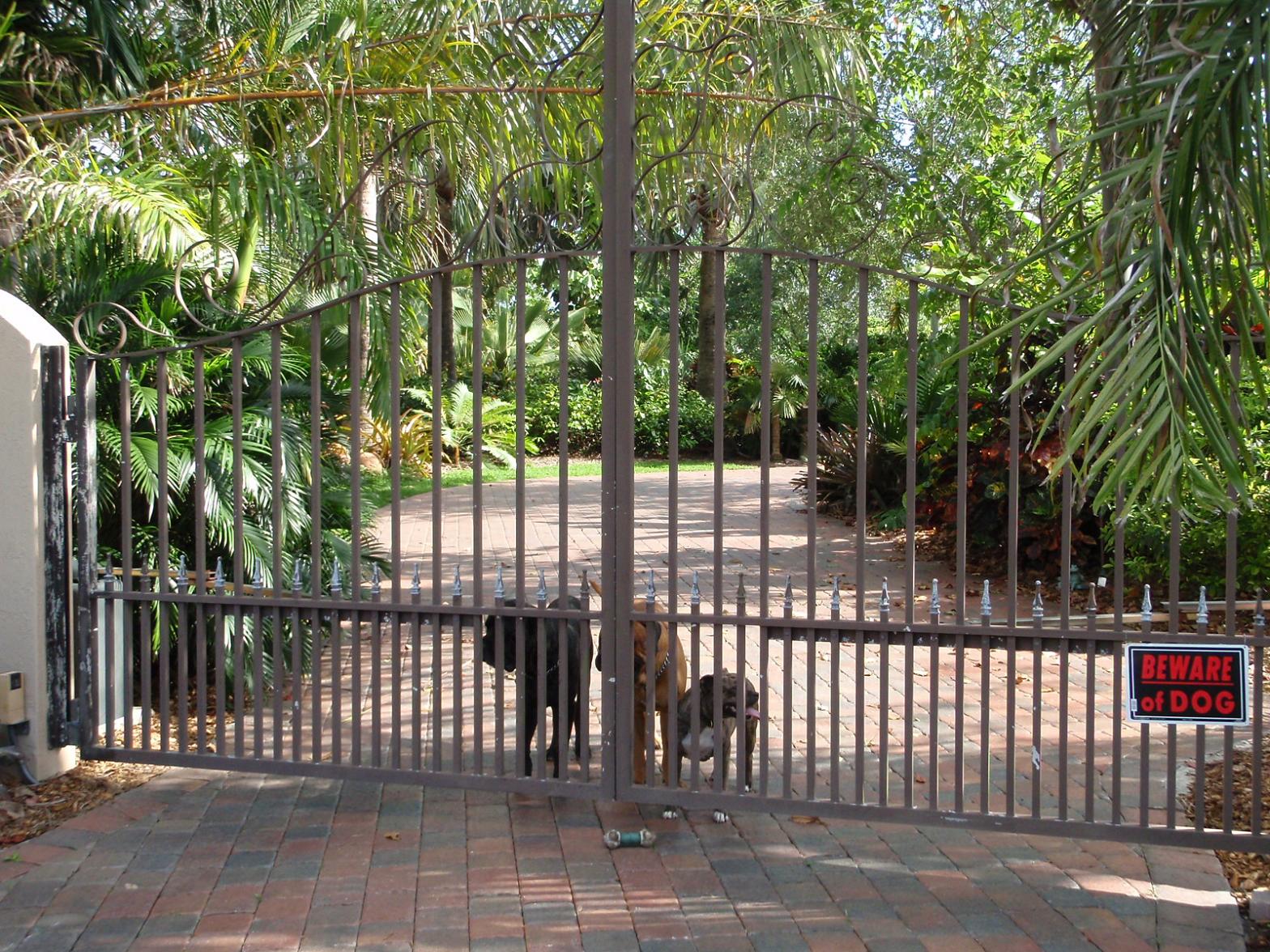
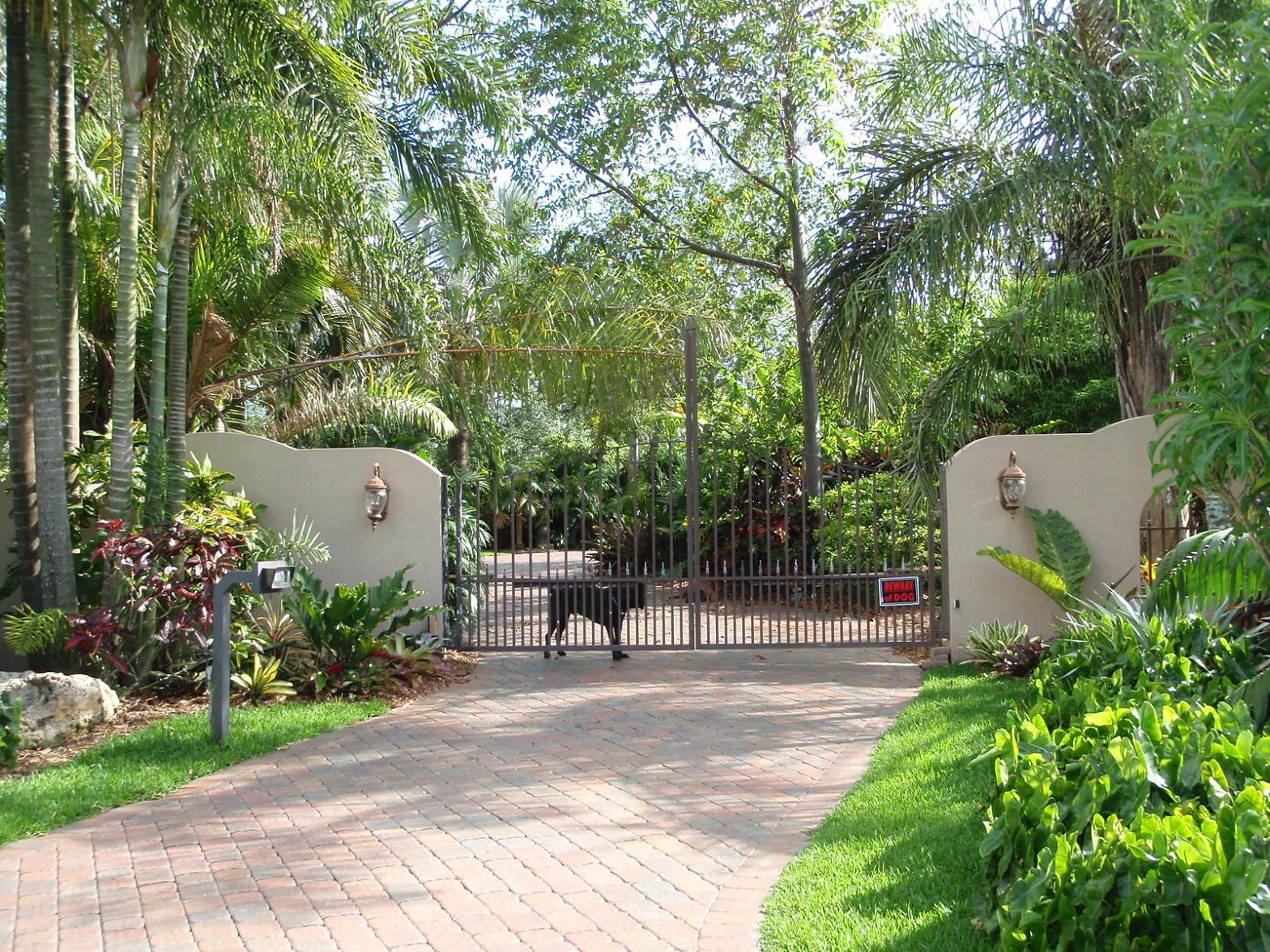
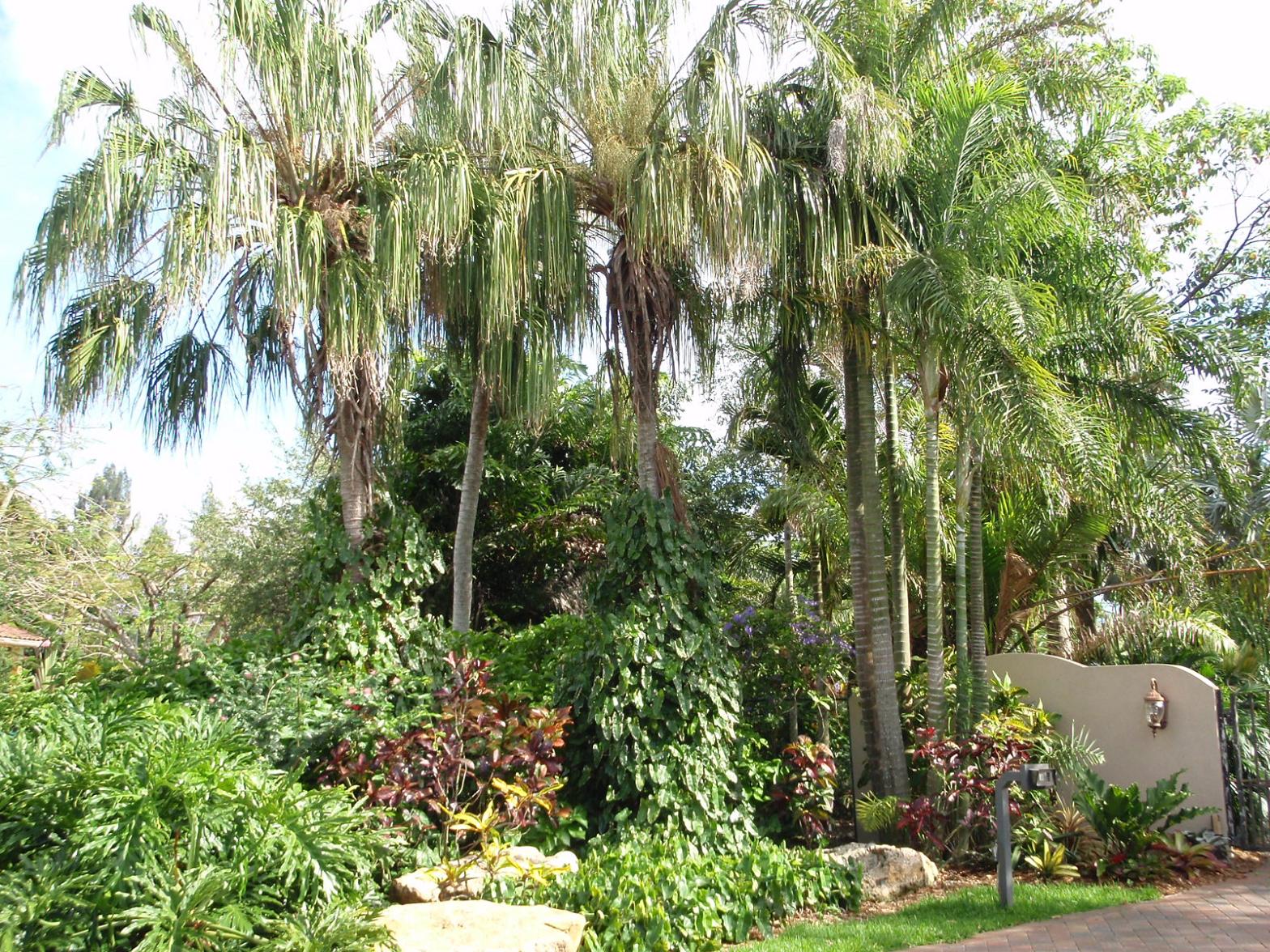
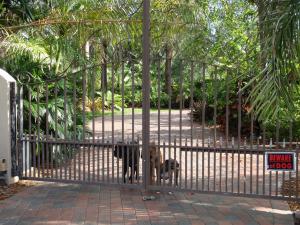
The front entrance to the property. And the boys will greet you. The last picture shows the left side of the gate with Livistona decora and Dypsis madagascariensis racing for the sky.

 1 point
 -
Here's a video update ! Love, kris.1 point
-
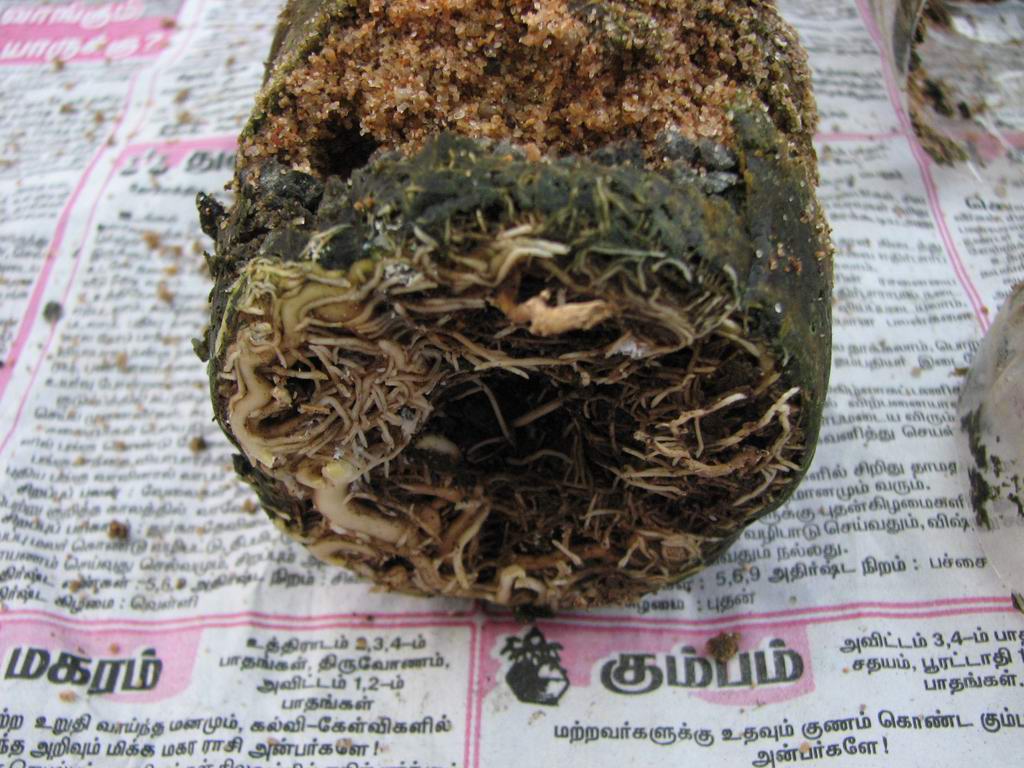
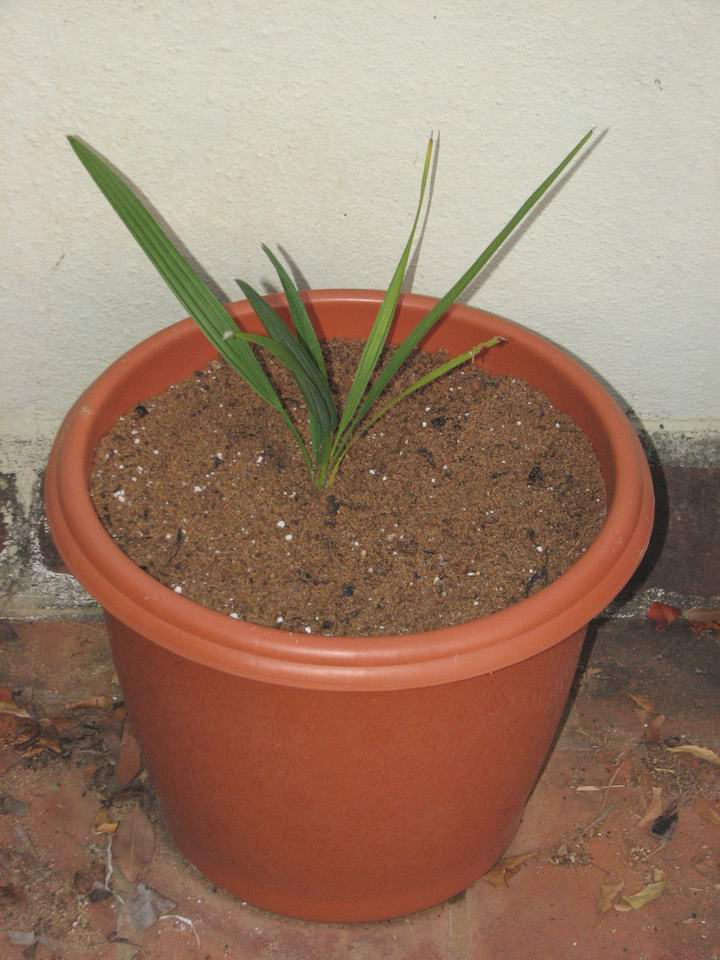
On the same day we tried to repot this palm,using a terracotta pot.And the weather at the moment is very pleasent & rains have stopped and the atmospheric air is not warm either.And its cloudy through out the day. Temperatures are around 80 to 84 degress farenheat during the day indoors.And at nights its drops to 77 to 78 degress farenheat indoors. And i will monitor the outdoor temperatures in days to come ! Coarse grade perlite at the base of the pot.. Coarse grade washed river sand is used as the potting medium.. This is how the palm looks finally,And i have dusted mild 'Sulfur' based fungicide.. ...1 point
-
Here are the visuals... ...1 point
-
Here we go ! And here is the final still of this Repotting Operation ! Thanks & Love, Kris
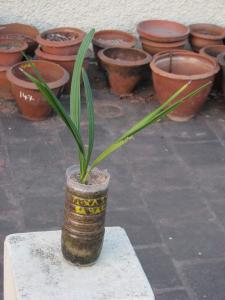


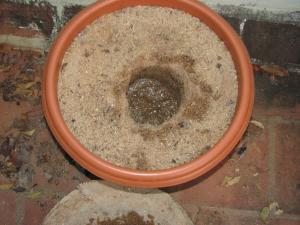

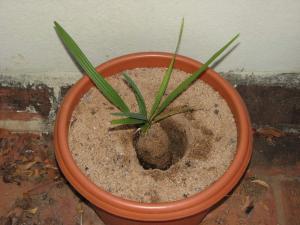


 1 point
 -
Now to the palm removal process...i.e getting this tall baby out of its old cramped up home...And initially we watered this cement pot heavily so that the roots do not give us a resistance while we try to pull it out. Some slight digging of the pot's soil was needed,to get that palm sliding out of that pot freely ! ...1 point
-
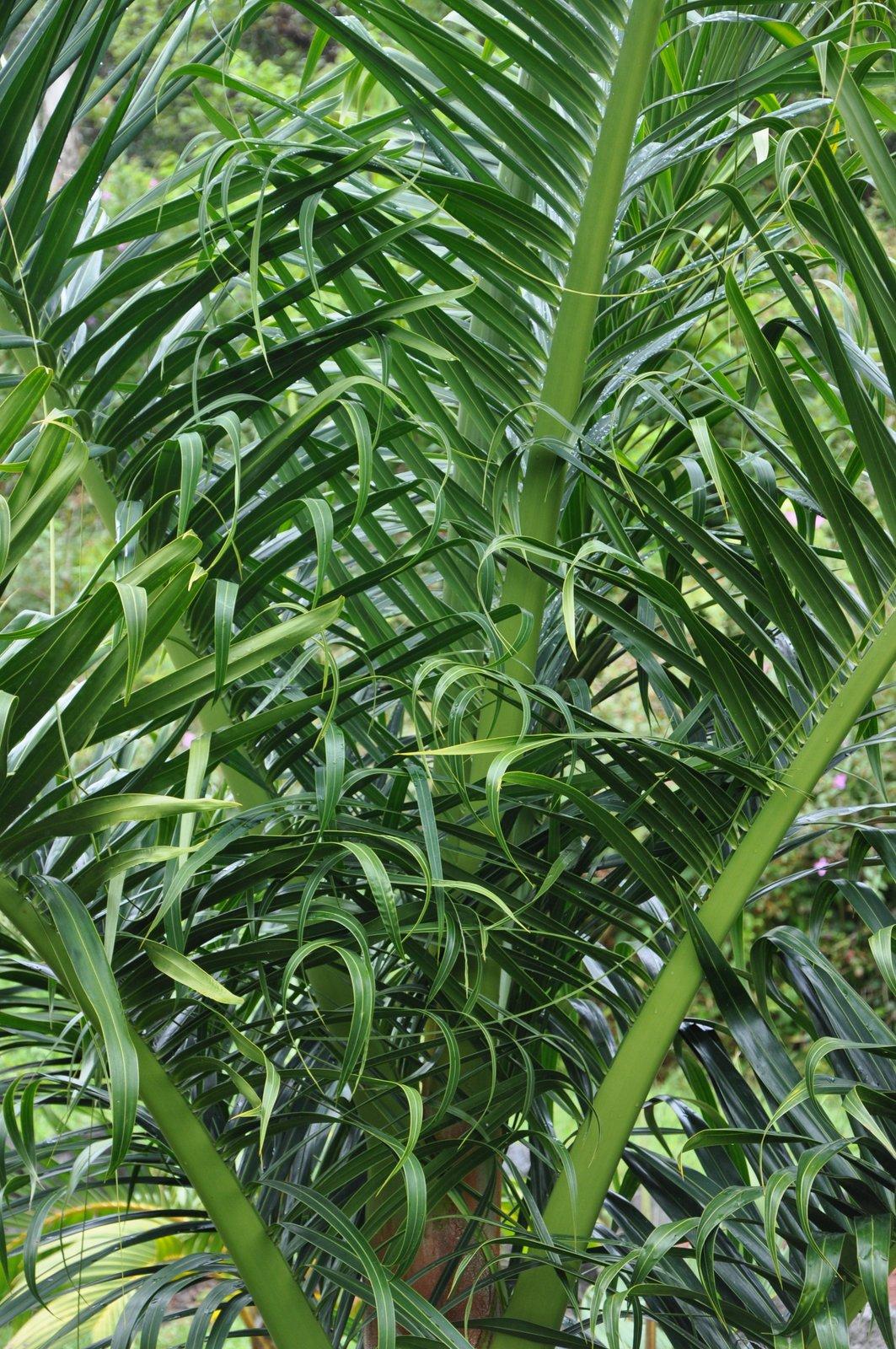
Here is the still of that foxtail palm,which is in the cement pot.. .1 point
-
Here is a still of our ex-gardner and also my very close friend & well wisher,he is the one who maintained our garden for so many years and he is been with us from the time i was a baby.i.e whenever i was crying as a baby he used to carry me around and see to it that i am happy.but now he is nearing 70 years of age and recently had his catract eye operation,got both his eyes operated in a span of 3 months after that he is in rest in his village.since he felt that he is growing old very fast..due to weakness.but till before that operation he often considered as he is no older than 45 years of age ! And he is popularly called as GrandPa by all of my age group.And one quality that i noticed is that he never likes to stay idle... And by the way he is the one who provides me with the borassus fruits collected from the wild,from the regions of marakannam(pondicherry).And he is a very respected elder of his village.And he is the one who brings me workers & assistants for heavy palm or garden maintanence work ! So this thread goes out specially for him.. Love, Kris1 point