Leaderboard

Popular Content
Showing content with the highest reputation on 09/12/2013 in all areas
-
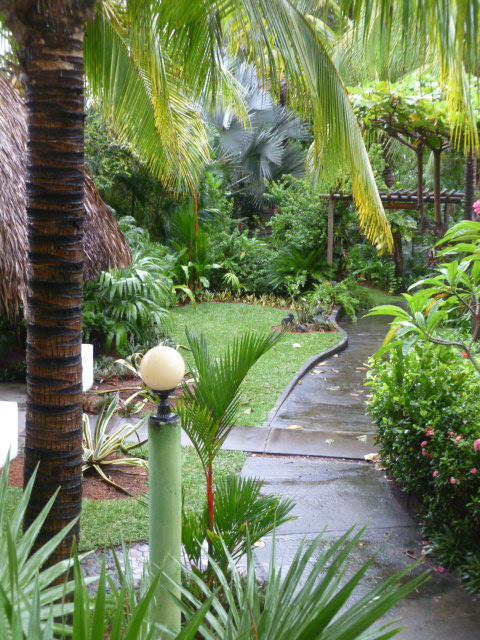
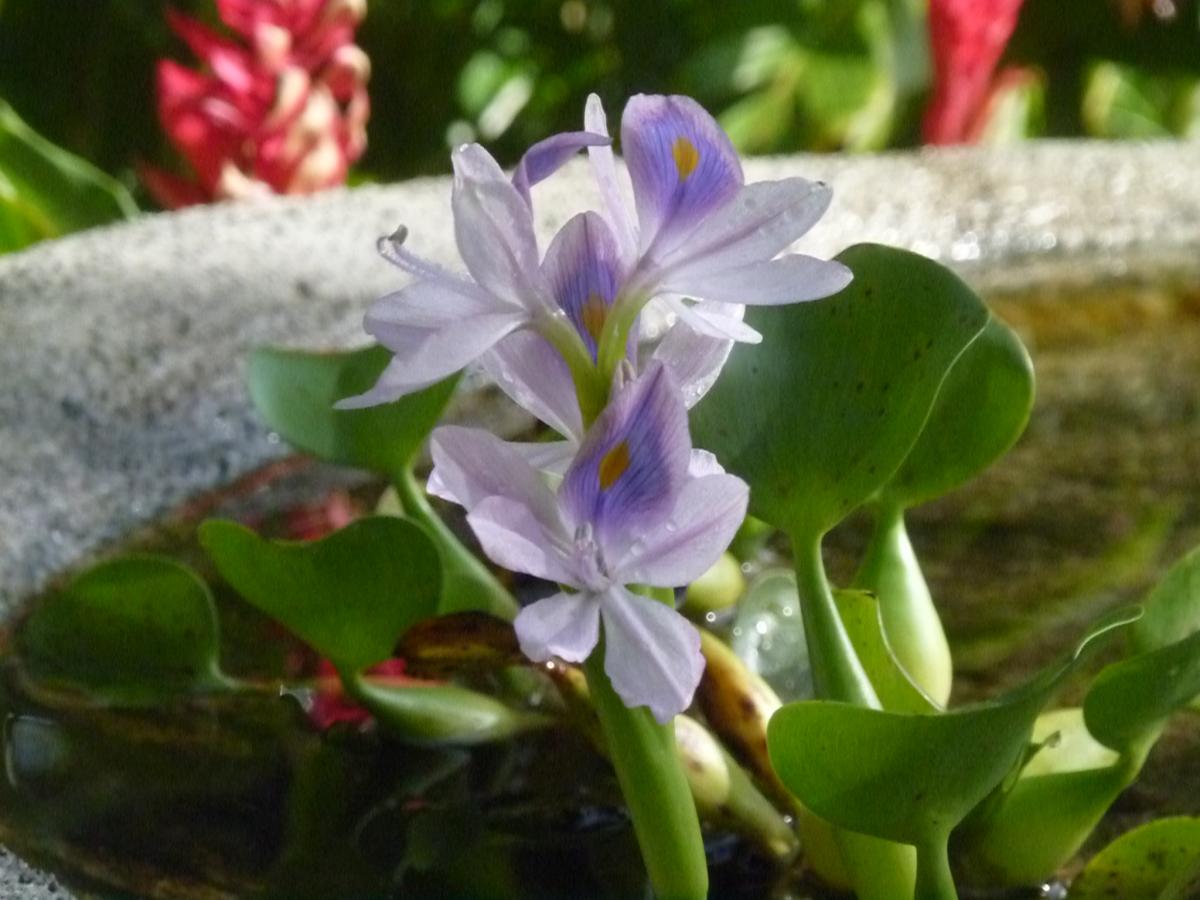
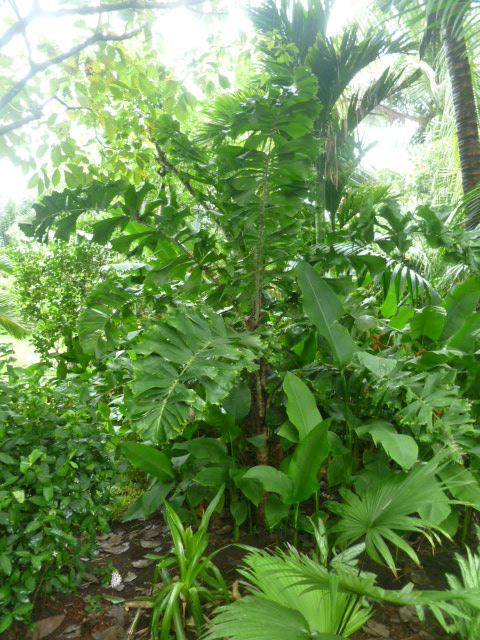
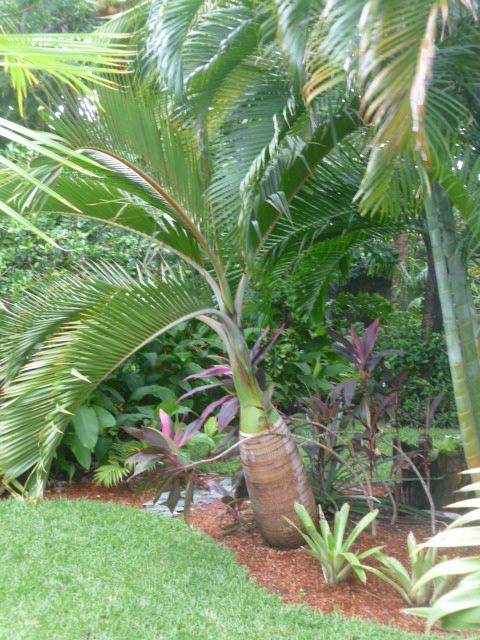
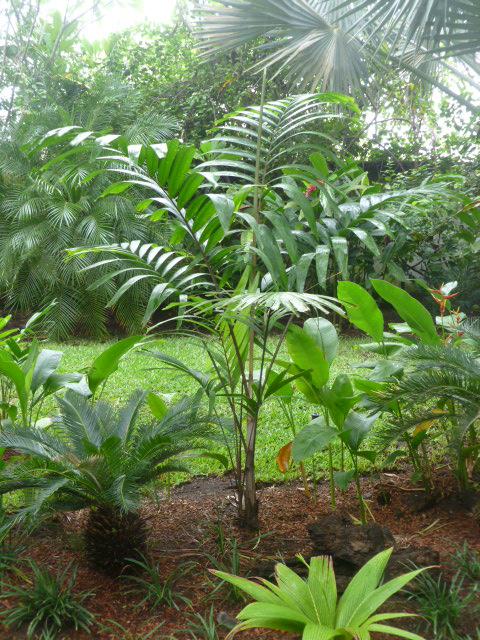
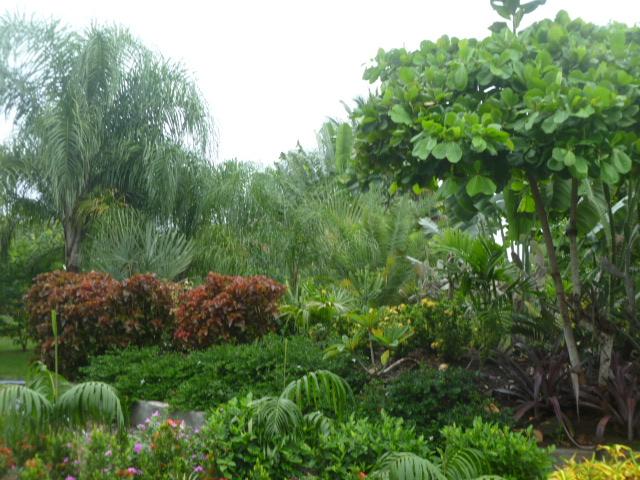
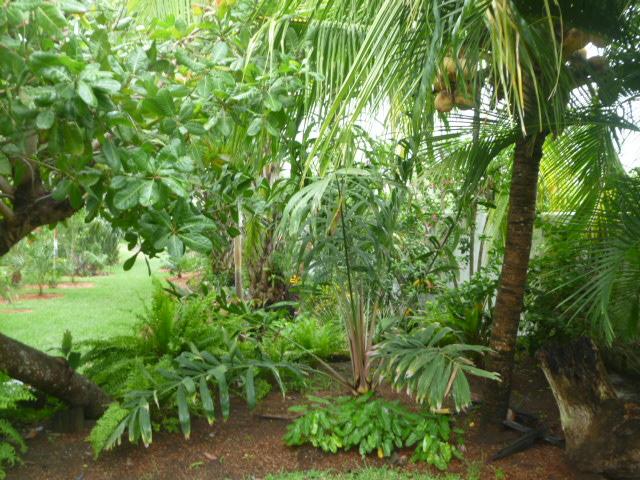
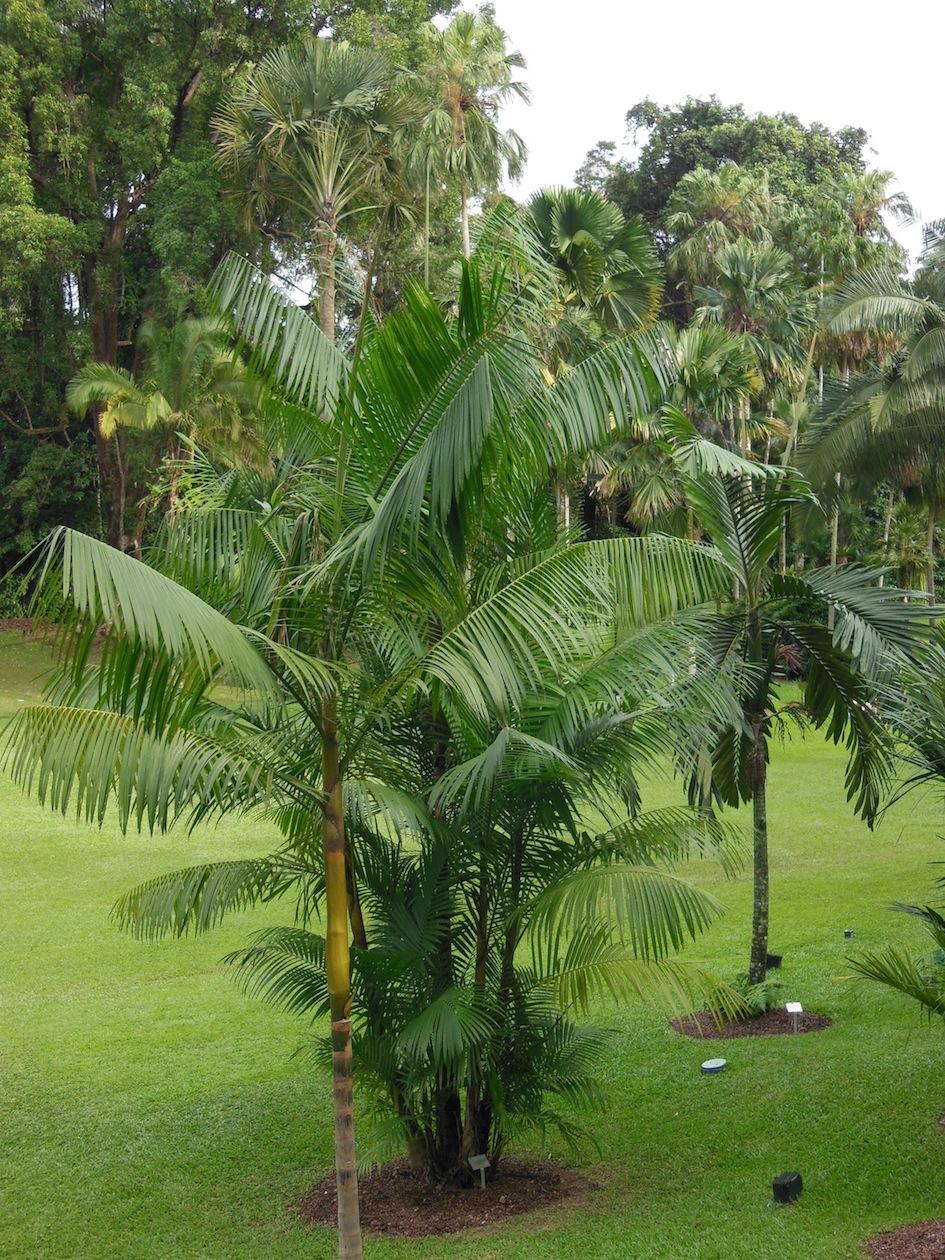
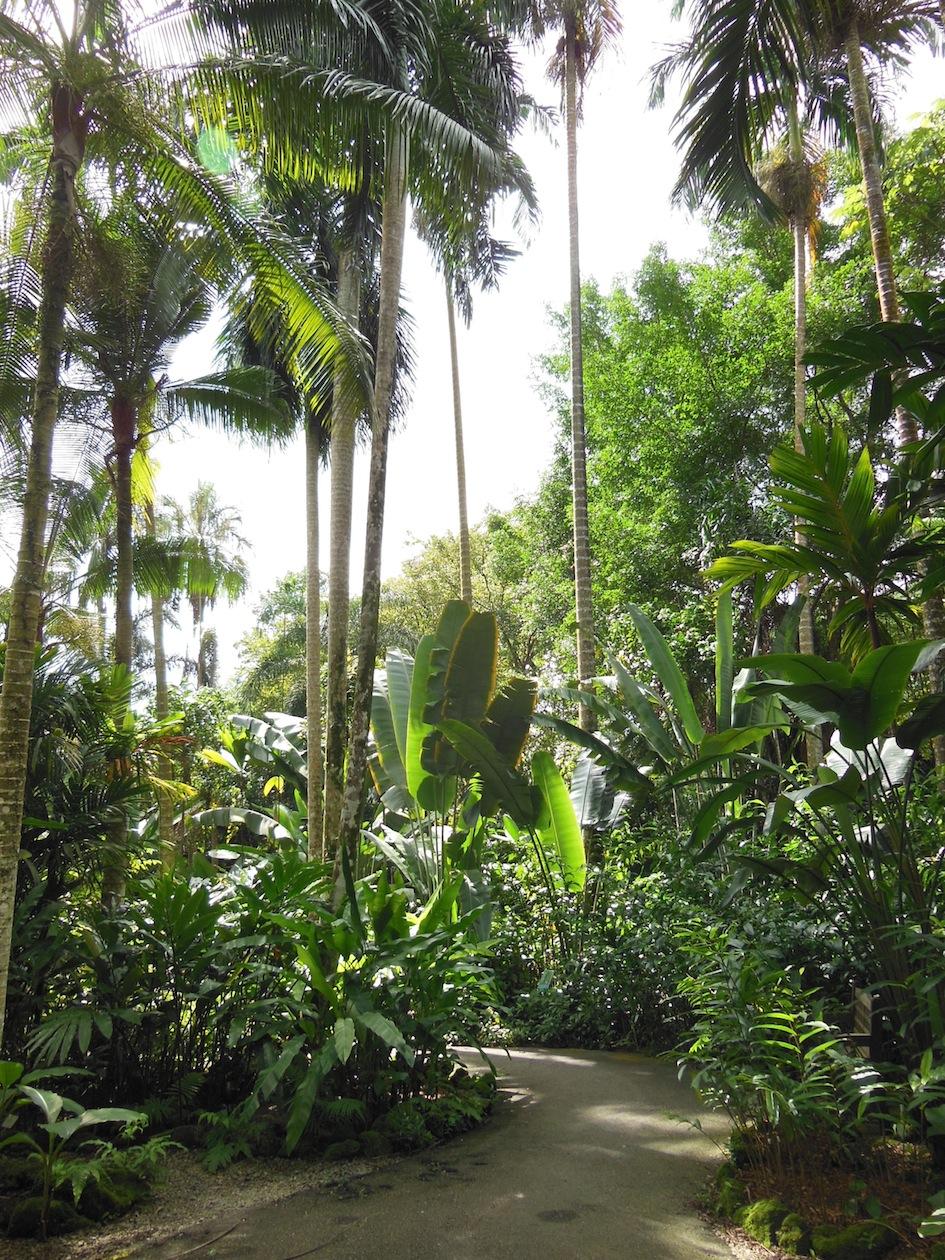
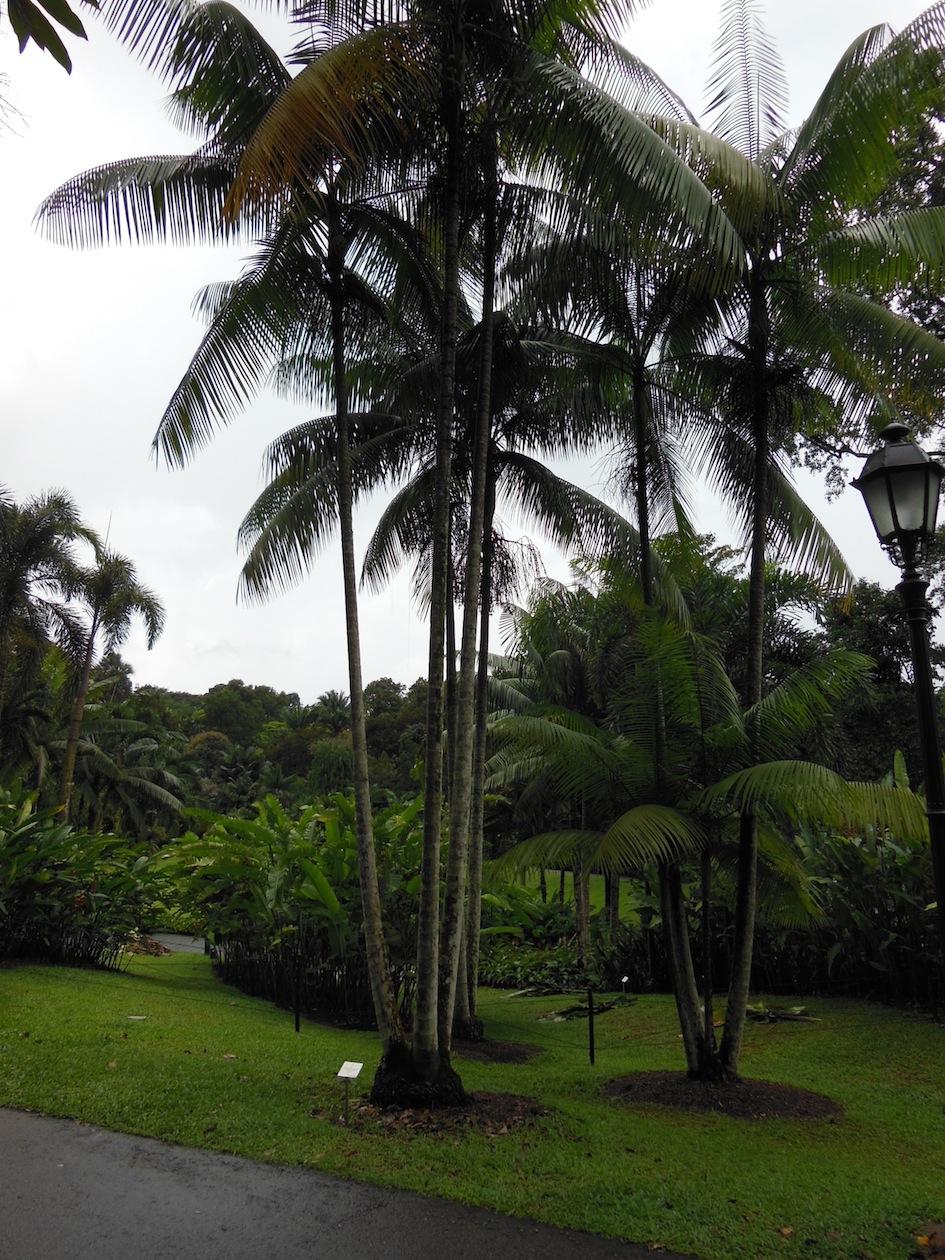
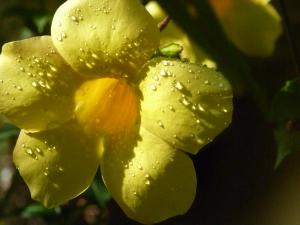
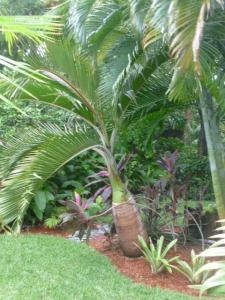
I was walking through the garden on a rainy afternoon. Everything looks better when it's wet!




 2 points
 -
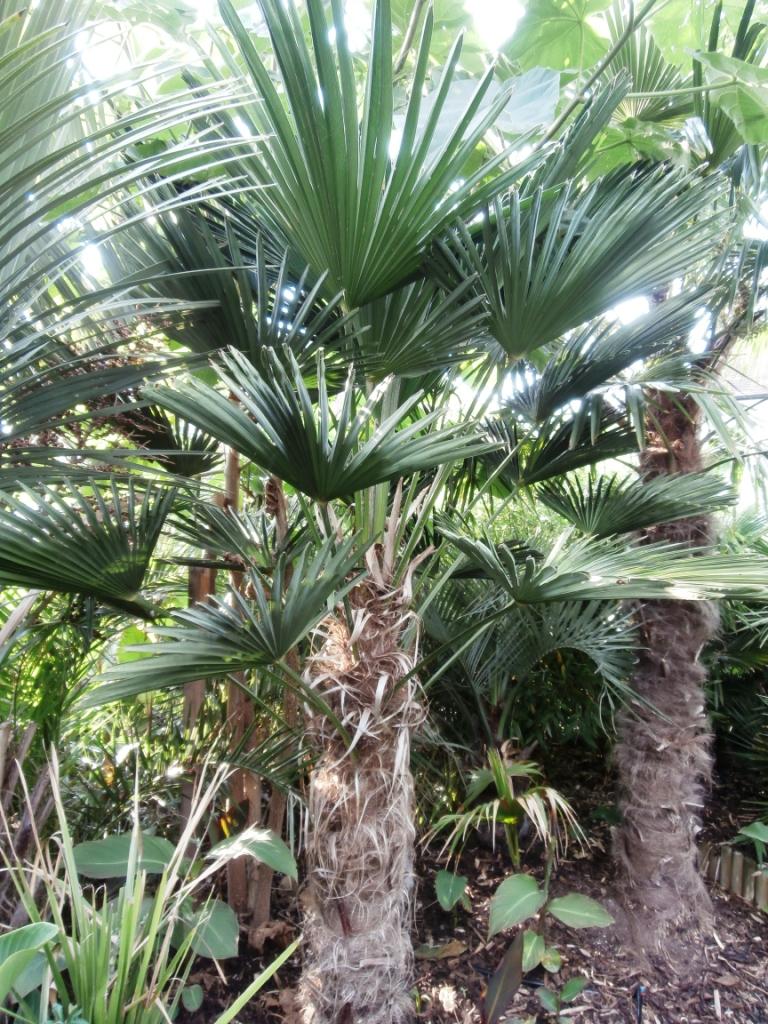
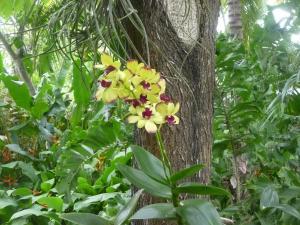
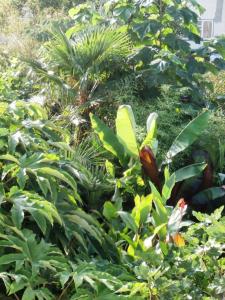
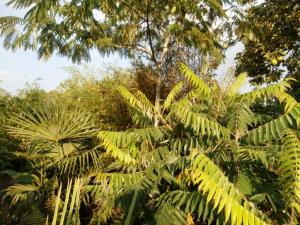
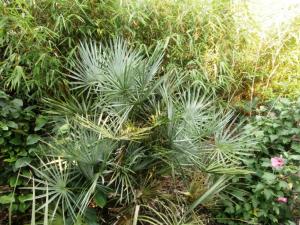
Some more photos of my London garden from late summer 2013. Phil





 2 points
 -
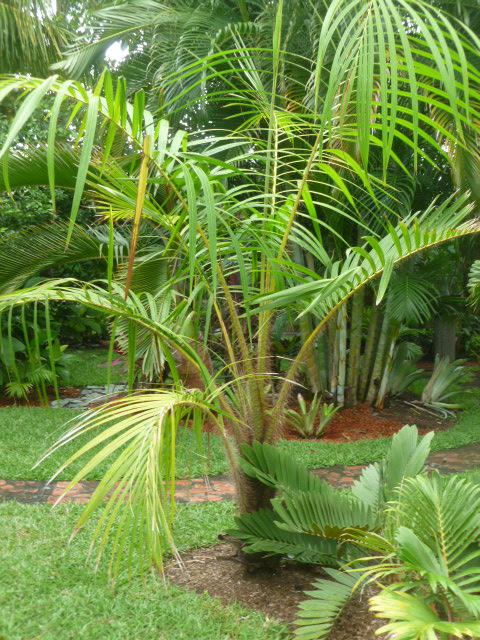
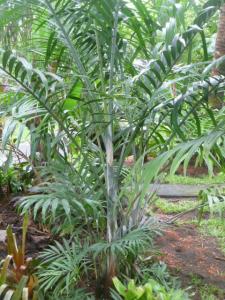
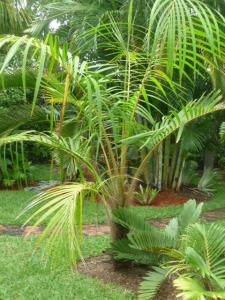
Thank you everyone for your kind words that weigh heavily especially from this particular group of gardeners! The Latania above is what started my passion for gardening. It was small when planted, I moved it and it nearly croaked, I will never move it again even though it's in a lot of shade. The Corypha macropoda grown from seed was a gift from Kris in Chennai and "will be a monster" as scottgt told me. Phillippe, that Hydriastele is a beccariana which has grown incredibly well here on the beach. I got it from one of Jeff Searle's sales a couple of years ago, put it in the ground and it shot off like a rocket. There is also a beguinii and a microcarpa close by that are beautiful. Hydriastele should do really well for you in Sri Lanka. Tim, I am excited about your visit and can't wait til you get here! Cindy, I try to place plants where they will thrive and where passersby can appreciate them. Strategic editing to avoid weeds, gazillions of crab holes, dead grass and wind torn yellow leaves does wonders! Here are a couple of more shots for those who asked. Aiphanes aculeata, Dypsis cabada, Pigafetta elata, Washingtonia filifera with the skirt cut just like in Palm Springs, Hyophorbe lagenicaulis, Salacca zalacca, Veitchia sp., Veitchia joannis with a small Marojejya darianii in front, the berm separating the parking lot from the garden. Thank you Kim, Bill, Keith. Bo-Goran, it's still raining! Peter




 1 point
 -
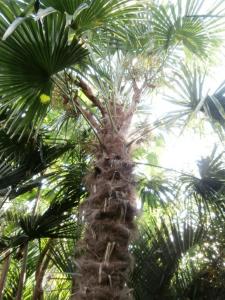
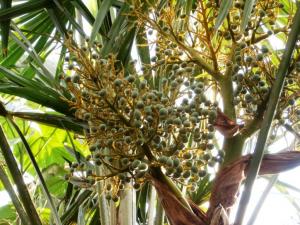
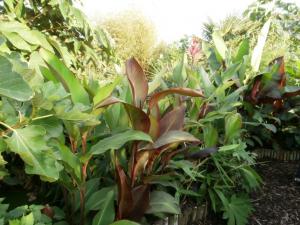
And more photos...



 1 point
 -
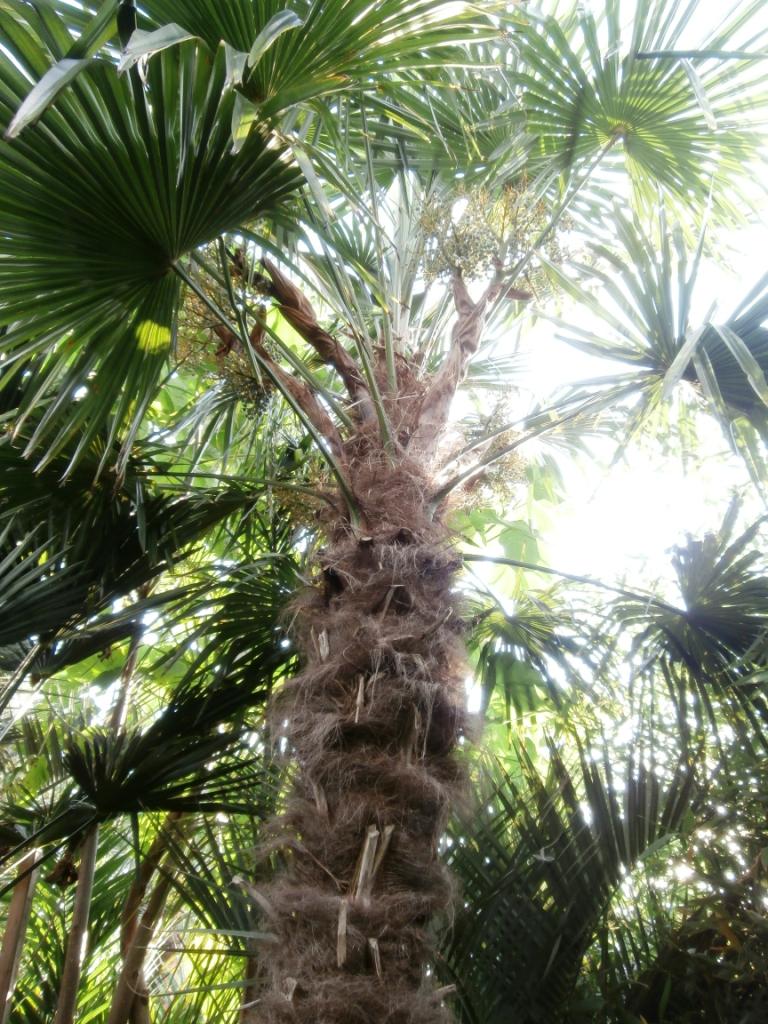
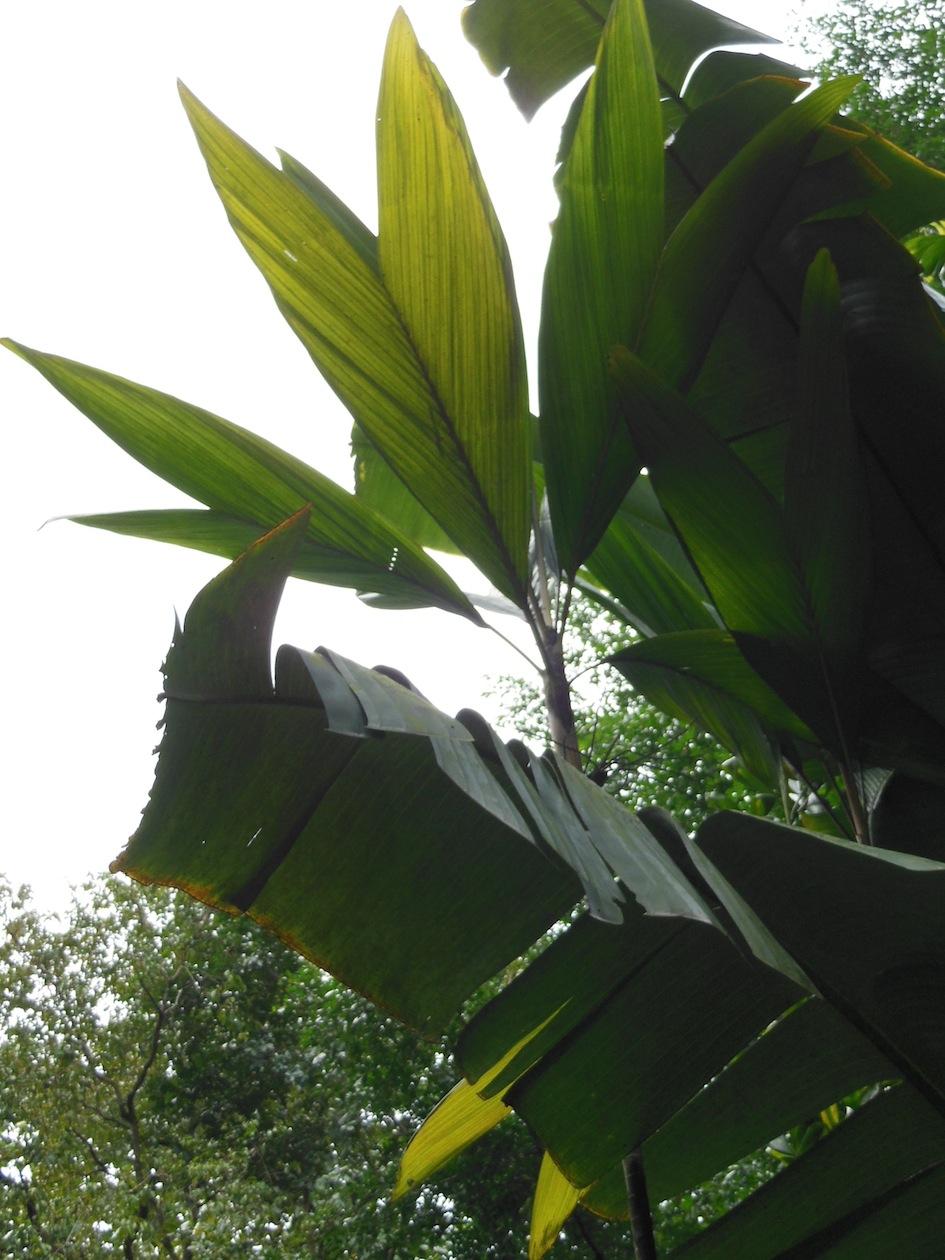
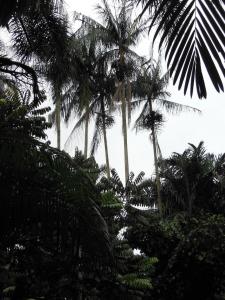
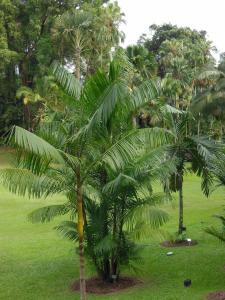
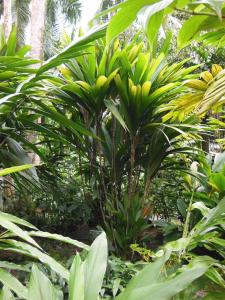
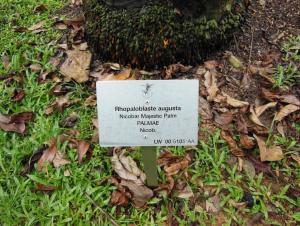
I hope some palm addicts will identify some palms I can't, anyway I loved these canopies.





 1 point
 -
The palm in the fourth photo (first one in the second row) is an Areca vestiaria.1 point
-
Wow, palms are status symbols!? I HAD NO IDEA! Who came up with that concept anyway? And I thought we were just having a good time, trying to grow all sorts of stuff!1 point
-
Hi Jacki, not sure if you are drenching the soil in the ground or in containers. If containers-here is what the label says Container & BedGROWn plants Mix 6-12 oz. of Banrot® 40 WP with 100 gal. of water per 400 sq. ft. (equivalent to 1 quart/sq. ft. soil surface) or apply in sufficient volume to saturate the soil mixture, such as 1 ⁄2 pint per 6” pot. Irrigate immediately with additional water equal to at least half the volume of the fungicidal drench for improved soil penetration of the fungicide. Re-treat at 4 to 12 week intervals if necessary with a 6-12 oz. per 100 gal. rate." So if they are saying 6-12 oz (12 being on the highest rate-where you have a problem already, and 6 oz where its purely preventative and there is no fungus) then you convert each ounce to 2 Tablespoons so now its 12-24 T/100 gallons (or you can keep it in ozs and weight it if you have a scale that small). You want 10 gallons so divide the 12-24T by 10 and thats what you add to the 10 gallons. the rate is pretty much the same whether you are drenching the ground or containers and as you can see, there is a fairly wide range. The important part is to use water afterwards to push the solution down farther into the ground where most of the roots are. Banrot consists of 2 different fungicides combined. One needs to be applied every 2 wks in an active outbreak of a particular fungi and the other can only be applied every 4 wks (although it should be alternated with another similiar fungicide, like Subdue to prevent a resistence forming toward either the pythium or phytophthora) . Thats why I buy them separately so I can have more control in when I can use them. What are you drenching for?1 point