

Leaderboard
-

PalmGuyWC
IN MEMORIAM9Points4,327Posts -
LilikoiLee
IPS MEMBER3Points1,128Posts -

doranakandawatta
IPS MEMBER2Points5,247Posts -
sur4z
IPS MEMBER1Points2,118Posts
Popular Content
Showing content with the highest reputation on 09/10/2013 in all areas
-
2 pointsDean, Why don't we support PT again next year? and get a 2014 Badge as it is this year? I see this badge as a community symbol of the gratitude we share, as Axel expressed it with beautiful words (sorry sorry I am french... so my english is poor). Besides, I don't want to show by any mark, badge or symbol the donation I can make by using the yellow button, this can be something discrete . I think I mixed up the 2013 PT supporter and the donation button, which are two different things. But again, as earlier threads told about "camaraderie", and Axel's tell in this one: Thank you IPS and Palmtalk, and the human beings behind all that! Budu Saranai if we say "Budu Saranai !" to someone, then it means "May the blessings of the Lord Buddha be with you!".
 2 points
 -
1 pointOver the past several years Patrick Schafer has sent out various hybrids through out the USA. How about giving a report on how yours are doing in the various climates? I'd particularly like to hear how Butia X Jubaea is doing in places with hot, humid summer climates, or anything with Jubaea in it. I have 6 different hybrids growing in N. Calif. and they all are doing well. They have all been heat tested up to 109F and, at my place, down to 23F with no damage. If yours have experienced hotter or colder, let us know, and just let us know about the general health of the plants, what grows fast, what grows slow, and what size they are. Thanks, Dick1 point
-
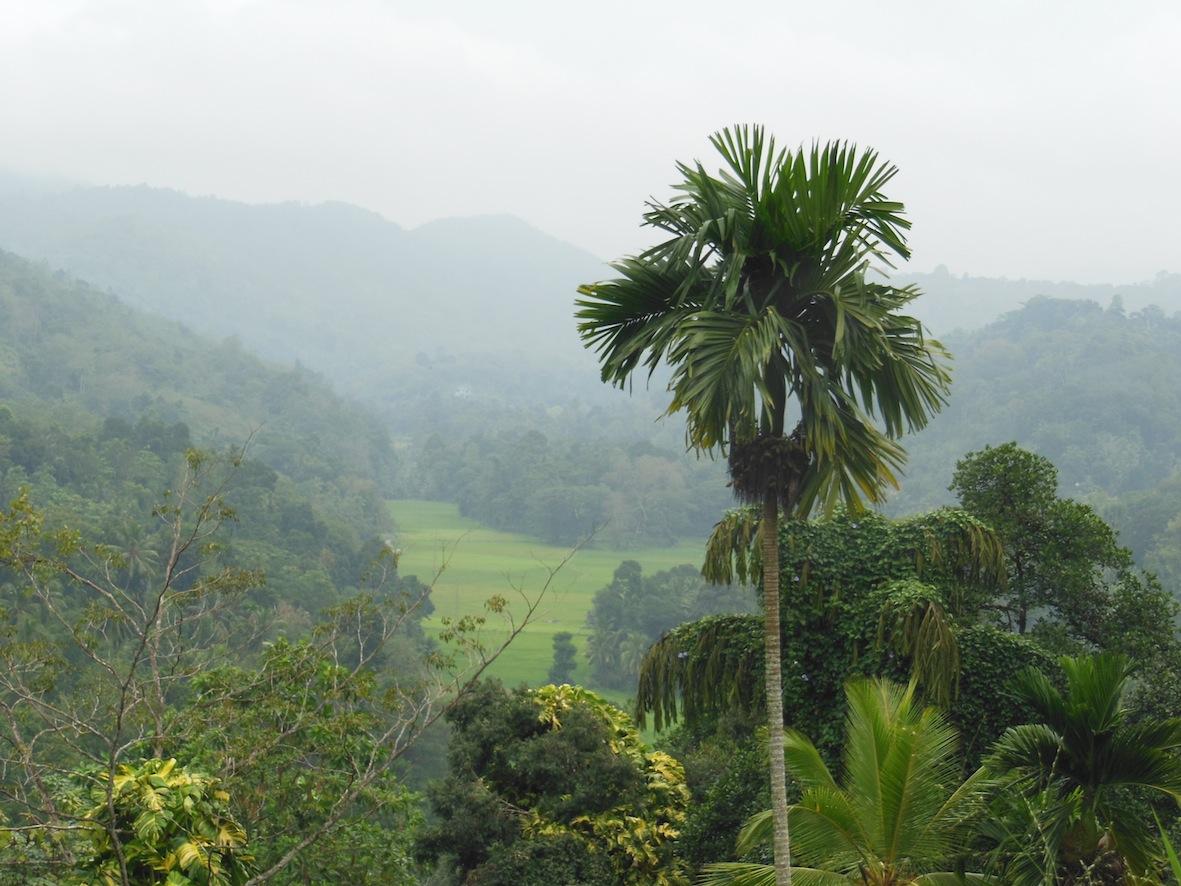
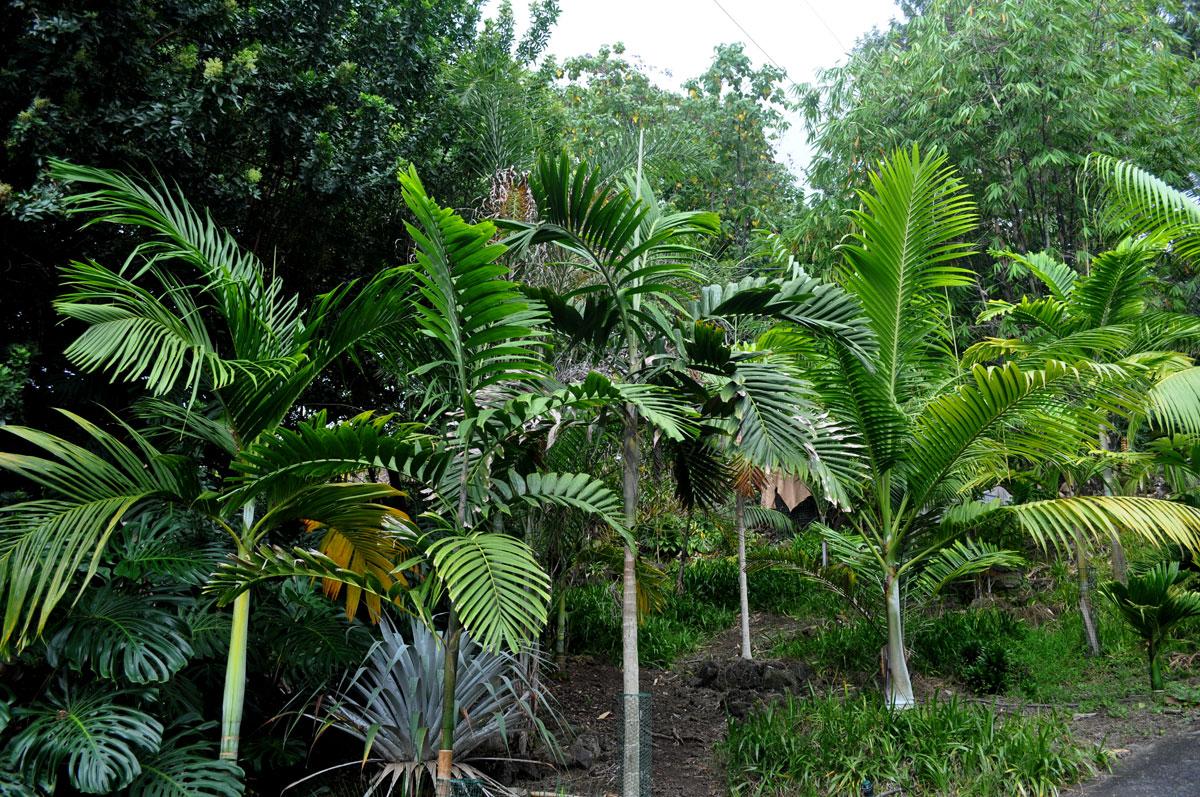
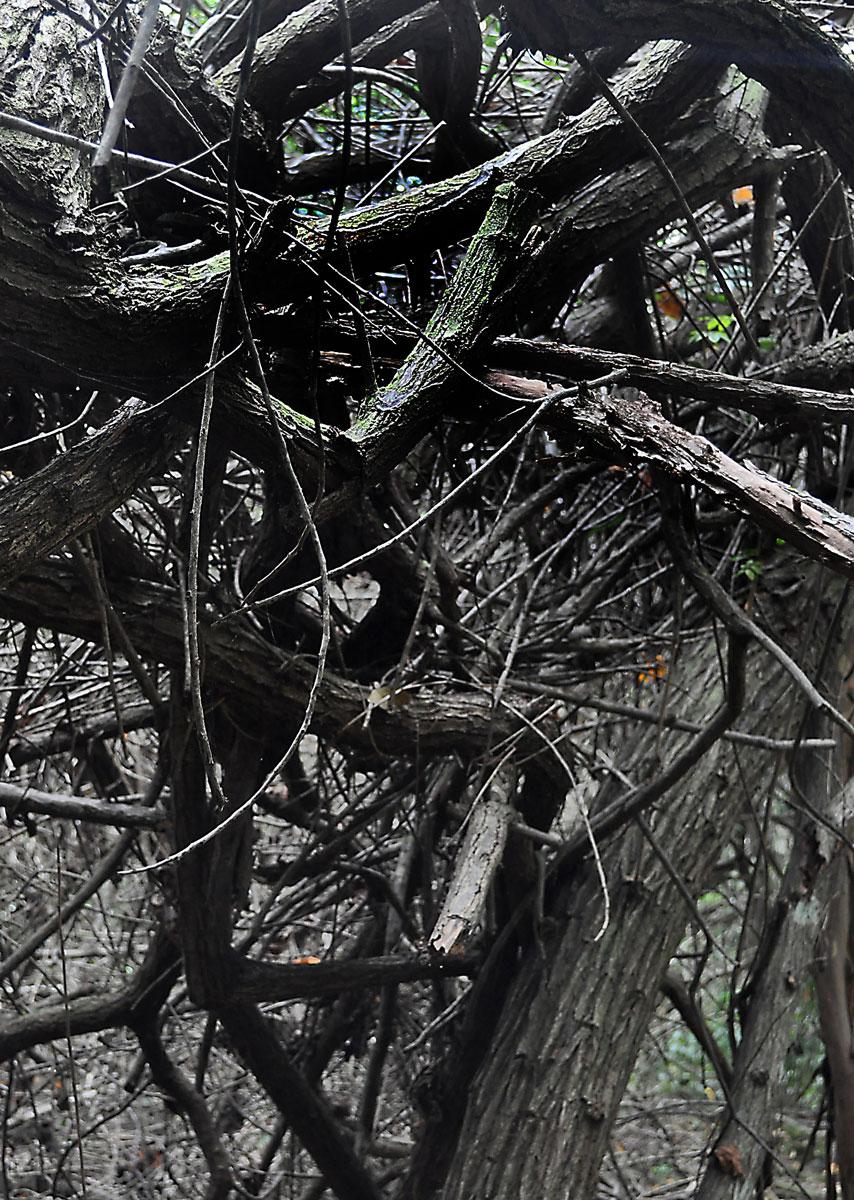
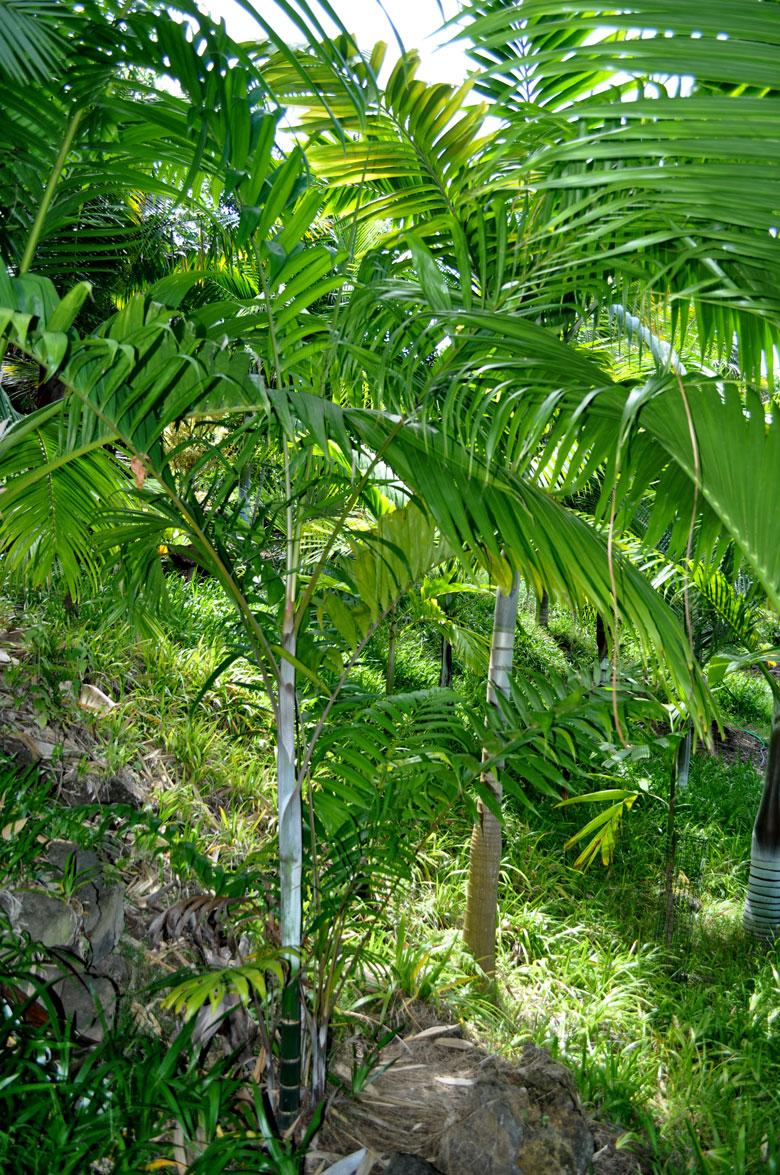
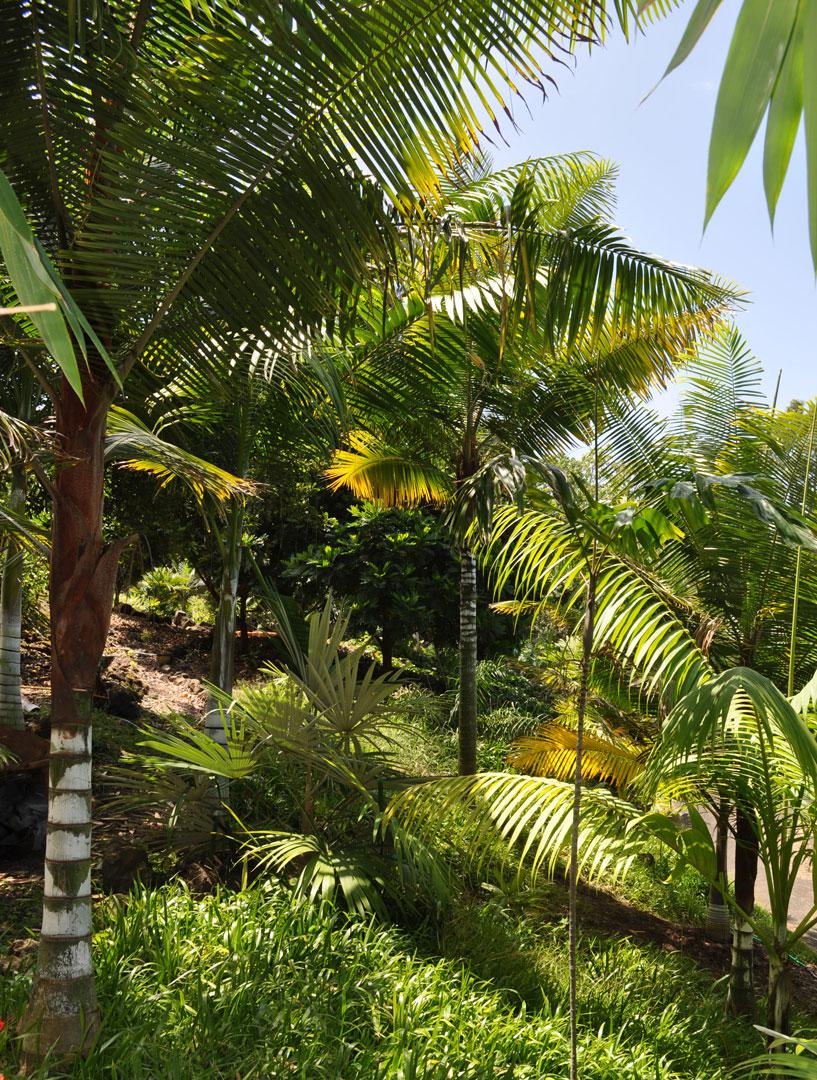
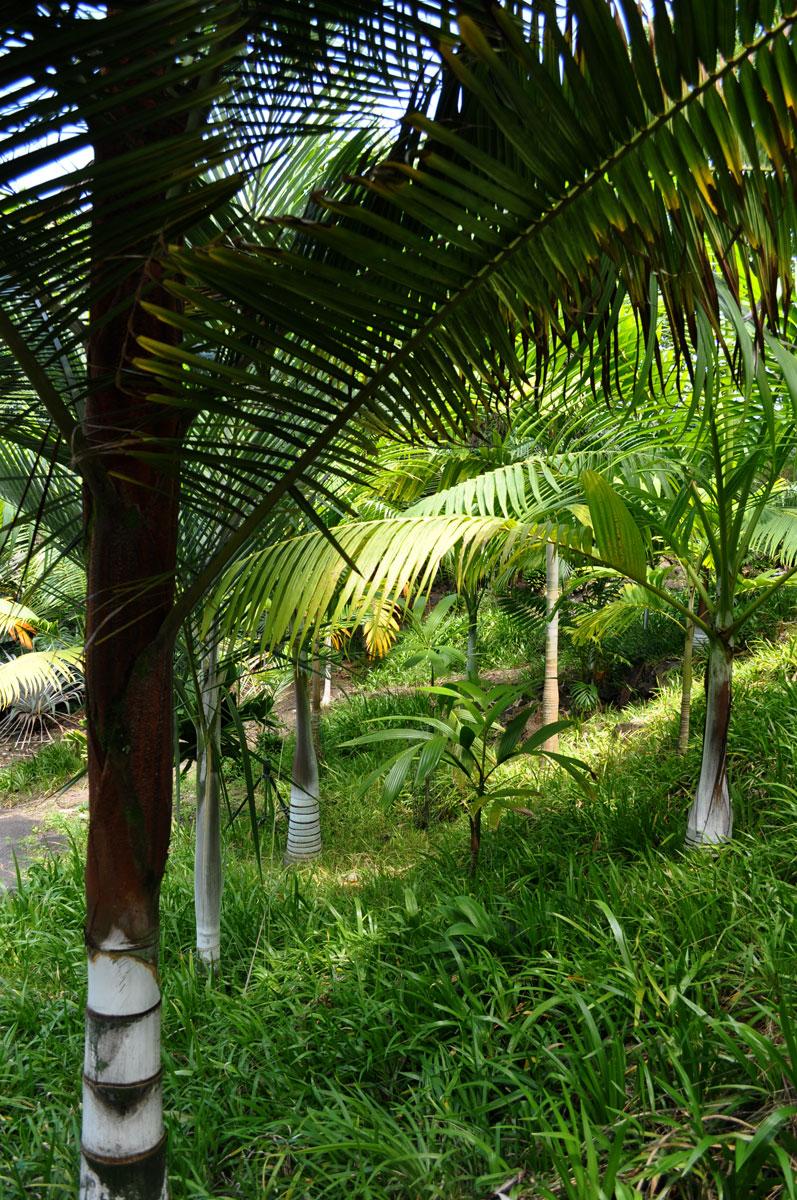
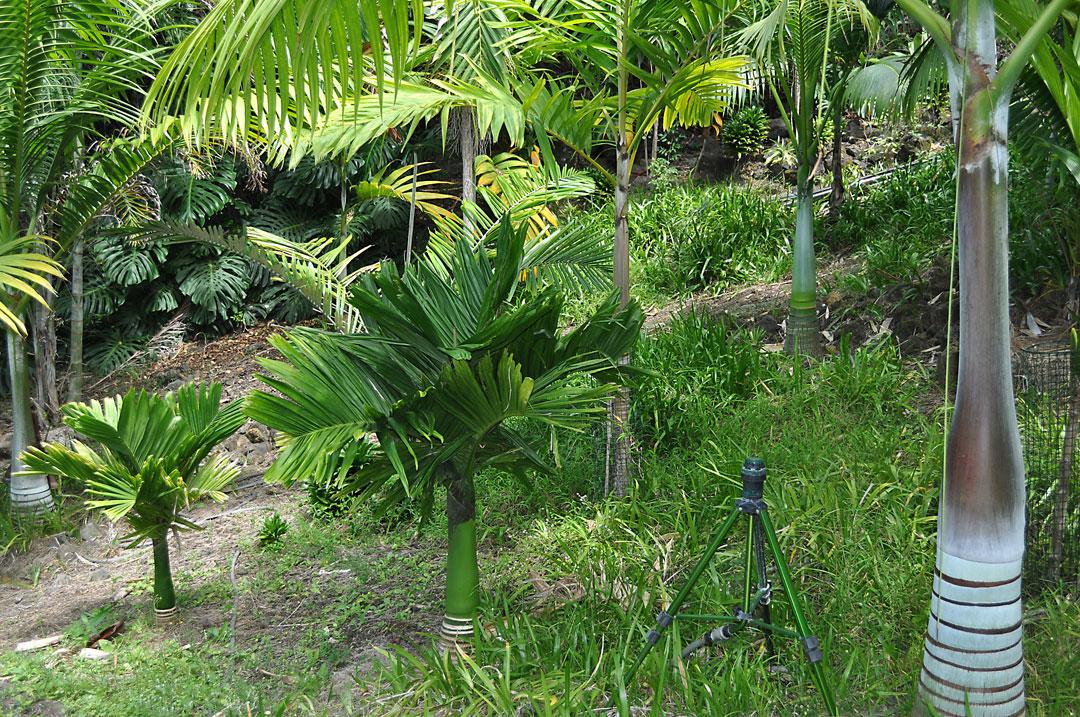
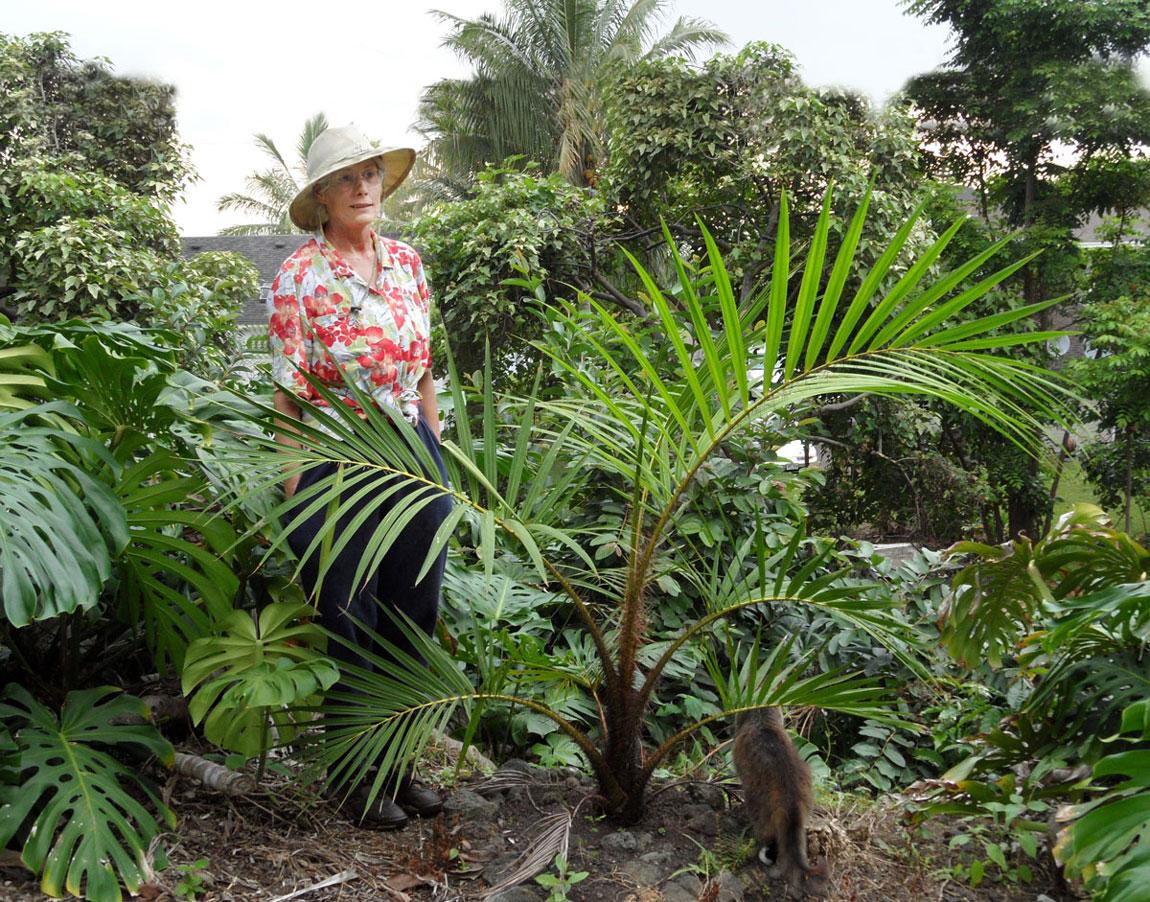
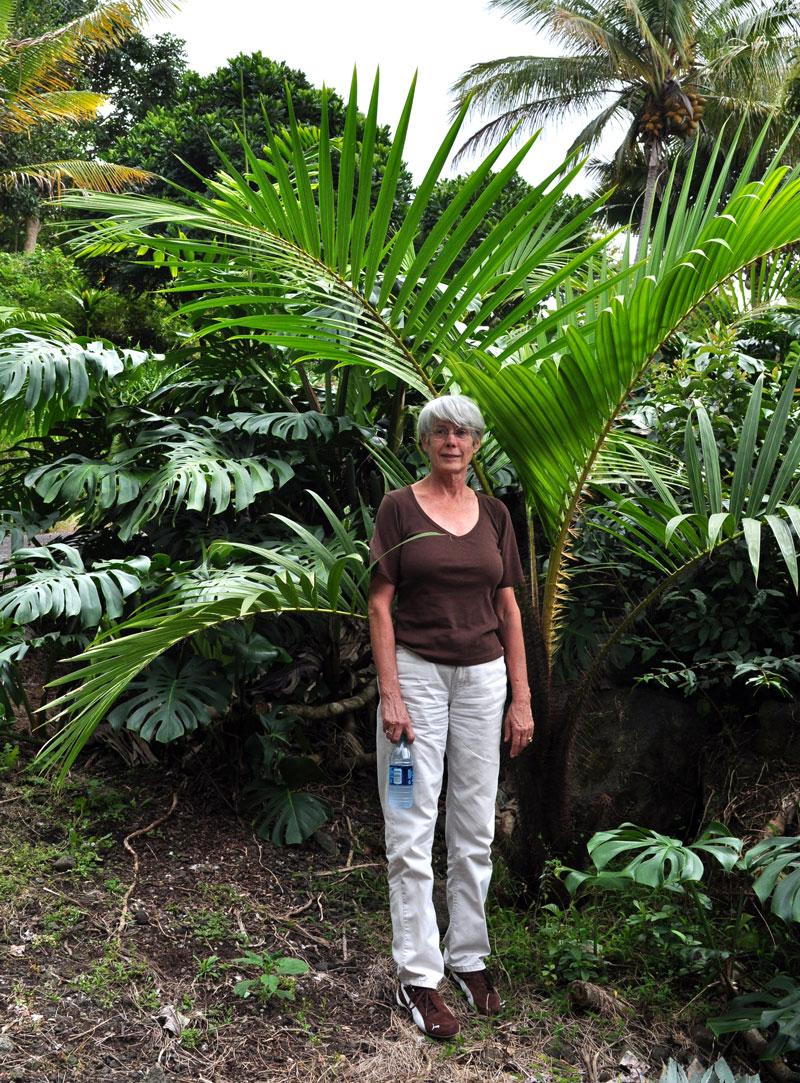
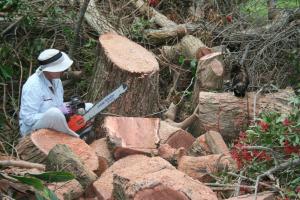
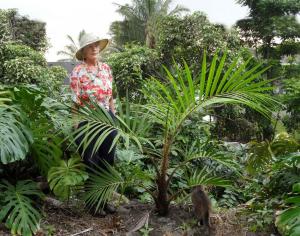
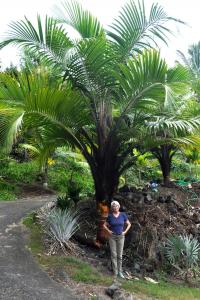
Aloha, I haven’t been on PalmTalk for a very long time (although I’ve logged in from time to time to research palms). My husband Mike and I have been very busy clearing and planting our garden on the Kona side of the Big Island. We’re on the side that gets the hot afternoon sun and very little rain. It’s great for tourists and sun loving plants - but not very good for rain forest palms which are what we love and mostly plant. Since we’ve finally made some progress in our garden we would like to share some of our palm adventures with you. Please excuse the weeds and general disarray of the garden. We are putting the majority of our efforts into planting because we don’t want to have to repot the palms that are waiting to get their roots in the ground. I started planting a garden a few years ago with many wonderful tropical plants like the gorgeous hybrid hibiscus, ginger, ti, heliconia, aroids, bird of paradise, and the giant white birds. All of these were crowded into a small area which was the only cleared area on the property. One day I happened to see a magnificent plant online. I had no idea what it was (not even that it was a palm) but put it on my computer desktop and decided I had to have one. I drooled over that picture for several months never knowing what it was. Eventually a friend saw the picture and identified it as a palm. I scoured the internet looking at palm pictures but never found the identity of that palm. I became mesmerized by all of the palms I saw. One of those pictures was the picture of the triple Hedecepe canteburyana planting in one of Pauline Sullivan’s gardens. Further searches told me that it was from Lord Howe Island and that it preferred a colder climate and higher elevation than we had in Kona. None of that deterred me so I started searching the internet for more information. To my surprise and glee I found a listing for Hedecepe in a Hilo nursery, a hundred miles away on the east side of the island. (The east side of the island has one of the best palm-growing climates in the world.) I immediately emailed the nursery to inquire about purchasing three of the Hedecepe. The response I received was from a person with a rather strange name - Bo-Goran Lundkvist. When we arrived at the nursery we were stunned by what we saw. Beyond the gate was a long driveway flanked on both sides with hundreds of beautiful palms. We were instantly hooked. Bo-Goran was gracious, informative and gave us a tour of the entire garden. Around one corner I gasped. I was standing only a few feet away from the palm that had started my interest in, and passion for, palms! The identity of the palm that had brought me to this amazing garden and had given birth to my passion for palms was Lodoicea maldivica! (If you are new to palms you may not know that it is the epitome of palms and every palm lover in the world dreams about having one. Unfortunately they are very rare and even more expensive. We were overwhelmed by all of the palms we were seeing but managed to control ourselves and only buy a few more palms in addition to the Hedecepe. That day will be etched in our memories forever. It was the start of a wonderful journey of learning about and acquiring palms. It was also the start of an overwhelming addiction! Unfortunately, our 1 acre property was covered with the witch tree (I would really have liked to have started that word with the letter B.) of the plant world which is locally known as Christmas Berry. Christmas Berry has dense trunks from which grow enormous, sprawling branches. The branches grow up and down and around their own branches and those of other trees making the removal of the trees a problem solving activity as well as a strenuous and dangerous process. The only way to deal with Christmas Berry - a chainsaw! Killing off the stumps with poison is almost as difficult! They keep putting out new branches that have to be cut and poisoned again and again. Our property was so densely covered with Christmas Berry trees that there were places where you had to crawl beneath the branches to get through. It took us two months to remove the Christmas Berry trees to make room for the palm trees in these three pictures. Bulldozing the area was not an option so every tree on the property had to be taken out the hard way - with a chainsaw. I should mention that at the point we started removing the Christmas Berry trees we were in our mid 60s. Mike did all the dangerous cutting while I stood close by with 911 dialed on my phone! We continued clearing bit by bit, planting as we went - a very poor way to plant a garden but at that point we didn’t know any better. We now have at least three hundred palms. Our original collection of tropical plants has diminished to make room for the palms. We were sad to send them to plant heaven but we just HAD to have more and more palms. We hope you’ll ‘stay tuned’ to future posts. We plan to post another one – with more pictures – tomorrow. Lee


 1 point
 -
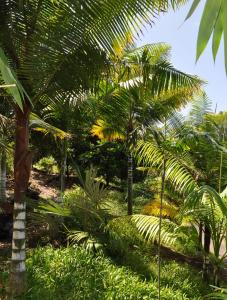
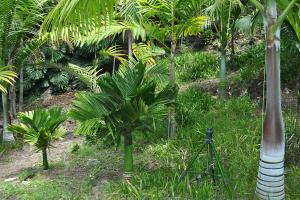
First of all, I would like to apologize to the person who inquired about the white plants in our 1st post. When I went back to do so I could not find the post. Perhaps it was part of another post and I missed it. Sorry that all I can tell you that it is a bromeliad. The bluish white glaucous coating is beautiful but clumps up a bit when water hits it, but it is not visible from a distance and goes away eventually. We had better light today so Mike took a few more pictures of the same garden he photographed two days ago. They‘re from a different location in the garden so you will see some of the palms that were not visible in our earlier post. Also, I forget to mention the presence of the dwarf Areca catechu and the Dypsis lanceolate. I’m pressed for time tonight but if anyone needs identification of the individual palms, post it or send me an email at LilikoiLee@gmail.com. I hope someone can help me with the problem with our Clinostigma samoense. The crown shafts are pathetically thin. I’ve seen other skinny crownshafts around Kona (sometimes next to robust ones) Water? Fertilizer? or something else. Lee



 1 point
 -
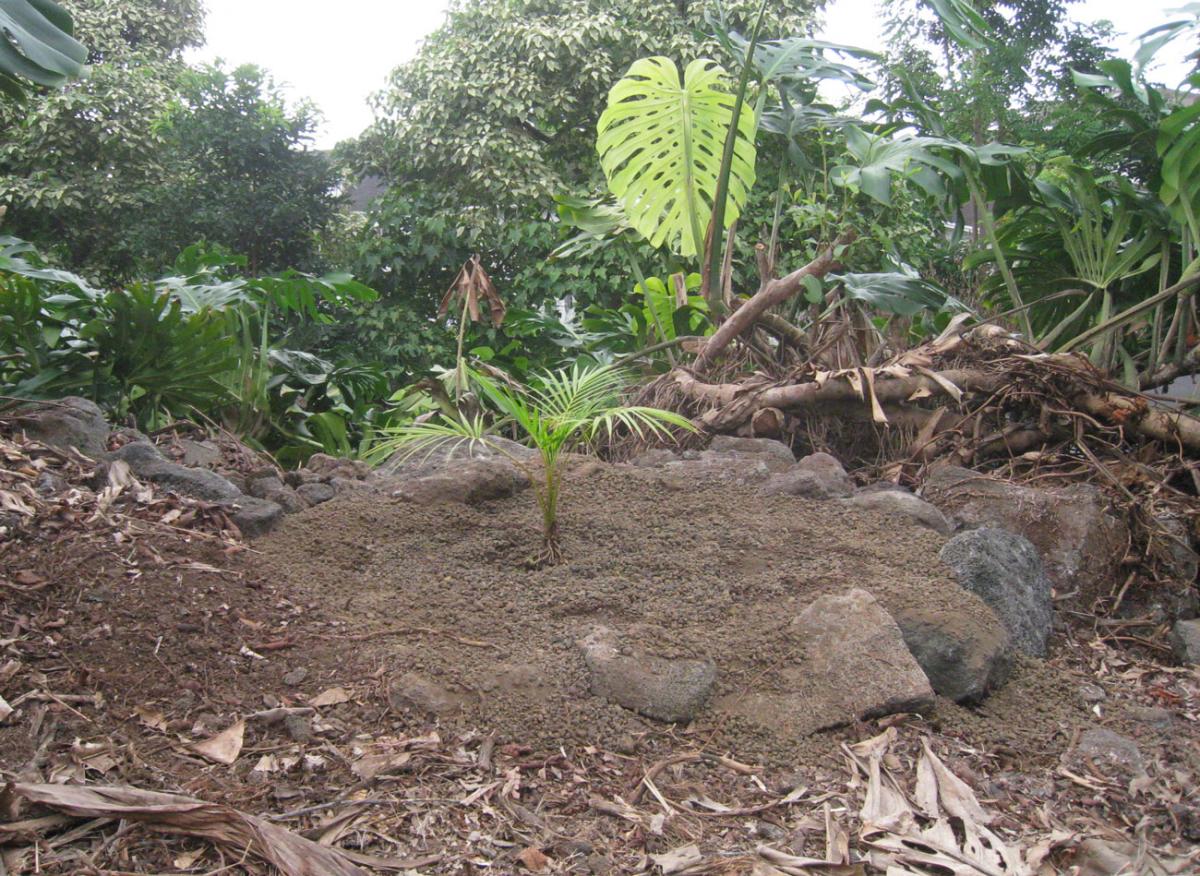
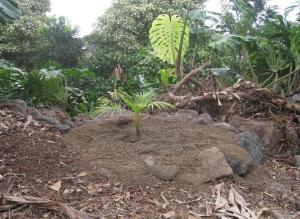
1 pointThank you for the positive feedback so many of you have given us. It’s getting late here in Hawaii so we may only be able to post one thing tonight but we will post again tomorrow night. We are really enjoying everyone’s post about our garden. We’ve been working on it for 3 years and although we’ve made SO MANY mistakes it’s wonderful to know we’ve done some things right. Some of you may be wondering why I used both the word ‘Piggies’ and Pigafetta in my lead line. When I was new to palms and to Palm Talk I often felt lost when the palm experts used ‘palm slang’ in their posts. So, if there are new people out there right now, I want to make sure that they don’t feel lost as I once did. Now about our Piggies: We bought three 1 gallon ones from Bo-Goran late in 2009 after seeing them in his garden. I wasn’t very impressed by them but Mike really liked their imposing height. However, I was happy to hear that they grew quickly. That had great appeal to me because at that time our palms were only a few feet tall. Bo-Goran warned us that as keikis (Hawaiian for children) they needed full sun. That seemed very strange to us, but we did as he said. We didn’t get them in the ground right away because, as usual, we had to clear an area in which to plant them. The first picture shows one of them right after planting in then November of 2009. The second picture shows them in March 2010, the 3rd picture was taken in September of 2010. The 4th picture was taken in March of 2011 and the final picture in September of 2013. How big are they going to get anyway!!!! Even though we knew they grew fast, the speed at which they have grown has astounded us as well many of our neighbors who run or walk their dogs past our house. Like Mike, they are impressed by the height and what appears from the street to be teddy bear like fuzzy brown stuff. We have to stay on constant guard to make sure no one goes up to touch the nice fuzzy stuff and poke their fingers on the spines. Lee


 1 point
 -
 Not into sniffing corks.... guess I have no class I do like to "taste wine" and there are many palms that have great "taste". Even the relatively common bizzie is an absolutely stunning palm... I have a little butia yatay that I just drool over its such a fine blue color and slender leaflets... I'll leave the cork sniffing to someone who needs status, I don't...1 point
 -
 1 pointThis is troy and I'm using Mattys id for now. But to answer you question it's MattyB's garden hands down. Good day mate. Shrimp on the Barbie. Oi1 point
 -
 Great story with the pics to back it up. Thx for sharing.1 point
 -
Watched Sideways yesterday...plenty of exposed cork in that show1 point
-
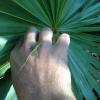 1 pointBeen spending a lot of time reading the older palmtalk threads on Ravenea xerophila, it gave me with the impression...gotta be extra careful with these beauties because their root system are unique and break as easily as thin glass. Well, just picked up and planted two from Seabreeze. I'm pretty sure we put them too low and need to set them higher in ground, as raised in the garden-bed. It was all my mistake, too. But on a brighter note, the soil is super fast. Still yet, I'm a dummy. Here's a photo before we try the lift today, and I'll report back whether they survive my dummyness:1 point
 -
1 pointThere is not much new to report on the hybridization front in Walnut Creek, except we are finally getting a "normal" summer with days in the upper 80's and 90's, nights in the low 60's. Most of the palms have been pollinated and the fruit is at varying sizes. Most should be ripe in another 2 or 3 months. As I stated earlier, there should be some interesting new hybrids. Dick1 point
-
1 pointRicky, It would be premature for me to announce any new hybrids because the developing fruit/seeds aren't mature yet, and it's only speculation if they will be viable. I made a list last year of Patrick's hybrids, and it's posted here somewhere, but I can't find it. With the new ones coming along, I'll have to revise the list. Last count, seems there was about a dozen cocoid hybrids, but there should be some new ones soon. Dick1 point
-
1 pointDon't ask because I can't tell yet........but there may be some exciting new Cocoid hybrids in the works. It will probably be next year before it's known if they materalize. Right now they are growing seeds half developed. It's to early to tell if the seeds will be viable. Dick1 point
-
1 point
-
1 pointThanks guys for all the nice hybrid photos. Keep them coming. For those who want to see photos of my Butia X Parajubaea and the giant Butyagrus, check out TRAVEL LOG, Dick Douglas garden, Aug 2, 2009. Jason Dewees took some nice photos when he and his garden group were here last Sunday. The Butyagrus is hard to photograph because it's crowded by a Jubaea. I see there is a fig growing on the trunk, and I don't know how it survives because it never gets any water that high up on the trunk in the warmer months. Dick1 point
-
1 pointYeah Mat, I'm pretty sure your palm is a pure Butia, most likely B. paraguayensis. I know PACSOA states that para is spineless, but you have to take a lot of the descriptions with a grain of salt. The one I have has spines, but there are many different variations. PASCOA says they grow in a sandy soil, but ALL of my Butias are very happy growing in adobe clay. Sometimes young Butias don't have spines on the petioles but develop them later on. If your palm developes thorns later on, that will be the clencher. Dick1 point
-
1 pointJv, I don't know what the secret is, but it could be my soil and cooler night time temps. I have deep adobe clay which goes down much further than I can dig. I always amend my large planting holes when I plant a palm, but I'm sure the roots grow rather fast below the amended area. I usually fertilize only about twice a year with anything which is available, usually 18-18-18 or any combination that is available. We don't have the nice selection of fertilizers in N. Calif. that S. Calif, Texas and the SE has. Adobe clay holds moisture much better than sandy or gravely soils, so I leave a hose bib running around a palm about every 2 weeks in the warmer months, and flood the soil around the palm and none at at all in the winter when we get our rain and it's quite cool. I usually allow the soil to dry out about 2 or 3 inches deep before I water. Usually once a year I scratch some amended chicken manure around young palms which is a slow release and improves the tilth of the soil around the palm. I guess I'm just lucky that I have good soil and I have a well, so I don't have to worry about water. I have also noticed that the hybrids, and all palms for that matter, really speed up growth when planted with plenty of room for the roots to grow. Dick1 point
-
1 pointTo Matt and Steve, Patrick is here today doing his thing. Our collective wisdom is that your supposed Butia X Parajubaea's are pure Butia Paraguayensis. The blue color and compact growth points towards this conclusion. Something must have gone wrong with that cross. I will bug him to replace your purchases, but B. Paraguayensis is a nice palm too. It has a very fat bulbus trunk and very heavy textured fronds. The flowers are magenta and very beautiful and the spathe is stubby, but has very thick woody walls. The one I have bloomed for the first time only about 5 years after it was planted as a small plant. I remember the first fruit was resting on the ground. Dick1 point