Leaderboard



Popular Content
Showing content with the highest reputation on 07/21/2013 in all areas
-
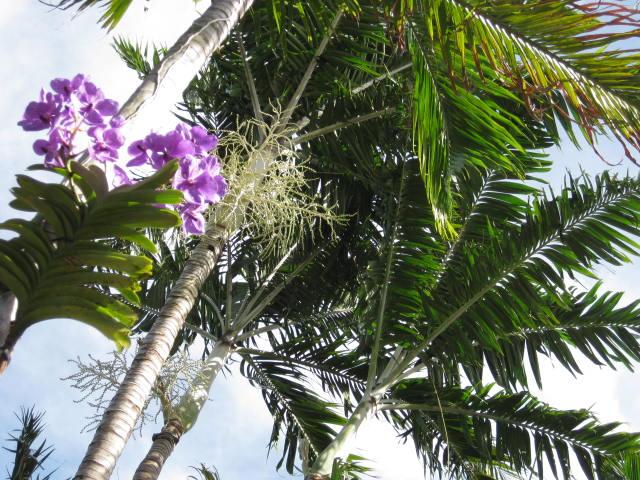
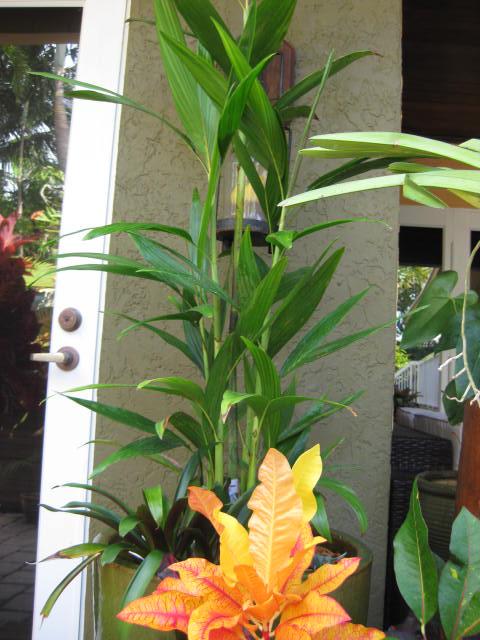
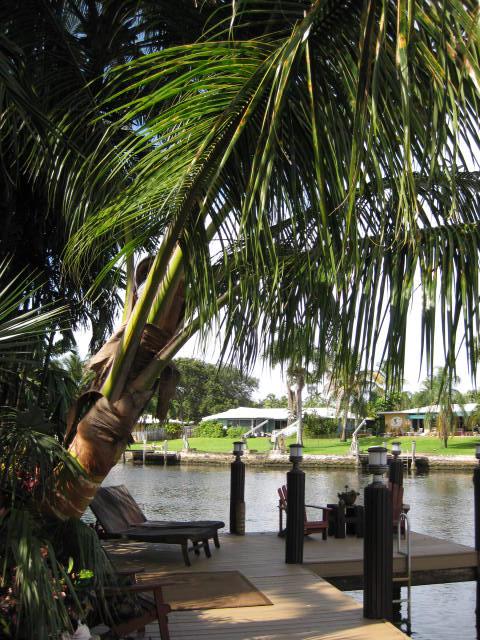
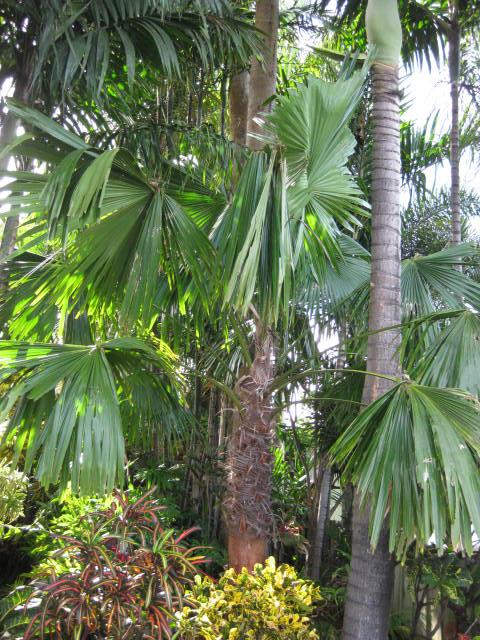
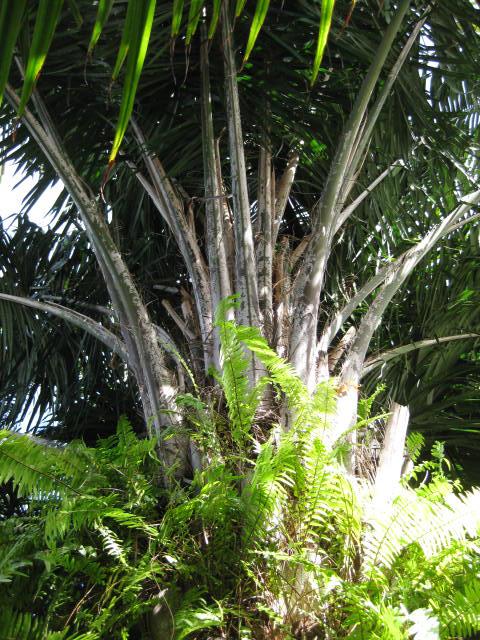
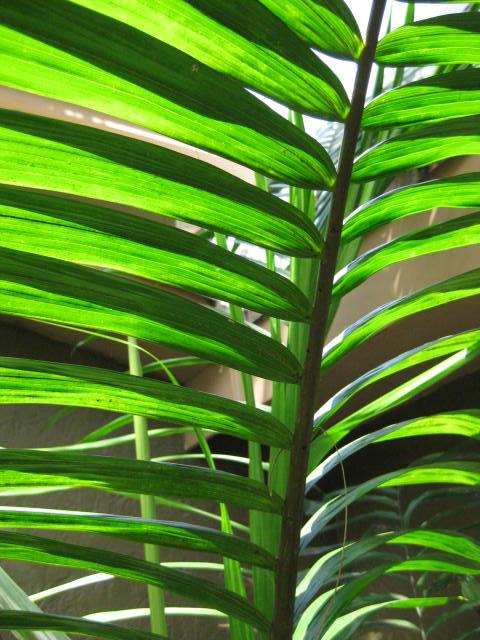
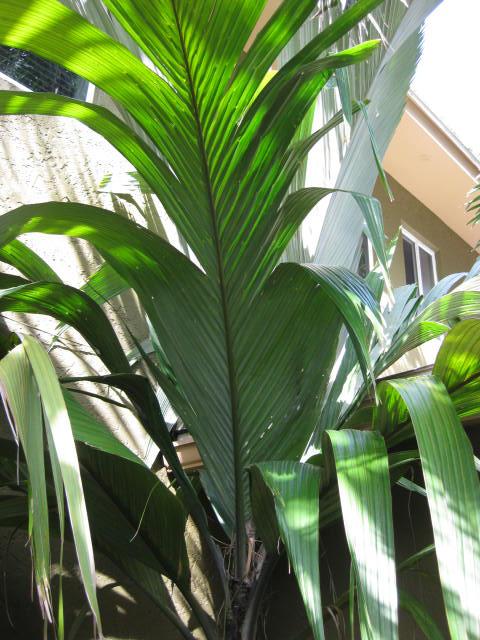
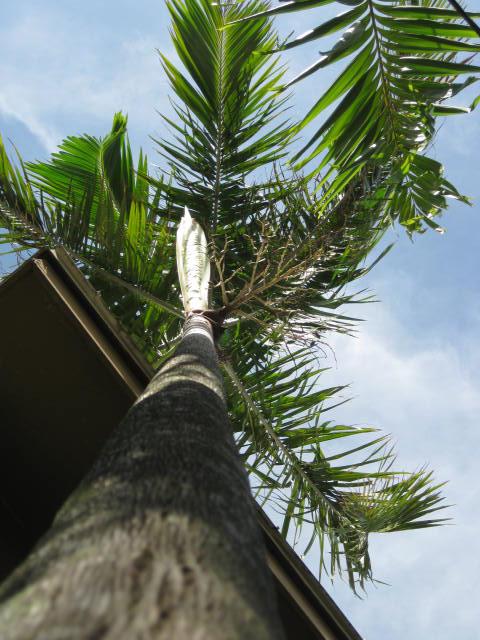
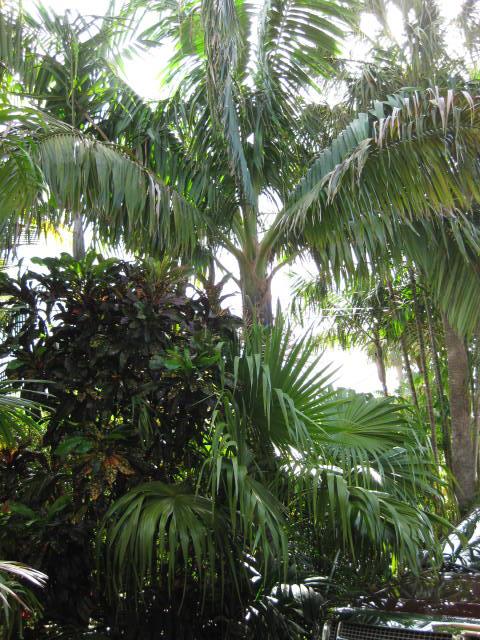
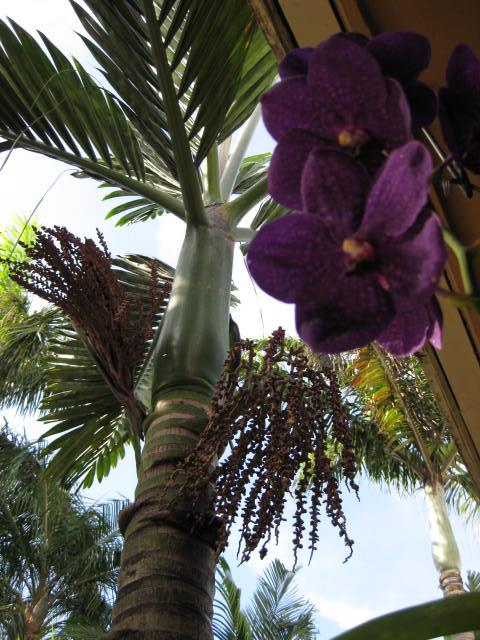
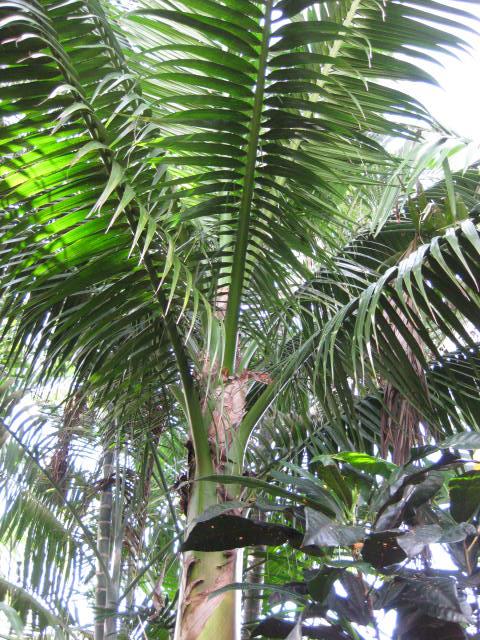
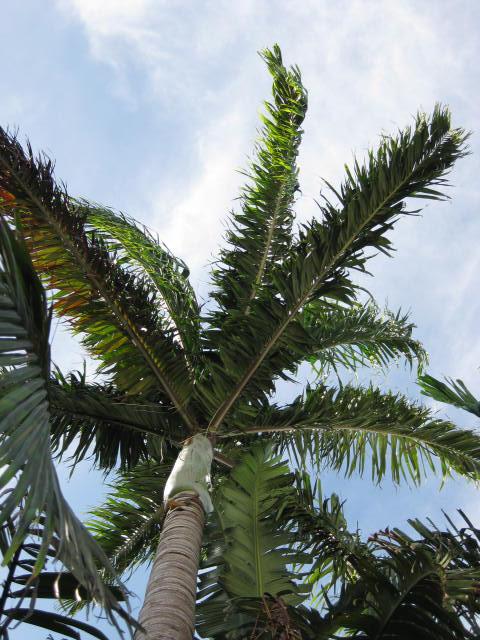
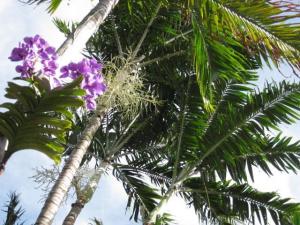
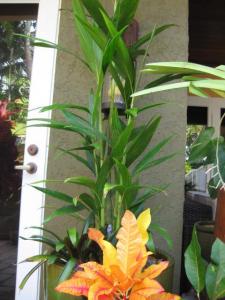
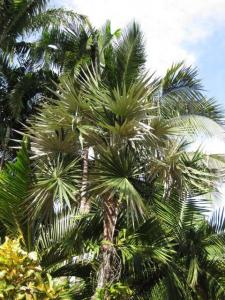
A few quick pics around the garden.....I've been here for 13 years now, and sometimes I can't believe the growth....and how damned close I've planted those little 4" palm seedlings! Veitchia and Carpenteria Dypsis procera Coccothrinax miraguama Ptychosperma schefferi foreground, Sabal palmetto/Carpenteria background Pritchardia sp. Coccothrinax spissa Cocos nucifera "Jamaican Tall" Livistona robinsoniana Heterospathe elata Schippia concolor

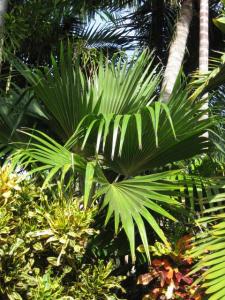
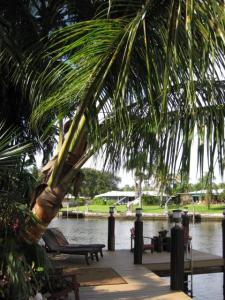
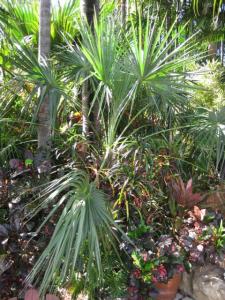
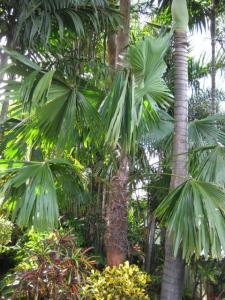
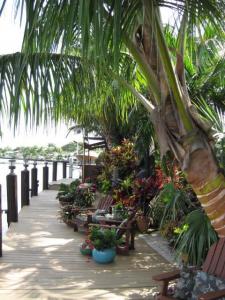

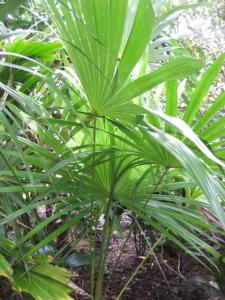 1 point
 -
another one in mostly full sun

 1 point
 -
That crownshaft reminds me of Pseudophoenix1 point
-
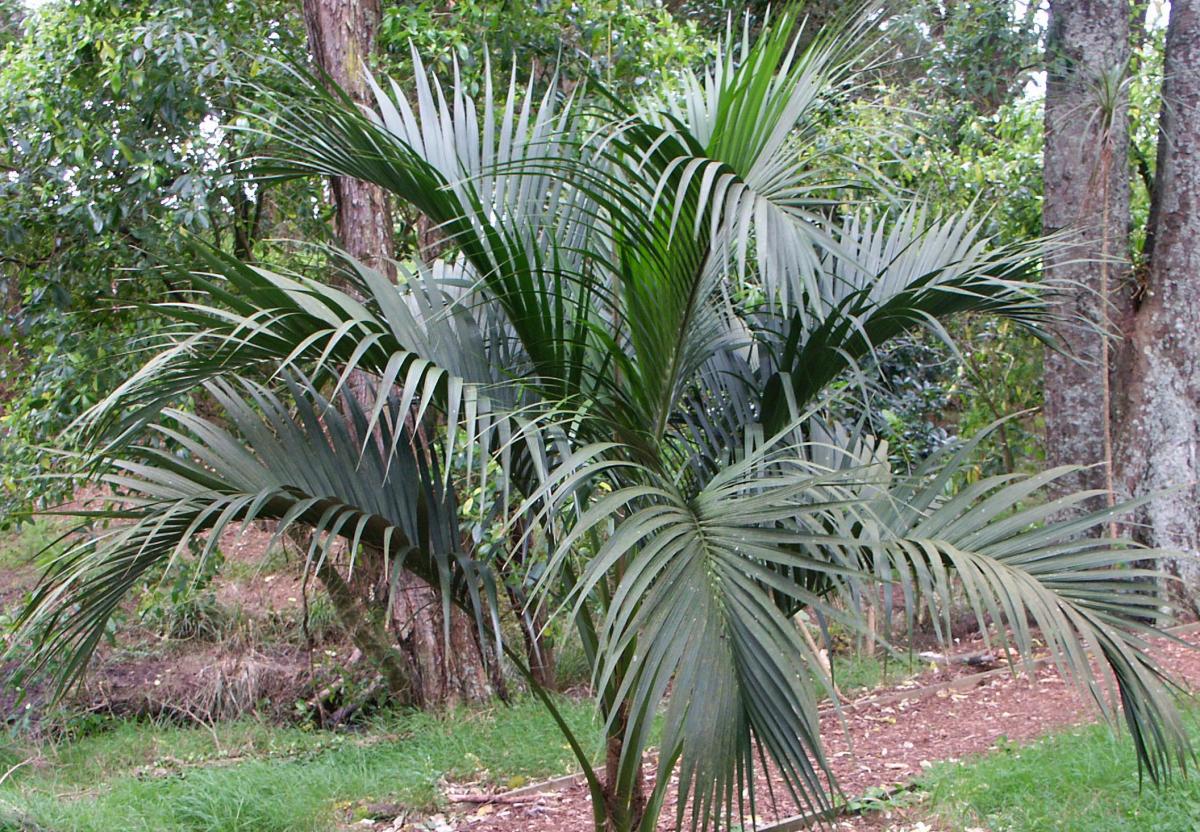
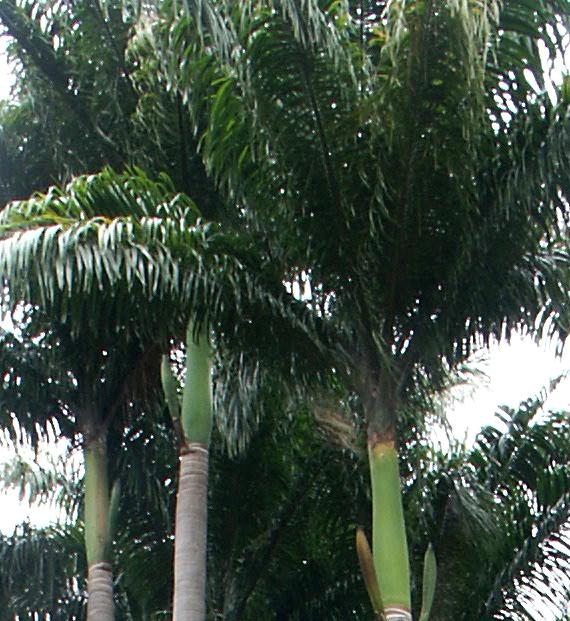
Excellent initiative Kim! Wow, I loved all the photos, thanks everybody. PalmCrazy, that garden is just a piece of heaven! :greenthumb: Here's some more GREEN. First: I love the contrast between the bright green of the Chamædorea and the dull green of the archonto. Second: That one is for you, Kim, when you said "Palms have that satisfying green". While I uploaded this pic, my wife just told me that if she leaved me one day, it would be for this guy! I don't care, I confessed about my love affair with a bunch of curvy Hyophorbe, Carpoxylon, Pseudophoenix, etc. Third: Kentias, your dark green is just unbeatable. And when it comes along with curves... Fourth: My favourite Roysto: Roystonea oleracea. Perfect green crownshaft and awesome leaflets. Last but not palm: Soursop, so good served chilled when days are hot .

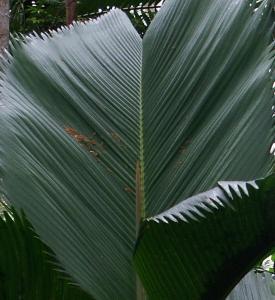


 1 point
 -
The Alocasia macrorhiza variegata is enjoying our warm winter


 1 point
 -
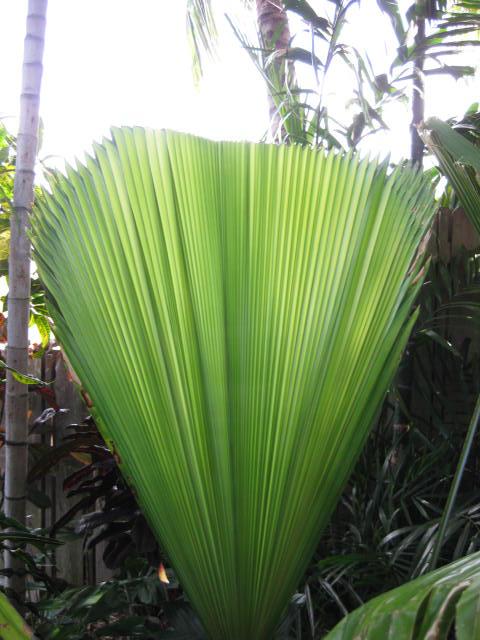
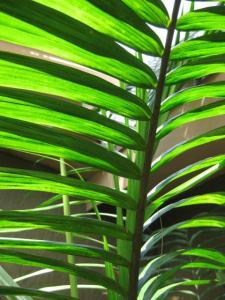
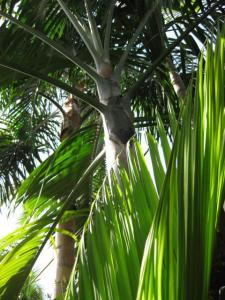
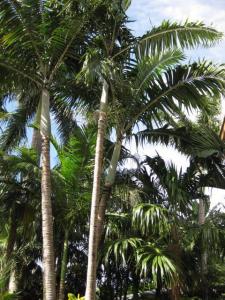
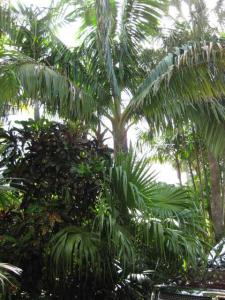
Licuala elegans emergent frond Sygrus 'montgomeryana' (Schizophylla x Romanzoffiana) Frond of Hydriastele costata (Formerly Gulubia) Dypsis 'mayotte' Syagrus orinocensis Pely henryana Actinorhytis callaparria Front garden with triple Veitchia spiralis Neovetichia (note my Ford 150 in the lower right for scale) Chamberyonia marcrocarpa Ptychosperma waitianum and Areca vestiaria red form Satakentia in shade Wodyetia x Veitchia "Foxy Lady"

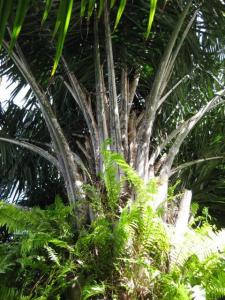




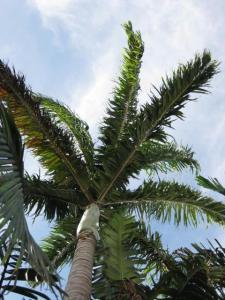 1 point
 -
1 point
-
And more... (I looooove Plumeria pudica...)
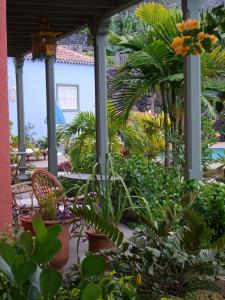

 1 point
 -
More views. All the photos were taken this morning: grey sky, cool wind and almost temps, around 21ºC (70ºF).

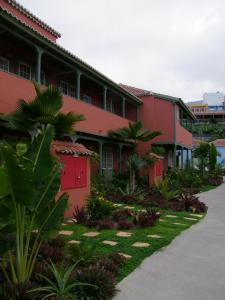
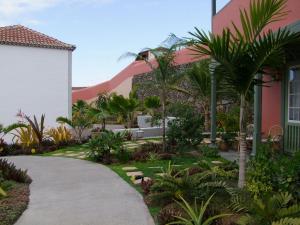 1 point
 -
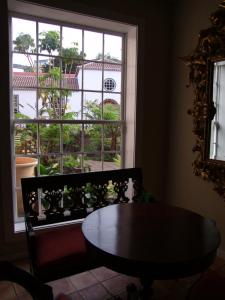
Here are more photos.
 1 point
 -
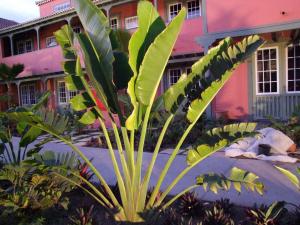
Sorry for the delay, but here is one of the 4 Ravenala 'honkondambo' we planted at the hotel-museum (Hacienda de Abajo) where I work. The ones growing there have less of that kind of glaucous hue one can see on the common Ravenela and, on the contrary, have some purple especially near the base. Note that I said the difference wasn't that clear with mine, growing at higher elevation: Why? I don't know...
 1 point
 -
I think your comments on the cycad market if fairly correct, whether it be in your area, or anywhere in the US right now. You can pretty much say the same thing for the woody ornamental market as well. There aren't as many houses going in and there is a lot less landscaping in general going on. Some people are cutting their prices just to stay alive, and many nurseries are totally going out of business. The big difference between the cycad market in Florida compared to the market in California is that there are more cycad nurseries in California compared to Florida, thus creating a lot more competition, and, prices for larger cycads in California, especially Encephalartos species, has always been almost twice the price, as they have been in Florida. It used to be, before the internet existed, that some people were asking vey high prices because it all mattered on WHO you knew, and when they saw that they were dealing with a person who didn't know where else to get a certain species, they would jack it up extra, because they knew they would get it. There are still people over your way that don't have specific prices listed and they wait to see who the customer is, and then they will tell you the price. Since the internet, finding rare plants in general is a lot easier for the new person, and if you have enough money, you can have a huge, new collection in no time. It used to be that you could only buy a certain amount of cycads with just money, but if you wanted something really special, you would have to be able to trade something good for the something good that someone else had. There again, with the cycad market, there are actually several sub markets and each sub-market has a totally different situation. There are really high priced encephalartos species, mainly in California, that go for very high prices, and then, even in the same genus, there are very nice looking plants that can be used in the general landscape market, that go for a more resonable price, in comparison. There is also the cycad seed market. I personally, never invested in the super rare encephalartos species, mainly because there was no way in hell that I would pay $1000+ for a small plant that I could easily kill. I have been put down by some prospective customers in the past, because I couldn't provide them with these super rare plants and I have always just refered them to someone who did. For my own pleasure, when I found a good deal on one of these rare plants, I would finally buy one or two of them, but haven't really thought about how much I could make on them, but just be happy I get to look at them every day, because, even if I do have a cycad nursery, many of the plants are MY plants and they might only ever be for sale, once I'm gone and my wife sells them all for a dollar each. At least for me, when I get to buy myself a "fun" cycad, I still get to write it off, because I can still use it for propagation some day, right? Many cycad species are much cheaper because people like myself have made a point to propagate the species, thus making them more common, thus making the plants cheaper to buy compared to the prices of the same species when they first came out for sale. The species that have kept their high price are the ones that people are not propagating yet, or ARE being propagated, but don't tell any of the public about and hoard all the material for themselves, and their very close friends. This IS happening a lot more than people realize in the SoCal area because there are plenty of old timey collectors out there with houses covered in rare cycads, but are totally off the grid. Some of the younger guys out there who like to beat the bushes, are out there pollinating these people's plants and making new seeds and seedlings, and in another 5 years, people in your area will start seeing more of these plants being made available. There are even hirsutus seeds out there, and euryphyllidia plants being made available if you know the right people! You mention the smaller people who are dumping their cycads. Many new people look at the prices and try to get in on the "big money" they can make on cycads. Anyone who has a good business sense quickly sees that there is not a lot of big money in growing cycads. Everything takes so much time, and if you look at what you can make on anything that grows faster, you can see that just growing cycads for a living is not a good idea. You really need to just LOVE these plants to be dumb enough to do this for a living, and just be happy with what you do make. There is still good, fast, money to be made with rare cycads, but the people who are doing this, are the go getters out there who are mainly brokering the plants, and know a lot of people who will buy these plants, and they are out there hitting it hard to make these deals. You won't be seeing these prices on the internet anywhere. Those plants are bought and sold way too fast to be put on a long term price list. Sorry for the long post, but there are only a few people out in the world that really keep up with what is going on with cycads. Before the internet, I regularly had a $300 a month long distance bill because I was calling people all over the world, and pretty much, if anybody was bringing something in, I knew about it, one way or the other, even when they were bringing in the plants illegally, you would finally find out about them from someone who had a big mouth and couldn't help bragging about what they had done. I don't keep up with that kind of thing any more. I have about 30,000 cycads and there is only one species that I still really want, and that plant isn't even a good grower, so if I never get that one, I don't really care all that much. I still hear a lot oabout what is happening out there though. I constantly get phone calls and e-mails from people who have bought plants from someone else and when it is dying, they ask me for help to try and save their plants. Or they ask me if a certain price is a good deal, or they tell me about how they have been ripped off by a certain dealer, and all kinds of things like that. One of the bad things going on right now that I hear about from your area are the people who are selling cycads that they know were stolen from a certain nursery and are even bragging about it to their friends, and don't realize that their freinds can't keep their mouths shut when they are talking to other people that they think they can trust. Whether anything legal ever gets done about their situation remains to be seen, but this kind of situation is appalling and should not be tolerated by anyone who truly knows and cares about what is right and what is wrong. For this reason, I am glad I don't live in California.1 point
-
Hi Bill, I think I have to agree with Burt's post in that, as respectfully as possible, I think you haven't yet met the right people. The cycad growers that I know are savvy business people who have priced their products according to market demands. They are making good money and their sales are very brisk, especially with the blues. For example one grower sold out of blues last summer. I waited for his seedlings to be ready in the spring. However ALL of his blues were bought out even before they even flushed their first leaf! I couldn't buy anything. Often when growers get blue seedlings or rare greens or dioons etc. in you have to jump on it right away or they're gone. A lot of these growers keep a lower profile because truthfully the cycad world does attract thieves and scumbags. Some growers simply refuse to sell to anyone that they don't know personally. It's almost like you have to be a "made man" to be able to buy from them. In my opinion all of this indicates that instead of being on the brink of a pricing catastrophe the cycad market is alive and thriving. Also yes there are some nurseries that do have their cycads priced high, but they DO make sales. Some nurseries price low and do a lot of volume but others choose to price high and do less volume, but they make more money per cycad when they complete their sales. A lot of them have a stable list of clients that trust them and prefer to do business only with them. Why? Because many of the rare cycads are very difficult to tell apart and unscrupulous sellers can take advantage of this claim to sell a rare species that is in reality a more common one. It would be hard to tell them apart until they cone in 20 years. So people will pay a little more to buy from a nursery that they trust and that can provide provenance and reliable documentation. Lastly, unlike palms, cycads, and especially blue encephalartos are very difficult to propagate. For encephalartos the natural pollinating insects are not present here so everything has to be hand pollinated. You have to have male and females of coning size and you have the knowledge and skill and possibly refrigeration capacity to be able to successfully pollinate them, and create viable seed. Experts are set up nicely for this, but unlike with palms, the layman is simply not equipped for this. Plus the blues are of course slower and and on top of this will only cone in certain environmental conditions. There is a lot more to say but basically my opinion, as someone who has bought, sold and kept a lot of cycads, in Southern California the cycad market is very brisk and a lot of sales are being made. From what I have experienced I don't see any indicators of an impending market crash. I think the crash already occurred some time ago and the savvy businesspeople have now priced their products accordingly. I1 point
-
Bill: Kudos on a most interesting post and follow up that partially explodes the myth that cycads (or any kind of plant for that matter) should be viewed as investments. For a wide variety of reasons I respectfully disagree with Dean and say that, barring hyperinflation ever hitting the US due to excess, unsterilized money-printing by the Fed ever coming home to roost or huge numbers of coning-sized plants in both privateers and nurserymen's hands being abandoned to die over the next several years, I see no real chance that cycad prices will ever approach levels seen during fast money days of yore. As a somewhat tenuous but relevant reference, over the past month I have just watched an acquaintance in forced liquidation unsuccessfully try and monetize the beautiful and well-grown contents of a 35,000 sq. ft. once successful and somewhat famed orchid nursery near San Francisco...even at 25 cents or less on the dollar, it was bid wanted. A frank and honest conversation with almost any nursery grower in this area that deals with any of the exotica almost always reveals a great deal of concern about the future of the biz. That having been said, I do agree with both Matty and Dean that, if you have the dosh and have been bit by the bug, by all means don't forestall a plant purchase that will enhance your gardening/collecting pleasure just because it may see a nominal price decline over the next couple months or years. In my own case, I mentally assign a monetary value of zero to any new purchase and find this very liberating. Today, Americans buy ca. 14 million cars and light trucks every year that take a huge depreciation hit the moment that wheel them off the lot, yet no-one complains that most car values (Ferrari Enzos and similars aside) depreciate with depressing rapidity. People in the U.S. might want to consider any investment or purchase in a similar light. There is no such thing (nor should there be) as a guaranteed positive return. Not even (or especially) in residential RE. Cheers, J1 point
-
Good first post and all your points are spot on. I just had this conversation with some collectors the other day. Too many people holding on to broken dreams in my opinion. They thought they had a golden egg and sat on it only to find out a bunch of others all did the same thing. I just laugh when I see some of the pricing out there still. I can understand for things like Hirsutus but not what I have seen on many others. True that generally the cost of a cycad goes up with time, but once it is no longer rare or has demand, time really becomes irrelevant. People can't give the common greens away anymore. I had a chance to but a few various Macrozamias with basketball sized caudex for $100. The guy paid hundreds for them 10 years ago he said. For me first and foremost, Cycads are just part of the design element of the garden. I love having them and I certainly enjoy the rare stuff, but I won't get gouged. I will simply wait my time for the right price in my head. My garden will go on without a Woodii. I would never be in a hurry to buy a cycad. Shop around as there are many deals to be had!1 point
-
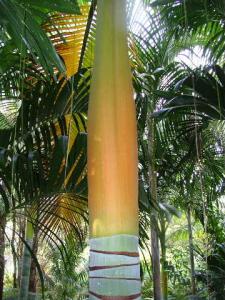
Dean, I have a hunch you started this thread just as a spoof, but maybe you're onto something! A little while ago I noticed two colorful Clinostigma samoense right next to each other. This crownshaft is nowhere near falling off, but it has beautiful color. I was able to climb up on a lavarock for this shot (so I got a good close-up). Bo
 1 point