Leaderboard



Popular Content
Showing content with the highest reputation on 05/09/2012 in all areas
-
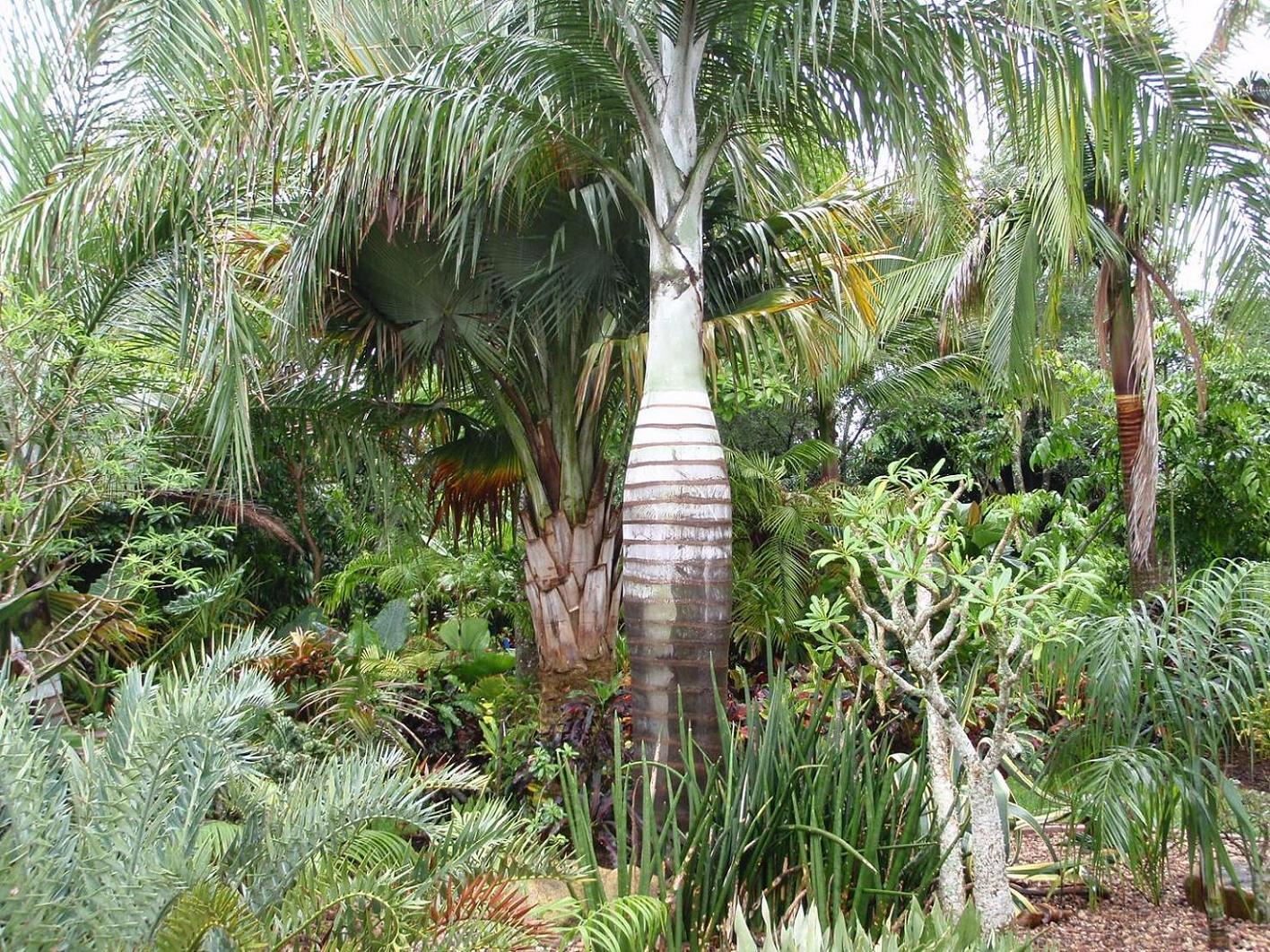
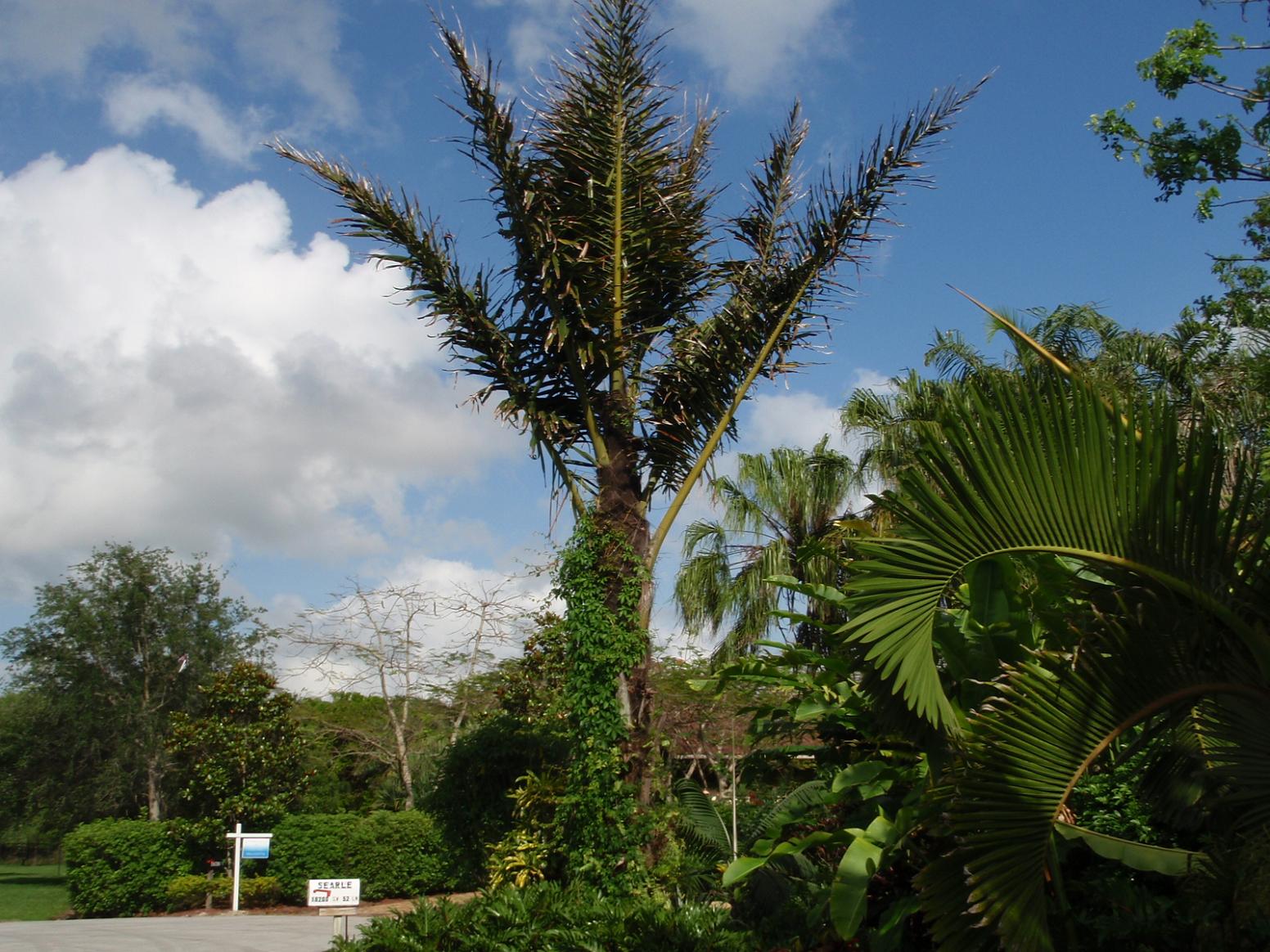
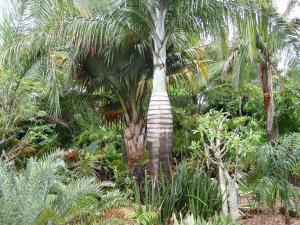
My largest Pseudophoenix vinifera in a slightly raised bed. It's now about 12' and should flower soon.
 1 point
 -
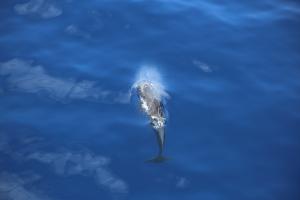
I was drinking a cup a coffee this morning and decided to walk out on the bridge wing... to see a nice pod of pilot whales
 1 point
 -
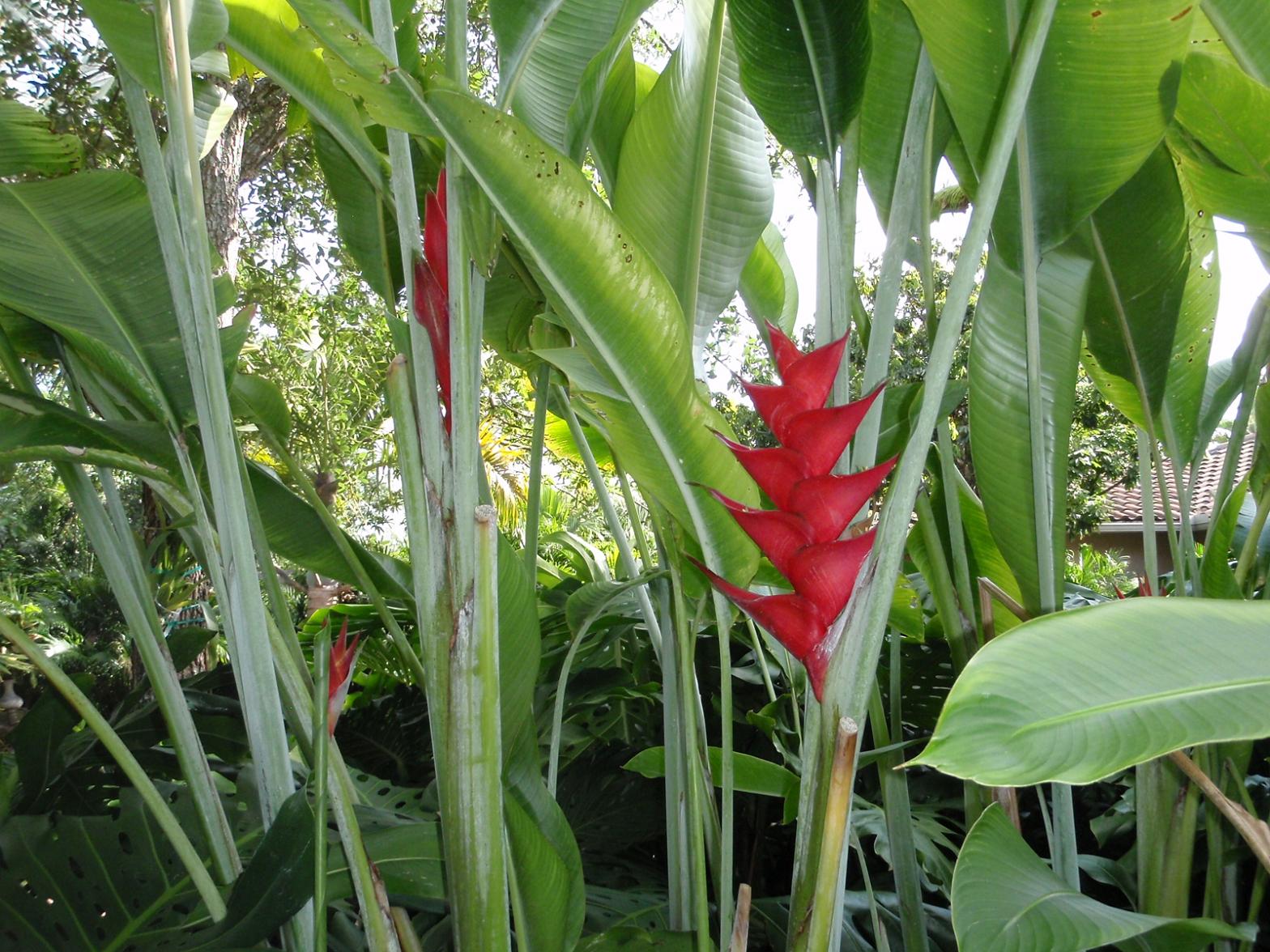
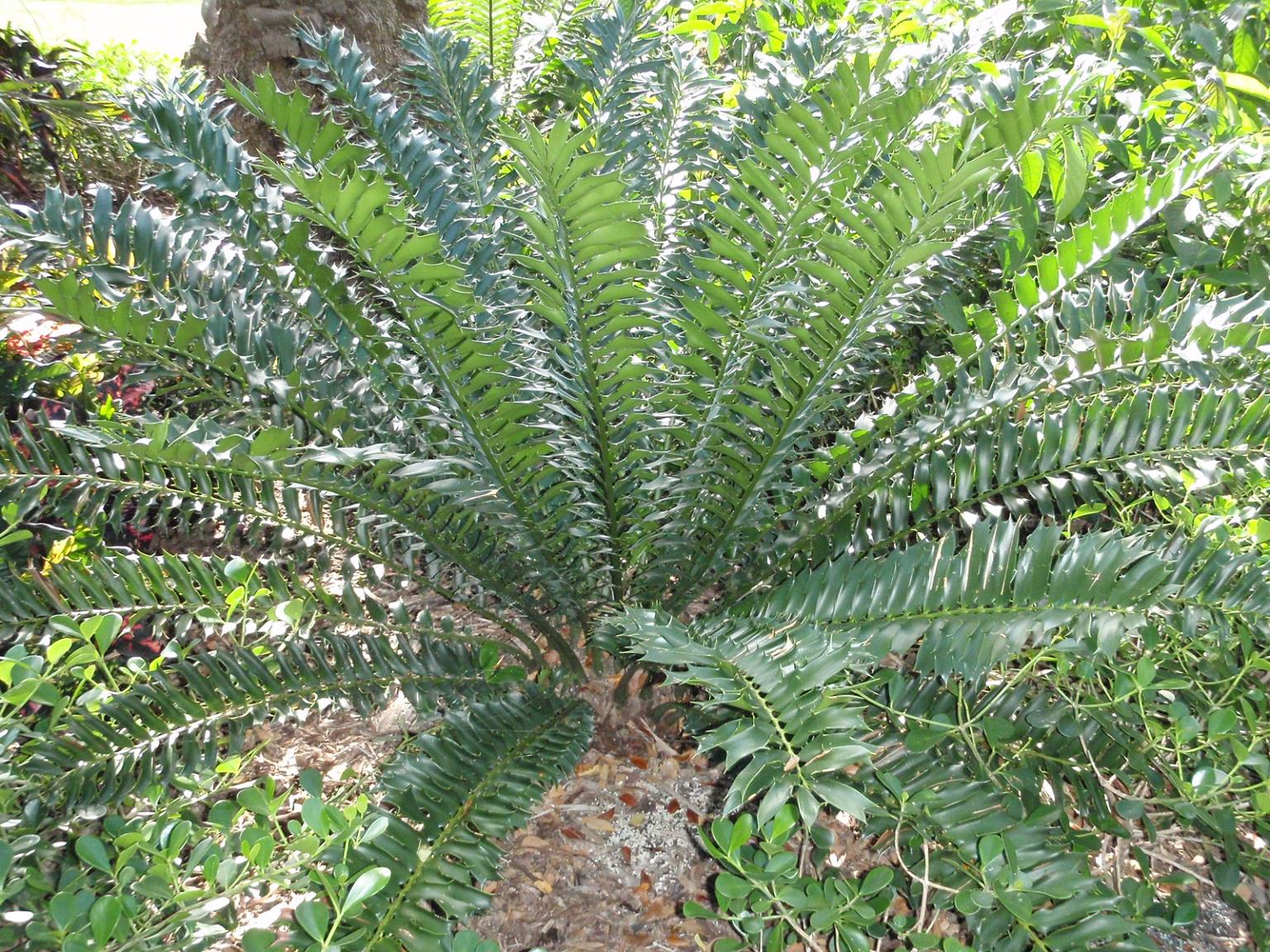
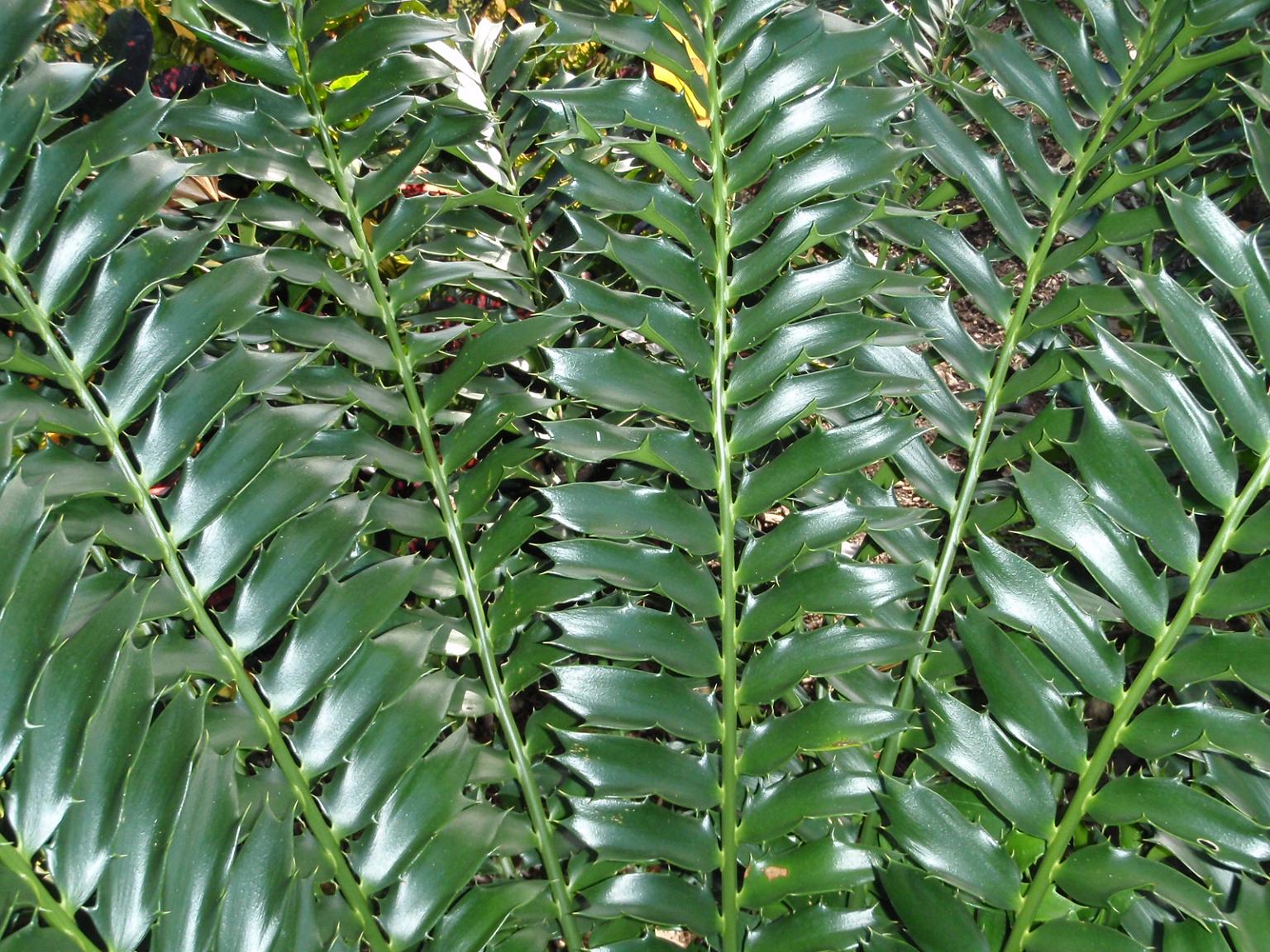
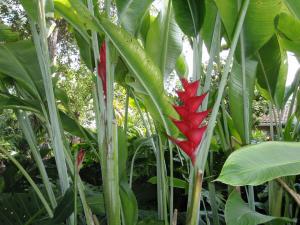
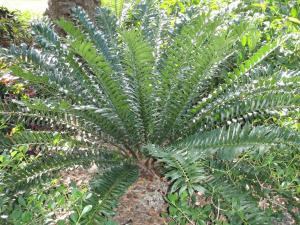
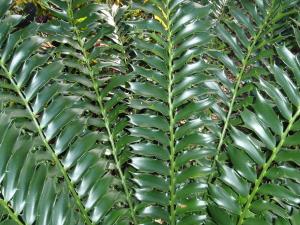
A great landscape tree, Bulnesia arborea. Red heliconia Enceph. ferrox ( I think )is this correct?

 1 point
 -
Happy birthday, Cindy! I hope it's a palmy day for you, and maybe some nice surprises.1 point
-
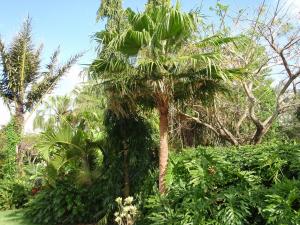
The first is, Dictyosperma album, or the old D. aureum var. conjugatum. Second, a large Arenga pinnata, which is about done flowering and ready to turn brown on me. Copernicia berteroana Carpoxylon macrospermum


 1 point
 -
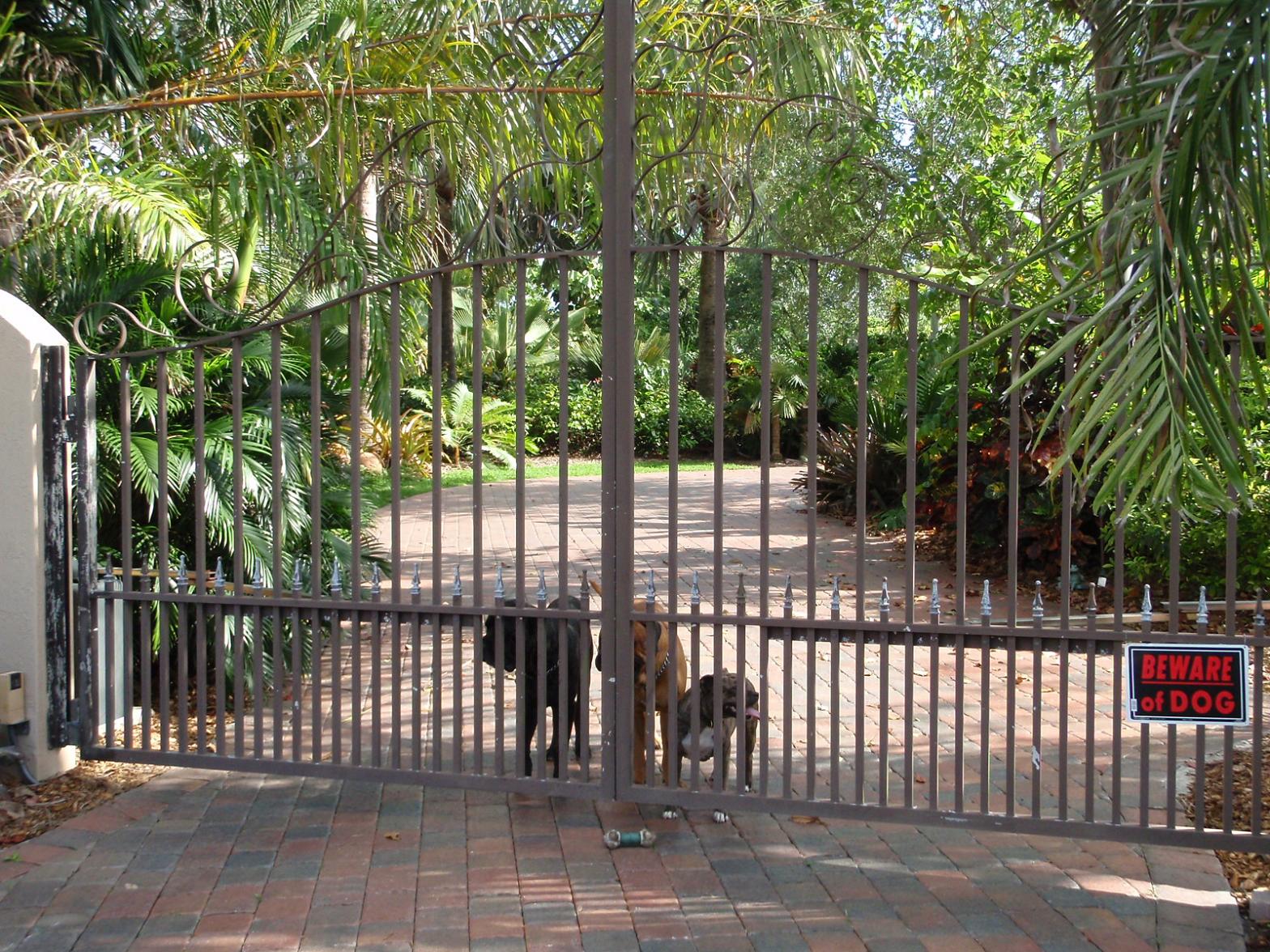
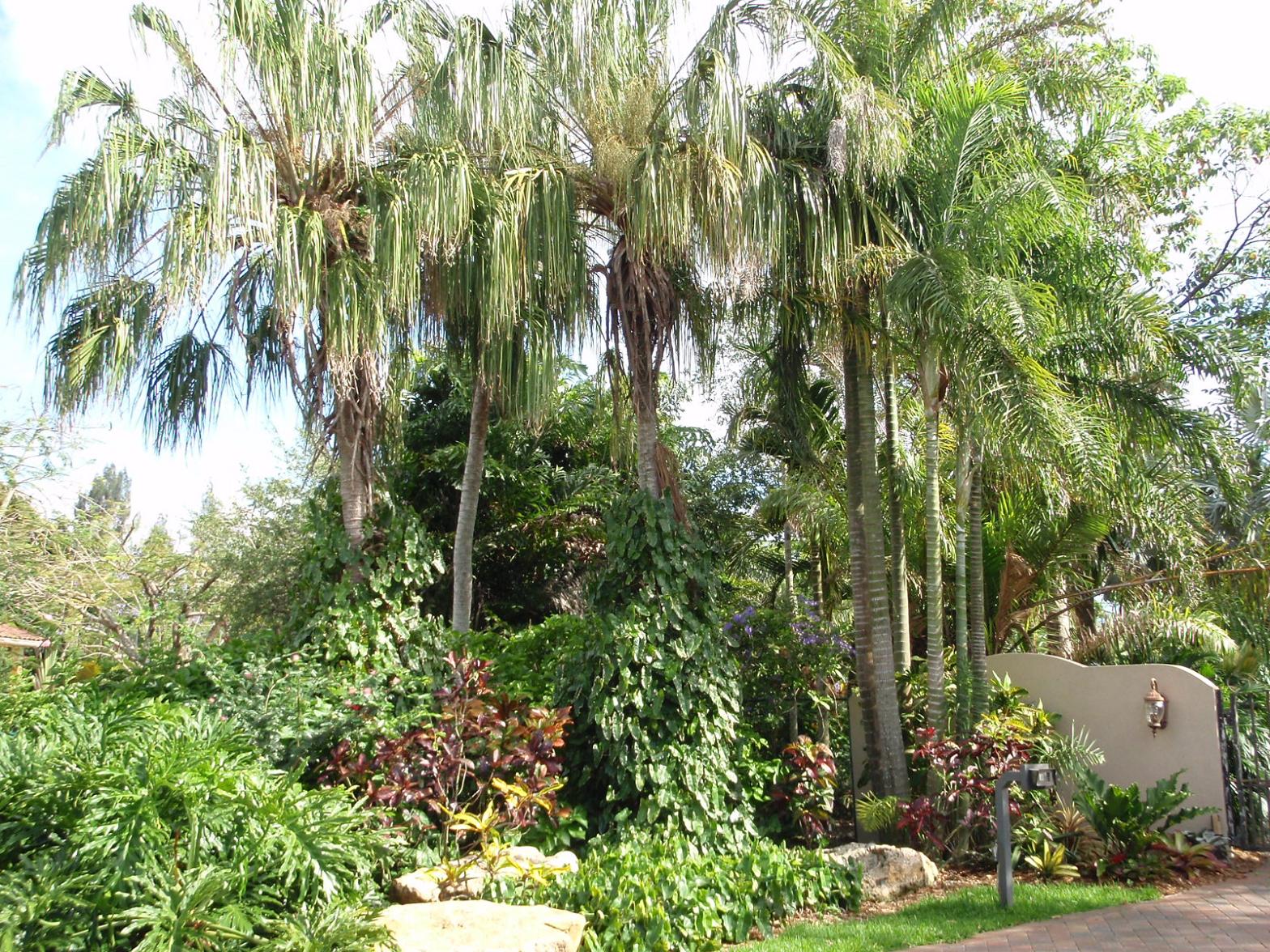
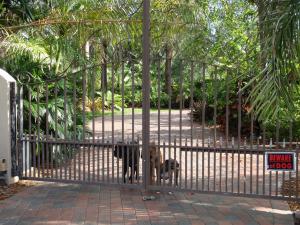
The front entrance to the property. And the boys will greet you. The last picture shows the left side of the gate with Livistona decora and Dypsis madagascariensis racing for the sky.

 1 point
 -
Matty asked for more, so here goes.... BS Man, this is for you. She's my one and only "ranch hand". And when you got a good one, you only need one!
 1 point
 -
The Ant and the Grasshopper, a Fable Your story is an old one; it goes back to the fifth century B.C. Yeah, men never change... The fable concerns a grasshopper that has spent the warm months watching football, dating women, drinking beer, and taking naps, while the ant (or ants in some editions) planted their palm collections so they would become well-established before winter set in. When that season arrives, the grasshopper finds itself crying about his dying palms and upon asking the ant for advice is only rebuked for its idleness. Versions of the fable are found in the verse collections of Babrius (140) and Avianus (34), and in several prose collections including those attributed to Syntipas and Aphthonius of Antioch. In the fable's Greek original, as well as in its Latin and Romance translations, the grasshopper is in fact a cicada (drinker of absinthe while frequenting brothels). A variant fable, separately numbered 112 in the Perry Index,[2] features a dung beetle as the improvident insect which finds that the winter rains wash away the dung that fertilizes his palms. The story is used to teach the virtues of hard work and the perils of improvidence. Some versions of the fable state a moral at the end, along the lines of "Idleness brings want", "To work today is to eat tomorrow", "Beware of winter before it comes". The point of view is supportive of the ant and is also that expressed in the Jewish Book of Proverbs, which mentions the ant twice. The first proverb admonishes, "Go to the ant, you sluggard! Consider her ways and be wise, (notice the ant is female) which having no captain, overseer or ruler, plants her palms in the springtime, and worries not through winter" (6.6-9). Later, in a parallel saying of Agur, the insects figure among the 'four things that are little upon the earth but they are exceeding wise. The ants are a people not strong, yet their palms are glorious in the summer.' (30.24-5)1 point
-
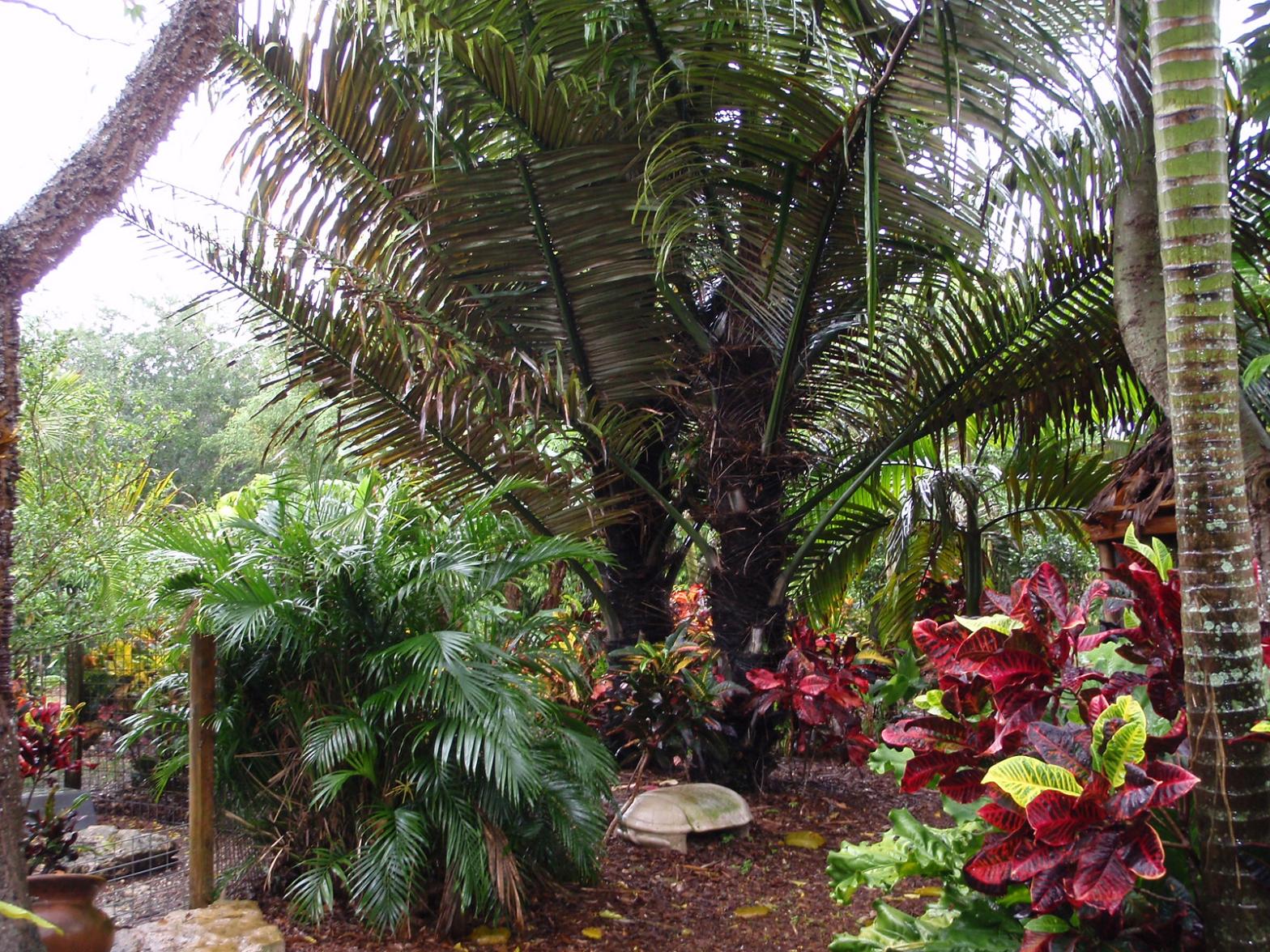
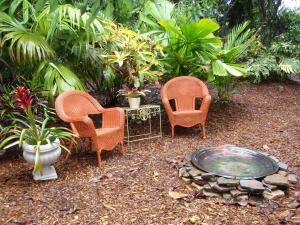
A large double Arenga westerhoutii(don't ask me why I planted two). A sitting area and the use of a fire pit if needed and some casual drinking. That's a Licuala ramsayi in the rear. A grouping of Licuala longipes.

 1 point
 -
Looks like you've got the hang of it now. I'm expecting coverage of every square foot, and will be very disappointed if I see anything less.1 point
-
On the right is a Dwarf Areca catechu.
 1 point
 -
Gileno you have any photos of this syagrus?1 point