

Leaderboard
-

Ron Vanderhoff
IPS MEMBER7Points61Posts -

BeaumontTropics
IPS MEMBER6Points546Posts -
Surf Guy
IPS MEMBER4Points618Posts -

DoomsDave
IPS MEMBER3Points34,604Posts
Popular Content
Showing content with the highest reputation on 12/04/2010 in all areas
-
 Where I live I cannot buy from abroad an alive plant unless I have a special permit and do a lot of bureaucratic stuff. So my only way to have a palm I desire is by seeds, which are welcome by my country's customs. That being said, I'm trying to make a collection of palms up to 3 m (10') tall, shade or sun, non-clustering preferred. I've already bought quite a few seeds, but just can't find Ravenea Hildebrandtii and Syagrus Schizophylla seeds. I've searched the Internet and nothing. If anyone of you know where or have the seeds, I'd greatly appreciate your letting me know. Thanks a lot!1 point
 -
 1 pointHello! It's been a VERY long time. I just wanted to update all of you that last night was our first big-ish snowfall. It's gotten down to 10F before it snowed, and my needle palm was still showing green. I just woke up, but it looks like my needle palm has turned brownish! It might just be my eyes or all the snow, but I don't know yet. Sorry, I don't have a good enough picture. Taking it from my room is just horrific. What should I do?1 point
 -
1 pointHere are a few photos of some of my palms that suffered cold/frost damage from last weeks cold spell. I know I can't be the only one. I am only three and a half miles from the coast and I got it pretty good. Some of you inland palm growers have to have some too. Dypsis lanceolata Dypsis leptocheilos Hyophorbe indica red form1 point
-
hey all, this most recent cold snap has already begun to defoliate many of my palms and it just turned December! Typically, our coldest time of the year is late december, through most of January. But with temps already recorded in the very low 30's (being generous at that) probably high 20's, several species have begun to turn for the worse. My roystoneas (regia's) have already begun to "bronze" and not in a good way. Same with my Caryotas, Kings, some Chamadoreas, Beccariophoenix Alfredi, Arenga Micanthra, Chamberyonia Macrocarpa, and last but not least, Marojeyja Darianii. Things are not looking great. I have blanketed every tree with cotton stuffed burlap sacks, from the top of the heart down to the dirt, taped it snug and keeping my fingers crossed. On weekends when I'm home, i'll turn the patio heaters on nearby for additional warmth, however this is not possible at night due to the fact that I'll be sleeping and don't want to burn the house down. Although if i lose all my palms this winter, that might be an option worth considering. I hope none of you are employed by my homeowners insurance carrier! I'll update with pics this weekend, hopefully it will get above 50* F this weekend at some point so I can go outside and take a closer look. I fear if this fails I'll be forced to succomb to the depths of PINE Talk, and not PALM TALK. And I just refuse to limit myself to cold hardy palms, there's only so many butias, braheas, washintonias, queens and trachies before I lose inspiration for growing palms. Winter is such an a$$ kicking bummer! I miss Summer so much already! FINS SHRIVELED AND FREEZING COLD! -eric1 point
-
Please do BS Man, I could use a good kicking now and then! Besides, I'll look at the bright side. Whatever doesn't kill my palms only makes them stronger, right? I might be onto something. I might have the hardiest tropical palms ever! What number is your Stalag for your palms? They go with you in a car to a place they've never been, to never be seen again. By anyone, except the trashman. Very sad really. Oh, and don't worry about my P.O.W. camp for my palms. I've been playing lots of Jimmy Buffett and Island music over the loudspeakers, watering with boiled warm water, and letting my pet toucan out occasionally to play amongst the palms. How's that for propaganda?1 point
-
Please do BS Man, I could use a good kicking now and then! Besides, I'll look at the bright side. Whatever doesn't kill my palms only makes them stronger, right? I might be onto something. I might have the hardiest tropical palms ever! What number is your Stalag for your palms? They go with you in a car to a place they've never been, to never be seen again. By anyone, except the trashman. Very sad really. That's more like it BS Man! No worries, it's not like you're going to be unscathed from these winter spells either. If my Royals and Kings die here, there's a good chance your Dypsis Prestoniana, and other exotics may share the same fate where you are.1 point
-
 You'll learn or you'll go broke buying new ones. I admire your tenacity though.1 point
 -
 Please do BS Man, I could use a good kicking now and then! Besides, I'll look at the bright side. Whatever doesn't kill my palms only makes them stronger, right? I might be onto something. I might have the hardiest tropical palms ever! What number is your Stalag for your palms? They go with you in a car to a place they've never been, to never be seen again. By anyone, except the trashman. Very sad really.1 point
 -
Touche, Jason, touche! However, I think the Needle has recorded surviving temps of -5F in certain instances. At least, according to some literature I've come across. And if that is the case, I'd hardly consider that particular species..tropical. You're doing great work holding down the palm territory in WI though! Keep it up brother! -eric1 point
-
Please do BS Man, I could use a good kicking now and then! Besides, I'll look at the bright side. Whatever doesn't kill my palms only makes them stronger, right? I might be onto something. I might have the hardiest tropical palms ever! Hmm, I don't know about that... if my needle makes it through the winter here cough*5b*cough then maybe it's mine it's been surviving these 10F days... well, mornings and nights, in the afternoons its 20-30F.1 point
-
Please do BS Man, I could use a good kicking now and then! Besides, I'll look at the bright side. Whatever doesn't kill my palms only makes them stronger, right? I might be onto something. I might have the hardiest tropical palms ever!1 point
-
 That's a lovely Trachie Tom. I'm always amazed at how Trachycarpus will handle everything from snow to hot humid conditions and even dry conditions. Brugmansia sure do have a lovely scent. Very heady and strong. My sister goes nuts for them as well as frangipani's, hibiscus and tropical jasmines. That Coccothrinax crinita is beautiful. Probably quite old too. Thanks for the pics. Best regards Tyrone1 point
 -
 1 pointthats weird.i live about 12 miles inland(in a low spot) & havent seen any windshield ice,although i dont leave the house until approx 8:30 a.m. i only saw frost on the grass 1 morning.1 point
 -
1 pointI'm not sure but my truck thermometer was at 36F two mornings in a row with ice on my windshield.1 point
-
 1 pointView from back patio Coconut that winter won't kill Backyard Pond1 point
 -
 1 point
 -
1 pointMike, You can't see it in thr photo but the Ficus and D. lanceolata are underneath 40% shade cloth. The burned leaf on the lanceolata is exposed a little bit. This plant has never really looked that good. You can see in the photo that it has an under developed frond. It does grow and is showing two tightly spaced rings of trunk. I have thought about digging it but I always think that it will start looking better.1 point
-
 1 pointSame here no frost damage to report in Fallbrook, (san diego) (knock on wood) !1 point
 -
 1 point
 -
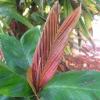 1 pointMike, I'm fascinated that your lanceolata is burned and your Ficus dammaropsis in the background is fine. I have a D lanceolata about 10 feet away from a Ficus dammaropsis and my dammaropsis is badly frost burned, but the lanceolata is fine. Overall I have some leaf burn on a few Pritchardias, small Archontophoenix purpurea, and a Dypsis madagascariensis sort of thing. Only plants open to the sky got burned. Anything with any sort of cover was fine. Matt1 point
 -
1 pointAnd a few more..... Pritchardia hillebrandii Dypsis ambositrae Kentiopsis oliviformis My KO seemed to handle it pretty good. When the last frond first opened we got hit with the dry 95 degree heat for about three to four days and then the cold spell. It is planted out in the open with no protectio. It has been in the ground for about a year and a half.1 point
-
 Hi Patricia, From what you've posted, it sounds like you have the sprouting part down ok, but it's the "damping-off" of seedlings that is the problem. This damping off is very common with small palms and there's a few things you can try to see if it helps. First off, I wouldn't worry about adding any supplimentary heat. 60-80 F is a great range and you can germinate and grow pretty much anything, no problem. Realize that if you're adding supplimentary heat and you have a closed system (baggie or covered tray) that you're creating a perfect environment for fungus to grow and thrive. Fungus grows faster than your seedlings and will destroy them. Lot's of fresh air movement and a light, well draining mix is a way to solve that problem, I've found. The idea behind putting seeds in a baggie or tray with a lid is that you can cover them up and the moisture levels stay even, meaning that they never dry out. But if you just put your seeds in a pot, and cover them with about 1" of light potting soil heavily ammended with perlite, vermiculite, or pumice, and water them periodically, they'll probably do a lot better. I'm sure others have some very different suggestions, so try them all and see what works for you. Good luck.1 point
 -
I just recieved the following an email from Dr. Cheryl Wilen. Dr. Wilen is the Area Integrated Pest Management Advisor for Los Angeles, Orange, and San Diego Counties. This is in response to the need for another update meeting directed to the public, palm enthusiasts, etc. (somewhat like the Laguna meeting a month ago that was directed at professional arborists): "Don forwarded your email to me as I am also working on this project. I believe that the information has been forwarded to the USDA and they have sent an inspector to Tijuana. We are organizing an informational meeting at SCREC to be held shortly. We would like to have it sooner than later. Regards, Cheryl" The SCREC she is referring to is The UC's South Coast Research and Experiment Station in Irvine. It sounds like a meeting is in the works. Ron1 point
-
Also early this morning I recieved this very thorough update from Don Hodel. Don is an Environmental Horticulturist with University of California Cooperative Extension. He is one of North America's foremost palm authorities and a member of the USDA's Technical Working Group for this issue. Don briefly mentions the Tijuana weevil find and then provides an update on the Laguna Beach infestation: "Thanks for your continued interest in the RPW and the potential find of R. palmarum in Tijuana. The appropriate Mexican officials should be notified about this discovery and a cooperative working group should be formed with US researchers (I see that this has been done). I just completed three days of most interesting and informative meetings about RPW with USDA, CDFA, international RPW researchers, and UC colleagues and here is a short synopsis of what I gleaned. 1. At this time, the infestation appears to be confined to a relatively small area of LB and does not yet seem to be rapidly spreading. That it is apparently confined to LB is good when one considers that the relative isolation of LB, surrounded by several miles of relatively palm-free wilderness in all directions, would tend to hamper its natural spread. However, movement of infested palms is still a grave concern. 2. By far, Canary Island date palm is the most susceptible or preferred species but if RPW populations are sufficiently high and the preferred pest is lacking, the RPW will move to other species. 3. RPW is attracted to stressed and wounded palms. Wounds, such as those from leaf pruning, “pineapple sculpting”, and trunk peeling, emit an odor that attracts the RPW. Thus, keeping palms in a healthy, well-irrigated condition and avoiding practices that can wound the palm should be avoided. Pruning, if it is done, should be confined to dead leaves only and is best performed in the late fall to winter when RPW activity is much reduced due to cool temperatures. All wounds should be immediately treated with an appropriate insecticide like imidocloprid. 4. RPW is not east to detect in early stages of infestation but some signs include truncated or cut off leaf tips or chewed off or missing mid-blade pinnae (such truncated leaf tips or chewed pinnae can have other causes, though). Also, with training and experience and the use of a good pair of binoculars, tunneling or grooving at the petiole base/leaf base area can usually be observed from the ground. These grooves or tunnels often are filled with cocoons or other material generated by the RPW that has the appearance of shredded wheat. Infestations at this stage can typically be reversed with appropriate treatment. However, if the apical meristem is attacked there is not much hope. There are two measures involving various degrees of leaf removal that can be employed to monitor and treat for RPW which I will describe in a future article but time prevents me from doing so here. 5. According to international researchers, judicious monitoring and treatment with insecticides like imidocloprid typically lead to effective control and even eradication of the RPW. A prudent approach might be to treat all palms within one kilometer of the infestation with soil applications of imidocloprid (2x/year) and foliar/crown applications of imidocloprid or a fast knock down insecticide (frequency by label recommendation). These treatments can be curative and prophylactic. All palms within 10 kilometers of the infestation should be carefully monitored for infestation. Trapping, because it can actually attract RPWs to uninfested areas and palms, should be left to trained authorities such as USDA and CDFA. The absence of new infestations or RPWs in traps after three years could be considered successful eradication. You should be made aware that there are differences of opinions emerging about the most appropriate treatments and courses of action. One approach, championed by the international researchers, is cautious and judicious monitoring and treatment, not necessarily removal of palms. In contrast, the other approach advocated by some is more radical, and centers on removal of palms. At this point, I prefer the first approach and, after hearing what the international researchers had to say, I am optimistic, rather than pessimistic, about successfully controlling the RPW. There’s much yet to be learned about this pest and how to manage it. I’ll keep you informed. If you have any questions, please contact me. Best wishes, Don" Ron1 point
-
Mid morning today I recieved a further update from Nick Nisson about the third CIDP with a positive find for RPW: "During the assessment and survey of the Laguna Beach area on foot, it was noticed that the tree had very subtle notching in older leaves that were similar to known RPW damage. I do not have a photo to show you, however, this type of notching can be seen in image number 6 in this paper: http://www.palms.org/palmsjournal/2002/redweevil.htm, although limited to a couple of older leaves. The notching, although very subtle, warranted further examination and the suspect leaves were removed and the crown was examined. Resulting from the inspection, an old fragment of a weevil was found inside of a partial cocoon in the leaf base of an older leaf. The fragment included morphology that was diagnostic for RPW allowing the confirmation. This palm provides another important part of the ongoing assessment of the situation in Laguna Beach." Thanks again, Nick" I visited this tree this morning and my hat is off to the ground crews for spotting this palm as a suspect. The palm looks amazingly healthy and the notching that Nick describes must be incredibly subtle. I looked at the palm for 15 minutes and counld not see any issue. Congratulations to CDFA, they must be doing some terrific training. Ron1 point
-
I have several updates for everyone following this issue. The first is a message from Nick Nisson, OC entomologist. I recieved this message early this morning: "The photos provided by Cristobal are remarkable. Thanks to your notifications and Cristobal’s efforts USDA is in communication with Mexican officials to investigate this Tijuana find site. I will also forward Cristobal’s contact information so that, hopefully, these specimens can be examined and the species determined. In regards to R. palmarum, this palm infesting species is reported from the state of Baja Sur (Garcia-Hernandez JL, Beltran-Morales LF, Loya-Ramirez JG, Morales-Cota JR, Troyo-Dieguez E, Beltran-Morales FA (2003) (First record of Rhynchophorus palmarum (Coleoptera: dryophthoridae) in Baja California Sur). Folia Entomologica Mexicana 42, 415-7.). This Tijuana find is extremely important, regardless of which species is involved and I want to thank all involved for the great effort to detect these weevils. I will keep you posted on all of the other suspect trees in our area that you have reported." Ron1 point
-
 Eric, Now I feel bad about all those mean things I said. I didn't think it was really going to happen. If it makes you feel any better, my Roystoneas bronzed as well. But I agree with Troy on this. Give long term thought to tropical looking, but cold hardy palms. Develope the canopy, then go crazy planting your Cryostachys renda underneath. Patience grasshopper..This will pass. Bret And as for you Bret, Don't lay off now! Now's the time to do your worst! I expect more from you. I'm not throwing in the towel yet, I'll rally. Come march at the first hint of warm weather again, I'll be off to some exotic palms dealer to buy stuff I can't grow don't worry! This is just my winter "yip" that I go through every year. What's unfortunate is usually this doesn't hit me until late December, often late January, which is good because then winter is almost over and it starts warming up soon. I guess this year will be a long "yip" phase. But don't let that stop you from being the unbearable monster heckler that you are! That's the spirit Eric. Have another Jack Daniels, turn on some Jimmy Buffet, & then consider some Adonidia merelli seedlings that I have for sale. I'll give you a great deal, what with you being a friend & all..1 point
 -
Eric, Now I feel bad about all those mean things I said. I didn't think it was really going to happen. If it makes you feel any better, my Roystoneas bronzed as well. But I agree with Troy on this. Give long term thought to tropical looking, but cold hardy palms. Develope the canopy, then go crazy planting your Cryostachys renda underneath. Patience grasshopper..This will pass. Bret Sorry Shon, But if there's two things in this world I won't do, it's drink cheap booze and listen to Bret. Unfortunately, I can't agree with your opinion of cold hardy tropical looking palms either. The only thing close to the beauty of a tropical Royal is a Dictyocaryum Lamareckianum, (sorry for the typo, I'm too lazy to look up the spelling on that one.) and those are even more tender than the royals. To me, Parajubea tor-tor's and things of that nature might be somewhat exotic, but they are a distant, and I mean a distant second to actual coco's, chambyos, shaving brush's, mealy bugs, etc. Decipiens isn't a bad palm, it just grows too damn slow for me. I don't ever want to buy a palm that I'm not going to enjoy until 10-15 years from now. Despite all the tails of Super red, and even your epic case of your decipiens that's grown fast, they just don't impress me. I'm as equally stubborn as I am impatient. What can I say? If a lottery jackpot ever comes to fruition, the fist order of business will be to go where there's never a winter! Bah Humbug! And as for you Bret, Don't lay off now! Now's the time to do your worst! I expect more from you. I'm not throwing in the towel yet, I'll rally. Come march at the first hint of warm weather again, I'll be off to some exotic palms dealer to buy stuff I can't grow don't worry! This is just my winter "yip" that I go through every year. What's unfortunate is usually this doesn't hit me until late December, often late January, which is good because then winter is almost over and it starts warming up soon. I guess this year will be a long "yip" phase. But don't let that stop you from being the unbearable monster heckler that you are!1 point
-
 1 point
 -
 Click here to download a .pdf file that describes the three palm weevils.1 point
 -
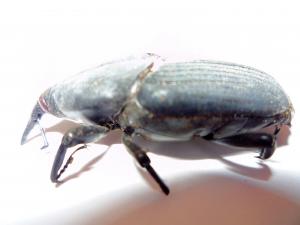
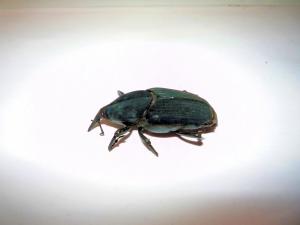
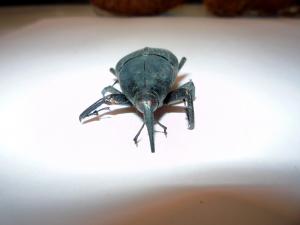
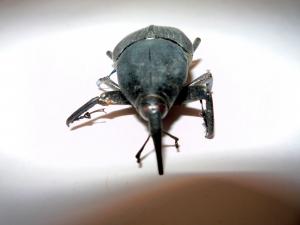
 Let's not panic too much, friends. To my admittedly not-well-trained eye, these look more like Rhychophorus palmarum than R. ferrugineus to me. Hope so. Obviously an expert needs to examine this weevil. I am not an expert, but I agree, R. palmarum, already present in Central and South America, reported as transmitter of red ring disease in palms, so I suppose less destructive and prolific than the RPW. I learn that there are many weevils killing palms (R. cruentatus is another one), their modus operandi is the same, but only the RPW is so destructive to palms. I wonder why. Tomas Would this not be noteworthy in and of itself? Has this pest previously been observed in SoCal? Or has this pest been present in SoCal for some time already? It obviously did a job on this CIDP regardless of what type of weevil it is.1 point
 -
1 point
-
Old BSman ( yeah I said old) can tell you about my early days as a palm grower. You THINK your area is bulletproof but mother nature slaps ypu back to reality. Listen to Brett get some canopy find your microclimates then plant the zone pushers. There are plenty of cold hardy stuff that is tropical looking.1 point
-
I live in South OC and I scrapped ice off my car windshield twice this week. Of course I'm at the bottom of a creek basin at sealevel. Coooooooooooold mornings! Egad! Gadzooks!1 point
-
Eric, Now I feel bad about all those mean things I said. I didn't think it was really going to happen. If it makes you feel any better, my Roystoneas bronzed as well. But I agree with Troy on this. Give long term thought to tropical looking, but cold hardy palms. Develope the canopy, then go crazy planting your Cryostachys renda underneath. Patience grasshopper..This will pass. Bret1 point
-
 1 point
 -
Sorry to hear that, especially after such hard work is put into those beloved palms. Maybe, thinking about reprogramming your garden is a good idea, so that such hard work could be enjoyed during winter too.1 point
-
1 point
-
 I live in South OC and I scrapped ice off my car windshield twice this week. Of course I'm at the bottom of a creek basin at sealevel. Coooooooooooold mornings!1 point
 -
 Have a look at The Dick Douglas thread to see how awesome a cold hardy palm garden can be - his looks fantastic . There is no point having a heap of palms that even though alive look like they are not mean't to grow in your particular microclimate .1 point
 -
 You are not the only one dreading what this early onset of cold weather in California may have in store for us. My own garden in Berkeley is still looking pretty good, but I don't have any really tender palms that can't take at least 27/28F temps, but it is kind of shocking that it is already down to near freezing for almost a week now, after it was up to 80F for about 4 or 5 days in a row in mid November. Just like you, I had become used to the worst bout of cold danger coming at the end of December into the first weeks of January. Like you, I have so many tender things planted out in the garden, I almost wouldn't know where to start with protecting things, and get lazy here most winters and do nothing until the second night of a predicted freeze after I see the first night's damage. Is this first wave of cold just a taste of what we will see for the next couple of months? I sure hope not. I am most inclined to protect the Howeia forsteriana's above all else, because they take so damn long to outgrow the damage. But I suppose the Chamaedorea tepelijote's and C. costaricana are equally at risk, and then the Rhopalostylis baurei and Archontophoenix cunninghamiana's and the Chamaedorea plumosa's. I seem to be gravitating more to the hardier palm species these days in new gardens for clients, because I am tired of spending a 2 or 3 whole days racing all over Berkeley, Oakland and Alameda trying to protect 15 foot tall palms in client's gardens. I usually don't really worry much unless it looks like it will drop below 28/29F here, which is typically the worst it ever gets except for bad year freezes such as 1990 and 1998 and then again in 2007. Here's hoping the jet stream doesn't decide to get stuck pumping continuous cold air direct from Alaska straight down the west coast for weeks at a time, but who can say! Glad I live right by the bay where it is only uncomfortable lately in the mornings, and not actually freezing, but 35F at 7 am as it has been for almost a week is really getting old already. So far all that has gotten any frost damage is boring old Coleus, but I miss that deep orange foliage already...1 point
 -
1 point
-
Eric: Back in ancient times, when men were men, women were men, etc., I lived in Highland in San Bernardino, right near what was then Norton Air Force Base. Ah, that first fiery summer, 1986! Oh, that cold, frigid winter, 1986-87! It got so cold my pipes froze. I had to resort to the old trick of letting the water drip all night to prevent that. I don't know exactly how cold it got, but it had to be well down into the 20s, F, even lower in some spots (oleanders froze). At that time, I appreciated the charms of a warmer area, like OC. I feel your pain, and it's getting cold down here, too.1 point
-
 Sorry, Eric. It can be cruel sometimes. Double post for feeling double bad. (and I hit post 2X)1 point
 -
1 point
-
 Let's not panic too much, friends. To my admittedly not-well-trained eye, these look more like Rhychophorus palmarum than R. ferrugineus to me. Hope so. Obviously an expert needs to examine this weevil.1 point
 -
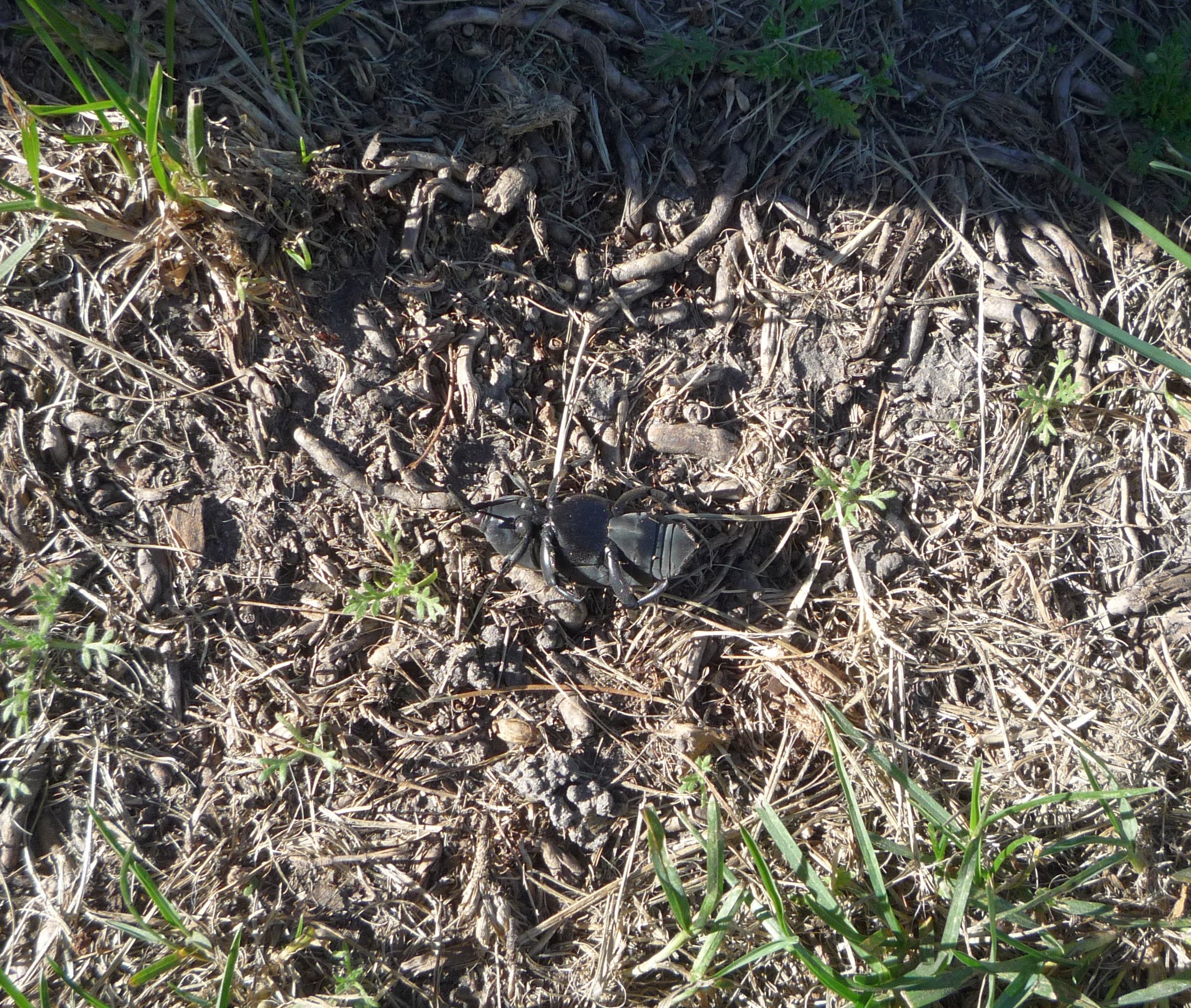
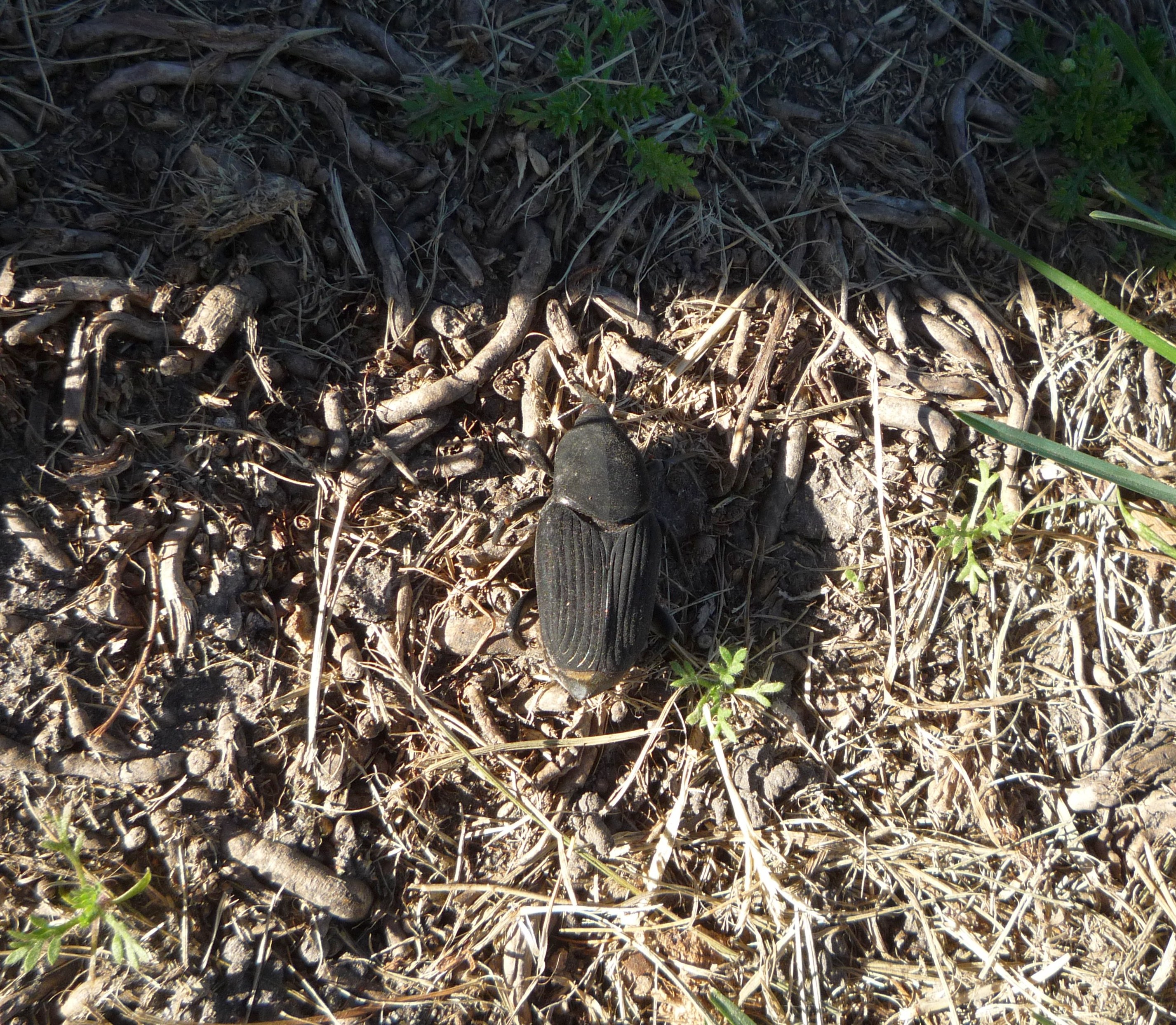
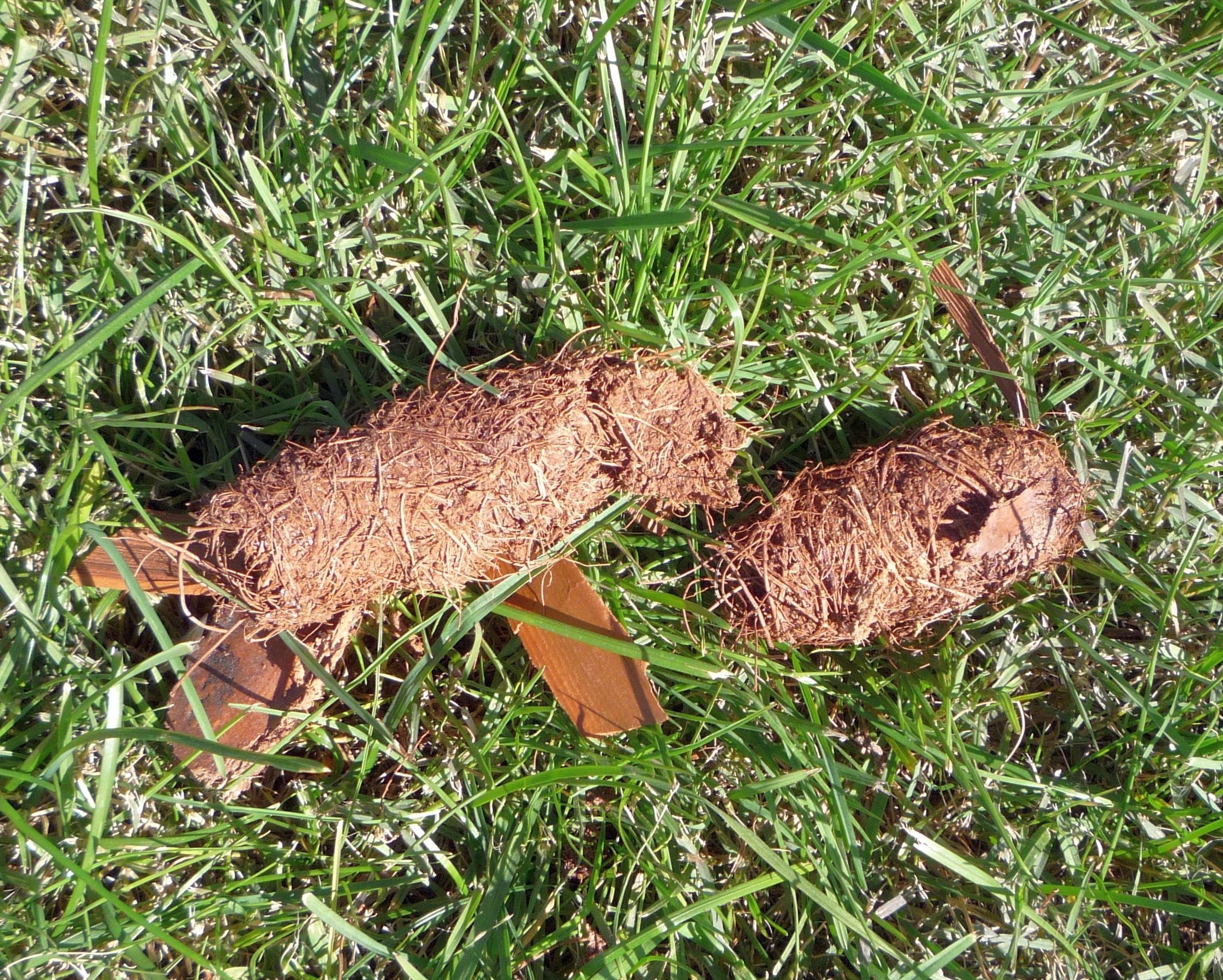
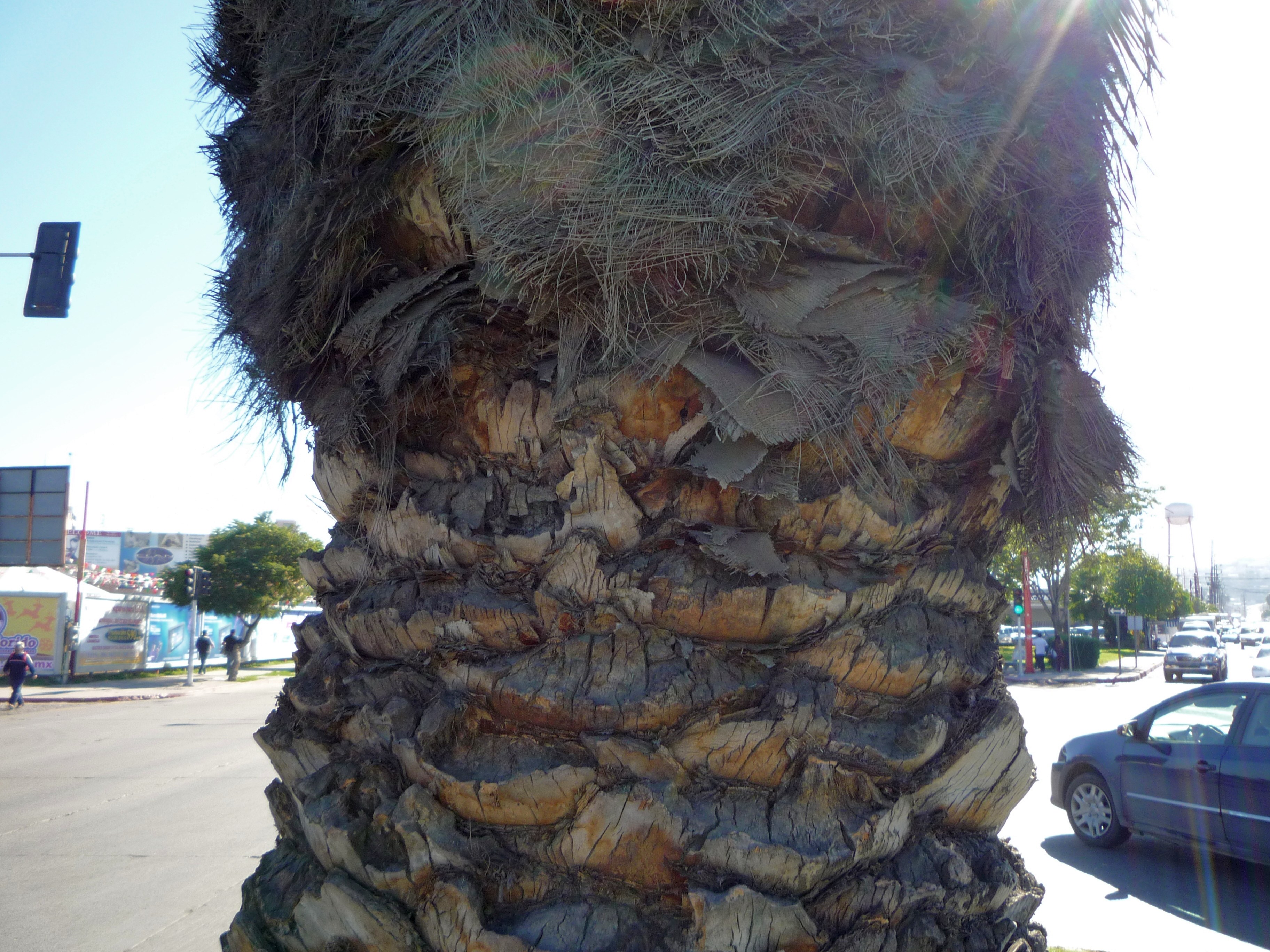
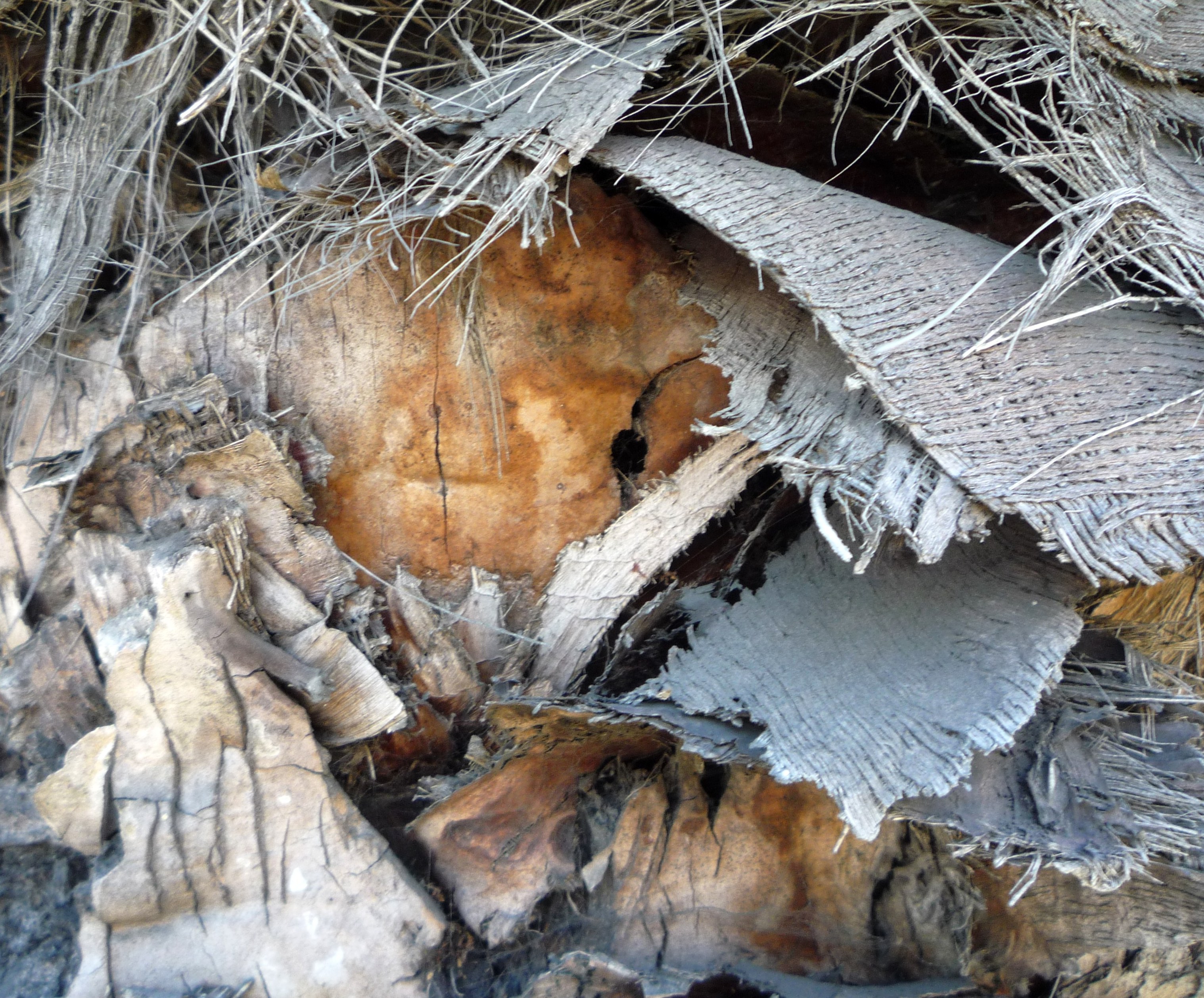
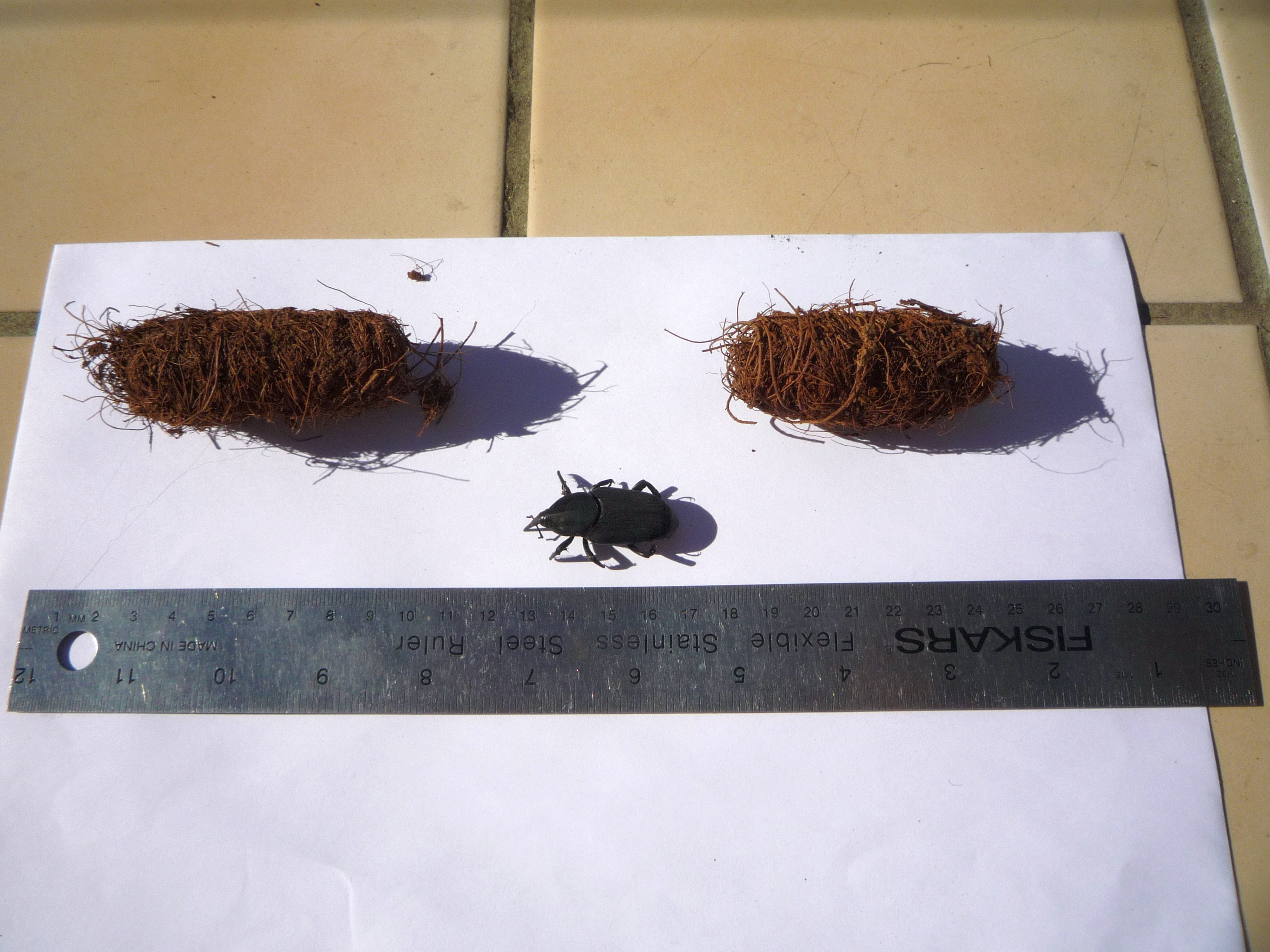
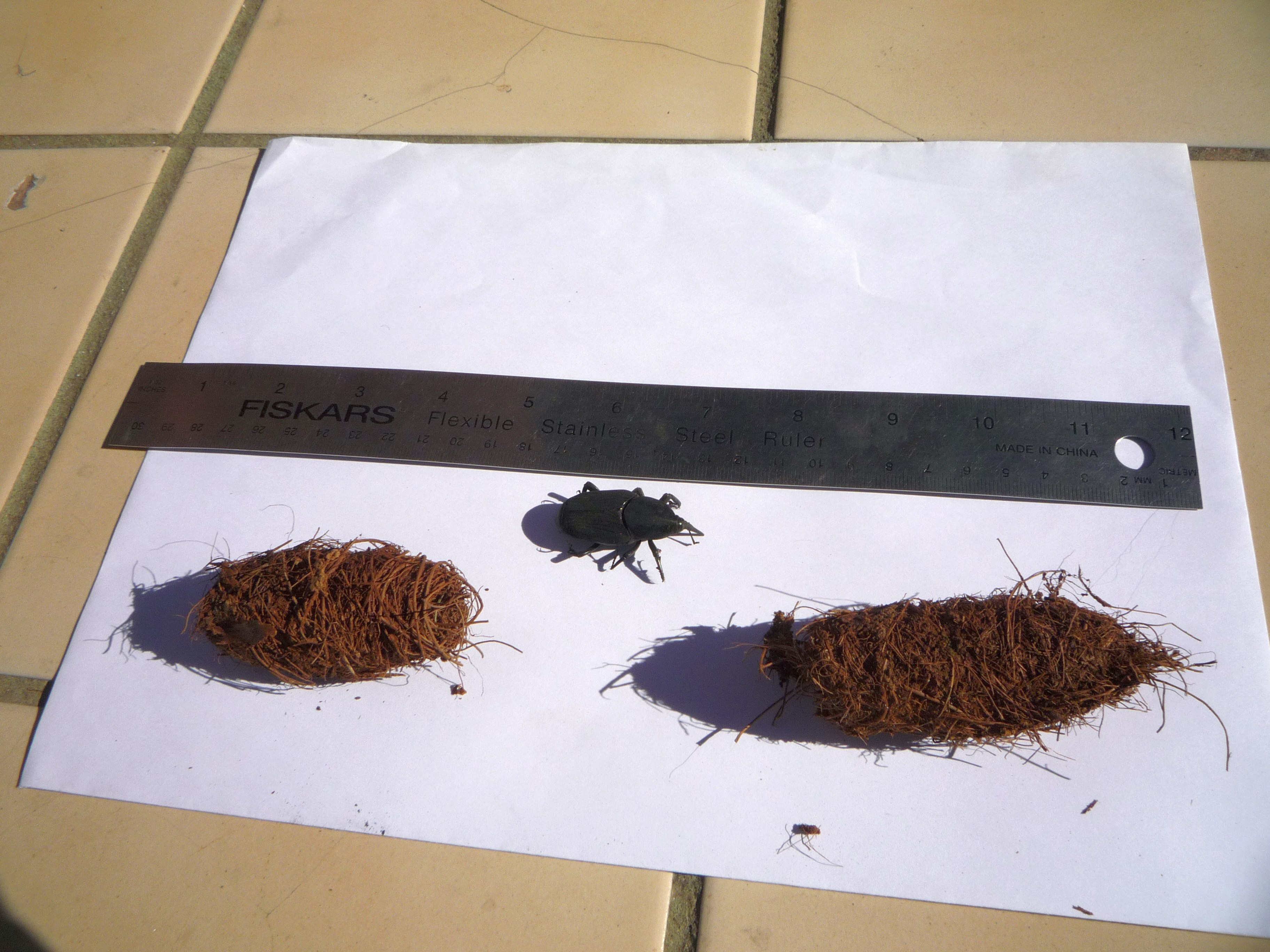
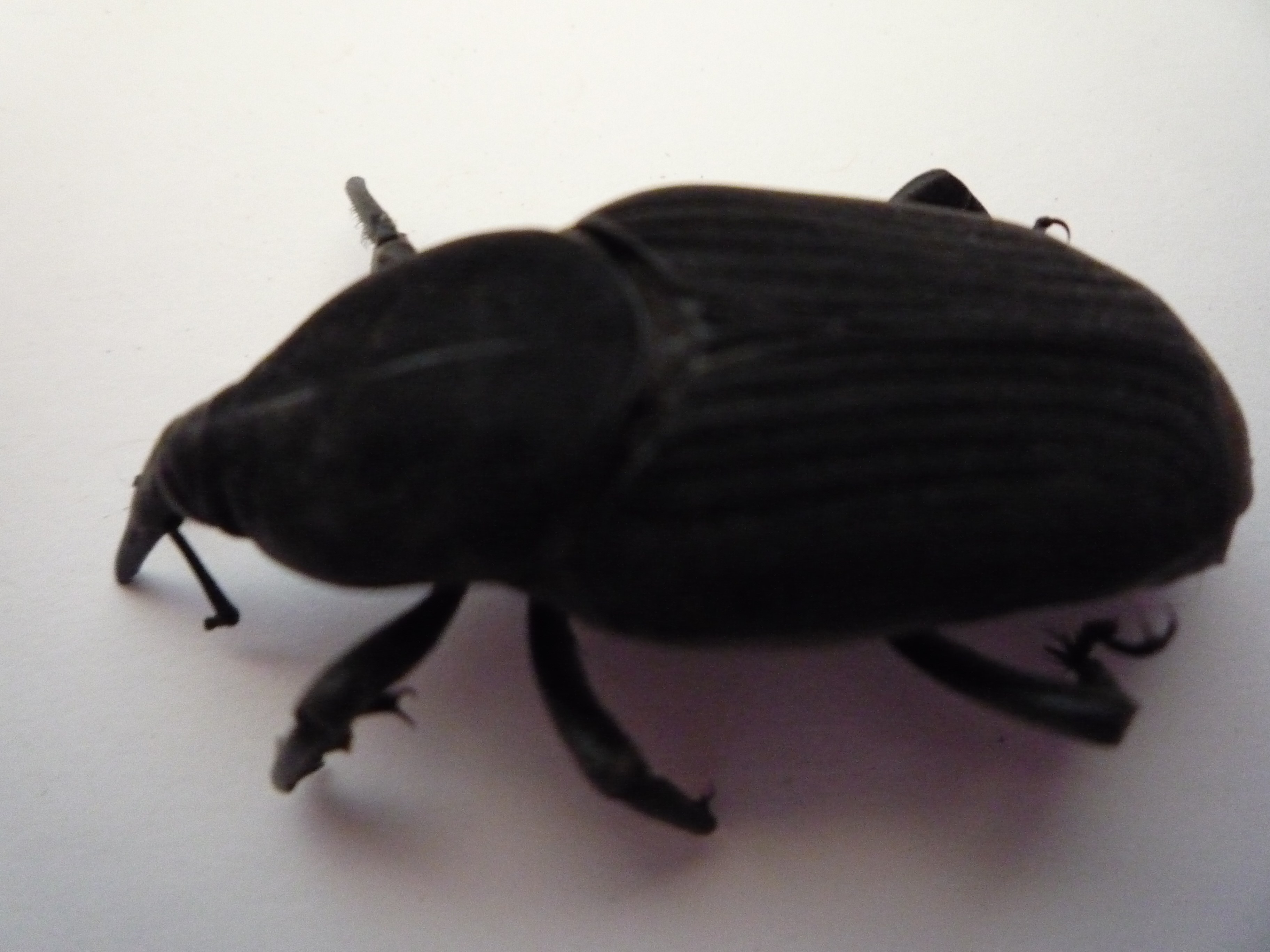
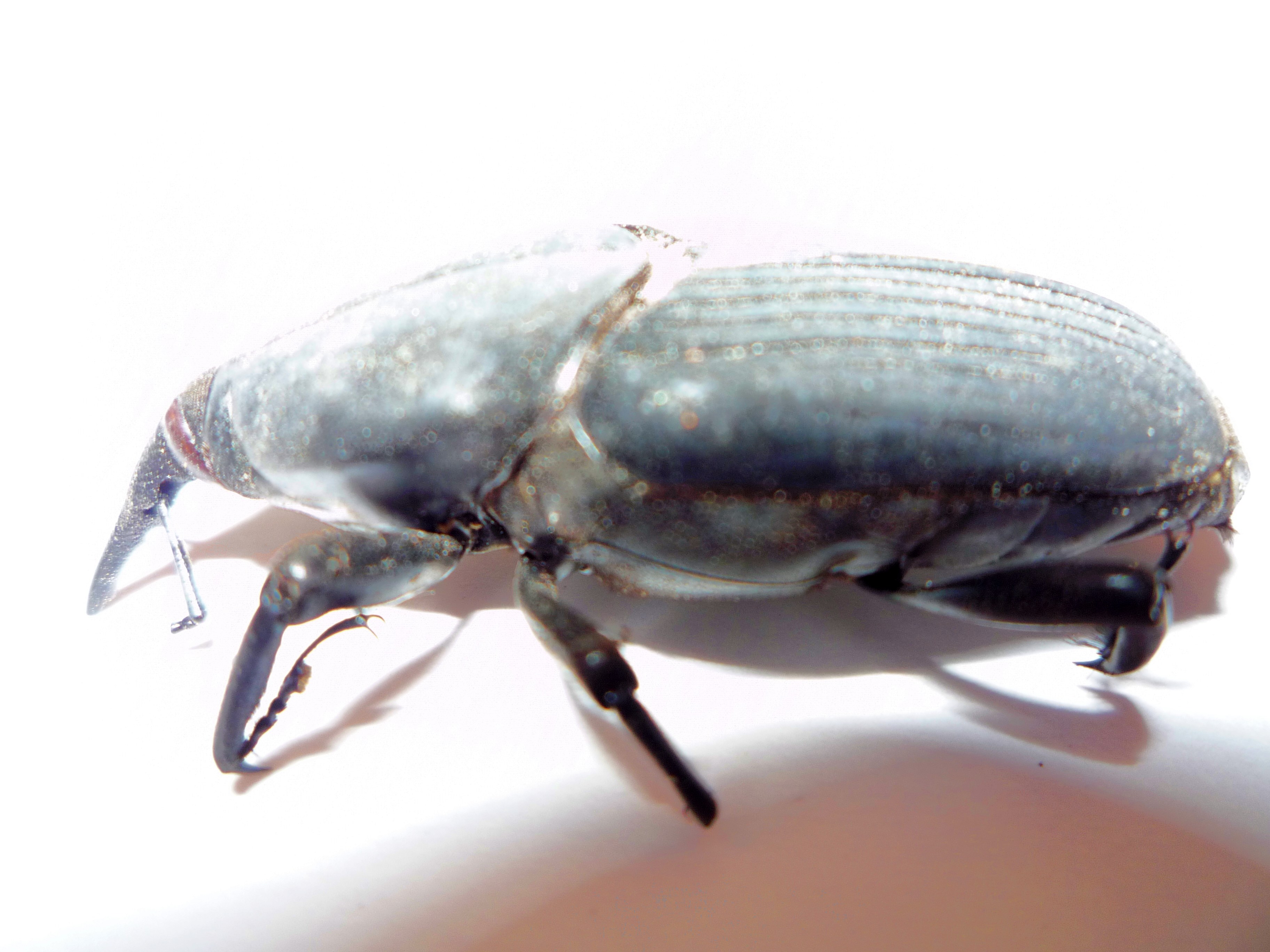
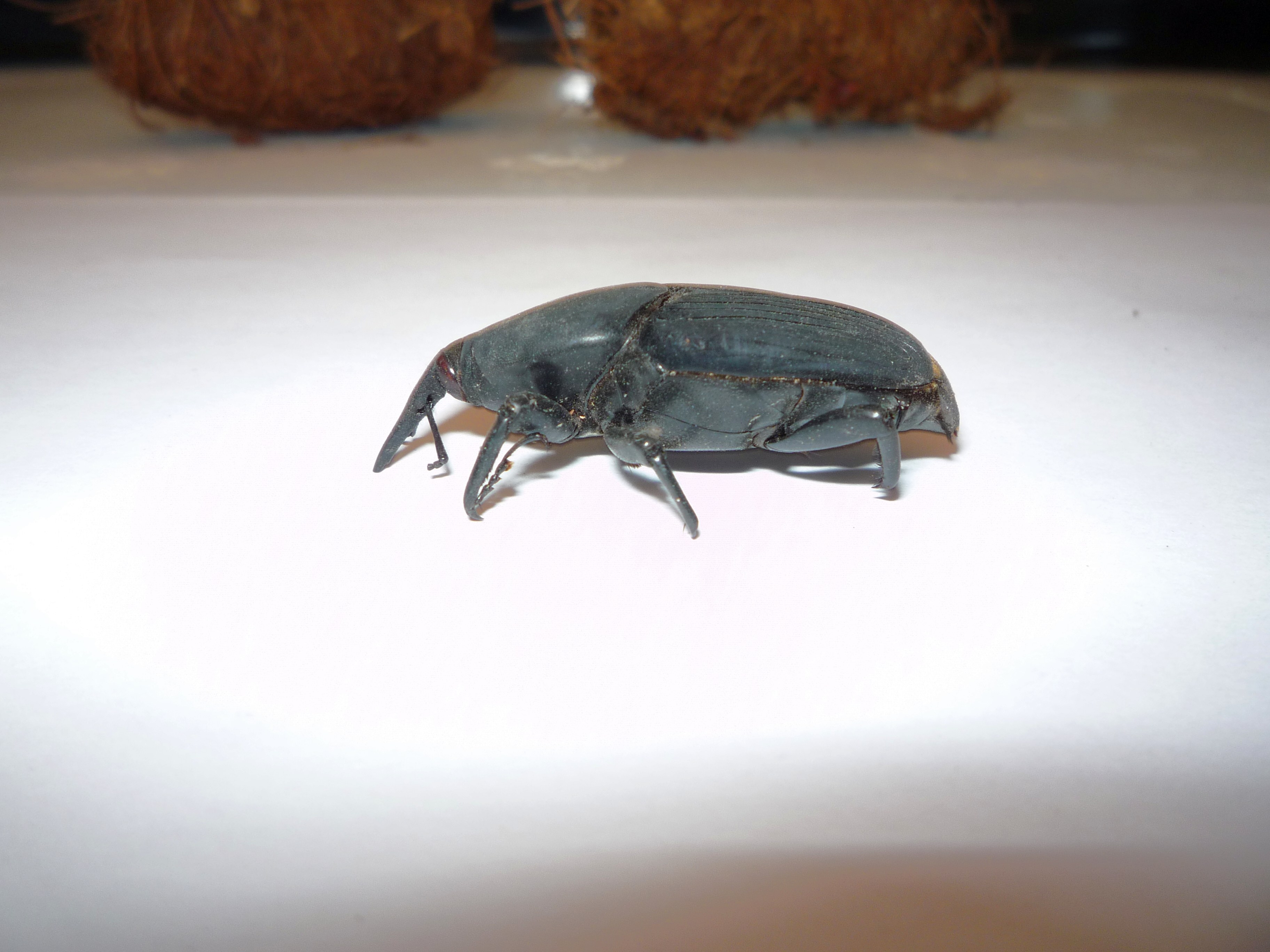
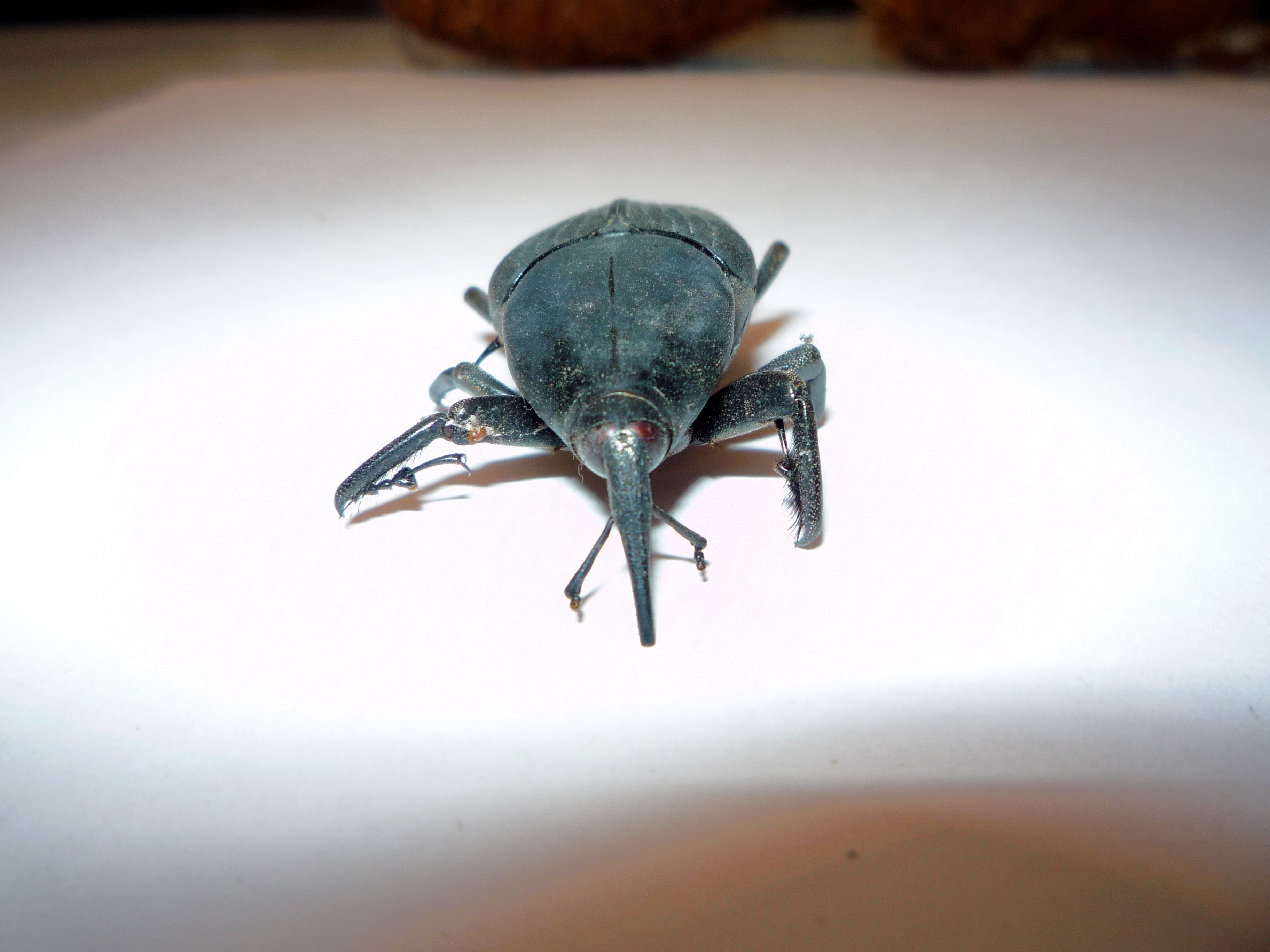
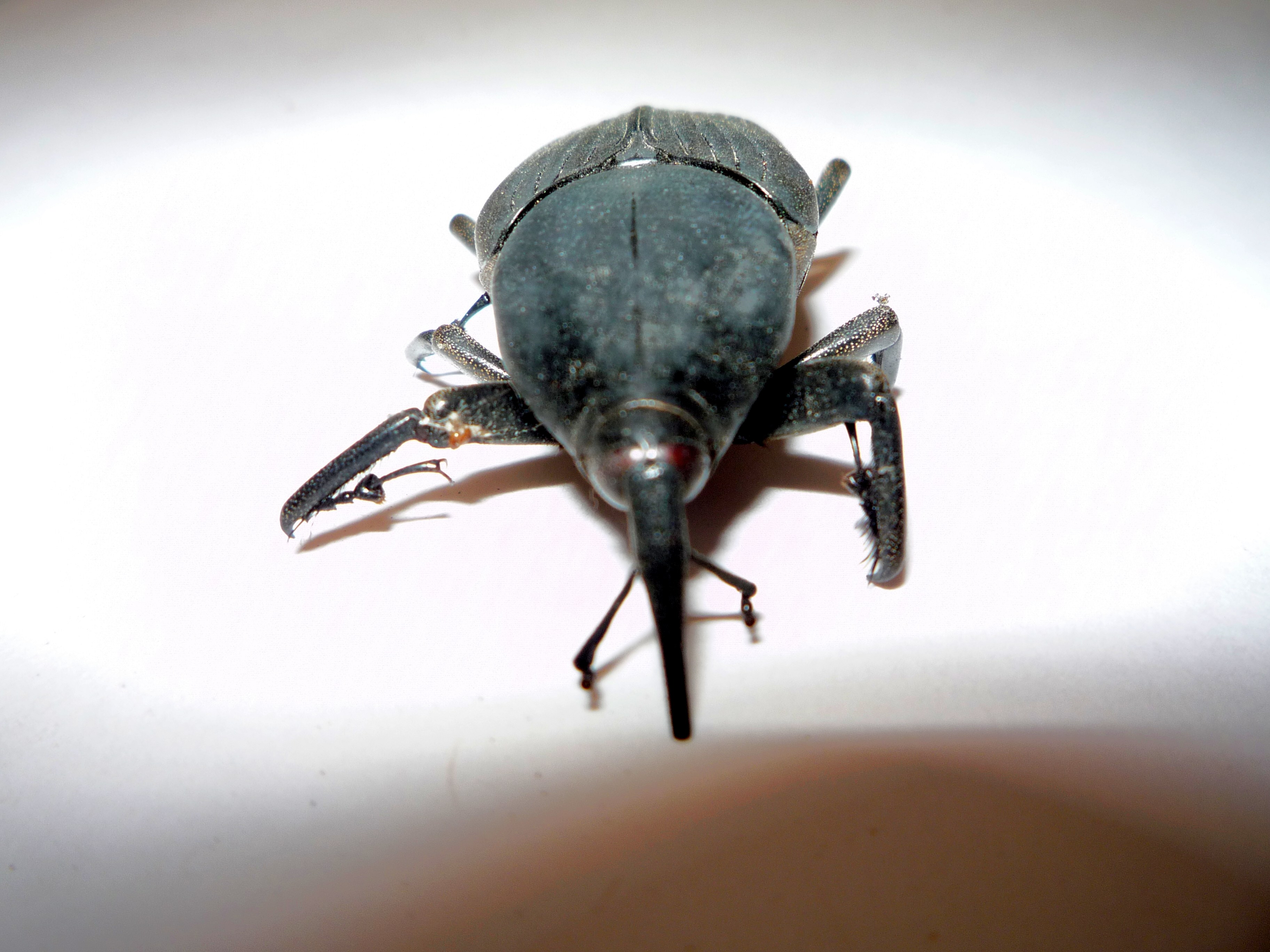
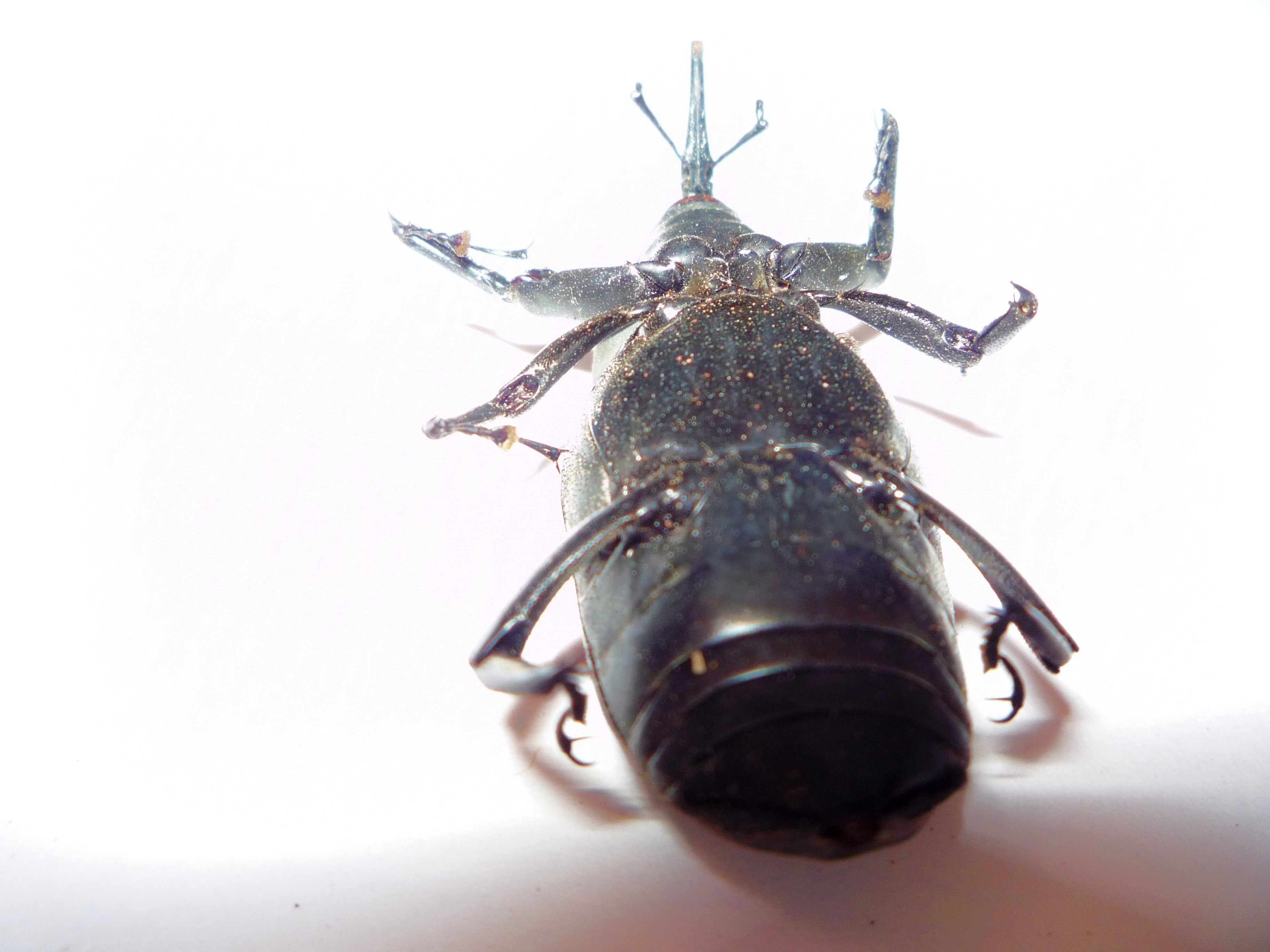
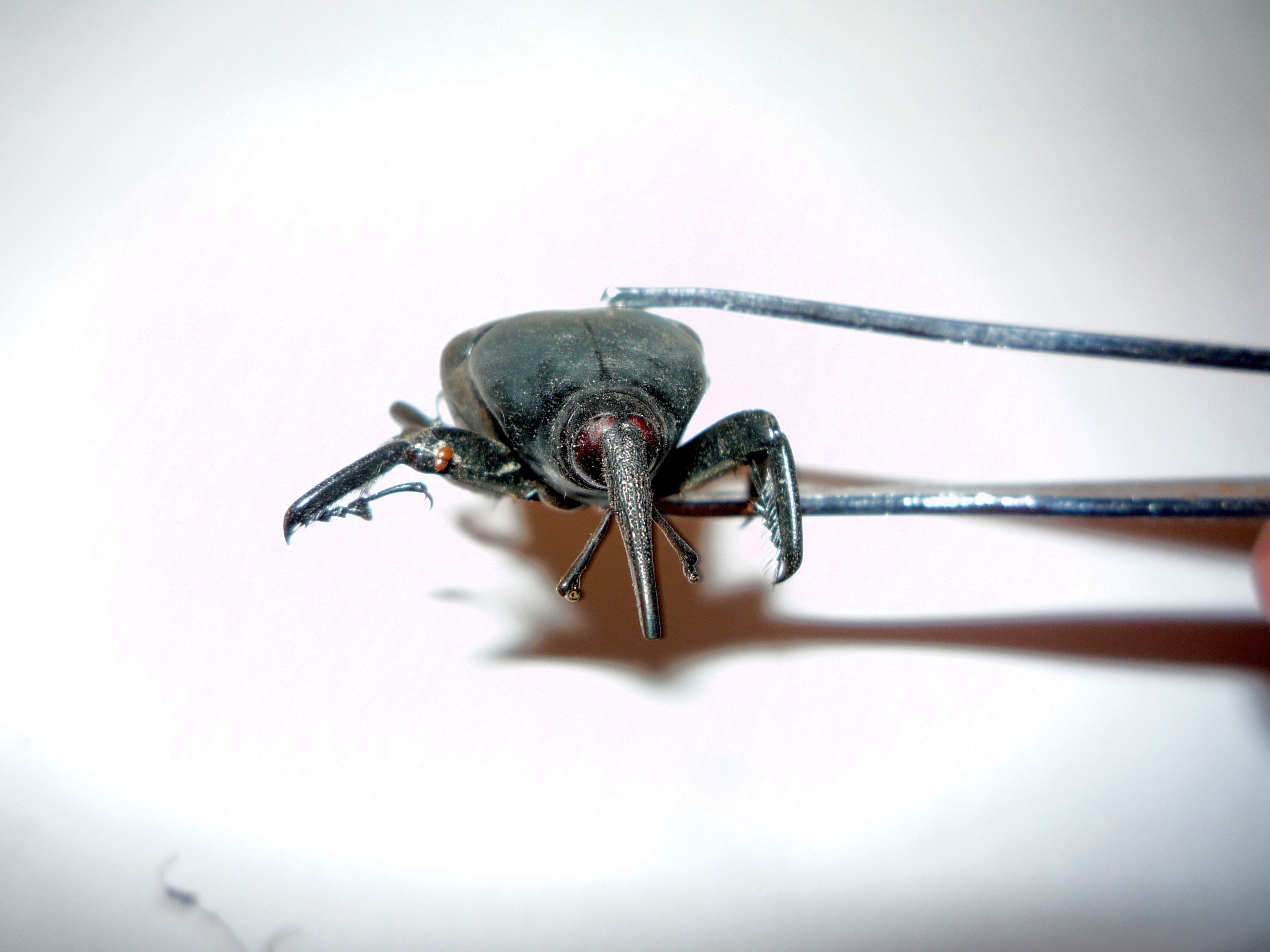
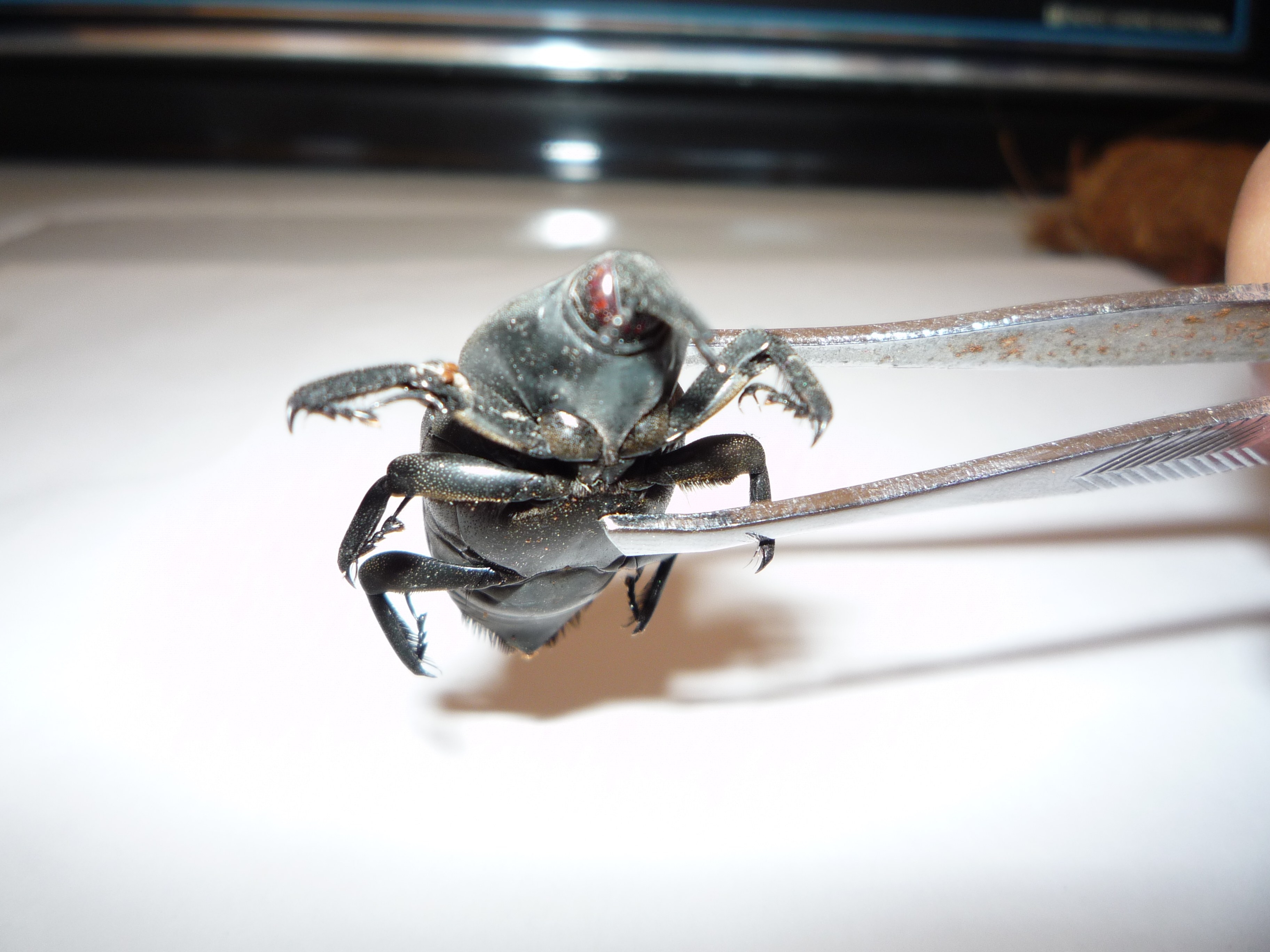
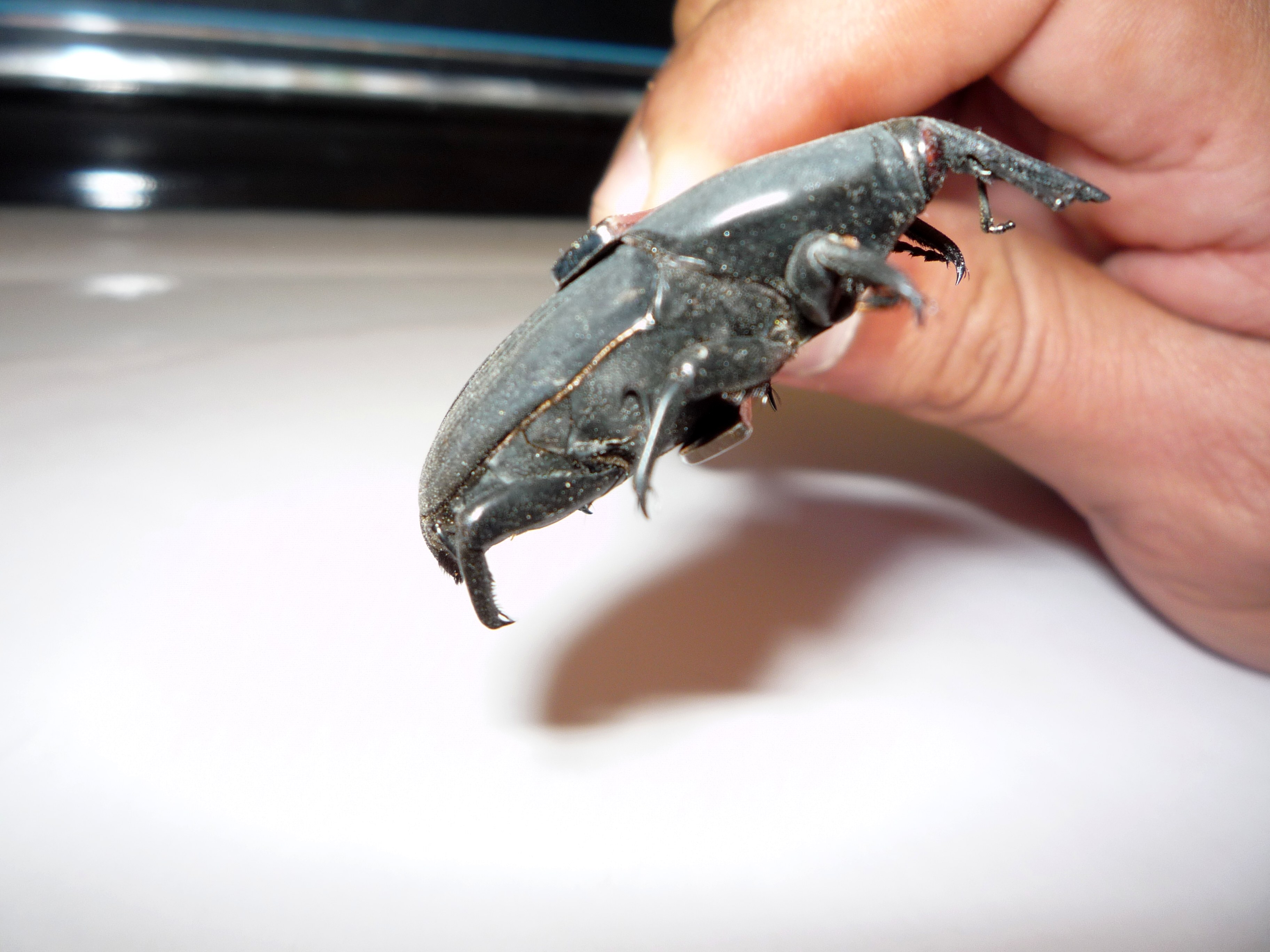
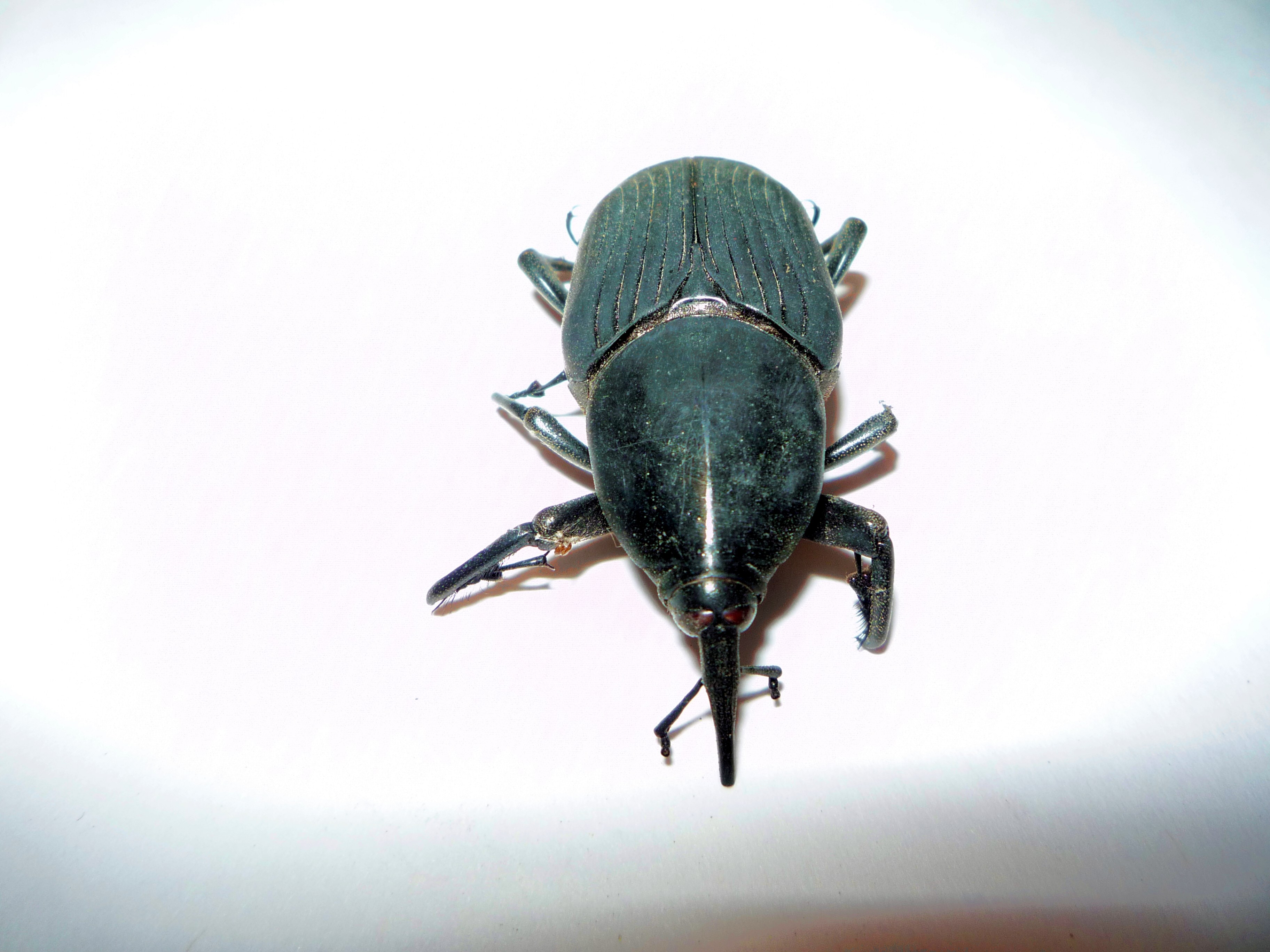
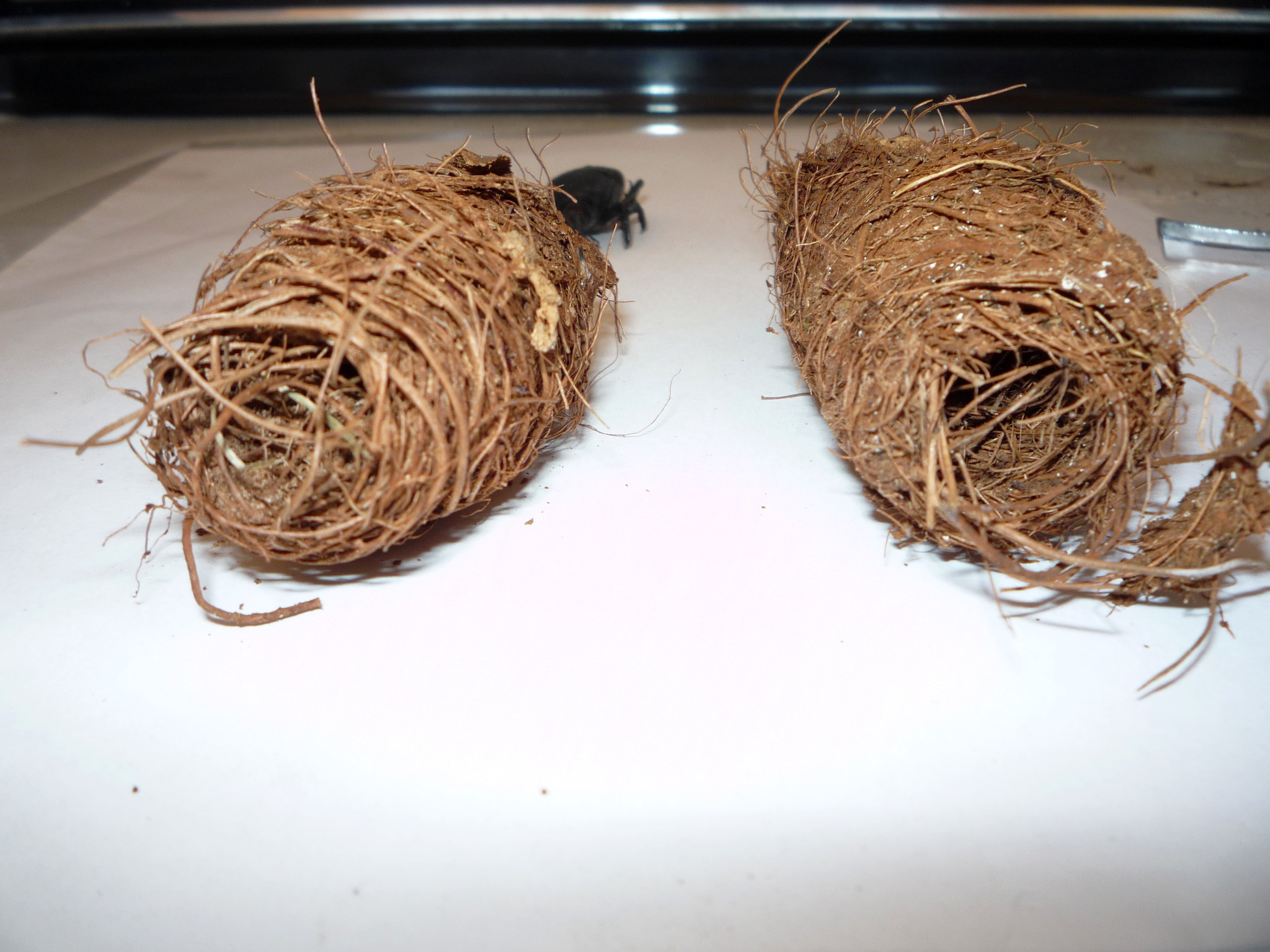
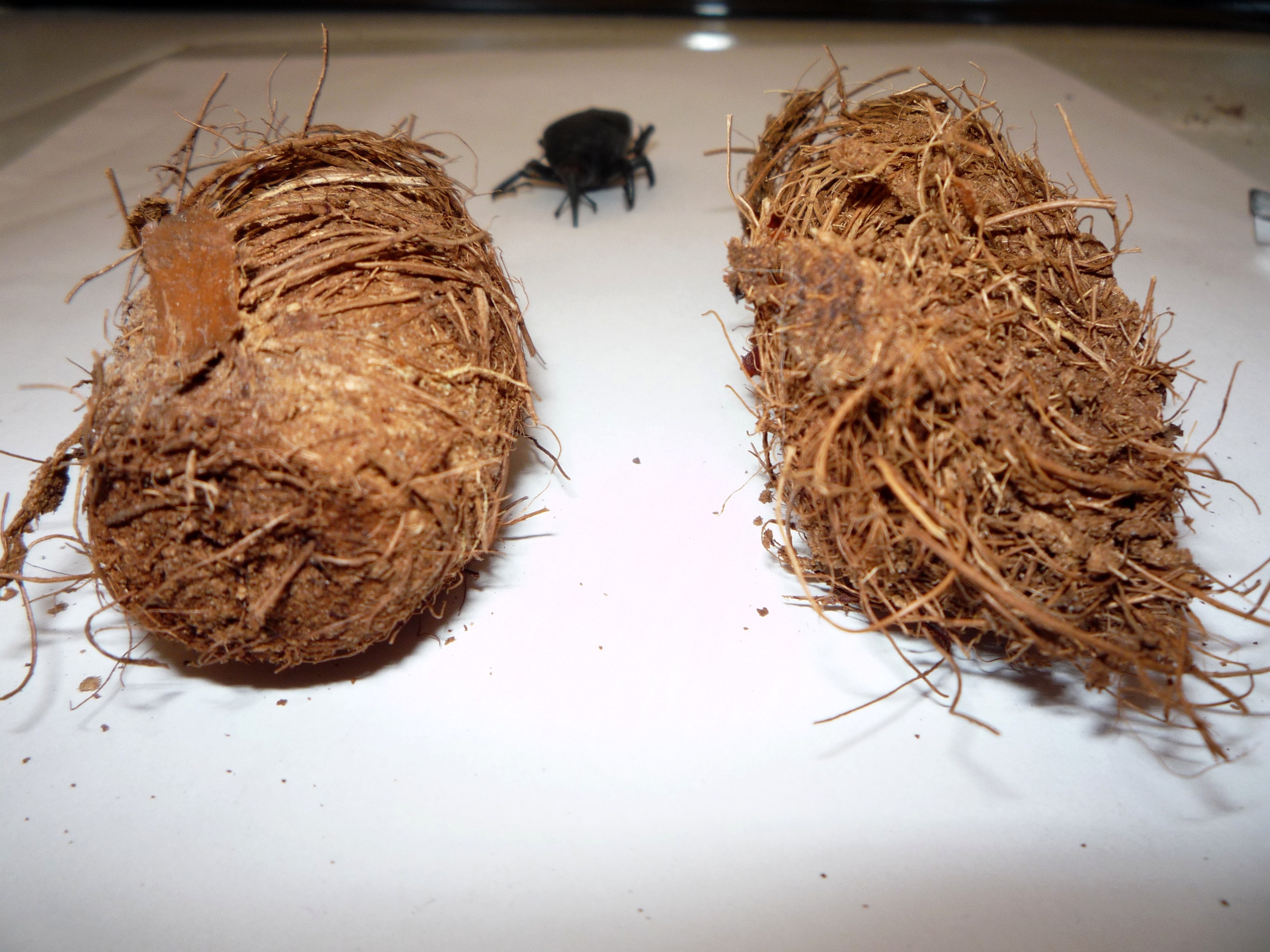
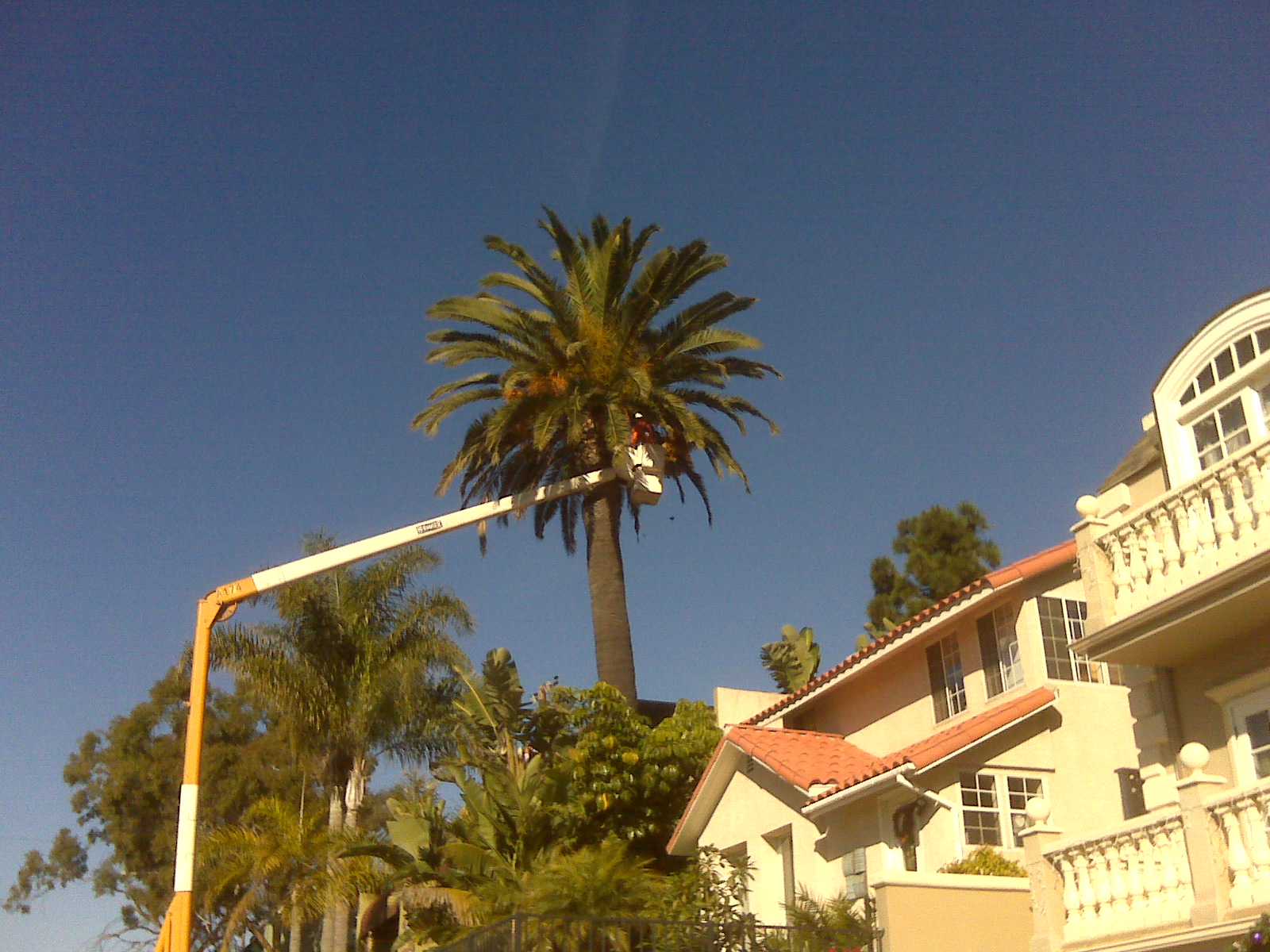
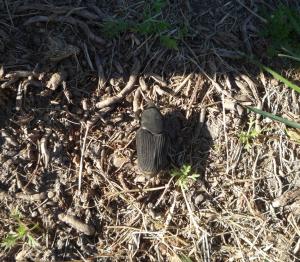
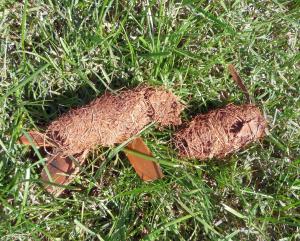
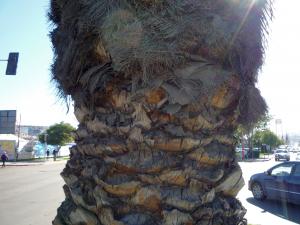
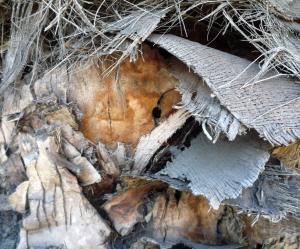
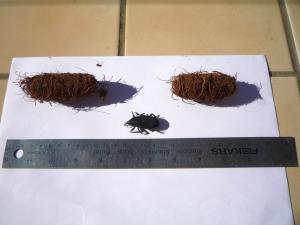
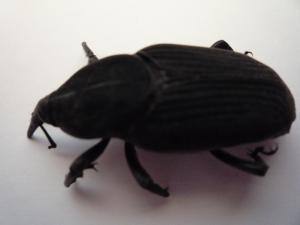
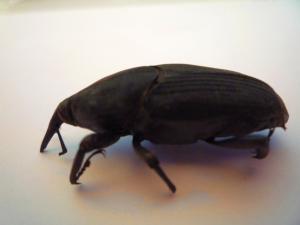
 I take these fotos today of the palm here in Tijuana. I find one weevil, black color, and 2 cocoons. I have them in my house. I AM VERY VERY VERY WORRIED. I am about 200 kilometers/120 miles south of laguna beach, california. Please send these fotos inmediately to the experts working in this problem ! They can come here, and also members of palmtalk, and see the bug and cocoons if they want - send PM for this. I am in tijuana all this week, in most weeks i work in other citys of baja california. I dont know to what persons to talk in the government here, i think things can move more faster if some body can send these fotos to international experts and than they contact the correct people in the mexican government. What can i do with the weevil ? I think it is dead for long time, it is very dry. What can i do with the cocoons ? Open them or leave them ? In this foto i take when i drive to the palm, i can see one new dead frond on ground. On the ground by the trunk of the palm, i find one dead weevil. I also find 2 cocoons by the dead frond. I also find this hole, is it from the weevil ? In my house i take these fotos now: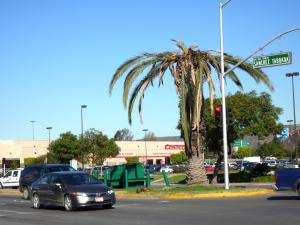



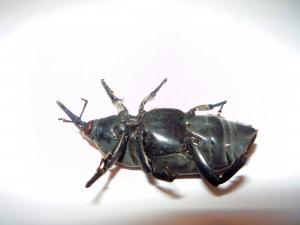
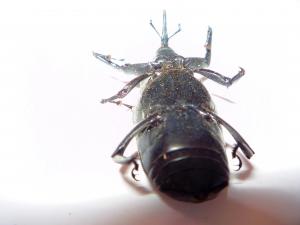
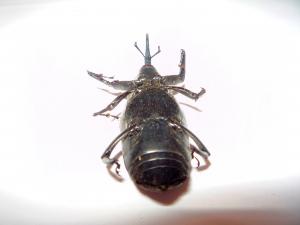
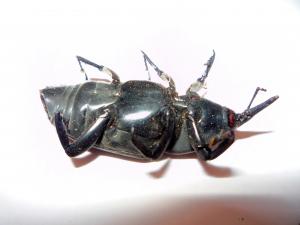
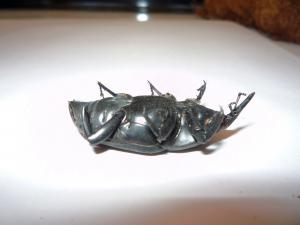
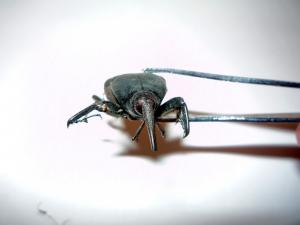
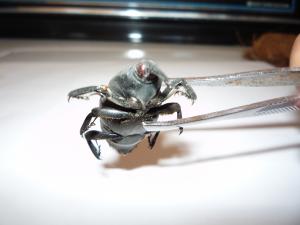
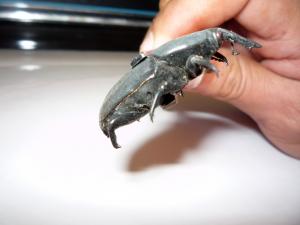
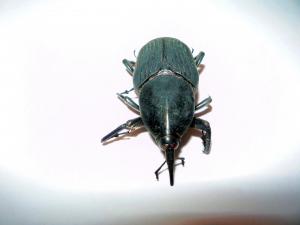
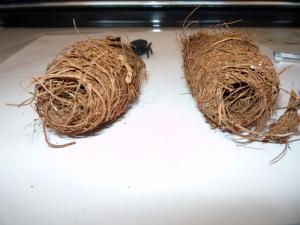
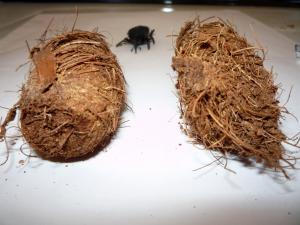 1 point
 -
 Another infested palm was found today in Laguna Beach. maybe 100 yards from the last one. At the time I was there they were still investigating, but some damage and one adult had been found. There were local, state, national, and international experts there. Tom
 1 point
 -
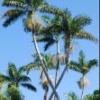 I've seen a lot of Fusarium on coconuts in the Carribean but have not seen a dying CIDP from it. As Gyuseppe stated, a dying RPW CIDP looks exactly like this - lower leaves green and intact with a decimated crown. I expect yellow lower leaves on a Fusarium infected palm. A ladder would confirm this quite quickly - once you witness that smell you will always remember it. The thing that convinces me on this particular speciman is the apparant existance of the brown mushy substance - this will always be present and easily identifiable:
 1 point
 -
It's too bad Google Street View doesn't display the date their pictures were taken. Here's Cristóbal's palm when it was seeing better days. Well, at least we know it was getting regular water. I hope you're right Matt. In describing RPW, Dr. Kabashima said (at the Laguna Beach meeting), "...one of the things to look at is the ring of fronds, like a Friar Tuck haircut. The center's dead, the older fronds are green." Here's Cristóbal's palm now.1 point