Leaderboard



Popular Content
Showing content with the highest reputation on 11/05/2010 in all areas
-
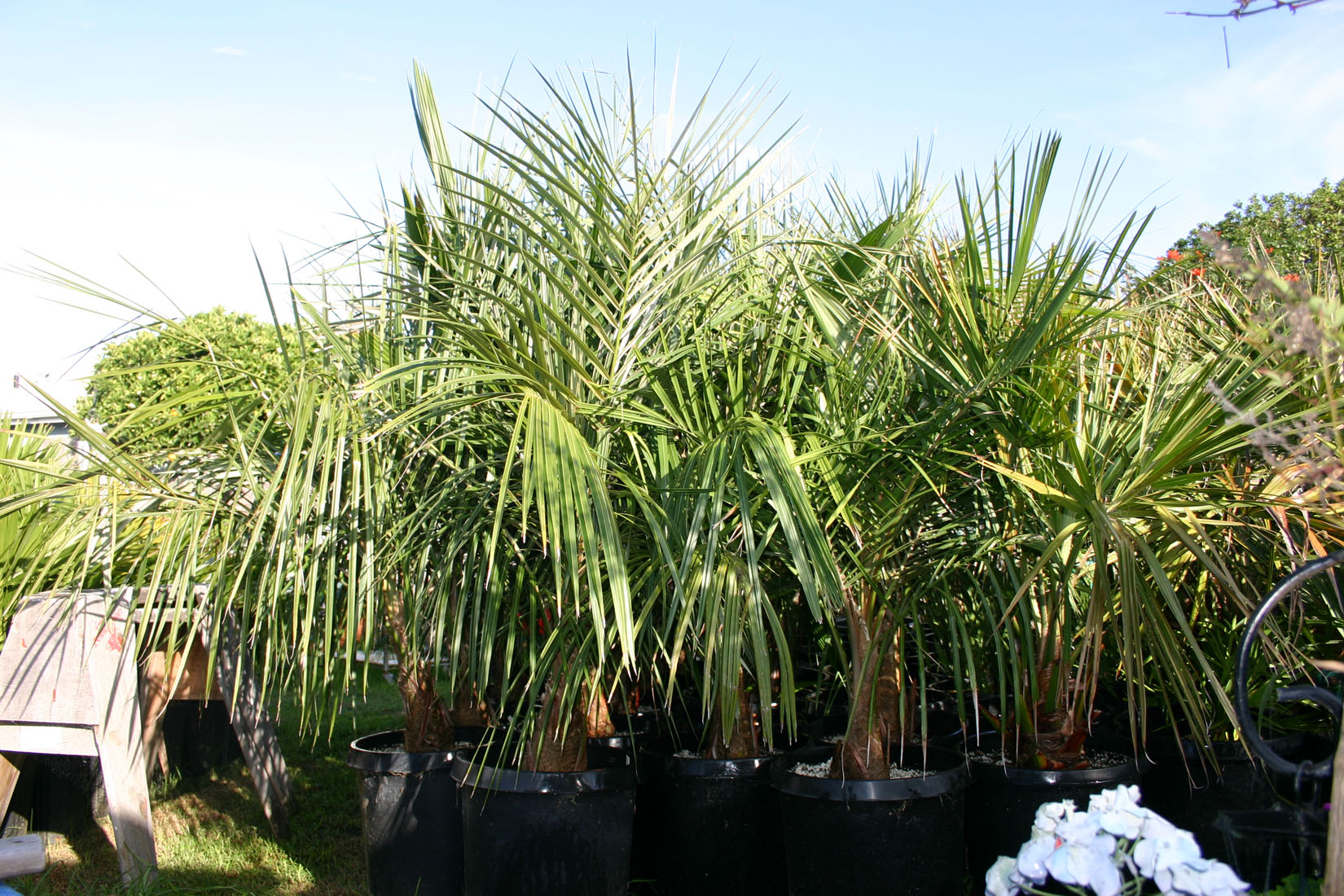
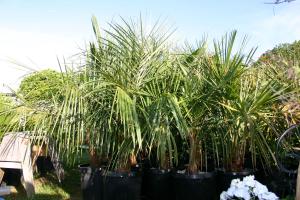
Through the end of October I'll let these go for $60.00. Get 5) for $50.00 each. Get 10) for $45.00 each. - Perry
 1 point
 -
I almost stepped on this baby. We had a local guy die from a rattle snake bite just a few weeks ago, here in San Diego. Click to see video1 point
-
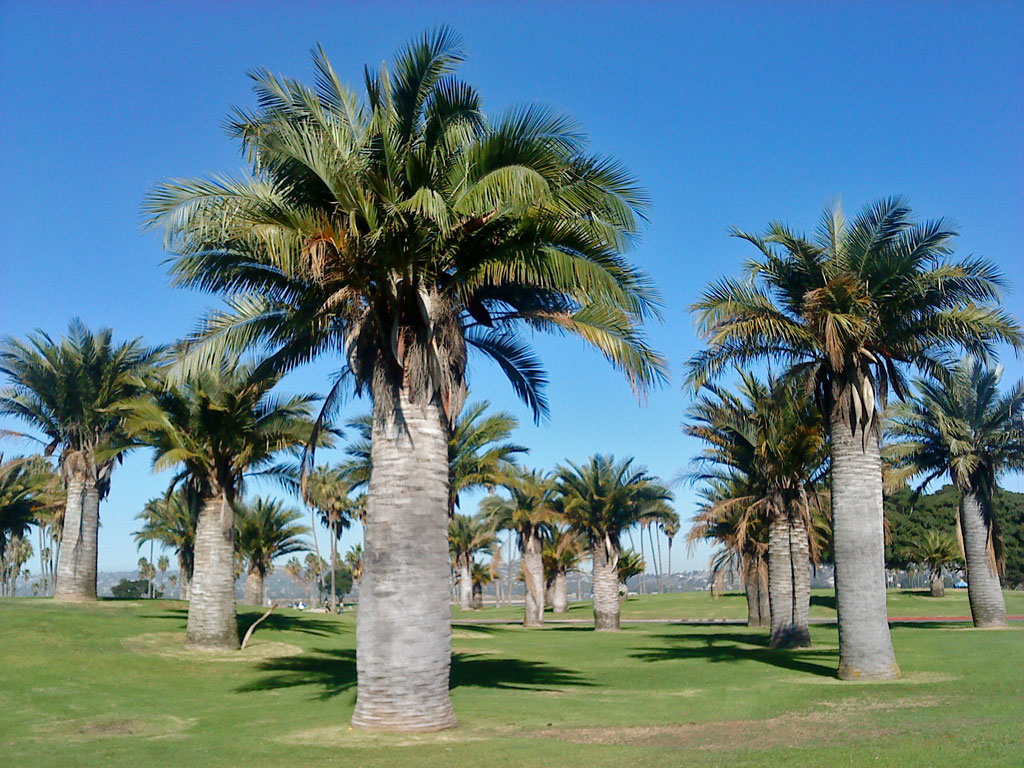
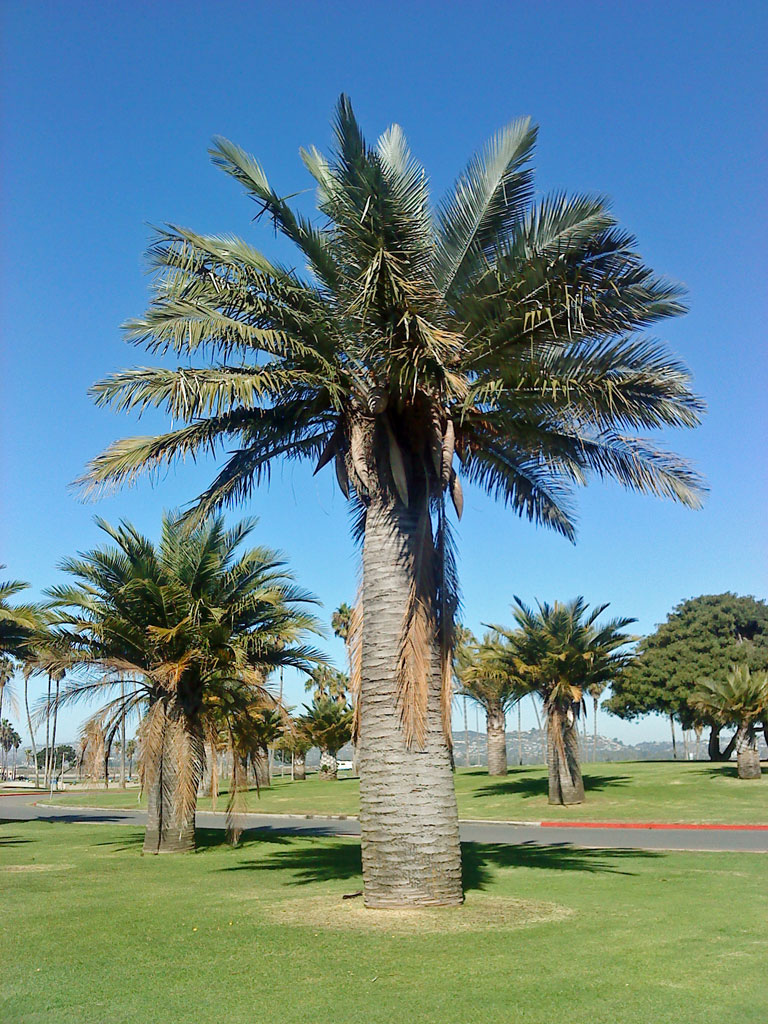
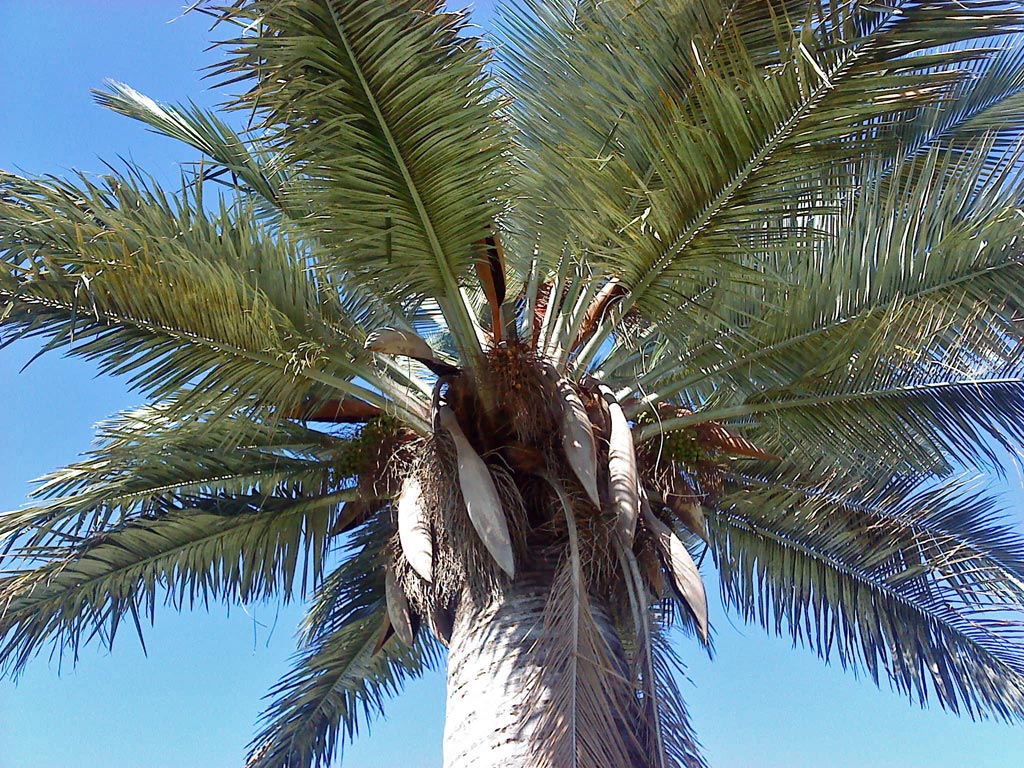
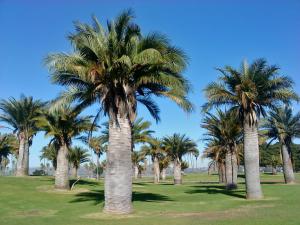
My cell phone I've had since 2006 died last week, so I was forced to upgrade. I prefer doing all my internet stuff on my laptop, so i really didn't want the added expense of a data plan. So my goal was to get the cheapest phone with AT&T that had the best camera, and no data plan. It came down to a Sony Ericsson model that has a 3.2 megapixel camera, and it was free withe the plan. I needed to drop my wife off at SD Airport this morning, and decided to try my new "camera" out on the grove of Jubaea at Mission Bay. I know everyone's seen these a bunch already, so yawn if you have to.


 1 point
 -
Oh, there is a palm in there somewhere.1 point
-
Hey ron, it's eric, Randy's buddy. I was wondering if you're going to be around this saturday? I'd like to drop in and pick up that Dypsis presto and a caryota if you'd be around 1-2ish. Let me know. Thanks, Ron! Hope you caught some of that decent surf that's been piling up lately. -eric hofmann1 point
-
I hadn't heard about that fatality in San Diego Matt. I Googled it and came up with the story here. "He stopped breathing minutes after being bitten". "... a UCSD toxicologist believes rattlesnake venoms locally have evolved to become more toxic than in the past." Wow. I was under the impression you had a couple hours to get to a hospital...1 point
-
Scarry Matt. Be careful. I've seen lots of gopher snakes and one king snake, but no rattlers, in the 10 yrs living at my place. Thanks to that.... -j1 point
-
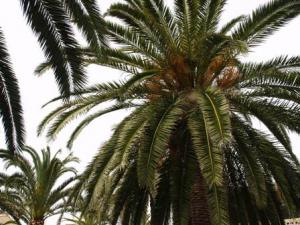
Wal - I chose the tallest one around, followed it's shadow to the "top" then turned around. Here's another tall one I didn't include before because it was too similar.
 1 point
 -
Nice pic by the way (ripe for mad captions), you've done good on the phone purchase Terry.1 point
-
Thanks Terry and Matt! I will be in SoCal for a few days later in the month so if you'd like anything from my list, I may be able to bring it. Perry1 point
-
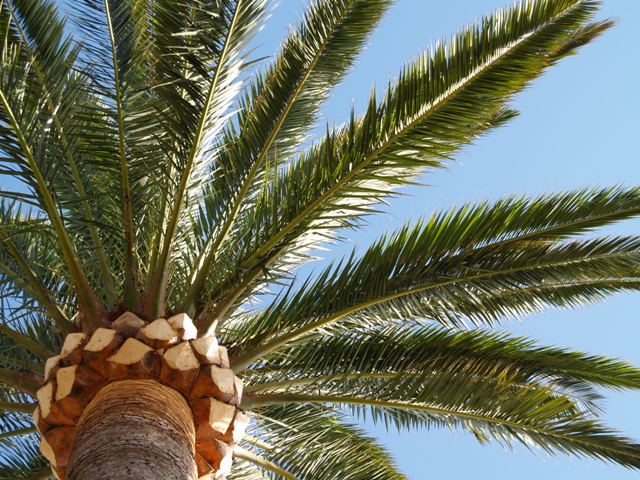
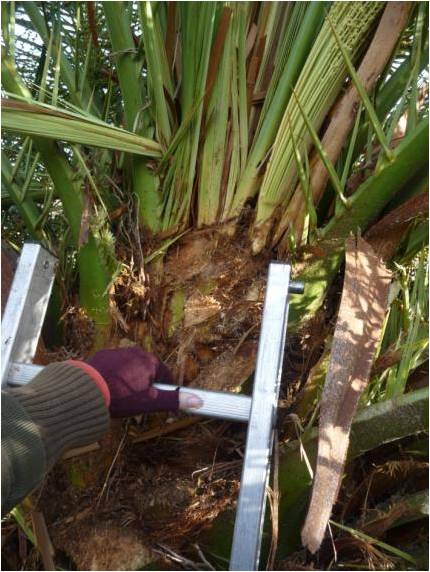
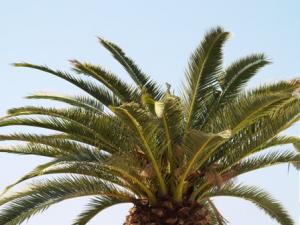
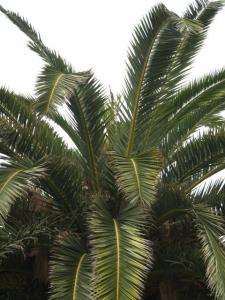
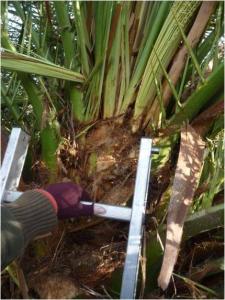
Good morning A lot of interesting messages regarding symptoms. Of course, as soon as symptoms are detected better it is. Palms with many leaves drooped down are no more a symptom, they are an evidence. We have to look for early symptoms. If they are detected in time, palm can immediately be sanitized and weevil dispersion will not occur or can will stop. The palm of the following slide (symptom 1)is infested and, from ground, we have been able to detect a symptom of its infestation. Can you find it? With a photo, it is not easy to find this symptom but all the persons who were with us (professionals but also simple palms owners) were capable after few minutes to find it. On the next slides, it is a bit easier. Field training of plant protection personal, professionals, public gardens personal but also palms owners or volunteers is indispensable. Everybody after a short field training is capable to detect from ground early symptoms. We have organized many field training in different European countries and people were enthusiast and rapidly very efficient. The training of trainers is urgent. Regarding early detection, the worse behavior has been the one adopted by several plant protection services in Europe who instead of teaching people how to detect symptoms have monopolized this task. A stupid attitude considering the important number of palms to control, their scattered location and the need to repeat these controls frequently during months. A lot of money has been wasted uselessly for this task. In addition to detection from ground, deeper inspection must be realized in the infested area. We have to consider that all the palms around a detected infested one or around a trap that has captured a weevil are potentially infested on a radio of at least 200 meters. To prevent any weevil dispersal from these palms and also to save them, inspection windows must be realized (photo attached). They allow to detect early symptoms as demonstrated in the attached slide (hidden symtoms) that show symptoms undetectable without acceding to the central leaves thanks to the inspection window. . Be careful not to confound the detection of few early symptoms with the state of infestation of a palm. You will be often surprised by the number of larvae and even cocoons and adults that you will find in a palm that presents just a very small and initial symptom of attack. Best regards. Michel


 1 point
 -
You and your phone have passed the test.1 point
-
I reduced the images to 50% for posting here. There are some soft spots near the edges, but for a free phone I'm impressed. It also means I have no excuse for not getting a photo of an interesting palm when I'm driving around.


 1 point
 -
Great deals Perry, you grow some amazing plants, wish you were closer.1 point
-
Those are nuts! I'm sure I spent that much for a small strap-leaf 5-gallon in 2006. I already have two parajubaea or I would find more excuses to make the trip up (like the Paso Robles wineries)1 point
-
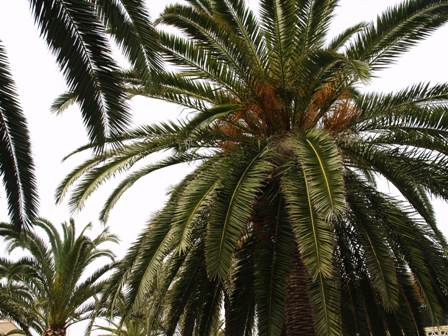
Here are some images of Phoenix canariensis at various stages of RPW infestation. A young palm. The crown is beginning to drop on this Phoenix. The palm on the right is rather advanced. In So. California I suspect we will not see a mature palm like this very often, since the palm would have already been assumed dead and removed by most individuals. Let's hope we never see this sight. Apparently wounds at the base and along the trunk can be another point of RPW infestation. Ron1 point
-
Dave and Bill, if you're focusing on CIDP's then look out for a crown that appears to be opening up at the centre. If strong winds leave a CIDP with a "centre-parting" then that is potentially a sign of infection. That would be my layman's description, in terms of a drive-by observation. Some photos of RPW damage to emerging fronds here (see fig.7): http://www.aambiental.org/PalmWeevil/1 point
-
Michel, It seems to me that the phytosanitary regulations passed by the European Commission were not drawn up with much palm expert advice or advice from palm nurseries. The section ‘susceptible plants’ for instance lists Areca catechu, Arenga pinnata, Borassus flabellifer, Brahea armata, Butia capitata, Calamus merillii, Caryota maxima, Caryota cumingii, Chamaerops humilis, Cocos nucifera, Corypha gebanga, Corypha elata, Elaeis guineensis, Livistona australis, Livistona decipiens, Metroxylon sagu, Oreodoxa regia, Phoenix canariensis, Phoenix dactylifera, Phoenix theophrasti, Phoenix sylvestris, Sabal umbra- culifera, Trachycarpus fortunei and Washingtonia spp. Many of these palms do not and will not grow anywhere in Europe and should not be on this list. Nomenclature is a bit outdated as well. Rather than banning the import of large palms (a practice that has been demonstrated to be responsible for the introduction of several serious palm pests, including RPW, into the EU) and rather than introducing regular phytosanitary inspections for nurseries that grow and trade large palms, the commission burdens the nursery industry with its bureaucratic system of plant passports. These may make sense when large palms are moved around in the south (though in the end you will never know for sure if RPW were spread around by infested plants or by other means), but are particularly absurd for smaller plants and for northern Europe where it is too cold for the RPW to survive. Best, TOBY1 point
-
Alberto, the 2 gal. buckets have a mesh bag wrapped around them. . . . . . . . . . . . . . . . . And the trap attached to the infected palm has a burlap bag wrapped around it. . . . .1 point
-
Alberto, in this address you will find all "biological" products actually available in Italy http://www.biofarm.it/index.php?main_page=index&cPath=36&sort=20a&page=1&zenid=558f740b12b7104dabf742cb55398f28 Some are very good, (NEMASYS C) but really expansive Traps working very well! I located 3 of them in my garden This year , I captured about 200 red weevils with them!! Last palm attached was a washingtonia, but nearly 2 years ago! I'm using Neem oil, with a particular preparation, that is "very biological", but the RED WEEVILS are too much, so for the moment , I'm still treating every 3 months my biggest palms , also with an insecticide (PIRINET) with a base of CLORPIRIFOS. CLORPIRIFOS and Traps, were used also with success in Israel For close, in my small experience, using traps seems to be the most important thing in the battle with red Weevil, used for capture insect,but also for monitoring them in your area!! I agree with others : Palms seriously infected have to be cutted and destroied ( at least the infected part)IMMEDIATELY!!!!! CLORPIRIFOS insecticide work very well as PREVENTION, ( I found some red weevils died after tried to attach some treated CIDP)and also in palms recently attached! I treat palms with a 5 lt watering cane. I don't use pumps or similar!! Hope this could help Best M@x1 point
-
Ron,this traps you shew doesn´t look like they have a rough surface outside (like recomended) were the weewils can sit on before entering the trap,or maybe I cannot see the details of the trap. it looks like a plastic surface.....................1 point
-
At this size, it's too hard to tell the difference between a traps valley, green hills, or an arenarius x latifrons. -David1 point
-
Do you have any more pictures? Is this a latifrons cross?1 point