Leaderboard


Popular Content
Showing content with the highest reputation on 09/07/2010 in all areas
-
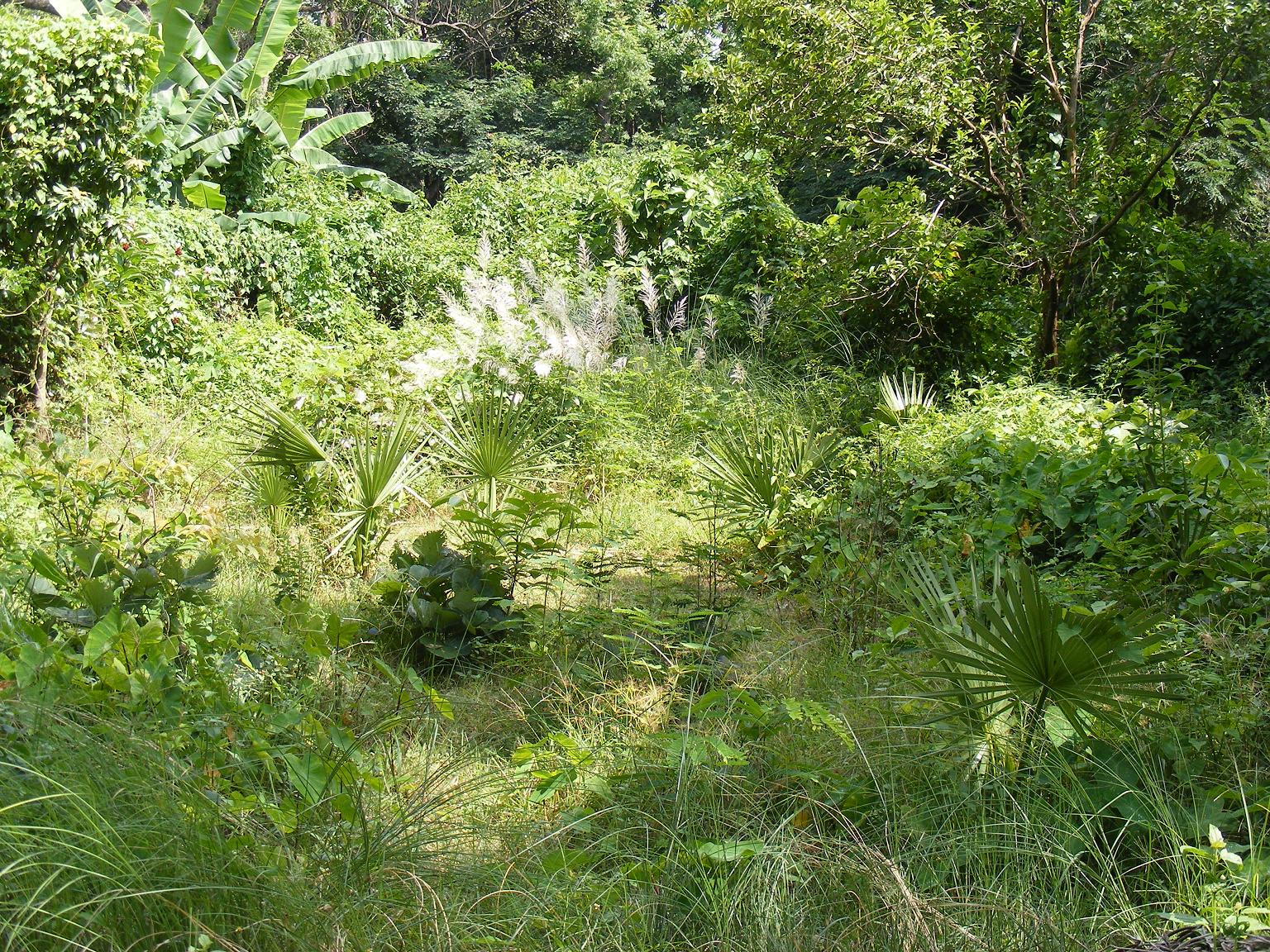
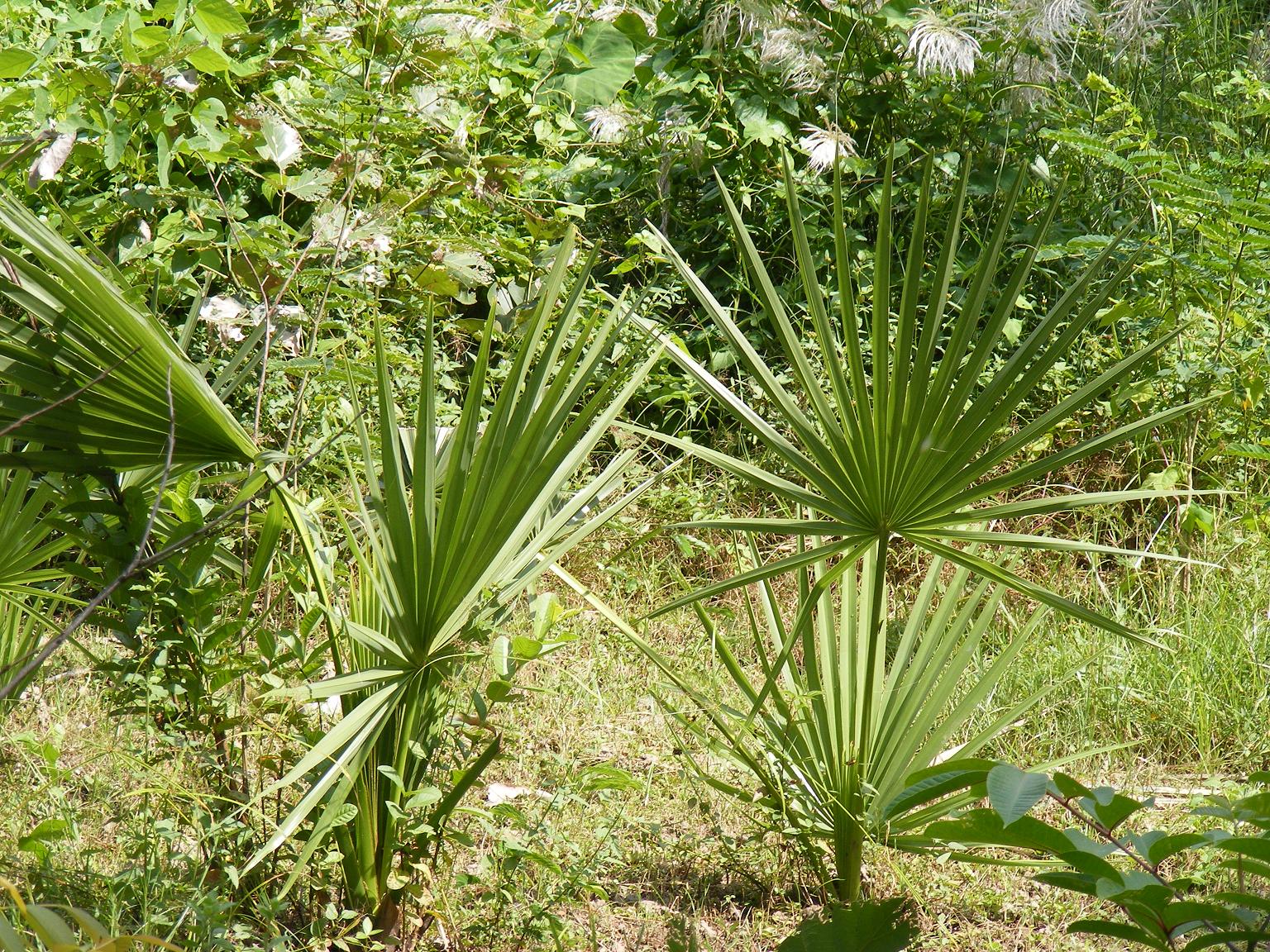
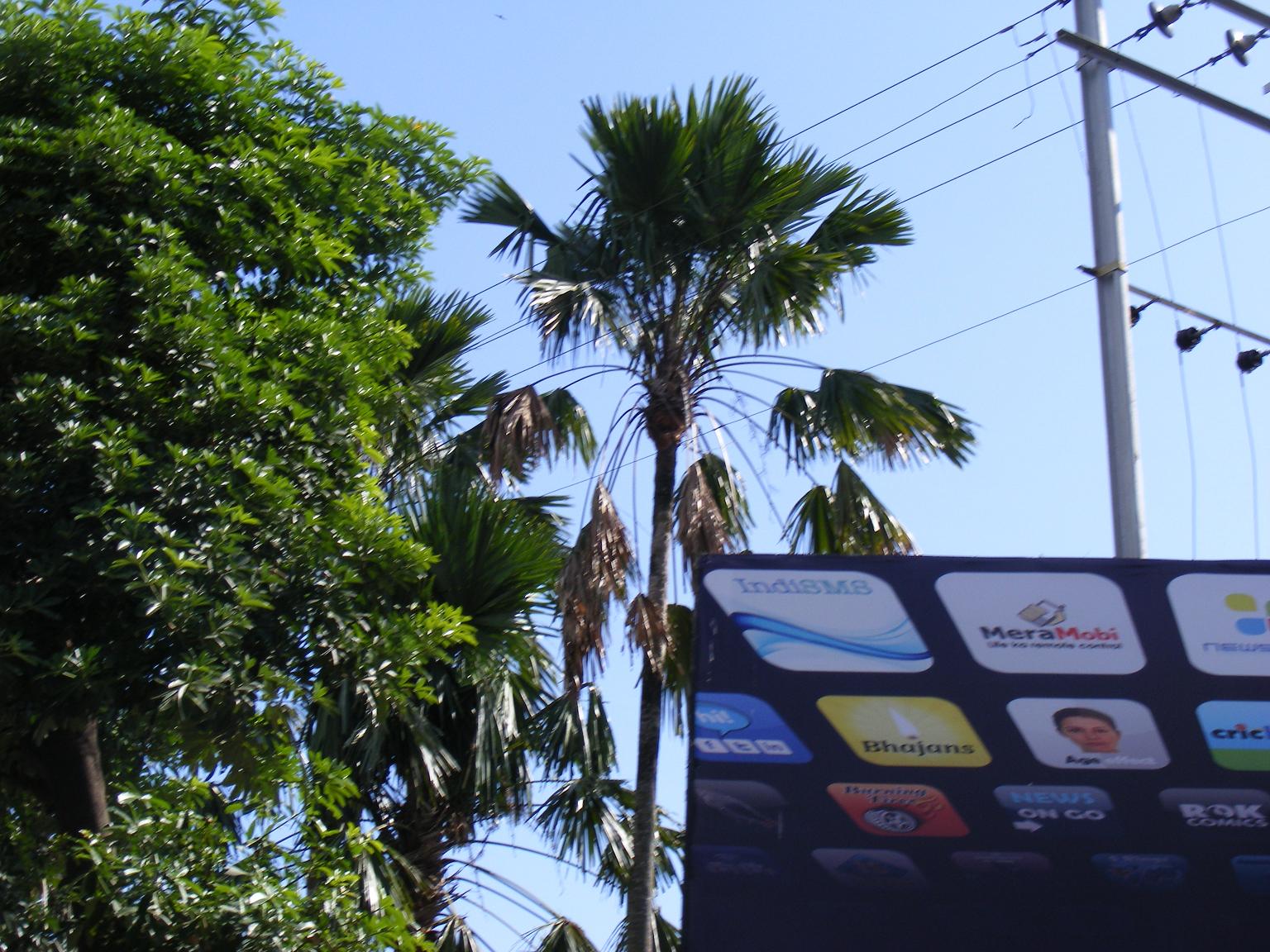
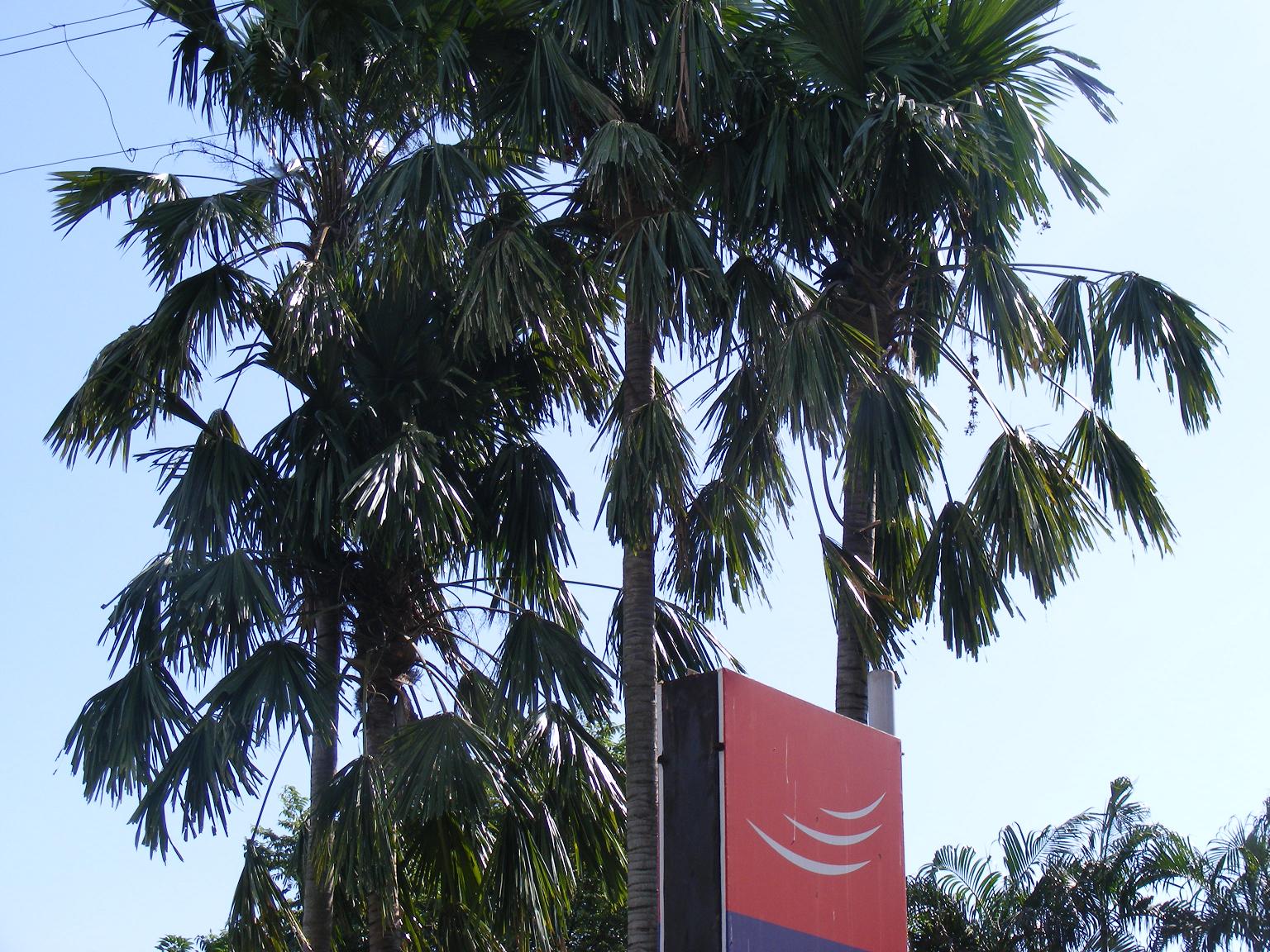
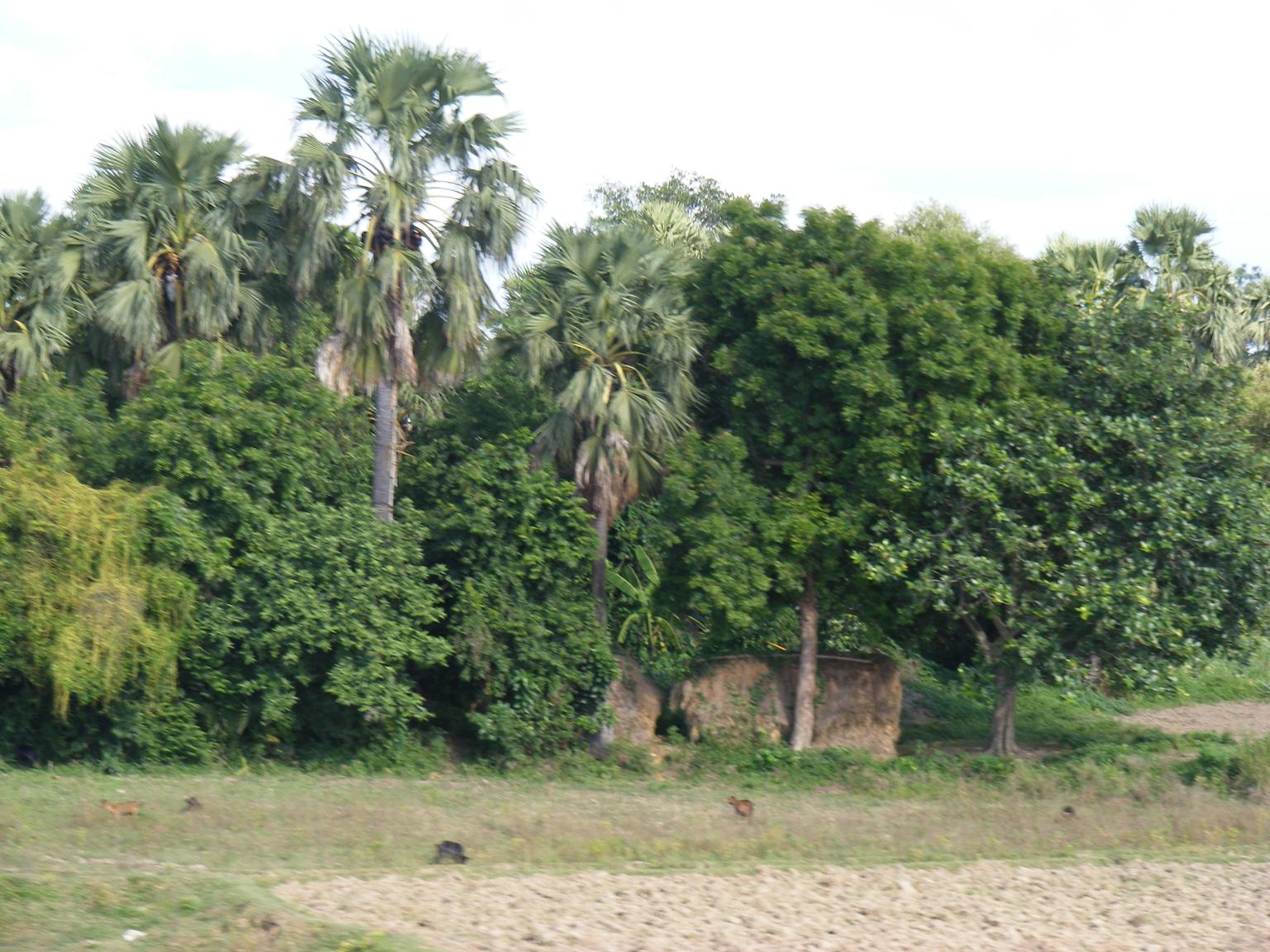
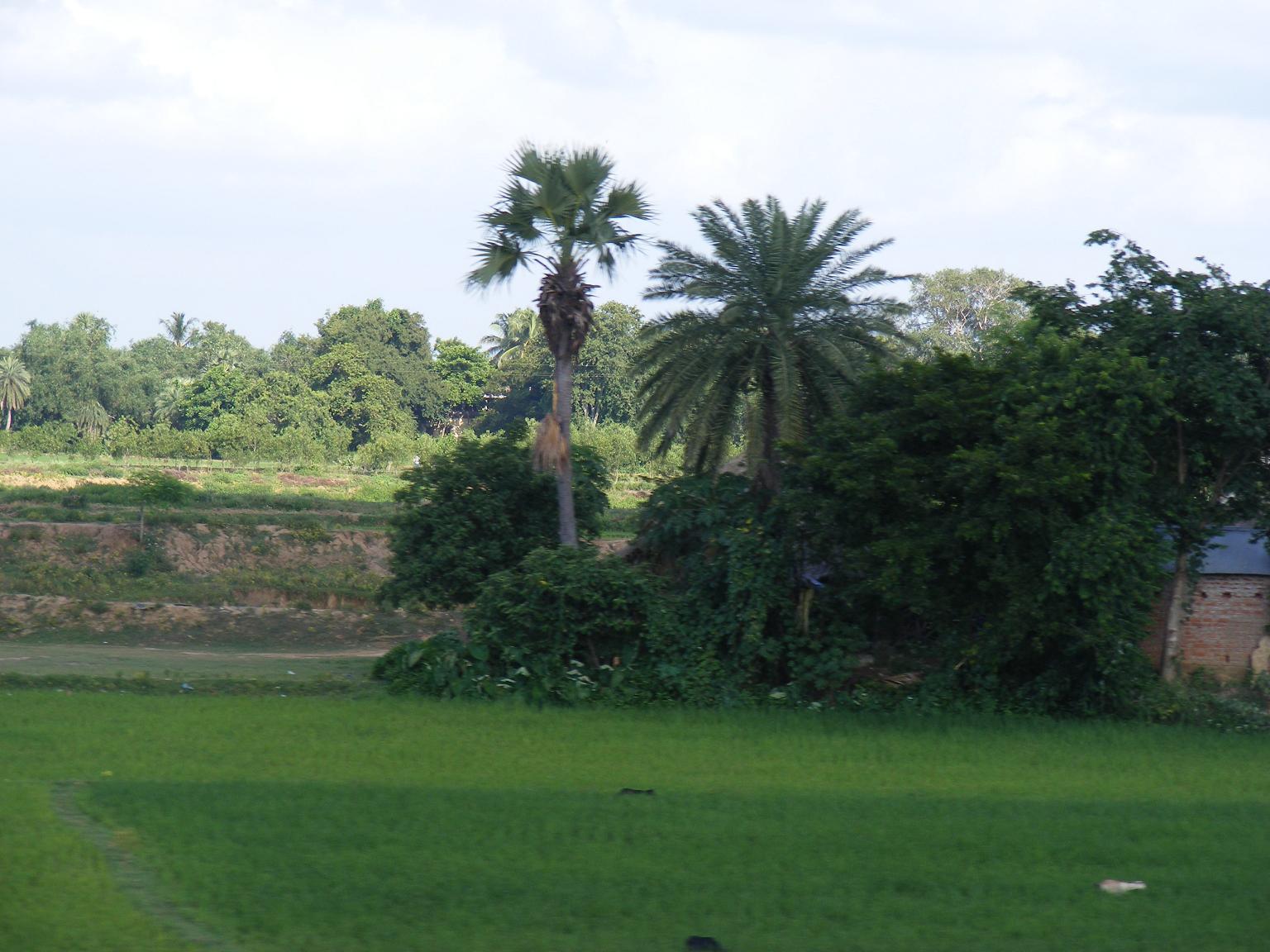
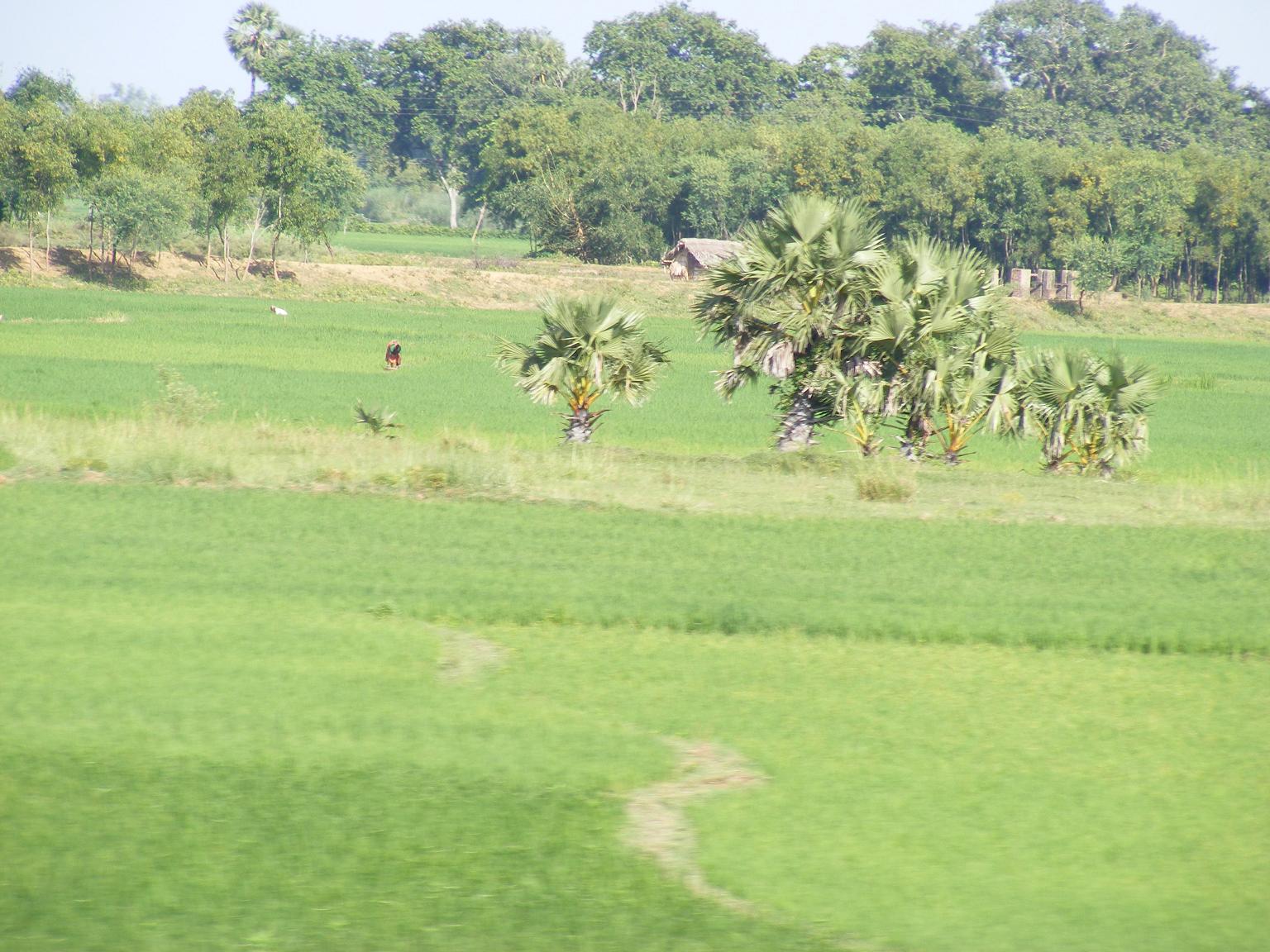
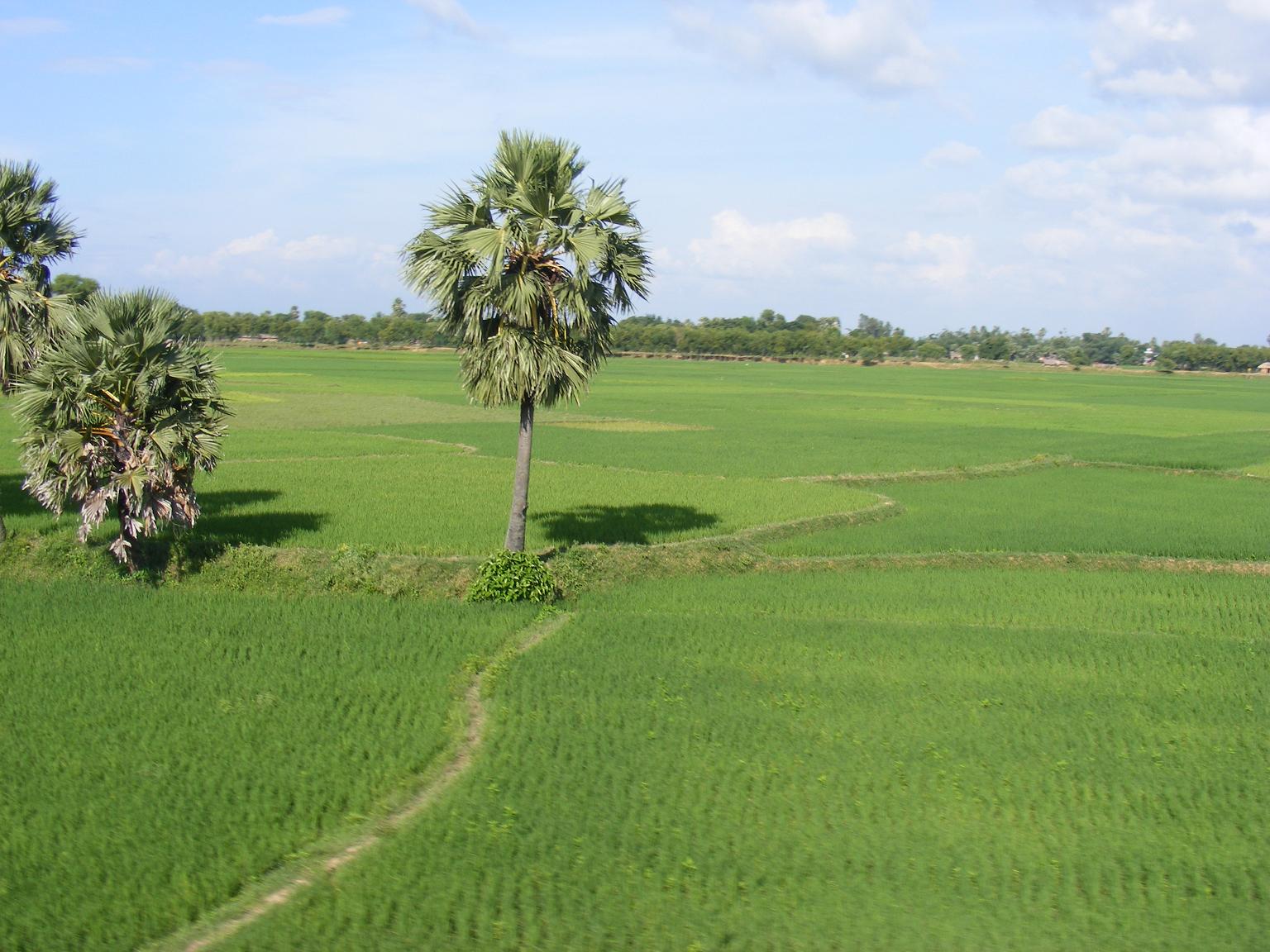
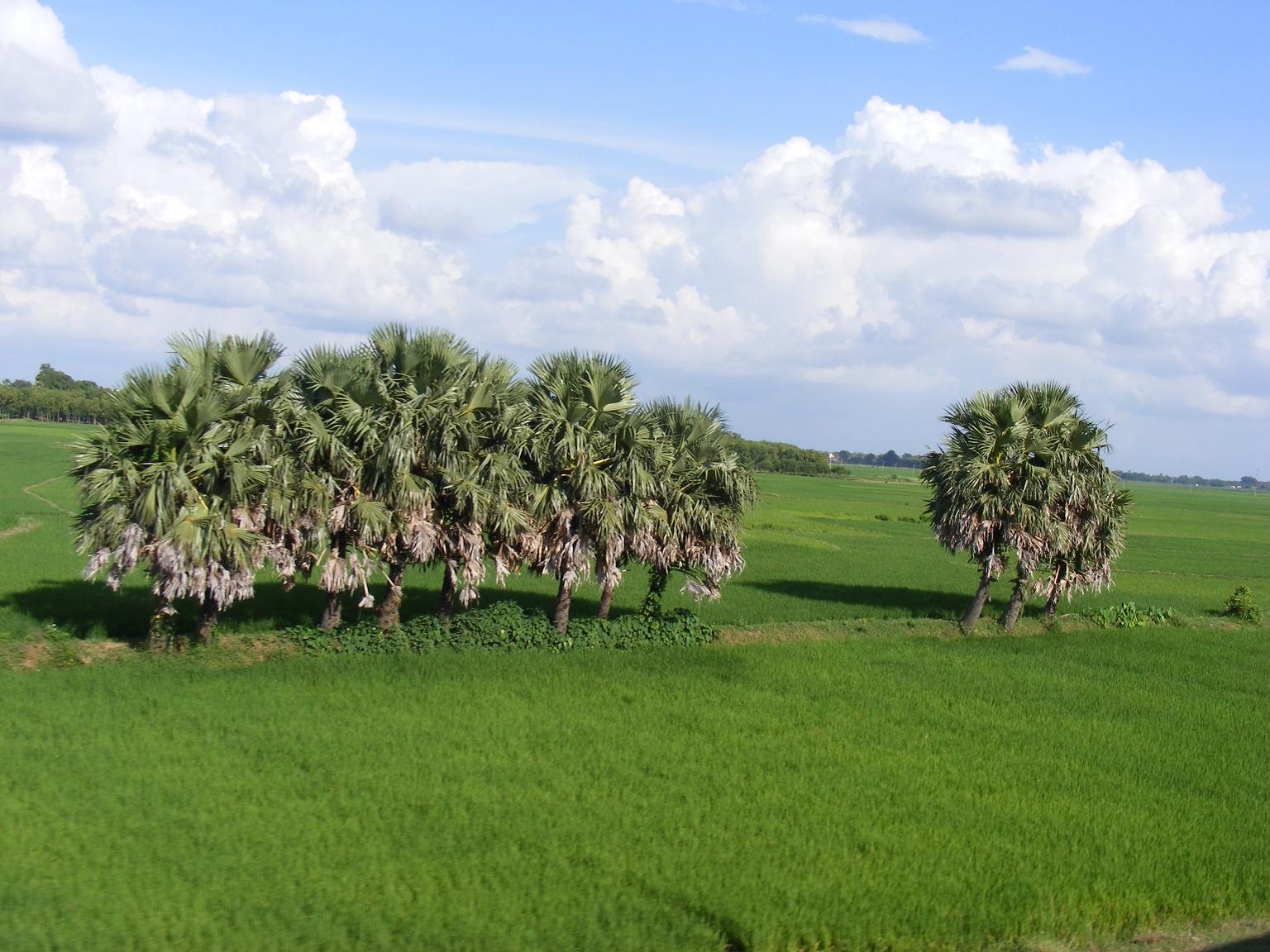
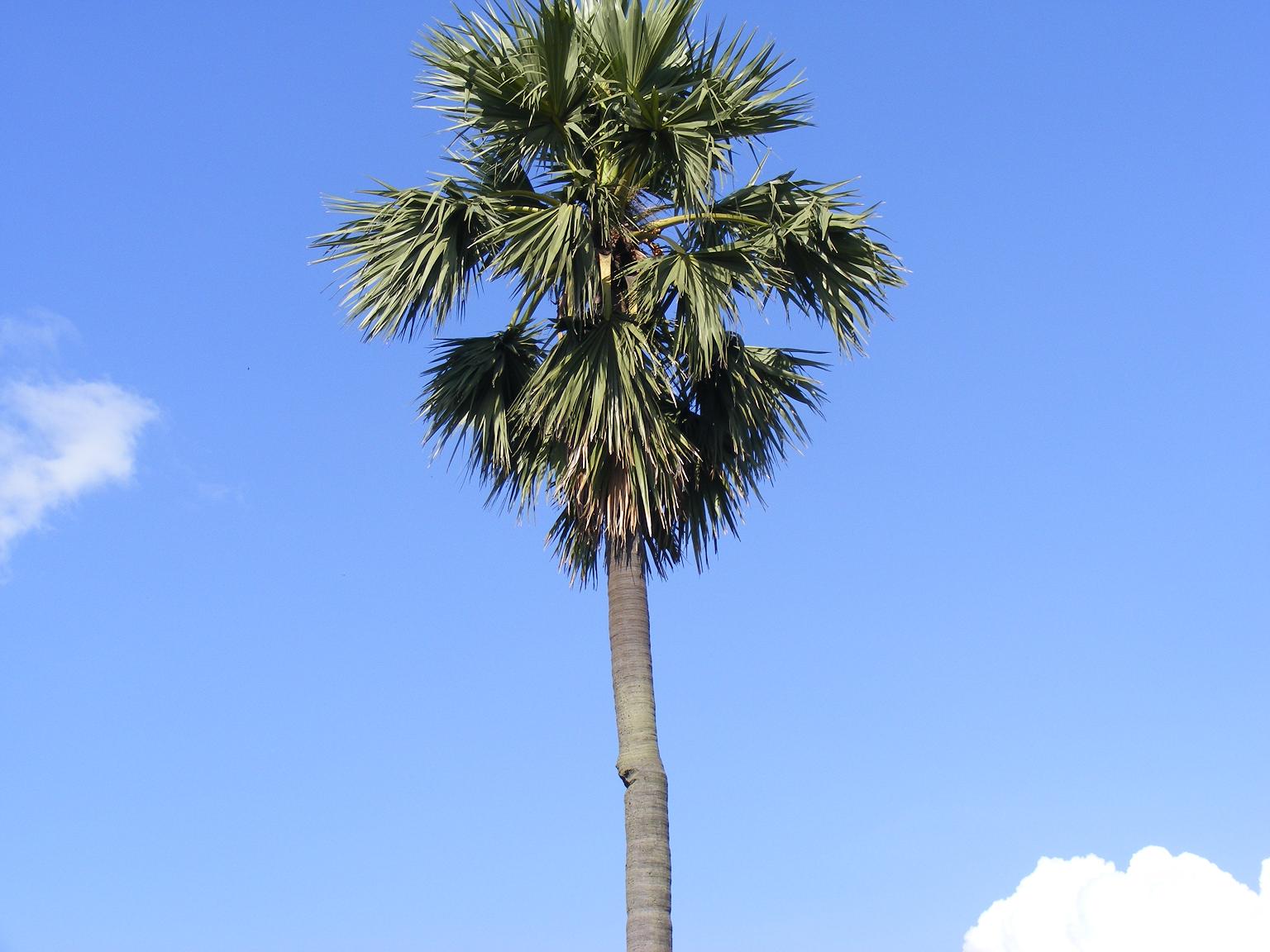
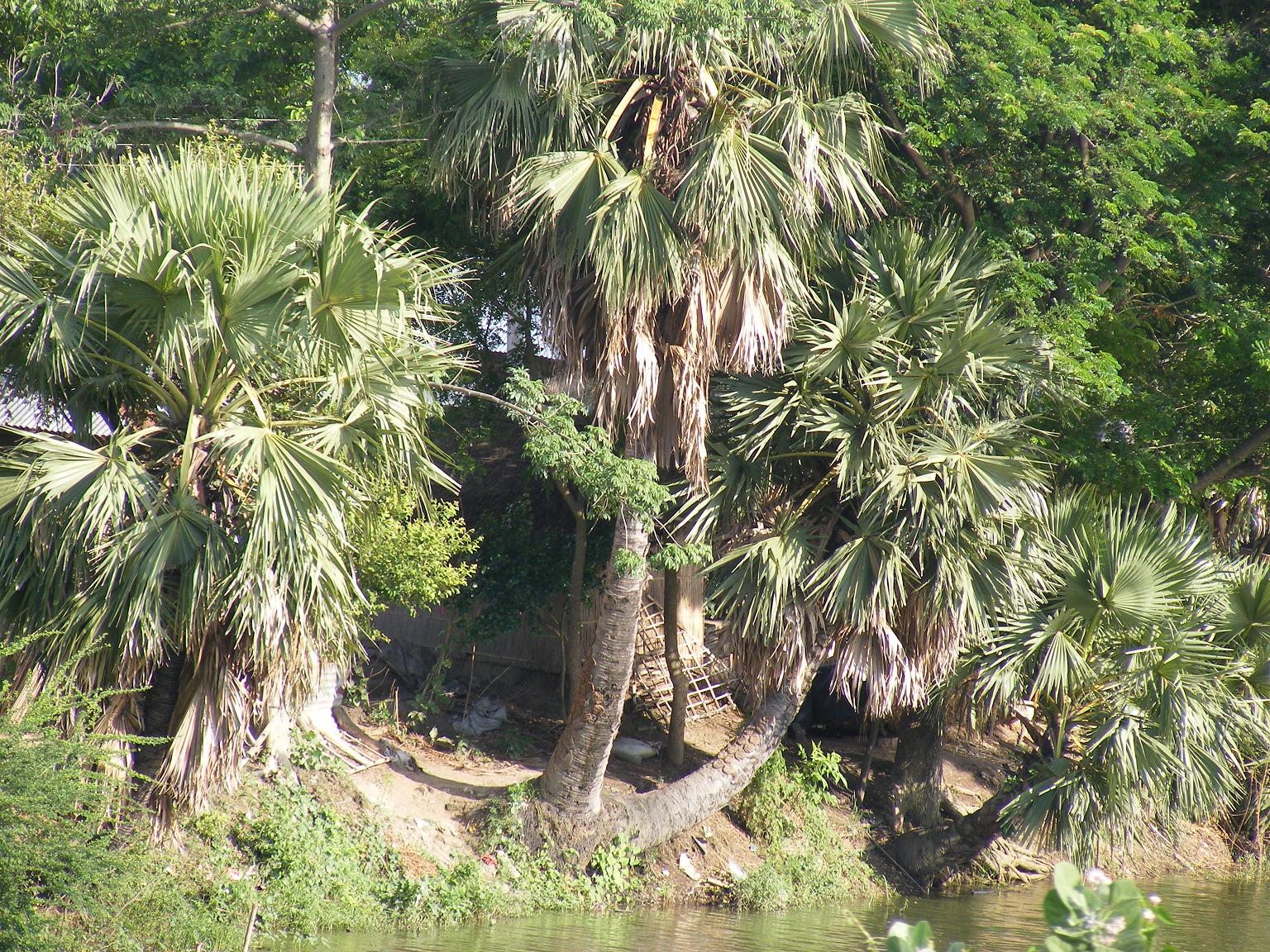
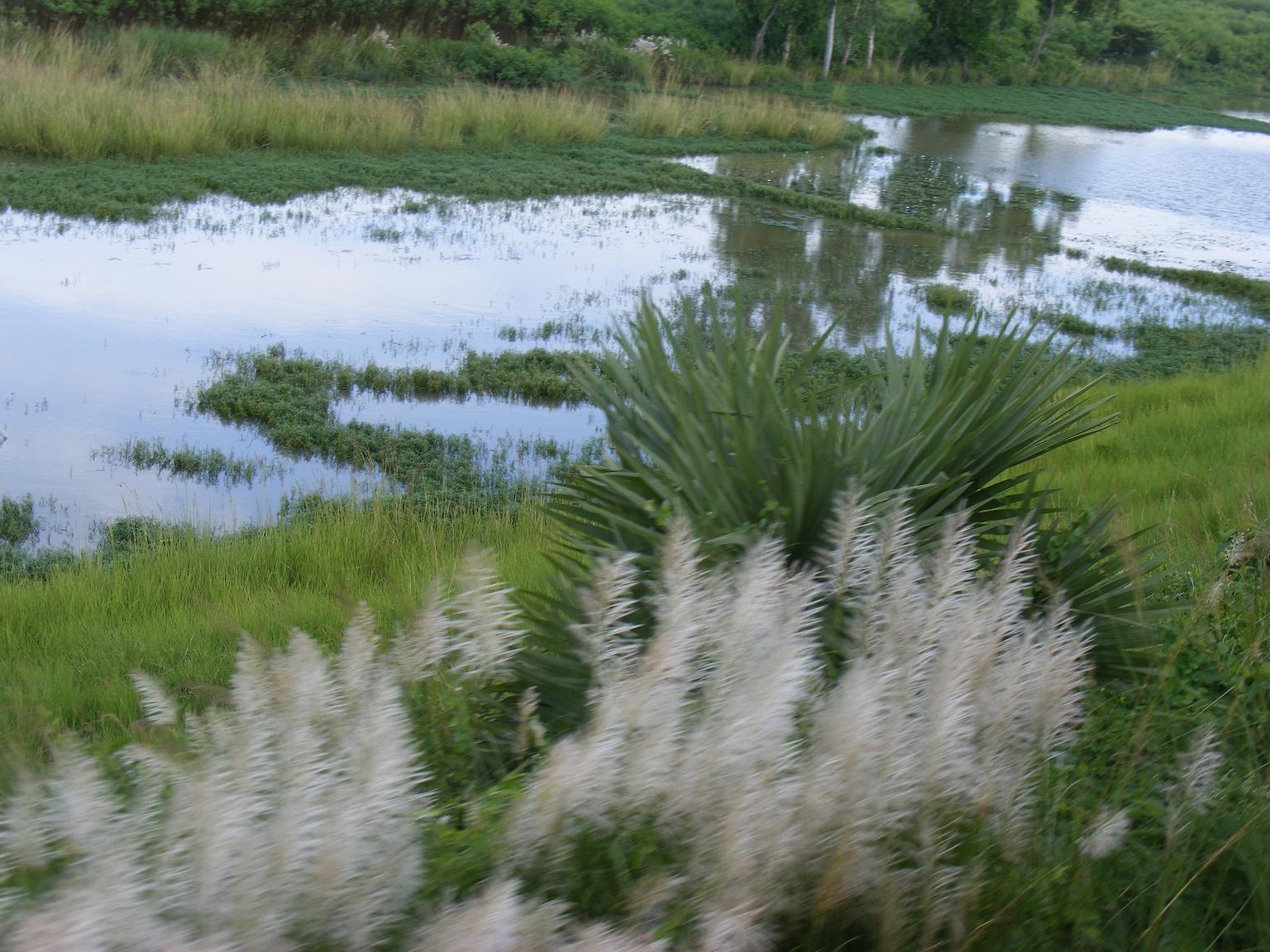
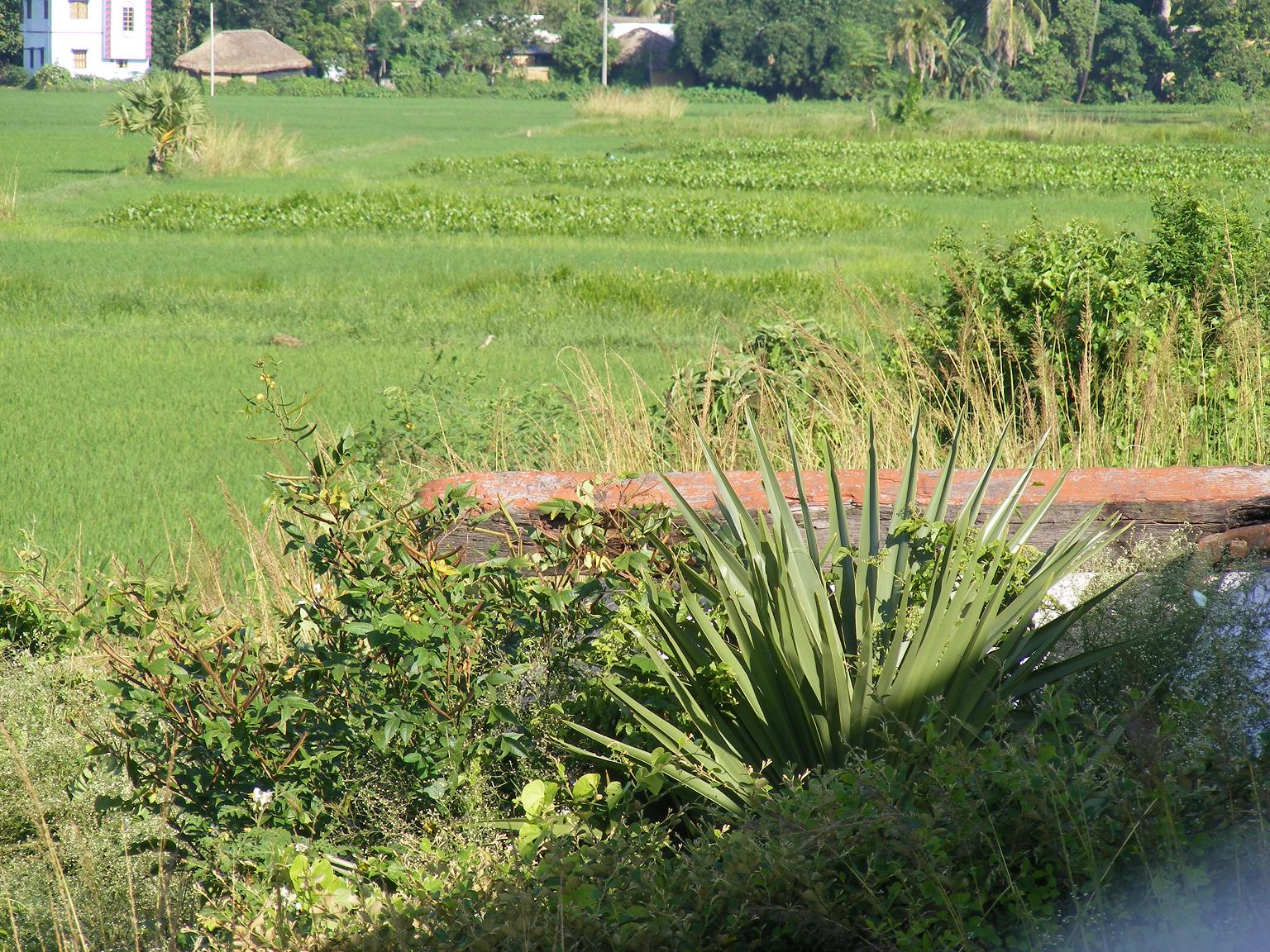
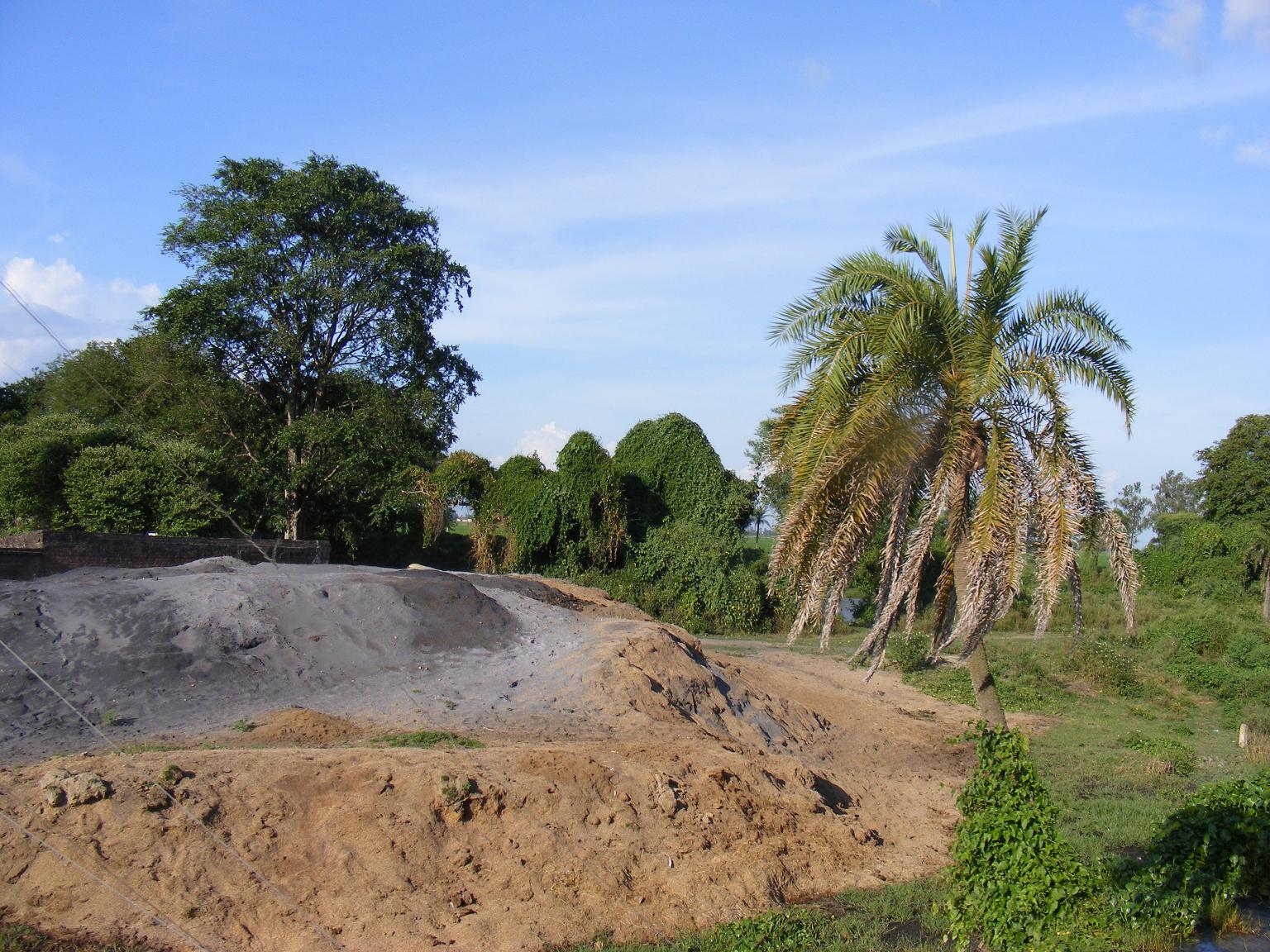
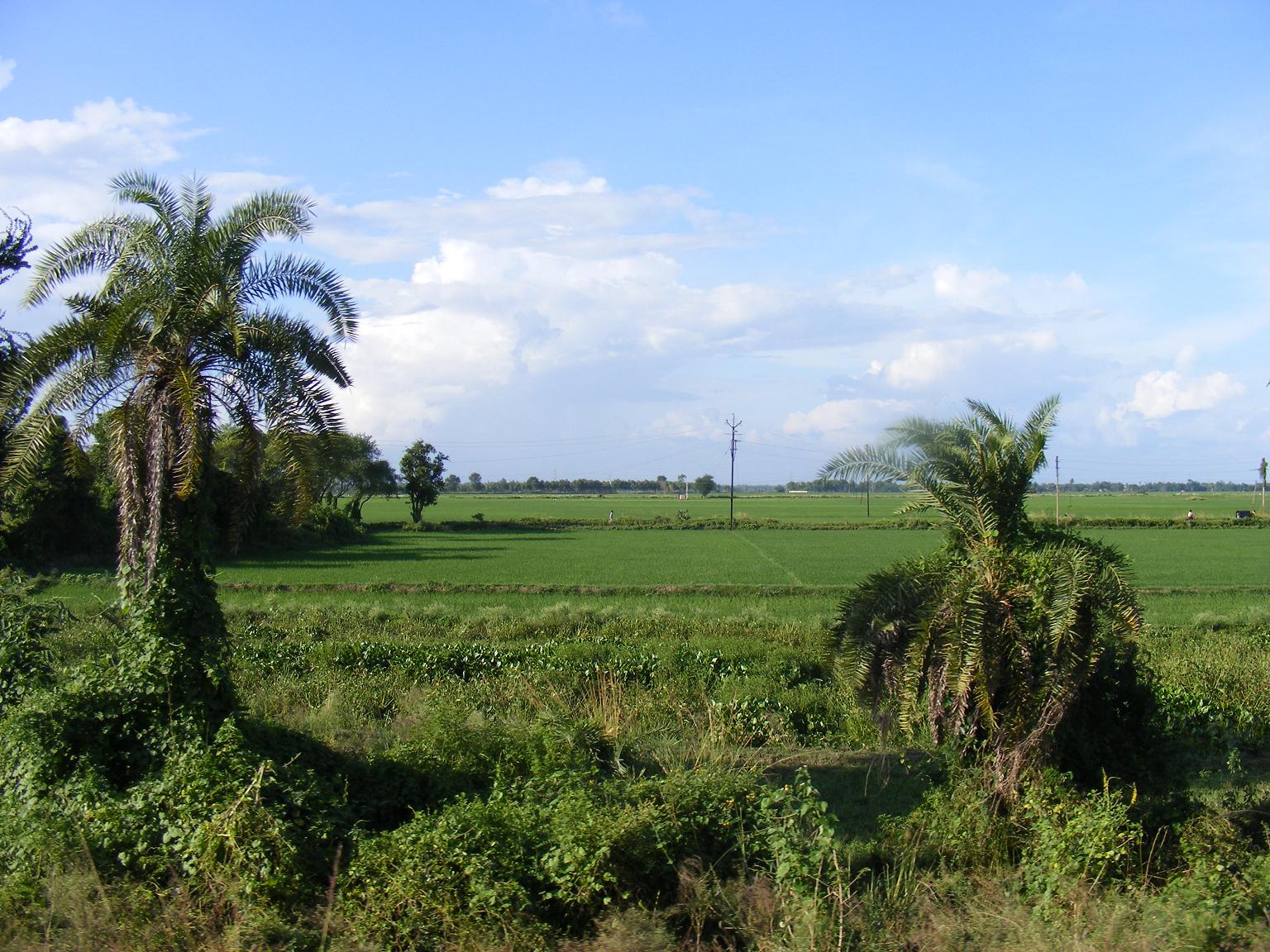
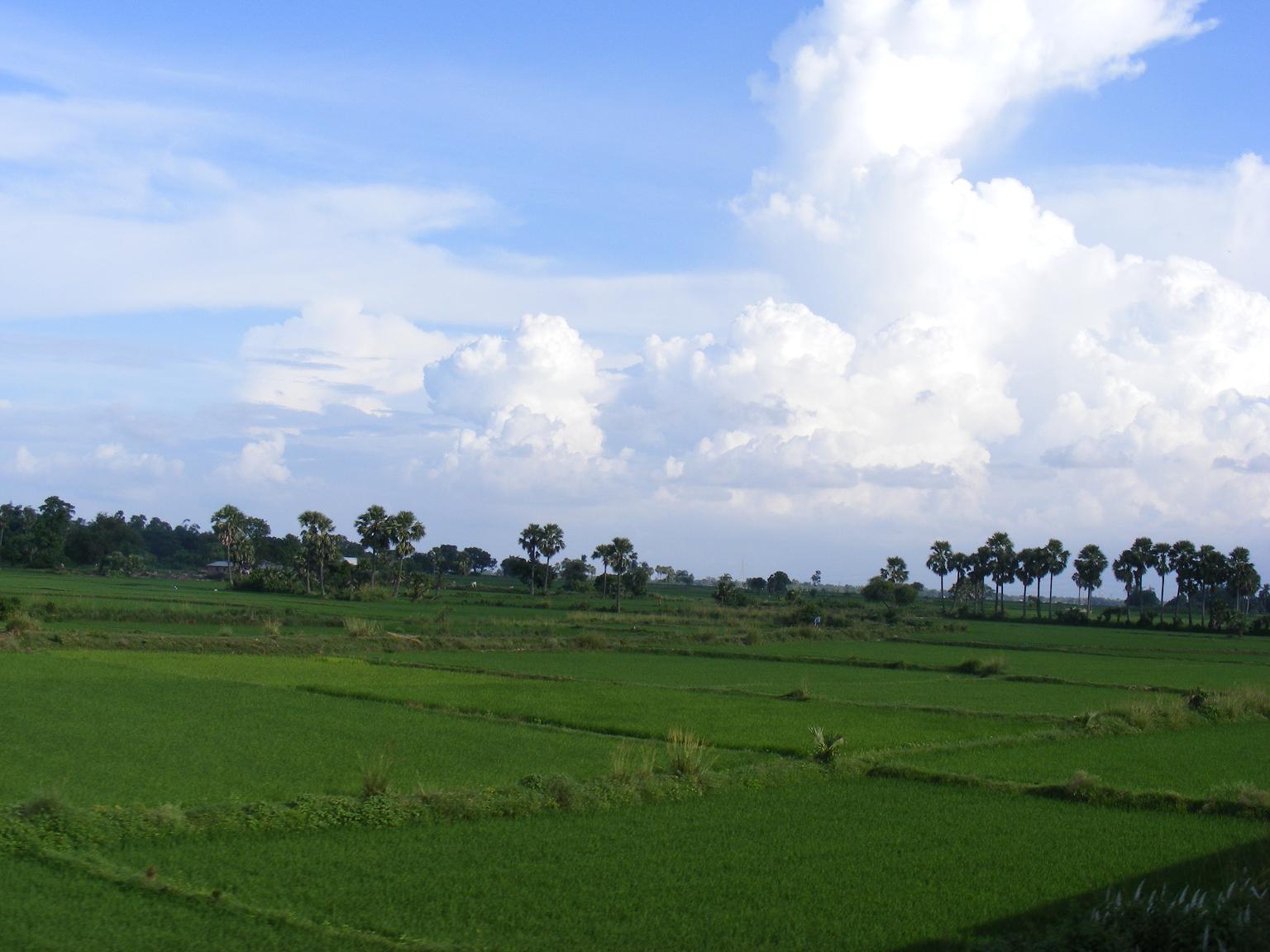
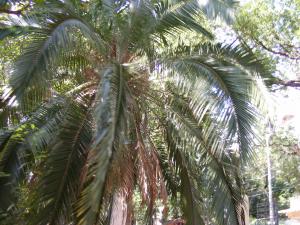
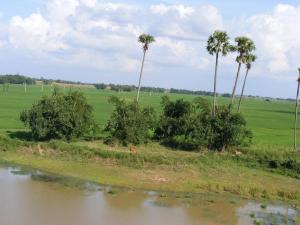
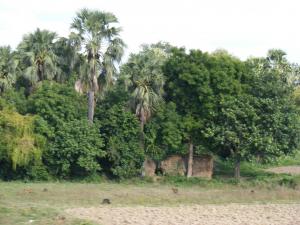
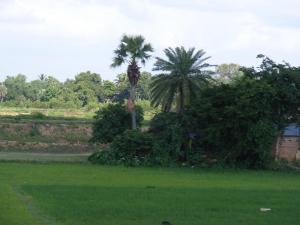
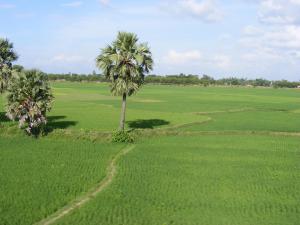
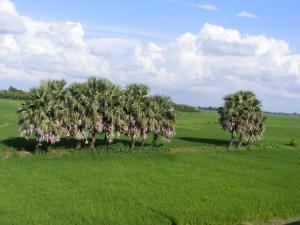
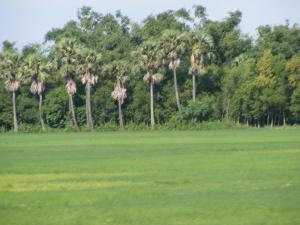
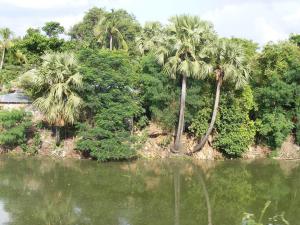
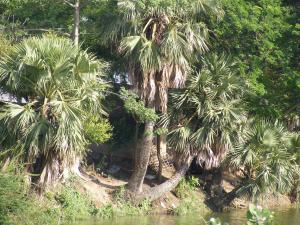
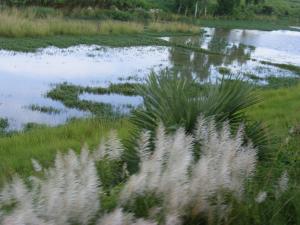
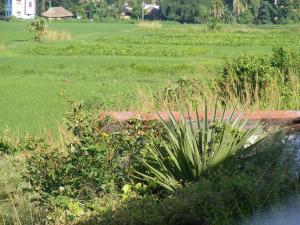
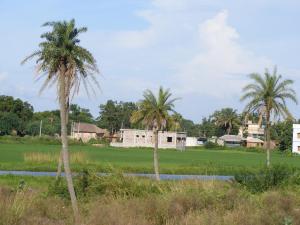
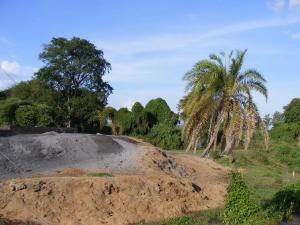
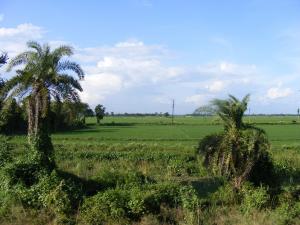
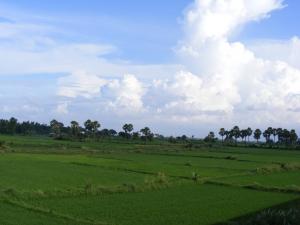
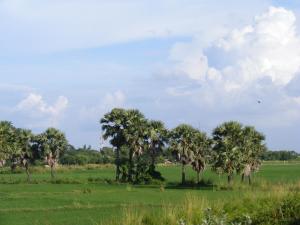
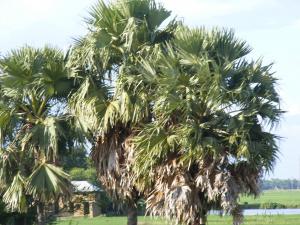
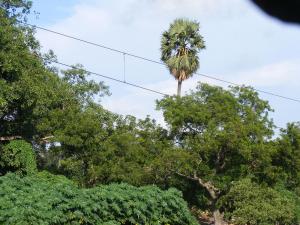
I took a short trip on Sunday and most of today, to the small town of Bolpur (better known as Shantiniketan), about 180 km north-west of Calcutta, where our family has a country home of sorts. Despite the proximity with Calcutta and the same altitude (at sea level), the climate is very different, with less rainfall, a continous dry wind that sucks the life blood out of one, and a notoriously hot sun that bleaches paint off brick walls and dries wet garments in a few hours. Not exactly arid but far from tropical or sub-tropical. The soil is also different, being rich in iron and with a red colouration. This is exactly the setting where Borassus flabellifer and Phoenix sylvestris thrive and in the course of my stay and a few walks in the neighbourhood, I had the chance to photograph these palms at home. 1. I start with my country home where despite the efforts of a part time gardener, juvenile borassus' thrive. The pictures below are all from within our property. and closer up A rare coconut grows in one corner, and the shaggy appearence is proof enough of the effect of the low humidity mysteriously just across the road is a P. rupicola (also indigenous but almost never seen) 2. These were taken on the road to the railway station (some variety of Livistona) 3. And now, photos of Borassus flabellifer and Phoenix sylvestris as they grow free in the countryside - These ones are really tall (see the calf in front for scale). Some of them have just had most of their leaves harvested for thatching - from the boundary where the town ends and the palms begin - in the countryside, in clusters






 1 point
 -
1 point
-
That variegation looks like a nutritional deficiency than anything else. It may be why its weak enough to have the spots too.1 point
-
To continue, - a close up of a b. flabellifer. Note the old injury on the stem, almost certainly from collecting the sap for production of palm sugar - a clump growing around a small pond - Two P. sylvestris. This is the preferred source of sap for palm sugar and these two palms have been 'harvested' regularly producing the 'step' feature on the stem. These true wild varieties are small crowned and less silver than the ones I am used to seeing on Calcutta roads. At first I thought it was due to the sap havesting but on this trip I found untouched specimens displaying the same non-robust features. - Juveniles - More P. sylvestris displaying the abovementioned features - Distant groves of Borassus - Close ups - An extremely tall specimen, perhaps the tallest I have come across yet, and in fine health And finally, back to my country home where a glimpse inside the perineter wall reveals borassus seedlings growing like grass I hope the quality of the photos are not too bad. I will also be uploading photographs of some other flowering plants and trees on the "Tropical Plants" forum





 1 point