

Leaderboard
-

happypalms
IPS MEMBER14Points13,369Posts -


Harry’s Palms
IPS MEMBER6Points4,489Posts -


Jim in Los Altos
IPS MEMBER4Points5,603Posts -

Tracy
IPS MEMBER4Points6,562Posts
Popular Content
Showing content with the highest reputation on 08/25/2026 in Posts
-
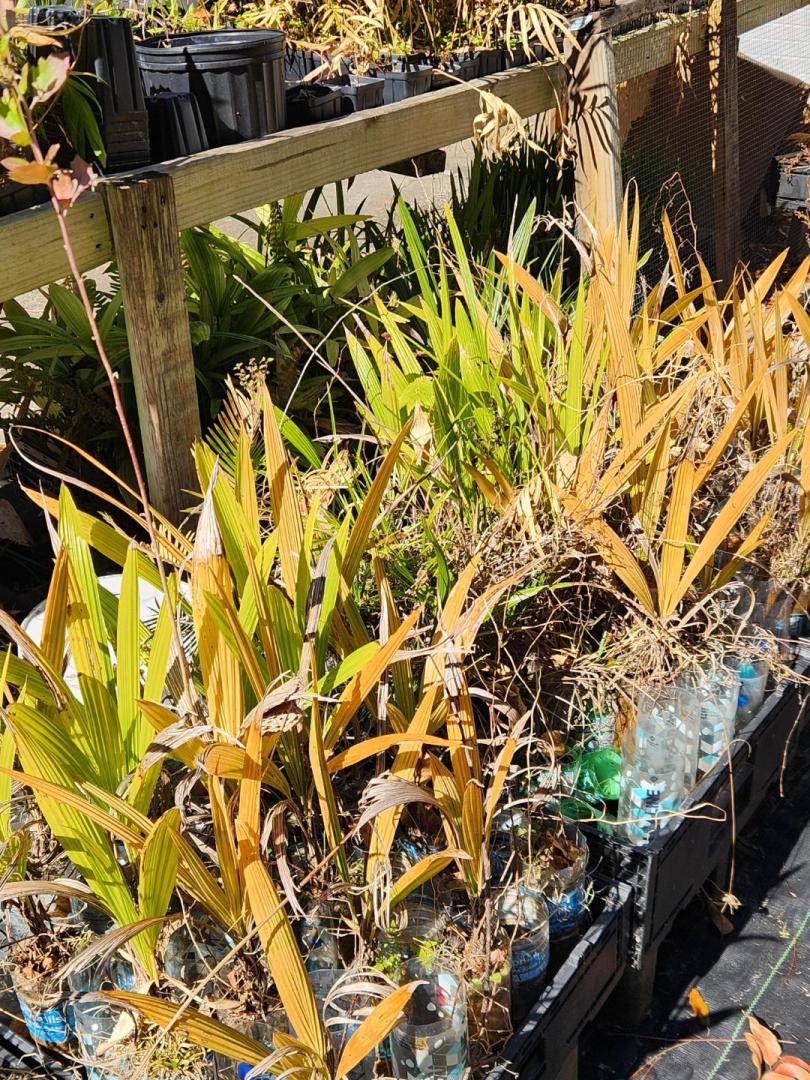
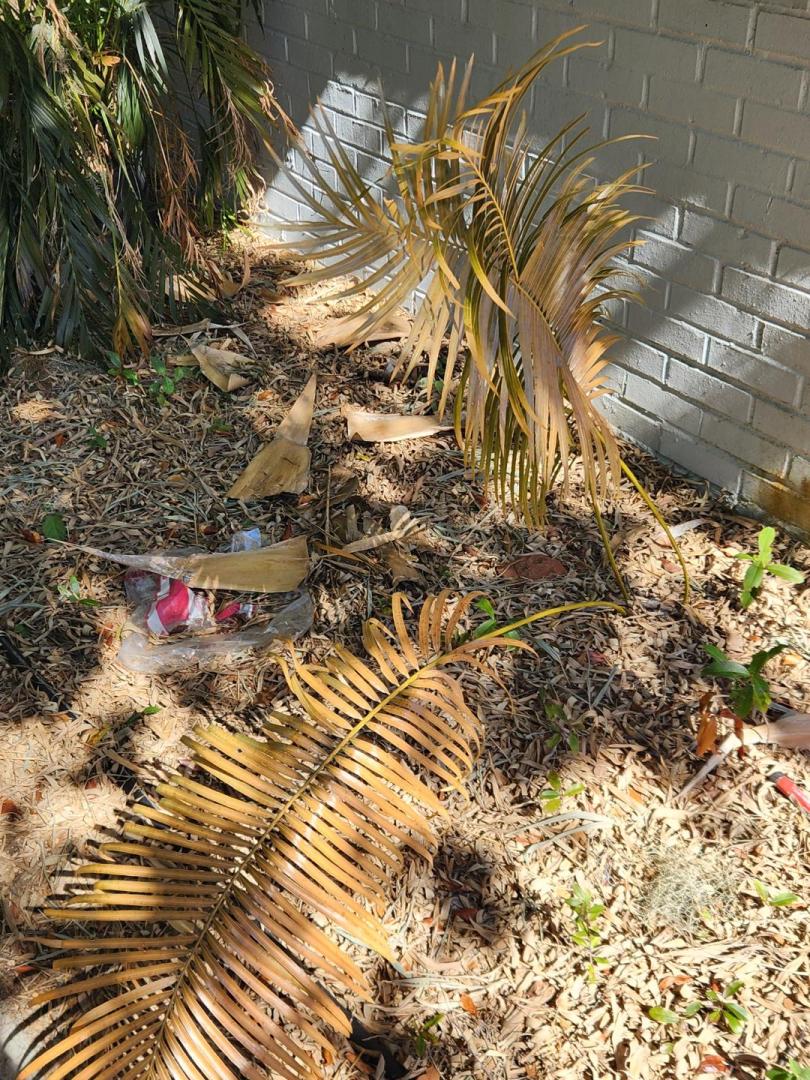
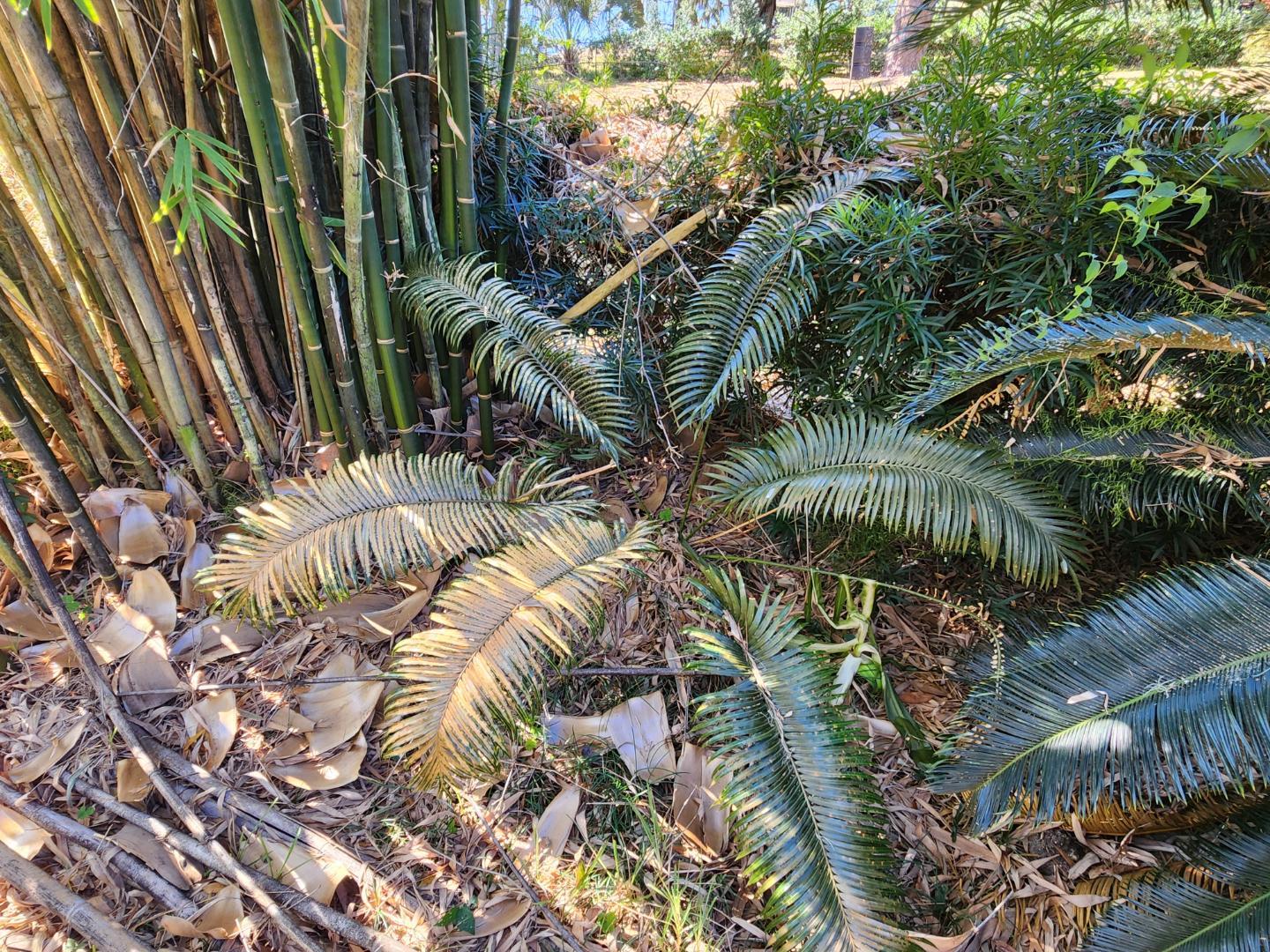
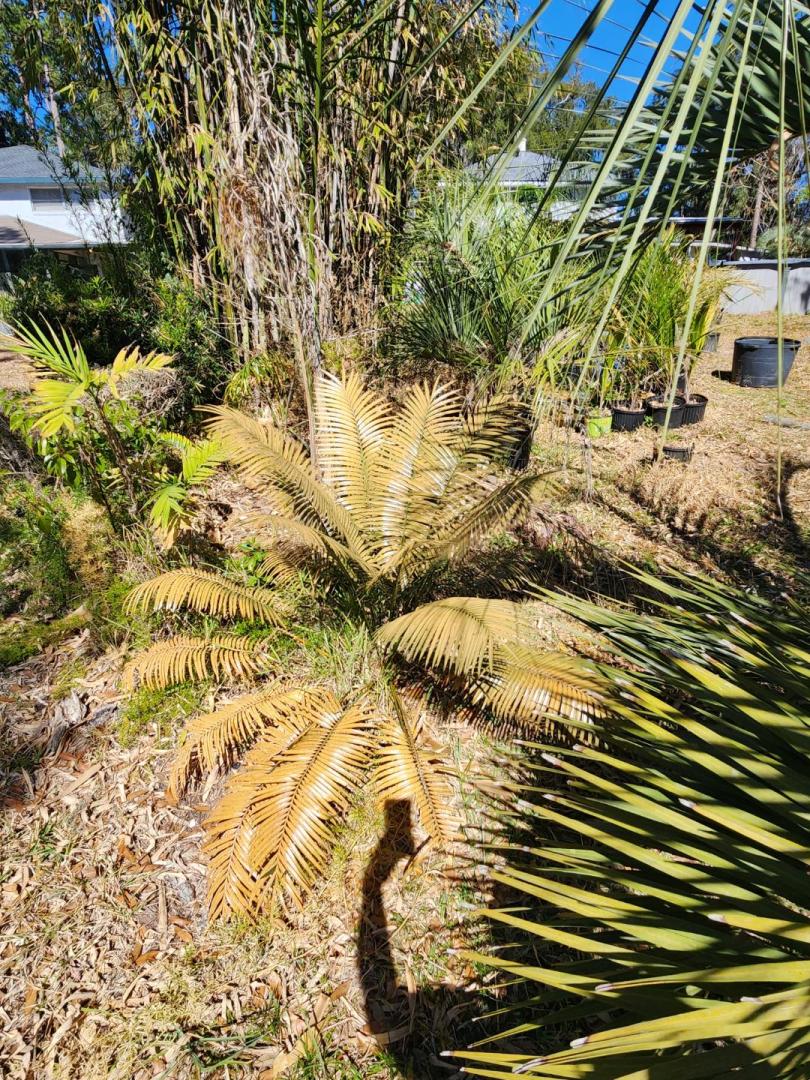
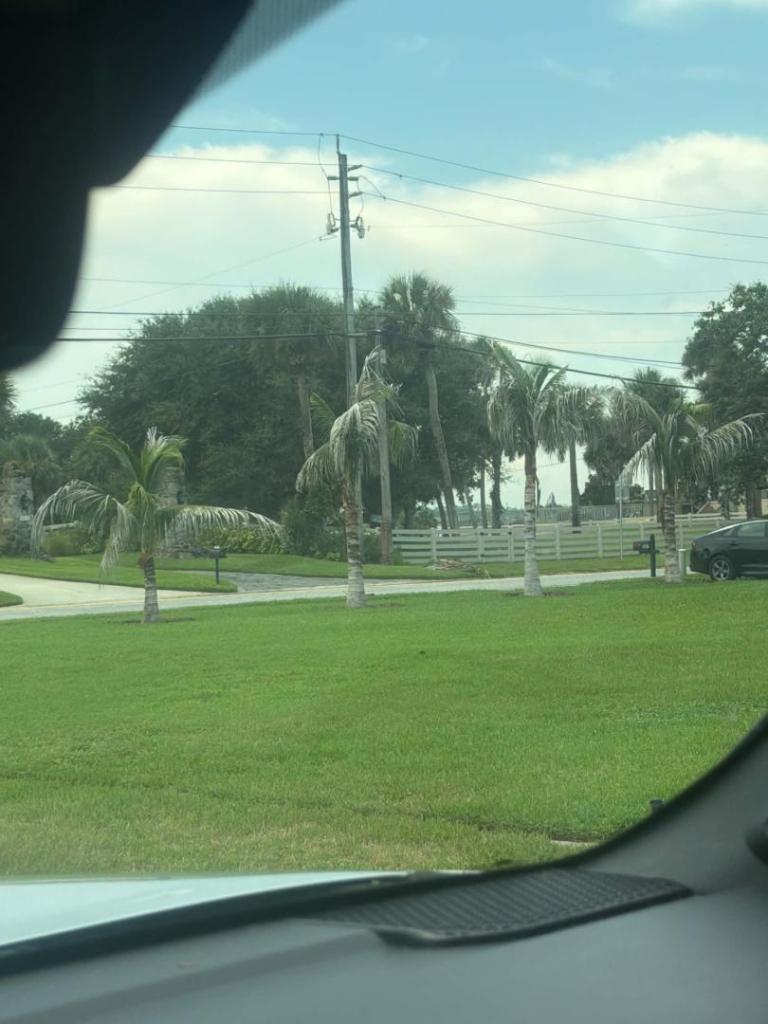
 Are these free? If so, you posted in the wrong section. If not, you are supposed to post a price per the forum rules: All palms/plants/seeds offered for sale must include a price and size/quantity. I assume from your wording (Buyer Removal, CAVEAT EMPTOR) that they are for sale. Seems like a tough sell. DIY dig and remove might be possible on the smallest stuff. The single Roebelenii could weigh 300 lbs or more depending on the rootball. But the big CIDPs will require a professional crew. That’s a lot of $ and risk just to move some palm weevil food into your yard. That one by the utility pole should be fun.3 points
 -
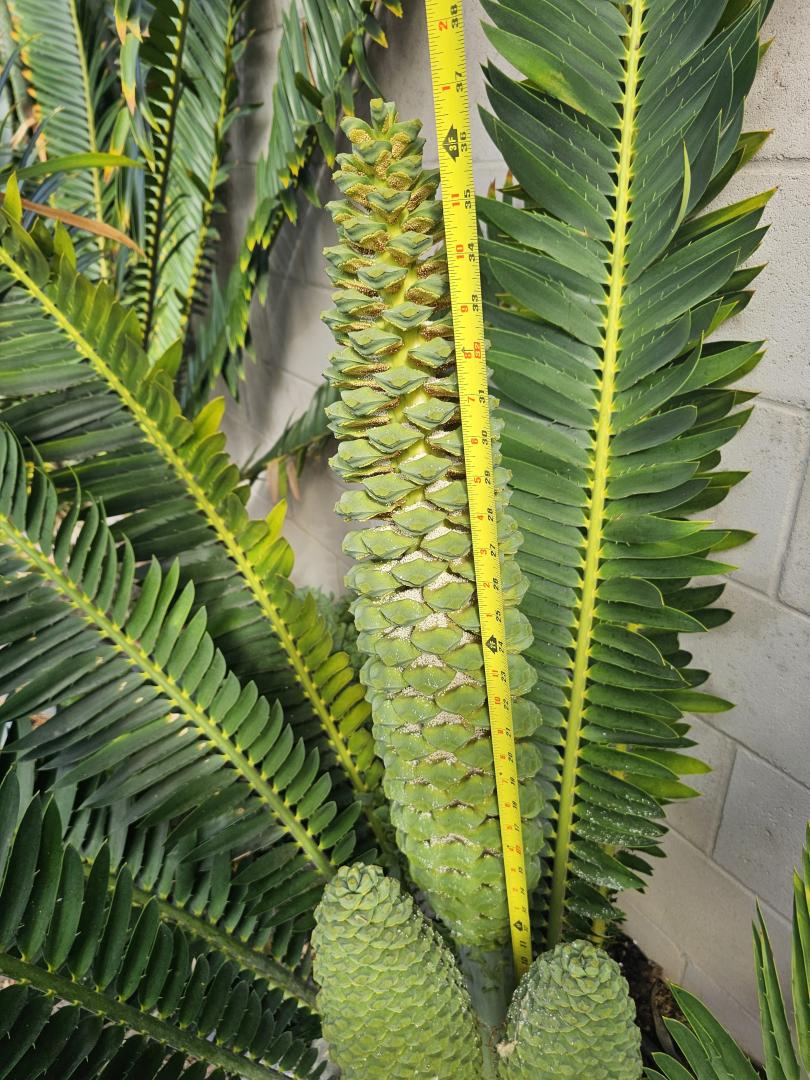
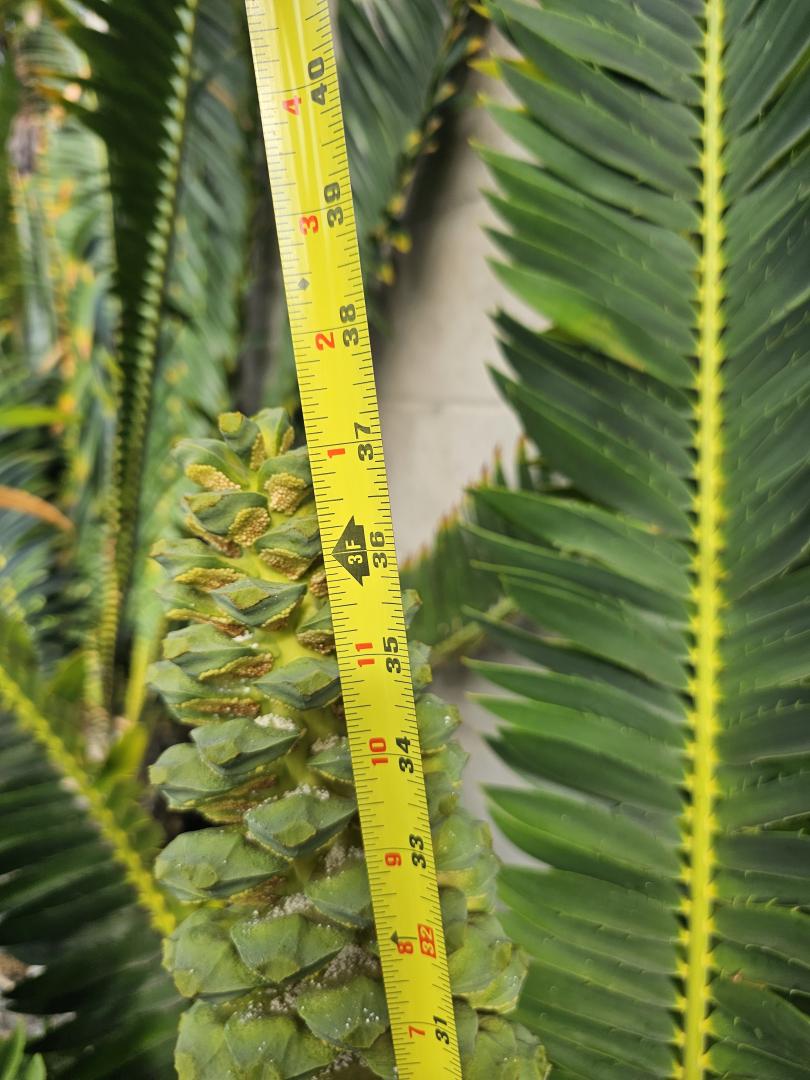
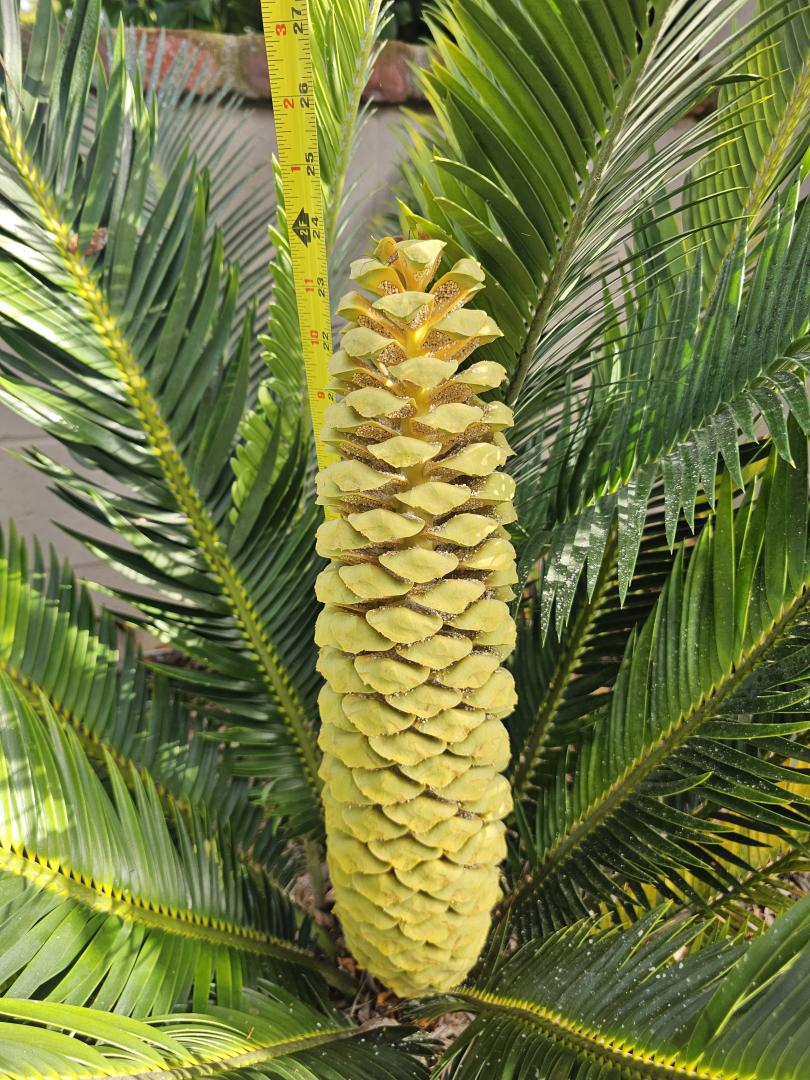
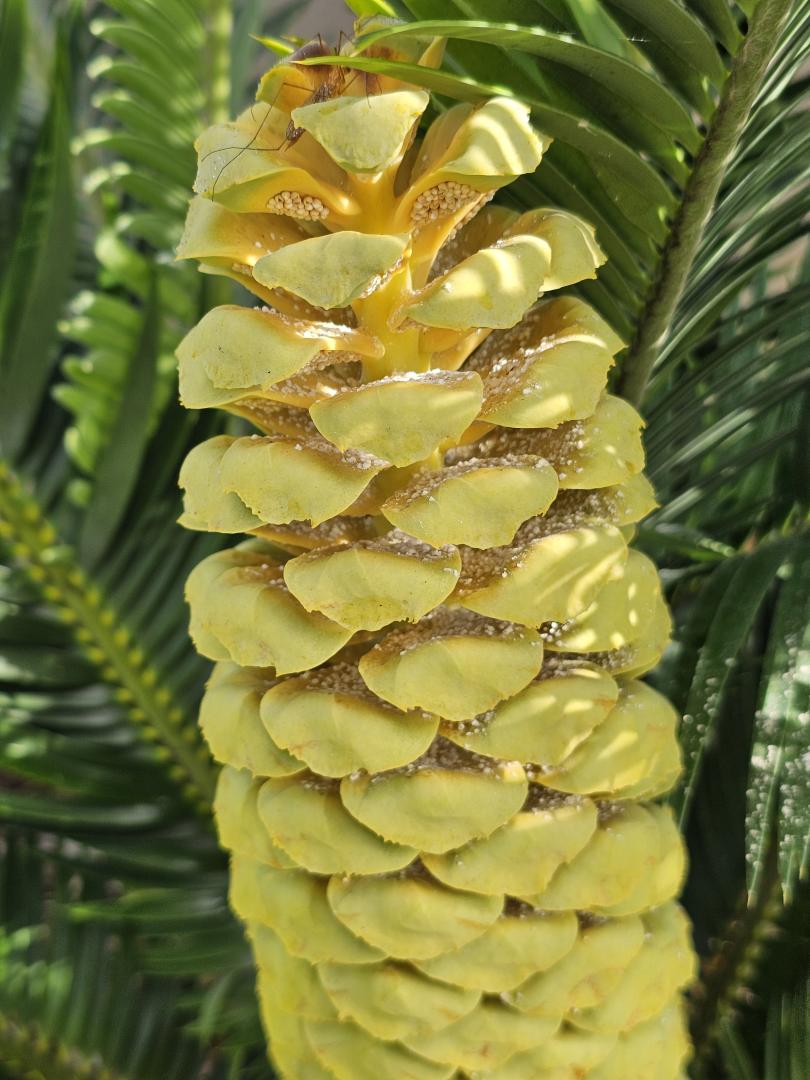
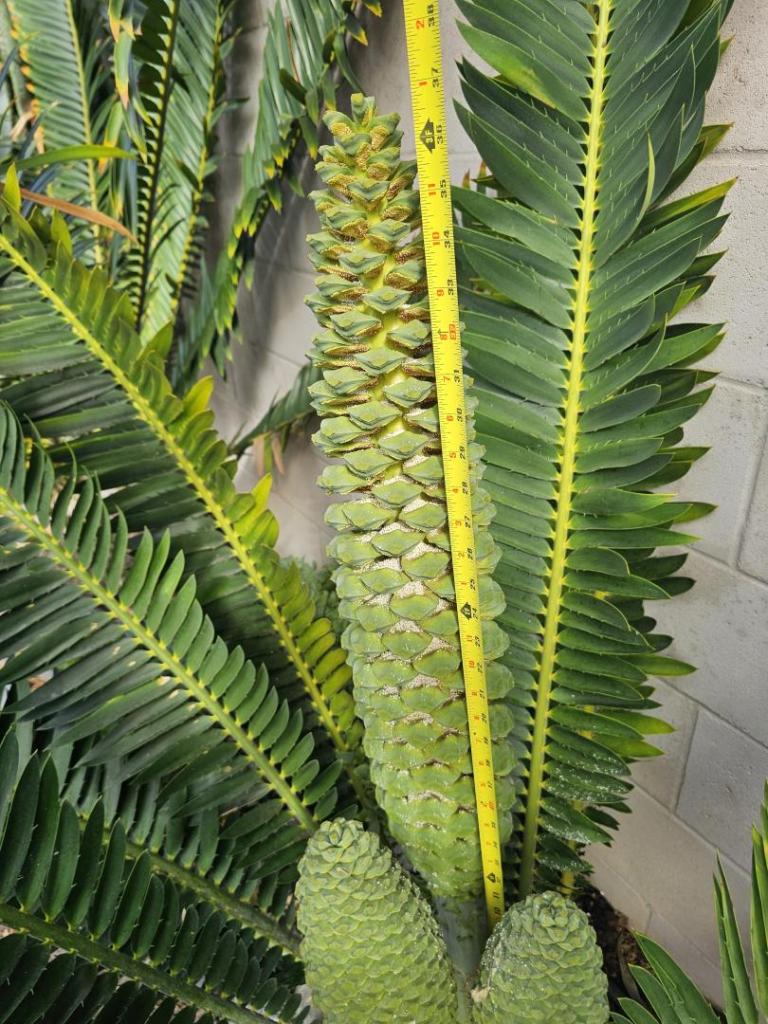
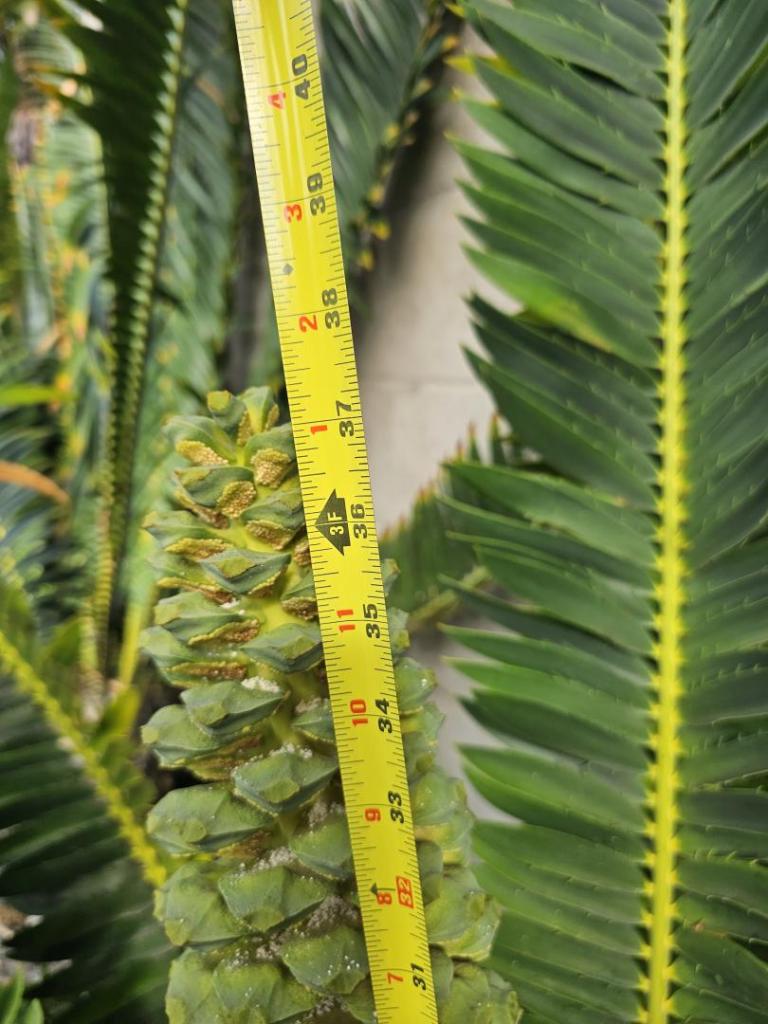
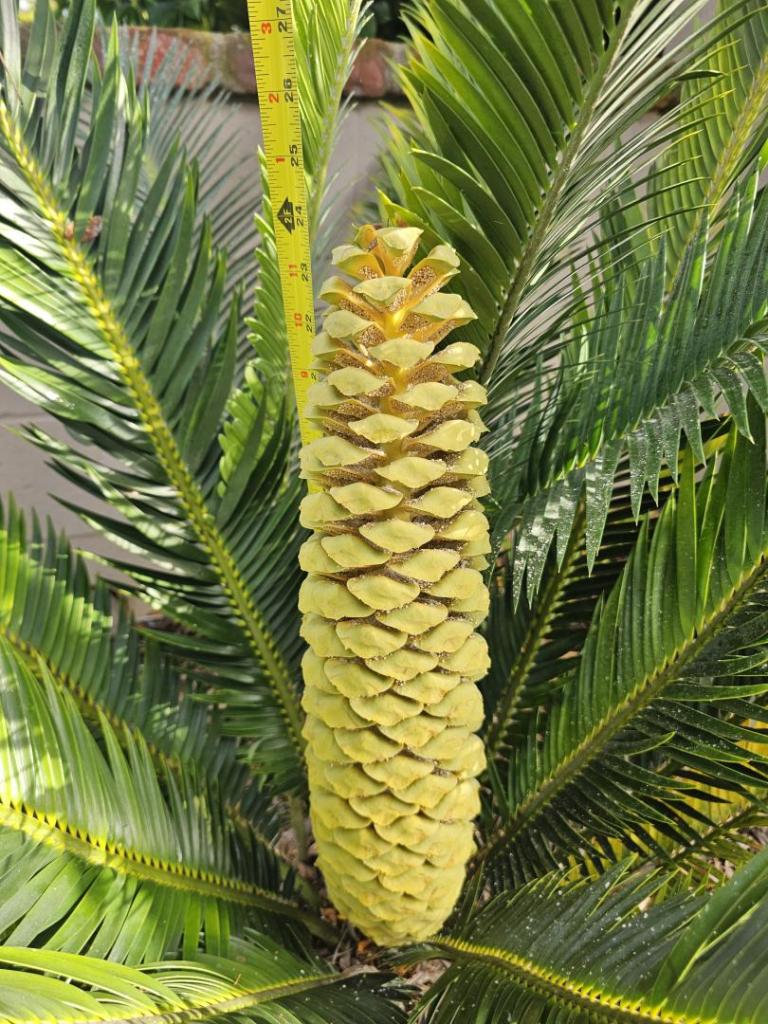
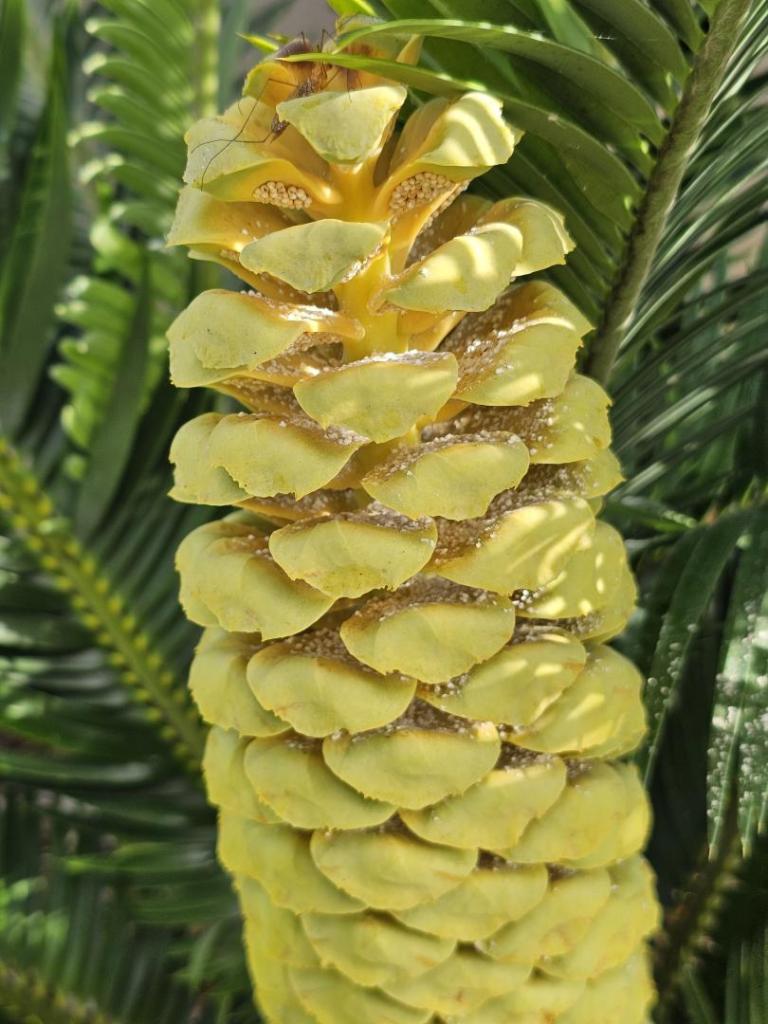
3 pointsI was particularly impressed by the size of the male cone on my Encephalartos munchii. It is the first time it coned and I don't recall seeing any munchii cones in person before. I had no perspective on what to expect until it began to stretch out and start dropping pollen. I decided to get out the tape measure just to see how tall it is. With the peduncle, the first cone is topping out at about 37" but the peduncle adds about 10" of that 37". Since my Encephalartos cerinus is also now yielding a little pollen and has likely achieved its full size, I measured it as well. This cone seems bigger than past, but now I will have a measurement as opposed to memory to gauge future cones on this species, or at least this plant. The cerinus is about 24" inclusive of the peduncle, which is about 4" tall.
 3 points
 -
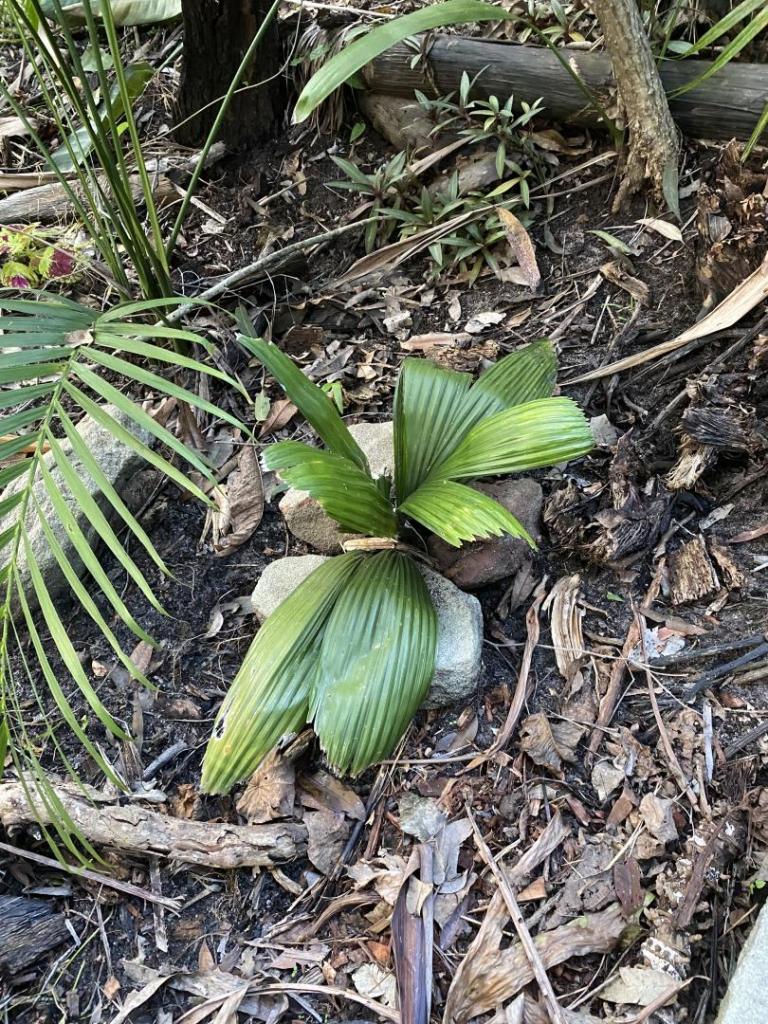
Good news for this duo of rare palms surviving winter in the ground. Both planted mid summer and they both survived temperatures down to 2 degrees celcius in cold wet conditions. We have two great zone push winners!

 2 points
 -
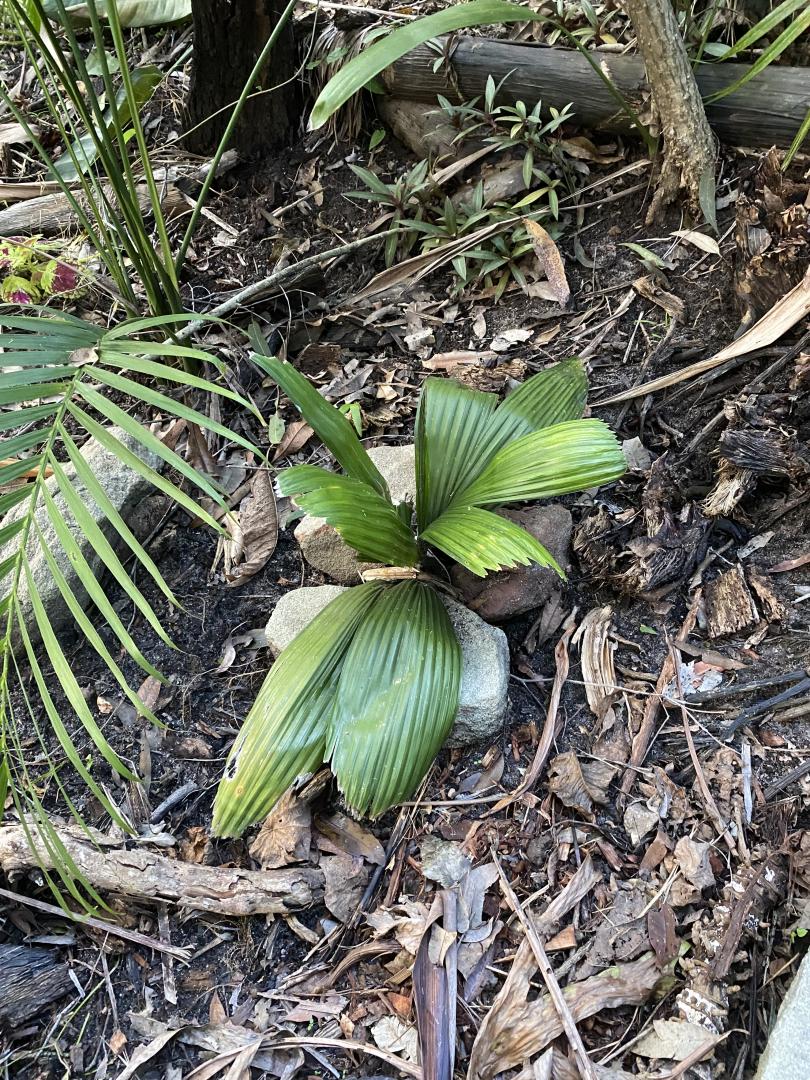
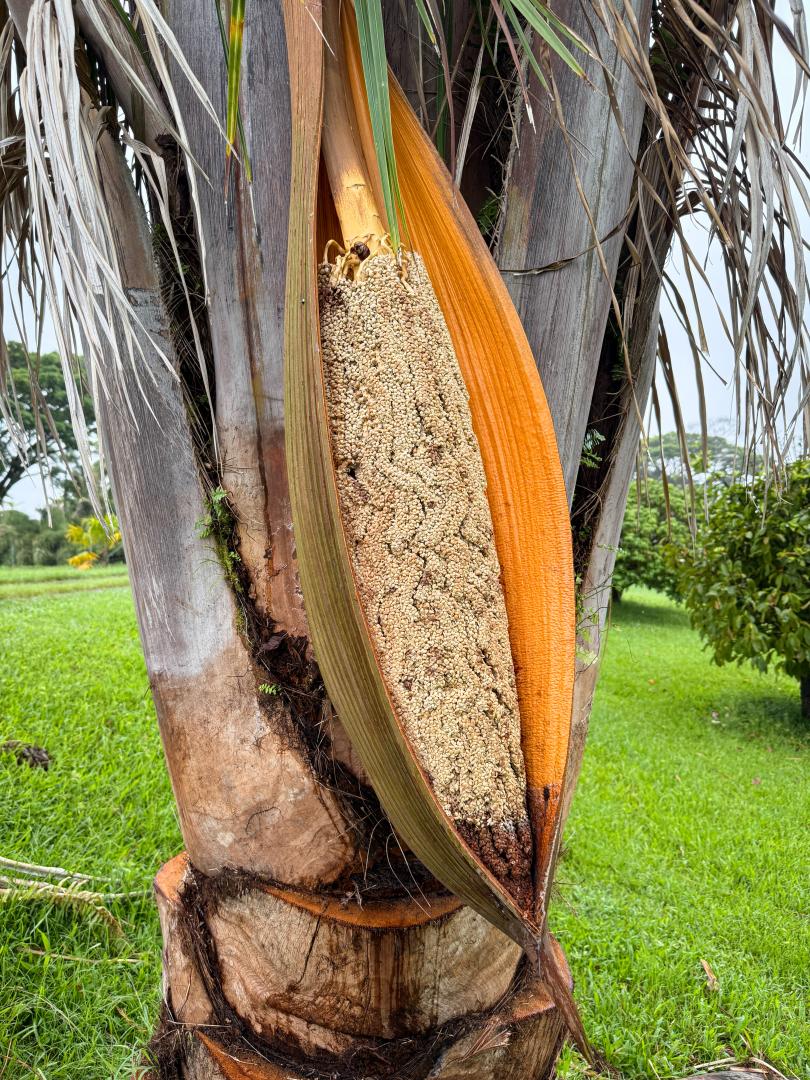
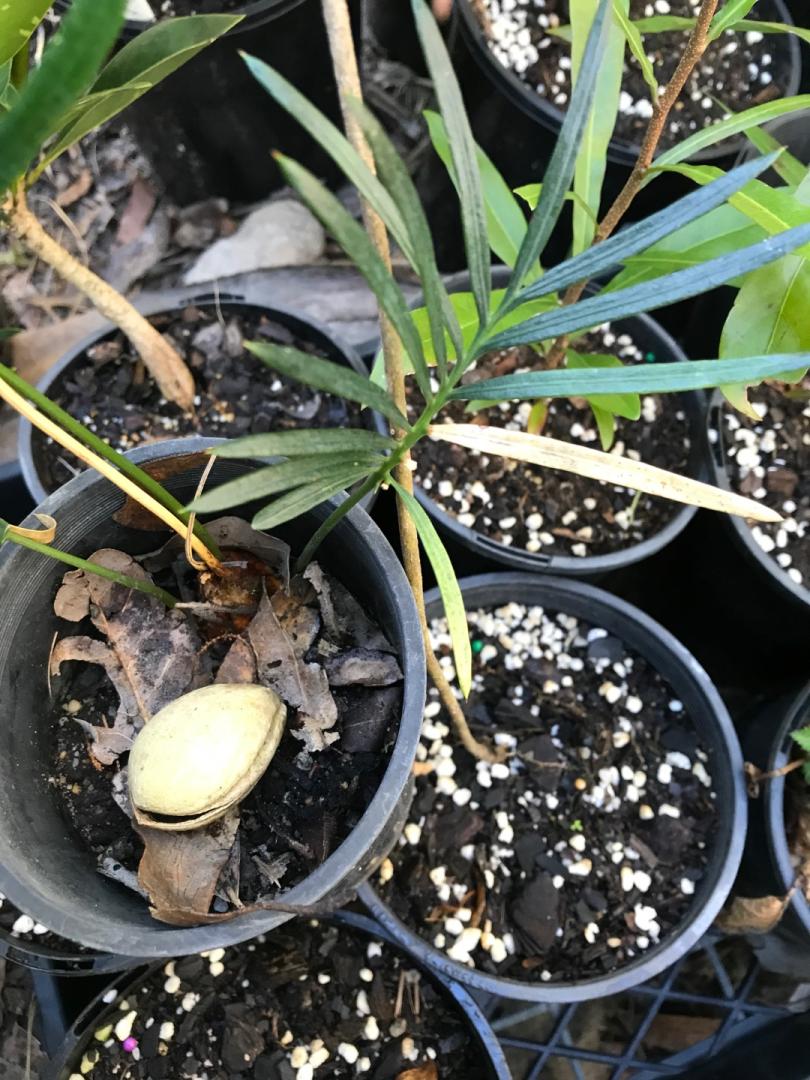
 This pod split open today, which is always amazing. I'm having trouble understanding the difference between the butyracea and cohune. The fruits seem a little different but to my eye not by a lot. What should I look for to figure out which of the two I have here? Many thanks in advance.
 2 points
 -
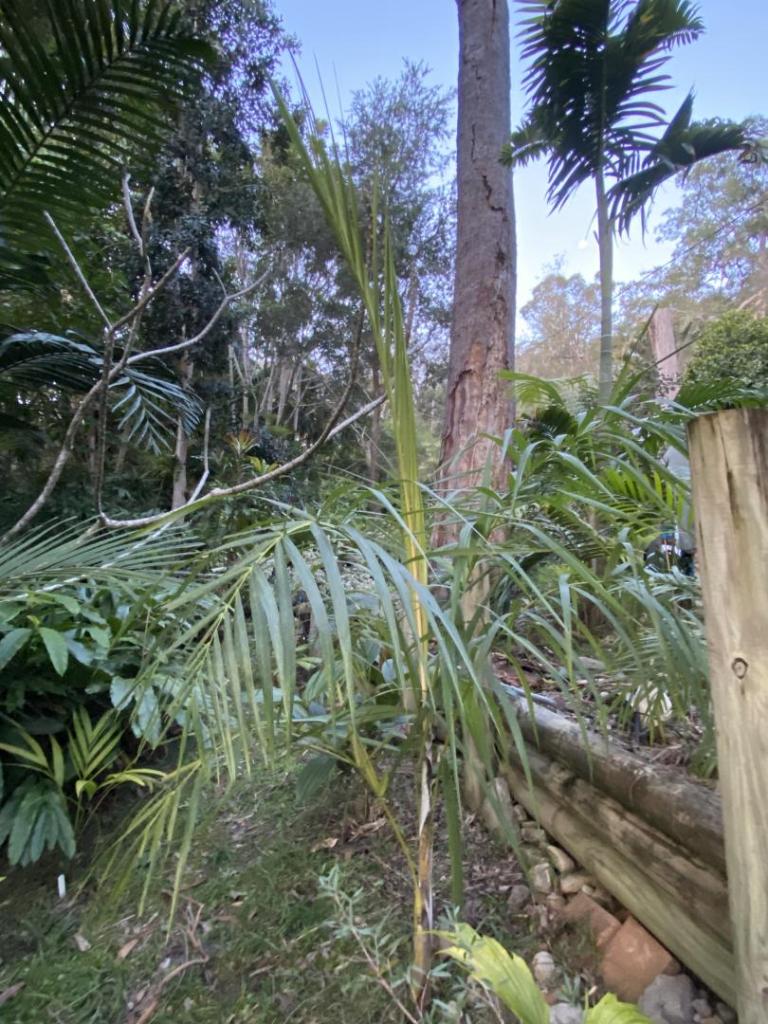
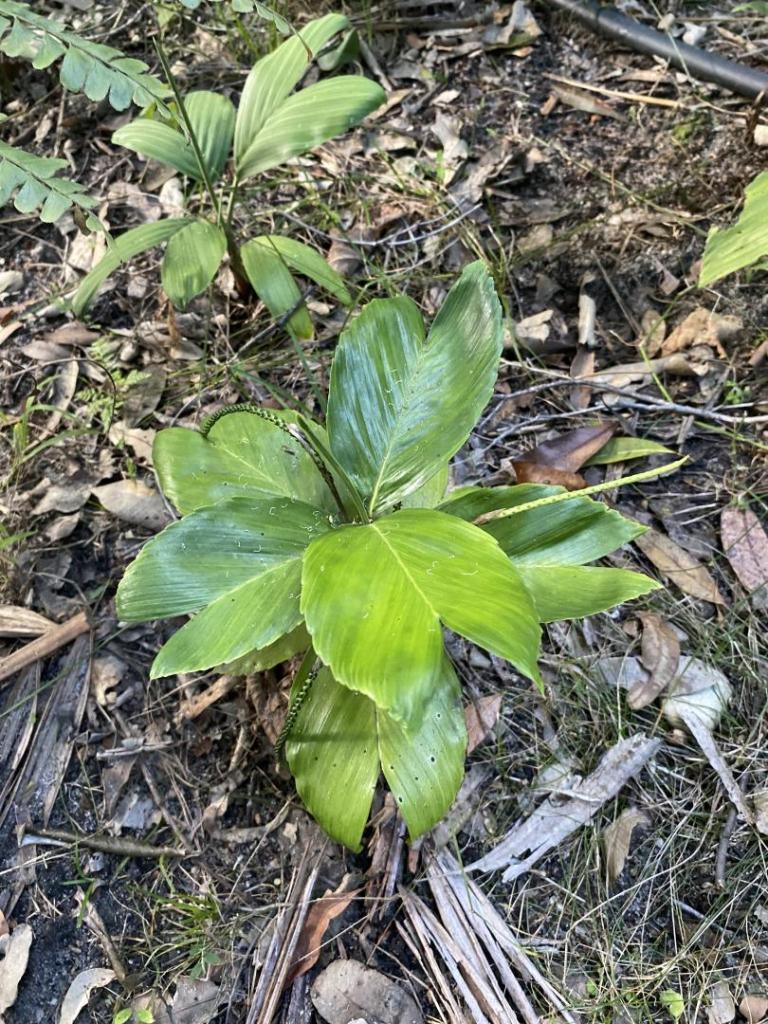
2 pointsDypsis basilonga and a couple of chamaedorea tenella, a bit of eye candy!

 2 points
 -
2 pointsIt should be fine, just let it get used to its new home. It does look like a couple of leaves have a little sunburn. It will sulk a little but it should be fine and in a year or so you won’t even notice it had sulked. You may lose the odd lower leaf. From what I can see is that the top crown of growth and new leaf is ok.2 points
-
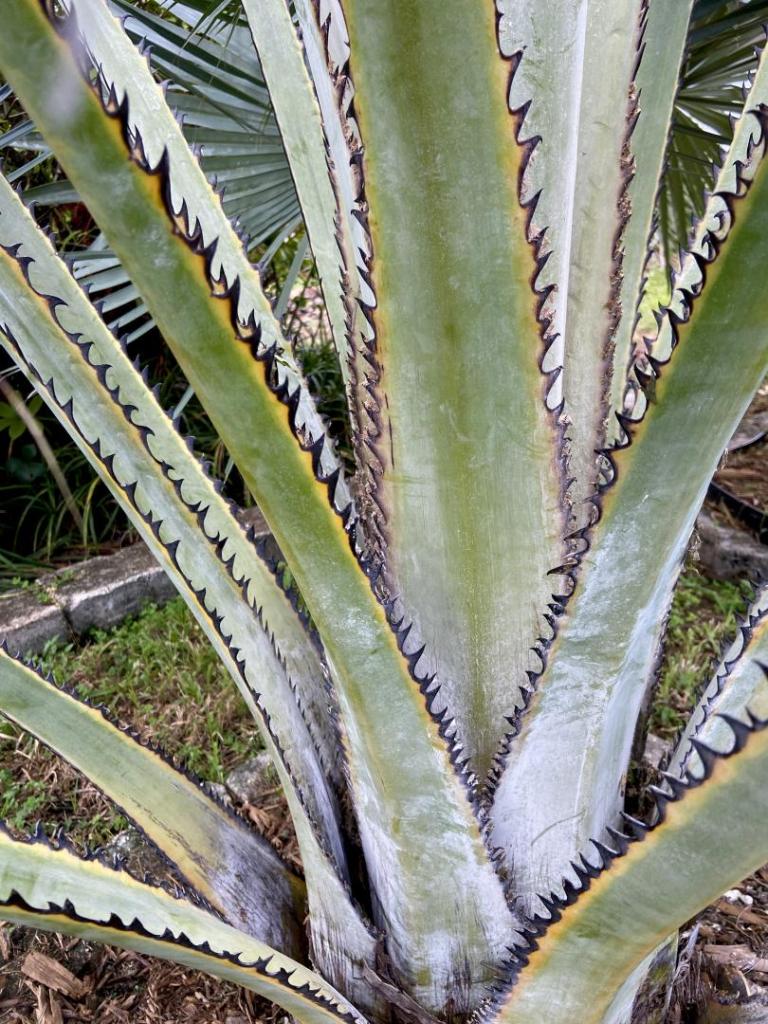
 2 pointsWell, after a couple more years the one “Hospita” out in the open has really taken off. It’s about 9 feet tall, and easily 1 foot in trunk diameter. Now has gnarly spines. I wouldn’t be shocked if it’s mixed with one of the bigger Copernicias, or maybe not. It’s very robust and pics don’t do it justice. The other hospita, partially protected by other palms, it slower and less robust, but still doing fine.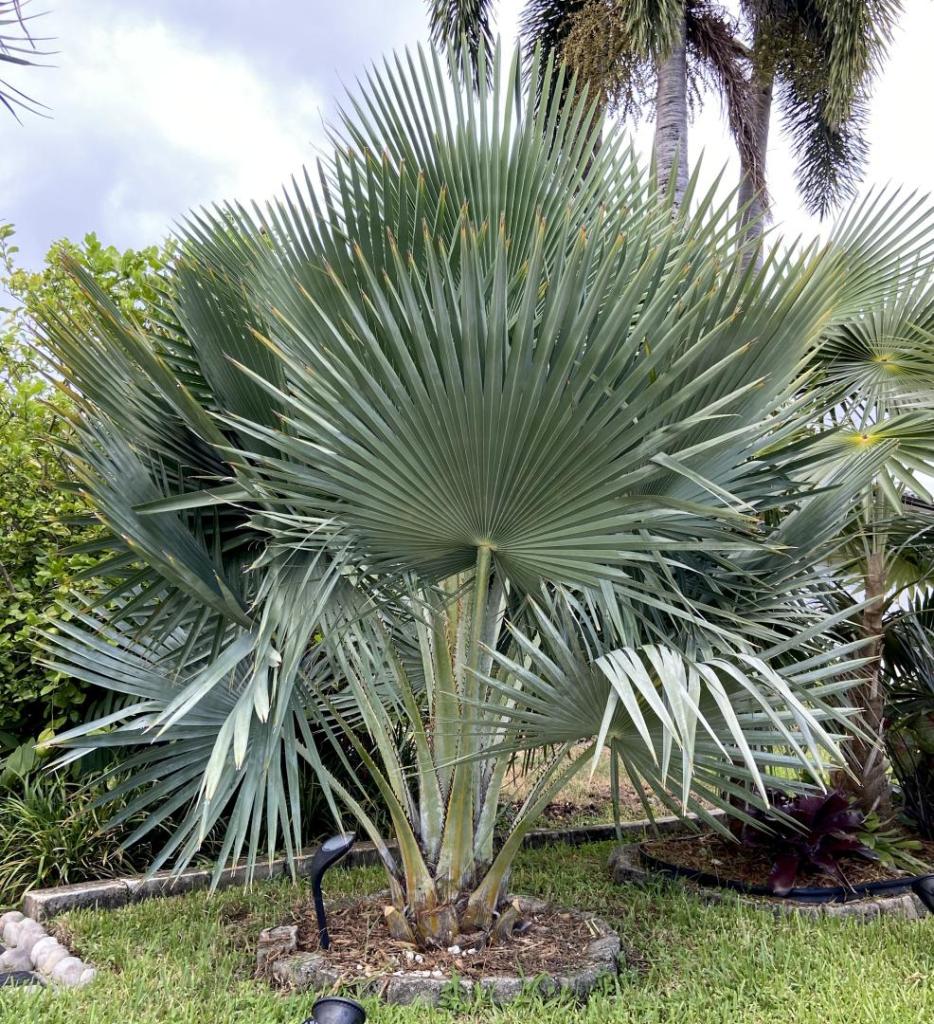


 2 points
 -
 2 points
 -
 2 pointsDang, that looks messy. I was hoping to read something from Hilo Jason, hope all's well at his place. I had a brief text exchange with Floribunda. I was concerned for them because there is a dry creek bed that floods when there are exceptionally heavy rains. Reportedly this was "as bad as we have seen," with damage to fences and "big palms snapped." House is fine. My neighbors have assured me that all is well at my place, no damage to property. The garden may have suffered yet more falling trees, kind of a regular thing at my place. When I see videos of the severity inflicted on the south end of the island I feel very fortunate. Power was out for a week, but that's common enough in my area after any storm. What's good to see is the local communities springing into action to help one another. People are distributing food, water, gas, and other supplies into the hardest hit areas -- no simple task with roads washed out completely in a few places. People are offering to come with their chainsaws and other equipment to help people clean up, sharing extra generators, etc. It's a big island with many small communities and people are very hands-on in these situations. I admire their true community spirit.2 points
 -
2 pointsThat is pretty intense , I’m so glad you are ok . This is the first report of damage from the hurricane from our Big Island people . I see a lot of contributions from folks that live there and hopefully they are ok. My friend lives on Kauai and they had a bit better go of it , mostly rain and wind like tropical storm strength. I’m not sure how Southern California will do this winter but forecasts seem to agree that we are in for a lot of rain. I was here in 1997/1998 El Niño , the first year in our new home . It was pretty gnarly with some squalls dumping 1” per hour or more. Reminded me of 1969 and other wet years living in Ventura County . I am not a scientist but I do know , in my lifetime , things have changed a bit . We just have to hold on and hope for the best. Harry2 points
-
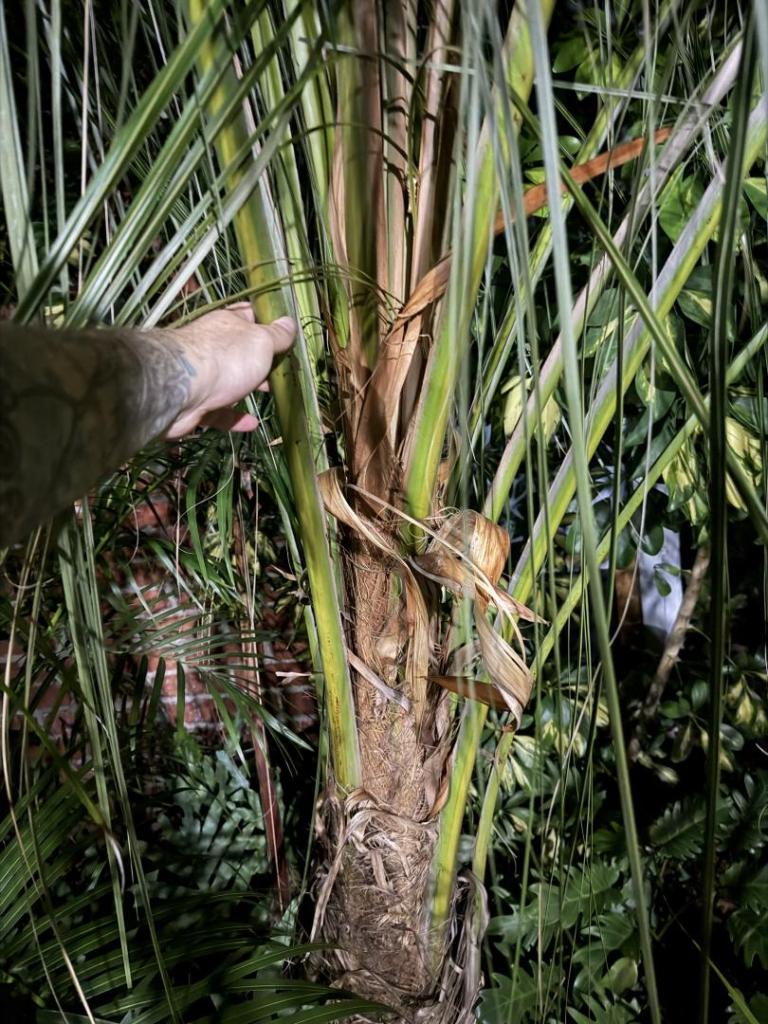
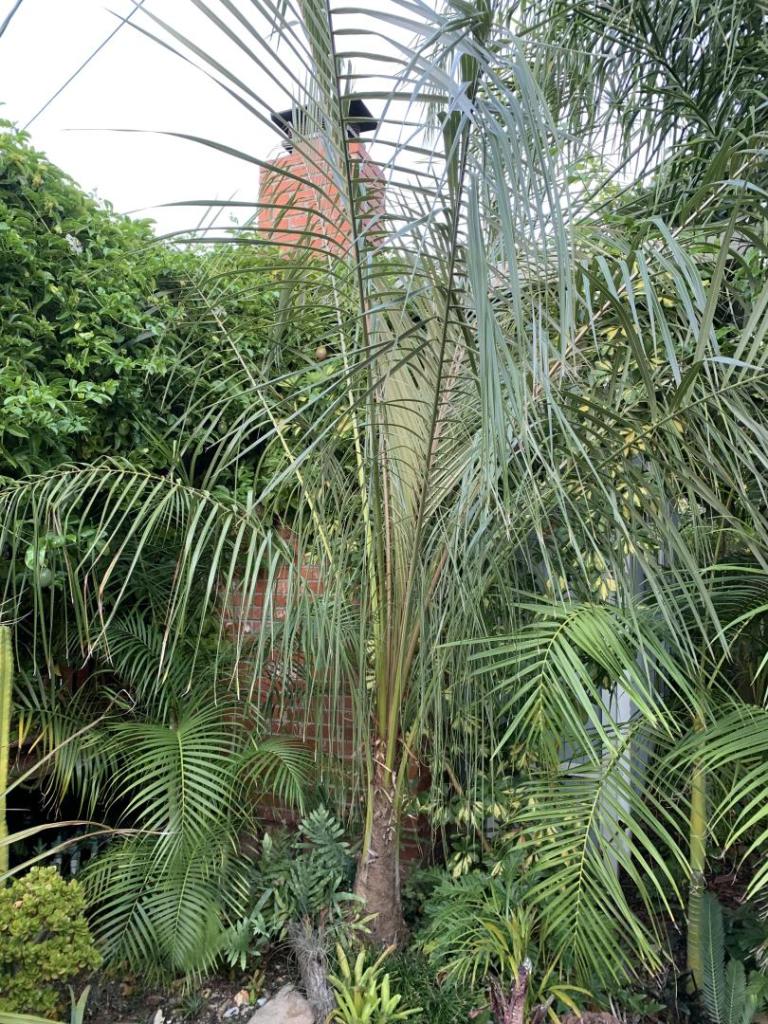
 1 pointHi folks, Currently on the hunt for a Parajubaea sunhka for a new planter bed. Seems to be rarer than usual right now. Please let me know! In the meantime, here’s pics of one at my house. In the ground maybe around four years from an overgrown five gallon. About 20 ft tall, nearly as wide. Impossible to capture its grandeur in a photo. The daylight pic is from a year ago. It’s grown quite a lot in a year.
 1 point
 -
 Well done Richard, keep it up, he who stops is lost.1 point
 -
That’s coming along nicely . A very large growing space . Harry1 point
-
1 pointThose are very nice . How old is that Basilonga ? I have had a double in the ground for a couple of years and have found them to be super slow growing. Harry1 point
-
1 pointThe Archontophoenix palms are very root sensitive . Most times new plantings can show a bit of struggle , especially in sunny , hot weather. They are water lovers , for the most part , so keep them hydrated . They will adapt , eventually. Some are faster than others , many factors determine how rapidly. Yours look healthy so , with time , should be beautiful there . I agree that the wood chips would be beneficial , rather than the highly reflective white rock . Harry1 point
-
I did the maths on my sabinara 55 out of 100 plus import cost, $170 they each owe me, to get my money back. So $250 each palm so I make $80 bucks per sabinara and that doesn’t include my growing costs. So really say $60 bucks I make for one sabinara. Which is quite reasonable considering the fact it’s imported seeds. As you say you’re syagrus seed ventures went out the window, and to justify that sort of money, its not a good incentive for one to import seeds. And that’s what the main issue is, how rare is rare. And a palm nut collector will and I have pay top end for that holy grail palm. Sell all my sabinara for $45 each and another grower is going to grow them on and sell them for $250 or higher. It seems you can’t win importing seeds at the going economic rate we are seeing. Being realistic about the whole palm growing and finding that market to supply due to demand!1 point
-
1 pointWater water water. King palms are semi-aquatic and are literally impossible to overwater but very easy to underwater, especially in hot weather. Daily watering would not be out of the question. Wood mulch would be much better and healthier for the palms than the icy white rock mulch.🙂1 point
-
 1 point
 -
Nothing beats a nice stroll in a garden and even better if it’s got palms. Some good pictures thanks.1 point
-
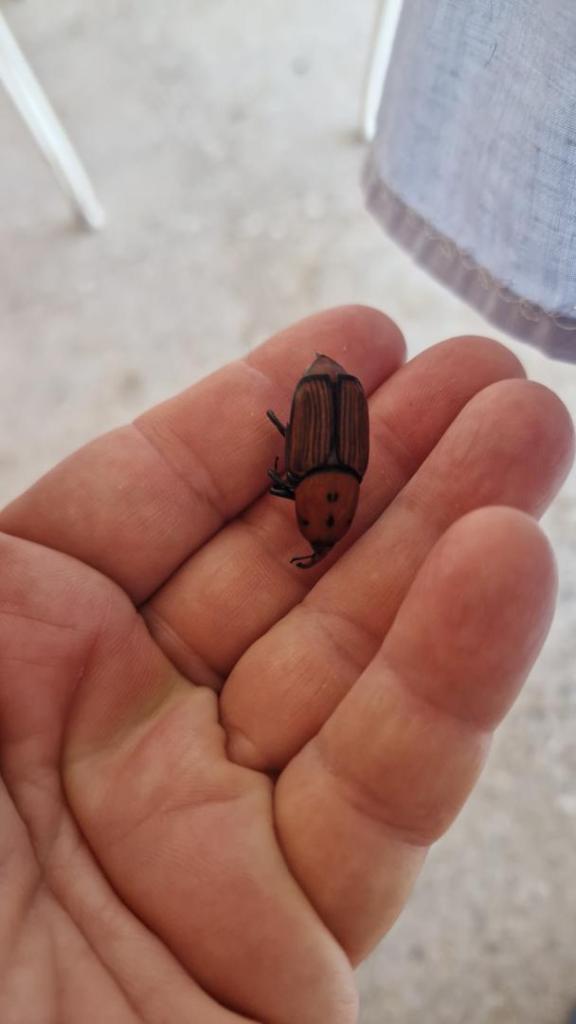
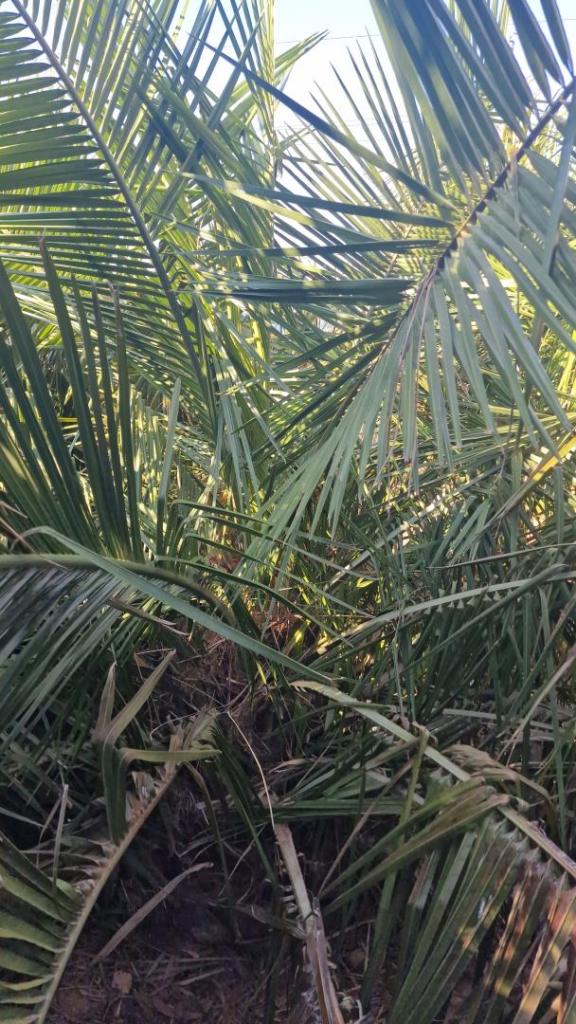
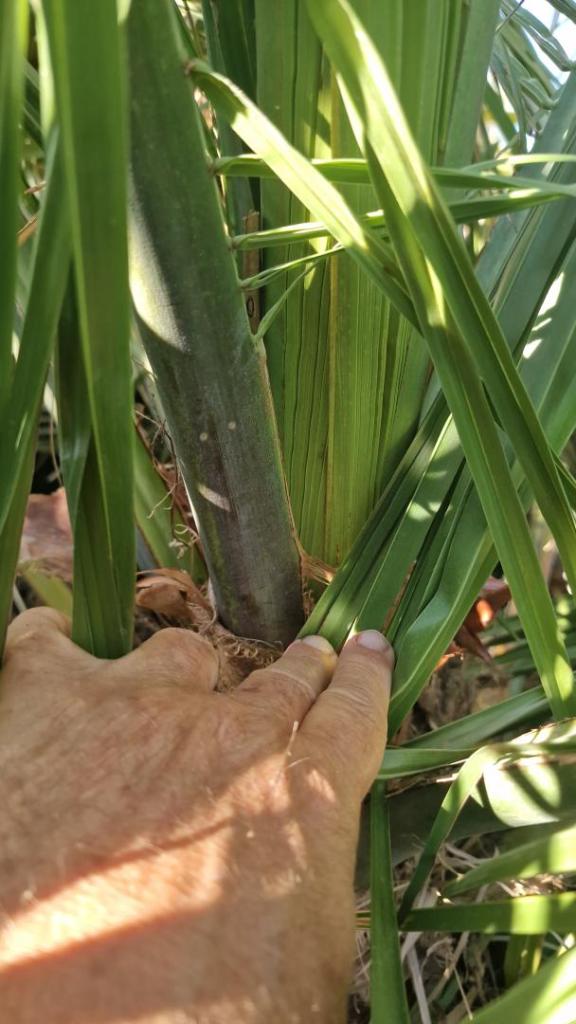
 Whether SAPW over there or RPW here, they have arrived to stay. Terribly sorry saying it, but you are bound to spray preemptively monthly in order to prevent or minimize effects of infestation. I have been following this practice since two decades. That said spraying is not a heavy task, provided you are properly equipped. A high pressure oil motored pump and a telescopic cane are indispensable. You do not have to spray the whole crown, just few liters directly in to the growing point and the immediately surrounding it leaf bases. I use a solution one sachet (not the whole content of the bag) of Merit and 15 mm of a contact insecticide in 100 lt water. I sprayed yesterday and today I have found a dead bug below my Livistona mariae Like I written in the beginning, regular, monthly spraying does not guarantee 100% prevention of infestation but it certainly prevents a severe infestation by the time first signs of latter become visible. Here is a recent example in my juvenile Jubaea. Initial infestation did not progress deeper in to the growing point and as new leaves and spears were emerging signs became visible on certain spot of the leaves but newest spear is absolutely free of any marks. Newest spear is absolutely healthy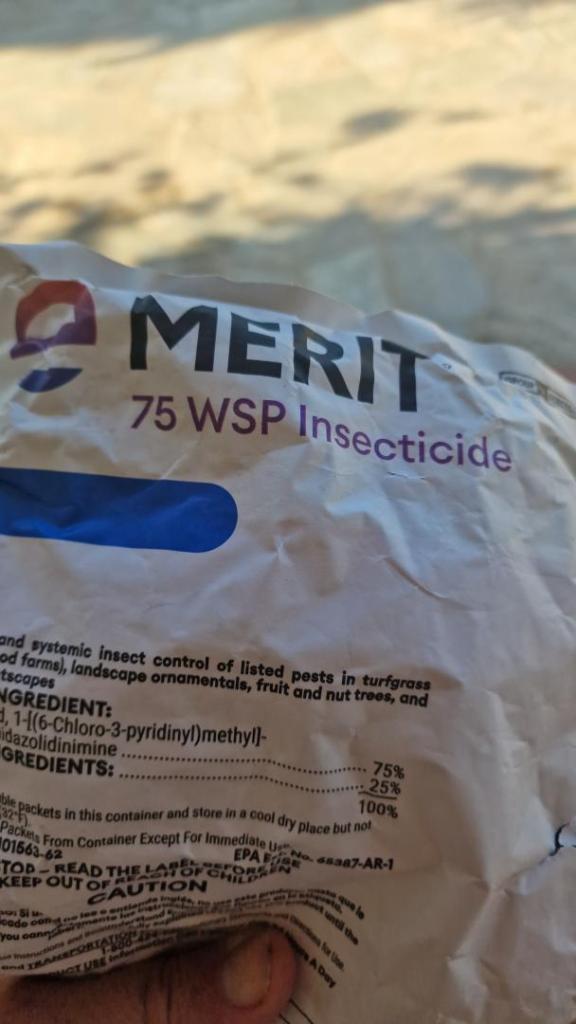



 1 point
 -
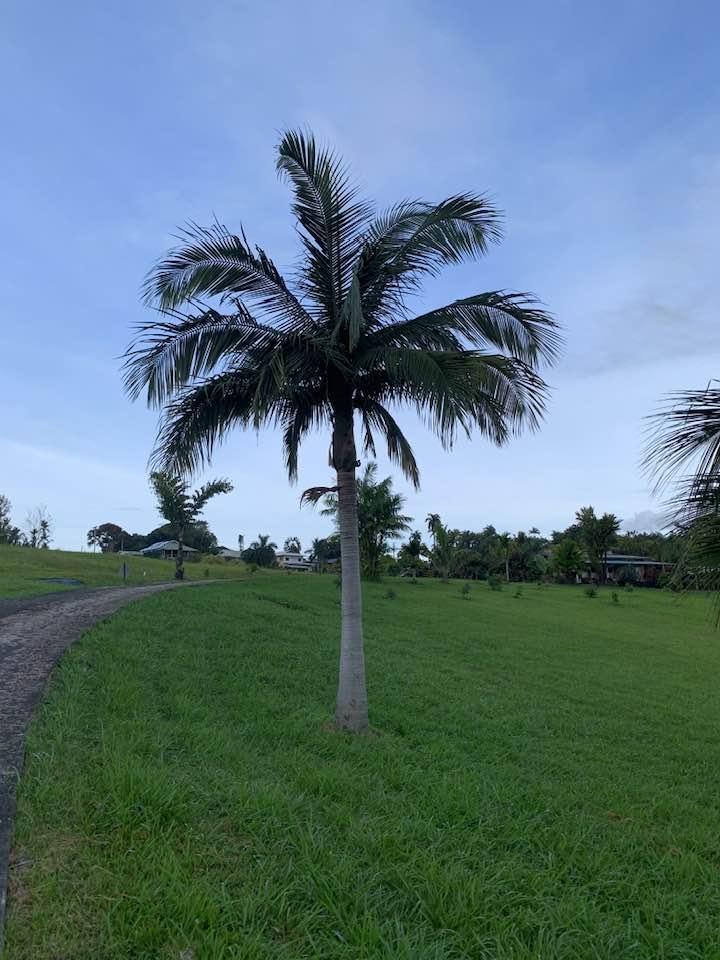
 1 pointI was at Jeff's place a few days before the storm, buying some palms. He seemed pretty concerned. I spoke to him a few days ago on the phone. He said he had one large palm blow down, but that he had others of the same variety come through intact. Flooding was the worst problem he faced. Too many neighbors above him had cleared their land bare, which let the rainwater flow over the properties and into Jeff's place. He said the nursery sections were fine. My place on the east coast north of Hilo came through the storm fine. No palms lost, only a couple of bananas blown down.
 1 point
 -
 It was a 36 inch box. No chance I could do that, it weighed around 1000 lbs. I couldn’t even get it in the backyard without a crew of men or bobcat. I’ve already had a funeral for it in my mind. I will never buy a large specimen again. Better to buy 15-25 gallon palms.1 point
 -
 Volusia County coconuts coming back from 23/24°F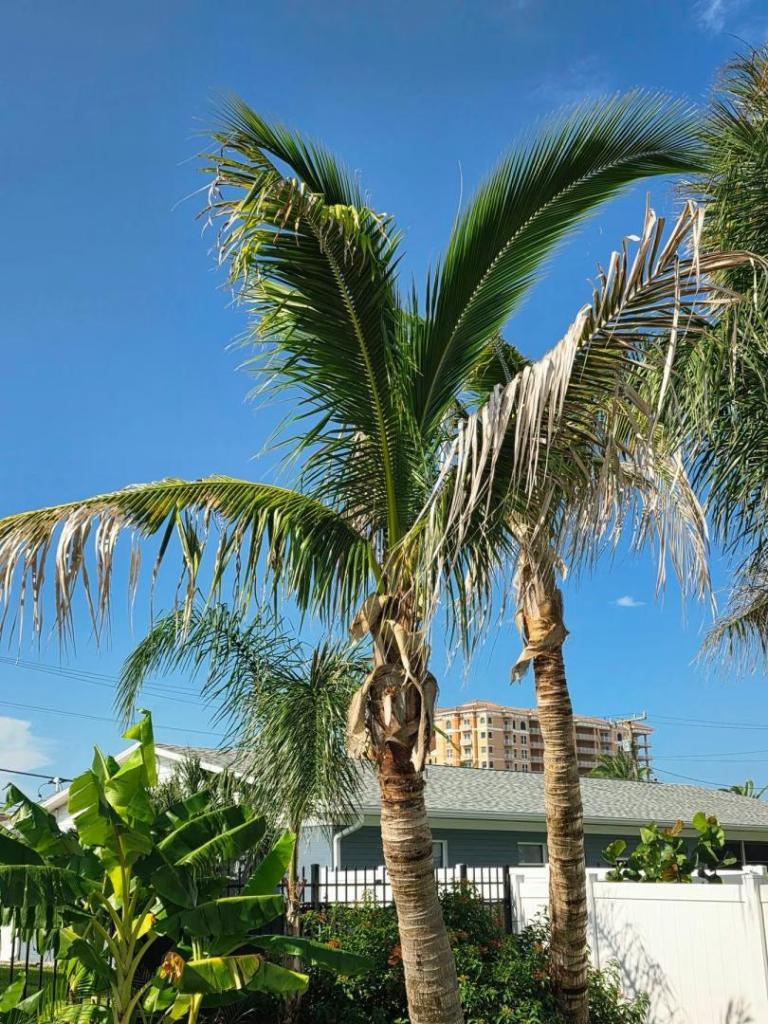
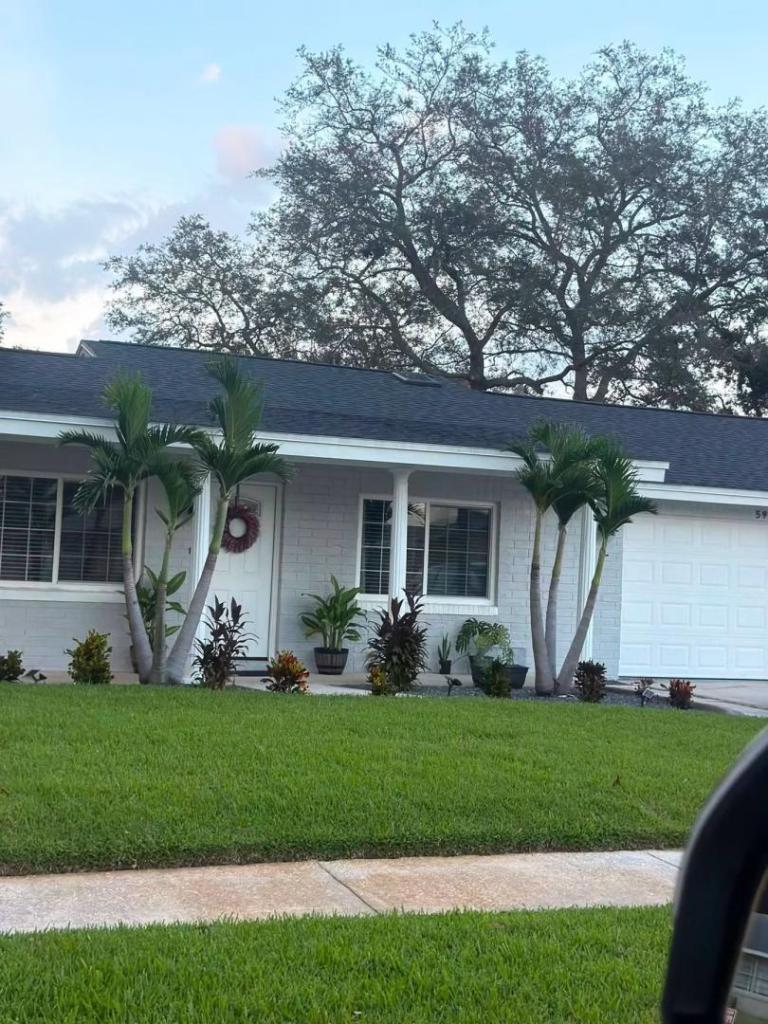
 1 point
 -
 I collect from several different Jubaea palms around Santa Barbara . Most adult Jubaea have rare or no twins but one tree I collect from has ~ 25% of its seed crop with twins. It is a relatively young Jubaea maybe half its adult size. I will check future seed sets and see if every year it throws twins. Seed size is also small on the young Jubaea compared to the Mission palms or the one at the lawn bowling park.1 point
 -
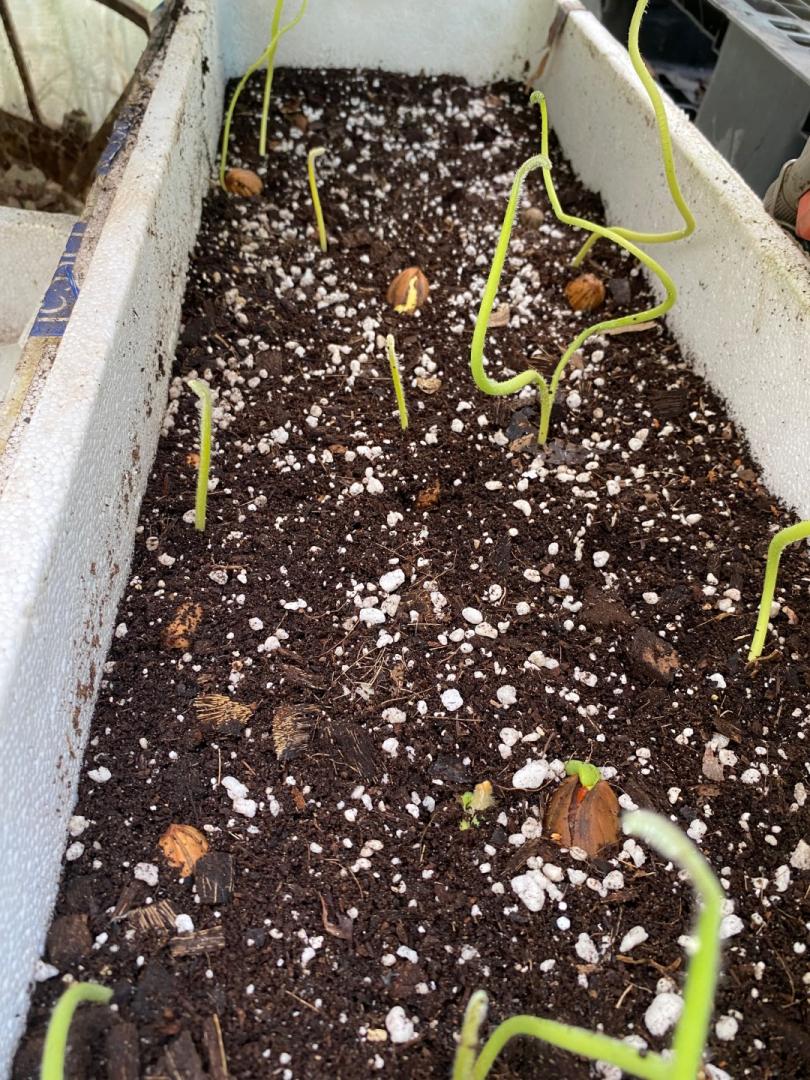
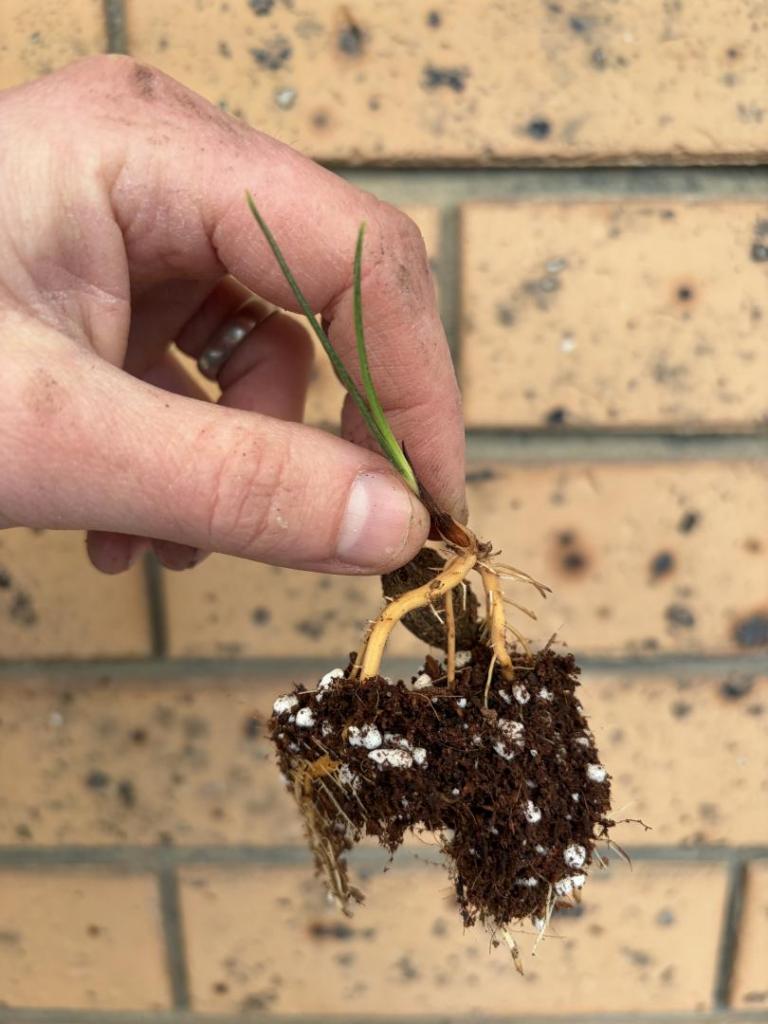
 I’ve had this occur relatively commonly in a few of Juvaea’s relatives (Parajubaea sp, Butia sp, Syagrus sp). I’ve never germinated Jubaea in any great quantity but I’d expect it’s not all that uncommon in Jubaea too based on its closest relatives. Here’s some interesting ones from a recent batch of Syagrus campestris. A twin with 2 seed petioles (middle of the photo of the container), but then also a split twin from one seed petiole which I can’t say I’ve seen before.
 1 point
 -
1 pointIn my experience, B. alfredii needs well draining soil. Their requirements are very different than those for Archontophoenix. B. alfredii, in their habitat, are subjected to fairly long seasonal dry periods. Archontophoenix are typically growing in areas that are very wet most of the year. I water my Beccariophoenix well but its soil drains fast.1 point
-
As you say, it’s supply and demand. The only thing I’d add is that to an extent it doesn’t matter what it costs you to buy and grow, if that sets the price too high people won’t buy. Over the course of a couple of years I spent hundreds on rare Syagrus seed from RPS to end up with 1 S harleyi and 1 S cataphracta. That doesn’t mean they are both worth $300-500 on the open market. If I set that price just trying to recover my cost I know no one will buy. On the flip side, as a collector, there’s species that I might be willing to pay a significant amount for and likely much more than cost price because there may not be other alternatives. Again, all comes down to supply and demand.1 point
-
1 point100%. I actually reached out to the Dandenong Ranges Botanic Garden up in Olinda last year with the thought to start to introduce some cool climate palms there. Twice the rainfall up there as down here by the bay, and much less severe heat extremes. They only have a single Archontophoenix cunninghamiana and a Livistona australis currently, but both specimens were as good or better than any I’ve seen in metropolitan Melbourne. Everything is very lush up there.1 point
-
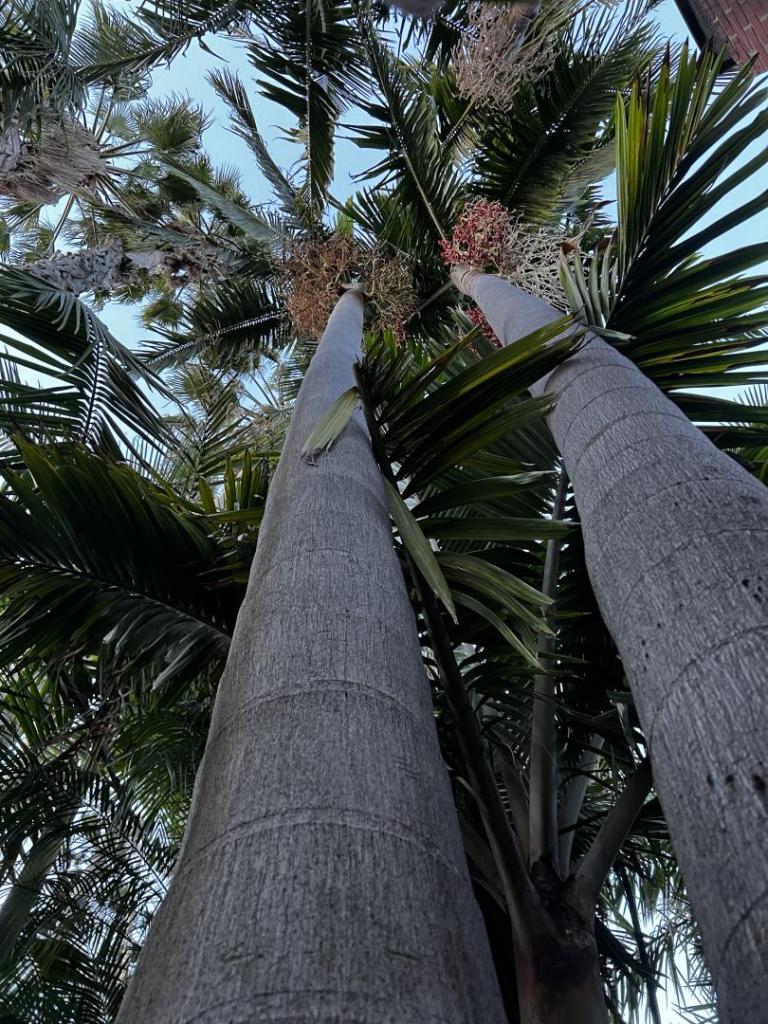
1 pointNo need to fix drainage problem if you plant Archotophoenix in that spot. They LOVE wet feet. They will grow happily even in stagnant water. I know since some of the fifty Archontophoenix growing in my yard have submerged roots year round.
 1 point
 -
 I'm in Southern California. and have similar weather as you and the heat is not an issue at all. I got one a few years ago, dug it up, took another day to get in the ground and it has never once missed a beat. I have not even trimmed the original leaves because they are still a bit green even though they are 2 years old. It's a very durable palm in my experience. If you could, get it out of the ground, hose off the roots and repot in the backyard in the shade. It might stand a chance of survival.1 point
 -
I guess there is a big difference between living and just barely surviving and eventually after years of torture only ending up on the compost heap. Plus they are to rare, and to kill one is such a great lose. Leave them for the warmer climate!1 point
-
 1 pointI wouldn’t say it’s dumb idea. We all want fast results. As far as the Bismarck I would show her a few in person (assuming you haven’t). Maybe she’s thinking of a brahea and doesn’t like those. But a massive, silver self cleaning Bismarck is a nice center piece. A sabal mauritiiformis would be a unique look too. Maybe don’t over think it. You’ll eventually end up like the rest of us and have a jungle anyway 🤣1 point
 -
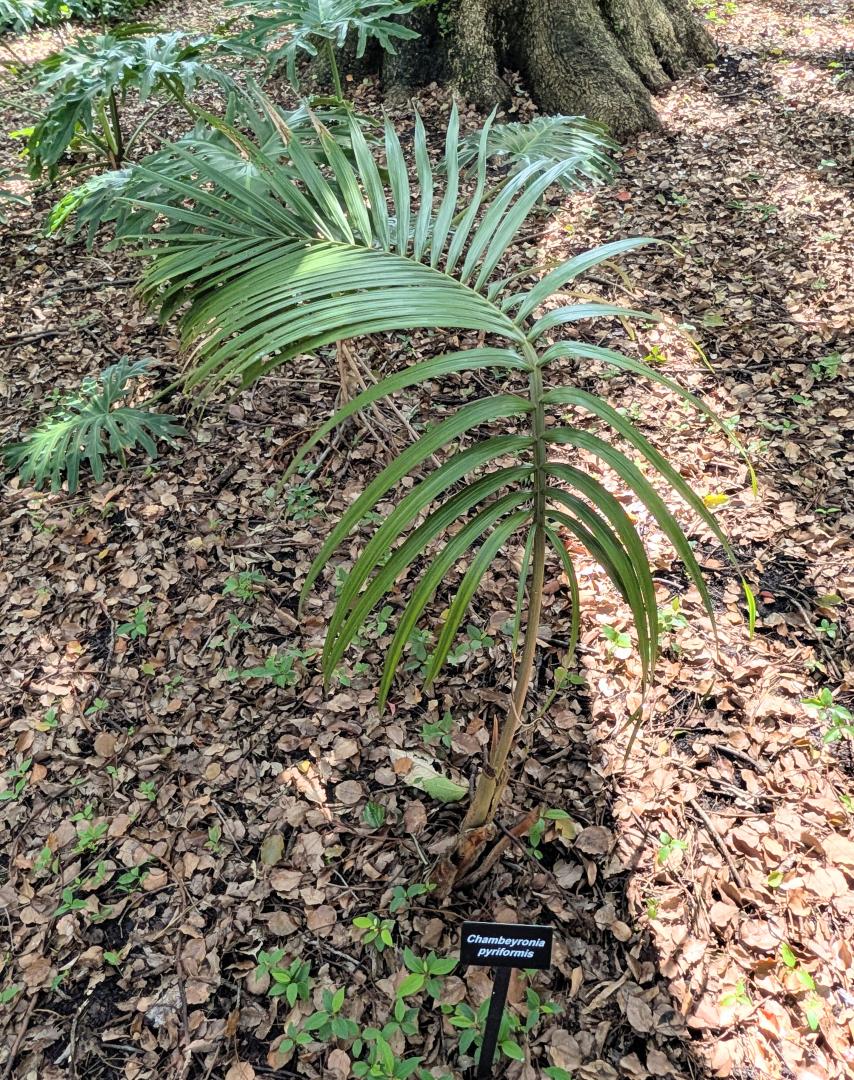
 A few more Chambeyronia survivors at Leu Gardens. Chambeyronia pyriformis
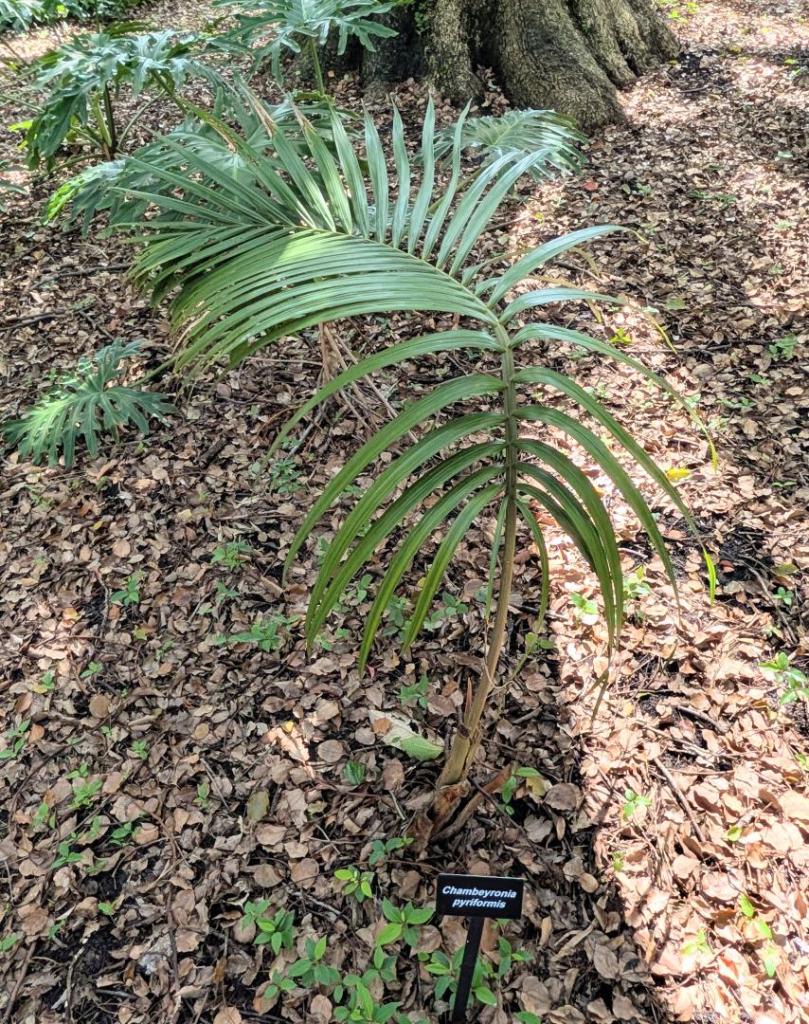 1 point
 -
 1 pointSorry that happened to you. I vaguely remember seeing some pictures and you got hit pretty bad. It’s really not that bad here. I learned my lesson in terms of what not to plant. Most of the massive carnage came from Inga trees, also known as ice cream bean. I’ve spoken to others and they tell me it was also ice cream bean trees that cracked. The previous owner also planted a lot of cypress trees, which do not fare well in wind. I’ve been replacing them with cryptomeria and other typhoon resistant conifers from Japan. We’re up in the mountains, so the whole garden has a Jurassic conifer look to it and we want to maintain that. The only bummer is not being able to grow Klinki pines (araucaria hunsteini) which all came down as well. I feel a little overwhelmed with the amount of work involved in the cleanup, but I really didn’t lose any major palms. And now I have a lot more space to plant.1 point
 -
1 pointI just planted my first Ptychosperma. I had the same opinion as you , I thought it was much too tropical for my environment. Then I went down to @DoomsDave place in La Habra , very similar climate to mine , even closer to your climate. He had a beauty down there . I was so excited to learn I could grow them , if I get the right species . I came home with a juvenile Ptychosperma Sandereanum and planted it in our courtyard. It gets warm afternoon sun from about 12:30pm -about4pm depending on time of year. It is planted not far from the A. Alexandrae. It has been in the ground a couple of weeks and already opened a new frond. Harry I have hope this will be a great grower in my warm inland climate. The one Dave has is superb . Maybe partial shade out there where you are. If you go to Dave’s in La Habra , he has a great selection of palms that may work in warmer climates. He has mature specimens in the ground so you can see what they will look like , also a great knowledge of what will work for you. Edit- I will say , we water A LOT! I have fast draining soil and a sunny south facing lot.
 1 point
 -
 @MC Silver I'd guess it was grown in part shade in a greenhouse or under shade cloth at the nursery. The older fronds look very long, i.e. "etoliated" and stretching for sunlight. So when you put it in full sun the next fronds will be much shorter. It's hard to see for sure, but it looks like the top surfaces of the old petioles/rachis are sunburned yellow. If the fans on the old fronds are also getting burnt yellow/orange/red then it's definitely just sunburn. If so then it'll grow out of it towards the end of fall. A photo of the whole palm would help.1 point
 -
1 pointNice flush on C panz x C multifrondis pushing through a pollinated cone.

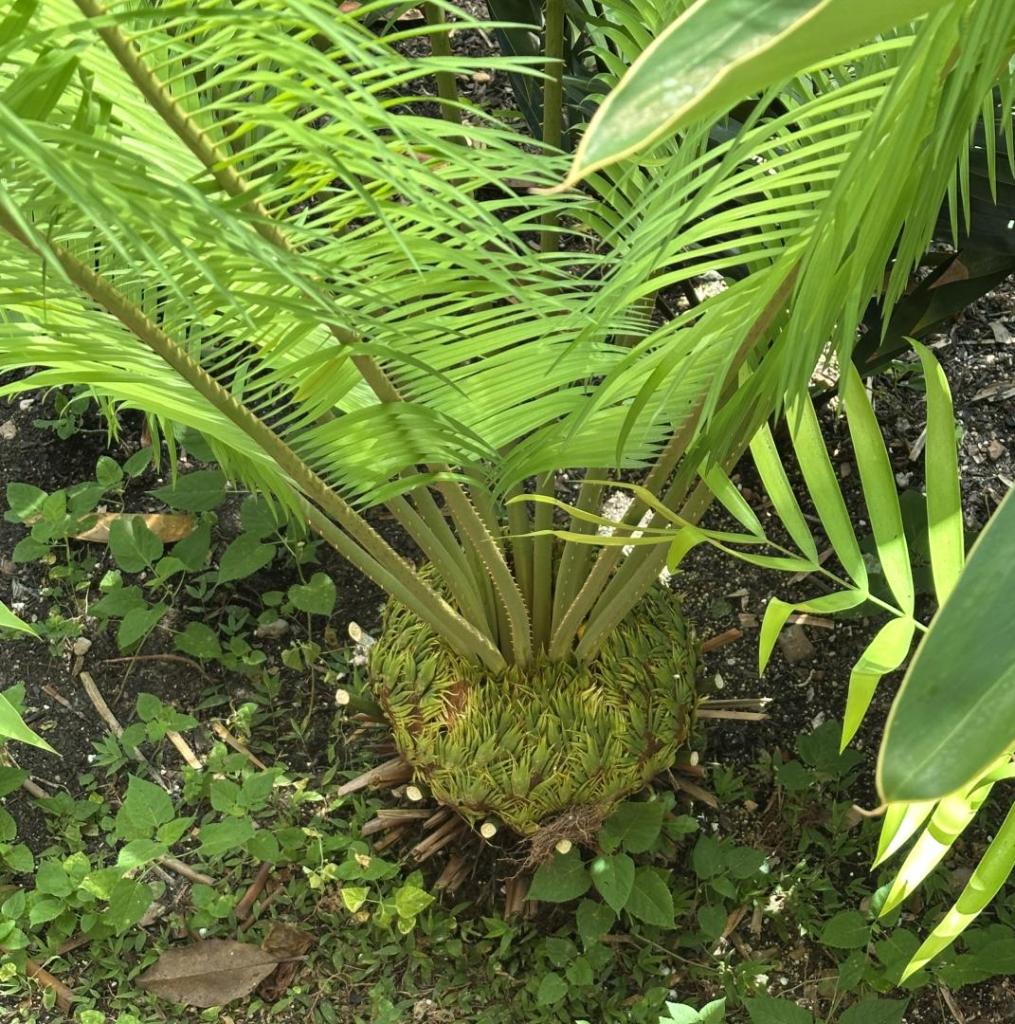 1 point
 -
Another piece of the jigsaw puzzle goes into the big picture. No plans just of the top of the brain as I go with this project.
 1 point
 -
 1 pointHey Marcus! Yes I have absolutely no issue passing right by the Queen Palms when I see them at HD! 😂 I used to entertain the idea but I can save money, time, and heartache just watching other ones around town die. Of the three that were planted late last year in my neighborhood only 1 survived, the one right next to the wall of the house. In spite of all the rain earlier and all the heat this month it has only grown one stunted, floppy frond. By the time this coming winter’s cold snap arrives it’ll be toast. Especially if we get the usual ice or freezing rain. I recognize those sandals, they conveniently have a bottle opener on the bottom! Perfect sandals in my opinion! Ben, I look forward to seeing your stunning uresana grow, those an incredible! My three have been going very well and one of them has grown much faster than the other two. Now I’ll have to keep my eye out for the Ox Beetles. Disappointing to see them killing palms, especially Chester’s Lisa Palmetto. Anhwho, here are some photos from a walk last Thursday at the Oblate School of Theology. They have several more Sabal ursanas than I thought. I just love their blue coloration. Also seen again is the mystery Sabal…. yapa maybe?? What are these two palms? I thought Brahea, but they have spineless petioles: Mule, really not a fan: Some gorgeous Brahea armatas, looking as good as I've seen them here, especially with some flower stalks: The next grouping I really think are all Sabal uresana, some everyone is aware of, but I don’t remember seeing the smaller ones before: Mystery Sabal… I’ll call it Yapa! Surprising that there are only a few Washingtonia remaining, this is one.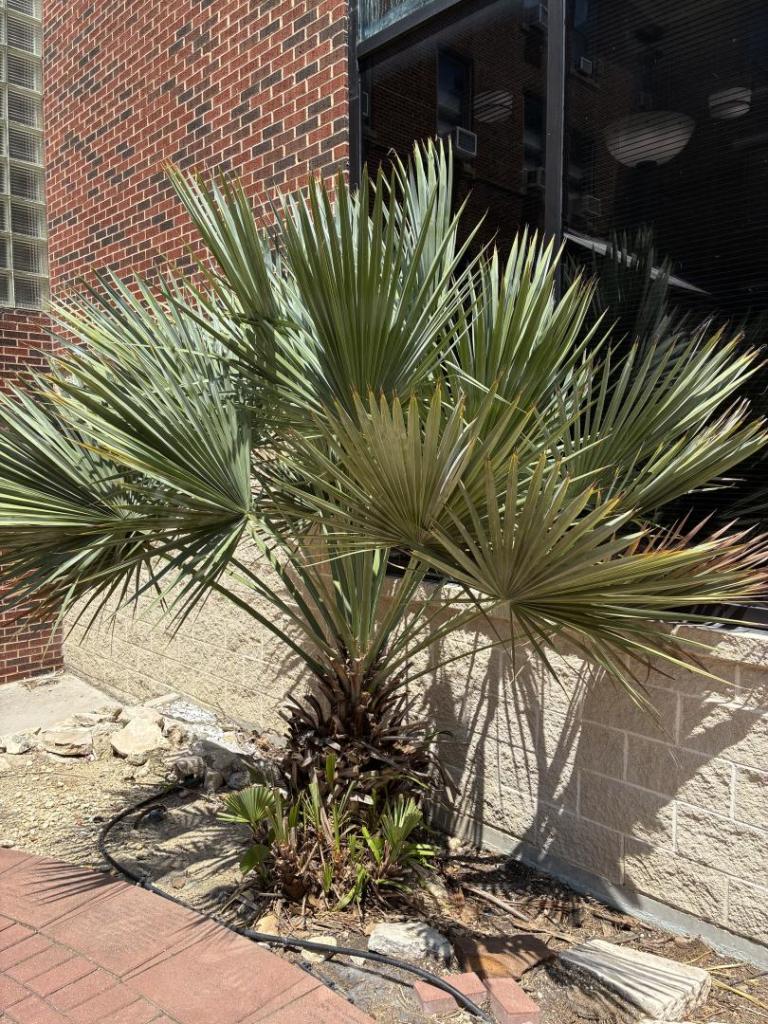
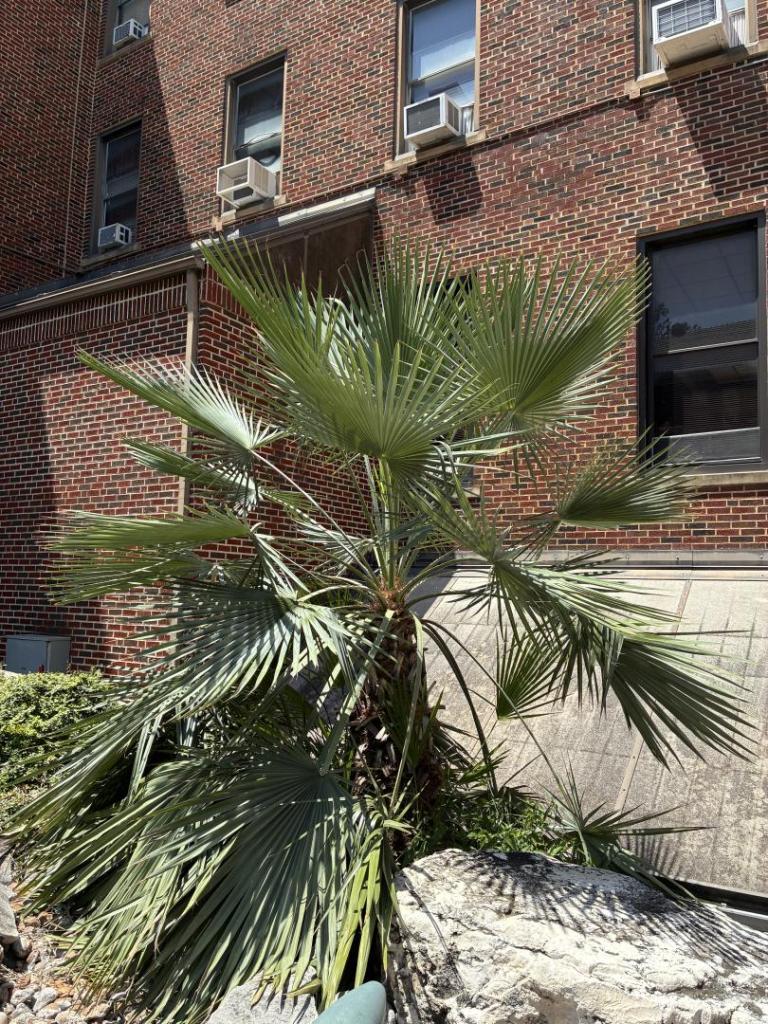
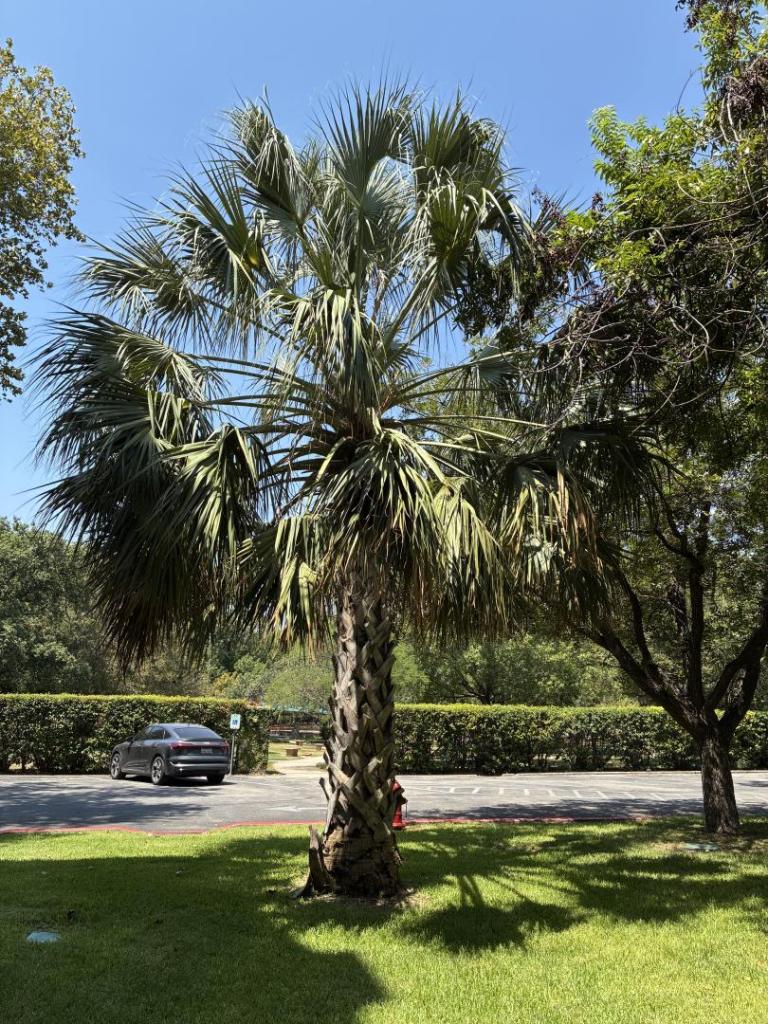


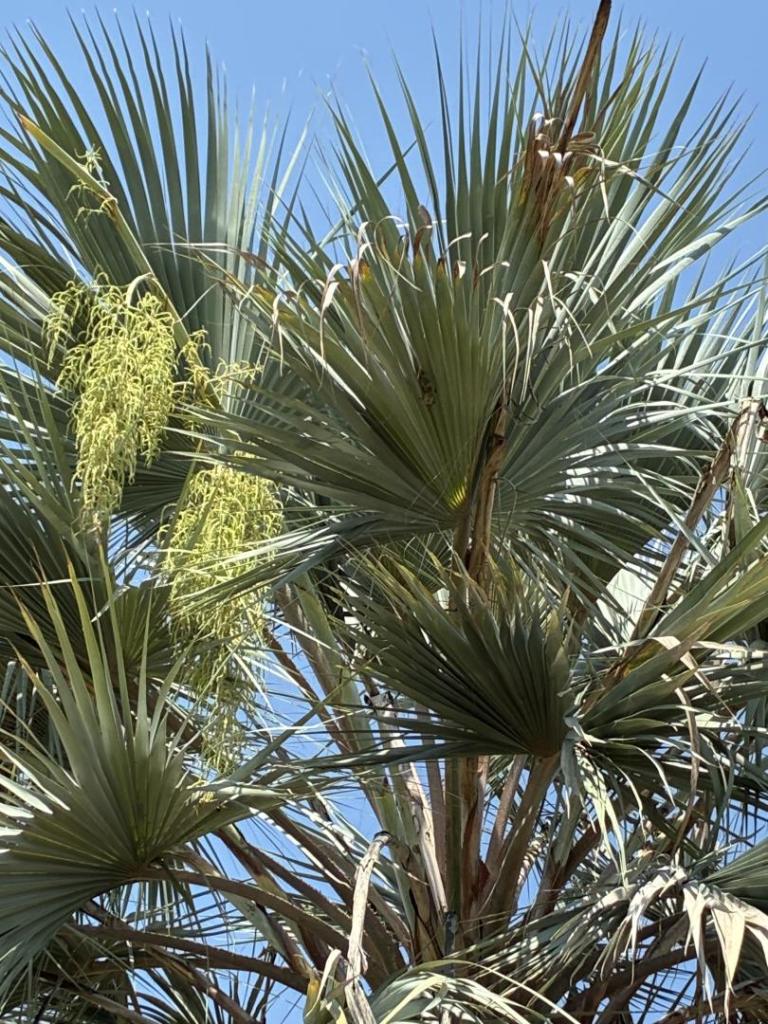


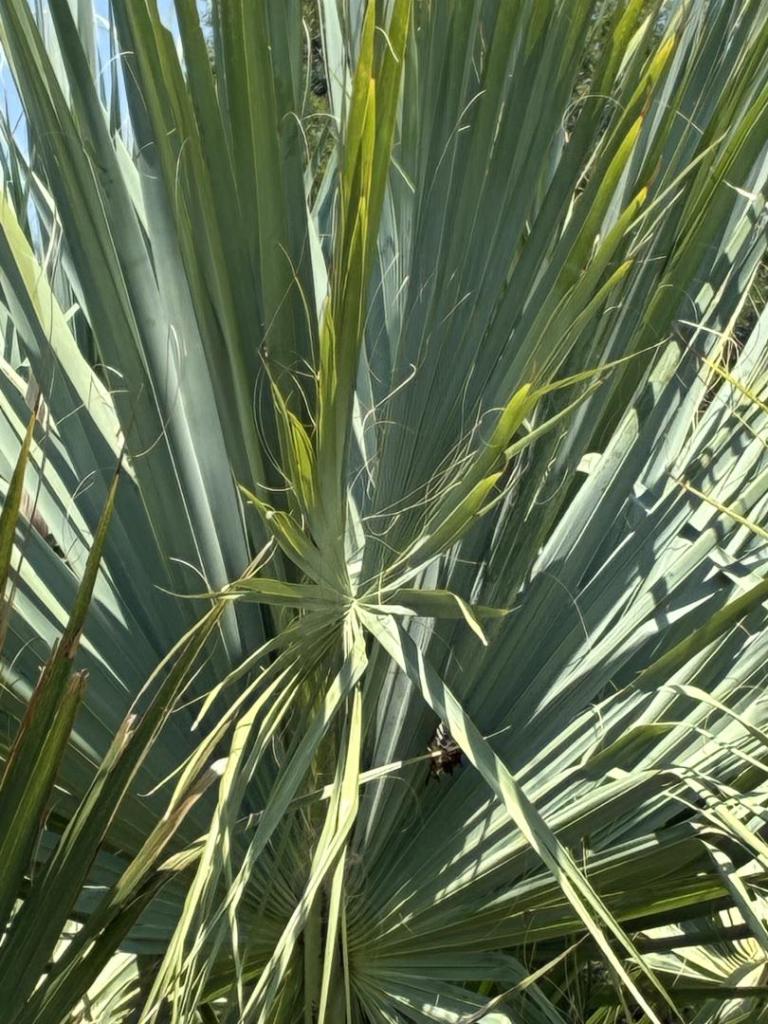
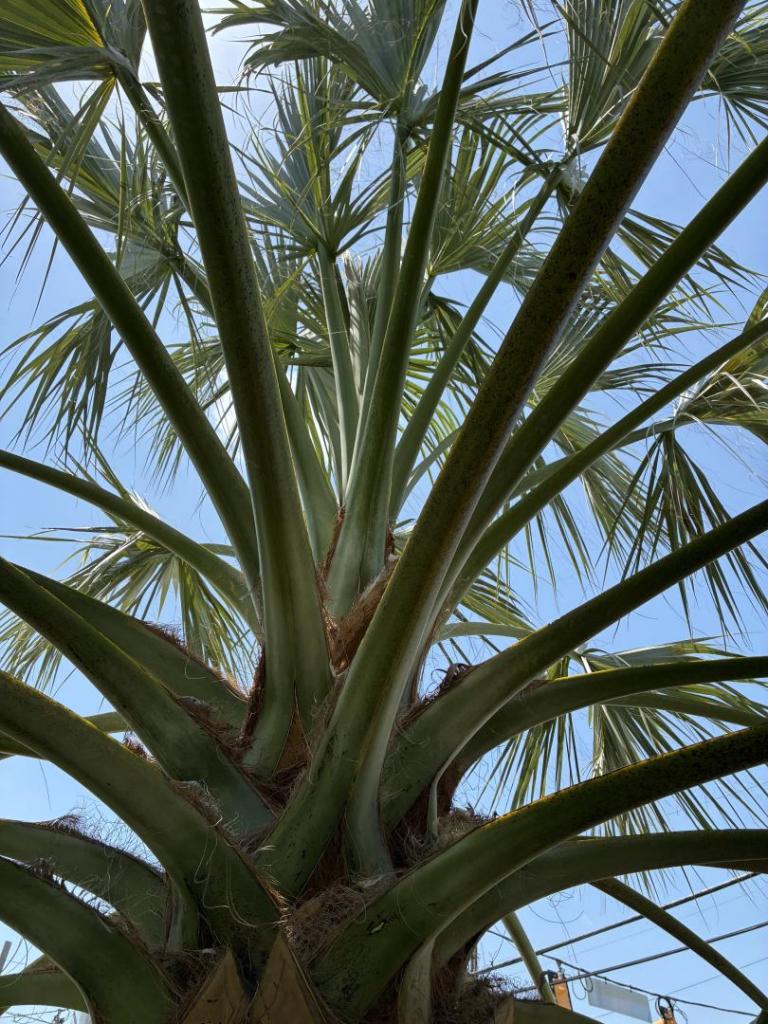
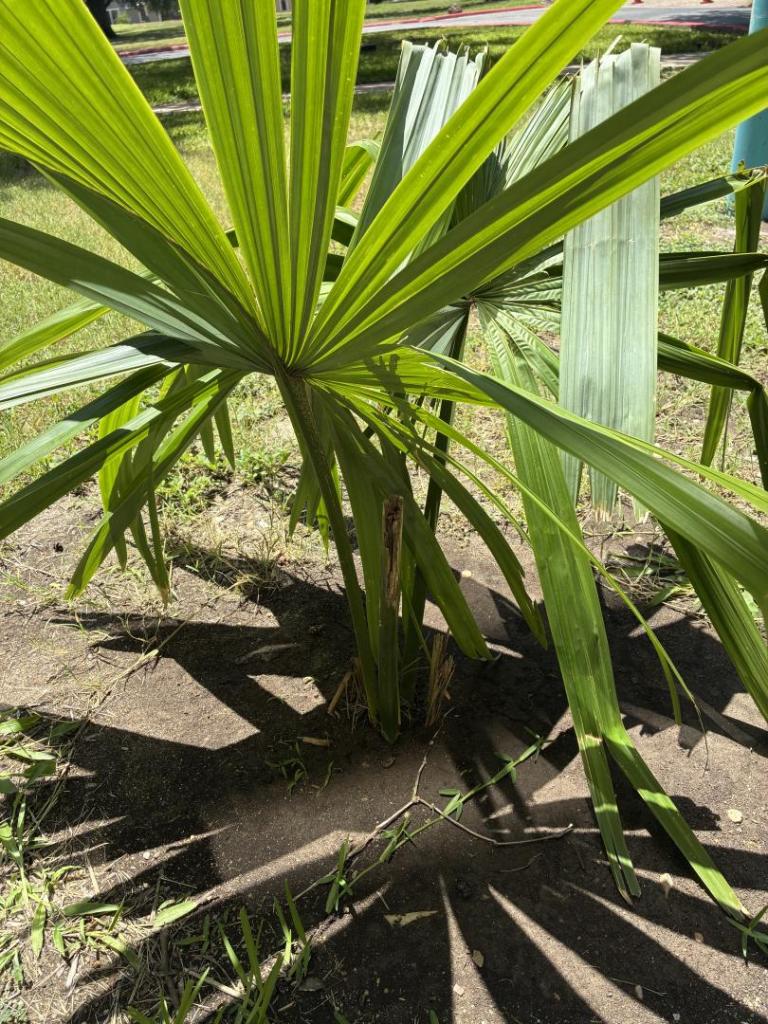
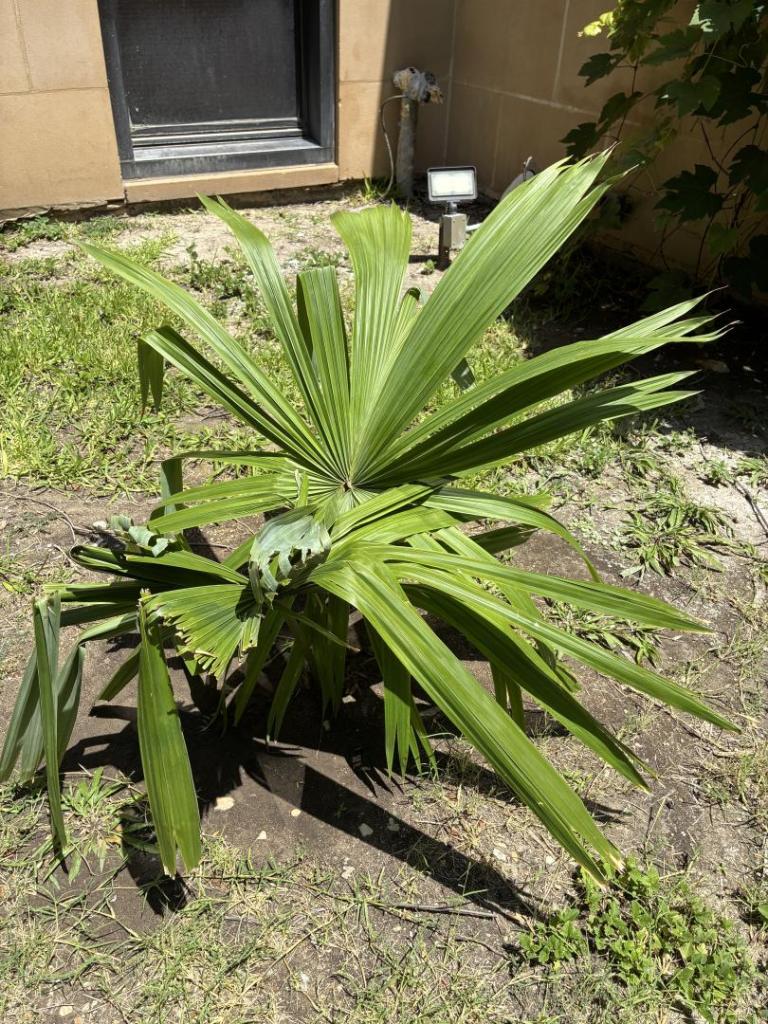
 1 point
 -
1 pointIt’s often hot and dry in my coastal valley location in the summer but Hedescepe do exceptionally well despite that. Not sure how AI would rate my area but, as long as the palm is in shade or partial sun and watered often it will be happy.

 1 point
 -
1 pointWe had some roof leaks during the storm. Probably will need to get the roof inspected. The house did not suffer more damage because I preemptively cut down trees before the storm, knowing how bad it was going to be. The southern end of the island got hit hard and is completely closed off. Roads down there are washed out and homes are damaged. It will take them months to recover.1 point
-
 I gotta say that i really enjoyed this thread. I don't know anyone else into the gardening game, so it was a good reminder to me that the hard freeze was an actual event and not just god spiting me personally.
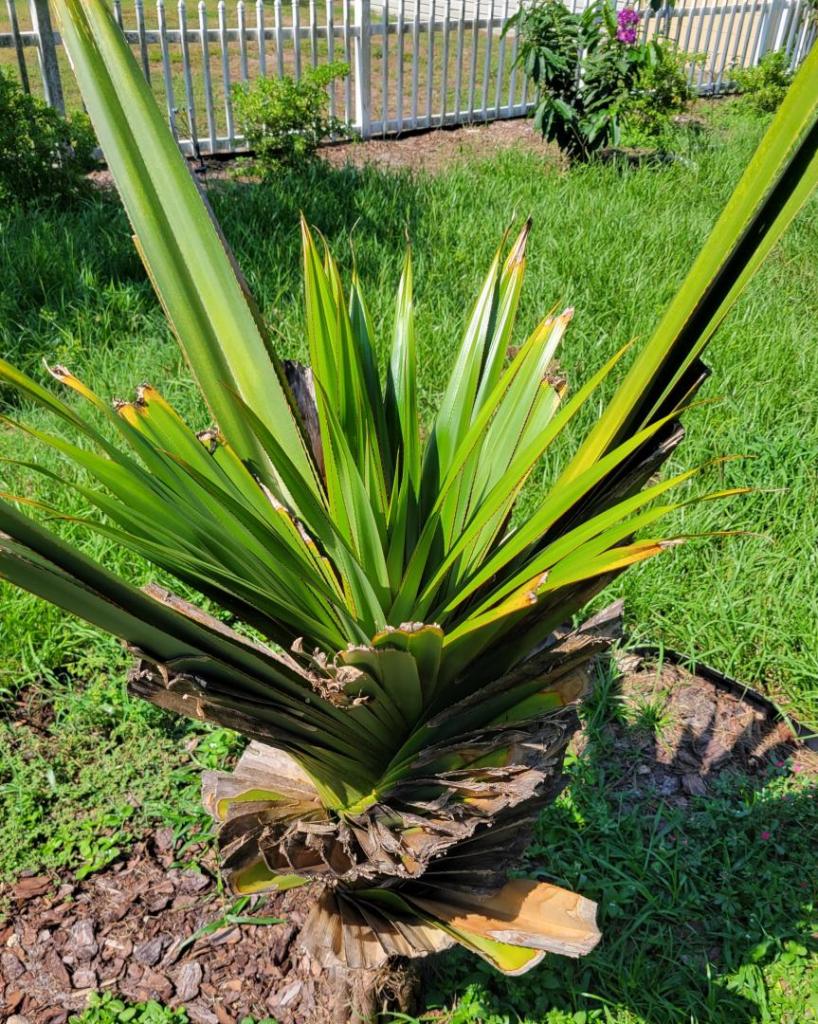 1 point
 -
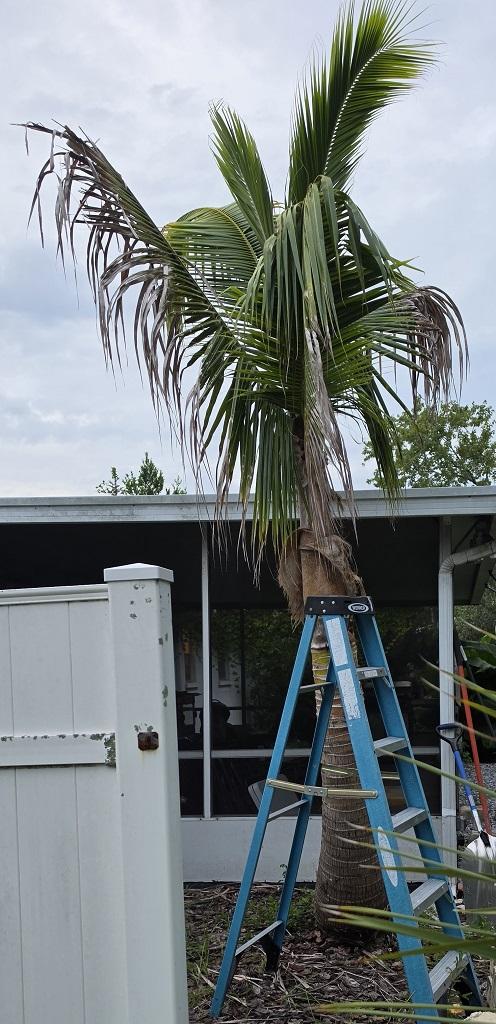
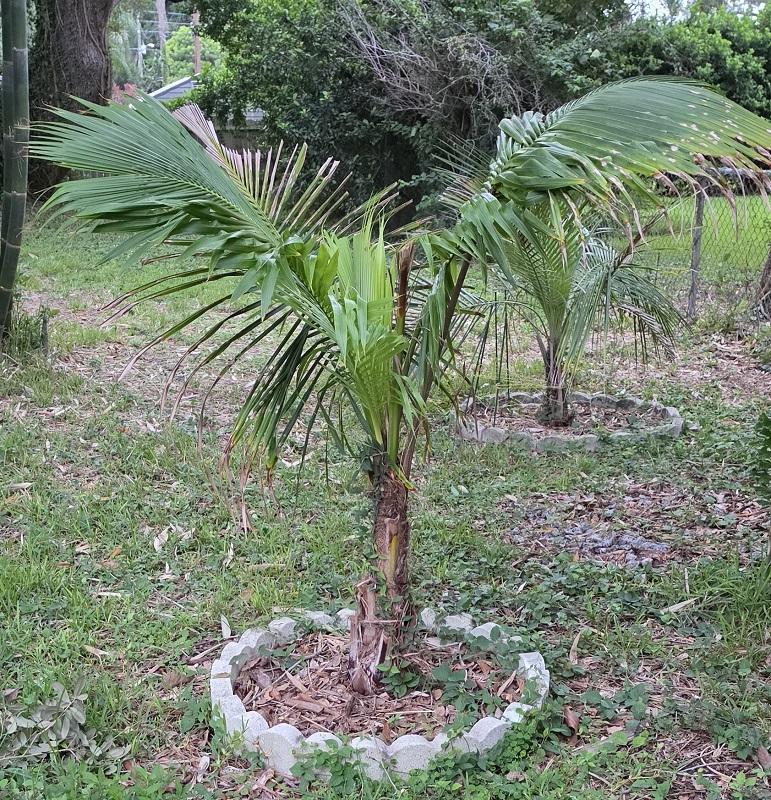
 Updates on a few fan favorites. They're coming along, but it will be a while until they recapture their former glory. Atlantic Tall Coconut: Maypan Coconut: Beccariophoenix fenestralis: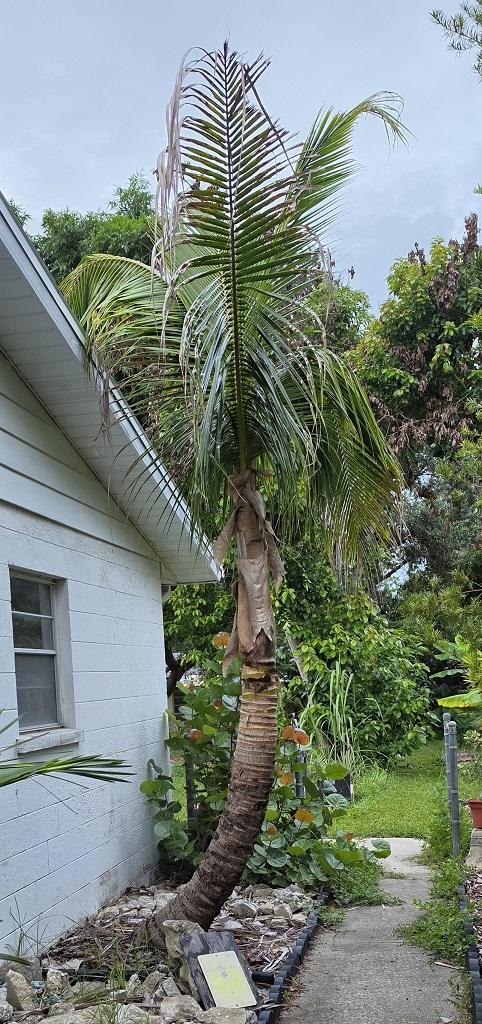
 1 point
 -
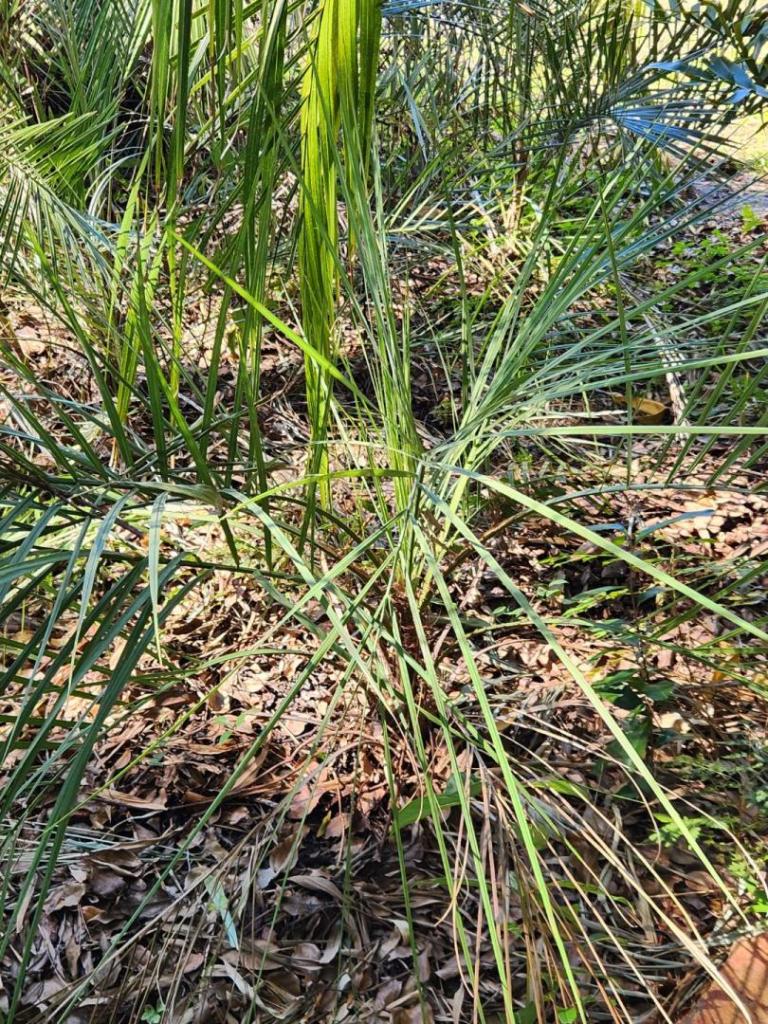
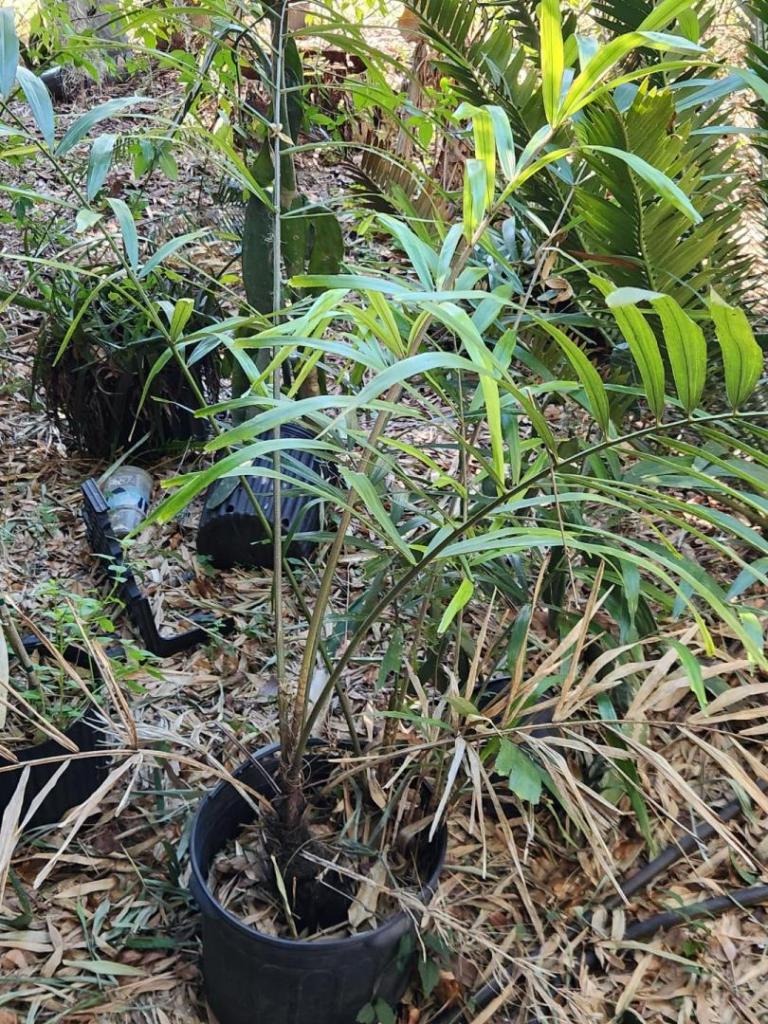
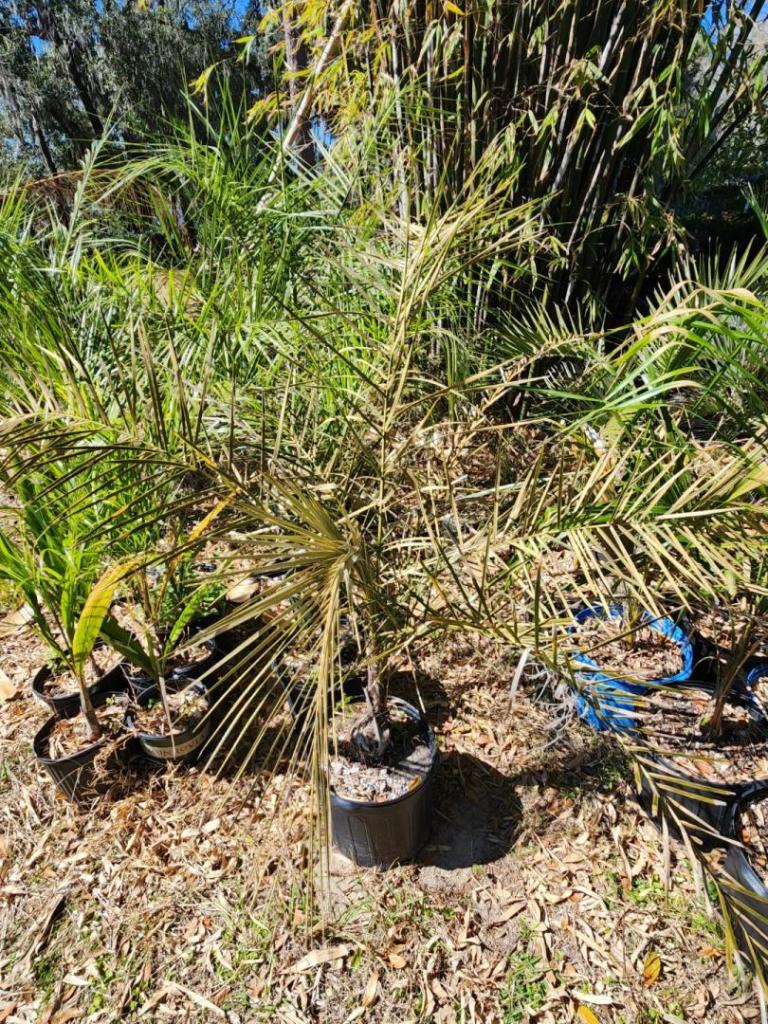
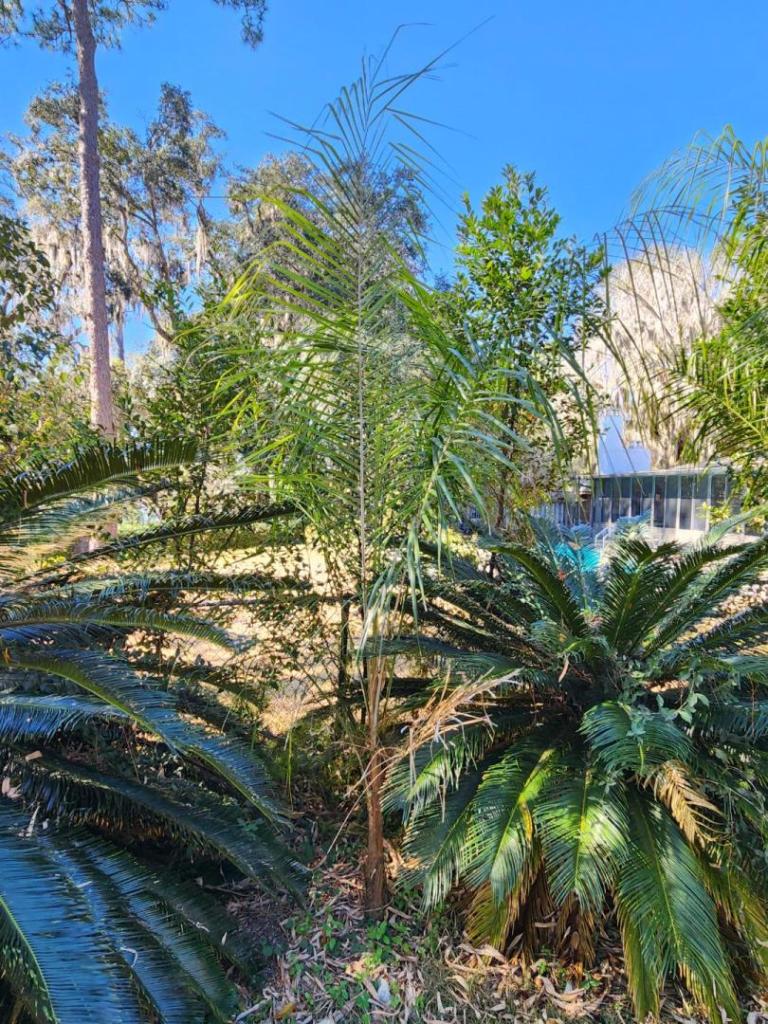
 Well thankfully most of my current collection fared quite nicely. After the last freeze a couple years ago I decided to move more towards what I knew would survive. Some were still questionable, and the ones I could get in the greenhouse went in there and the others were left to elements with little to no protection. Recorded low was 23F for my location in Jacksonville. Beccariophoenix alfredii inground and potted bronzed Cycas chamaoensis, balansae, petrae and sp. Wiliwiak bronzed Syagrus cearensis (was actually hit when we had 30f a few weeks ago) these were in greenhouse Syagrus schizophylla slightly bronzed. These were covered but no heat. Caryota maxima Himalaya bronzed Butia archerii, both potted and in ground, no damage Syagrus weddellianum no damage, planted under the canopy of a mule Syagrus campylospatha in ground, no damage Mule seedlings no damage Parajubaea torallyii no damage What eas given to me as Arenga Engleri no damage, under canopy of a Queen, mule and some bamboo Syagrus hoehnei no damage







 1 point
 -
 1 pointyes, that really is an intervention. yes Richard, we will let it bloom and enjoy it.1 point
 -
I had a look at one of the box’s of taitungensis seeds and they are on there way. The other box I removed the lid about 3 months ago as they were ahead of the other box. The seeds were collected from a cycas at my front gate with a pair growing together one male one female. Easy to grow and germinate you just need time.

 1 point
 -
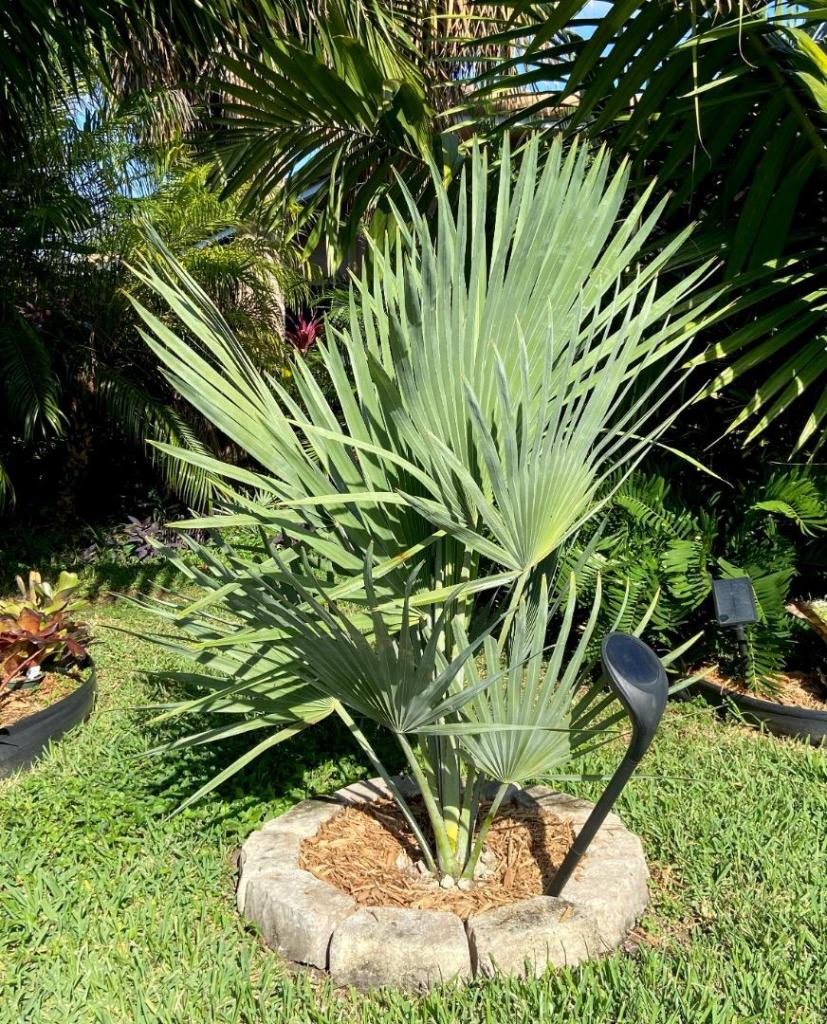
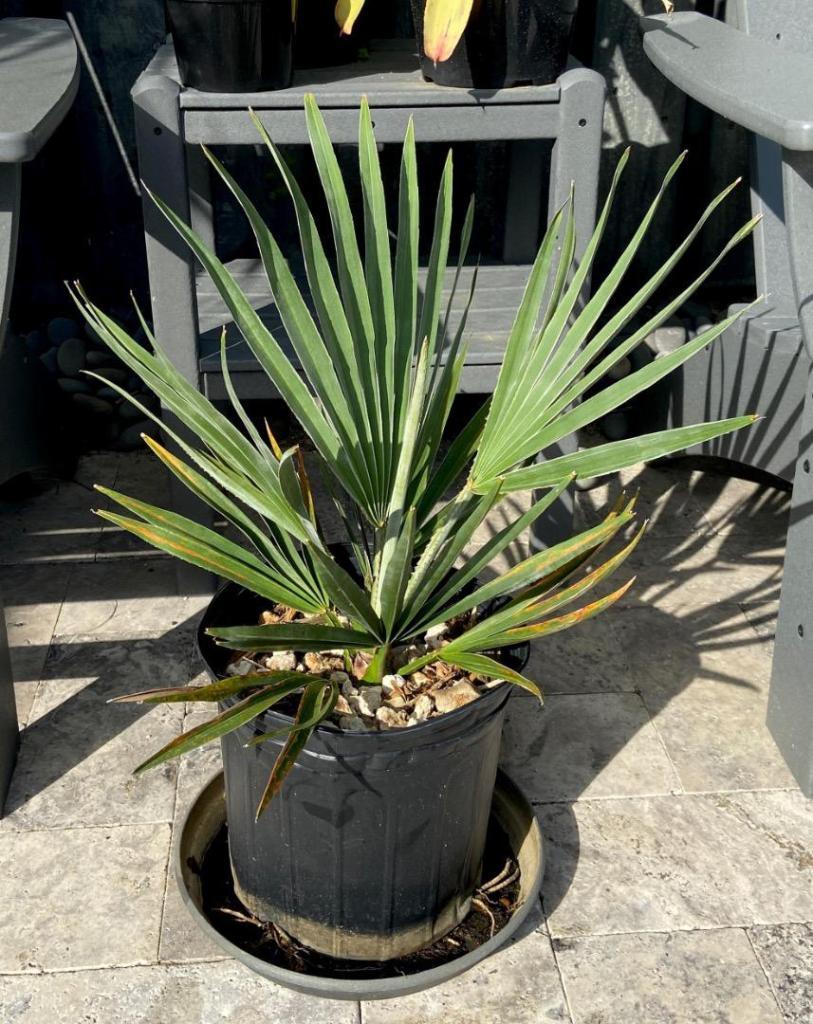
1 pointWell, another 6 months has rolled by, so I’ll update these, with interesting developments… Three Floribenda Hospitas remain. Two strongees and a laggard. Long overdue for an up-potting. I weeded the pots and cleaned them up today and found this…. Suckers emerging after 2.5 years from strap leafs! The biggest has a full baby sucker growing. The other strong one is starting one, I think. If this continues, I guess this then makes these Copernicia Hospita x glabrescens hybrids. The locally acquired, in-ground, true Hospitas are doing well. The traumatized one out in the open, in all day sun and harsh conditions, continues to flourish and is really beefing up… The other, that gets AM shade is growing a little more slowly, but fine… The only problems has been slight potassium deficiency at times, which I’ve been keeping up with. My biggest surprise (other than suckers) is how much water they enjoy. They tolerate drought spells well, but love water, even minor submersion in standing water in hot weather.



 1 point
 -
 Got an updated 2024 pic to share? Plum curious on this palm. Thanks to Tracy here on the board. The spot I'm looking at is also full-sun, south-facing. Though under a Queen which would provide partial shade from time to time.1 point
 -
Pretty straightforward just half bury the seed and wait around 8 months or more some good potting mix have a look in the photos for any tips on seed placement there easy to grow good luck1 point
-
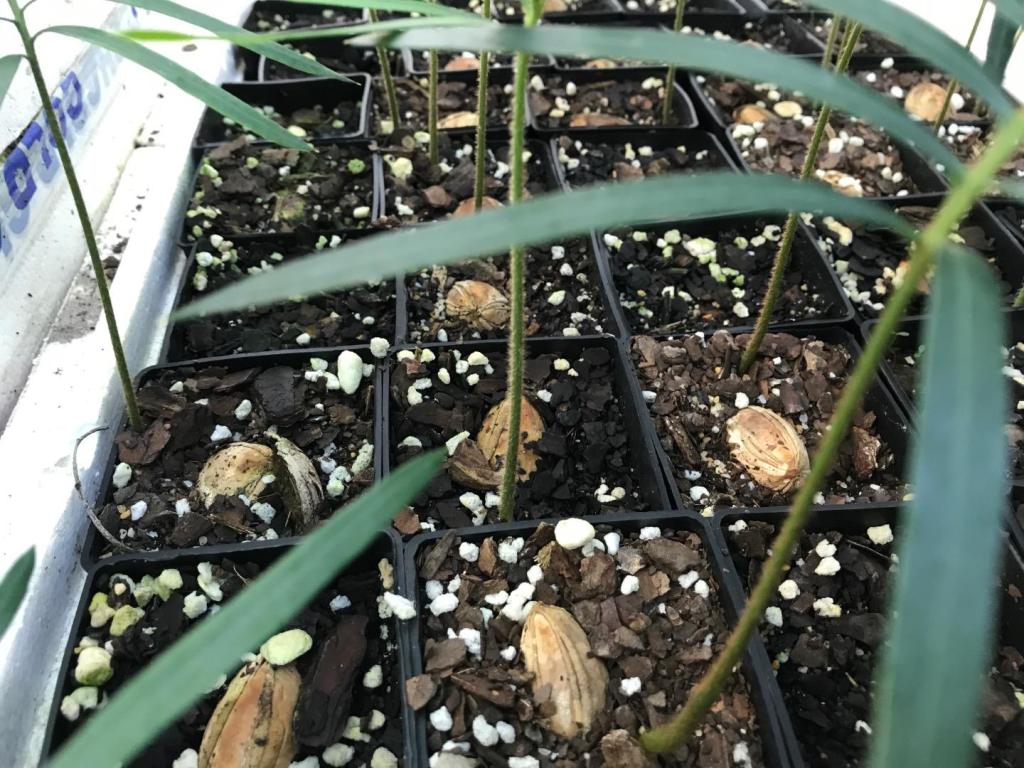
Here’s a few I germinated last year and a few this season from seeds harvested from my own plants.




 1 point