

Leaderboard
-

happypalms
IPS MEMBER248Points12,578Posts -


Harry’s Palms
IPS MEMBER82Points4,211Posts -

Tracy
IPS MEMBER72Points6,461Posts -

tim_brissy_13
IPS MEMBER72Points2,465Posts
Popular Content
Showing content with the highest reputation since 06/12/2026 in all areas
-
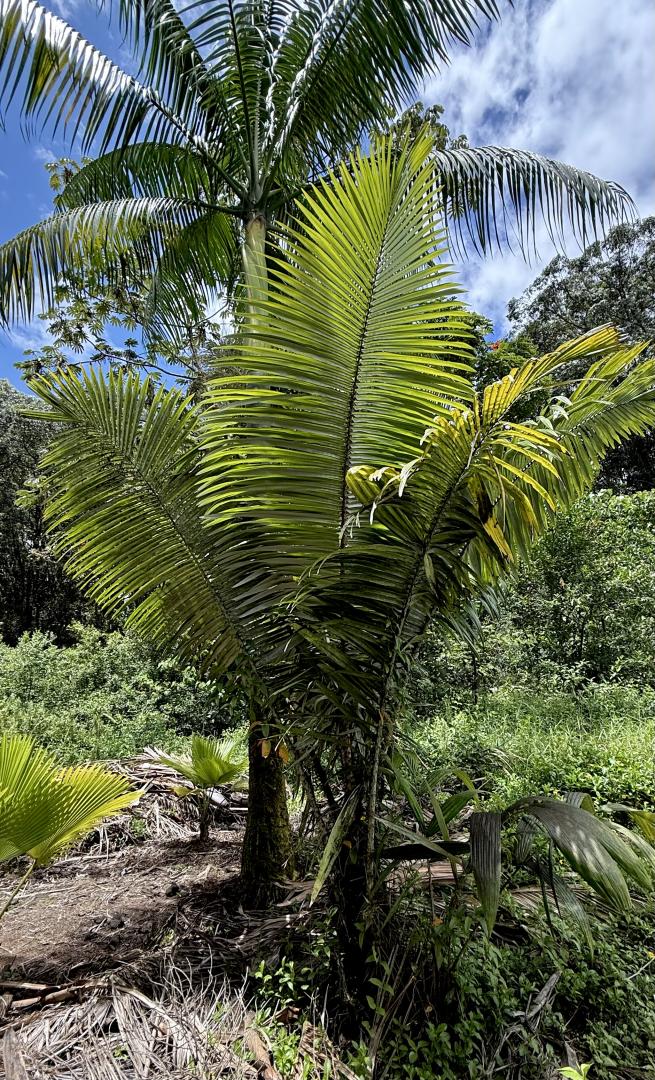
 A slowly growing R. sambiranensis.. And a sp. “giant”— still no name as far as I know. Plugging away, about 13 years old, but otherwise reasonably happy.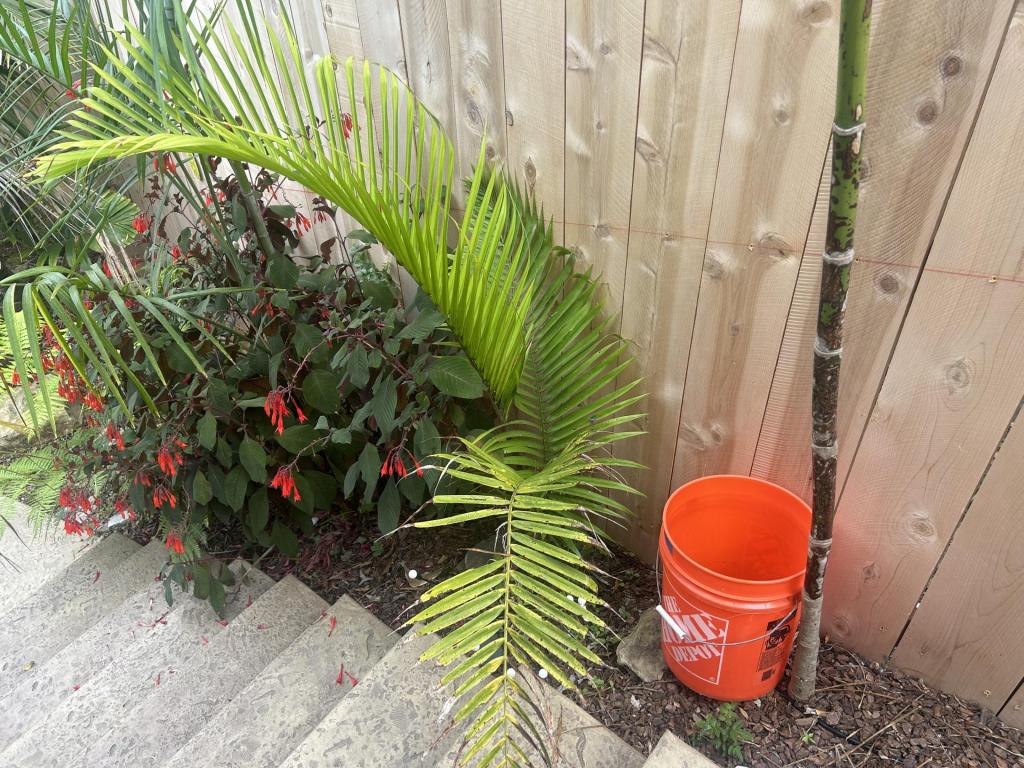
 12 points
 -
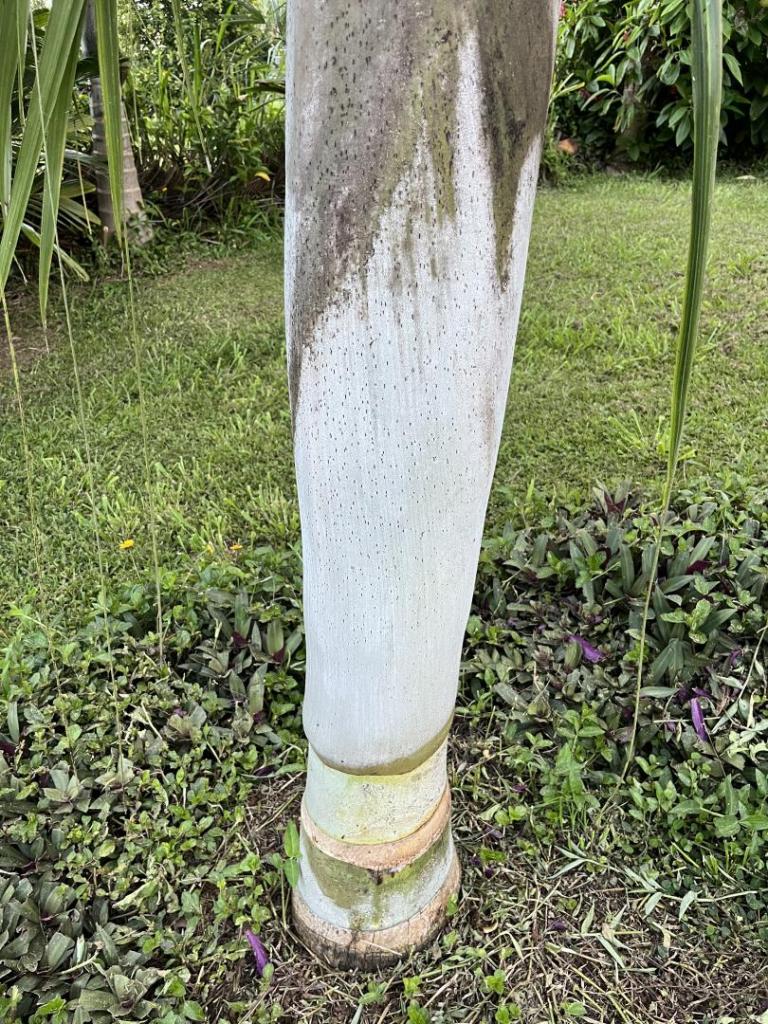
 With all the rain we’ve had and the long summer days, this palm dropped another leaf and is now showing another ring of trunk.
 12 points
 -
11 pointsExtraterrestrial? Please come home ET. Any ETS landing in your garden. This is from planet Encyclia of the cochleata species.
 11 points
 -
There’s a few good glauca in my garden.


 10 points
 -
 10 points
 -
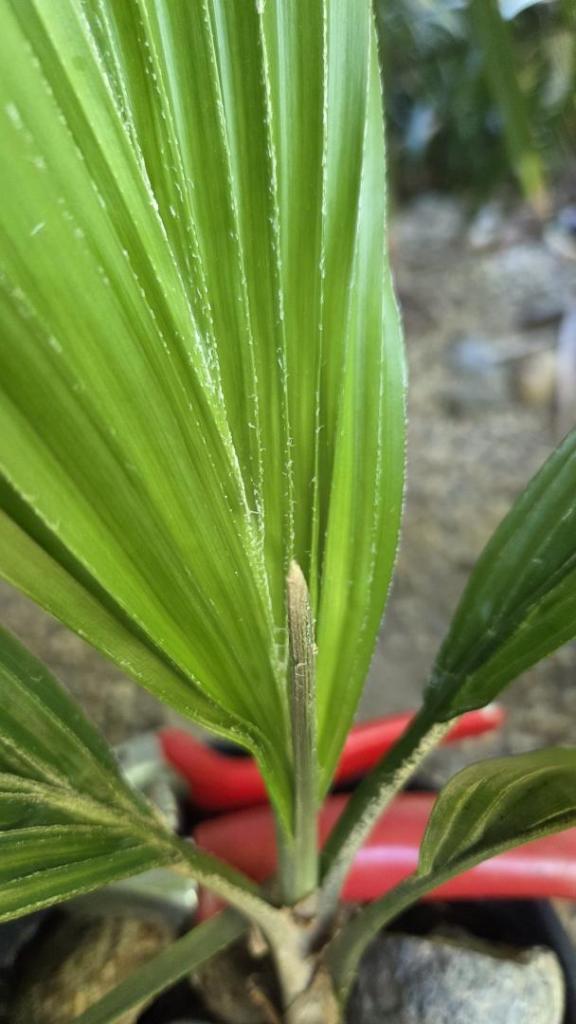
 10 pointsThis week has been a real trial for my little Ceroxylon amazonicum! Today at 3 PM the temperature... in the shade... was 106 °Fahrenheit (41.11 °Celsius). It's putting out its second leaf since it arrived at my place from Ecuador (via Florida). I'm keeping it in shade and in a deep saucer of water. Hopefully it'll put out a pinnate leaf before year's end?
 10 points
 -
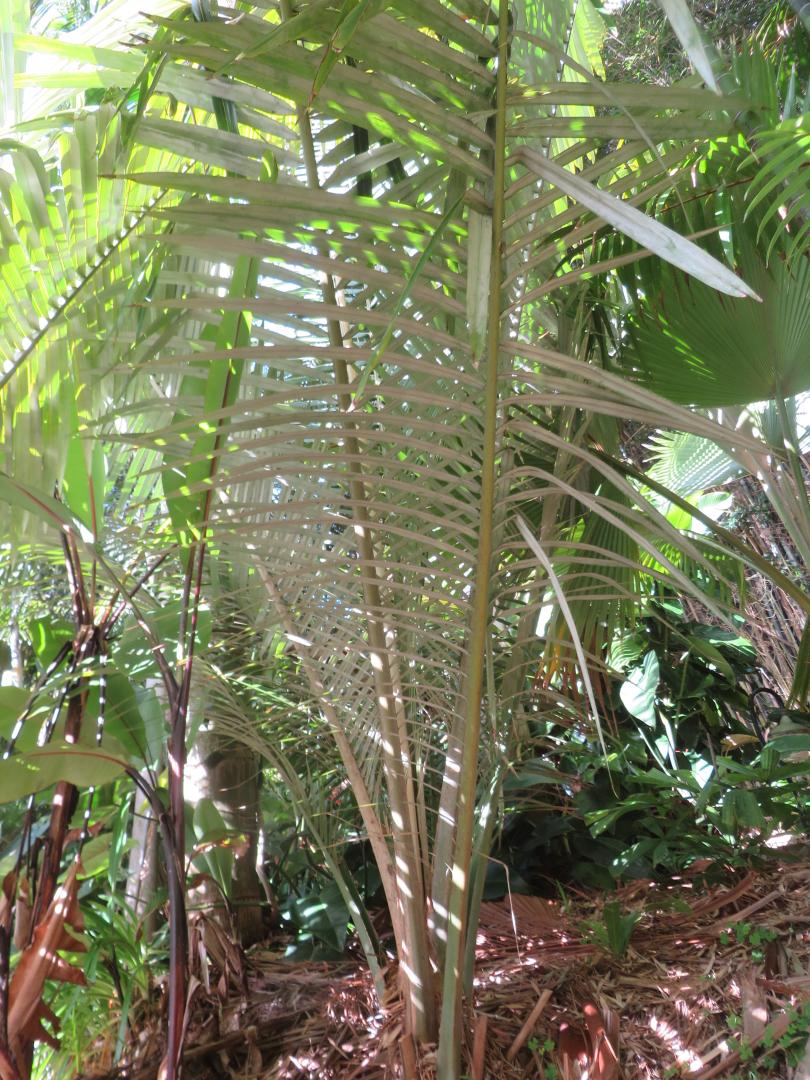
So here’s a R. lakatra 10 years from a seedling; as mentioned earlier, it doesn’t appear to be one of the giants. And looking up into a fast growing sp “new”, possibly madagascariensis?

 9 points
 -
9 pointsGreat to see this post revived . I knew nothing about these until I saw one in Ventura at Terry and Sevin Sullivan’s place . It towers over the garden with a dominance like royalty . I didn’t know it was heat sensitive but it seems to like the coastal Ventura climate. Harry
 9 points
 -
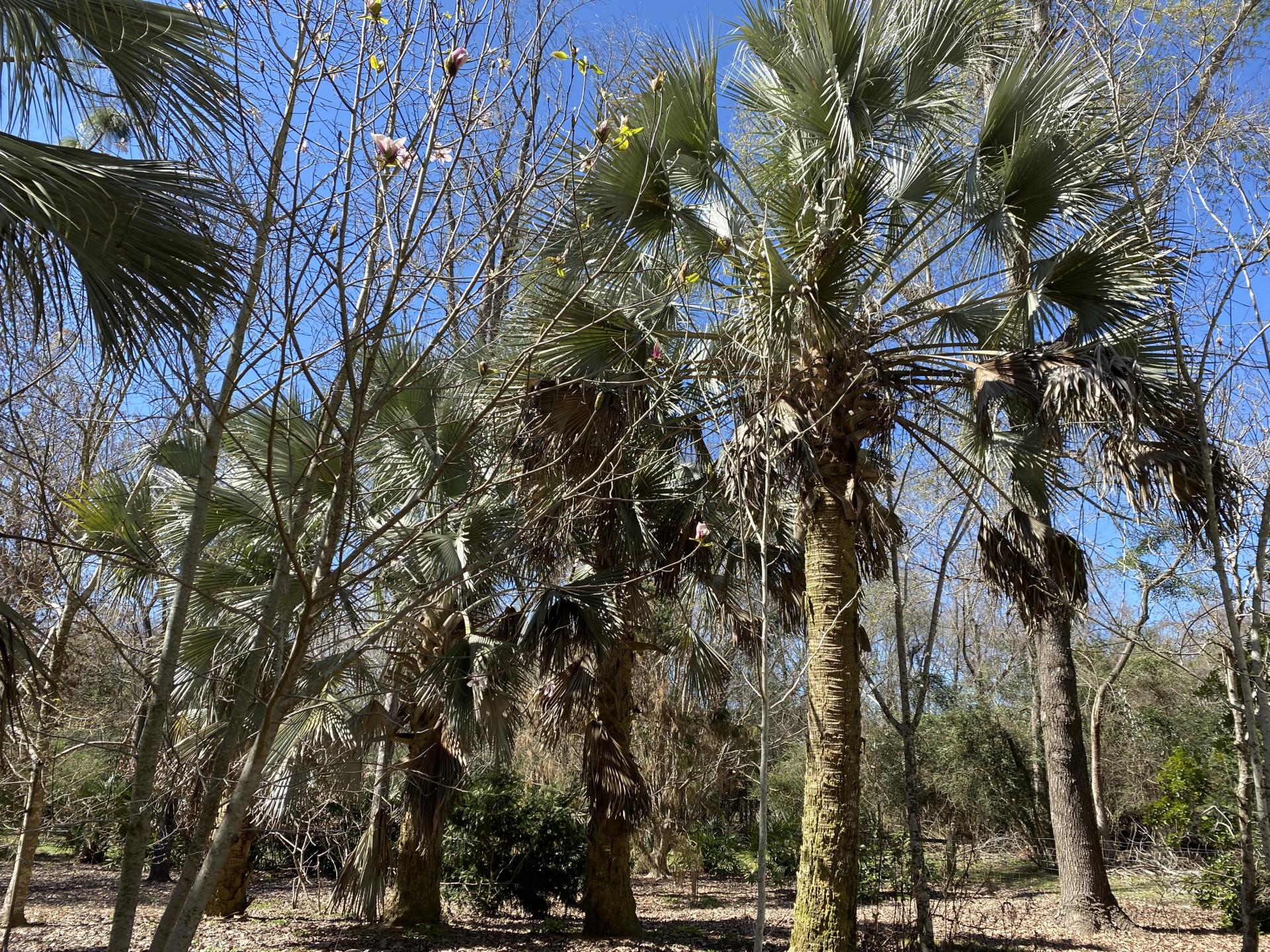
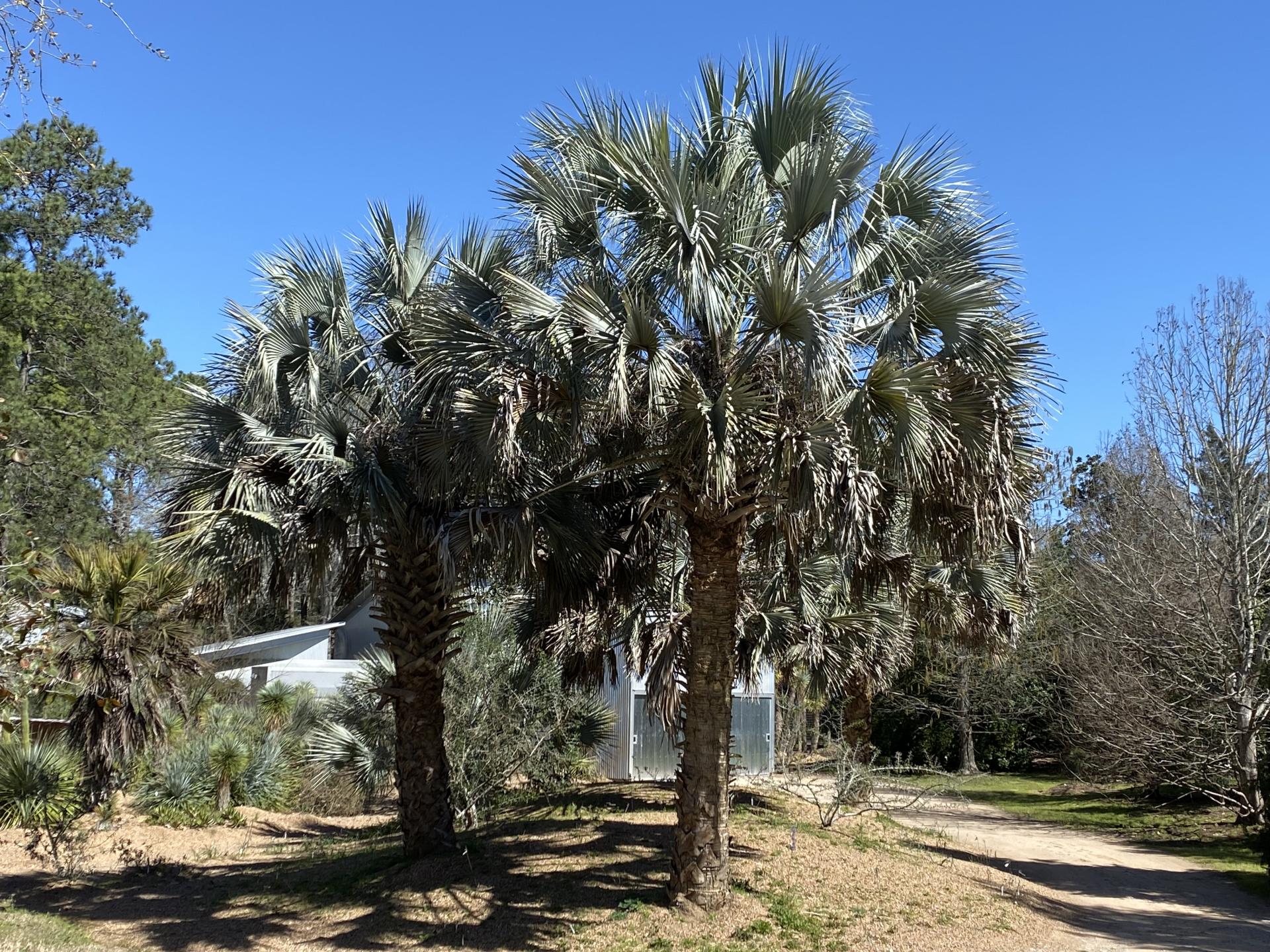
 Local Sabal uresana. Some or all of mine came from these trees.

 9 points
 -
 8 pointsMy fastest is C. alpinum. This one being approximately fifteen years old from seed. Still no trunk though.

 8 points
 -
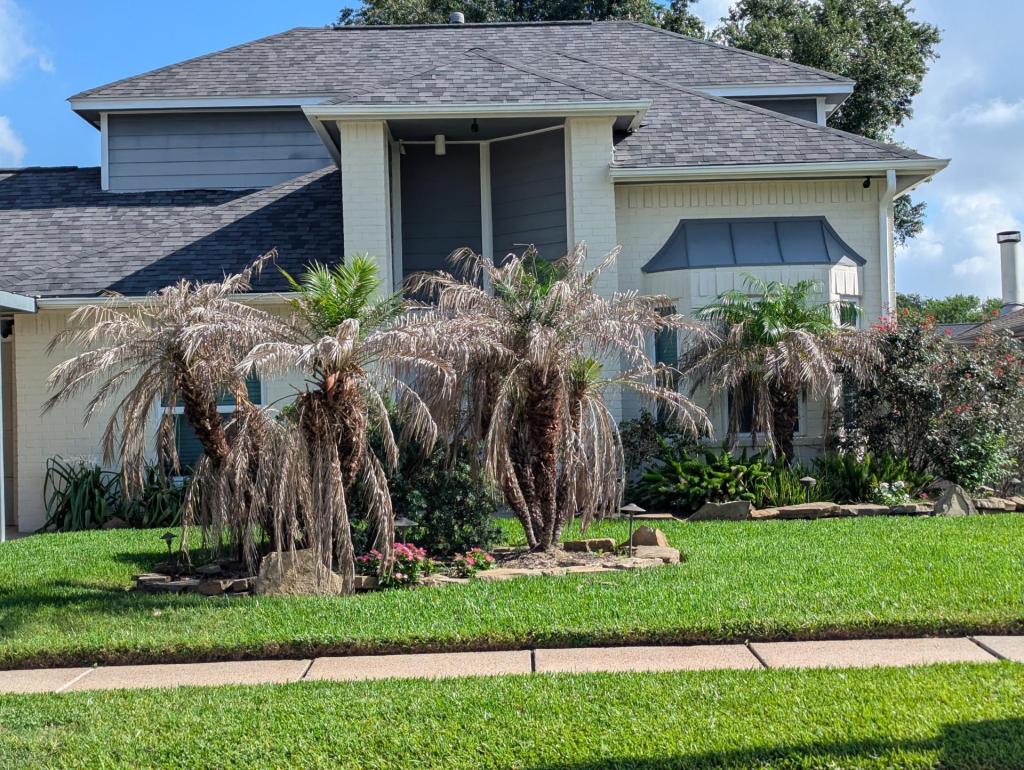
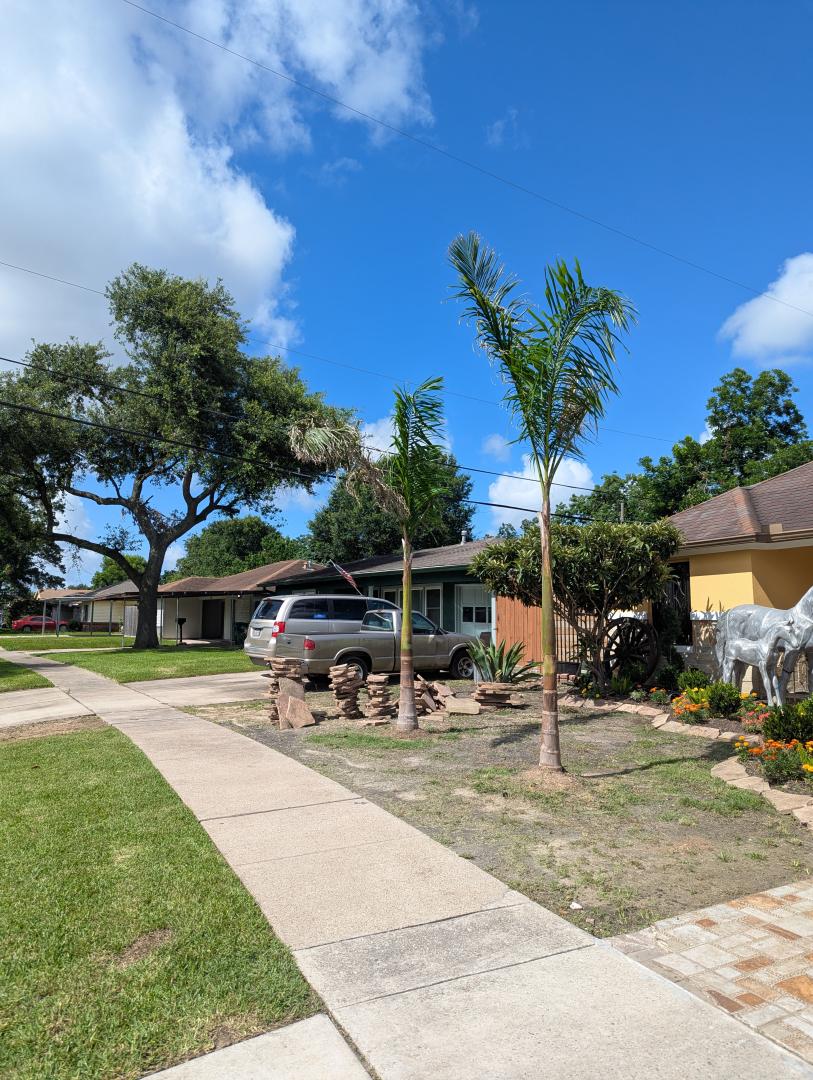
 8 pointsSE Houston the past few days (Pasadena/Deer Park) These pygmies have survived the last few cold years, planted 2021/2022. The buds are quite hardy relative to the foliage. There's a reason they managed to stick around for 20+ years prior to the 2021 freeze. New royals to usher in the warm epoch
 8 points
 -
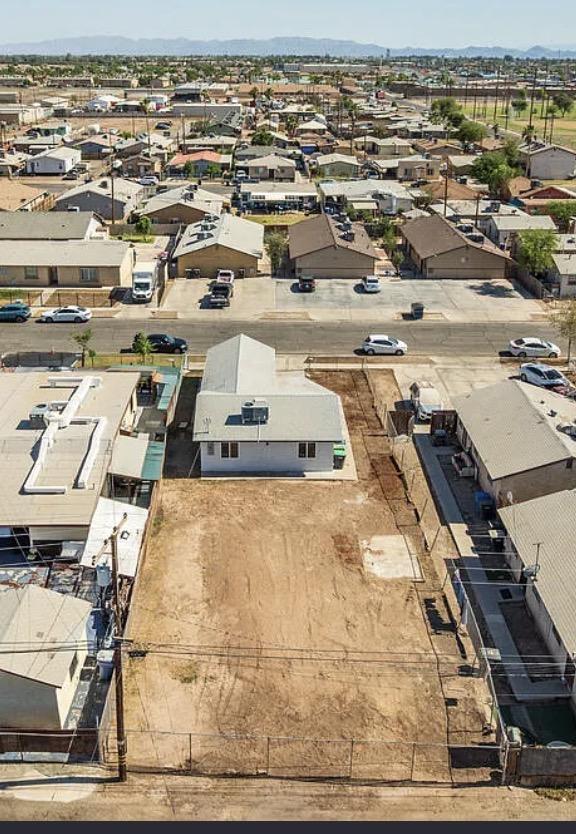
 It's a blank slate!
 7 points
 -
 I’ve lived in Northern Virginia for almost 40 years. This last winter was the worst, long duration a.m. p.m. cold I’ve experienced. I truly thought my 12-year in-ground Trachy was going to die. Don’t have the stats but it was at least 2-weeks of continuous sub freezing F. temps. Along with about 8” of snow and ice that lasted that whole time as well. Maybe the only saving grace was sunny days after the precip. fell? I removed about 6 of the most damaged lower fronds mid spring. Haven’t fertilized yet but it is pumping out nice new firm fronds, maybe 6 or 7 as of today. I’ll clean it up again this fall, after it’s had a chance to fully recover and replace the canopy. Even though it’s messy, it still looks great! It’s about 13’ of trunk so winter protection consisted of 200 Christmas lights in two loose balls laid up at the crown covered loosely in a layer of burlap…very unprofessional but it’s too tall now. I also wrapped a 3’ tall band of black landscaping cloth around the base of the trunk. This catches a fair amount of the sun’s radiated heat several hours each winter day. Of course, it flowered like crazy in early spring. I’ll cut those remnants off as well this fall. Anyway, I’ll send out status reports soon. I was shocked at how poorly my sunny Needle did.
 7 points
 -
 7 pointsI have half a dozen amazonicum grown from seed. I think I got 100% germination and never lost a plant. They seem hard to kill but will sit looking happy and healthy but do almost nothing if their requirements are not met. I think maybe deep soil is a must and might be the missing ingredient in some Hawaiian gardens that seem to grow out of rock! My largest is about 5 metres but the smallest under 1 metre. Nowhere near trunking yet after about 15 years from seed.
 7 points
 -
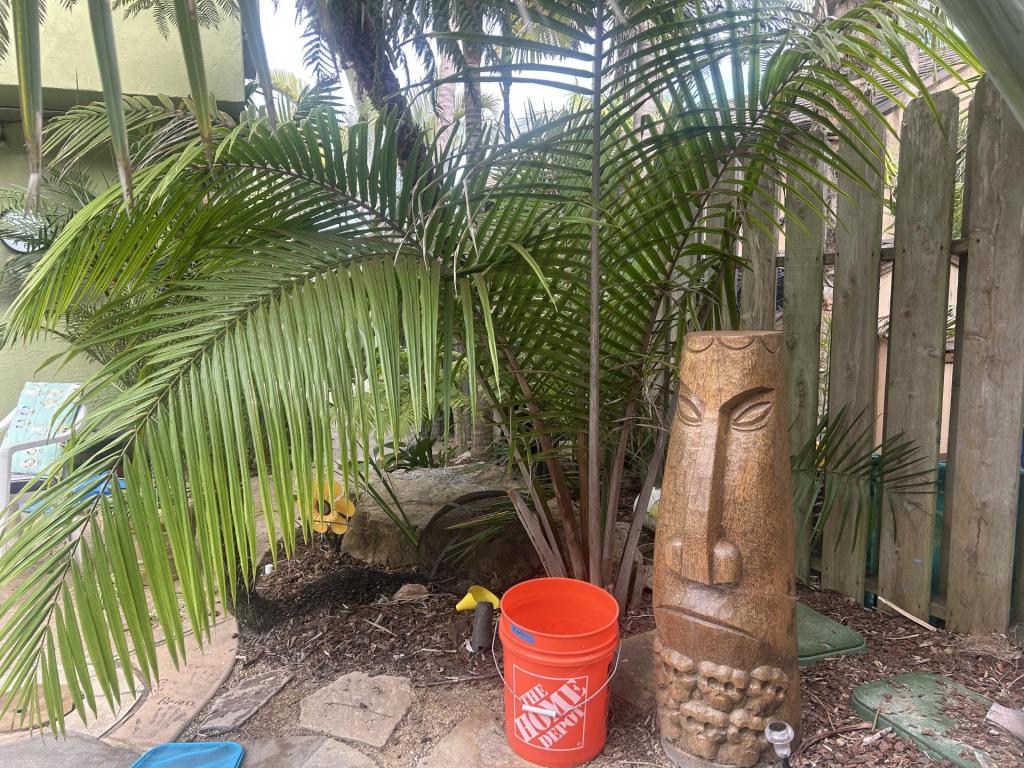
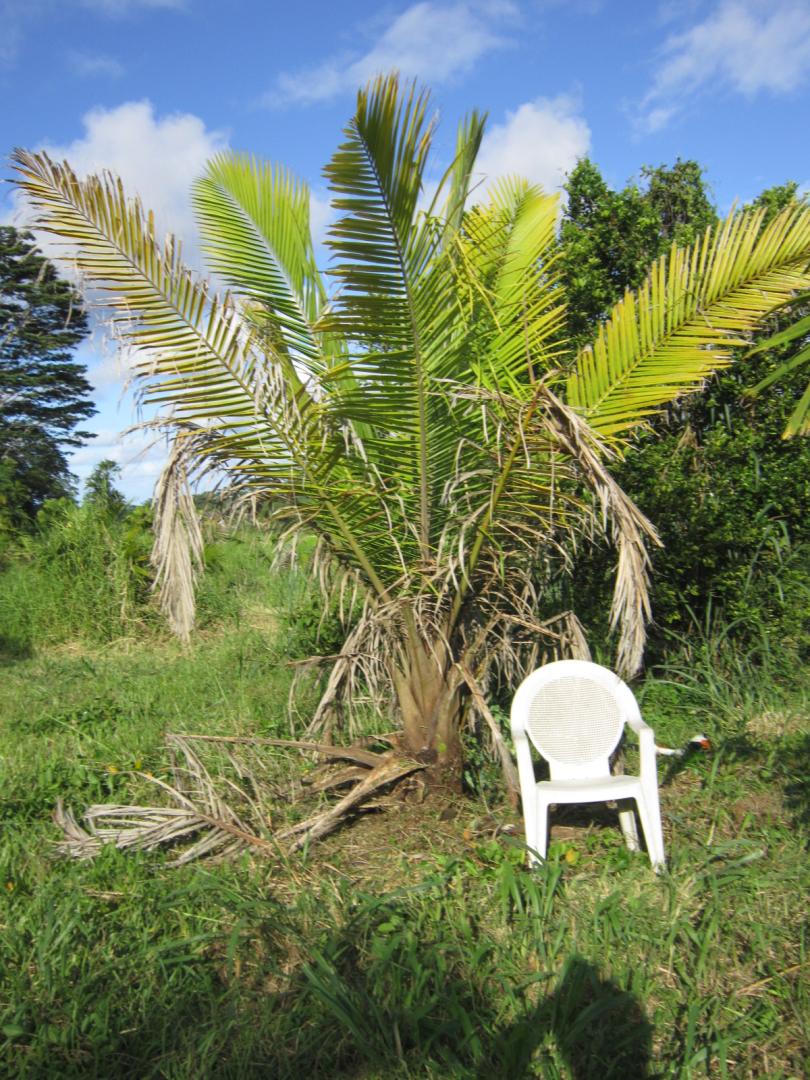
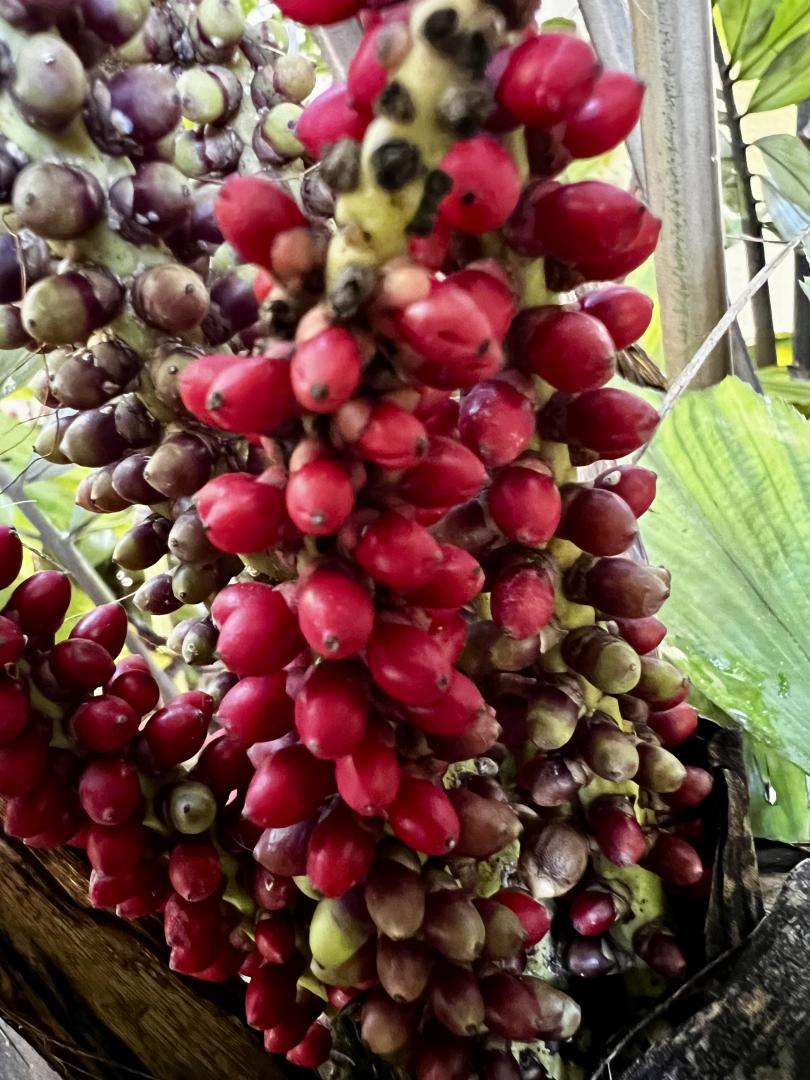
 I planted 4 "sp. giants". After getting my camera battery charged, I went out this evening this evening to take the following 3 pictures. They are much bigger now, having grown well. I use the lawn chair for scale. The first shows two female trees. They have been flowering and producing seeds that ripen red, unfortunately non-viable because I don't have male pollen to fertilize them. The second shows another one that has grown well, has a crown even larger than the first two, but has a much shorter stem at this stage. It has never flowered. The third pic is one that has never been as healthy and easy growing as the first 3, included just to show that there are some that lag behind. Raveneas have done well for me here. I guess they like the climate without strong highs and lows, and the heavy rainfall. Besides sp. giant, I have dransfieldii, glauca, krociana, lakatra, madagascariensis, sambiranensis, and xerophylla. I have never grown rivularis, which looks fine to me, but I saw so many when I lived in Florida that I decided to focus on other varieties. I especially like lakatra because it is an exceptionally beautiful palm. I have 4 of them in my front yard reaching heights of maybe 12 feet. I lost my one julietae, and two other krocianas (the remaining one is fine and has got quite large). Seeds of sp. giant were from Ortanique and sown in summer 2006. One was planted in summer of 2009 (I don't remember which one). The other 3 were planted in February and March 2011.

 7 points
 -
7 pointsWhat got me into palms, I was 16 years old fixing my mates Yamaha YZ 125 motor cross bike, jumped on to test her out. Took of down the road in nothing but a pair of shorts and a t shirt. Tapping her out down the tar bitumen road hitting about 65ks. I fixed her I thought, turn around tapping back down the bitumen road, and yes you guessed it right the neighbours dogs thought let’s chase this young victim for the hospital down the bitumen road. Yes sir two dogs either side trying to eat rubber tyres, ok let’s accelerate we can out run these flea bags, so I gunned it with the two dogs,who at that moment decided to meet each other in the front wheel. Yep straight over the handlebars at about 70ks an hour. No helmet, T-shirt and shorts hurtling for that bitumen road. So now iam breaking my collar bone, skin off every part of my body, hit my head millimetres away from my temple and dam lucky only to get 10 stitches. I lived but my mother was not impressed with her so son’s behaviour, so I had to apologise to the lady up the road who’s dogs I run over. Through her saying she had to pay vet bills and her job was working in a palm nursery, I asked her to see if there was a job there to help pay the vet bills. And that was it I started working in a palm nursery at 16. Found the love of palms and they joy they bring me in my life to this very day, some 40 years ago! And yes the dogs lived and iam glad the hippie lady Diane came into my life, and showed me the world of palms!
 7 points
 -
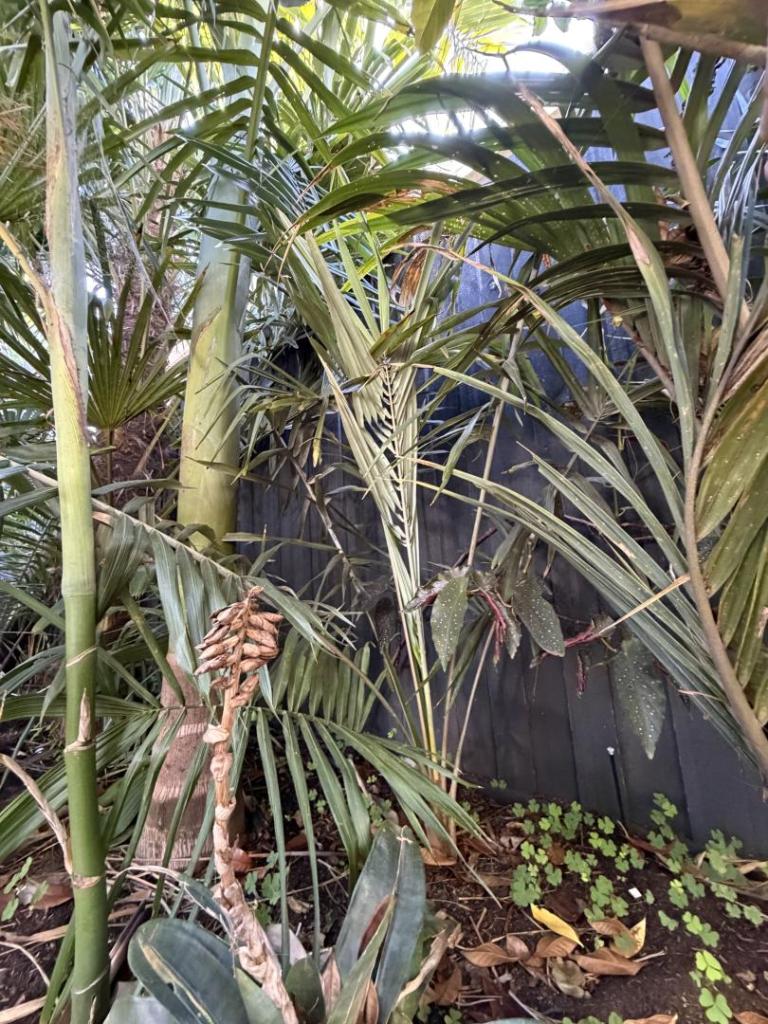
7 pointsC vogelianum also my fastest mate. I suspect it’s genetics - its growth habit seems to be more ‘reach for the sky’ than ‘fronds erupting from ground level for decades’ like the really big species. My larger of 2 C vogelianum specimens in the garden is now as tall or taller than all of my other Ceroxylon. It’s from seed from 2018, compared to similar sized C alpinum from 2007 seed. Kind of hard to get a good photo but the C vogelianum is around 2m/7’ tall and it’s starting to look nice and plumose. Was from C ‘parvifrons’ seed from RPS - the initial disappointment of not having parvifrons has worn off seeing this develop, especially now having hopefully true C parvifrons seedlings.

 7 points
 -
7 pointsHere’s mine a year later. Some growth but pretty slow still. I hope it speeds up a bit with time.

 7 points
 -
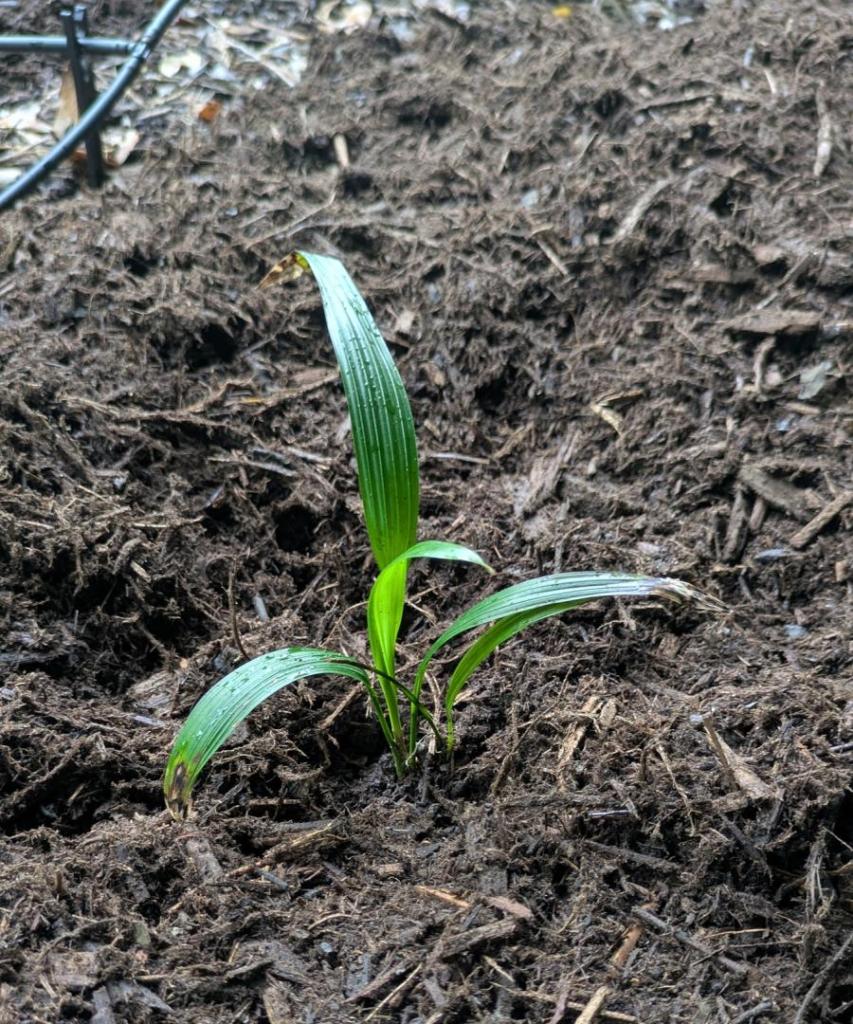
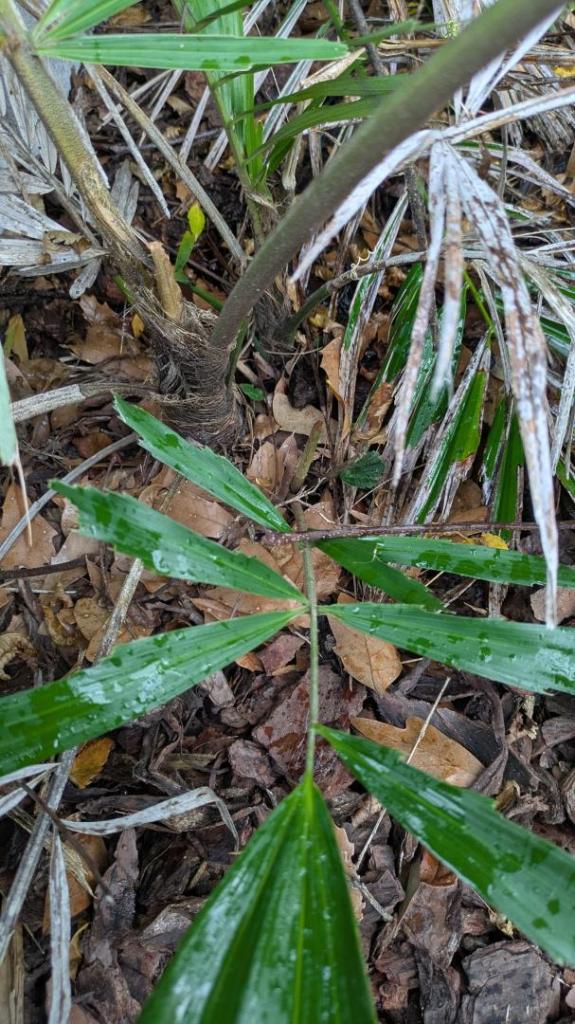
 7 pointsSome new additions hit the ground this weekend. Rhapis excelsa 'Super Dwarf' and Rhapis excelsa 'Koban'. The tropicals are Bouvardia ternifolia (left) and Hamelia patens var. patens 'Lowrey Fuzzy Leaf' (right) which both survived our winter freeze just fine with mulch. Chuniophoenix nana. The roots were pretty stunted on these and it looked like they had been in the seedling tubes for a long time. This was the best looking one. Group of seven C. nana. Rhapis laosensis, planted a few weeks ago. I was surprised how fragile and brittle the roots were on this plant and was worried the offset that was just starting to develop would abort, but it has pushed up through the soil fine. I believe this clone is female and would love to track down a confirmed male if anyone has one. Licuala spinosa. Definitely a zone push in Houston and I was trying to balance how much sun they get versus how much canopy. Group of L. spinosa planted among an unknown Hamelia patens cultivar (maybe Lowrey). Mystery Rhapis seedlings at the back and Lobelia laxiflora at the end. Arenga spp. in next raised bed. Mystery Rhapis. Supposedly R. multifida. Not a new plant, but one of my Arenga spp. produced its first offset. Note, the two larger ones were seedlings I didn't bother to separate. This was the first year I didn't cover these (only mulch) and they lost pretty much all of their leaves and one didn't make it.


 7 points
 -
7 points
-
7 pointsA big pair on this one. The boys get some additional extension when they unscrew like this.
 7 points
 -
7 points
-
7 points
-
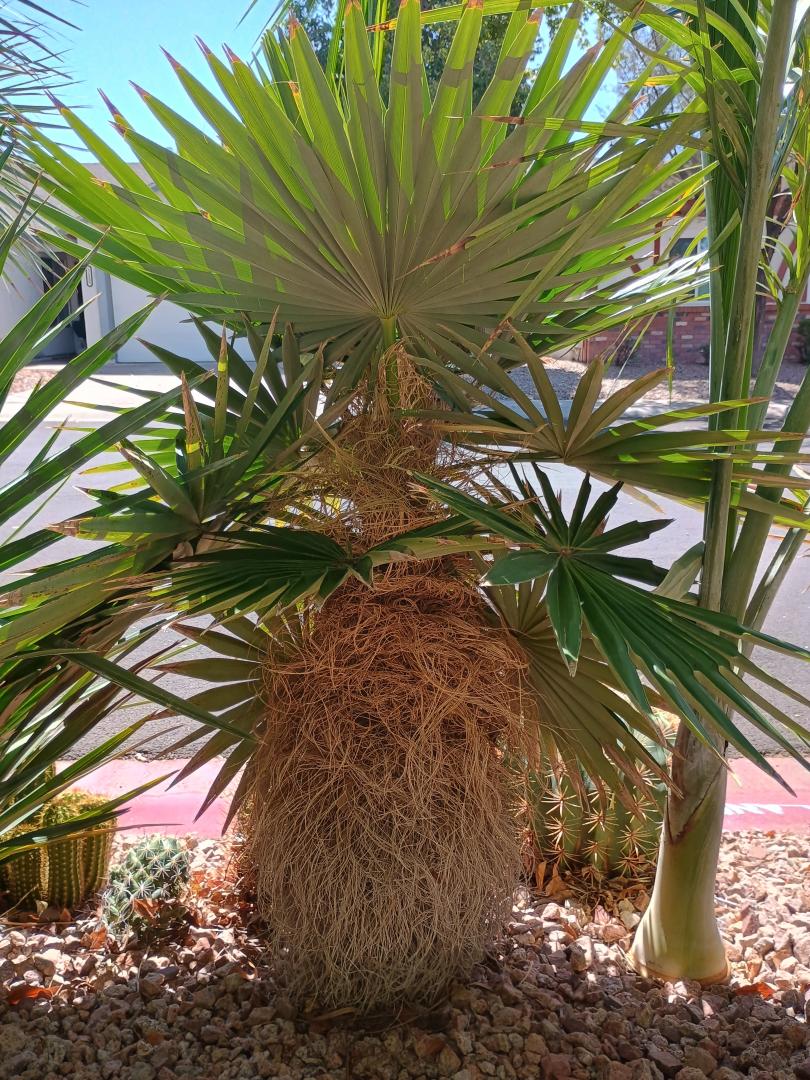
 6 pointsThis species of Coccothrinax, native to a small beach in N. Cuba, is definitely one of my favorites. Similar in looks to the old man palm, (Coccothrinax crinita) but apparently much hardier. Great palm to grow in the desert, even in full blasting sun. Unfortunately, like many others in the genus, it is a rather slow grower. 5 gallon pot grown from seed in Arizona is already 10 years old! 🤯 aztropic Mesa, Arizona


 6 points
 -
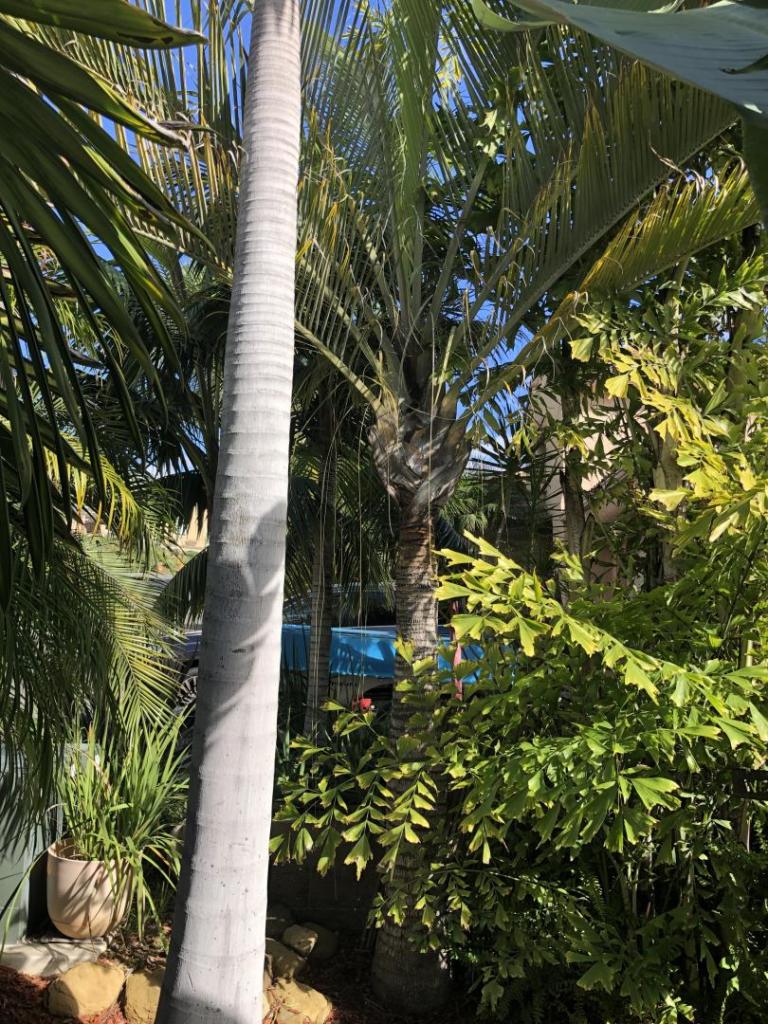
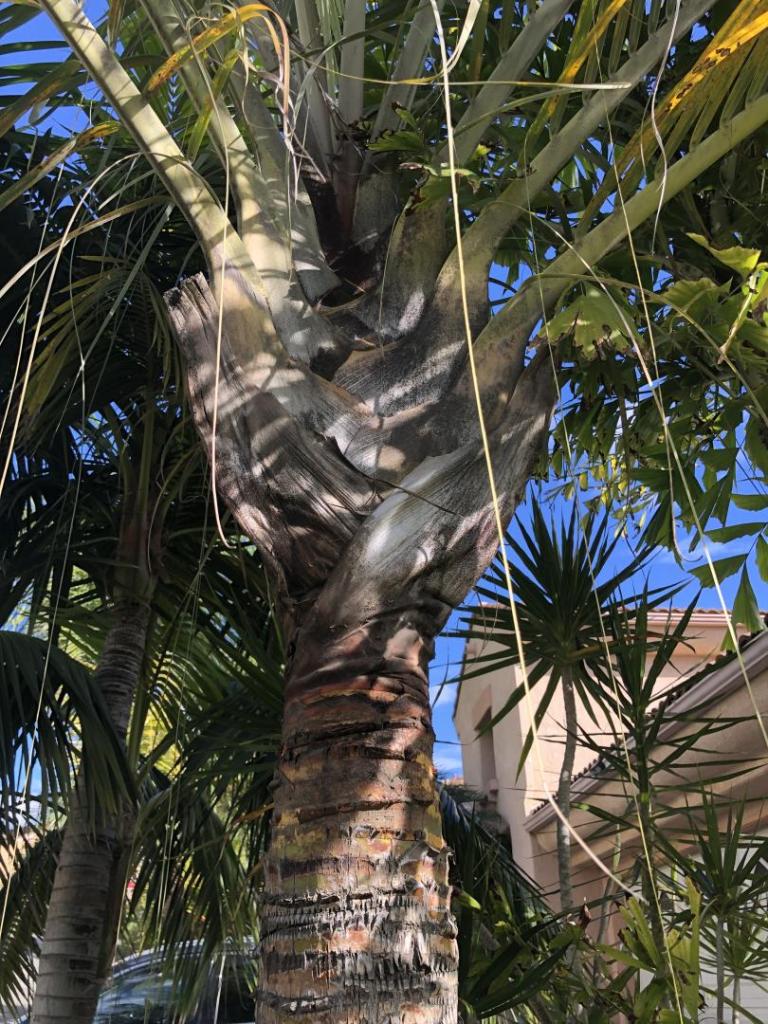
6 pointsAgree , I planted a couple of small ones many years ago and just to the base of the palm. They have done very well . I was warned by a fellow palm enthusiast . Harry Hard to see this guy with the Caryota in the way . It was planted here as a very young plant . The base of the palm is in a fast draining section of the garden. It is now over 6’ to the crown. Good air flow around the crown . I think these must come from an arid climate like we have here. I planted two of these , both have done quite well in our 10a climate.
 6 points
 -
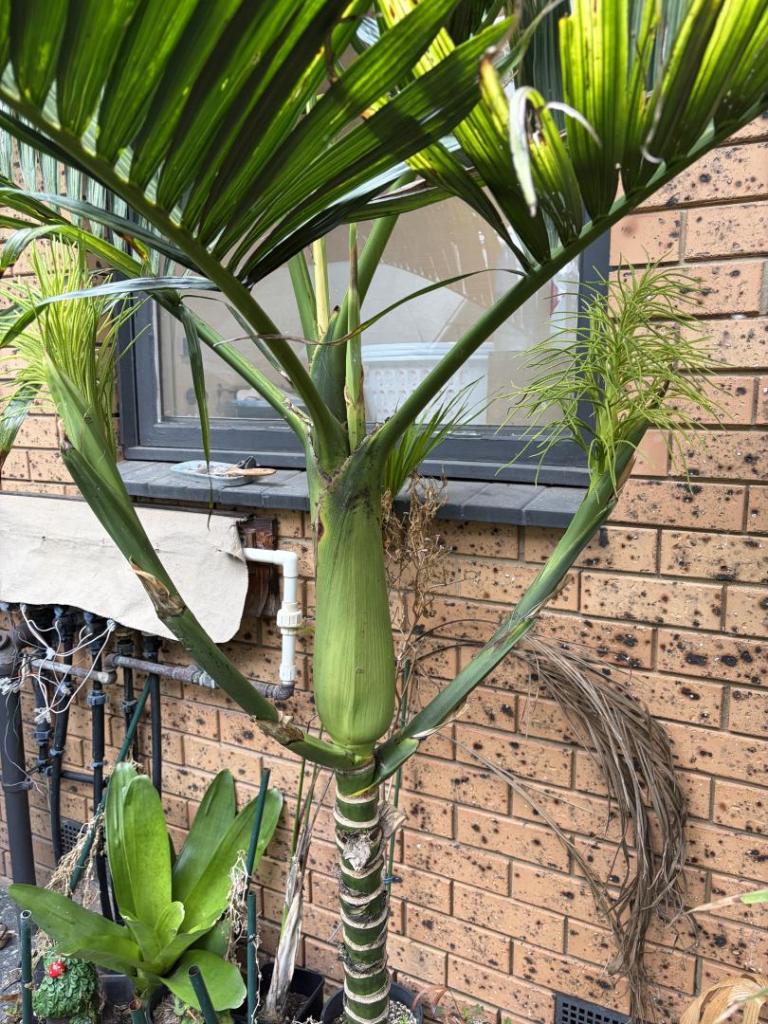
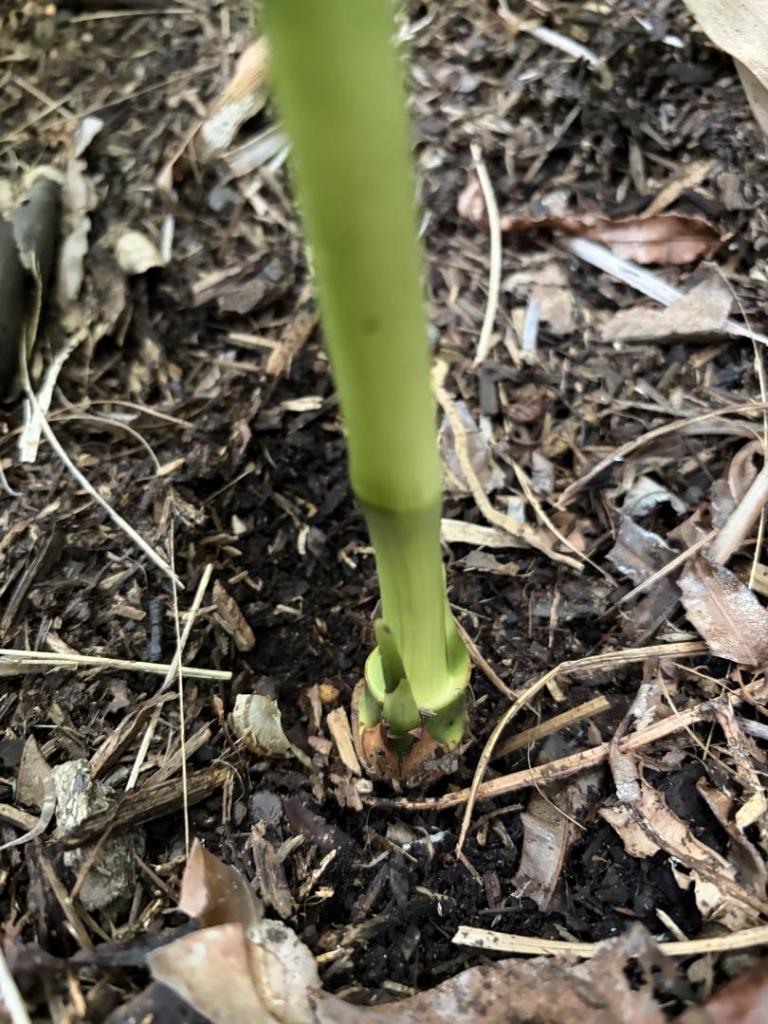
6 pointsChamaedorea woodsoniana spathes opening. This palm has to be a contender for greatest crownshaft:trunk diameter ratio 🤣 Chamaedorea nubium first spathes. This could probably also go in the ‘Gettin’ the Ring’ thread. Sabal minor first lot of ripe fruit it’s produced.
 6 points
 -
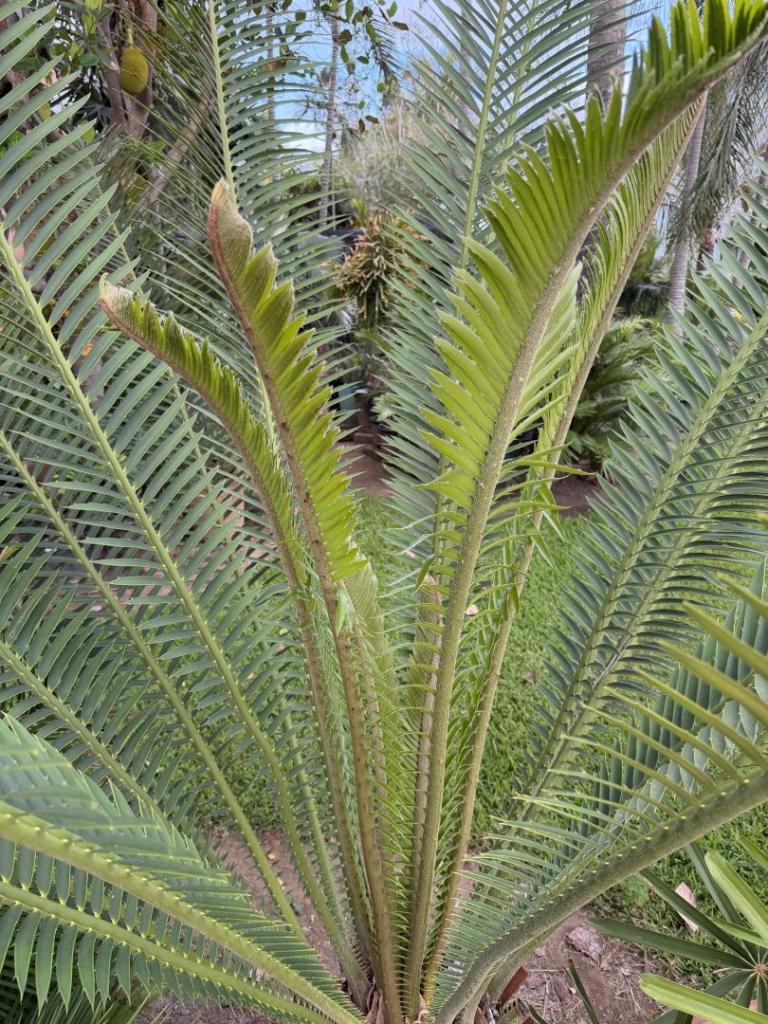
 6 pointsMy Encephalartos ituriensis is flushing but this is a very difficult one to photograph. In order to get the whole plant in the photo I have to stand pretty far back and lose detail while the tall leaves blend in with the canopy. Also, the existing leaves are erect and do a good job at hiding new flushes. Here’s a couple of photos from different angles trying to show the flush.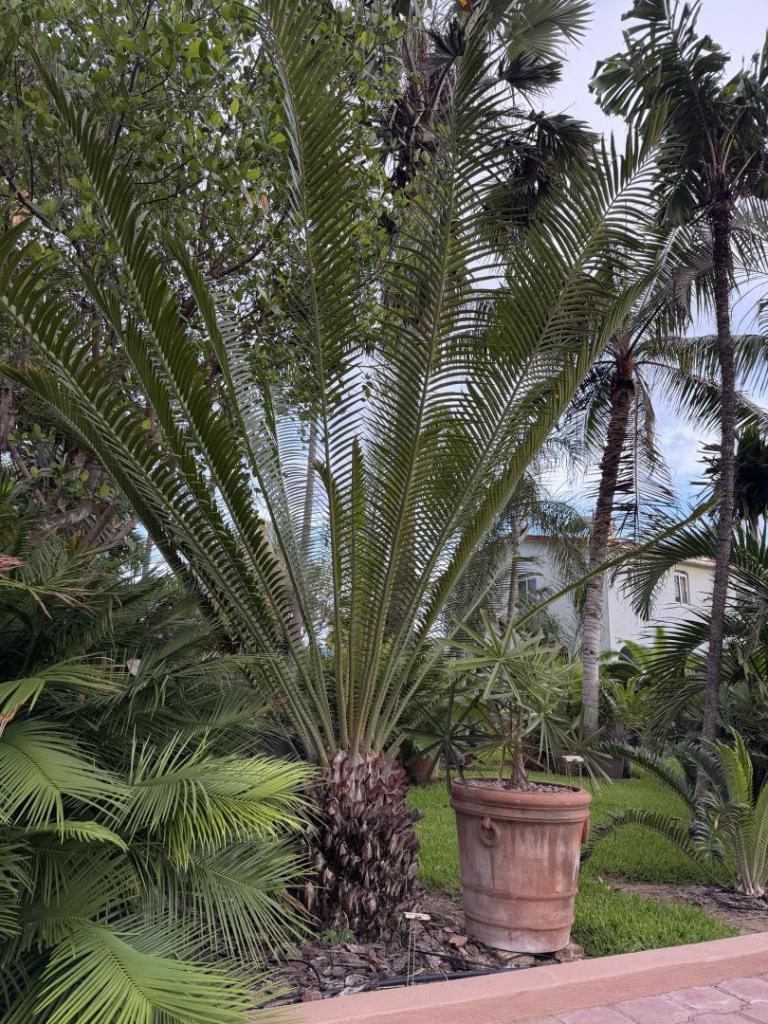

 6 points
 -
 6 points
 -
 6 pointsWas out back this morning and snapped a photo, all the while keeping my distance. Tim
 6 points
 -
 6 points2023 - 2026, extremely fast. Never affected by freezes but appears to have a phytoplasma disease from which it seems to be healing. There's 2 new spears coming up fast.
.thumb.jpg.827bd62f6845fac2d636b33843dc3bd9.jpg)
.thumb.jpg.bf8ed197dabf8269b908ea24d341336c.jpg) 6 points
6 points -
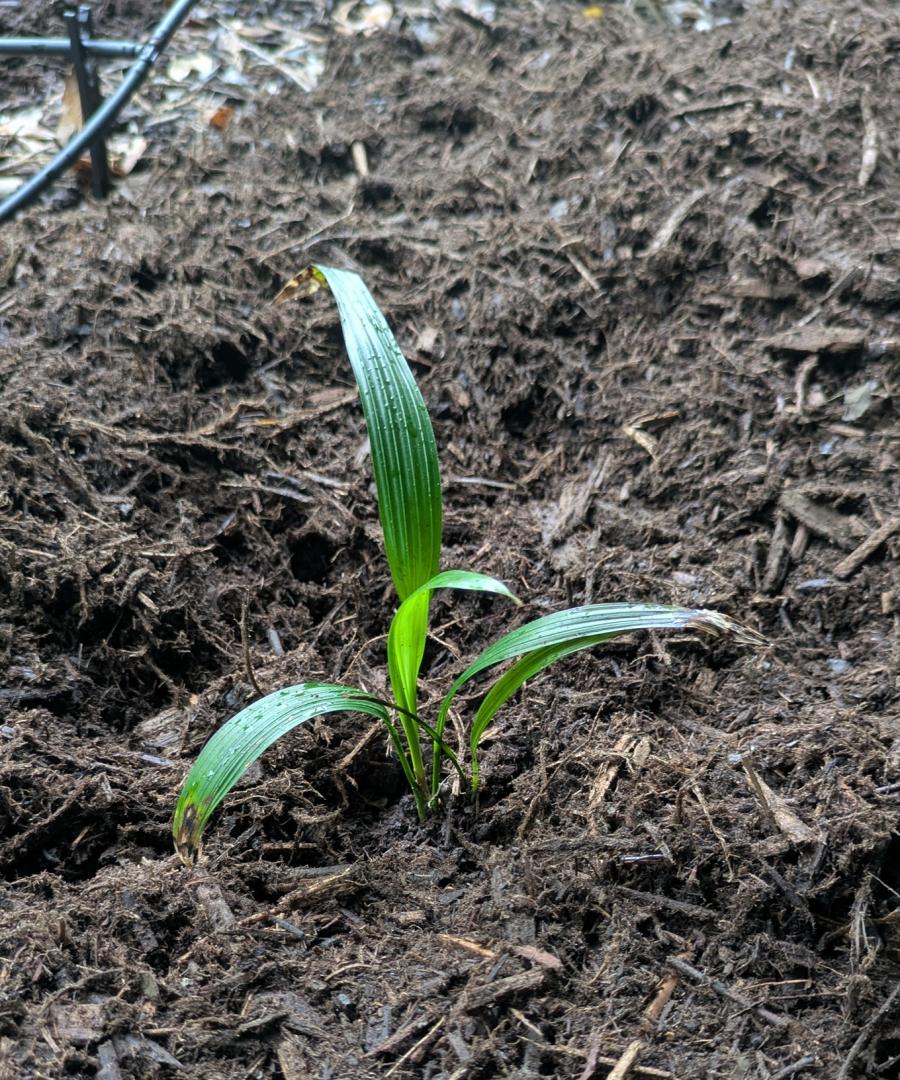
 6 pointsAny updates? We're putting more palms in the ground this week (especially the "big boys"), and I kept going back and forth on the placement of my julietiae (from the Sparkman group). Despite trying it in several "prime" spots, it never looked quite right in any of the placements I was considering. Here was the original placement I was leaning towards (but am no longer doing)... Today I tried moving it to an equally prominent place next to the palapa. And I like this placement a lot better! It looks like a feather on a fancy lady's hat to me, and all but one of the fronds are already clearing the palapa top (ignore the lean... I'll fix that during planting)... Sadly, the updated placement does mean the poor palm will need to stay in its pot just a *little* longer... as we're making a rock "planter" on the left side of the palapa . At least I know what will go in that planter now! That spot has an ideal balance of sun/shade, and relatively good wind protection. So I'm ready to declare this the plant's new home (unless anyone sees an issue with it). Curious how are everyone else's R. julietiae are doing.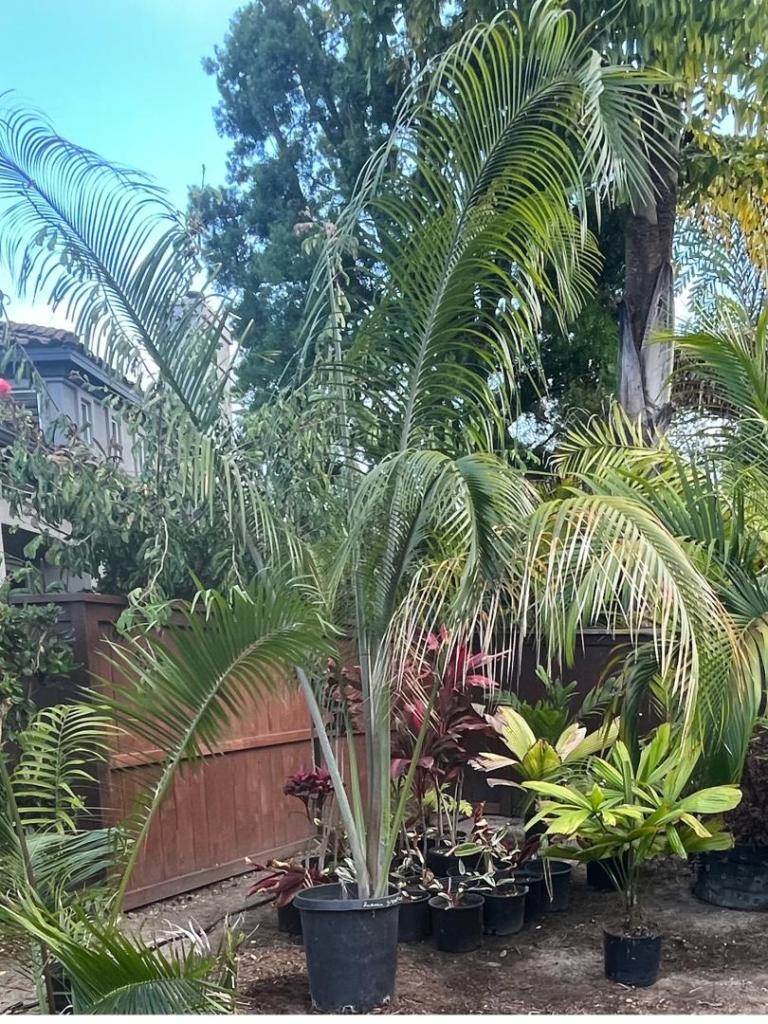
 6 points
 -
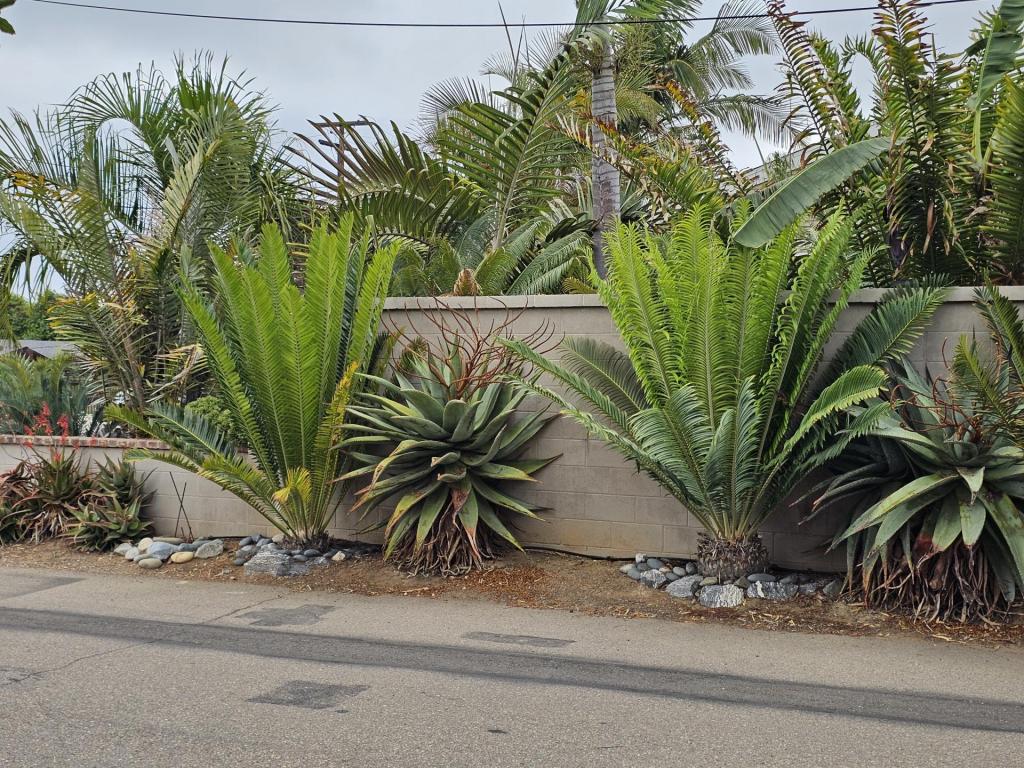
6 pointsSide by side, one of my Encephalartos ituriensis which is not hardening it's flush while the Encephalartos whitelockii x sclavoi is still pushing it's soft flush. The wall is 6' high from the base.
 6 points
 -
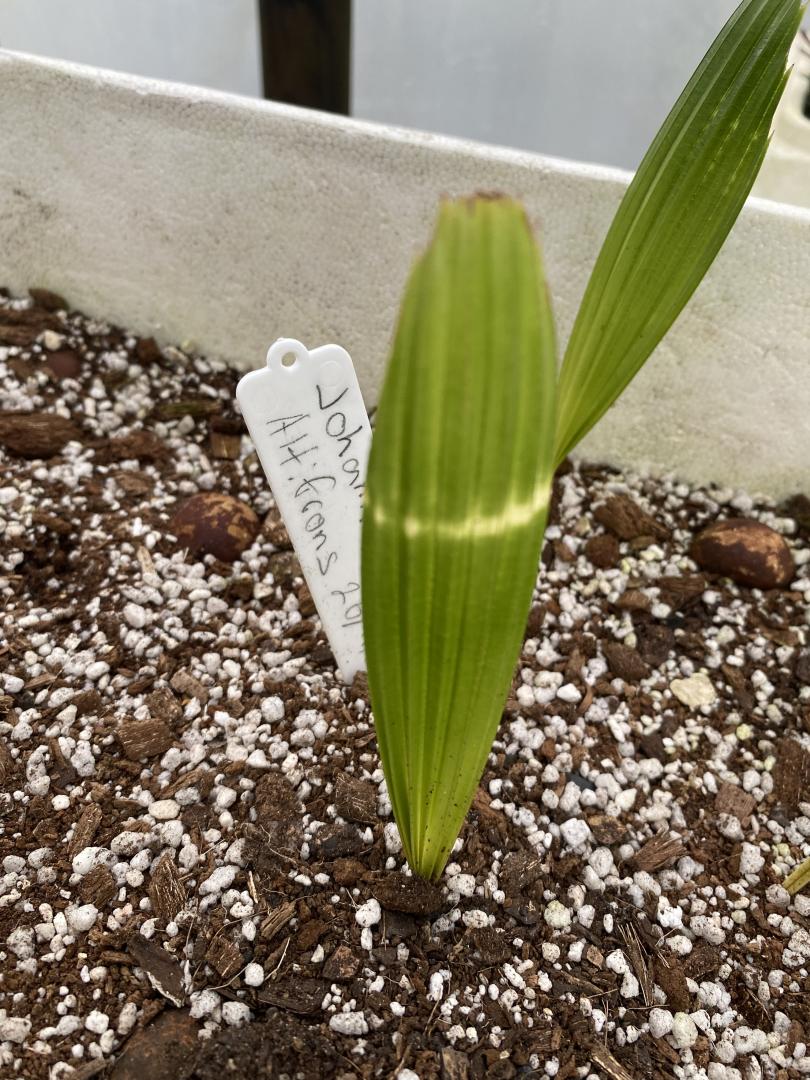
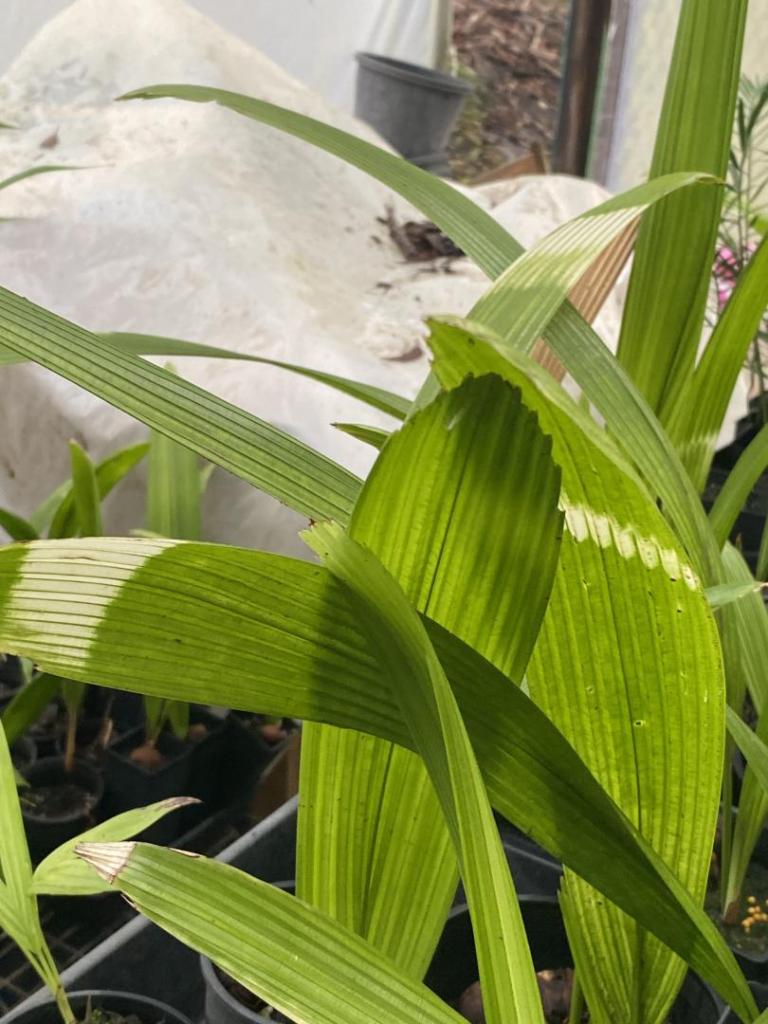
Close but no cigar, it’s light bleaching. I have it on my Johannesteijsmannia. When I first seen it I was not thinking variegated, and if it was variegated well the bank account would be a lot larger having variegated joeys that is for sure!


 6 points
 -
6 points
-
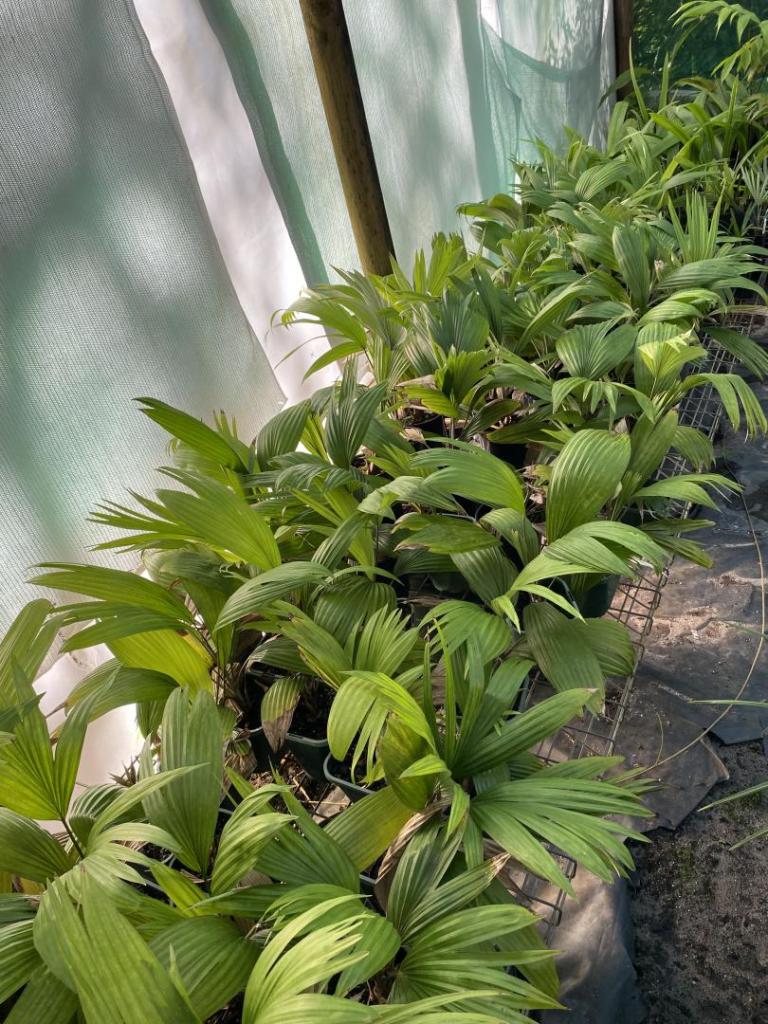
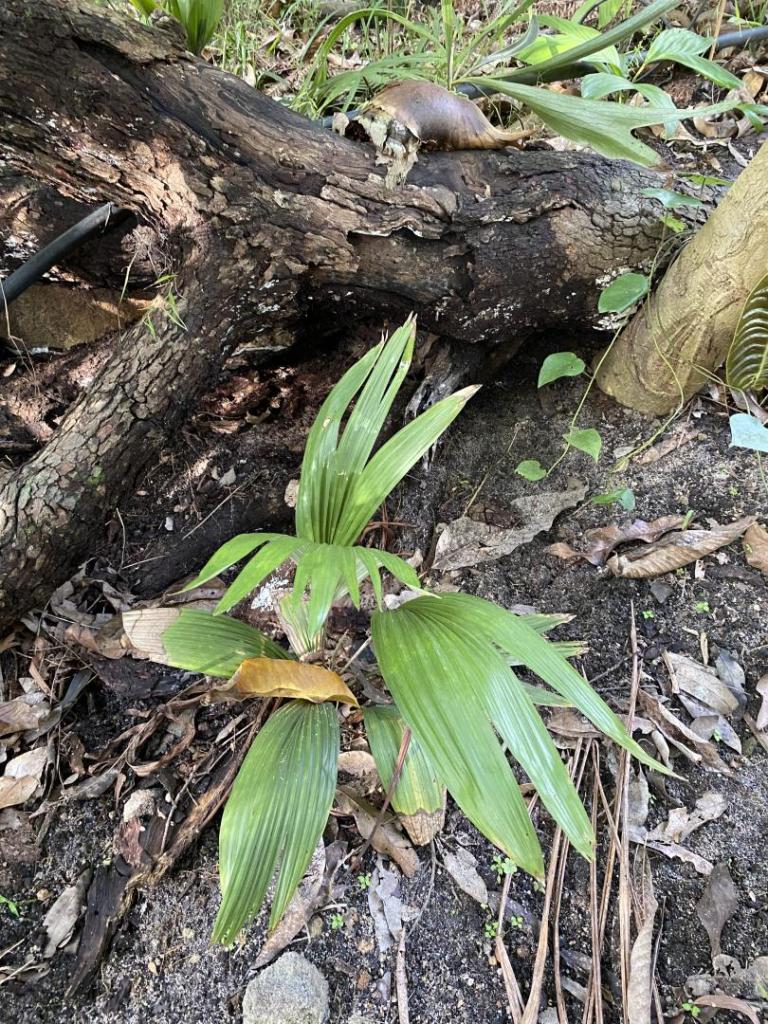
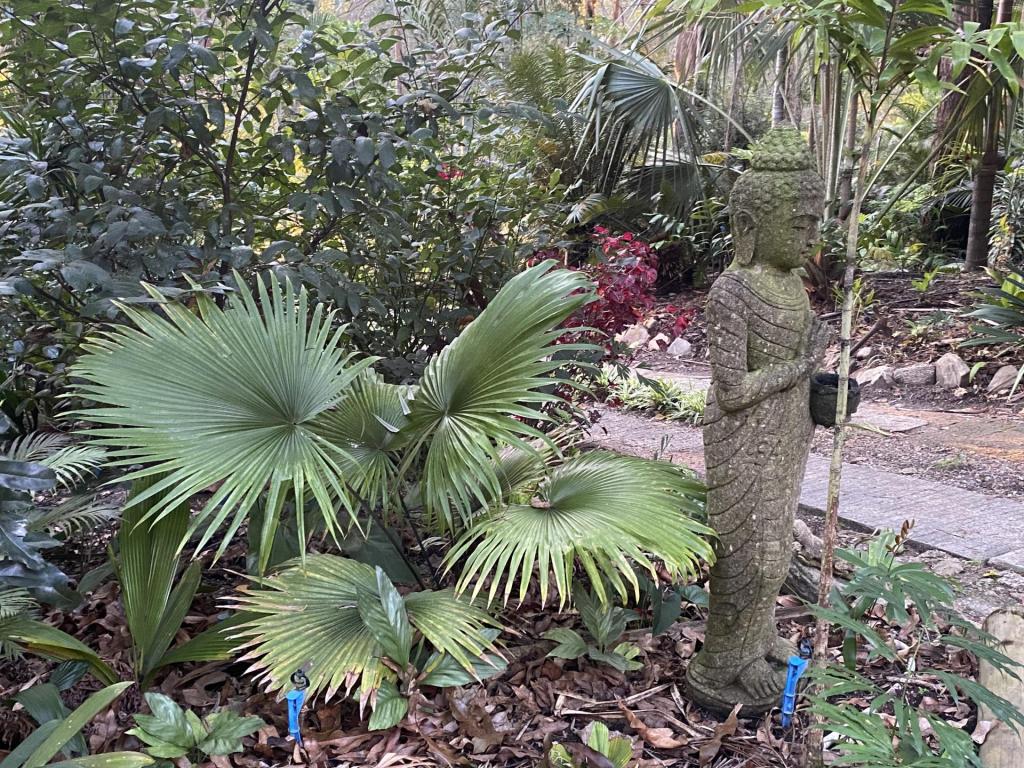
It’s always been one of favourite palms, knowing they grow so easy in my climate. I just had to order 1000 seeds from rps and ended up with about 700 of them. One of my number one selling palms. A palm as spectacular with black petioles, no thorns and a beautiful silver underside leaf. A perfect deep shade understory palm. They make great patio plants. They will always have place in my garden any day.



 5 points
 -
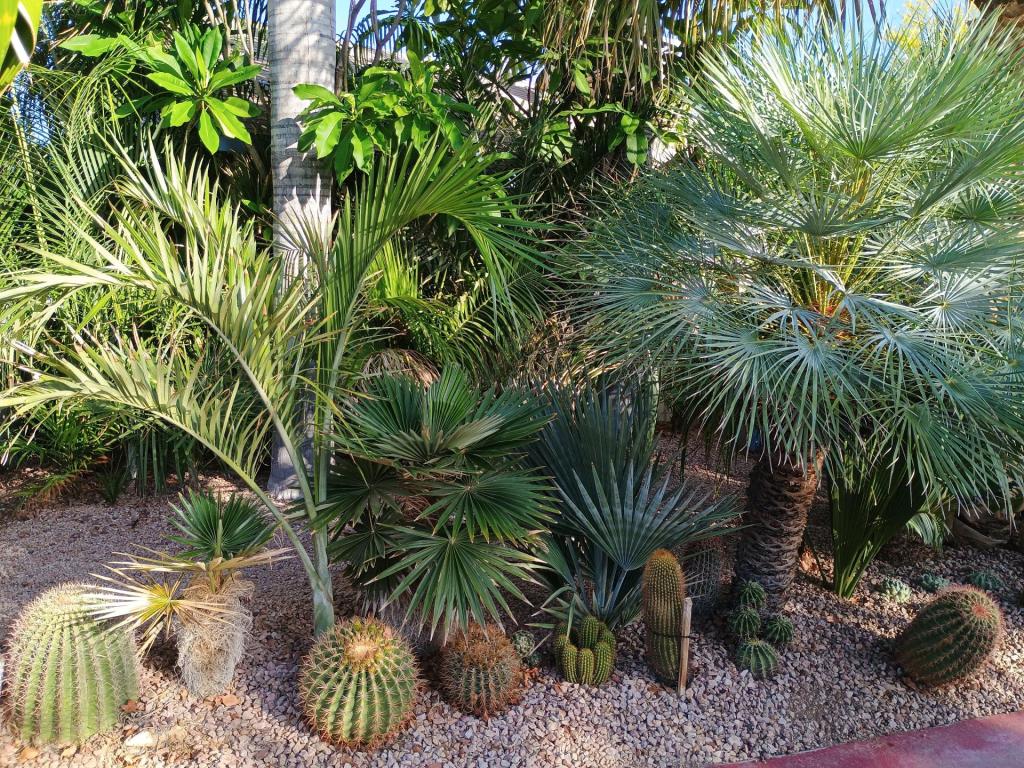
Some of my favorites that have no problem with desert extremes include Bismarckia, Brahea, Coccothrinax, Copernicia,, Hemithrinax, Pseudophoenix, and Sabals. Unfortunately, most are slow growers, and somewhat difficult to locate, especially in larger sizes, on the west coast. aztropic Mesa, Arizona
 5 points
 -
5 pointsMight be planted a tad deep. This species is particularly sensitive to rotting. I’d say it might be safest to dig away a bit of the soil around the stem until you reach the root initiation zone.5 points
-
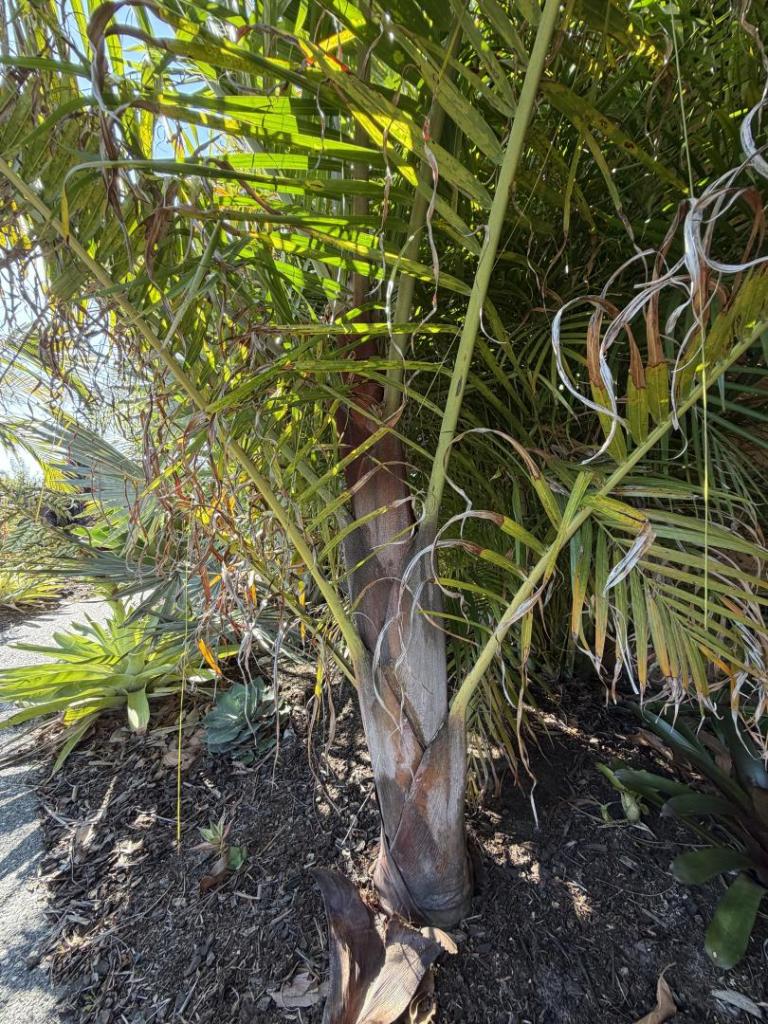
5 pointsI got mine as an established palm at a non specialist nursery sold as D decaryi. Not cheap, but a bargain for what it is. It’s done relatively well considering my climate is far from ideal for them; C leptocheilos doesn’t grow reliably long term and there are only a handful of mature C decaryi around and they seem to need very well drained soil or they rot in winter. Even my pure C decaryi gets bad brown tipping and the trunk gets a bit wobbly each spring from what I assume is root rot. My Tribear doesn’t have that problem. A bit of brown tipping but that’s hard to avoid in my climate for most species.

 5 points
 -
 5 pointsI have always appreciated palm trees growing up in LA county. I remember driving around neighborhoods and seeing giant robustas and canary dates row the skyline. Most people never thought twice about them, but they signified something. These palms are now over 100 years old. Sherman Way ay Haskell 1928 Same street today Palm trees are part of the aesthetic and skyline. But curious how some of you guys got into them? Particularly people who grew up in colder climates where palm trees were/are rare.
 5 points
 -
5 pointsAfter seeing everyone’s palms, as well the ones in my yard, I think this is the best palm to come into cultivation in years. B. alfredii is a close 2nd, but can’t think of anything else that comes close..,5 points
-
 5 points
 -
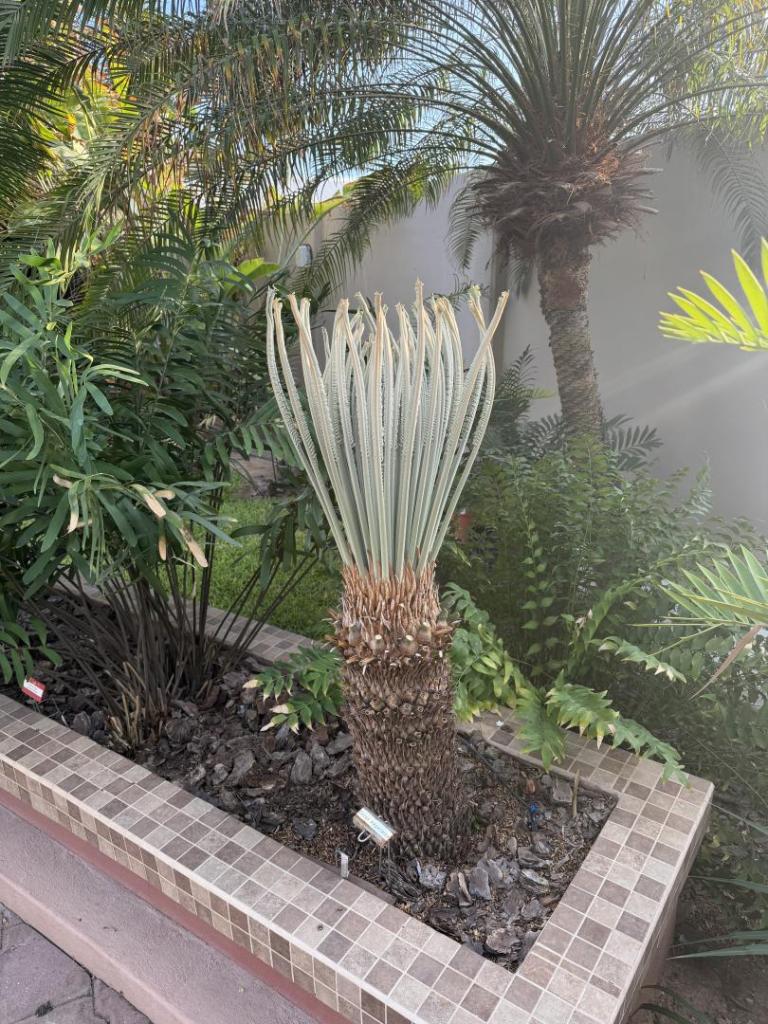
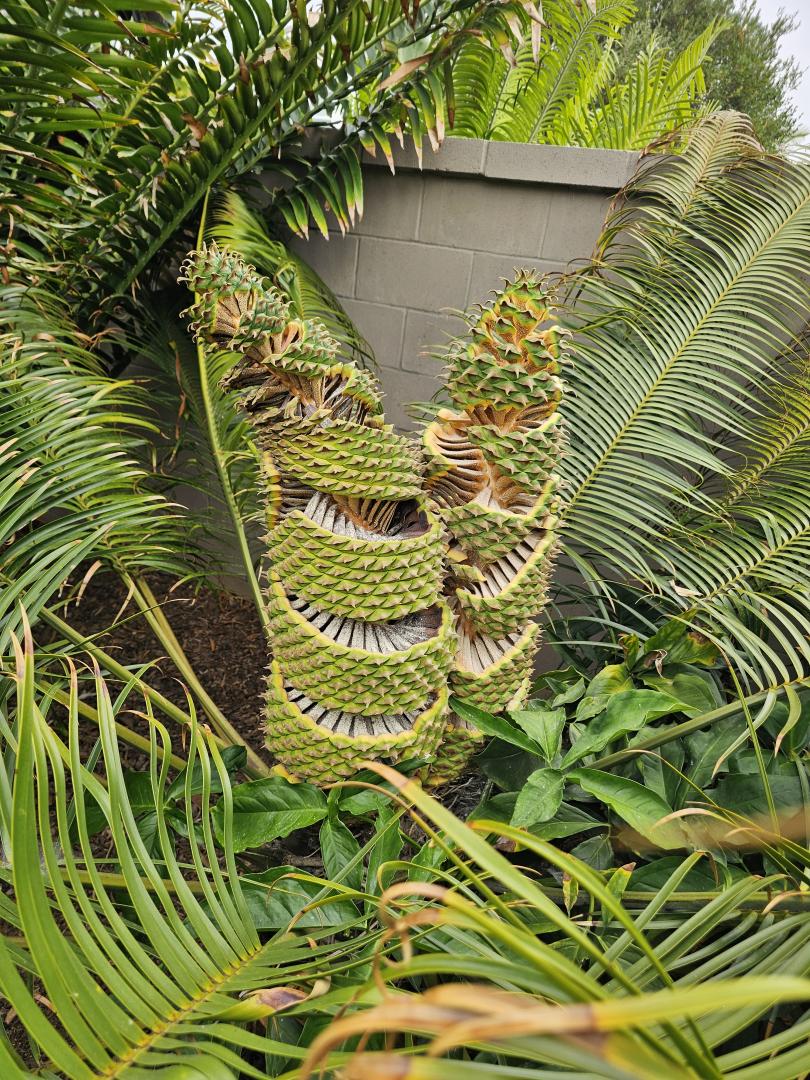
5 pointsI grew this one from seed and finally got it in the ground last year. It just put out this new flush. Encephalartos bubalinus This one I also grew from seed however it’s been in the ground for about 10 years now. Cycas megacarpa

 5 points
 -
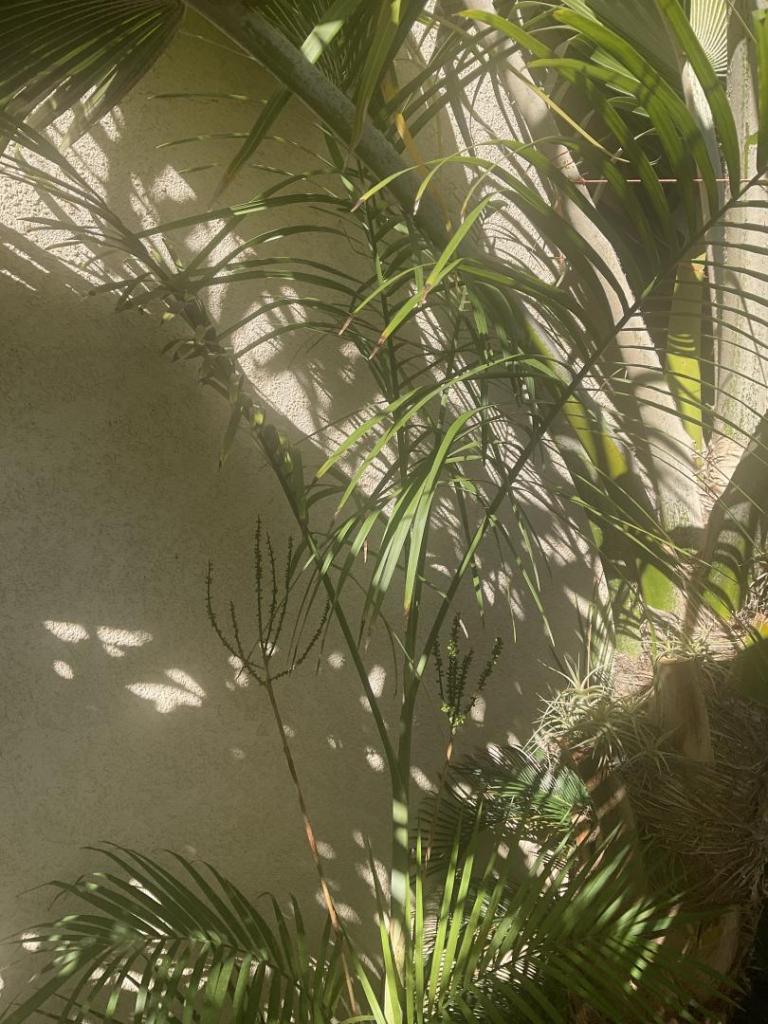
5 pointsLooks just like the C. Radicalis I have growing around my garden. Some have very relaxed leaflets , others vary a bit . All of mine end up as tree form. Harry This is more upright This pair has more of a relaxed leaflets habit Growing up through a neighboring Pritchardia These are all on the shady section of the garden . I also have some in full sun. Very cool hardy and sun tolerant .



 5 points
 -
5 pointsHarry I think the consensus is that this one is Ceroxylon ventricosum which is a little different to C amazonicum with its plumose fronds rather than arranged in a single plane. I will say I’ve always thought the Sullivan Ventura Ceroxylon could be C quindiuense - it just seems to have that slightly plumose look rather than very obviously plumose like C ventricosum I’ve seen.5 points
-
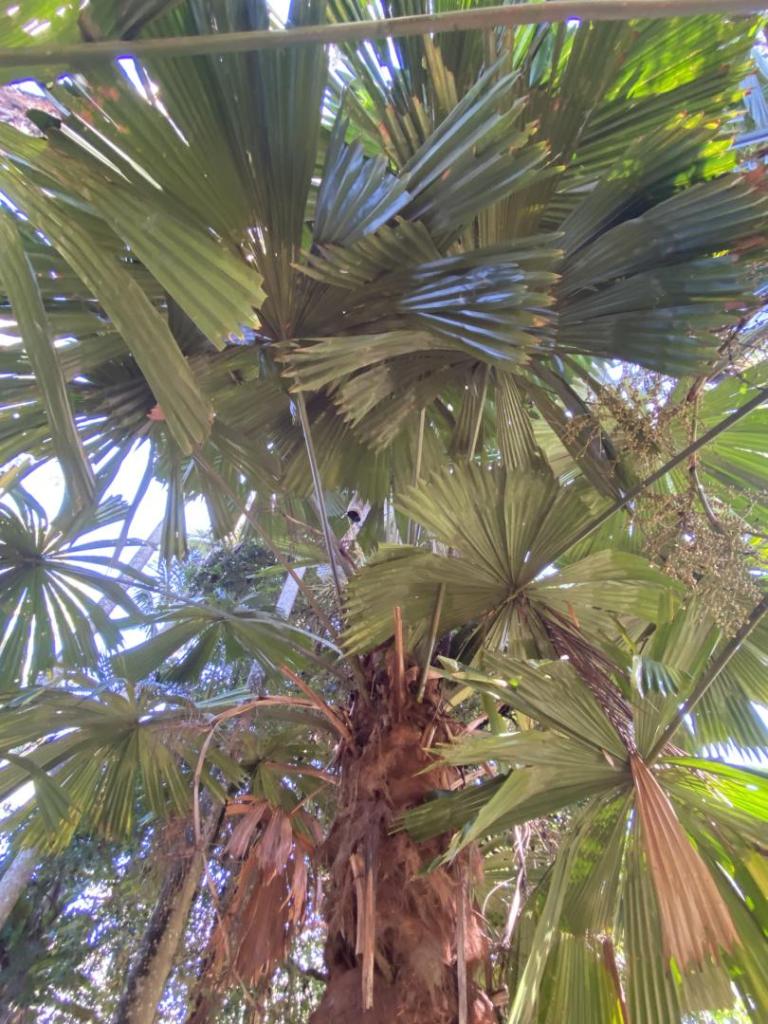
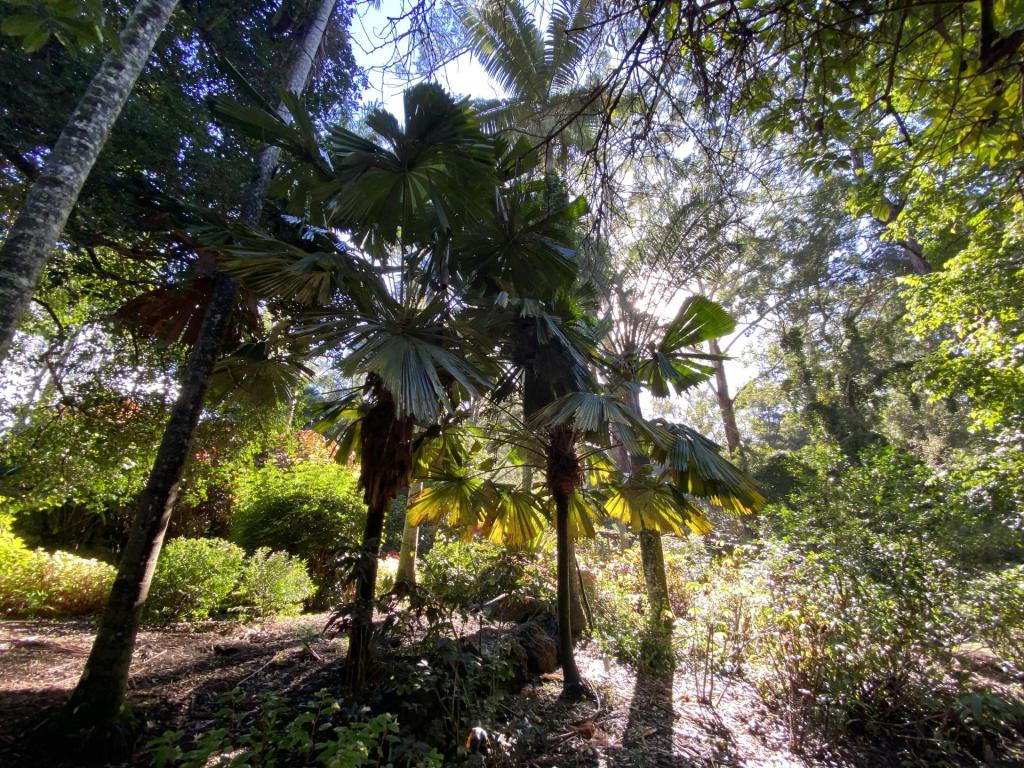
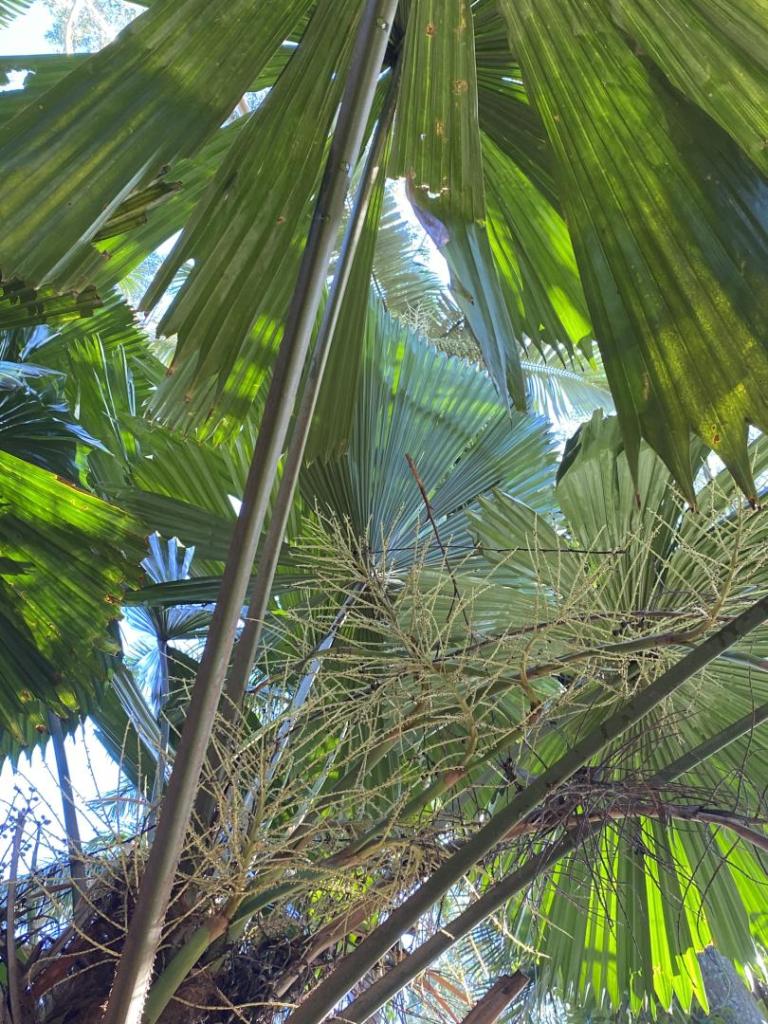
5 pointsTwo lovely ramsayi with a stack of seeds, I think they are about 35 years old.



 5 points
 -
5 pointsDifferent light gives different results, a nice chamaedorea klotzshciana certainly looks good in a bit of different lighting.
 5 points
 -
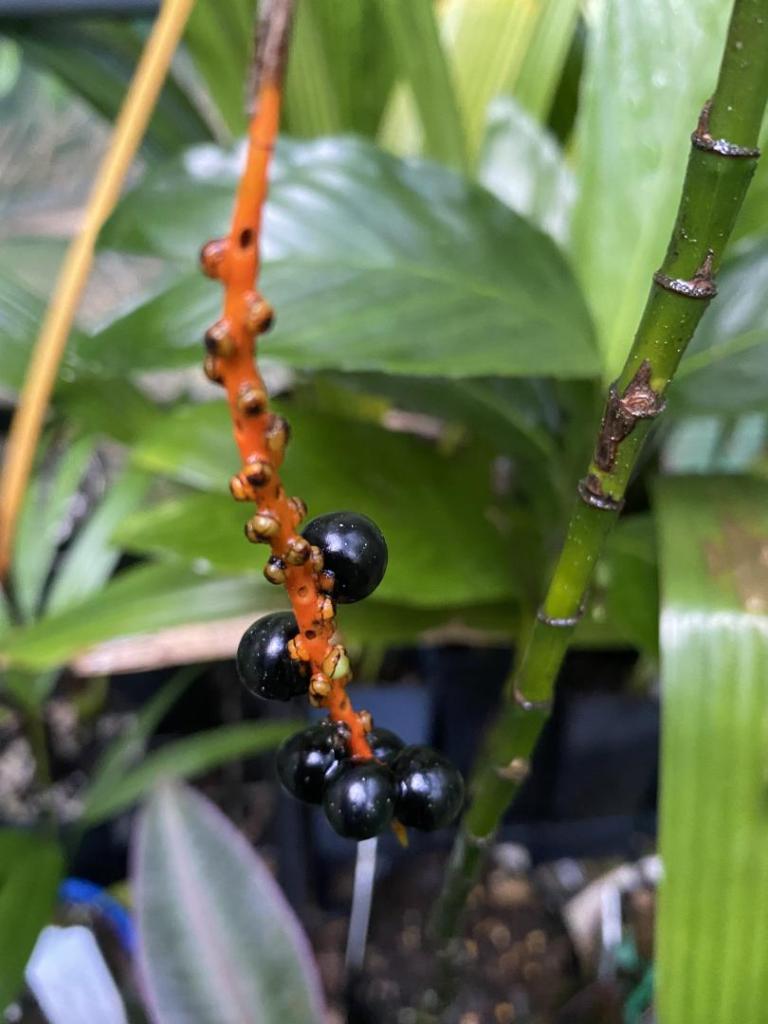
5 pointsWhy not a palm seed thread, we all love our palm seeds, and with so many of us harvesting our seeds from our gardens, or purchasing them. It’s a great way to get seed identification for those who may have there doubts about did I get the real deal. Chamaedorea tenella Mother plant And the rats had been stealing them so harvest time!


 5 points
 -
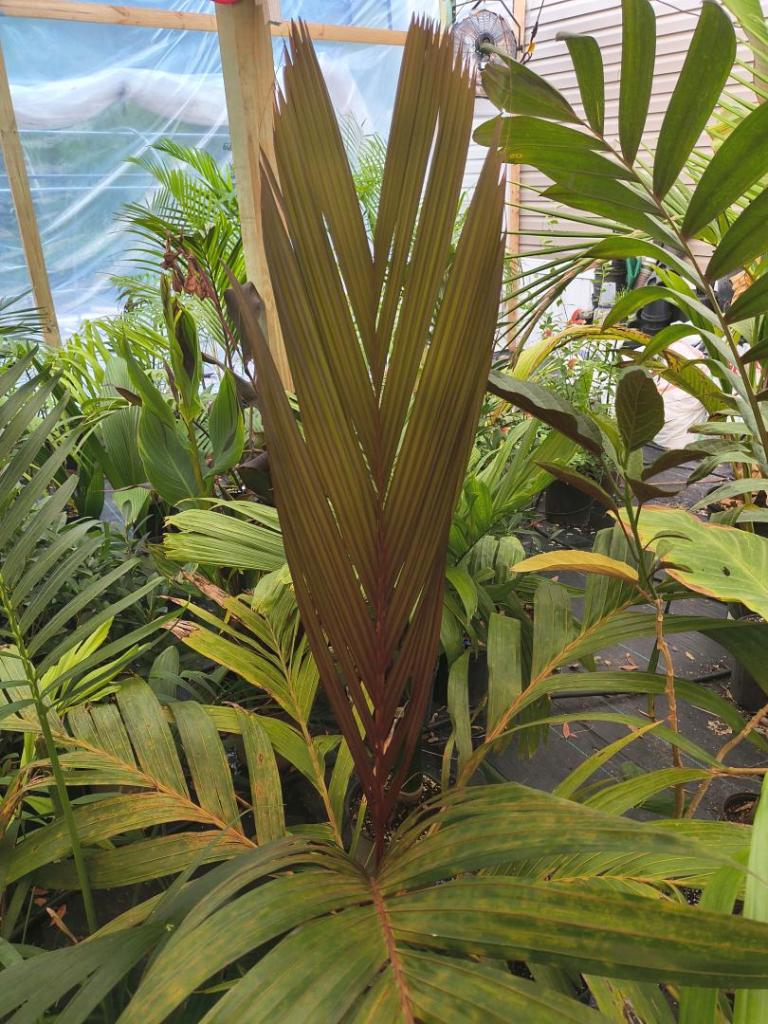
 5 pointsNew frond on A. vestiaria a few days ago. It needs more sun i think to get better color.
 5 points
 -
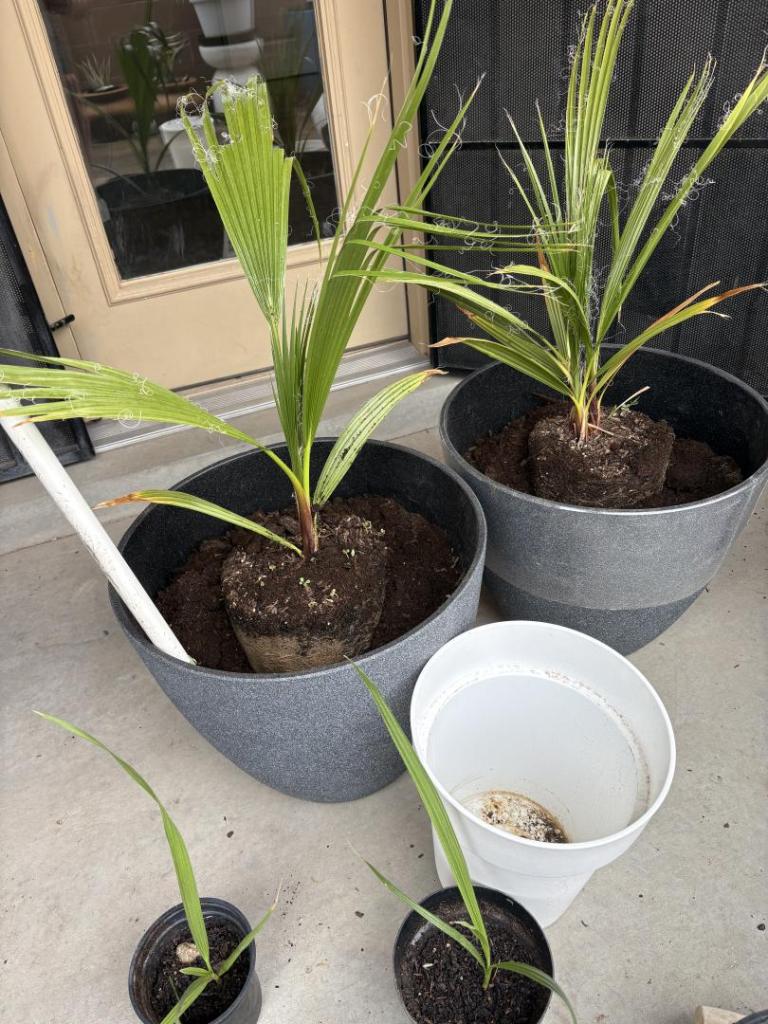
 It can be done, but you will want to start with a large container or be prepared to transplant to a larger container before the roots become bound. Here are a couple that I started from seed.
 5 points
 -
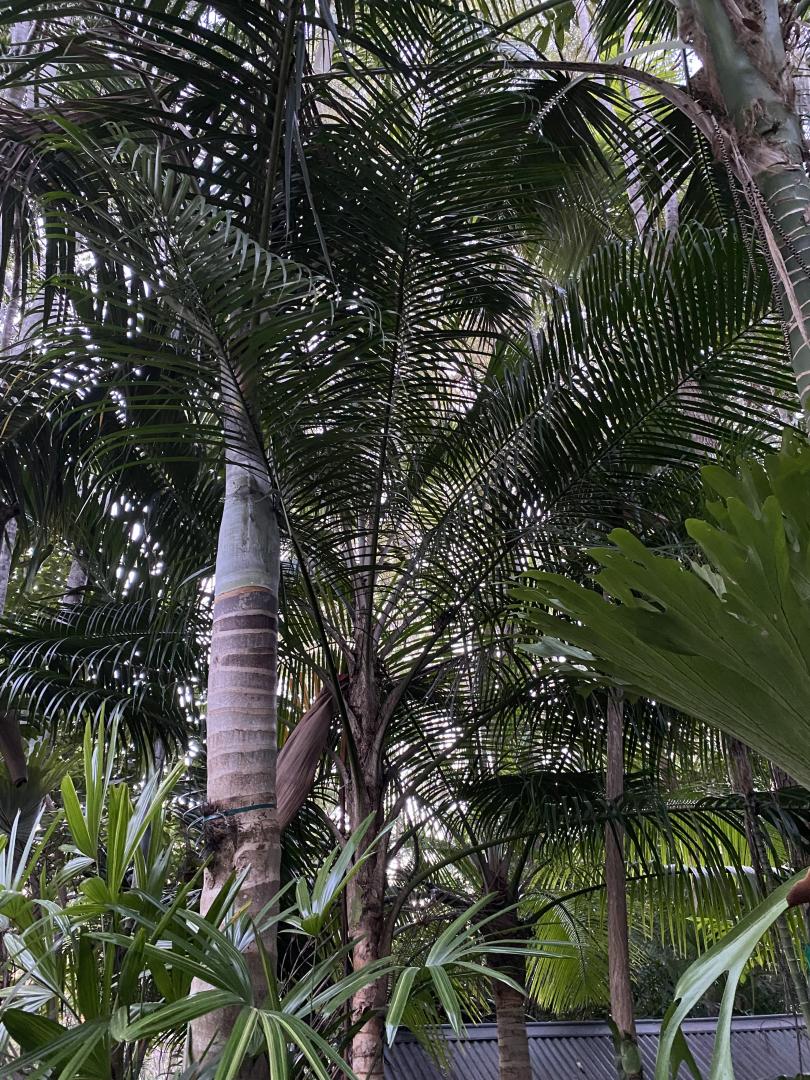
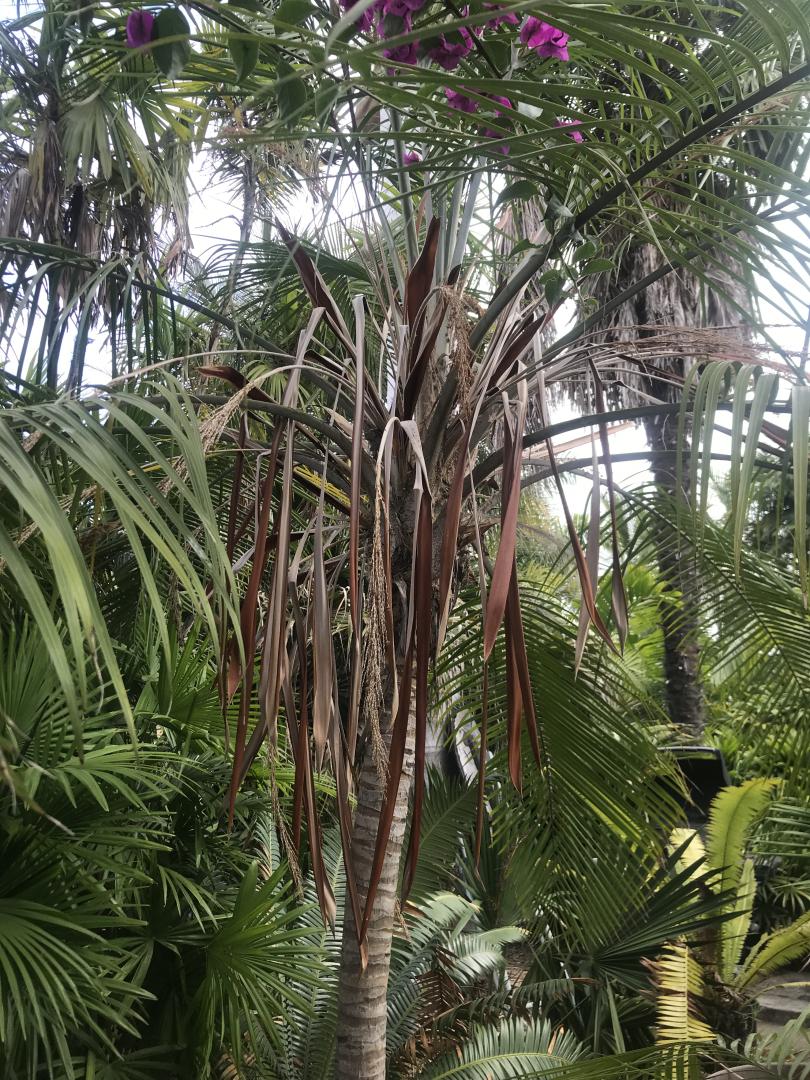
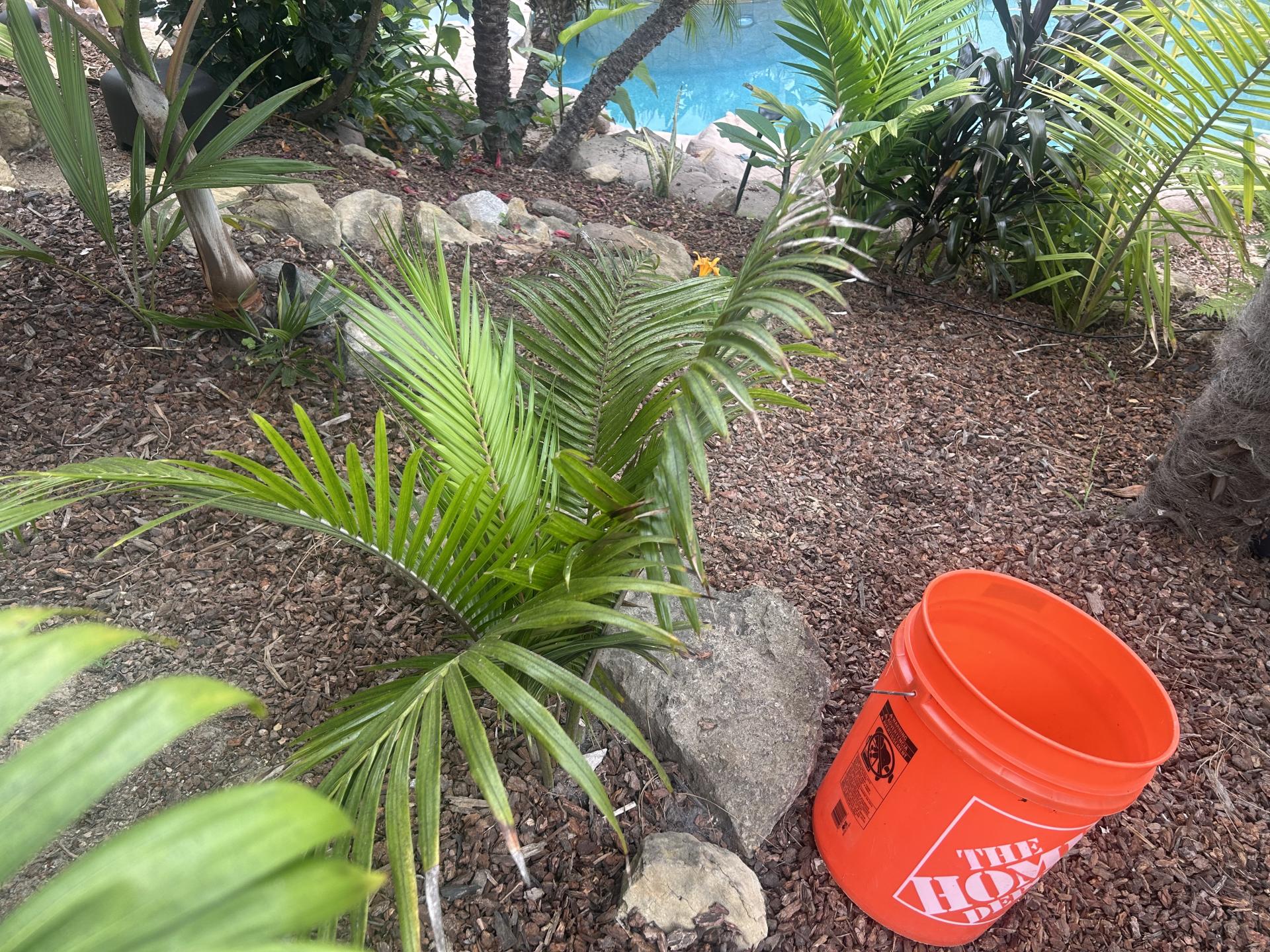
5 pointsA nice Chambeyronia and the Geonoma atrovirens seems to ok in cold wet conditions (for now) still not freezing conditions to kill palms yet, but they will come sooner than later those 2 degrees celcius mornings.

 5 points























.jpg.b8a49bc9cdf125bdf8bc236f73b494d4.jpg)
.jpg.f9e9dbe0f4b79fe3dbcbb617fdc5dc50.jpg)