

Leaderboard
-

happypalms
IPS MEMBER43Points13,196Posts -


Harry’s Palms
IPS MEMBER9Points4,431Posts -

Tracy
IPS MEMBER9Points6,538Posts -
realarch
IPS MEMBER7Points7,184Posts
Popular Content
Showing content with the highest reputation on 07/25/2026 in Posts
-
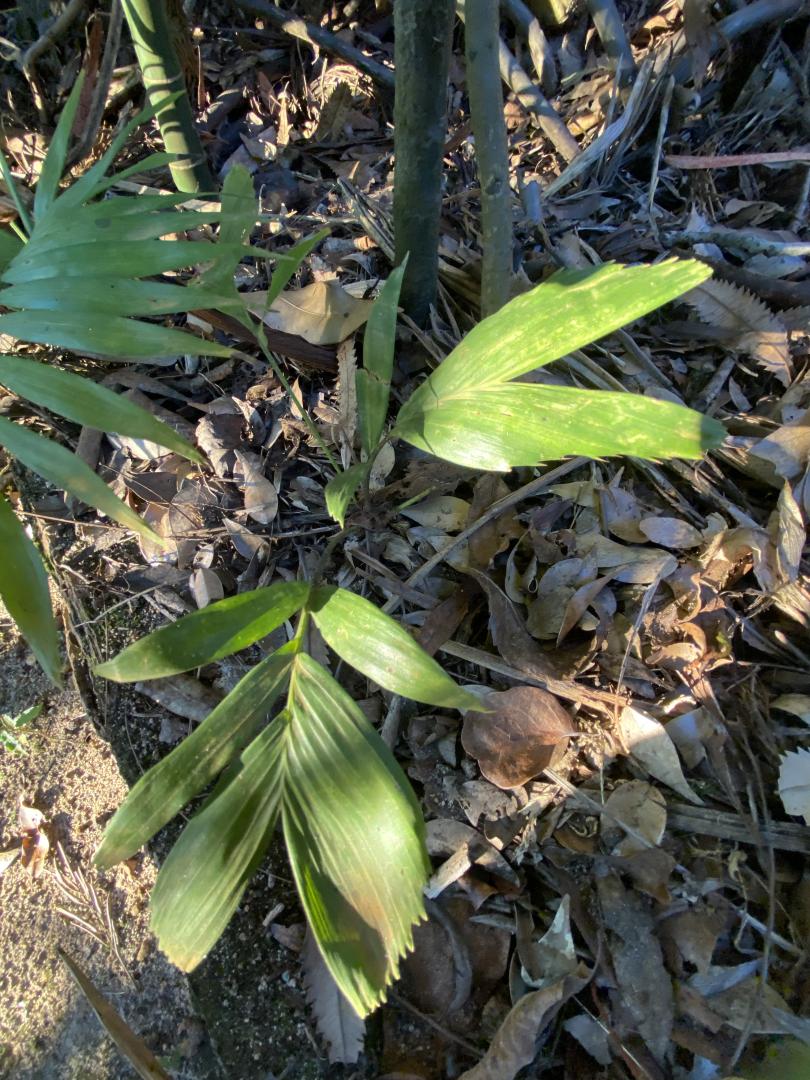
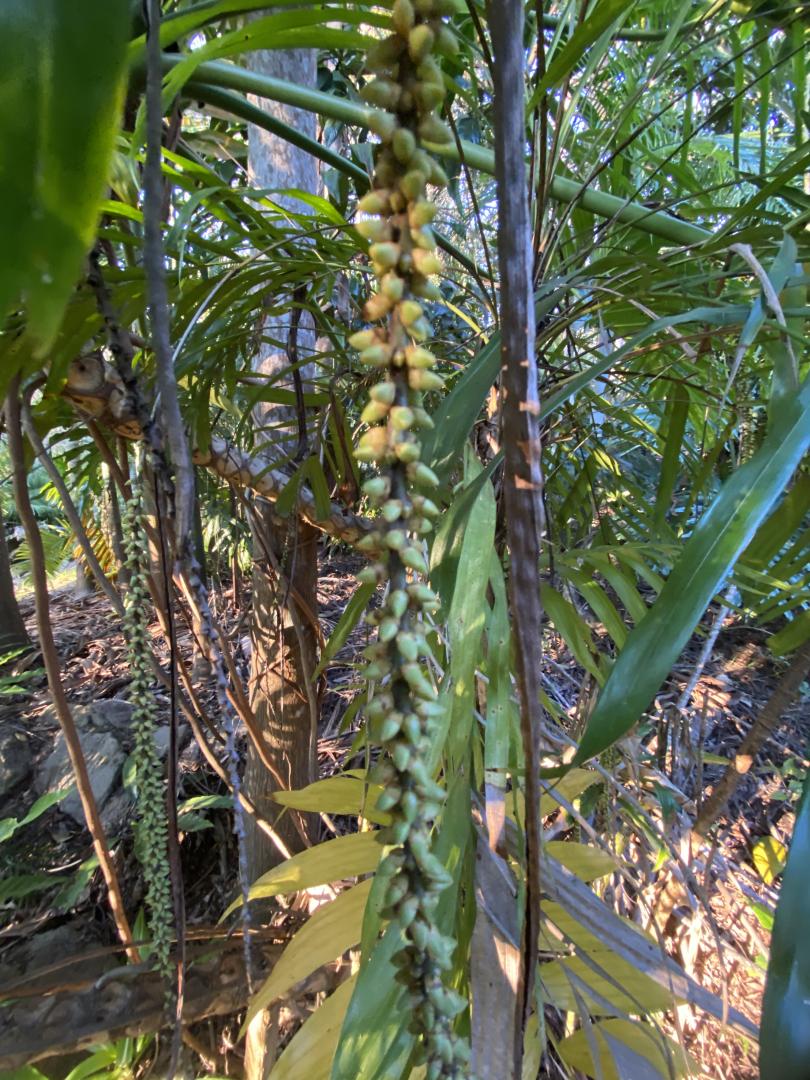
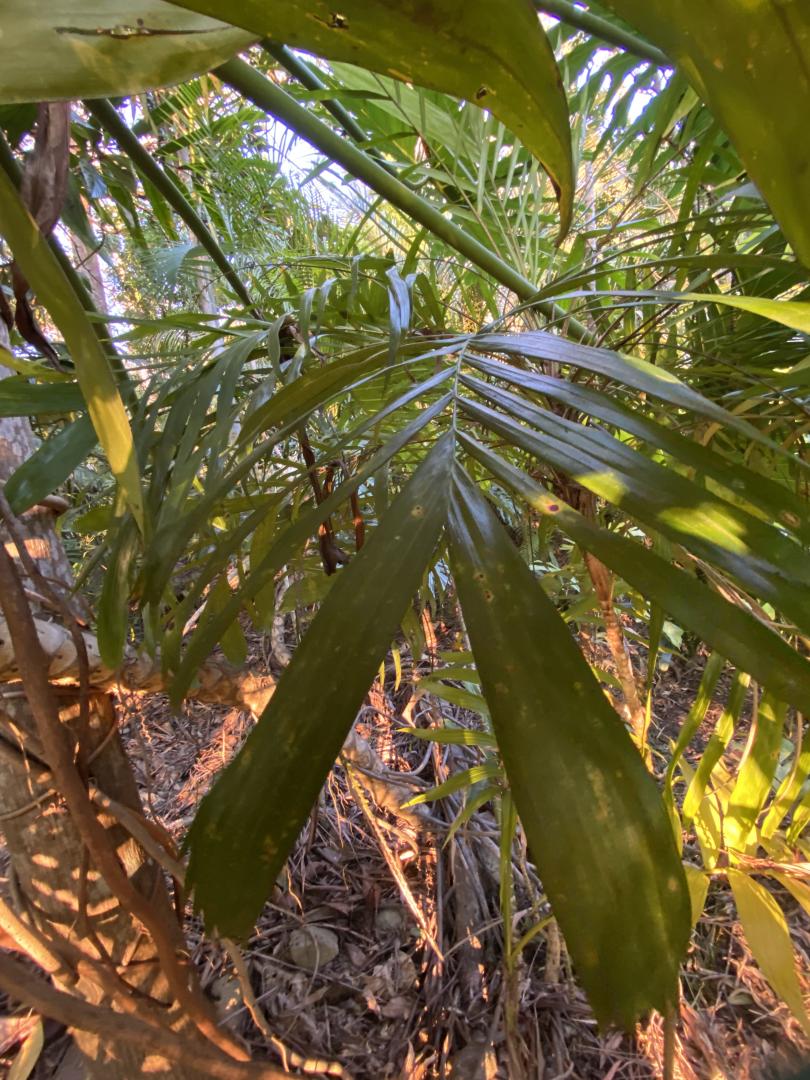
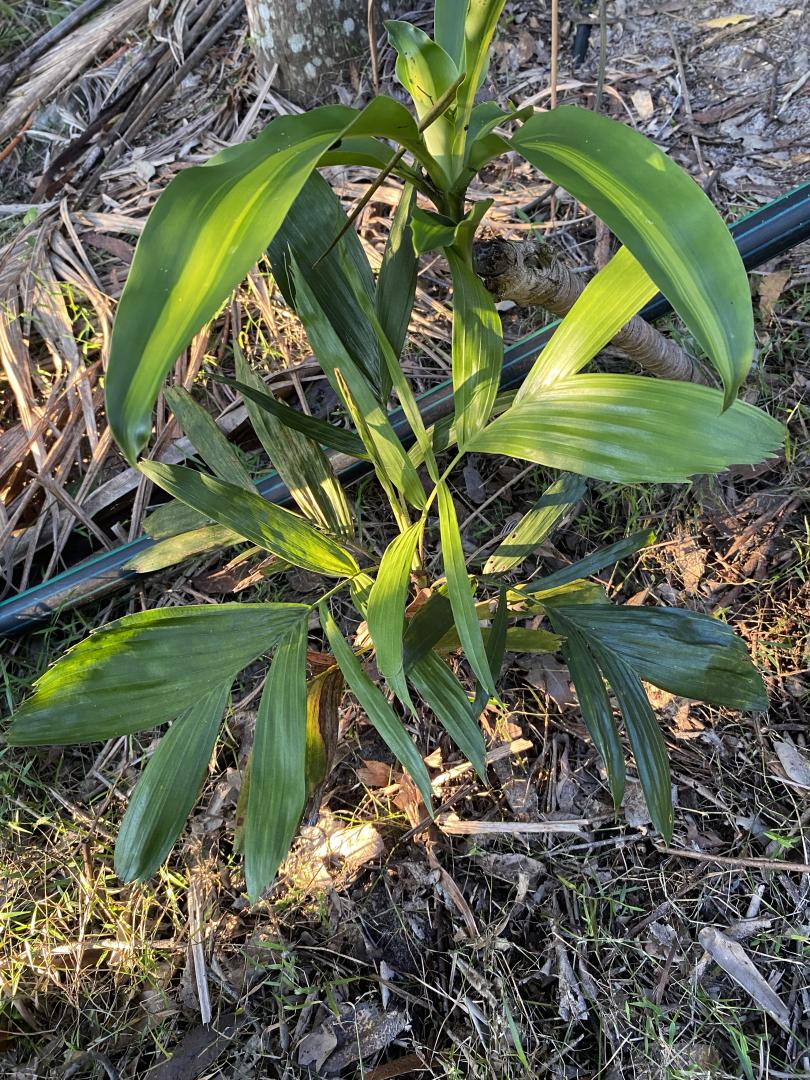
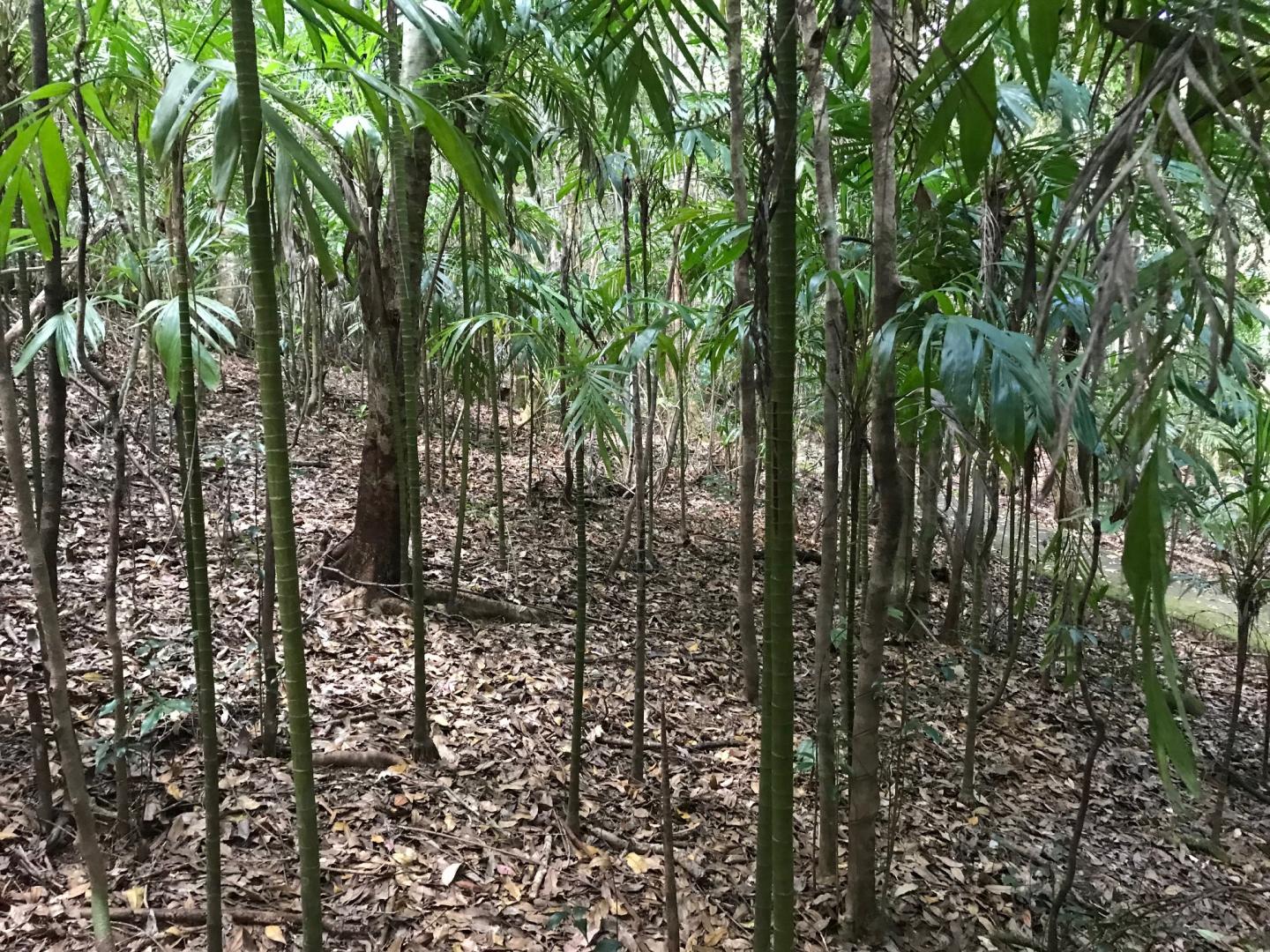
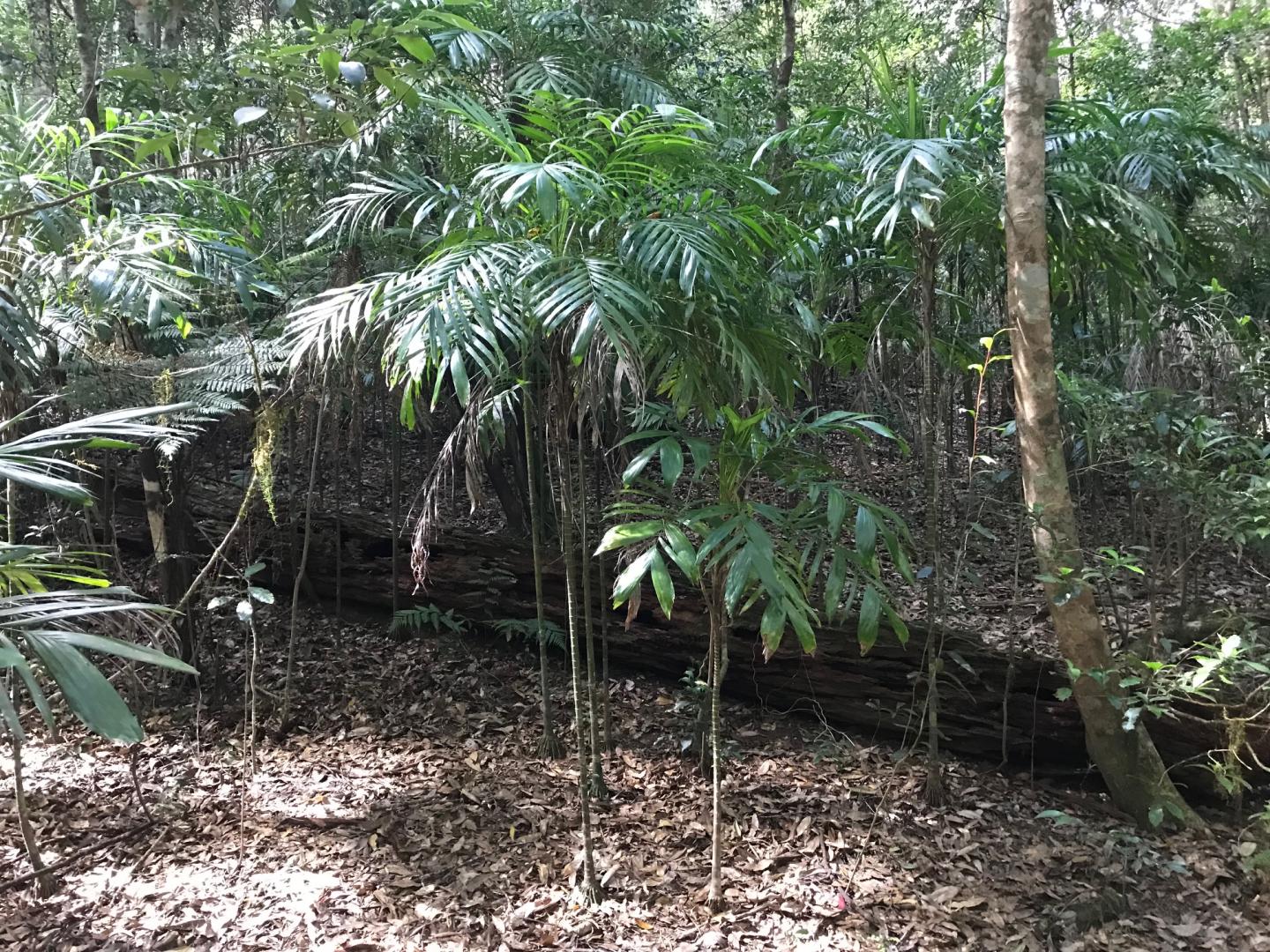
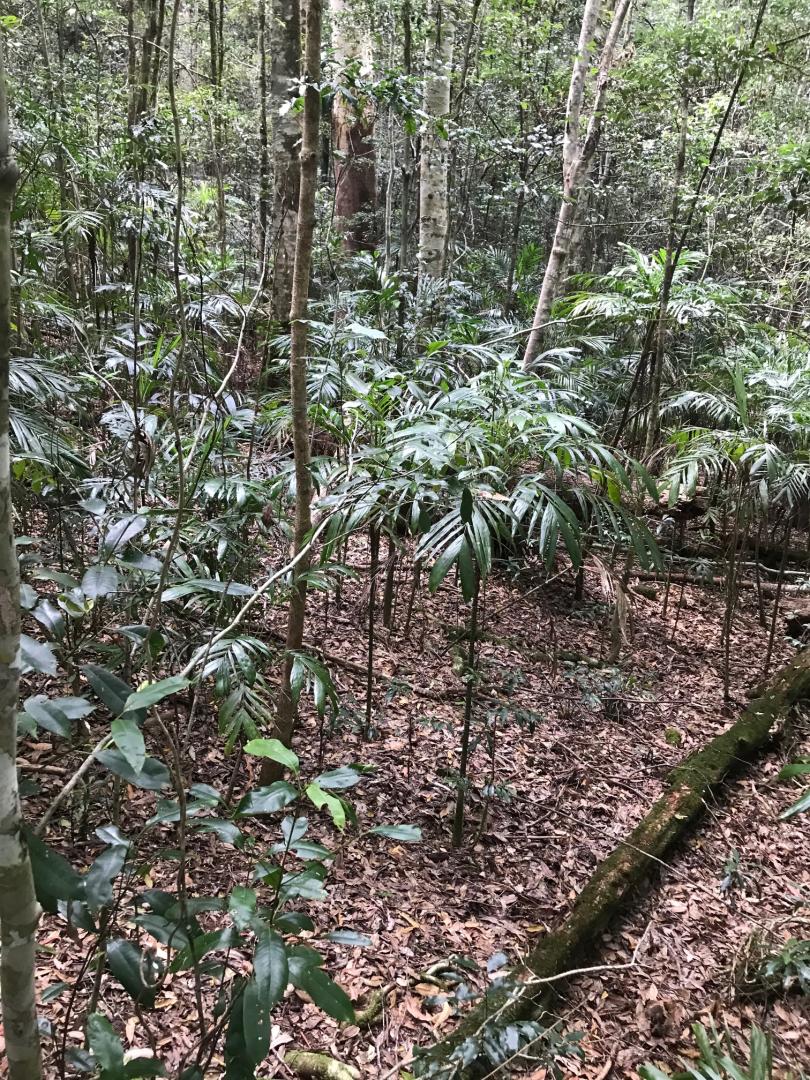
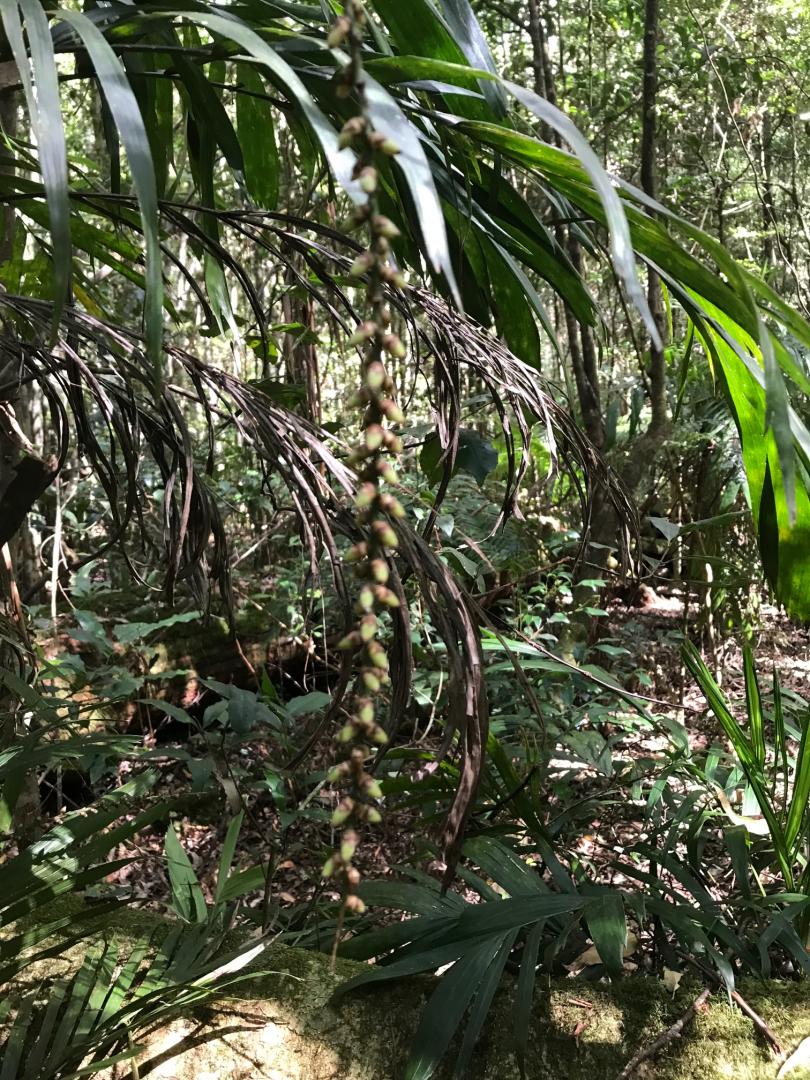
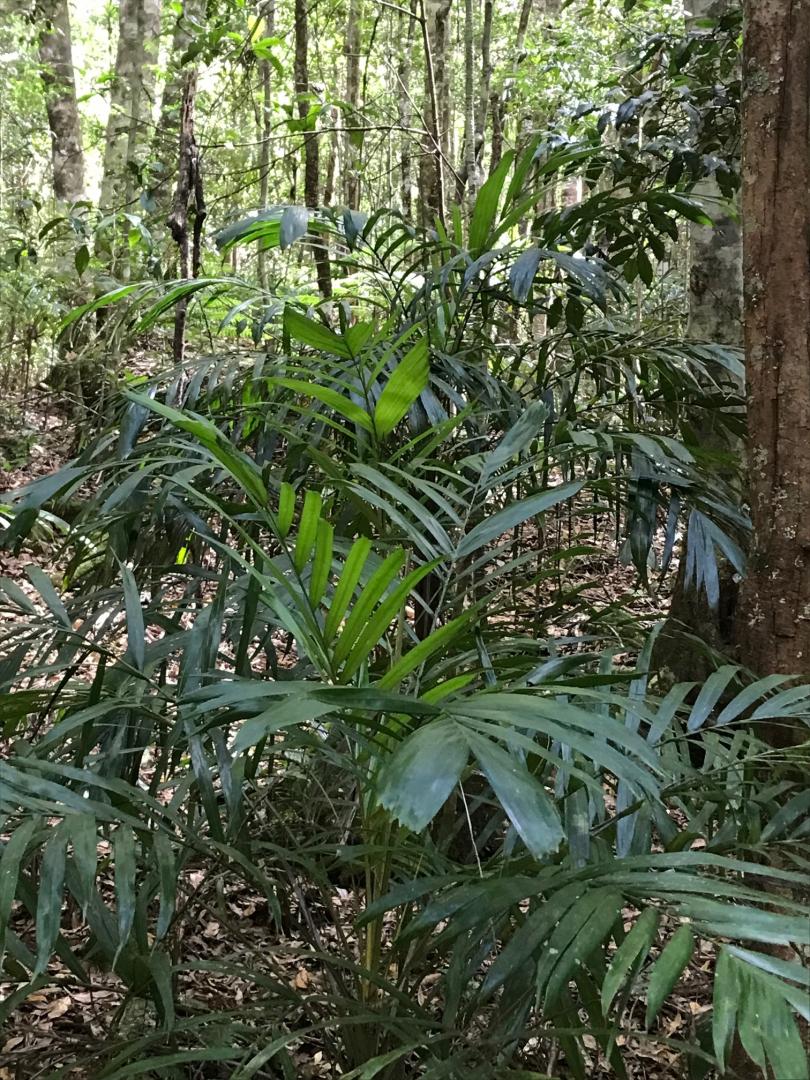
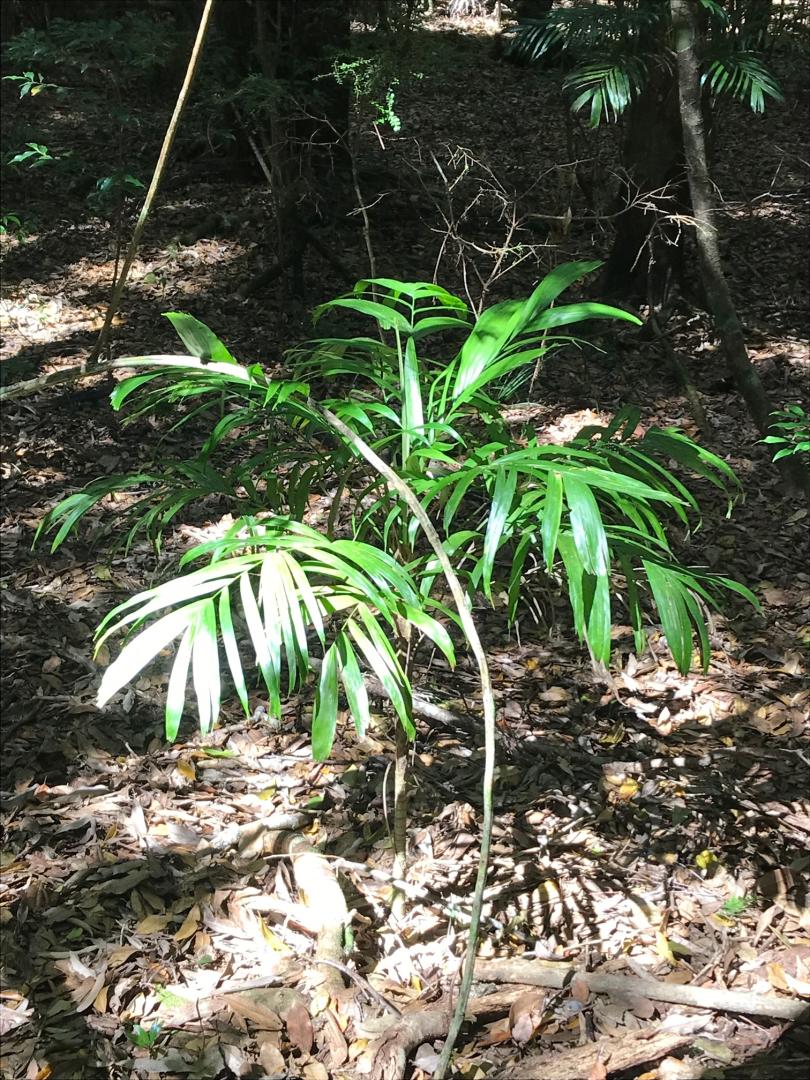
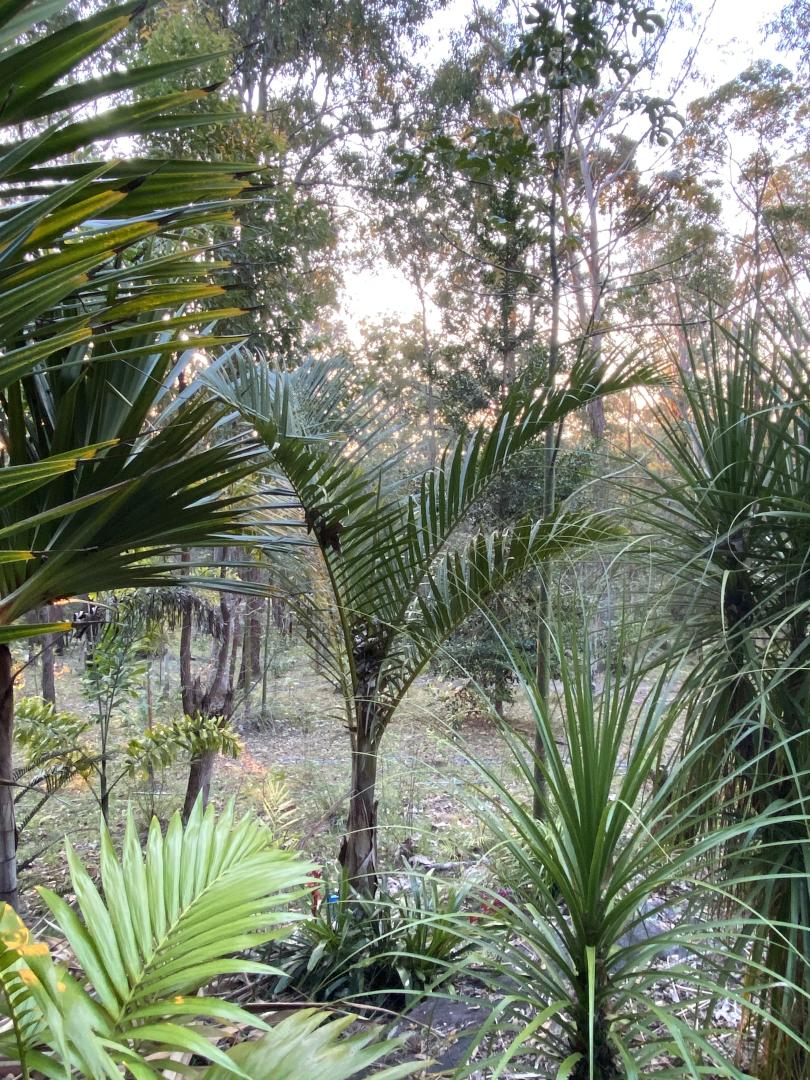
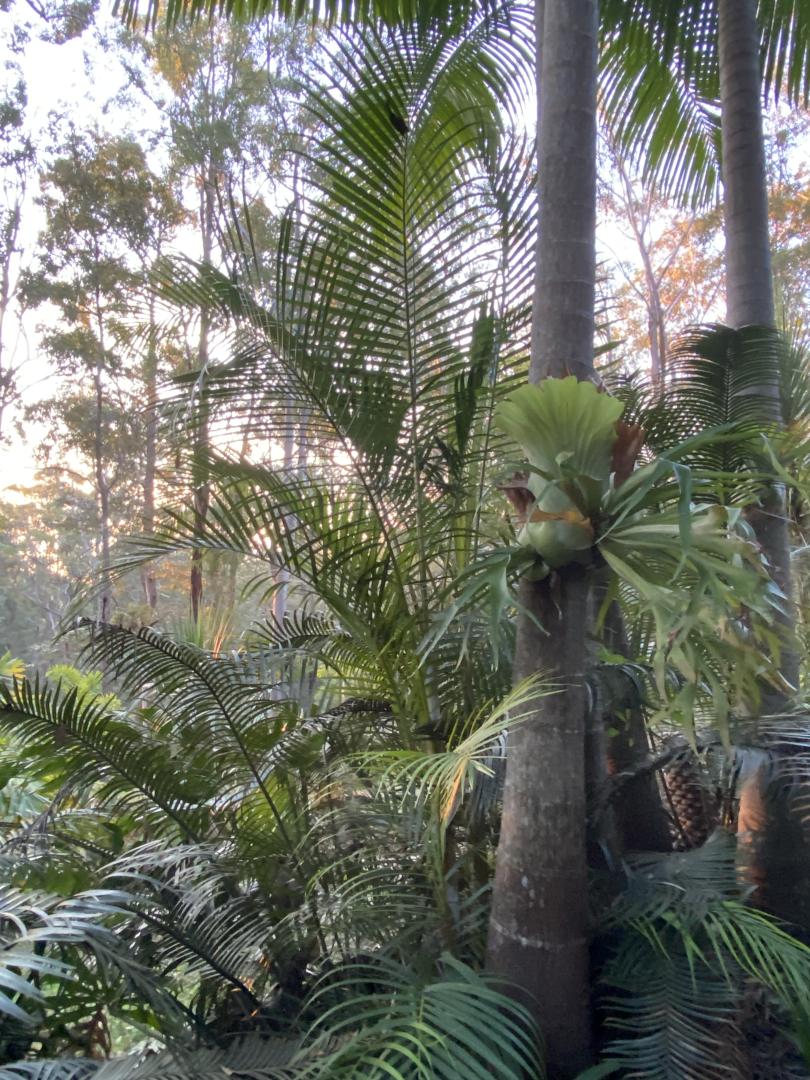
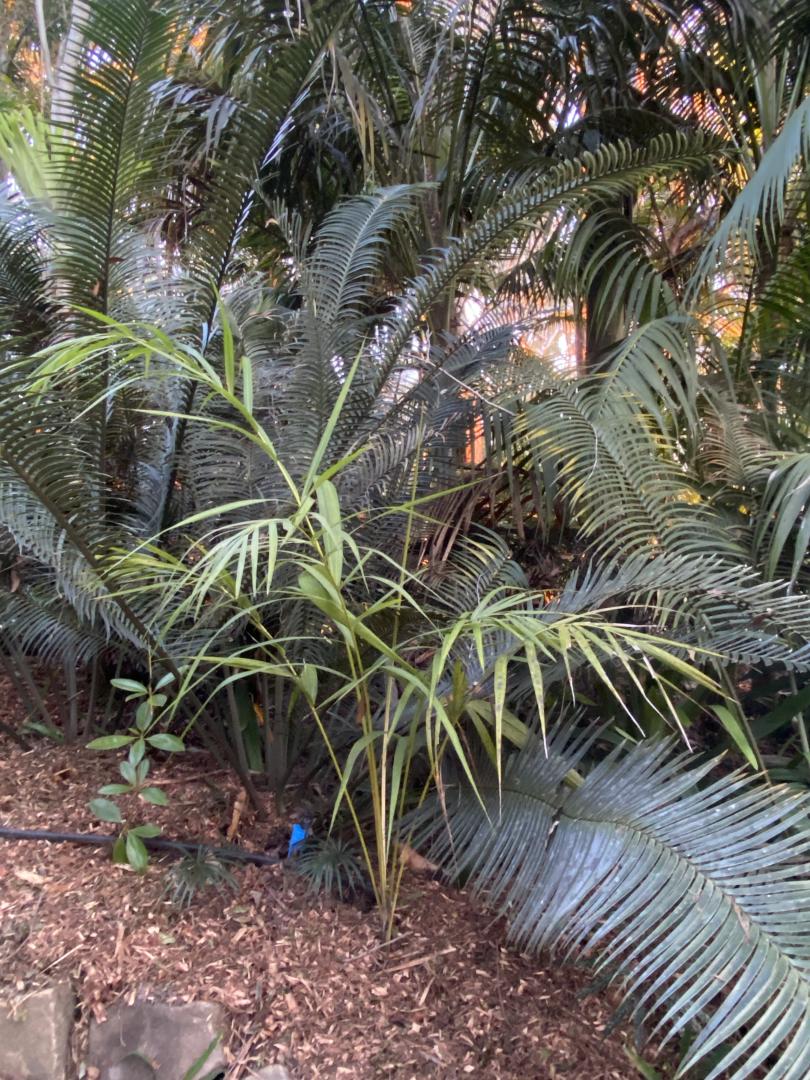
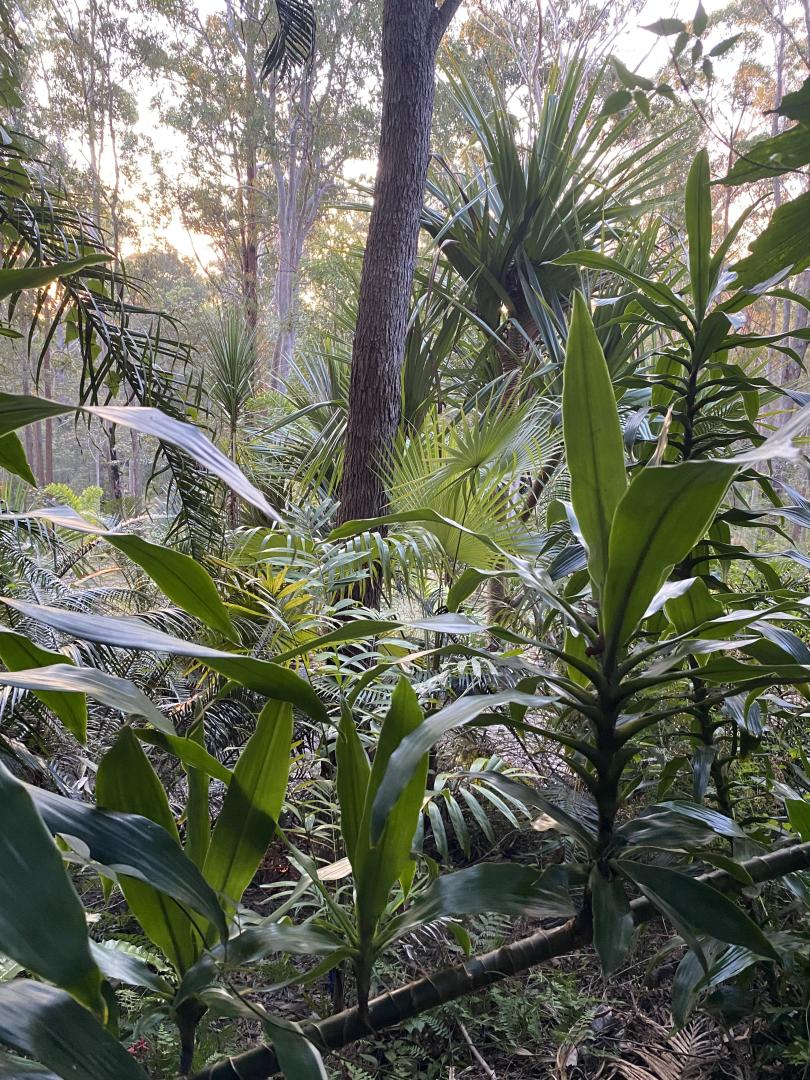
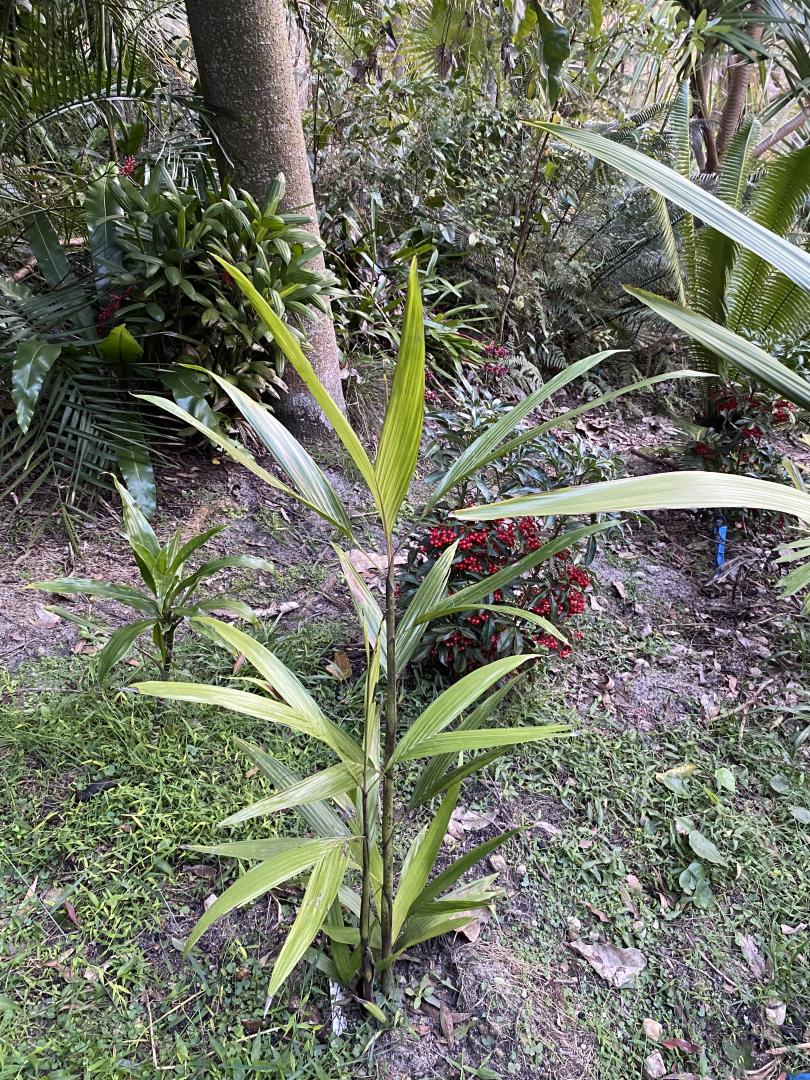
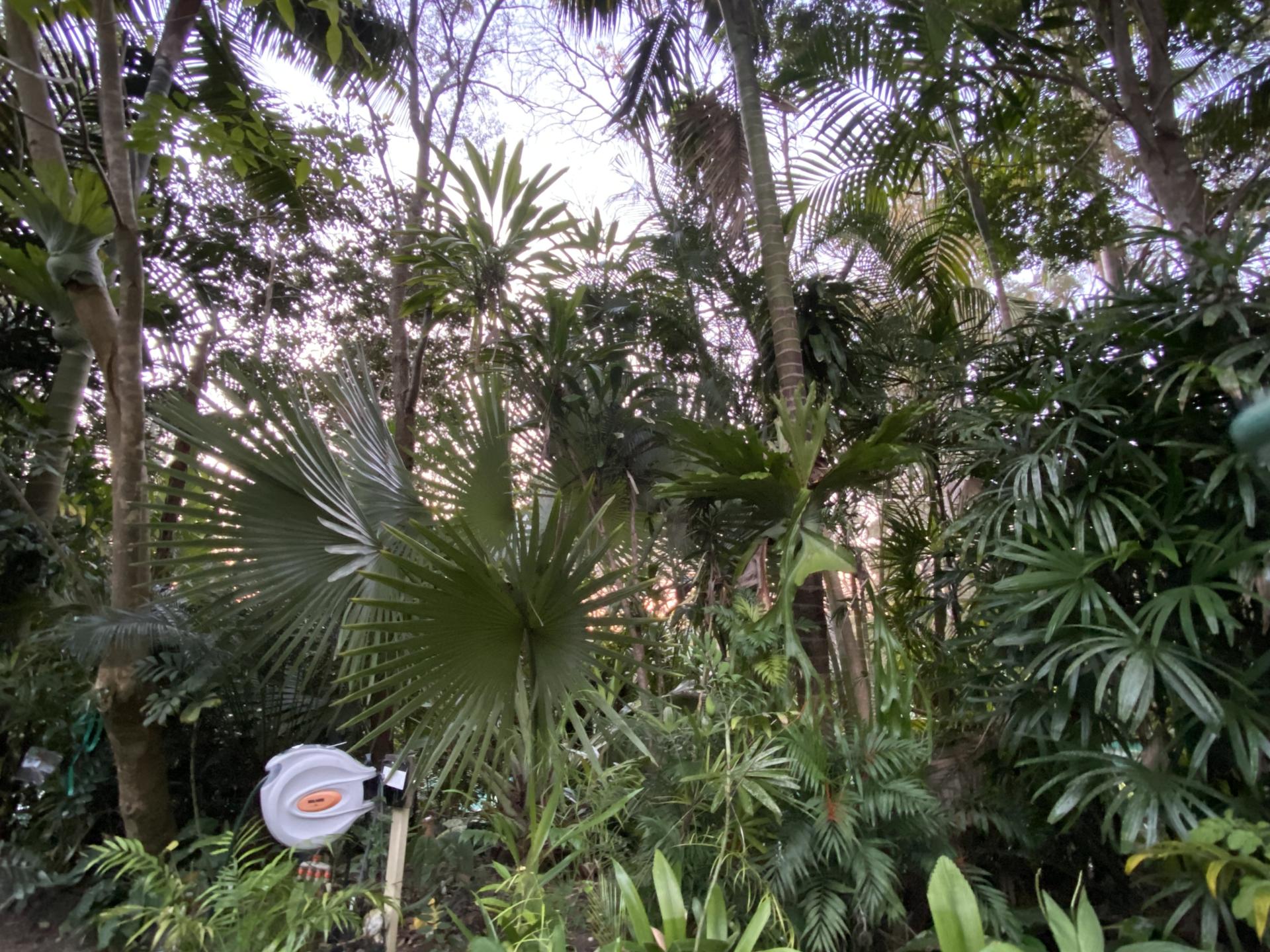
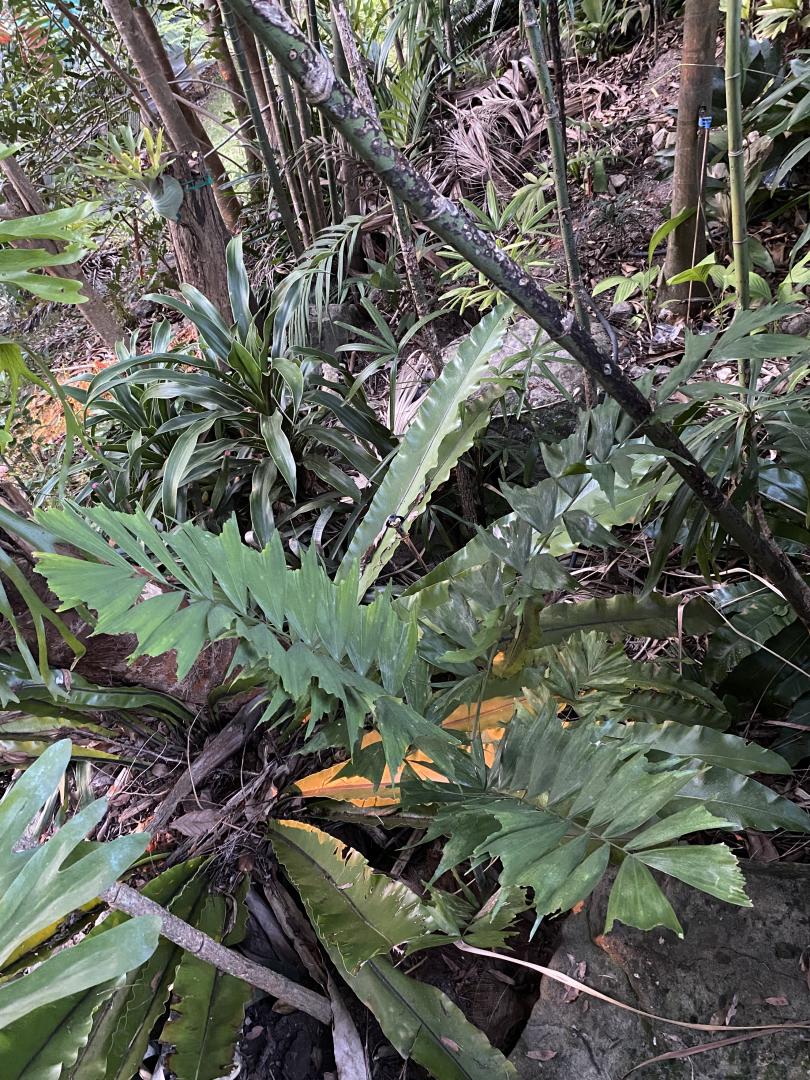
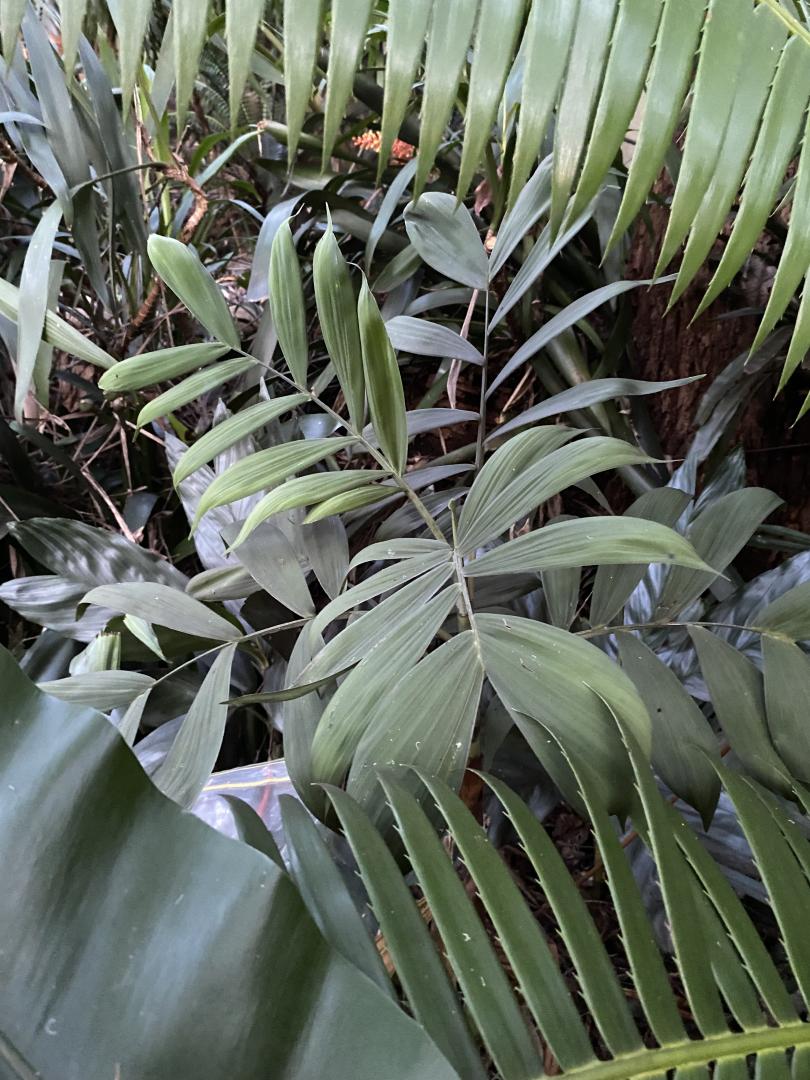
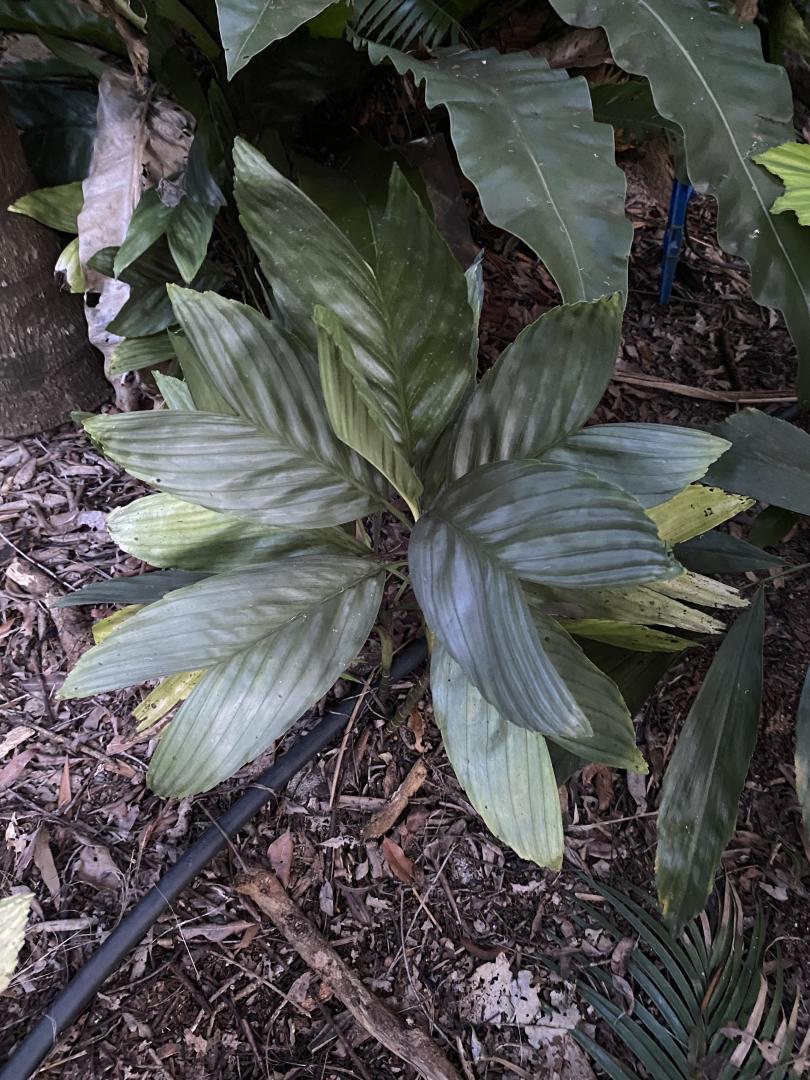
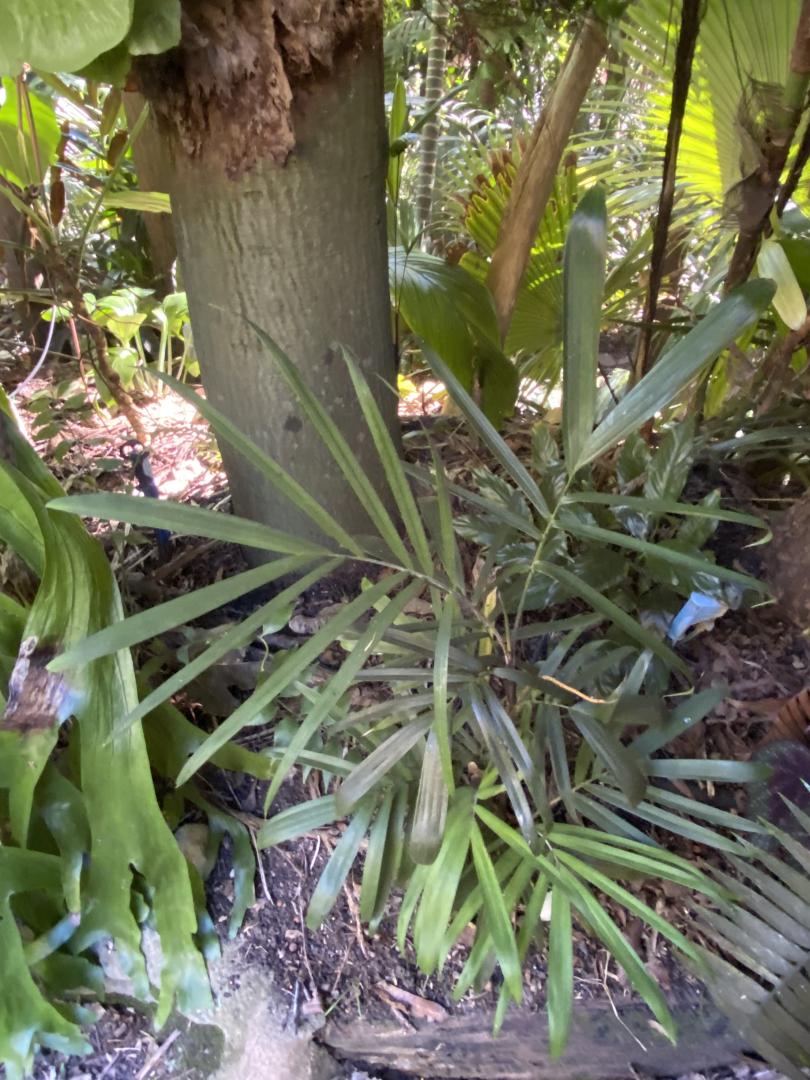
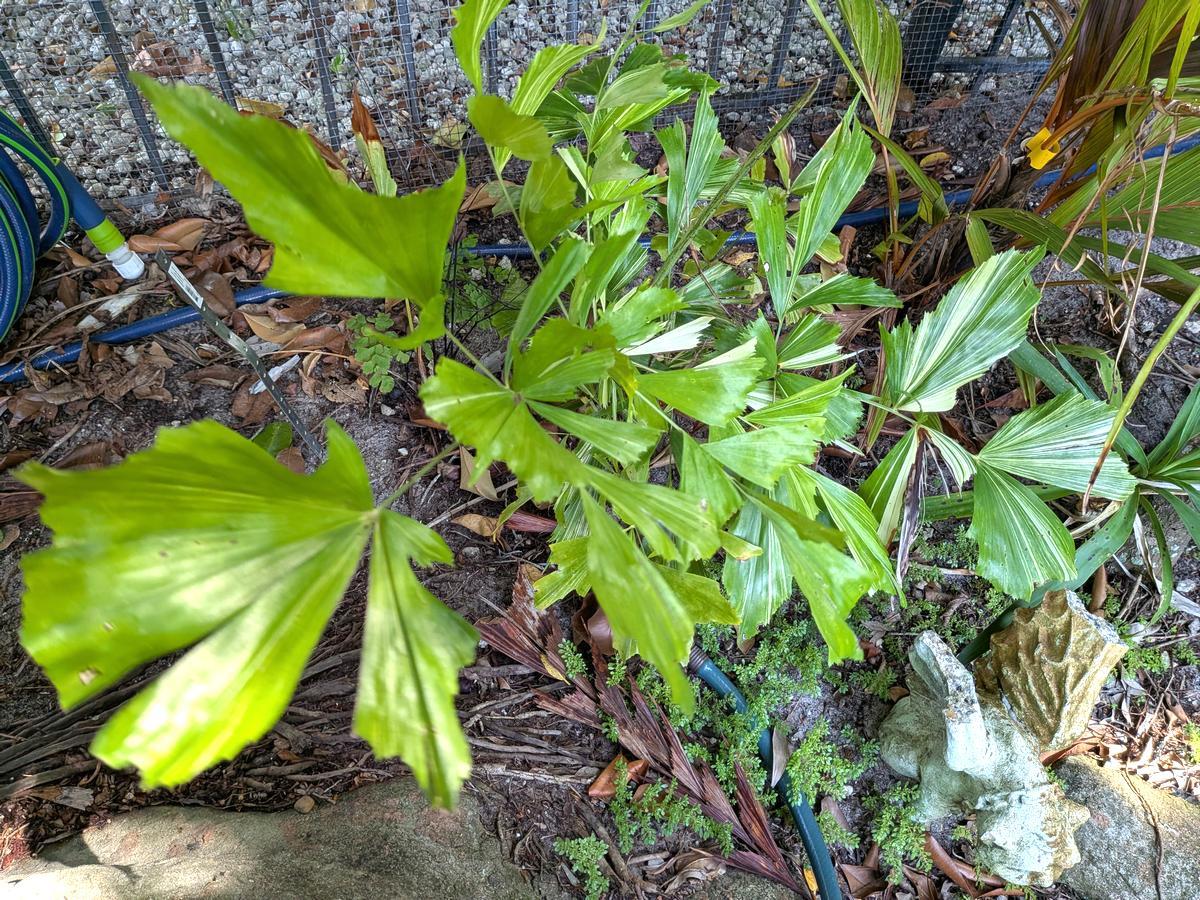
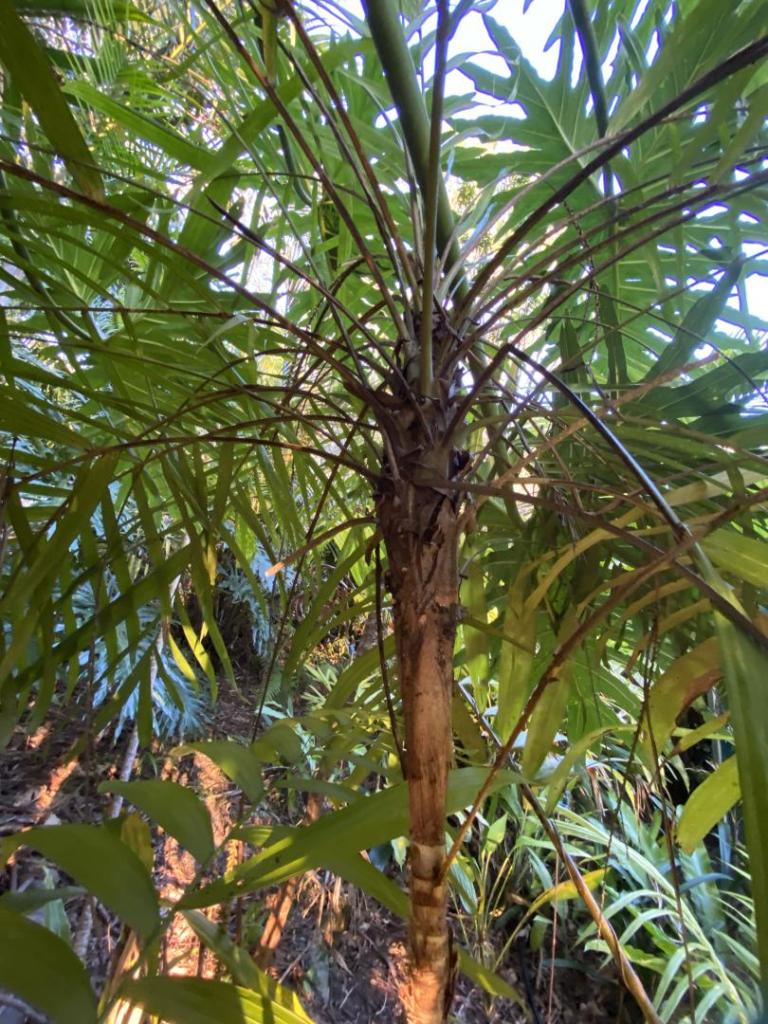
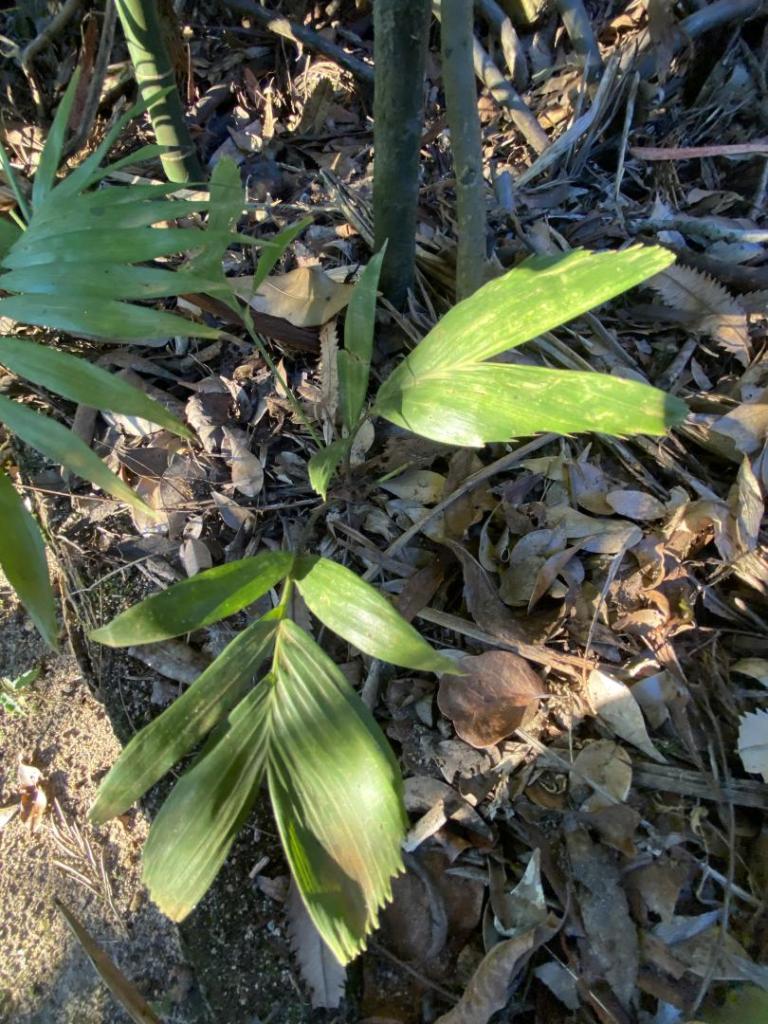
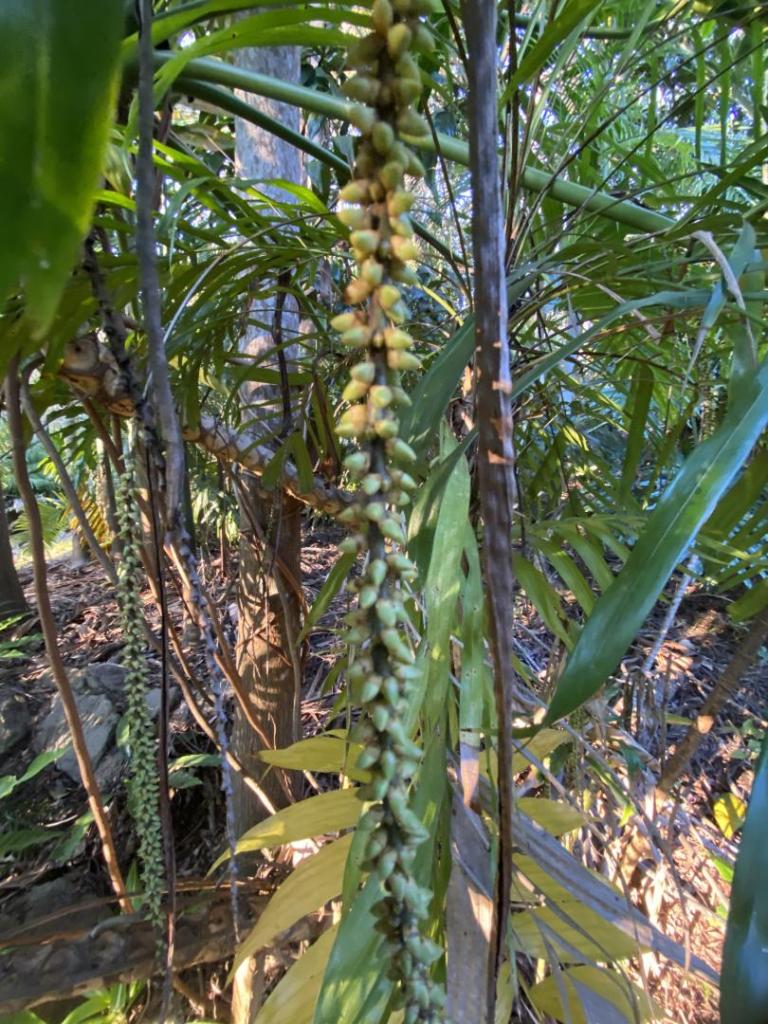
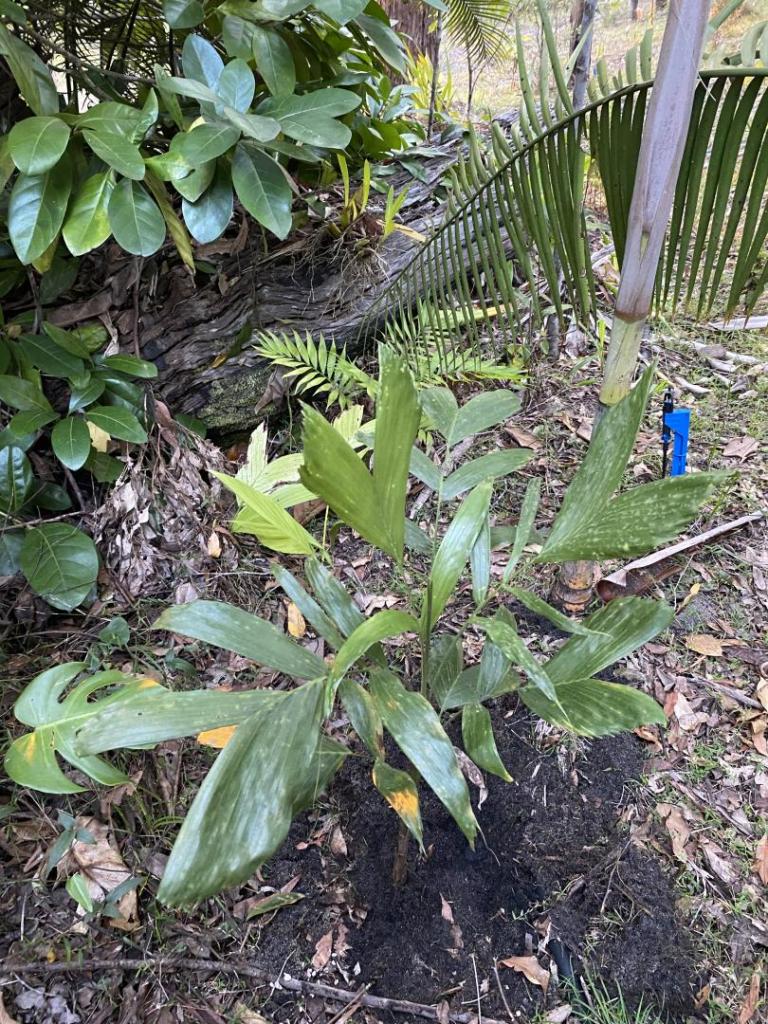
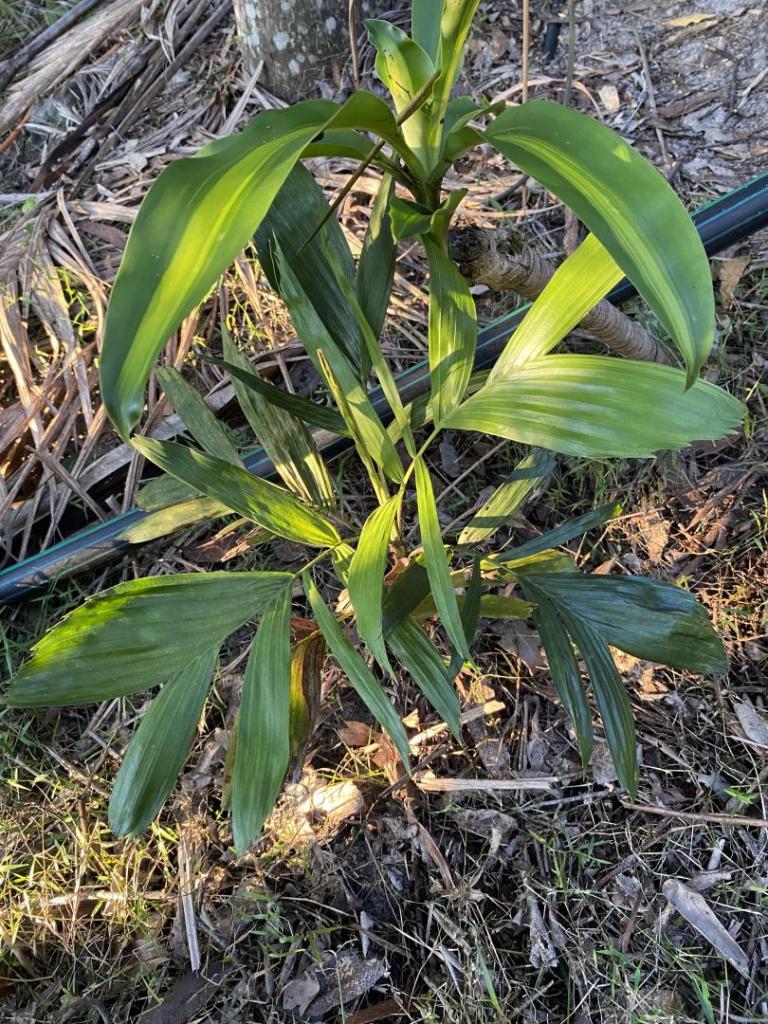
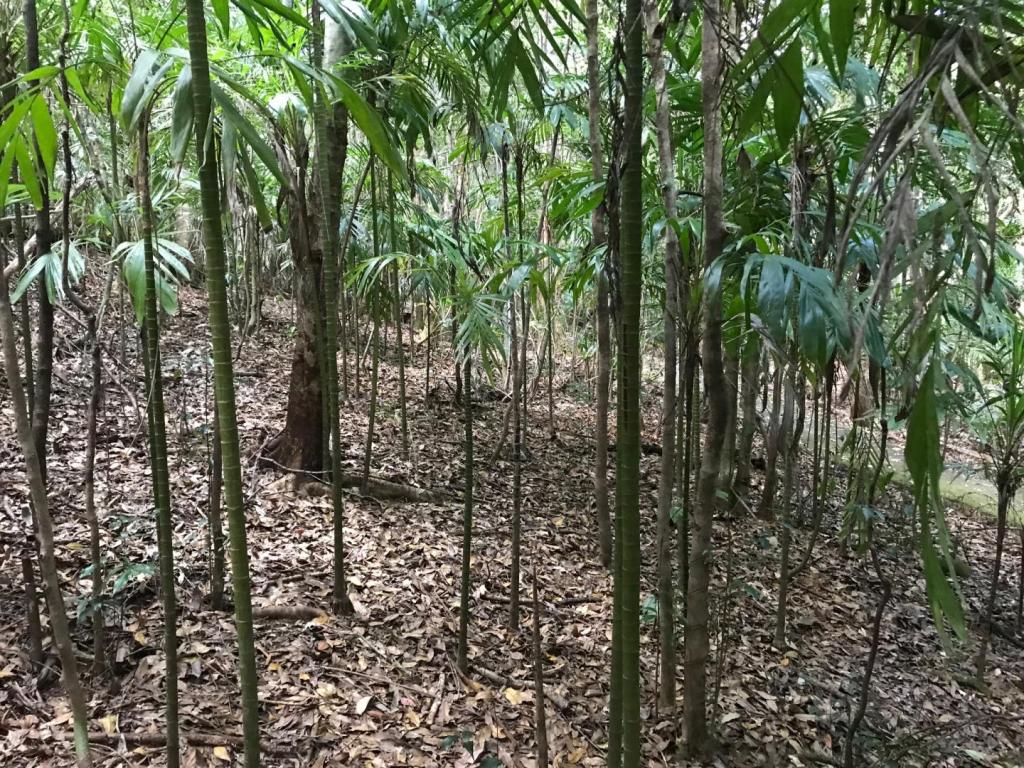
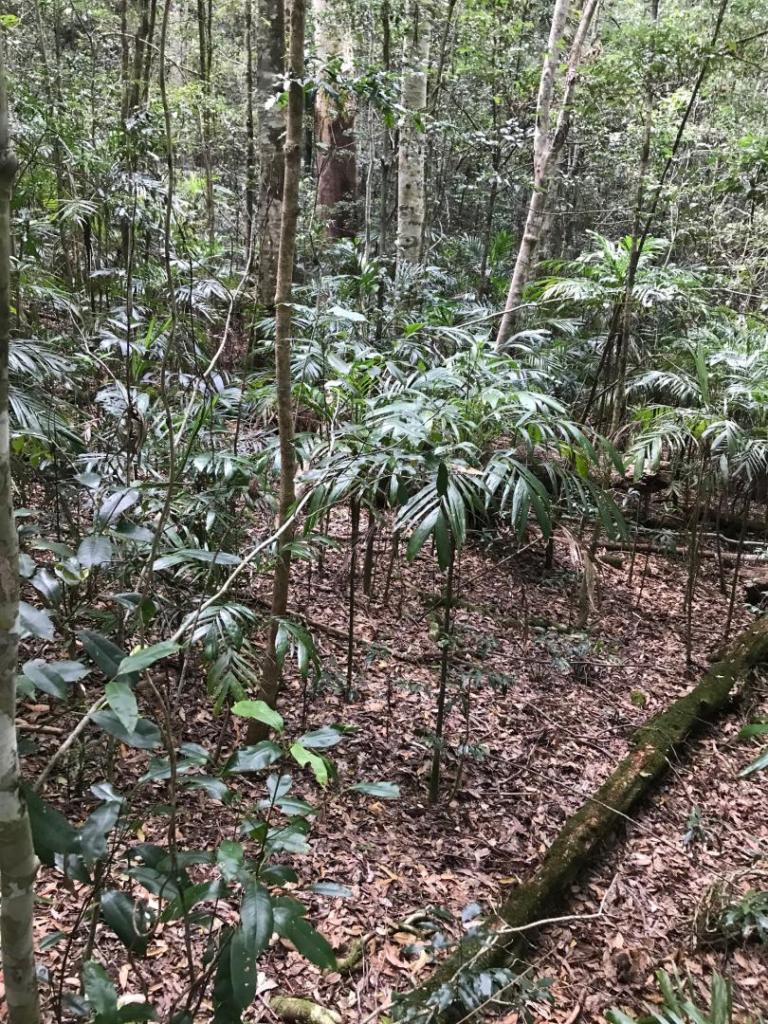
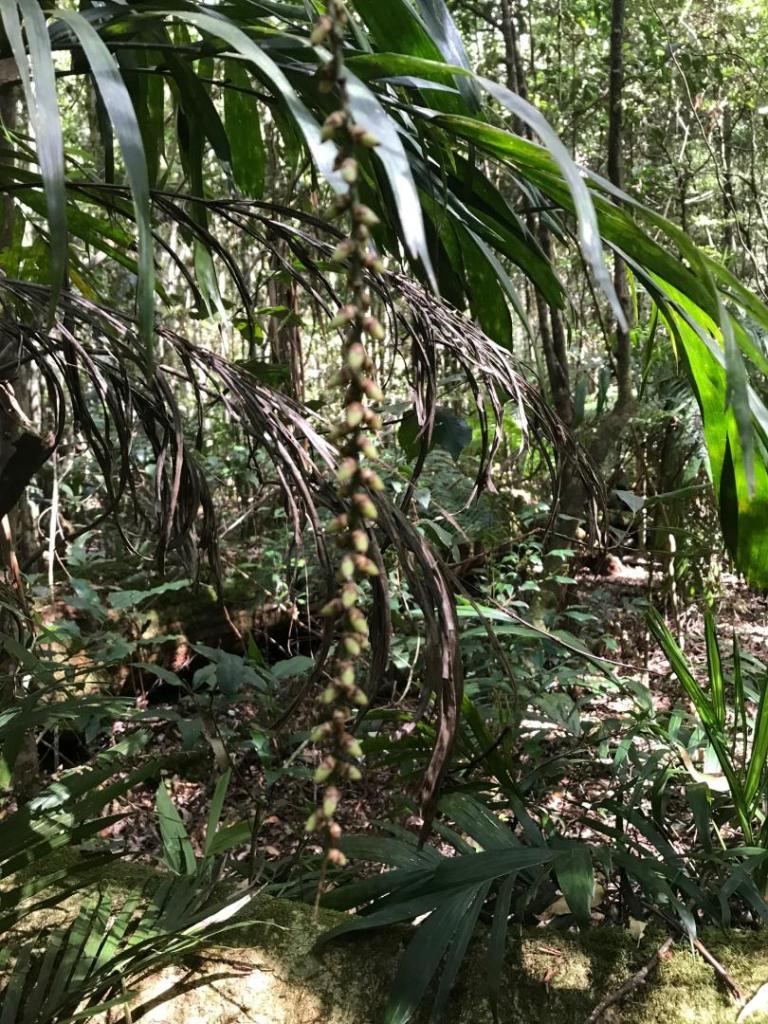
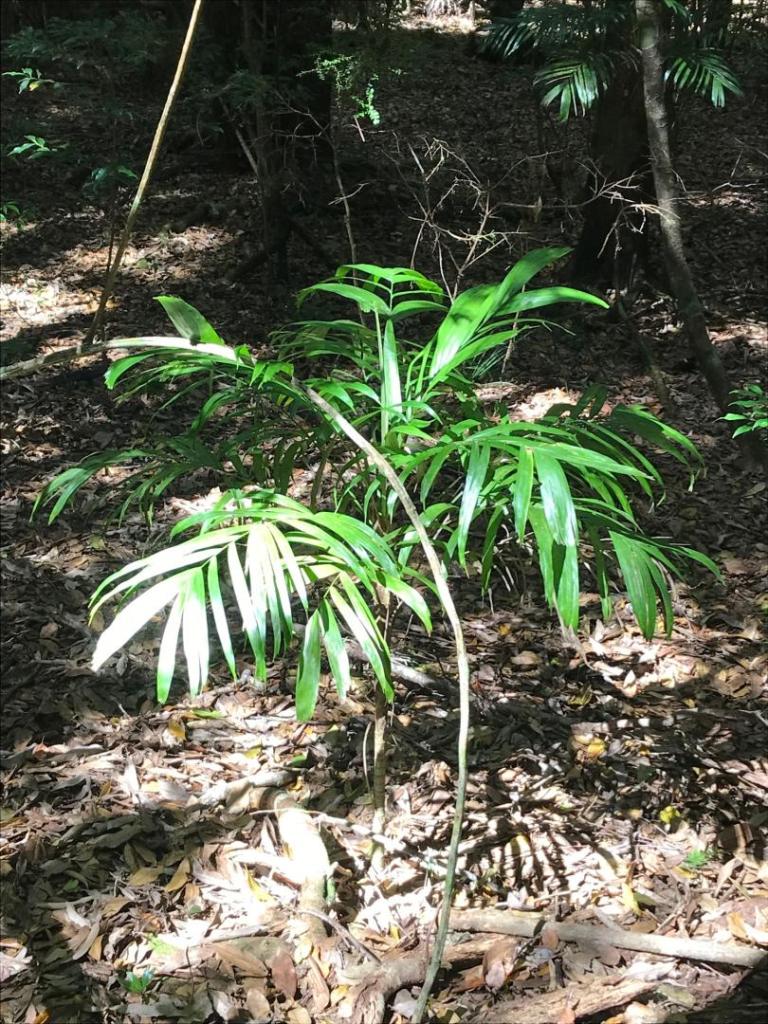
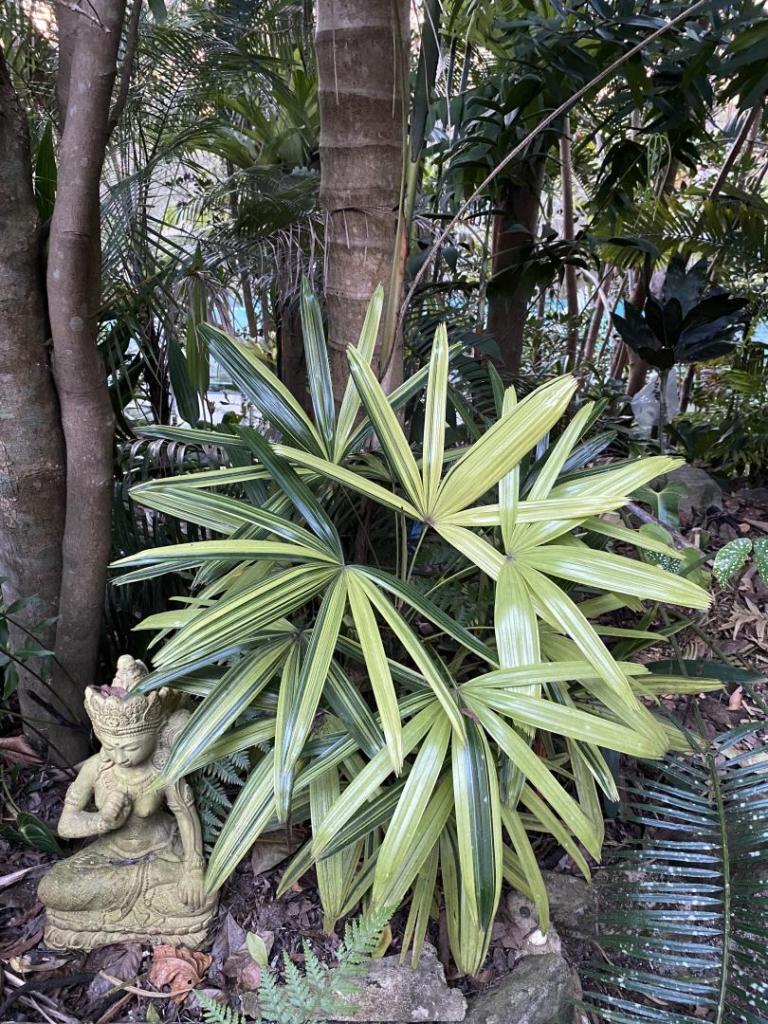
Iam lucky enough to live near the habitat of linospadix monostachya. They make a fantastic garden palm, predictable size and growing patterns. They flourish with good water, cool tolerant wet deep shade understory is there perfect habitat. Somewhat similar growth habit to lytocarum weddlianum and similar growing conditions being a little dry tolerant once established. They look amazing in habitat by the hundreds covering the forest floor under the canopy.








 5 points
 -
 4 points
 -
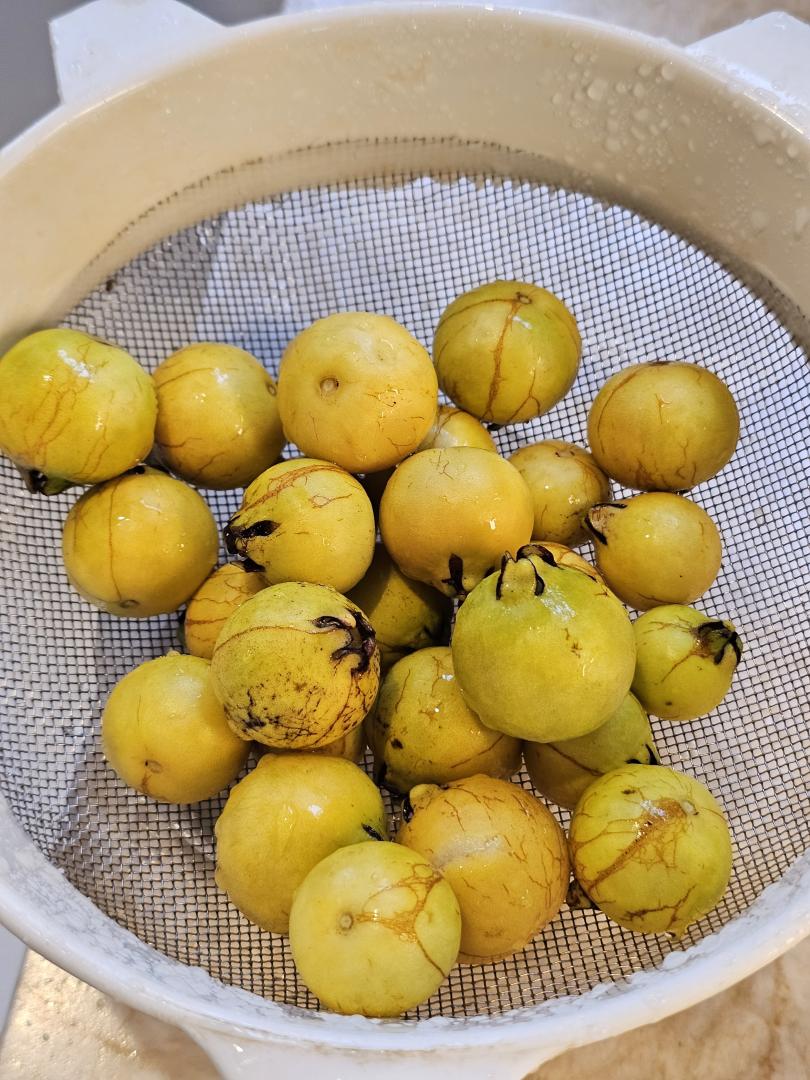
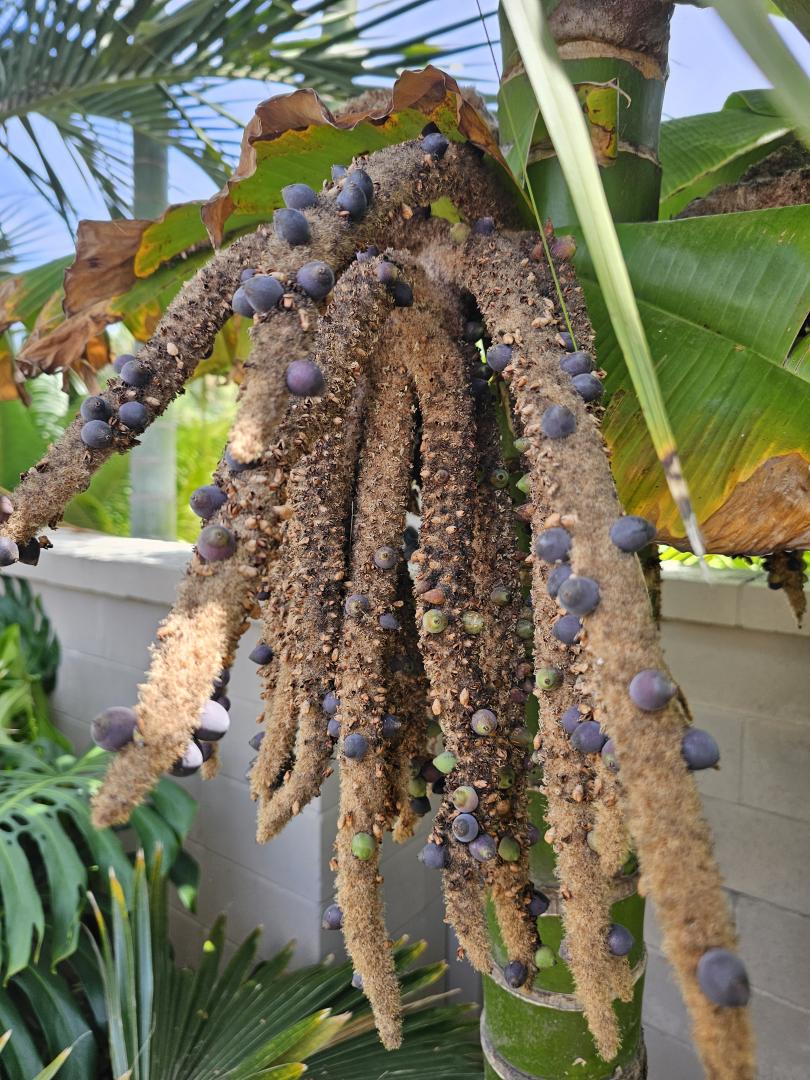
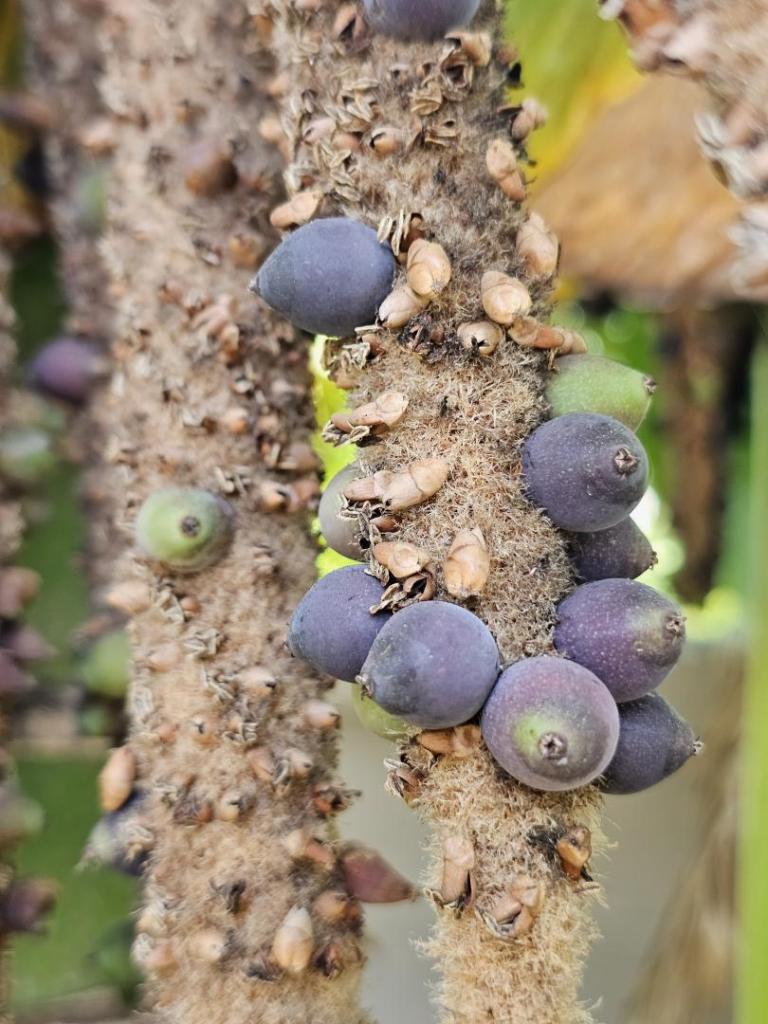
4 pointsSome blueberries on the dreadlocks. Also my breakfast raspberry substitute fresh off the guava tree. Yellow.

 4 points
 -
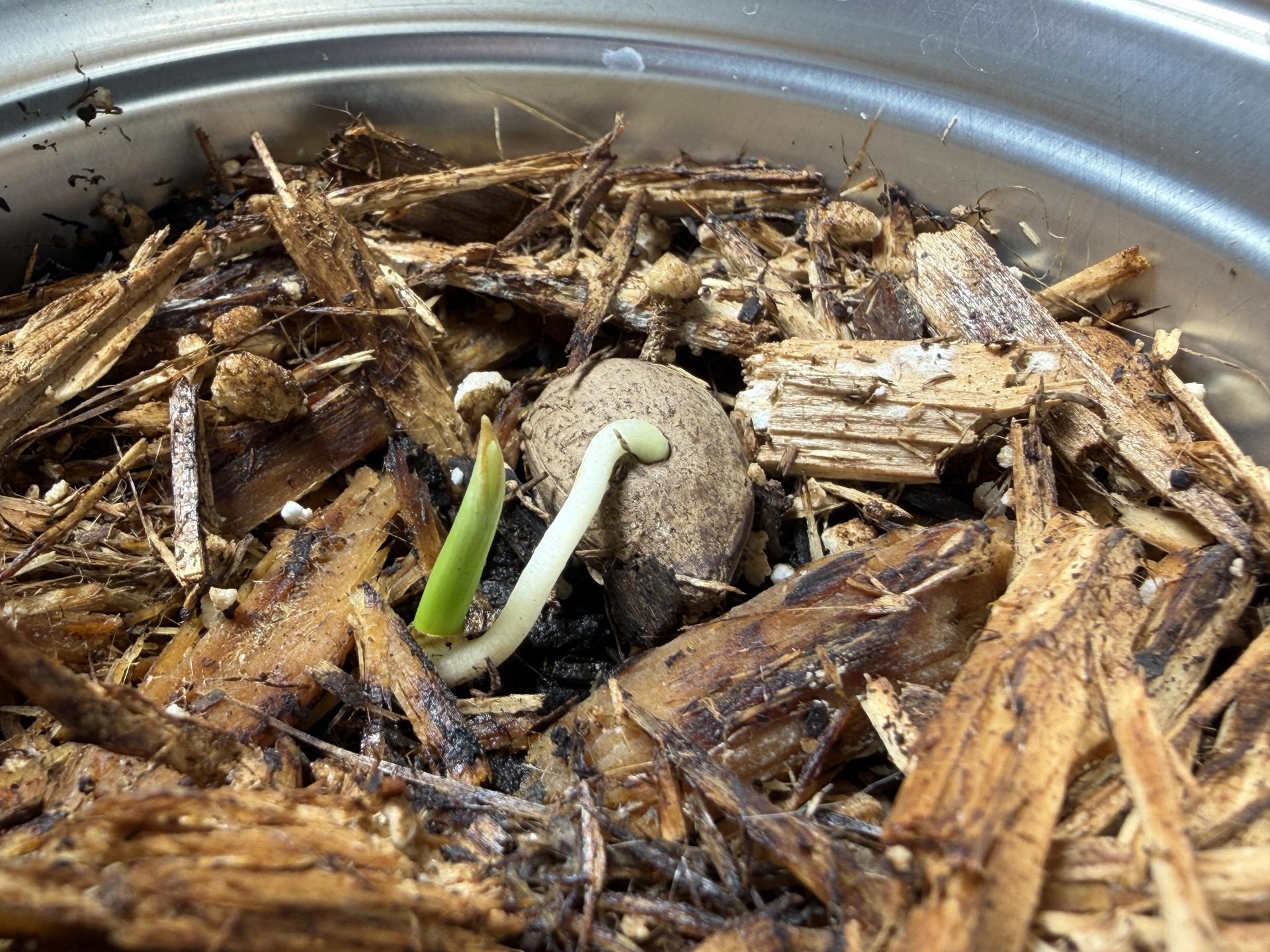
 3 pointsAfter over a year of waiting, some Butia lallemantii is showing activity!
 3 points
 -
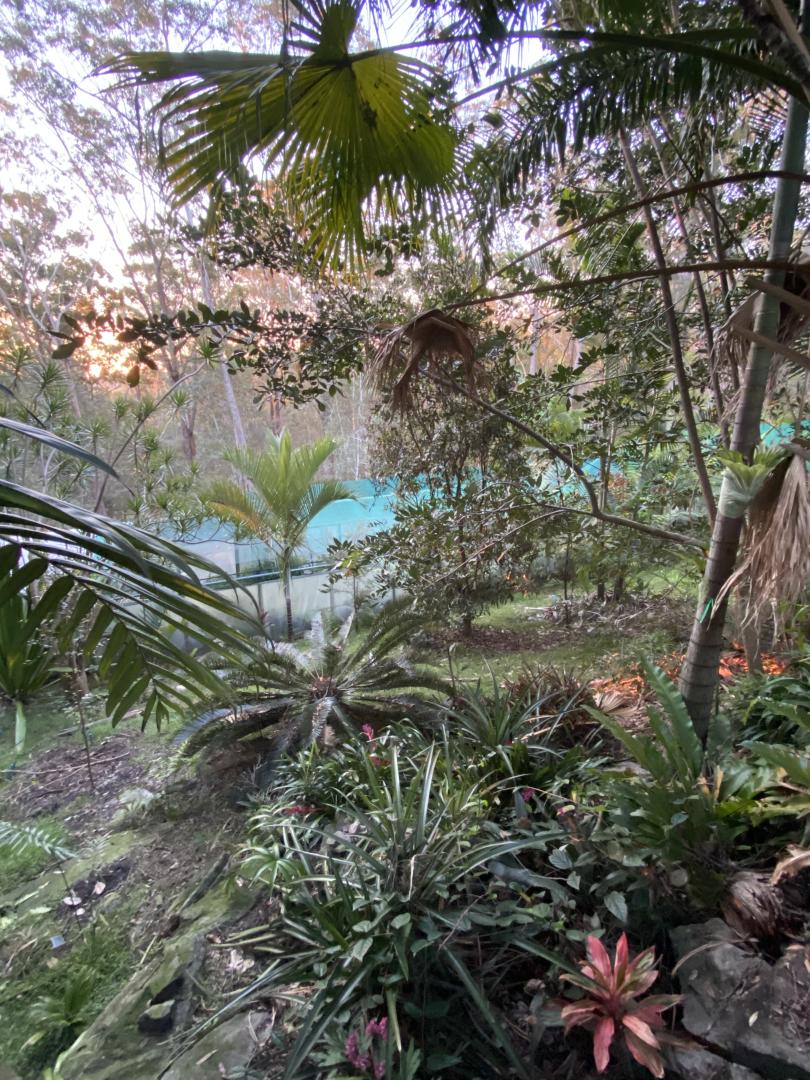
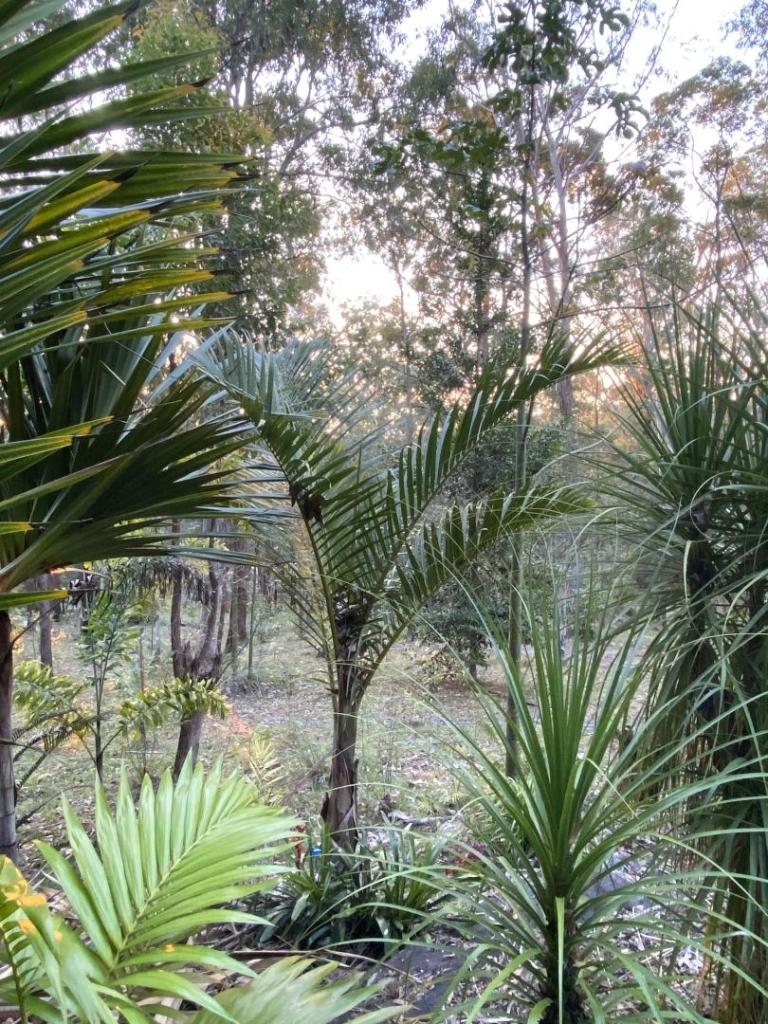
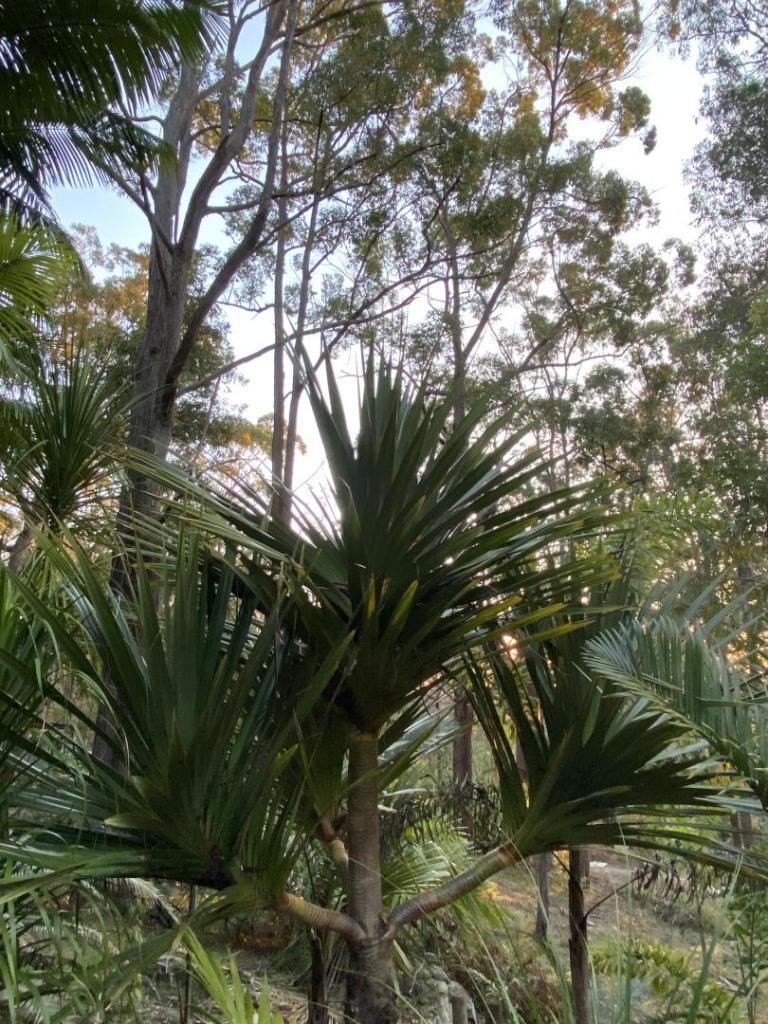
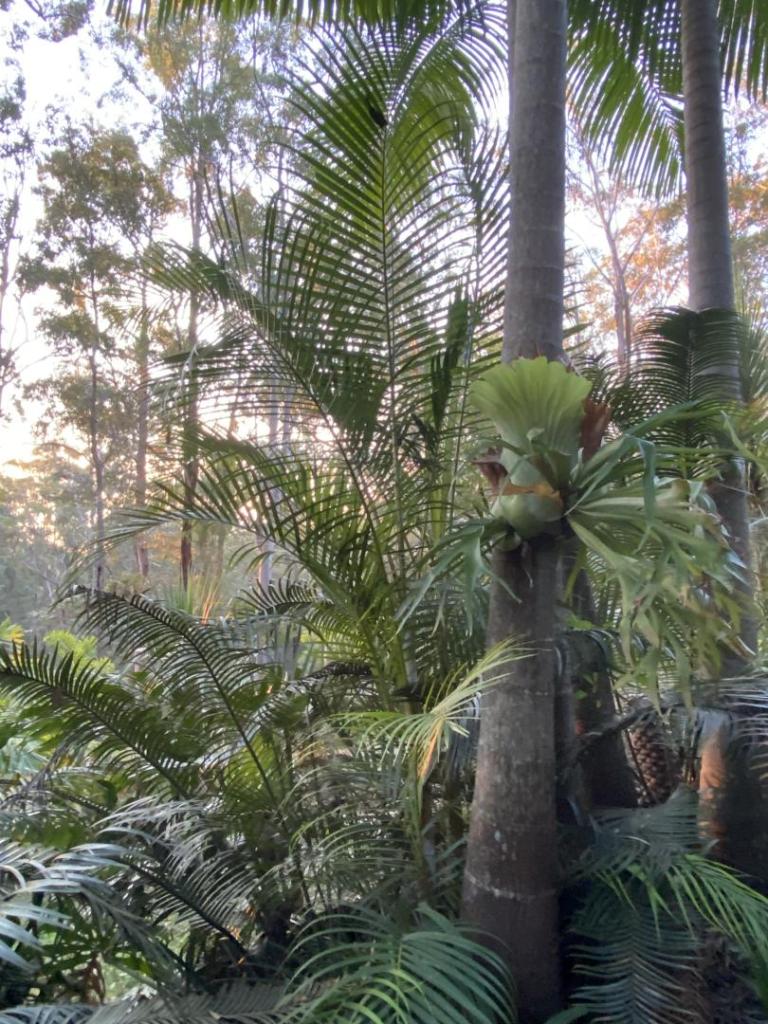
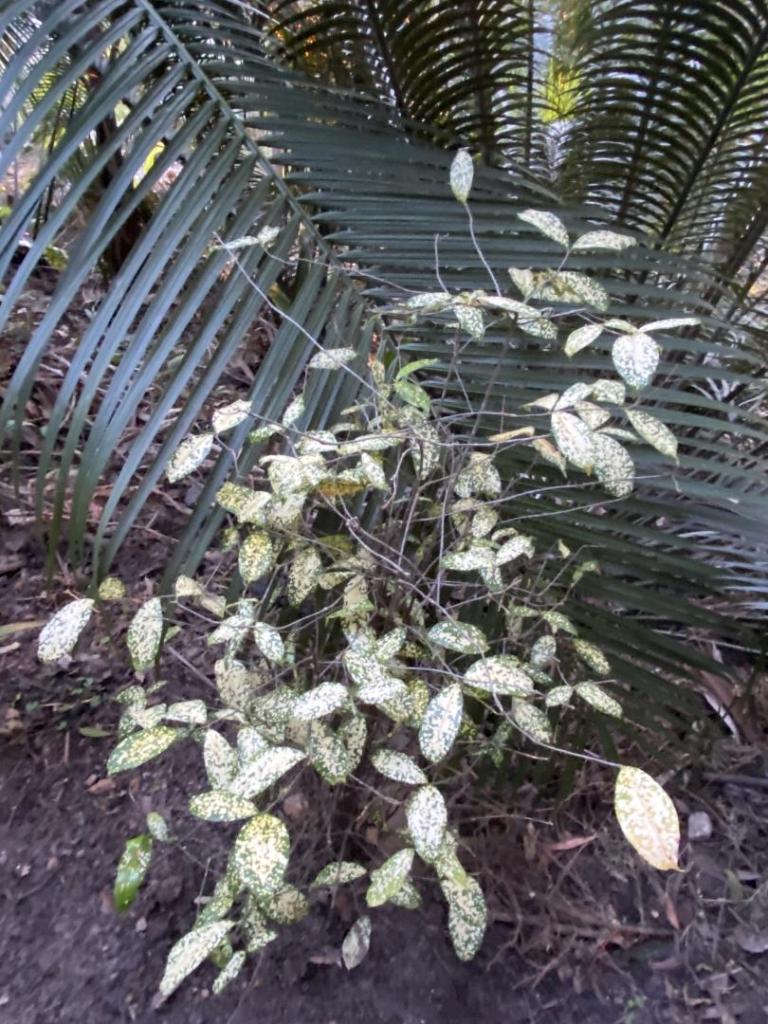
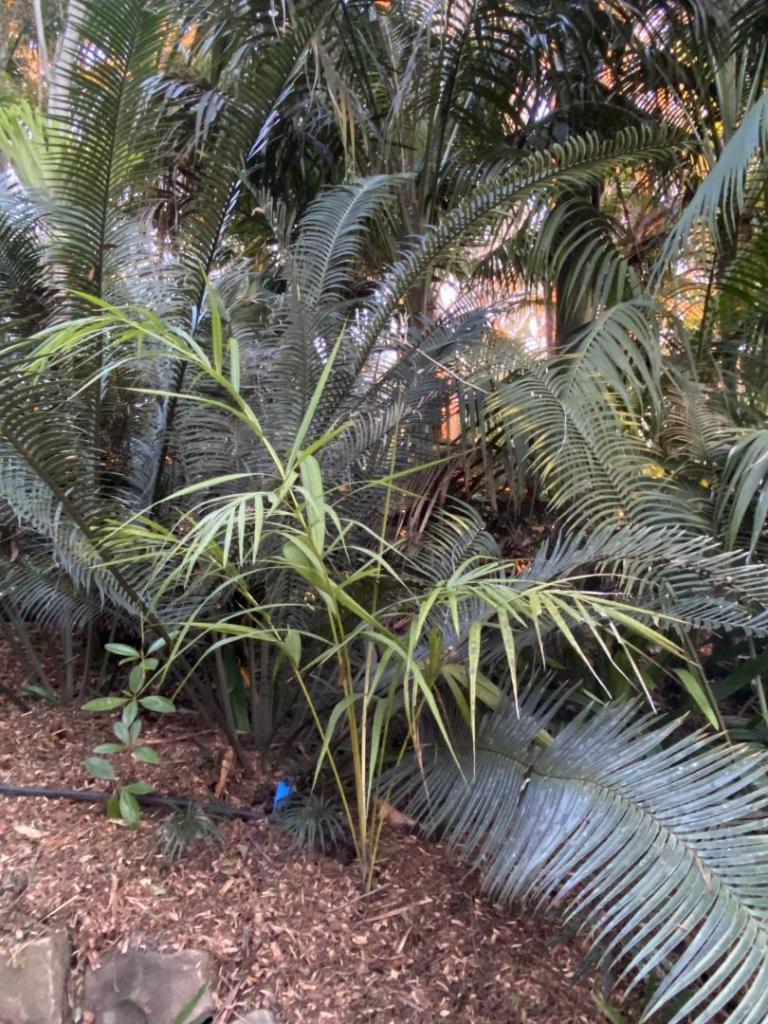
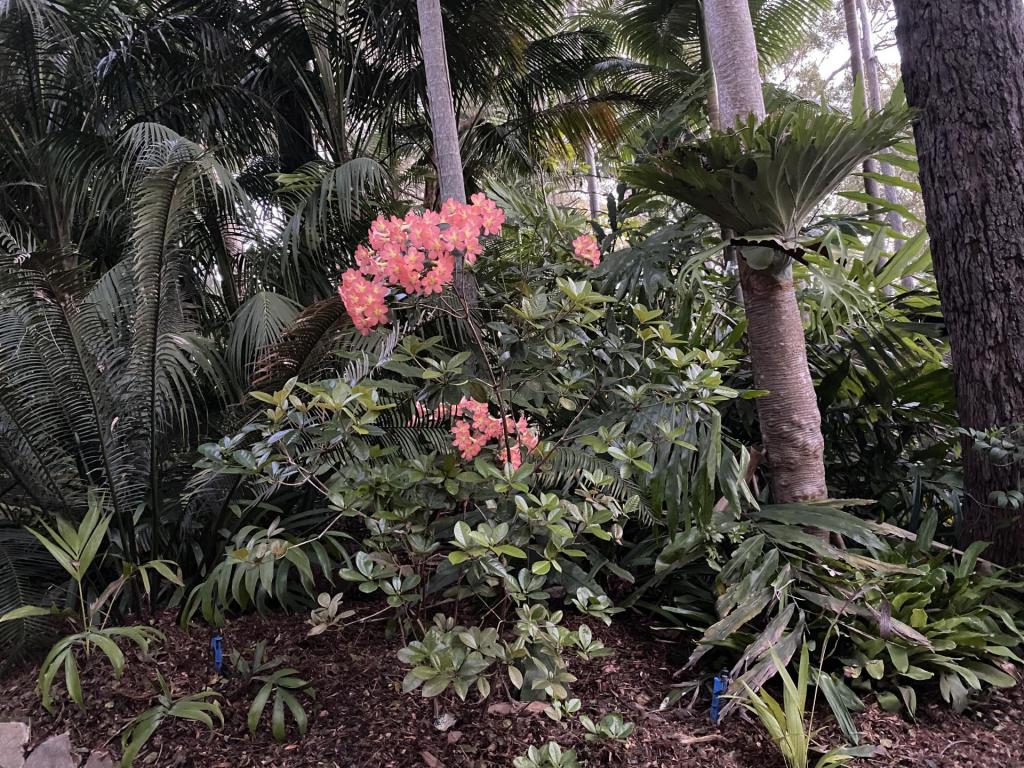
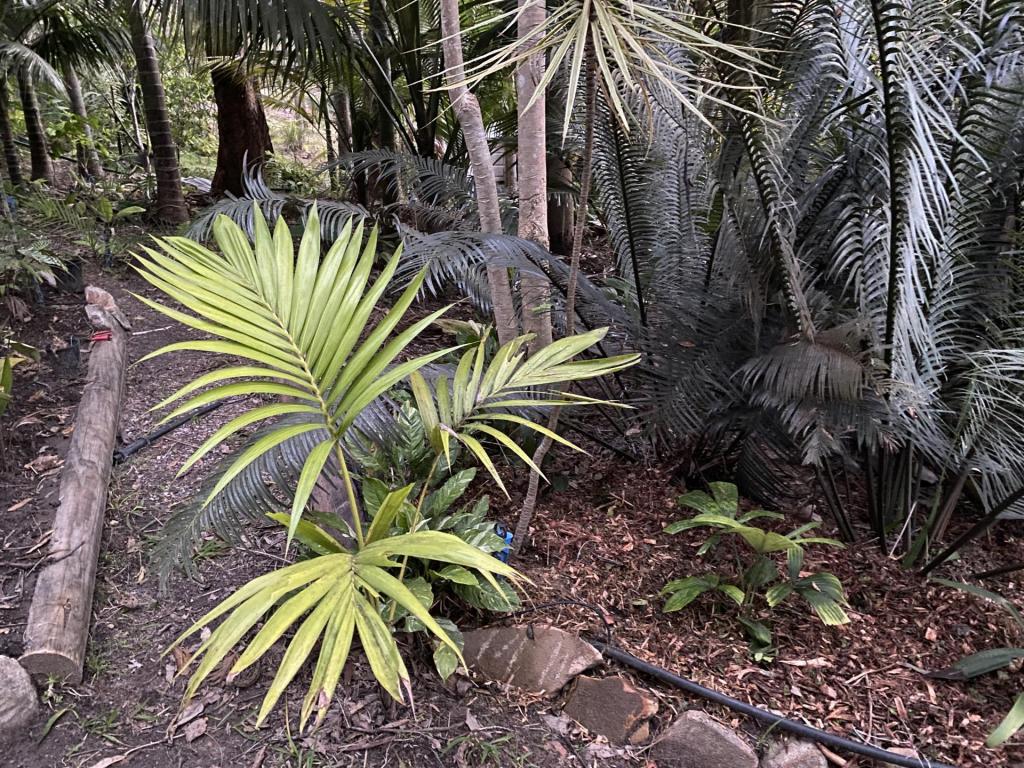
Spring is only another 5weeks away, now is the danger time for any of the new plantings, so far so good with only one palm taking a bit of burn.



 3 points
 -
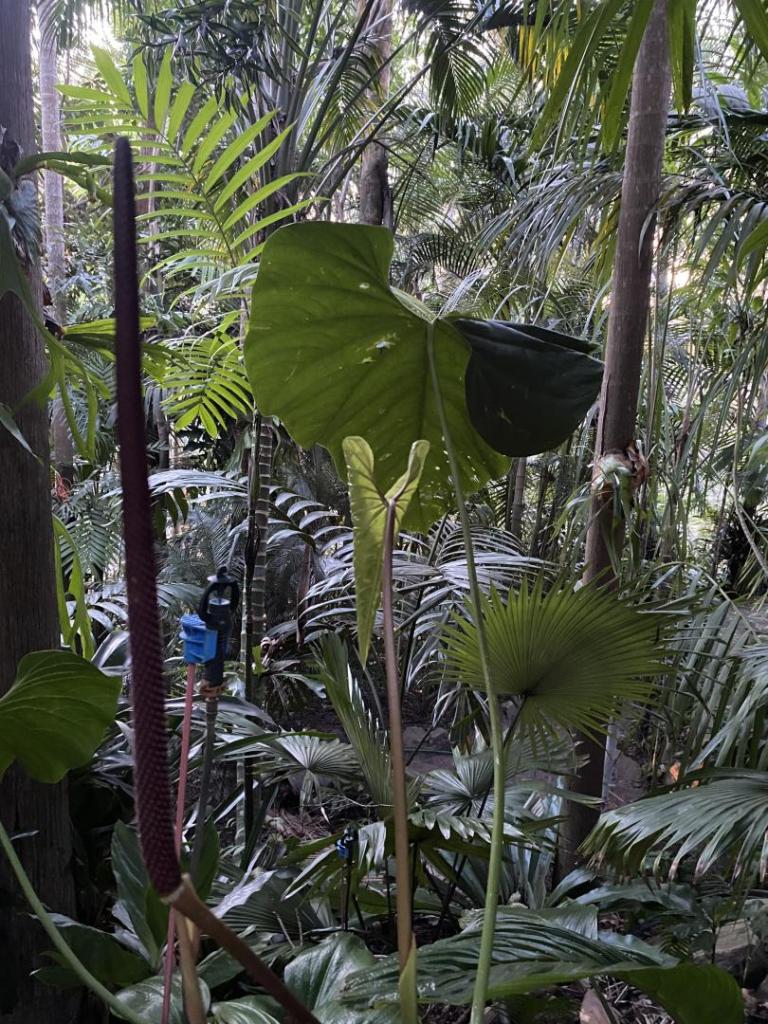
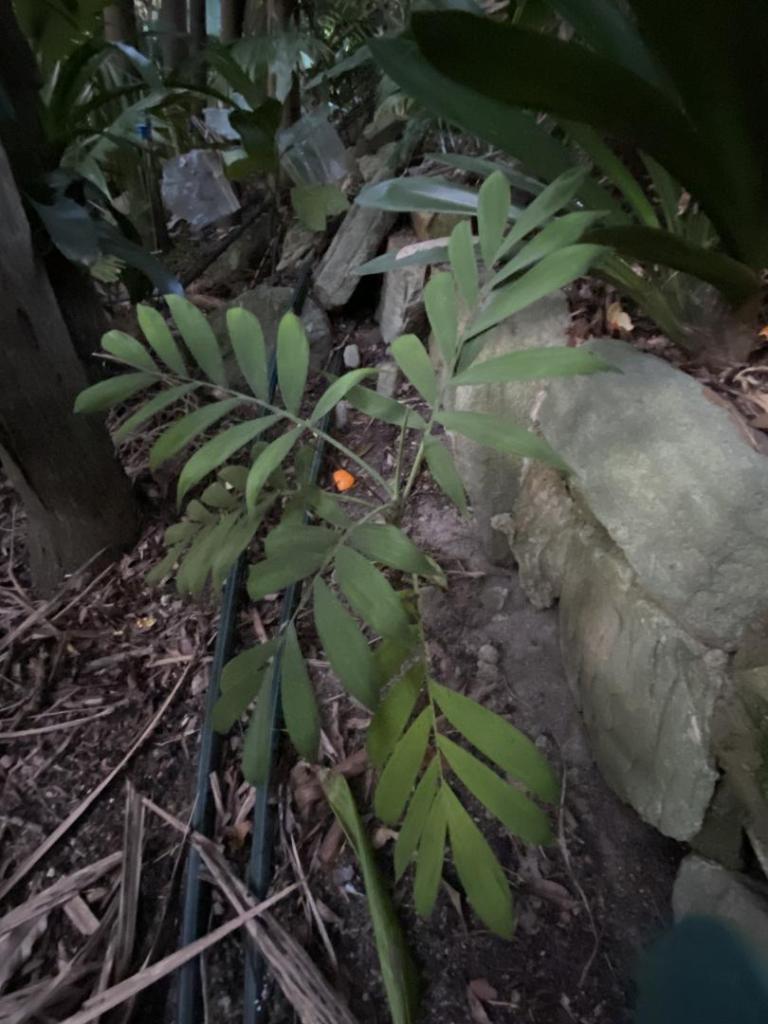
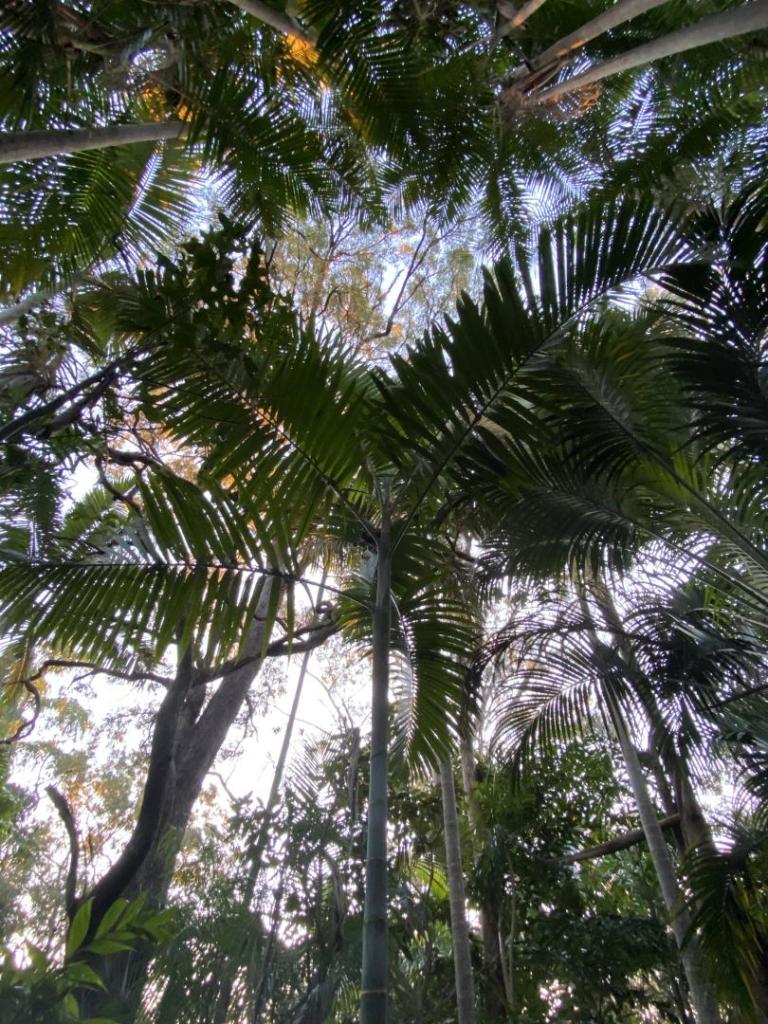
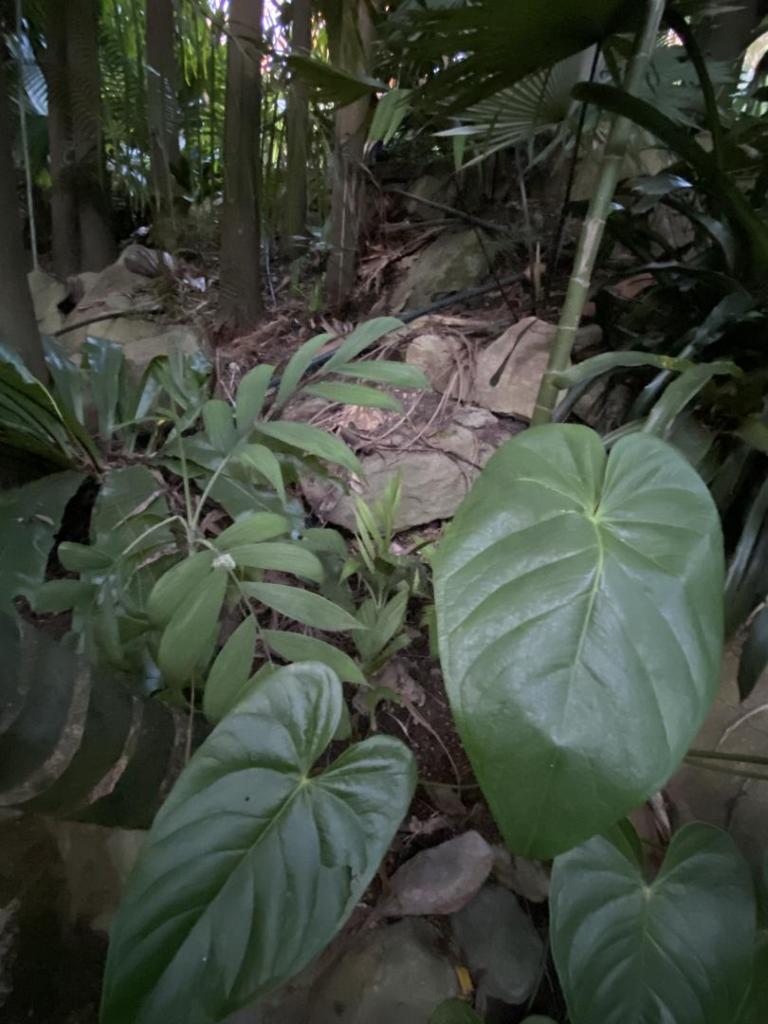
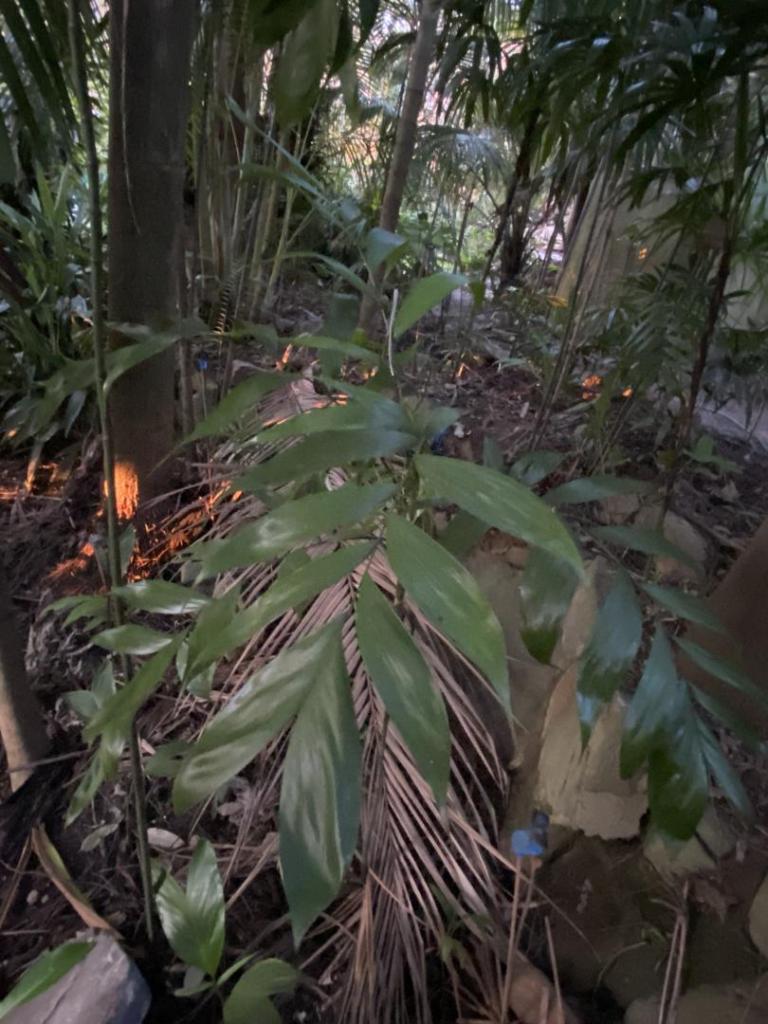
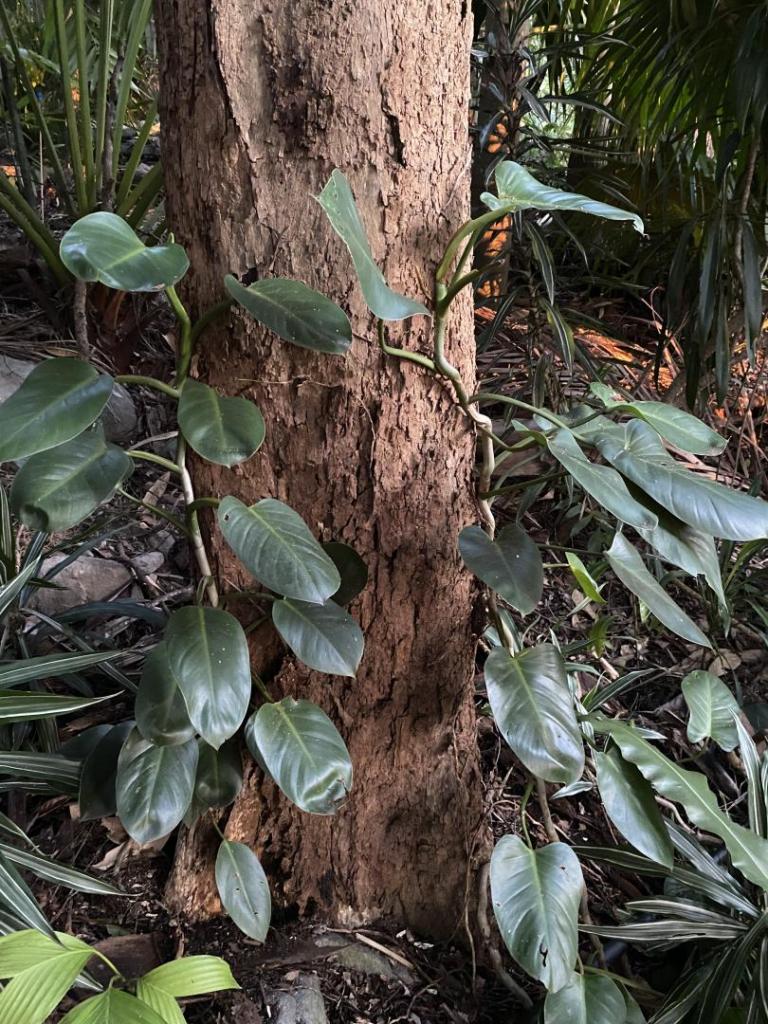
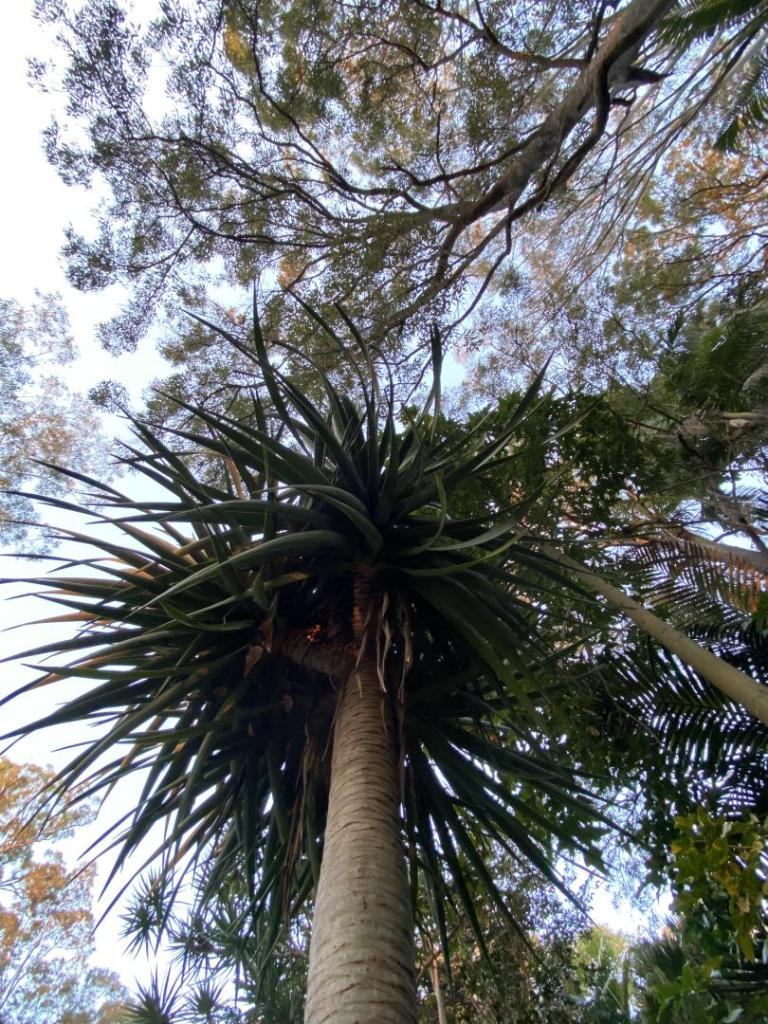
I haven’t been watering the garden, trying not too wet the foliage. In the morning would be the best time for waterings, but with plenty of rainfall the garden doesn’t need it.


 3 points
 -
3 points
-
 3 pointsTried my male C woodsoniana on my female C oblongata for a couple of years with zero success. Then gave the C woodsoniana pollen a go on C costaricana and yielded 5 seeds. 3 wimpy seedlings resulted, of which only 1 has survived. Think it must be pushing the limit of compatibility. I also gave the pollen a go on C tepejilote and also had no luck.3 points
 -
3 points
-
 3 pointsI didn't have any stormy weather at my house yesterday but it did start to rain around 4:30 and continued for at least 2 hours. It was light steady rain, the kind that really soaks in. The closest county rain gauge read 0.5". This is my 3rd summer here and the first that I'm getting rain, its really awesome.3 points
 -
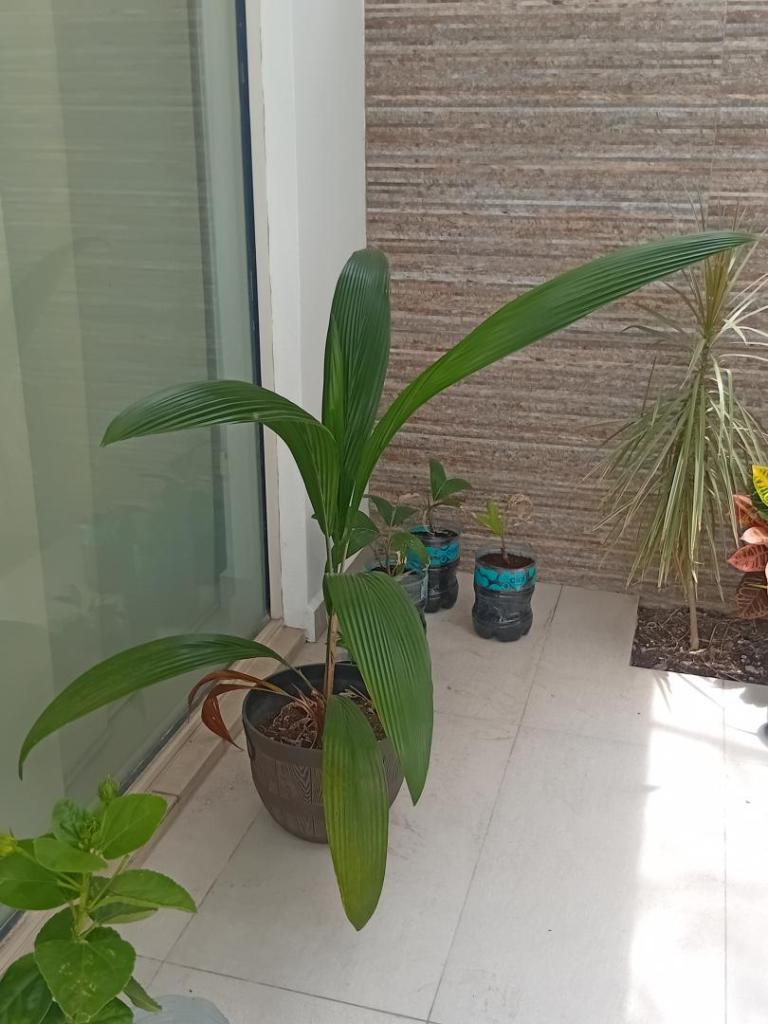
 2 pointsThe palm in question is Syagrus sancona. It's getting too big for its pot, I don't have bigger pots/containers. <Zone 10> Climate similar to south texas, maybe a bit warmer. Palms I have in the ground (+1 year in ground) Cocos nucifera Syagrus romanzoffiana Chamaedorea seifrizii Chamaedorea microspadix Chamaedorea pochutlensis Chamaedorea plumosa Thrinax radiata Attalea butyracea Acrocomia aculeata Sabal yapa Wodyetia bifurcata Tropicals I have seen around my neighborhood (Not owned by me) Roystonea regia Cocos nucifera Thrinax radiata Delonix regia Enterolobium cyclocarpum Ficus microcarpa Ficus benjamina Ficus elastica Ficus obtusifolia Chrysalidocarpus lutescens Adonidia merrillii Terminalia catappa Heliconia spp. Alpinia spp. Wodyetia bifurcata Pseudobombax ellipticum Heptapleurum actinophyllum Ceiba speciosa Tabebuia rosea Araucaria spp. Hibiscus tiliaceus Pithecellobium dulce Cassia fistula
 2 points
 -
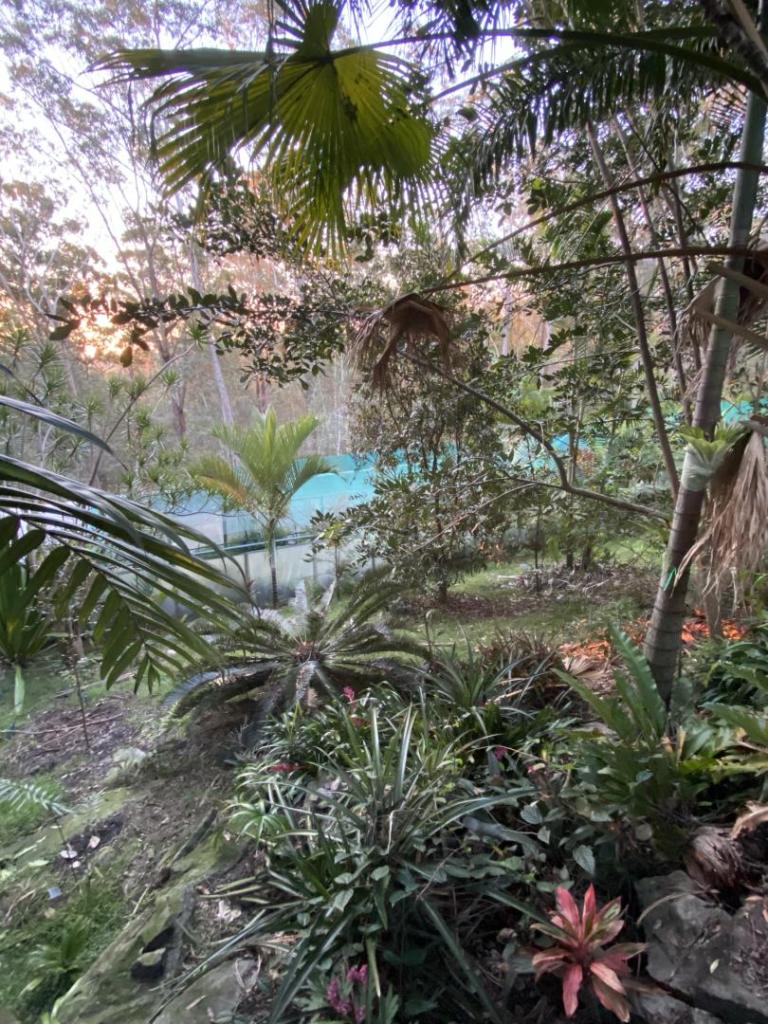
VThe garden is holding up to the usual winter weather not a problem 2 degrees celcius this morning, and iam sure the low lying areas in the valley most certainly would have seen a very white ice blanket on the ground possibly even a minus degree reading somewhere.


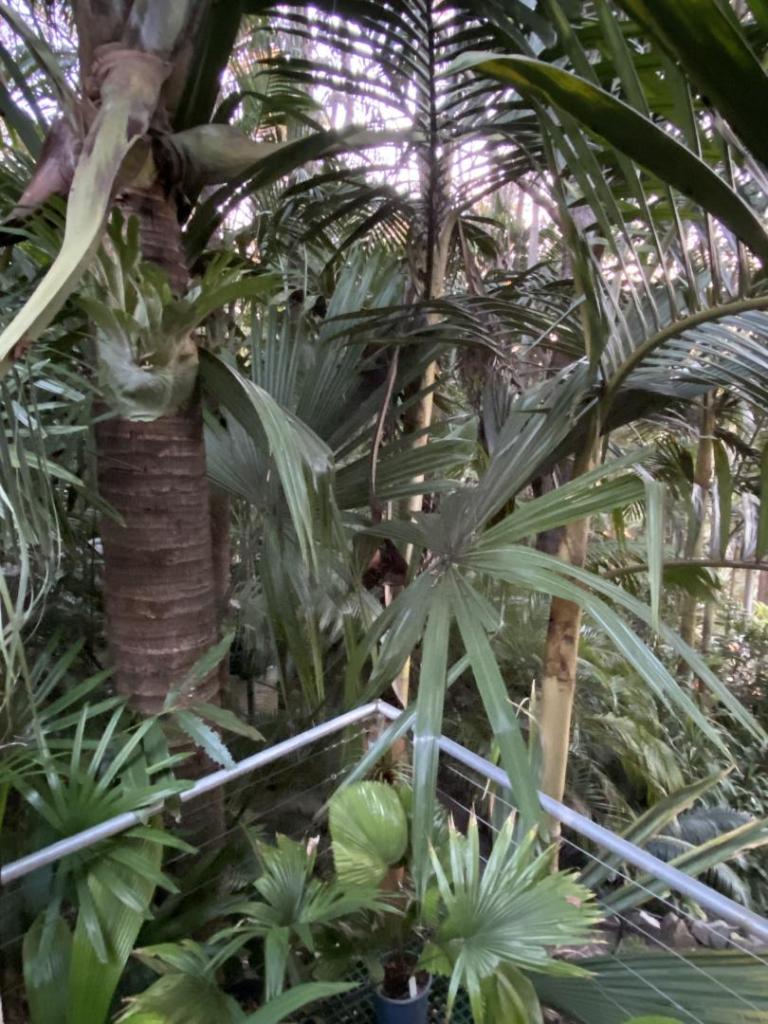
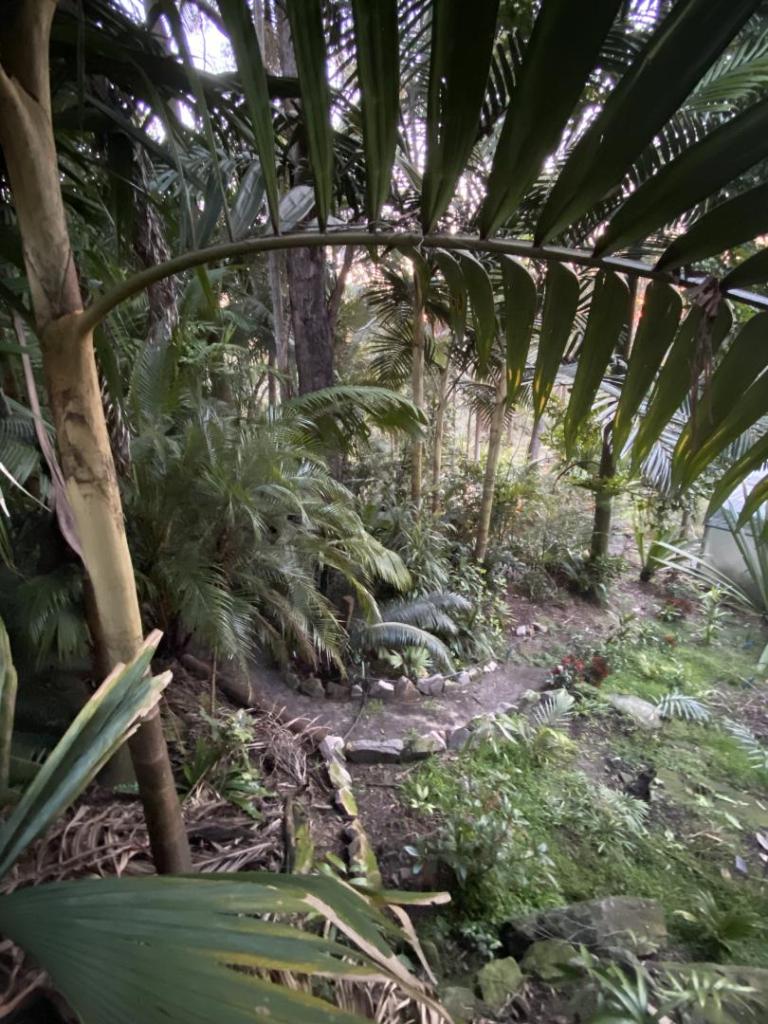
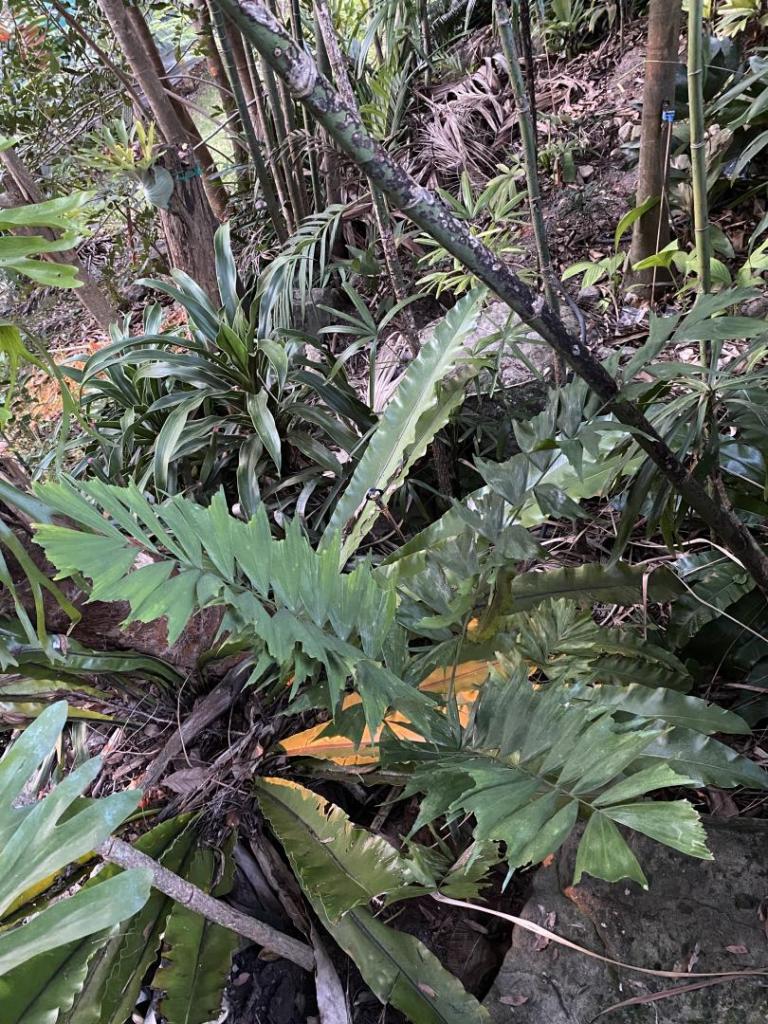

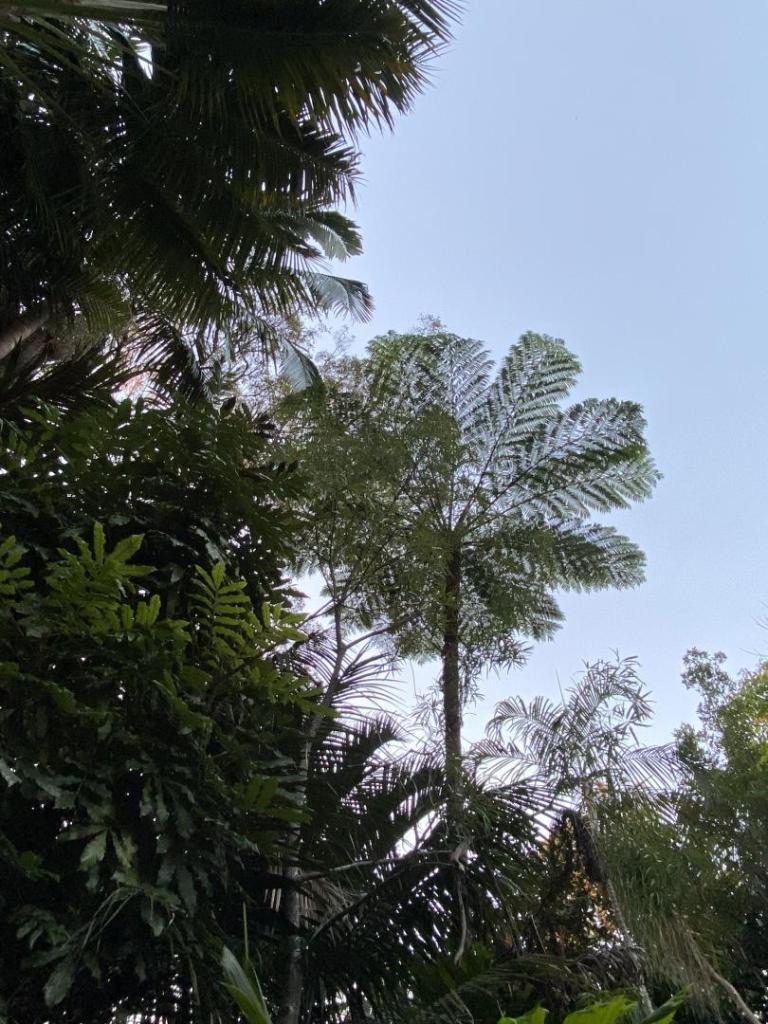 2 points
 -
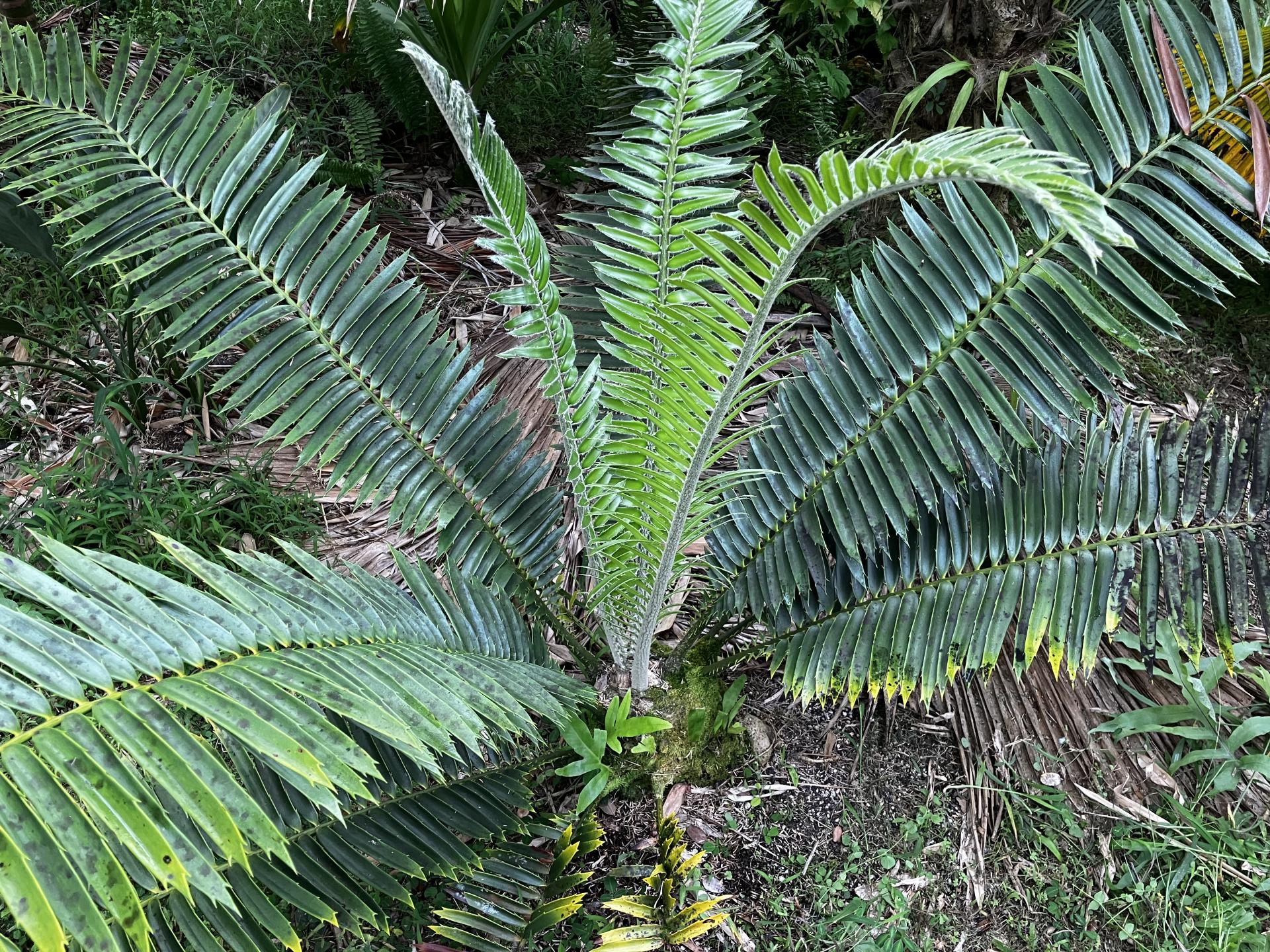
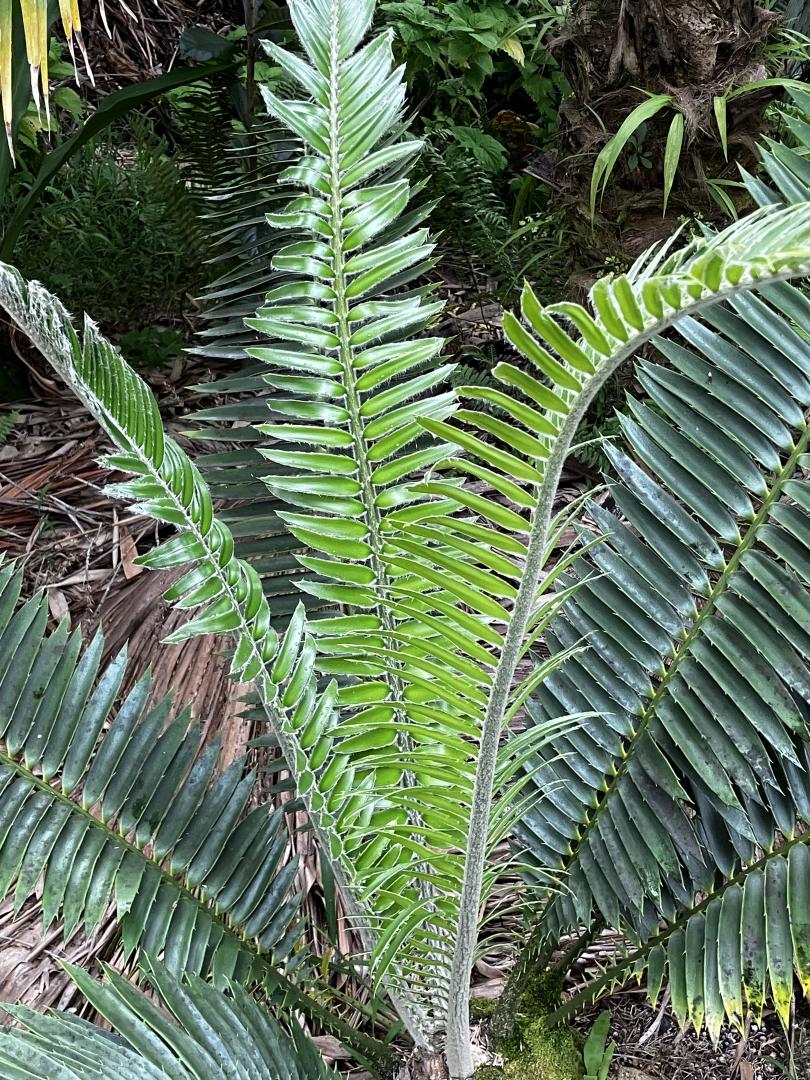
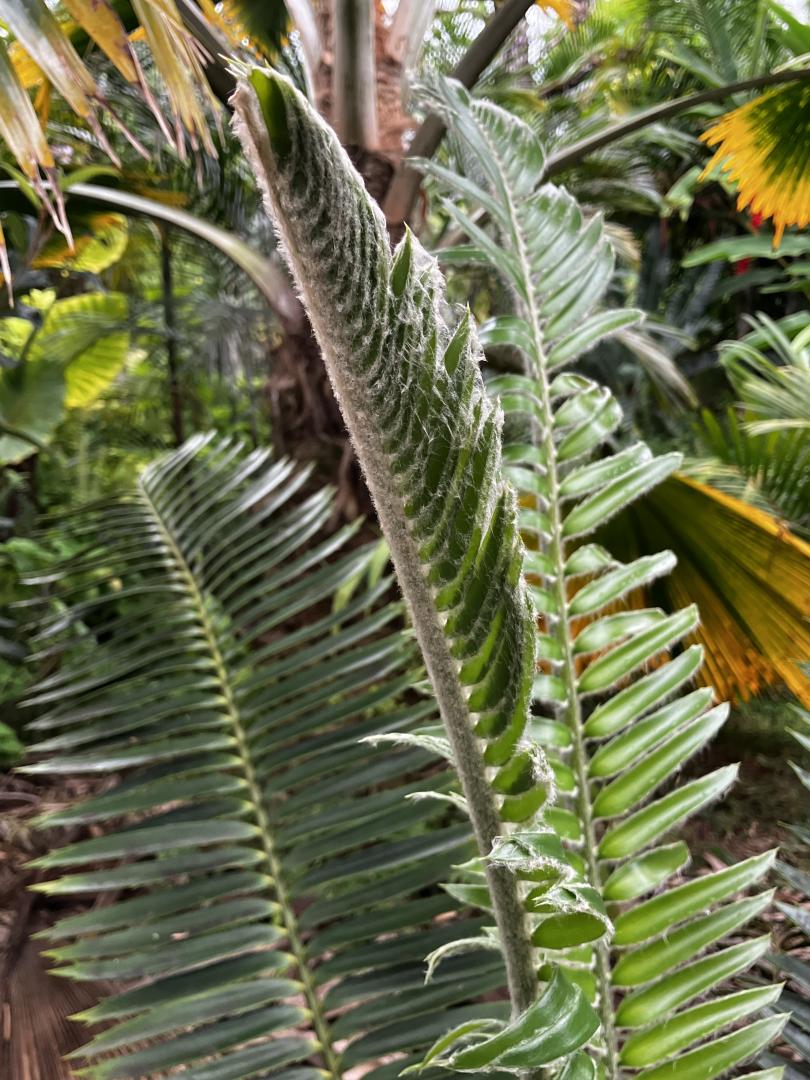
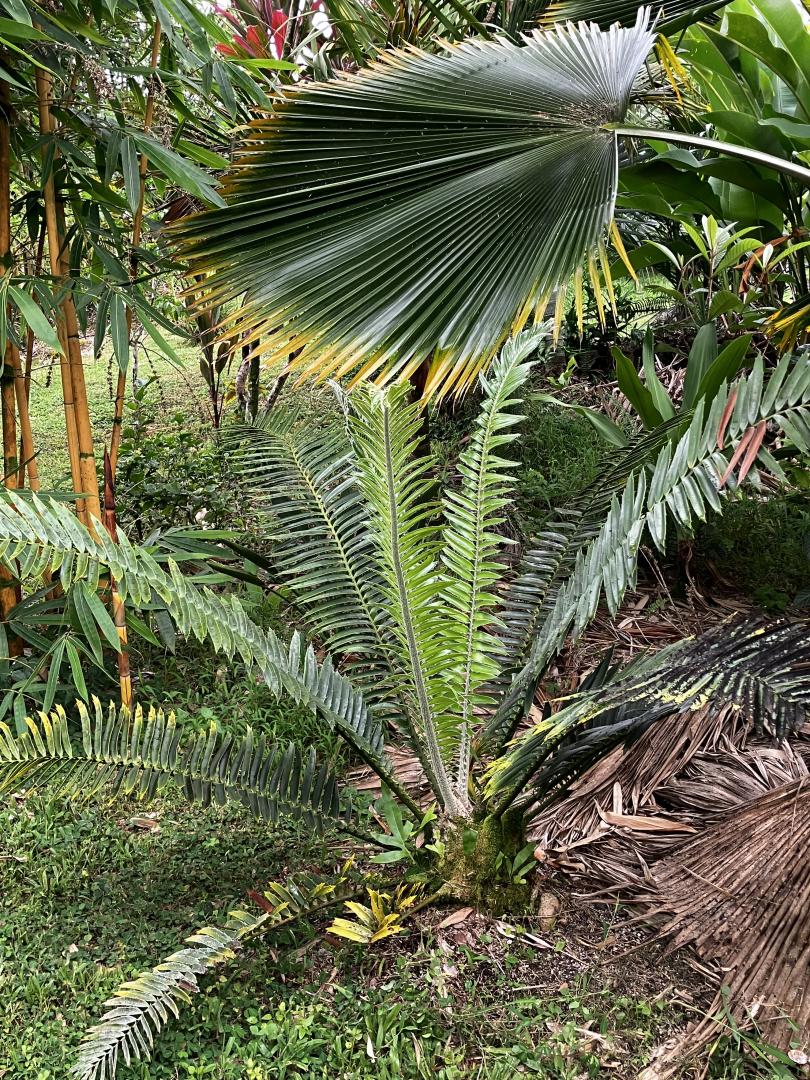
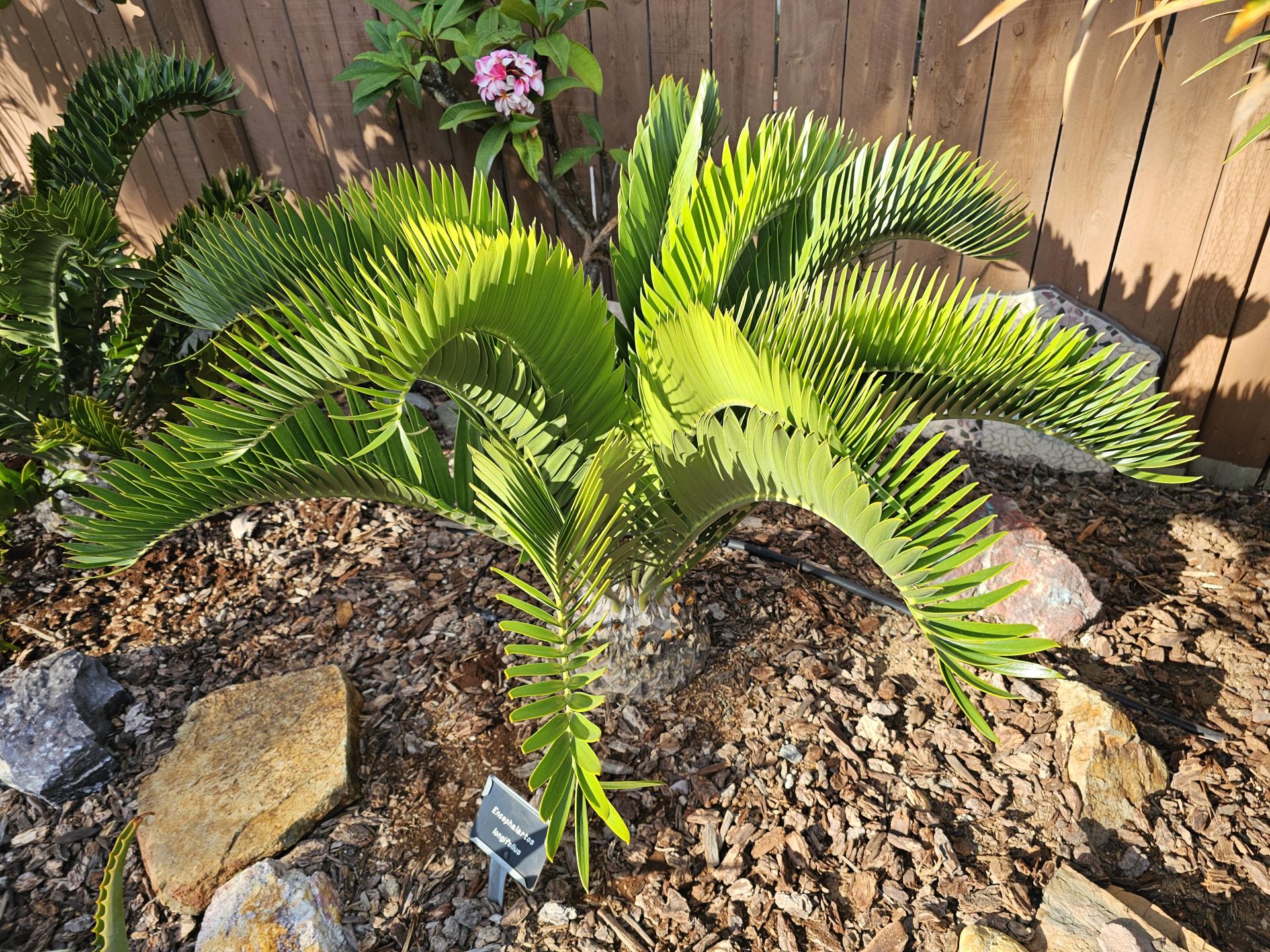
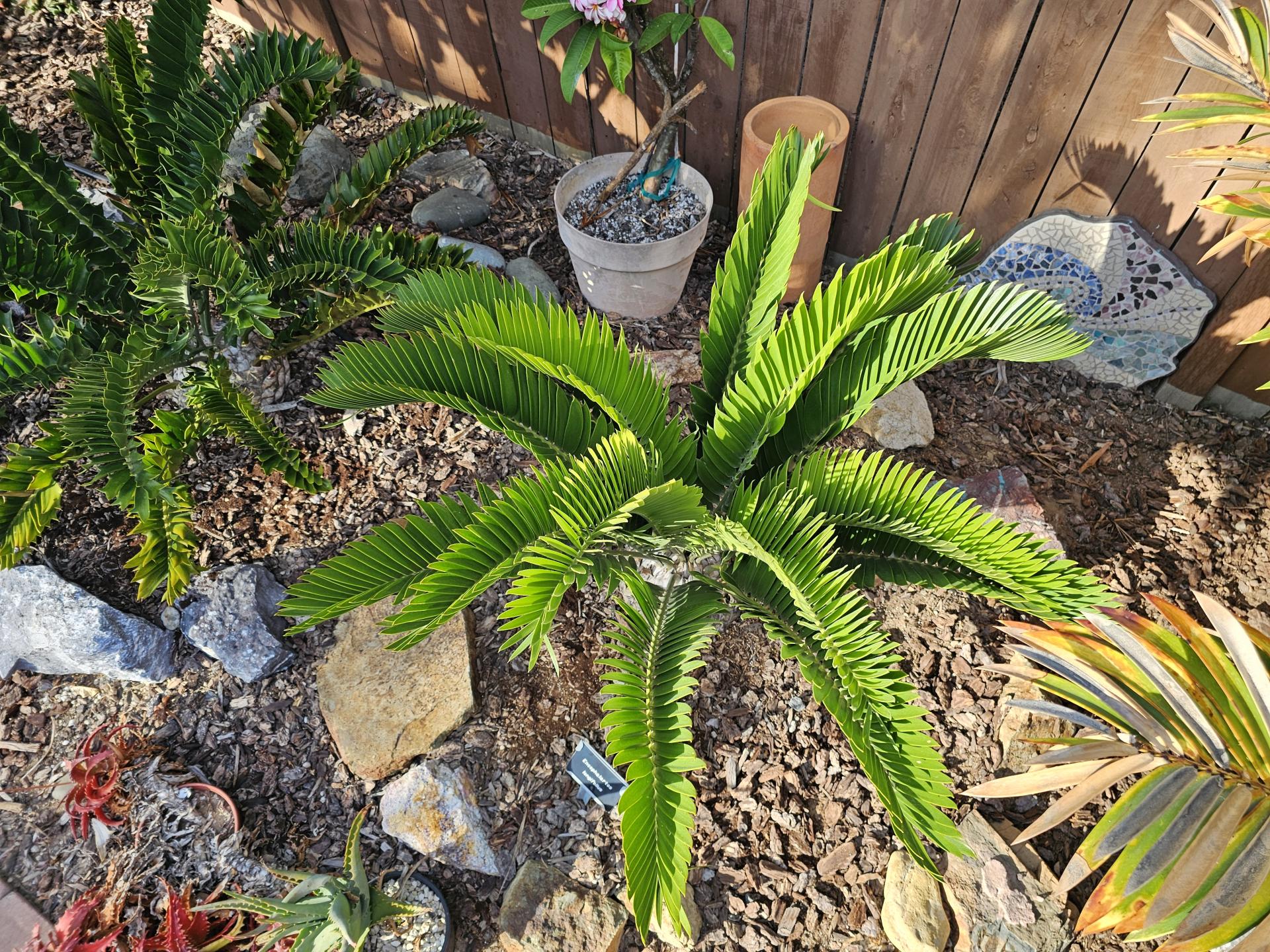
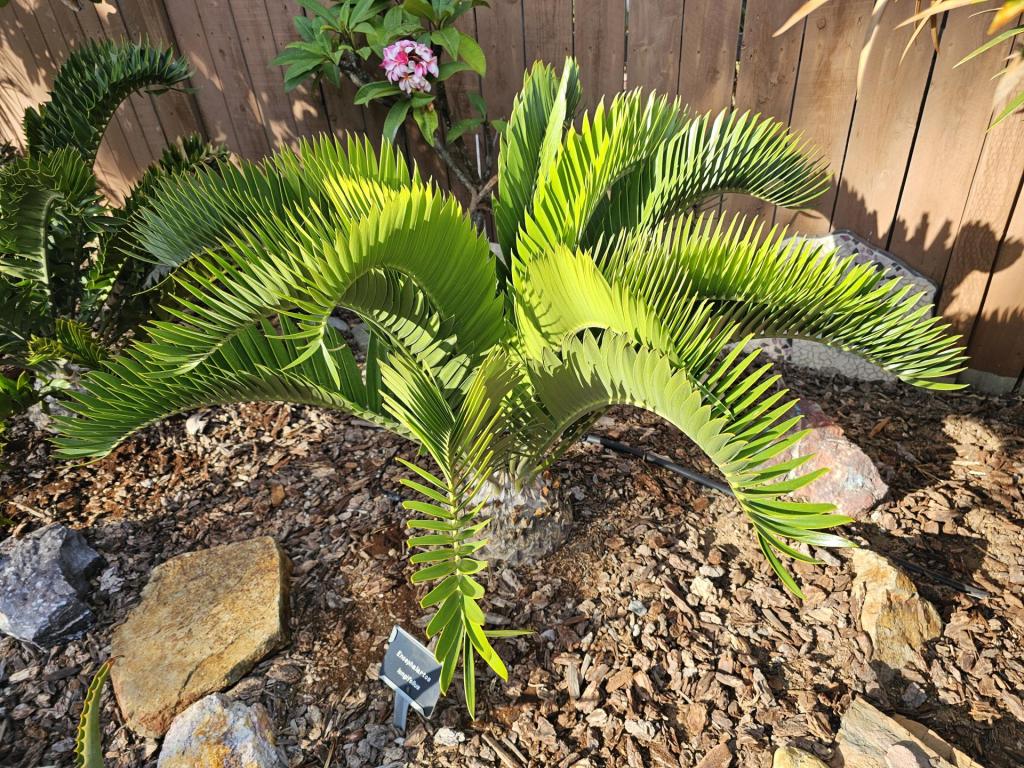
2 pointsLast night as the sun dropped low in the sky, I was reminded why the relatively common Encephalartos longifolius is one of my favorite Cycads. The shadows on the leaflets really was emphasizing the insertion and overlapping nature of the leaflets. This is a smaller one that has grown slowly since I transplanted it from one garden to the other several years ago. It had already stalled prior to the transplant due to my neighbors having planted a hedge along the property boundary that completely changed it's sun exposure, starving it of sunshine until I dug it and moved it to Leucadia.
 2 points
 -
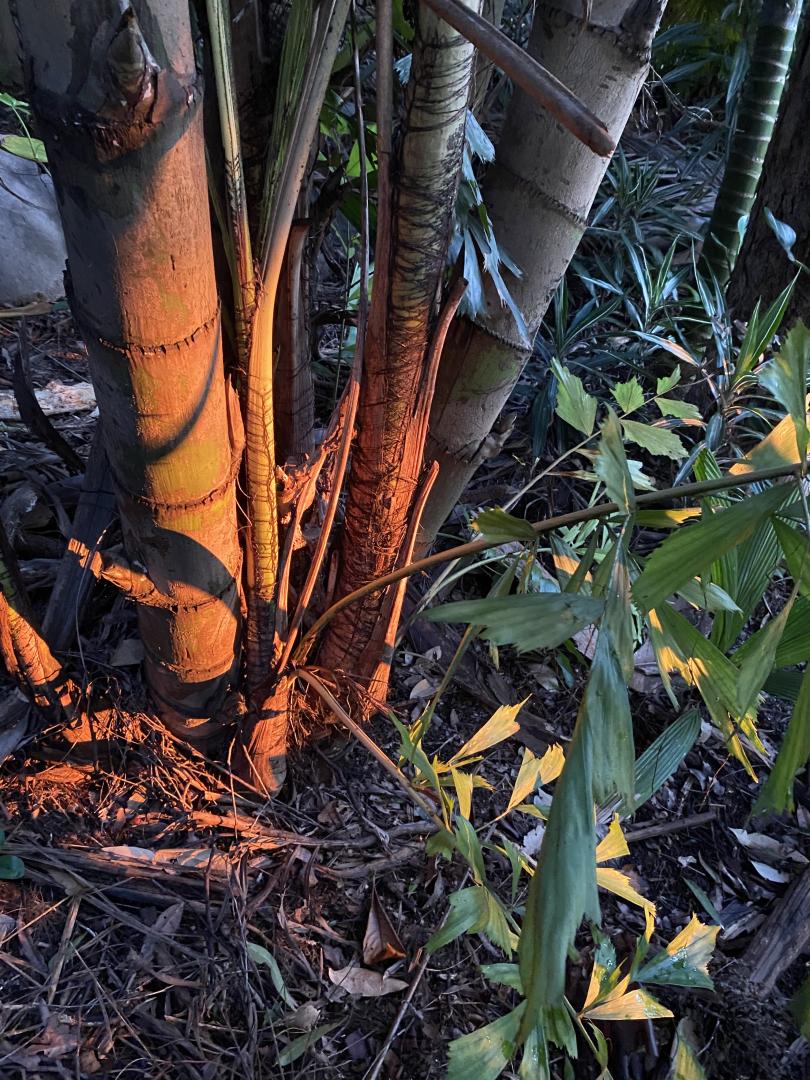
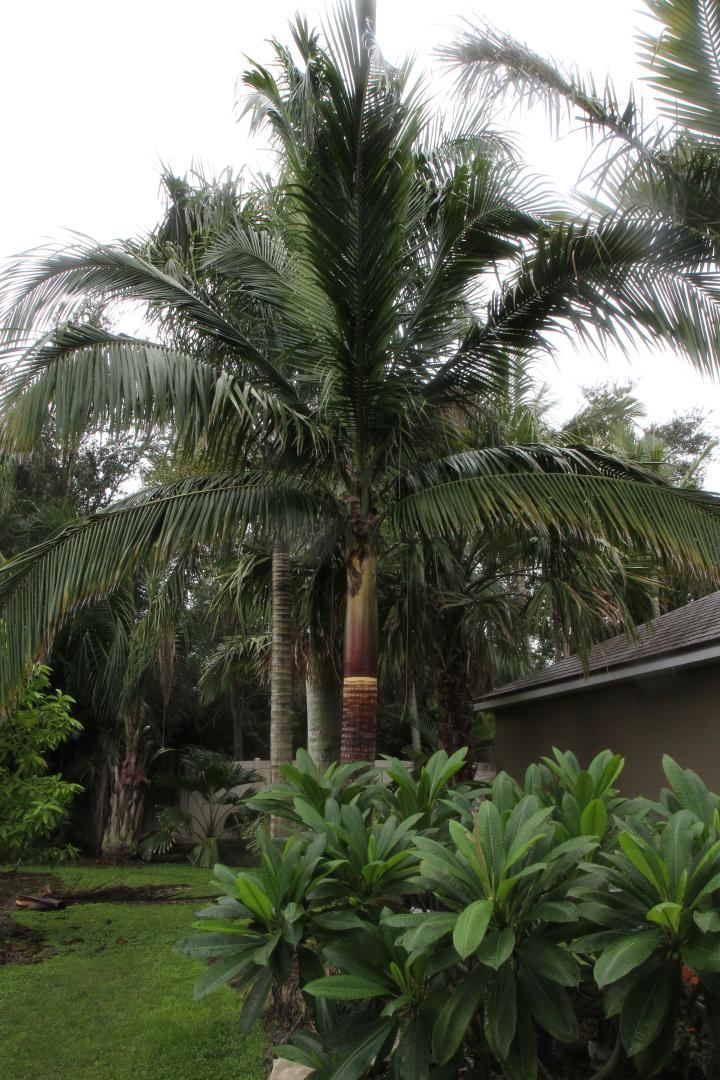
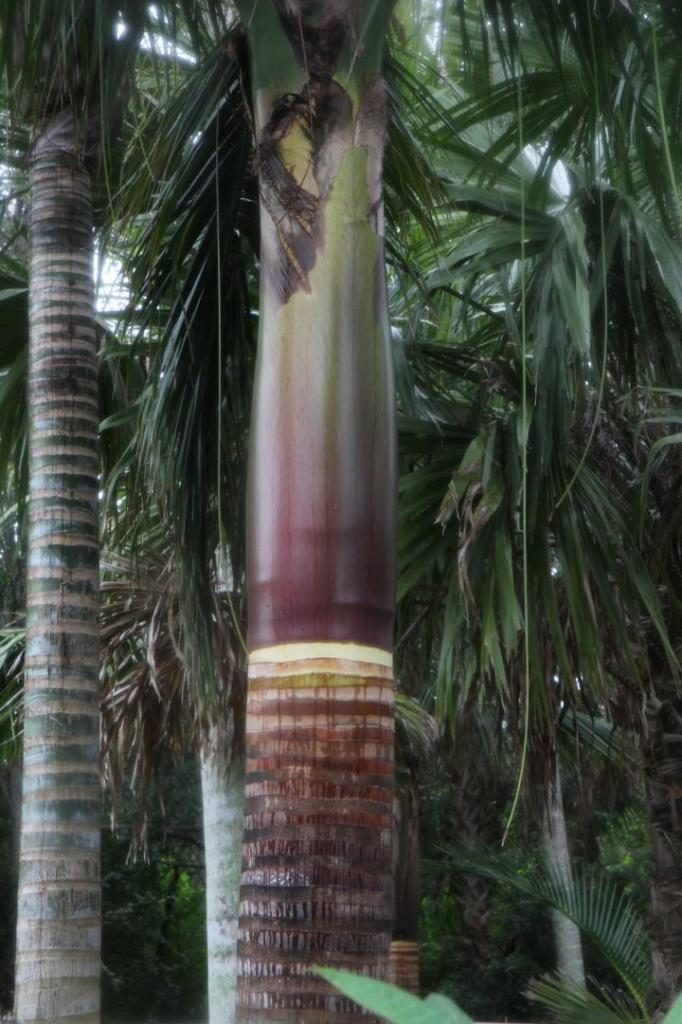
 I have two satakentias from ken johnsons farm, planted out in early 2019 with 2-3' trunk. I also have a smaller one I grew from a 4" seedling in 2021 that was planted in early 2025 is now 6-7' overall. They are great palms and the trunks are pretty thick. I will quote ken " ythey are emergent palms so they like shade when young but with size they take the sun well. The trunk at the crownshaft is about 8-9" caliper, definitely more than my archies and all my other crownshafted palms except for the royals. They hate frost with a couple upper leaves burning a couple years ago. They do look a lot more colorful in sunlight after shedding a leaf. Here is one of mine, they trunks/crownshafts glow in the distance in sun. No sign of inflorescences yet. closeup of the same palm to see the crownshaft color a week or so after a new leaf was dropped Easily my prettiest crownshafted palm. I checked the trunk measurements, 8 1/2' clear trunk as of today.
 2 points
 -
 2 pointsGood advice from Darold. I would not use any heat, these pop up as volunteer seedlings here, room temperature is fine. Never let the seedlings dry out!2 points
 -
2 points
-
2 points
-
2 pointsRoystonia Oleracae are not as robust as Regia . They are a smaller palm with a more slender trunk. They can get big , mine is , but the fronds won’t cause near as much damage when they fall. A bit more cold sensitive than Regia. Harry2 points
-
2 pointsYes , that was the assumption, the opening leaf confirmed! Harry2 points
-
2 pointsIt may only be one seed on this dypsis species, but a great sign for better things to come, it will set seeds!

 2 points
 -
2 points
-
2 points
-
2 pointsYes , it looks like Roystonia , they do well out there if they get enough water. Harry2 points
-
 2 pointsNice experiment regardless Tracy.. It just adds to the collective knowledge. I tried crossing a male Chamaedorea woodsoniana with a female tepilijote last year, thinking it would be a slam dunk. Nature had other ideas, not one seed. Later on, I got him together with a woodsoniana girl next door and.. hundreds of seeds. I can live with that..2 points
 -
2 points
-
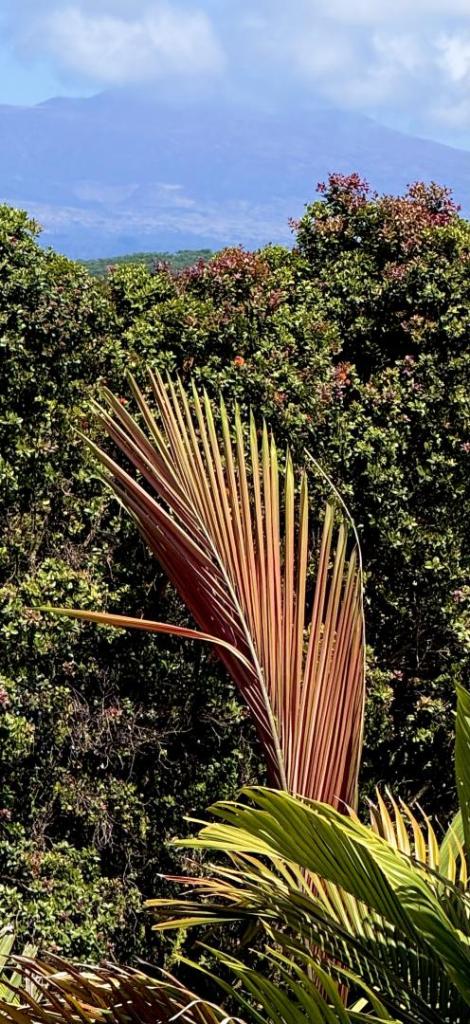
2 pointsCalyptrocalyx albertisianus popped a new leaf. Blue sky……a rarity lately. Tim
 2 points
 -
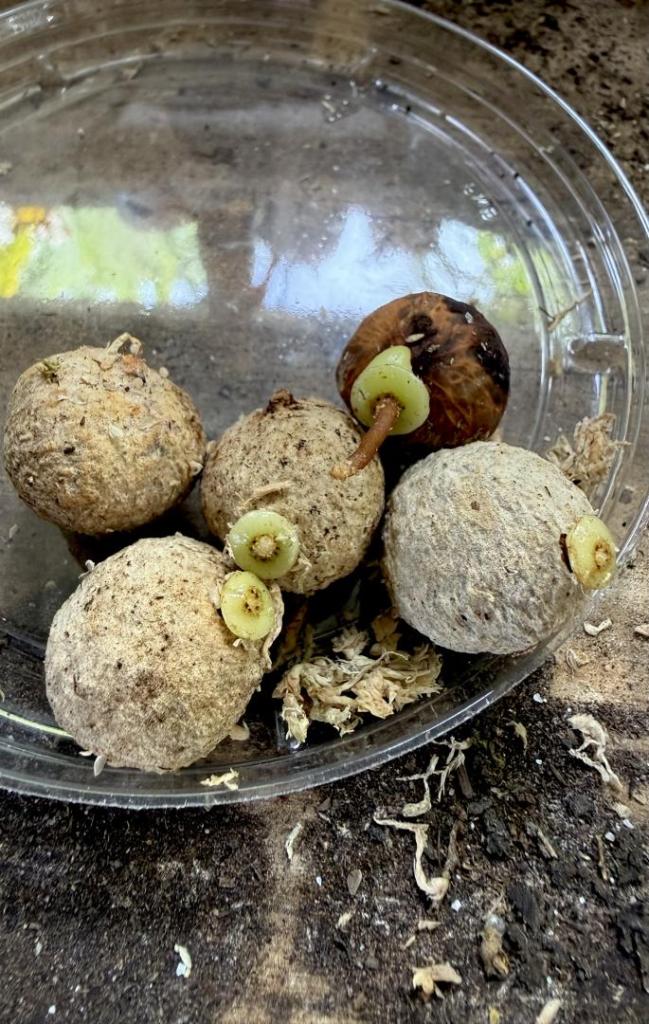
2 pointsWas checking on the progress of some Iriartea seed and noticed they were beginning to germinate. The embryonic leaf, cotyledon, is cute as a ‘button.’ The one seed in the group already has a ‘radicle’, the embryonic root. Just some FYI. This palm is a beast. Tim
 2 points
 -
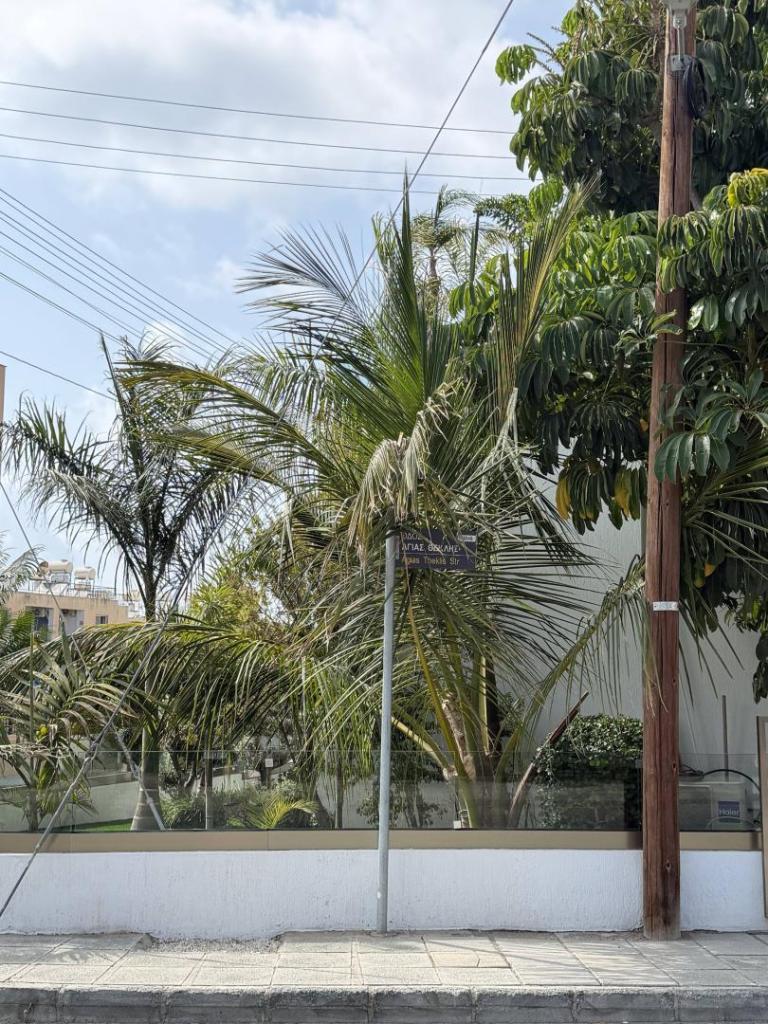
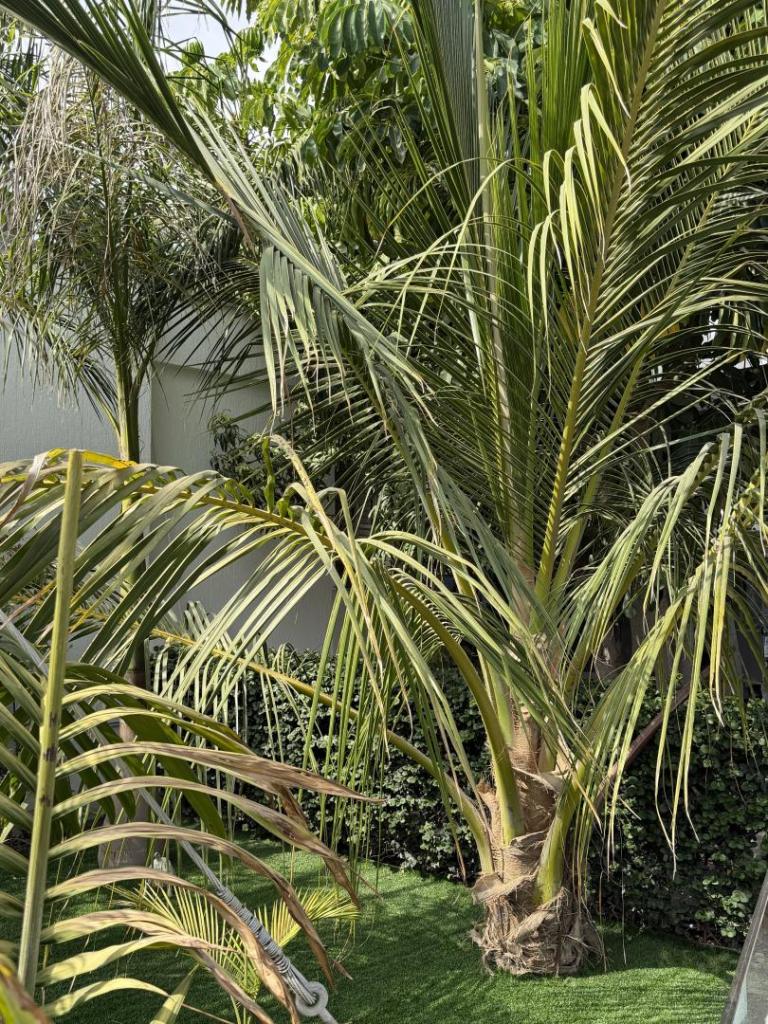
 2 pointsI recently moved to Cyprus and found this one in Paphos today. not sure it has been posted before but it seems like it is growing well.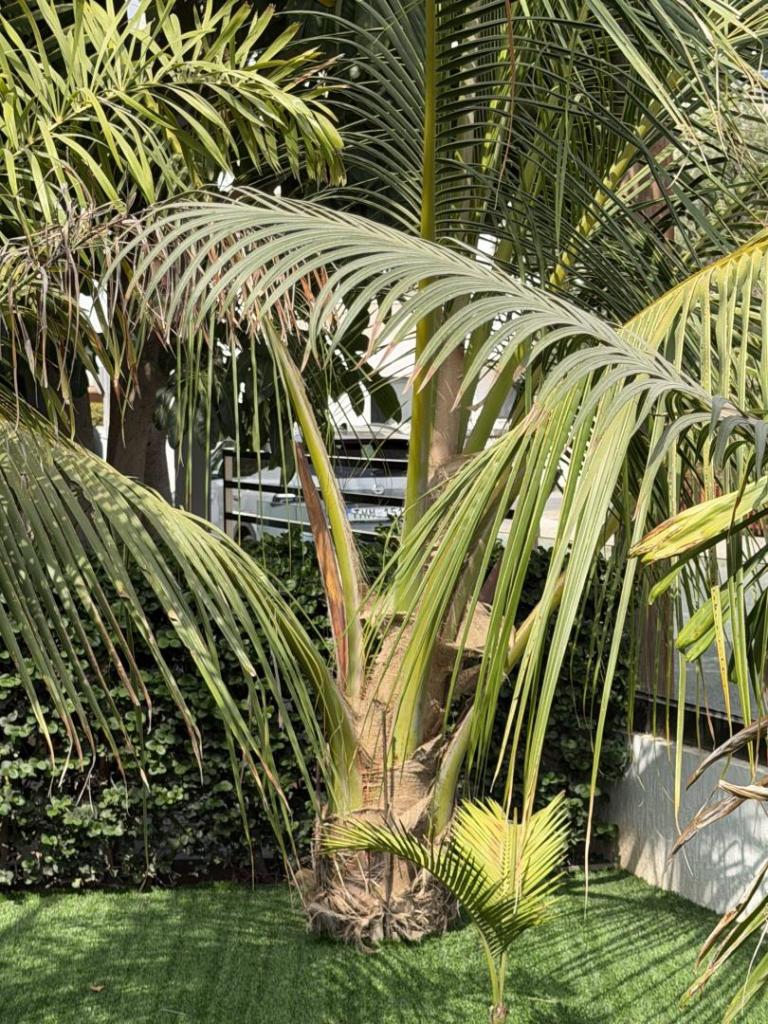
 2 points
 -
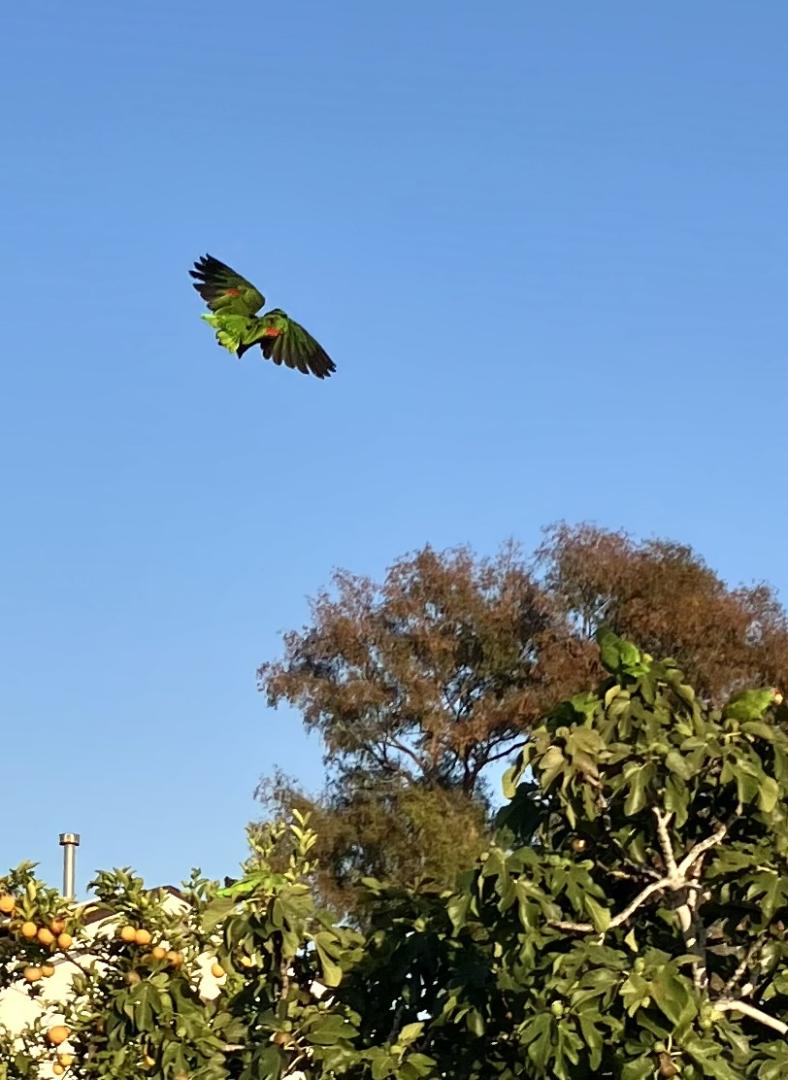
 1 pointI’ve seen some parrots in the neighborhood, and was trying to track down which specific species they were. I couldn’t get too close of look, though I believe it’s one of the ones from this article: https://www.socalparrot.org/localparrotid Anyone know which species these may be and a good way to attract them? I believe they may have been eating the figs from the tree in the picture. Who else has parrots?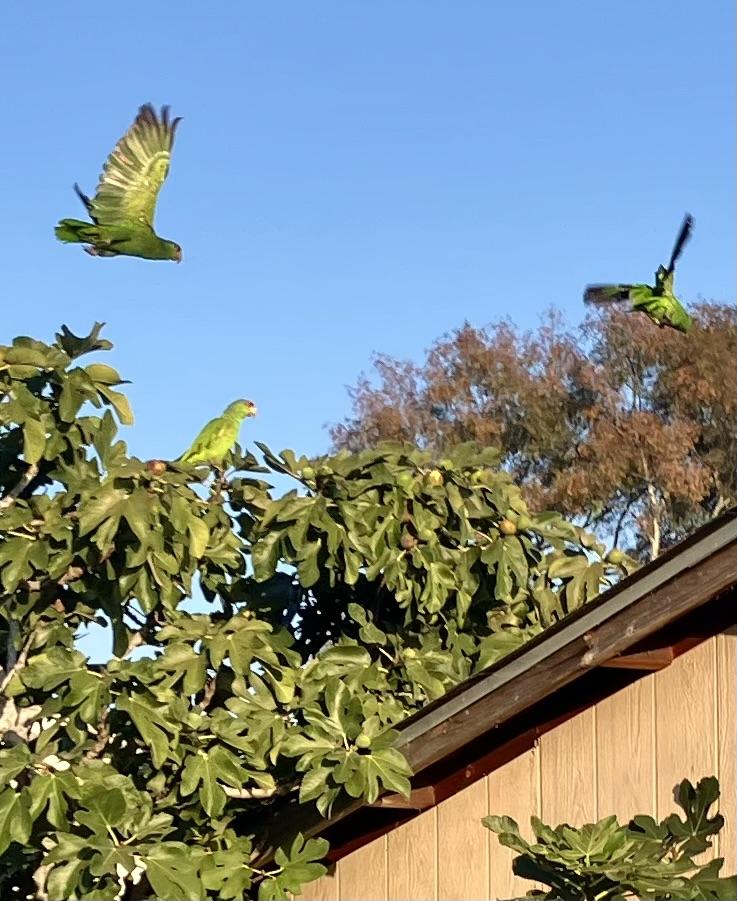

 1 point
 -
 1 point
To be seen to be believed, some populations in different areas are just covering the understory while others are just small groups or single individuals scattered in one area. But wherever they are it’s deep shade mostly!1 point
1 pointHa Tracy……that breakfast mix ought to keep you regular. (or a visit to the ER) Tim1 point
A little goes a long way, less is best. A good rich well draining soil medium is another good way to feed palms, get your soil right from the start and a lot of your nutrient deficiency problems are less of a problem. Also overwater will cause a lot nutrient problems, locking up your soil. This is critical to container growing. If in the ground good rich healthy mulch will greatly help, and animal manure.1 point
1 point
To be seen to be believed, some populations in different areas are just covering the understory while others are just small groups or single individuals scattered in one area. But wherever they are it’s deep shade mostly!1 point
1 pointHa Tracy……that breakfast mix ought to keep you regular. (or a visit to the ER) Tim1 point
A little goes a long way, less is best. A good rich well draining soil medium is another good way to feed palms, get your soil right from the start and a lot of your nutrient deficiency problems are less of a problem. Also overwater will cause a lot nutrient problems, locking up your soil. This is critical to container growing. If in the ground good rich healthy mulch will greatly help, and animal manure.1 point New to the palm world so this might be ignorant of me to say but Fairchild botanical garden has a Lodoicea maldivica “Coco de mer” they have stated it to be doing well and growing more lush then before. results through the reverse osmosis water process they use.1 point
Liquid seaweed extract, fish emulsion, osmocote or nutricote slow release. Chicken pellets. There are so many different brands of fertiliser out there on the market. What is available in Australia may not be available in other countries. It depends on if you want organic or synthetic fertiliser.1 point
New to the palm world so this might be ignorant of me to say but Fairchild botanical garden has a Lodoicea maldivica “Coco de mer” they have stated it to be doing well and growing more lush then before. results through the reverse osmosis water process they use.1 point
Liquid seaweed extract, fish emulsion, osmocote or nutricote slow release. Chicken pellets. There are so many different brands of fertiliser out there on the market. What is available in Australia may not be available in other countries. It depends on if you want organic or synthetic fertiliser.1 point Lol I have too much self-respect to plea, while I spend money. Besides babypalns do not send always, what you have ordered. I have personal experience of two cases, I do not claim they do it on purpose but it can and does happen from time to time. It is part of the game. One instance had been a Coccothrinax purported to be argentea and another a Chamaedorea purported to be plumosa. Latter bears too much wax on stem and petioles to be the real McCoy. Like I said not cheap neither impeccable, so that I would need sticking to them. THRINAX had sent me one a Gaussia maya, while I had ordered a Pseudophoenix sargentii! It is all part of the game, but at least they deliver to Greece.1 point
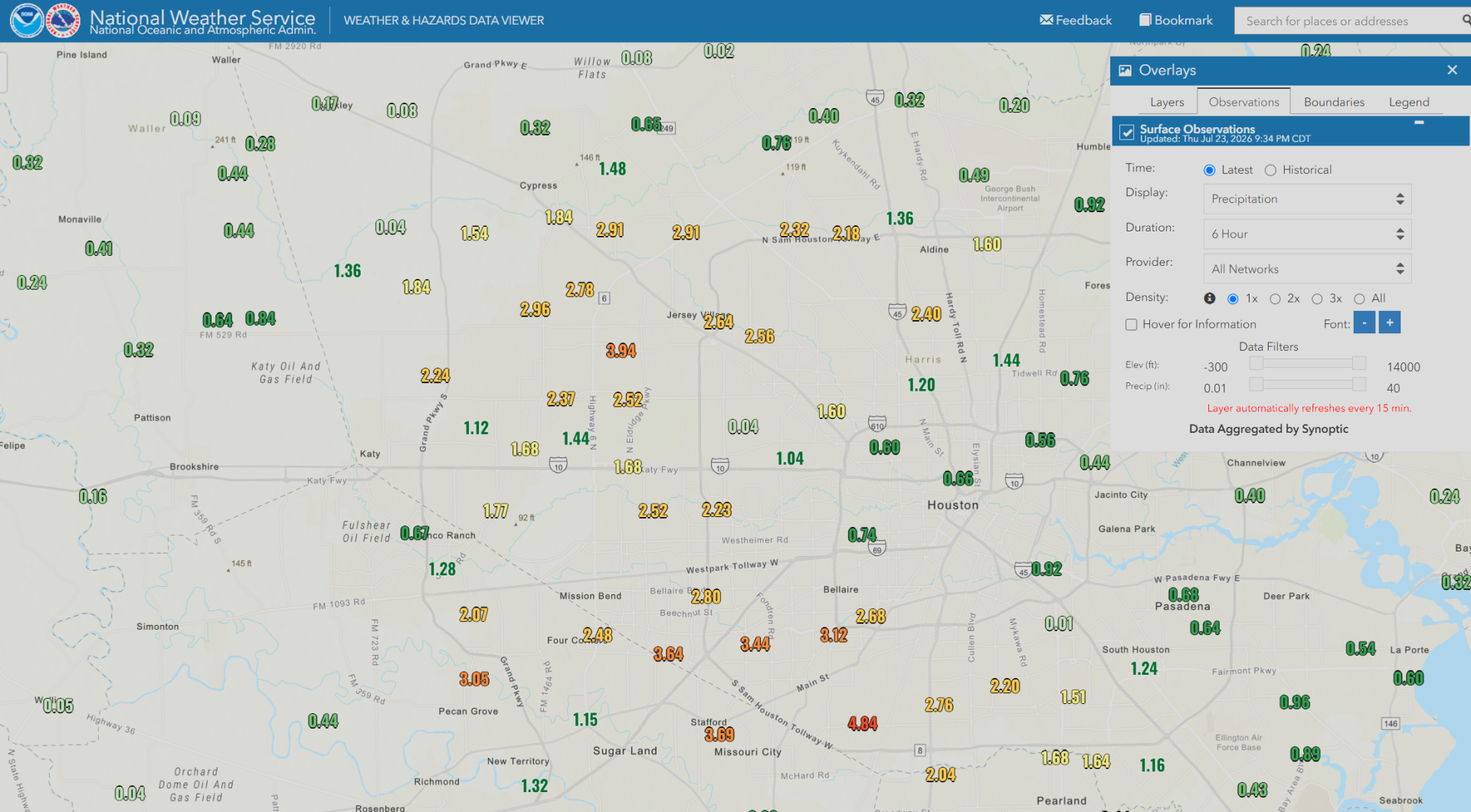
 1 pointIt’s been a bizarre week. 106f yesterday here in Sugar Land. Ridiculously hot, hottest I’ve ever experienced. Today, we have a tropical storm that was supposed to be a nonevent but winded up causing a lot of rain, lightning, and somehow no wind.1 point
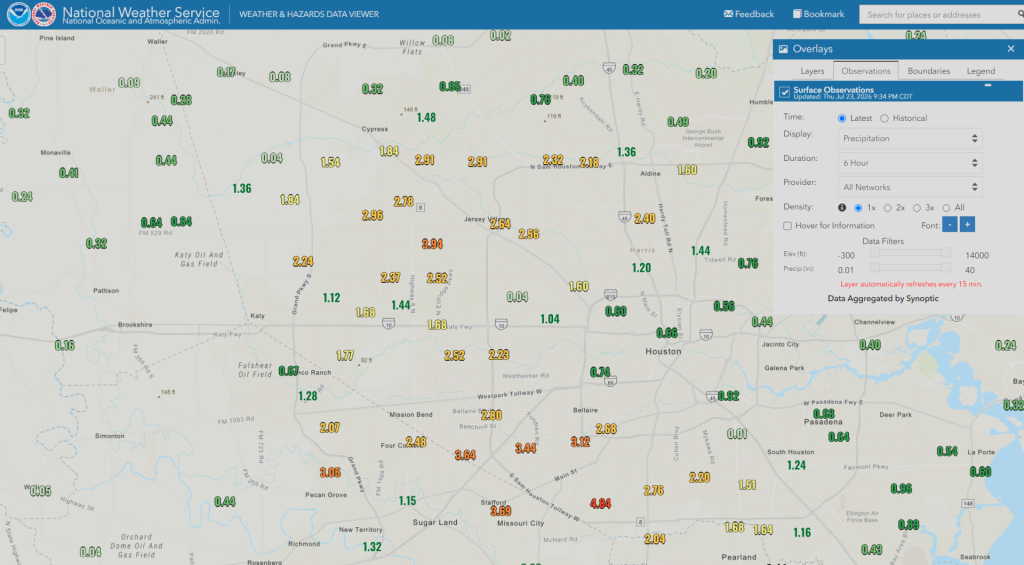
 1 pointBeautiful beautiful rain totals across the western half of the Houston Metro. Could not ask for anything better! Picked up >1.5" at the garden near Katy 😍. Long slow steady soaking rain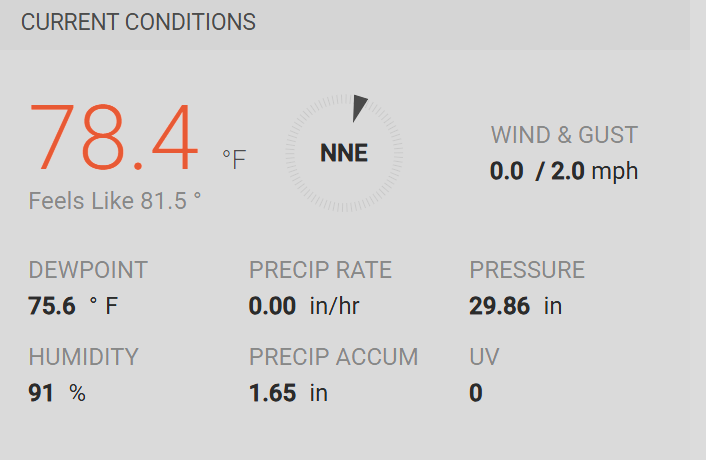
 1 point
 1 pointYesterday was god awful here in Manvel 102° at my house. That evening we had a piece of the violent storm that came through the Galveston county area . Today we had more rain from boring Bertha and a high of mid 80s quite the difference….1 point
 1 pointHey Rich, I just sowed a few seeds gifted by @tim_brissy_13 via your good self, thank you kindly for organising! Wondering if you've got any advice on germination? I've got them in my normal peat/perlite mix in baggies, at low to mid 20's, does that sound reasonable? Also, do you happen to know anything about the provenance of your plants or where the seed came from?? Cheers, Jonathan1 point
1 pointKhou was reporting 105F and 118F with the humidity late in the day. 90F at 11pm. I missed out on the showers that rolled through. I had thunder for well over an hour.1 point
1 pointHey Rich, I just sowed a few seeds gifted by @tim_brissy_13 via your good self, thank you kindly for organising! Wondering if you've got any advice on germination? I've got them in my normal peat/perlite mix in baggies, at low to mid 20's, does that sound reasonable? Also, do you happen to know anything about the provenance of your plants or where the seed came from?? Cheers, Jonathan1 point
1 pointKhou was reporting 105F and 118F with the humidity late in the day. 90F at 11pm. I missed out on the showers that rolled through. I had thunder for well over an hour.1 point 1 point@Xenon Those are the kinds of days that make me realize a few weeds in the garden beds aren't as big a deal as heat stroke.1 point
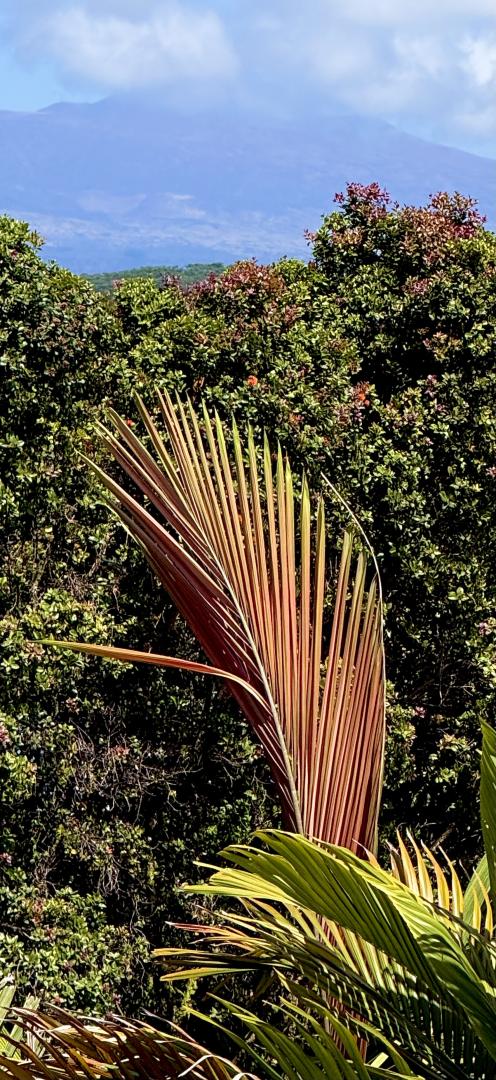
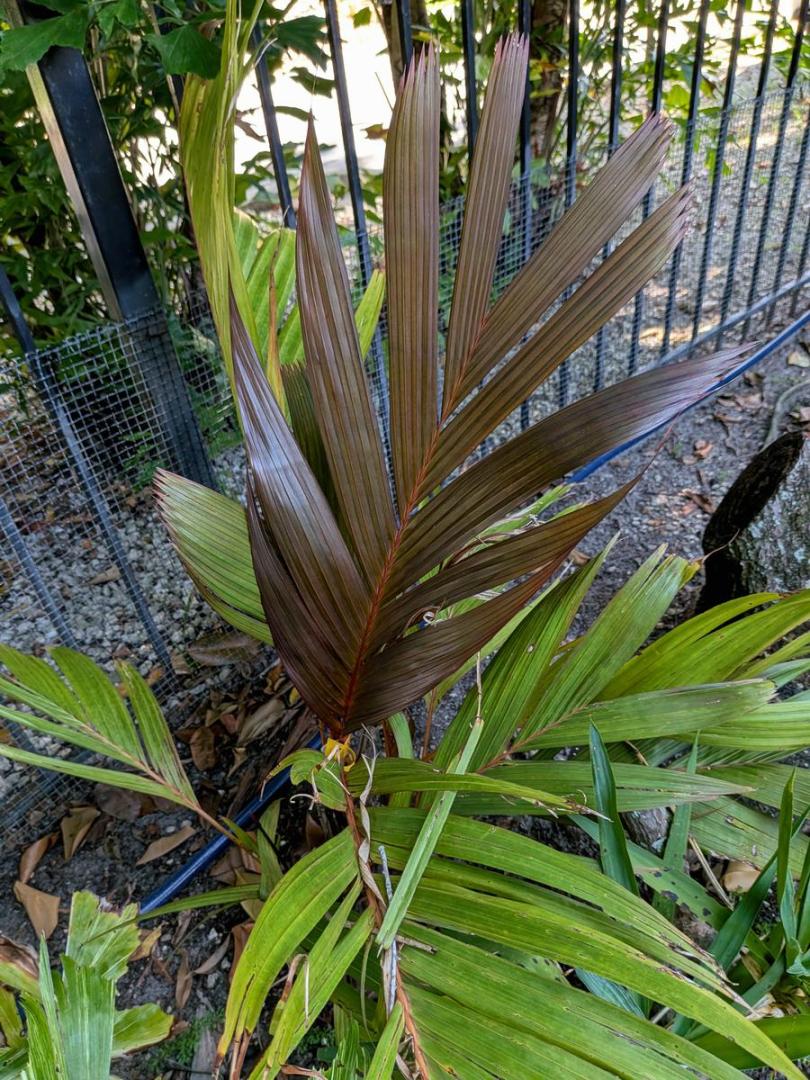
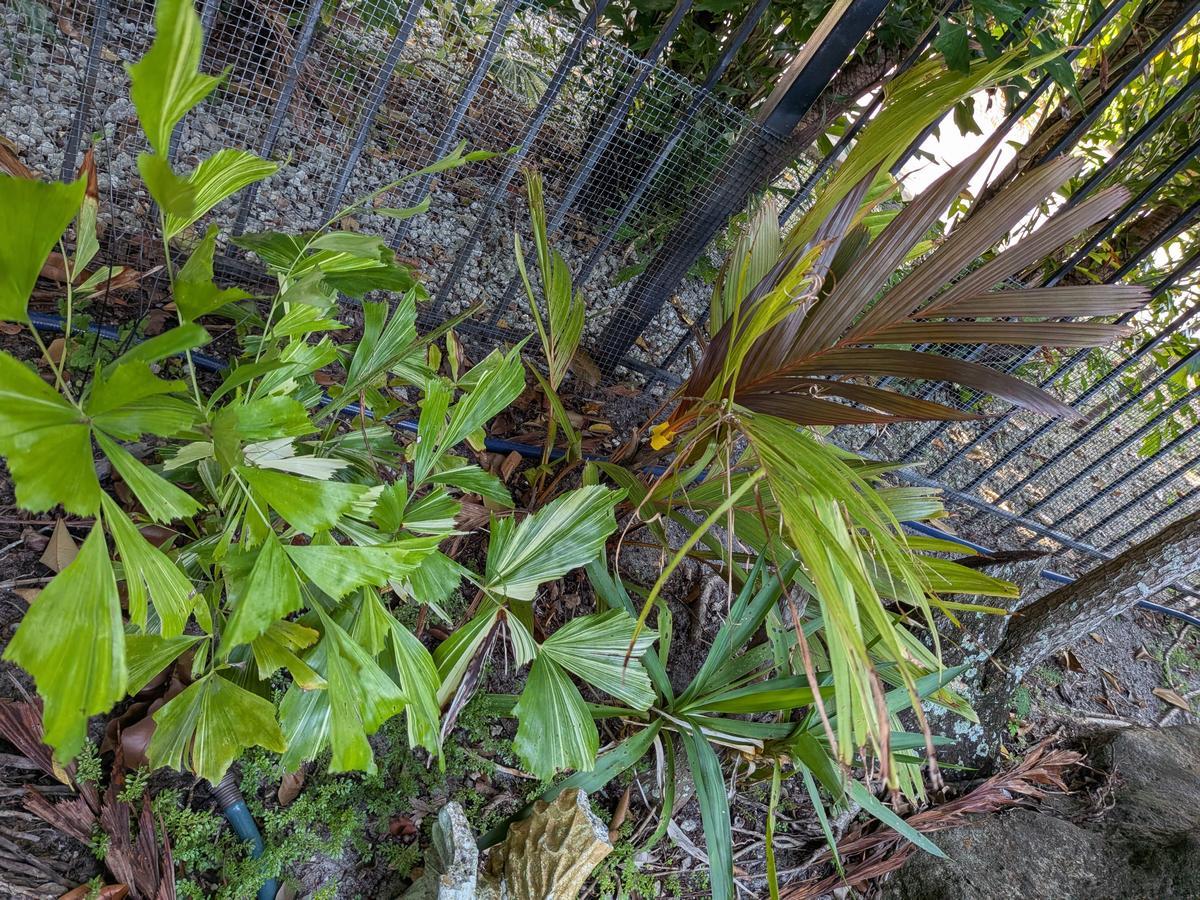
 1 pointAreca vestiaria new red emergent leaf. When I bought it a few years ago it was solitary, now it seems to be clustering instead. to the left of the Areca vestiaria is a variegated Caryota mitis. it was quite variegated a few months ago, but the newer leaflets are mostly green. I wonder if they will become more variegated later, or this is a sign that the palm as it matures will have less variegation?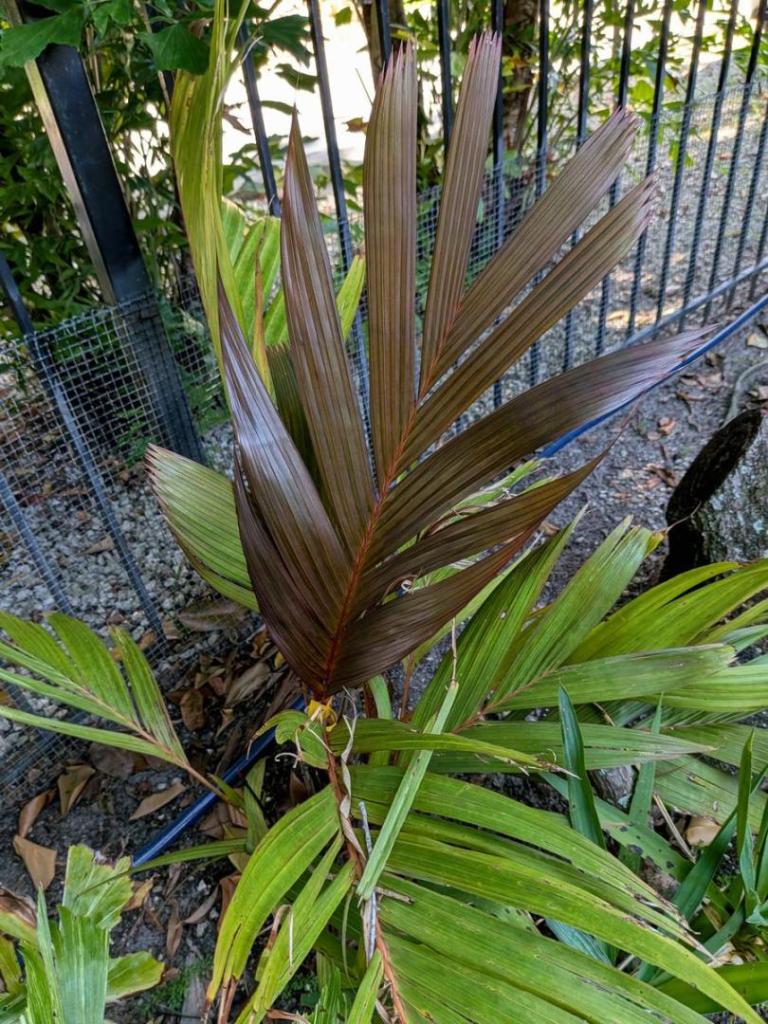
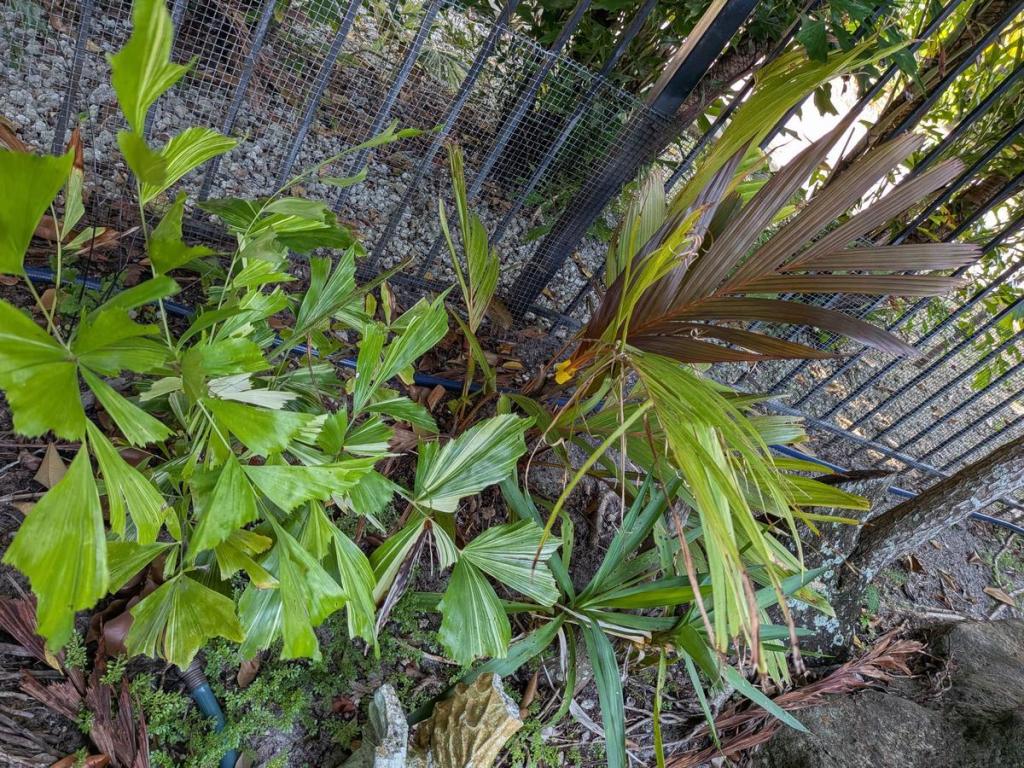
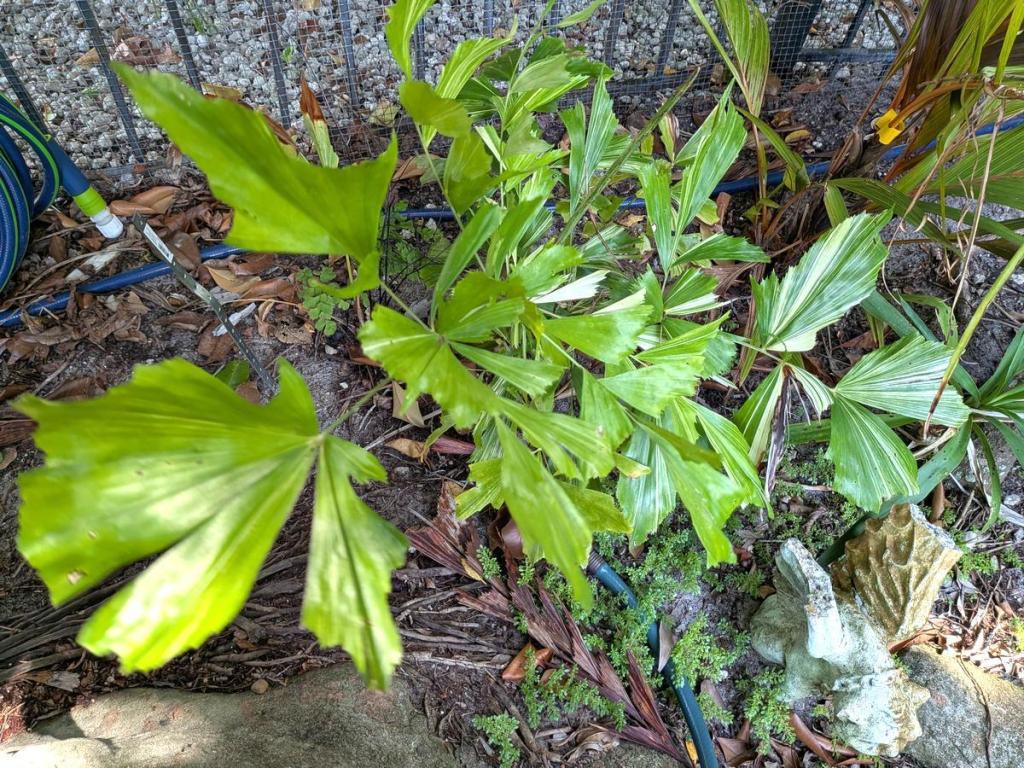 1 point
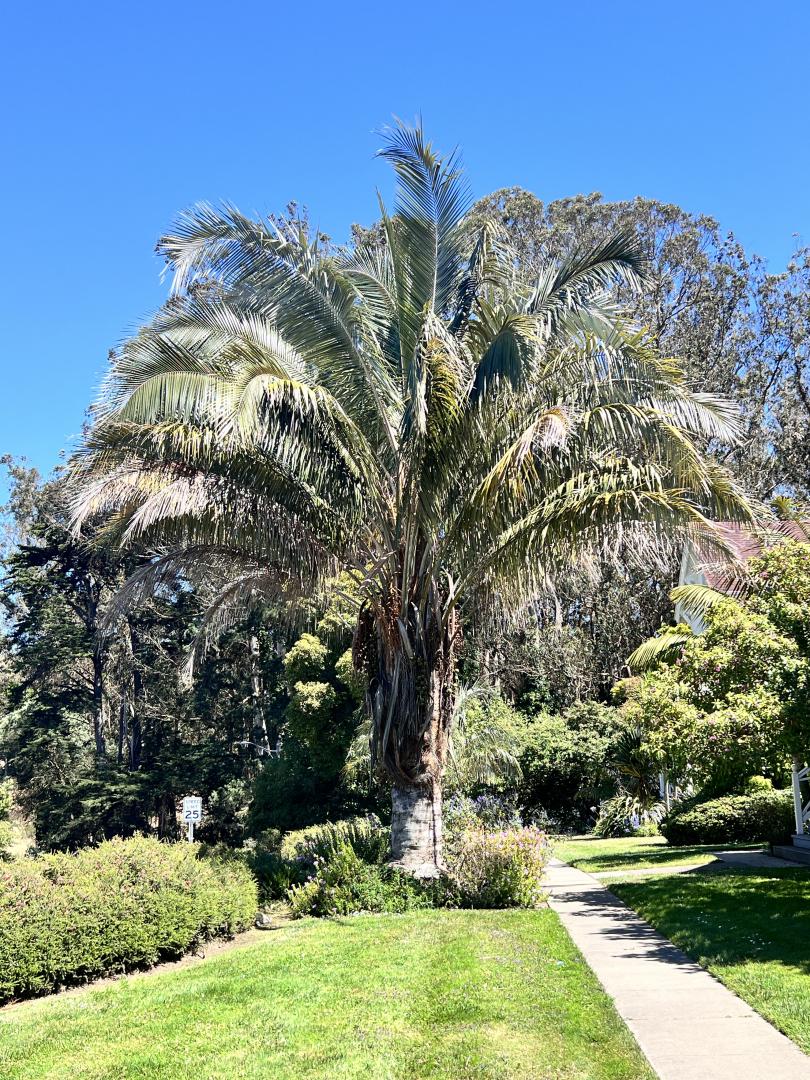
 1 pointBack in SF for a visit. Picture/video of The Presidio Parajubeas 7/22/26 IMG_0011.mov IMG_0012.mov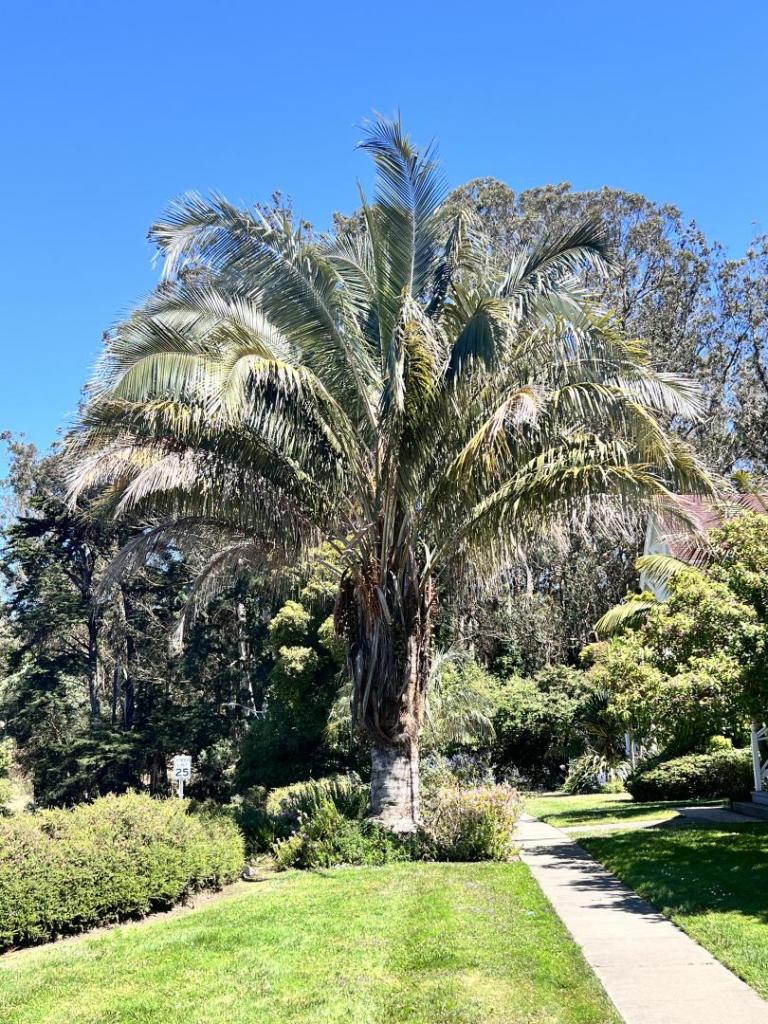
 1 point
 1 point@Chester B I live near Meyerland. Winter temps are similar to Sugar Land, sometimes a little warmer, usually not as warm as Hobby. Yours definitely looks like a B x PJS to me, very nice. The two beside the (BxJ) x P have prominent spines on the petiole which I believe is atypical for B x P crosses.1 point
(173x200).thumb.jpg.87642ce613f801fde119db608b8aeb96.jpg) 1 pointAgree.. Both ..and a number of other Parrot sps. ..some not included in the CA Parrot link below.. can be found out there.. iNat is a great way to look up all of them. CA Parrot site: https://californiaparrots.com/ Not sure how commonly they are seen but, have heard of numerous " escapee " Toucan sightings out there too.. self - sustaining population of those, in Southern CA ..would be pretty crazy, though neat.1 point
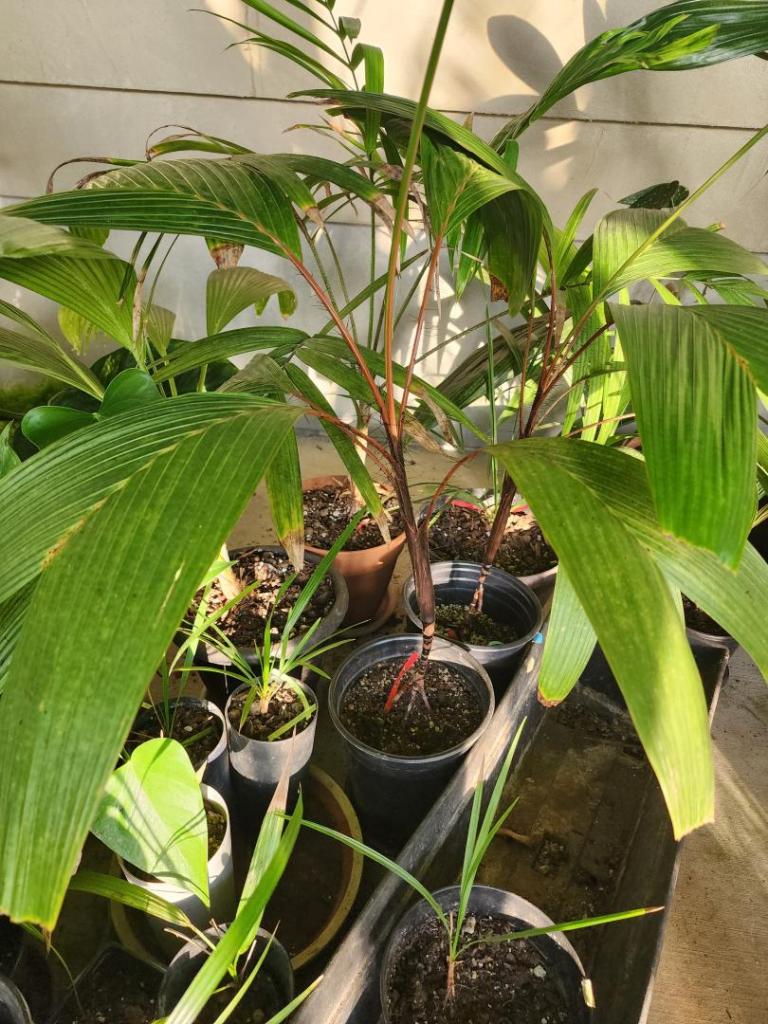
1 pointAgree.. Both ..and a number of other Parrot sps. ..some not included in the CA Parrot link below.. can be found out there.. iNat is a great way to look up all of them. CA Parrot site: https://californiaparrots.com/ Not sure how commonly they are seen but, have heard of numerous " escapee " Toucan sightings out there too.. self - sustaining population of those, in Southern CA ..would be pretty crazy, though neat.1 point I have a couple grown from seed. In my greenhouse often humid microenvironment these have been sensitive to overwatering and seem to like light, airy soil with peat in it (helps lower pH). I also use distilled water with them.
 1 point
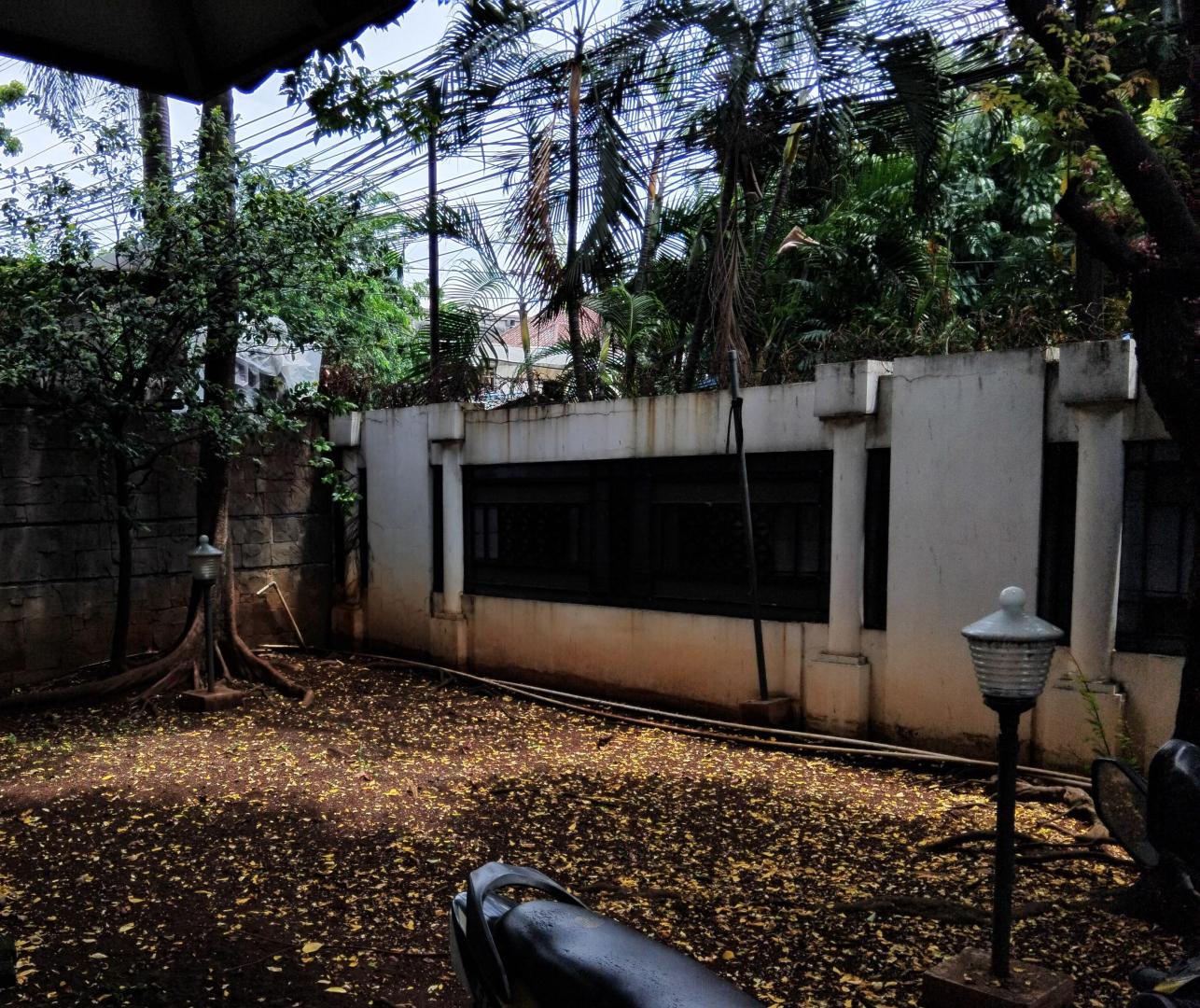
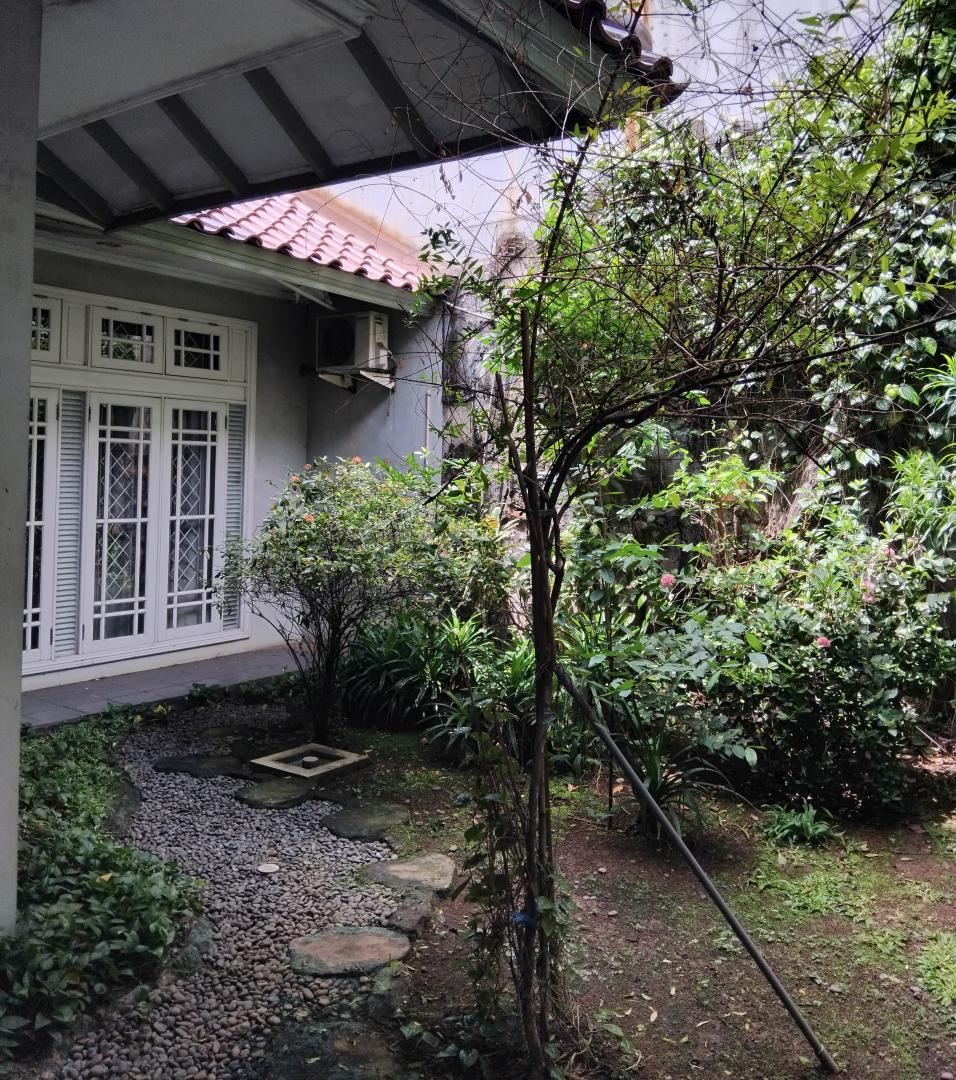
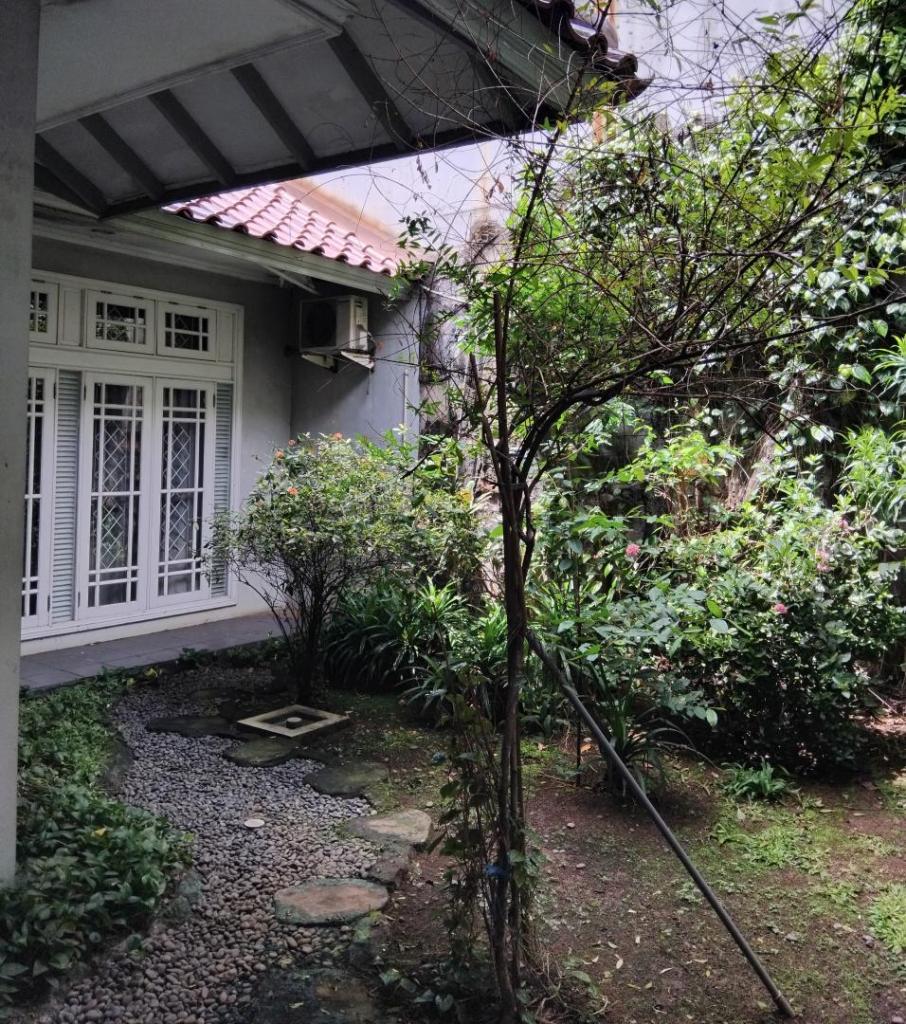
.thumb.jpg.a5dd56b69f78fe45db072c86c335dcf3.jpg) I really feel and understand that, even me sometimes I struggled a lot to find the perfect size and shape palms for my garden. Even though I live in the tropics, I have 2 yards front and back which are both very different. My frontyard is really dry, dusty, and swampy but depends on the season. The floor can't get enough sunlight due to large canopy of trees, almost no grasses are alive except those huge trees. My backyard is too small to plant medium to large palms, but the ecosystem is much more better and more direct sunlight! For comparisons: Frontyard Backyard
I really feel and understand that, even me sometimes I struggled a lot to find the perfect size and shape palms for my garden. Even though I live in the tropics, I have 2 yards front and back which are both very different. My frontyard is really dry, dusty, and swampy but depends on the season. The floor can't get enough sunlight due to large canopy of trees, almost no grasses are alive except those huge trees. My backyard is too small to plant medium to large palms, but the ecosystem is much more better and more direct sunlight! For comparisons: Frontyard Backyard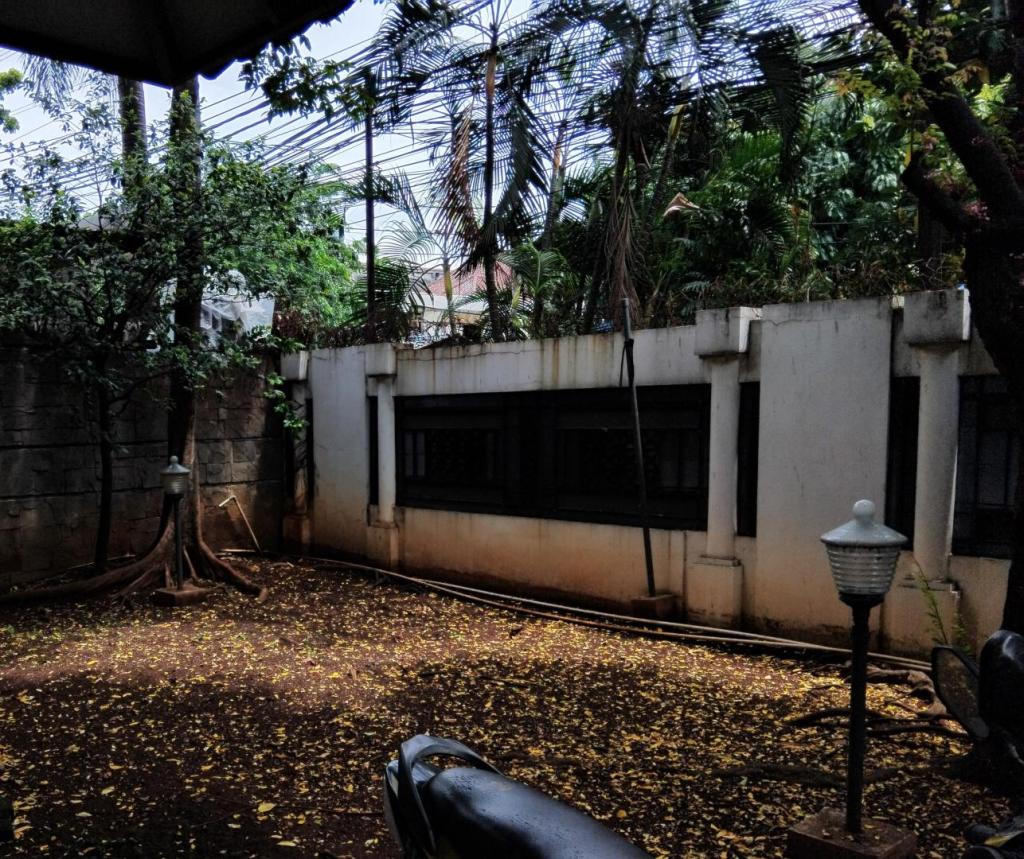
 1 point
 1 pointI have one of these in the Palm Springs area, zone 10a low desert, in the ground with northeasterly exposure and very little winter sun. Has seen roughly 32-33F at ground level with no issues. Far more problems with summer sun accompanied by daytime highs as high as 124F. This year was the most brutal in about 100 years of record-keeping at Palm Springs, and every day hit the 110s for months. My in-ground test subject, about two-gallon size and now pinnate, had relatively little issue with sun/heat-burn in 2023, but this year it really took a beating cosmetically, though it is still healthy. Winter caused it no real issues and we "usually" are around 38-44F at dawn and somewhere 64-74 for a high in the two coldest months, December and January. My other test subjects are all in pots in more protected areas (part sun/shade) and they have no issue whatsoever winter or summer. I think the issue with S. sancona is that the foliage, which is much lighter, glossier and supple as compared to other species in the genus, is just more delicate, at least when young and if under open sky. A larger S. x montgomeryana "Coco Queen" just a few feet away from my in-ground S. sancona has shown no discomfort from extreme heat/sun-exposure to 124F, nor from cold...a much tougher plant with thicker, darker lamina. I also have several young Attalea cohune planted nearby, and that species is like S. x montgomeryana in being much tougher in the summer heat/sun (no damage whatsoever), although while young it does suffer some leaf-burn in winter cold if under open sky (low 30s F) where the nearby S. sancona strangely enough doesn't seem to have that problem. I think Merlyn's suggested temp range seems logical out west where it's dry, but perhaps a little optimistic for Florida or where wet freezes occur. I'm assuming that due to your elevation you have a more intermediate type of winter profile in terms of the quality of cold-waves? When I look at Monterrey's climate on Weatherspark, it appears to me that your averages are good, but Wikipedia shows that the weather station for Monterrey has experienced heat as high as 118F and cold down to 18.5F? Hopefully your specific location is warmer in winter, as it doesn't seem this species would survive below about 25F in any sort of humid cold. Jim Denz in Los Altos Hills (north-central California) has written that S. sancona has done fine in his quite cool winters as low as 26F with some spotting and tip-burn. Gyuseppe in Napoli (Italia) wrote that his died at 28.4F in his somewhat chillier-winter climate. Eric Schmidt at Leu Gardens in Orlando has stated that S. sancona suffered minor burn in 2010 at 29F but survived. Taking those anecdotal experiences into account, and if you think you'll stay long-term above mid-20s F, I would guess you would be guardedly safe to plant it, though I would suggest you give it at least some sort of canopy, plus north-wind shielding, for protection, and allow that you might lose it in an extreme winter.1 point
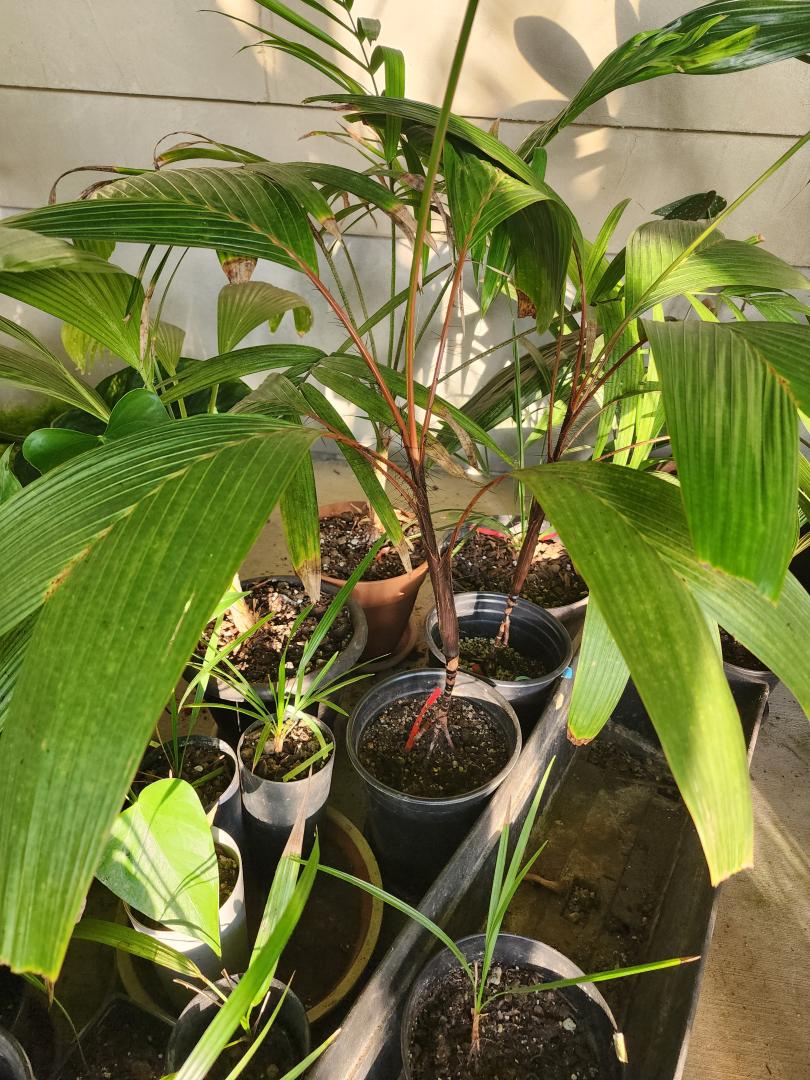
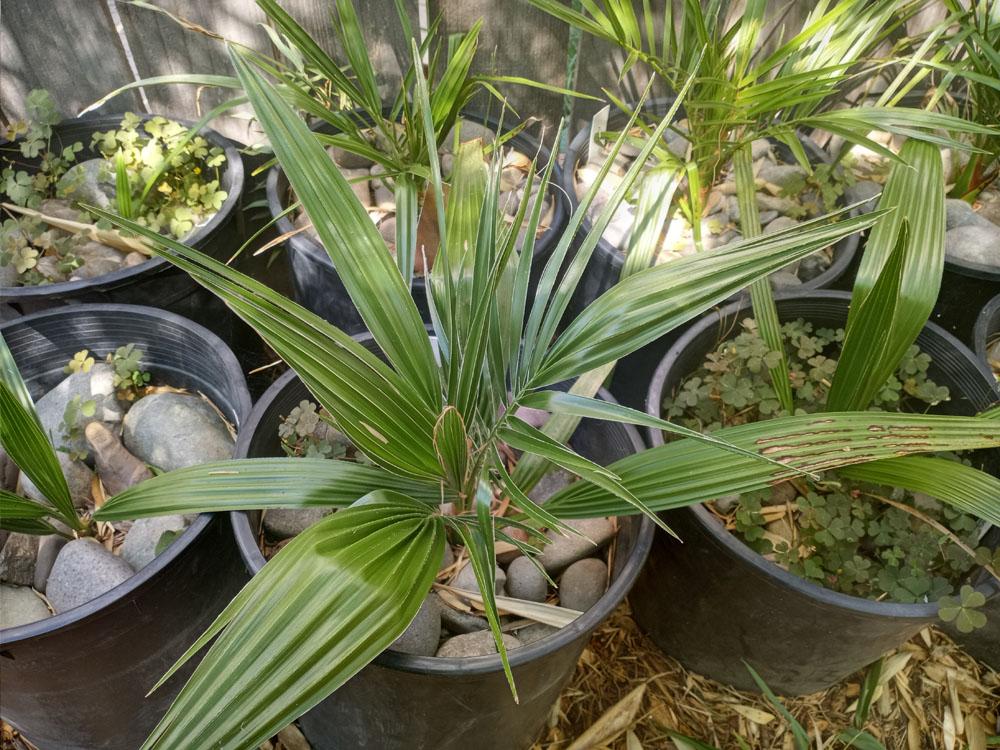
 Here's the same one from my earlier photo, 14 months from seed.
 1 point