

Leaderboard
-

happypalms
IPS MEMBER30Points13,433Posts -


Harry’s Palms
IPS MEMBER14Points4,506Posts -

tim_brissy_13
IPS MEMBER11Points2,578Posts -
Hilo Jason
IPS MEMBER9Points3,188Posts
Popular Content
Showing content with the highest reputation on 06/14/2026 in Posts
-
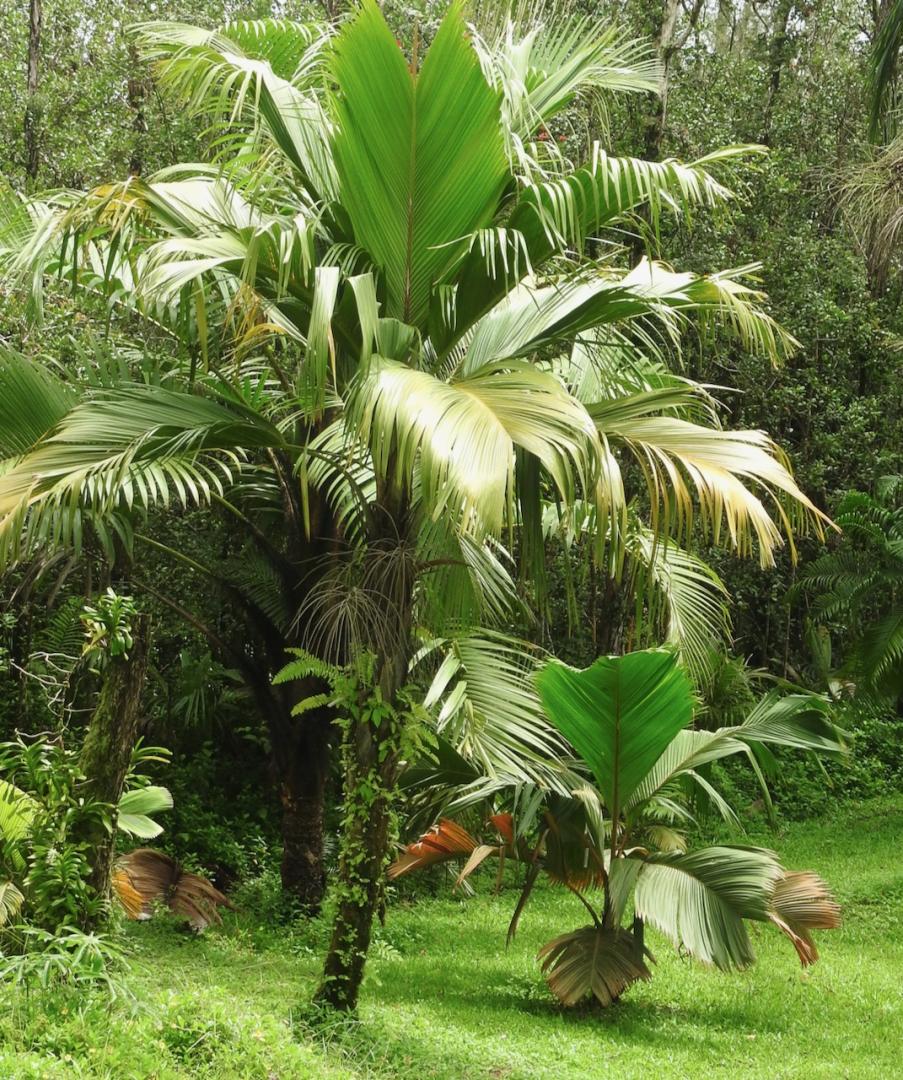
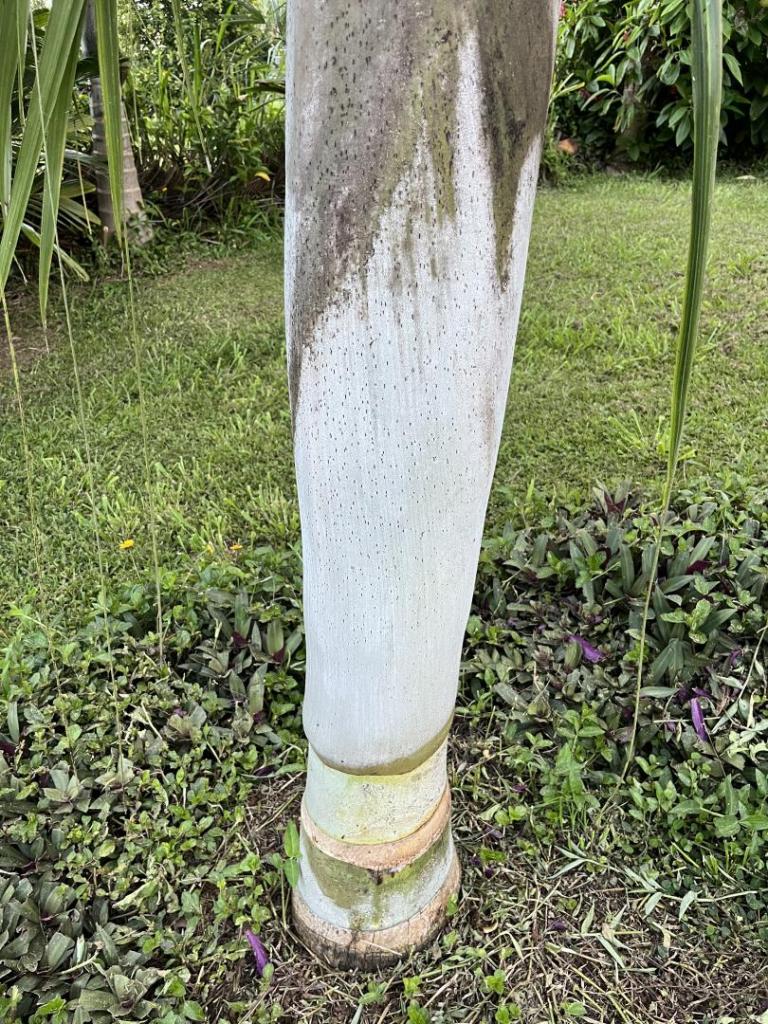
With all the rain we’ve had and the long summer days, this palm dropped another leaf and is now showing another ring of trunk.

 9 points
 -
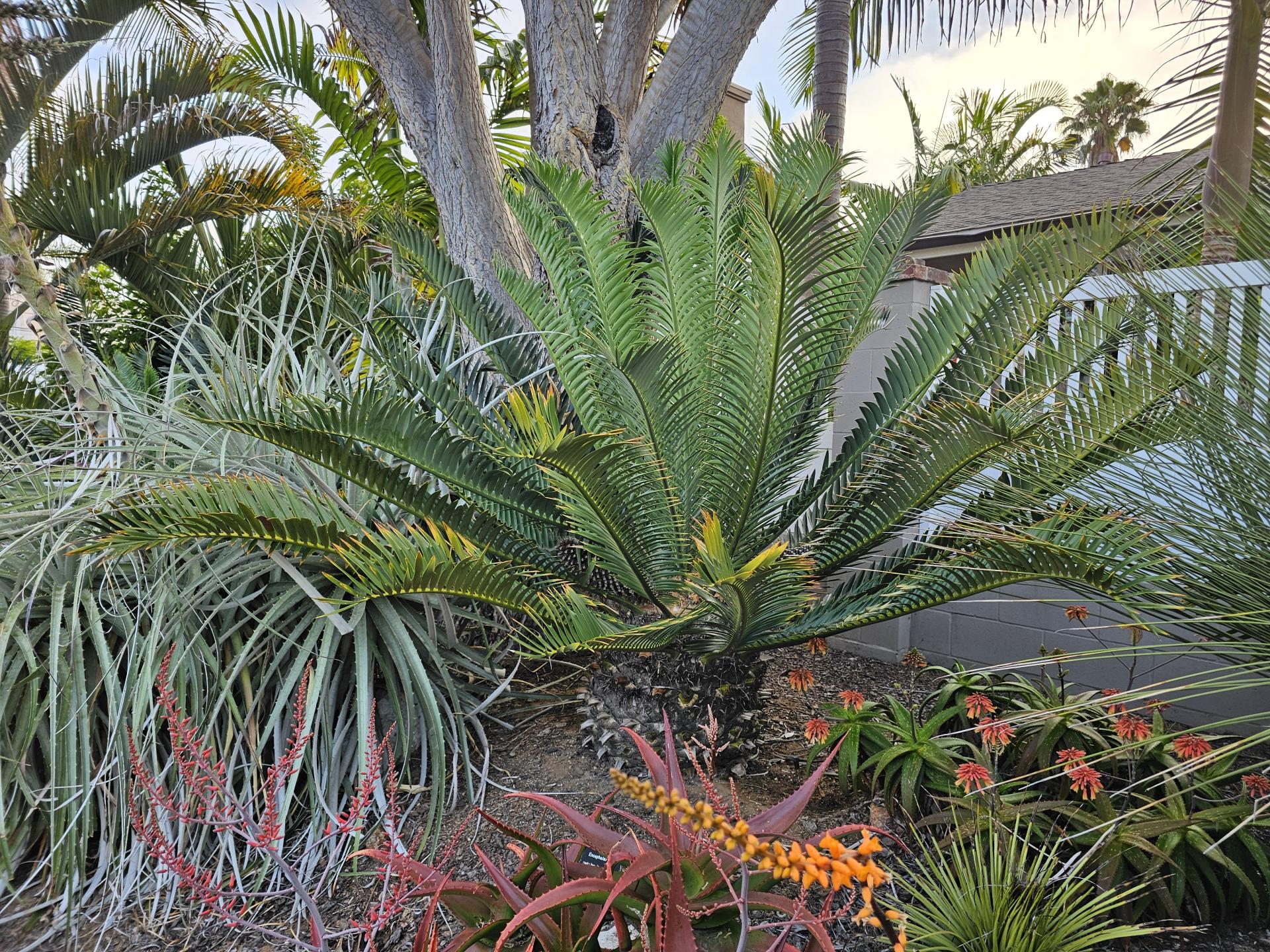
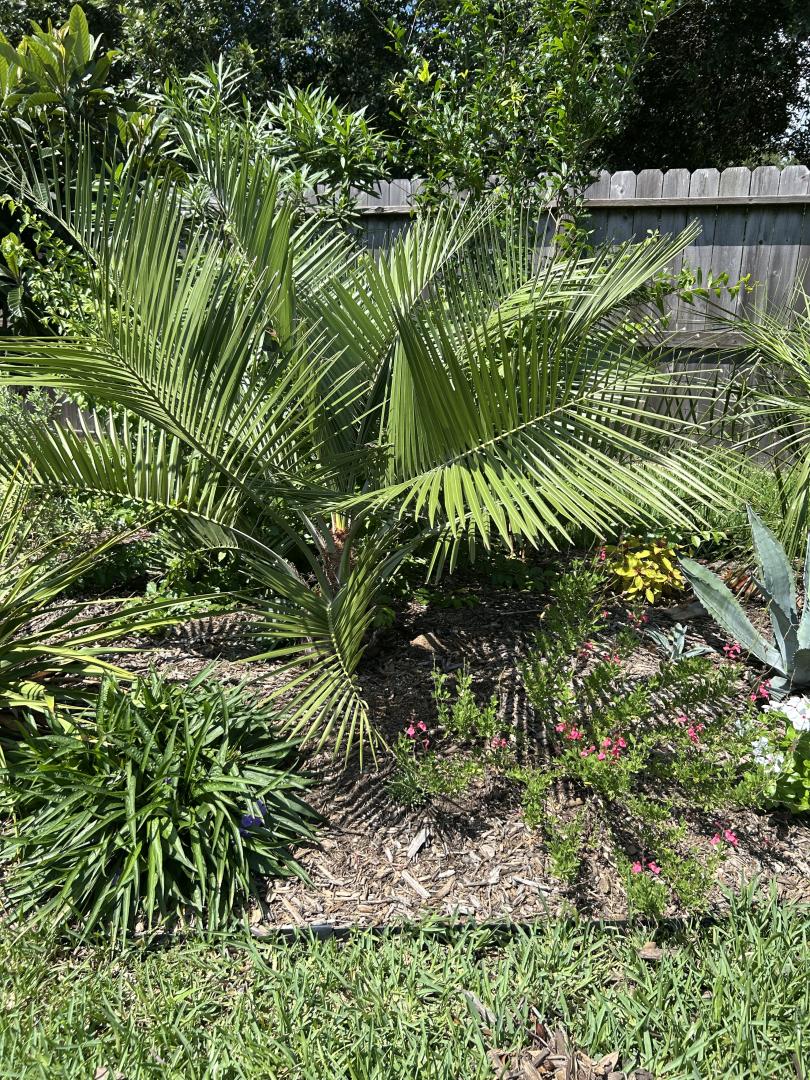
 5 pointsI grew this one from seed and finally got it in the ground last year. It just put out this new flush. Encephalartos bubalinus This one I also grew from seed however it’s been in the ground for about 10 years now. Cycas megacarpa
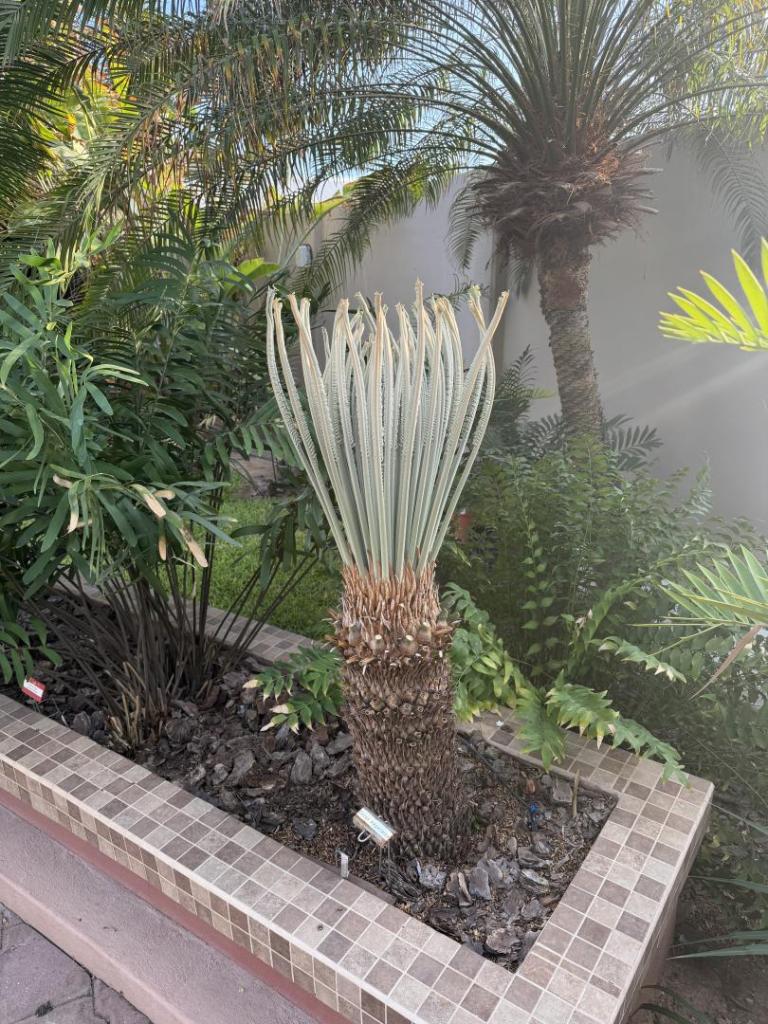 5 points
 -
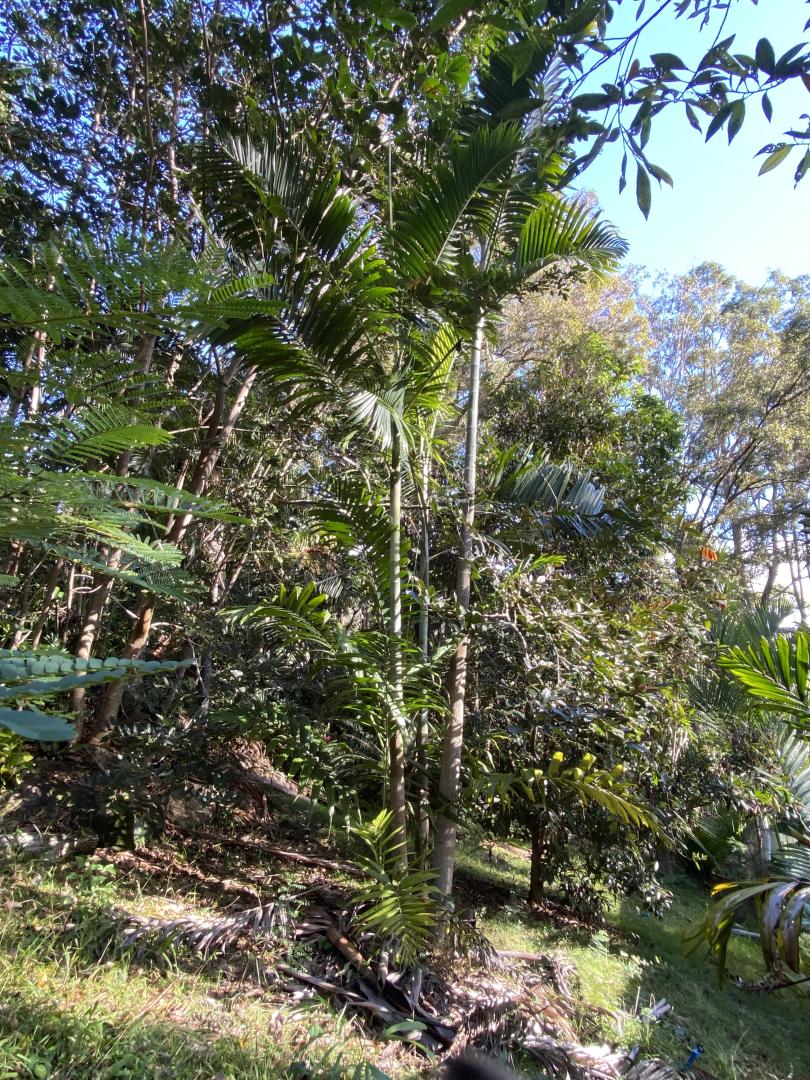
5 pointsHarry I think the consensus is that this one is Ceroxylon ventricosum which is a little different to C amazonicum with its plumose fronds rather than arranged in a single plane. I will say I’ve always thought the Sullivan Ventura Ceroxylon could be C quindiuense - it just seems to have that slightly plumose look rather than very obviously plumose like C ventricosum I’ve seen.5 points
-
 5 pointsAny updates? We're putting more palms in the ground this week (especially the "big boys"), and I kept going back and forth on the placement of my julietiae (from the Sparkman group). Despite trying it in several "prime" spots, it never looked quite right in any of the placements I was considering. Here was the original placement I was leaning towards (but am no longer doing)... Today I tried moving it to an equally prominent place next to the palapa. And I like this placement a lot better! It looks like a feather on a fancy lady's hat to me, and all but one of the fronds are already clearing the palapa top (ignore the lean... I'll fix that during planting)... Sadly, the updated placement does mean the poor palm will need to stay in its pot just a *little* longer... as we're making a rock "planter" on the left side of the palapa . At least I know what will go in that planter now! That spot has an ideal balance of sun/shade, and relatively good wind protection. So I'm ready to declare this the plant's new home (unless anyone sees an issue with it). Curious how are everyone else's R. julietiae are doing.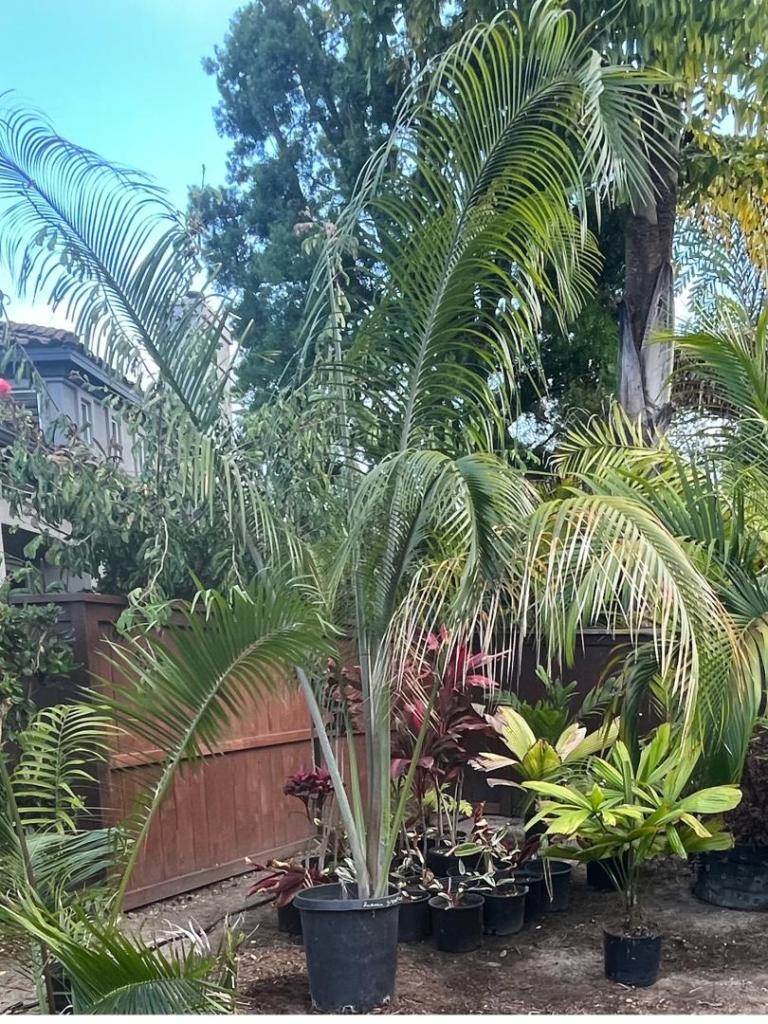
 5 points
 -
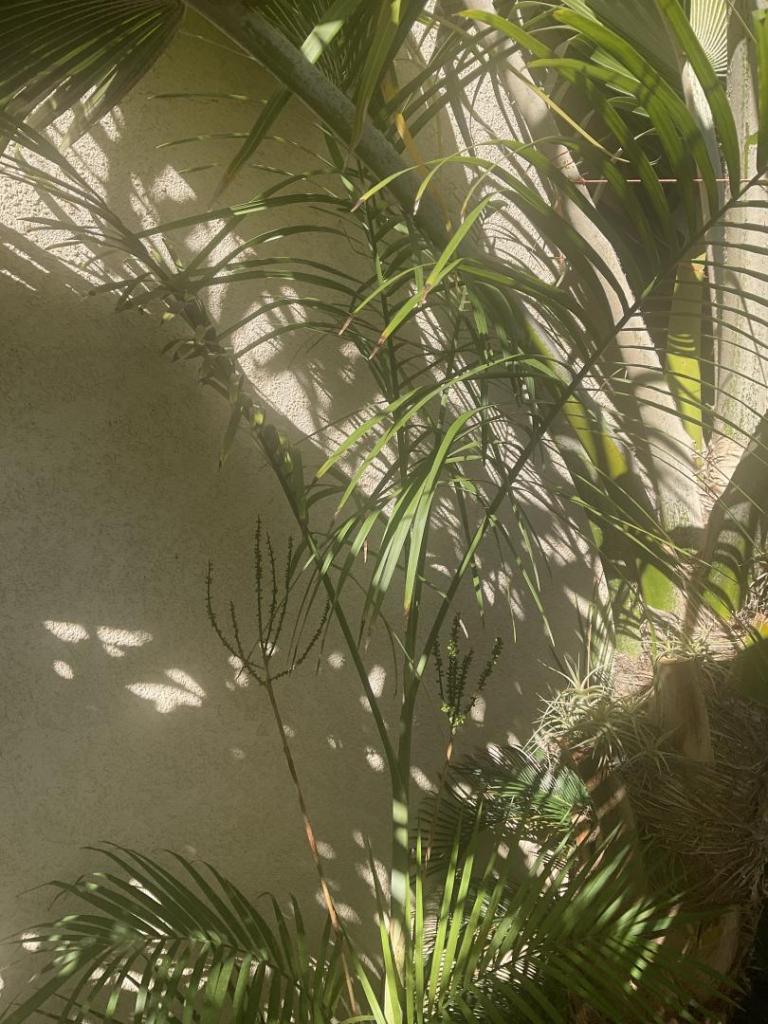
4 pointsLooks just like the C. Radicalis I have growing around my garden. Some have very relaxed leaflets , others vary a bit . All of mine end up as tree form. Harry This is more upright This pair has more of a relaxed leaflets habit Growing up through a neighboring Pritchardia These are all on the shady section of the garden . I also have some in full sun. Very cool hardy and sun tolerant .



 4 points
 -
 I’ve lived in Northern Virginia for almost 40 years. This last winter was the worst, long duration a.m. p.m. cold I’ve experienced. I truly thought my 12-year in-ground Trachy was going to die. Don’t have the stats but it was at least 2-weeks of continuous sub freezing F. temps. Along with about 8” of snow and ice that lasted that whole time as well. Maybe the only saving grace was sunny days after the precip. fell? I removed about 6 of the most damaged lower fronds mid spring. Haven’t fertilized yet but it is pumping out nice new firm fronds, maybe 6 or 7 as of today. I’ll clean it up again this fall, after it’s had a chance to fully recover and replace the canopy. Even though it’s messy, it still looks great! It’s about 13’ of trunk so winter protection consisted of 200 Christmas lights in two loose balls laid up at the crown covered loosely in a layer of burlap…very unprofessional but it’s too tall now. I also wrapped a 3’ tall band of black landscaping cloth around the base of the trunk. This catches a fair amount of the sun’s radiated heat several hours each winter day. Of course, it flowered like crazy in early spring. I’ll cut those remnants off as well this fall. Anyway, I’ll send out status reports soon. I was shocked at how poorly my sunny Needle did.
 3 points
 -
 3 pointsI have two Zamia sp Jamaican Giant gifted from CB Lisa. I was lucky to get a male and a female.


 3 points
 -
 3 points
 -
 3 pointsDon't compare to the big box stores. Half of them never water any plants once the nursery delivers them. Two weeks later, they're dead.3 points
 -
Try letting them dry out a little. They are quite tough, and if that fails get it in the ground, that’s the best way to grow a palm. My ones got planted at a young age. They are slow as seedlings but once established they move pretty good.3 points
-
3 pointsGreat to see this post revived . I knew nothing about these until I saw one in Ventura at Terry and Sevin Sullivan’s place . It towers over the garden with a dominance like royalty . I didn’t know it was heat sensitive but it seems to like the coastal Ventura climate. Harry
 3 points
 -
Nope , not growing that one . It is a good looking palm though. Harry3 points
-
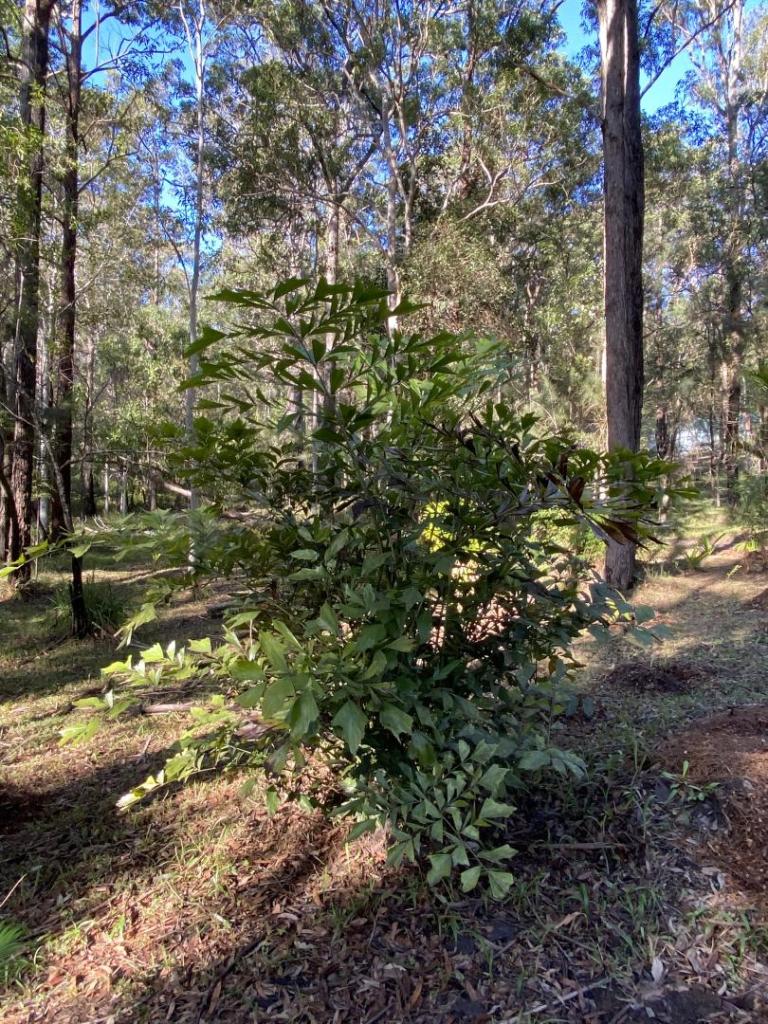
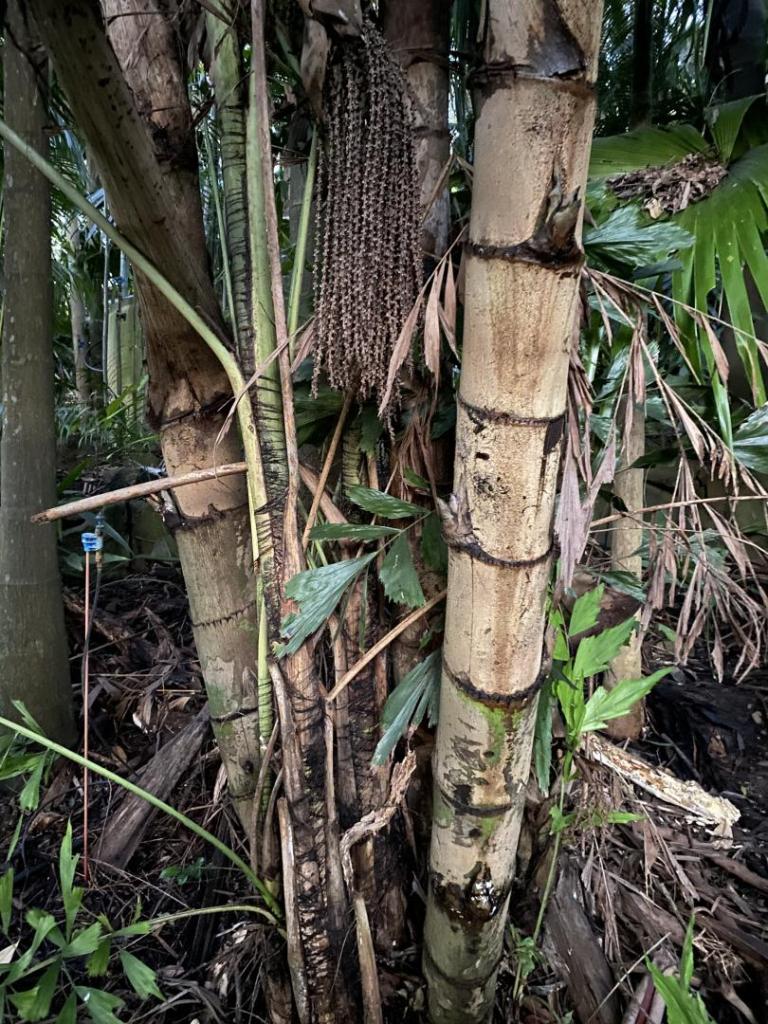
2 pointsCouple of mitis in the garden. You either like or dislike them. They tend to get quite large and a bit messy looking with a bit of age. But each to their own. Still a good palm for a large screening plant, relatively medium paced growing in good conditions. Very tough and will take some sun and shade, the more sun they get the more yellow looking they get. They were very popular many years ago in Australia.


 2 points
 -
 2 points2023 - 2026, extremely fast. Never affected by freezes but appears to have a phytoplasma disease from which it seems to be healing. There's 2 new spears coming up fast.
.thumb.jpg.827bd62f6845fac2d636b33843dc3bd9.jpg)
.thumb.jpg.bf8ed197dabf8269b908ea24d341336c.jpg) 2 points
2 points -
 2 points
 -
2 points@Harry’s Palms has it right he’s on the money with this one, i would acclimatise the palm over one winter and then plant it in the ground. If it lives that one winter then it stands a fair chance in the ground.2 points
-
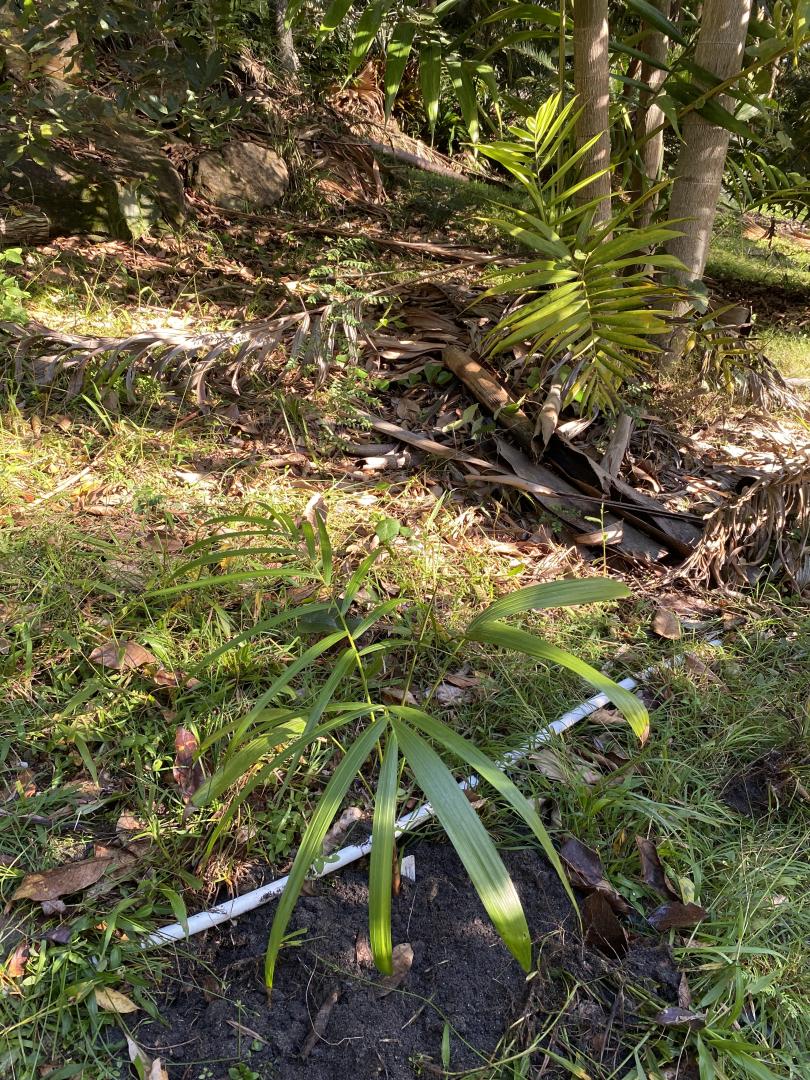
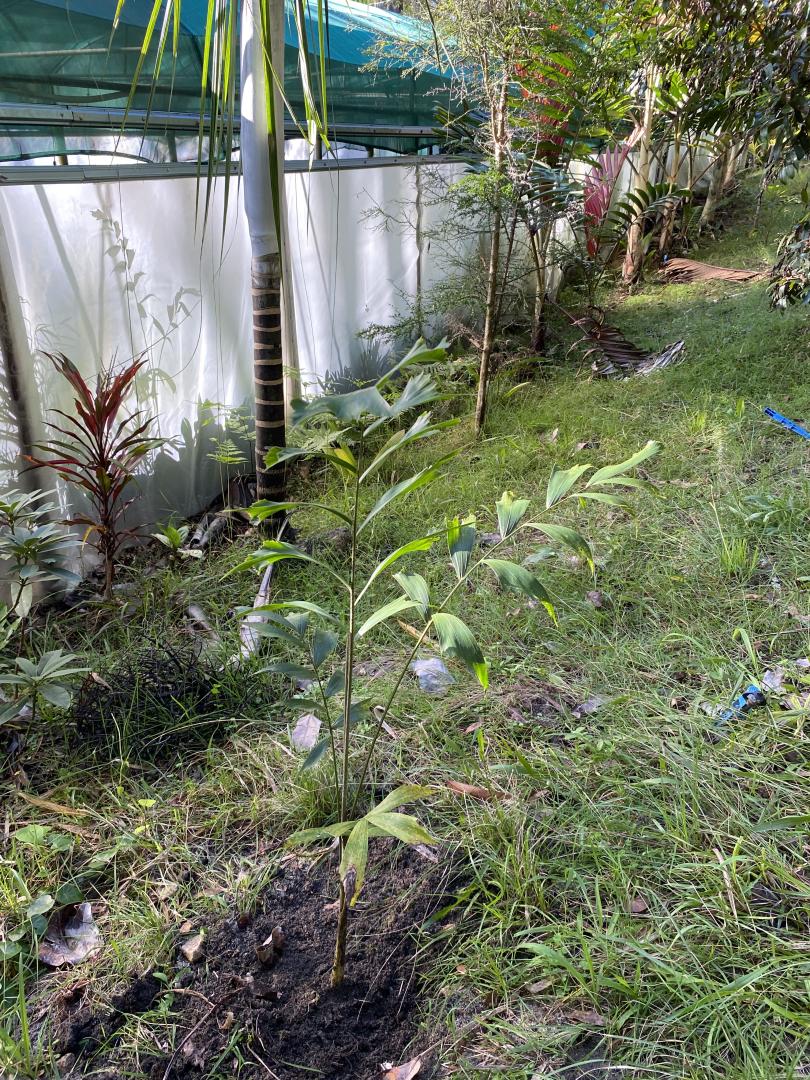
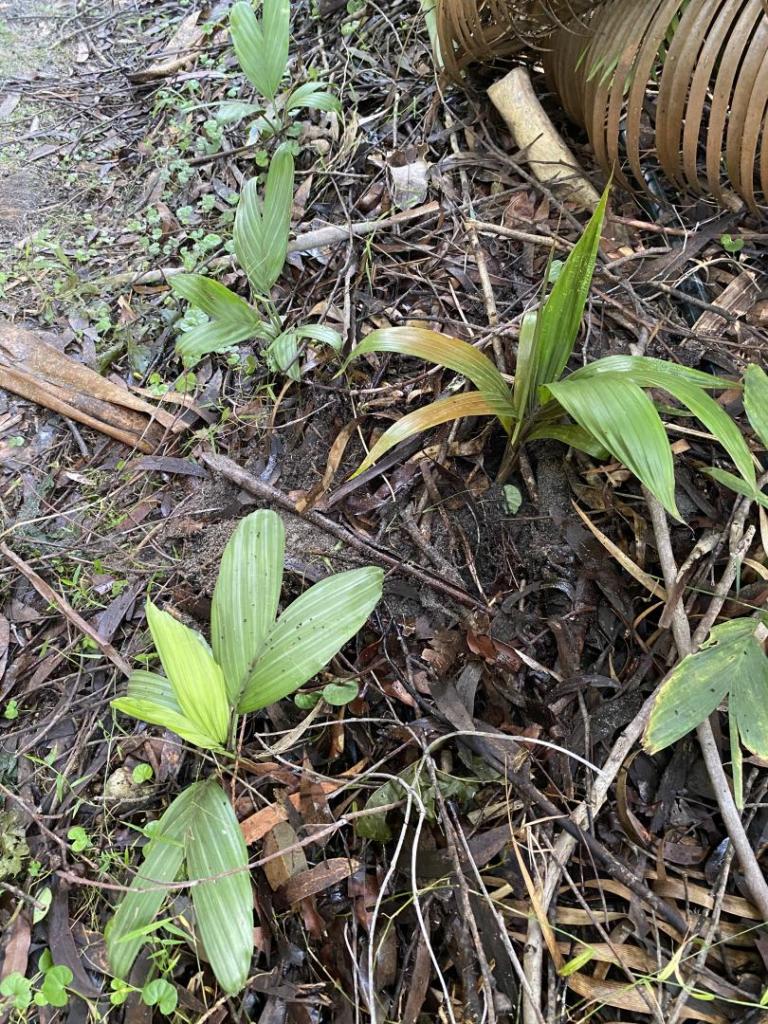
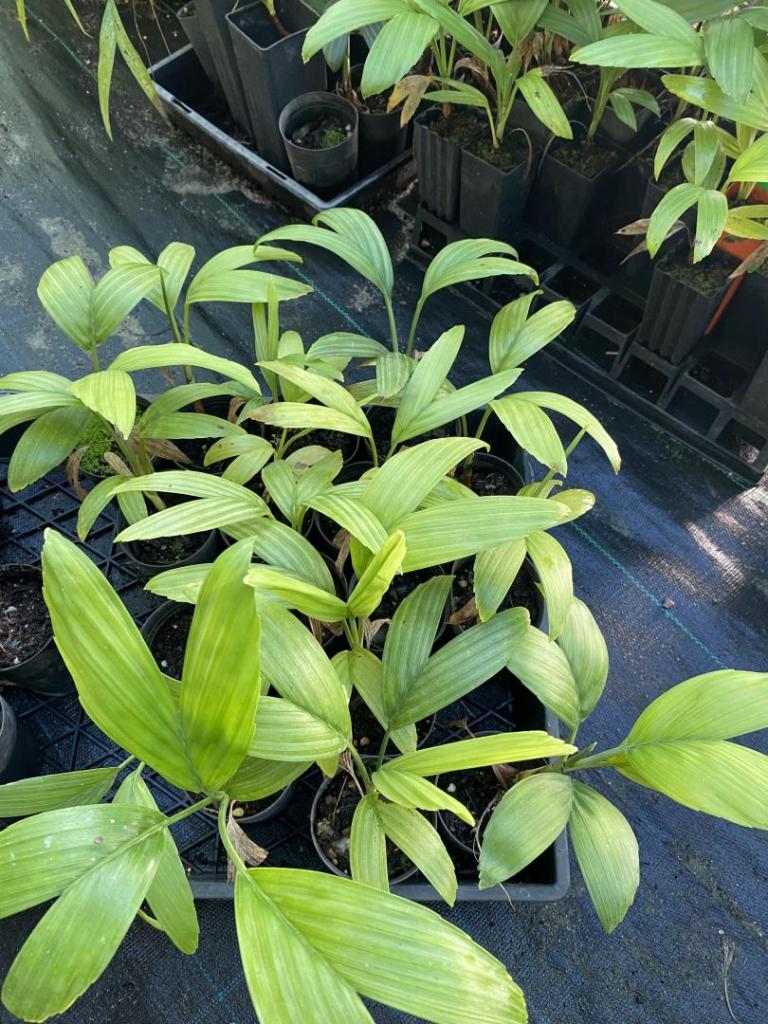
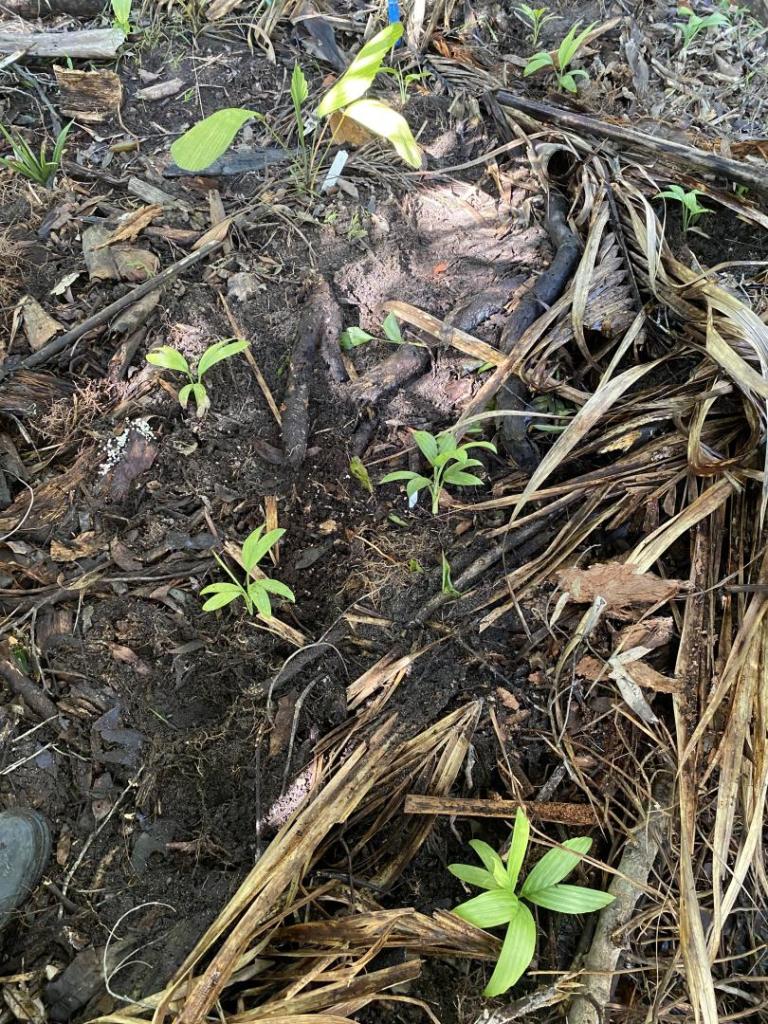
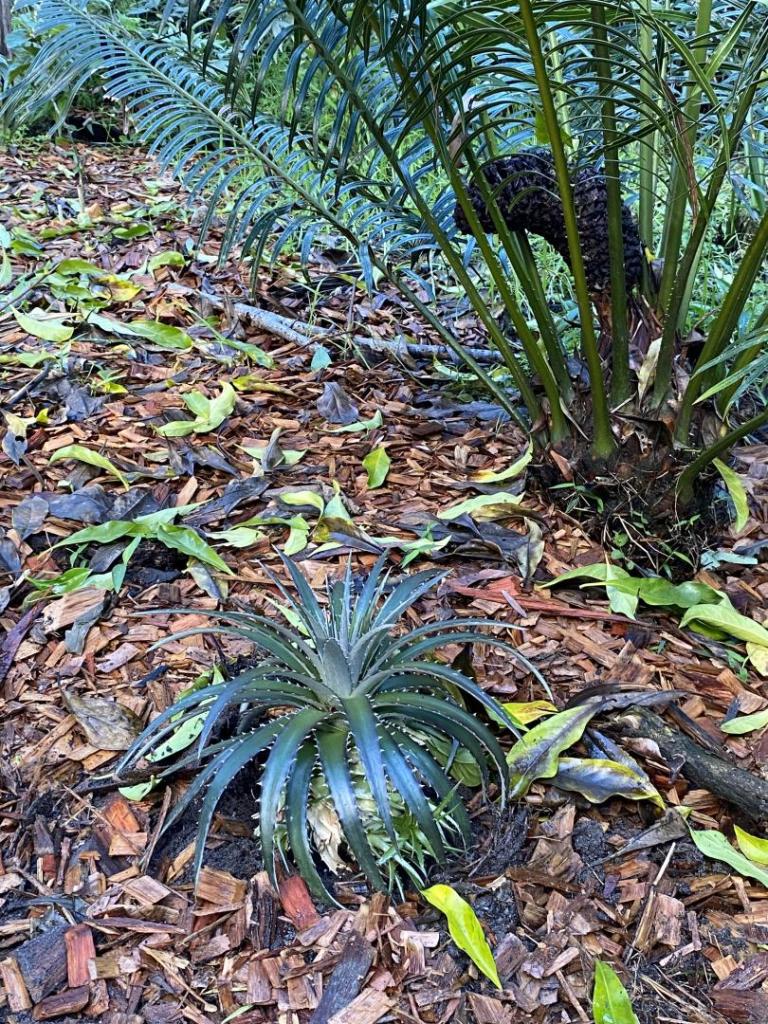
Might as well plant a tray of chamaedorea adscendens and a couple of others for the garden! Dypsis baronii black petiole Rhopalostylis baueri Cyphophoenix nucele chamaedorea adscendens Normanbya NormanbyiDykia Burgundy hill brom





 2 points
 -
They seem pretty easy to germinate, bottom heating 30 degrees celcius coco peat perlite mix. I even had some germinate under the palm as volunteers. Not sure on the seed viability, but if they come up in the ground next to the mother palm one would think they have a good 4 months viability possibility longer. Good luck!2 points
-
2 pointsHmm I doubt it. Ceroxylons grow like weeds in NZ and they’ve got volcanic soil. I can’t really think of a reason why some of the lower elevation Ceroxylon sp like C amazonicum and C ravenii wouldn’t do well. I know the high elevation Ceroxylon are known to dislike high temps and high humidity in combination so I’d say that’s the limiting factor in most cases.2 points
-
2 pointsWow , that’s a beauty! I would get that in a bigger pot for sure . My experience with Butia is that they are tough palms . Mine is in the ground and has been in full sun since it was quite young . I think yours will want as much sun as it can get . It may slow down a bit in winter but should be fine with a bit of protection. You may already know this but drainage is key for potted plants . They can handle frequent watering as long as the drainage is good . I put small 1-2” pebbles in the bottom of the pot , then a good sandy loam soil mixed with a bit of perlite or orchid mix, just enough to keep the soil from coagulating. Harry2 points
-
 2 pointsThis. It may also well be, that in certain regions and/or nurseries the use of this term has been standardized and is applied only on a certain form of Sabal. But to the rest of us, who do not live around, the term is not useful for description.2 points
 -
.thumb.jpg.304b32ca4398a111edf4ac525048111e.jpg) I also grow mine in pots. They seem to be pretty low maintenance palms trees for me. They spend their time mostly outside once temperatures climb above freezing. I've had no issues keeping them outside in the upper 30s at night. Good drainage is the key to success . They love the water.2 points
I also grow mine in pots. They seem to be pretty low maintenance palms trees for me. They spend their time mostly outside once temperatures climb above freezing. I've had no issues keeping them outside in the upper 30s at night. Good drainage is the key to success . They love the water.2 points -
2 pointsIt’s not valid. Kew lists it as a synonym of Sabal palmetto. I will say though that S ‘blackburniana’ I’ve seen appear larger and different to S palmetto. I suspect S blackburniana as described was found to be the same as S palmetto so it was synonym used, but since then the name has been erroneously applied to different plants. As above, Sabal are difficult to ID at this size. I’m far from able to provide a positive ID, but to me it looks like it might be one of the very large group ones like S uresana, domingensis, causiarum or maritima.2 points
-
 2 points
 -
2 pointsA few more in the garden, they are very tough palms and easy to grow.

 2 points
 -
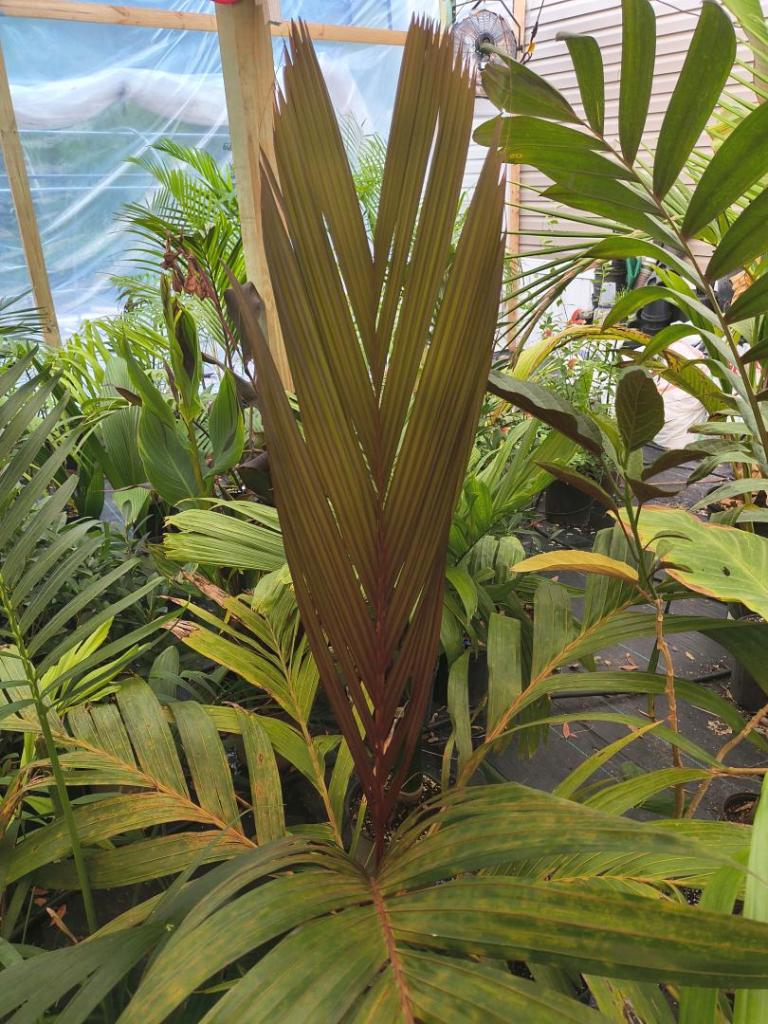
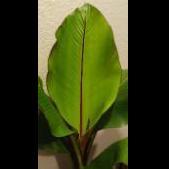 2 pointsNew frond on A. vestiaria a few days ago. It needs more sun i think to get better color.
 2 points
 -
 2 points
 -
 Super unique looking! Looks like it has a tendency to grow upright like Oliviformis. I see what you mean about the Dark Mealy look too. She’s purdy though, whatever it is!! -dale2 points
 -
 Well, I’m growing sp. ambanja, but it’s definitely not that palm! Sorta kinda like baronii, but it’s got its own look. Yours looks great whatever it is Jason.2 points
 -
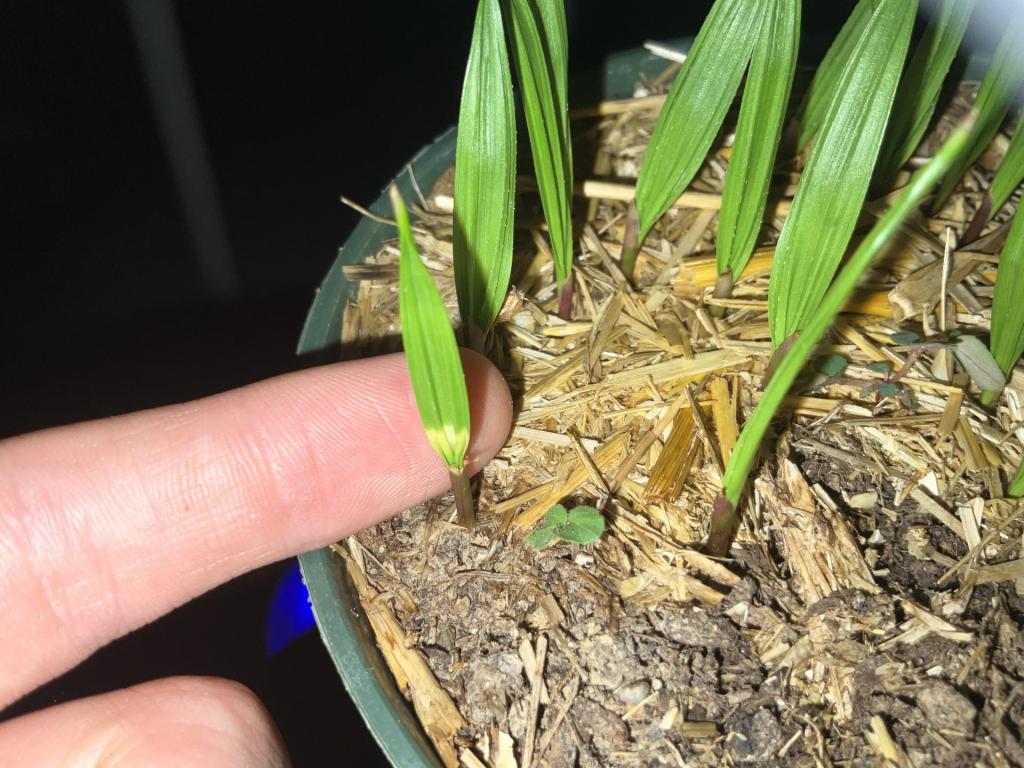
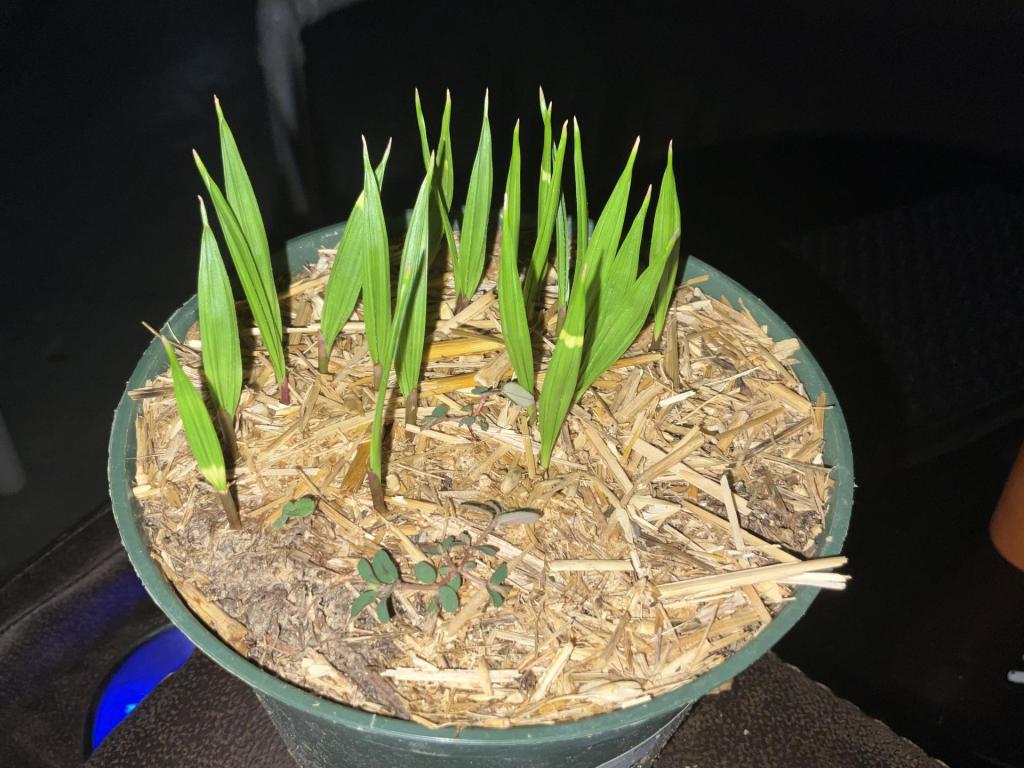
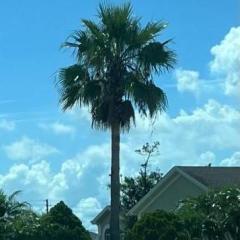 I was sprouting some Mexican fan palm seeds man they took 2 weeks or so to germinate but they growth so fast once they poke through 😭. No wonder they are considered a weed tree. Anyways is this variegated or just one weird leaf Nd it will revert to regular leaves after this one? I’m curious have any thoughts?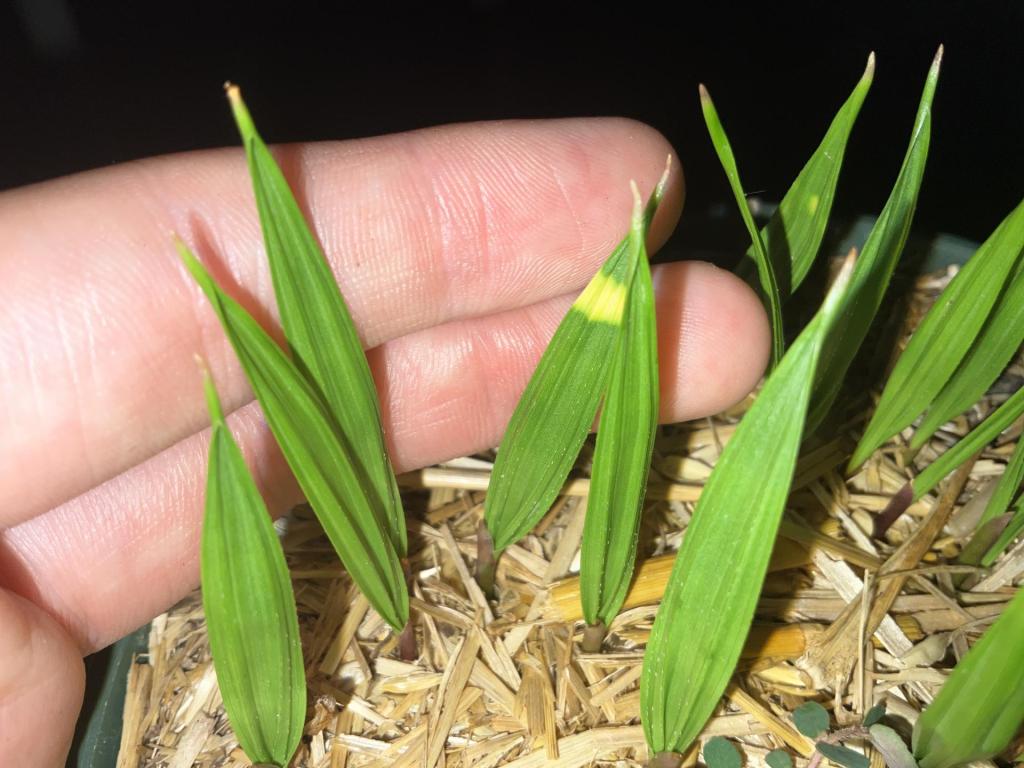
 1 point
 -
 1 pointSabal are rare palms here so there's nothing much to compare with. It's seed grown by myself and I germinated lot of various Sabals in past years, from all around the world. It's relatively fast palm here being in ground for last 4 years, probably 6-7 years from seed. Almost 3m length petiole + leave on older leaves. Any ideas what species it belongs to?


 1 point
 -
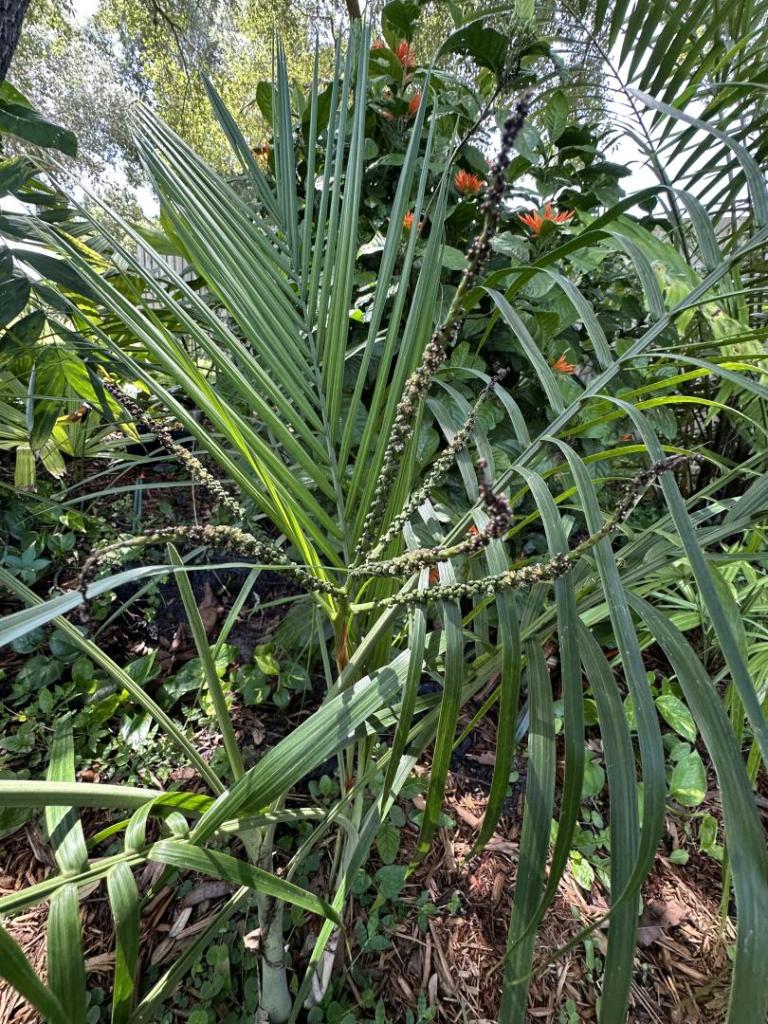
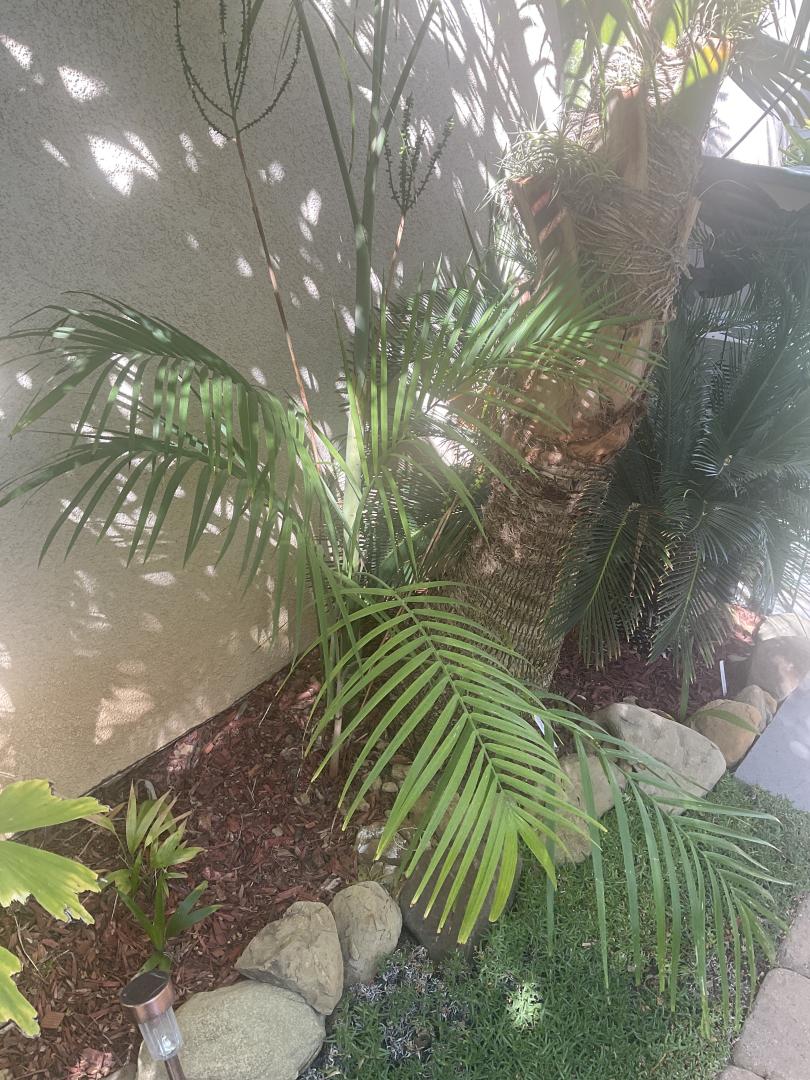
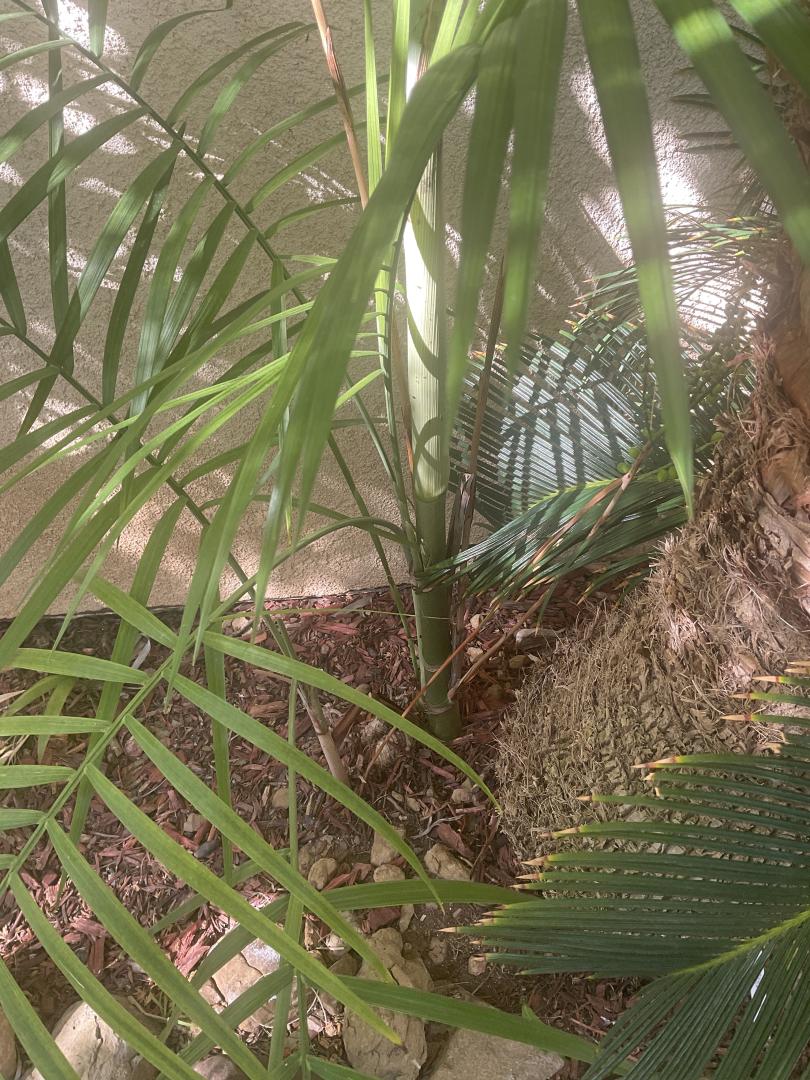
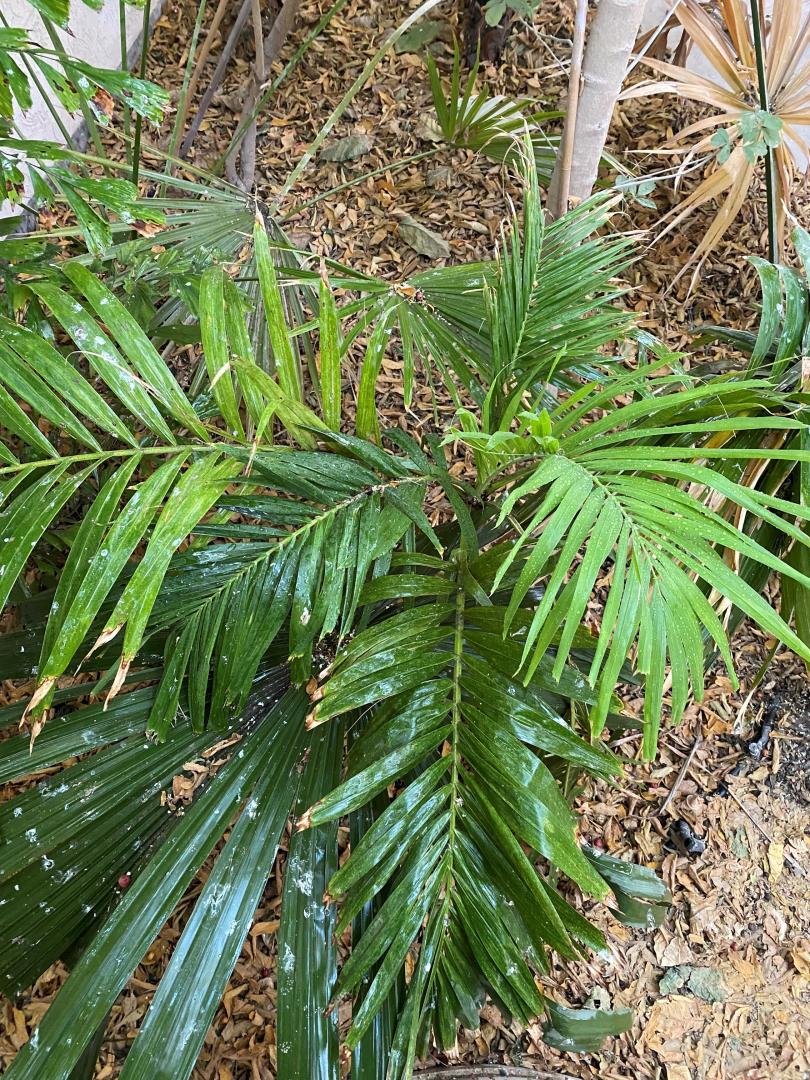
 1 pointBought this as Chamaedorea CostaRicana last year as a small 1g. It’s going through its second summer and has been a pretty fast grower. It came from Redland Nursery in Homestead, where there is a lot of open pollination and many species of Chamaedorea in close proximity. Keep hearing that CostaRicana hates Florida, but this guy seems happy. Can anyone verify that is indeed what it is? Also should note it went through 24f with 30-40mph winds in February and was unscathed.

 1 point
 -
 1 pointExtraterrestrial? Please come home ET. Any ETS landing in your garden. This is from planet Encyclia of the cochleata species.
 1 point
 -
 1 pointIt’s very interesting how there are no Ceroxylons in Hawaii. I tried planting 10 of them. I think I have one survivor and it’s only about a foot tall after 10 years.1 point
 -
 El Nino/La Nina events in Australia dating back to the beginning of the 20th century: [img] [img] [img] Australian rainfall maps dating back to the beginning of the 20th century: [img] [img] Generally ( as a rule of thumb ) El Ninos are associated with below average rainfall / drought conditions and above average temperatures in the spring and summer months, particularly in the eastern and southern regions of the continent. The onset of the AU Monsoon can be delayed in the tropical north. In reality no two El Ninos are the same; they can vary greatly ( their effects continent wide ) and there are several other climate drivers that influence the severity or otherwise of ENSO events ie the IOD and the SAM not to mention Sea Temperatures. At this stage ( with worldwide climate agencies declaring a 'strong' ) El Nino event ), there is still some decent rain bands in the form of tropical moisture streaming across the continent from the Indian Ocean ( known as North West Cloudbands ). As winter progresses, one would expect the rainfall to taper off and El Nino to manifest itself from about August/September onwards into the spring and summer months with drying conditions and warmer than average temperatures. for further reading from the AU BoM : https://www.bom.gov.au/climate/enso/?ninoIndex=nino3.4&index=rnino34&period=weekly#tabs=Pacific-Ocean&pacific=History1 point
 -
1 pointTwo lovely ramsayi with a stack of seeds, I think they are about 35 years old.

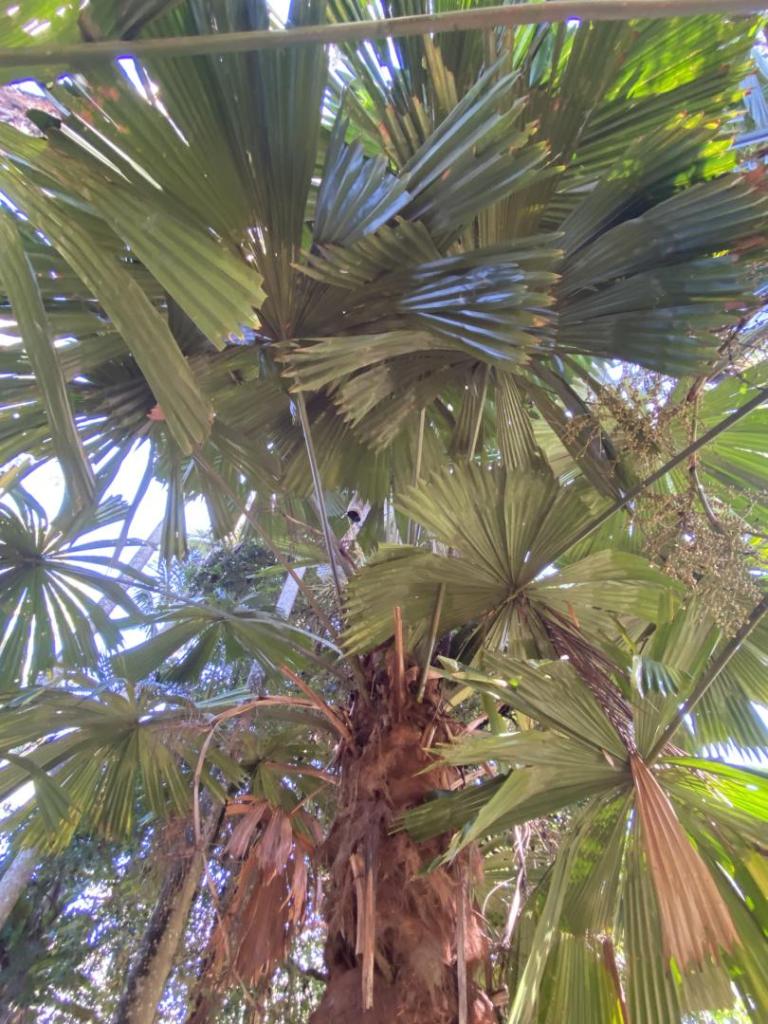

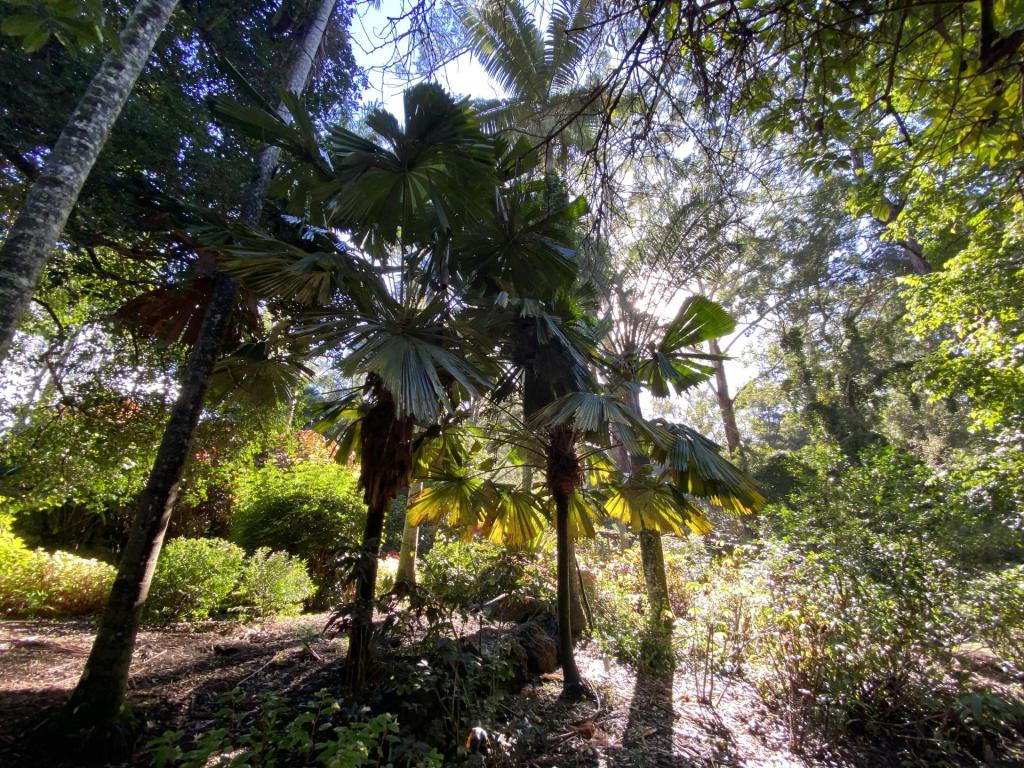

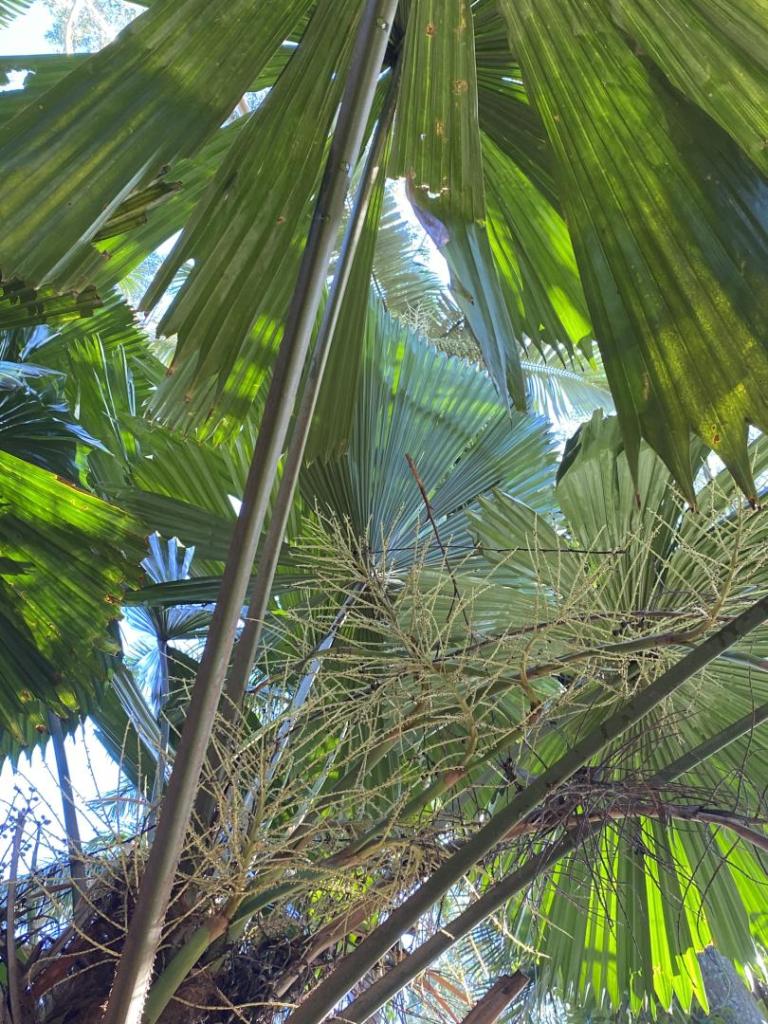
 1 point
 -
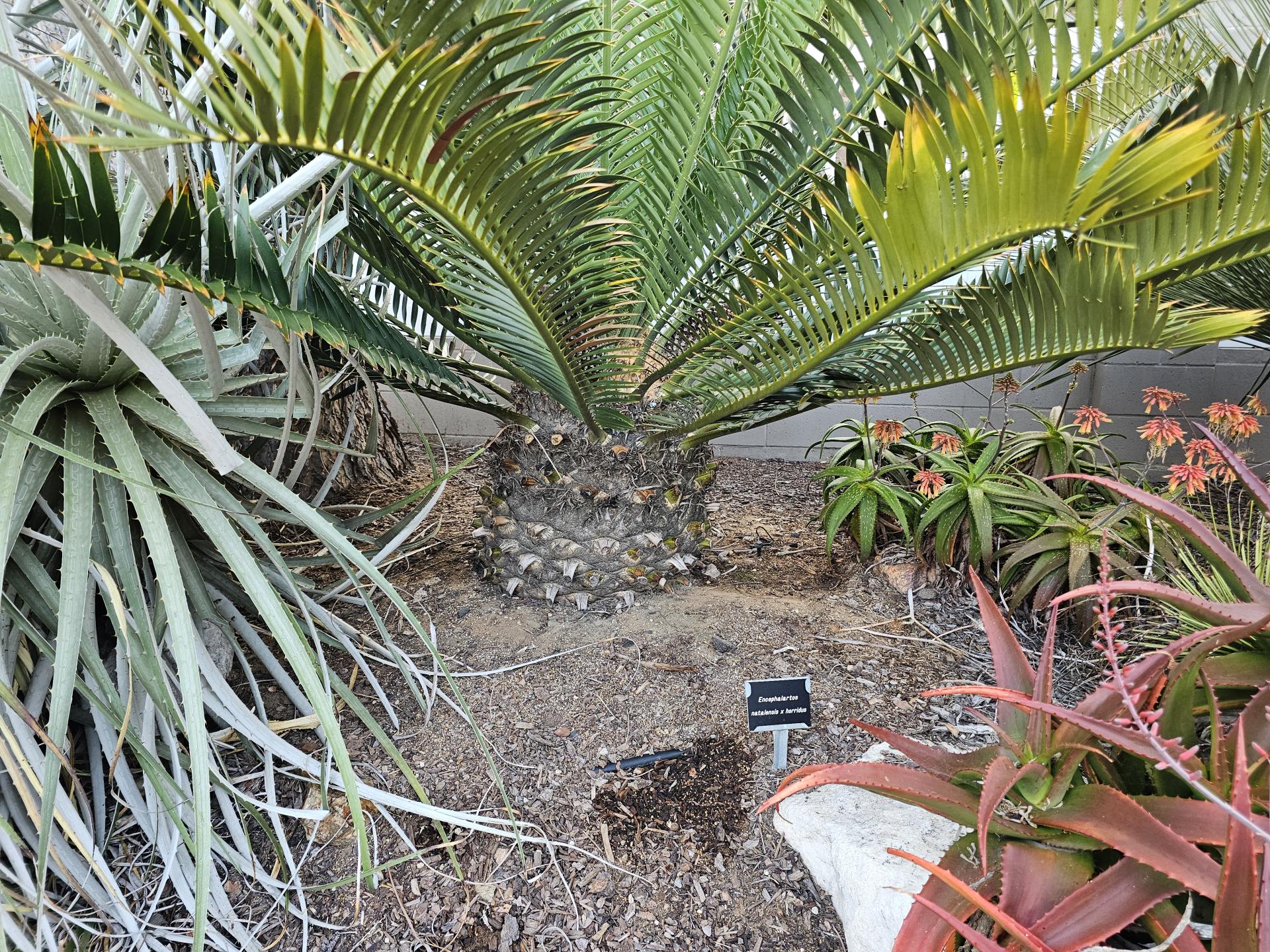
1 pointPerhaps multifrondis or debate sis? Encephalartos natalensis × horridus male flushing. I never removed last year's cones on this boy. It is developing a sizeable caudex with no pups. I have another on the other side of the Aloidendron Hercules, but it has put out a few pups in the last several years. This is a fast grower.

 1 point
 -
 1 pointThis is one I’ve posted before, but it’s the first year the existing foliage survived the winter, and the most robust flush (8) to date. It’s a C. revoluta hybrid with bifurcated leaflets that I got from North Texas Cold Hardy a few years ago. (Unfortunately, I’ve forgotten the identity of the other parent.) It’s finally starting to look like something!
 1 point
 -
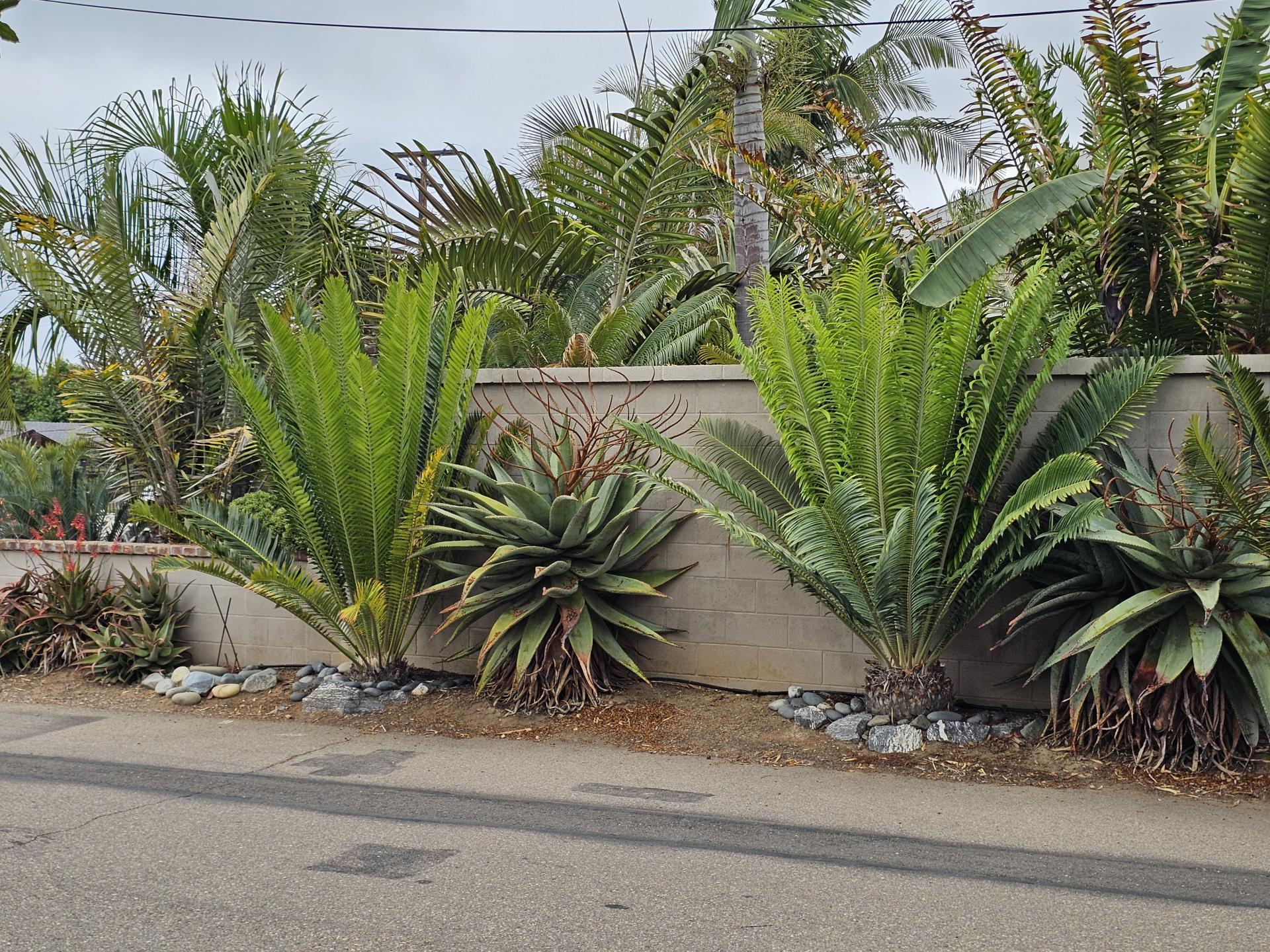
1 pointSide by side, one of my Encephalartos ituriensis which is not hardening it's flush while the Encephalartos whitelockii x sclavoi is still pushing it's soft flush. The wall is 6' high from the base.
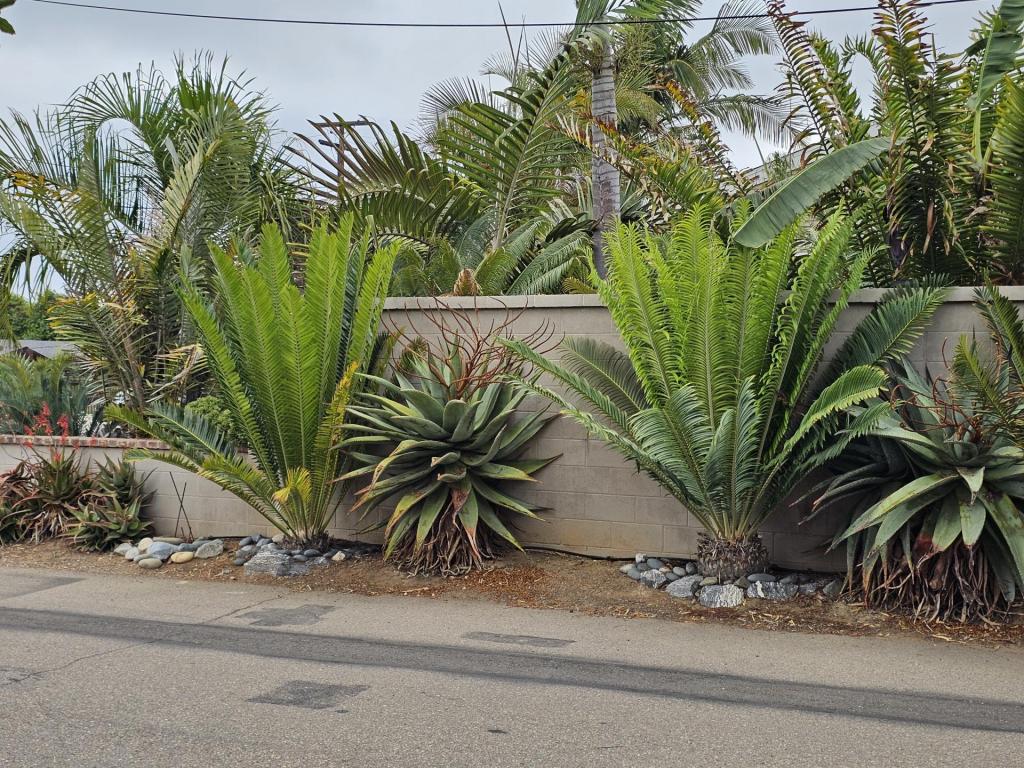 1 point
 -
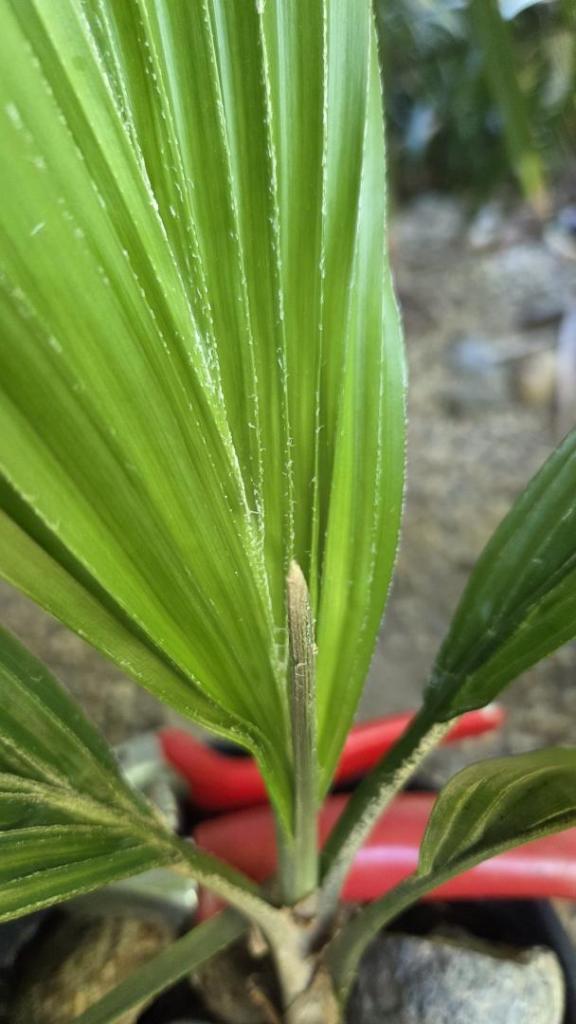
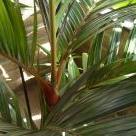 1 pointThis week has been a real trial for my little Ceroxylon amazonicum! Today at 3 PM the temperature... in the shade... was 106 °Fahrenheit (41.11 °Celsius). It's putting out its second leaf since it arrived at my place from Ecuador (via Florida). I'm keeping it in shade and in a deep saucer of water. Hopefully it'll put out a pinnate leaf before year's end?
 1 point
 -
 1 pointThe local greenhouse just finally got their hands on these and I FINALLY have gotten a good sized one with some suckers! It should fill up this space quite nicely once established and not look like this anymore 😂
 1 point
 -
1 point
-
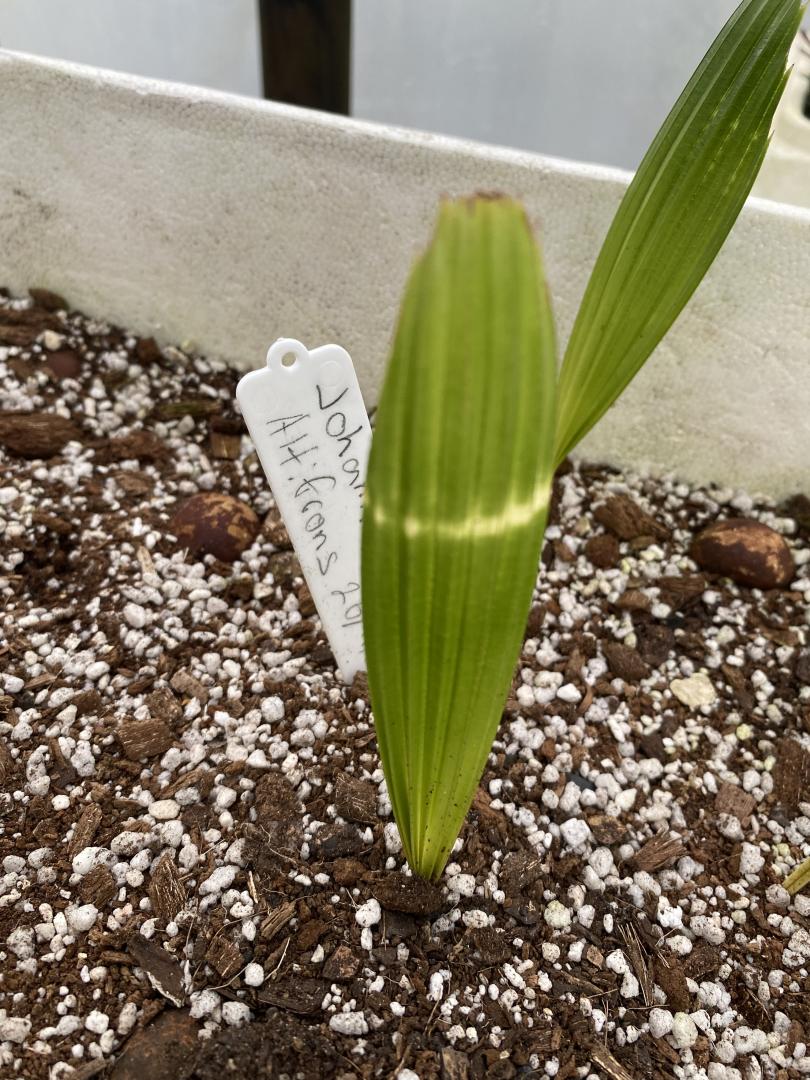
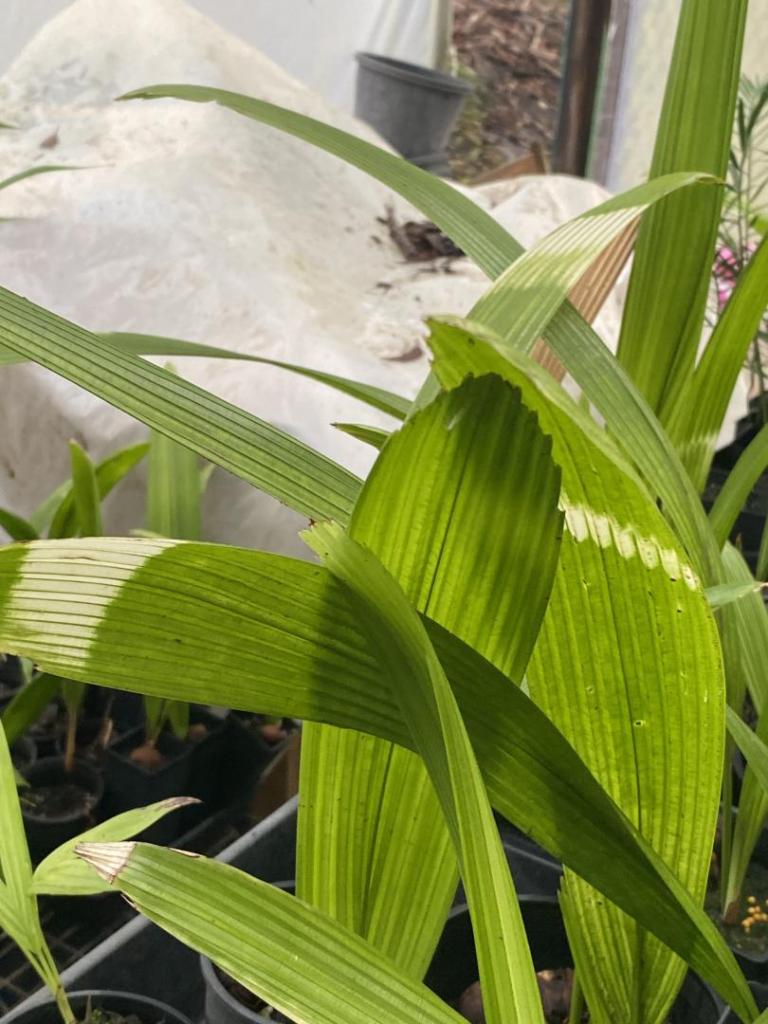
Close but no cigar, it’s light bleaching. I have it on my Johannesteijsmannia. When I first seen it I was not thinking variegated, and if it was variegated well the bank account would be a lot larger having variegated joeys that is for sure!


 1 point
 -
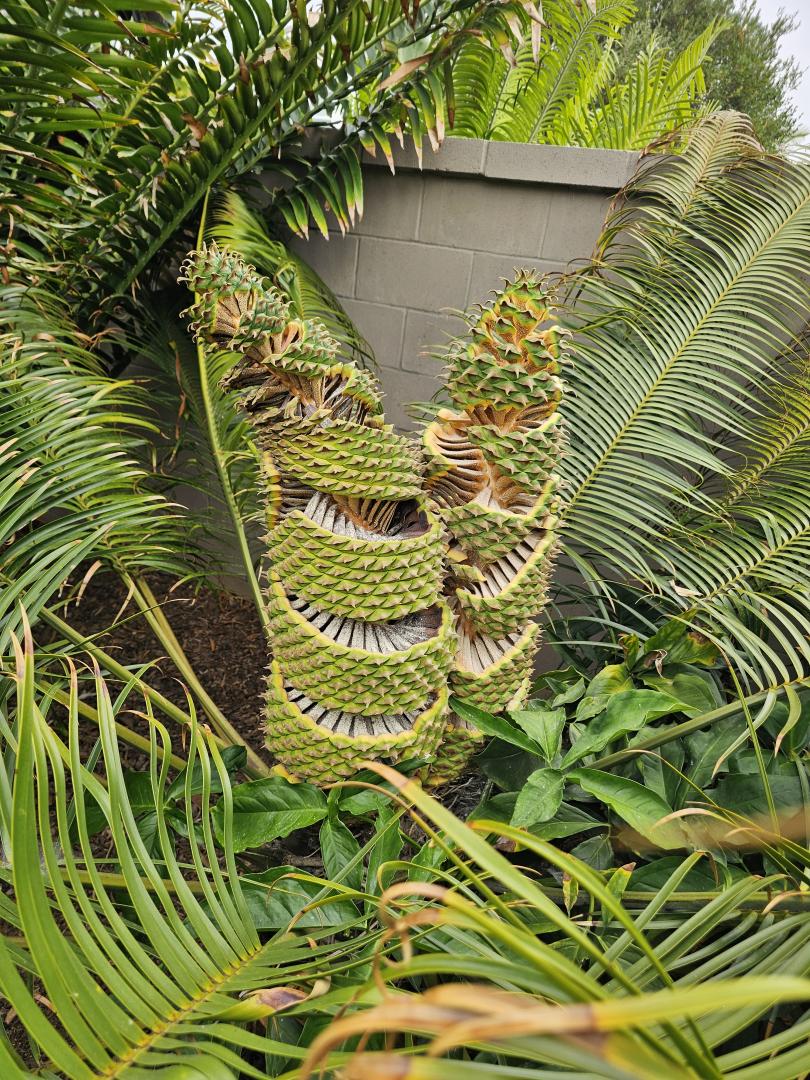
1 pointA big pair on this one. The boys get some additional extension when they unscrew like this.
 1 point
 -
1 point
-
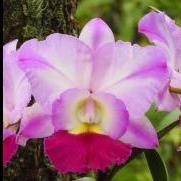 1 pointJust an update of a comment two years ago, above. I always had problems with orange leaves. Some people said it was normal for the species and others told me it was due to insufficient fertilizer. Recently I have been trying to fertilize monthly using slow release 22-7-14 with micronutrients. Plus generous doses of pee. Don't scrimp on the urine! I have not bought fertilizer since the Iran war started, so I have no idea what it costs now, but pee is always a bargain. I still have some yellow-orange streaks in the older fronds, but overall I think it looks much better. The reflection from the perpetually wet glossy fronds makes it hard to see the underlying green. After a terribly dry 2025, I'm up to 94" (2.4m) of rain so far in 2026. If you are wondering why these don't look as good growing on the mainland, abundant rain is probably a contributing factor. The new plantings nearby are growing like gangbusters. For scale the larger one on the left has about 9 ft (3m) of trunk. After 5+ years of blooming, still no hint of fruit. A recently added Pigafetta with black bristles is lurking in the rear. As hard as it is to believe, FB produced the seedlings that grew into the 4 ft tall baby on the right starting with seeds collected in 2023 at the famous Carlsmith garden. With the proliferation of private palm gardens since around 1990, Hawaii is able to produce seeds for hundreds of rare species. Even for species that struggle to set seeds like Phoenicophorium, there is almost always somebody who has a tree with fruit. Judging with how quickly tropical forests around the world are being cleared, this might be just in the nick of time.
 1 point
 -
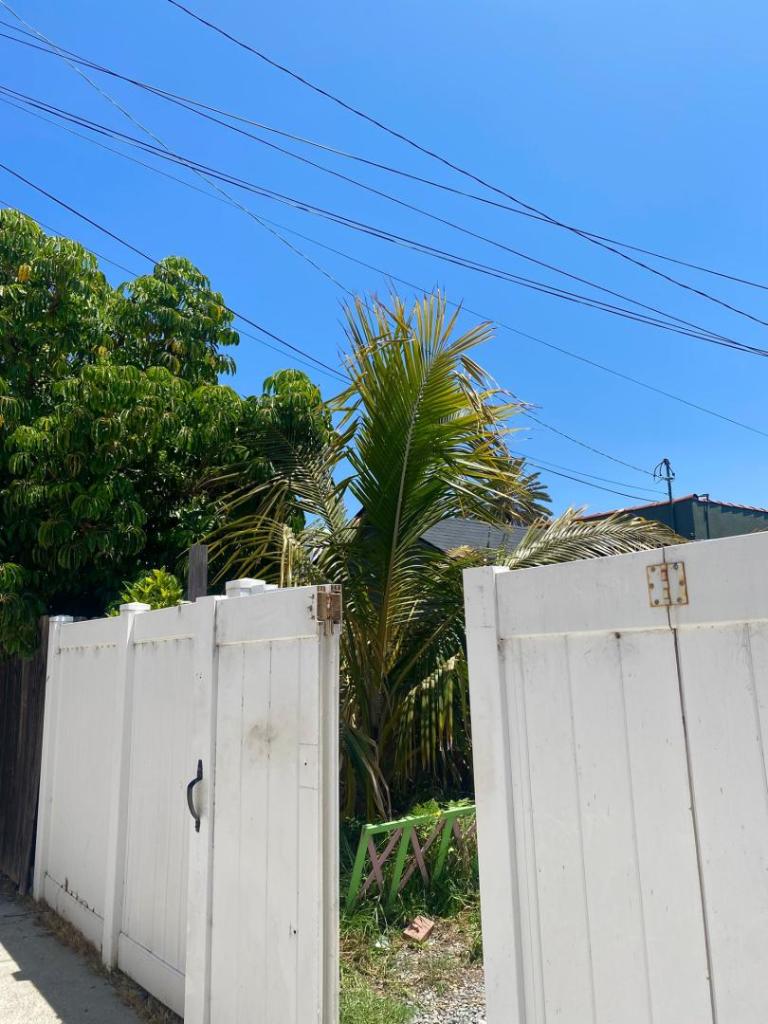
 1 pointJune 10 2026 update Not seeing a ton of change, maybe a new frond but I can’t really see up there. It seems to be more like summer weather now. The jackfruits are jumping to action I wonder how tall theyll get this year.


 1 point
 -
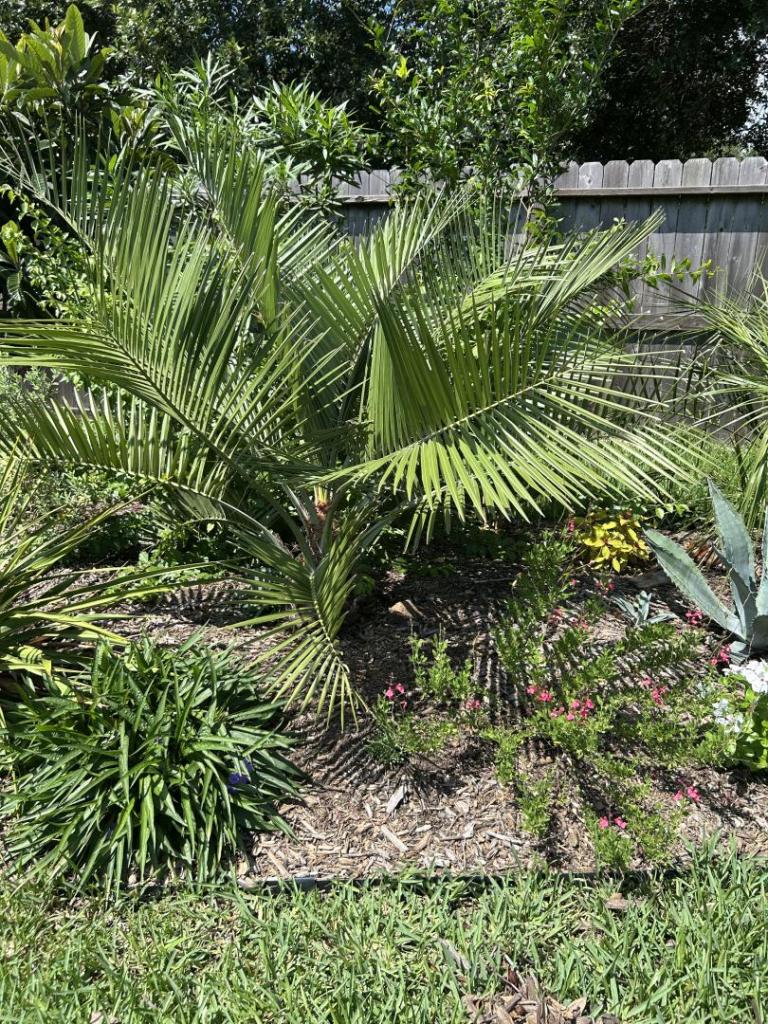
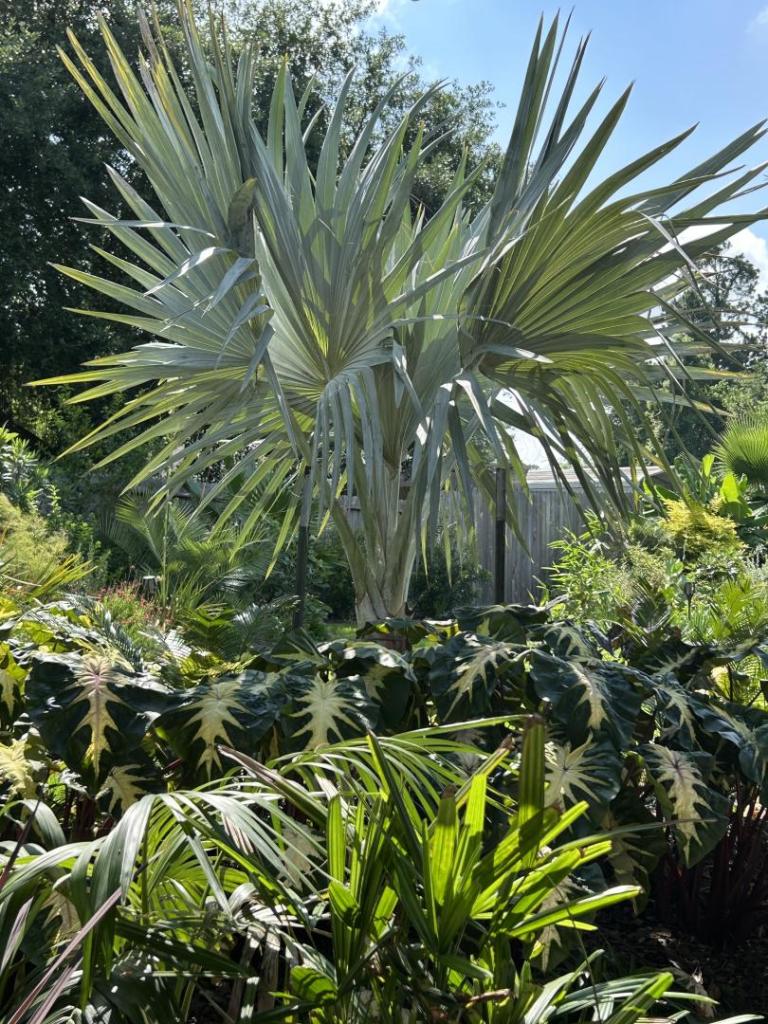
 1 pointA few of the palms this June. Sabal uresana, Sabal palmetto "Lisa" and Butia odorata to the right. Neighbors's CIDPs behind. Washingtonia robusta CIDP Butia yatay x Jubaea chilensis Phoenix sylvestris Bismarckia nobilis Trachycarpus latisectus



 1 point
 -
Some welcome rain is a good start to winter as far as I can see, said the blind man who couldn’t see at all!
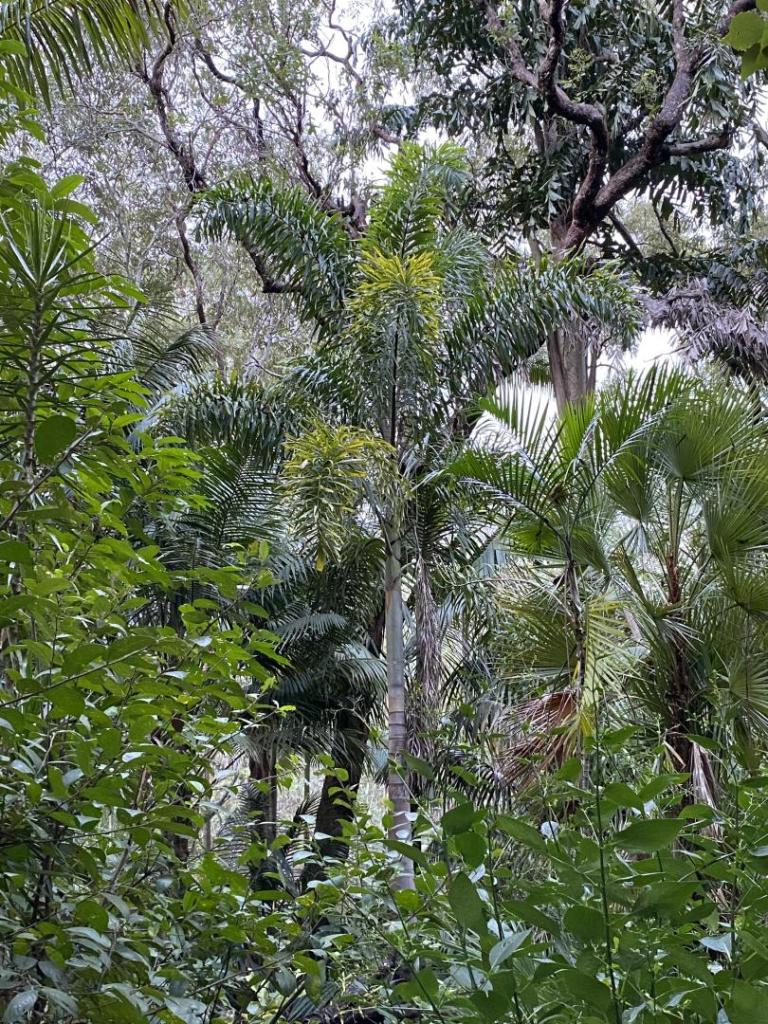


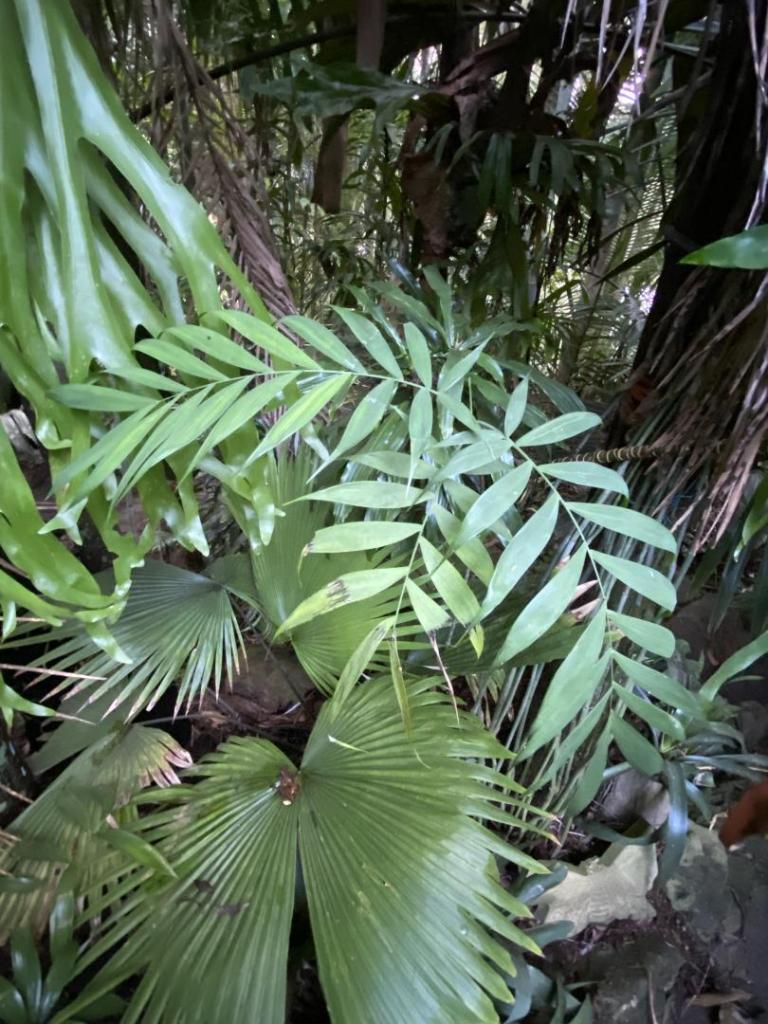


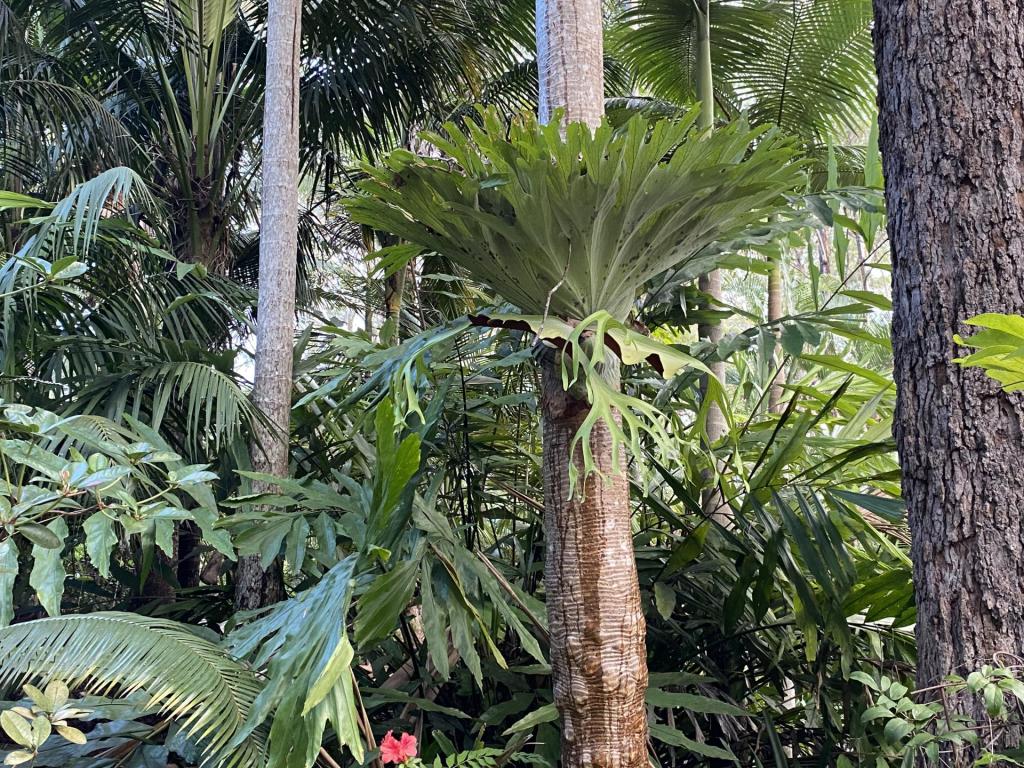


 1 point
 -
I recall this one is Macrozamia communis. I got it a while back as a seedling with 1 or 2 leaves. It was still small when I put it in the ground and I wasn't thinking about how leaves would eventually hang over the retaining wall. I like the appearance of the hanging leaves despite it being unintentional.
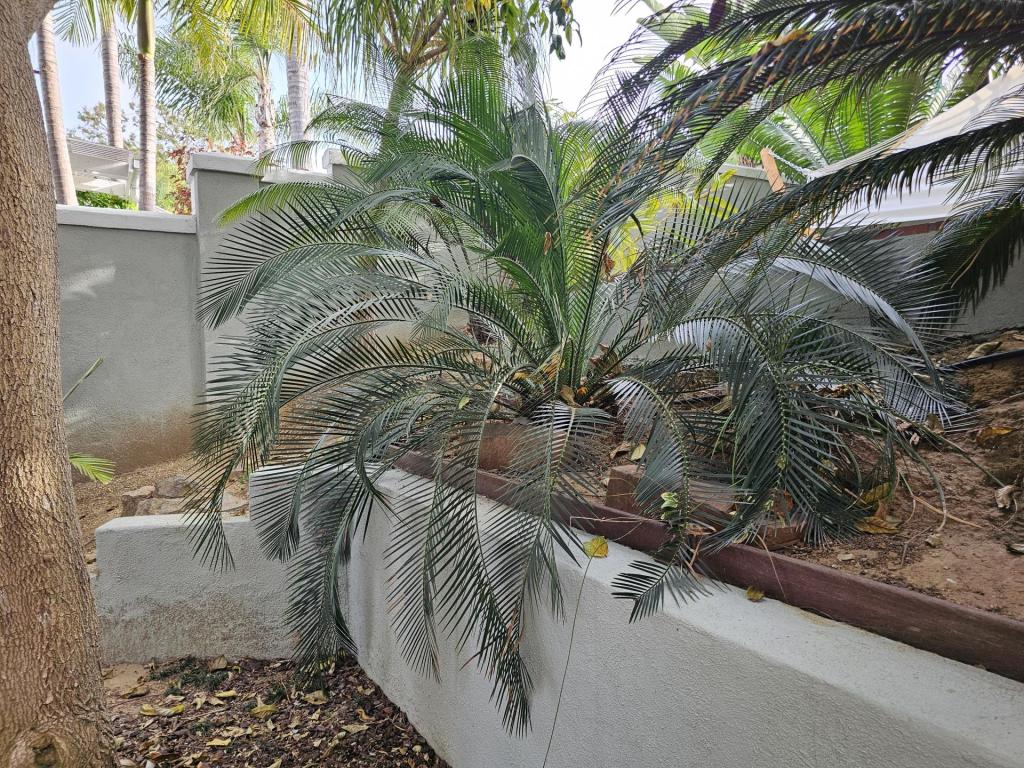 1 point







.jpg.b8a49bc9cdf125bdf8bc236f73b494d4.jpg)
.jpg.f9e9dbe0f4b79fe3dbcbb617fdc5dc50.jpg)