Jump to content
  • WELCOME GUEST

    It looks as if you are viewing PalmTalk as an unregistered Guest.

    Please consider registering so as to take better advantage of our vast knowledge base and friendly community.  By registering you will gain access to many features - among them are our powerful Search feature, the ability to Private Message other Users, and be able to post and/or answer questions from all over the world. It is completely free, no “catches,” and you will have complete control over how you wish to use this site.

    PalmTalk is sponsored by the International Palm Society. - an organization dedicated to learning everything about and enjoying palm trees (and their companion plants) while conserving endangered palm species and habitat worldwide. Please take the time to know us all better and register.

    guest Renda04.jpg

Recommended Posts

Posted

I just had a 2 days trip to the western area of Thailand.

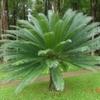
One of my mission for this trip was to see Phoenix loureiroi on its habitat.

I and friends wake up on the early morning , no breakfast because I think it should not take too much times but I was wrong.

We have to climb up to the top most of this mountain.

a5.jpg

  • Upvote 6

60 meters above the sea level with less than 1000 mm annual rain.

Temperature range is 16 - 38 °C , average is 28 °C approximately.

Start to collected palms , cycads and succulent plants since 2004.

Posted

Hurry up , friends.

It was a very good day. High humidity with some wind blow.

a2.jpg

  • Upvote 6

60 meters above the sea level with less than 1000 mm annual rain.

Temperature range is 16 - 38 °C , average is 28 °C approximately.

Start to collected palms , cycads and succulent plants since 2004.

Posted

We found some of them stand on the high slope so noone can go to see more closely.

a3.jpg

  • Upvote 7

60 meters above the sea level with less than 1000 mm annual rain.

Temperature range is 16 - 38 °C , average is 28 °C approximately.

Start to collected palms , cycads and succulent plants since 2004.

Posted

Some are blueish leave , while some are green. I don't know what is the factor for making them difference.

a6.jpg

  • Upvote 5

60 meters above the sea level with less than 1000 mm annual rain.

Temperature range is 16 - 38 °C , average is 28 °C approximately.

Start to collected palms , cycads and succulent plants since 2004.

Posted

I like this one . It looks like the ancient plant.

a7.jpg

  • Upvote 8

60 meters above the sea level with less than 1000 mm annual rain.

Temperature range is 16 - 38 °C , average is 28 °C approximately.

Start to collected palms , cycads and succulent plants since 2004.

Posted

We took around 45 minutes to reach the top of the hill.

Look down to bottom , I saw many of bluish leave growing there. They look more bigger than the one on the top.


a8.jpg

  • Upvote 9

60 meters above the sea level with less than 1000 mm annual rain.

Temperature range is 16 - 38 °C , average is 28 °C approximately.

Start to collected palms , cycads and succulent plants since 2004.

Posted

We spend more than 1 hour here to take a fresh breath. Thinking about these beautiful plants and how to grow them on our home. :P

Sorry for my English and Thank you for every comments.

Regards,

Jakky.

a4.jpg

  • Upvote 8

60 meters above the sea level with less than 1000 mm annual rain.

Temperature range is 16 - 38 °C , average is 28 °C approximately.

Start to collected palms , cycads and succulent plants since 2004.

Posted

Always highly interesting to see pictures of natural population stands of this quite variable sp. 

Posted

Great pics!

Posted

Thanks for sharing ths interesting trip. You didn´t see any P. lureiroi close/

Carambeí, 2nd tableland of the State Paraná , south Brazil.

Alt:1030m. Native palms: Queen, B. eriospatha, B. microspadix, Allagoptera leucocalyx , A.campestris, Geonoma schottiana, Trithrinax acanthocoma. Subtr. climate, some frosty nights. No dry season. August: driest month. Rain:1700mm


I am seeking for cold hardy palms!

Posted
1 hour ago, Alberto said:

Thanks for sharing ths interesting trip. You didn´t see any P. lureiroi close/

I don’t want to hijack this thread, but I can add two pics which were taken a bit closer to the palm (in its habitat near Hongkong):

5988c1a4e7c55_Phoenixloureiroi1988-02-27

5988c1b5989eb_Phoenixloureiroi88N02-0106


  • Upvote 6

My photos at flickr: flickr.com/photos/palmeir/albums

Posted

Beautiful habitat pictures


Sirinhaém beach, 80 Km south of Recife - Brazil

Tropical oceanic climate, latitude 8° S

Temperature extremes: 25 to 31°C

2000 mm average rainfall, dry summers

Create an account or sign in to comment

You need to be a member in order to leave a comment

Create an account

Sign up for a new account in our community. It's easy!

Register a new account

Sign in

Already have an account? Sign in here.

Sign In Now


  • Recently Browsing

    • No registered users viewing this page.
×
×
  • Create New...