

Leaderboard
-

happypalms
IPS MEMBER198Points13,249Posts -


Harry’s Palms
IPS MEMBER41Points4,450Posts -

Tracy
IPS MEMBER39Points6,545Posts -

Tyrone
IPS MEMBER33Points12,243Posts
Popular Content
Showing content with the highest reputation since 08/09/2026 in Posts
-
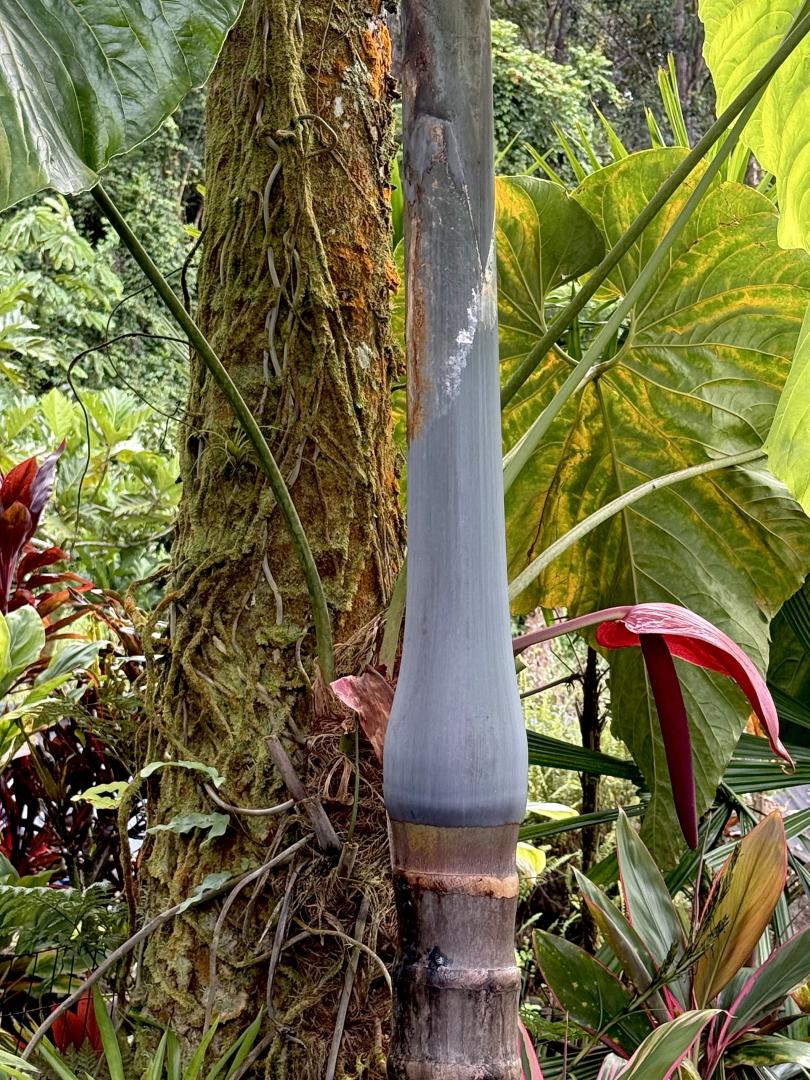
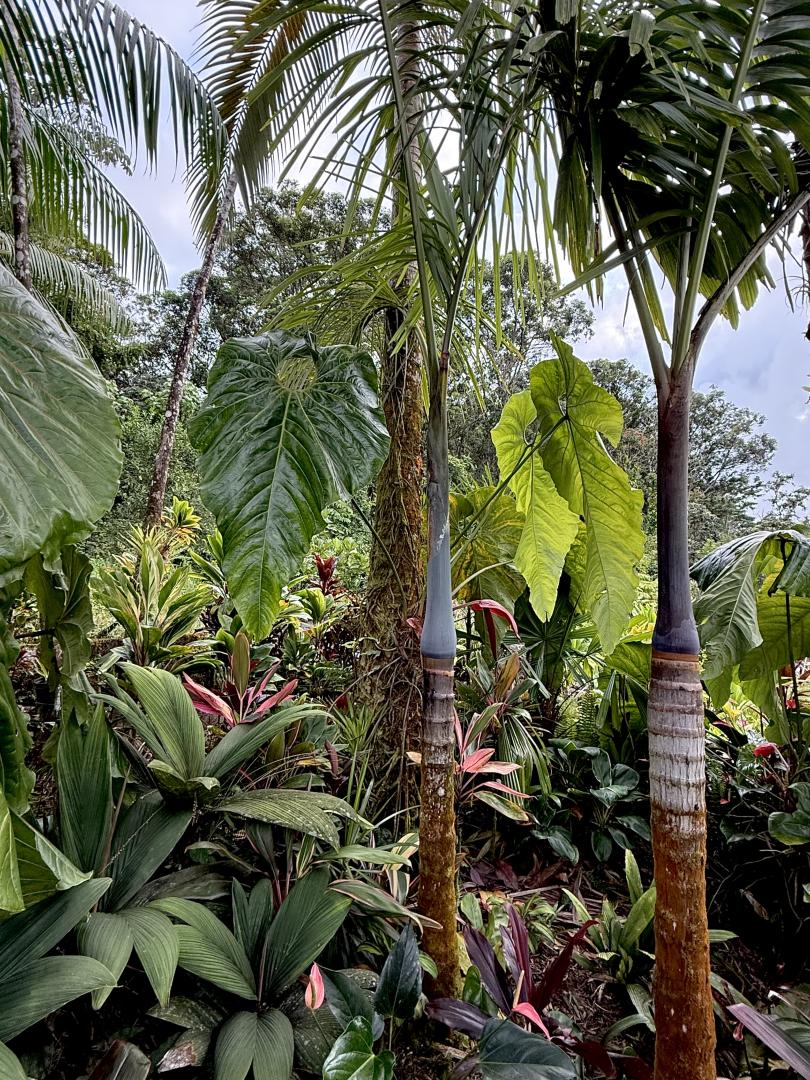
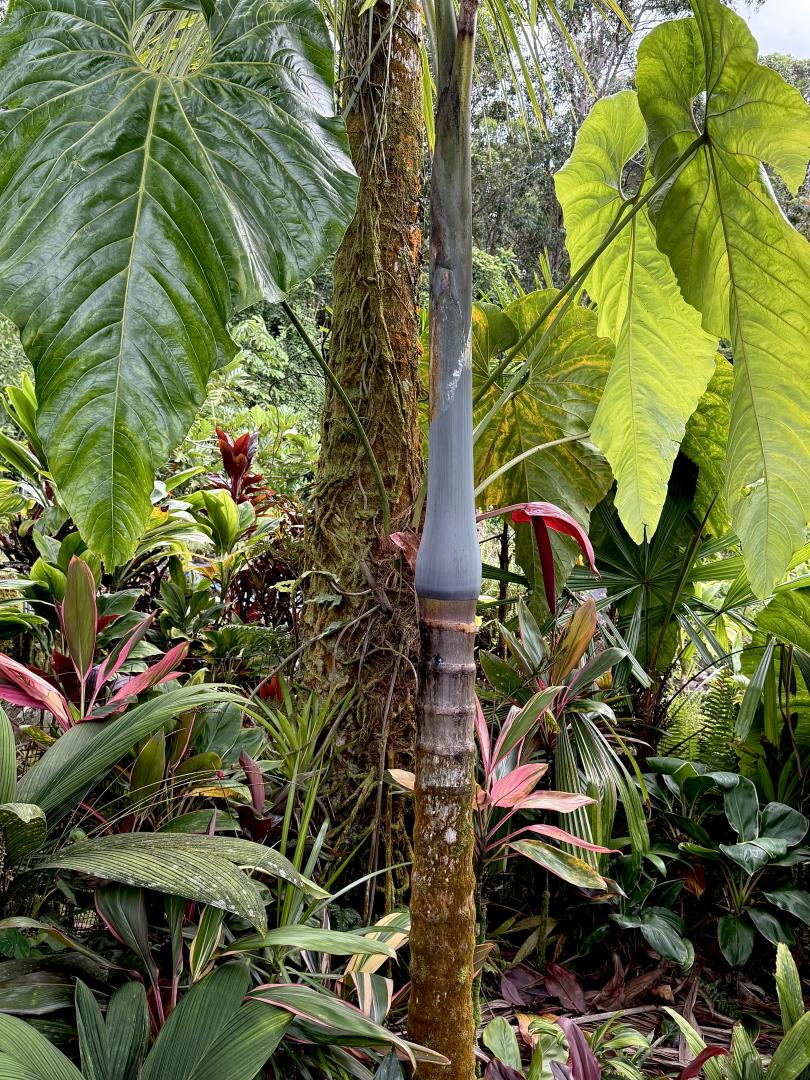
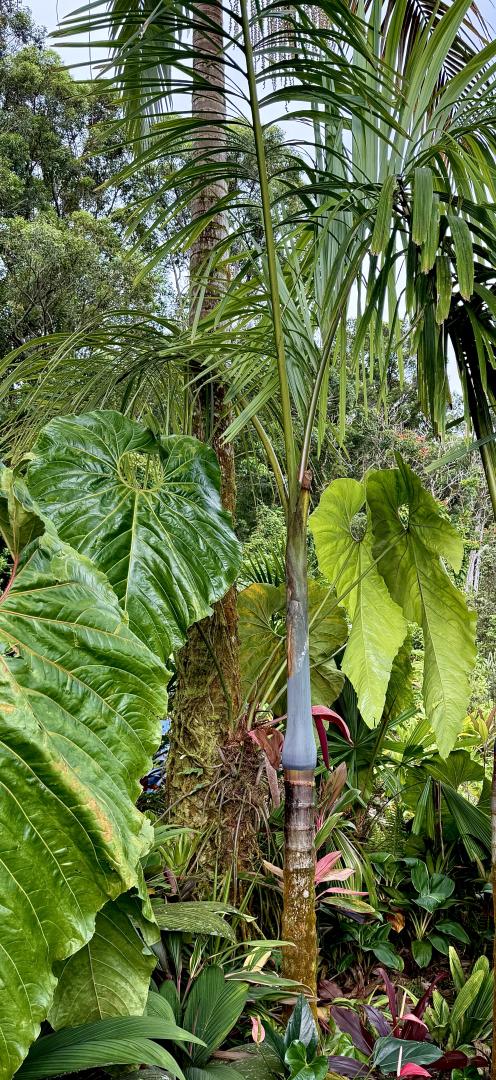
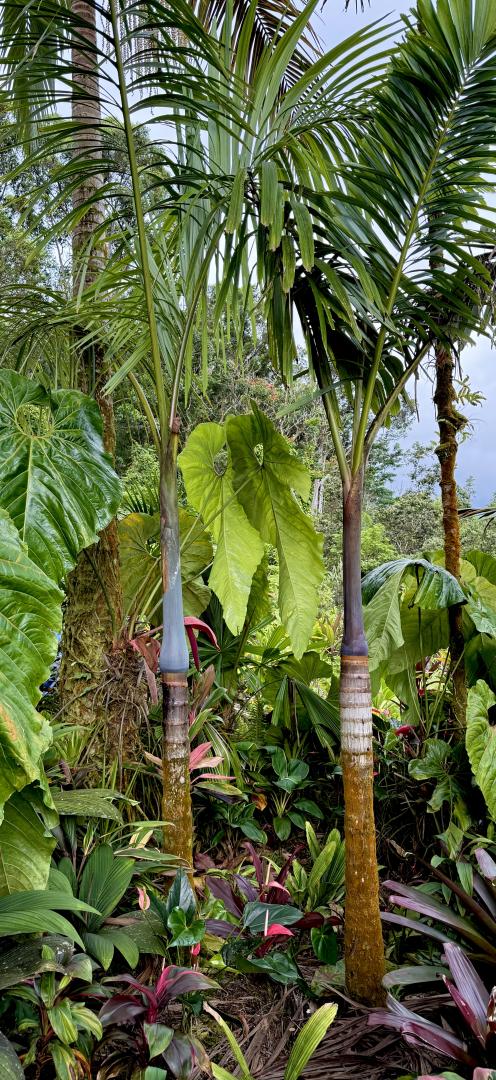
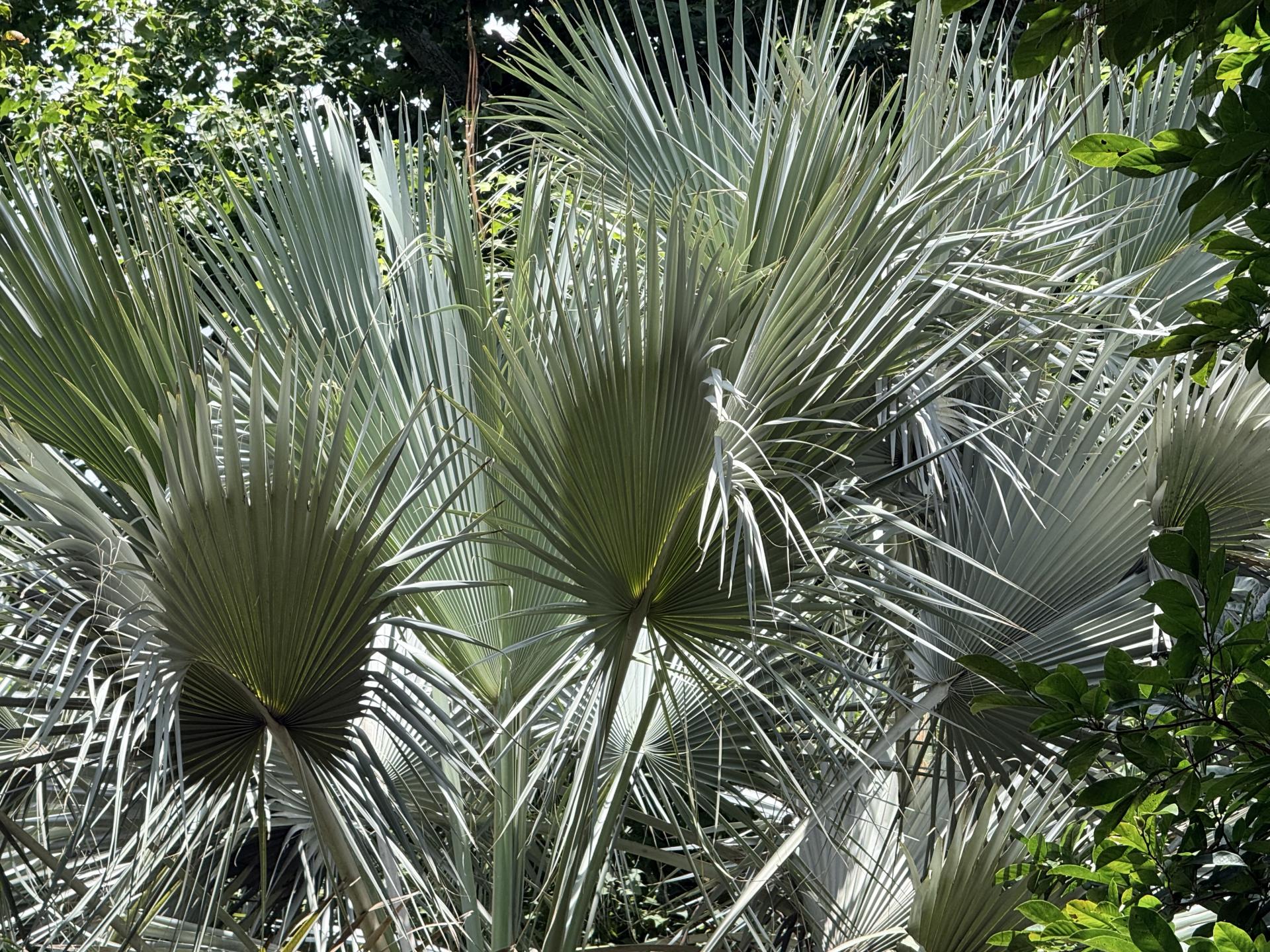
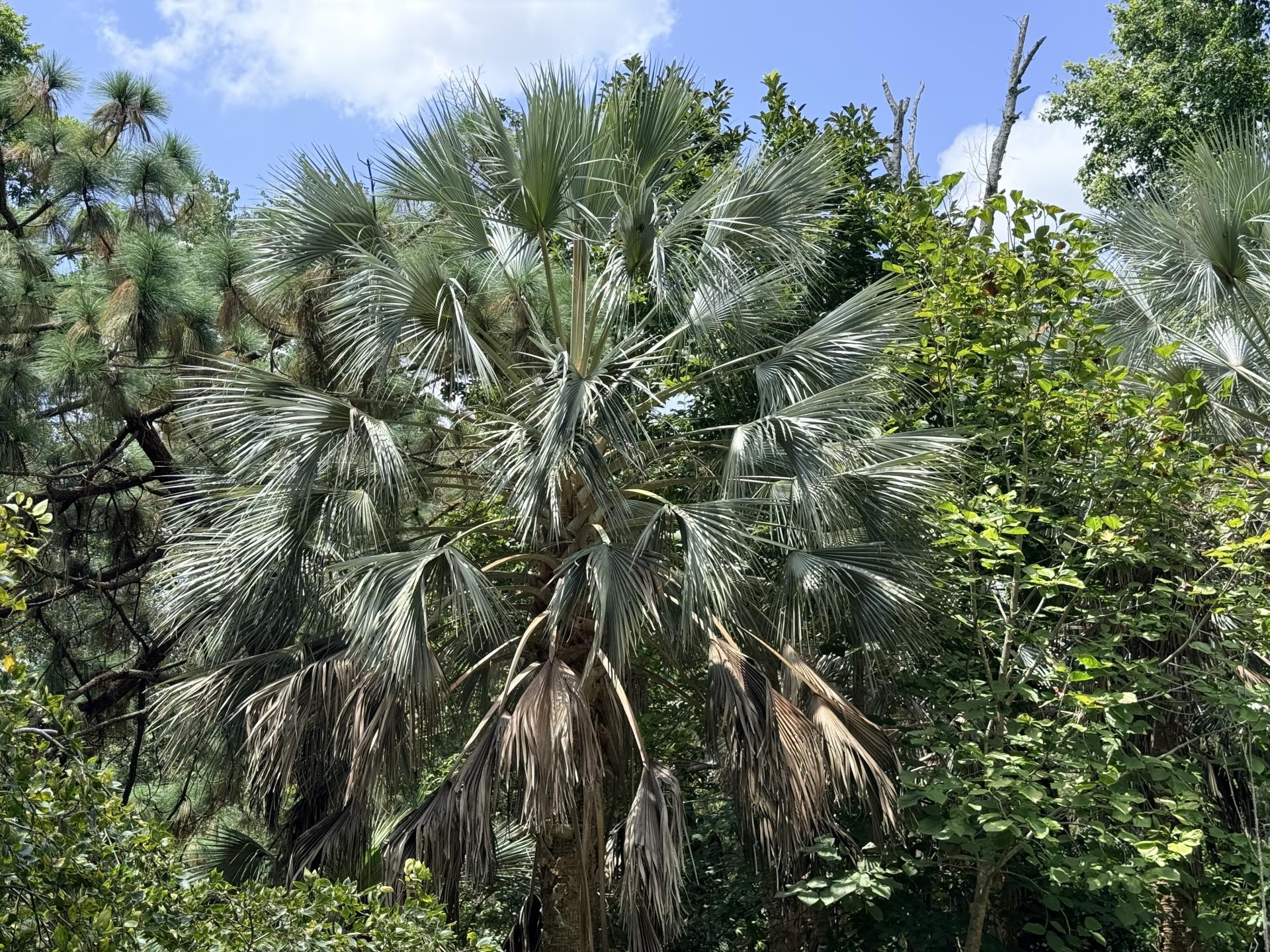
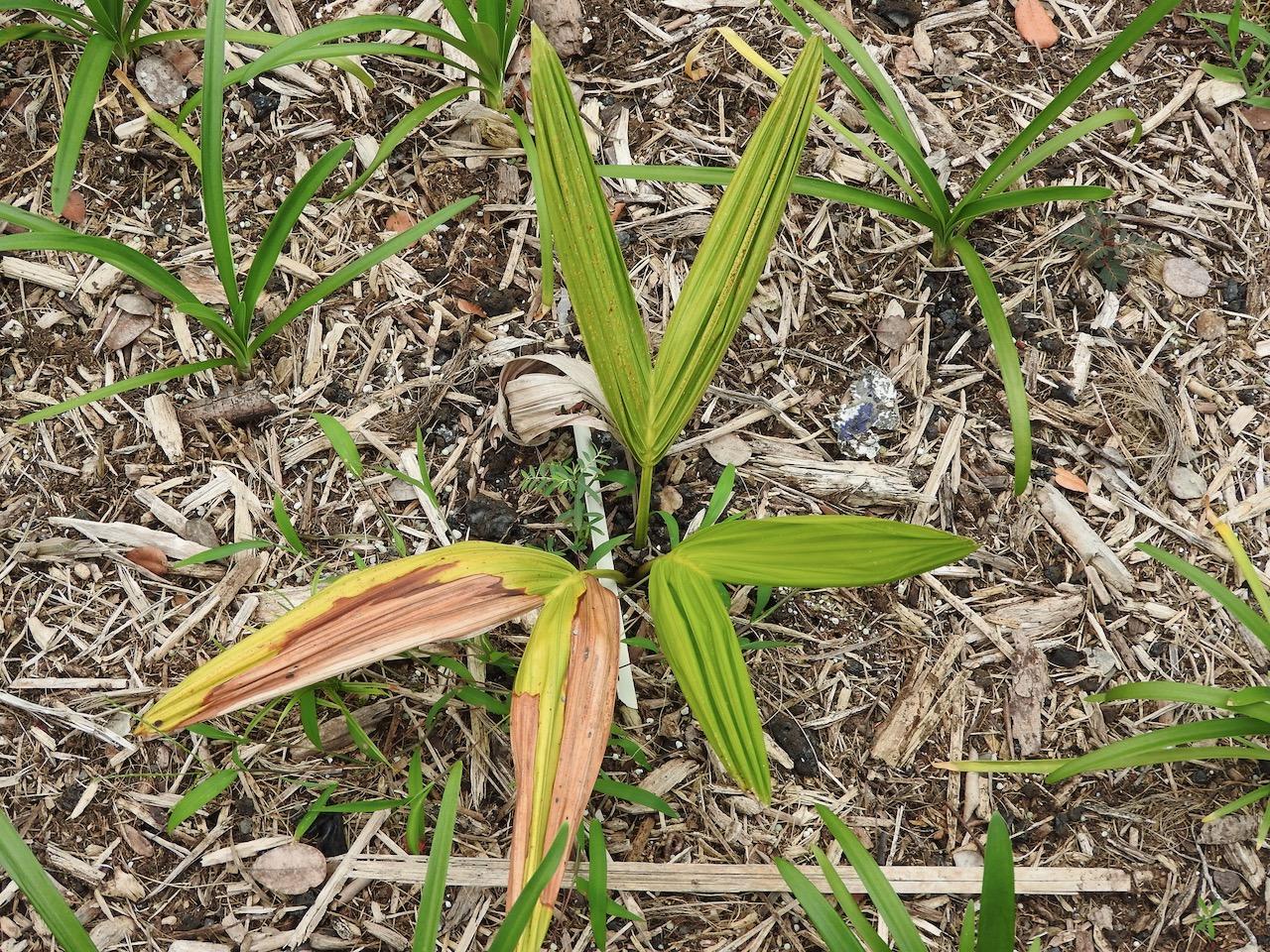
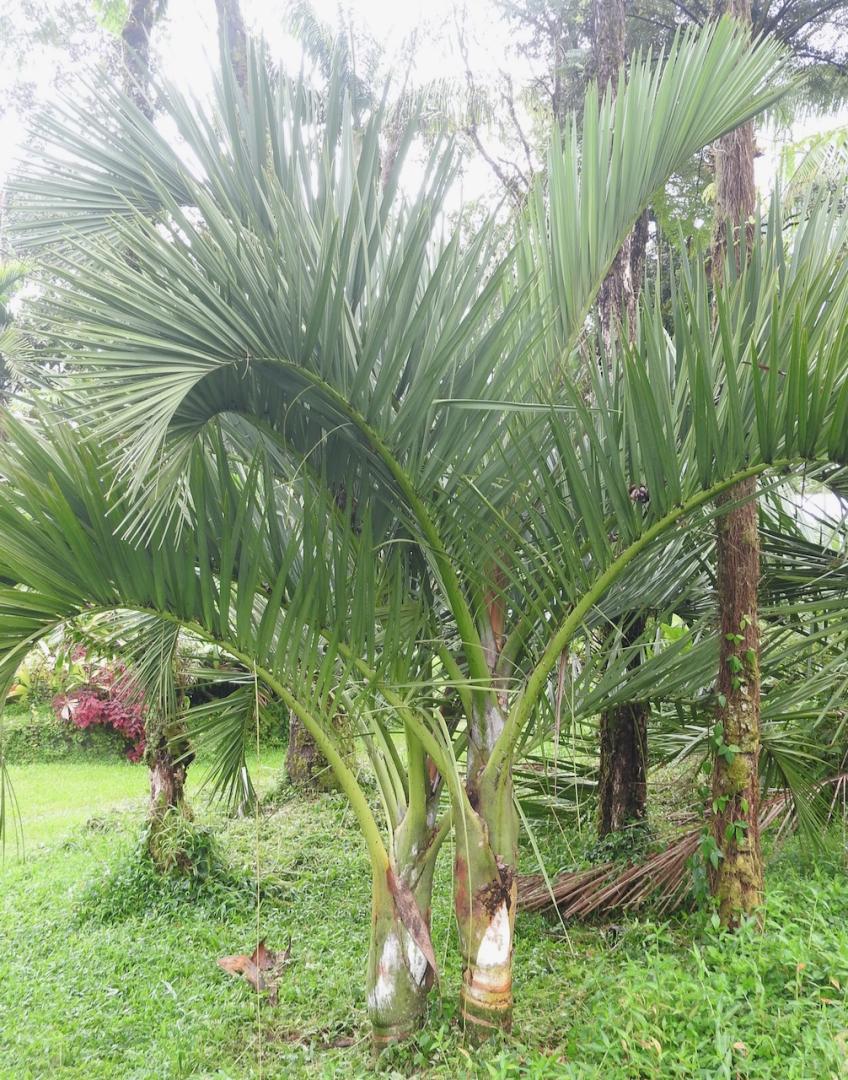
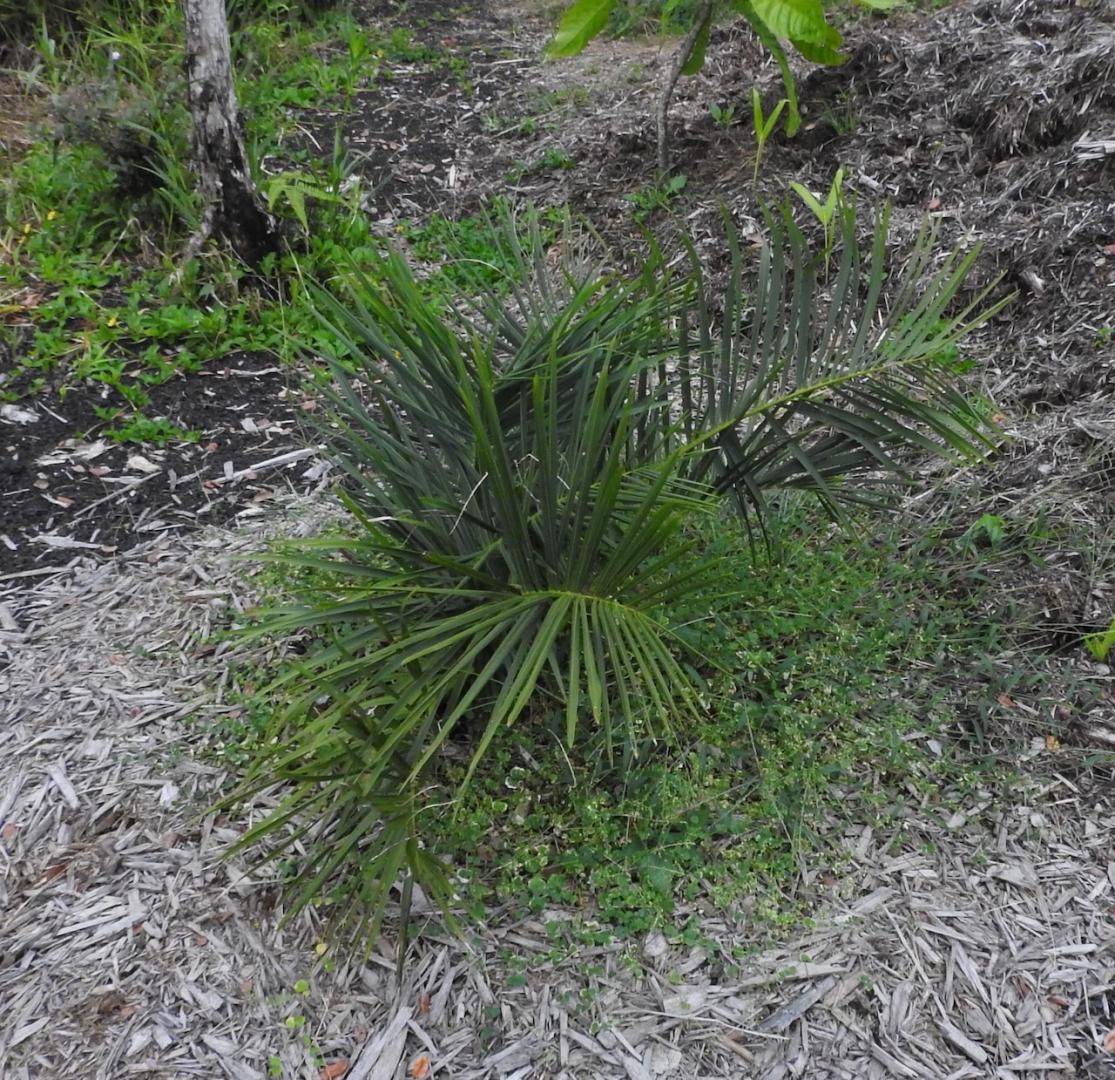
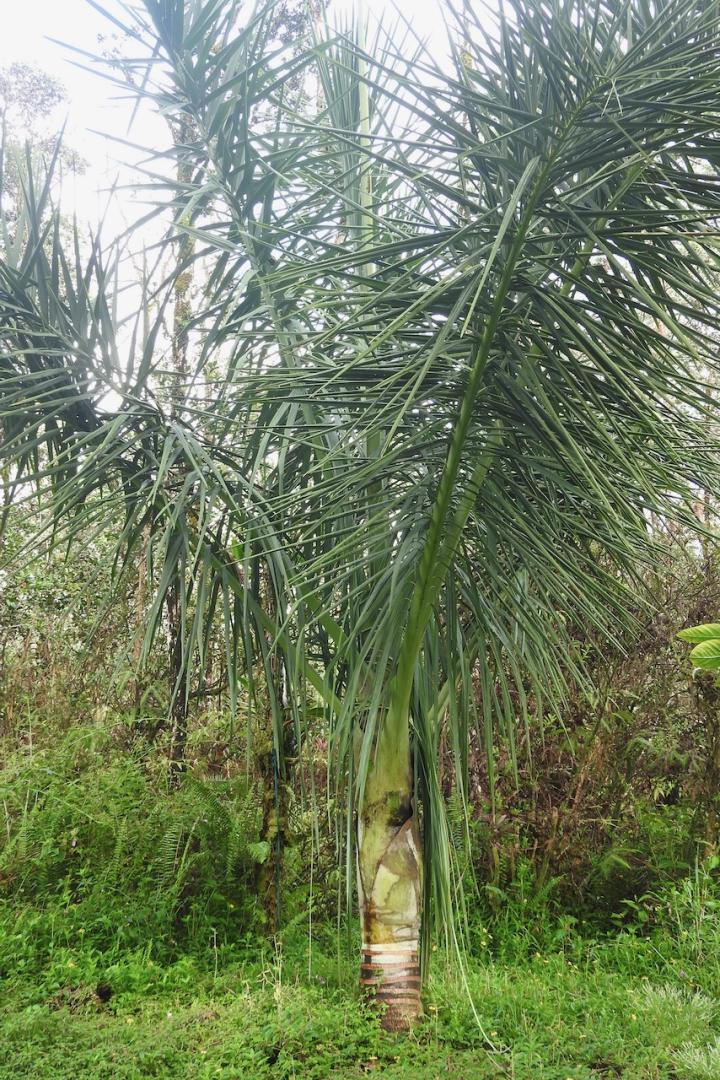
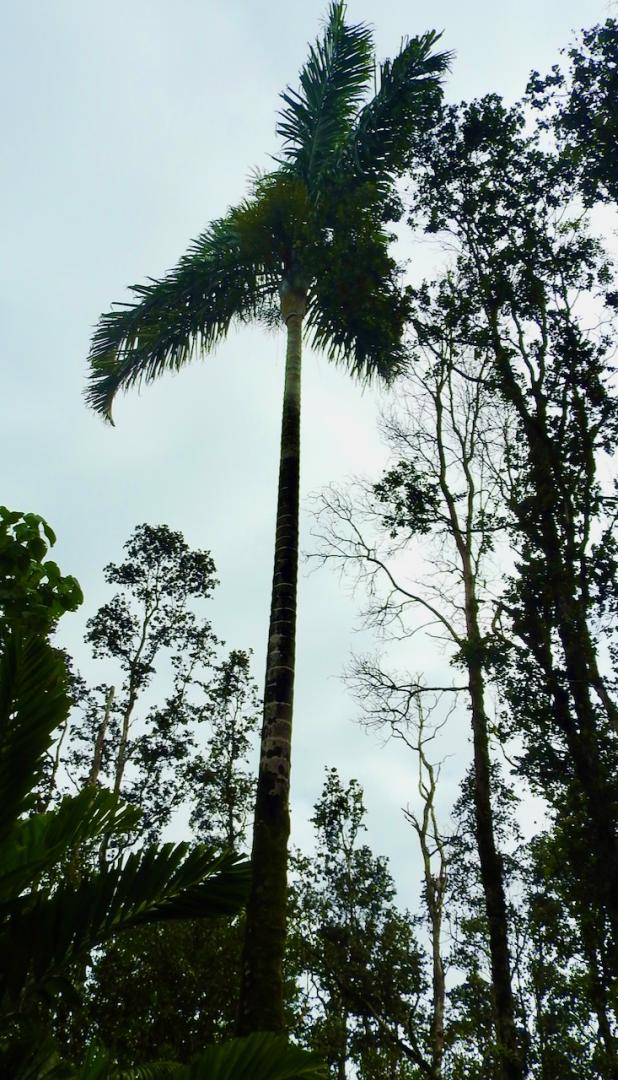
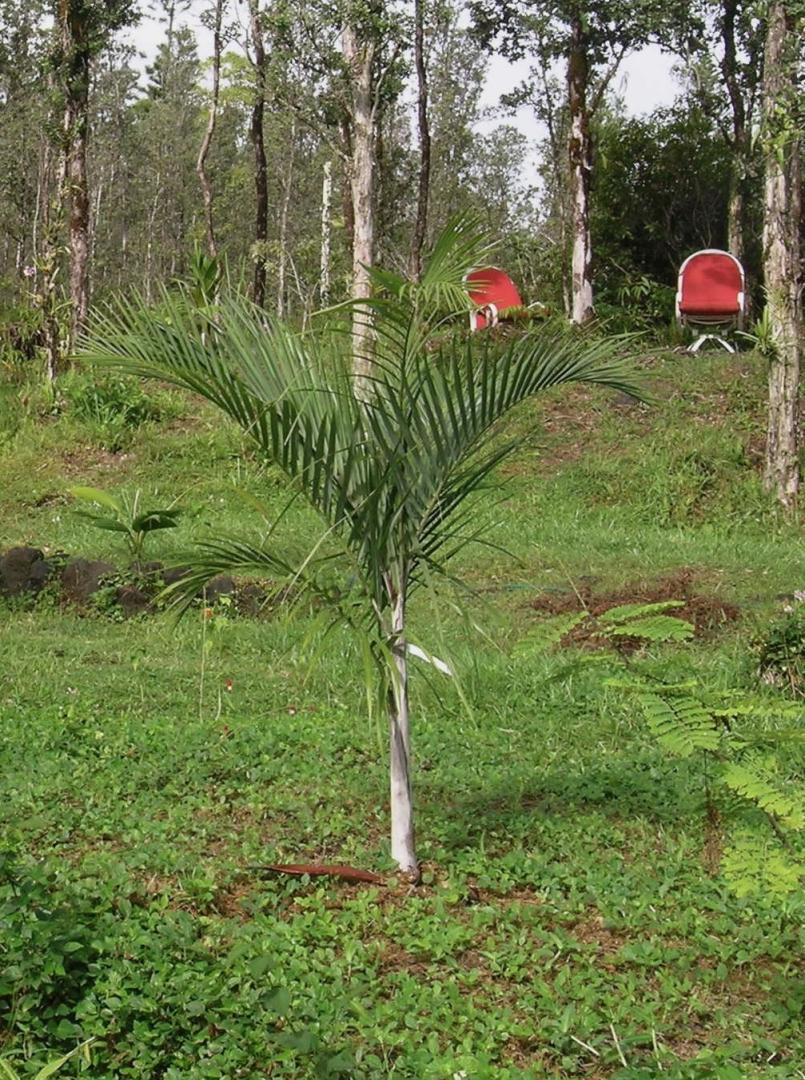
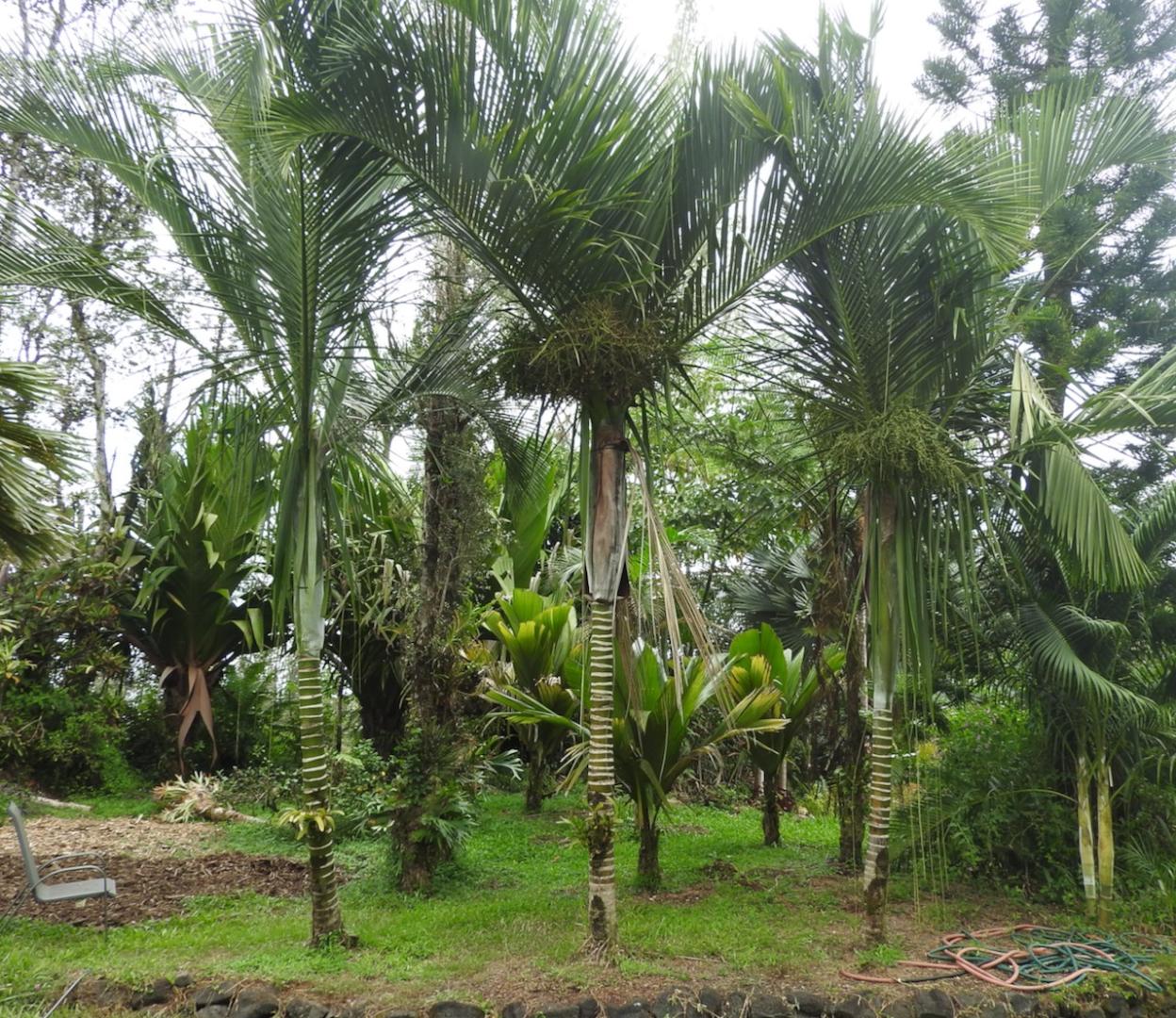
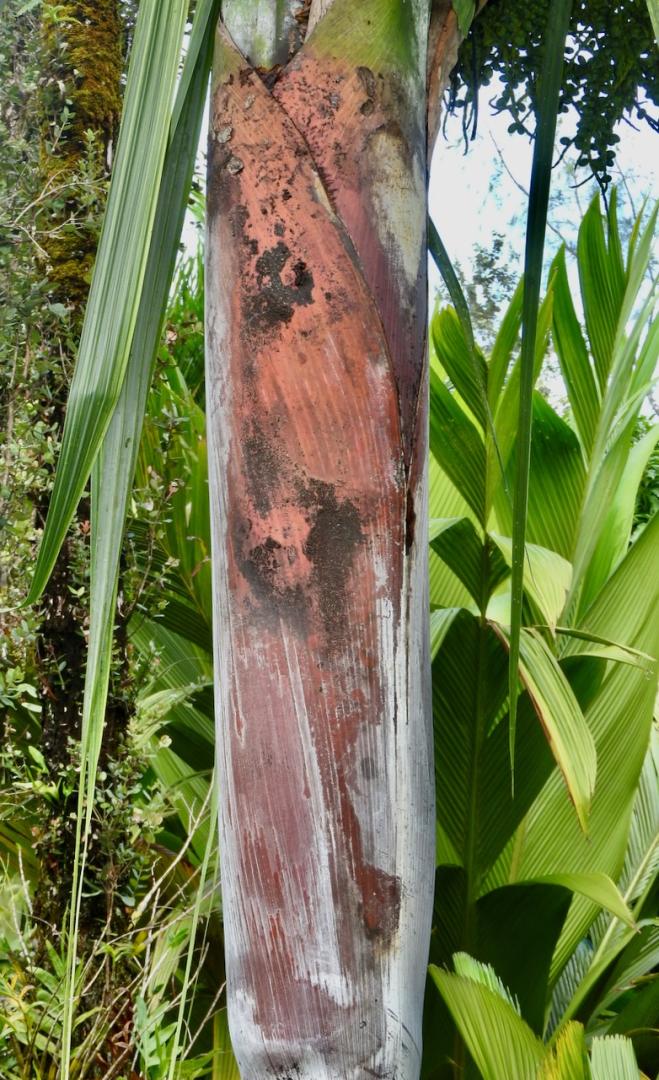
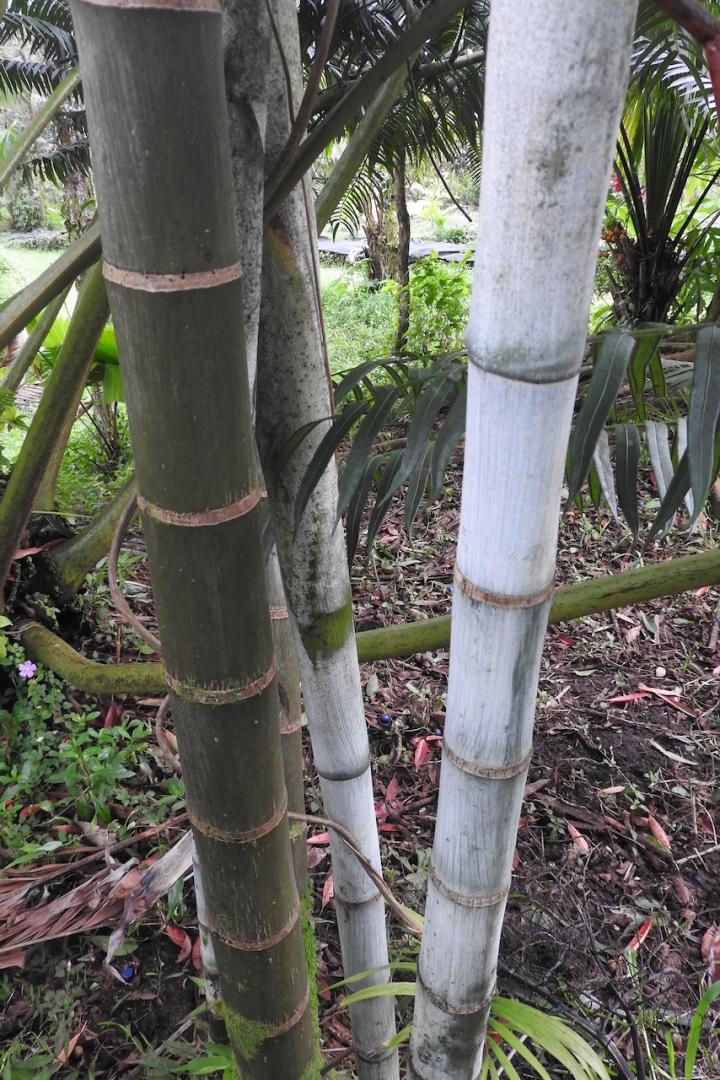
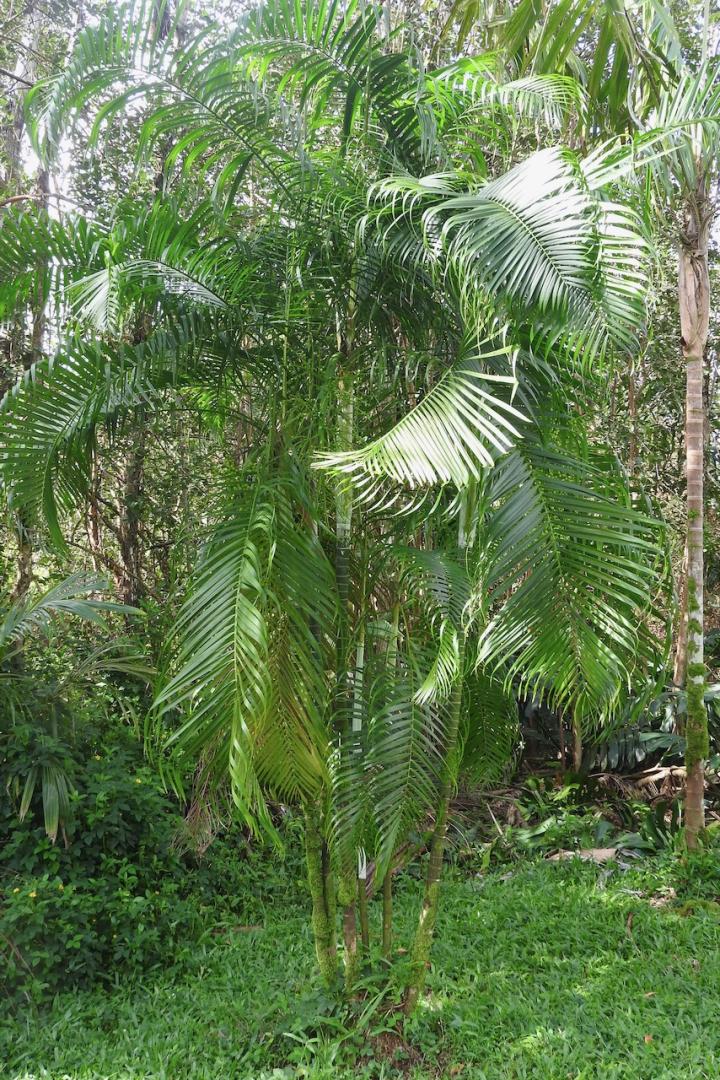
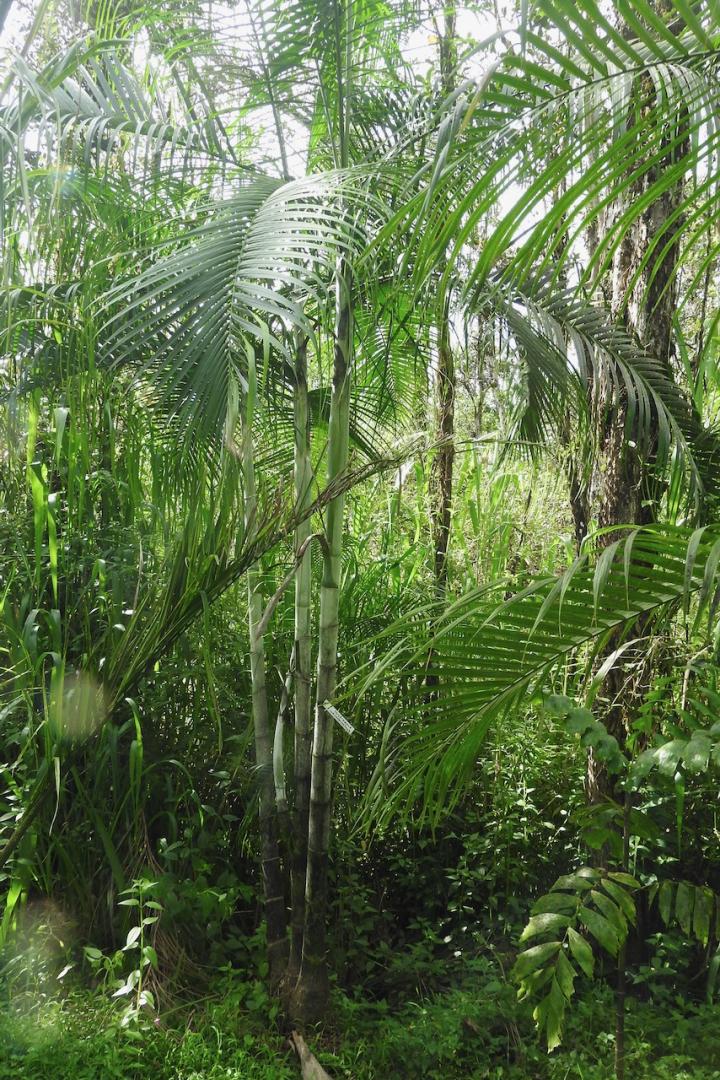
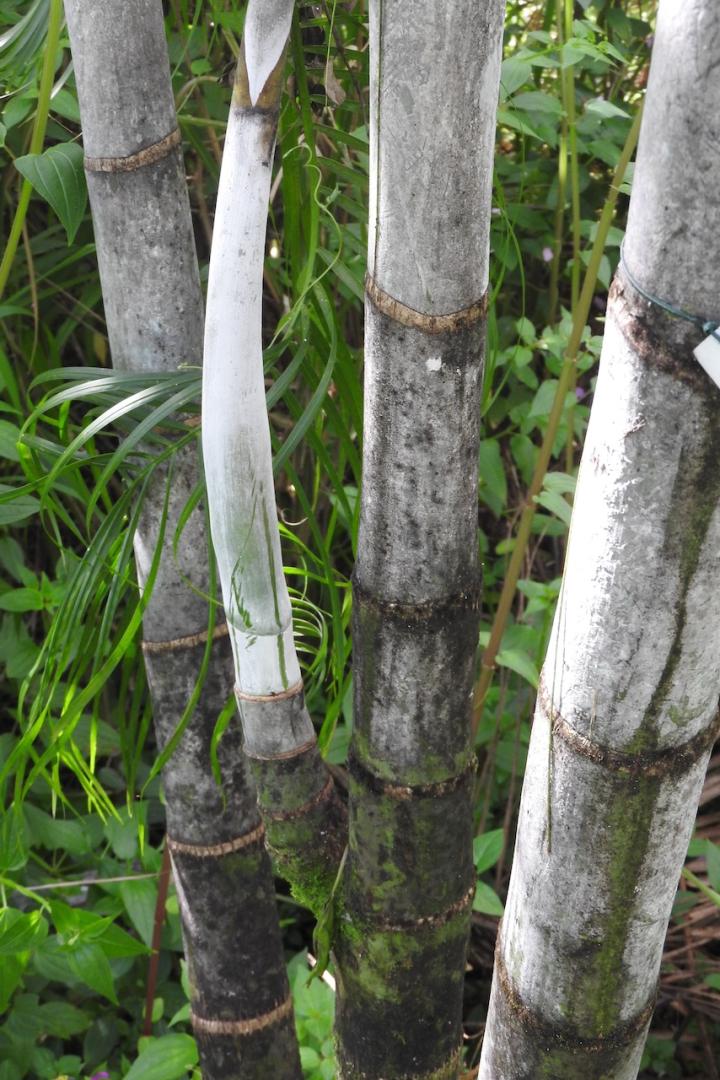
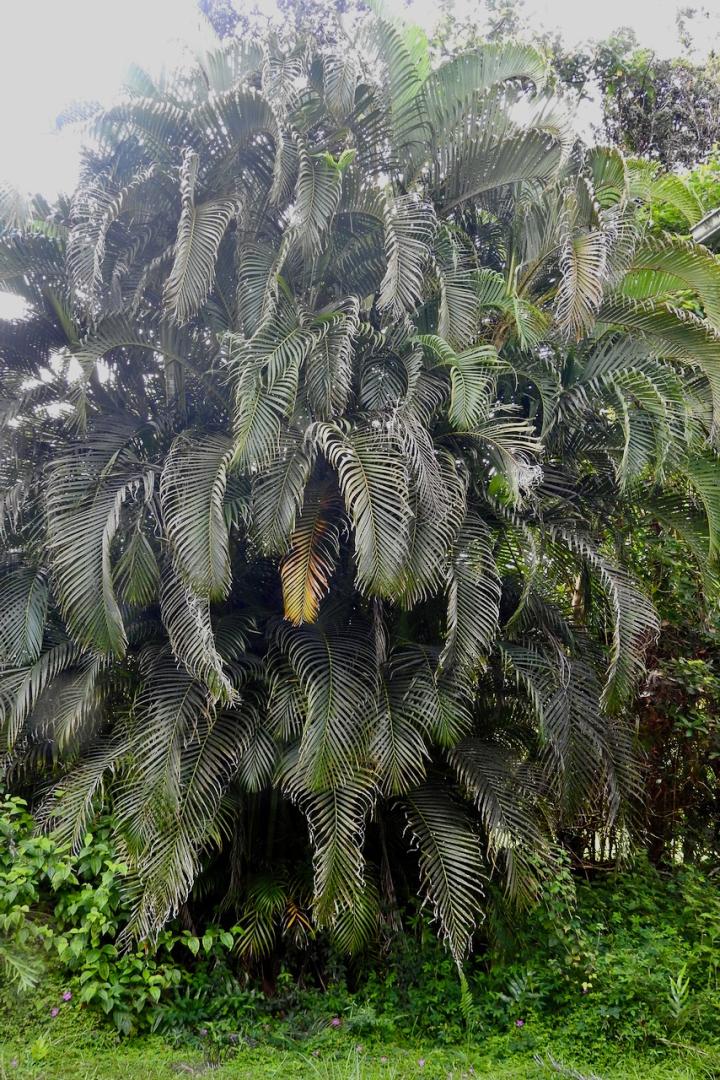
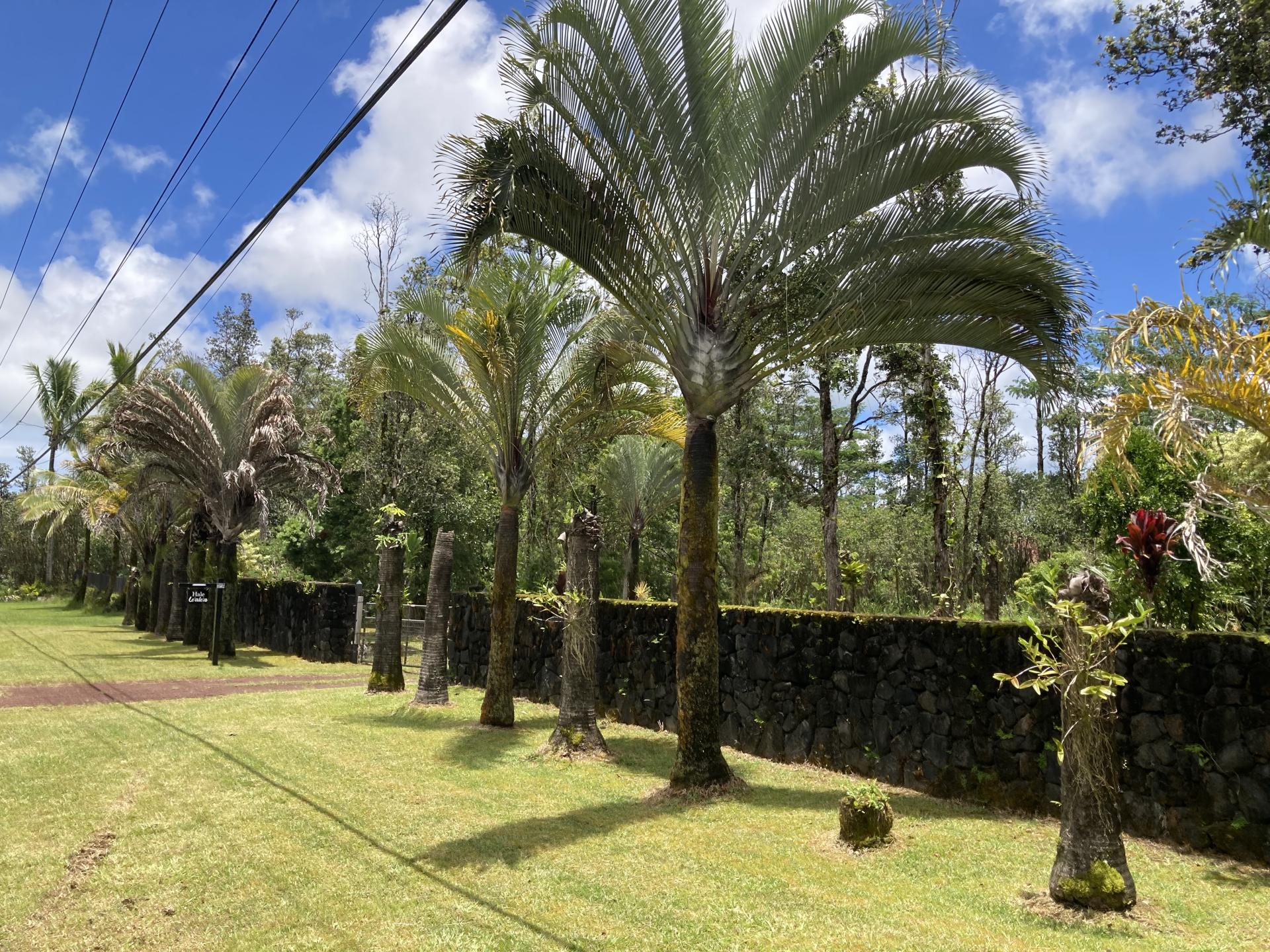
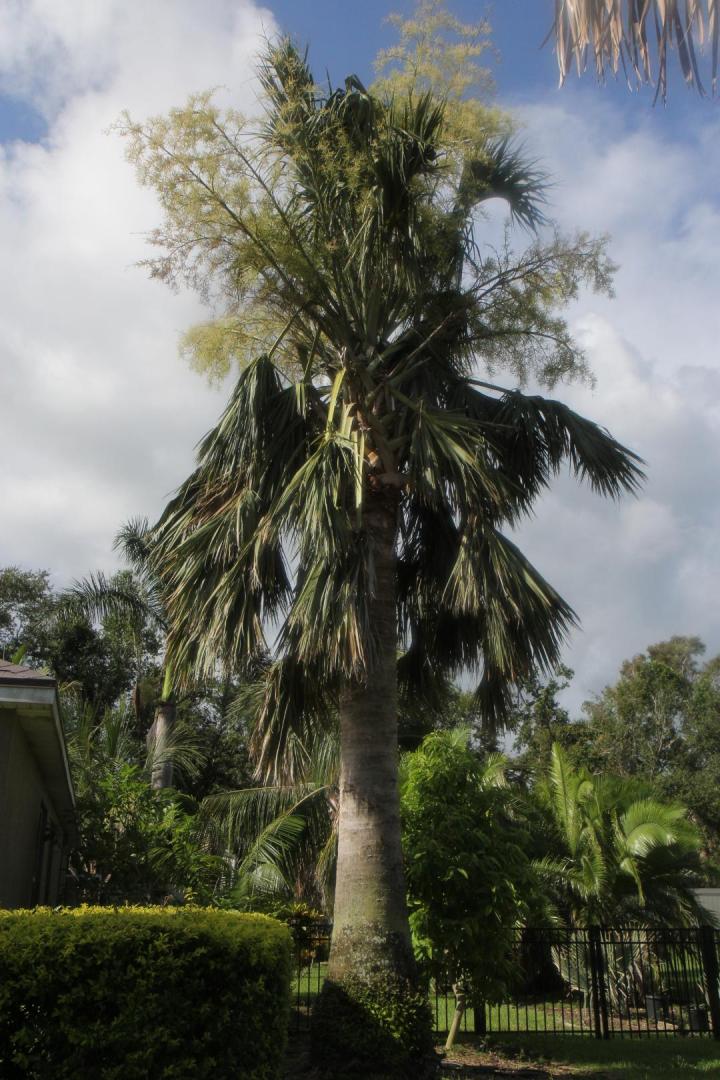
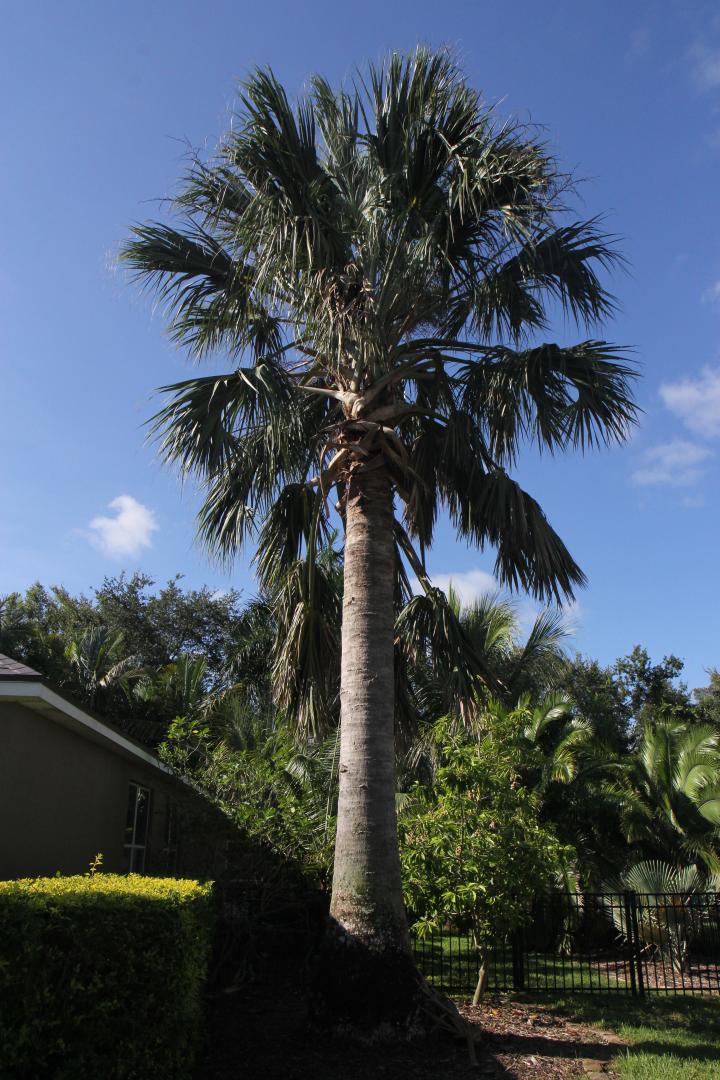
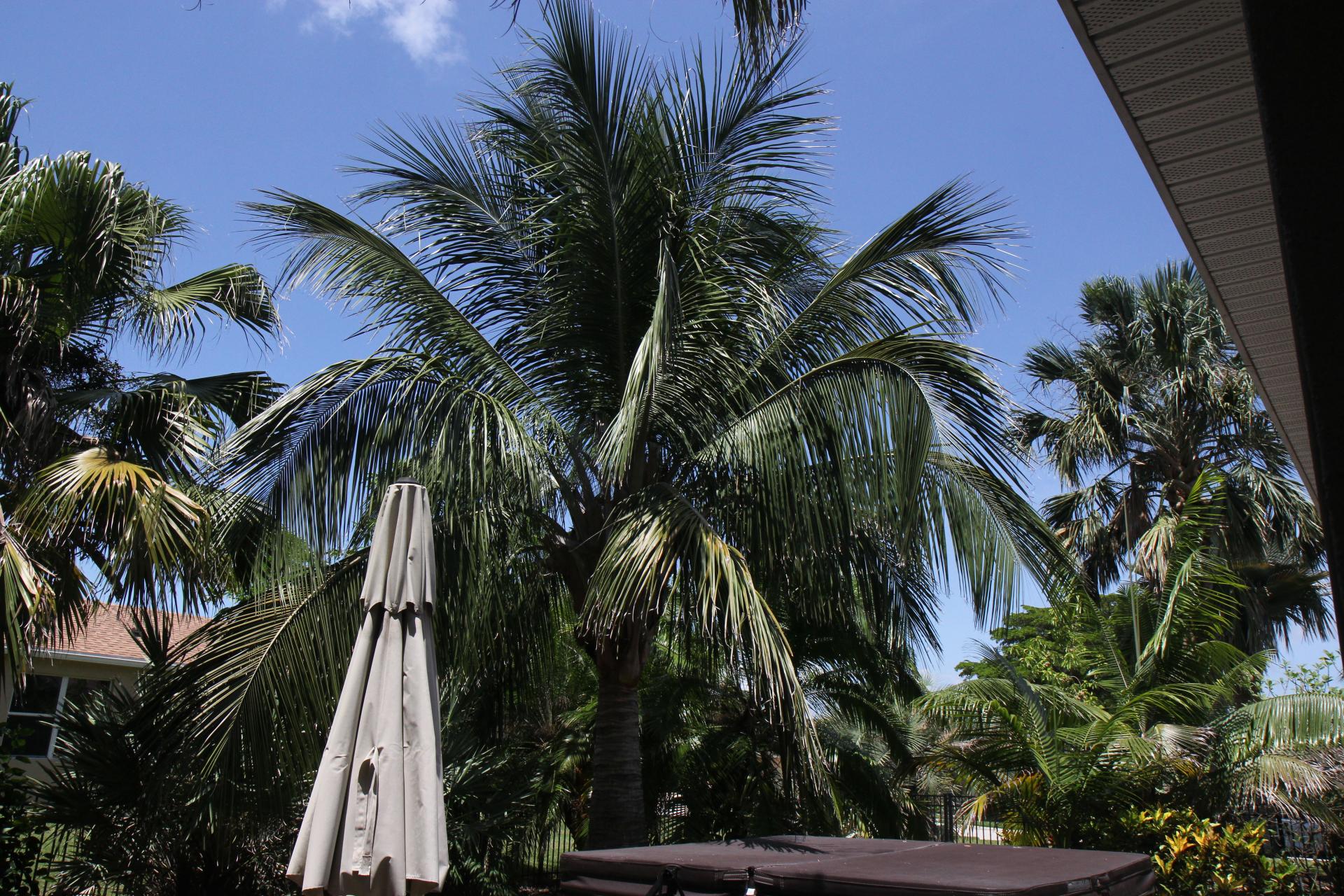
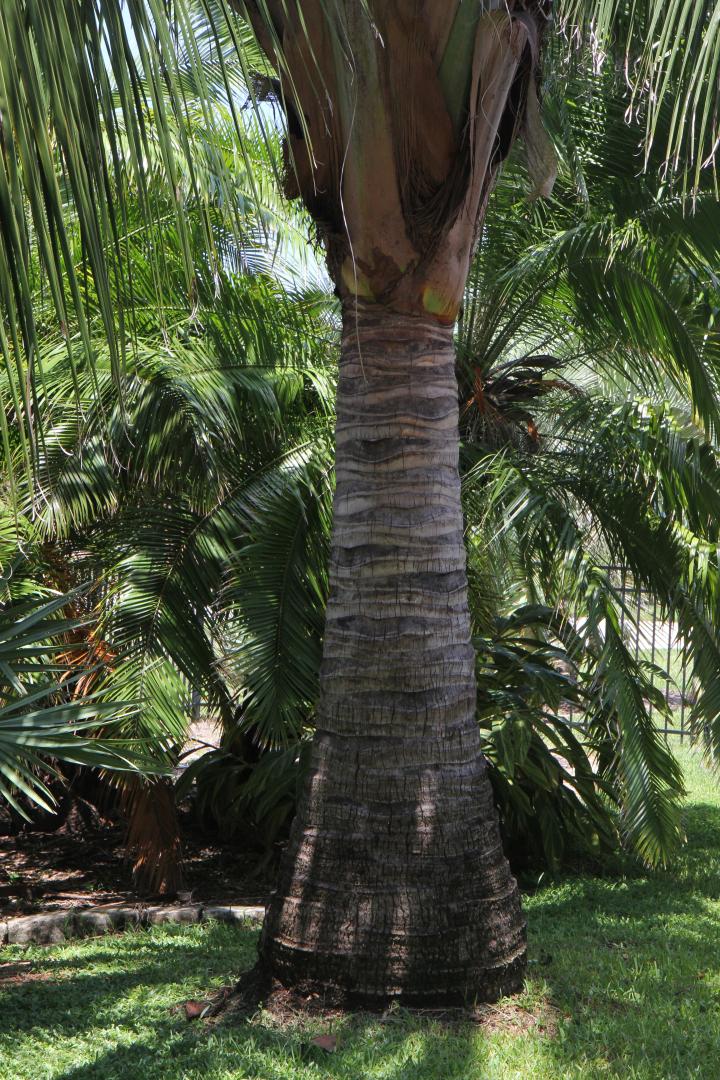
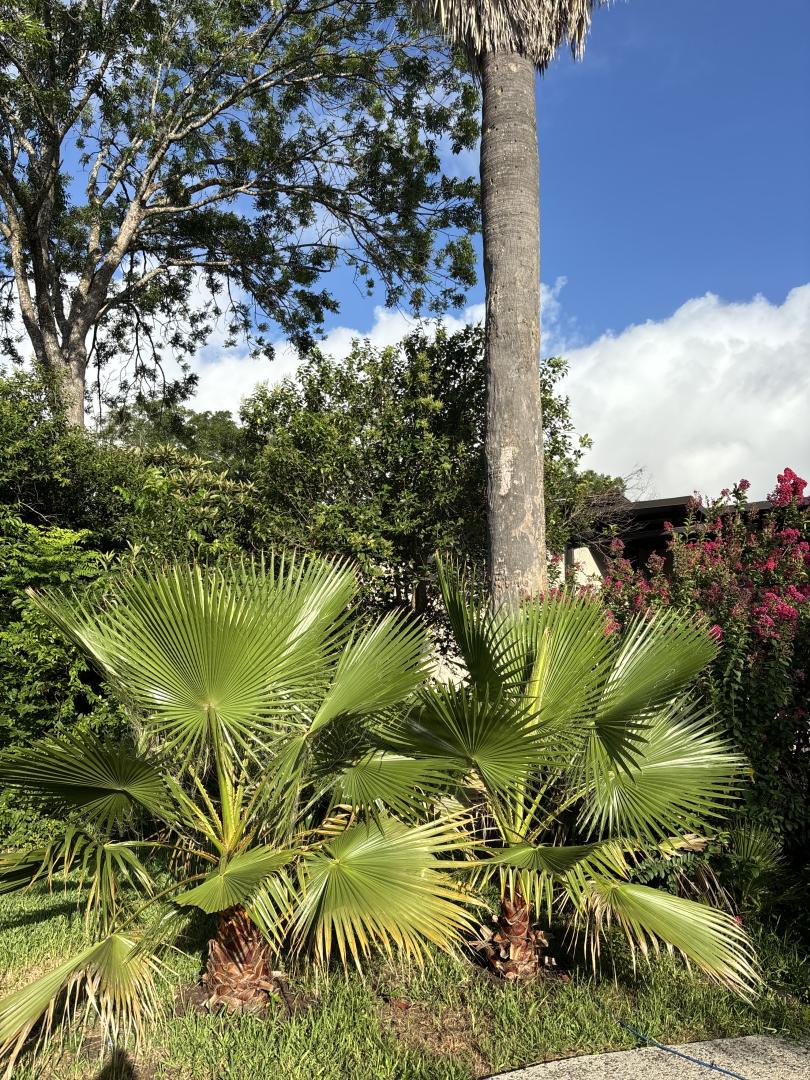
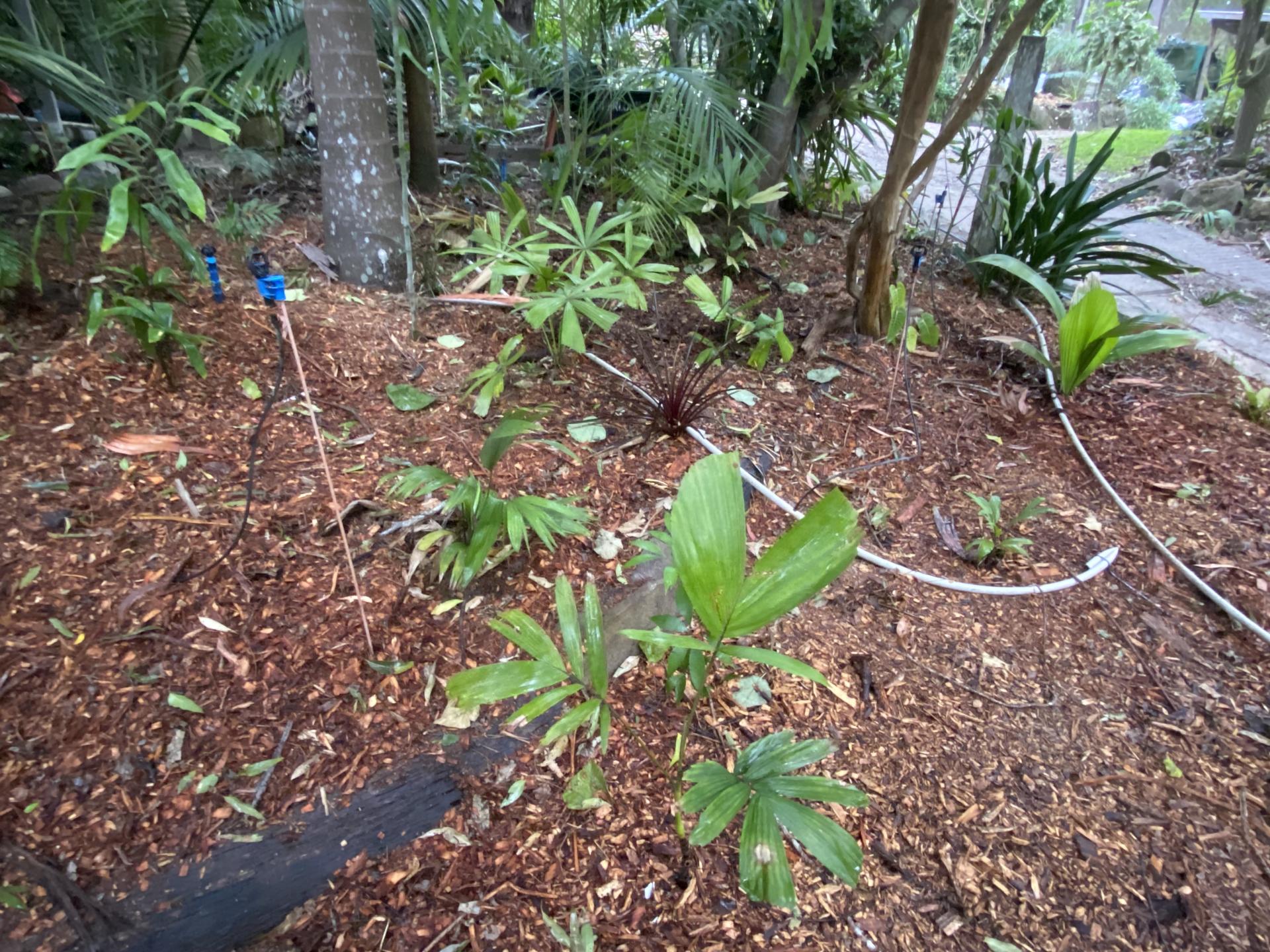
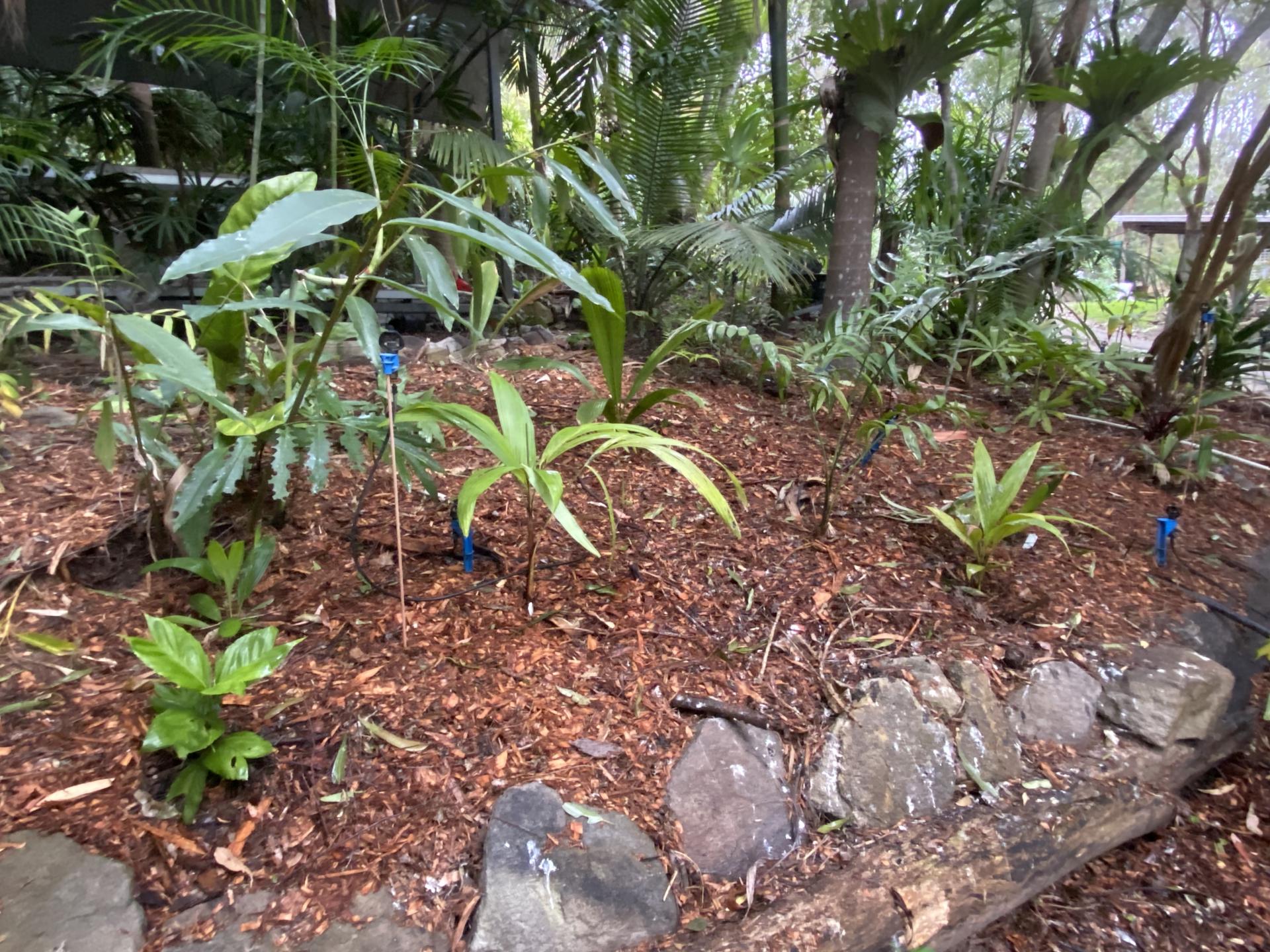
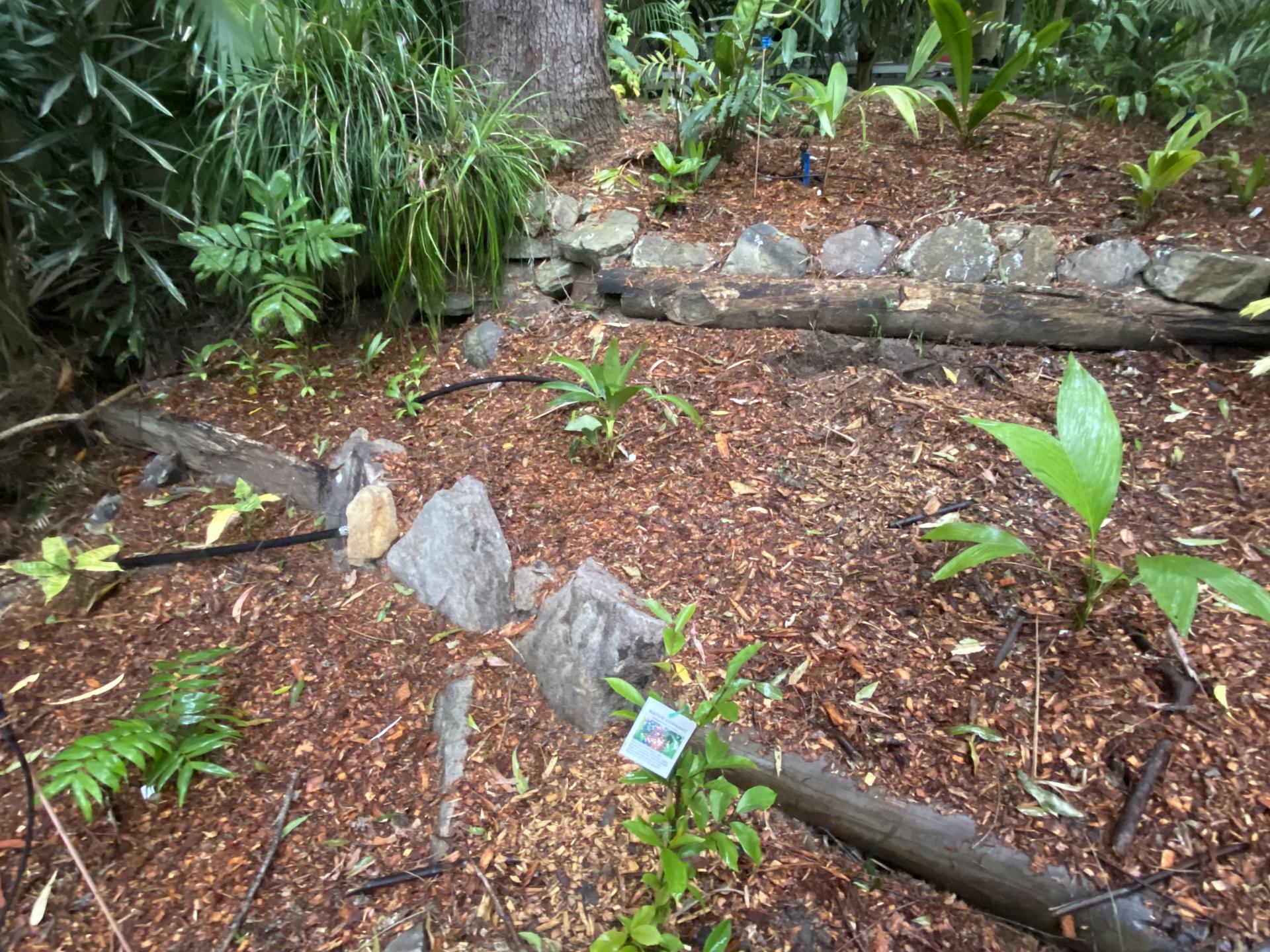
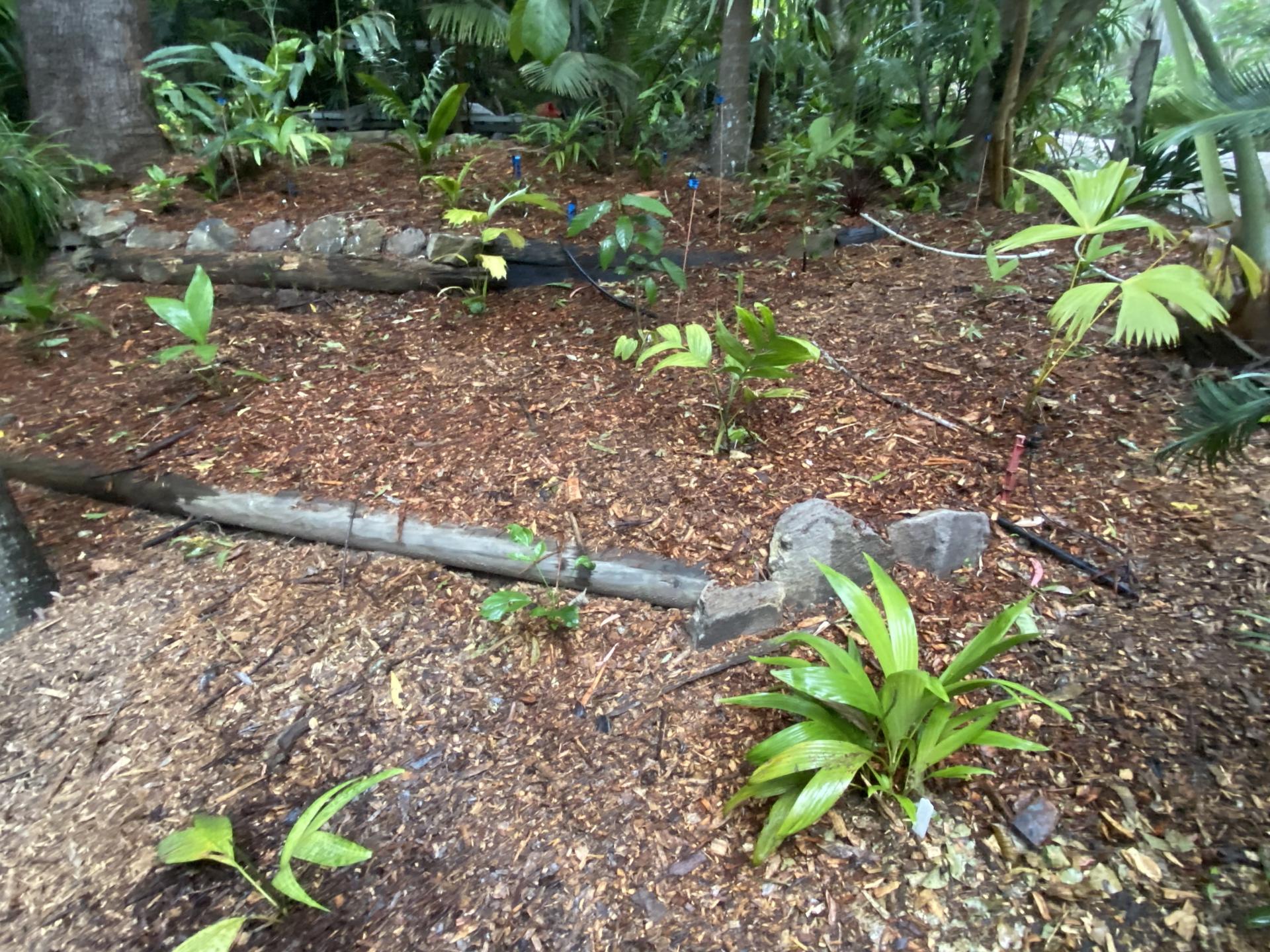
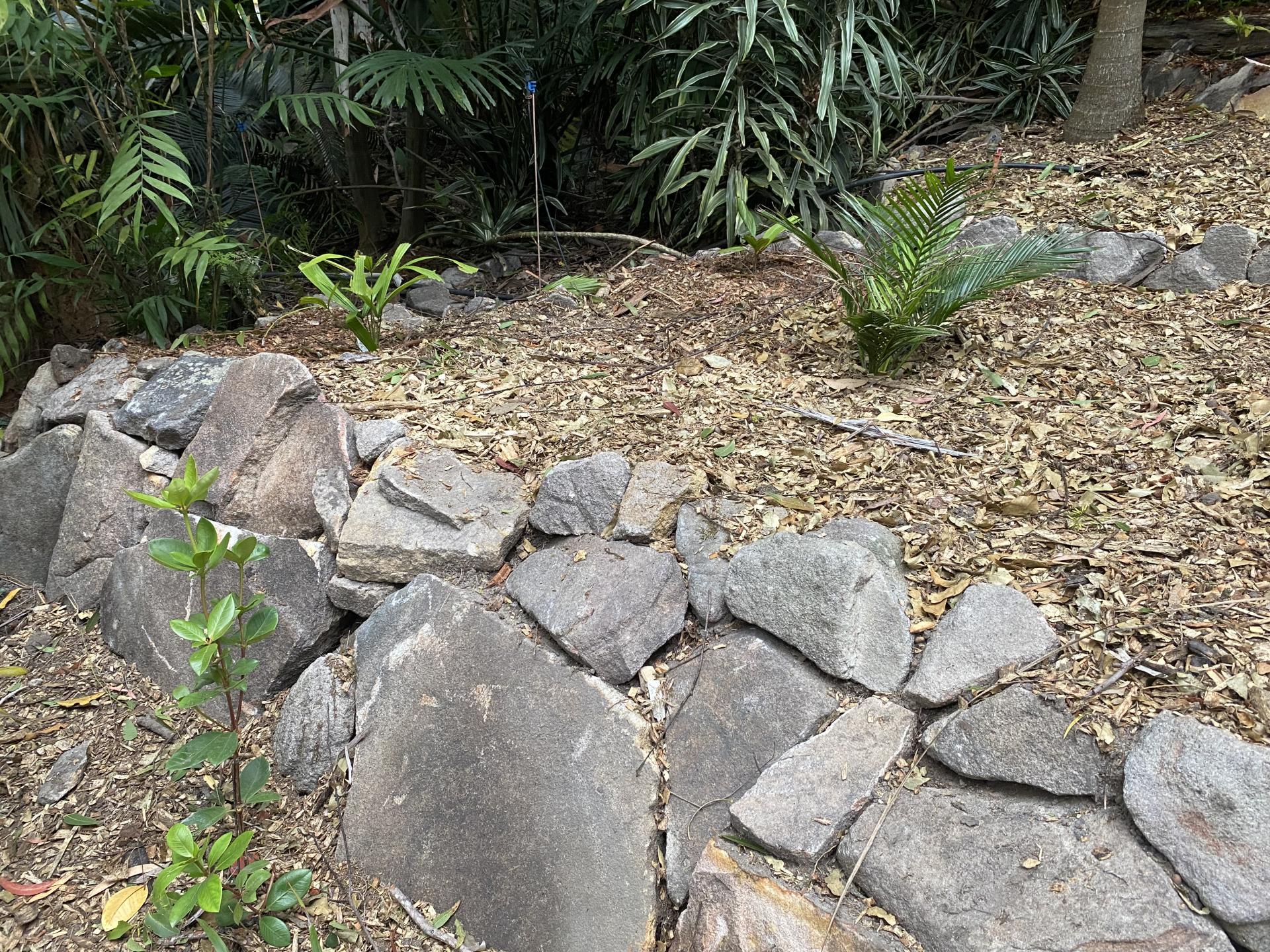
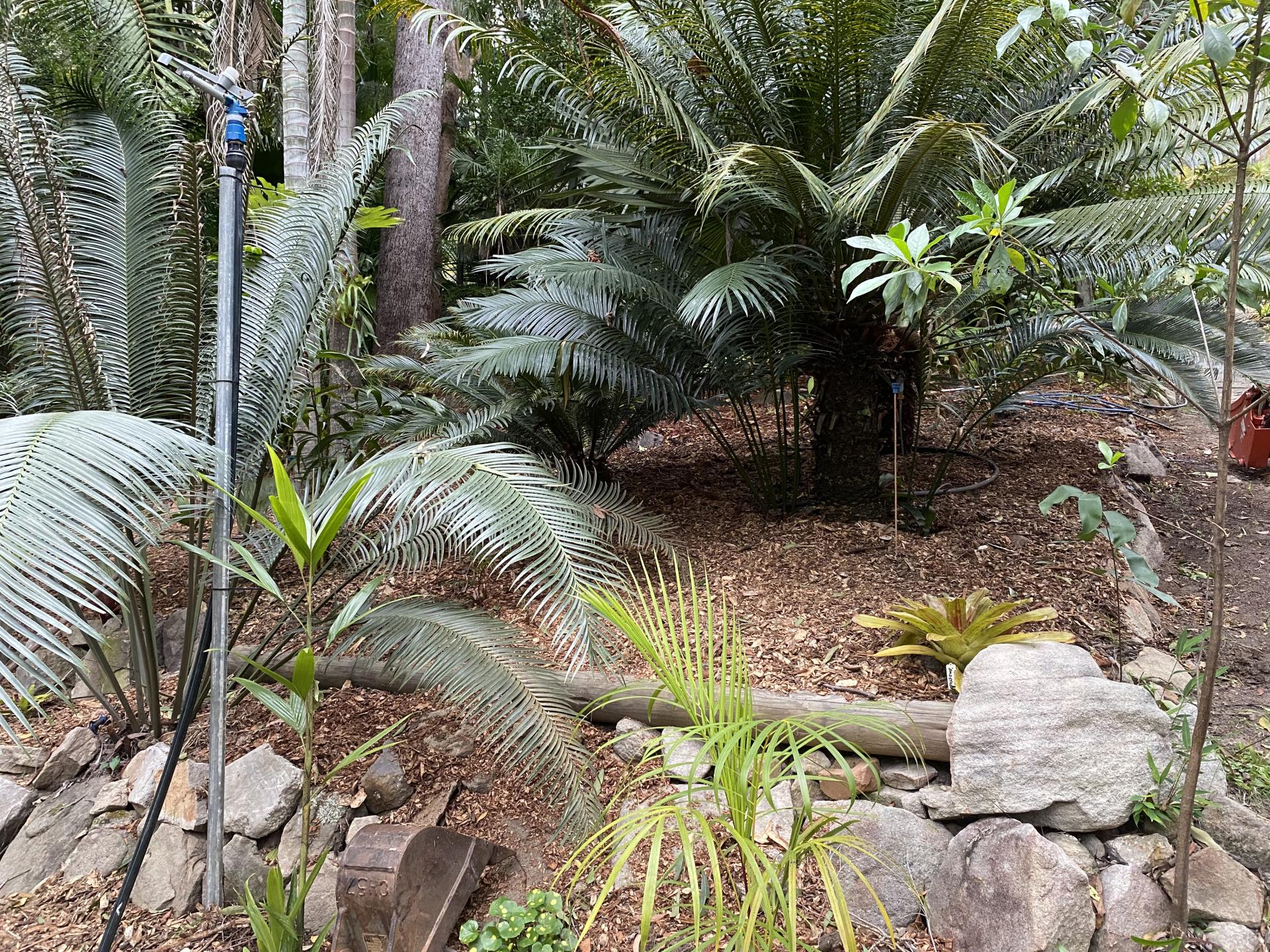
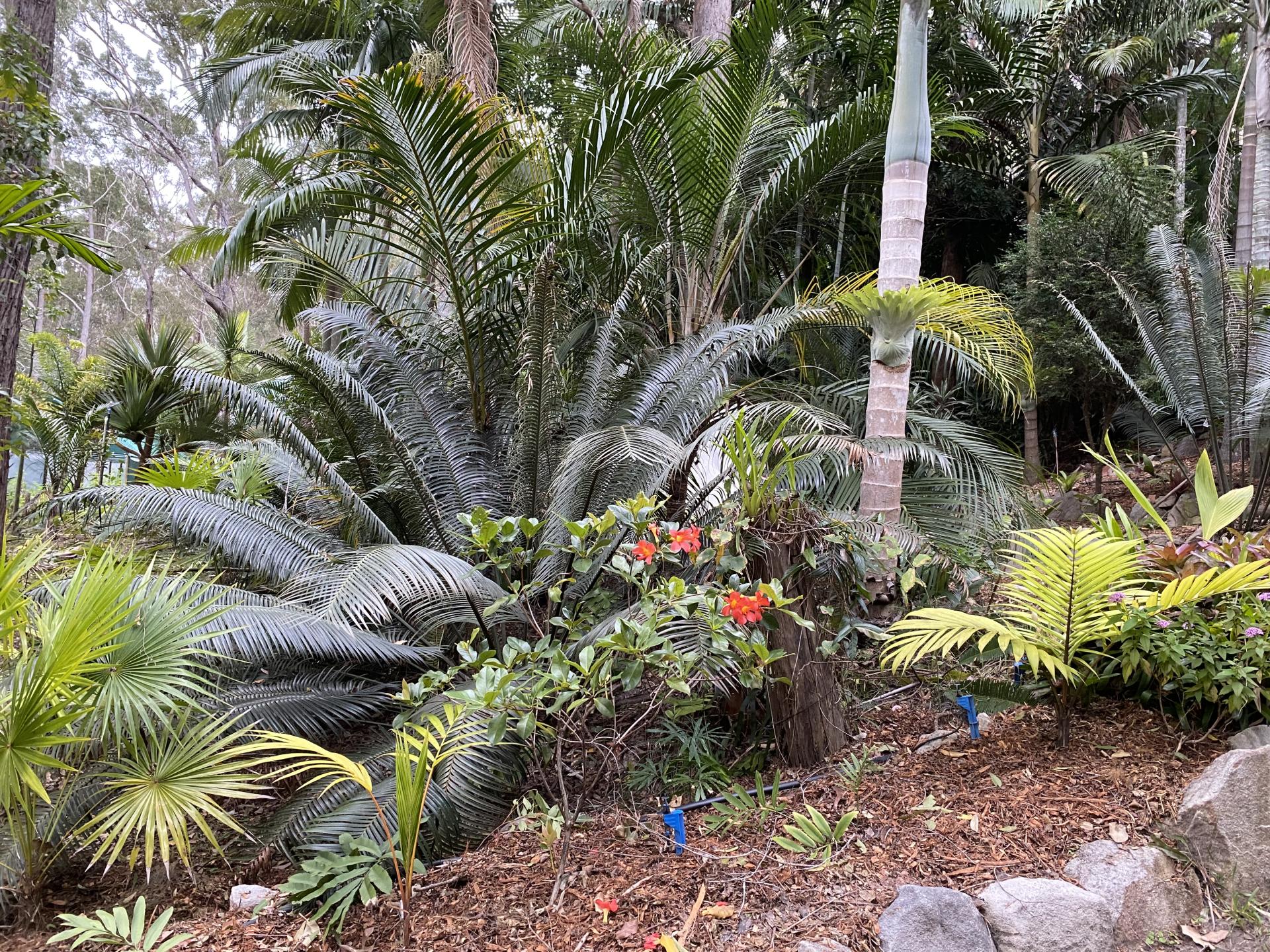
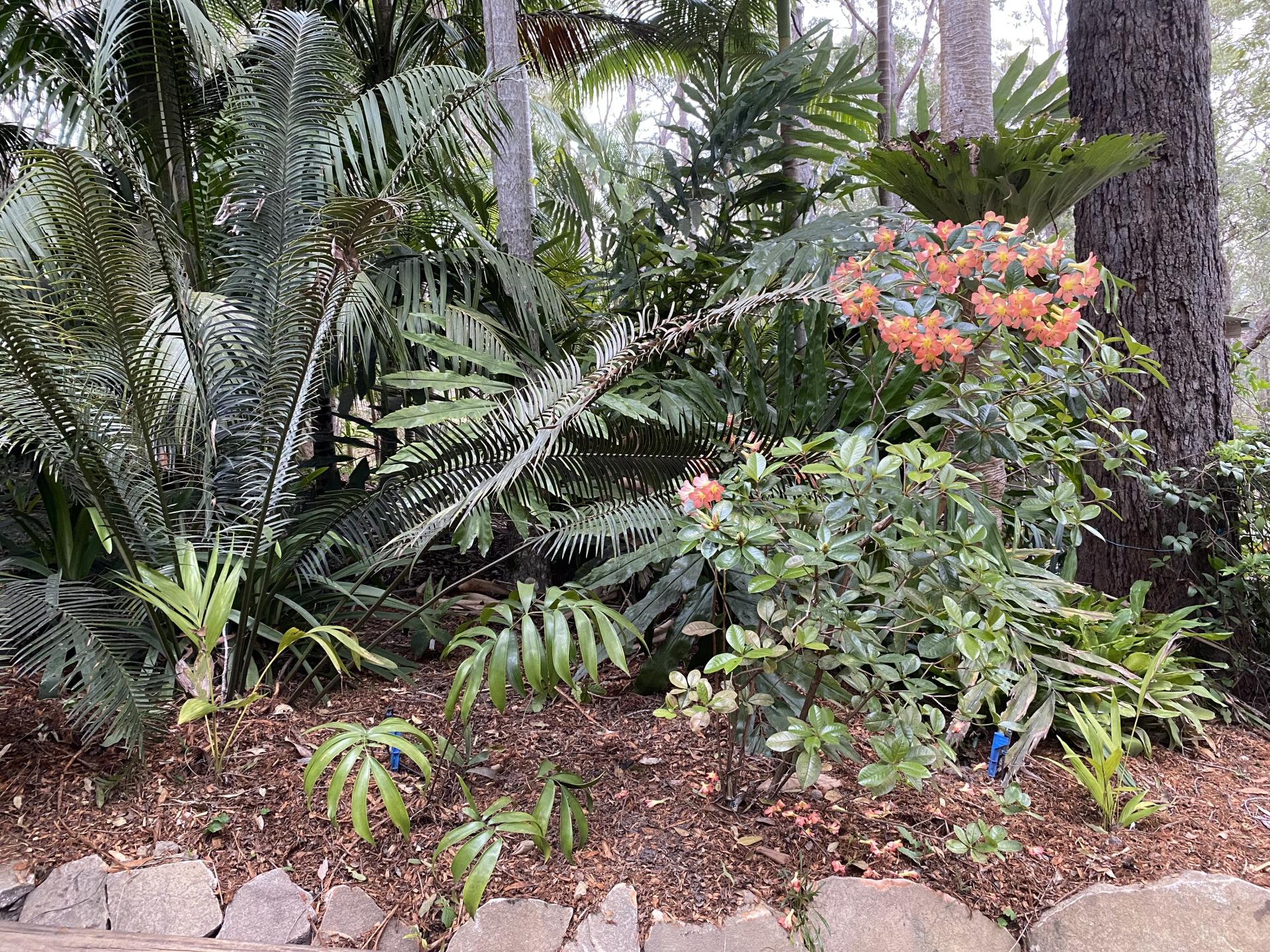
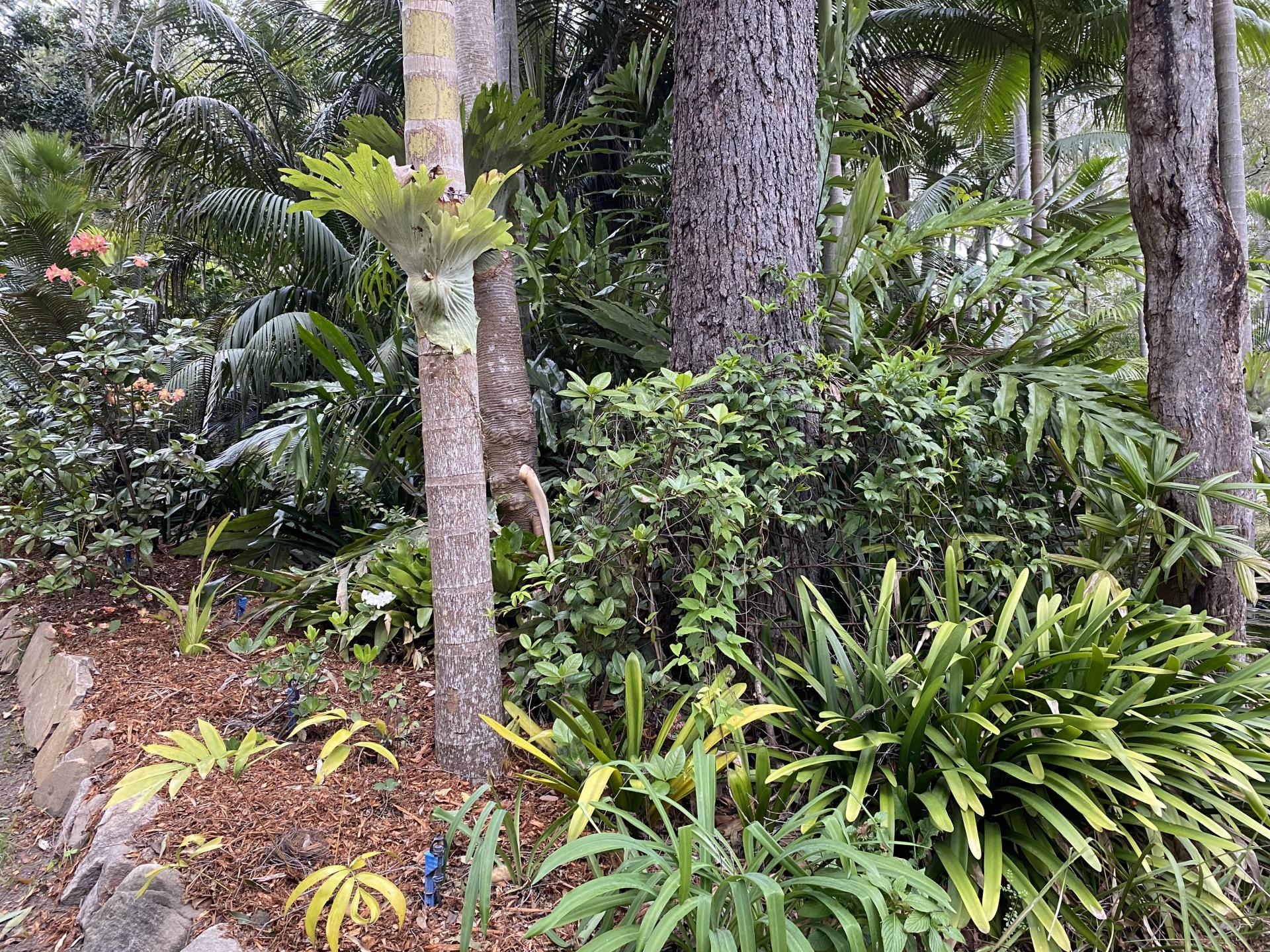
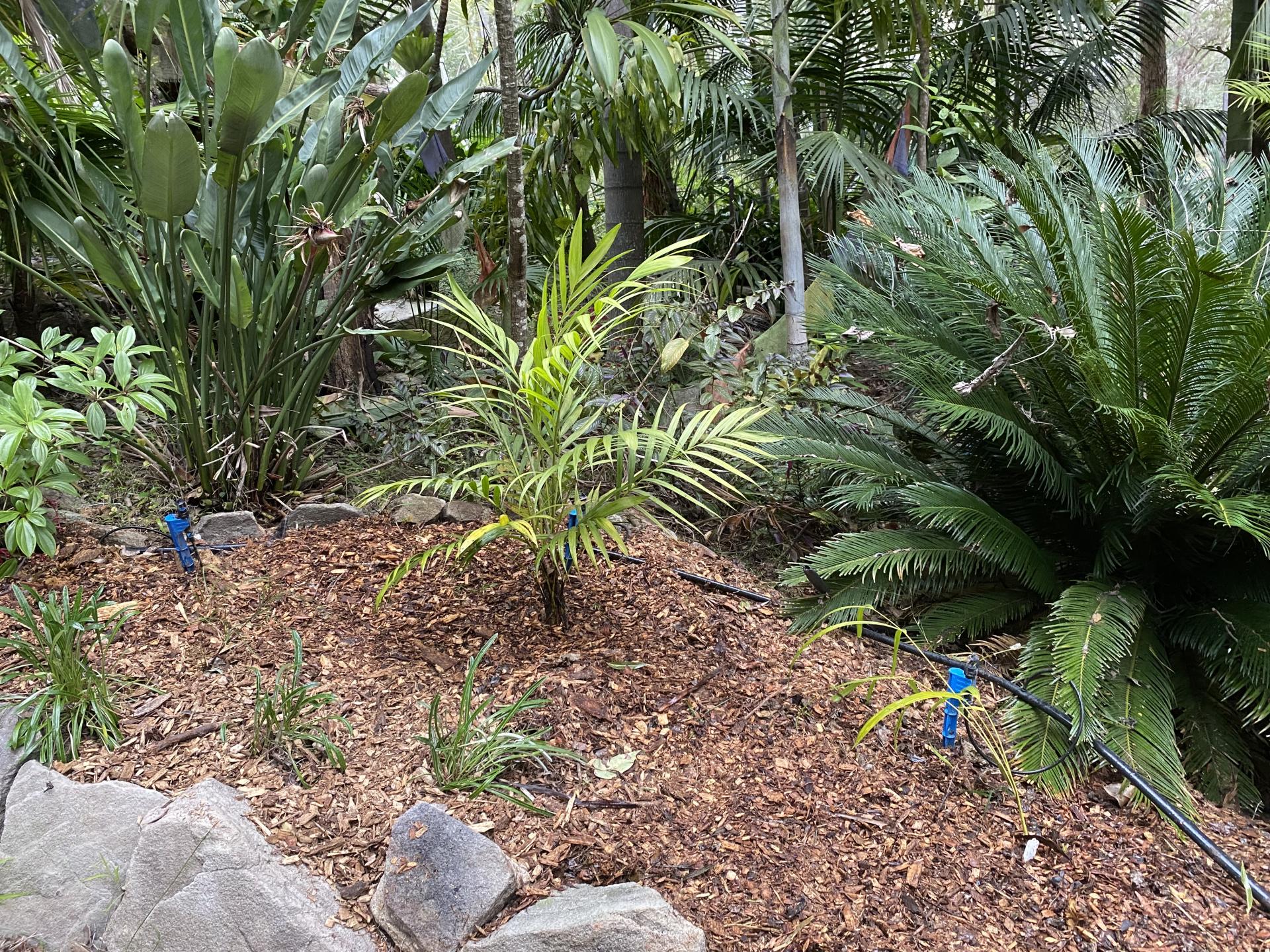
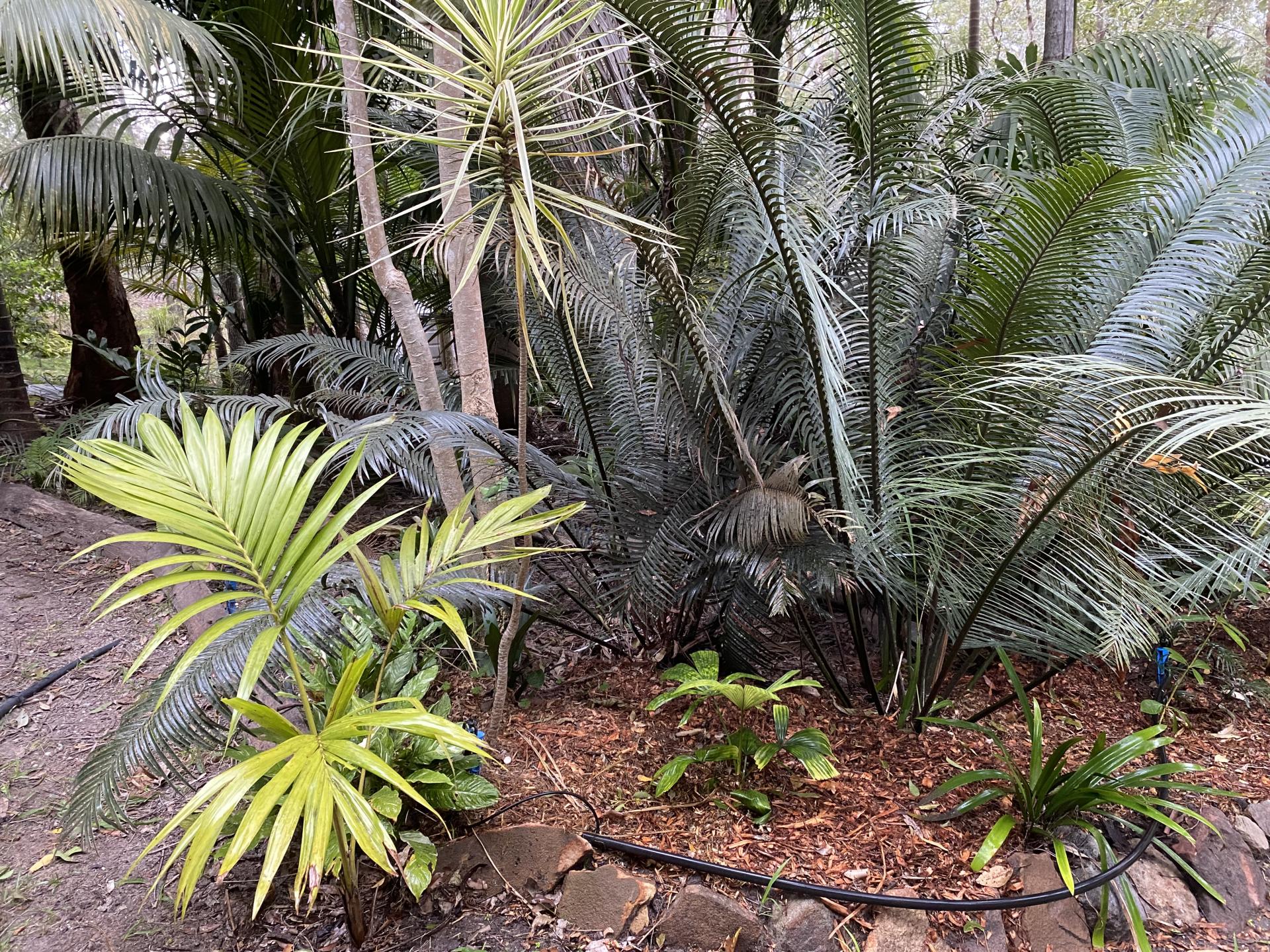
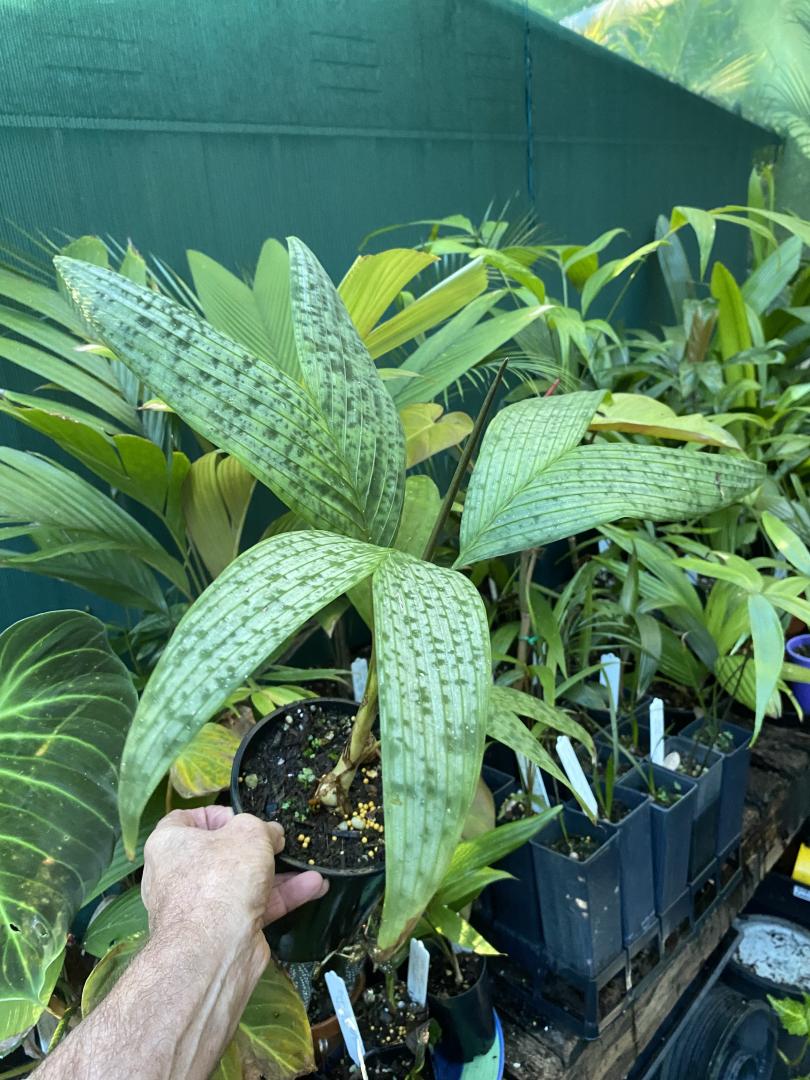
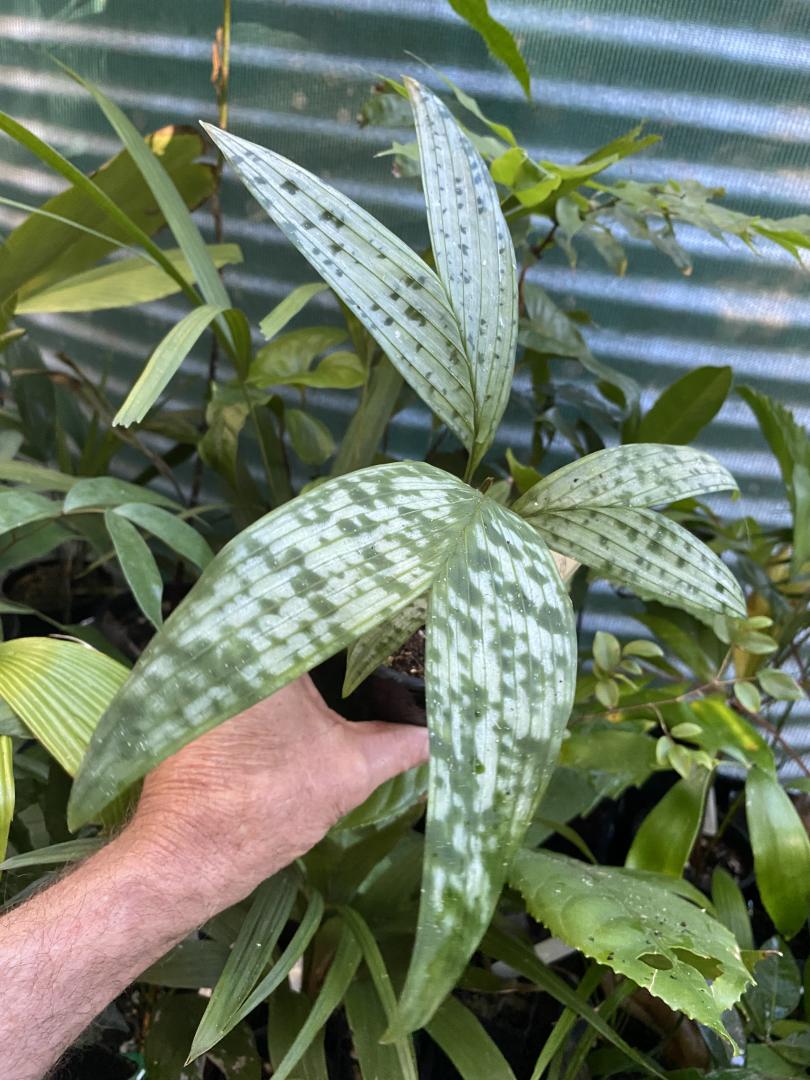
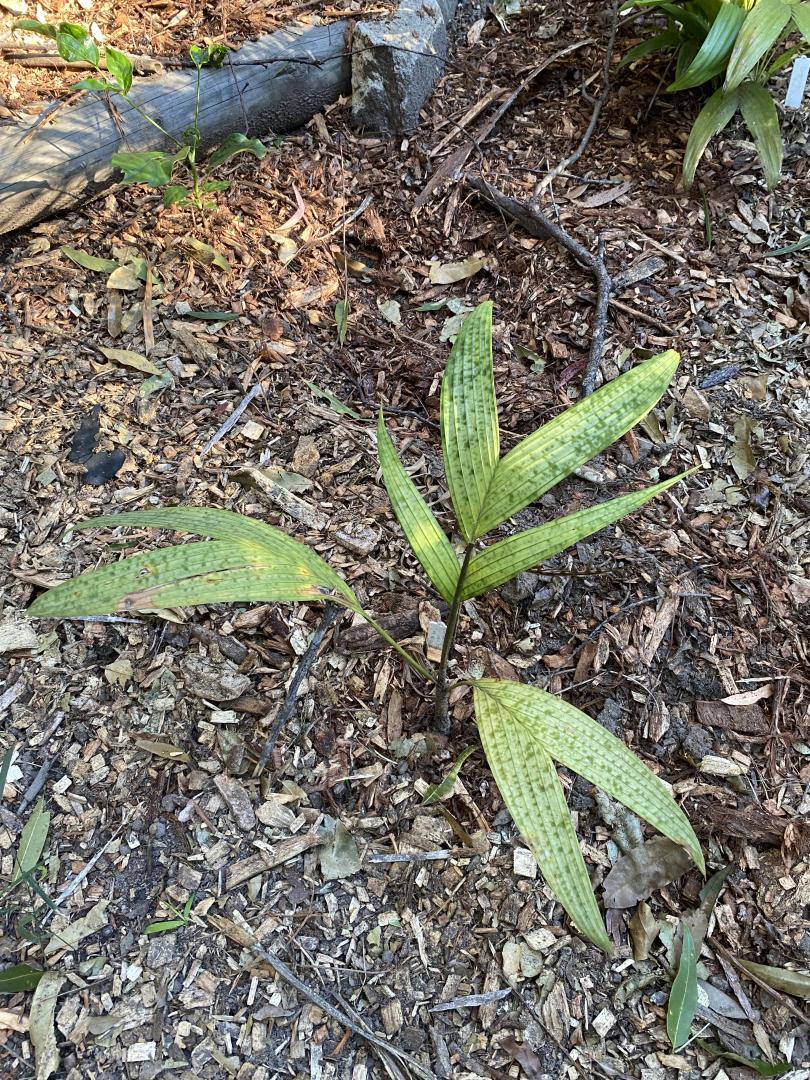
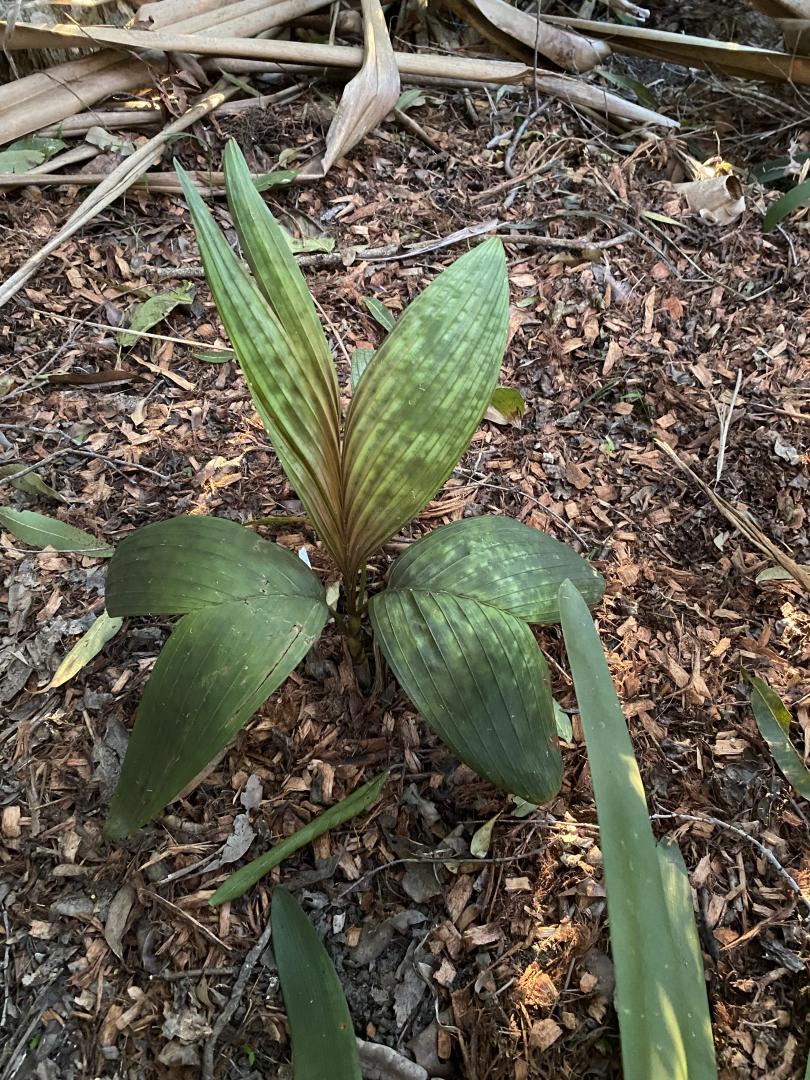
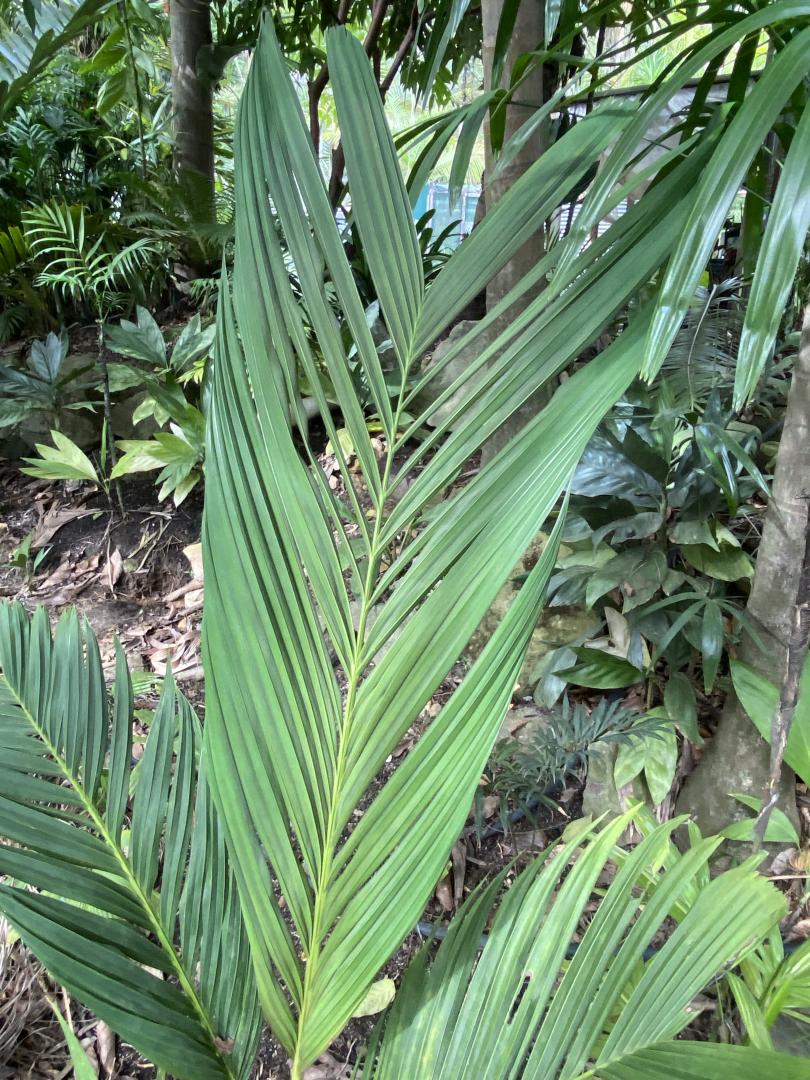
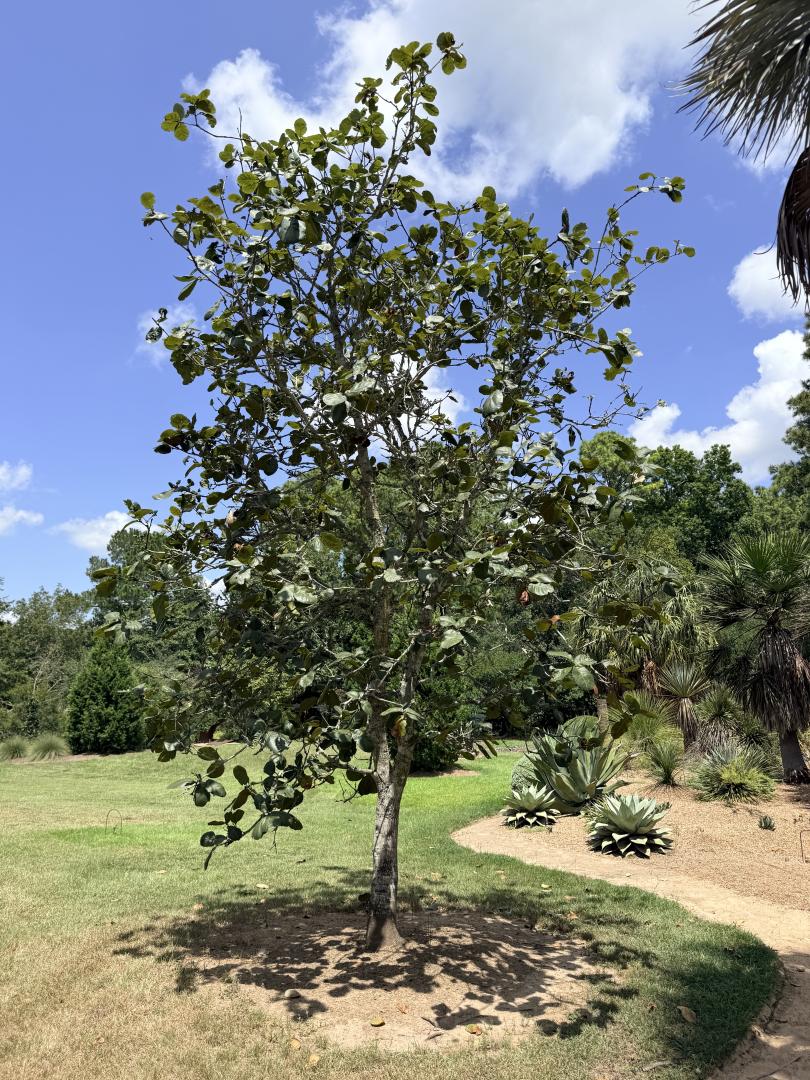
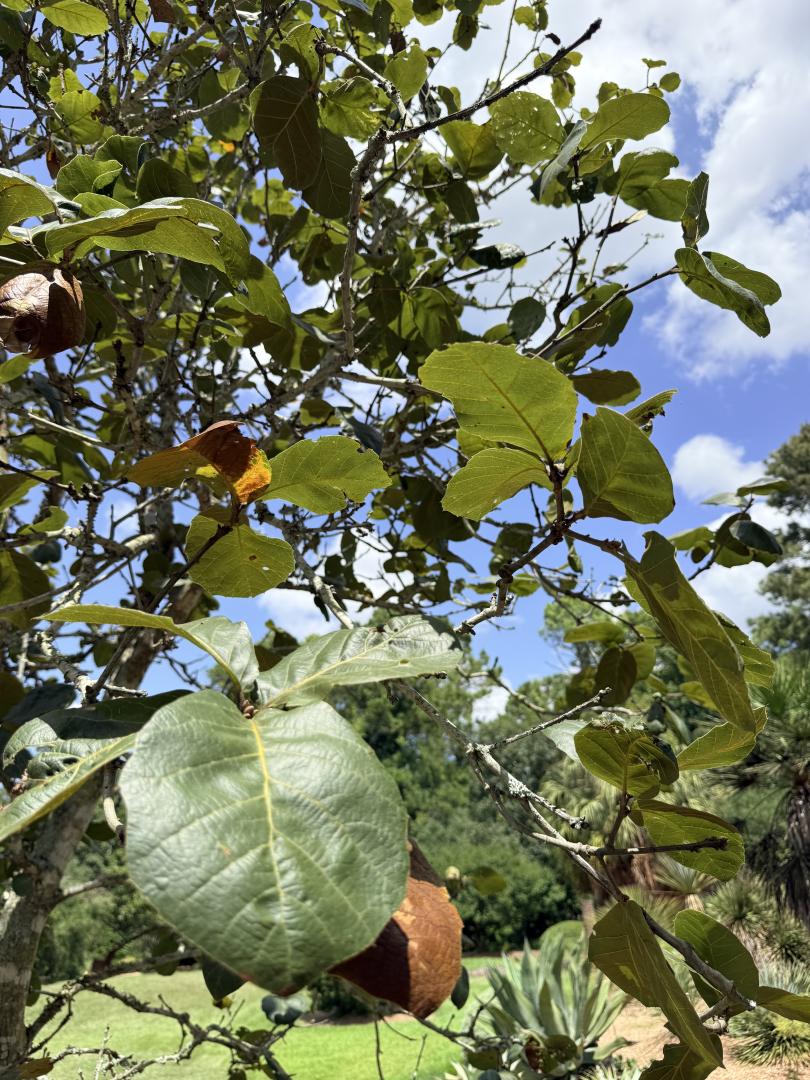
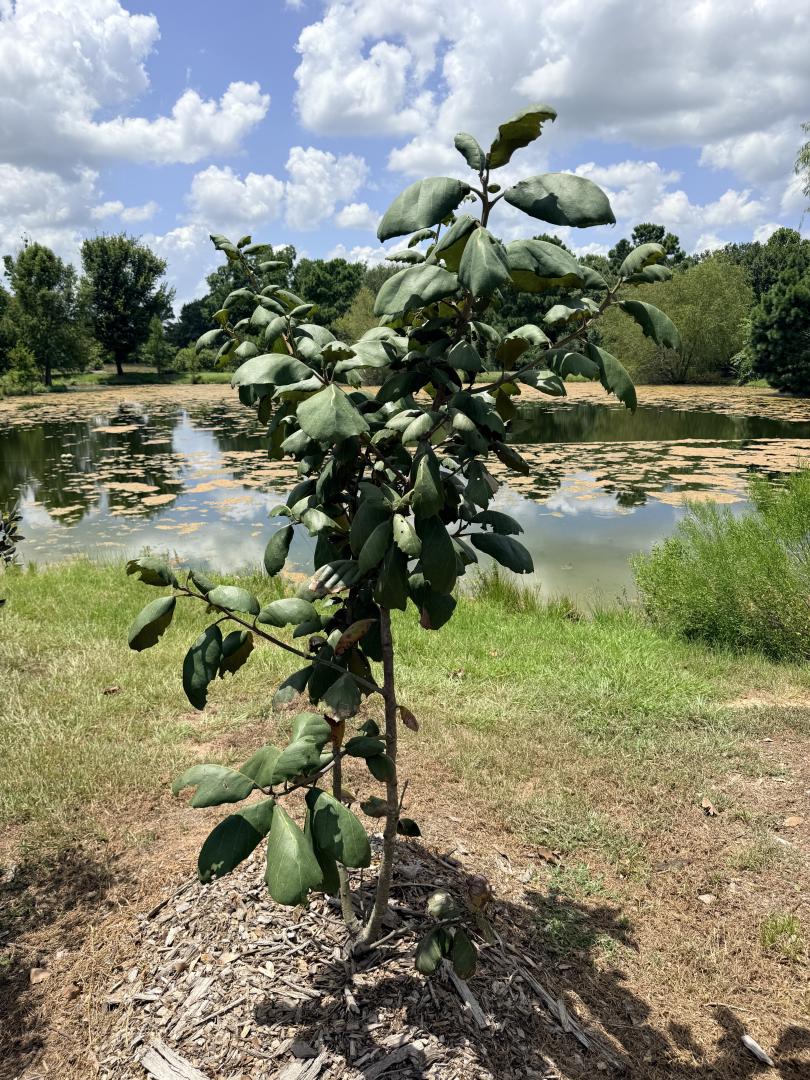
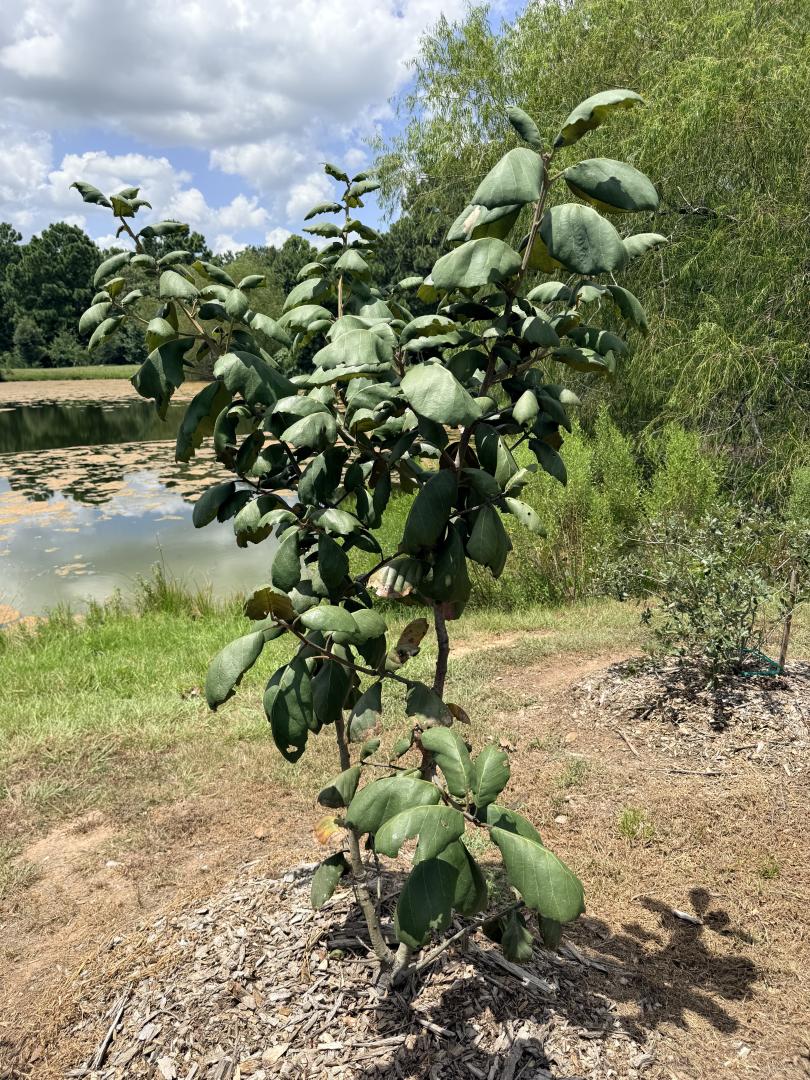
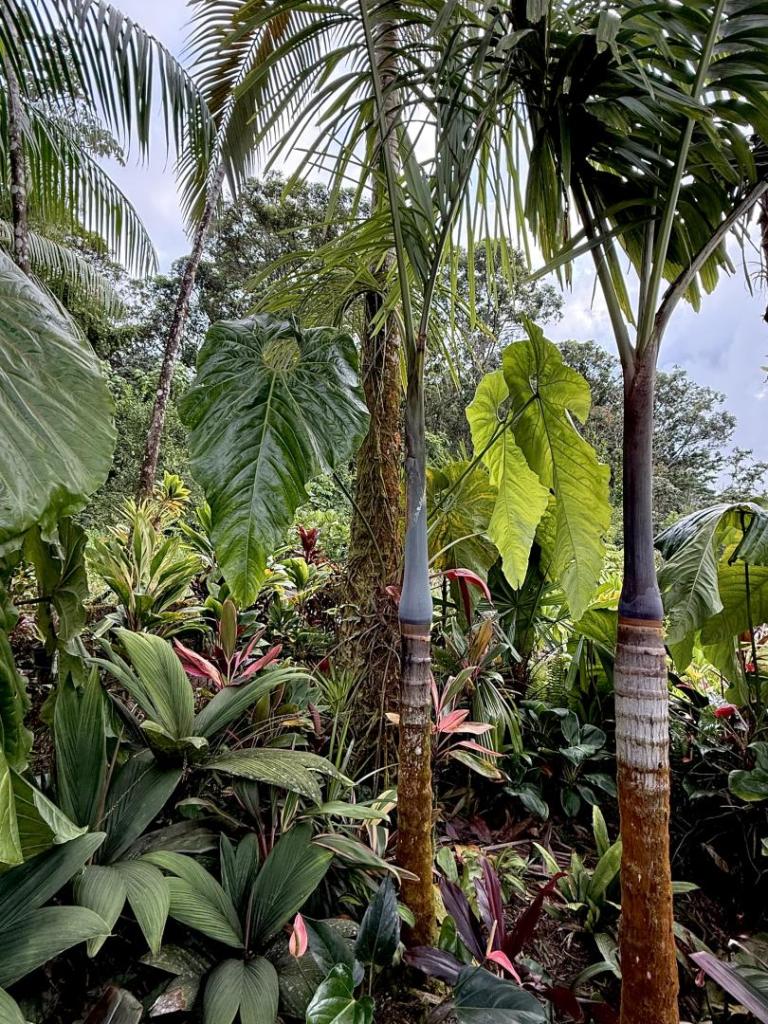
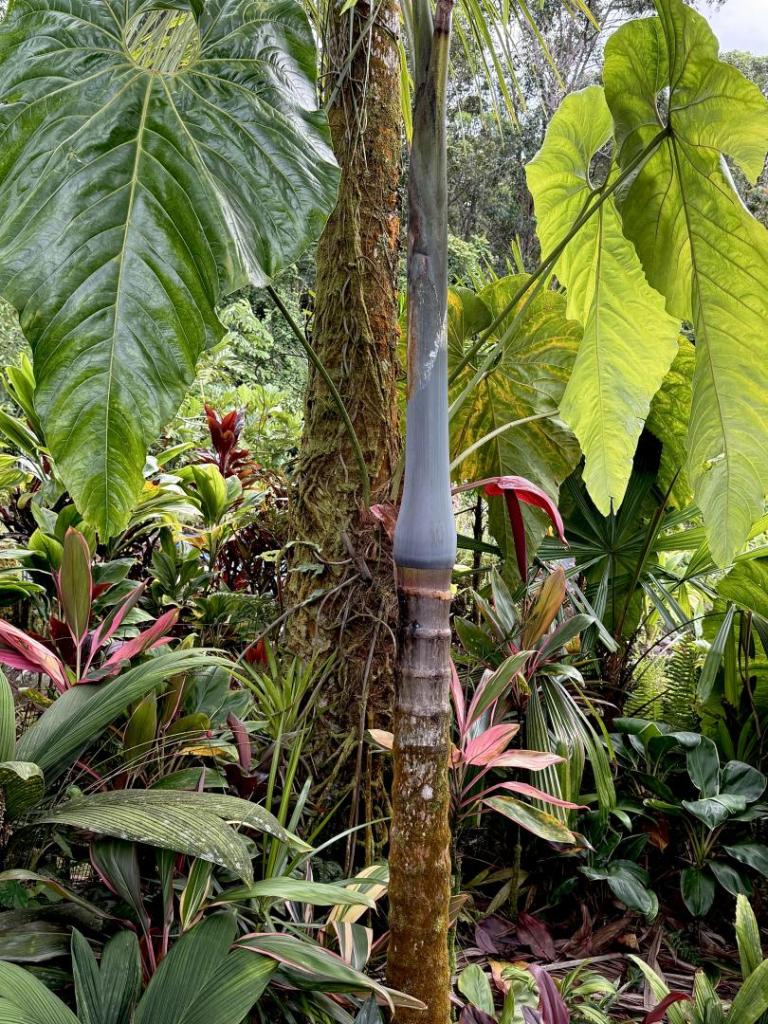
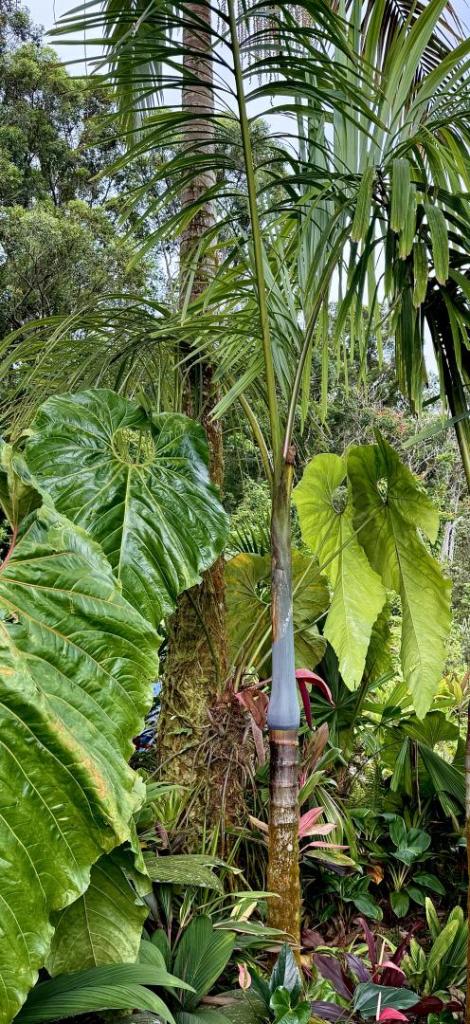
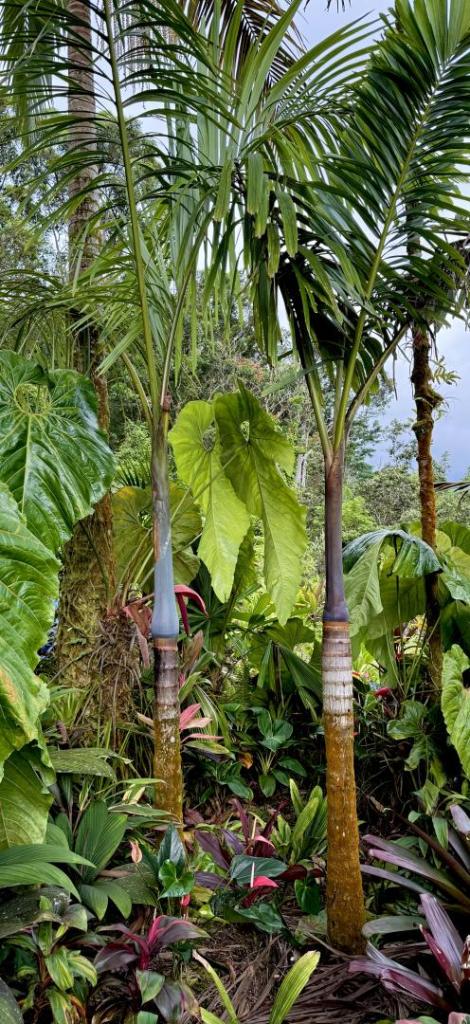
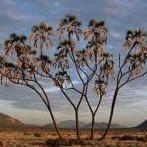
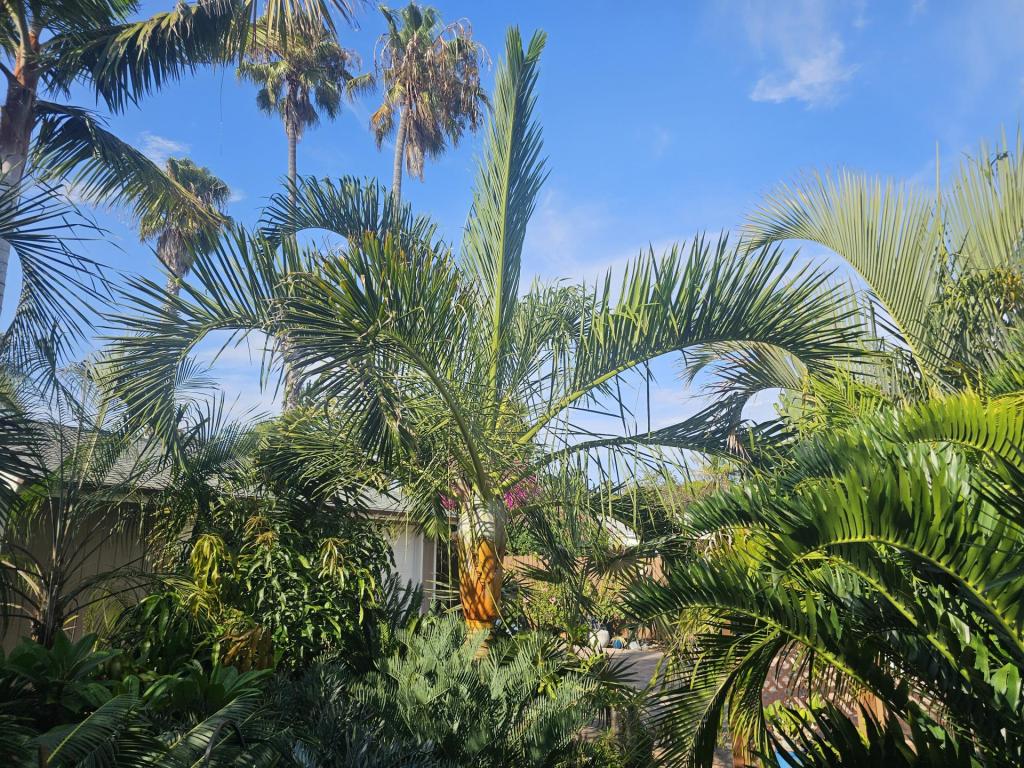
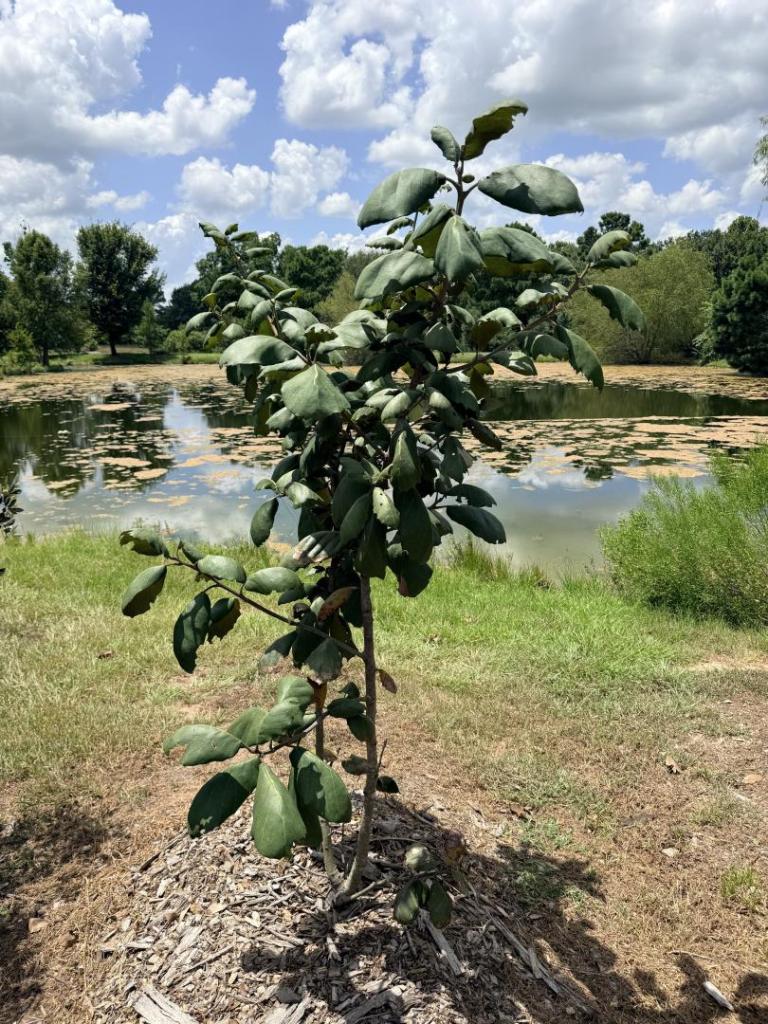
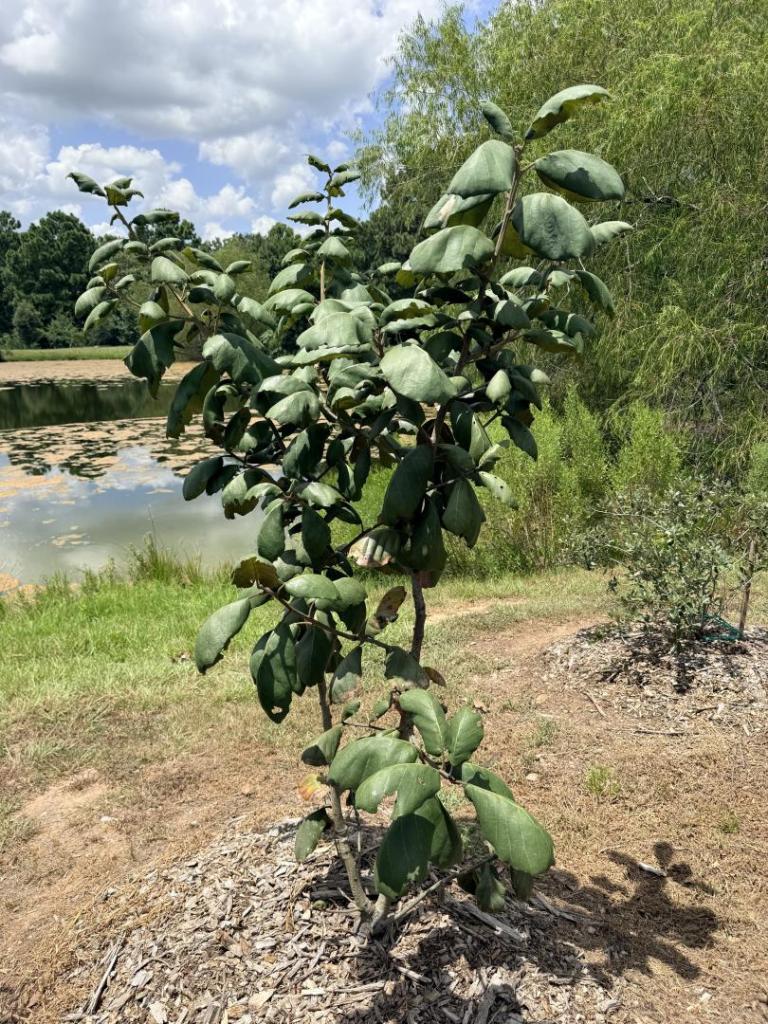
 10 pointsBeen awhile since I’ve posted photos of the Dictyocaryum in the garden. Over the years it’s evident that they are a bit out of their element in my garden, but are still beautiful nonetheless. Out of the original four, two faded away, the remaining two are powering on, although one took a hit from the months long drought last year. It seems to be rebounding as of late.The difference is apparent in the photos. Finicky at this lower elevation tropical climate. Always keeps me guessing. Tim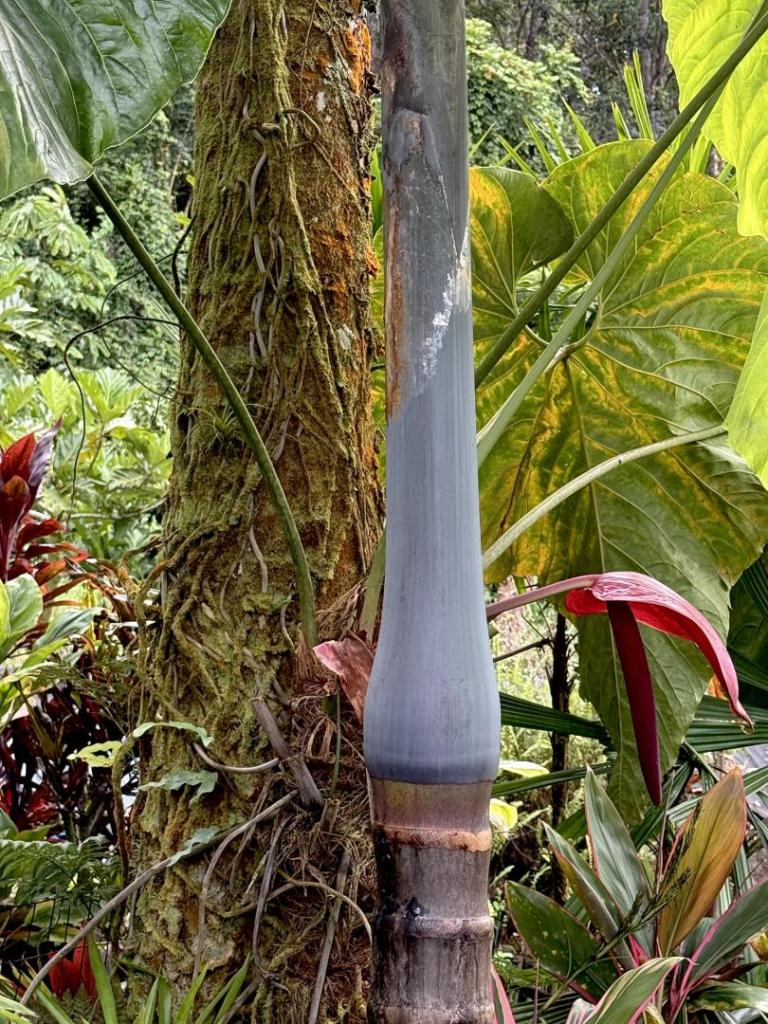
 10 points
 -
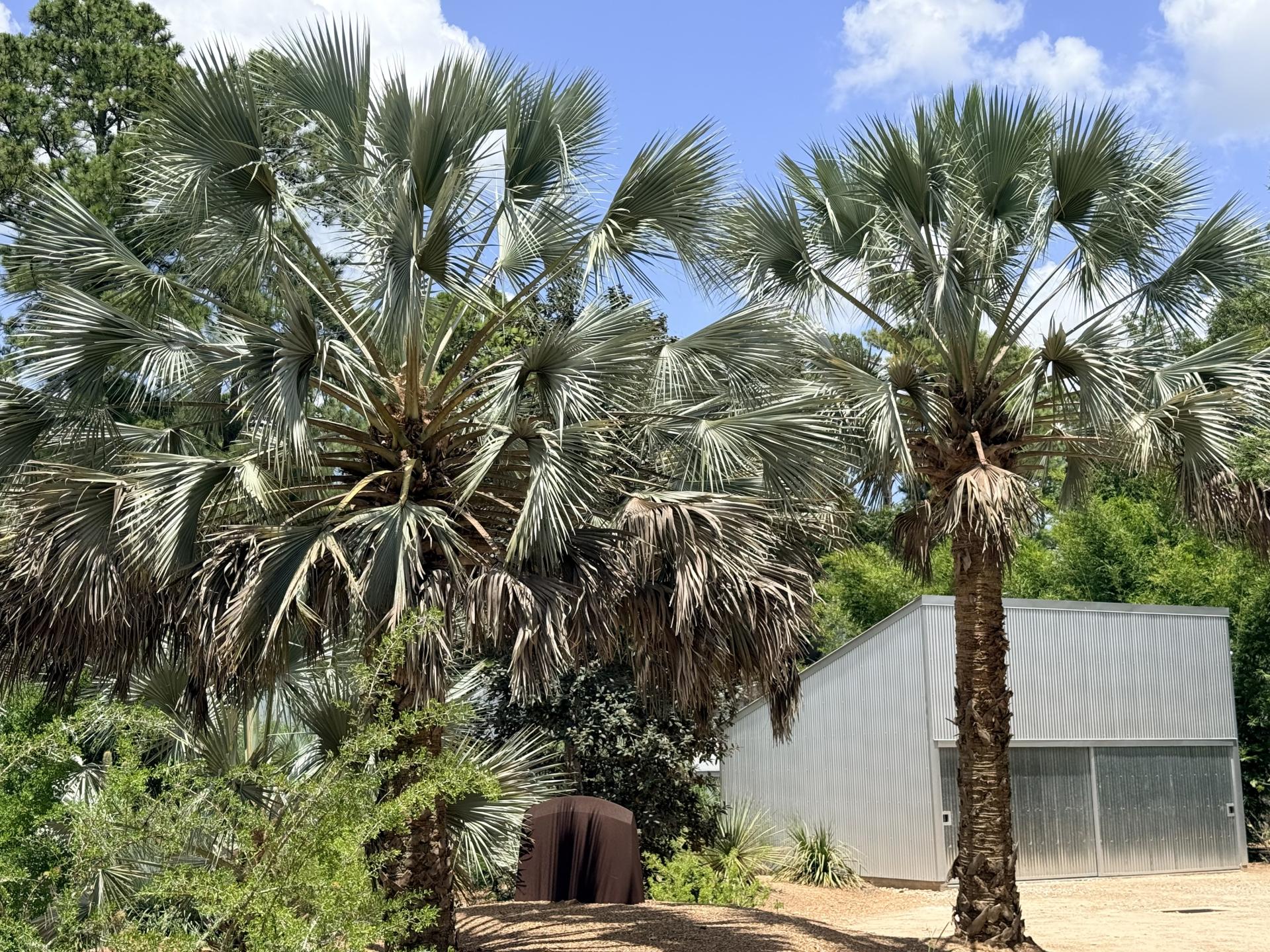
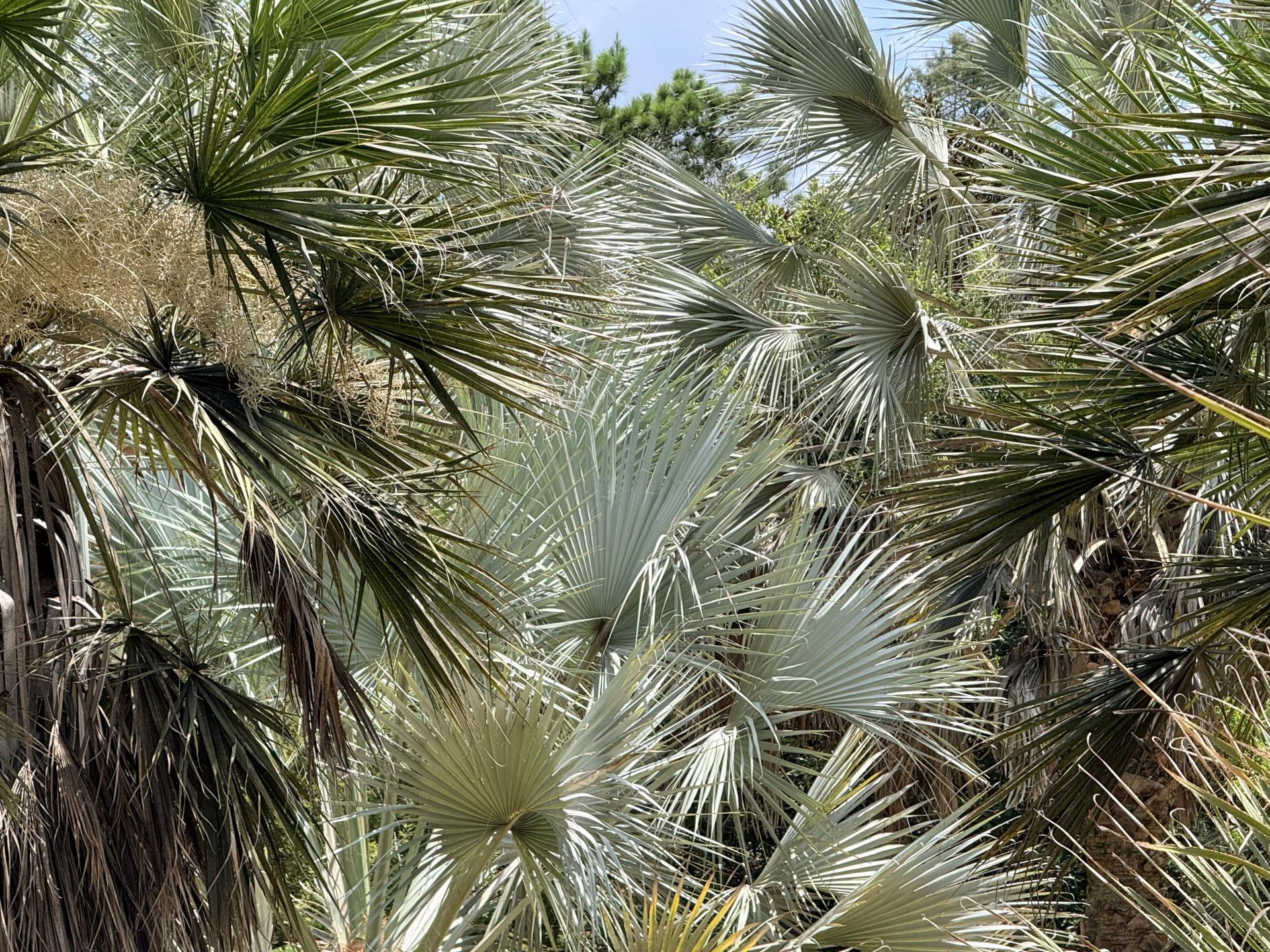
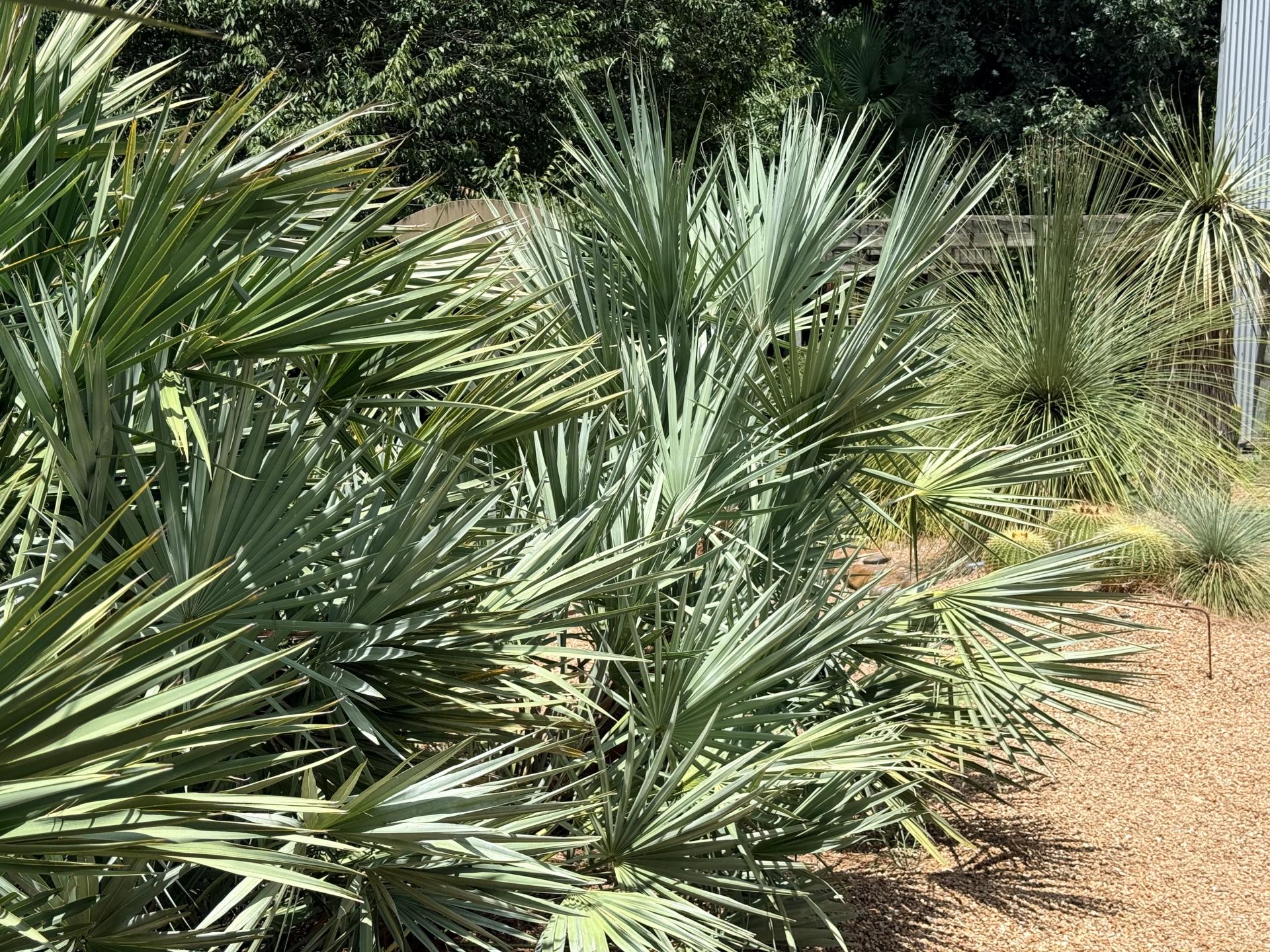
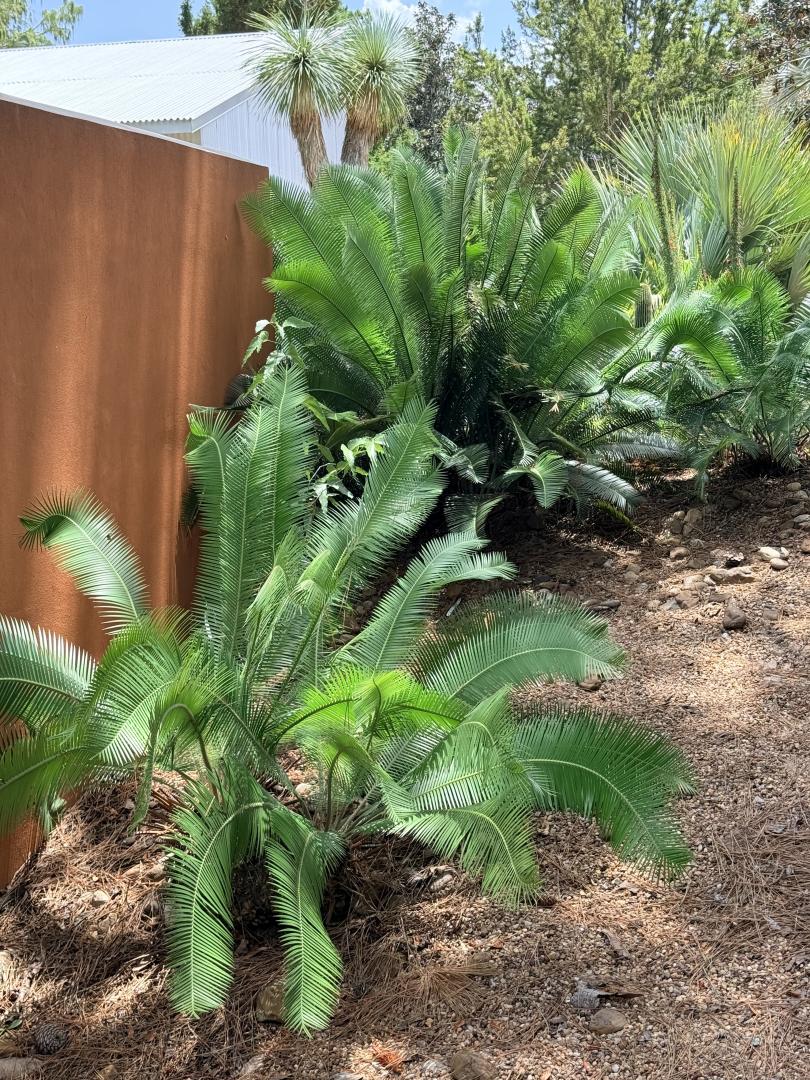
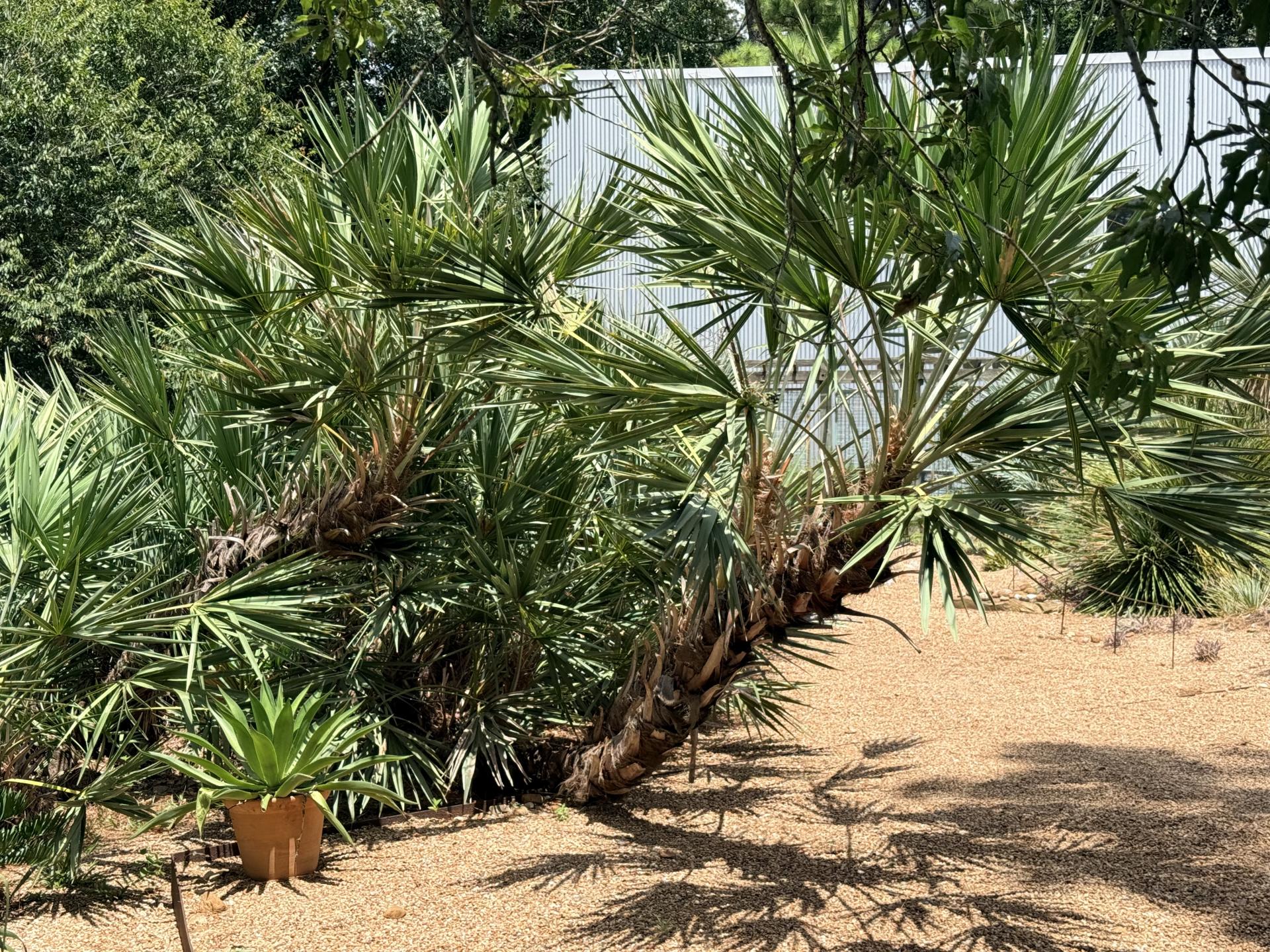
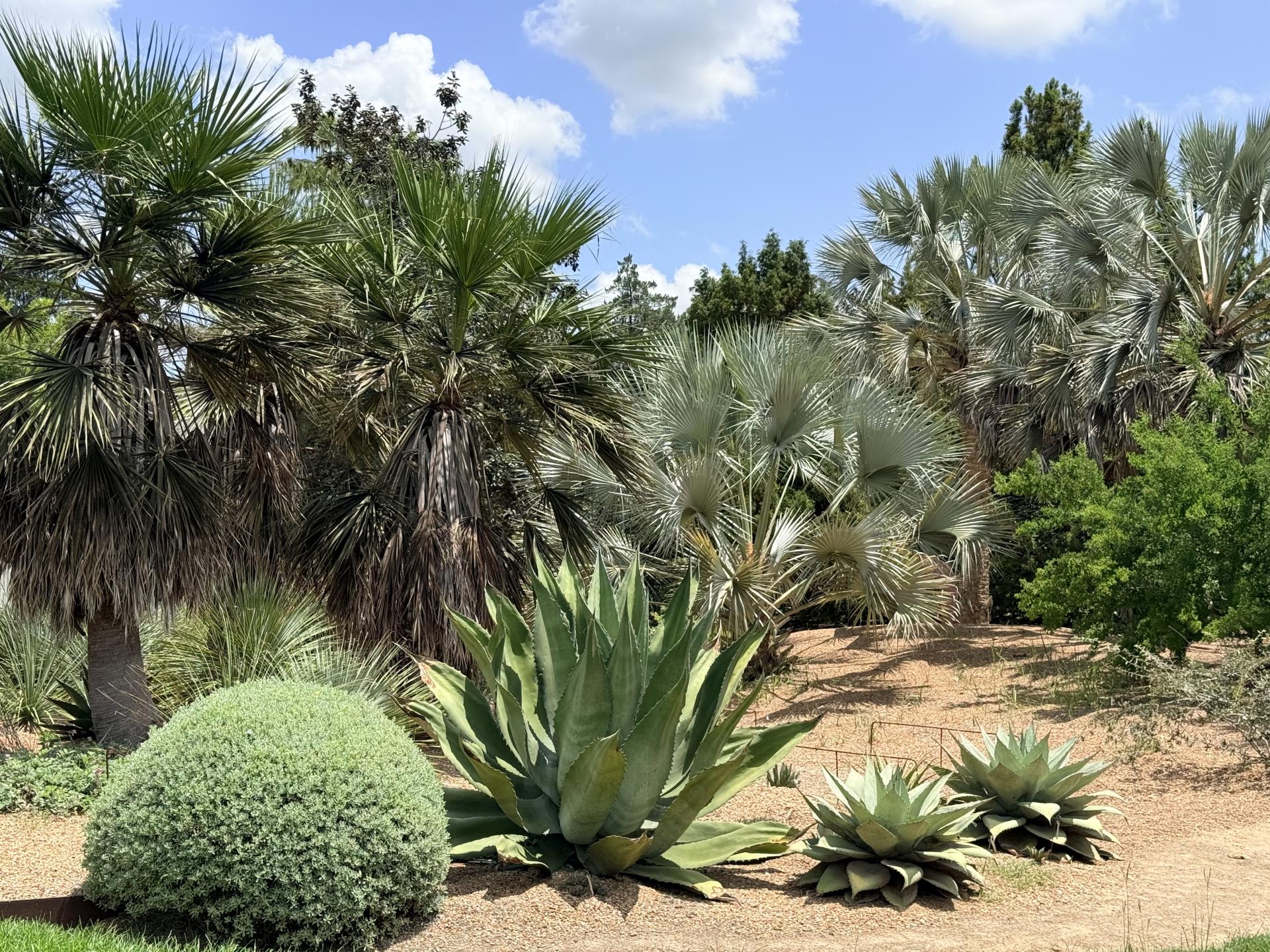
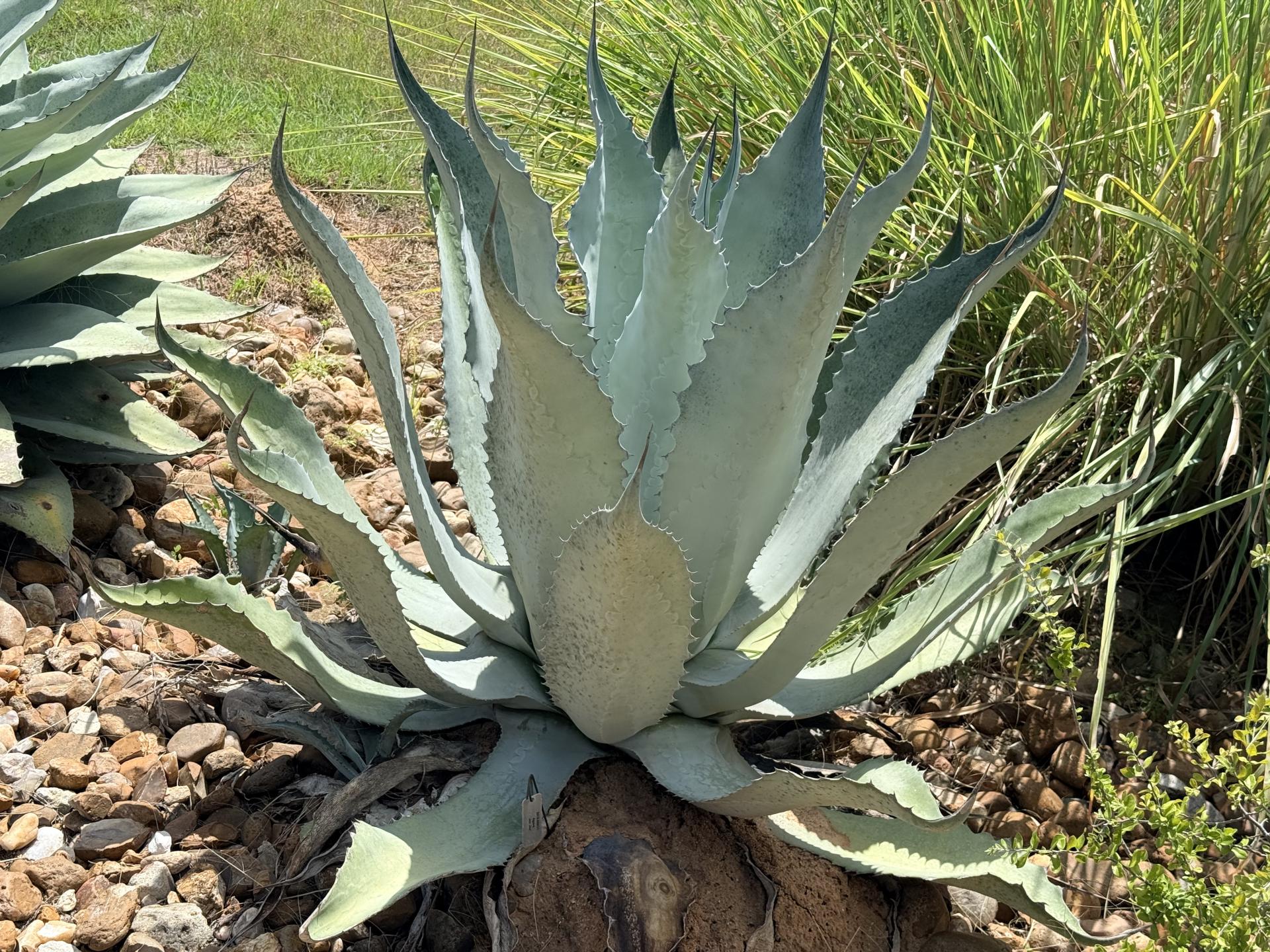
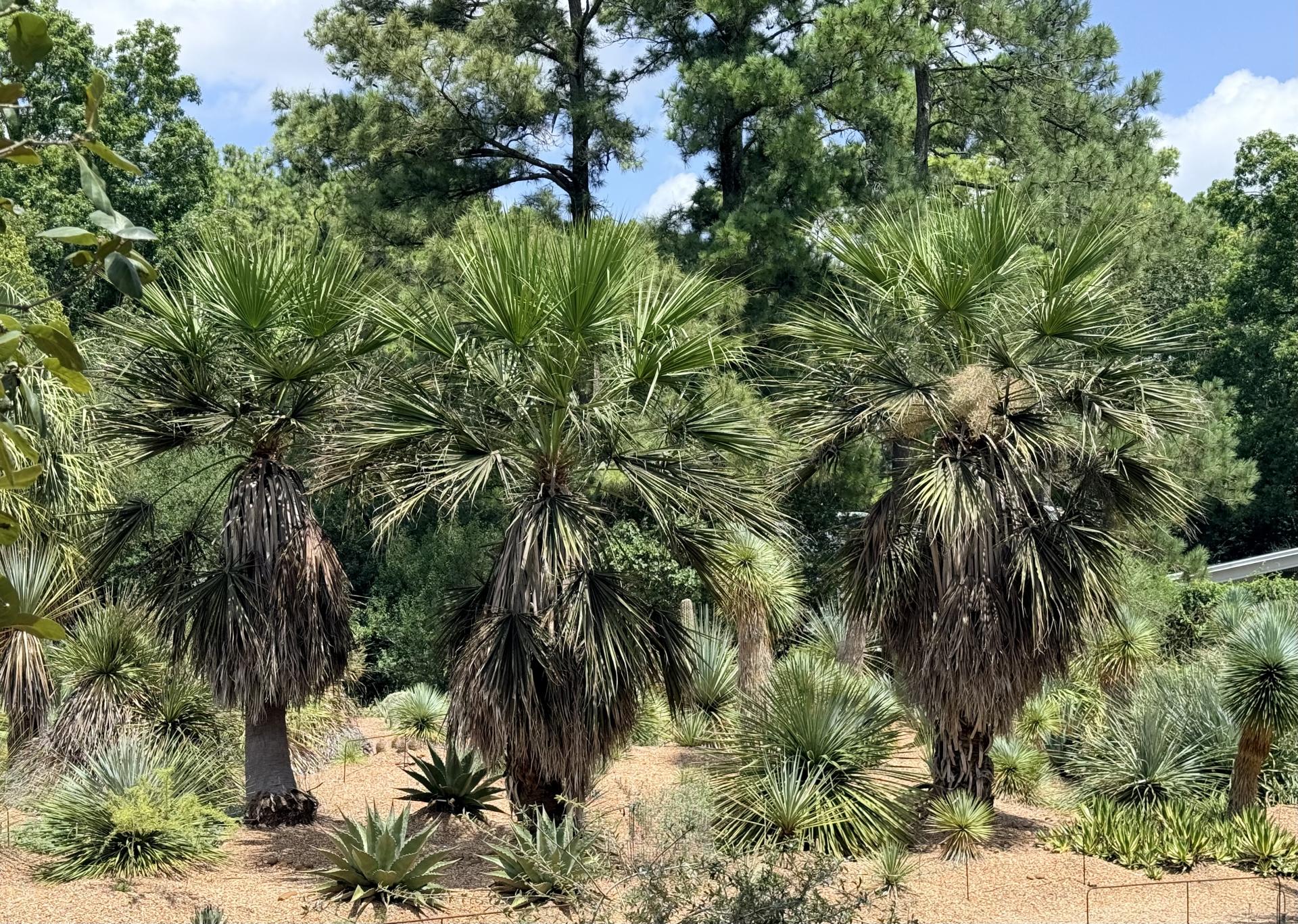
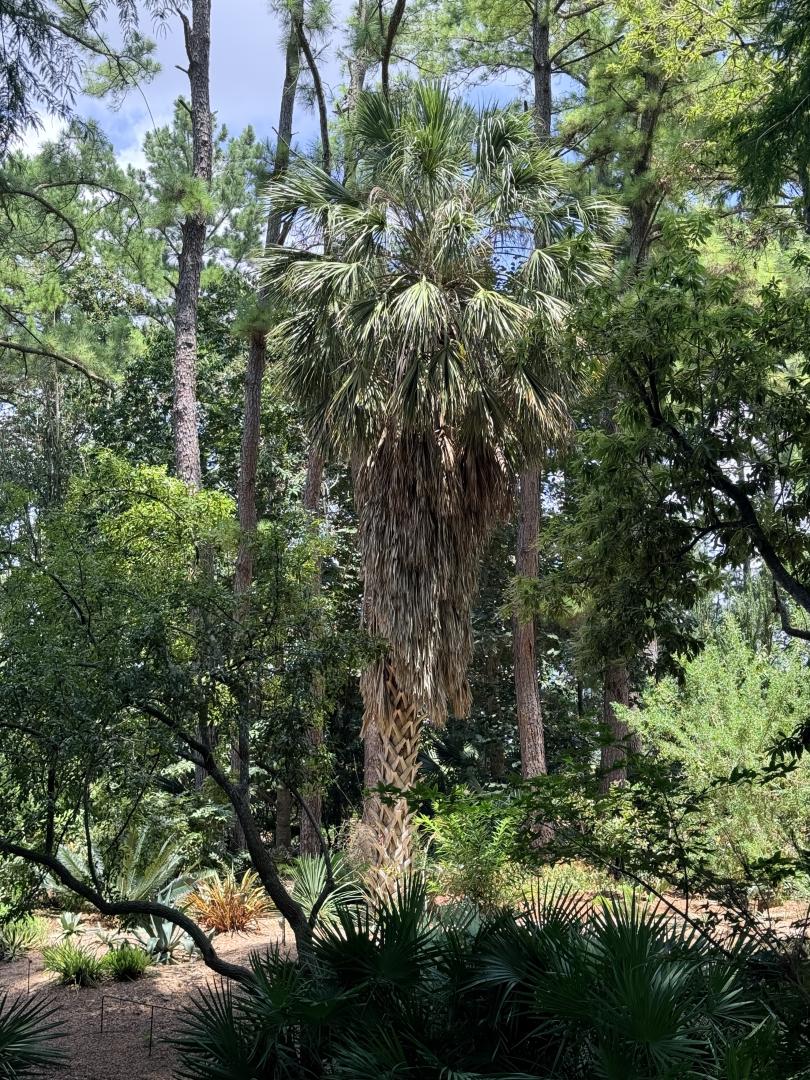
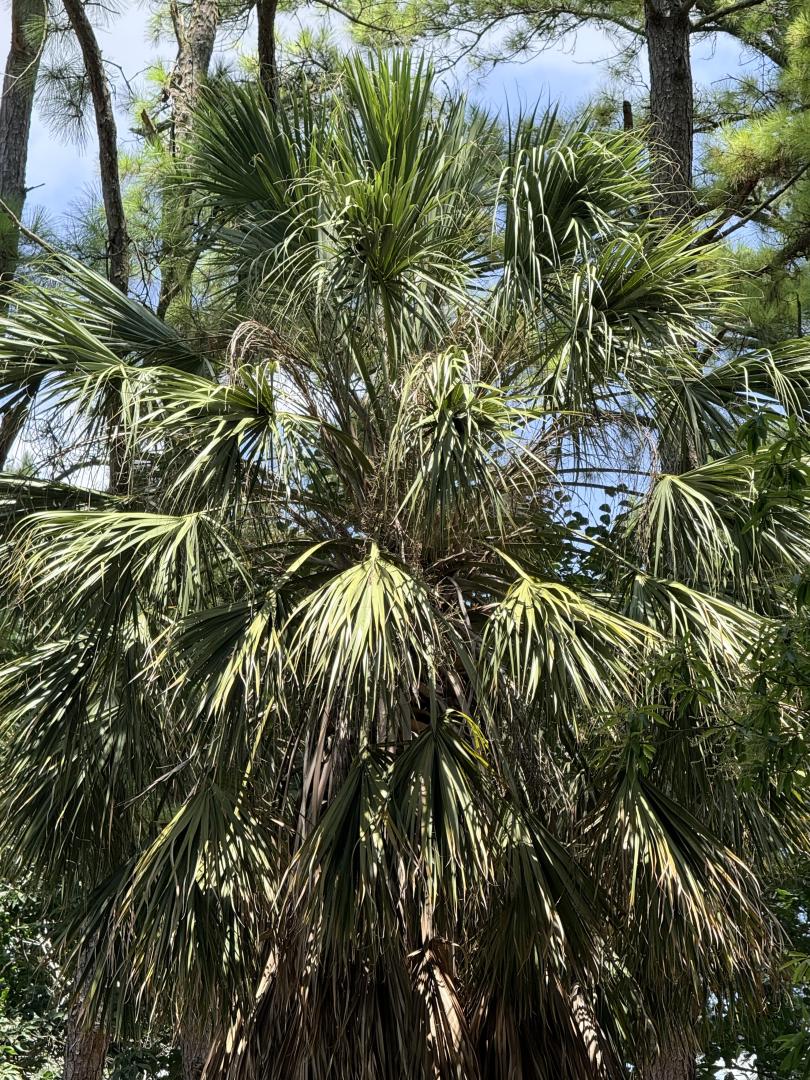
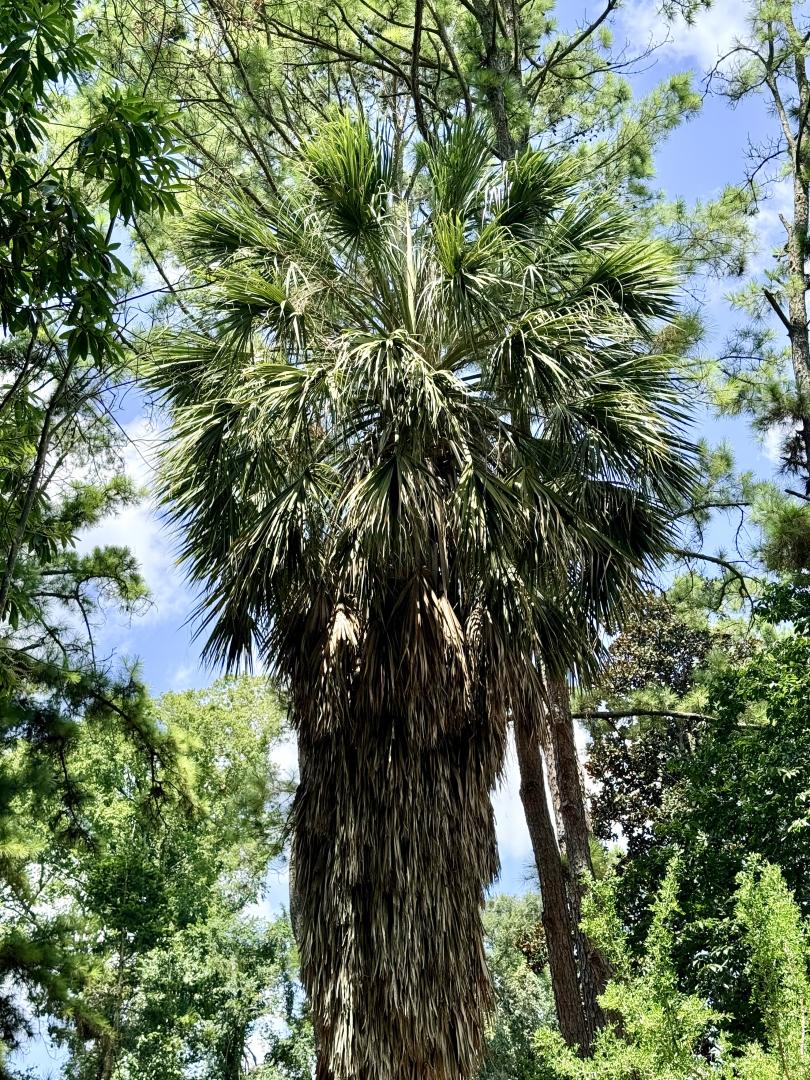
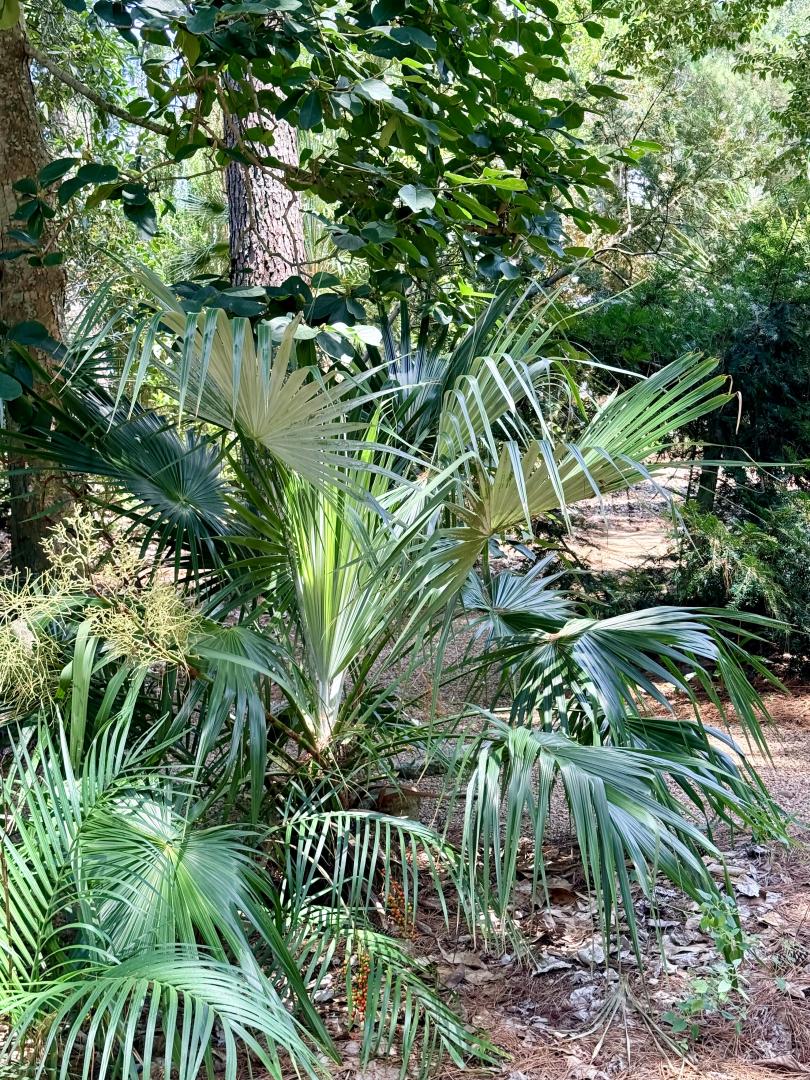
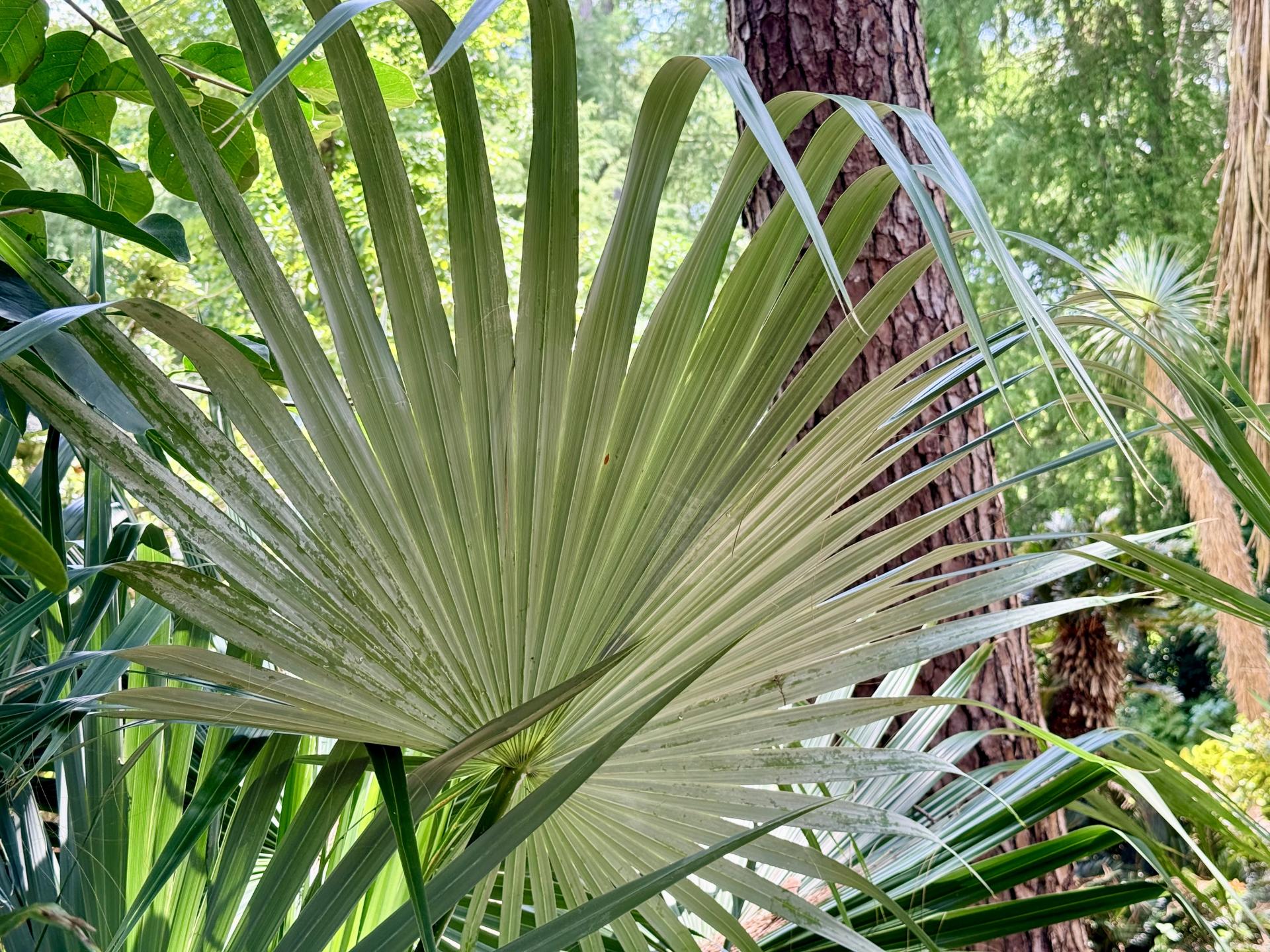
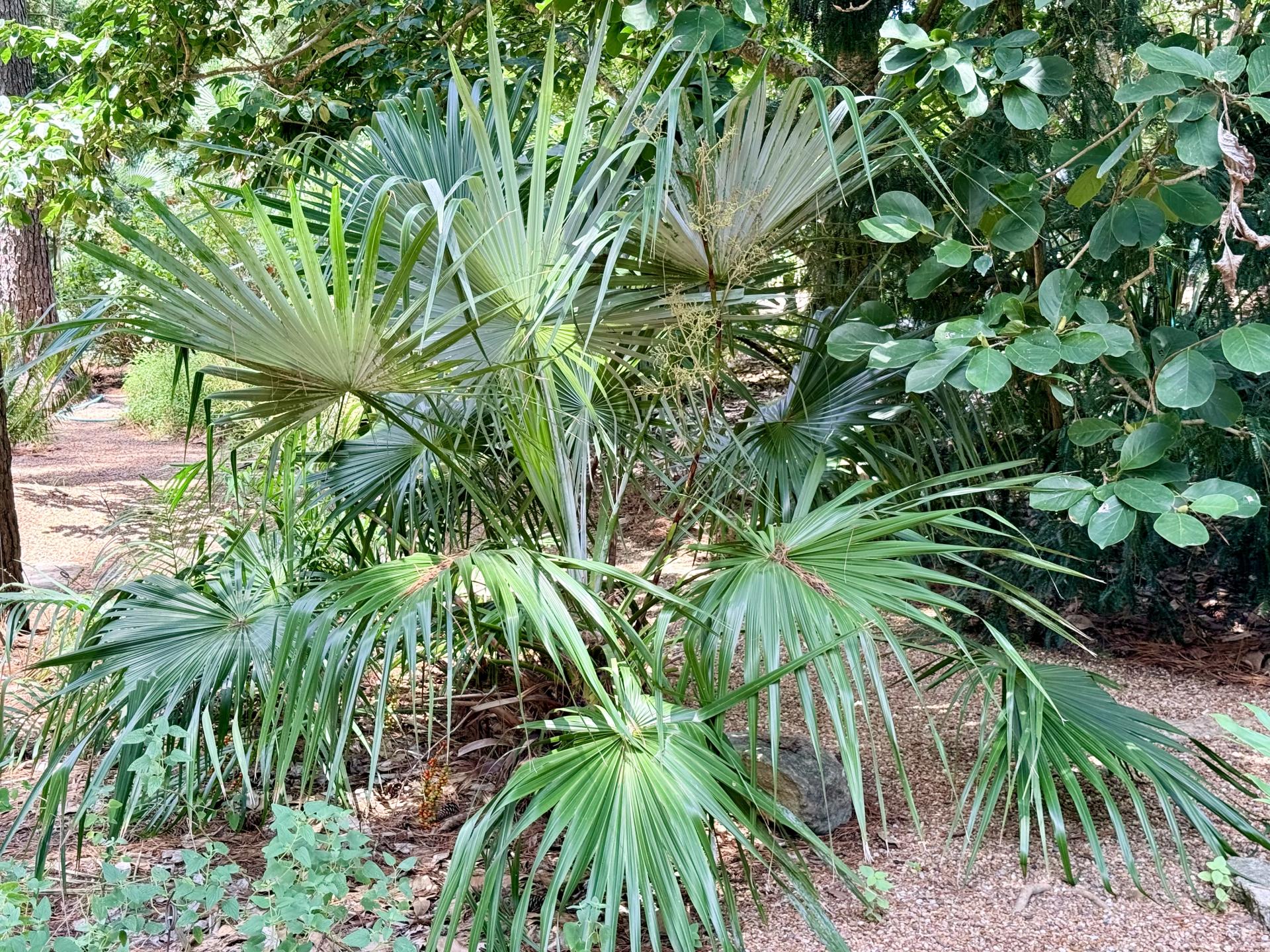
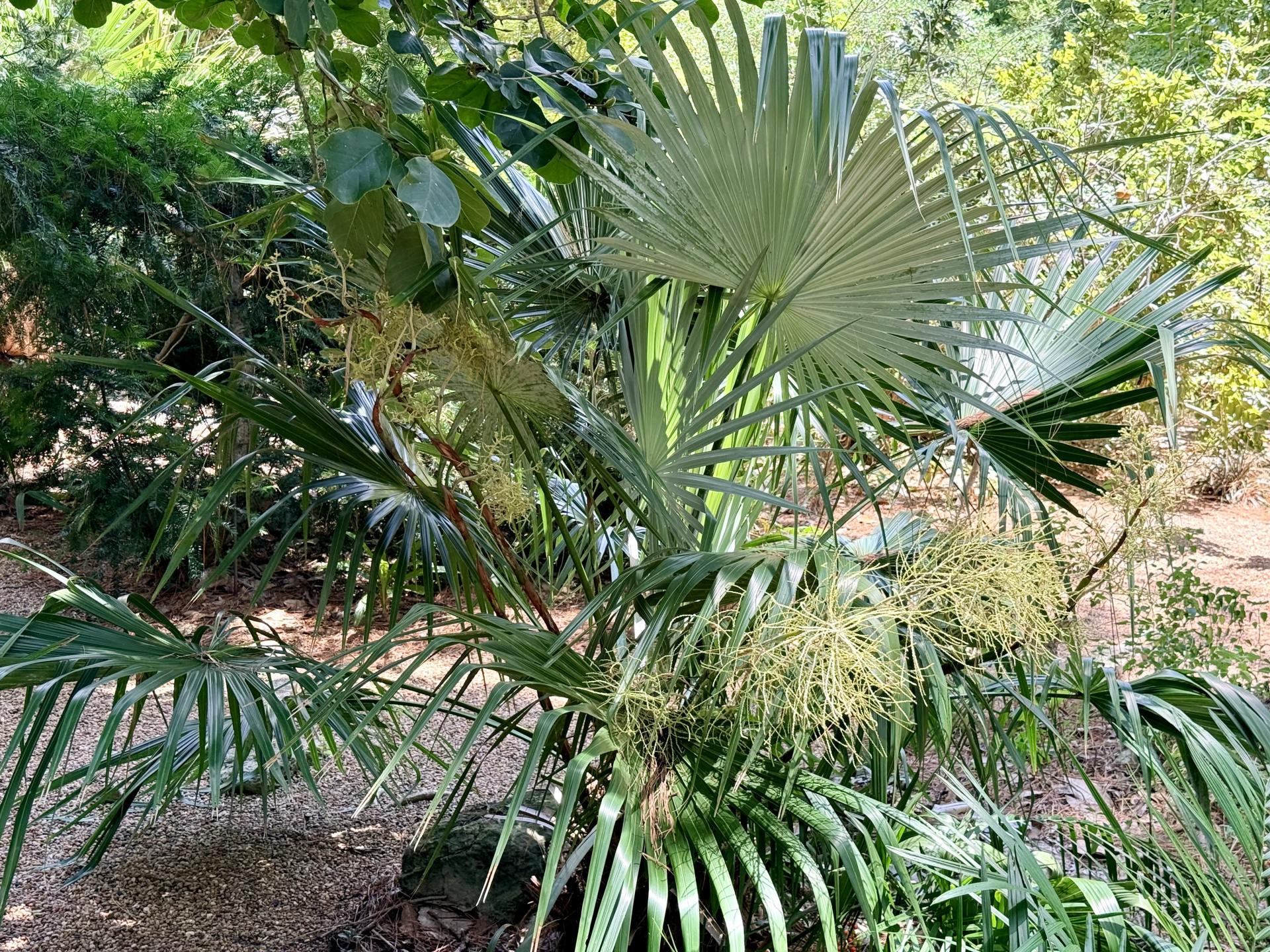
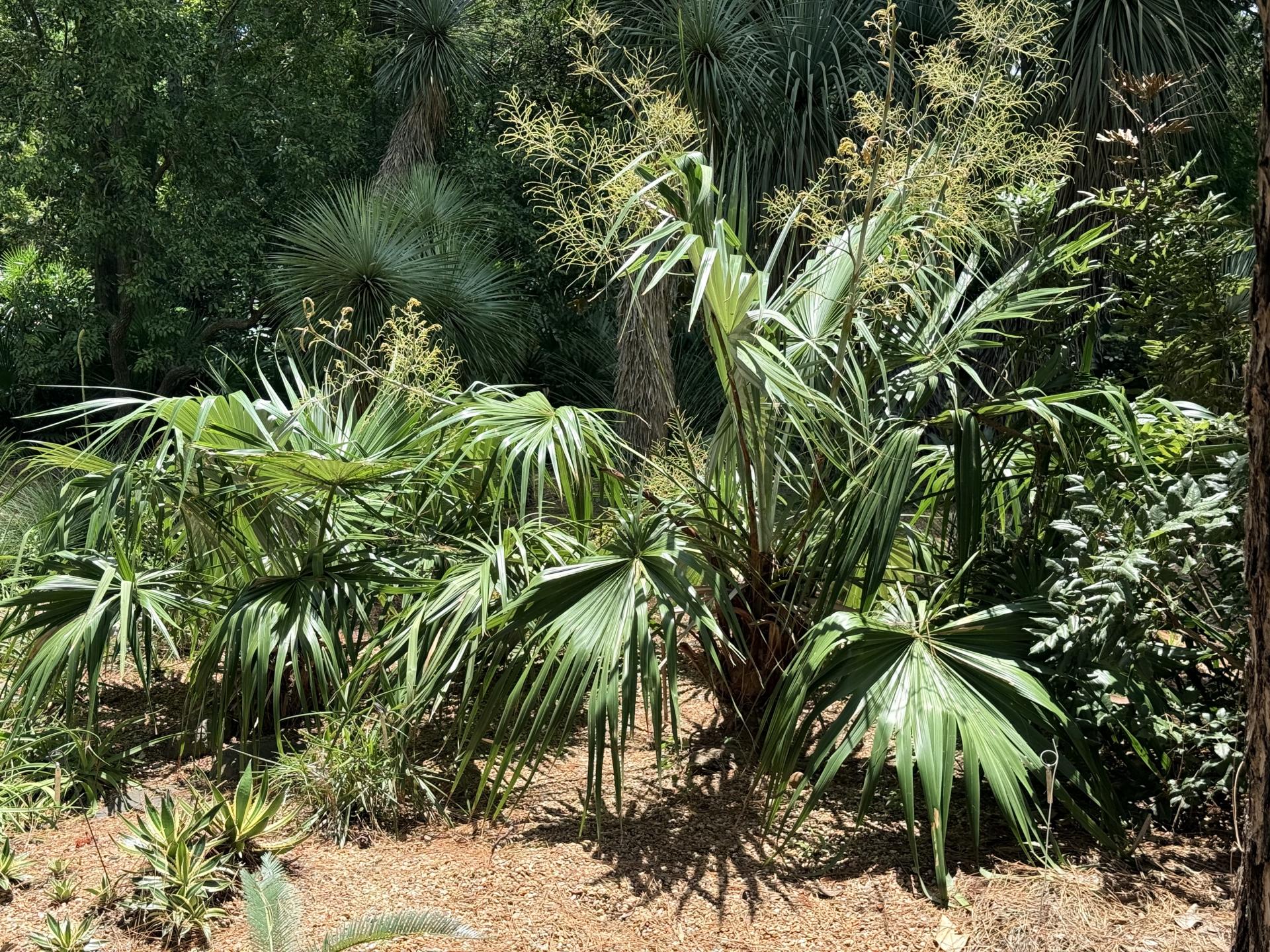
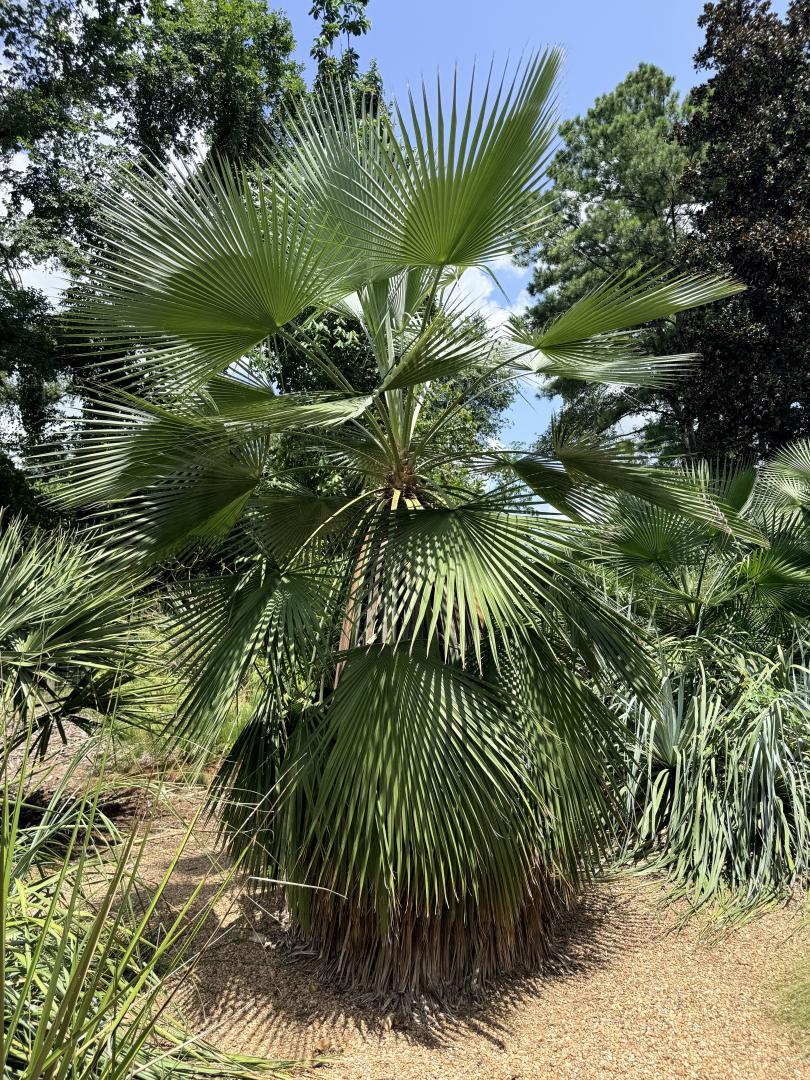
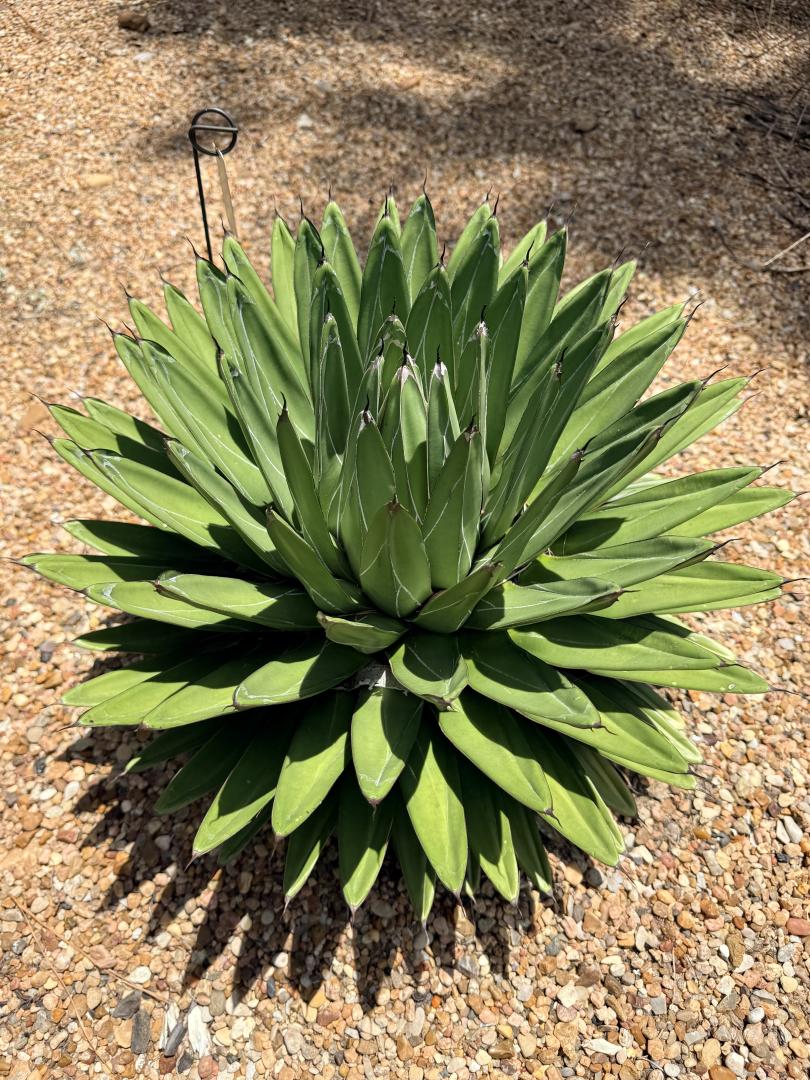
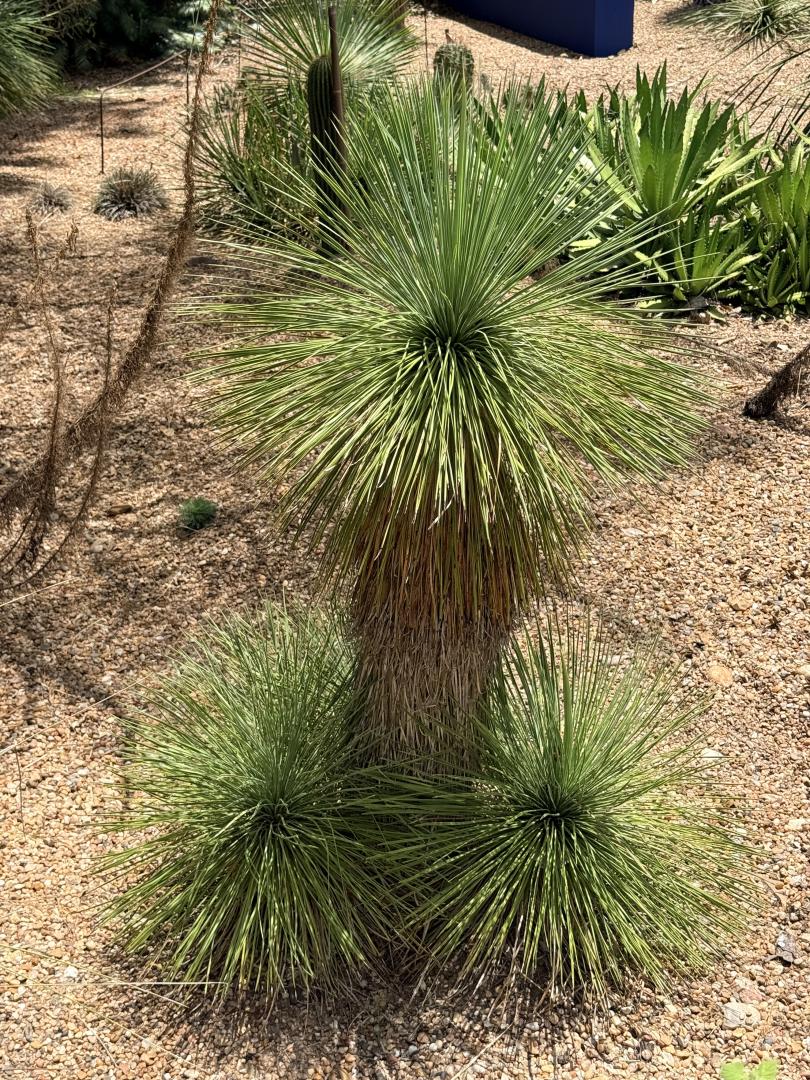
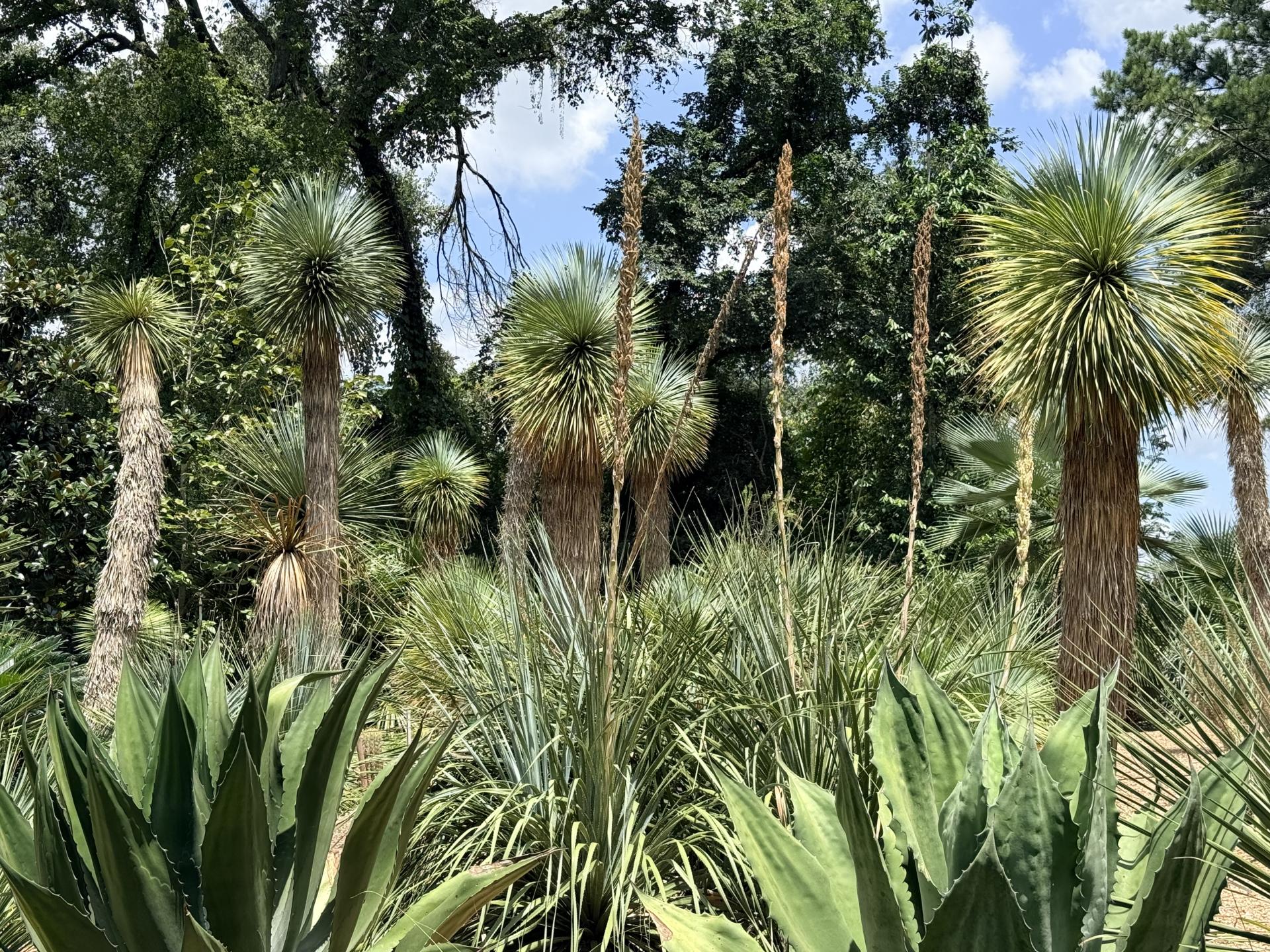
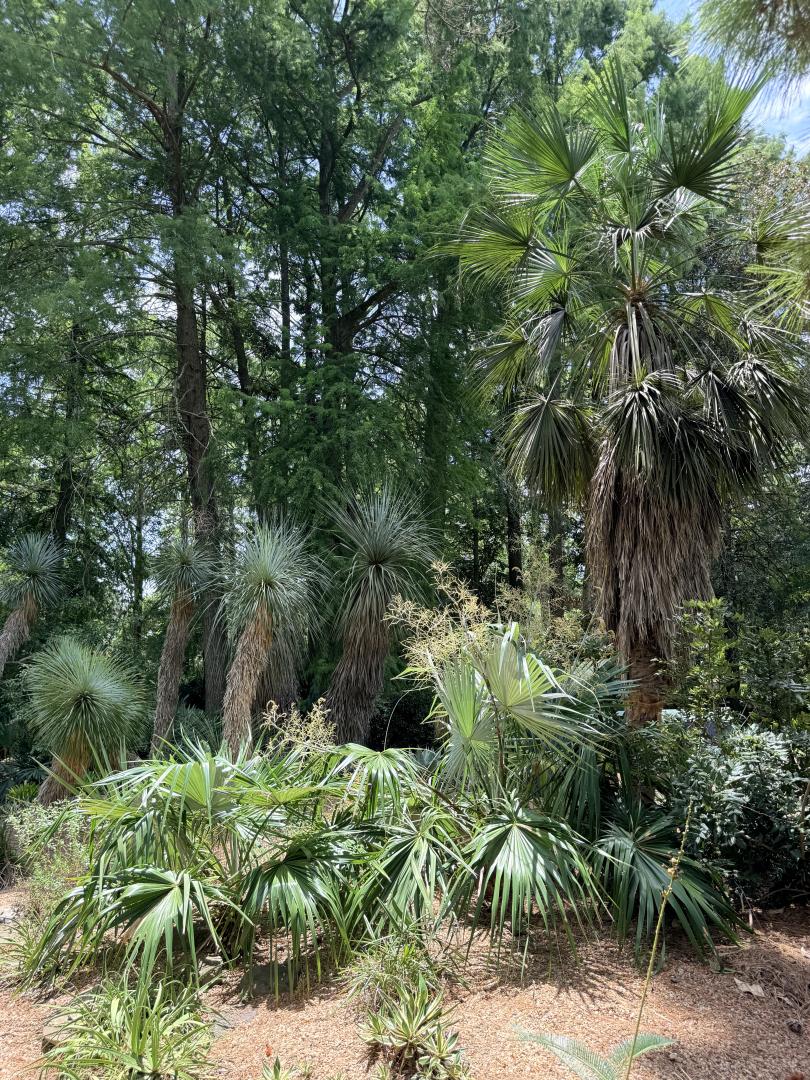
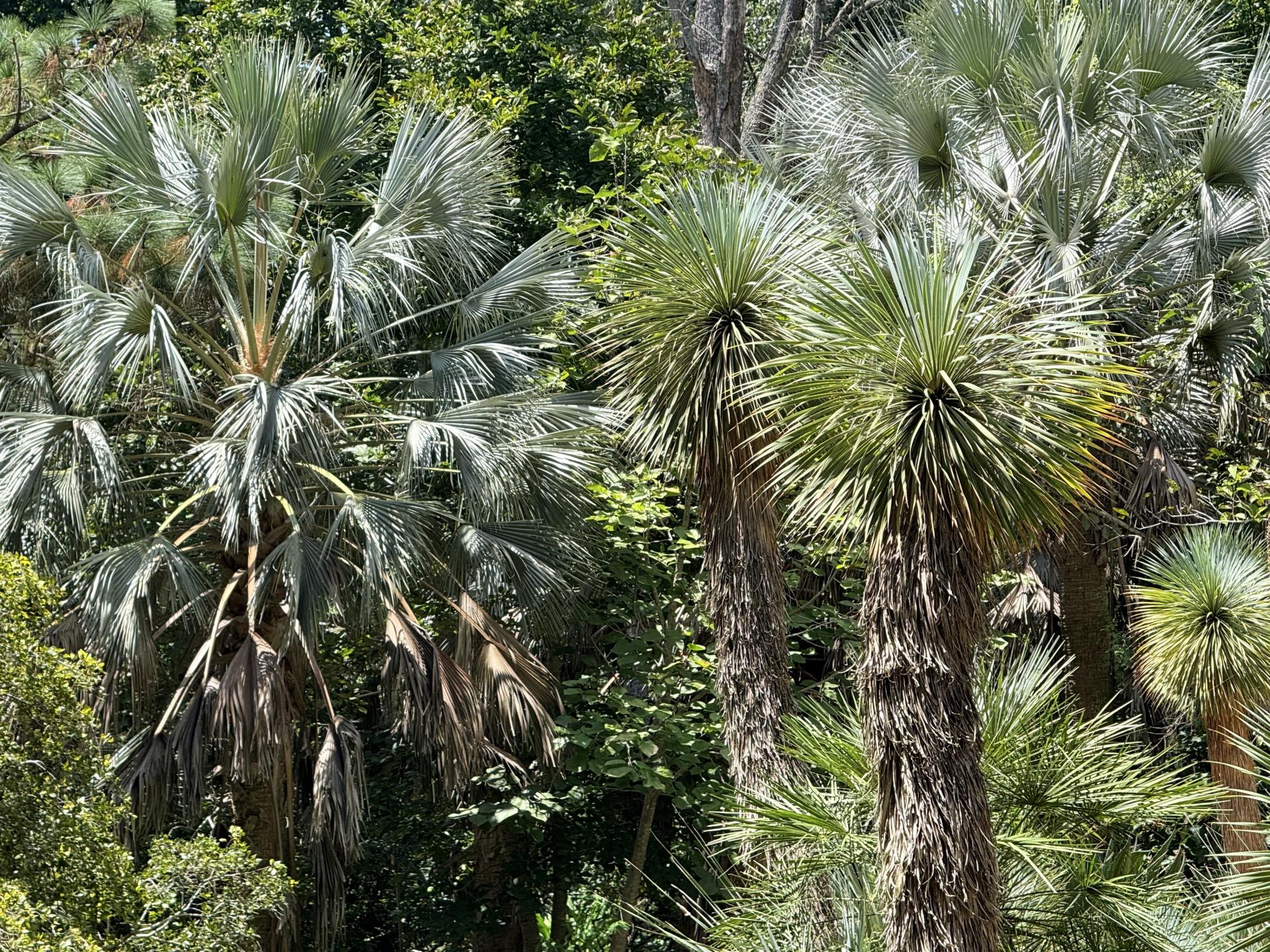
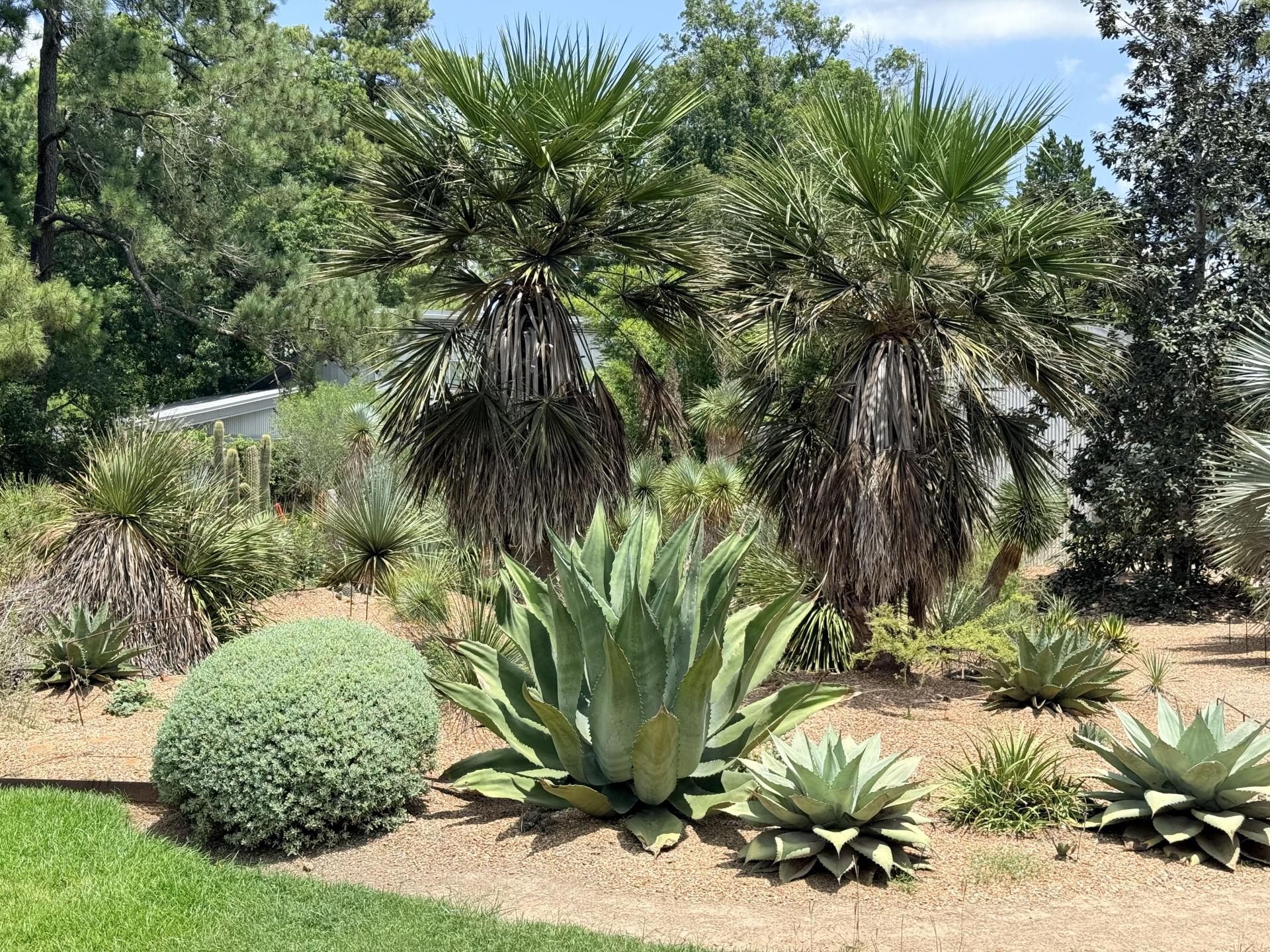
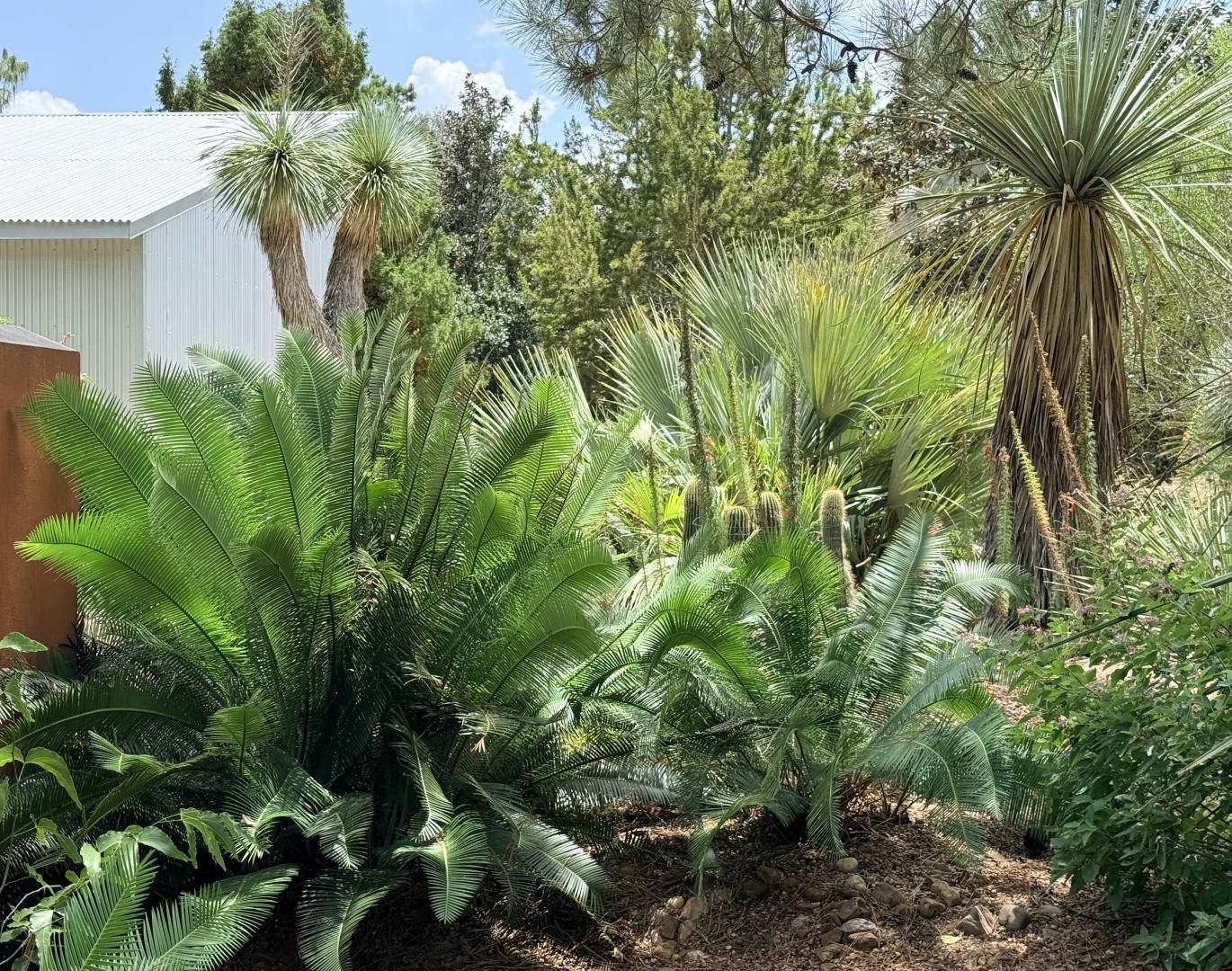
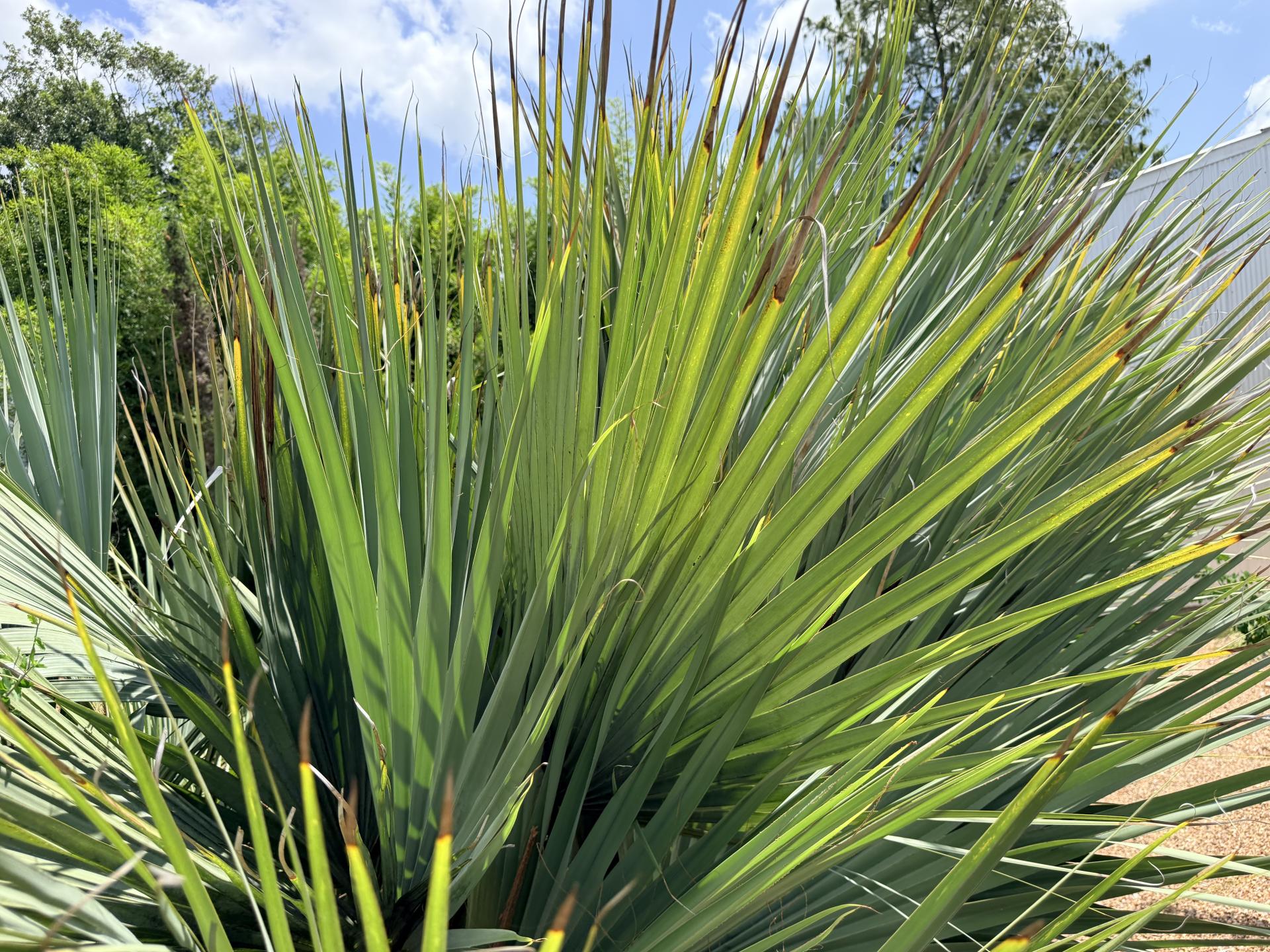
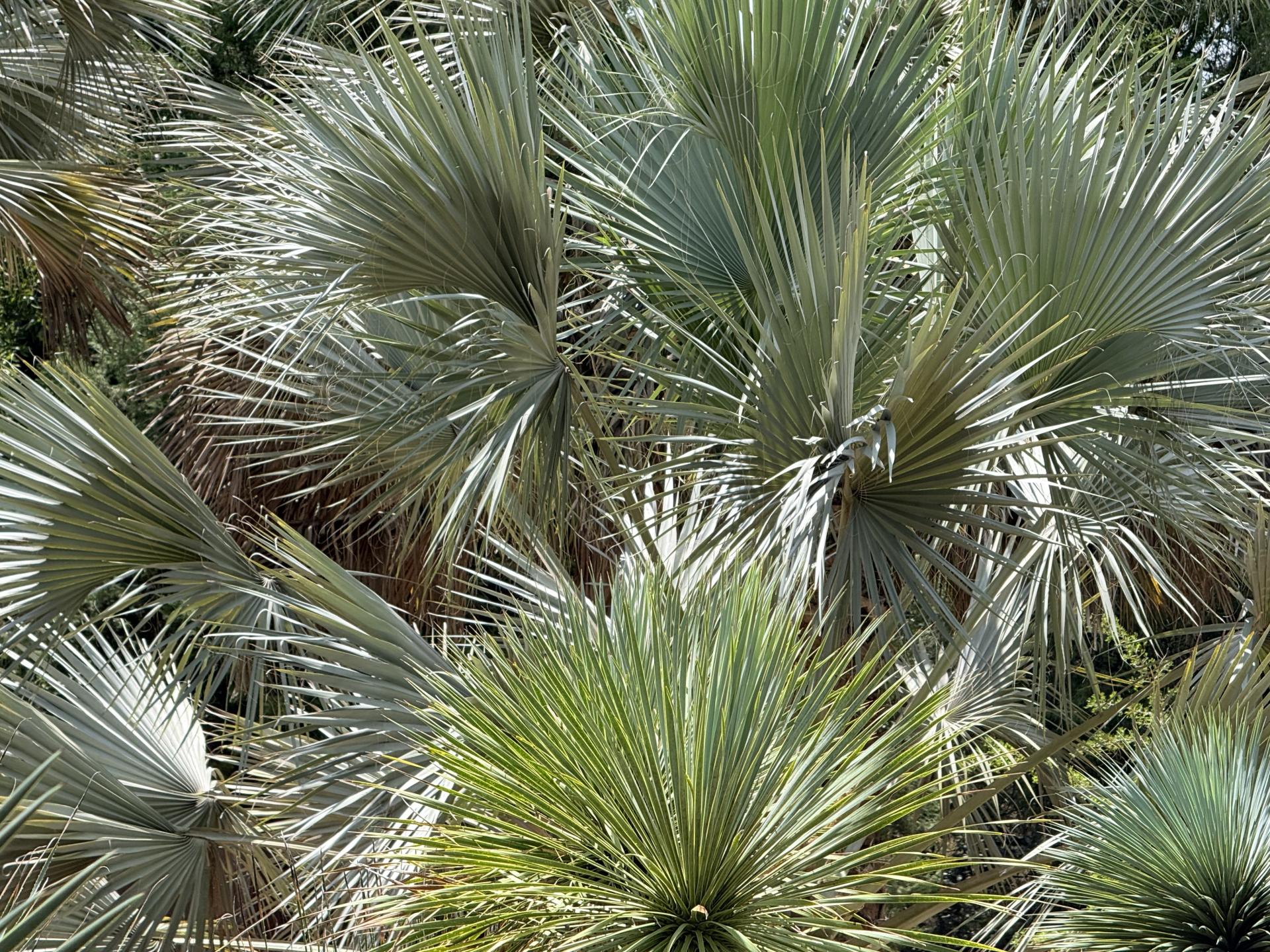
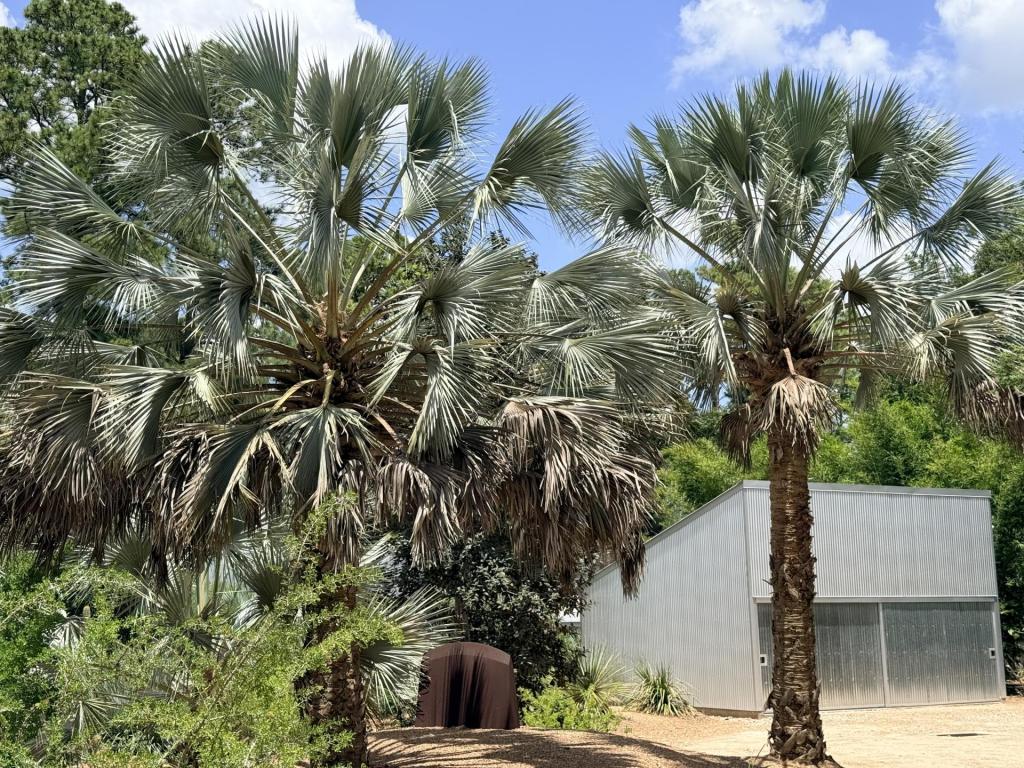
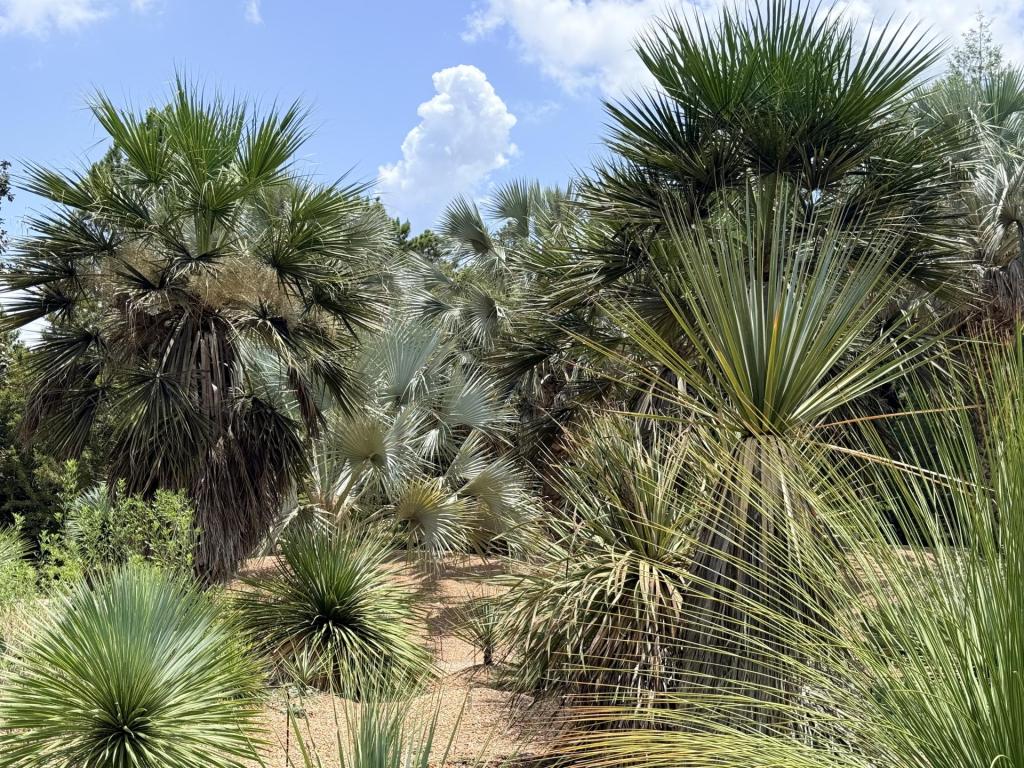
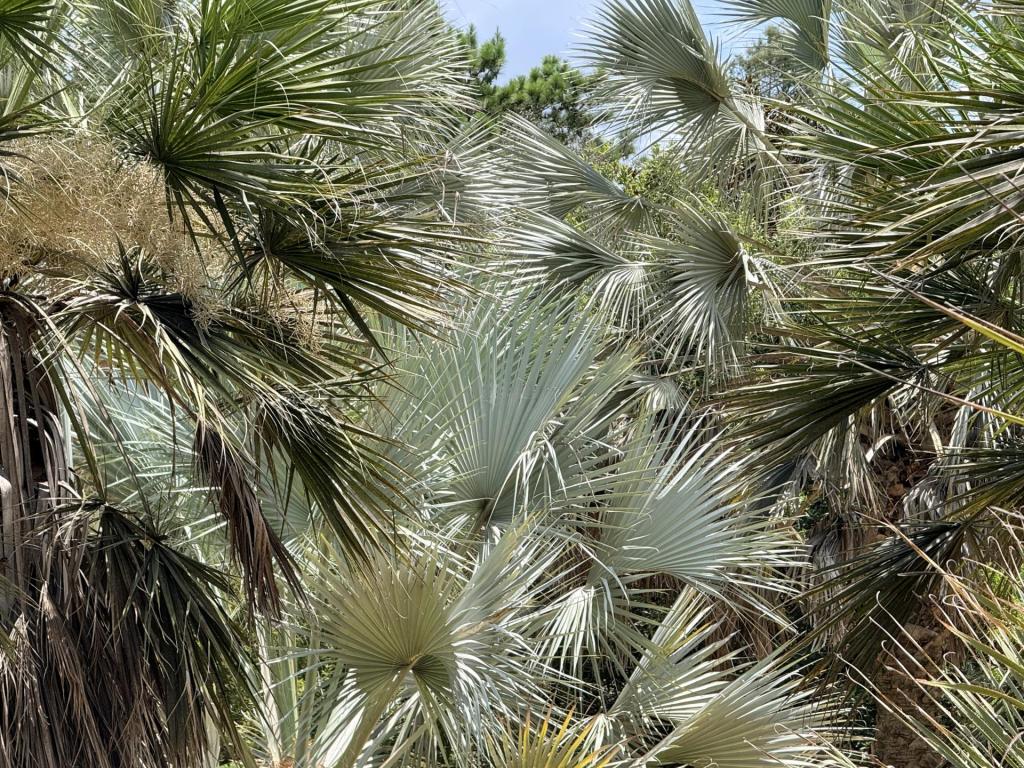
 8 pointsFormerly Peckerwood Garden and Yuccado Nursery. Located in Pine Island, Texas. Brahea dulcis Sabal uresana Brahea berlandieri, Sabal uresana,Nolina nelsonii Serenoa repens Dioon edule, Nolina nelsonii Sabal causiarum Agave ‘Miquihuana Silver’ Brahea berlandieri Brahea berlandieri Brahea moorei Brahea dulcis Agave victoriae-reginae Yucca linearifolia Sabal uresana Nannorhops ritchiana
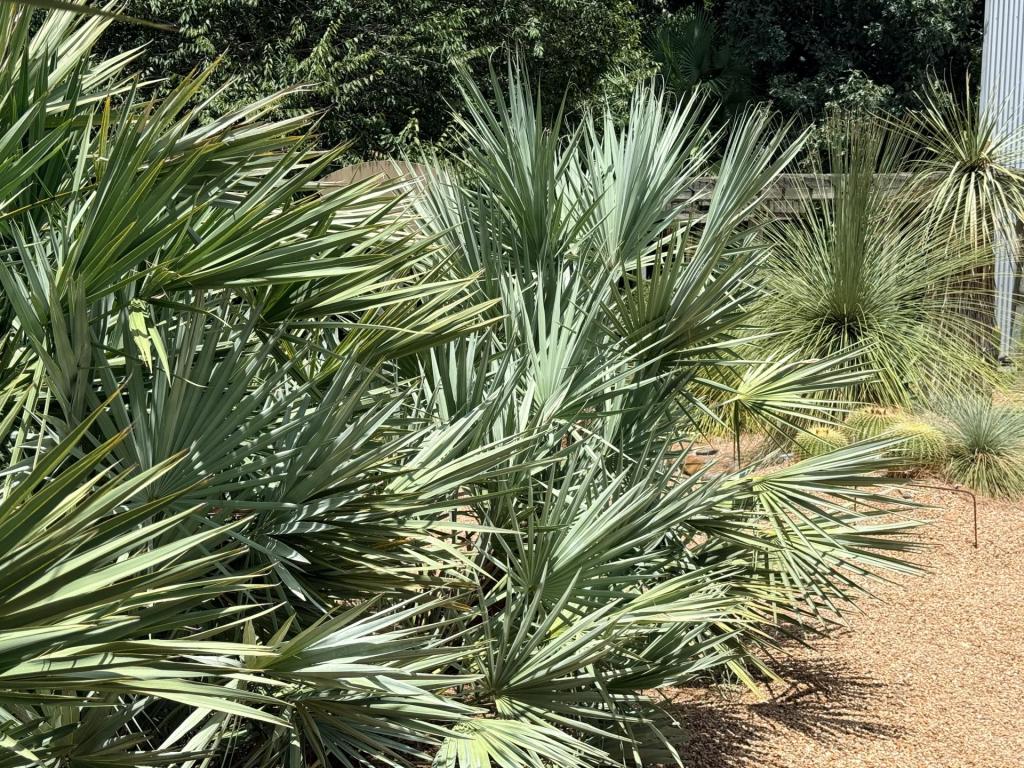

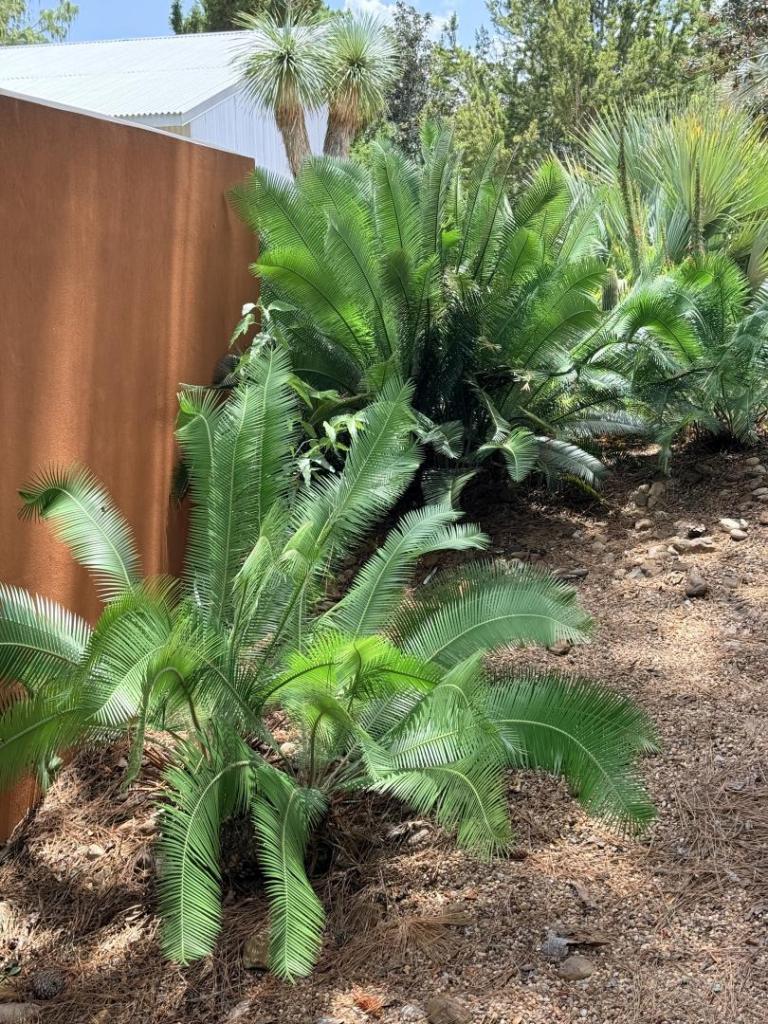
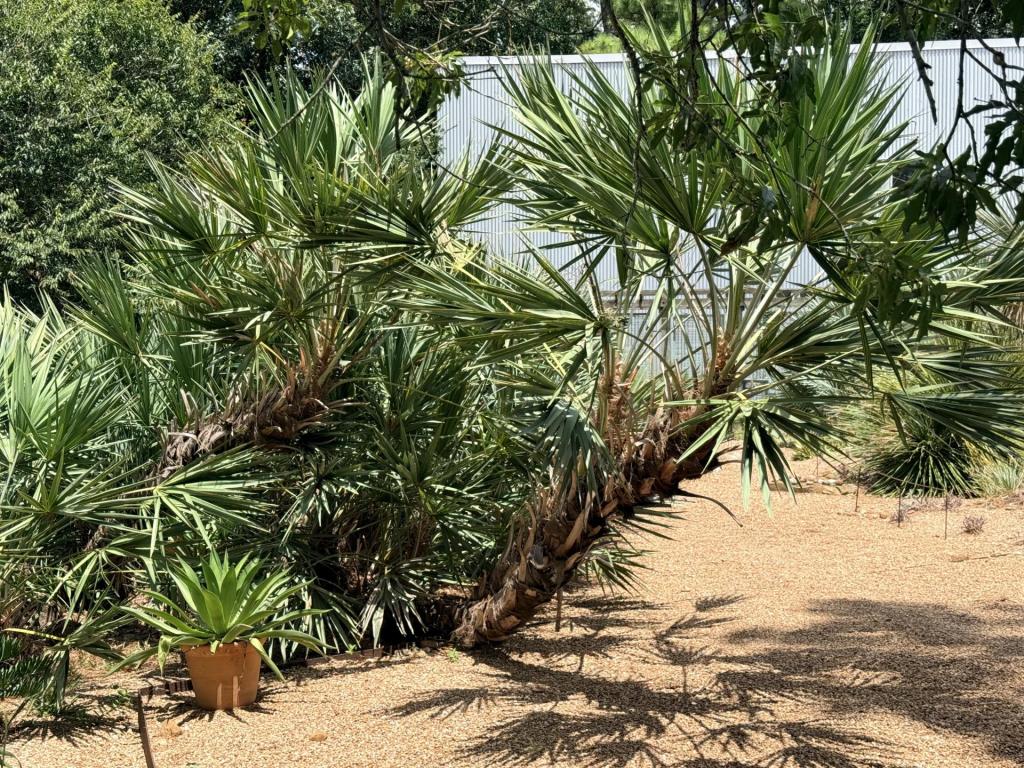
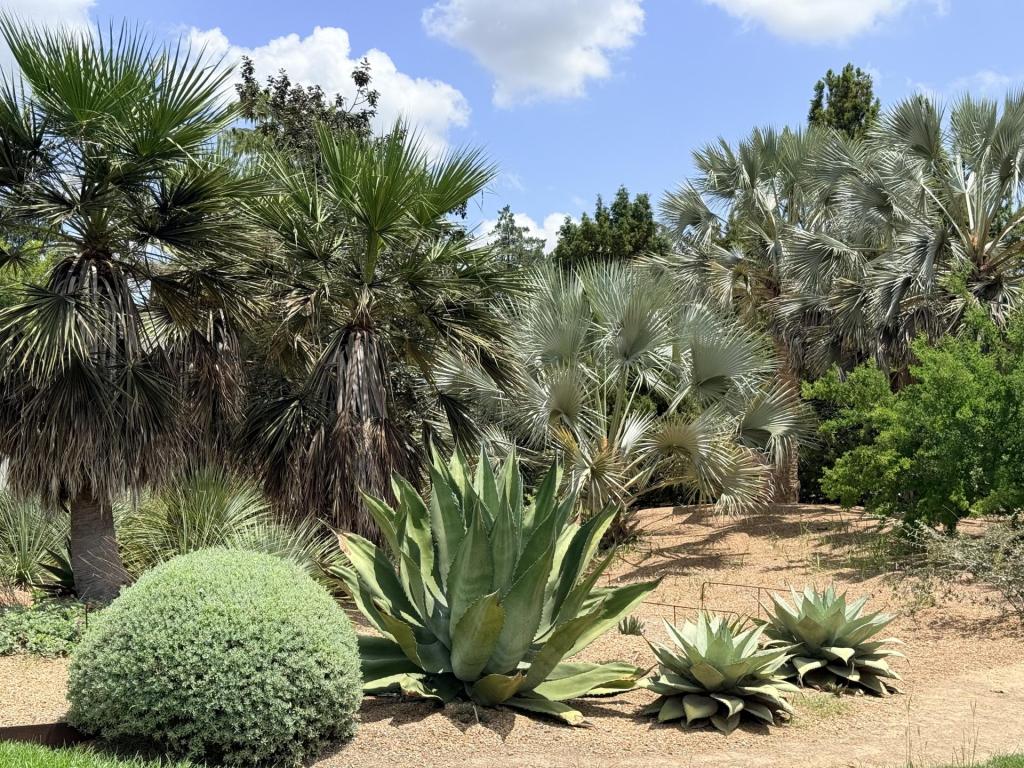
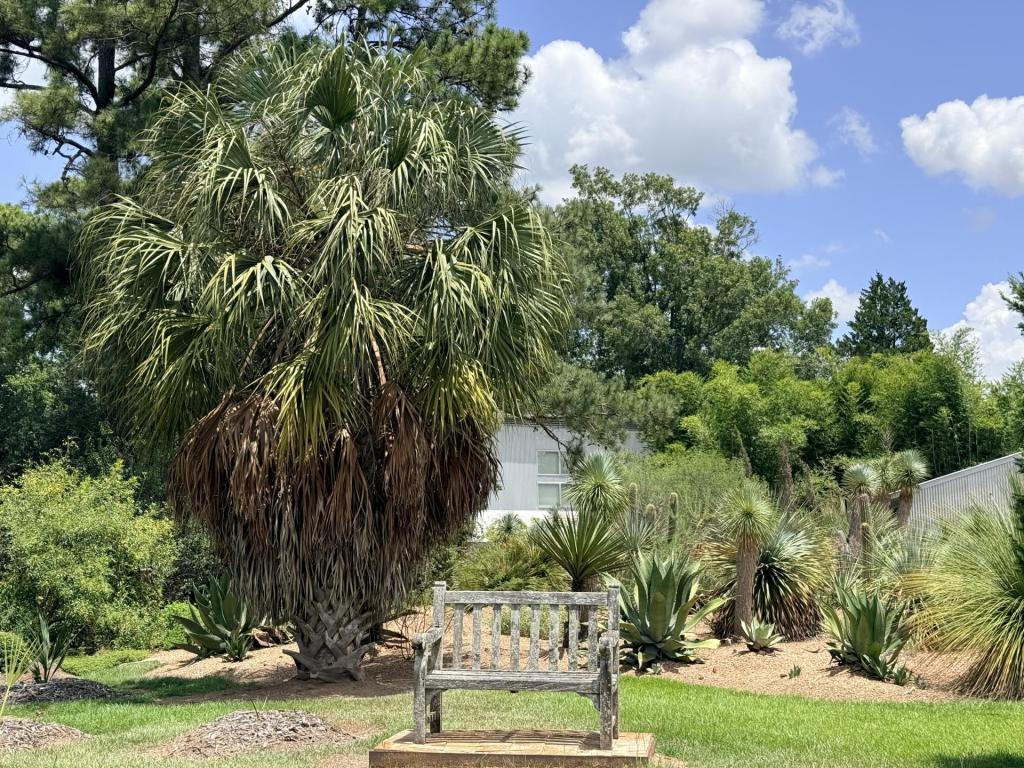
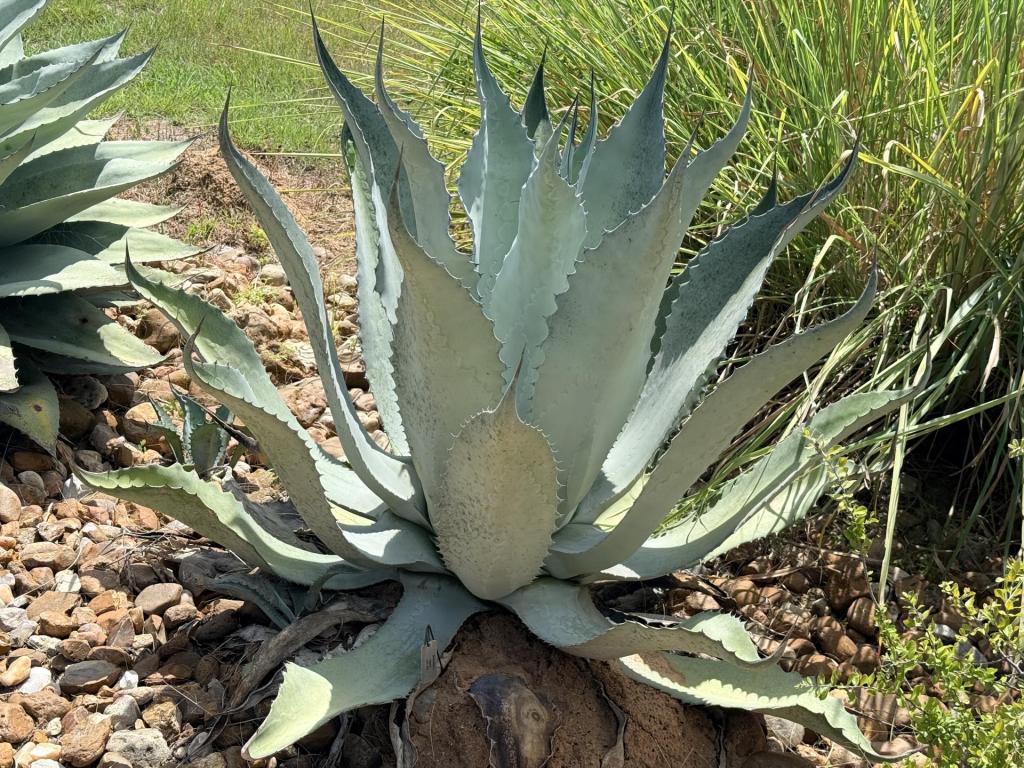

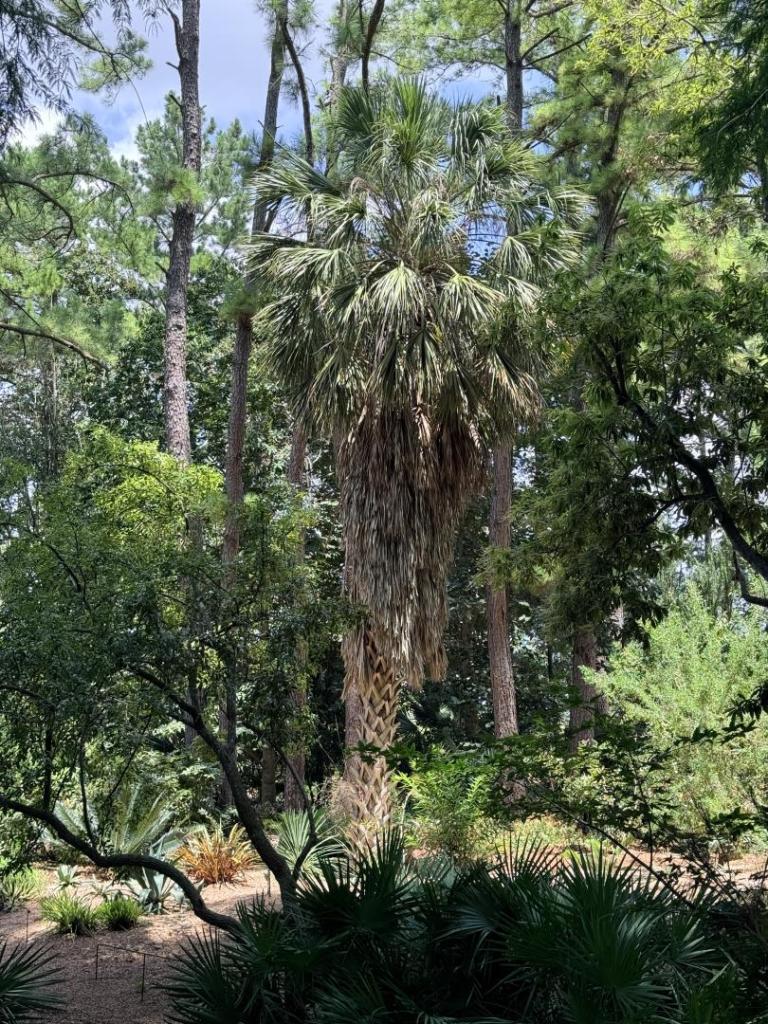
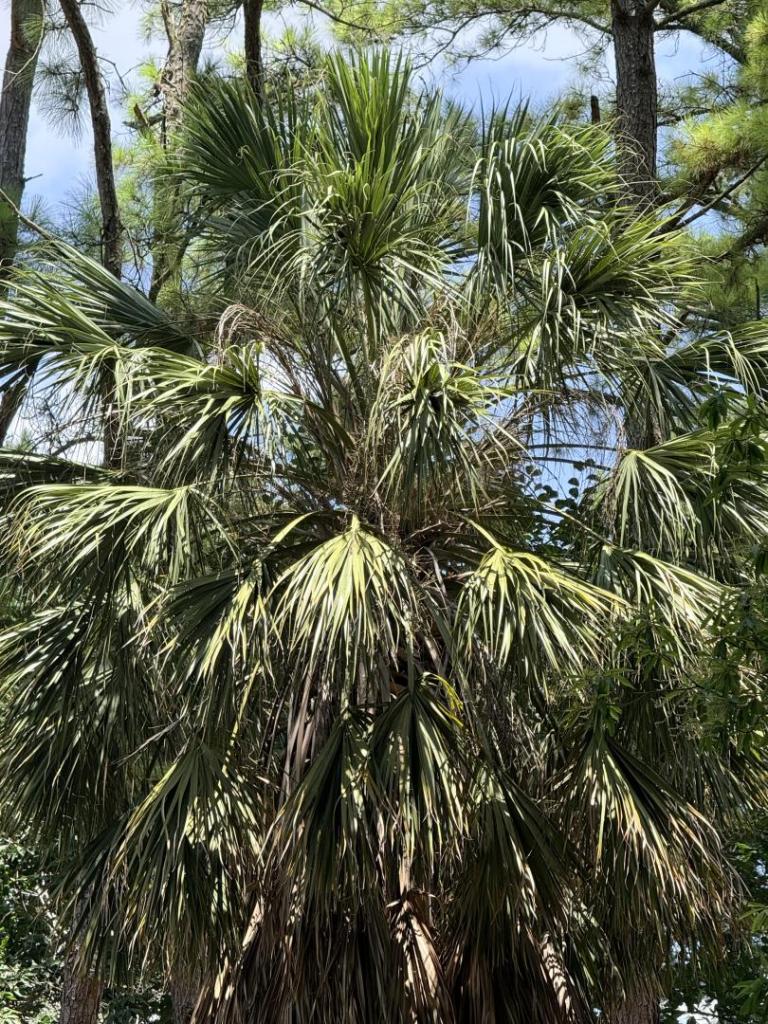
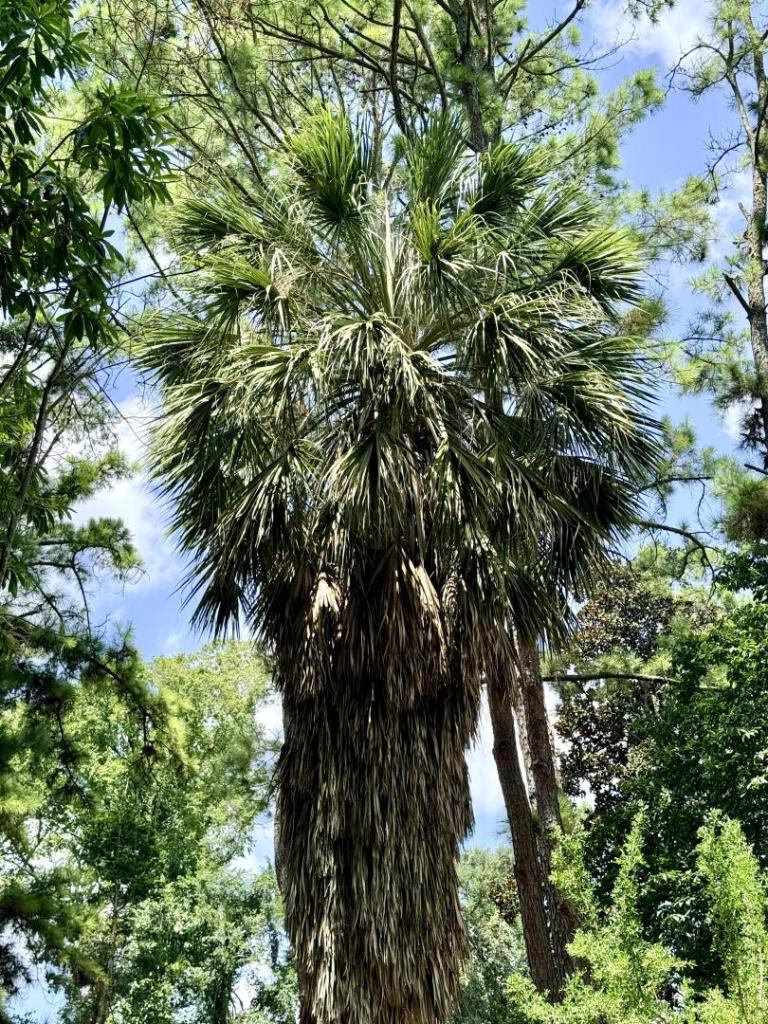
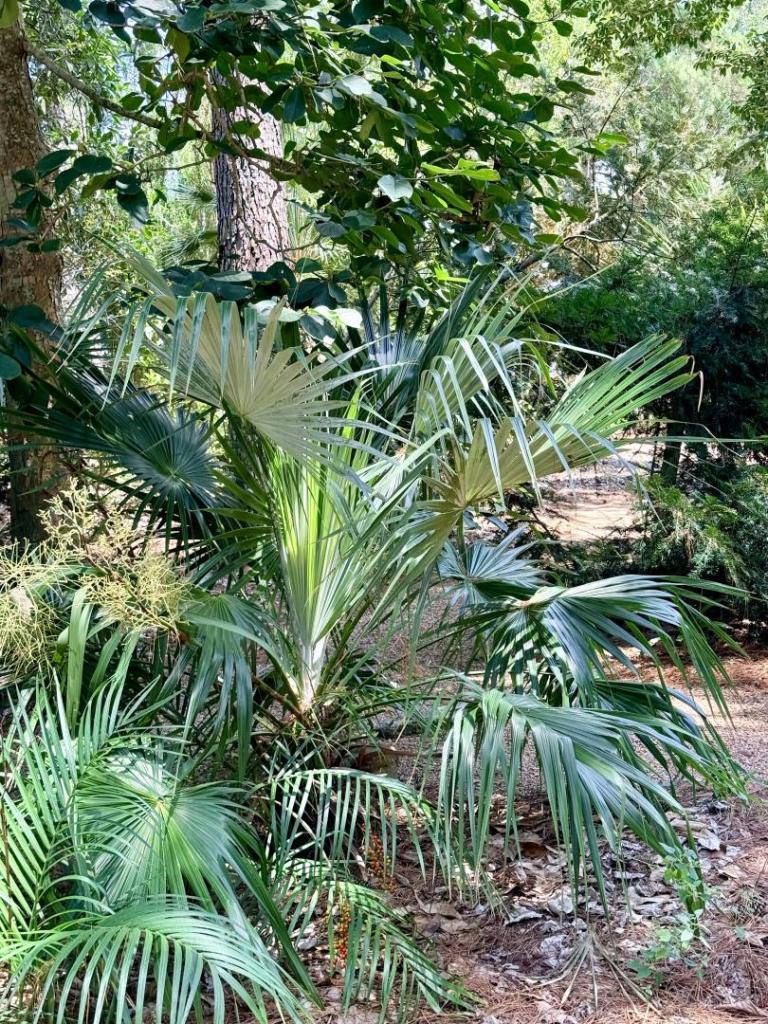
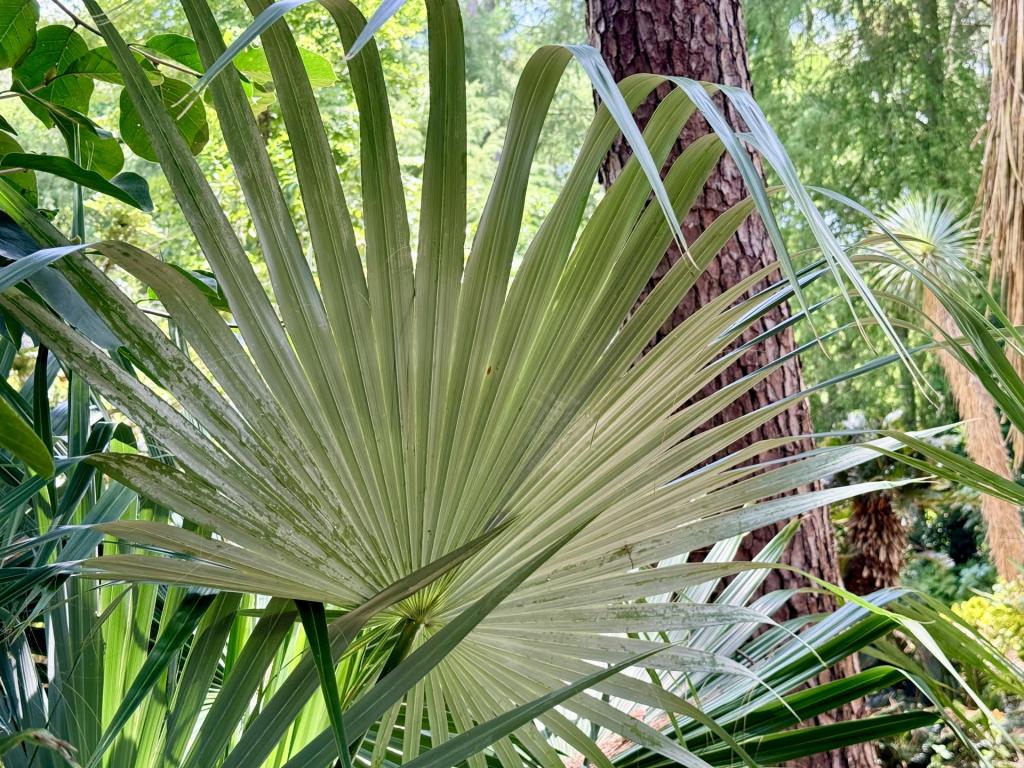

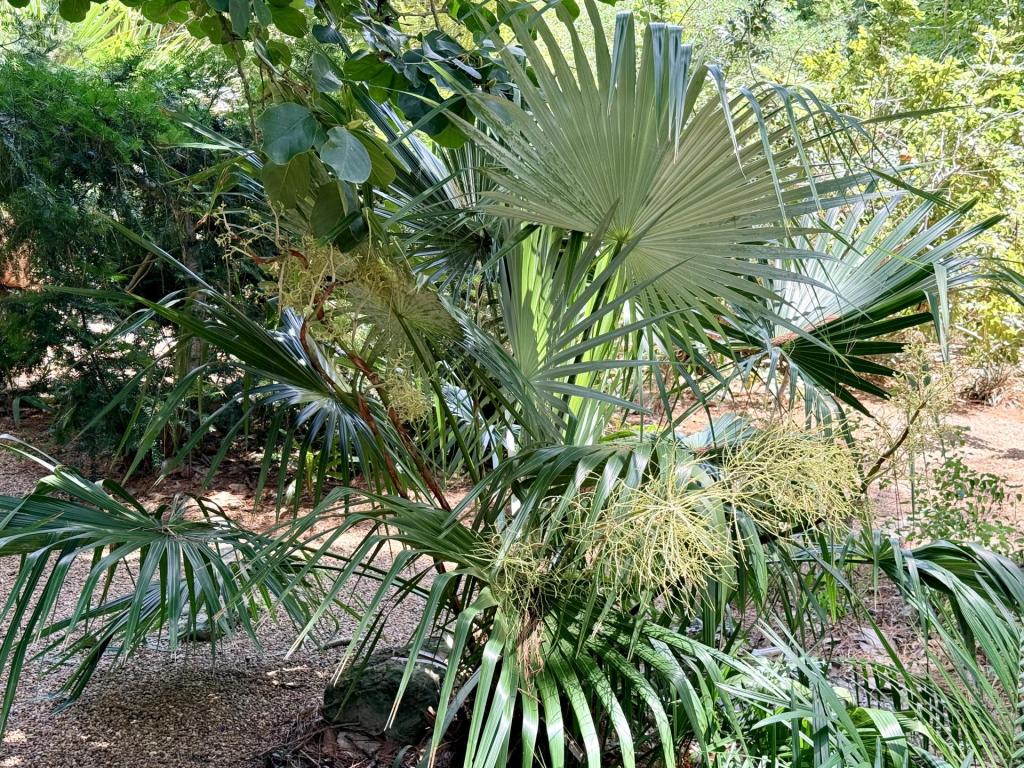
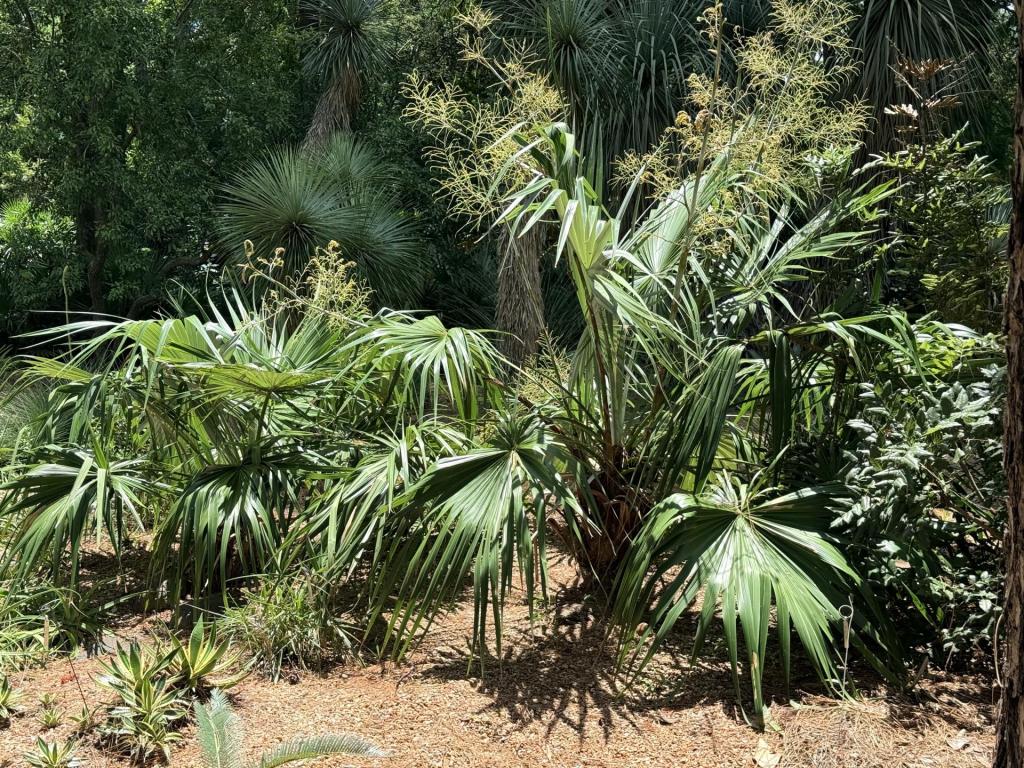
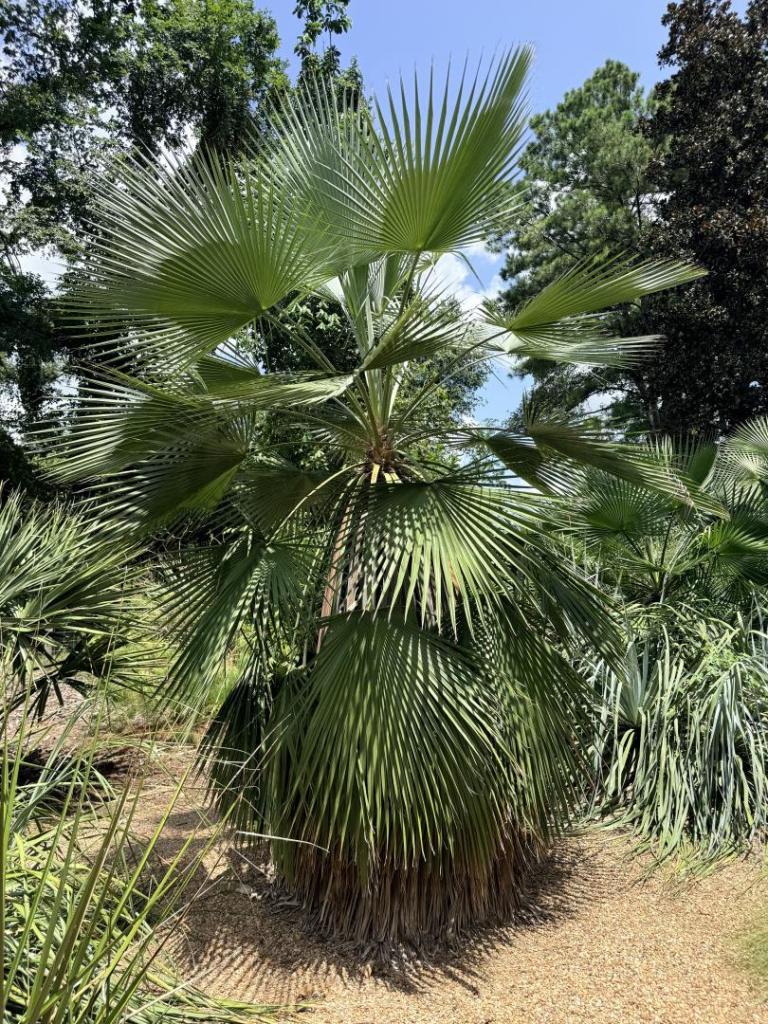
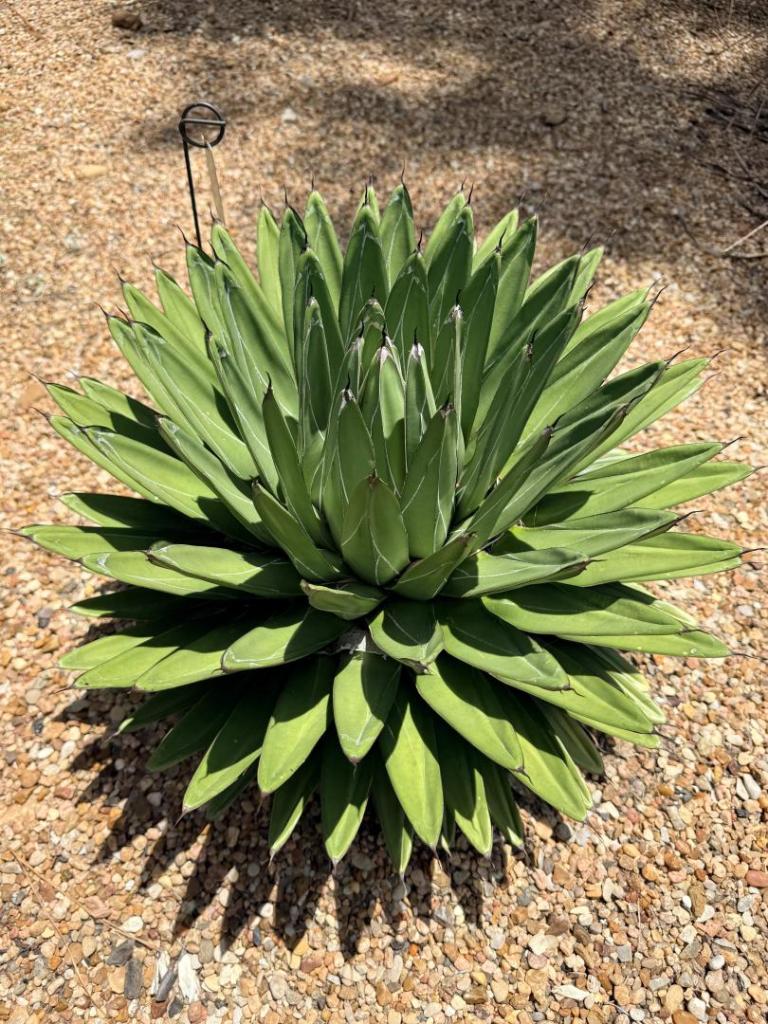
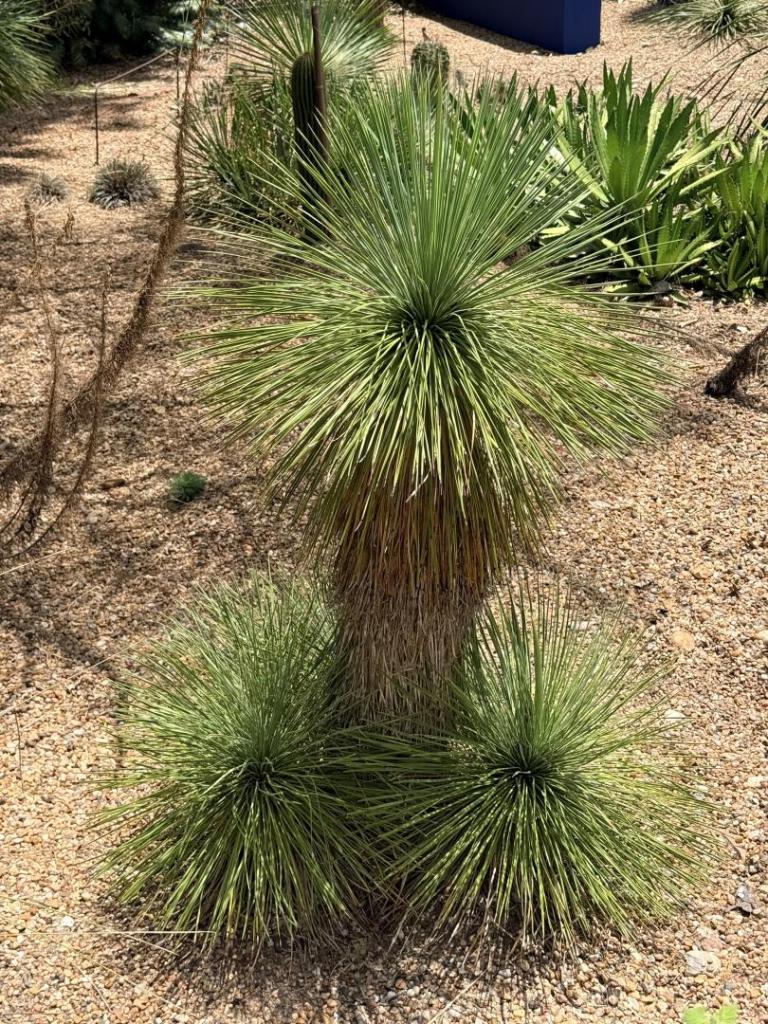
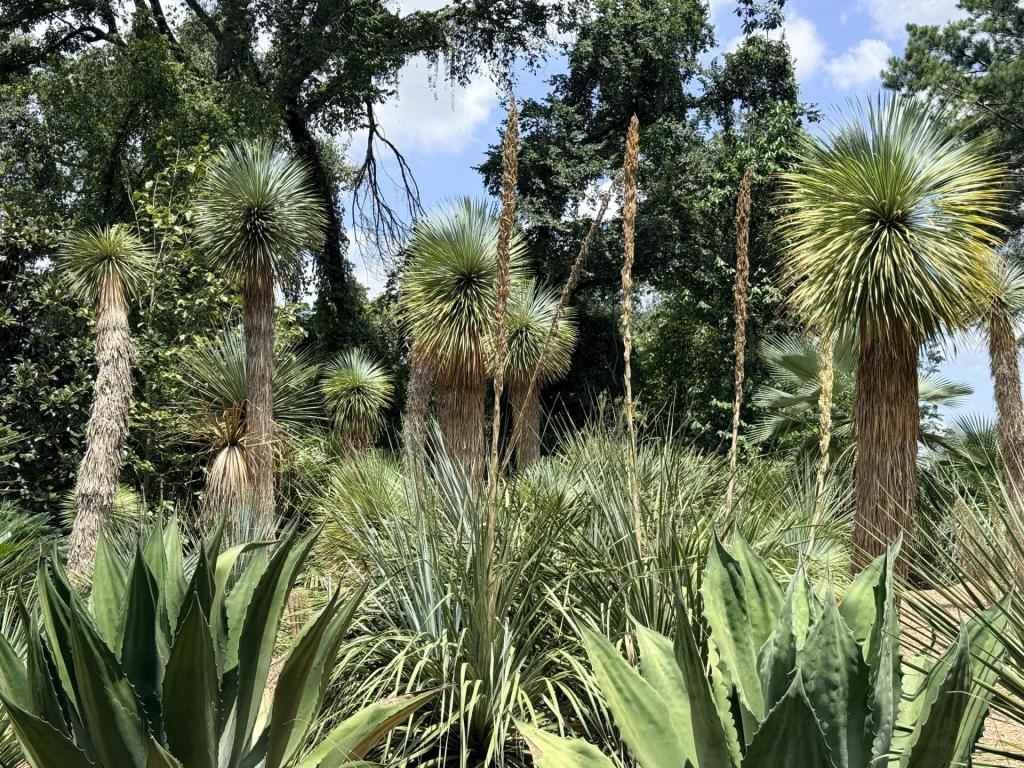
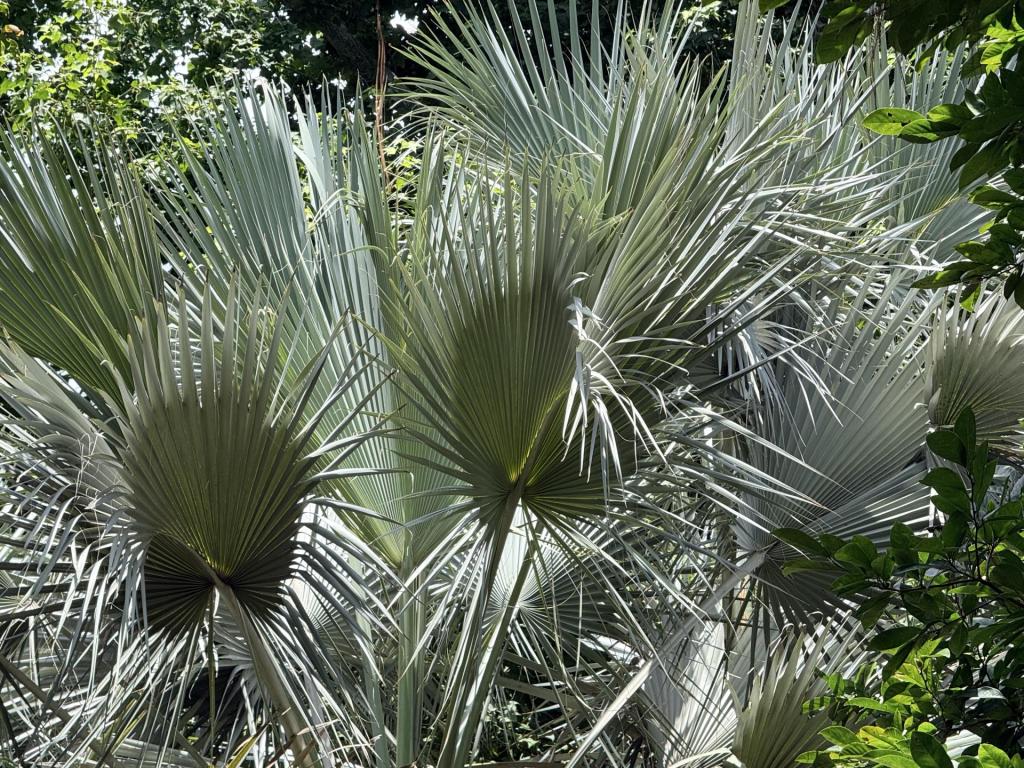
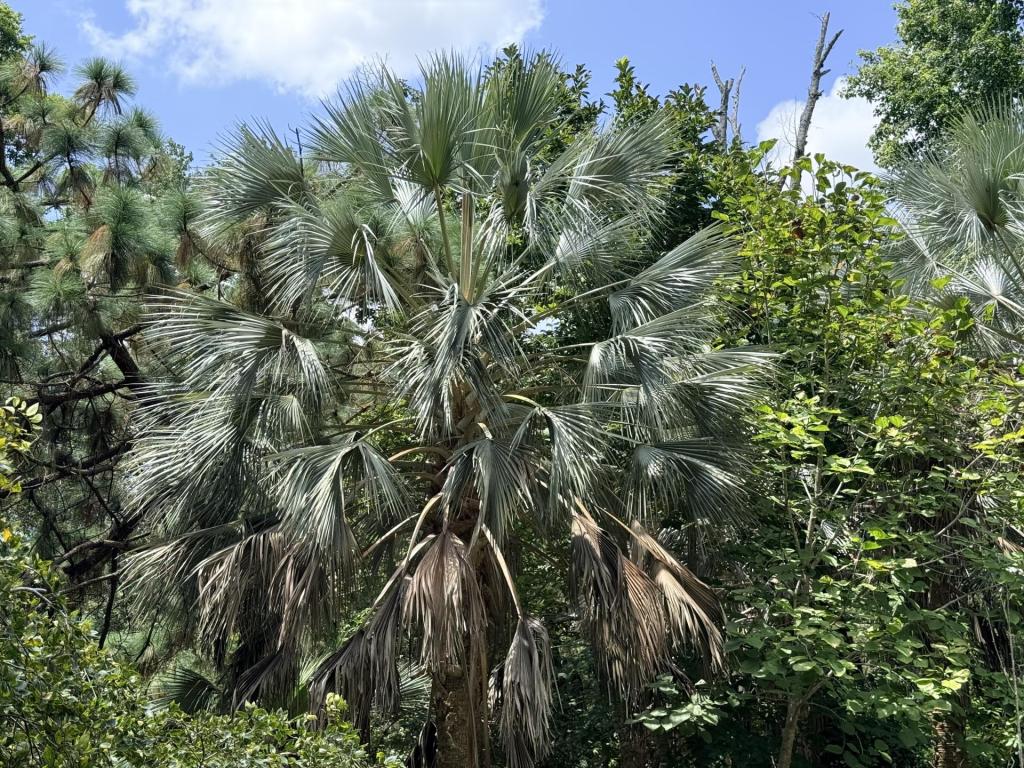
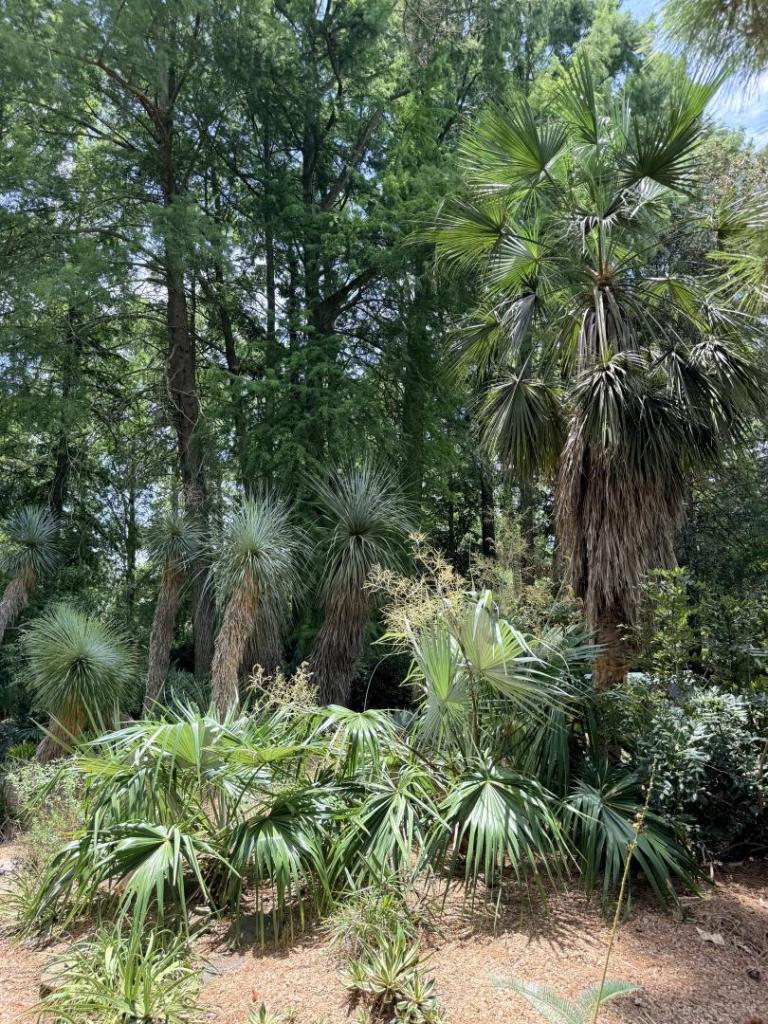
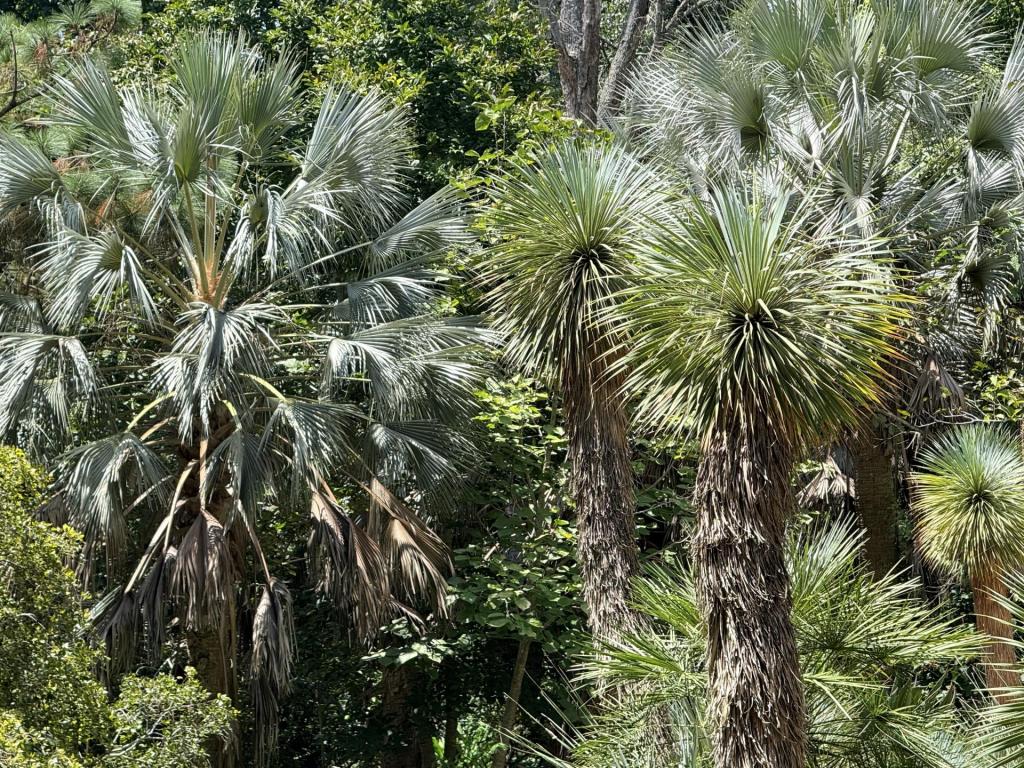
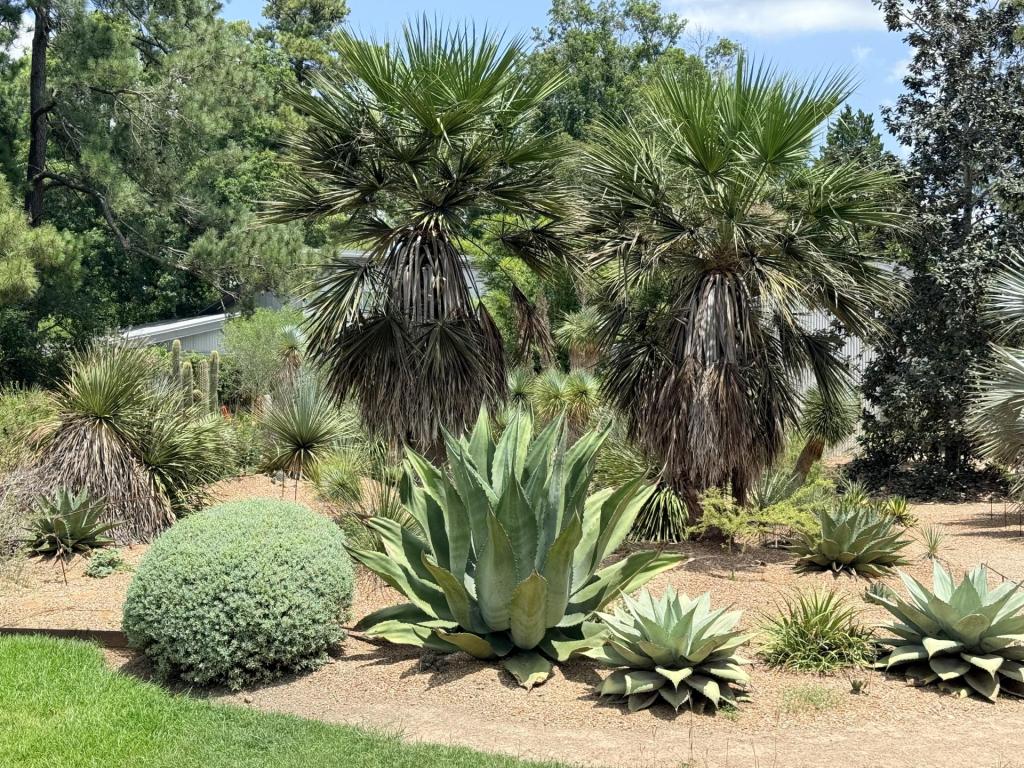
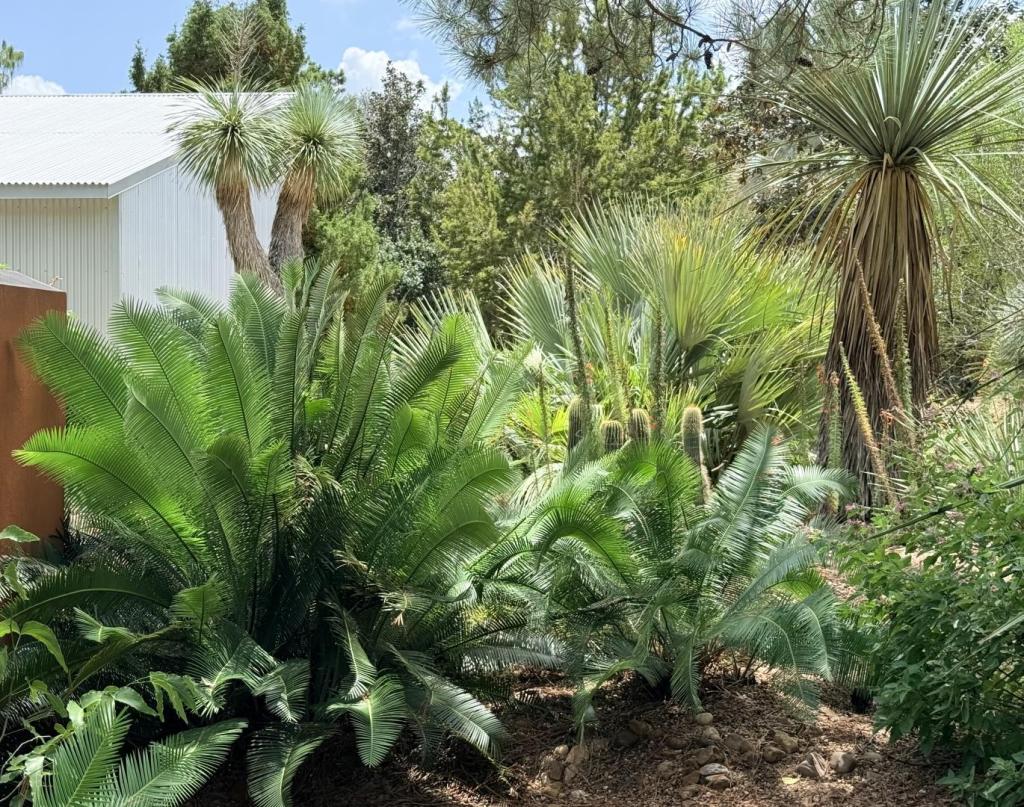

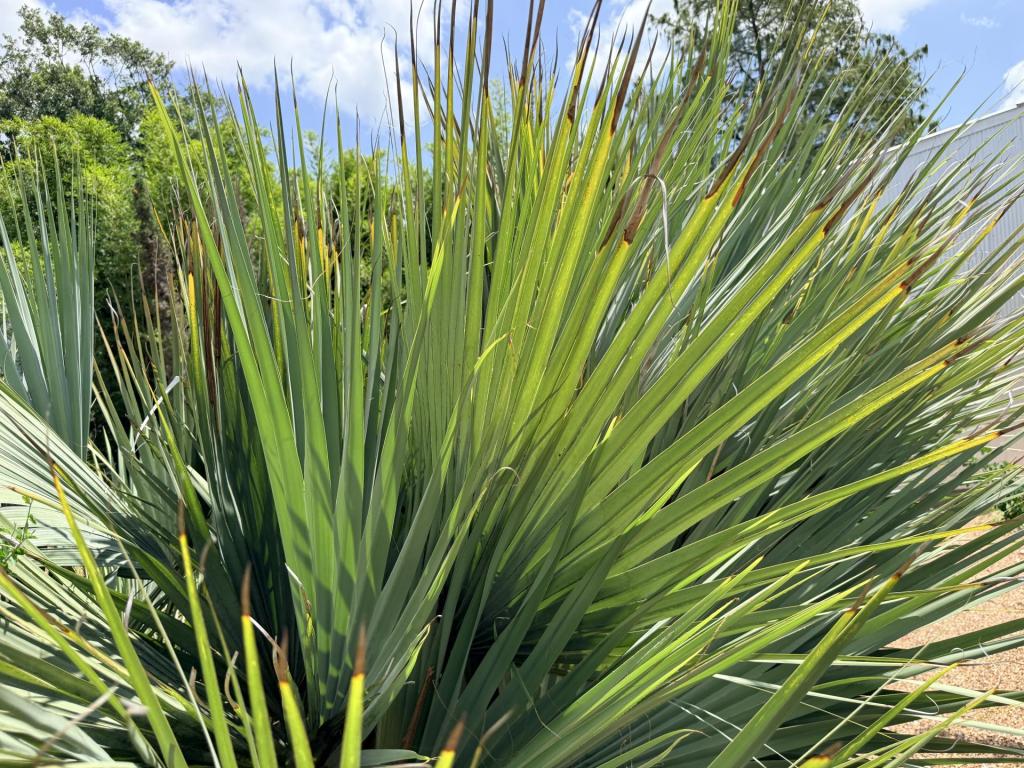
 8 points
 -
7 points
-
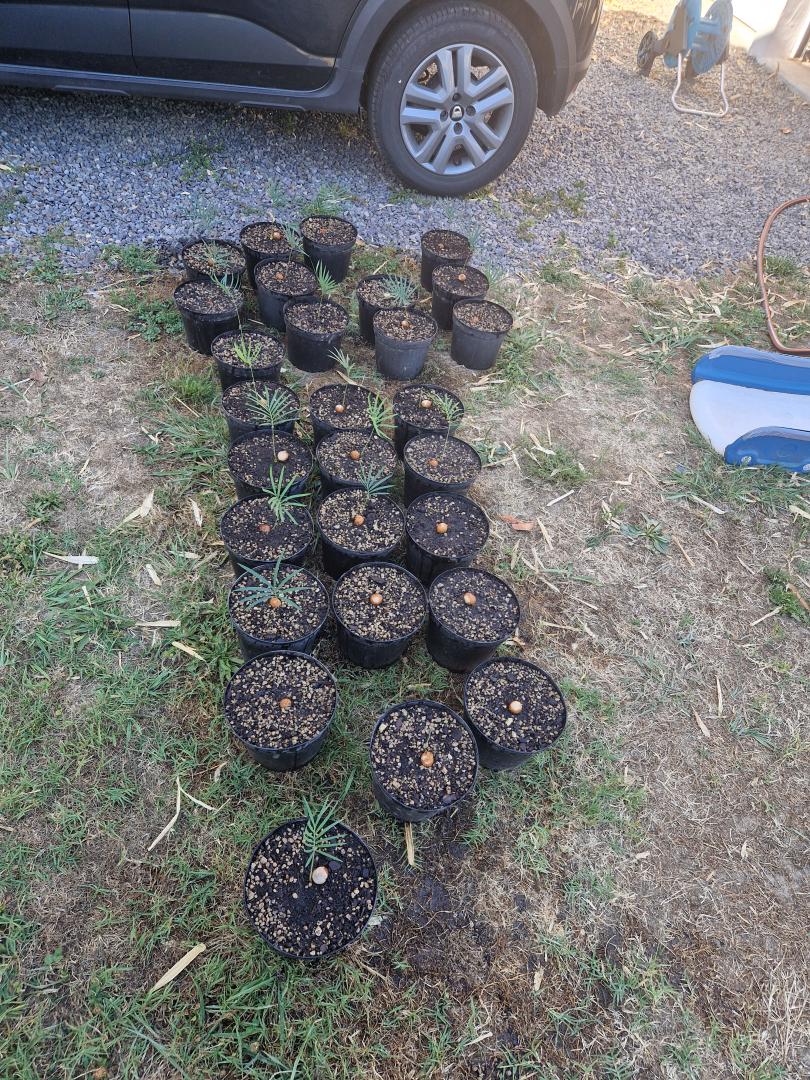
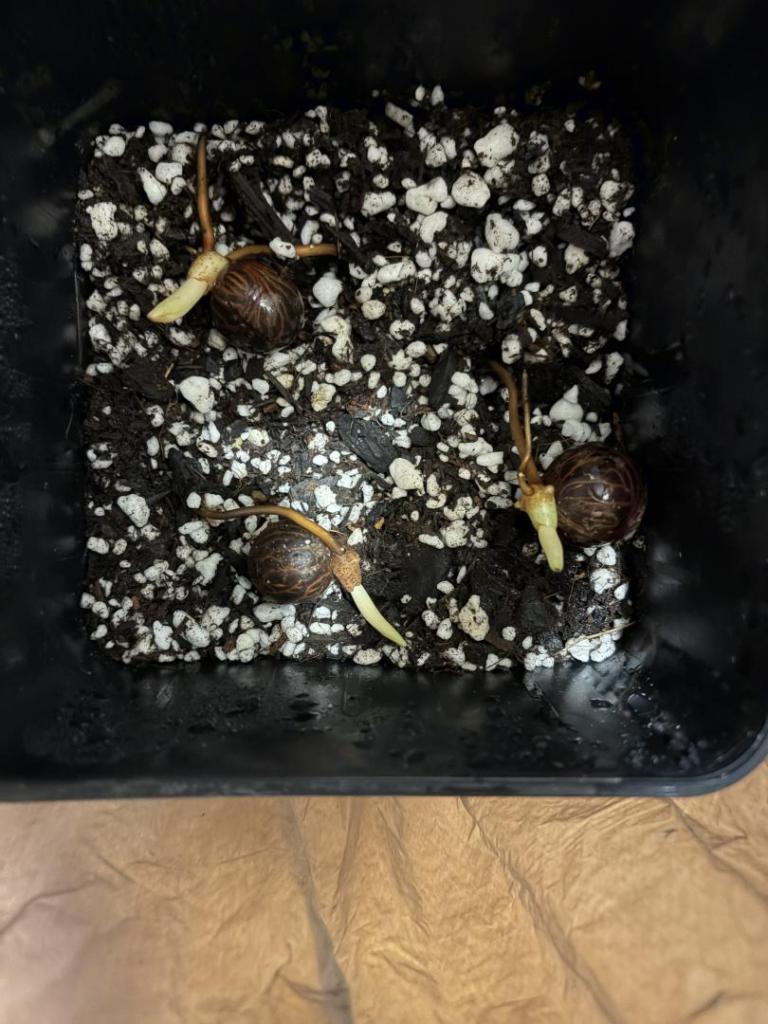
 7 pointsBest contribution I can make to this thread. Got a few sprouts growing nicely but I’m aware this is the easy part. Time will tell whether I can keep them happy long term here but I’ve been inspired by some success in cool climates. Not sure whether to fear my frosts or occasional extreme heat for this species. Probably both!
 7 points
 -
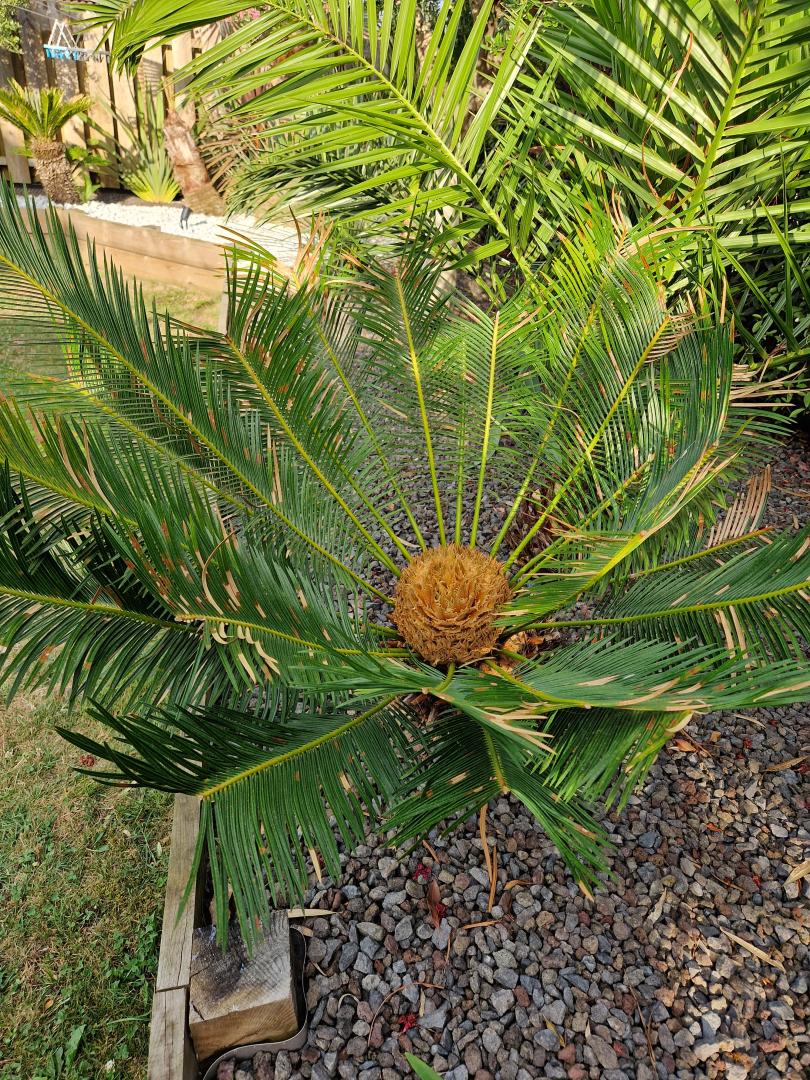
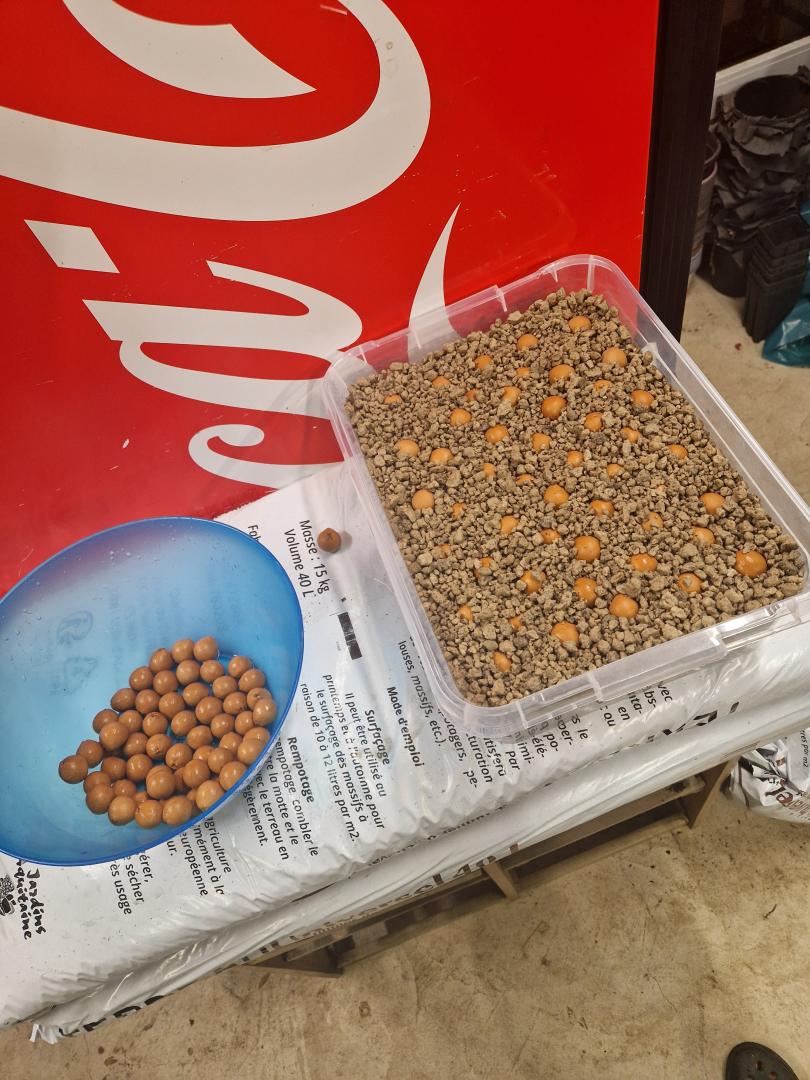
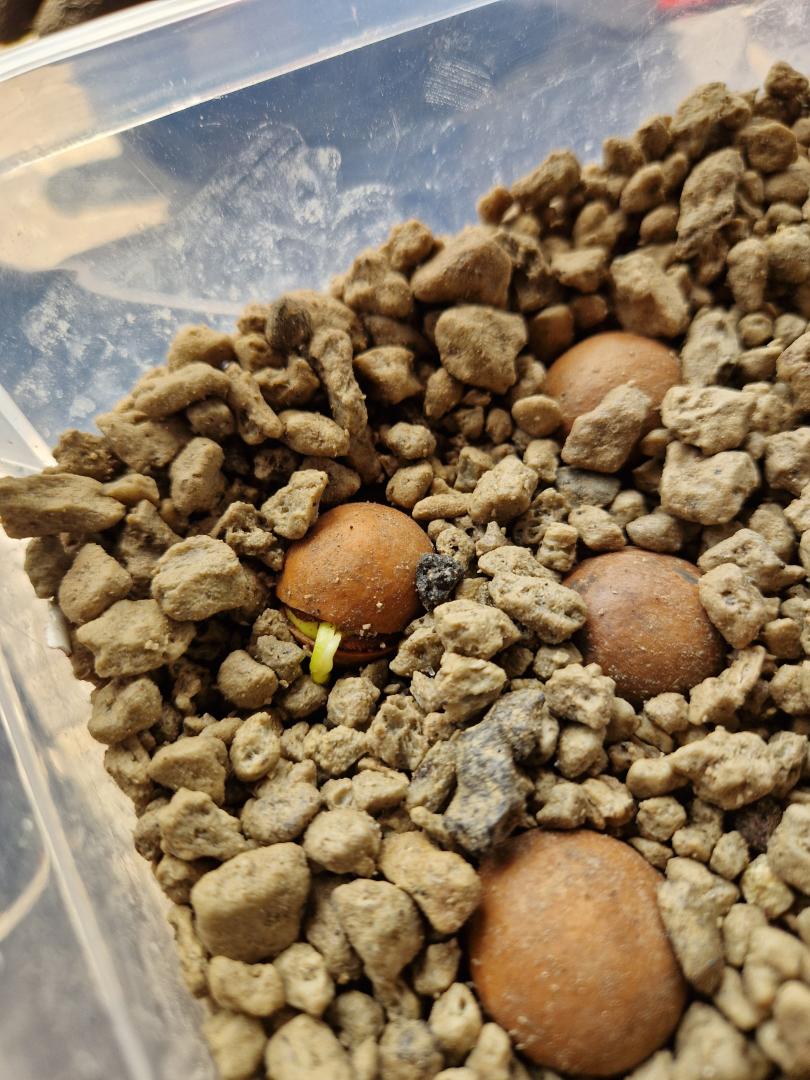
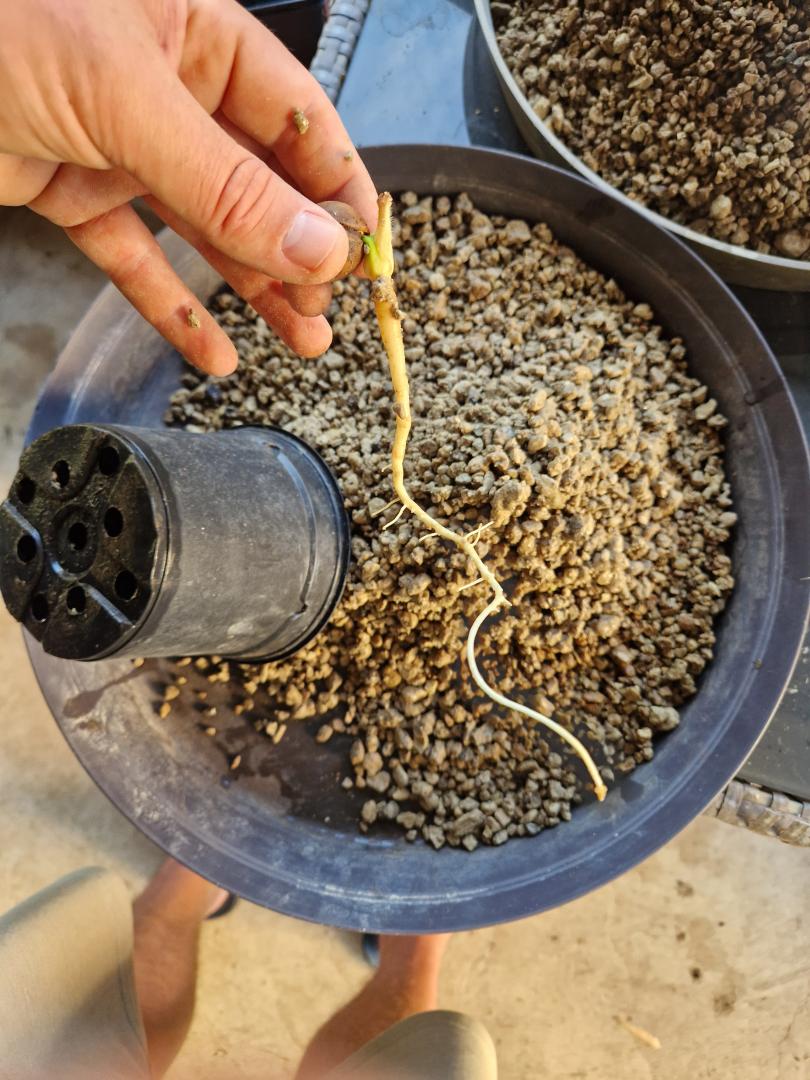
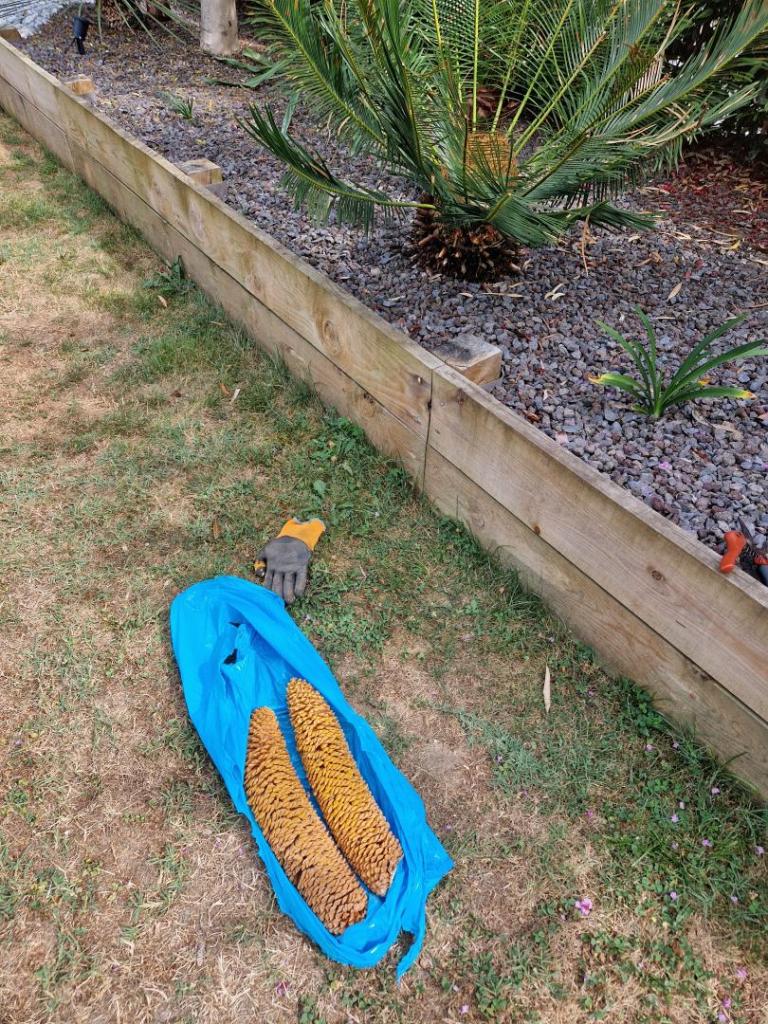
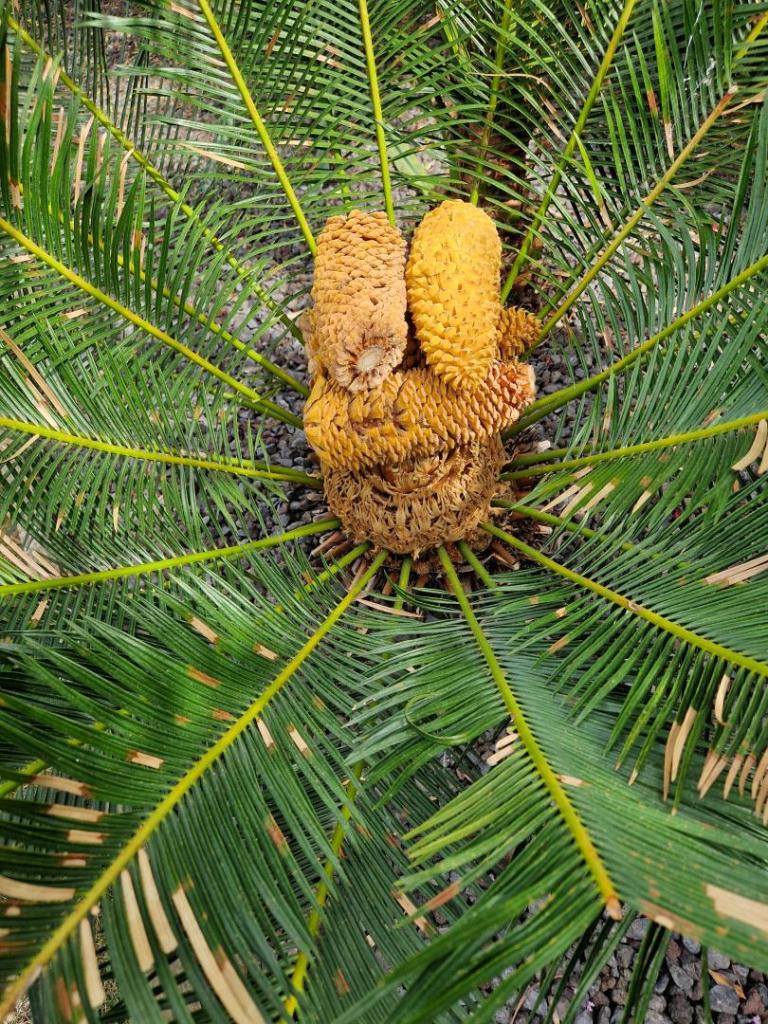
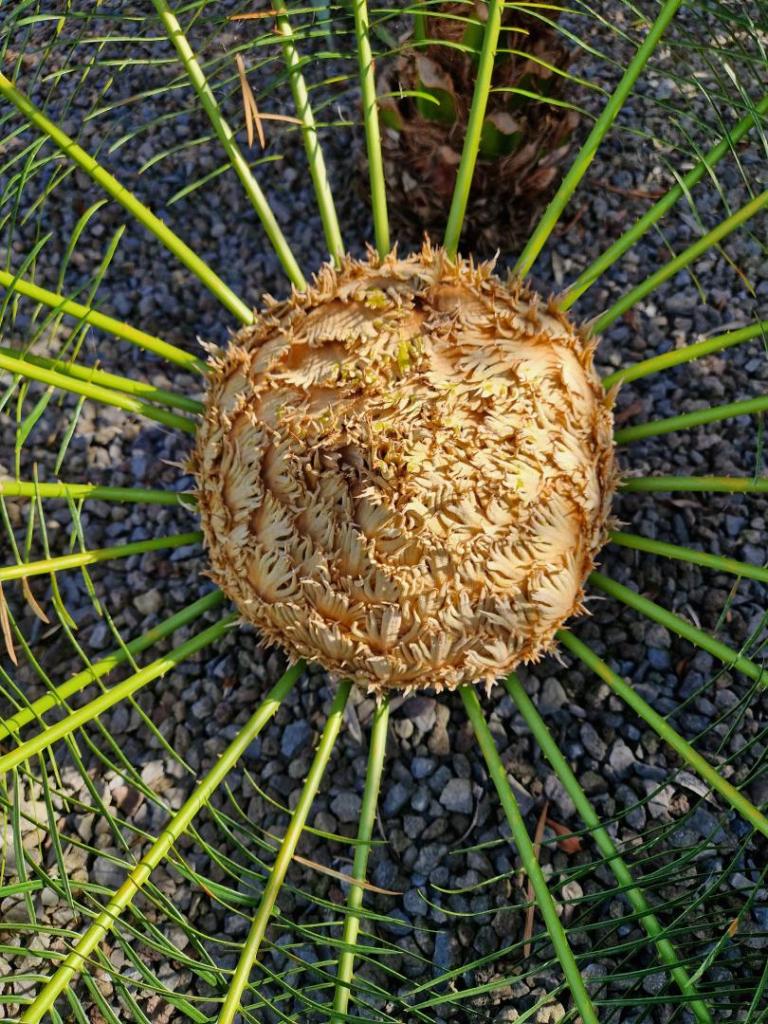
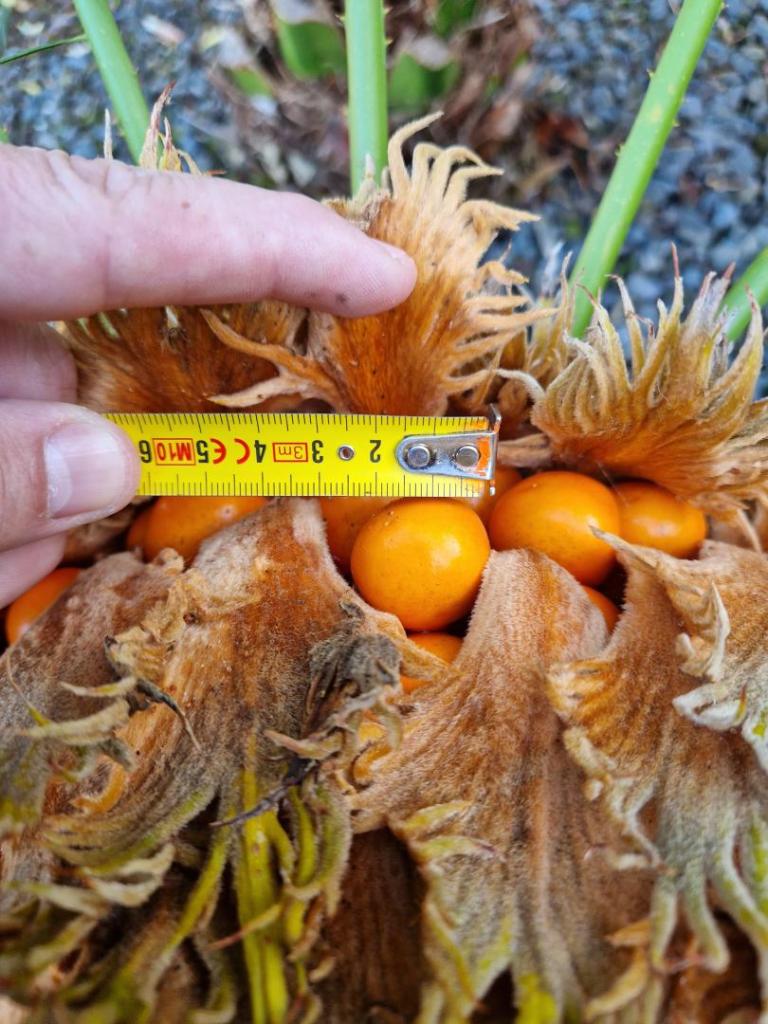
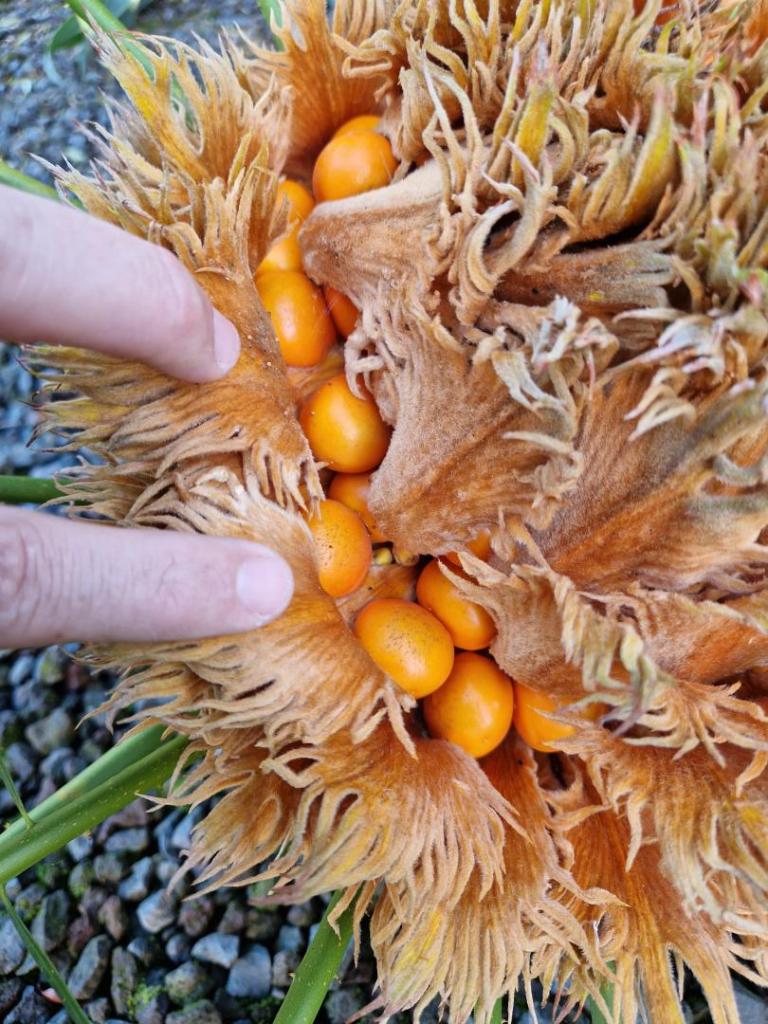
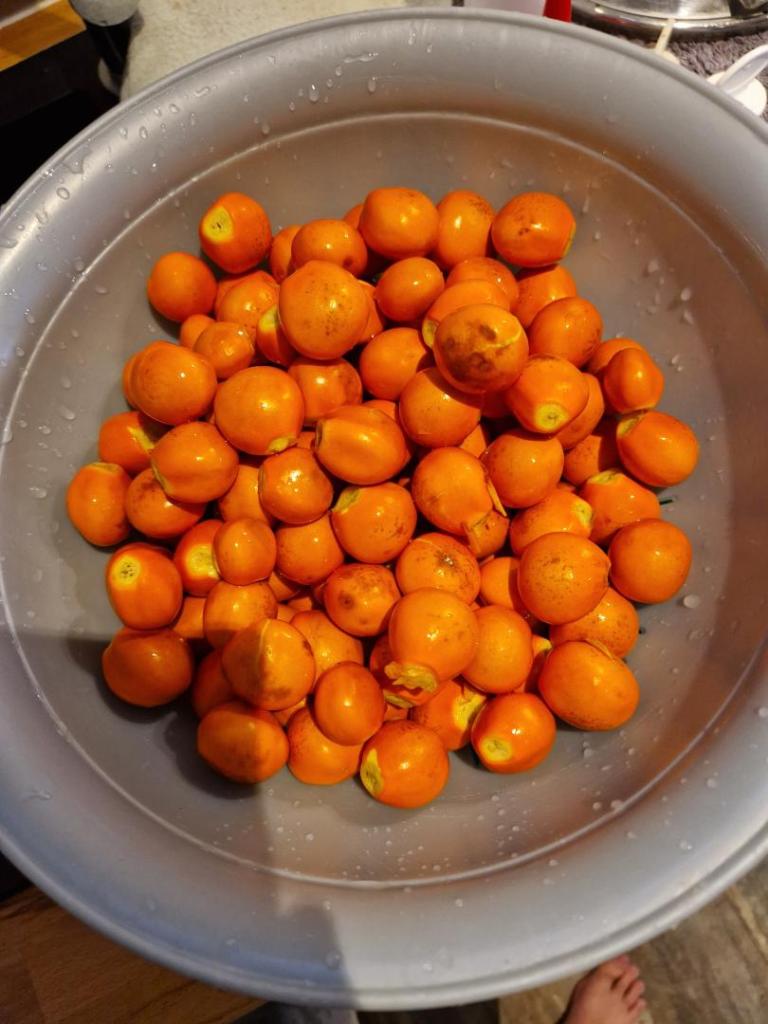
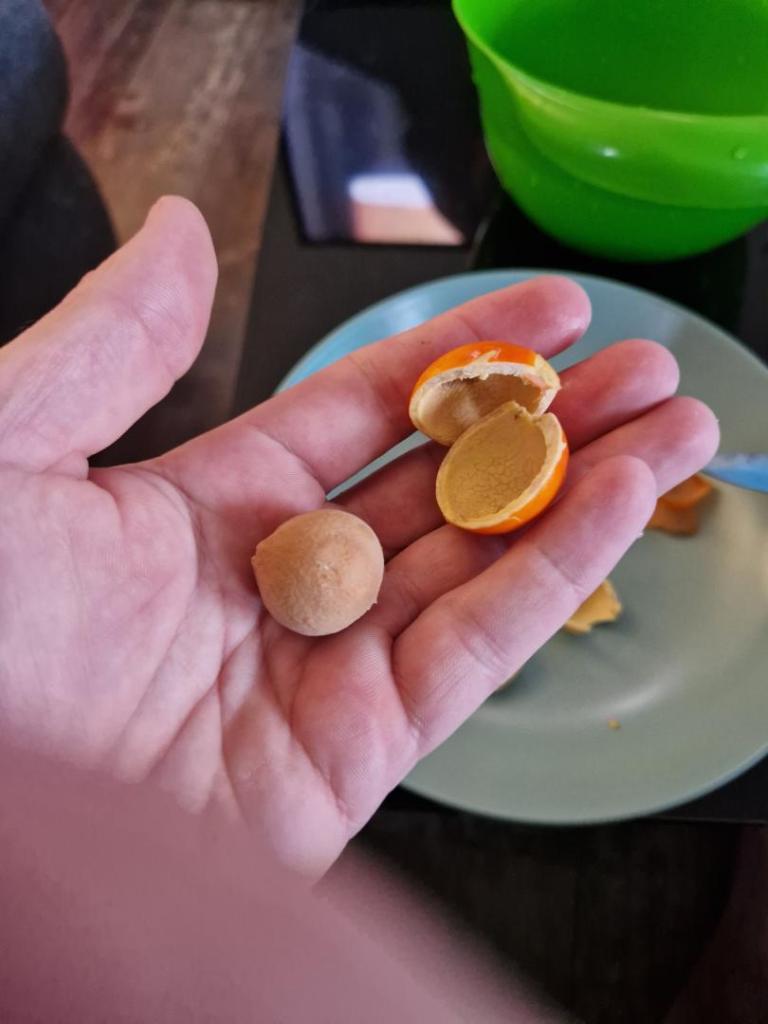
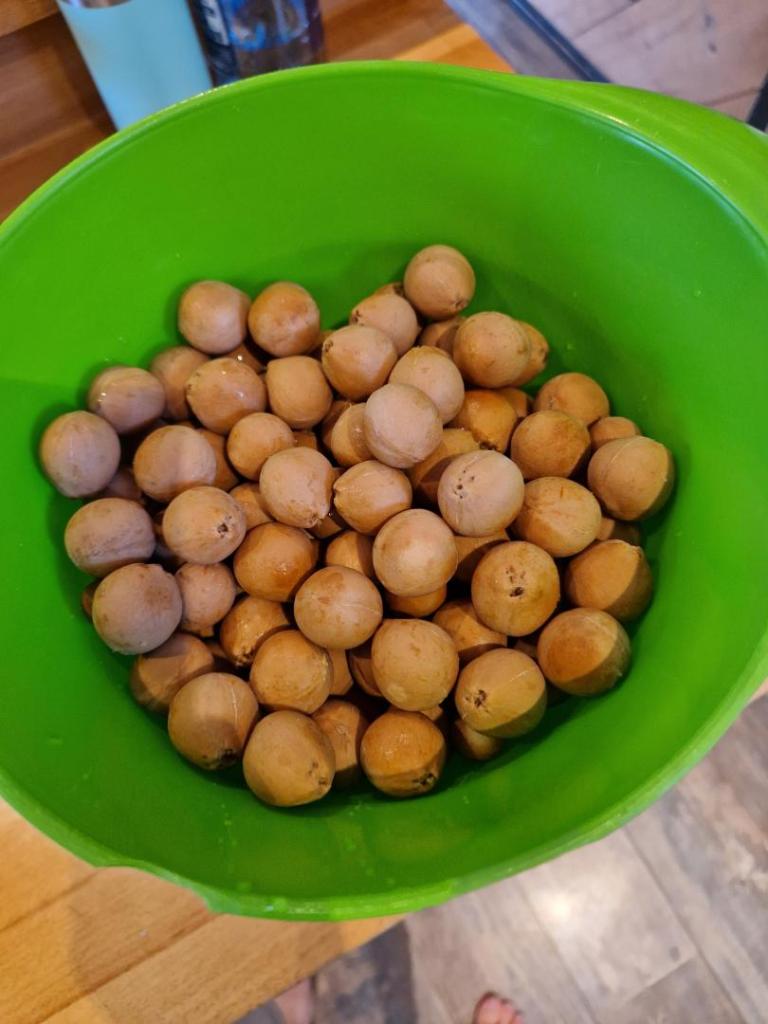
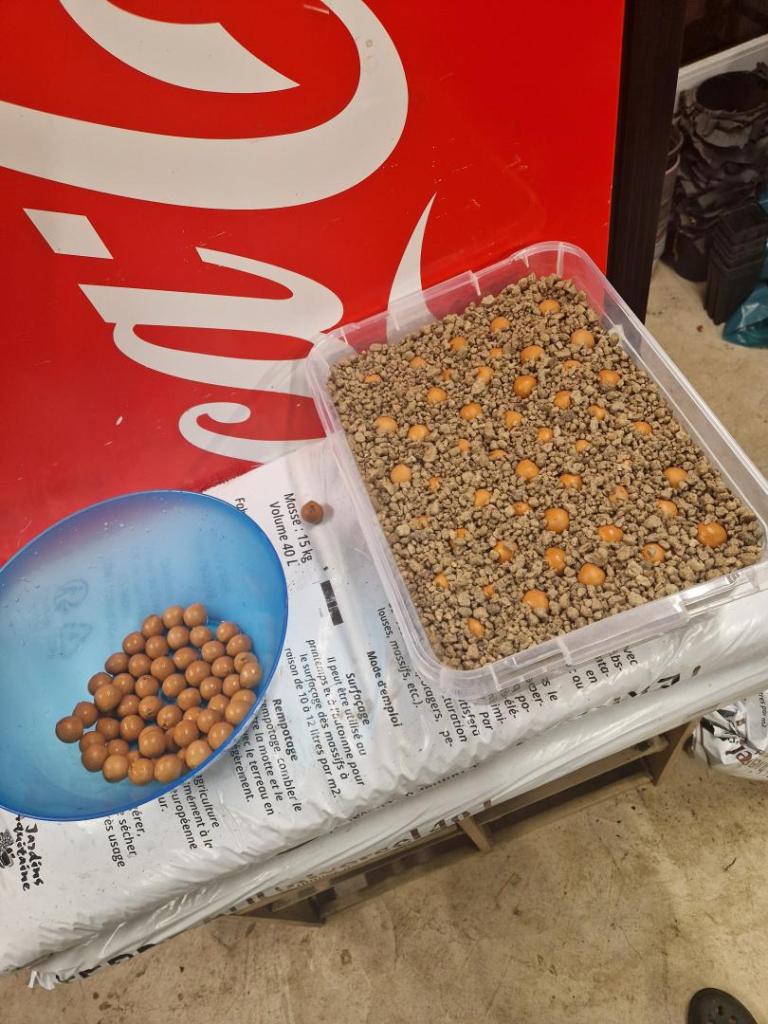
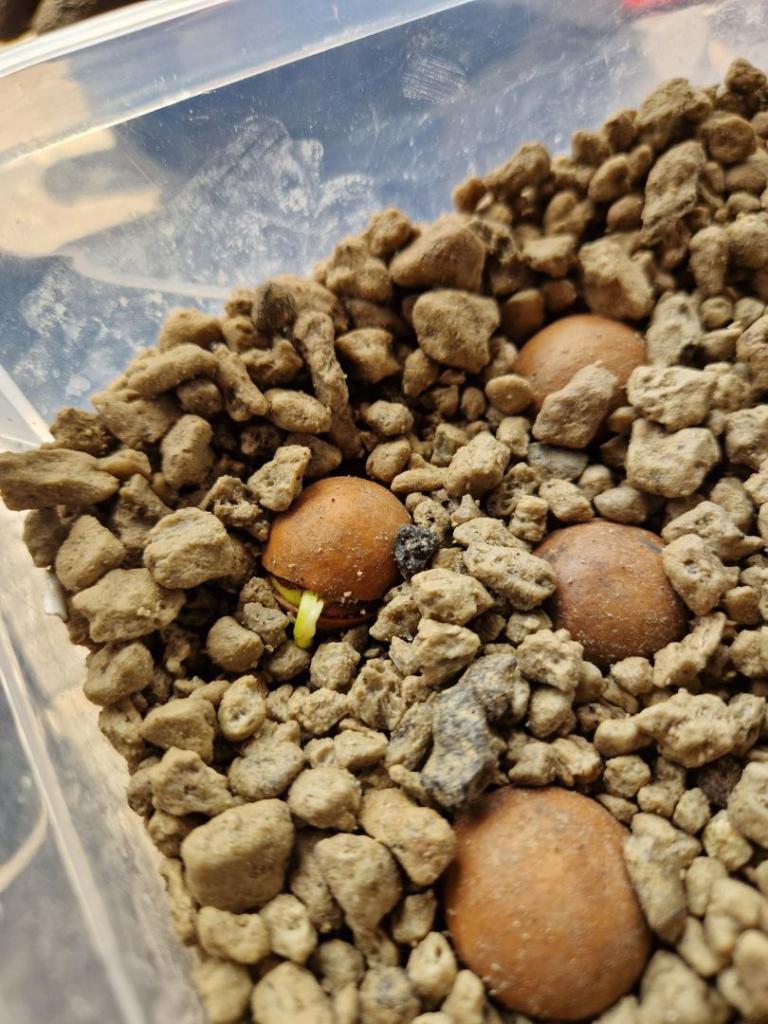
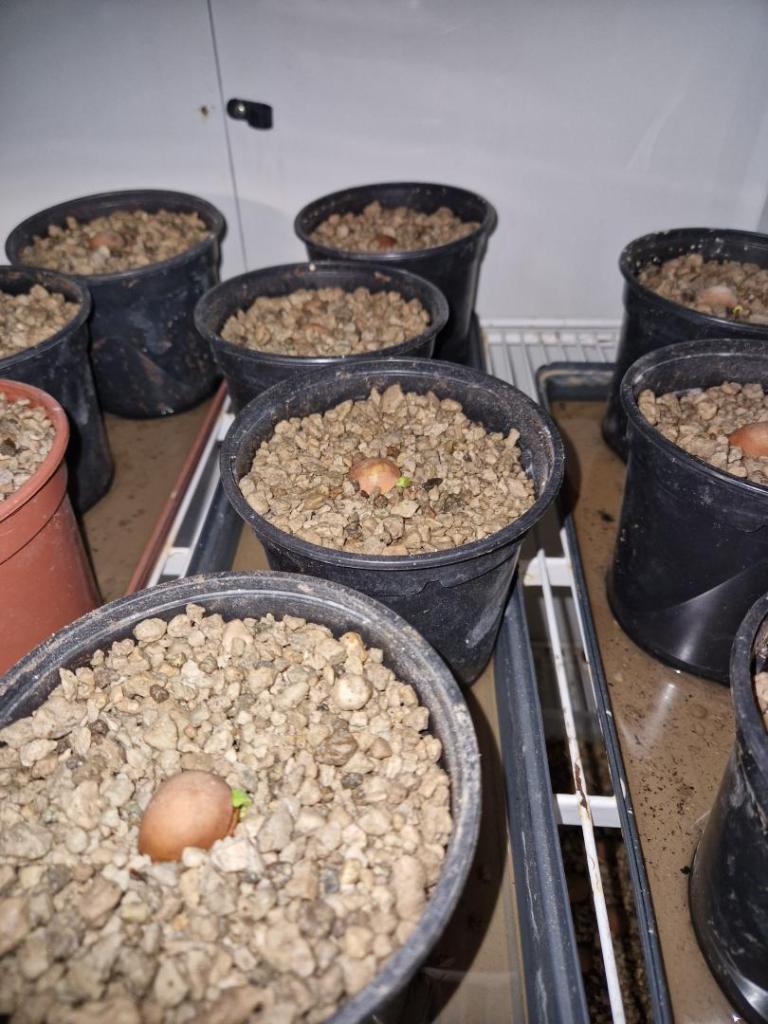
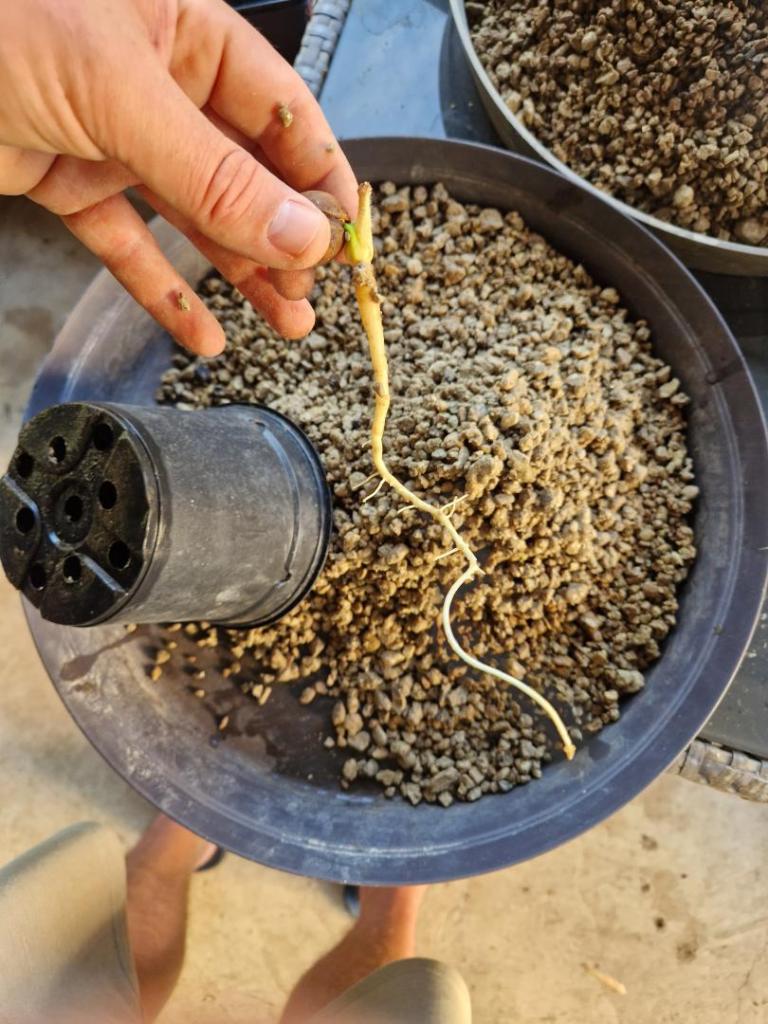
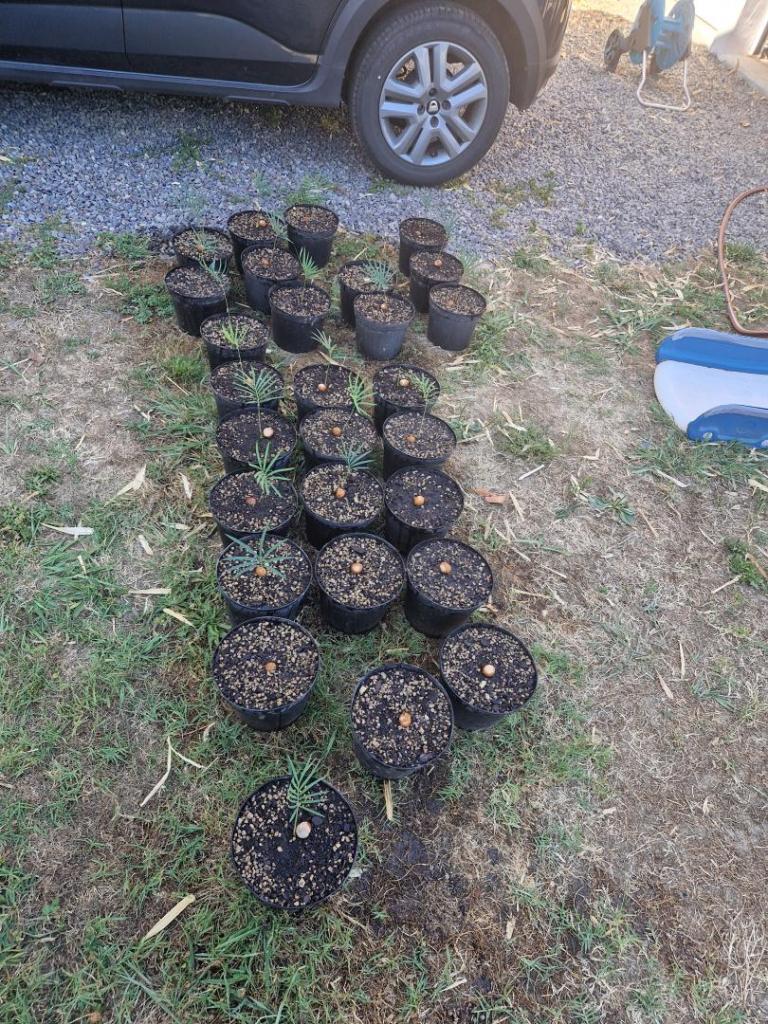
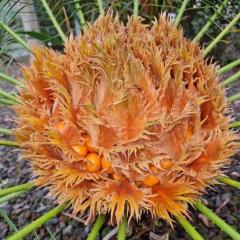 6 pointsBonjour, je vous partage mon expérience de pollinisation puis semis de mon cycas panzhihuaensis. J'ai récupéré deux fleurs mâle dans d'un cycas panzhihuaensis, j'ai eu de la chance. Comme vous pourrez le contacter sur les photos, tapoter puis déposer 15 jours sur la fleur femelle. Récolté le 24 novembre 2025. Conservé dans un carton sur un lit de riz. Semé le 17 janvier 2026. Elles ont toutes commencées à craquer en mars 2026. Première racine le 19 avril 2026. Puis elles ce sont suivies. 29 sur 107 pour le moment. 14 jeté. La 28 ème à germer 67 jours après la première et la 29 ème à germer 88 jours après la première. Je suis dans l'attente pour la soixantaine qui reste. Semé en frigo chauffant, sur pierre ponce 2/4, température constante 25/30 degrés.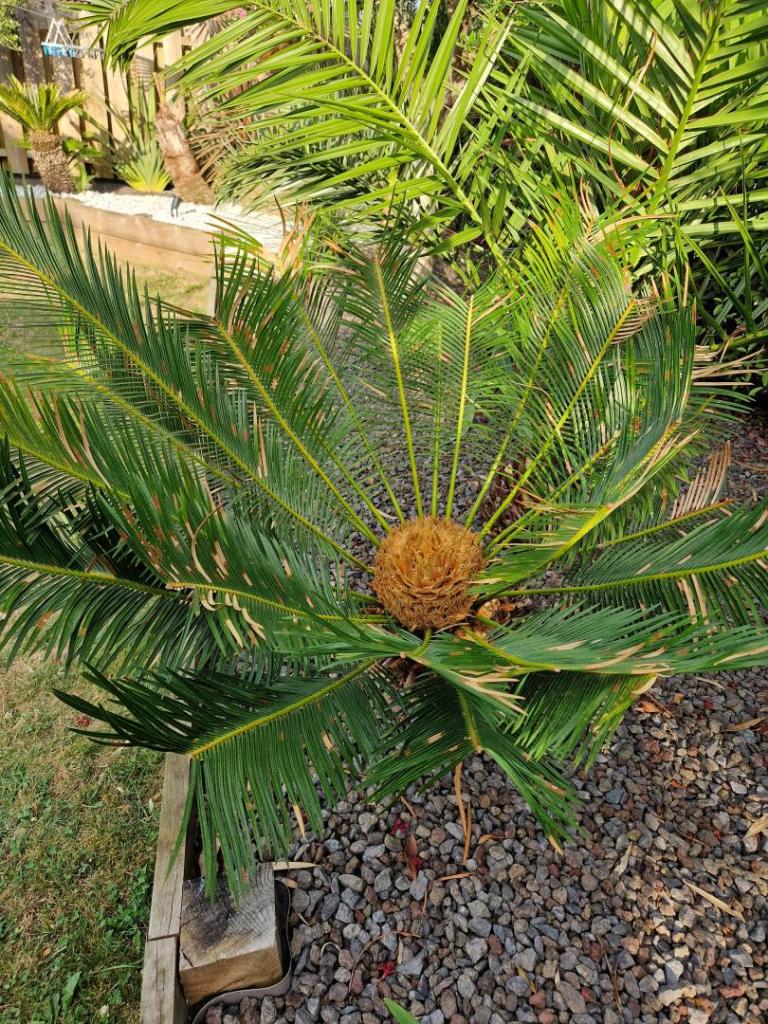


 6 points
 -
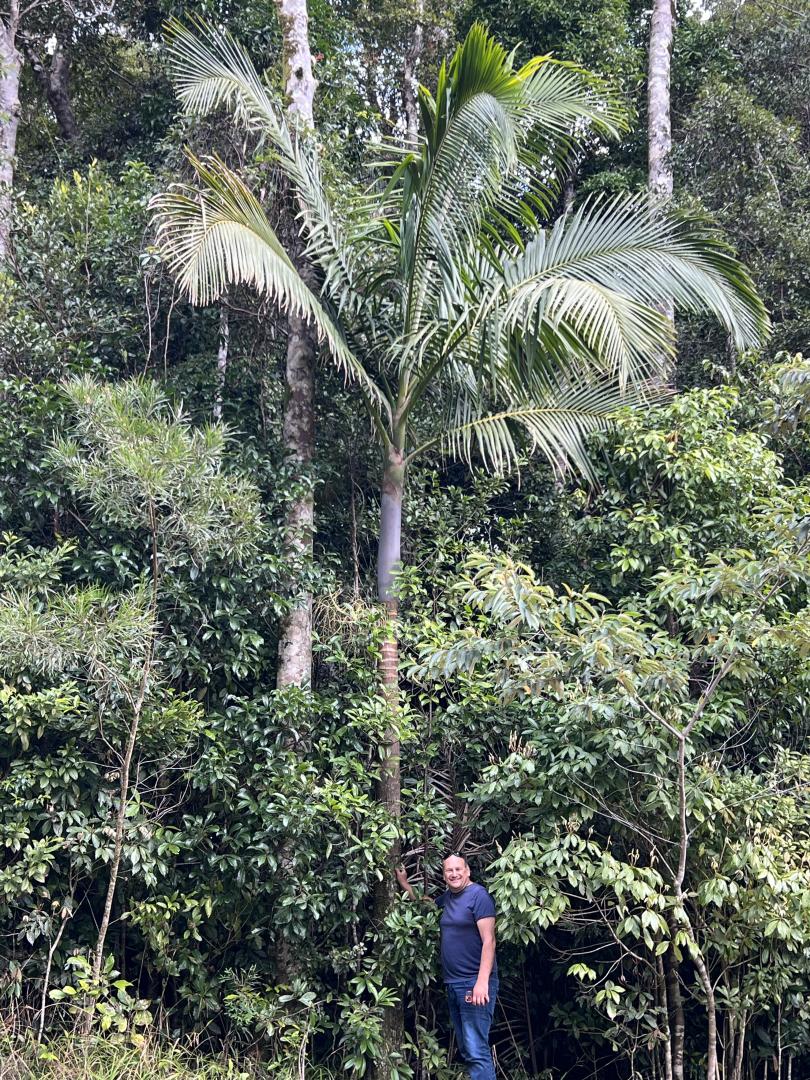
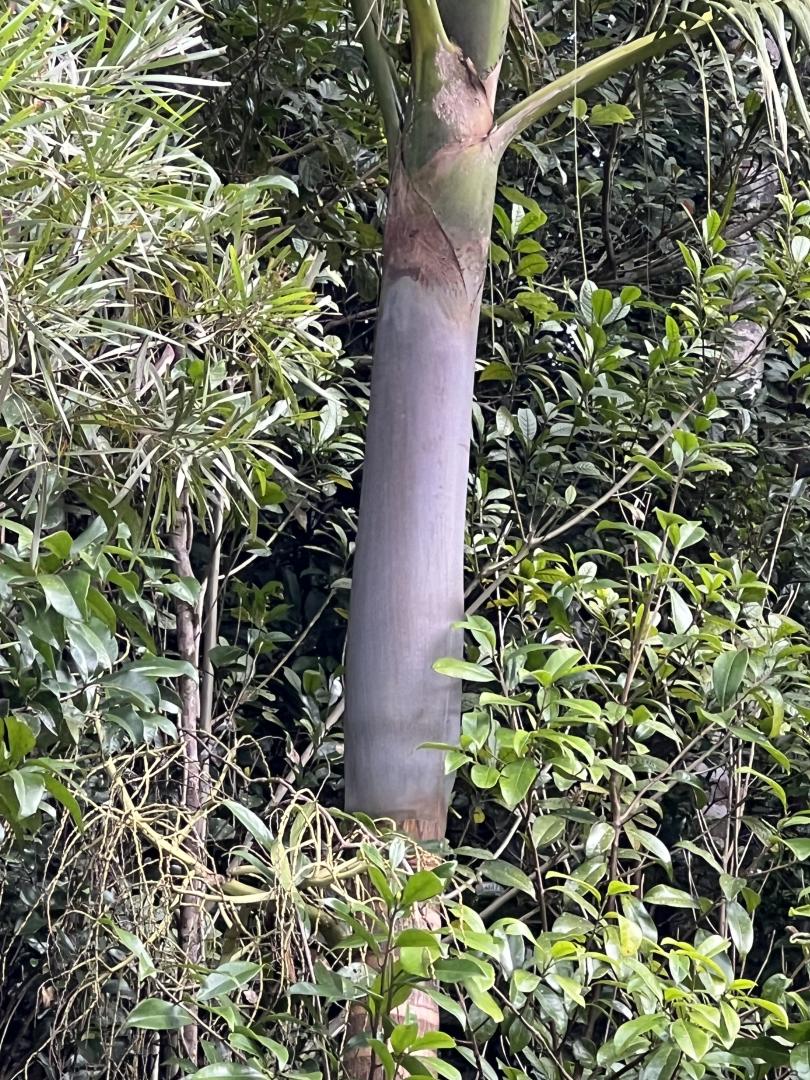
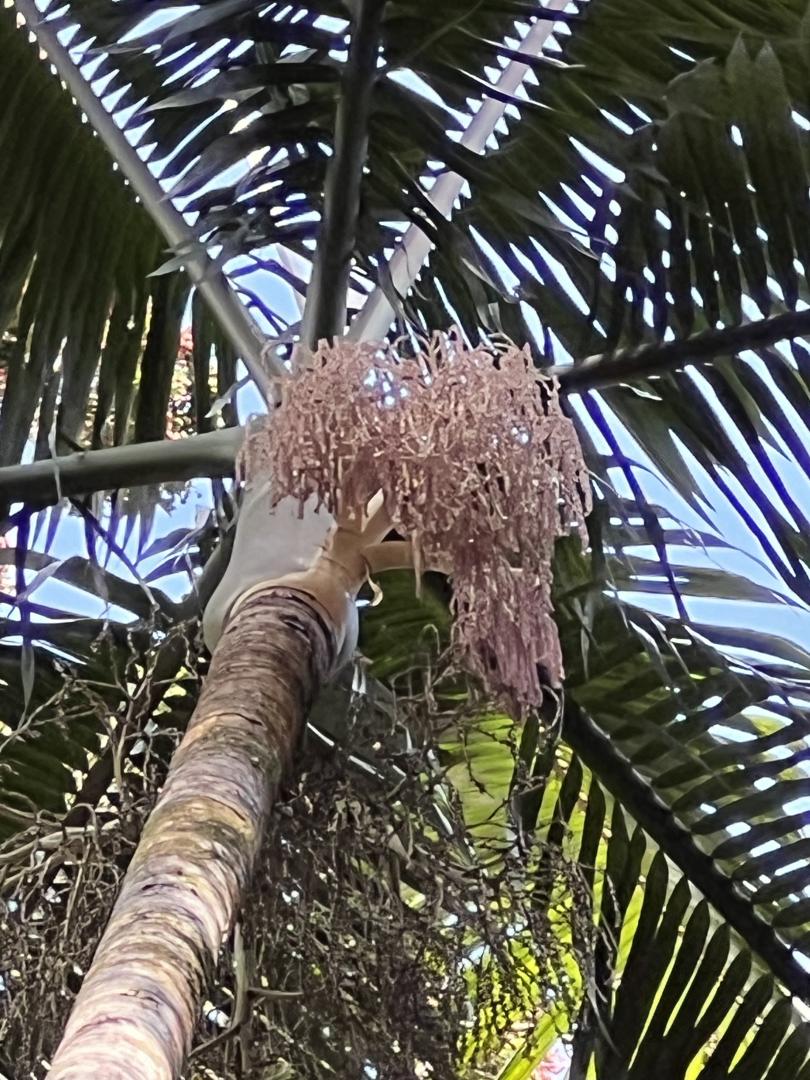
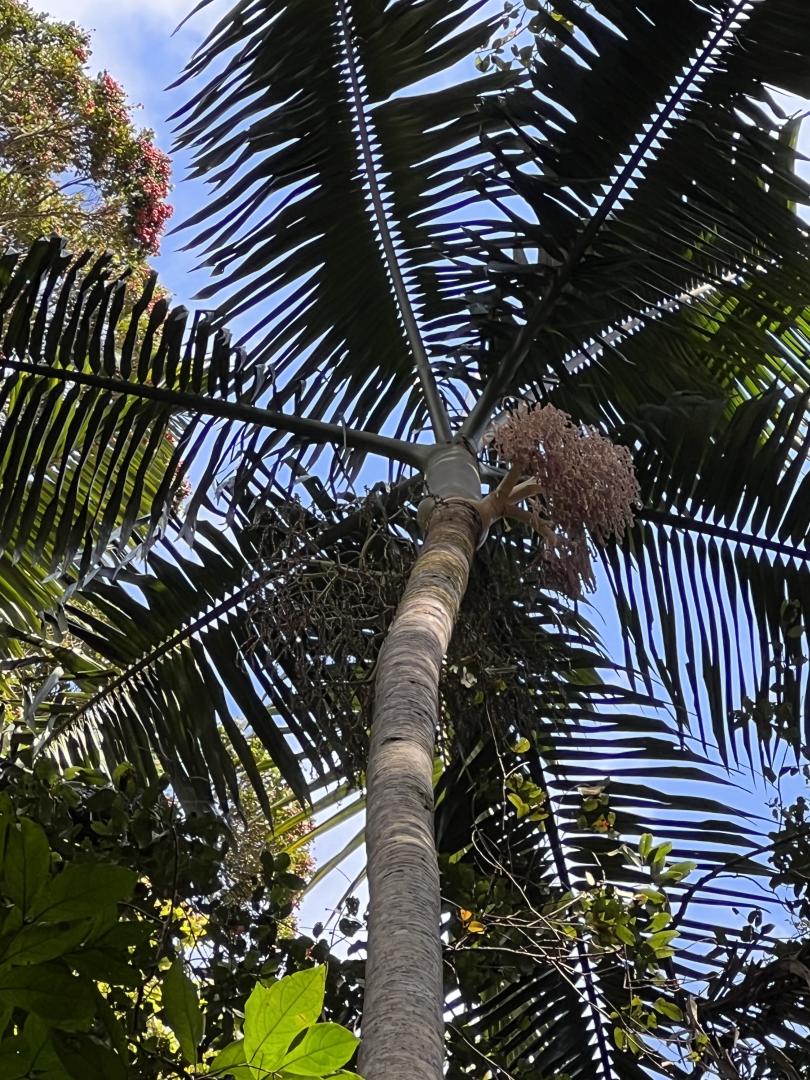
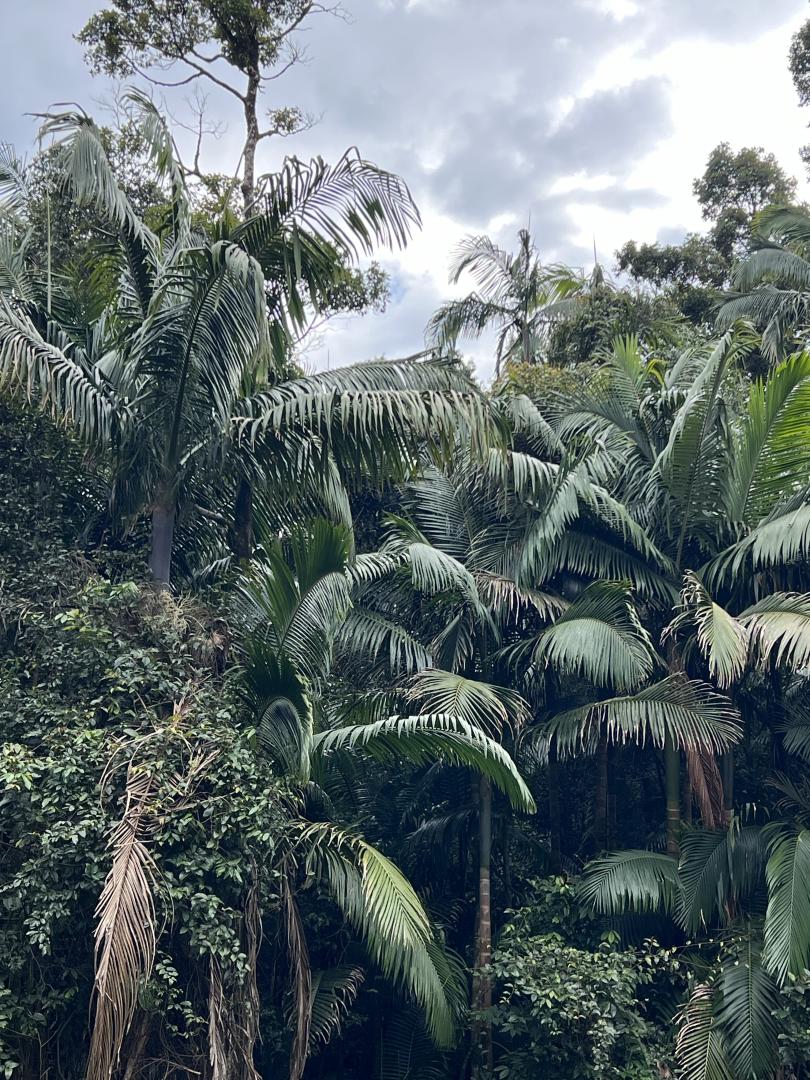
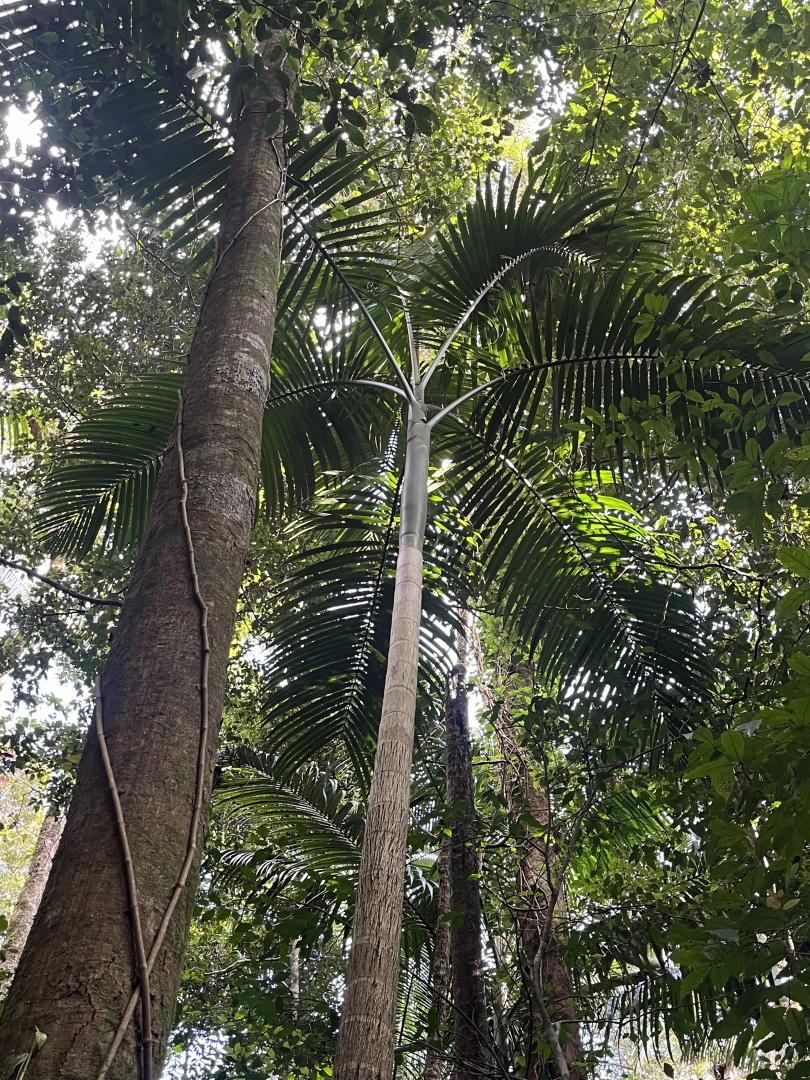
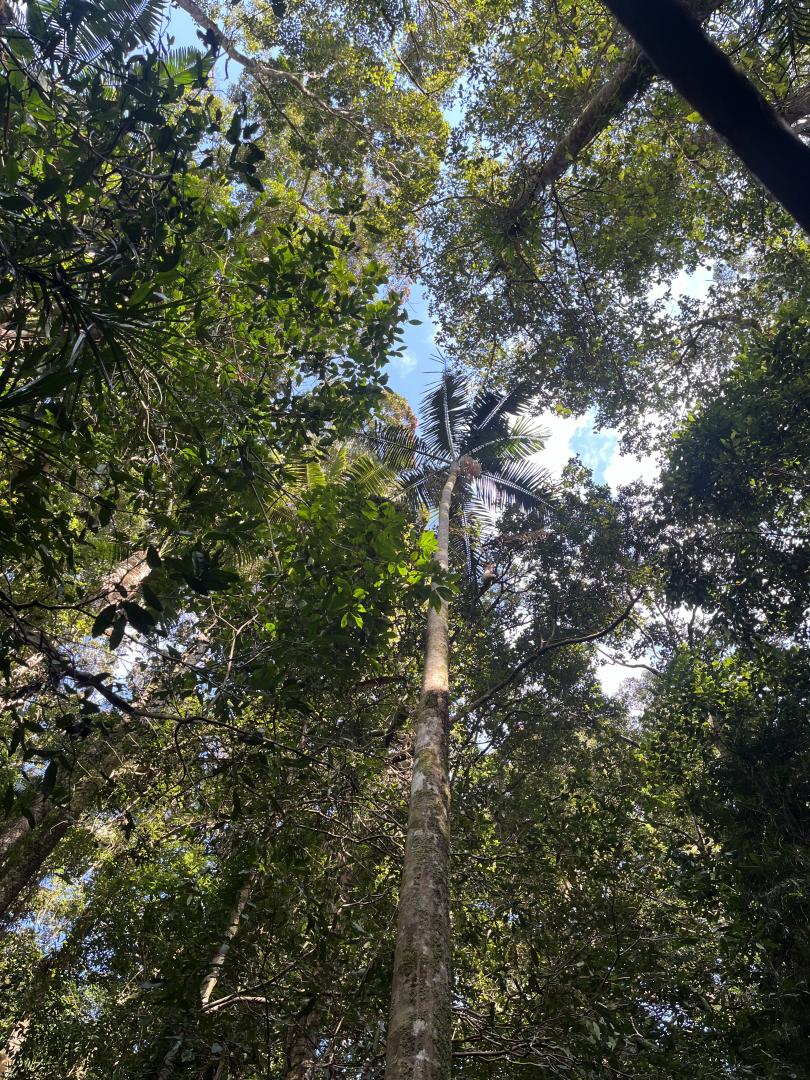
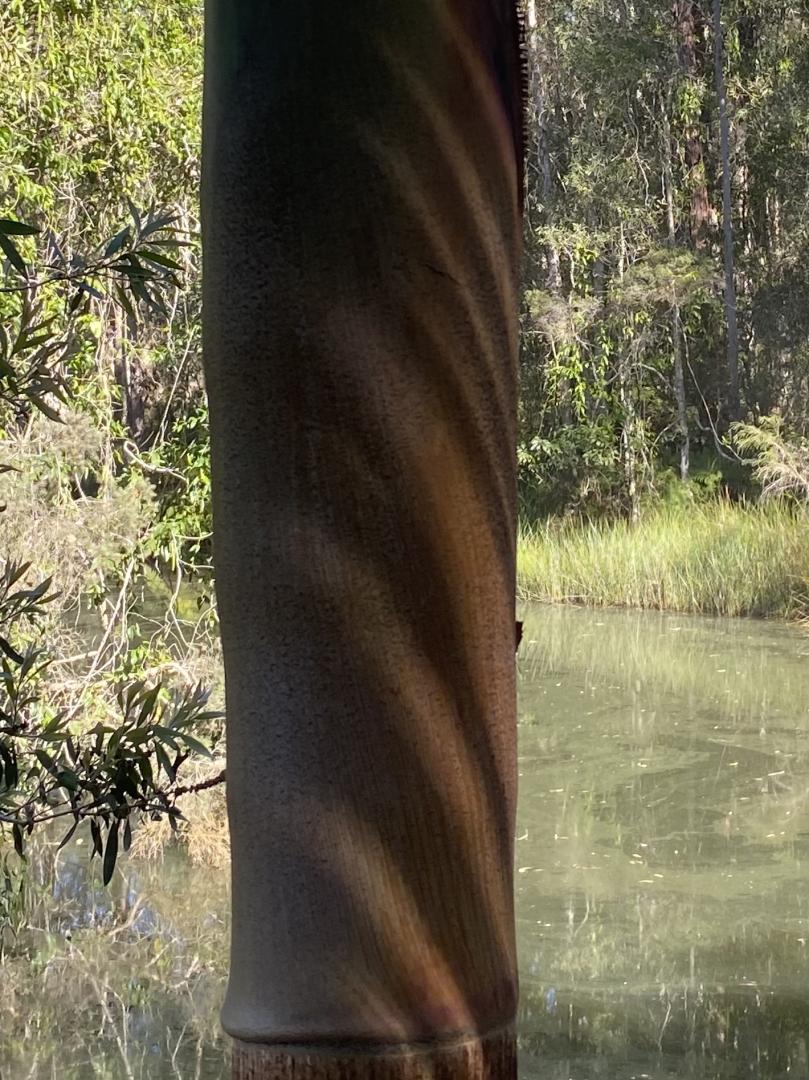
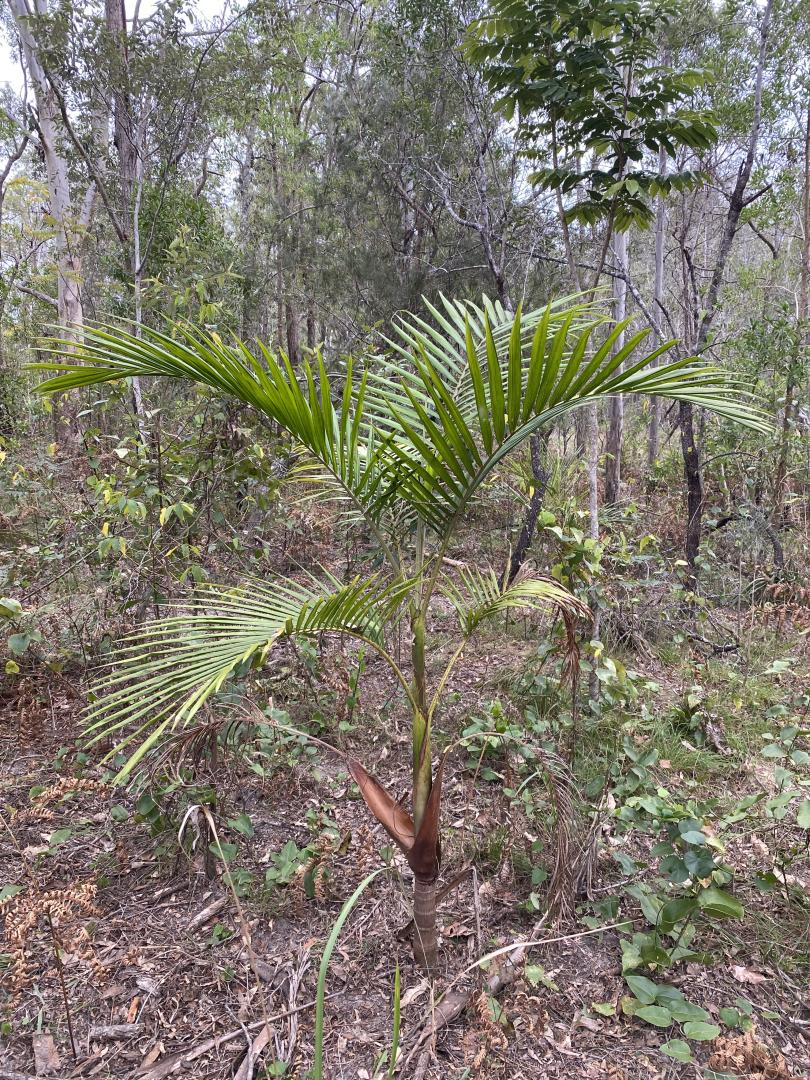
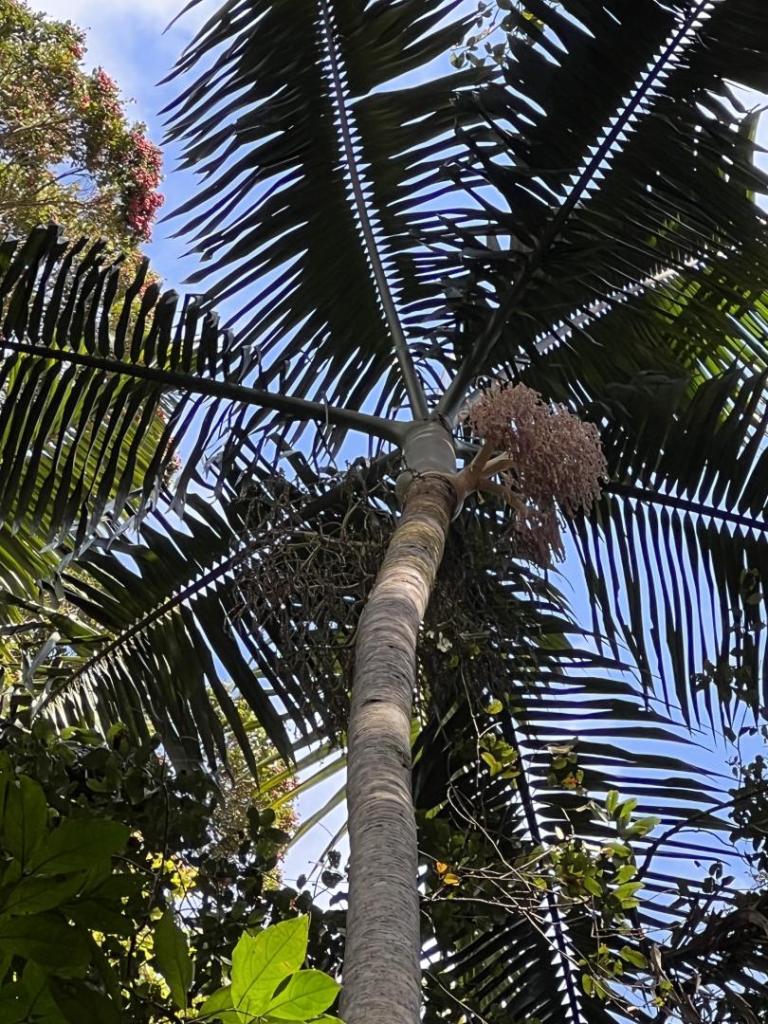
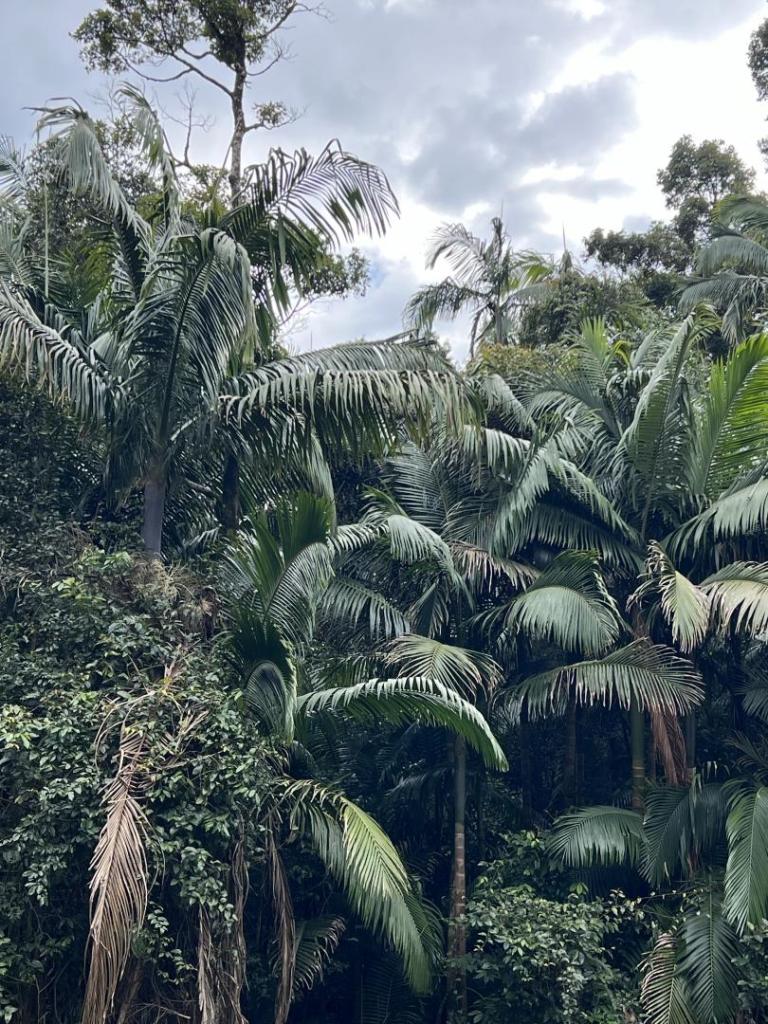
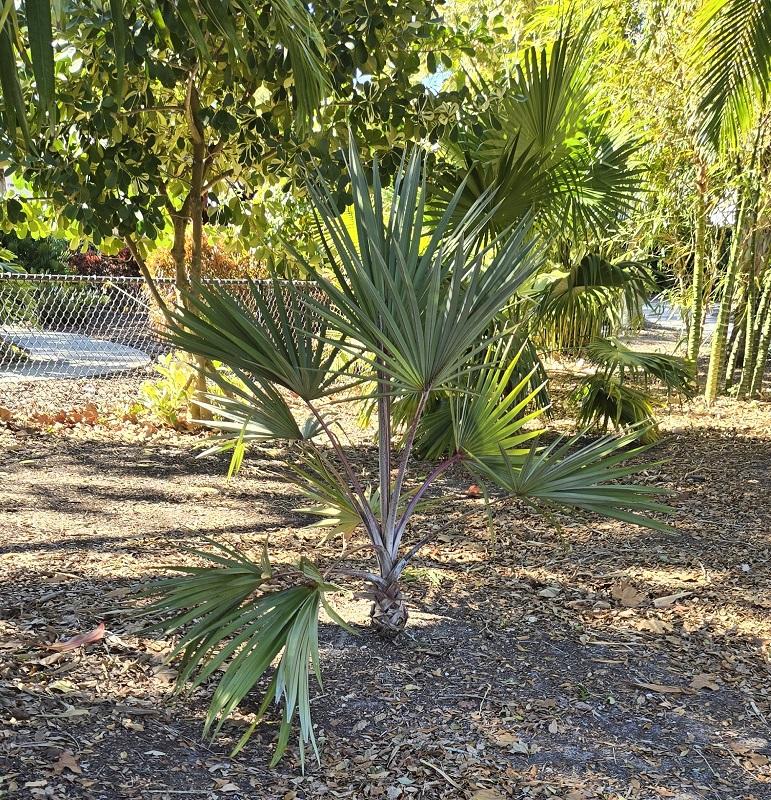
6 pointsI was looking at some rainforest in north qld the other day and spotted these palms. Lots of purple on these ones.


 6 points
 -
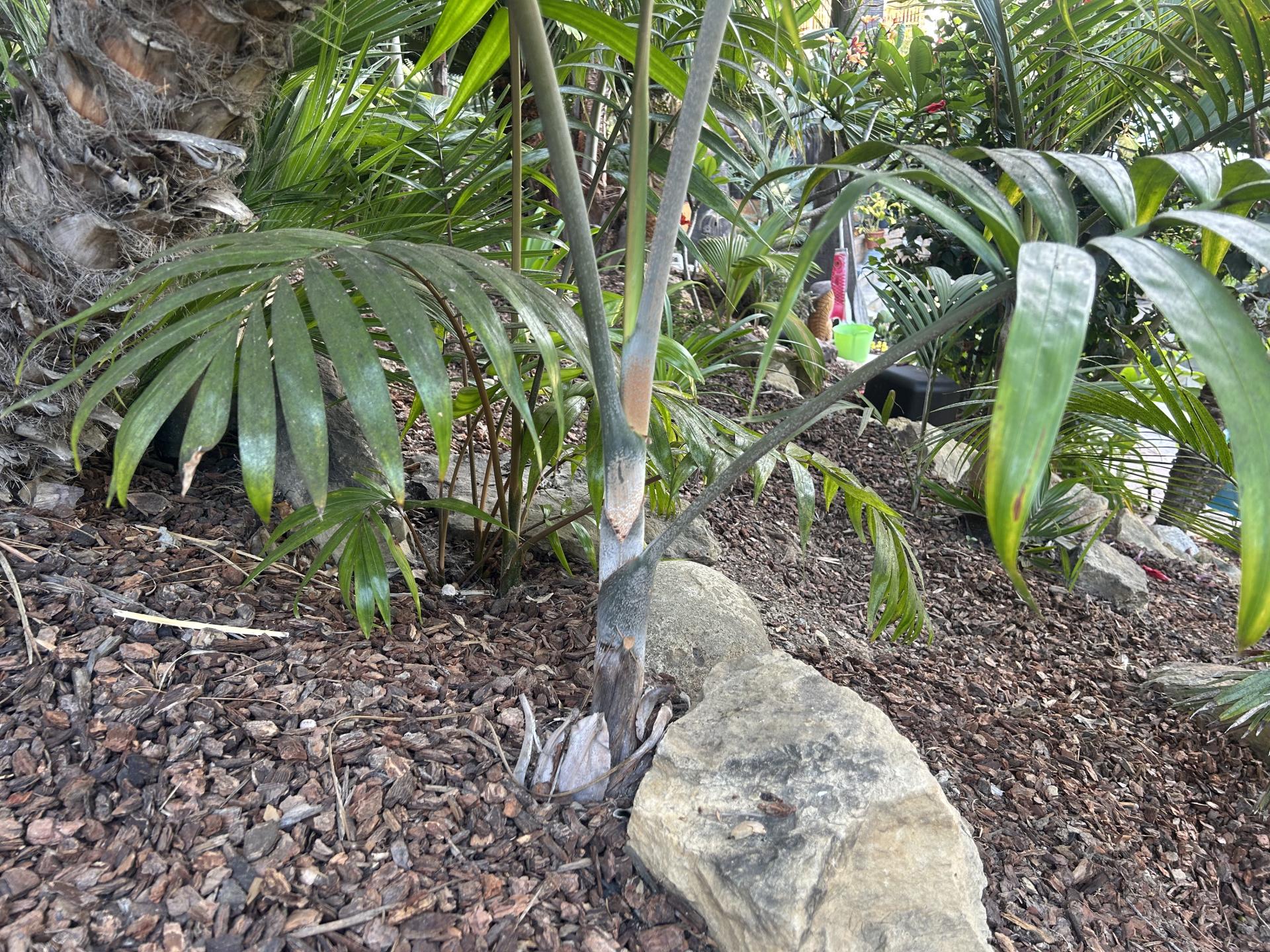
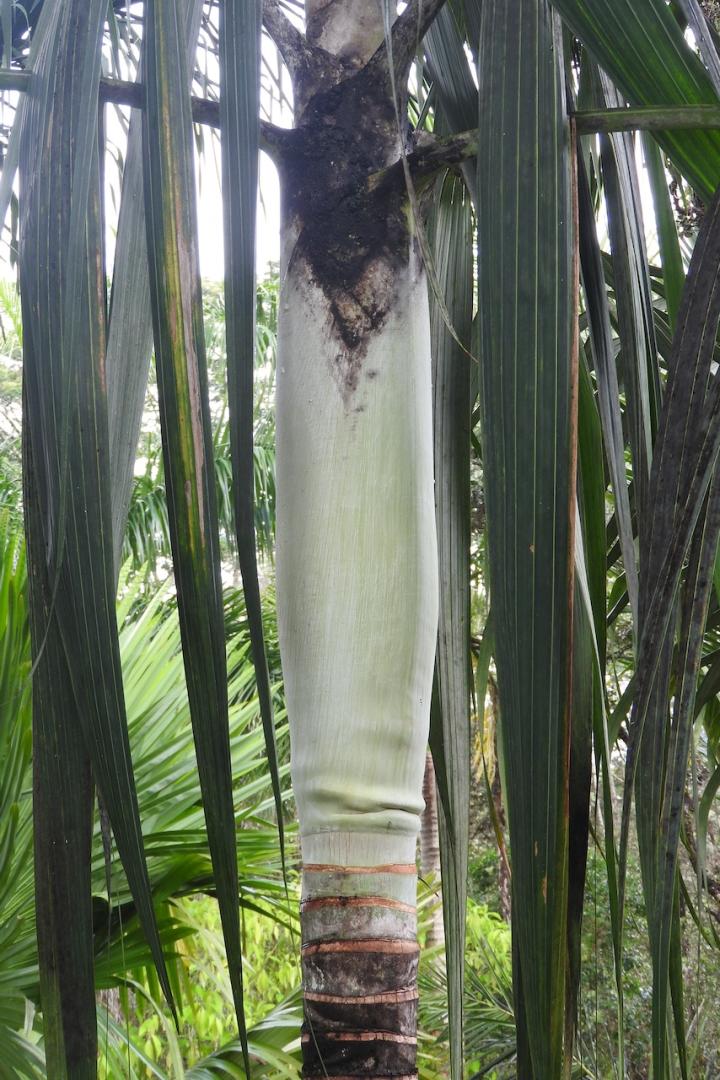
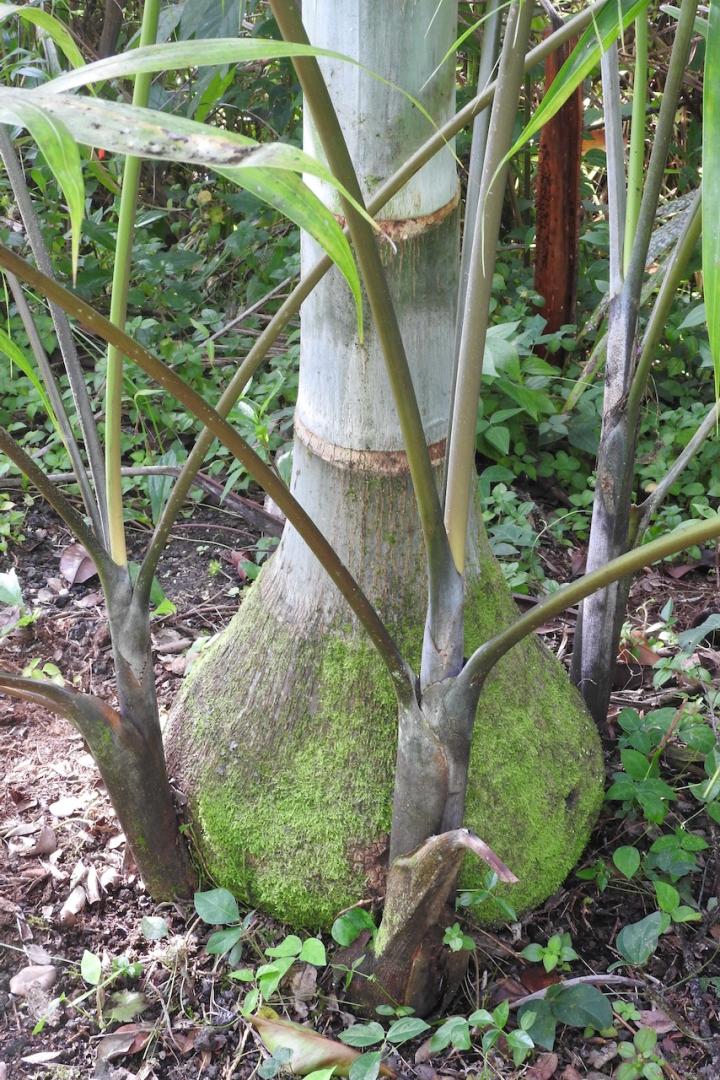
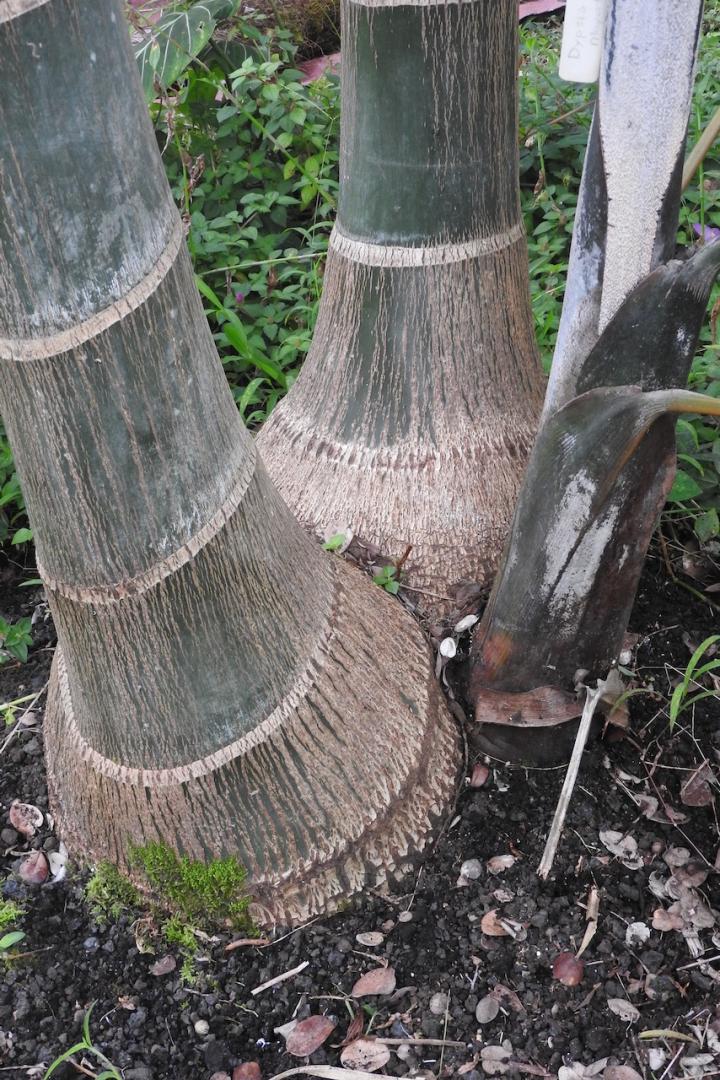
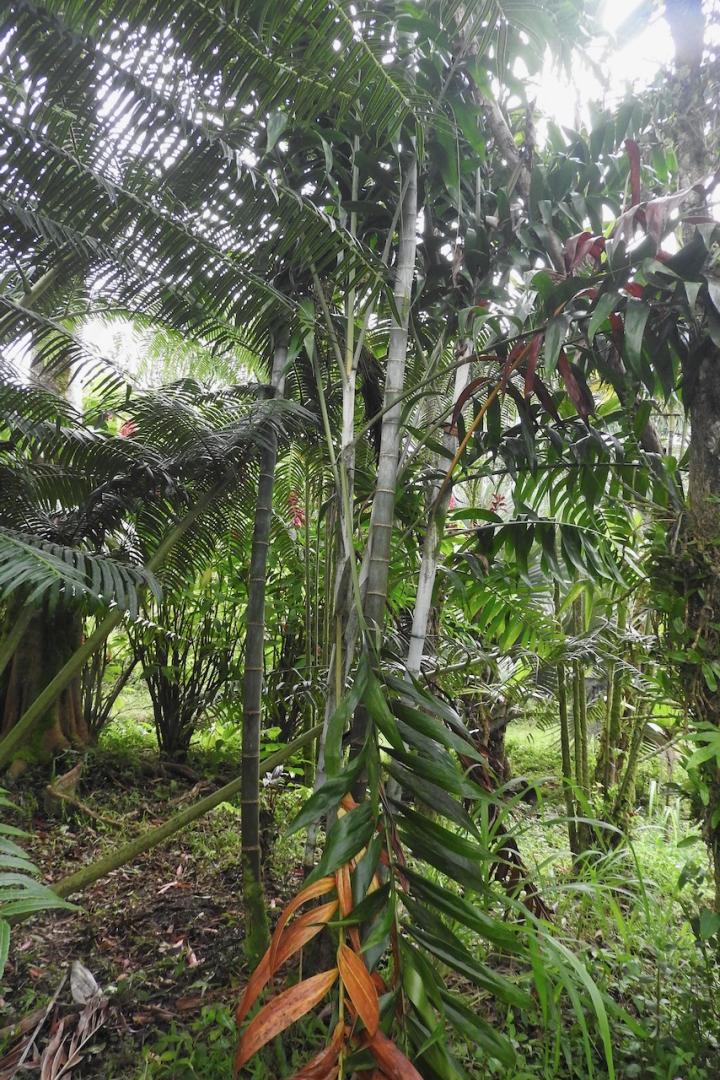
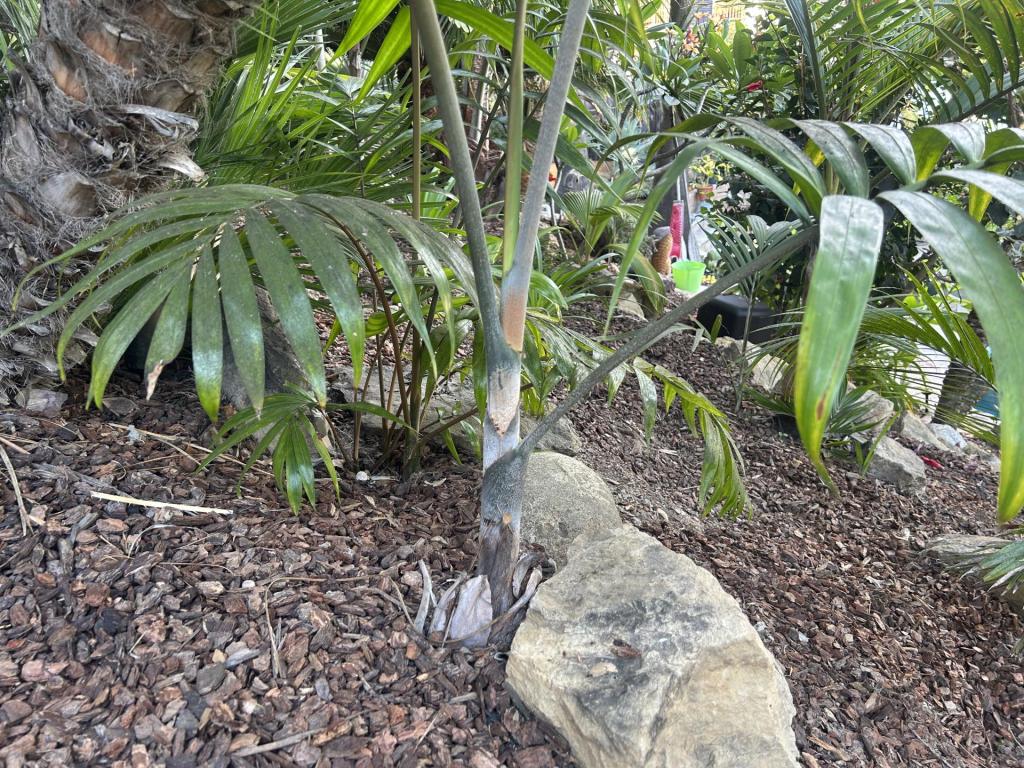
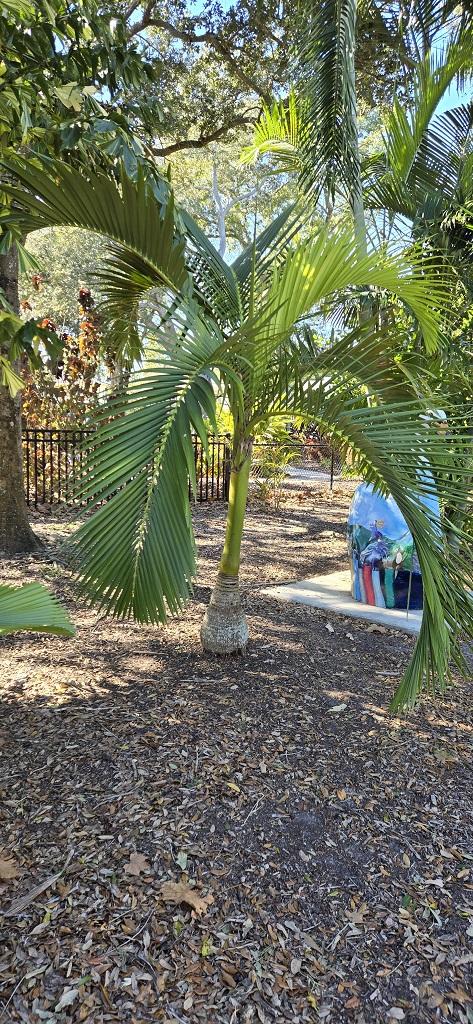
 6 pointsLovely crownshaft of young Chrysalidiocarpus sp. mayotte. Almost looks like it should be in a pastry shop…
 6 points
 -
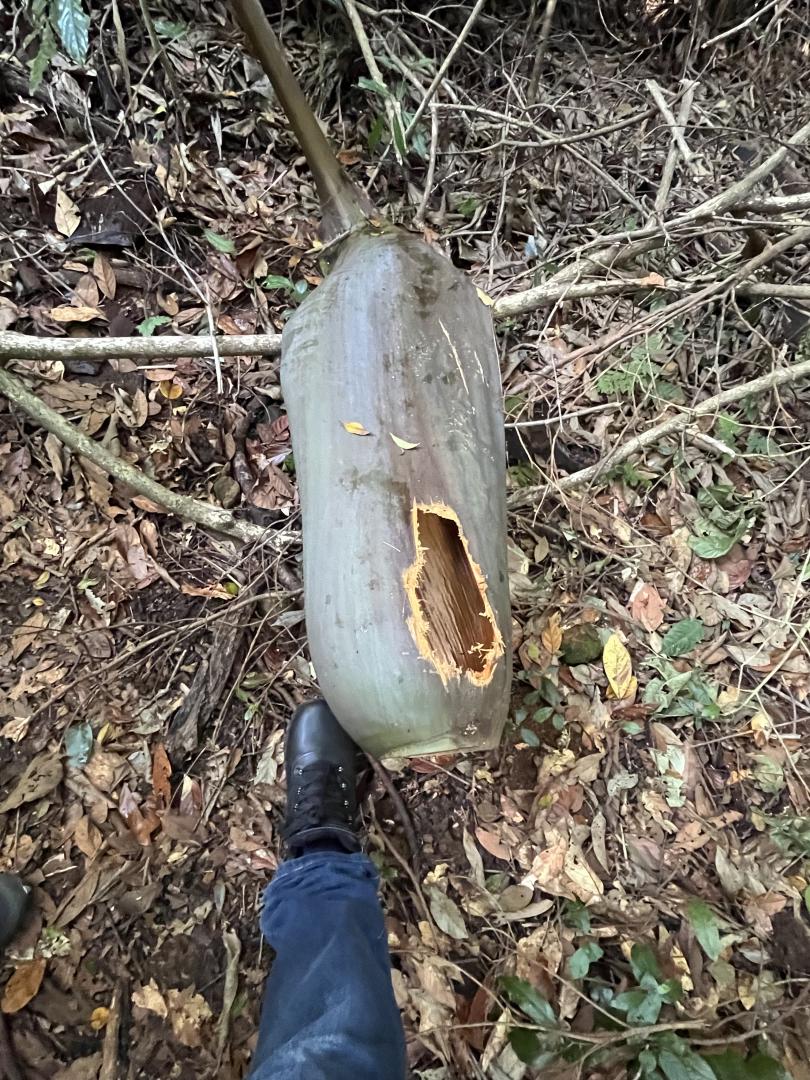
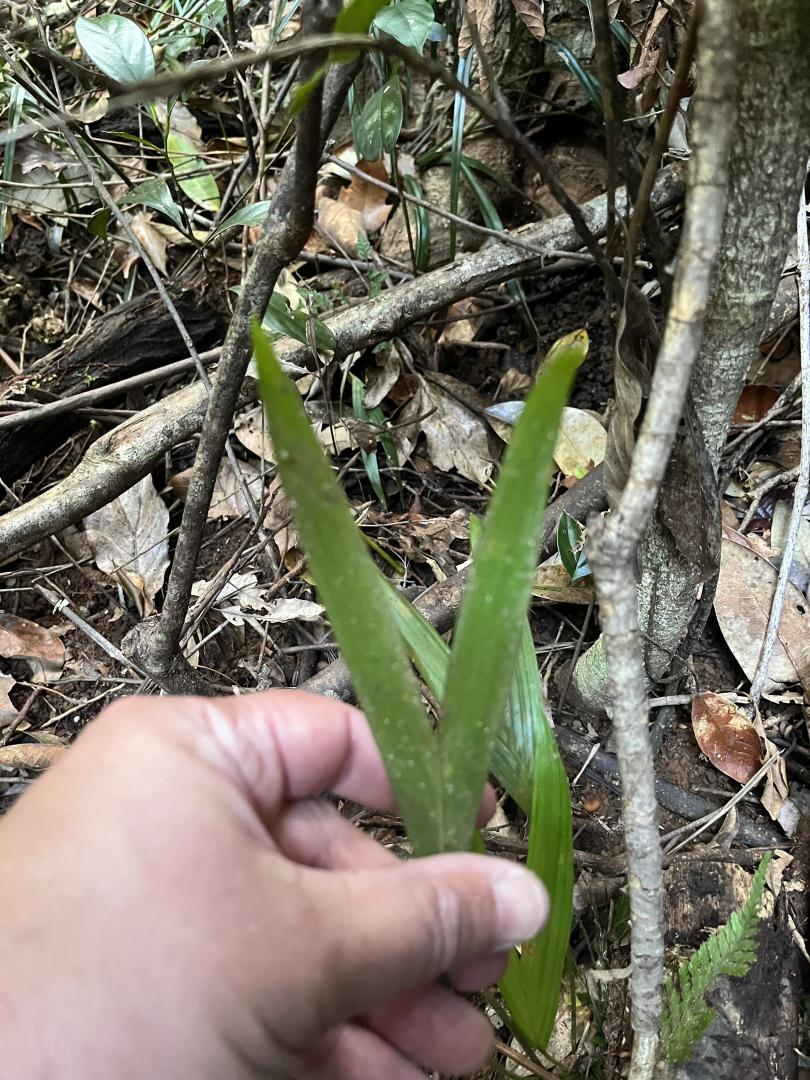
5 pointsSome more pictures. Some details of a fallen leaf and seedlings.
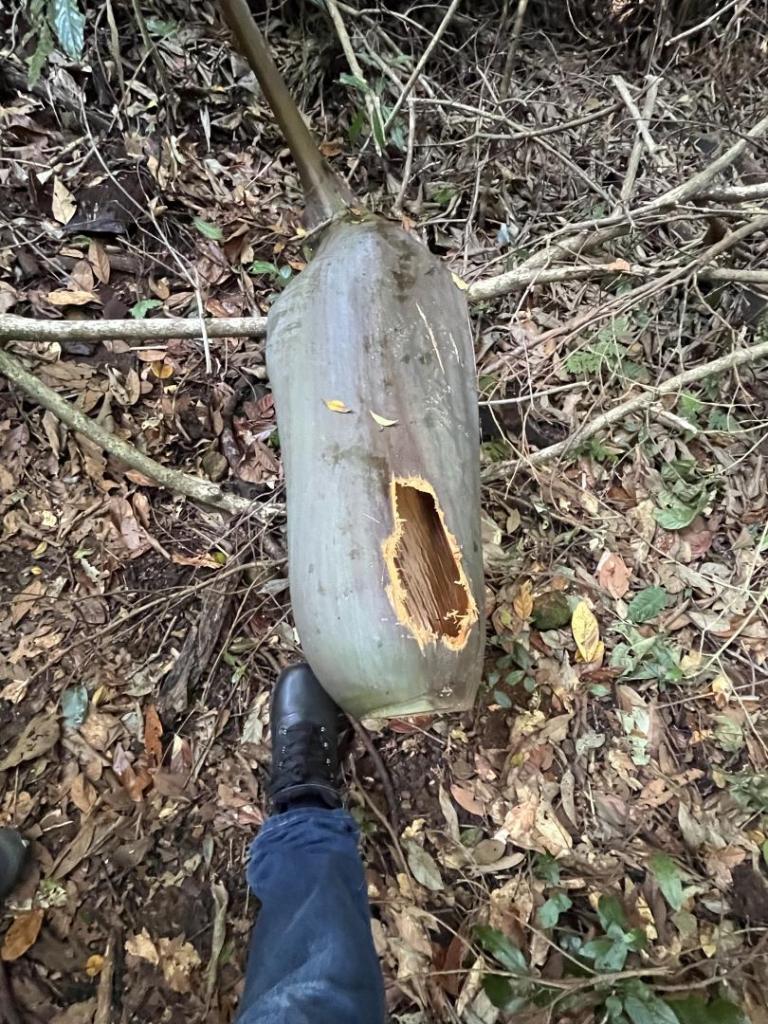
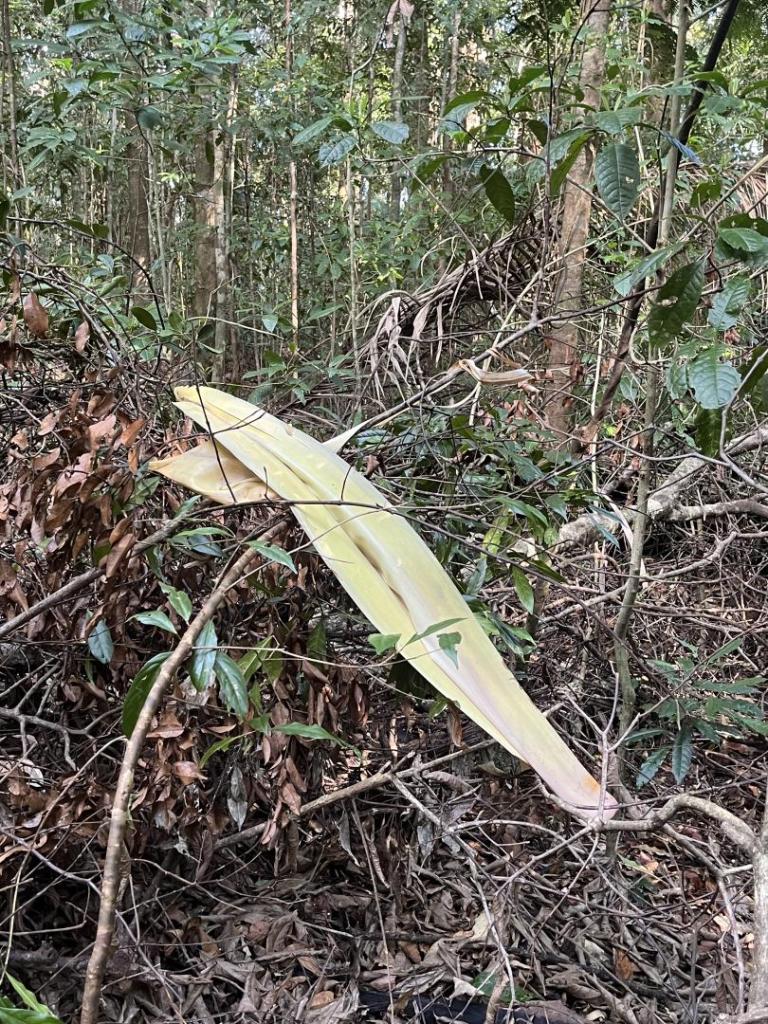
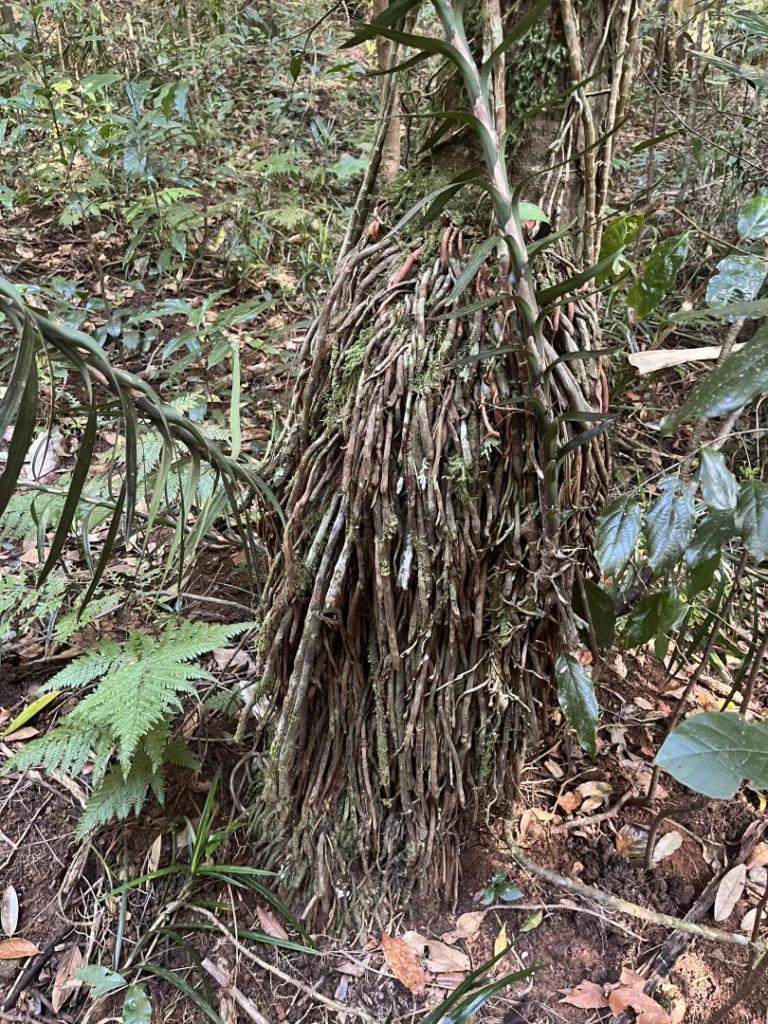
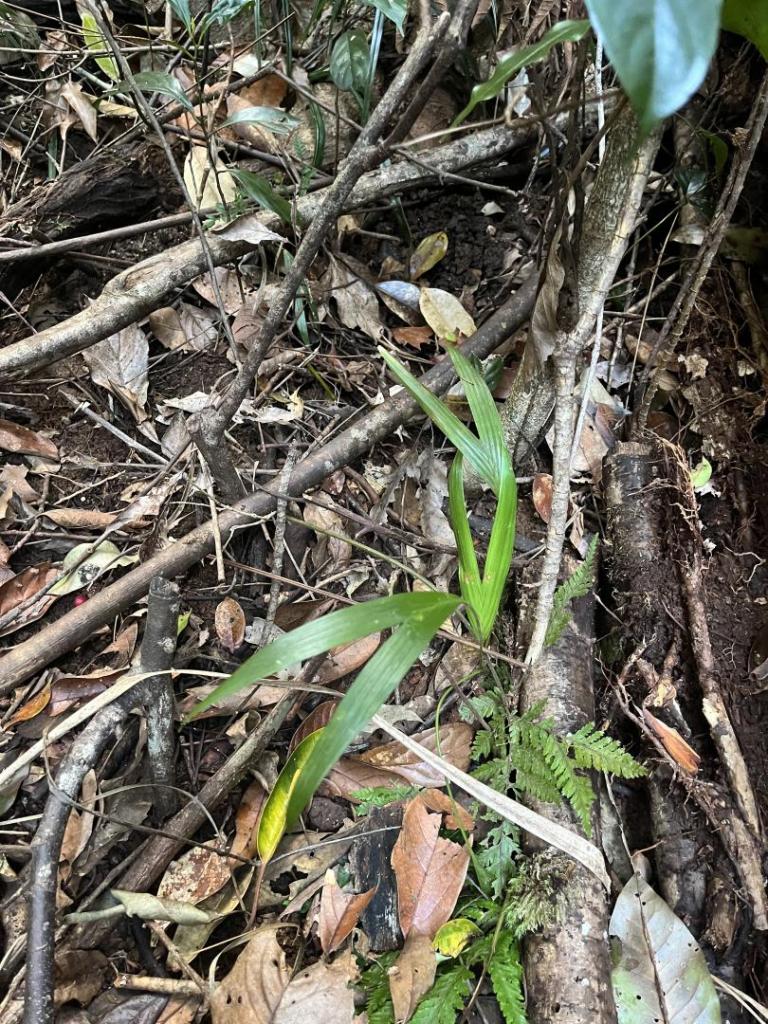
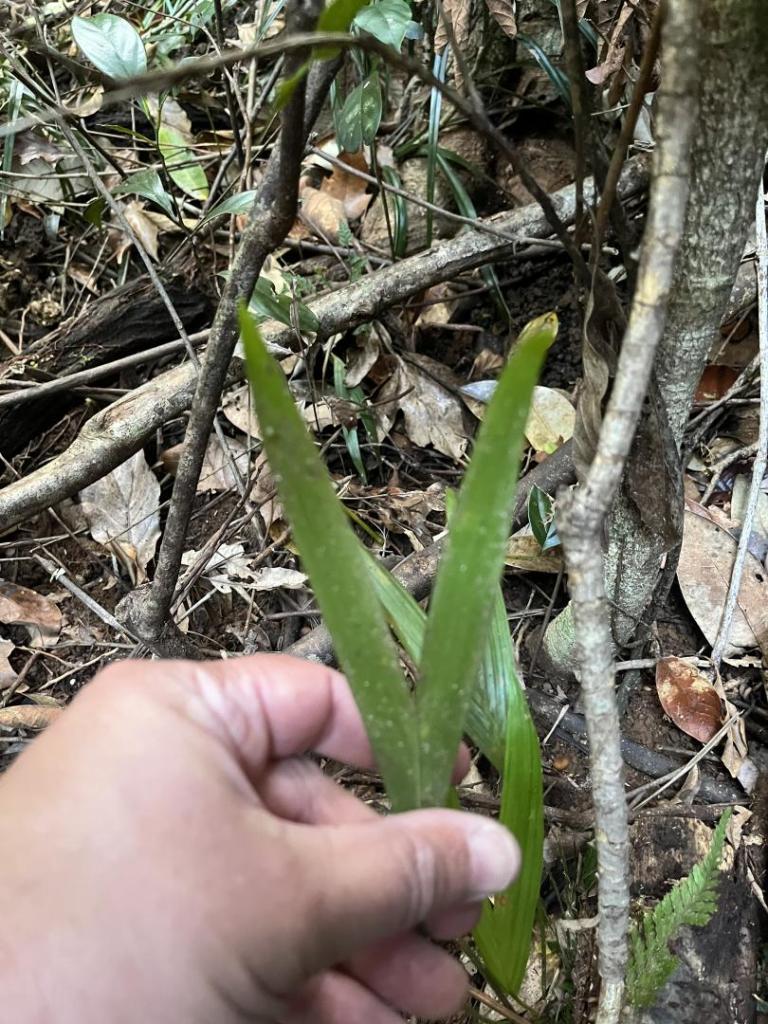
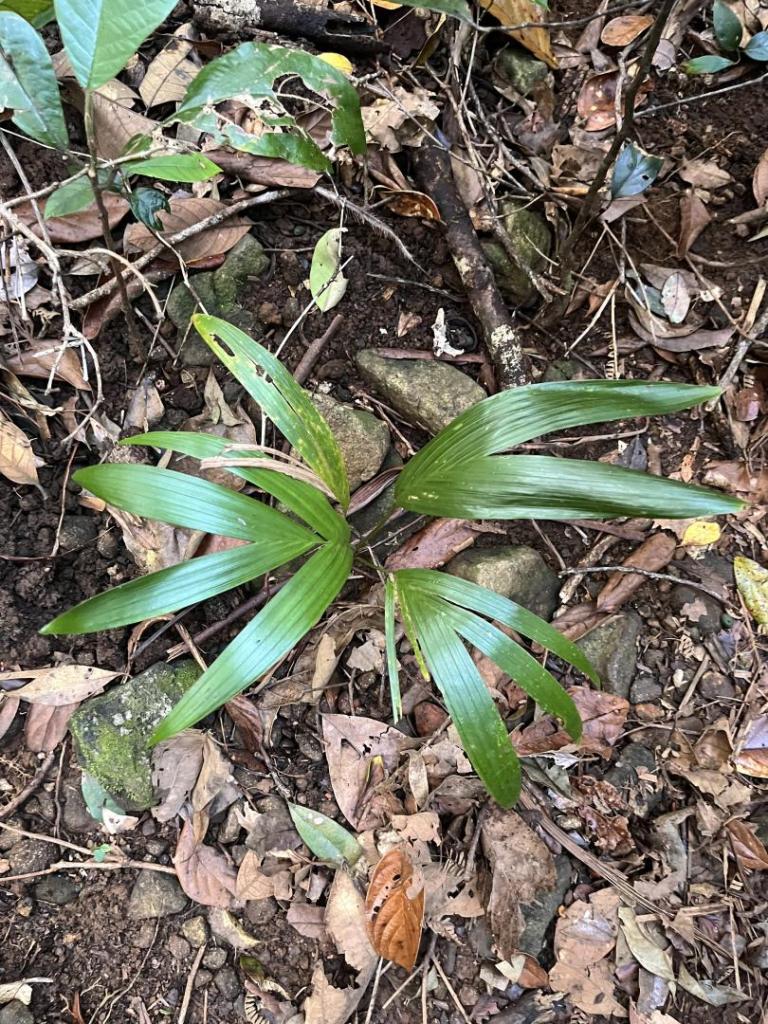

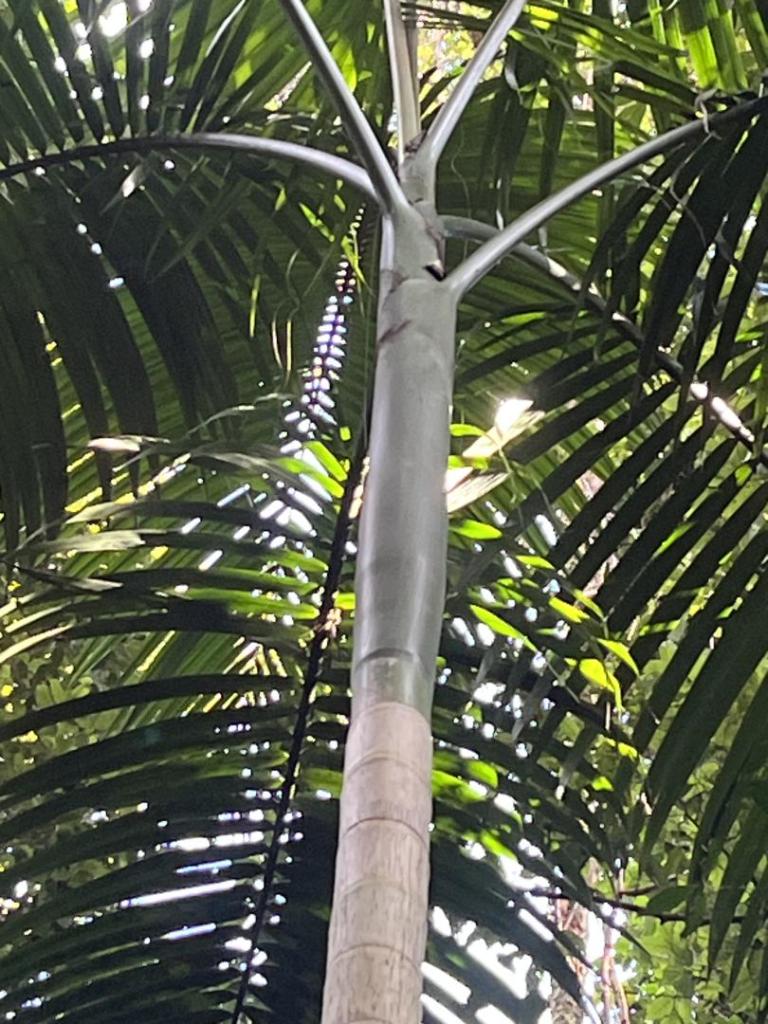 5 points
 -
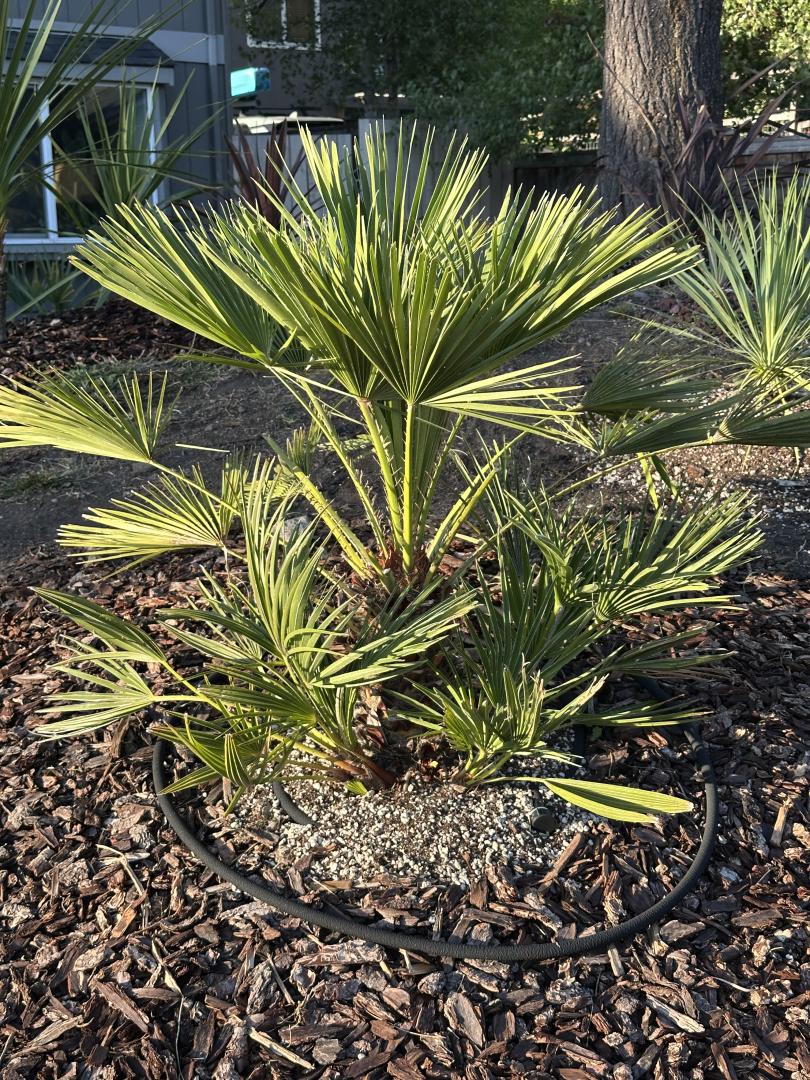
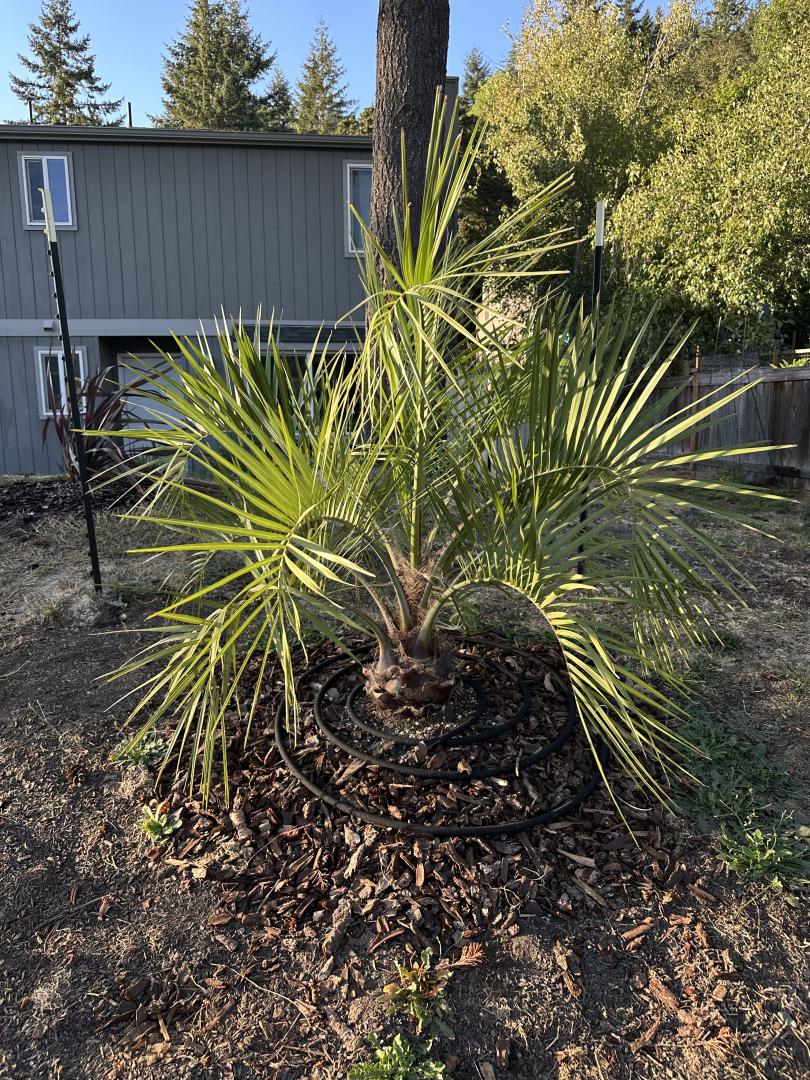
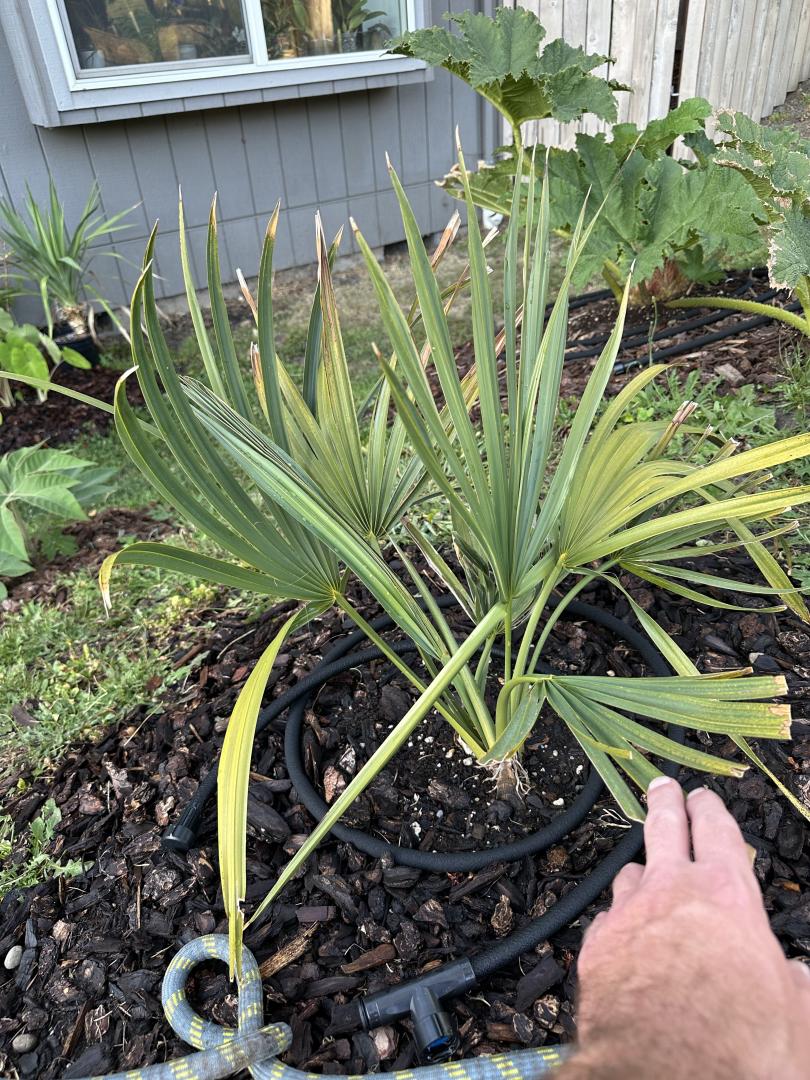
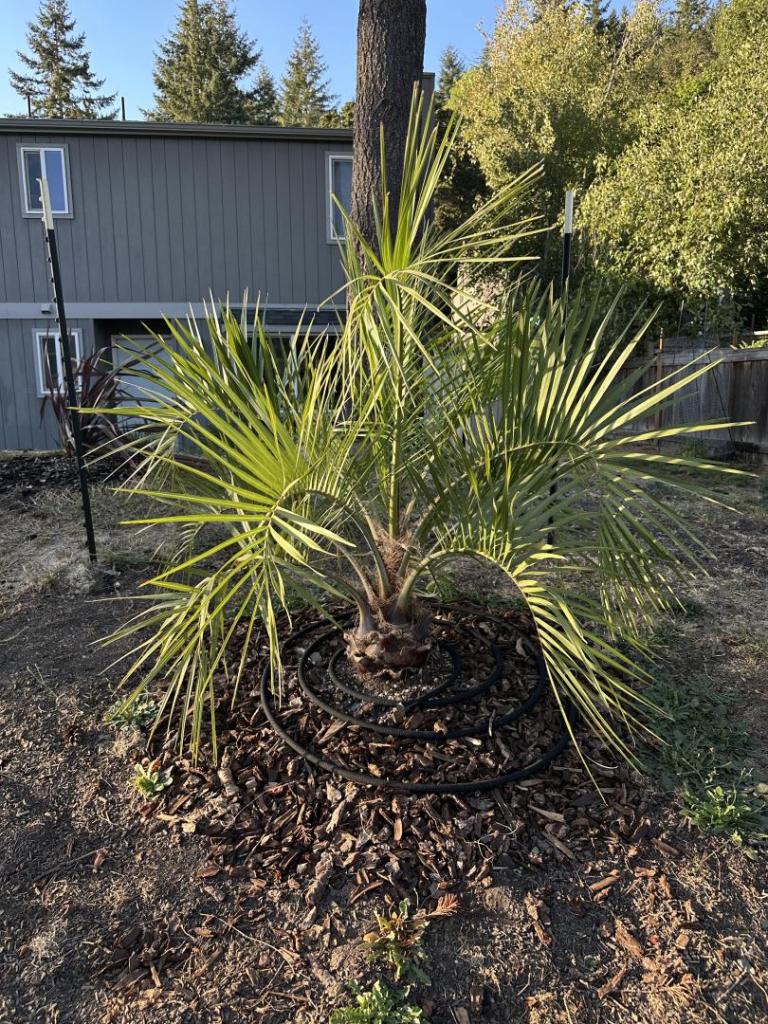
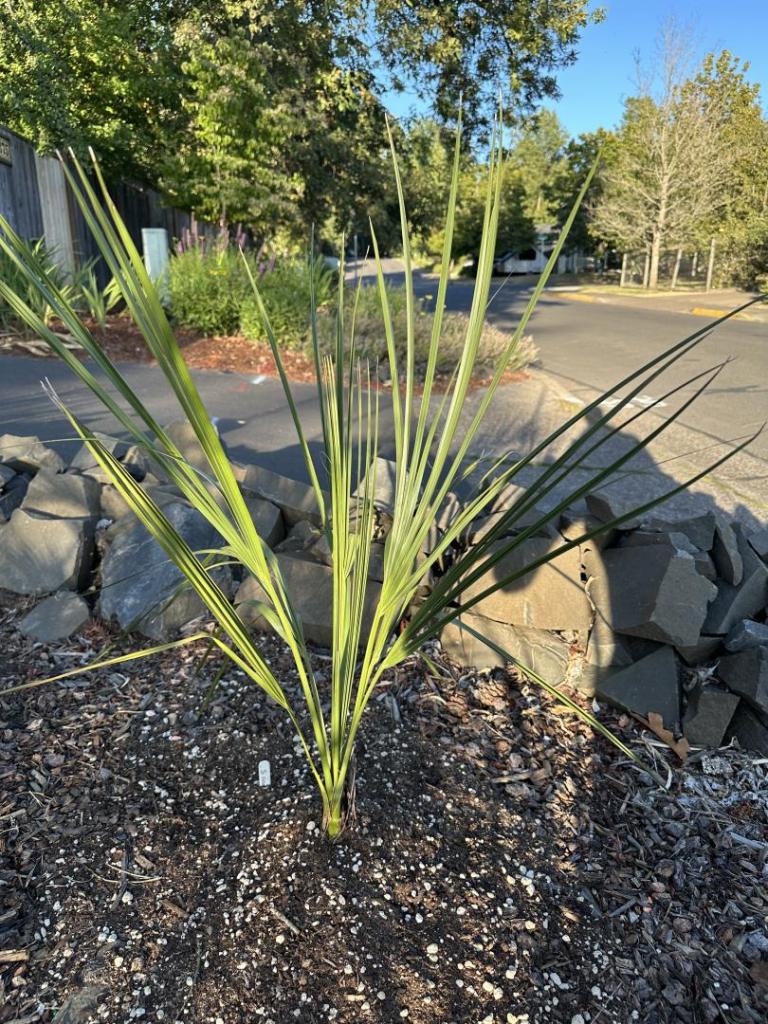
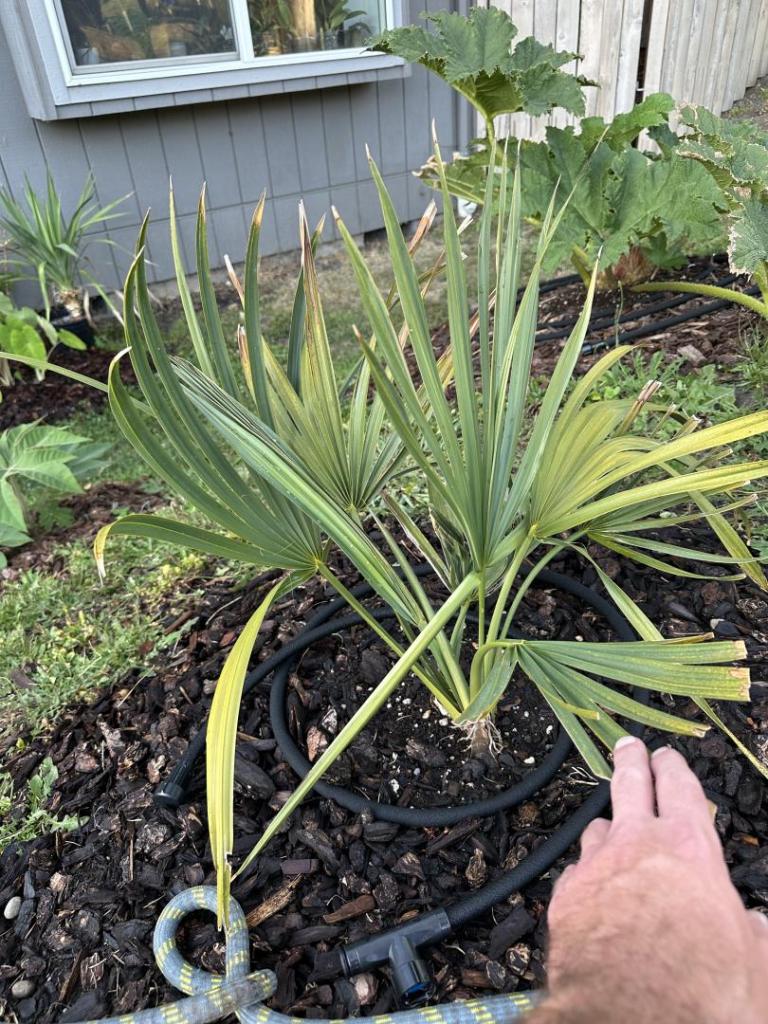
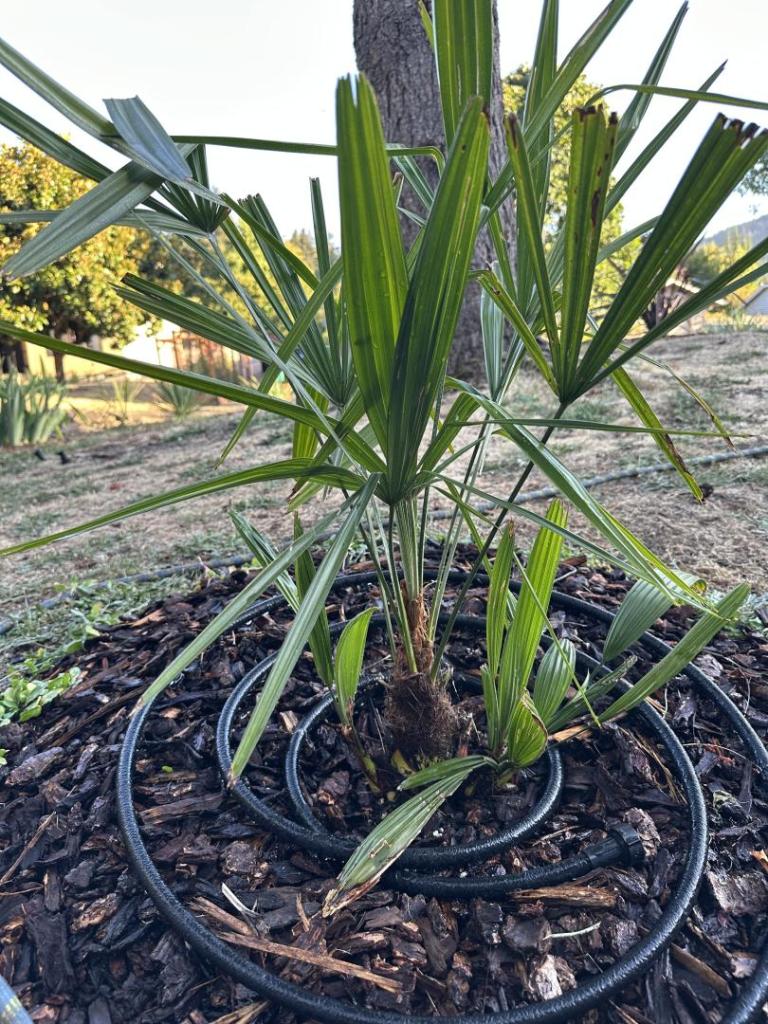
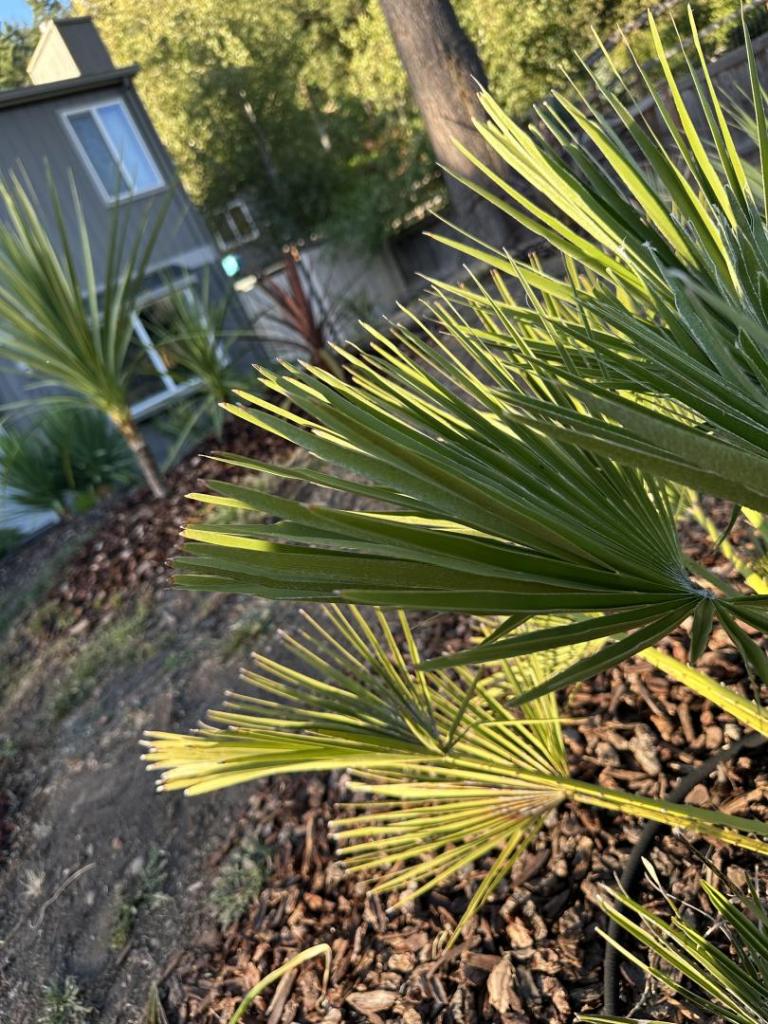
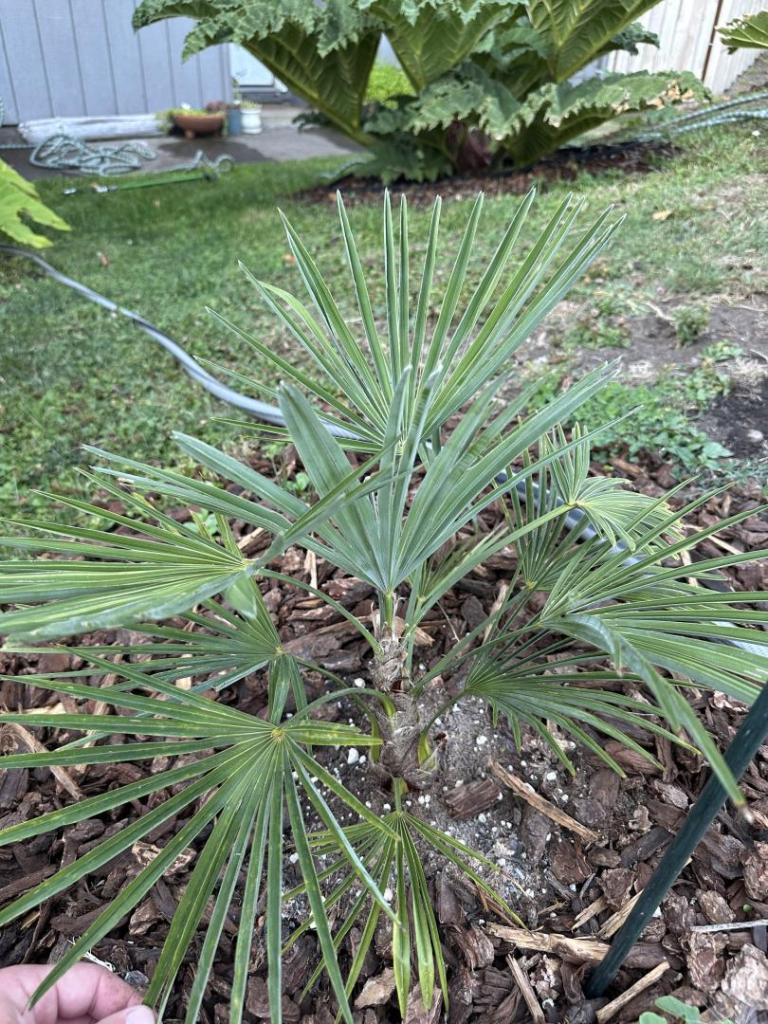
 5 pointsThese are the palms growing in my front yard. They are all fairly recently planted between 1 and 3 years in the ground. My Chamaerops humilis that has an oddly strong costapalmate shape to all the new leaves that have grown this year. it’s only the newest leaves on the main trunk doing this. The oldest leaves are flat. Butia odorata that I got from Home Depot for $70. I wish it was blue but for that price I’m not going to be picky. I did a deep dive on an older post talking about the shift from most of the mass produced ones being blue to now the green ones being most common. I also wonder if the ones with strong blue coloration may be more hardy.. Sabal rosei that @Chester B inspired me to try that was planted this summer. It’s a decent size and was a really reasonable price from project palm Rhapidophyllum hystrix planted this spring. It’s in part sun because I had heard they appreciate some shade.. but I’m not sure that shade would be necessary in PNW climate. It does get at least 6+ hours of strong sun though. It has 4 pups and I’m trying to decide if I should just select a few to have a more structured look or just let it grow fully wild bush style. Trachycarpus princeps x wagnerianus Still very small but starting to really speed up this summer. It has some nice blue coloration and the underside of the leaves are super white but it doesn’t show up well in the pic Trachycarpus fortunei is just a required staple in the PNW. It’s a random seedling but it’s got really nice blue coloration on the underside of the leaves and the leaves are surprisingly rigid on it. It grows so fast, pushes 3 spears at a time all growing season. Sabal minor - this year it just started picking up speed.. it’s starting to open its 3rd leaf of the year and there’s a nice size spear behind it already. The old leaves are pretty yellow I think from not fully realizing how quickly the planting spot got dry last summer. All of these are planted on a large south facing mound. It has been helpful having everything on a slope since the native soil is pure clay.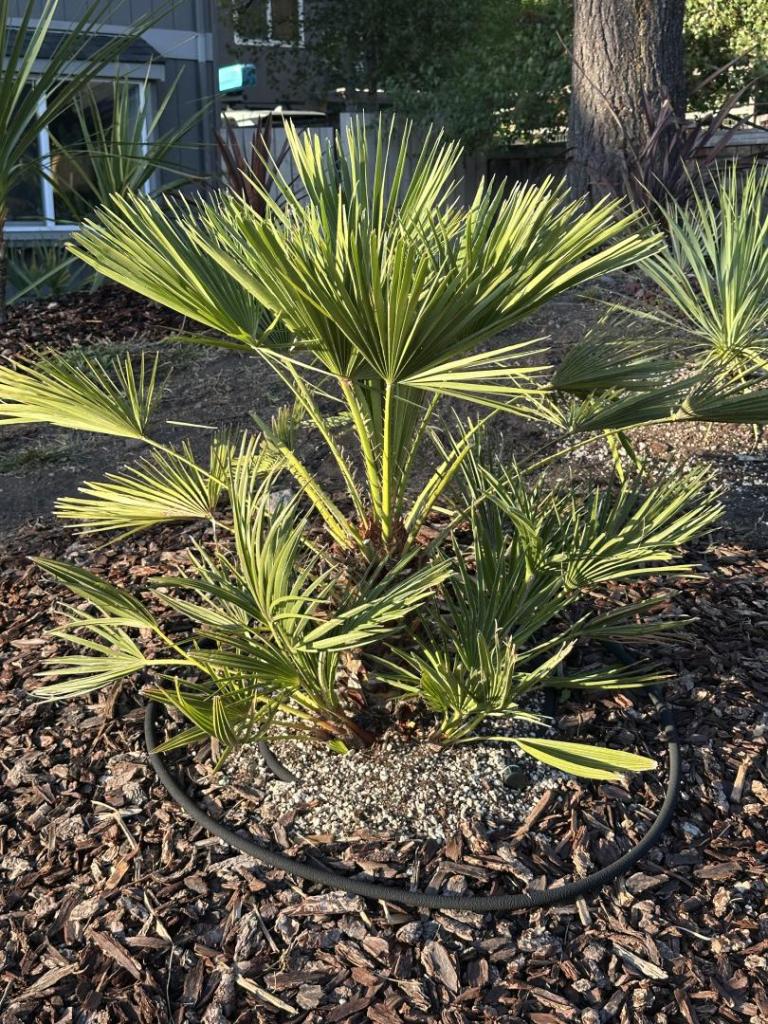
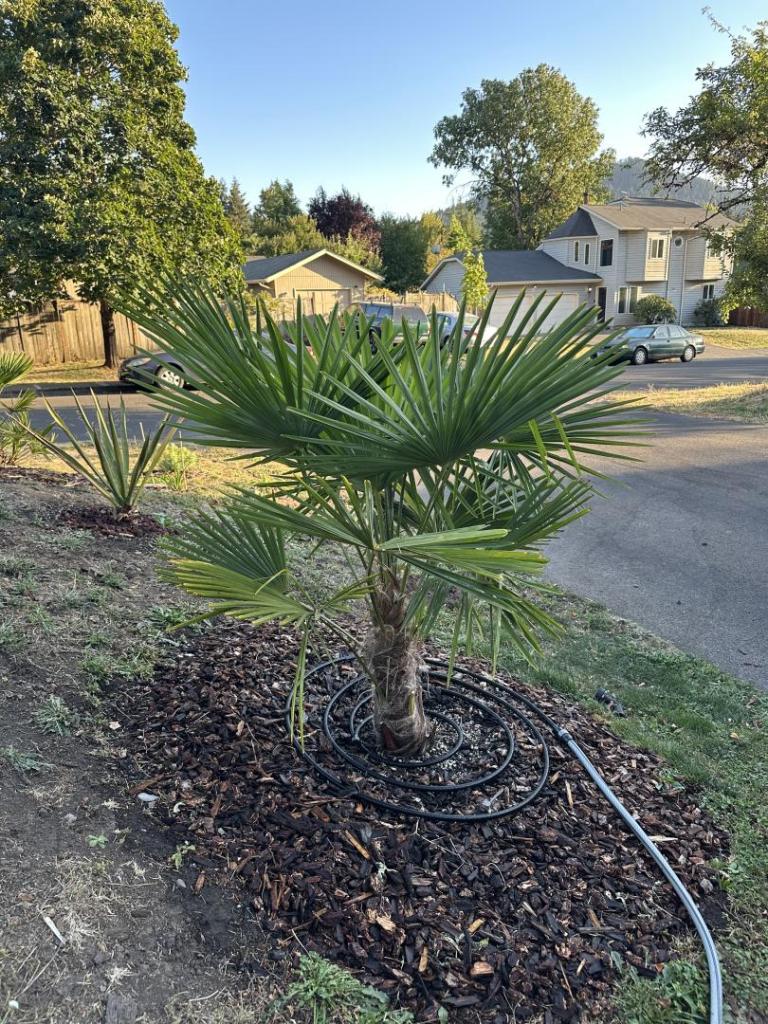
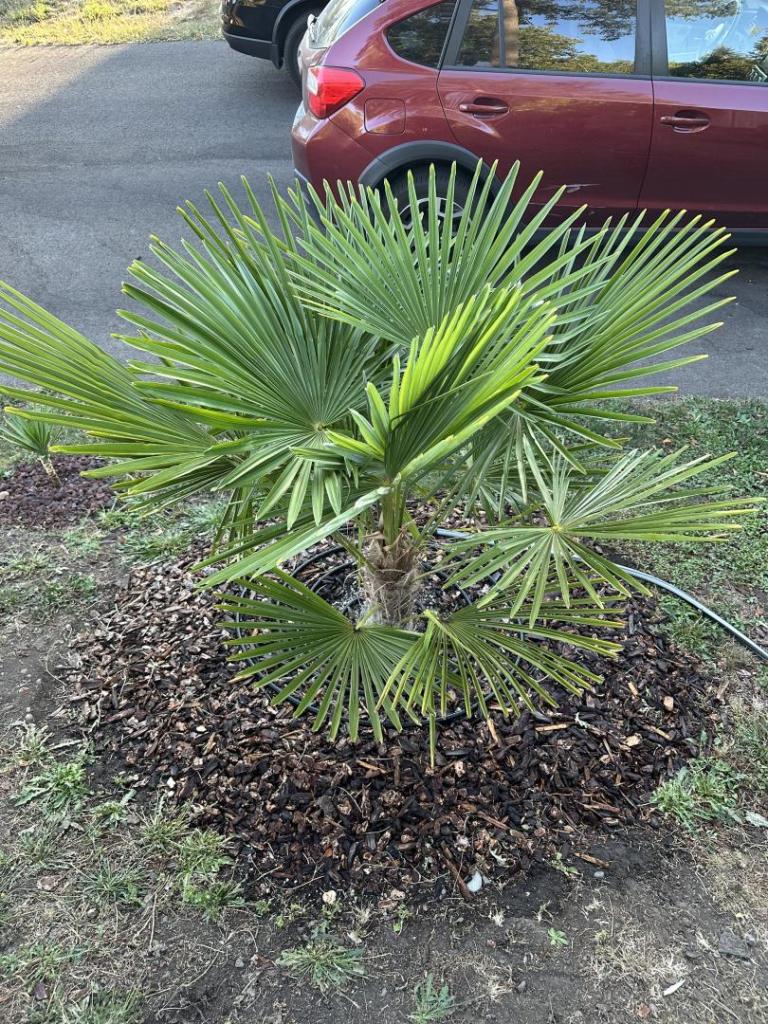
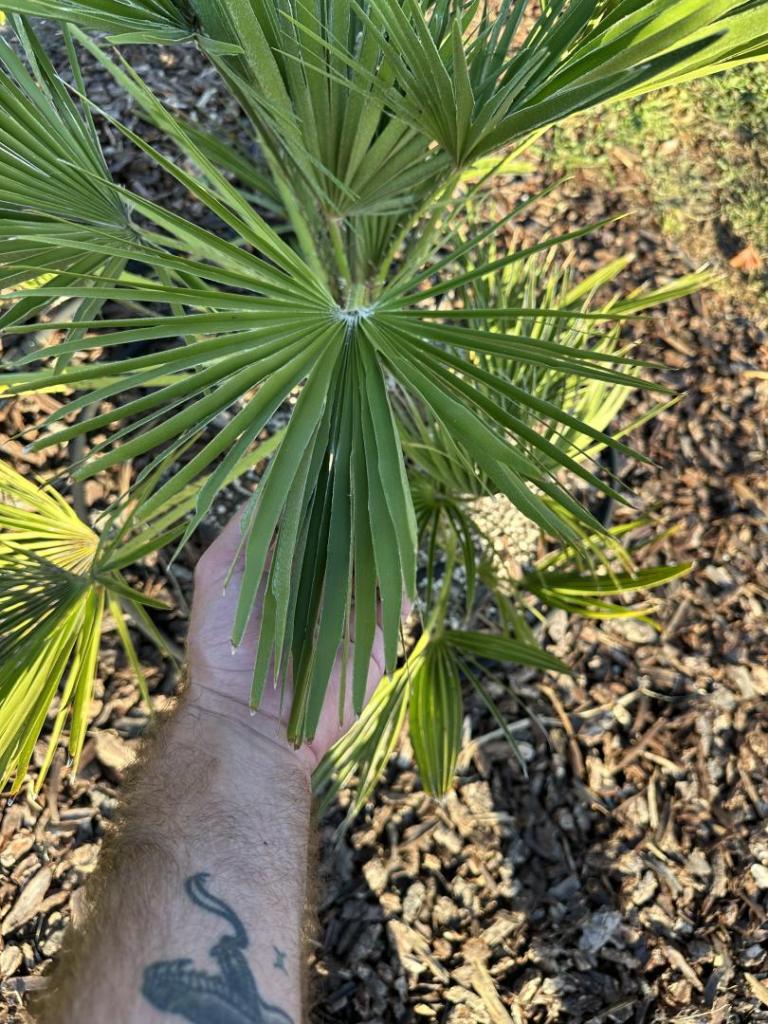
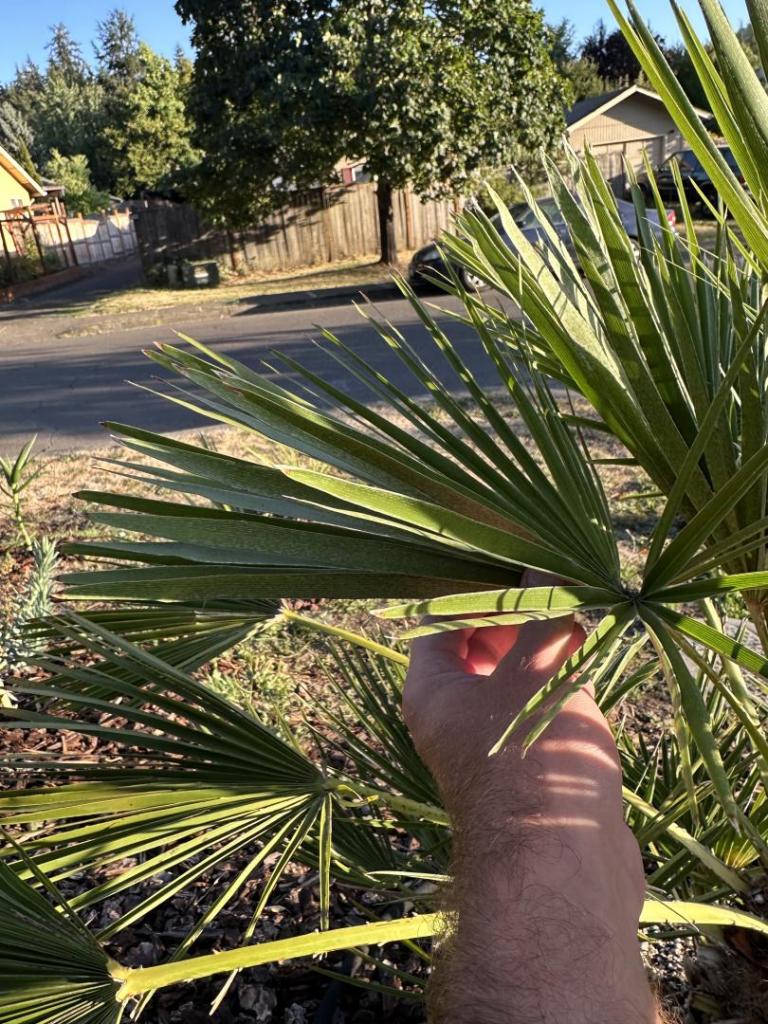
 5 points
 -
5 points
-
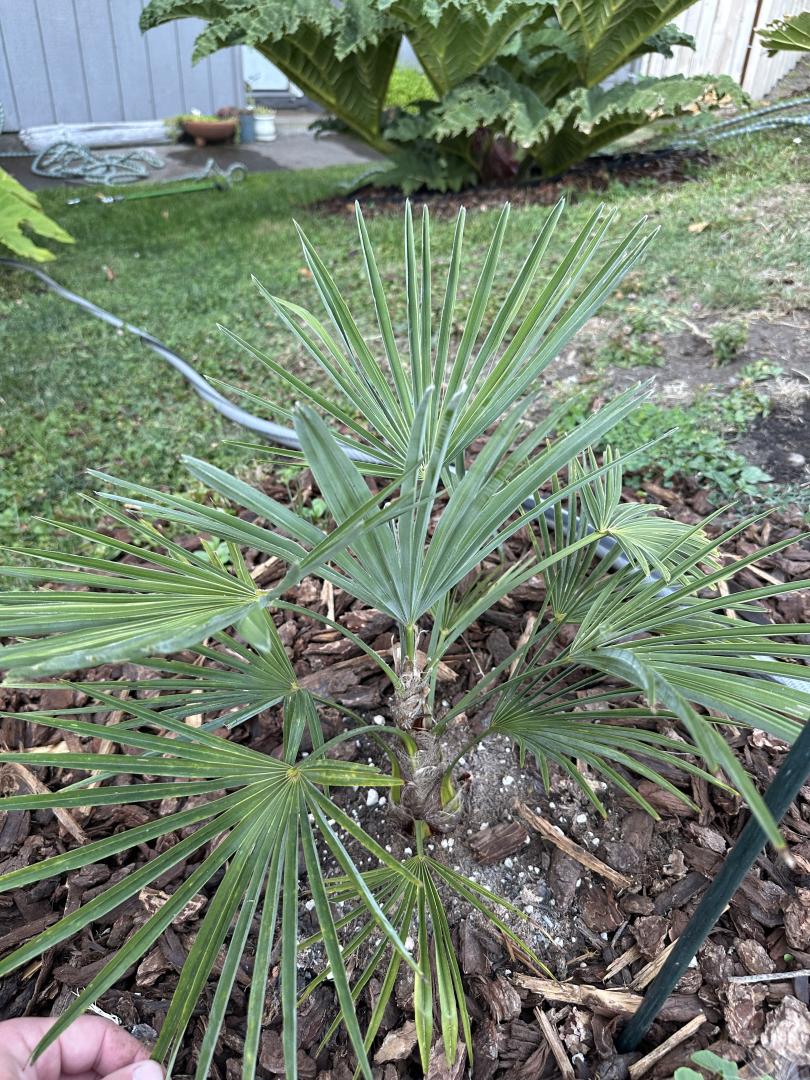
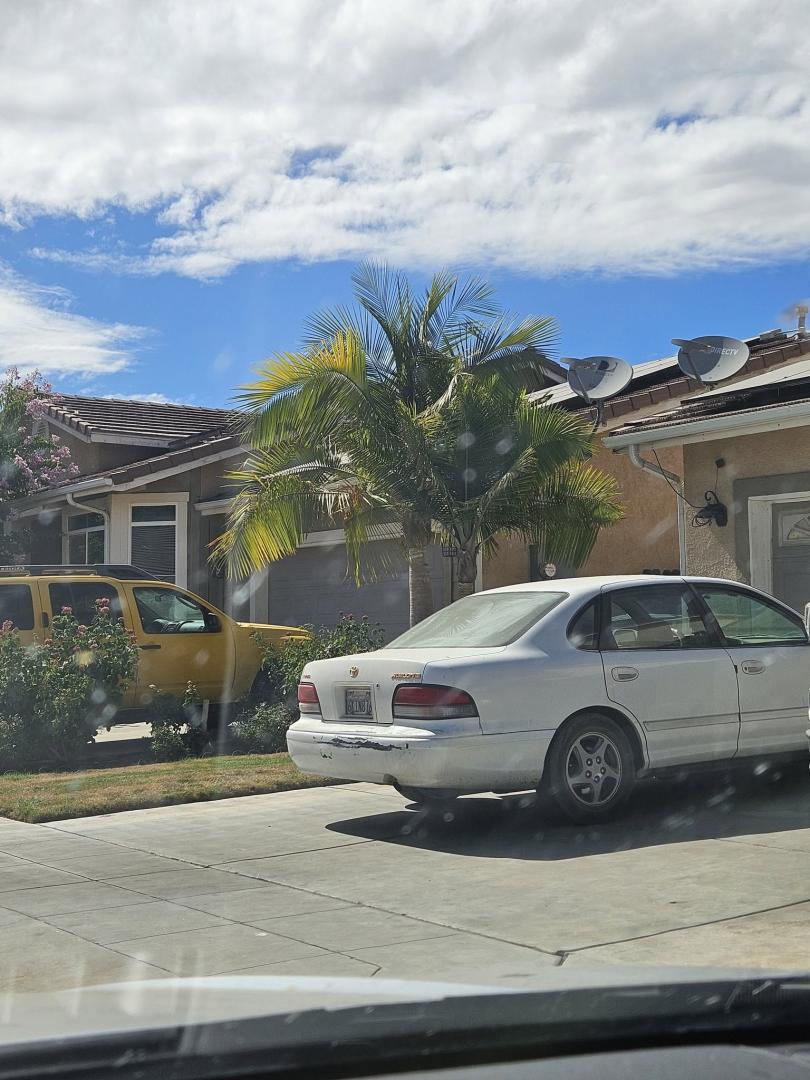
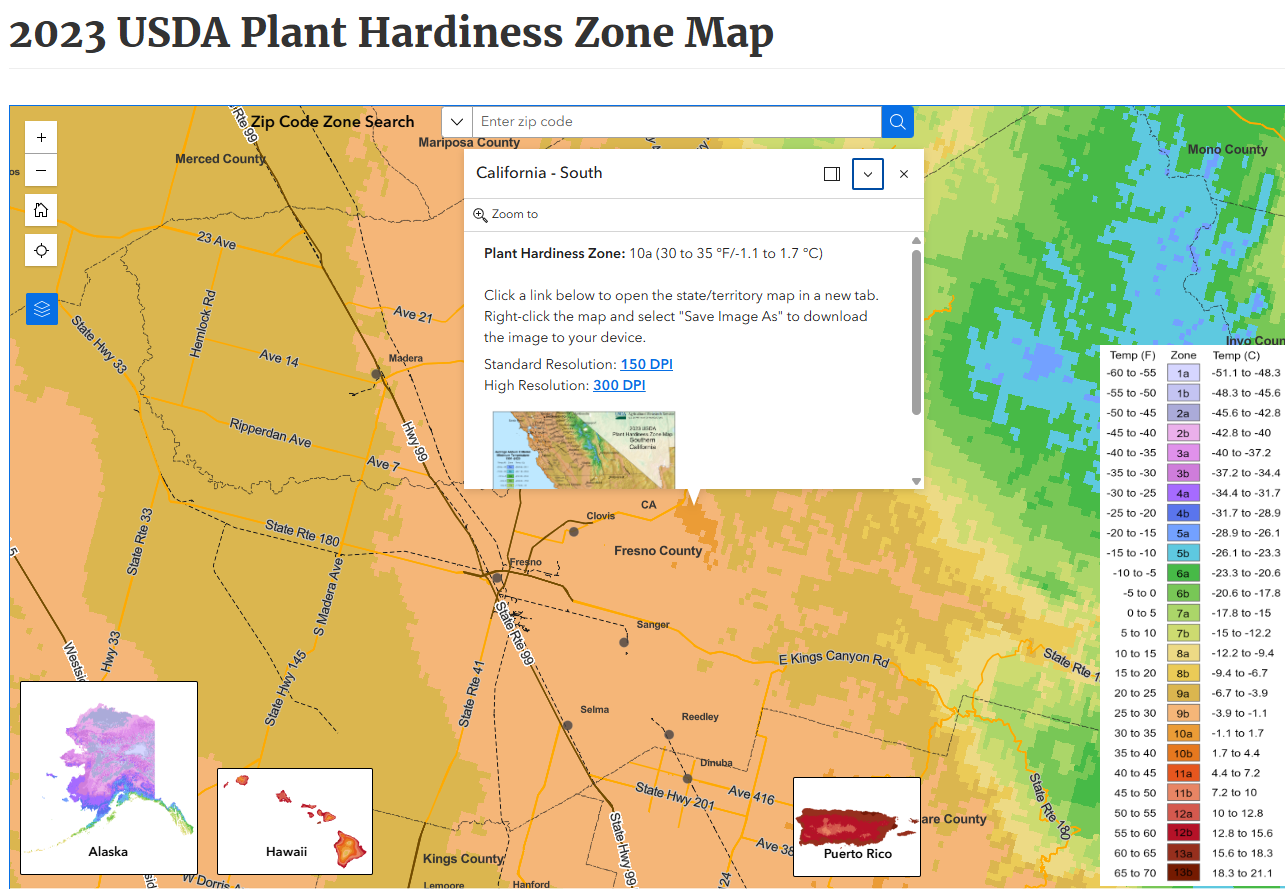
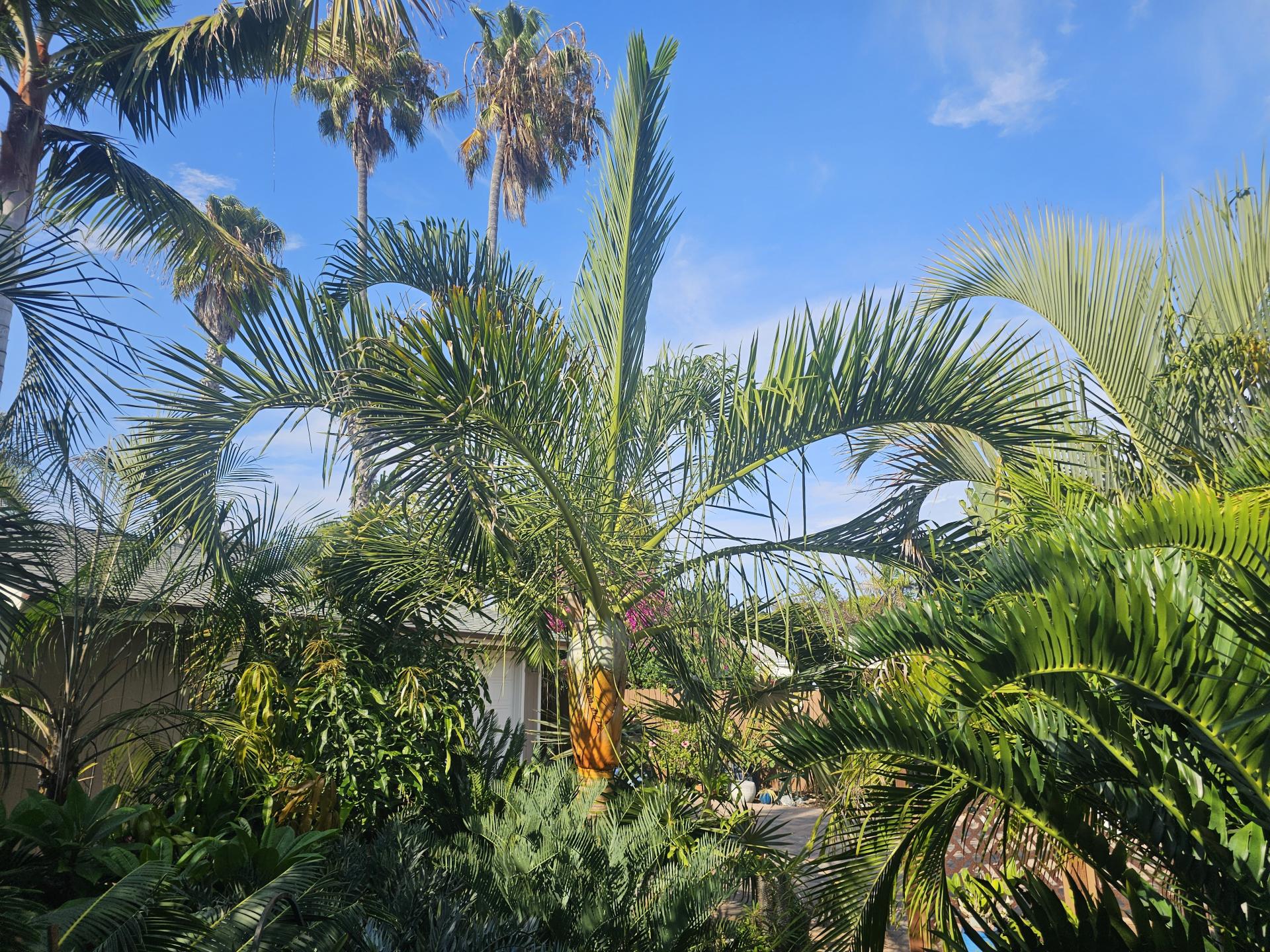
 Being so commonly sold as indoor plants, it's no surprise that so many Ravenea end up outdoors in people's yards in the Fresno area. I see them haphazardly thrown outdoors, usually after a poor performance as an indoor plant. Occasionally, I see them growing happily if they're near a lawn or sprinkler. I've even seen some with a few feet of trunk... but this one takes the prize. This has got to be the biggest pair of Ravenea in Fresno. Wow! You might mistake this for a neighborhood in SoCal, as opposed to the Central Valley. I feel like the anecdotal things about climate change from old-time gardeners in the Fresno area are substantive. I'm seeing lots of plumerias growing happily around town too - at first you notice one. Then the following year you notice more, and each year it seems there are more. Cassia fistula, fruiting mangoes, longan... all of these grown by adventurous gardeners, and somehow happily making it in this harsh climate. The USDA's latest zone update has a small pocket of 10a in the Fresno area to add a bit of weight to the anecdotal chatter too.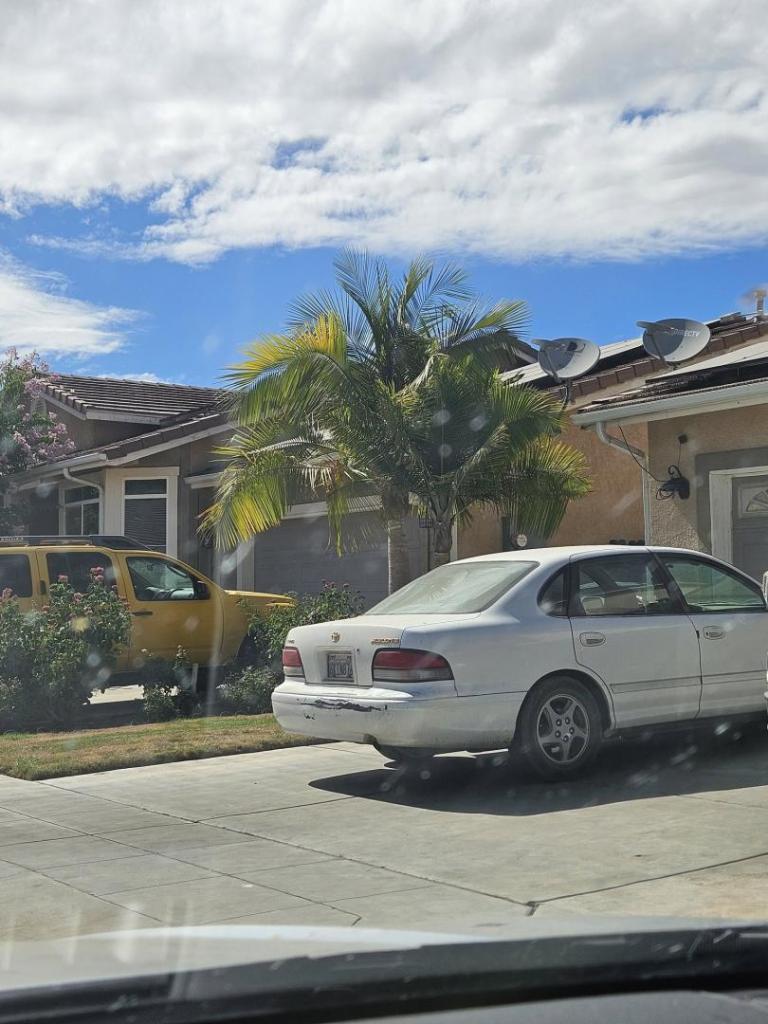
 5 points
 -
 My guess is the lighting. Copernicias LOVE lots of full blazing hot sun. Yours looks like its in filtered light.5 points
 -
 @Eric in Orlando Roughly the same here. Most of the deaths have been because folks removed stuff like Royals or Coconuts before giving it a shot to come back. @donalt The place looks great! Especially considering what went down in February! @Merlyn Pulling weeds, trunk cutting, and dumping daconil are scheduled events for this year's gardening decathalon. Your training should pay dividends. 😁5 points
 -
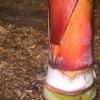
5 pointsA leafbase came off a Chrysalidocarpus prestonianus. Plenty of orange color wasrevealed.
 5 points
 -
 @kinzyjr indeed! Not all of my "Zone 10" palms died from the epic freeze, for sure there are some odd survivors. Both of my Elaeis Guineensis are growing back strong, despite spear pulls and crown rot infections. But most of them did die immediately or were lost to subsequent infections: 1 of 1 Carpentaria Acuminata 5 of 5 Burretiokentia - Hapala, Koghiensis, Vieillardii 1 of 4 Arenga Hookeriana, the other 3 regrowing from the roots 1 of 1 Actinokentia Divaricata 0 of 3 Arenga Pinnata - defoliated but growing back slowly! 0 of 1 Arenga Tremula - also defoliated but growing back 0 of 1 Arenga Westerhoutii - burnt to the ground but with 2 new fronds 0 of 12 Attalea - all were >75% defoliated but all growing - 4 Brejinhoensis, 3 Butyracea, 2 Cohune (?!?!?!?), 2 Phalerata, 1 Speciosa 3 of 14 Beccariophoenix Alfredii - all defoliated, but only lost 3 big seedlings under ~2-3' tall 5 of 5 Chamberyonia Macrocarpa - Watermelon, regular and Hookeri 0 of 19 Copernicia - Baileyana, Fallaensis, Gigas, Alba, Hospita, Macroglossa 0 of 2 Corypha - Lecomtei had minor burn, Umbraculifera defoliated 2 of 2 Crysophila Warscewiczii 9 of 9 Cyphophoenix - Alba, Elegans, Nucele 18 of 22 Dypsis/Chrysalidocarpus - 1 Lanceolata, 1 Decaryi and 2 Lutescens clusters survived, but other Lanceolata, Cabadae, Pembana, Basilongus, Albofarinosa, Arenarum all died 4 of 11 Hyophorbes - 2 of 4 Bottles and 4 of 7 Spindles died, but one of the Bottles I over-trunk-cut and killed the bud myself - oops. All died from bud rot or, er, a reciprocating saw. ☹️ ~3 of ~25 Gaussia Princeps - I still need an accurate pre-post count 1 of 4 Kerriodoxa Elegans - exposed and died of bud rot ? of 2 Licuala Grandis - still unsure 3 of 3 Ptychosperma Elegans - big seedlings 0 of 1 Ptychosperma Macarthurii 0 of 1 Ptychosperma Schefferi - burnt to the ground but growing back 4 of 10 Ptychosperma Salomonense - shocking survival of ~1' tall seedlings, so I bought more!!! 2 of 2 Ravenea Hildebrandtii 1 of 1 Ravenea Sambiranensis 2 of 2 Reinhardtia Latisecta 3 of 3 Satakentia Liukiuensis 4 of 4 Syagrus Amara strap leaf 2 of 4 Syagrus Lorenzoniorum strap leaf 3 of 4 Syagrus Sancona strap leaf 0 of 5 Syagrus Schizophylla 1-3' tall - all defoliated and I thought were dead, but all growing back! 1 of 2 Wallichia Oblongifolia/Densiflora - both defoliated, but the one in sun couldn't struggle back 4 of 4 Wodyetia Bifurcata - 10-15' foxtails defoliated and died from Thielaviopsis or bud rot At some point I'll have a complete list of the life/death spreadsheet for you! I was really impressed that the Kerriodoxa Elegans and Ptychosperma Salomonense pulled through. Many of the above deaths were planted as big seedlings or even strap leaves last summer, so it's hard to judge if a more mature palm would have survived.5 points
 -
 5 points
 -
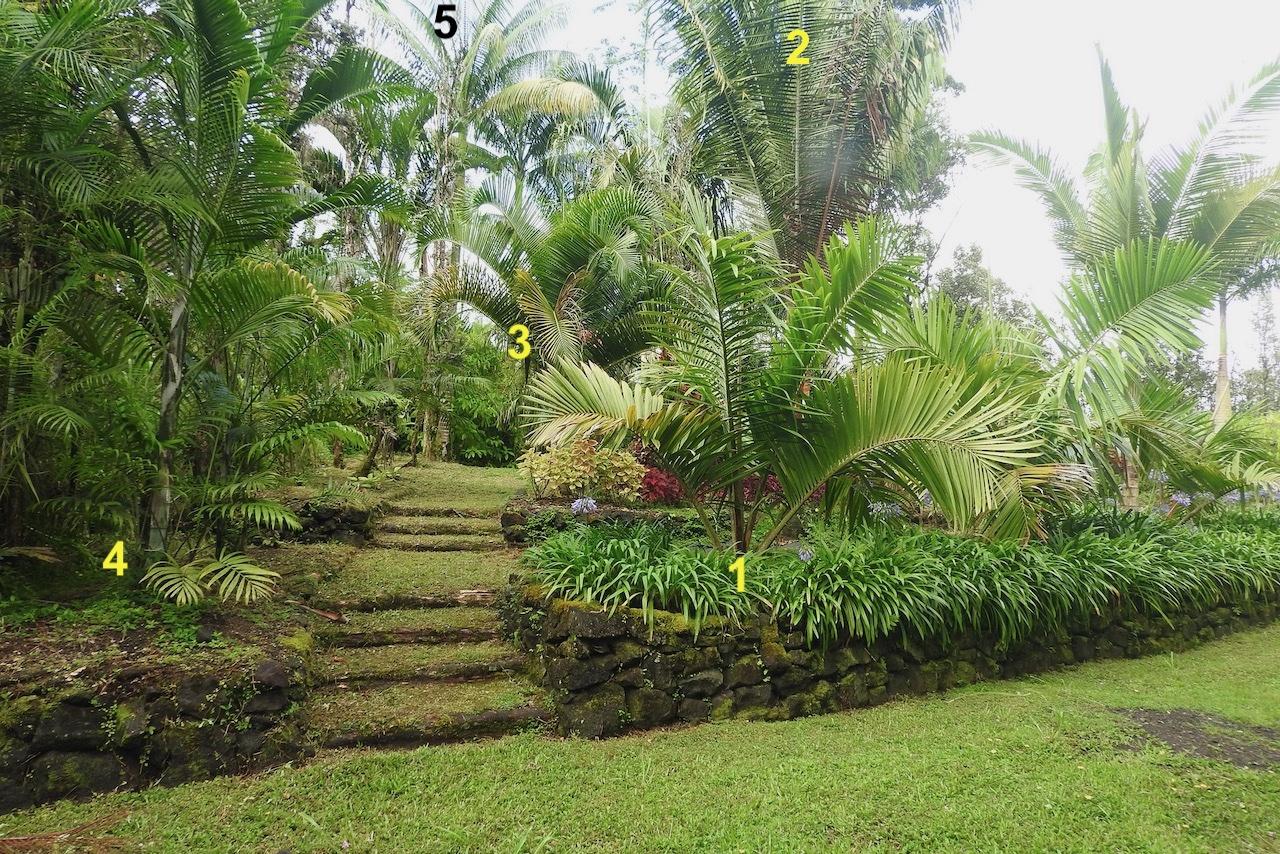
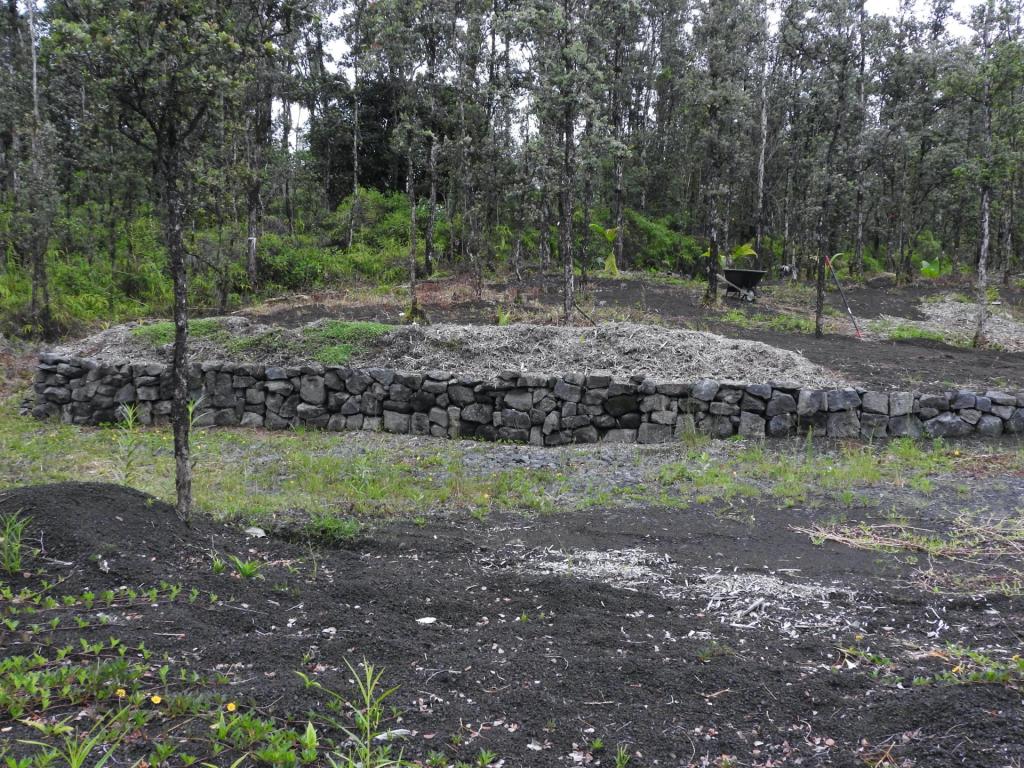
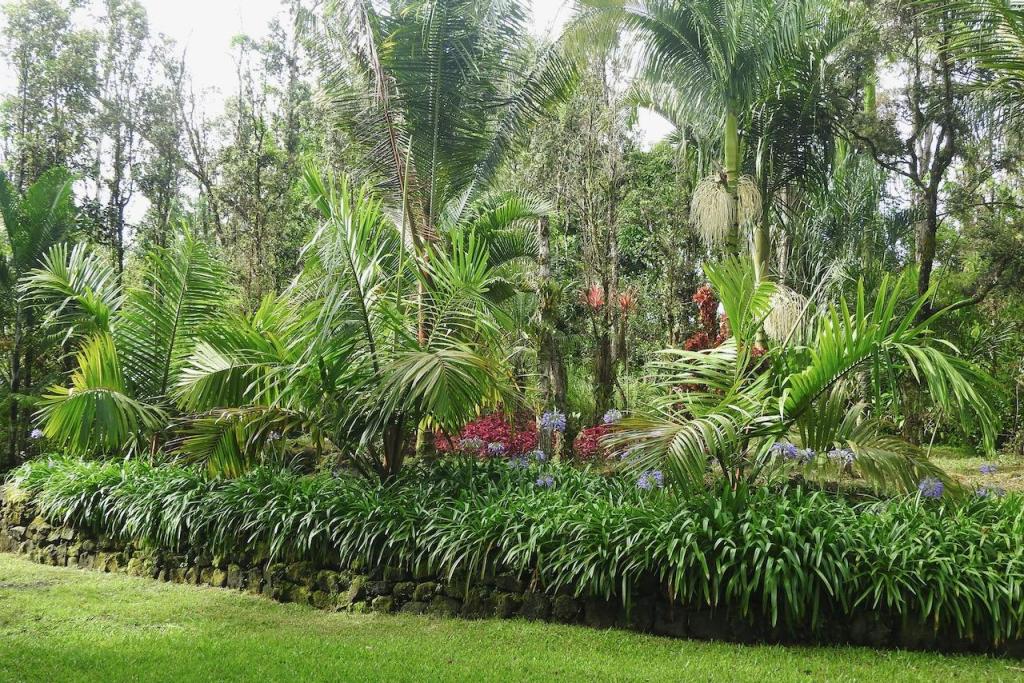
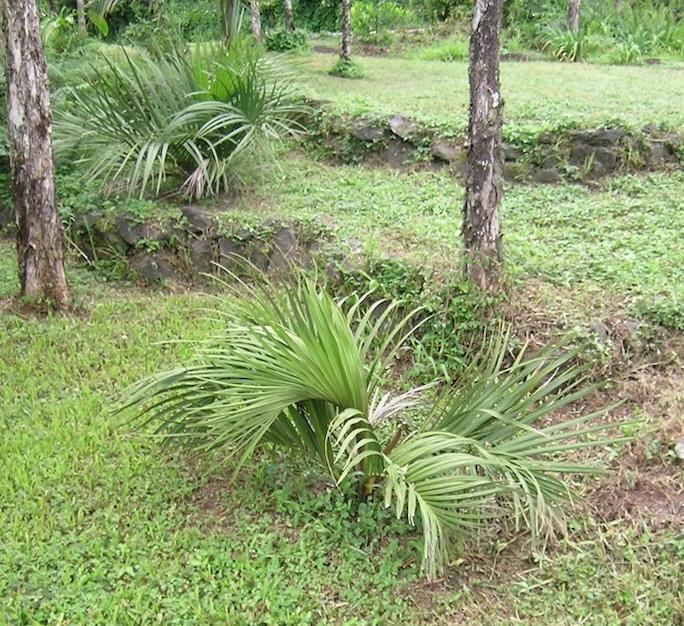
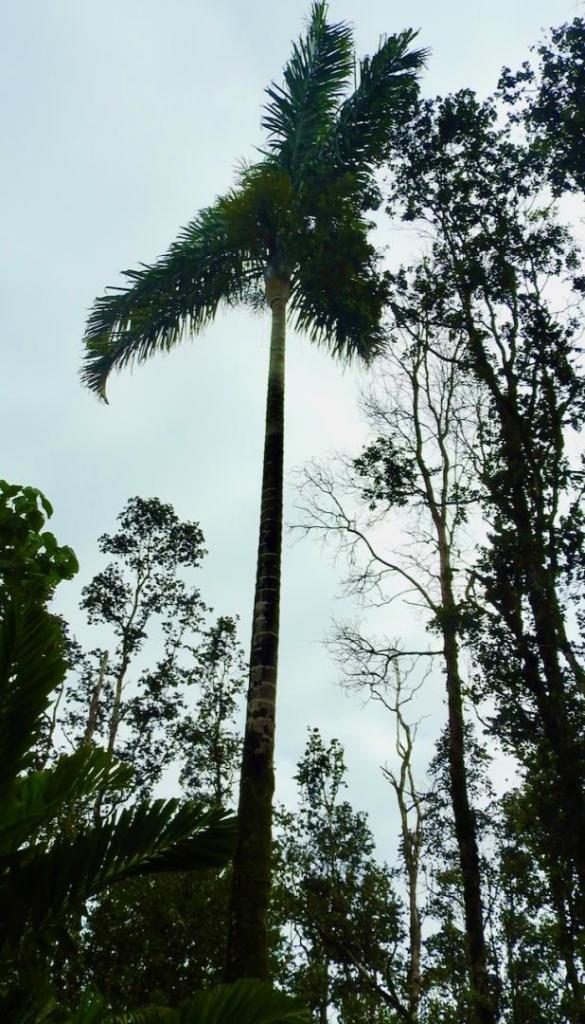
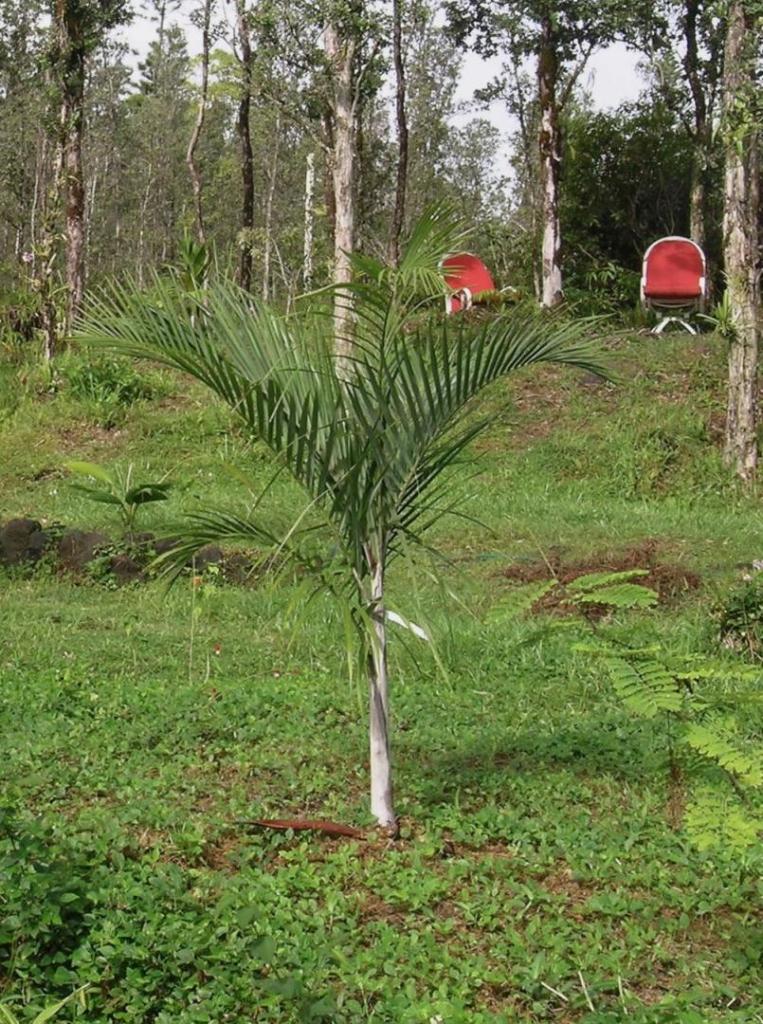
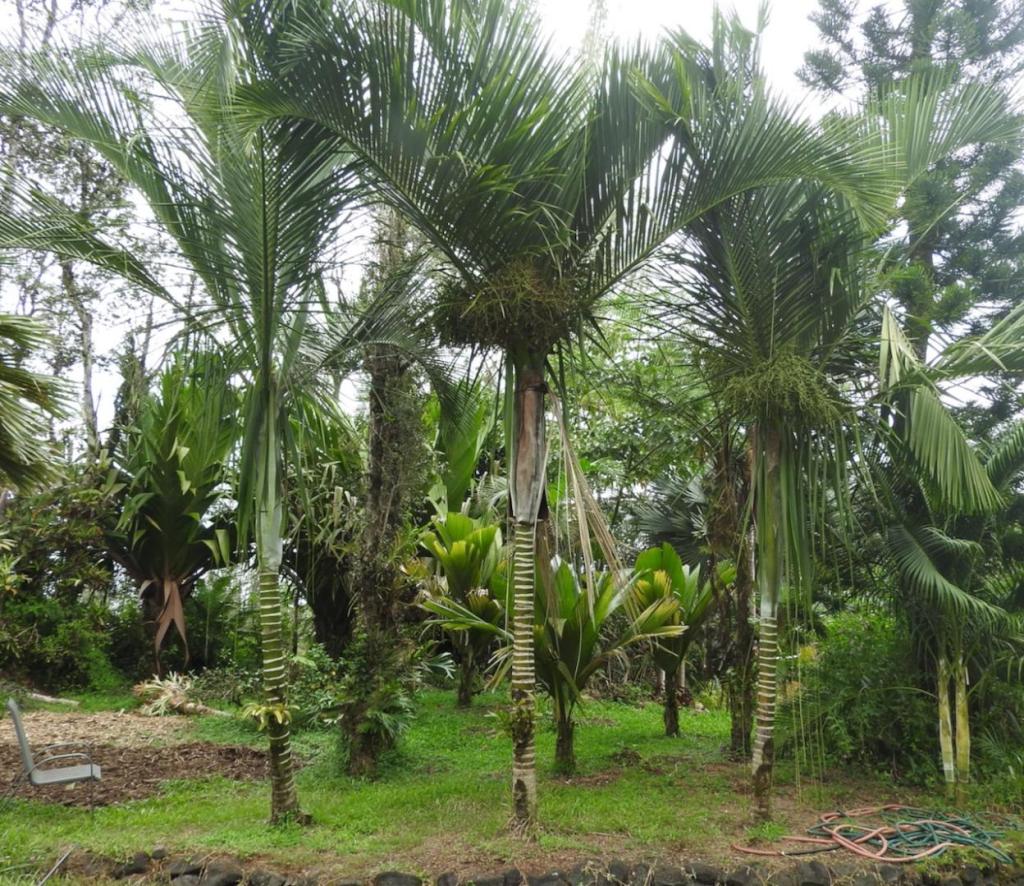
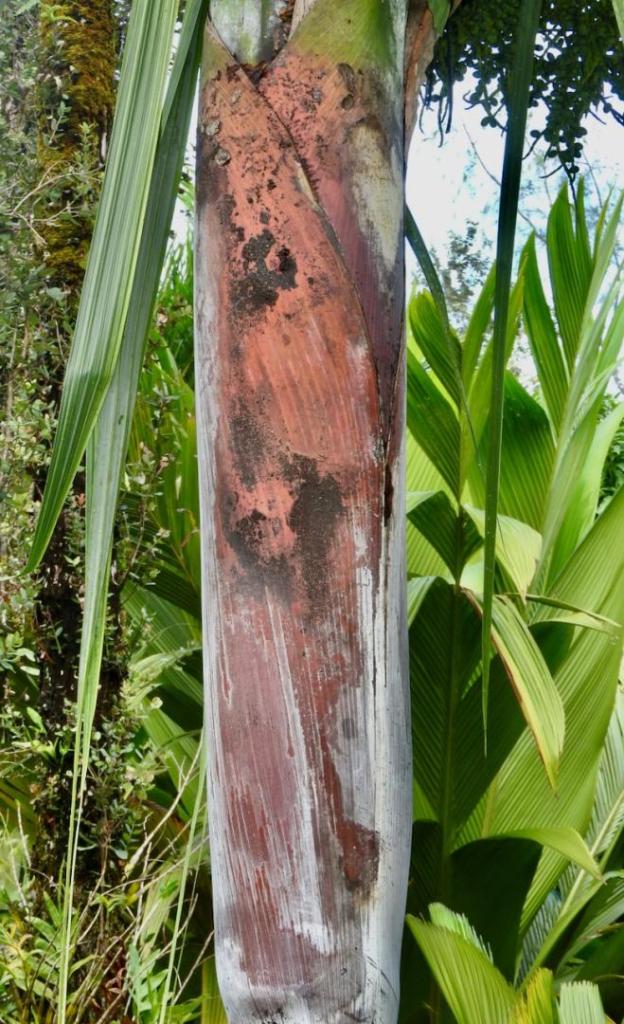
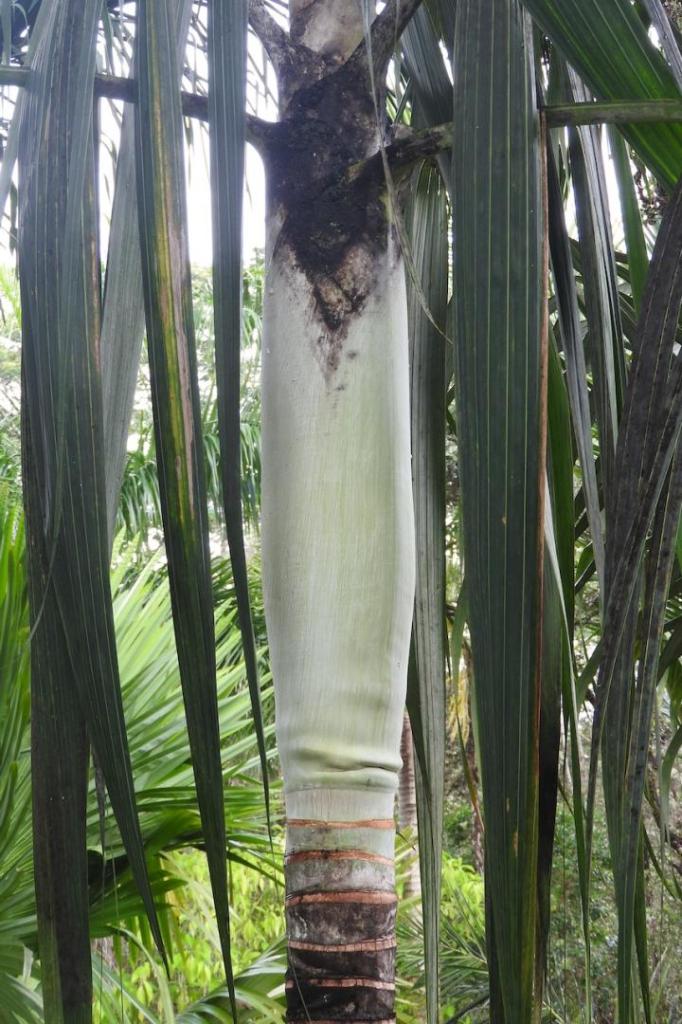
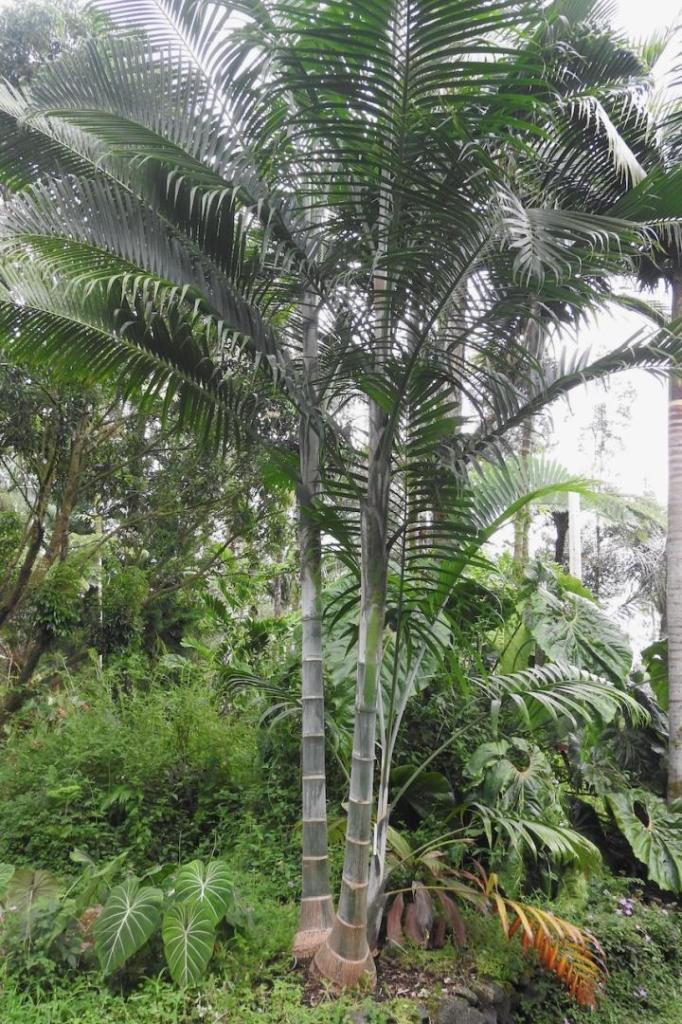
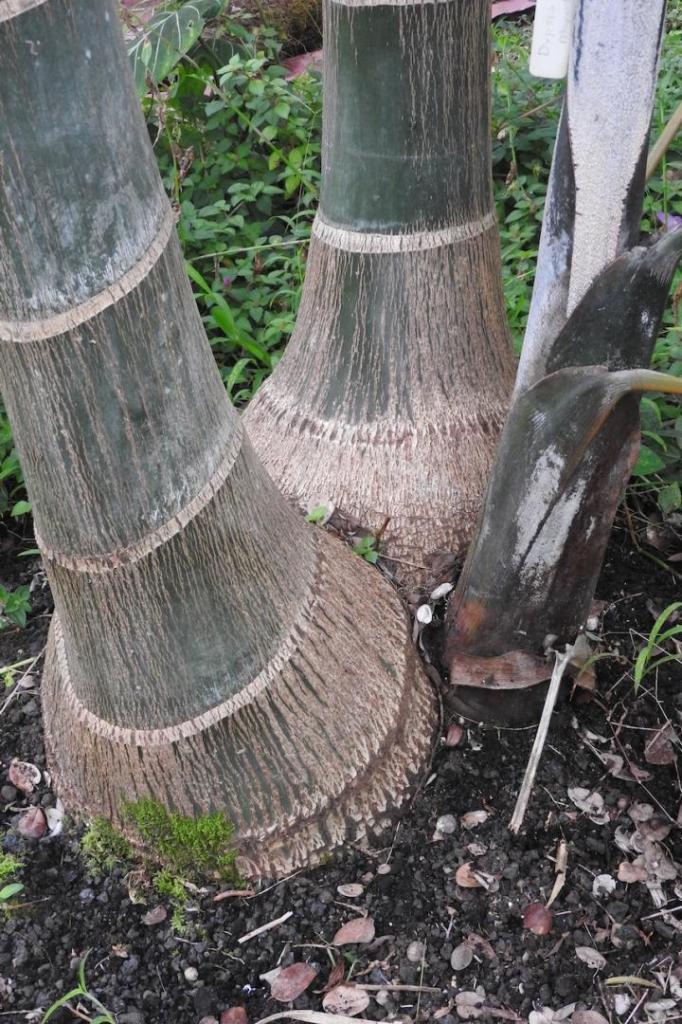
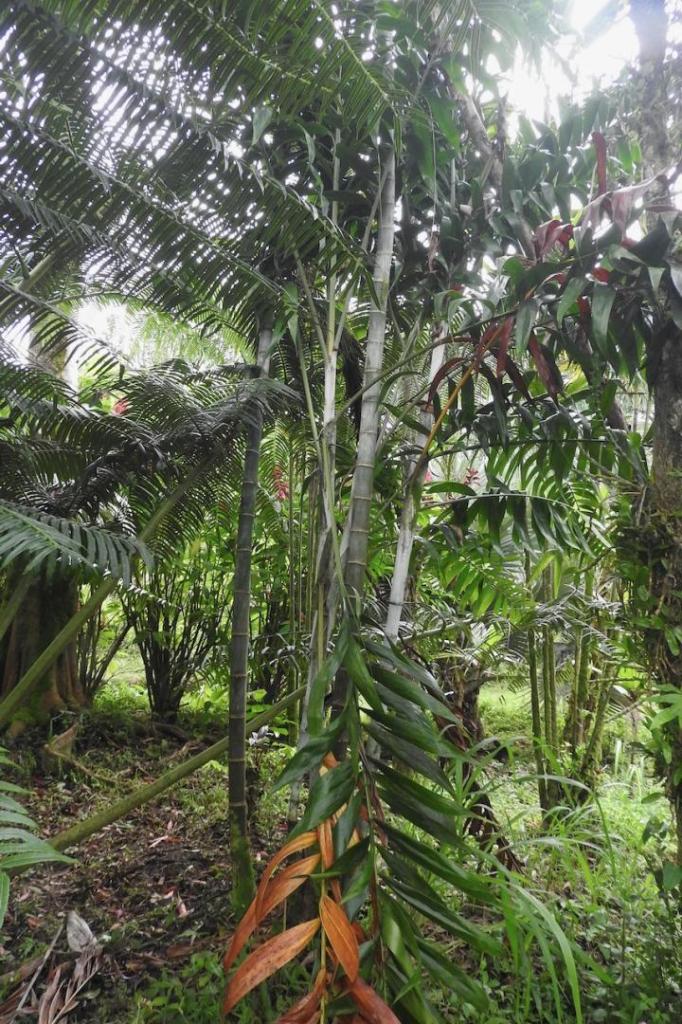
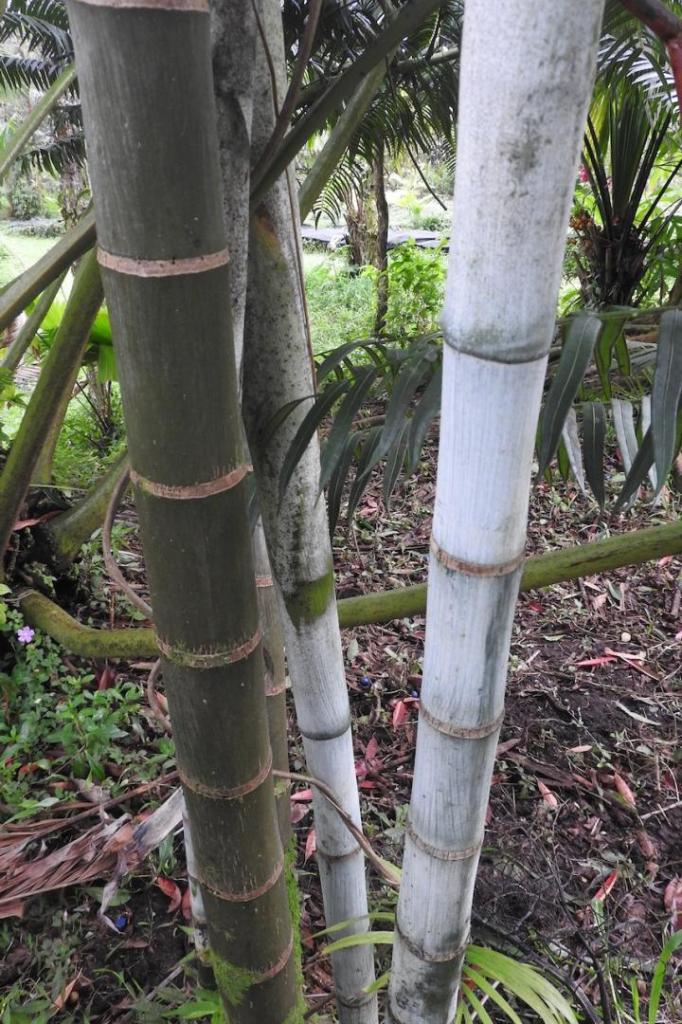
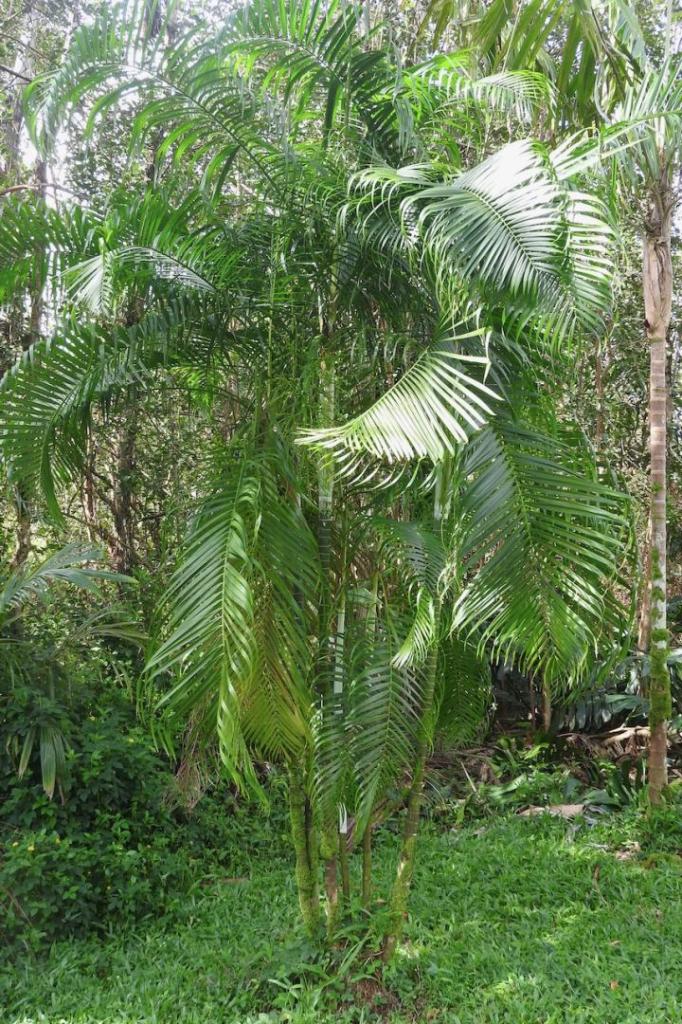
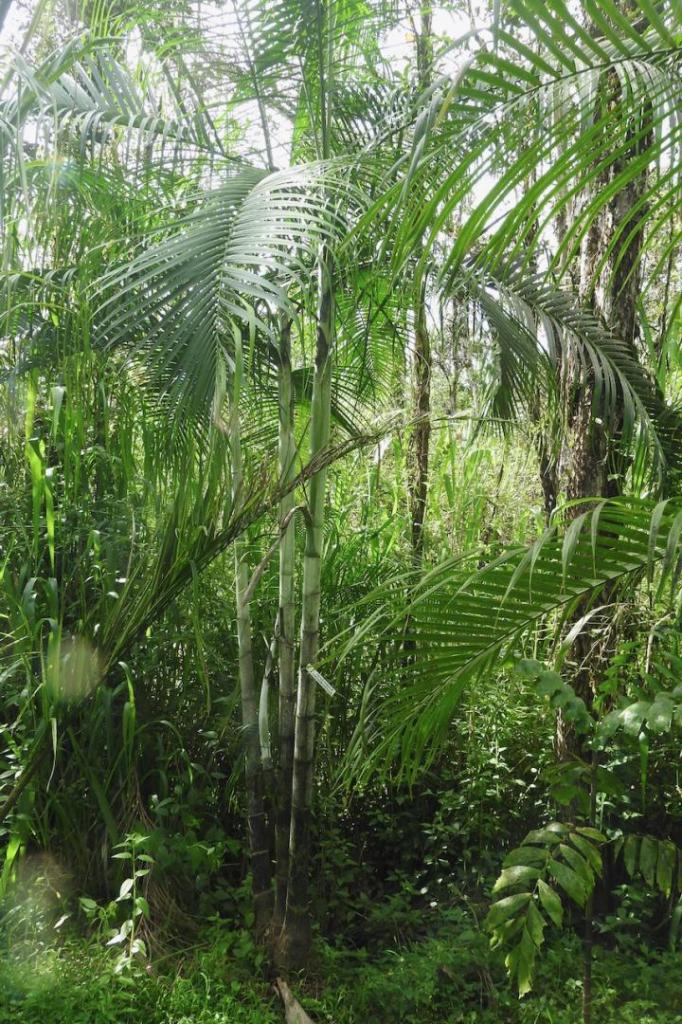
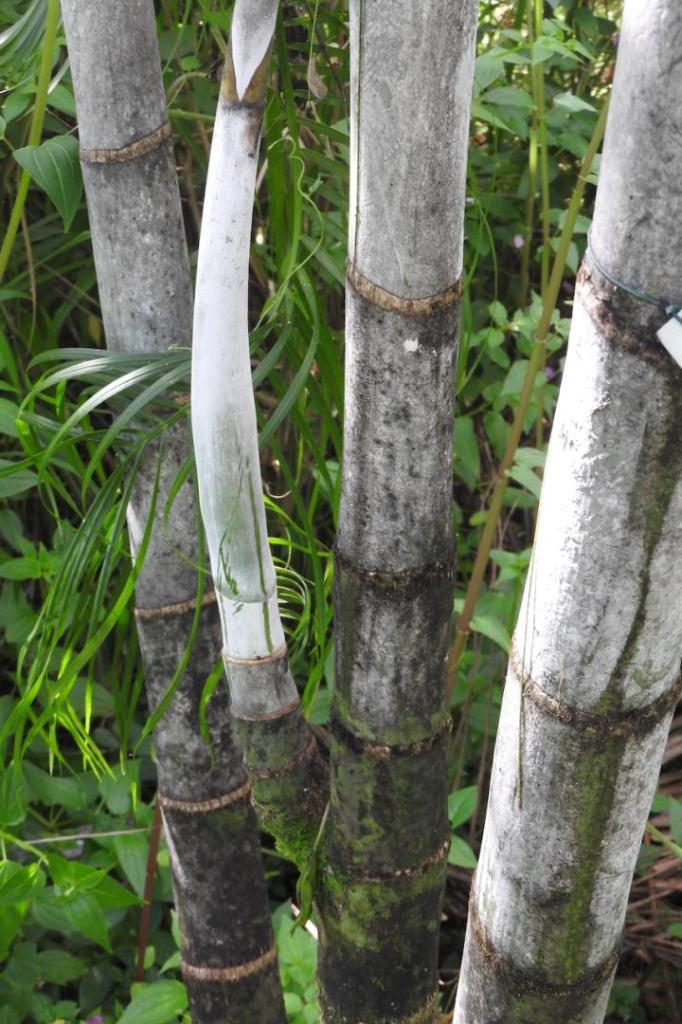
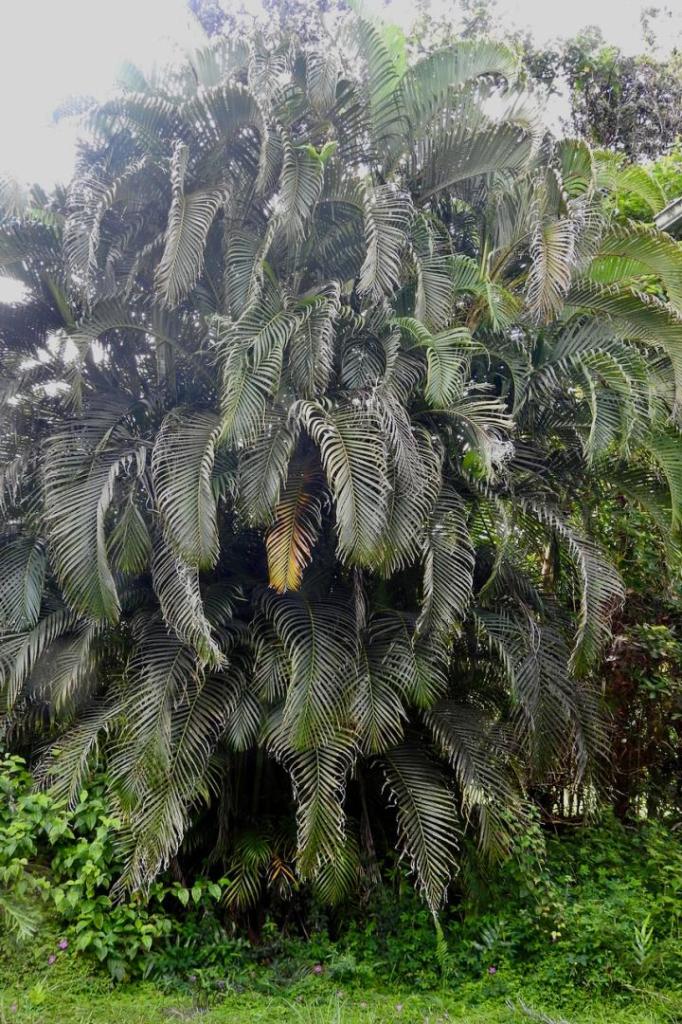
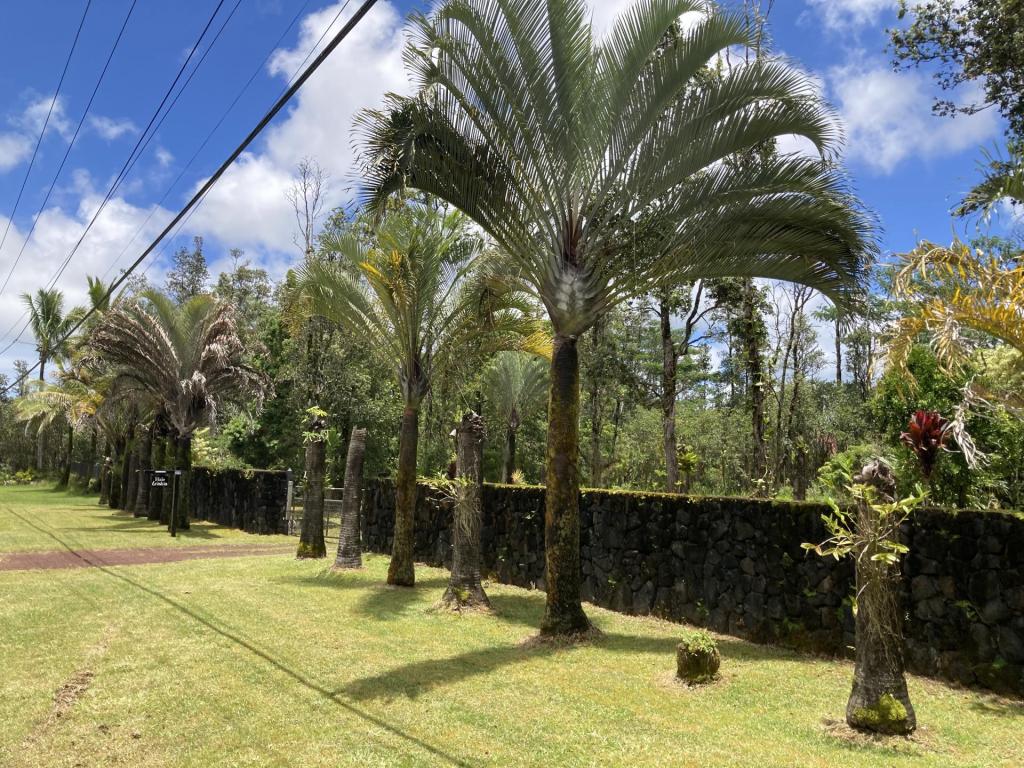
 One of the contenders for slowest seedling is Chrysalidocarpus titan. Long known only by informal names like Dypsis sp bejouf(a), folks in Hawaii fell in love with this species largely because of the grove of two dozen trees planted at Bo Lundkvist’s Malama garden. Those trees are now huge and producing baskets of seeds. The only demerit I’d give it is for the exceptionally heavy fallen fronds. They must weigh around 40 pounds (20 kg), maybe more. You can only have grass under these. Any companion understory planting would be crushed. I started mine from seeds. Big mistake. Pay whatever a 10-gallon plant costs. Germination took 18 months. After they went in the ground, glacial growth rate the first five years. Finally, they got serious about growing. After ten years in the ground, still no trunk, but they open a perfectly respectably 3-4 new fronds a year. After seeing mature specimens in so many Hawaii gardens, I have very high hopes for these. Construction site 2016 2017 babies went in the ground and promptly burned. Today 1. titan 2. lastelliana 3. carlsmithii 4. cabadae. 5. Clinostigma samoense Another competitor for slowest ‘Dypsis’ goes to Chrysalidocarpys decipiens. Habitat photos on line suggest this palm grows in arid parts of Madagascar. Maybe the reason mine are growing so slowly is that they are in shade and typically get 140” of rain a year. SLOOOOW. After 13 years, they have only now started to trunk. Most individuals I’ve seen in local gardens have two trunks, but I have seen one example with six. Both of mine have twin trunks. 2014 Not obvious, but both trees have two trunks even at this stage. Today The same slow growth rate is seen in this mysterious palm that might be related to Chrysalidocarpus sp. blue decipiens. Who knows? I don’t think taxonomists have tackled this one. After a painfully slow childhood, this finally began to trunk last year. I really don’t see any resemblance to Chrysalidocarpus decipiens. This one has a single trunk. Leaflet arrangement not that similar. Different coloration. 2016 Today At the opposite end of the growth rate spectrum, this mystery palm went in the ground from a small one-gallon pot 13 years ago. Now it might be around 50-60 ft tall (15-18m) tall giving my Pigafetta some competition. This was obtained at a nursery liquidation sale with a very faint ‘Dypsis’ label written on the pot with white grease pencil. No species name was visible. It has a strong tristichous frond arrangement, but the crown has disappeared into the clouds, so that feature is not especially noticeable now. The base of the trunk is very swollen. Some Big Island growers seek out unusual ‘Dypsis’ variants or hybrids of unknown paternity. I suspect the explosive growth rate I’m getting might be due to hybrid vigor. Great if you are after instant canopy, but be prepared for telephone pole syndrome down the road. 2013 I have both Chrysalidocarpus saintelucei and Chrysalidocarpus basilongus in the garden. The white crownshafts are pretty consistent, except I’ve occasionally seen some red in saintelucei. These similar palms are easy to distinguish when growing near each other. C. basilongus is a bit more slender and has a very faint hint of blue. C. saintelucei has a more striking green trunk with white rings. Both produce abundant seeds that easily germinate, although saintelucei has a thoroughly discussed habit of breaking off its heavy infructescence before they mature. saintelucei 2013 today Crownshafts are usually mostly white, but occasionally I'm treated to a bit of color. basilongus Turning to clumpers, C. cabadae, C. lanceolata, and C. sp. Mayotte Island’ closely resemble each other after ten years or less in the ground. Maybe each will become more distinctive after they start blooming. C. lanceolata seems more distantly related judging by the slender base of trunks in contrast to the swollen bases of cabadae and Mayotte Island. cabadae Mayotte Island lanceolata Chrysalidocarpus baronii and C. psammophilus look about the same in my garden. Oddly, DNA sequence suggests they are not all that close. C. baronii is supposed to be closest to C. decipiens. I don't see it. Ignoring the taxonomy, each is an attractive, slender clumper, but no fireworks yet. Photos of baronii 'Black Stem' are very eye catching, but mine was only recently planted so can't say if it will live up to the hype. baronii psammophilus I only include Chrysalidocarpus lutenscens for completeness. The common ‘areca’ palm is vastly over planted in Hawaii, usually as a hedge to screen out unpleasant neighbors. There are so many more interesting clumping palms that could step in if only the public knew about them. I inherited two clumps from the previous owner. If only these were rare or a recent discovery, everyone would want it. And finally, the award for THE WORST Chrysalidocarpus in wet east Hawaii- drum roll: Chrysalidocarpus decaryi, the triangle palm. For some mysterious reason, this desert species is widely planted in east Hawaii. They look like crap for years until the crown inevitably snaps off leaving a dead trunk, which is a modest improvement. Why do people still plant this one? Photo from a neighbor's property. Hope this update gives you some ideas of what might be good additions for your garden depending on your climate. If you haven’t been following this thread, I’m at 700 ft growing in black volcanic cinder generously amended with compost. Rain varies a lot, but averages around 140” (3.5 m) annually. Fertilizer twice a year is slow release 22-7-14 with trace elements. Never gets hot or cold, 60-83 degrees F almost every day of the year.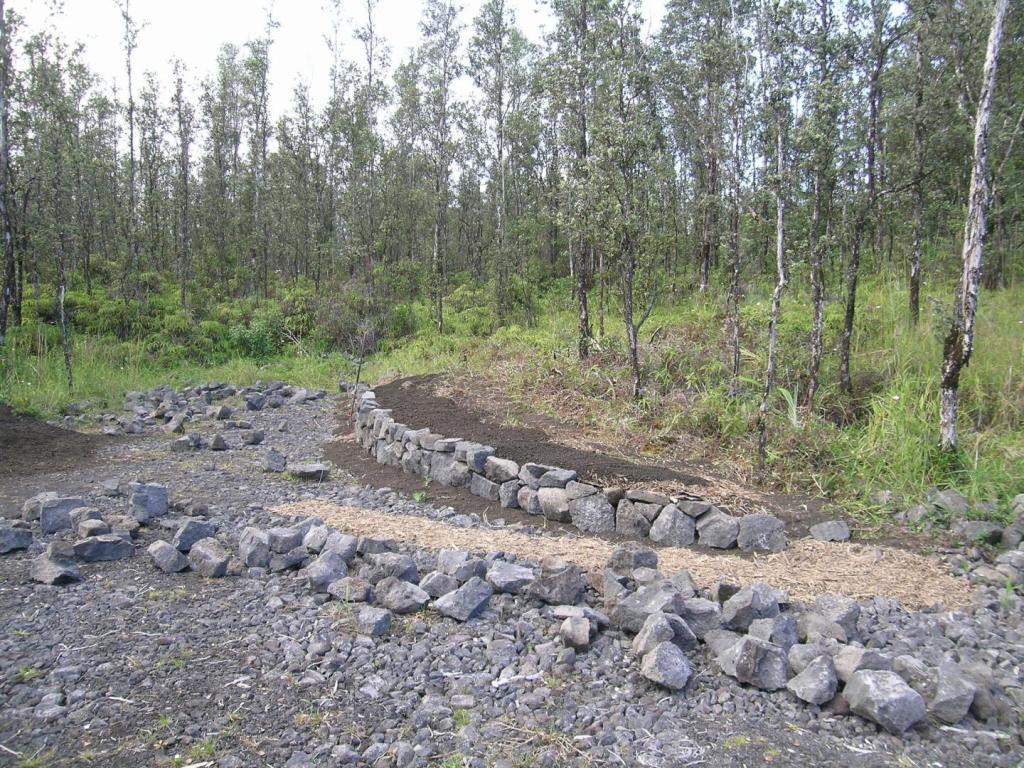


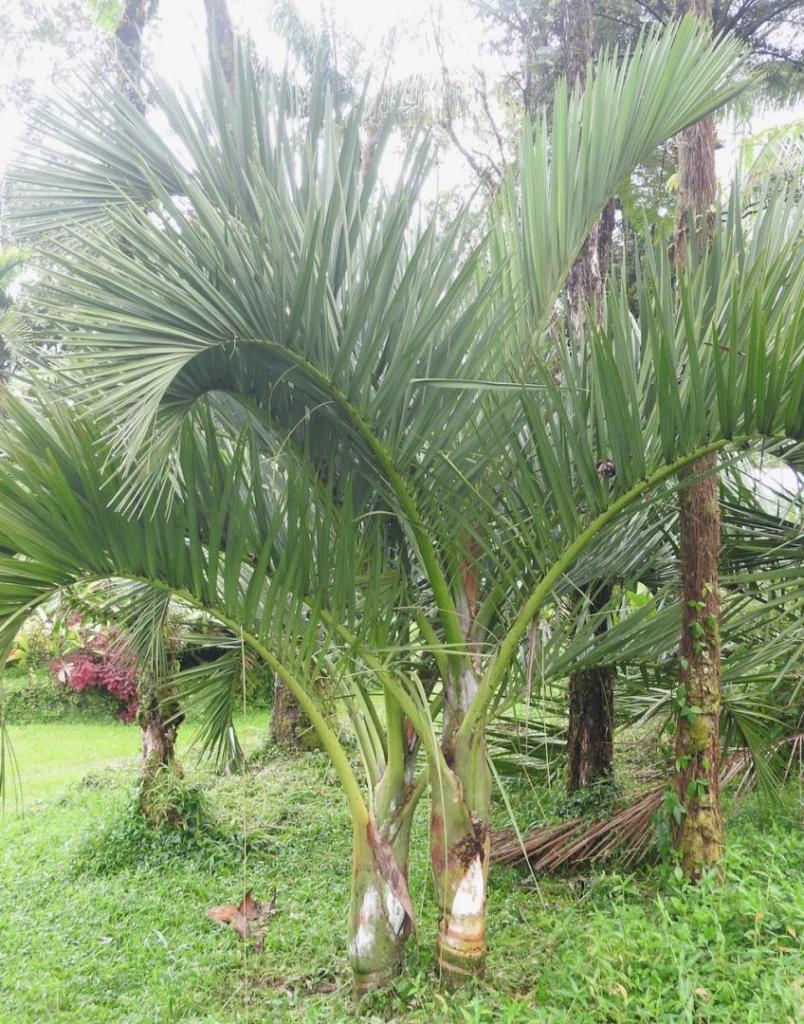
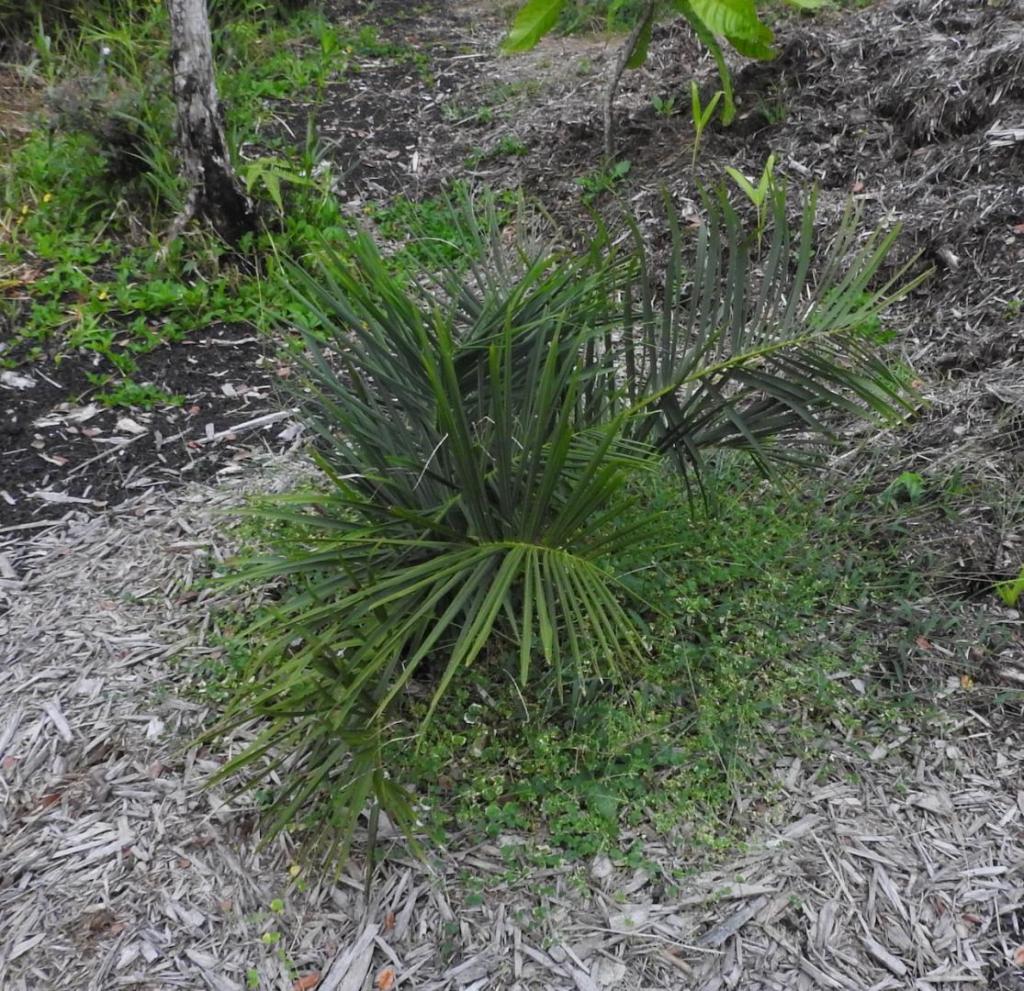
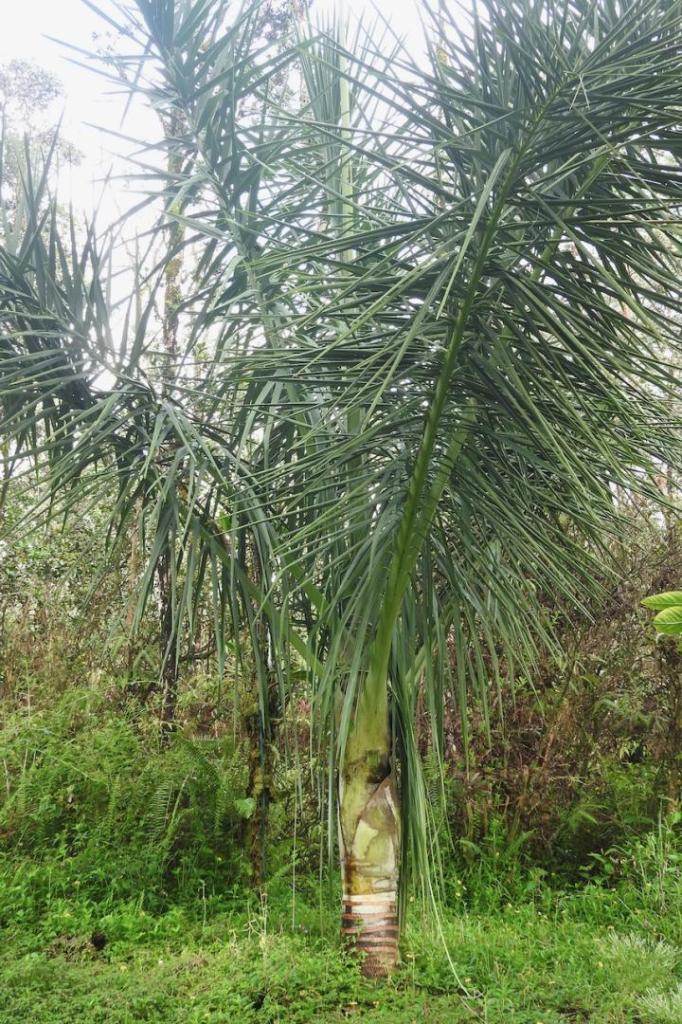
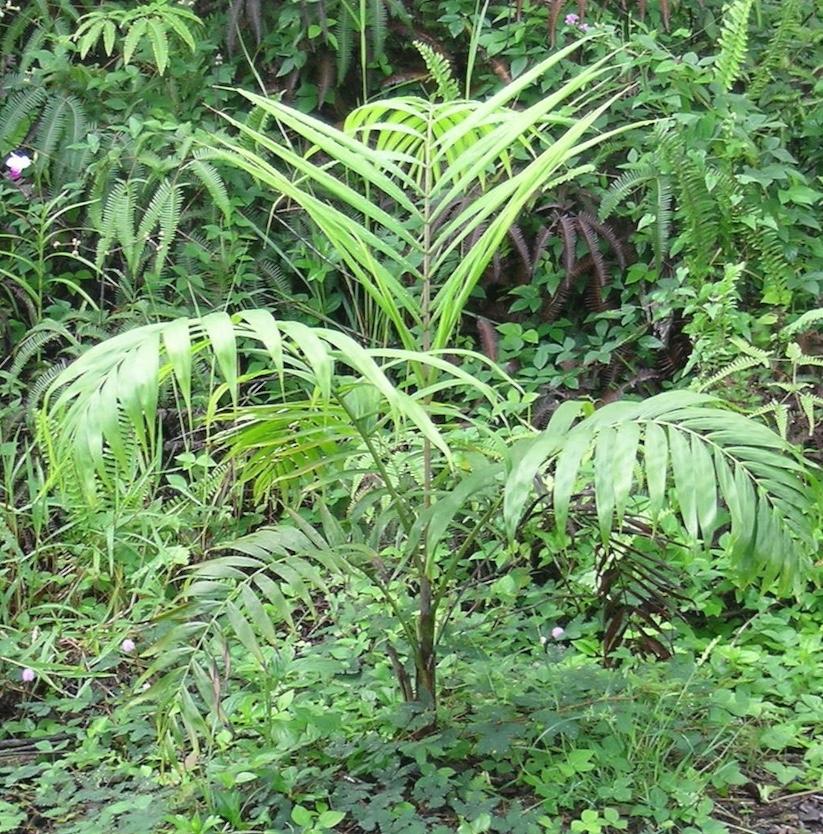

 5 points
 -
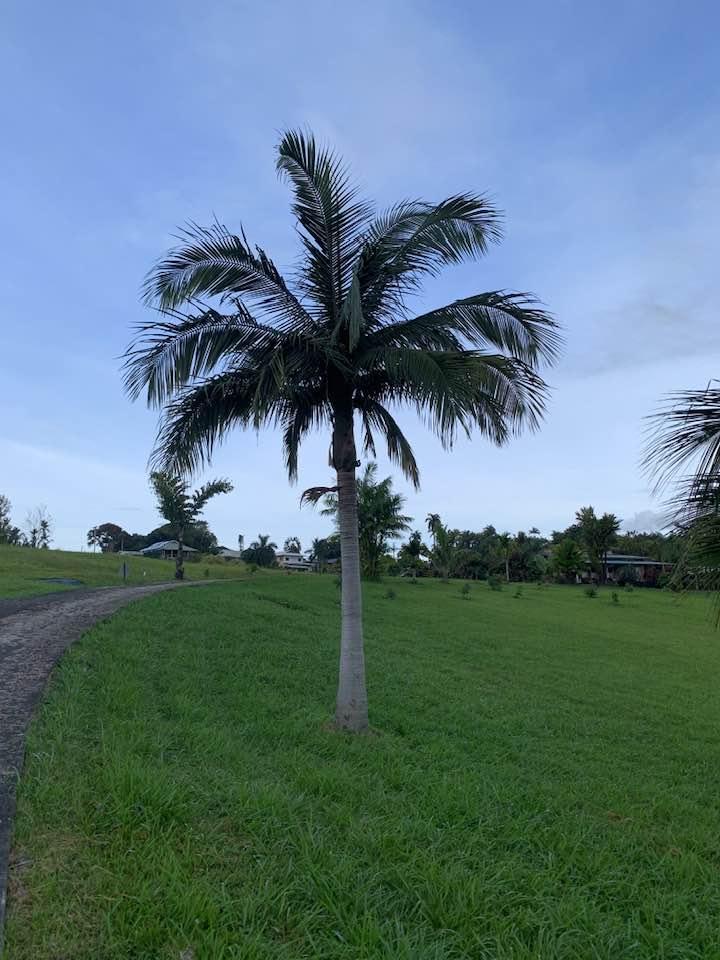
 5 pointsHere's mine in Pepeekeo, Big Island. Started as one of Jeff's one-gallon-size palms about 10 years ago. Finally put out its first seeds about a year ago. Now it's got a few new pods.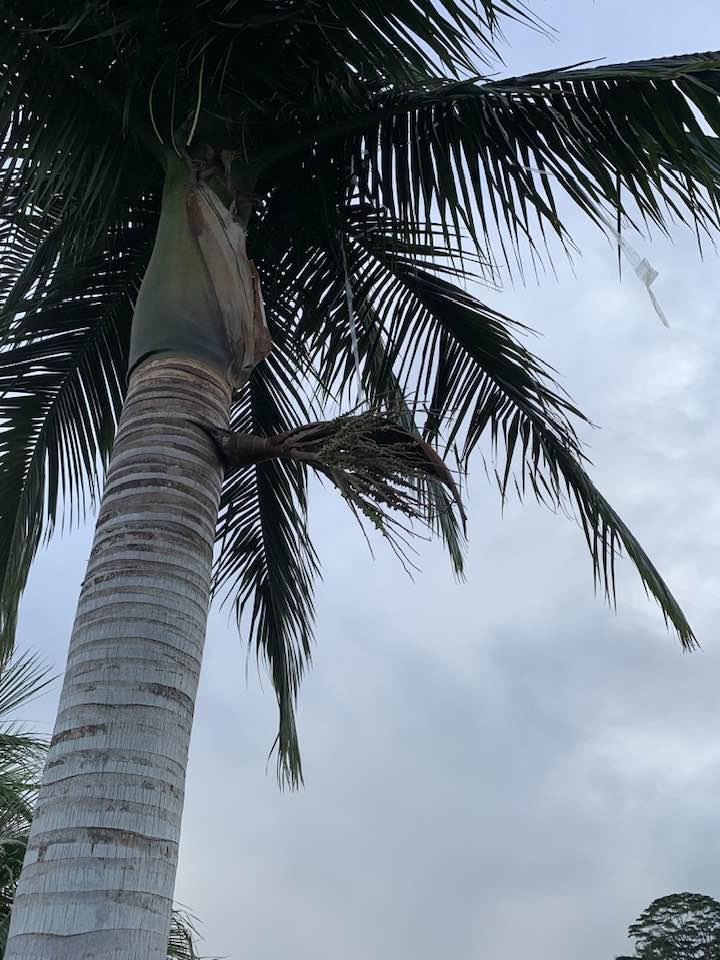
 5 points
 -
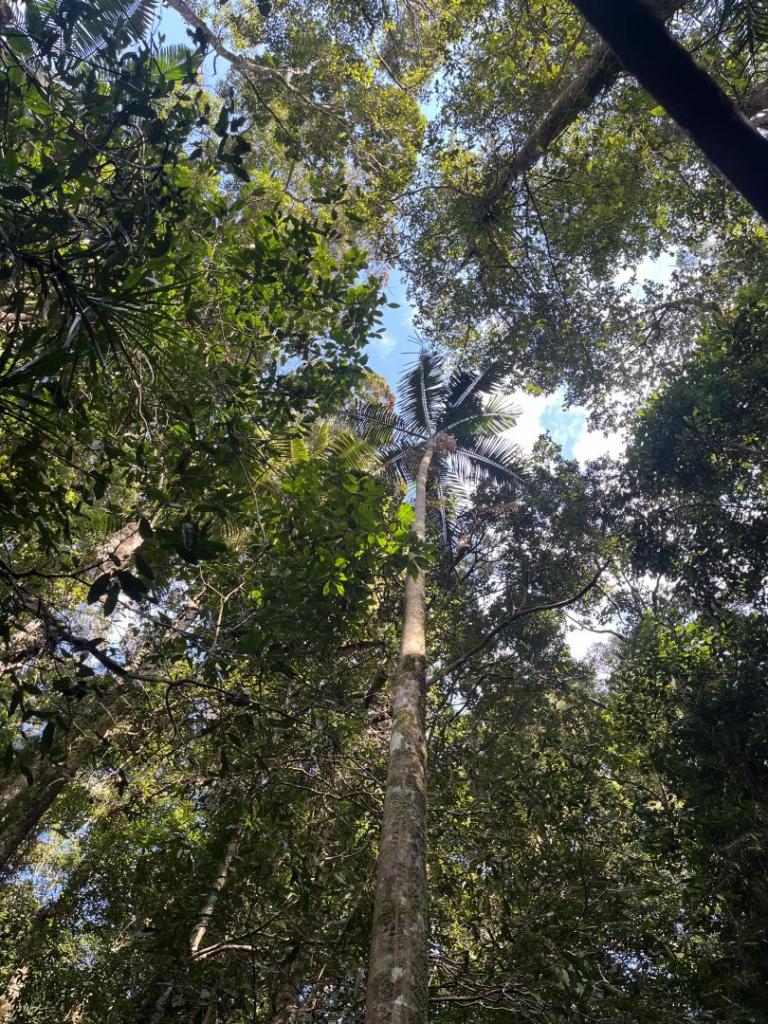
4 pointsA very tall one that the leaf fell off in the earlier picture
 4 points
 -
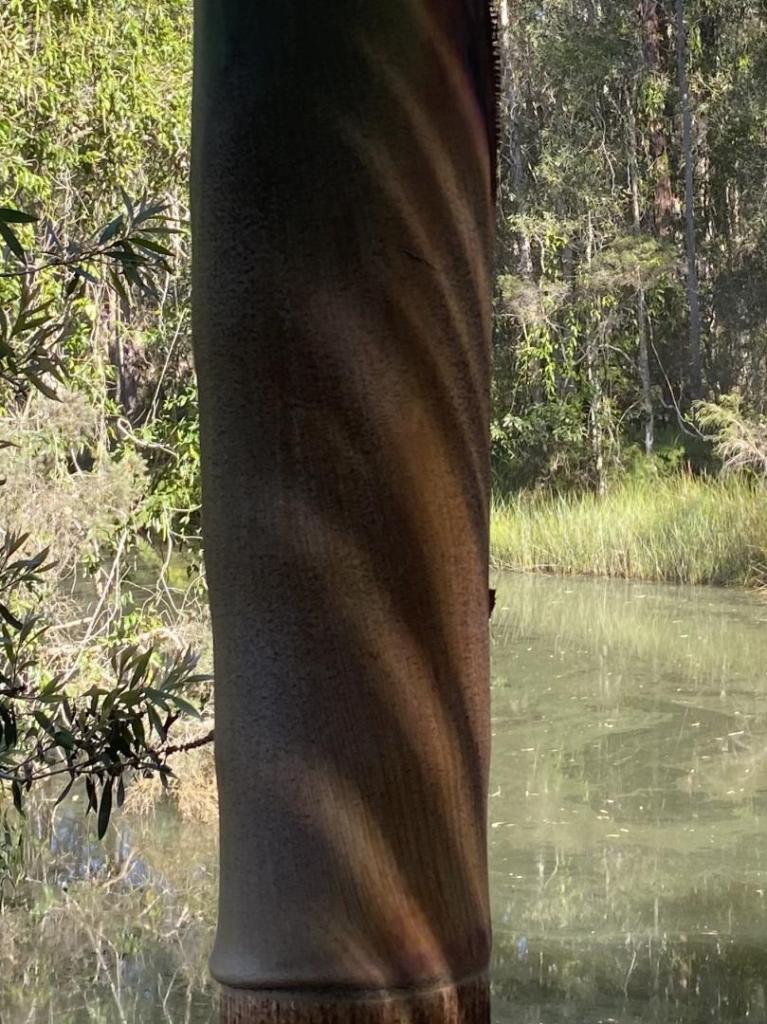
4 pointsI’m sorry I probably didn’t word it right. I don’t doubt that the palm you posted in Pauleen Sullivans garden is correctly labeled and really is Archontophoenix purpurea. What I meant was the palm I posted up can’t be Archontophoenix purpurea because it’s 900km south of the Mt Lewis area. The purple palm I posted has no white under the leaflets, or whiskers under the mid rib. All Archontophoenix purpurea are white underneath and have those whiskers. Seed size is vastly different between the two as well as first leaf size of seedlings. Archontophoenix purpurea has large bifid leaves for ages. These ones are small from the beginning.4 points
-
4 pointsAs you are aware of this is the colouration of the southern population of bangalows. Iam leaning on purperea that was my first thought. And as discussed with you iam sure if it was a different species they would be onto it. Keep looking you just never know what you will find. Trucking around the country side, be calling you the Leyland brothers next or is that Malcom Douglas.
 4 points
 -
4 points
-
 4 pointsCausiarum update, it got bigger after milton A year and a month later ... My Causiarum marches on adding height and the crown is at least 3/4ths recovered. How tall is it now? I really don't know, its too tall for an accurate guess, 35' to 40' maybe. The wide angle lens might be making it look smaller, LOL! In person it a beast! Beccariophoenix ALfredii has recovered nicely too. cant get ground to tip of tallest leaf so I just shot 3-4' to the tallest leaf. 8-9' of clean trunk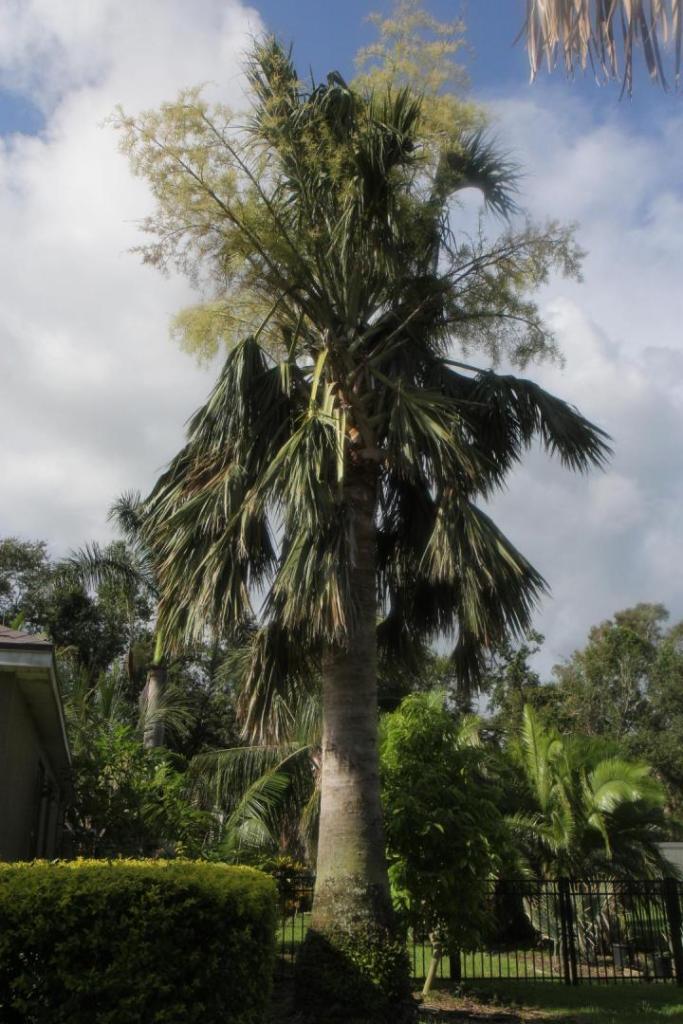
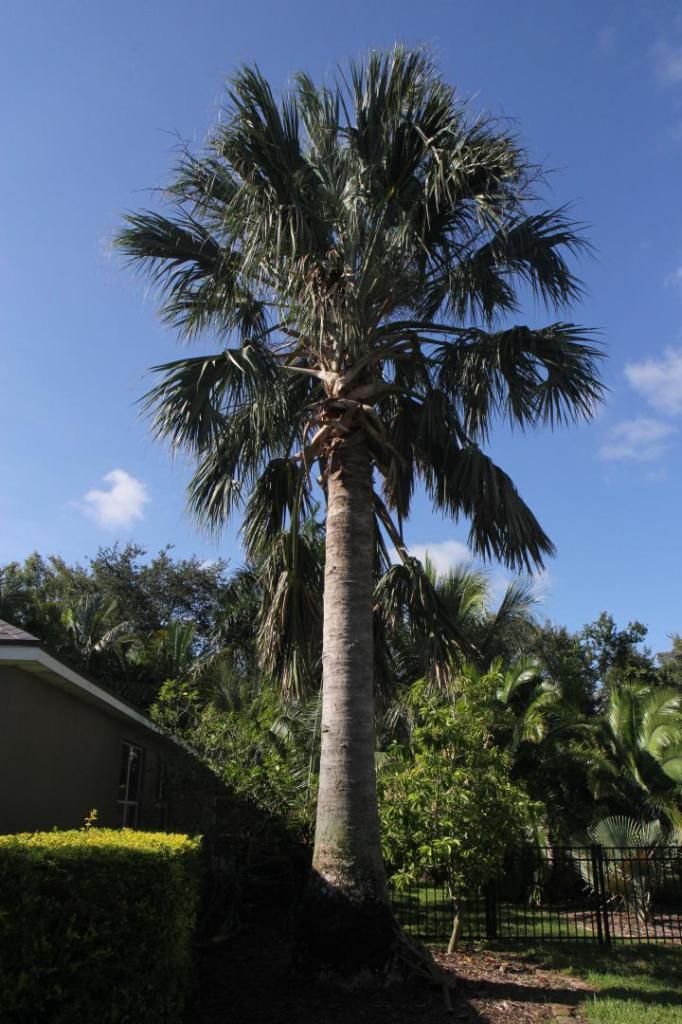
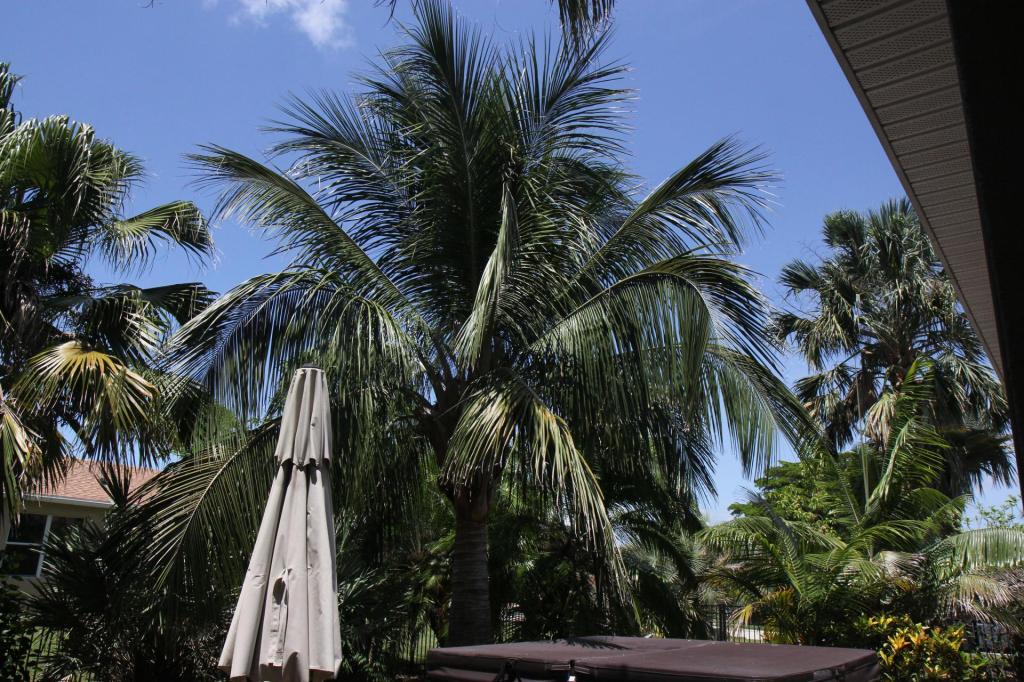
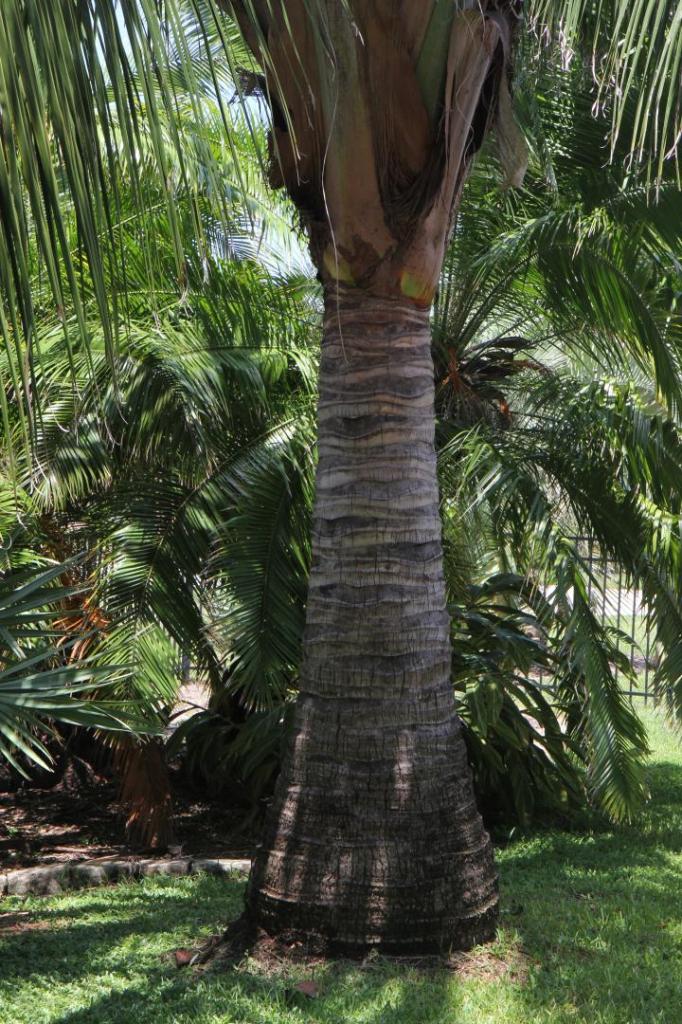 4 points
 -
4 points
-
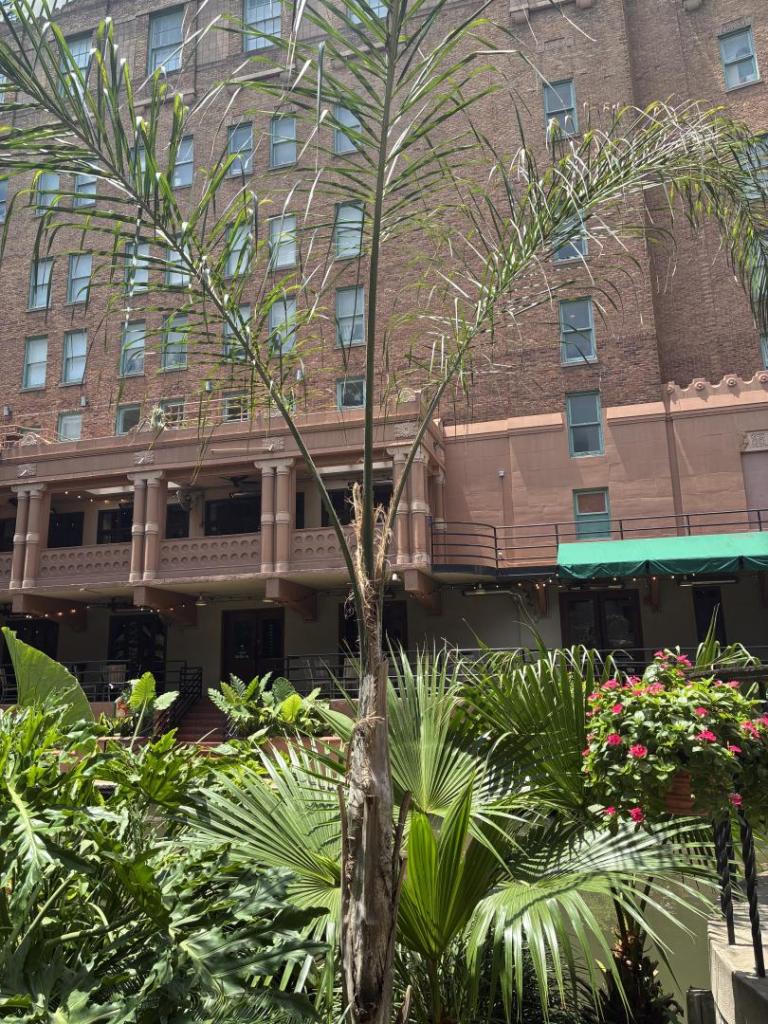
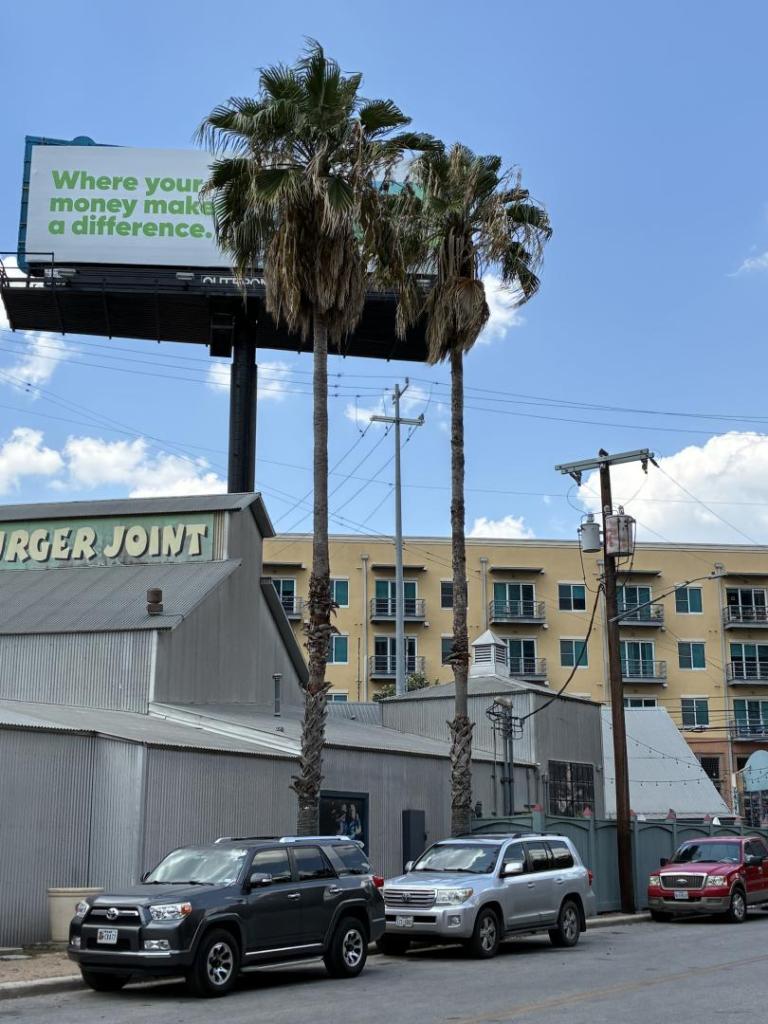
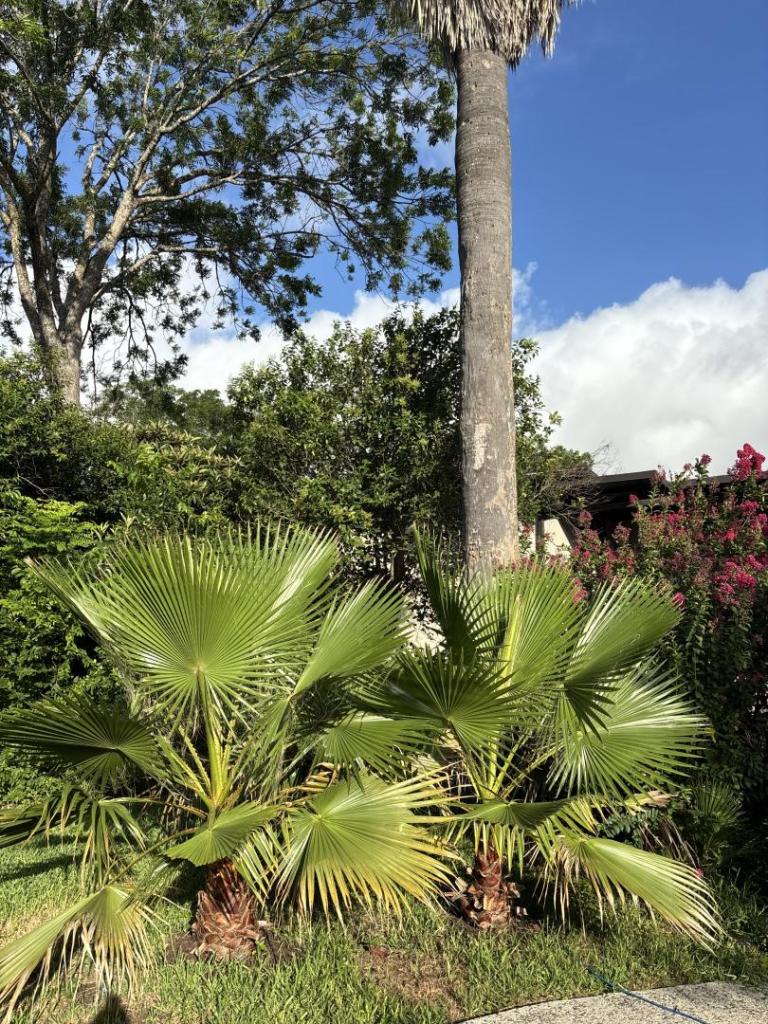
 4 pointsHey Ben, I was at the SABG on July 14th and this is how the Livistona chinensis looks. Still showing damage from the freezing rain (and the cold) we had back in February. I was at the River Walk this past weekend and those still looked pretty good! I noticed that thee were three Queens remaining as well. Sadly two of them are zombie palms as the growing points were killed despite still having some green fronds. One Queen right next to the buildings survived. I am really happy with how my Robusta’s are looking this summer! They have really grown well and have such deep glossy green fronds. I’m going to enjoy them while they are still small. At some point, years from now, hopefully they’ll be as large as these two near the Pearl: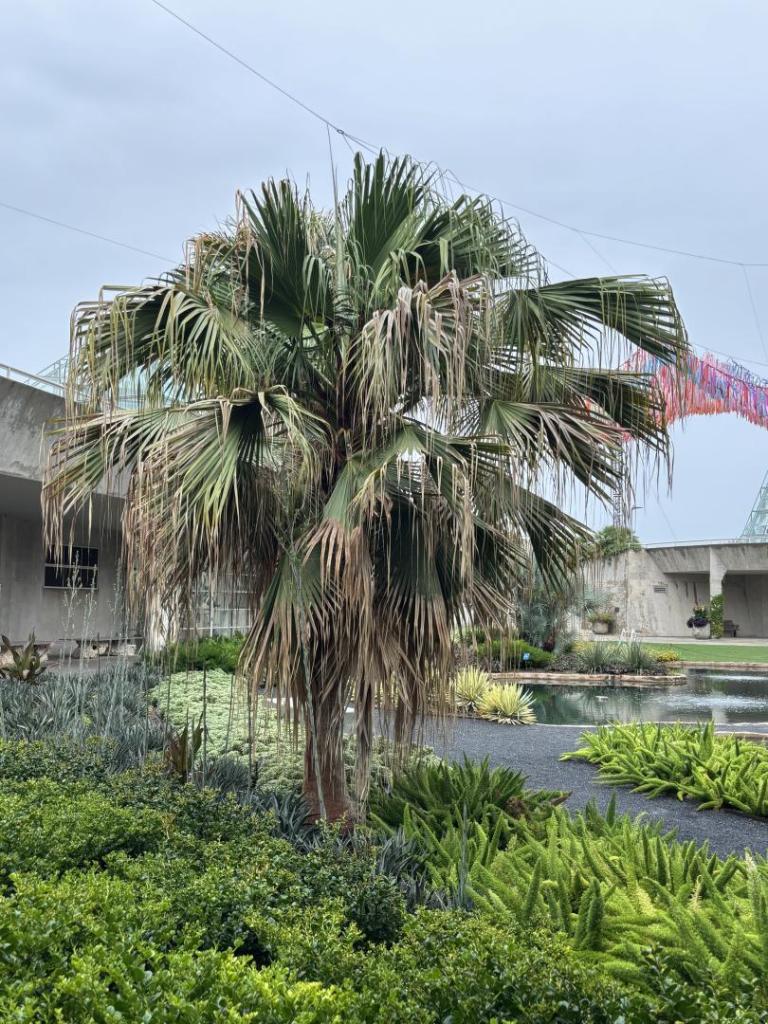

 4 points
 -
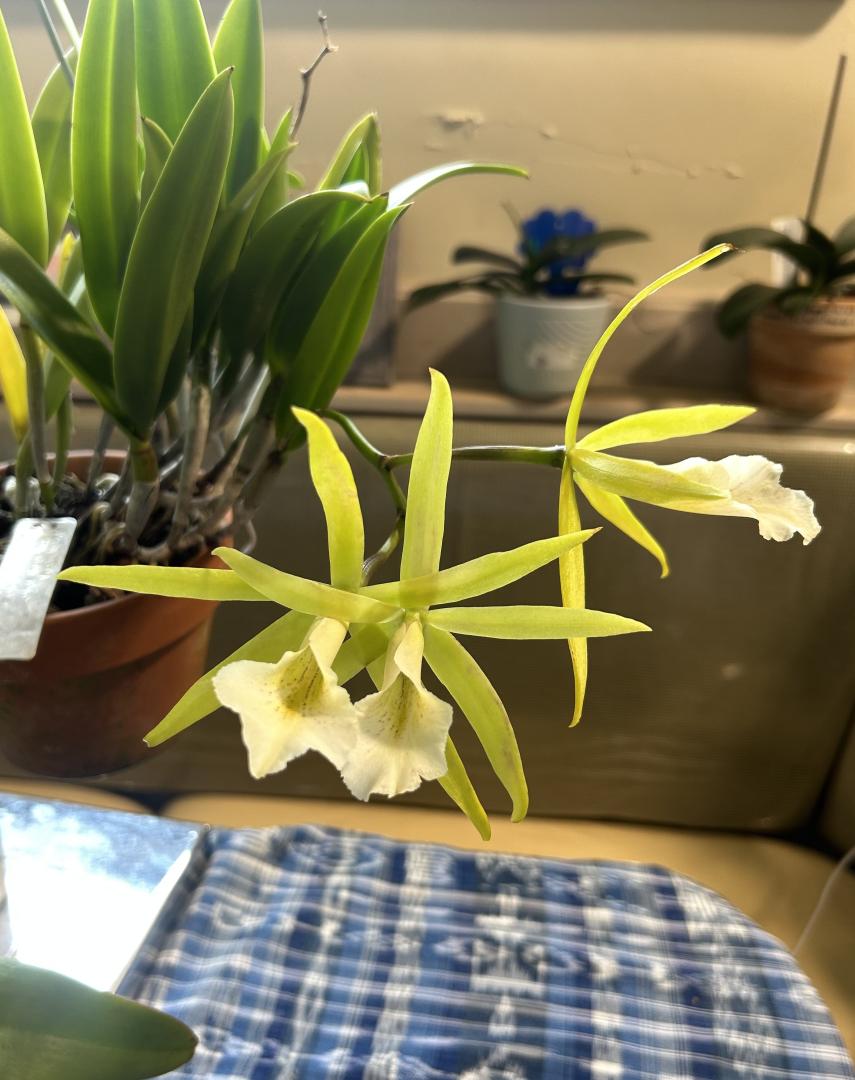
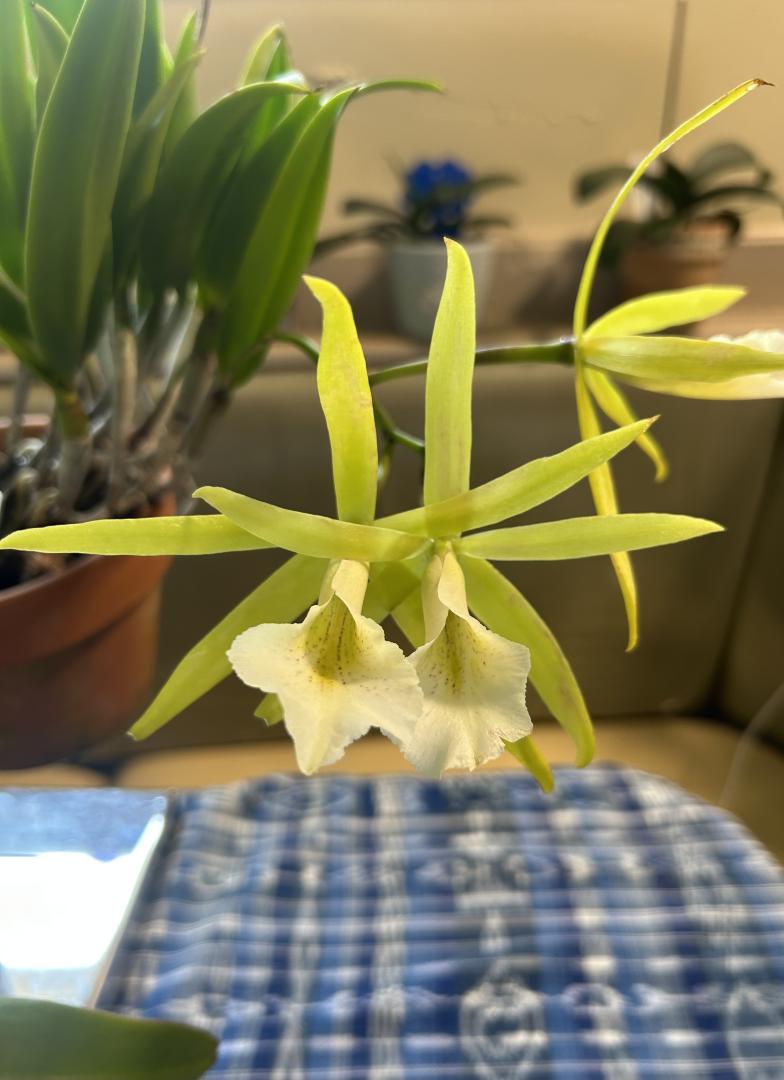
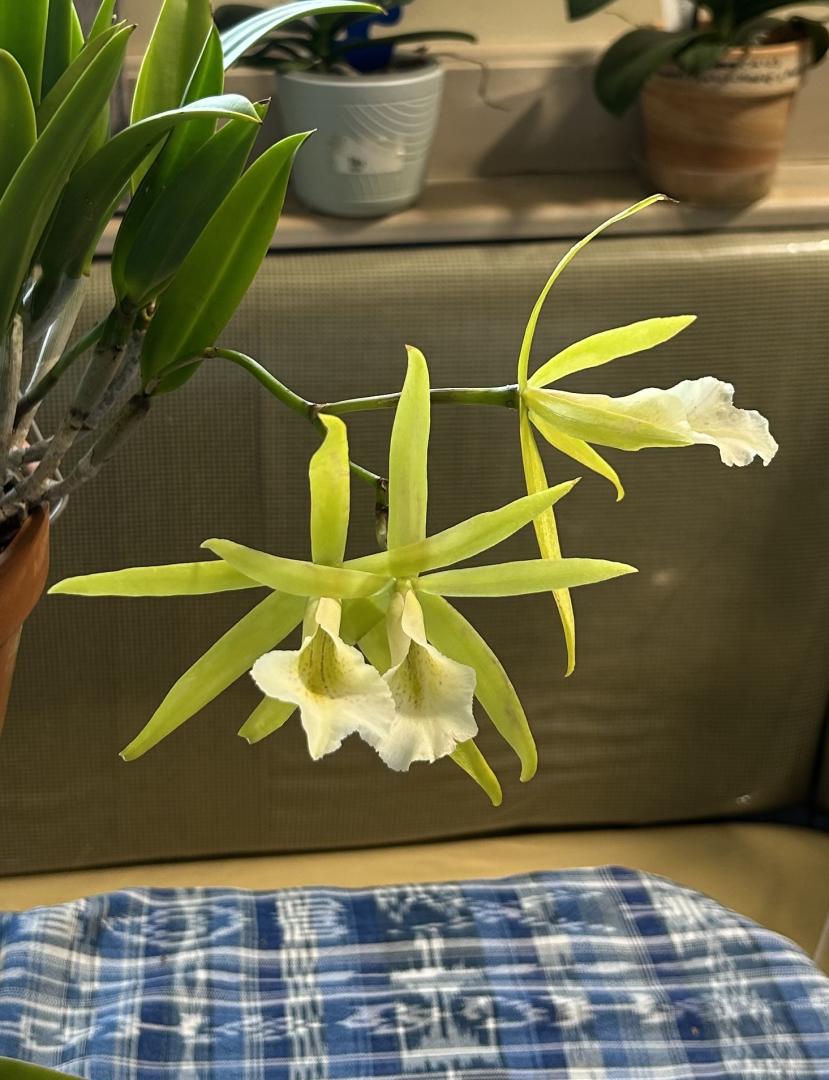
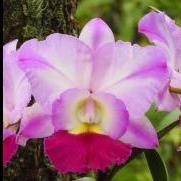
 4 pointsProcatavola Key Lime Star (C. Lime Sherbet x Brassavola nodosa). This blooms so frequently and the best color is in the summer; can really see how it got its name Key lime.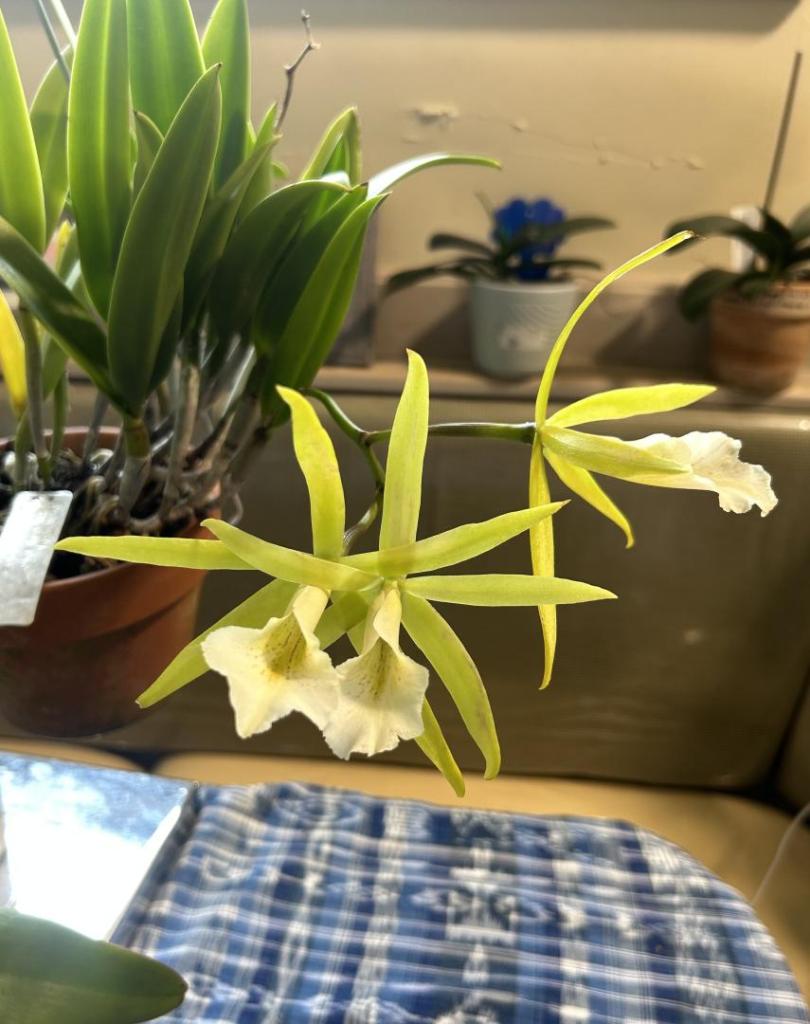
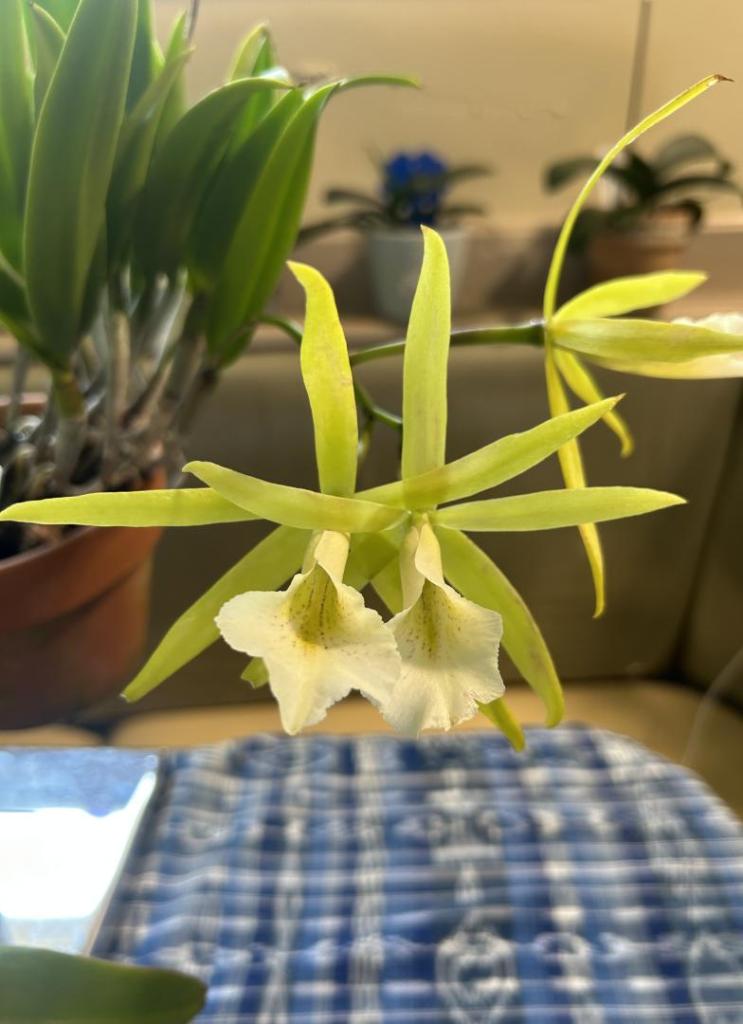
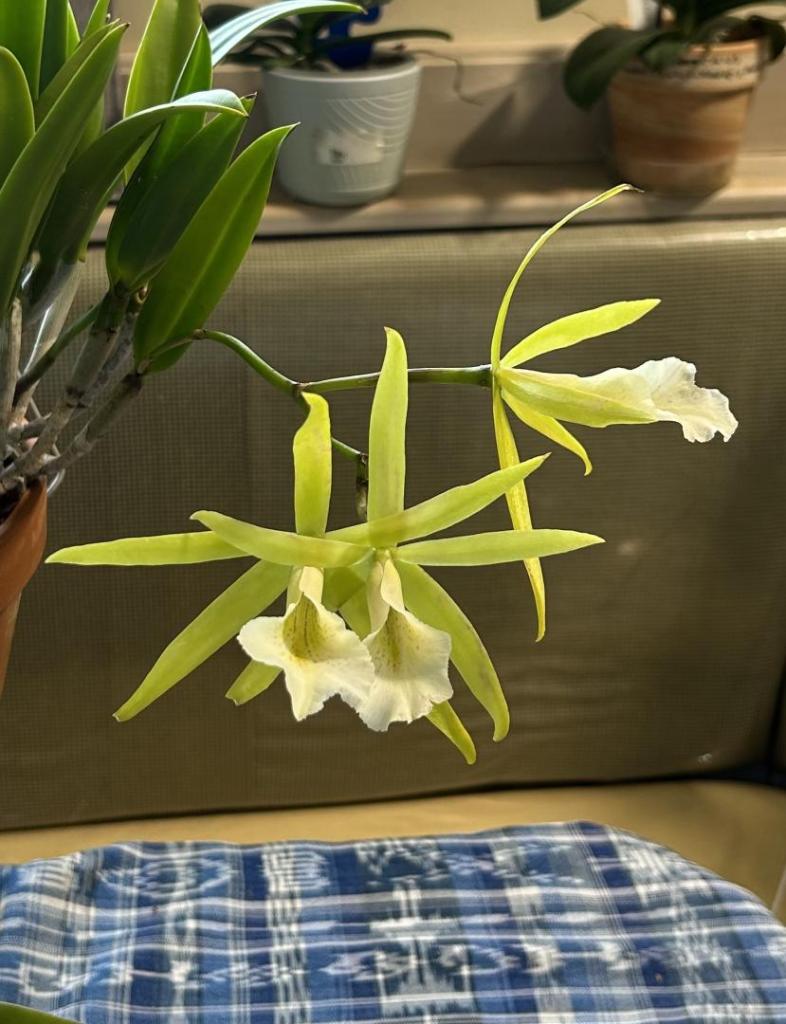 4 points
 -
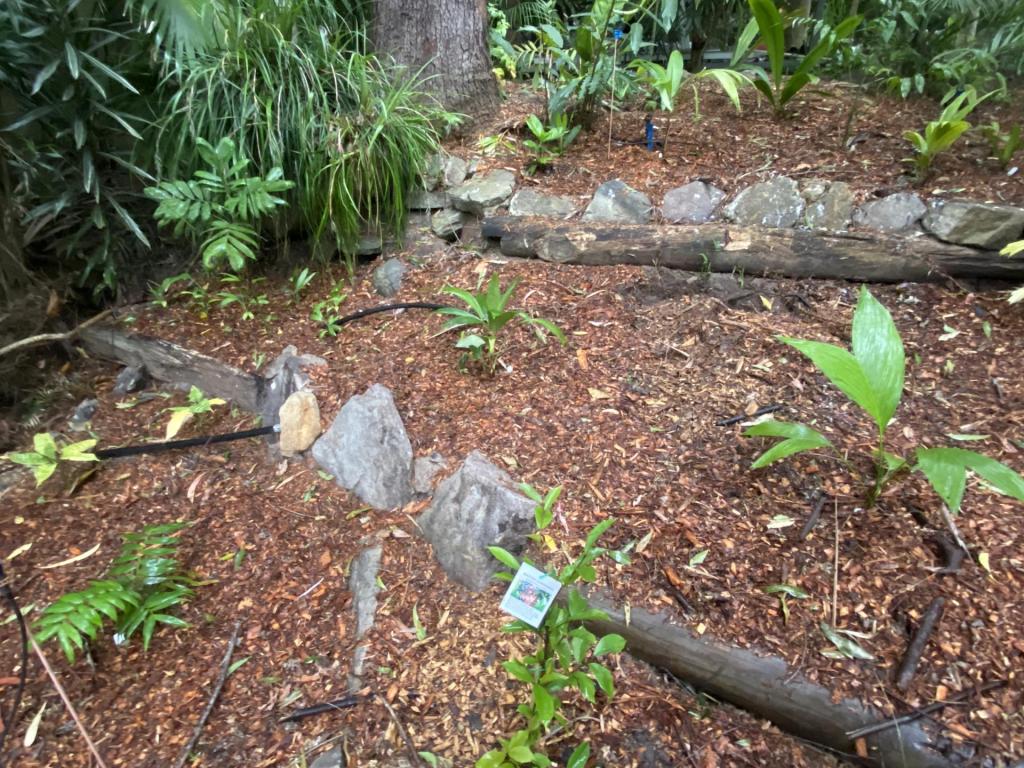
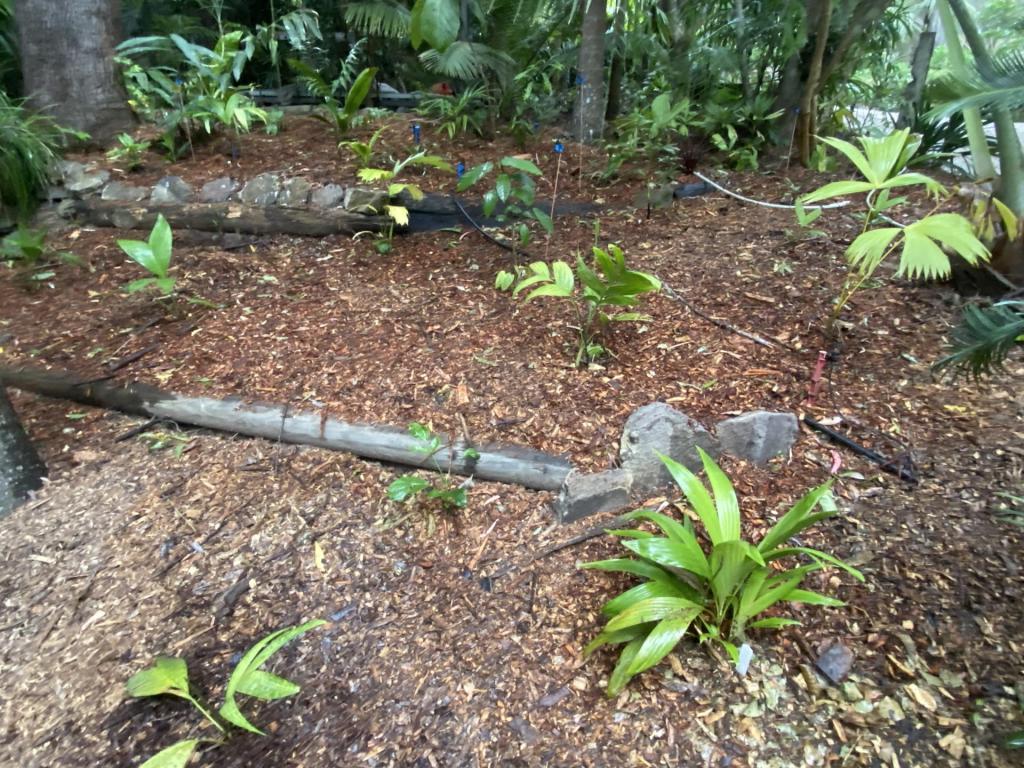
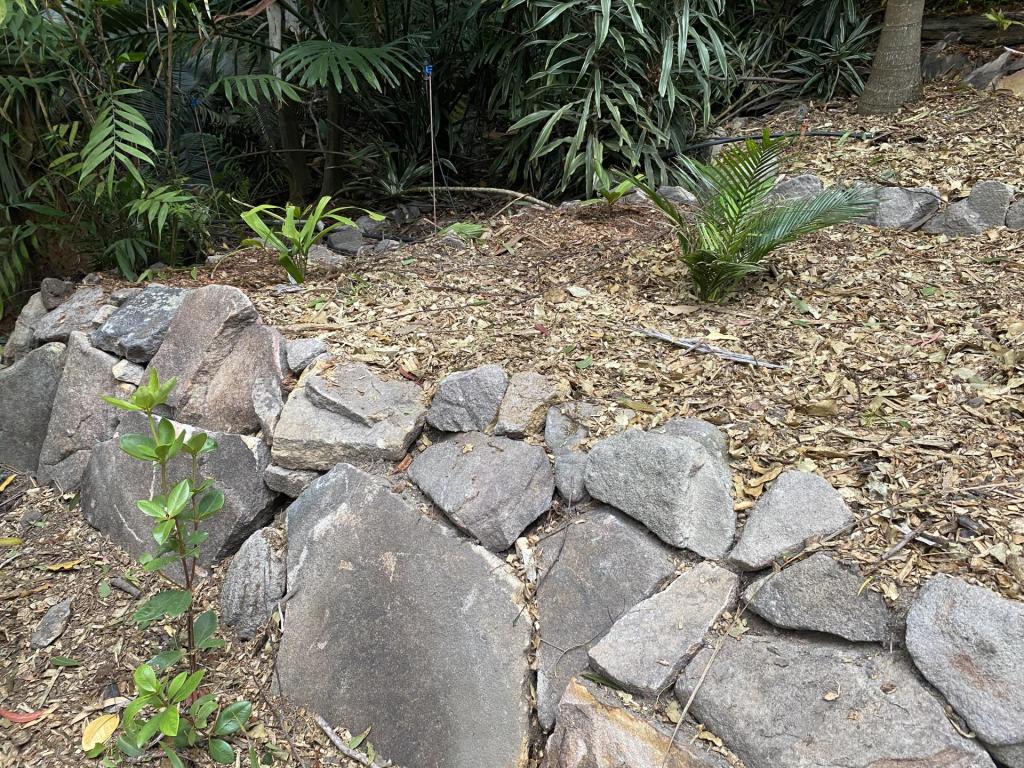
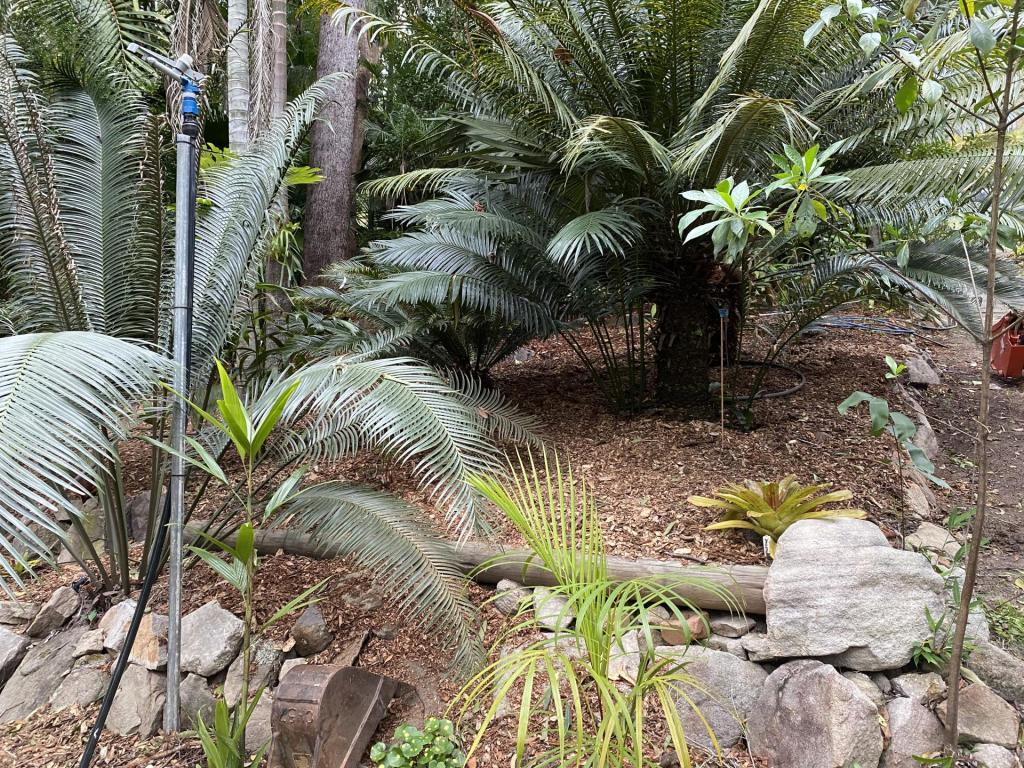
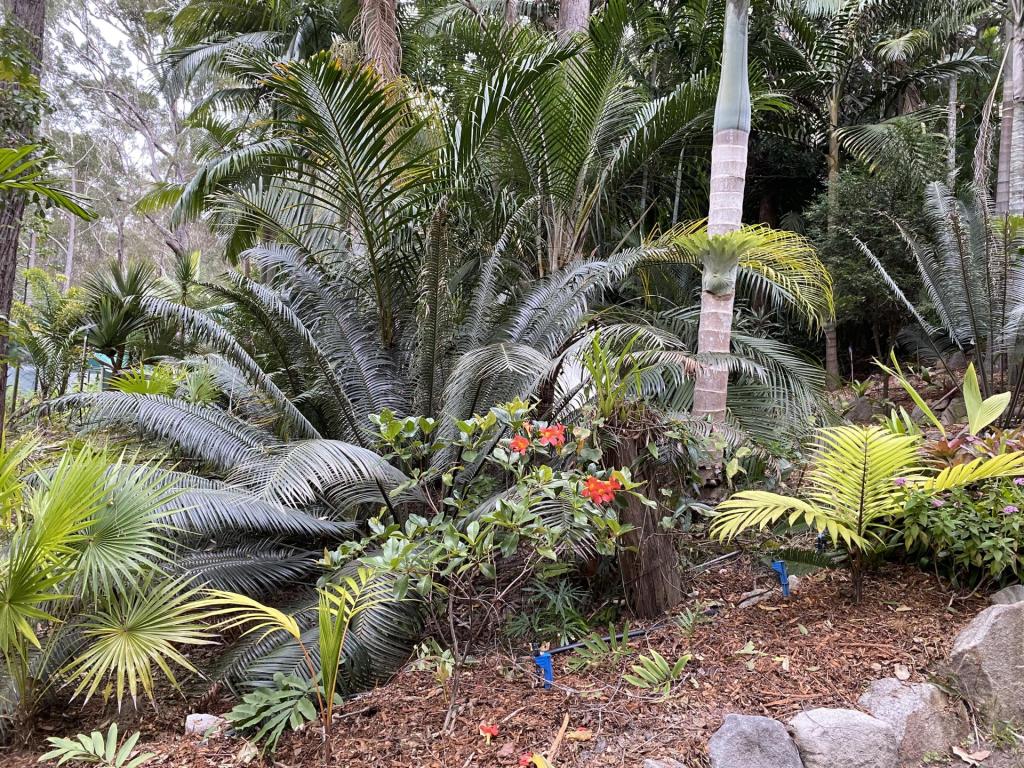
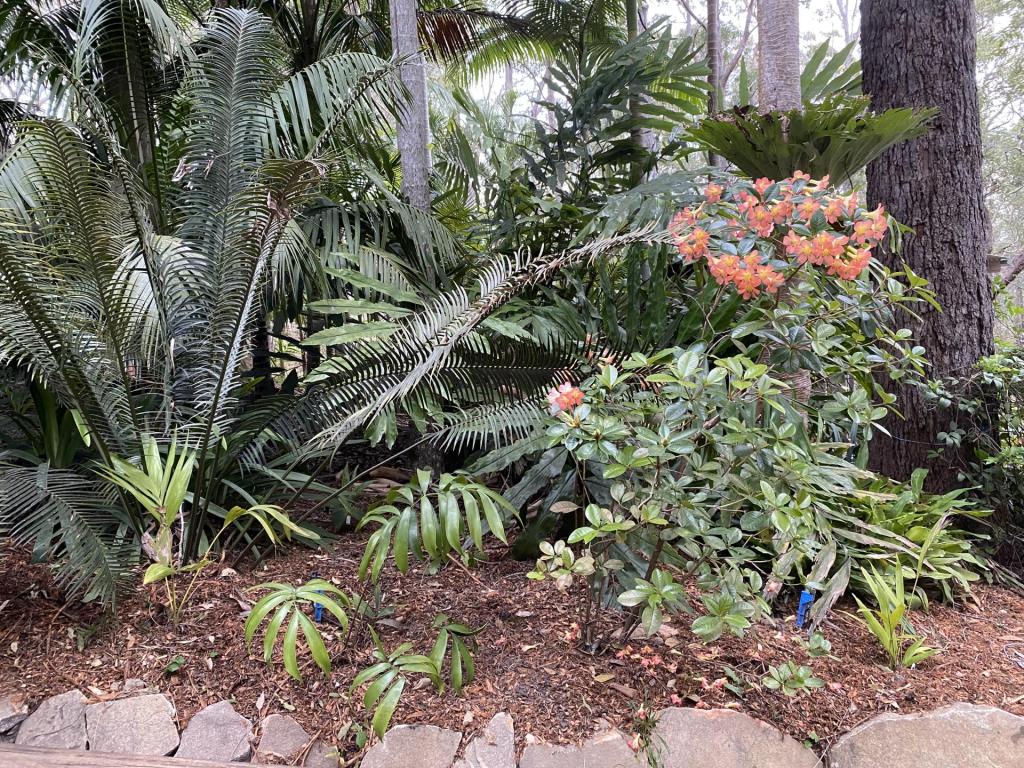
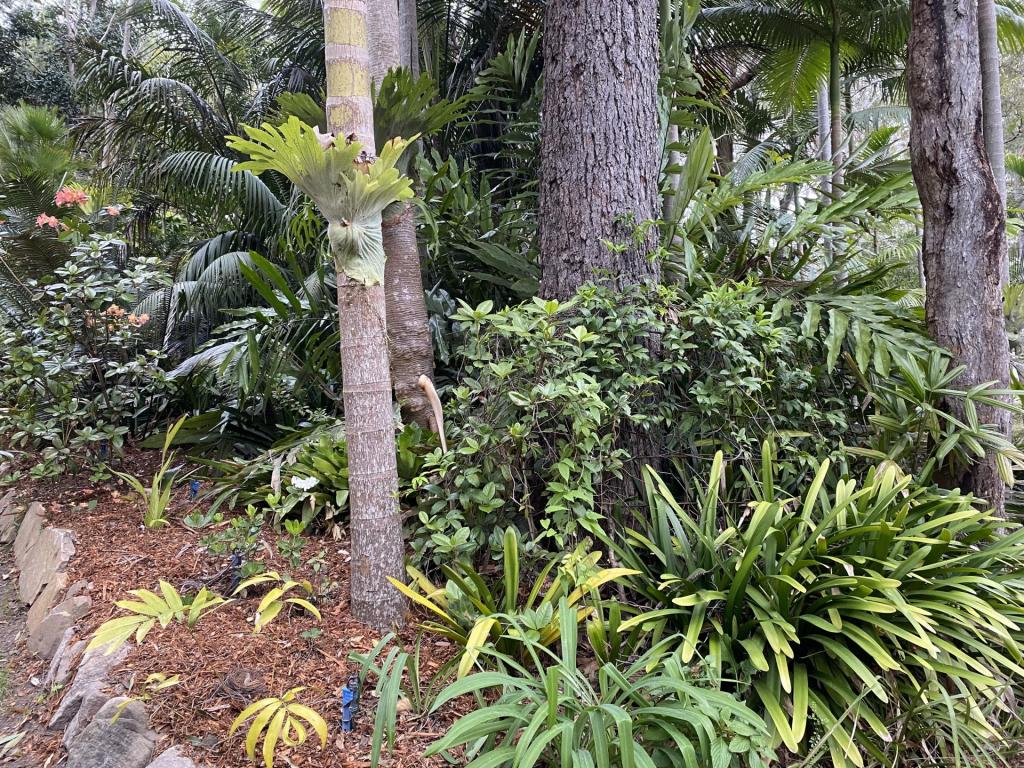
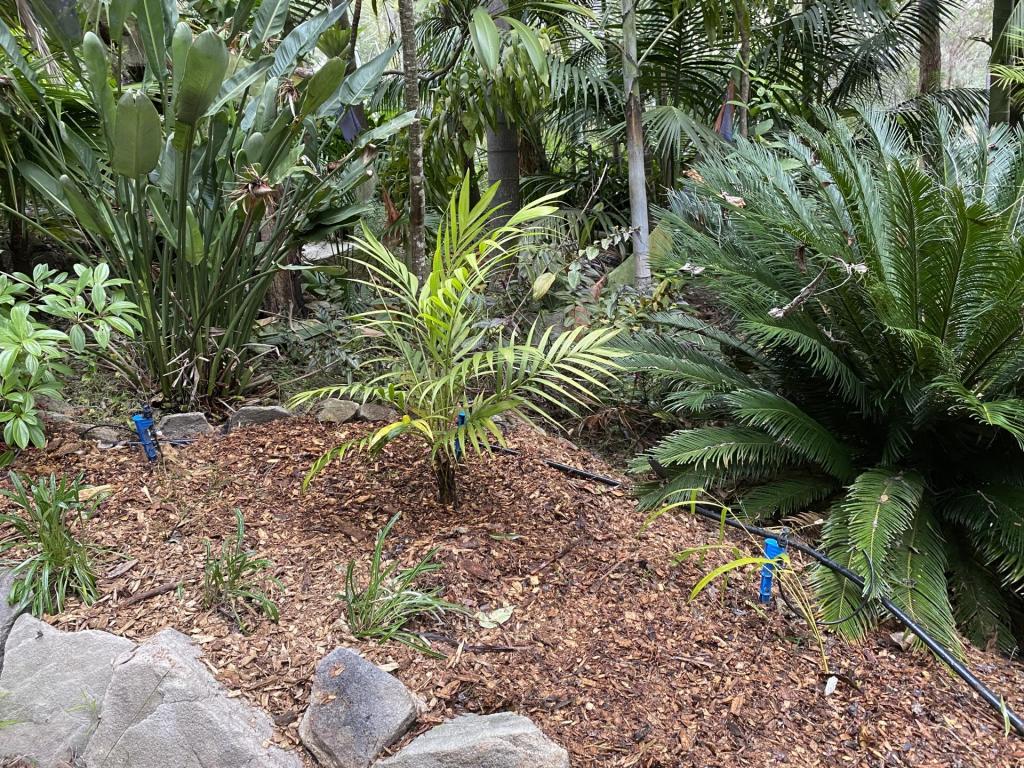
I finally got the mulch on the entrance garden to the house. Bit by bit makes a big job easy. It certainly does make a difference, easy on the eye water saving and feeding the soil plus a little extra warmth in soil temperature. Only another 30 cubic meters to go for the summer water savings!

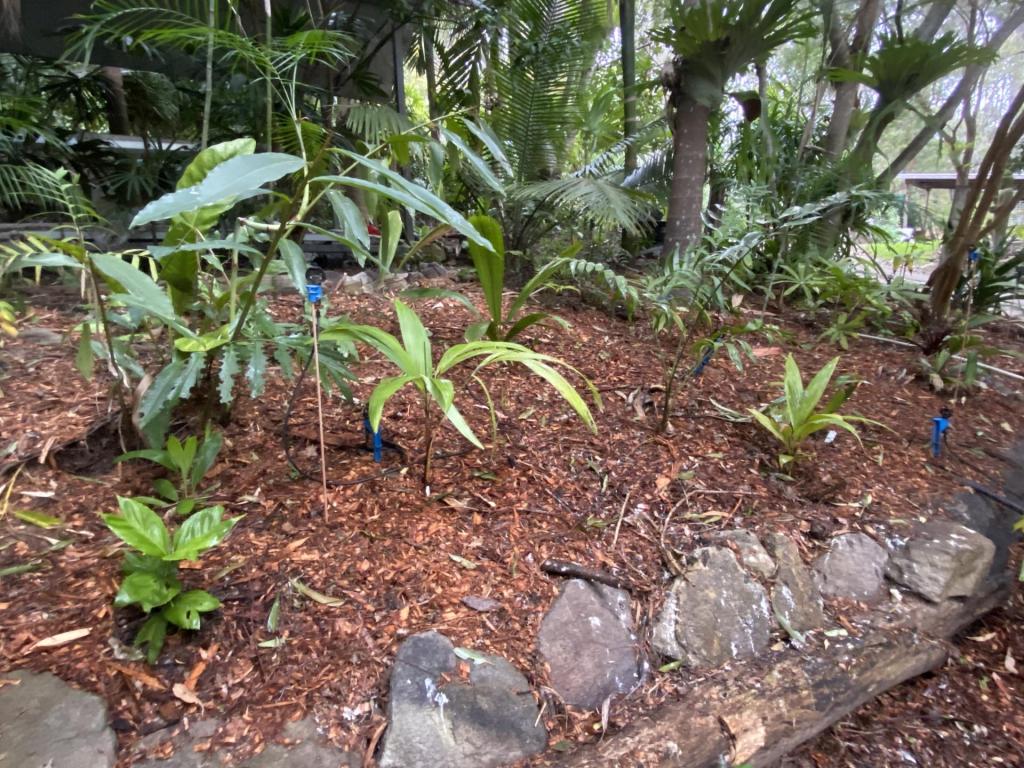

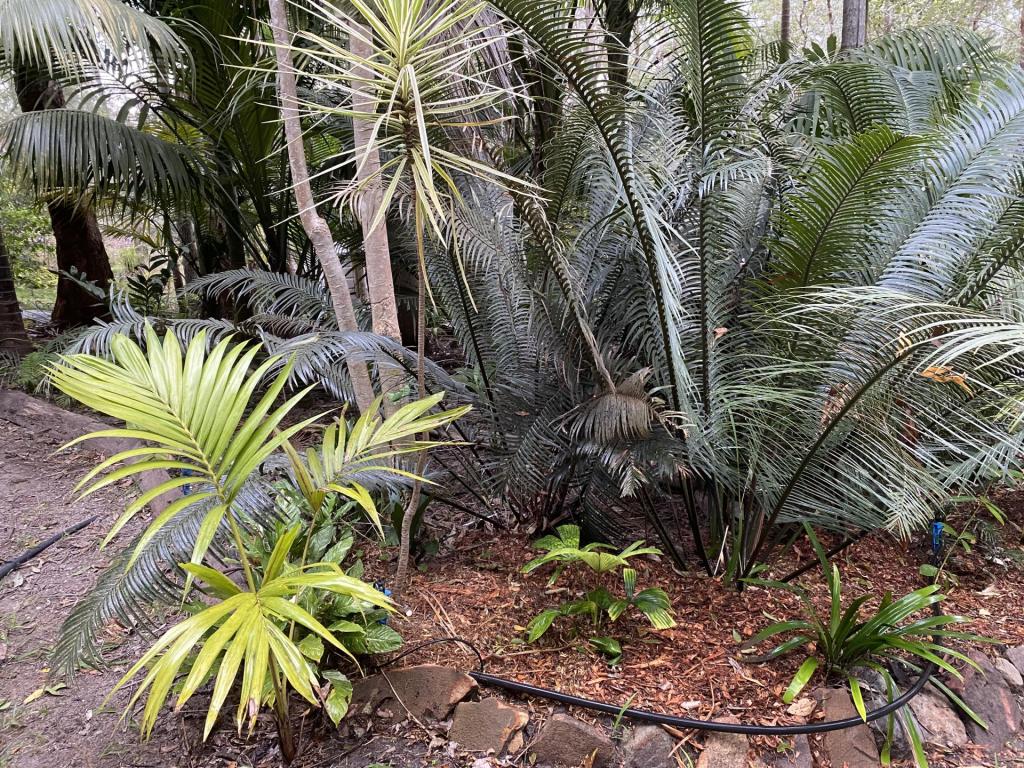
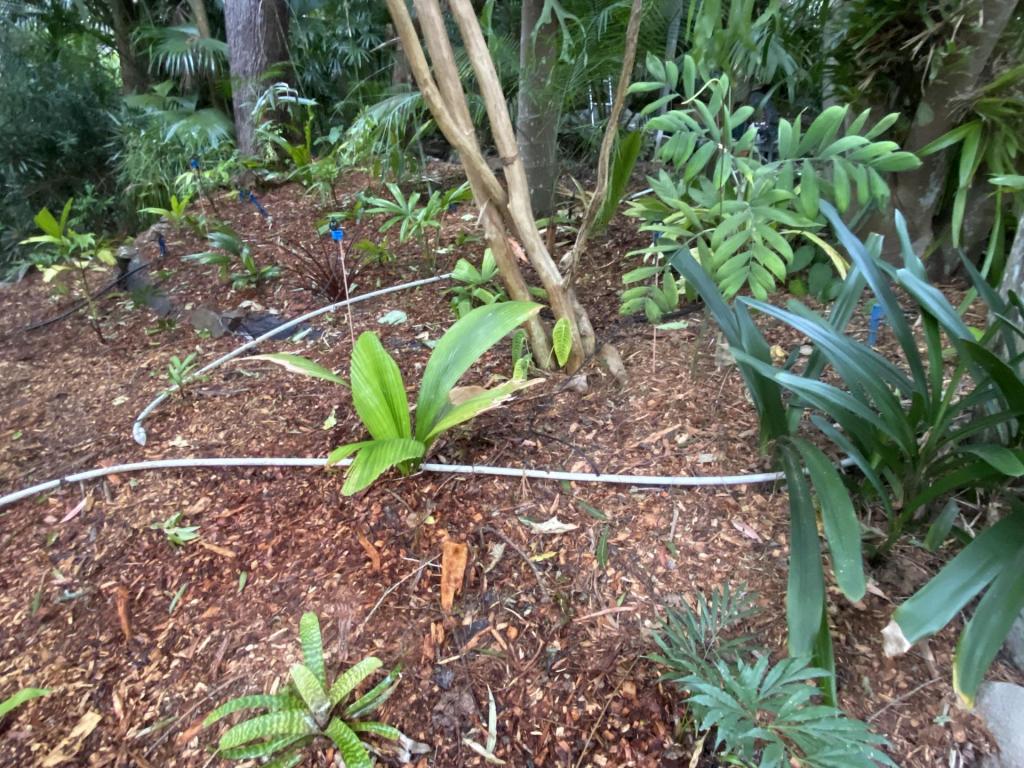 4 points
 -
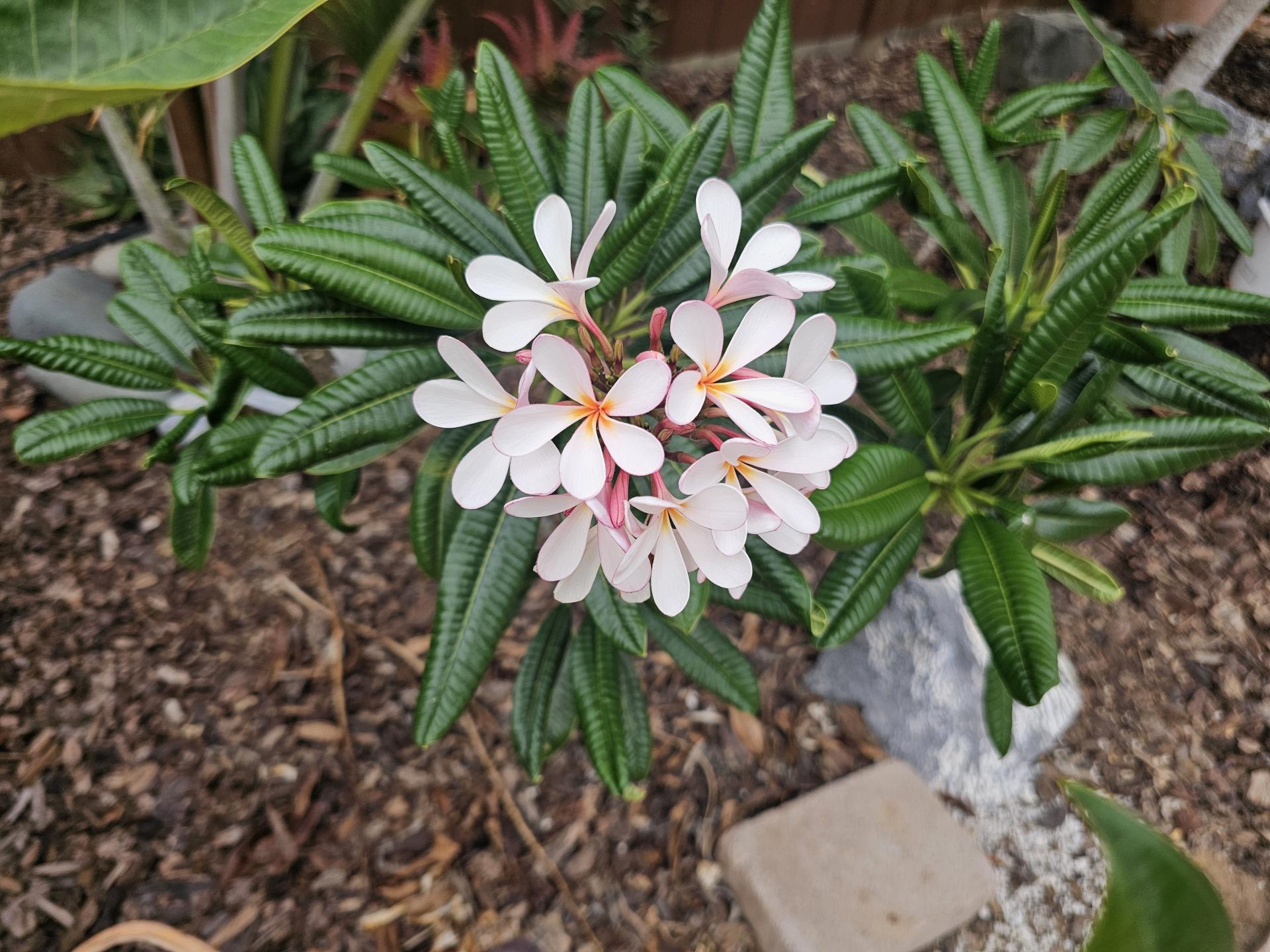
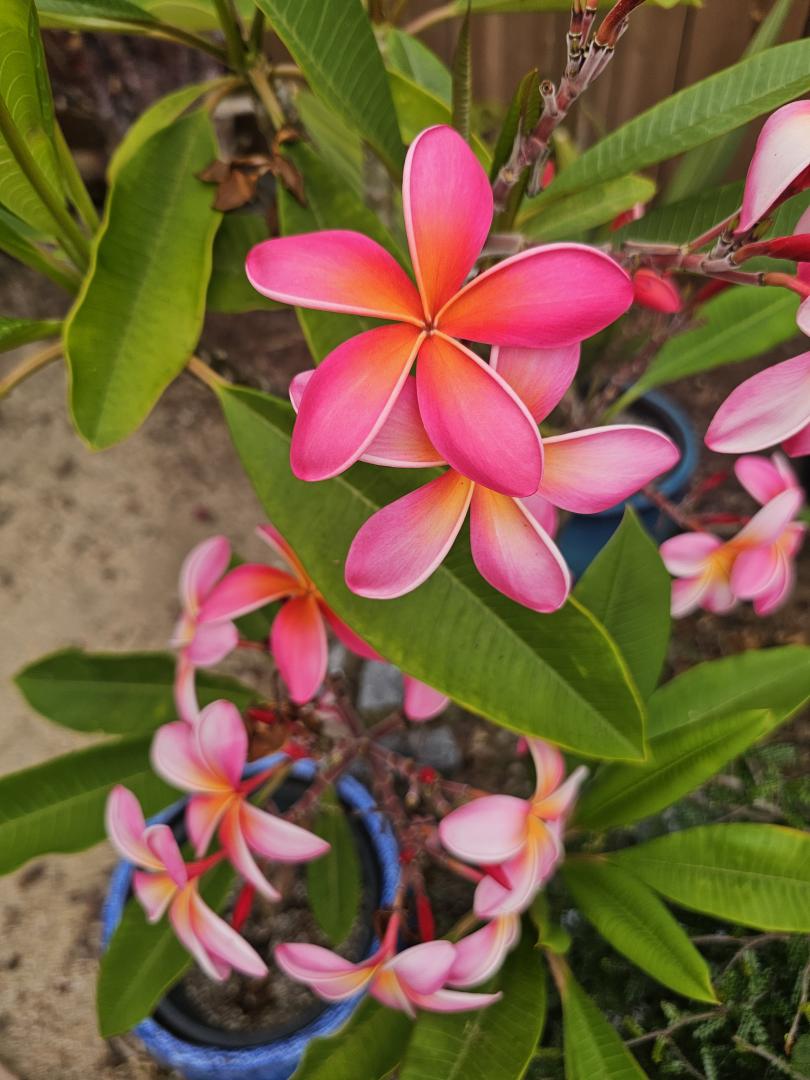
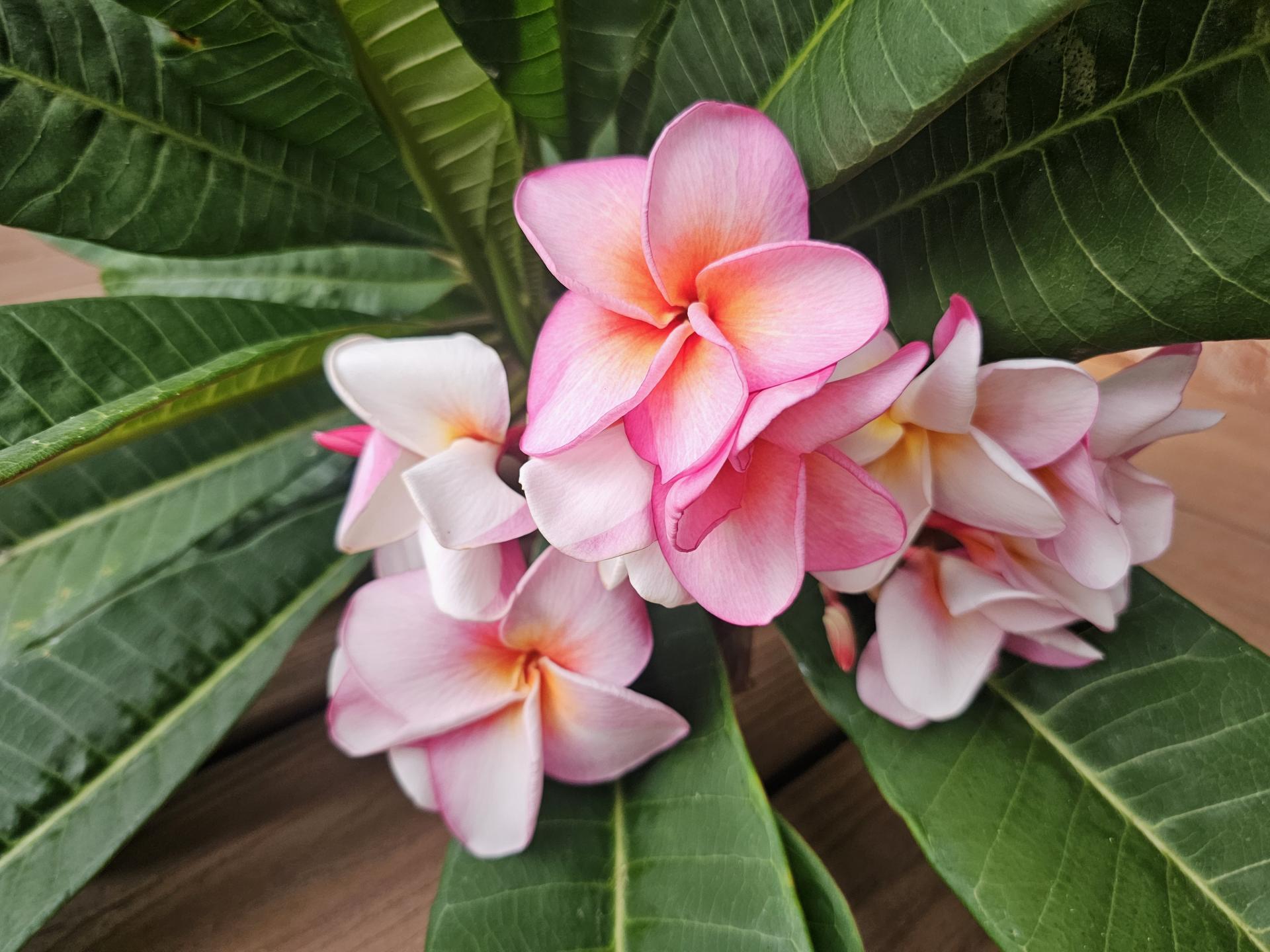
4 pointsPlumeria in our neighborhood bloomed early this year and have been loaded with flowers ever since that early start. Here are a few in our yard which havd followed the neighborhood trend. It was a mild winter and spring and much hotter than normal along the coast of San Diego County this summer. How are the Plumeria doing in your garden or neighborhood this summer?
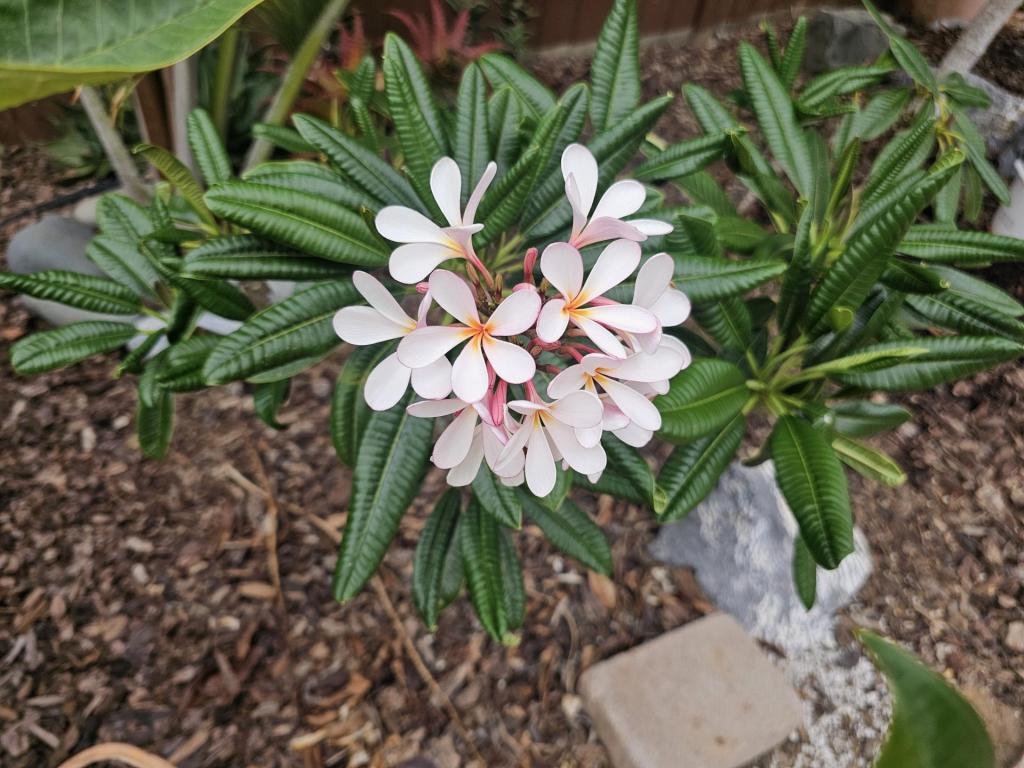
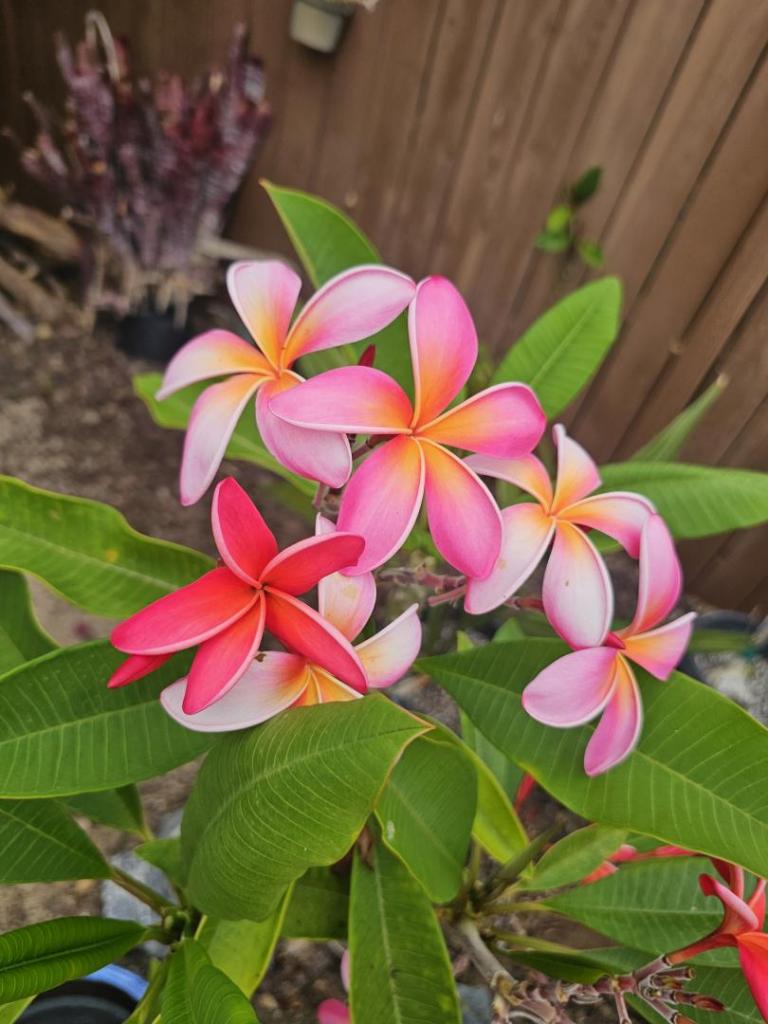
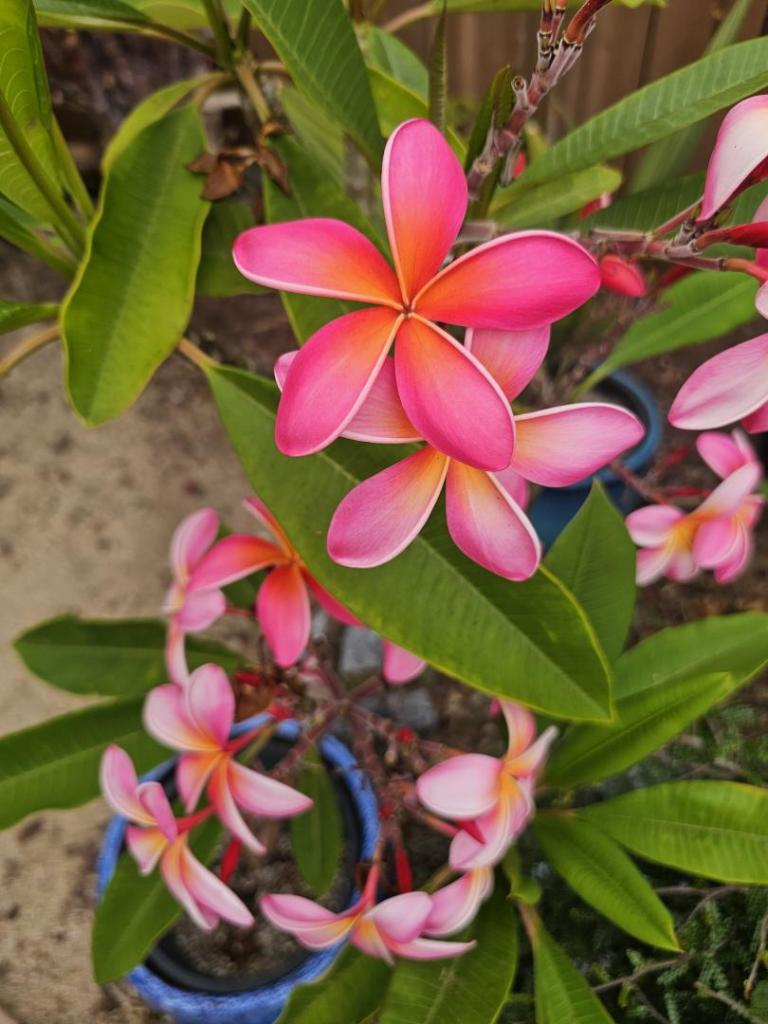
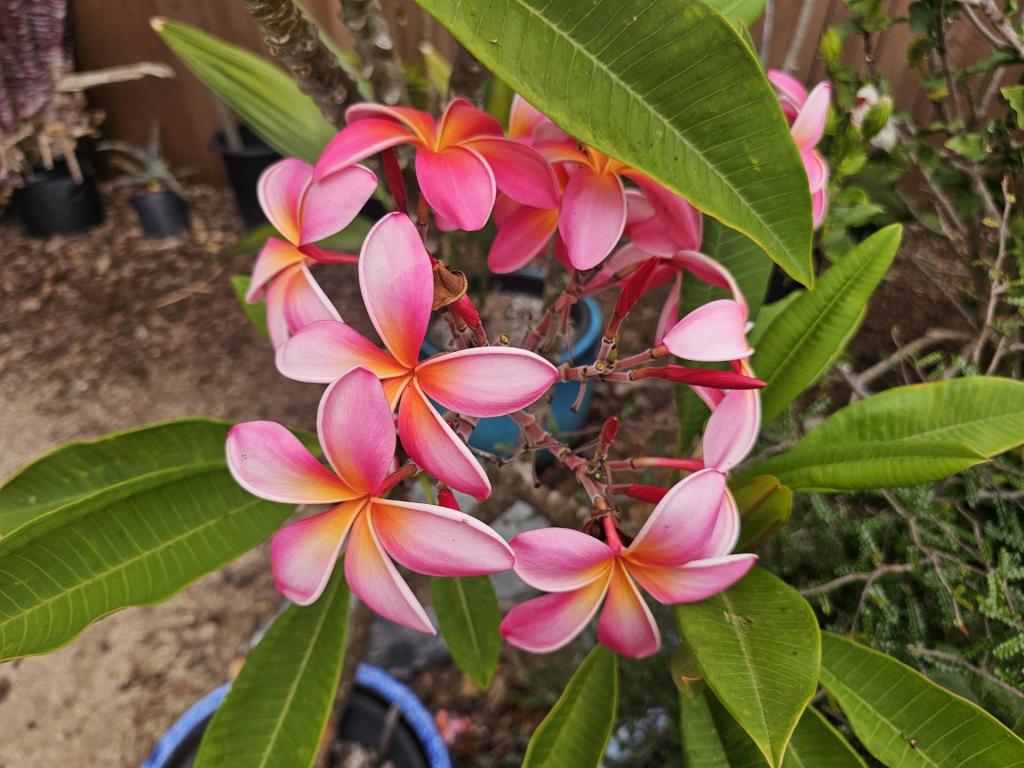
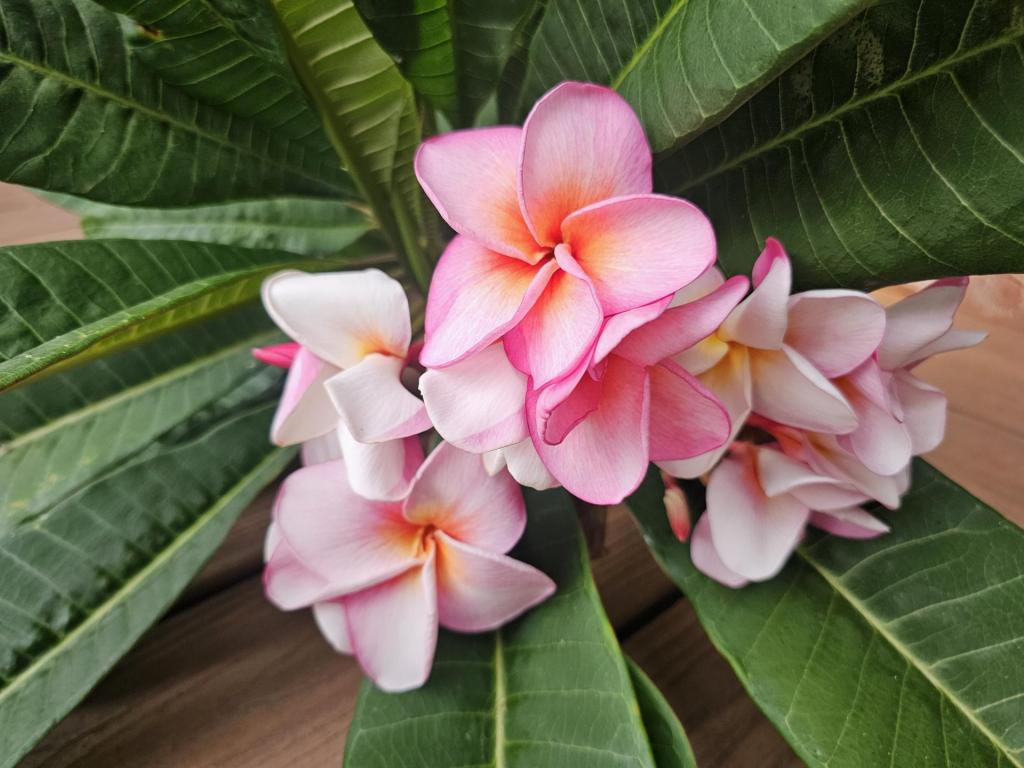 4 points
 -
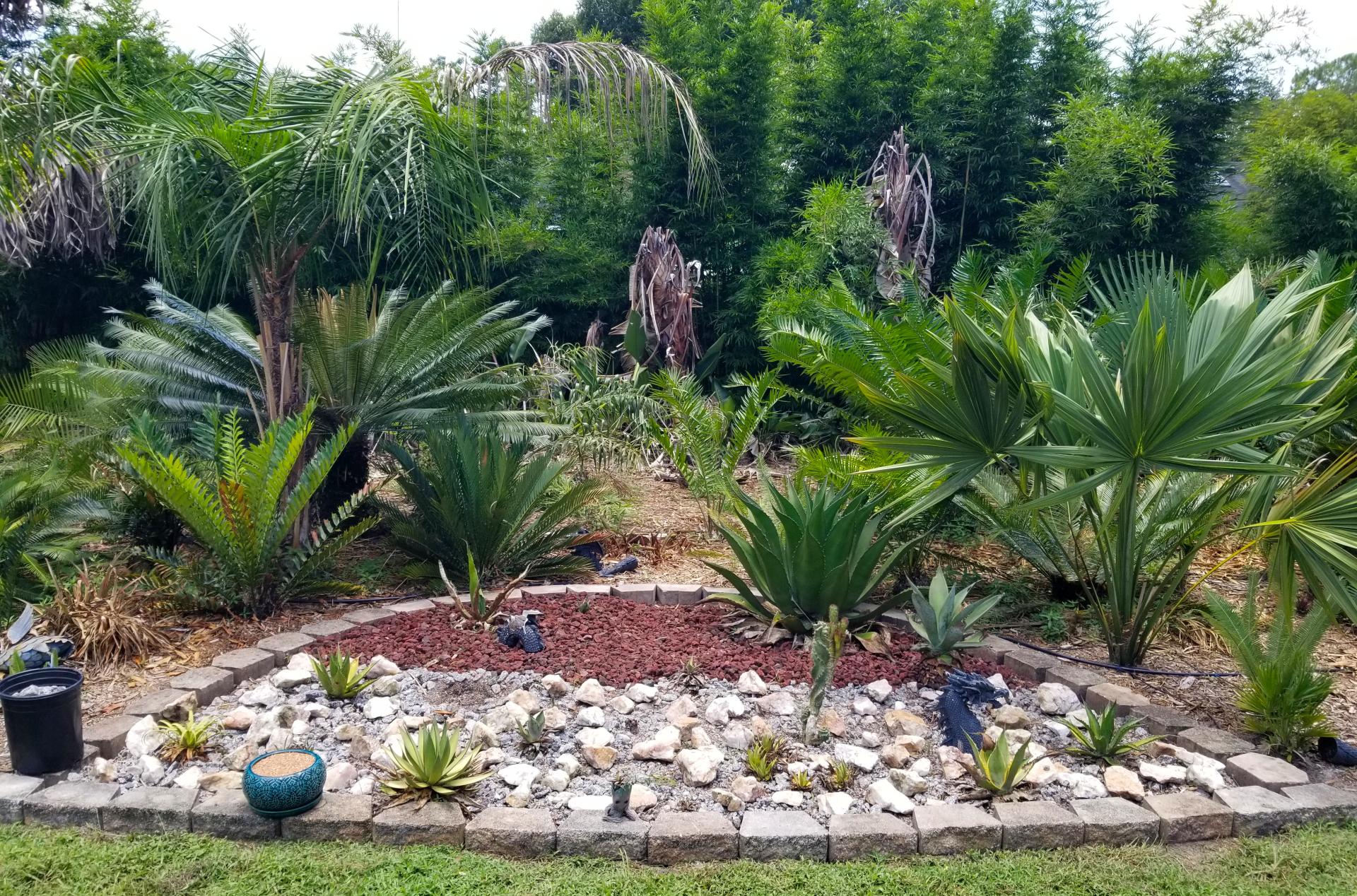
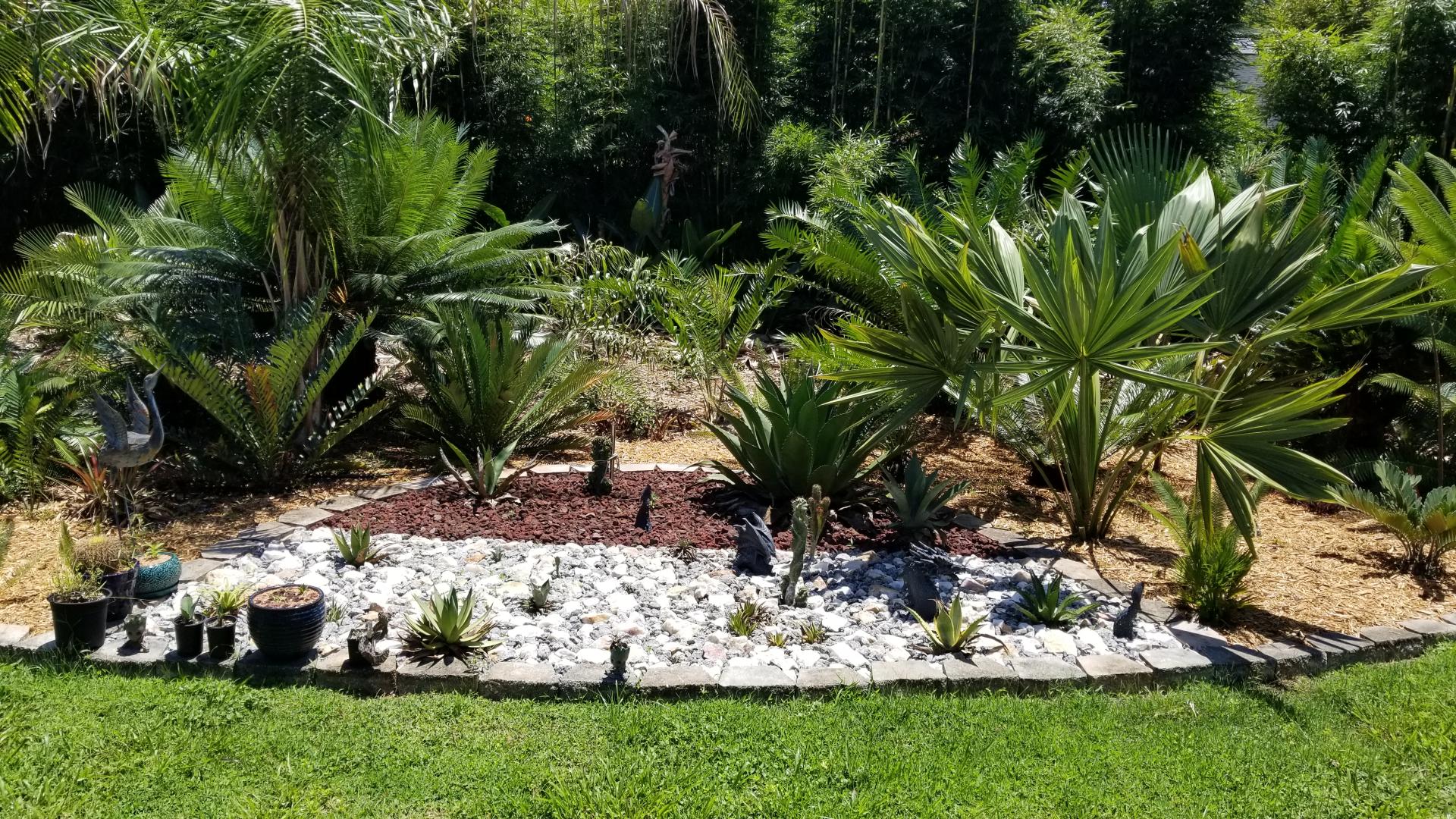
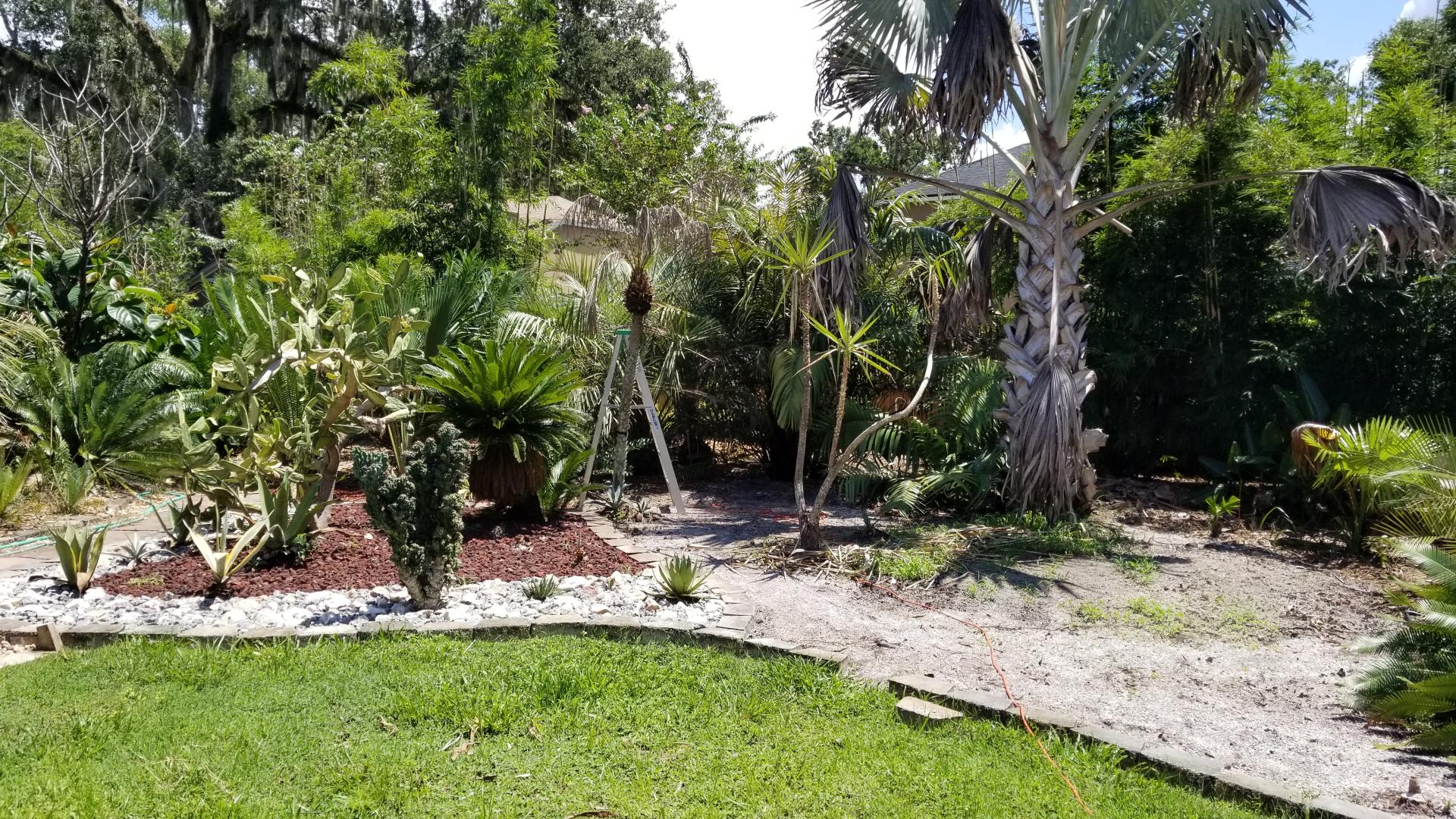
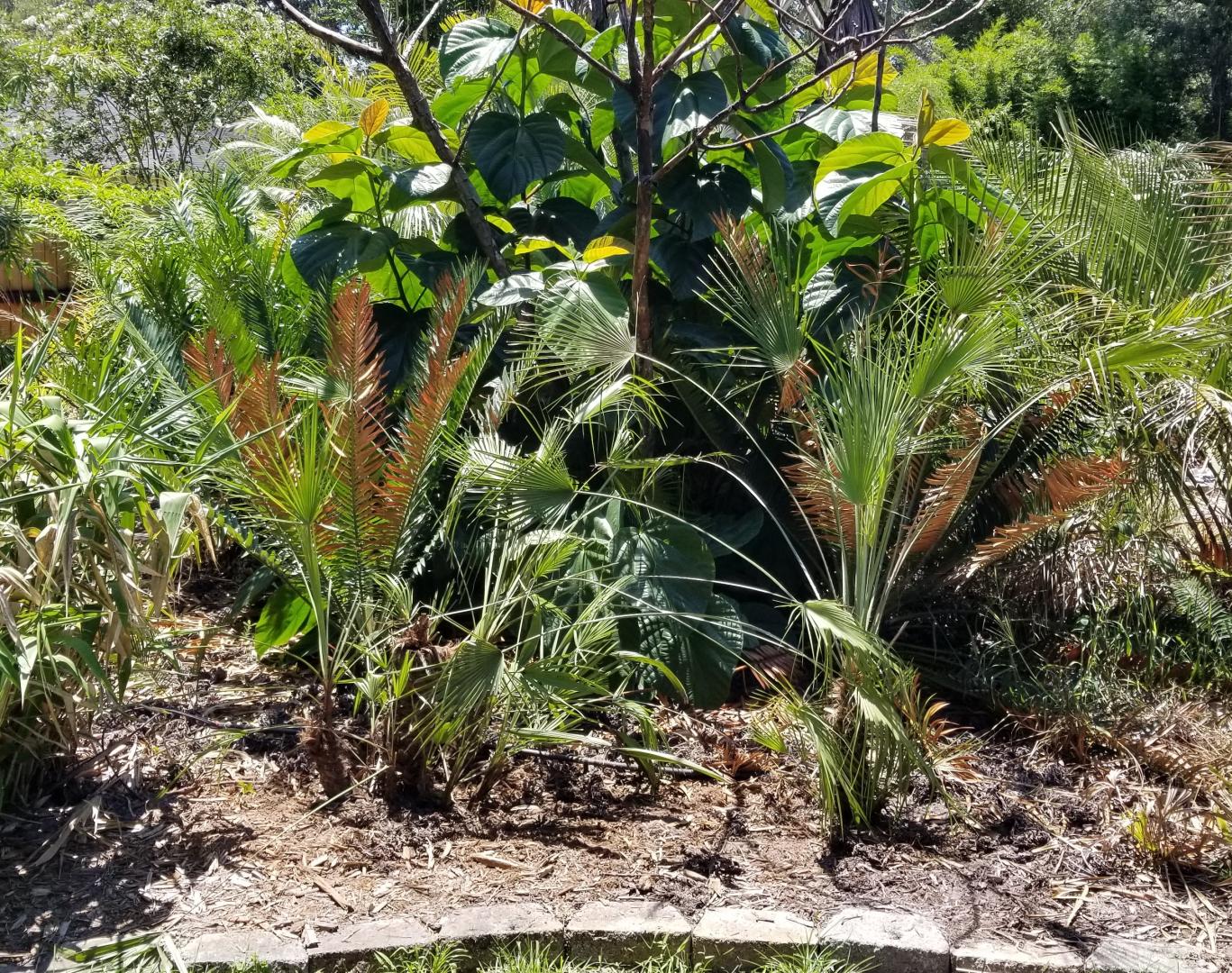
@Harry’s Palms , @Jdash , @kinzyjr and @Chester B thanks for the kind words and encouragement! The last month has been a lesson in humility, i.e. "you are no longer 25 years old." 🤣 I was out in the sauna all day every day for 7 days straight. I disassembled the old agave bed and collected...by hand...all the red lava rock and salt-and-pepper granite and moved it into the new smaller areas. I'd collect 7 gallon pots of rock, move and dump, go back and collect more, rinse and repeat. 30 minutes in the blazing sun, 30 minutes in the A/C in front of a fan, grab a new tshirt and go sweat some more. The washing machine got as much of a workout as I did. After about 5 days straight my hands and forearms and shoulders were so worn out that just doing simple things (like getting a glass of water or brushing my teeth) was difficult and achy. The last straw was picking up the concrete blocks and carrying them two at a time across the yard to redo the center bed's rear arc border: You can see a tall 7g of granite on the left, ready to slooooowly distribute by hand across the front. I also moved most of the white/pink quartz as cosmetic filler. It took 2 full days to redistribute all the rocks. I also had to dig out the front border at the grass, because the blocks had been slowly sinking 2-3 inches down into the sand. It now looks like this with a fresh layer of mulch around it: The original big agave bed on the left got the same treatment, and I now have a big new open area in front of the Bismarck. The ladder is up against a Pygmy Date that has just refused to push new fronds. There's a missing block at the front because I was moving a pair of Chamaerops from the deep shade just to the right of the ladder. You can see the weeds already trying to take over near the Bismarck....grrrrrrrrr..... These two Chamaerops went into the ground back in 2019 and 2020, and were promptly in deep shade from the overhanging Arenga Engleri and Bismarck. So I moved them over to the SE corner: They are super stretched out and scraggly from too much shade. I tried a new tactic on moving them that seems to work. I pulled out the reciprocating saw and a 12" wood-and-nails blade, and just cut a slightly inward-angled circle/oval/oblongish route all the way around them. Then I could just stick the shovel into the cut line and pop them out of the ground in one fell swoop! It took a little bit more setup (extension cord and saw) but the actual dig took only 2-3 minutes and was super easy...in relative terms.
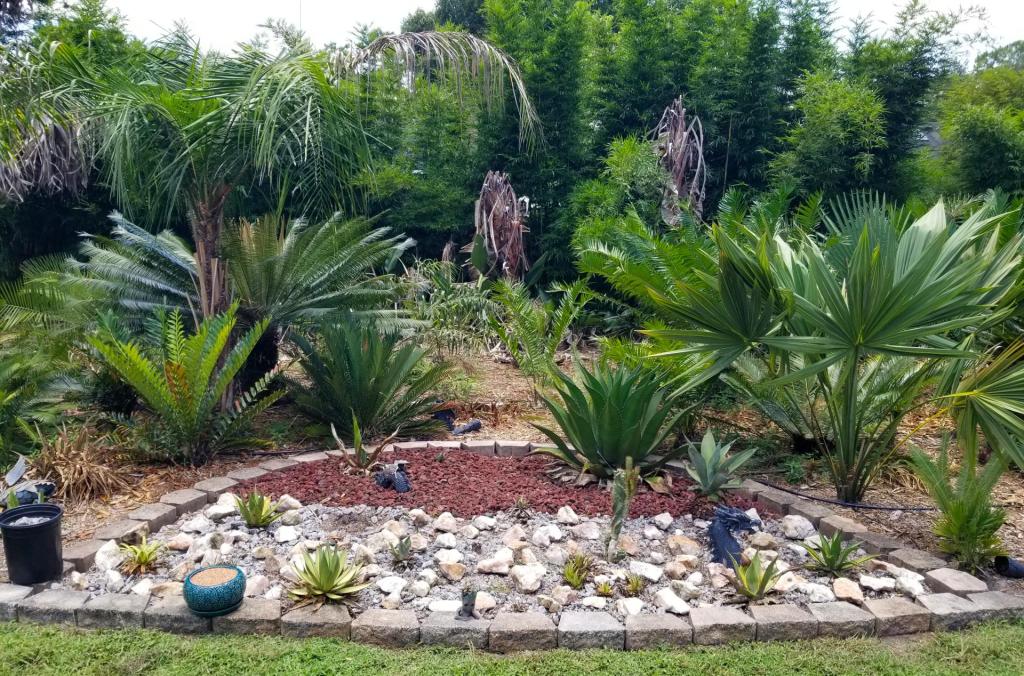
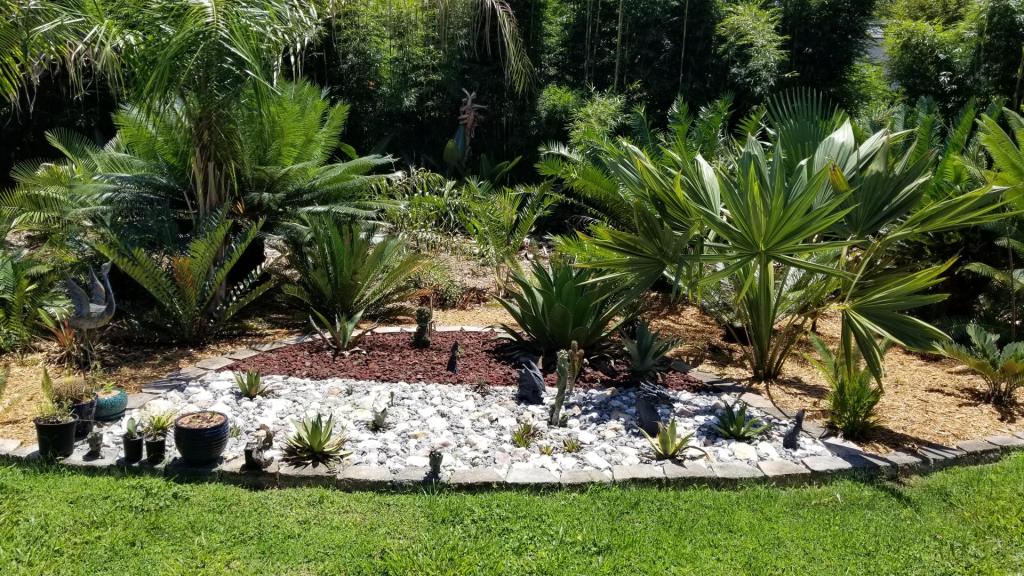
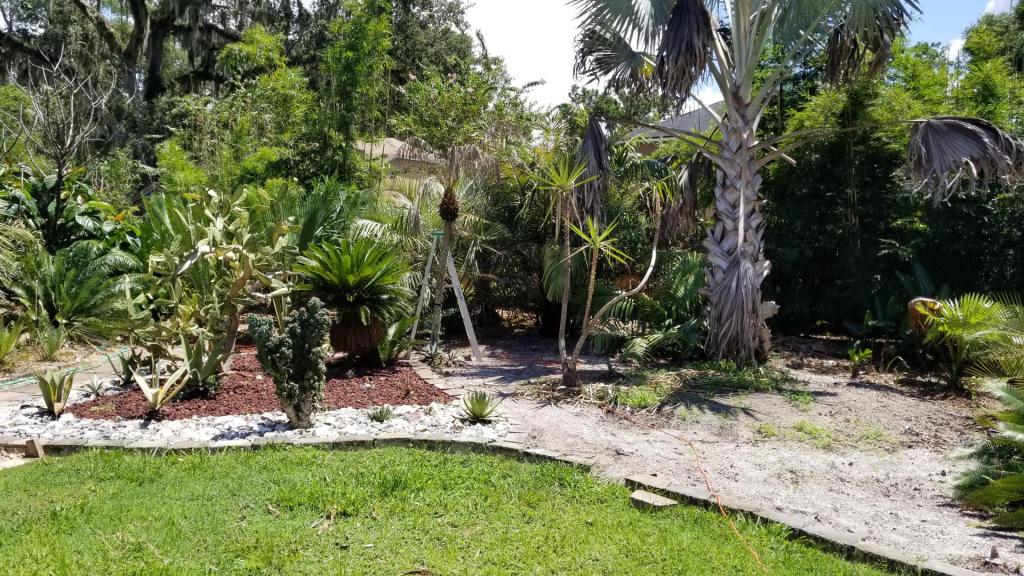
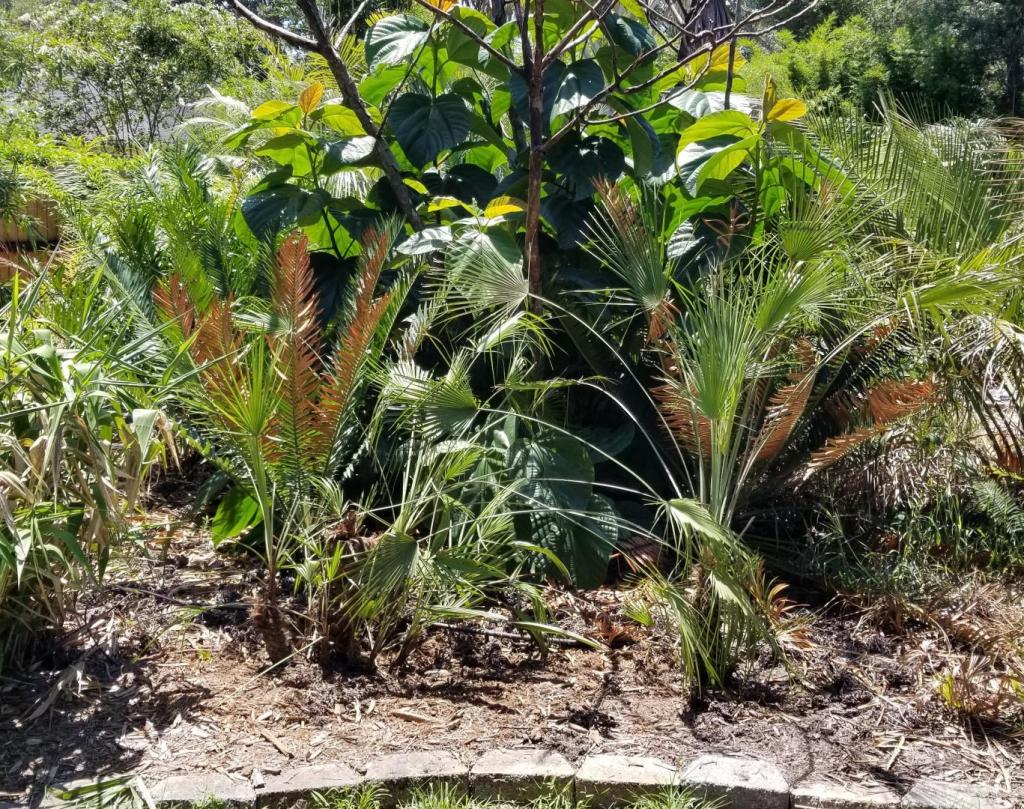 4 points
 -
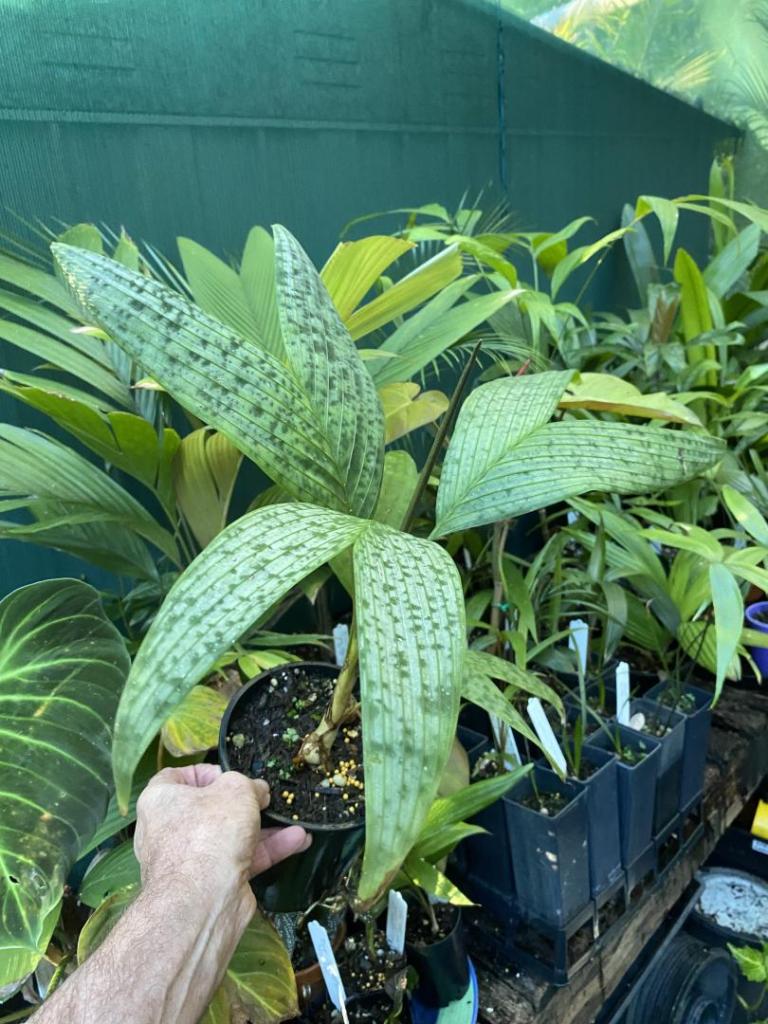
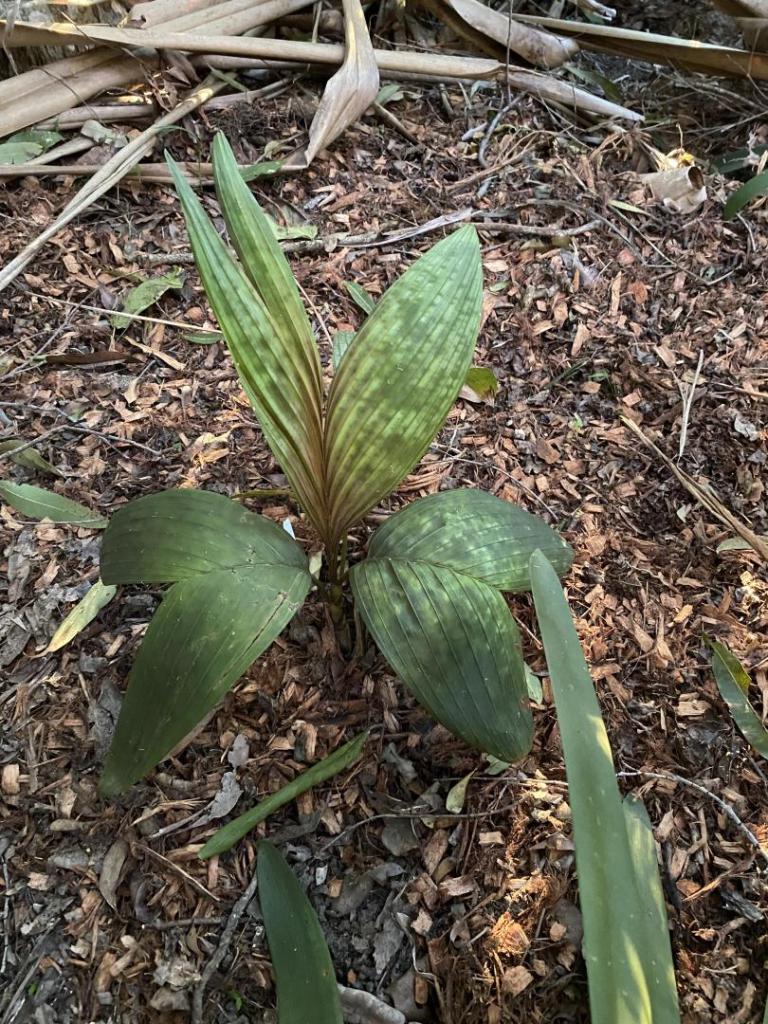
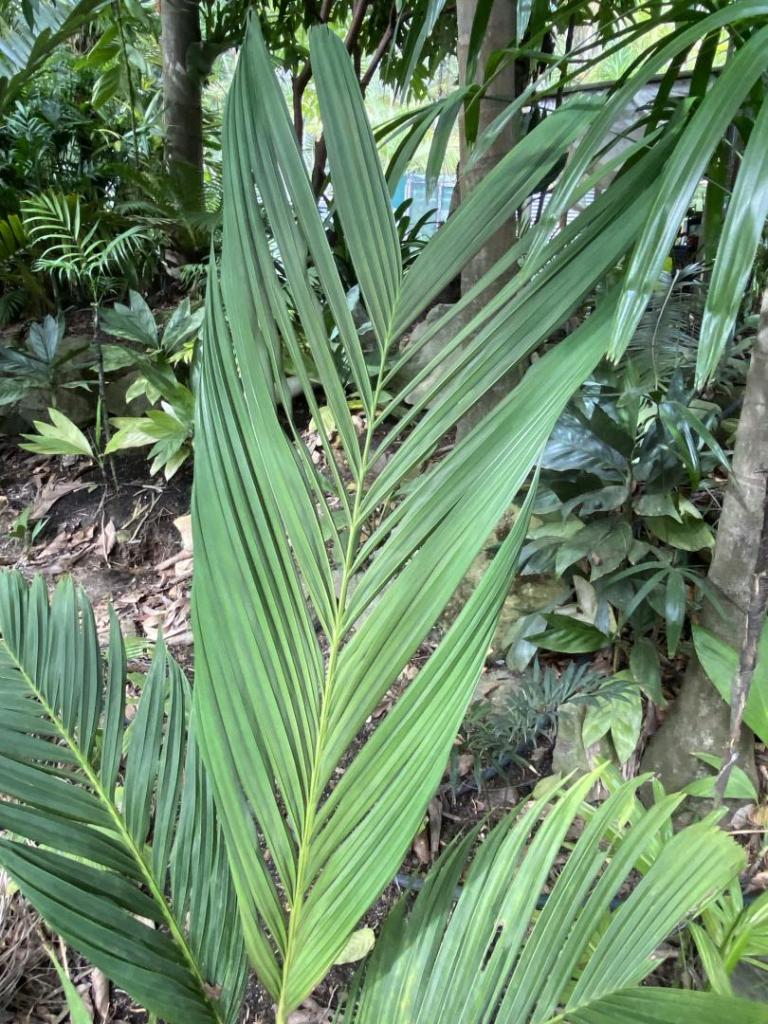
There seems to be some confusion as to what this palm is, @tim_brissy_13 @Jim in Los Altos As far as I know this sarawakensis, it does take cool temperatures down to 2 degrees celcius, both in containers and in the ground under cool wet conditions. So what is the true origin of this beautiful palm?
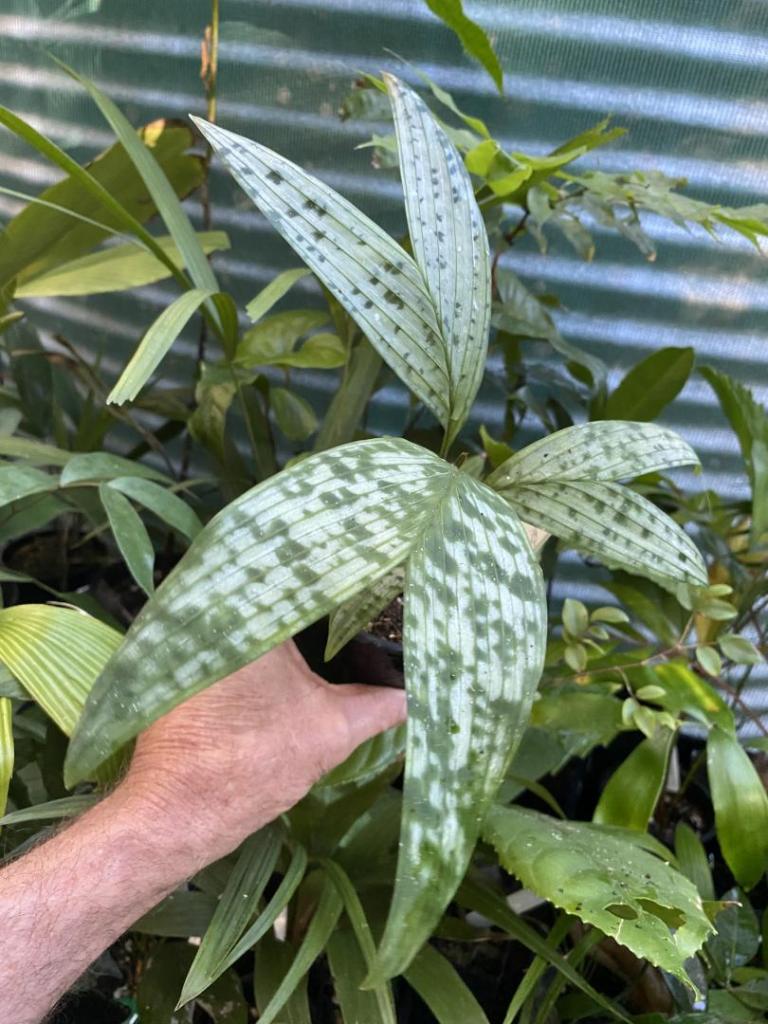
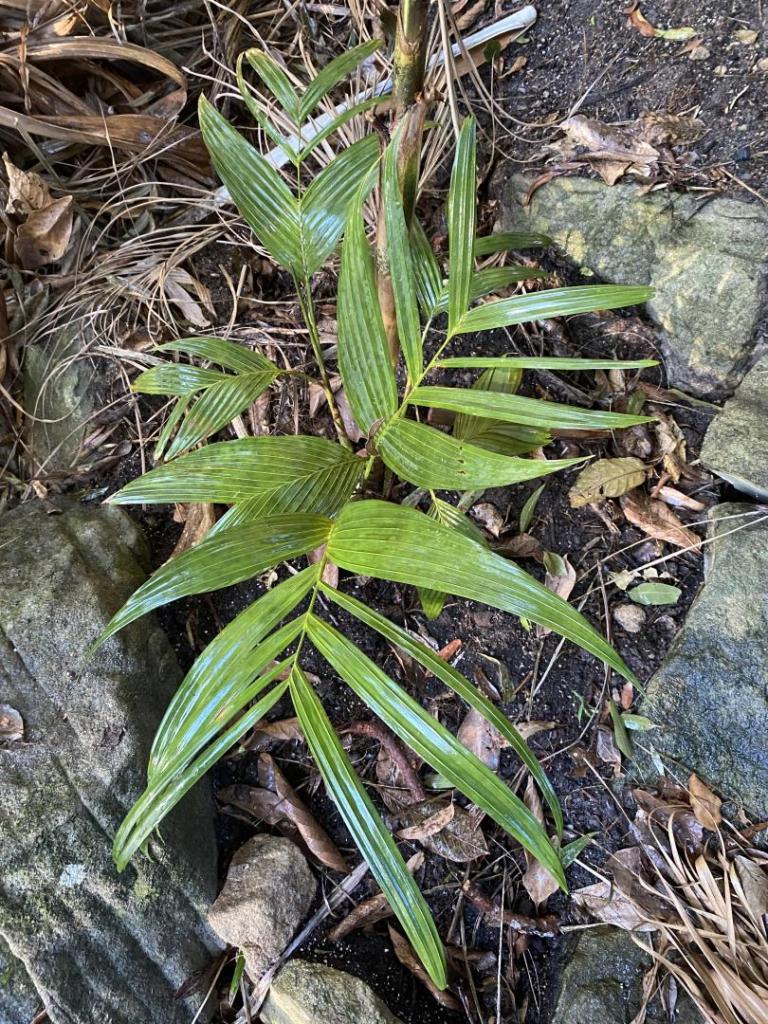
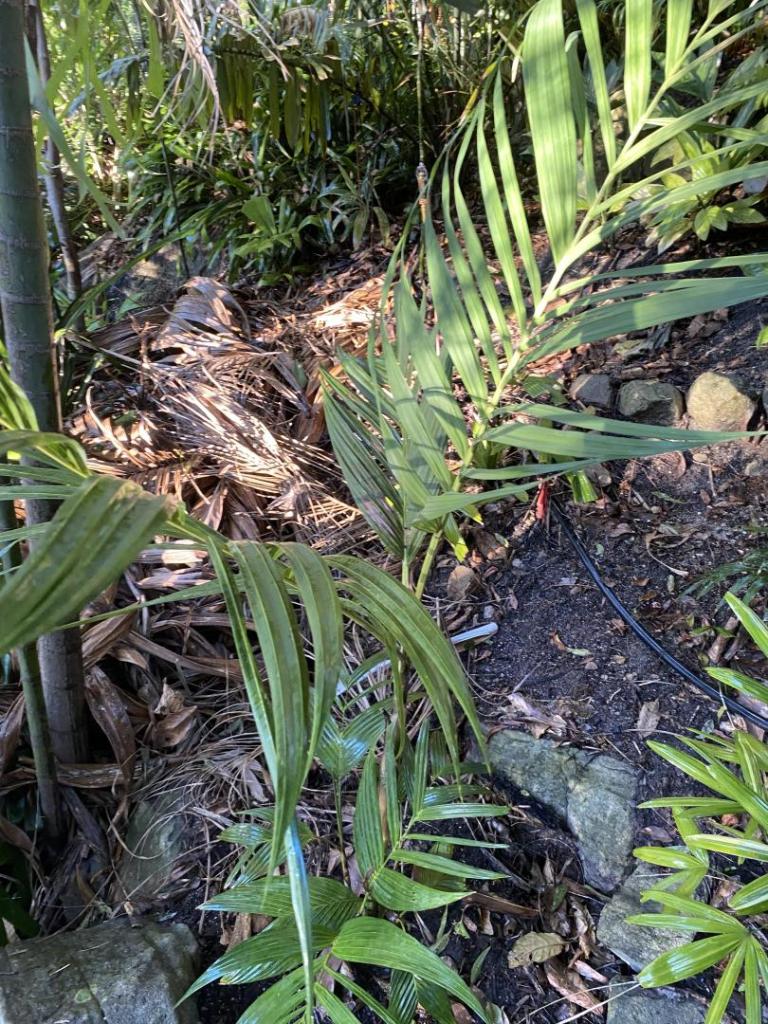
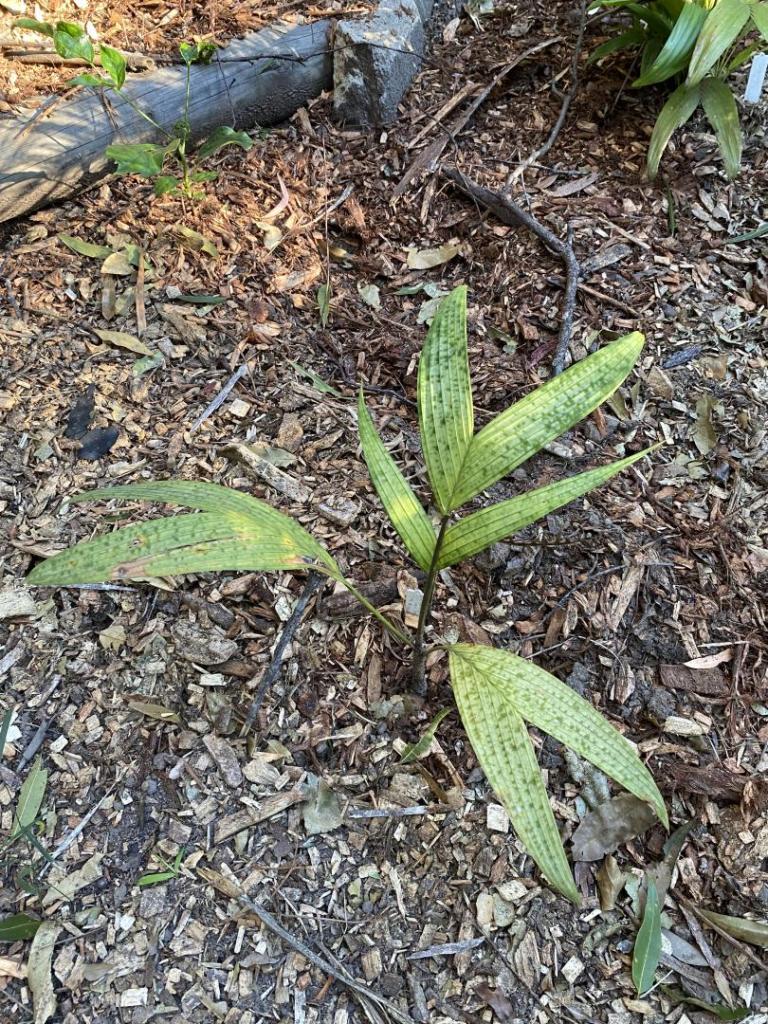
 4 points
 -
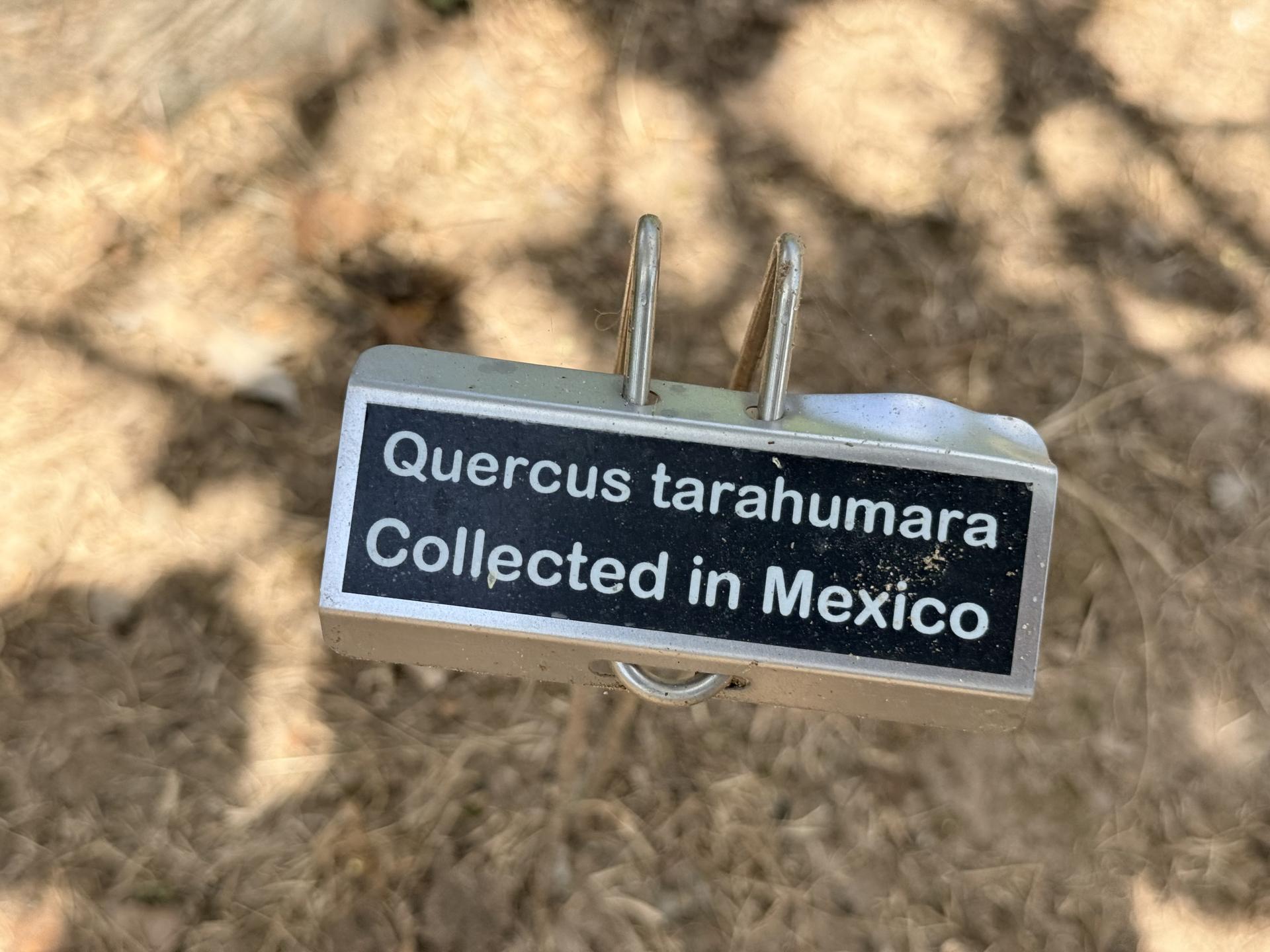
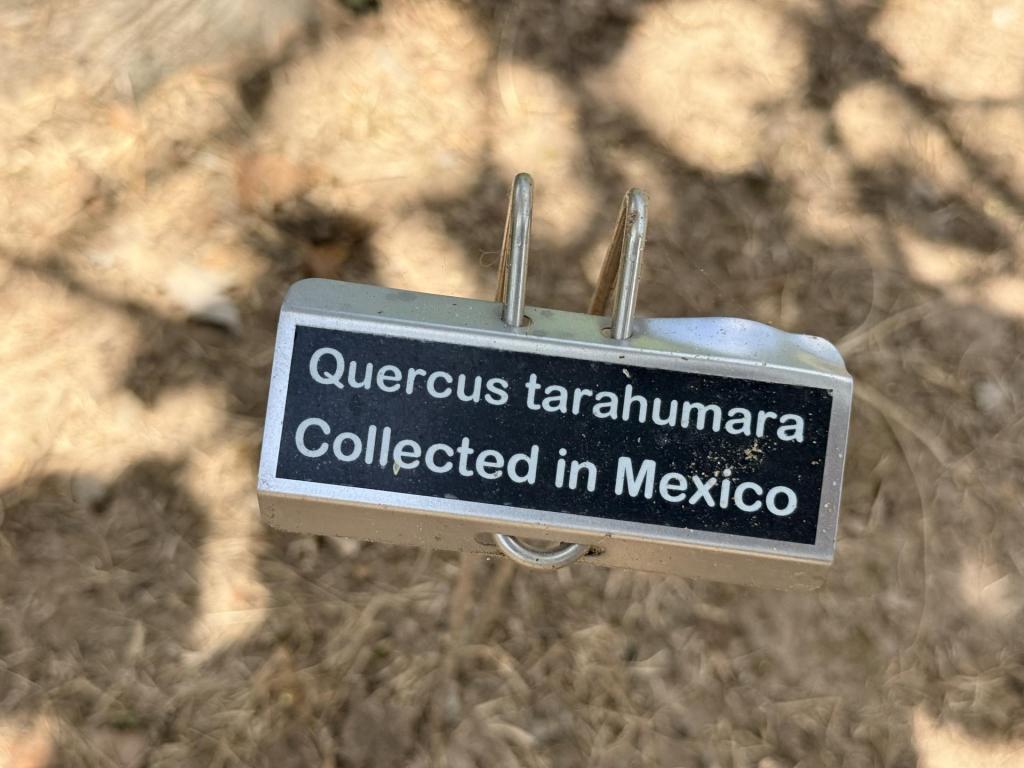
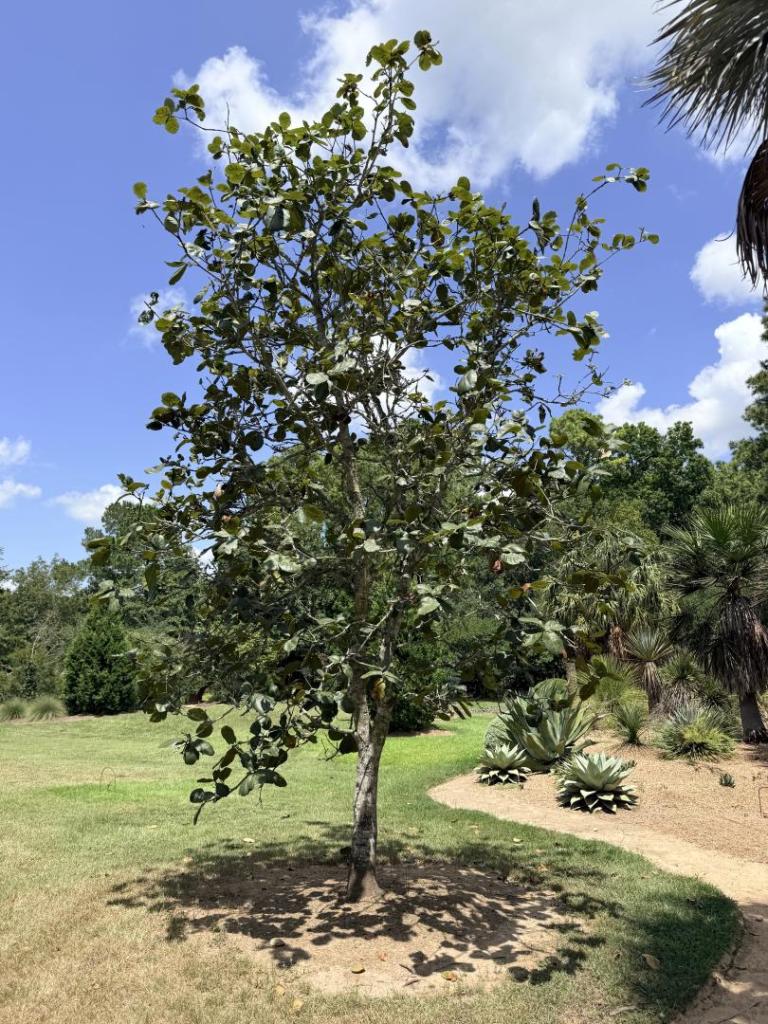
One of the holy grail oaks of Mexico. Quercus tarahumara. Two specimen at John Fairey Garden.
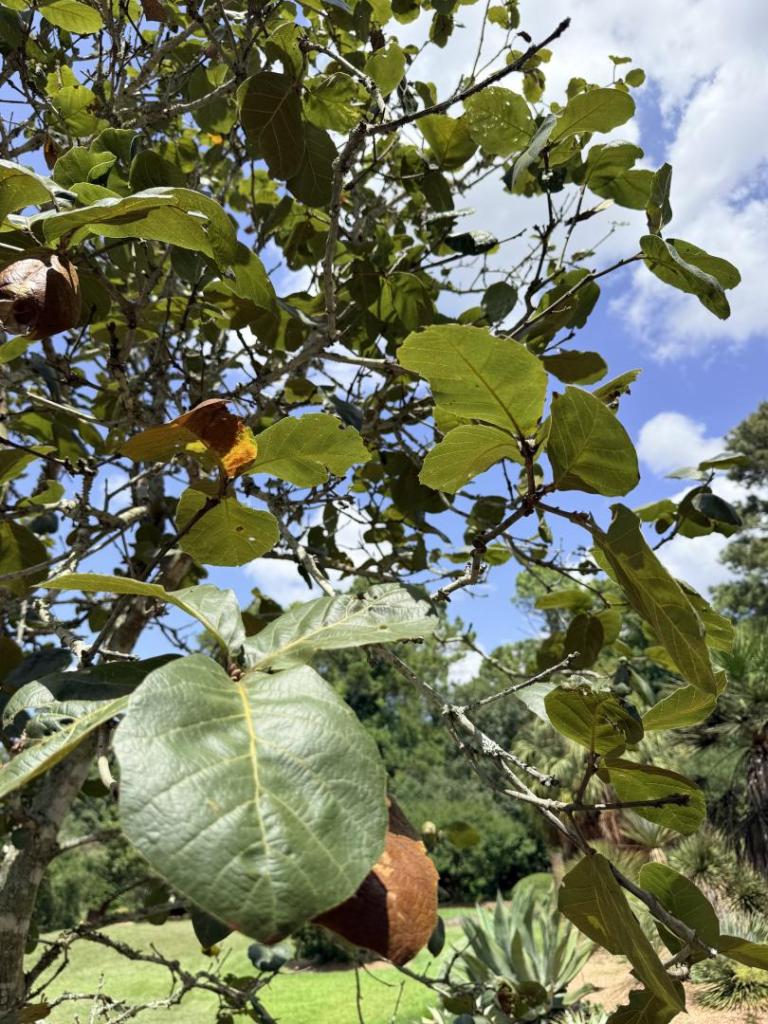
 4 points
 -
 Good hardy palms; Acoelorrhphe wrightii Acrocomia totai Allagoptera arenaria Arenga engleri Arenga ryukyuensis Bismarckia nobilis Brahea brandegeei Brahea clara Brahea elegans Brahea decumbens Butia eriospatha Butia odorata (capitata) Butia paraguayensis Butia yatay X Butyagrus nabonnandii Chamaedorea microspadix Chamaerops humilis Chuniophoenix hainanensis Copernicia alba Copernicia prunifera Lanonia dasyantha (Licuala) Licuala fordiana Livistona australis Livistona chinensis Livistona decora Livistona fulva Livistona lanuginosa Livistona mariae Livistona nasmophylla Livistona nitida Livistona rigida Livistona saribus Phoenix acaulis Phoenix loureiroi Phoenix reclinata (hybrids) Rhapidophyllum hystrix Rhapis excelsa Rhapis humilis Rhapis multifida Sabal bermudana Sabal x brazoriensis Sabal causiarum Sabal domingensis Sabal etonia Sabal maritima Sabal miamiensis Sabal minor Sabal palmetto Sabal palmetto ‘Lisa’ Sabal tamaulipensis Sabal uresana Serenoa repens Syagrus romanzoffiana Washingtonia robusta more cold sensitive palms for protected locations Acrocomia aculeata Archontophoenix cunninghamiana Arenga australasica Arenga caudata Arenga hookeriana Arenga microcarpa Arenga obtusifolia Arenga tremula Attalea cohune Attalea phalerata Attalea rostrata Beccariophoenix alfredii Caryota mitis Caryota monostachya Caryota obtusa Chrysalidocarpus baronii Chrysalidocarpus decaryi Chrysalidocarpus madagascariensis Coccothrinax argentata Copernicia baileyana Copernicia fallaensis Copernicia glabrescens Copernicia gigas Copernicia macroglossa Geonoma schottiana Hyphaene coriacea Hyphaene petersiana Hyphaene thebaica Kerriodoxa elegans Leucothrinax morrissii Licuala peltata Licuala peltata var. sumawongii Licuala ramsayi Licuala spinosa Livistona benthamii Livistona drudei Livistona jenkinsiana Livistona muelleri Livistona speciosa Phoenix pusilla Phoenix reclinata (pure species form) Phoenix roebelenii Phoenix rupicola Pinanga coronata Rhapis laosensis Rhapis subtilis Roystonea regia Sabal mauritiiformis Sabal yapa Sabinaria magnifica Schippia concolor Syagrus coronata Syagrus scizophylla Wallichia caryotoides Wallichia disticha Wallichia oblongifolia (densiflora) Wodhyetia bifurcata4 points
 -
 4 pointsNothing spectacular, very slow growing and tiny A. purpurea finally opened new leaf
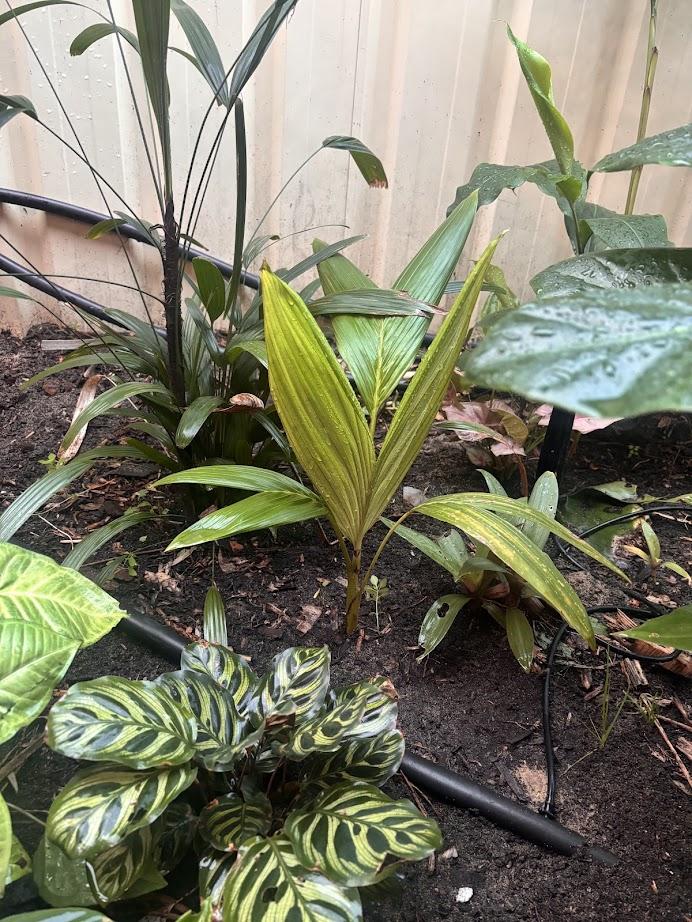 4 points
 -
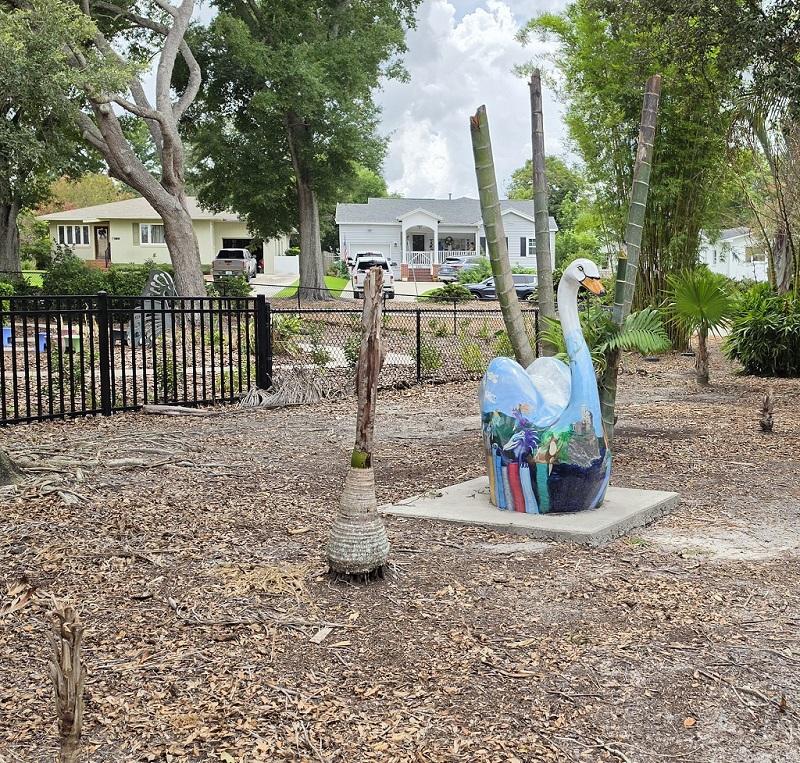
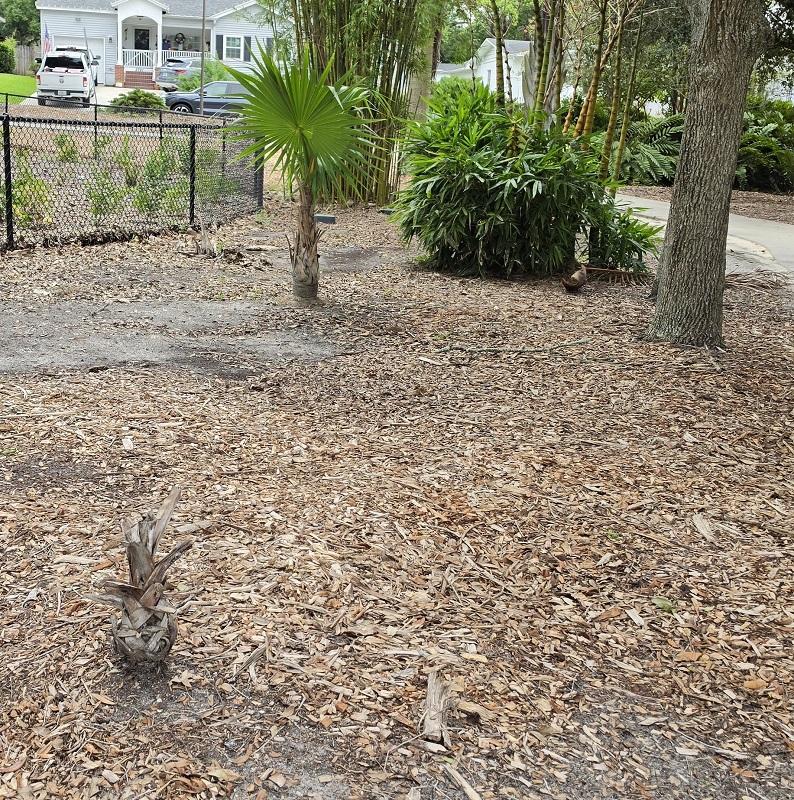
4 pointsThe gardens at Common Ground and the Cleveland Heights Country Club were tested and the photos below showcase photos before and after the February 2026 Freeze. Note that this thread was started in 2019 and many of the palms can be seen in their youth in the first few posts. Cleveland Heights - Roystonea regia: This palm was a showstopper on the 2022 CFPACS Fall Meeting here in Lakeland. After walking up a steep hill from the parking lot behind Common Ground, tired tour-goers were treated to this beast; a stout royal palm. We had to cut Lake Wire from the fall tour because cameras were flashing for almost half an hour when the group got here. Unfortunately, the palm was heavily damaged. Since this was a focal point in the garden, this palm has since been removed. The first photo is as a perfectly healthy specimen in November 2024. The second photo is from February 8th, 2026; seven days after the worst day of the winter. Common Ground - Roystonea regia: This Roystonea took the beating and was allowed to recover. The first photo is from January 2026 after several cold fronts had already arrived. The second photo is from August 2026, showcasing the recovery in progress. Common Ground - Chrysalidocarpus pembanus: While the giant canes of this palm were damaged and infested by borers, the advantage to clumping palms is that they have a good shot of coming back from the ground. In the first photo, you see the palm in question with a Latania lontaroides (Red Latan) to the right. The Red Latan didn't survive, but you can see the new growth coming from the base on the Chrysalidocarpus. The first and second photos are from January 2026, while the third is from August 2026. Common Ground - Carpoxylon macrospermum: Unfortunately, this one did not fare as well as the one at City Hall in the Downtown Lakeland thread. It is now deceased. In the second photo, you can see the remains of a Licuala grandis and the Latania lontaroides mentioned above. Photos are from January 2026 and February 2026, respectively. Common Ground - Kerriodoxa elegans: Unfortunately, this is only a before photo. It was removed and the area around where it was at was cleared. There's now no way to know if it was dead beforehand, or if it could have recovered. Mine in my yard is recovering. Photo taken January 2026. Common Ground - Thrinax radiata: This palm was heavily damaged but recovering. You can also see the Red Latan stump and the recovering Buddha Belly Bamboo in the second photo. Photos from January 2026 and August 2026, respectively. Common Ground - Dypsis decaryi x leptocheilos : I believe this is a Tri-bear. If you think it is not, please let me know what you think it is. It took a beating, but is progressing nicely through its recovery. Photos are from January 2026 and August 2026, respectively. Common Ground - Beccariophoenix alfredii + Chambeyronia macrocarpa + Caryota mitis +Licuala grandis + Allagoptera caudescens : This is only the after photos from August 2026. While the Beccariophoenix alfredii looks to be coming back strong, the Allagoptera (front left) is starting to put out some green, and the Caryota mitis clump will come back from the ground, the Chambeyronia macrocarpa double in the center is dead. Wish I had better news from this location, @SubTropicRay. The Licuala grandis stump in the front is easier to make out in this photo as well. Keep in mind that this location is a short 5 minute walk from the Lake Hollingsworth boat ramp area where the Allagoptera was doing relatively well. Siting makes a big difference. The second photo shows the overall size of the Caryota mitis and all of the seed stalks that it put out as a "Hail Mary" for species survival. Common Ground - Euterpe oleracea (?) : This is thought to be Euterpe oleracea, but may be Euterpe edulis. I had to dig deep in the archives to find a photo more recent than the 2019 photos starting the thread and earlier than the 2026 freeze. The first photo is from November 2023 and the second is from August 2026. It took a little bit of damage, but is doing a lot better than the bulk of the other crownshaft palms in the area. Common Ground - Zamia furfuracea : These held up remarkably well considering the wind speed and low temperatures. This is a hedge that self-seeds here. There are thousands of these here that serve as a border between the sidewalks and the street. Unfortunately, all of the Clusia that were used on the opposite side of the sidewalk took heavy damage and were removed. There are Clusia coming back in various locations, but it will be a while until they are a bush again.
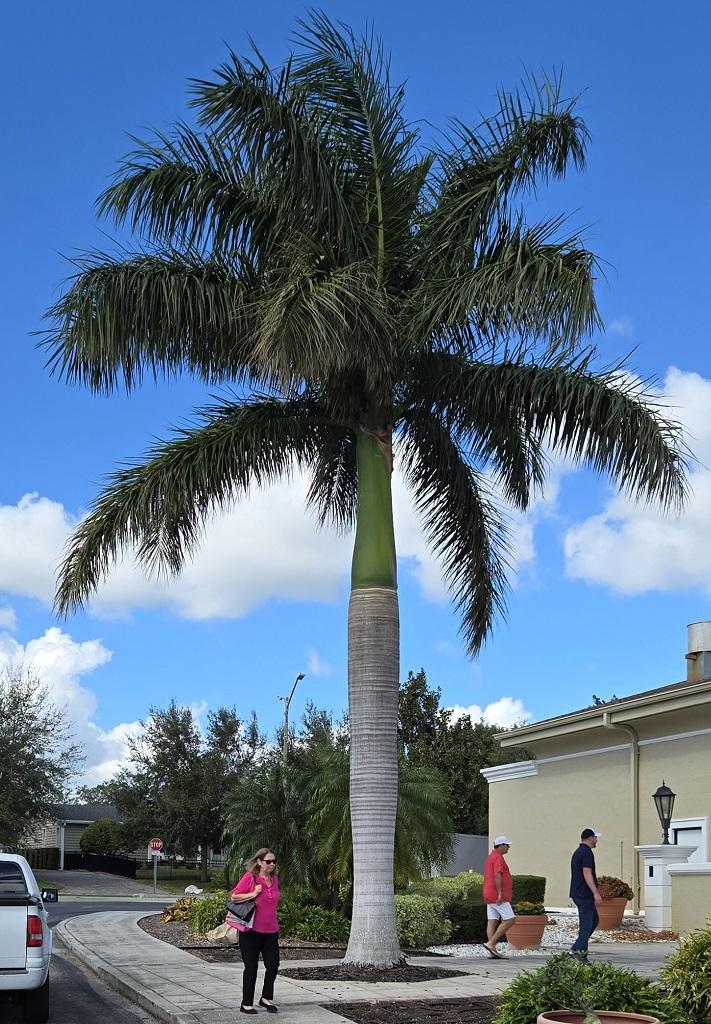
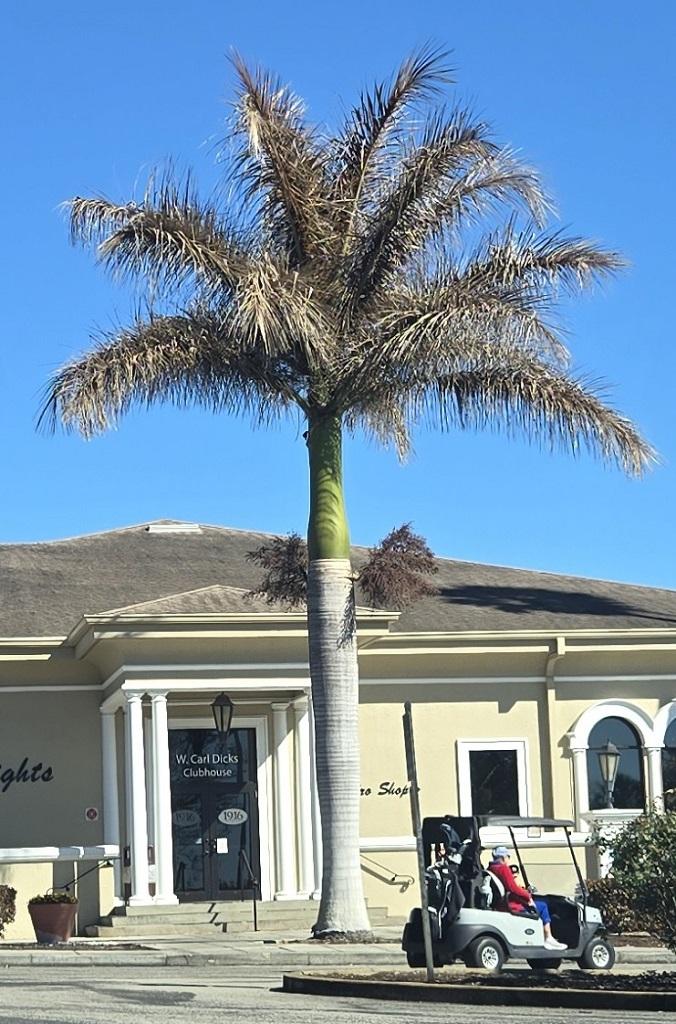

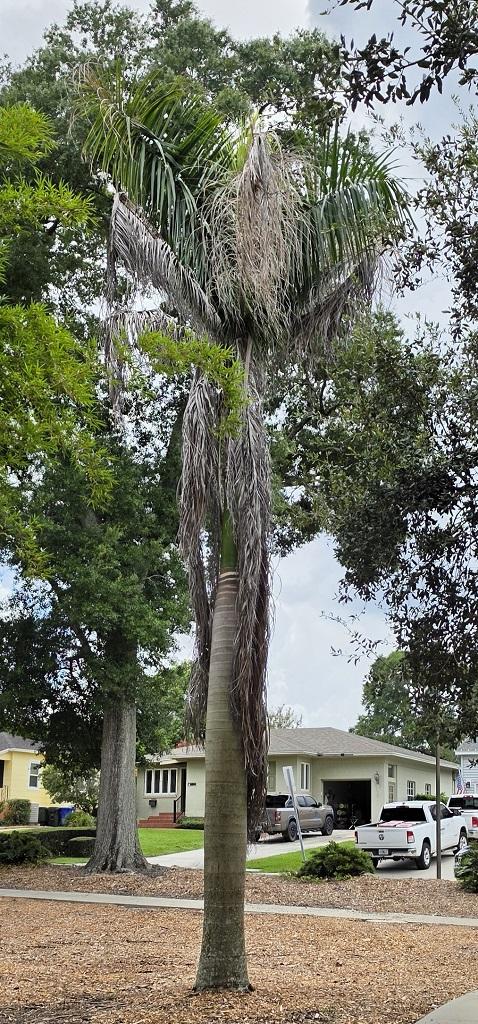

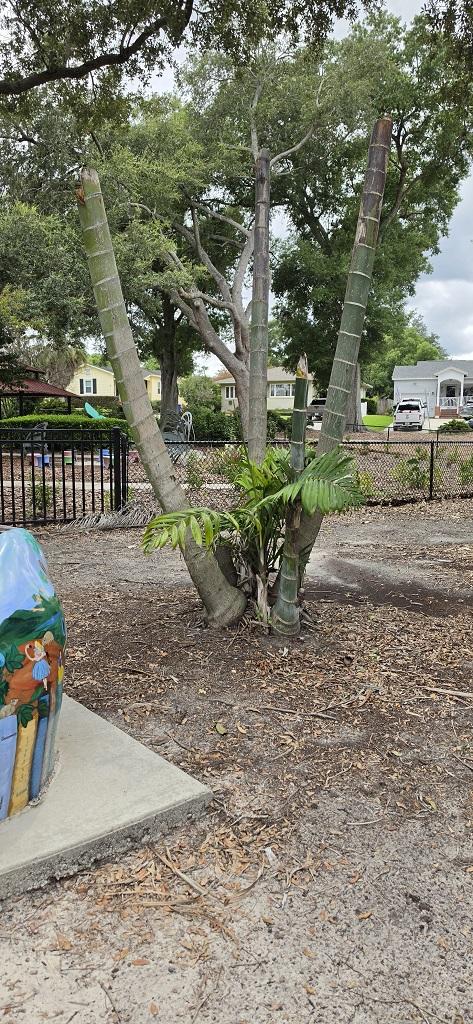


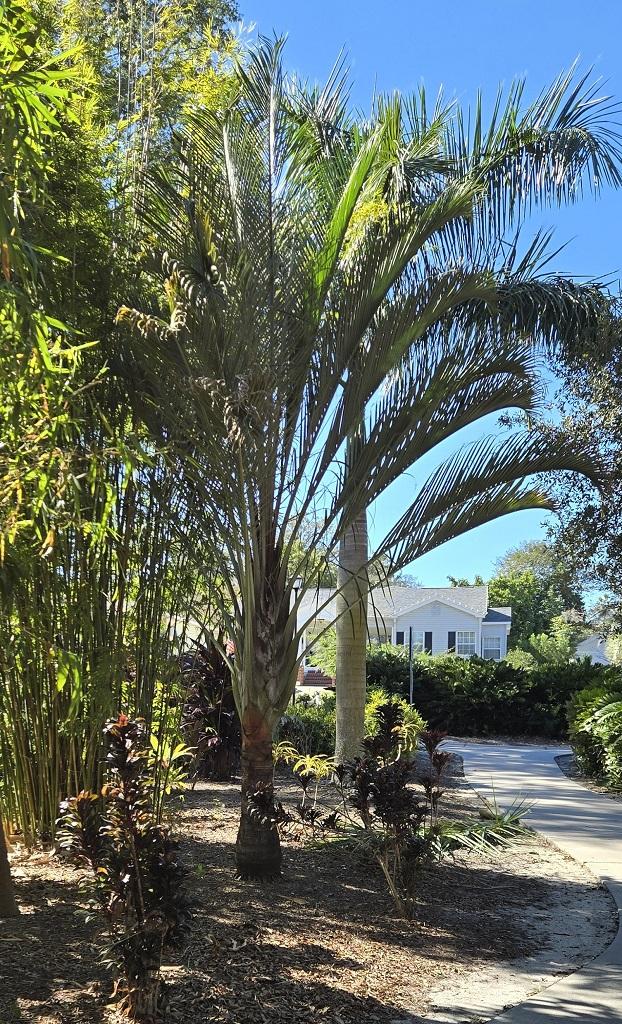

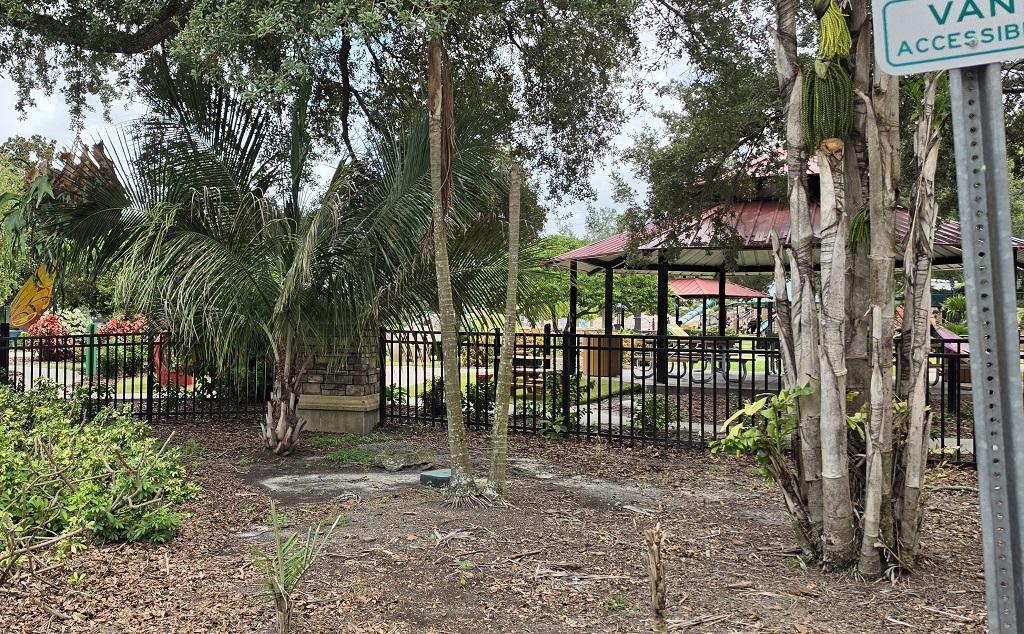
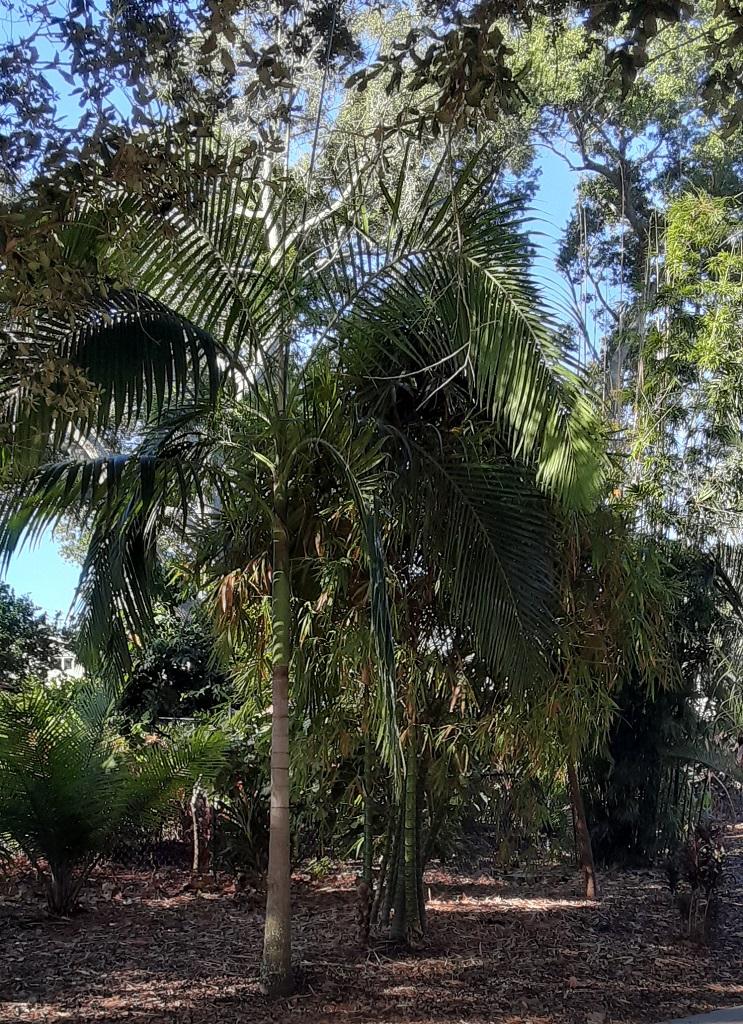
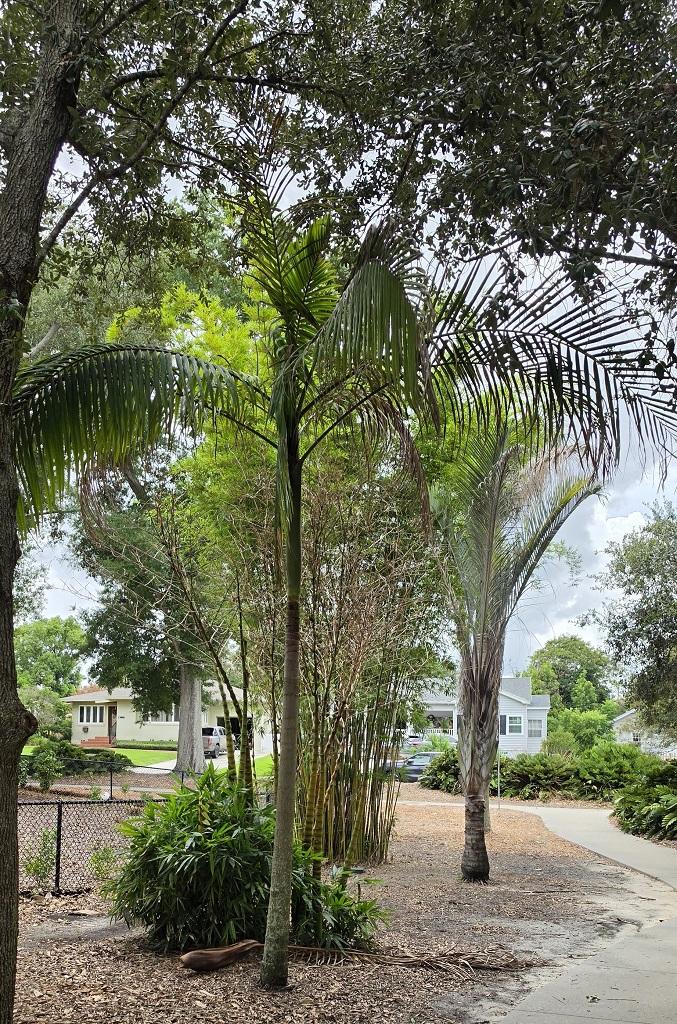
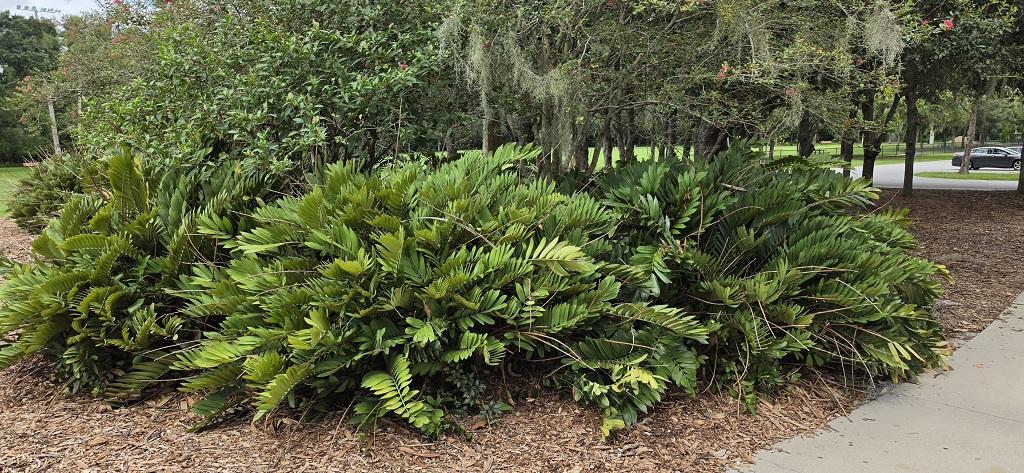 4 points
 -
3 pointsI originally bought this copernicia alba from Ken Johnson. It had 3'+ of trunk in mid august 2011, with a tiny crown due to sitting in 90 gal pot for years. Ken said nobody wanted it and he recommended it to me. It was delivered with a few other specimen palms(C oliviformis). Over the years I notice that each year a bunch of spears(~10 or more) at the same height rose up and pushed the previous years leaves down towards the horizontal. The new leaves open pretty quickly when the palm is ready. They can be seen separated against the sky fromt he old ones in a cluster. It reminds me of a new flush of flowers. SO I use the term "flush" when a good number of leaves open is quick succession( a couple weeks). A couple days ago against a story sky but some sun peeking through at my back I took a pic to show the "flush". The only other palm I have that does this is P, rupicola. The rest take a week or more between the opening of spears. This palm was hit by Hurricane Milton and lost some was as leaflets were bent. It was one of the better performers of the well exposed palms in my yard. Here it is with the dead leaves from Milton still hanging on. You can see this years flush is separated from last years by angle to the horizontal. As you can see its in sandy soil and has a little clay underneath at 2'. Its not in a wet spot irrigation or soil wise, and it did suffer in this drought but looks ready to go after the recent rains. The leaves are now self shedding to a smooth trunk the latest 3' of trunk(out of view here). Does anyone else out there have an alba story or a newly planted alba?
 3 points
 -
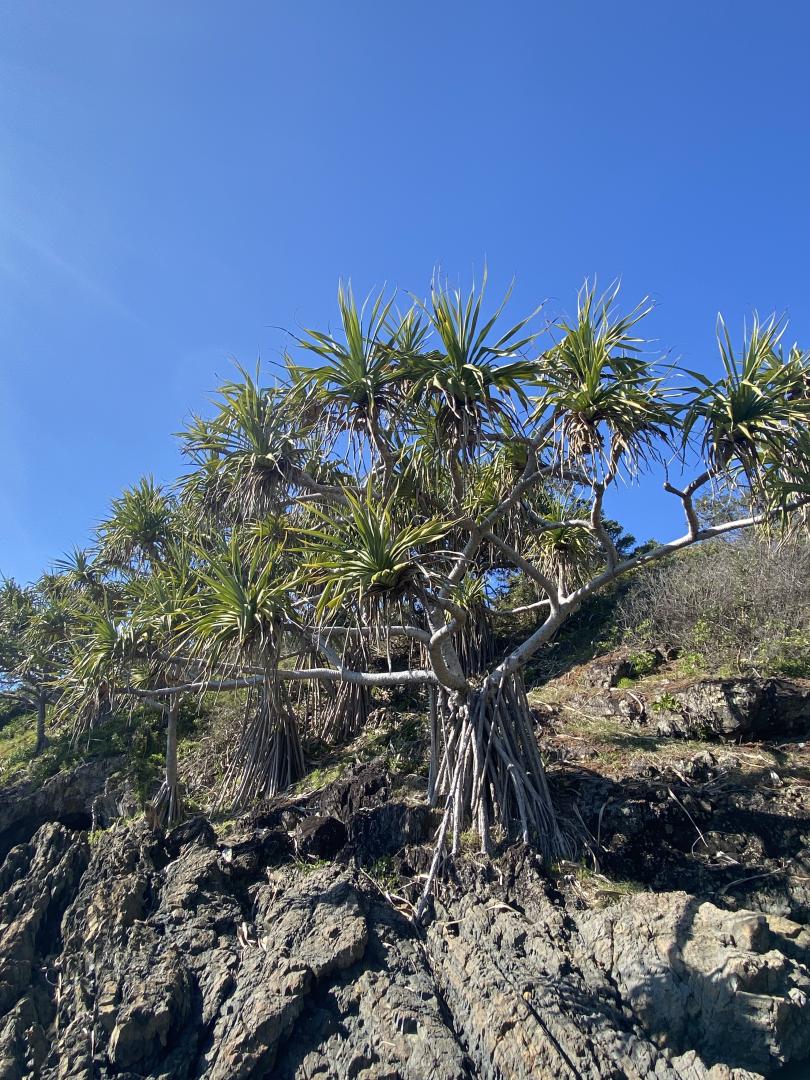
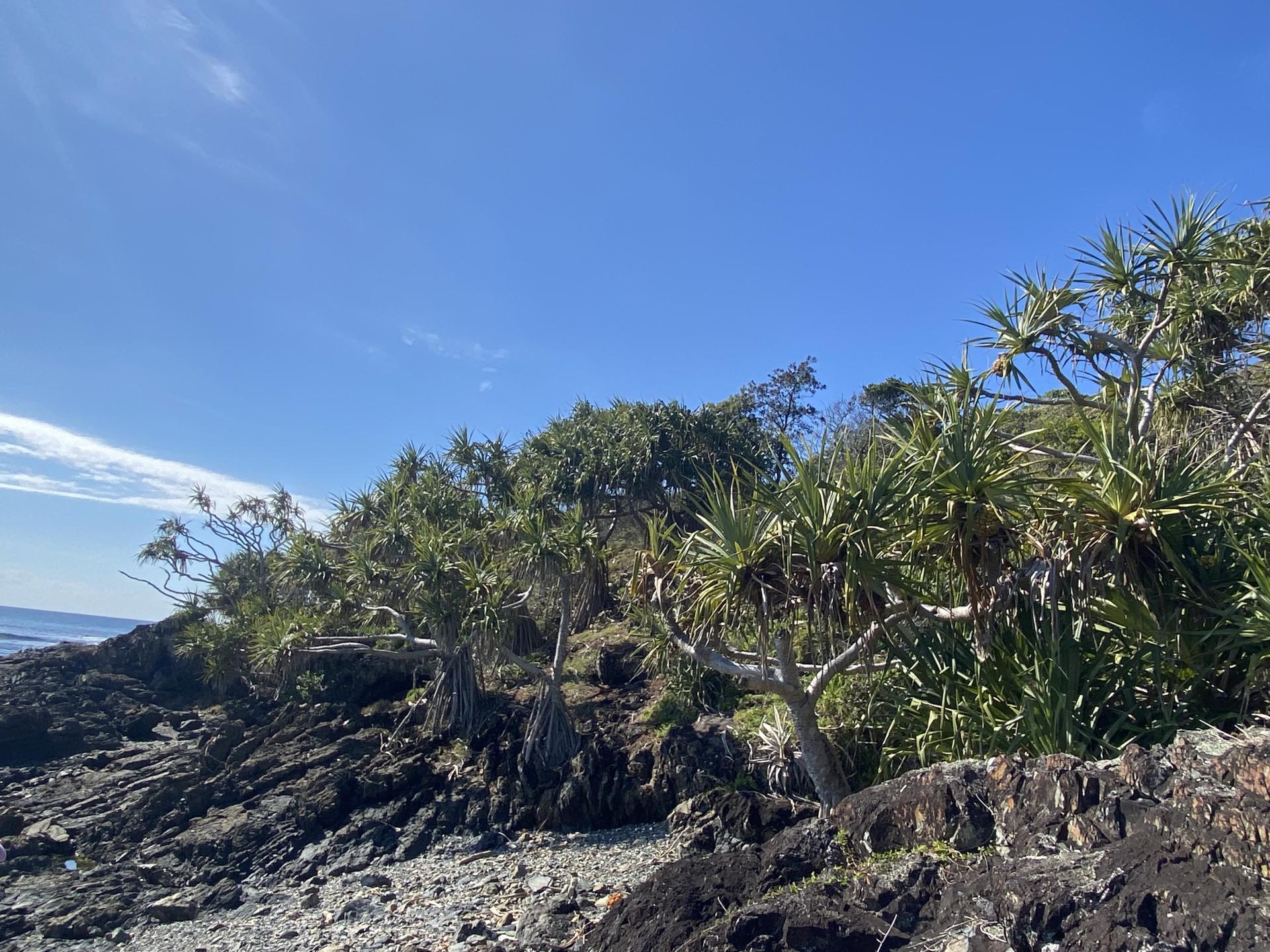
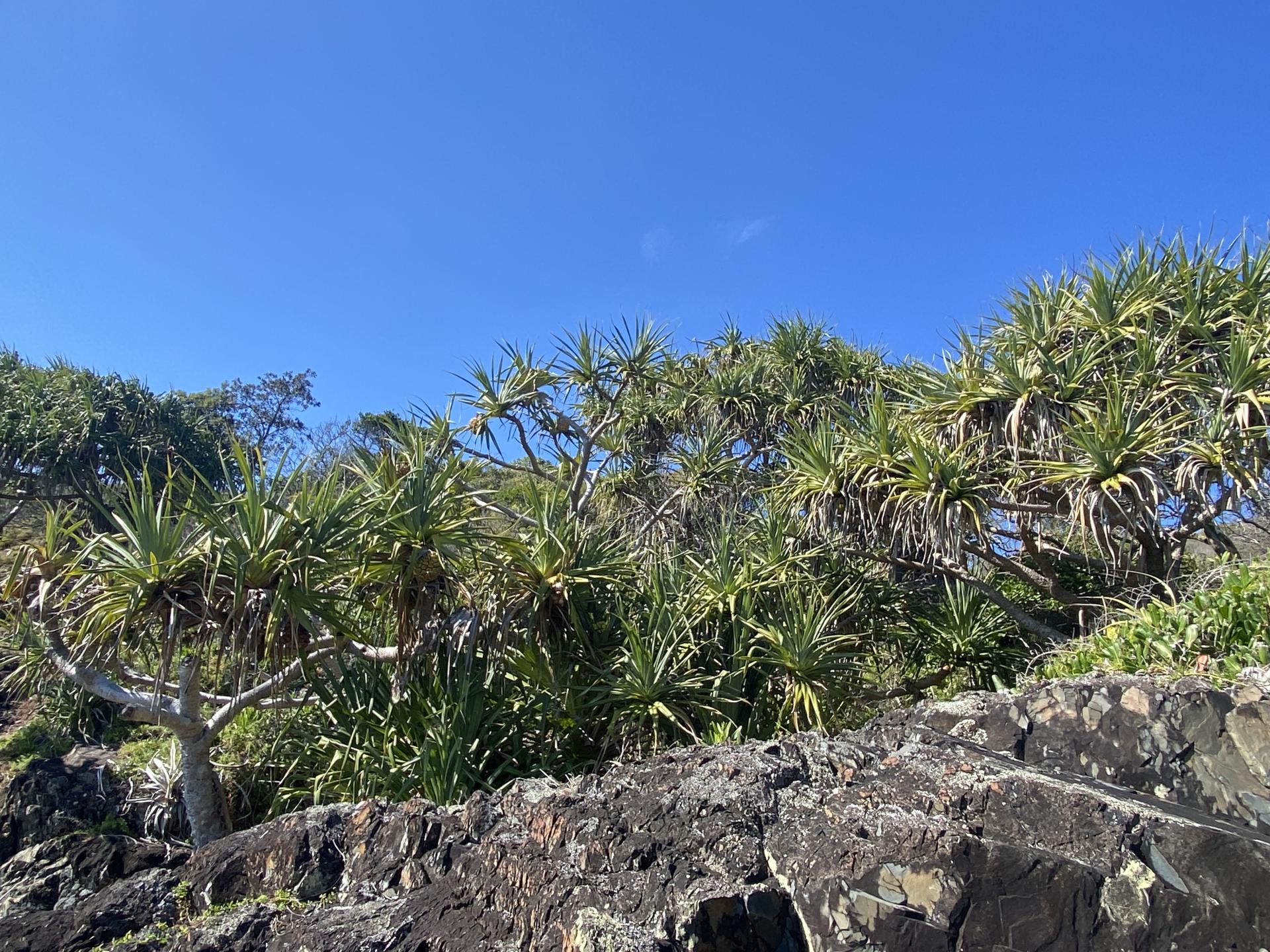
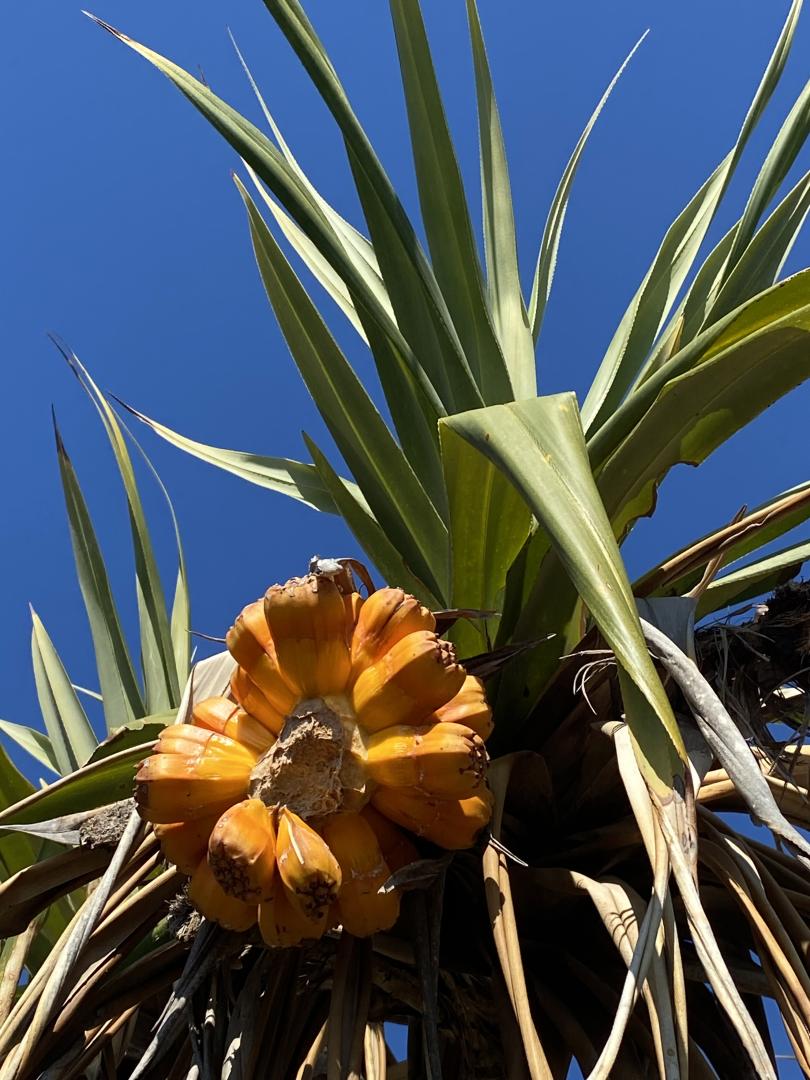
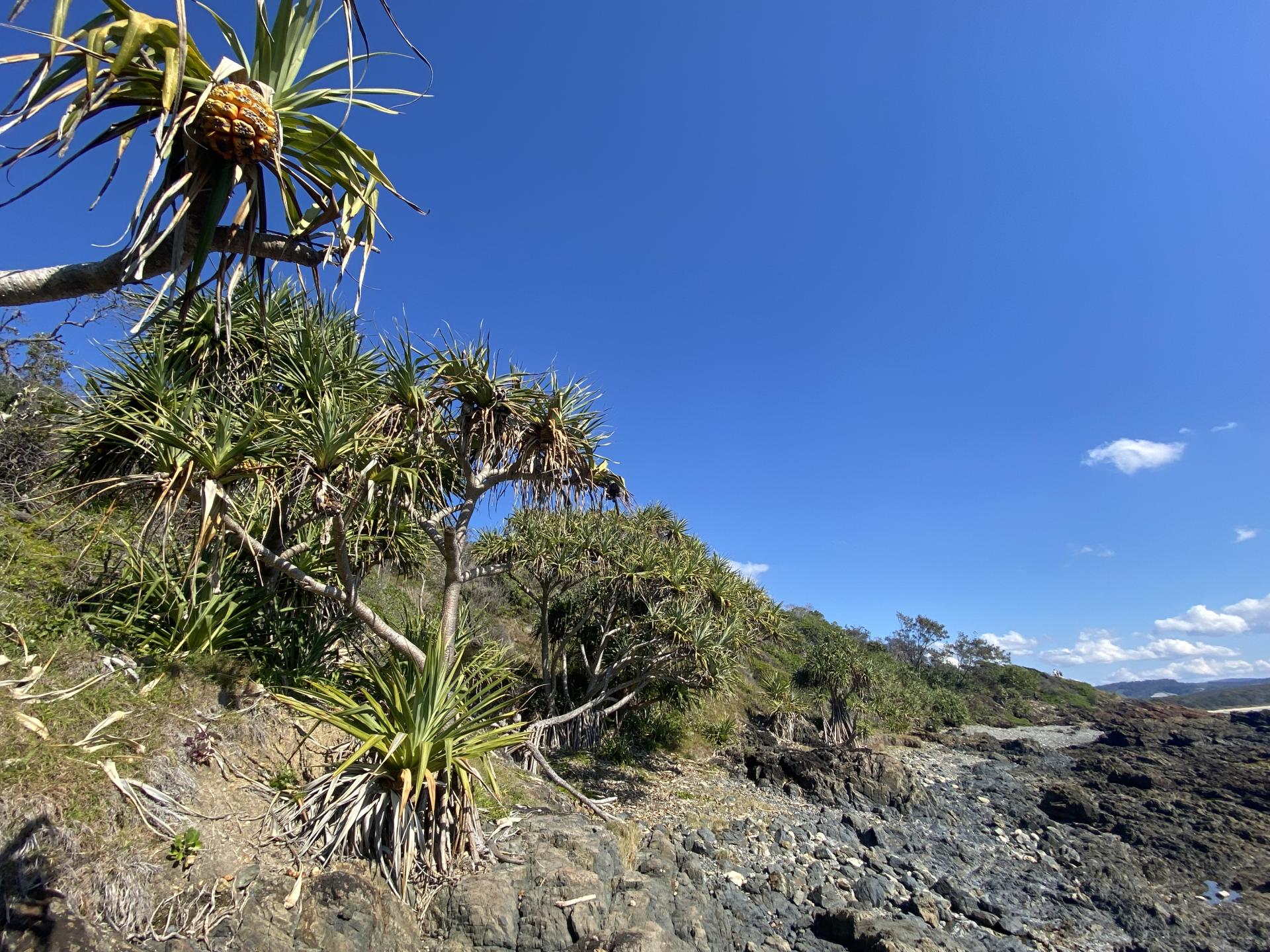
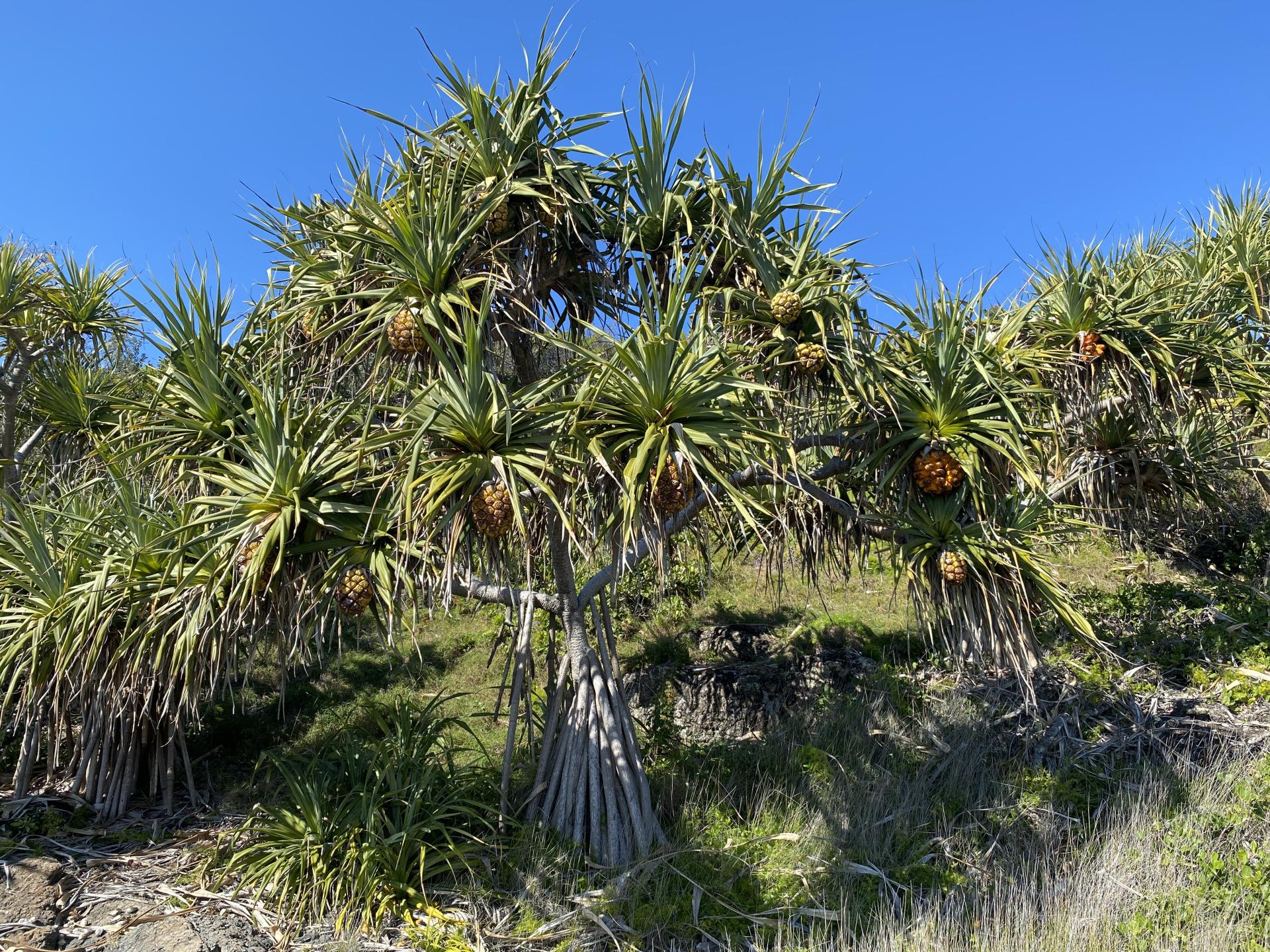
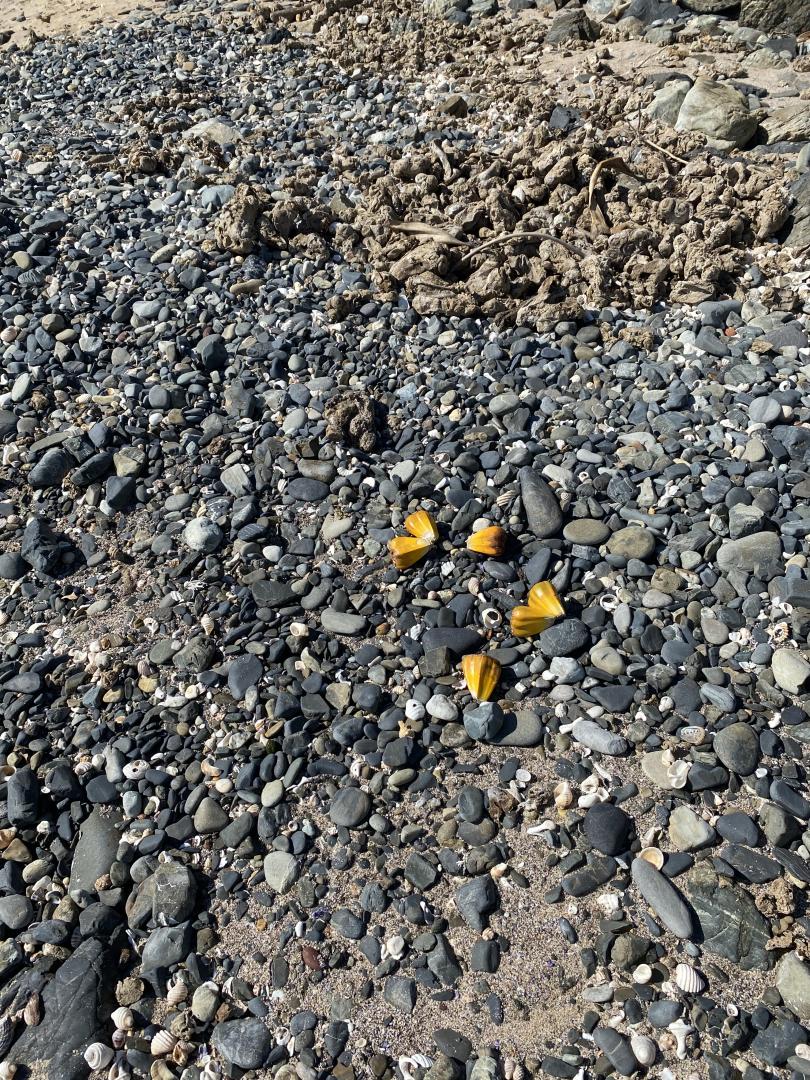
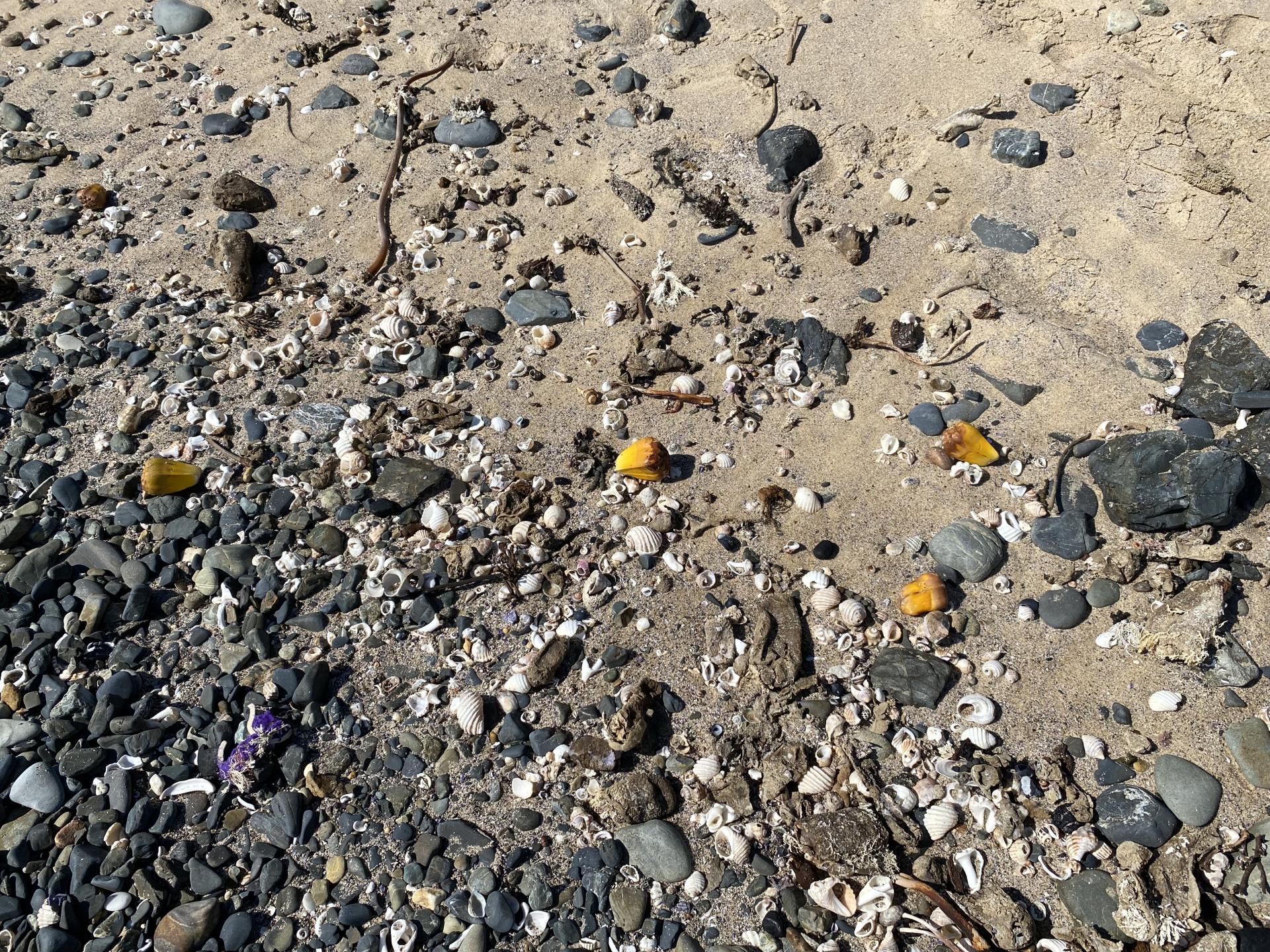
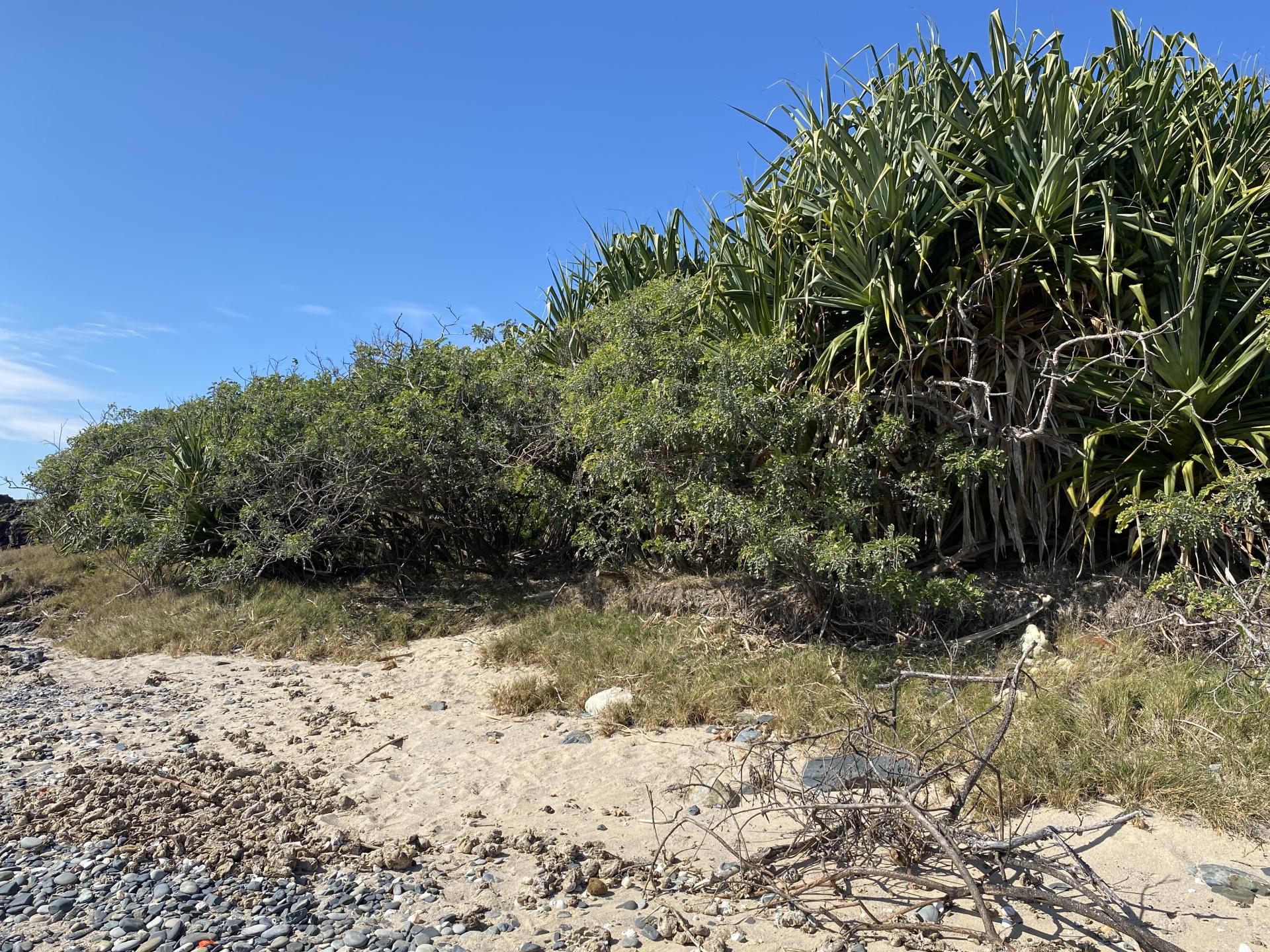
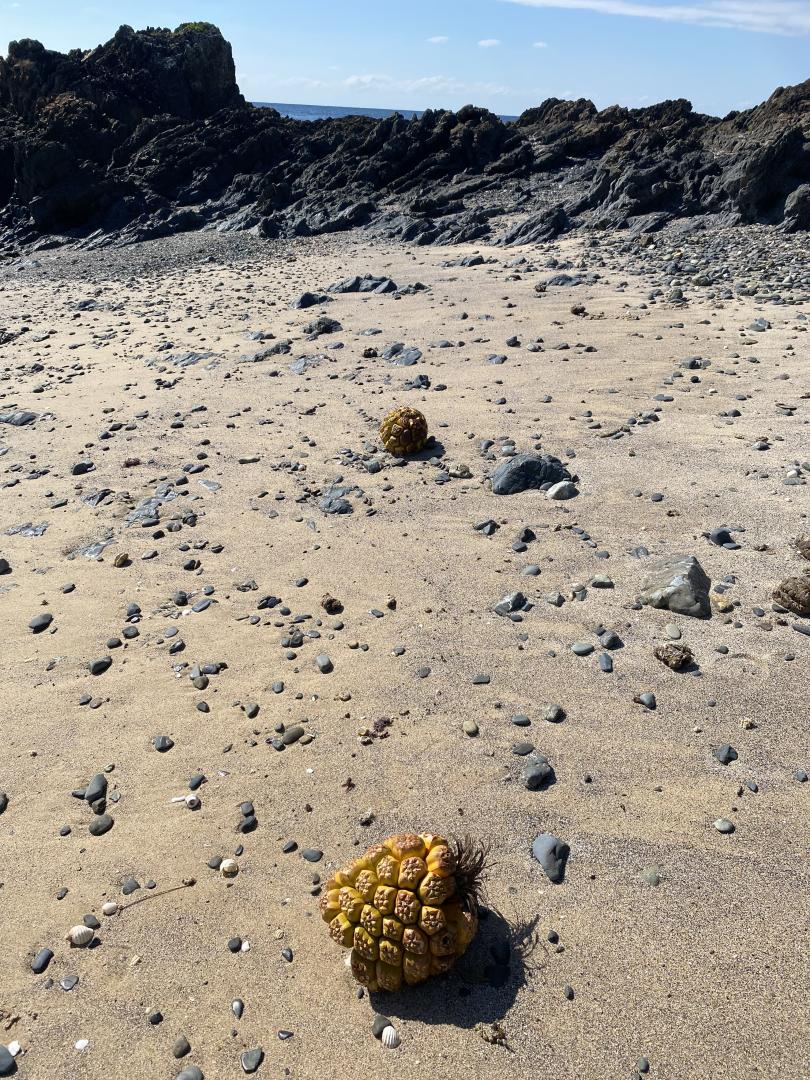
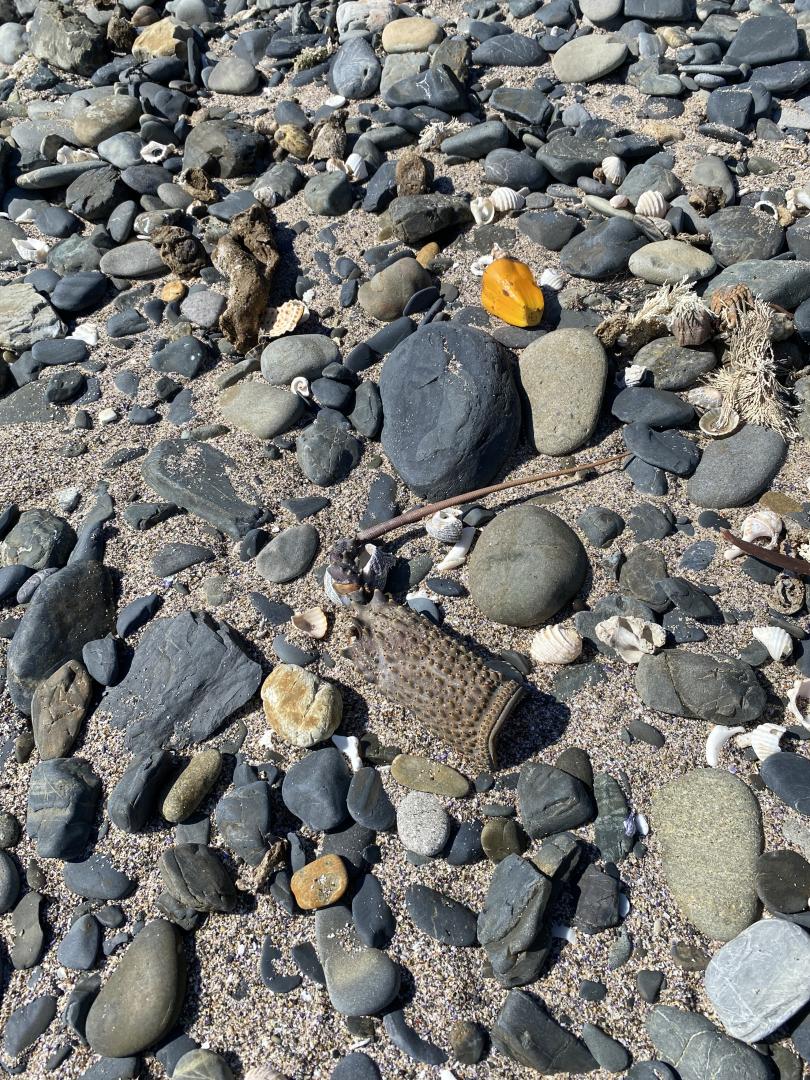
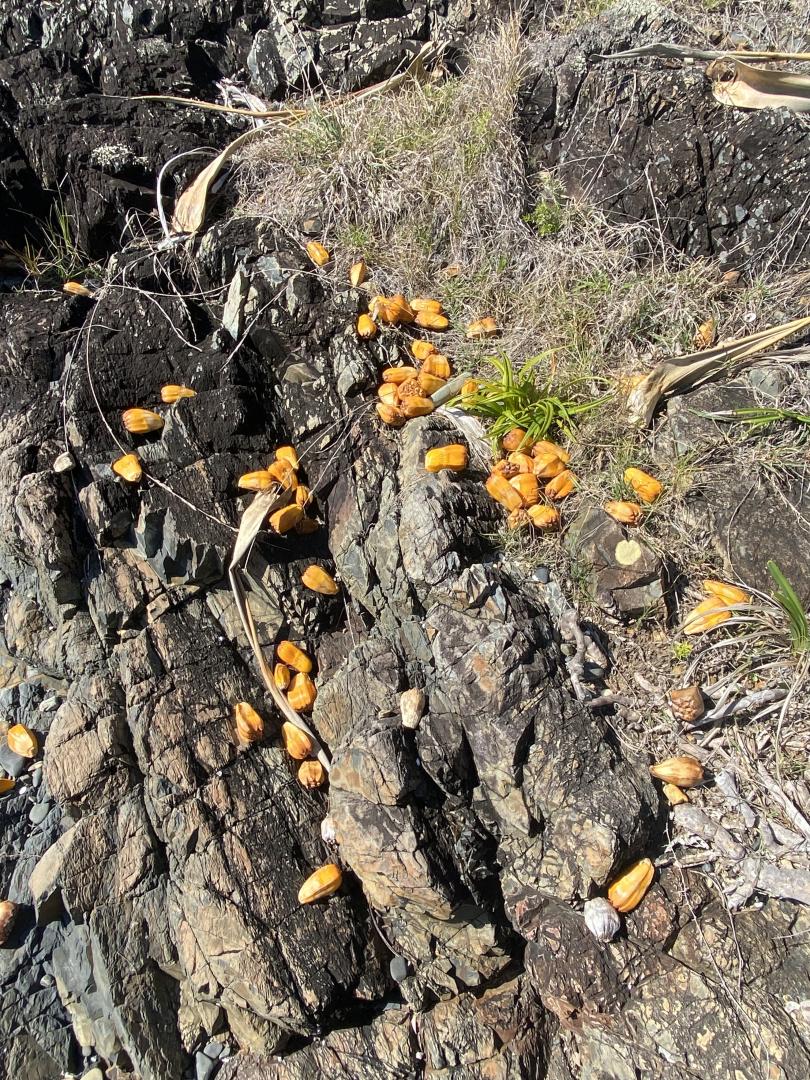
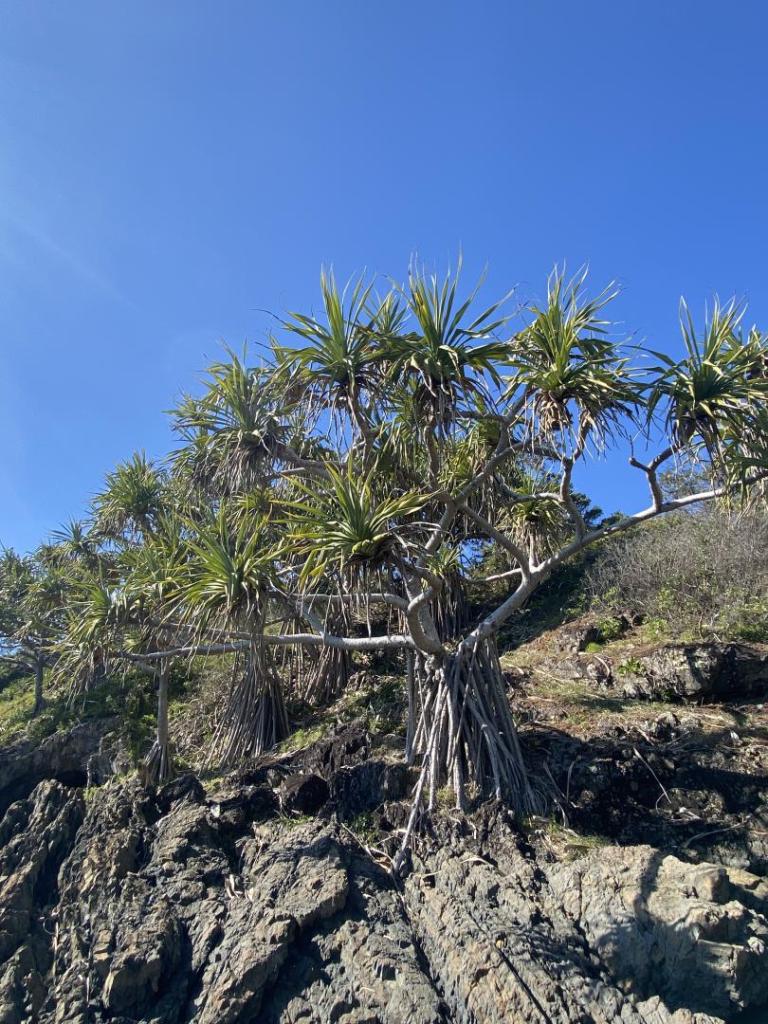
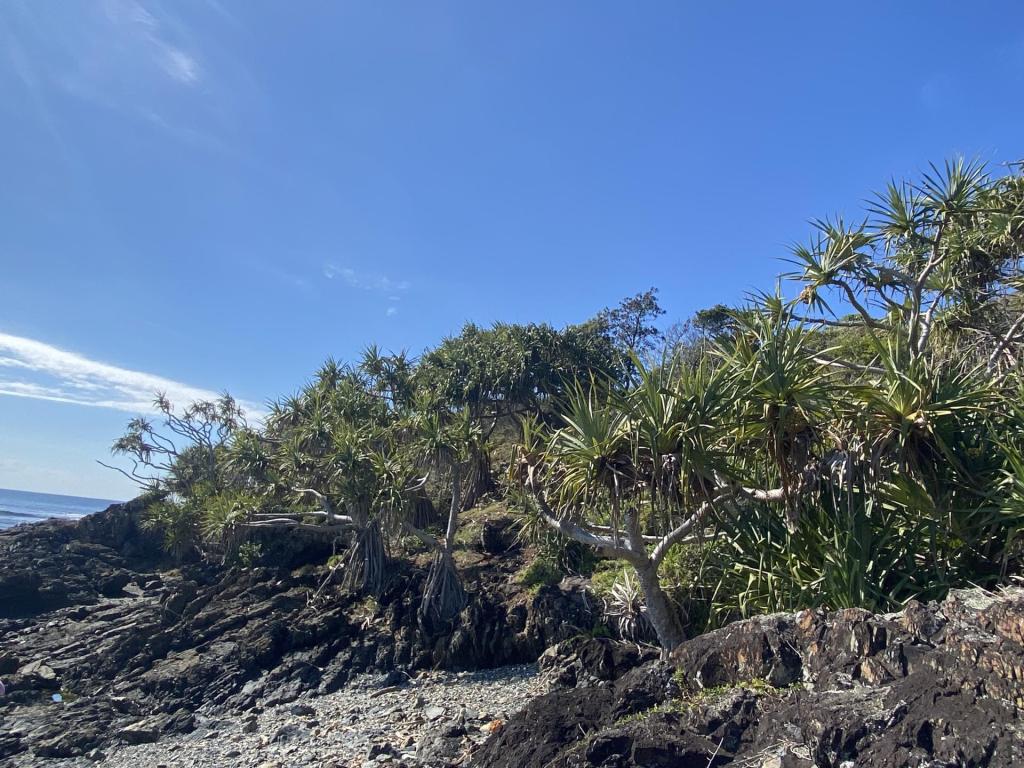
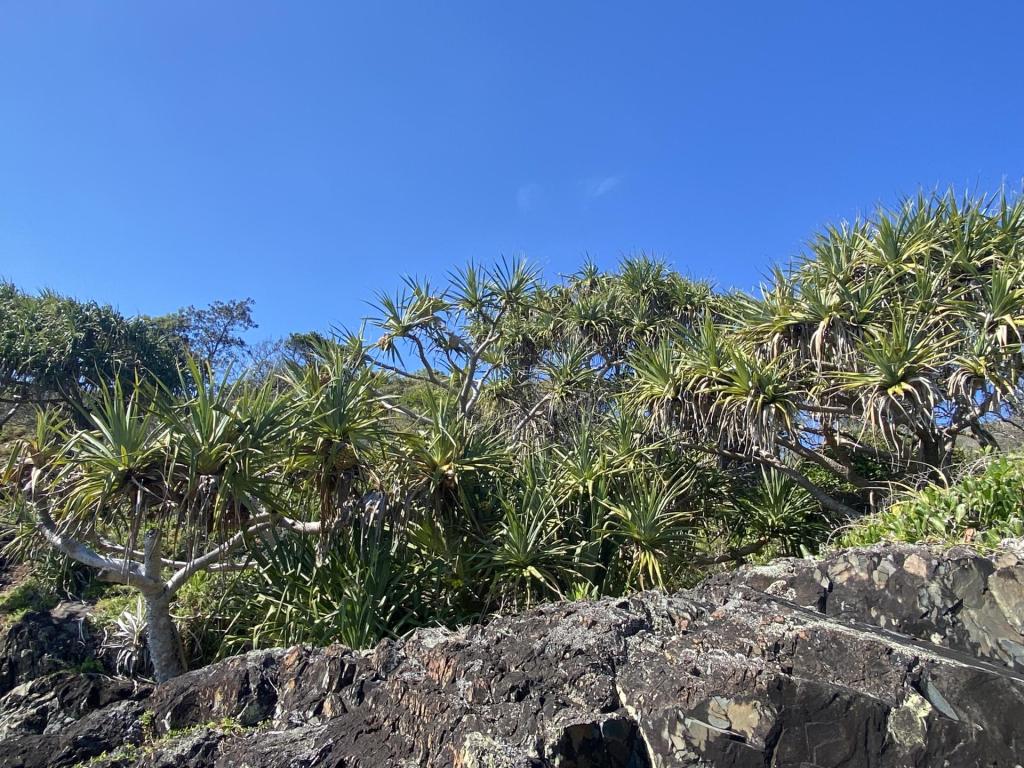
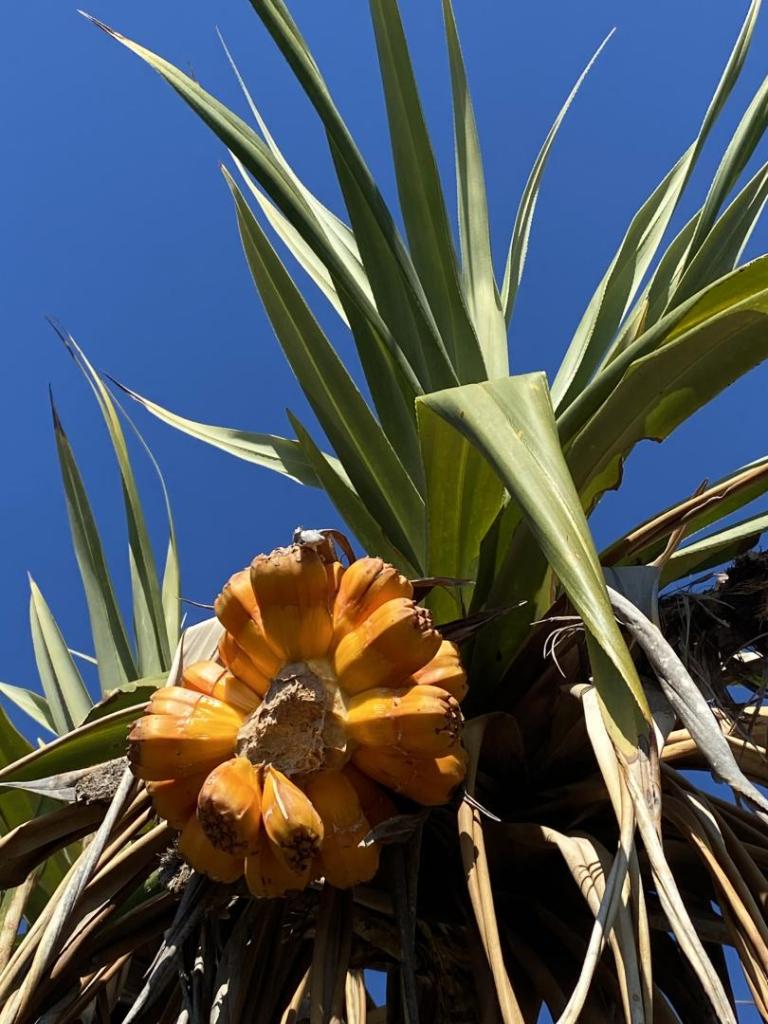
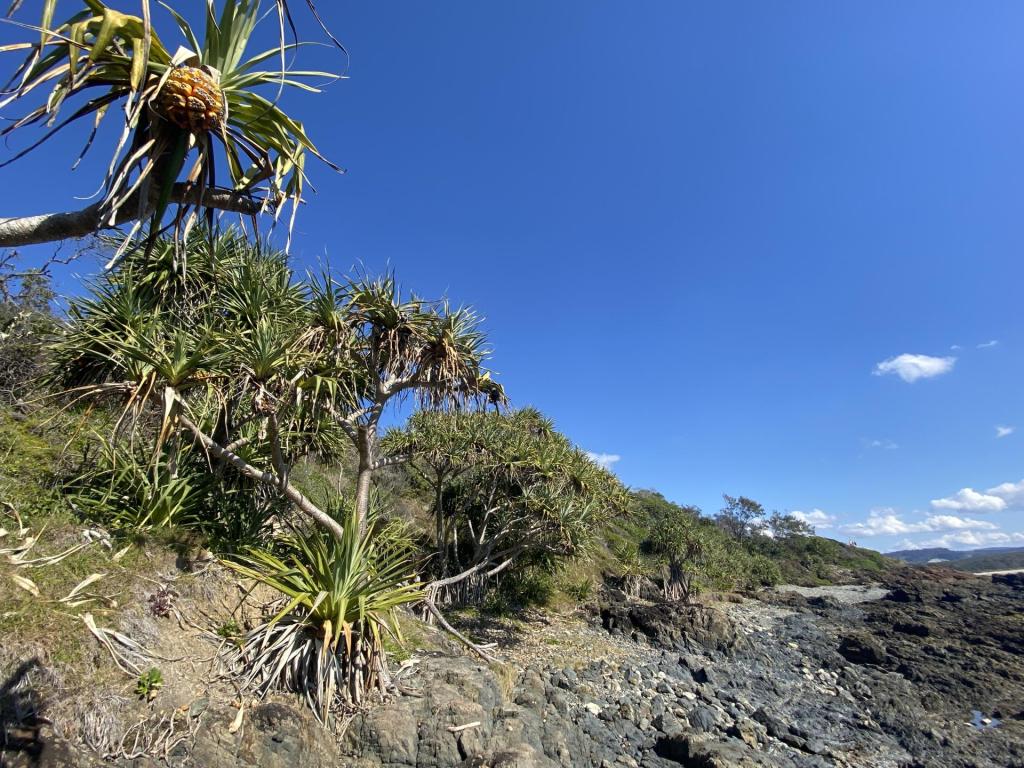
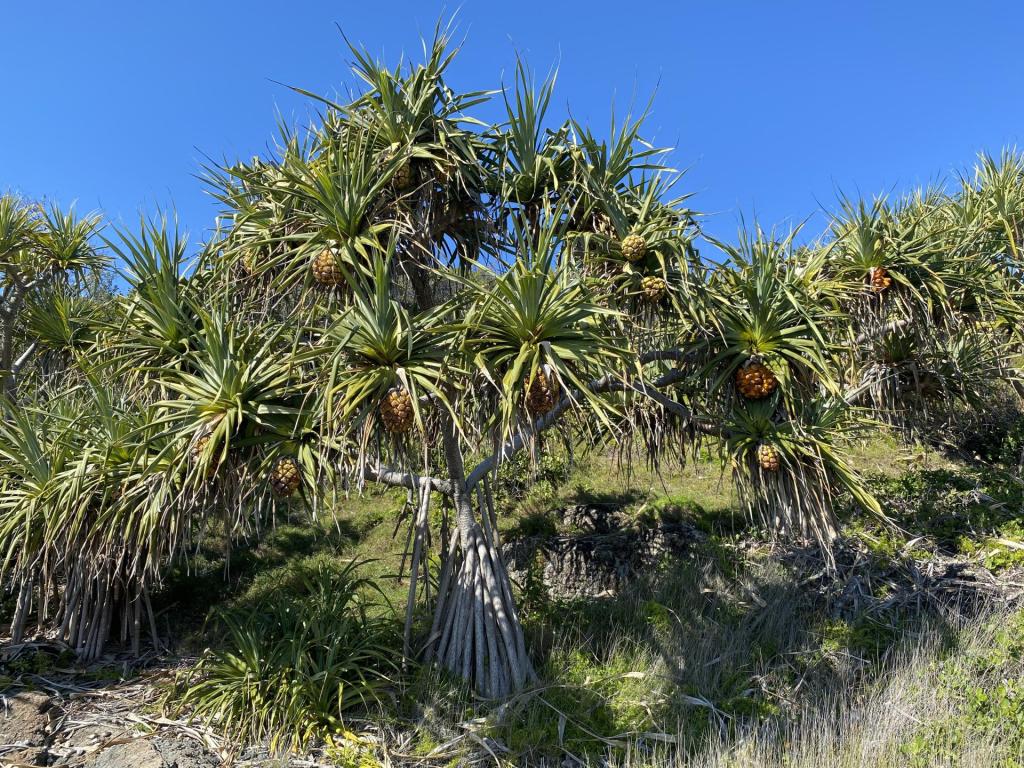
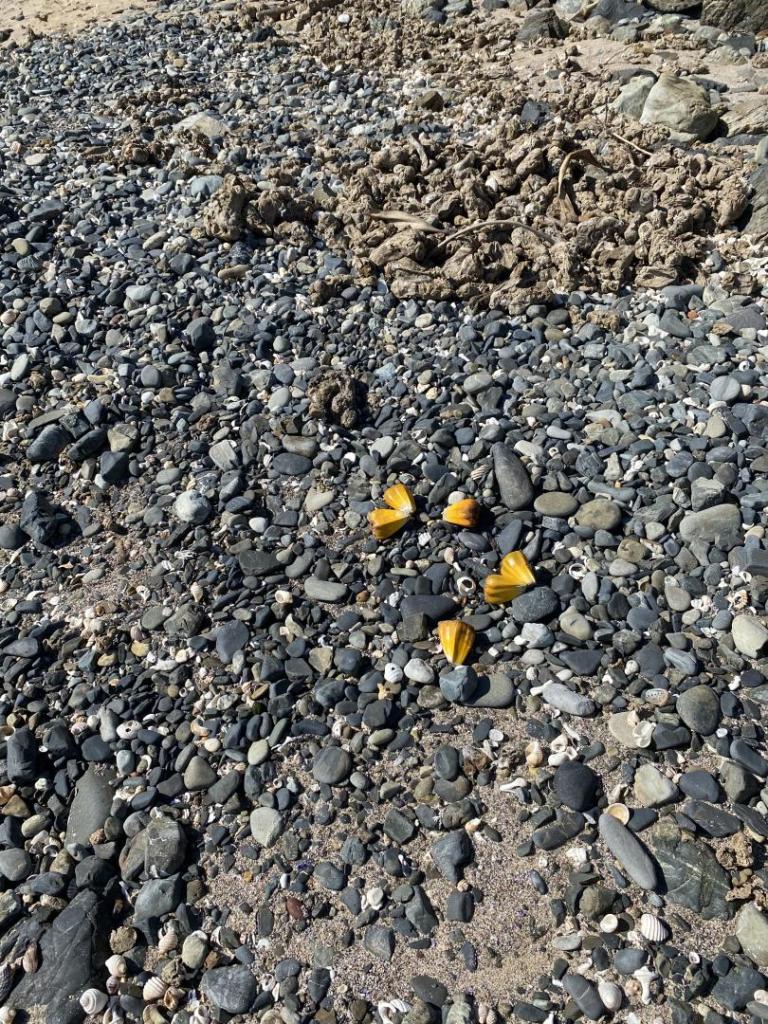
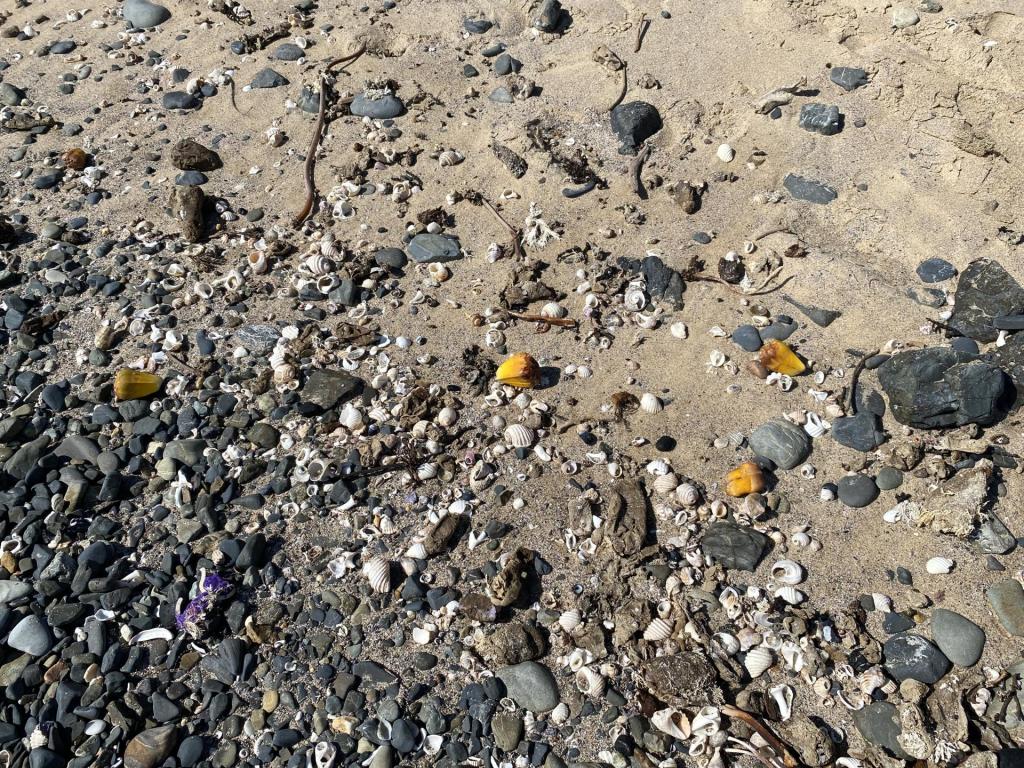
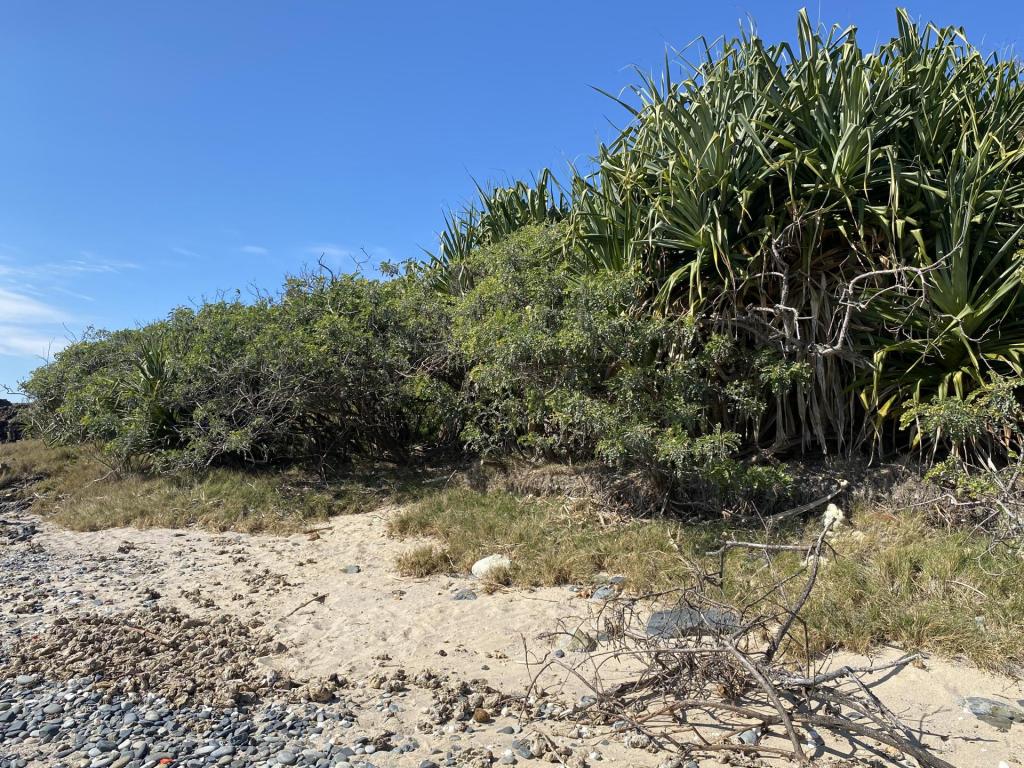
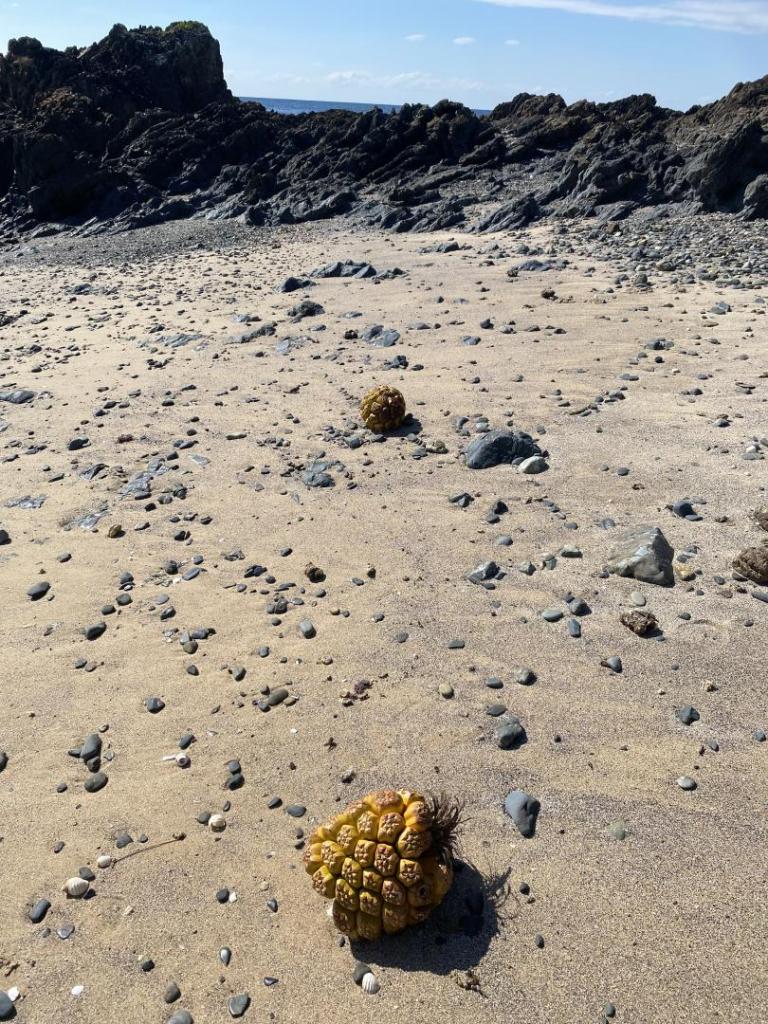
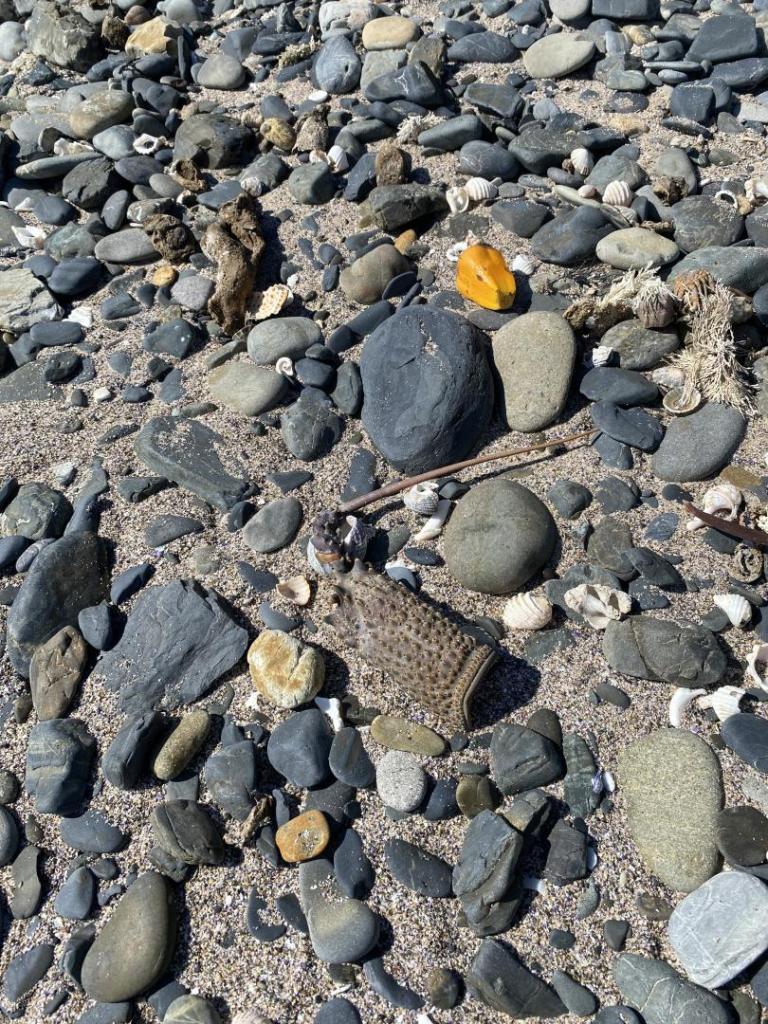
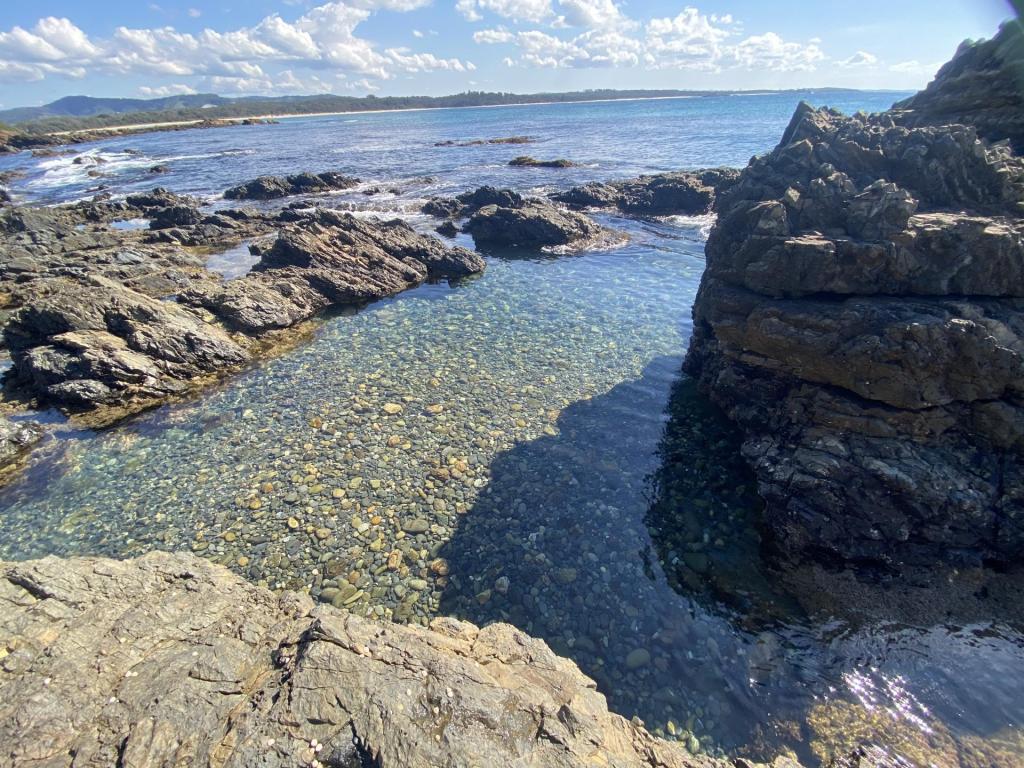
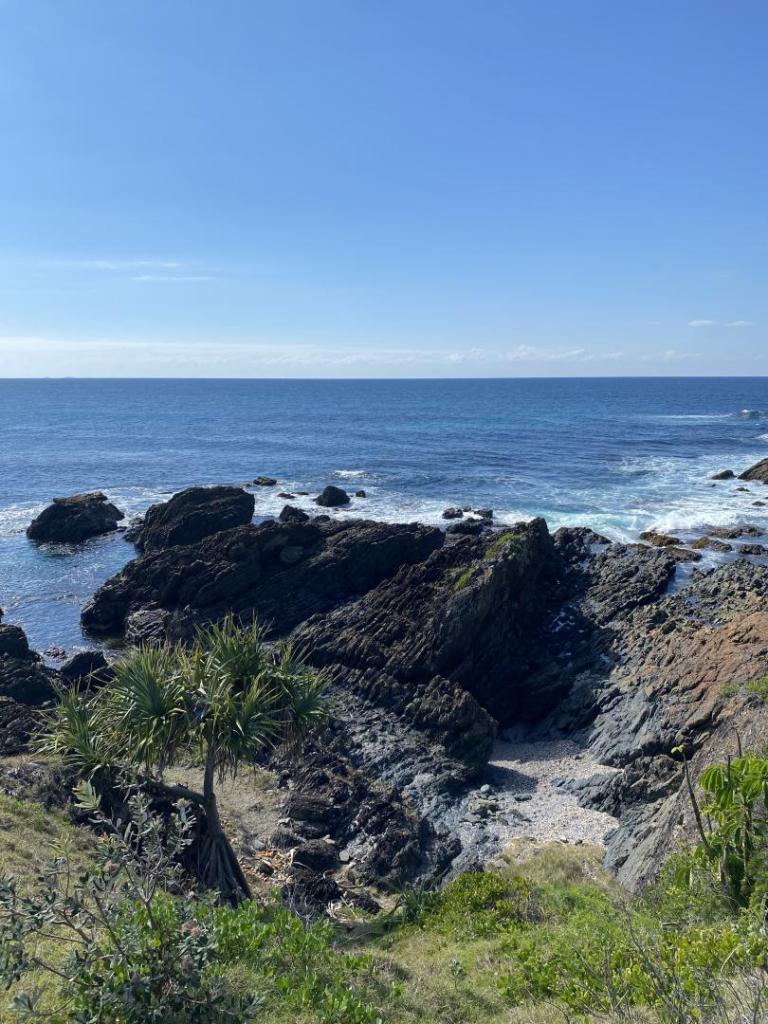
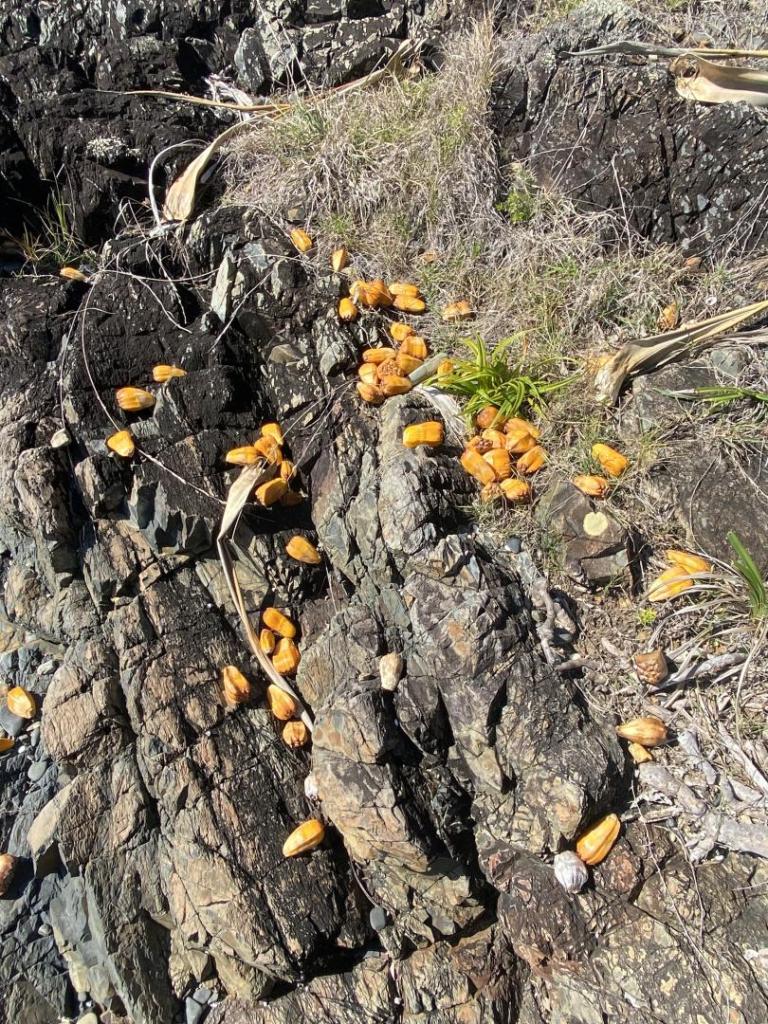
3 pointsA pandanus that is all over the coast line of northern New South Wales. Growing right down to edge of coast just out of the tidal zone, that was s exposed to the elements of the ocean. They will grow further inland and I have them in my garden. You see them a lot in coastal towns. And they can get quite large taking up a lot of space. Seeds are easy to collect, to propagate you just leave them on top of the soil, preferably sandy soil with a little mulch on top of them. A nice pandanus that is worthy of any garden!
 3 points
 -
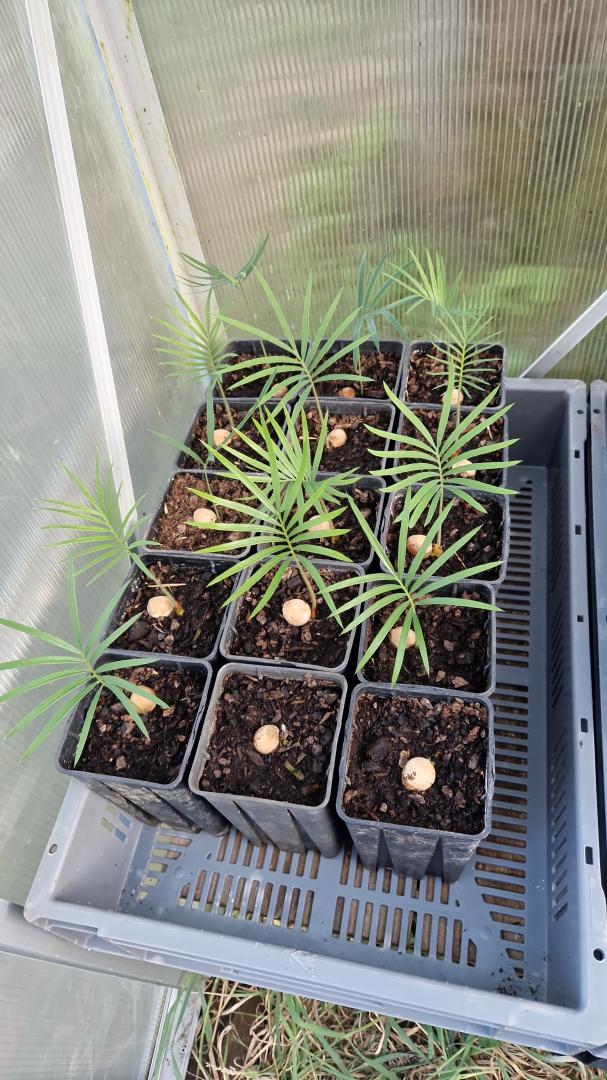
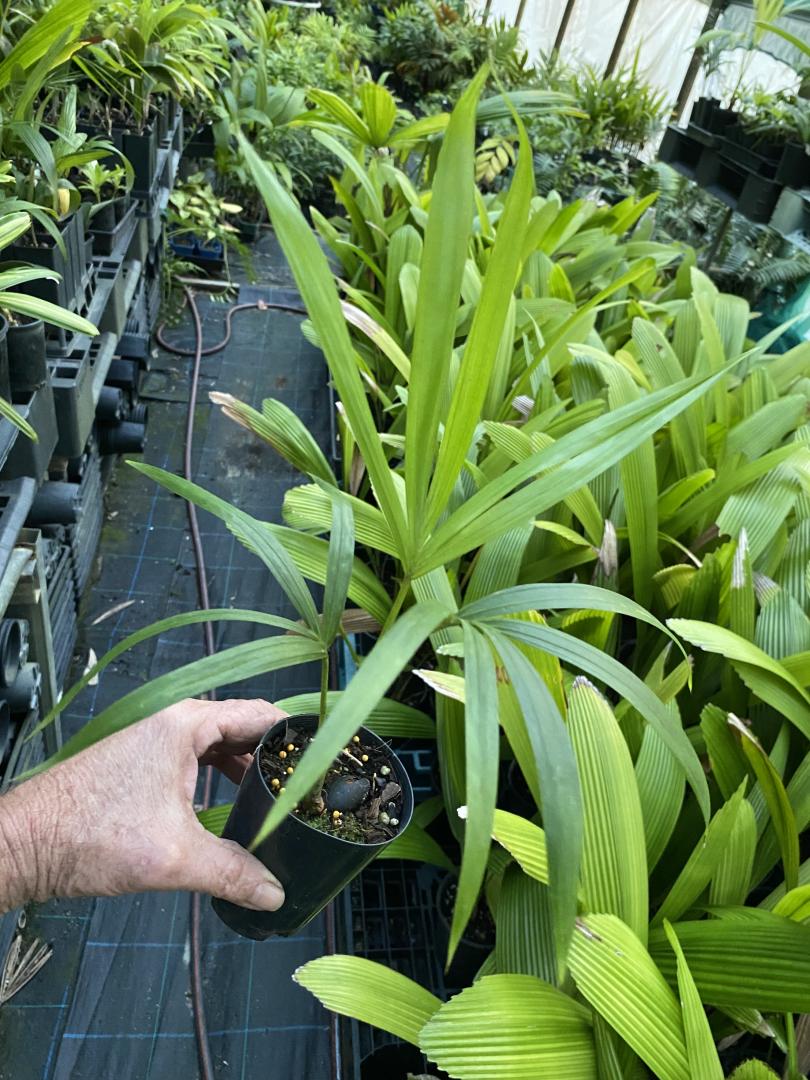
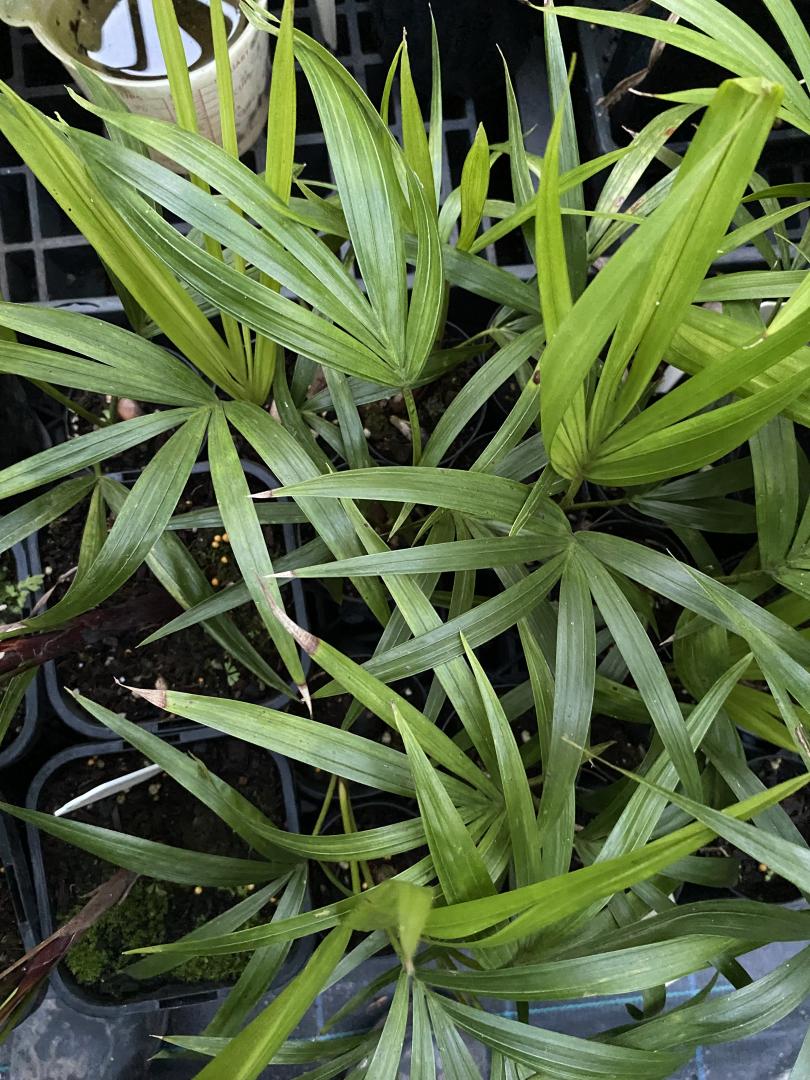
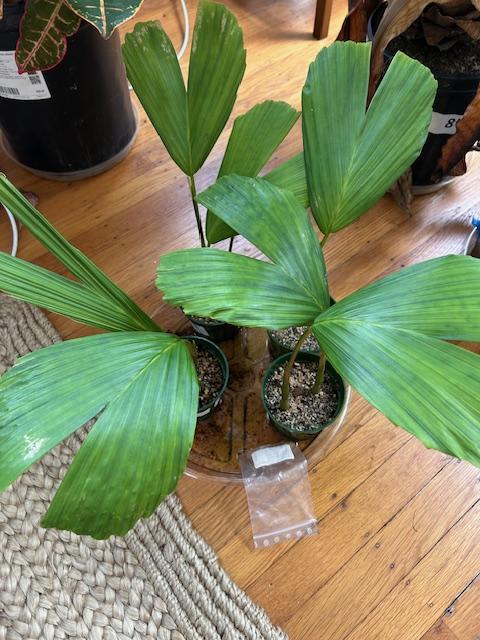
 3 pointsMost of the seeds I ordered from RPS last winter sprouted quickly and are now pushing their second fronds. I'm going to move them outside soon and see what happens...🤞
 3 points
 -
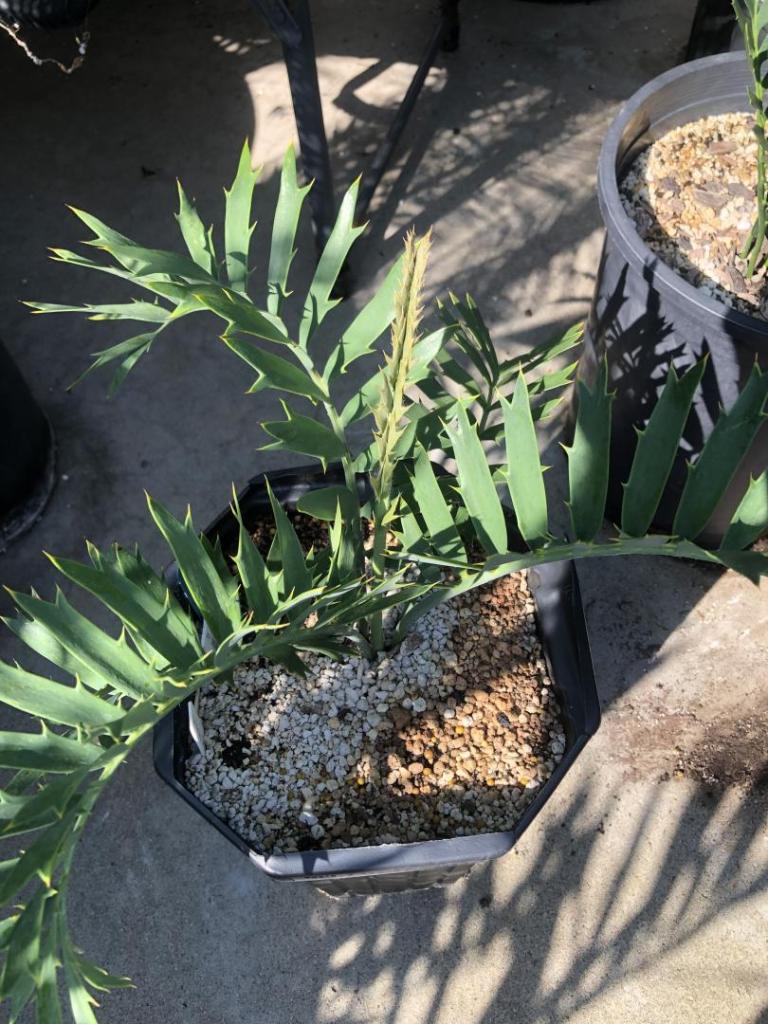
3 pointsHorwood x Arewood throwing a single leaf flush. 3rd flush since spring time!
 3 points
 -
3 pointsA couple E. “Trappes valley” Latifrons I bought last year throwing nice flushes but still one leaf. They are putting on size quick!
 3 points
 -
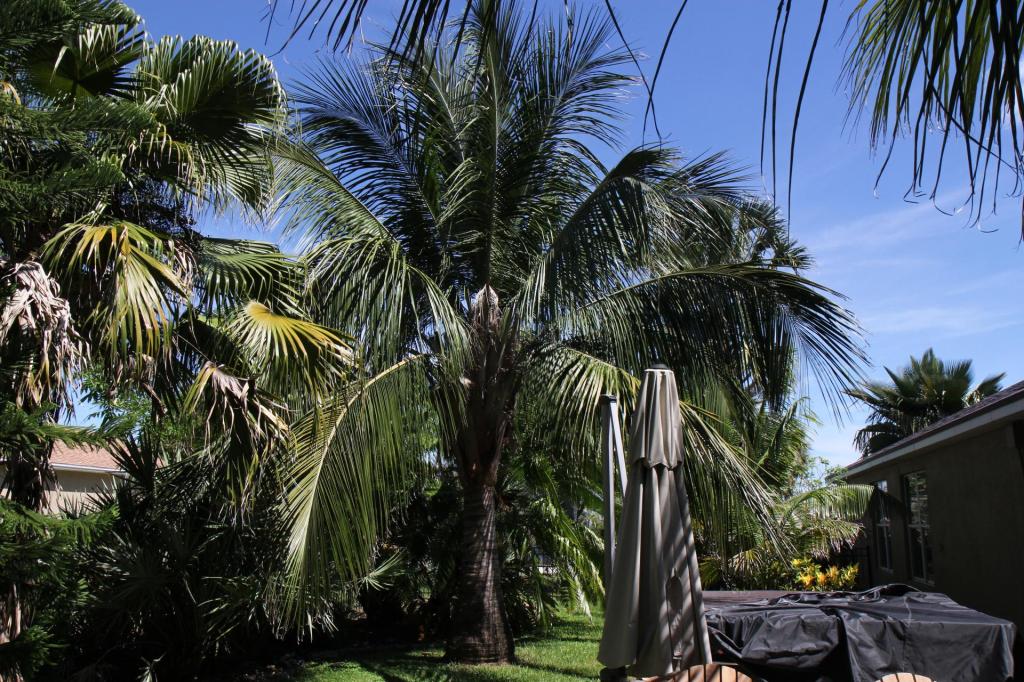
Normally my alfredii doesnt hang below the horizontal, but hurricane milton damaged the oldest leaf stems(longintudinal splits) with big winds. The upper 2/3rds of the crown(above the horizontal) is new growth since milton hit oct 2024.. Here it is today still recovering but doing well. The ability to get the whole palm in with camera requires a wide angle lens(17mm cropped frame) -and standing as far away as possible- so the crown appears more narrow than in person. Its now about 30'+ wide and 30'+ tall, within say 2' both dimensions. This palm is a few months under 16 years in the ground from a 3 gallon size. I will trim the leaves as they brown, but when they get large, they usually don't have the older leaves hang down like this, they go to about the horizontal meaning its about 10' normally(without hurricane damage) to the lowest leaf when walking under it. Its a tad dried out due to our drought and lack of consistent rain for the last 10 months but the last few weeks its looking better and better.
 3 points
 -
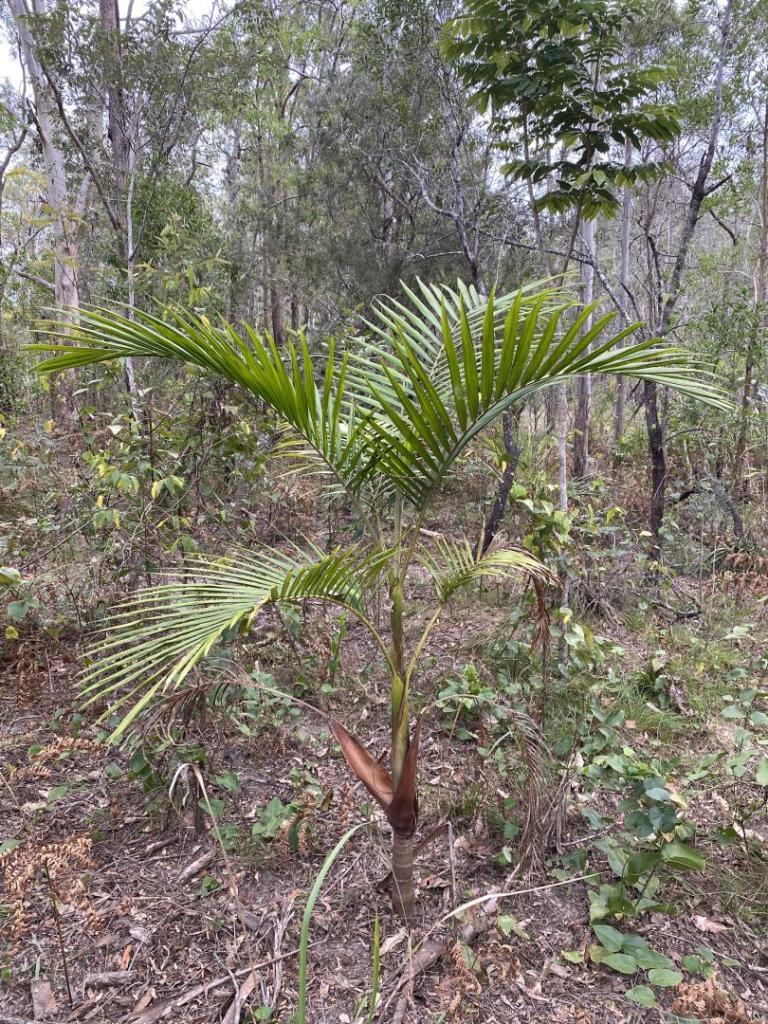
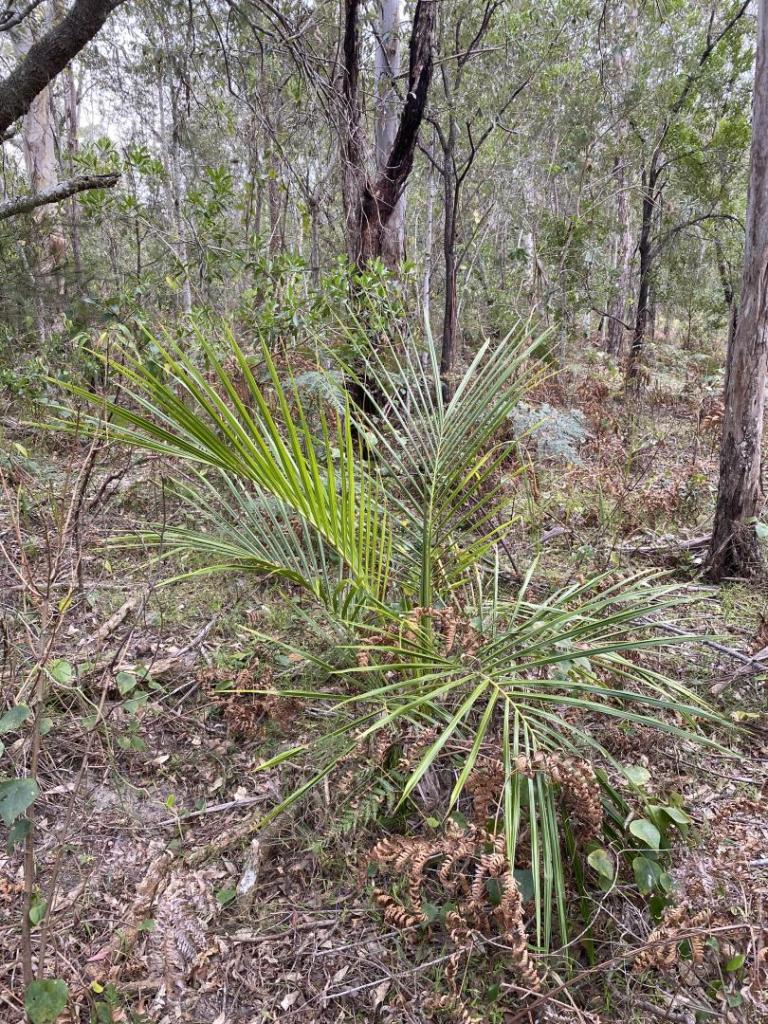
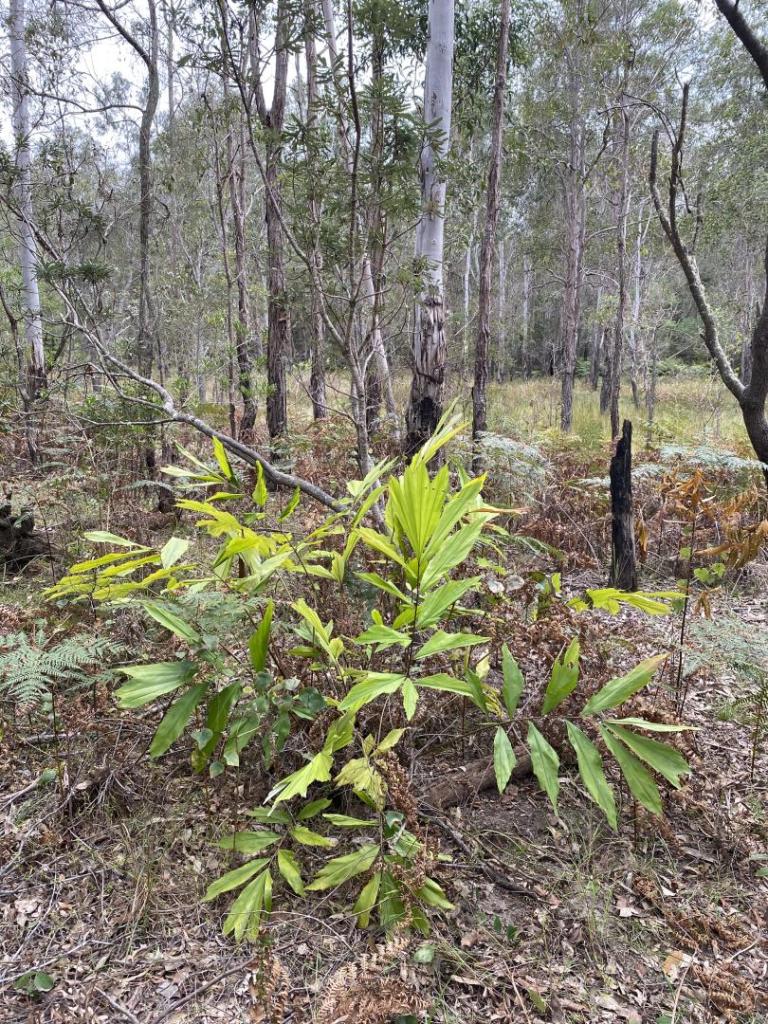
3 pointsWhat caught my eye was three palms I gave a friend 6 years ago, that I had never seen until today. I will say I was impressed with the archontophoenix, beccariophoenix and the Wallachia. Just planted in some very hard conditions with no attention and temperatures down to minus 1.
 3 points
 -
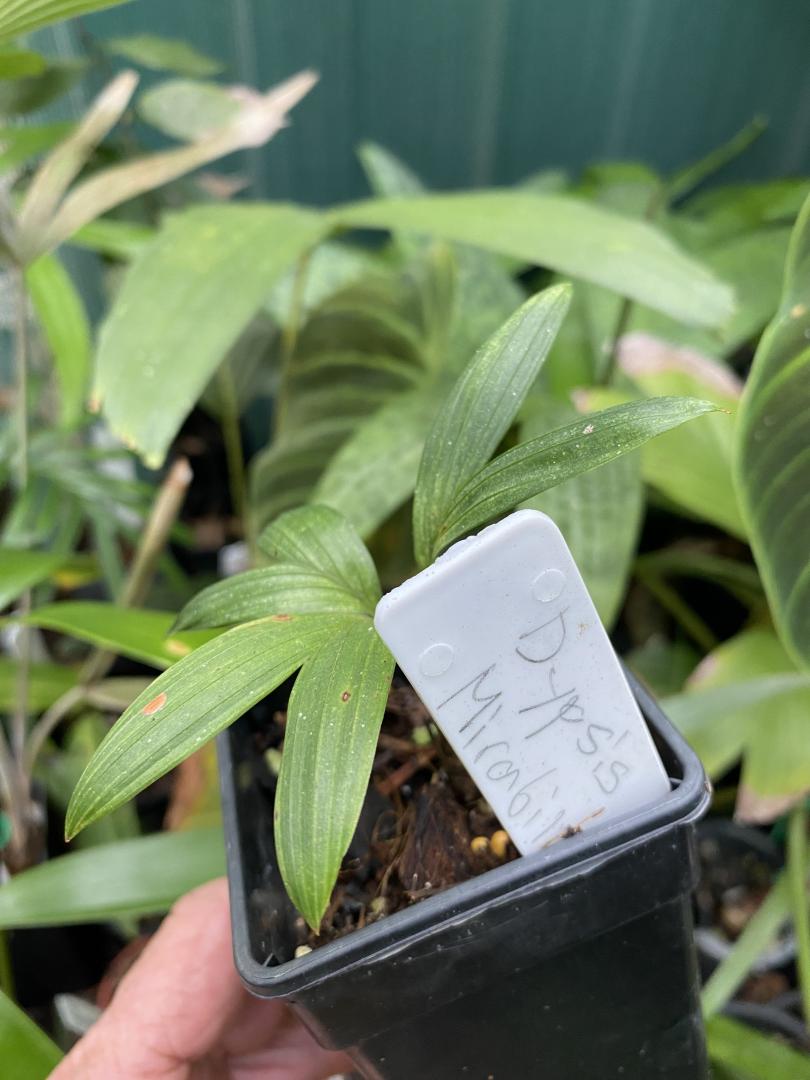
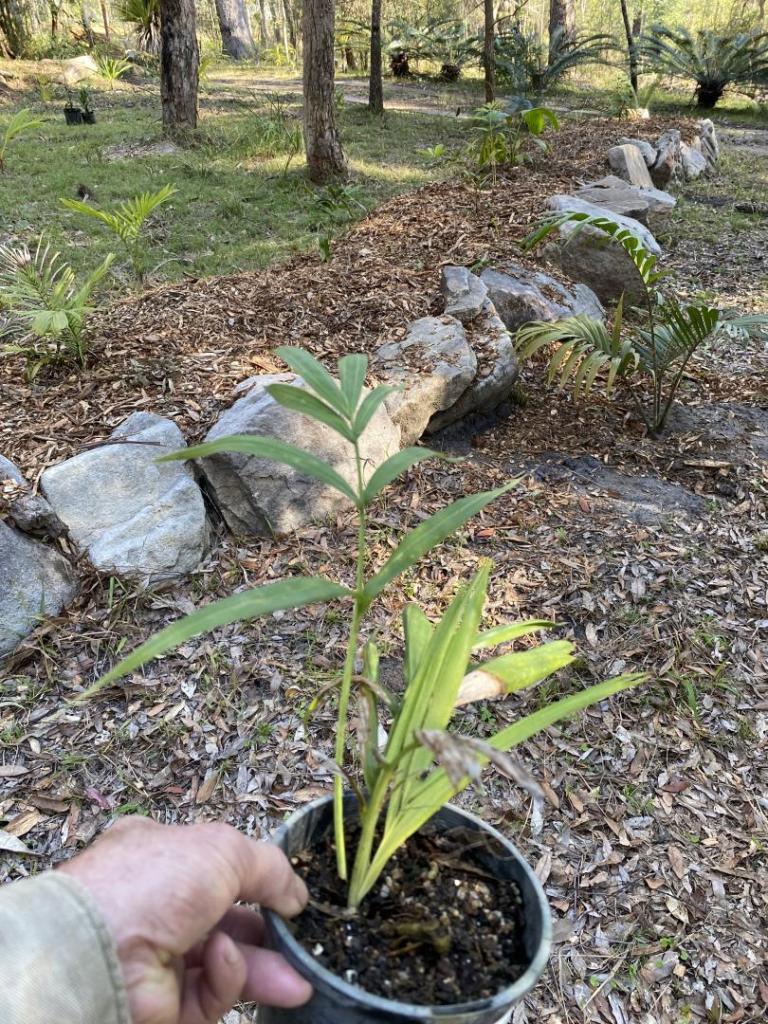
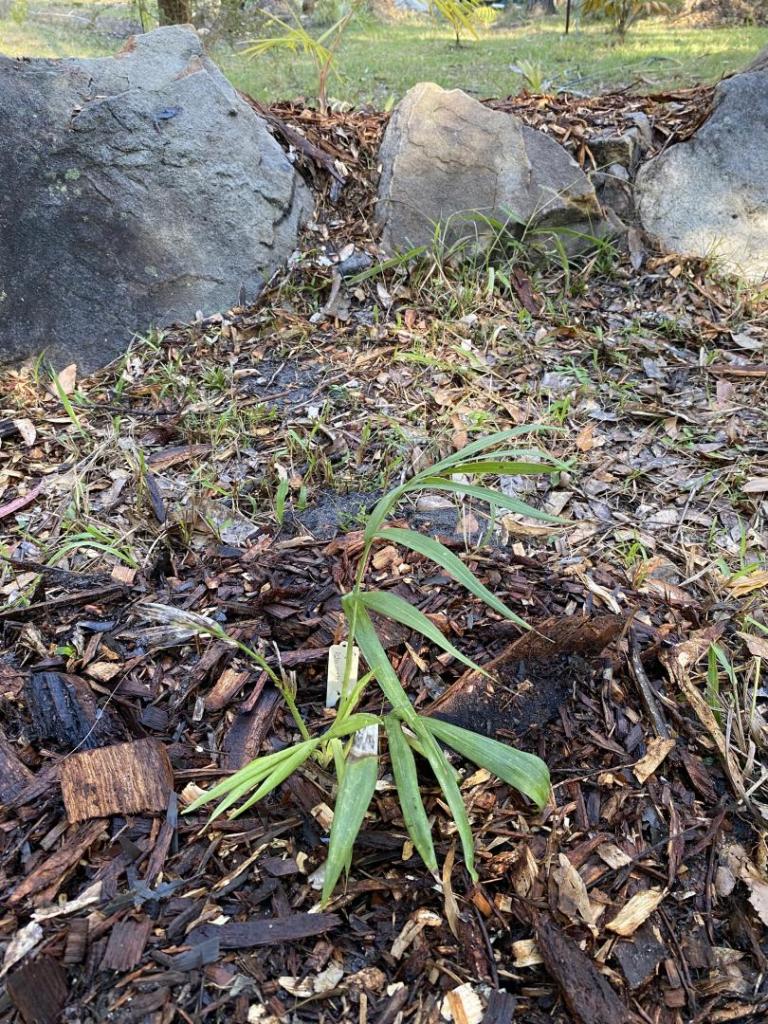
3 pointsSo long as there are no frosts, plant in winter. Super special tropical stuff I wait for spring, but it’s fair game for any proven winter winners in my garden. I just planted my Dypsis robusta taking advice from @tim_brissy_13 about getting it in the ground to improve it’s growth, with it being one of the biggest growing dypsis in the genus, iam only holding it back in a container.
 3 points
 -
Some of my ones are nearly ready to send on that big holiday overseas, plus a few other varieties coming soon! Good to see the palm community is alive and well in the EU!3 points
-
@Eric in Orlando I have two Grandis here just W of Sanford, both wer defokiated at 22.5F. The tiny seedling sized one seems to be regrowing, and the slightly larger one has two ne spears that are just stalled. So I might get one out of two suvivors. Other Licuala like Ramsayi, Spinosa, Sumawongii and Distans did well. My Ramsayi out in the open were badly burned but growing back ok, even though they are now in full sun. One of the Sumawongii was in full sun exposure and took basically zero damage. It only suffered later in the spring with a bit too much direct all day sun. My Hyophorbes were not so lucky. I lost a Verschaffeltii with 6 feet of trunk (the top just fell off from crown rot), and 3 of 5 other smaller ones. 3 of 4 Lagenicaulis survived. I trunk cut the tops of 3 of the Lagenicaulis to get to the bud rot, but cut one way too low and killed it. So really 3 of 3 survived. They are all very susceptible to crown rot.3 points
-
3 pointsBeautiful Tim! A happy one is really something to behold. I had to smile, as I think I got one years ago from Floribunda and it rolled over and died in the middle of a warm humid summer. Definitely one of my fastest kills ever. But, like in business, the faster I know, faster I can change directions, ha ha. Thanks for sharing that!3 points
-
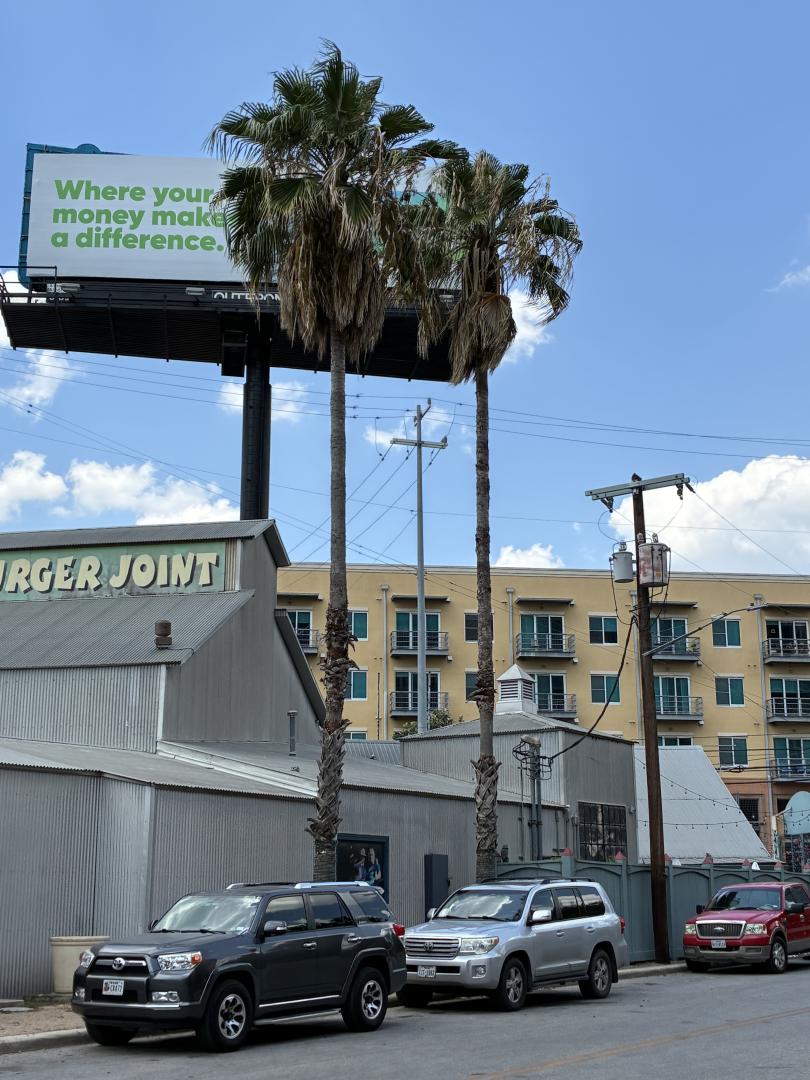
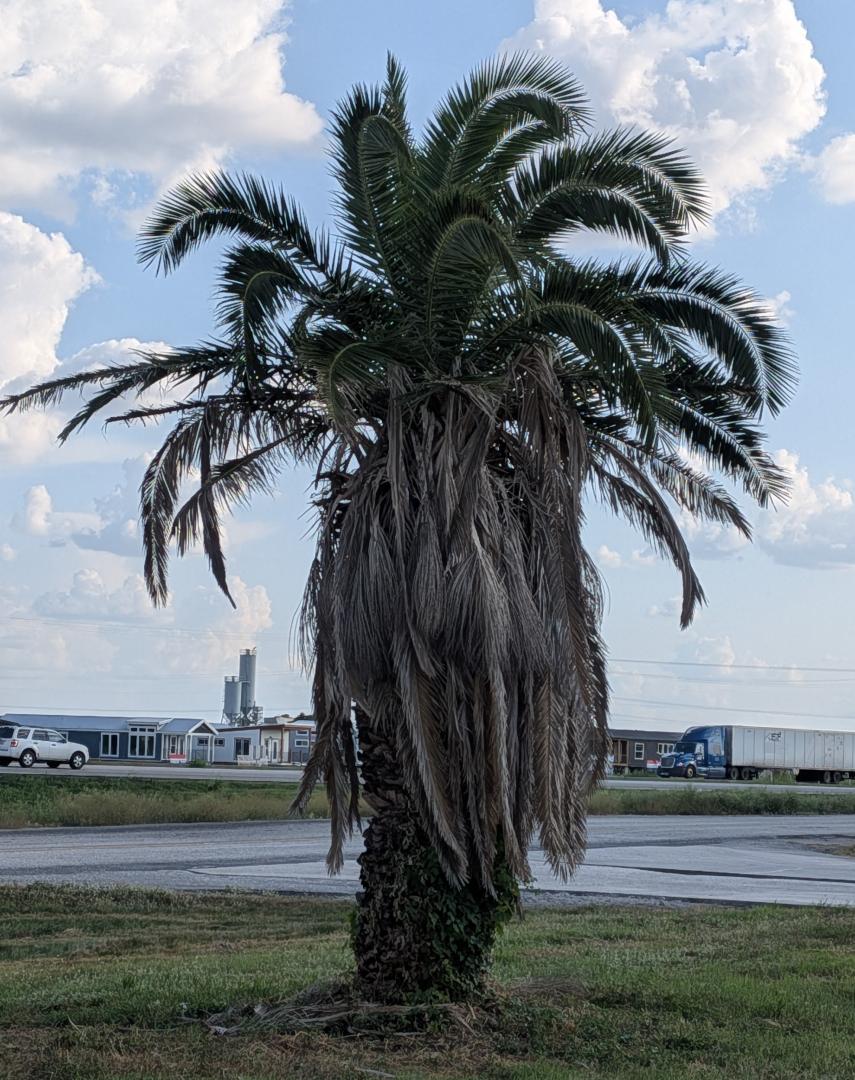
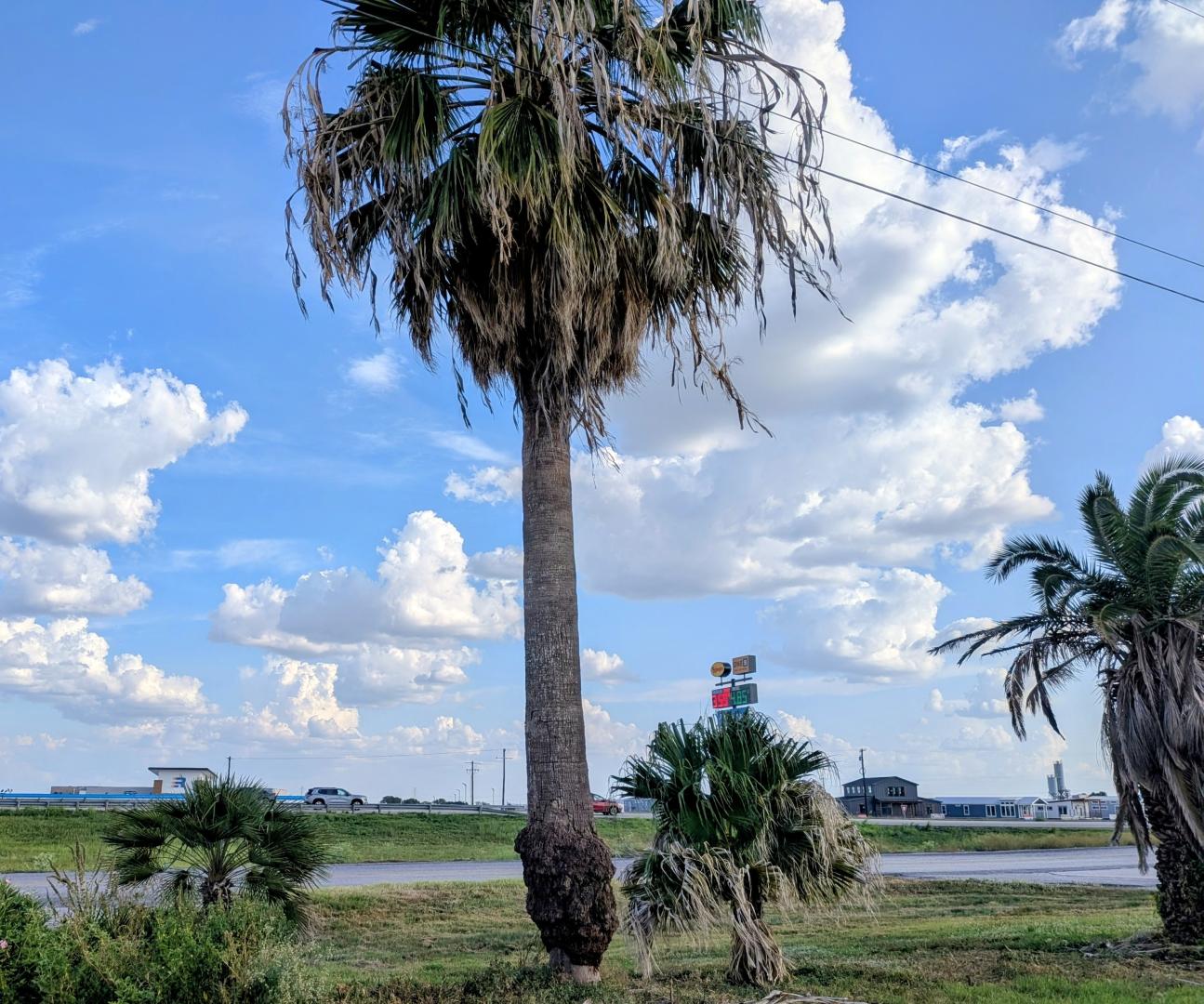
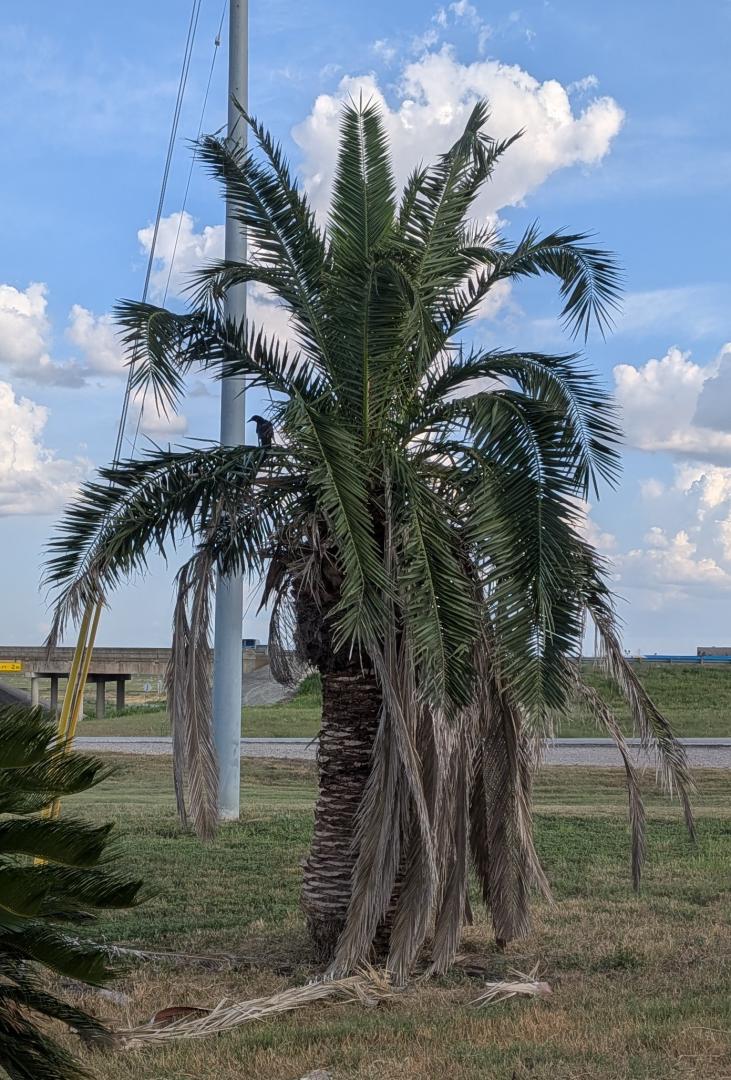
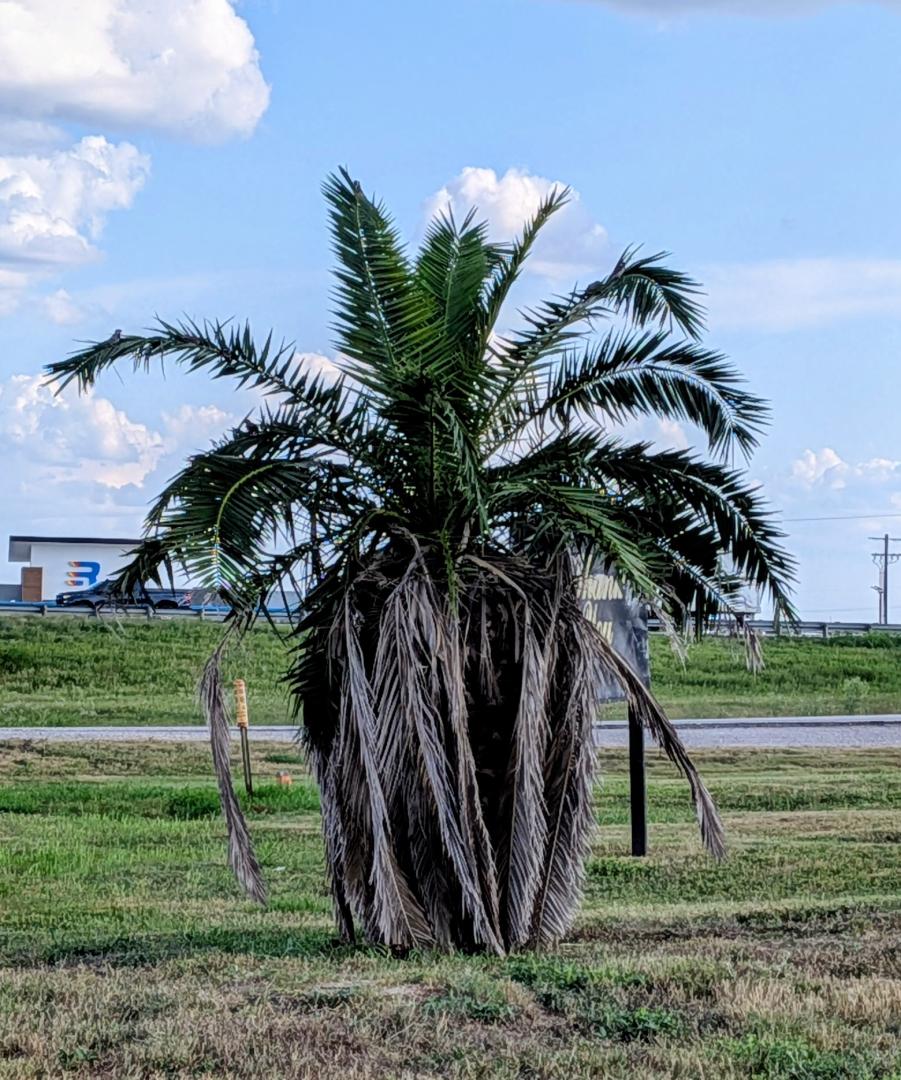
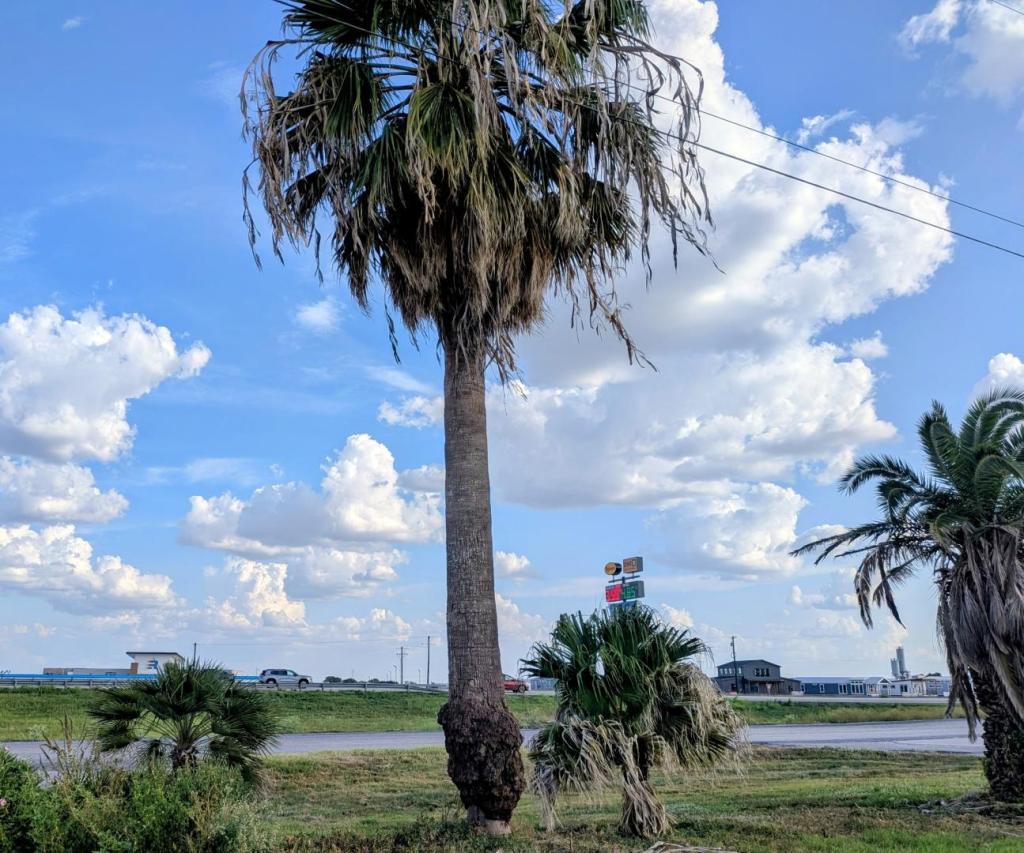
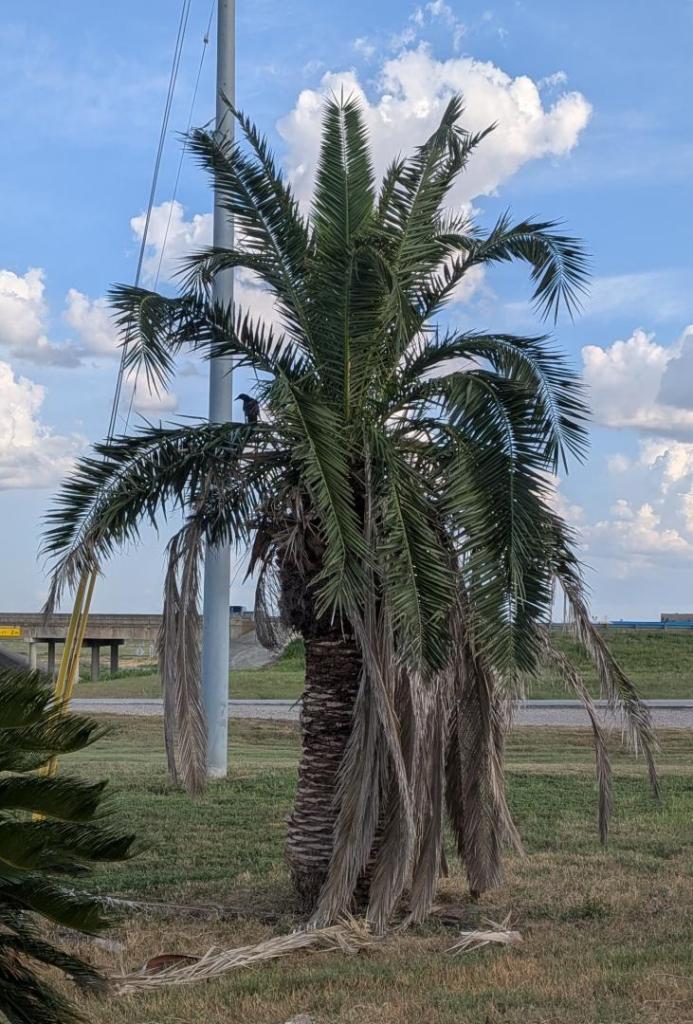
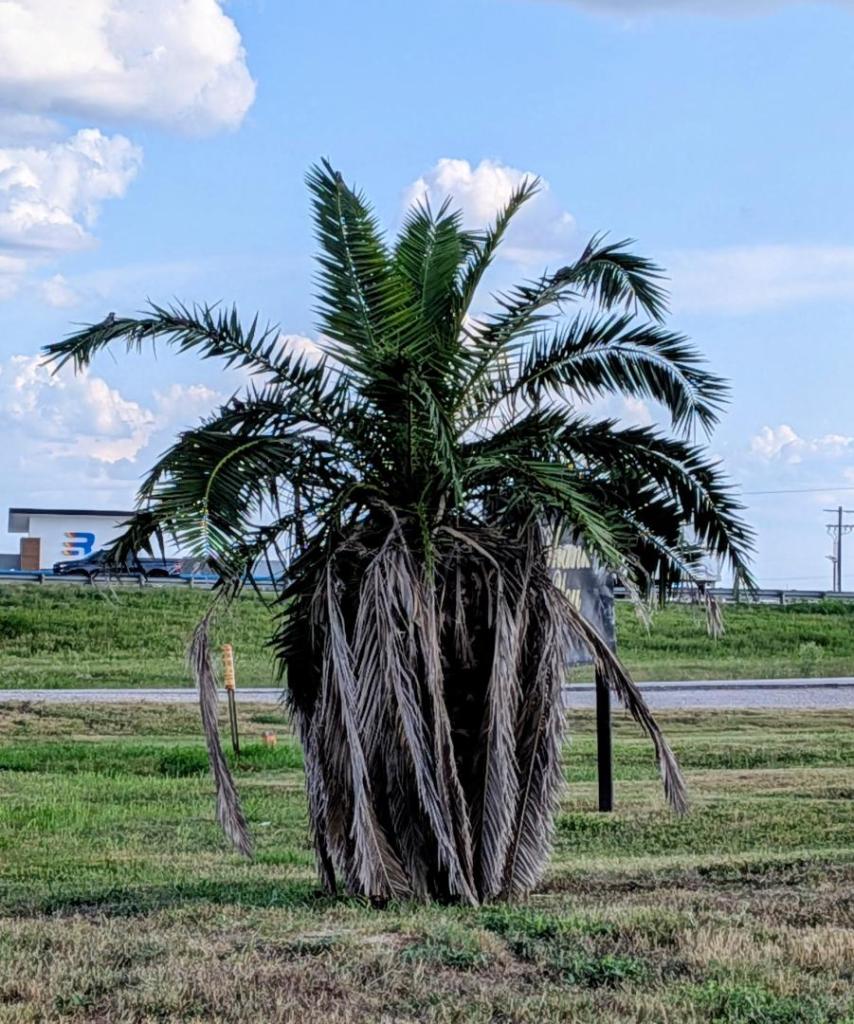
 3 pointsSpotted some neglected palms at a pretty run-down looking truck stop at exit 601 right off I-10 this evening. This is right between Cibolo and Seguin. Phoenix survivors that definitely aren't getting any care: Med fan, Washingtonia, Livistona, and Phoenix all in the same area: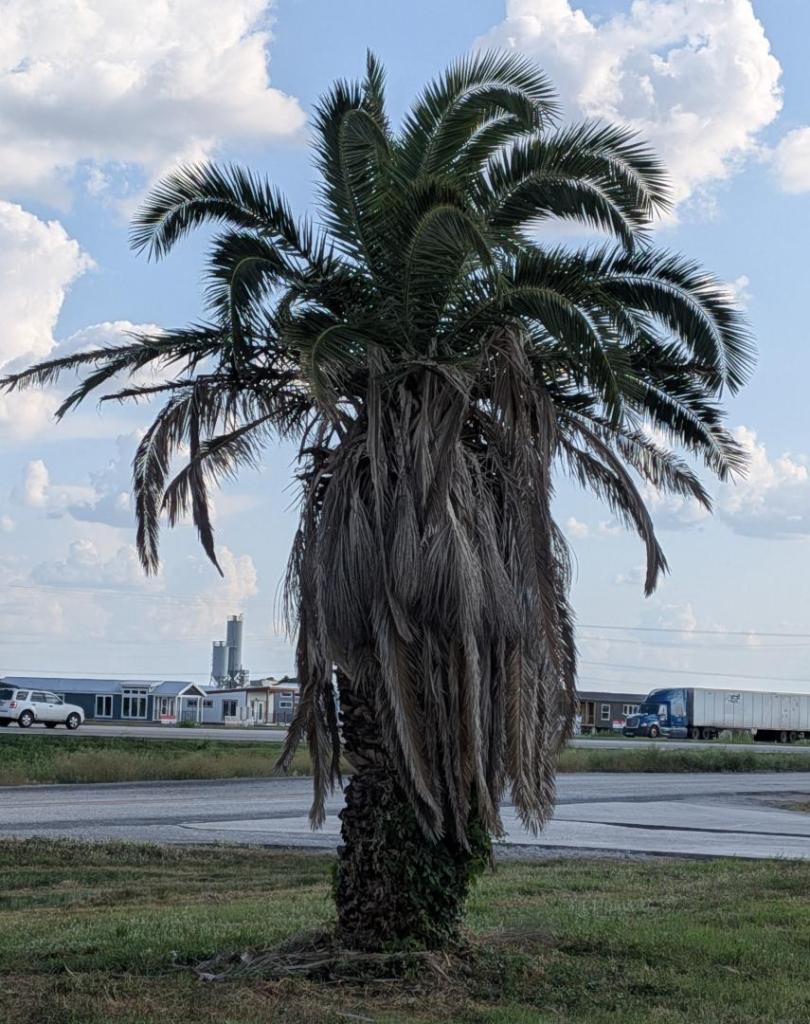
 3 points
 -
3 points
-
3 pointsThat’s good to know, I will send him some seeds to convert the unconverted able!3 points
-
I guess Iam pretty lucky then to have both growing in my area, fosteriana practically everywhere along the coast, and if you know where to look bellmooreana are out there, so much all you have to do is knock the door and they are giving the seeds away if you ask. The bellmooreana are such a lovely palm far better then the fosteriana in my opinion, and are beautiful looking seedling.
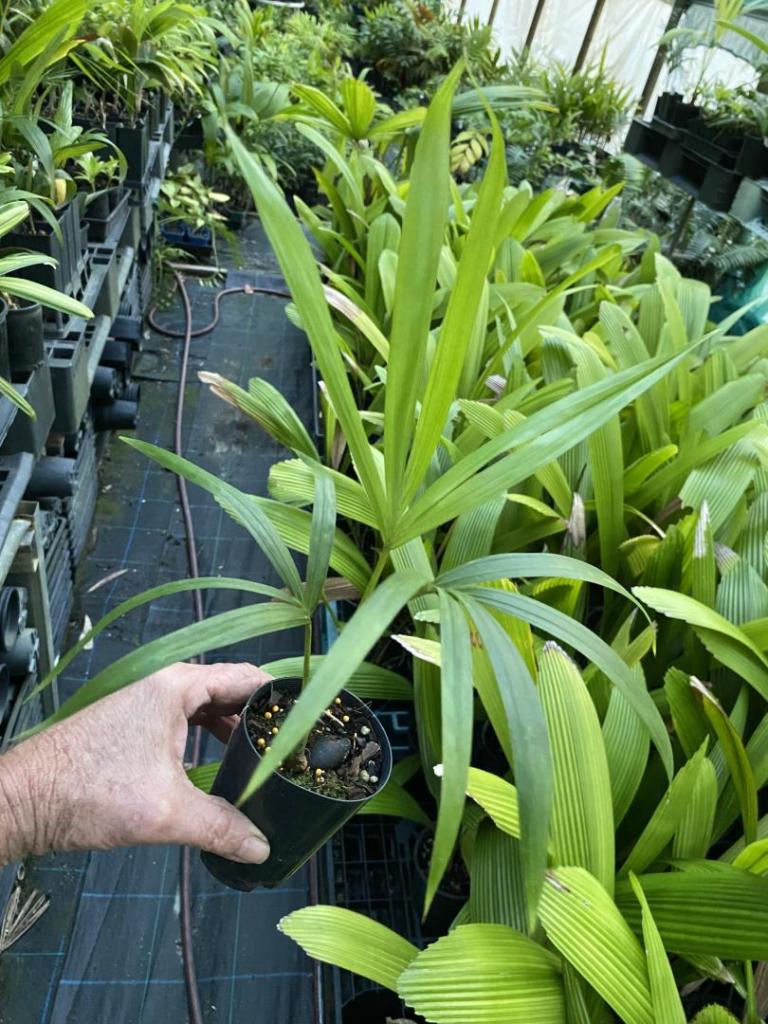
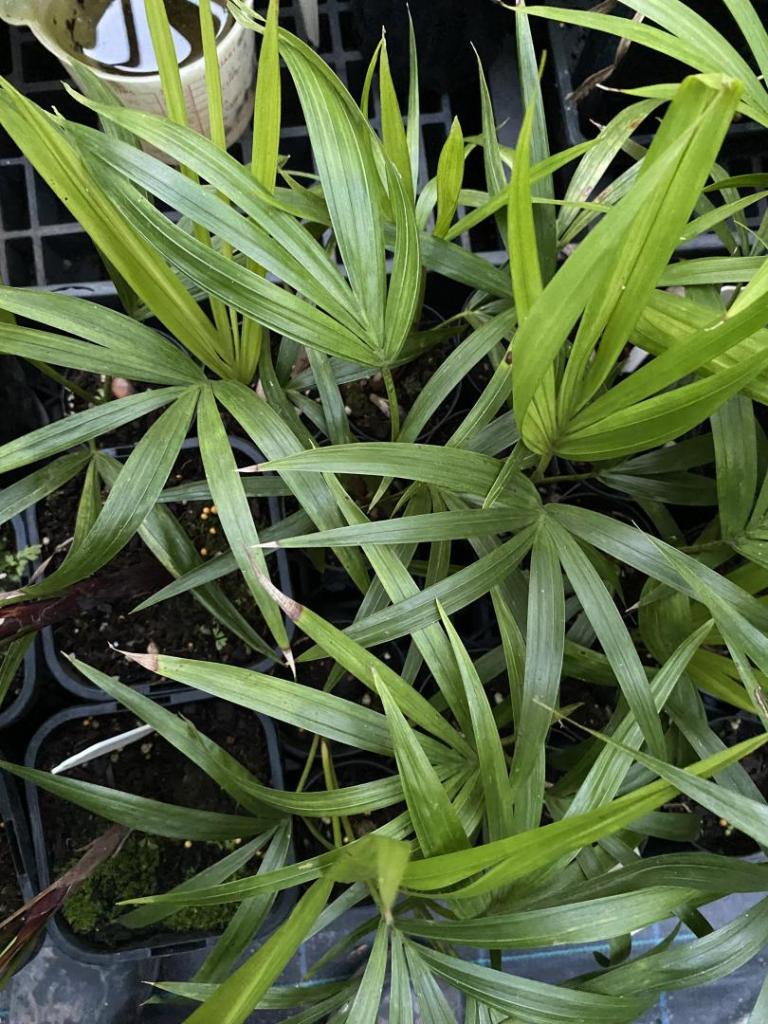
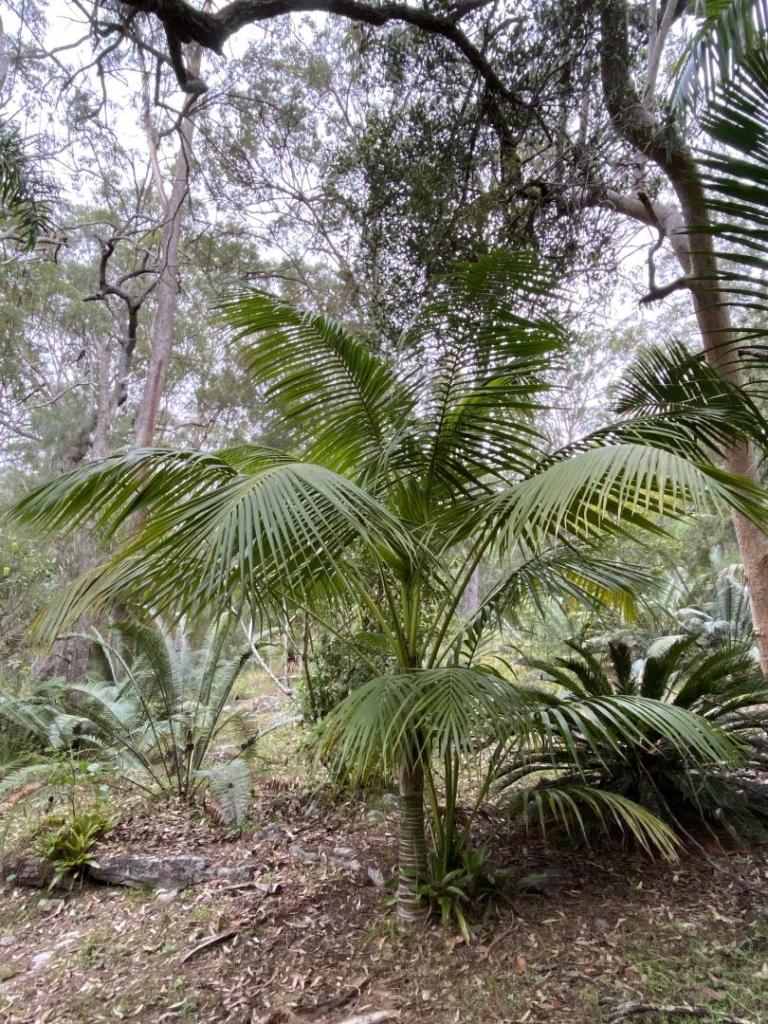
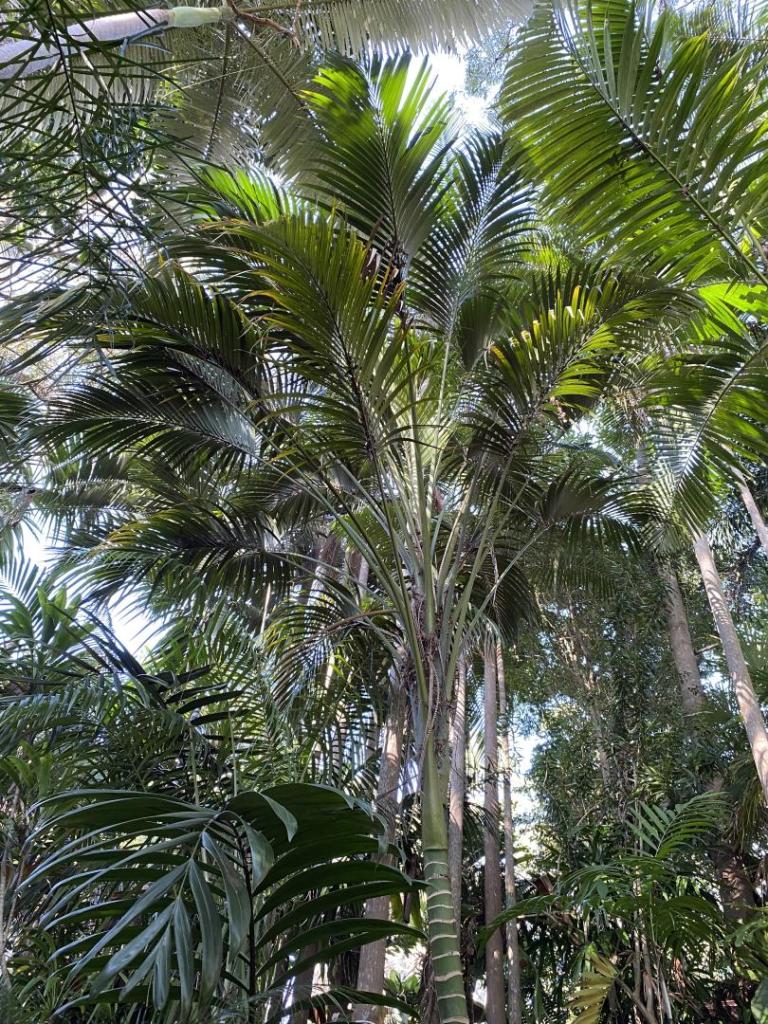 3 points
 -
The BA is clearly a winner, and not a messy palm as it will take many years to fruit and you could cut off inflorescences. Dypsis decipiens will not like it here. Looks like you need some full sun palms for now. ANd dont hestitate to create a grove with 20' spacing. These do get very large crowns here with 20' leaves down to the horizontal. Once they grow in a bit you could plant more shade sensitive species under them. THe copernicia alba is a winter, with the blue ones being particularly attractive and they do handle the hurricanes to 110mph. They are more cold hardy(20-22F) than alfredii and they are easy care. Your zone should also be good for Copernicia Fallaensis, Copernicia Baileyana, Copernicia Hospita and Copernicia macroglossa. All are good for cold 9B and very attractive palms that self shed to smooth trunks. Have you considered a bismarckia nobillis good cold 9B palm that throws some good shade and is self shedding in florida? Sabal uresana (blue variety) good to the low teens at least, would be an eye catcher. You might have to get that one small by mail from perhaps texas, but they also love sun and are bulletproof. Similar to yours, my yard was a blank slate, all full sun at first. As time goes by the more tender shade lovers can be added.3 points