

Leaderboard
-

happypalms
IPS MEMBER25Points13,129Posts -

tim_brissy_13
IPS MEMBER9Points2,555Posts -


Harry’s Palms
IPS MEMBER6Points4,414Posts -

Husain
IPS MEMBER5Points261Posts
Popular Content
Showing content with the highest reputation on 08/06/2026 in Posts
-
 4 points
 -
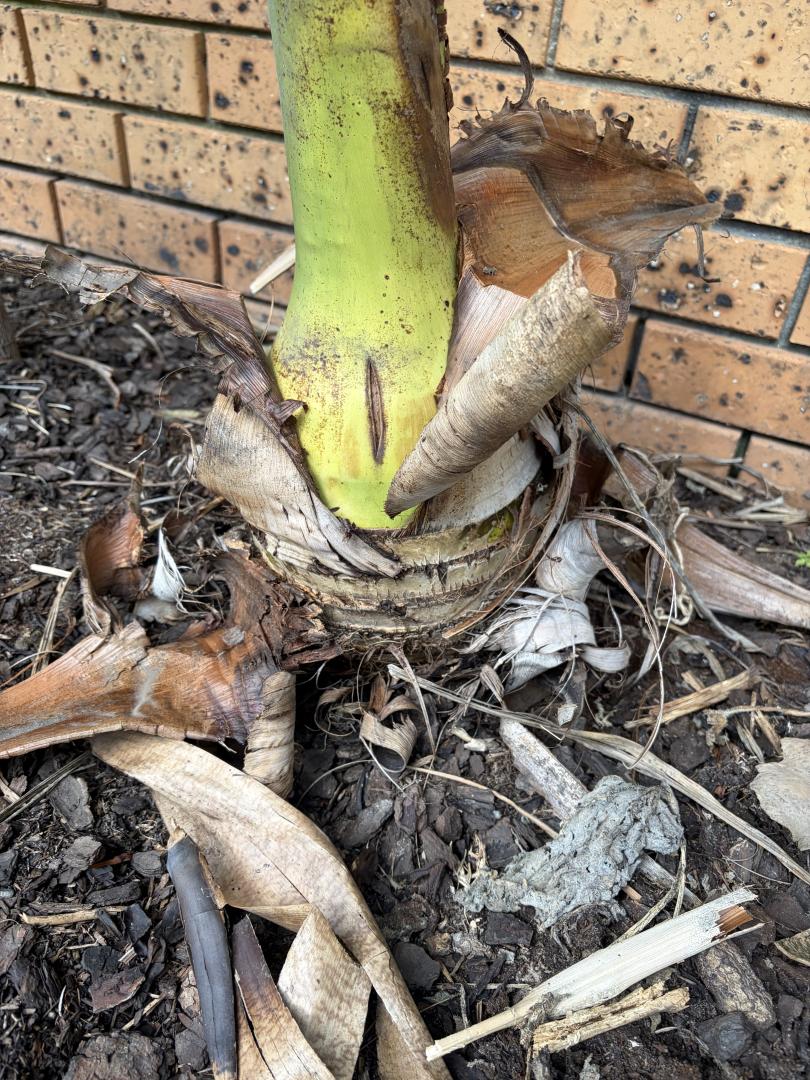
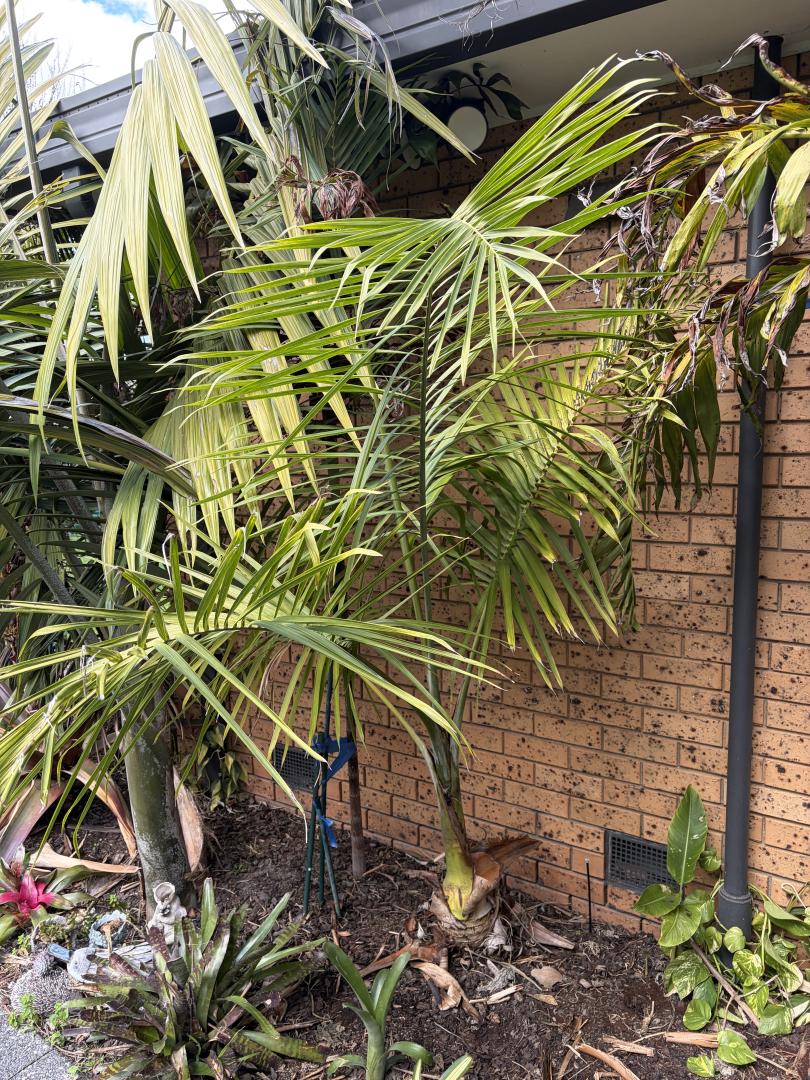
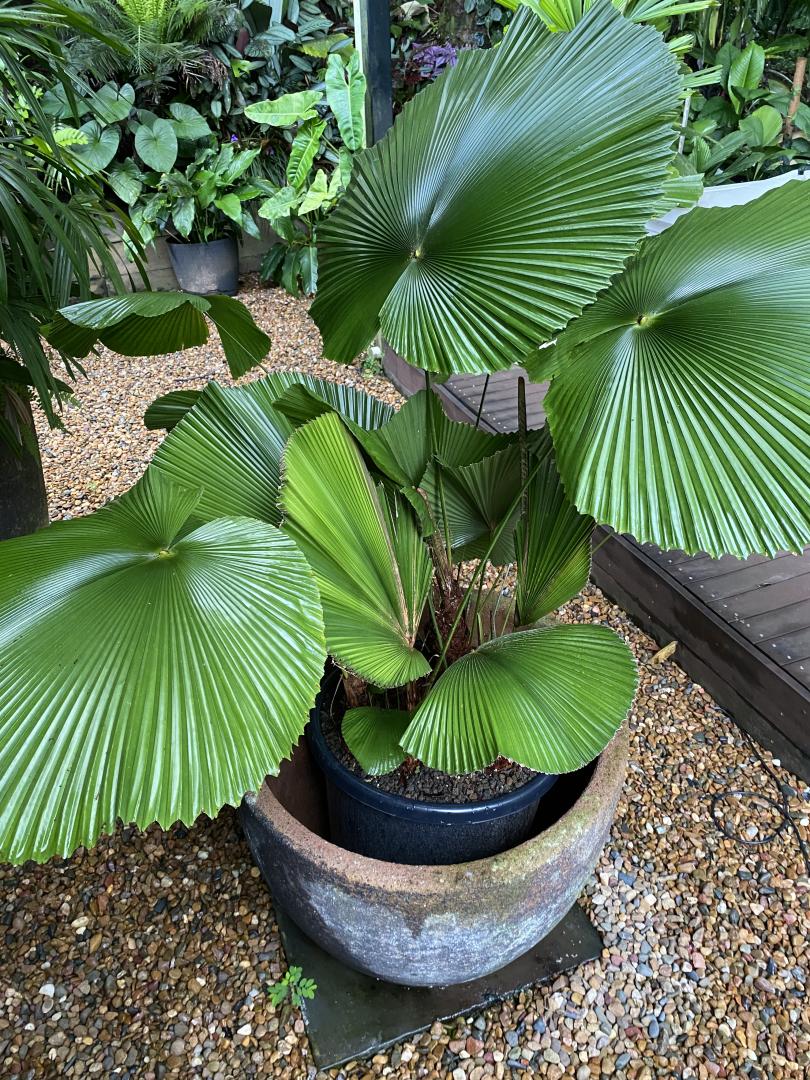
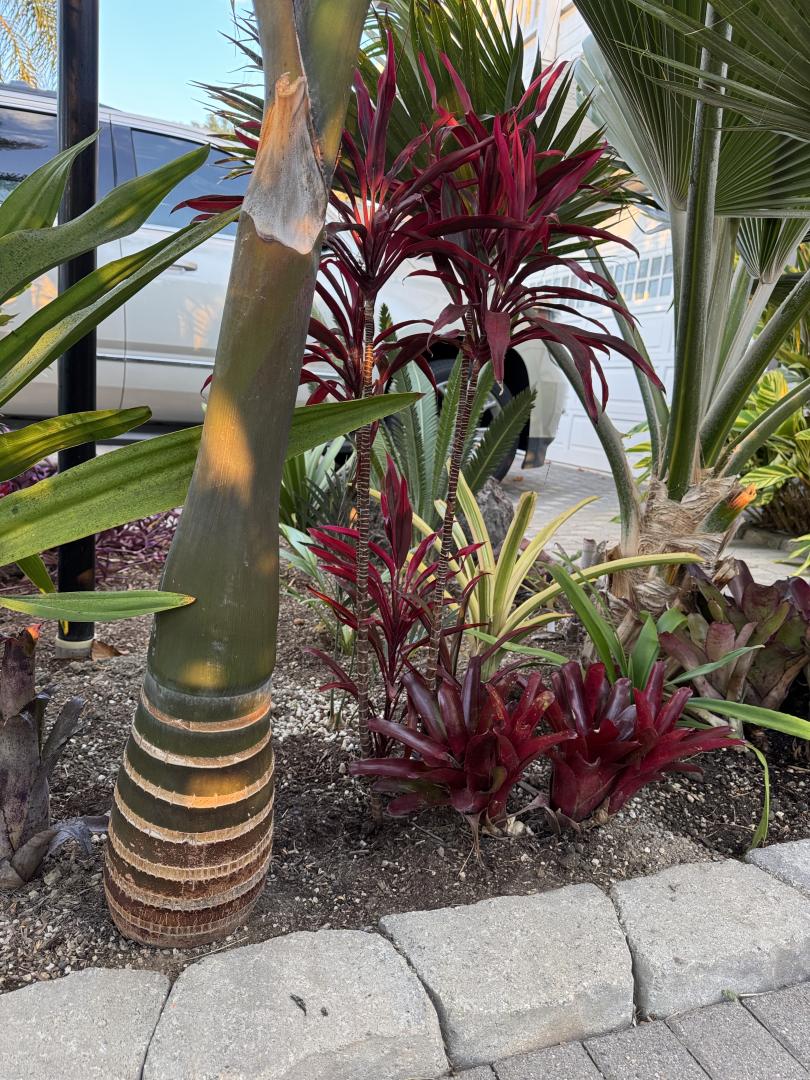
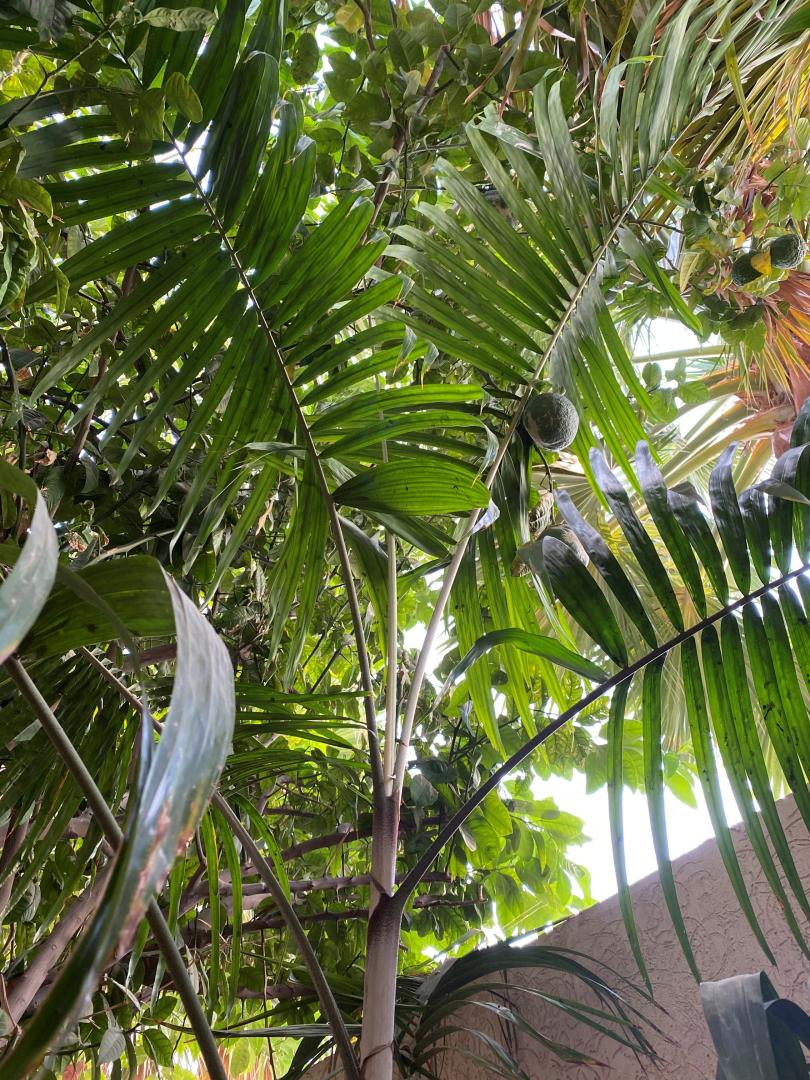
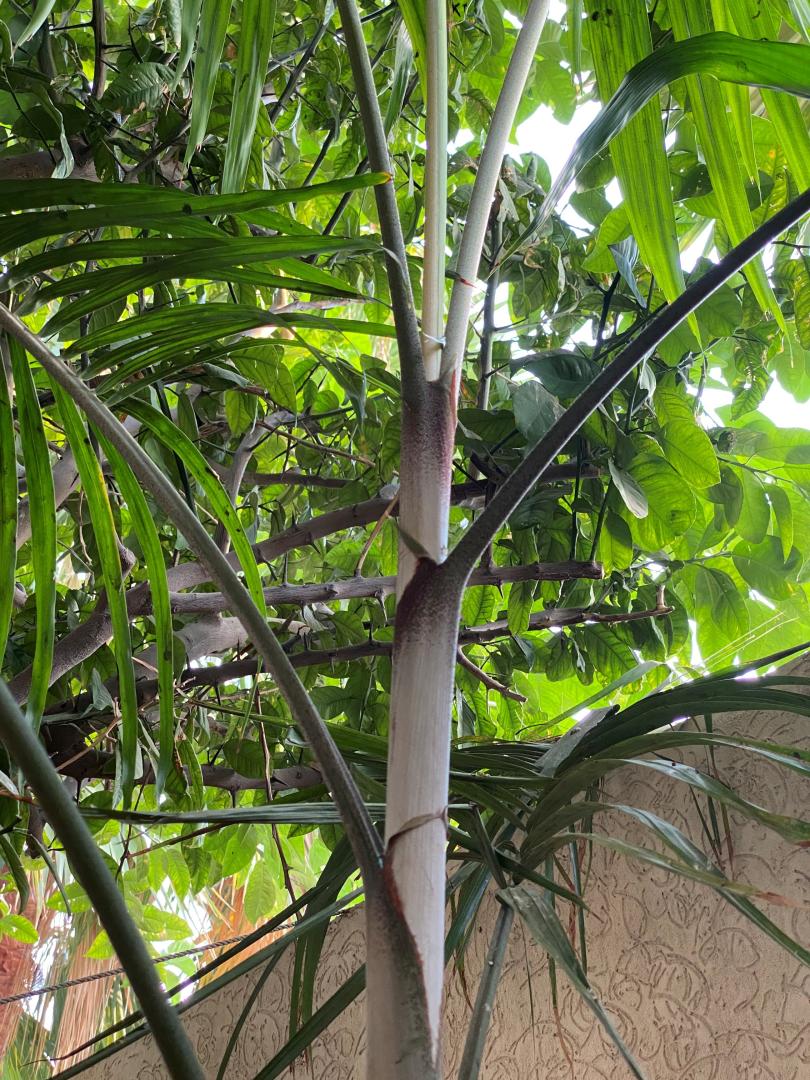
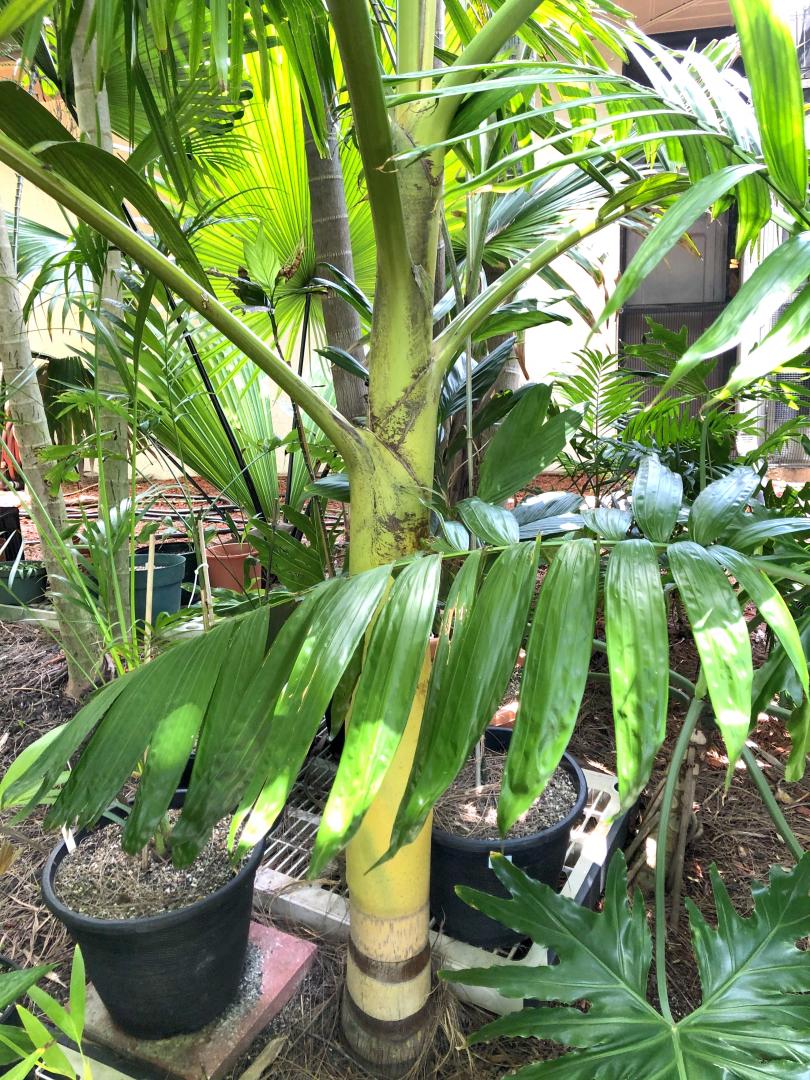
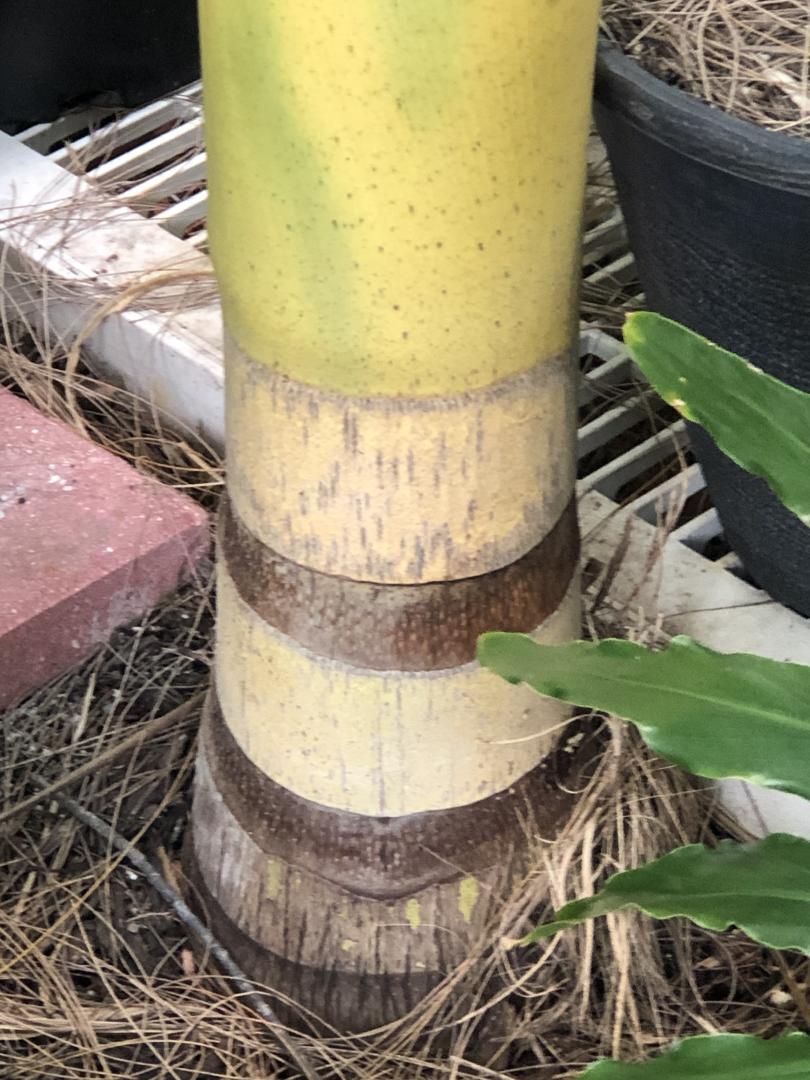
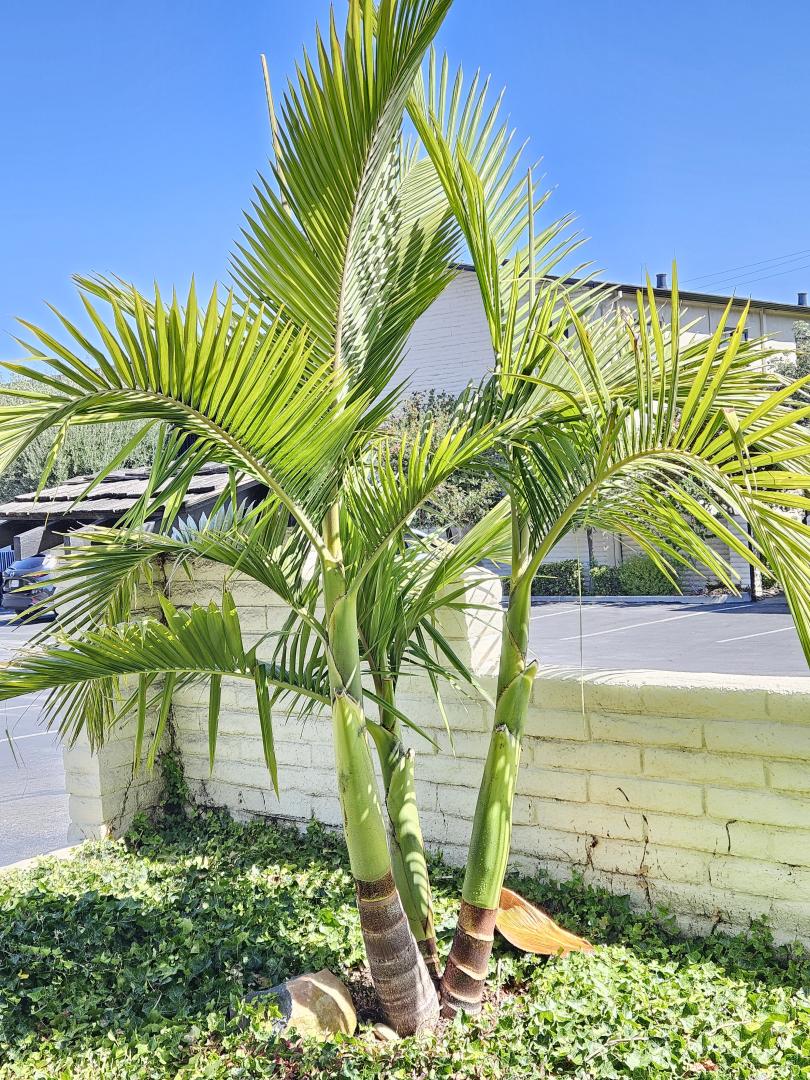
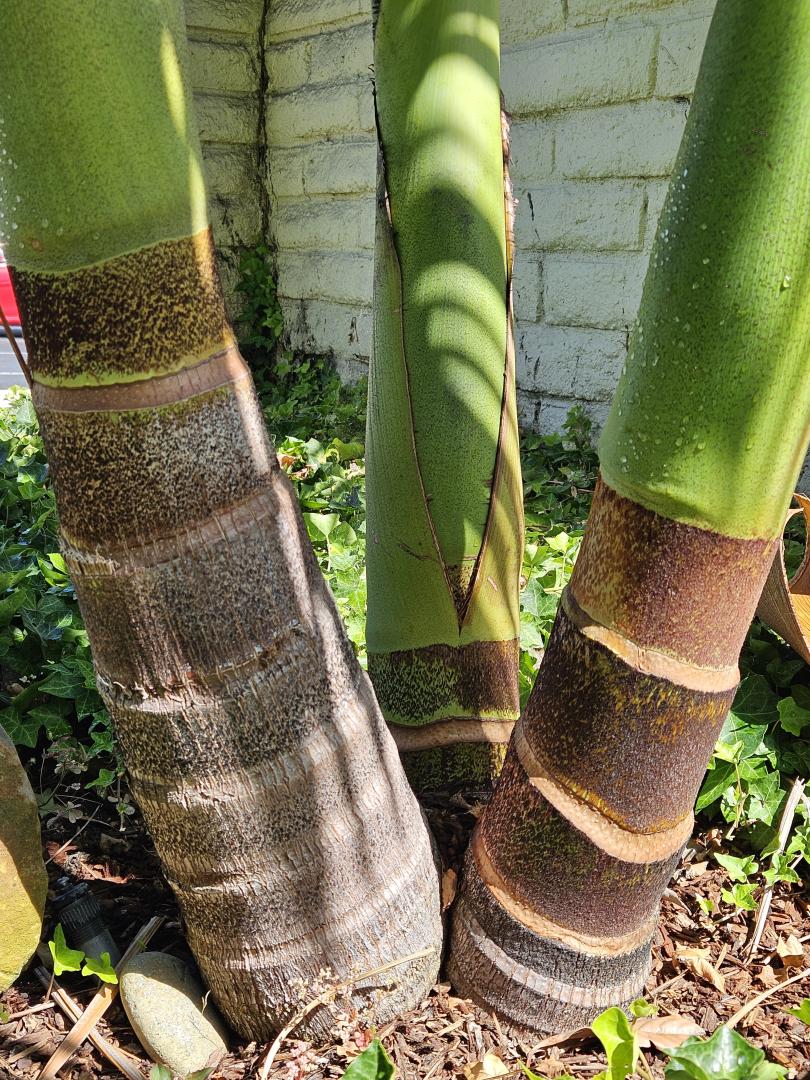
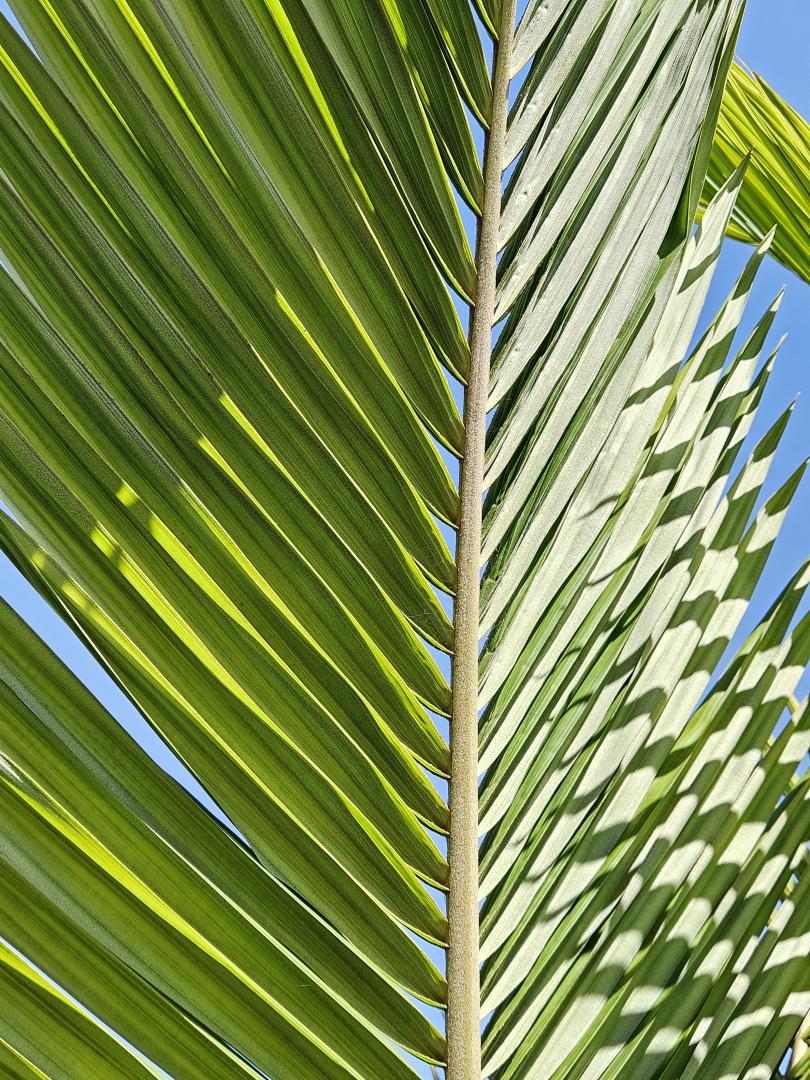
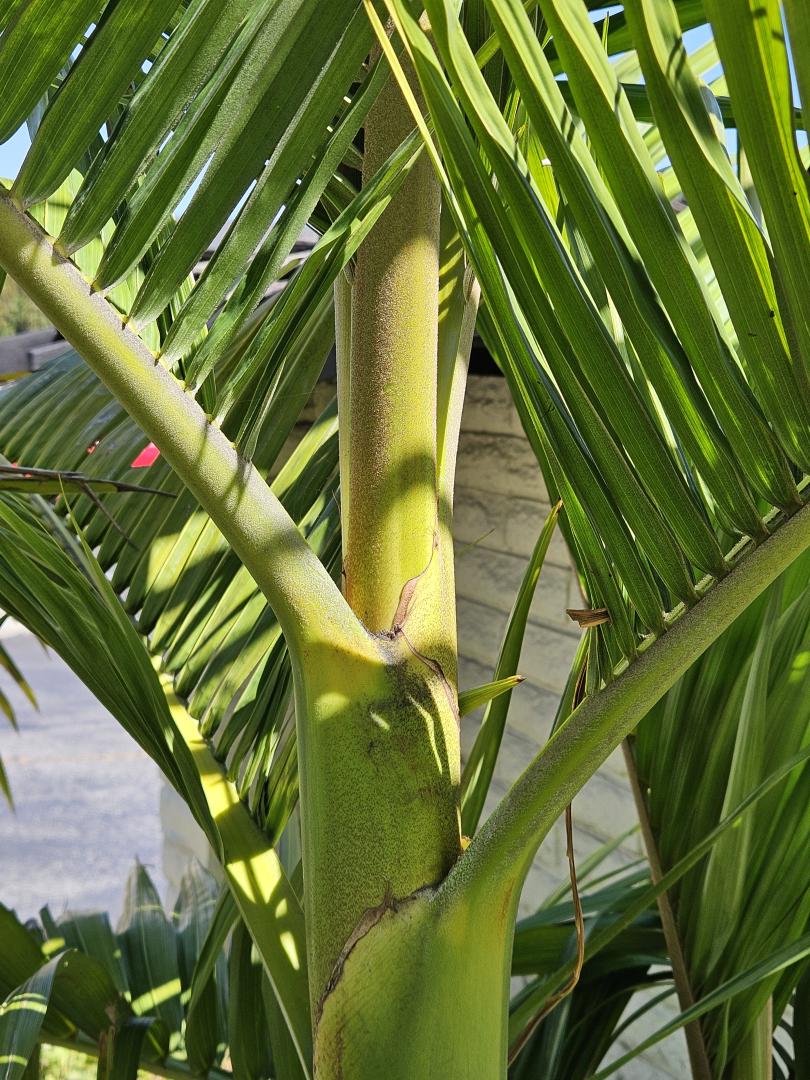
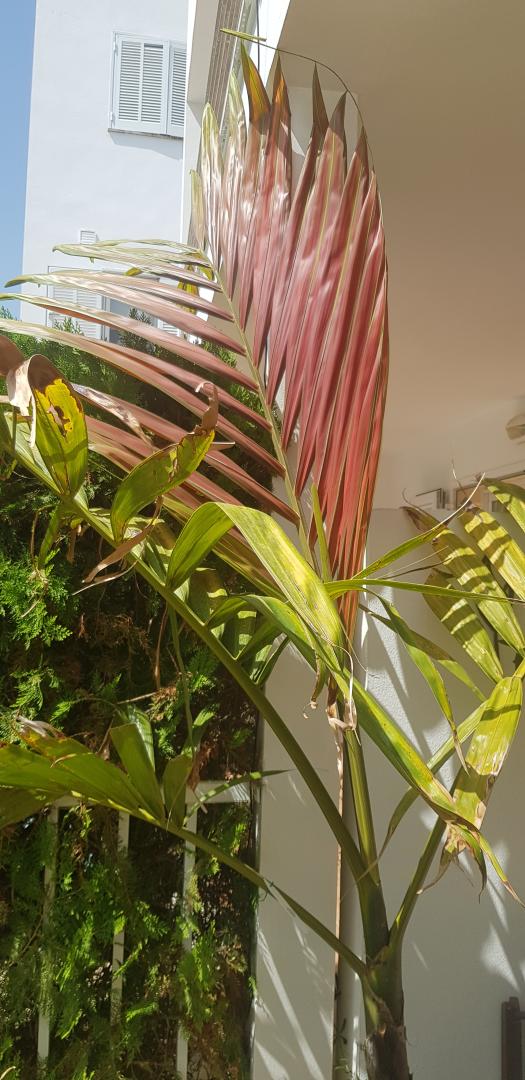
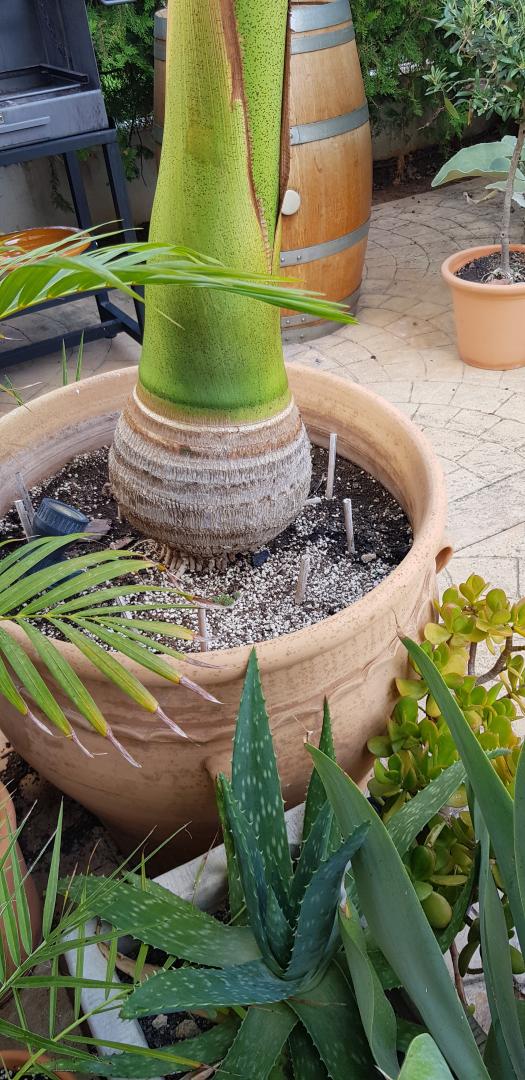
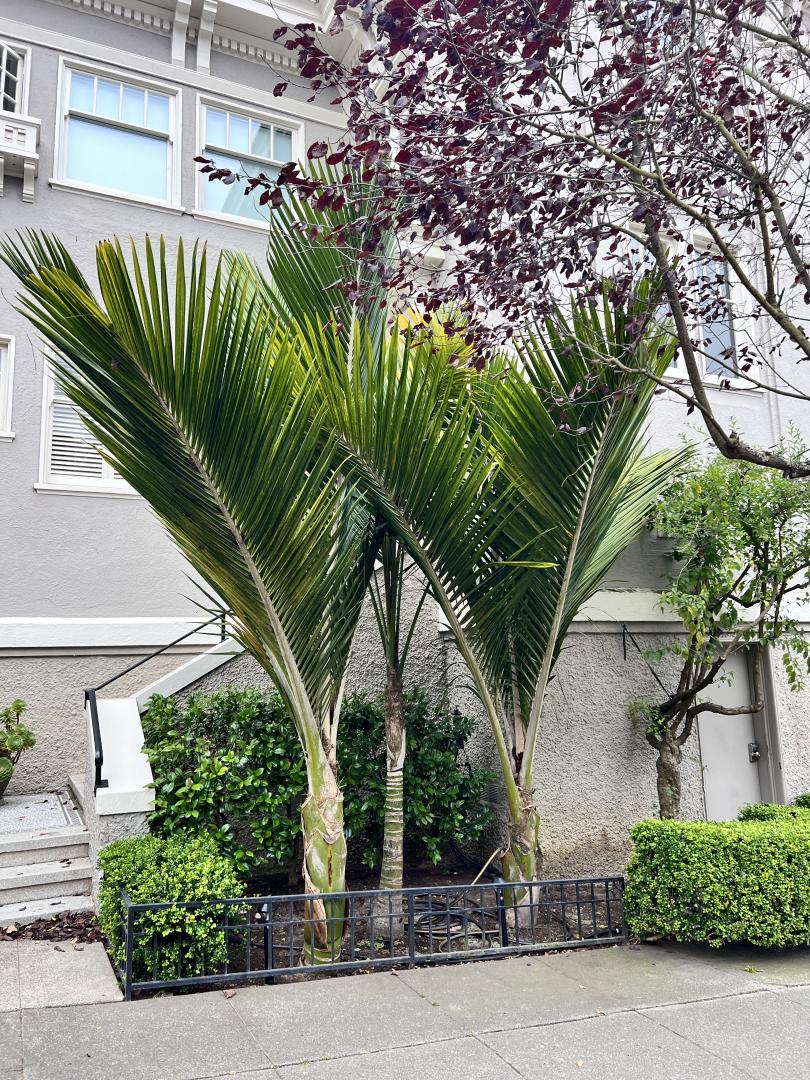
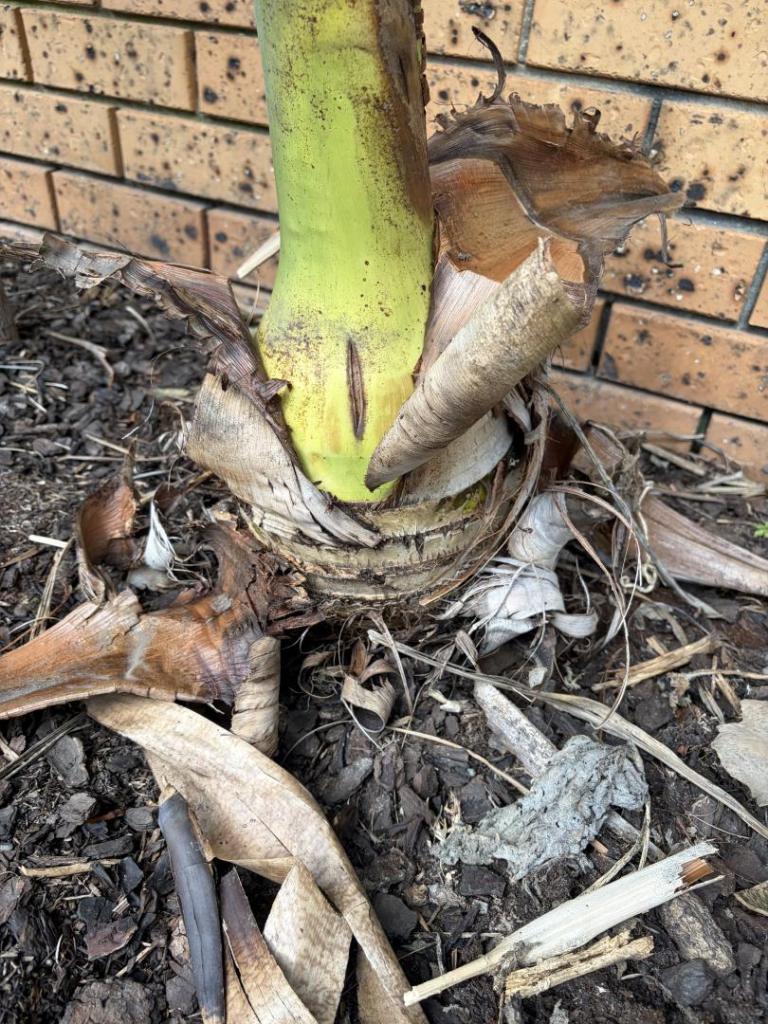
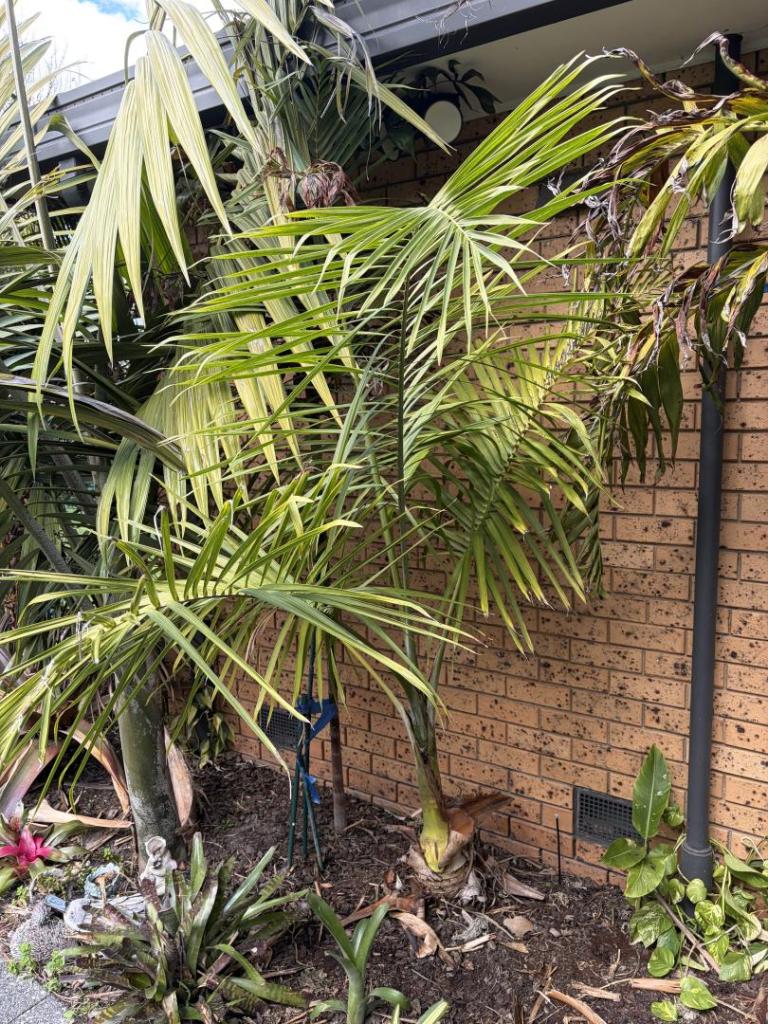
4 pointsA species that probably doesn’t get much attention on here - Gaussia maya. It’s been bulletproof for me on a north facing brick wall which probably helps with additional heat retention. Love the chunky base, will look great when the leaf bases start to fall off.
 4 points
 -
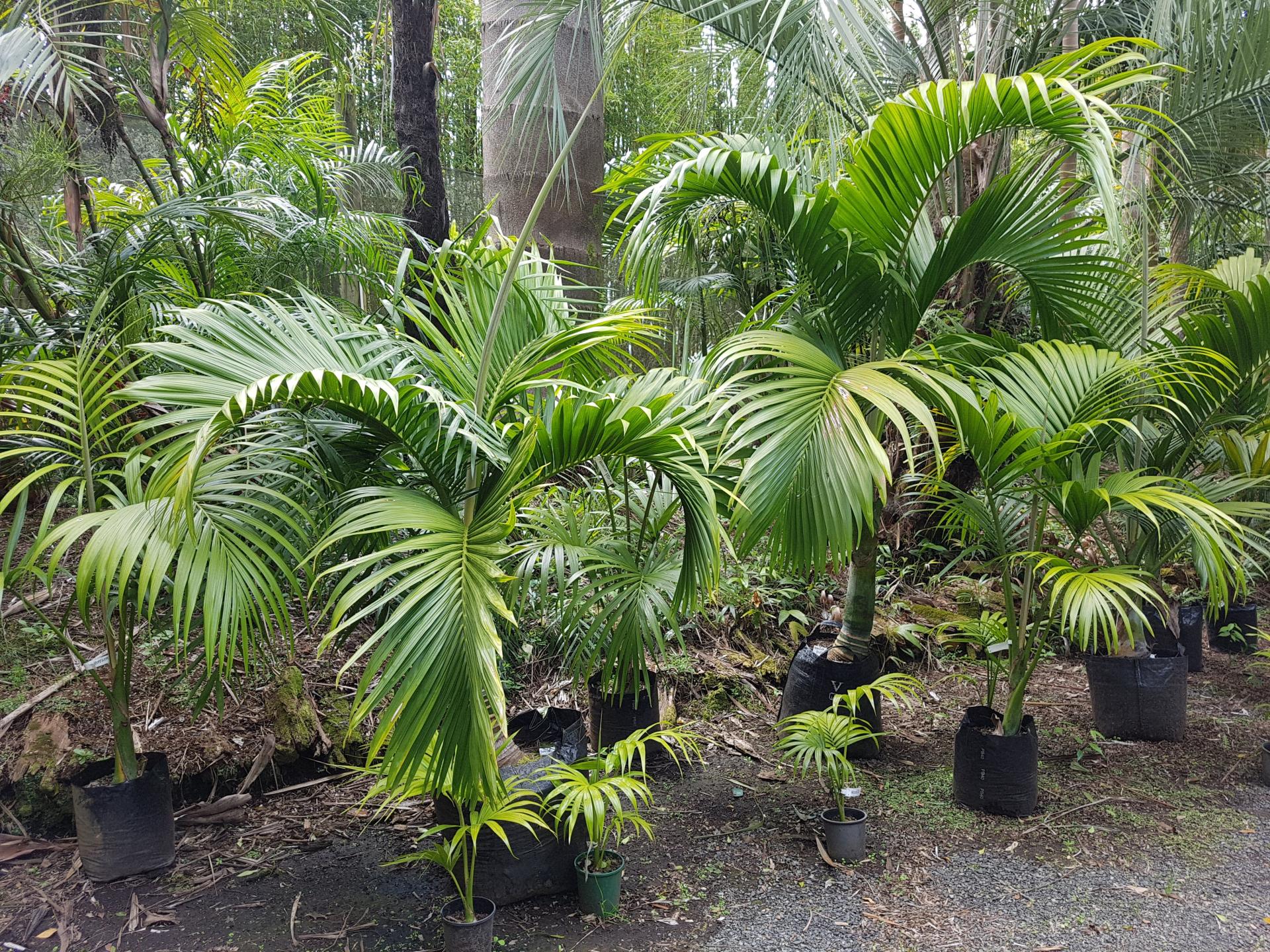
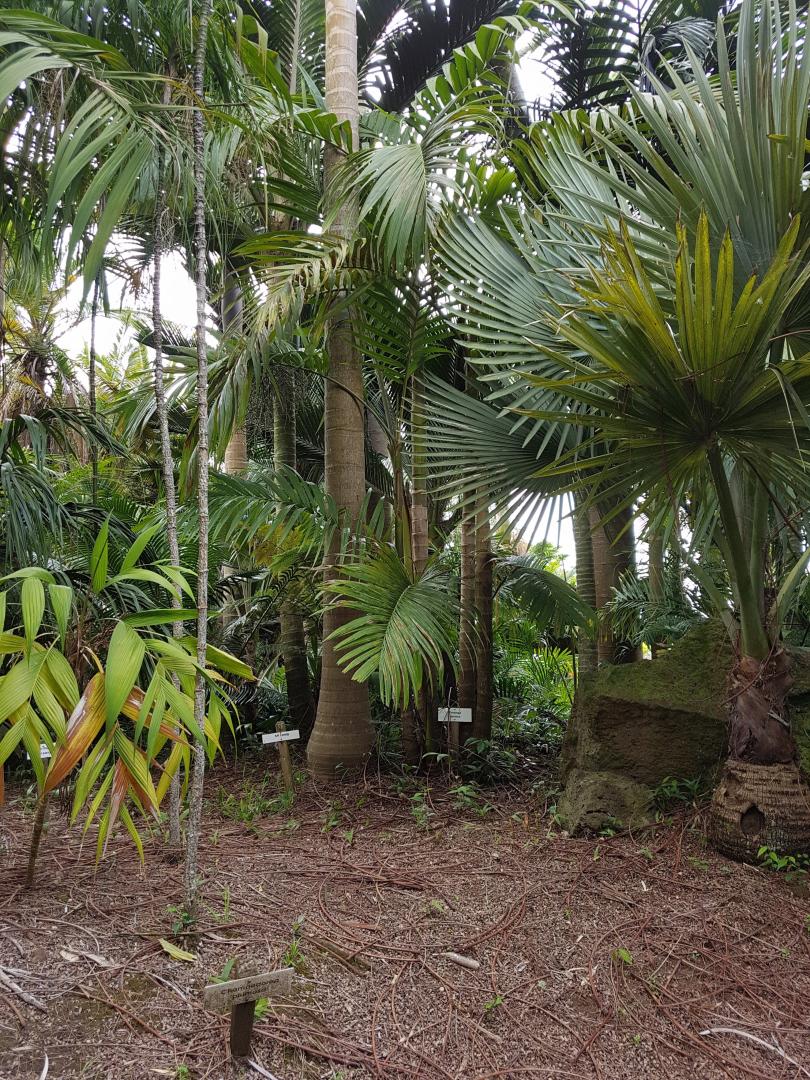
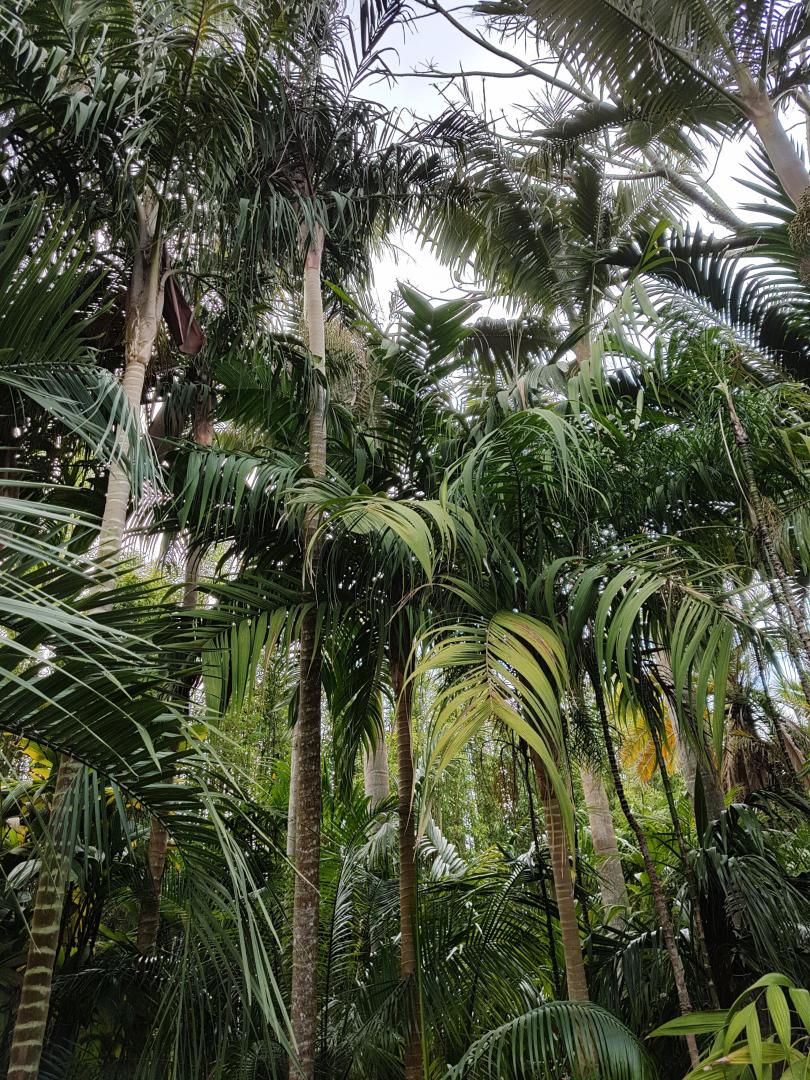
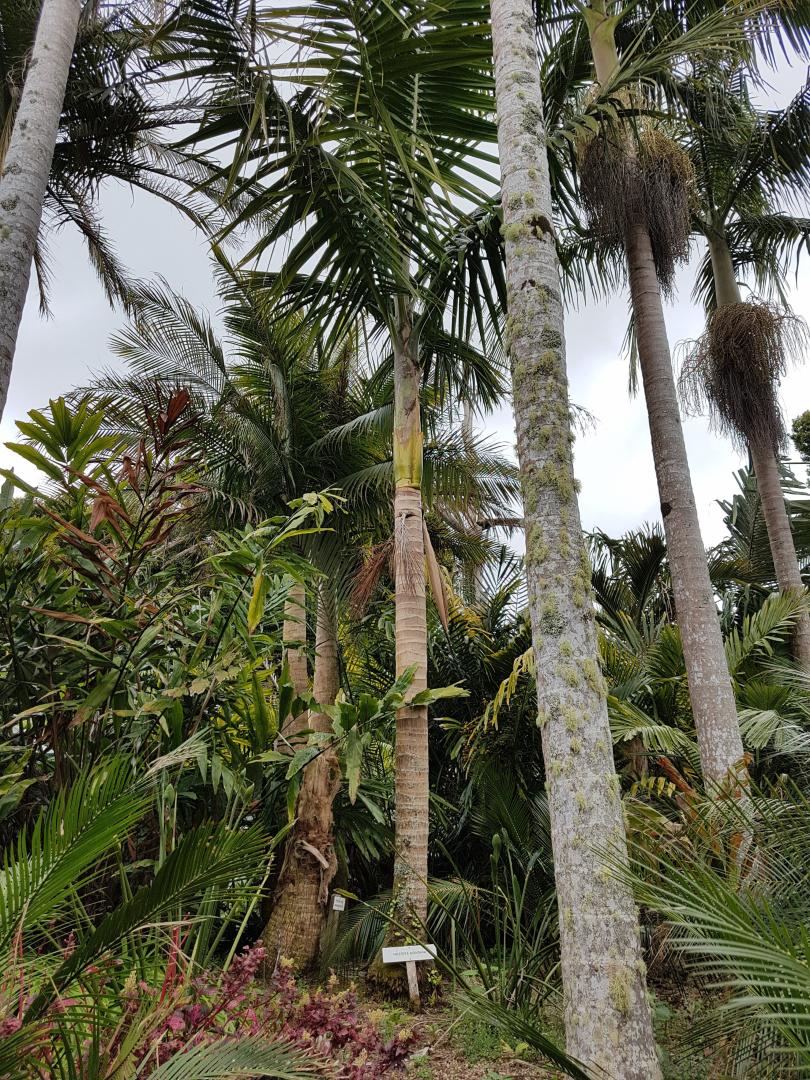
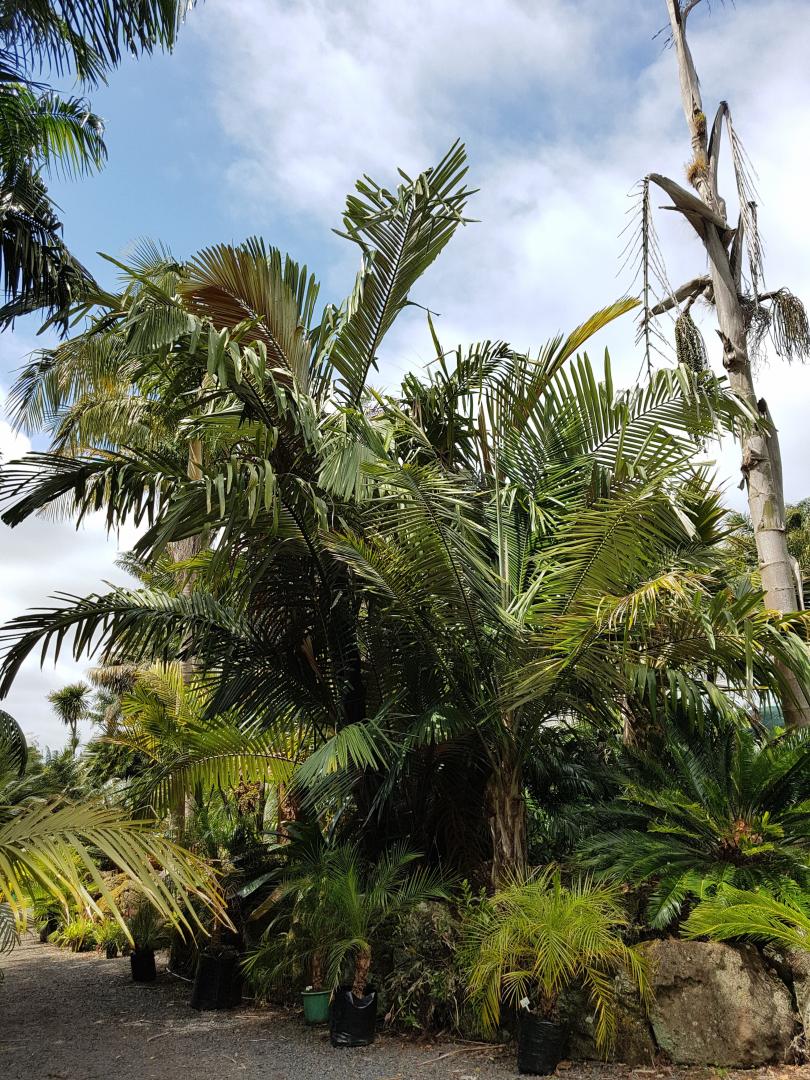
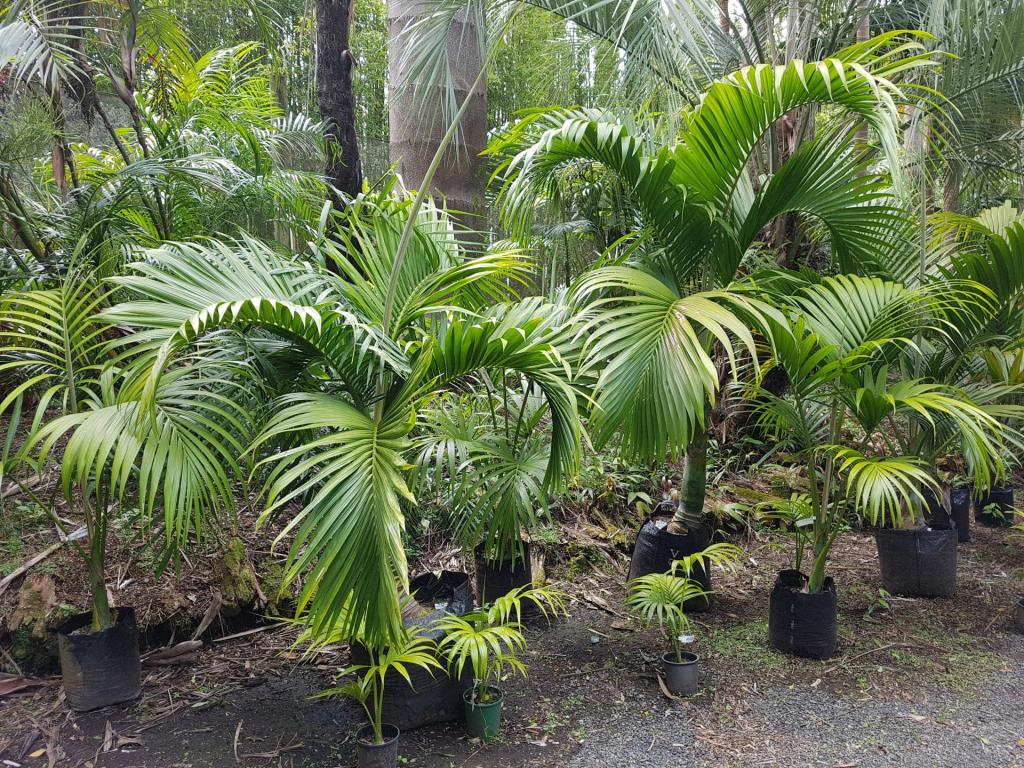
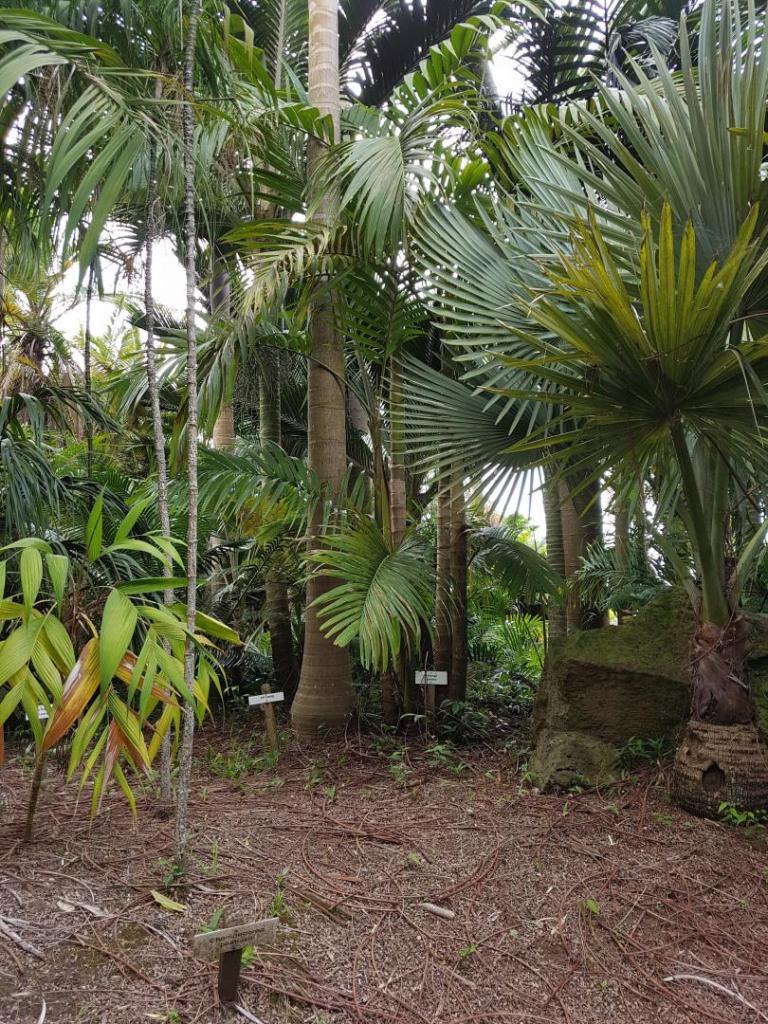
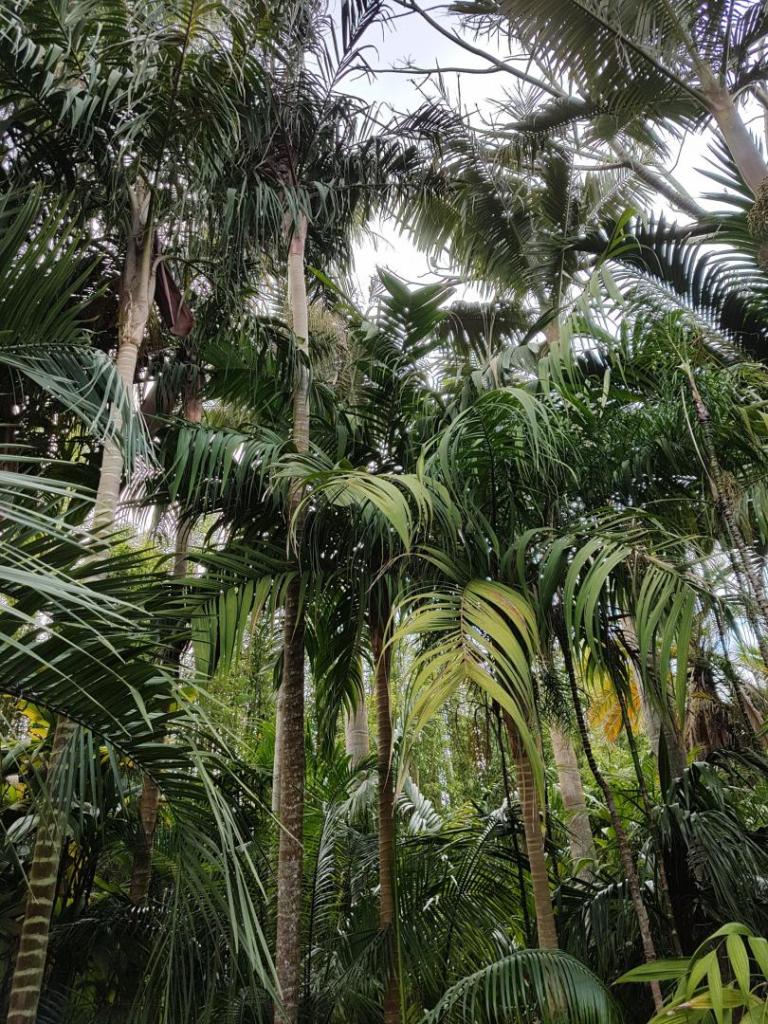
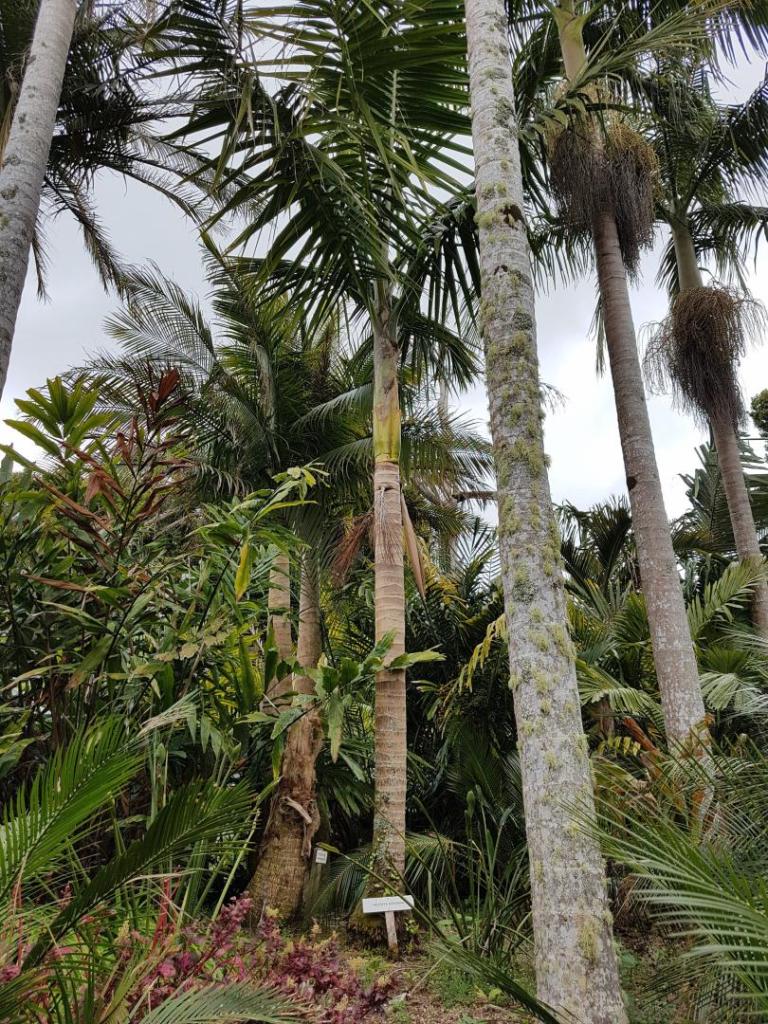
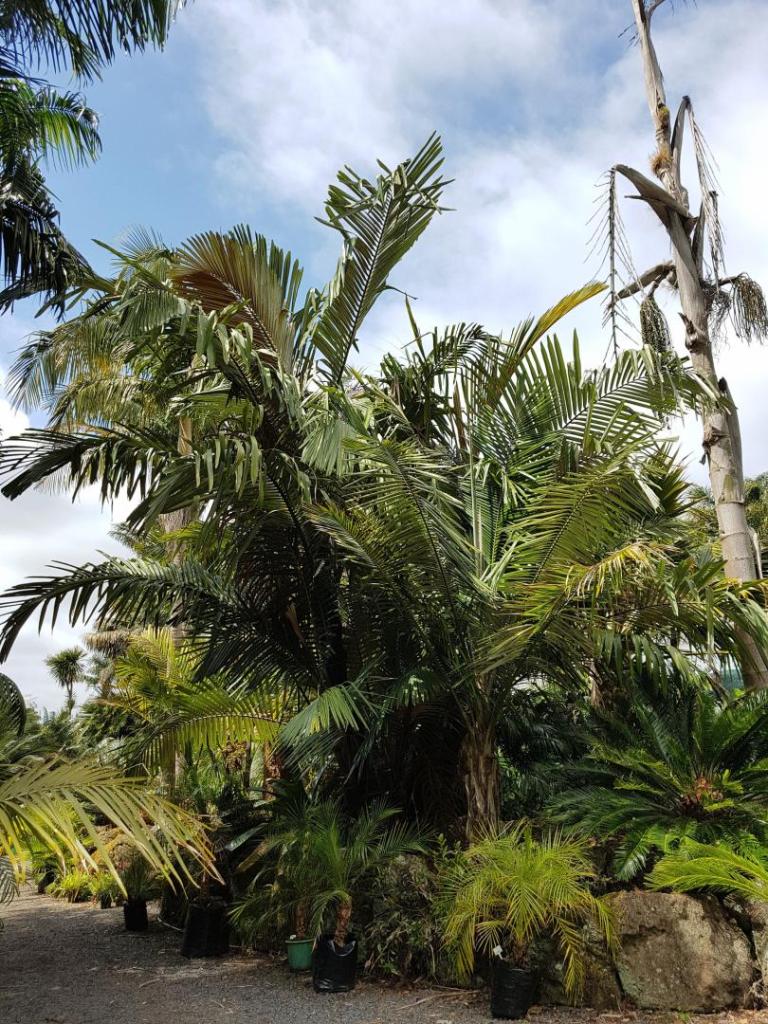
Shouldn’t be a problem for you I don’t think Richard. Mine is a different kind of heat, but mine breezed through 44C a few times this summer in filtered afternoon sun. Seedlings don’t mind either. I haven’t heard that they are too sensitive to humid heat either. Northland NZ would be right at the top of my list of places on earth to grow palms. Of all the places I’ve visited, it’s where every palm is just so perfectly green and lush. And where else can you grow Juania, Lepidorrachis, Hedyscepe, Ceroxylon, highland Geonoma and Parajubaea side by side with Pinanga javana, phillipinensis, all New Cal sp, most Dypsis and Chrysalidocarpus and even some Areca species? I’ve never visited Hawaii but I’d imagine it’s one of the closest places but just cooler all year round allowing those heat sensitive species to thrive (while limiting the true equatorial species). Here’s a few pics from a nursery up that way that I took in 2018. Really should’ve taken more photos but was caught up staring at everything 🤣 Hedyscepe canterburyana. Still can’t get my head around being able to go to a nursery and buy one of these! Pinanga javana and a nice little palm at the front left (maybe Geonoma orbigyana @richnorm ?) Geonoma undata grove and friends Prestoea acuminata var Montana Arenga micrantha just to stay slightly on topic with what might be Allagoptera caudescens front right
 4 points
 -
 Here on the west coast of Oz only cunninghamiana and alexandrae are common. The other 4 are completely missing from the mix as they are purely collectors palms. I suspect that many of the Archontophoenix getting around are not pure and are various combinations of cunninghamiana and alexandrae. I reckon I have quite a few Alabangs growing here. A pure cunninghamiana will have the ramenta underneath the leaf. I’ve grown some seed thinking they are cunninghamiana and they don’t have the ramenta. Over time they get a faint amount of silver under the leaf. So probably a cunninghamiana mother and pollen from an alexandrae. I’m growing all the 6 species here but I need to try and seperate them to try and create straight up species in the future.4 points
 -
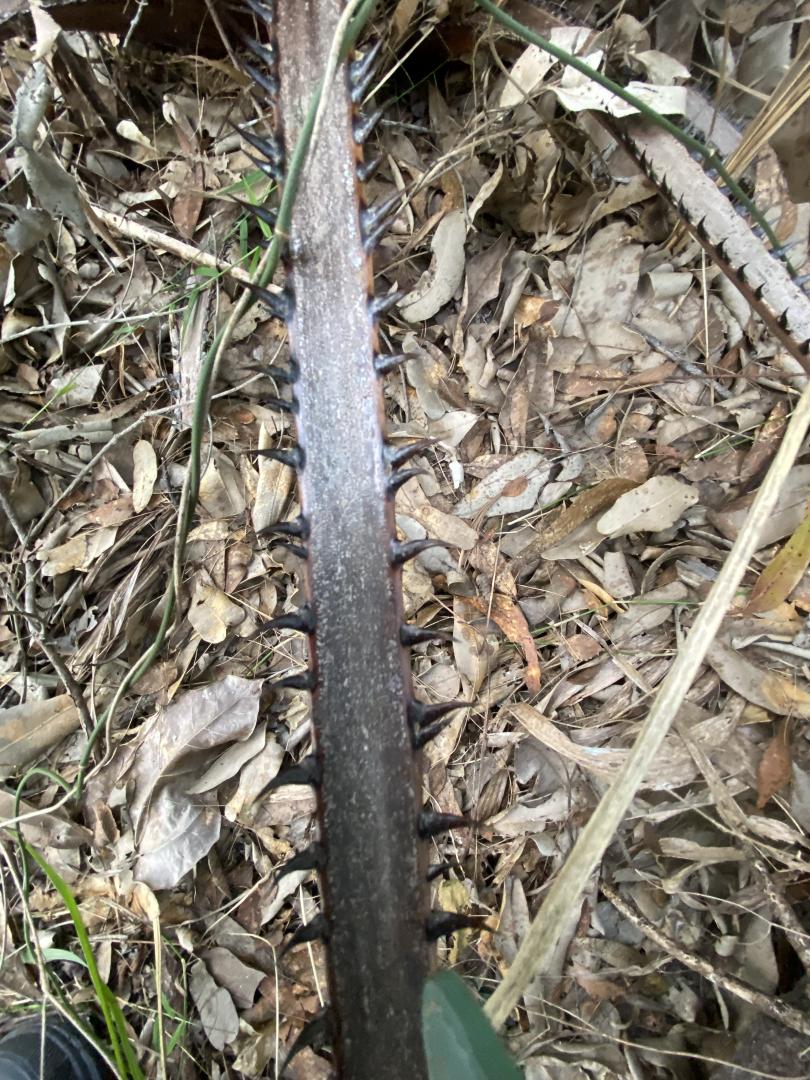
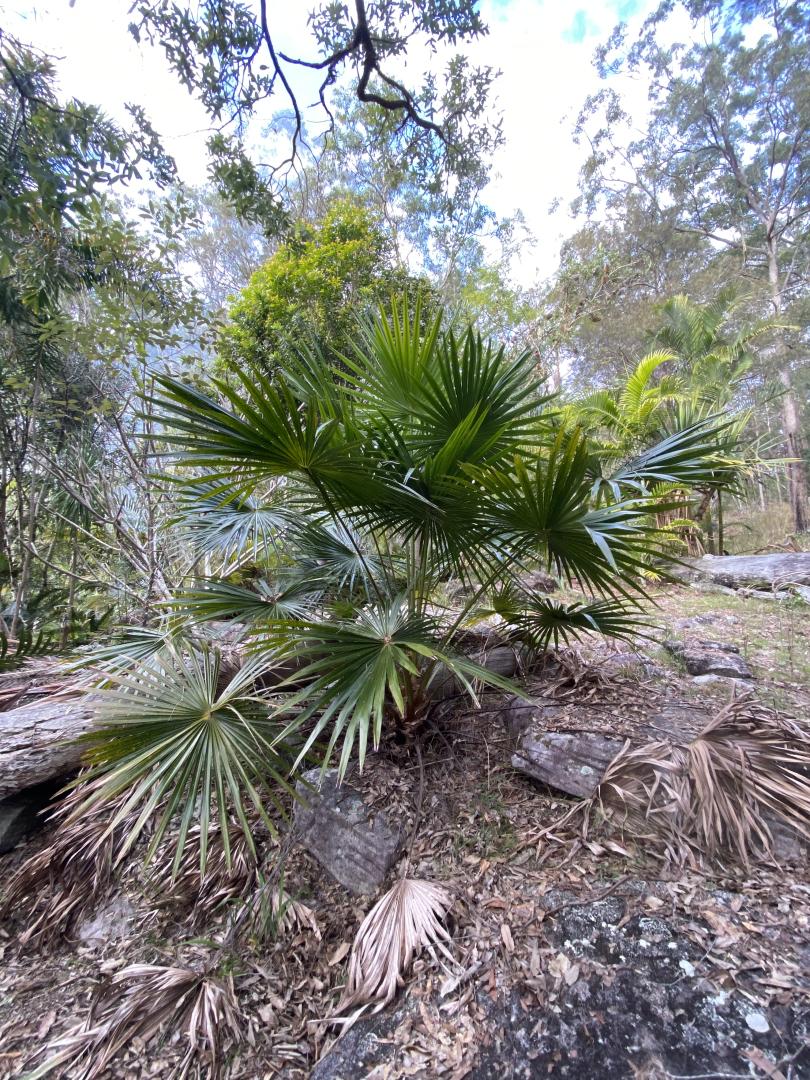
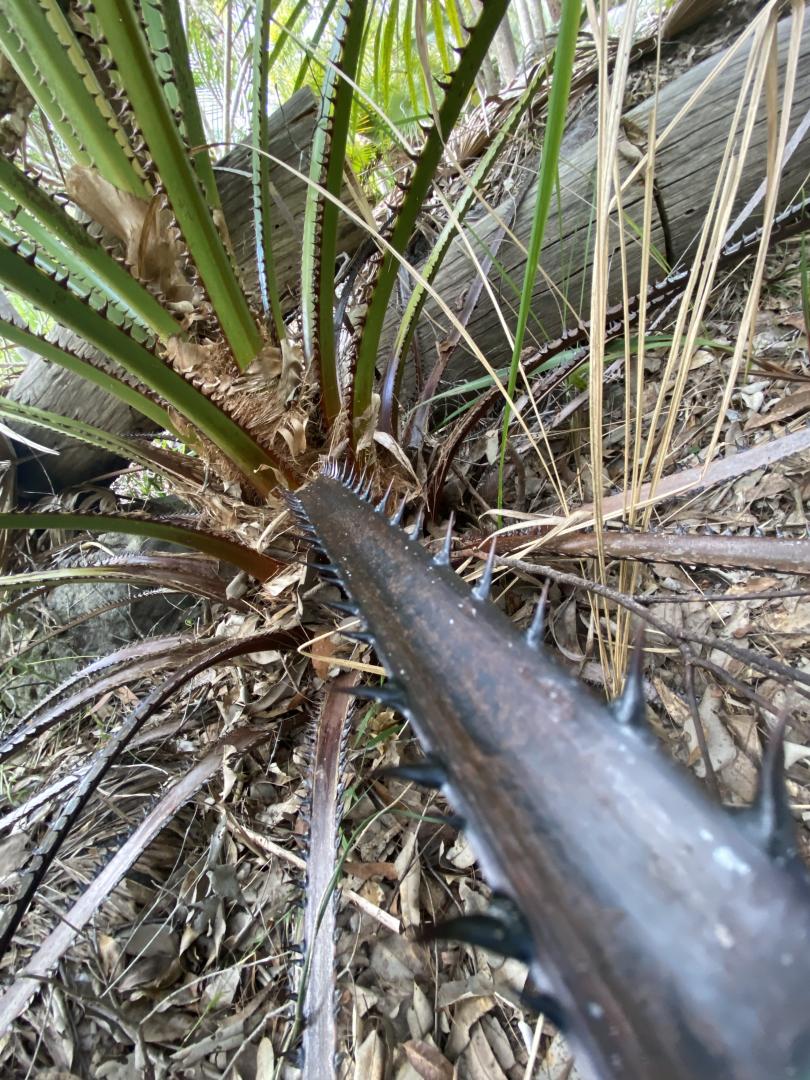
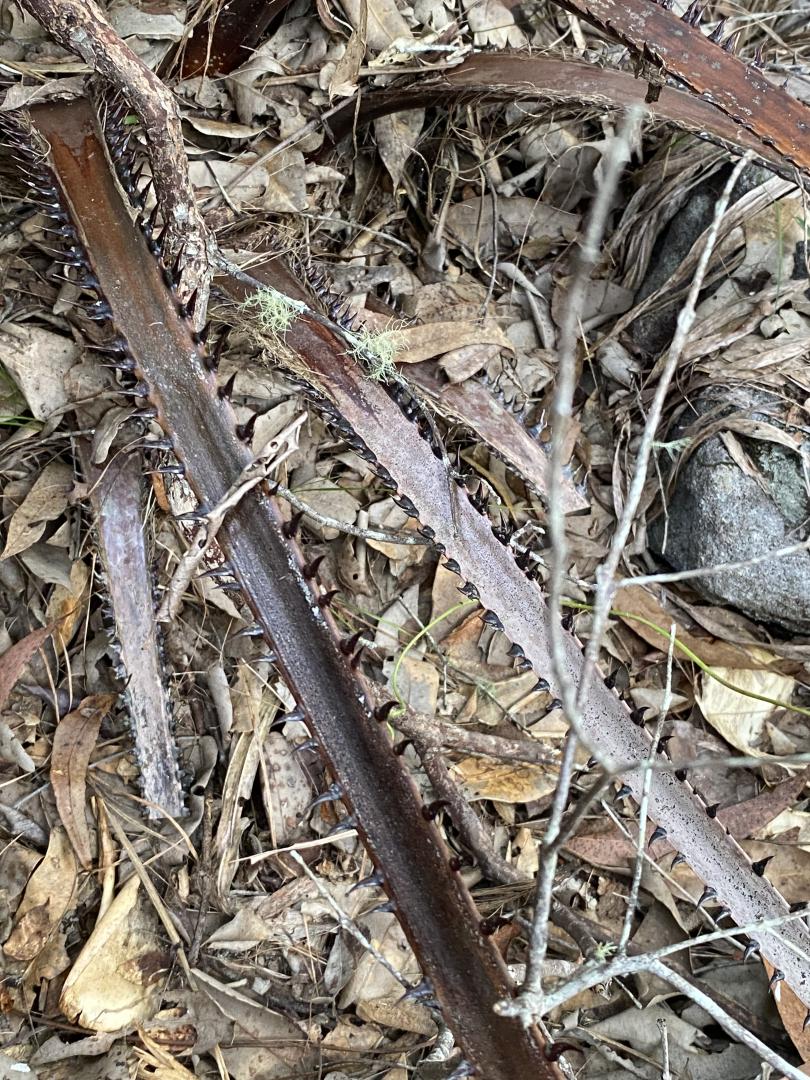
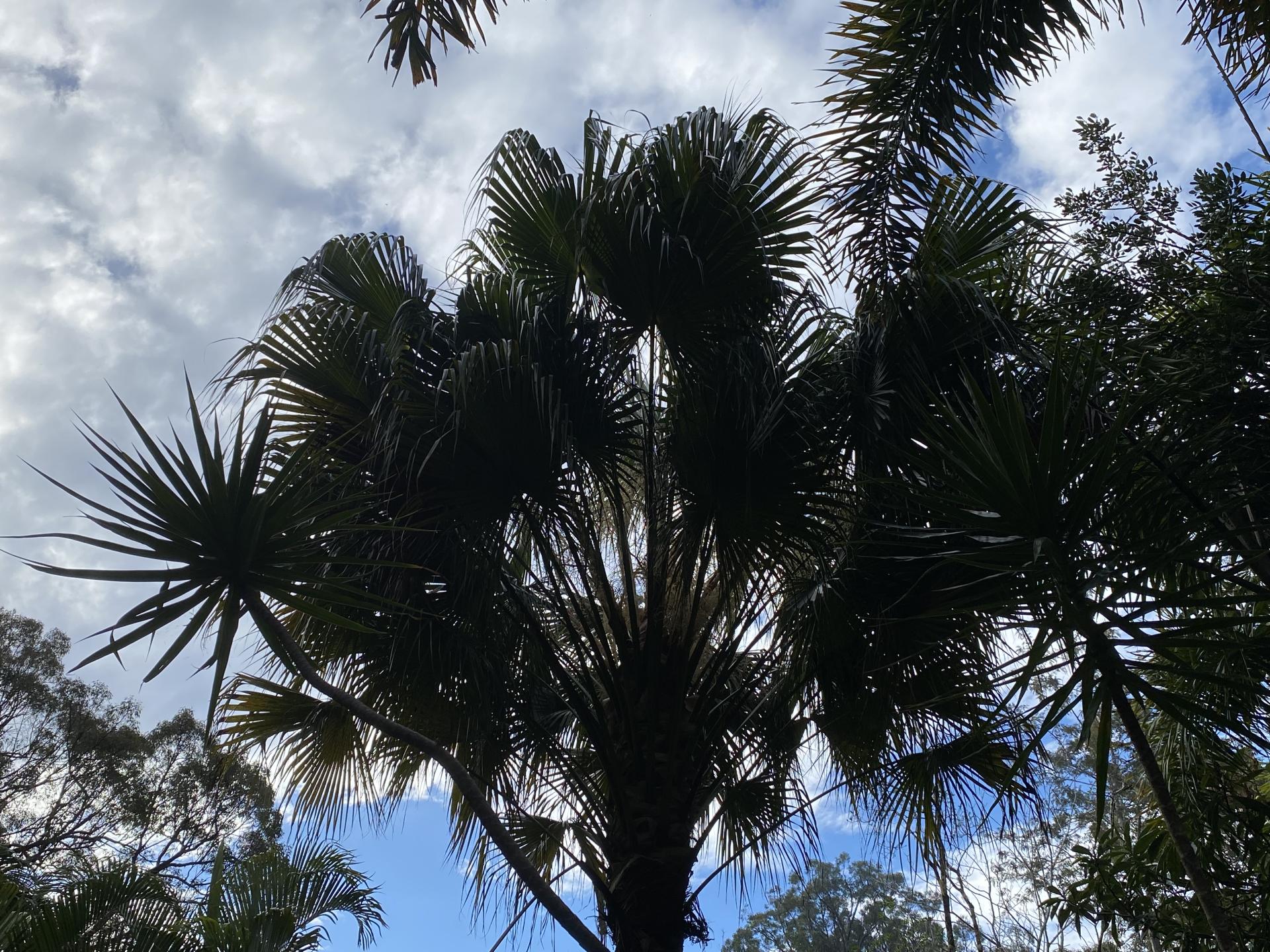
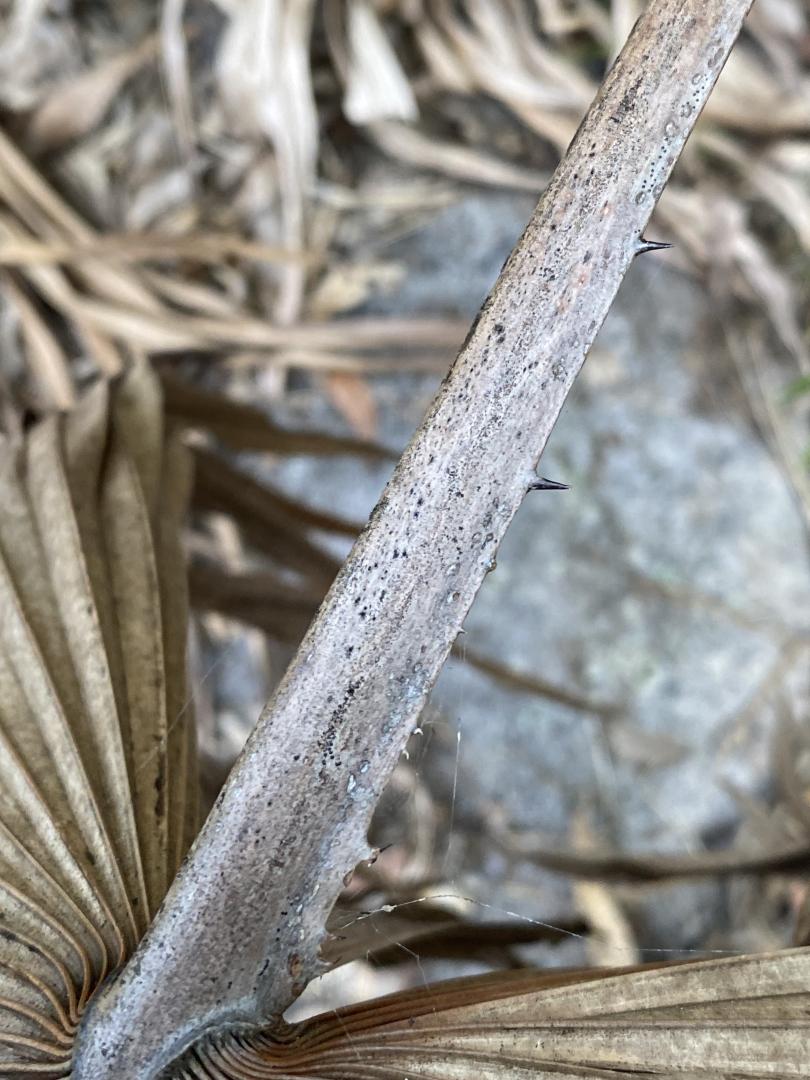
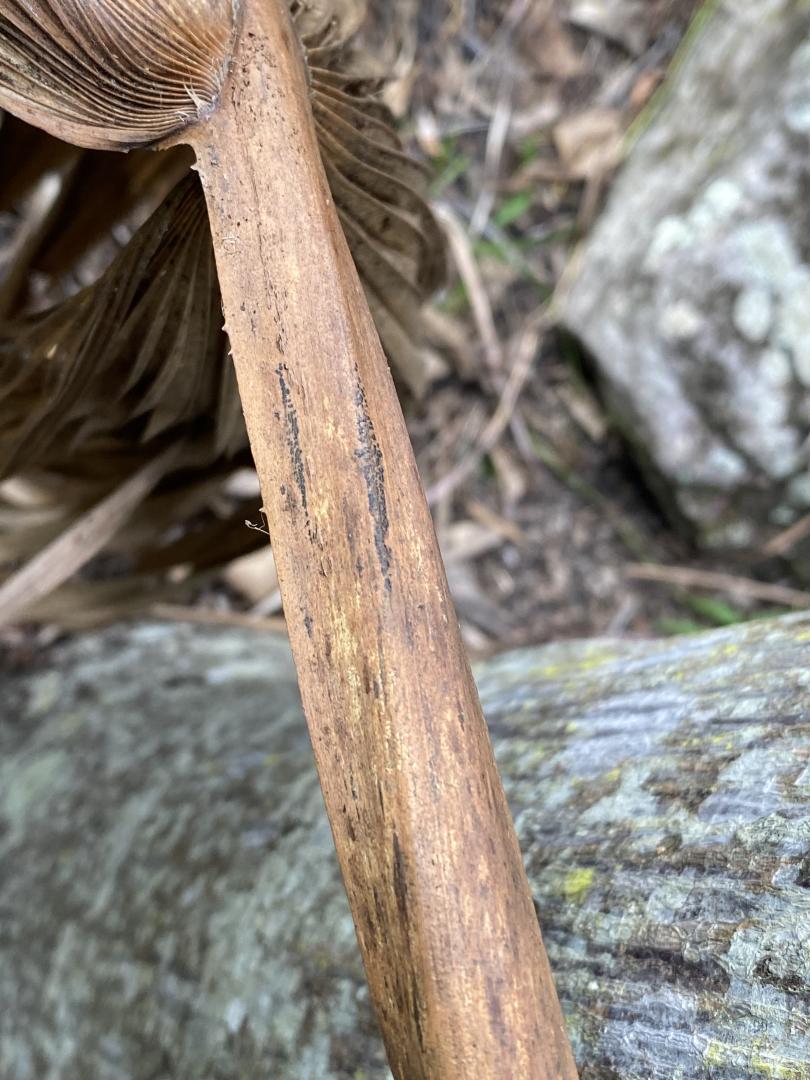
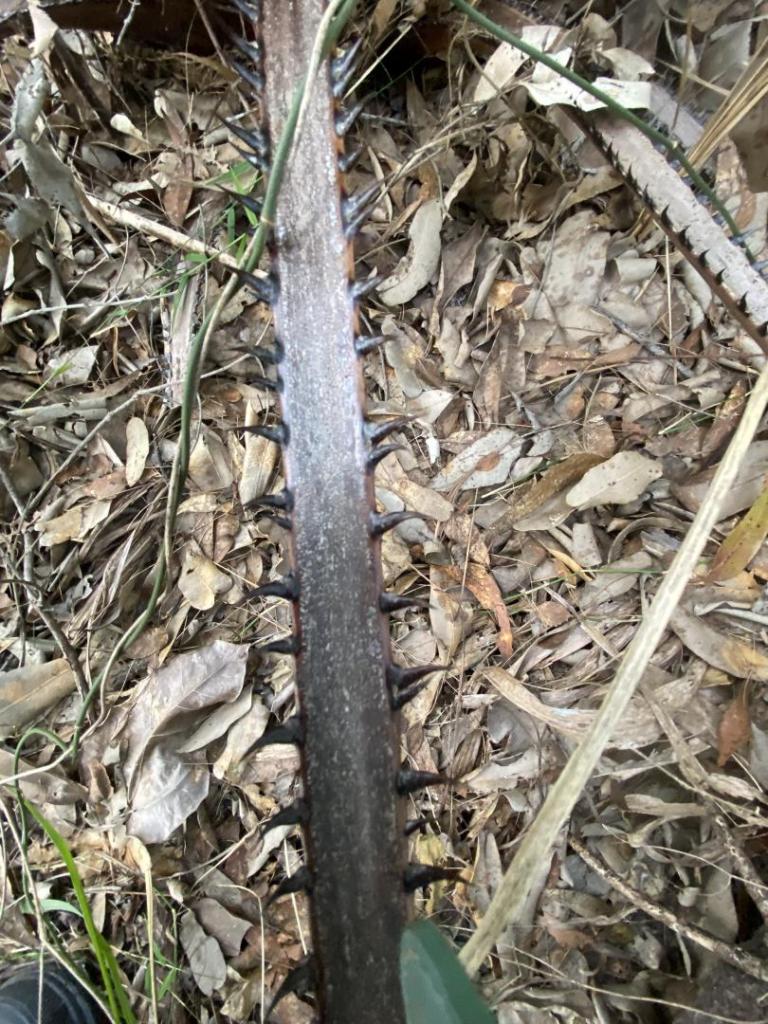
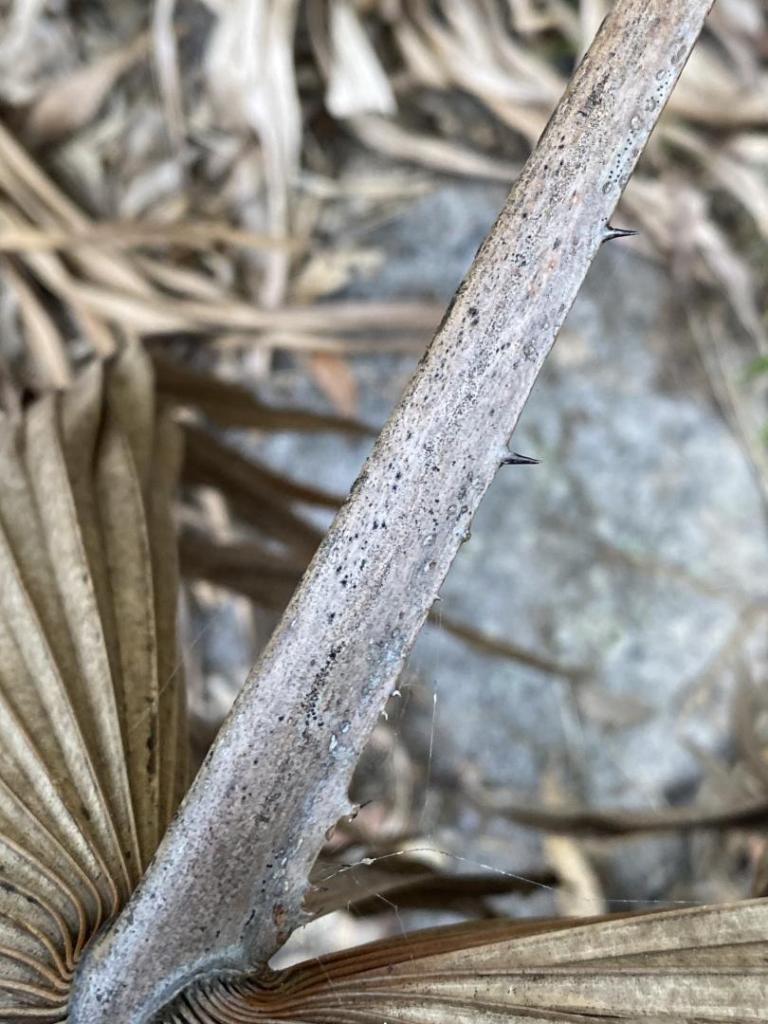
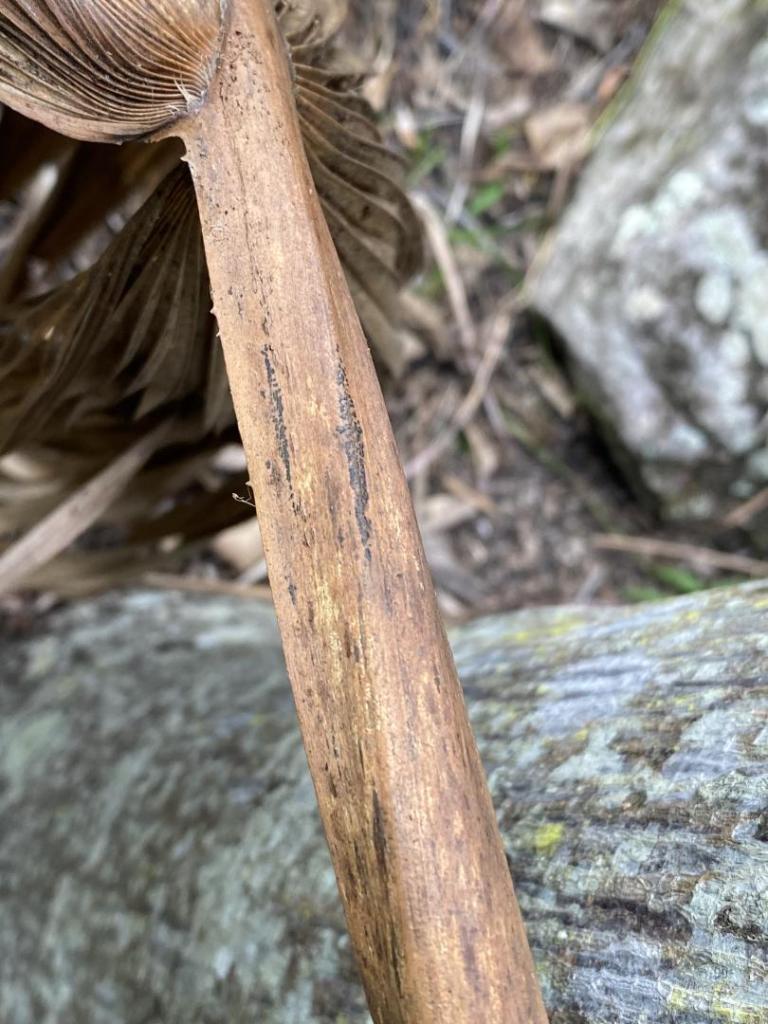
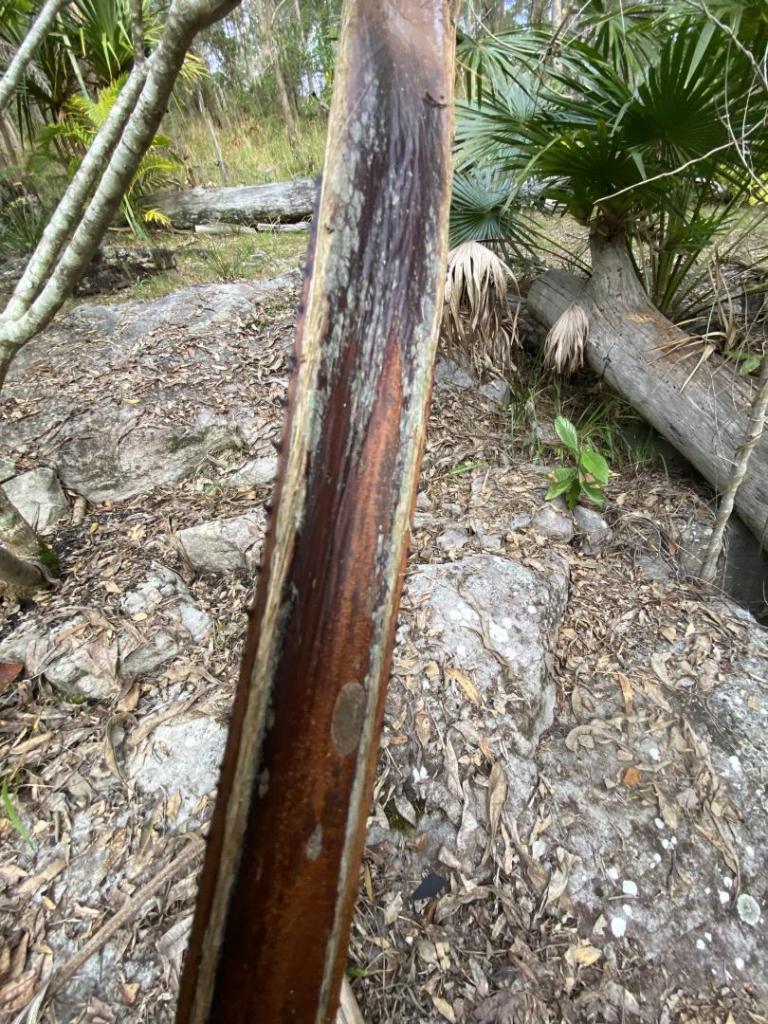
Doing a bit of cleaning up the dead fallen Australis leaves, with two growing near each other a mature one and a juvenile one, and the difference in the thorns on the young palm in comparison to the mature one is incredible. You most certainly wouldn’t mess around with a young palm when doing a bit of cleaning up. Whereas the mature one they are not so deadly. It’s obviously a defence mechanism but against what I don’t know, perhaps kangaroos munching on young palms, or is it a Gondwana time defence mechanism, back when there where some rather large marsupials roaming around eating them. But there is certainly a difference in the thorns!
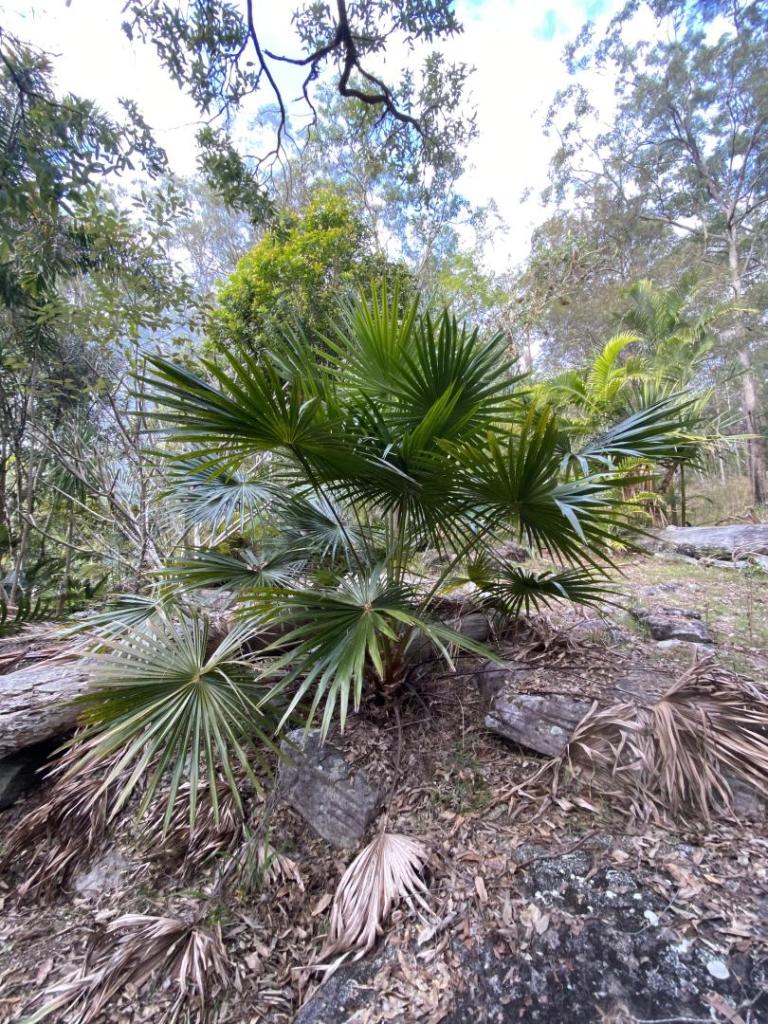
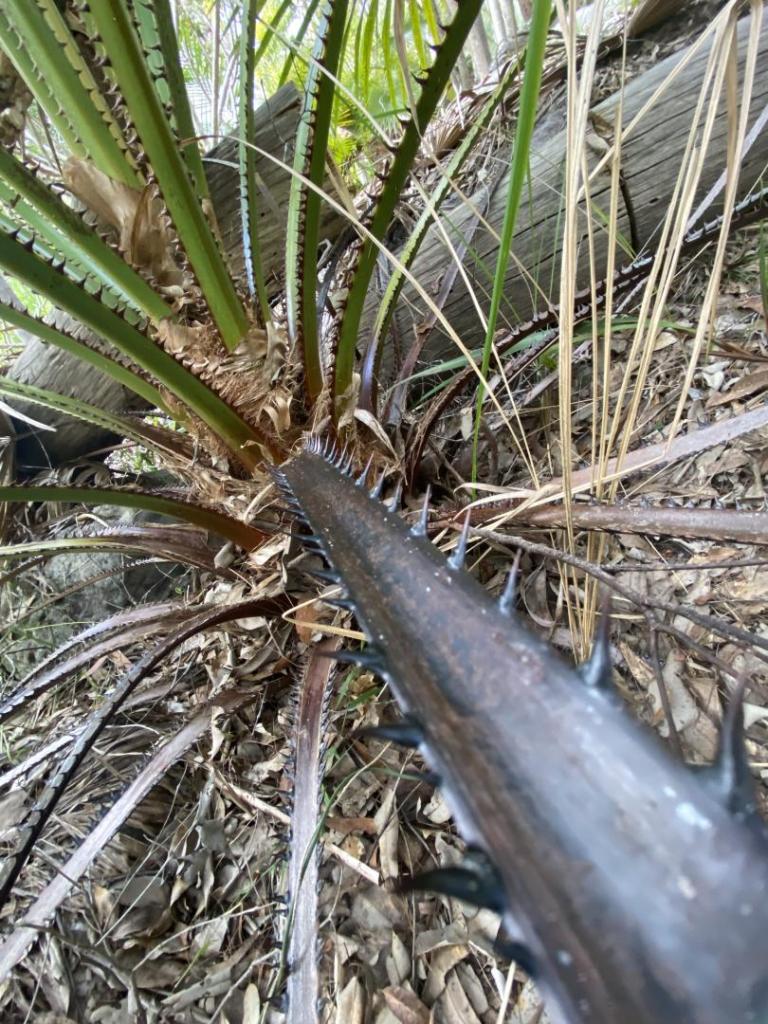
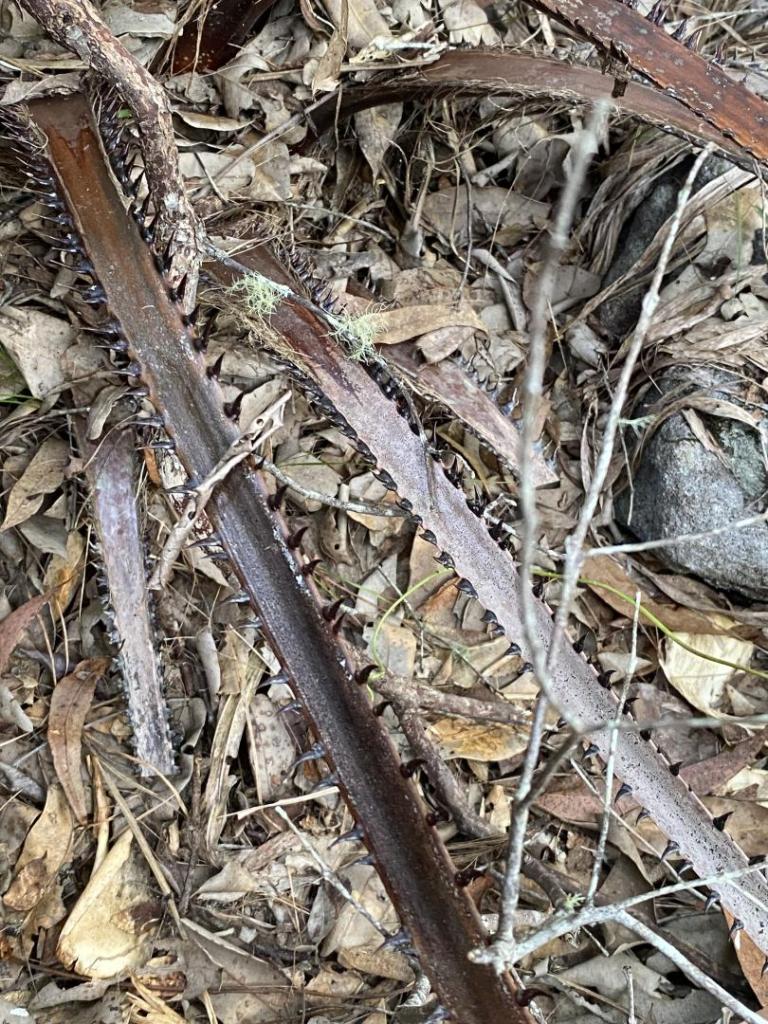
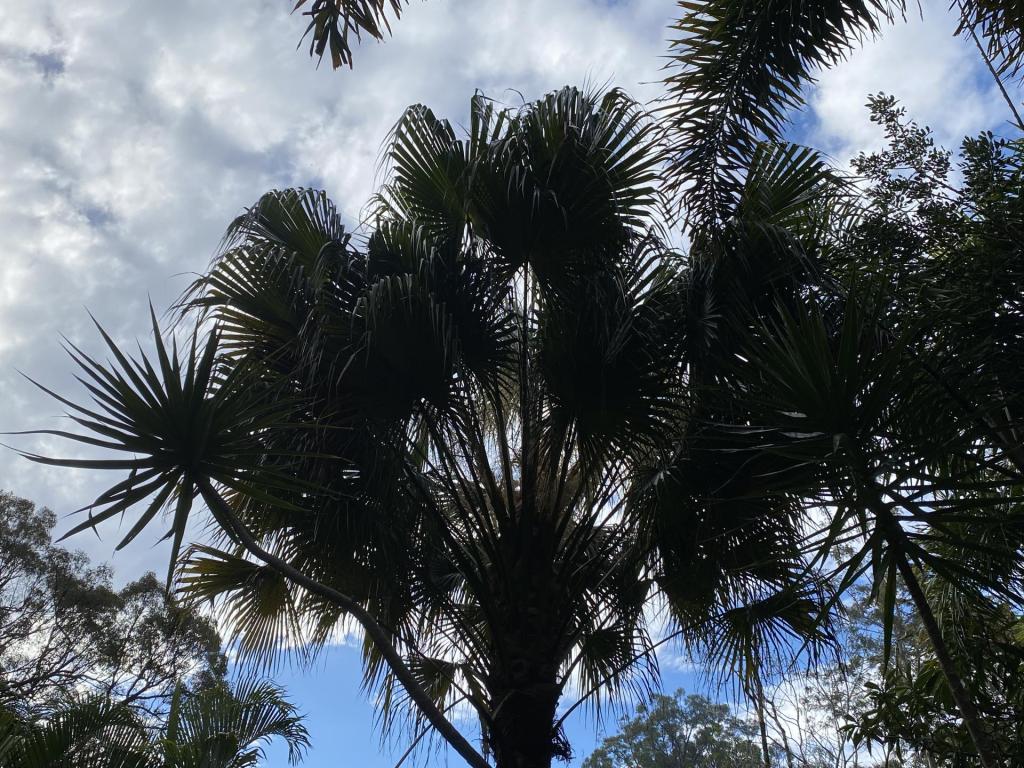

 3 points
 -
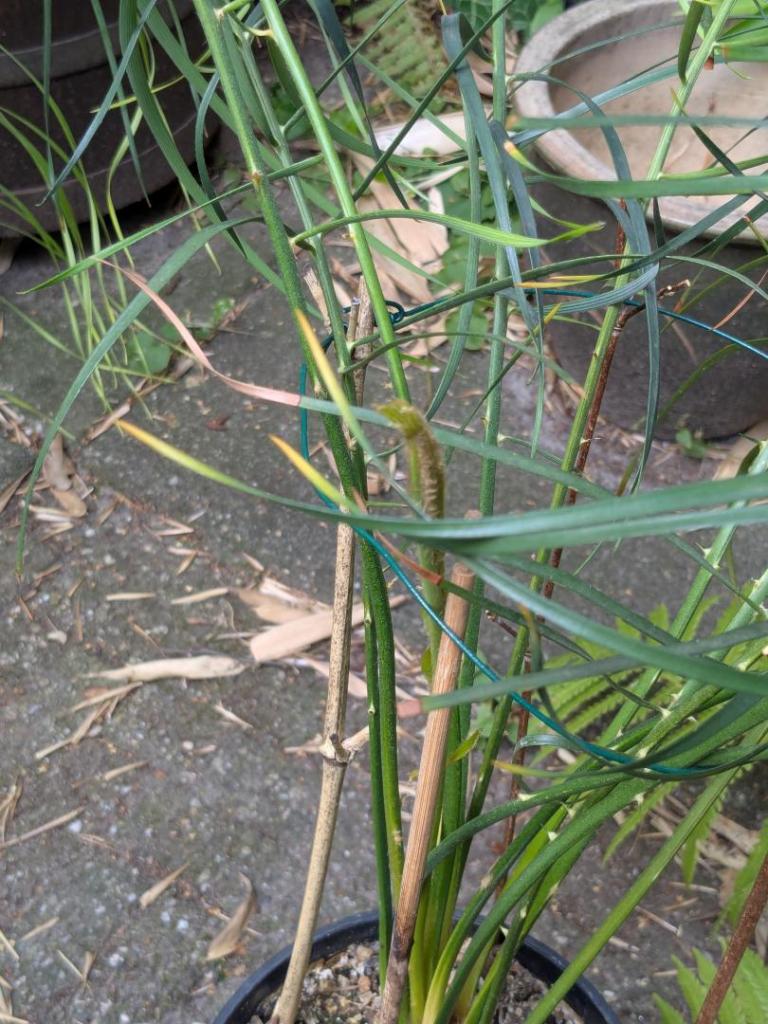
 3 pointsThis is the Macrazamia serpentina I did show you earlier. Up to now, it produced in my kitchen two new leaves this summer with rather big and a plumose-like appearance. Right now it is producing a third leave, so I put it outside in a protected place and I hope the new leave will be shorter and more upright! I'll keep you posted.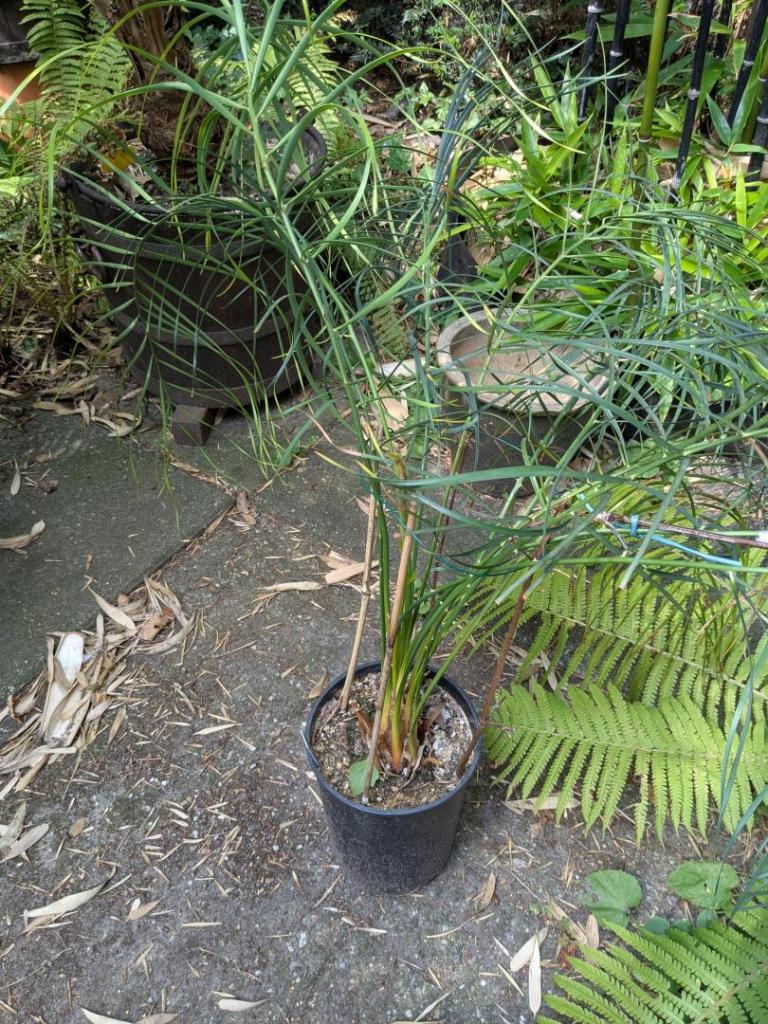
 3 points
 -
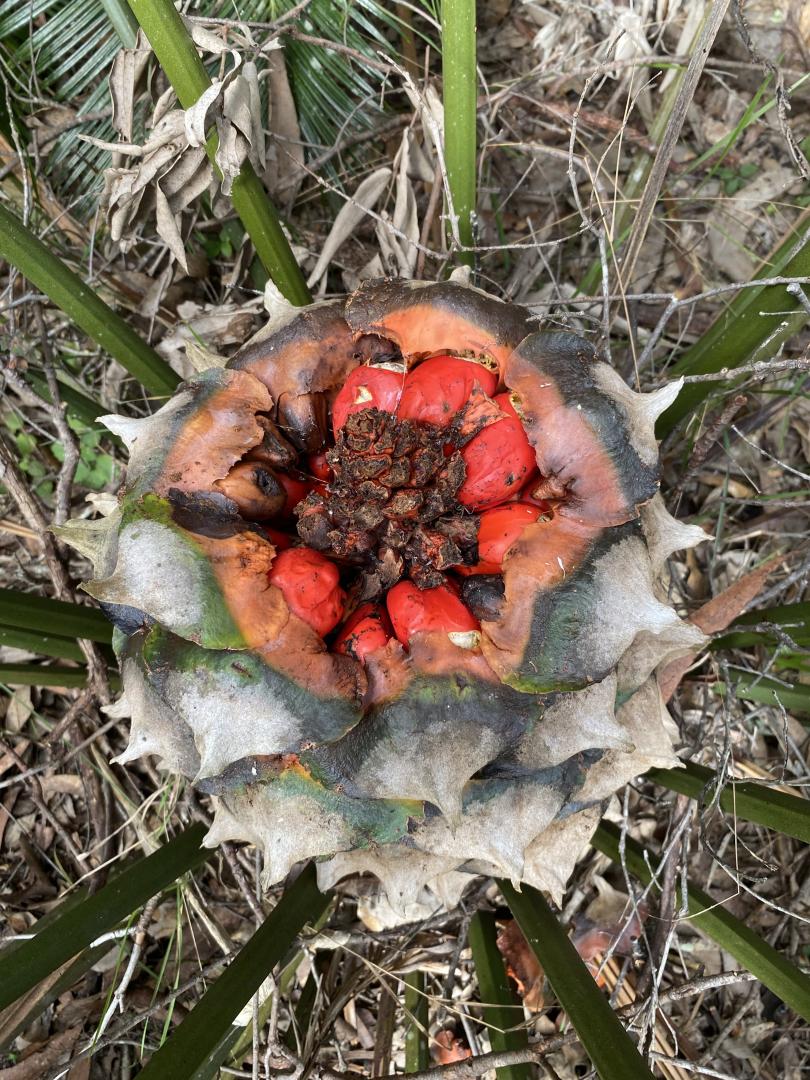
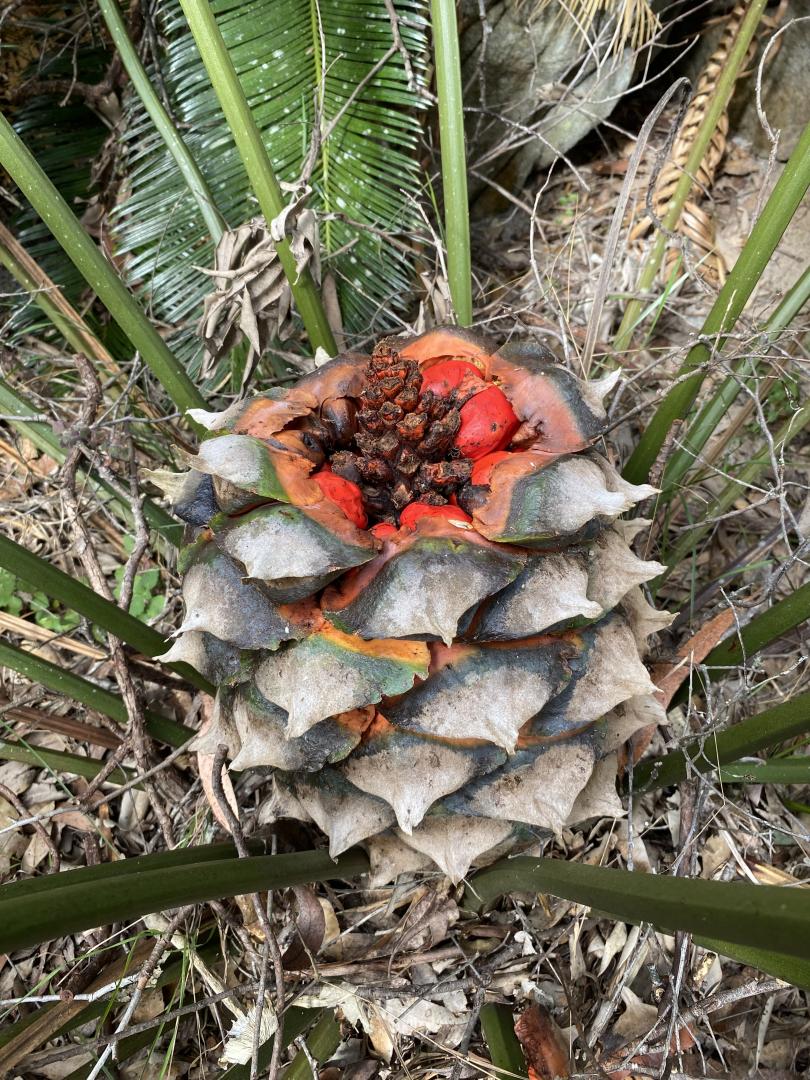
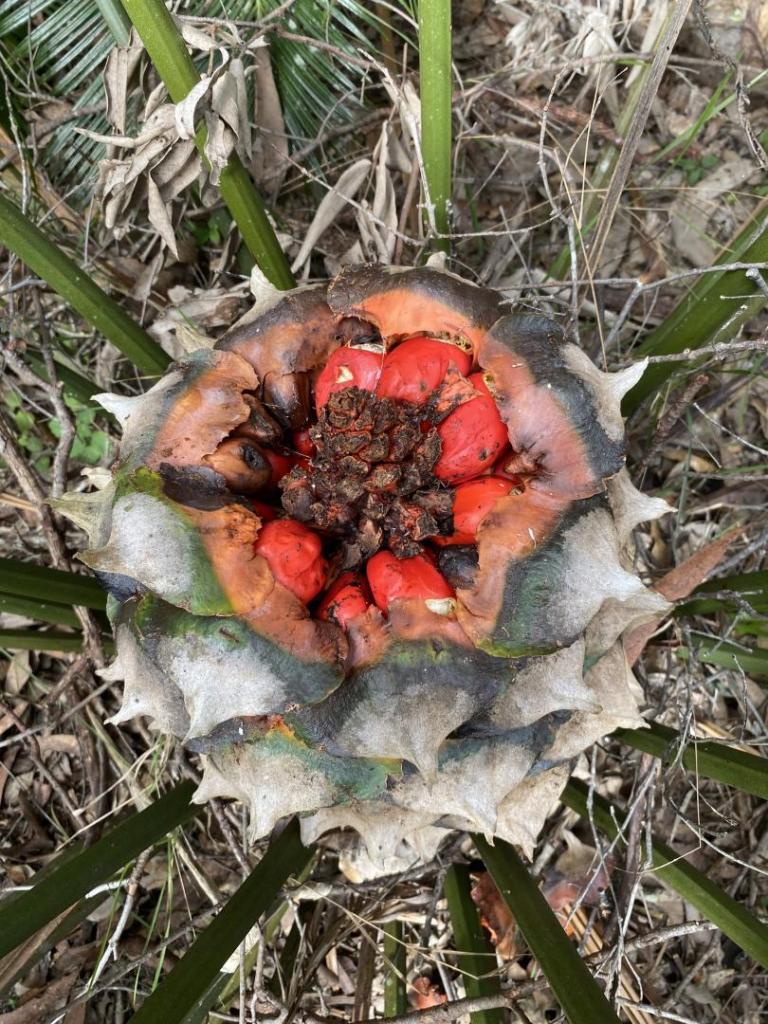
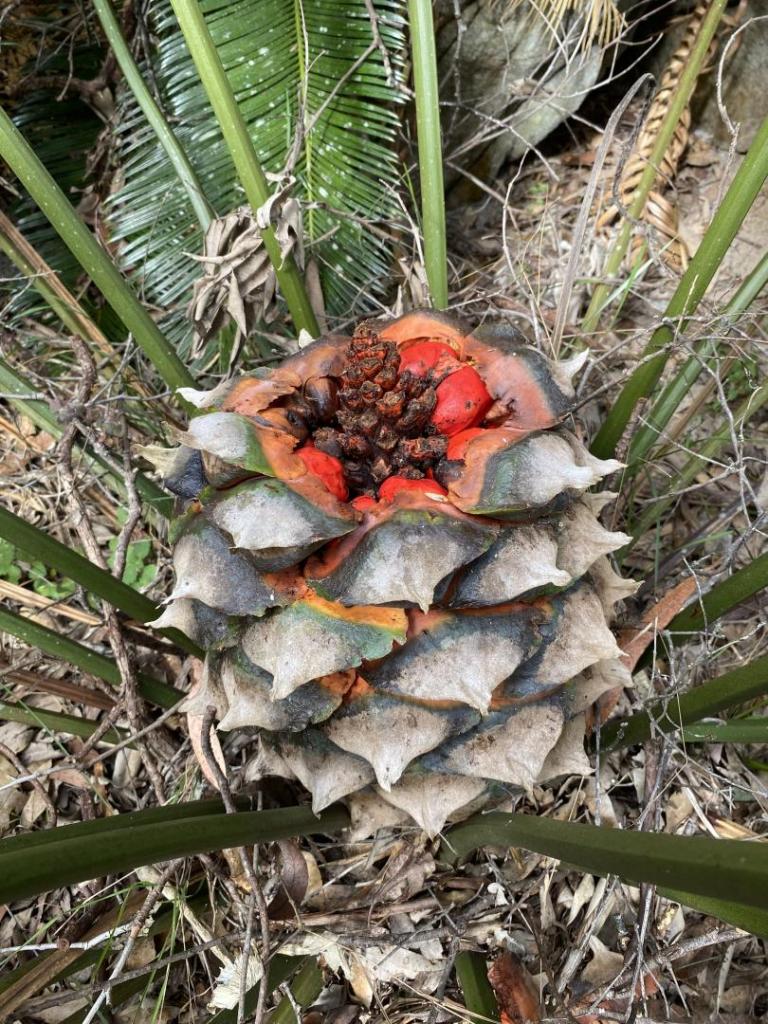
3 pointsA nice lepidozamia peroffskyana starting to fall apart full of seeds in the garden. I will let them fall to the ground then harvest them.
 3 points
 -
 3 points
 -
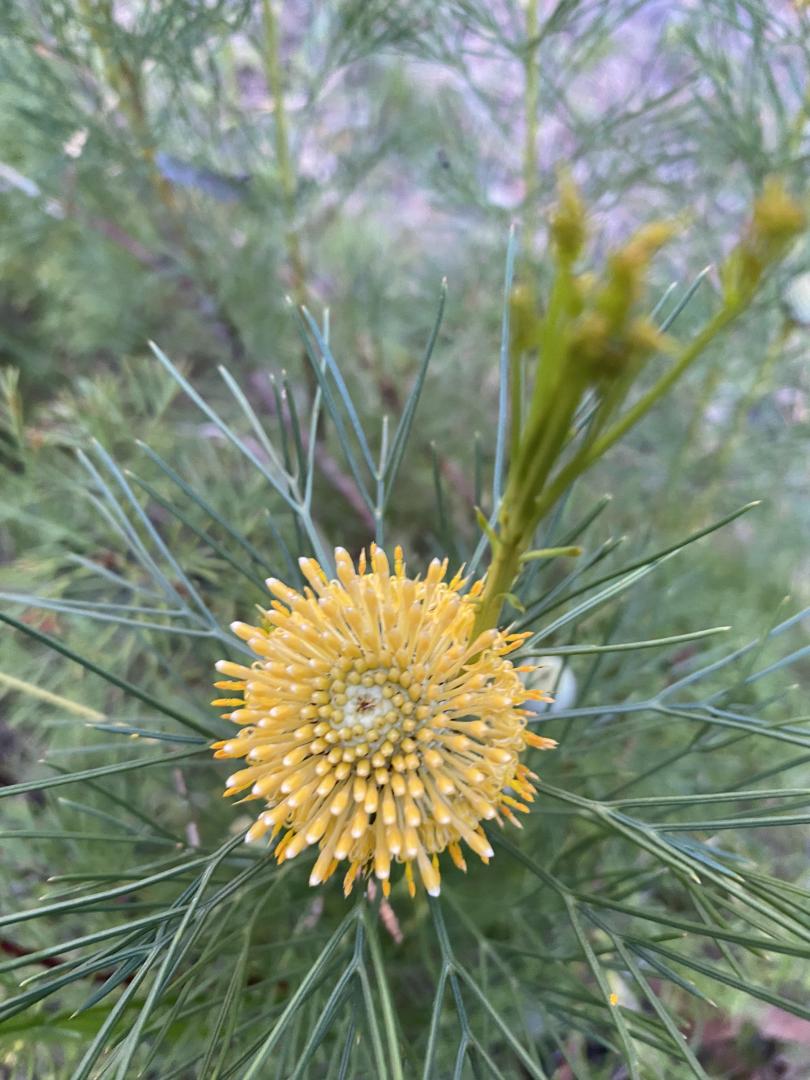
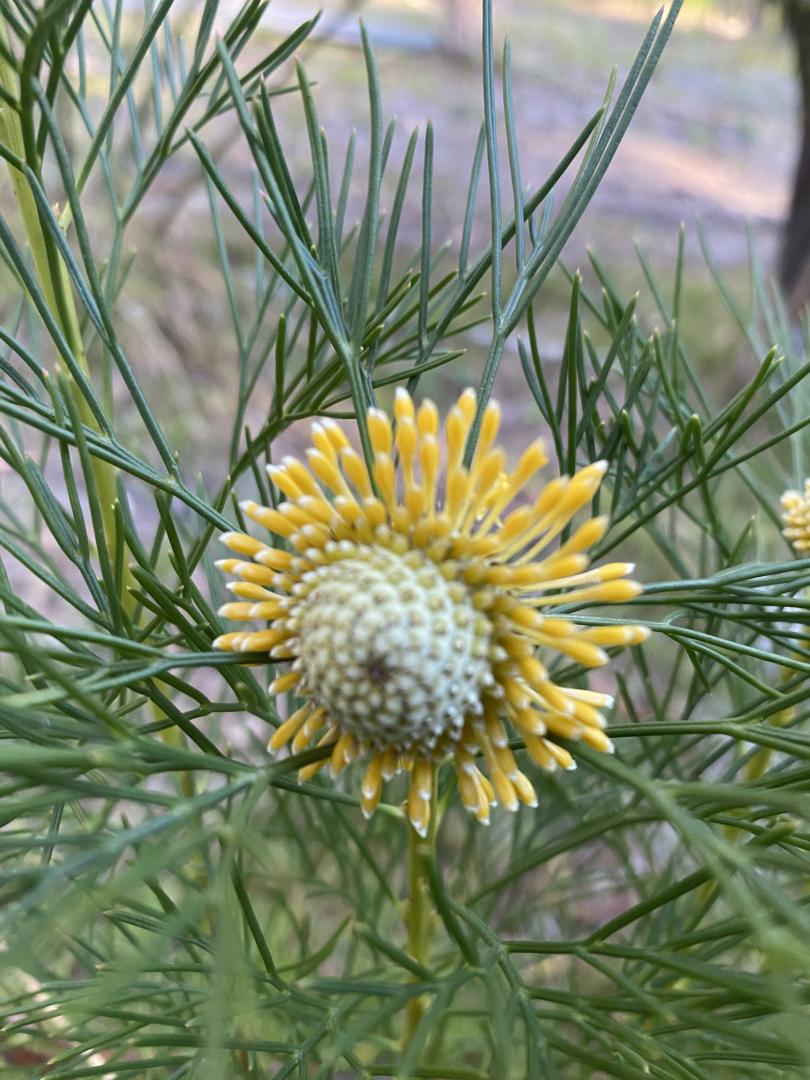
2 pointsA real beauty Australian native this one. Good drainage is the key to this one, hot dry sunny conditions they don’t seem to mind, they will tolerate wet conditions provided the drainage is sufficient. The Australian sunflower I call them!
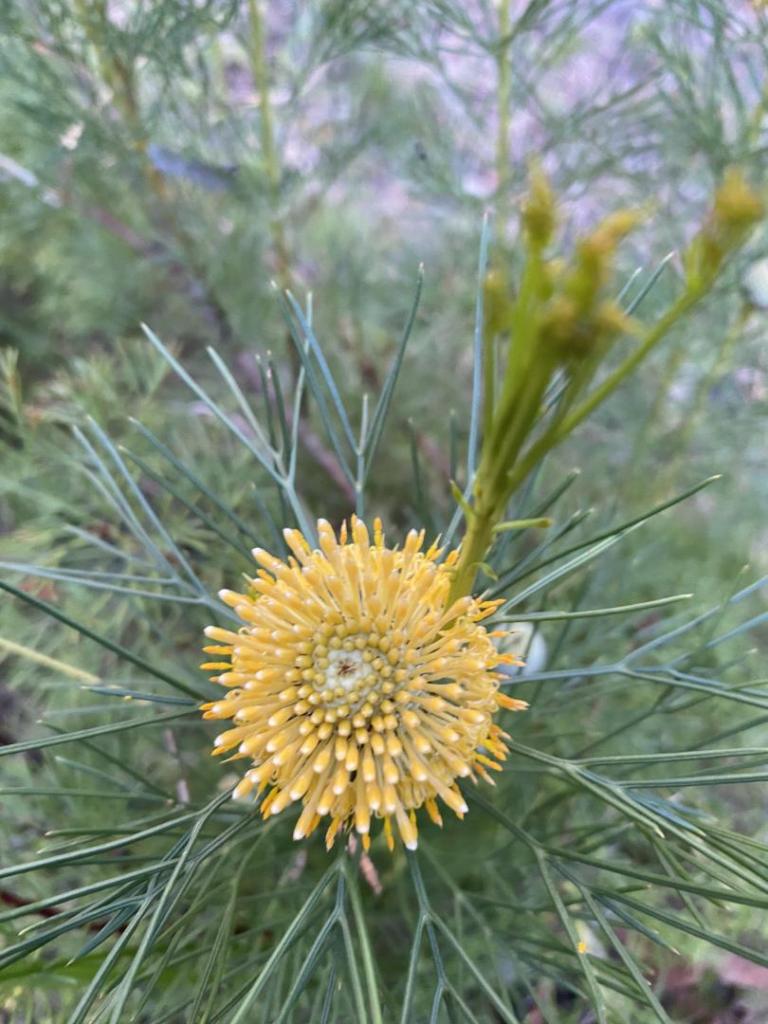
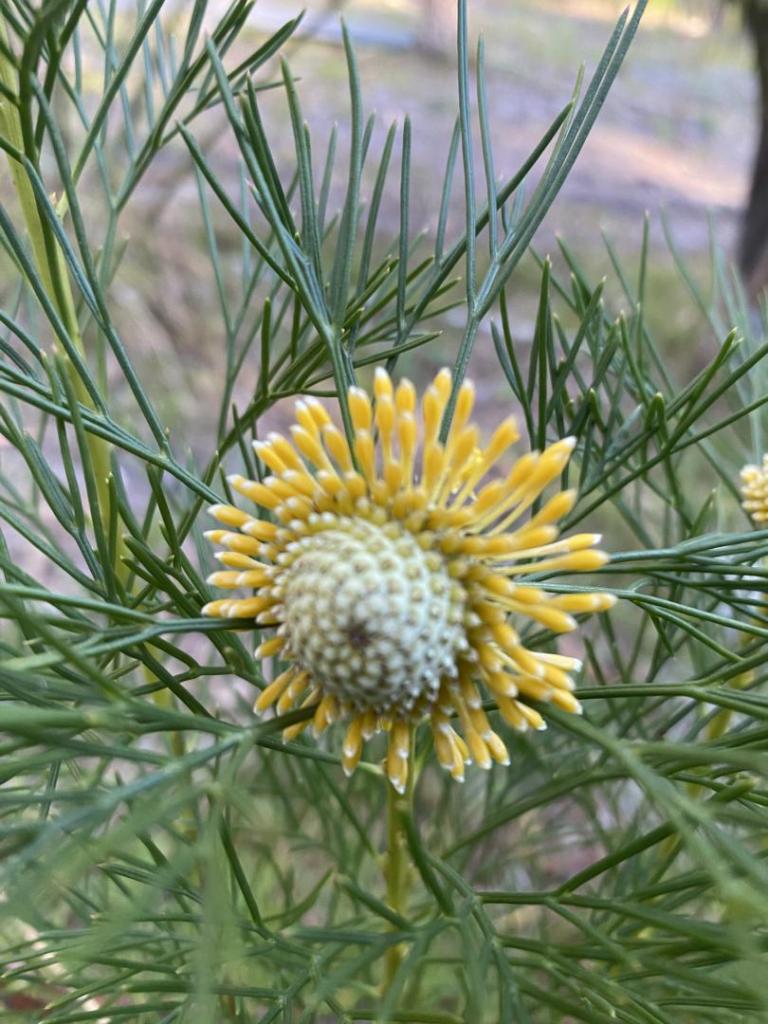 2 points
 -
2 points
-
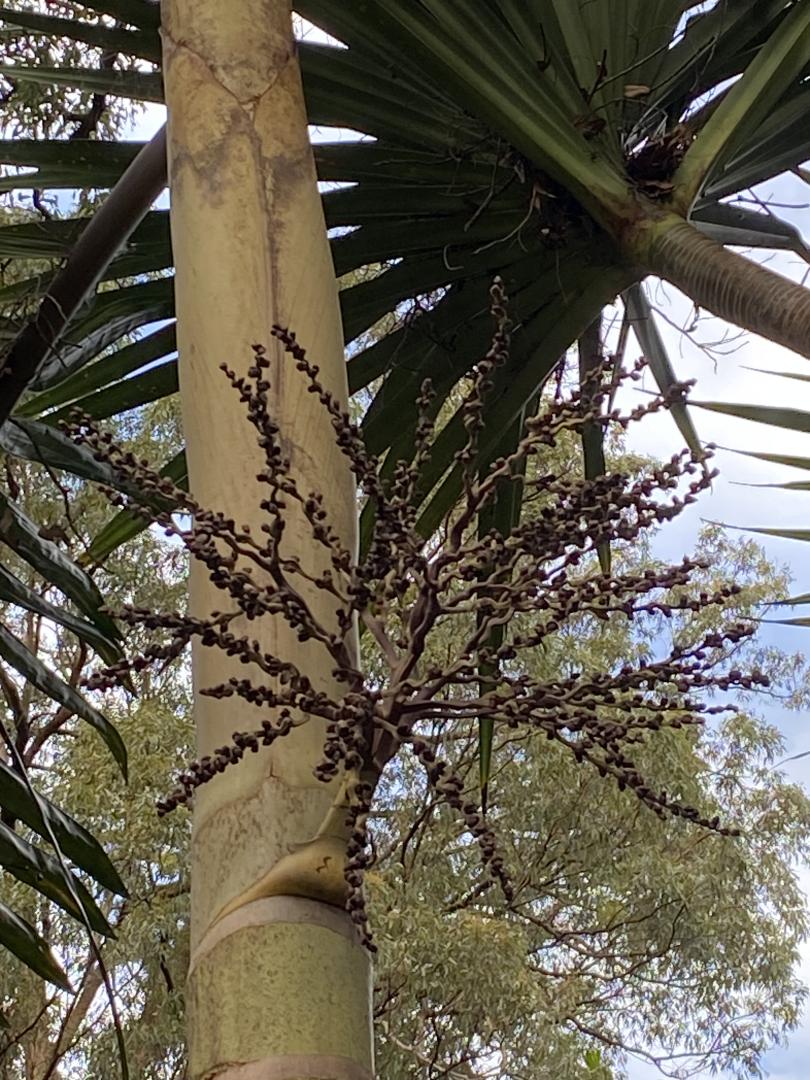
2 pointsChambeyronia hookeri, 4 years of flowering and still no seeds yet.
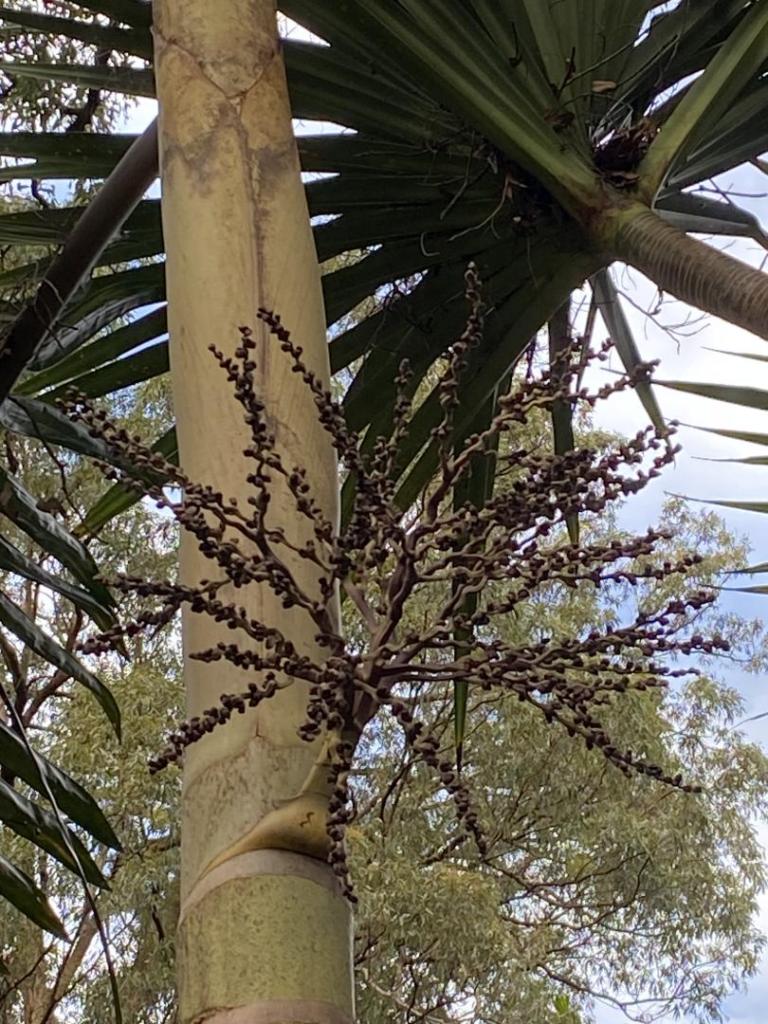 2 points
 -
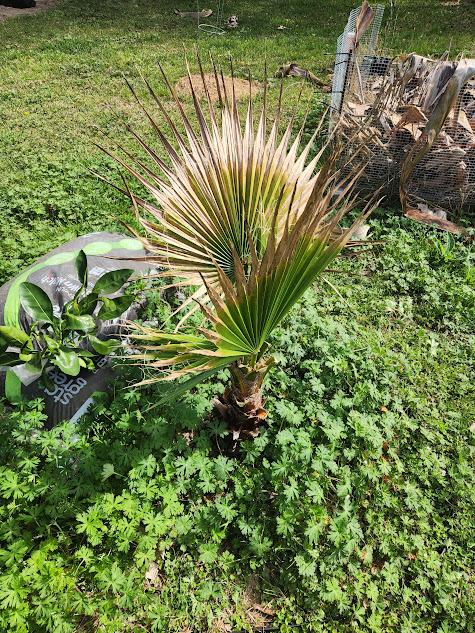
 2 pointsThis update is for the washy specifically. What a UNIT. March 7, 2026: August 4, 2026: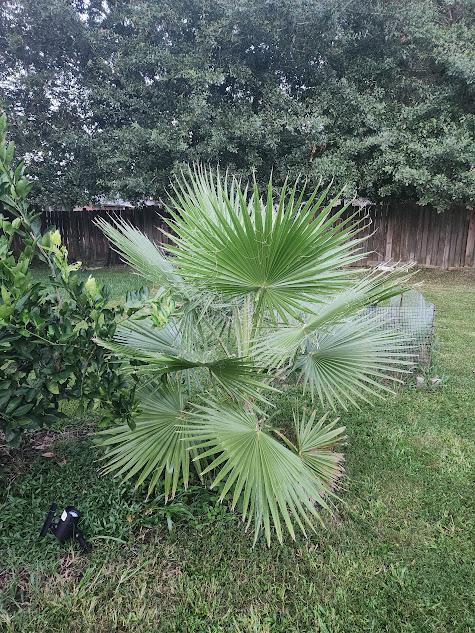
 2 points
 -
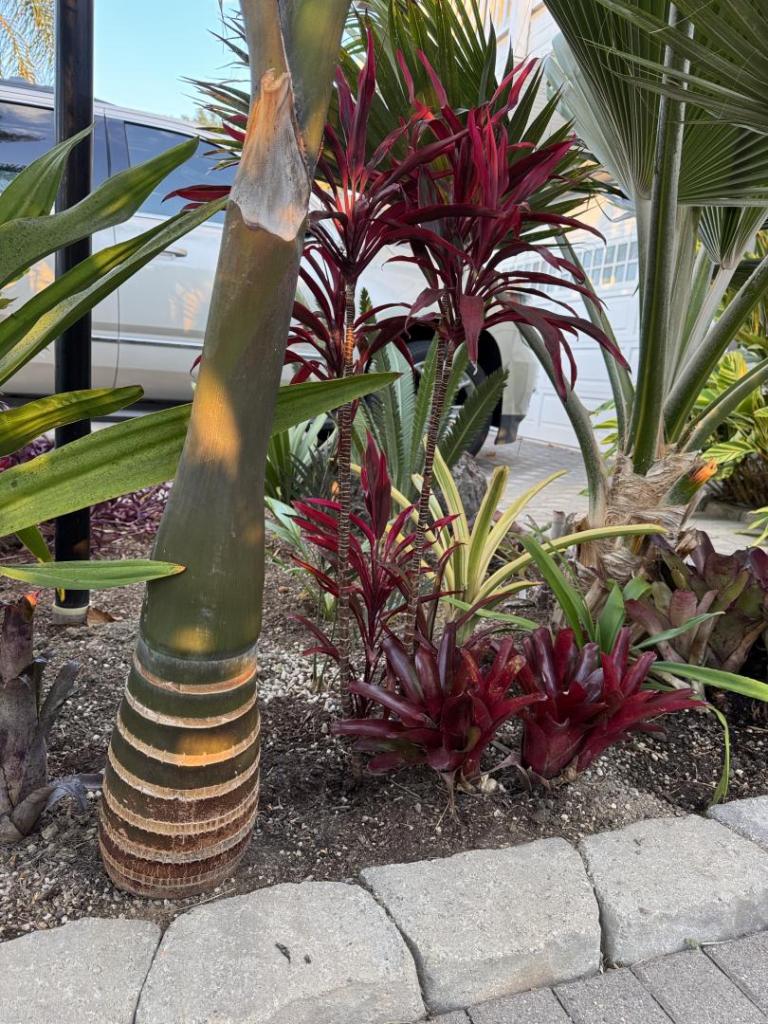
 2 pointsWhile definitely not its first ring, I’ve always loved how defined the growth rings are on Hyophorbe Indica. -dale
 2 points
 -
You folks certainly had a go of it! Sorry for your losses. Harry2 points
-
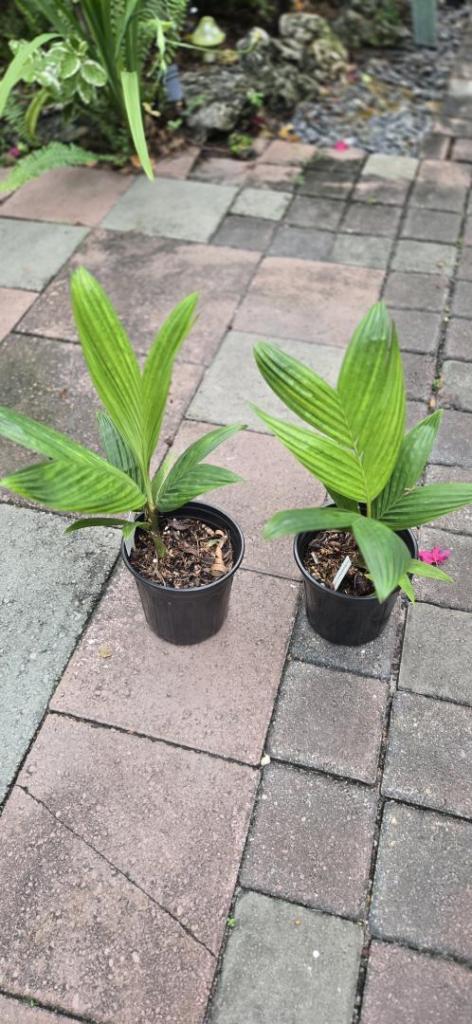
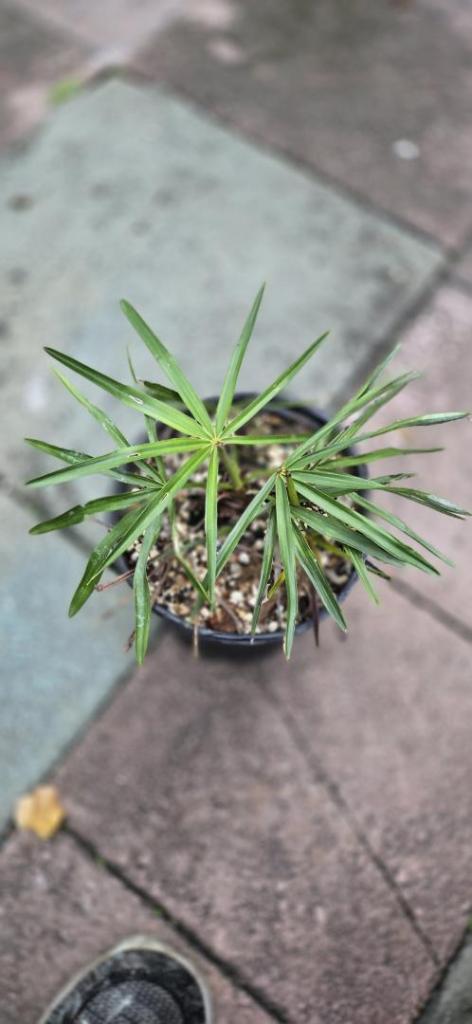
 2 points#1 Actinorhytis calapparia 3 gal $30 (4 available) #2 Pinanga coronata 1gal $20 (4 available) #3 Arenga undulatifolia 1gal $15 (3 available) #4 Sabal mauritiiformis 3gal $30 (2 available) #5 Archontophoenix tuckeri 3gal $20 (1 available) #6 kentiopsis oliviformis 1gal $30 (2 available) #7 Heterospathe elata 1 gal $15 (1 available) #8 Pritchardia thurstonii 1gal $25 (1 available) #9 Chambeyronia hookeri 3gal $45 ( 6 available) #10 Ptychosperma propinquum 1gal $15 (2 available) #11 Coccothrinax alexandri 1gal $25 (1 available) Local pickup on 3gals in miami (Westchester area) Shipping available on 1gals at buyer's expense . Pictures in order of list above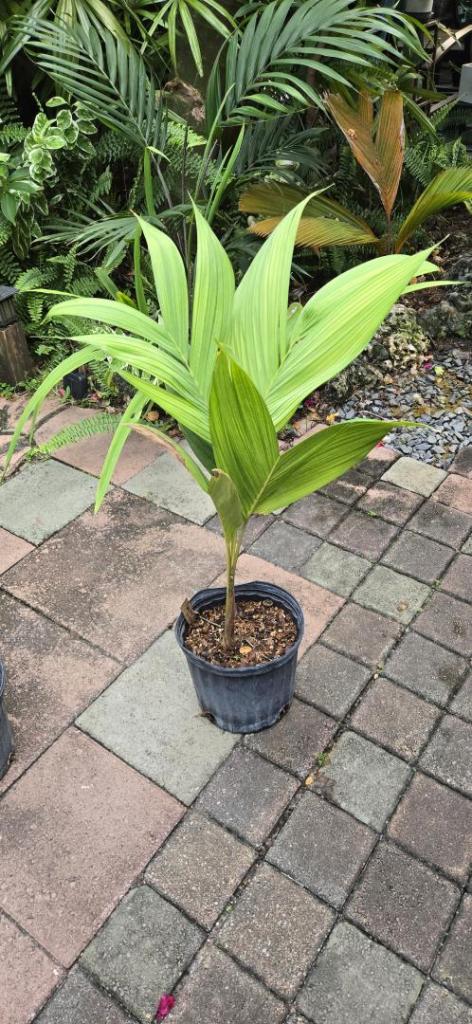
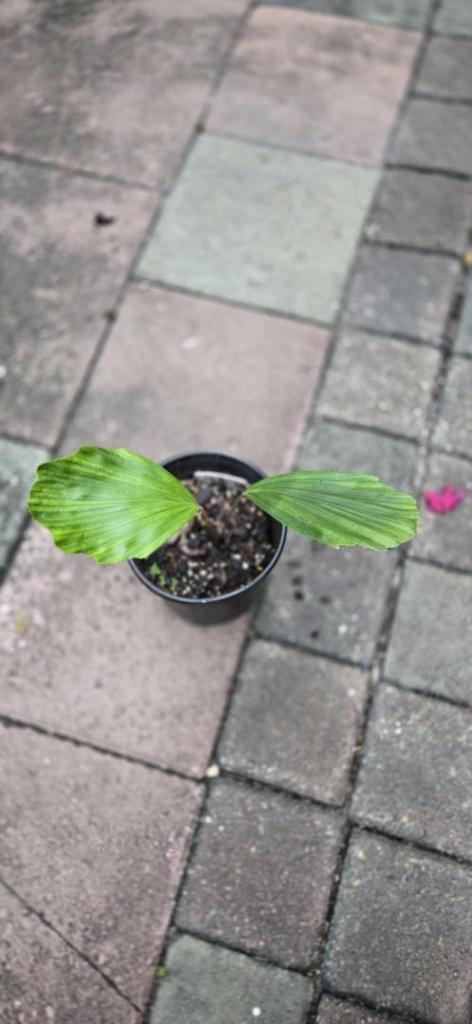
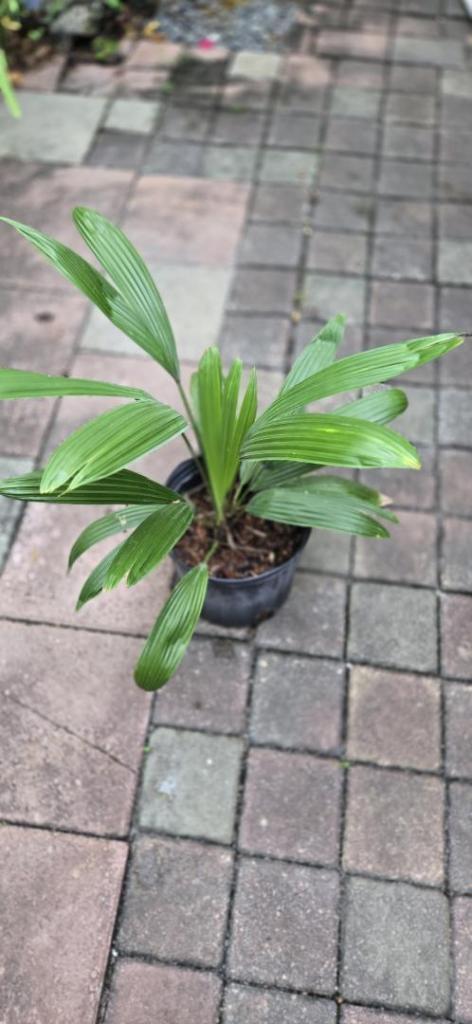
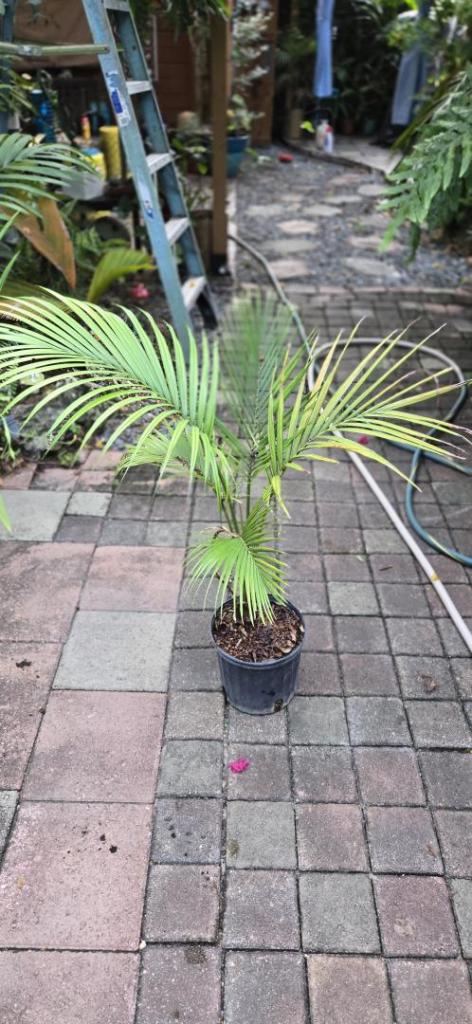
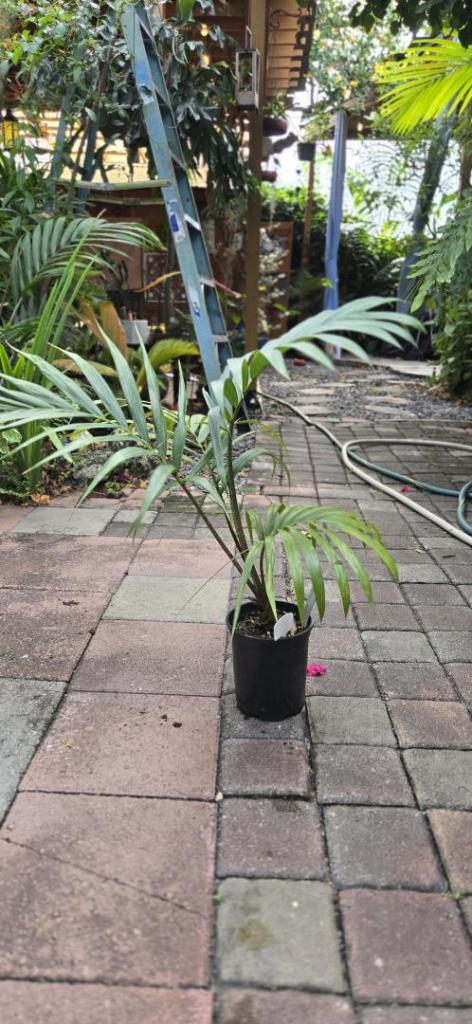
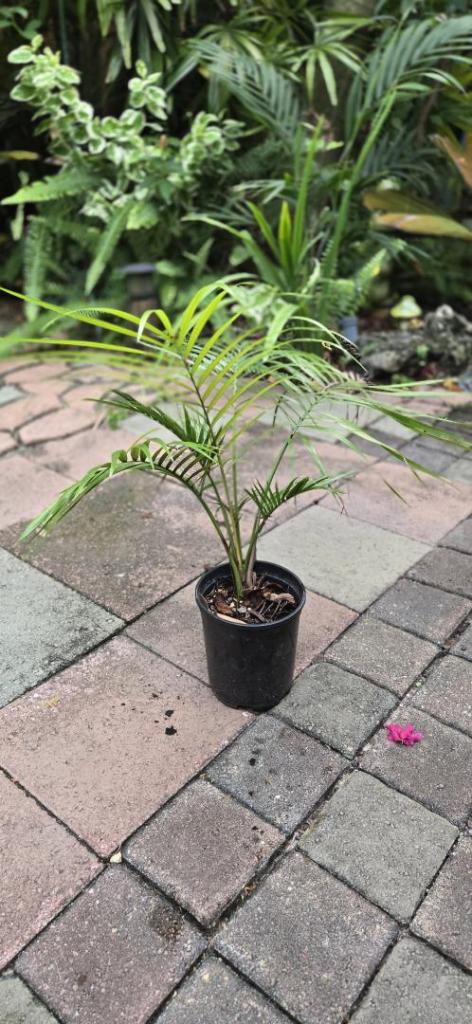
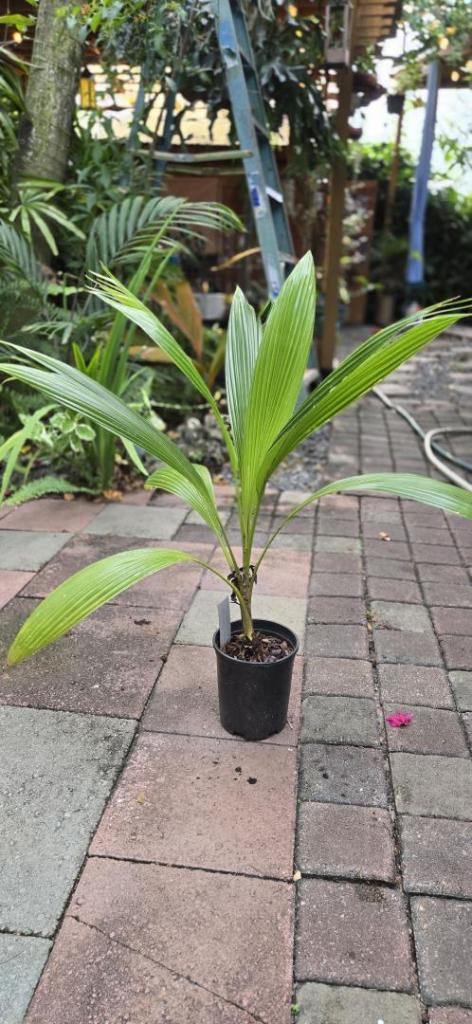
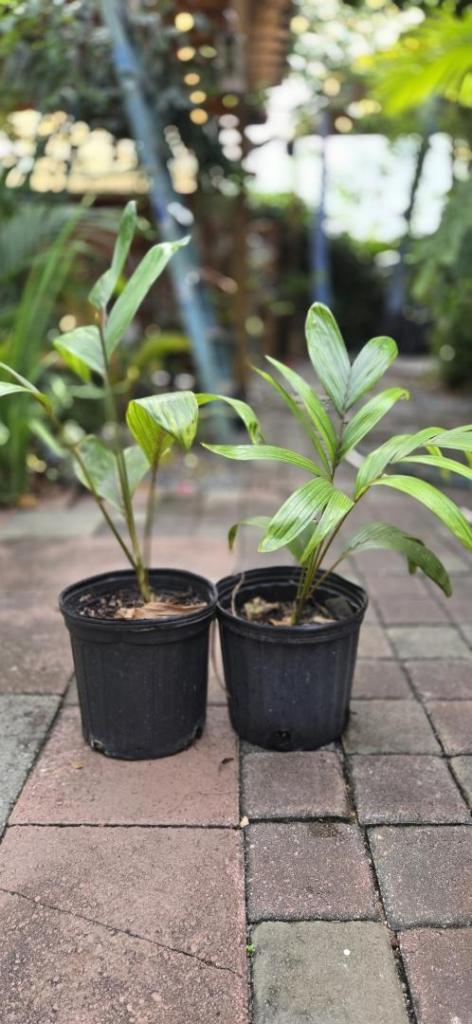
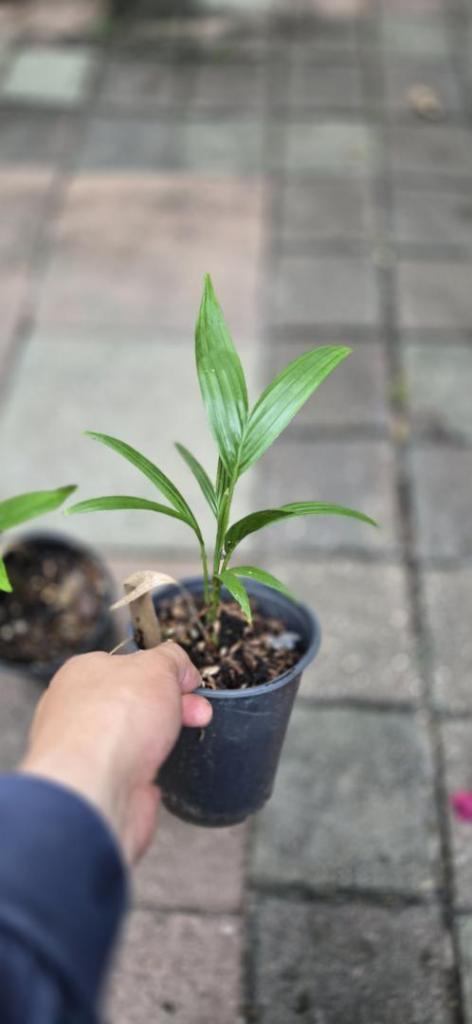
 2 points
 -
2 points
-
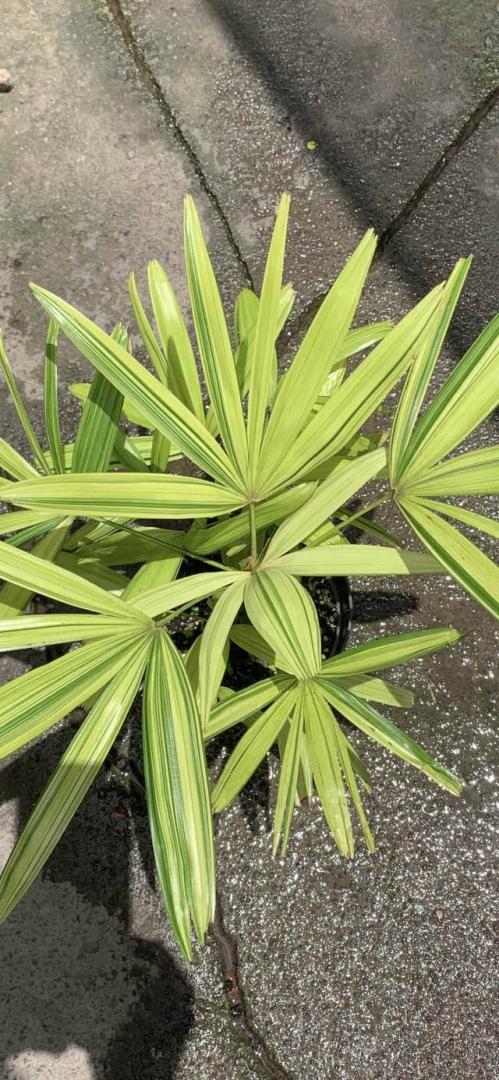
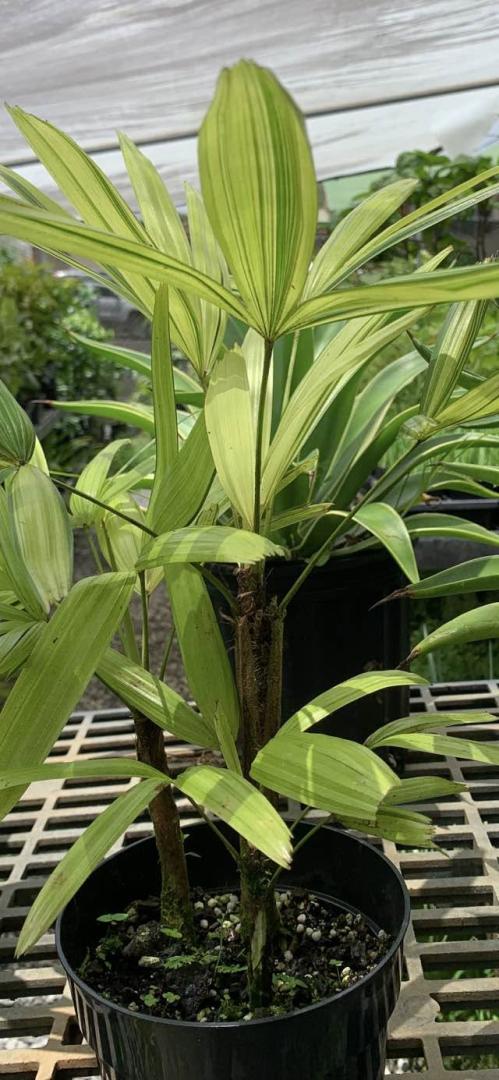
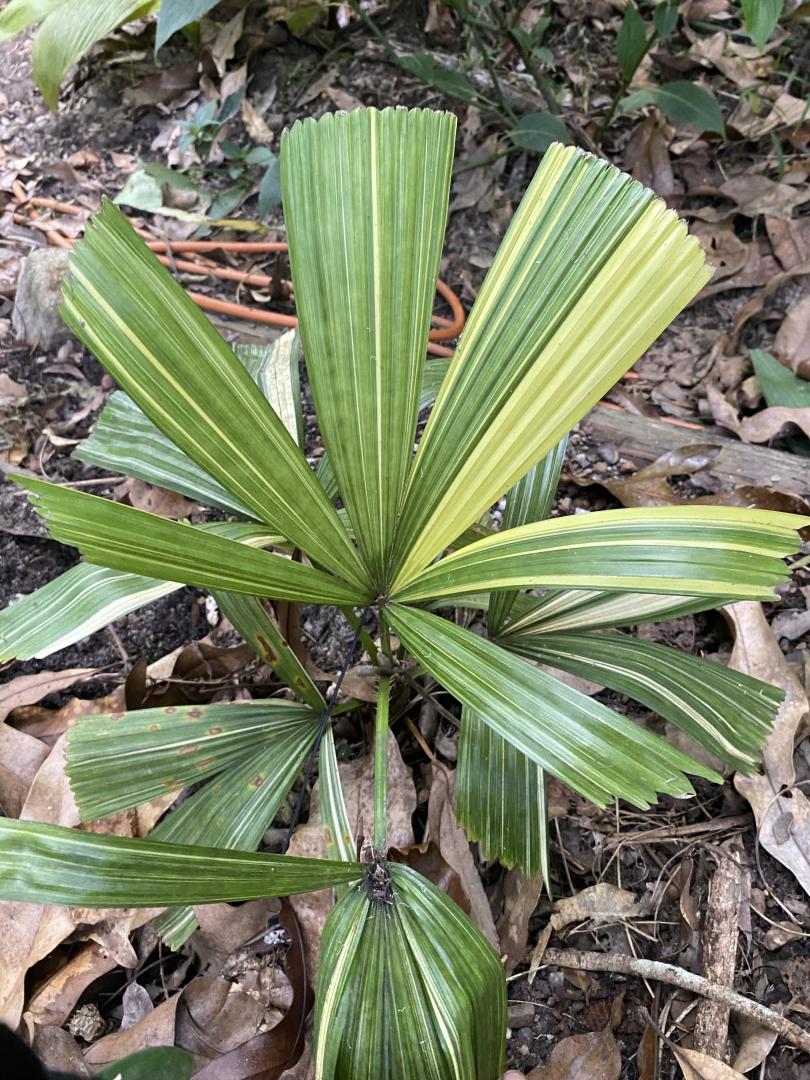
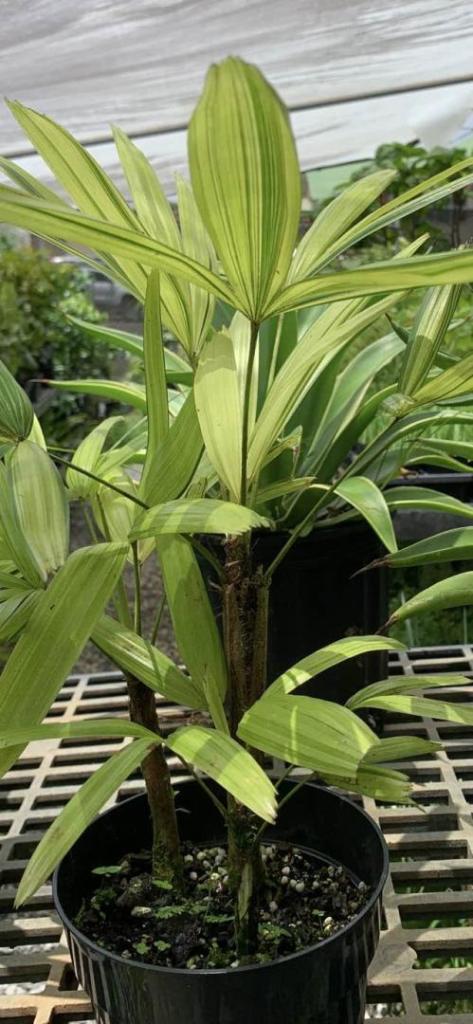
 2 pointsVariegated Rhapis excelsa ; 4 inch pot. $85. plus shipping. No sales to CA or TX.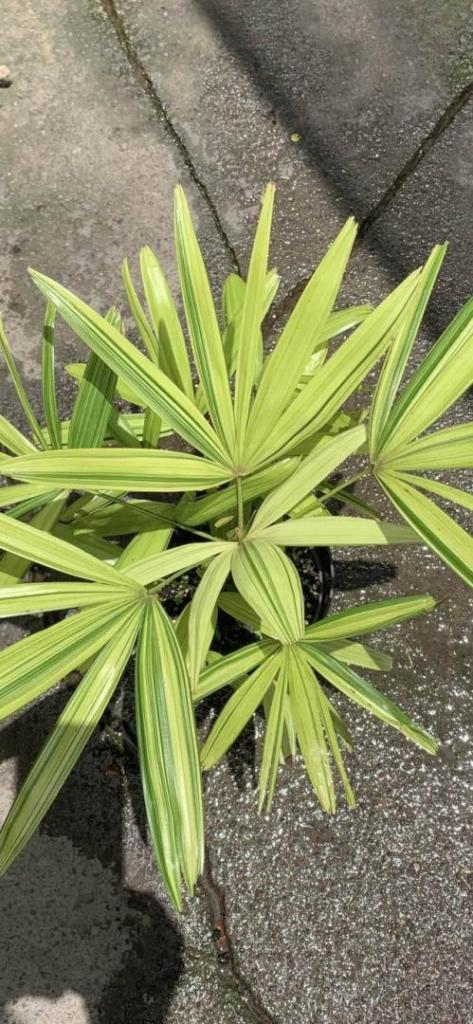
 2 points
 -
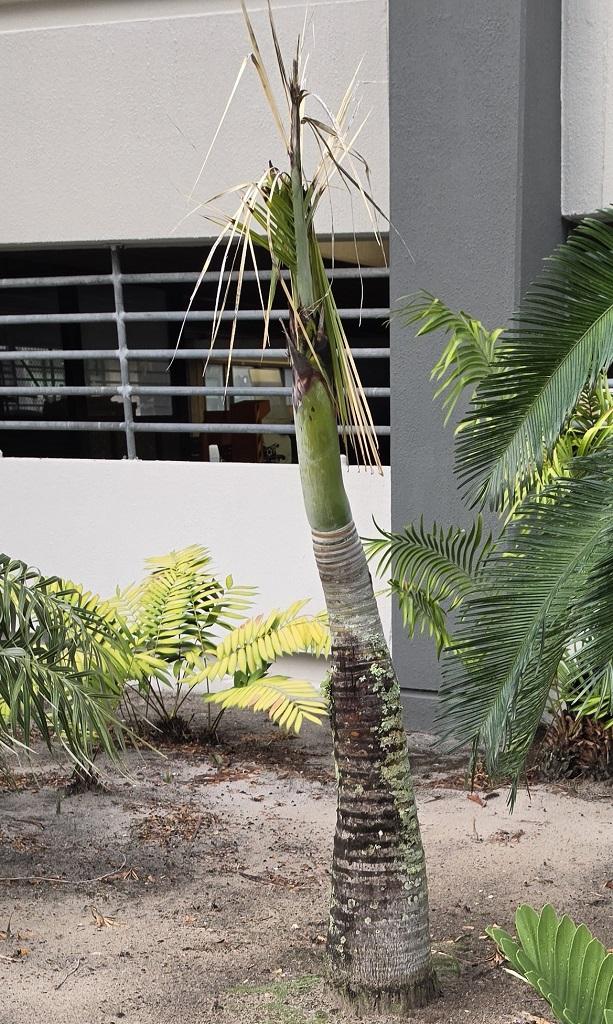
 2 pointsWay back when the Remarkable Palms of Tampa Bay thread was started, many of these palms graced the thread. The palms on this thread come from City Hall, the parking garage areas, and the surrounding landscapes that do not include Hollis Gardens or Lake Wire since they have their own threads. This thread picks up after the municipal gardens were exposed to 25F during the February 2026 Freeze. With perhaps the best microclimate in the metropolitan area, there are palms that survive here that are difficult as little as 6 miles east or west of City Hall. When we give tours of the palms collections, this area is one that raises the most eyebrows. Carpoxylon macrospermum - City Hall South Entrance Pseudophoenix sargentii - City Hall South Entrance - Damaged, but recovering well Chambeyronia oliviformis (Kentiopsis oliviforms)- City Hall East Entrance - Damaged, but recovering. This palm had strikes against it before the freeze due to overtrimming. Satakentia liukiuensis - Parking Garage West Entrance - Damaged, but recovering well Pseudophoenix sargentii - Parking Garage - Damaged, but recovering well. It should set seeds this year. Pseudophoenix sargentii - Parking Garage - Damaged, but recovery is slower. One may end up dying. For now, this is enough to get the thread started. It gives @SubTropicRay a glimpse at a few species he asked about in the Lake Hollingsworth thread. There is a Pseudophoenix that survived near the midpoint of the walking trail, but that photo and post will have to wait for now.
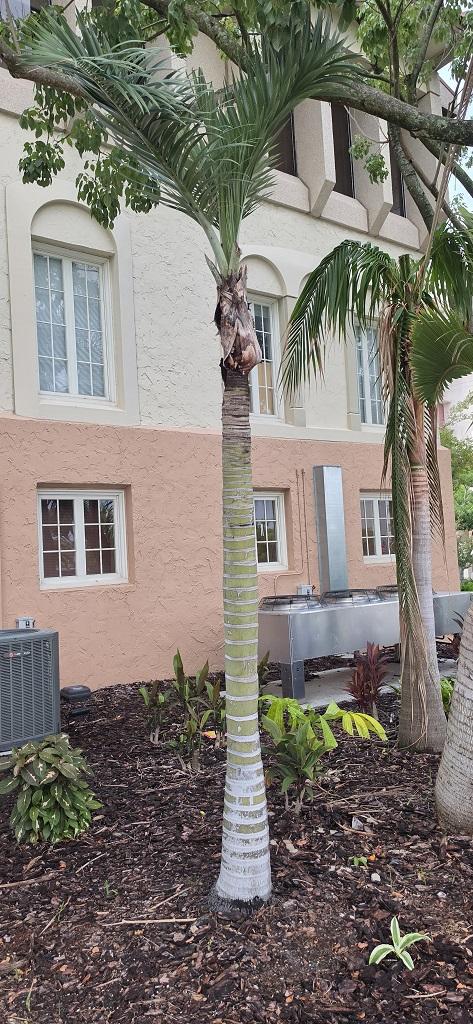
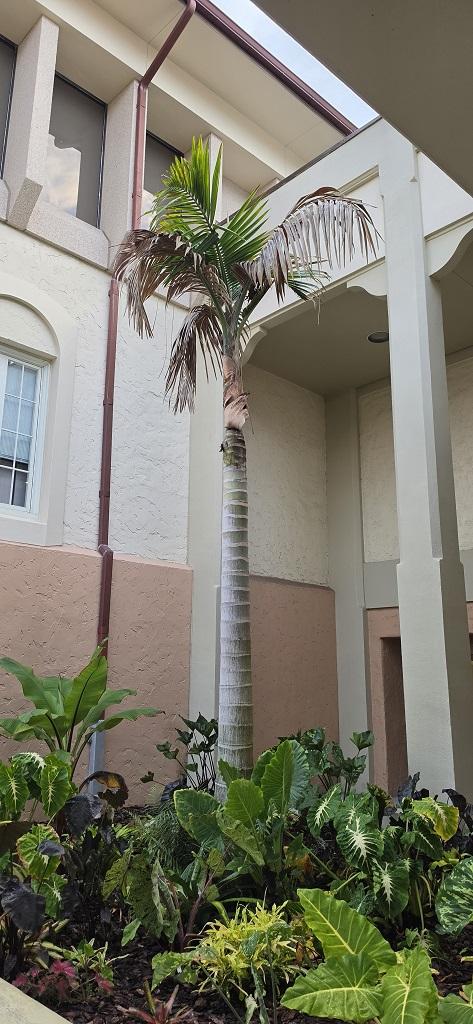

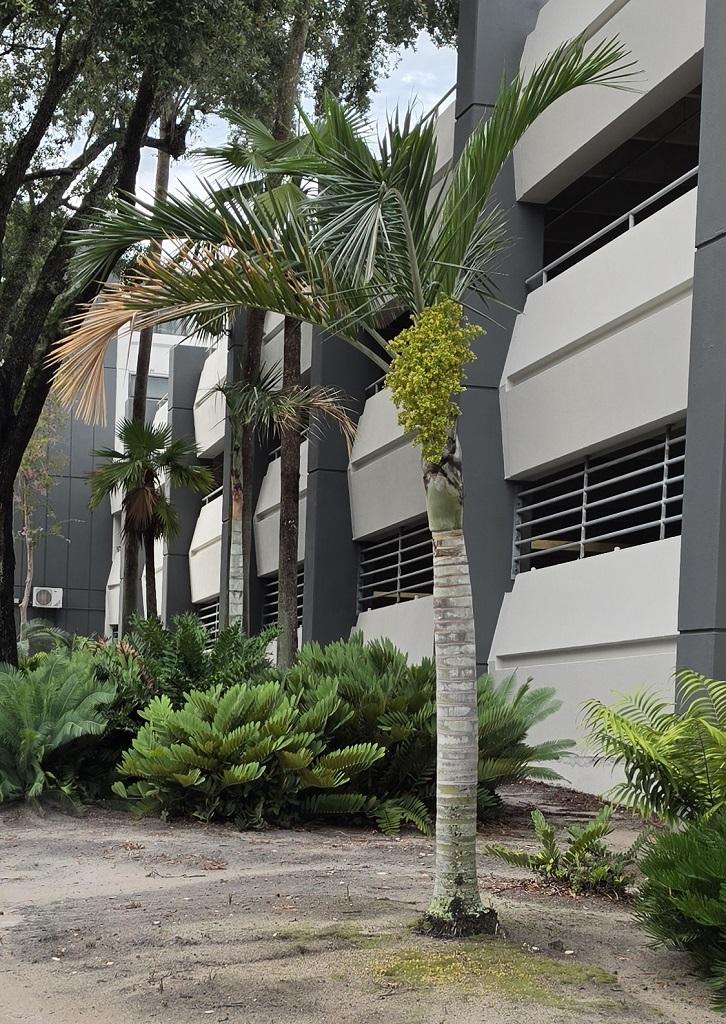
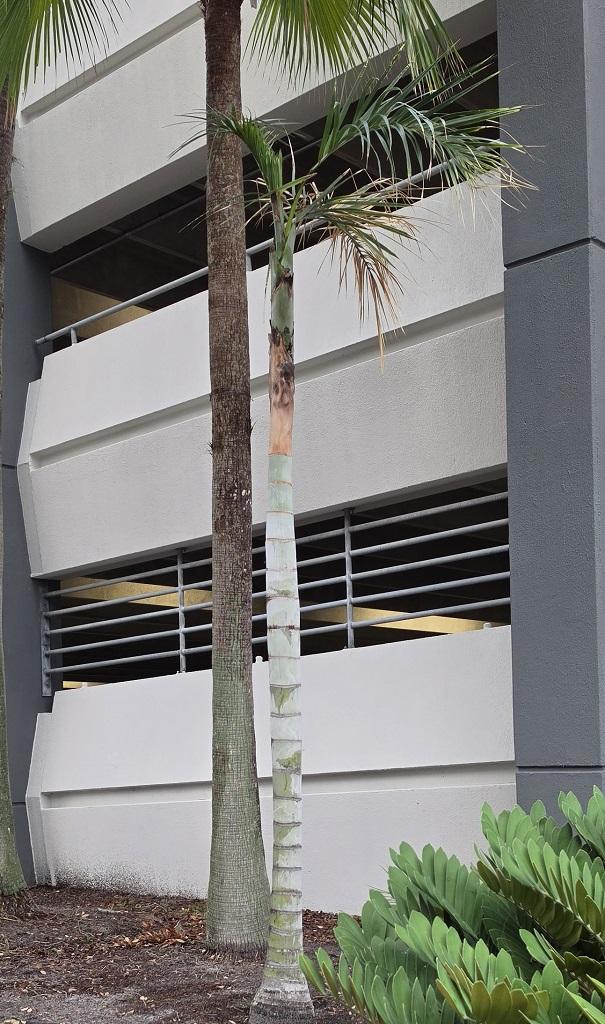
 2 points
 -
Yep , Washingtonia are tough , that one rebounded wonderfully. Harry1 point
-
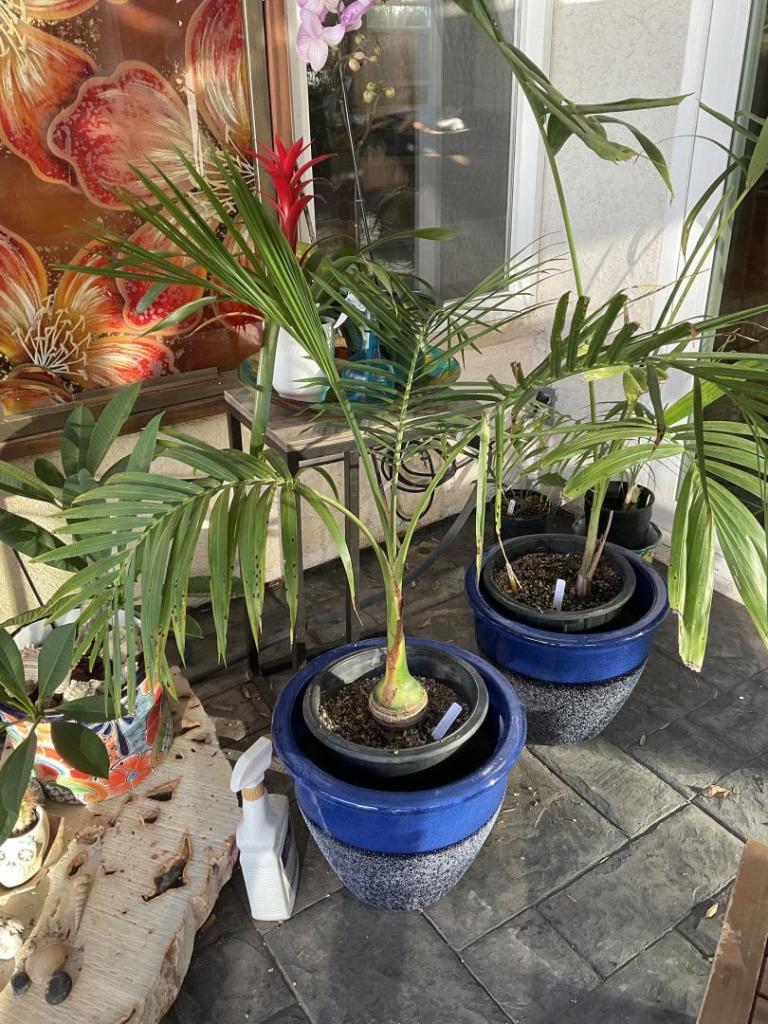
1 pointI guess this could be considered a ring! @tim_brissy_13 here’s another Gaussia , sharing the spot light here in Southern California. One of my recent acquisitions. Harry Gaussia Gomez Pompae . I peeled the leaf base off when I got it home. So far , I believe wifey , who loves my palms but not like me , has claimed this one . Probably end up in a sunny spot later this year. I think somewhere out front , they are so cool , they deserve attention for sure.
 1 point
 -
I approach both my Livistona with caution. The younger Australis and the older Chinensis will both cause blood to flow if not handled with gloves and caution. Also worthy of respect are Butia O. and Chamerops H. They are beautiful palms but from a distance , like many Phoenix. I had a small tip of a thorn lodge in my elbow when I was trimming . The thorn went right through my sweat shirt . I pulled it off my arm and thought that was the end of it. A few days later my elbow would hardly move without pain and it swelled. The very tip of the thorn broke off in my arm . I got it out with a sewing needle with a bit of effort. Just be careful! Harry1 point
-
 1 pointThanks Tim, this is a huge genus; I had to look up the last two or three you mentioned, as I’ve never heard of them. Speciosa looks amazing. I might just try and delude myself into trying that one here.1 point
 -
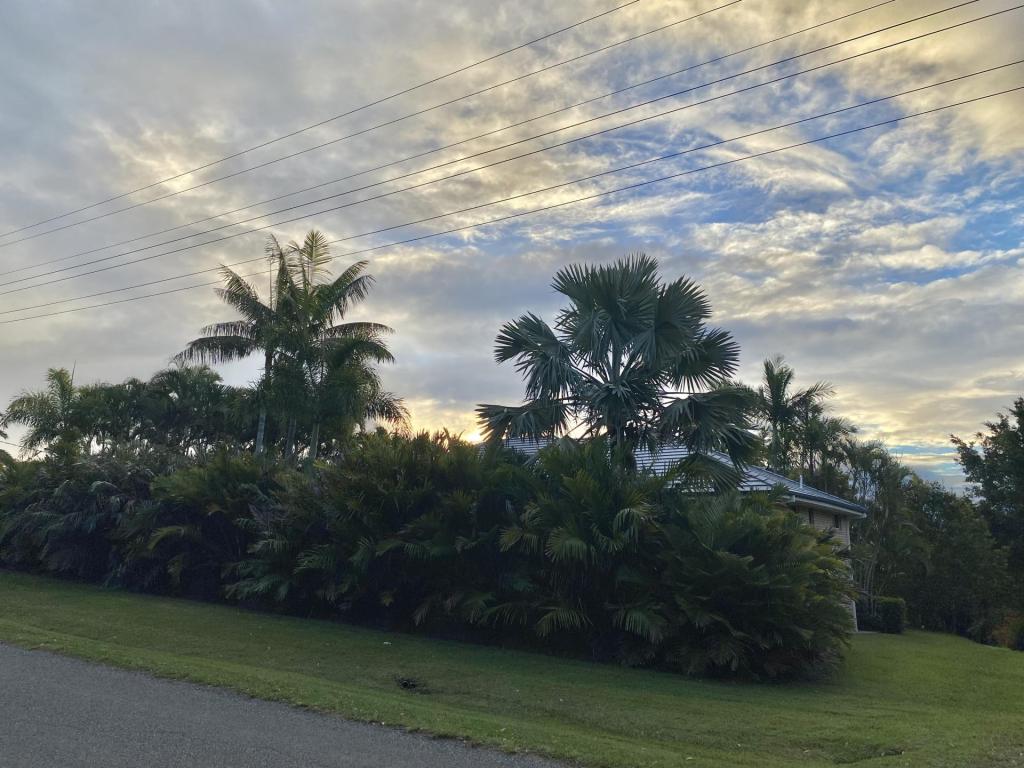
1 pointNo not that common, this is the only one I have seen being used as hedge, and it’s one heck of hedge I will say, I reckon there would be few seeds in there as well!
 1 point
 -
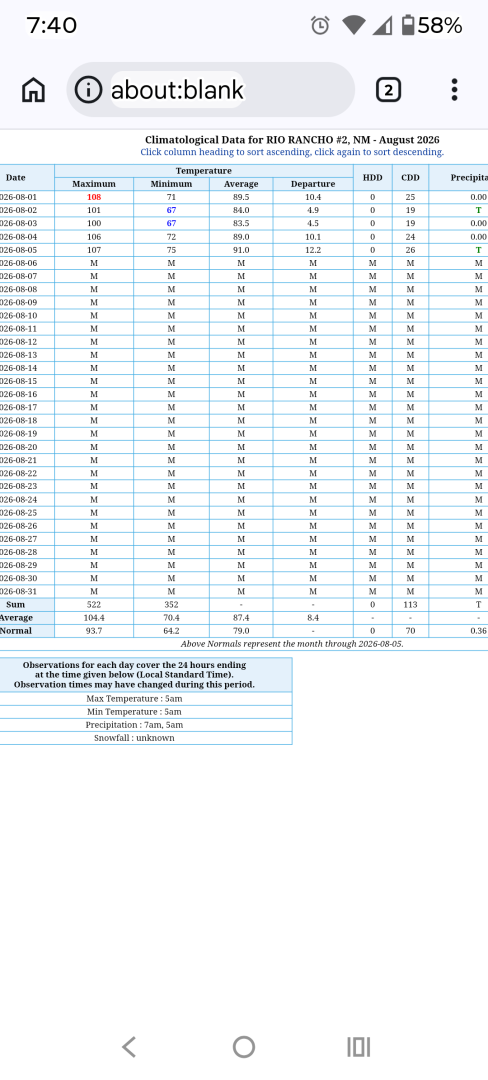
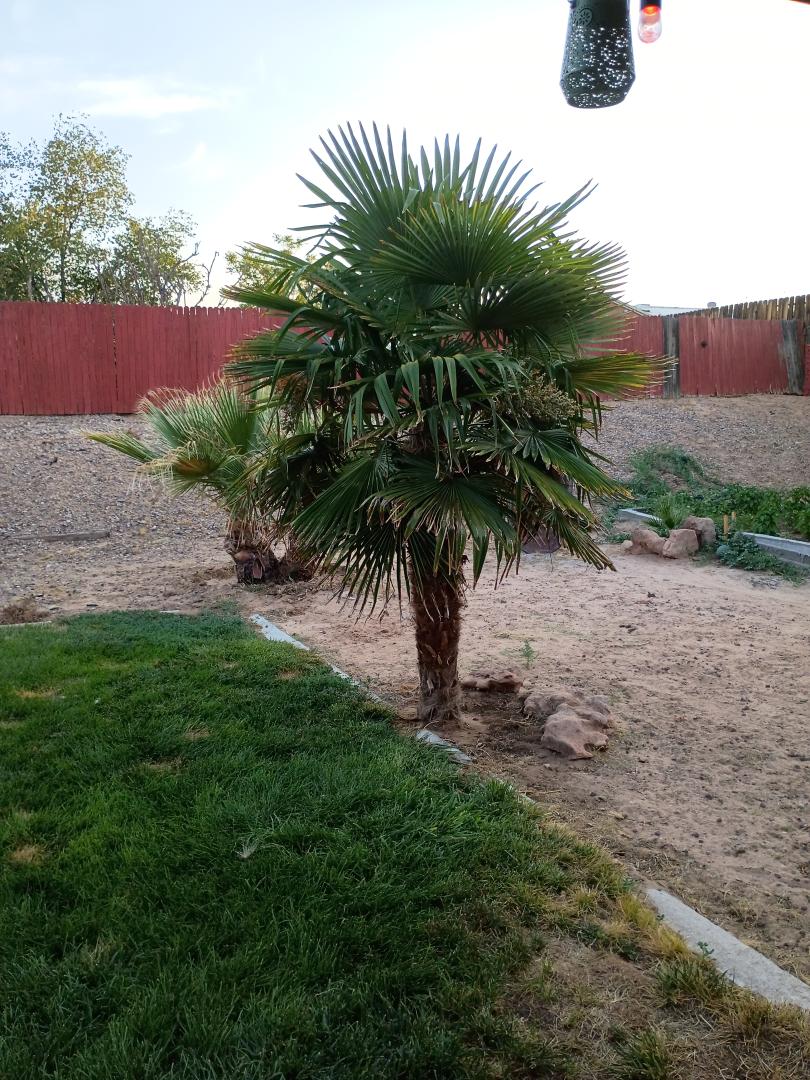
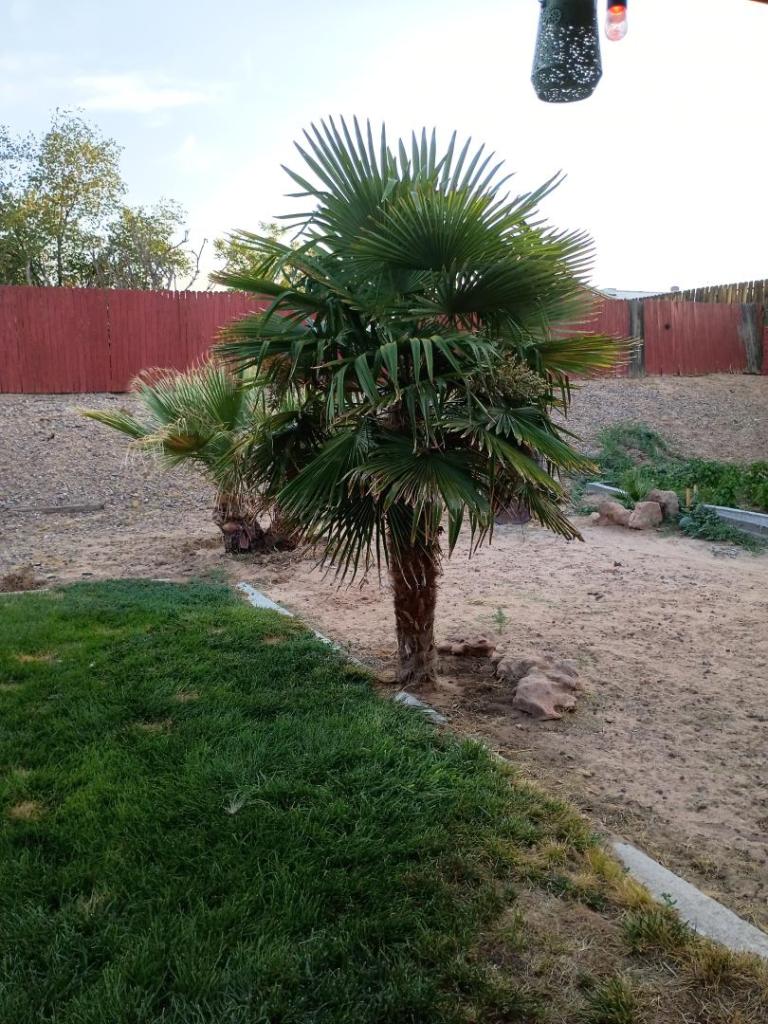
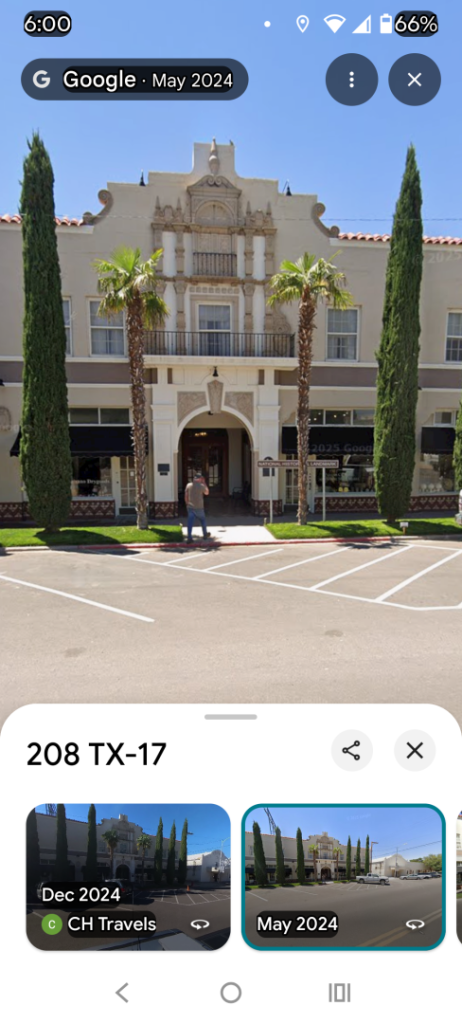
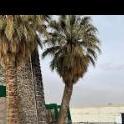 1 point@Chester B I think these 2 pics out of Marfa are demonstrative of what I was trying to describe. Marfa is about as far south as Houston, but the sun is quite different. 12-15% more intense/damaging than Houston, and many, many more hours of it. Do they look perfect or great, no, but not bad. Look at the grass at the base. That requires a consistent watering, so much so, it never dries out or changes shade during the growing season. That is different than what you see in most of dfw or Houston, except for the rich ones. The first pic is Southside exposure, including reflected heat/sun. The second is an east exposure. My thoughts on Dallas area is when the temperatures drop around September, the trachies are beginning to grow again, but this is "usually" a dry time in the Dallas area, and the trachies suffer. So those not adequately watered, have kind of sparse growth along with those skinny trunks. My opinion. Is Texas a great climate for these palms, no. Neither is mine. My personal example is mine, also full sun. No extra watering other than the lawn. It does take quite some water to maintain a lawn here. Included are my August temperatures with today's pic of my palm.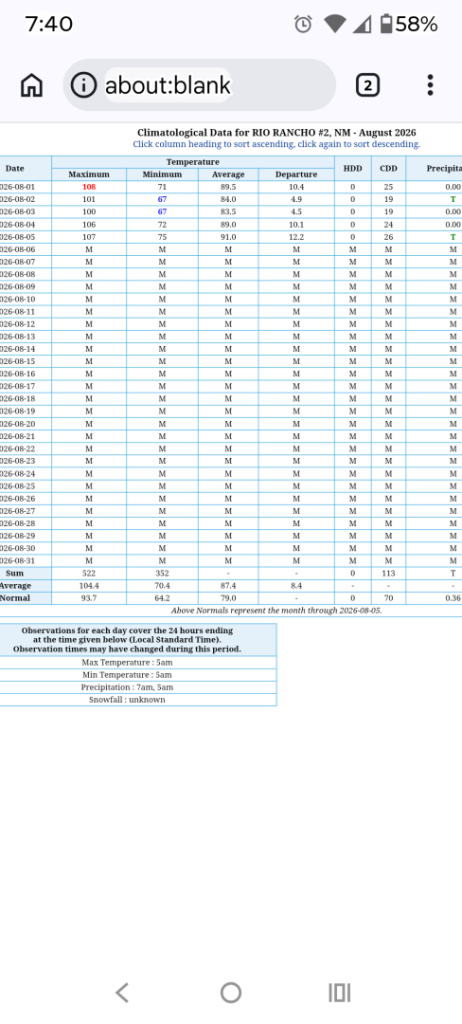
 1 point
 -
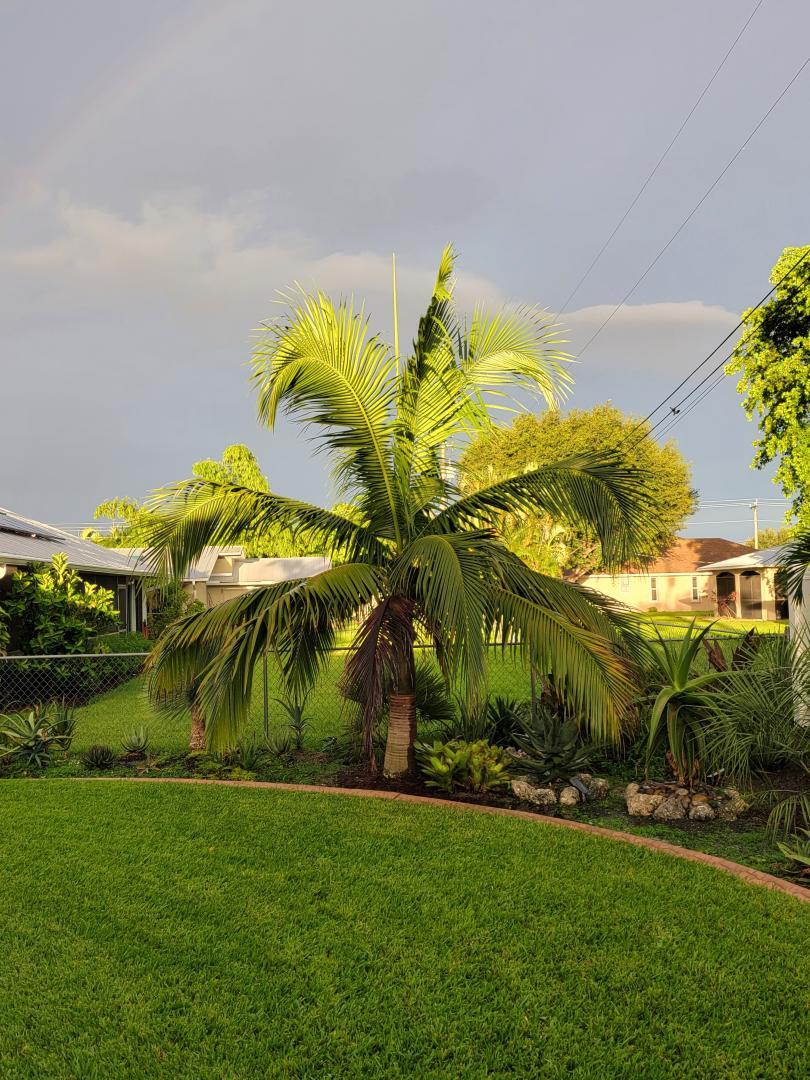
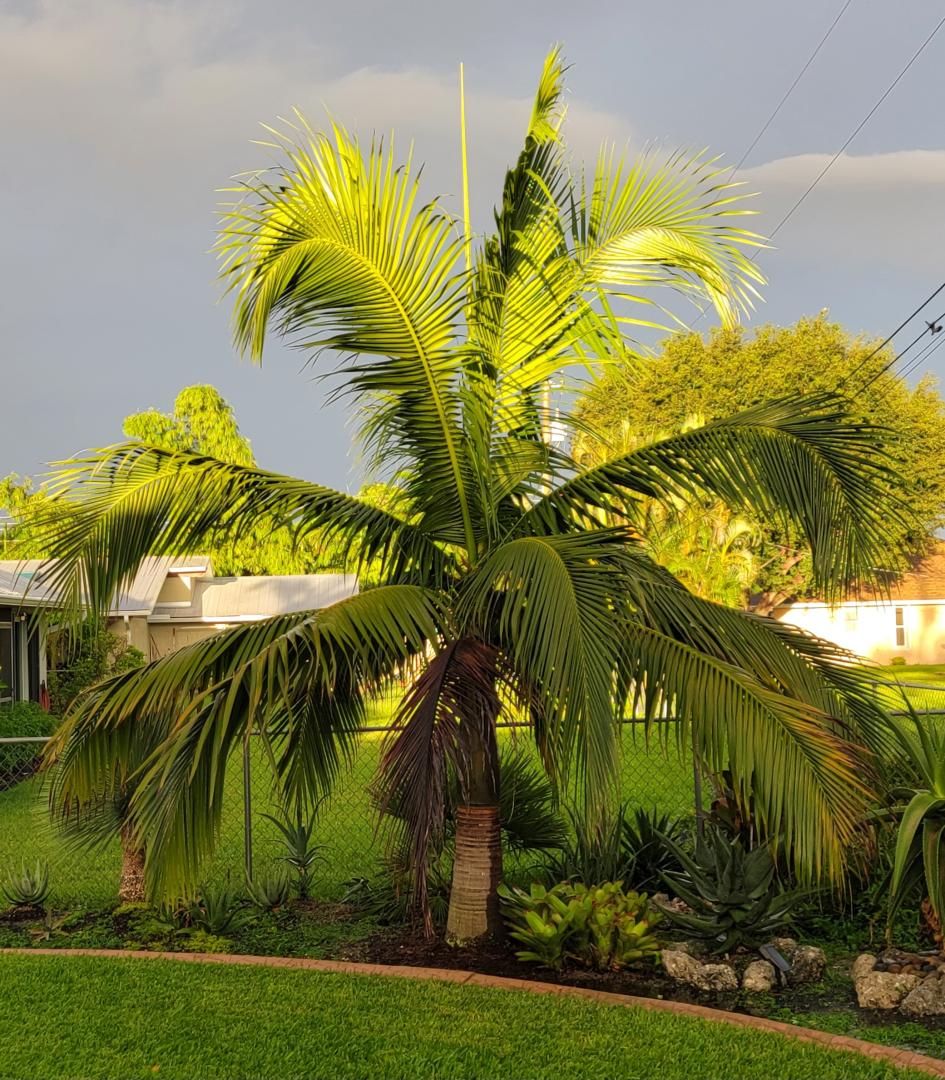
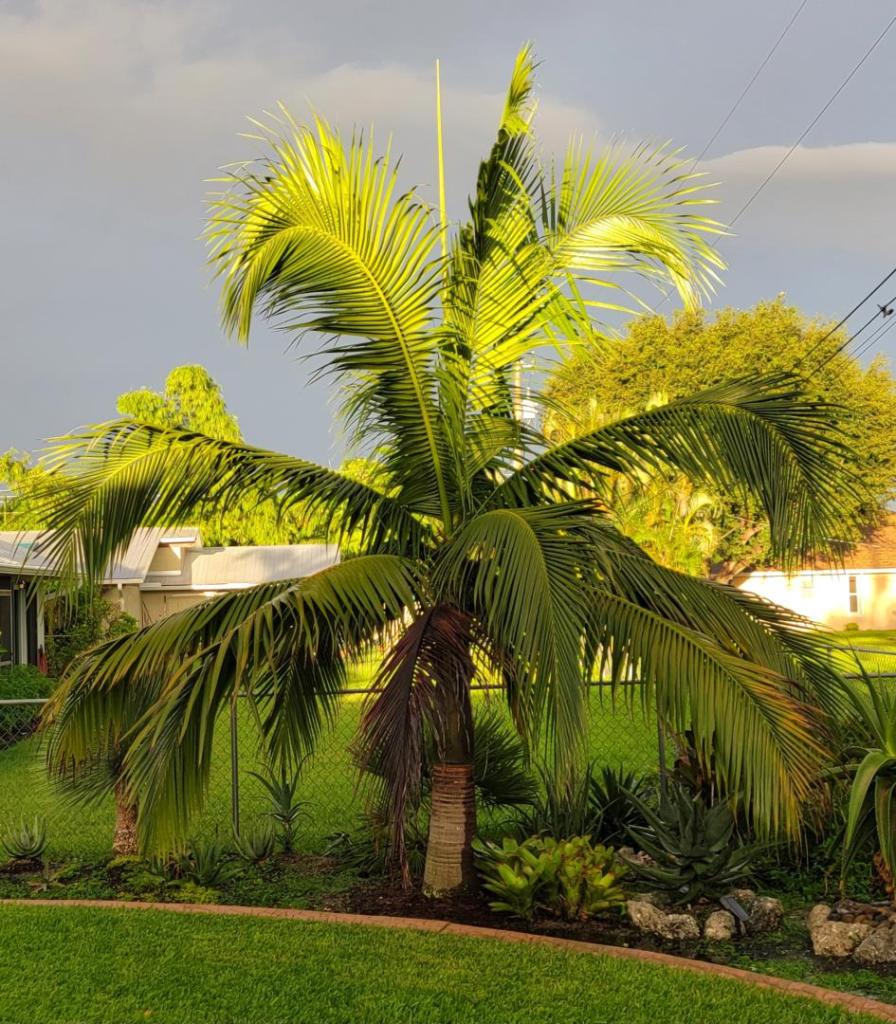
 Still chugging along here. Has opened 8 leaves so far this year. Averages one a month. Still not a fast palm for me but is one of my favorites. Nice canopy with a superb tropical look. Has almost 3 foot of wood. Nice, thick trunk. Lowest leaf brown now. Getting ready for that new color on the crownshaft when it drops. Very wide canopy. Picture taken today after a rain and the sun setting. Looked nice so thought I'd share. Definitely greener than the pic shows. Setting sun gave it a cool color. Full, all day sun. 9 years planted from a small 7 gallon pot. At first in near full shade. Hardly grew until I removed all the areca palm hedges in 2023.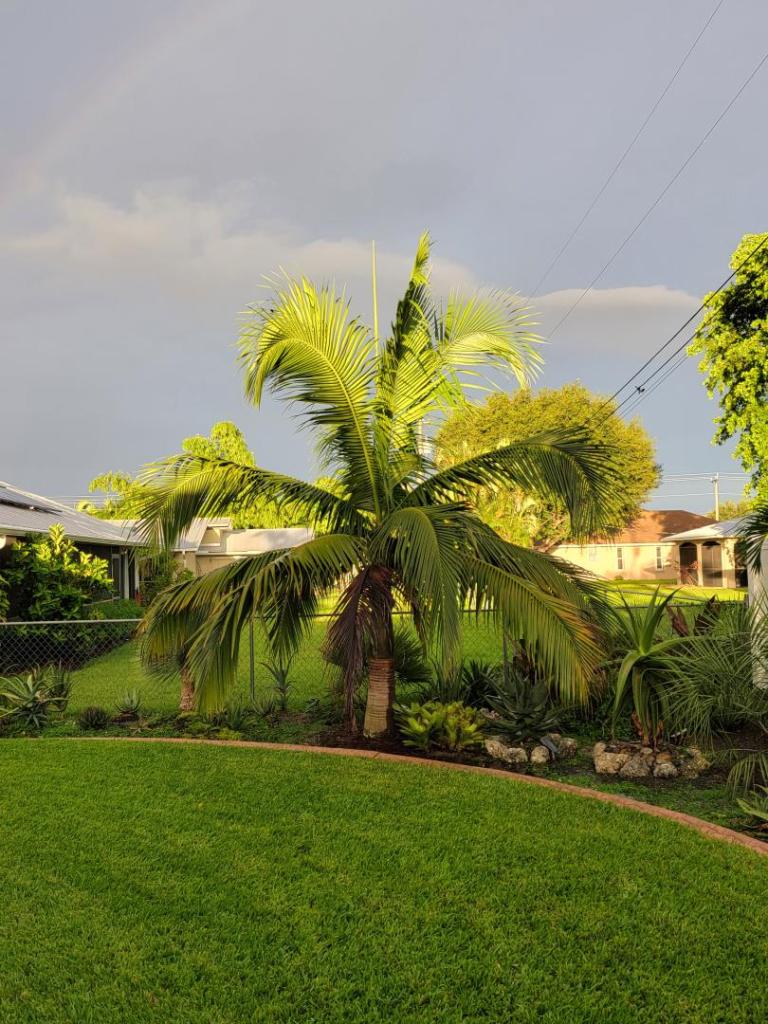
 1 point
 -
 Wow inwish mine looked that good. I think being nailes 2 years in a row it's just taking forever to come back.1 point
 -
Kiwi land has got it growing nicely, iam impressed!. Some nice palms any collecter would be proud to have!1 point
-
Yes I hear you get hot down in Melbourne now, soon you will be mapu palms! Iam pretty confident one would survive my oppressive summers in a drought, maybe git be a shade one for me. True water loving palms are a problem child for me, yer sure they live in my cold hot temperatures in containers, wack em in the ground and forget to water them and it’s goodnight Irene!1 point
-
Cheers on that one, crazy I have never come across them up this way. I will see what’s in the cupboard as a barter for you!1 point
-
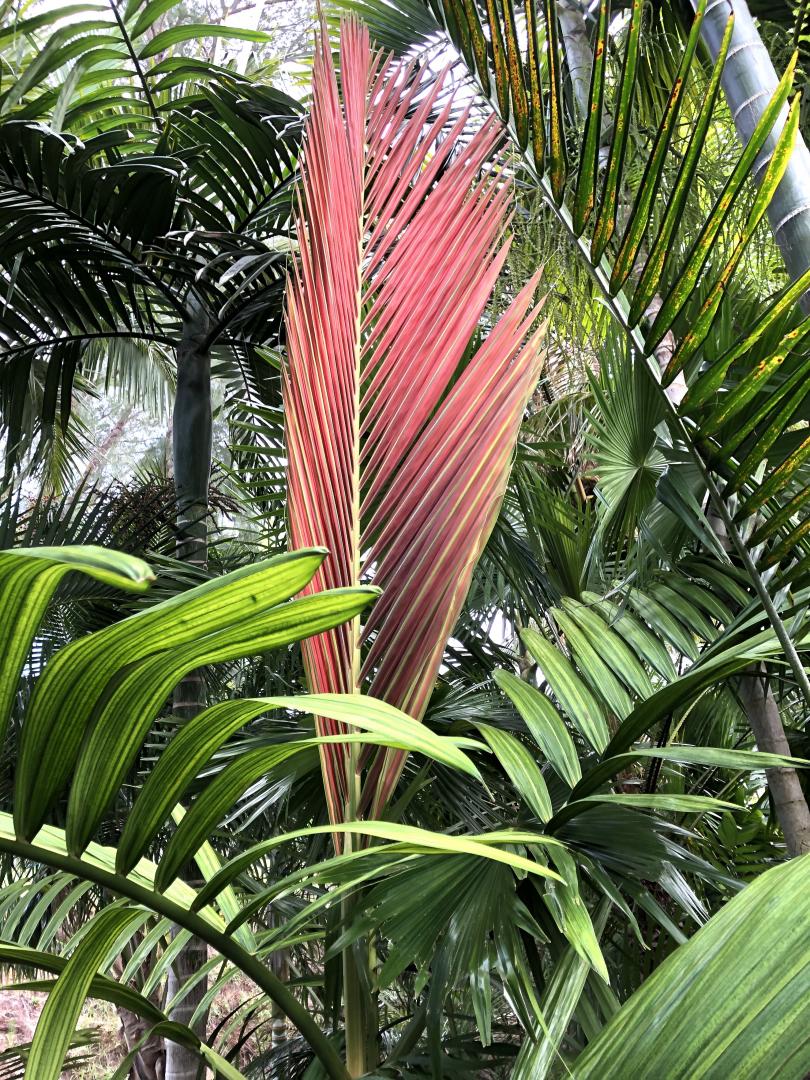
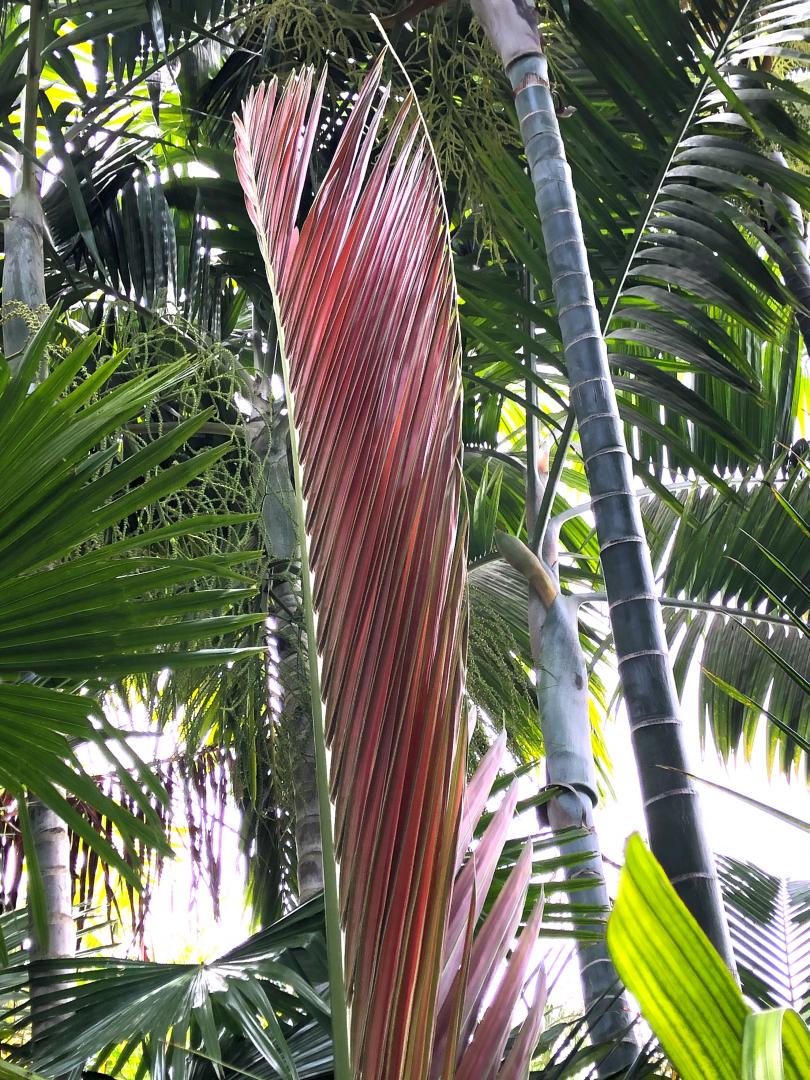
 Please join me in celebrating my larger Chambeyronia Houailou for two accomplishments: 1. a dazzling new red leaf 2. one foot of clear trunk Arching green Houailou leaf frames canal Trunk details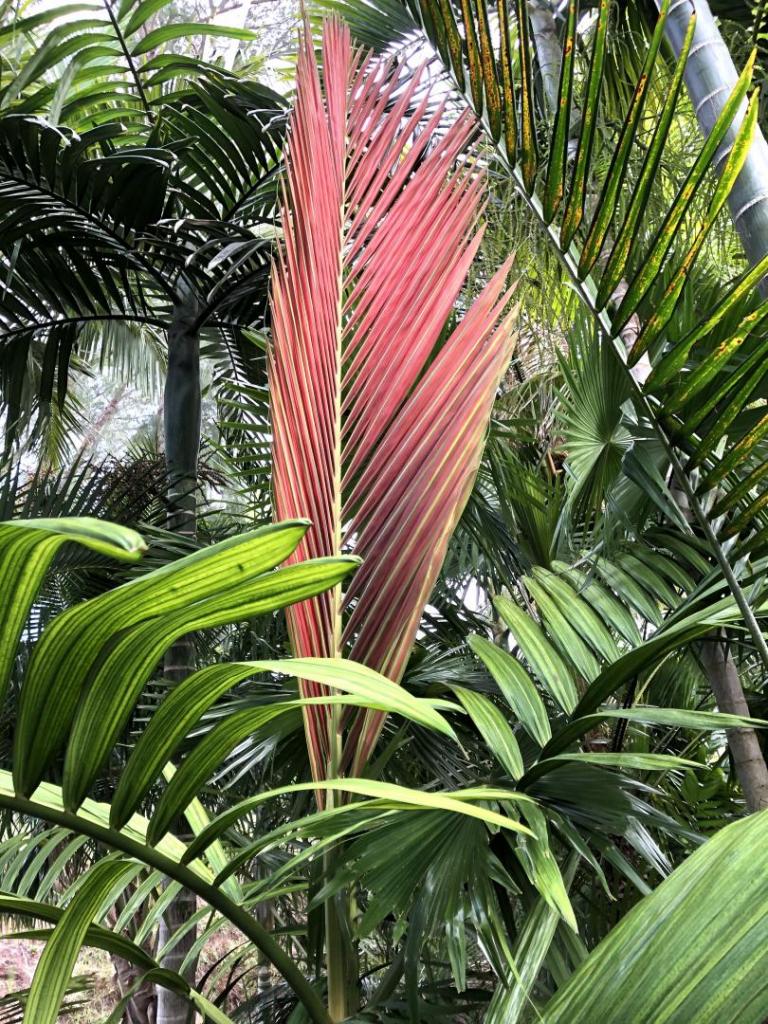
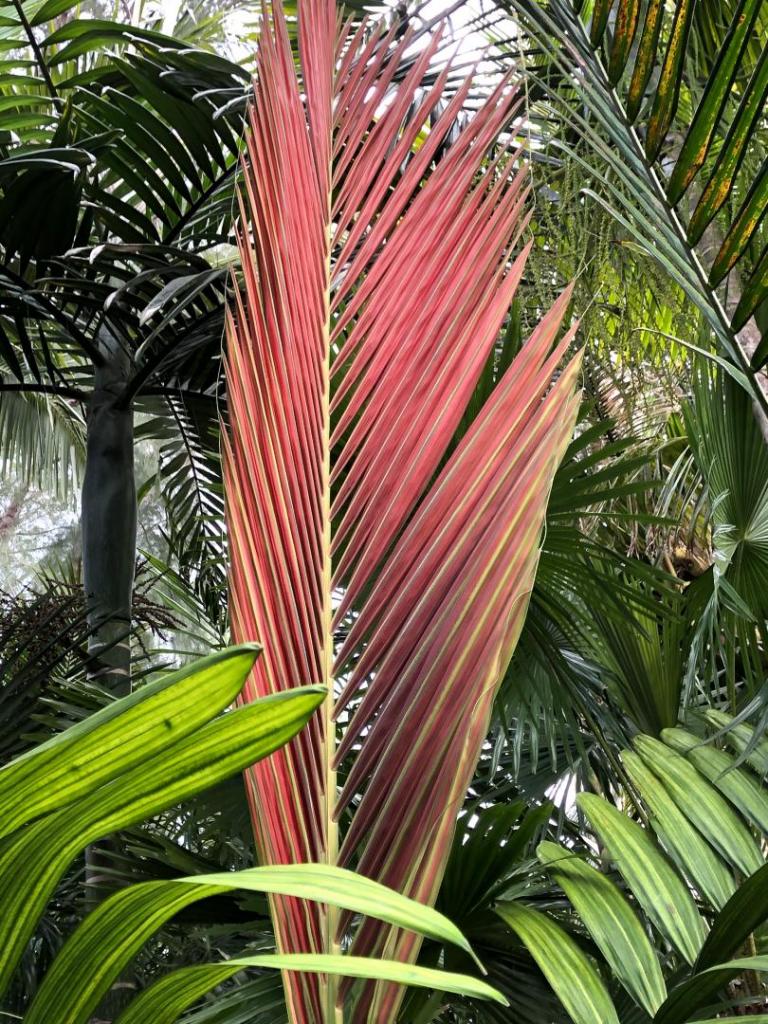


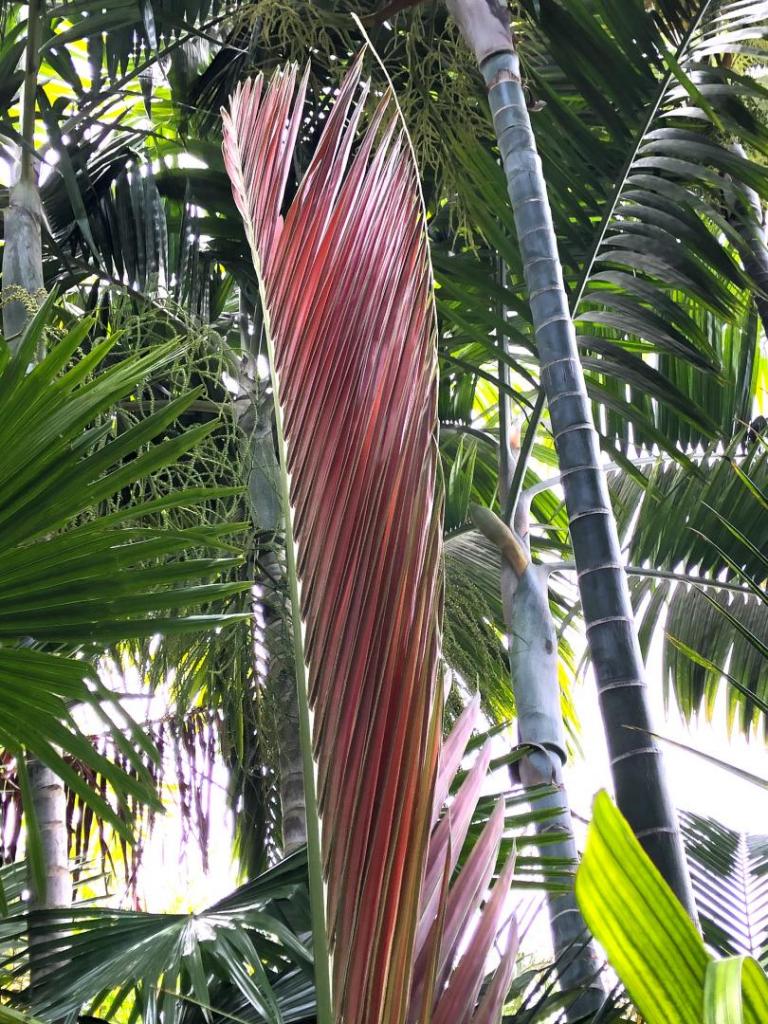
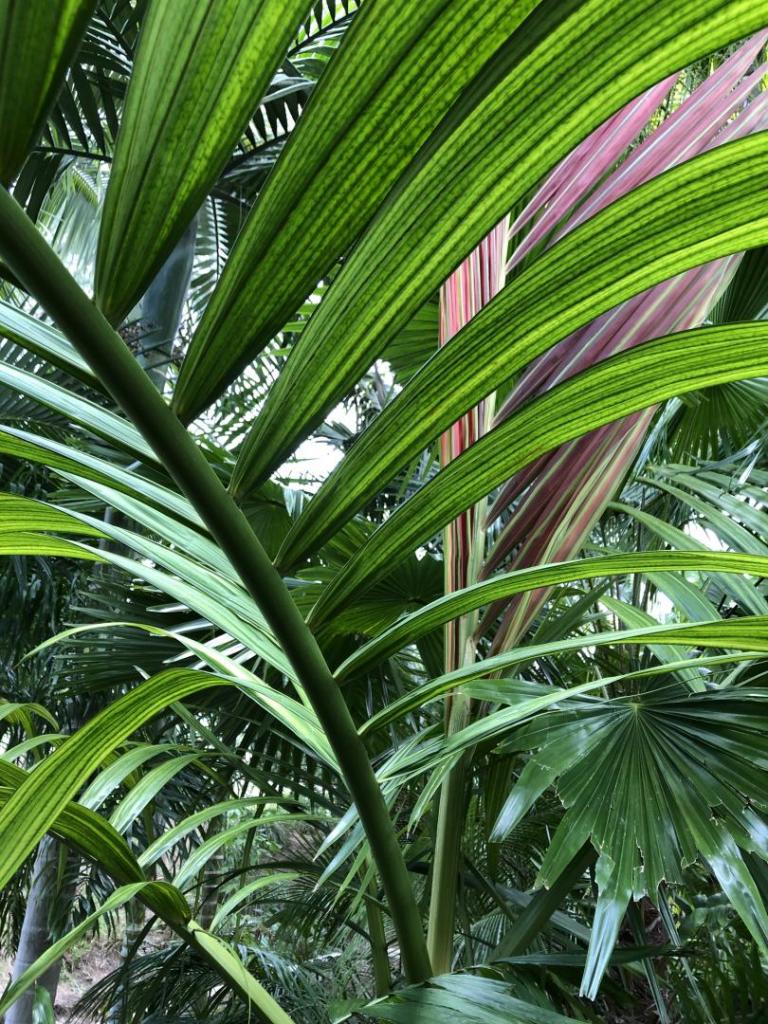


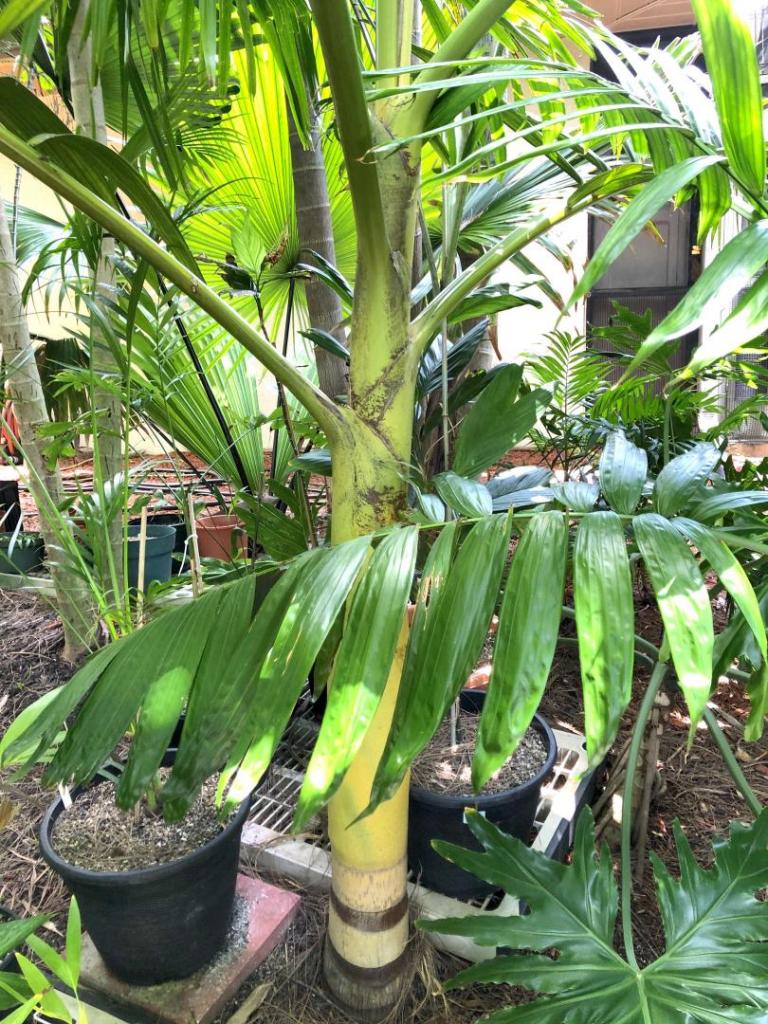

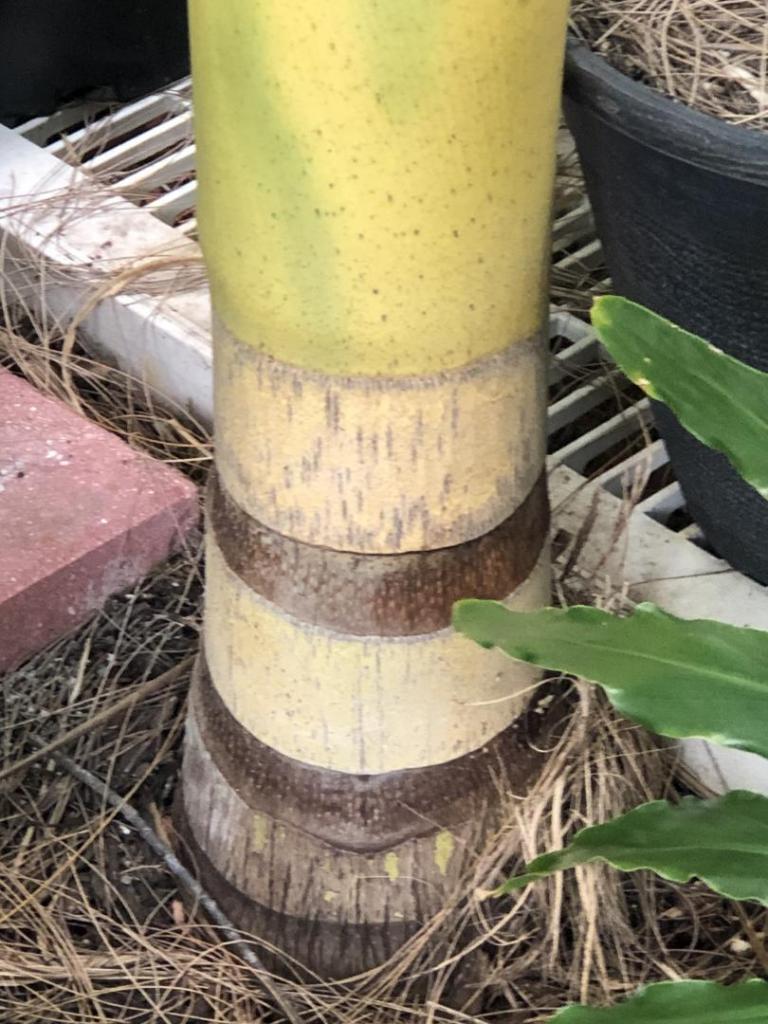
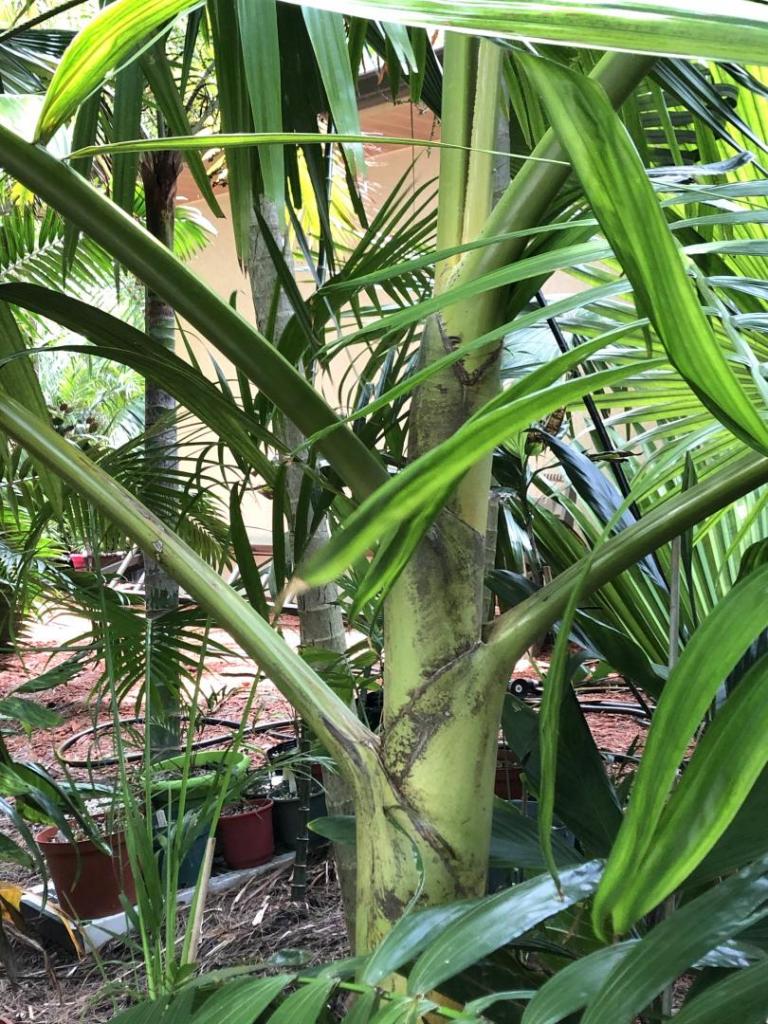 1 point
 -
1 pointI think P gracilis, P capitata and P baviensis are generally considered to be the hardiest species. I’d guess P tashiroi would do well too given its native habitat.1 point
-
1 pointLast week I got a mail from a longtime palmfriend that he wanted to get rid of his collection of young Cycads. In his opinion you have to have a lot of patience with them and he was a little bit fat up with them. So I went to collect the plants, knowing that I, being five years younger than my friend, probably will have a little bit more time to enjoy these plants. I got Dioon edule and califanoi, Macrozamia spiralis, Johnsonii, miquellii and communis, Zamia Vasquesii, Cycas multifrondis, sexseminifera, taitungensis, multipinata, ferruginea and a few Cycas hybrids. I am a happy guy! Tomorrow I will try to upload a few photo's!1 point
-
 1 point@Rob123 I've been wishing i could grow Cyrtostachys renda. That looks like a great substitute. Never heard of them till your post!!! Thanks for sharing!1 point
 -
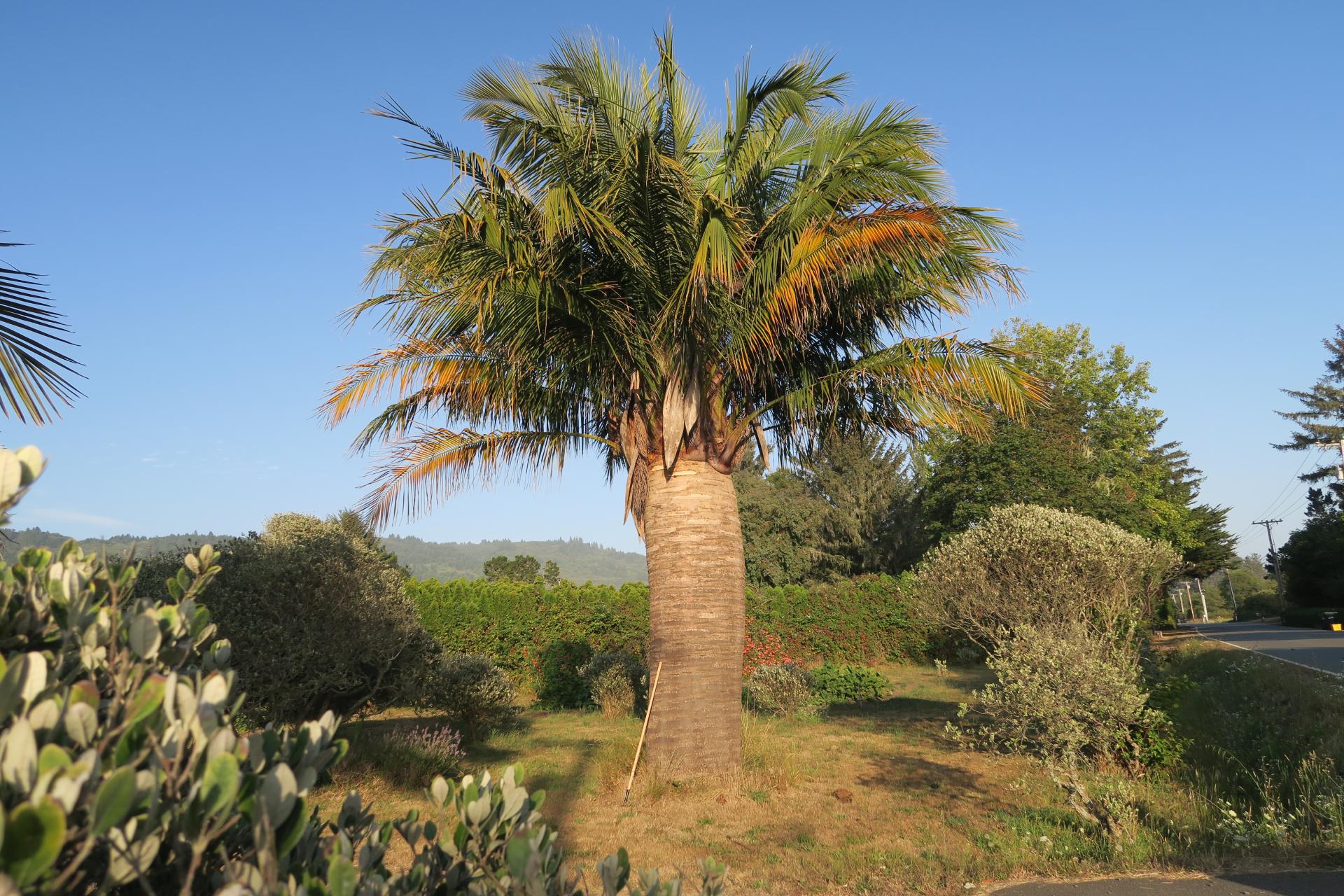
 Fronds steadily increasing in size, thats what you want. Five foot hoe standing next to palm for scale. Keep the core health and away from freezing this winter and it will continue to grow. In 35 years it will look like this:
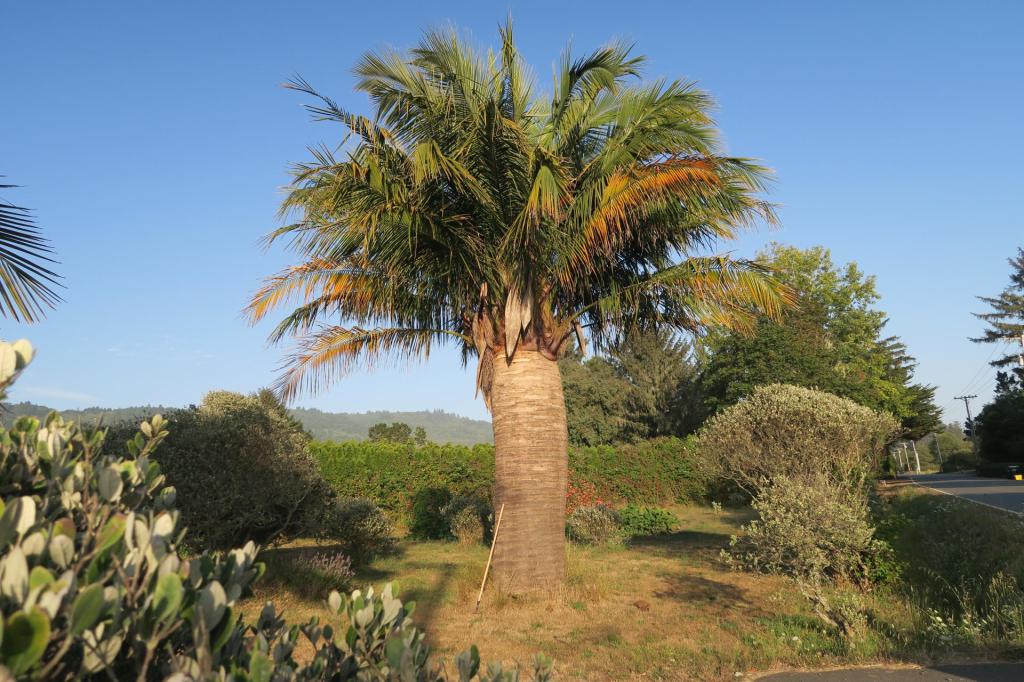 1 point
 -
 I just noticed this post was from 10 years ago! I need to pay closer attention lol🙄1 point
 -
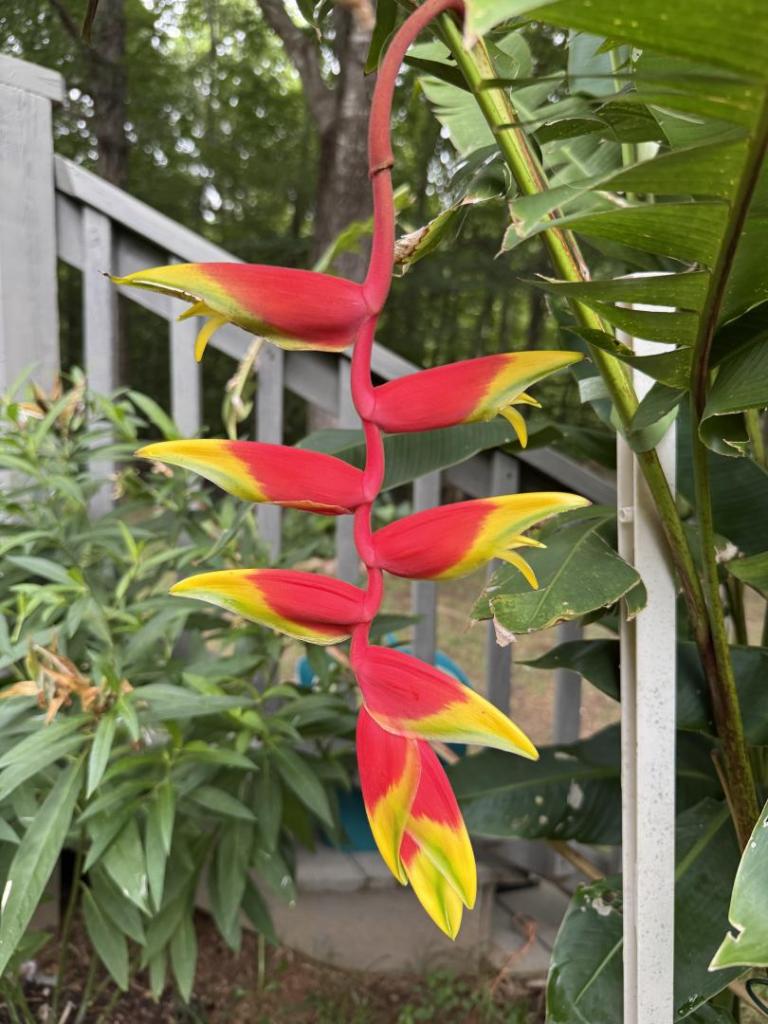
 1 pointHere’s an update on my first rostrata flower with 3 more on the way after it!
 1 point
 -
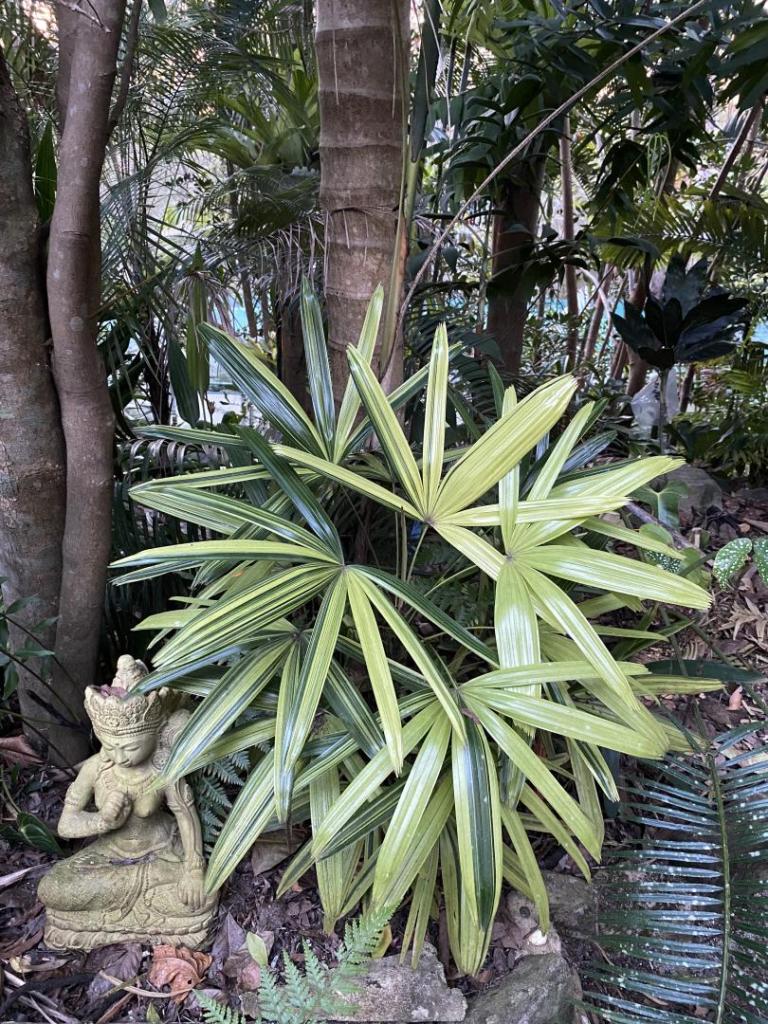
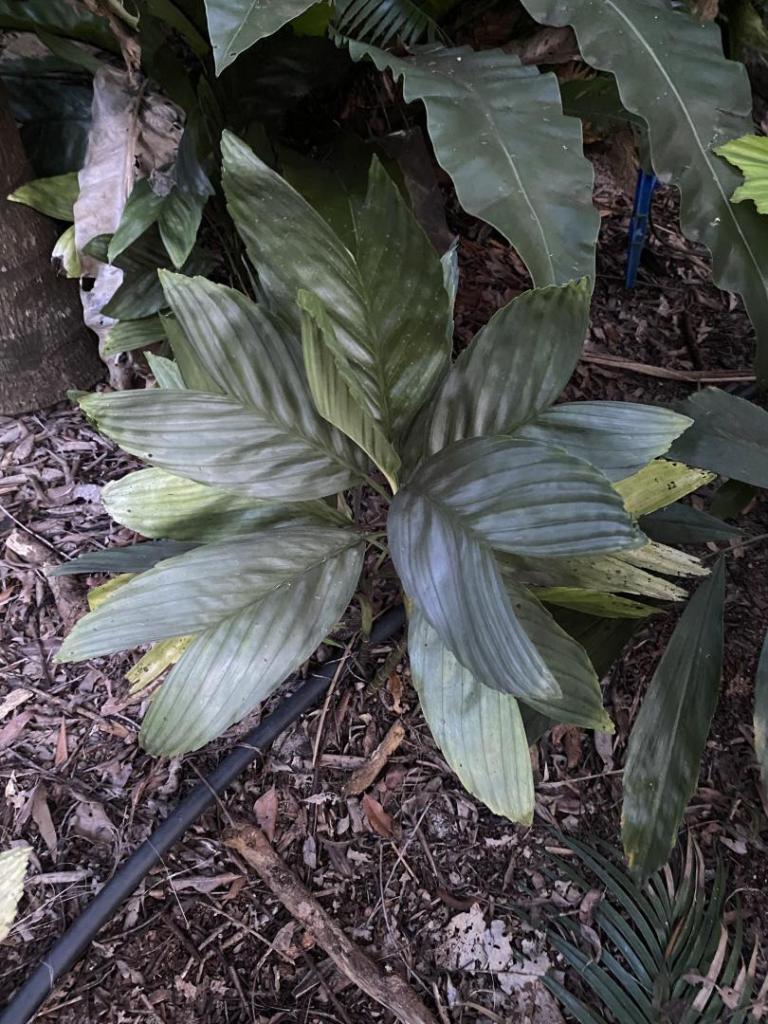
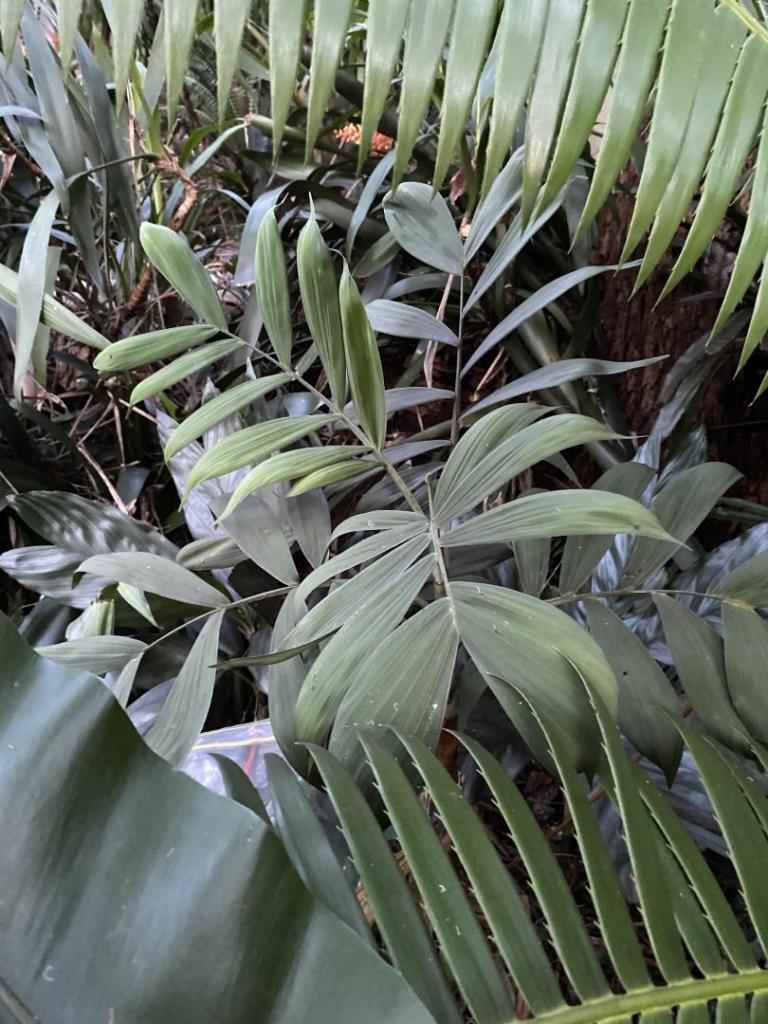
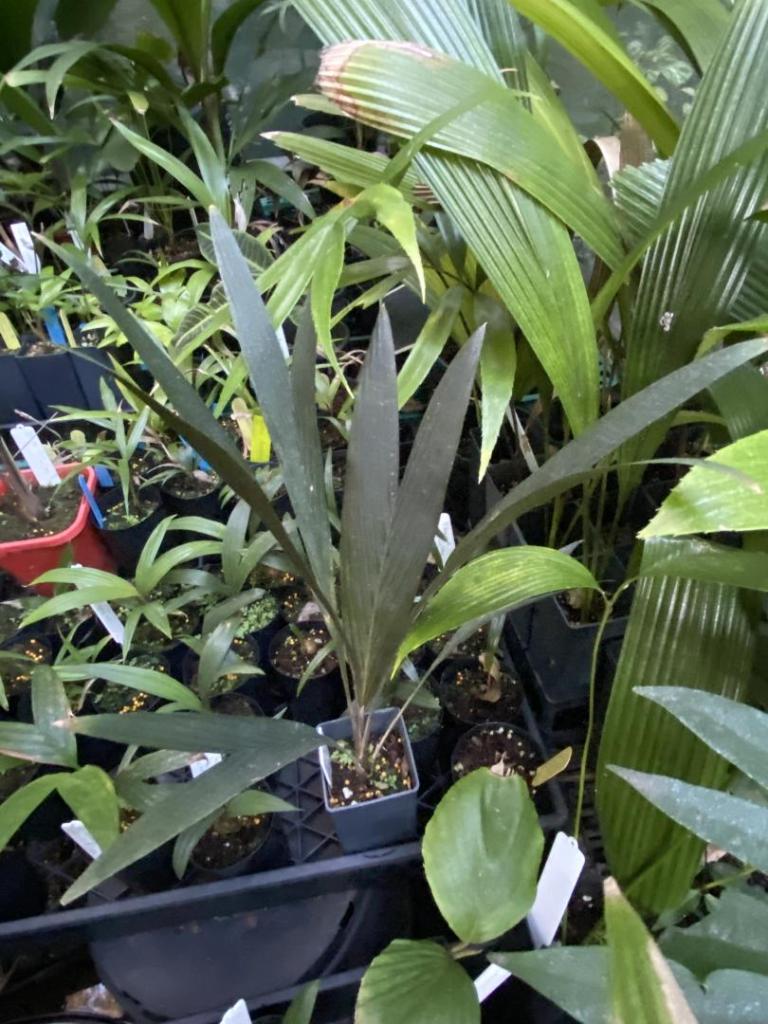
1 pointKerriodoxa elegans, Johannesteijsmannia altifrons, Geonoma atrovirens, iguanura wallichiana var major, Areca vestria red form, sabinara magnifica, reinhardtia gracilis, chamaedoreas are must have, variegated rhapis. Then there are Zamias, Cerotazamias they all compliment palms and there are many of them to collect. Good luck once the palm bug bites you it’s a whole new world of plants!
 1 point
 -
 This sounds a lot like some of the various Chrysalidocarpus (Dypsis) species like baronii, lanceloata and onilahensis. Also, I recall seeing Sabal minors in Oklahoma northeast of Tulsa, as I roared eastward trying to outrun a tornado system.1 point
 -
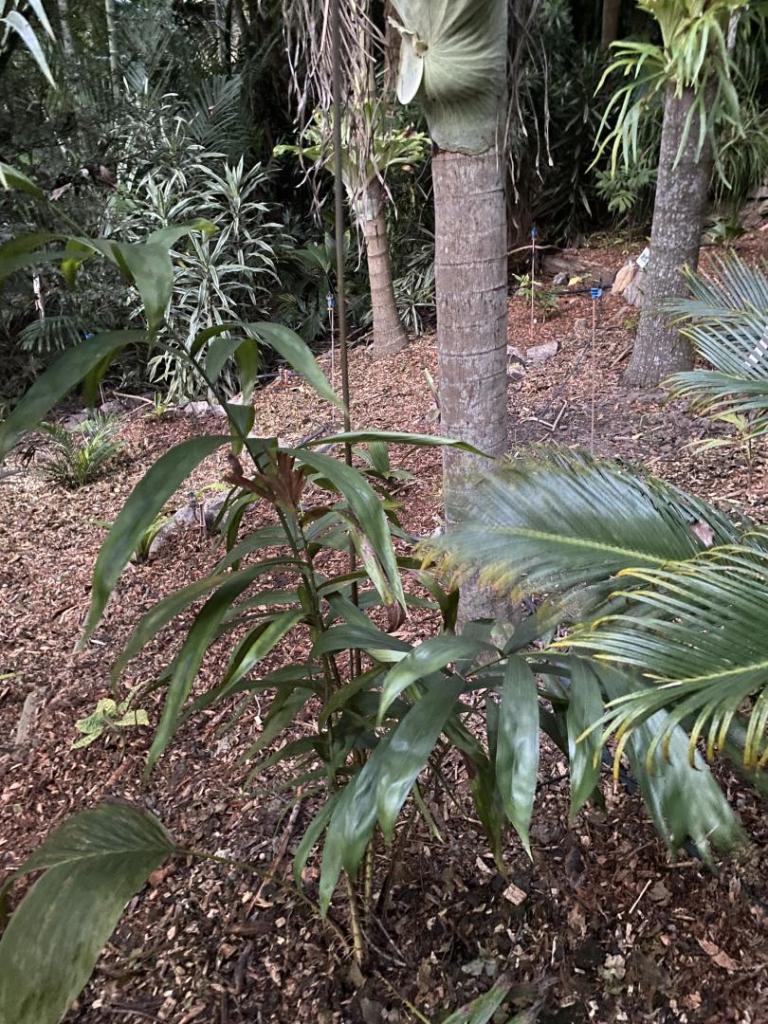
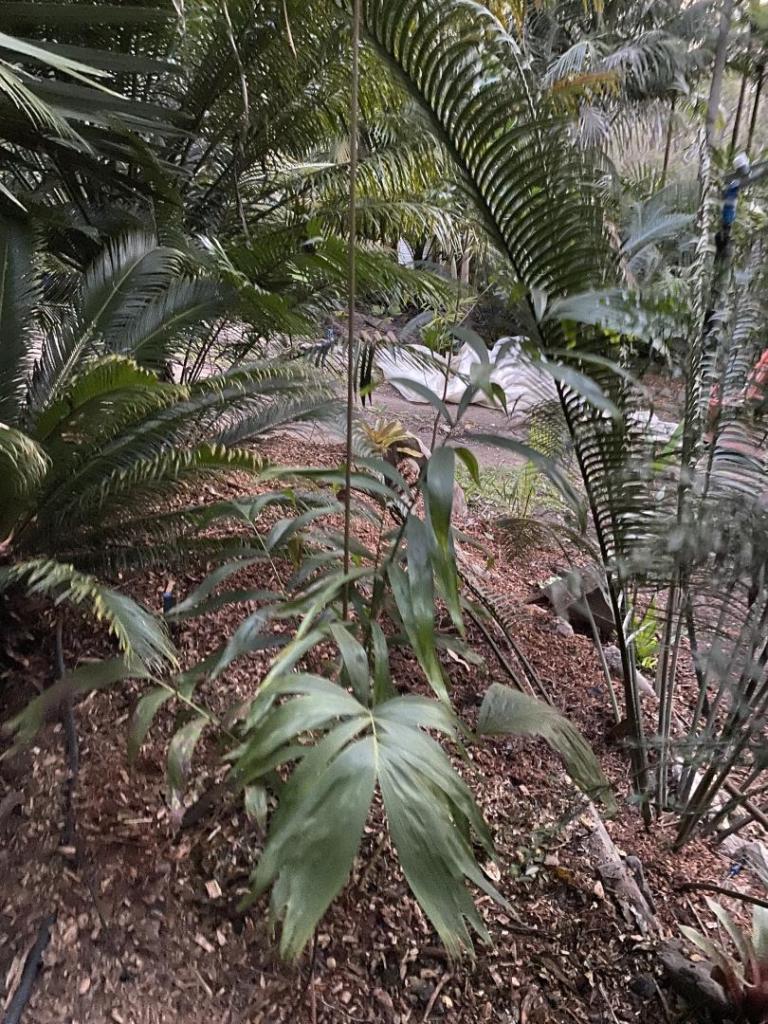
1 pointA nice sallaca, variegated lanonia dasyantha, dypsis Pembana all looking good in the garden.
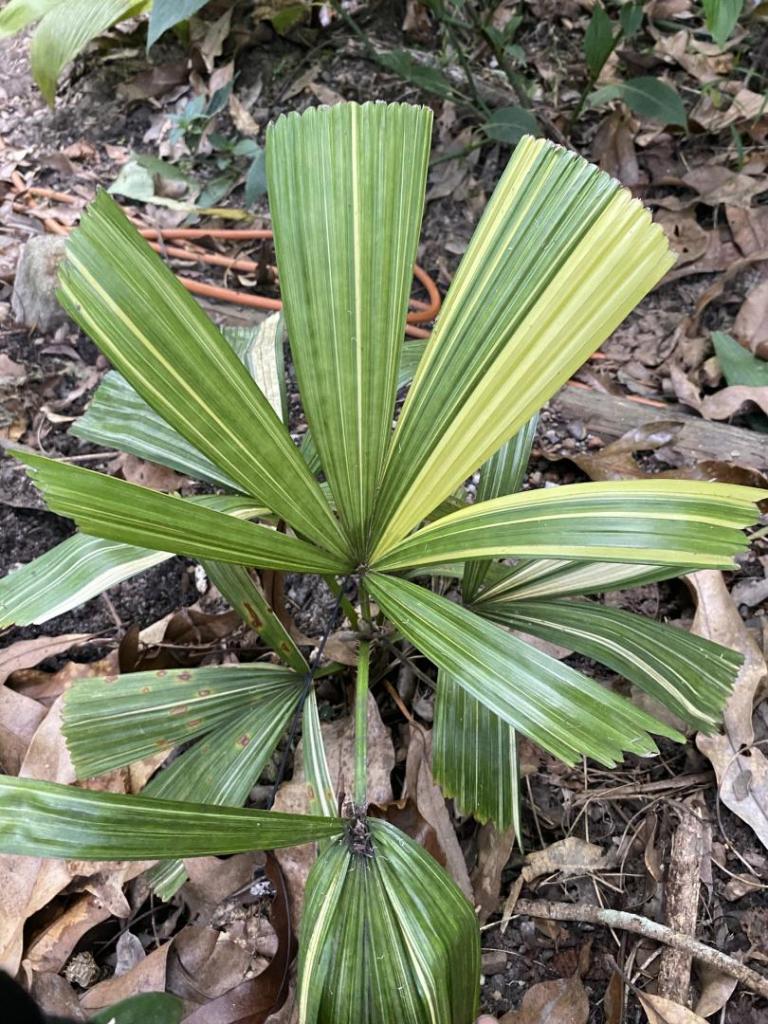
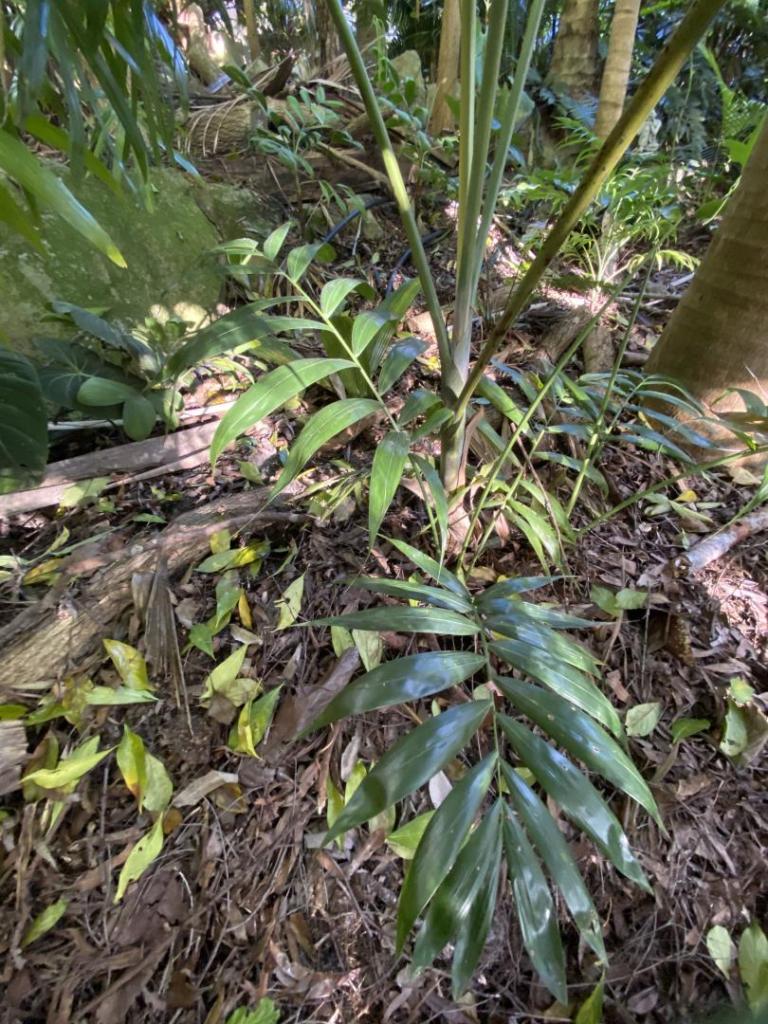 1 point
 -
 1 point
 -
1 pointIt should be noted that those are not all suited to Miami's climate, but all great palms.1 point
-
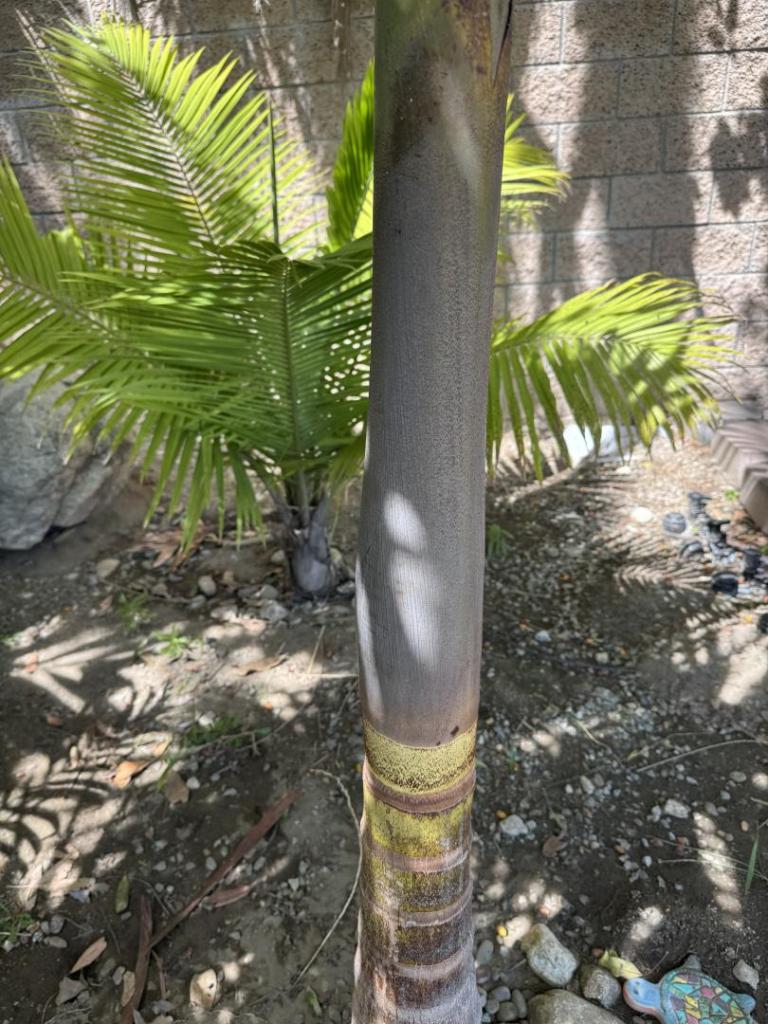
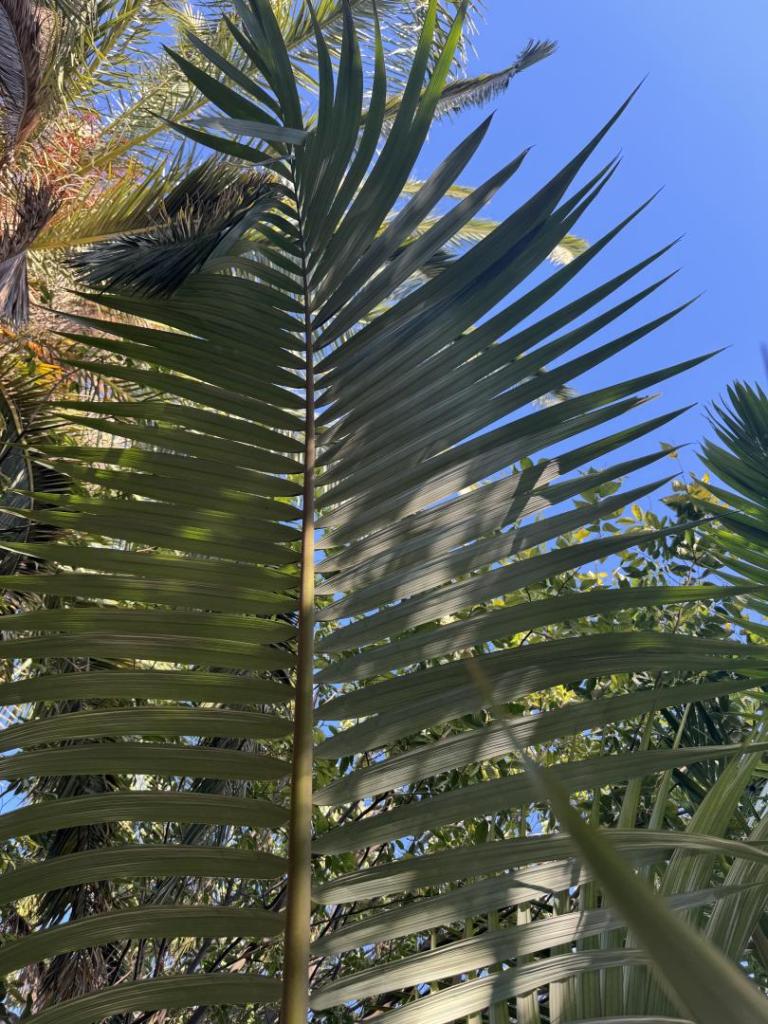
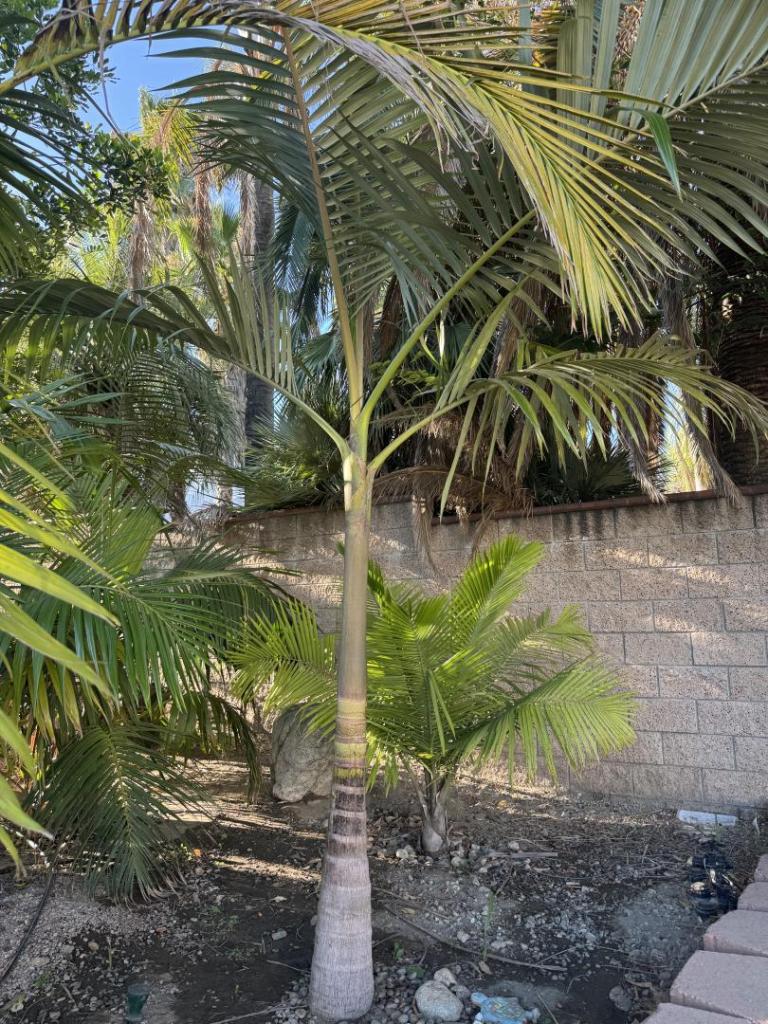
 Hi Tim, here are couple shots of mine Purpurea hybrids. You’ll see purplish crown shafts with silver undersides of leaves but missing ramenta. I have 3 with varying degrees of purple. And I’ve noticed during summer months when a new leaf base falls off it’s not as vibrant as in spring when it’s cooler.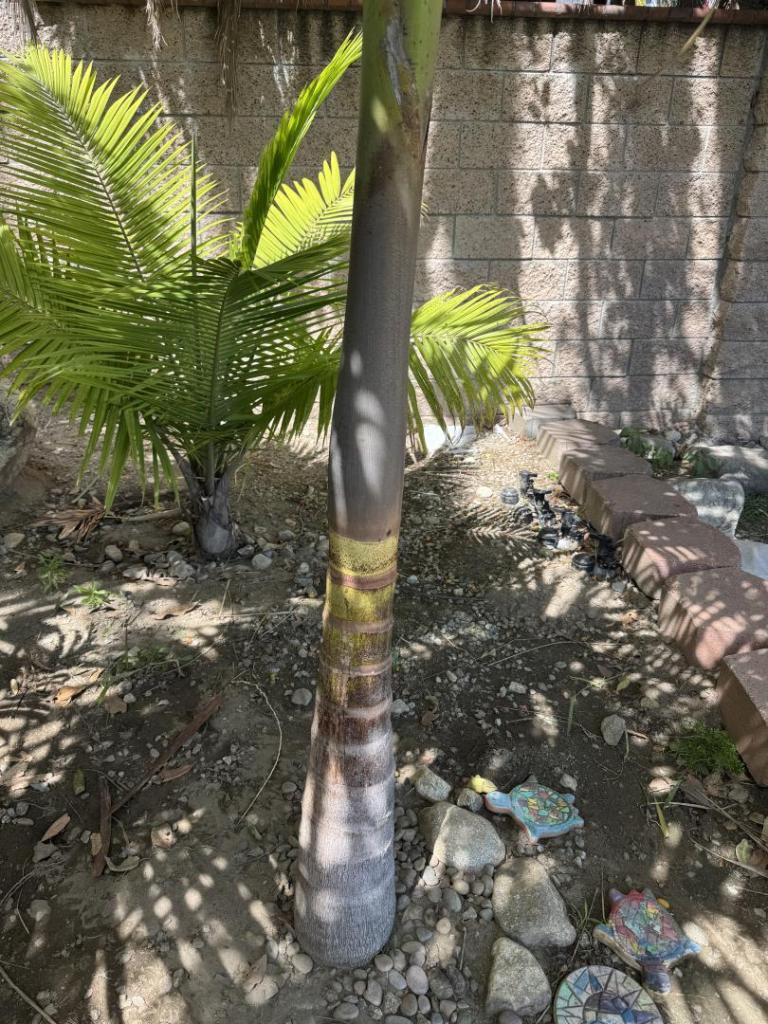

 1 point
 -
 1 point
 -
 1 pointMine never grow before June in Arizona. This year, only a female cone is emerging currently.1 point
 -
.thumb.jpg.a2fa04a61a4980e663c424f5c0b9b6af.jpg) 1 pointHas taken all year, but a frond on my Chambeyronia macrocarpa has finally opened up.
1 pointHas taken all year, but a frond on my Chambeyronia macrocarpa has finally opened up.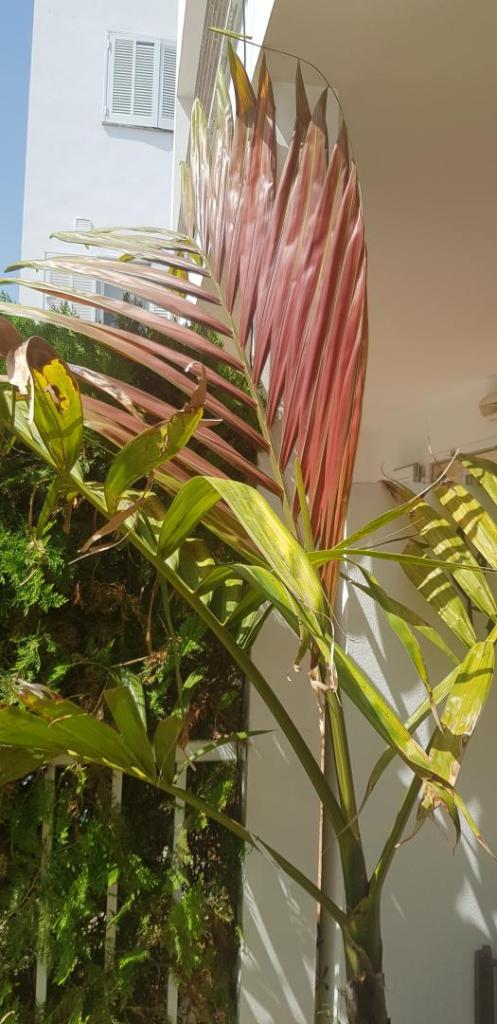 1 point
 -
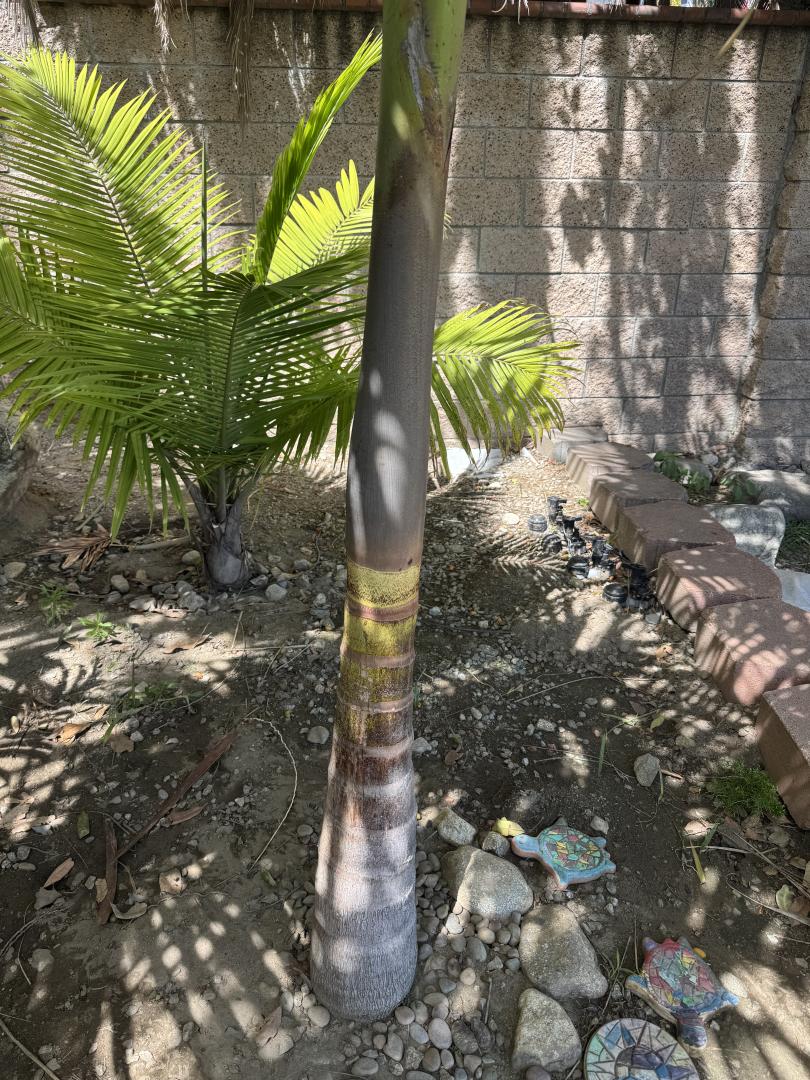
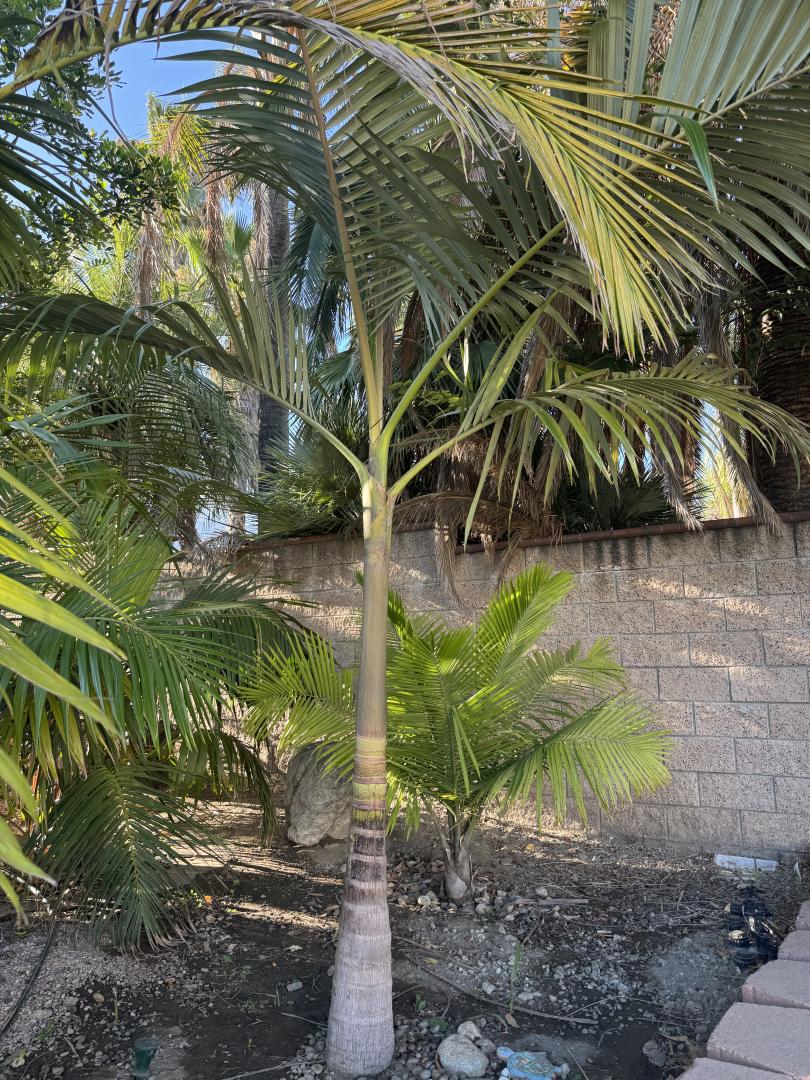
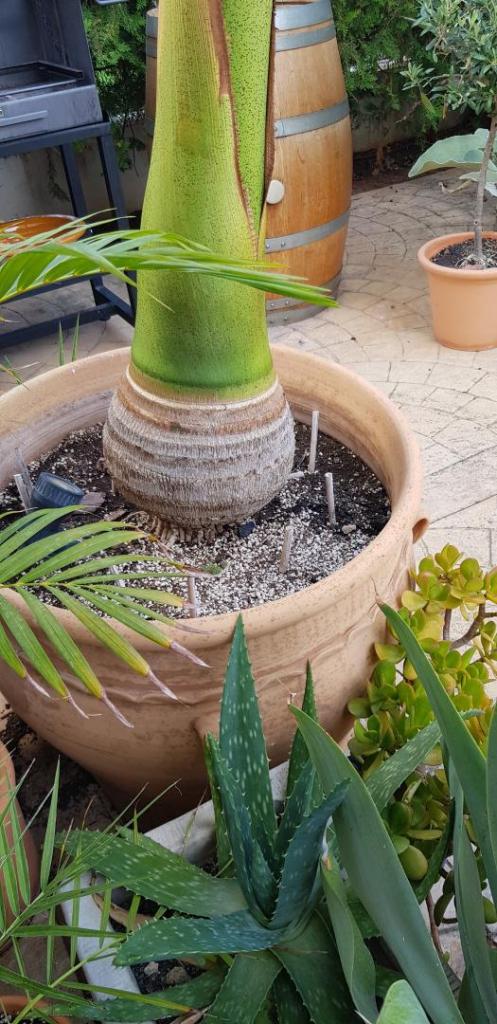
1 pointCleaned up this Roystonea regia a few days ago and the rings are looking good
 1 point
 -
 1 point
 -
1 point
-
 1 point
 -
 1 point