Leaderboard




Popular Content
Showing content with the highest reputation on 03/23/2026 in Posts
-
Mine has grown really well throughout our summer despite multiple days of extreme heat. Mine gets filtered light for most of the day; it’s on the south edge of a south facing garden (southern hemisphere) so larger palms in the garden give it a degree of protection but definitely does see at least brief periods of direct sun throughout the day.
 7 points
 -
I just found one in my neighborhood and knocked on the door to ask permission to take a picture. I ended up leaving with a huge cutting.

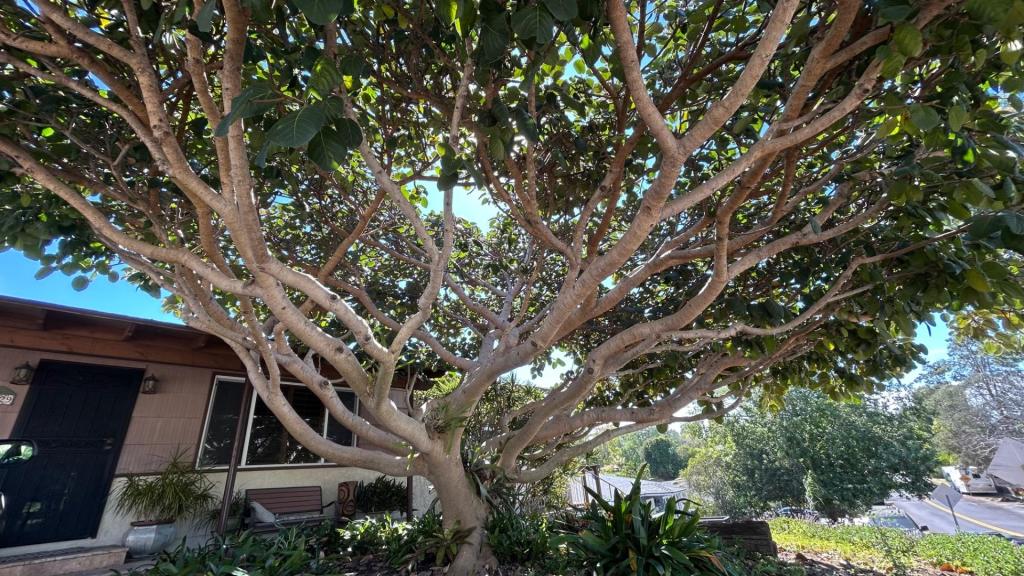
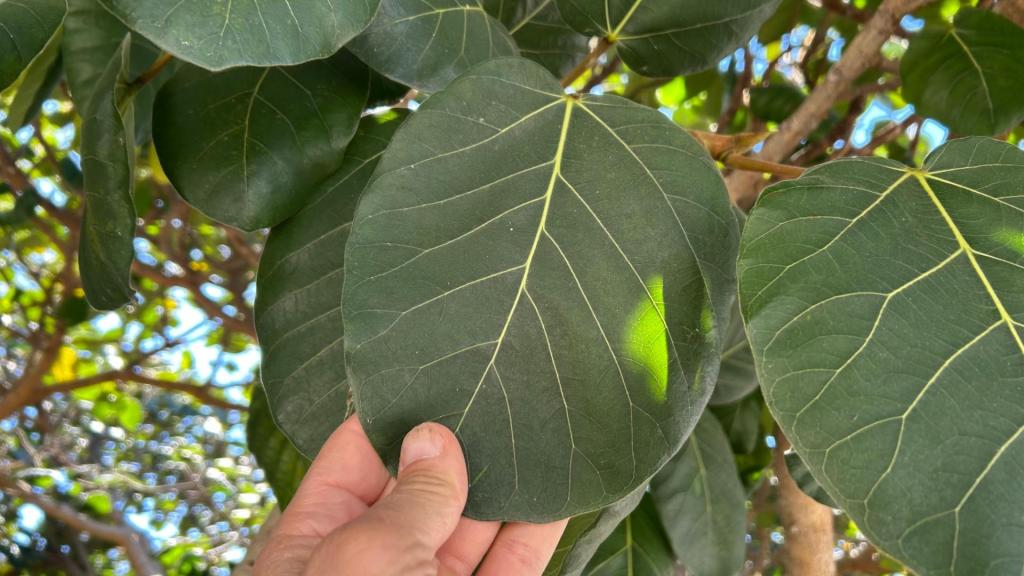
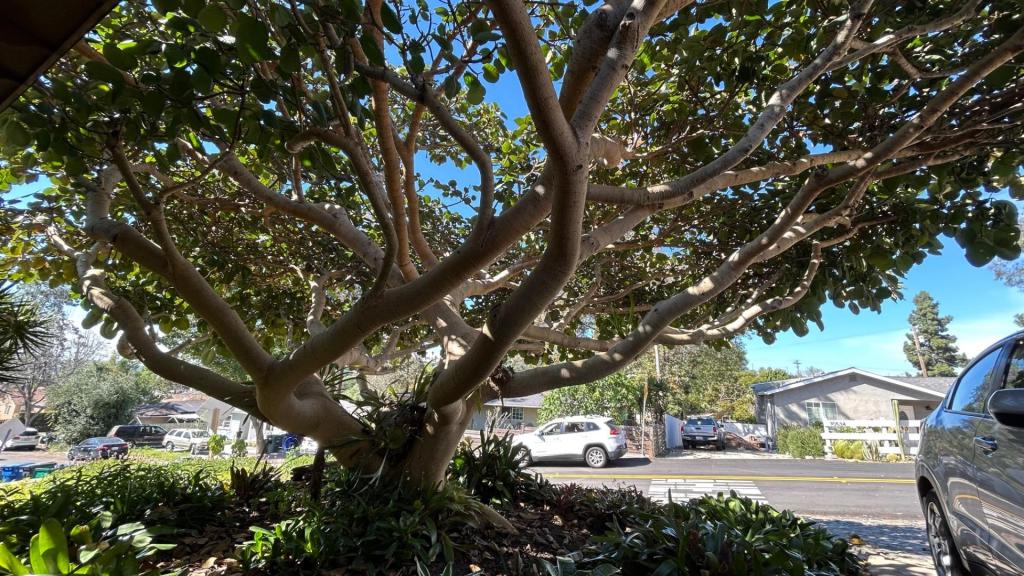
 6 points
 -
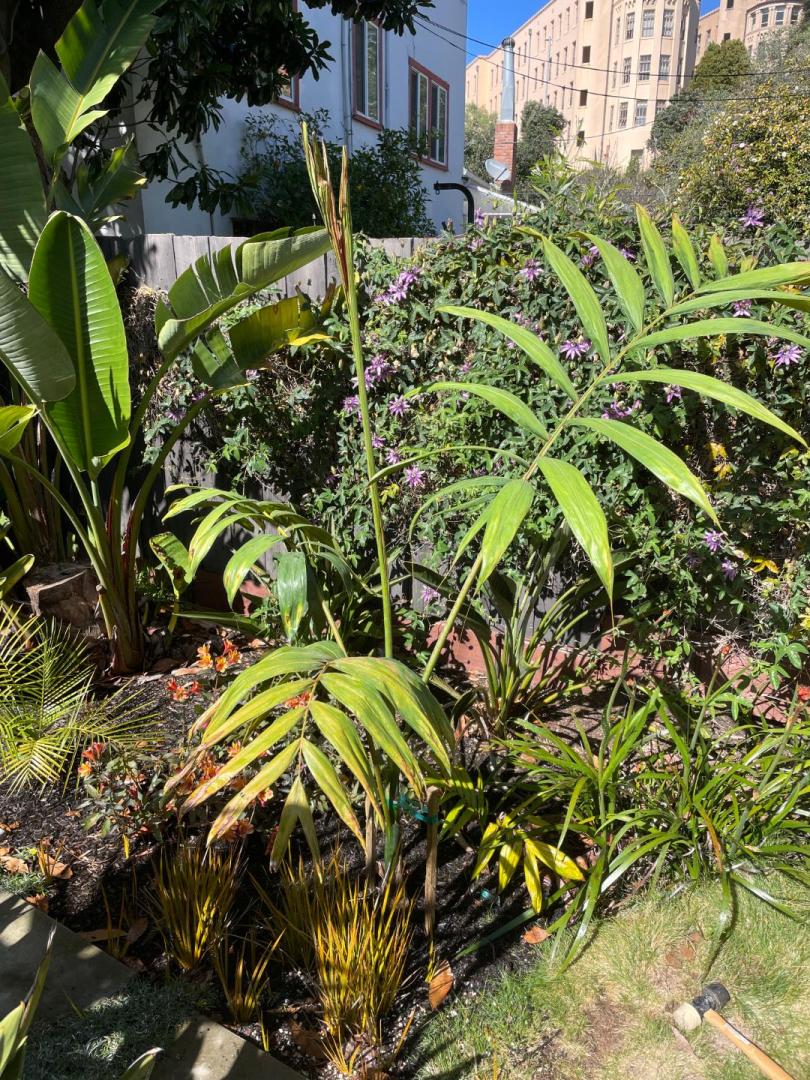
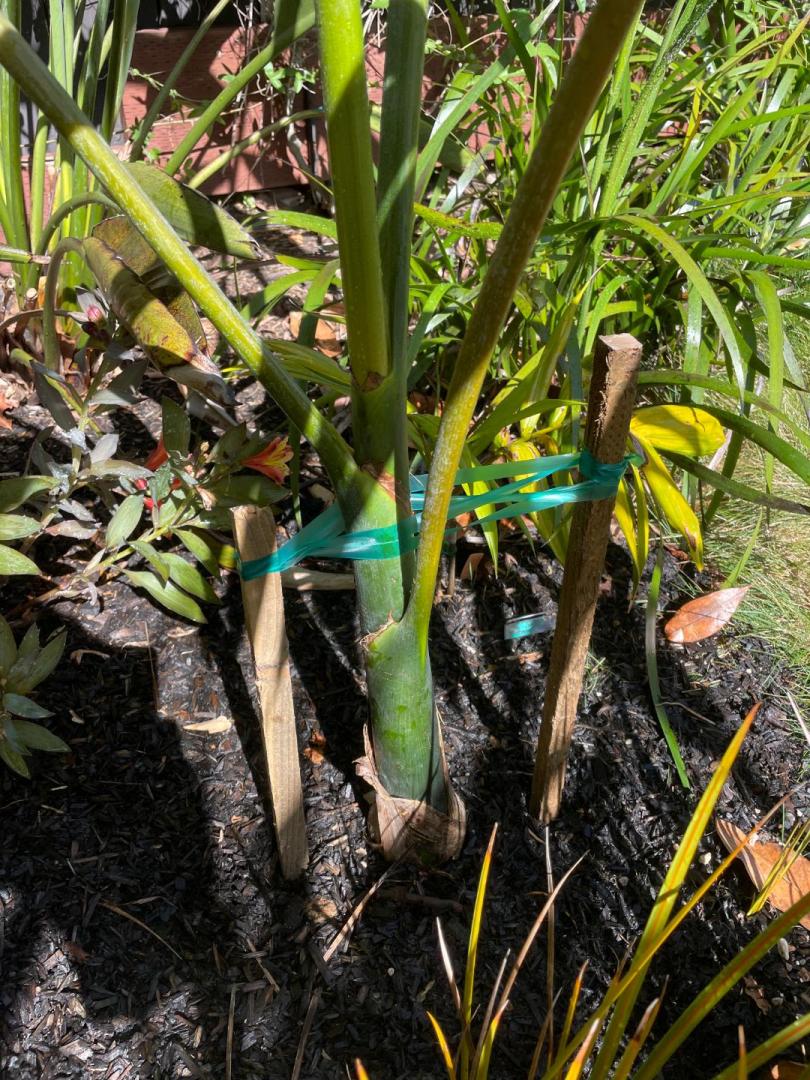
Thanks to all! The deed is done. It was still rocking around on those roots a little more than I'd like so I staked it at the base. It gets pretty windy around here in spring. Let the burn begin!

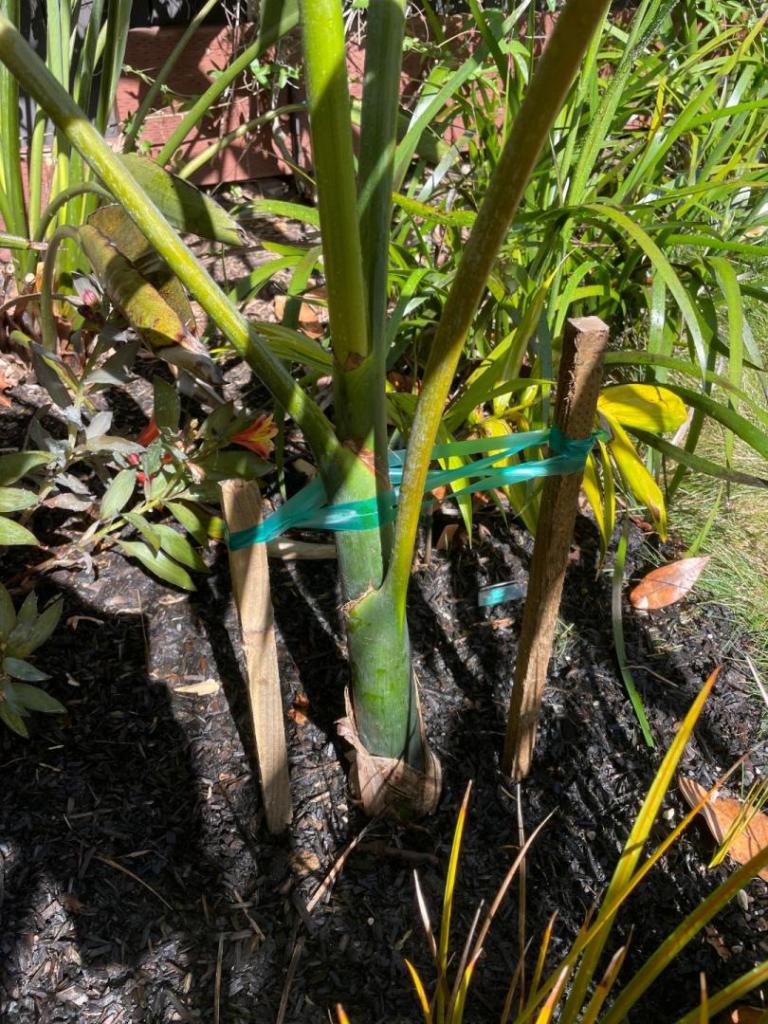 4 points
 -
My graminofolia seed came from south America originally twice. The person i got them from has sinced passed away. I was aware of the papers above and the crosses. Many years ago i was sent a Chamaedorea schippi, it has been the slowest chamaedorea i have grown. The C graminifolia in Australia came from the seed i brought in. They do not have rhizomes like rhizomotosa, ,brachypoda or stolonifera. I will take some pictures to show the difference Regards Colin3 points
-
Recently I visited the Botanical garden of Rome and could observe the Nannorhops ritchiana. I thought it would deserve a video (actually two to get the single whole plant). Enjoy3 points
-
Not as scary as @peachy rampaging down your driveway with a shovel to dig them out! Lucky escape I say!3 points
-
Oh, I survived ok... But I did have to get a new dog to guard my Hedy and Lepidorrachis. This breed is probably not as scary as a Pekinese though!
 3 points
 -
Dale, thanks for the kind comments. This particular plant is well over 10 years old, a one gallon plant via Floribunda. I planted it on a hillside and like many plants, it just wasn’t getting enough water for many years. These plants had a tendency to increase in diameter a little bit without going vertical very much. About a year and a half ago I finally got the drip irrigation and fertilizer regimen all dialed in and most everything on the hillside started looking much better, super green, with really developed root systems. Plus, there’s just a lot of partial canopy going on in the backyard now. This seems to always help from having plants bleach out too much, especially in our low humidity environment. You mentioned the brown crown shaft, I’ve noticed that on mine as well!3 points
-
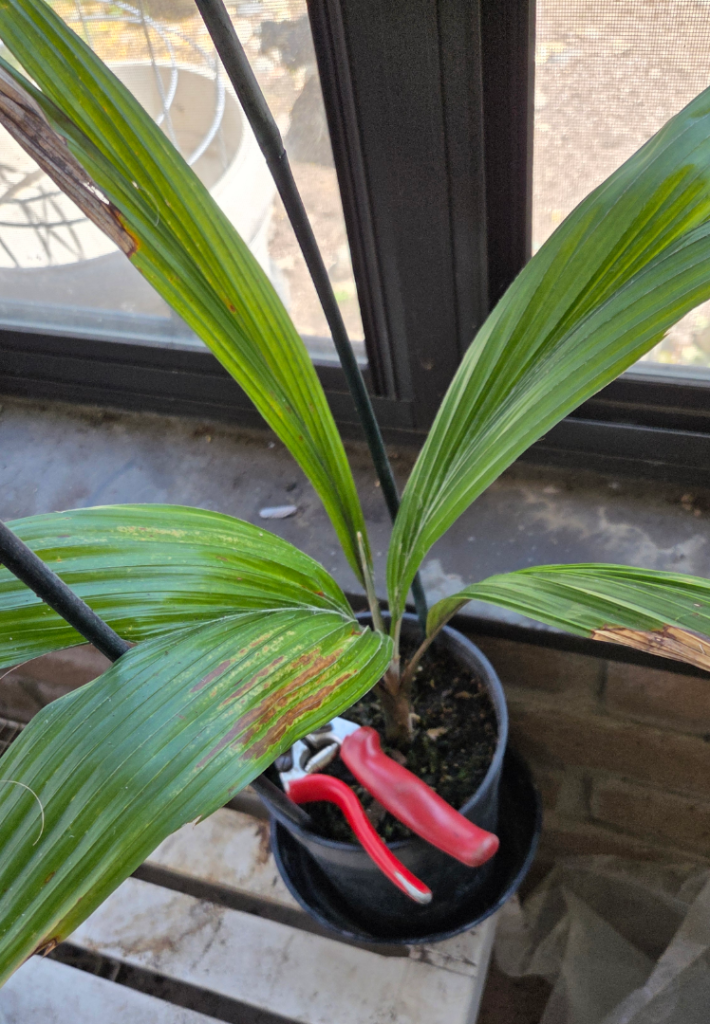
This little Ceroxylon amazonicum endured a lot of stress to get to California eventually! I ordered it in 2025 directly from an Ecuadorian nursery. It ended up in Florida quarantine for weeks, then arrived in California bare-root, half-dead and bone-dry! I tented it in plastic and kept it in standing water for weeks. It's now putting out its second leaf. I've not had much success with this species in the past, but I'm trying again. This palm hates heat waves, so I'll probably keep it indoors in a pot for the future. Eventually it may end up at a Bay Area botanical garden like the C. sasaimae seedlings I grew in the past.
 3 points
 -
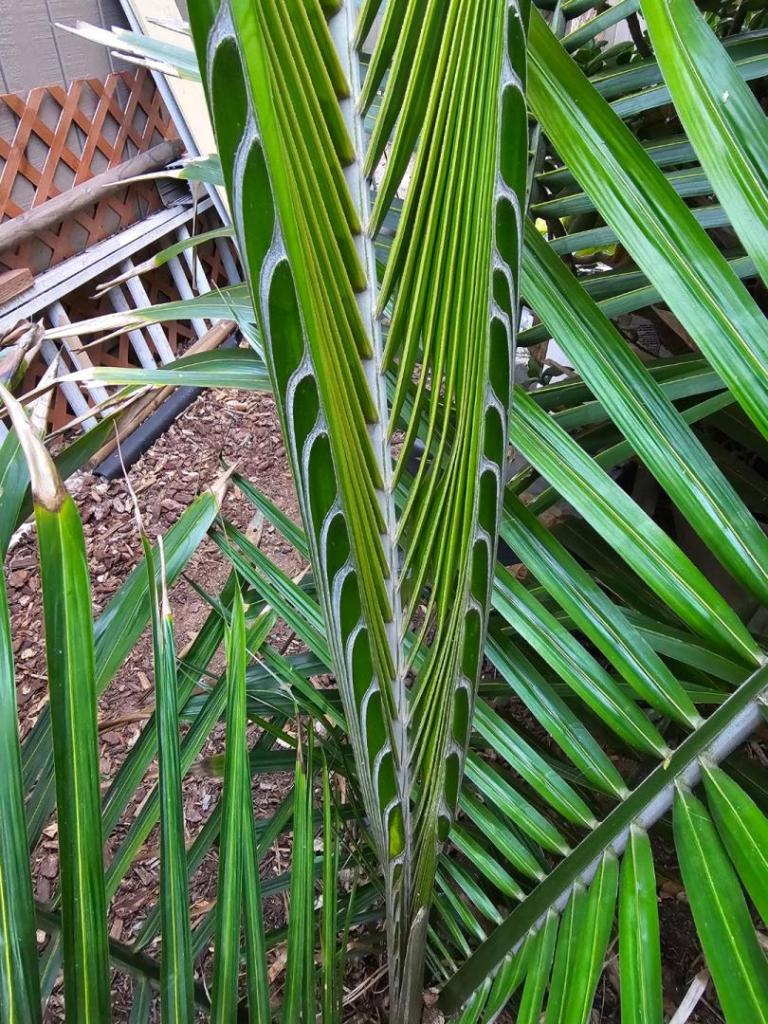
Allogoptera caudescens opening a new leaf is such an attractive sight.


 3 points
 -
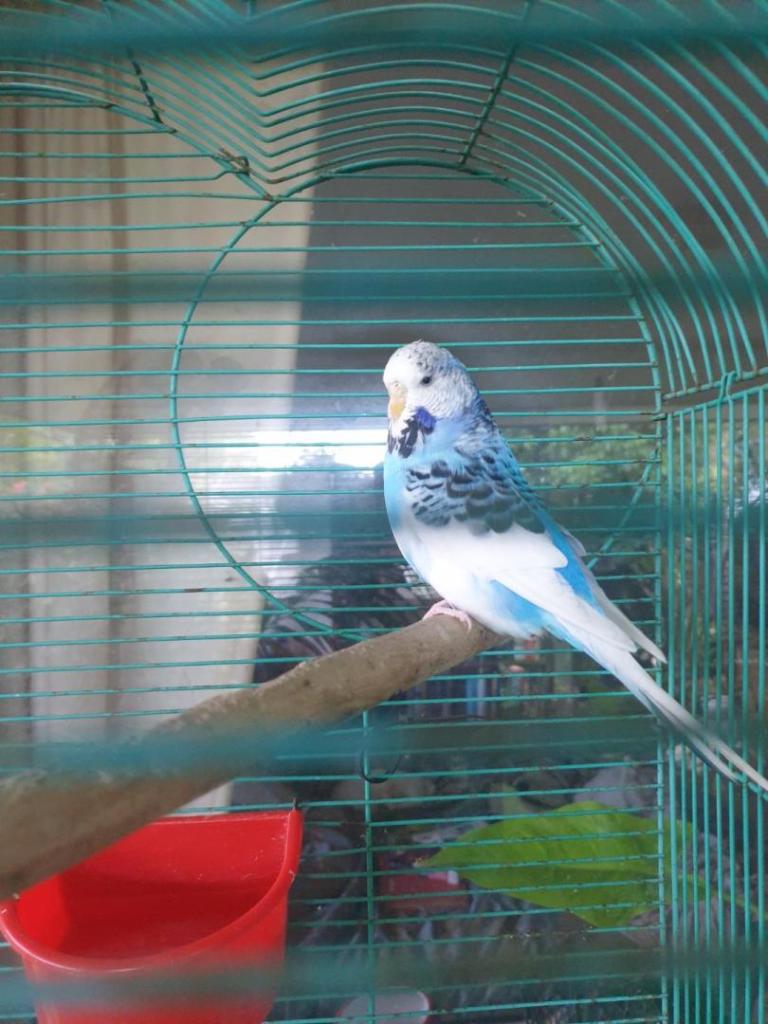
Thanks Kim. I tried searching on line and going through my books but couldn't find anything about corneri anywhere. I think I will wait and see which one grows faster and keep the other for an emergency gift when I am caught without one. As for cages, I had to bring 5 more of them out of storage as last spring's batch of baby budgies were all too gorgeous to sell. As for my nighties, I am sure you have one or two stashed away for those long cold lonely winter nights.
 3 points
 -
As you may have heard the islands have been pounded by one tropical low after another for about a week now. Seems to be finally over today. Here at the house we got about 20" in the past 10 days. That's a record. I've been tracking rain at the house for a long time and have records going back to 2004. Highest MONTHLY total before this month was 18" in March of '06. The average for March the past 21 years has been 3.33". Here is a long video of a walk I took between down pours. My usually DRY stream was flowing for days. Not to bad during the video but you can see from the silitng it was a LOT STRONGER during the down pours. Palms seem to be VERY HAPPY and so am I as I'm saving over $150 this month on my water bill. 20260320_084819.mp42 points
-
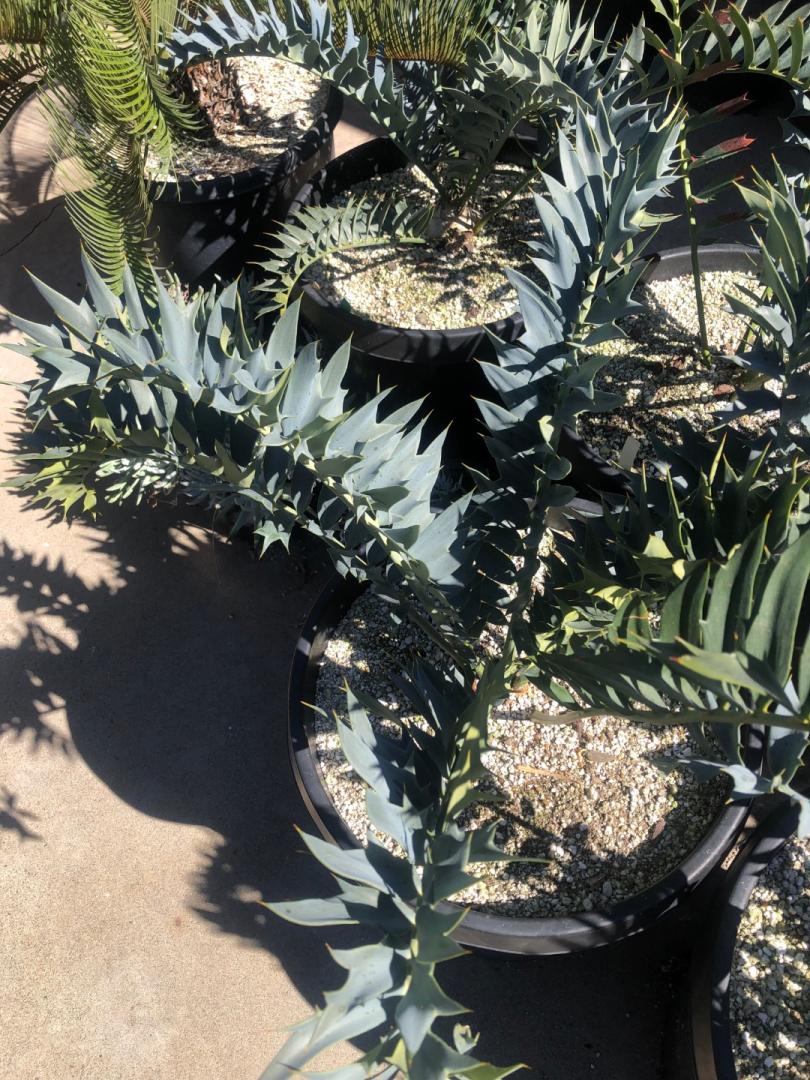
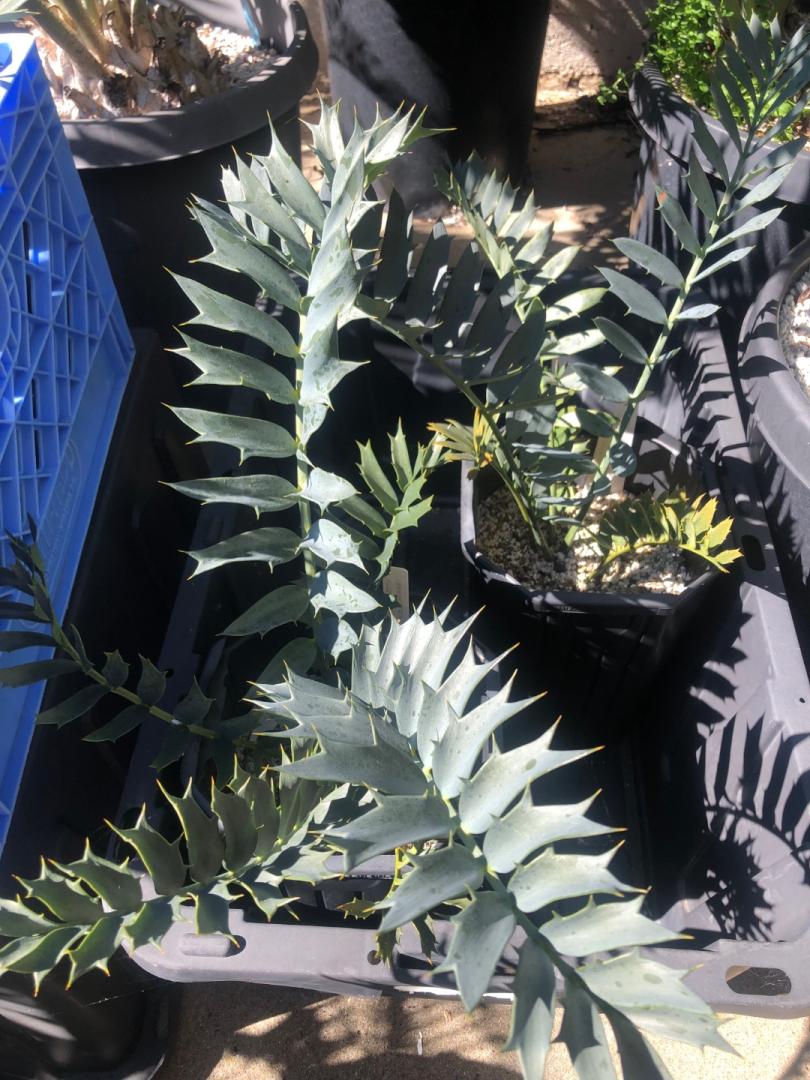
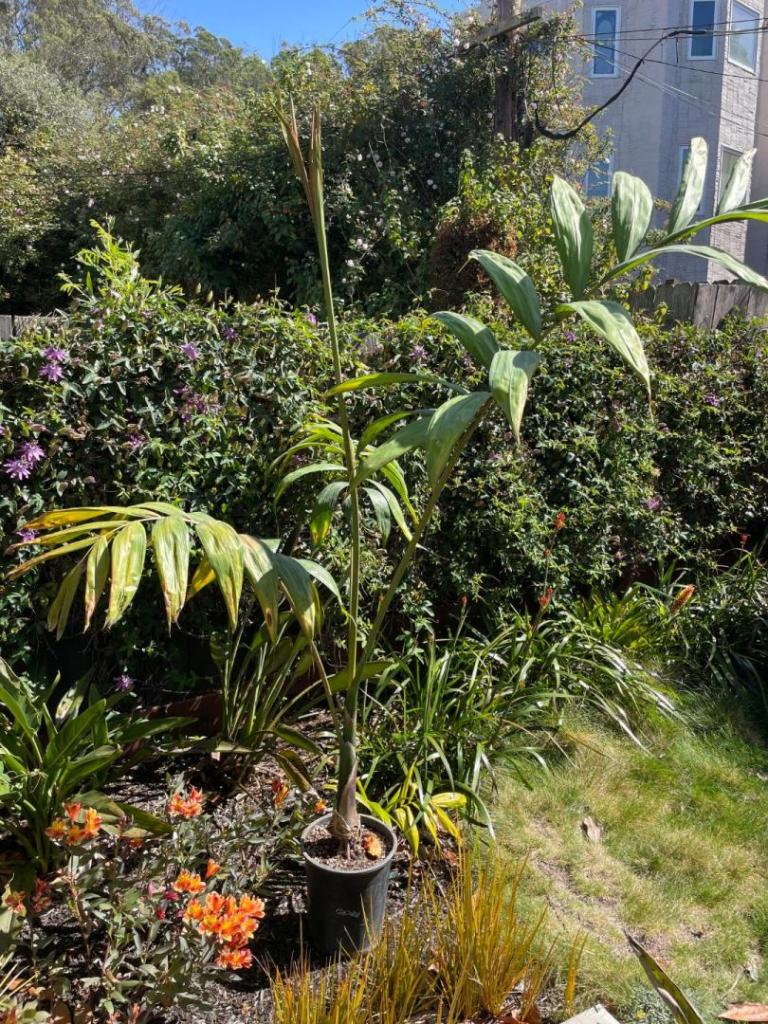
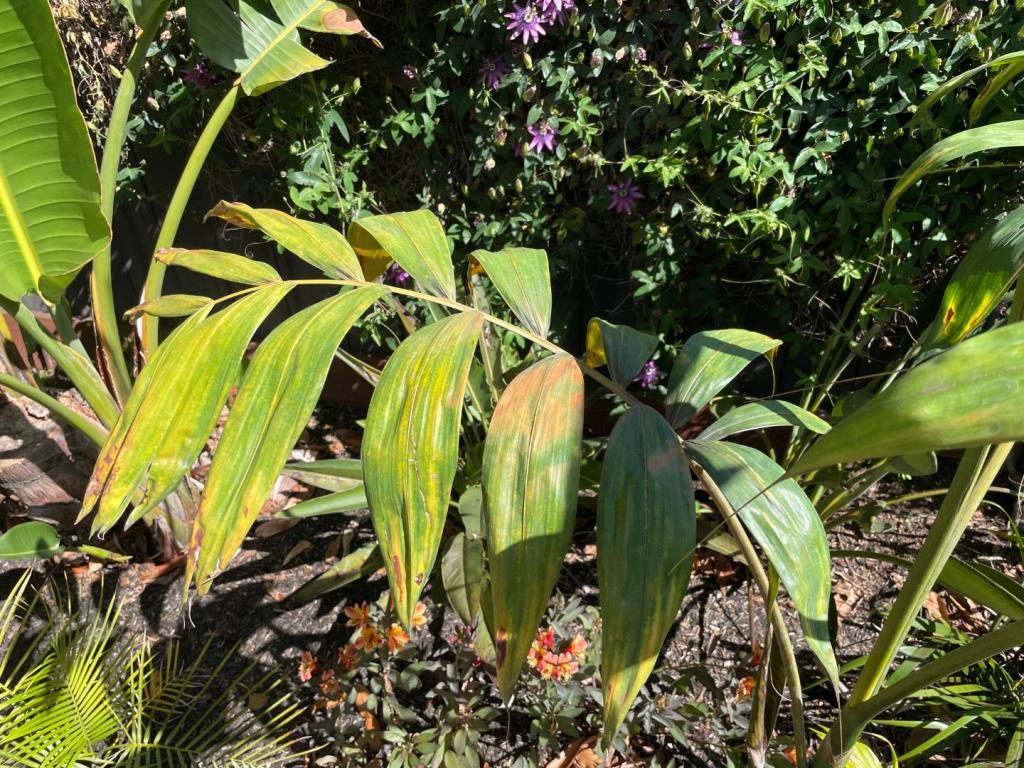
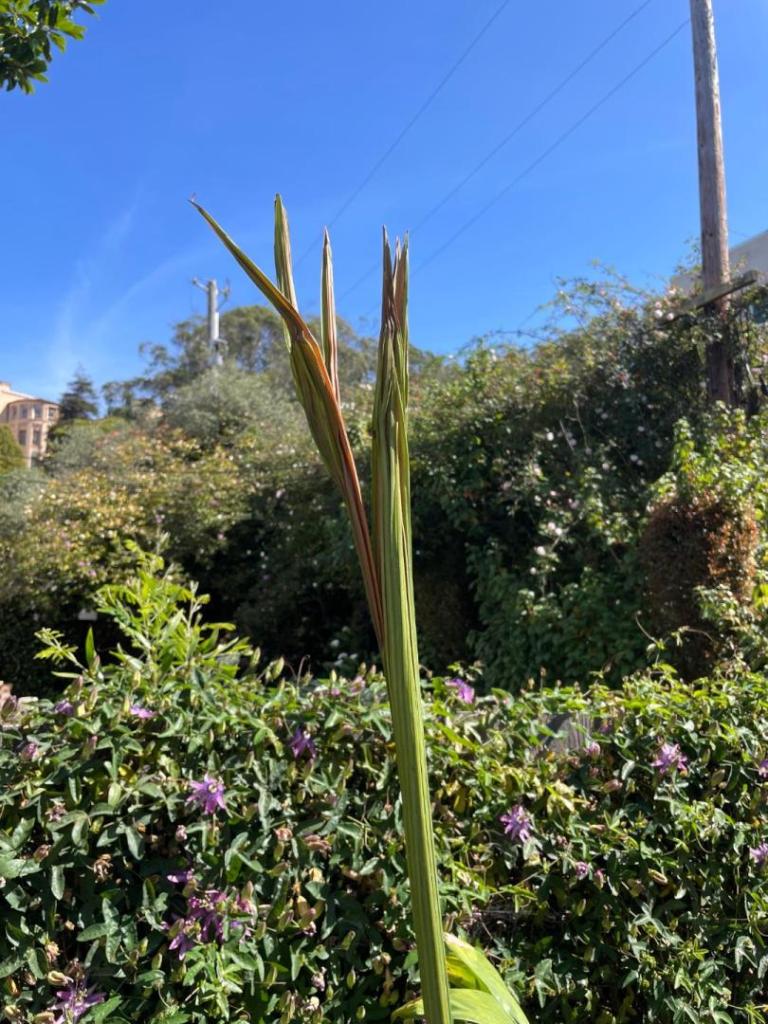
Here is our latest acquisition, a C. macrocarpa brought from SoCal through the efforts of @Darold Petty and Keith Jaeger (thanks to you both!), in roughly its eventual planting location, full sun much of the day. It's our biggest $75 palm ever and I'm super happy with it. Of course I'm eager to plant it, but normally I would acclimate it in part shade for a month or so. But I'm considering planting it out sooner, for these reasons: It's generally healthy, but it looks like a plant that just endured a 400 mile trip in the back of a U-Haul during our hottest March heat wave in history. It's way overgrown for its 5 gallon pot. During transport, a lot of soil spilled out and the top 3" or so of bare root was exposed. I topped it off and have been watering heavily, but as you can see, there is still a lot of exposed root. Absent a heat wave, the sun isn't that scorching here. It's sunny and 65° today, and it's supposed to stay that way for a while. What does the group think? Plant out now or not? Or, perhaps, transfer it to a bigger container? TIA for all advice.


 2 points
 -
Dear Grandmasters and Palm Enthusiasts, I am erupting once again with pure botanical joy! Today, March 23th, 2026, I can confirm an absolute vertical wonder on my Balkon-Fortress in Arbon/Stachen (Lake Constance, Switzerland). Our Dypsis lutescens, situated on the 4th floor at 443 meters above sea level, is showing an incredible vitality eruption. After winter, almost all fronds were completely brown and dry. I pruned all dead material back to the base, and now I see a fresh, green spear emerging from the center! The trunk is firm. It seems the apical meristem survived under these specific conditions and the palm is pushing new life. The Exposure: Despite being in the shade at 443m, my Intertronic station in shadow recorded today a local heat pocket of 18.1°C, while the surrounding region was significantly cooler at 11-14 C. The Micro-Climate: This 4th-floor micro-climate proves that elevation and vertical positioning can create unique survival pockets for species often considered too tender for Zone 8a. The Dypsis lutescens on the 4th floor lives! The Arbon/Stachen-Sog of vertical life is unstoppable! Best regards from Lake Constance Mazat

 2 points
 -
I planted something. This means it's gonna snow next week. My bad! And yeah I made sure to dig deep, amended the hole with my bokashi compost and some gravel mixed with the clay and dug a few drainage trenches that'll eventually tie into the French drains where my Thai Giant colocasias are gonna go. An hour of work and I'm ready to die. Anyway don't put your flannel sheets away and this is all my fault. Also those are not weeds, those are native plants 😂2 points
-
Good news , for sure . Hopefully the new growth continues. Harry2 points
-
Gibraltar range one trust me!2 points
-
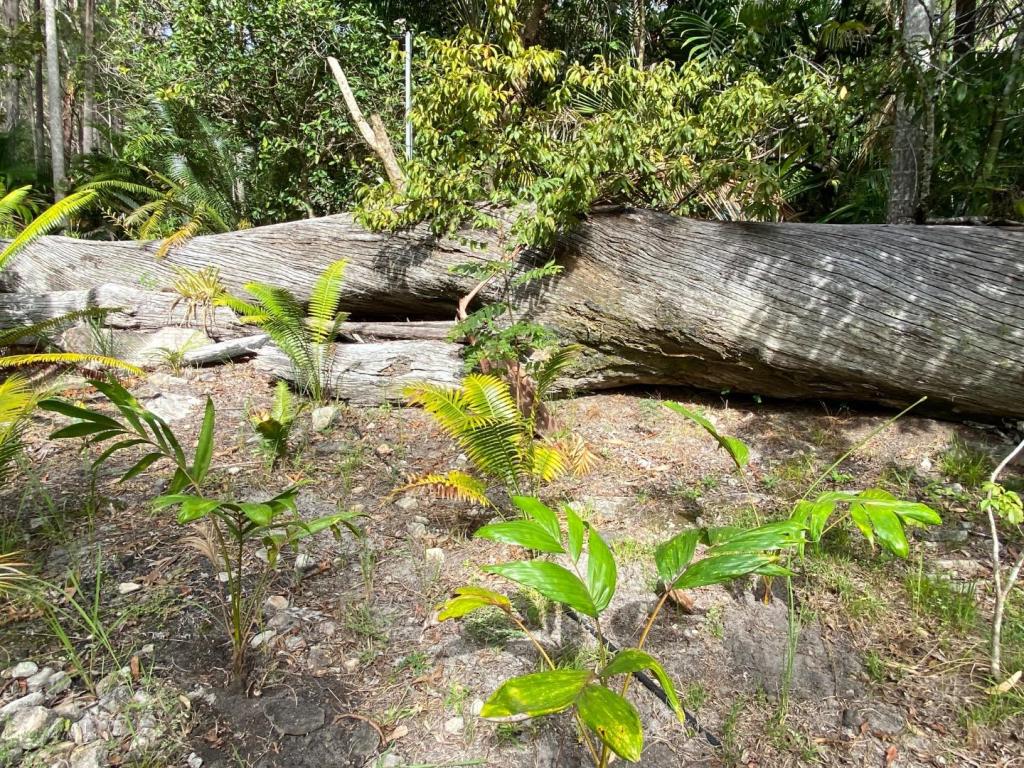
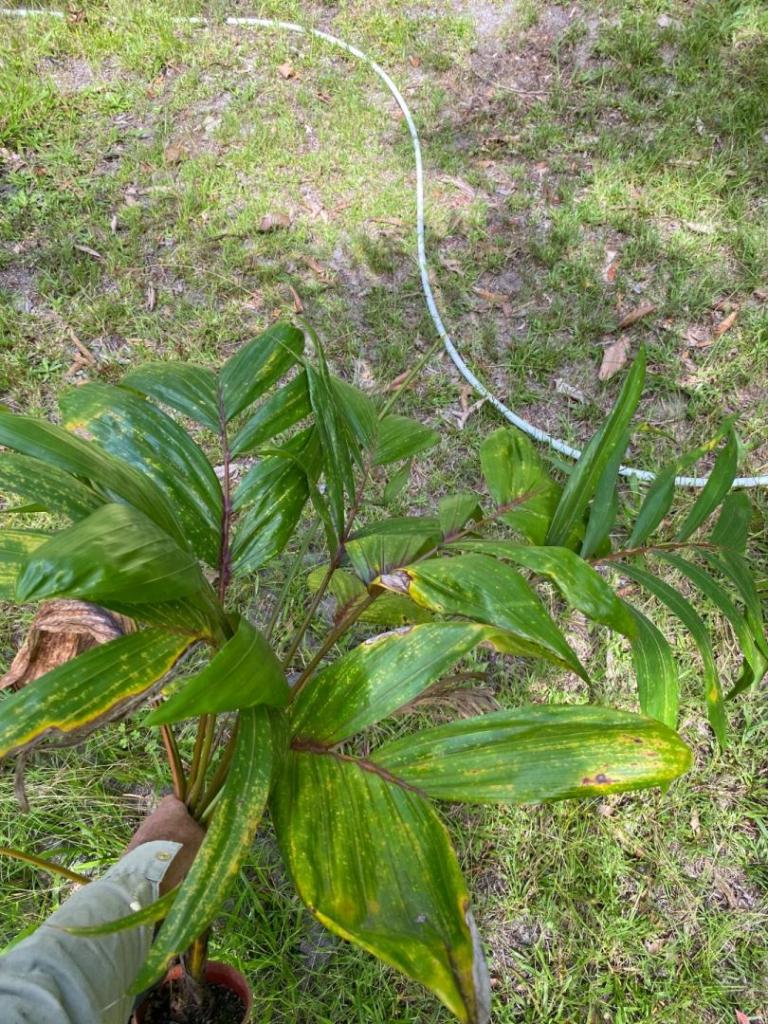
Whack it in the ground, they take all sorts of conditions just add water. I just planted a group of three in very harsh conditions, I didn’t even water them no soil amendment just heeled them in. Give them 3 years and they’ll be looking good. But I assume you will tending your newly acquired Chambeyronia, so give it all the love it will take, amend the soil, water it in and locate it in 50/50 sun shade. There easy to grow up there with Bangalow palms but most of all dont fuss over it treat it like any other palm you have.
 2 points
 -
A nice Joey, followed by a iguanura sanderianum, and a iguanura broad leaf. All three got my attention in the greenhouse.
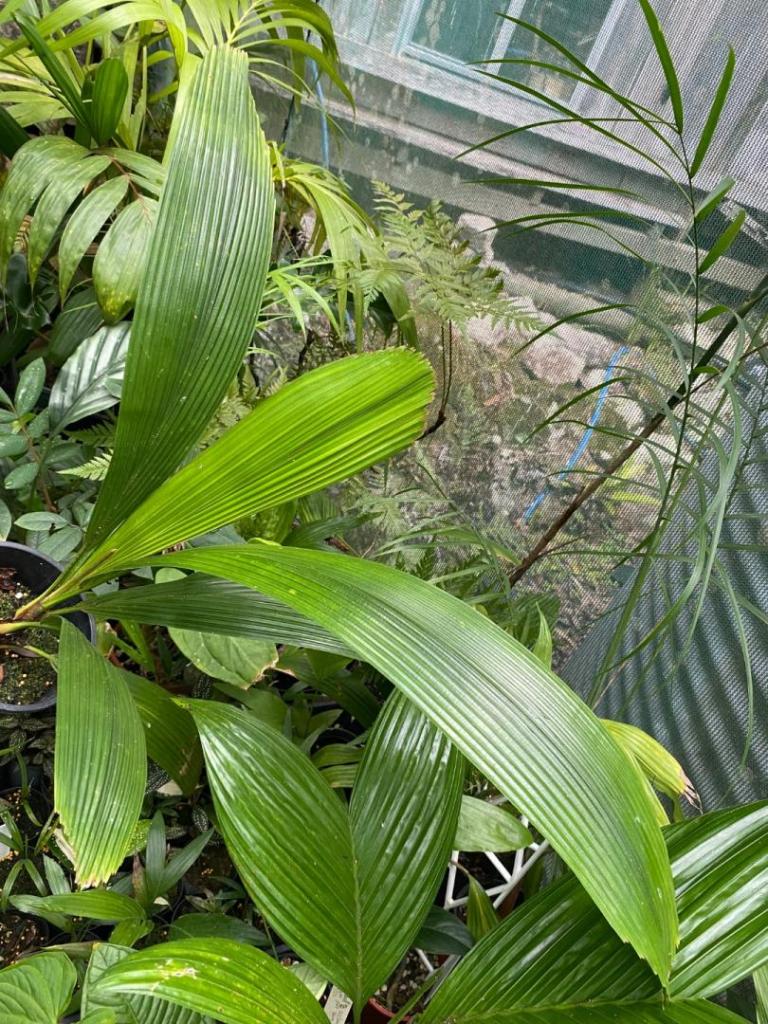
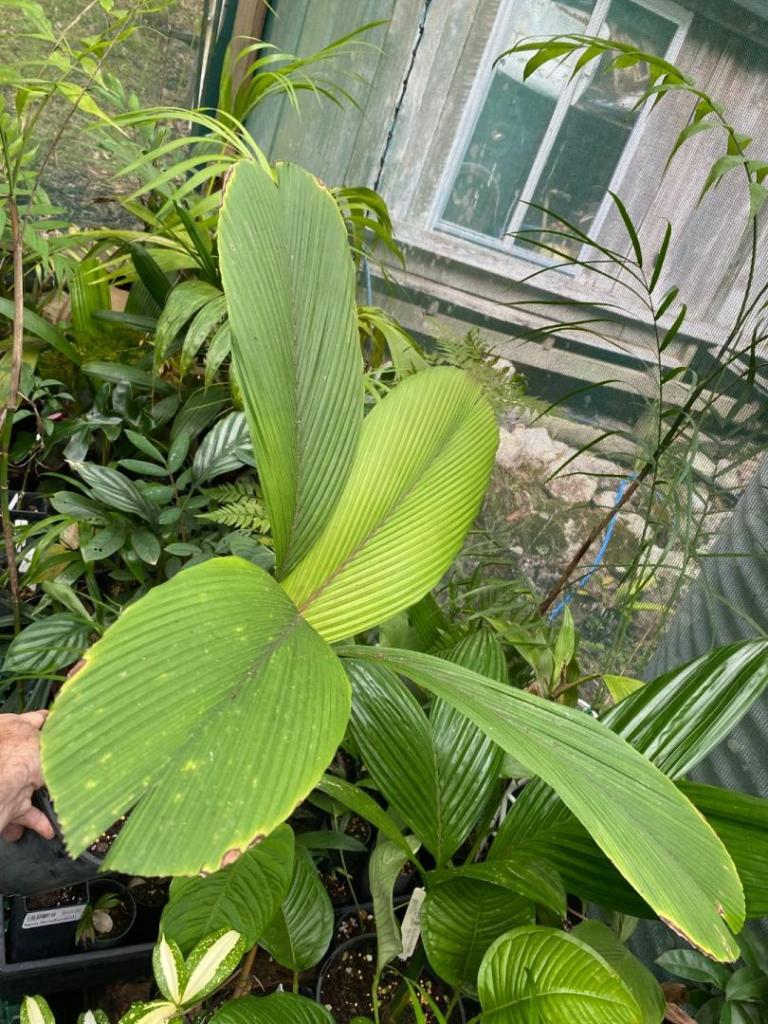
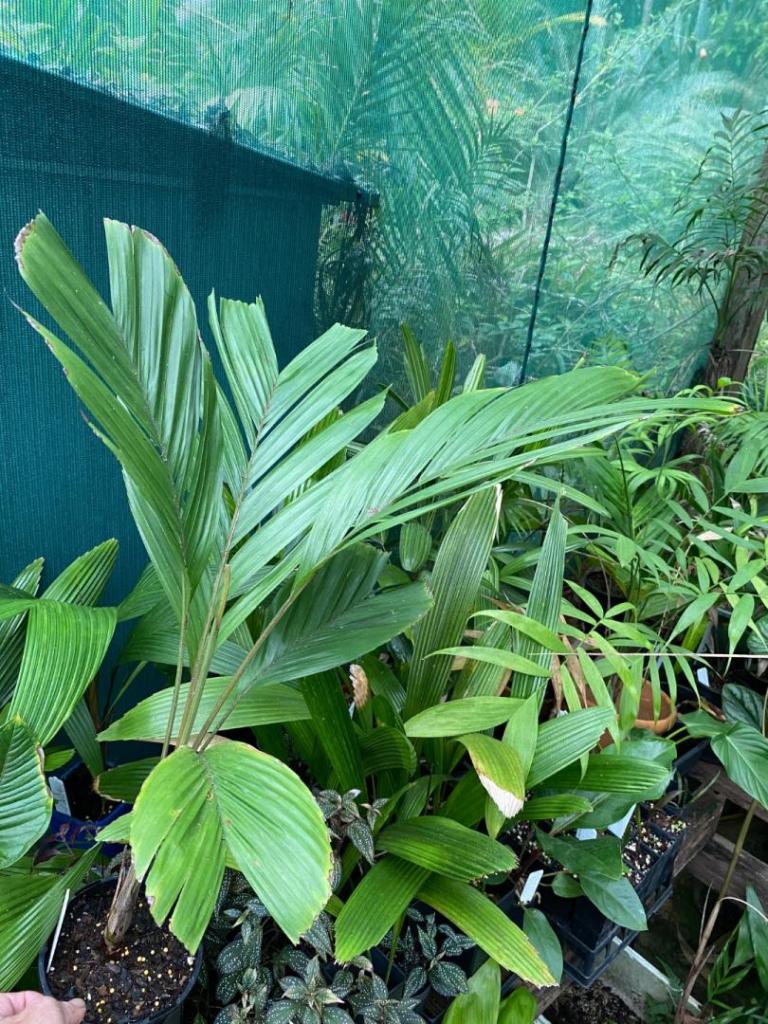 2 points
 -
Paul I see what appears to be a giant bird of paradise in the background. They provide shade but can get messy. Instead, I used banana plants for quick growing shade west of my juvenile palms when planting my garden. They can be removed easier than the bird of paradise when the time comes but still provides some shade and wind break. I don't know how they will perform up there but thought it worthwhile for you to evaluate. Good luck with the Chambeyronia.2 points
-
And all along you thought the wife had instructed you to clean up that part of the garden, not so it was the garden itself saying you need to clean up this mess I can’t grow like this with all this untidy clutter! But all in all a dam pretty good job done, very rewarding when you walk back through there now I bet! But I do see room for a row of chamaedorea adscendens in there alongside that pebble river ? Richard2 points
-
Only like 9 more to go lol. I'm gonna keep 2 in the buckets to bring back in when it gets cold to see if I can get them to fruit. I know I've said this 8 times already but they seem so much smaller when there's not a ceiling for them to hit.2 points
-
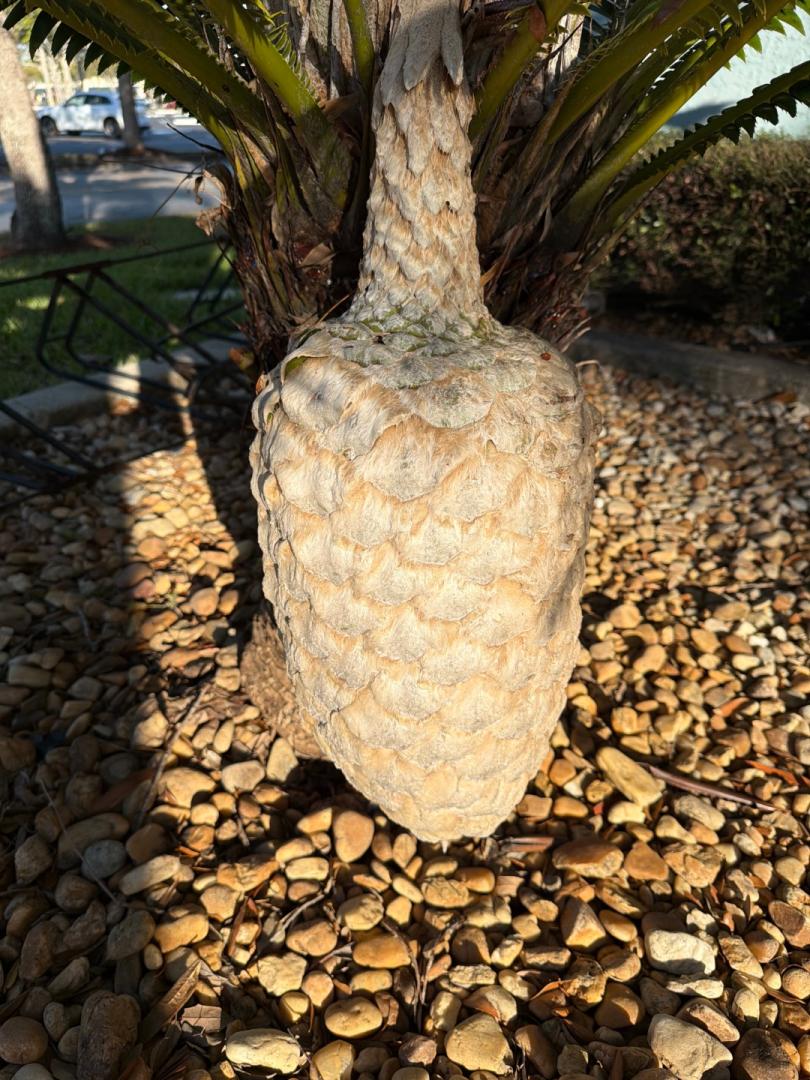
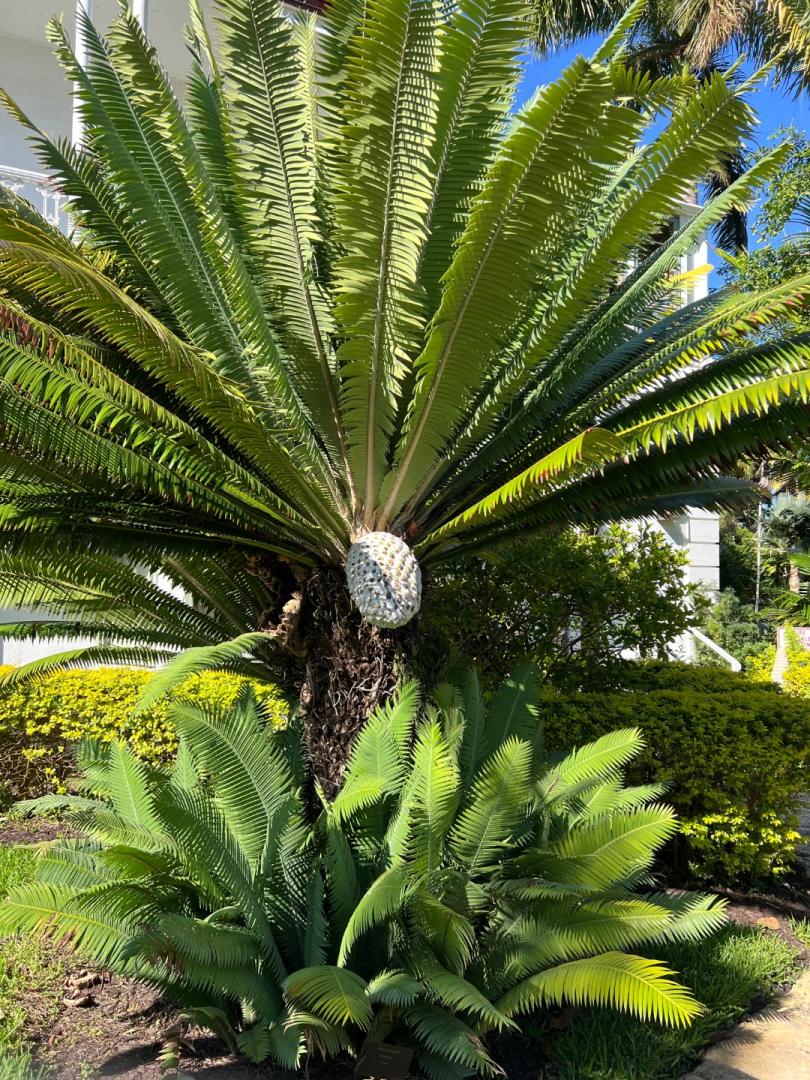
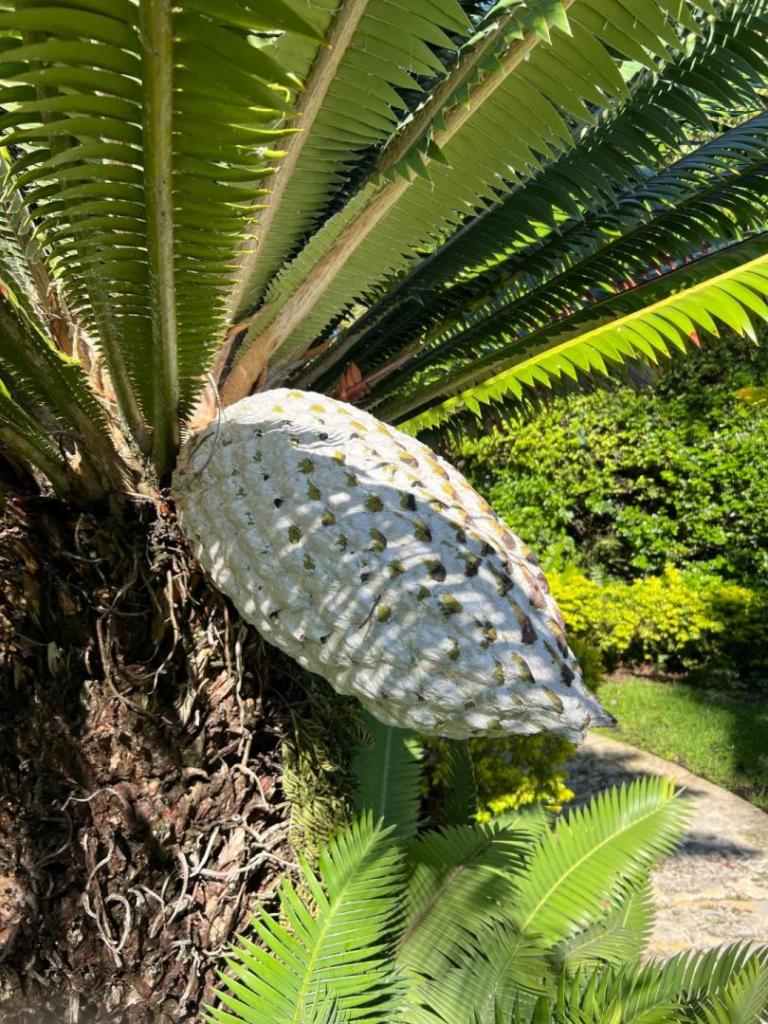
Dioon spinulosum cone
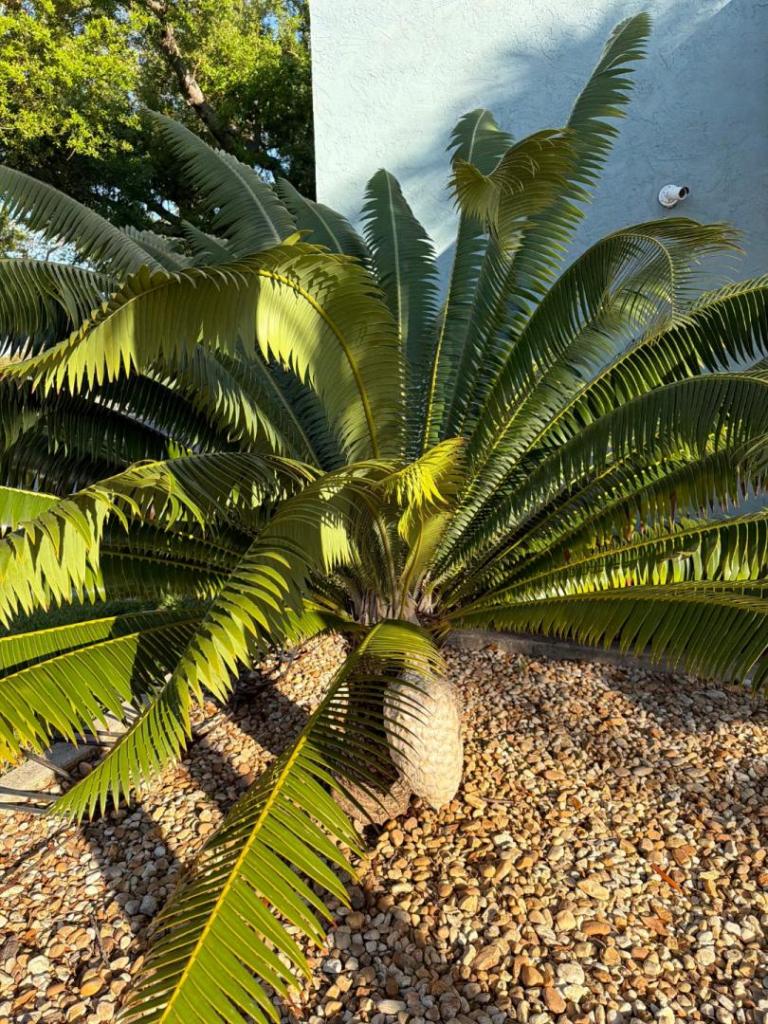
 2 points
 -
@Fusca I'm sorry I killed your washies. But I still need to figure out which crape myrtle is the white one and get some seedlings for you when they start to bloom again.2 points
-
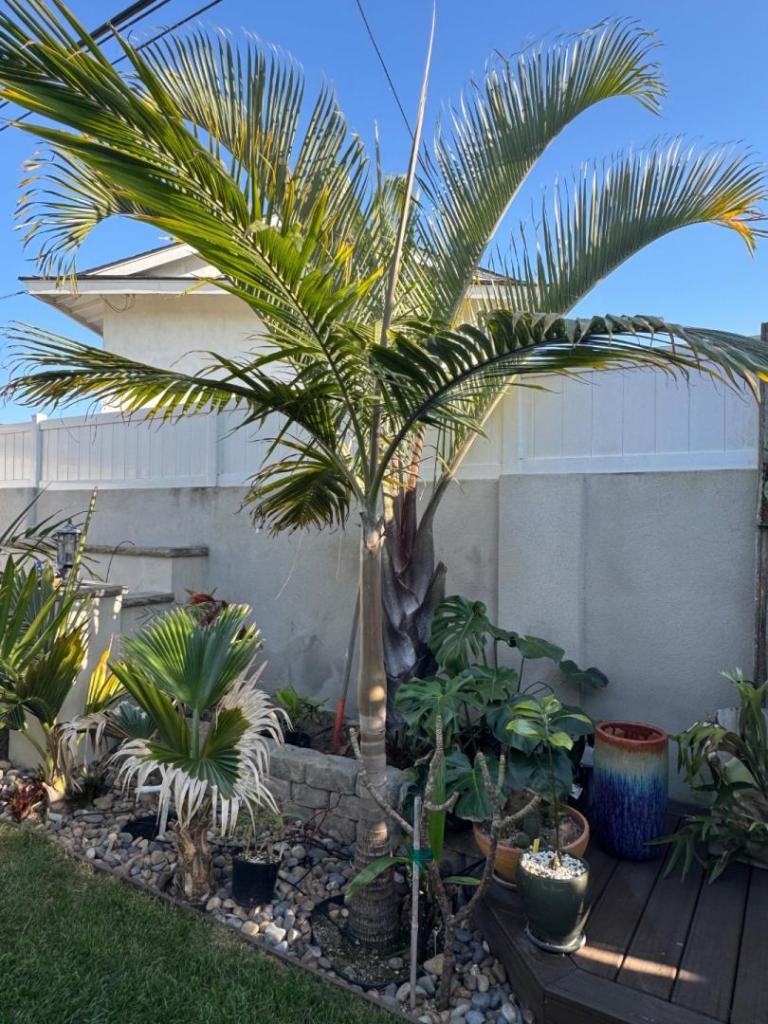
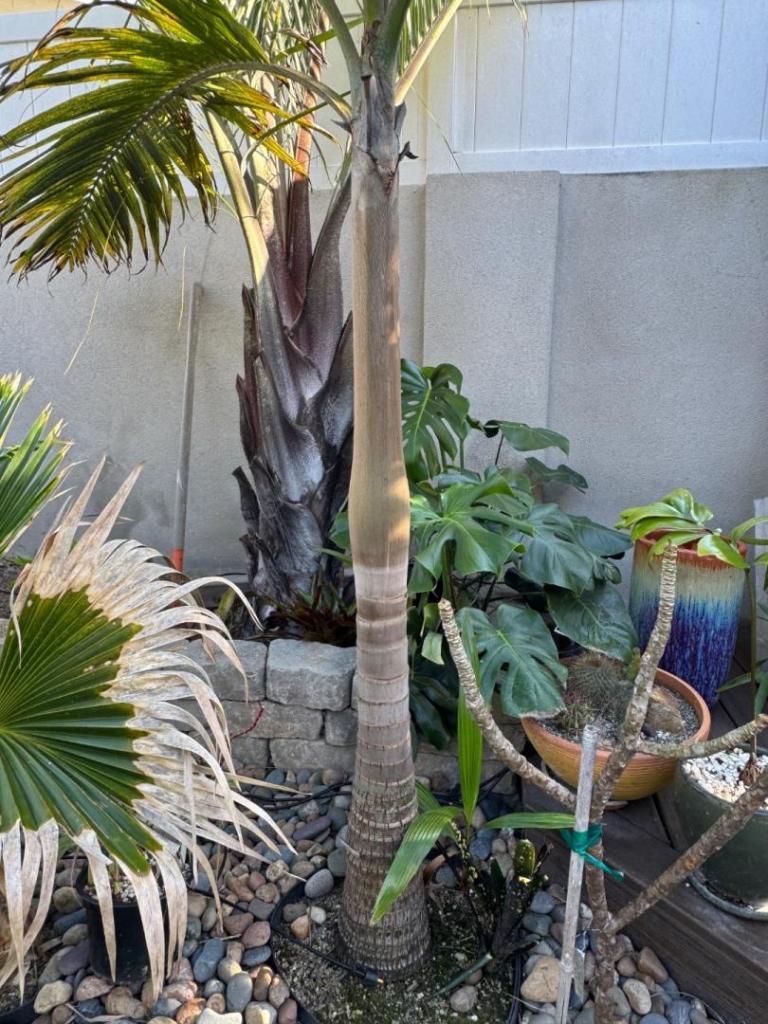
@Phoenikakias, here’s my Rubrum in SoCal. It was planted out 4yrs ago as a 20G from Bluebell and had 4 lines of trunk. Maybe 5ft total height. It’s grown substantially and rings are getting nice and wide. Always produces a super unique brown crown. It’s very hard to photo due to the Triangle behind it so I took a few. Pritchardia is growing out of a shock phase. -dale Bret, I think you’ve got the best looking one in SoCal. Hardly ever see these in gardens. Impossible to capture the beauty of the Florida grown plants here but yours looks how it’s supposed to look. 👍🏻

 2 points
 -
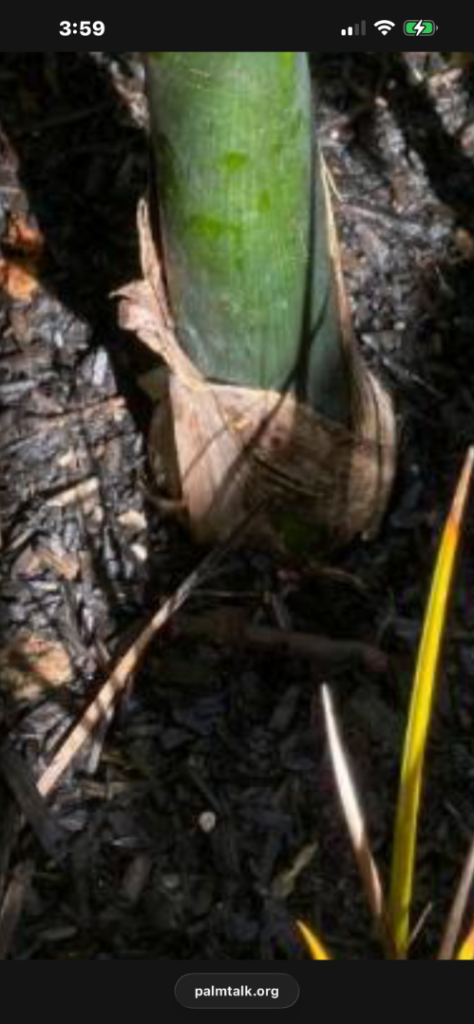
Indeed he did.
 2 points
 -
😂😂😂 Fixing to go throw a couple of your Giants where the dead washies are. It's also funny how plants look so much smaller when there isn't a ceiling for them to butt up against.2 points
-
Closer up on that thing!
 2 points
 -
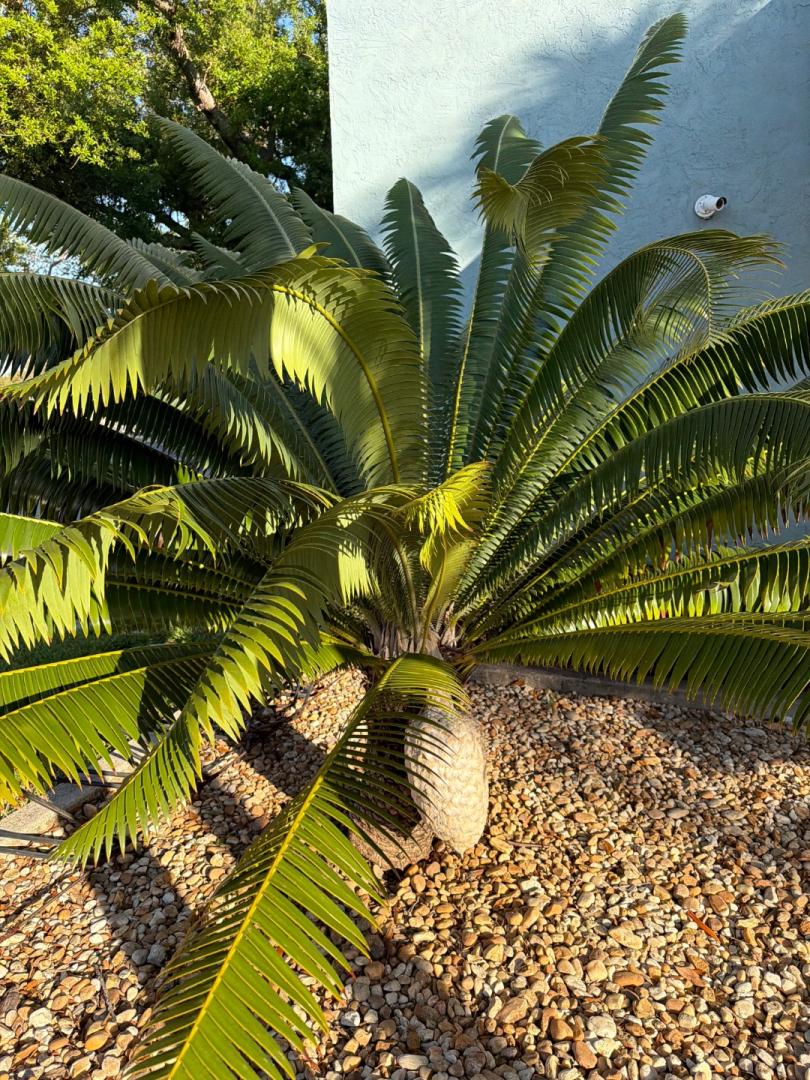
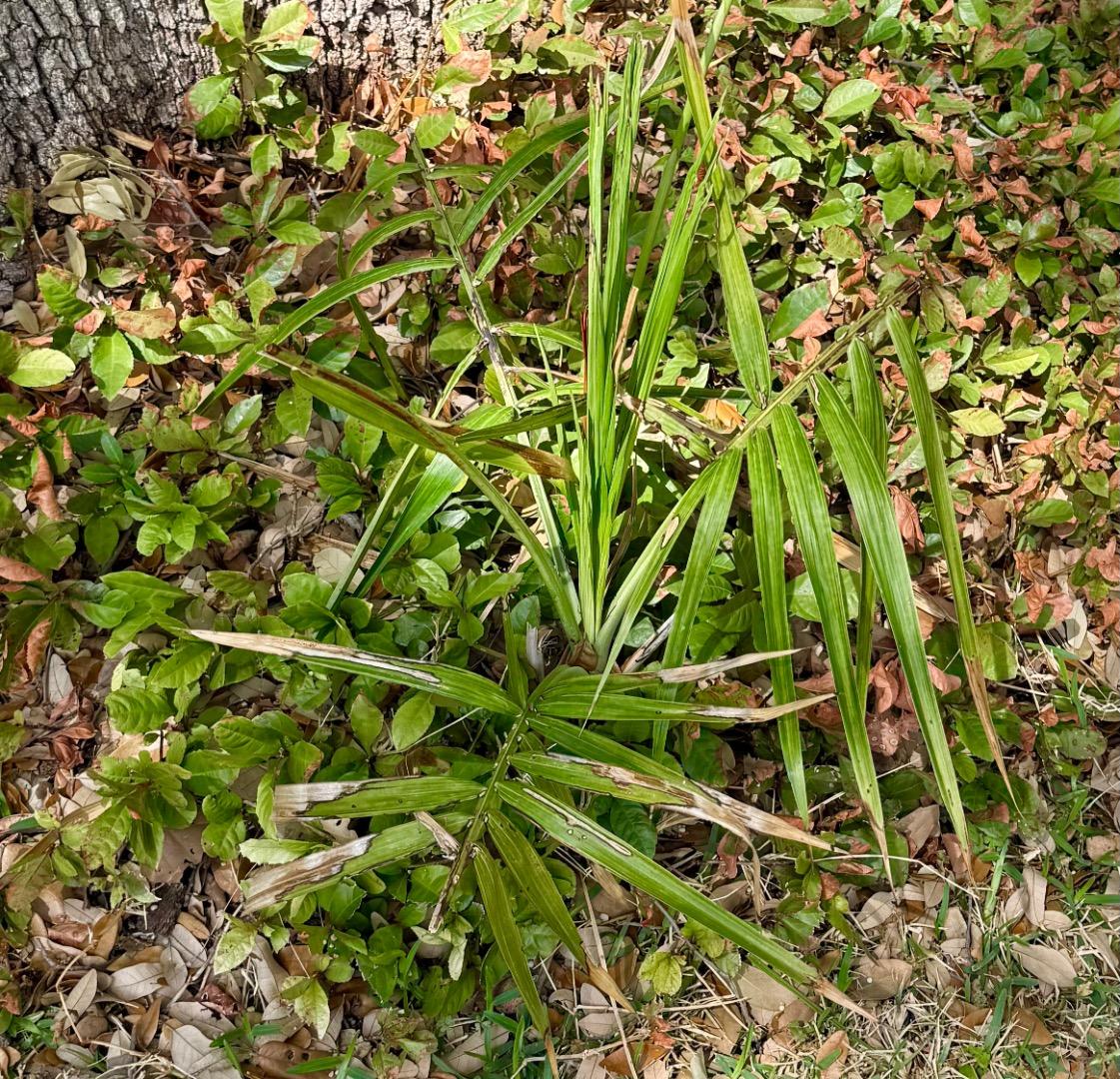
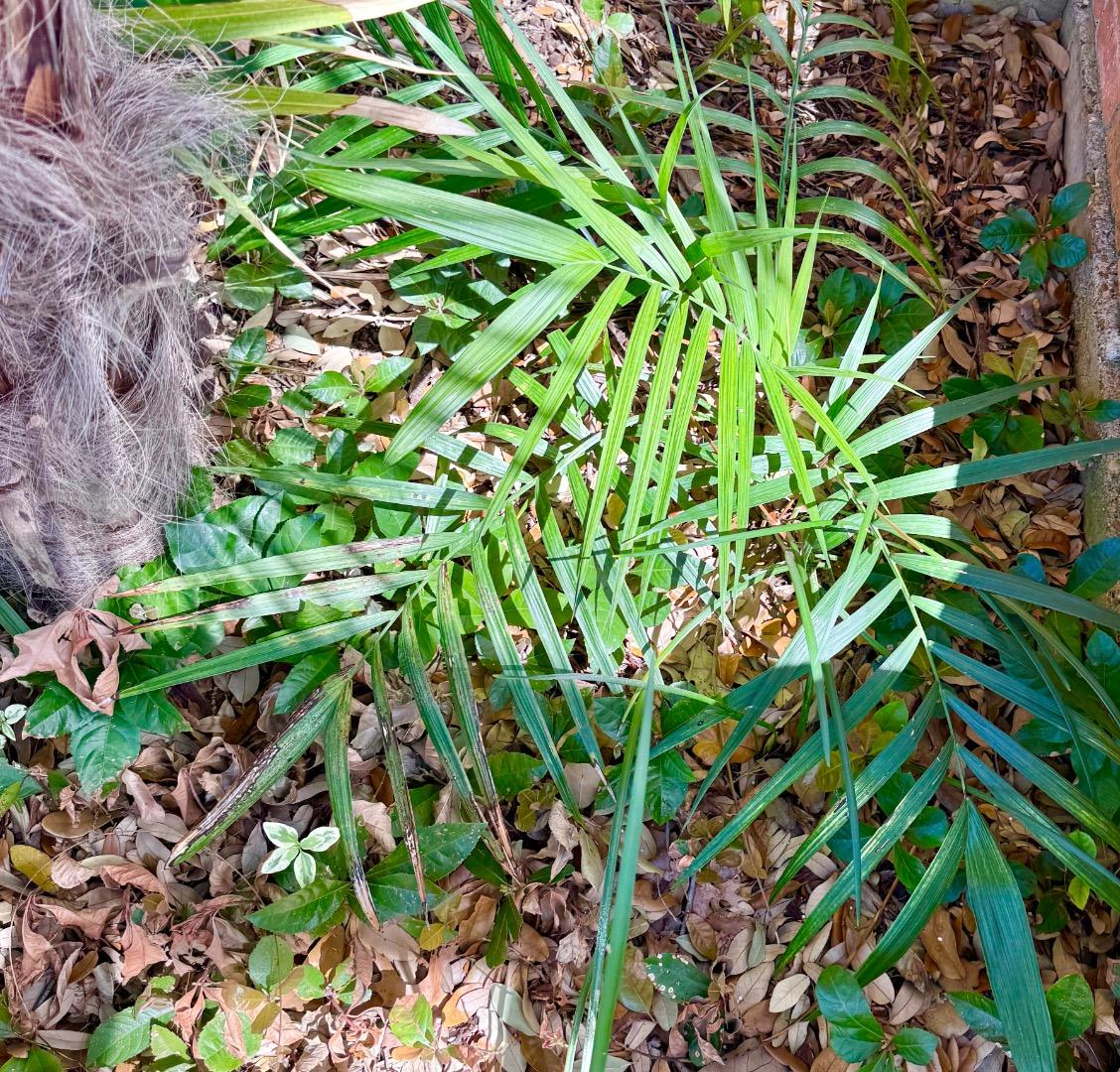
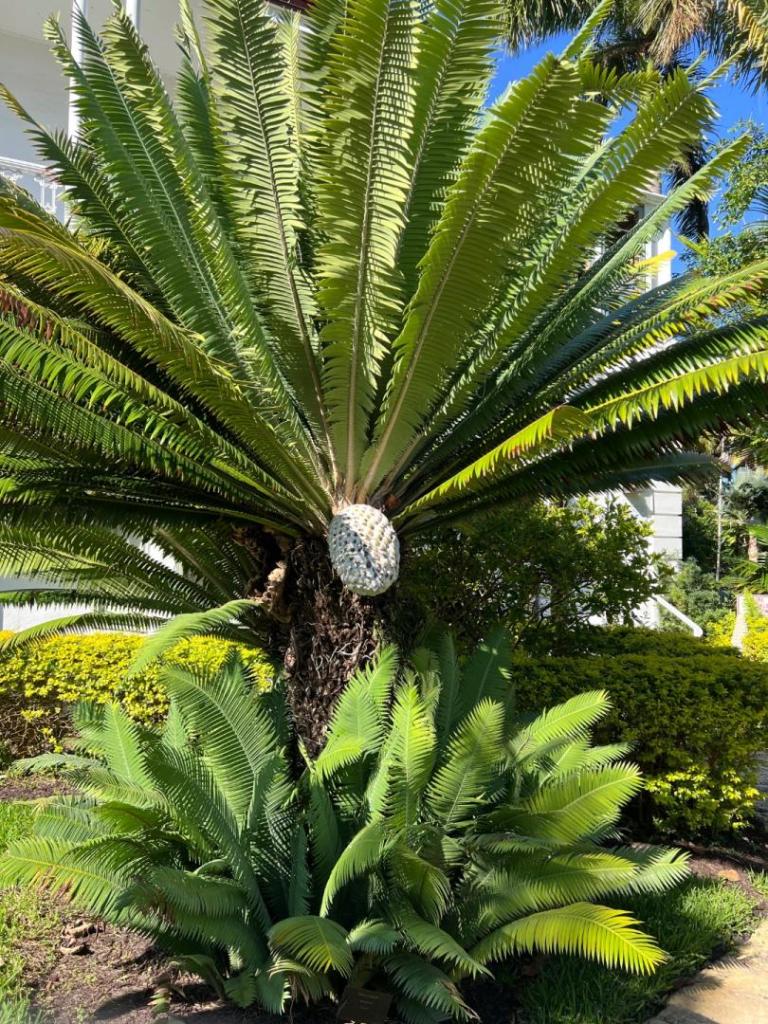
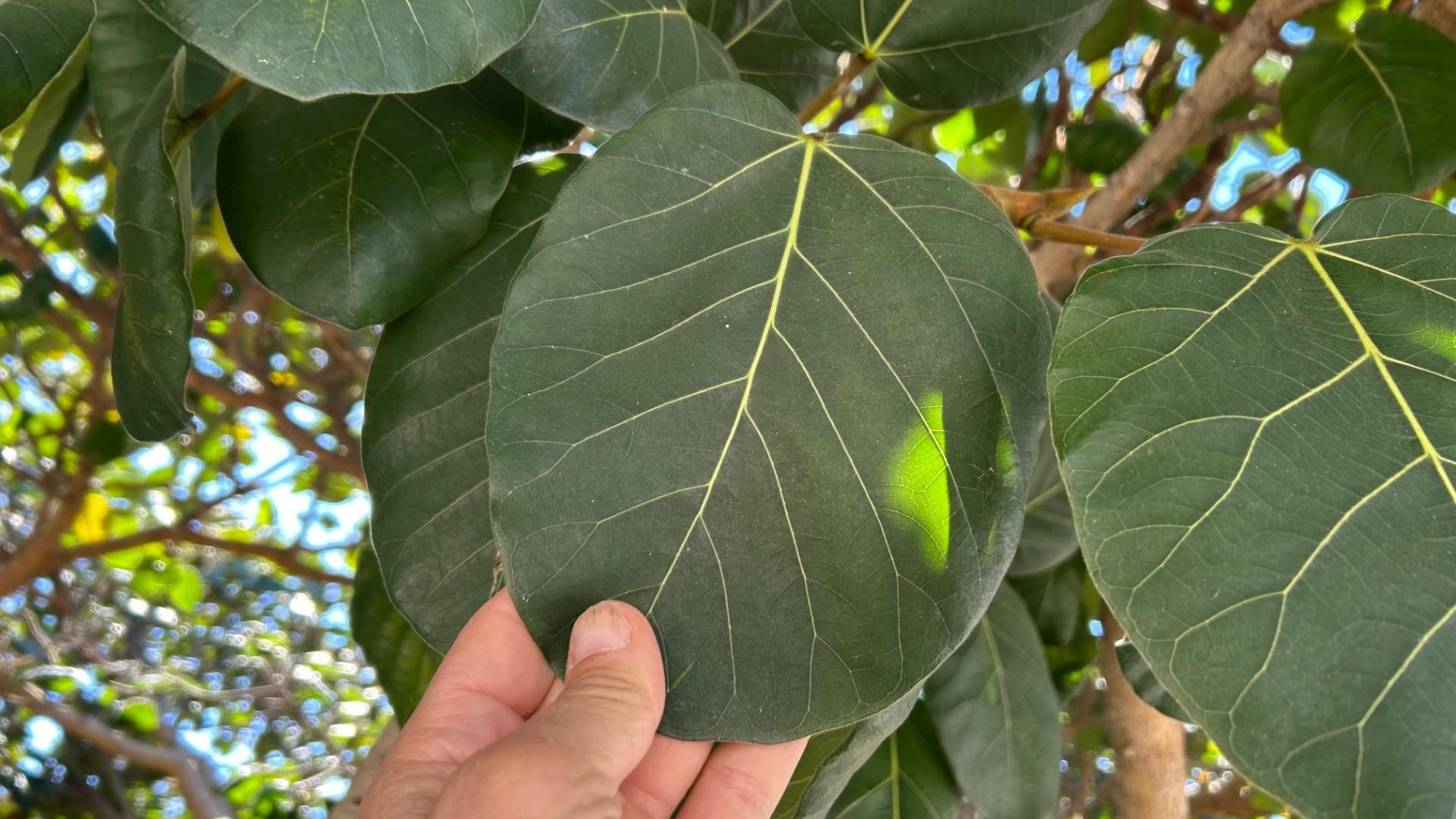
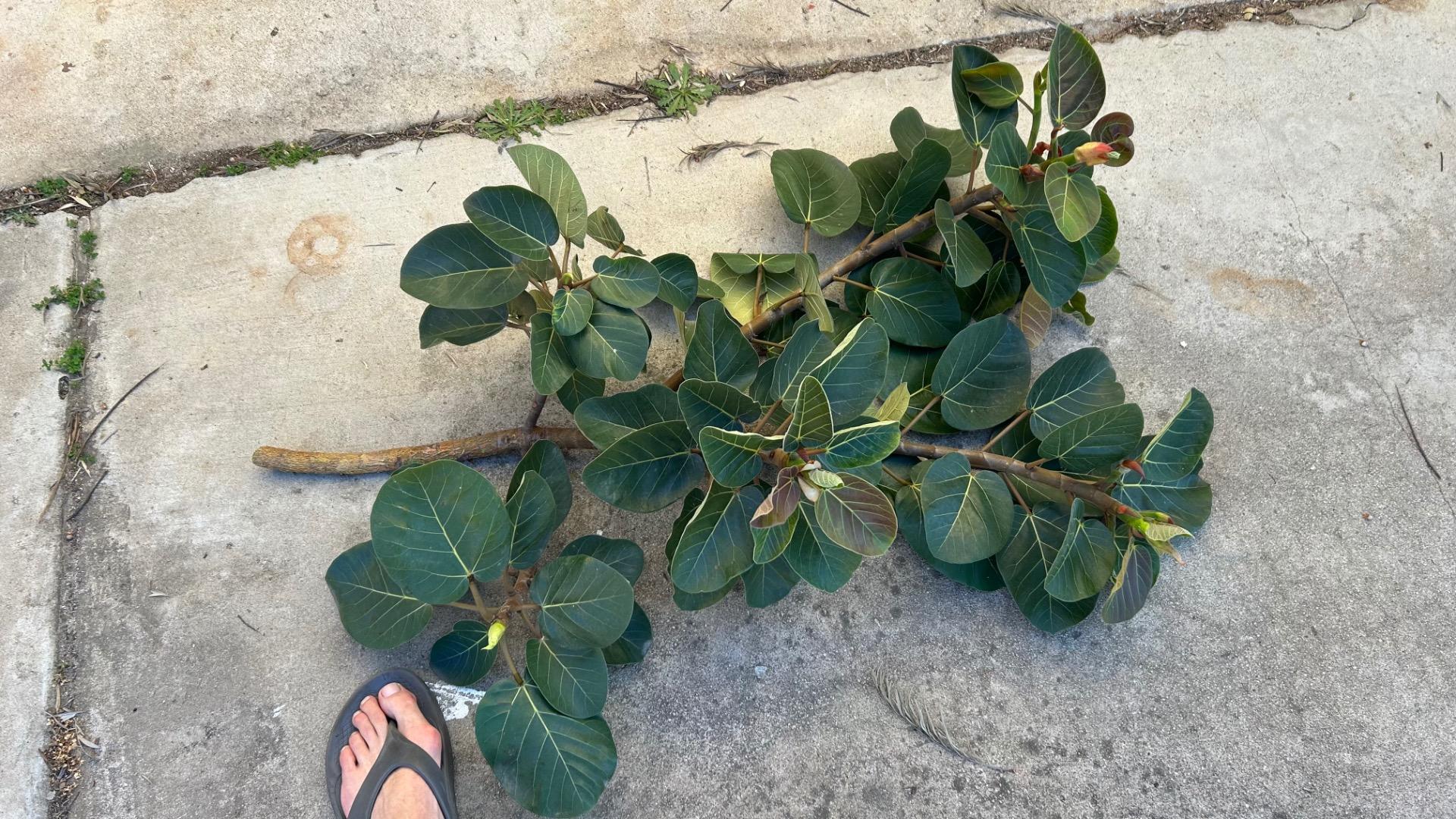
Can anyone advise what this is?
 2 points
 -
Phoenicophorium flowers must be somewhat appealing to the bees… IMG_4722.mov2 points
-
This should be a good time to plant one . I don’t have the experience with them like Jim does but mine grows year round down here. They do burn a bit in full sun but lots of water helps . Mine is in full sun and it can get very warm here , about 20 miles inland . Since being on this forum and learning from the folks who grow them , mine doesn’t burn near as bad as it used to. Harry2 points
-
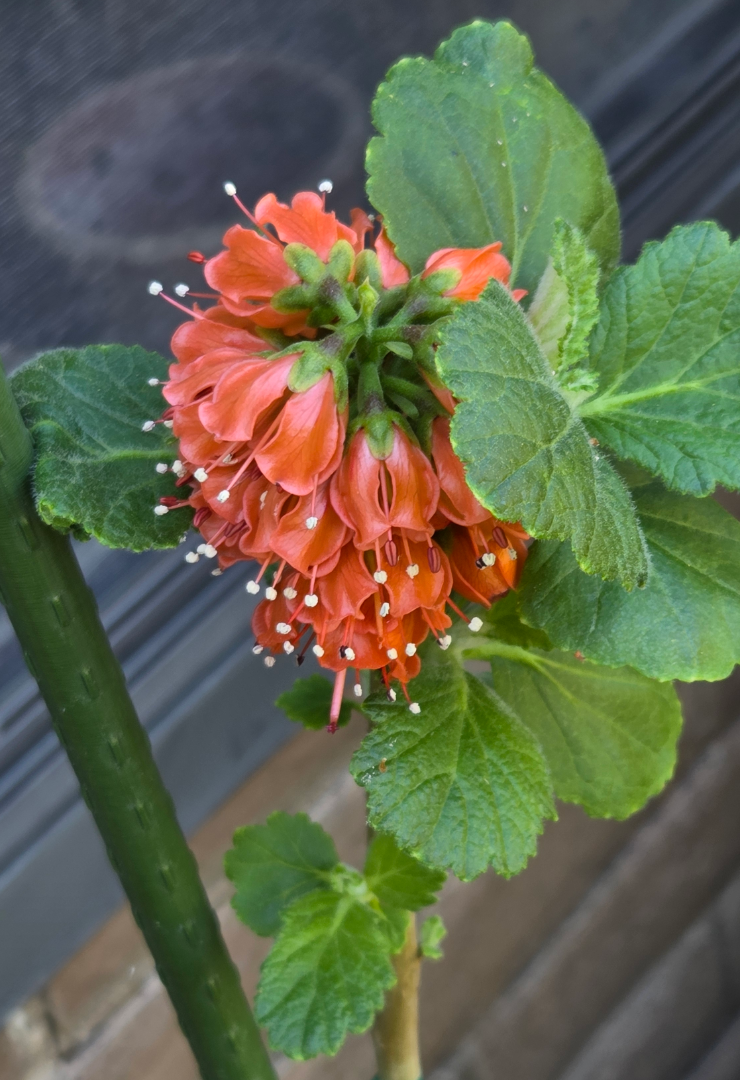
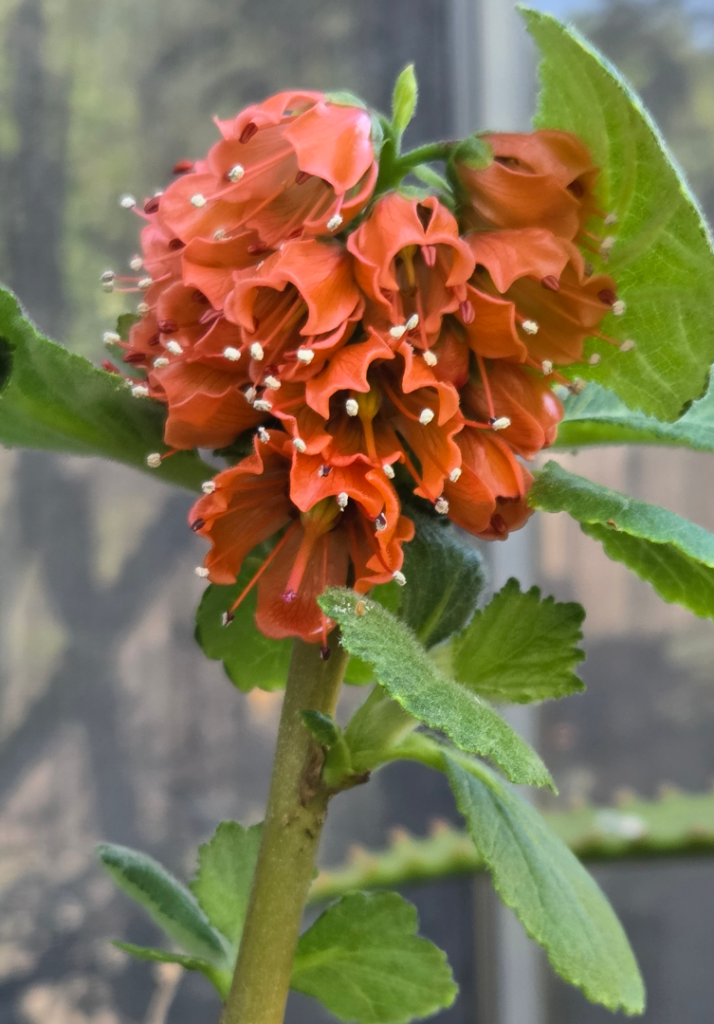
First blooms on my Greyia sutherlandii. It was purchased a few year ago from a Bay Area nursery. Tends to drop all its leaves each winter where I live. Hope it will attract hummingbirds.
 2 points
 -
Paul, I’d get it in the ground right away. These palms grow continuously here during the coolest part of winter so should do well for you there. Of my twelve flamethrower palms, six of them produced new red fronds between December and February. If your new one has been in sun or partial sun since before your purchase, it should be fine in the spot you’ve chosen. If you want to play it safe, you can drape some shade cloth over the palm while it’s settling in.2 points
-
Microcarpa stay green and are ripe when they naturally drop off the tree Cocoides turn a purple plum colour and are ripe when they drop2 points
-
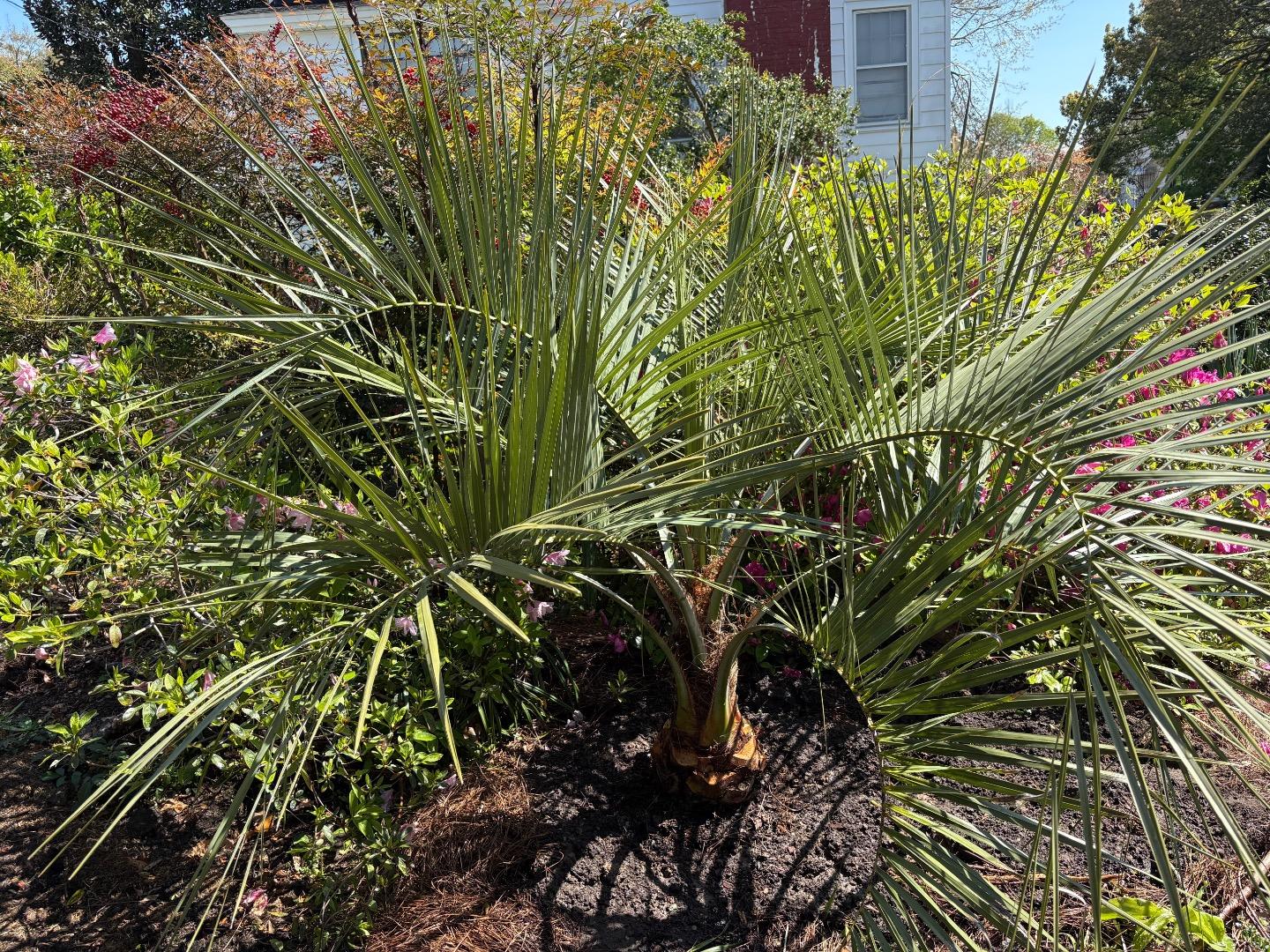
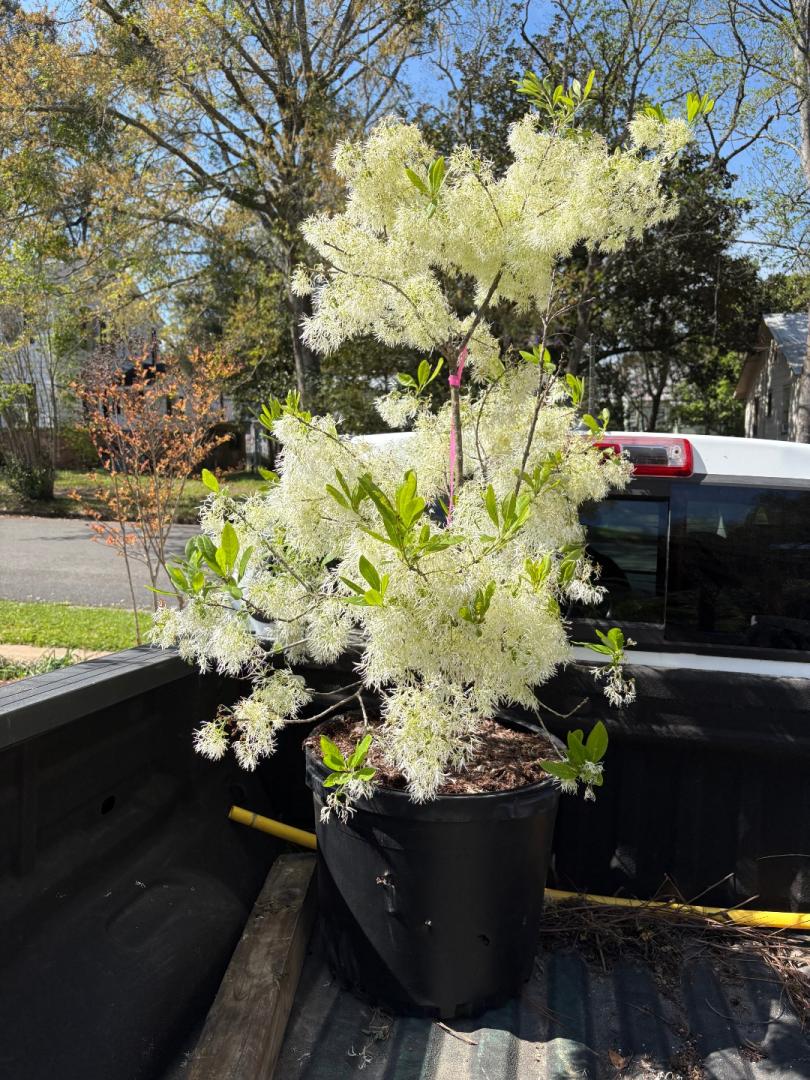
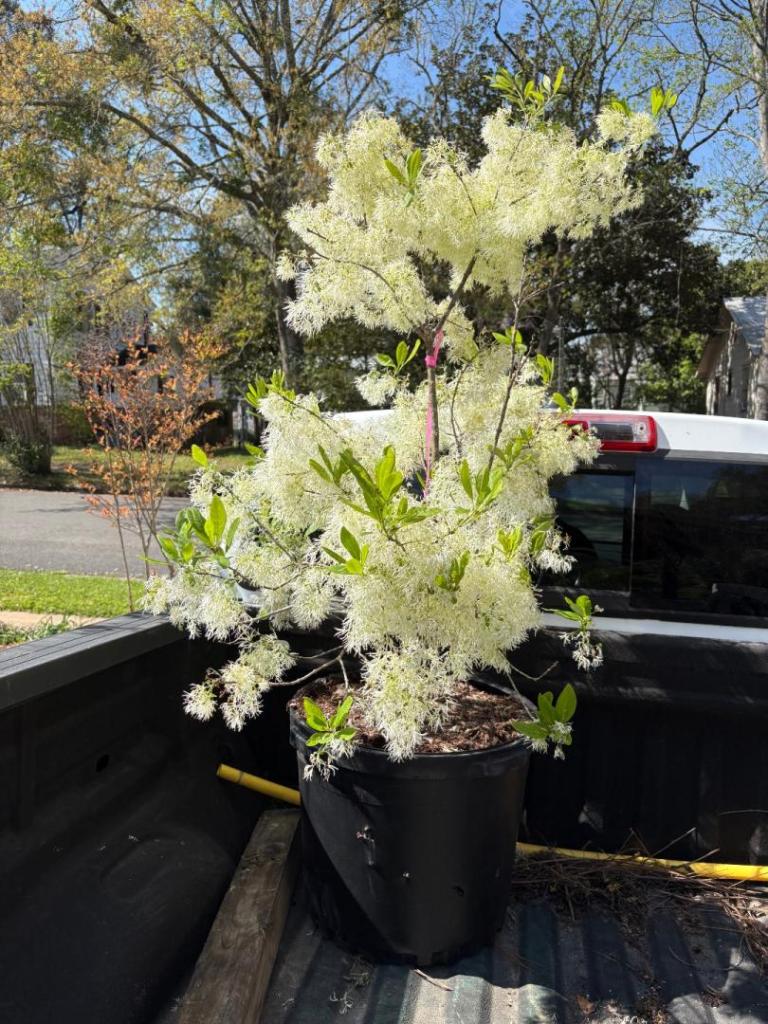
Follow up: As much as I would have enjoyed watching the development of a hybrid, sparing the time to locate and retrieve one is probably unwise, living in a half-finished house restoration project. So off I went to Murray’s Nursery in Moss Point, MS, and picked up ($125/15 gallon) this “ordinary” Butia capitata, with a pretty girthy trunk beginning to form. It replaces the windmill that couldn’t handle last summer’s heat and drought (according to a landscaper’s diagnosis). Despite their ubiquity, I like the toughness, and in particular, the drought tolerance of the species. Wilburn Goff, at Murray’s, agreed with everyone here that you can’t tell the eventual color at this stage. This little beauty also followed me home: I don’t have a spot for it, but couldn’t resist. (Chionathus virginicus).

 2 points
 -
Can’t tell you the amount of times I’ve been worried about Ganoderma only to have a closer look and find it’s my ‘dog’. He’s ok though, comes in handy as a mop and a doormat. Thanks for the offer Peachy, but one Prkingese is more than enough. Actually it’s probably too many 😜2 points
-
A lovely rare palm and a lovely rare poochie too. (and you live Bayside Melbourne) Some people have it all ! BTW it is World Siblings Week and I can get a little brother on the plane by monday Peachy2 points
-
For the collectors here that are interested in hybrid palm trees, I have an online mail-order store with a few of my rare crosses. I'm certified to ship in-container to all lower 48 states and also internationally with phyto (extra fee). https://seabreezenurseries.com1 point
-
The Illawarra one may be a good one but you want the one from the Gibraltar range west of Grafton in New South Wales Australia. That’s the toughest cold climate one around and quite a spectacular one at that, place it in a warm spot and they grow quite fast!1 point
-
Yeah, it definitely got out of PGS.1 point
-
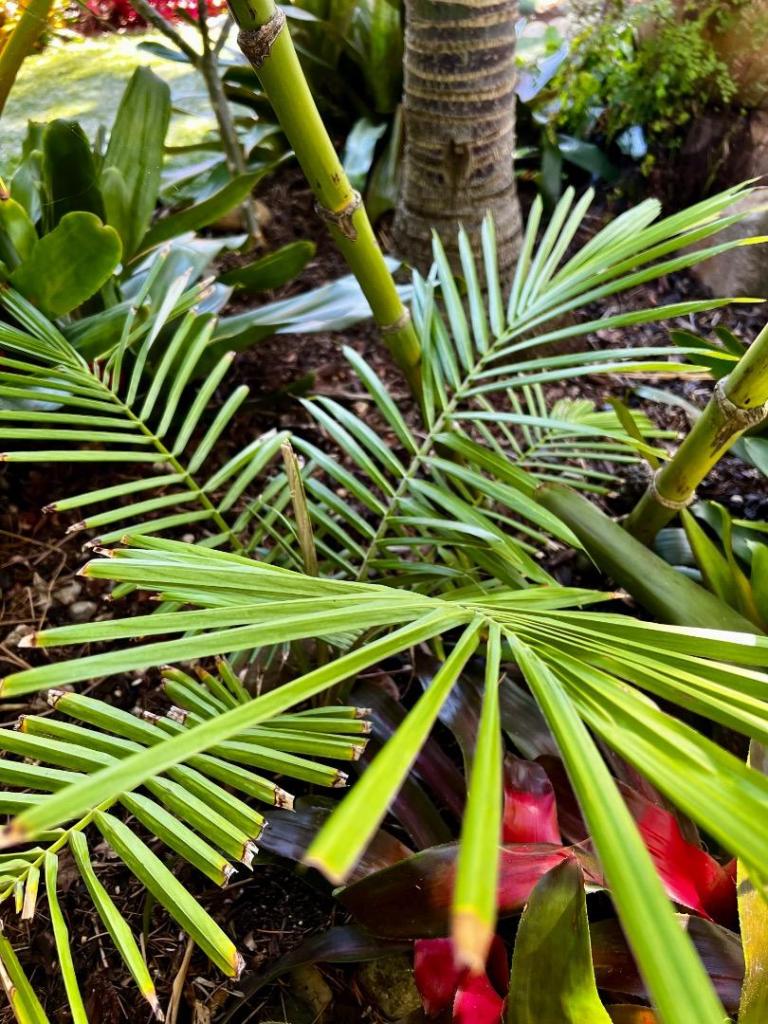
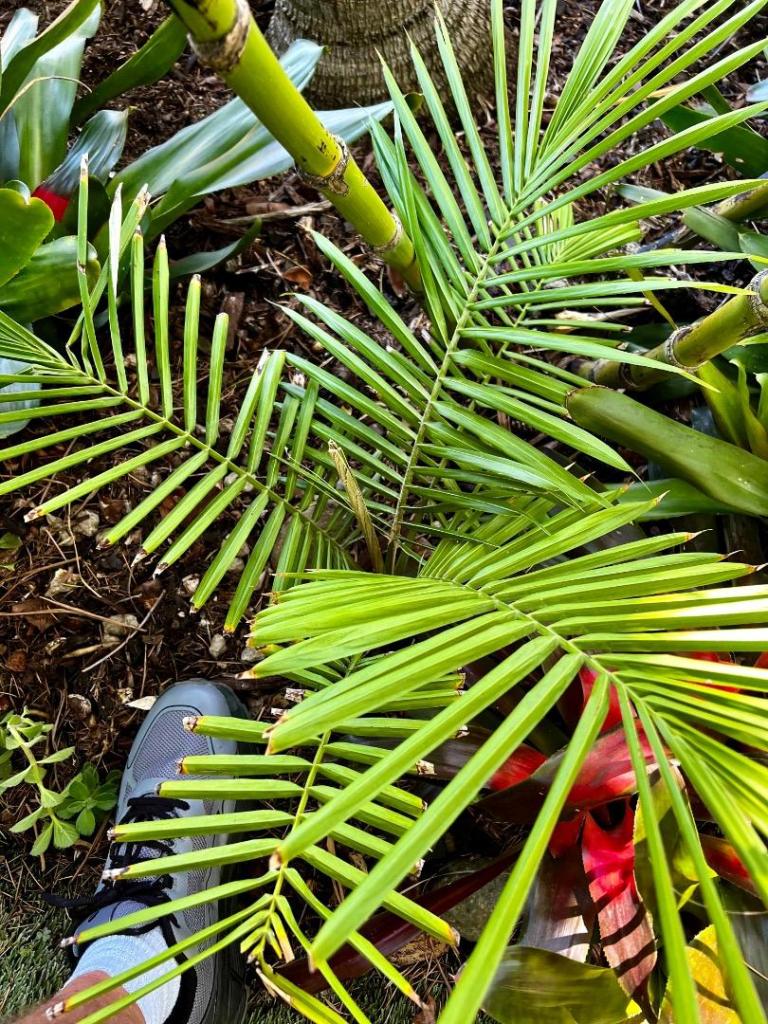
This small Ceroxylon amazonicum was planted out as a 4” liner up here in Northern CA a few years ago. Seems happy enough but so slow. Who else is growing this species and please post photos. My fastest growing Ceroxylon is C. alpinum and looks close to showing some real trunk soon. C. amazonicum C. amazonicum
 1 point
 -
It's a joke. I've been joking with people about how I'm cursed and the minute I plant something we're gonna get a blizzard But I'm about 40 miles south of Meridian, right on the Alabama line.1 point
-
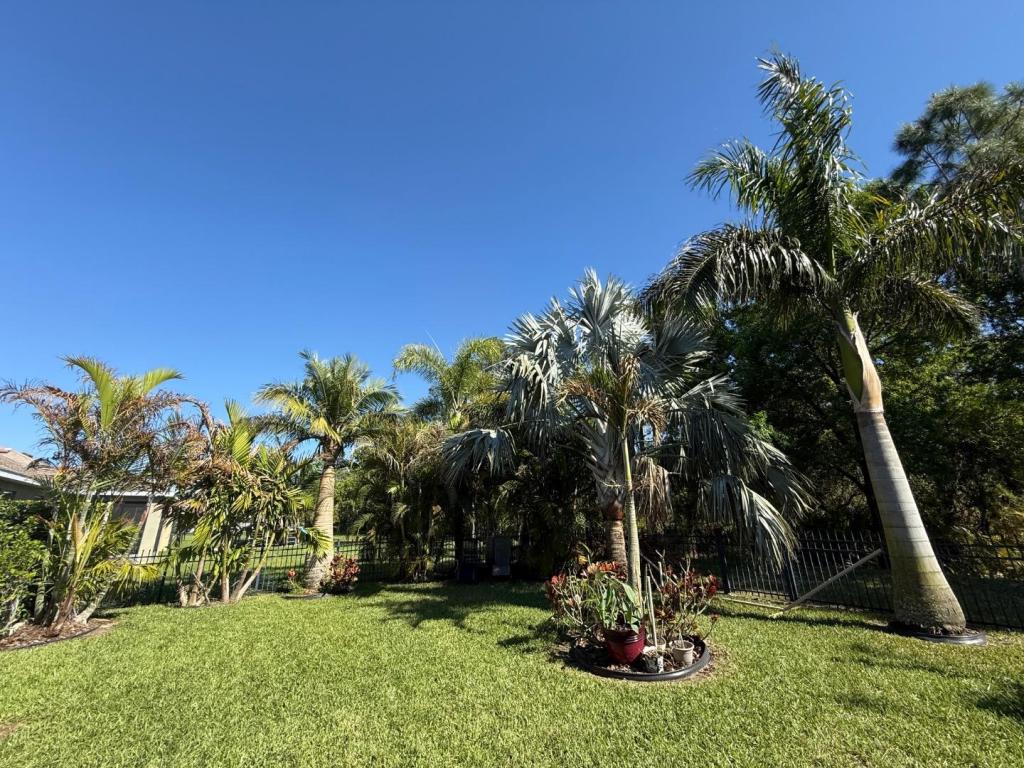
Had to follow up with some local shots after this cold winter we have experienced.
 1 point
 -
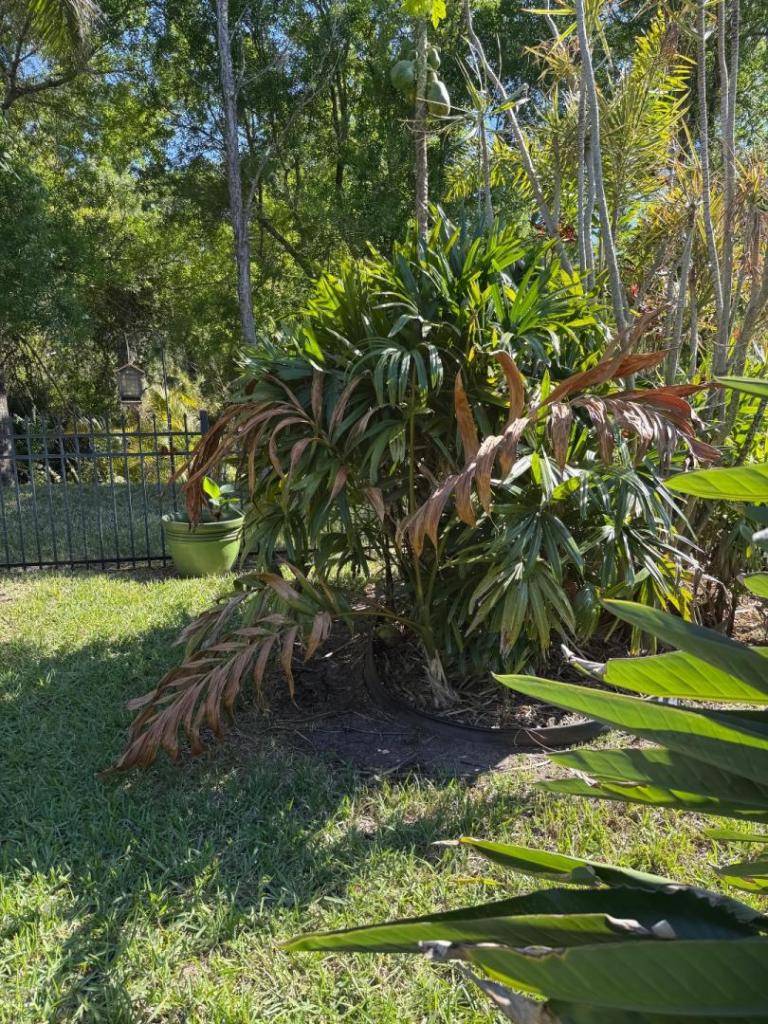
More general update of what things are looking like. C. macrocarpa is looking rough but is alive. Will cut its crispy fronds once it opens a spear.
 1 point
 -
Is anybody from CA driving to MS anytime soon? Jesus I'd take them all (he says as he complains daily about lack of space).1 point
-
Scott, I am willing to try collecting pollen but the Jubaea isn’t in my yard so checking for when the spathe opens is intermittent. I am a farmer and collect seed so I understand how to dry seed for storage. Go ahead and describe pollen collection on this thread because others may be interested.1 point
-
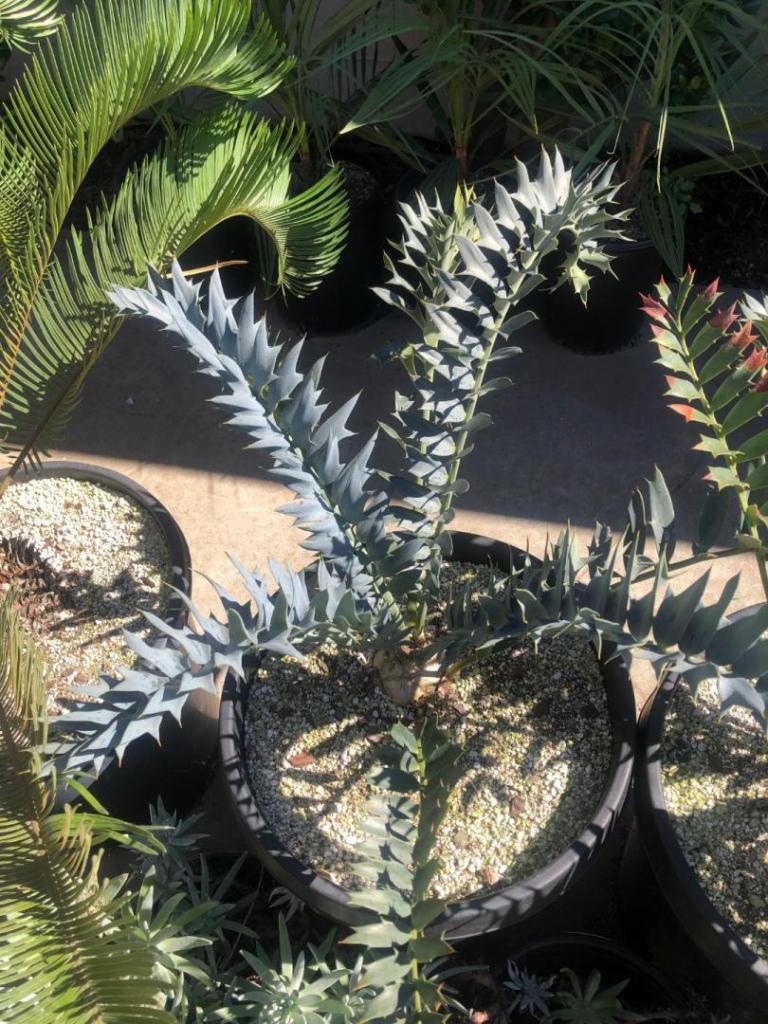
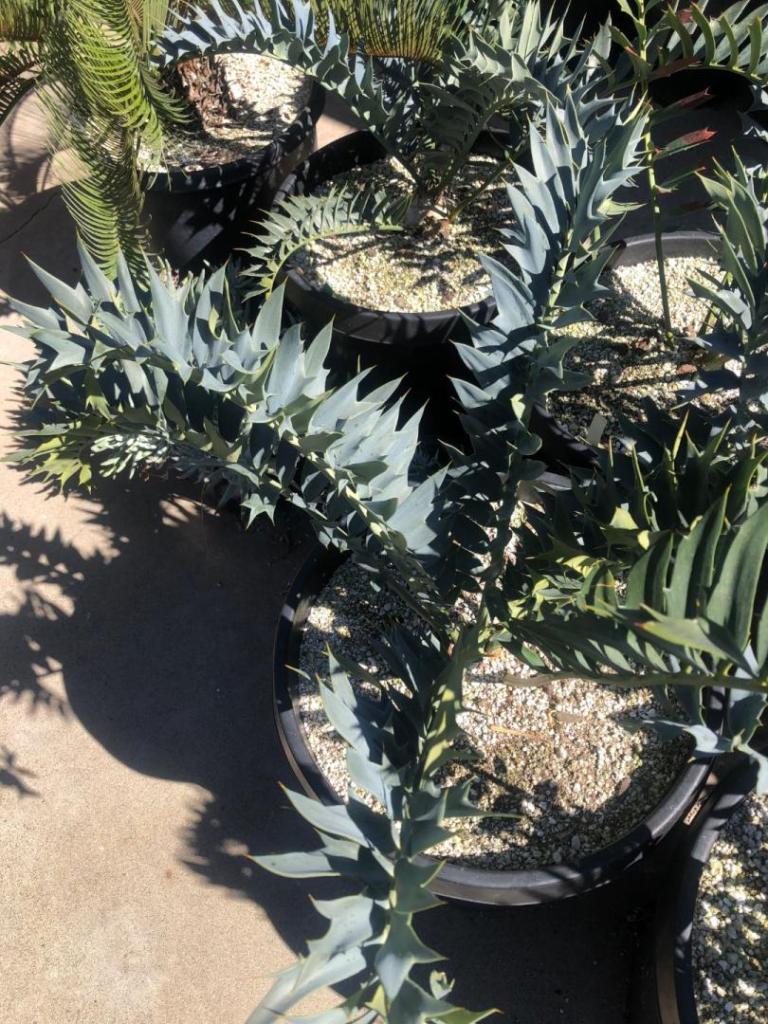
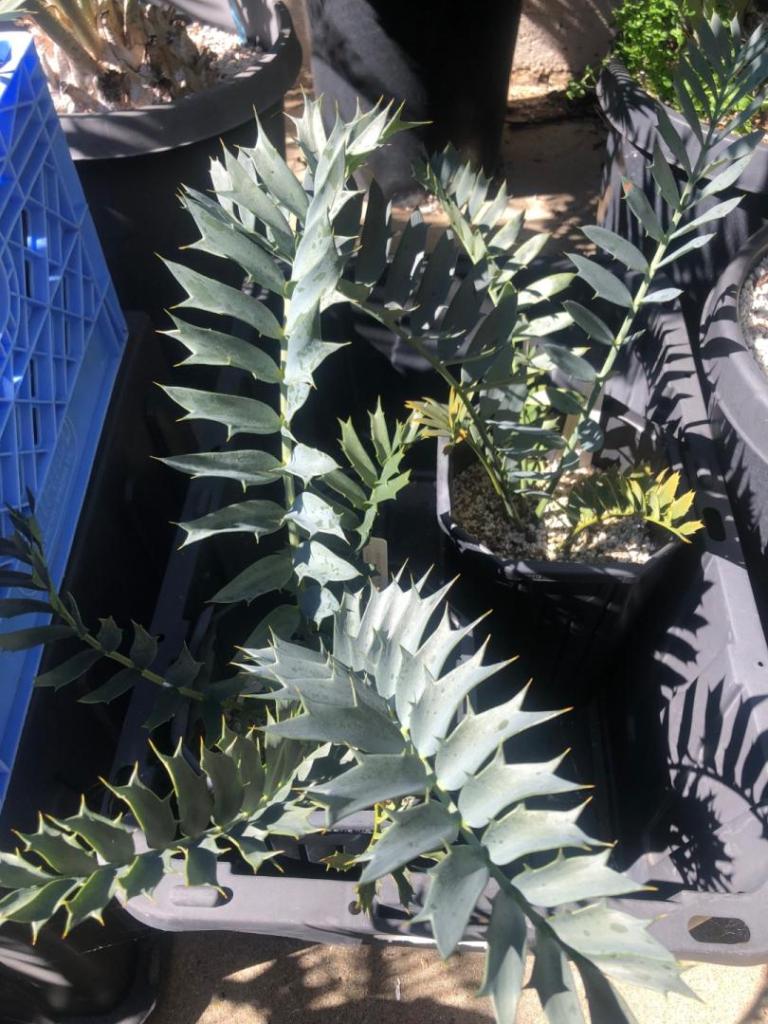
Those Nor Cal boys cleaned up! It was an honor and pleasure meeting a couple Palmtalk legends and thanks for your business👍🙏. I am down to just 2-3 gal. “True blue” Arenarius and just liners of Horridus. Still have good quantities of 15 gal. “True blue” Arenarius and most other plants listed. Lots of Nubis, Ferox, Hybrids etc.
 1 point
 -
40F this morning. I was concerned it would drop lower than the forecasted 39F/40F considering it was already 42F by 10 PM, but the temperature hit 40F and maintained thru sunrise. Highs in the 80s expected this weekend into next week. We will have highs in the 90s and heat index values well over 100F before we know it. Gonna try to use these low 80s days to get as much labor intensive projects done that I can before heat settles in within the next couple of months. Happy planting if you haven't already!1 point
-
Though this Feb freeze was the coldest around Orlando since the 12/89 freeze it was no where near as bad. For those who weren't here or forgot, some examples of what happened to "hardy" palms in 12/89...(2 nights at 19-20F, the hi in between barely reaching 32F so duration was extreme and 1-2 nights after in the upper 20s) Acrocomia aculeata- killed Acrocomia totai- severe burn Arenga engleri (a few around)- severe foliage damage, some stems killed back X Butyagrus nabonnandii- varied from no damage to severe burn Chamaedorea microspadix- some leaf burn Livistona chinensis- had burned foliage Livistona australis- some foliage burn Livistona decora ( a few were around)- severe foliage burn Phoenix canariensis- some foliage burn on some specimens Phoenix sylvestris- some burned leaves Phoenix reclinata (non hybrid)- dead or killed to the roots Phoenix roebelenii- almost were killed (many had perished in 83 and 85) Phoenix rupicola- most had died in 83 or 85, if not 89 killed them (one survived in Epcot , planted in 1984 and some by Pirates of the Caribbean planted back in the 70s, but very protected microclimates, the Epcot specimen is still there with a constriction in the trunk marking 89) Rhapis excelsa- most killed to the roots Syagrus romanzoffiana- most were killed if they had survived 83 and 85, the robust/southern Brazil forms survived Washingtonia robusta- burned foliage tropical palms like Chrysalidocarpus lutescens and Caryota urens killed back to the roots, many died outright, a few surprisingly came up in 1990 after being knocked back in 83,85 and 89 Everything else tender, Archontophoenix, Howea, Cocos, Adonidia, Ptychosperma, Roystonea, Hyophorbe, Latania, Licuala, Coccothrinax, Thrinax, all killed A few surprises around; Attalea rostrata and Arenga pinnata at Leu Gardens survived all 3 80s freezes (defoliated in all 3), both planted in 1973 A juvenile Copernicia macroglossa defoliated but survived in Maitland and the collector had Livistona australis die, he recorded 17F on the north side of Lake Maitland A mature Roystonea regia at an appx 15 story building downtown growing in a U shaped courtyard facing south survived 83 and 85, it had major burn but grew out but died around 1987(unknown reason), also Syagrus romanzoffiana and Phoenix reclinata survived the same freezes there with only moderate burn and mature Heptapleurum actinophyllum (Schefflera) only had partial dieback1 point
-
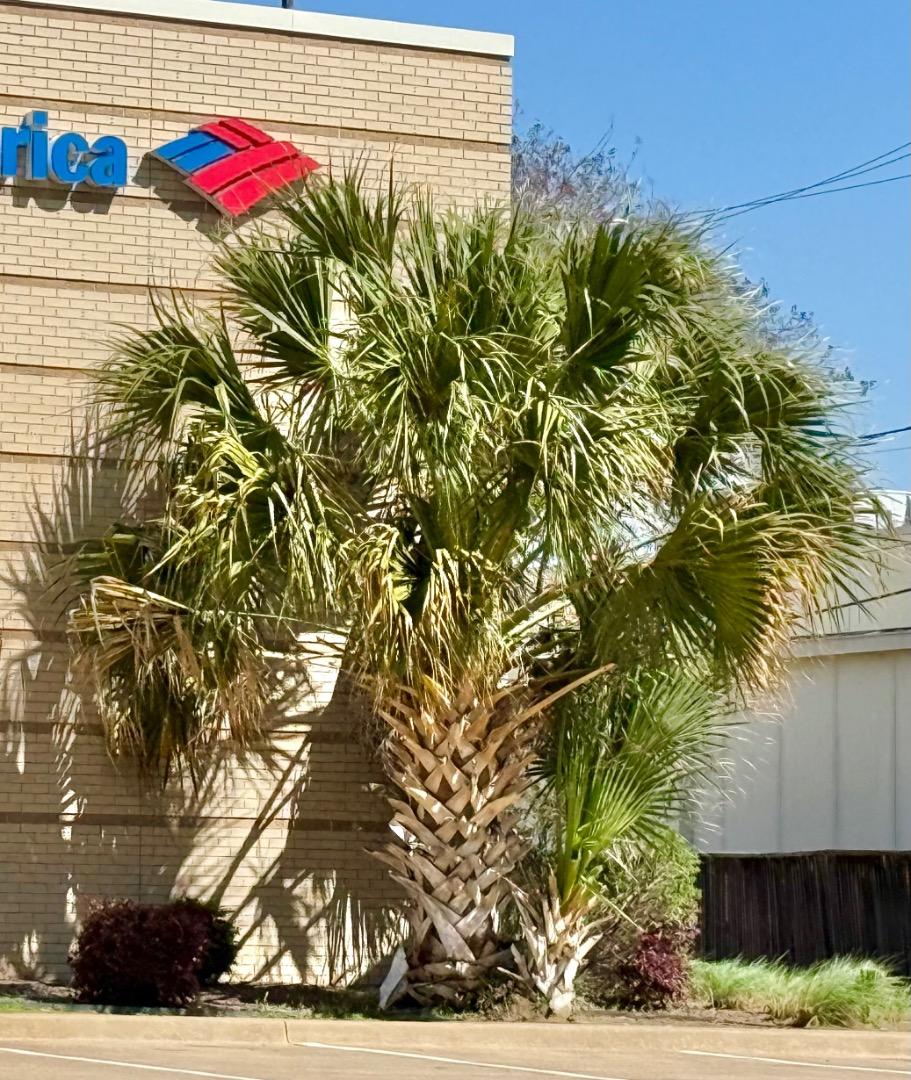
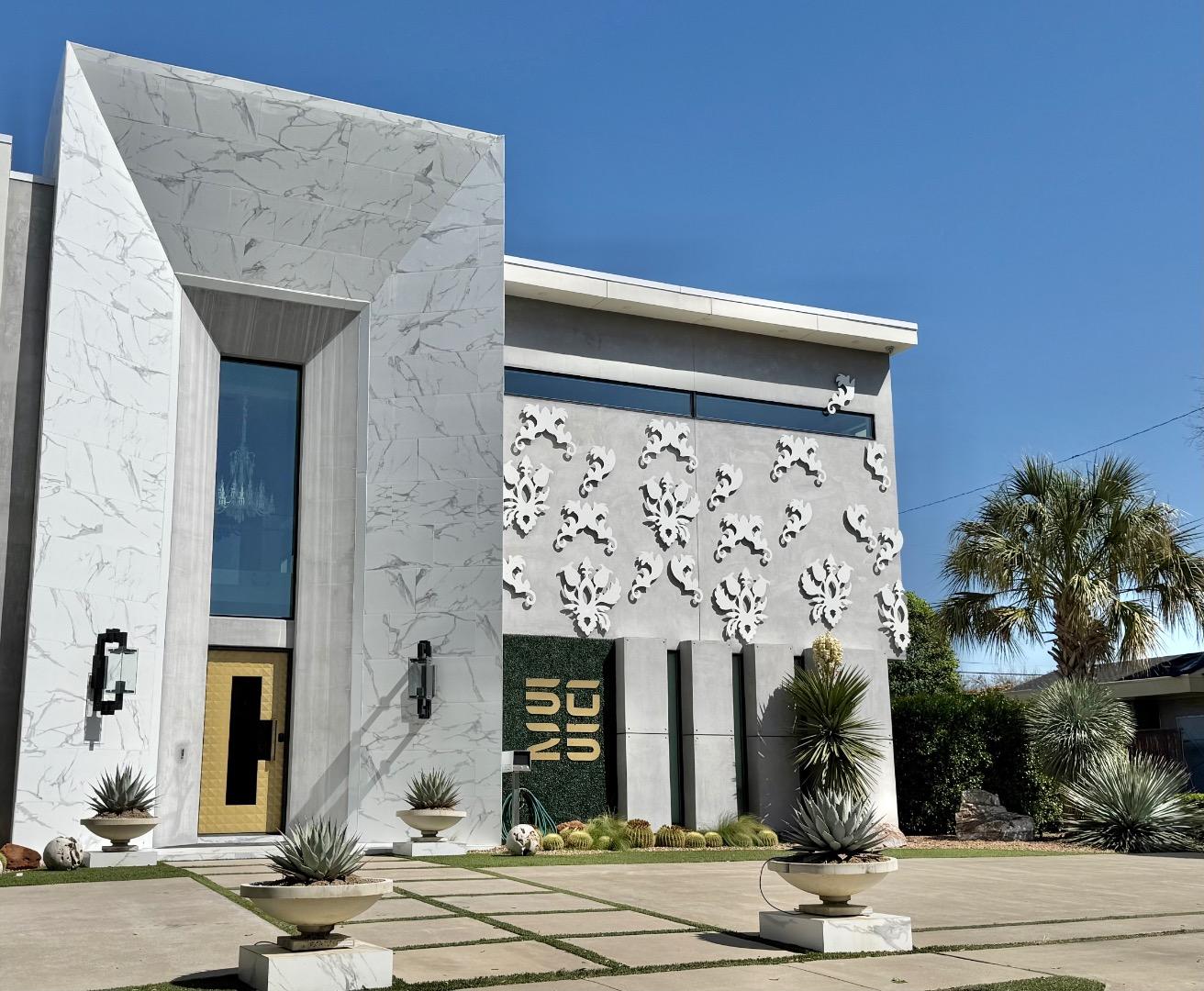
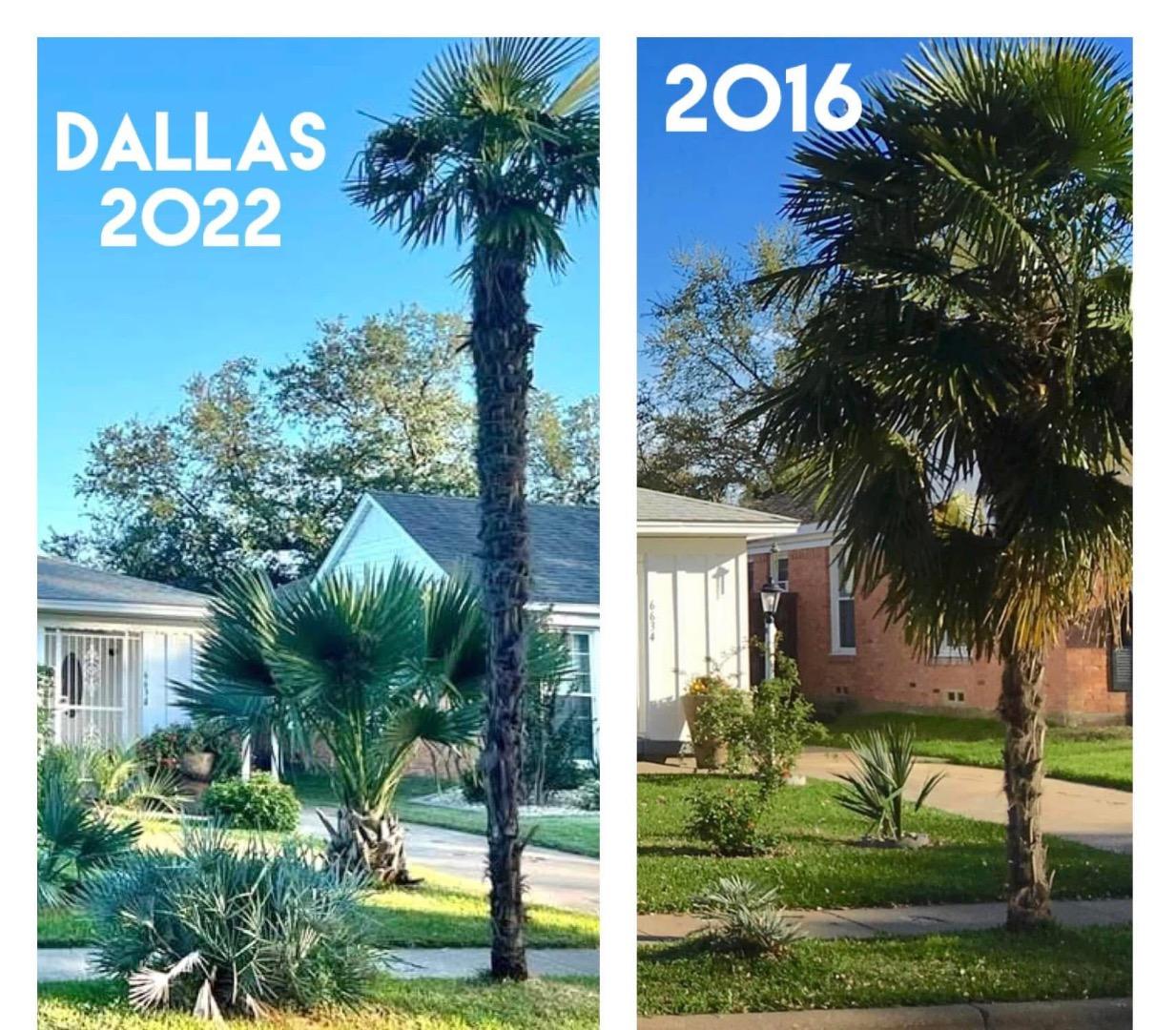
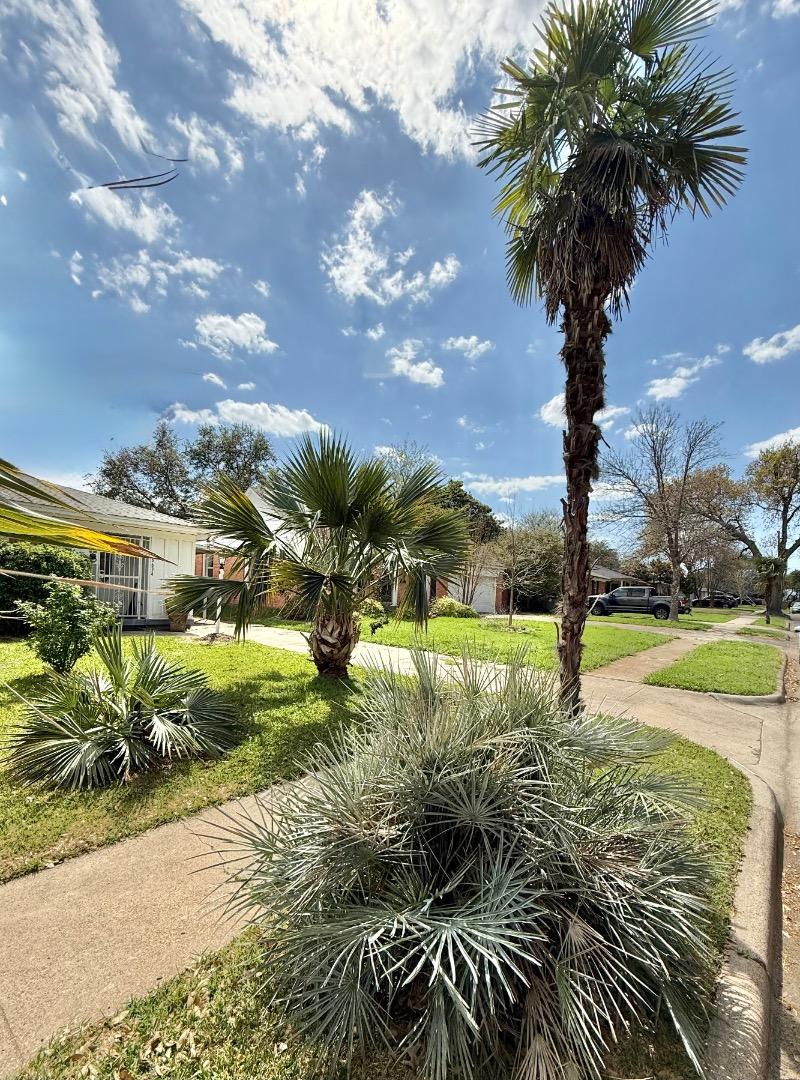
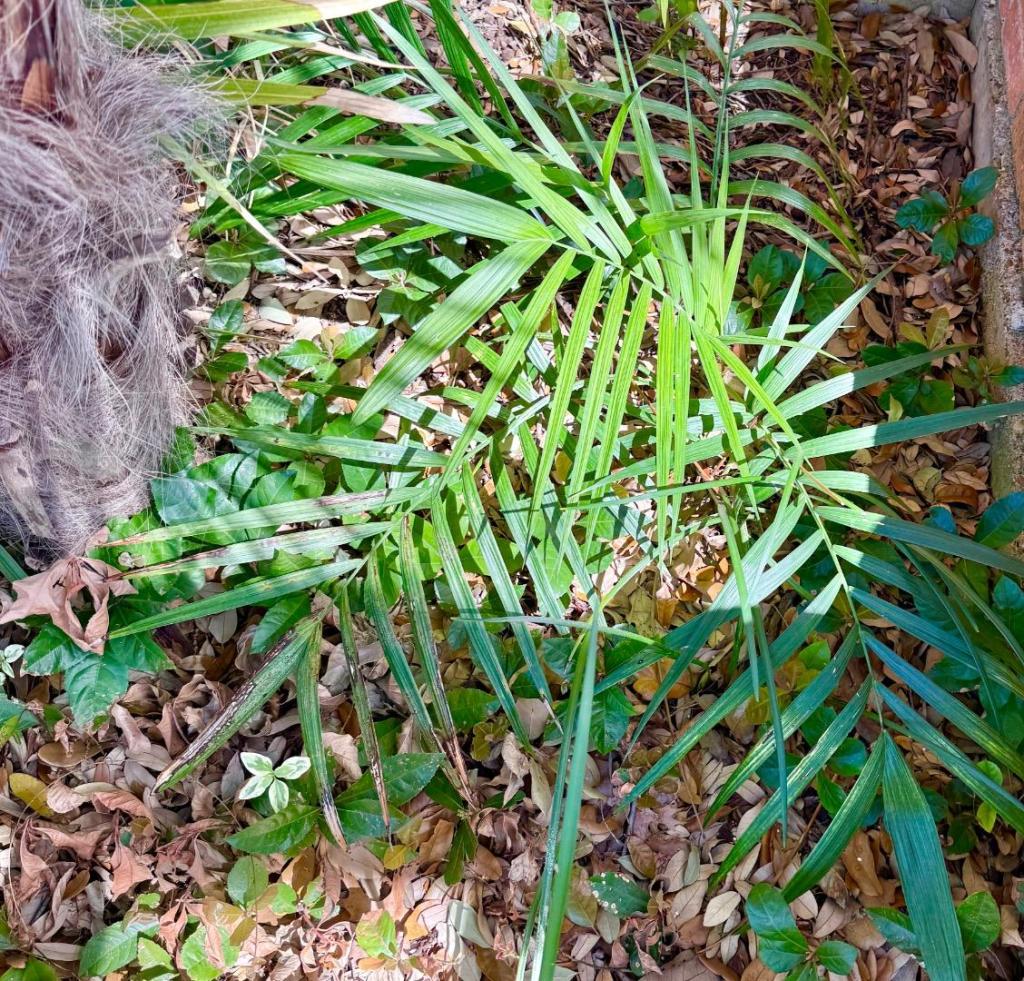
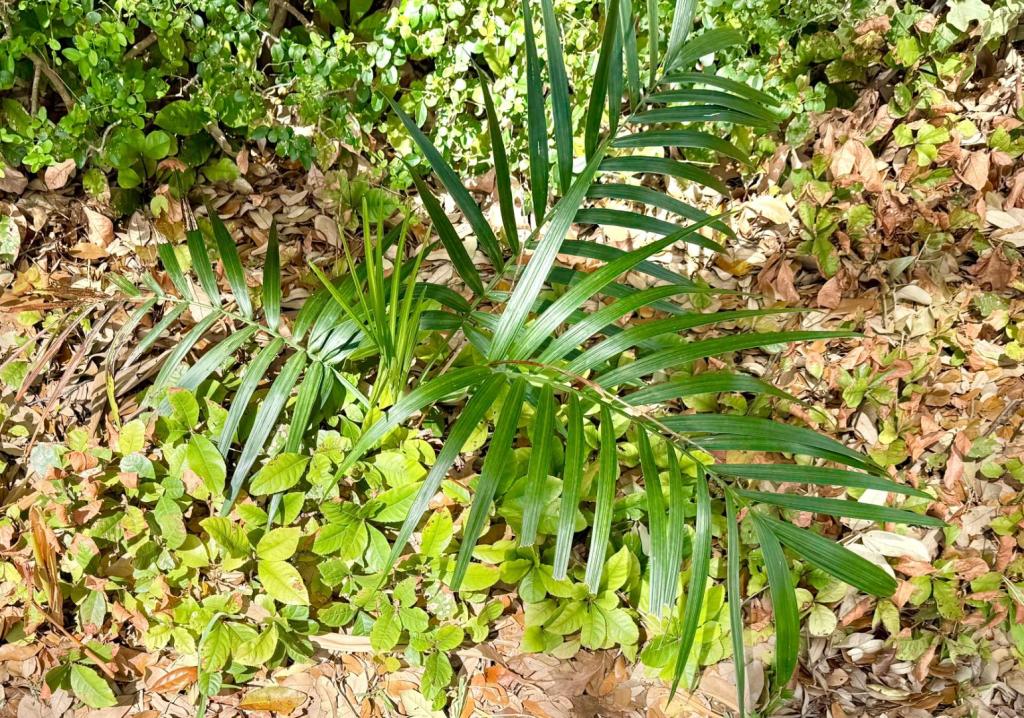
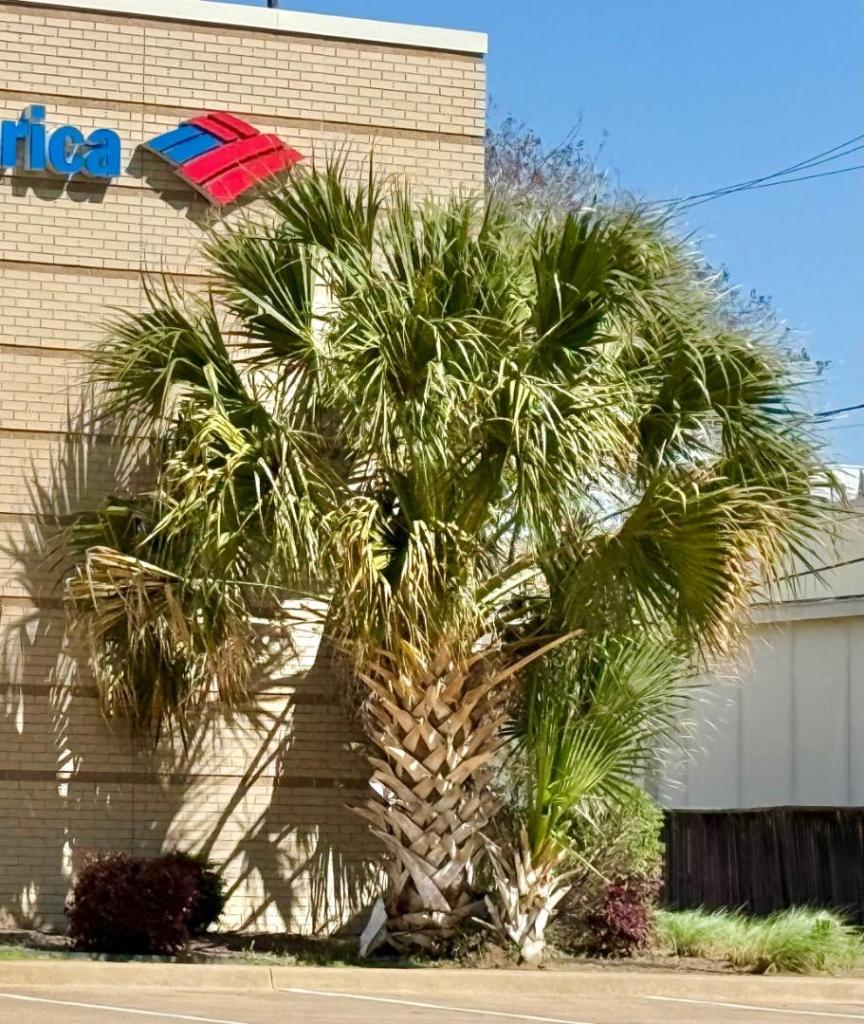
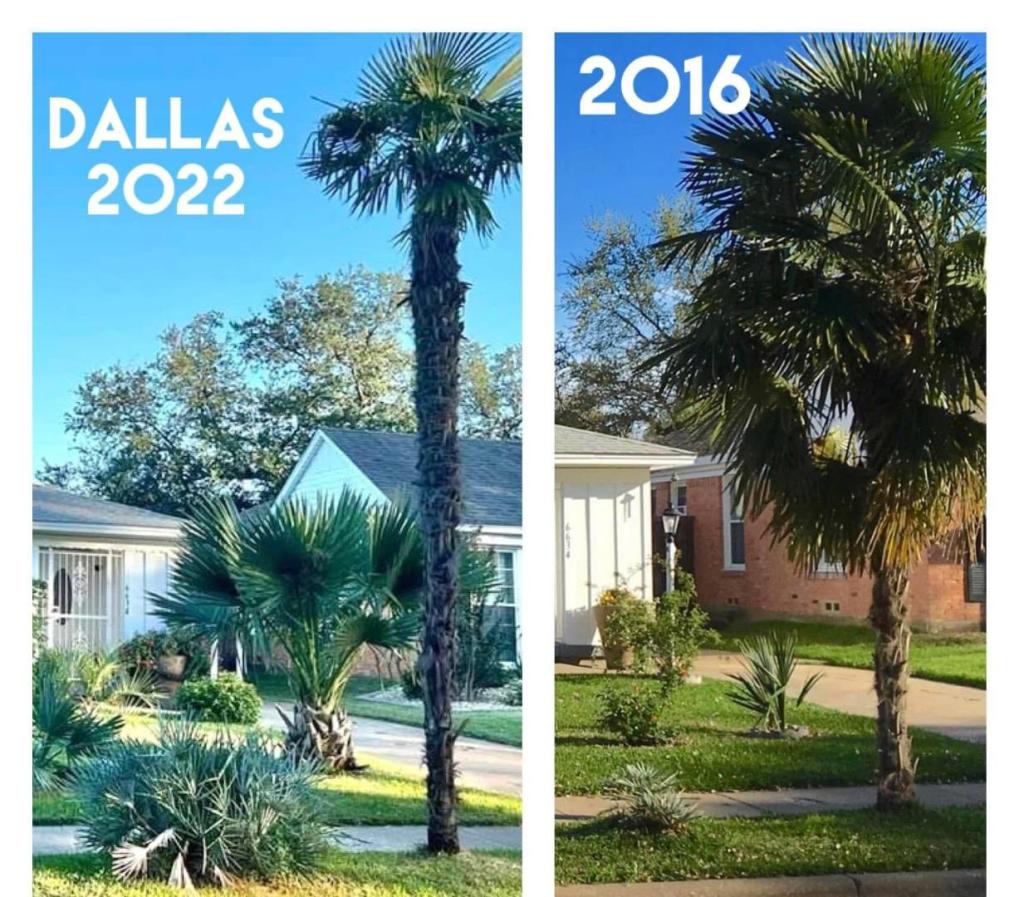
Dallas palms


 1 point










.jpg.0cf735c7525858af1582442942bc68e8.thumb.jpg.894f59a749fff01eb286c1fe4a50ab62.jpg)