


Leaderboard
-
happypalms
IPS MEMBER21Points12,530Posts -
Merlyn
IPS MEMBER9Points5,827Posts -


bubba
IPS MEMBER9Points8,618Posts -

Tracy
IPS MEMBER5Points6,455Posts
Popular Content
Showing content with the highest reputation on 03/01/2026 in Posts
-
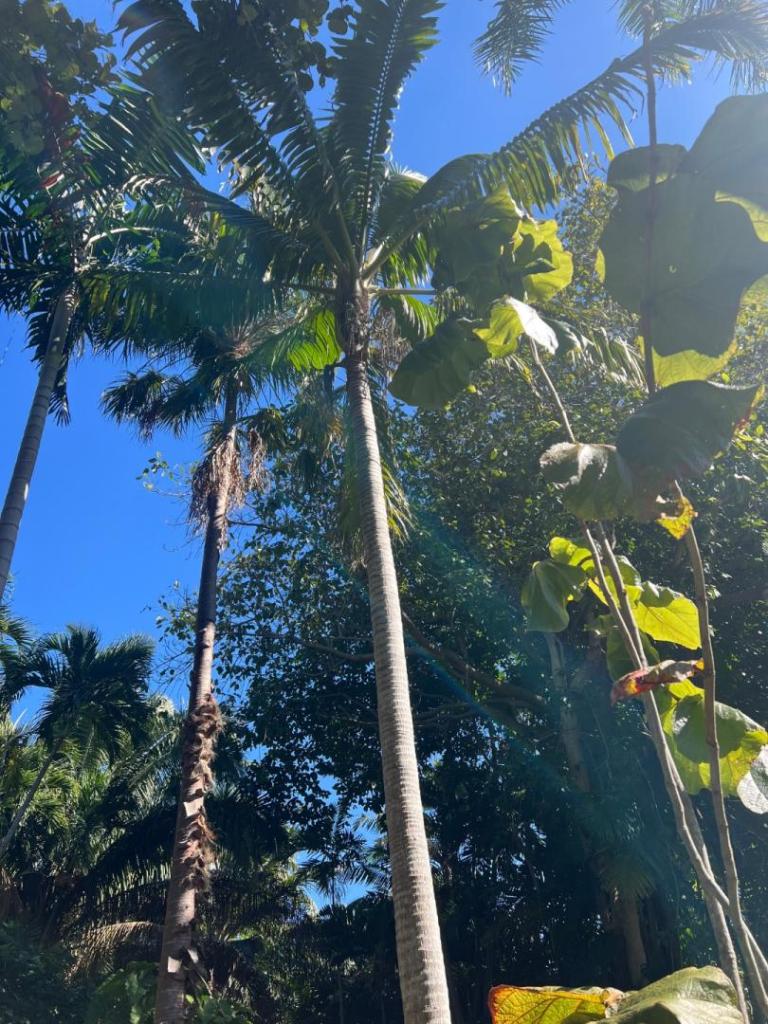
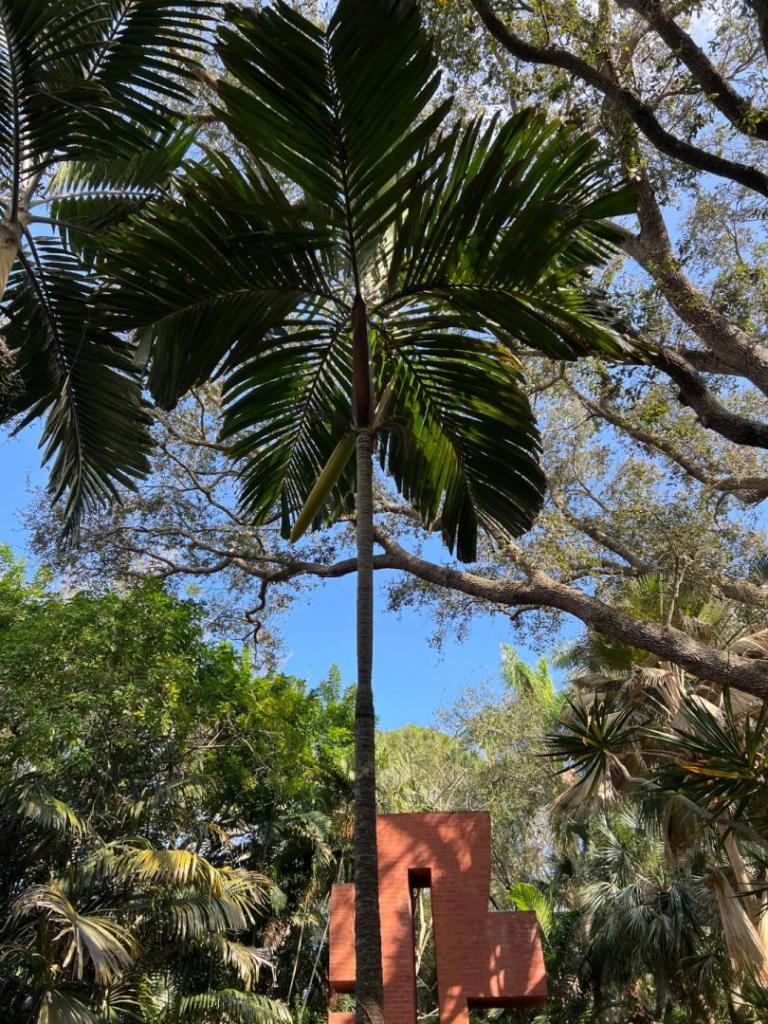
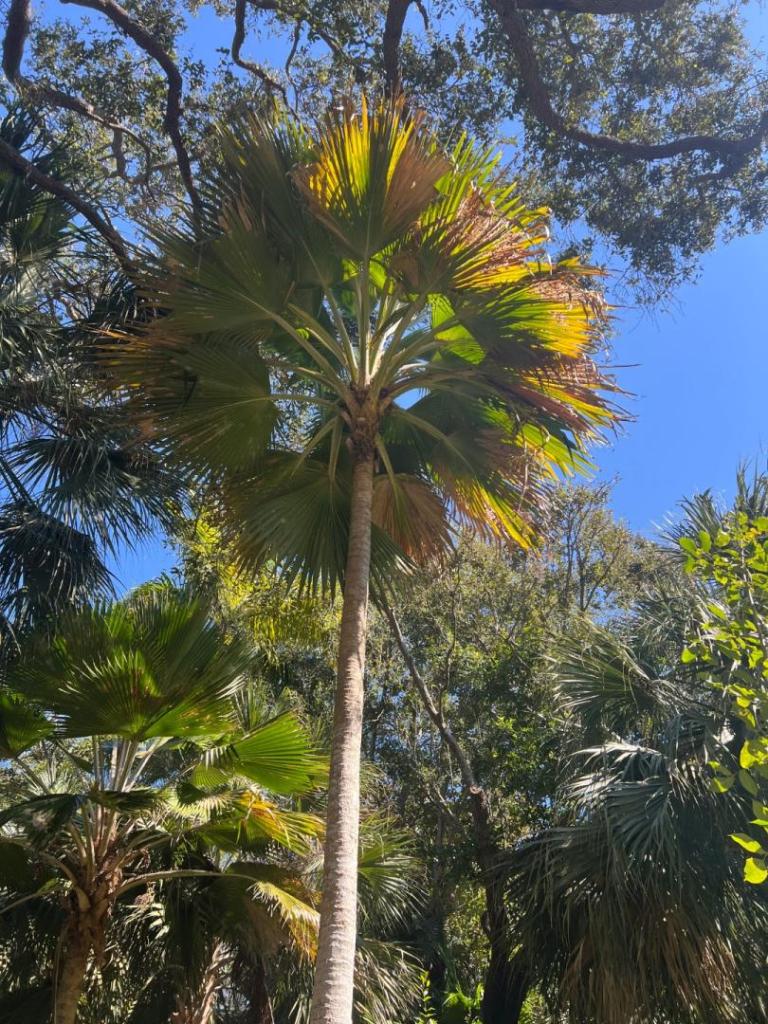
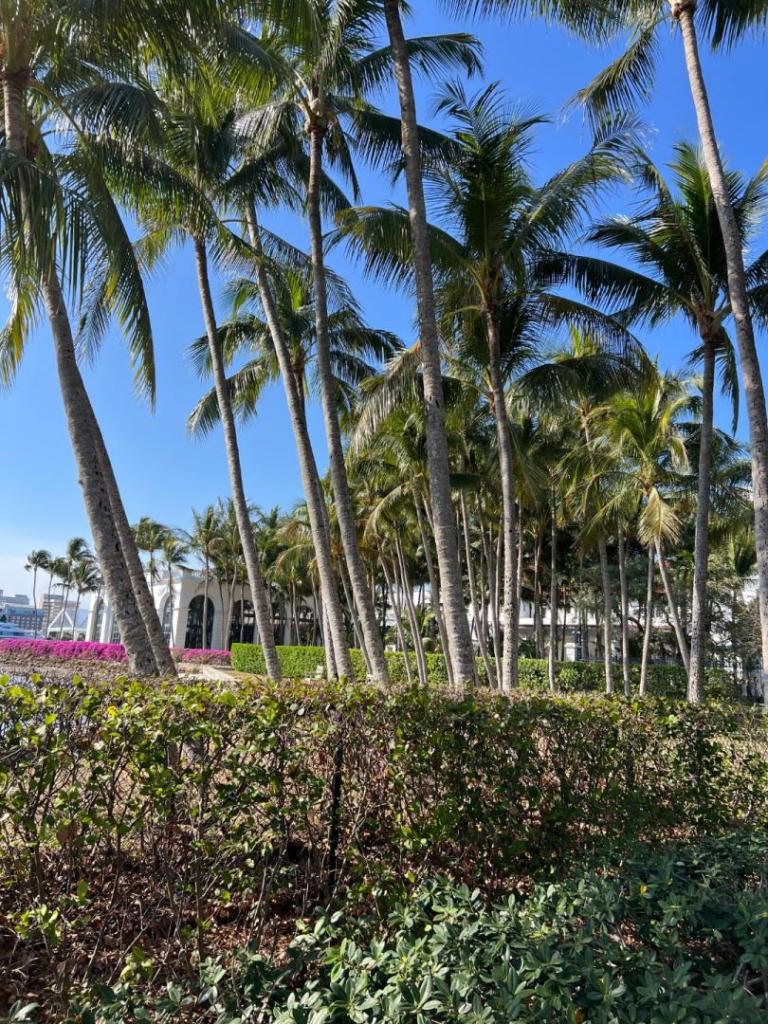
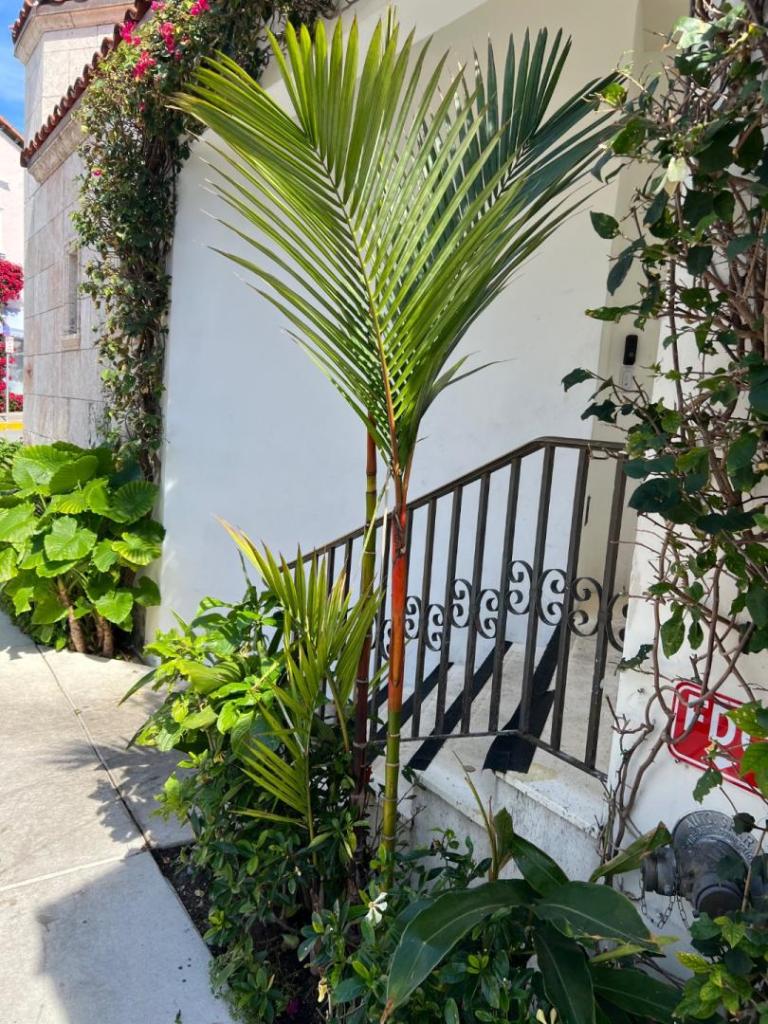
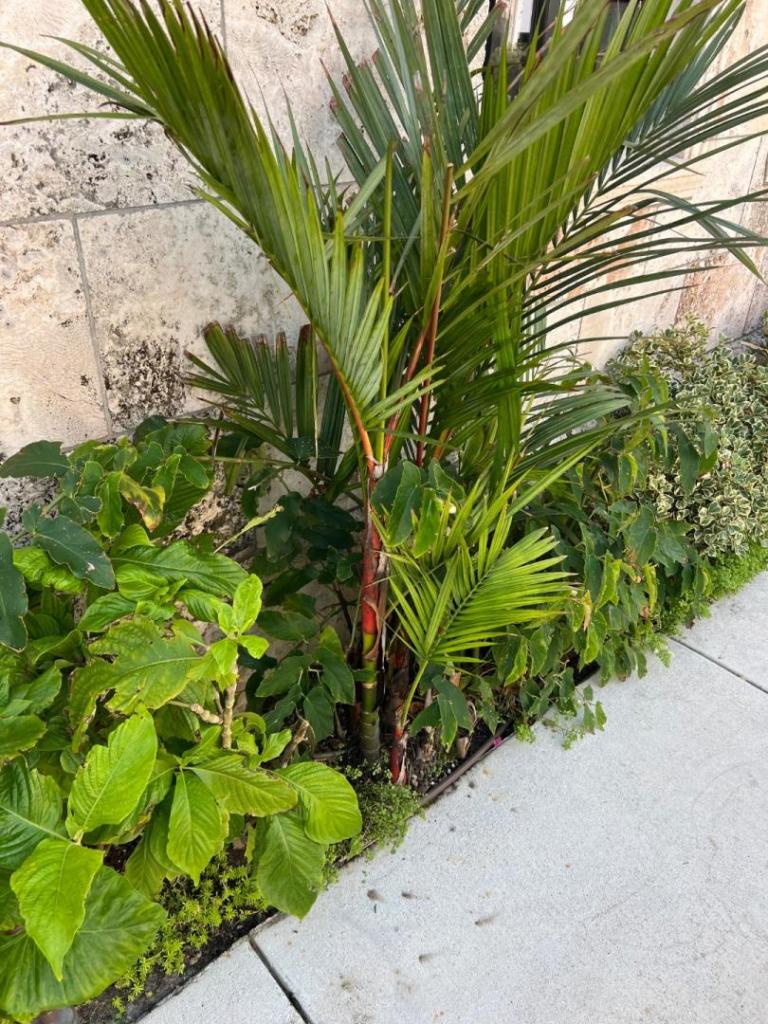
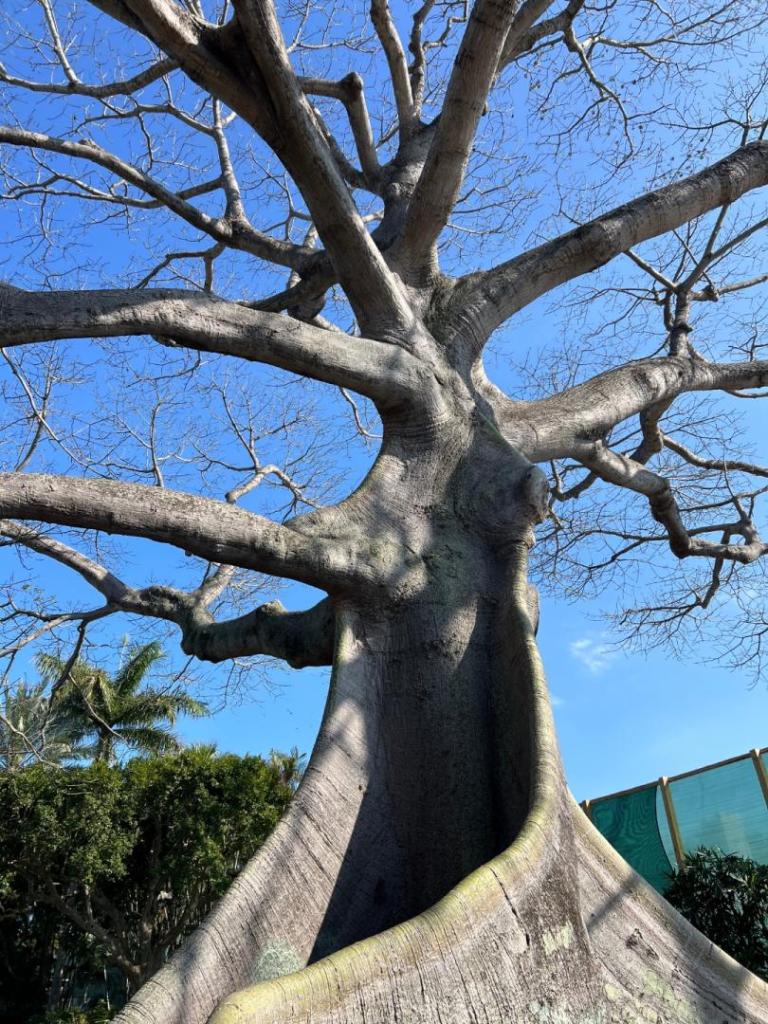
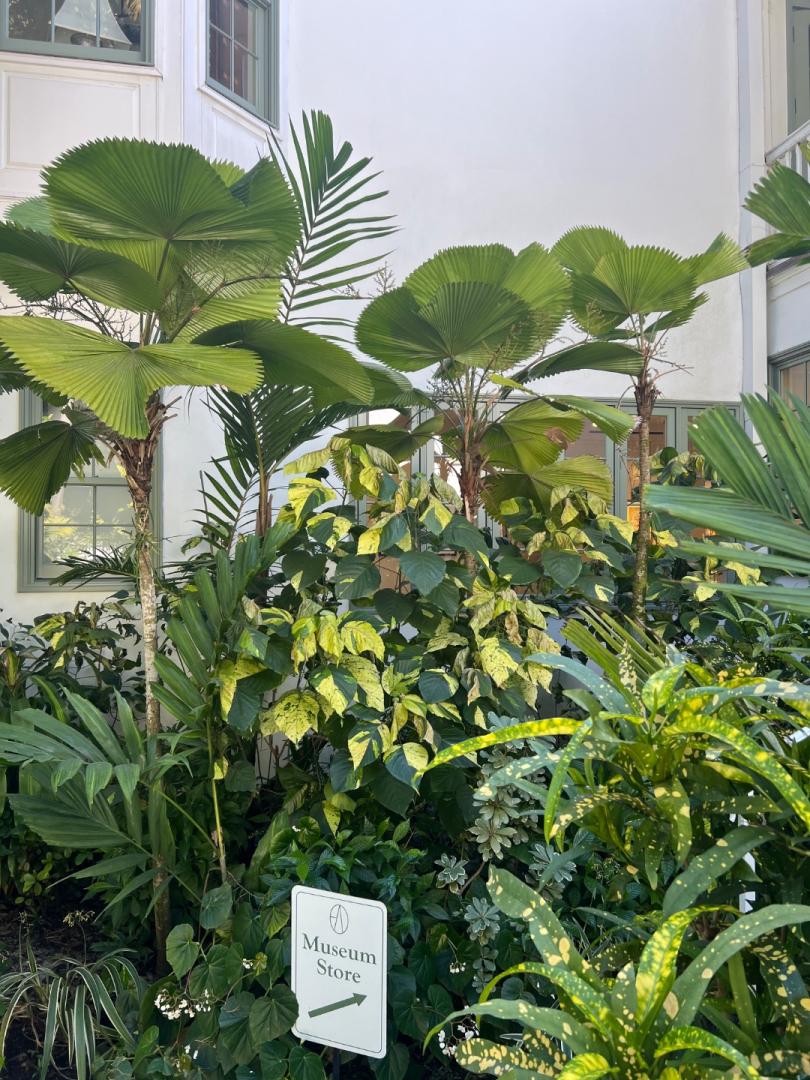
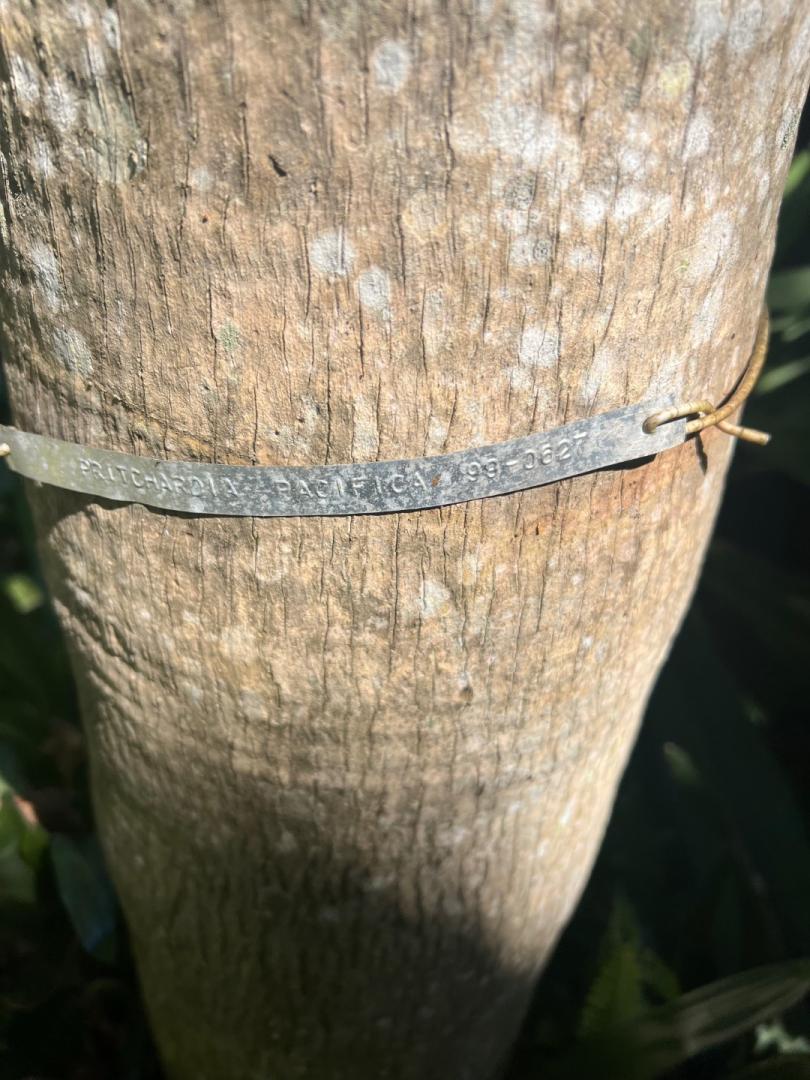
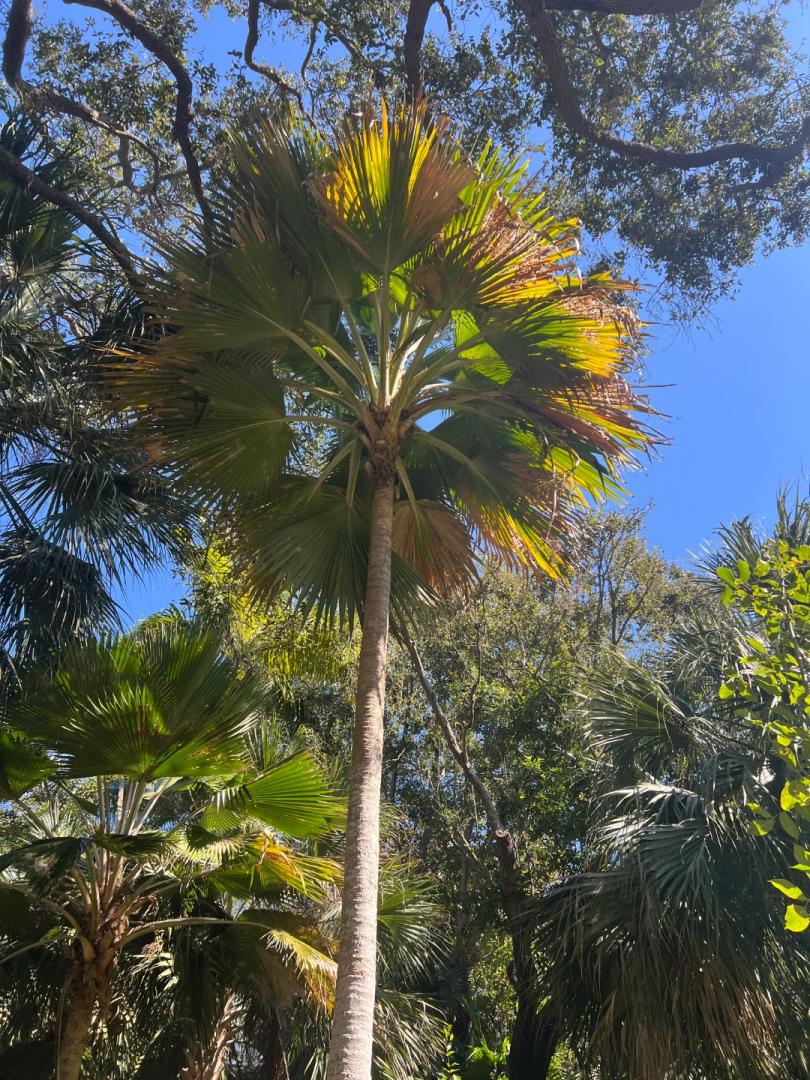
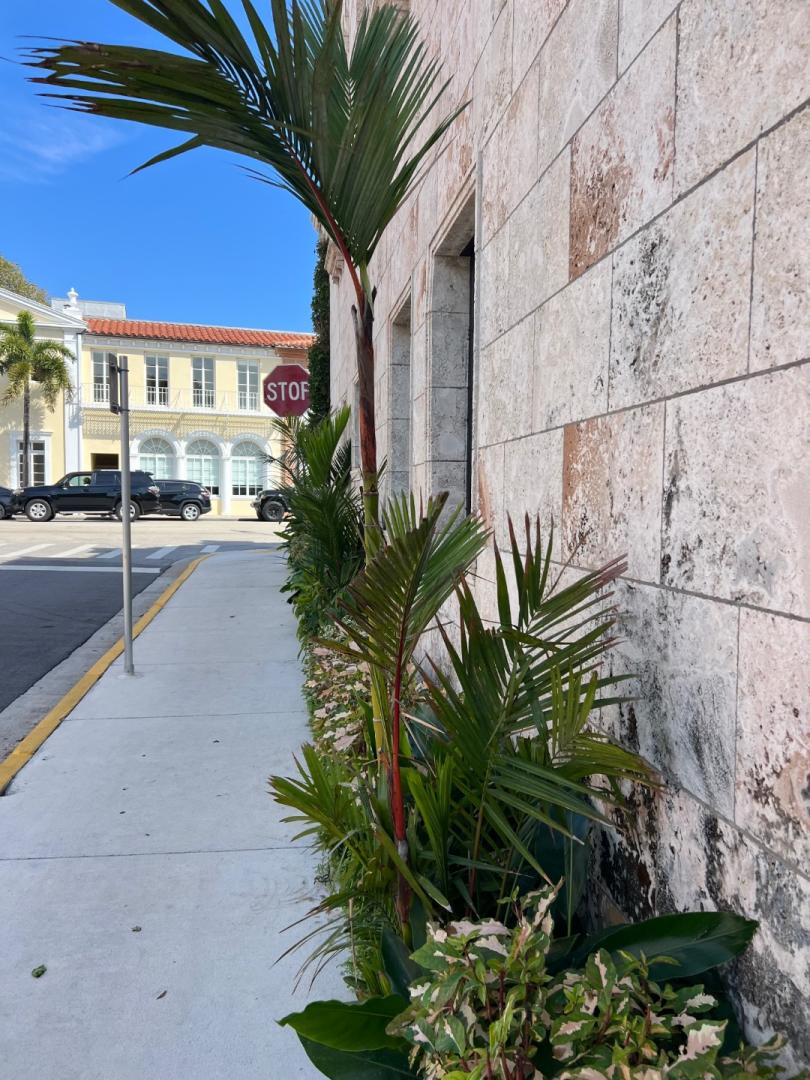
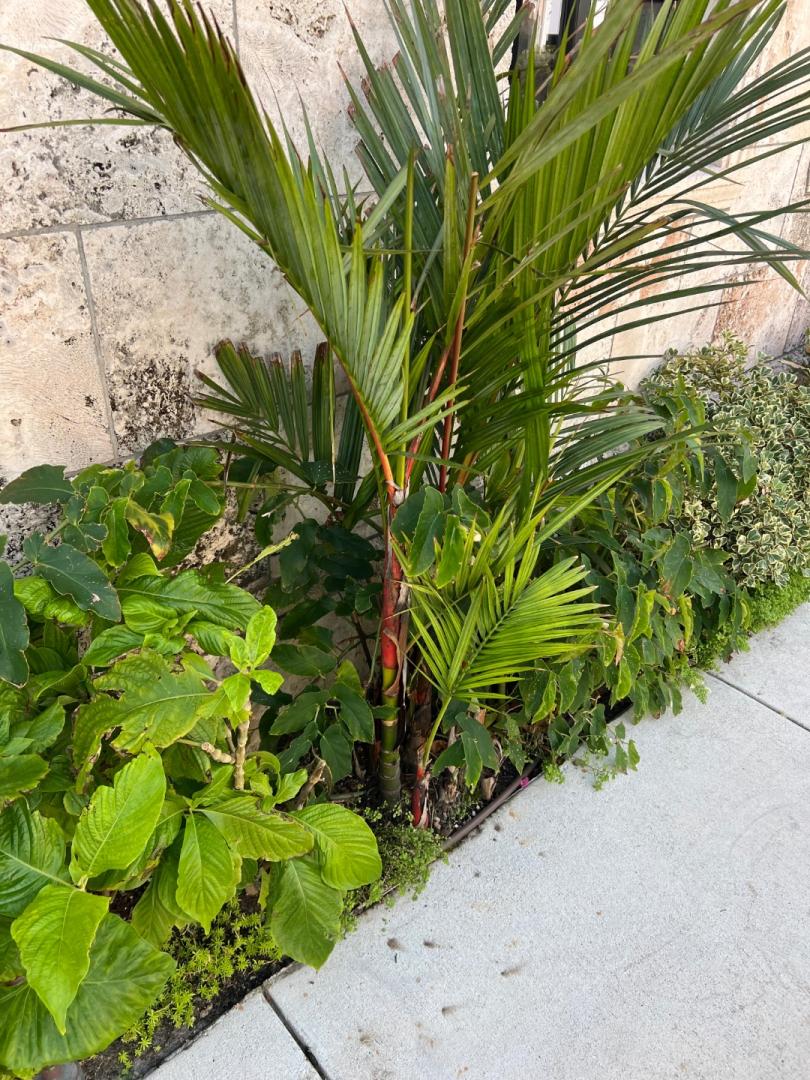
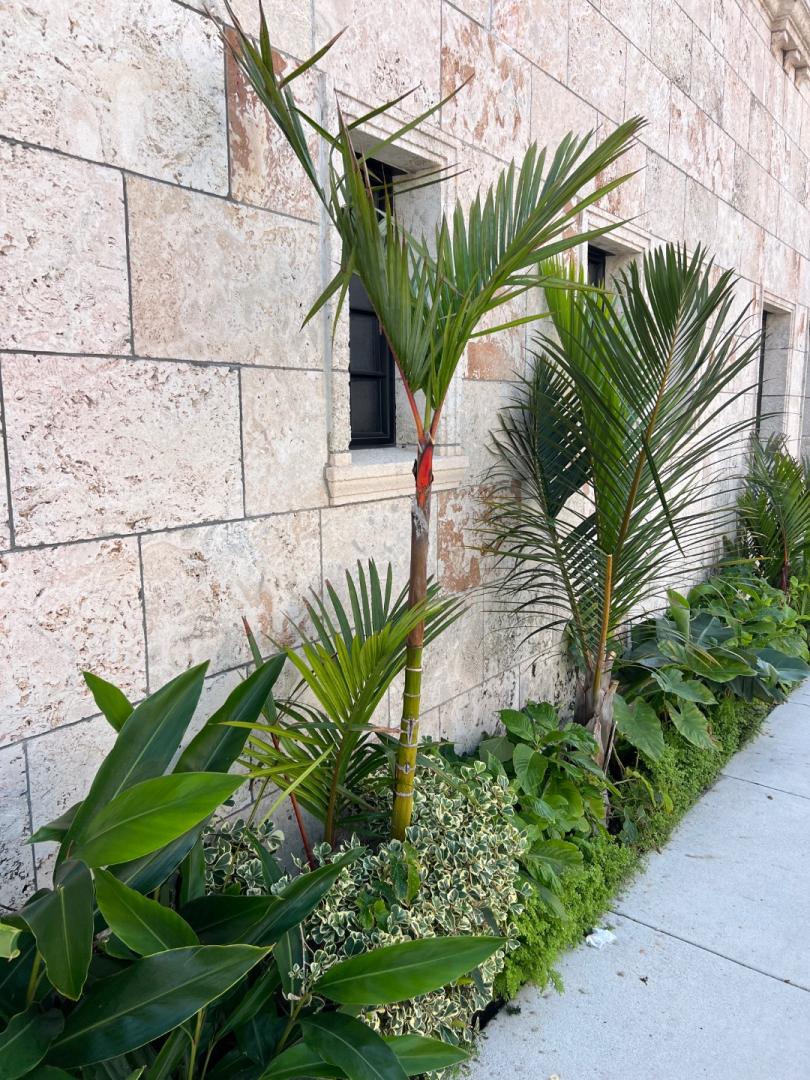
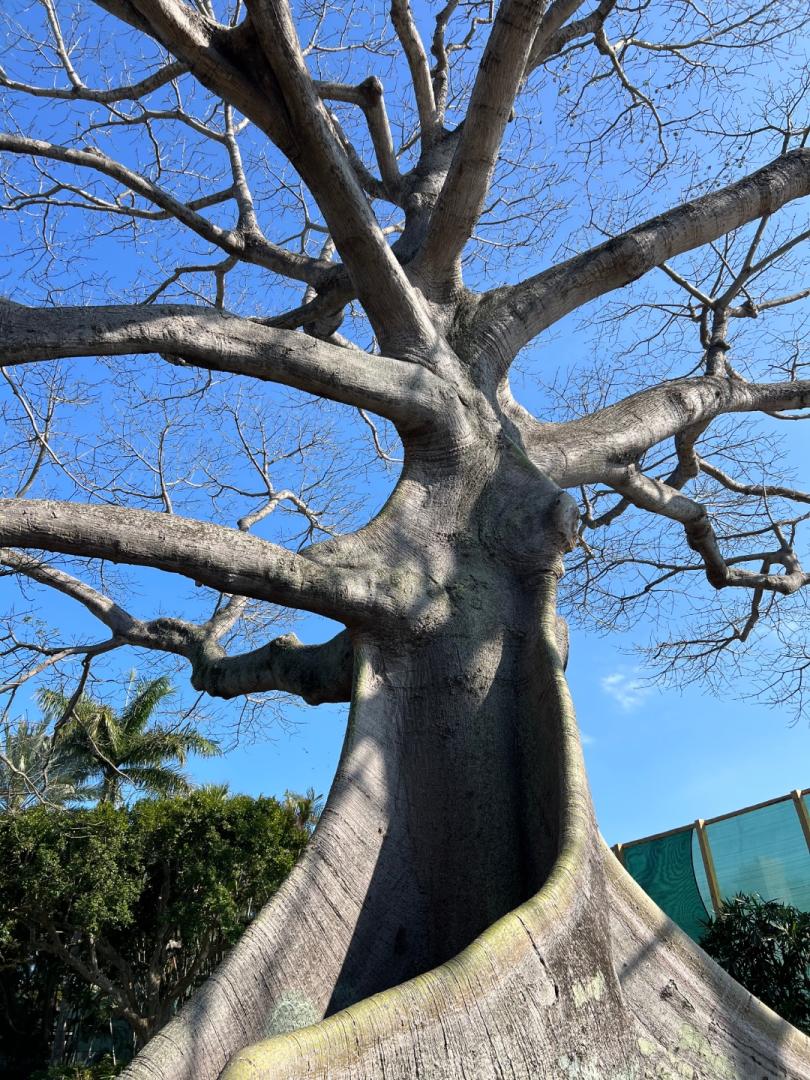
This is a perfect time at latitude 26.71°(north of the Old Monkey Jungle) to chime in on this subject! This area of SE Florida is definitely not within the tropics (23° latitude) and we just experienced a cold event that it is necessary to travel back thirty-seven (37) years to find a cold event more severe. However, I would argue from the perspective of what grows and the overall warmth of the climate, that in many manners, it can be considered tropical-like. I detailed at the very bottom of the thread titled "Historic East Florida Freeze, February Screenshots" the climate data experienced during this cold event. At PBIA, on February 1, and February 2 of this month, low temperatures of 31°F were recorded for a total of three hours below freezing. This certainly does not dovetail into an easy discussion of a tropical like climate. That stated, I also detailed how the end of the month tally for the month of February 2026 at PBIA was a cumulative median temperature of 64.84°F. This eclipses the 64.4°F required in all months for a technical tropical connotation under Koeppen/Trewarthia. January 2026 had a cumulative median temperature of 67.01°F.. December 2025 had a cumulative median temperature of 71.84°F. All of these temperatures were recorded at PBIA. Parenthetically, even in our coldest event in 37 years, we met the tropical criteria for Koeppen/Trewartha. That was not the case during the December 1989 freeze. During that cold event, the cumulative median temperature for December 1989 was 57.48°F. The cumulative median temperature for January 1990 was 66.37°F. The cumulative median temperature for February 1990 was 70.04°F. All of these temperatures were recorded at. PBIA. In my other post above described, I detailed with specificity the weather underground station in Palm Beach referred to as Device One-KFLPALMB 251. During the February 2026 cold event, this device recorded an ultimate low temperature of 38.3°F with a cumulative median temperature of 67.8°F. That taps into another theory that I have based upon observations regarding a micro climate experienced in this area because of proximity to the.Gulfstream/Florida Current. I will not open that door in this conversation. More to the point, the obvious question becomes what grows? I have posted pictures in various threads of the tropical vegetation and palms in this area and how they have been affected. Ultimately, what can be grown in an area, particularly after a cold event, should lend some perspective regarding the tropical character of a place. Anne Norton Sculpture Gardens is adjacent to the Intracoastal and my knowledgeable friend Felix, who is the real man on the ground taking care of the palms, testified to me that AN did not experience a freeze. Please find some recently photographed specimens at AN: Neoveitchia storkii, which is indigenous to the Fiji Islands: Licuala grandis-over ten feet tall and indigenous to the Solomon Islands. These specimens are likely over 70 years old.: Hydriastele beguinii-Indigenous to the Maluku Islands and likely over 70 years old: Pritchardia pacifica-indigenous to Fiji and Tonga and must be over 50 years old: Pritchardia thurstonii-indigenous to Fiji and Tonga and likely over 50 years old: Cocos nucifera-PB/ indigenous to Southeast Asia, or the islands of the Pacific. Ubiquitous and not threatened: Cyrtostachys renda-indigenous to Sumatra and Borneo. These specimens are approximately three years old: These are located at Phipps Park in PB: Ceiba pentandra-PB-Kapok tree indigenous to Central America. This specimen is the Florida champion and most certainly the largest in the 48 states. It is briefly deciduous and loses its leaves at the commencement of the dry season. This specimen was nearly removed arbitrarily by Henry Flagler's wife because it repeated her view. Fortunately, she met with opposition. It was planted in the 1890s so it must be approaching 135 years old: In conclusion, my belief is that what is tropical is determined by what grows!






 5 points
 -
 Thanks. Wishing you well too. My coconut although growing has oozed out in a few places on the trunk. Like a dime size. I've read that can be ok as long as it is growing. Ugh, not feeling good about it tbh. I lost both plumerias...trunks are turning black. My autograph plant I'm leaving alone for now but saw some oozing for the first time today. So frustrating, all from one night.4 points
 -
The damage on some palms and cycads seems wildly inconsistent. It's really strange: Dioon Merolae has 8 or 9 totally torched fronds, and one untouched solid green one! Zamia Vasquezii on the N side of an Alfredii is 100% burnt to a crisp, and an identical one 6 feet away looks nearly perfect. More normal is the behavior of some Encephalartos Ferox in the open (exposed to wind) 100% torched, others with some windbreak are lightly damaged. I did pull one spear from a small B. Alfredii today. It is about 3 feet tall, so it is still super skinny near the bud. I haven't tried pulling on many spears yet. I am sure of 100% mortality on all Burretiokentia and Cyphophoenix species, along with several Dypsis/Chysalidocarpus Lanceolata and Pembana. The Lutescens will probably regrow from the roots. A bunch of others probably have bud death and I just won't know for a couple of months. Some stuff I am just going to "edit" out now instead of trying to fix them.4 points
-
 4 pointsA few more from Pearland. Everything palmwise survived. The Queens fronds look great for 22-24°F. Bismarckia nobilis Medemia argun Butia , Copernicia alba, and Livistona nitida Phoenix theophrastii ‘Golkoy’ Copernicia alba #2 Butia x Parajubaea var. torallyi Mule palm Livistona decora Ravenea rivularis and King palm Queen, seed supposedly sourced from a hardy parent. Beaucarnea recurvata starting to form a thick caudex Acrocomia, possible totai Sabal uresana Beccariophoenix alfredii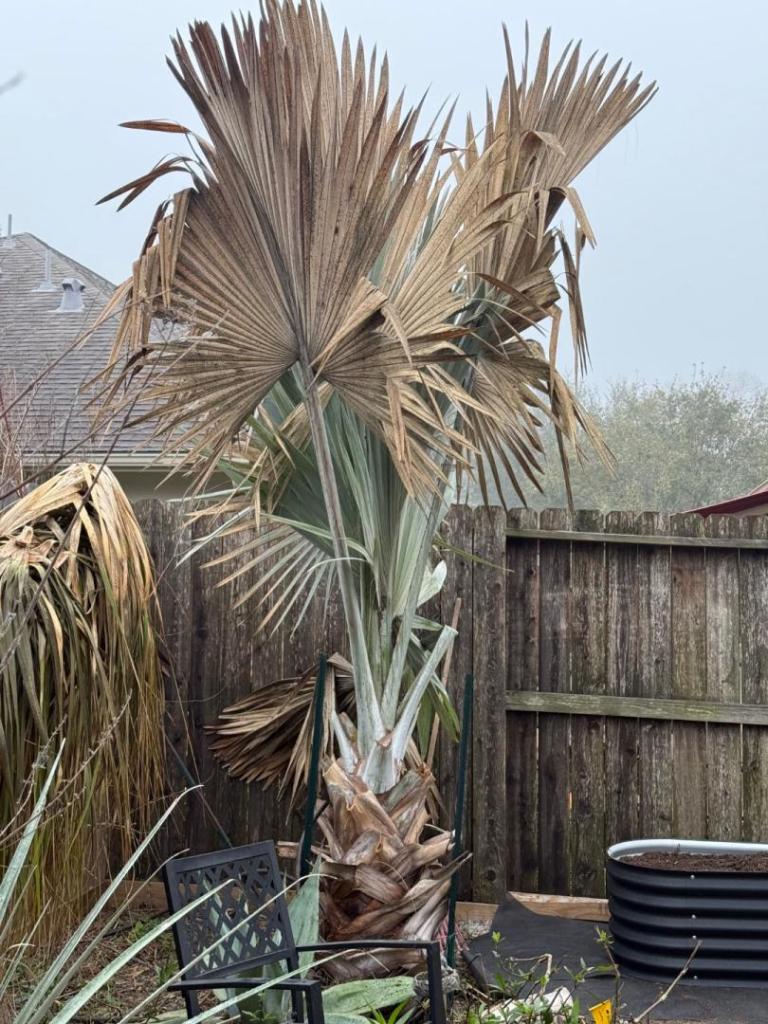
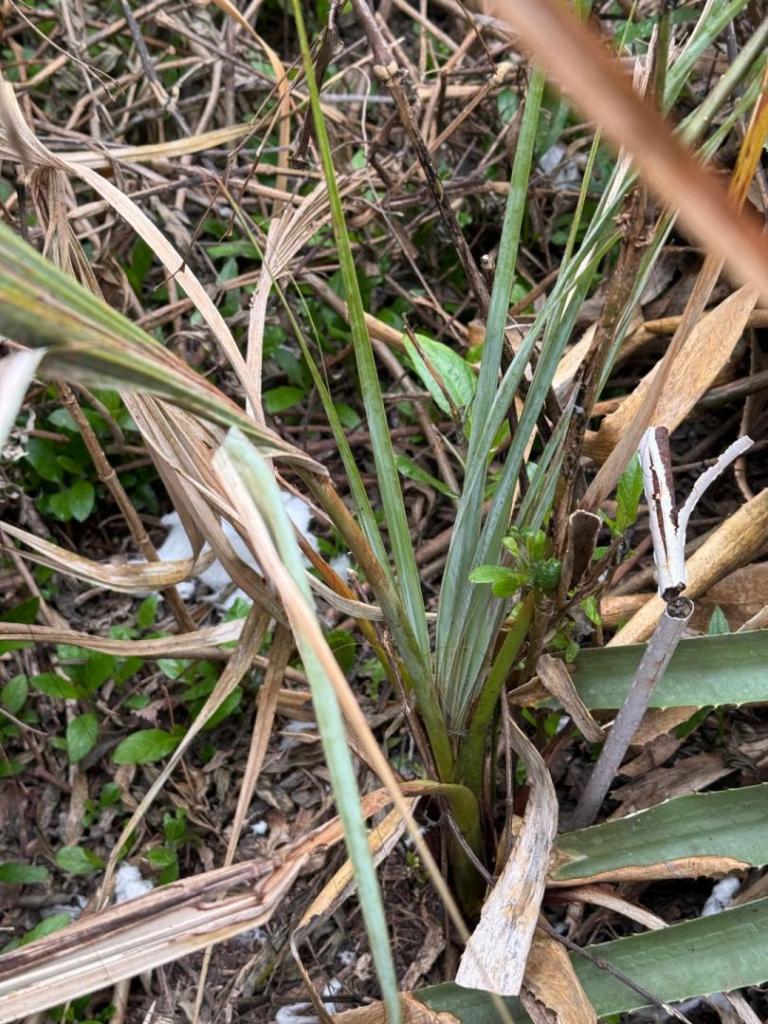
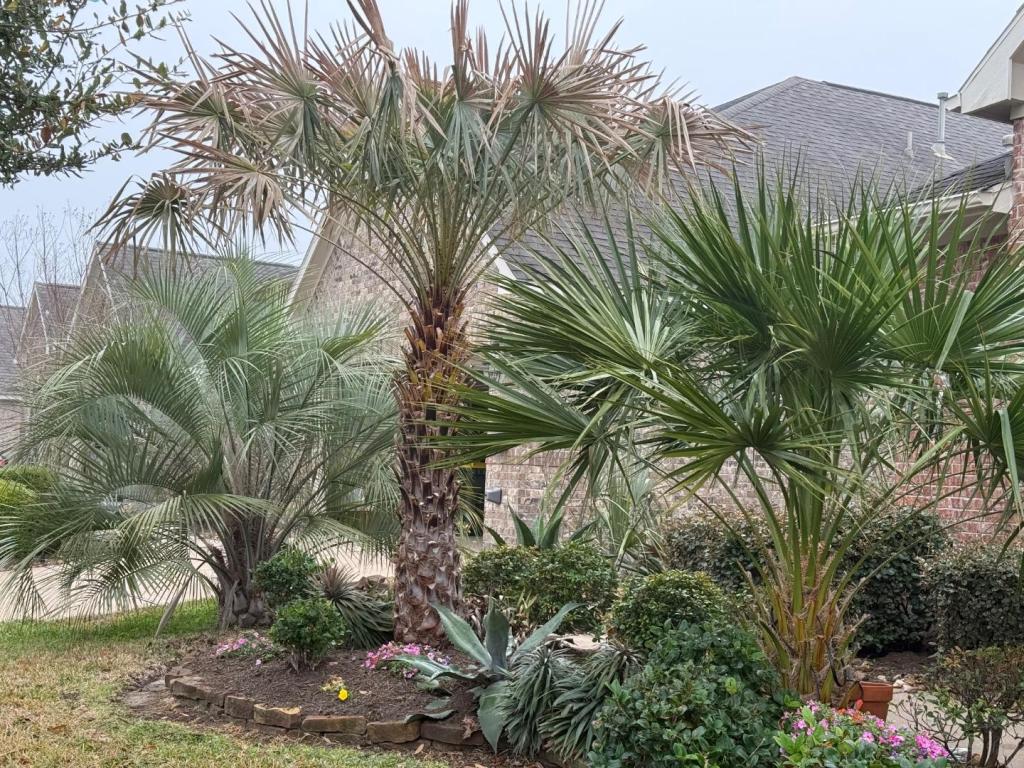
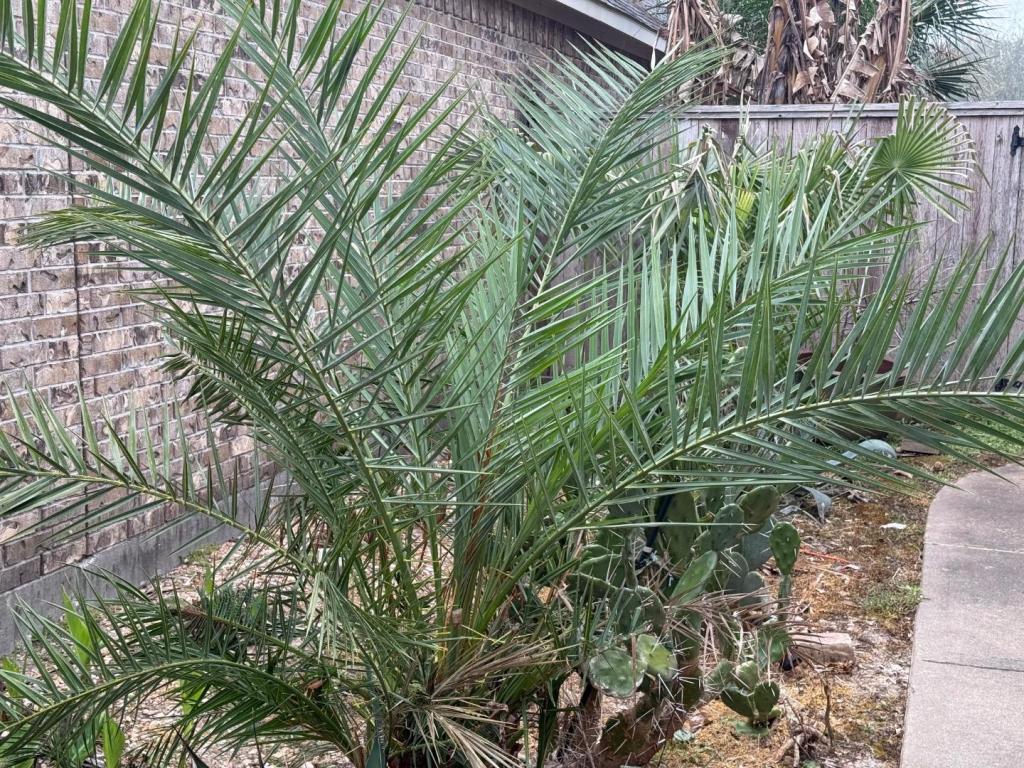


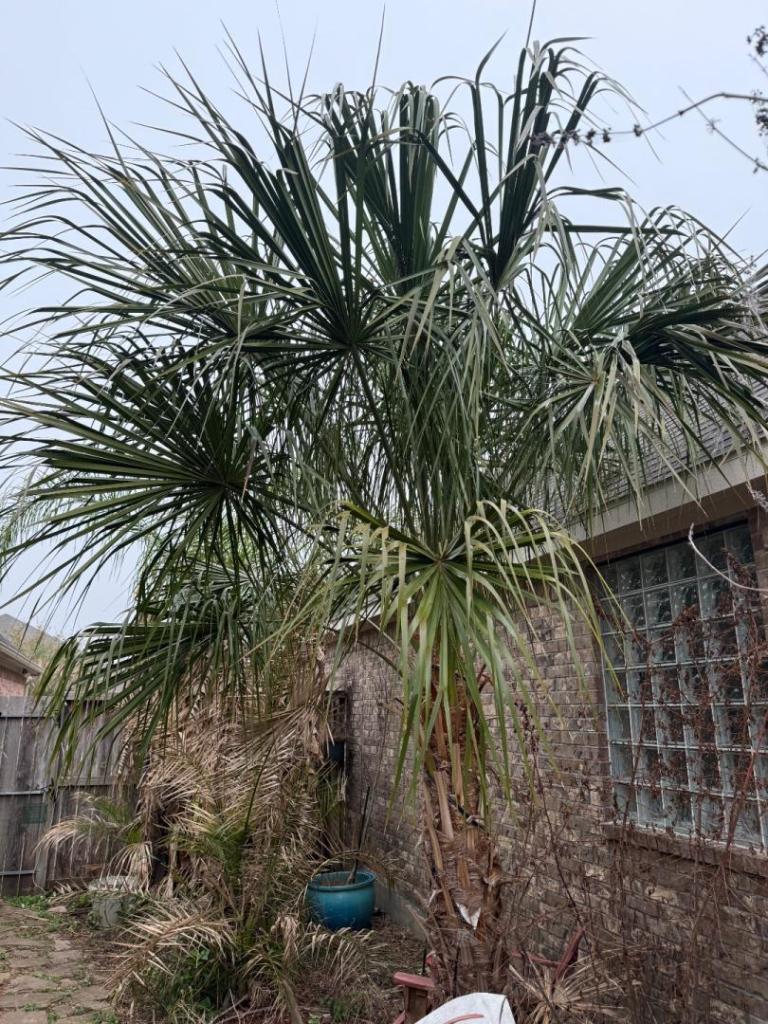
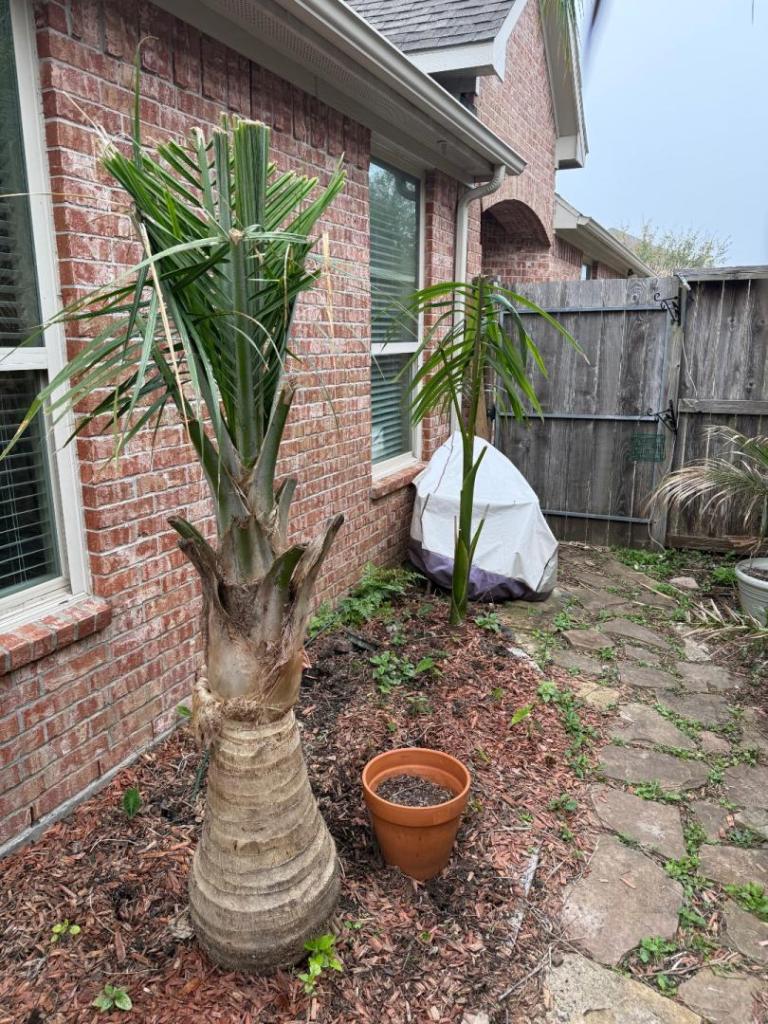
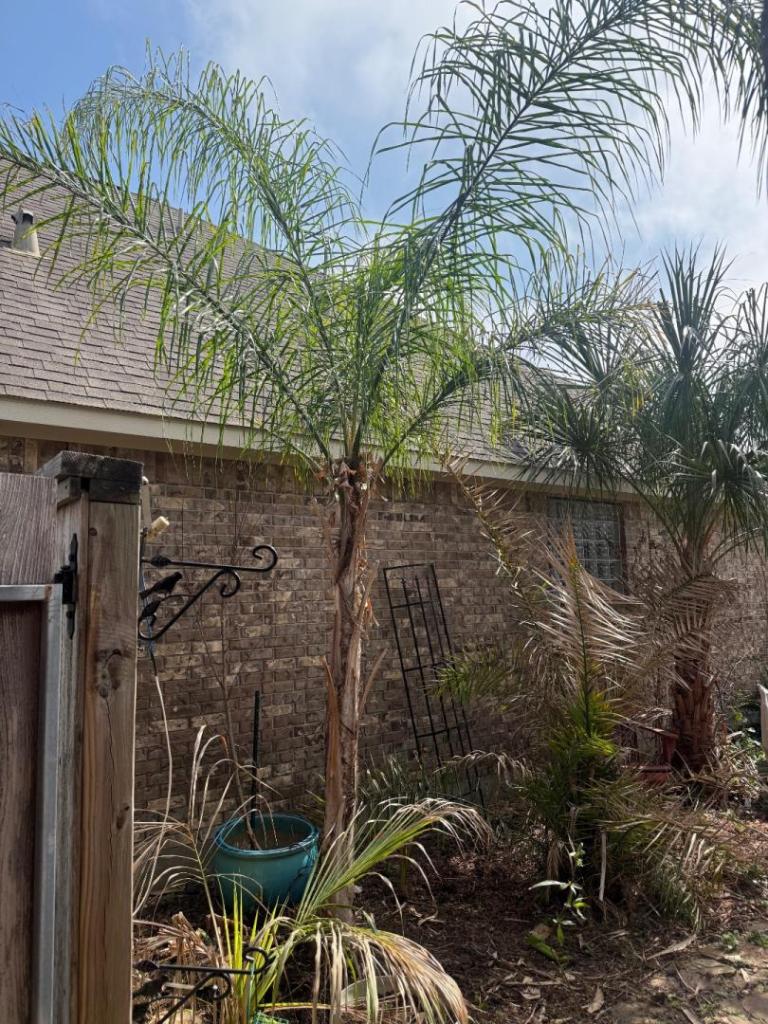

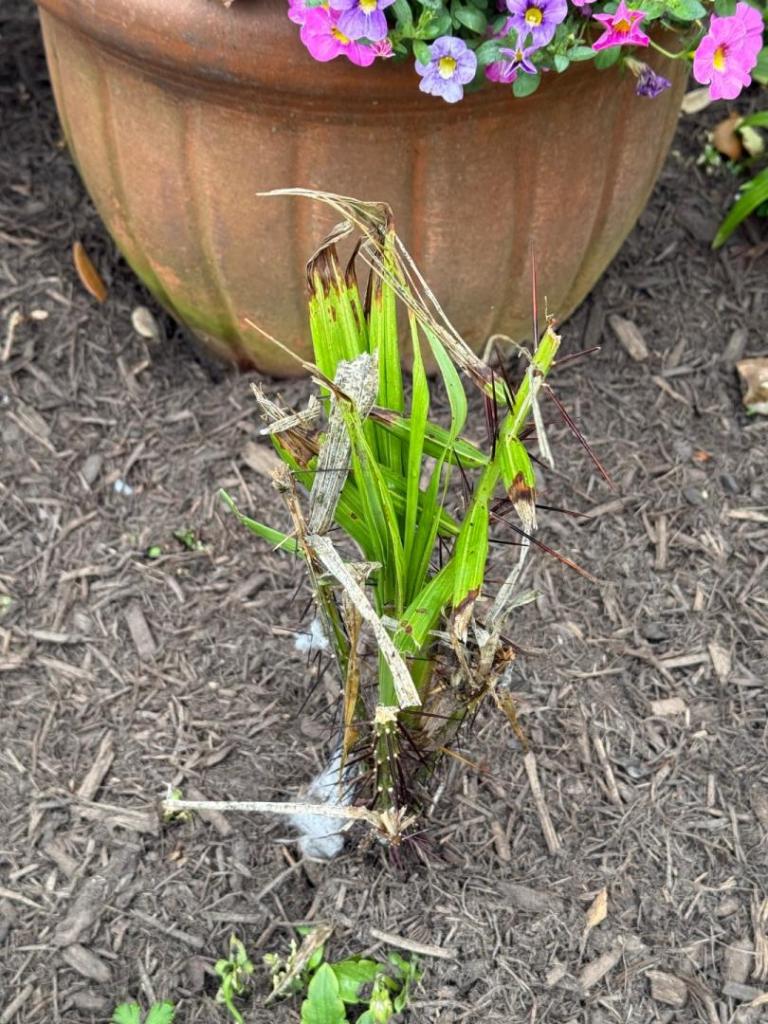
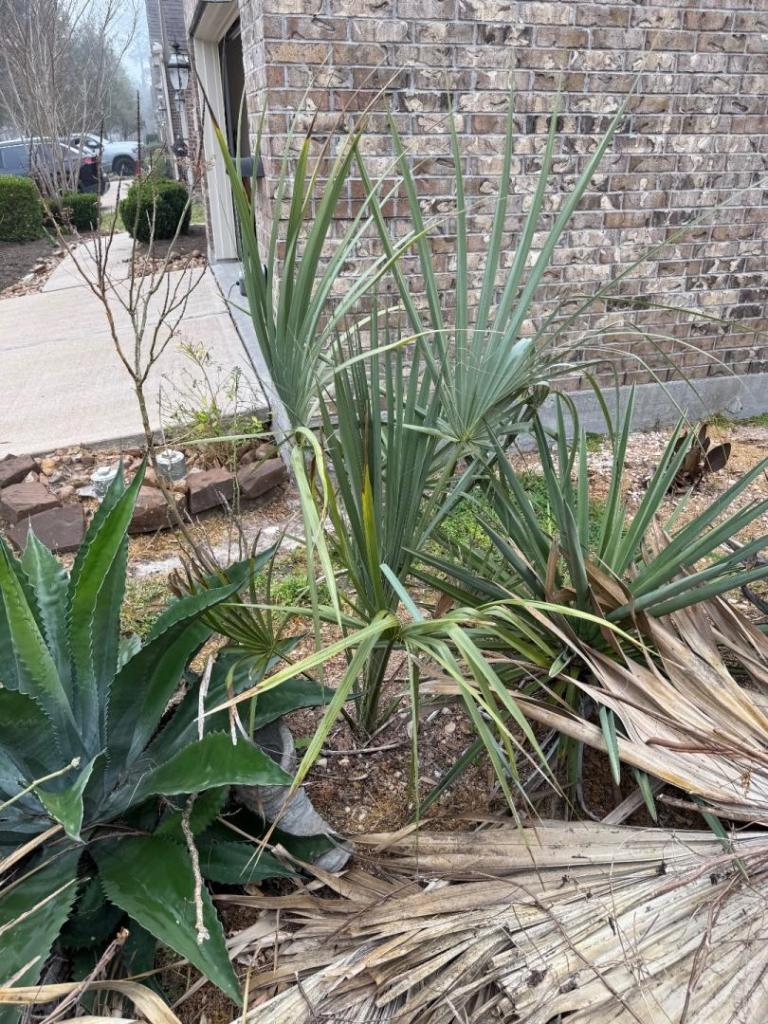
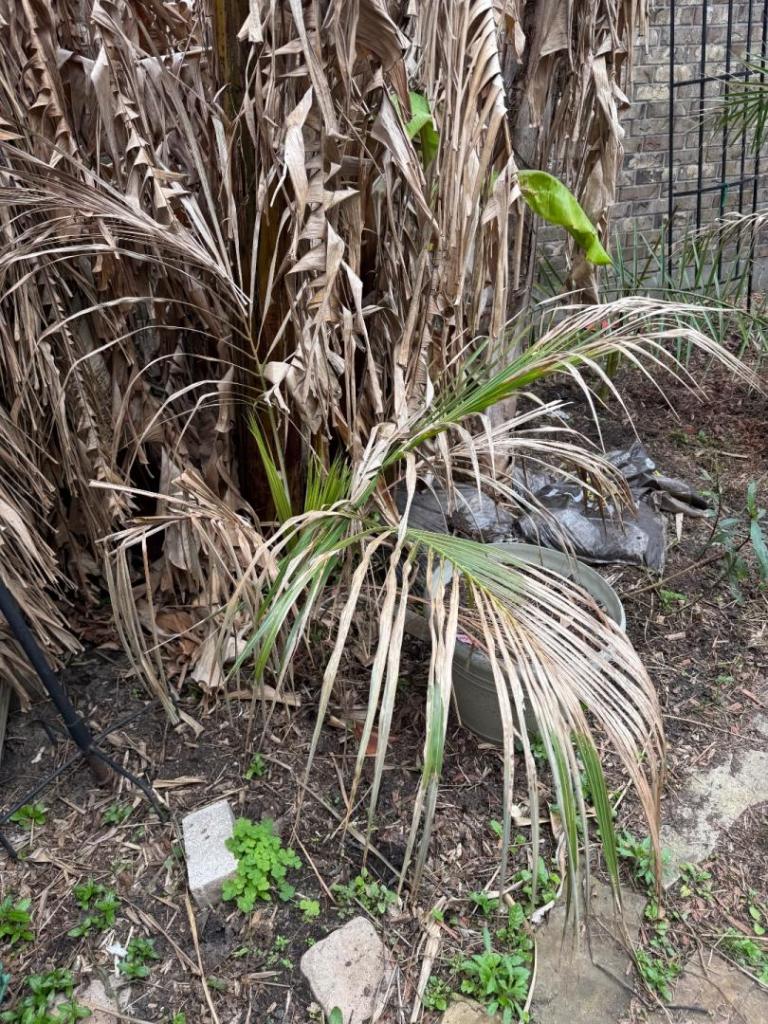 4 points
 -
3 pointsThe aftermath of 22.5F is pretty brutal. The Butia and Jubaea hybrids look like nothing even happened. Here's my JxB, surrounded by torched Alfredii and Encephalartos: And the BxJ surrounded by more torched palms, Livistona Speciosa on the left, Archontophoenix Tuckeri behind, and Crysosophila Warscewiczii in the foreground right: And one of the two BxLytoWedd poking up above a remarkably good looking Encephalartos Ferox, with some likely dead Foxtails on the upper right: And the burnt to a crisp "Coco Queen" Romanzoffiana x Schizophylla, fortunately still green on the inner fronds:
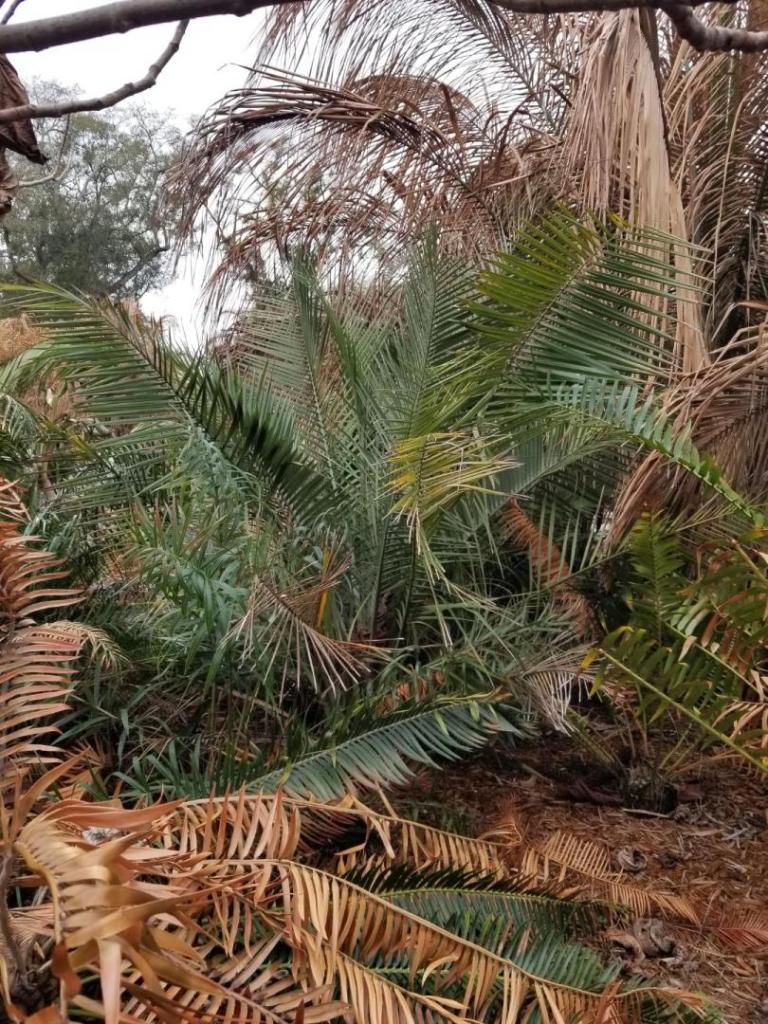
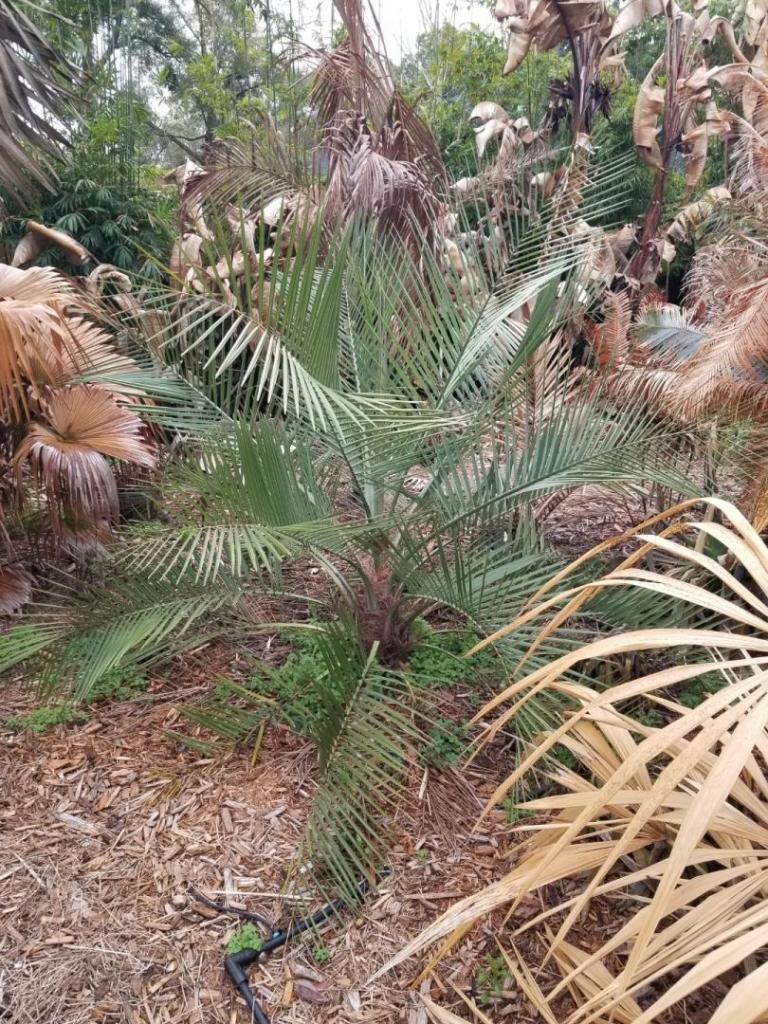

 3 points
 -
 After several revisions, I’m excited to share my ongoing PDF guide to cold hardy palms. This has been a long-term project and will continue to evolve as I learn more and gather new experiences. Feel free to share it anywhere by posting the link to the document — that will always point to the latest version for when I update. I am still working on some more pages in time. I truly appreciate all the support, knowledge, and friendships from this forum over the years. My goal has always been simple, help others enjoy and succeed in this hobby as much as I have. Hopefully this information will especially help others new to the hobby. While the design is AI assisted, all photos and text dictation are from my experiences. While I am aware there are a few errors still, let me know what you think TNTropics Cold Hardy Palm Guide https://drive.google.com/file/d/1w9-43MjGhgyQyqgVeQoWXU69GvRGLpdU/view?usp=sharing
 2 points
 -
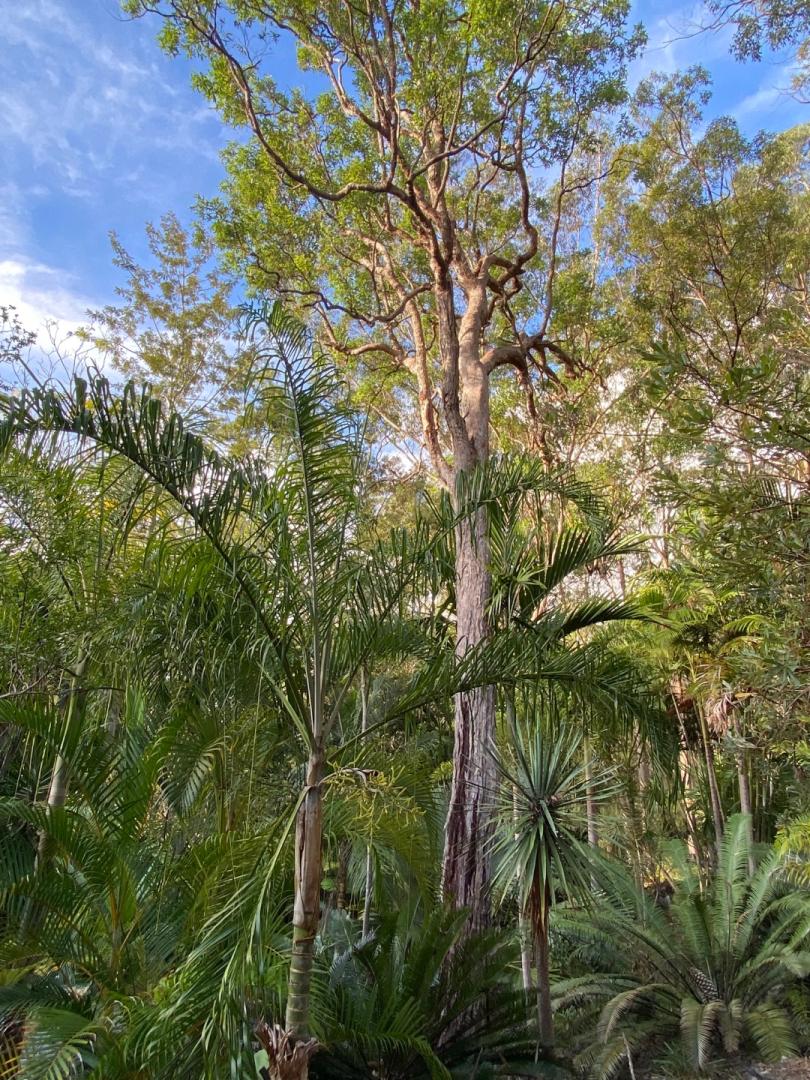
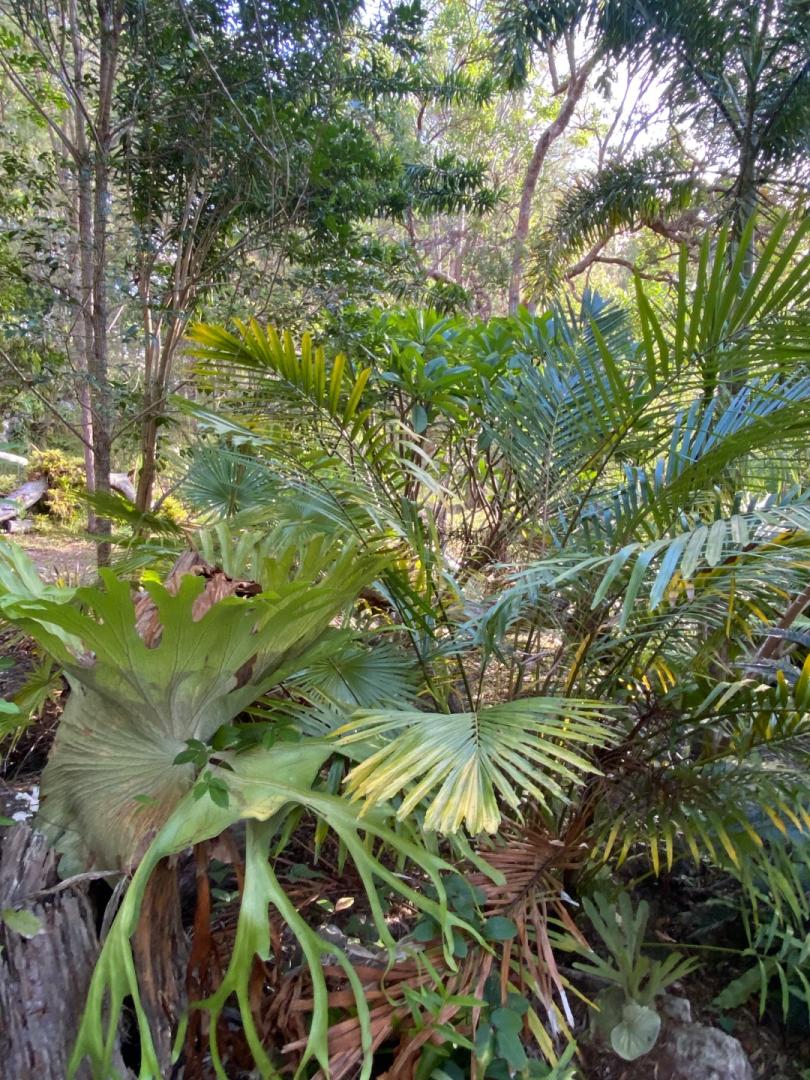
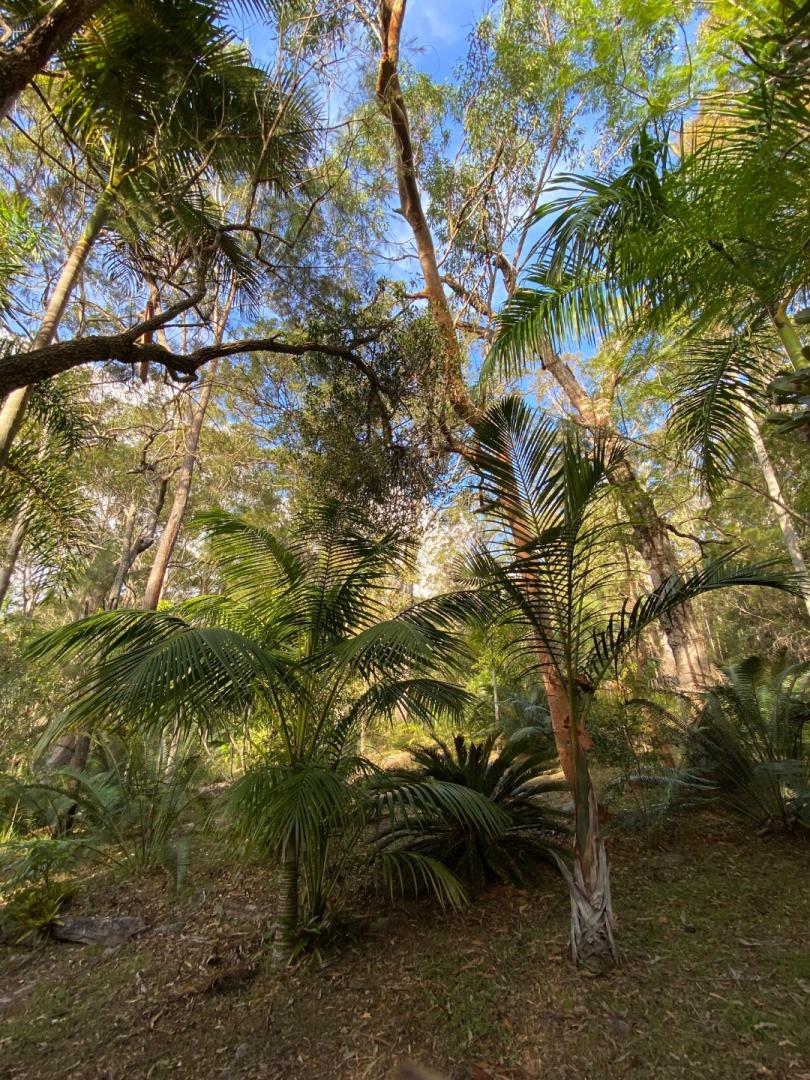
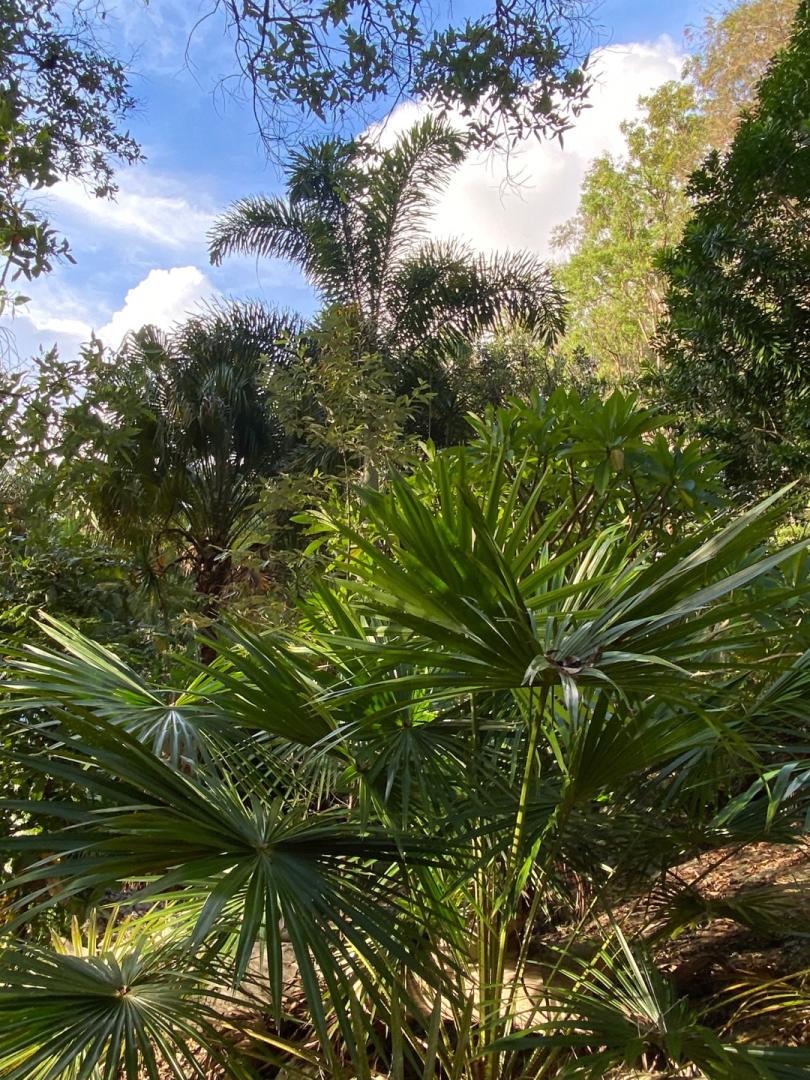
As I sit on rock in the garden looking at what I have created iam amazed. The garden goes from a jungle canopy understory to a very dry hot intolerable in summer heat garden. Yet it all seems to work and grow in harmony with Mother Nature. You can create a garden of your taste to reflect your personality, it just takes time. All you see was basically carved out of the Australian bush, and we’re not talking about tropical cairns or Hawaii where you throw a plant over your shoulder and grows by just looking at them. Its hard country to garden in just add water! IMG_9785.mov
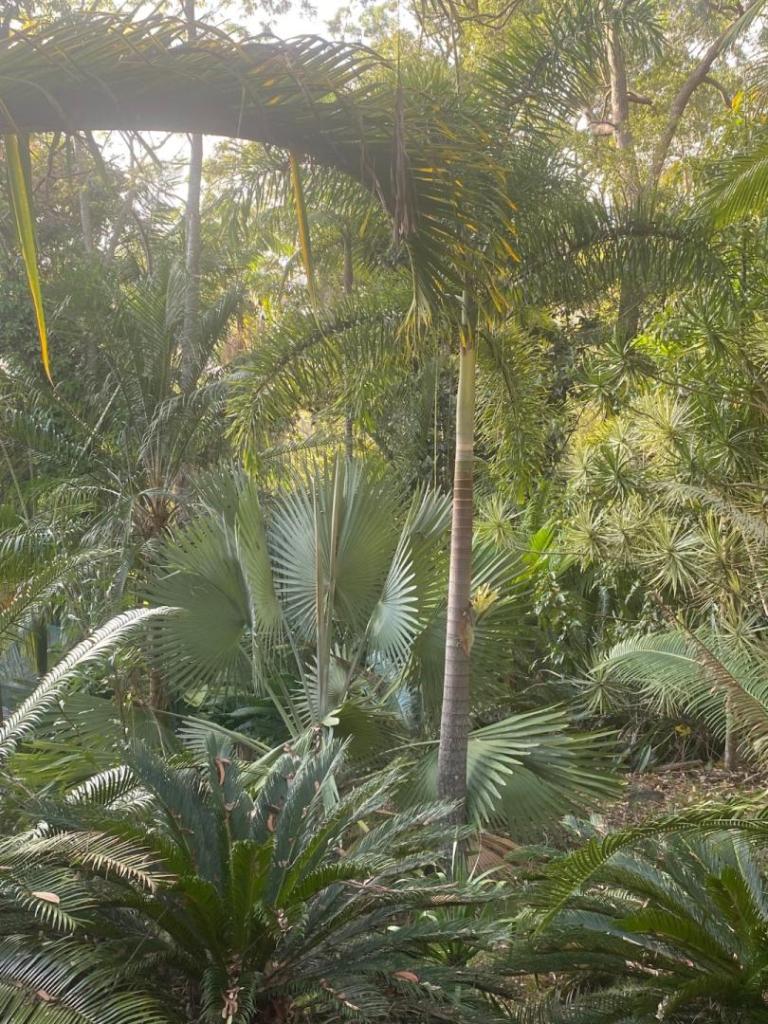
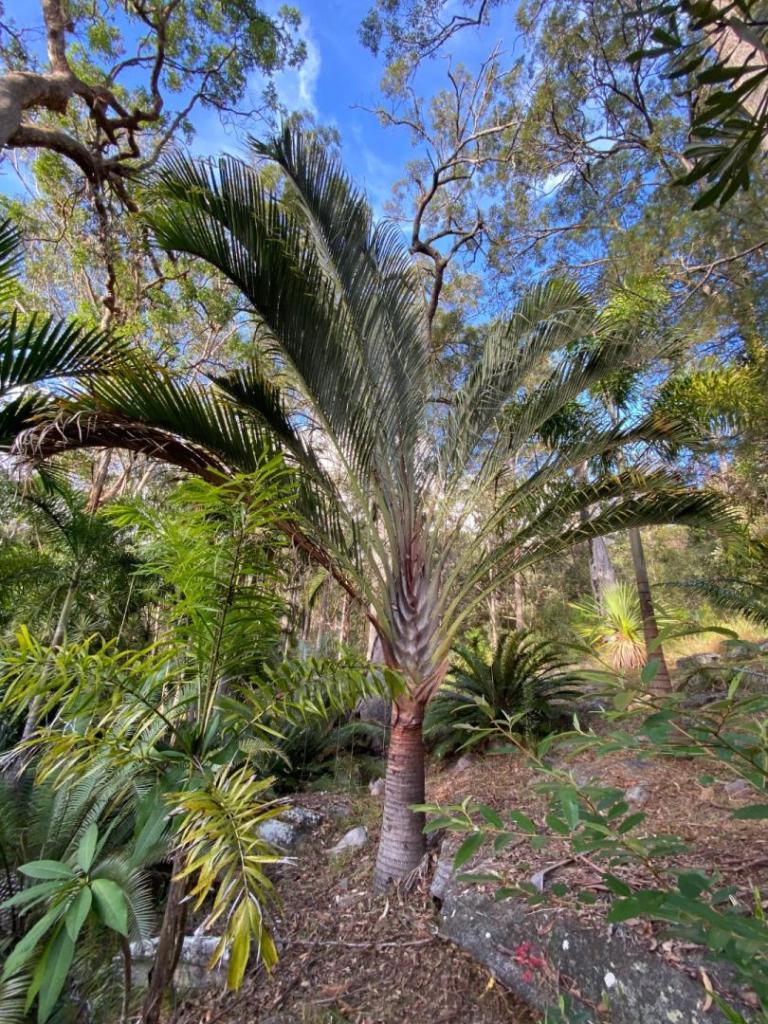
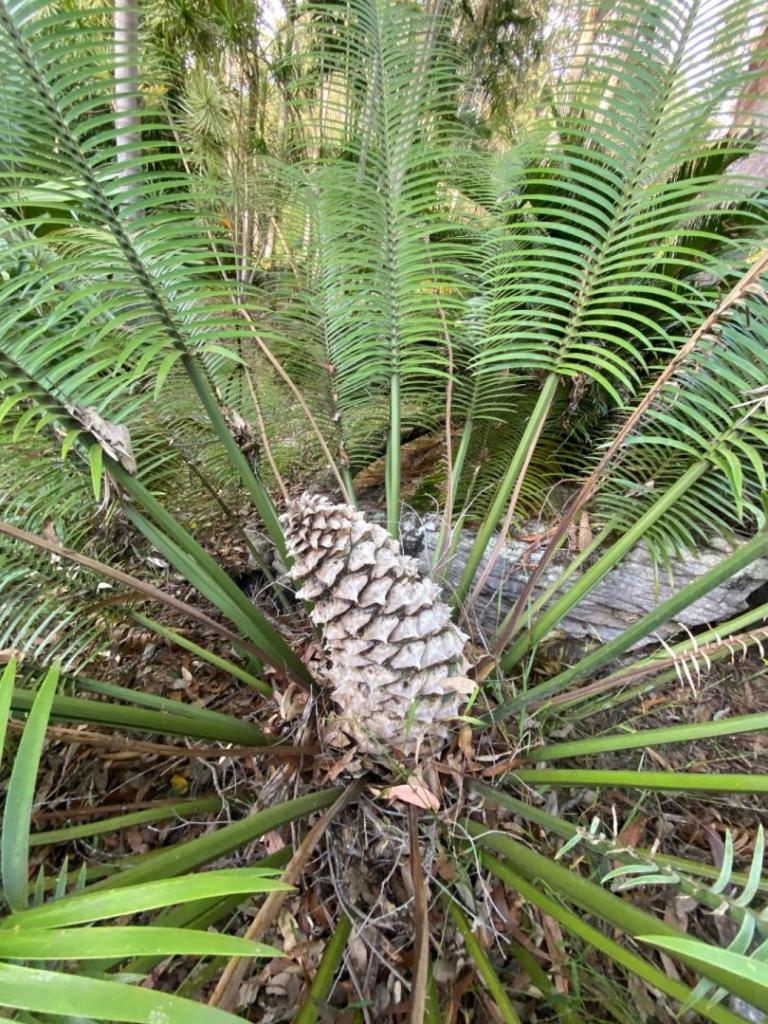


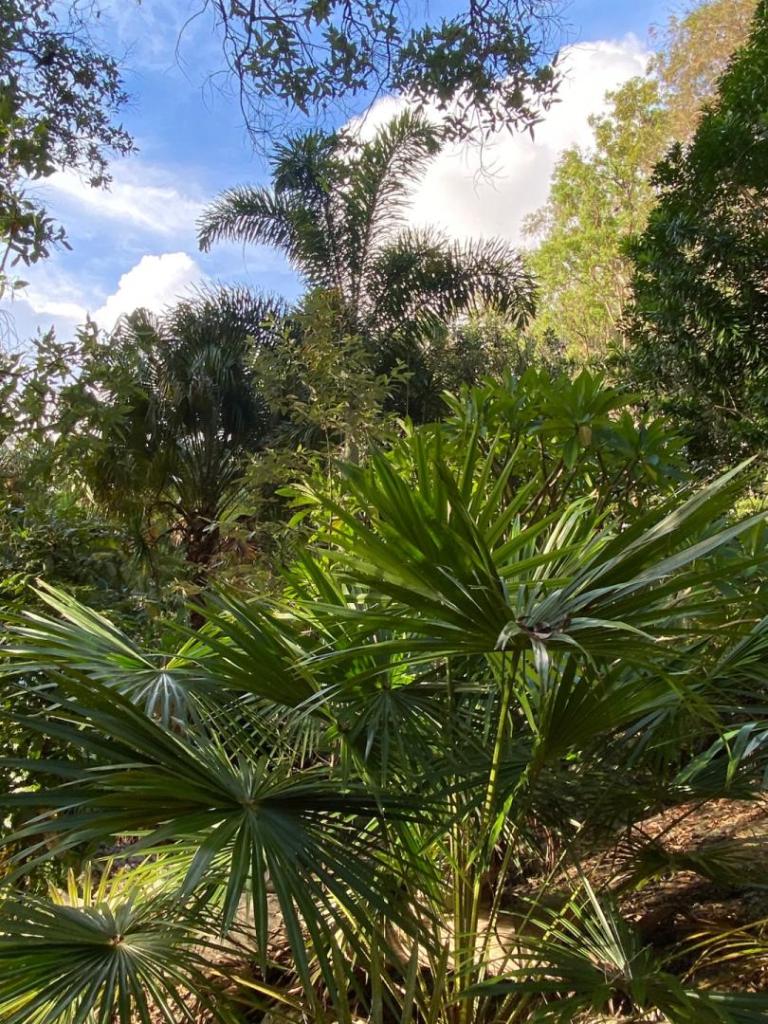
 2 points
 -
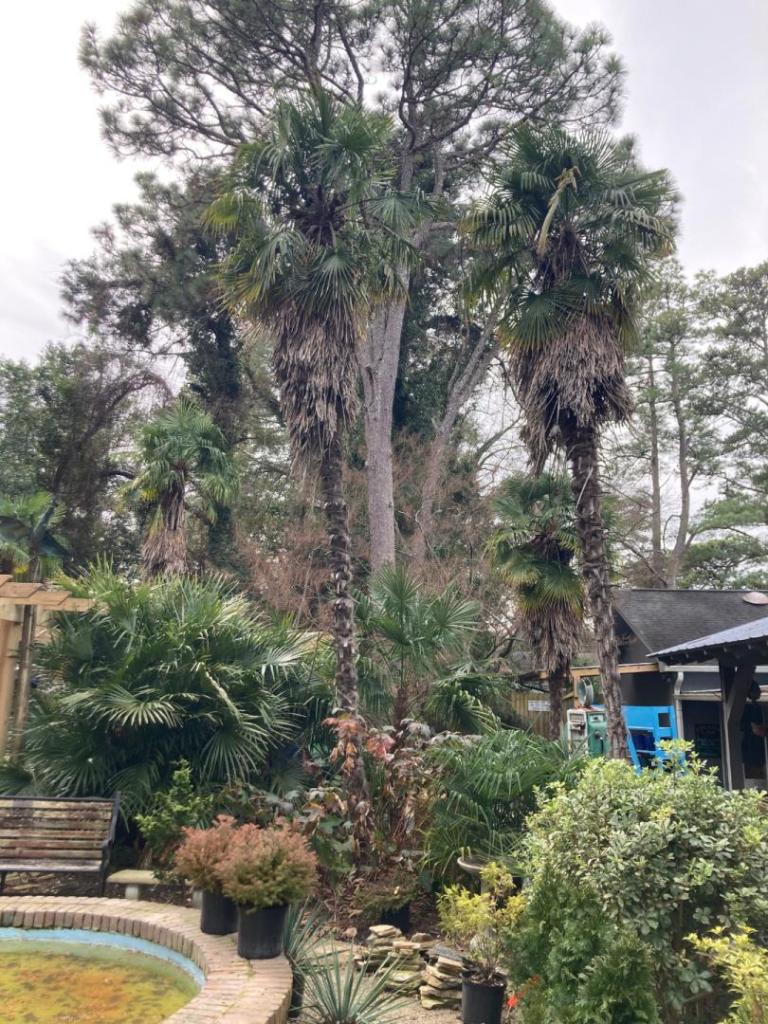
 If you’re interested in observing some very tall Windmill palms (Trachycarpus fortunei) in the Sand Hills ecoregion, check out Gullys Nursery in Southern Pines, NC. Some of the ones there were 25ft + and looked really well.
 2 points
 -
2 pointsMore Dendrobium speciosum ssp Pendiculatum in bloom. The garden is very fragrant with them in full bloom.

 2 points
 -
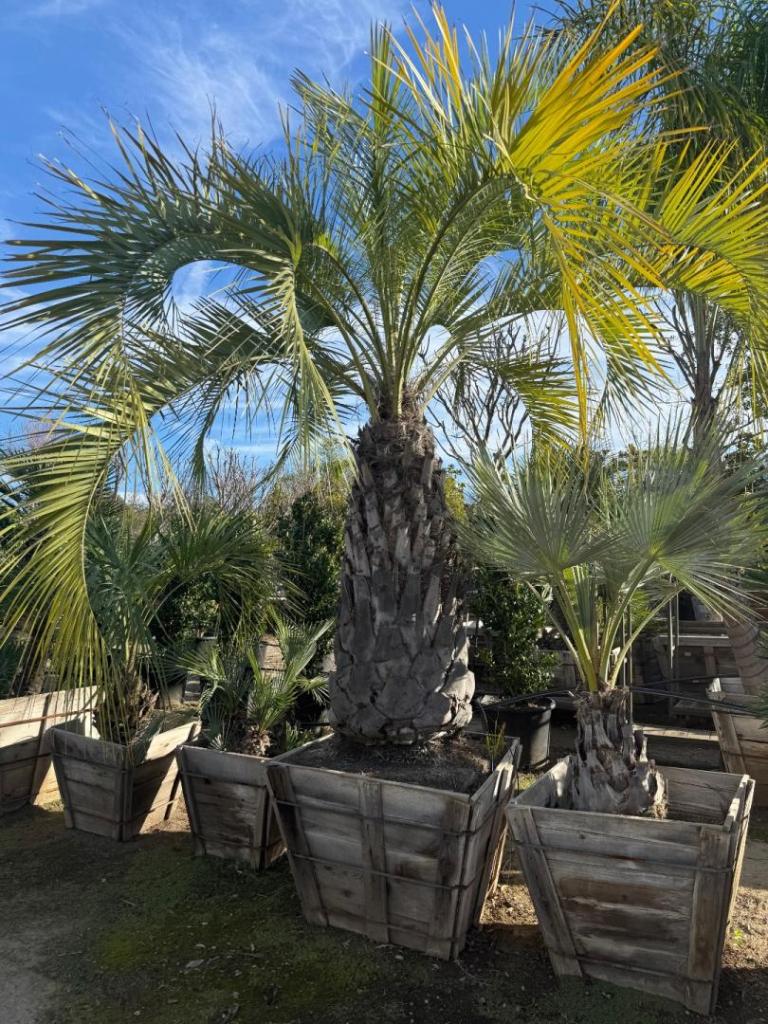
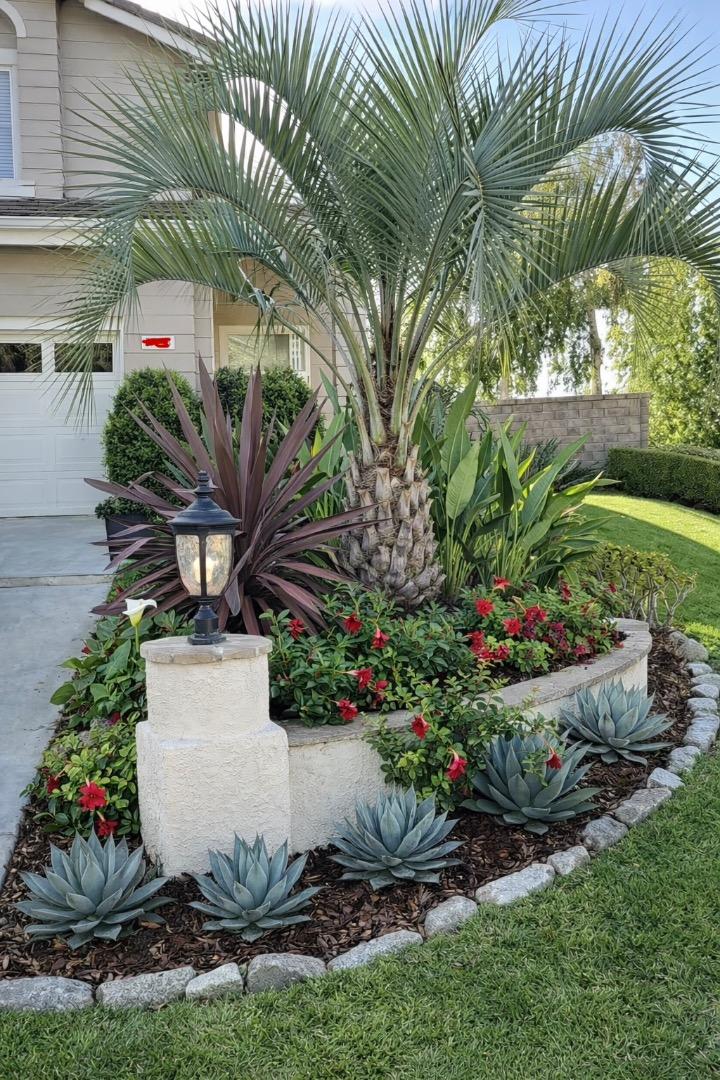
 I want a center piece tree. Here’s my vision a pindo palm as the anchor. A burgundy cordyline australis, red and orange dipladenias, calla lillies, to the side of the pindo birds of paradise, at the base soft tip agave, burnt burgundy agave. Something like this, this is survives well in my climate. A mixture of tropical and Mediterranean. Im not an experienced palm grower, I would love a royal palm, but I don’t have the confidence that it would survive or look good. I definitely want to grow some more tropical palms in the backyard where I can experiment. Do you guys recommend buying small ones online? That way if they die its not a huge financial burden.
 2 points
 -
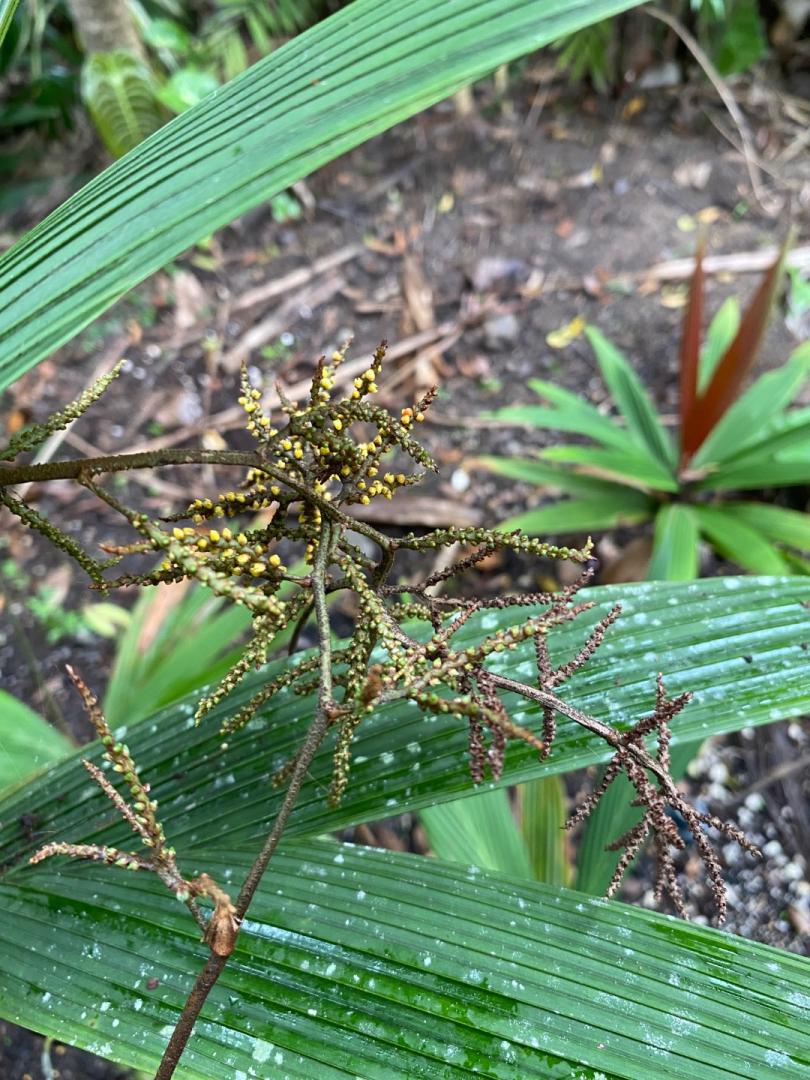
2 pointsI can't speak to the difference between male and female inflorescence of Ravenea julietiae because I only have a male and have never seen females. With regards to Ravenea glauca, I have both sexes. The female Ravenea glauca inflorescence opens up wider than the more narrow males.2 points
-
 2 points
 -
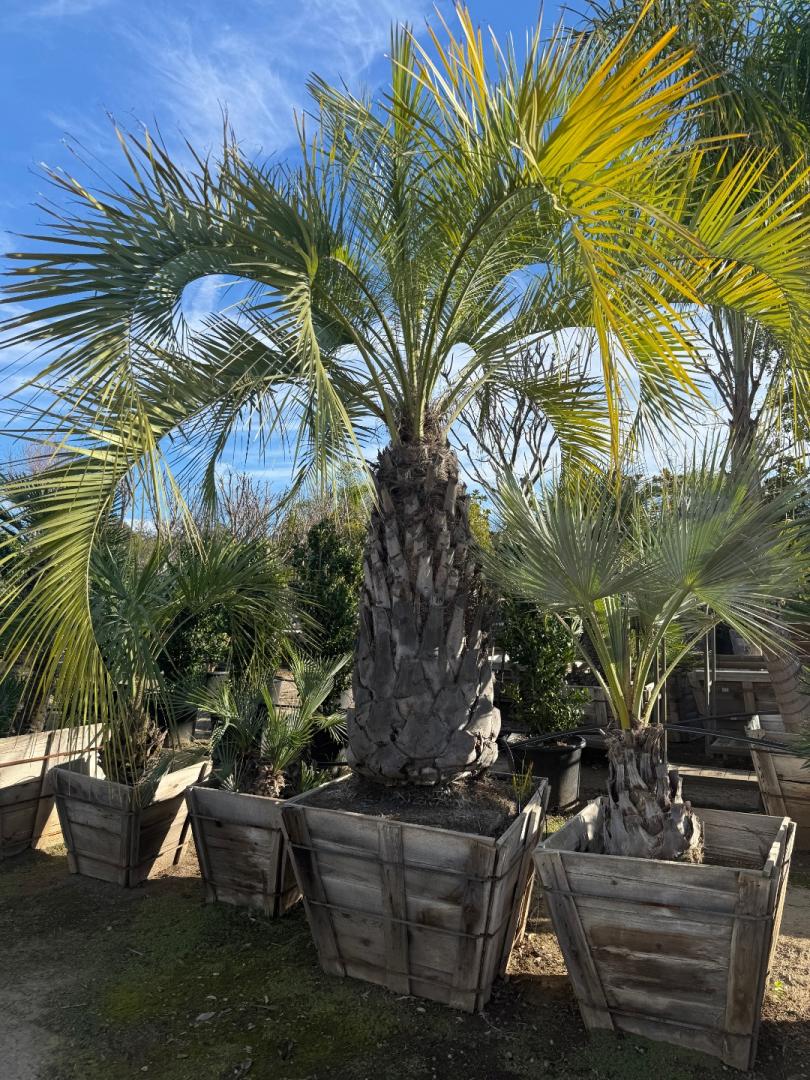
This is why these forums are awesome. I have never thought of this palm. I think it looks very nice. General nurseries don’t carry these, they’re not really palm geeks in my area. I’ve asked multiple people here where to go, but no one responds. I wish there was a list of preferred nurseries. That would make things easy. I think I’m gonna go with the Pindo. Its hardy, survives my climate well and looks good.
 2 points
 -
 2 pointsCurrent model guidance suggest a cold front sweeping thru the south in the March 12th to 14th time frame. How cold it gets is yet to be determined, but it looks like a low probability at least at this time of dropping below 40F in the Panhandle. This can certainly change though, so I'll continue to monitor. As of right now though, I'm not gonna waste any bit of the growing season if this truly is the beginning of it. Starting to focus more attention on any severe weather threats that may try to manifest over the next couple of weeks.2 points
 -
 You and my wife ARE absolutely correct. I did my research after I realized she wasn't going to let it go. My Queen was in sad shape when we moved in, and I spent 5 years nursing her back to health, only to give it the axe, I was pretty heavyhearted about that. I just thought it was ironic that we removed the only palm in our arsenal suited for the "2026 Fatal Florida Freeze" I'm an old guy so I have a limited amount of time to make the back yard into something that doesn't make me sad every time I go outside. After spending a small fortune creating the first iteration, #2 will be something completely different, light on the cash outlay, but still "tropical looking". I like the look of young queen palms and I won't get attached to my palms ever again, if they begin to present an issue, then off with their heads! Anyway, as you rightly suggest, they will be out in the yard, away from the house and the neighbor's homes. Hopefully Fusarium oxysporum won't get 'em. There are NUMEROUS Syagrus in my immediate vicinity and only one or two seem affected by that disease. Interesting story about how that came to be. Apparently, in days gone by, their lived a "Johnny Queen Palm" in our neighborhood. He dispersed Queens freely to neighbors, even planting them himself, according to a couple older neighbors. He's long gone, but his legacy lives on, at least for now. In yet another twist of irony, another of my plantings did not blink as a result of the freeze, my Eugenia hedge. Unfortunately I was beginning to remove them because of "Branch dieback" and "Guava rust". I'm just a lucky guy. Better to laugh then cry.2 points
 -
2 points
-
 2 pointsI’ve had the same decision to make. In general my thinking has been that if I only have a male of one species and a female of another, then why not try. Essentially it will be hybrids palms produced or nothing. There’s not really any cost to doing it if it doesn’t replace pure species. For example, I have a lonely Chamaedorea woodsoniana male. I have a Chamaedorea costaricana, oblongata and hooperiana females but no males of those species. I’ve been hand pollinating just to learn what works with what. I have 3 male Chamaedorea klotzschiana and a female so I don’t include these in any experiments and instead focus on isolating to produce pure seed. Perhaps if any of the species in consideration were critically endangered then maybe there’s a deeper debate, especially if the endangered palm is female and it’s worth trying to source male pollen somehow even internationally to continue the pure genetics. But in this case R glauca Isalo are spread around the globe fairly well and in no immediate danger so I don’t see what harm its doing by trying. Ravenea have been known to hybridise so you might end up with something interesting that inspires new collectors who ultimately contribute to palm conservation. I’m thinking of Tribears, Mules etc being introductory palms for people who then go on to become serious collectors and conservationists. That’s just my 2 cents on the topic but I’m happy to hear everyone else thought as it is a controversial topic for which I’ve heard arguments on both sides.2 points
 -
2 pointsHybrid palms is a good ethical debate. Myself personally iam against the hybridisation of palms or any other plant. It’s a debate that has the for and against it, Mother Nature does create hybrids but that’s for her to do and who are we to muck with Mother Nature. We know what happens when we do. With land clearing at an alarming rate and forest destruction of native palm habitats we are losing a battle we can all see what’s happening. We all know if it’s lost in habitat we can rely on botanical gardens and gardens around the globe to save a species of palm from extinction. Humankind has a lot to answer for in the destruction of the planet 300 to 500 years what will we leave. This is just my personal view on the subject and I will say iam against hybrids. Let others disagree, everyone has a right to be heard and have a say in this world 🌎2 points
-
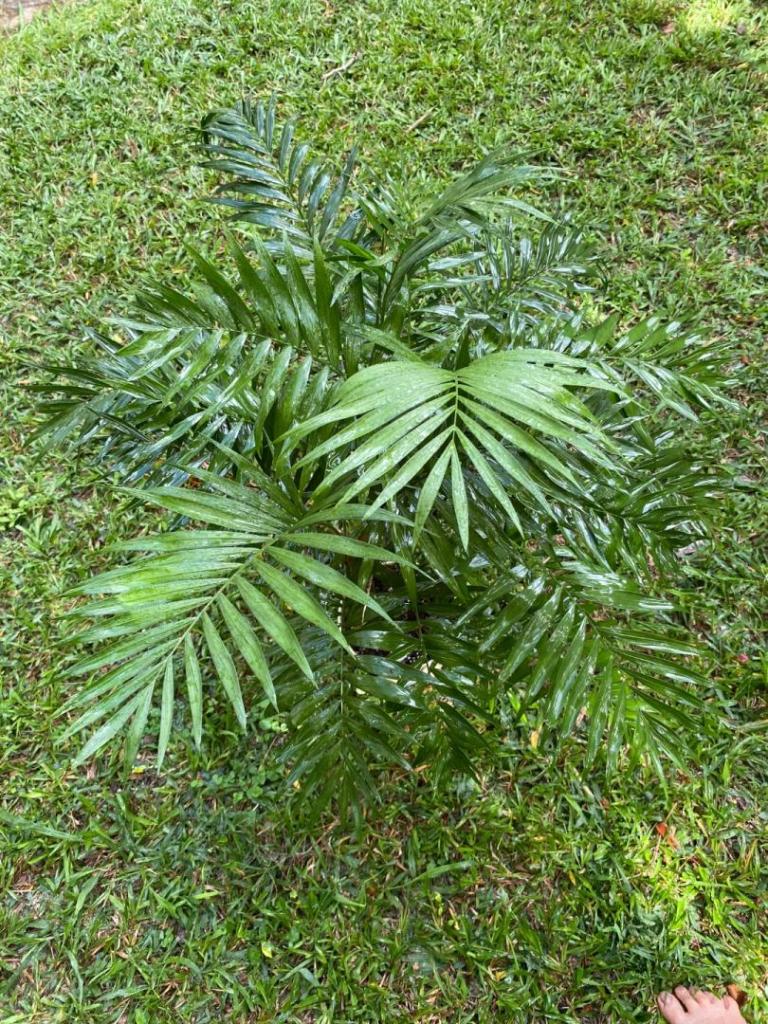
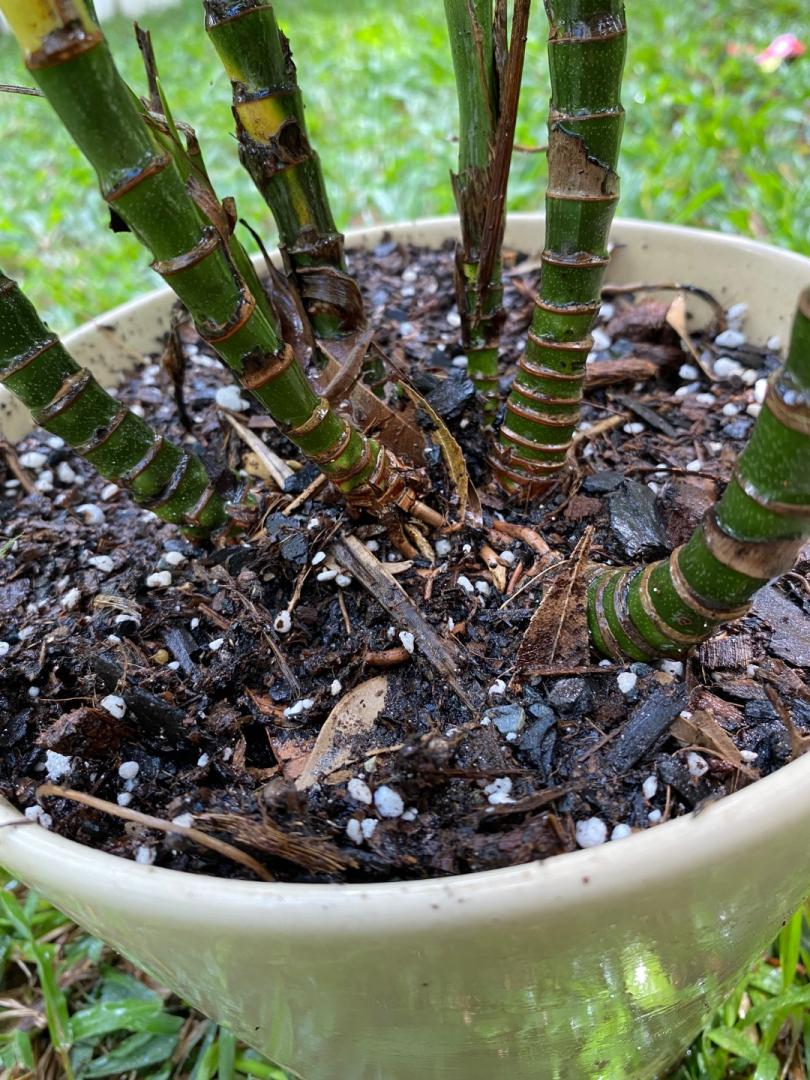
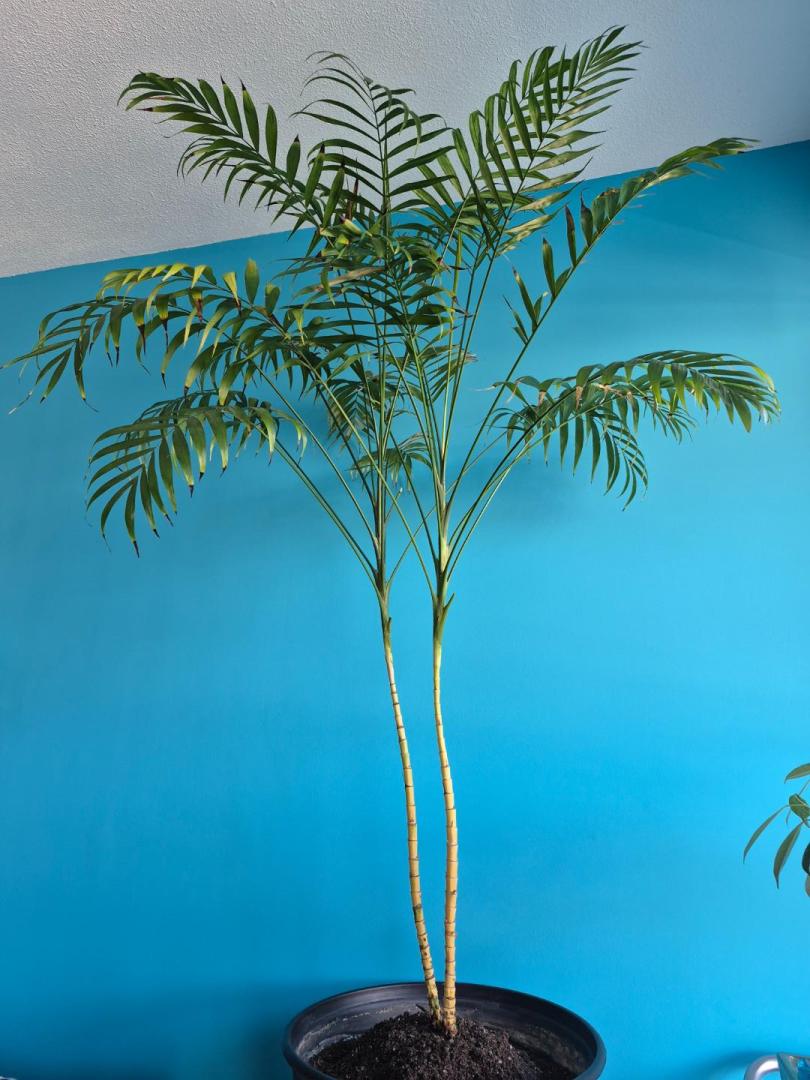
2 pointsYes it’s a Chameadorea elegans. And it’s got a bit of age about it, looks like you have repotted it, but the raised mound of soil is a bit incorrect, it should be level with the top of the roots.

 2 points
 -
 2 points
 -
2 points
-
2 pointsThey do clump up but nothing like the good old golden cane. They are a beautiful palm! Richard2 points
-
2 pointsI have gotten viable dypsis minuta seeds, still waiting to see if the louvelli are going seed up. And it’s the first time the poiveana have flowered so if track records are correct with most palms it will take a few years of flowering before I see any results, along with climatic conditions determining some results, but worth the wait!2 points
-
 I’m so happy theyve both taken. Well done guys.2 points
 -
 2 pointsI bought 2 one died and one is still fighting but would not call it a success yet!’n2 points
 -
 2 pointsOh man, had I seen you trying to give that away I surely would've jumped on it!!!! But, glad to here it's doing well in its current spot. My only Patric hybrid I purchased from him died after a spear pull episode, I believe it was Jubaea x purpurascens. However, I have been working with @swolf with his mature Jubaea x Butia from Patric to produce seedlings, as they have been flowering and setting seed for the last two years now.
 2 points
 -
One thing lost in this discussion about tropical palms and foliage in cold events is the amount of heat in the particular climate. Notwithstanding this February 2026 cold event, the average February temperature at PBIA was 64.82 degrees Fahrenheit for this admittedly cold event. Of course, the Koppen/Trewartha classification for tropical is an average temperature during the entire year of not less than 64.4°F. This is the PBIA weather underground site for the month of February: https://www.wunderground.com/history/monthly/us/fl/west-palm-beach/KPBI/date/2026-2 The average temperatures for the months of January 2026 and December 2025 were 67.01°F and 71°.84°F, respectively on the weather underground site for PBIA. The average temperature in the month of December 1989 at PBIA on the weather underground site during that cataclysmic event was 57° 48. F. The following months in January and February 1990 averaged 66.37°F and 70.04°F, respectively. It warmed up quickly after the devastating 1989 event. https://www.wunderground.com/history/monthly/us/fl/west-palm-beach/KPBI/date/1989-12 The closest and most reliable weather underground station in Palm Beach is Device One-KFLPALMB 251. During February 2026, it registered an average temperature of 67.8 F. with an ultimate low of 38°.3 F for the month of February 2026. https://www.wunderground.com/dashboard/pws/KFLPALMB251/table/2026-02-28/2026-02-28/monthly2 points
-
 Here is a preliminary cold damage to my personal palm collection. I live in Altamonte Springs, about 14 miles north of Orlando. Its a little colder than the metro Orlando area. My yard does have some good tree canopy in the back but this didn't make much difference with the winds. The first night of the freeze was 23F with 20-30mph winds all night and it was below 32F for over 10 hours. The 2nd night dropped to 28F but it was still with frost. This was the coldest freeze since the record Christmas 1989 freeze. It was also the first hard freeze with high winds the entire night. PALMS Acoelorrhaphe wrightii (4’)- no damage Aiphanes horrida x minima (6’) -100% burn, already had about 25% burn from earlier cold, it always showed damage below about 35F every year but always quickly recovered, not sure this time Archontophoenix cunninghamiana (20’) -major burn Archontophoenix purpurea (7’)- 100% burn Areca triandra (3’) -100% burn Arenga engleri (7’)- surprisingly burn on one leaf Arenga hookeriana (5’)- all tall stems 100% burned, shorter suckers green Beccariophoenix alfredii (15’, 10’)- both have severe burn but green in center Borassodendron machodonis (3’)- COVERED, no damage Brassiophoenix drymophoeoides (5’)- 100% burn Carpentaria acuminata x Adonidia merrillii (25’)- 100% burn Caryota mitis ‘Variegata’ (3’)- severe burn Chamaedorea elegans (2’)-100% burn Chamaedorea ernestii-augustii (3’)- 100% burn Chamaedorea metallica (2’)- 100% burn Chamaedorea microspadix (6’)- no damage Chambeyronia macrocarpa (3’)- all leaves burned except newest Chelyocarpus chuco (4’)- COVERED no damage Chrysalidocarpus leptocheilos (3’)- 100% burn Chrysalidocarpus lutescens ‘Nana’ (3’)- COVERED but partially blew off, 50% burn Chrysalidocarpus madagascariensis (Mahajanga form) (6’)- 100% burn Chrysalidocarous onilahensis (3’)- light burn Chrysalidocarpus pembanus (15’)- 100% burn on the 2 tall trunks, suckers have some green leaves Chrysalidocarpus psammophilus (3’)- 100% burn Chuniophoenix hainanensis (3’)- no damage Clinostigma savoryanum (4’)- 2 newest leaves have no damage, others burned Coccothrinax barbadensis (3’)- light burn Coccothrinax crinita (3’) – severe burn Coccothrinax spissa (3’)- severe burn Cocos nucifera ‘Green Malayan’ (10’, 3’ trunk)- almost 100% burn but a few green leaflets and petioles still green, already push new growth, it already had about 20% burn from frost a couple weeks prior Copernicia alba (6’)- no damage Cryosophila stauracantha (4’)- 100% burn Cyrtostachys elegans x renda (3’)- COVERED no damage Dictyosperma album (furfuraceum) (3’)- 100% burn Euterpe edulis (10’, 5’)- both have 100% burn Gaussia attenuata (7’)- 100% burn, new spear opening Gaussia maya (5’)- 100% burn Heterospathe negrosensis (4’)- light burn Howea belmoreana (3’)- severe burn Howea forsteriana (7’)- severe burn Hyophorbe verschaffeltii (6’)- 100% burn Lanonia dasyantha (2’, 3’)- no damage on either Leucothrinax morrissii (5’)- no damage Licuala kunstleri (2’)- light damage Licuala peltata (3’)- light burn Licuala ramsayi (6’)- slight damage on 1 leaf, very delayed reaction Livistona decora (10’)- no damage Livistona muelleri (4’)- moderate burn Livistona saribus (15’)- no damage Normanbya normanbyi (8’)- 100% burn Phoenix acaulis (3’)- no damage Phoenix loureiroi (Kashmir) (8’)- no damage Pinanga coronata (4’)- 100% burn Pinanga gracilis (3’)- 2 stems, 1 no damage, other 100% burn Pritchardia hillebrandii (3’)- moderate burn, still lots of green Pseudophoenix sargentii (4’)- severe burn Ptychococcus lepidotus (5’)- 100% burn Ptychococcus paradoxus (6’)- 100% burn Ptychosperma elegans (10’)- 100% burn Ptychosperma propinquum (macarthurii) (12’)- main stem 100% burn, suckers mostly brown but some green Ravenea glauca (3’)- light burn Ravenea hildebrandtii (5’)- 100% burn Ravenea rivularis (6’)- 100% burn Reinhardtia latisecta (2’)- no damage Rhapis excelsa ‘Zuiko Nishiki’ (5’)- no damage Rhapis humilis (8’)- no damage Sabal etonia x palmetto (2’)- no damage Sabal mauritiiformis (5’)- very minor burn Sabal miamiensis x maritima (6’)- no damage Sabal palmetto (10’)- no damage Sabal palmetto (Miami Rockridge form) (2’)- no damage Sabinaria magnifica (3’)- COVERED, cover partially blew off, light burn on a couple leaves, very delayed damage Schippia concolor (3’)- moderate burn Serenoa repens, silver (3’)- no damage Syagrus romanzoffiana (20’)- light burn Syagrus sancona (7’)- severe burn Syagrus weddelliana (6’)- severe burn Veitchia arecina (3’)- moderate burn Wodhyethia bifurcata (4’)- 100% burn CYCADS Bowenia spectabilis- no damage Ceratozamia hildae- no damage Cycas debaoenis- no damage Cycas thouarsii- 100% burn Encephalartos ferox- 100% burn Stangeria eriopus- light burn Zamia furfuracea – no damage, in pot and taken in Zamia integrifolia (narrow leaflet form)- no damage Zamia integrifolia (Palatka Giant)- no damage Zamia integrifolia (wide leaflet form)- no damage Zamia nesmophila- moderate burn Zamia sp. “Spots”- severe burn PANDANS Freycinetia cumingiana (4’)- main stems dead, some green shorter stems/leaves Pandanus furcatus (15’)- 100% burn but green already pushing out Pandanus letocartiorum (decumbens) (2’)- 100% burn Pandanus penangensis (monotheca) (5’)- 100% burn Pandanus polycephalus (3’)- severe burn Pandanus pygmaeus ‘Variegatus’ (2’)- moderate burn Pandanus tectorius (spineless form) (3’)- 100% burn Pandanus tectorius, dwarf spineless variegated form)- 100% burn PALM-LIKE PLANTS Cyclanthus bipartitus (4’)- 100% burn, this is root hardy, foliage dies every year as it declines around 35F but rapidly regrows in spring Dracaena arborea (4’)- severe burn Ravenala madagascariensis (15’)- 100% burn Ravenala menahirana (Honkondambo) (3’)- 100% burn, new leaf emerging Sphaeropteris cooperi (Cyathea) (10’)- 100% burn Strelitzia nicolai (10’)- 100% burn1 point
 -
 1 pointHi everyone, I recently inherited this palm. I am wondering if it is a Parlor Palm / Chamaedorea elegans or something else. Any tips? Should I look at the root system? Look into the soil and possibly repot? Thank you in advance.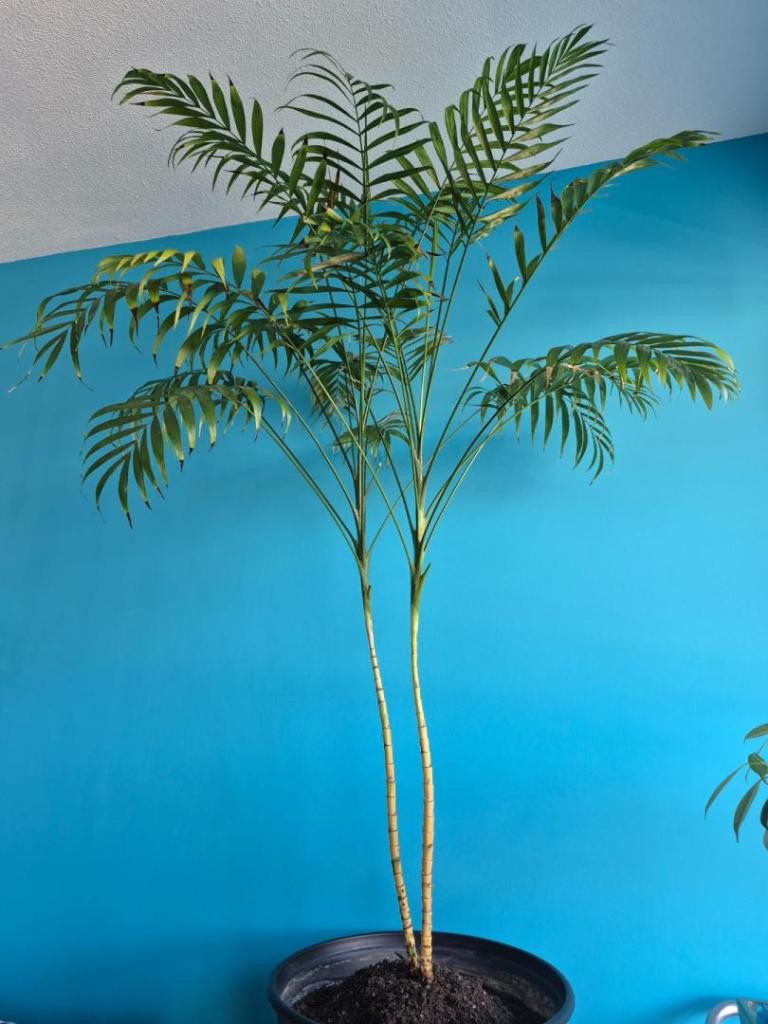
 1 point
 -
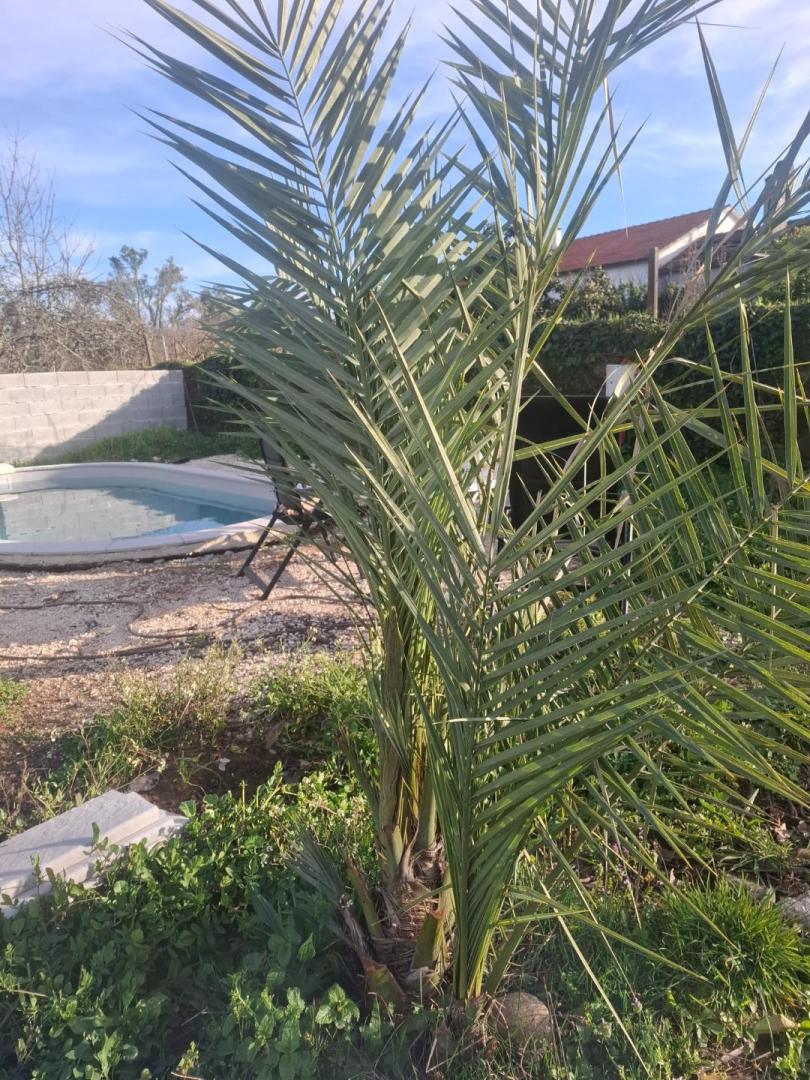
 1 pointI bought this house in Central Portugal and this Phoenix was already in it. My opinion it is a Phoenix Dactlylifera because of its more grayish color of leaves, can someone tell me if I'm right or is it a other Phoenix ?
 1 point
 -
 In 2015 while I was working in california I bought some patrick schaffer hybrids. I was inspired by the gardens of the fathers of butia hybrids DIck Douglas(NorCal) and Merrill Wilcox(FL). I wanted some jubaea genetics in my yard but best knowledge said pure jube would not be happy here. My favorite patrick hybrid, the one that I did not give away, was a (Bx J)xJ. I had a coupole BxJ from patrick and this one just looked different, even as a small seedling in a 4" pot. It is a BxJ mother tree pollinated by a jubaea. I had it in a small 7g container for years and then upgraded it to a 20 gallon in 2020. I feared it would not deal with florida humidity and wet soil so I kept it in that 20 gal pot and infrequently watered it. I tried to give it away, no takers from the coconut and adonidia crowd in my neighborhood. I even offered it here on palmtalk, surely a nice cold tolerant hybrid would work somewhere up in northern florida or there abouts, no takers. It grew slowly over the years and a year and a half(?) ago I decided I didn't want a palm prisoner in a container so I decided to put it in the ground in a dry spot where I had removed an invasive ficus benjamina I had mistakenly planted. Well, it seems as if the palm just loved this winter and pushed out a bunch of new growth. It grows faster in winter. I also have a BxJ with 3-4' trunk that is a nice palm but this one has a symmetric beauty that I love. Now I am very happy I didnt give it away. Its not a fussy palm, I planted it in a spot where it will intercept cold NE winds off the nearby pond Anybody else have a butia, Jubaea, or syagrus hybrid out there, I know Patrick made a bunch of different hybrids, show yours if you have one.
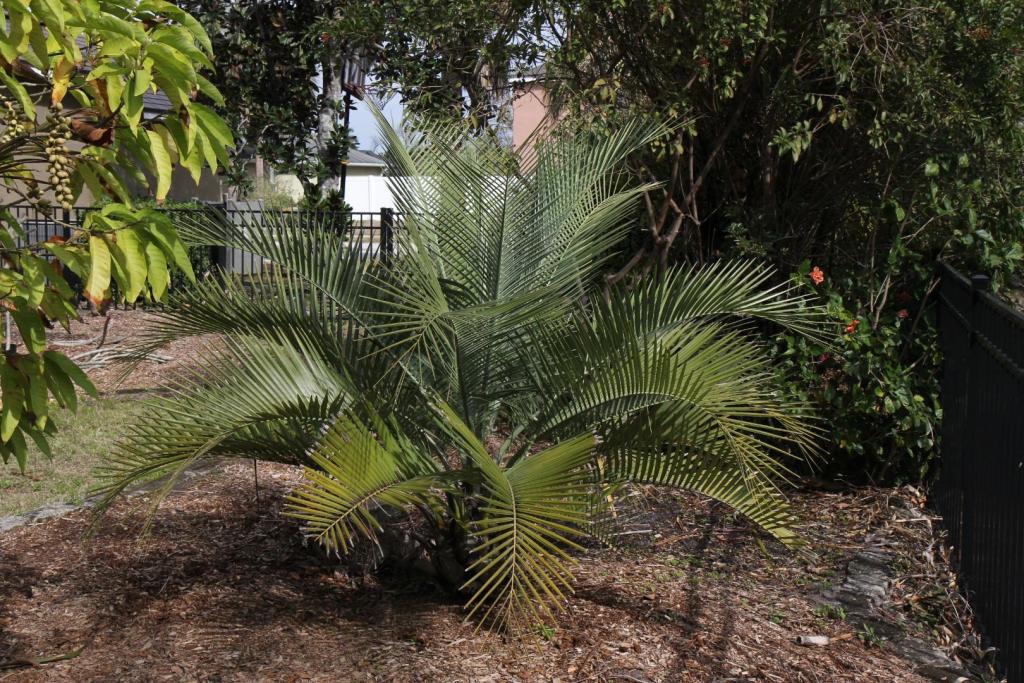 1 point
 -
 I first saw these on (I believe) Plant Delights Nursery site and I love the look of them but can't justify the money, especially shipping costs. Anyhoo, specifically, the varieties of dancing crane and white feathers look great. I would love to find one of these some day more locally. Anyone have any experience with them? They are also extremely hardy for such a cool looking variegated plant.1 point
 -
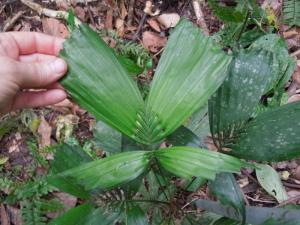
 I added this one 3 years ago as a test for a microclimate not planted before. It is a stunning palm taken care of entirely by nature. No human has even checked on this one in 9 months until last week. The previous owner said she probably only climbed down to this spot once or twice during the years she owned the property. Now we have dozens of palms in this area and added two comfortable (Big Box $17.88 each) chairs this visit. They and the PVC pipes with orange flagging tape and aluminum labels are the only signs of humankind here as far as you can see for 365 degrees. The birds and frogs are the only sounds. It may be my favorite spot on the farm. Directions are easy: turn left down the main path from the house by the Metroxylon salomonense that is my avatar. Hold on to the torch gingers for a steep, but short stroll (easy unless it's muddy) and follow the PVC pipes until you're there.... No traffic lights or noise pollution. Can you tell I miss our farm already and I've been back in Virginia less than 24 hours?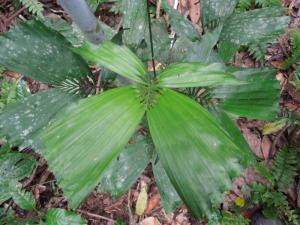
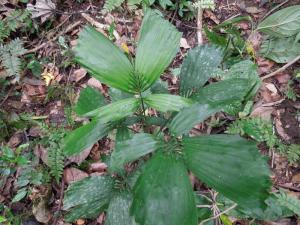 1 point
 -
 @Bkue + @pj_orlando_z9b + et al. Hope you both get a few Adonidias and Roystoneas to push through. It's looking like I'll be removing one Royal and one Adonidia. The others should be able to pull through. Two of my coconuts are pushing new green growth, so there is hope there. While I was working the booth at the plant sale today, a few people asked me what the pinnate palms were on the east side of Summit tower downtown. My answer of Archontophoenix cunninghamiana apparently caught them off-guard, but when I explained that the building blocked all of the wind, it made sense why they were green.1 point
 -
Question. So are sabal louisiana fast trunkers? Here's my sabal (purchased as a Brazoria but seems like a louisiana) louisiana. Is it possible for a sabal louisiana to have trunked this fast? This is 2026 and2021. It was planted as a 7g in 2021 and has a fat (2-3' around) trunk about 12"-16" tall.

 1 point
 -
 1 point
 -
 1 pointRegular odorata is supposed to be the toughest. I like your survivor seed plan. Maybe try one crossed with jubaea? I'd hit up @Scott W or @Bigfish between the two of them they can probably get you on some seeds or seedlings Good luck1 point
 -
We just received around .4 of an inch today. There was a slurping sound when I walked outside.1 point
-
1 pointThey do clump up but nothing like the good old golden cane. They are a beautiful palm! Richard1 point
-
They are indeed a beautiful little palm, and quite tough but slow growing, the one I have in my garden is 25 years old and has endured dry conditions with low temperatures down to 2 degrees Celsius. But iam confident in planting out tube stock plants in my garden. Don’t let there small size deceive you there like a jack russell or Pekingese dog they maybe small but are tough little critters!
 1 point
 -
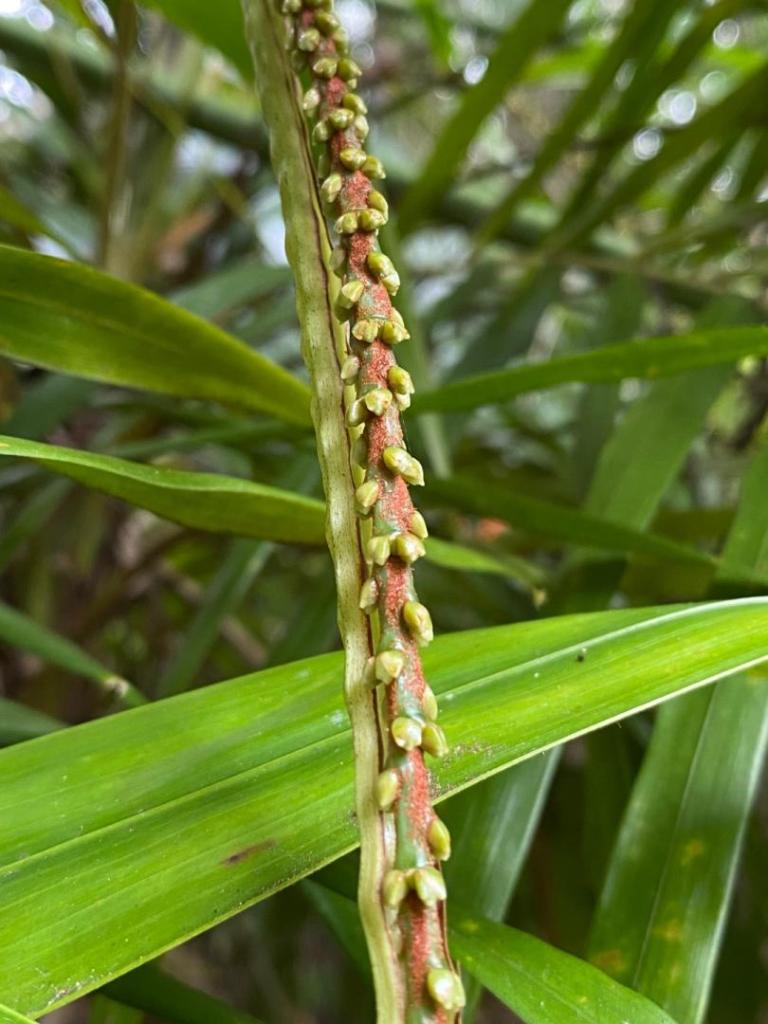
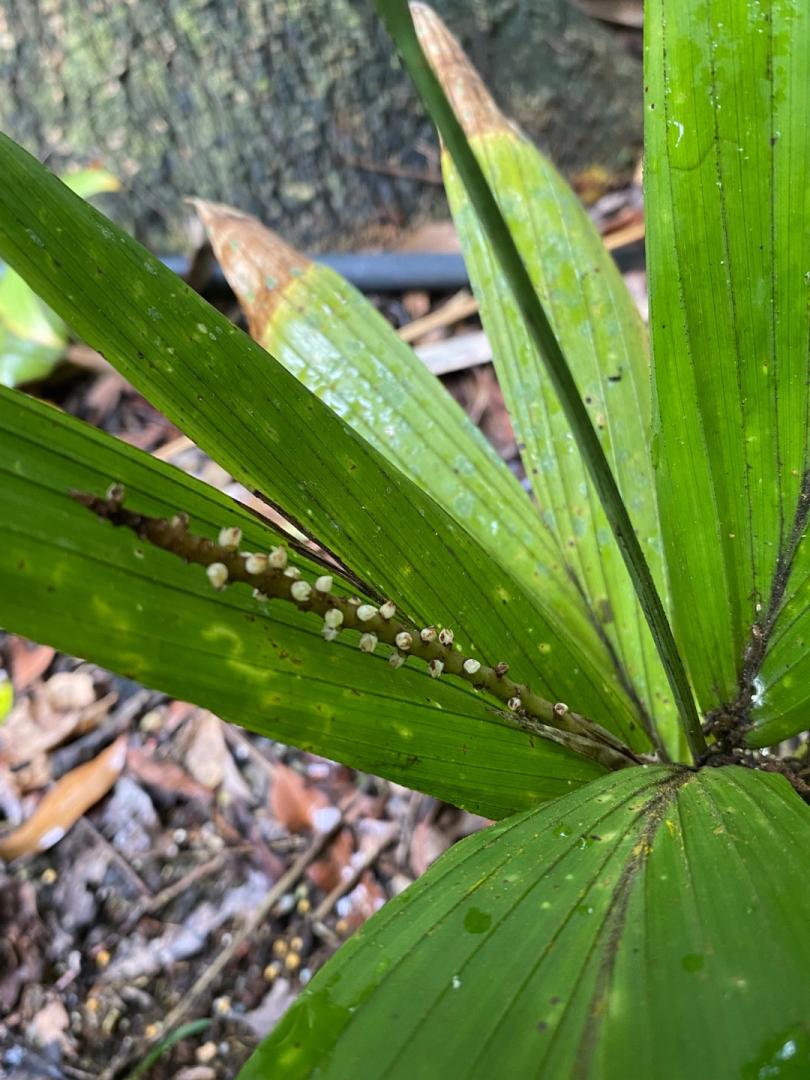
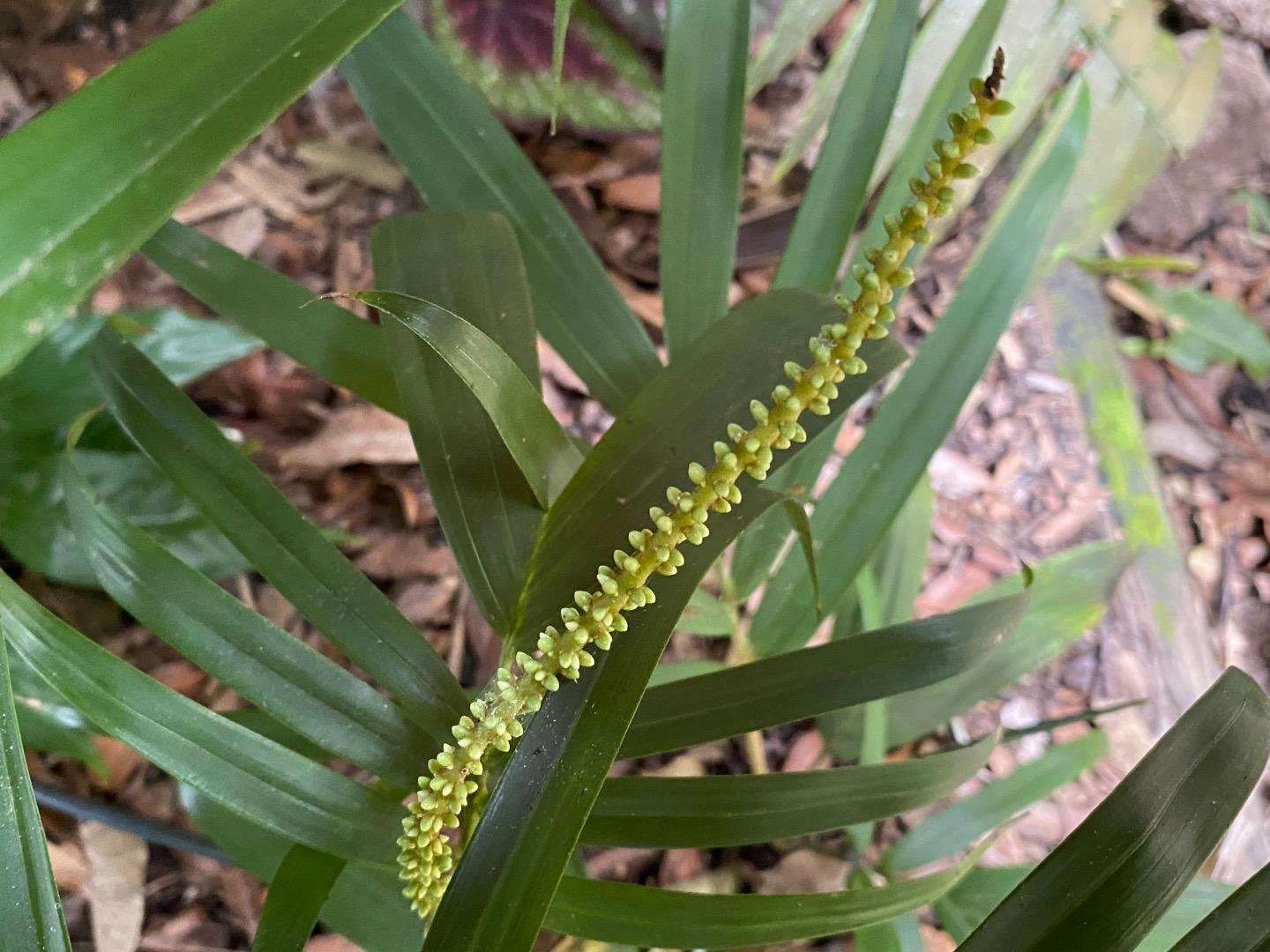
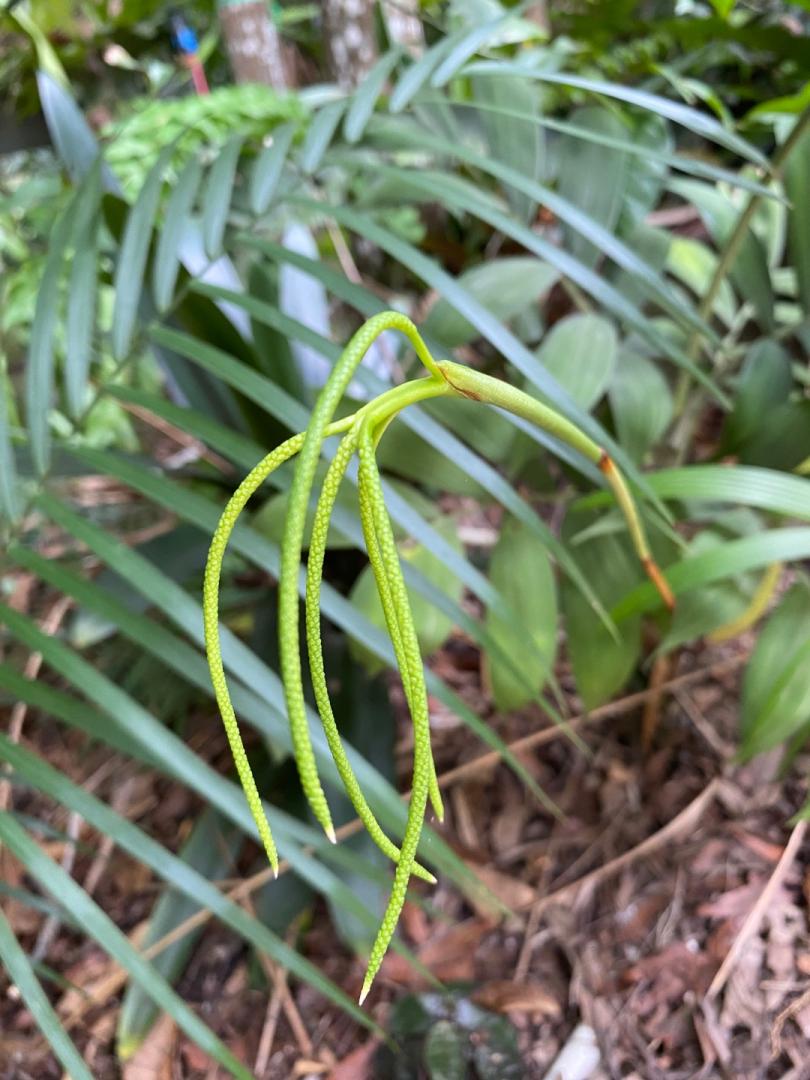
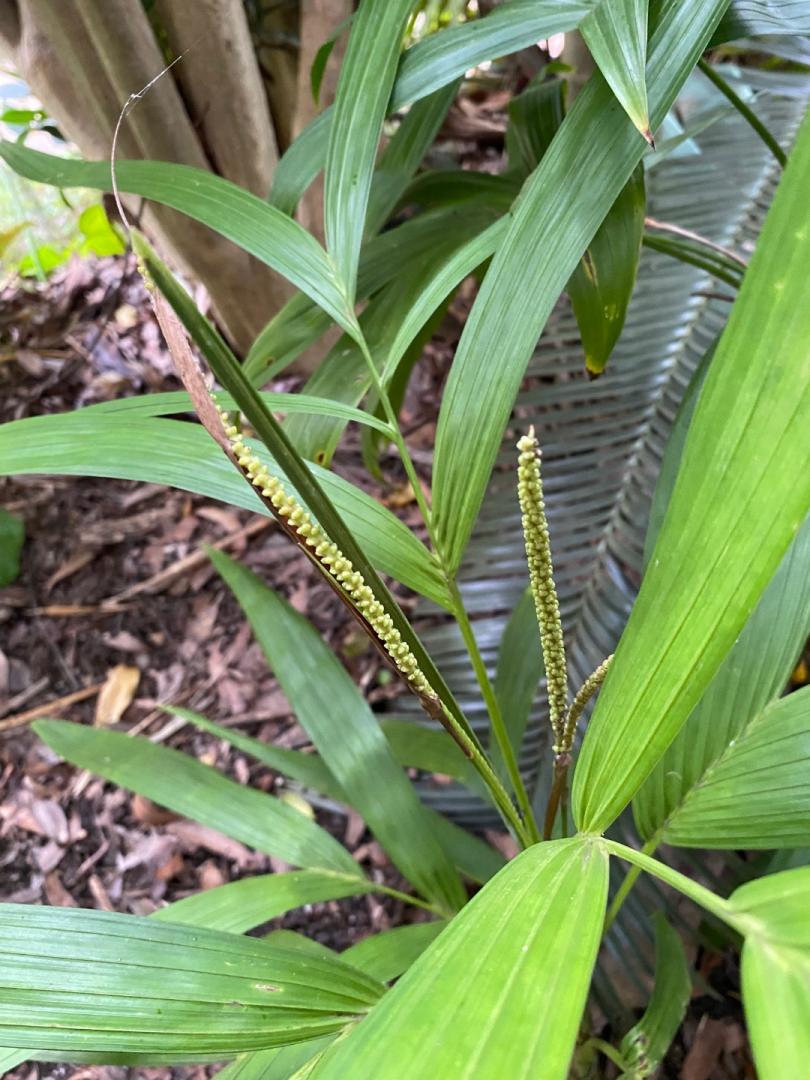
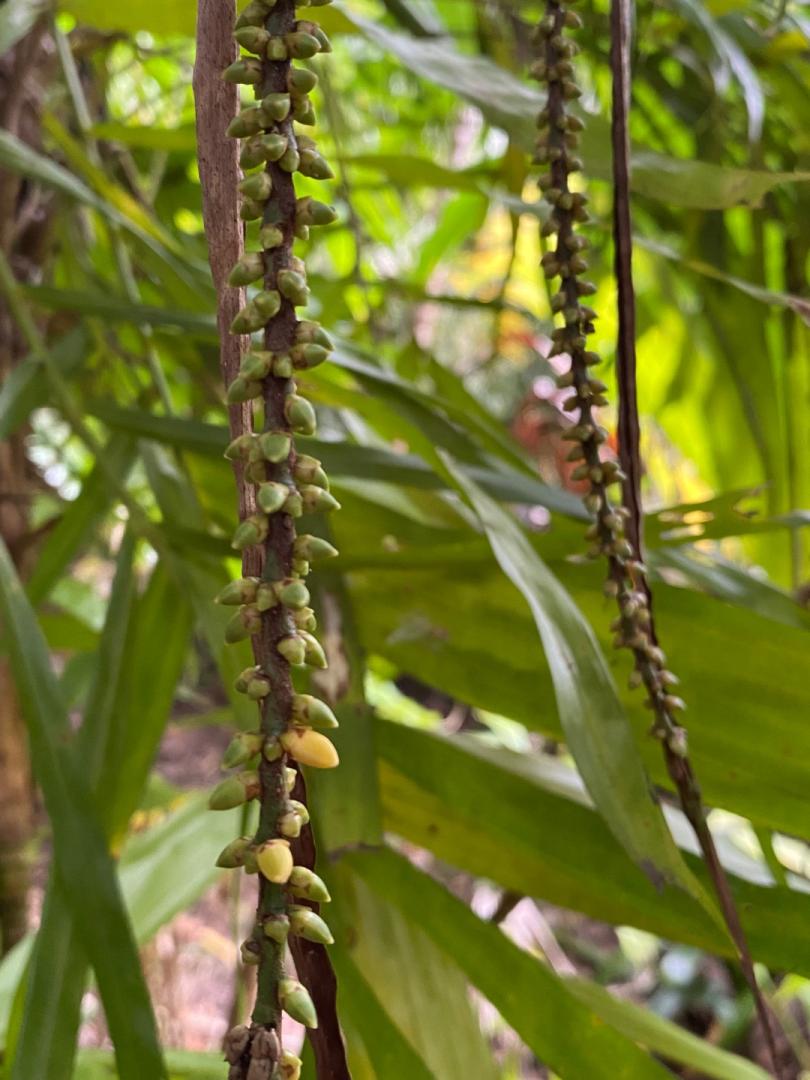
1 pointWith summer over the small understory dypsis have been putting out a few inflorescence ready to flower. Not sure if there is enough heat left before winter to get a few seeds, but that’s up to Mother Nature to decide that. And a few second season chamaedorea adscendens inflorescence are hanging around with a lone male looking for love, along with a linospadix minor and monostachya not wanting to miss out on any action. I might get a seed or two if iam lucky! Dypsis louvelli Dypsis minuta Dypsis sp Dypsis poiveana Male chamaedorea adscendens linospadix monostachya linospadix minor
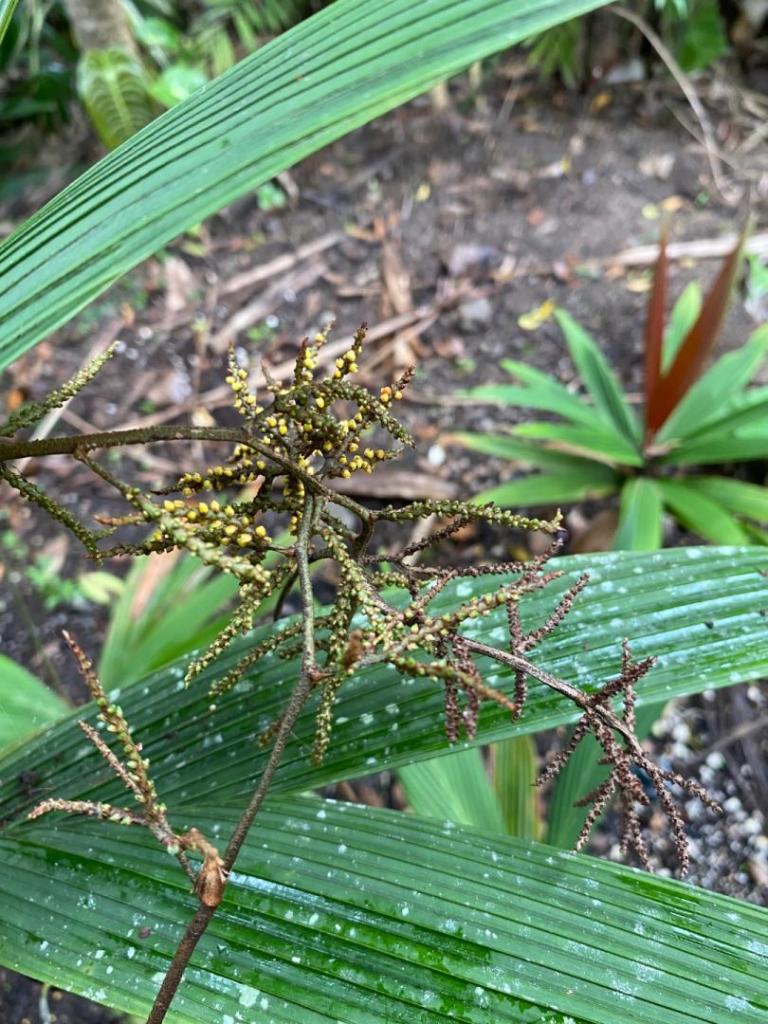
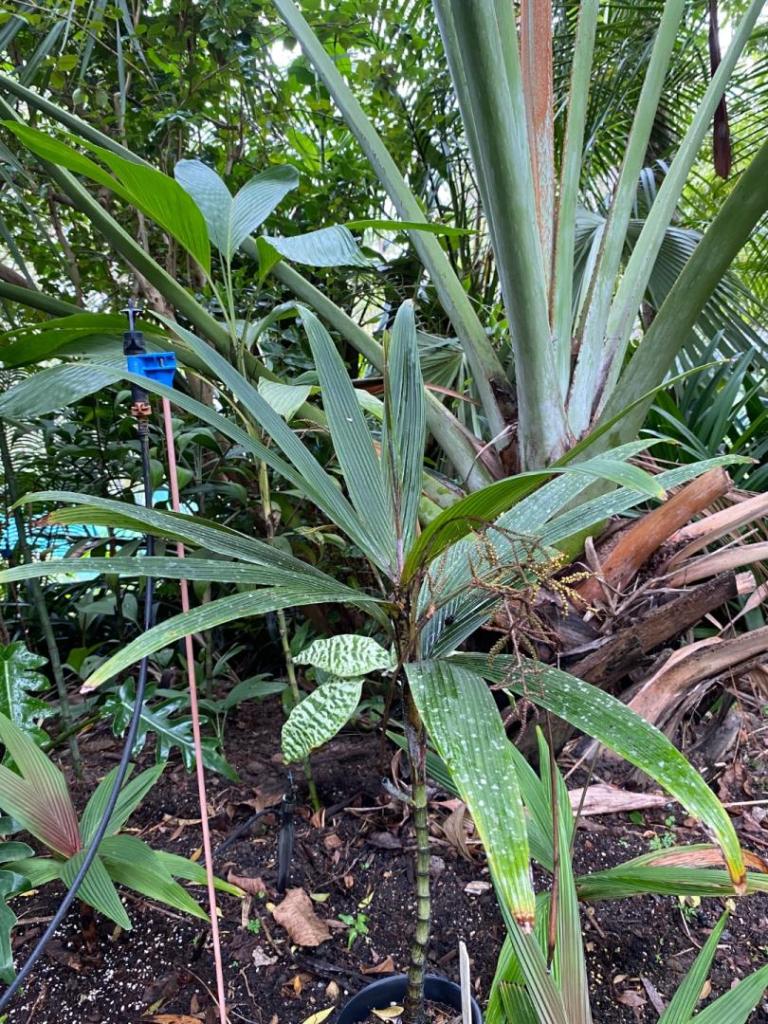
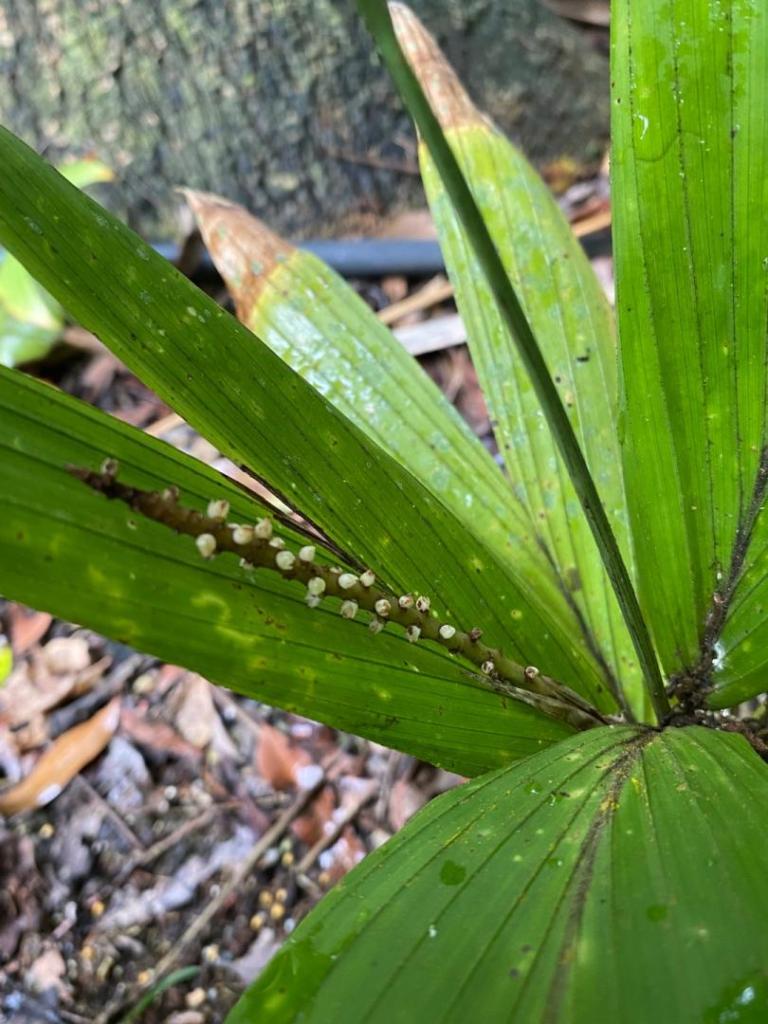

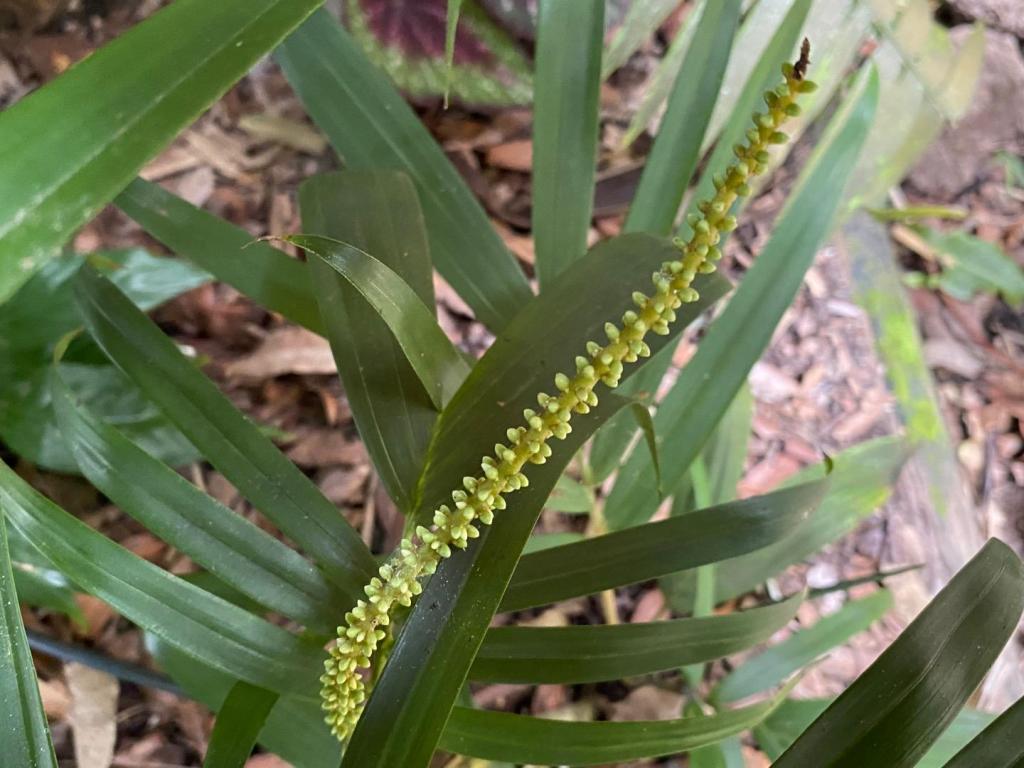

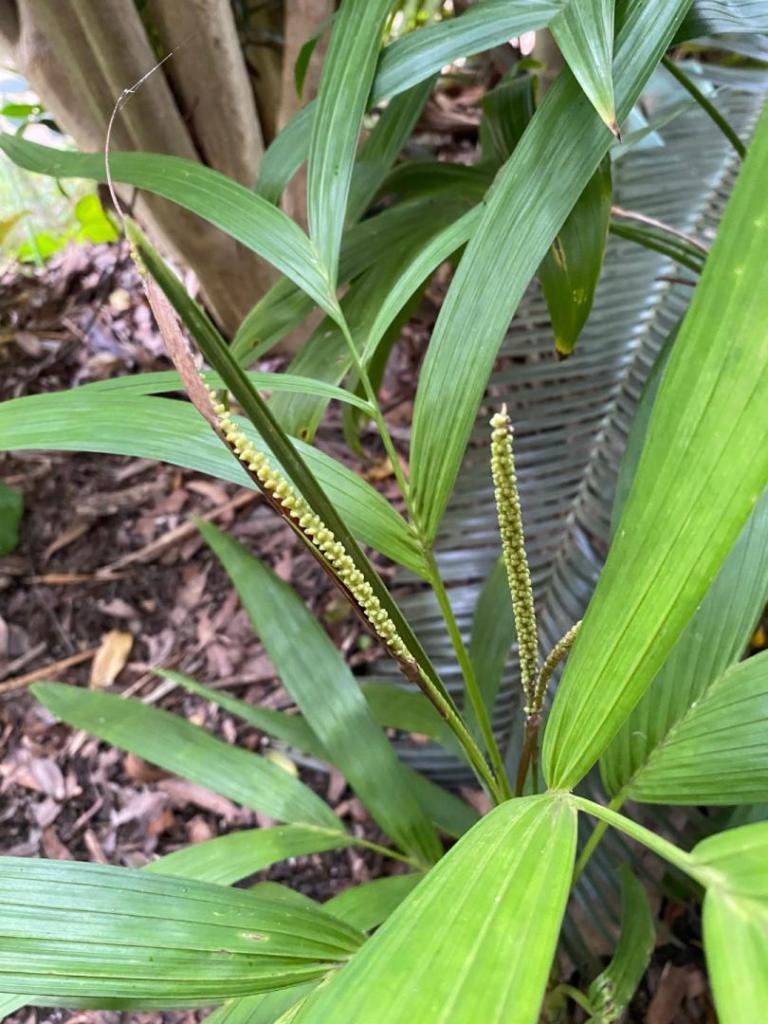

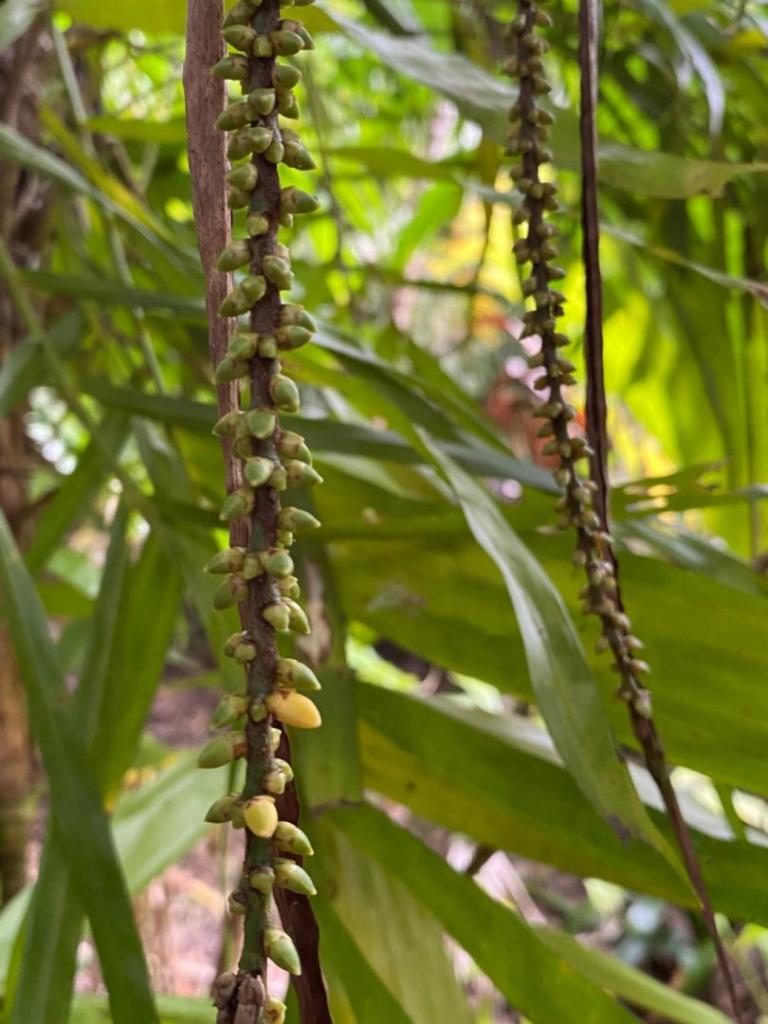
 1 point
 -
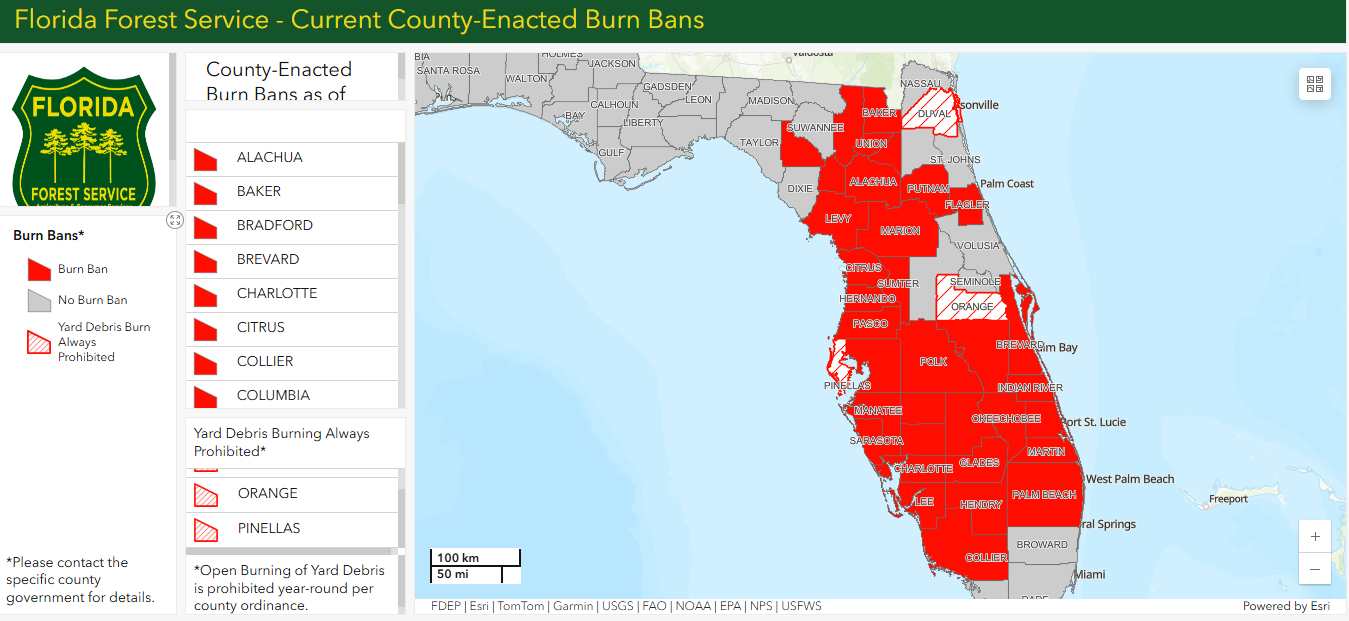
I dont know if anyone has mentioned it here yet, but I believe that as of Thursday for the first time since the drought monitor began back in 2000, the entire state of Florida is involved in a Moderate Drought or worse. Burn bans are also becoming more widespread across the Peninsula:
 1 point
 -
 Anecdotally, I would say that this event was the worst I have seen since 1989 mainly due to the wind. The temperatures were bad enough to cause some damage but the wind took it to a whole other level. It was blowing 20-30mph while only at 25-30 degrees. A bad combination for sure. Also, the “protection” of living by the water did nothing as did being in Central Florida. Our lows were not much different than North Florida - 25ish vs 23ish. Pretty much everything with exposure is brown except for Queens, most Phoenix and of course Sabals.1 point
 -
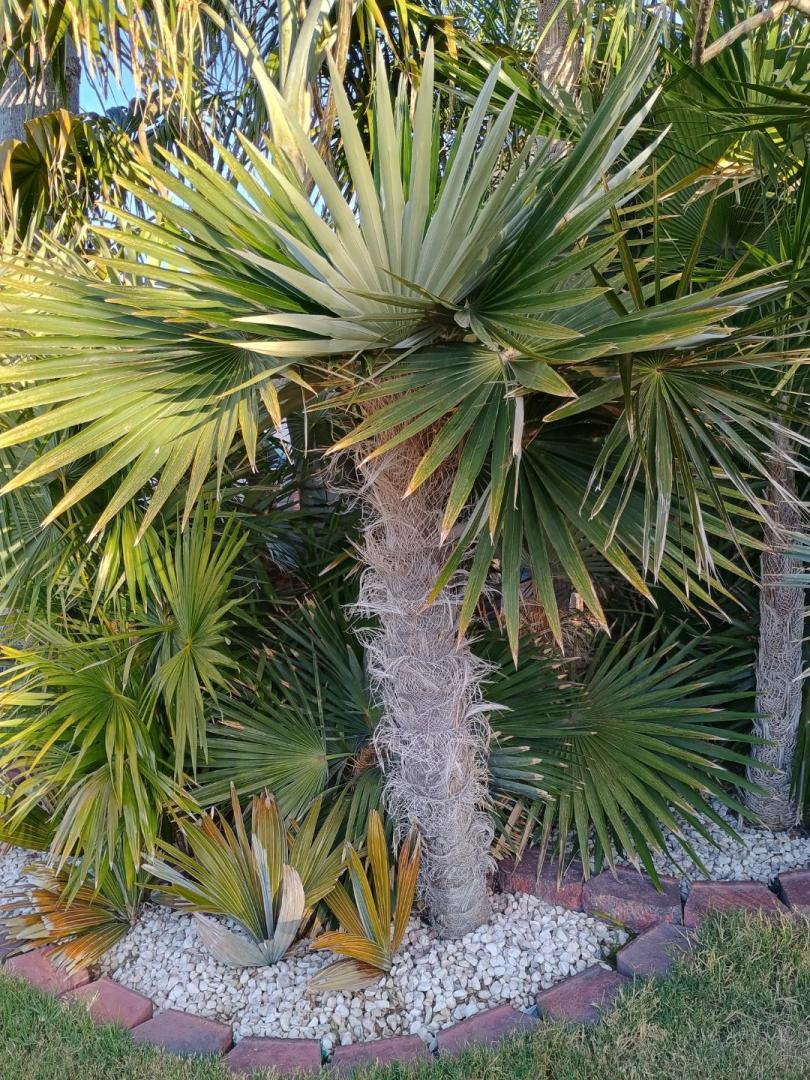
You won't have any trouble with a borhidiana,no matter how you plant it! The purebred and it's hybrids are some of the hardiest of the Coccothrinax species. While the purebred is slower growing, both literally grow like weeds, slow but steady, even in the harsh conditions of the Arizona desert. First pic is a purebred, second pic is a hybrid. aztropic Mesa, Arizona

 1 point
 -
 1 point‘These do very well here Dypsis/Chrysalidiocarpus Lanceolata. Have you had any that clump?
 1 point
 -
1 point
-
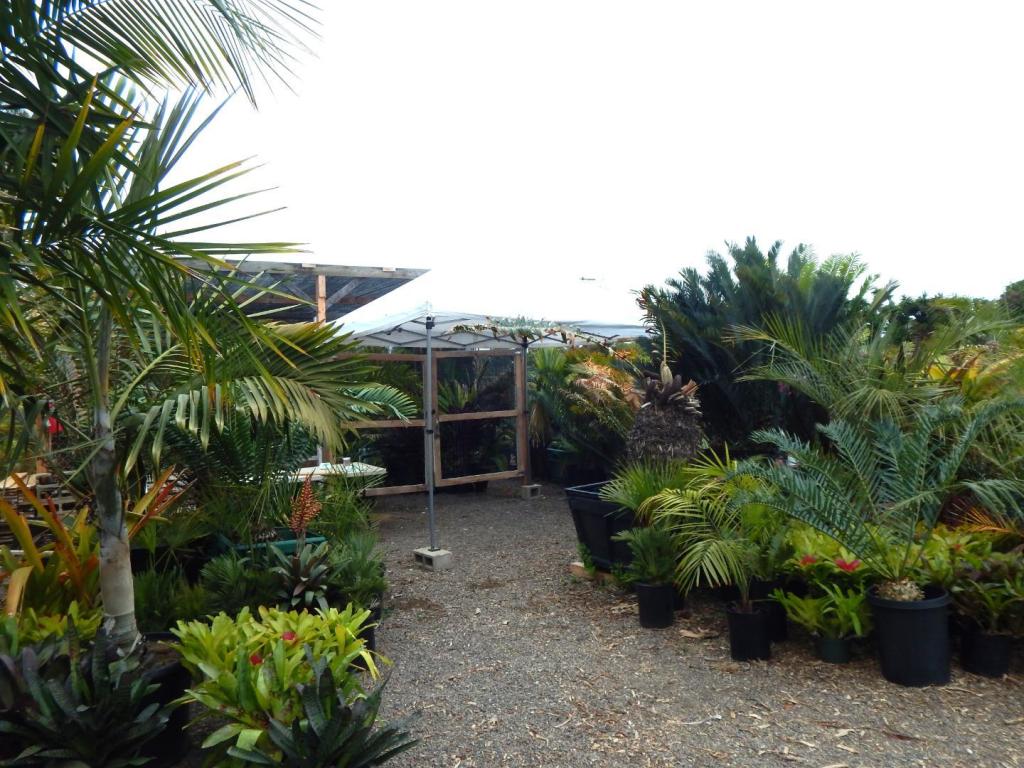
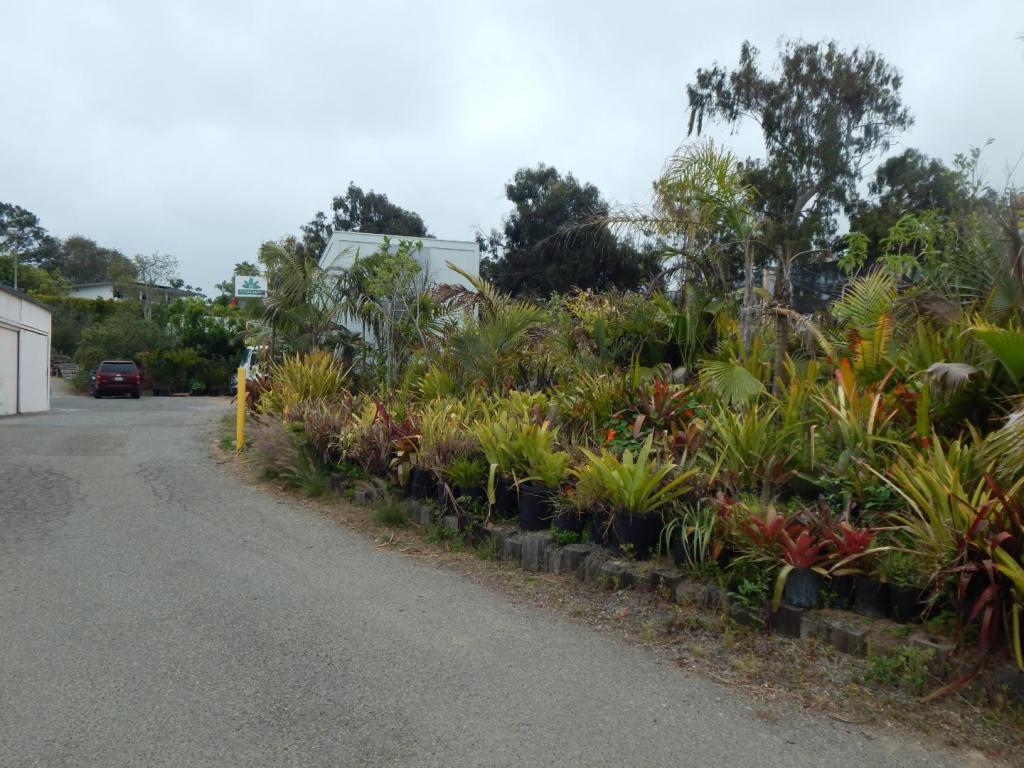
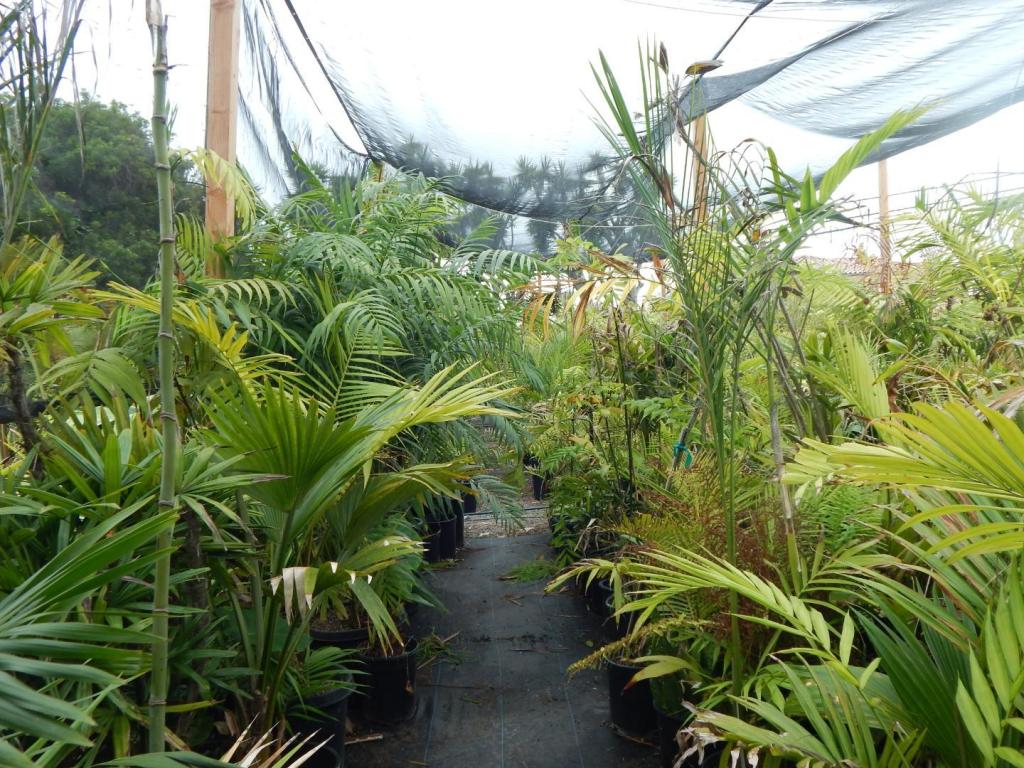
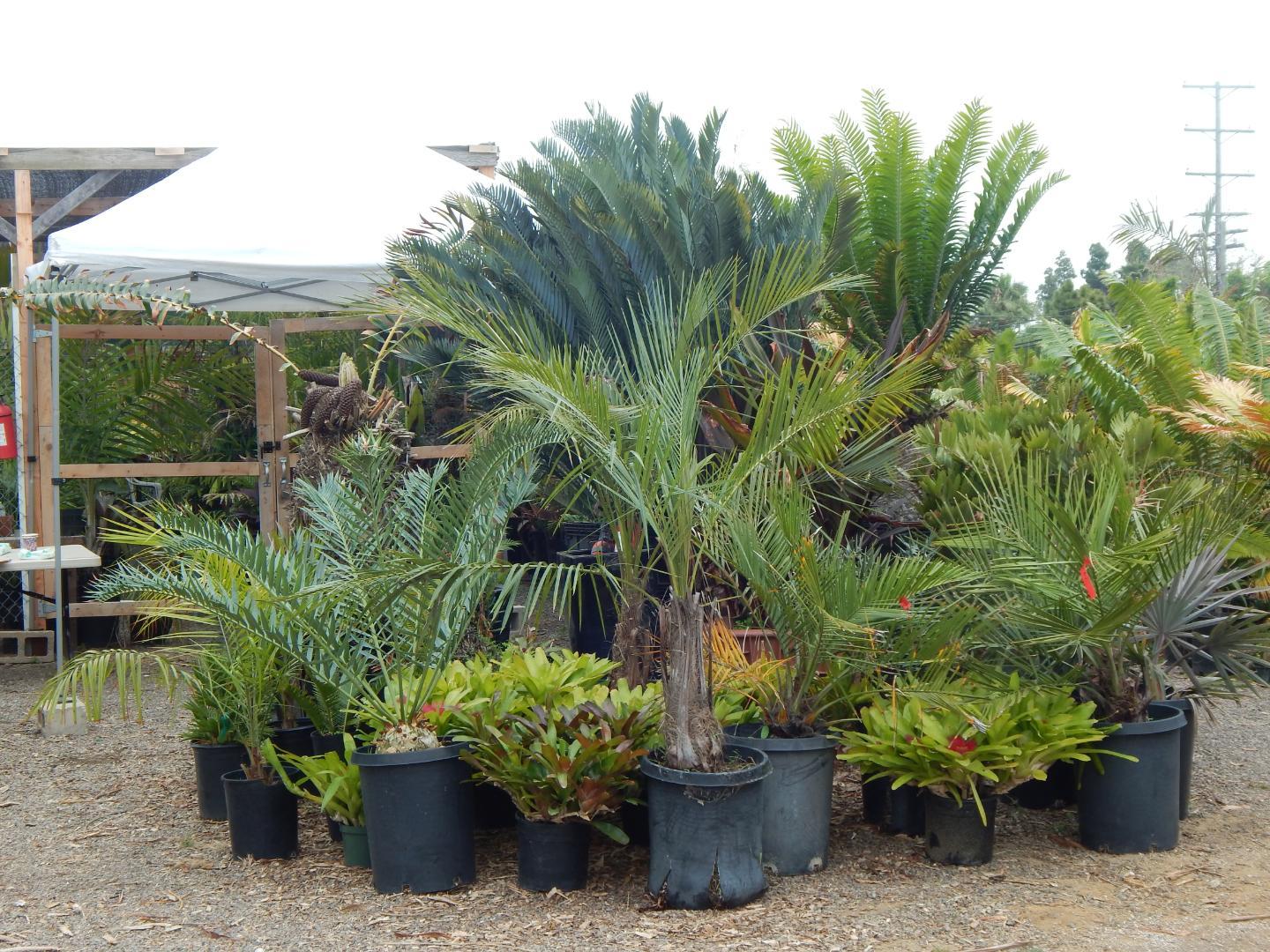
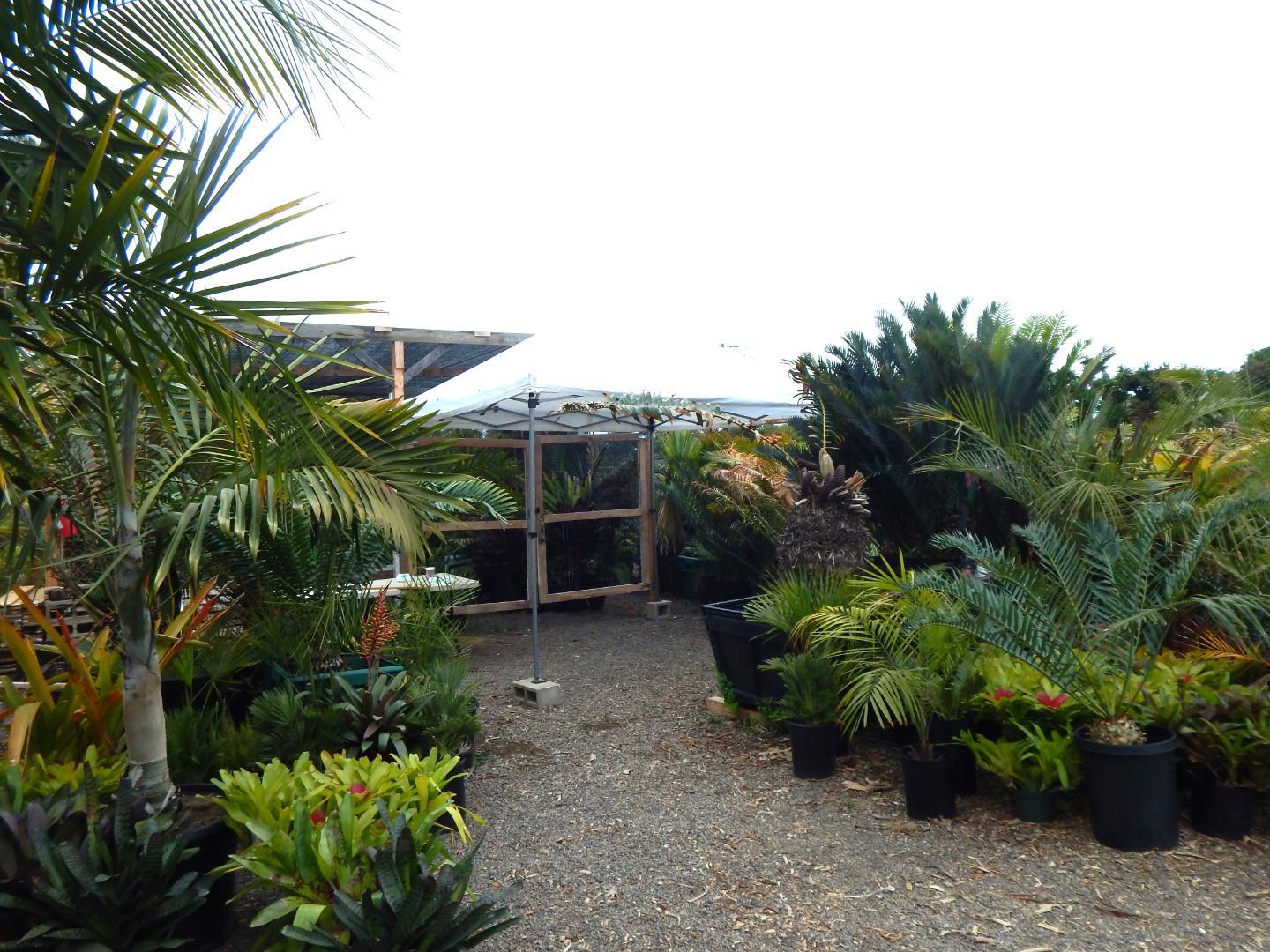
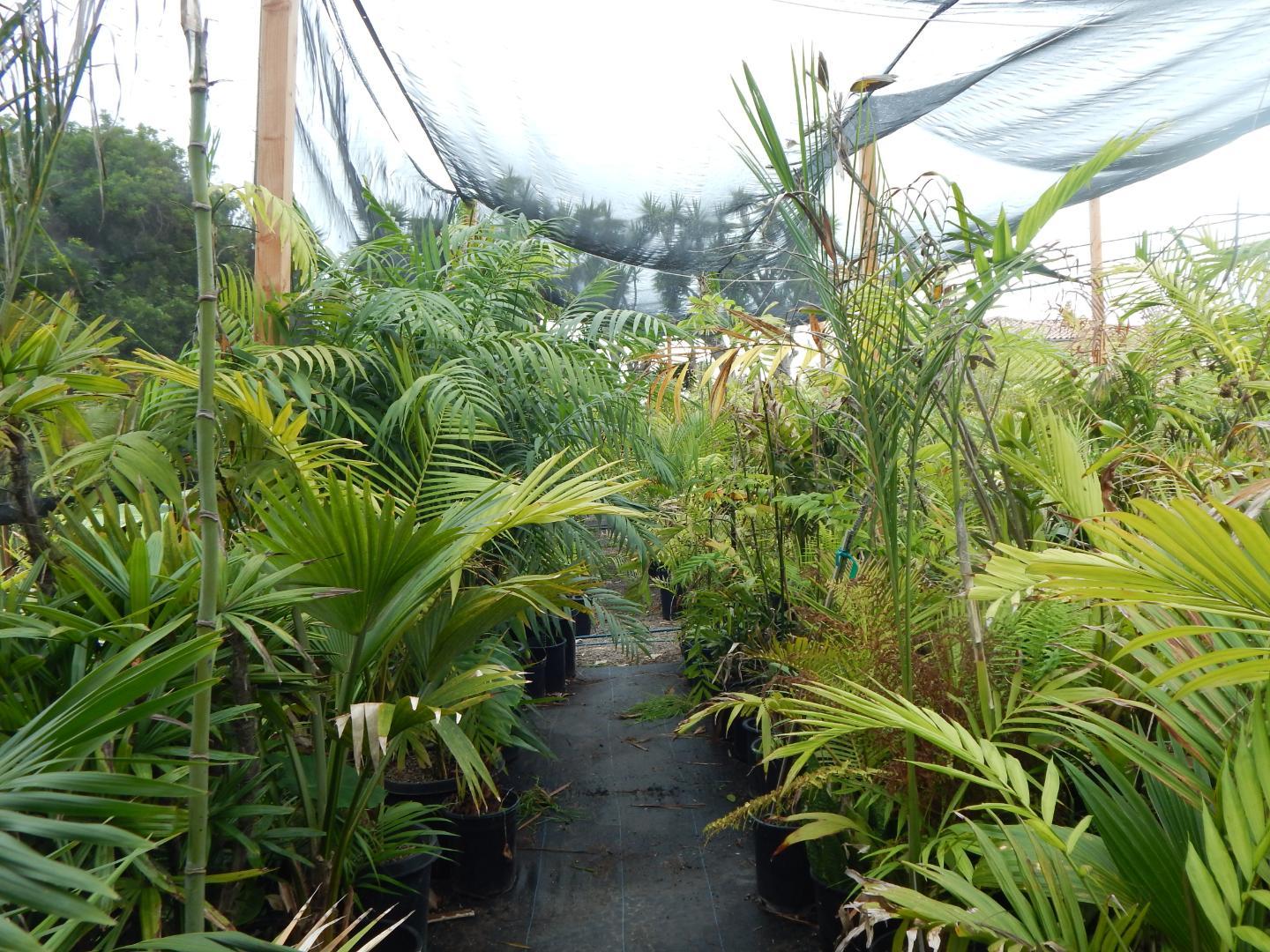
 I thought I'd update this topic with a few photos of our new Nursery Location at 1111 Urania Ave, Encinitas, Ca 92024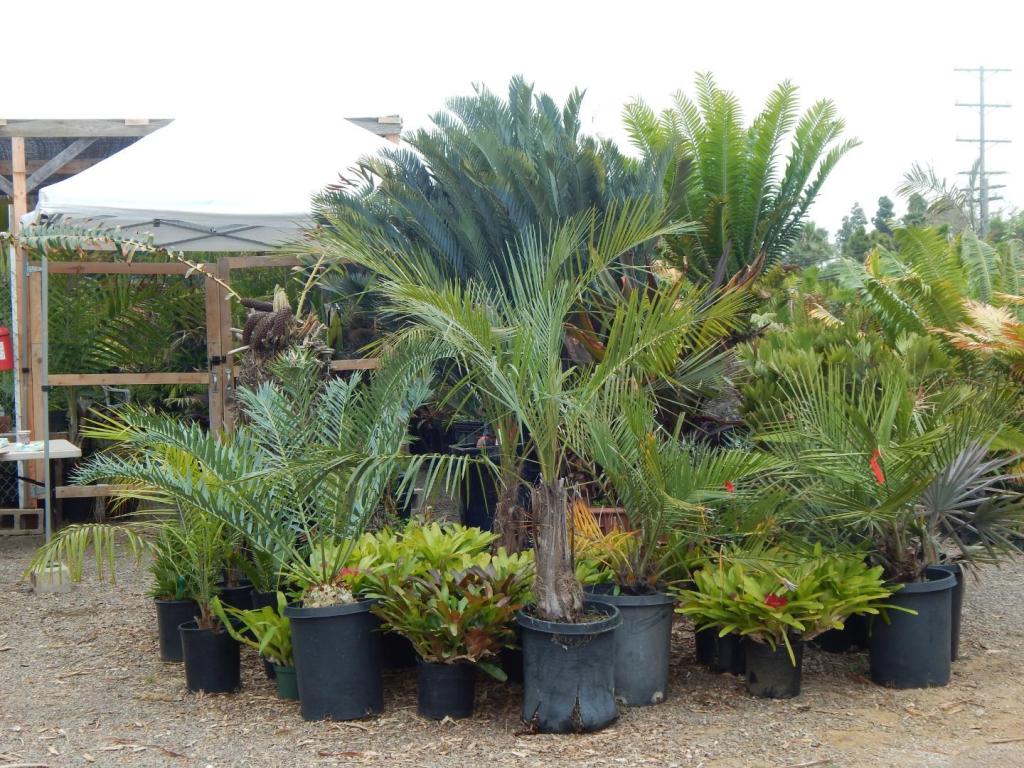
.thumb.JPG.0b248a28f1a2b79470940d2f8ce1ddb4.JPG)
.thumb.JPG.f798fa8a47e7918c4a7ec62e9751a9bf.JPG)
.thumb.JPG.bd1060c0eb7badfefc384b87786b33ac.JPG)
.thumb.JPG.7bf1c8871fbff056a85cdacb5fc3e6b9.JPG)
.thumb.JPG.3658fadc1a6ecddae24b8e893875f2b6.JPG)
.JPG.7217171c9ef4c963f5bf944bf6ed30f5.JPG)
.JPG.decad63020bf15756462dc2d3473e9a8.JPG)
.JPG.da6c171db9fb791eddbeca53a8168a48.JPG)
.thumb.JPG.8f0353668e0cd946f614da6f5f2d7444.JPG)
.thumb.JPG.b04acb62f6118290ddbfb1035c58c84d.JPG)
.JPG.1251f93a3545bb4f38d73b78afa9b0ac.JPG)
.thumb.JPG.a4669e0e7f2fcce7f39f44b3f09e5b2c.JPG) 1 point
1 point -
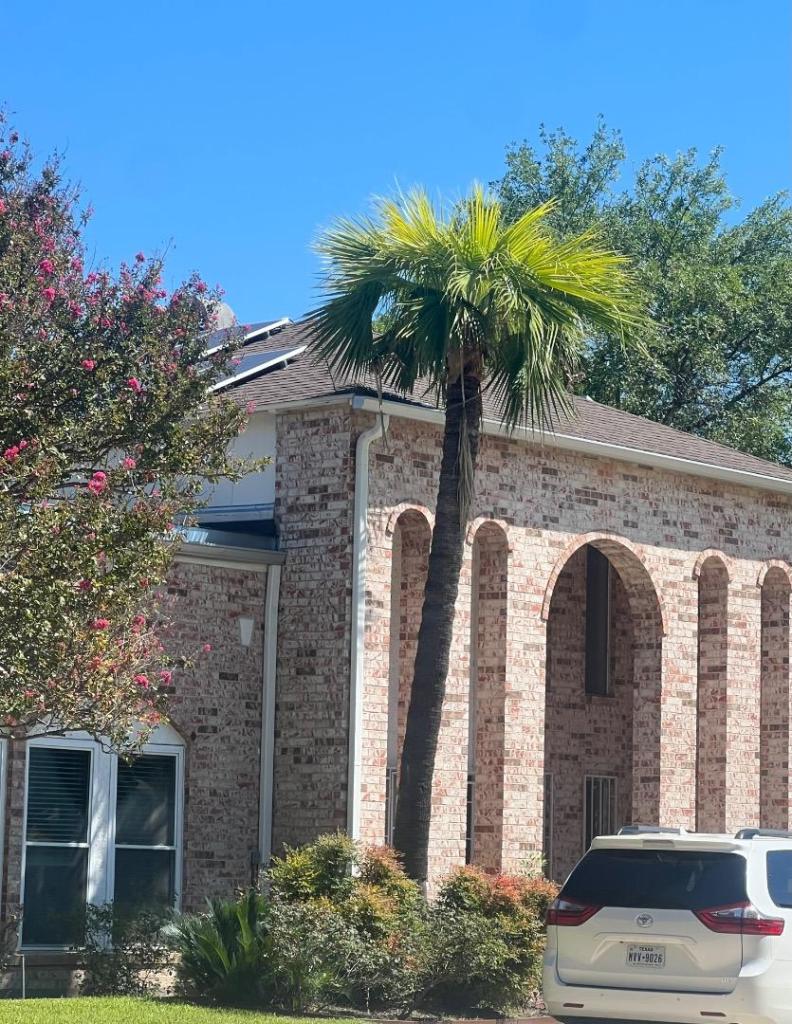
1 pointI somehow missed this thread . There is a huge Brahea edulis in San Antonio that survived 8-11°F and probably 3-4 days below freezing in 2021. It has seen teens since then in atleast a couple winters, and may have existed in the 1989 freeze. Here it is recovering in 2024.
 1 point
 -
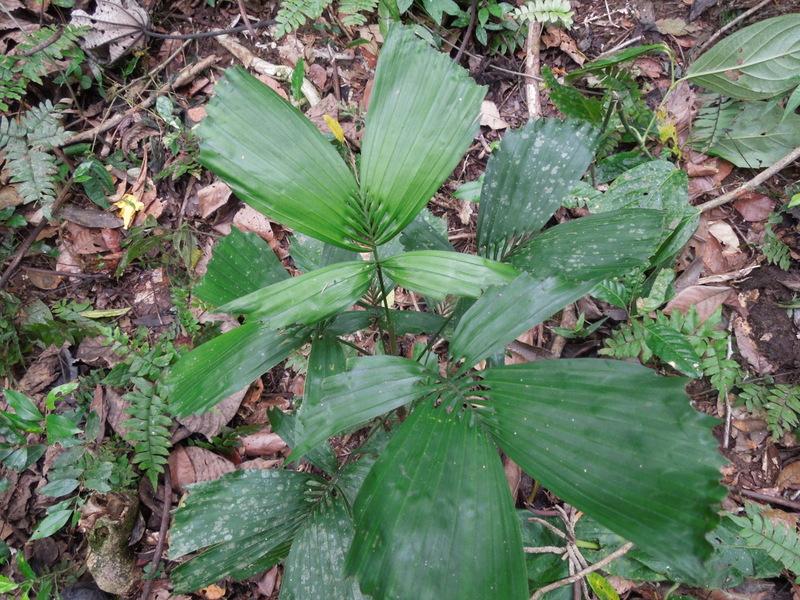
Mine are not in my deepest shade where they would never get sun, but get a bit of morning light. They grow well in areas where ferns are the most common "weed" on my farm. Licualas and Pinangas grow nearby if that help any.1 point
-
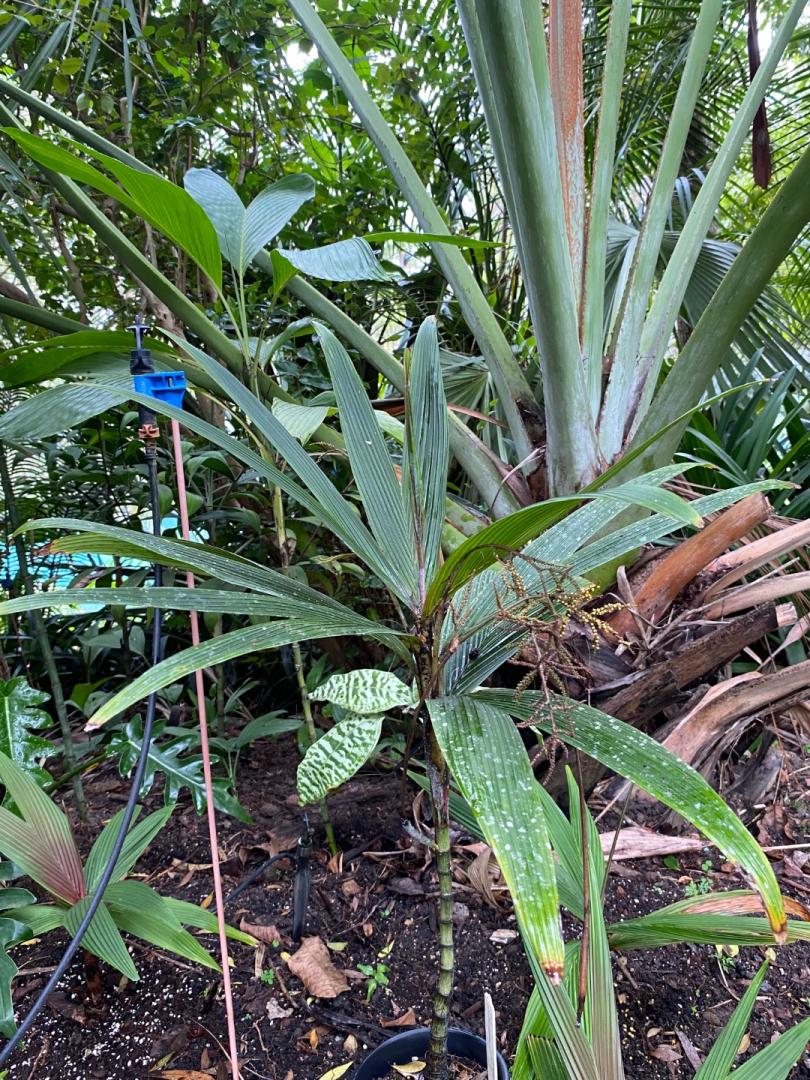
 I'll keep an eye out for seed. Mine should be due again soon. Palms can be fickle though. Steve1 point






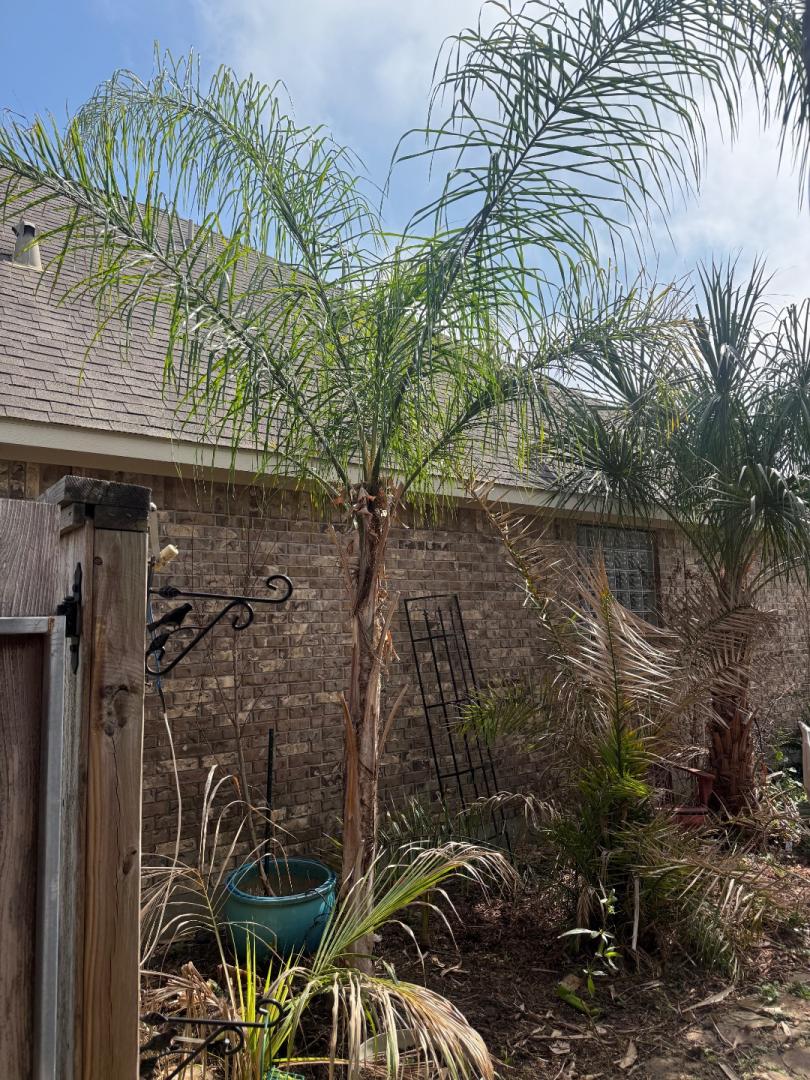


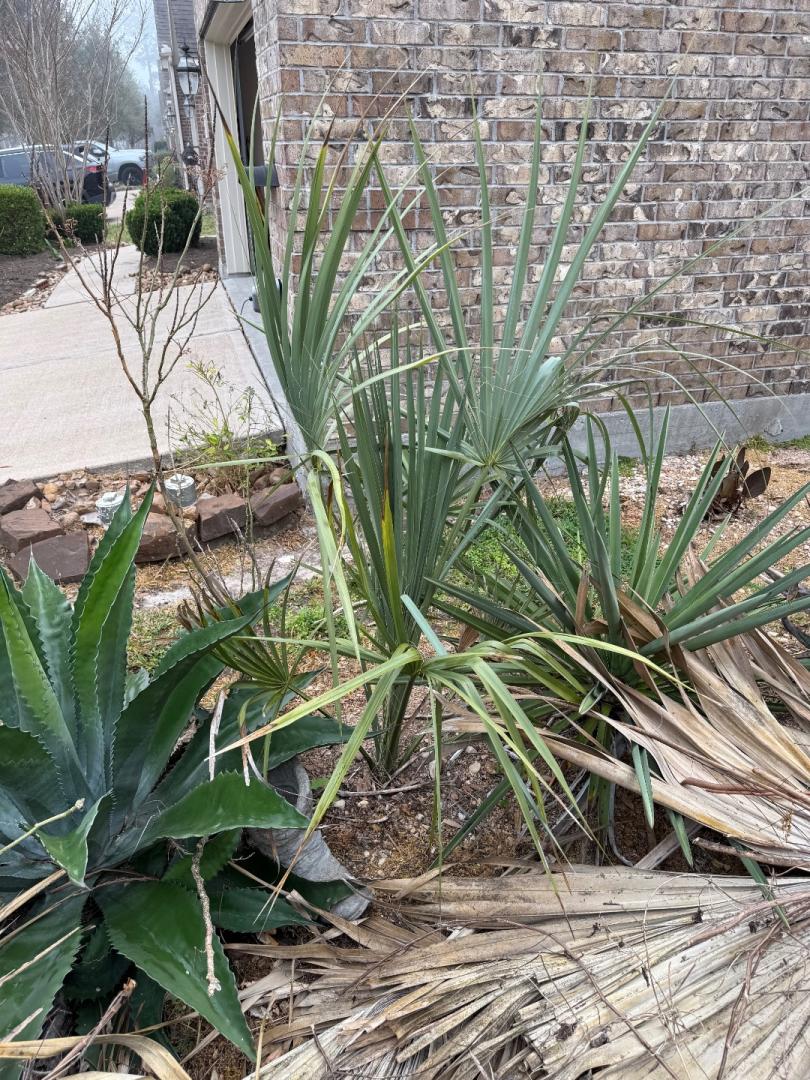


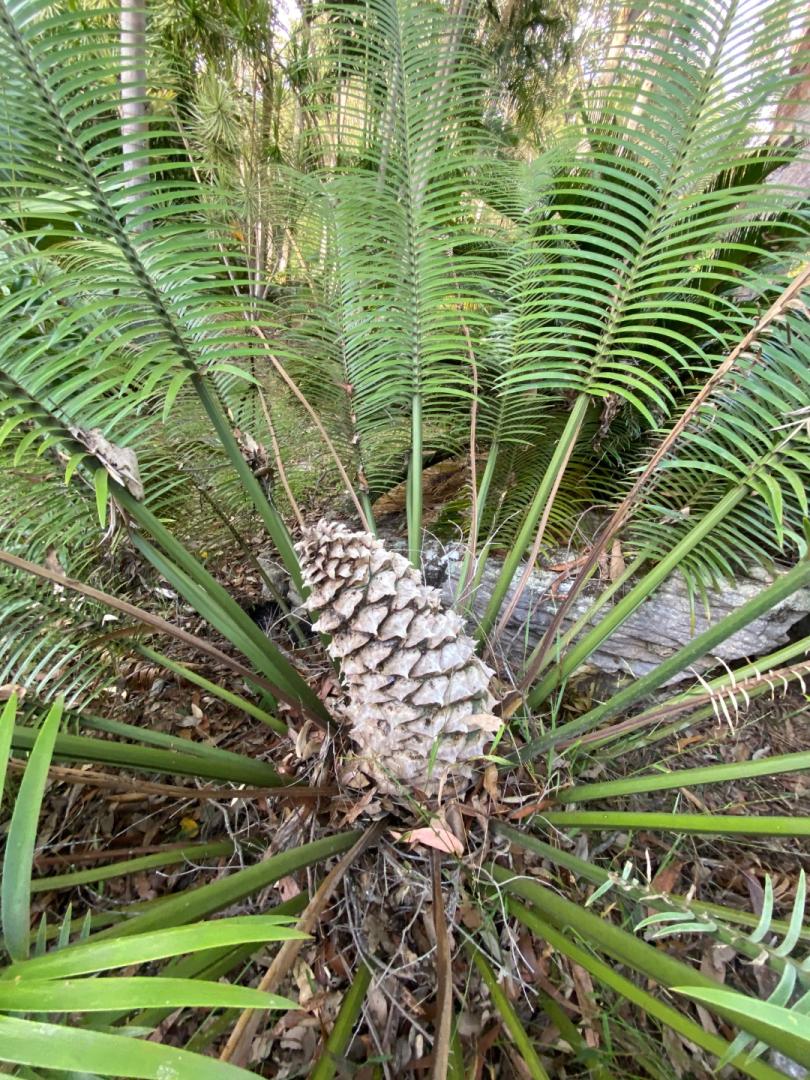
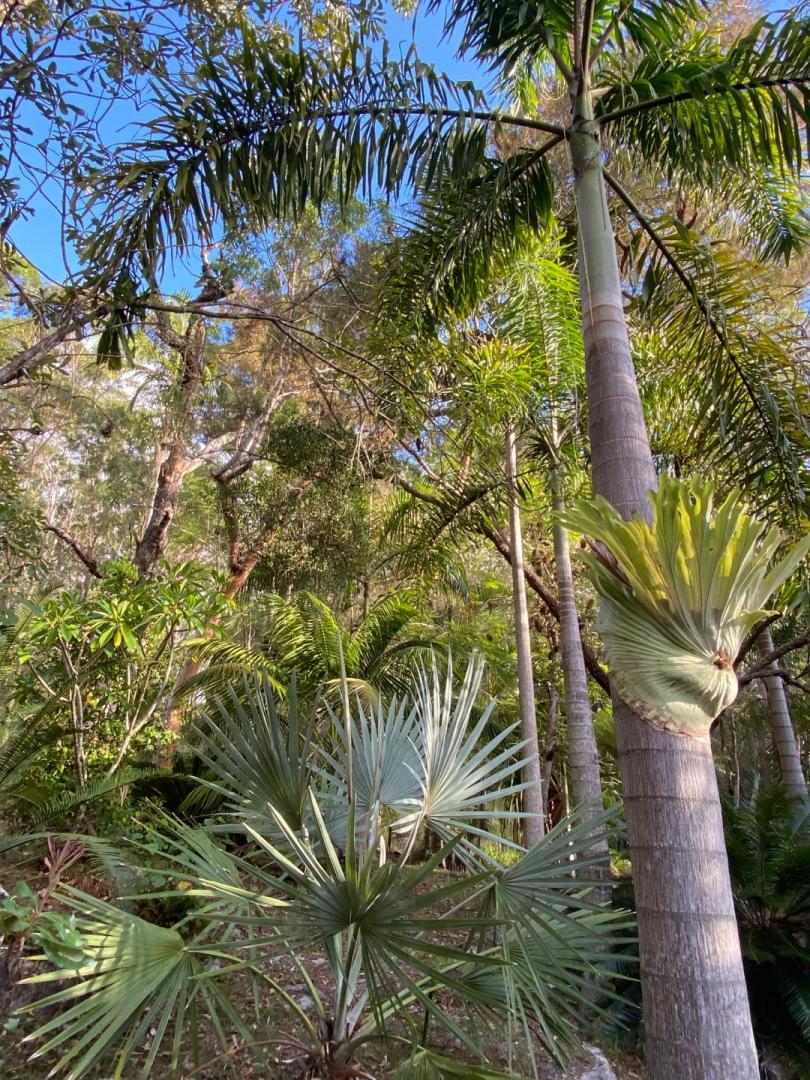





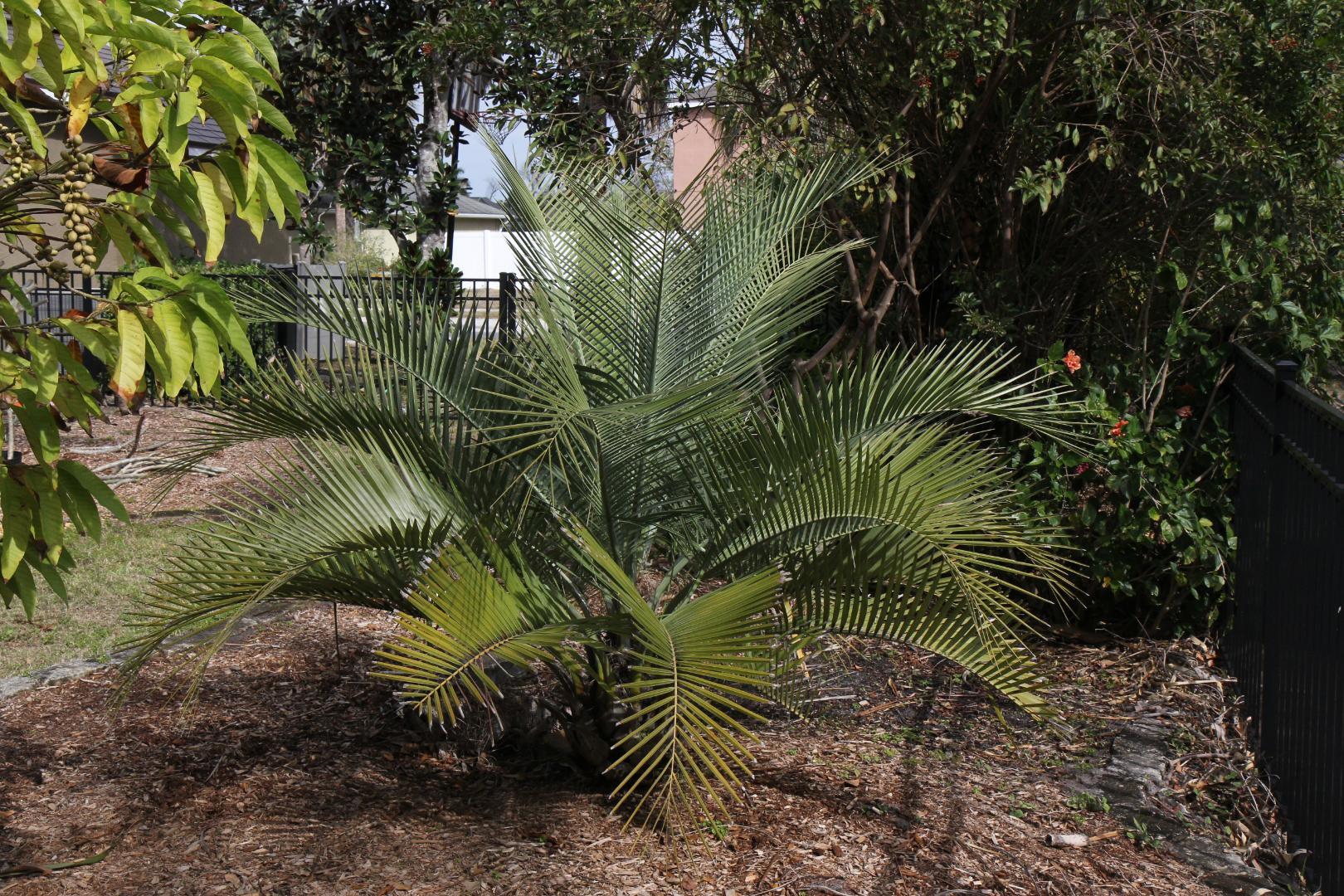
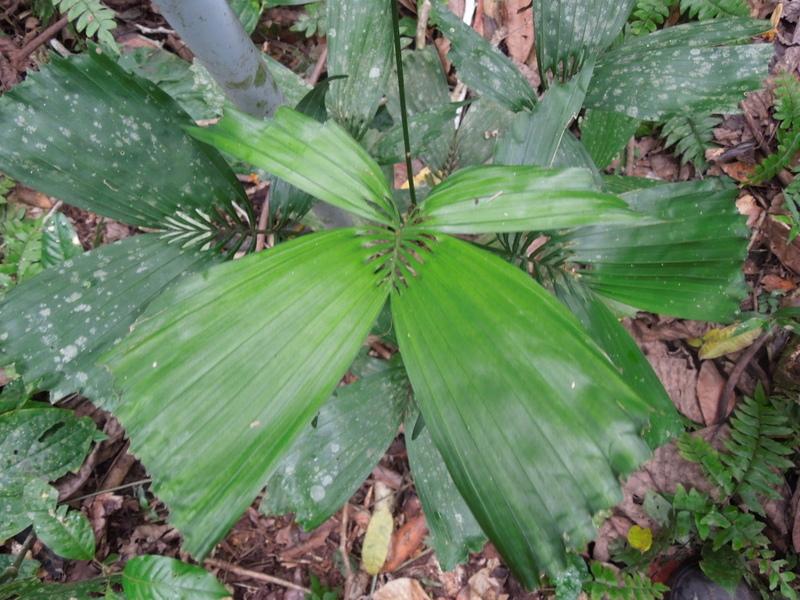
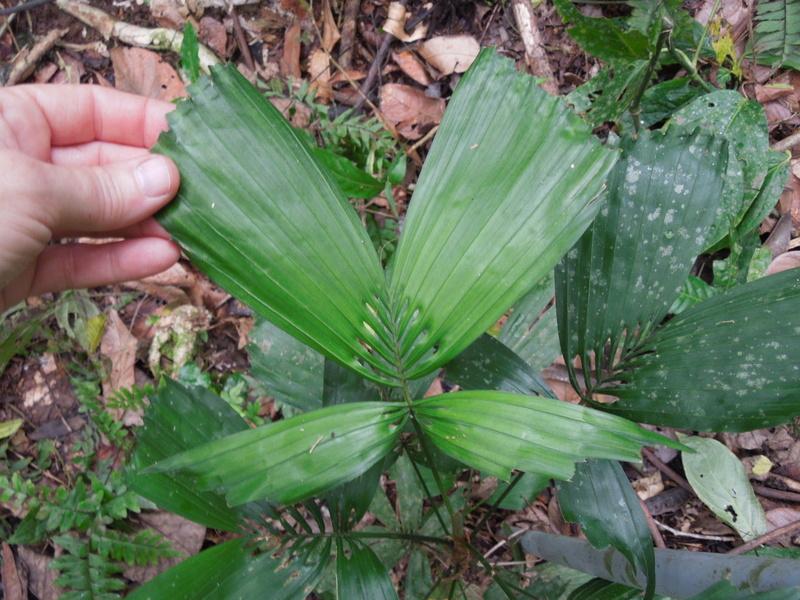







.JPG.542c3c01bdcdf38021c7e4bfa29807c3.JPG)
.JPG.48b64f9c0876b7c3071237850ede054d.JPG)
.JPG.99e9a5aaad634dfd4c08639d734d3b3f.JPG)
.JPG.4f9d2c0e62579dcd1c55d69f2d0356d8.JPG)
.JPG.1b930947c06b49ef6fa1f679feed73a7.JPG)
.JPG.c2be512b8e8288f506790133d42e6e9b.JPG)
.JPG.c7ef4d349391e6954cf708a5d22d16dd.JPG)
.JPG.e62d6592ba7901b33a7b3d76528d6f05.JPG)
