

Leaderboard
-


Harry’s Palms
IPS MEMBER14Points4,204Posts -

happypalms
IPS MEMBER14Points12,555Posts -


PAPalmtrees
IPS MEMBER13Points1,000Posts -


JohnAndSancho
IPS MEMBER12Points5,542Posts
Popular Content
Showing content with the highest reputation on 02/23/2026 in Posts
-
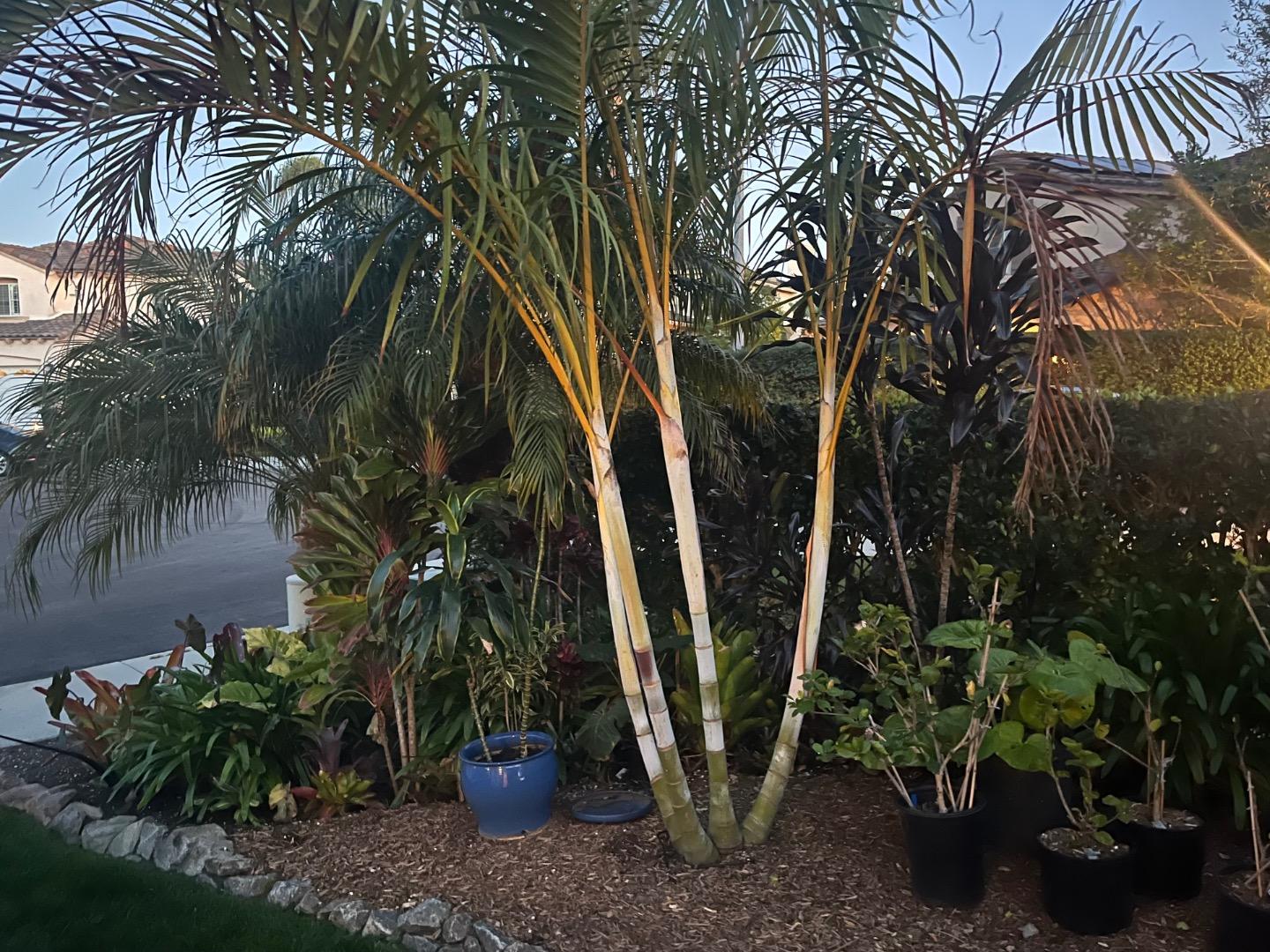
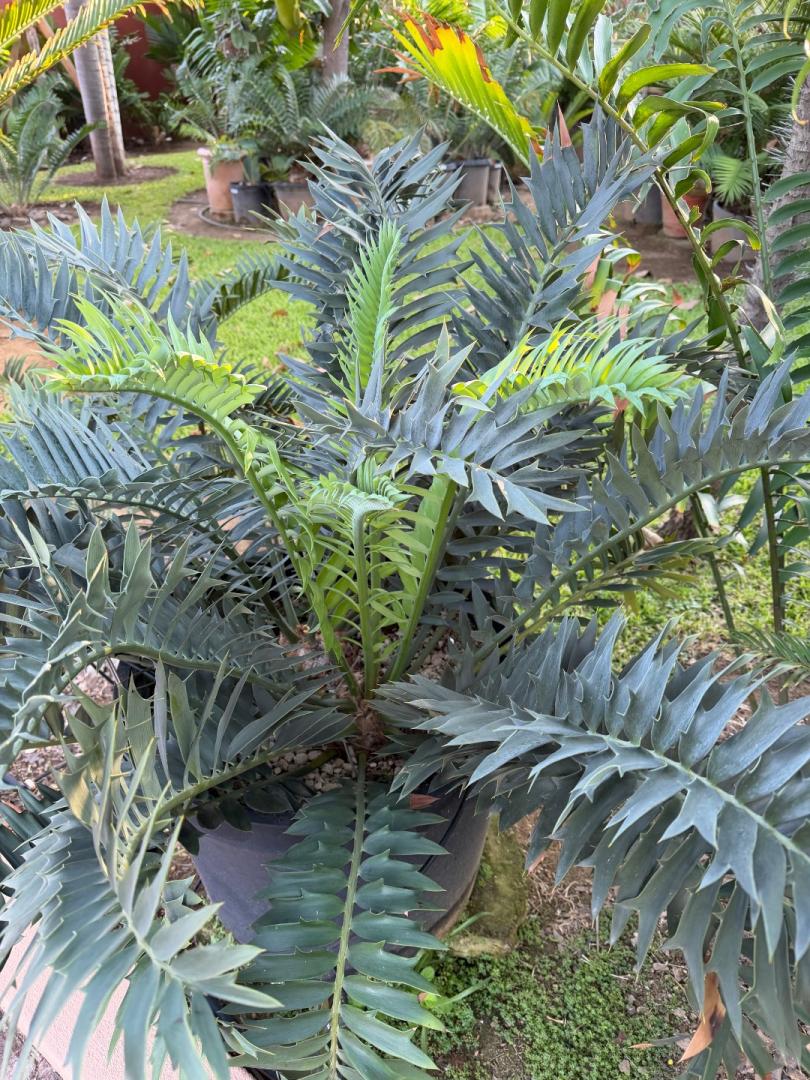
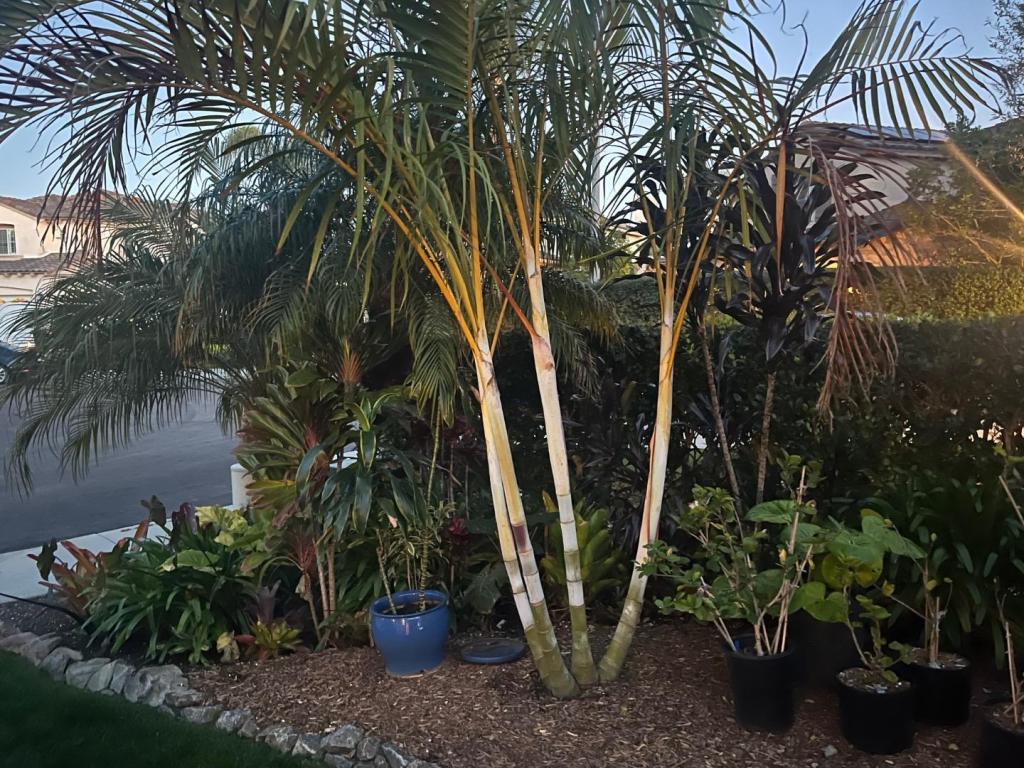
 My lafazamanga caught my eye this evening, and I thought I’d share a photo of it post-transplant (which happened months ago). as far as I can tell, it’s very happy in its new location, and hasn’t missed a beat from the move.🤞 Has been such a great plant for me, so I’m hoping it will do as well in the new (equally prominent) location. 💕
 8 points
 -
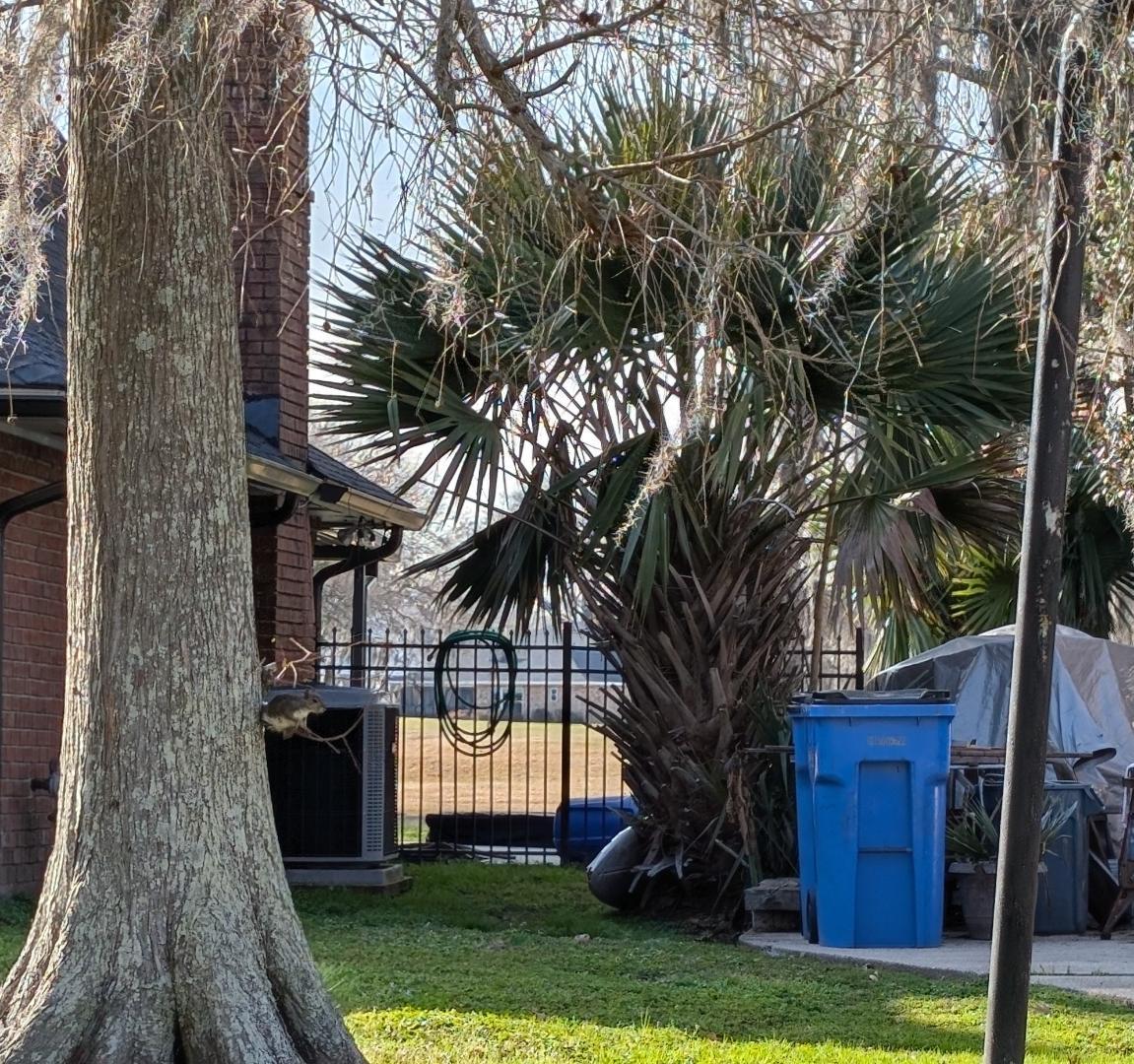
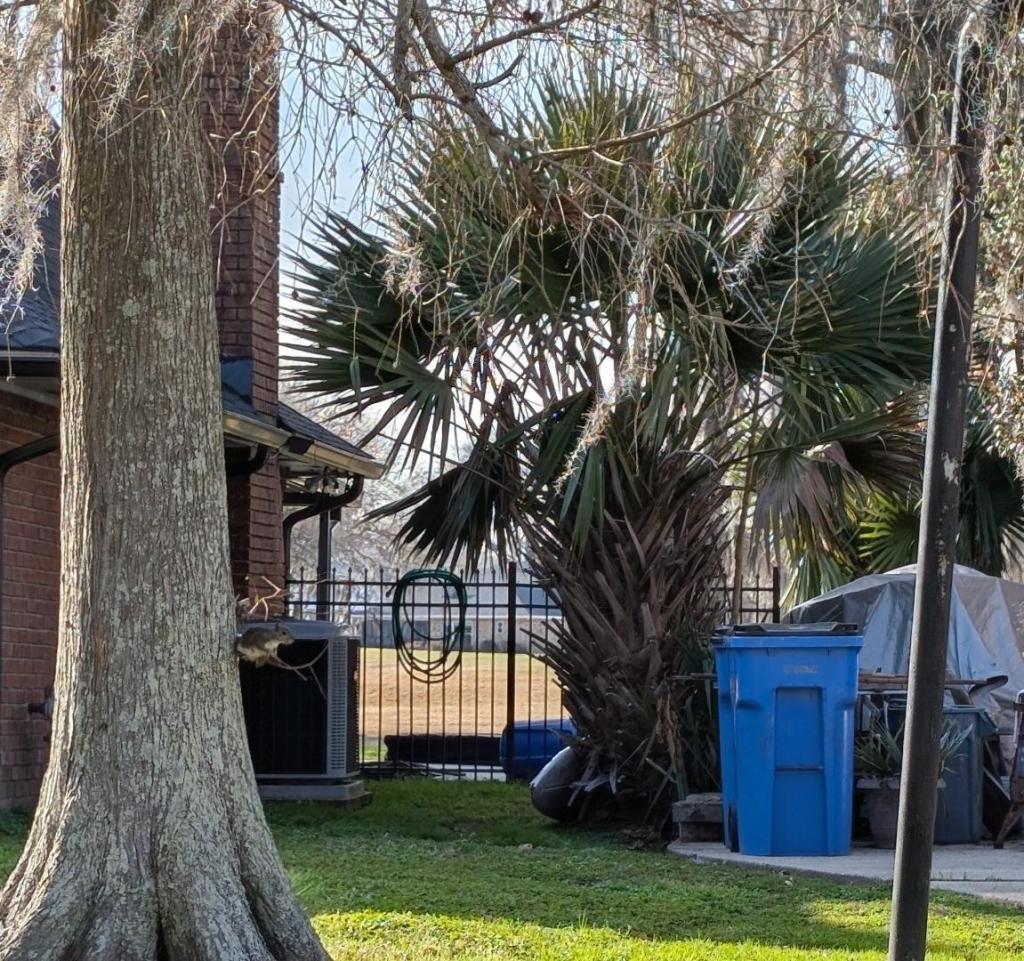
 7 pointsAbout 13 ft. tall. I saw this one in a residential area west of New Orleans. I suspect it is a native remant specimen that was there before it was reclaimed swampland.
 7 points
 -
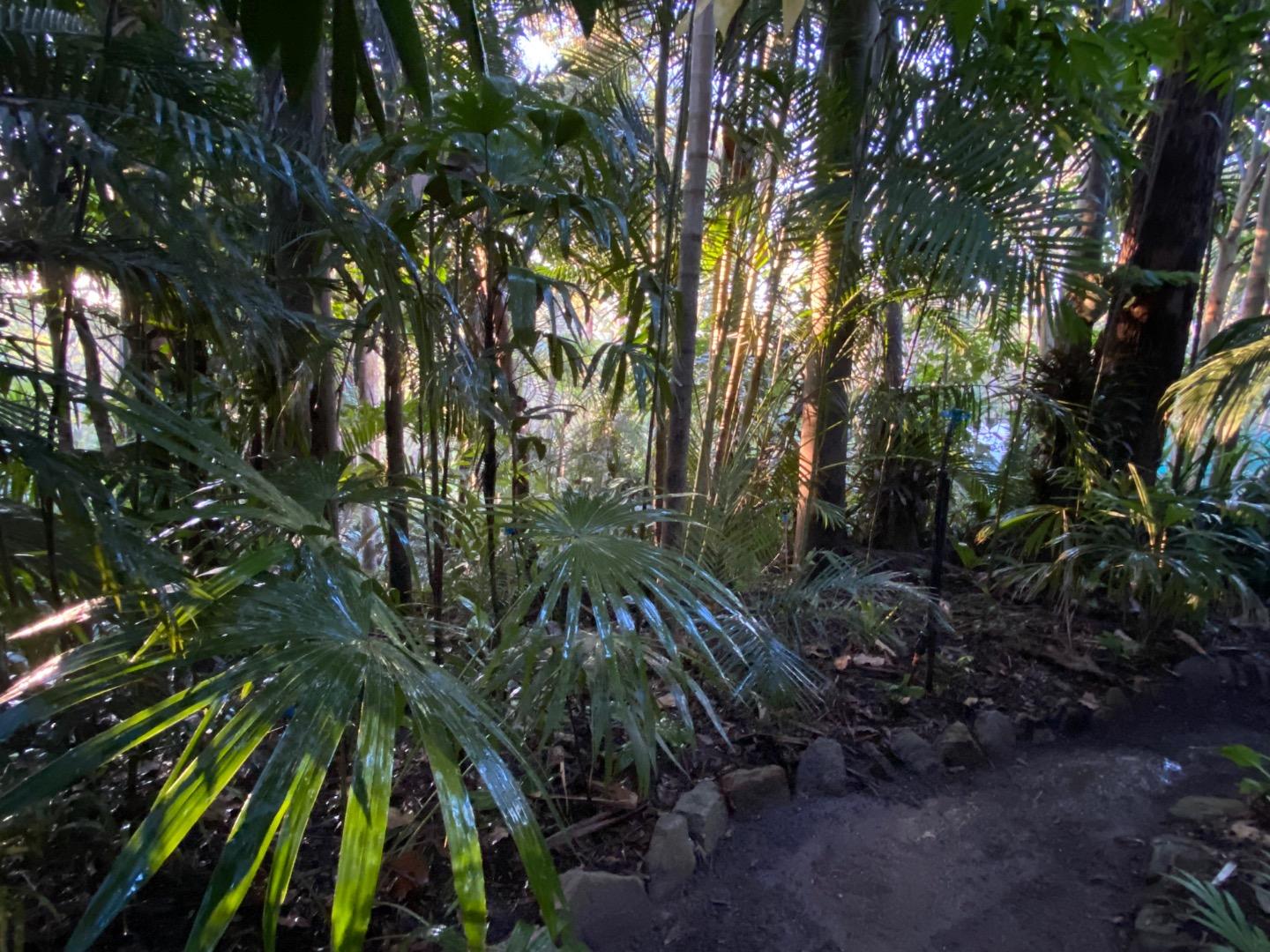
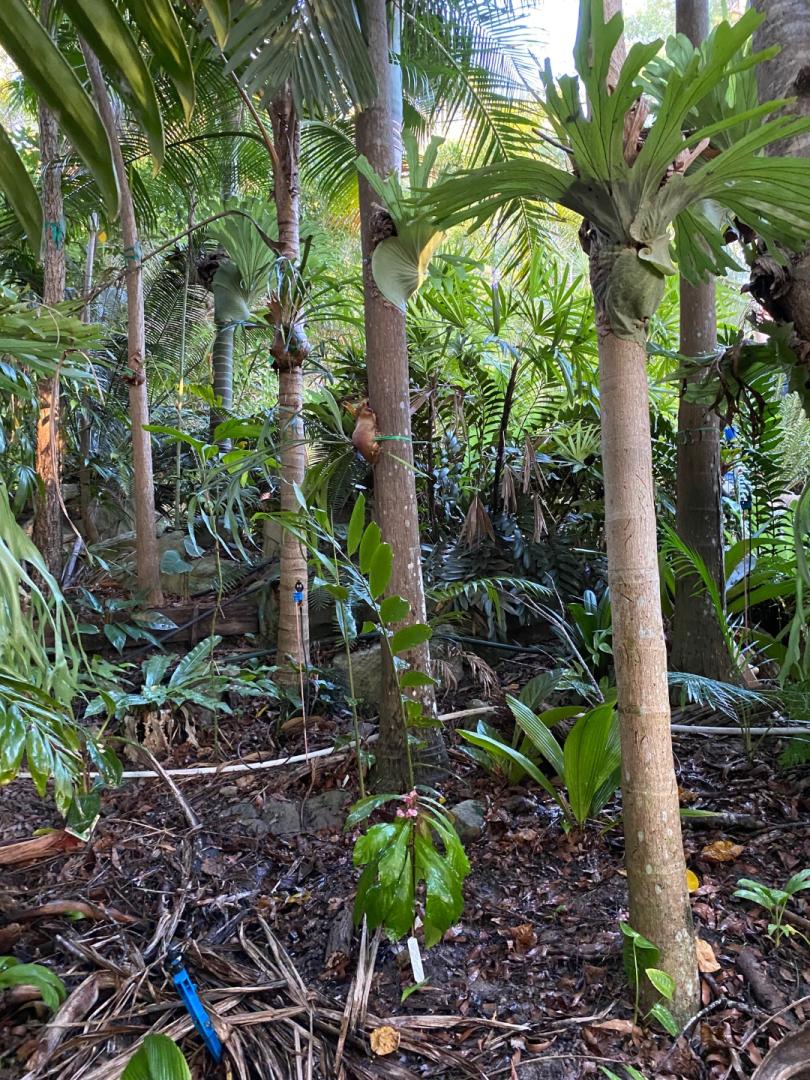
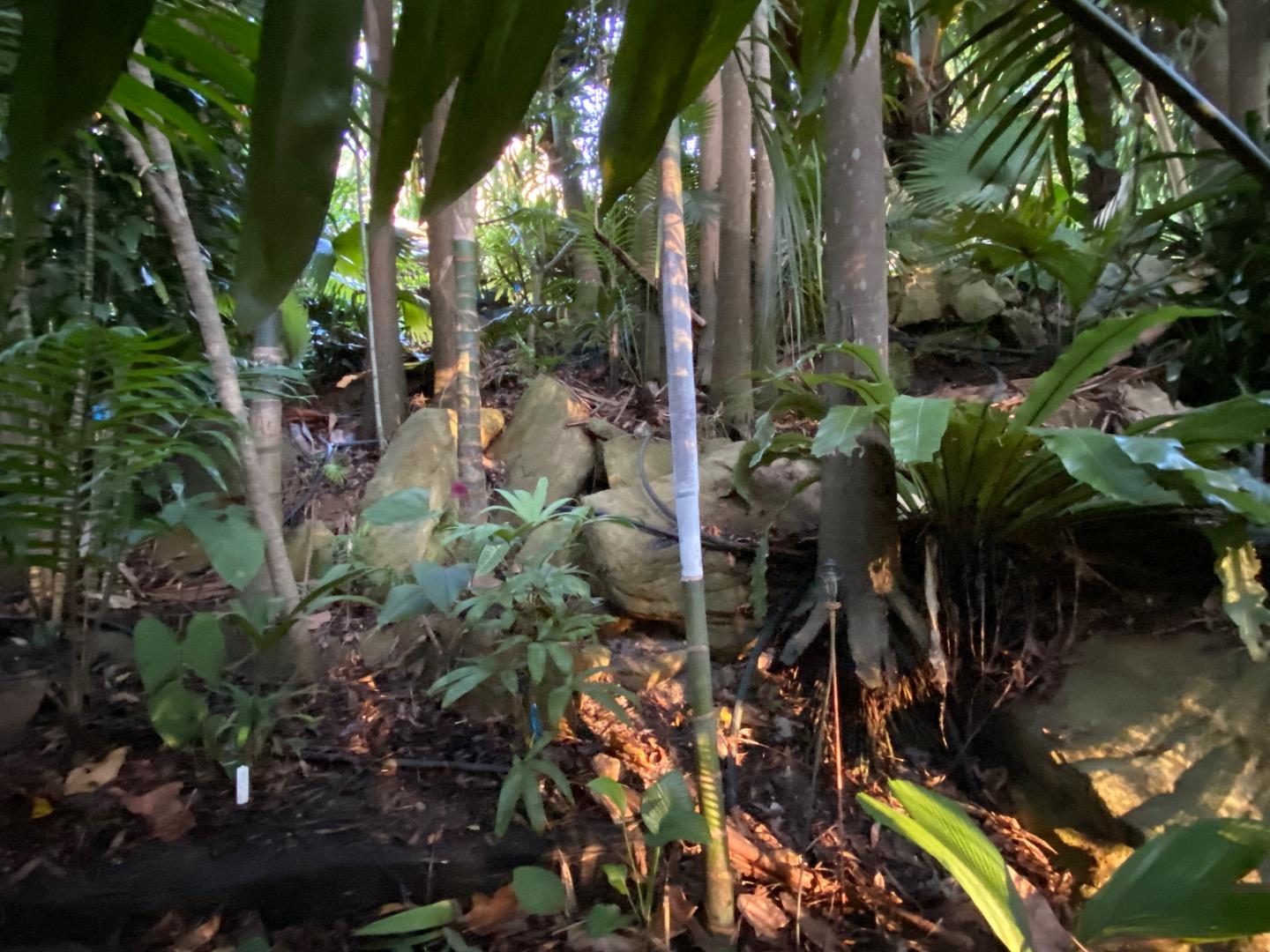
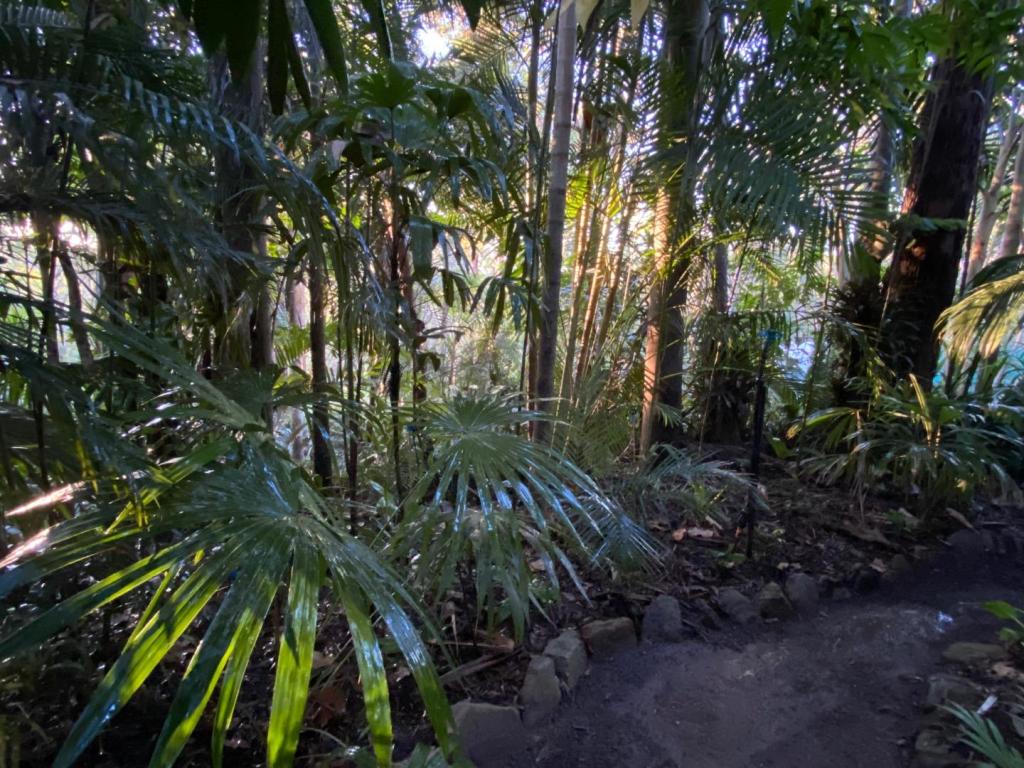
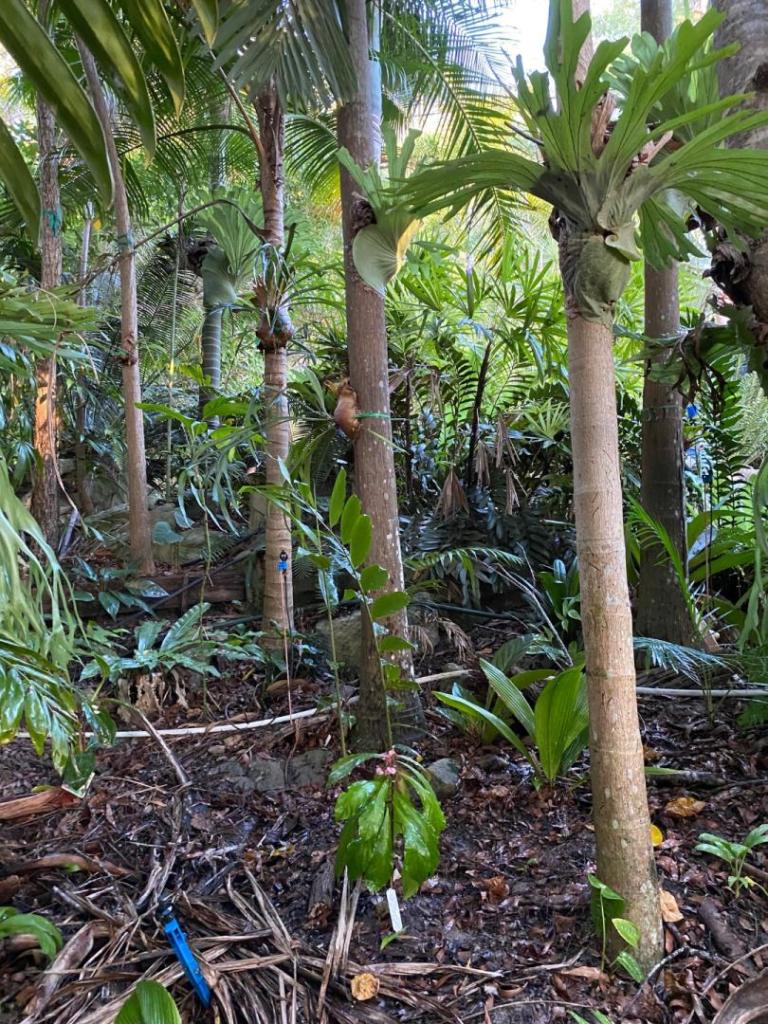
5 pointsThe old saying down under is have you got a spare minute, well if you have two minutes to spare you have got over 70 varieties of palms packed into just this part of the garden. A small amount in comparison to other collections. I don’t know how many varieties I have in the ground or in the greenhouses waiting to get planted. I do know I counted 70 in this section of the garden alone. Plus whatever other varieties of plants are in there. The garden is getting close to 30 years old and iam not stopping until that day they throw my ashes in the garden. And even then the palms will have their say as to who really rules the garden. I will quite happy knowing I fed them one last time @happypalms! IMG_9614.mov

 5 points
 -
 4 pointsHit 34F this morning. Forecast was for 32F. Tonight is forecast to reach 26F. We will see. Tomorrow night is only 43F and that's actually right after sunset. Temp is then expected to creep upward close to 50F by sunrise Wednesday morning. Beyond that, I'll have to look over model data again later today but as of like 2 days ago there was little to no threat of freezing temps thru the first week of March.4 points
 -
 4 pointsLike clockwork, NWS Melbourne changed their wording yesterday to 'models are trending colder' and 'increasing confidence of a freeze'. Wasn't a shock to me. When there are cold fronts and they show lows 5 to 7 days out, I subtract 3-6 degrees and then family/friends think I'm some weather guru when my forecast pans out. Lol4 points
 -
4 pointsMost people in the world have no idea that cyclical climate patterns such as ocean circulation (e.g., PDO, AMO) and atmospheric shifts (e.g. NAO, La Niña) can persist for many years, even a decade. The alignment of these patterns has the Eastern US as the target of cold in the last several years. I remember the 90s transitioned to a very cold West. I was in Seattle late 90s/early 2000s and they had lows in the low 20s. News was telling people how to protect pipes and plants. I am also hopeful we are breaking this cycle but it is stubborn!4 points
-
 4 pointsSome of the powerful fronts and cold events in past decades were similar if you go back to the 80s and further. I'm hoping it's a cycle and this is the harsh portion, based partly on the native plants and geographic history of the area during the last ice age. The natives handle these events much better than exotics, so they had to be used to these sudden swings as they colonized and adapted (like palms as we keep the survivors' seeds). Hopefully this year is the last in the pattern, but it is really just a roll of the dice in the end. We need to create a shield that can be turned on to block the cold air when a front comes but this isn't Star Trek lol.4 points
 -
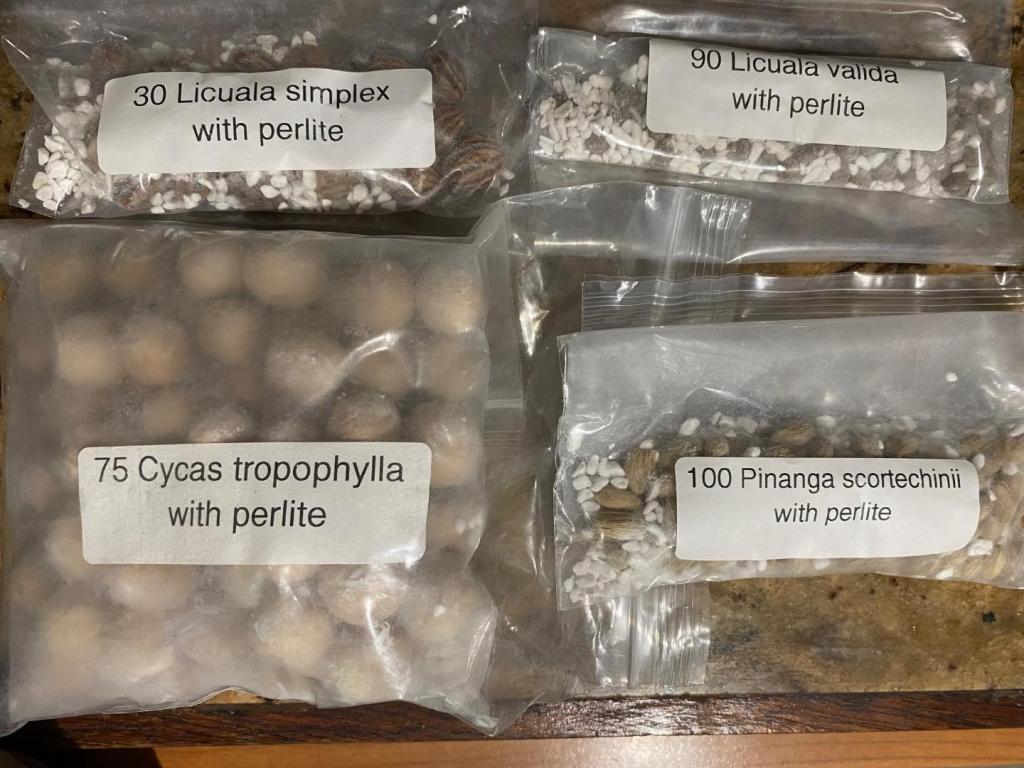
4 pointsYou will get more seeds and bulbs, and the whole cycle will start all over again!!! I should know because that’s what I do!!!!!!
 4 points
 -
 I found this website by googling palms that interest me and palm care. I'm sure I'm not the only one who has web searched an uncommon plant and had a 'palmtalk.org' post amongst the first results. This place has a lot of information and a lot of knowledgeable users who aren't casually accessible elsewhere >! except Facebook tagically hehe !< A desire to connect with this knowledge base is why I signed up. We help this forum by simply posting and discussing a diverse set of topics related to palms and tropical or tropical looking plants. Cast a big net and you'll catch something. Never feel bad about posting here4 points
 -
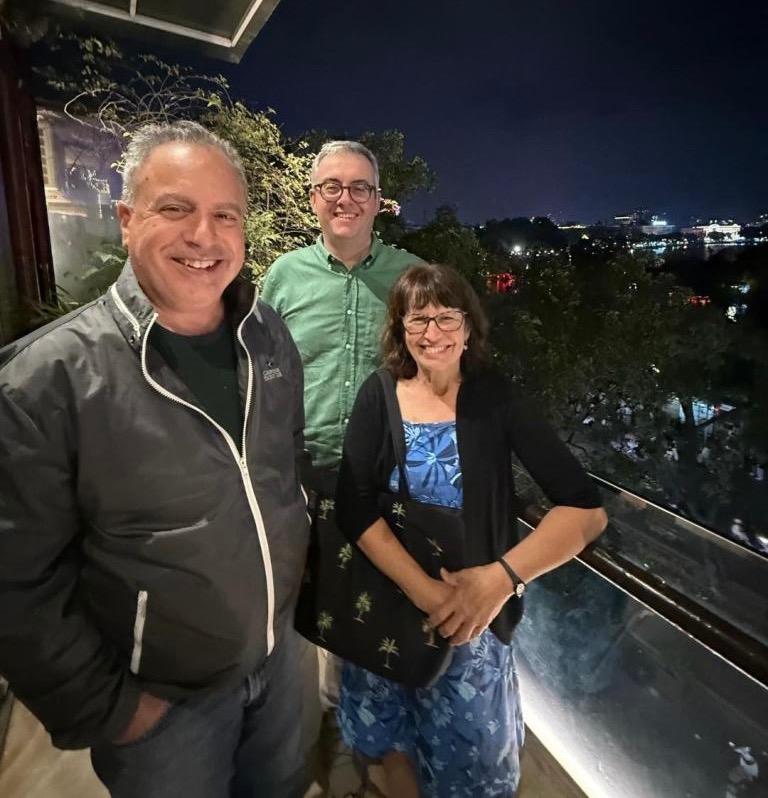
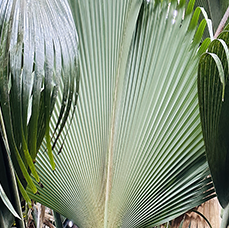 High above Hanoi: the Prince of Palms (journal), the Queen of PalmTalk and some dude.
 4 points
 -
 4 pointsIt didn't get down to freezing in Cape Coral but we had several nights in the mid-30s (34-35F) and I am gradually seeing cold damage as time goes by. Coldest nights since the record freeze of 2010. Looks like a repeat performance early this coming week. That and months of extreme drought make for a brown and crispy garden. Can't get a break.4 points
 -
 3 pointsHonestly, we are better off in Sacramento than most of Florida, including many parts of South Florida away from the coast. I’m just dismayed constantly at how poorly everything non-native does in this state outside of the immediate coasts and microclimates. You just don’t see this level of cataclysm out west. As long as you have irrigation, things typically grow fairly well(with some exceptions). Towns are littered with beautiful plants and shrubs and extremely tall palms. But it’s heartbreaking to see all the money spent here going by the wayside, just losing all these beautiful phoenix palms on i4 is a tragedy for all of humanity.3 points
 -
 I have a 'Green Malayan' at my house in Altamonte Springs (north of Orlando). I'm in a cold pocket and wasn't planning on trying a coconut here. We have Great Danes and one of them liked to carry and chew on coconuts. My inlaws live in Jupiter so we would brink coconuts back and had a pile on the side of the house. One of them sprouted so I planted it in my banana patch. That was about 10 years ago. It would get some damage almost every year. This year it already had about 25% burn before the freeze hit. Its about 10ft tall with 3ft of clear trunk. I had 23F in my yard with the winds, 28F the 2nd night with frost. All the leaves are burned but the petioles are still green and a few leaflets stayed green. I cut the center leaves out last week in case rot tried to set in, spear was solid. With 3 days last week near 90F it is actually pushing new growth. I will be floored if it does regrow.3 points
 -
Yep , life moves along , things happen , and interests change . After losing some of my strength and mobility for the last 2+ years I dropped out of a couple of cycling forums . Now I spend most of my time in my garden with my palms and posting here . A sudden health issue or change can be personal and tough to talk about. My palms became close friends and I even started collecting more again after years of just letting things grow and not much attention due to my riding and surfing. I started riding again , my surfing is behind me now , but gardening is my thing , and shorter rides on my bike. The ebb and flow of life ! Harry3 points
-
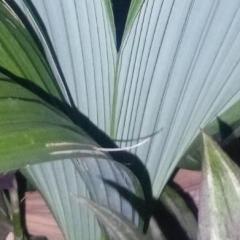 Phytoplasma diseases; ex. Lethal Bronzing.3 points
 -
 3 pointsThe first time all winter my low was higher than forecasted. Forecast was 40. It never got under 46. I hope the same happens tonight and tommorow night.3 points
 -
That's what happened to me on my sabbatical. Man, things were BAD.3 points
-
That's exactly how I found palmtalk lol. I like Facebook because people post a lot on there but it seems like people are not that knowledgeable also and it kind of makes me irritated because A lot of people on there just argue About politics and give false information, That is definitely one thing I'd like more about Palmtalk There's none of that.3 points
-
.thumb.jpg.304b32ca4398a111edf4ac525048111e.jpg) 3 pointsMy Robusta, the indestructible got a new haircut . Green fronds already pushing out fast. Just the upper part of the spear got burned. Filifera laughed at the cold.
3 pointsMy Robusta, the indestructible got a new haircut . Green fronds already pushing out fast. Just the upper part of the spear got burned. Filifera laughed at the cold.


 3 points
 -
When I first joined a couple years ago palmtalk was so active with so many different members, but it seems like the past couple months it's only been the same People contributing. Honestly it's really scary what these social media companies know about you3 points
-
2 pointsEvery seed and bulb I own is now planted. I'd just like to throw that out there. Please clap. https://www.instagram.com/reel/DVAn6WoDTPQ/?igsh=aWgwNHQ4aTJ3a2Y42 points
-
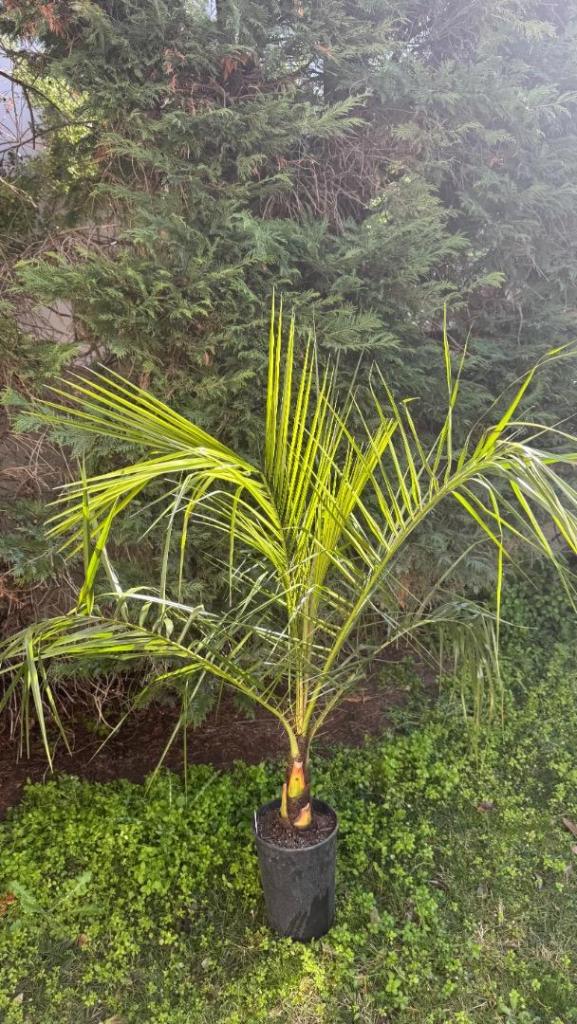
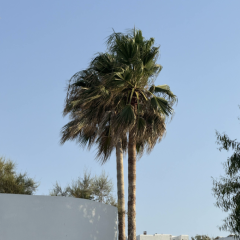 2 pointsMy main concern when ordering p.reclinata is its purity since it can hybridise incredibly easy and I love pure tropical reclinata. This one looks very pure to me the fronds seem flat and very light green although there come concerns with hardiness when it’s pure so I want to hear some opinions and thinks to be cautious with
 2 points
 -
 2 points
 -
2 pointsTonight predicted to be 35F - again. So far we've had 7 nights in the 30s. Unheard of in my experience.2 points
-
 Yes because Dypsis is too hard to spell and pronounce.2 points
 -
 2 pointsMy other complicating factor is that I'm aging out. I need to make changes now that facilitate simpler upkeep. I do not intend to pay anyone to either make the changes or do the upkeep. $$$$ and preferences.2 points
 -
2 pointsI was in California for the 1990 freeze and remember it at a very young age. Then some other big ones at that time later on growing up out west, culminating in thunder snow in NM in 2010 and then I left. Now its here lol.2 points
-
2 pointsCarve out the most protected spot in the yard as the tropical stuff and make the backbone cold tolerant everywhere else is my plan. Good thing about cold events is they show you where those spots are if your looking. I'm sure everyone is tired too by now and that doesn't help the outlook for the garden. Once things green up that will help brighten the mood too. My front yard now is all brown, but if I stop to think about each plant many will come right back, and those that don't won't be replaced. A big healthy blue agave sounds nice right about now lol.2 points
-
2 pointsWhich is why I'm moving toward native plants. Mother nature just moved up the time schedule this year. I can't afford the irrigation and don't appreciate the yearly cycle of cold, drought and hurricanes. I have enough stress without adding needlessly to it. I enjoyed my tropical paradise while it lasted... but whaddya gonna do?2 points
-
2 pointsEven out west here things are off , weather wise. It has been the windiest year in memory , very warm January and into February until this last set of storms . So far , the coldest here was 40f so no frost or deep cold snap. Our normal rainfall has been doubled and storms have been arriving with high winds. You folks out east have had it rough with the cold . I can’t imagine the damage cold like that could do to a tropical garden. Harry2 points
-
2 points
-
This has been the windiest year I can remember. The offshore winds have been very rough on the garden. Harry2 points
-
2 pointsI've been in Florida for a decade, which of course, is not long compared to many on the forum. I talk to my neighbor occasionally who is a gardener and is a Florida native. He has consistently shrugged off this season as an anomaly, with the refrain "well, it's Florida you know". He has lived in this neighborhood for 30 years so I listened carefully to what he had to say. Yesterday he changed his tune. Between wild temperature fluctuations, severe drought and another hurricane season quickly coming our way, with all of it's unknowns, he now believes that "things may have changed". One man's opinion, but... We briefly reached 90°F yesterday at my house before dropping "down" into the upper 80s as the clouds rolled in. They are forecasting near freezing tonight and "patchy frost" Tuesday night. These temperature fluctuations are extremely damaging to the long term viability of agriculture and horticulture. The heat we experienced since the last extreme freeze has tempted new, sensitive growth on all manner of flora. Hopefully, this event will only cause minimal damage to that nascent recovery. Climate change, as defined, is not just warming, but a series of extreme events. Hopefully this year is an anomaly. Regardless, my days of tempting fate are over, as regards to temperature, wind speed and rainfall. It's not like I really zone pushed either, since many of my zone 9 specimens are in terrible condition. My zone 10 specimens are on life support or dead, and I was supposedly in 10b. It will be interesting to see how the broader agricultural and horticultural interests react over time. Good luck to everyone over the next couple days. Back in the 80s by Thursday here.2 points
-
Thank you for the update . Your shared experience helps us . That palm is a beauty! It has been a while since I moved a palm but I know the feeling of joy when it works. Harry2 points
-
2 pointsFreezing down to Lake Okeechobee in late February, after seeing 20s earlier in the month? It has been an odd season.2 points
-
Exactly! next fall I'll probably have a lot of extra ones lol.2 points
-
If you're growing them, you will at some point lol.2 points
-
A couple of users that I know kind of disappeared on here but I know they're well. Sometimes people go through different phases in life, can be personal problems or just lost interest. That's how life goes.2 points
-
 2 points
 -
2 pointsOrlando and the surrounding area are under a freeze watch which is extending pretty far. The cold forecast for Naples is now a bit colder as is for Miami. I drove to Tampa to attend the Yankees Mets game, things in Tampa looked pretty decent considering, but right outside Tampa, stuff happened…2 points
-
There's a lot of come and go. Sometimes I like to read threads from the mid 2000s. Some may not be among us anymore, others simply moved on to the next hobby. I can't guarantee that I will be posting here in 10 years . I know some of our users are on Facebook as well.2 points
-
I didn't realize that that's pretty cool! I hope the record gets broken soon!2 points
-
 Activity comes in ebbs and flows. During the last freeze, we recorded the most concurrent users at 3,862. The previous mark was just over 1,800.
 2 points
 -
 Earth Works might have what you're looking for. They stock a large selection. Might be worth checking out if you're there anyway.2 points
 -
I have never been involved with any of the social media formats. I just never developed an interest in such things. I will say that if it wasn't for my wife having a face books account, I would never have been re-united with an uncle and cousin I hadn't seen since 1969.2 points
-
2 points
-
 2 pointsOne of the worst ever. Incredibly cold and the winds exacerbated the damage. I just drove home to Orlando from Fort Lauderdale and there is damage from Palm Beach county northward. Even large trees took a hit. that said, I checked palms and trees in my yard upon returning. There is new growth in coconut, royal ,foxtail and lutescens as well as Petrea vines. Mango tree still needs to drop its leaves but it is alive. s2 points
 -
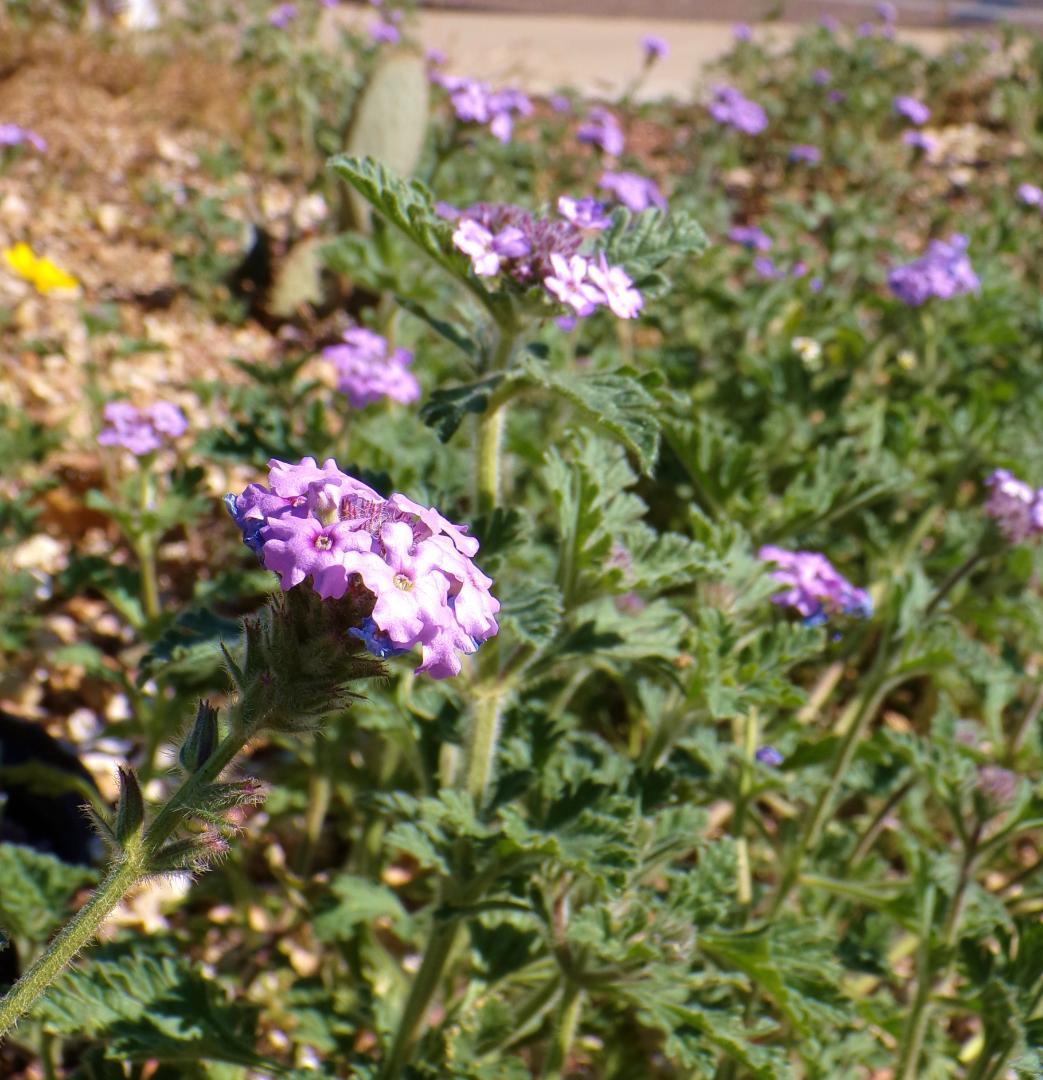
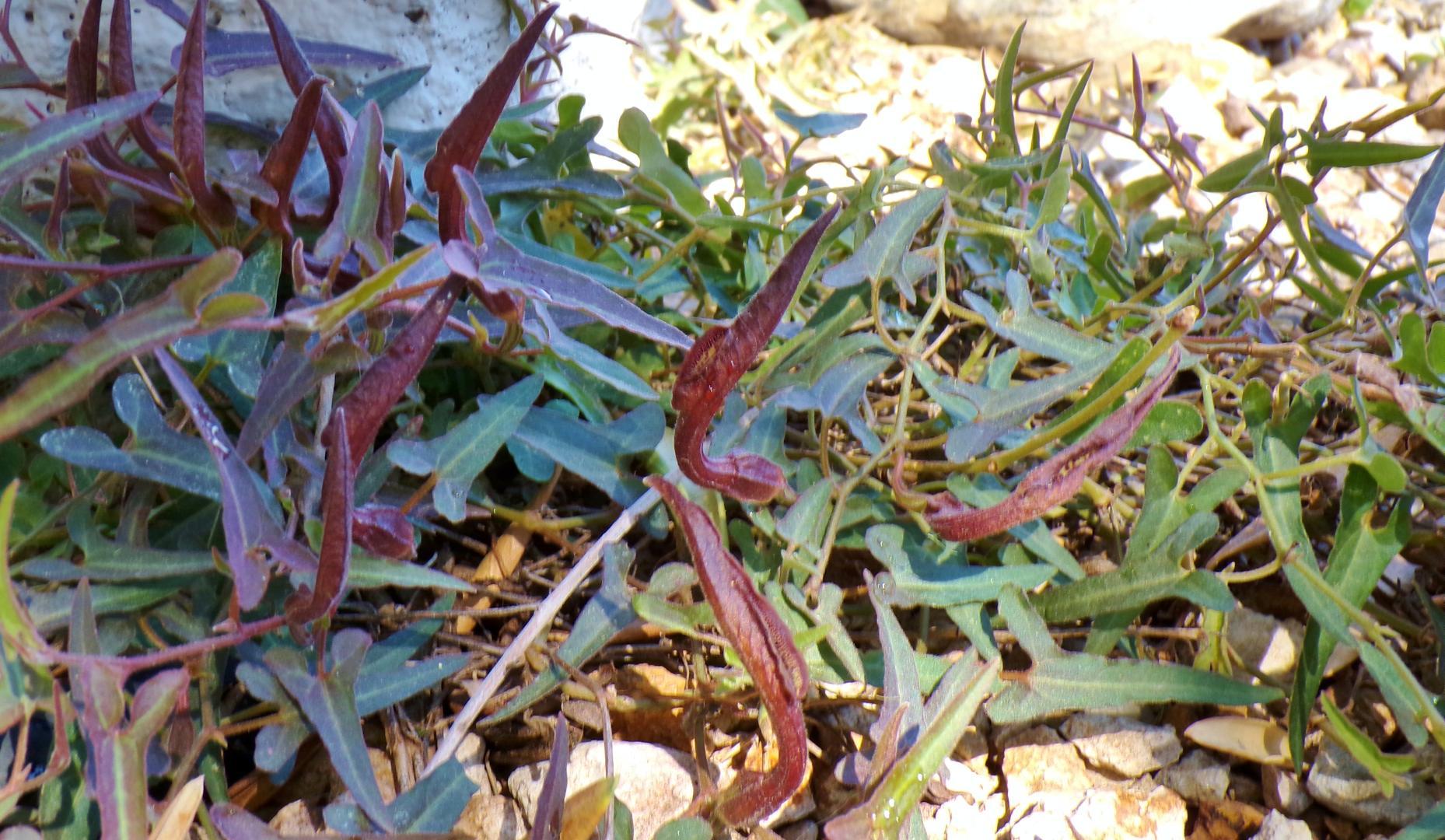
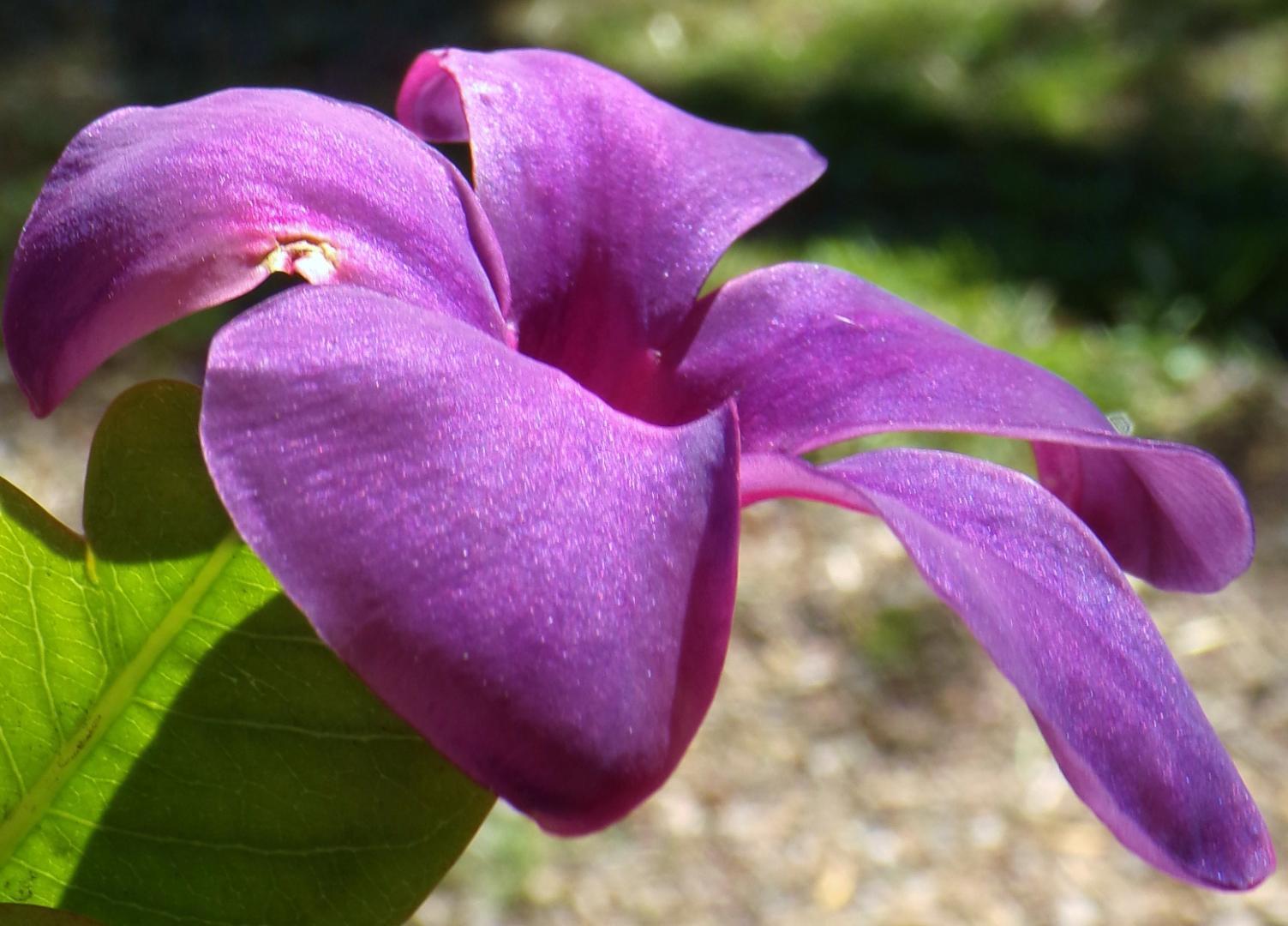
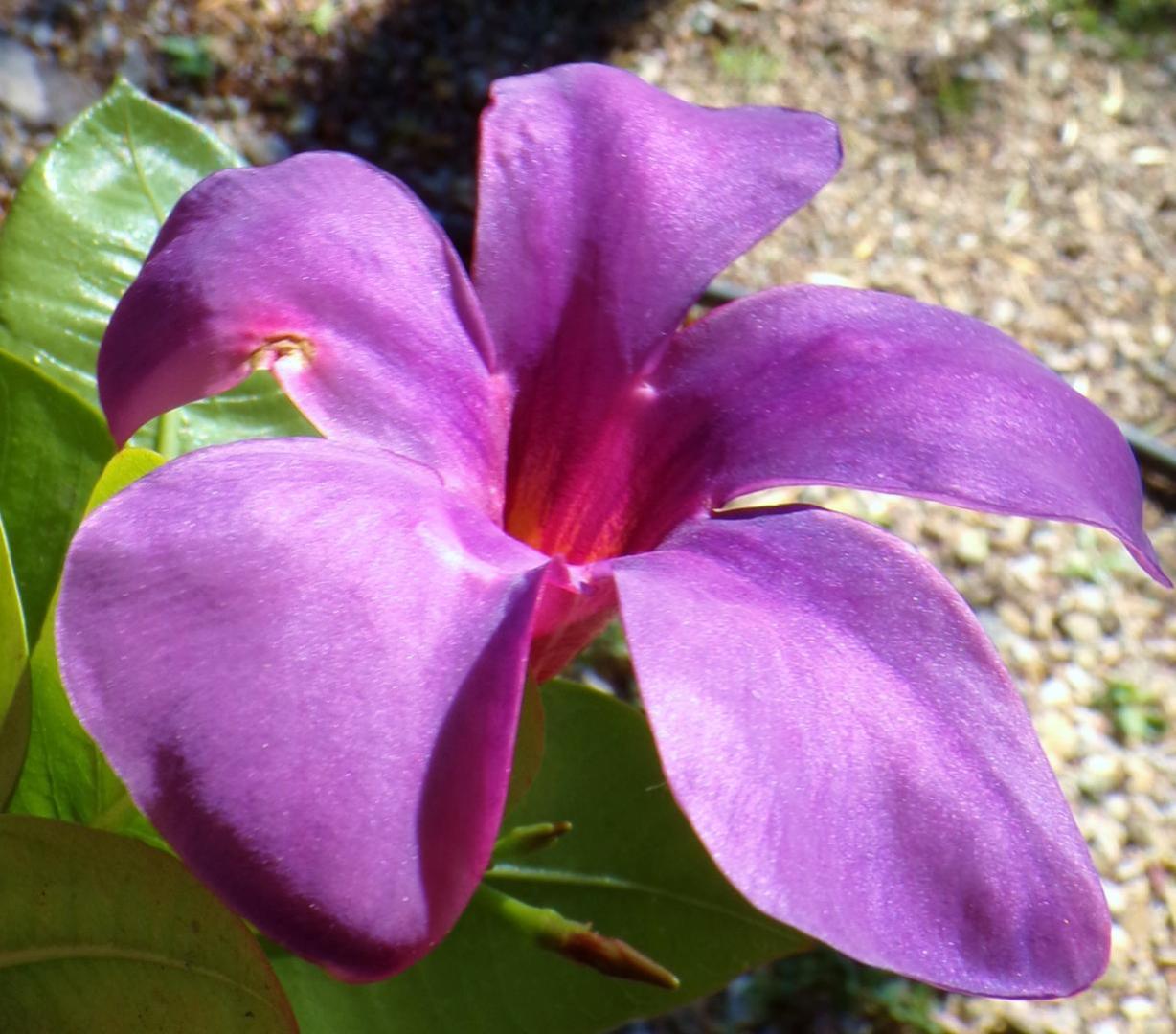
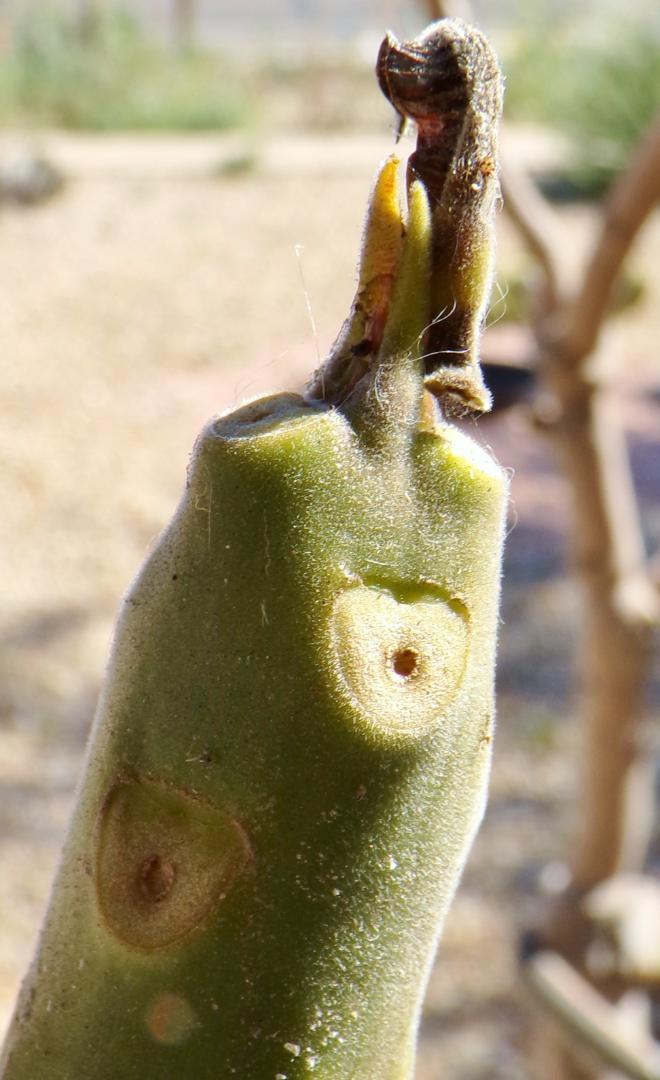
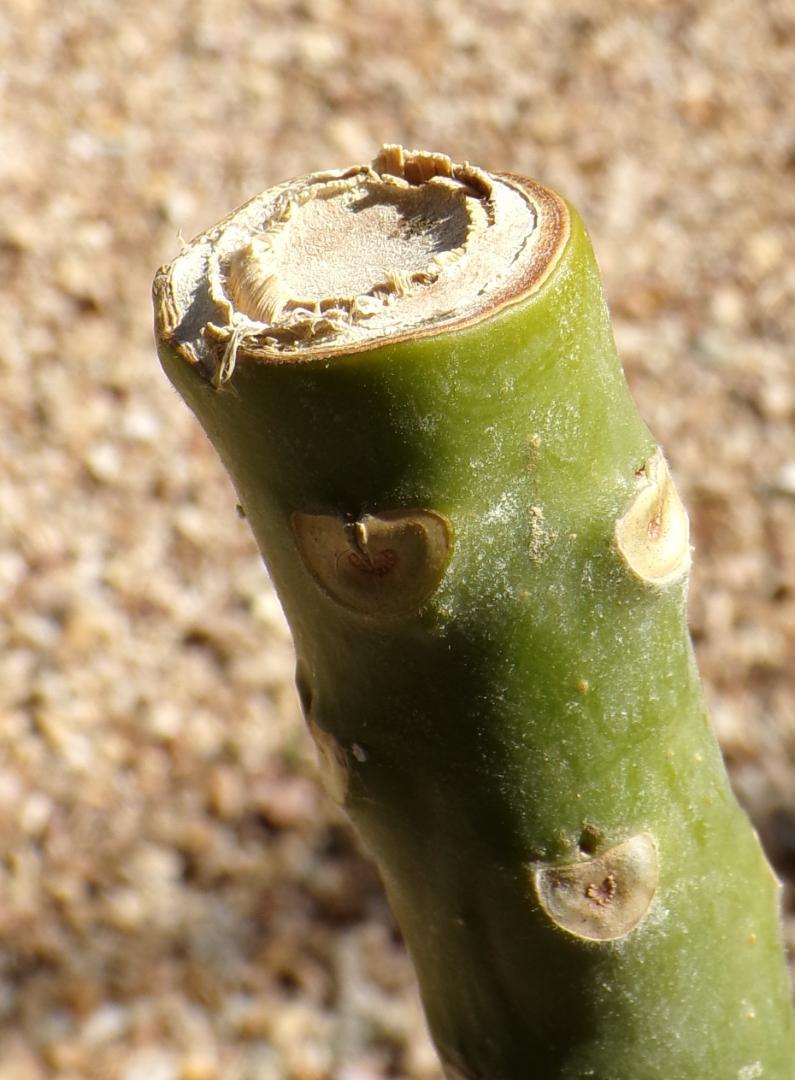
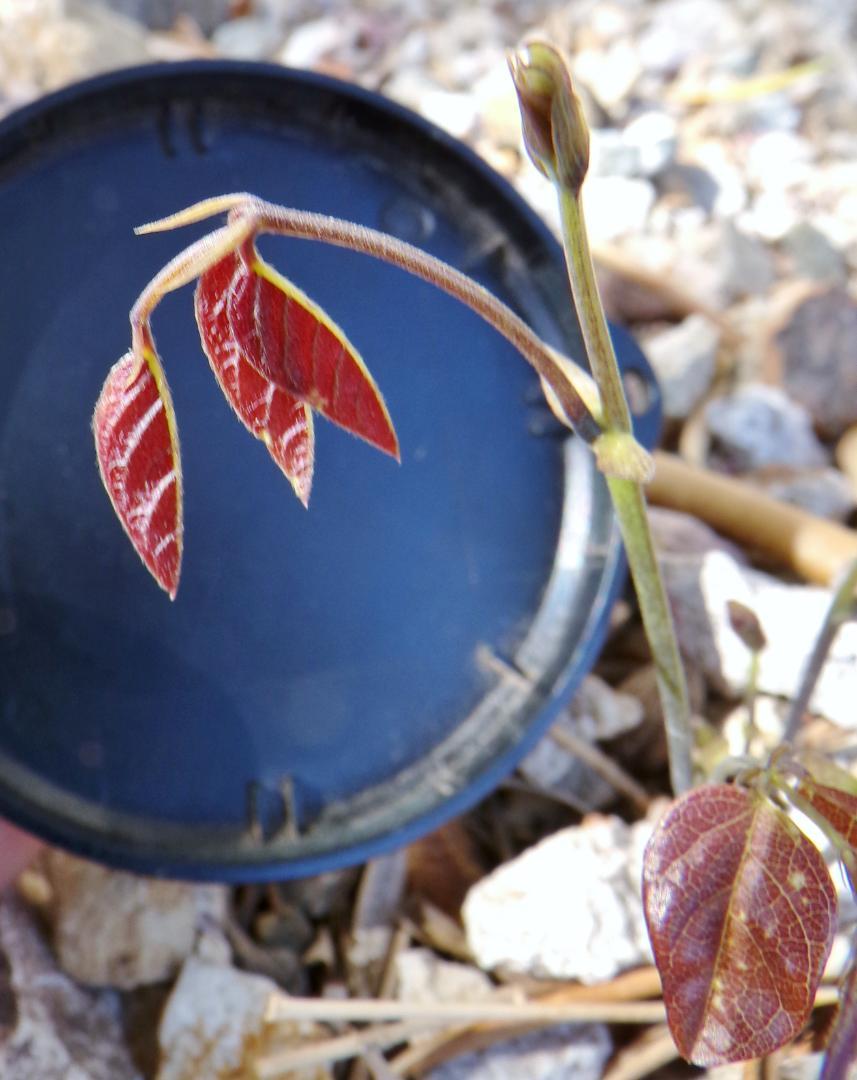
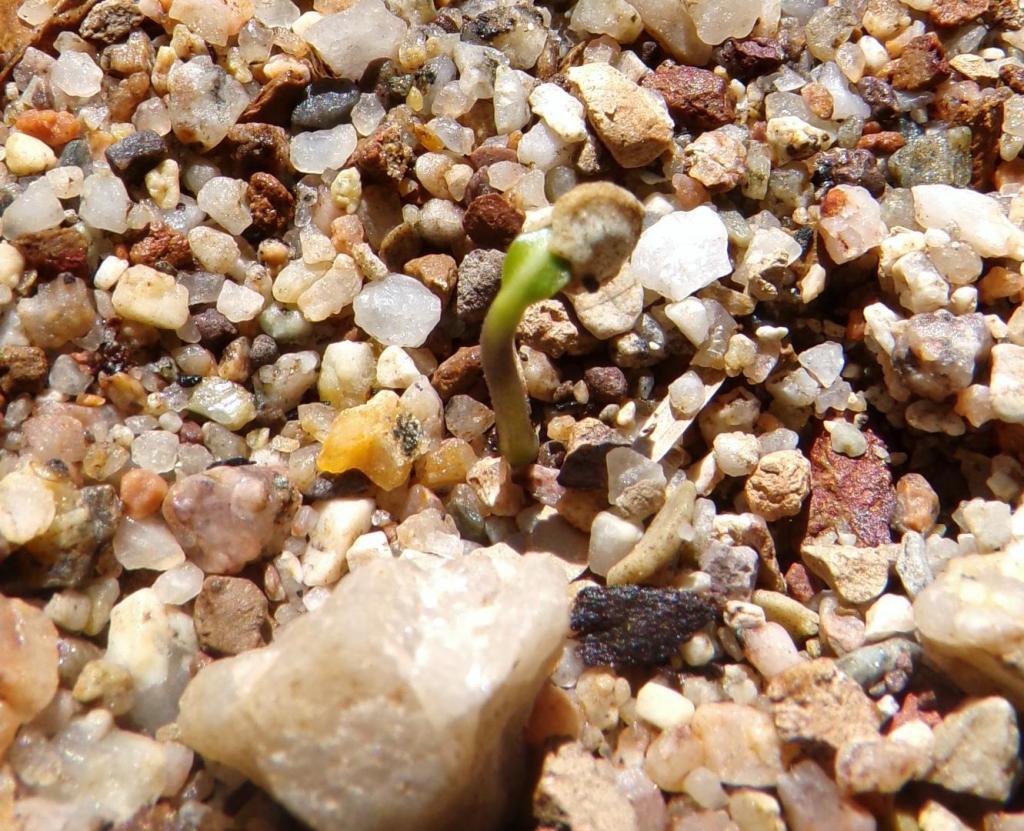
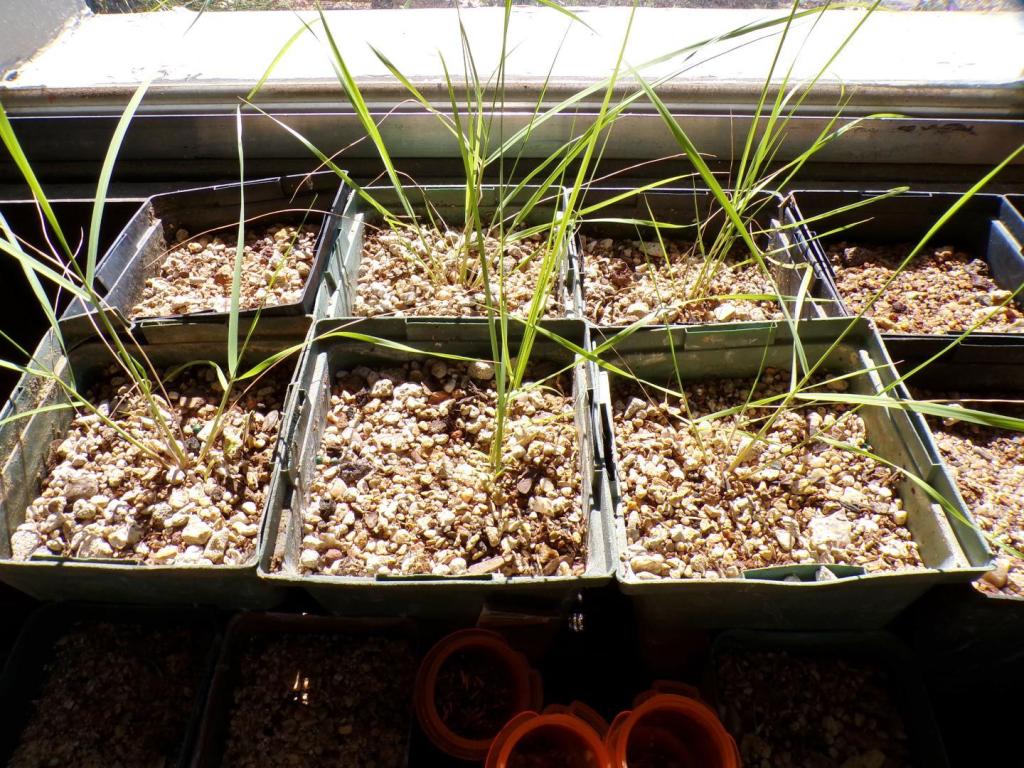
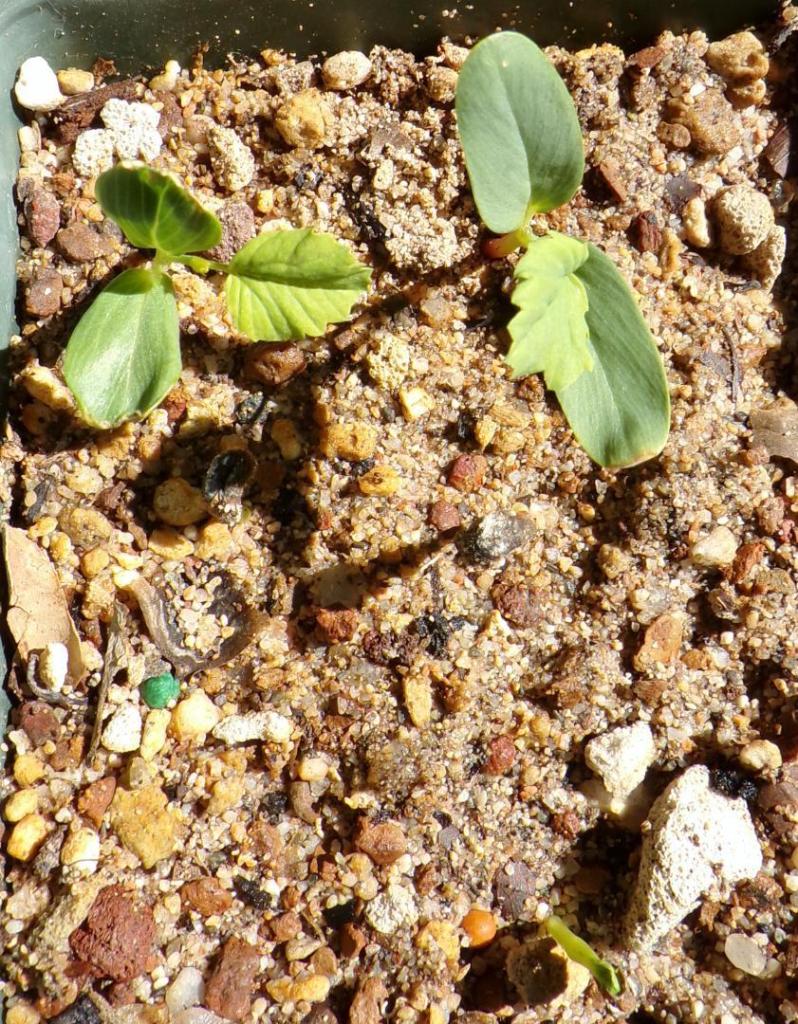
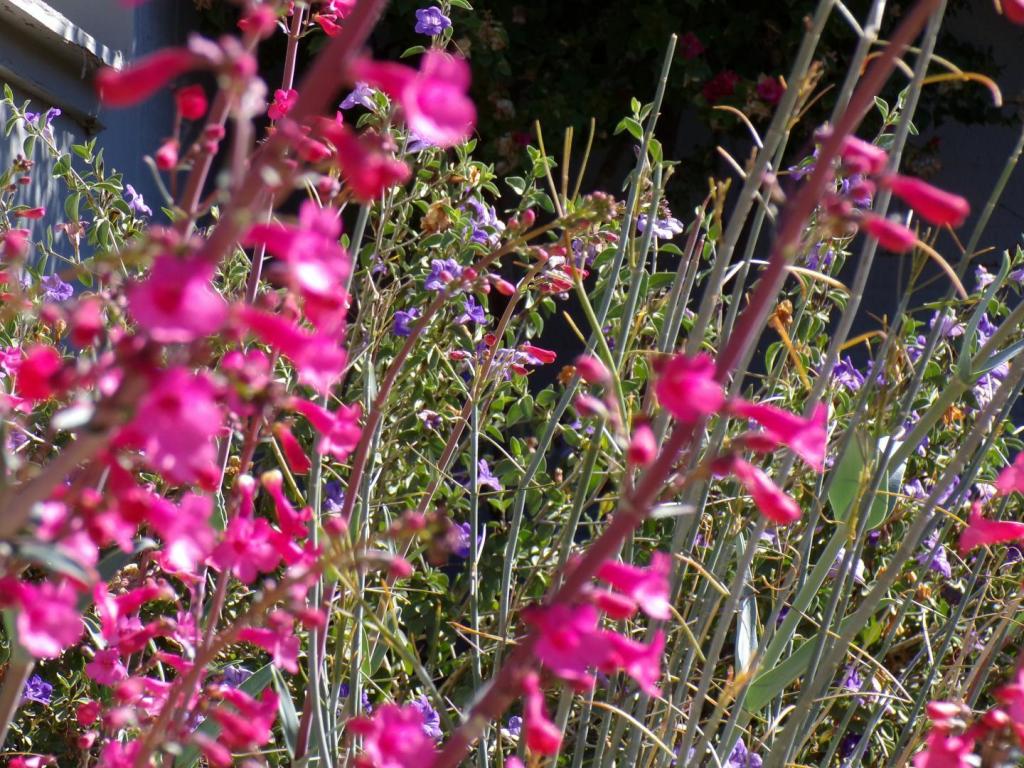
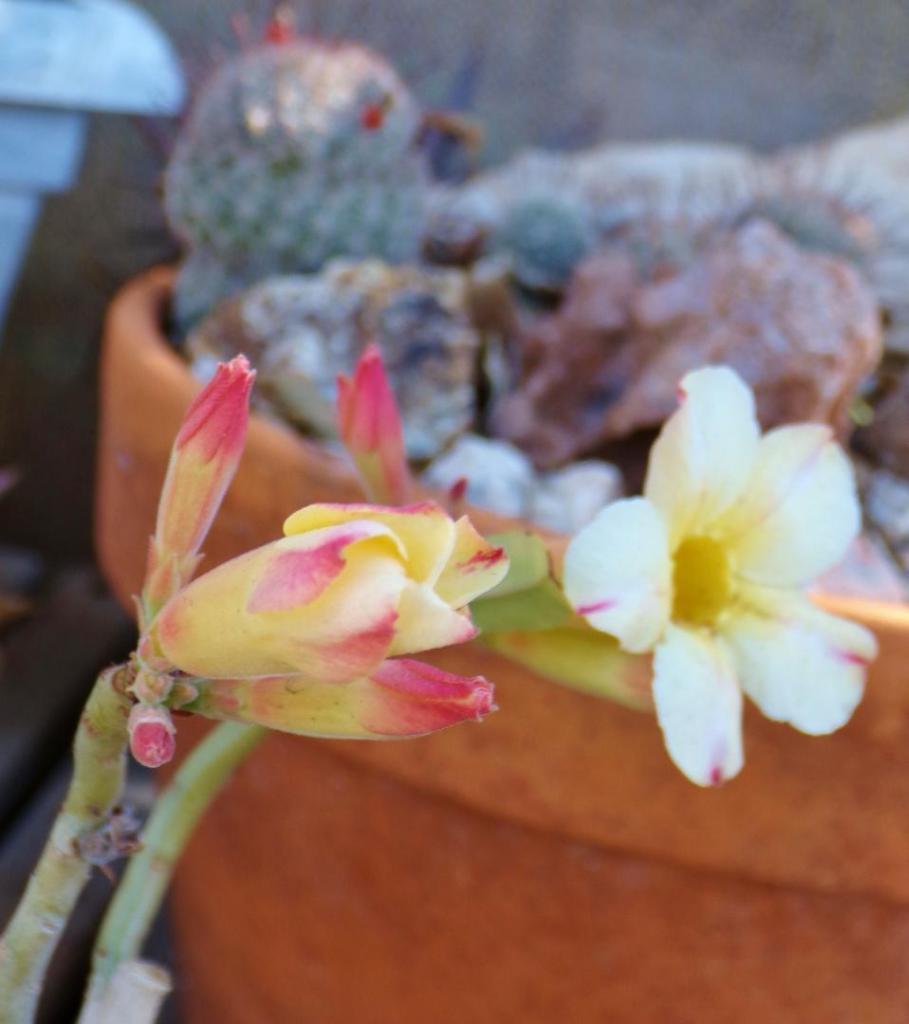
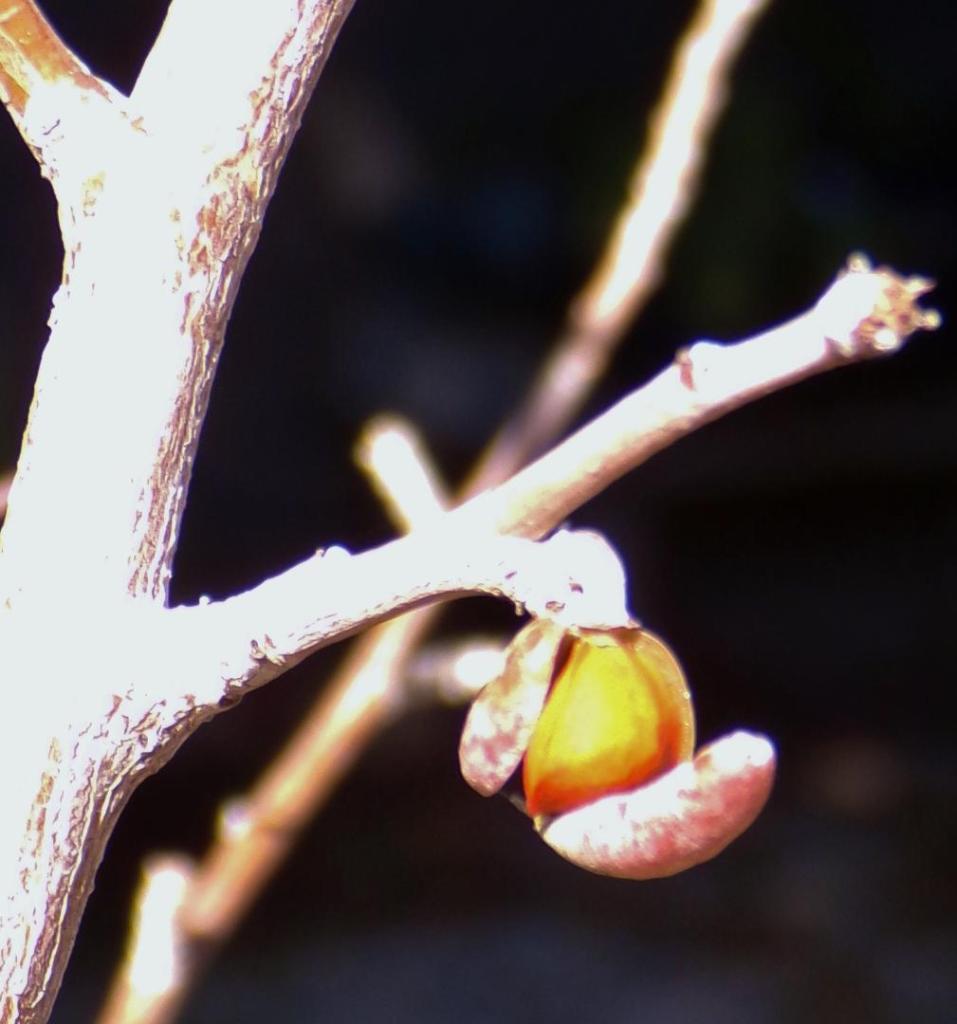
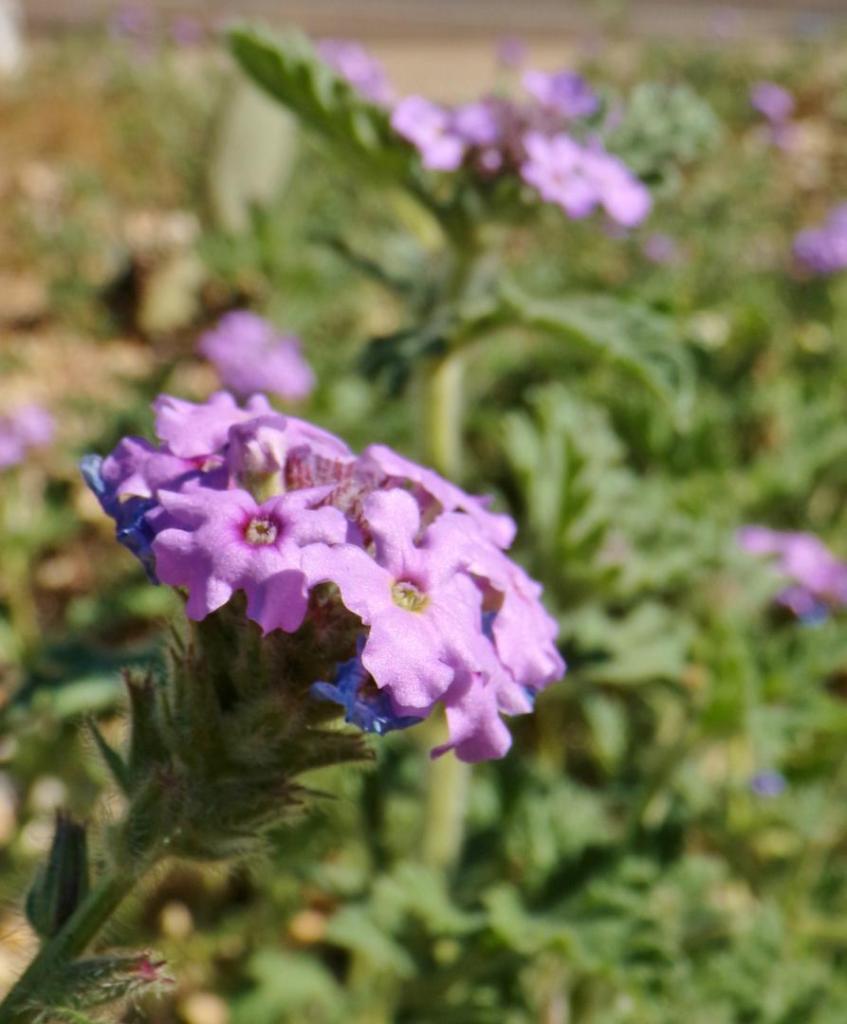
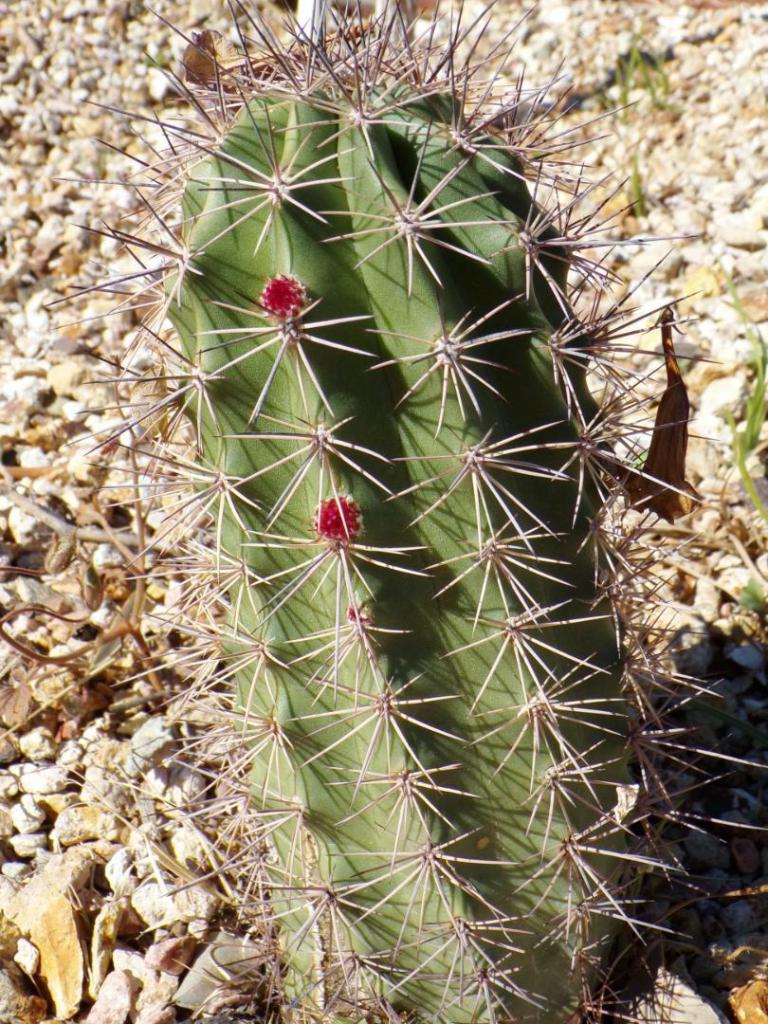
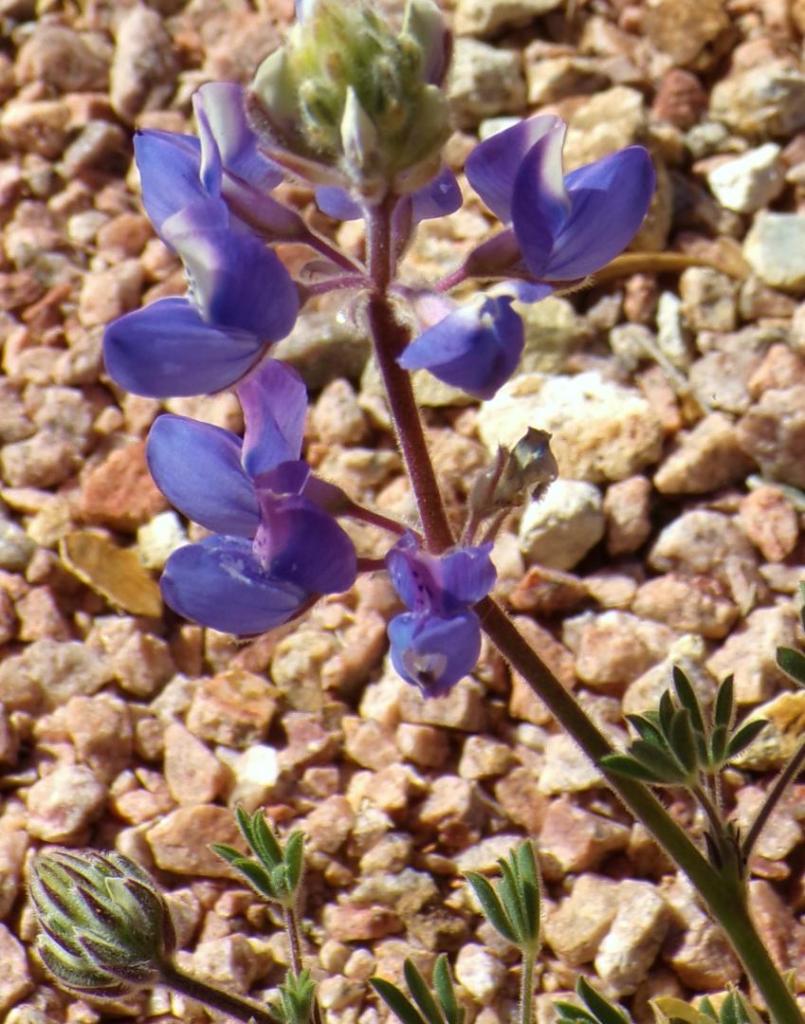
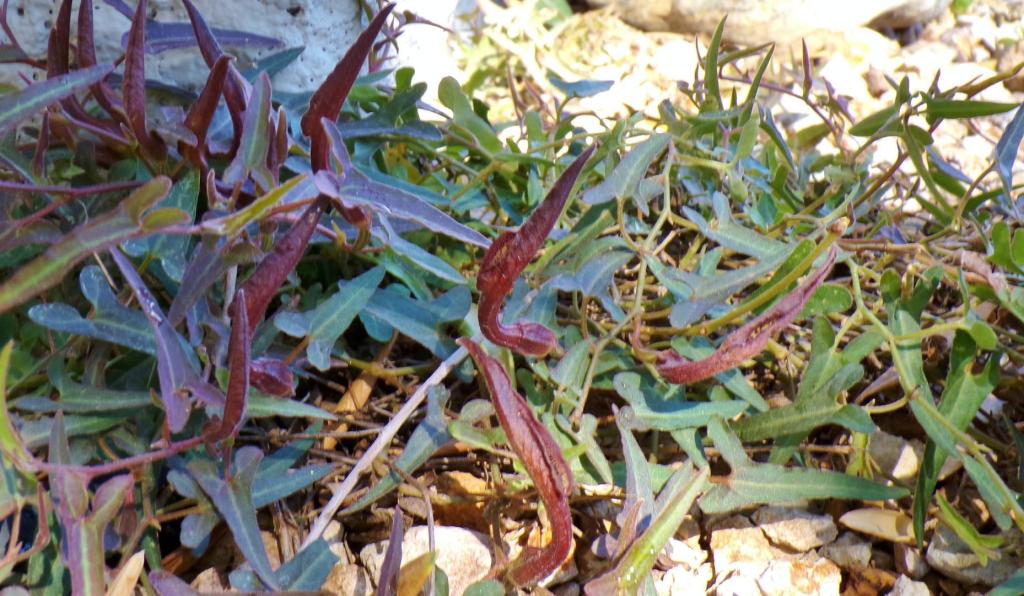
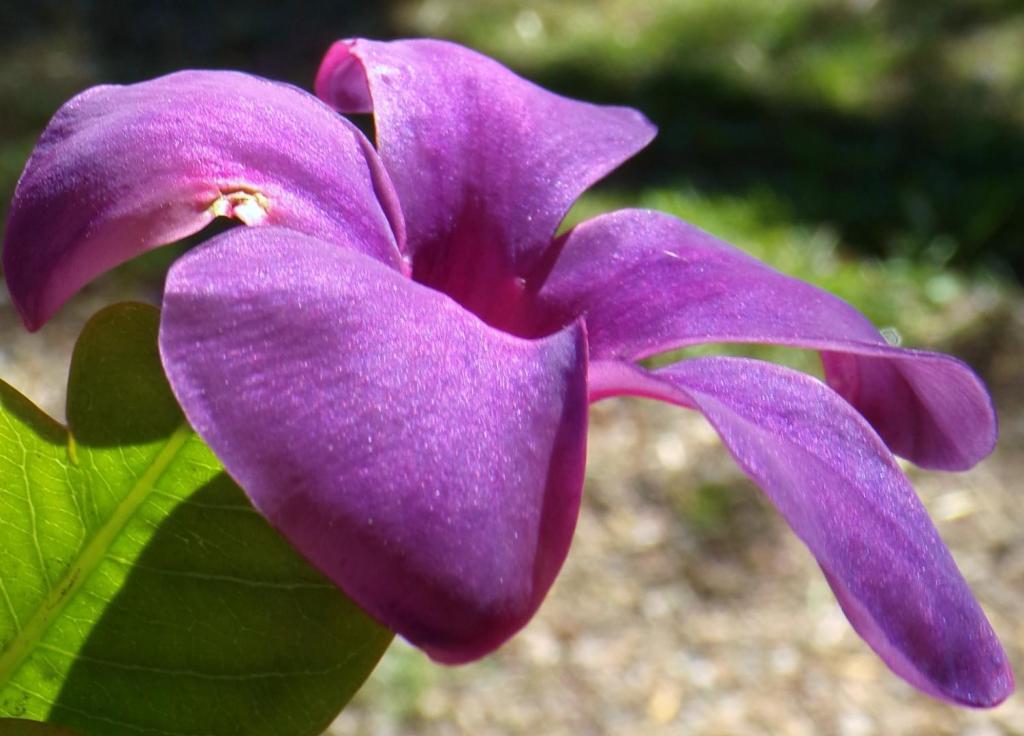
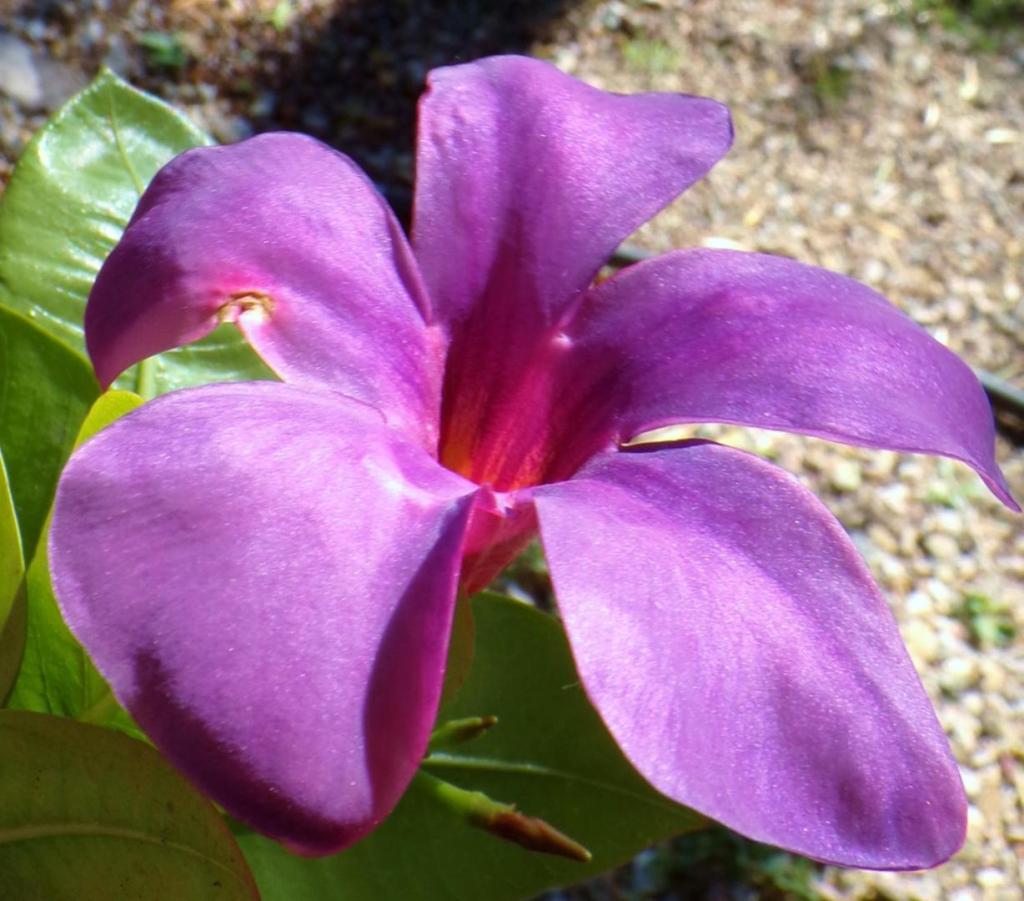
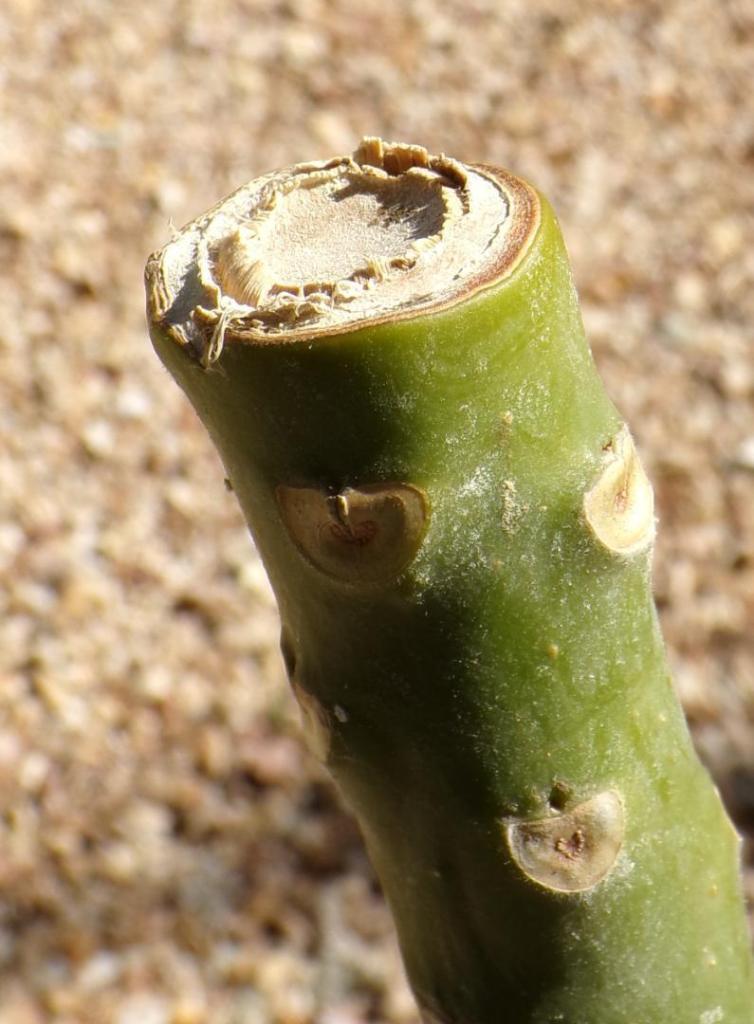
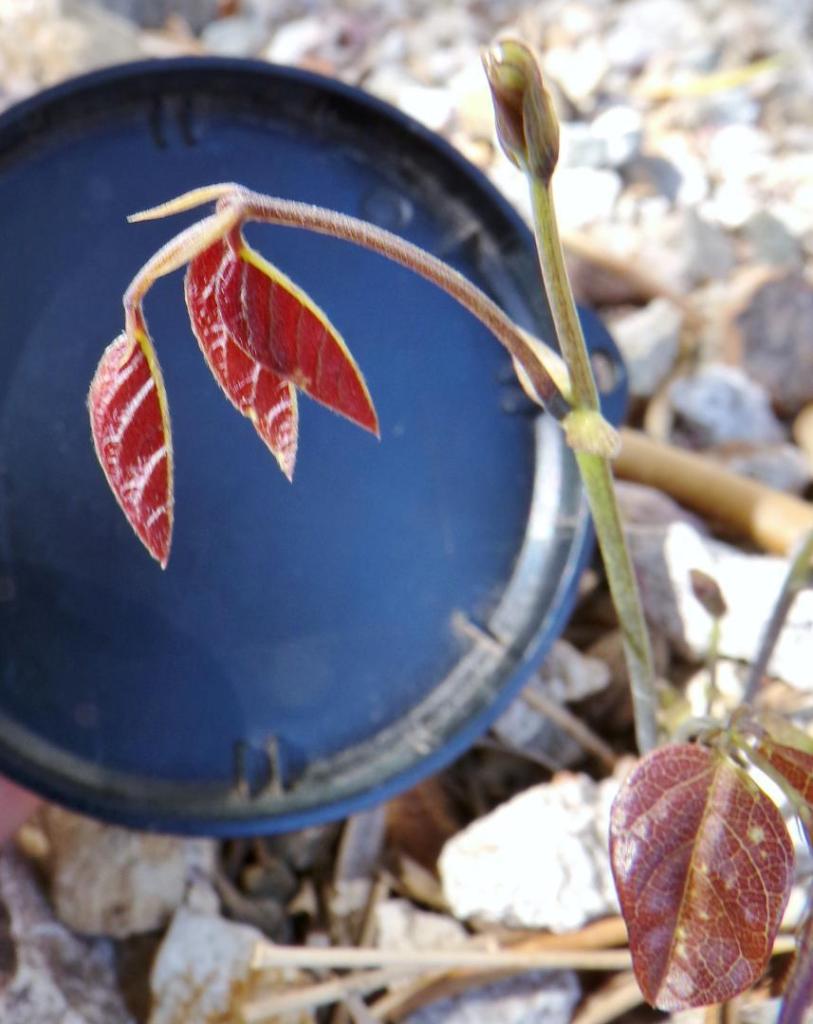
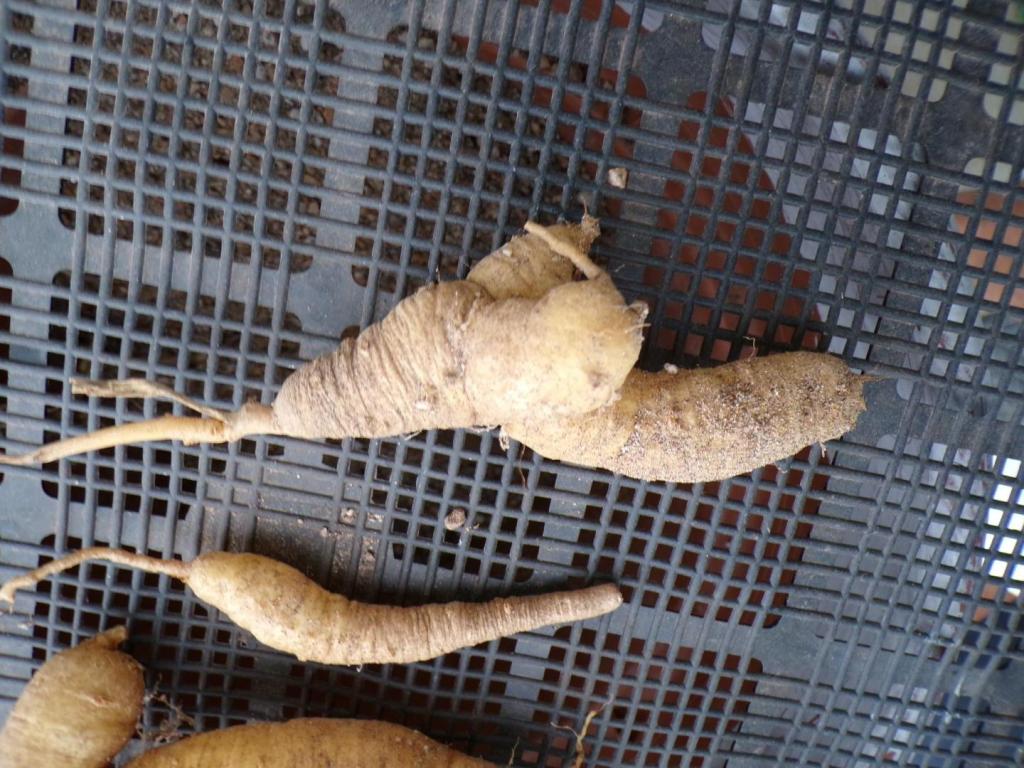
(200x194).thumb.jpg.25738373bf7571e51181f2f3921b2671.jpg) 2 pointsWith temps headed for the 90s this week / winter 25 -26 in the bag, ..figure it is time for an update.. When the Phacelia are all but done for the season, Glandularia gooddingii steps in fill the " blue / violet flowering thing " space on stage. On a side note, ..as much as i love 'em, decided that this will be the last year i grow out extensive plots of both Phacelia sps i've had going.. As attractive, and valuable foraging for early native rising bees as both are, many species of the Genus hide a not so pleasant " gift " when one brushes up against them ..or, in my case, goes to remove them from planting beds as they fade out for the season / trim and harvest for seed.. Essentially, ..if you're sensitive to compounds produced by Poison Oak / Ivy, you may be sensitive to similar, sticky / oily compounds these plants produce that can cause similar rashes on the skin. After a few weeks of itchy hands / arms ..and other places where the oily residue these plants produced touched while clearing them out, i decided that ..while i won't eliminate them completely, i will shift these out of the main bed out front, adding in more Lupinus for the " blue / purple " end of the color spectrum out there. Of the two species, seems P. crenulata, Notch -leaved Phacelia, may possess more of these itch -inducing compounds than P. campanularia.. Speaking of Lupinus, one of just a couple L. douglasii that managed to survive a very dry winter.. TX. bluebonnets that also held up thru the winter should be doing their thing shortly. Locally native L. sparsiflorus are just about done for the year.. Penstemon parryi w/ Ruellia californica / peninsularis in the background.. It hasn't stopped flowering since ....October.. What freshly opened seed on Bursera fageroides ( ...and the majority of other Bursera sps ) looks like when the fleshy, outer shell opens and exposes the neon, Red Orange Aril - covered seed ( An evolutionary strategy of attracting birds ) While it has been shedding seed here and there for several weeks, w / the heat kicking in, expect all the remaining seed to be ready to harvest / plant out soon. I'd say the kick off to " Cactus Season 2026 " is about to get underway but, ..whatever sp of Stenocactus it is i have started flowering about 2 weeks ago.. Beaver Tails and " old enough to bloom " Hedgehogs ( Echinocereus ) are up next. You know it has been a warm winter when -any- Adenium starts flowering ..in February.. This kid is sitting in more shade atm so it flowering, already, is a bit more of a surprise and a testament to just how warm this winter has been.. Locally native form of CA. Buckwheat with neon Orange Cape Daisies in the background. Darker colored form of Calliandra eriophylla, second flowering since the start of the year.. Aristolochia watsonii, off to the races, already.. That pretty, blue violet Mandevilla seemingly much happier w/ conditions thru the winter rather during the summer. Clitoria mariana awakening quite early this year.. I'd mentioned elsewhere how the Plumeria would likely start moving earlier than is typical this year. Well, as you can see, .." pushing off dried out leaf attempts " is the first sign of awakening from their winter naps.. The rewards of using Sulfur powder to save injured specimens.. New growth will pop from dormant buds in the leaf scars in view.. On a bench, inside.. Artemisia californica trial coming along nicely.. Same with the Cochlospermum palmatifida trial.. Potted up the next batch of seed last night.. Plan is having some to plant out around the yards, and some that i can keep in a large pot ..for seed. On a side note, ..What the roots of a true " Devilish Blonde " look like.. last October, carefully removed all the 2yr old potted specimens and installed them out front. During one of those " complete idiot " moments, i completely forgot to mark where i dropped them in the ground so, fingers crossed, they'll pop once the heat really kicks in. Emphasize carefully.. roots are easily damaged, which can lead to them completely rotting. So touchy you are, Blondie. 😁 When large enough to plant out, some of the Cochlospermum will join them in the same beds. Pappophorum vaginatum after com pot separation.. First few weeks after separating / transplanting = always a touchy time with young native grasses.. Due to how popular they seem to be with those i have shared them with, and because the mother plant may be nearing the end of her productive life span, starting more Ital. Long Peppers.. Likely not the only pepper grown this year either.
2 pointsWith temps headed for the 90s this week / winter 25 -26 in the bag, ..figure it is time for an update.. When the Phacelia are all but done for the season, Glandularia gooddingii steps in fill the " blue / violet flowering thing " space on stage. On a side note, ..as much as i love 'em, decided that this will be the last year i grow out extensive plots of both Phacelia sps i've had going.. As attractive, and valuable foraging for early native rising bees as both are, many species of the Genus hide a not so pleasant " gift " when one brushes up against them ..or, in my case, goes to remove them from planting beds as they fade out for the season / trim and harvest for seed.. Essentially, ..if you're sensitive to compounds produced by Poison Oak / Ivy, you may be sensitive to similar, sticky / oily compounds these plants produce that can cause similar rashes on the skin. After a few weeks of itchy hands / arms ..and other places where the oily residue these plants produced touched while clearing them out, i decided that ..while i won't eliminate them completely, i will shift these out of the main bed out front, adding in more Lupinus for the " blue / purple " end of the color spectrum out there. Of the two species, seems P. crenulata, Notch -leaved Phacelia, may possess more of these itch -inducing compounds than P. campanularia.. Speaking of Lupinus, one of just a couple L. douglasii that managed to survive a very dry winter.. TX. bluebonnets that also held up thru the winter should be doing their thing shortly. Locally native L. sparsiflorus are just about done for the year.. Penstemon parryi w/ Ruellia californica / peninsularis in the background.. It hasn't stopped flowering since ....October.. What freshly opened seed on Bursera fageroides ( ...and the majority of other Bursera sps ) looks like when the fleshy, outer shell opens and exposes the neon, Red Orange Aril - covered seed ( An evolutionary strategy of attracting birds ) While it has been shedding seed here and there for several weeks, w / the heat kicking in, expect all the remaining seed to be ready to harvest / plant out soon. I'd say the kick off to " Cactus Season 2026 " is about to get underway but, ..whatever sp of Stenocactus it is i have started flowering about 2 weeks ago.. Beaver Tails and " old enough to bloom " Hedgehogs ( Echinocereus ) are up next. You know it has been a warm winter when -any- Adenium starts flowering ..in February.. This kid is sitting in more shade atm so it flowering, already, is a bit more of a surprise and a testament to just how warm this winter has been.. Locally native form of CA. Buckwheat with neon Orange Cape Daisies in the background. Darker colored form of Calliandra eriophylla, second flowering since the start of the year.. Aristolochia watsonii, off to the races, already.. That pretty, blue violet Mandevilla seemingly much happier w/ conditions thru the winter rather during the summer. Clitoria mariana awakening quite early this year.. I'd mentioned elsewhere how the Plumeria would likely start moving earlier than is typical this year. Well, as you can see, .." pushing off dried out leaf attempts " is the first sign of awakening from their winter naps.. The rewards of using Sulfur powder to save injured specimens.. New growth will pop from dormant buds in the leaf scars in view.. On a bench, inside.. Artemisia californica trial coming along nicely.. Same with the Cochlospermum palmatifida trial.. Potted up the next batch of seed last night.. Plan is having some to plant out around the yards, and some that i can keep in a large pot ..for seed. On a side note, ..What the roots of a true " Devilish Blonde " look like.. last October, carefully removed all the 2yr old potted specimens and installed them out front. During one of those " complete idiot " moments, i completely forgot to mark where i dropped them in the ground so, fingers crossed, they'll pop once the heat really kicks in. Emphasize carefully.. roots are easily damaged, which can lead to them completely rotting. So touchy you are, Blondie. 😁 When large enough to plant out, some of the Cochlospermum will join them in the same beds. Pappophorum vaginatum after com pot separation.. First few weeks after separating / transplanting = always a touchy time with young native grasses.. Due to how popular they seem to be with those i have shared them with, and because the mother plant may be nearing the end of her productive life span, starting more Ital. Long Peppers.. Likely not the only pepper grown this year either.






 2 points
 -
I'm not gonna quote everybody here, but I nuked Facebook during Covid. Not gonna get into the why, but at that point I already had to send in a photo of my driver's license because someone reported me as being fake. The email address I used on that account is long gone. I tried to make another account recently since that's apparently where 98% of this forum has gone, and despite having to do facial recognition scans and them already having my biometrics through my phone, I'm somehow banned for violating community standards of a community I haven't been part of in 6 years - but I could make an Instagram account, go figure - and the ads and "followers" it promotes to me make it really obvious just HOW MUCH they already know about me and it's disturbing as hell - I occasionally grab my mom's tablet and scroll through her Facebook and it's not much different. They know she's a boomer that will buy pretty much anything they throw in front of her, lol... But yeah, I hate it. I mean, say what you will about the owner of Twitter (and believe me, I say it), but at least the ads on there are stupid and have nothing to do with any of my private or personal info. I have no interest in buying a St Louis Cardinals jersey or a World's Greatest Grandpa coffee cup. But Meta knows where I live, they know my health status, they know my marital status, I just want an active plant and palm forum again. And I honestly hope more and more of our previously active users on here figure the shit out and see it for what it is.2 points
-
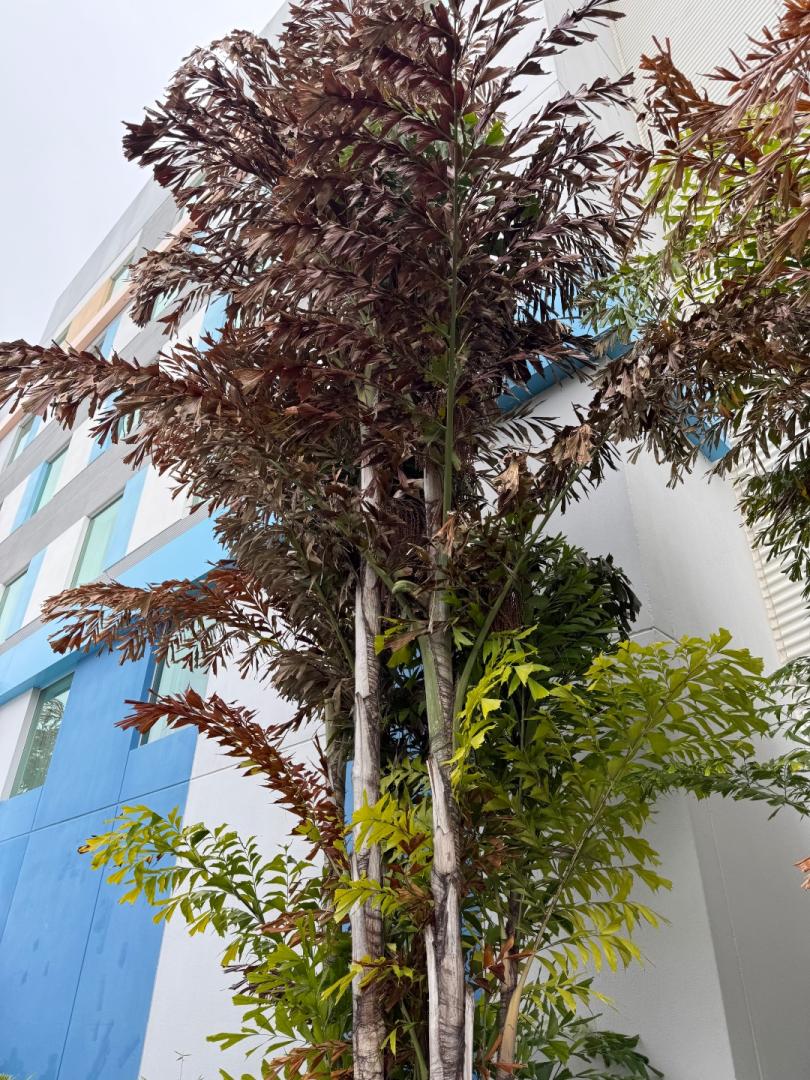
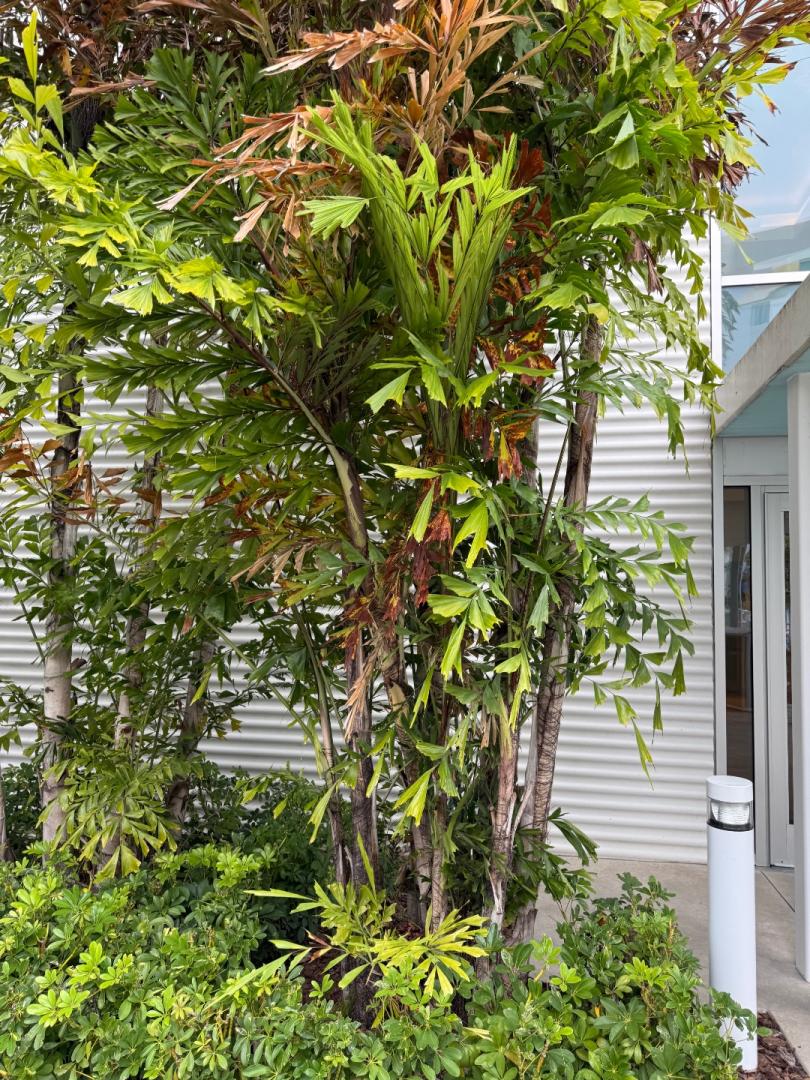
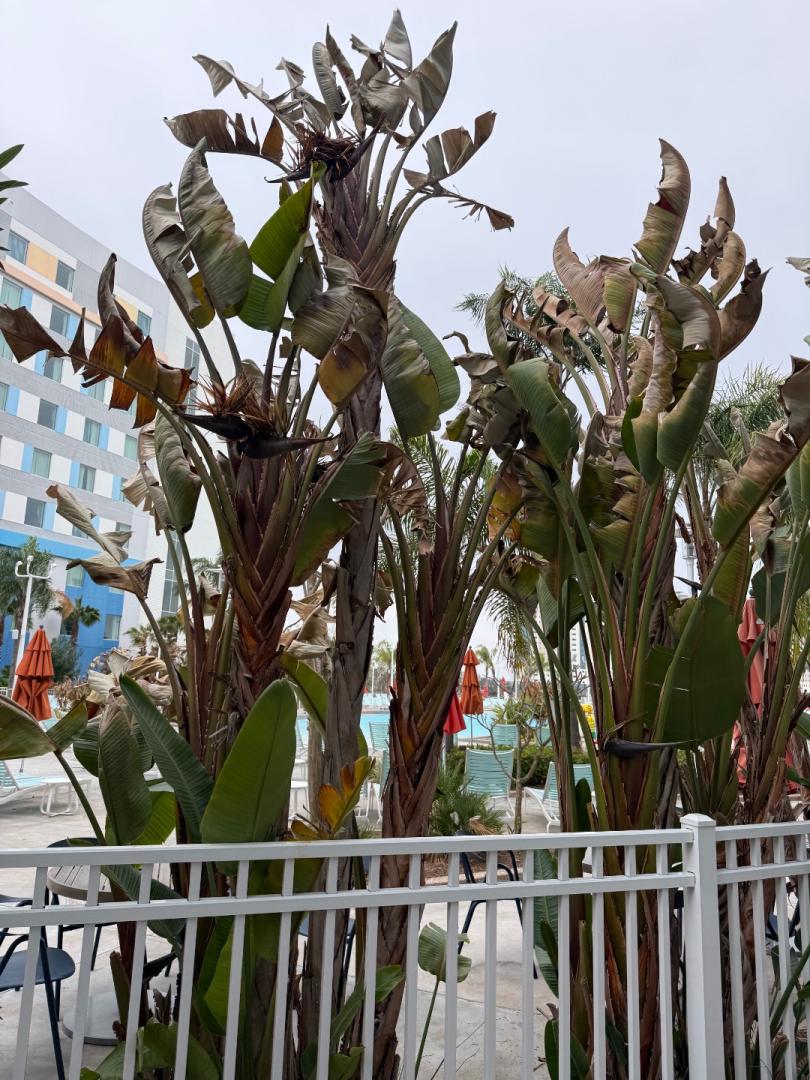
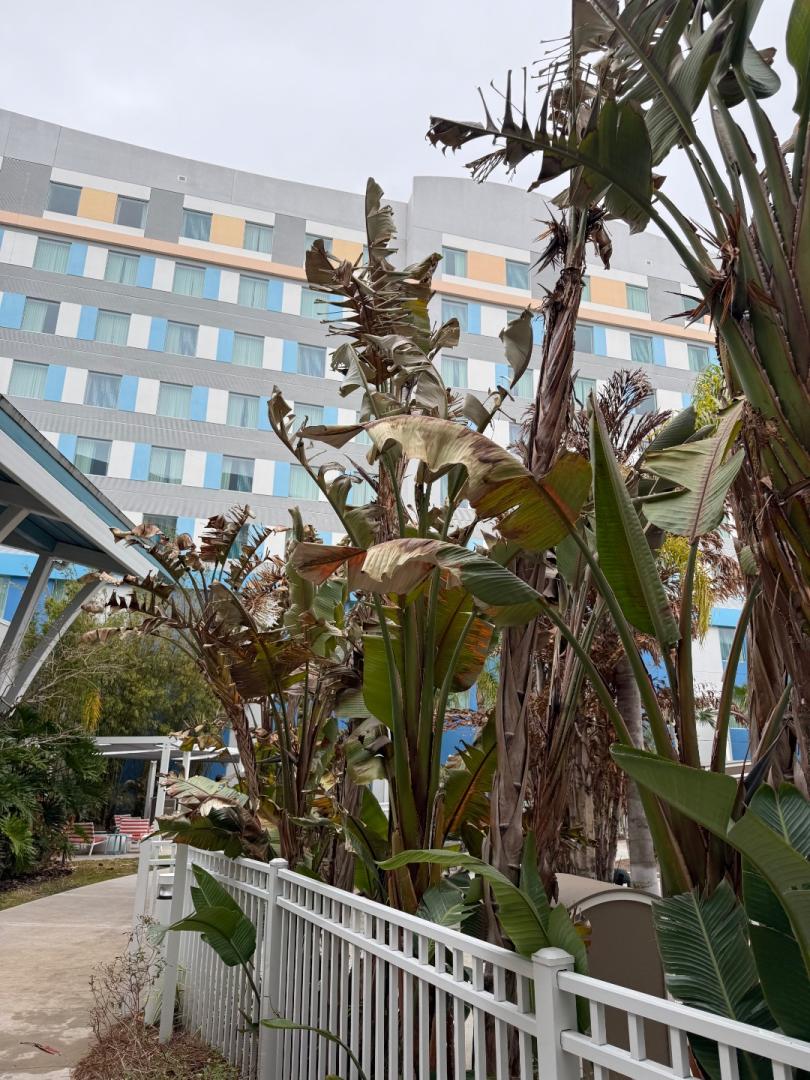
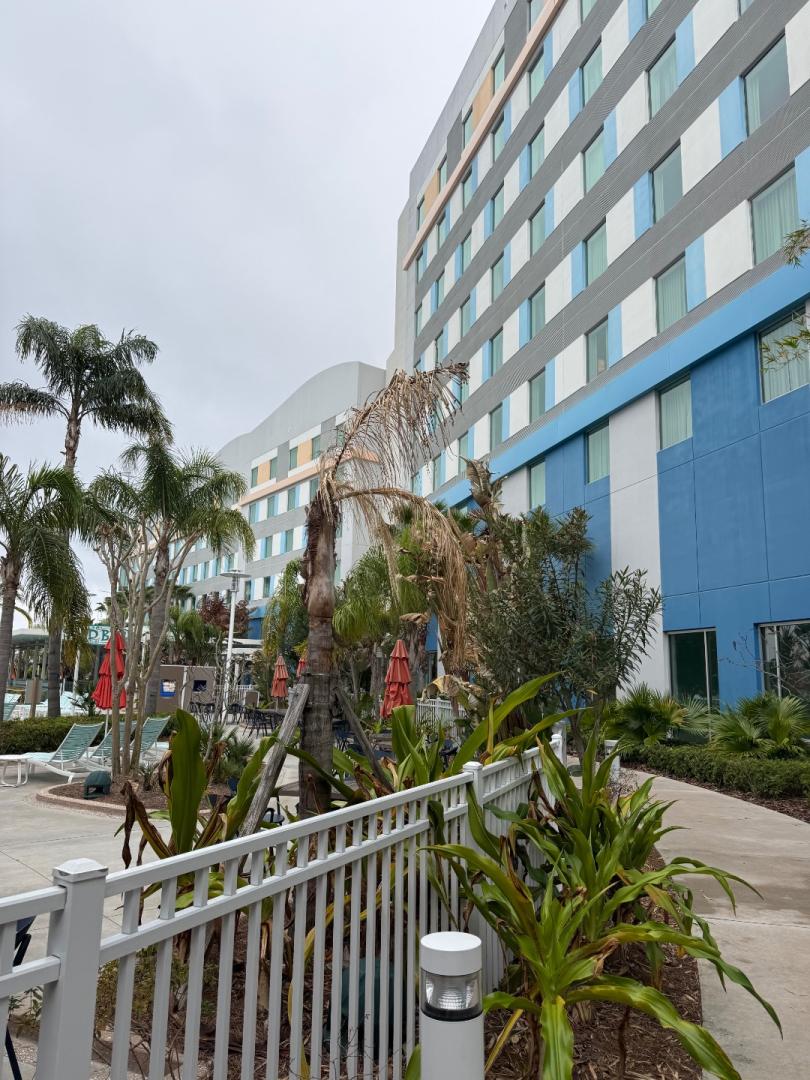
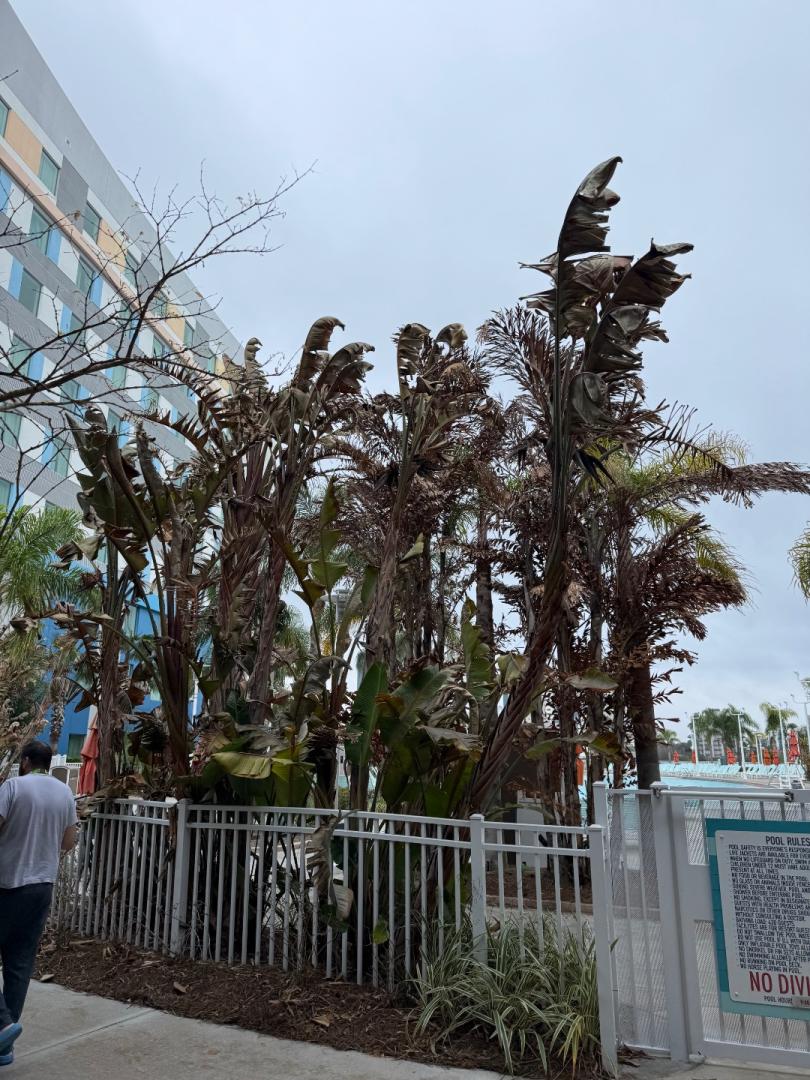
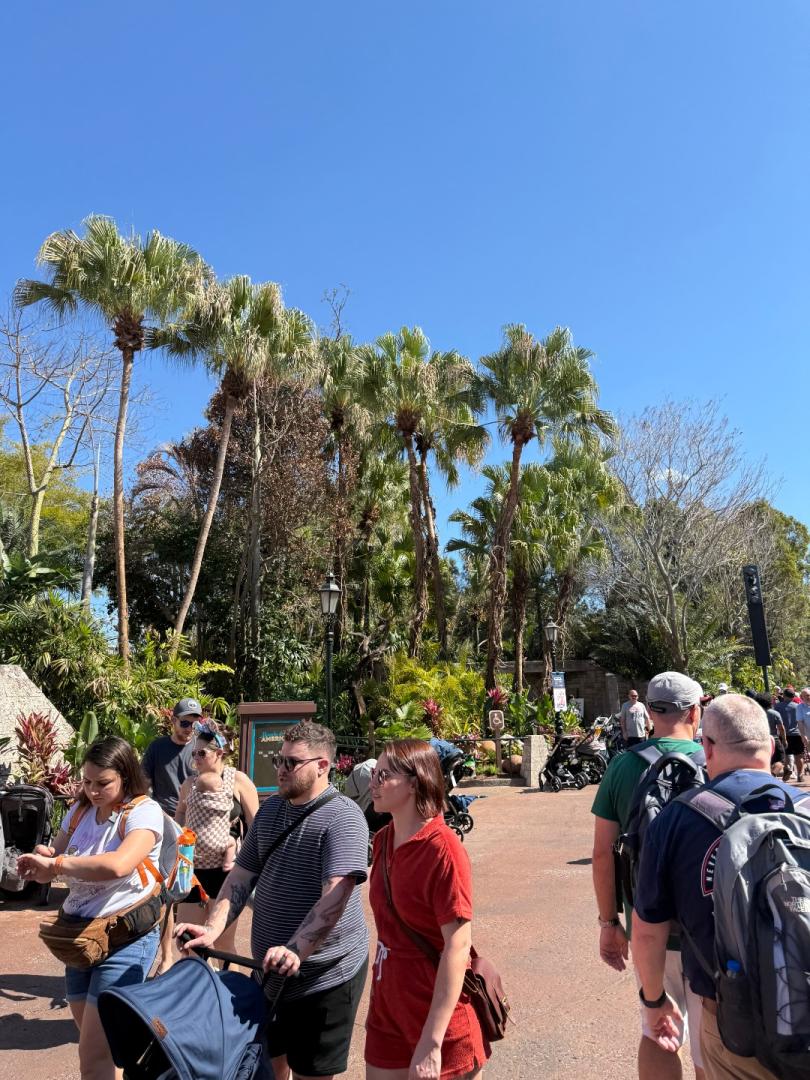
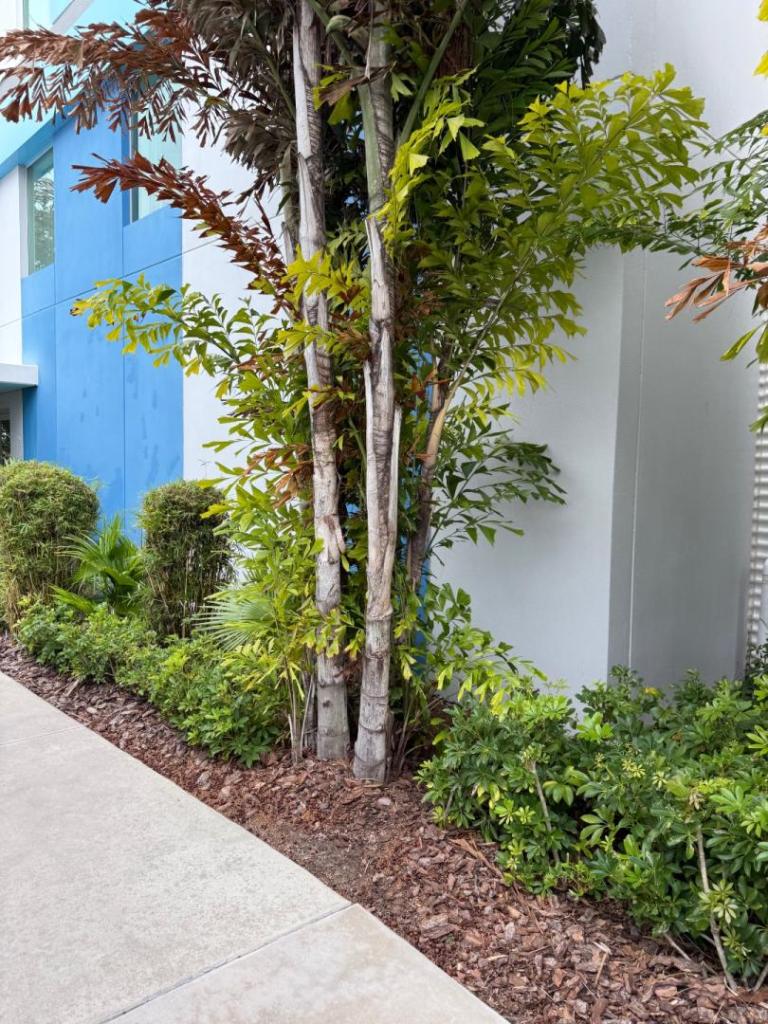
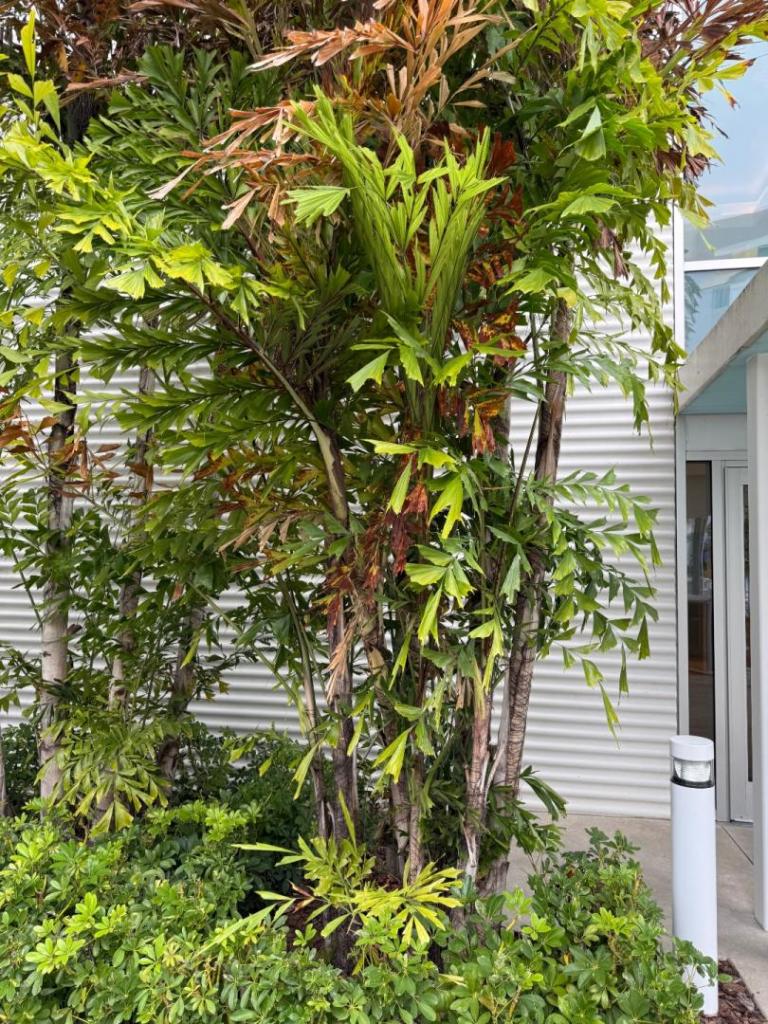
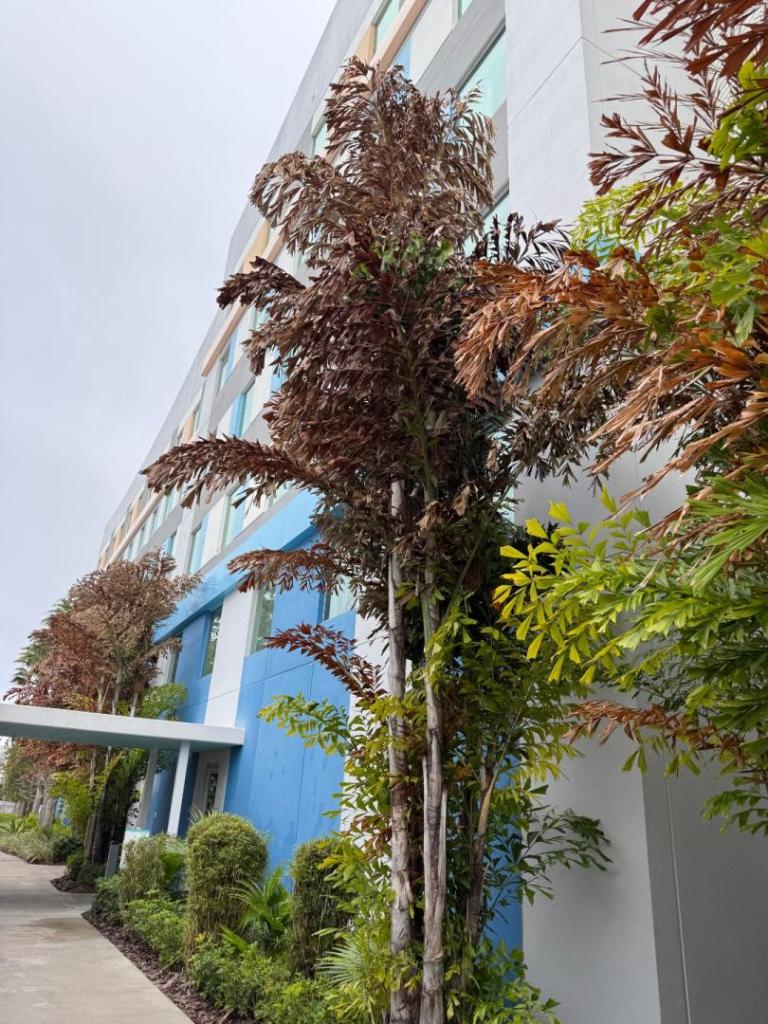
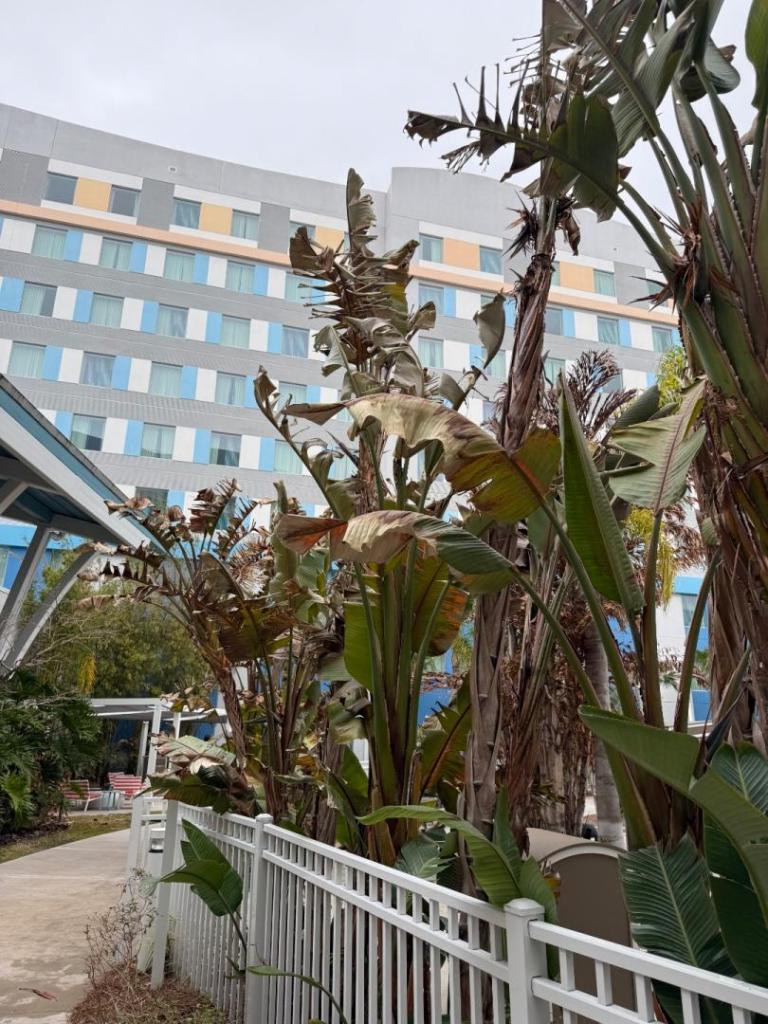
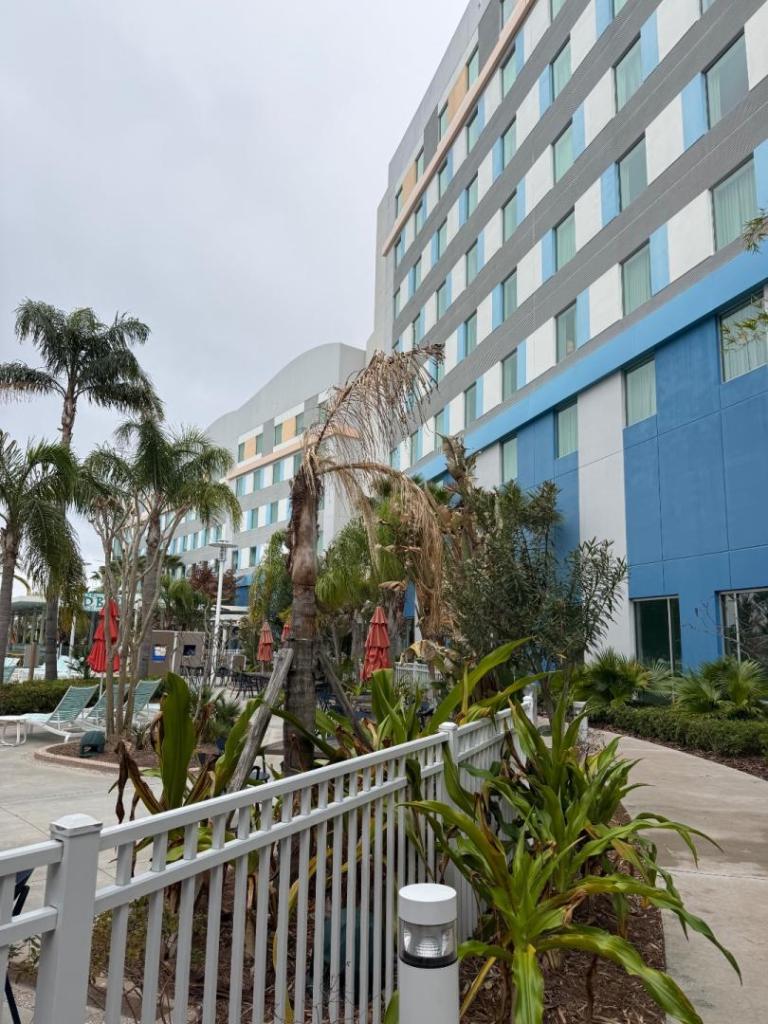
I was mostly surprised by how badly so many bismarkia were damaged, I drove up i75 until I hit 17. Then took it to i4. Things looked decent till around Arcadia driving East on 17, then things got worse exponentially. By Wachula, nearly everything that should not have been there was completely fried. Just some photos this morning from Universals Endless Summer Surfside. Around Disney most of the giant birds of paradise were completely fried, some had green but many were toast. Here, they faired better depending on placement and proximity to buildings. The lush canopy to the right side of the Mexican pavilion has been reduced to some hardy bamboos and livistonas. Everything else either perished or was fried into frond oblivion. What is killing so many Adonidias? I notice them in Naples in the medians and they are constantly being replaced. They seem to just turn sour very quickly for no apparent reasons.




 2 points