Leaderboard



Popular Content
Showing content with the highest reputation on 02/15/2026 in Posts
-
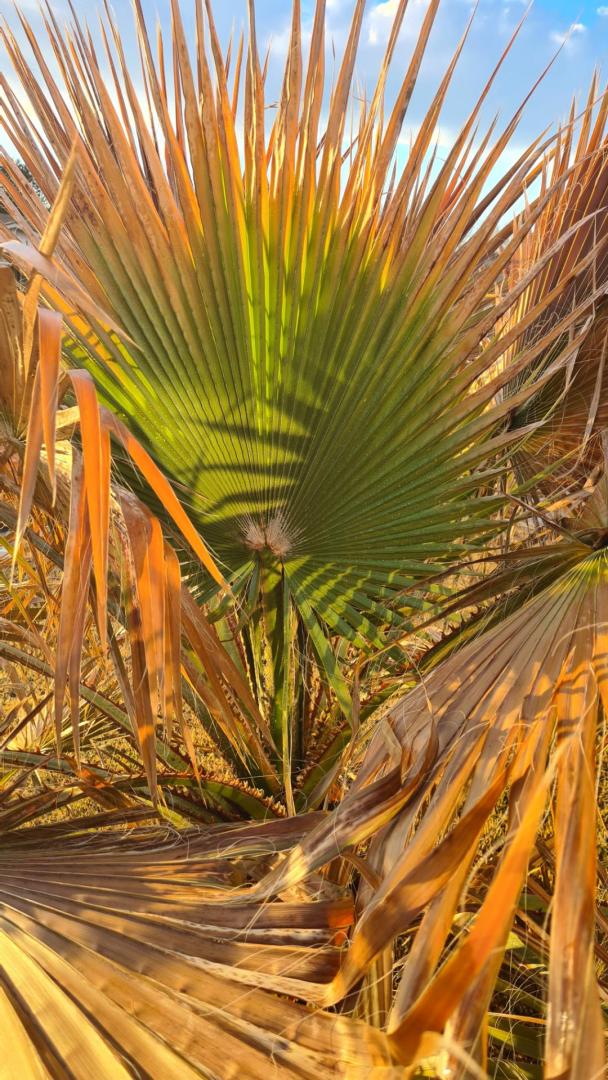
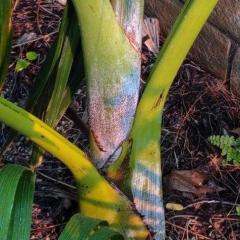
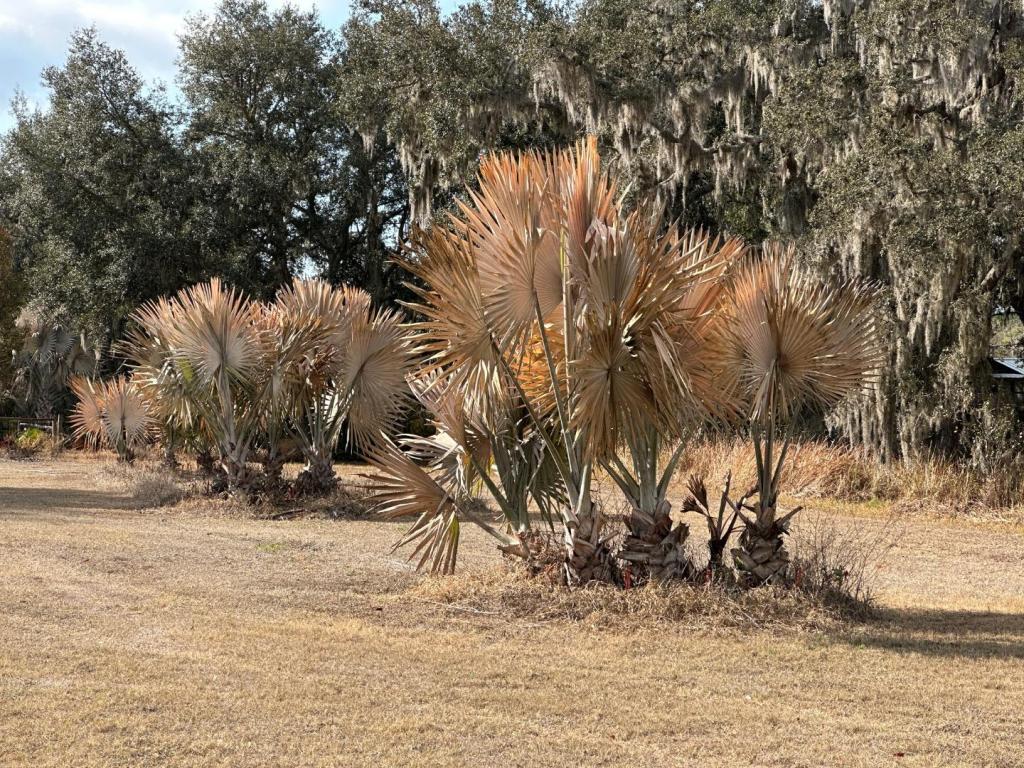
I was able to force this color with 23 degrees but i don't think I’ll be able to maintain this look.
 6 points
 -
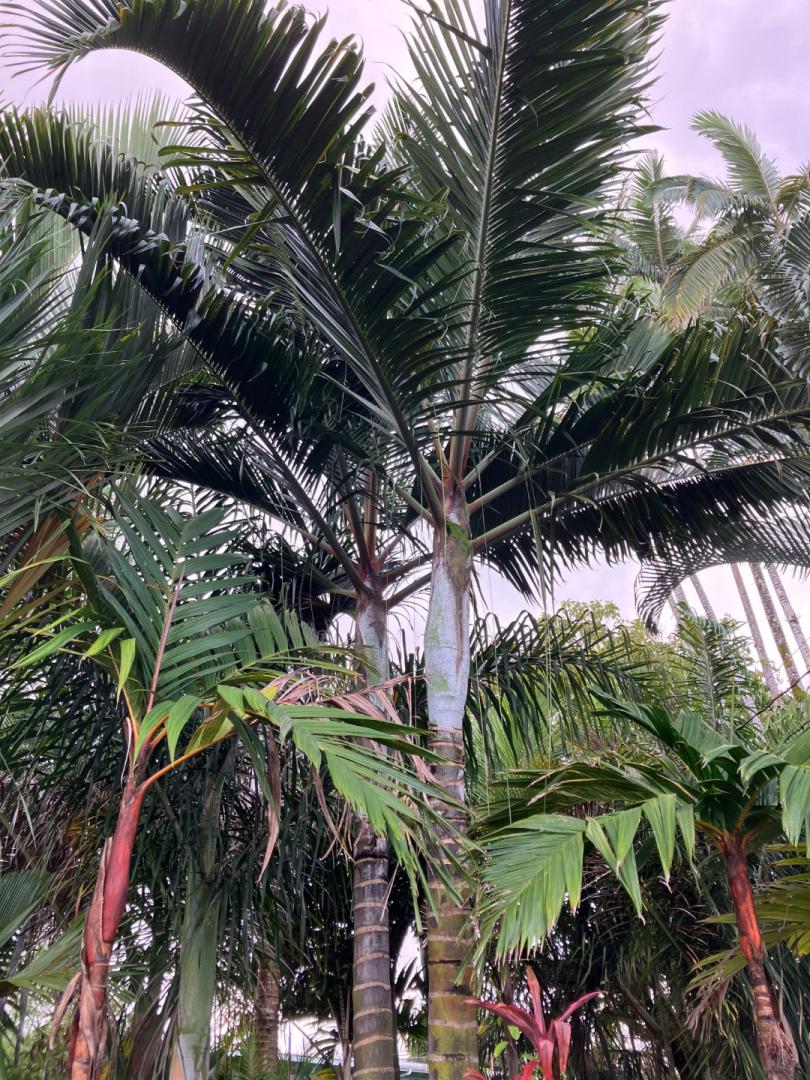
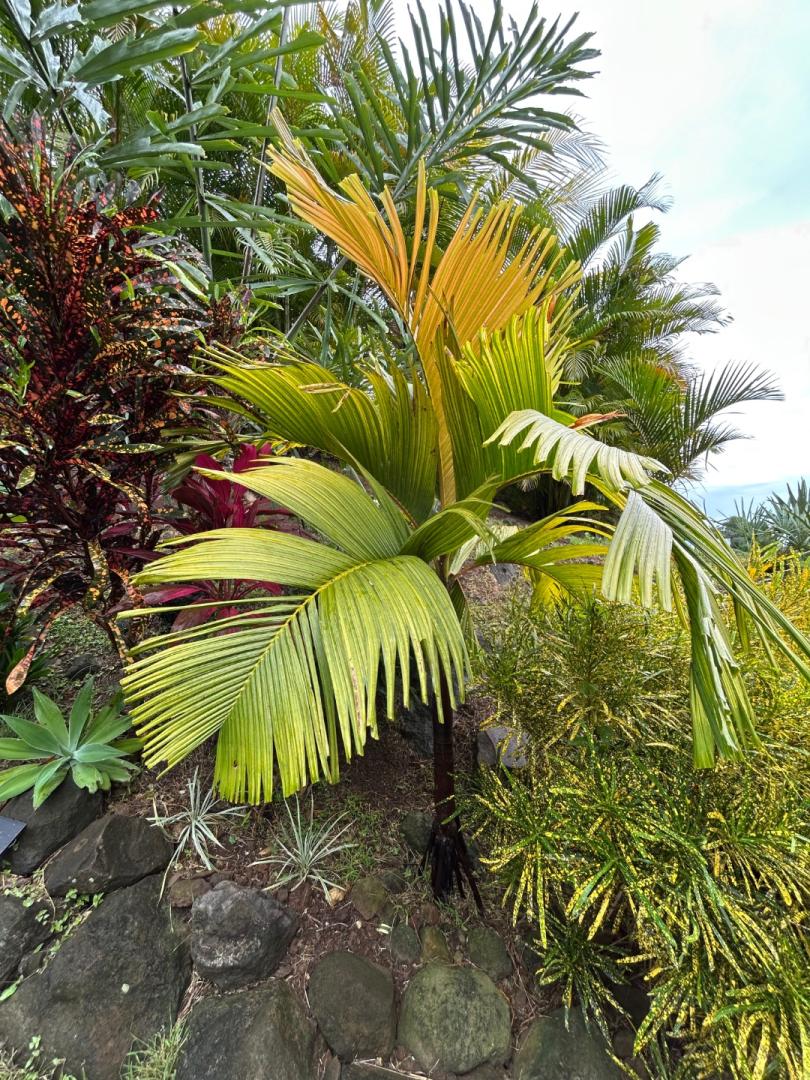
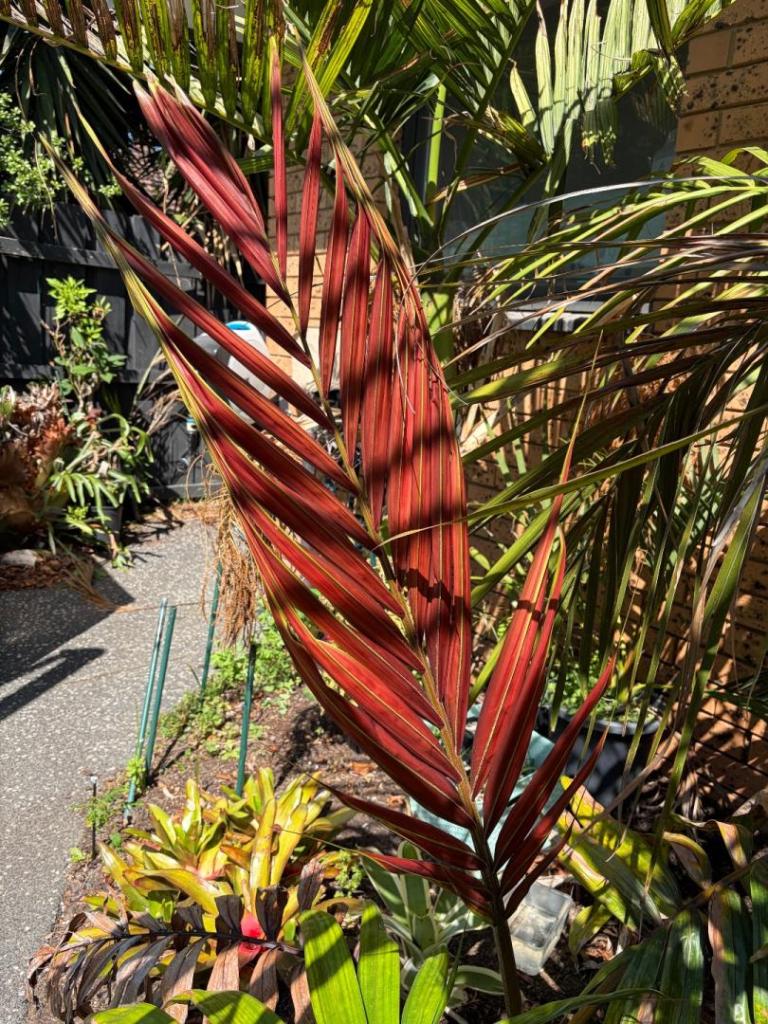
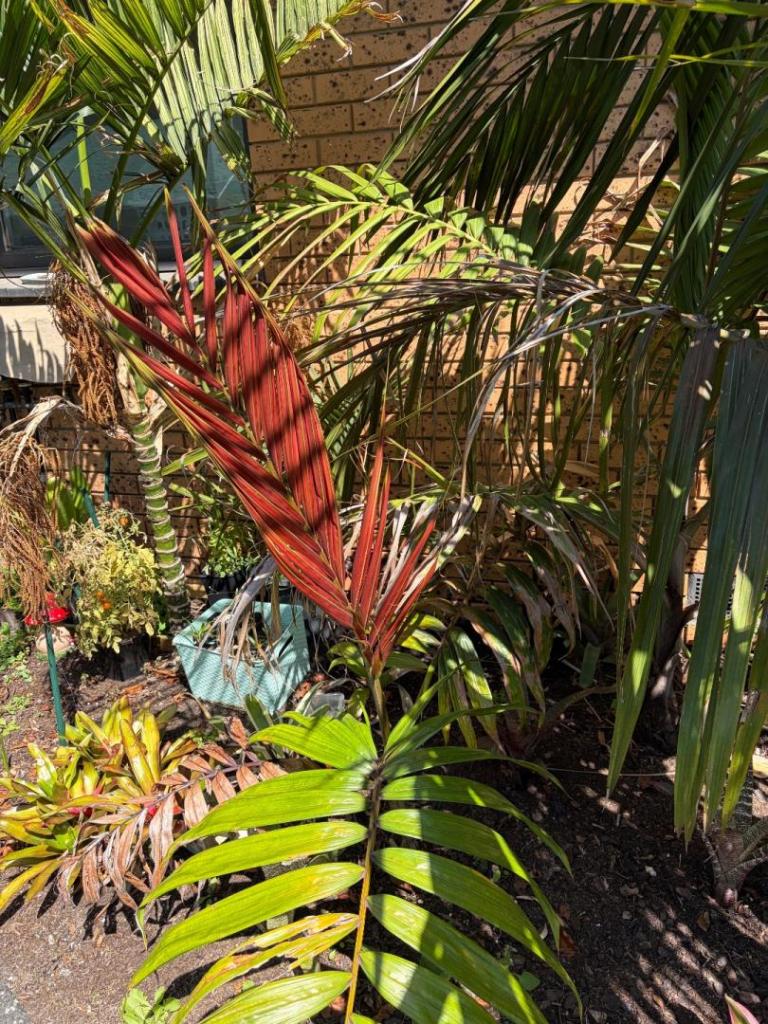
Never get tired of Chambeyronia macrocarpa var hookeri new growth.
 6 points
 -
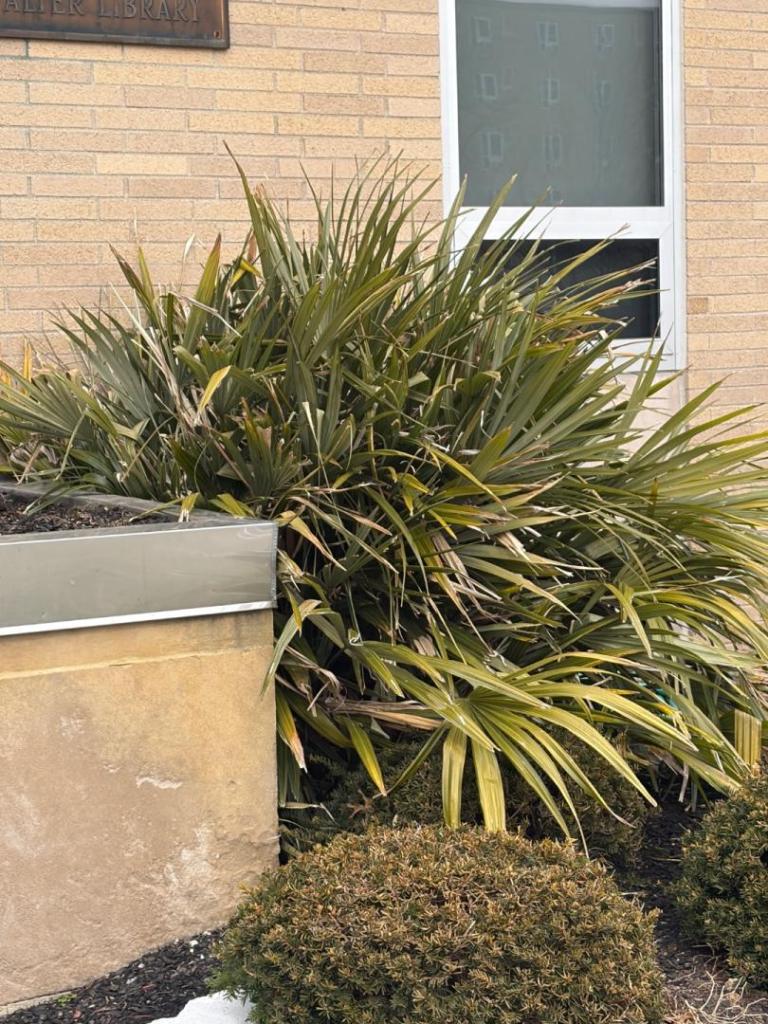
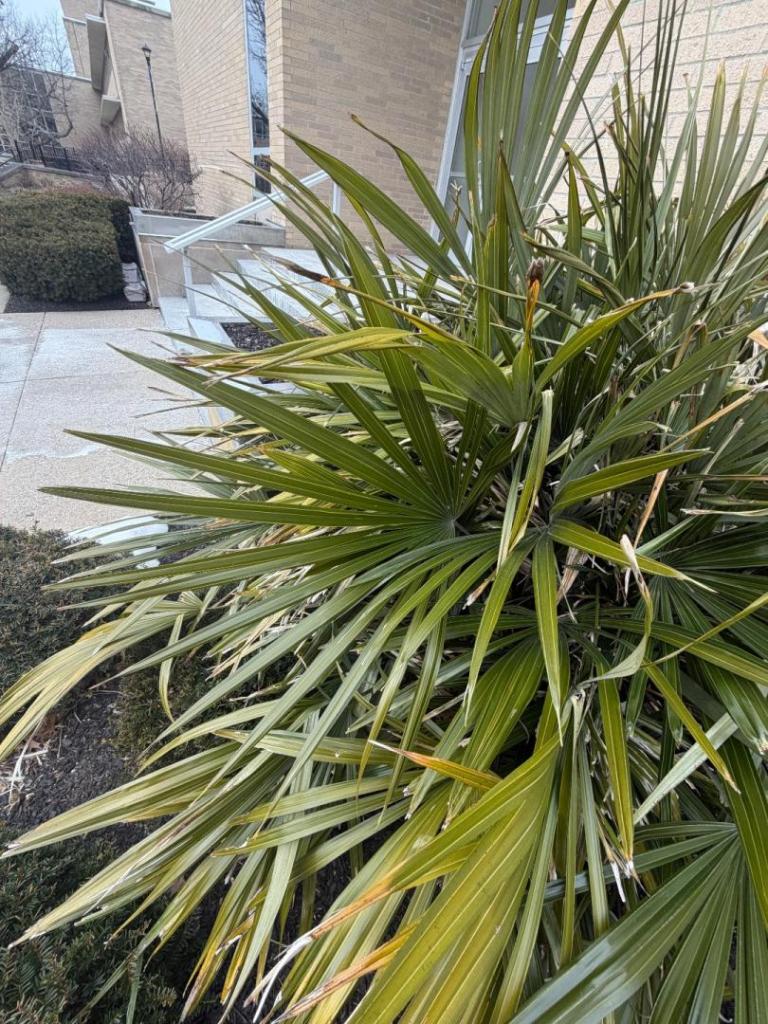
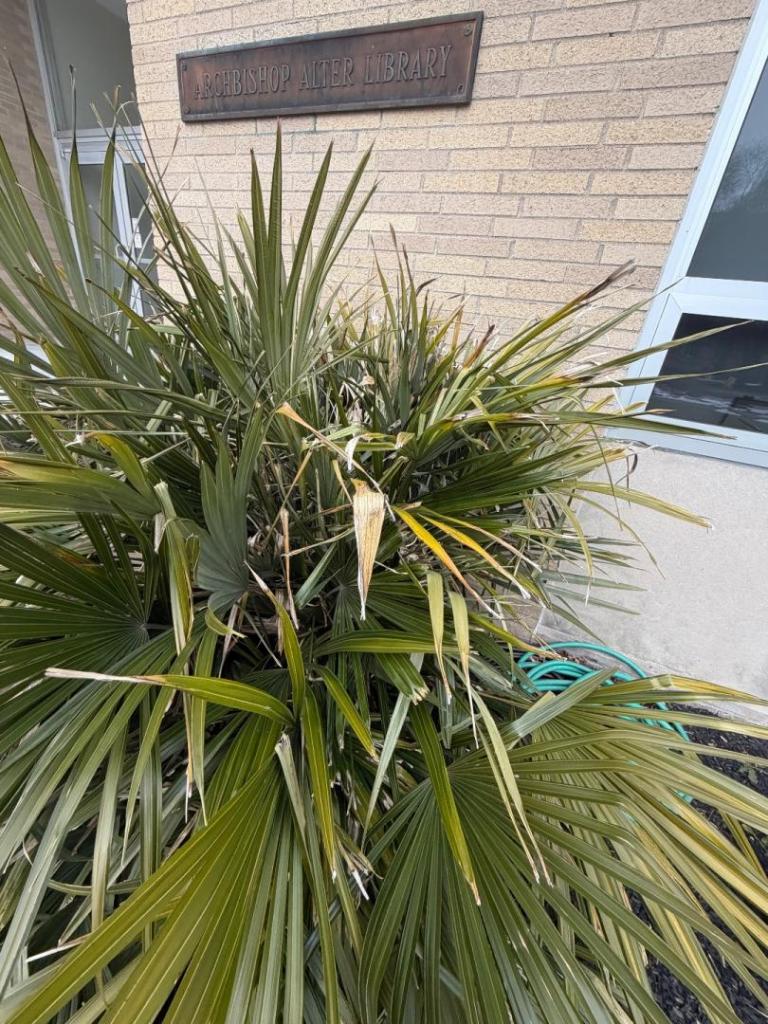
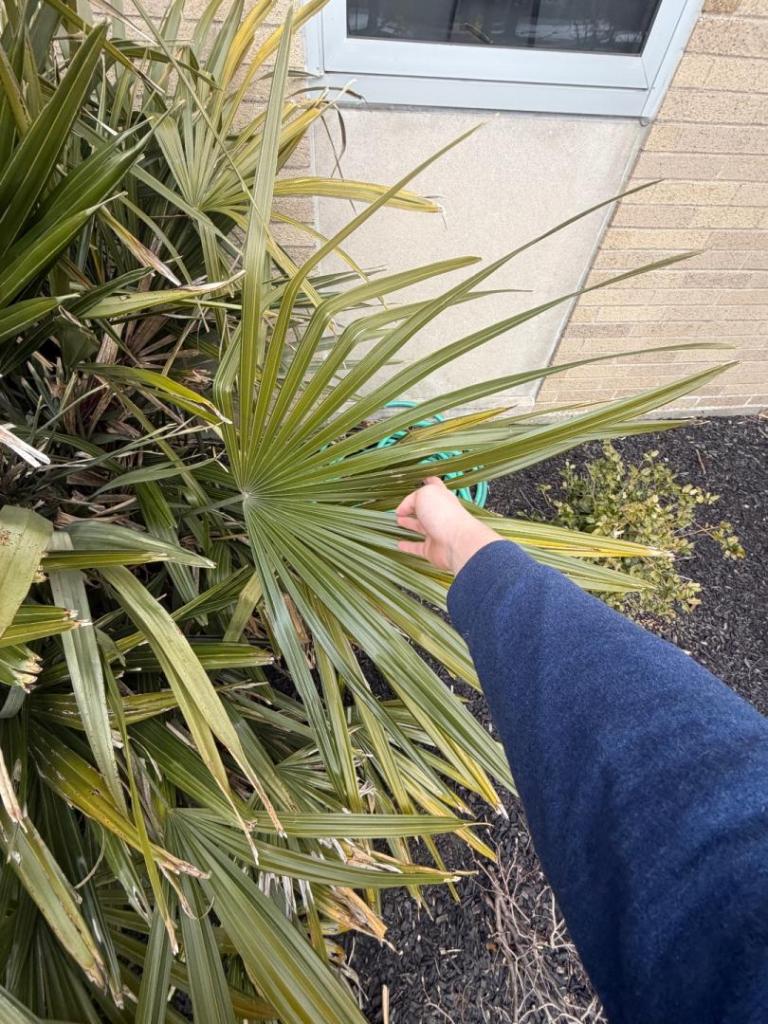
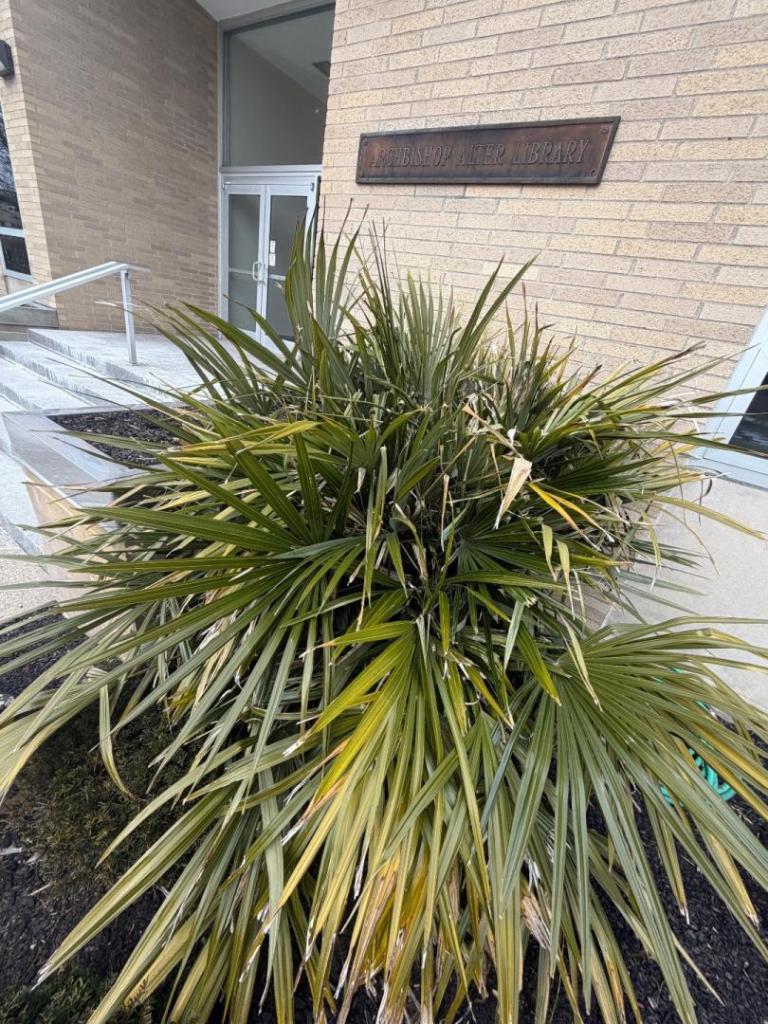
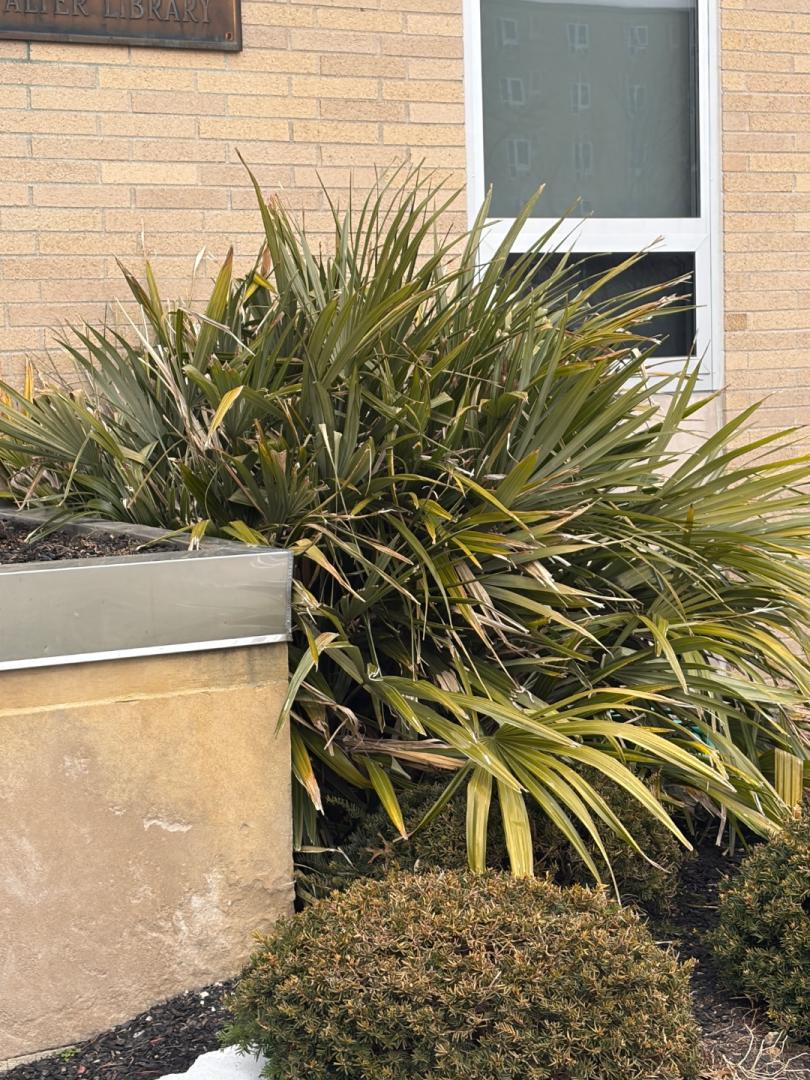
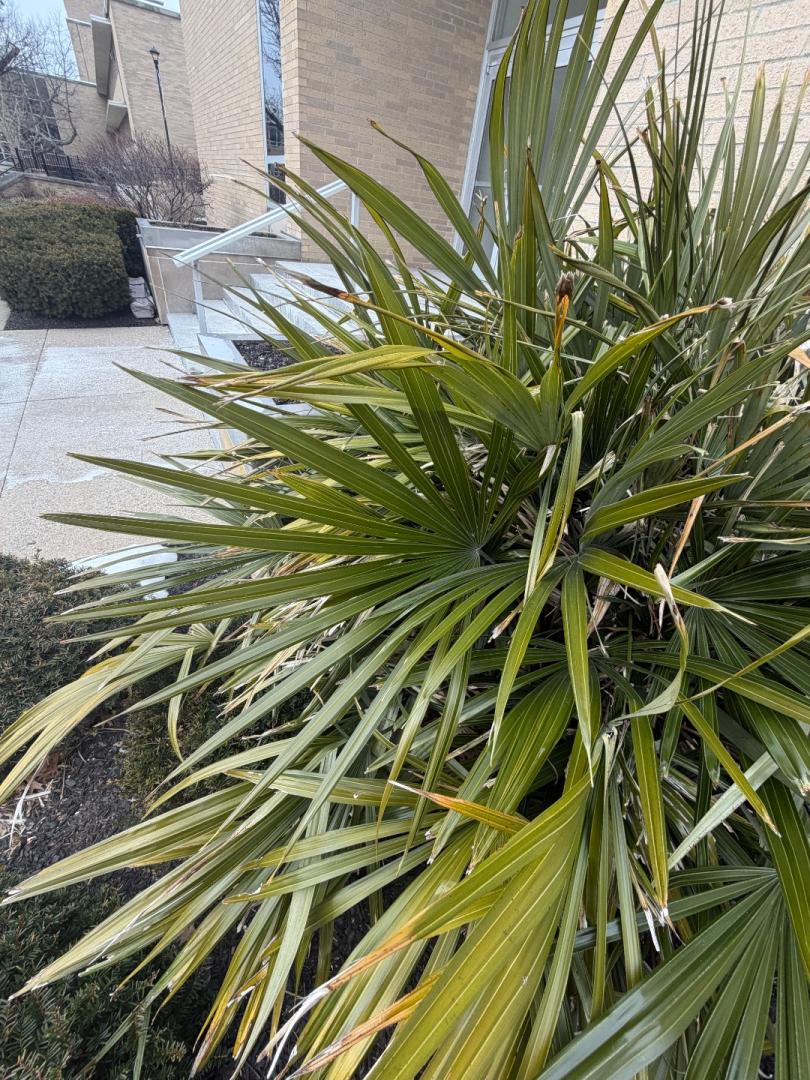
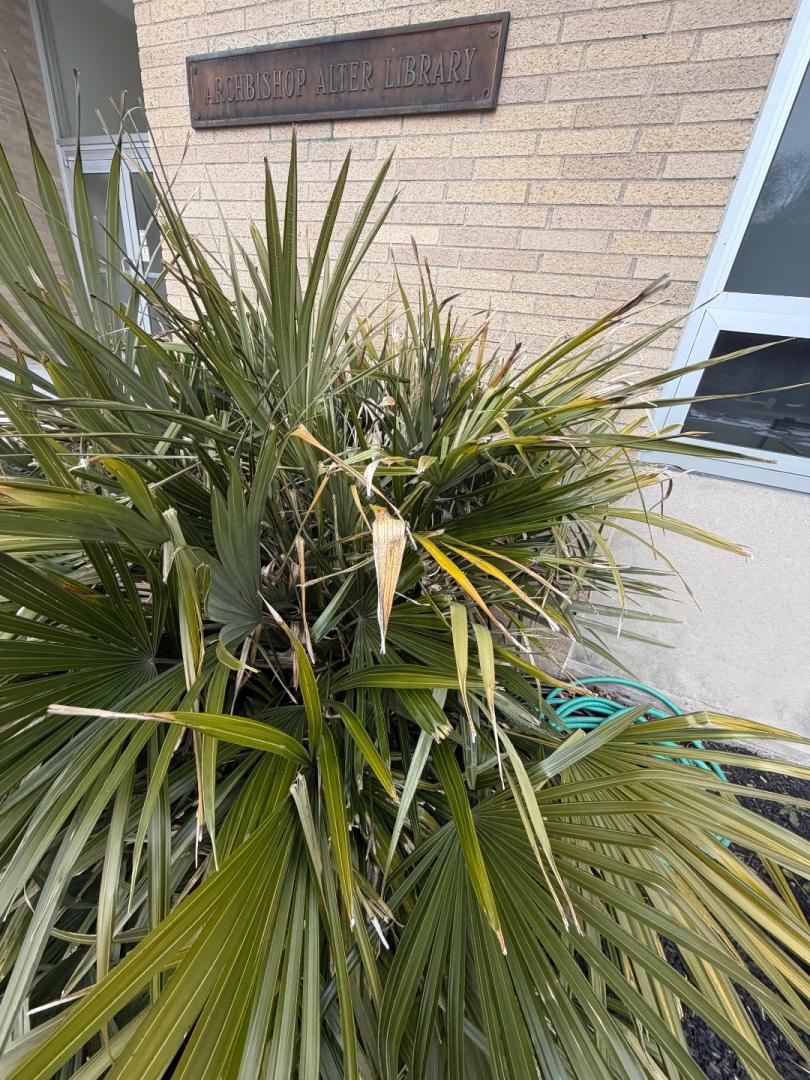
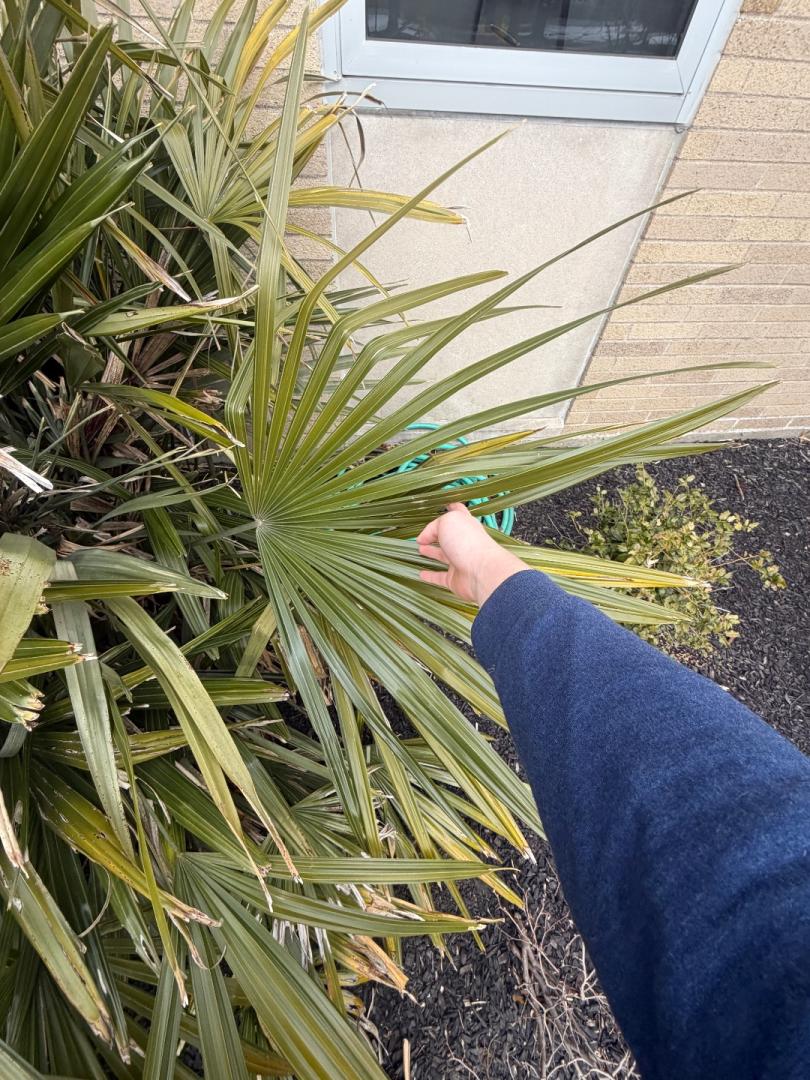
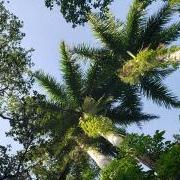
Here’s the one in Mt Joseph University Cincinnati, OH This was planted in 2000 it was cut down for unknown reasons by the Landscapers around 2020~ and yeah came back strong! Somerset opens at 2PM so we will check that out later!

 5 points
 -
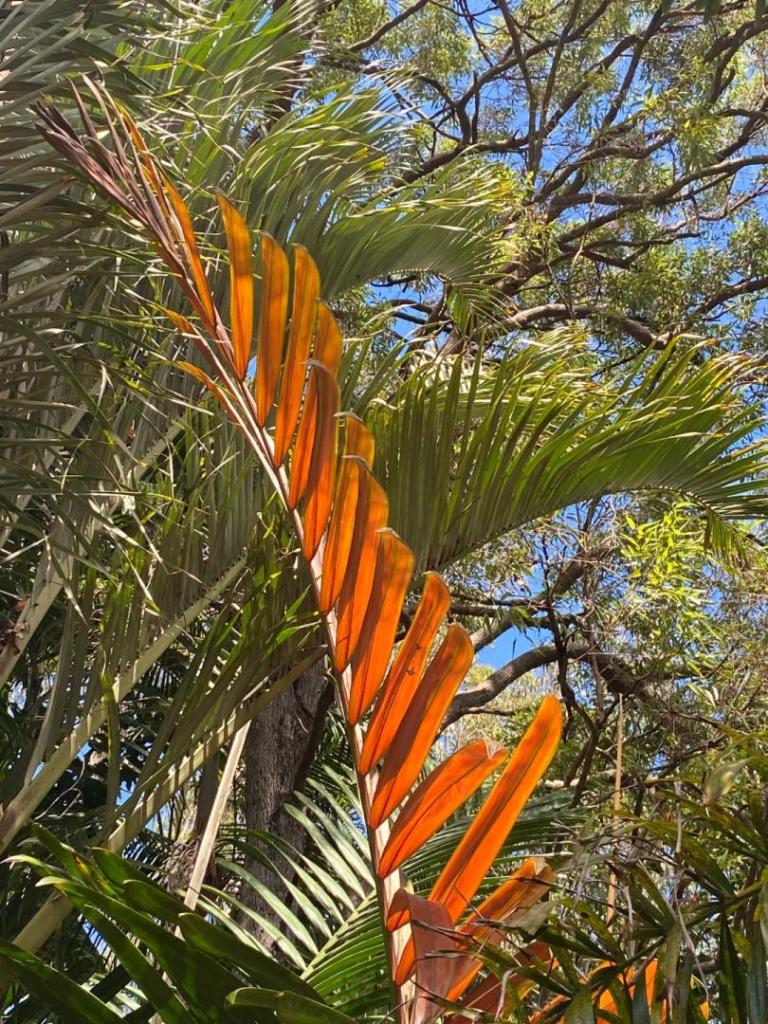
I have a lot of hookeri in my garden so iam expecting a bit of pop this season! You’re looking pretty good though in sunny warm Melbourne!
 4 points
 -
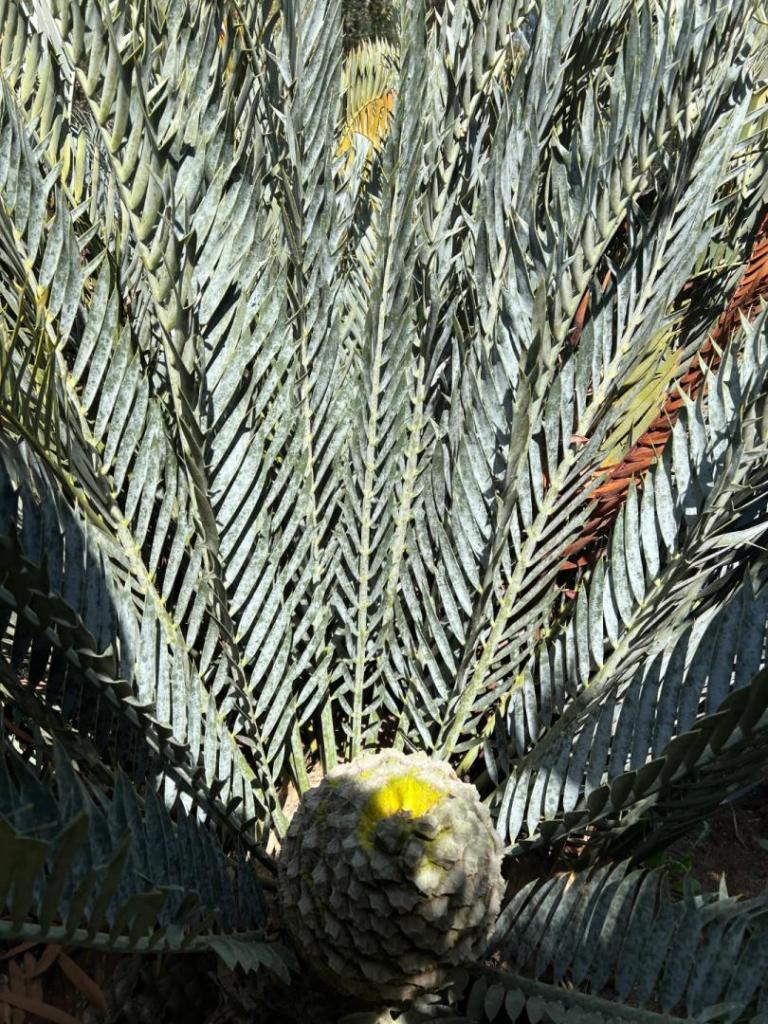
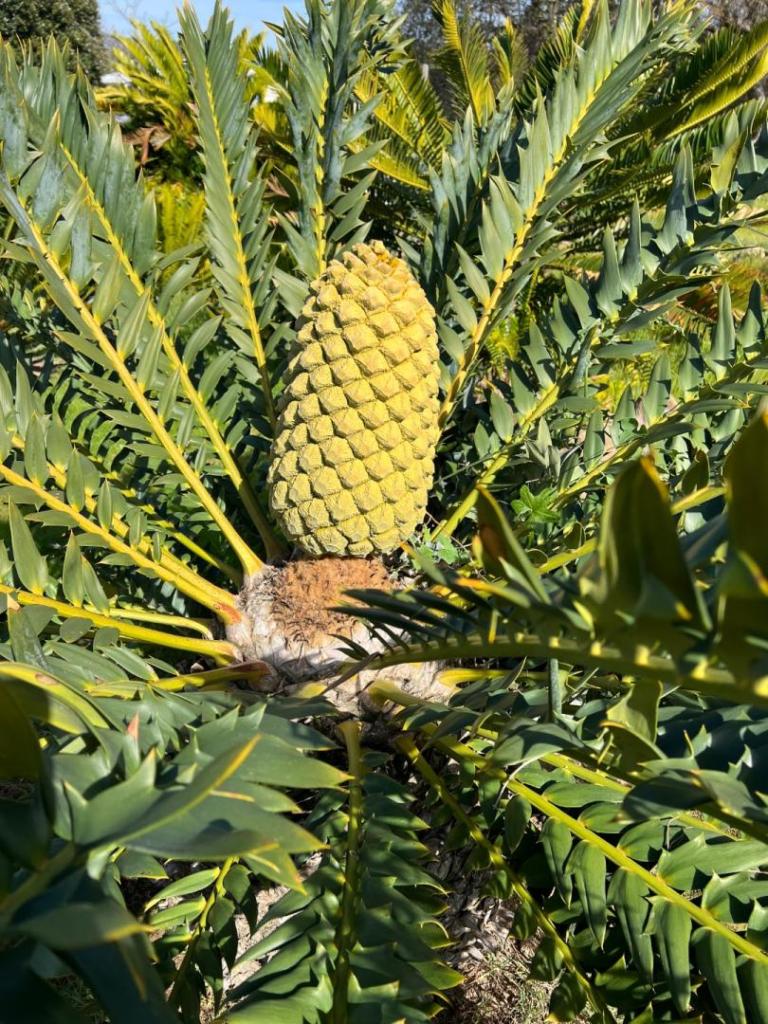
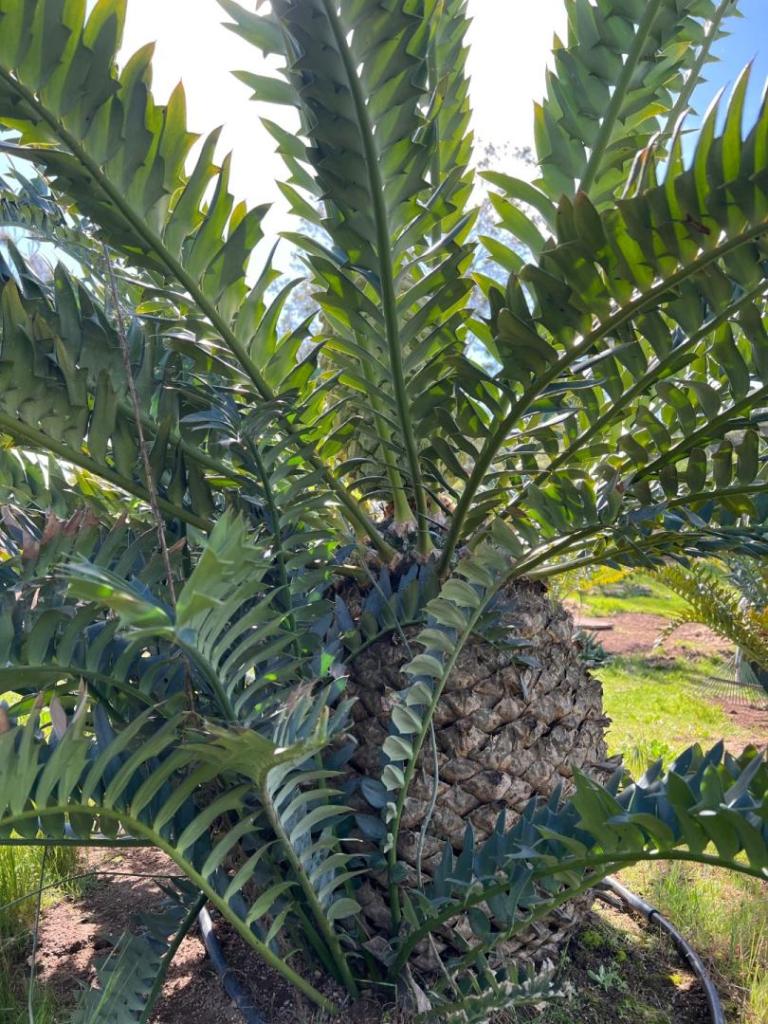
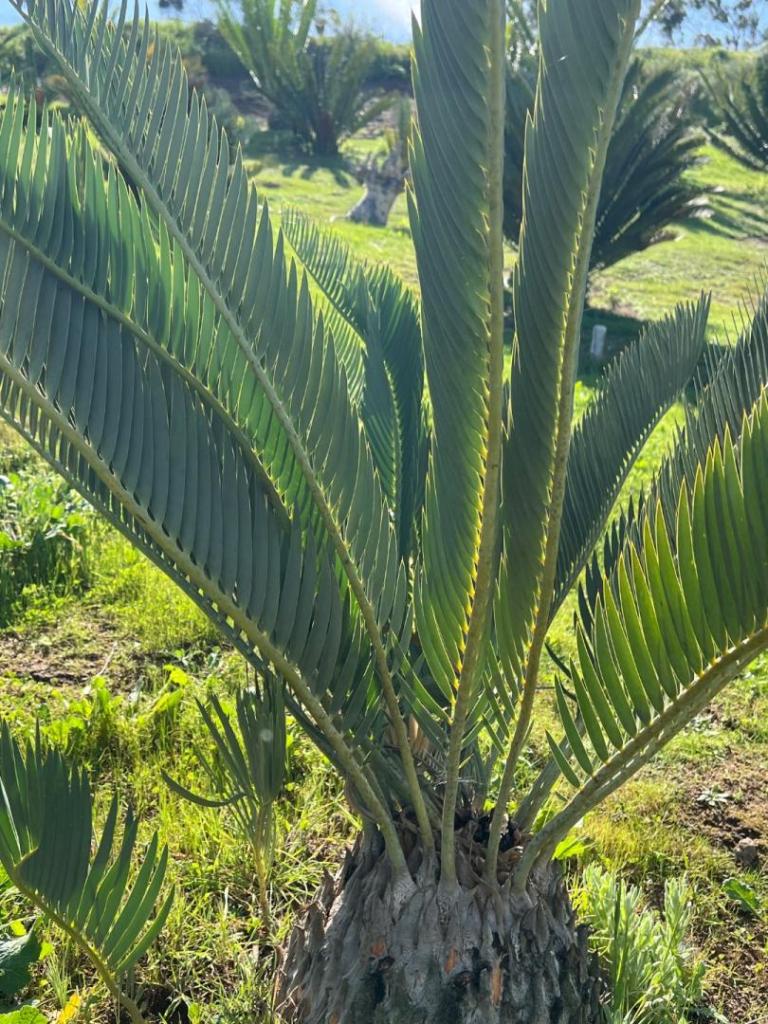
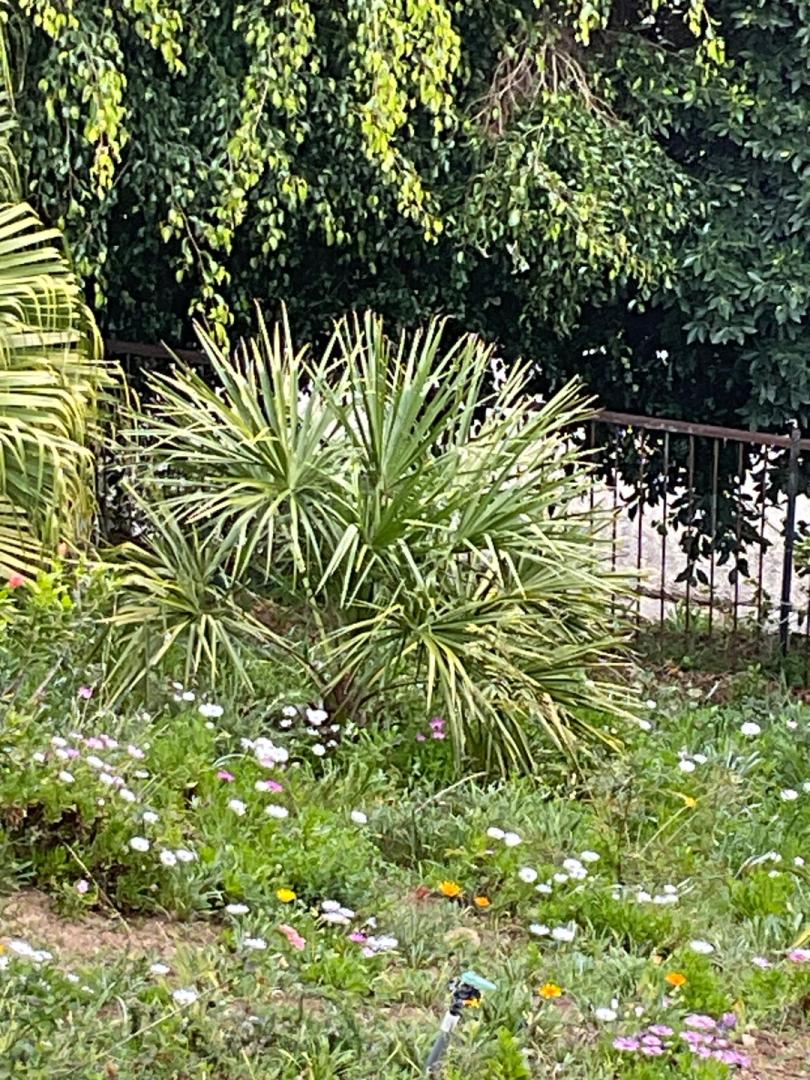
A stroll around the slope today… mild winter and warm days between drizzle never hurt anyone…
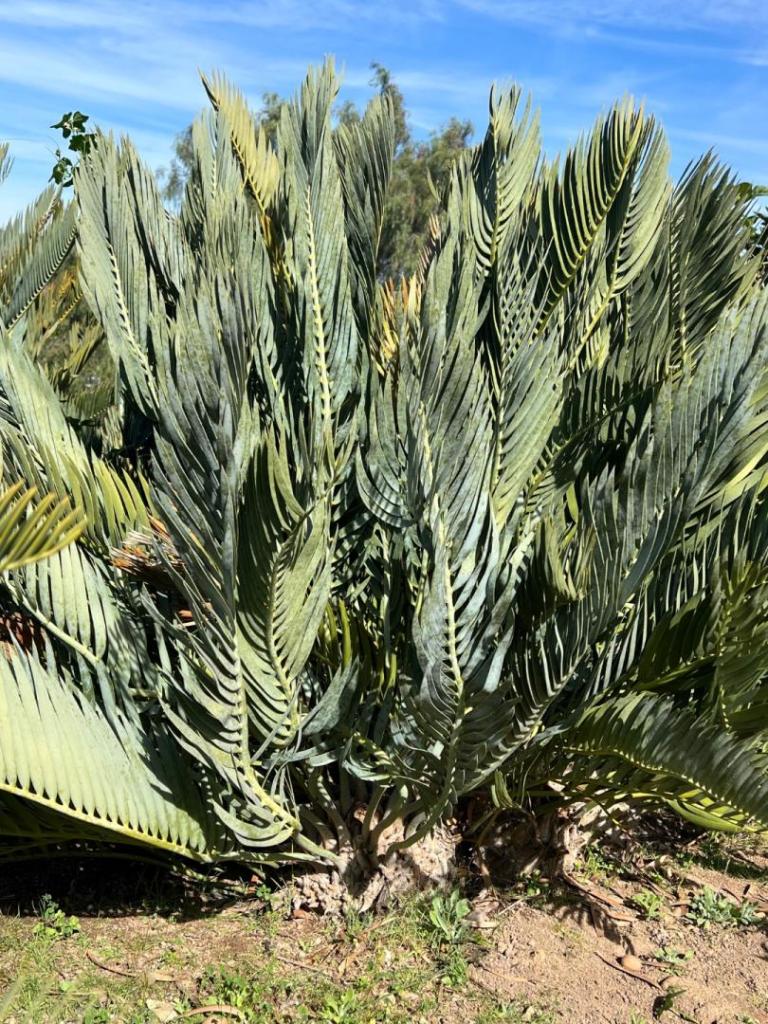

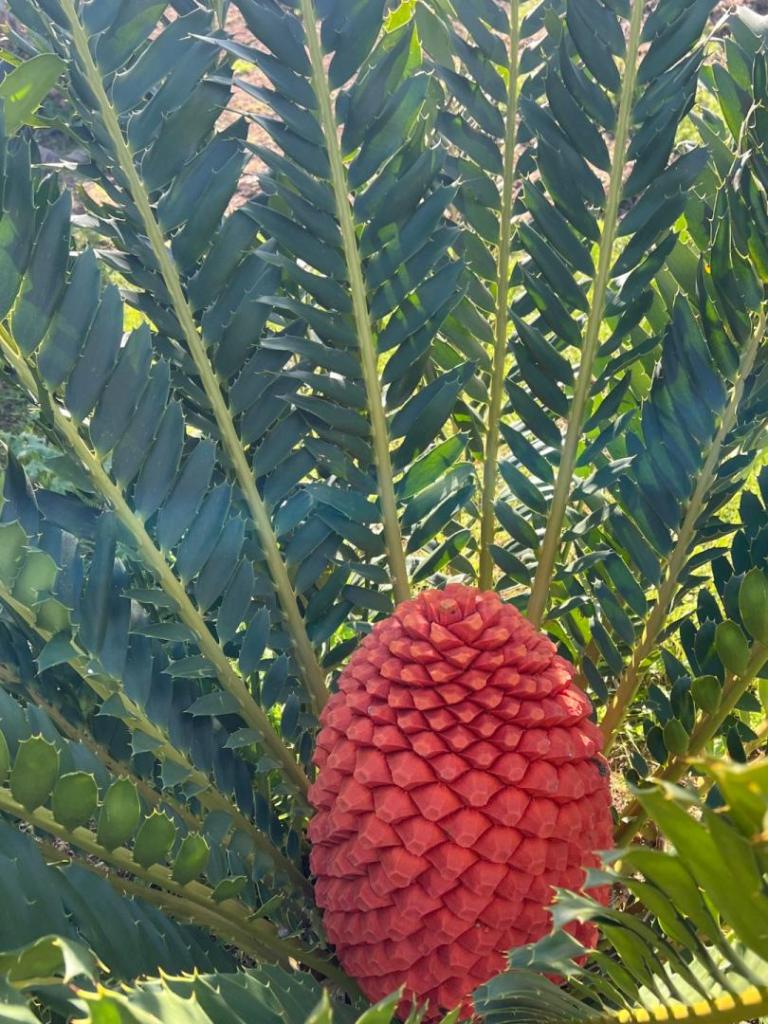


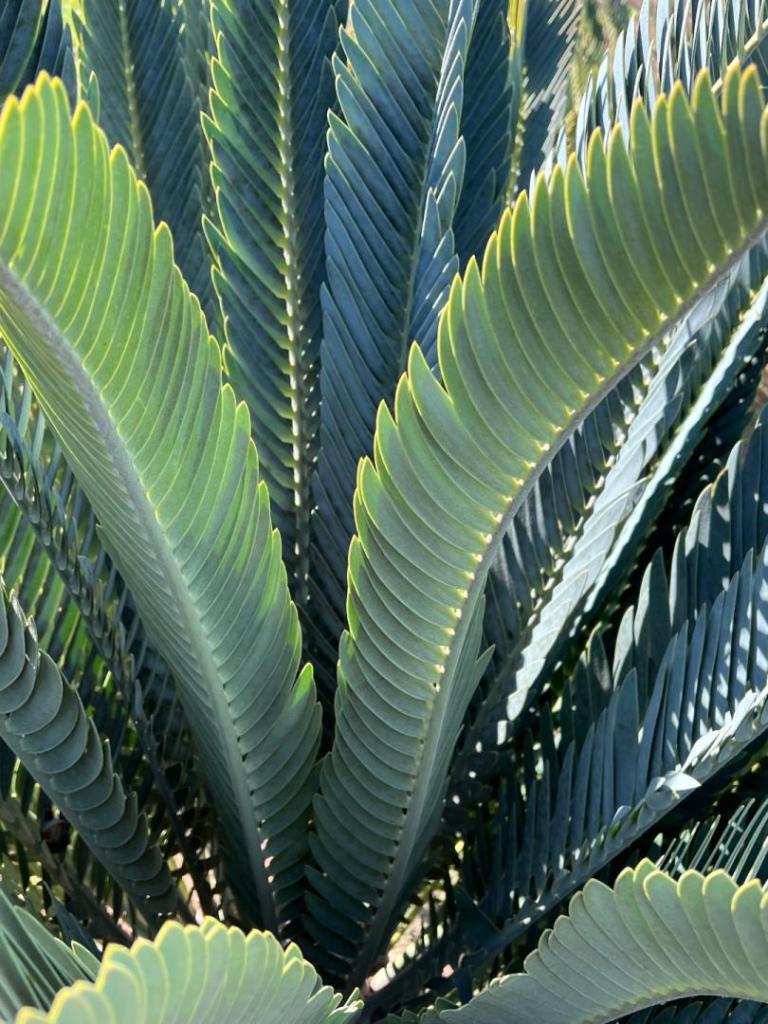

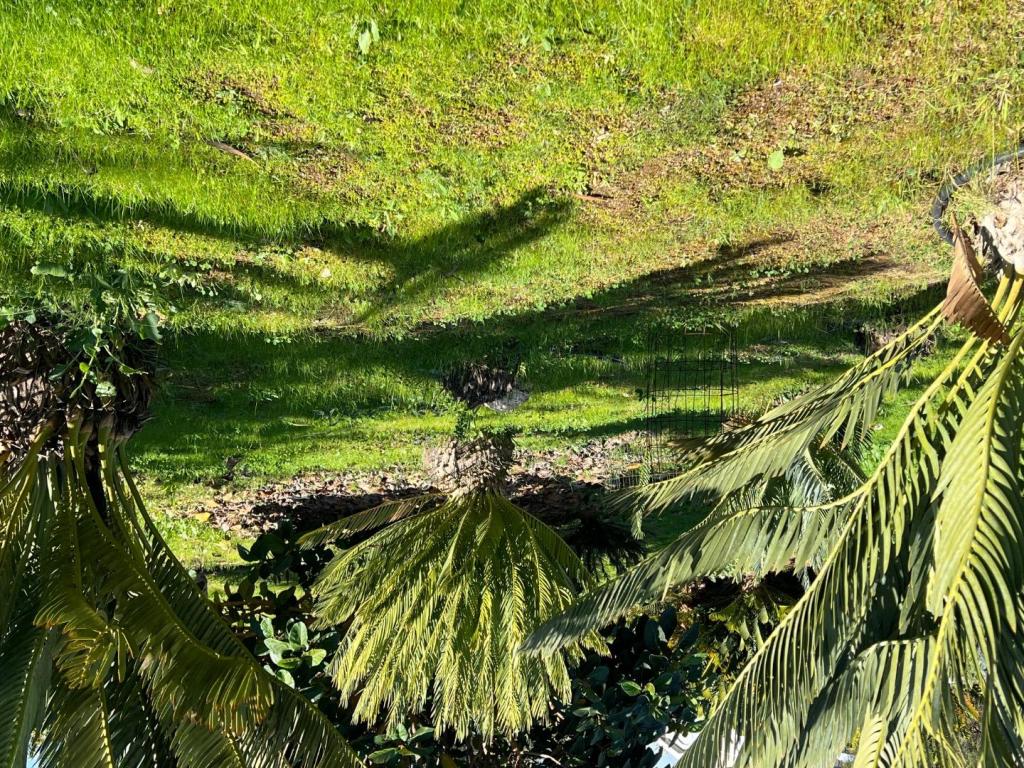


 4 points
 -
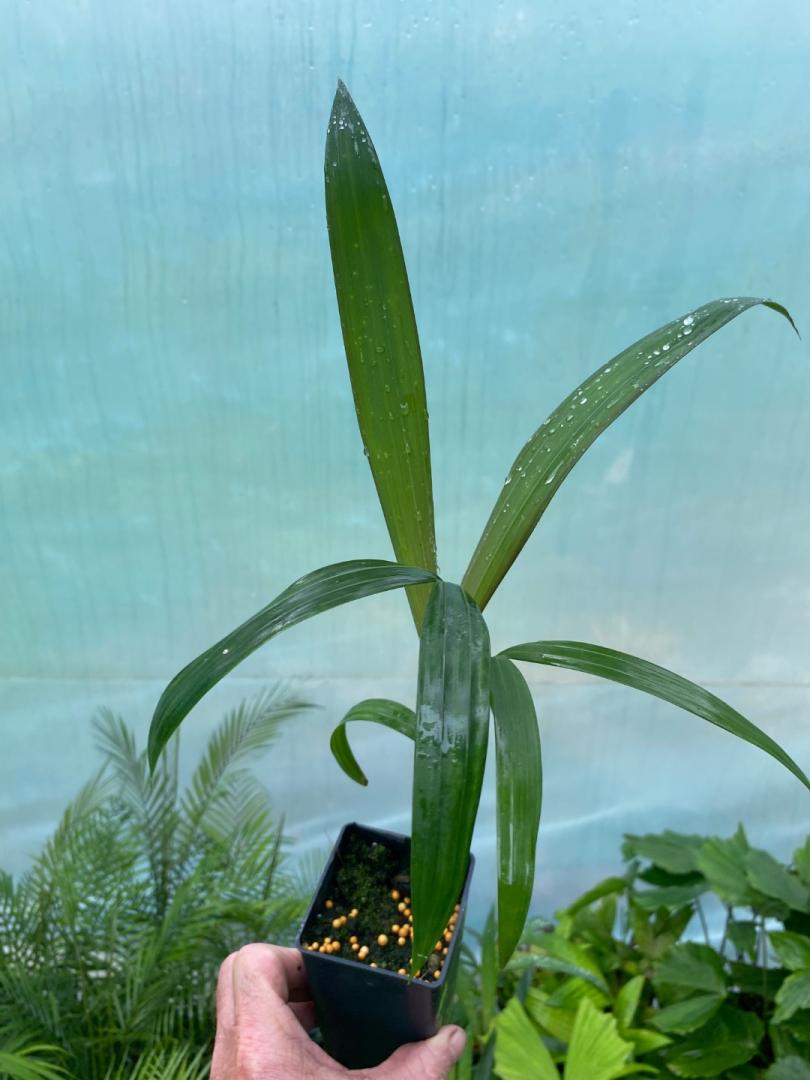
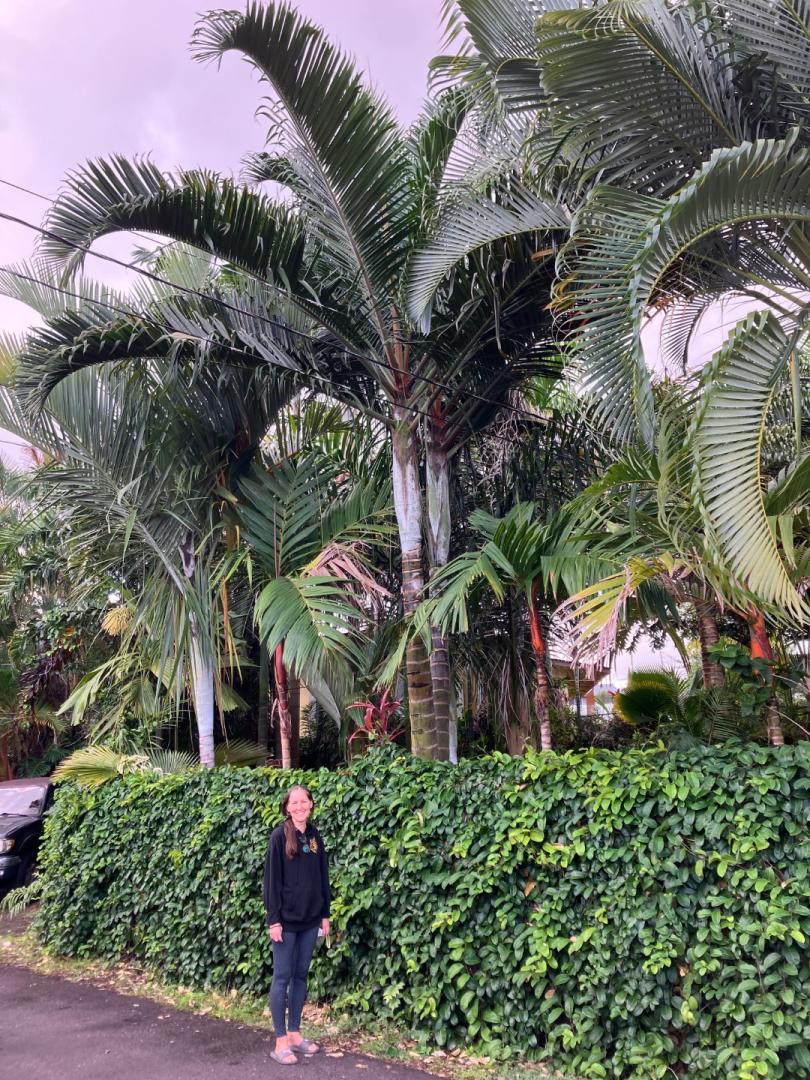
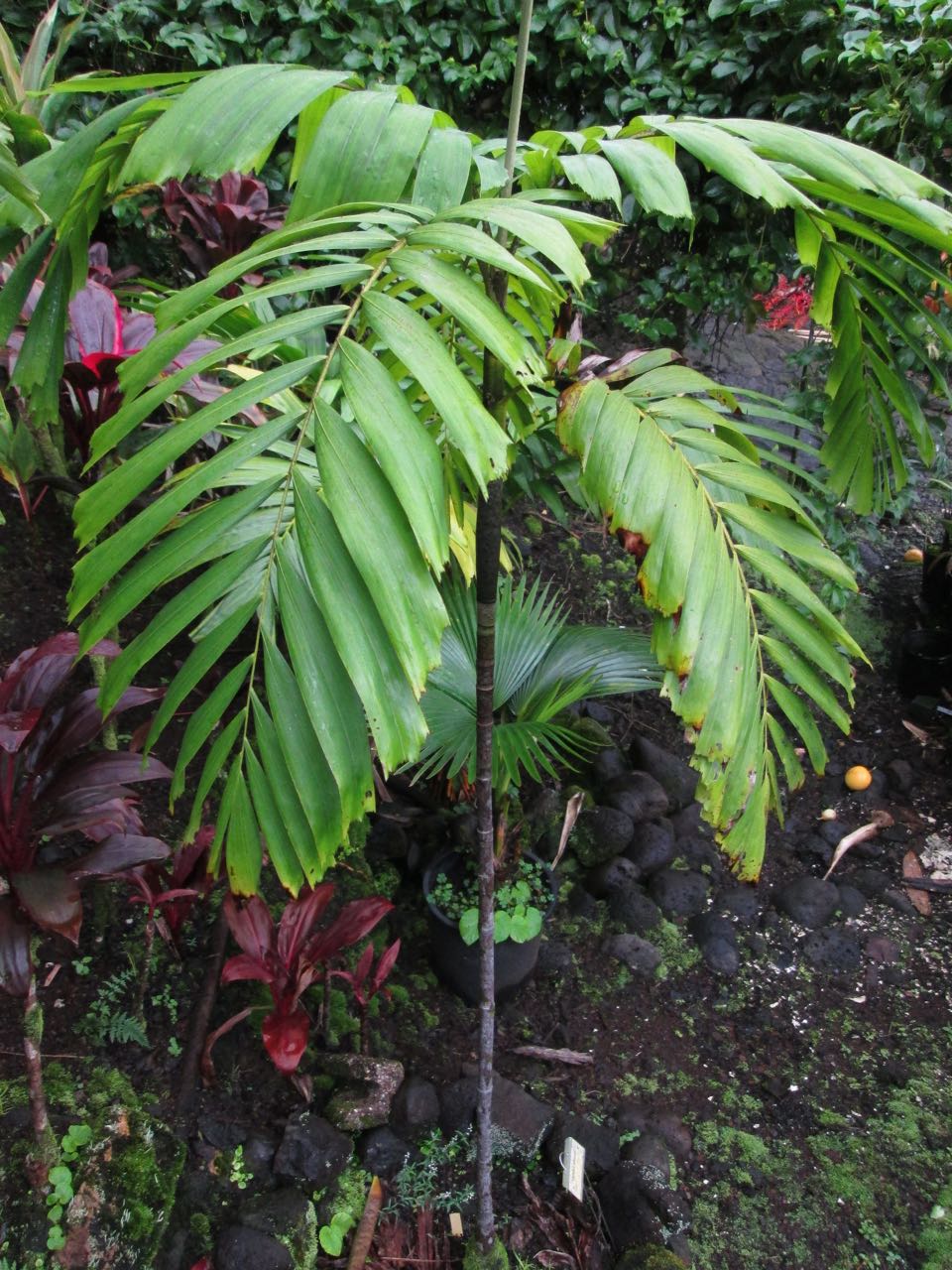
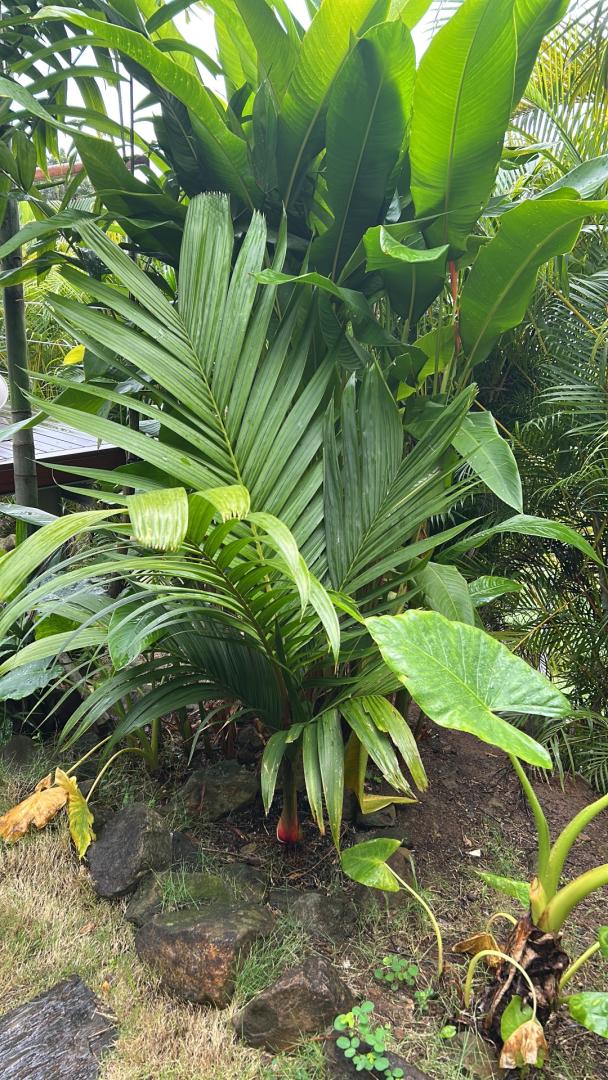
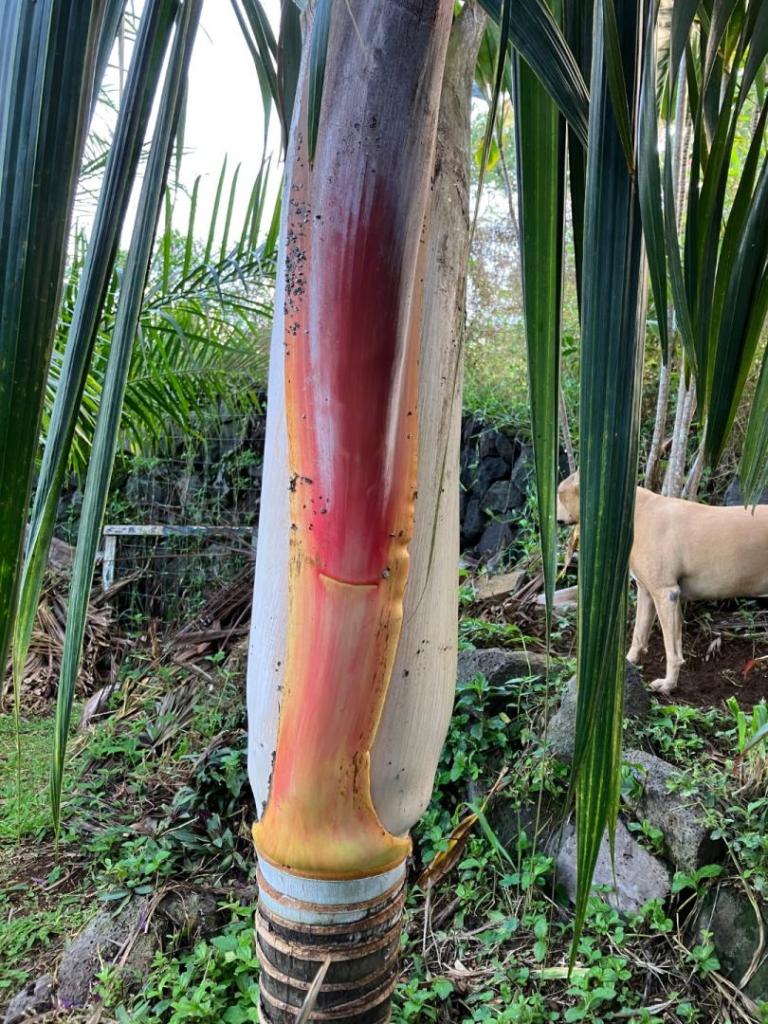
Chrysalidocarpus Basilongus
 4 points
 -
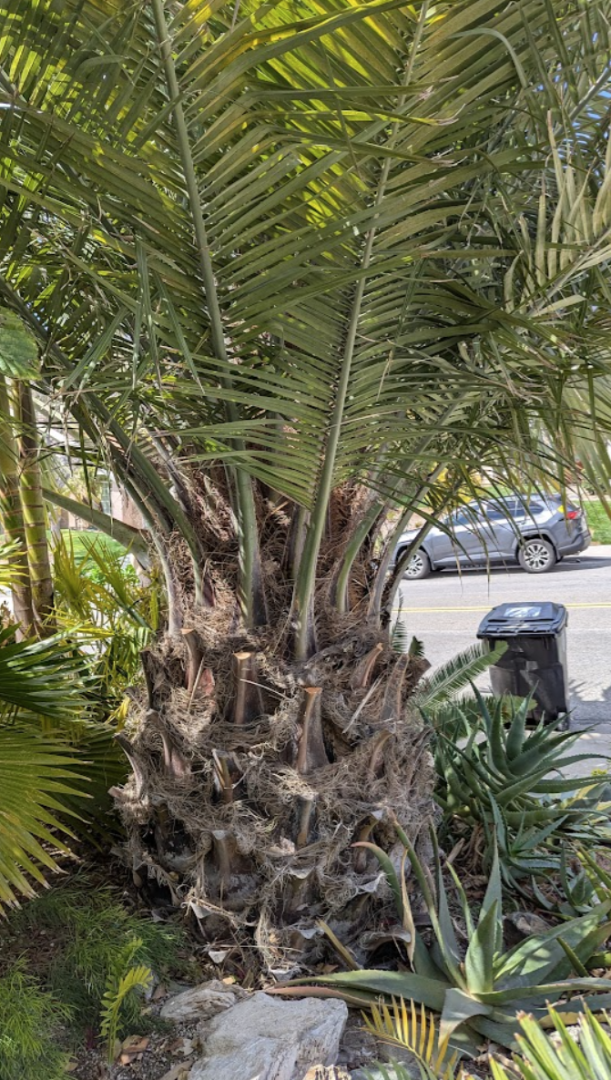
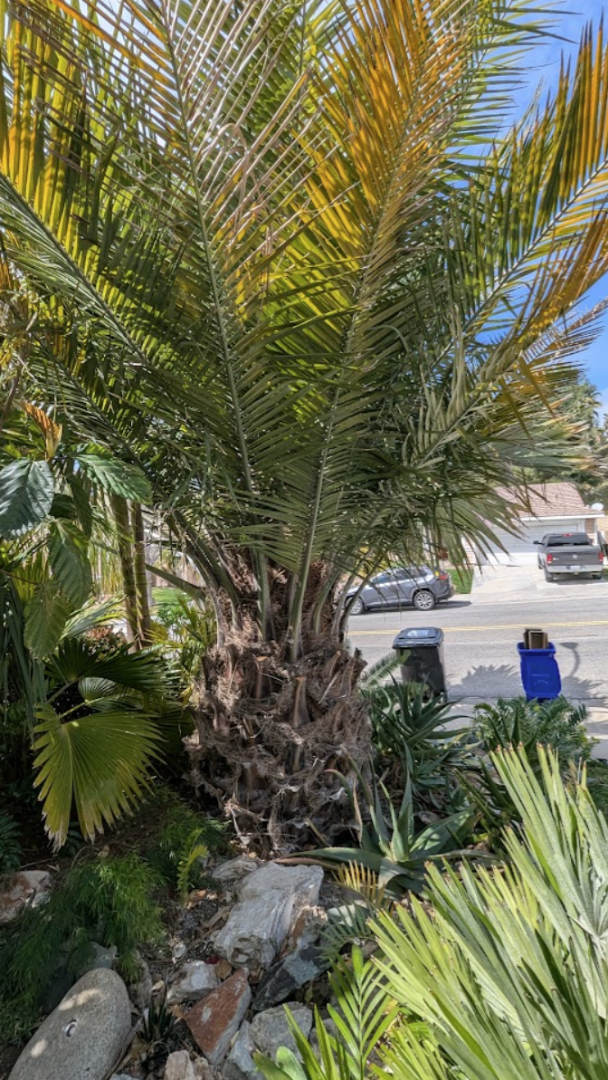
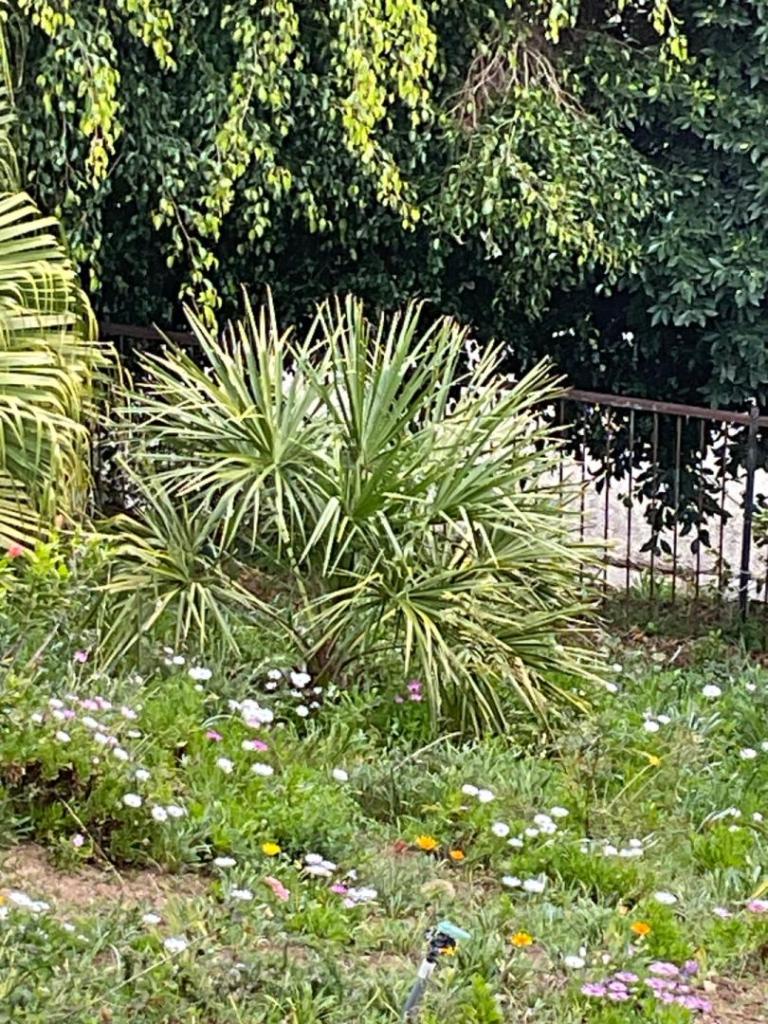
About 2-3 years ago while poking around one of my favorite nurseries in Ventura , I found a neglected palm that looked different than anything I had in my collection . It had a healthy spear growth and one , that’s right , just one nice frond that had just opened . The others were brown and tattered. It was in a fairly large container and I could tell by the base of the palm it had a bit of age to it . Priced at $150 , it was a good solid deal…..IF it was healthy . But it was clear that this guy was less than healthy . After getting an employee to help me with ID , I asked “ how much ?” I told him I would be interested if he marked it down a bit. He went and checked with his boss and said “ how about$100?” SOLD!! Fast forward a couple of years and I am so glad I got it. They aren’t as common as they should be around my area . Easy to grow , unique costapalmate fronds , deeply divided. I was surprised at how quickly it came around . The growth rate is much faster than the L. Chinensis that was planted near it some 25years ago. This one willpass it up within 5 years I think. Just lots of water and sun is all it wants! Harry I am not walking down there to get a better pick so excuse the poor quality. You can see the Chinensis to the left . Such a beautiful , easy to grow palm with a very interesting frond.
 3 points
 -
I find it difficult to imagine a guarantee on plants when a living thing can be subject to countless events, weather or human related. Get your refund or exchange while you can.3 points
-
Looking beautiful, so I might have the real deal?3 points
-
This is a common drive through South Orlando post-freeze
 3 points
 -
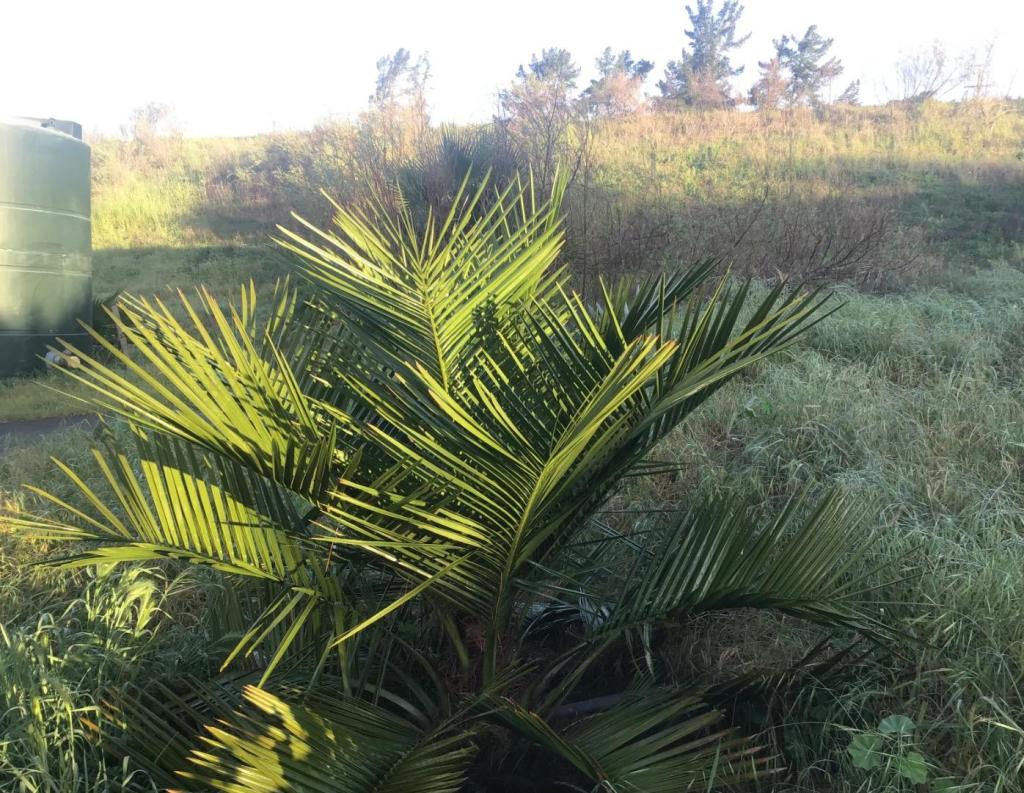
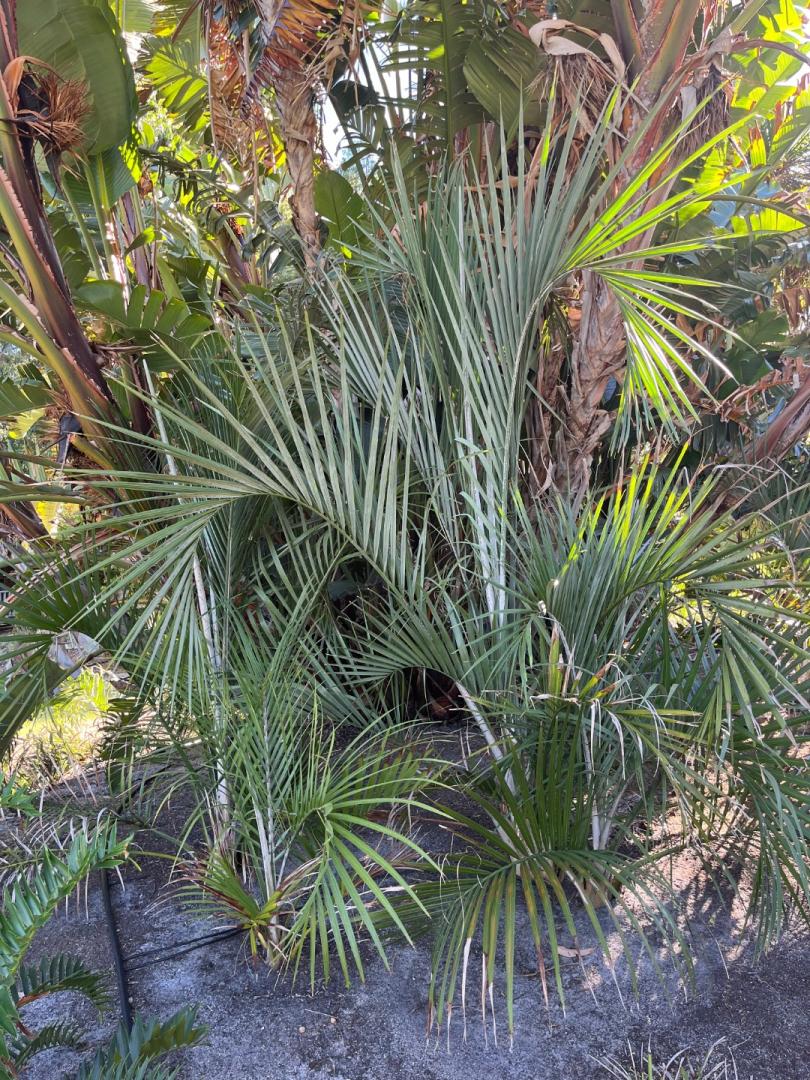
This is the Jubaea you can see behind the little trailer in picture from last year. We have been having an unusually warm winter with plenty of rain. I have two Jubaea at 5’ one at 3’ and two others at 1’ . I messed up last winter and left my potted palms out for a freeze . I lost several and set most of the survivors back a year.
 3 points
 -
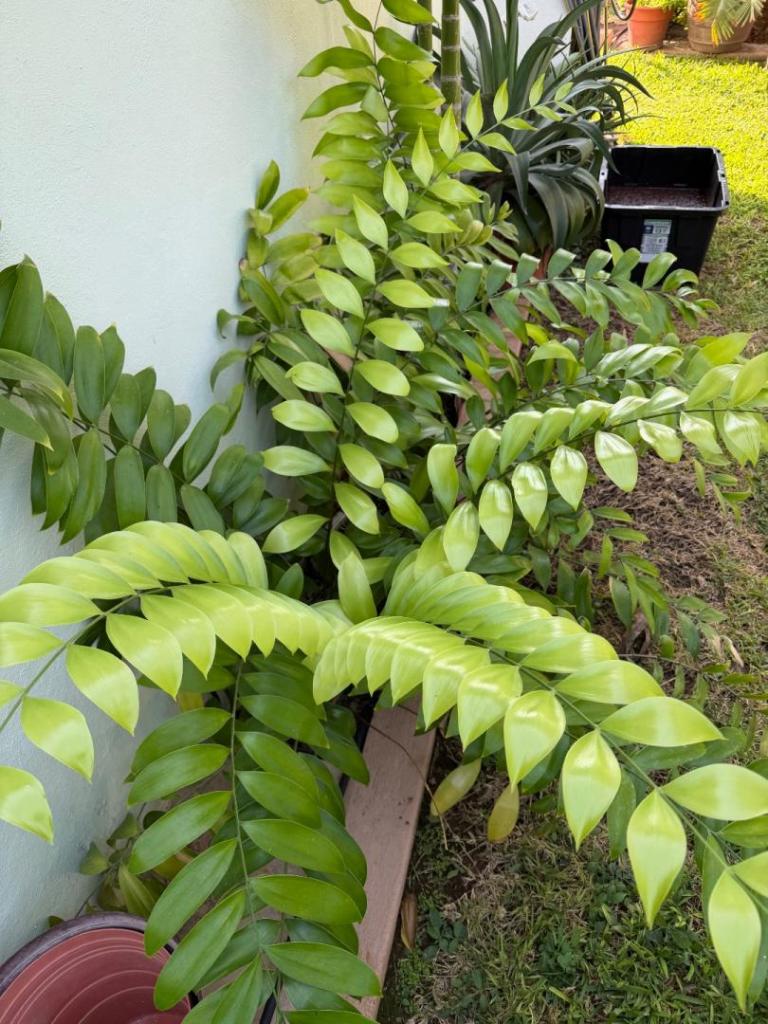
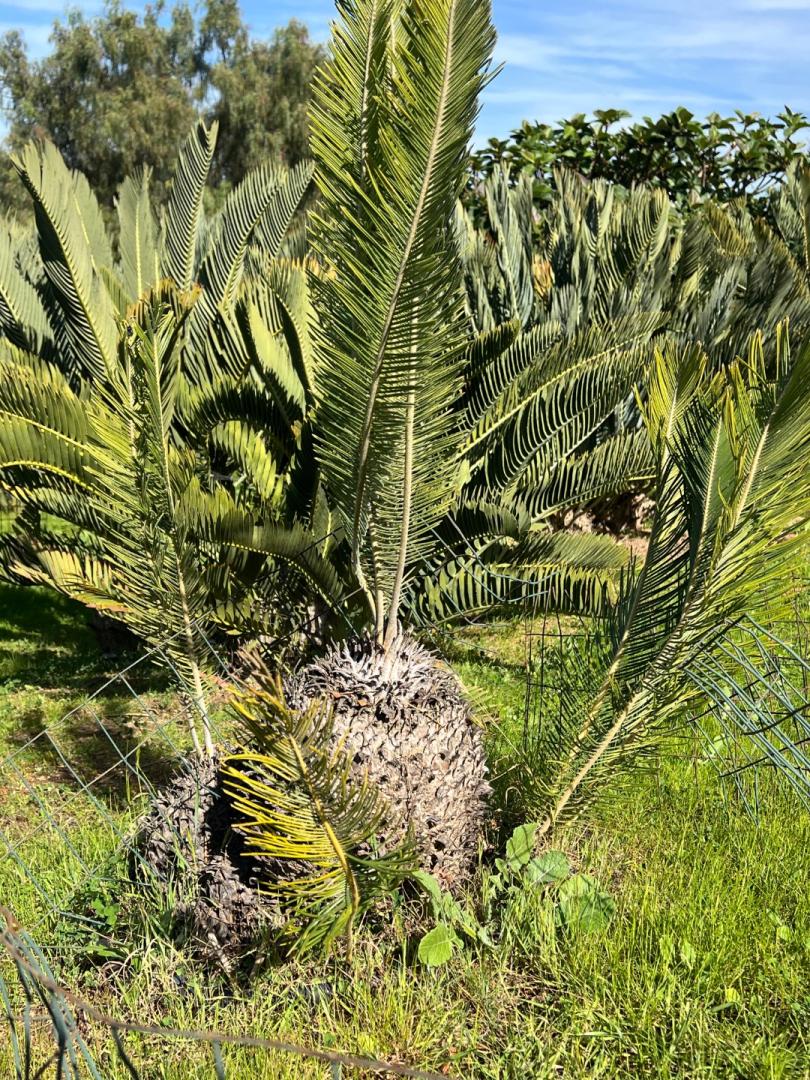
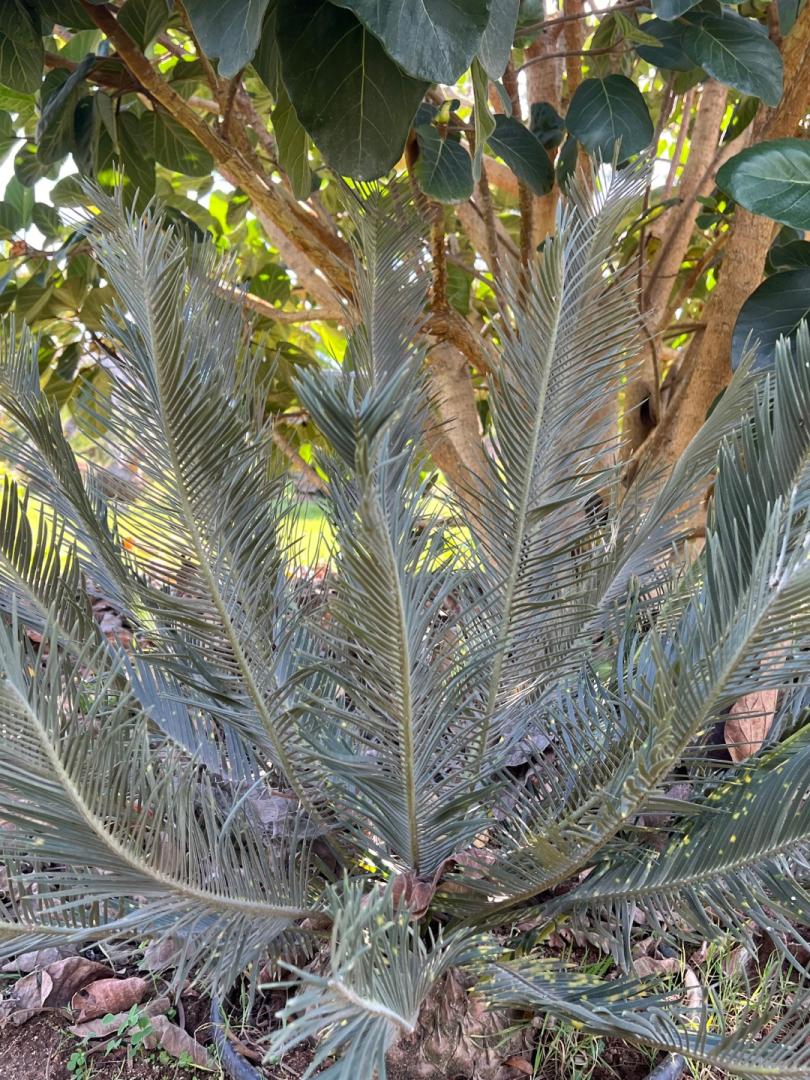
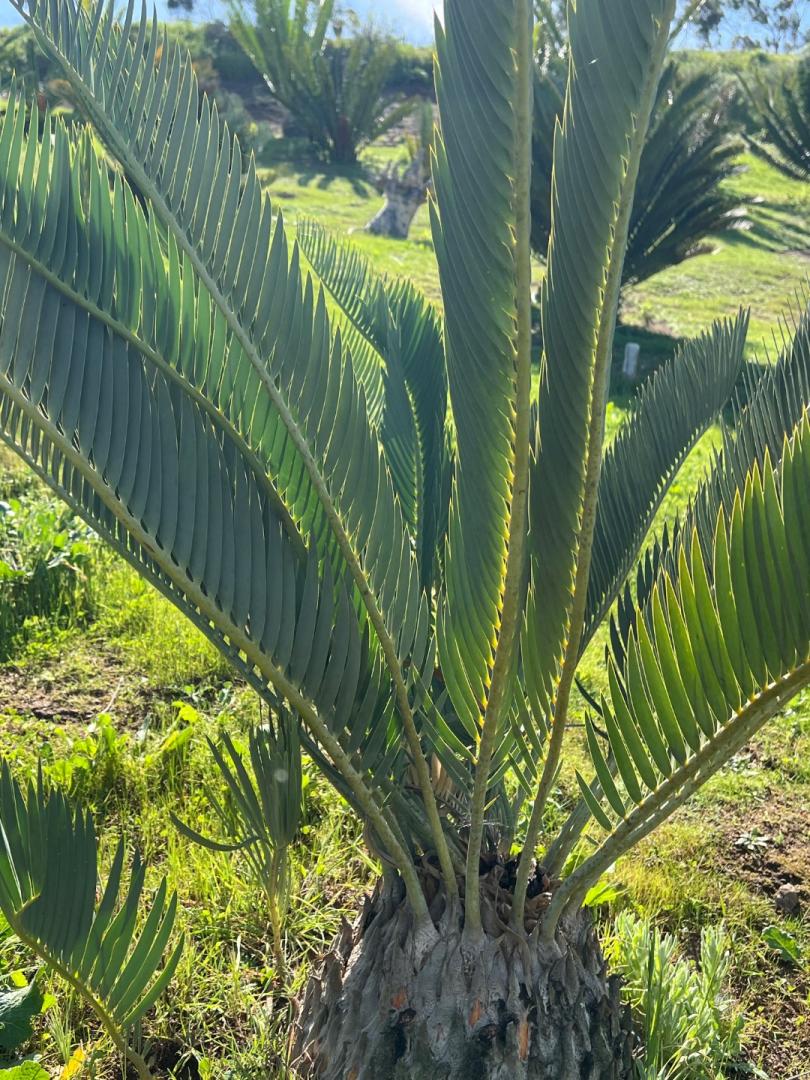
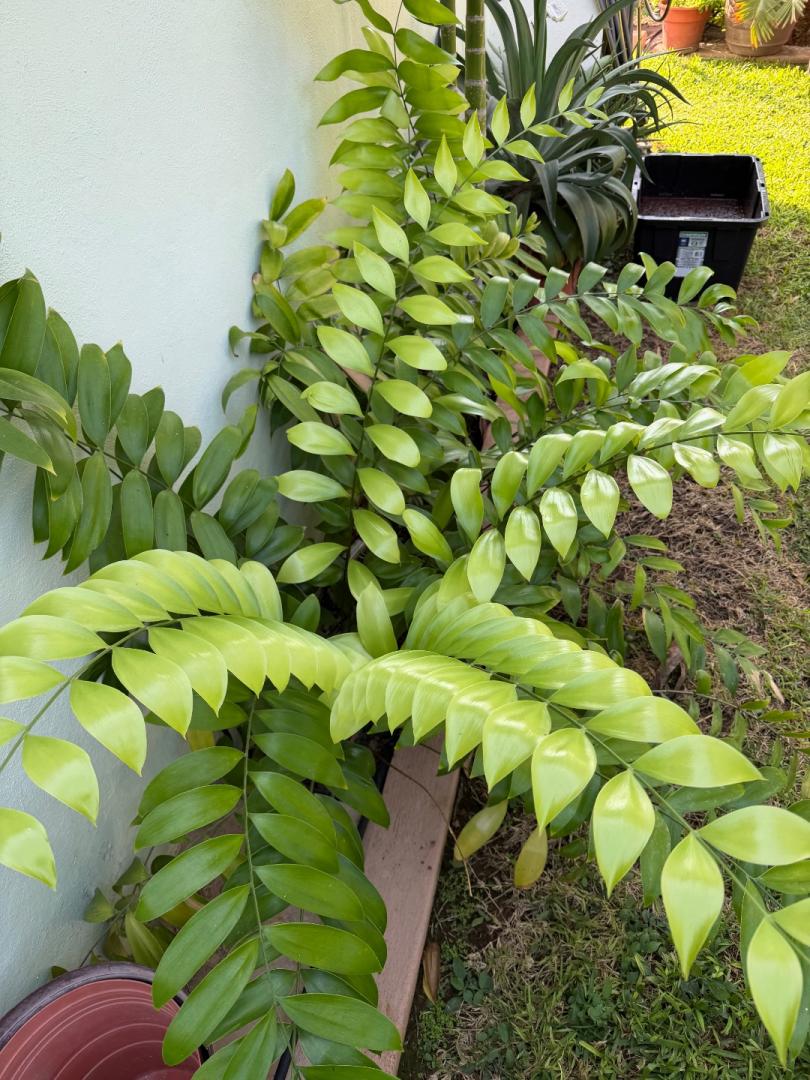
Another flushing Zamia. This one is Zamia tuerckheimii.
 3 points
 -
More trees flowering around here, maples are looking good and red. Pollen is starting to accumulate on surfaces. I can confidently say we are now in Spring in the FL Panhandle. I also still think we get another freeze before the end of March. For now though, highs in the 70s approaching the low 80s at the end of the 7 day period will certainly get all the tropicals going again, especially with the lows only being in the 50s and 60s.3 points
-
I reckon those odds are pretty good! Would be super keen to give them a go, that's for sure. Great idea to put in mass plantings for seed production...that was also the idea behind my little Lepidorrachis plantation. I'm surprised that these haven't been split from the Isalo form yet, clearly a very different beast.3 points
-
Some pictures from today mid summer. Going for 32C today and forecast overnight thunderstorms. It doesn’t get better than this.


 3 points
 -
In Chile, they can withstand sub-zero temperatures. But they must be large. Michael Lancel's Belgian friend sells them to Europe at very high prices. He lives in Chile and ships them in containers.3 points
-
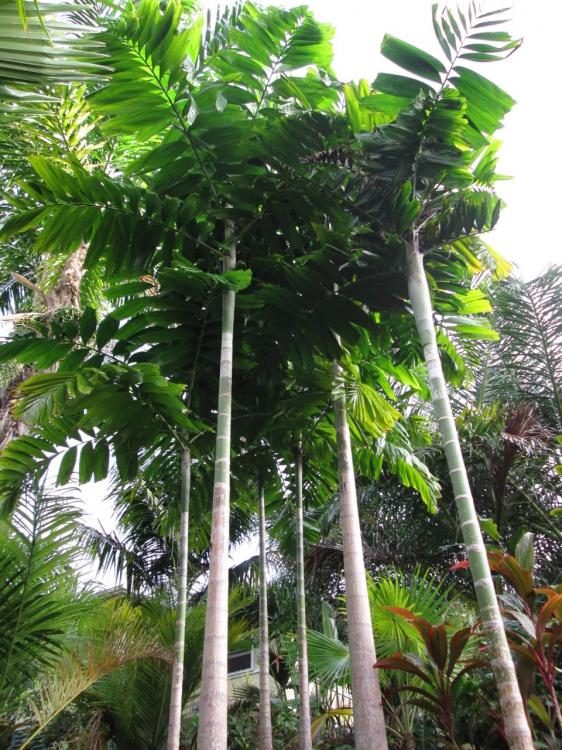
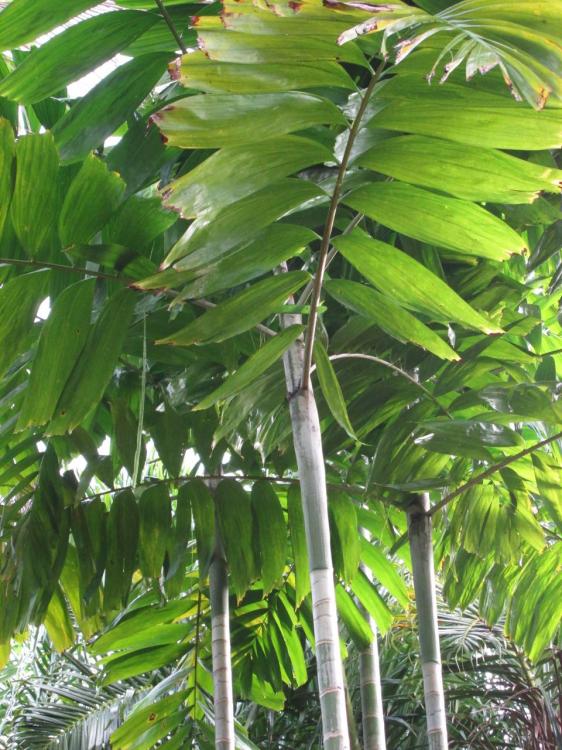
So, I was going to say......this is my favorite genus, but it seems almost every genus is my favorite. Ok, I really like this genus and it contains some wonderful species. Here are a few from the garden, from medium large to rather diminutive. Great leaf color and some interesting trunk/crownshaft marking. Easy grow, relatively pest and disease free and not fertilizer hogs. Veitchia subdisticha, a small grove of seven, full sun, and on a steep slope. They love the extra good drainage.
 2 points
 -
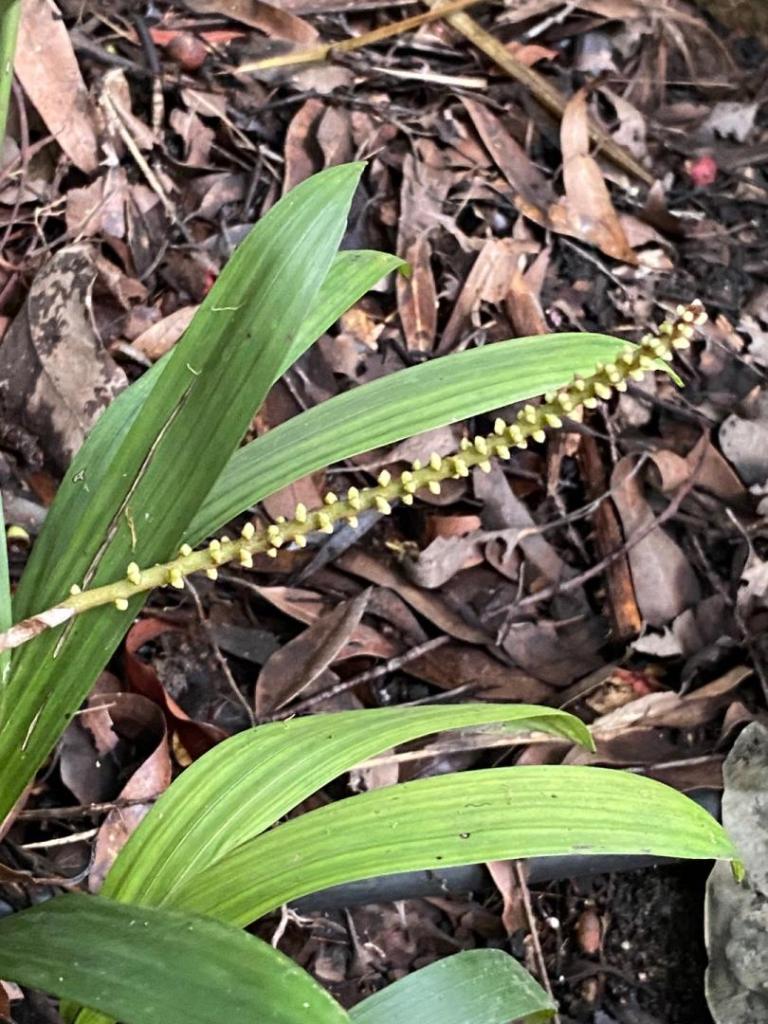
I purchased these ones as poiveana, but again palmpedia says they are solitary palms. Most of these ones are suckering except for a couple of them. So what variety are they, one is flowering but not open so I might have to wait until they open for a proper identification perhaps.

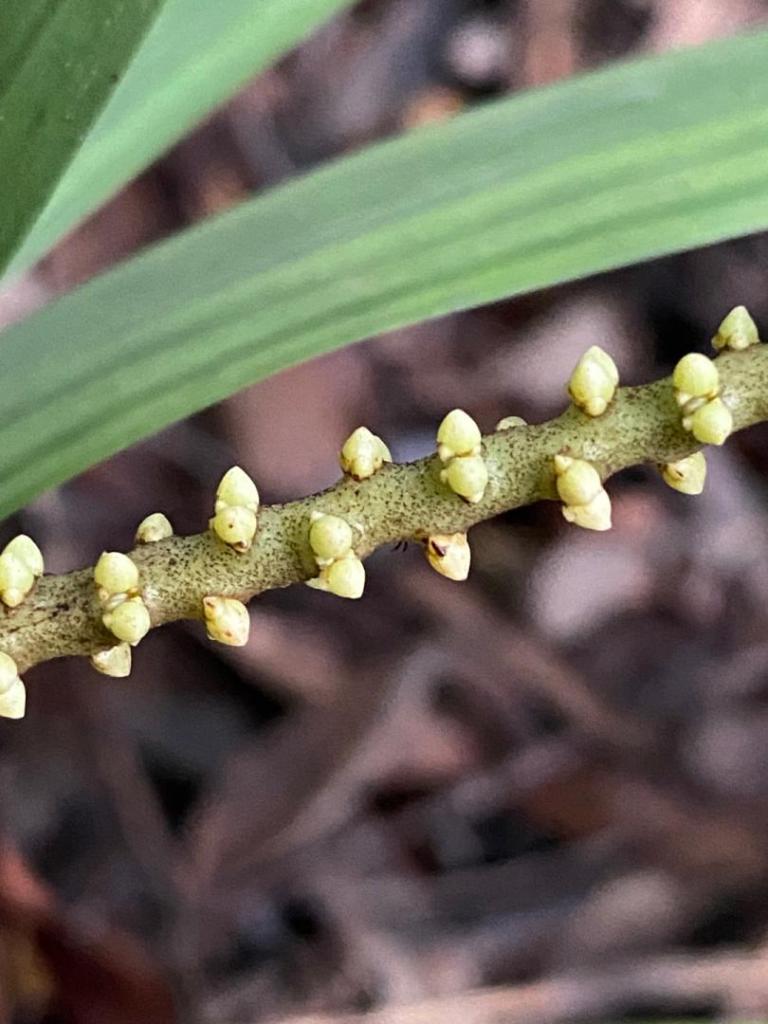
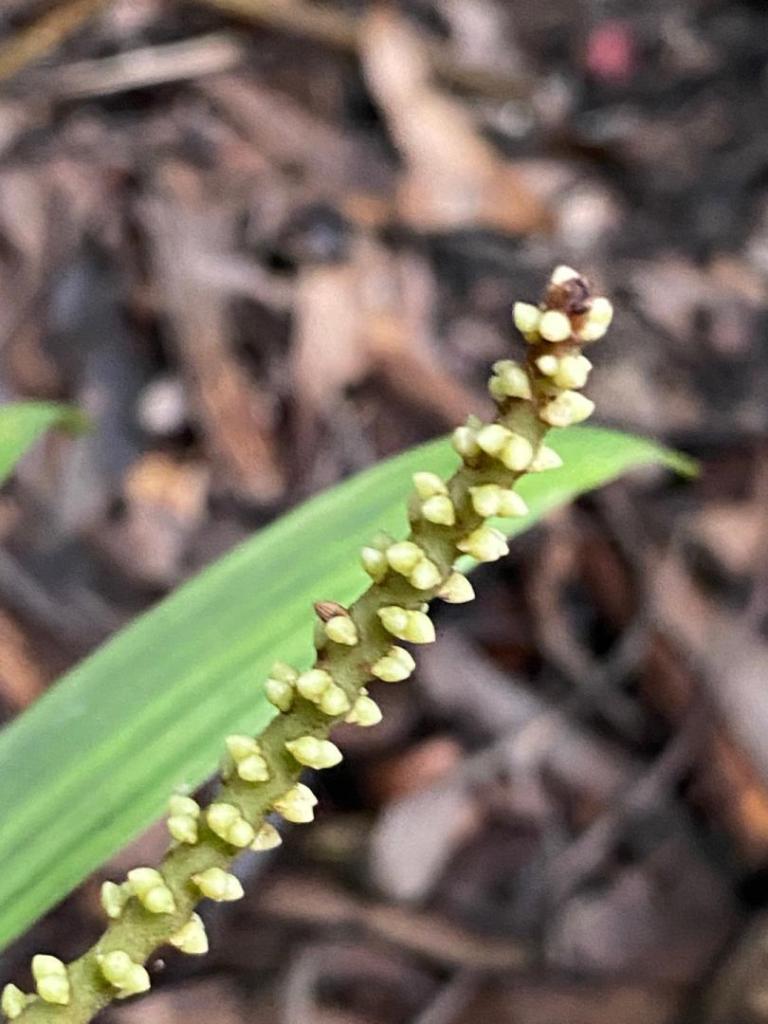
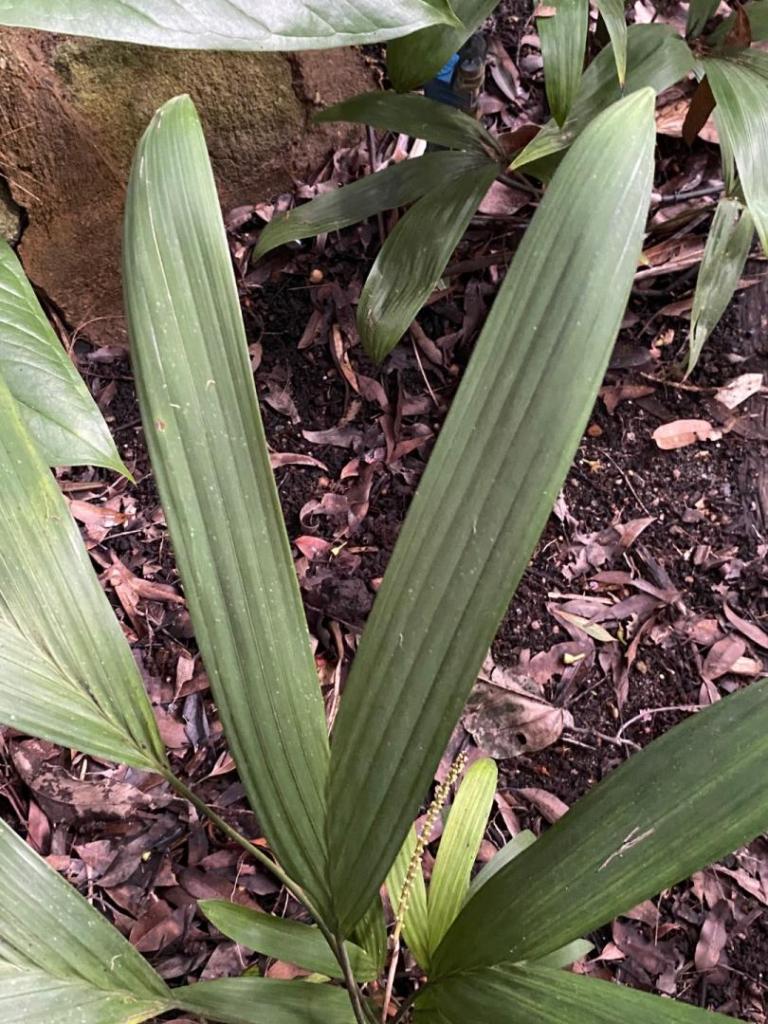

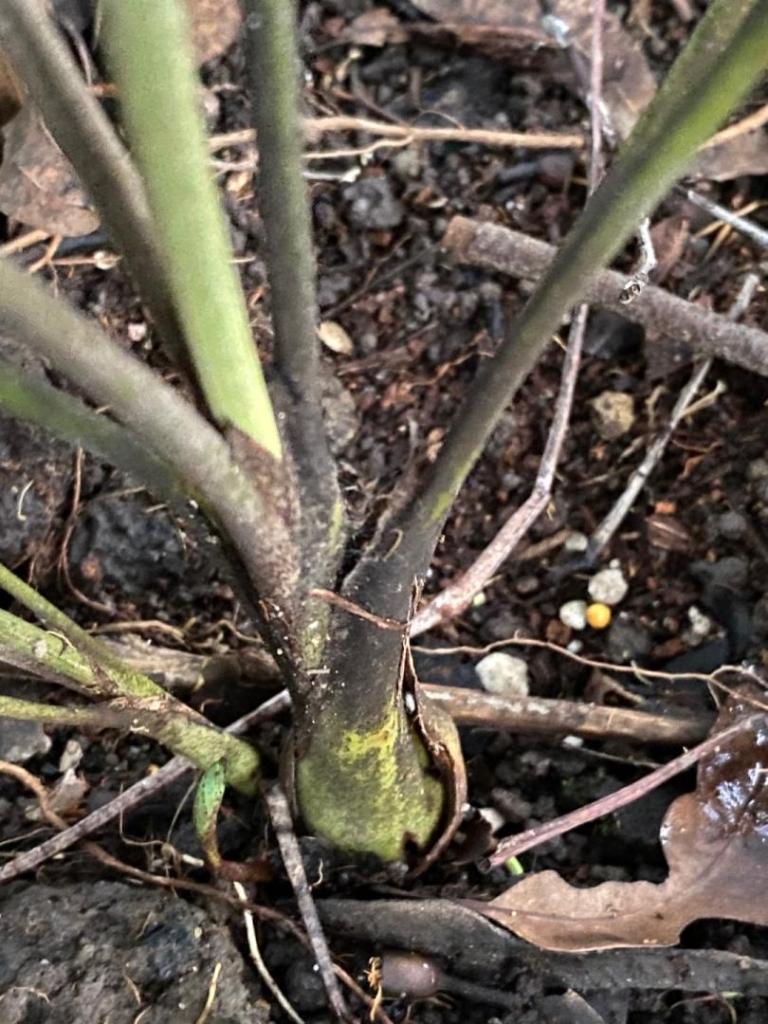 2 points
 -
I'm near Atlanta. I've never lost one in March or later. When they spear pull over the winter, they send up a new one by June. If yours did this in warmer weather and didn't recover last year, I'd exercise the warranty ASAP.2 points
-
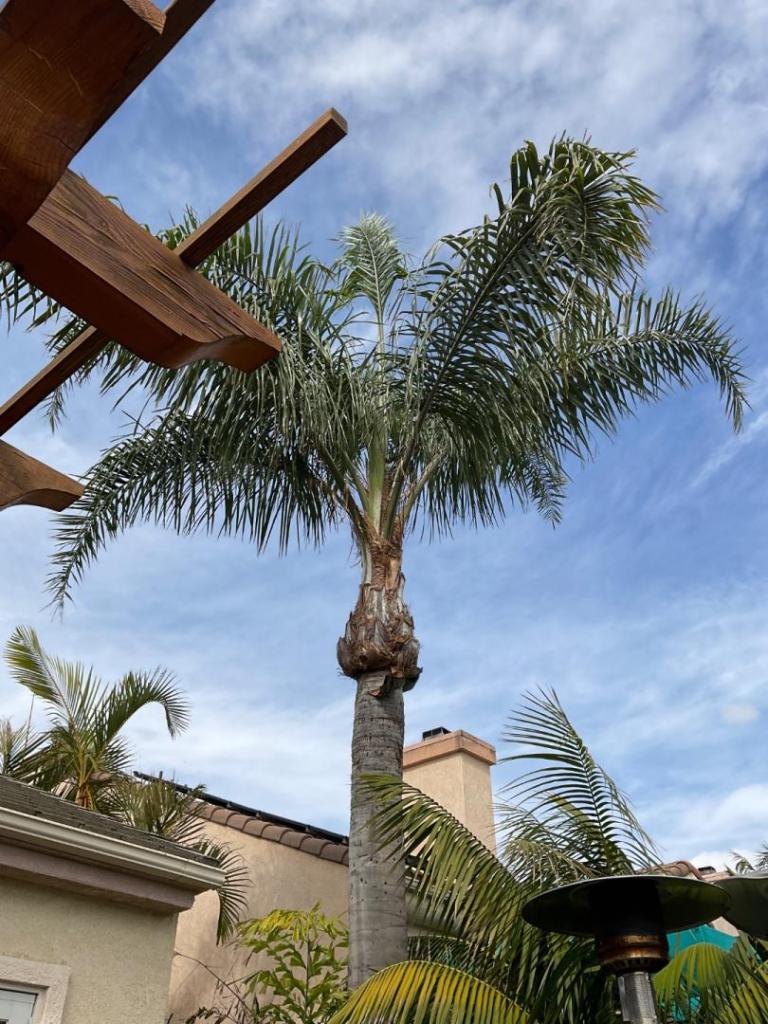
I agree with @Jim in Los Altos. You are in Murrieta where summer and fall temps can be hot. Lots of water on that thing and it should come around. I never fertilize my Queen palms. We have a pretty nice storm coming so that will take care of watering for now . When the temps start climbing , just be sure it stays well watered . Harry ‘This was trimmed pretty severely due to our Santa Ana winds we get. This was planted in the wettest part of the yard . It was going to the dumpster at a big box store ,it looked much worse than yours in a 24” box . I gave the guy $25 for it . This area always had standing water ….until I planted the Queen Palm! It took care of that problem soon after planting. Harry
 2 points
 -
It’s just unique microclimate I have that helps a lot, plus all the new palm varieties available now. Deep sandy Liam soil is what palms love with good drainage, the ocean air influence a large canopy cover with the Australian bush. These factors alone help the garden immensely. I have a few drawbacks in the fact the gum trees and some very large ones on my property drink all water available and store that water if there is excess for future dry times and a tad cool in winter. But apart from that it’s a palm growers paradise and if you add a bit of garden cultivation with water iam in a palm growers heaven. Richard2 points
-
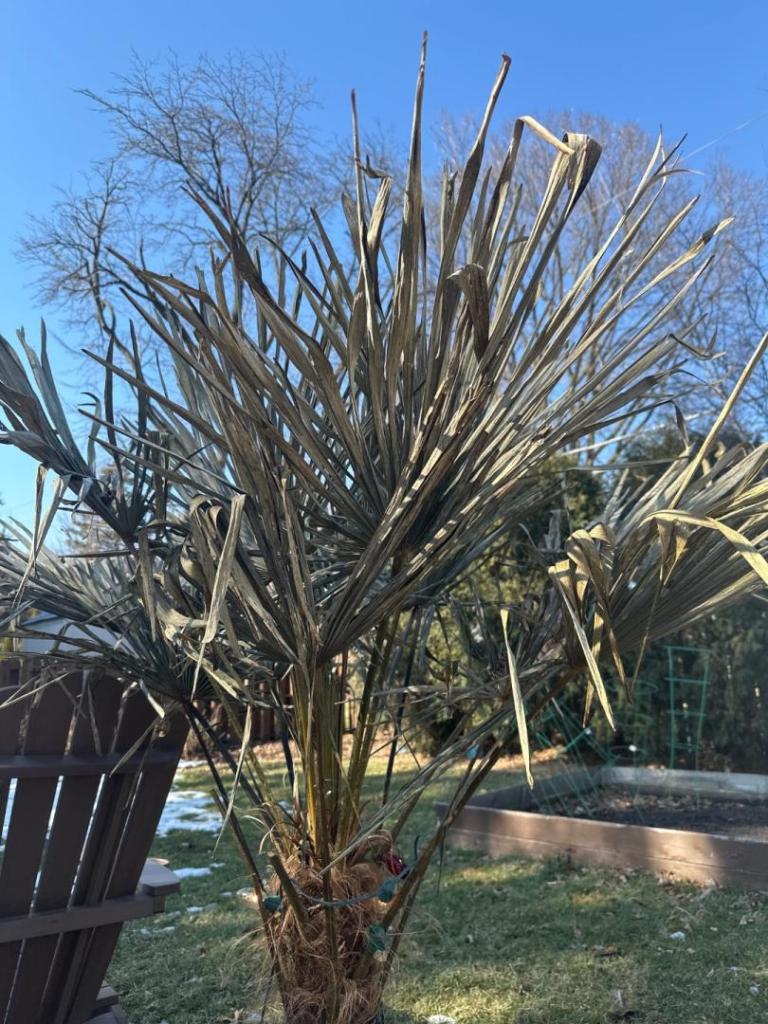
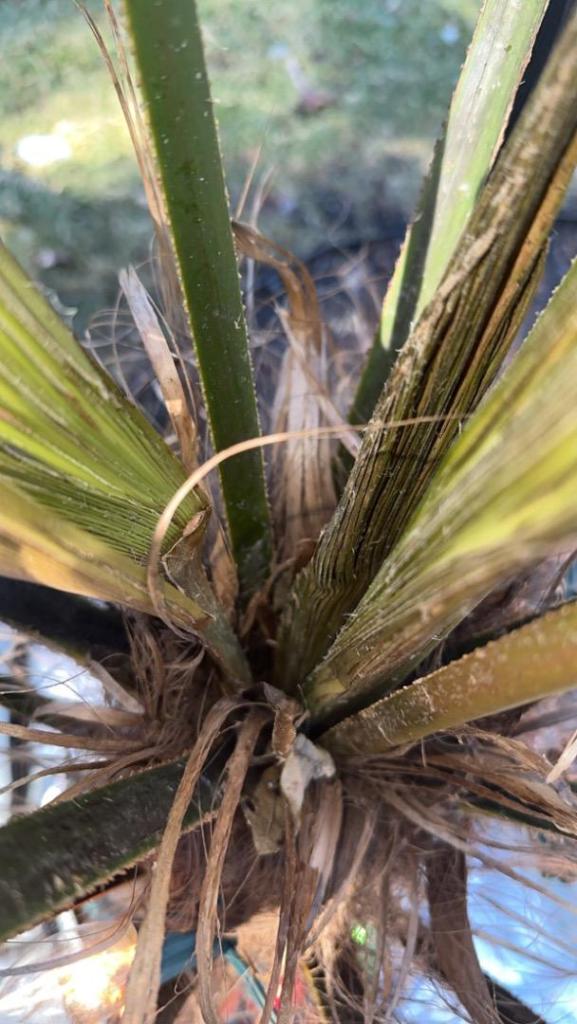
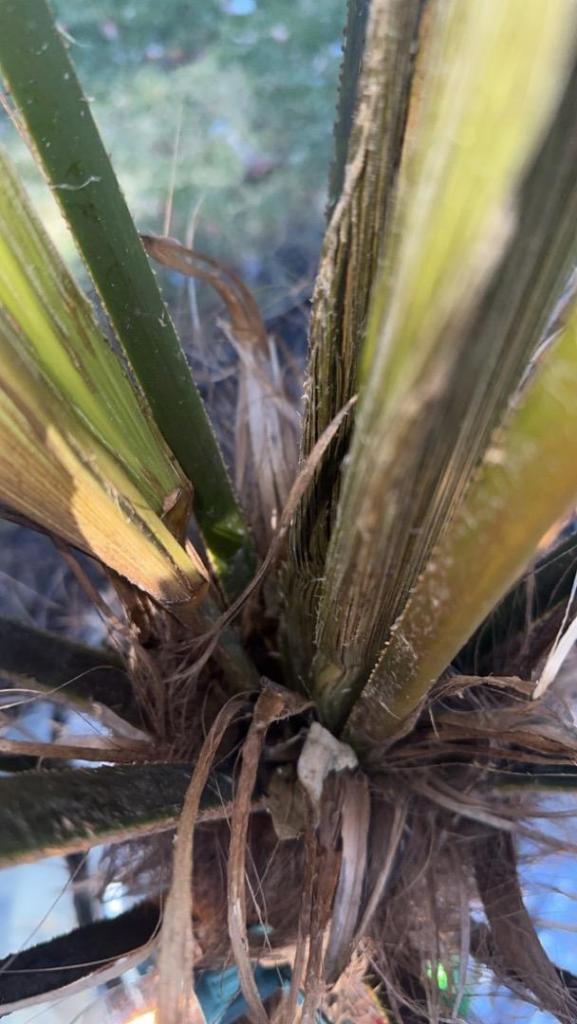
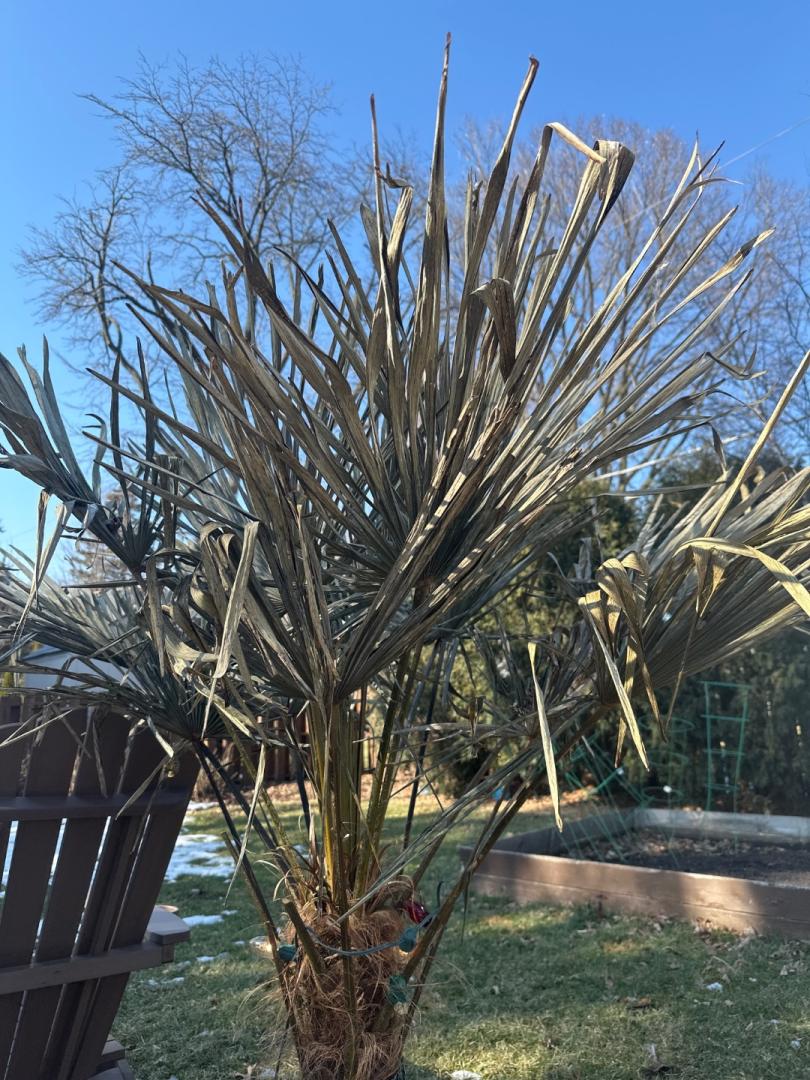
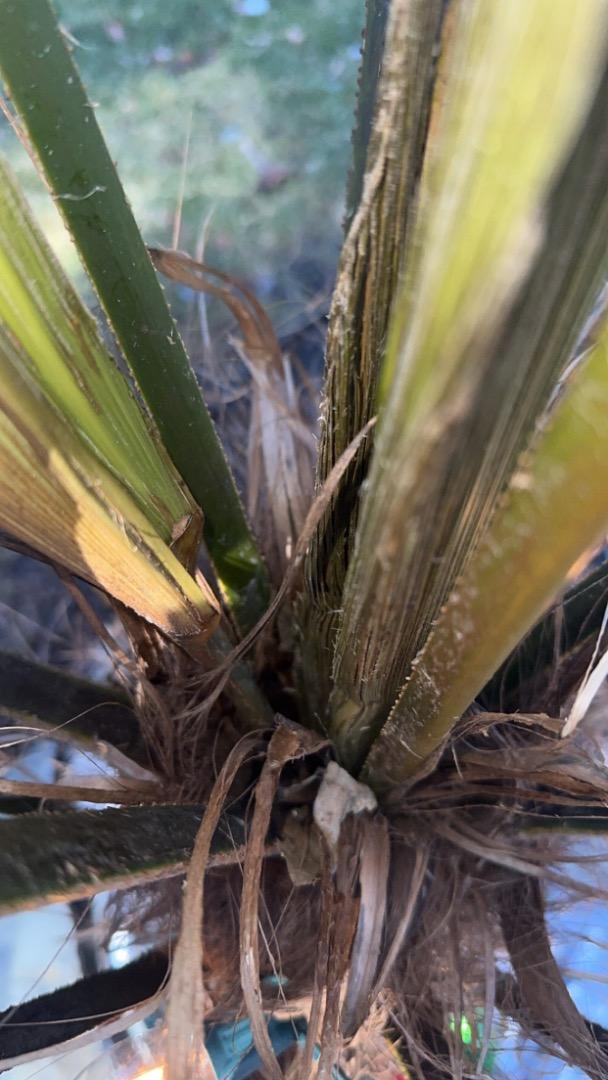
Little update, I figured out that the string lights weren’t working. Thank god I had the c9 bulbs around the trunk and spear, as the string lights were around the fronds. I also sprayed the tree with a lot of hydrogen peroxide and copper fungicide so most of the mold should be dead by now. It seems that most of the damage is by the fronds.

 2 points
 -
The chances of recovery at that age is marginal. That one looks too far gone to me. To push the limits on a palm , it has to have a bit more size to it and even then it will be set back in winter. Building a box with a few light bulbs for heat would keep it alive in the coldest weather. Harry2 points
-
Cute little guys , suckering or not. Could be like my C. Tepejelote . I got two single stem seedlings from a trusted IPS member over 30 years ago. One single stem , the other formed suckers as soon as it was planted about 3-4 years after I bought them . My mentor confirmed that , although rare , suckering ones exist ….certainly in my garden it does. Then there is the single stem Chamerops Humilus . Over 25 years , never sent out pups , just grew straight up . Enjoy those little palms , they are super cute! Harry2 points
-
I could see them as far north as Chesapeake Bay, maybe in 75 years with some help. Even birds could do that much. The bay is a pretty large barrier.2 points
-
They take a fair bit of cold, you might just be borderline in getting away with it in a protected area. I have seen them take 0 degrees Celsius.2 points
-
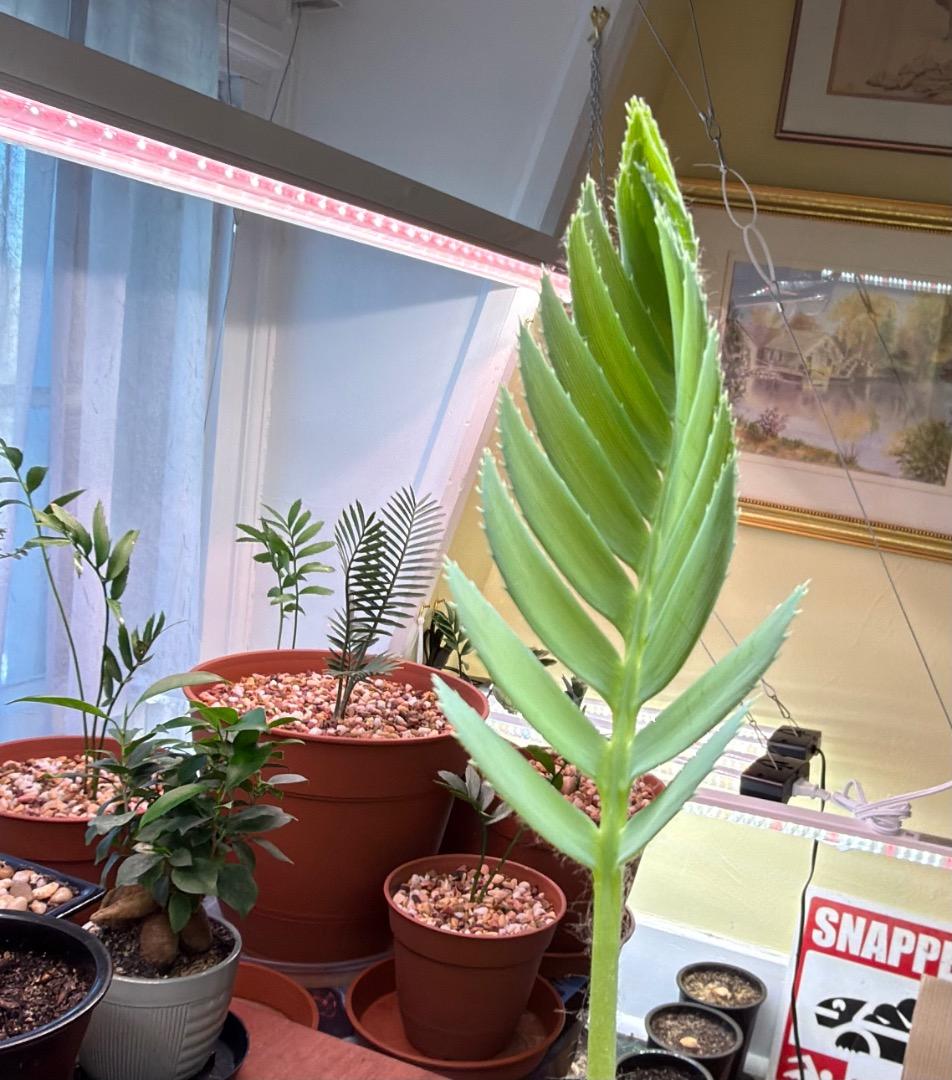
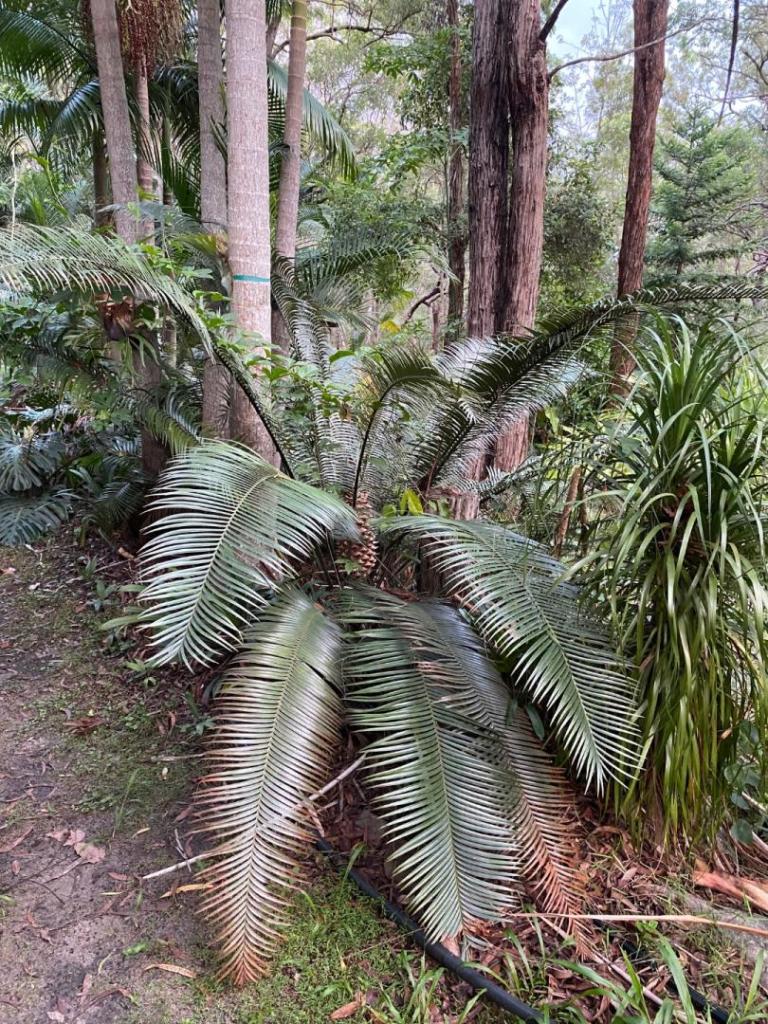
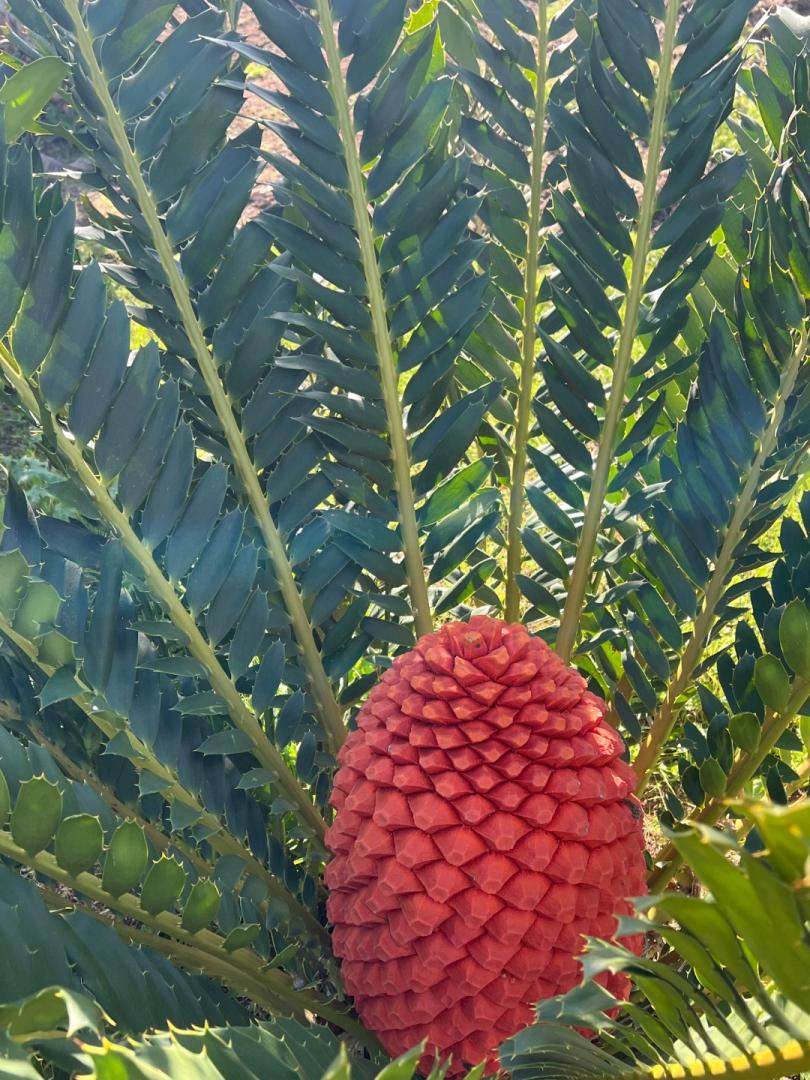
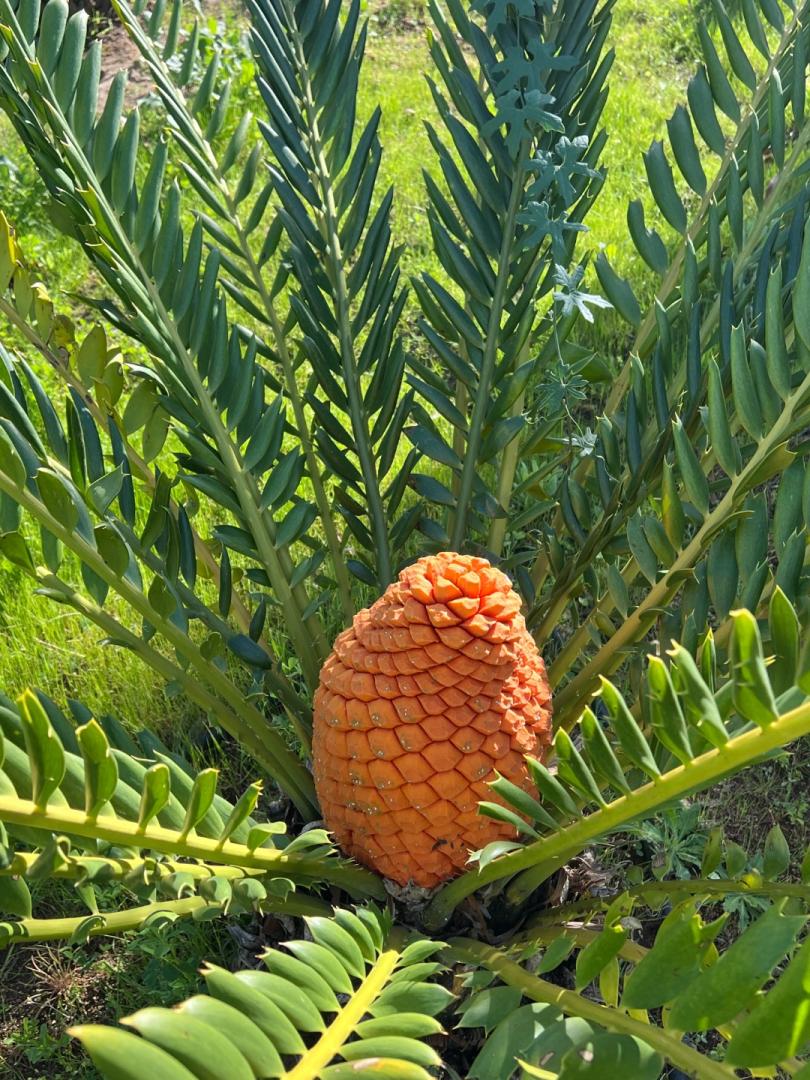
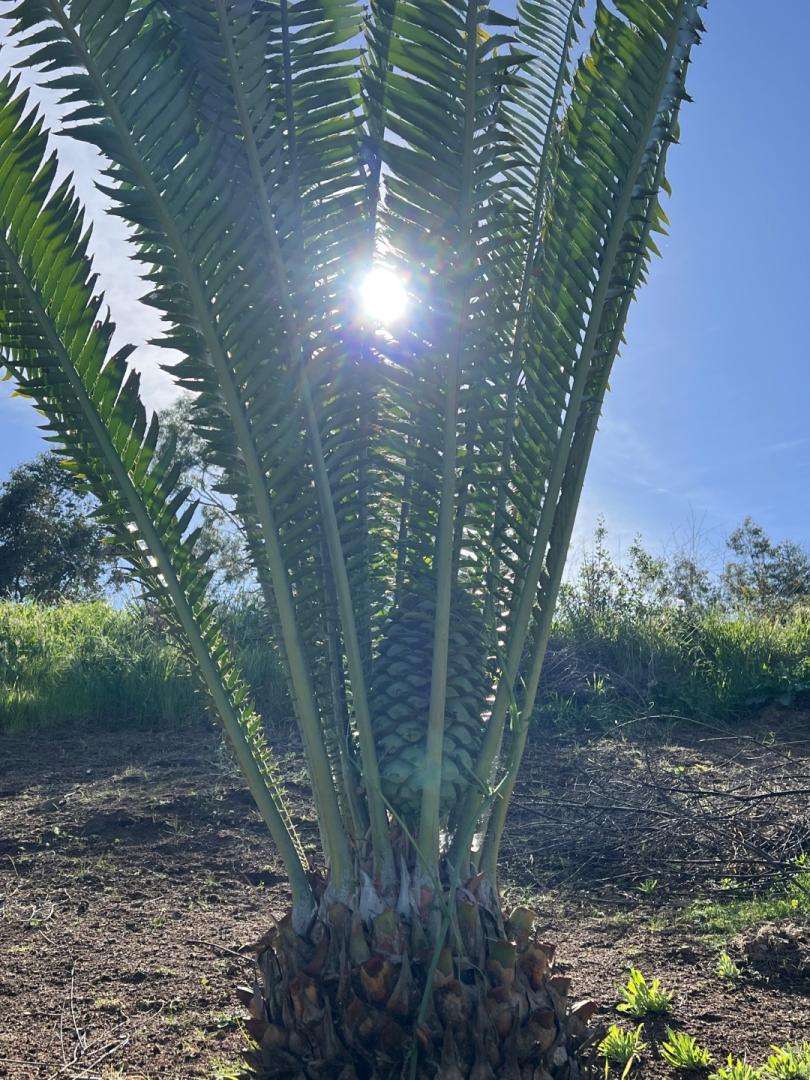
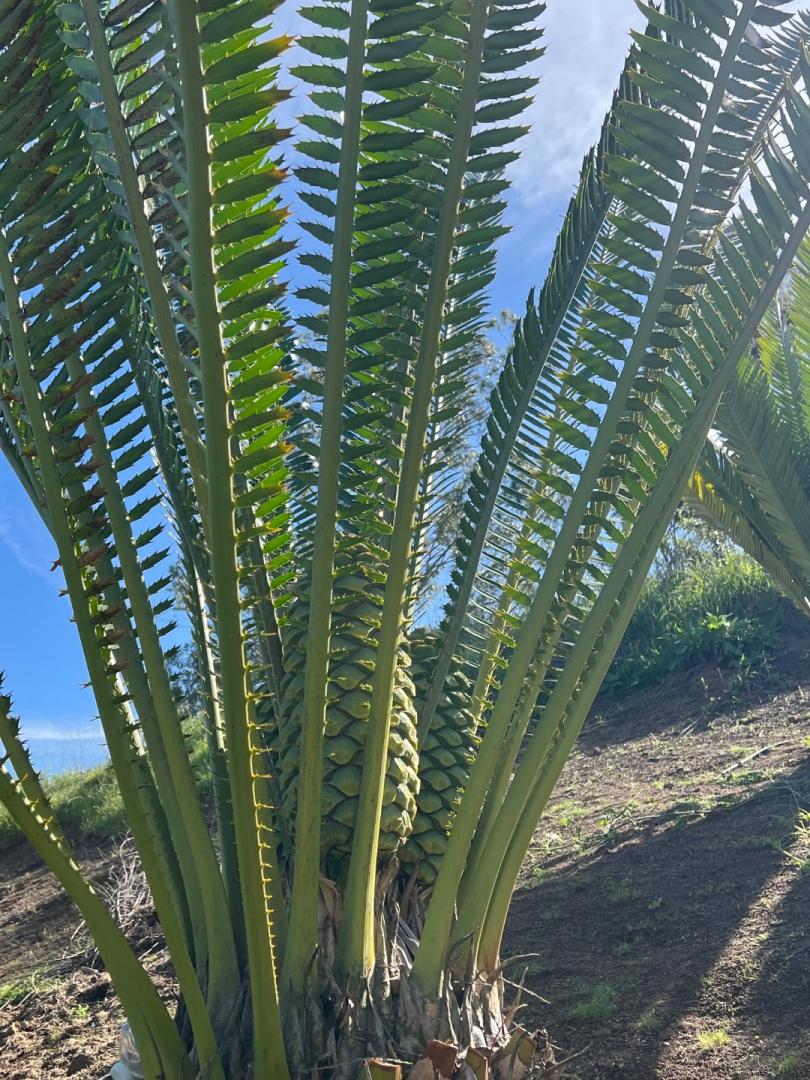
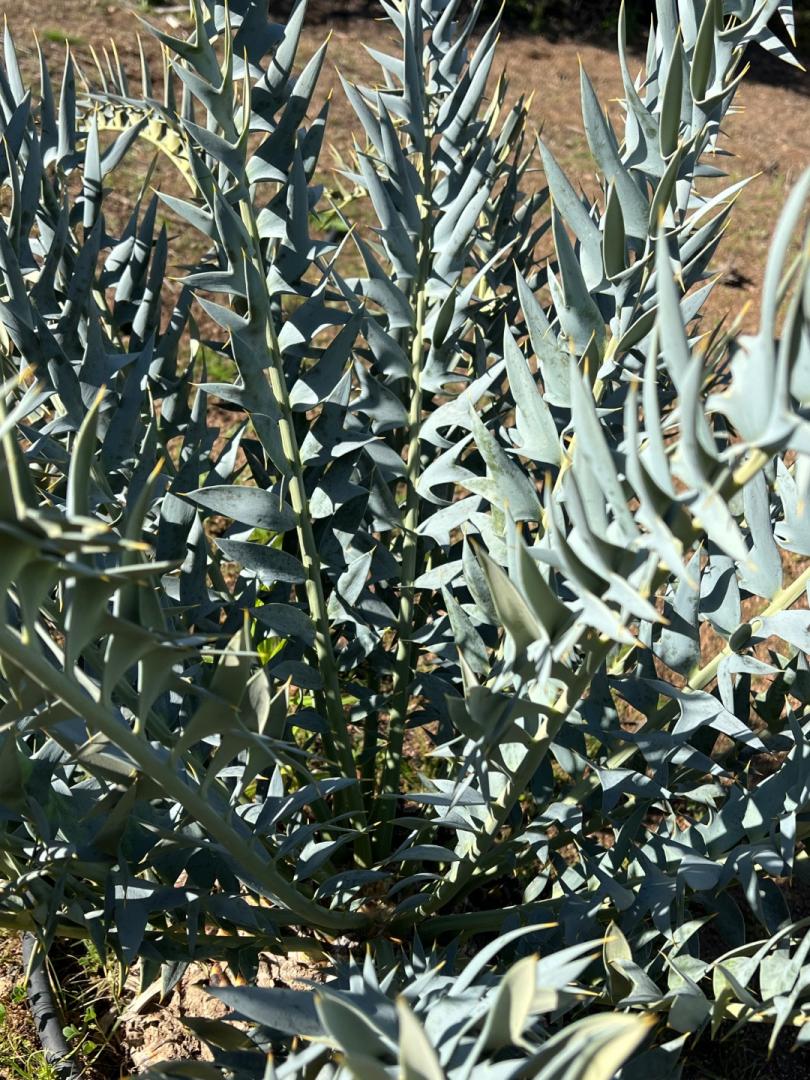
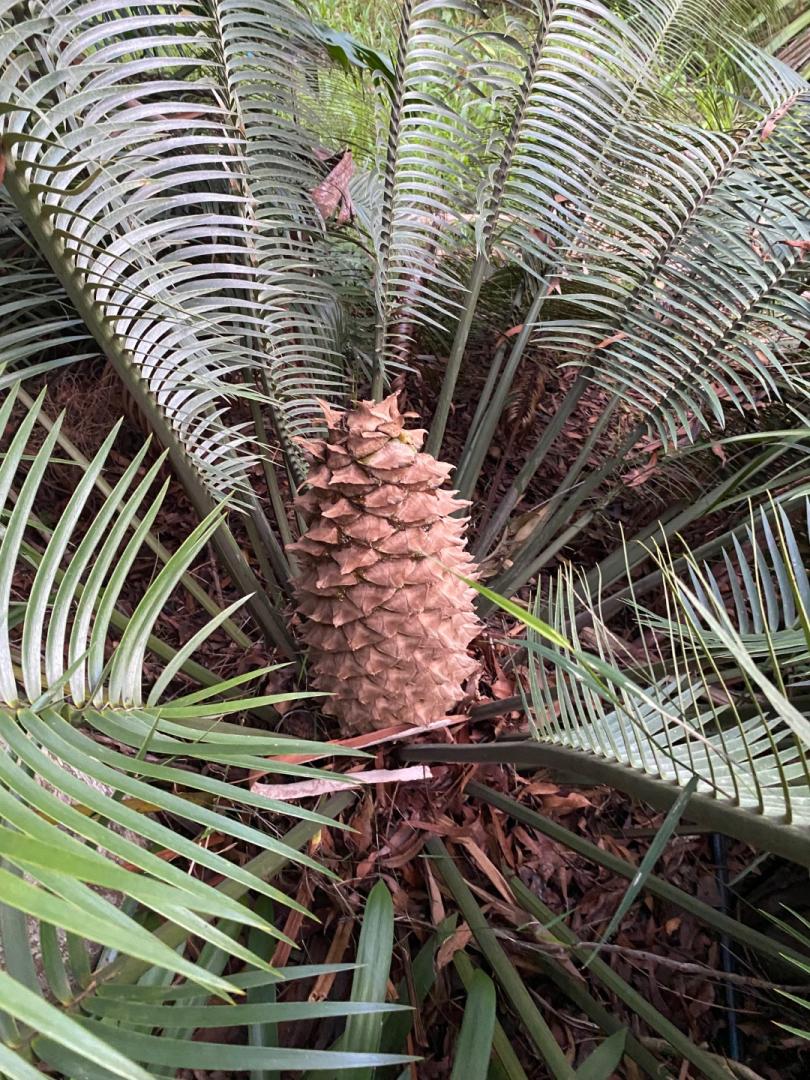
Lepidozamia peroffskyana has grown a bit, going to be a lot of seeds of this one!


 2 points
 -
I really wanna know what was going through the landscapers mind to decide to randomly cut it down2 points
-
I think it is just wait and see at this point. I am sorry to see this but , hopefully , by Spring you will see new life. Harry2 points
-
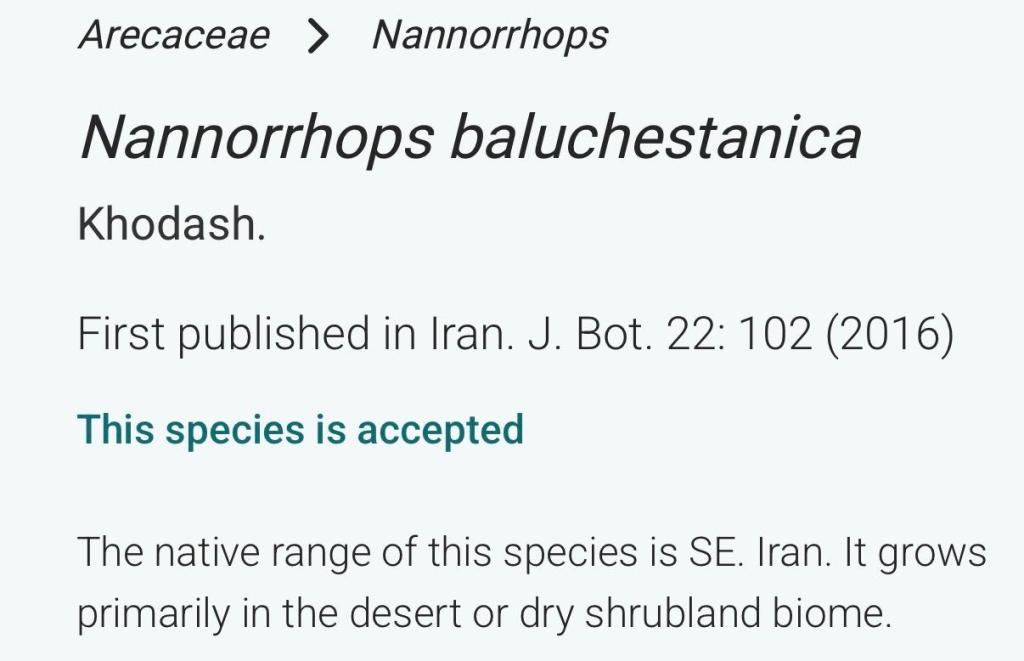
There are two species; N ritchiana and N baluchestanica which is the blue/silver one from Iran. My understanding is that N ritchiana is still variable from green to bluish, but never as silvery as N baluchestanica. I feel like the one pictured in this thread is likely N ritchiana. Photos are N baluchestanica I’ve seen seem to show them being ghostly white/silver from the first frond.
 2 points
 -
Very similar temperatures and observations here in Fort Myers (in town, with a combined urban heat island and some protection from the river.) Overall this event was comparable to Christmas 2022, the only two times I've seen evidence of frost, both times in a small dip in the lawn where the weeds turned black. Only thing I'll add is I have a small Areca catechu, regular form, which has grown quickly and beautifully up until now but every day since the cold looks progressively worse, leaves are now all completely covered in spots and it will probably end up mostly defoliated. Not surprised at all but I'd say this species is worse with cool weather than even Pritchardia pacifica. Overall I feel like I dodged a bullet, not much permanent damage to speak of, just lots of slightly yellow leaves and several long months of hand watering ahead of me.2 points
-
My Robusta isn't very leaf hardy. Low 20s , the fronds will turn brown, all of them. I see some they look exactly like mine but seem to handle the cold better. At least mine is pretty bud hardy and recovers fast. I leave the fronds on until they're crispy but the new frond that is currently seeking daylight doesn't look bad at all.


 2 points
 -
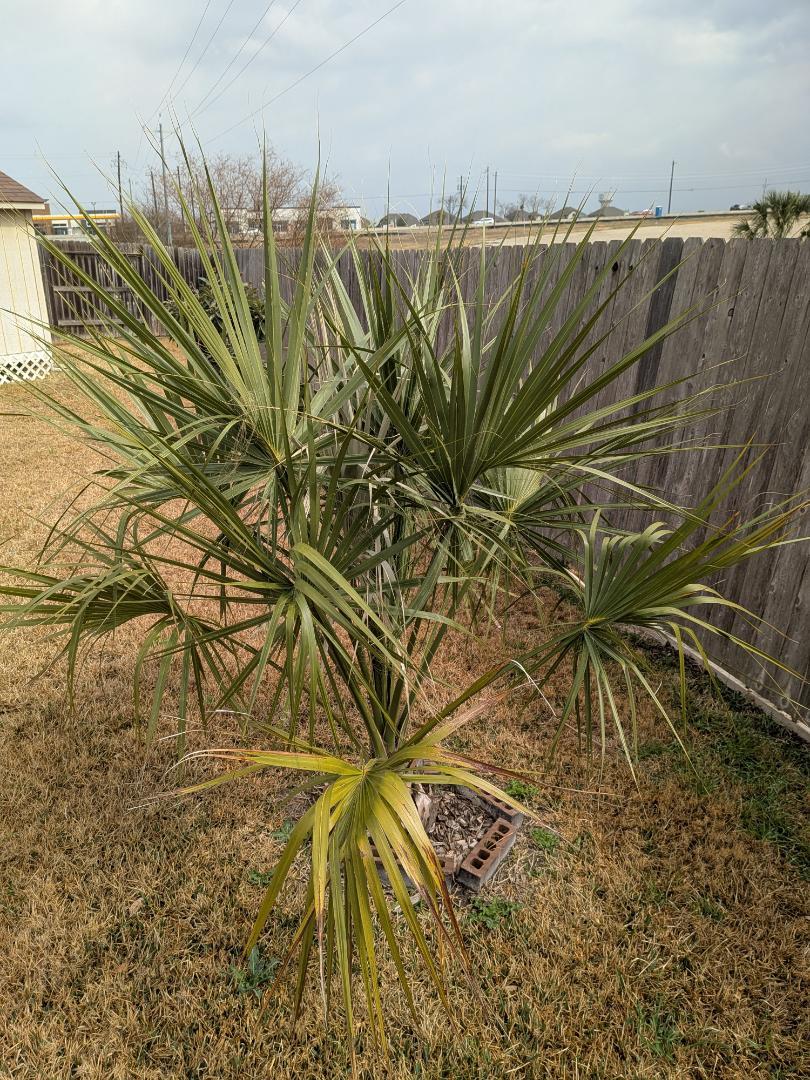
I'm in zone 8a/b and I just planted some Sabal species seeds (Caribbean giant and Miamiensis x maritima) in the backyard. Hopefull I'll have a couple of sprouts this summer or spring.2 points
-
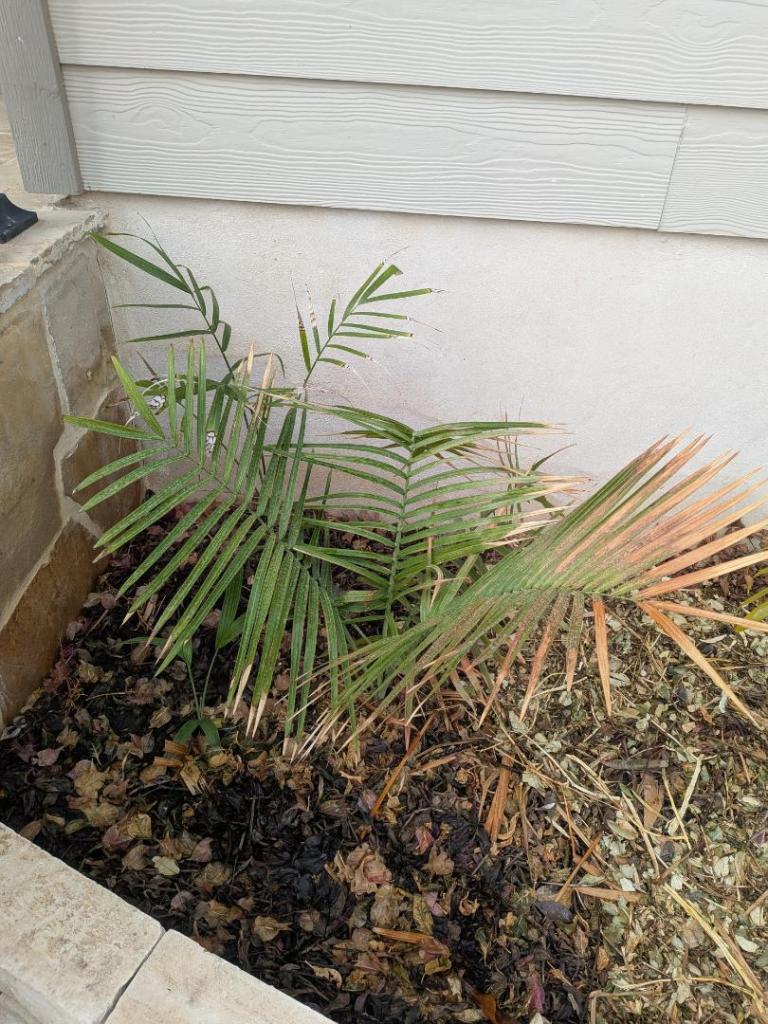
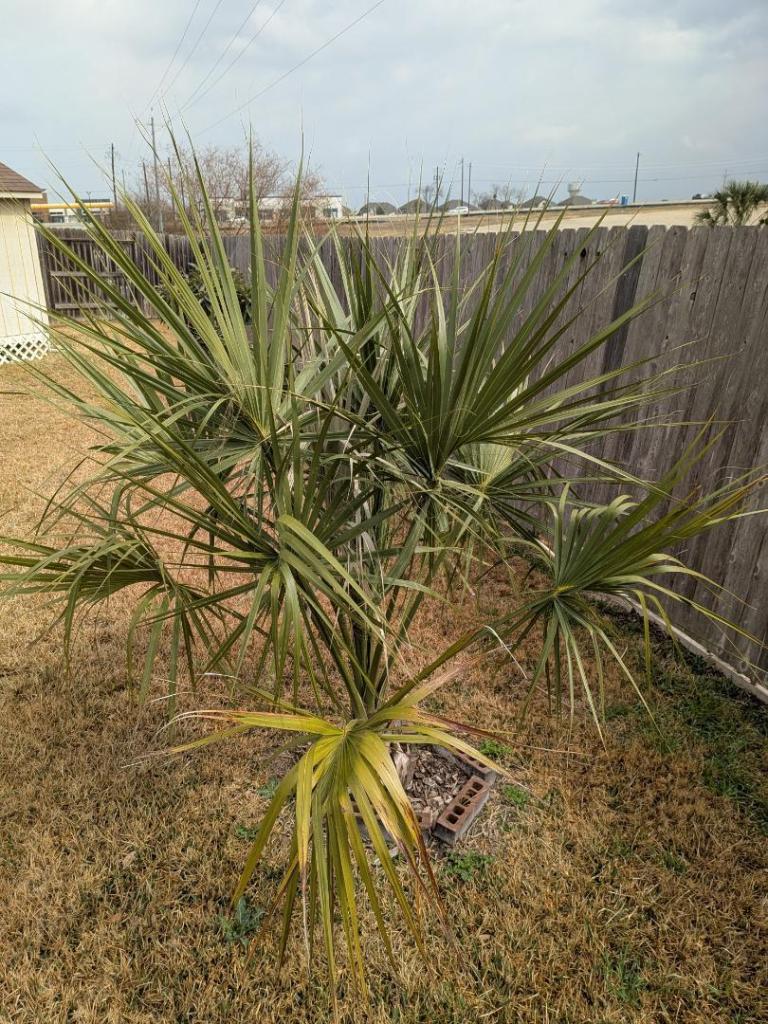
Cibolo TX Post Winter storm report: Temps in my neck of the woods hit 19F or 20F, with some freezing rain. As usual, I think the freezing precipitation was the bigger problem. C. radicalis with East Northeast exposure and partial overhead protection from the eave of the house. P. dactylifera was almost immediately dead. It was about 3 ft in overall height and very healthy going into this event. I covered it, but not until it was already wet. So it's spear pulled almost immediately after the freeze. It's leaves were brown within a few days. I cut the trunk down and there was no living tissue left, despite treating it with hydrogen peroxide within a couple of days of the ice. Butia took a little longer to show damage. It was covered with a large patio umbrella, but it blew off during the storm. It was a couple of weeks before the newest leaves started losing color. Spear pulled, and I have been treating it with H2O2 as well. No signs of a new spear yet. Even my S. mexicanas (No protection) have a leaf or two that have lost their color. This surprised me: My Washingtonia that grows like a weed looks pretty much perfect with no protection: Not all Washingtonians are created equal though. This is what another one just a couple of houses down from mine looks like: Small trachycarpus F x Ws took no damage with a bucket to cover them:




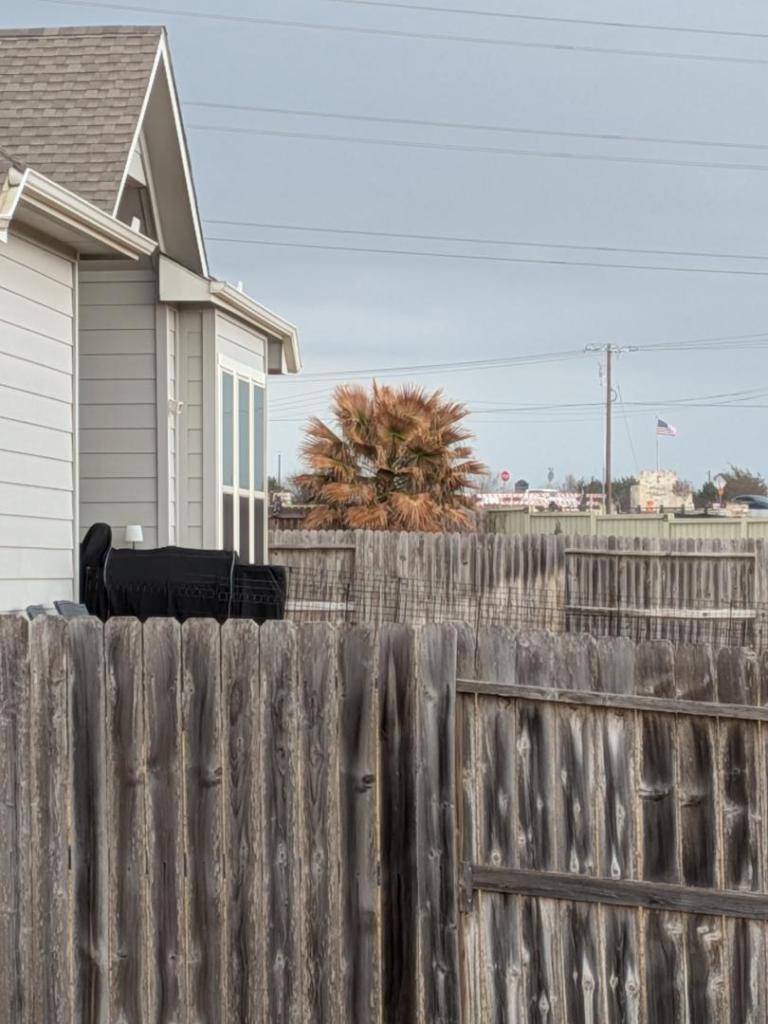 2 points
 -
Yeah Cincinnati! The palm bug has arrived! Siting and microclimates are your friend. Also, bricks as thermal mass!2 points
-
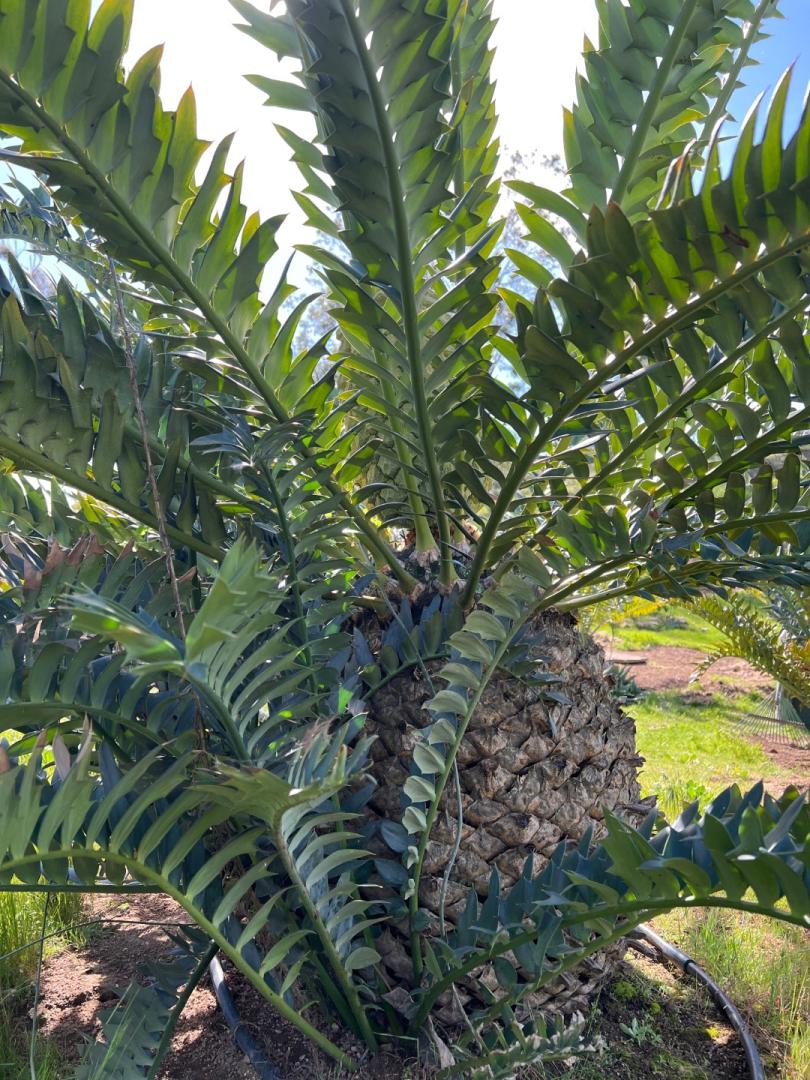
Dioon rzedowskii with its first flush
 2 points
 -
They look like my deceased Ravenea xerophila. Tyrone, they're a real beauty! God willing, I know where to get the seeds from a very trusted friend. I'd call him more of a brother than a friend.👌2 points
-
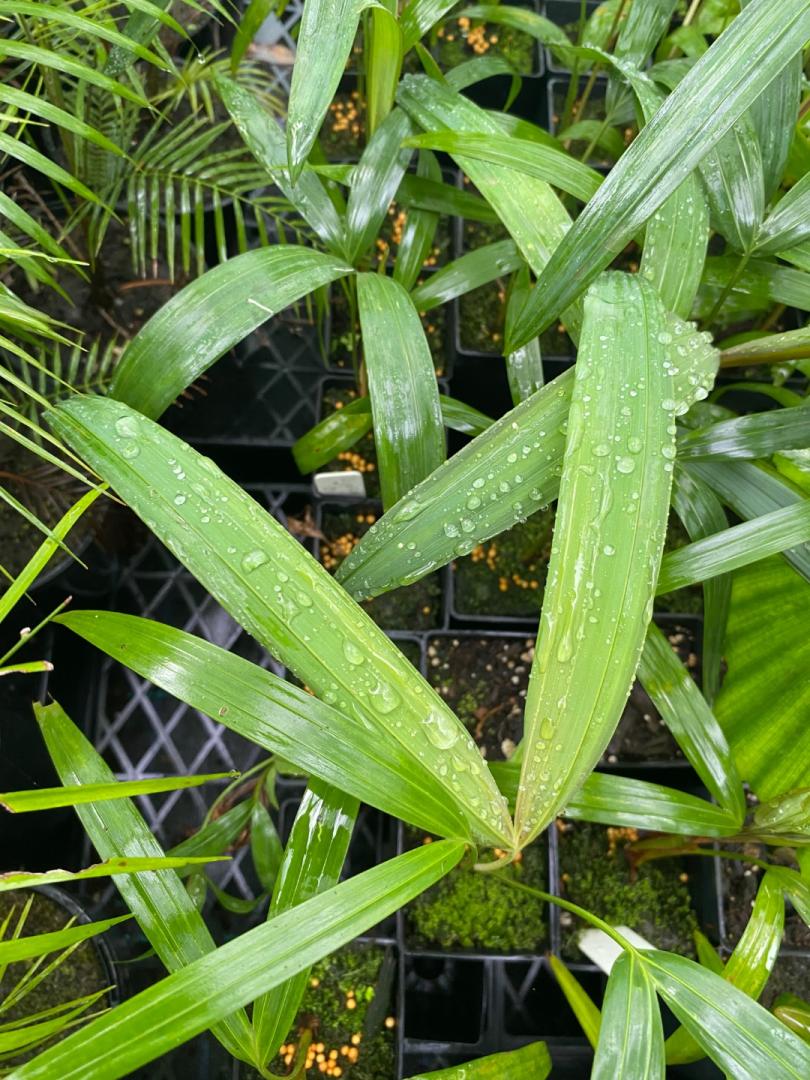
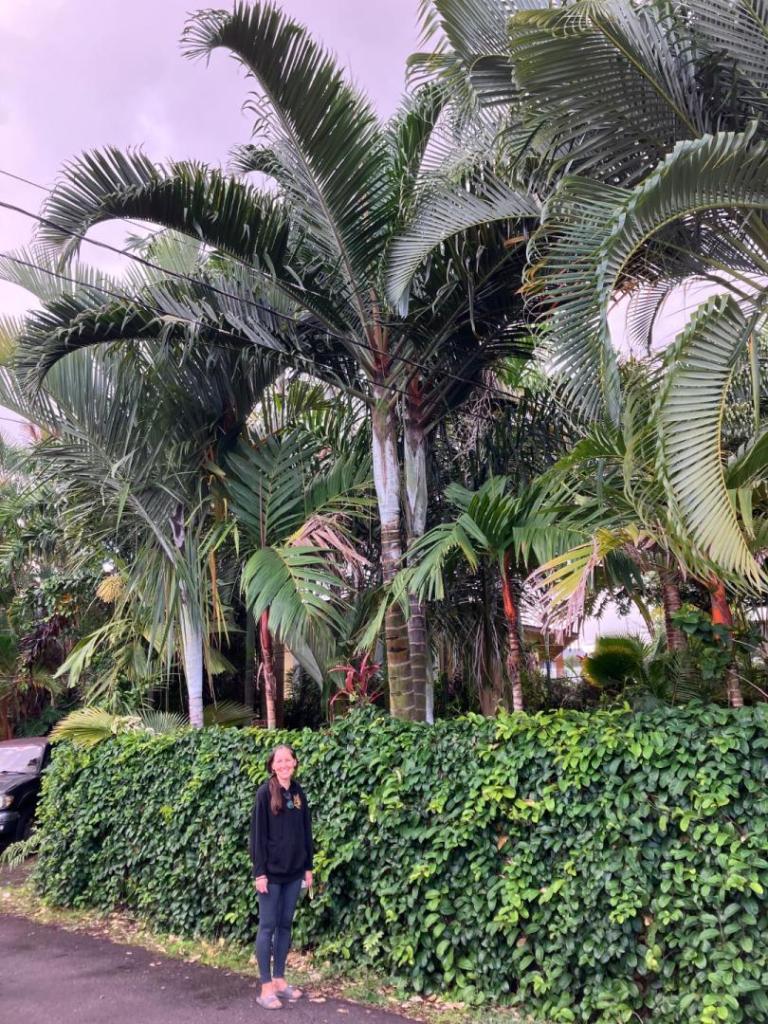
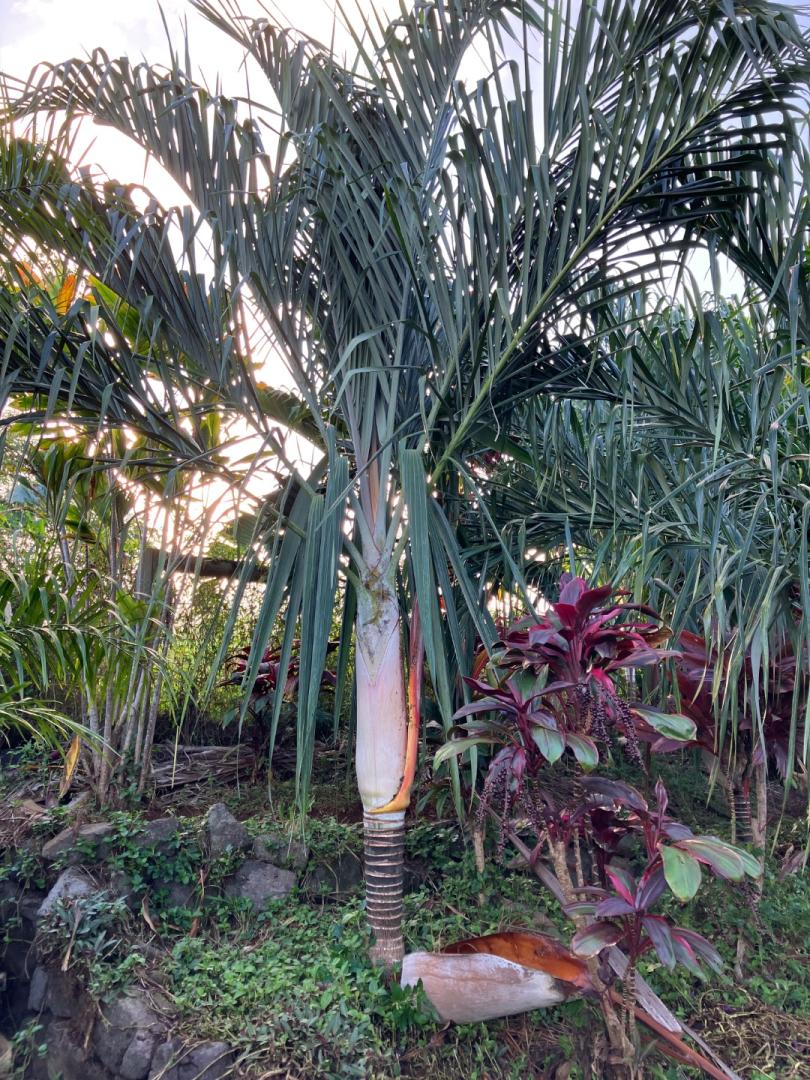
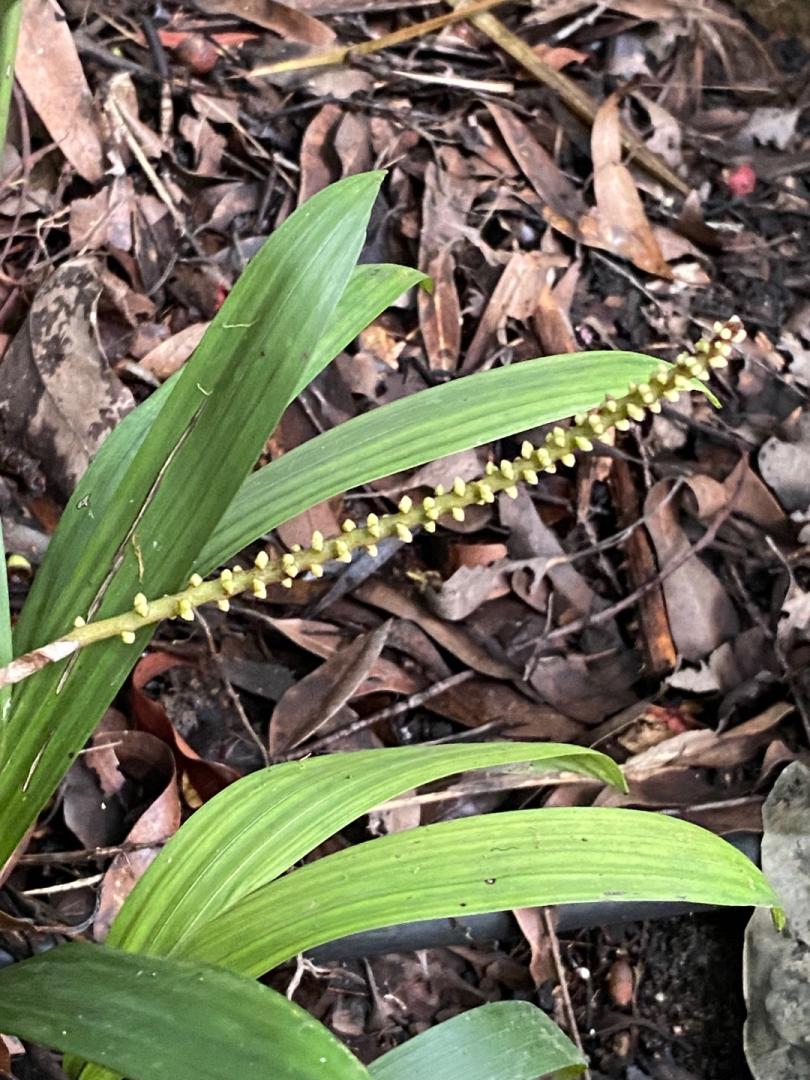
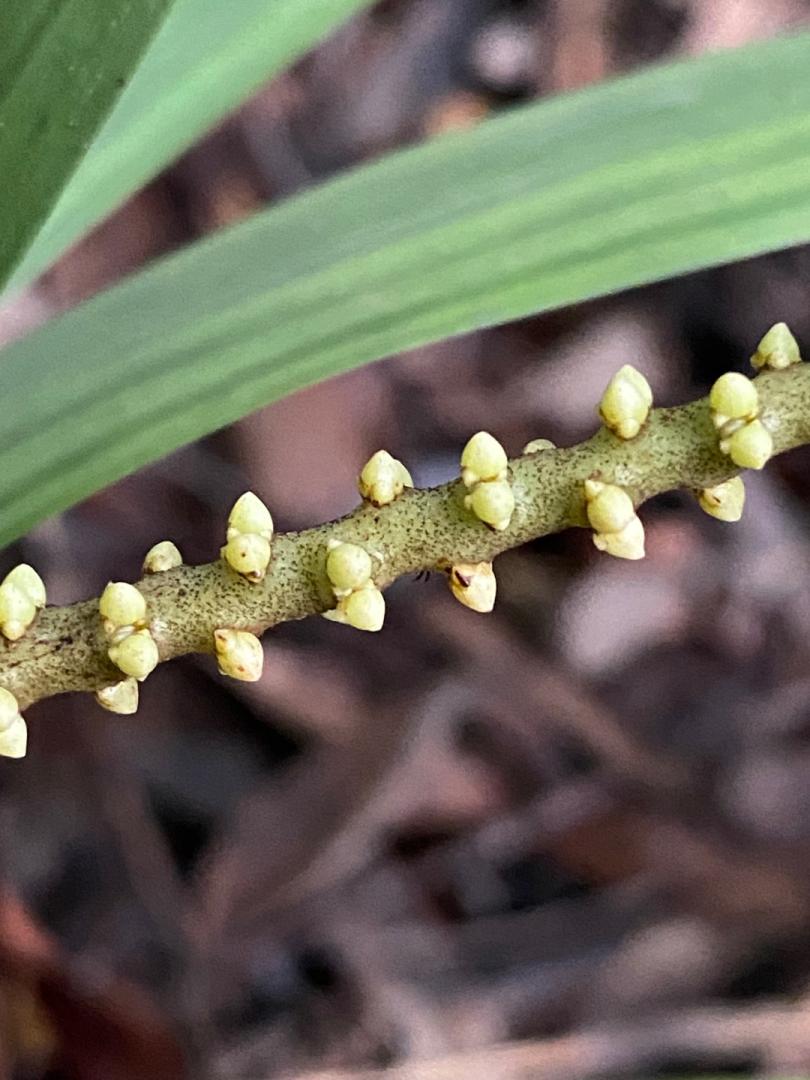
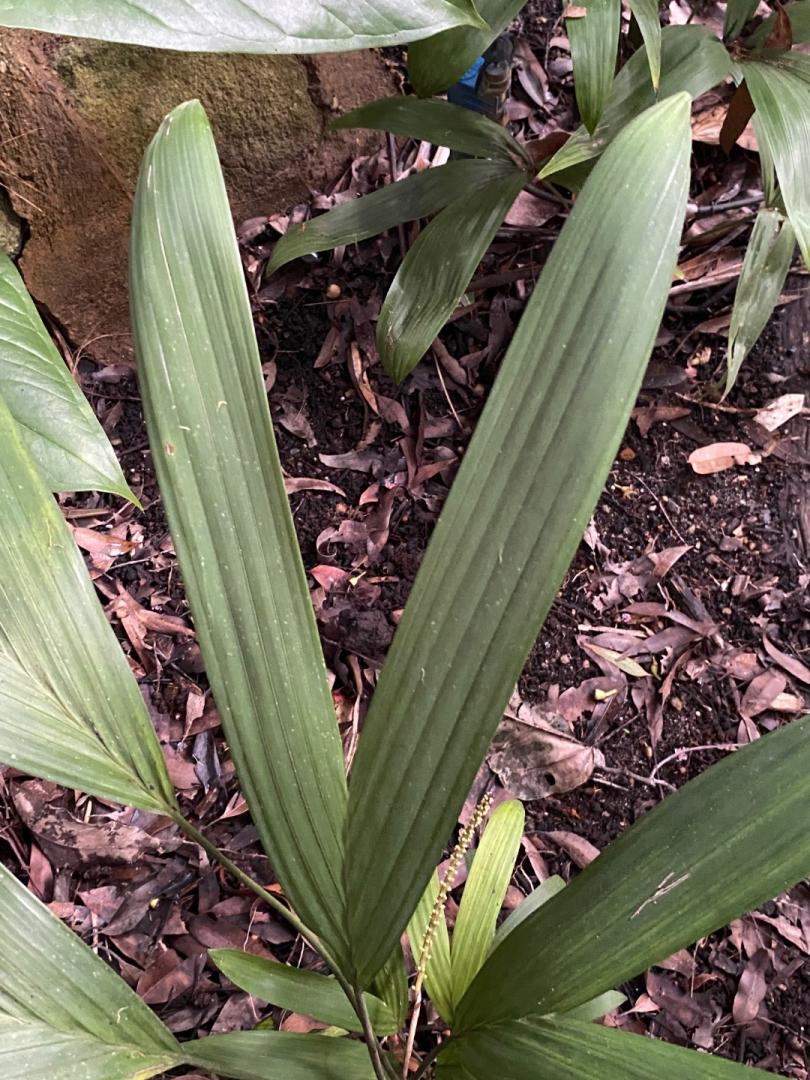
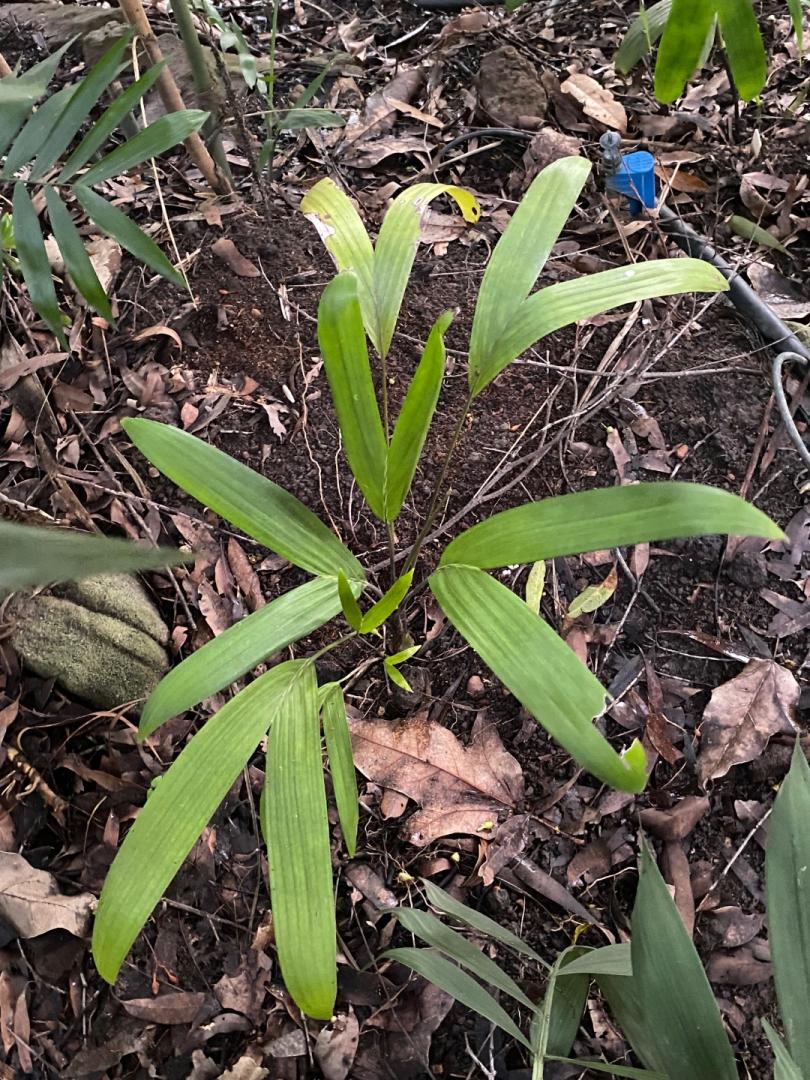
Dypsis basilonga seedlings looking good, somewhat a few years behind @Hilo Jason but they will get there.
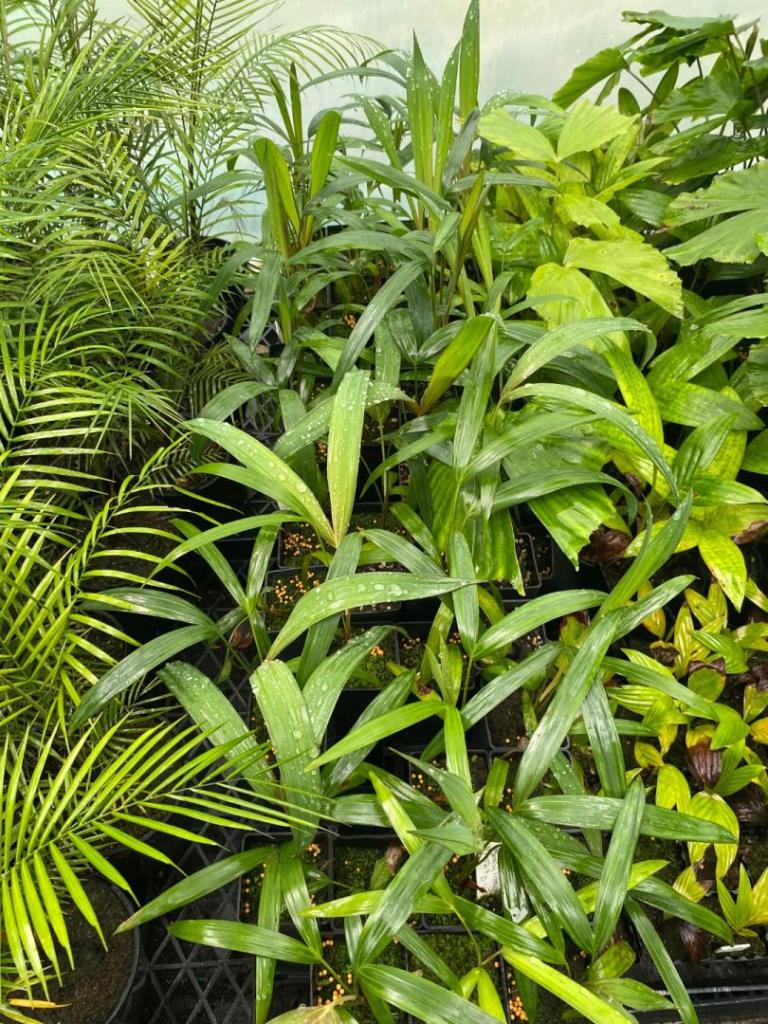

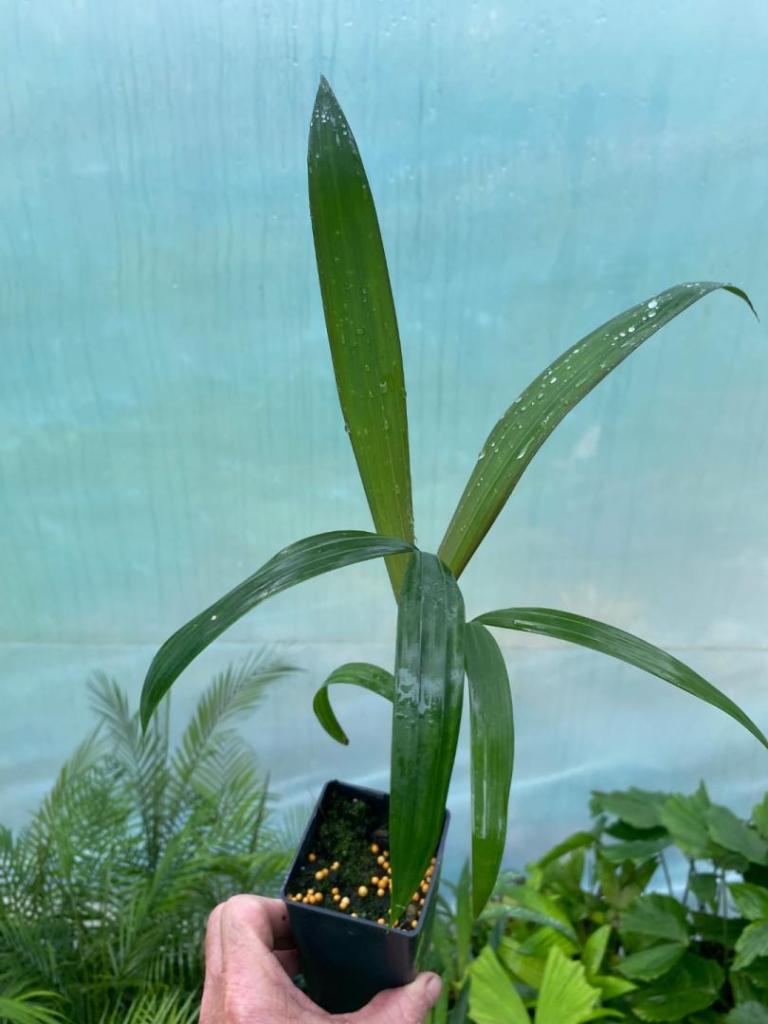 2 points
 -
I was able to stop by my old garden today and got these pictures of the parent plant. Much taller than it was about 18 months ago.
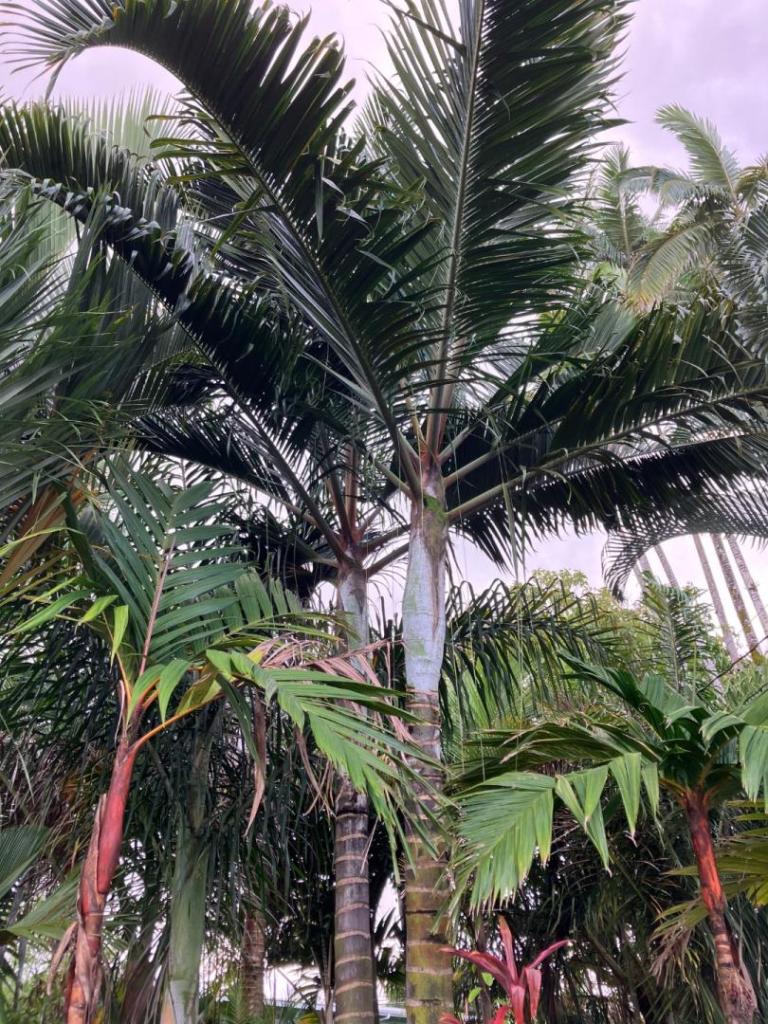

 2 points
 -
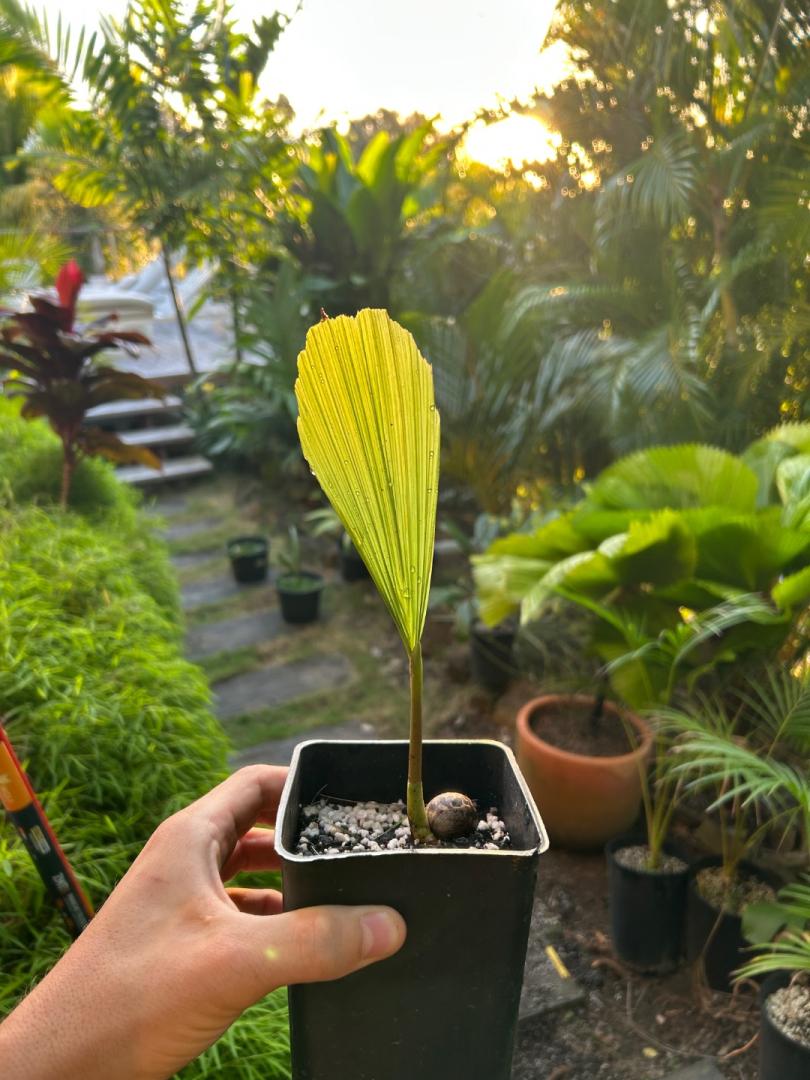
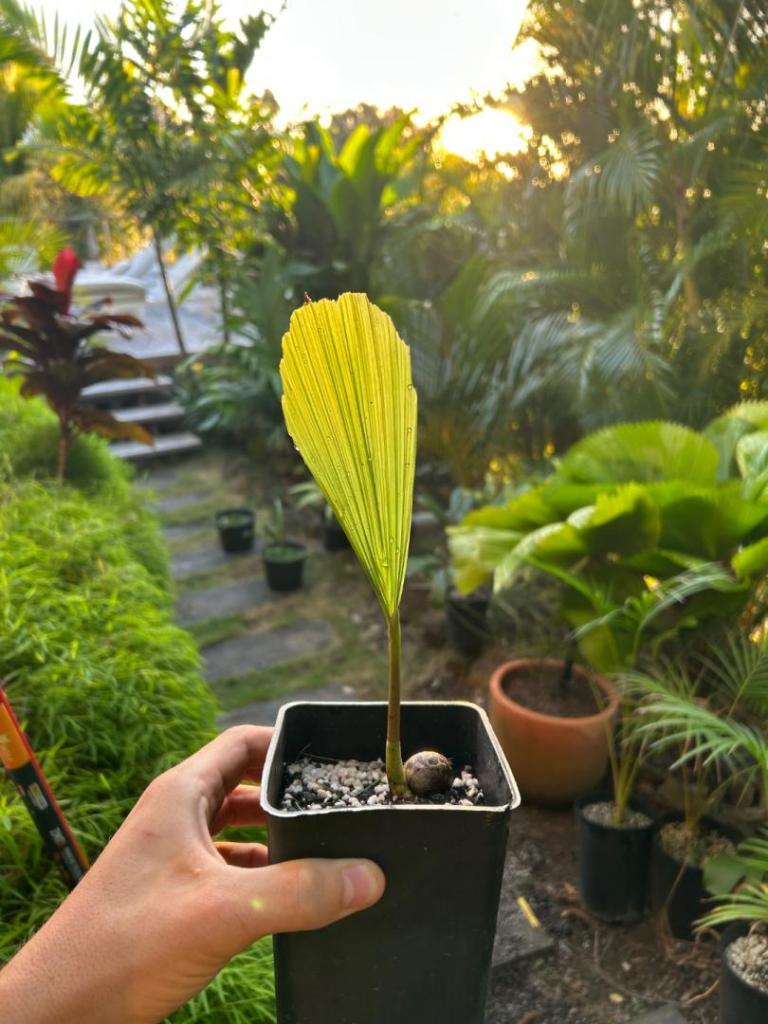
After a few months : dictyocarium lamarkianum first leaf !
 2 points
 -
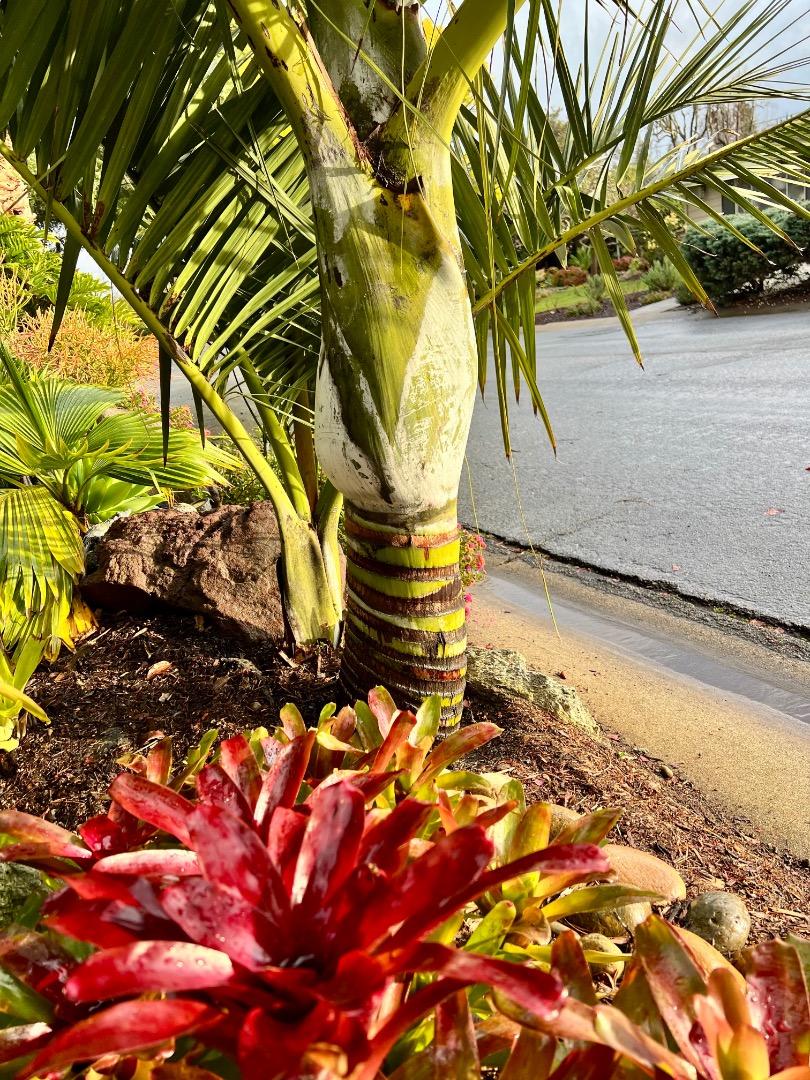
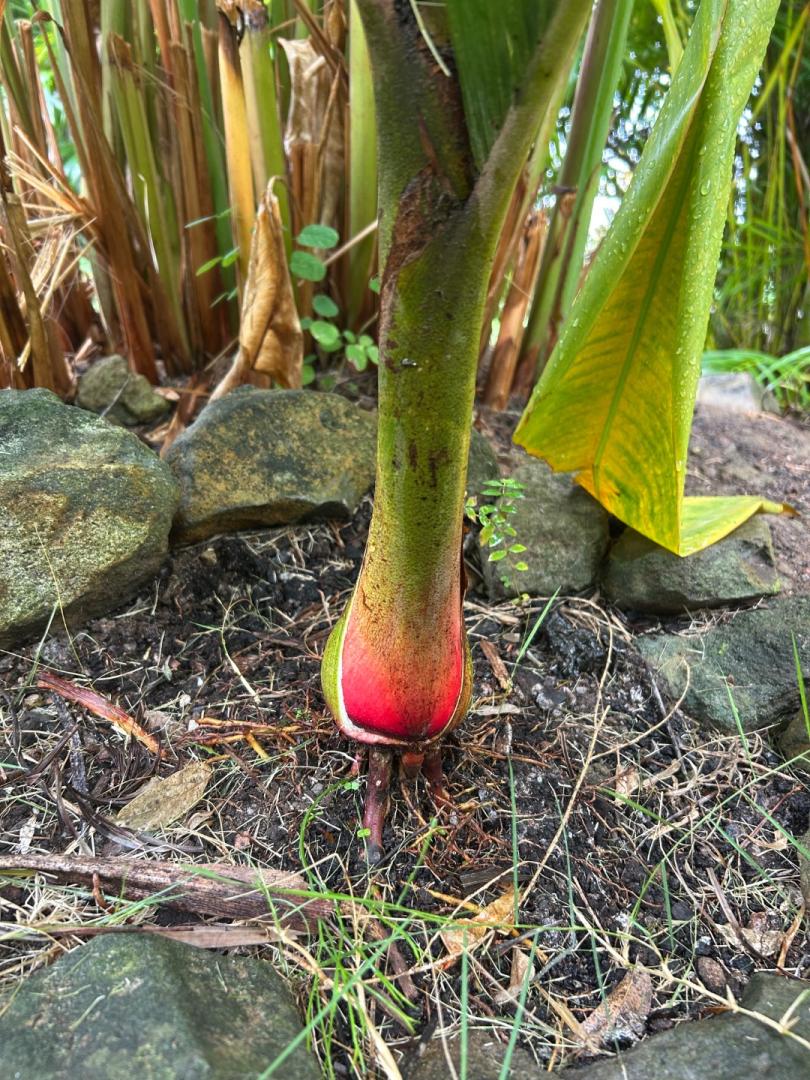
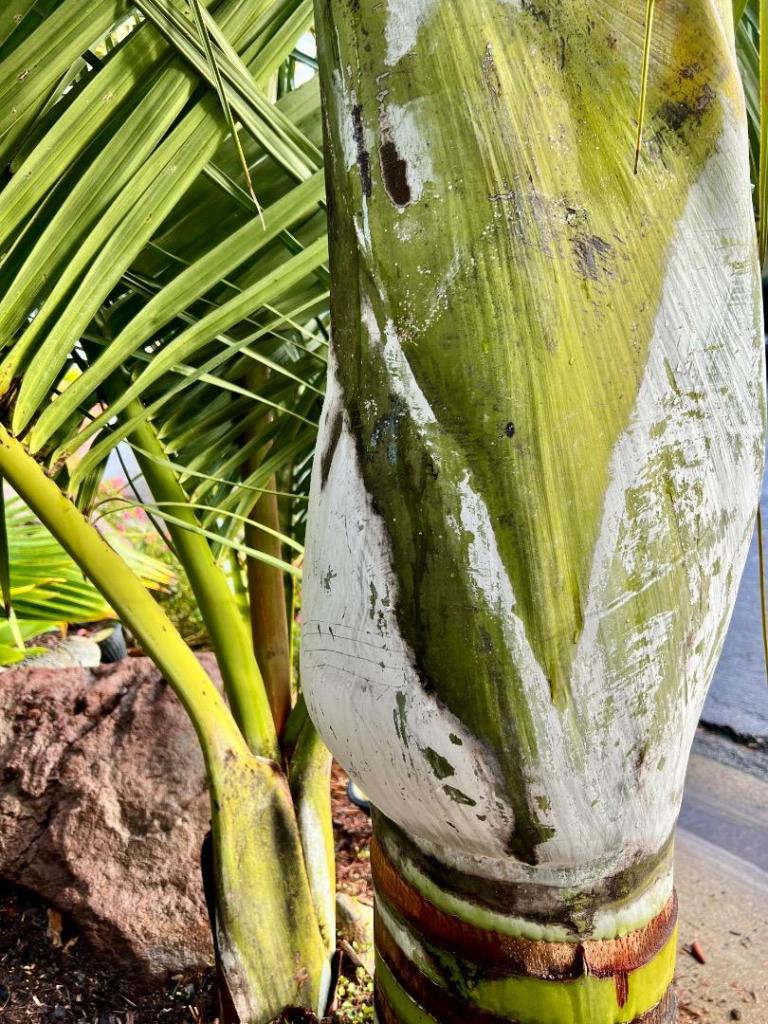
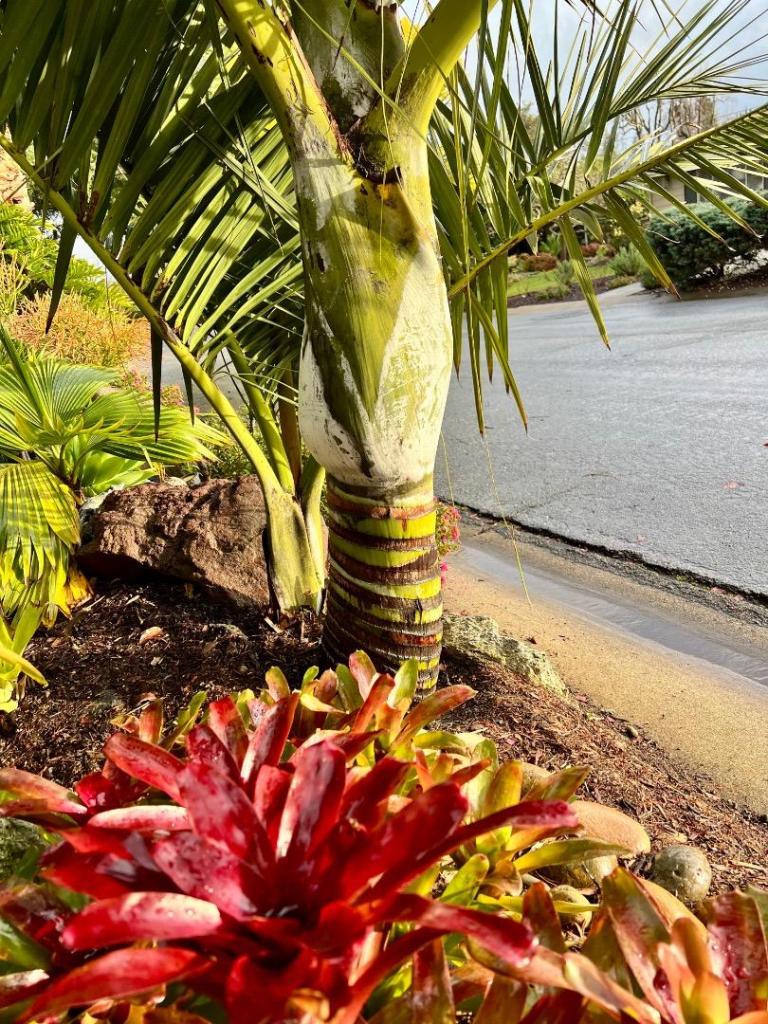
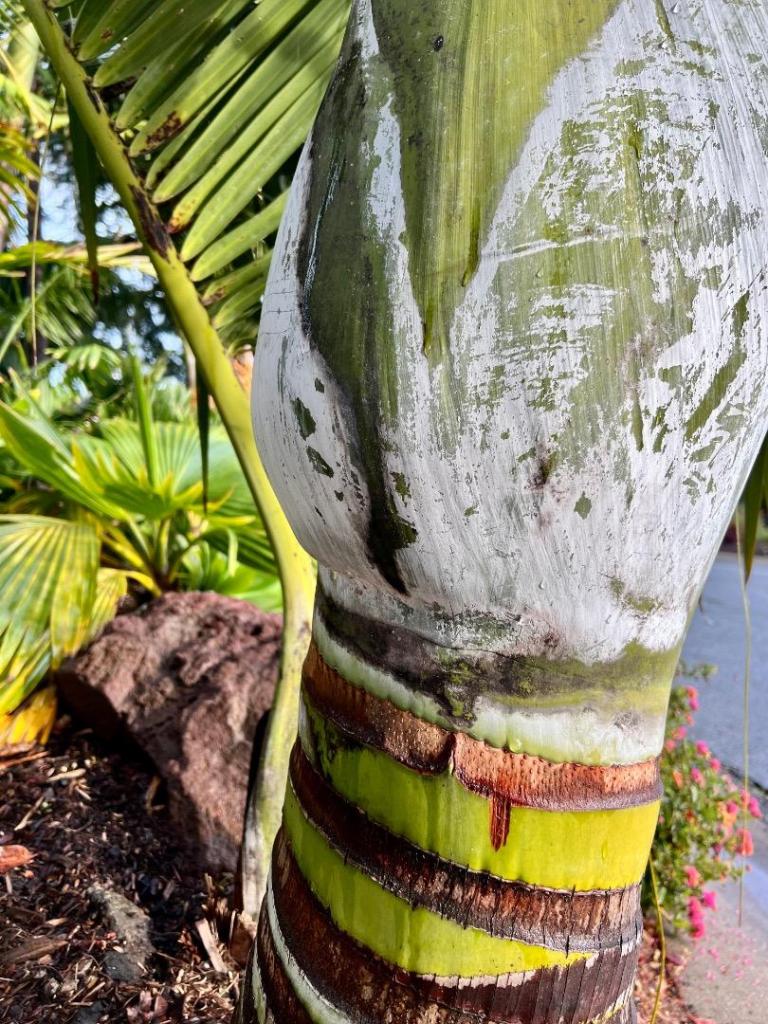
The bulging crownshaft on this almost twenty year old Chrysalidocarpus decipiens makes me think there’s something good lurking underneath it. Could it be about to produce an inflorescence? Will have to wait ‘til the attached frond dies and falls off.
 2 points
 -
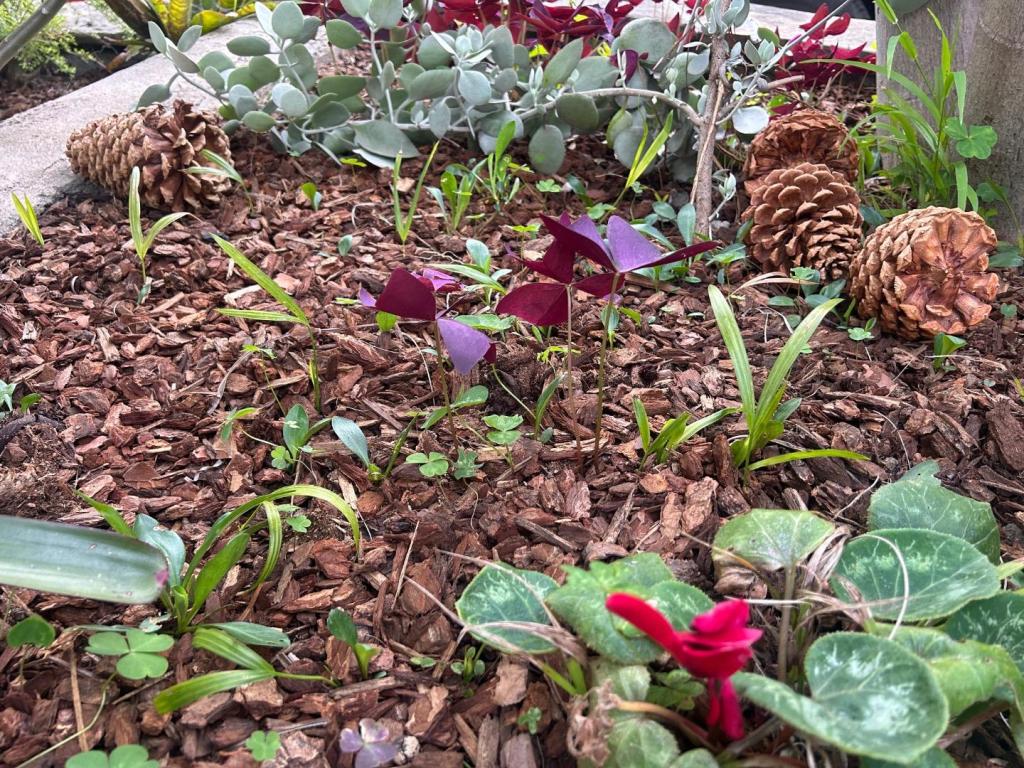
The sign of a mature garden: Crysalidiocarpus onilihensis and/or Burretiokentia dumasii; both seeding profusely overhead.
 2 points
 -
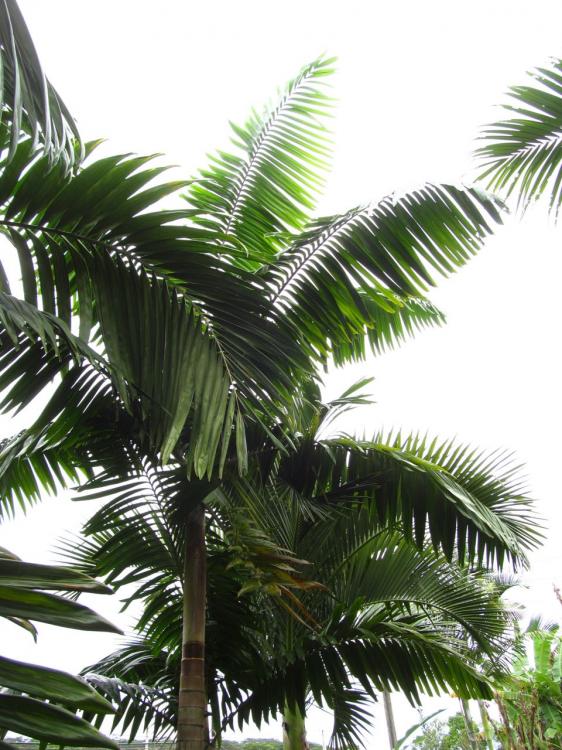
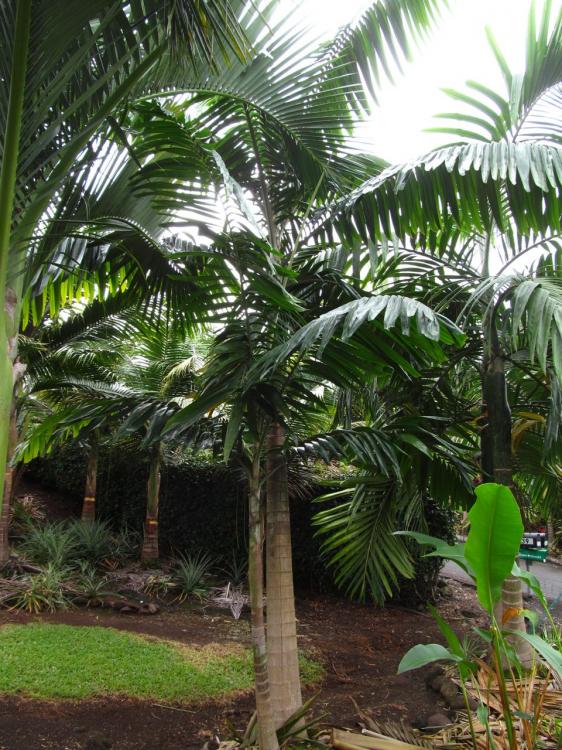
Last one. V. joannis. Another beautiful species, pendant leaves are the feature. The crownshaft not near as nice as V. arecina in my opinion. Growth pretty much the same as V. arecina. (this spell check is driving me nuts, gonna have to check into that) Hard to get a good photo of this one, but it's finally starting to have a presence. Tim
 2 points
 -
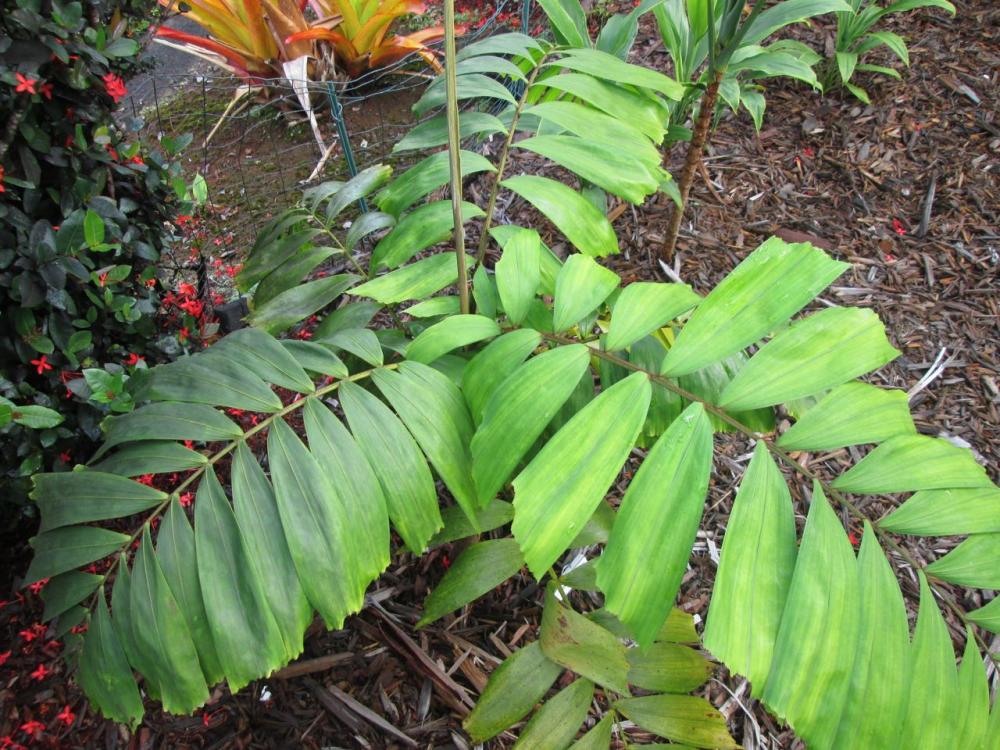
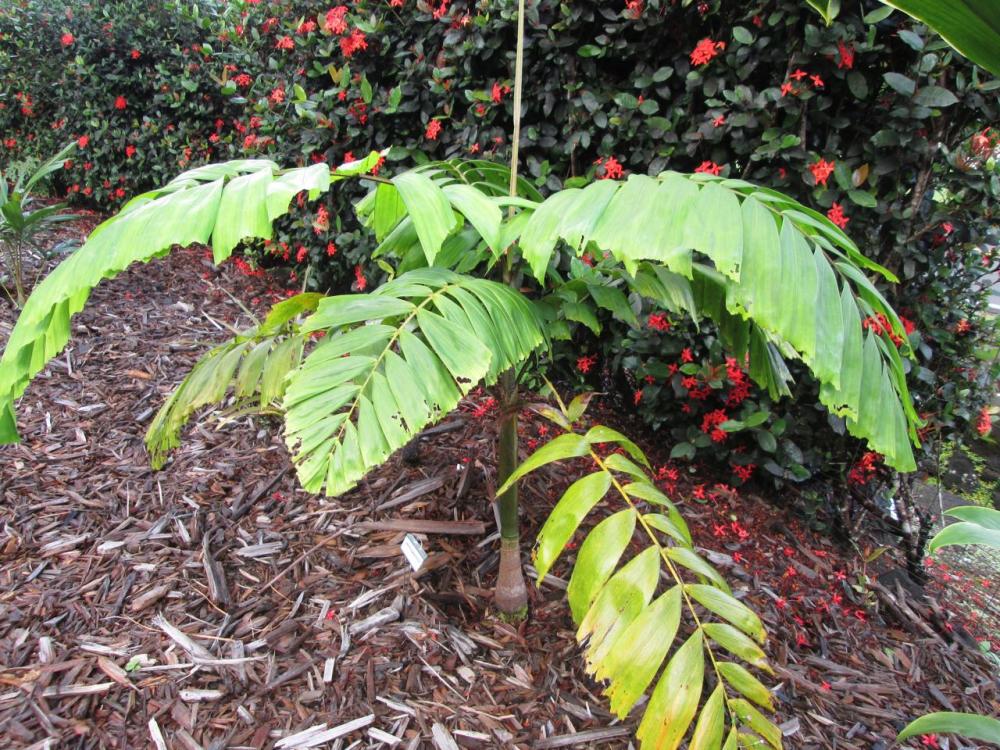
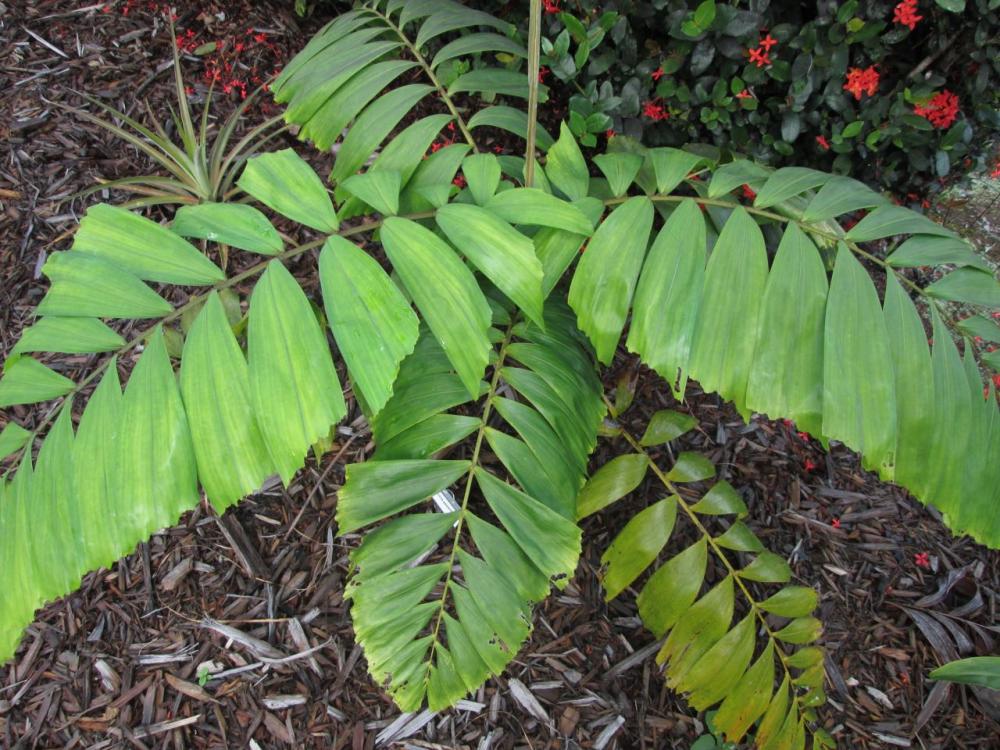
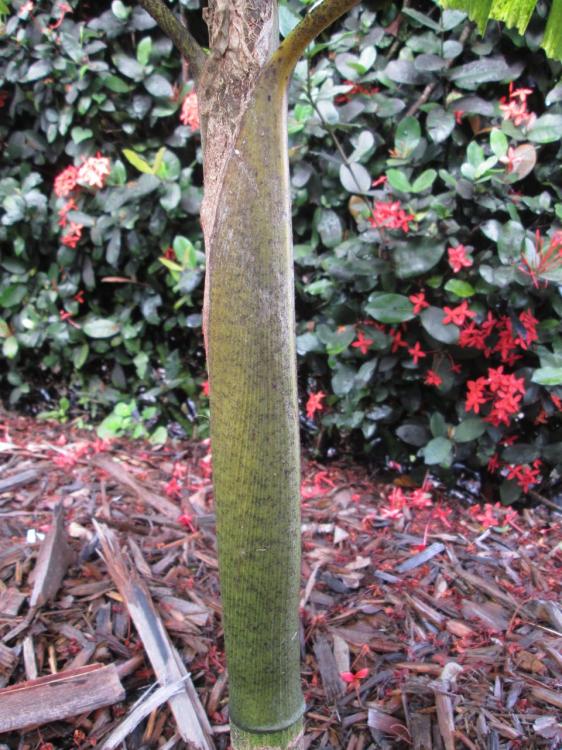
V. sessifolia. Another small palm and looks similar to V. vitiensis. Even slower and more fragile than V. vitiensis. I think I had six and managed to lose five of them. This one pulled through and seems happy. Crownshaft not quite as nice as the others.
 2 points
 -
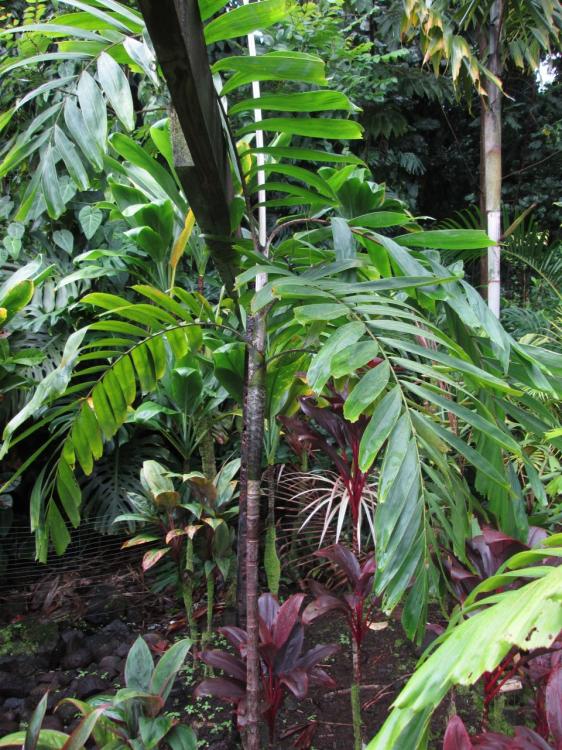
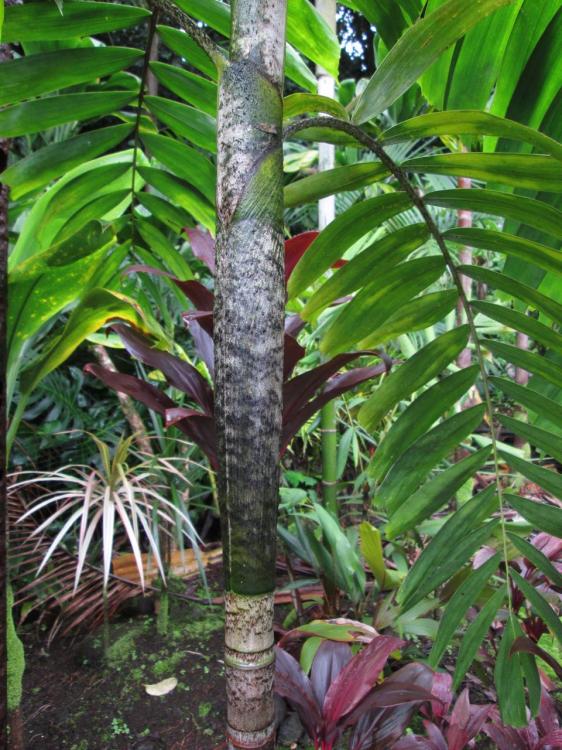
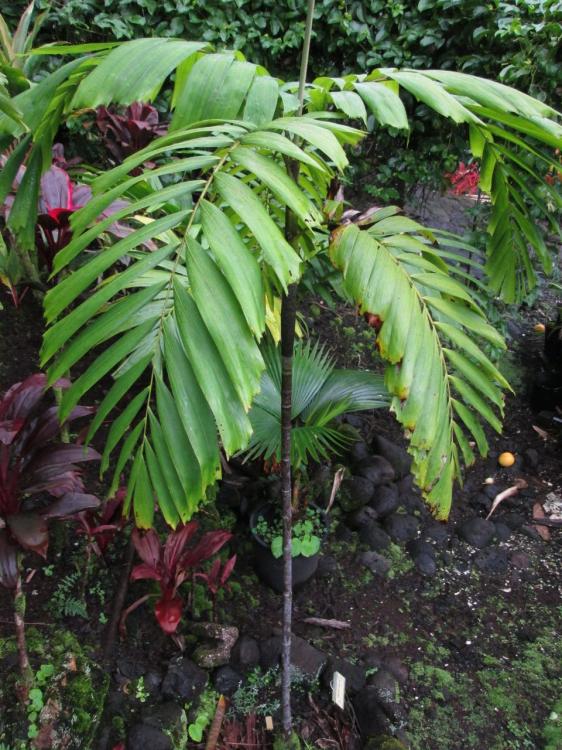
V. vitiensis. Great little palm with a nice droopy habit. Good crownshaft color too. Got these back in 2011 as seedlings......somewhat of a slow grow and seemed a bit fragile in the beginning. I should probably get some more and fill out the grouping. Great leaf color. Small palm, good scale.
 2 points
 -
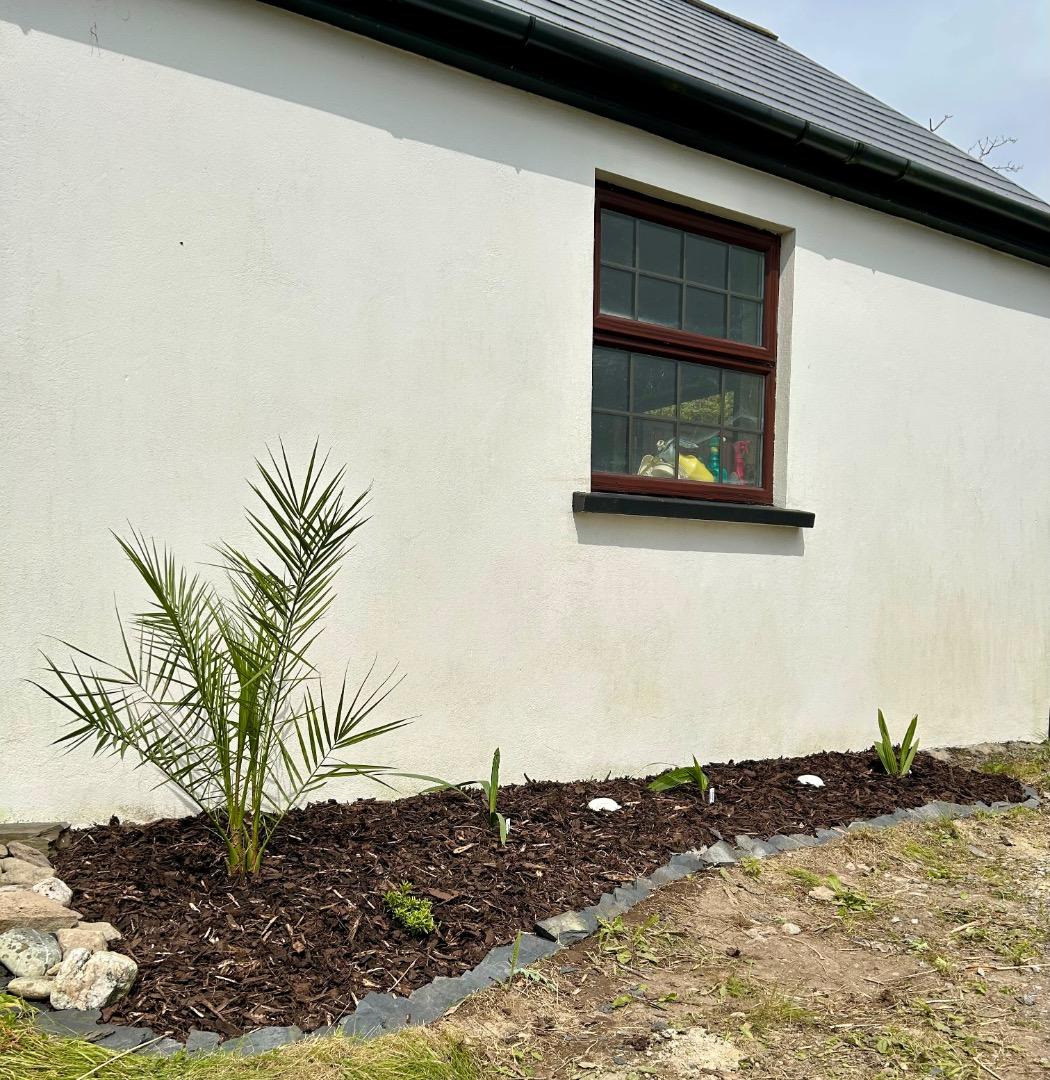
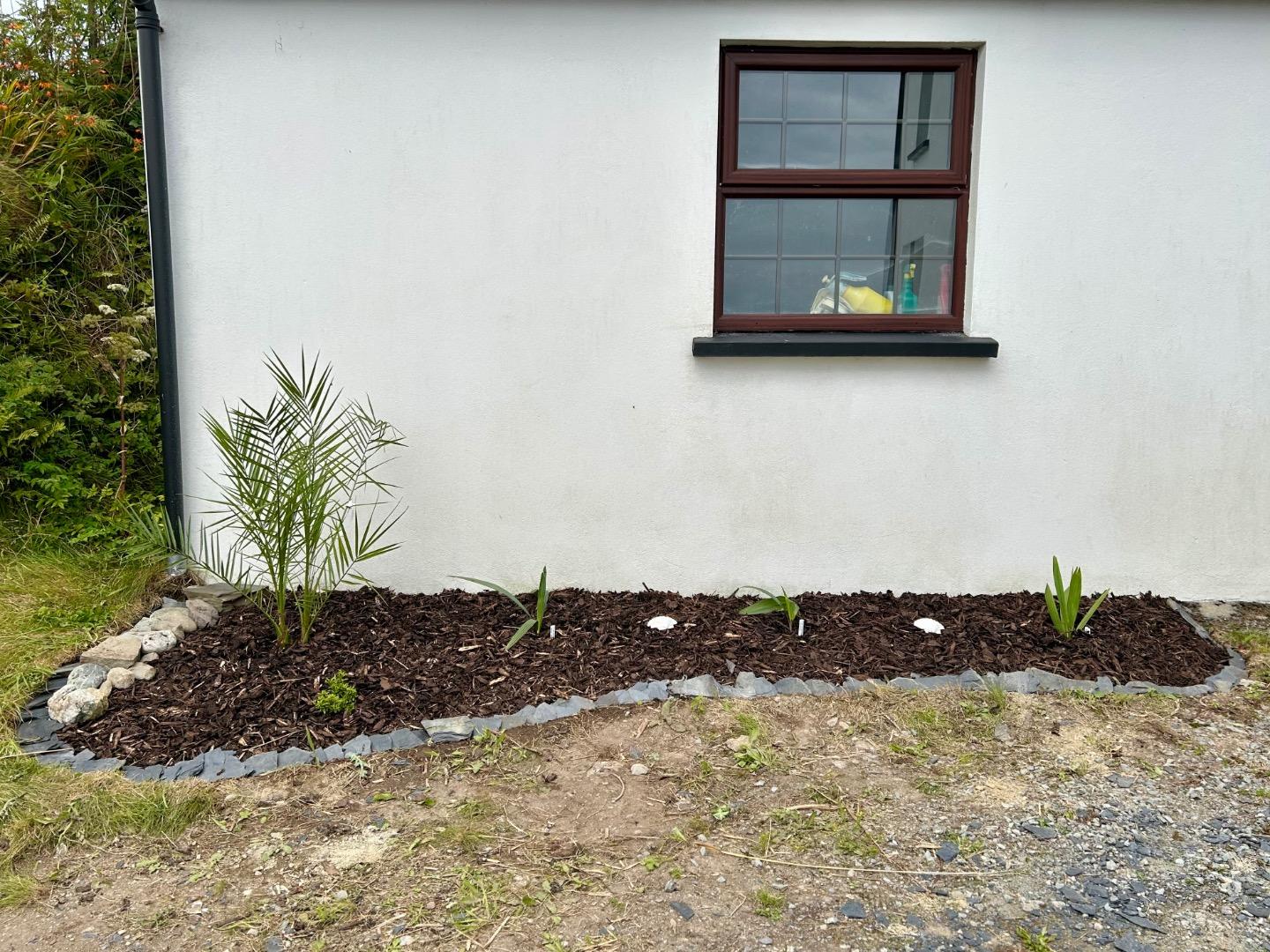
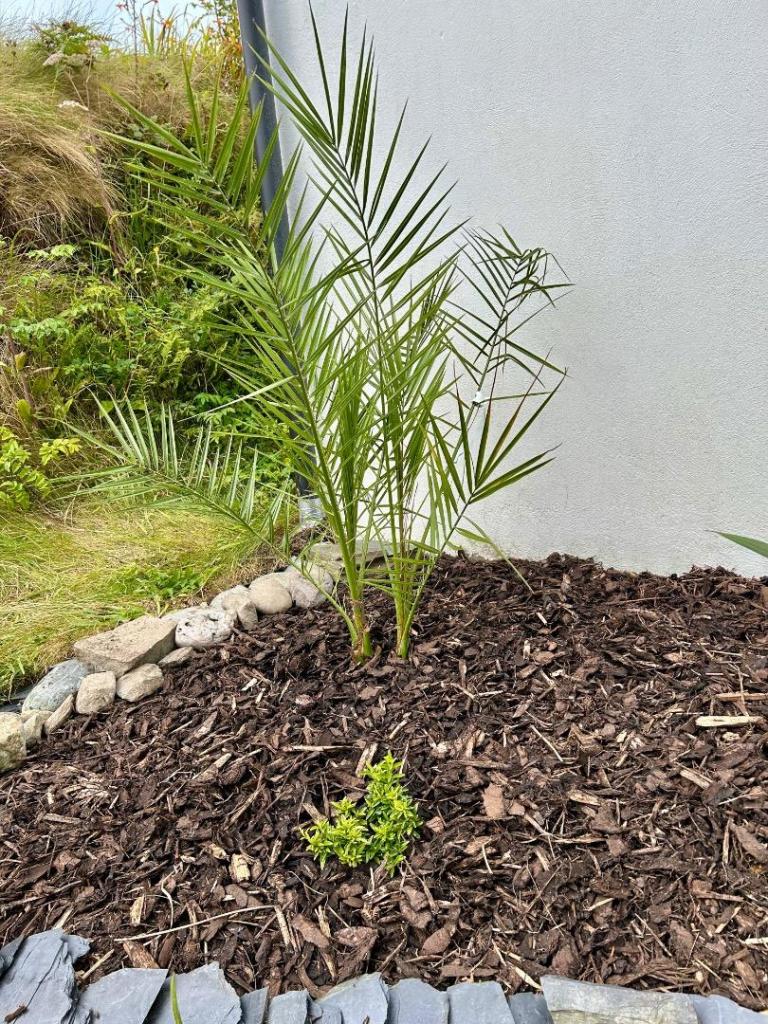
Planted today experimentally in far West Cork, less than 0.5km from the sea in zone 9b/bordering 10a: - Phoenix canariensis (actually twins, but felt I could not separate them safely without damaging the root systems) - Sabal bermudana - Sabal uresana ‘Green Form’ - Syagrus romanzoffiana ‘Littoralis’ They are facing south on a south-facing slope with some salt spray during strong southerly/southwesterly gales, but well protected from north and east winds by stone structures and tree breaks. I used black landscaping fabric and dark mulch to boost the temperature and control weeds. Fertilised with ample Irish seaweed fertiliser. Winter high temperatures are around 10C typically, maybe a touch colder. The winter cold is not a concern given siting but strong wind is, as is pests/animals, duration of cold, especially for the Syagrus, but I want to stay optimistic. Also shown is existing New Zealand flax (invasive), full blooming Hydrangea, and Escallonia elsewhere on the property.




 1 point
 -
My verschaffeltia splendida gaining size and opening a new leaf. and my Areca macrocalyx starting to show some nice colour.


 1 point
 -
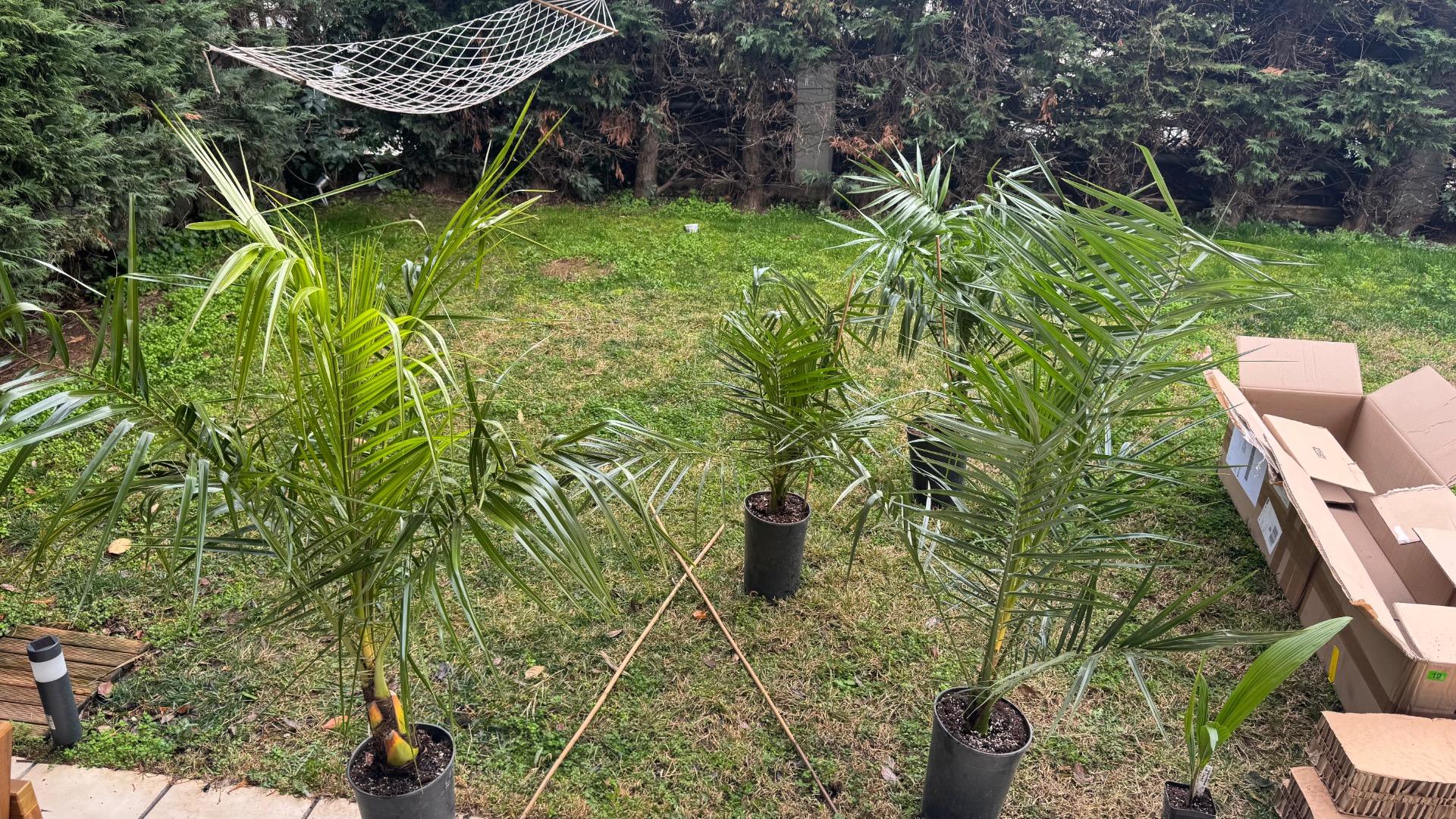
I have finally decided to start planting into my garden I will start by planting these palms in spring try to guess the species (a lot of them are hybrids)
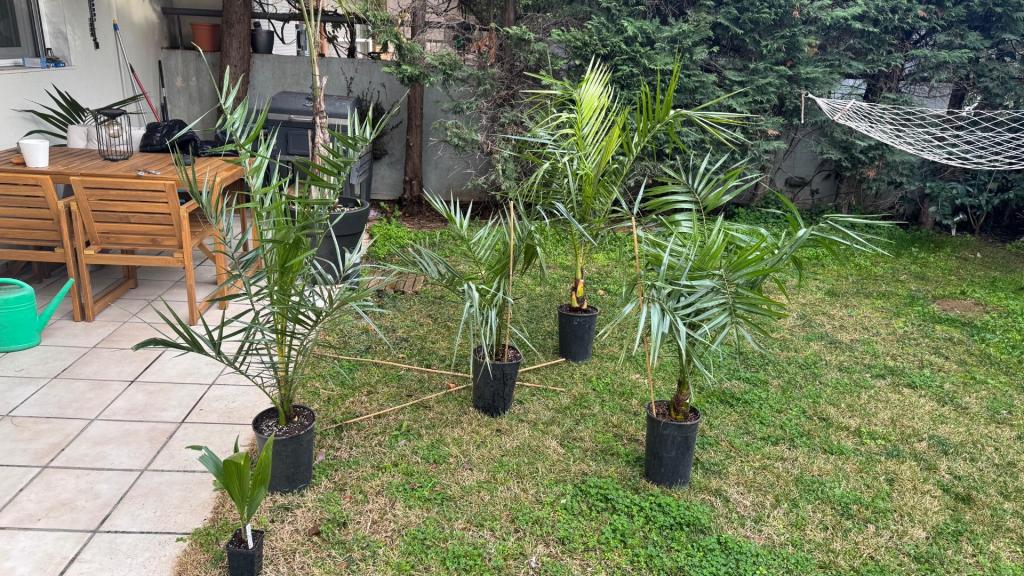
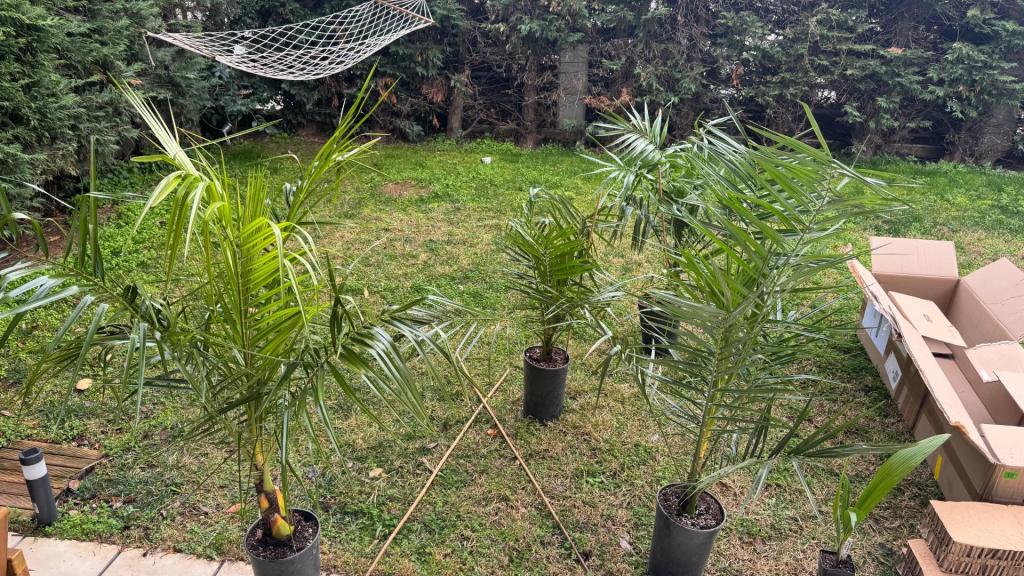 1 point
 -
Upon request by the owners and IPS president Andy Hurwitz I am posting information about a one of a kind legacy property available for sale in Hawaii. PT is not normally the correct venue for real estate ads, but I believe when you read more you will see why an exception is made here. Although memories of my visit there in 2022 will forever be etched in my mind, please address inquiries to the owners, not to me personally. Please see information and photos from the owners: A New Chapter for Casa de Las Palmas We purchased Casa de Las Palmas in 2017 from the estate of legendary nurseryman Jerry Hunter. Jerry was the owner of Rancho Soledad Nurseries in California, Palms of Paradise in Hawaii, and Mount Soledad in Pacific Beach. Dubbed the "Dean of California Landscape Architects", he held license #33. His designs are found throughout the San Diego area, including San Diego Zoo, Balboa Botanical Gardens, and a host of other public and private venues. Along with collecting and hybridizing many new plant varieties, he built the first plant tissue culture laboratory in San Diego. Casa de Las Palmas was Jerry's private Hawaiian retreat. Over the course of 35 years, Jerry transformed seven acres of upper Hilo farmland into a true garden masterpiece, creating a magical realm of exotic palms, waterfalls, meandering lava-rock paths, water gardens, and flowering tropical plants. Now over 45 years since planting began, it's a vast and mature botanical collection of rare palms, cycads, philodendrons, bromeliads, anthuriums and orchids. We have been honored to be the caretakers, but the time has come for us to move on, so we are offering the property for sale. Before we list it on the open market, we want palm and garden lovers to know it is available, in the hope that we can find a custodian for the future. The property has a 2-bedroom, 2-and-a-half-bathroom house with a separate apartment, and potential for additional dwellings. We currently do private garden tours, film shoots, and small events, and there is plenty of room to grow a successful business here. We had the delight of hosting IPS members for a lunch and tour during the 2022 Biennial in Hawaii. Please do contact us if you would like any further information. Irene Francis & Lars Woodruffe 646-338-7882 irenefrancis@hotmail.com https://houseofthepalms.com/


 1 point
 -
here is mine next to my chamaerops volcano. i call this my david and goliath pic. it was planted in 2009 in a 20 gallon. it has just started to find its stride. leaves are about 8ft long. i live in the high desert 9b so we get snow and really hot 115F during summer. in any case, this was one palm that every socal person should grow just because its just so majestic. i am so glad i planted it small because my hoa would not approve of it now. in fact, my whole garden was planted small so my hoa never thought that in 15 years it would be a jungle. my poor new neighbor is struggling to get hoa approval to plant a small 3ft citrus tree in his front yard. if i had to do it again, i would definitely not live in an hoa establishment. cheers tin


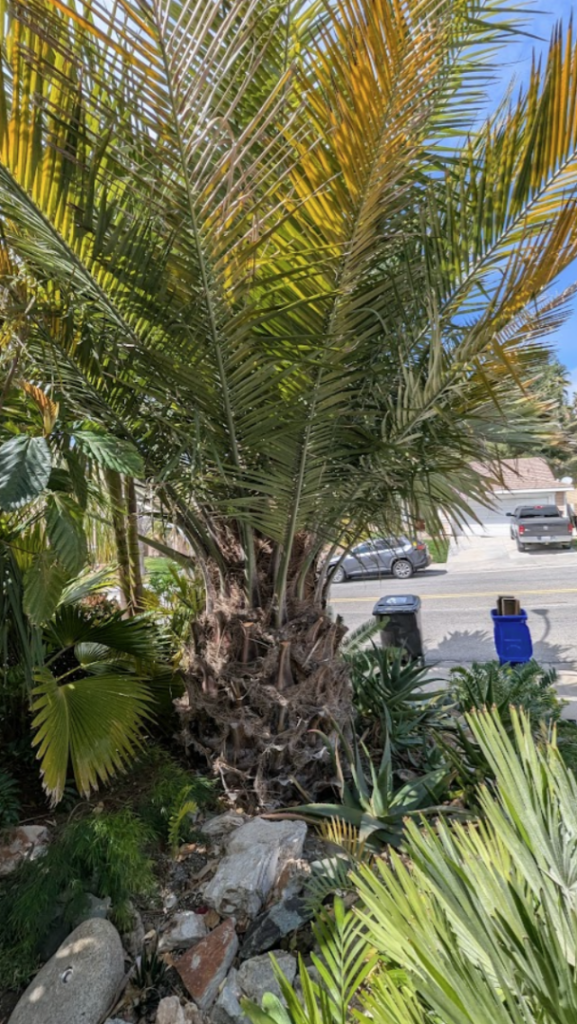 1 point





























.thumb.jpg.304b32ca4398a111edf4ac525048111e.jpg)