Leaderboard
-
happypalms
IPS MEMBER46Points12,350Posts -

tim_brissy_13
IPS MEMBER20Points2,435Posts -


kinzyjr
IPS MEMBER14Points6,764Posts -

Mazat
IPS MEMBER13Points1,948Posts
Popular Content
Showing content with the highest reputation on 01/24/2026 in Posts
-
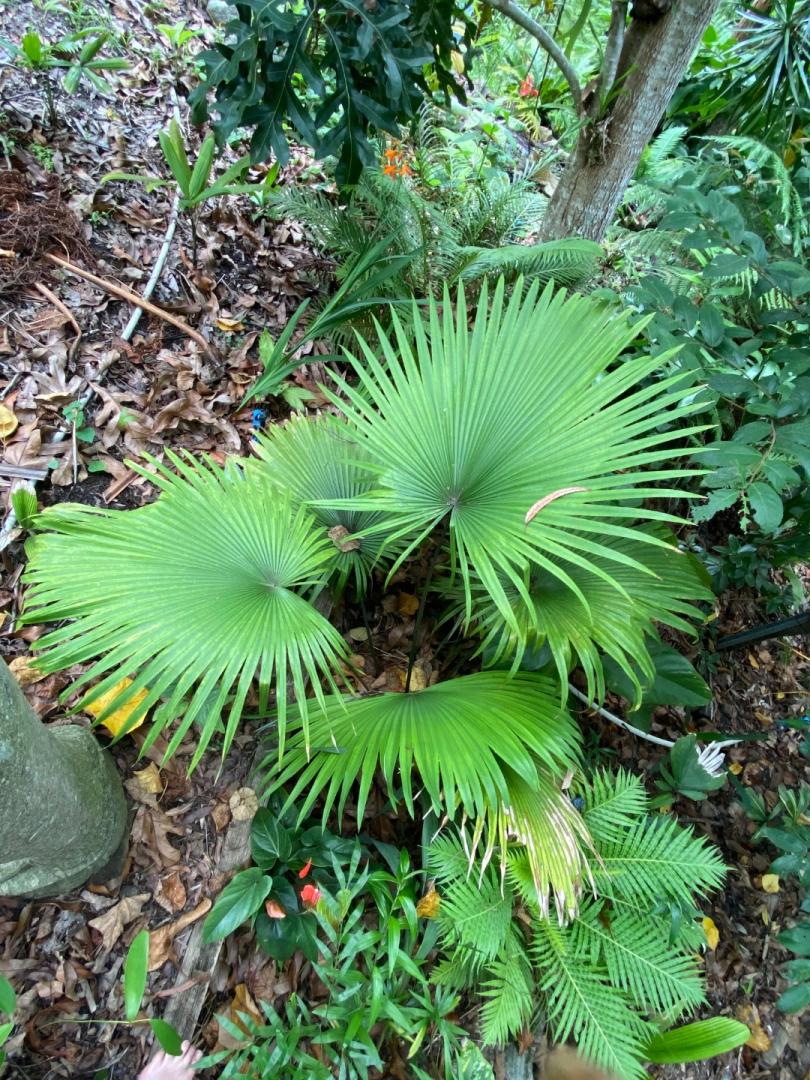
10 pointsKind of hard to get a good photo of mine because I’ve intentionally planted a lot around it for protection, but here it is coping with its 3rd 40C+ degree day this year. Just starting to produce clean trunk and grow upwards after years of crawling.
 10 points
 -
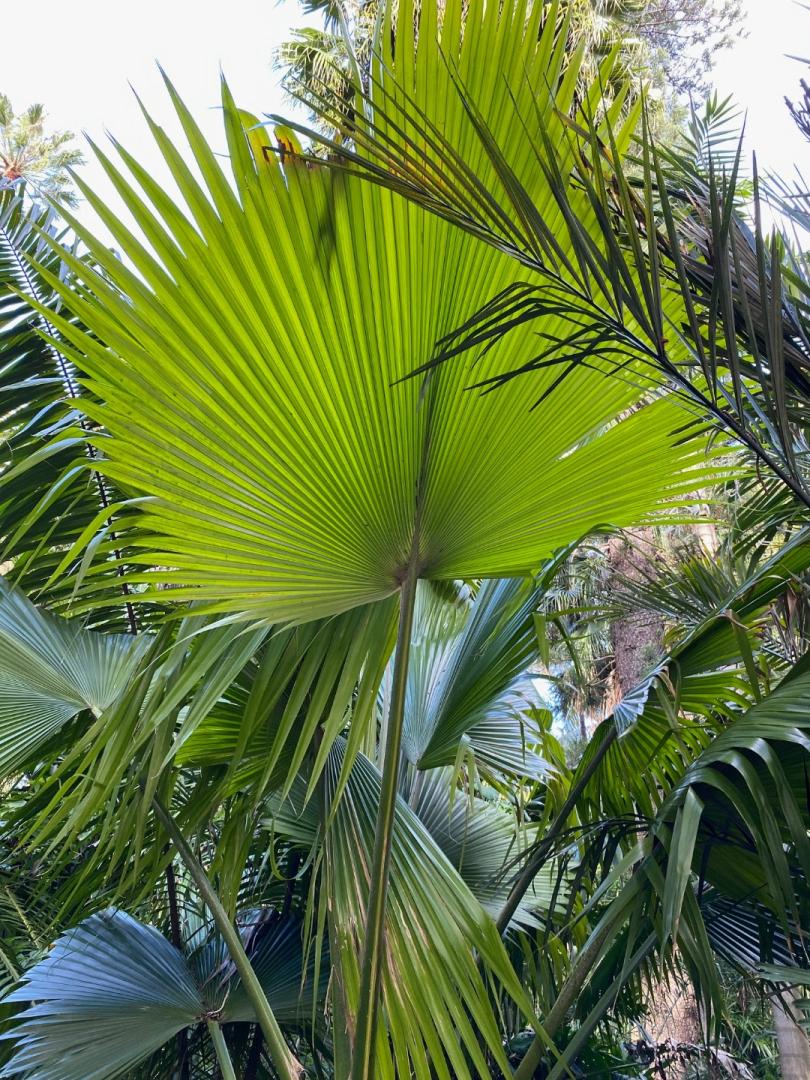
10 pointsI've had one for a few years here in Lakeland: My Progress Thread: Palms and Others of Interest
 10 points
 -
We took a short walk through the community garden today and the exotic plants are doing well, the cold doesn't seem to have affected them... The big surprise, at least for us, is that the yucca gigantea has remained healthy at its core and is sprouting new shoots. It will survive the coldest winter here in a long time. Joy reigns supreme 🤗
.thumb.jpg.f377266dc0ed3d92346dfc70b2ab5d4b.jpg)


.thumb.jpg.5fd6df92de67ccebd2712e7ec67adbf8.jpg)
.thumb.jpg.499cf5f7109ec4349120cb0a39b6ff40.jpg)
 7 points
 -
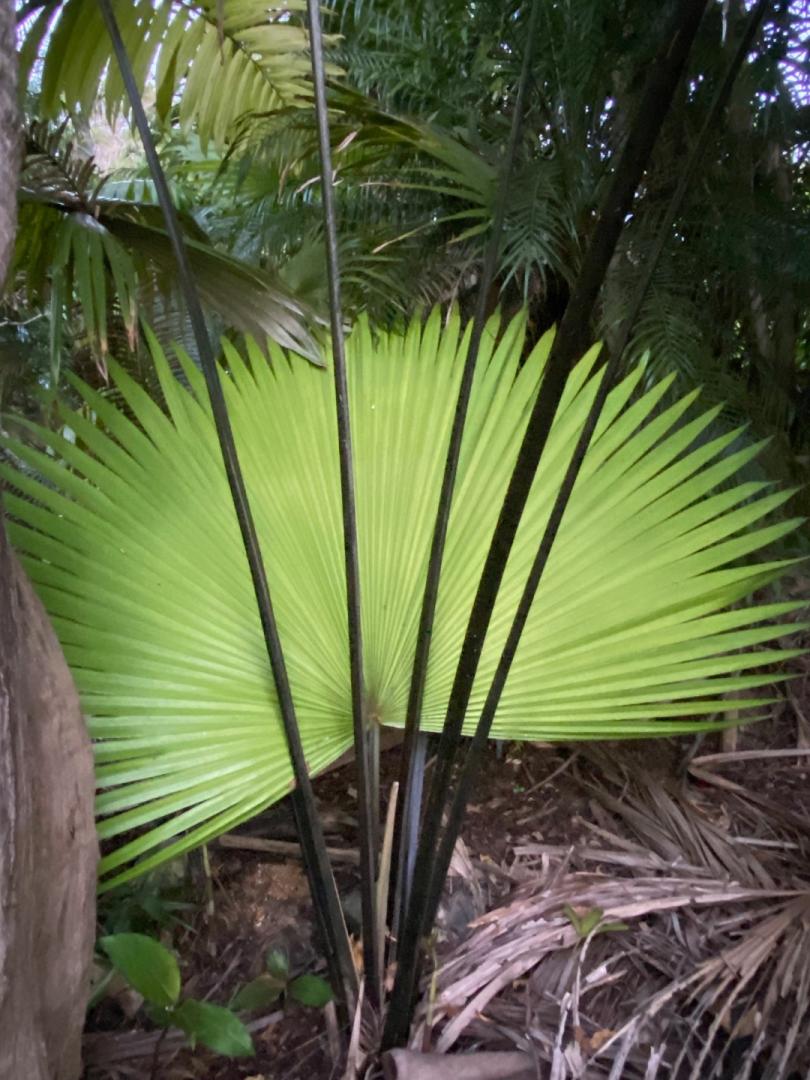
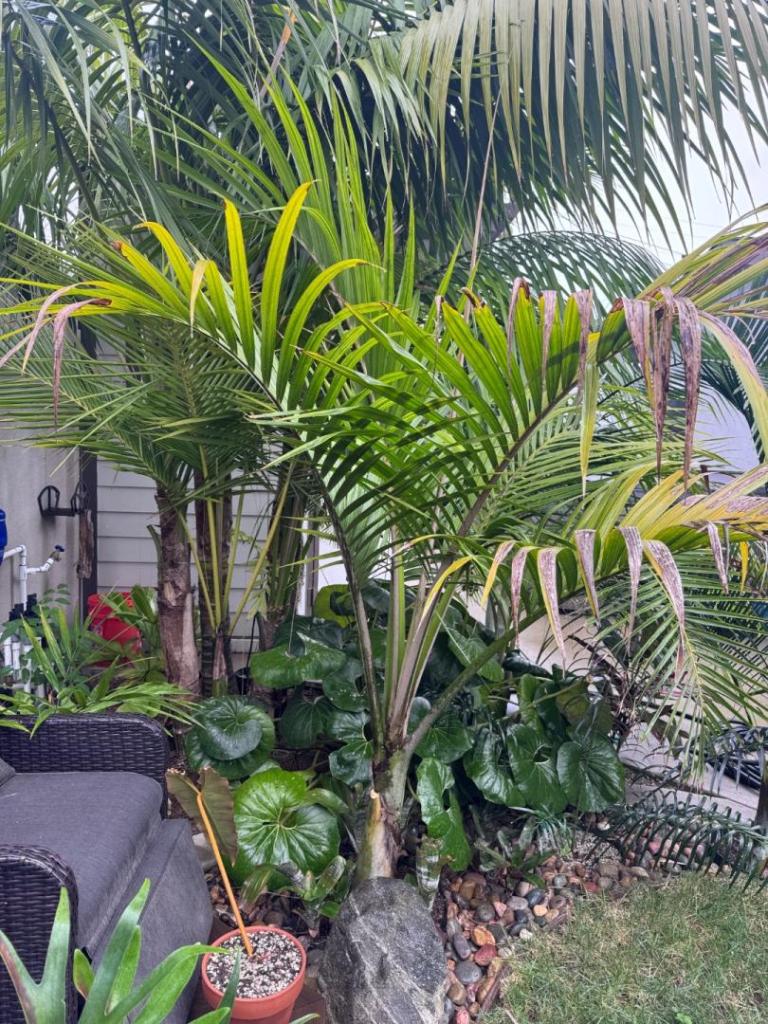
 6 pointsHere’s an update on my largest. Growing but not necessarily thriving. Has trouble holding onto the lower leaves before dying off so it doesn’t have that coveted Hedyscepe look. Just happy it’s alive! 🙌🏻 -dale
 6 points
 -
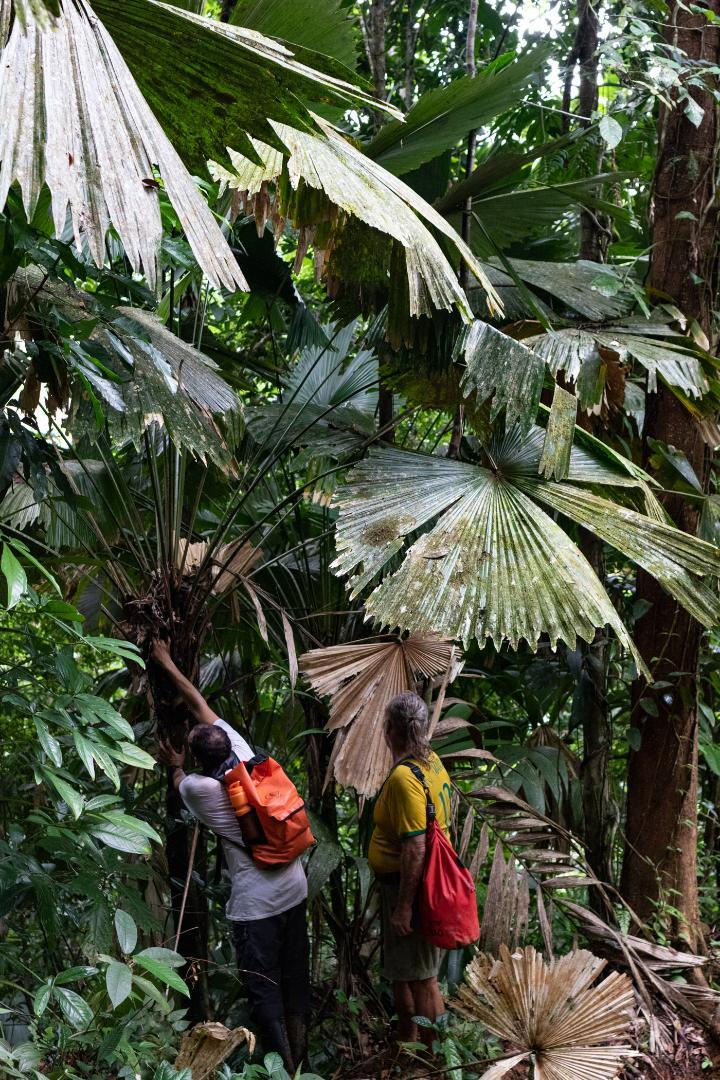
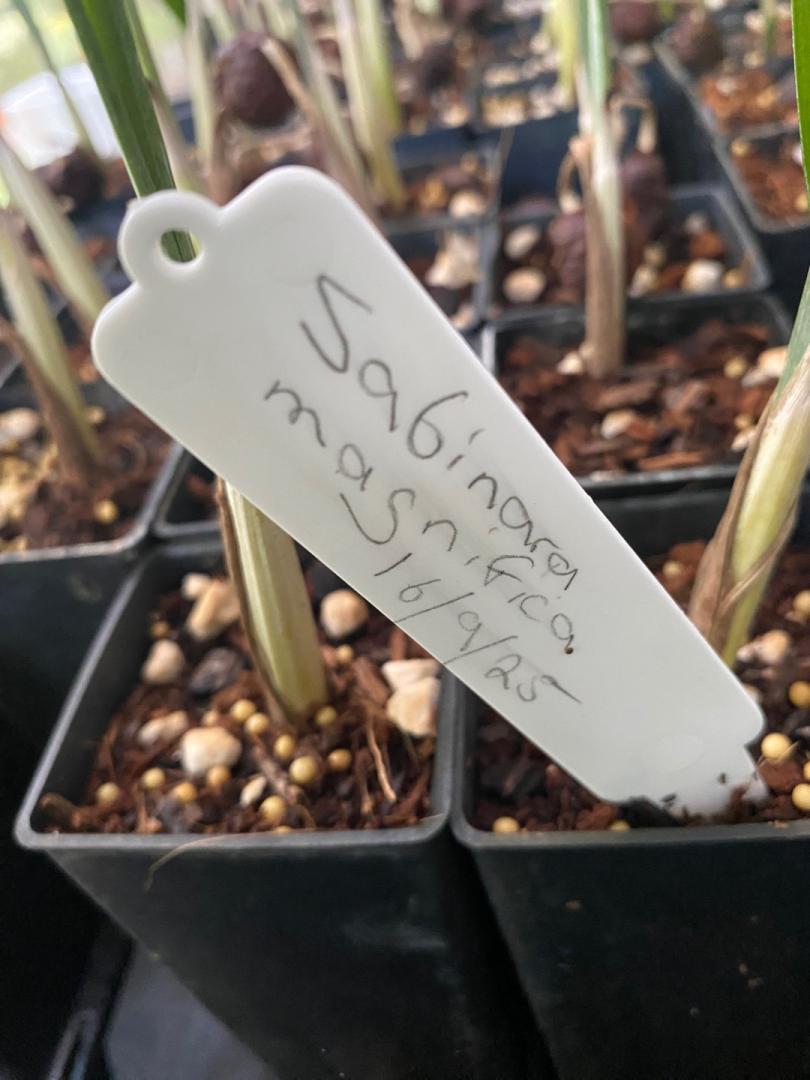
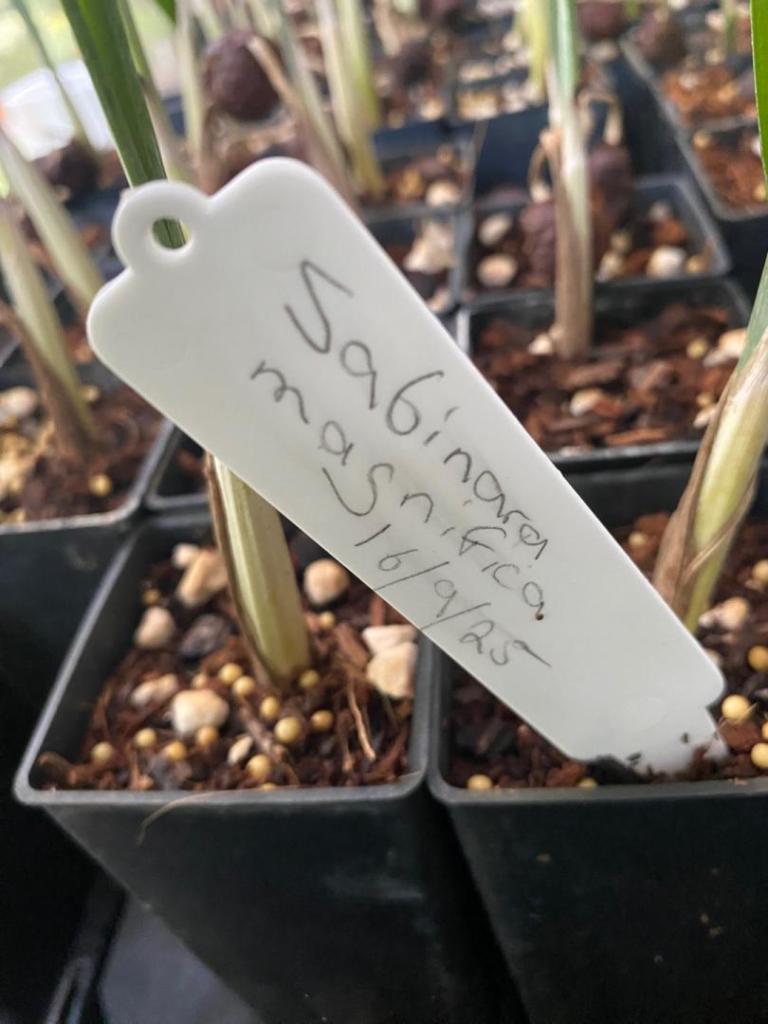
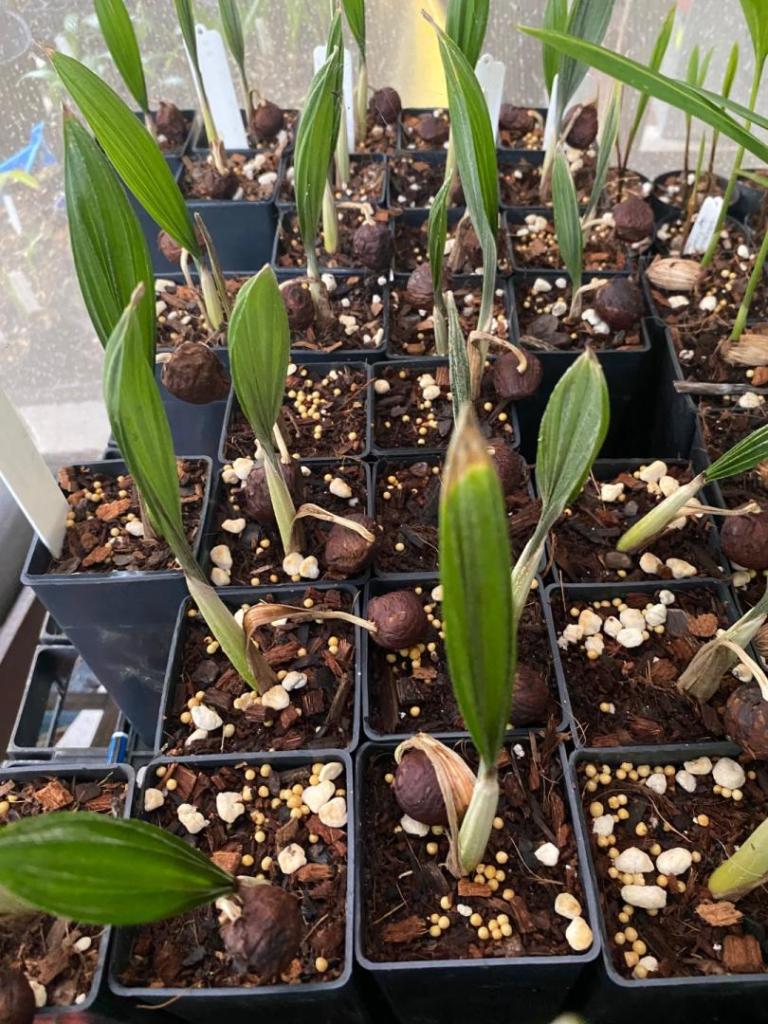
 Hello everyone, My name is Sebastián Vieira, and I’m writing from Colombia. I’m a naturalist and currently the Executive Director of Salvamontes Colombia, a non-profit organization focused on the conservation and restoration of threatened species and their habitats, mainly through the creation and long-term care of private natural reserves. Although I didn’t come to conservation through a formal biology track ( I originally studied and worked as an engineer and spent many years working in telecommunications ), my interest in plants and the natural world has been with me for as long as I can remember. Over time, that curiosity slowly turned into field work, conservation projects, nature photography, and taxonomic research, especially on Pleurothallid orchids. It was that long, hands-on relationship with nature that lead me to be a co-founder of Salvamontes, and nowadays, its leader. Andy Hurwitz invited to come and participate in PalmTalk, and share with everyone here our amazing story, so it’s really nice to finally introduce SalvaMontes and our work here, especially thanks to the invitation from the International Palm Society, whose support has been fundamental for one of the projects I care most deeply about. That project is the Sabinaria Natural Reserve, located in the Darién region of northwestern Colombia, close to the border with Panama. This is an incredibly rich rainforest area, still poorly studied, and it happens to be the only place on Earth where the striking palm Sabinaria magnifica is found. A few years ago, while visiting the area, it became clear that much of the known habitat of Sabinaria magnifica was privately owned and increasingly exposed to deforestation and land-use change. Given how limited the species’ distribution is, it doesn’t take much habitat loss to create serious long-term risks. With that in mind and with crucial support from the International Palm Society, we were able to acquire and legally protect 50 hectares of tropical rainforest, securing what we believe is a meaningful portion of the global habitat and population of Sabinaria magnifica. Today, that forest is permanently protected as a private natural reserve. What makes this especially rewarding is that Sabinaria magnifica also works as an umbrella species. By protecting its habitat, we’re also conserving many other threatened organisms that depend on the same intact forest. This includes species like the critically endangered harlequin frog Atelopus fronterizo and the rare tree Magnolia sambuensis, along with many other plants and animals that are still little known. For us, Sabinaria is much more than a single-species project. It reflects a broader way of doing conservation: protecting habitat first, learning directly from the field, working with local communities, and committing to long-term stewardship rather than short-term interventions. I’m really glad to be here and look forward to learning from all of you, sharing updates from the field, and exchanging ideas about palms and their conservation around the world. I am also sharing some images showing the Sabinaria palm and its natural habitat. Finally, it is very important to thank and recognize the important support and participation of biologists Norman Echavarría, Norberto López, Saul Hoyos, Gloria Galeano and Rodrigo Bernal. Without them this project would not be a reality. PS: I will come back soon with additional information and images. Warm regards from Colombia, Sebastián Salvamontes Colombia


 5 points
 -
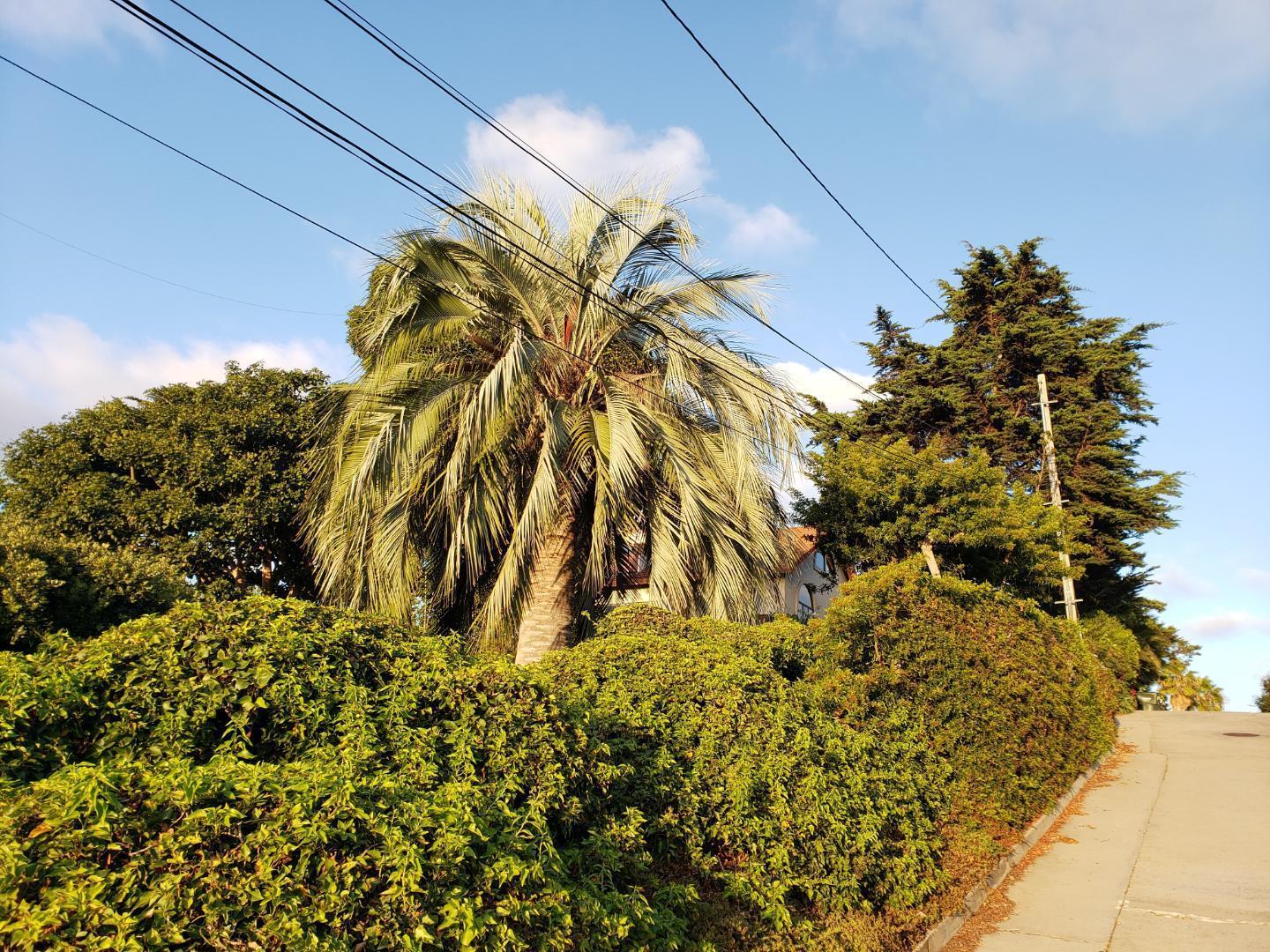
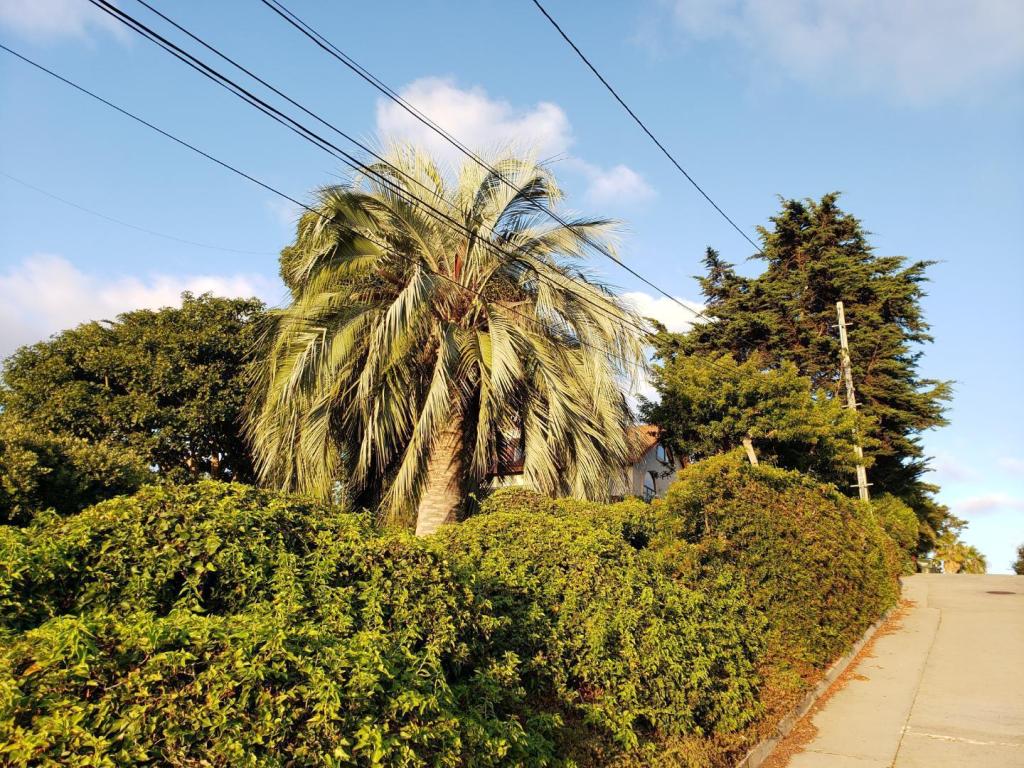
 One of our friends in the neighborhood had a large Butia in his garden which I photographed from a side street to his yard and posted a couple of times on this website. We see the South American Palm weevil taking down plenty of Canary Island Date Palms along with a few other species, but not nearly as frequently do they seem to attack the other species from South America. It is a big deal when we see a Jubea succomb to them, and given the number of Jubea's in my area, it was unusual to see this one get hit. When I saw it was headless a couple of weeks ago, I knew I wanted to ask the neighbor the next time I saw him. This morning I finally got the opportunity to ask as we crossed paths walking our dogs. He moved into the house a little less than 50 years ago, and the palm was large back at that time he told me. He was having it trimmed, when his landscaper called him out to give him the bad news. While it wasn't showing the classic signs of a palm weevil attack on a CIDP yet, it was completely infested in the crown. He was convinced to leave a portion of the trunk after removal of the crown and a significant amount of the top of the trunk. He is contemplating having the trunk carved since it was part of their backyard life all these years. I encouraged him to have it carved and will share photos if he does. Before some of my palms got large, I could see his house from my back deck as I looked up the hill to the east. His neighbor's tall Canary Island Date Palm is long since gone. It is sad to see so many beautiful palms die. I know we will lose more, I just hope that their diet remains focused on CIDP and the other genra remain the exceptions. The photo from a few years ago I have posted doesn't show the base of the palm which was obscured by the shrubs along the sidestreet, but it was one of the tallest Butia's I personally have seen in Southern California.
 5 points
 -
 Update almost a year later! They recovered beautifully. Hoping for another recovery after the freeze expected this weekend. Good luck to all bracing for the storm!! 🌴❤️
 5 points
 -
 5 points
 -
 4 pointsI just wanted to say I hope everyone in the path of this nasty winter storm is safe and here’s hoping everyone’s palms and other tropicals make it through.4 points
 -
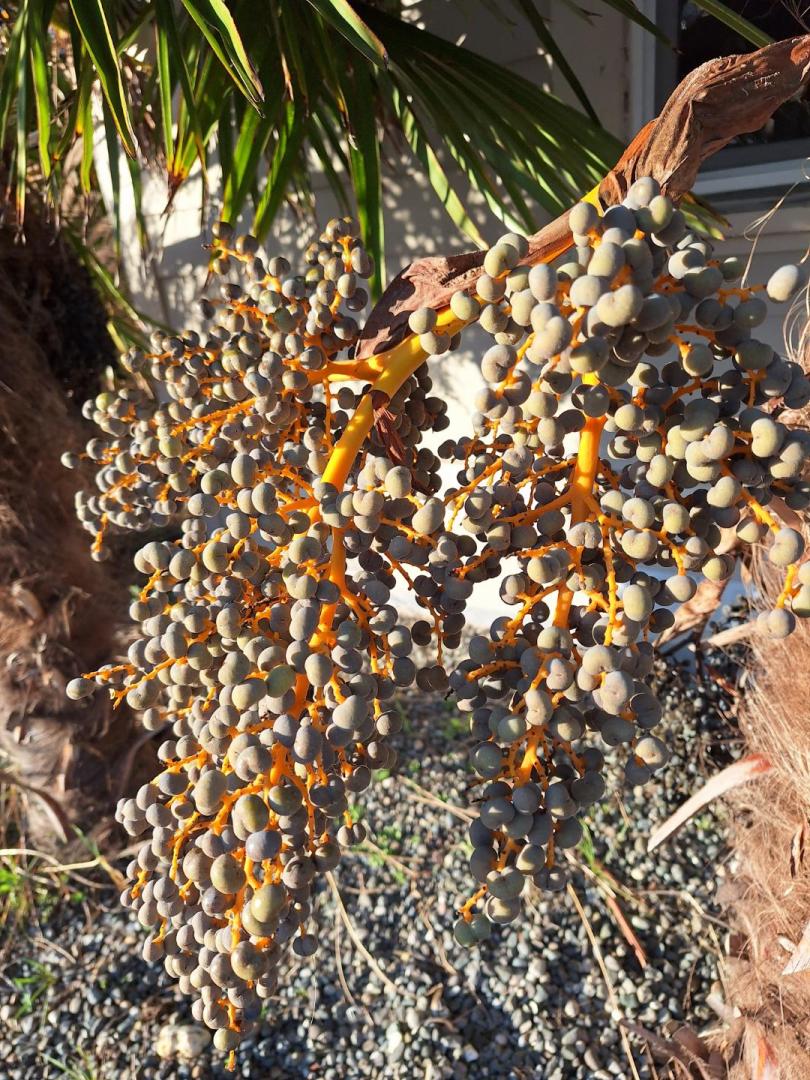
 4 pointsThe winter sun caught these vibrant orange Trachycarpus fortunei infructesences* and it looked like they were glowing.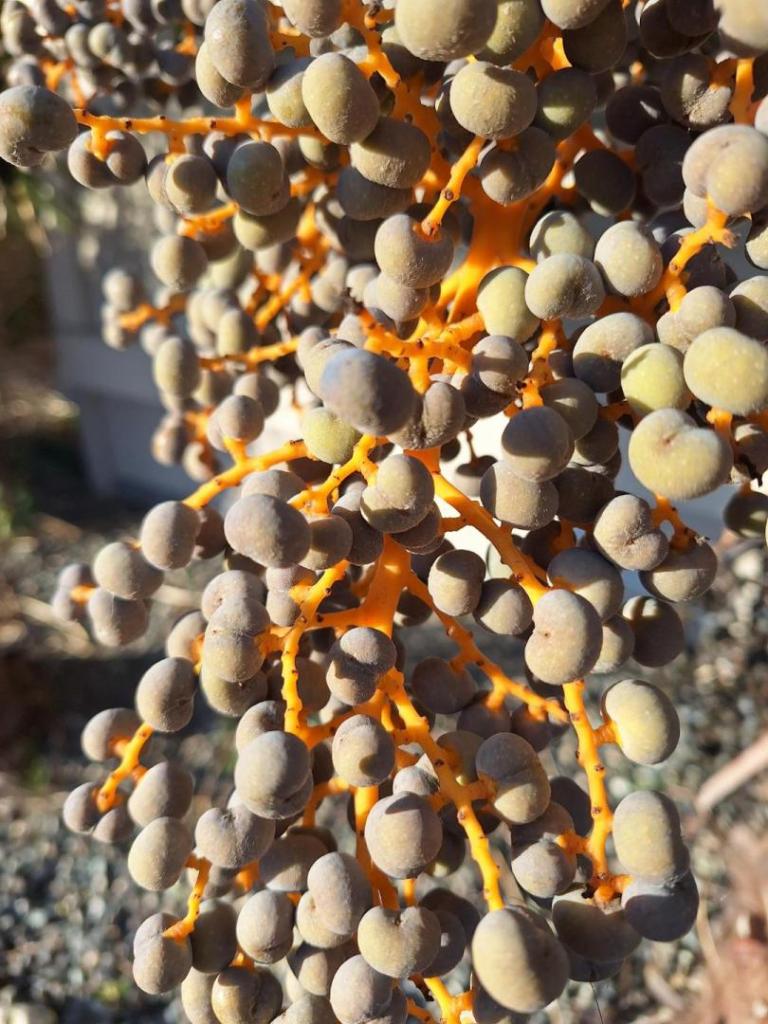
 4 points
 -
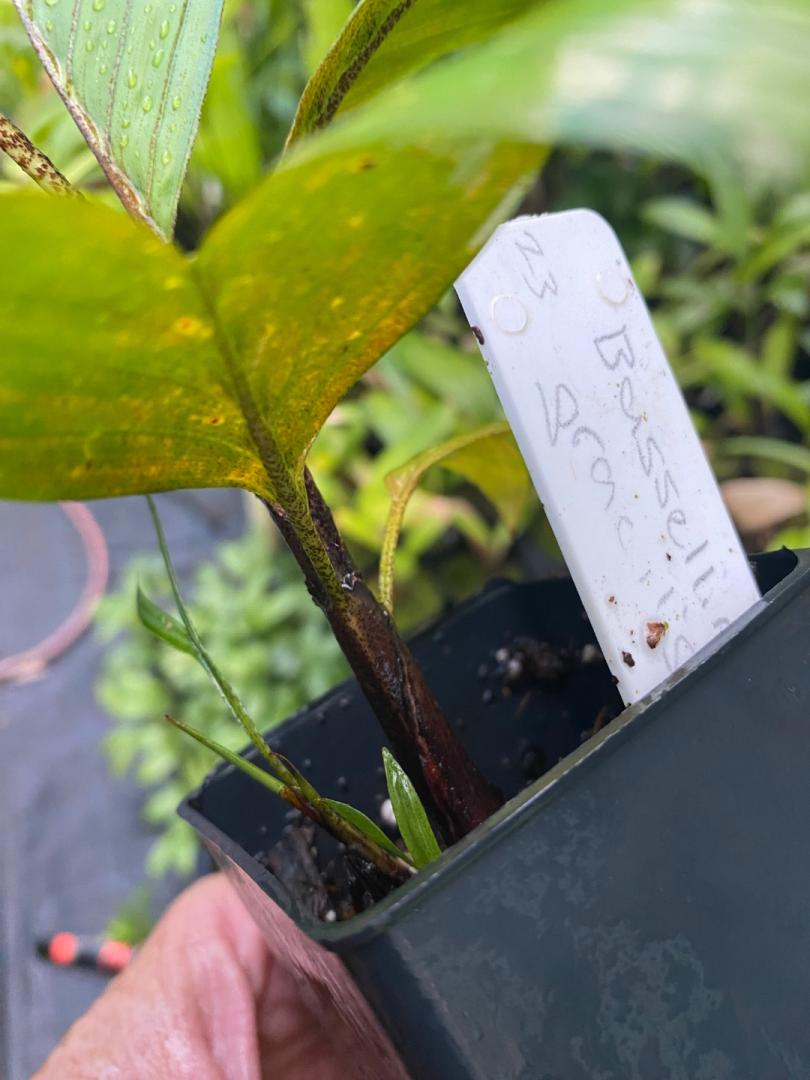
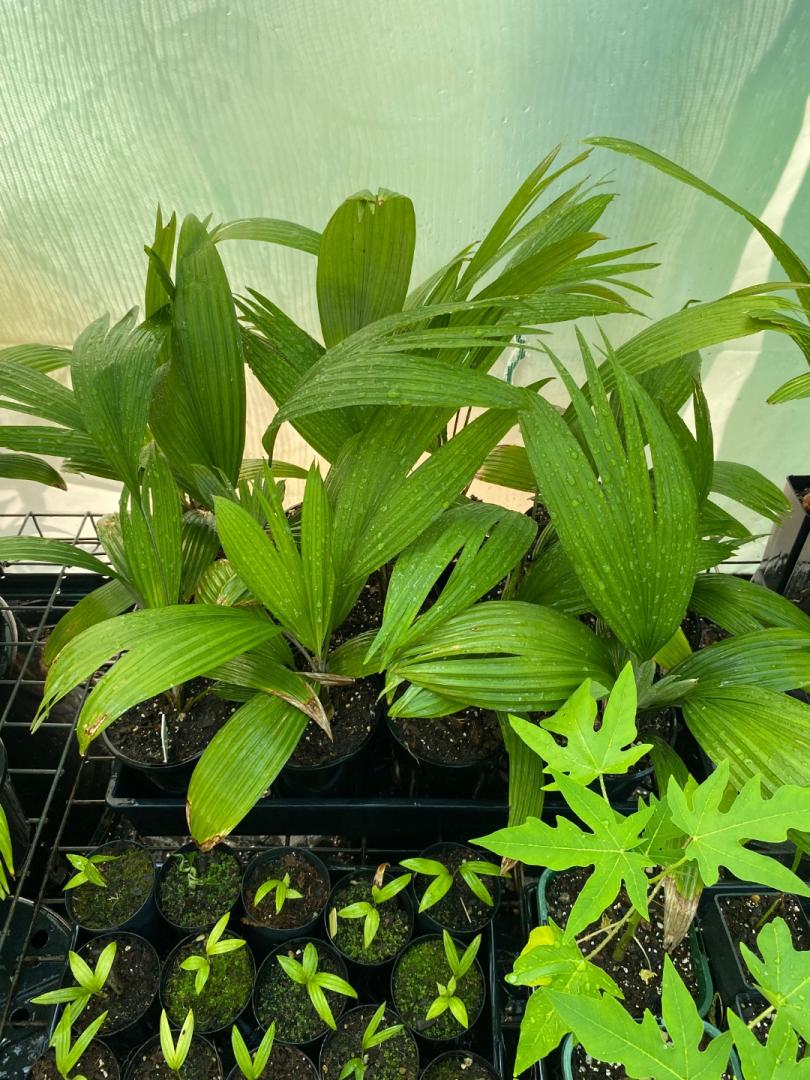
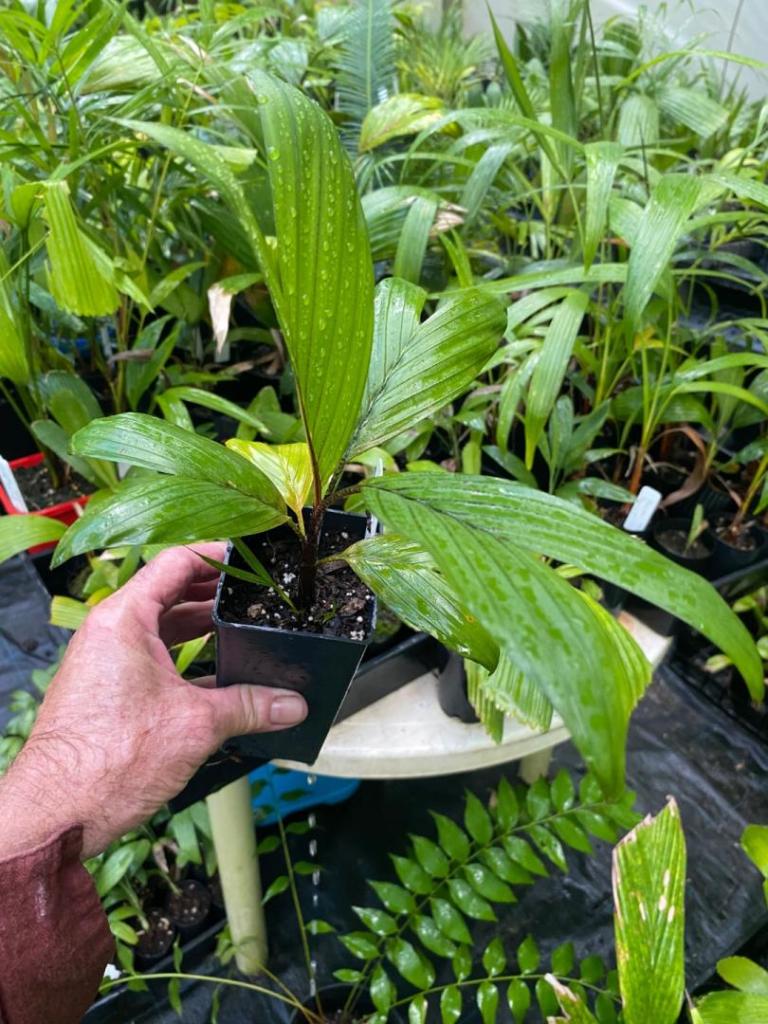
Couple of nice varieties, the masoala has been a bit tricky to work out there specific needs, Iam learning they are a bit like Howea species, in my soil and climate. And I got the basselinas worked out they seem to like my soil and climate. You learn your palms after a while some are tricky others are easy.
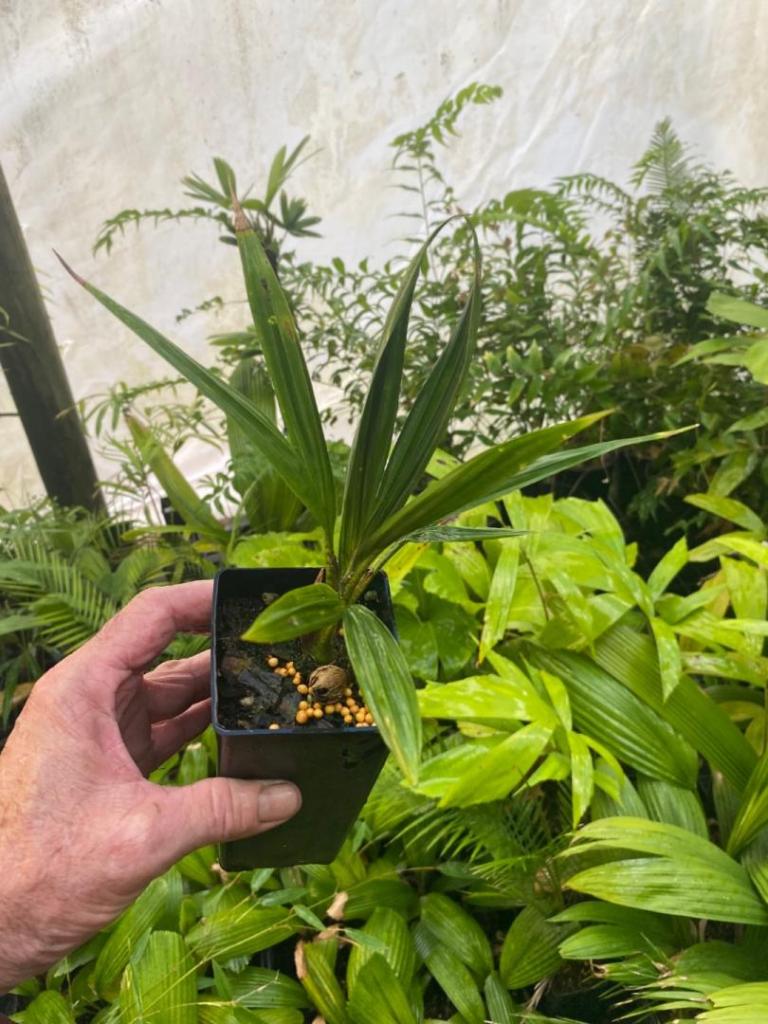
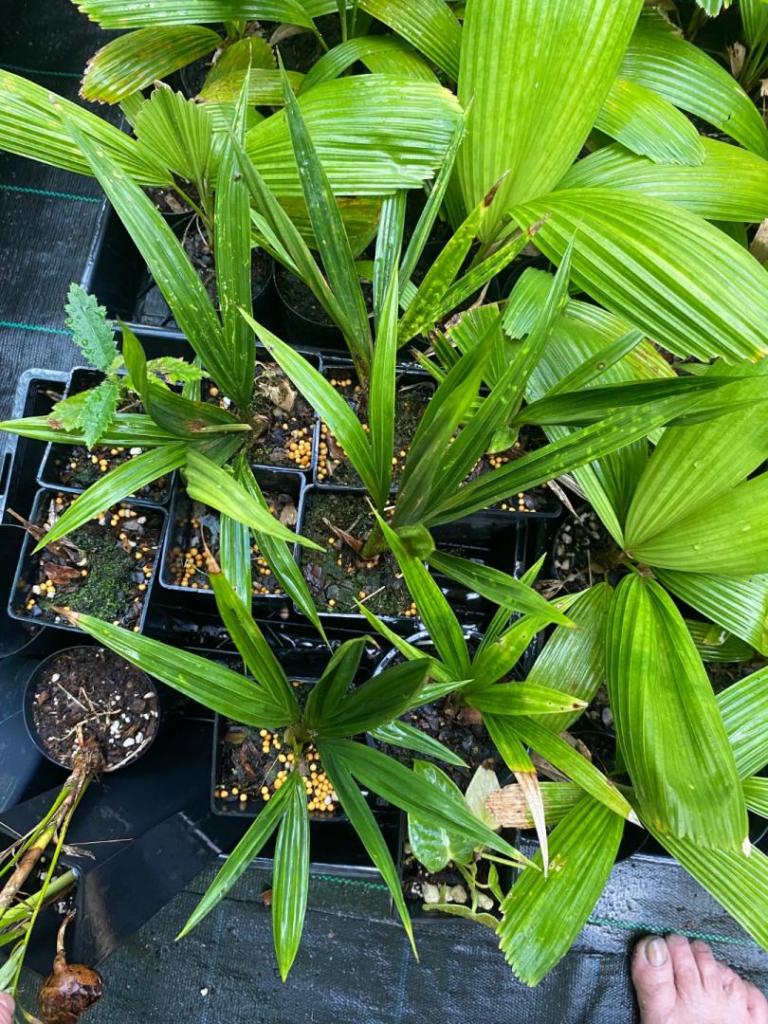

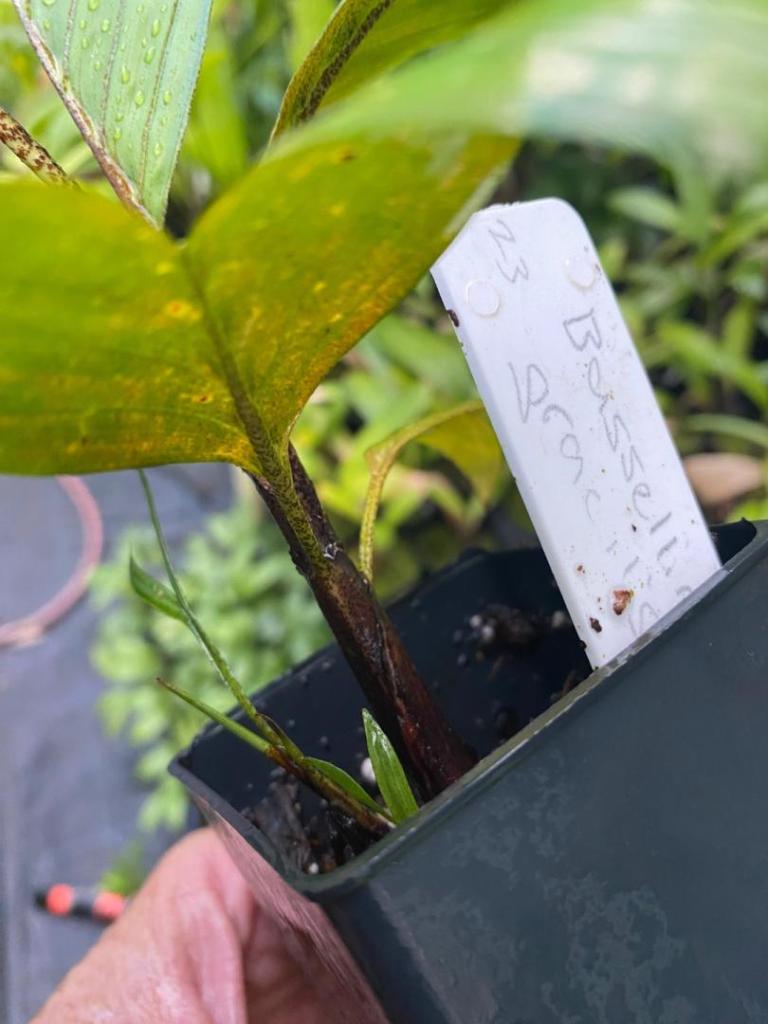
 4 points
 -
 4 points
 -
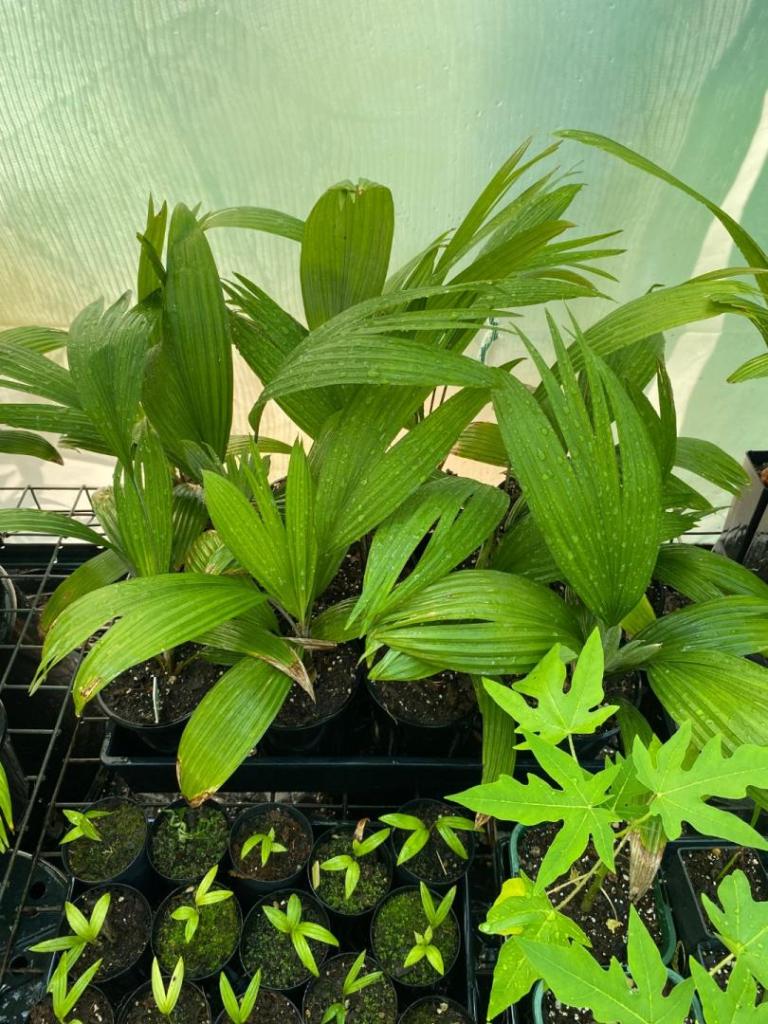
A light fish emulsion foliar feed does wonders for them.
 4 points
 -
 4 pointsThis is 100% truth. I got all my protections done. I feel a lot better. This is only my third winter but I have quickly learned that whatever temp they predict during these arctic outbreaks is going to be higher than actual values we'll see. All my palms have been planted this year and a few from the year before so they are not established. I have to take extra precautions. I'm a broken record on this forum saying that I just want an average winter.4 points
 -
The world needs such conservationists like yourself. Great pictures, keep up the good work. Iam doing my bit by growing as many as I can!
 4 points
 -
Congrats Jonathan that seems like a great spot to grow probably the majority of palms on earth! I’d imagine it’s probably ideal for the mid elevation South American beauties like Dictyocaryum, Socratea, Iriartea, Welfia, Wettinia and heaps of the unusual Geonoma so I’m a bit jealous as I head into another 40C+ day down here.4 points
-
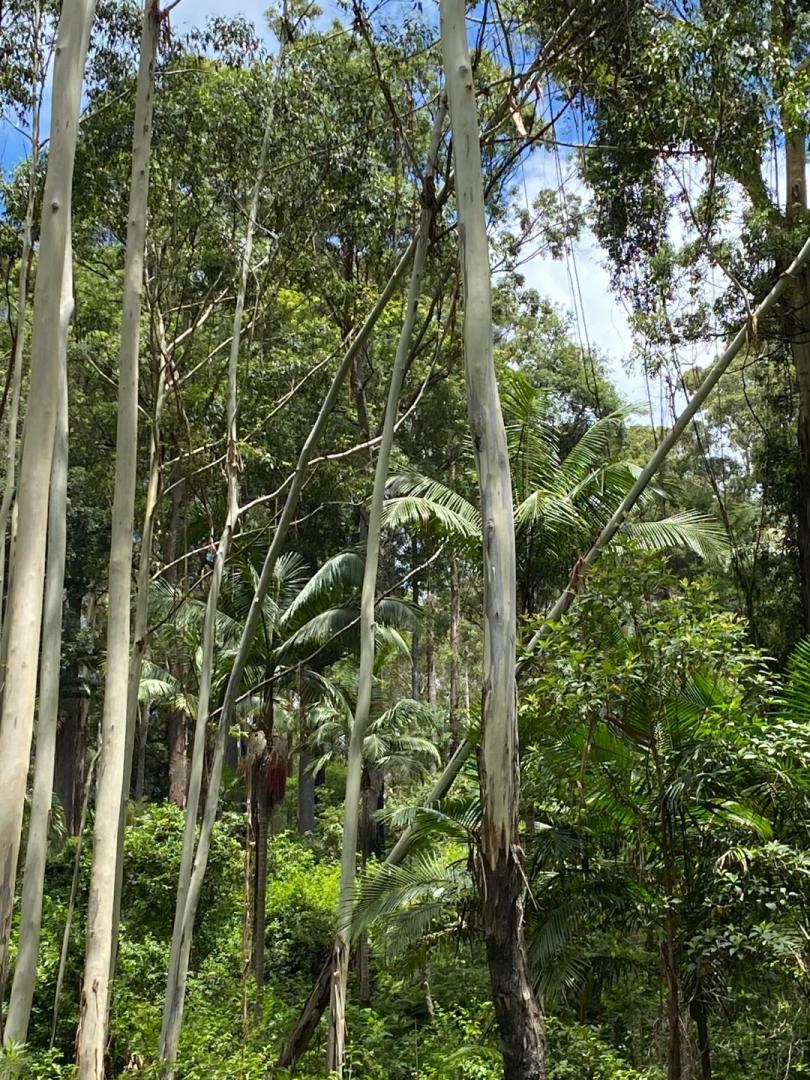
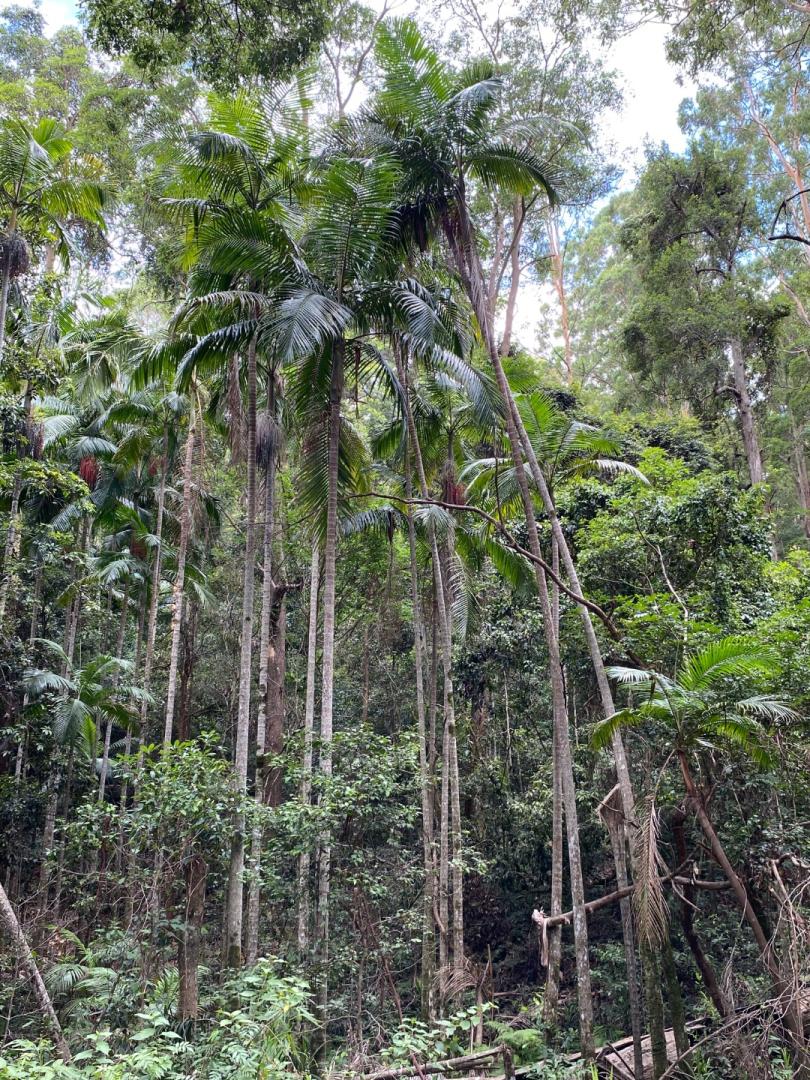
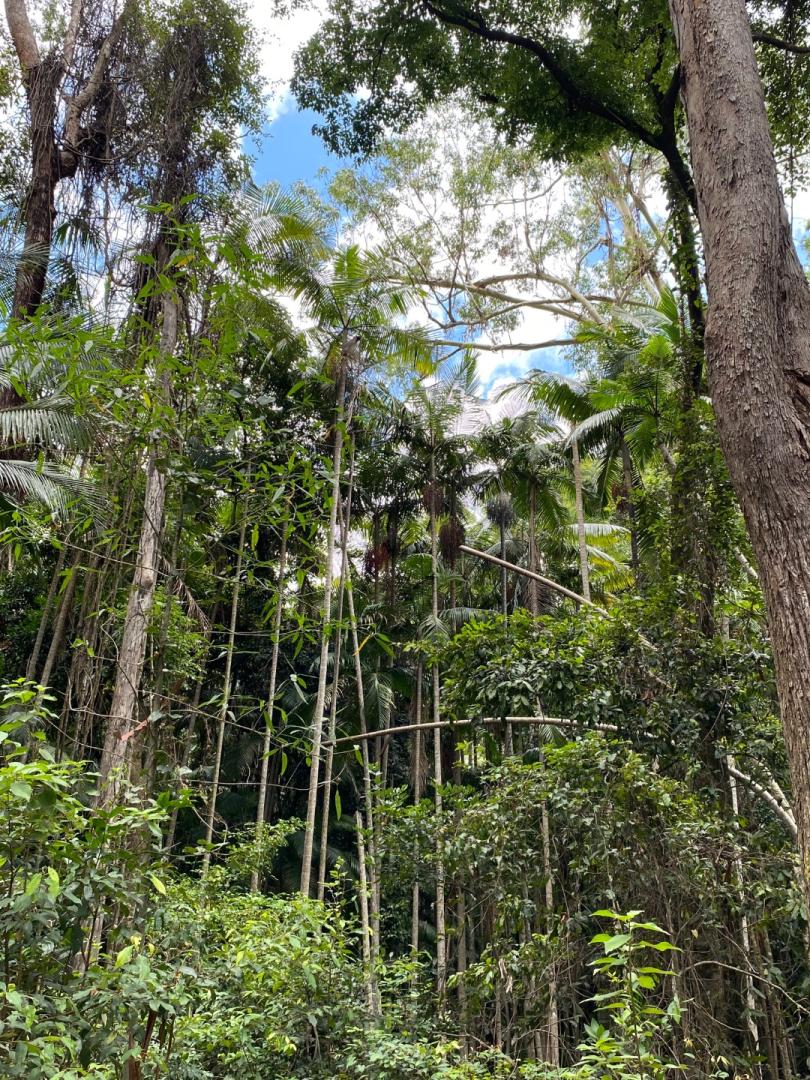
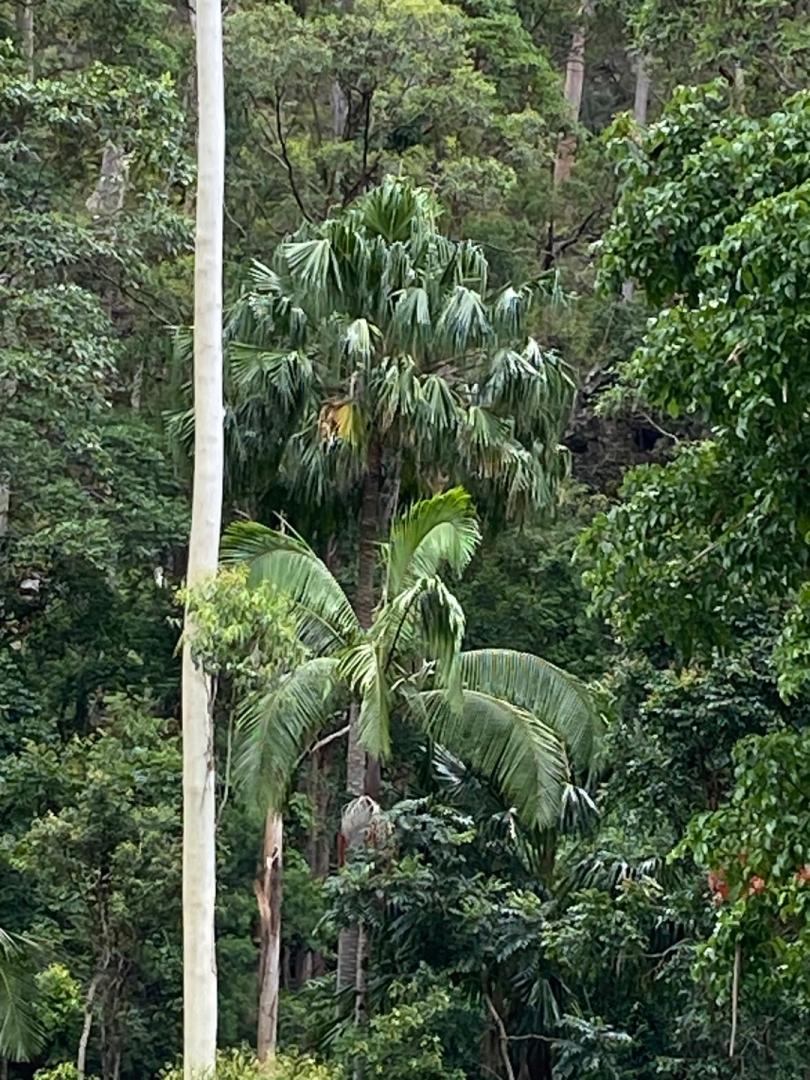
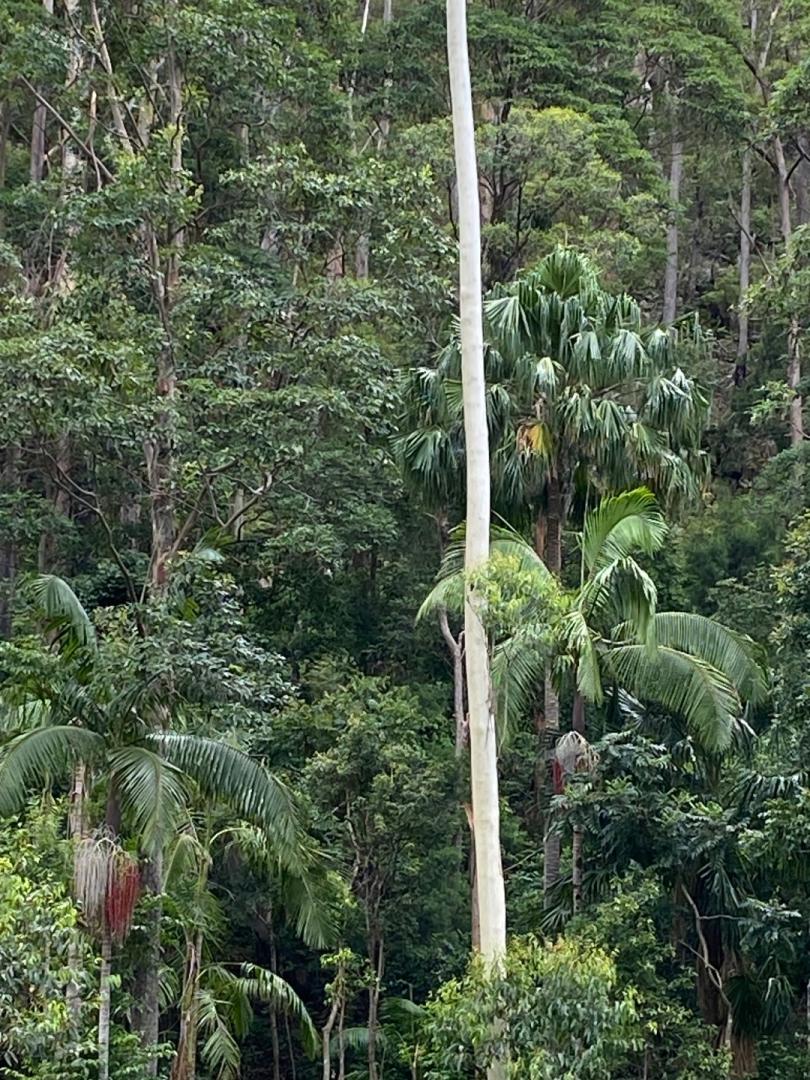
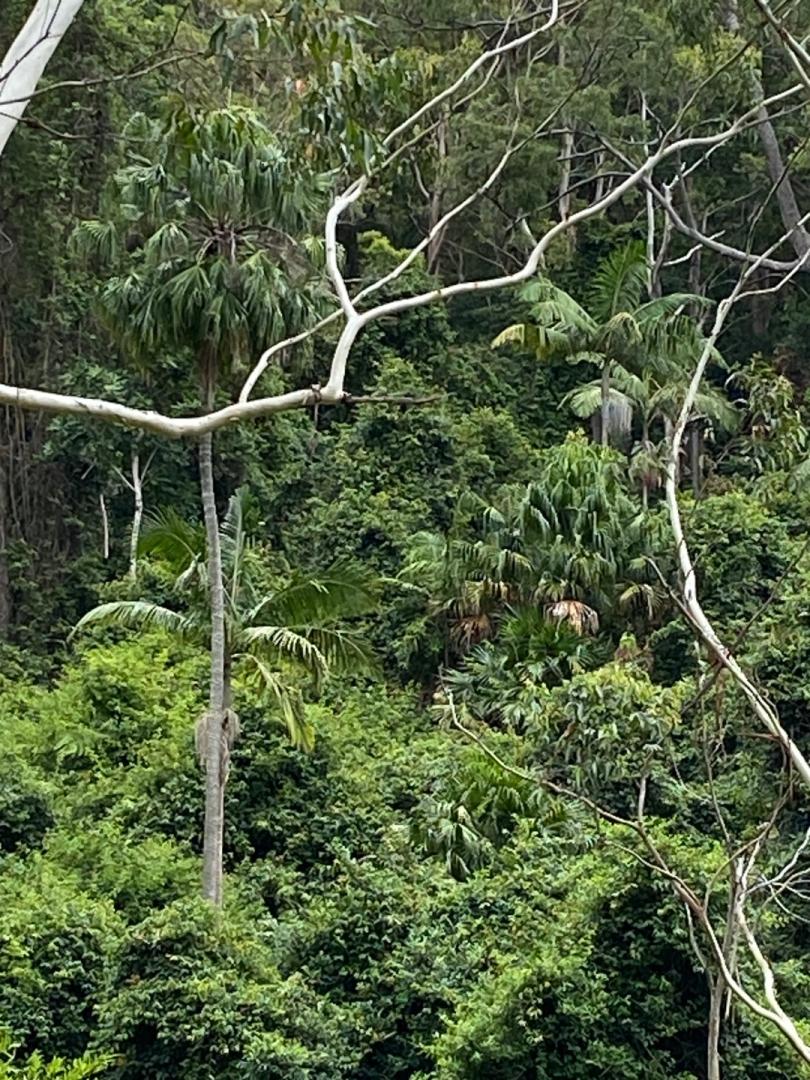
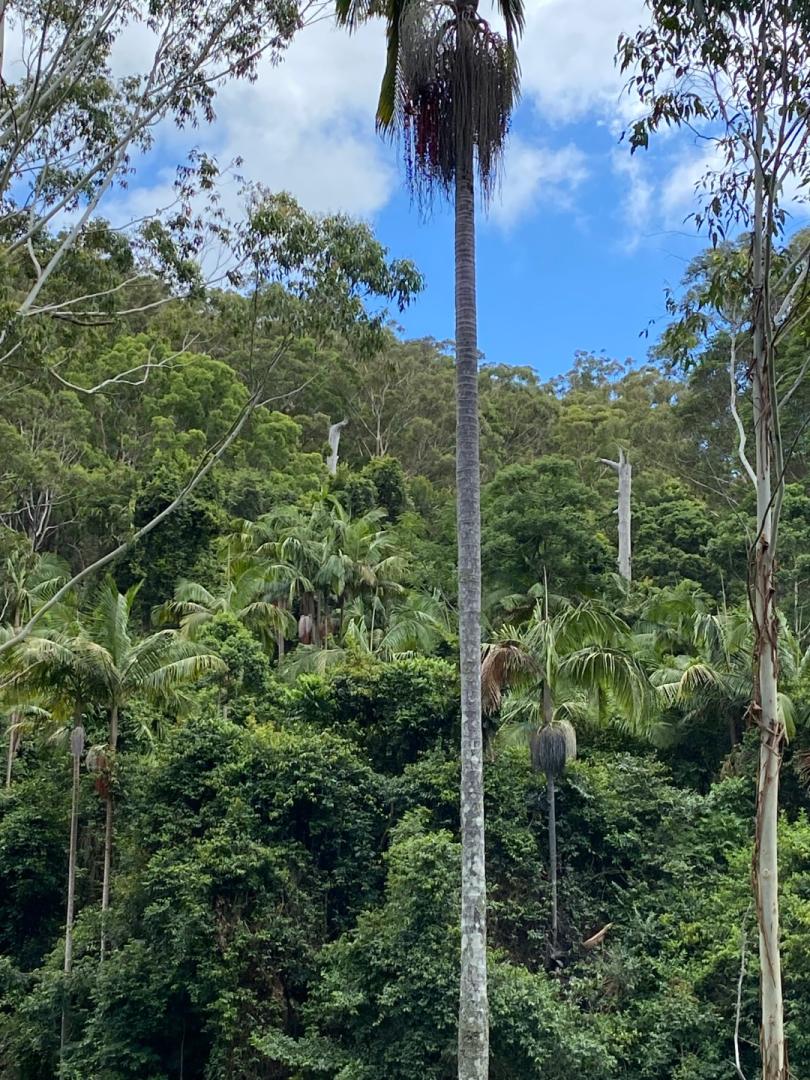
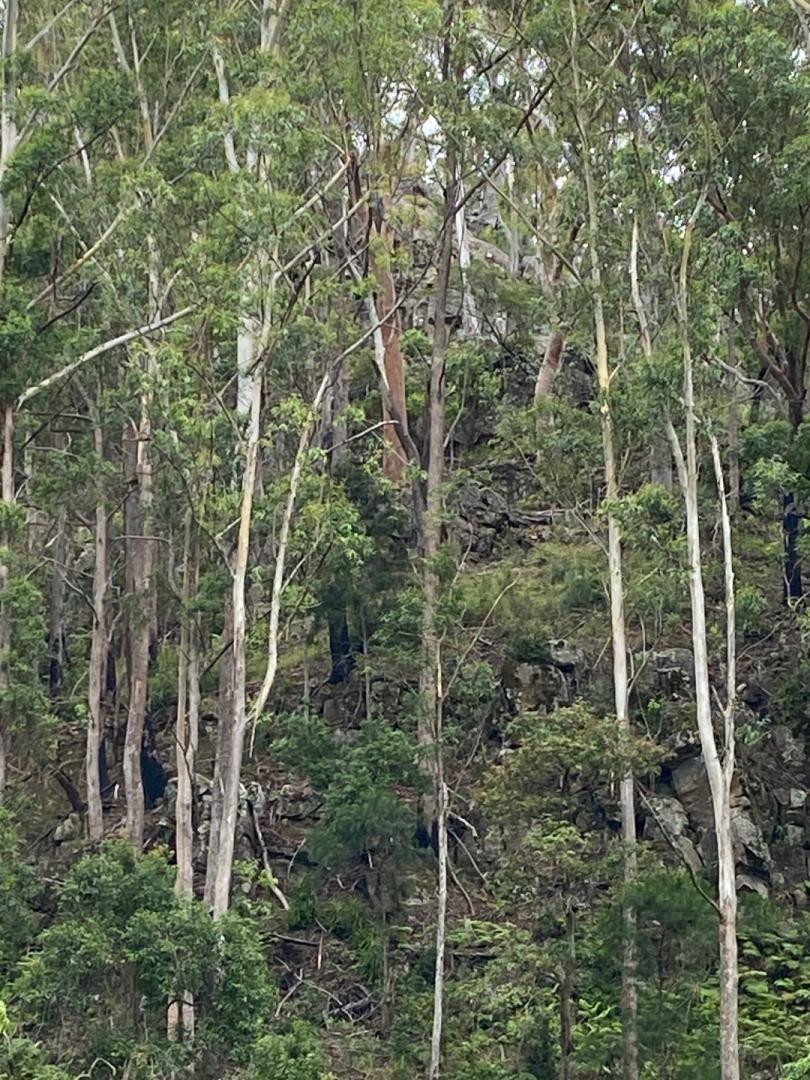
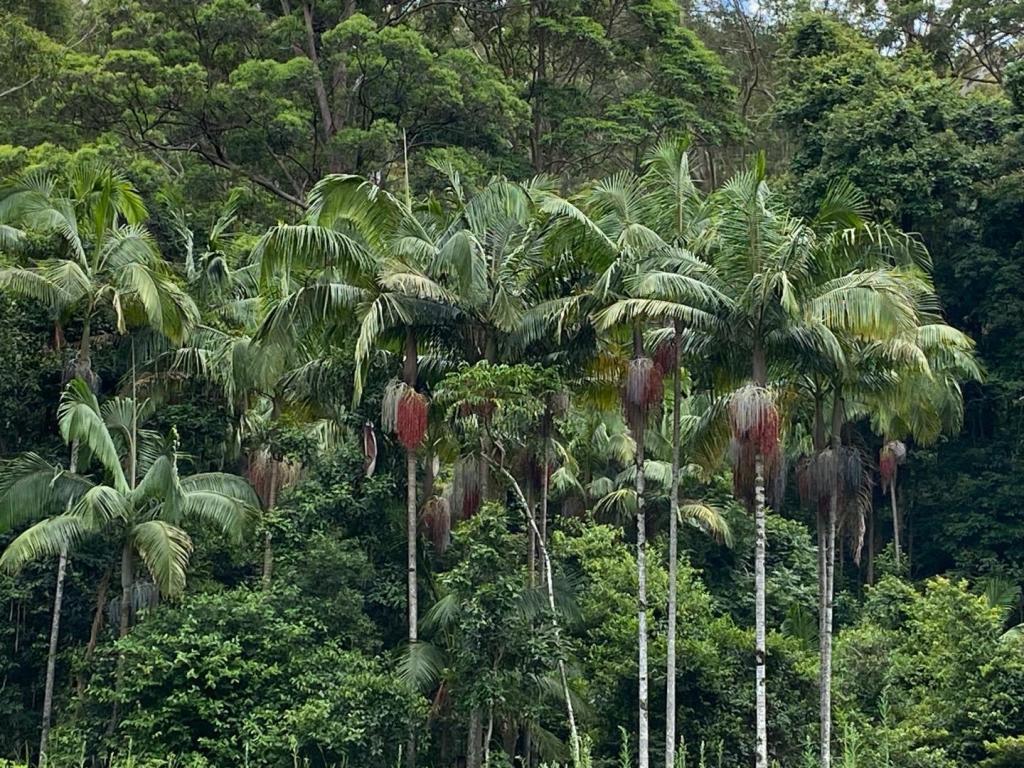
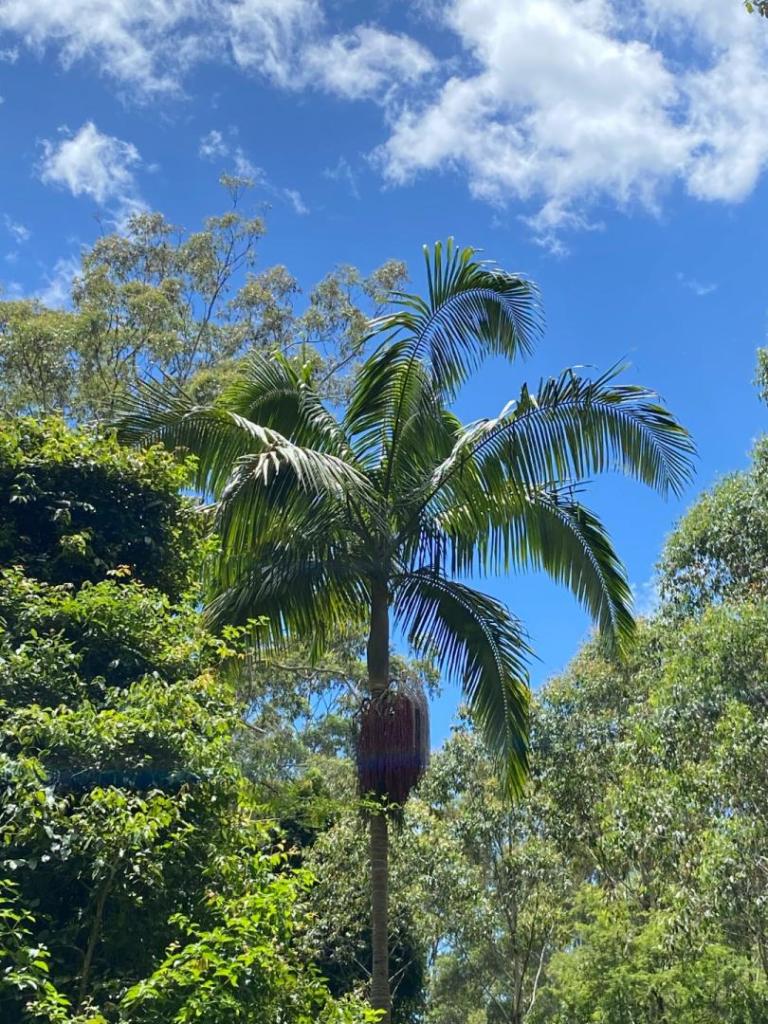
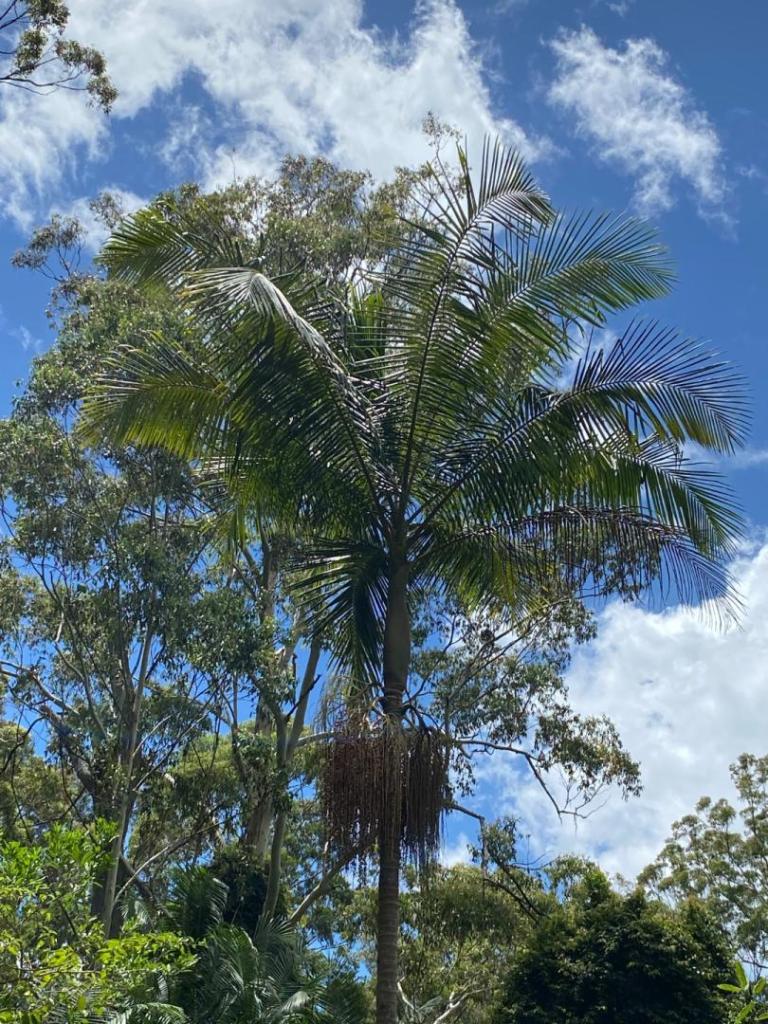
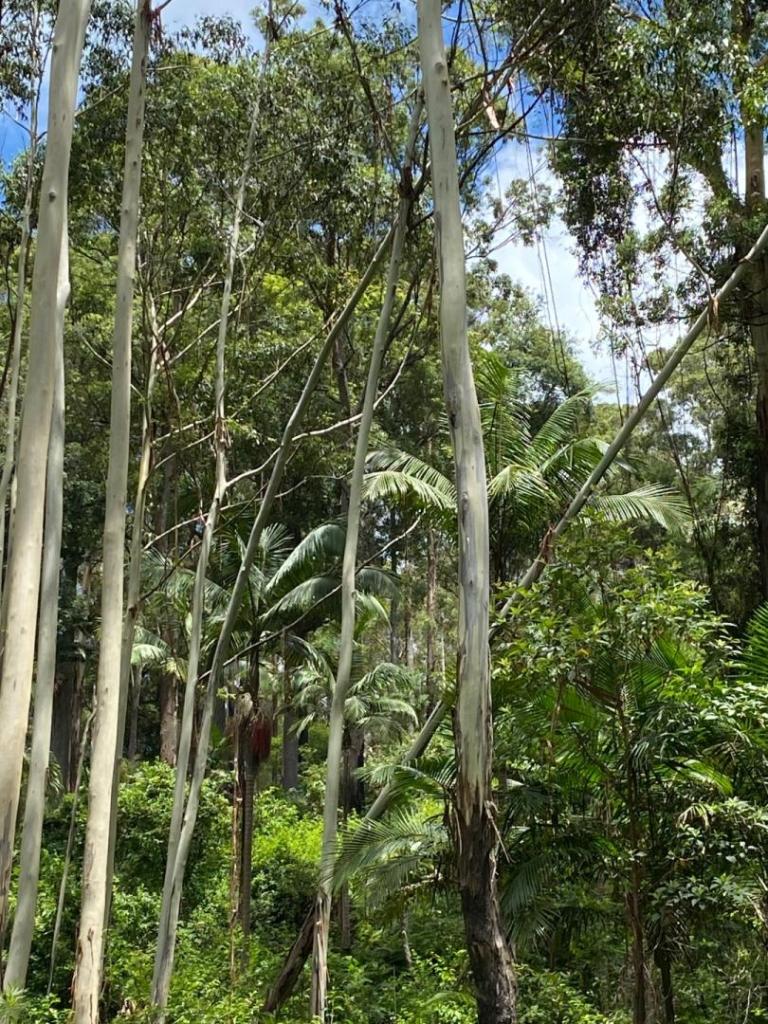
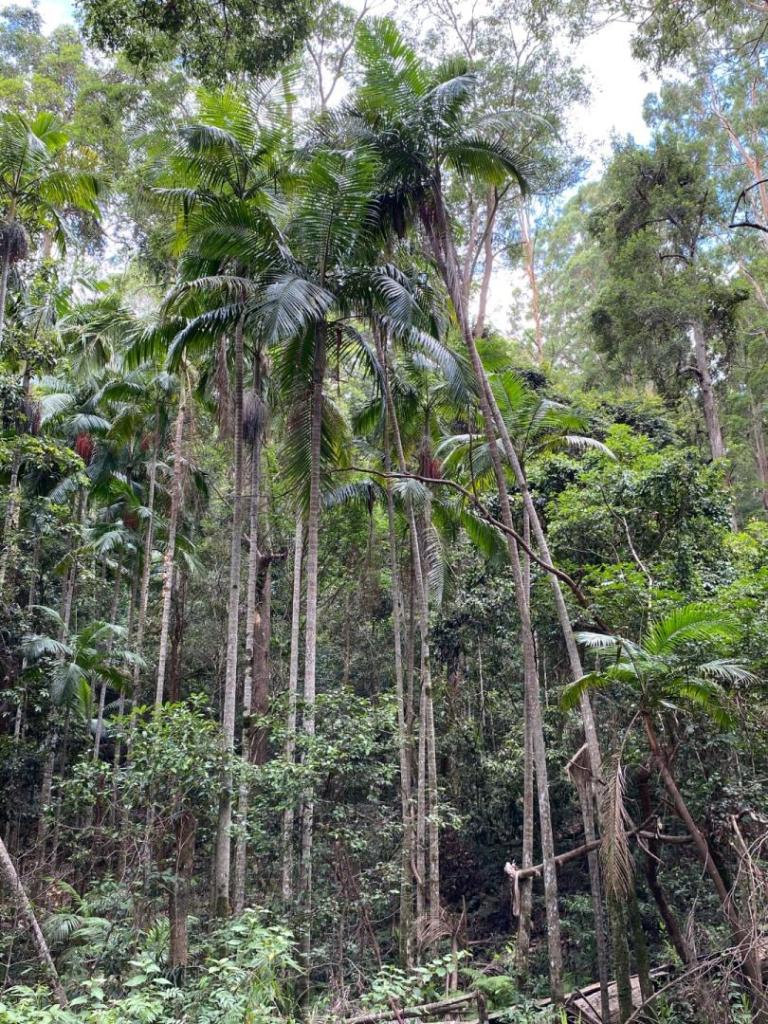
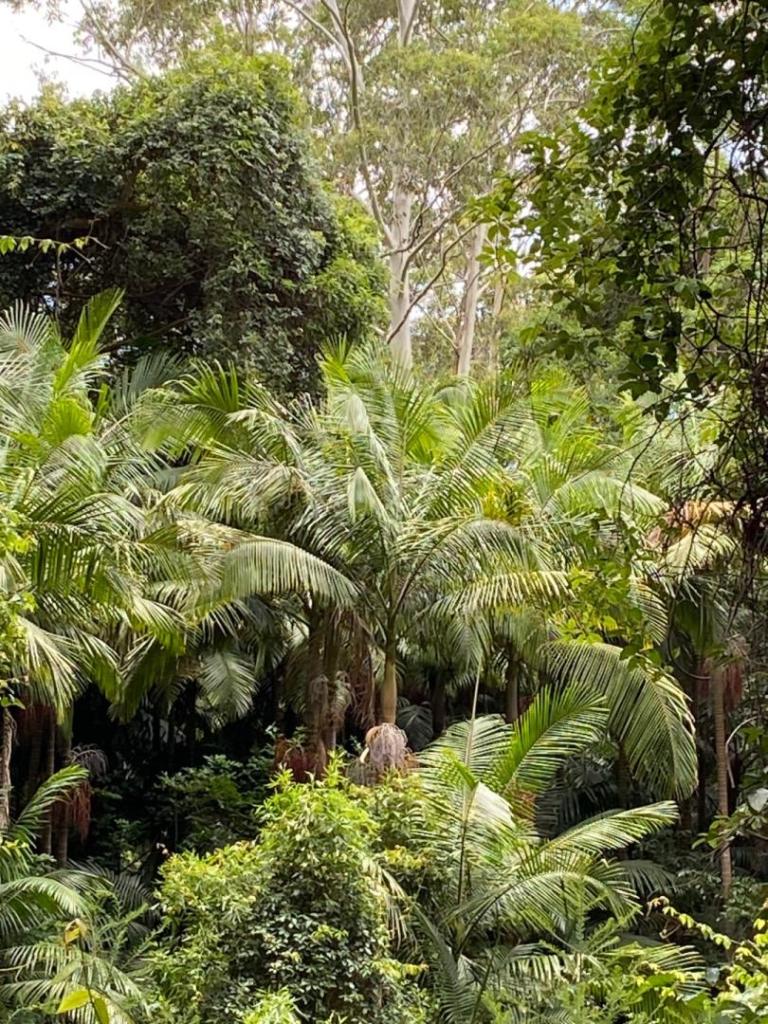
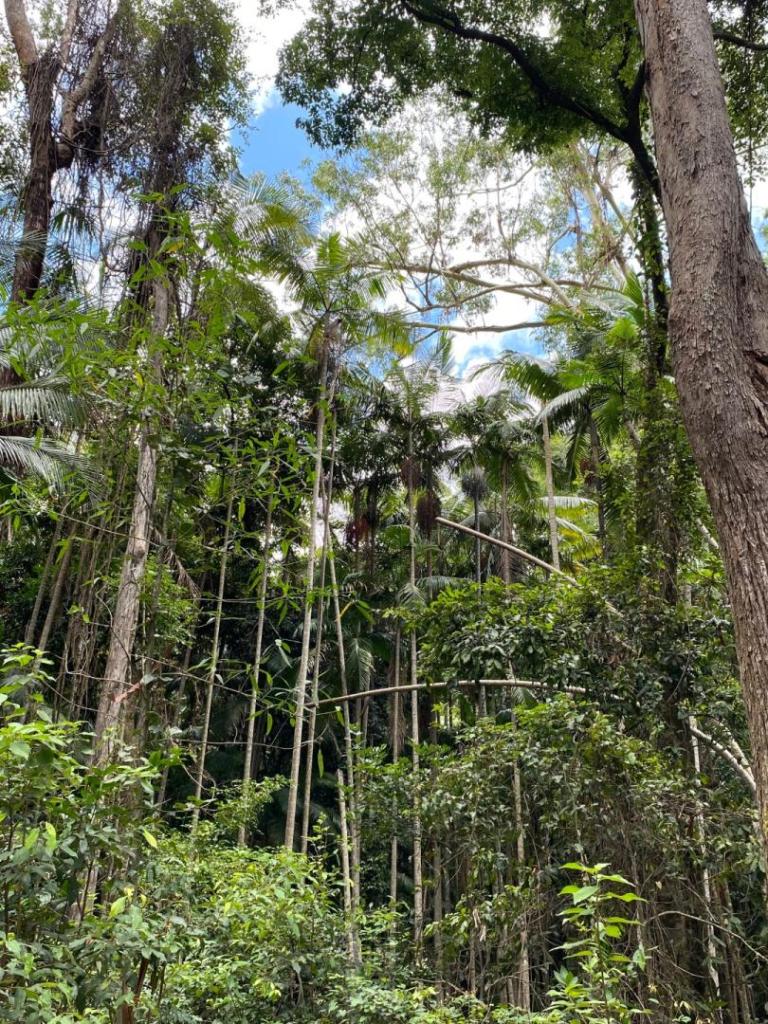
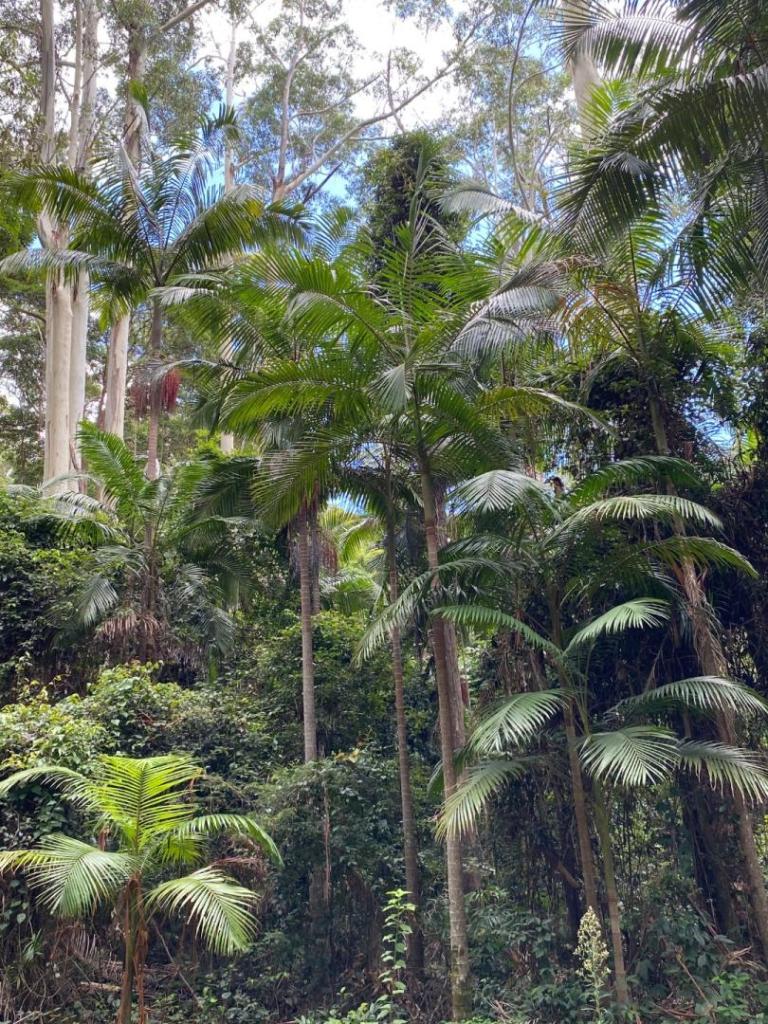
Nothing better than a day in the bush, checking out the native palms, even a couple of Livistona Australis in the steep sandstone rocky country!



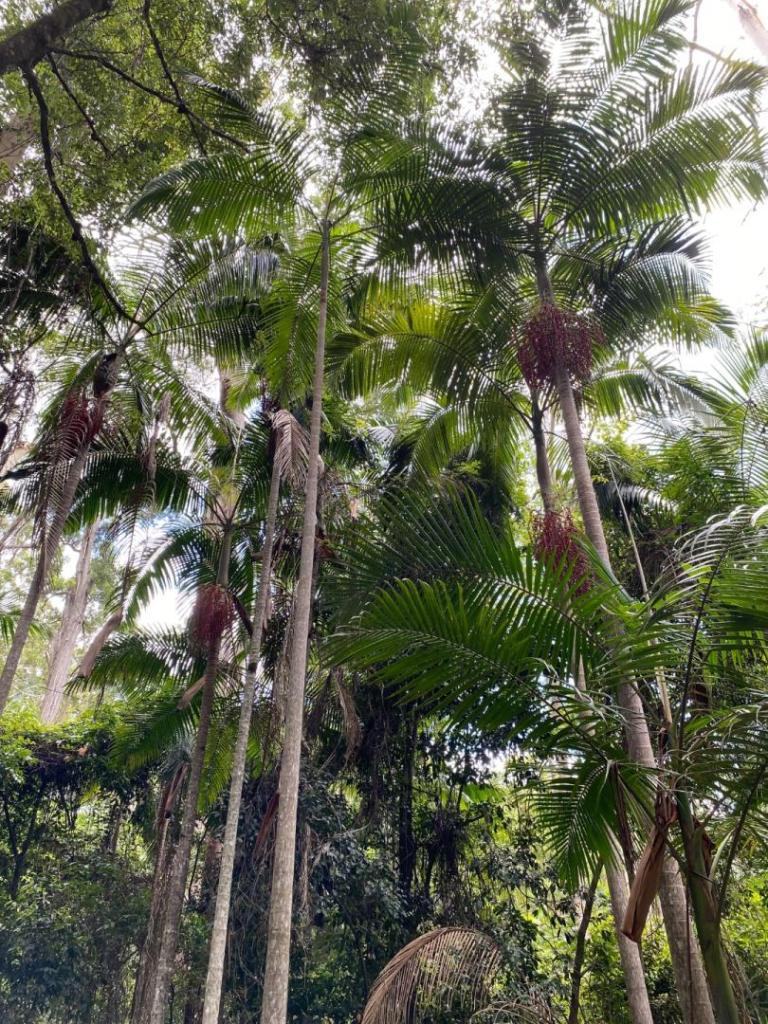


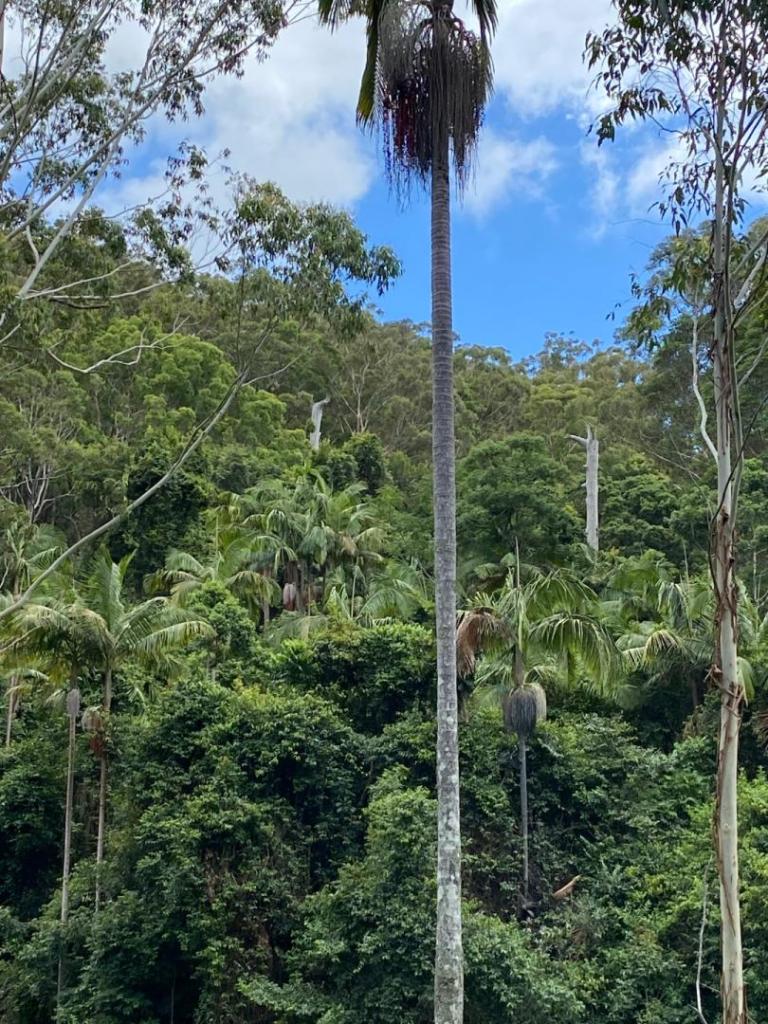
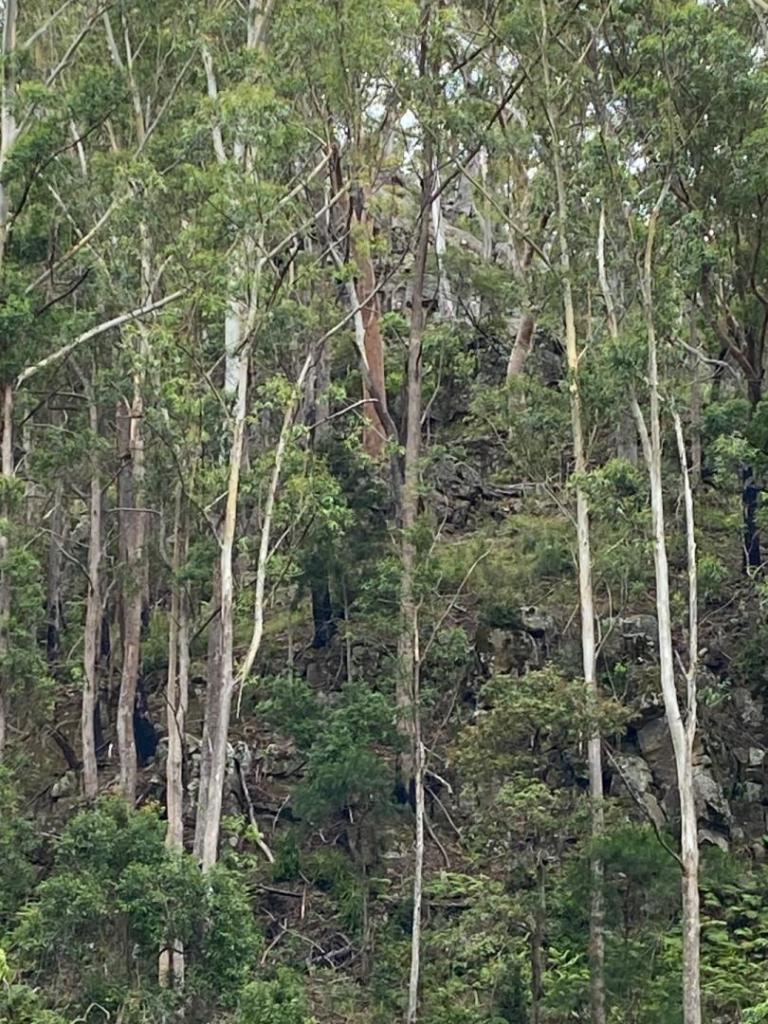 3 points
 -
3 points
-
3 points
-
I have a stack of spinolosum around the garden already, the revoluta that’s a possibility for sure, I have a few great cerotazamia and Zamia varieties, perhaps another Joey or two perakensis perhaps. But as you say the best will only do. I have some great licuala varieties. Decisions decisions oh to be spoilt for choice!3 points
-
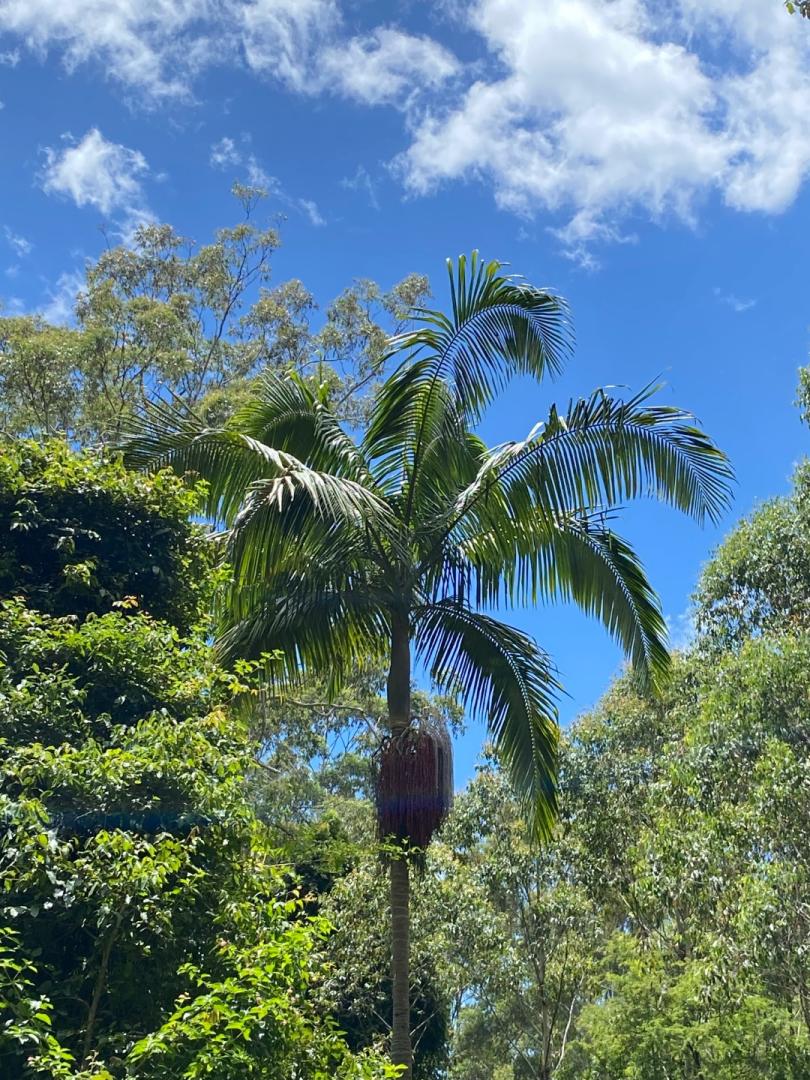
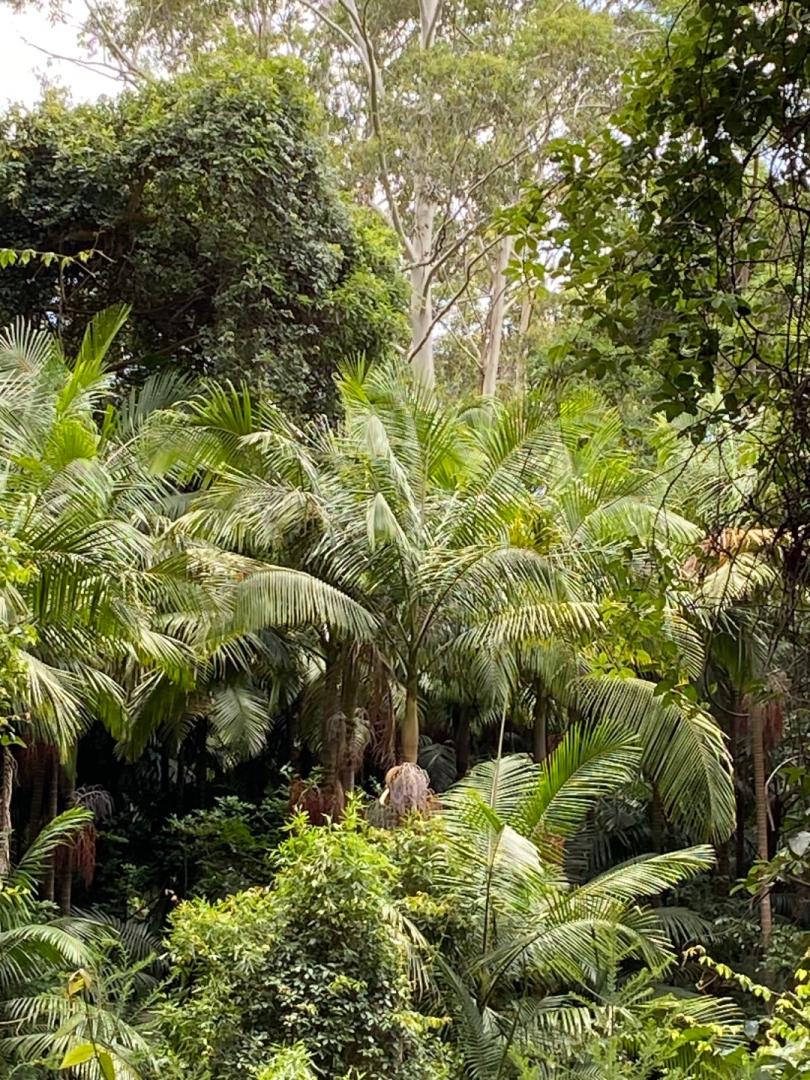
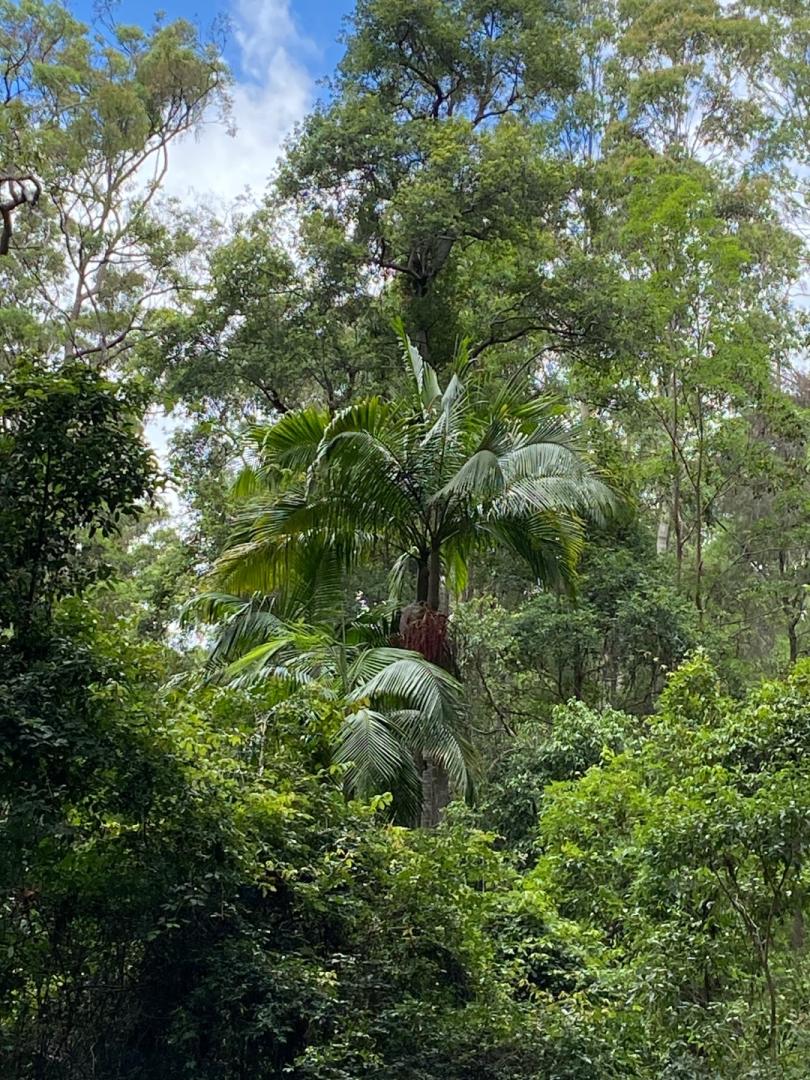
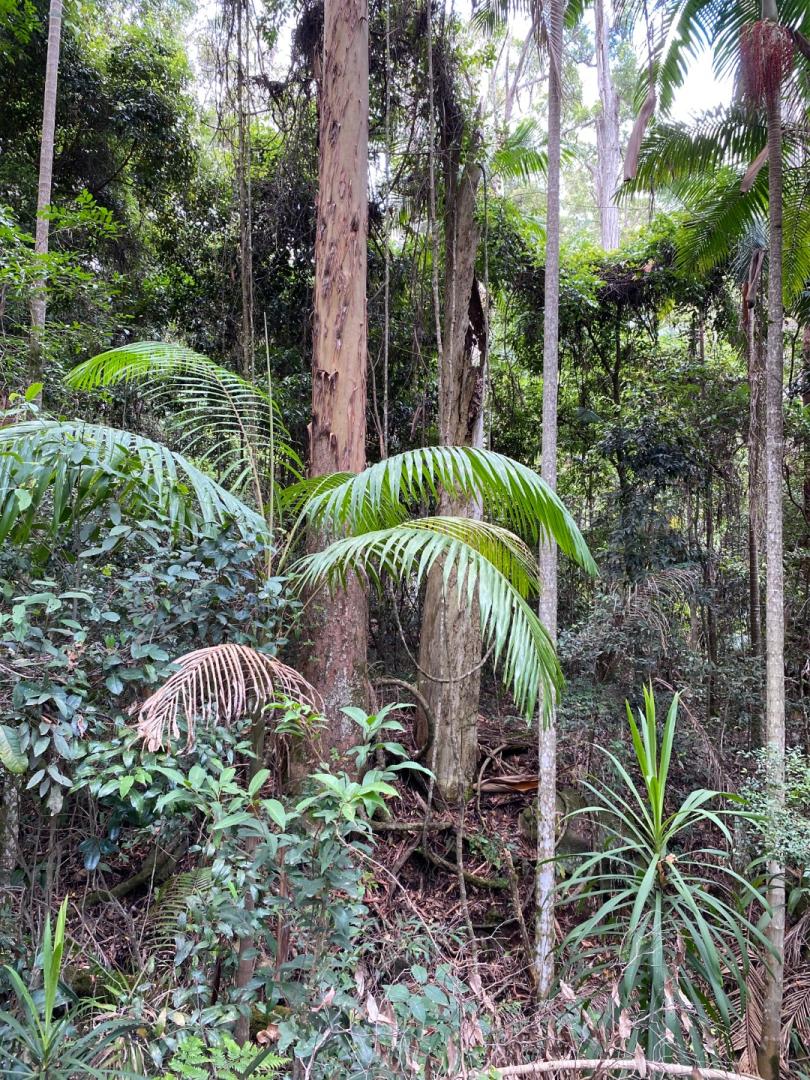
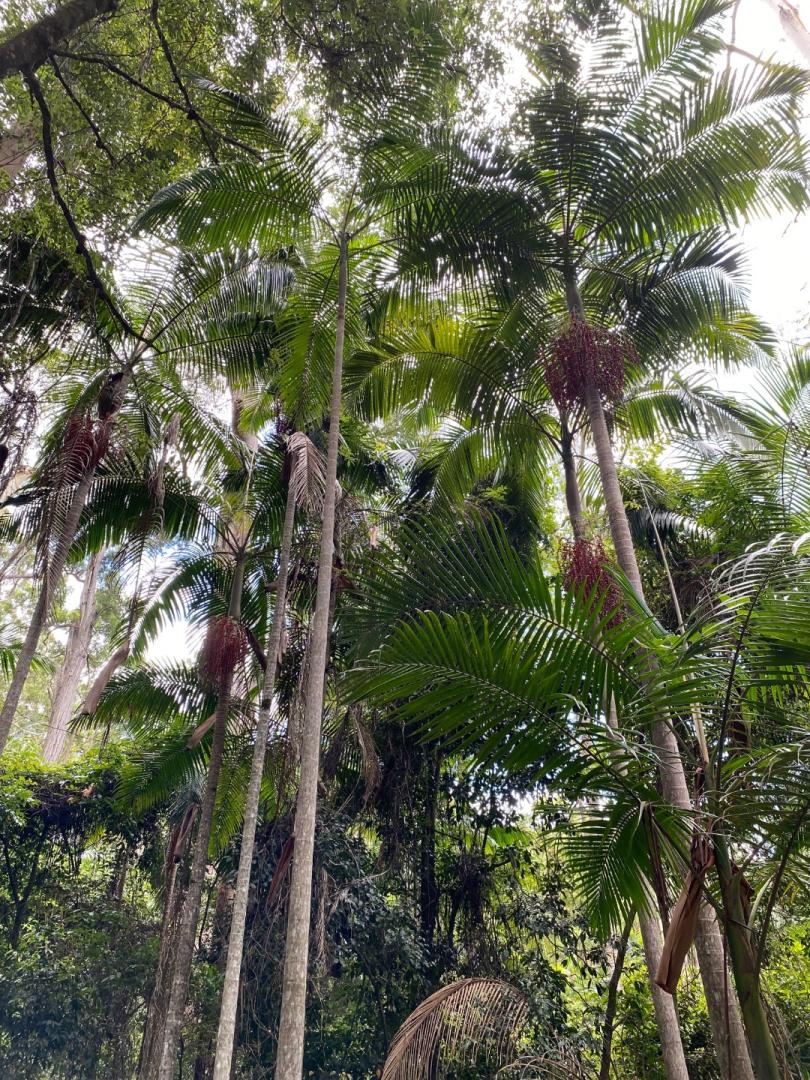
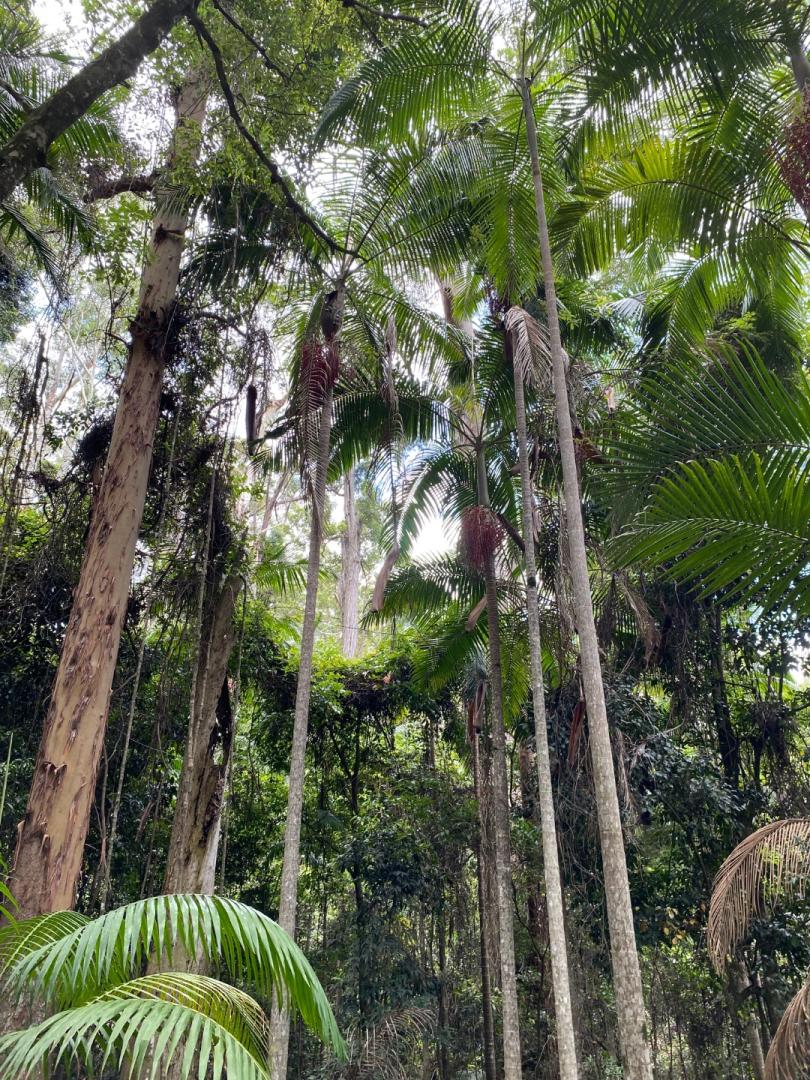
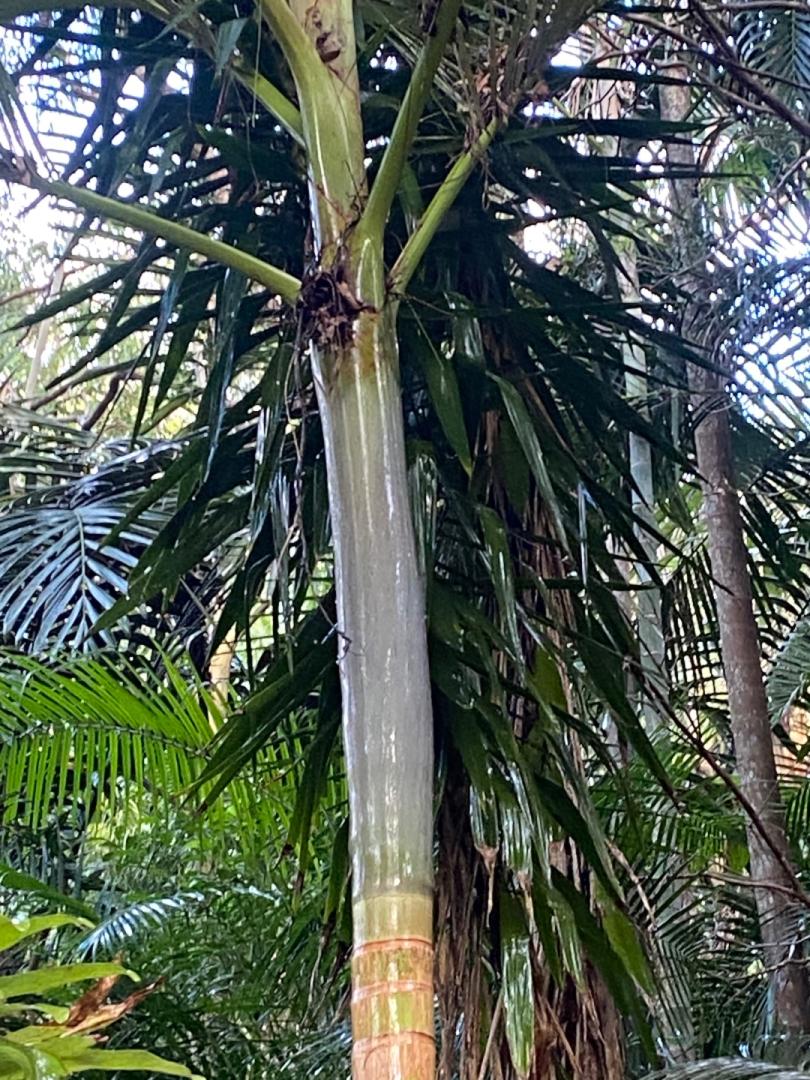
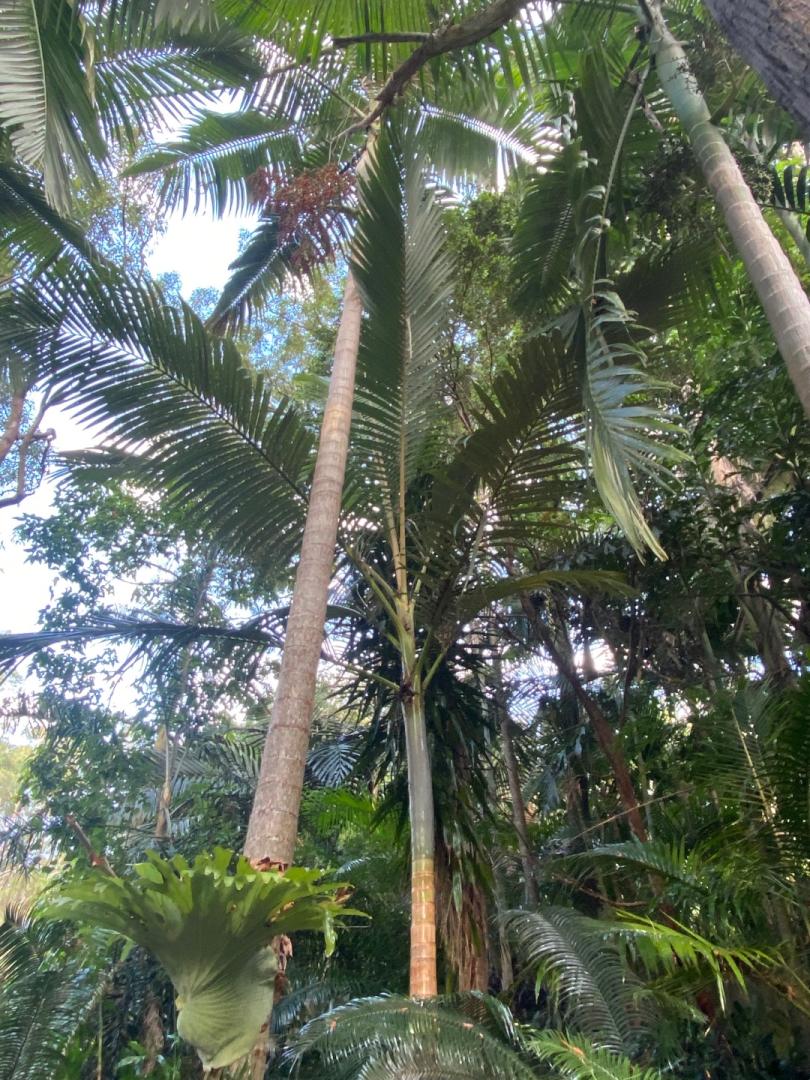
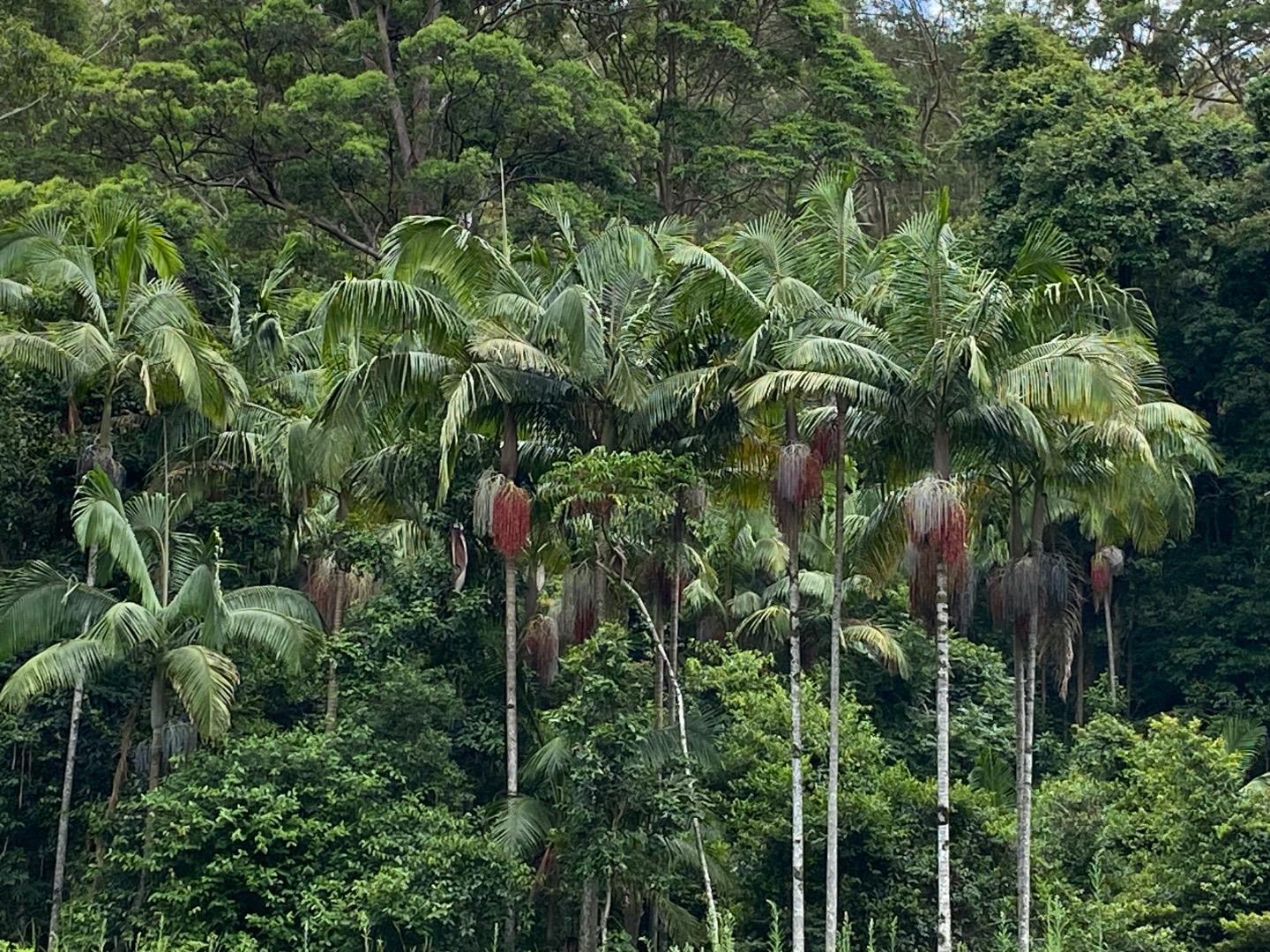
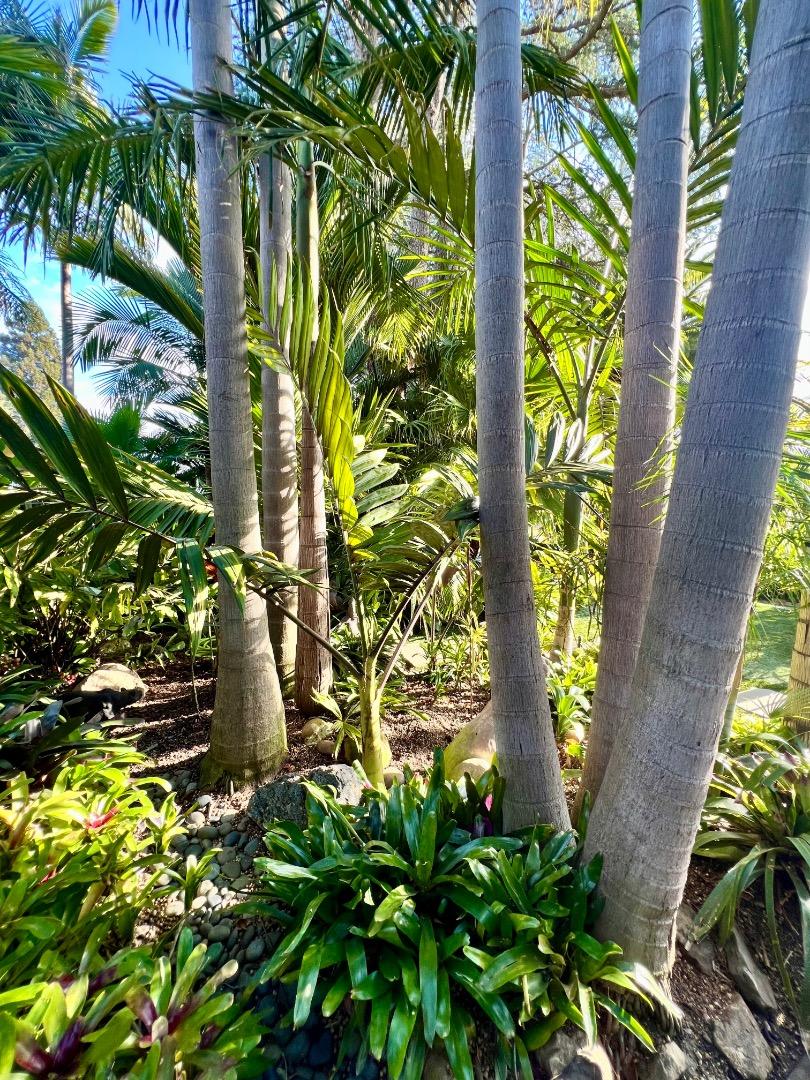
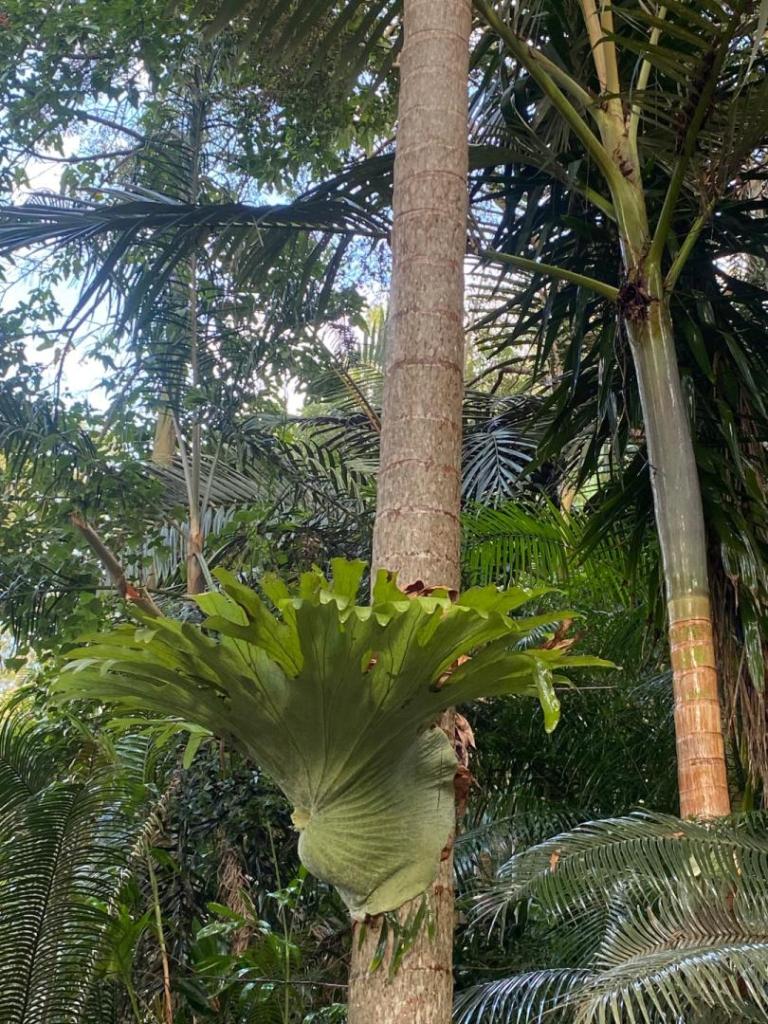
3 pointsArchontophoenix purperea not as bright as some I have seen, but purperea nonetheless!
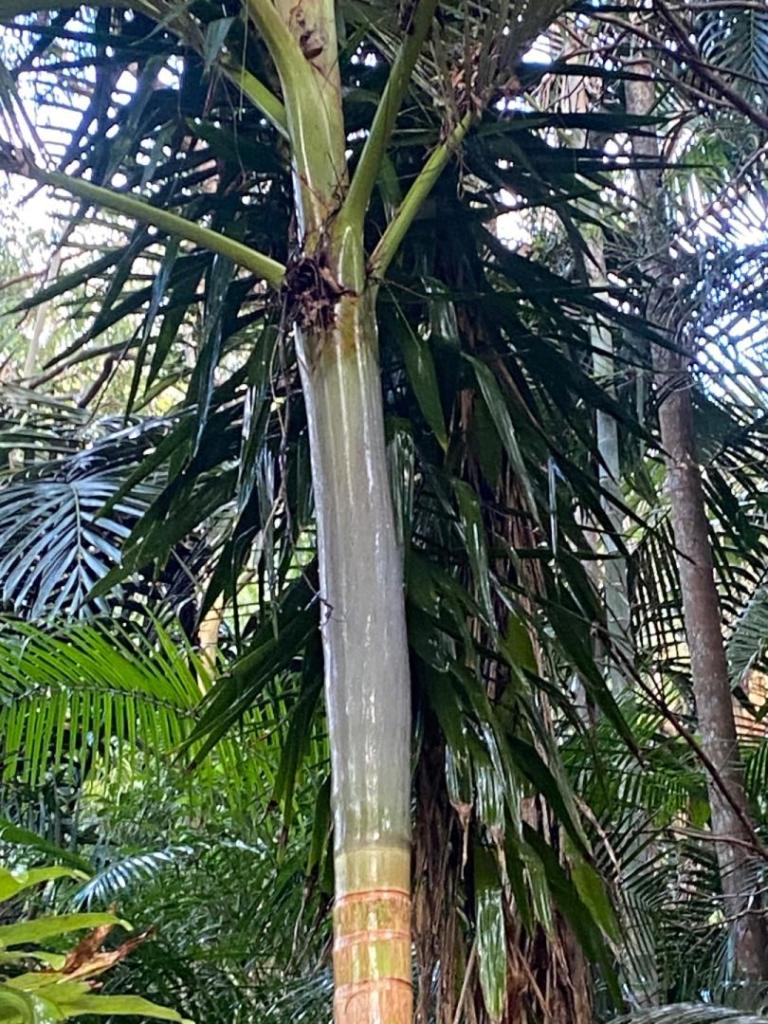

 3 points
 -
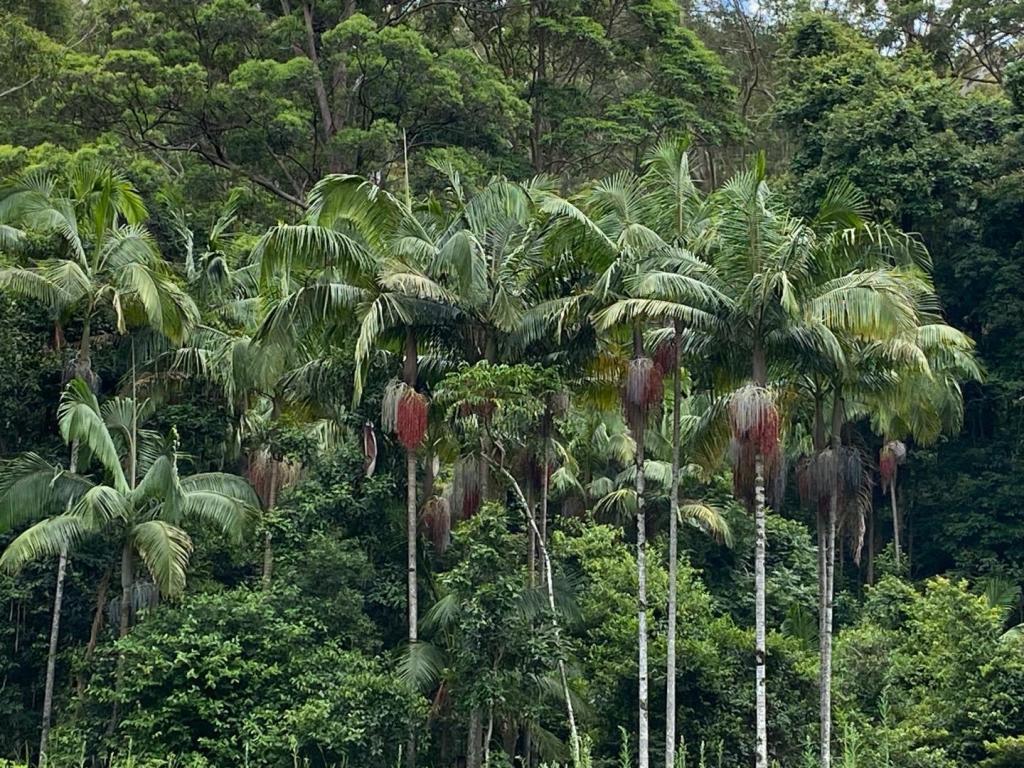
3 pointsNice one give it 20 years and you will have fantastic looking palm there.

 3 points
 -
 3 pointsThank you for the heads up. I just looked up what you're talking about and had no idea. I've been using that site for many years, never again! Hoping everyone stays safe through this storm, it's going to ravage much of the South. We're hunkered down now here in Texas.3 points
 -
 3 points
 -
 I’ve got all Archontophoenix species growing and some groves of them, but I’ve now got 2500-3000 Archontophoenix maxima seed, so I need to make some groves of them. Probably about 1000 will do.3 points
 -
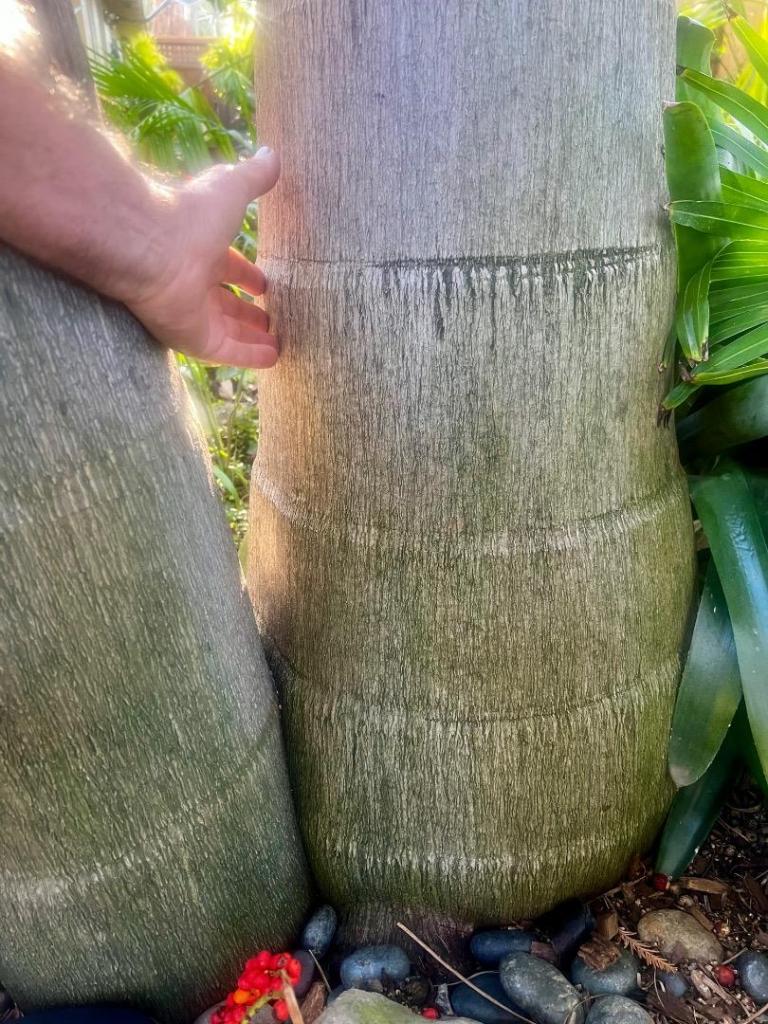
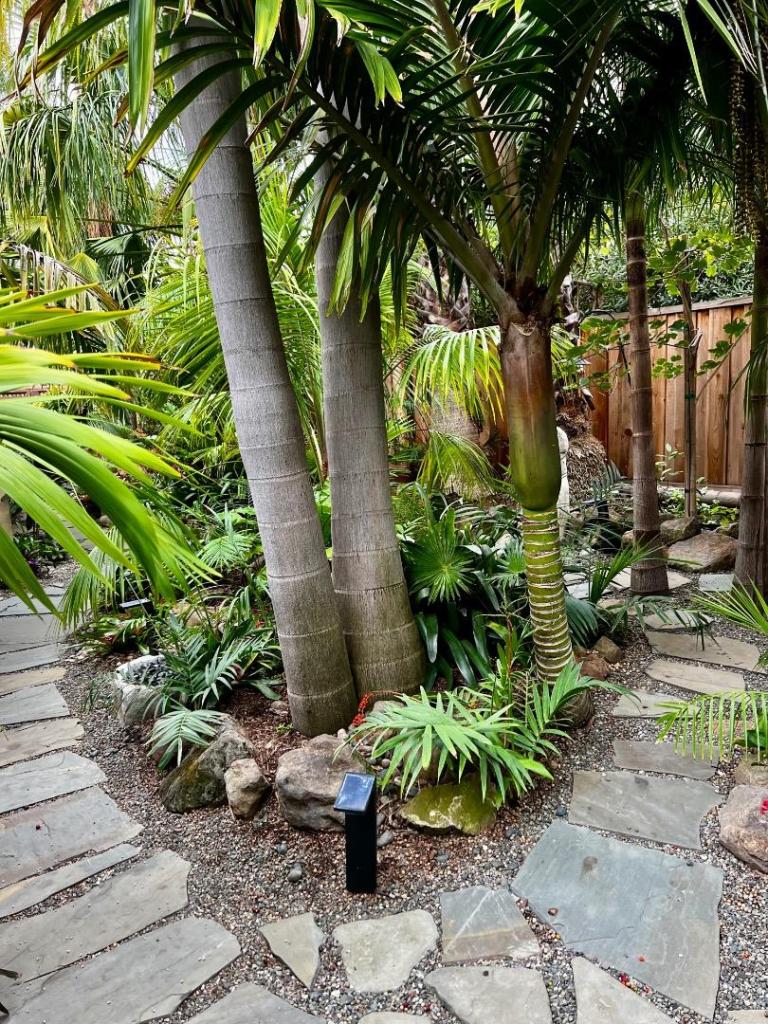
 Richard, I planted A cunninghamiana and ‘Illawara’ mostly in groves starting about twenty years ago to create lots of canopy and since then, lots of those palm’s volunteers have grown to maturity as well. Of all “common” palms, they’re easily my favorite. They grow so fast in cooler climates!
 3 points
 -
 3 points
 -
Yes I see your cooking down south, iam used to that heat. Water water and more water, I shall say how cool your kerriodoxa is still going strong keep up the stats on temperatures, good for sales pitches. Couple more years if growing in that heat and you will have a kerriodoxa looking pretty good like this one.
 2 points
 -
2 points
-
 2 pointsIt’s going to be bad here in Northeast Louisiana. Ice storm and probably not going above freezing until Tuesday once it goes below 32 tonight (It’s 35F as of 10:30 and falling). I’m not protecting anything except a young tree fern… hopefully we keep electricity.2 points
 -
Tuckeri, myolensis a couple more you can track down! Richard2 points
-
 Pretty discouraging Tracy. I’ve taken to trying pretreat some of the palms in the yard, emphasizing species that I know have been taken down by SAPW. Pritchardia, Bismarkia, Sabal & Butia in particular. It’s strange they seem to have a rather specific preference for certain palms. Canariensis are like a magnet, but I’ve not seen any affected true date palms (dactylifera). Weird, go figure. Like you said, a real shame to have such wonderful old specimens taken down.2 points
 -
 2 pointsCurrently 4 degrees here. Snow hasn't started yet but they are expecting 4 to 8 inches in the area. No freezing rain for us. Palms are wrapped and heated. I've got a yucca rostrata on its own for it's first season so we will see. Hopefully this winter episode is over hyped and we see less ice than some spots are in line for 🤞 Good luck everyone and hopefully everybody's power stays up2 points
 -
I reckon just dig a big long trench, where you want them and just pour the seeds in, you never know your luck! 🍀2 points
-
So sad to see this. Harry2 points
-
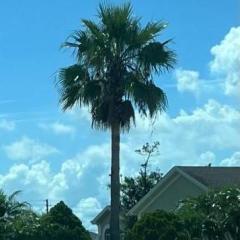 2 pointsPeople are saying this will be snowmageddon 2010 (2026 edition) and yeah it will be. Our snow record is on track to break the record 13.3 inches set in the 1800’s!!! At least 7 days below freezing which is.. very not normal not even a once every 5 winter thing this will be insane. Now things can change but this isn’t the type of temps to change.
 2 points
 -
2 points
-
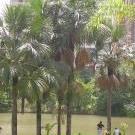 2 pointsYes, they're not very leaf hardy but if it stays above 25°F it will recover - at least in Texas. Might not like extended freezing temperatures - they're usually less than 12 hours in south Texas.2 points
 -
 2 pointsLooks like low/mid-30's here in Brownsville, which sucks because I hate the cold but isn't going to damage anything I have if it warms up during the day. If we had like last year where it was 33F-38F for three straight days and then a dip to 28F one night, that made a couple things sad. My coconut will go unprotected but it's in a super sheltered spot so it should be fine. If we get a really bad frost - which I'm not expecting - my Chamaedora cataractarum will probably have some leaf burn. Up at the property in Laredo they're saying 27F-28F. Again, not terrible, but still a freeze.2 points
 -
 Nice day today so I thought I'd snap a pic of my Needle palm. Top down view.
 2 points
 -
 2 pointsMark the spear and and monitor its daily condition to find out whether it moves. If it moves, plant is still alive, but not for long, as prolonged cool weather weakens it further.2 points
 -
 2 pointsWere getting freezing rain here, I'm about to head out and start covering and weather proofing the palms! good luck to everyone!2 points
 -
 2 pointsThis is exactly what I do and how I feel about the hardiness zone map. I look at currentresults and extremeweatherwatch to see records of the lows. Then I can kind of get an idea about what to expect. What makes me upset is that in the past five years we have been getting zone 8b winters in Houston. I was hoping for at least ONE mild winter so that I can enjoy full growth over the summer. We also had a nasty drought in 2023 that ended my palms that survived the 2021 freeze. I just couldnt keep up with the watering when we had several days above 105 degrees and no rain at all for like three months. It was very extreme. My lawn was brown and crunchy that entire year, I even painted it green lol it was so ugly. Then hurricane Beryl came in and knocked down branches of my oaks and my queen palms. So it's been extreme. It's not just the zone numbers to grow palms in this area. There's a lot of other factors too. ANOTHER thing is the darn pests. I wanted to plant canariensis palms but that beetle has caused havoc on all palms in this area so that's a no. It's a challenge growing palms here.2 points
 -
Hers a couple of kerriodoxas, just so do we dont hijack this post.
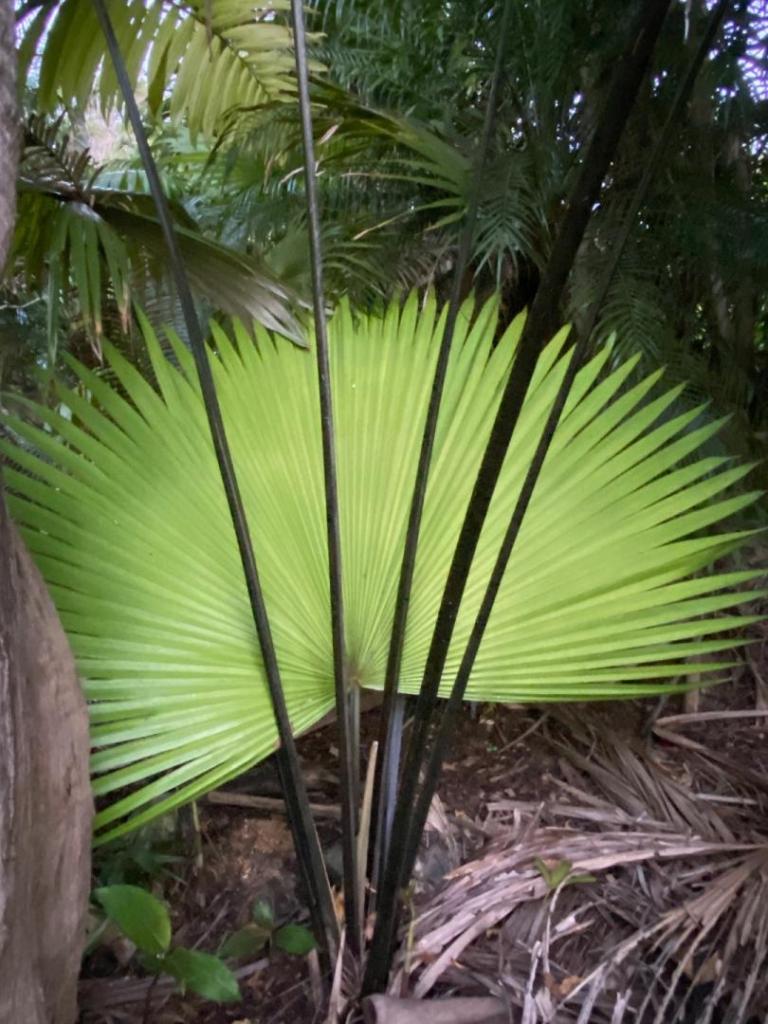
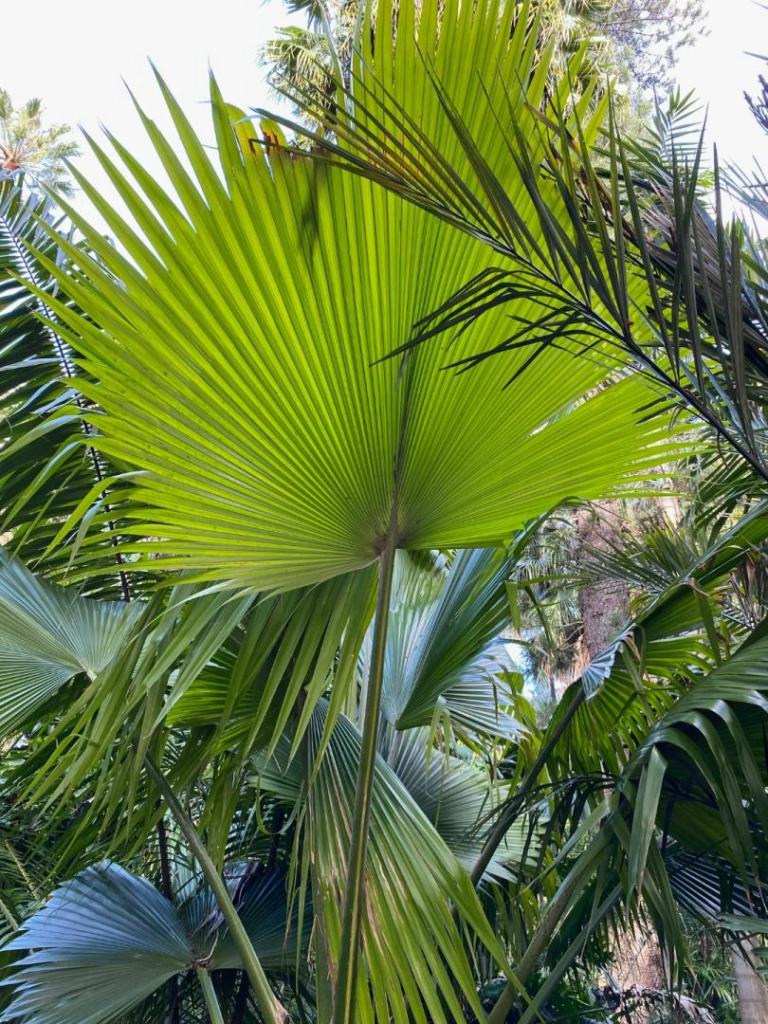 2 points
 -
Good for you, Harry! They look super healthy now. You almost can’t walk through my landscape without seeing Archotophoenix. They’re everywhere. Nothing here seems to ever bother them either. Without them, I’d have WAY fewer palm species since they are the main shade producers. The low winter sun manages to get through though which is a plus.

 2 points
 -
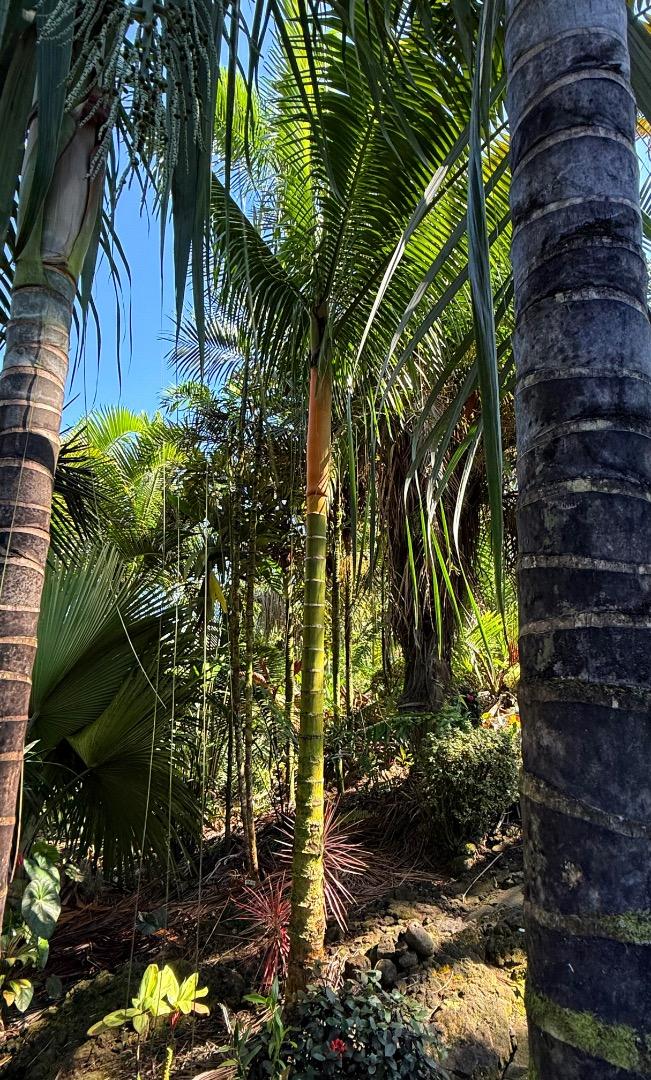
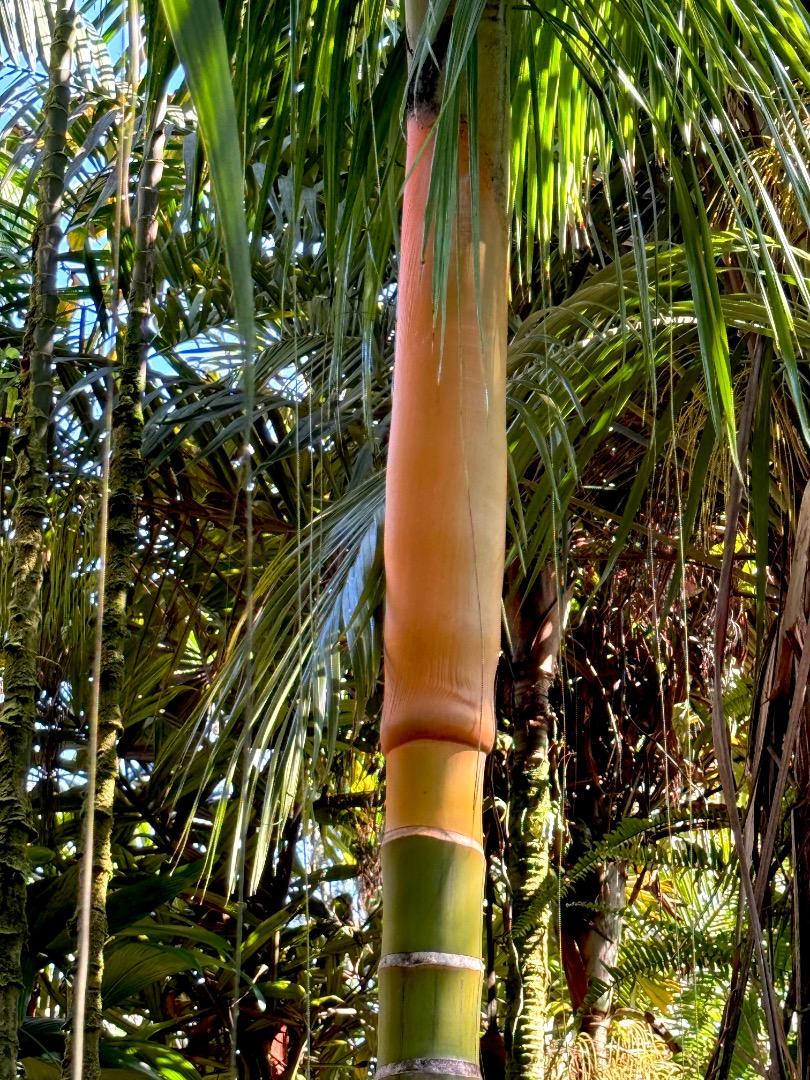
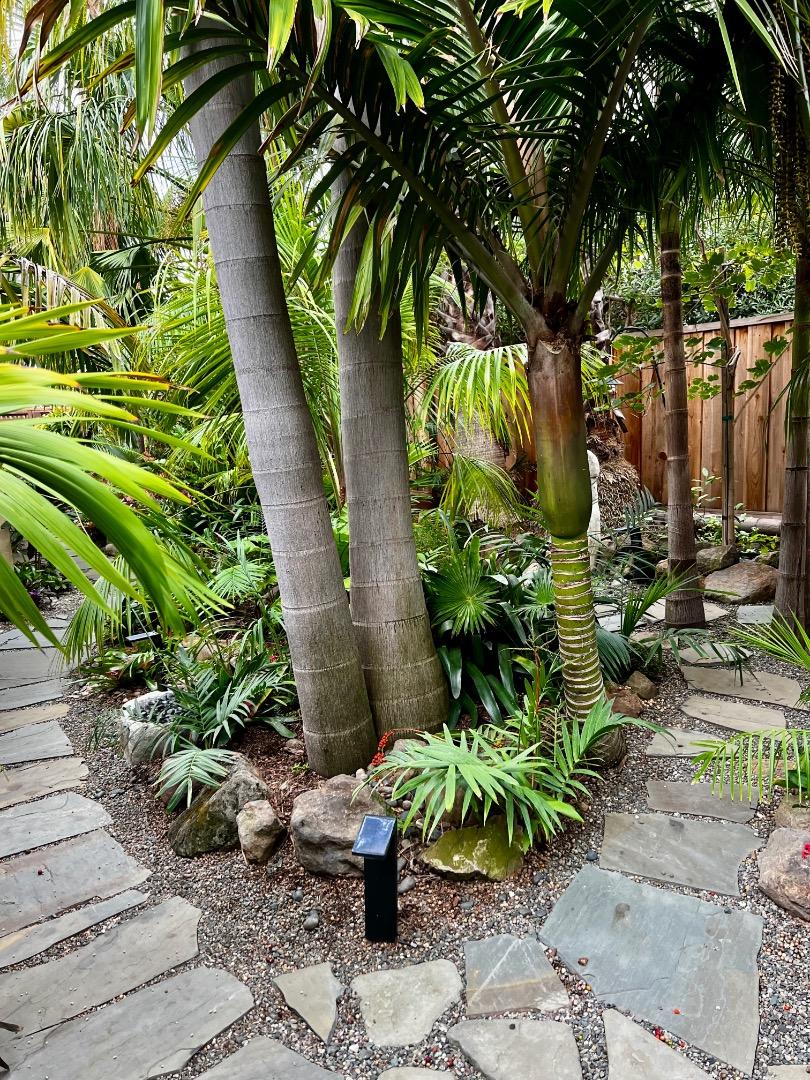
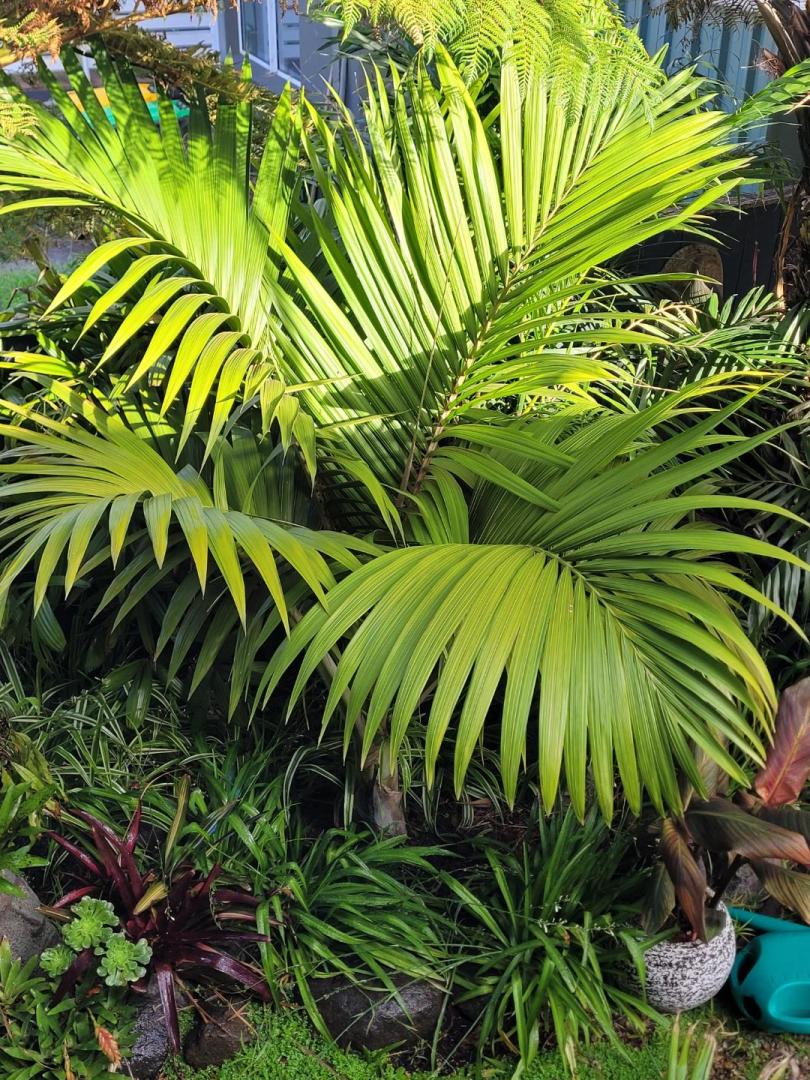
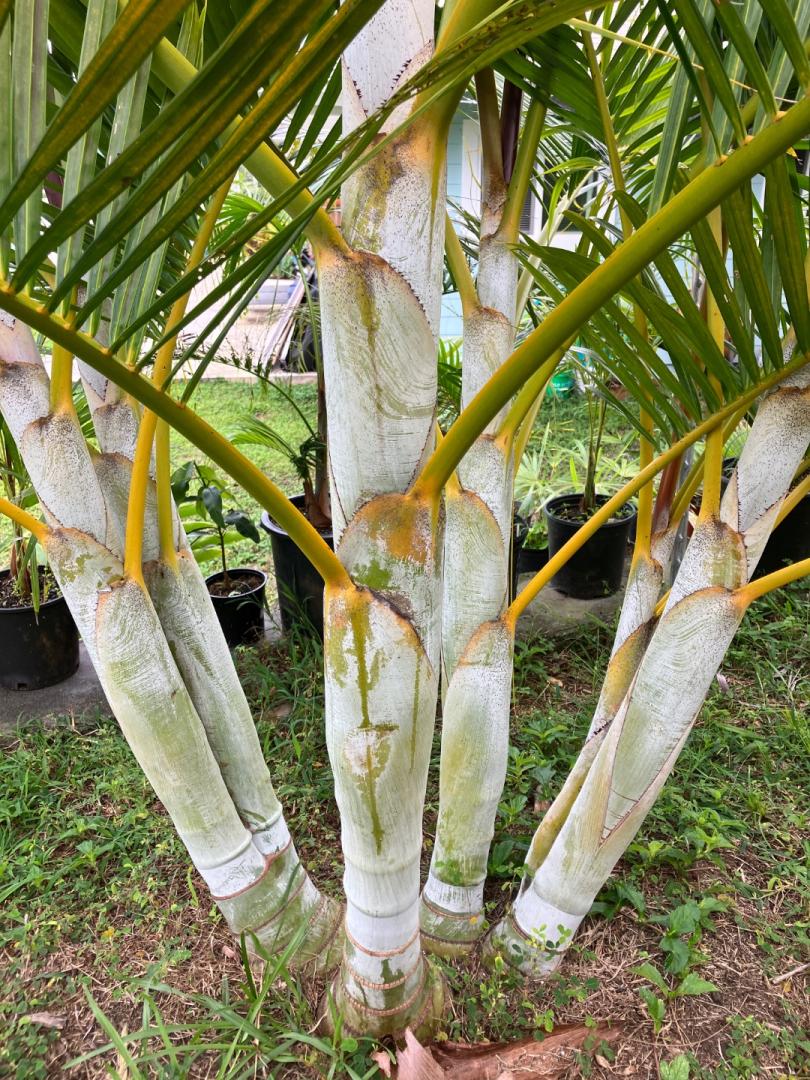
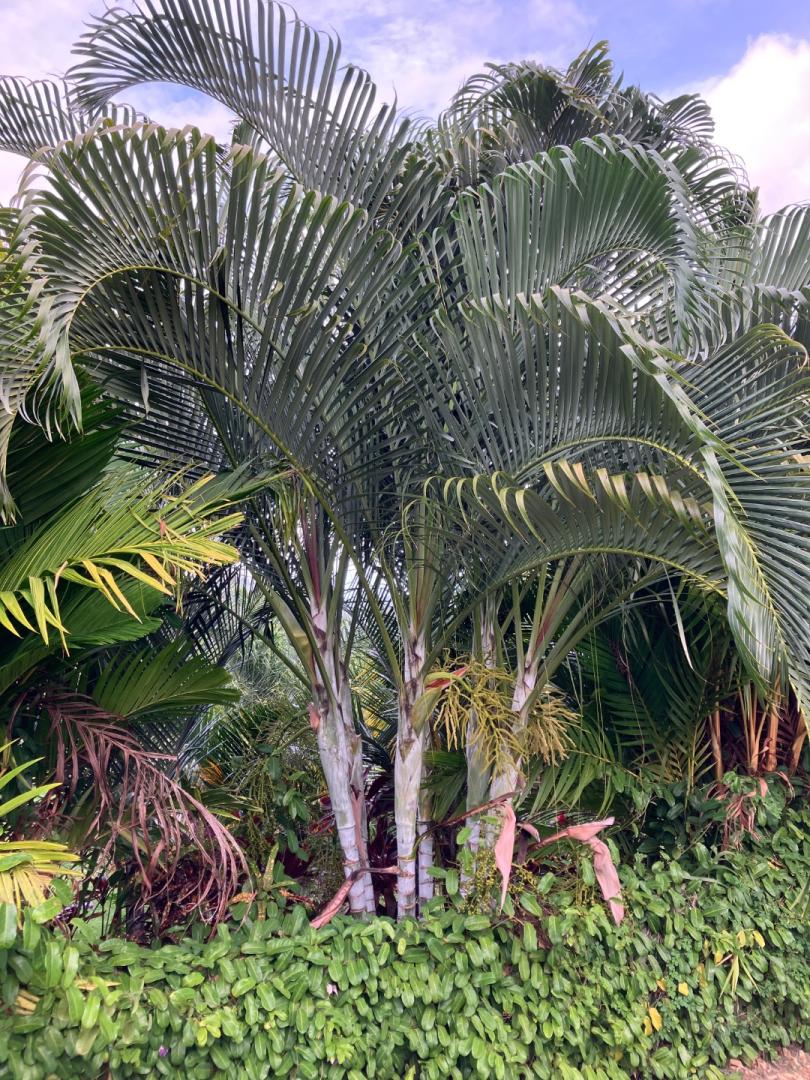
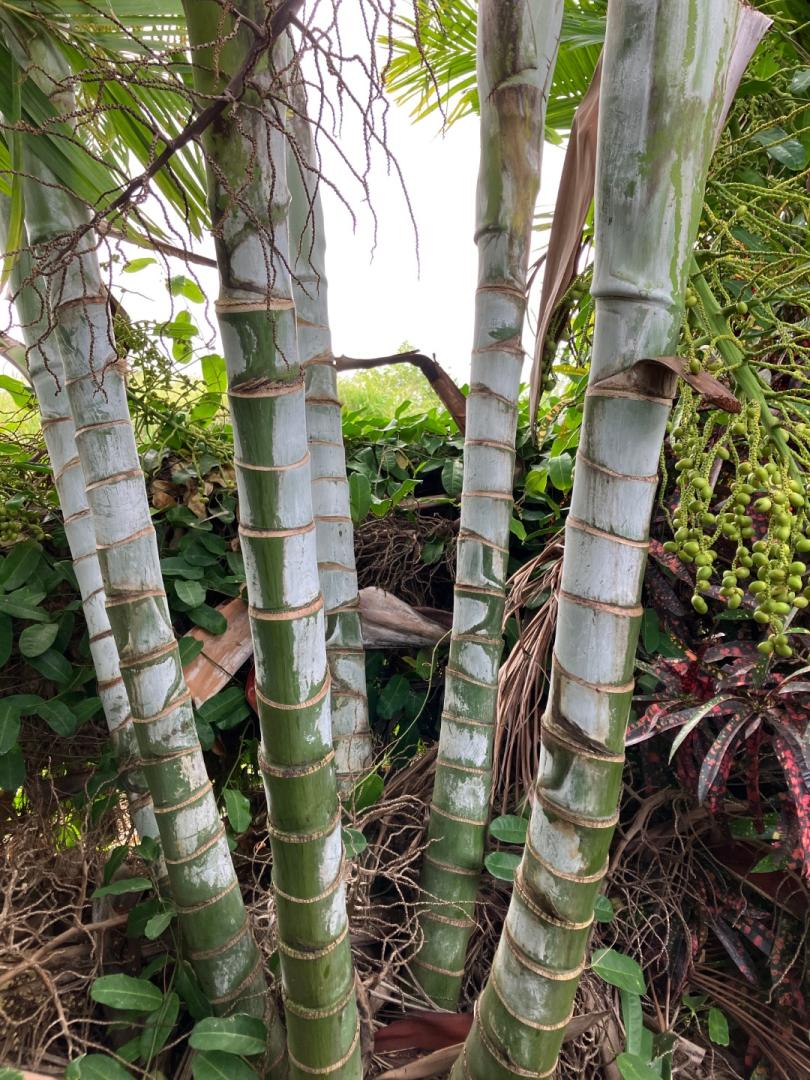
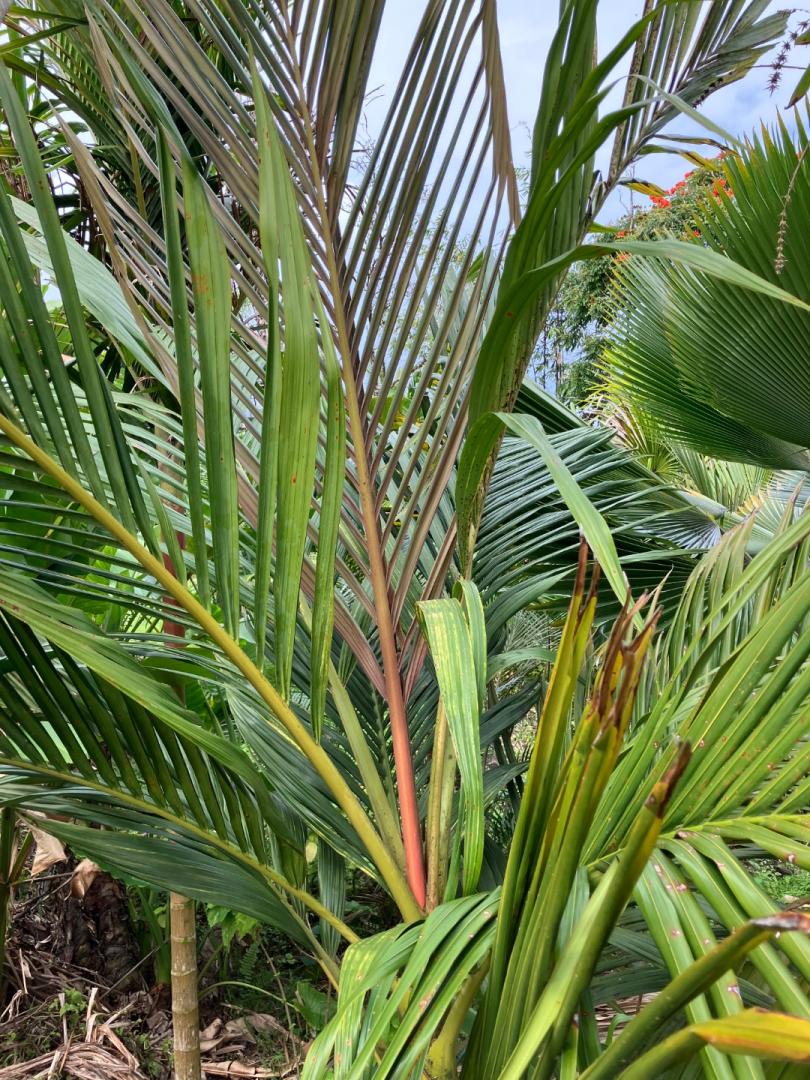
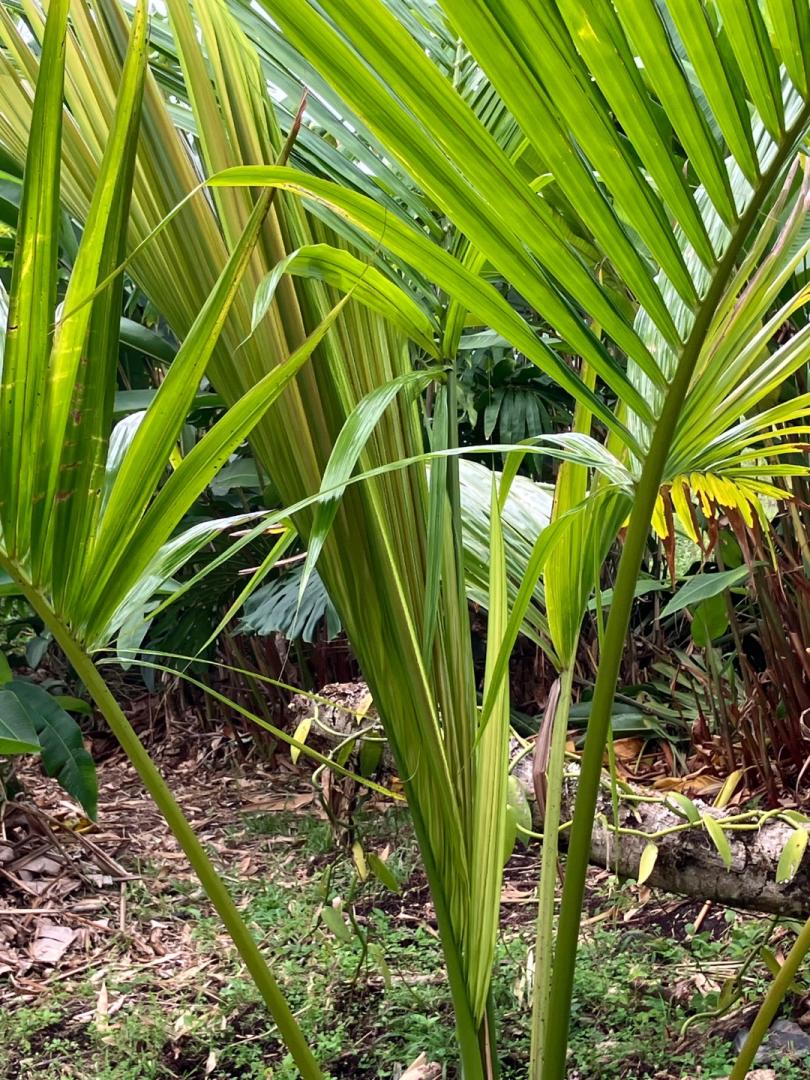
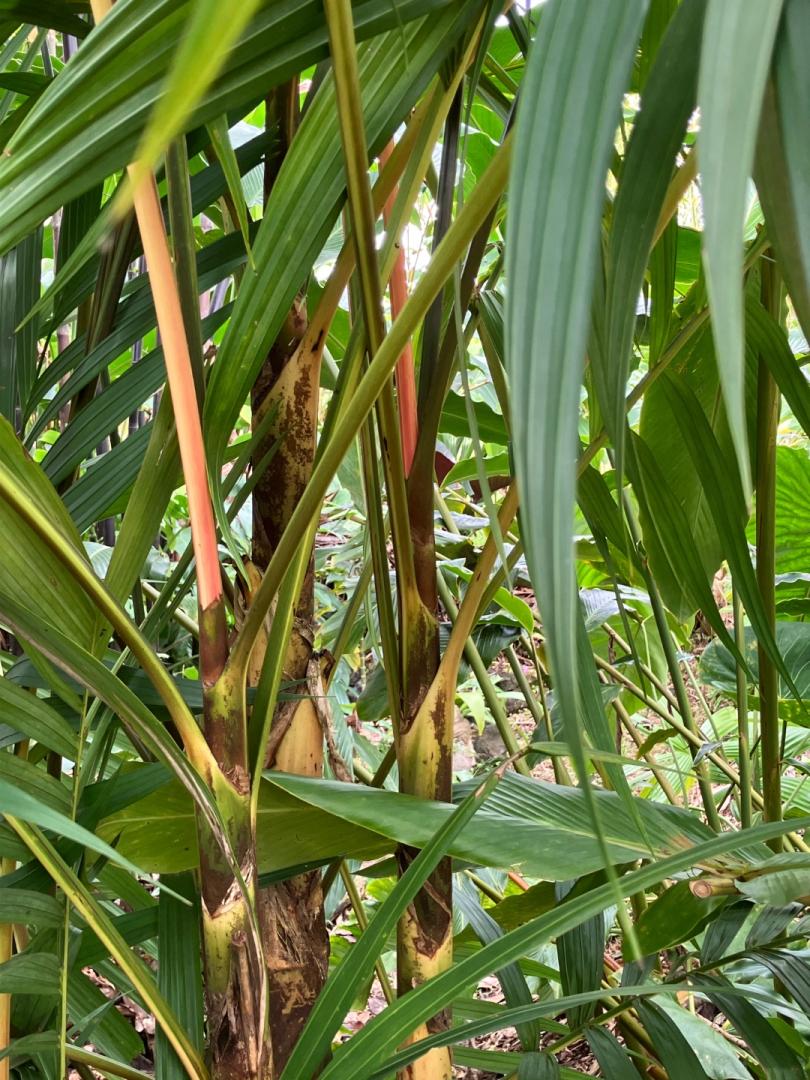
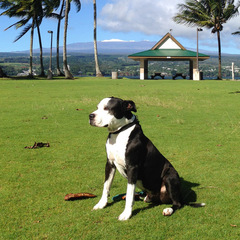 Here are my pictures of Lafazamanga and Andersenii. First up are 2 Andersenii, both given to me by @realarch . The slightly larger one was planted maybe a year ago and the smaller one planted just a few months ago. And here are 2 Lafazamanga. Both of these I grew from seed from the parent plant in my previous garden in Hilo. Both of these and the parent split to 6 trunks and then stopped splitting. The larger is loaded with viable seed. It was planted from a 3 gallon pot about 4 years ago. Very fast!


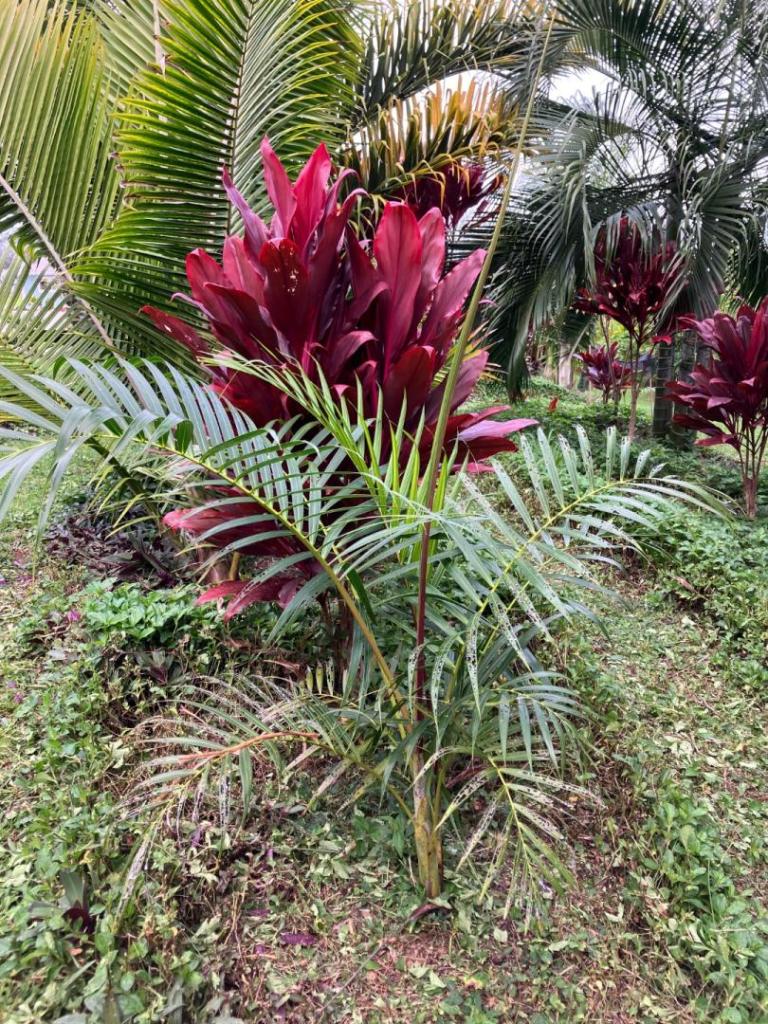
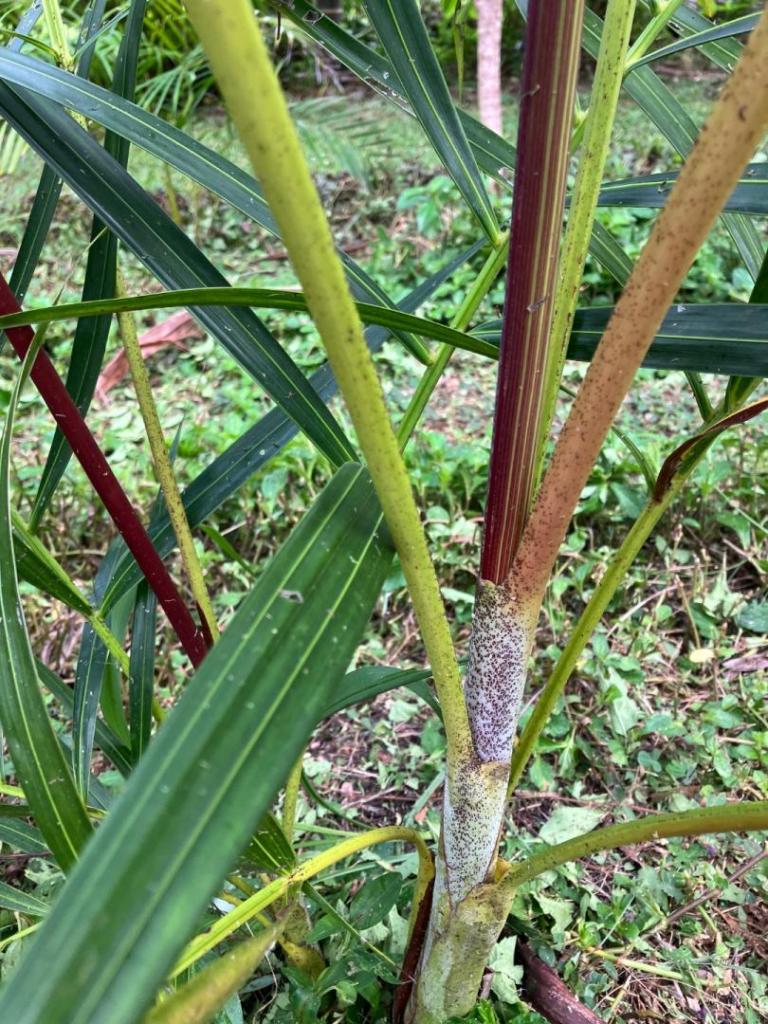
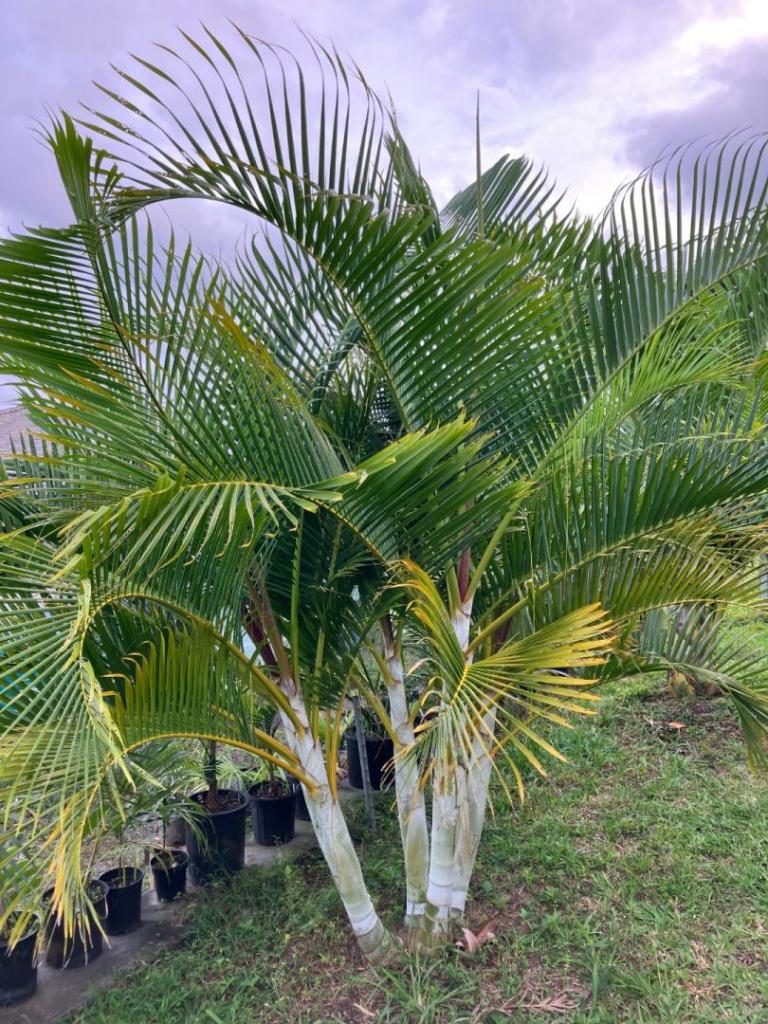

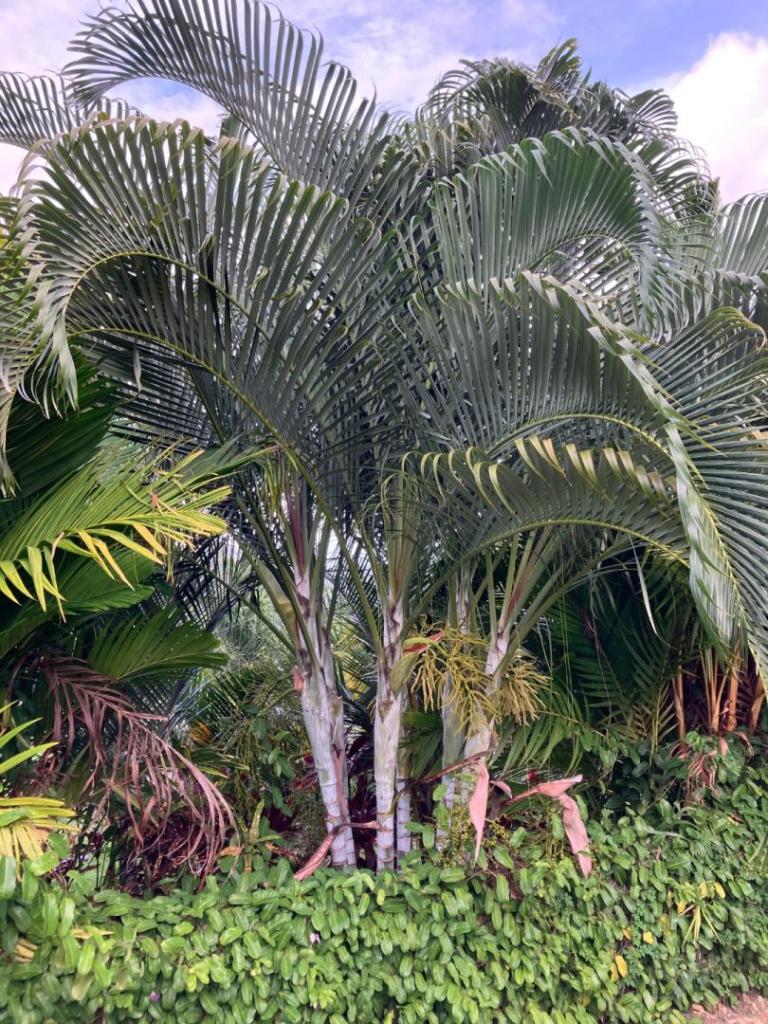
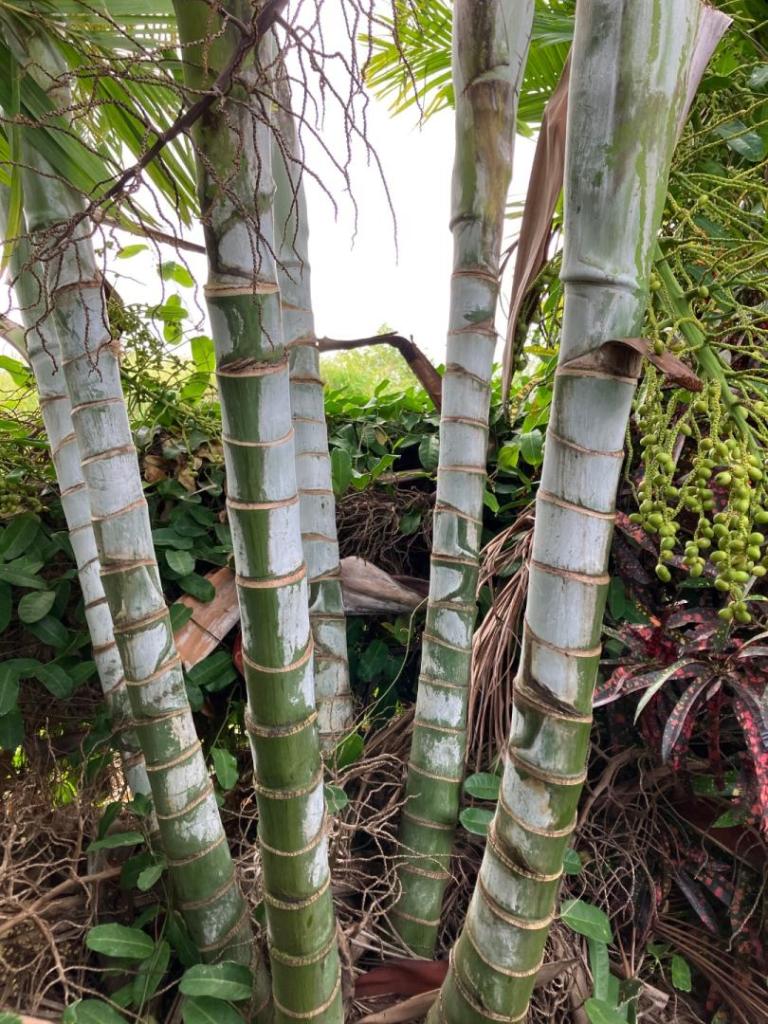 2 points
 -
 2 points
 -
 2 points
 -
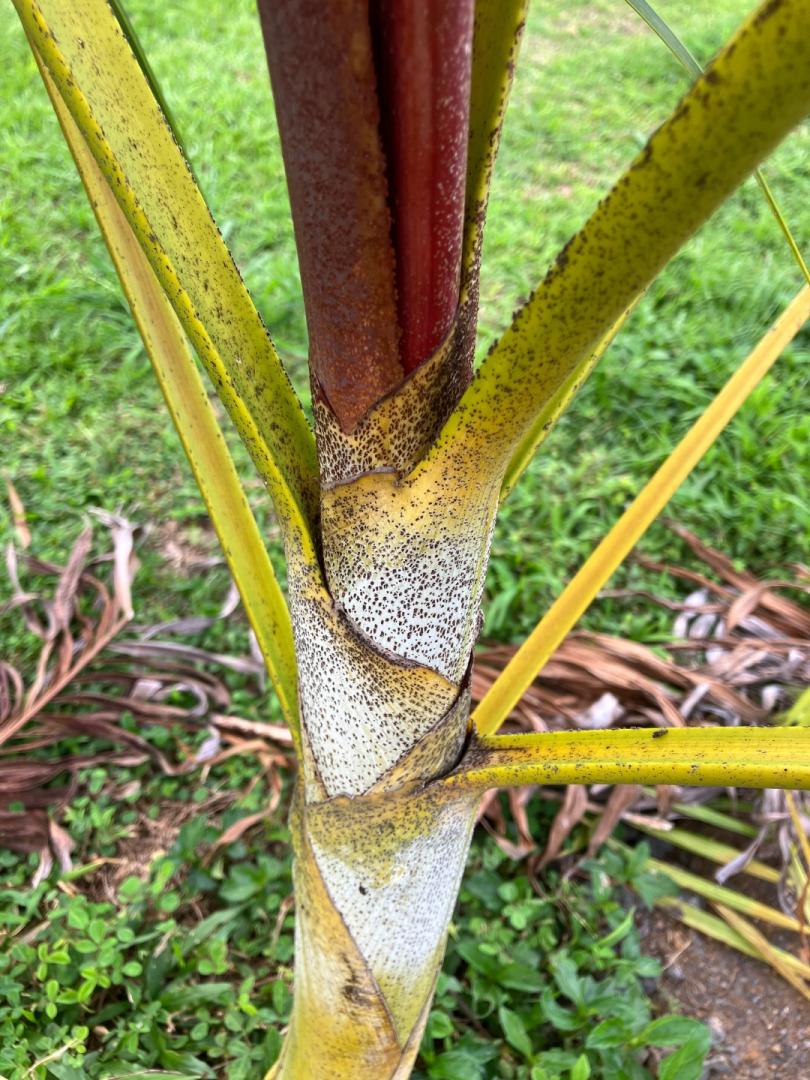
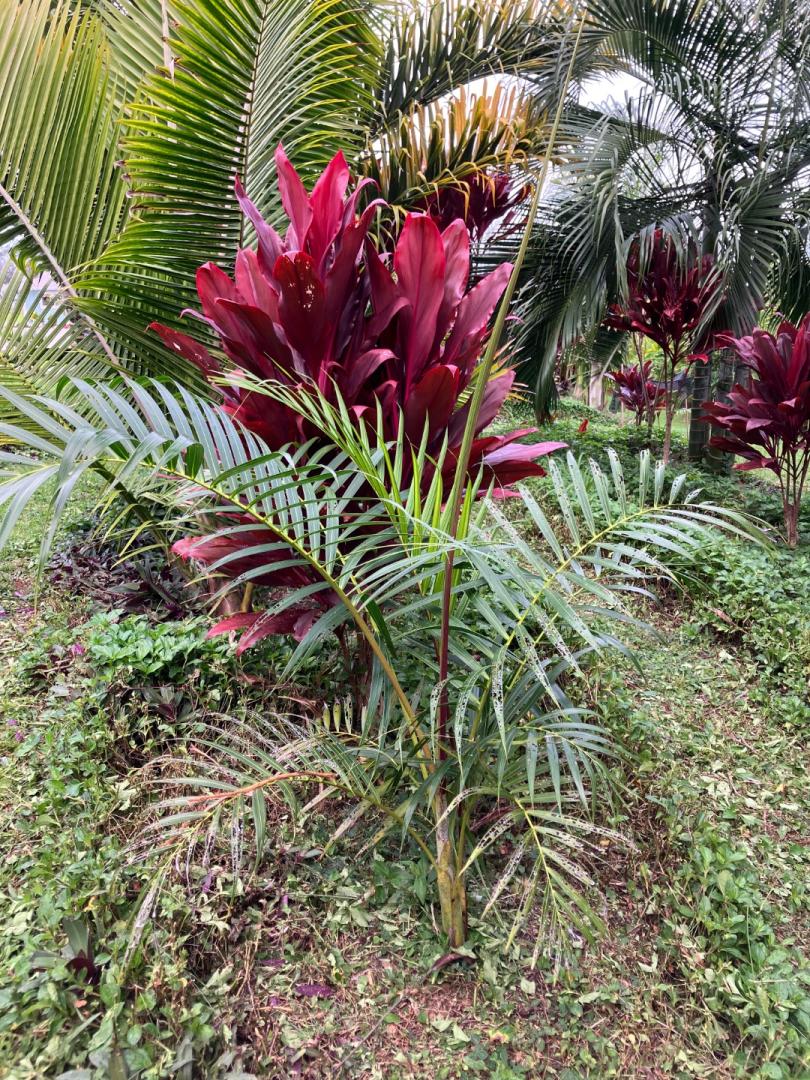
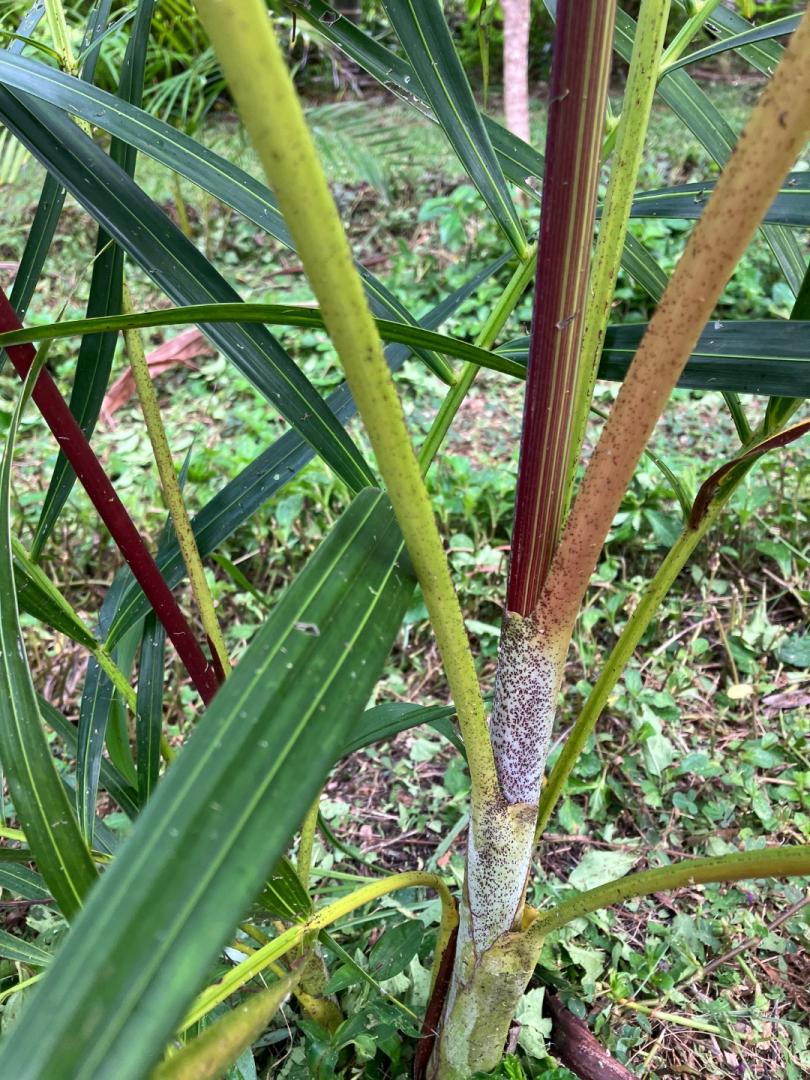
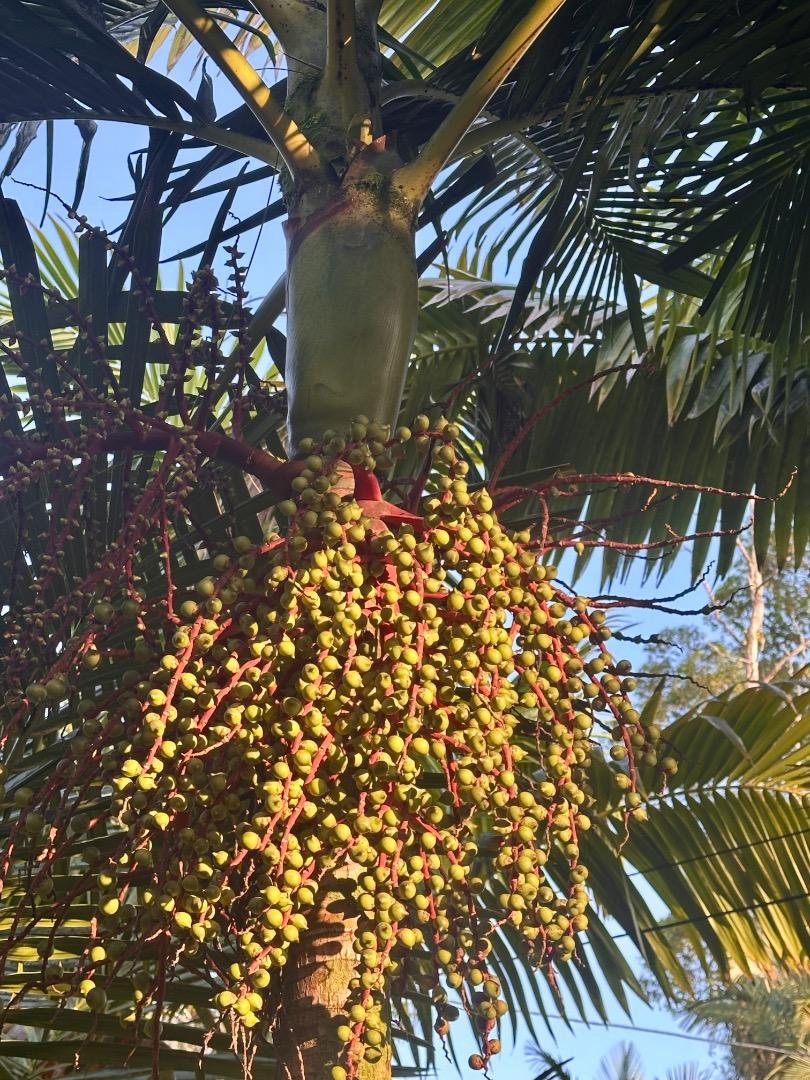
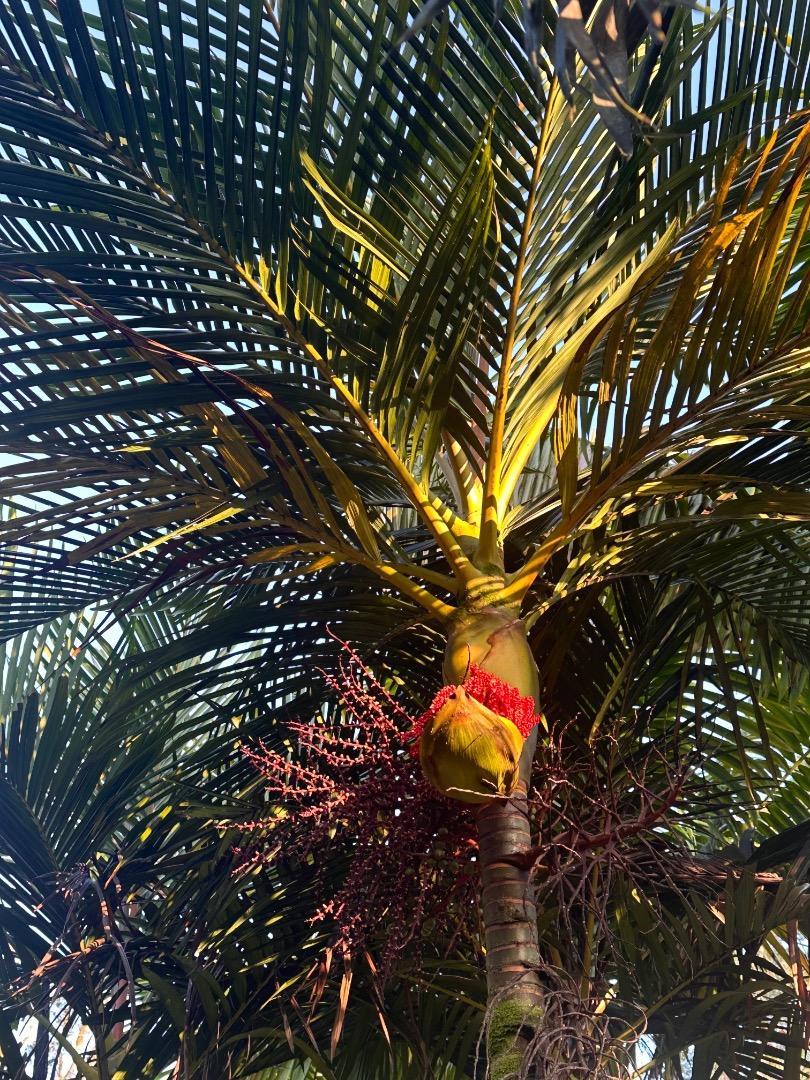
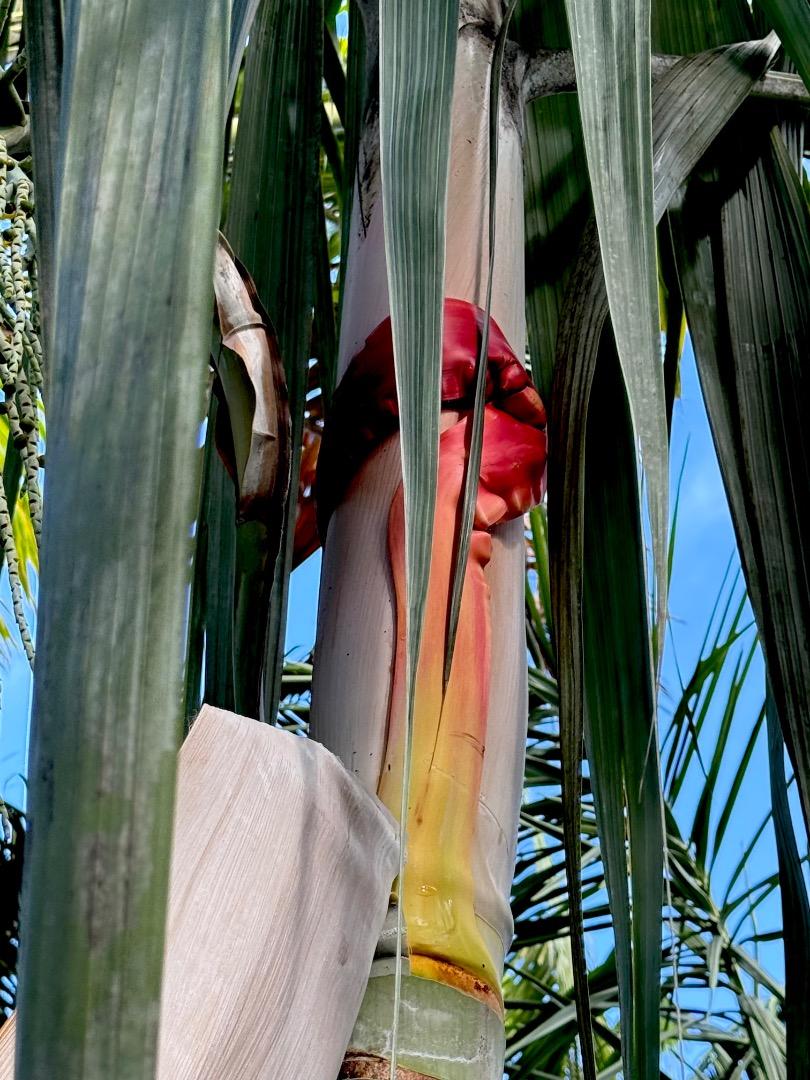
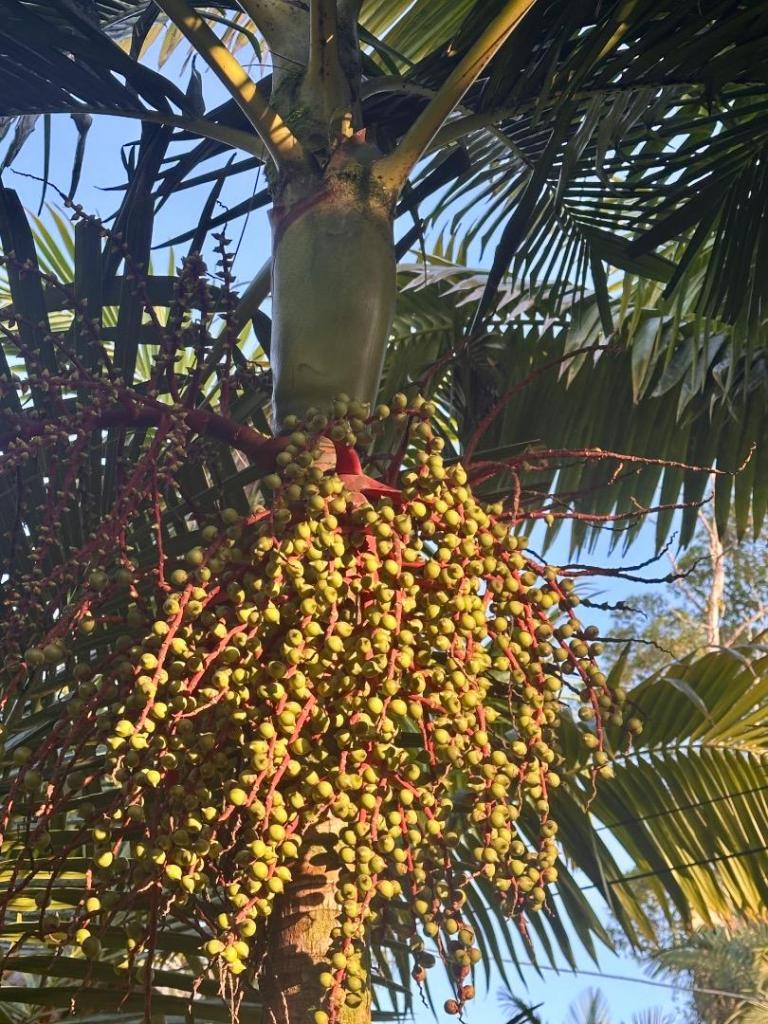
 2 pointsAs the sun fell lower in the sky, something red was lit up toward the east. What could it be? Grabbed the phone and went to see. A sight I have never witnessed before, the unveiling of a fresh inflorescence of Loxococcus rupicola -- and wow, was it ever RED! Below you can see what caught my eye. Closer -- evidently I was disturbing a pair of Madagascar geckos -- can you find them? Below you can see the formed seeds on another Loxococcus rupicola. I sometimes have trouble remembering the name of this palm. My trick is to start with Coca-cola and then it falls into place.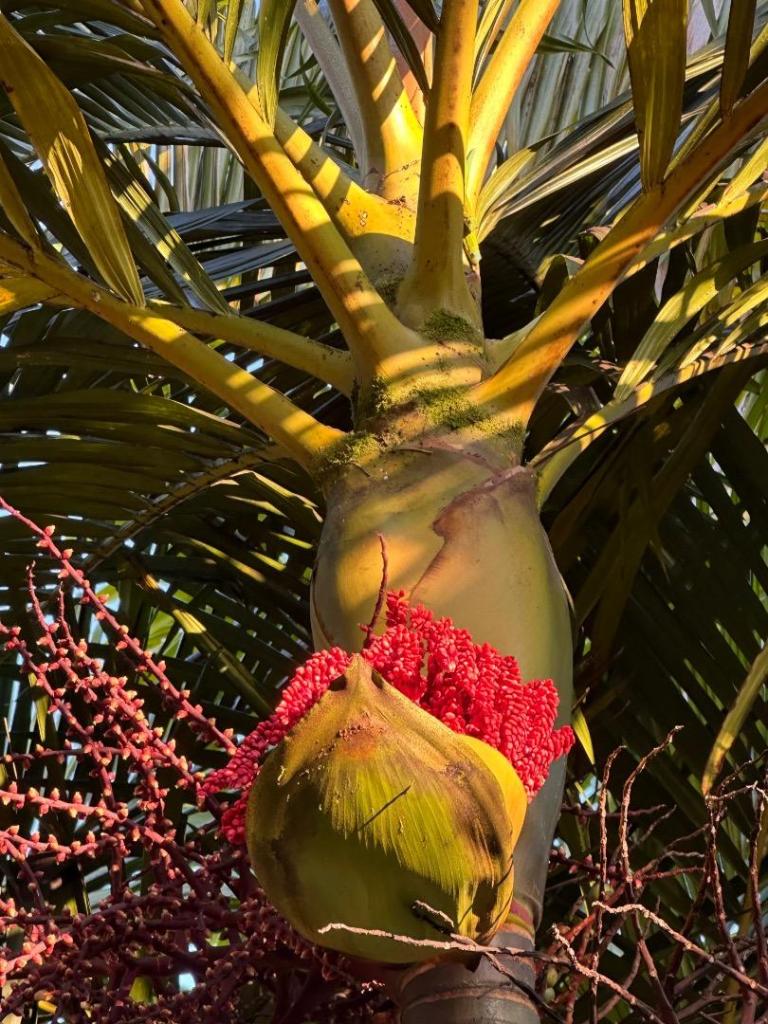
 2 points
 -
2 points

.jpg.7df1d92571e2e35bd6c3134a0c67ea70.jpg)

.jpg.29b2d6a18453598a59f263c52ccad658.jpg)
.jpg.0ea9bd551fc5d7fb3c615e260b62e011.jpg)