Leaderboard



Popular Content
Showing content with the highest reputation on 10/07/2025 in Posts
-
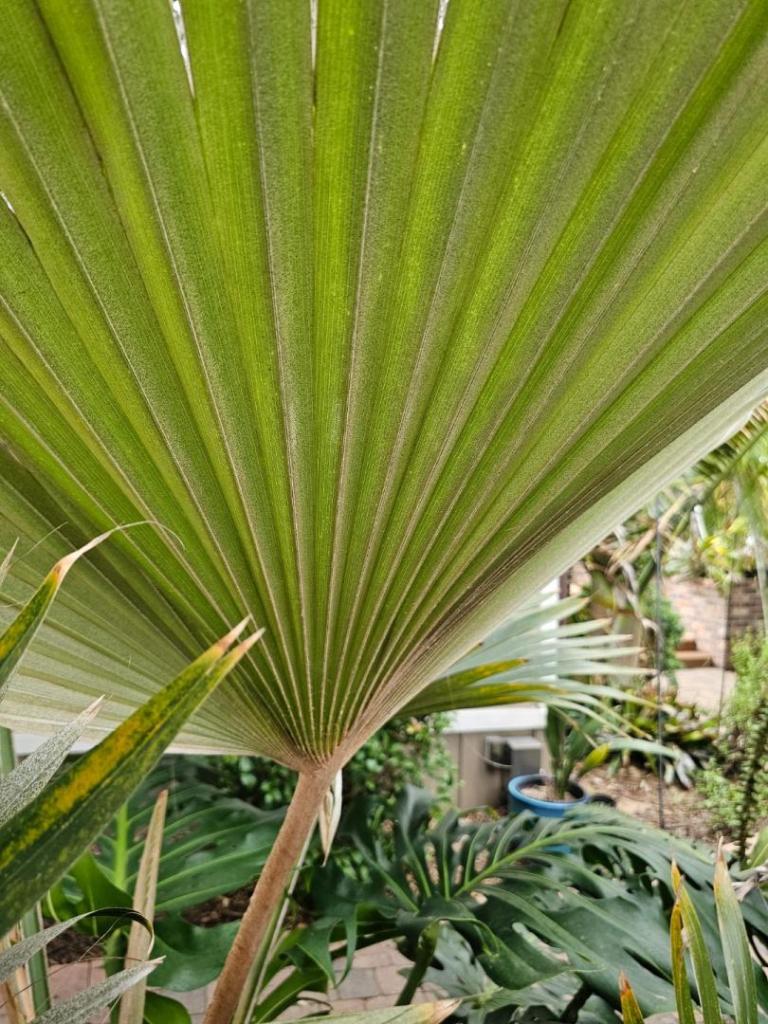
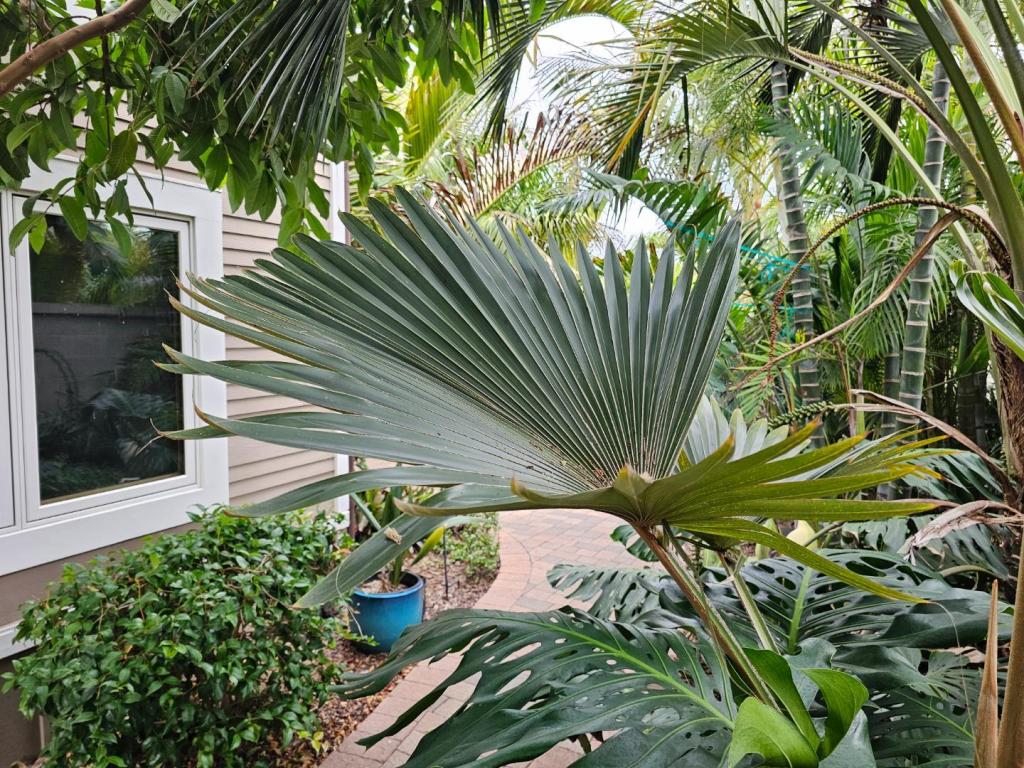
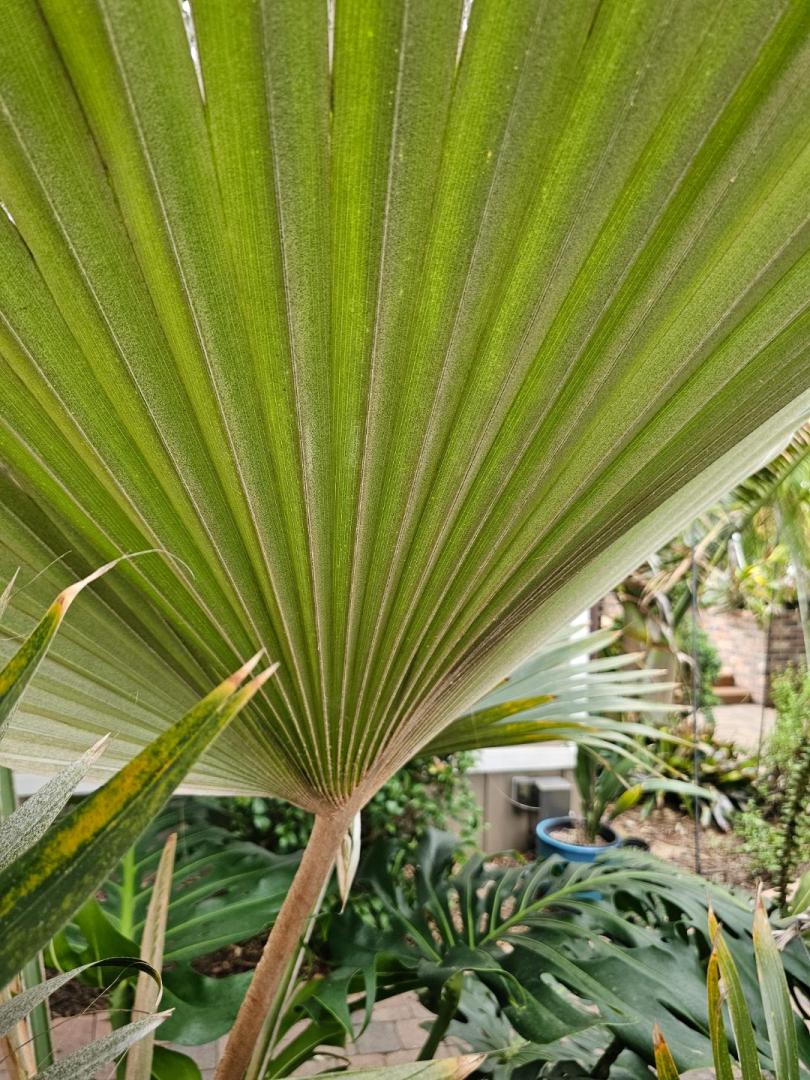
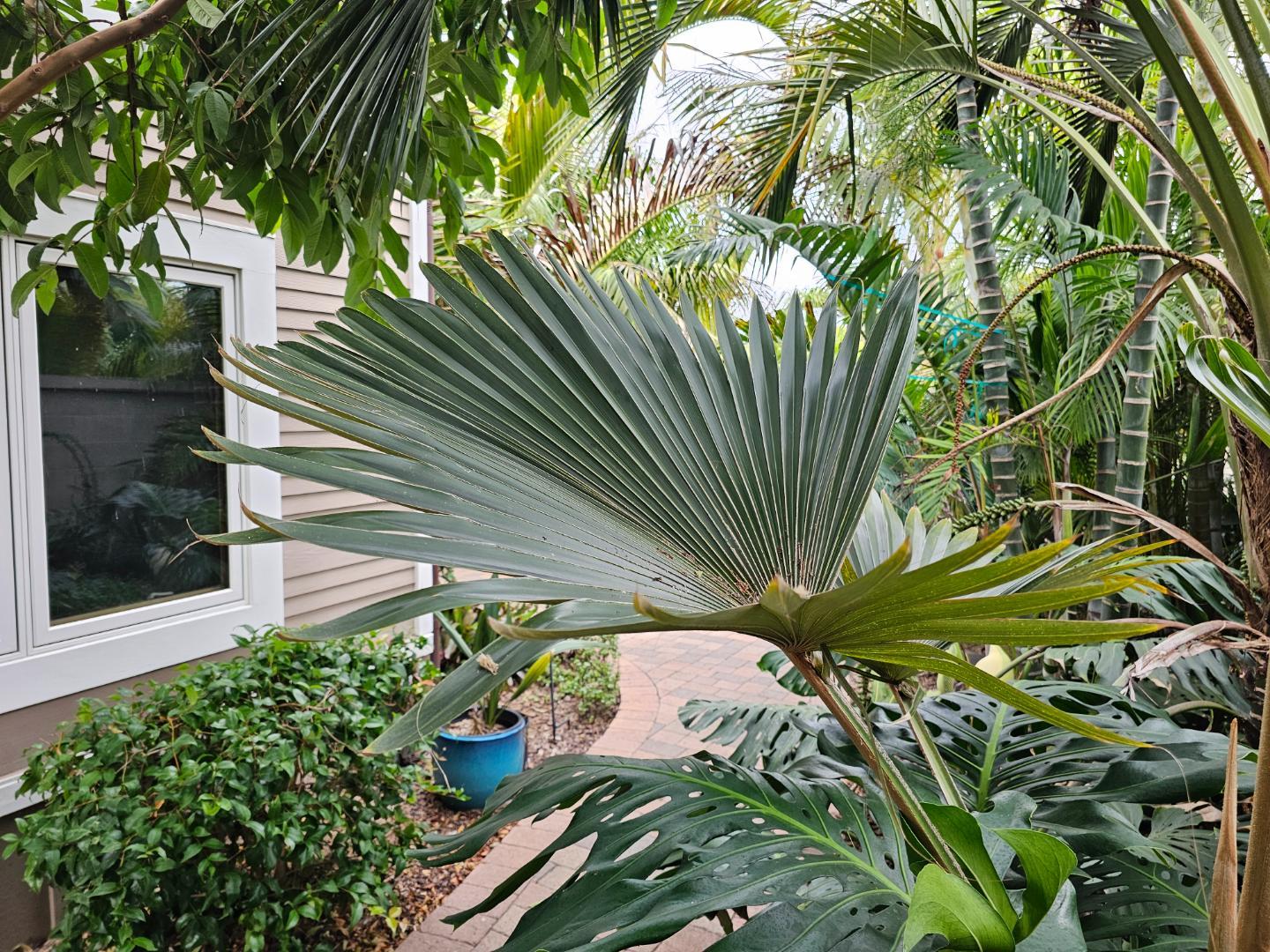
I was just noticing how bowl shaped the new leaves open on this Pritchardia flynnii. I absolutely love the look especially with the color of the abaxial leaf.


 9 points
 -
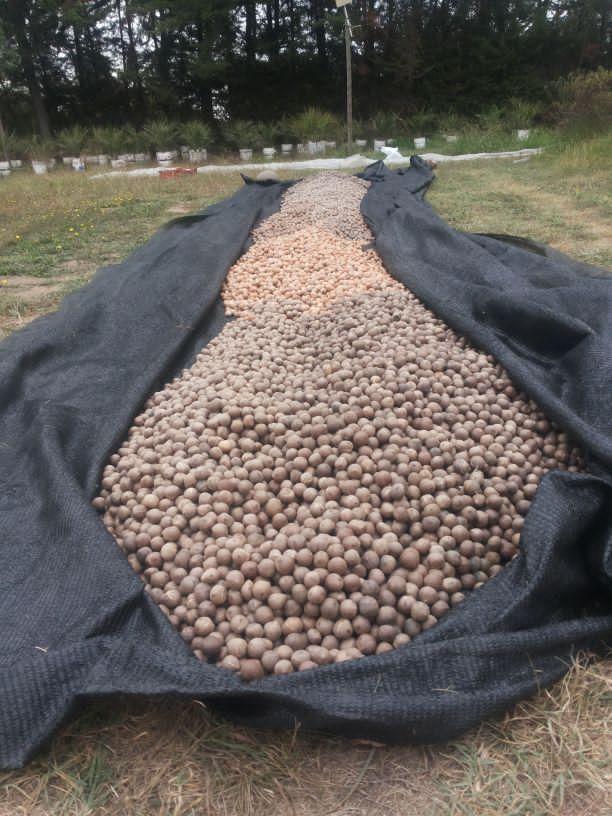
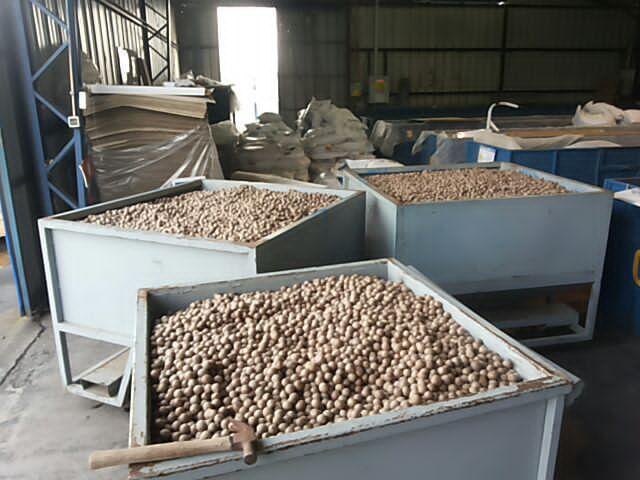
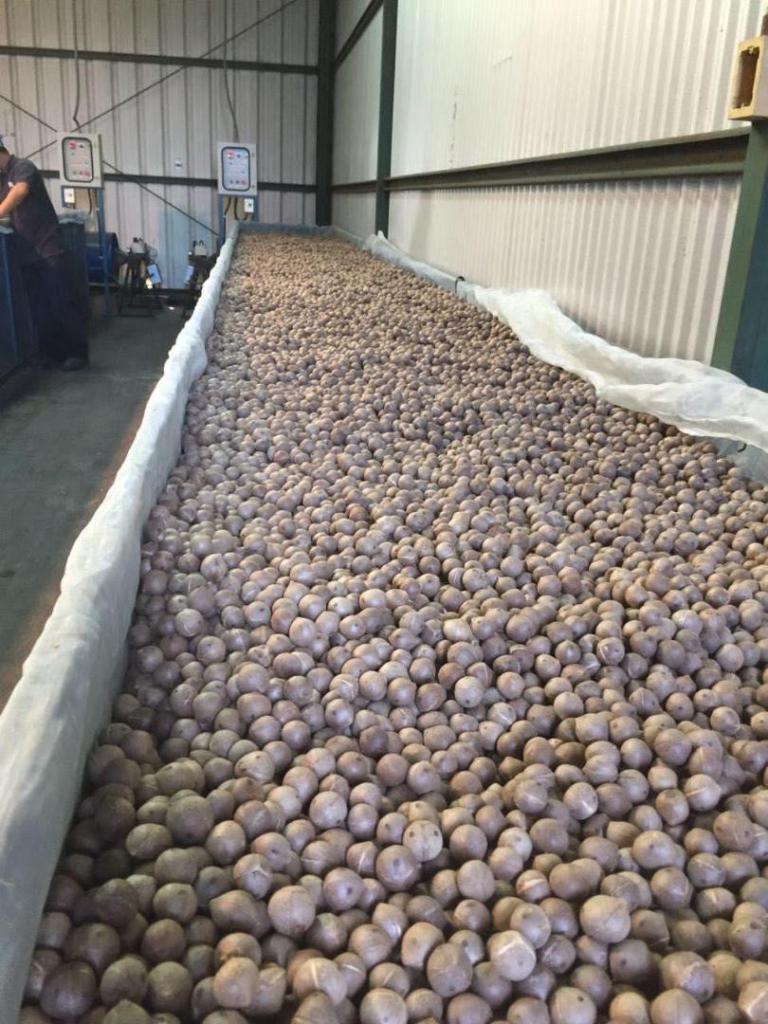
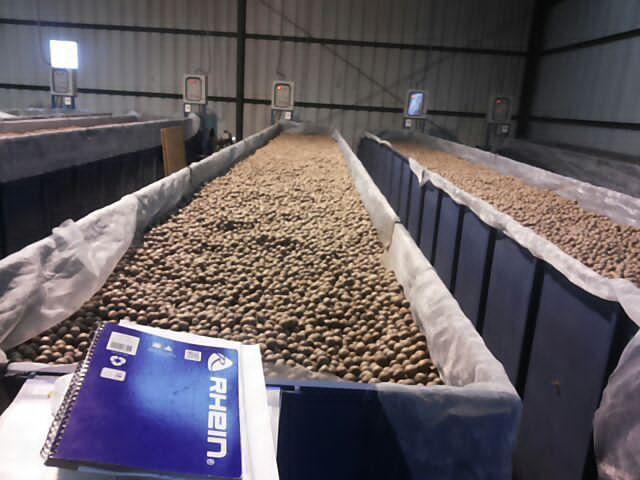
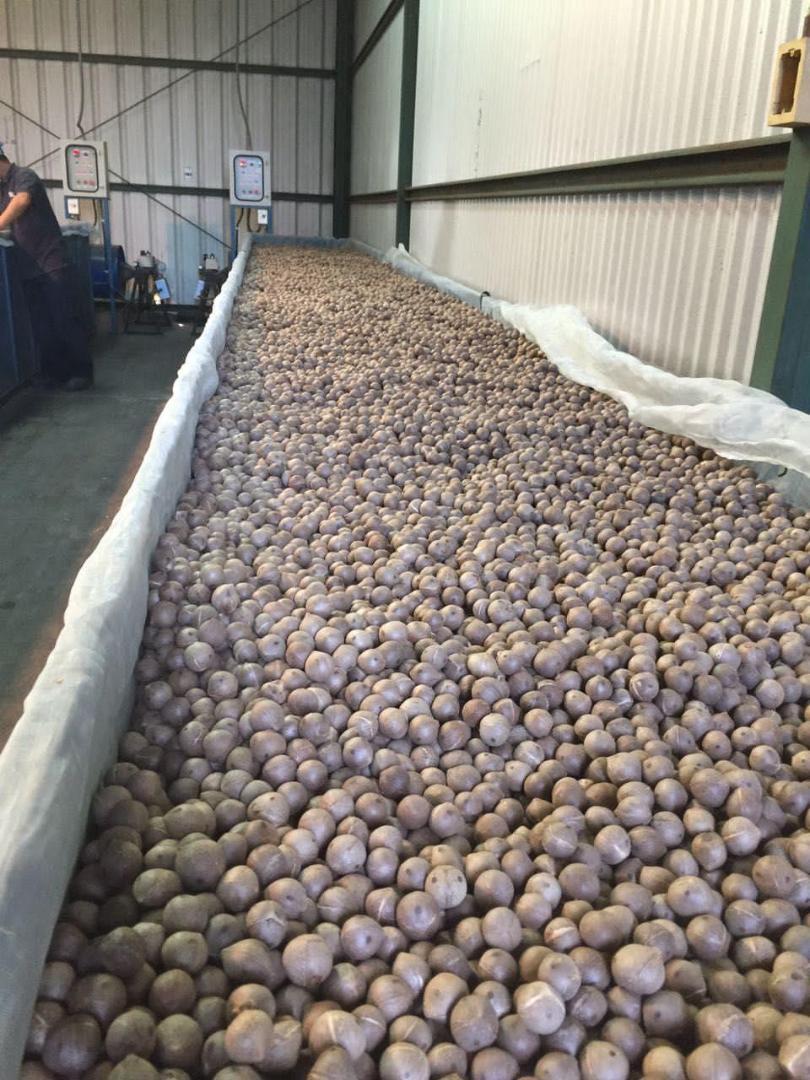
A few more Jubaea chilensis coconuts. These coconuts are sold from Chile to RPS Germany. They're also sold in China. My friend hopes to close a deal with the United Arab Emirates for giant Jubaea chilensis palm trees. I'll keep you informed about this in the future. This is the world of palm trees, friends.
 8 points
 -
5 points
-
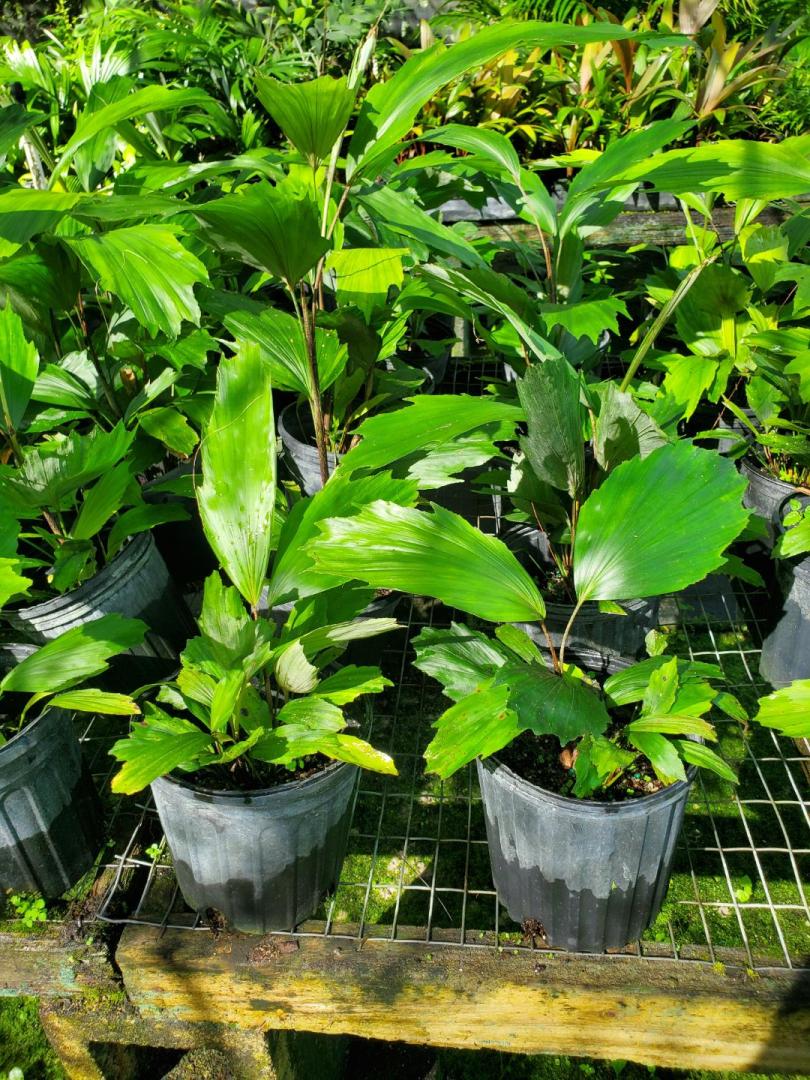
I have the exotic Arenga hookeriana in 1 gal. pots for $25.00 each. These have multiple plants in in each pot and some have started to produce suckers. They've been growing in 50% shade. Available at the nursery in Loxahatchee Groves. Florida. By appointment only. Sorry, no shipping! For more information call 305 905 2939 or email: Palmz@gate.net.

 5 points
 -
Ray, I have this planted at my house in Altamonte Springs, north of Orlando. Planted it 10yrs ago from a 1gal. Its a mature, flowering clump now. I have it under tree canopy and it has survived low 30s with very little burn. I have at them at Leu in ground for around 20 years, they survived the 2009-10 winter with minor foliar burn but no stem dieback or defoliation.5 points
-
One of my sabal trees suddenly put out a new variegated leaf.5 points
-
I get this with new fronds opening in early Spring sometimes. I think you’ll find those red lines would’ve been joined in one section of the spear before it opened and had some minor damage while in this form either from cold or sun. Is the frond opening up and recurving towards the south or east? I’d suspect most likely from low angle sun on the spear surface facing north or west. Never usually a serious concern.5 points
-
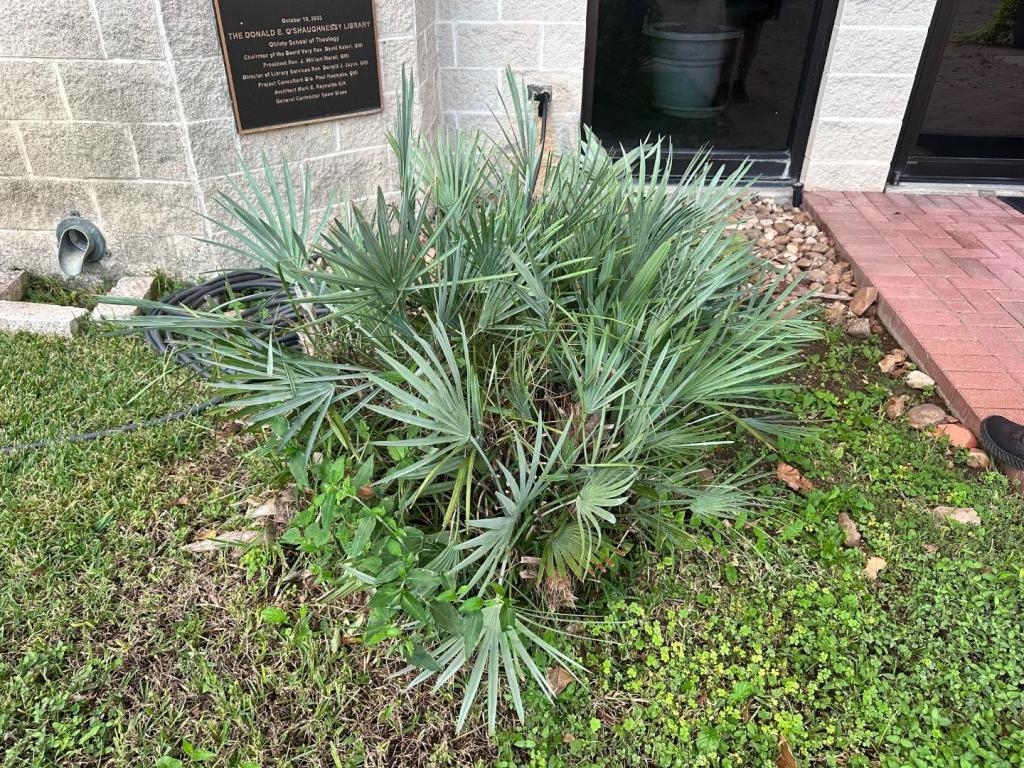
Yeah it won't look perfect all the time but he's in Alvin. I imagine a small unestablished palm might need protection for a few winters. There is (was) a good sized clump at the Oblate School in San Antonio that survived 9°F unprotected in February 2021 coming back from the suckers. Haven't seen it in the past 3 years so not sure what it looks like now.4 points
-
Acoelorraphe wrightii would be very nice if it can handle the winter temps. I tried it twice in the UHI of Austin but it never came thru winter happy or able to do much more than repair winter's damage. Possibly better results on an southeast facing wall.4 points
-
I don’t think so, some plants will exhibit a red or purple in winter but that is usually due to lack of potassium in the cold.4 points
-
Howea species get the red line on some palms as well. It appears to be normal, has it just started to happen?4 points
-
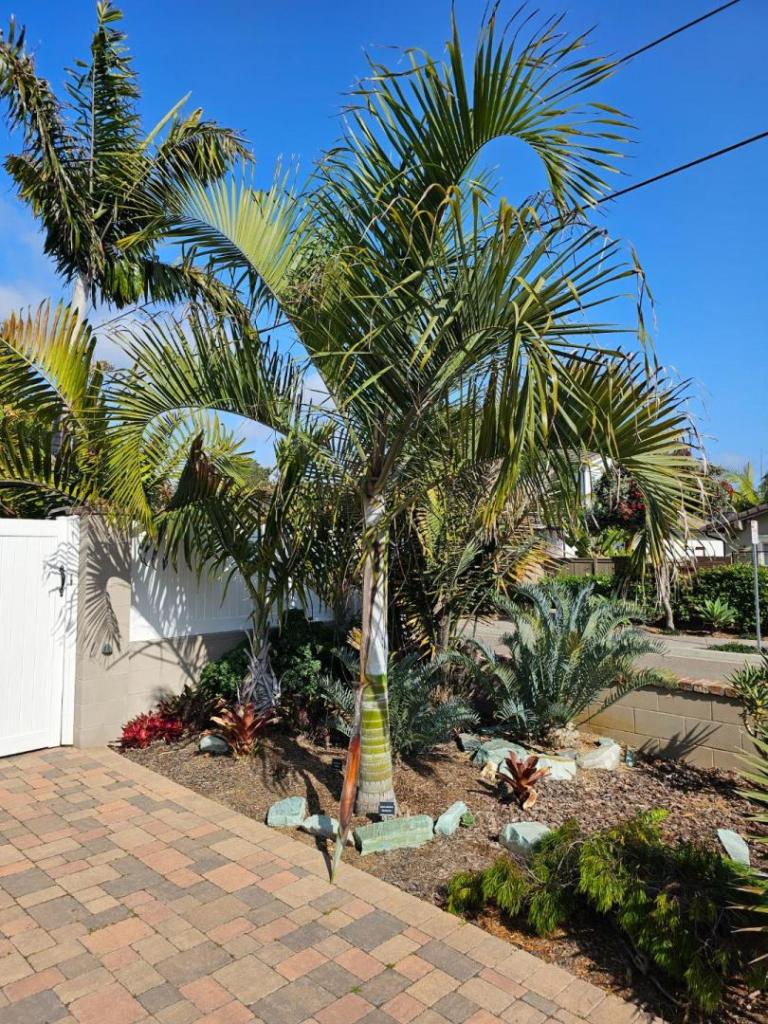
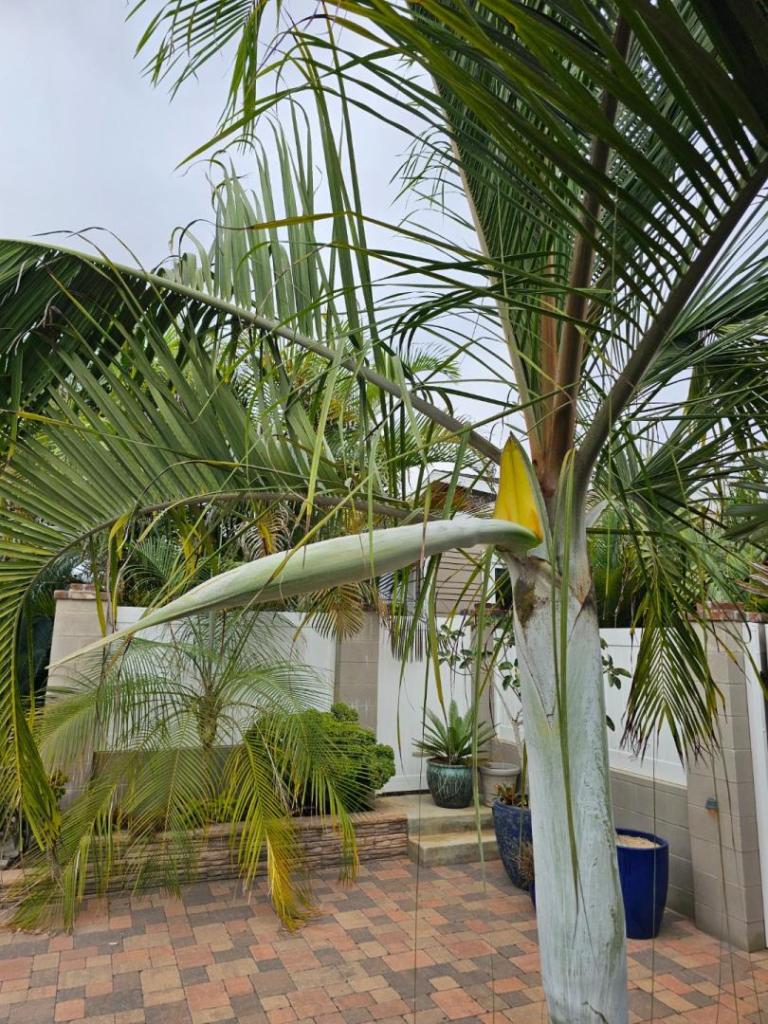
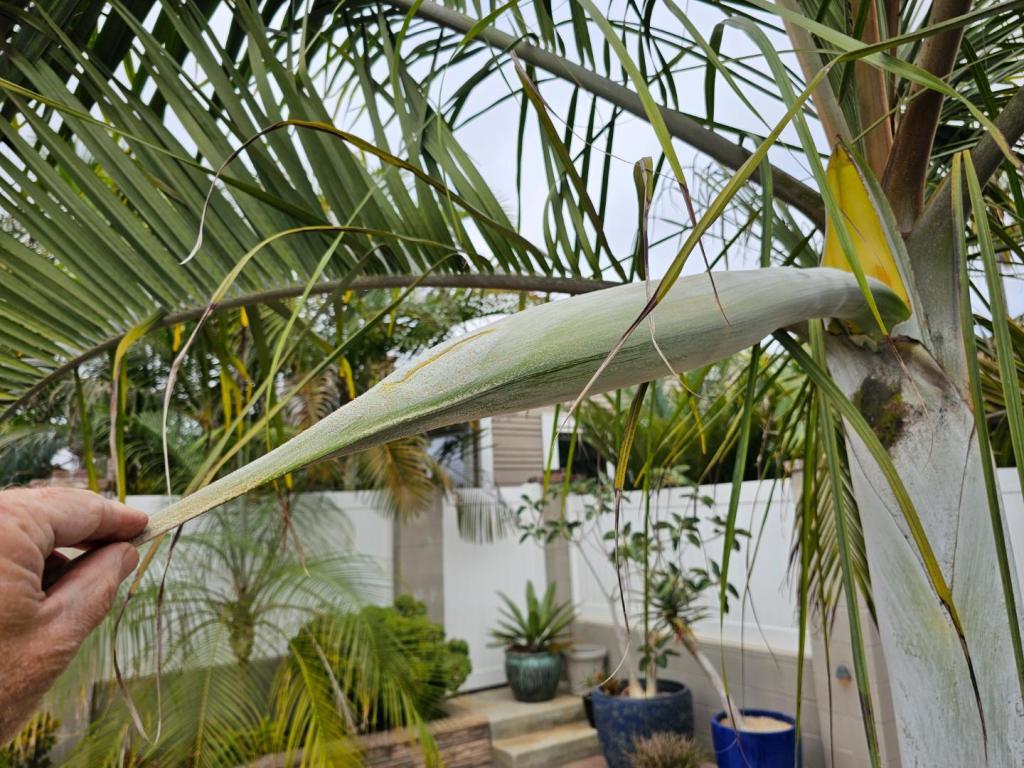
Another try at flowering.

 4 points
 -
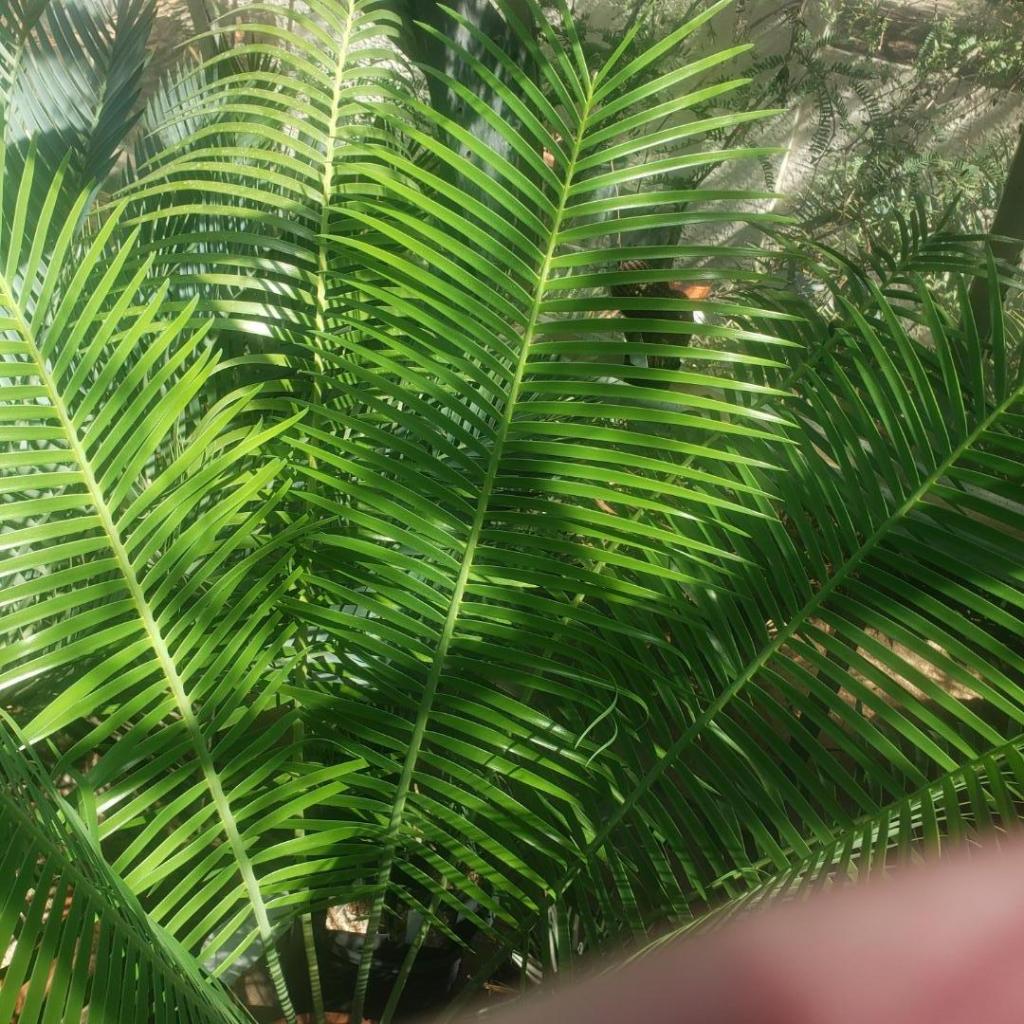
This is still expanding and soft, but you can see how super wide and narrow these leaflets are. Almost like eyelashes. Actually reminds me of microcycas somewhat.

 4 points
 -
I wanted to put in an unsolicited good word for both this lovely palm (that grows very well for me in Puerto Rico) AND for this seller. It is worth the drive to buy beautifully grown well priced palm treasures from Caribbean Palms.4 points
-
The World Palm Symposium is happening - 13-17 July 2026 in Singapore! This is the premier meeting about palm biology and brings together leading palm experts from around the world. The IPS has recently pledged vital support to the meeting. Anyone with a passion for palms and their remarkable natural history is encouraged to participate! Please check out the website - link below. https://palms2026.sg/
 3 points
 -
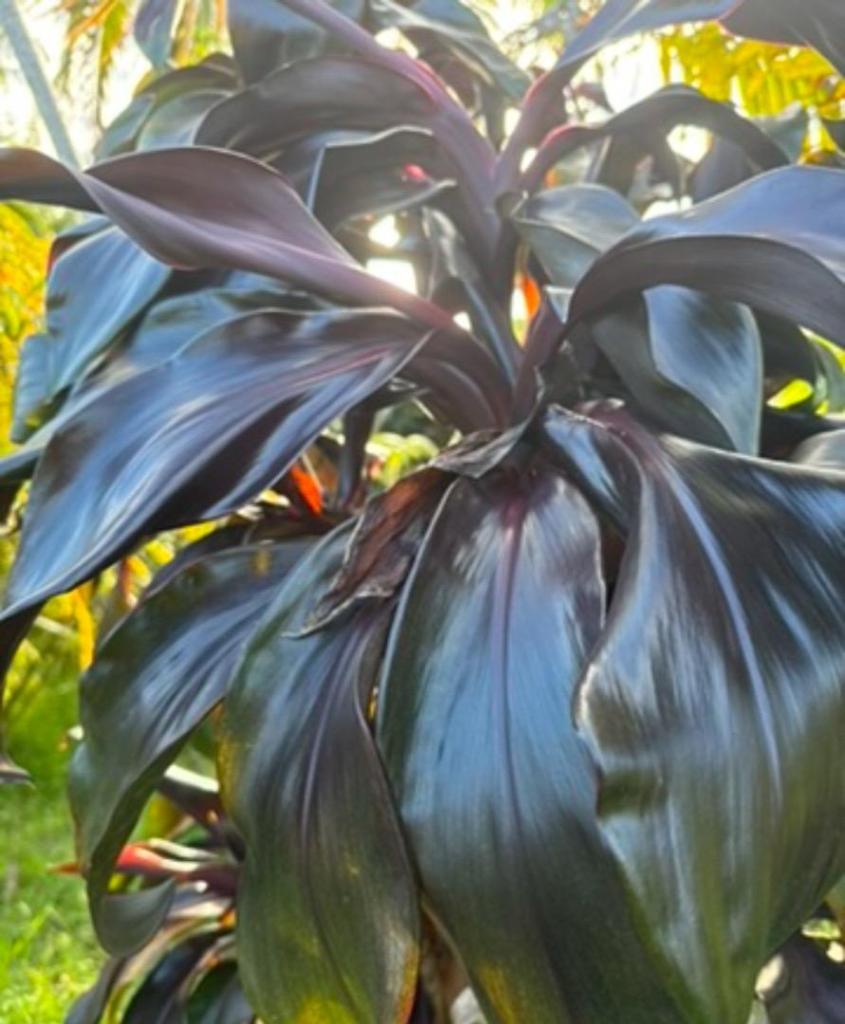
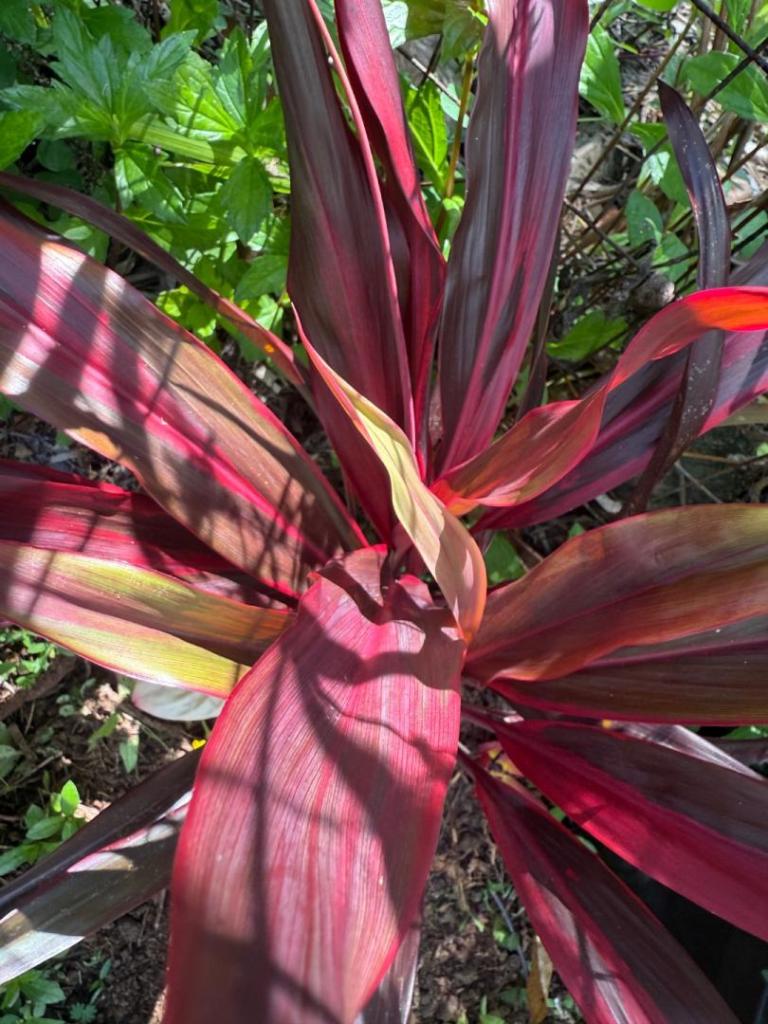
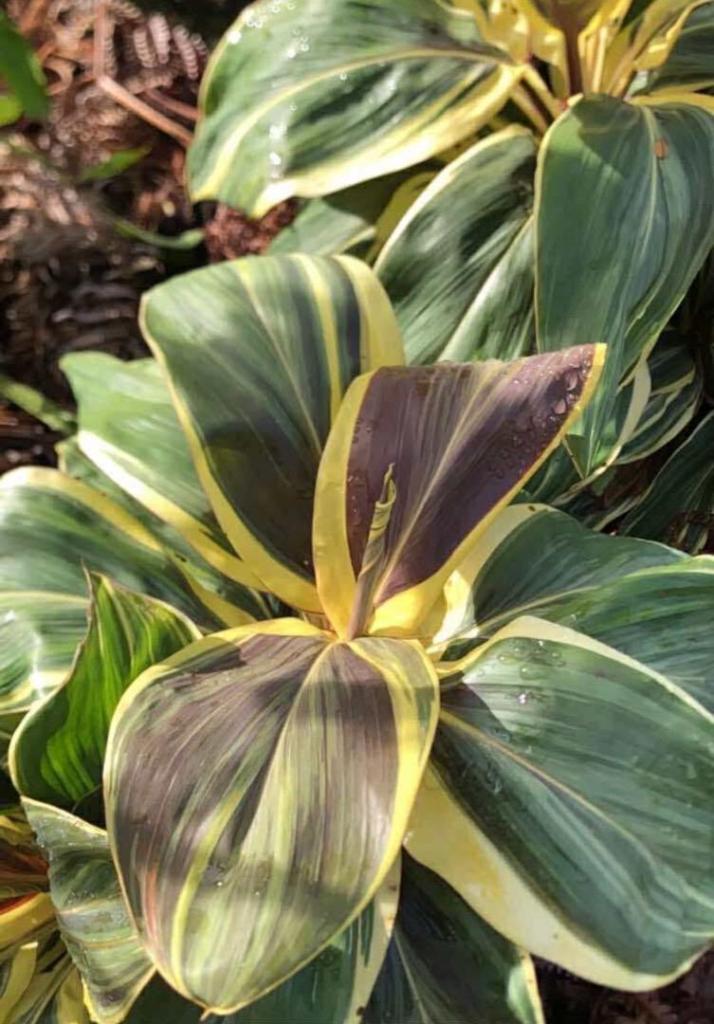
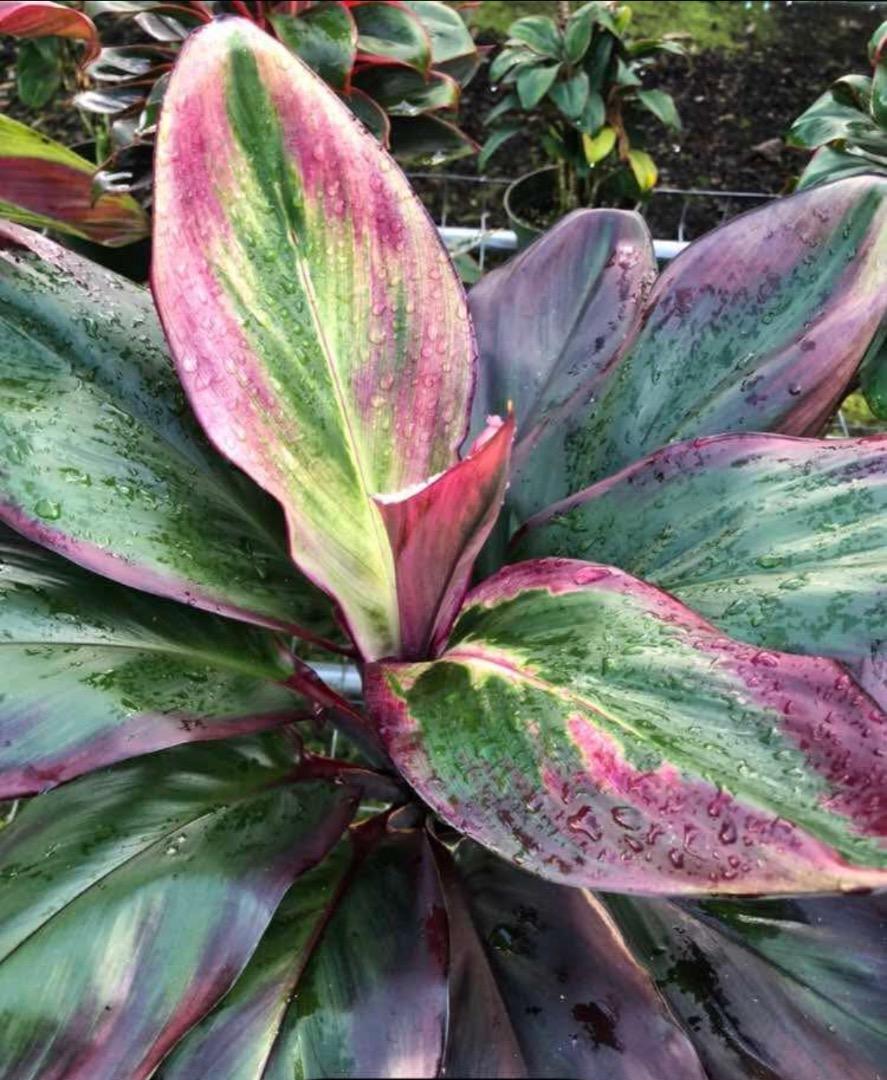
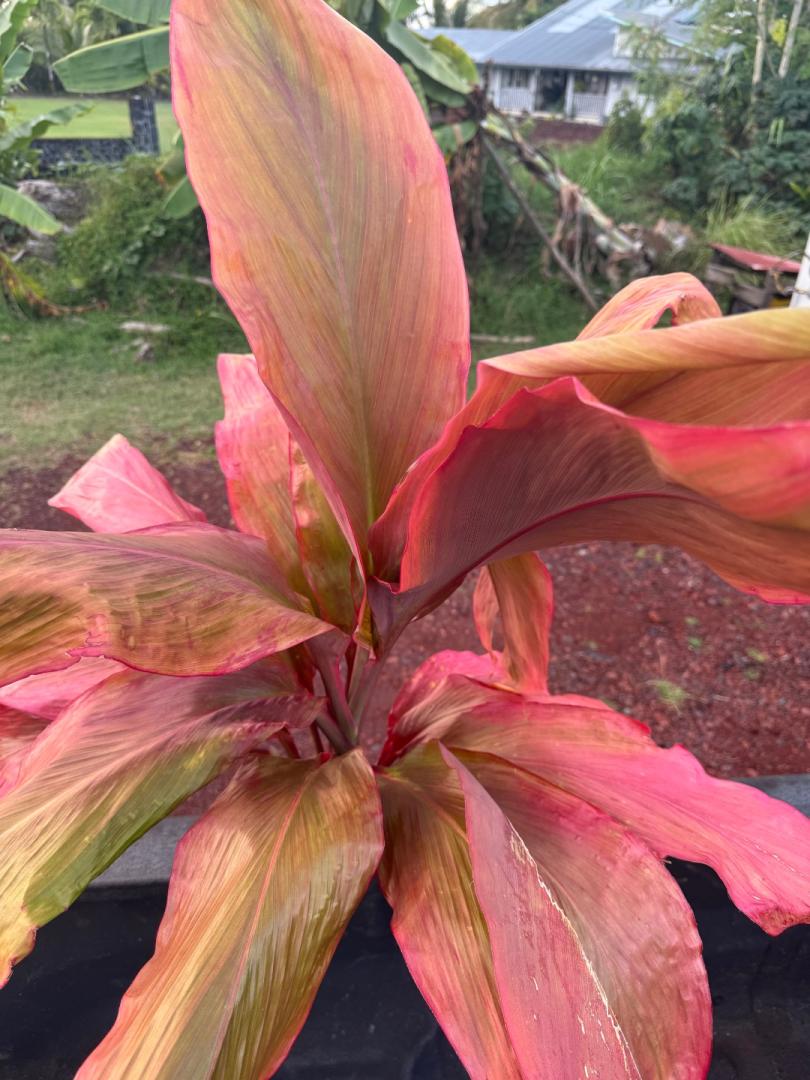
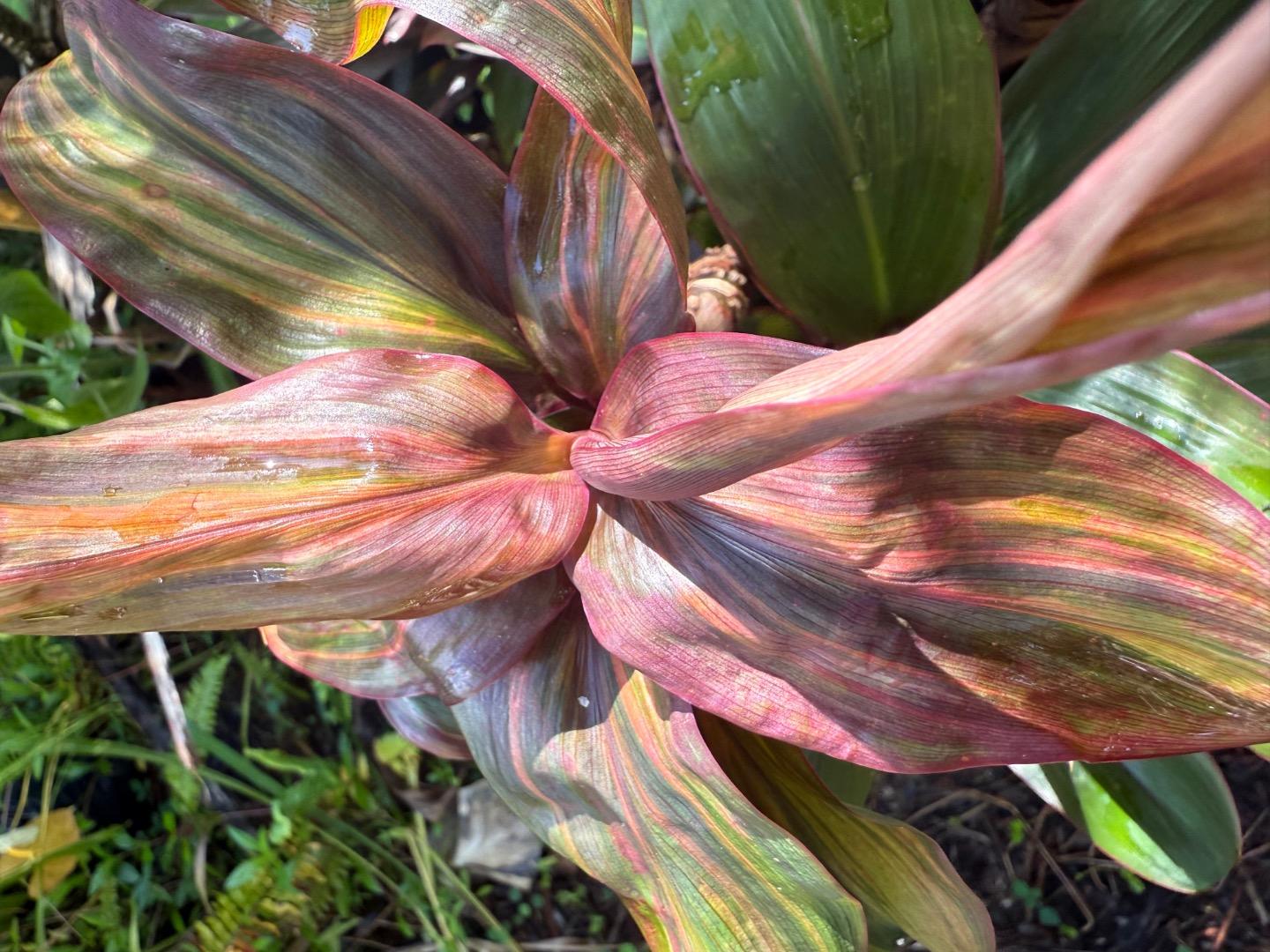
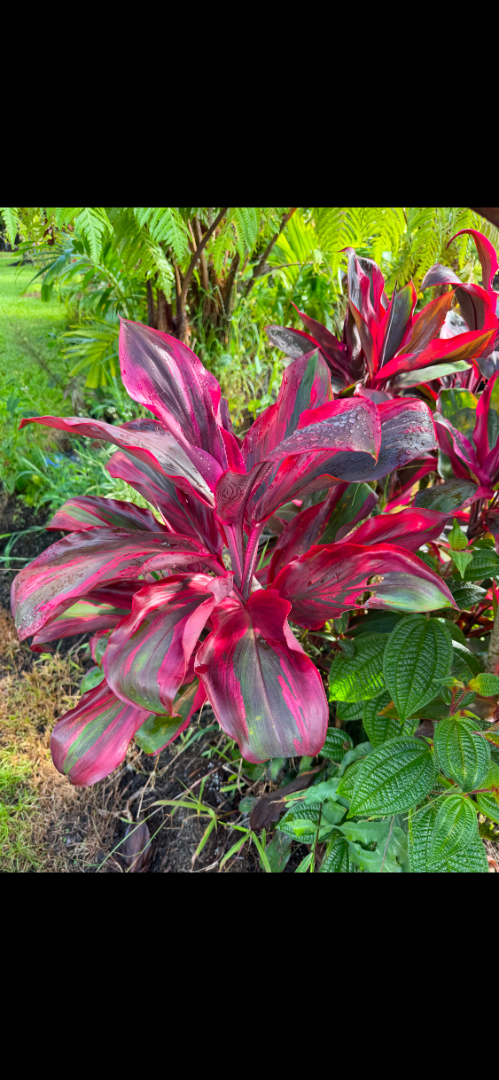
🌺 Aloha Ti Lovers! 🌺 I’m based here on the Big Island of Hawai’i, and over the years I’ve been collecting many different varieties of Ti plants (Cordyline fruticosa). From rare color blends to unique local varieties, I’m always excited to see the diversity and beauty these plants bring to our gardens and lives. I thought it would be fun to start this thread as a place for fellow Ti enthusiasts to: 🌱 Share photos of the varieties you’ve collected 🌱 Swap knowledge about growing and caring for Ti 🌱 Talk about breeding and propagating different Cordyline species 🌱 Celebrate the cultural significance and beauty of these plants Whether you have a single ti plant in your garden or a full collection of rare varieties, this space is for you! 🌴✨ Please feel free to introduce yourself, post pictures of your Ti, and let’s connect as a community of growers and collectors. Mahalo, 🌺 Jordan


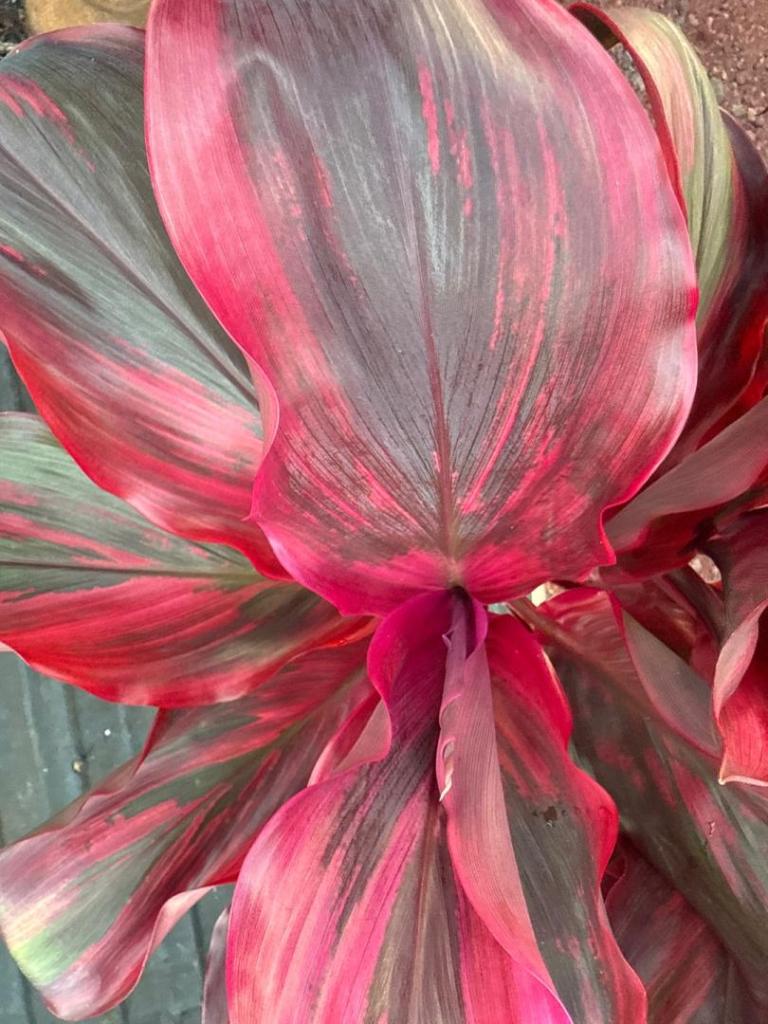
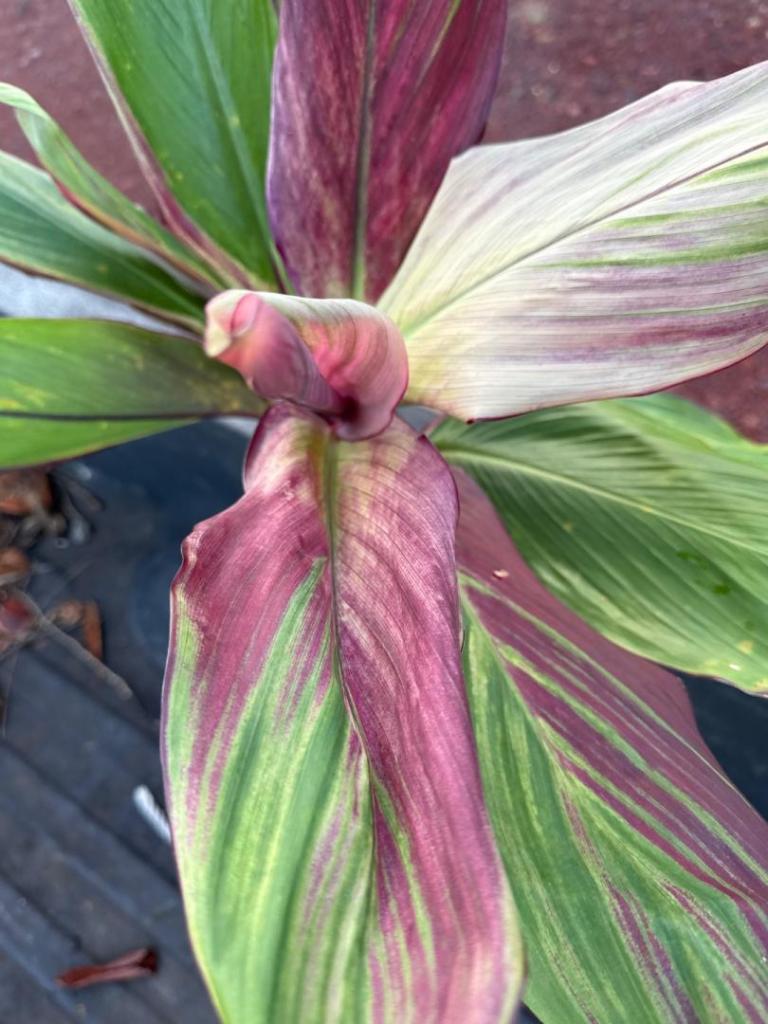
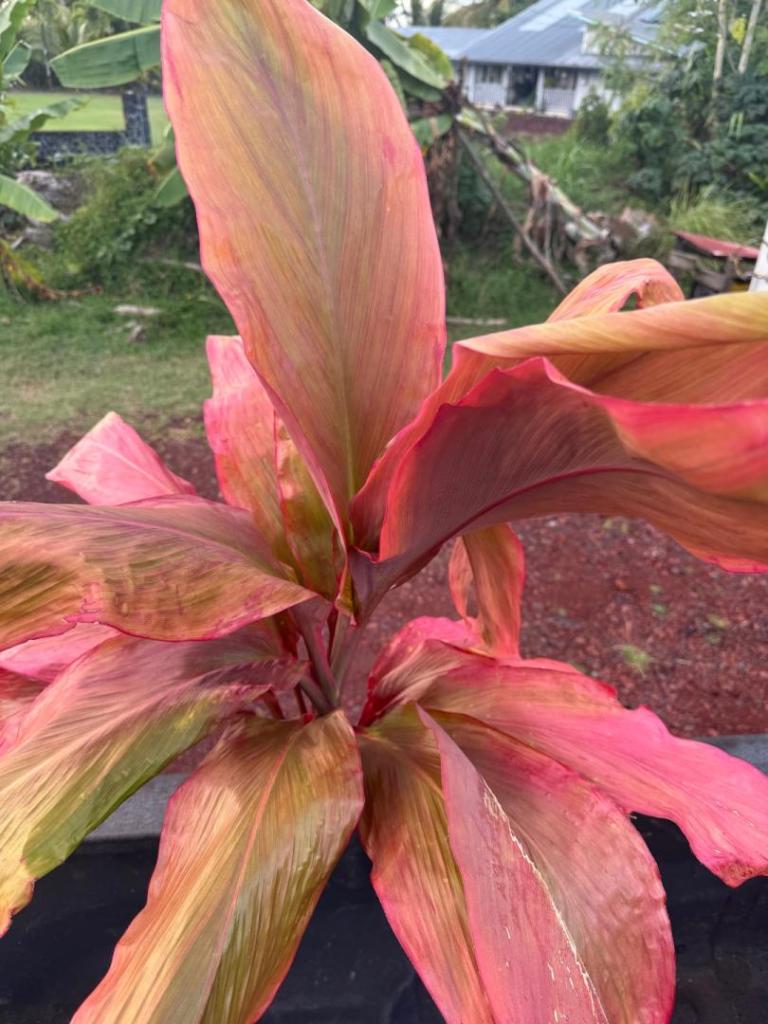
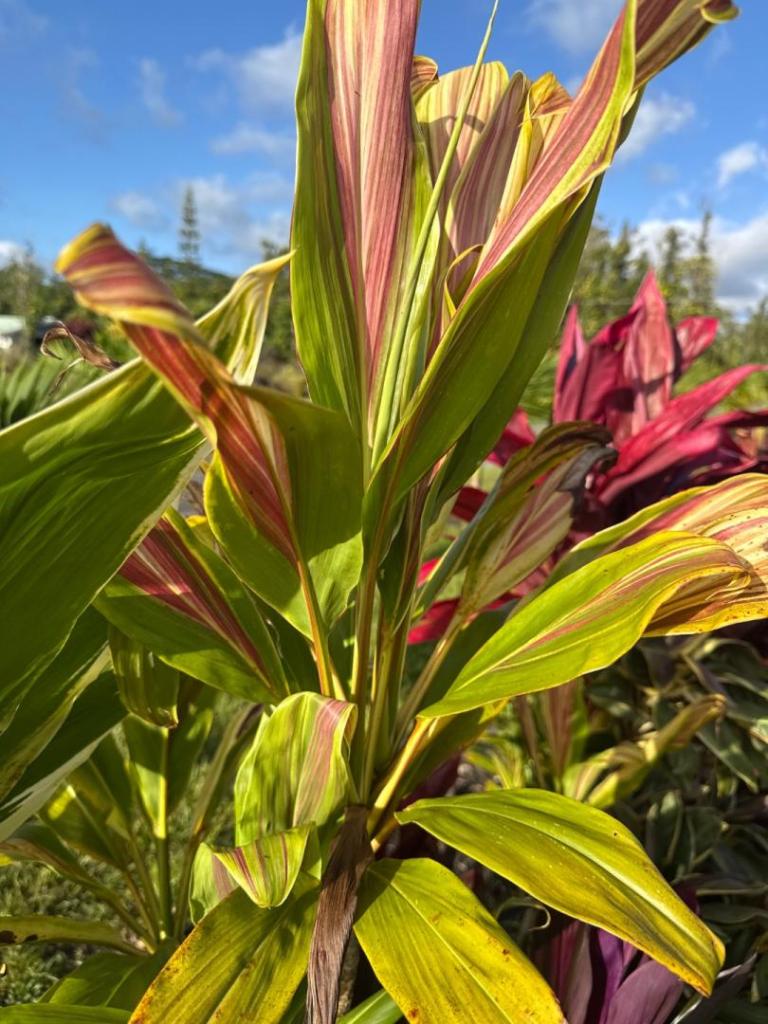
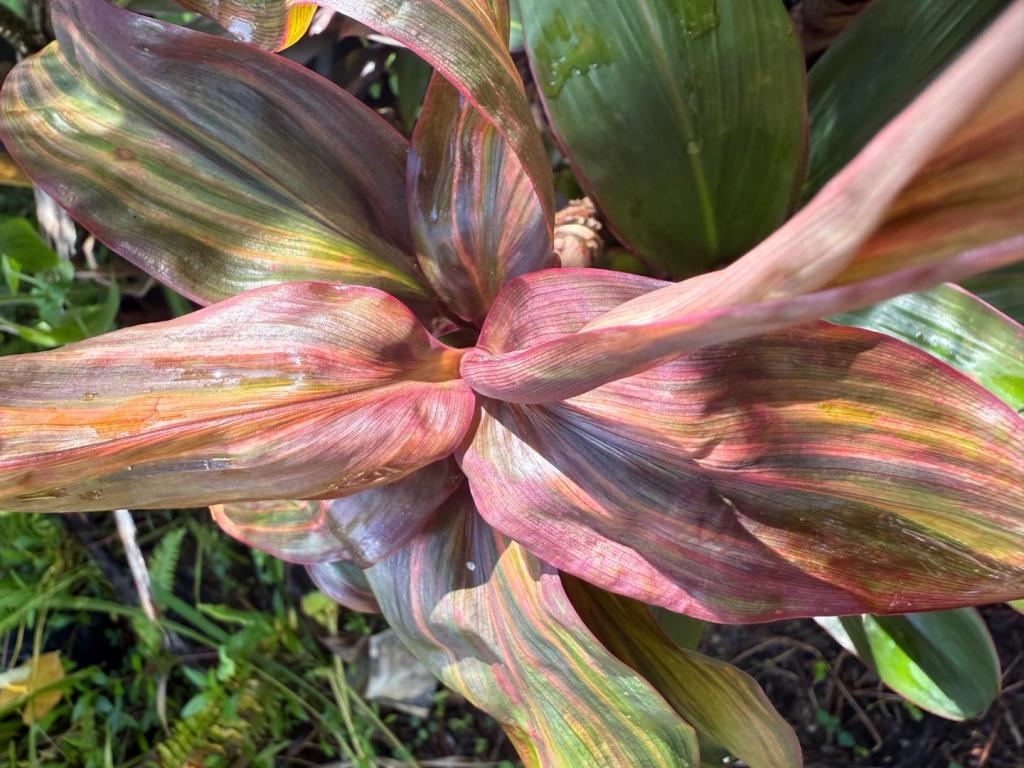
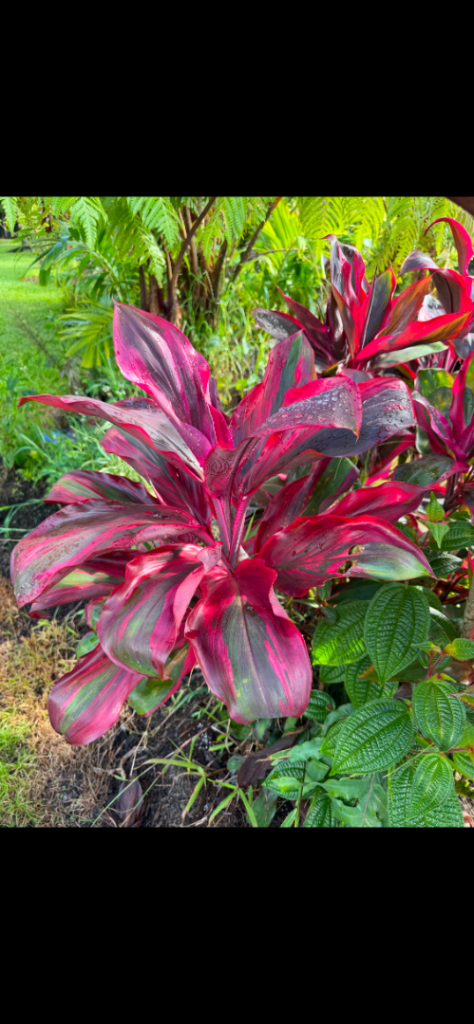
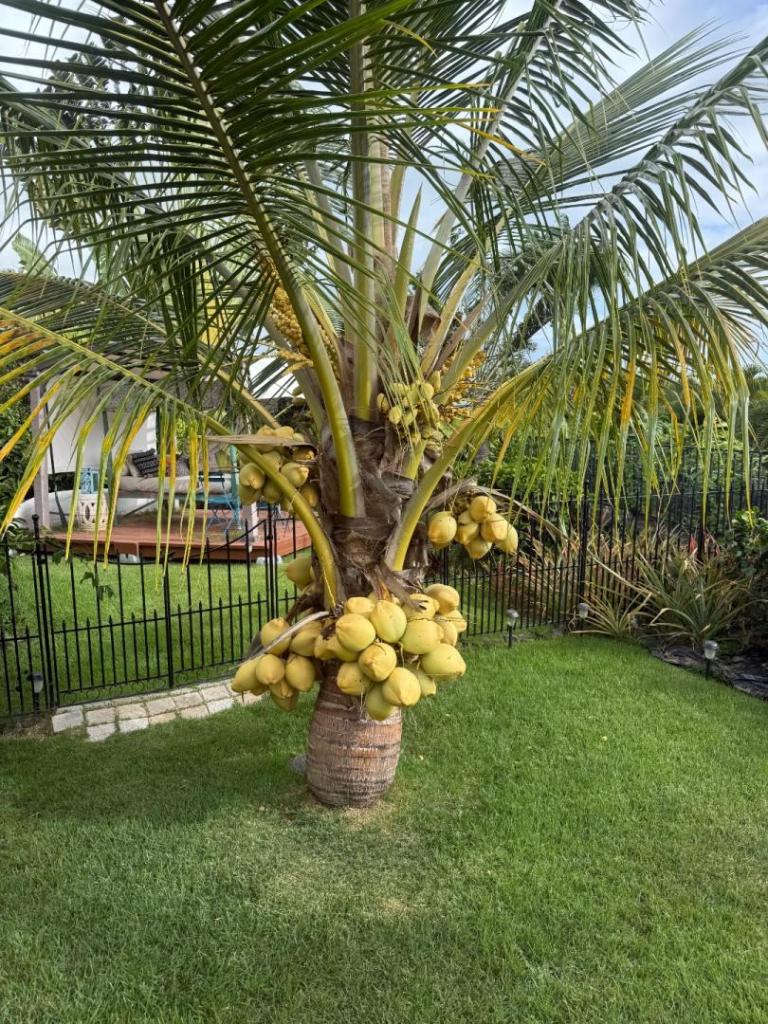 3 points
 -
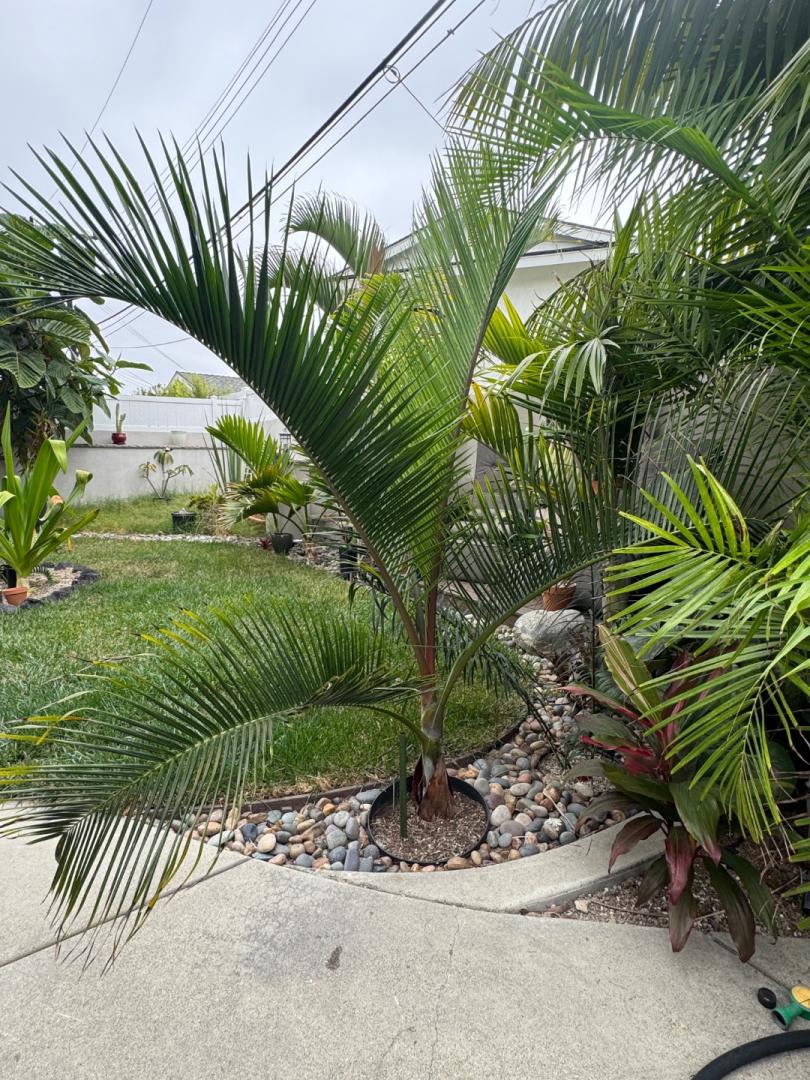
Another year has passed since an update. Doesn’t look too different but it definitely takes up more room in all directions. Got to step back for pics. here it is…. -dale
 3 points
 -
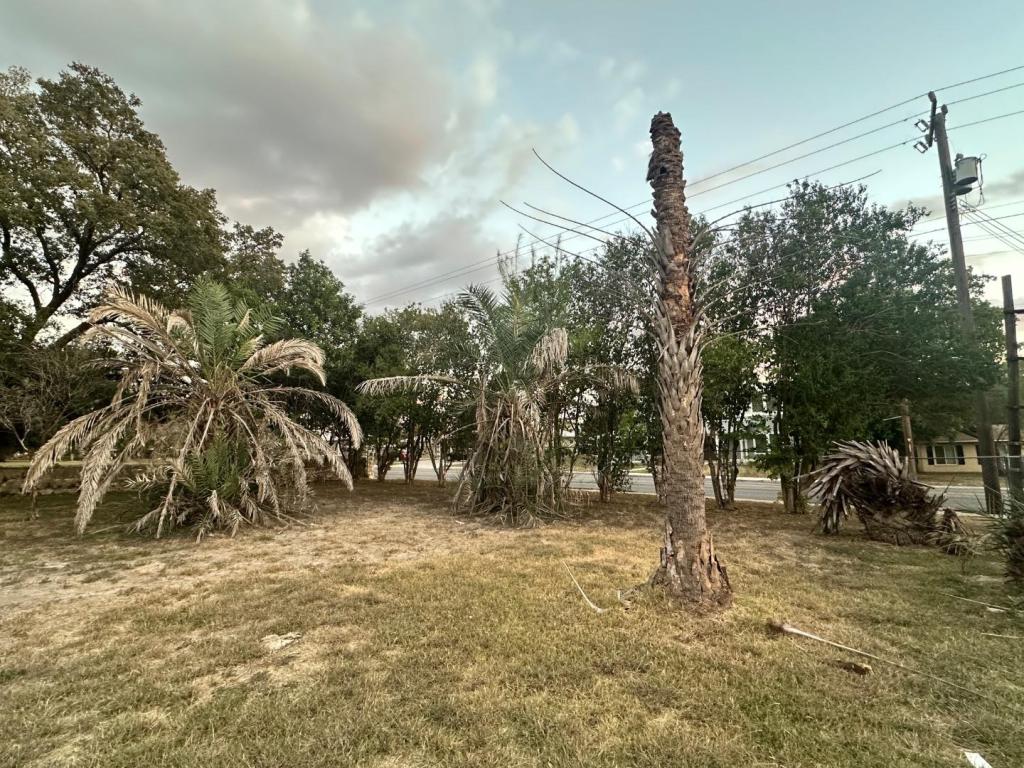
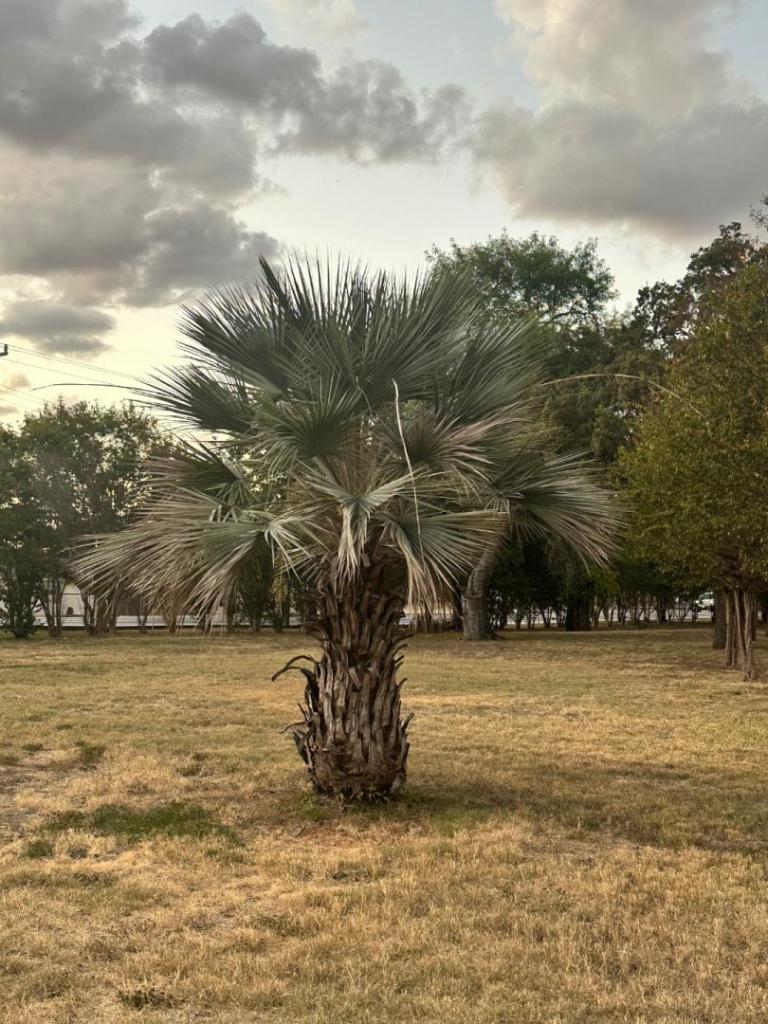
I was there last October it’s a bit different now though after 2021 destroyed a lot of the collection and the relentless drought.
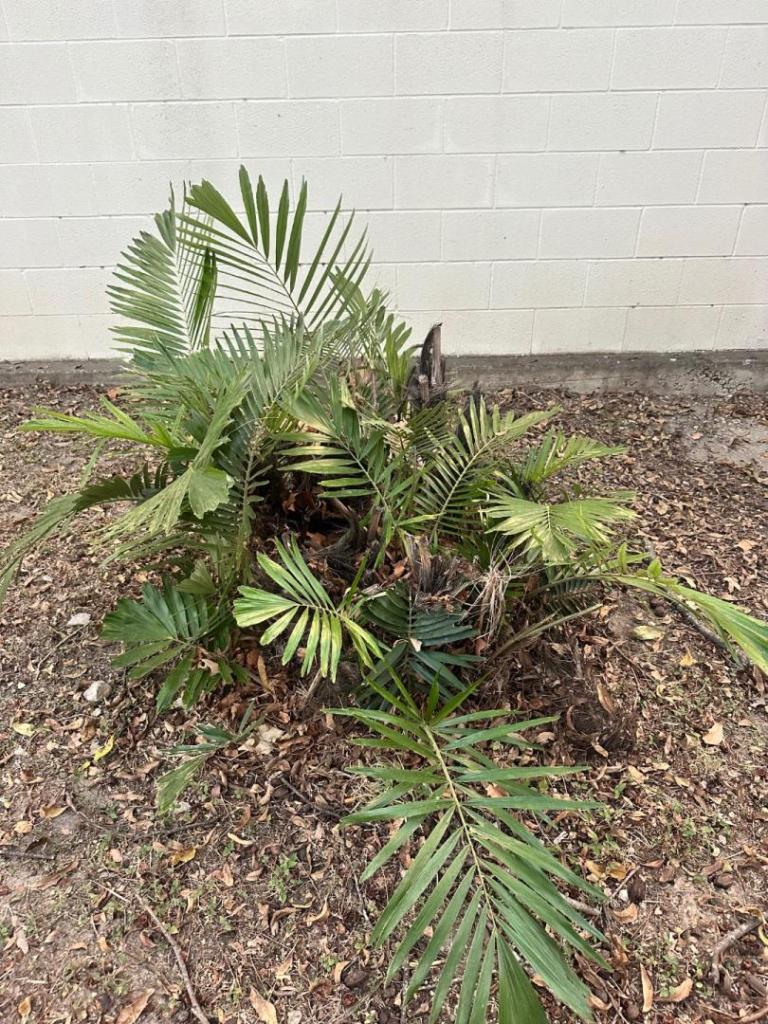



 3 points
 -
Here are my two clumps - planted in the ground last year. A short dip down to 27°F last winter caused some damage but they have recovered nicely. 😊 I still have one that I grew from seed that I plan to plant in a few months. @Hu Palmeras, I had good success germinating Caryota seeds by removing the "lid" on the side of the seed exposing the embryo. Hope you have good success!
 3 points
 -
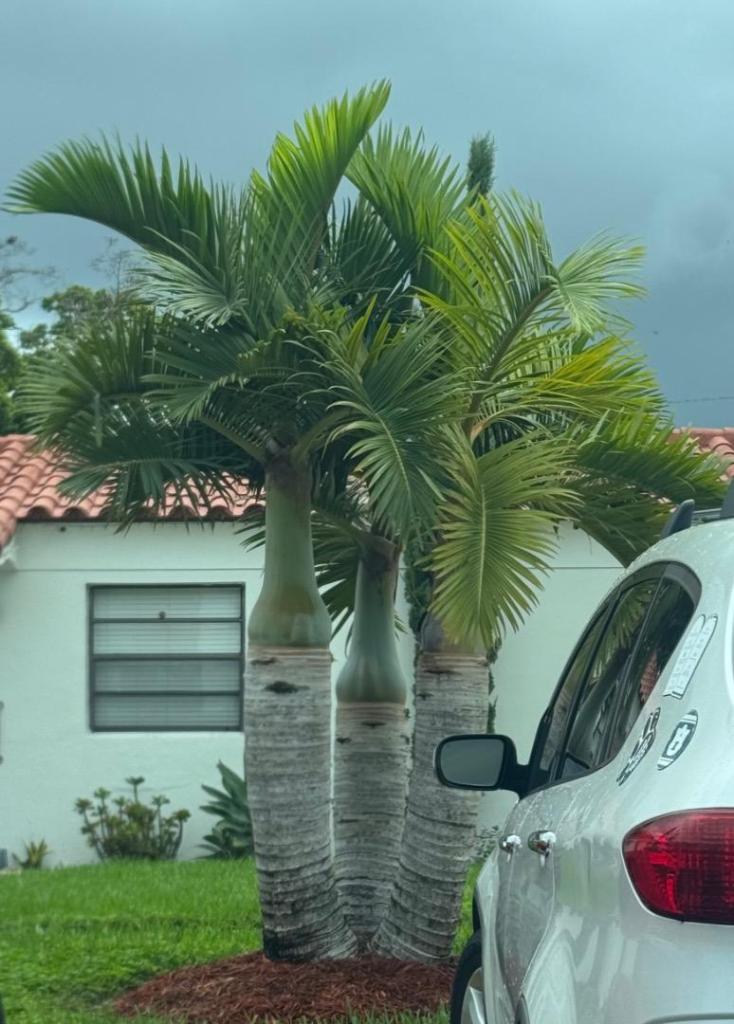
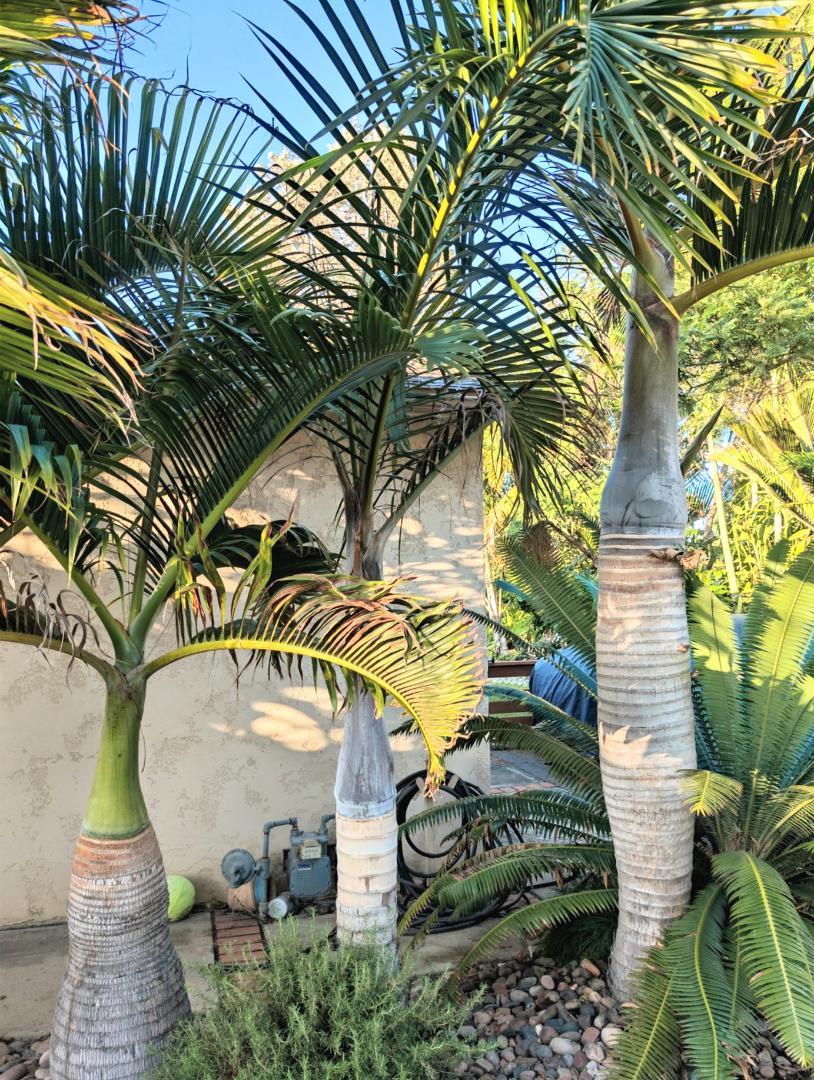
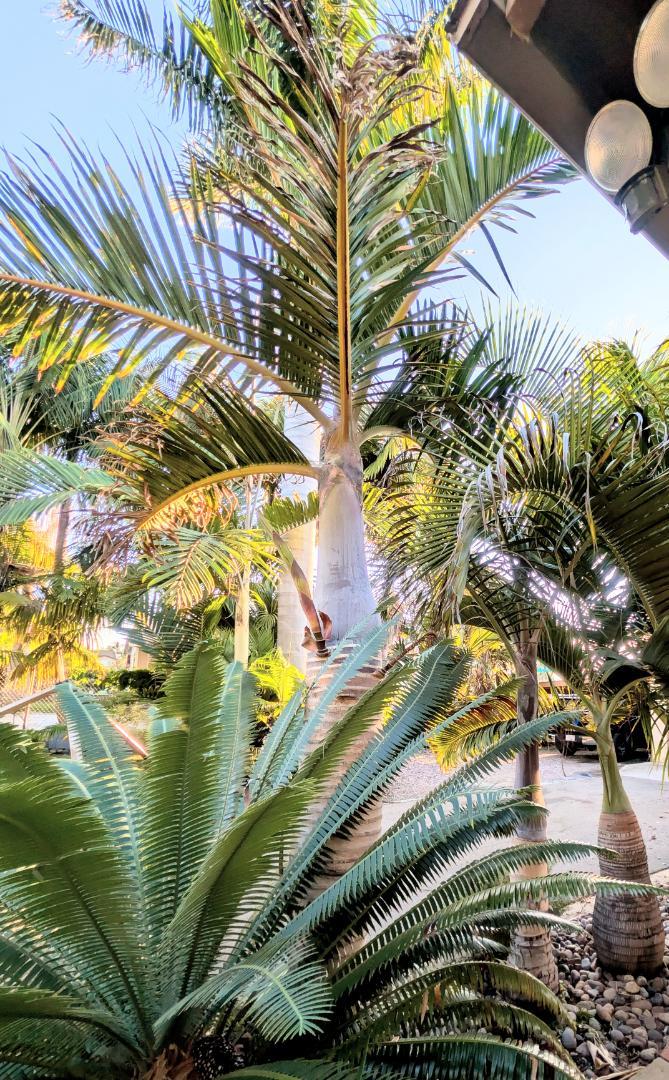
These Hyophorbe verschaffeltii.
 3 points
 -
I just have the more common Hilibrandi that I brought home from Maui years ago . It grows very well here . The only trouble I had from it is a bit of brown edges on the newly opened fronds after winter , but that stopped a year or so ago. It has been in the ground about 25 years , planted close to the house as a seedling . I was told , back then , they are a bit cold sensitive and I thought the placement would offer protection but I don’t think it needed it . I never fertilized or fussed over it , just lots of water . Harry I had to trim it on the path side of the trunk because it was right in the way . That stopped earlier this year . The lowest frond on the path side is now well over 6’ up ( my height!) . The trunk is curved at the base , pushing its way out into open area. This was last year , it has really picked up speed in the last few years , very slow the first 5 years. A great palm for southern California , even inland . I don’t get frost here where it is planted and seems to cruise through heat waves. Harry
 3 points
 -
The leaf in the background
 3 points
 -
Not uncommon for A alexandrae and some other Archontophoenix sp to have red emergent fronds. Even in habitat. Nothing to do with hybridisation.3 points
-
Whoa! That's a lot of nuts...are these from wild trees or cultivated plantations?3 points
-
They're racing stripes. They make it go faster!3 points
-
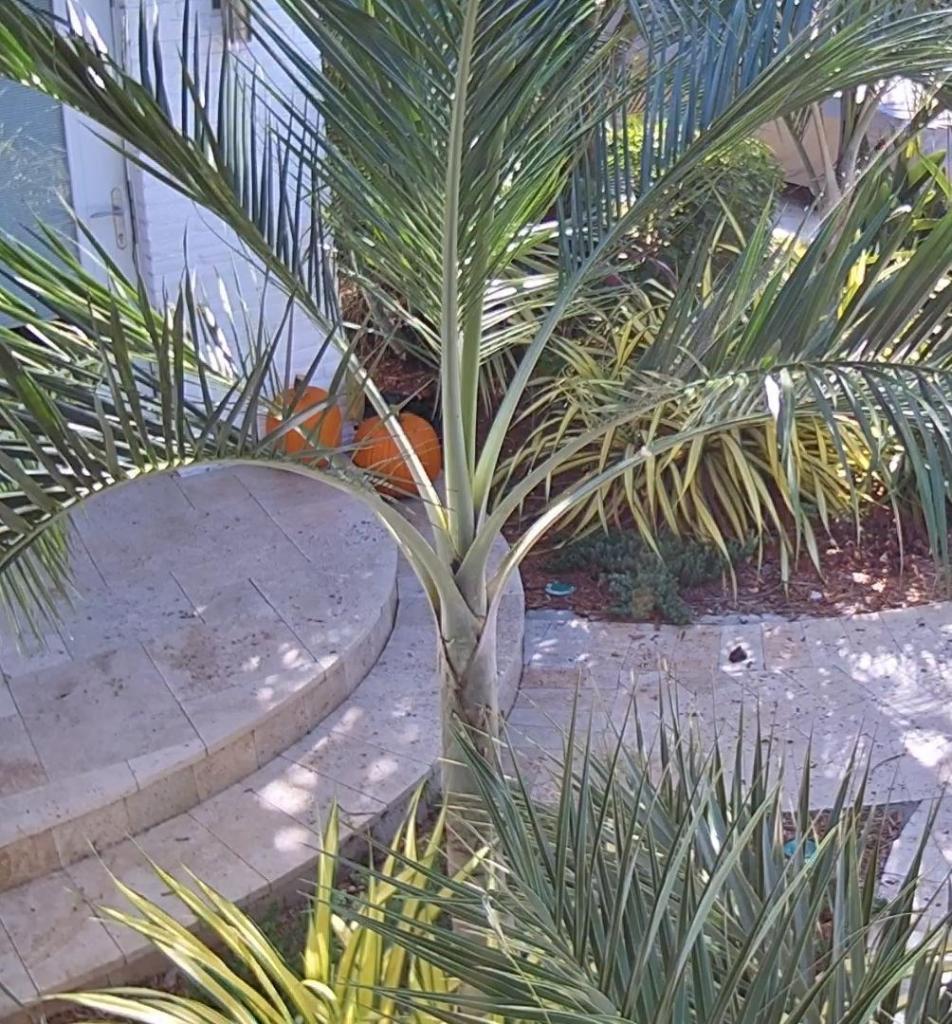
I had not heard about this until I read your post. I've got 3 sargentii in my front yard. They seem very happy in the blazing south Florida sun. But after reading this post and after reading that article @Looking Glass linked, I realized that the slowest of my three definitely suffers from some level of decline. The other two appear fine and are 1.5x and 2x the size of this one. That being said, it was MUCH worse last year, and appears to be growing out of it (maybe faster growth helps to shed old leaves?). I will post pictures from May 2024, when it was obvious something was very wrong. I do recall hitting it with some copper fungicide at one point, but only once. I always wait for fronds to naturally fall off, but I pulled the declined fronds off this one more prematurely because it appeared that they were trapping moisture against the crownshaft. The palm seems to be doing much better now, but I will take a closer look during the day and get some better pictures. I would not be hesitant to grow this palm down here if you like it despite the risk -- they are relatively easy to come by and not terribly expensive. May 2024 October 2025 (pics are from my security cams), but you can see the improvement. Doesn't look as good from this vantage point, but I have not touched this thing with treatment at all other than the copper fungicide spray when I pulled the frond off and regular fertilizer treatments.


 3 points
 -
More water Harry that may get the anthocyanins going. Richard3 points
-
I have only seen one wow watermelon palm, all the rest so so. It’s difficult to tell from so many seedlings in a batch you lose track of them unless individually planted out. I do believe you have a few Chambeyronia seedlings going and that was a watermelon mother. So keep an eye out on the. The problem with palms is it takes ten years or more for traits to really show up.3 points
-
You gotta push the boundaries, iam looking for a sponsor if you like, send them to me and I will test them out! Richard3 points
-
I would love to buy a potted Jubaea Chilensis but nobody is cultivating them to the point of having them up for sale in a 3 gallon size that’s readily available. I wish somebody started a big Jubaea Chilensis growth project and started mass producing them that would be pretty cool.3 points
-
I have a 7 gallon that started at this size from Mike. This makes a great container subject in colder climates. Go get one from Mike.3 points
-
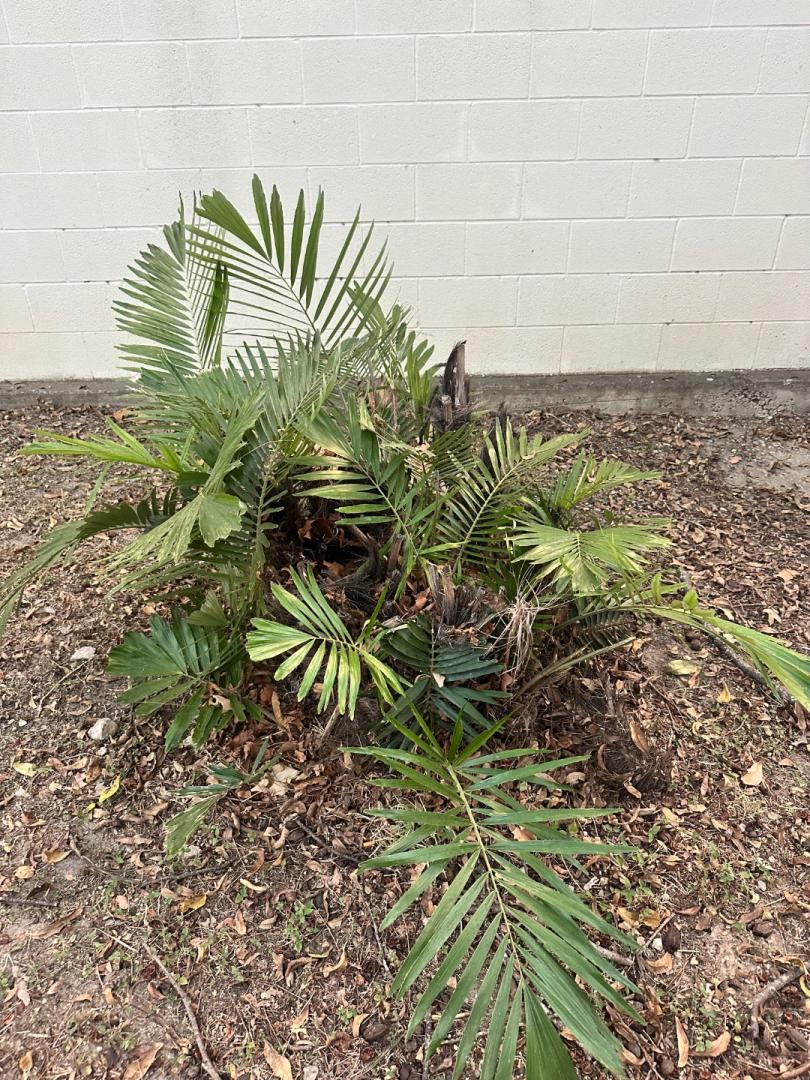
Yeah, it's a shame that no one protected any of the palms - there was such a cool selection of palms pre-2021! But on the plus side it's a good indication of palms that can survive the worst weather that's thrown at them. That Acoelorraphe looks pretty good considering but it's not exactly a fast grower...2 points
-
@Visgoth I've had Hookeriana in the ground here for 3-5 years now, one along my SE pathway under a Pygmy Date - minor burn at ~26F but with frost canopy protection. In May I planted two more in the NE corner under a Pindo and one next to the driveway somewhat exposed but with an Encephalartos Whitelockii and Cycas "Queen-ish" somewhat overhanging it. These all lived through various frosts and upper-20s freezes in the nursery area, though all had canopy protection from any direct frost. I'd say go for it, in a part-shade or shade location.2 points
-
My mistake, i had the posts confused and thought they would be planted in the Hill Country. Everglades palm should do fine in Alvin.2 points
-
@Eric in Orlando and @Merlyn have had luck in the Orlando area per their observations in the Cold Hardiness Observation Master Data2 points
-
I don't think you'll get away from yellow tips in Texas unless its in full shade. Back in Oregon, ones that were planted in full sun, especially parking strips always had a lot of yellow on them.2 points
-
They need more water. Infrequent deep watering is best but during hot dry spells 2 times a week is recommended. They need the soil to be moist but not soggy. Put a layer of mulch around the base to trap moisture then take it from there. The burned tips are almost unavoidable in the Texas heat. Trachies grow and survive in Texas but prefer cooler wet climates for best look.2 points
-
Yow! Wish I could grow them here.2 points
-
Here are some seeds for you, friends. They're all yours. They're Jubaea palms from a nursery. I think they're wild, too.2 points
-
No I don’t think so, a hybrid as you said is just a phenotype of both parents. It would be highly unlikely archontophoenix would be cross pollinating with Chambeyronia.2 points
-
Might survive ok, I know Troy has baronii growing well and I’d say they are similarly hardy, ambostrae may even edge baronii in hardiness to absolute cold. But it will be very slow down there. Mine has taken ages to get going but is now moving along very nicely.2 points
-
Holy moly, iam out that beats me hands down in the seed department!2 points
-
I have a golden mid vein on the leaflets of a Chambeyronia. How common is this?2 points
-
@Jonathan has got that one covered for me thanks Jonathan. There usaually host for ticks and move them around all over the place, and are known for in the mating season to expire themselves out in a rather viracious appetite for the opposite sex, to the point where they drop dead all over the place totally exhausted. But I don’t like them in my garden digging everything up I plant. Australia has some strange animals found nowhere else in the world, marsupials and monotremes.2 points
-
Do you know the name of the one on 4th and 5th images (they look the same to me)? That's a very beautiful variety. I grow a couple of Ti plants, 'Kiwi' and 'Tango'. Pretty common ones. The selection is very limited where I'm at unfortunately.2 points
-
Oh theres a lot i cannot grow, some of the more tender Geonoma, licuala, Calyptrocalyx and many other varieties of palms.2 points
-
very beautiful leaf friend2 points
-
Would love to try one up here since my Foxy Lady has done really well. Are any still available by any chance? Foxy Lady today Foxy Lady after a year in the ground from a one gallon container.

 2 points
 -
Cohannon, Welcome to Palmtalk !2 points
-
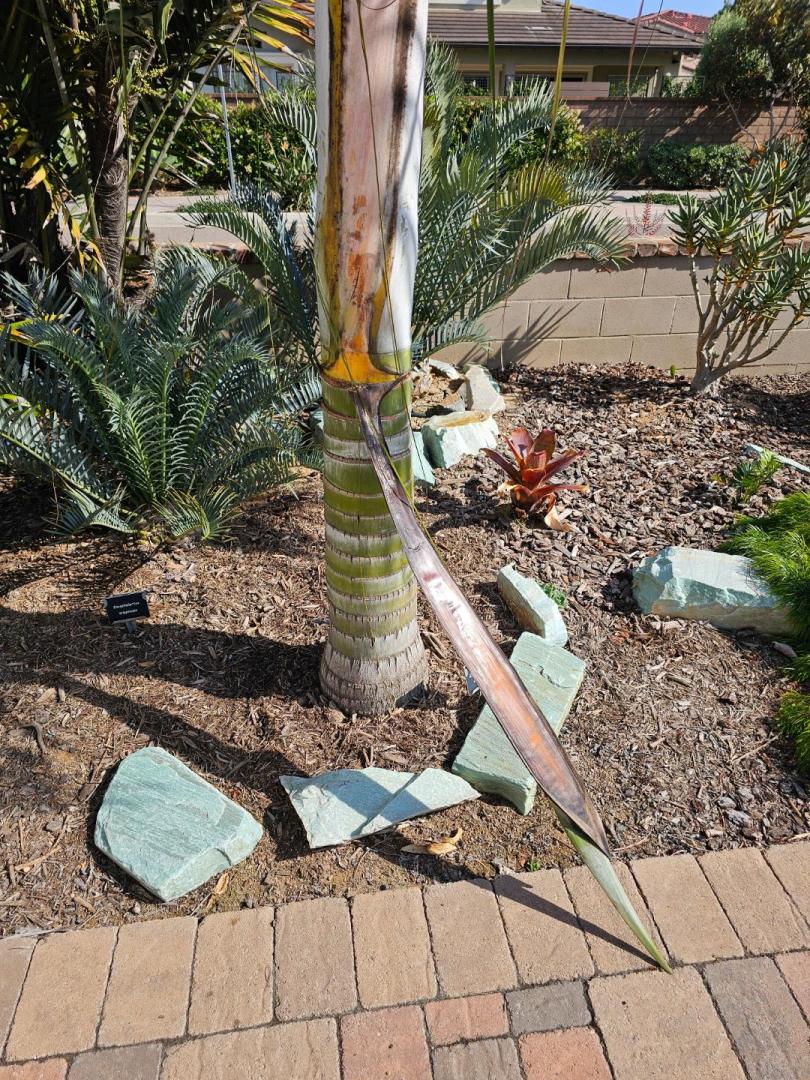
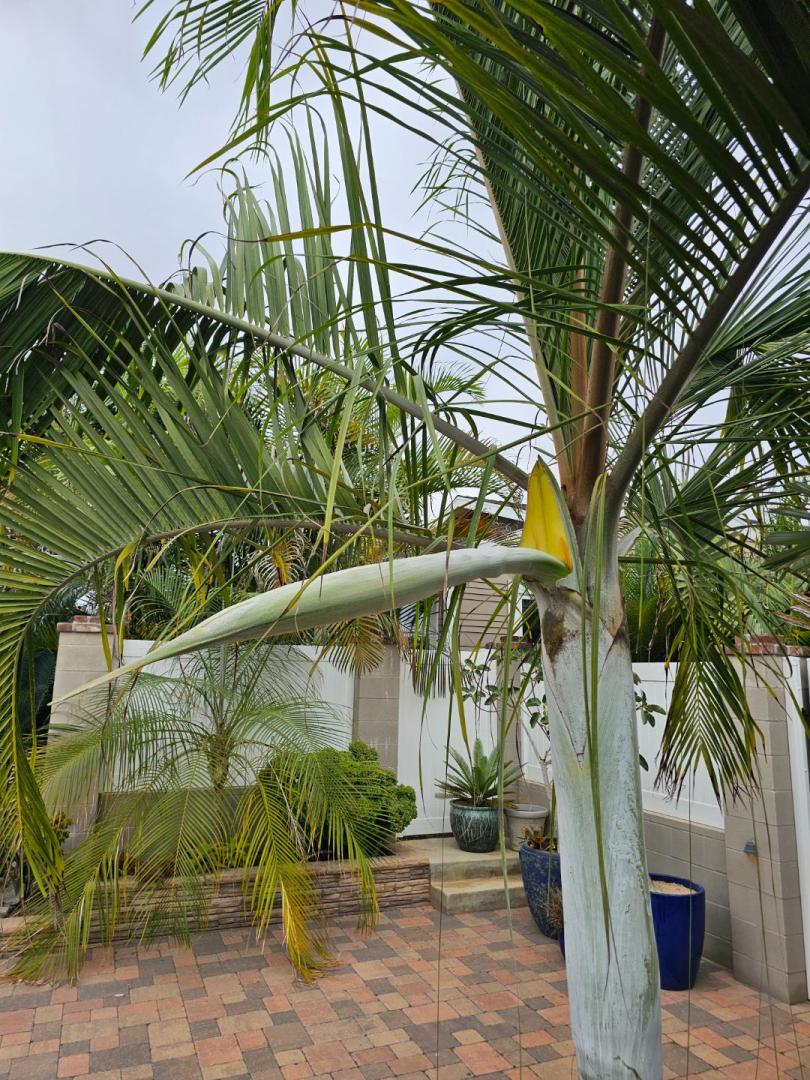
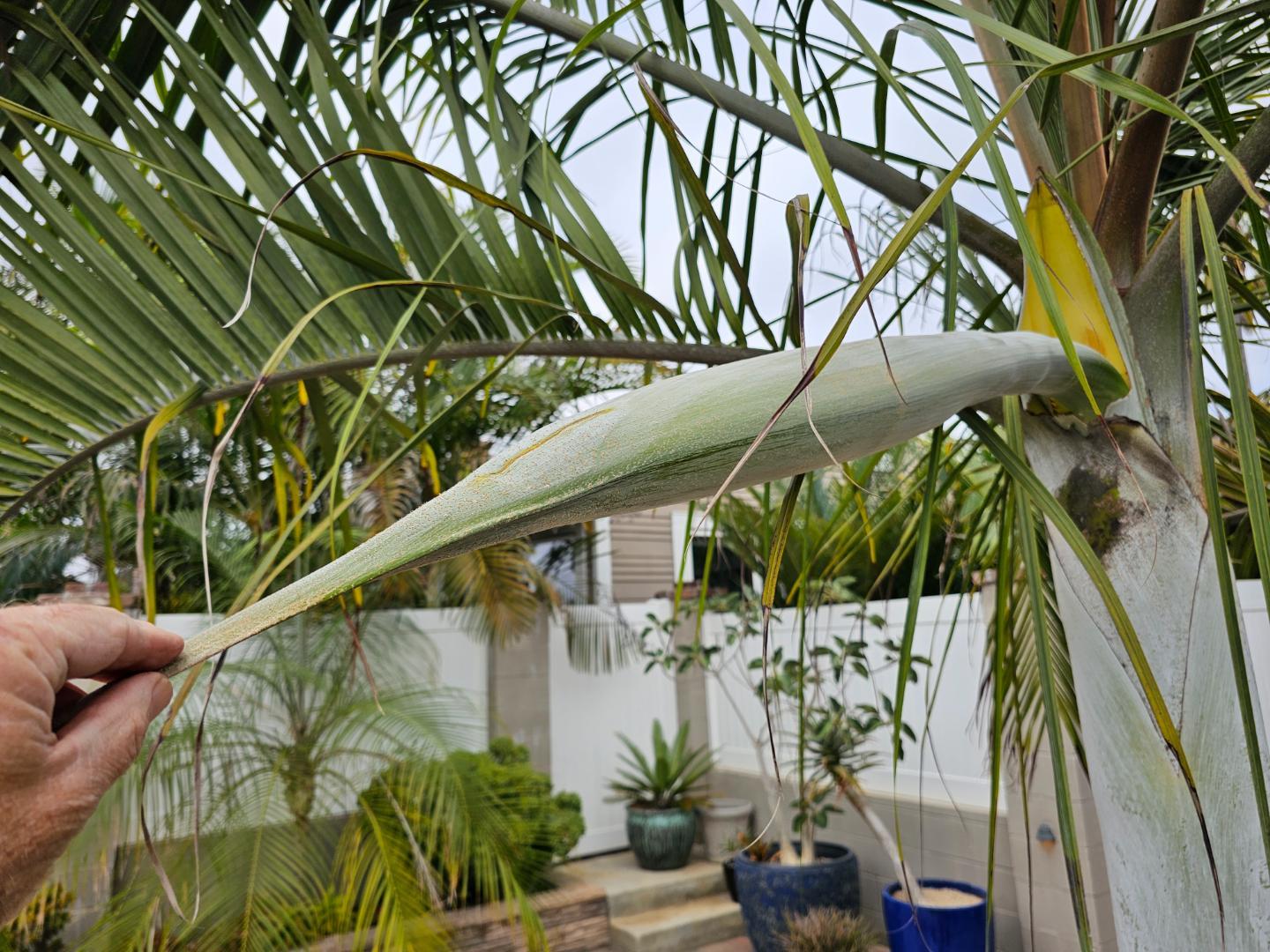
I initially had hopes for a flower spathe that was emerging from below the retained leaf sheaths on my Chrysalidocarpus ambositrae. As time passed it just wasn't pushing but the sheath came off the leaf holding it in several days ago. It didn't look good. This morning the spathe was dangling by a thread, soon to fall off. Progress from last August but not enough.
2 points































.thumb.jpg.304b32ca4398a111edf4ac525048111e.jpg)