Leaderboard




Popular Content
Showing content with the highest reputation on 07/31/2025 in Posts
-
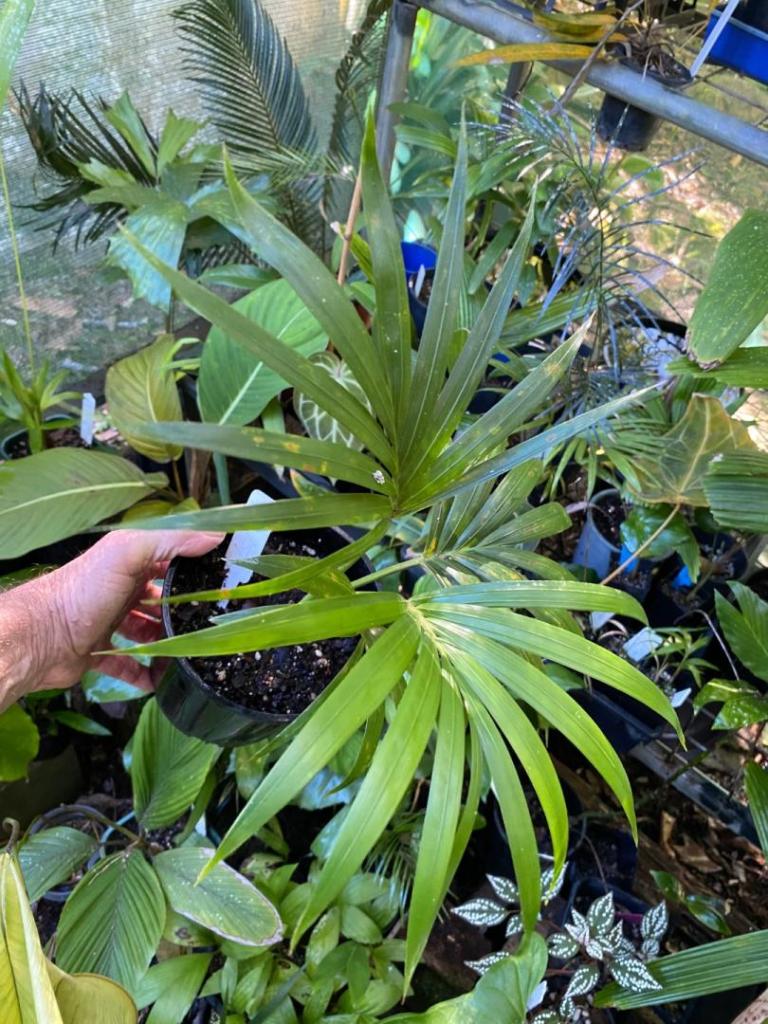
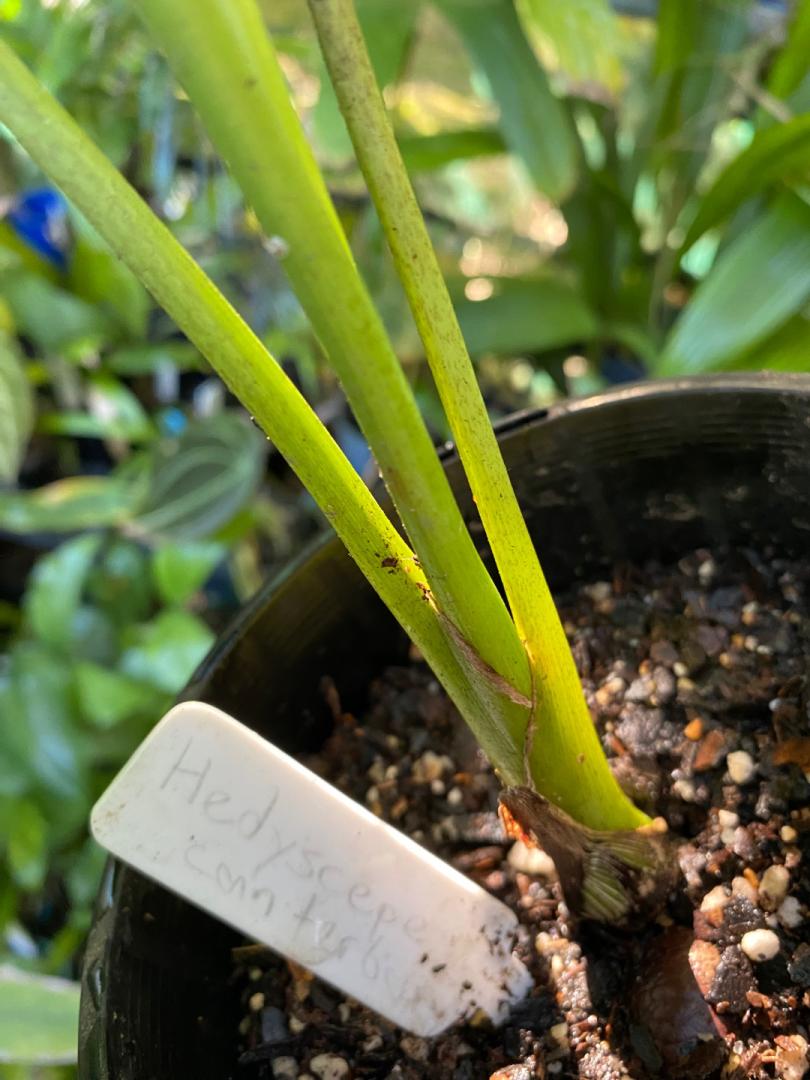
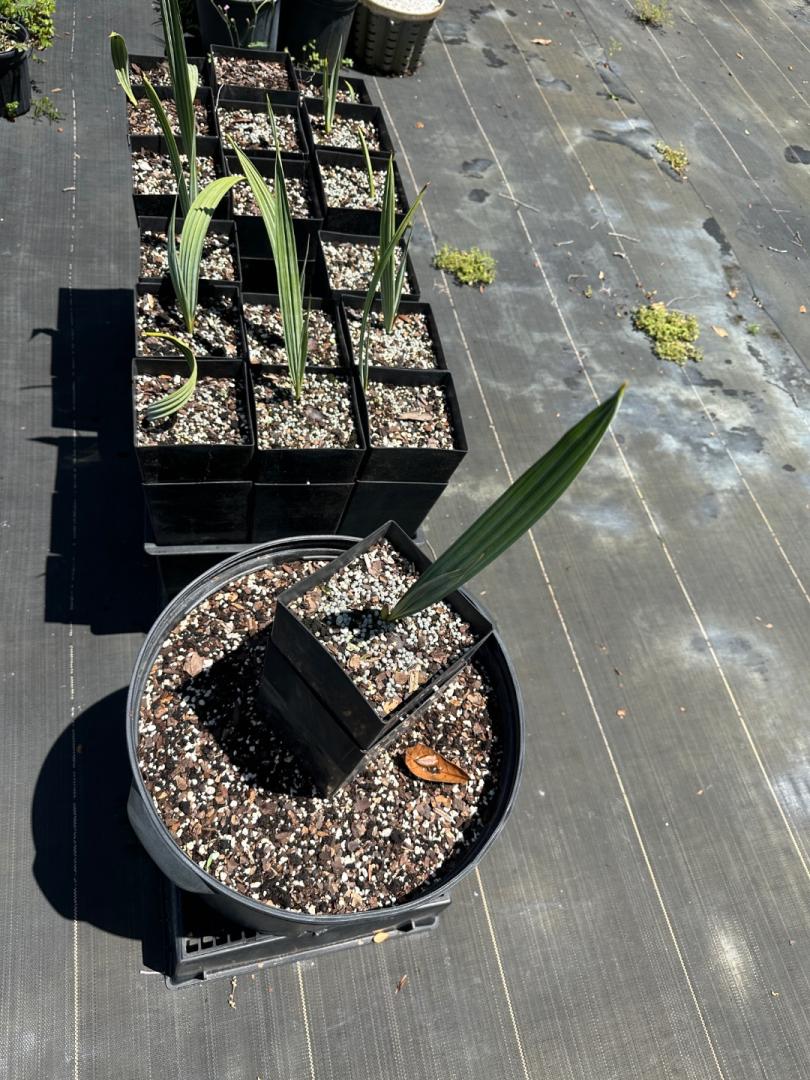
A couple of Hedyscepe liking the cool conditions. Tricky as seedlings I lost two as seedlings. But that could have been anything that caused that. There alive and that’s all that matters. I will definitely be planting them in cool shaded place in the garden.



 5 points
 -
Visiting continental Europe isn't quite associated with seeing tropical plants, but Malaga, Spain, has a unique microclimate where it's protected from the Sierra Nevada Mountains in the north and moderated by the Mediterranean Sea in the winter preventing freezes, while also having very warm summers contributing to a microclimate that grows plants you wouldn't quite associate with Europe! Click here for the complete photo album Roystonea oleracea Veitchia arecina Ptychosperma elegans Syagrus coronata Jubaeopsis caffra Coccothrinax barbadensis5 points
-
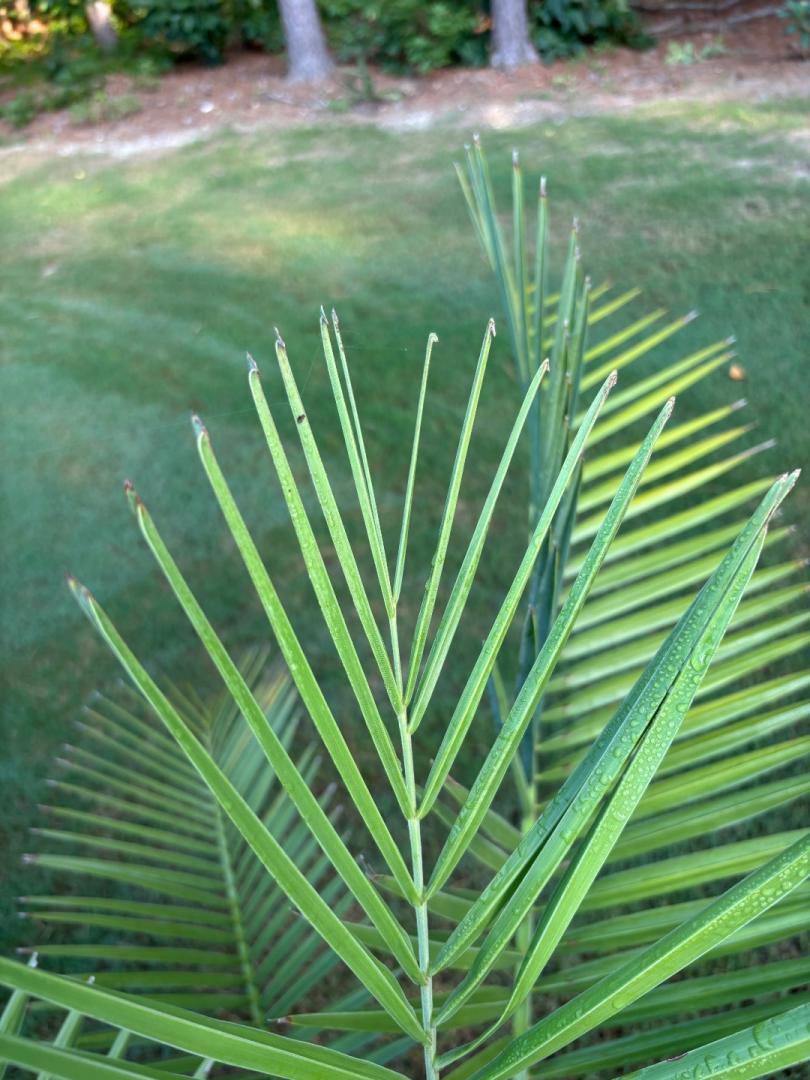
Here's one I planted in Gainesville, FL at University of Florida in 2009. This photos is from 2017. They are a very cold-hardy palm as Gainesville is USDA Zone 8b. Hopefully I will get updated photos in September!5 points
-
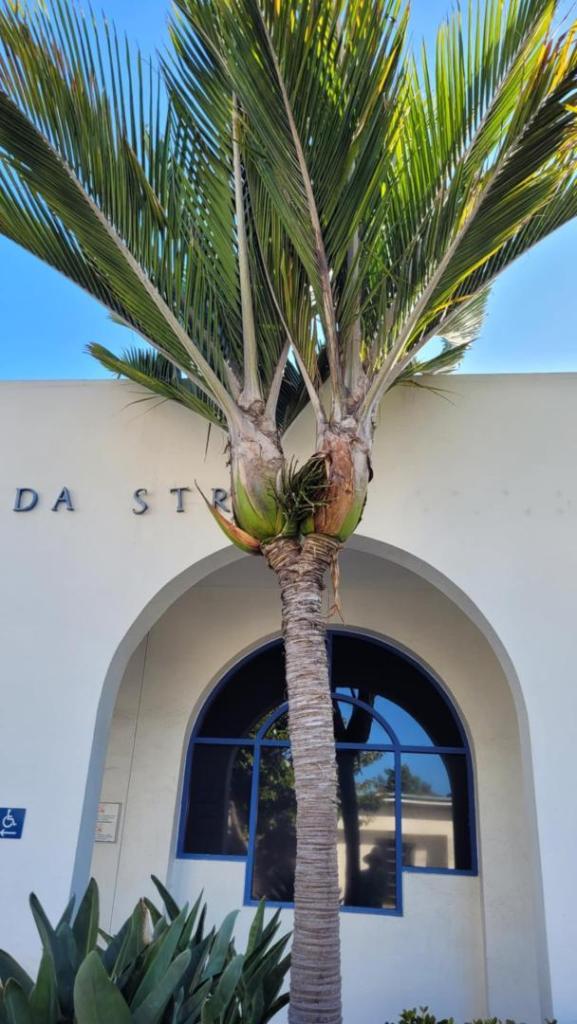
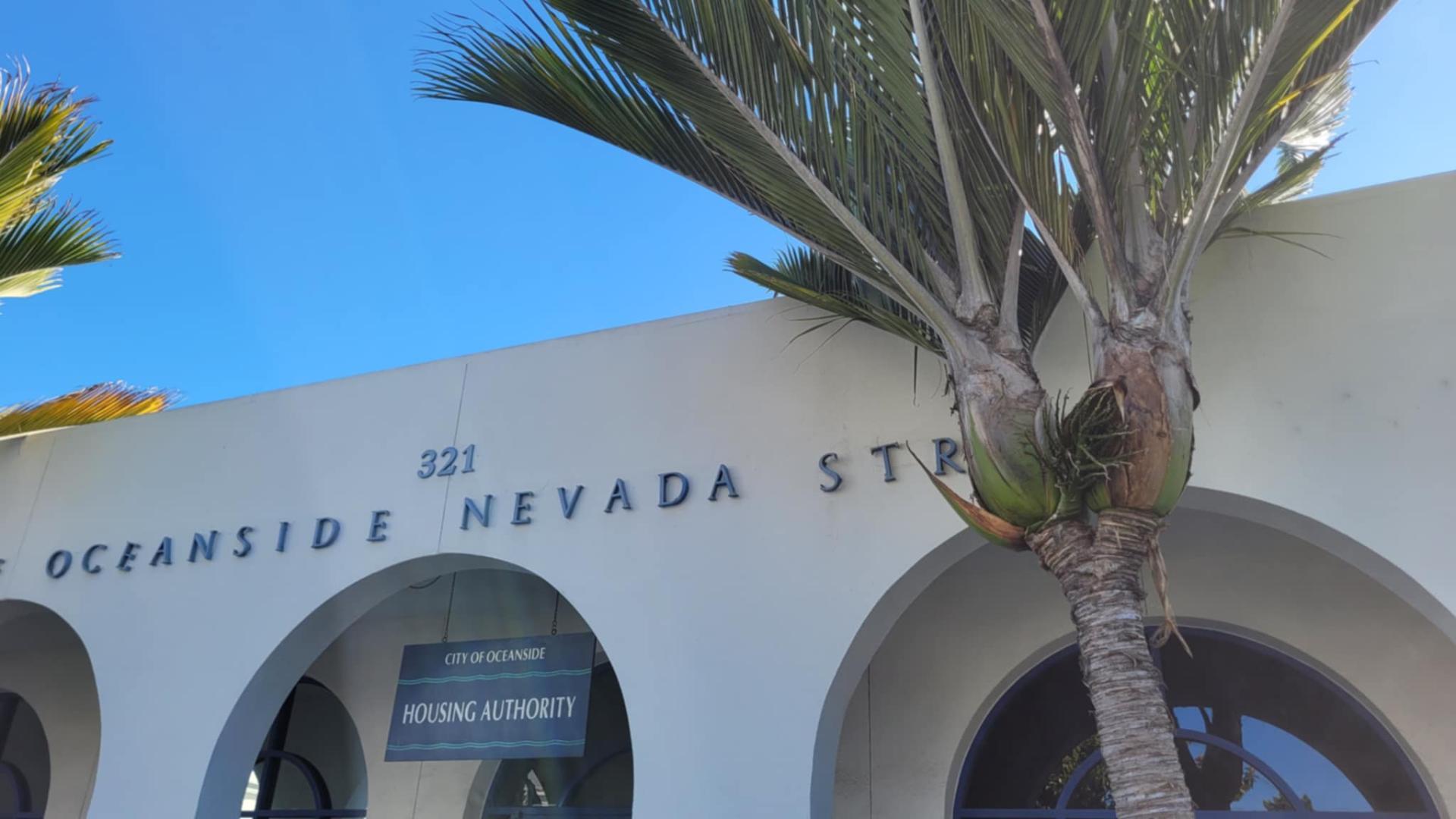
Admittedly I have been woefully absent on this forum for a while. But I was walking around downtown Oceanside today with an old friend that bought me ice cream for my Birthday today. We opted to walk some of it off after and opted to walk by some of the old city of Oceanside buildings where they had some Rhopalostylis palms... I was very surprised to see a TWO-HEADED one! It looks very much like a sapida I think? Forgive if posted before... but I was thinking it may be the first "rareish" palm I've seen with 2 heads!!

 4 points
 -
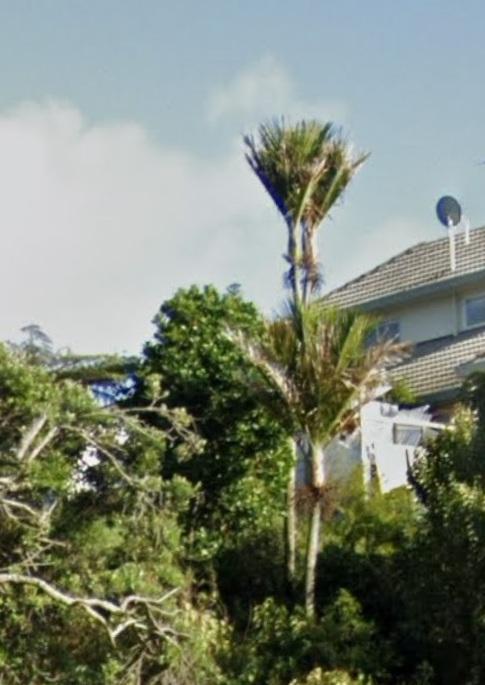
I'm pretty sure I've spotted one growing in Auckland while driving on the motorway but I could be wrong. Next time I'm passing through I'll try to get a photo with out trees blocking it. This ones from google maps.
 4 points
 -
Garden going up in flames! 🔥 Two of my Calyptrocalyx albertisianus putting on a display.

 4 points
 -
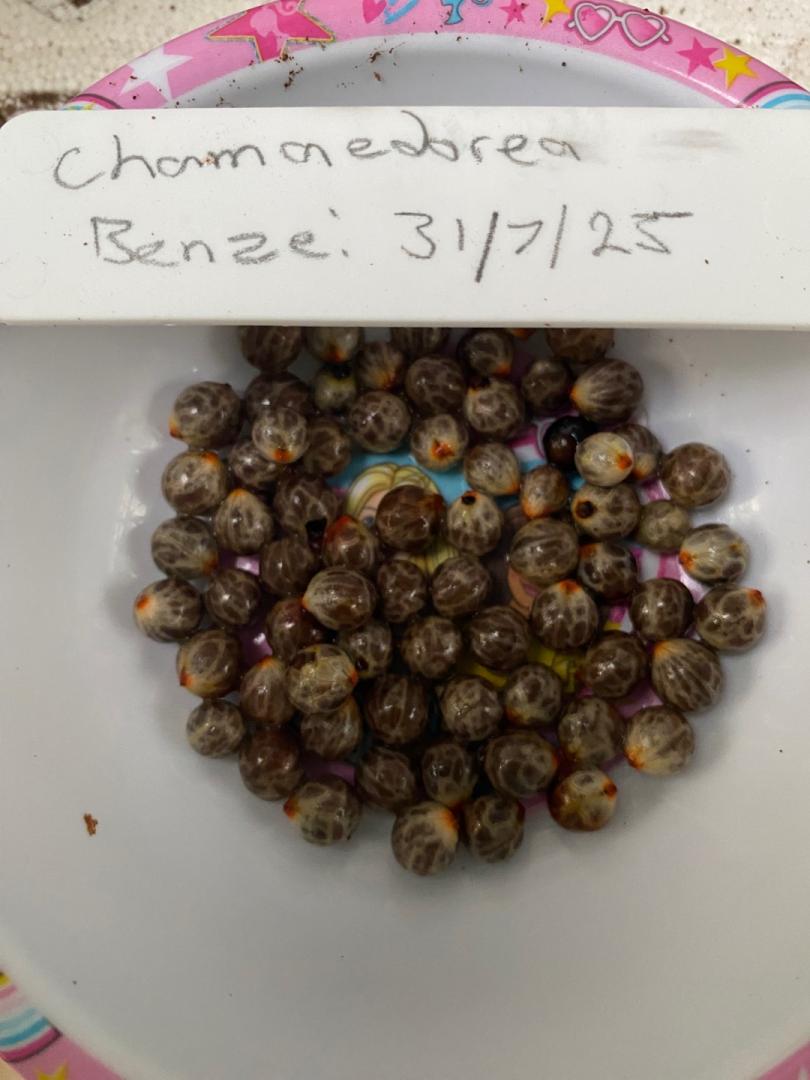
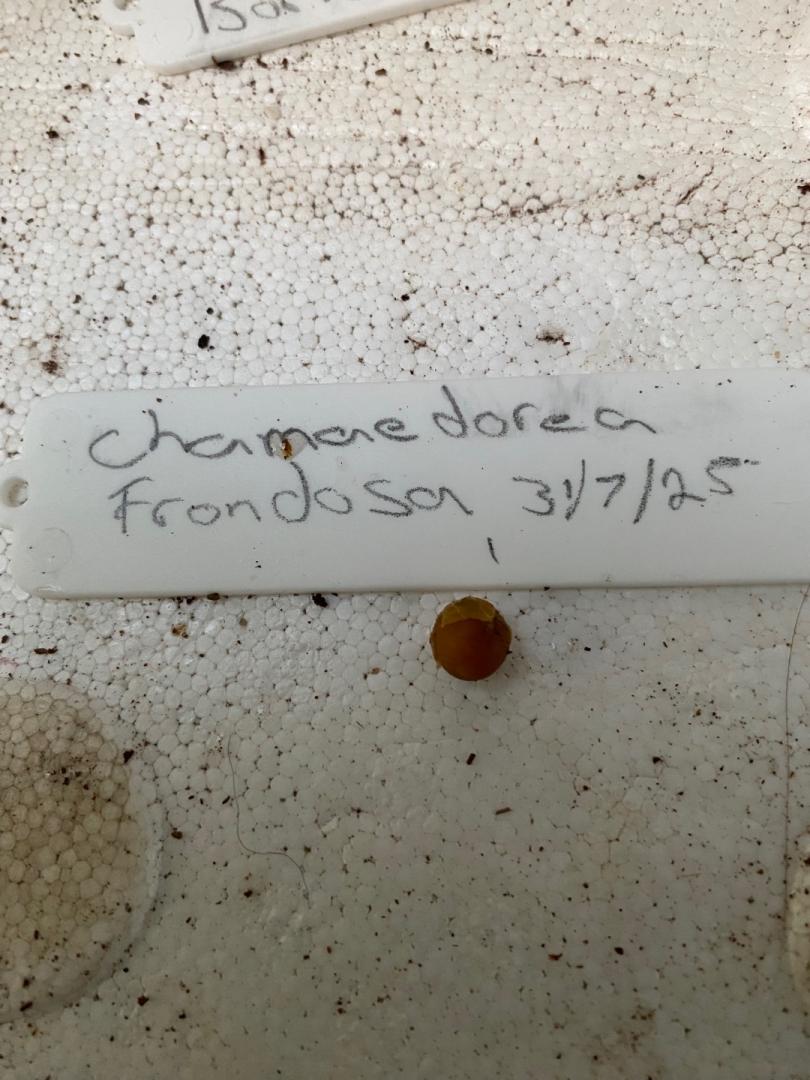
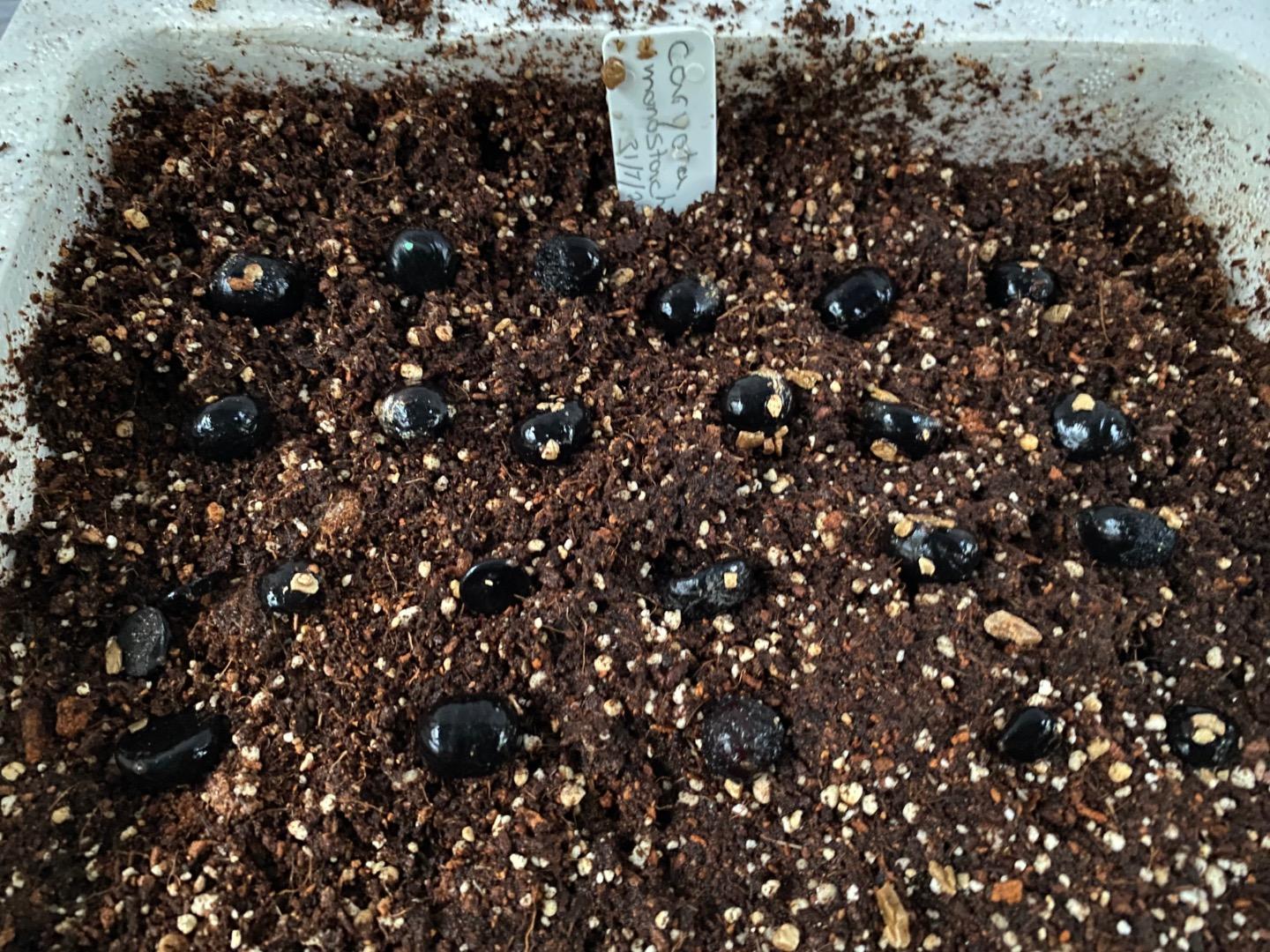
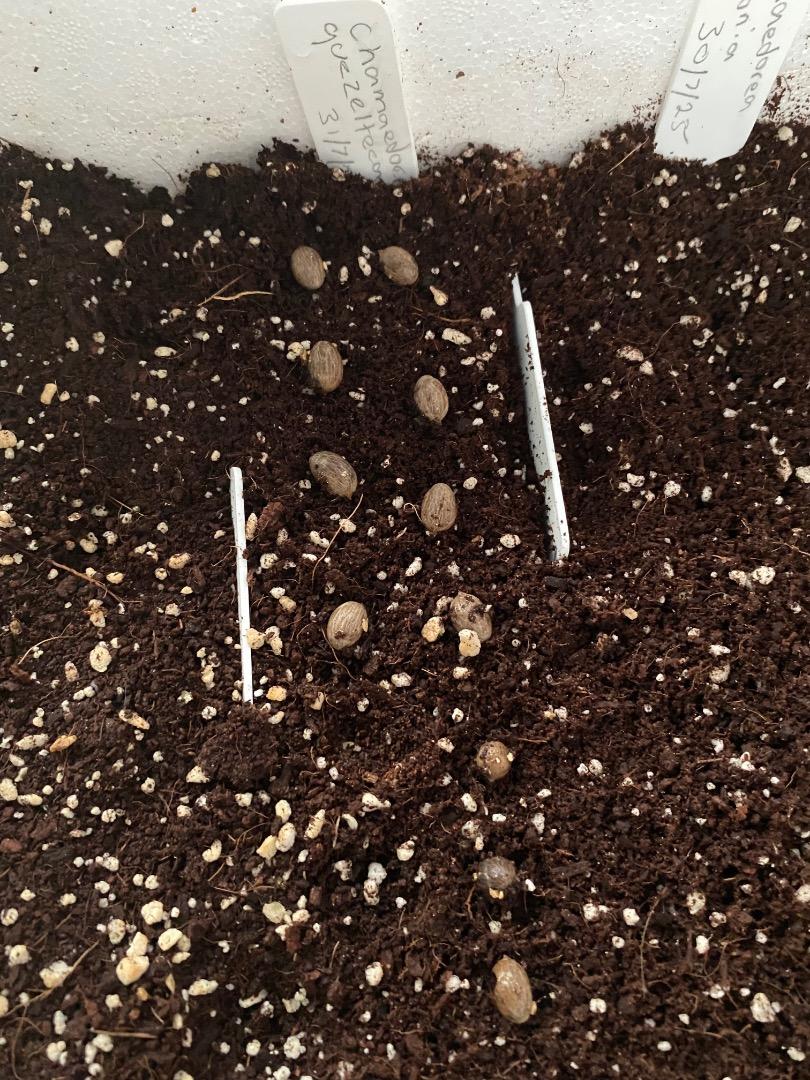
At it again with a fine batch of Colin Wilson’s finest seeds on offer from @palmtreesforpleasure. Time will tell how this little batch goes but will keep me busy for a day or two.

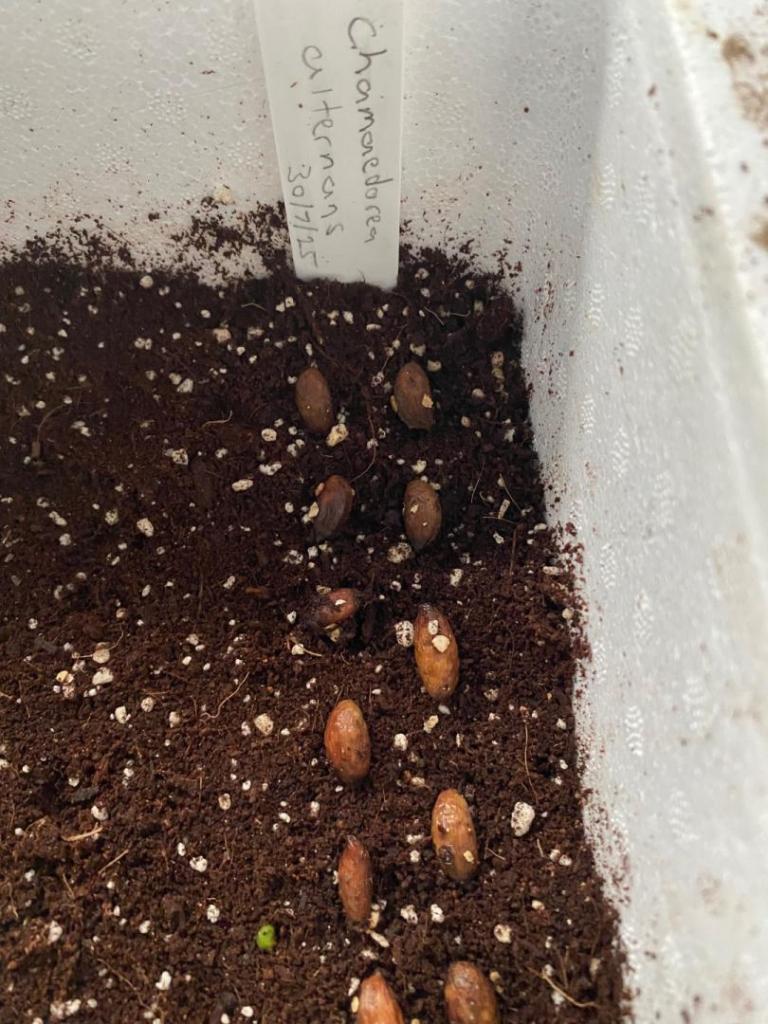


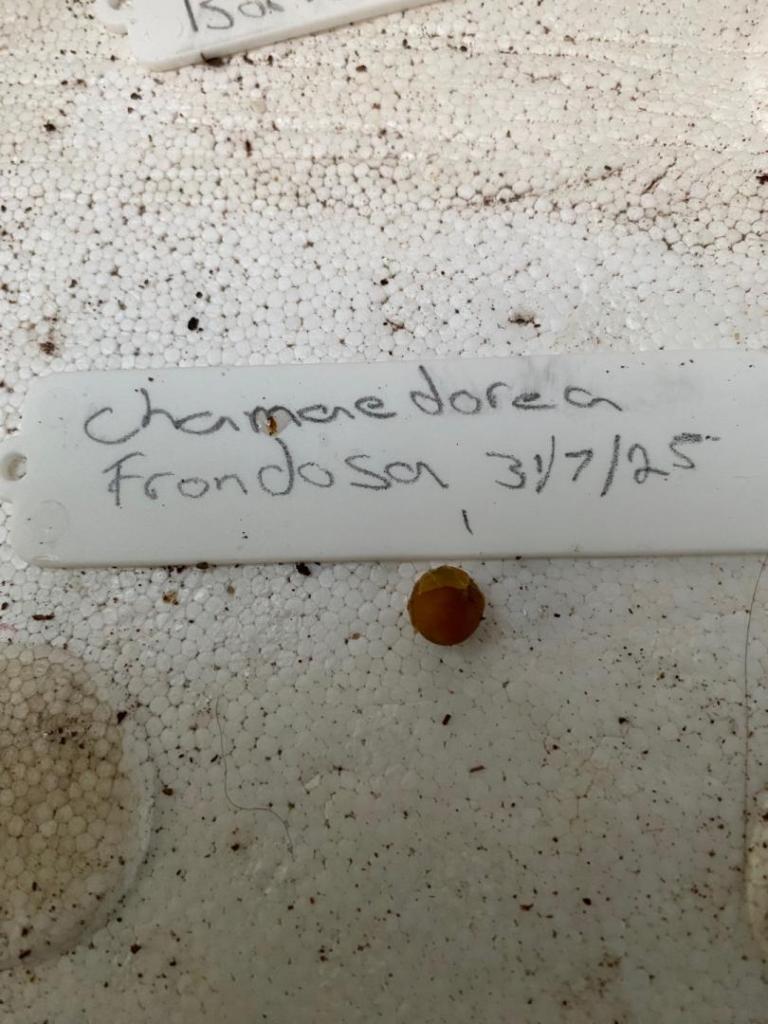

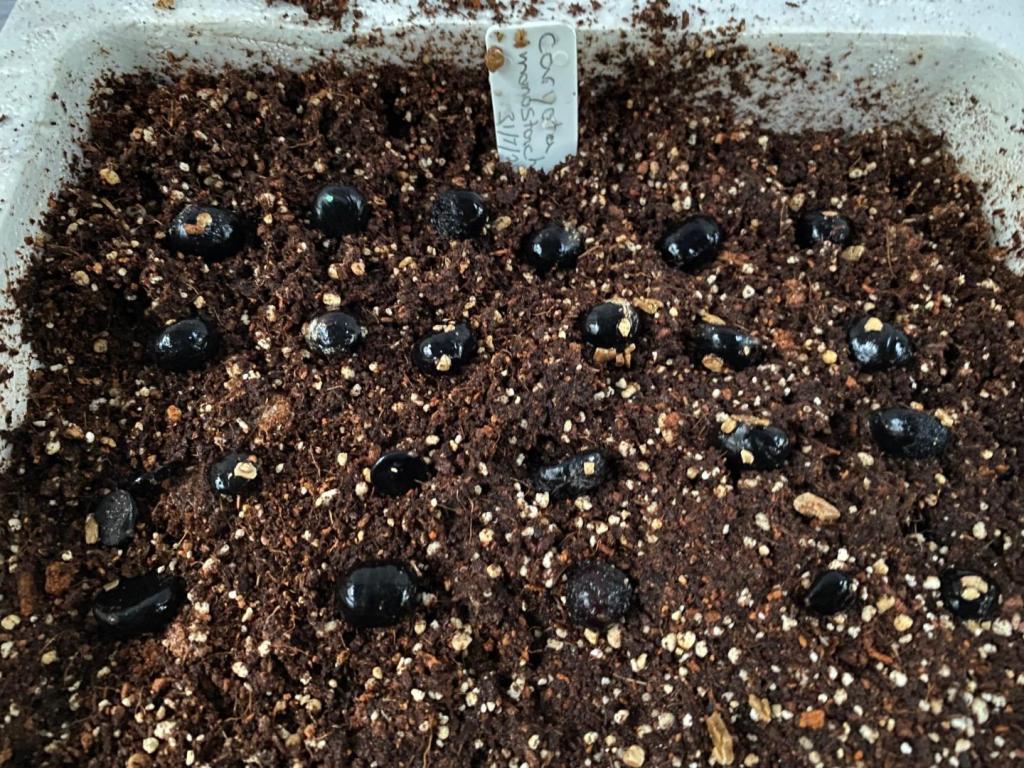
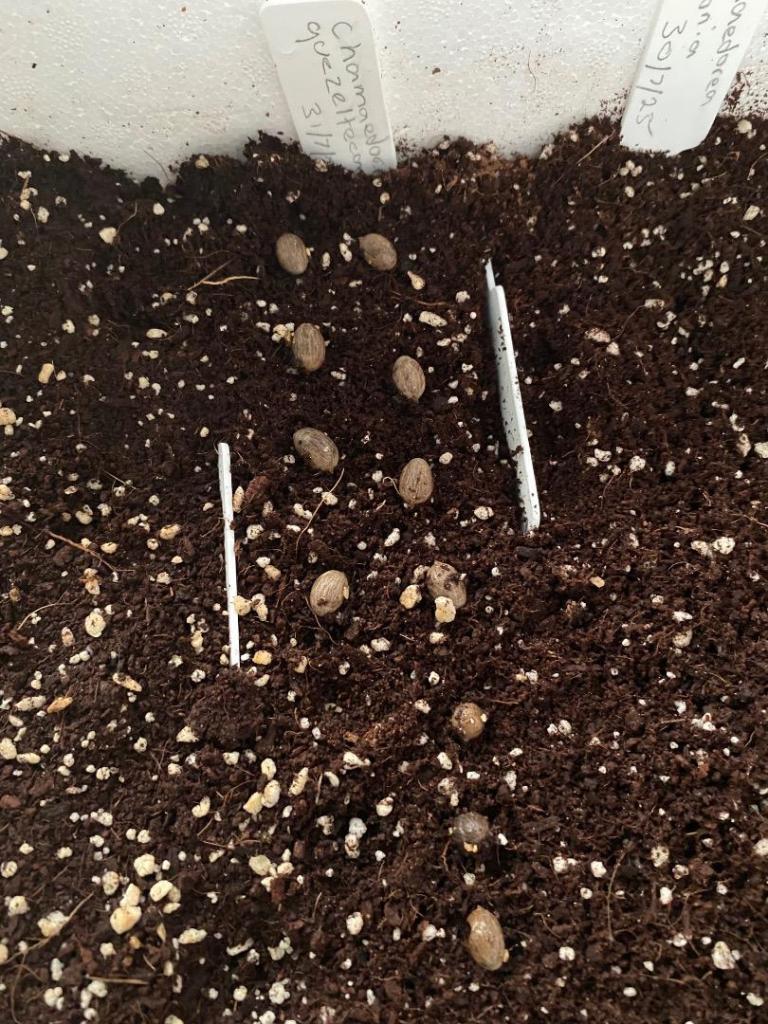 3 points
 -
Agree that while the " standard form can be quite intimidating, but, ...You do realize there are thorn-less varieties based off the inermis form of the species, right? Uncommon, and for good reason ( HATE / look awful in our heat ) but there are a few planted locally. Nice write up of a popular thornless var from Morten: https://mortonarb.org/plant-and-protect/trees-and-plants/thornless-honey-locust/ As far as finding that form for sale outside the U.S.?. Wouldn't trust any source claiming to offer " thornless " seed. Much like Honey Mesquite and Cascalote ( Tara cacalaco ) seed grown plants started off thornless specimens often reverts to it's thorn -full parentage. Is often -at minimum- a 50 / 50 gamble. Because of that, those thorn- free varieties are often reprodued from cuttings. @than, keep in mind: Honey Locust drops all of it's foliage in winter ....Even here in the desert where it doesn't get " cold ". As far as Acacia baileyana ..Well known aggressive spreader in CA and some other Med. -type areas.. Purple- leaved var. is slightly tamer than the standard sp. ..but it too can still spread. far from where it is desired. Overall, not as fast of an invader and either of the " Green Wattles " ( Acacia dealbata and A. decurrens ) that used to be sold in nurseries in CA. Even worse? Acacia melanoxylon.. Easily spreads by seed/ and aggressive root suckering. **** that damned tree..3 points
-
Yea. We fuss with perfect micro-climate, soil, water and fertilizer for our palms, and these things grow anywhere in any conditions... Butch3 points
-
Whenever I plant a Cycad in the ground I dig my square planting hole then I dig a chimney drain in the bottom of the planting hole and backfill it with a 50/50 mix of red lava rock and sand. I do this to facilitate drainage in case of abnormal el nino type rains. I have never had any issues from the red lava rock and in fact have never lost a Cycad in the ground planting this way.3 points
-
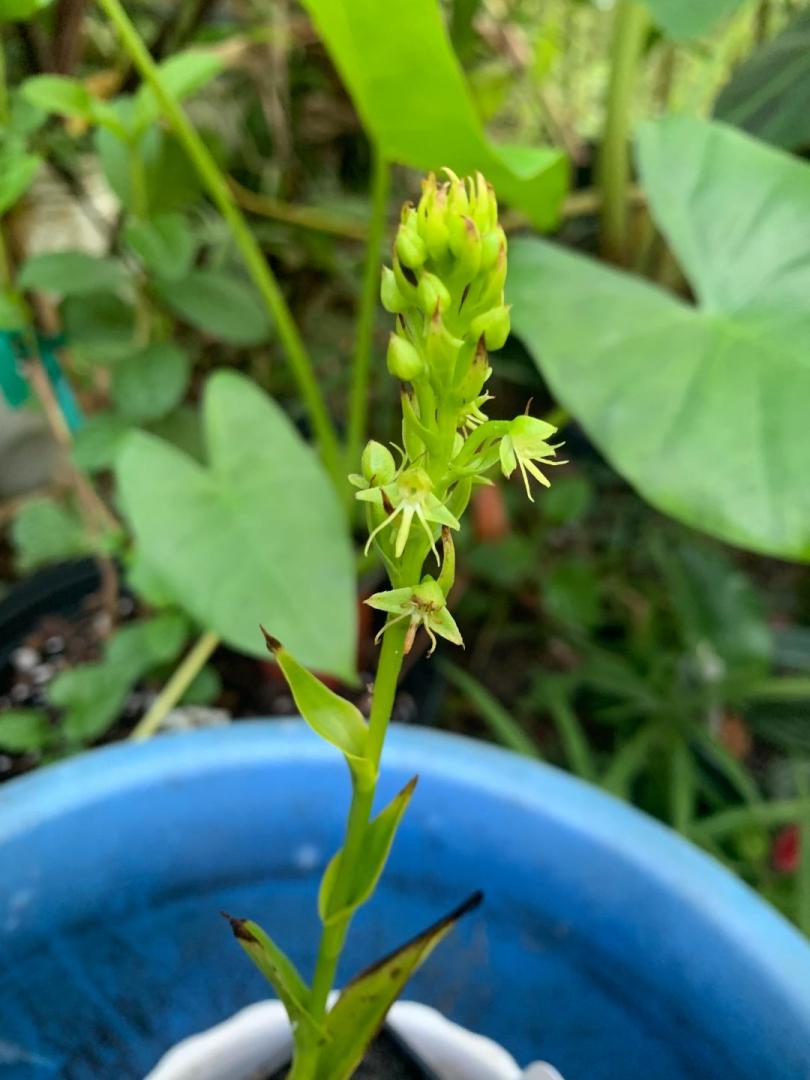
Habenaria repens
 3 points
 -
Getting second leaves on these. It’s been crazy hot here so perfect conditions for growth at this age
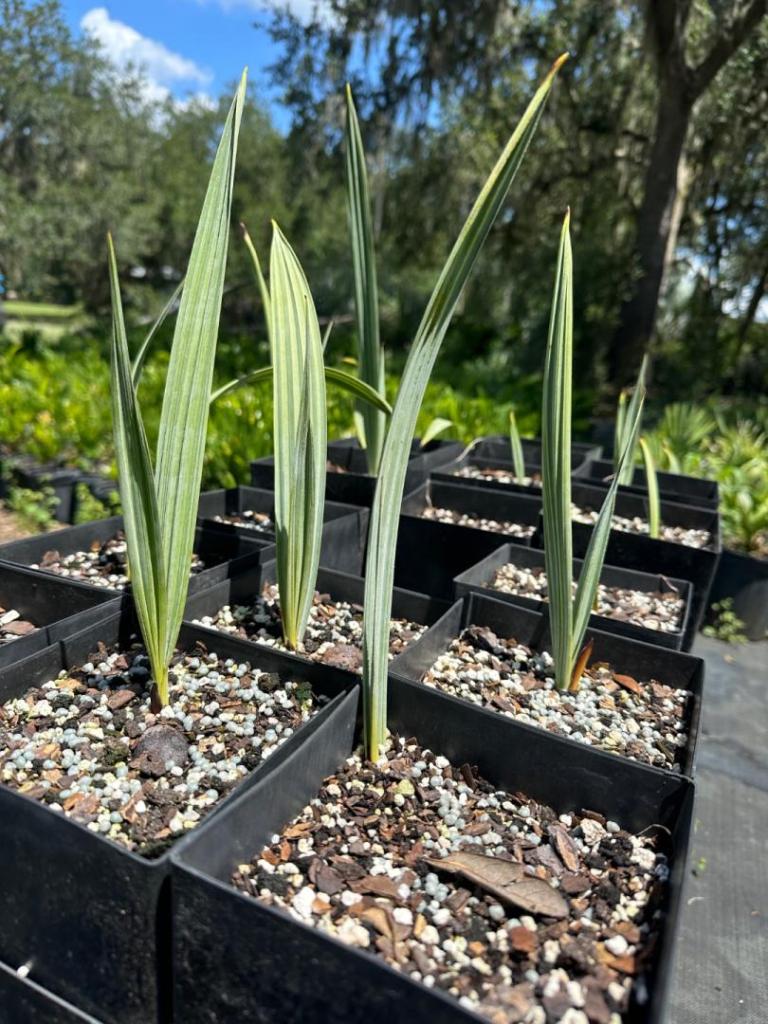
 3 points
 -
I've seen thousands in habitat, and never seen any multiheaded. However , have seen somewhere an old B&W photo from 100 years ago of a 7 or 9 headed one.3 points
-
Almost 2 months in. We are hosting a big party this weekend so I decided to give it a haircut. Most of the bottom fronds had succumbed to transplant shock anyways. also, the first full pinnate has pushed out, featuring its trademark hooks! It’s had noticeable growth day-over-day in the summer. Can’t thank @Joe NC enough for this beautiful plant.
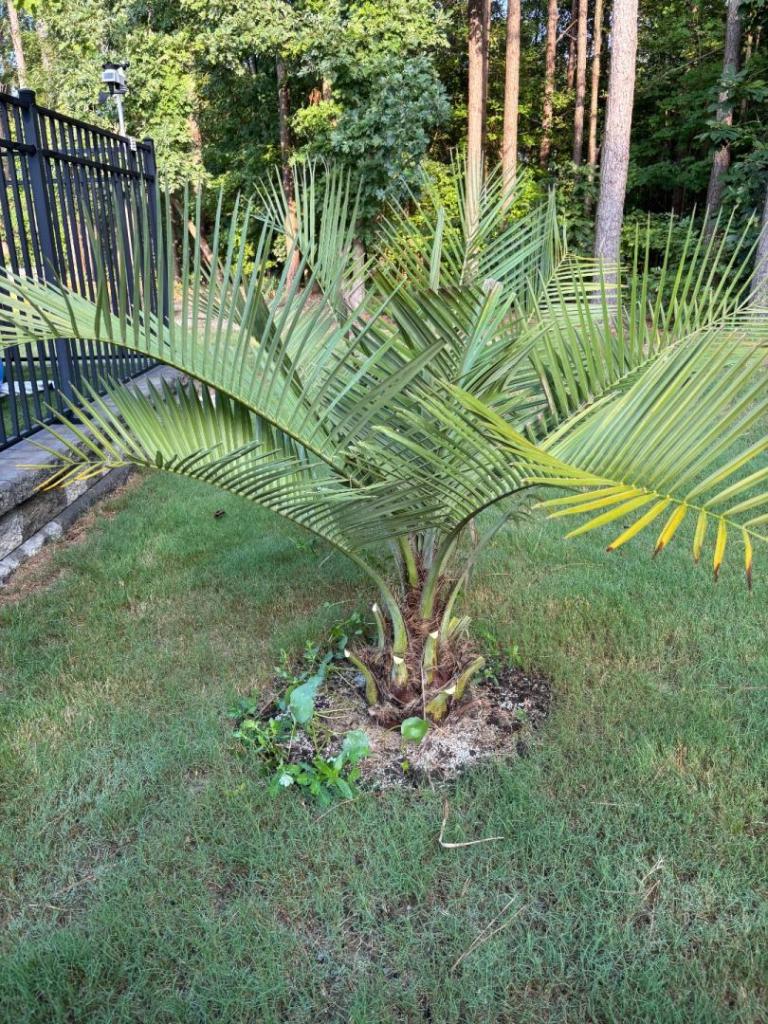
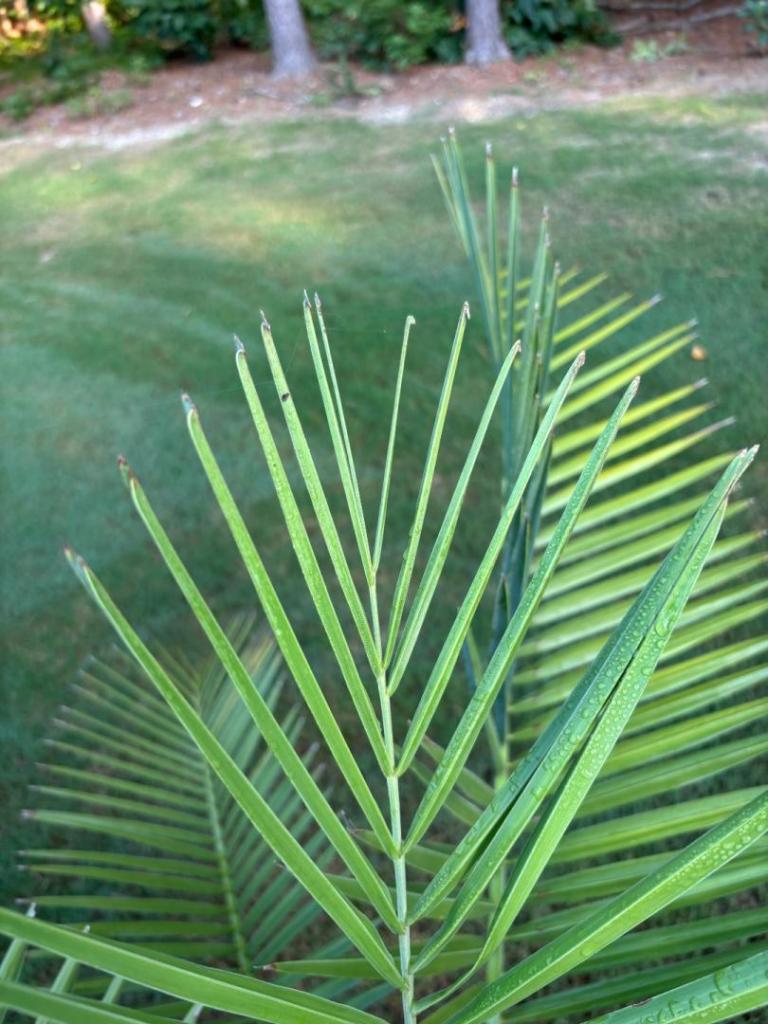 3 points
 -
Slightly closer view..
 3 points
 -
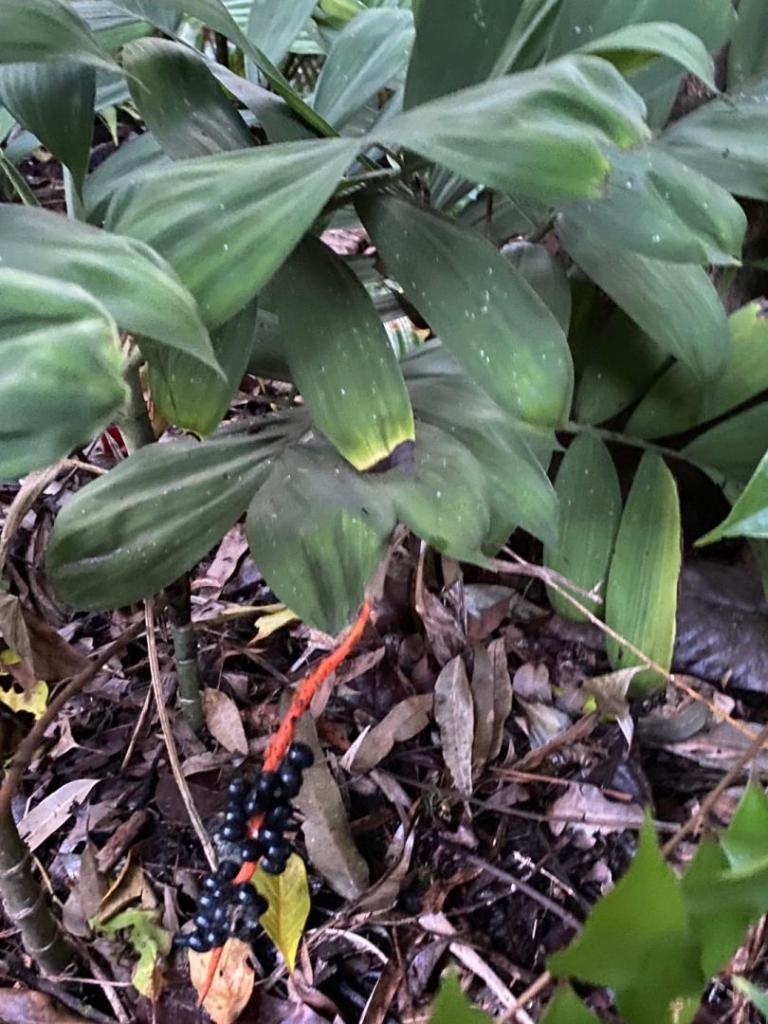
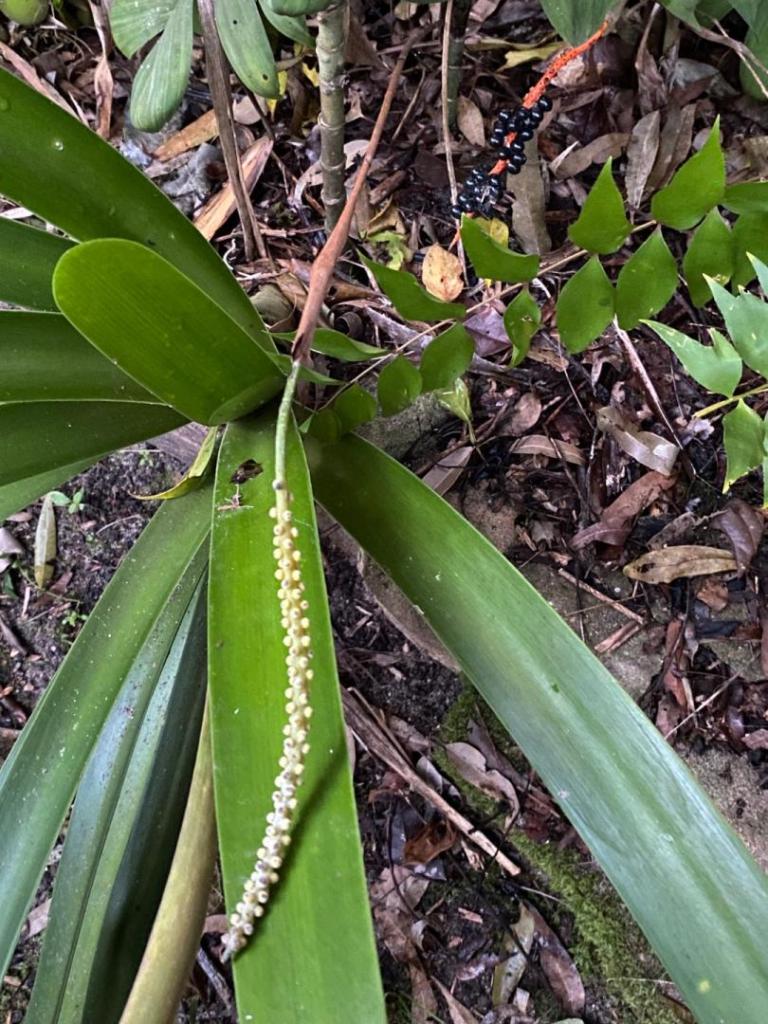
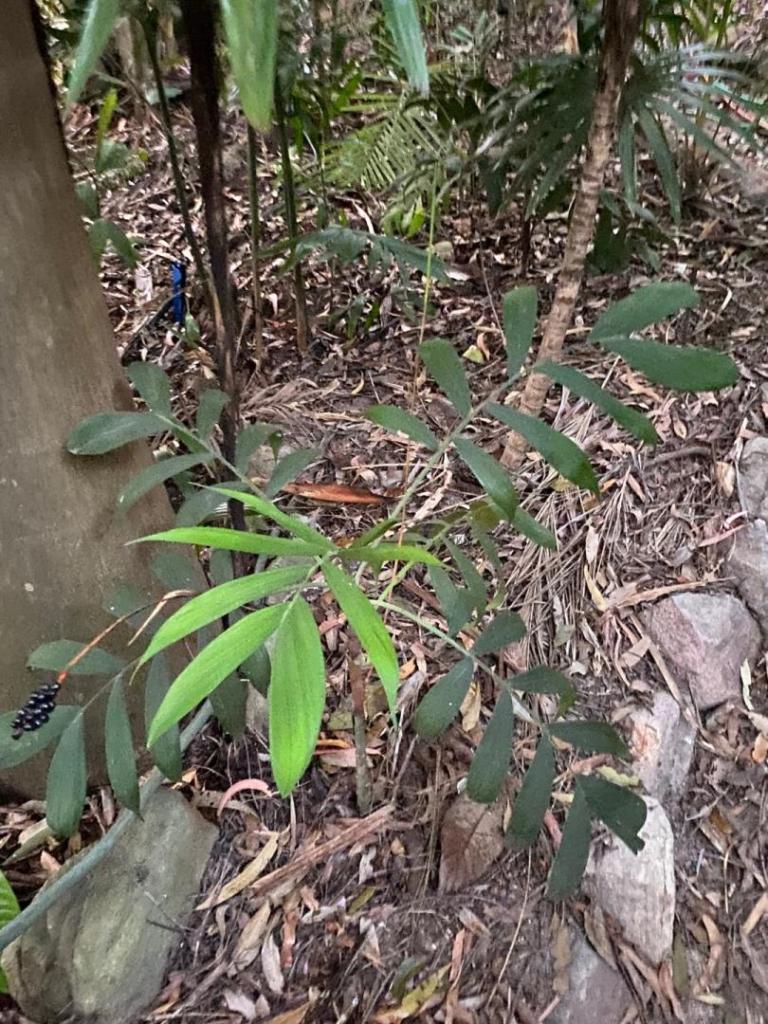
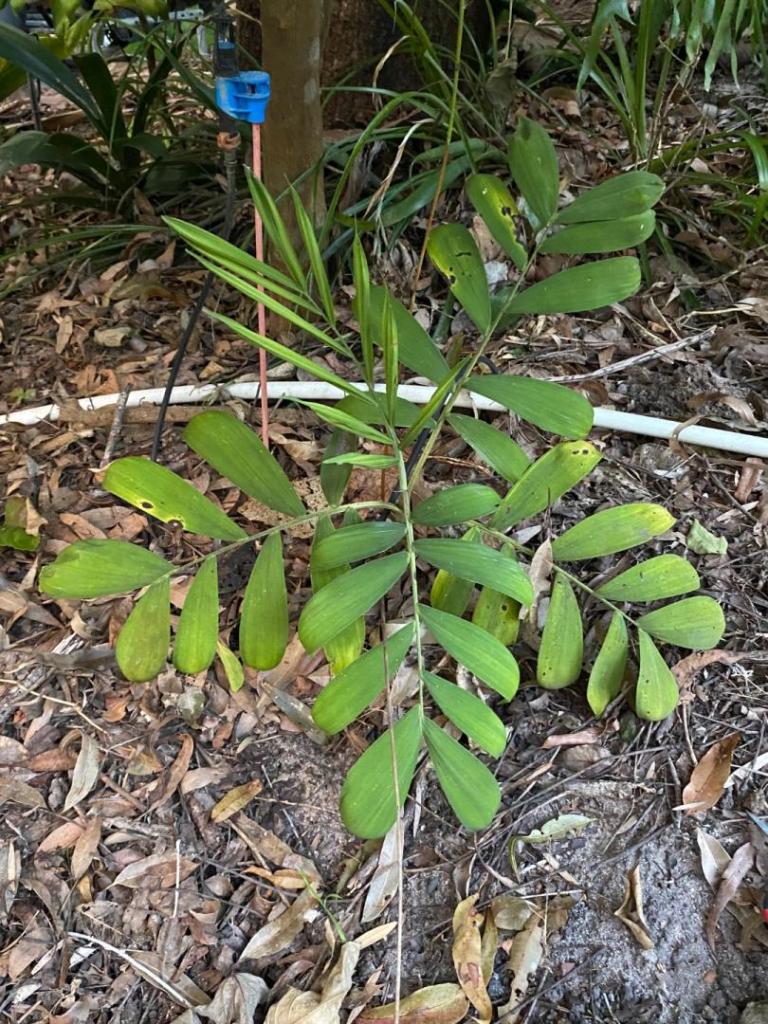
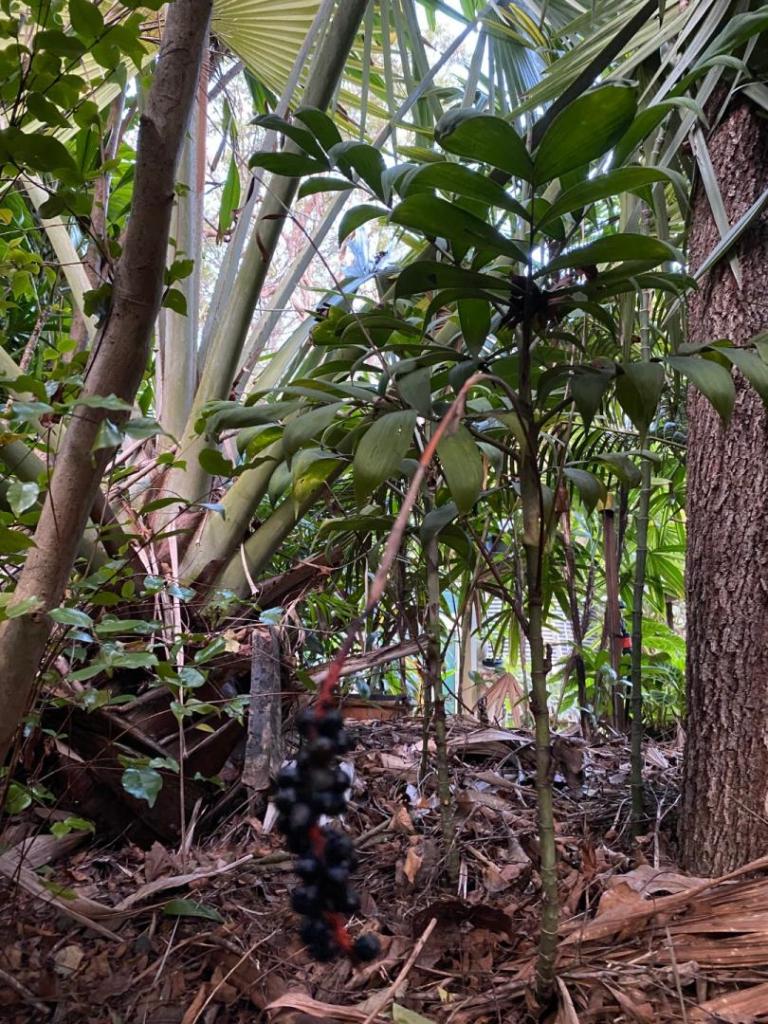
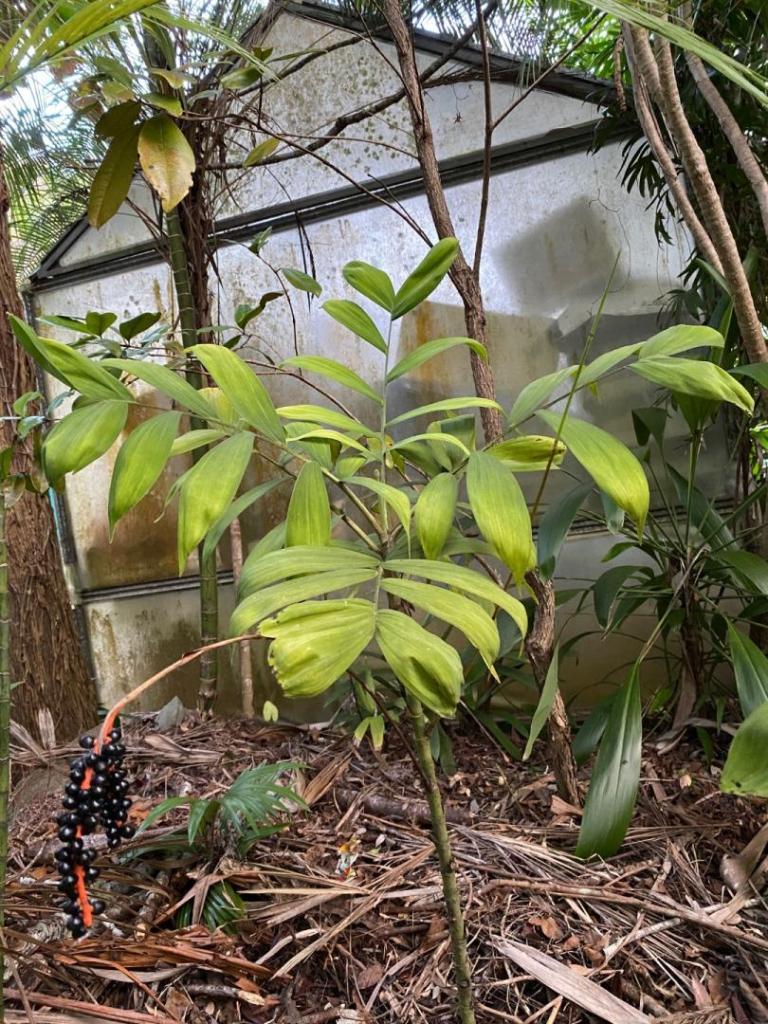
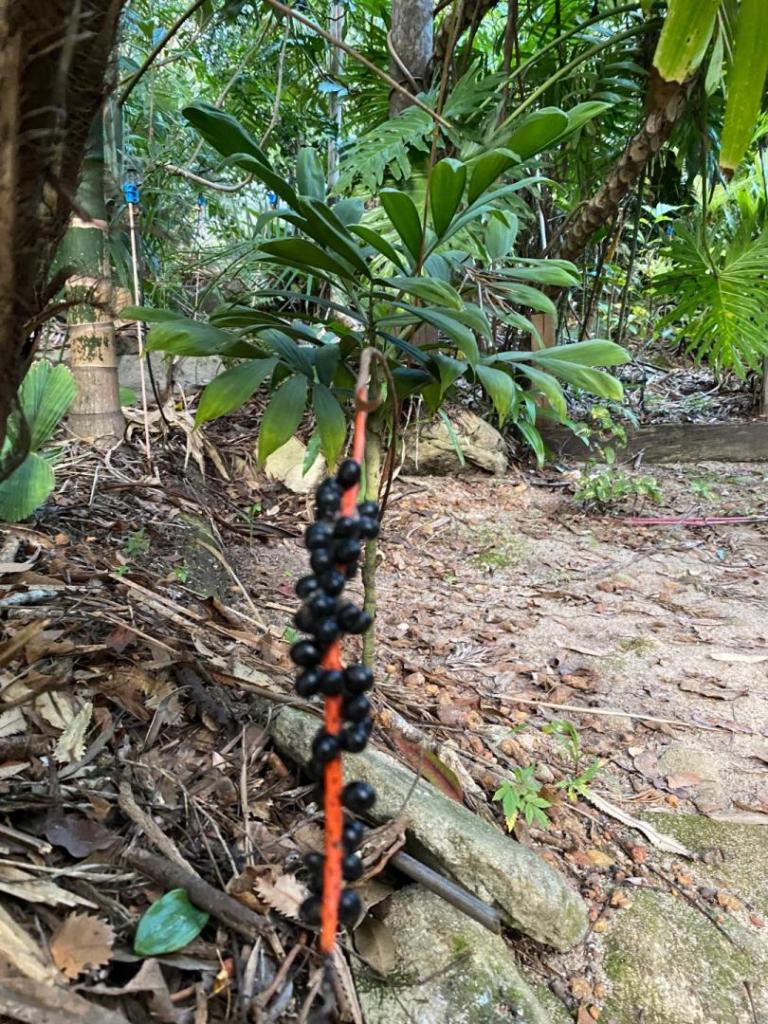
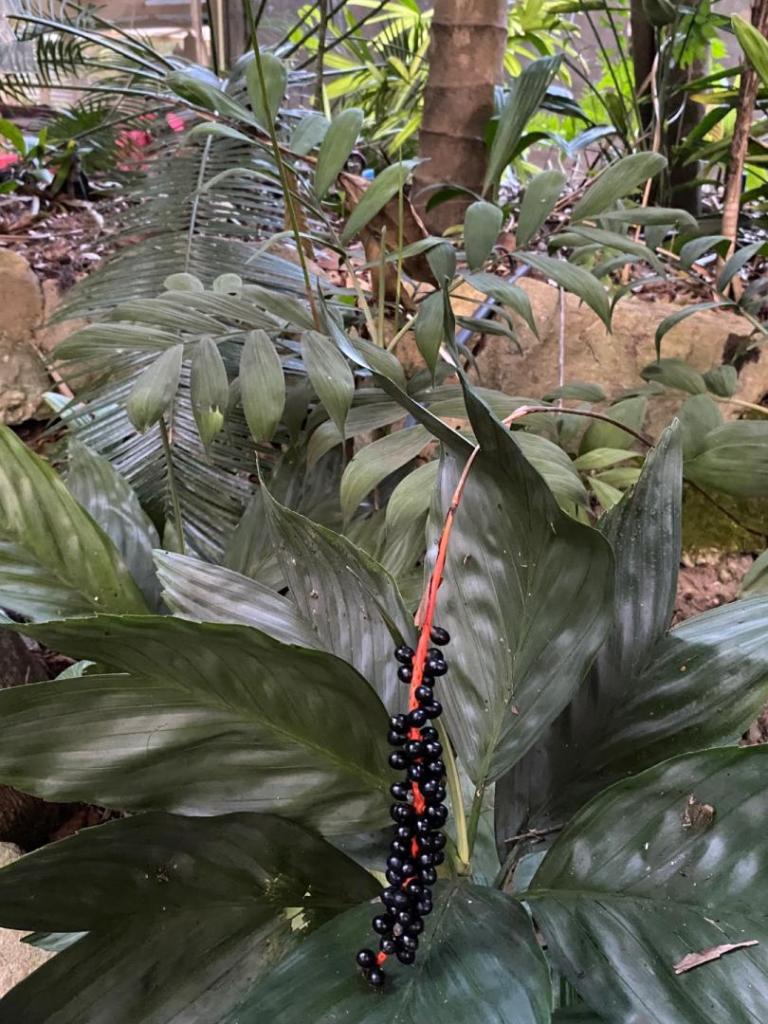
Ok it’s time to pick a few seeds. So this week it’s some chamaedorea adscendens. All hand pollinated with around 600 this pick. Some will go of to far far away lands in another galaxy. I c as n tell when they are ready when they start to flower again is a good indicator and when the seeds are lightly tickled they fall of easily into the hand just like picking fruit. And if I can collect male pollen that’s another indicator it’s time to pick. I have pushed them pretty hard over the last three years in pollination collecting a lot of seeds so it’s time they had a good feed to give back what they given. So enjoy the seeds in a far far of land in another galaxy.
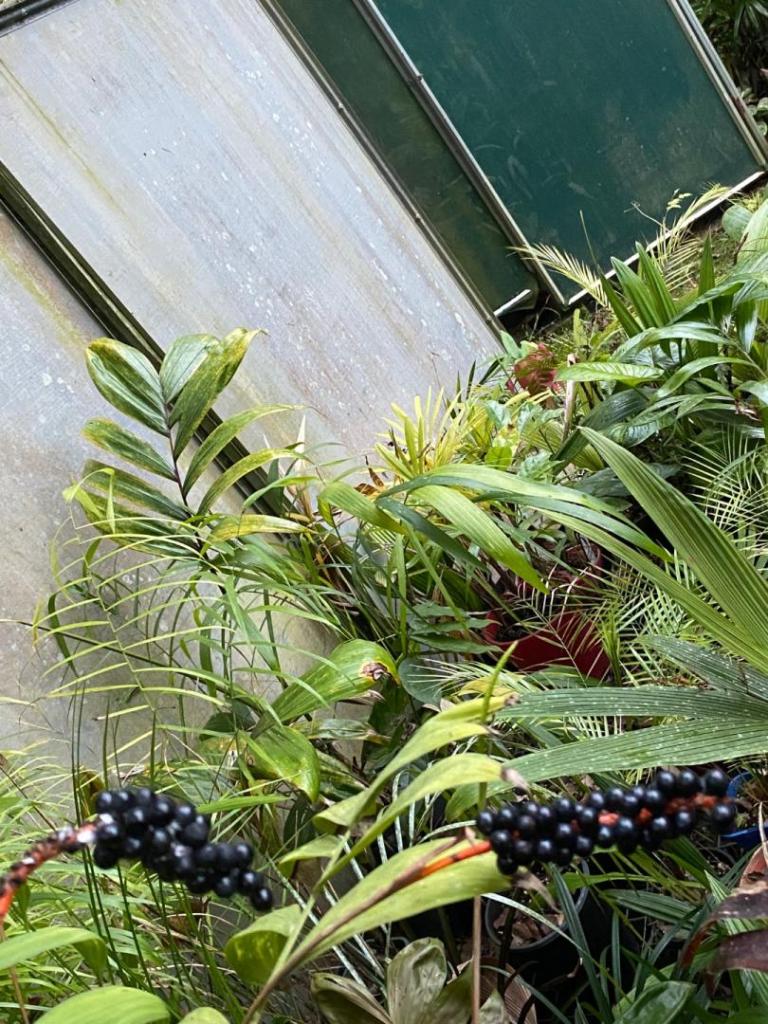




 2 points
 -
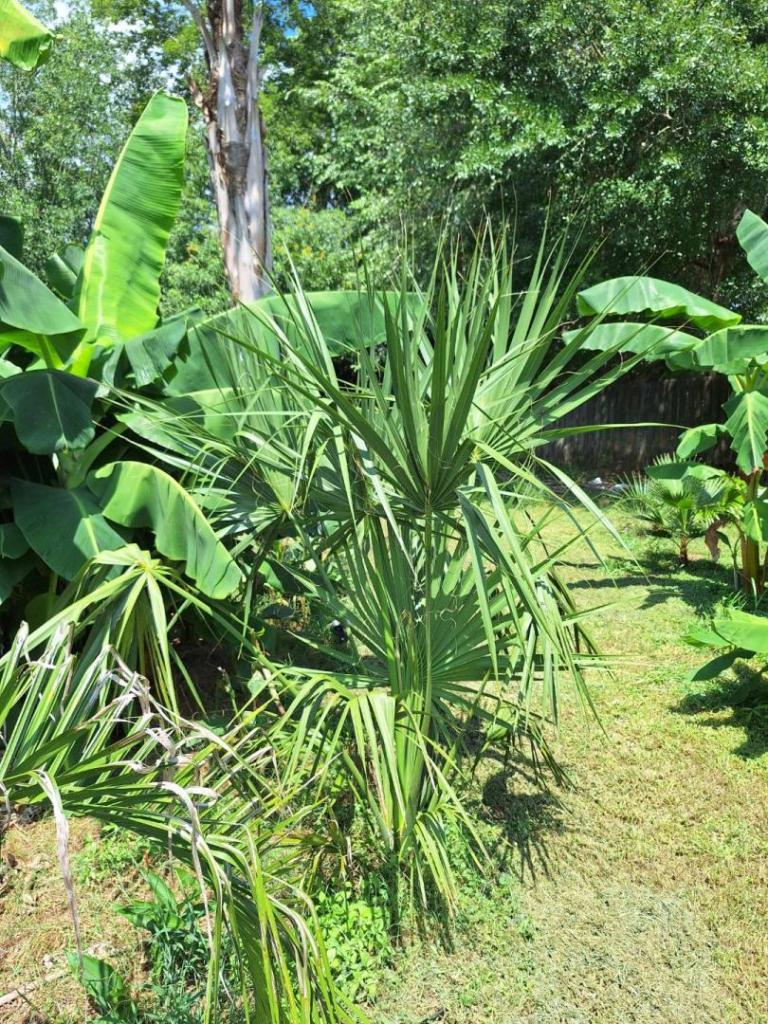
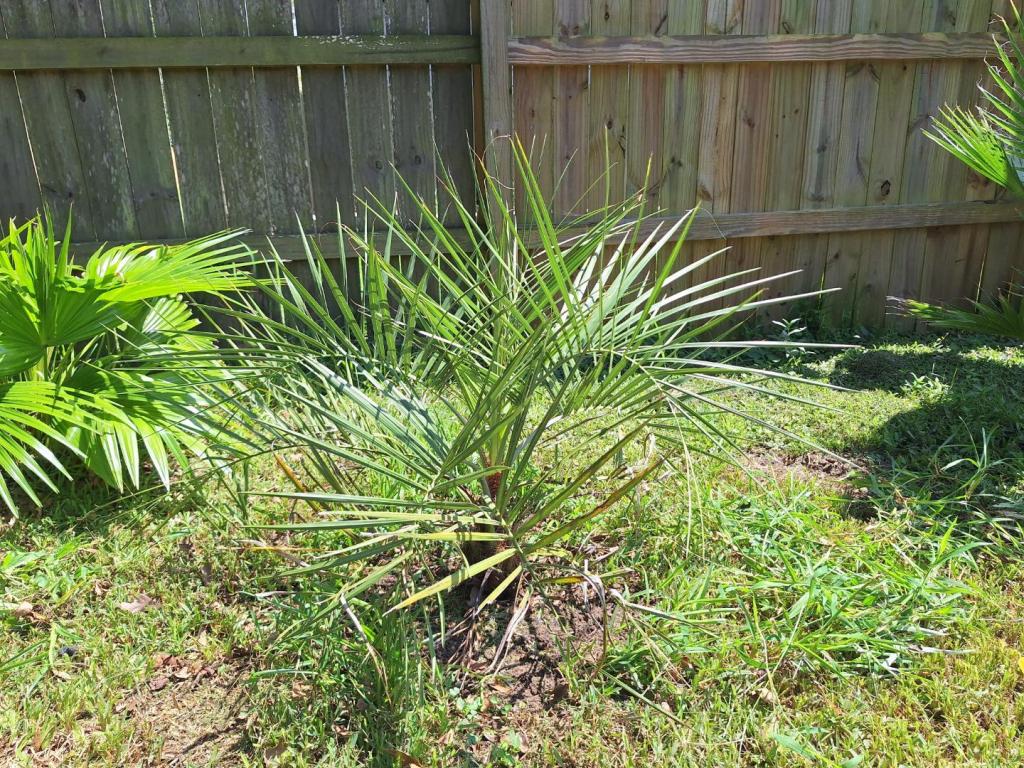
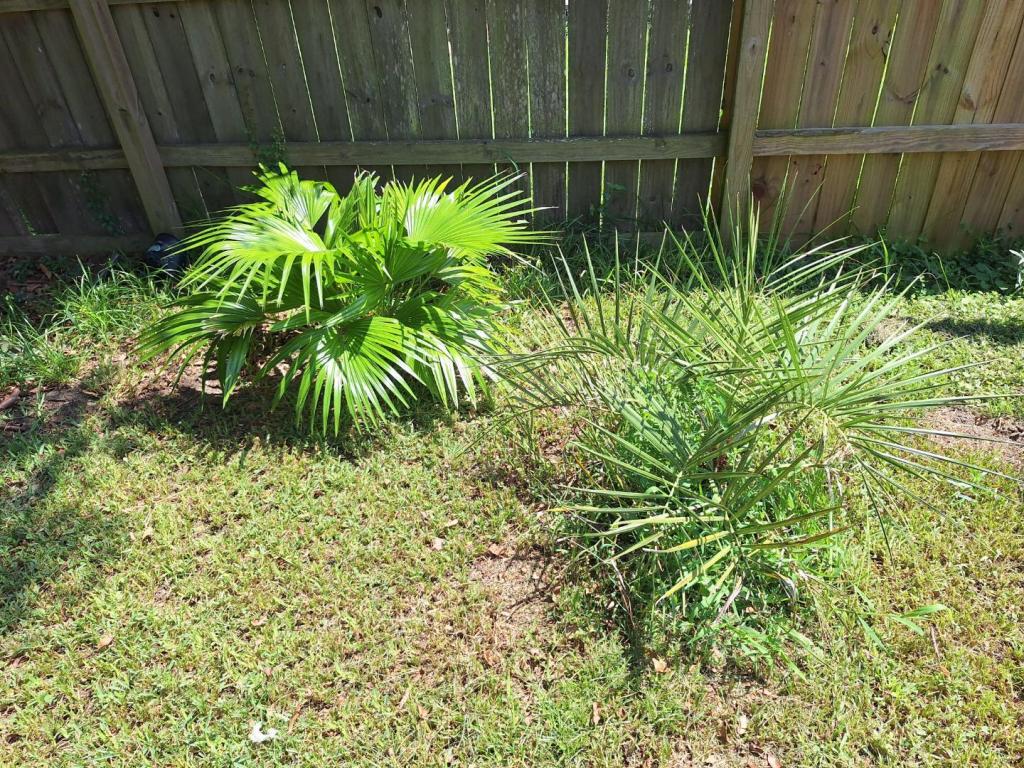
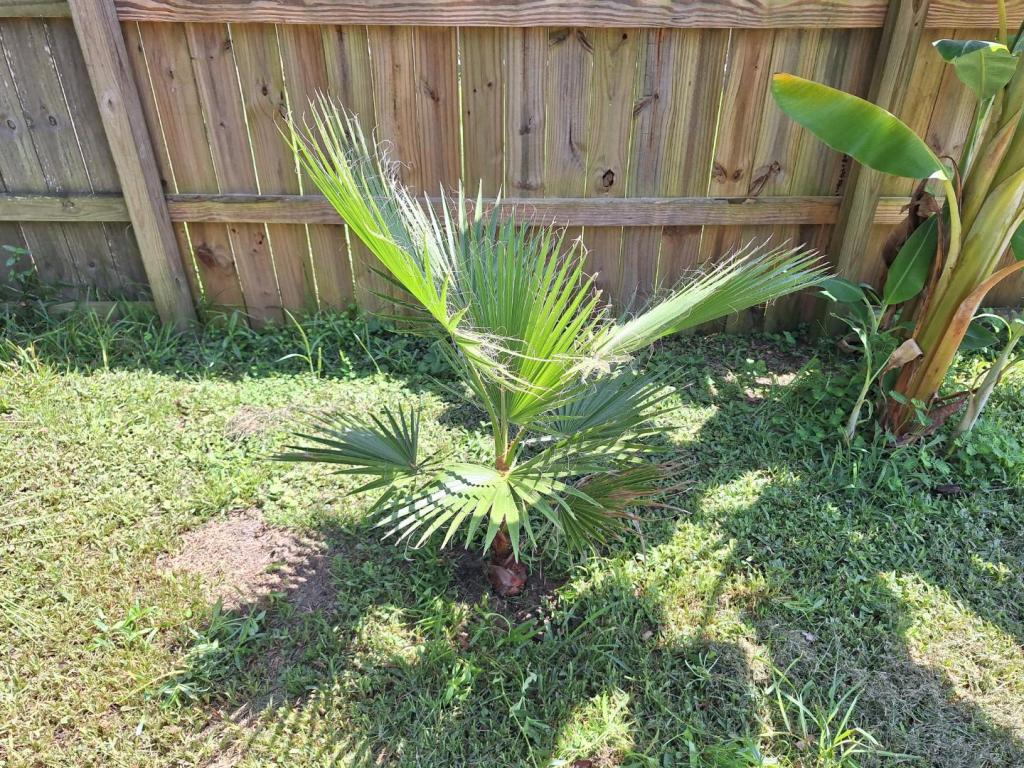
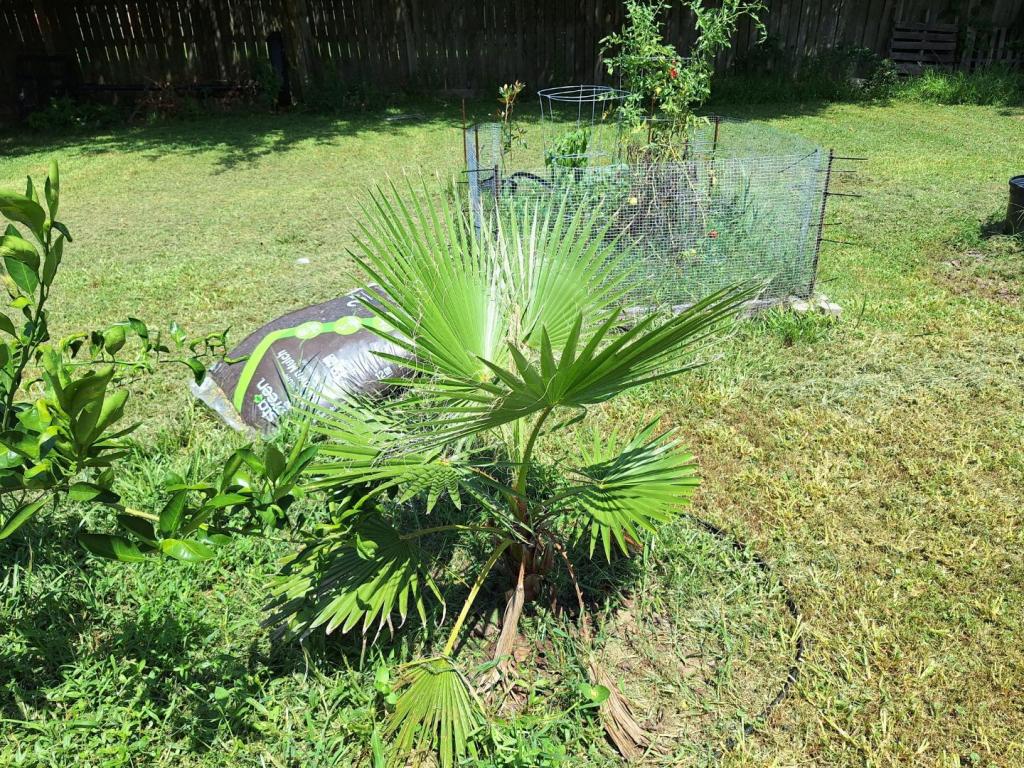
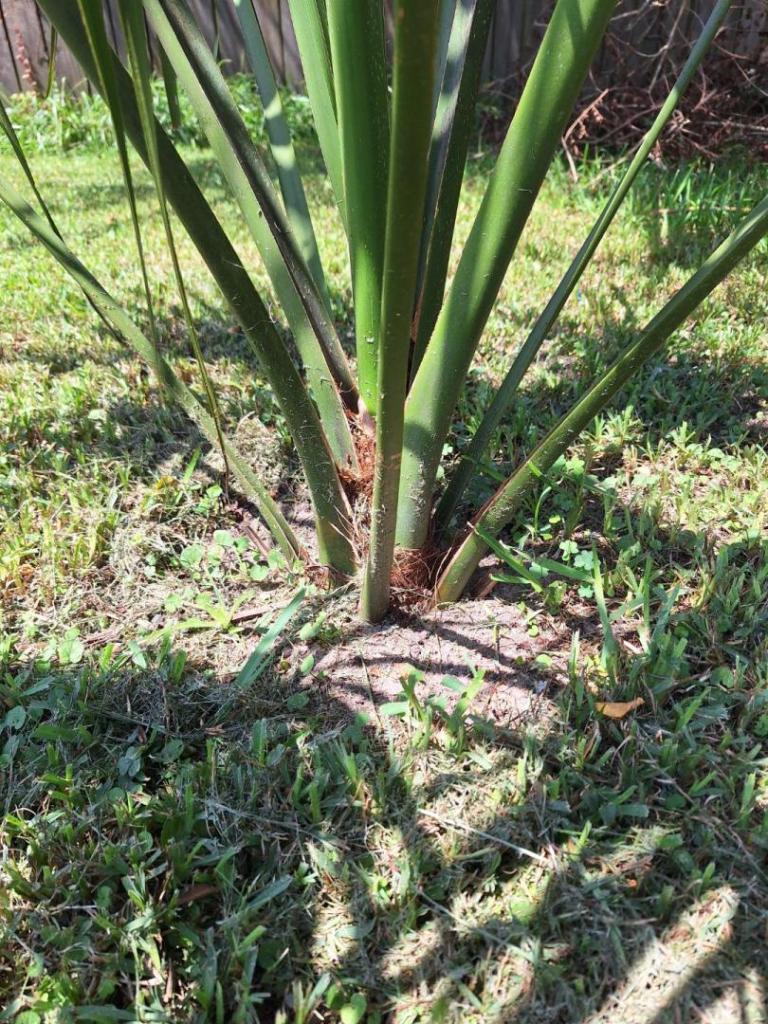
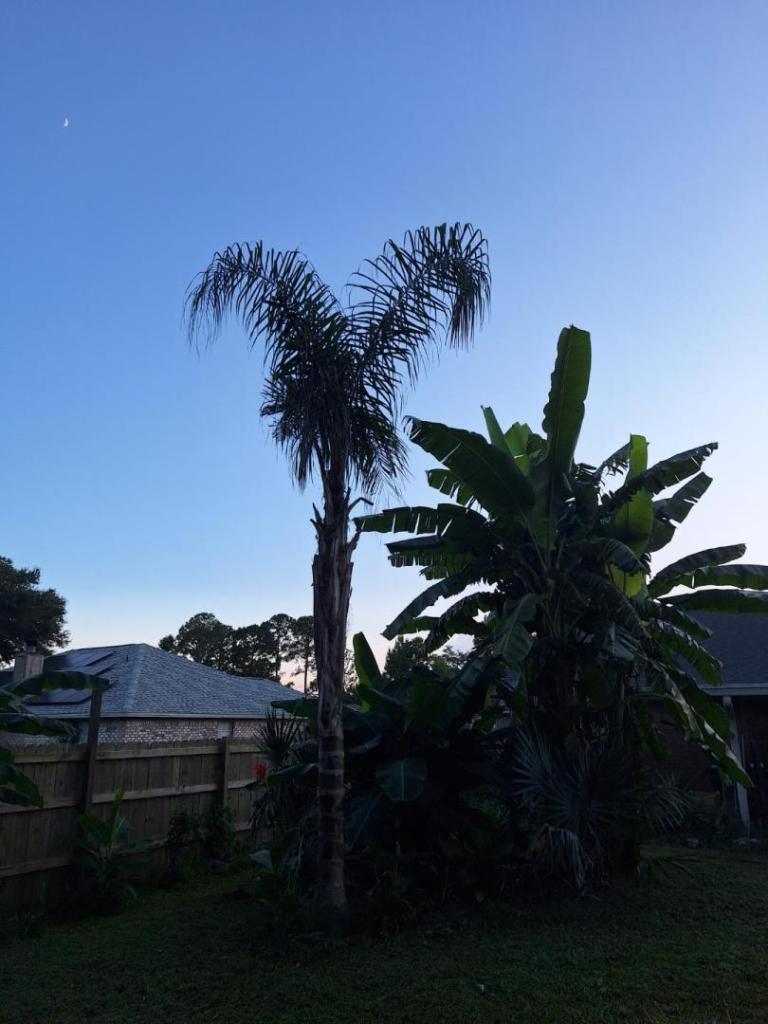
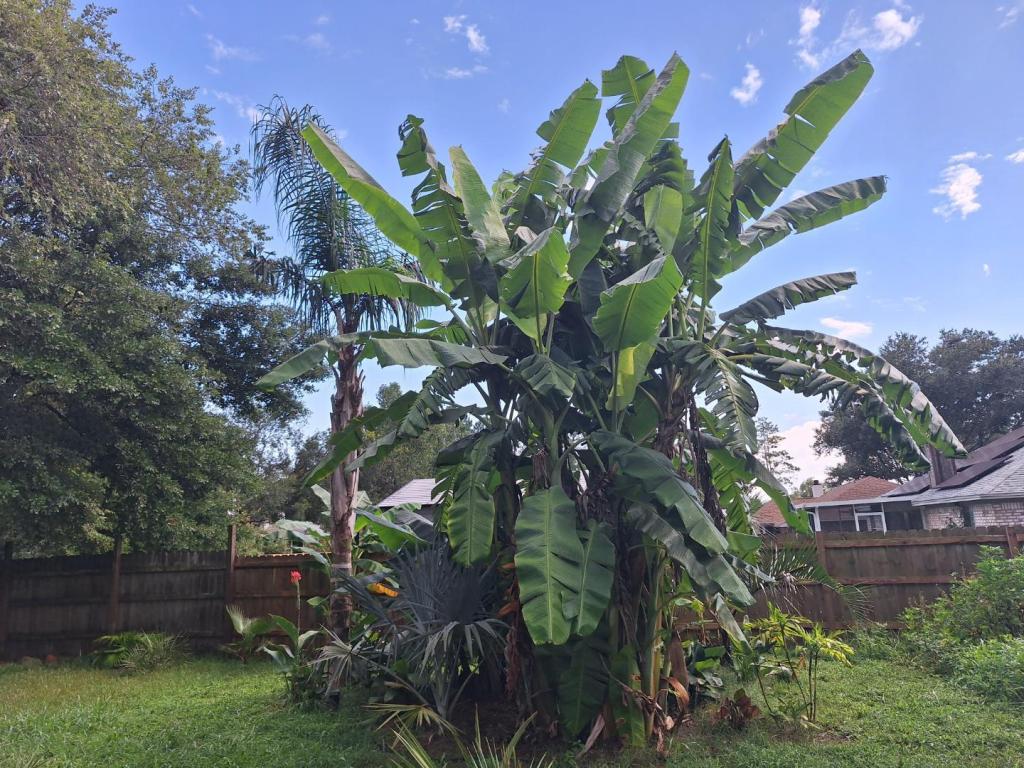
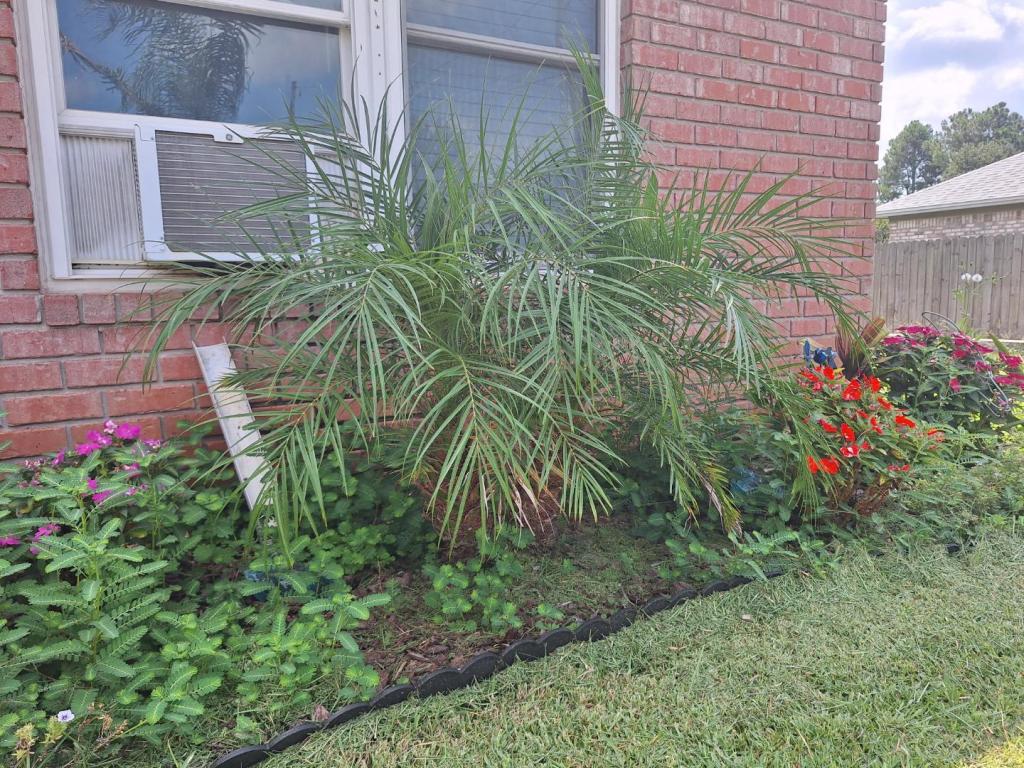
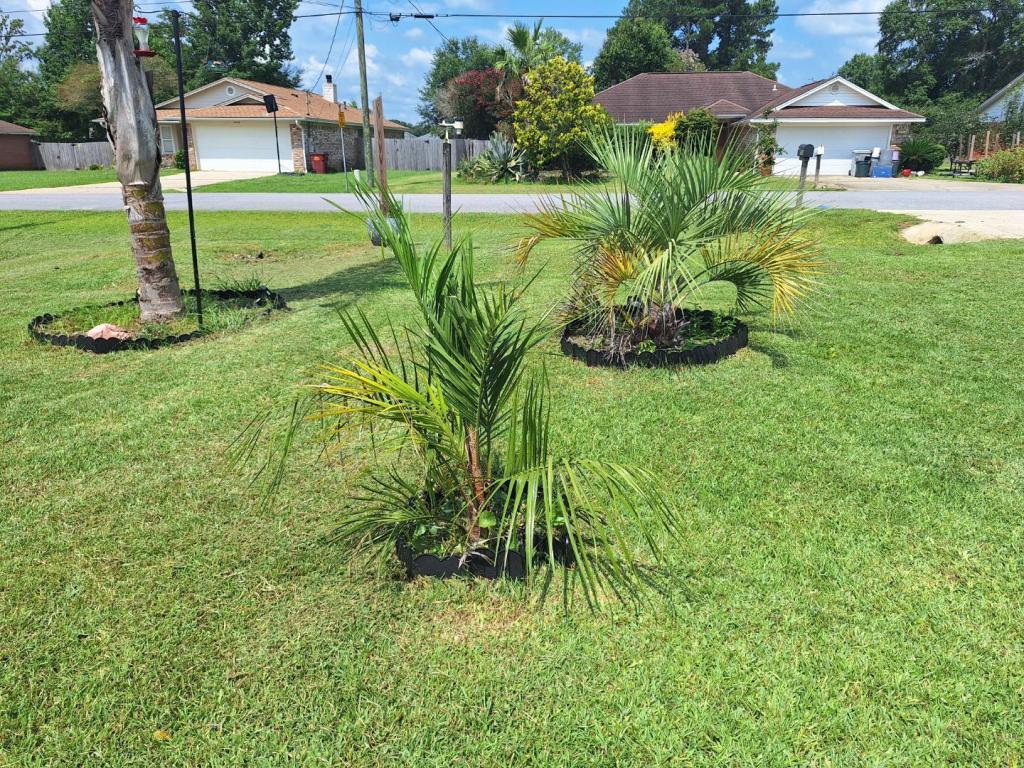
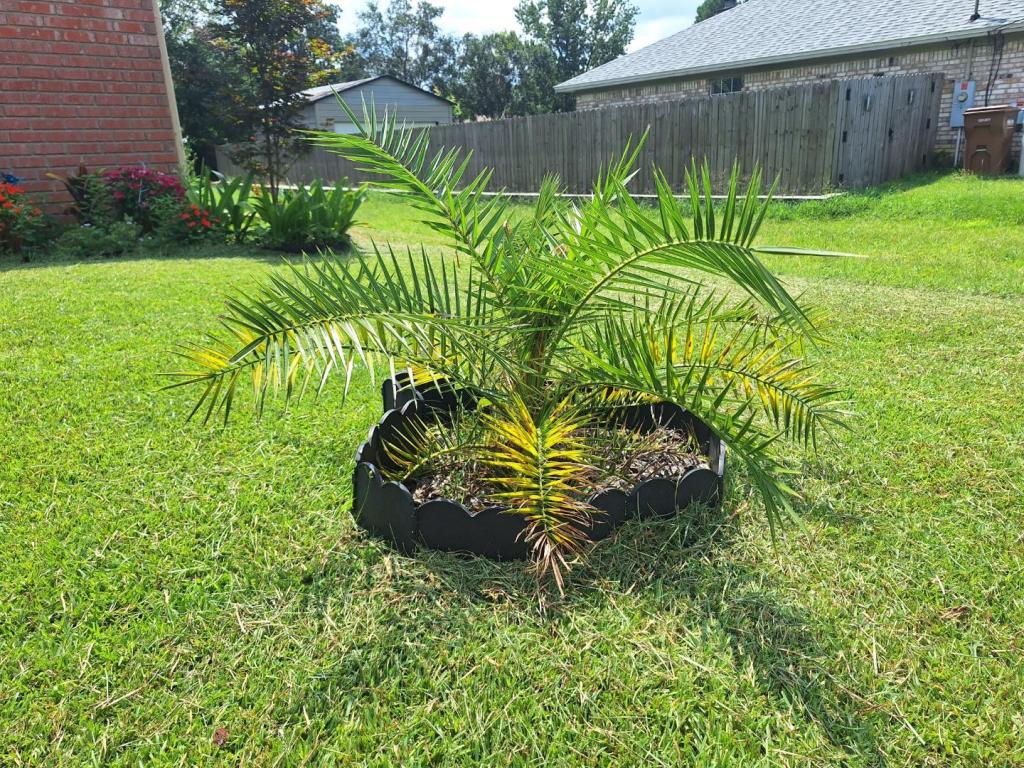
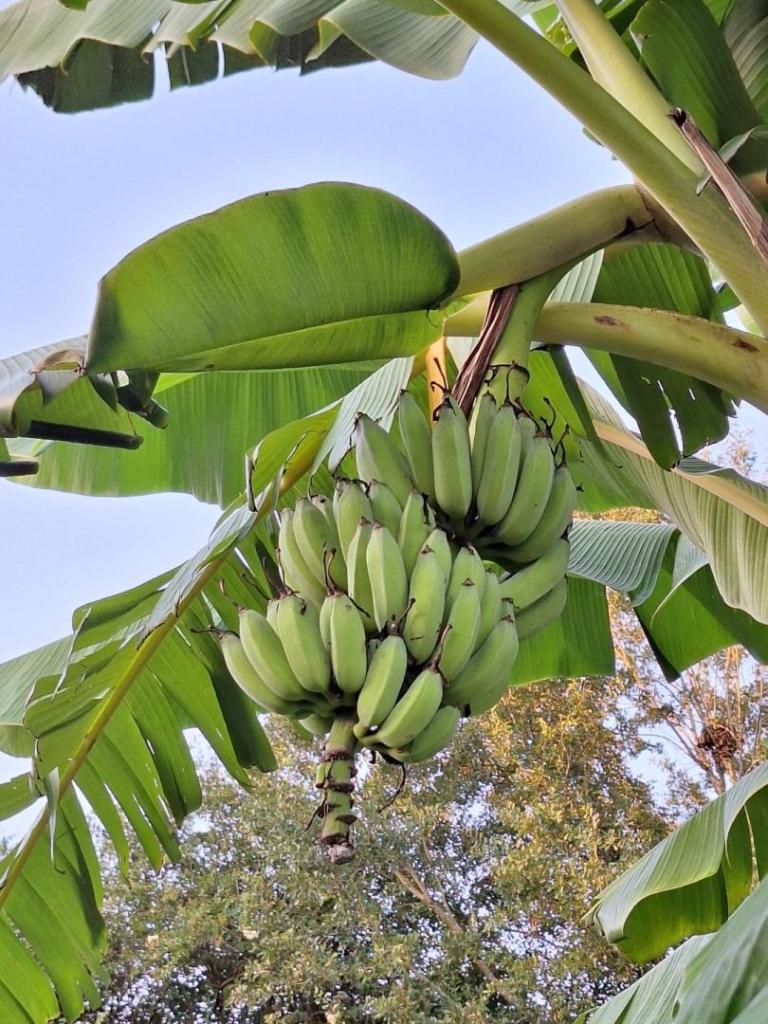
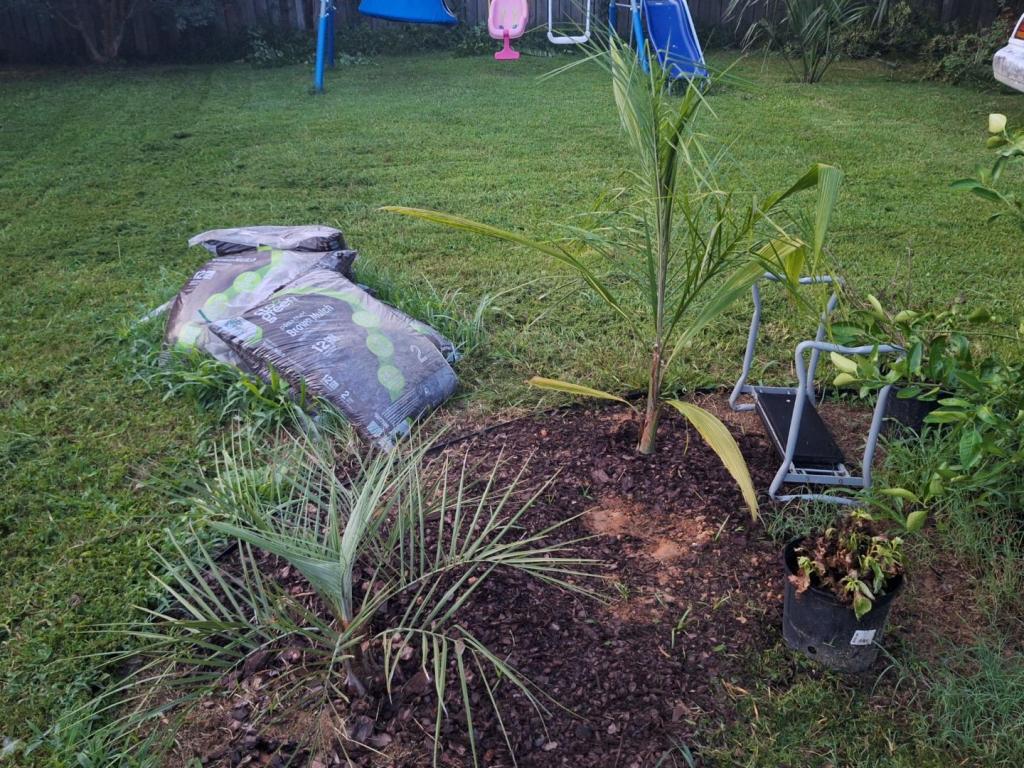
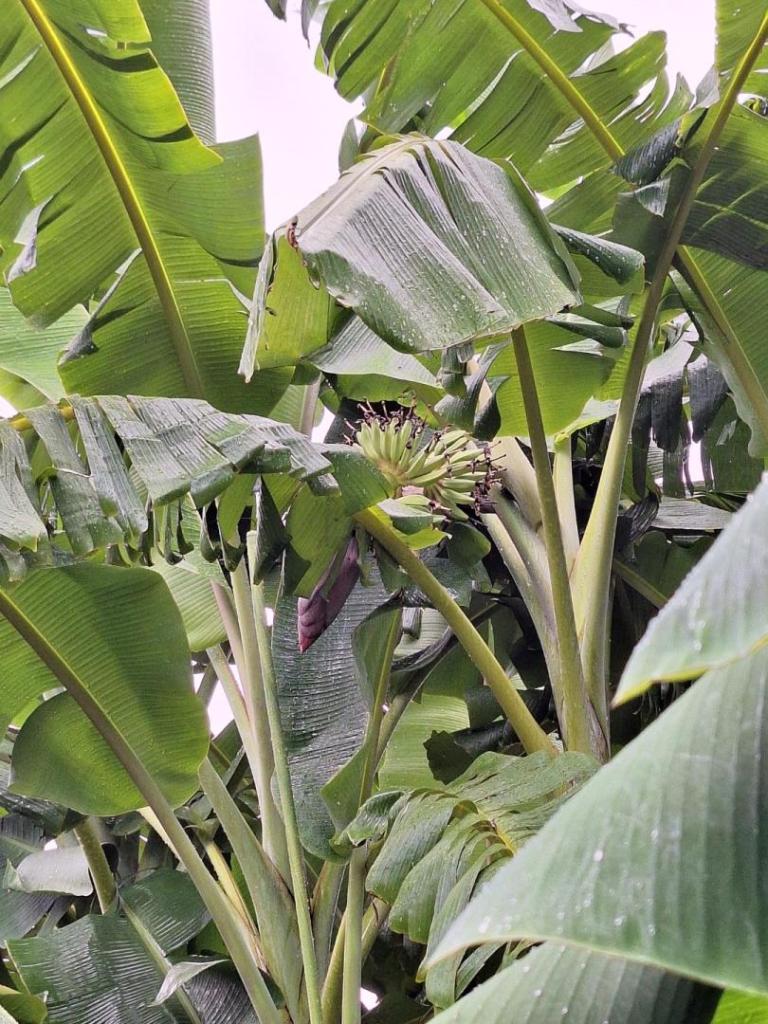
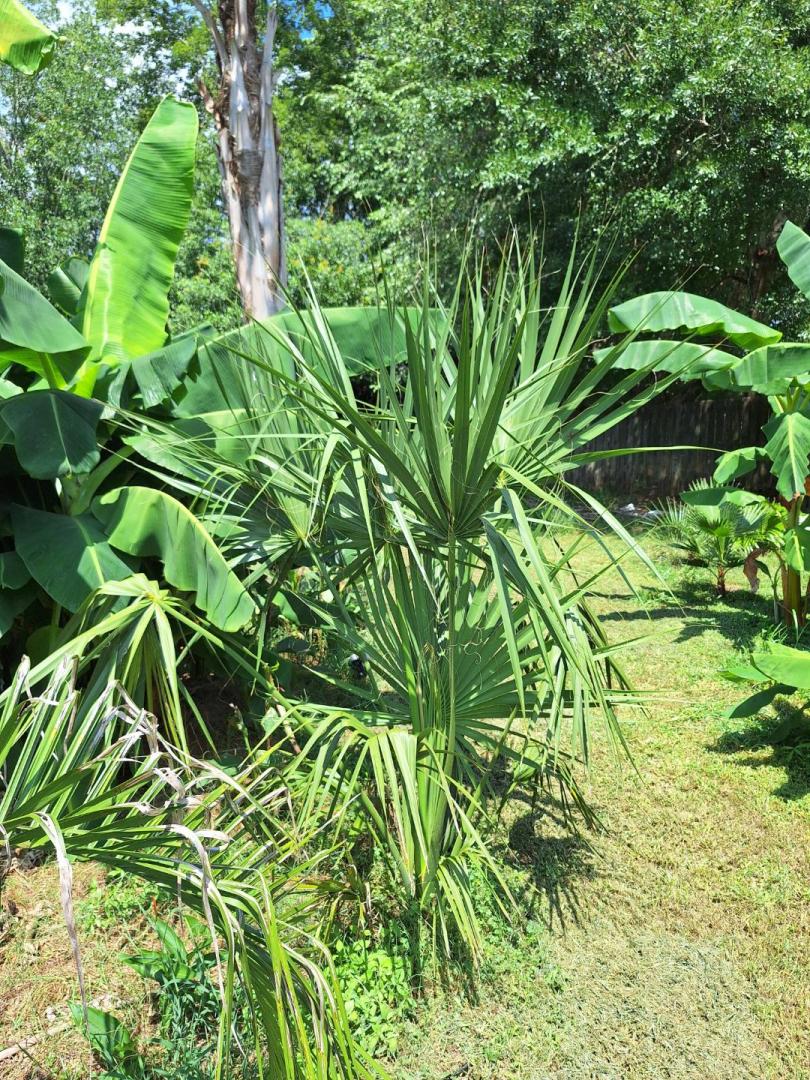
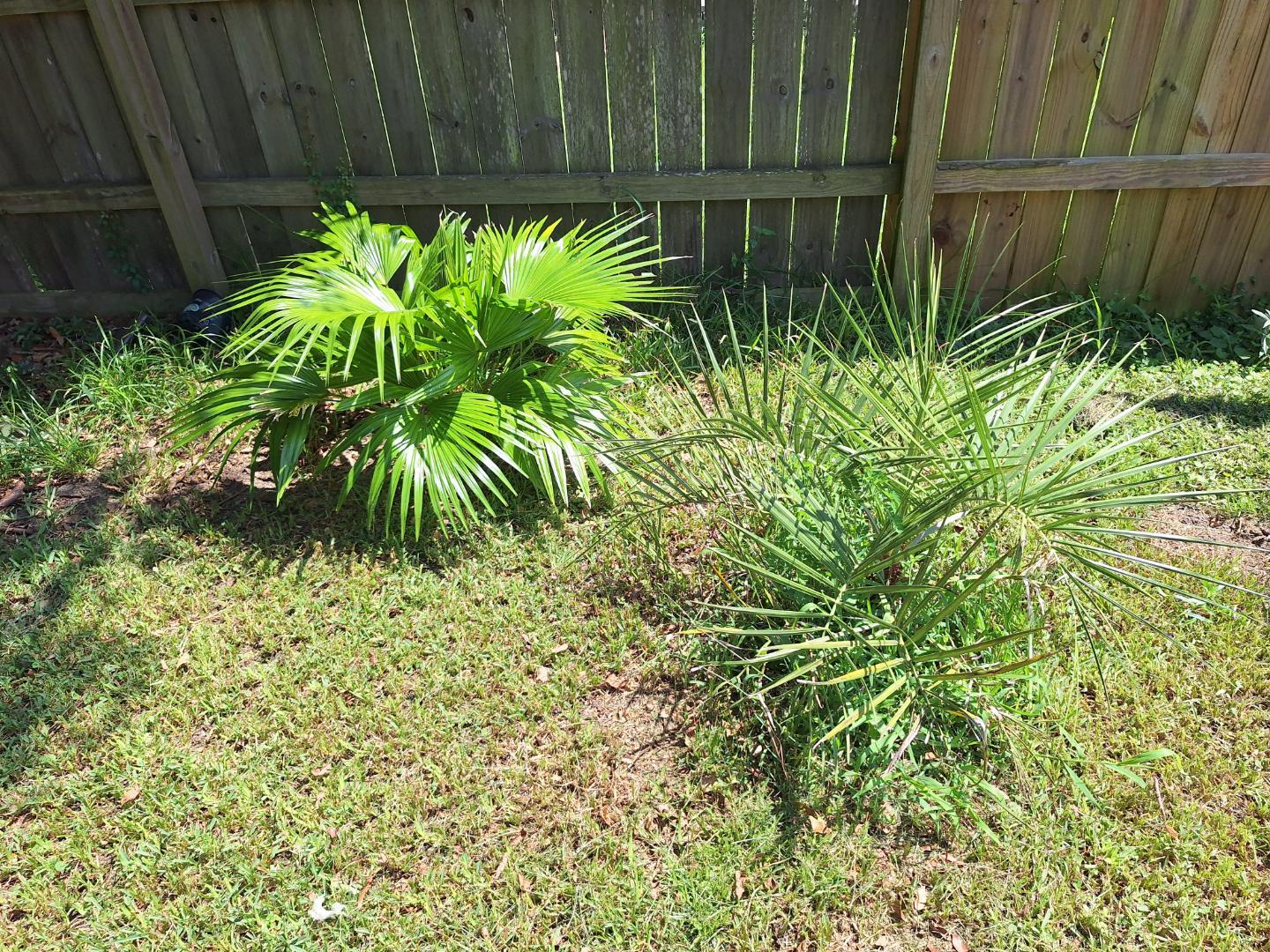
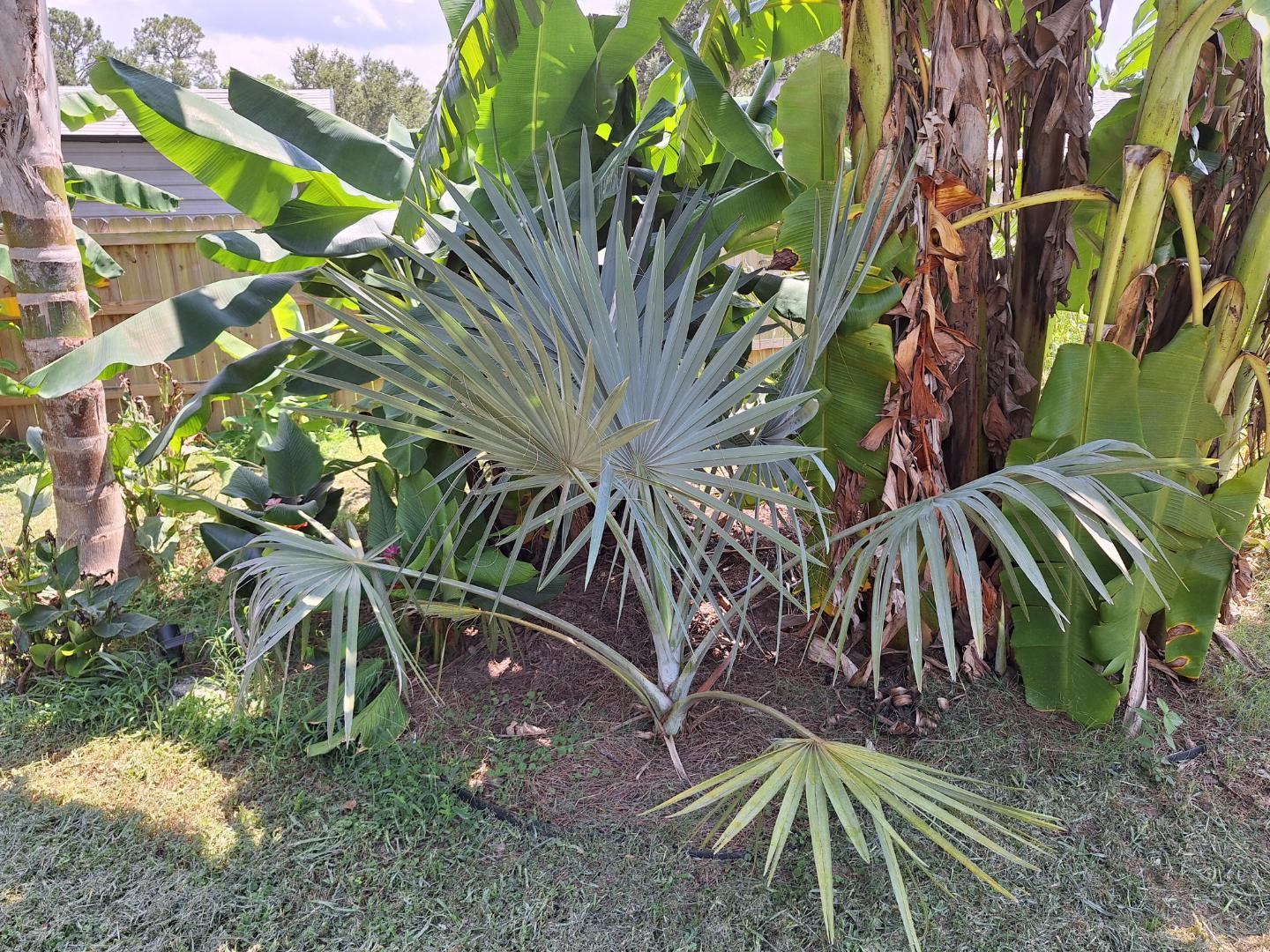
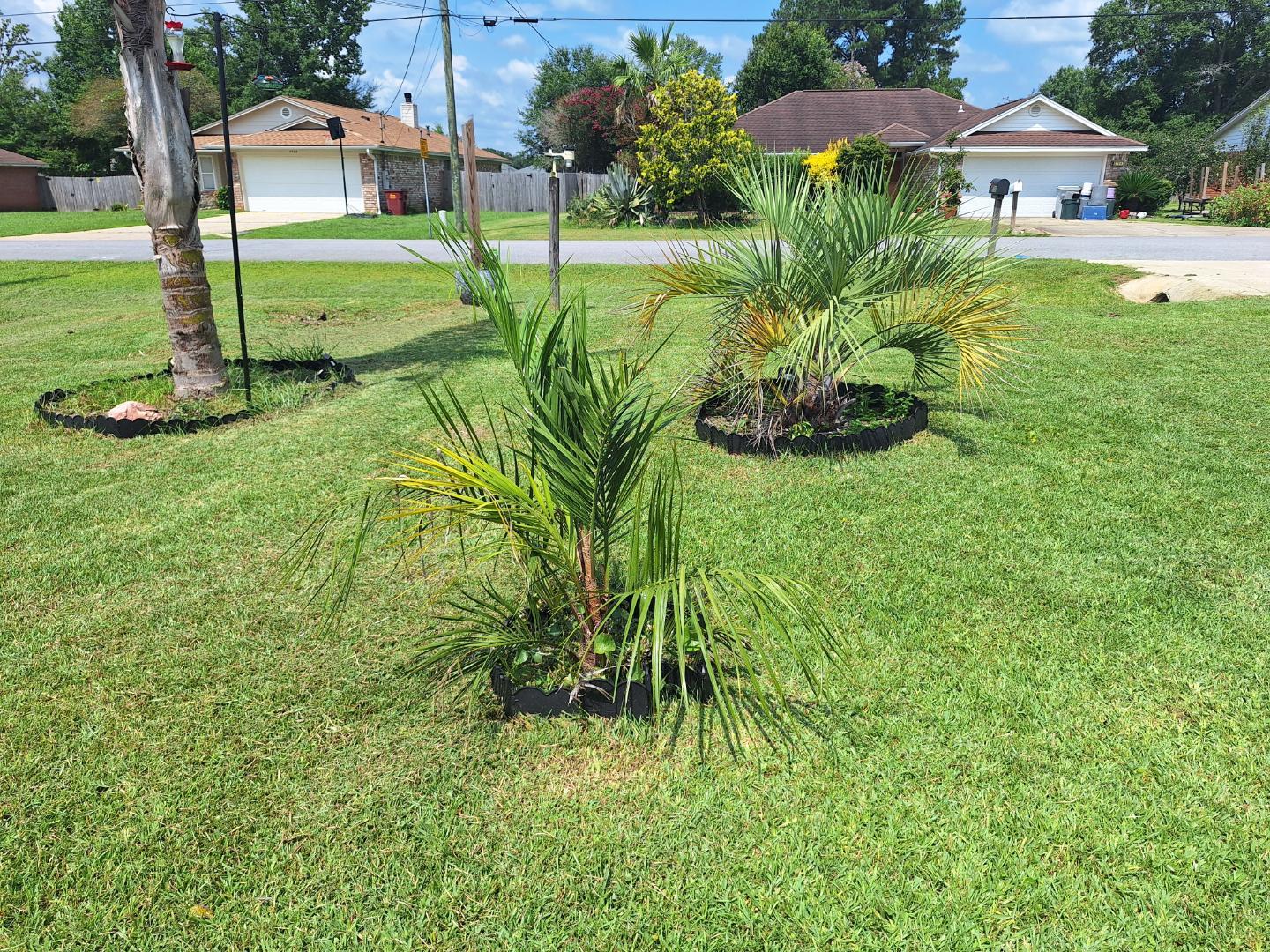
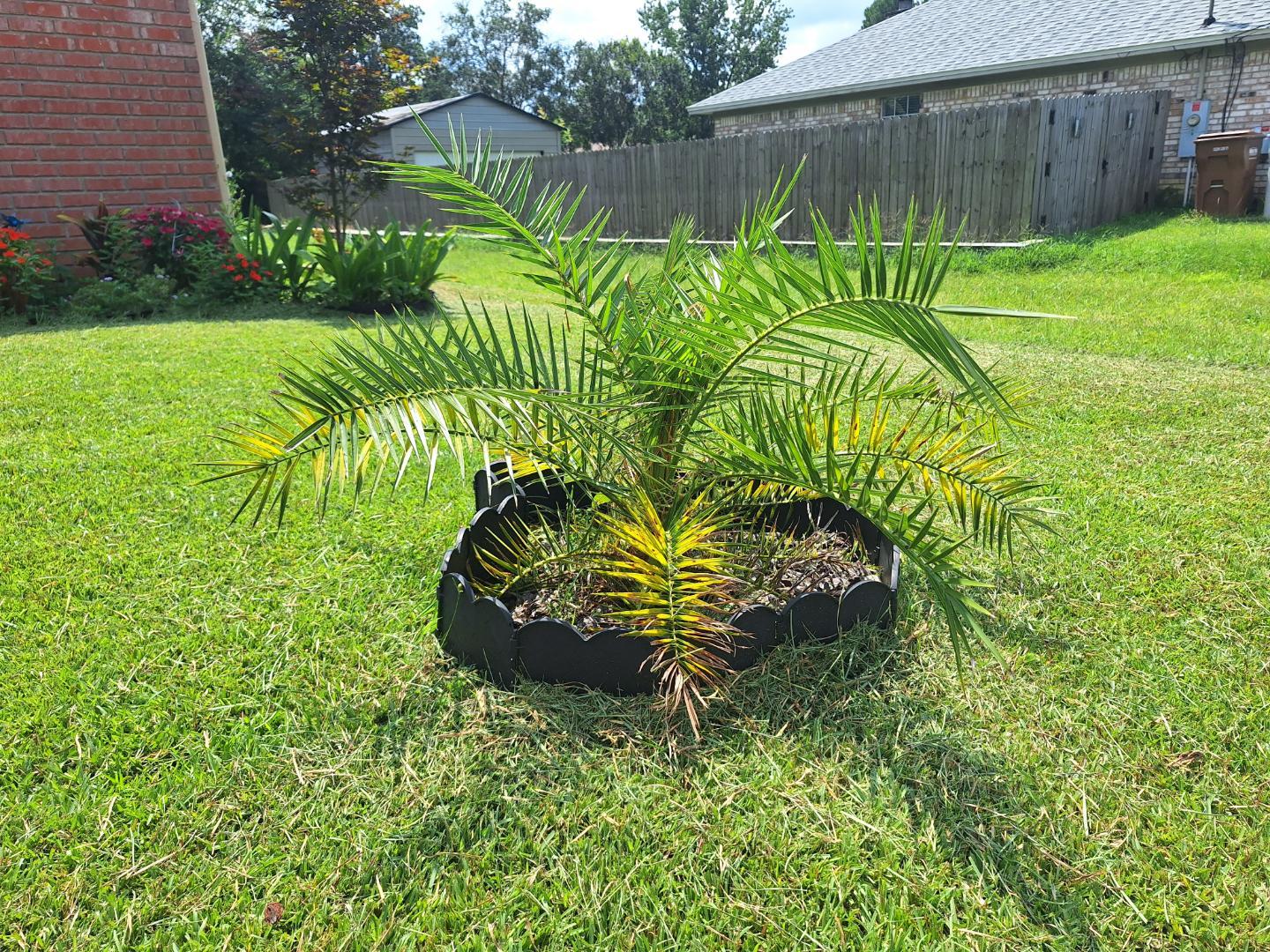
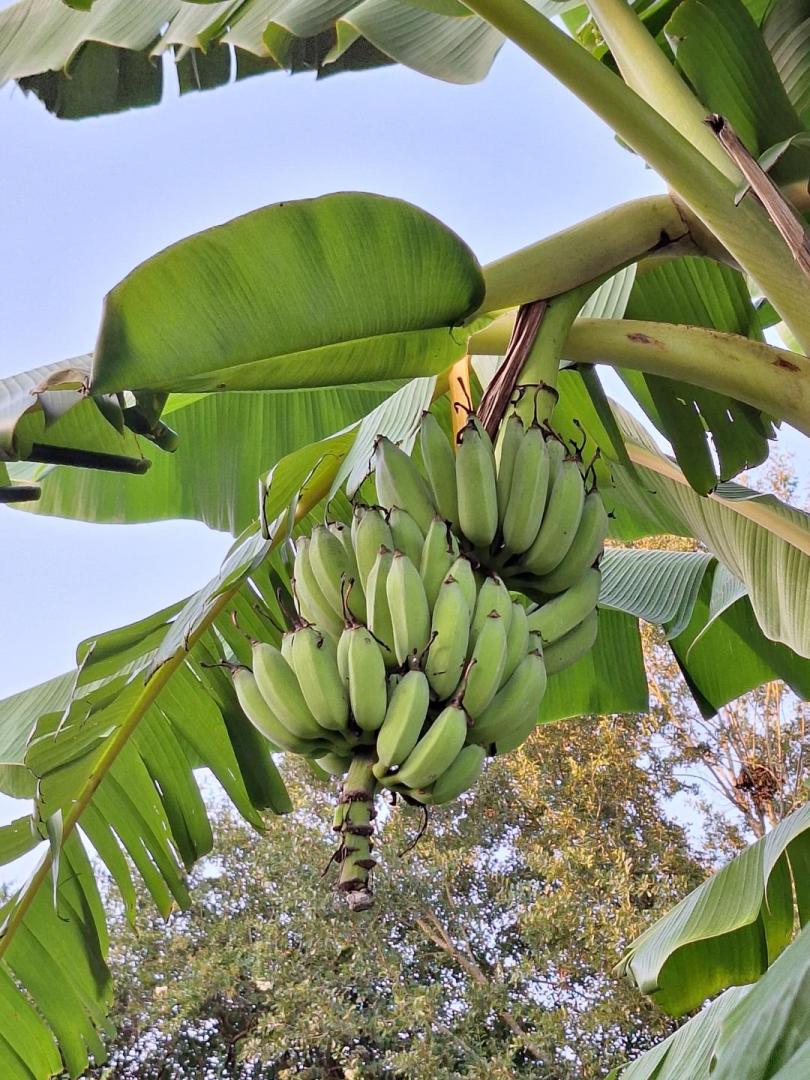
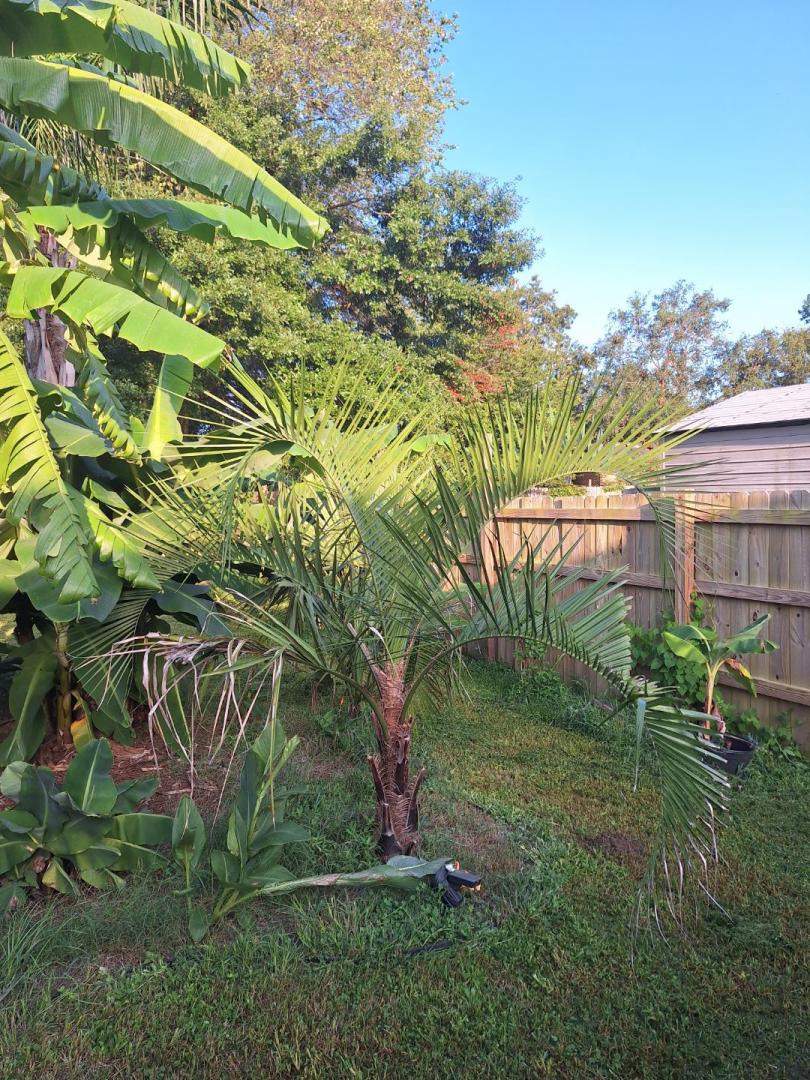
July 31, 2025: Figured it was about time to update this thread. Lots of things have happened, lots of this have recovered. Lets dive in: Starting off in the front yard, the Livistona nitida from @palmsrgreat is thriving! Planted in the early part of last summer, it has been in the ground for just a little over a year now and has shown tremendous growth, even pushing some growth during the winter. It did get protected during the snowstorm, so it did not get to experience the cold, otherwise I wouldnt be posting a picture of it today. Next is the CIDP/Sylvestris or hybrid of the two that I planted Spring of last year. It has been in the ground for about a year and a half now and is doing well. Need to try to correct some mild Mg deficiency. Next is the standard Mule and Pindo. The mule is finally starting to take on a young mule palm shape. I would say its now fully recovered from the trunk cut it got a couple years ago. It had some latent spear damage from the snowstorm and was protected. The Pindo in the background is doing quite well aside from some mild Mg deficiency. It was not protected during the snowstorm besides from the snow itself. It did not experience any latent spear damage like the previous winters, but I think it did have some minor cold spotting. Other larger Butia in the area did have mild burn in localized spots where it got below 10F. The large Queen in the front yard is recovering on schedule compared to the last two years. Desperately hoping for a 9a winter this year. And lastly in the front yard, the double P roebelenii. It has just about fully recovered from significant burn and latent spear damage from the snowstorm. It did get covered, at least the best that I could. Onto the back yard. Lots going on back here, its only gotten crazier since last year. Gonna start off with the existing stuff and then move onto new plantings. The bananas have done extremely well since Spring. Hardly any complaints from them at all. I now have 2 racks of bananas on the Namwah clump. Heres a wide shot: Heres the rack of bananas that emerged back in May, which will hopefully be ready in November: And heres the one that just emerged in the past 2 weeks: The big Queen is also on schedule (faster than the other one). It should be back to where it was by October hopefully. Once again, desperately hoping for a 9a winter. The Bizzy is doing great. Its growing slower than a typical Bizzy given that its shaded quite a lot, which for me is not a bad thing. I enjoy the deep silver color of the fronds, it pops out quite a lot. The Super Mule has recovered quite well. I am proud of this one, and if we do get a 9a winter this time around, it should be able to fully grow out its crown again with no issues. Sabal #2 is doing well and loving the sun! It is my second ever seed grown palm, wont be long until it overtakes Sabal #1 in size. The BxJ and L chinensis are doing well. The chinensis has recovered nicely from near total defoliation, and the BxJ has fully recovered from latent spear damage. Neither of these palms got any form of protection besides the snow itself. Heres a better shot of the BxJ with some of the grass cleared. Its planted too high, so im gonna have to start piling some soil up soon as this thing is quite wobbly. Moving to the other side of the yard, we have Sabal #1. It has put on a pretty good amount of size this summer, starting to get thick. Still got several more years before it goes skyward though. Heres a ground level shot: Now for the new plantings. Starting with the washies: The first washy is actually new, I got it from Lowe's in Spring and planted it in the place of a seed grown washy I had in this spot that did not survive the snowstorm. I planted it about a foot or so further away from the fence than the previous one was, and it has grown very well. Most of the fronds it has right now has been put out since planting, as I neglected to water it while it was still in a pot and it lost most of its fronds that it had at the time. Next is also a washy but is really just a palm that was moved from one side of the yard to the other. It was originally planted in the main bed next to the bananas, but i dug it up for the firepit landscaping. It recovered from being dug up over the winter inside the banana structure, and was planted in its new home in May. It has since taken off, pretty much replacing its entire crown in just 2 months. This is my oldest remaining seed grown washy. Next is also a part of the firepit landscaping. A stuck a P sylvestris in the ground, which is in between the firepit and the banana bed. It is growing nicely and has a nice green/silver color going on. The plan is for all the grass to be removed in the coming months so itll be an extension of what use to be the Maple bed. The Maple was removed and replaced with my Little Gem Magnolia. Lastly for the firepit landscaping, a Pindo and my seed grown Queen. Both are settling in nicely. Last but certainly not least is the Chamaedorea microspadix. It got put in the spot that the washy was in, but ive decided its going to be moved to a shadier spot, and likely replaced with yet another seed grown washy haha So thats whats going on here. I know I havent been very active this year, so figured I would do a huge update all at once.




.thumb.jpg.858beb5177a6140d33e3555fa0e6da8a.jpg)

 2 points
 -
^ Yep, 100F, in July.. = shrug from the desert. Gotta wait until ........October??? for temps below that here.. That said, having lived there and recorded 113+ " feels like " temps a few times each summer i lived there, 100 Air temp, ...not the combined air + dew point/ humidity reading.... anywhere, in FL? = pass. As an aside: Have a long term, $1 bet w/ a friend that Tampa, or some place like Jacksonville ..or Miami.. will experience their first 105-110F air temp reading(s) sometime within in the next couple decades.. .....Regardless, Congrats,.. Ya did it!. Welcome to the club kids .2 points
-
Yep, considered a weed here.. easily spread by birds, etc. I have told new palm people if you can SEE a mature Washy from your property, if you look hard enough, you'll find a seedling on your property! 😆 Interesting thing though is I have noticed poor transplant ability as soon as they start to get going. It seems up to a foot tall/seedling, if you try to get that taproot, they transplant ok. As soon as they are much bigger, higher fatalities than you would think for how easy they grow. Grow what you can, where you can and enjoy!!2 points
-
Trachycarpus. Normally people would advise against planting windmills in full sun, but they can tolerate it just fine as long as they *never* dry out, just like in their native region where there is heavy monsoon rain during summer2 points
-
Lack of humidity perhaps, or actually underwatering. Sometimes you just don’t know, a bit like life’s little mysteries you just don’t know!2 points
-
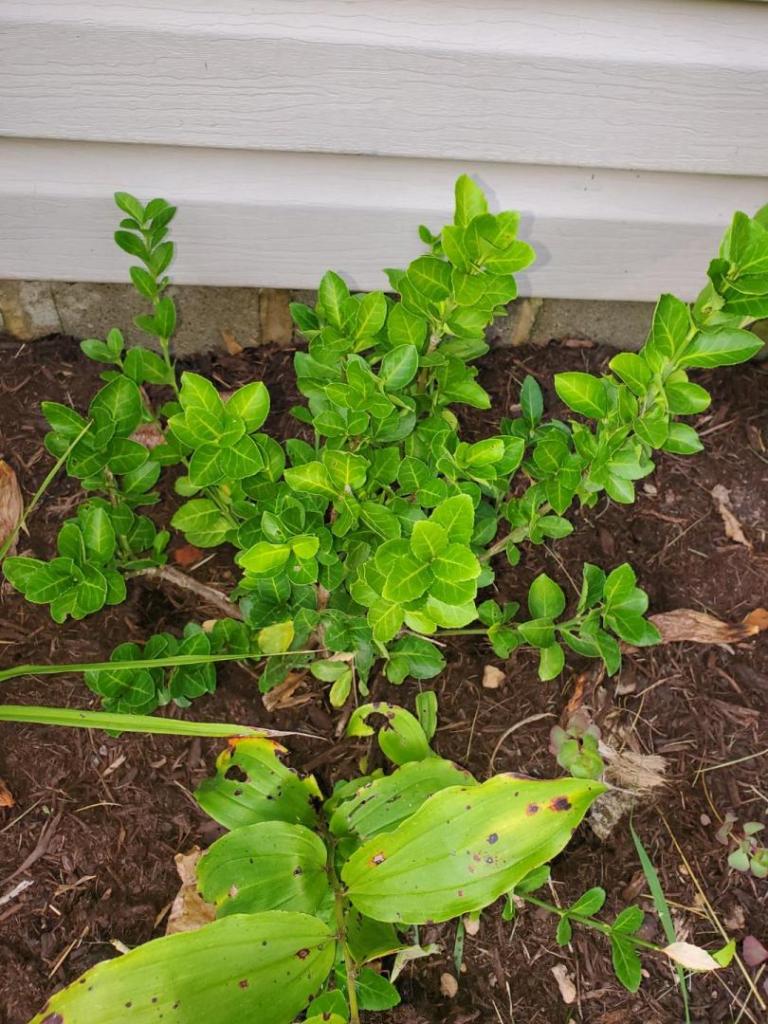
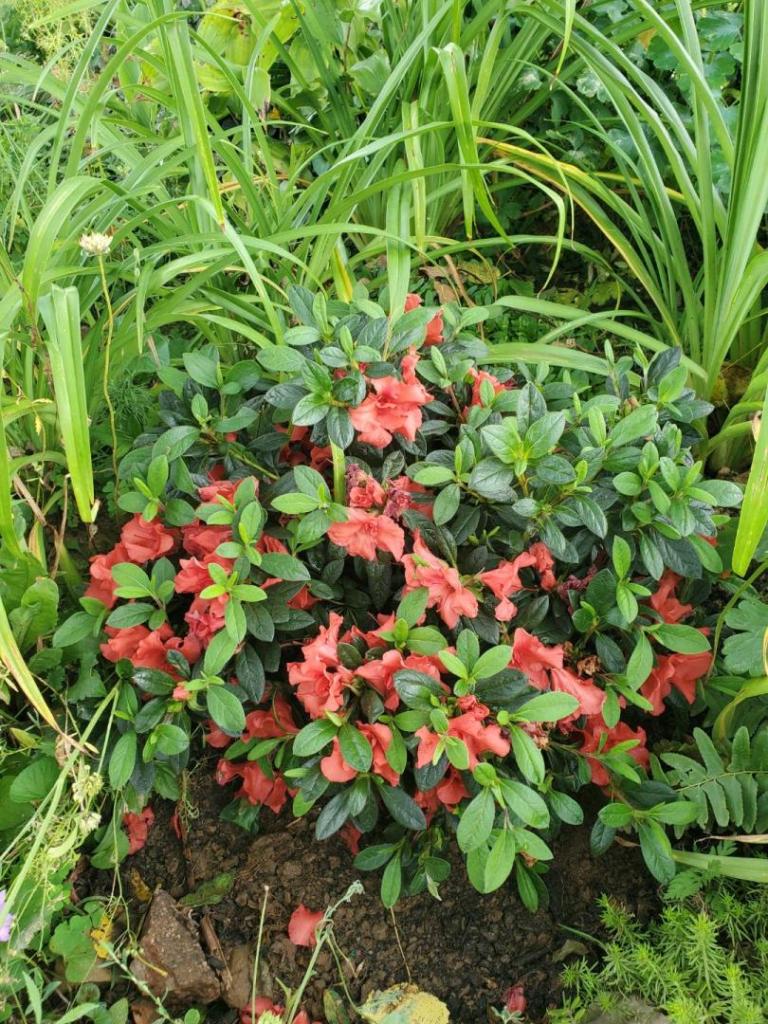
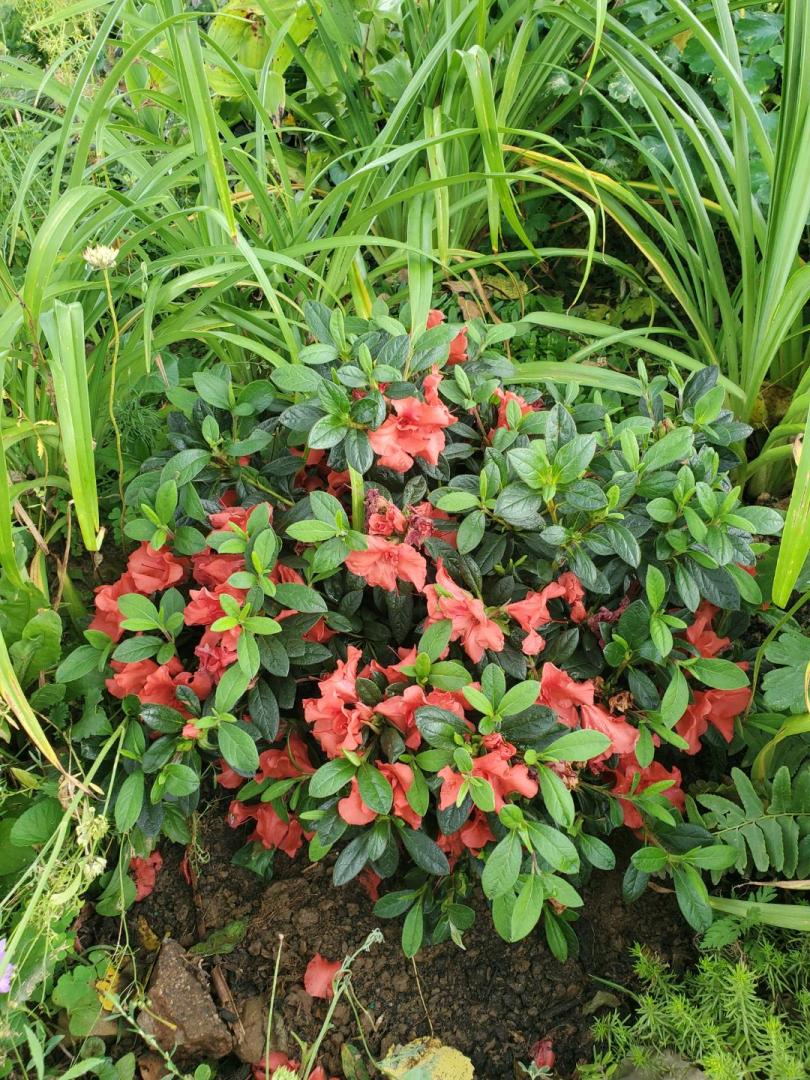
Hey guys here's my small collection of BLEs Here in Pennsylvania I don't have that many but I'm slowly growing my collection of them azalea delaware valley white Blooms these very nice pure white blooms in April/may Euonymus japonicus another Euonymus japonicus My new Azalea, Azalea Autumn Embers This starts to bloom in April and blooms through summer and fall my biggest aucuba japonica (Sorry about the bad pic The plant is bigger than this the pitcher makes it look small) My little tiny aucuba japonica It has gotten eaten by rabbits a few times that's why it's so small My eucalyptus gunnii this is an experiment we'll see how it does over winter My biggest/favor Euonymus japonicus This is growing in pretty much full shade


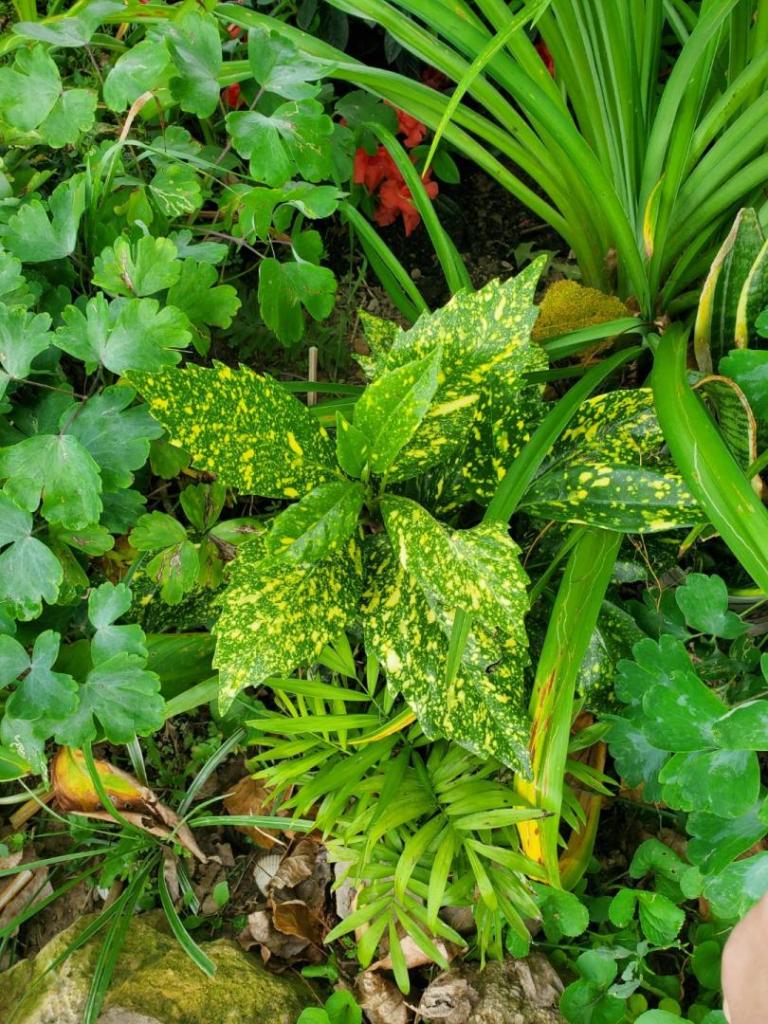

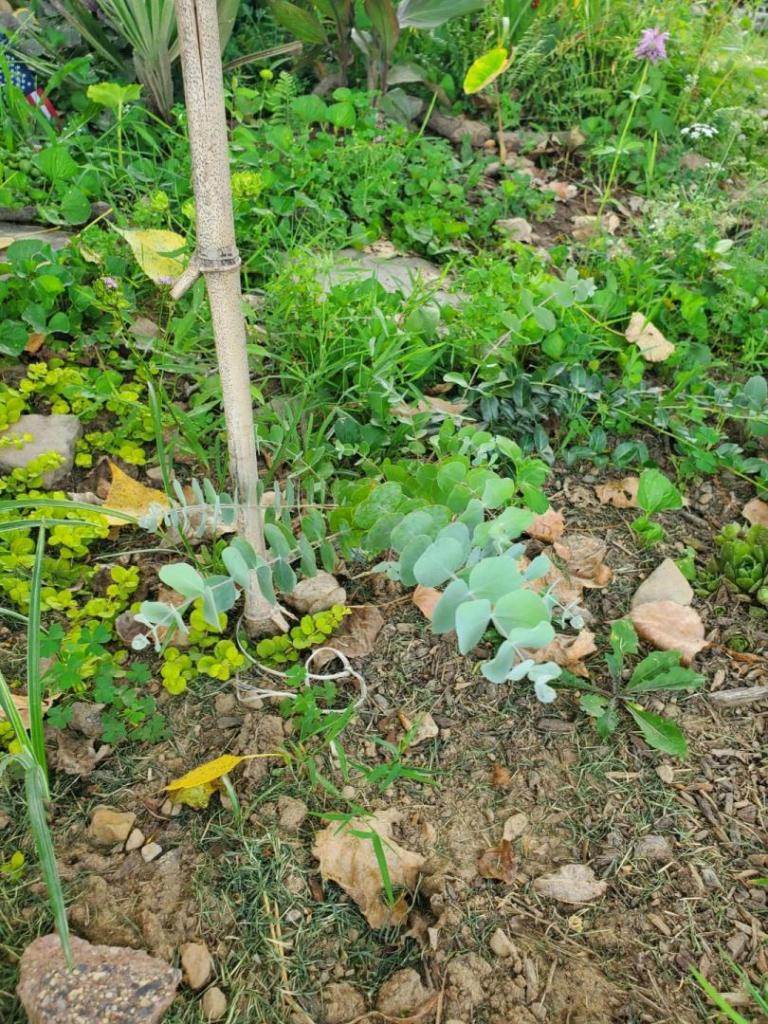
 2 points
 -
I would like 50 of the Arenga hookeriana please! It’s been on my wishlist a while. Hold on totaling the order yet though, so I can research the others… just in case there’s another “must have” in there. 😊2 points
-
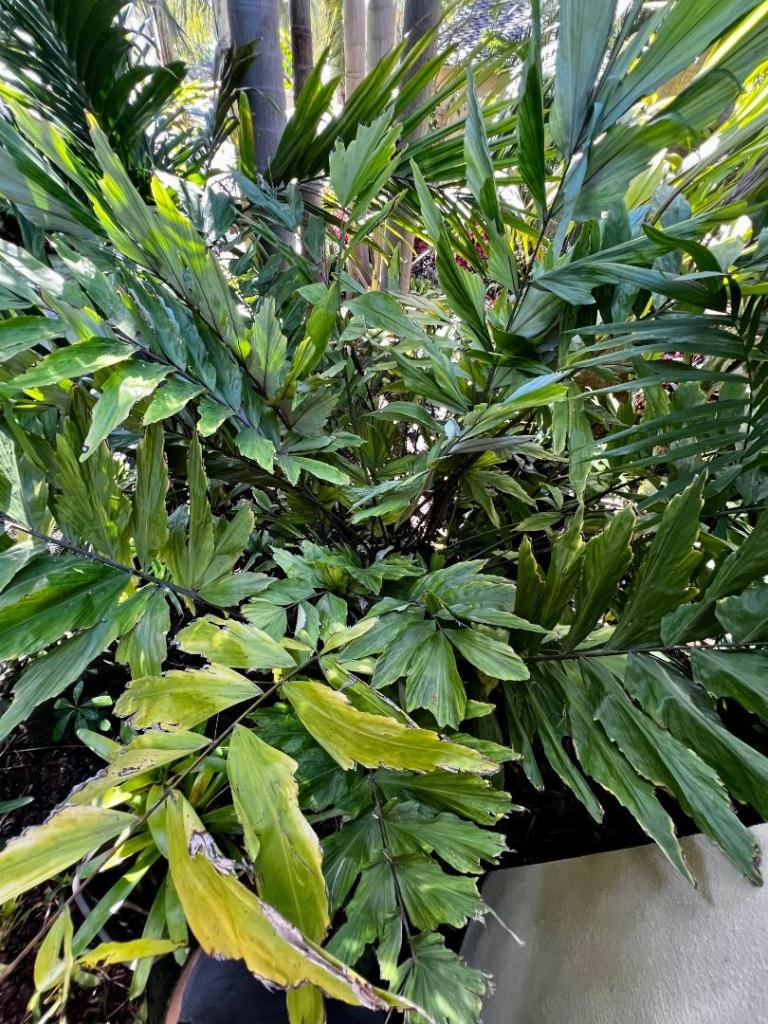
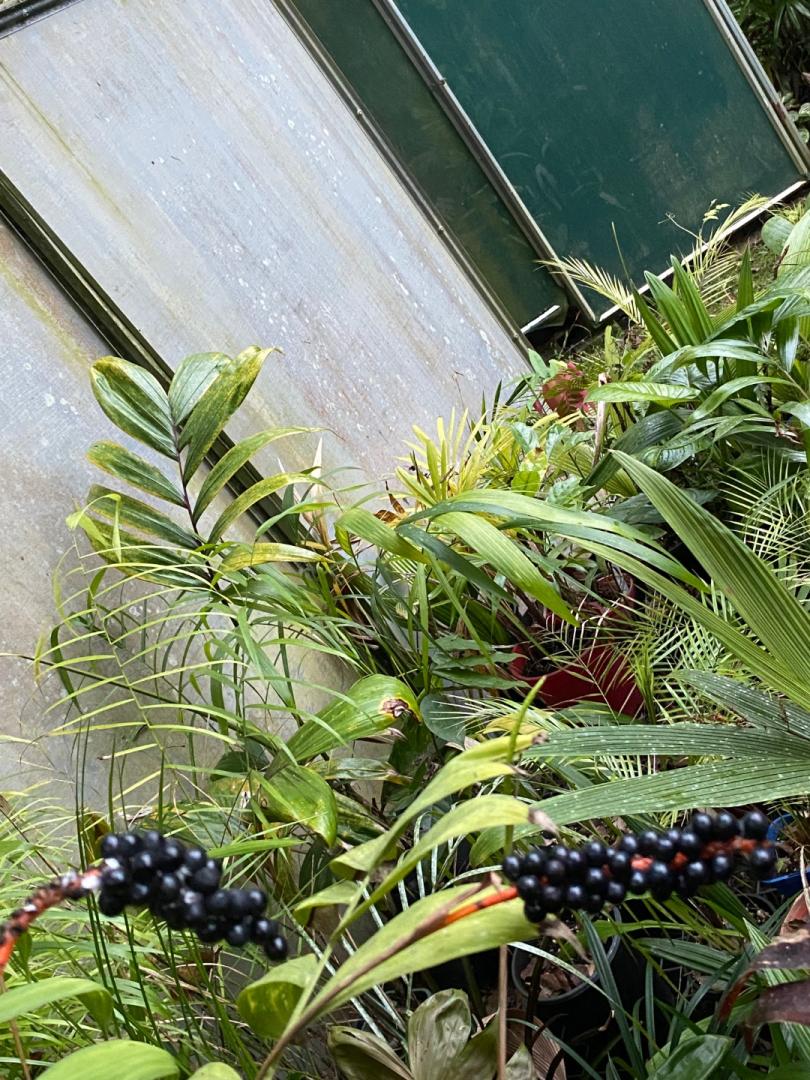
Growing in its current spot for over twenty years, this Wallichia flowers continually and each stem eventually dies off a few years later but new stems are always being produced as well. Anyone else have photos to share?
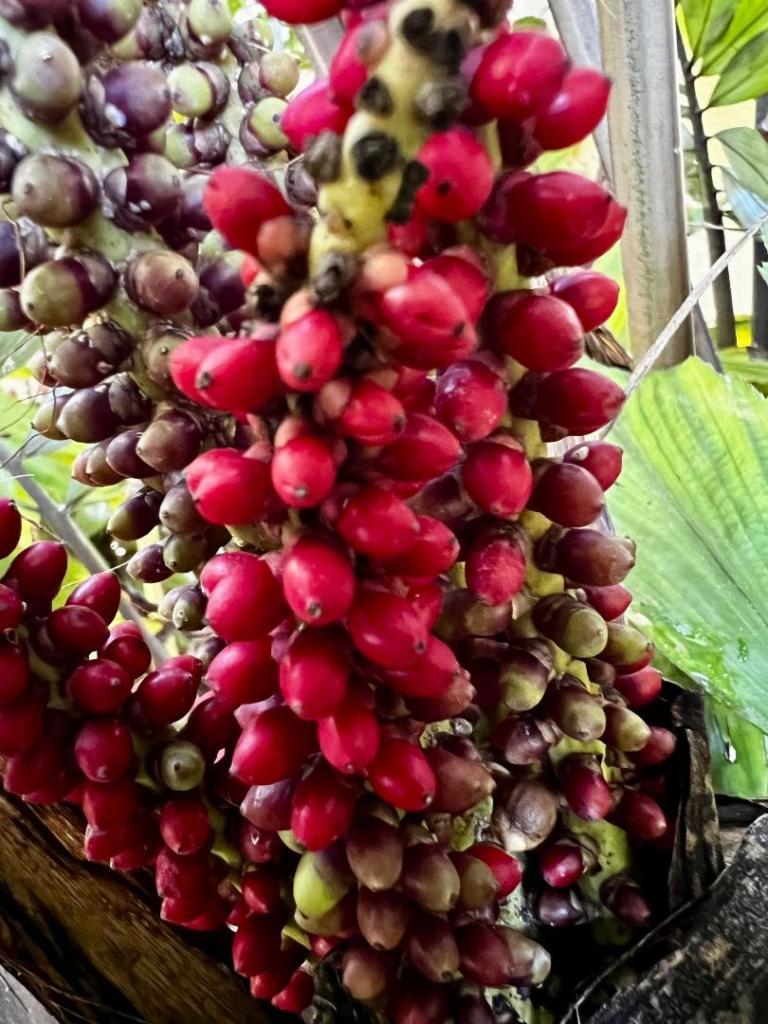
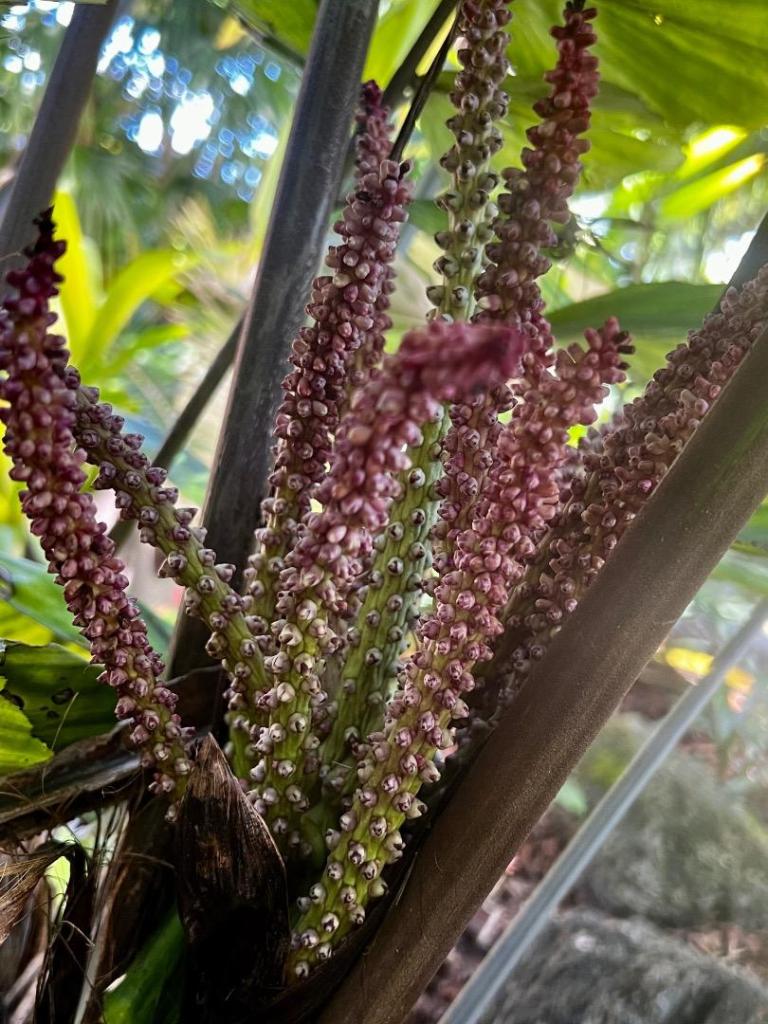

 2 points
 -
2 points
-
I find it pretty funny that it grows in the same place where the street runoff ends up, unfazed by any other dirty liquid that enters that gutter. Impressive the resilience of those Washingtonias.2 points
-
The elements from the lava rock will be available to the plants as the rock decompose, so very slowly. While Fe has many antagonists (elements that will make Fe not available to the plants, like for example Calcium), it itself is not antagonist to any element except Phosphorus I hope it helps Tomas https://www.nutriag.com/mulderschart/2 points
-
Very rare species! Congratulations in obtaining this one!2 points
-
Lol you see it entirely wrongly. You have to distinguish between a cool tolerant and a cold tolerant palm. This distinction is not the same with cold hardiness. A cold tolerant palm may tolerate a certain freeze of short duration but it needs high average wintertemps. Otherwise it succumbs slowly and dies. A cool tolerant palm on the other hand (most of the spp belonging to this category originating from tropical high altitudes or oceanic islands) may sail through the dump and cool winter conditions but is sensitive to freezing temperatures and most usually also (weh mir oh weh) to extreme summer heat. Hyphaena and Medemia belong to cold tolerant palm genera but really need warmth. Perhaps thebaica needs a bit less warmth than coriacea (this remains to be seen in my own case) but in principle needs are the same. What do you see in pictures below? A potted Hyphaena coriacea in my garden. Pot is placed to the most sun exposed spot in my garden (south west). Last year I did not experience any frost but weather had been a bit more humid than in forelast one. And presto a spear pull. Plant finally survived but it looks very trashed. I will post pictures of it in weekend. So Hyphaena project for Germany is, unless you have or afford heavy heating, a big no.


 2 points
 -
Happy birthday @BS Man about Palms! Hmmm that two header is indeed a real oddity! Looks like it had a real bad injury of some kind and survived.2 points
-
Damn! You make me appear almost sane by comparison!2 points
-
Sabal causiarum could work, also direct seeding washingtonias next spring would be a good idea.2 points
-
If you ever have a chance to make a trip down to NW FL, theres a local nursery named Pineland's in Milton that has a tree farm location not far from the main nursery. As of May they had 3 gallon Needles and i paid like $36 for it.2 points
-
The Searles are coming!2 points
-
He would kill em knowing his track record 🤣2 points
-
Truthfully.......
 2 points
 -
2 points
-
Yeah, friend took me for ice cream at Handel's and we decided to walk around a bit. Last time I saw that palm, the crown/palm was really messed up. It survived what ever trauma it had!!2 points
-
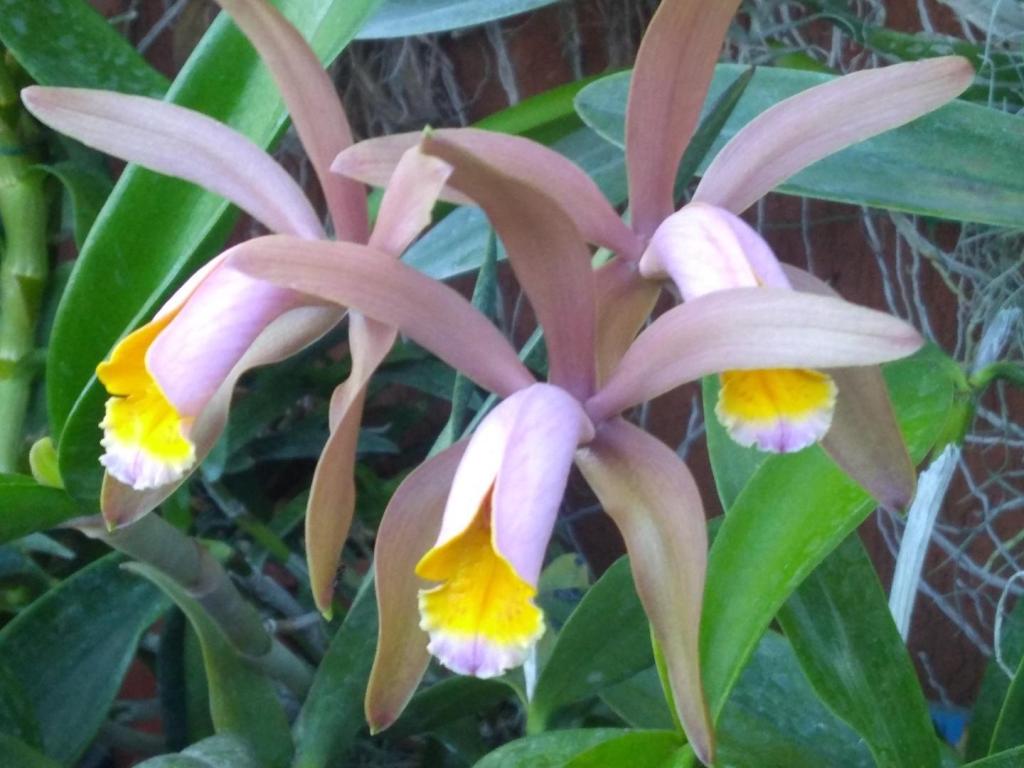
Cattleya forbesii
 2 points
 -
Well, good luck Tracy. My C. loucoubensis had a similar incident, but thankfully it was at a height where I could inspect the damage. I didn’t see any critters, so I assumed it was a pathogen and did regular treatments of peroxide. It finally pushed a new spear and currently looks none the worse for wear. Luckily you check your palms frequently, makes a big difference. Tim1 point
-
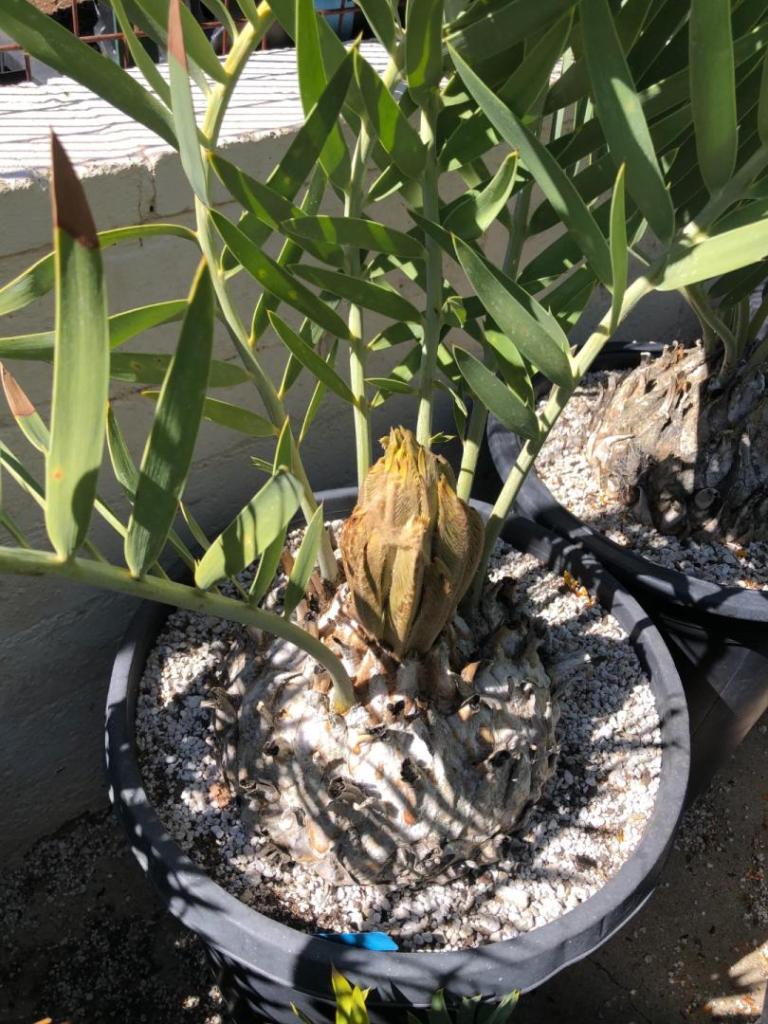
Well its the peak of flush season and lots of plants going off right now! Here is just a few. None of my 5 big Eugenes flushed last year. Im hoping they all do this year! This one is throwing a monster flush.
 1 point
 -
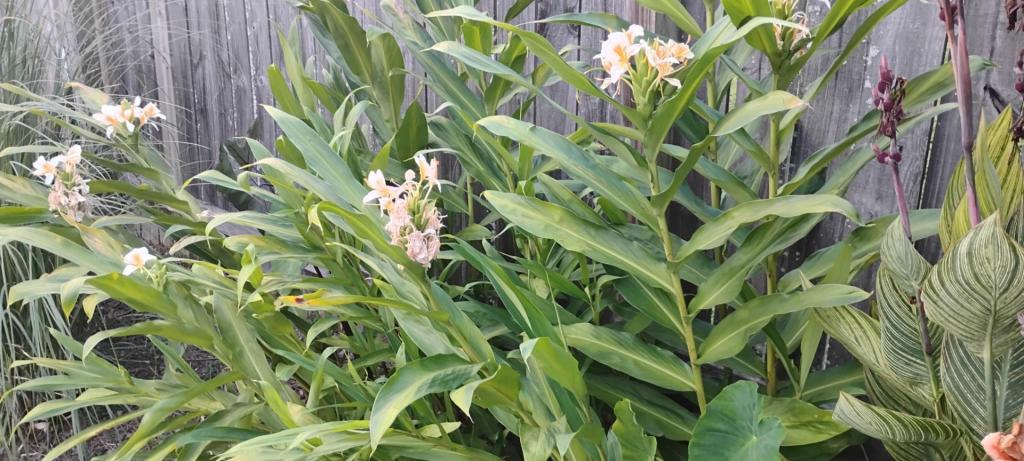
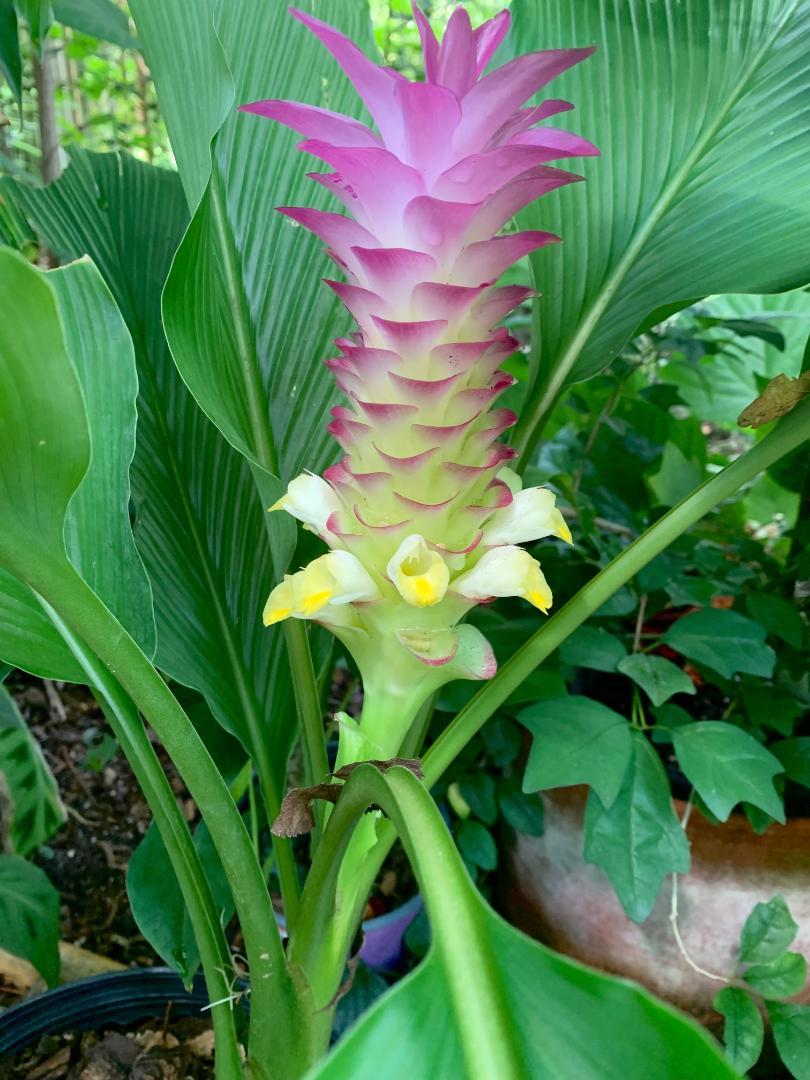
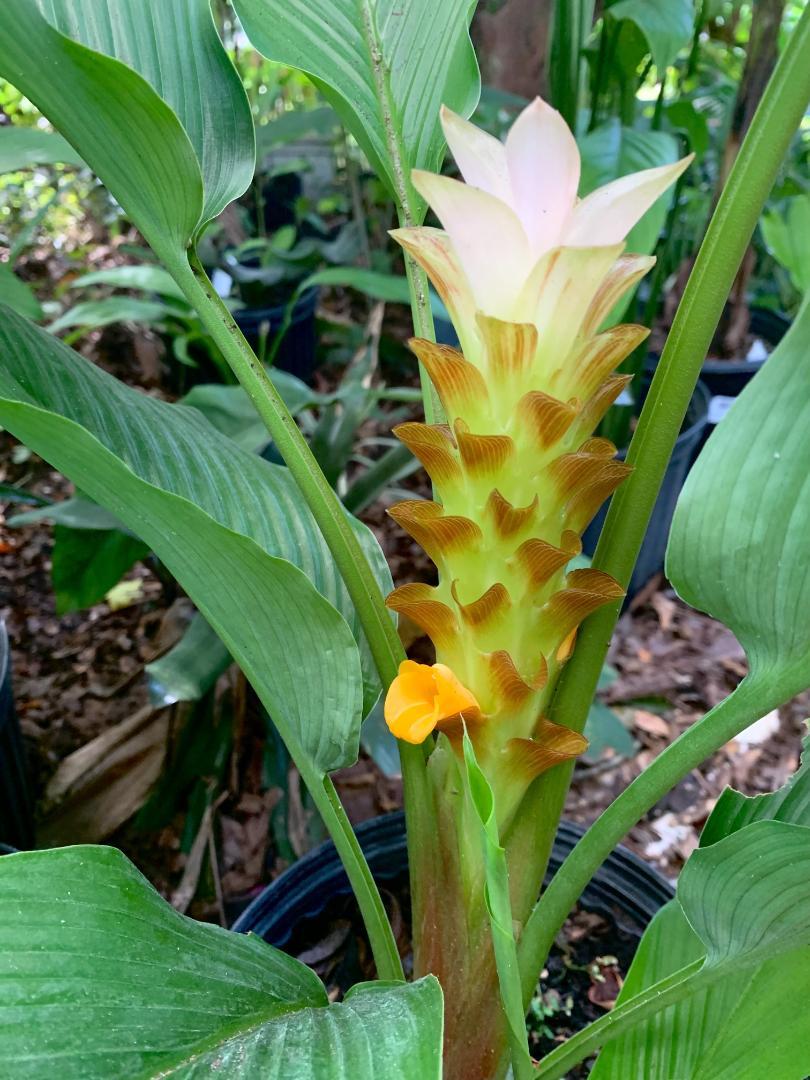
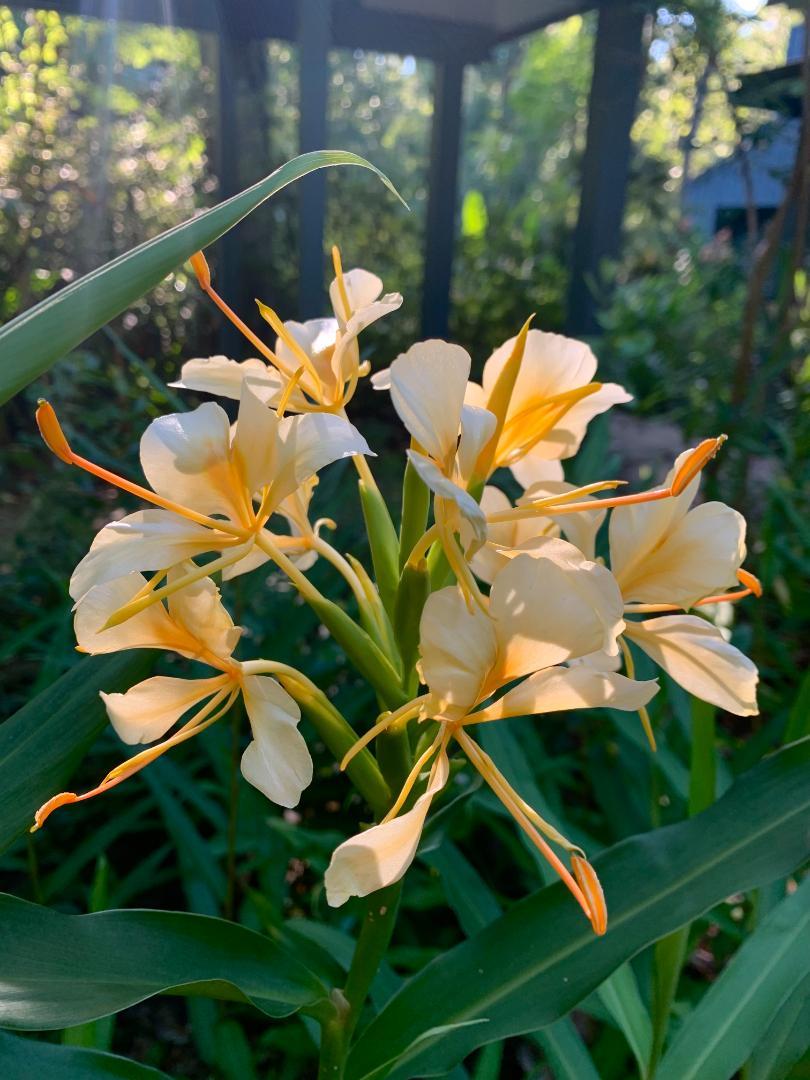
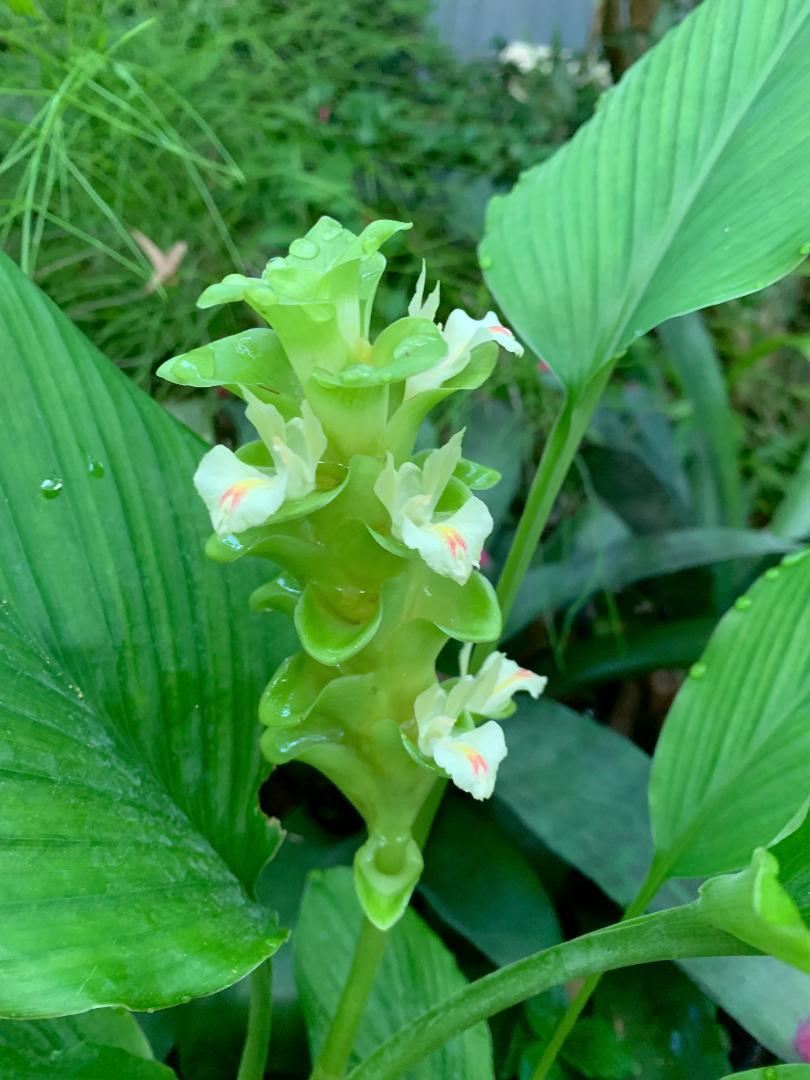
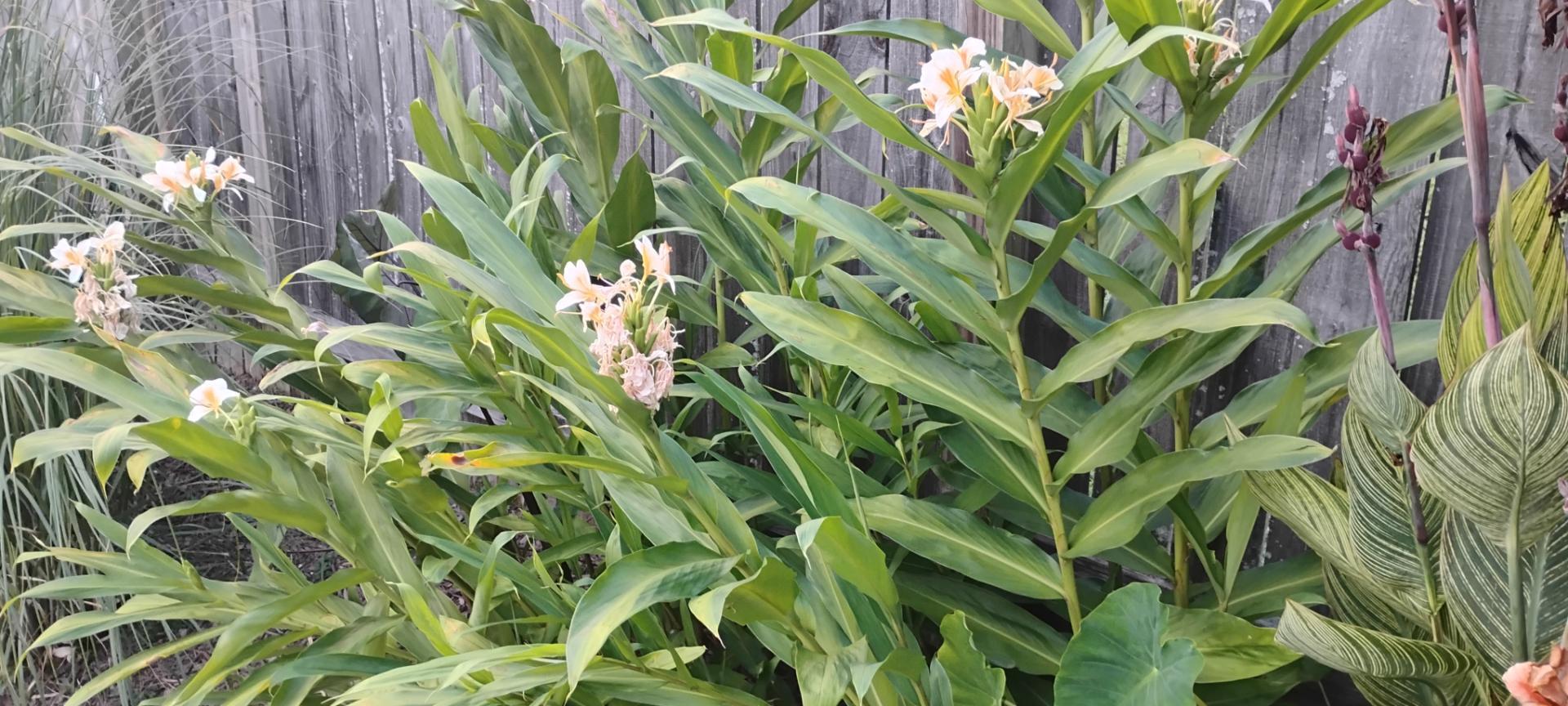
I've got a few in my colder climate. Hedychiums, Alpinia Zerumbet Variegata, and some random curcuma. Hedychiums are obviously no problem and so far the other two have survived a couple winters as well. I just mulch the Alpinia heavier for the winter.


 1 point
 -
I had the same problem with a pair of plum trees. Flowers, then tiny fruit that all dropped. I just cut them down. You need to find some old fellow in town that grows fruit and can tell you when to fertilize, how to trim, when to spray for bugs.1 point
-
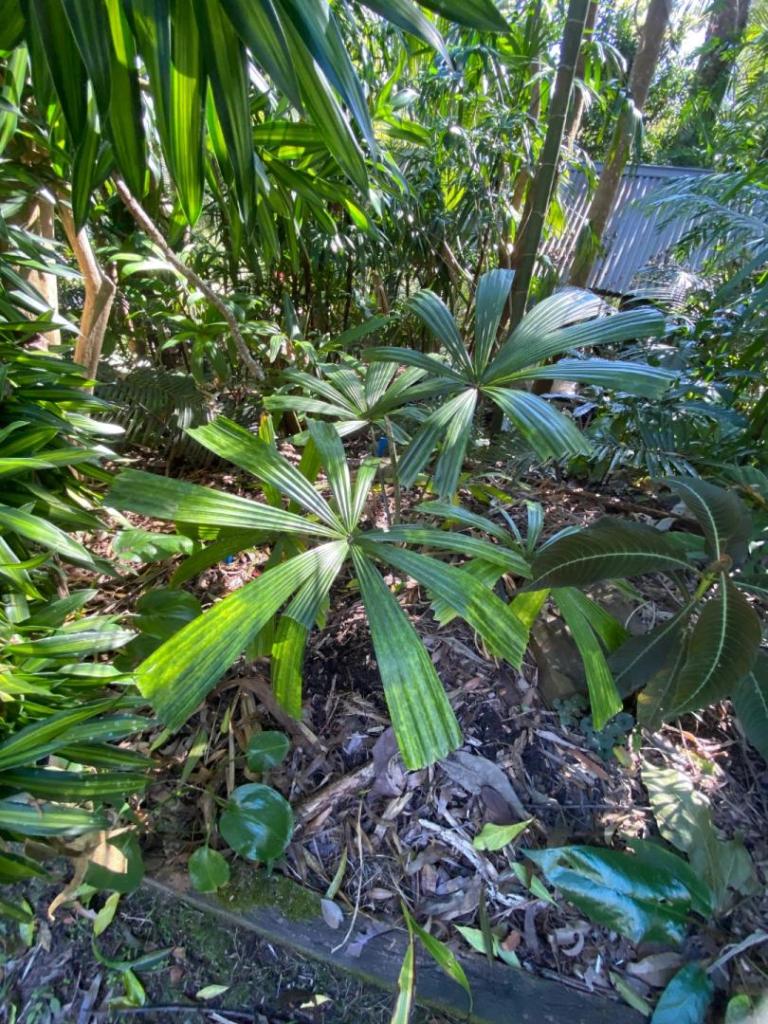
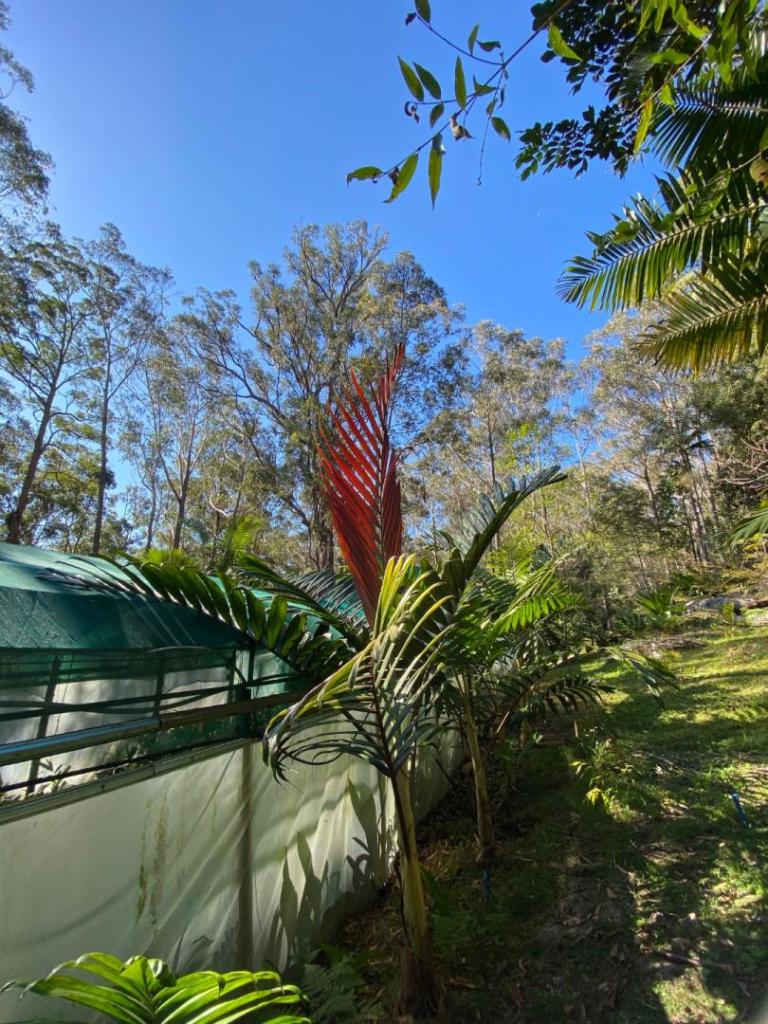
Lanonia dasyantha and a nice Chambeyronia hookeri
 1 point
 -
😂, of course. i thought so too ... a colleague had a real one. she always picked him and not me even though I was only visiting ...1 point
-
Yes to R. sapida ID. Thanks for posting !1 point
-
While the US map seems reasonable, some of these graphics often rely on terribly outdated and sparse data. In the US, The issue is that almost no NWS or FAA met stations record sunshine duration anymore, and haven't done so in quite some time. A sunshine recorder, or even a pyranometer, is not that expensive but for whatever reason, they have neglected to use them. However, most report sky cover (based on oktas). A rough inverse relationship exists between the amount of sky cover and sunshine duration. So you can get an 'idea' how sunny or cloudy a particular location is. Satellite technology has evolved to the point that we can now estimate cloud cover (sunshine during the day being the absence thereof) over a time series for practically any point on Earth. It has been determined from such grid data, for example, that the sunniest area on Earth is most likely around where Egypt, Libya and Sudan meet in the Sahara. The sun typically shines there at least 97% of the time. There are countless agricultural and personal weather stations throughout the World and are particularly abundant in the US and Europe. Their data is usually publicly accessible. Many have a solar radiation sensor. Ideally, one could measure sunshine duration if the sensor measures direct solar radiation. The WMO standard for sunshine duration is whenever direct beam radiation exceeds 120 w/m2. and tallied in .1 hours. But, the solar radiation value that is almost always recorded on PWS and on mesonets is global (total) solar radiation (direct+diffuse), which makes it harder to figure out if the sun was sufficiently shining when the measurement is taken. Still, by using certain formulas, one can approximate sunshine duration from recorded global solar radiation if the sensor is accurate, the location unobstructed, and enough readings are taken in a day. Electronic sunshine recorders and pyranometers can be purchased by a weather enthusiast if they would really like to datalog sunshine duration for the desired location. We can reasonably estimate sunshine duration for many places using these methods.1 point
-
Really...we just had roast pork. Of course Sancho got his share. Pork and pain pills for his puppy dinner.
 1 point
 -
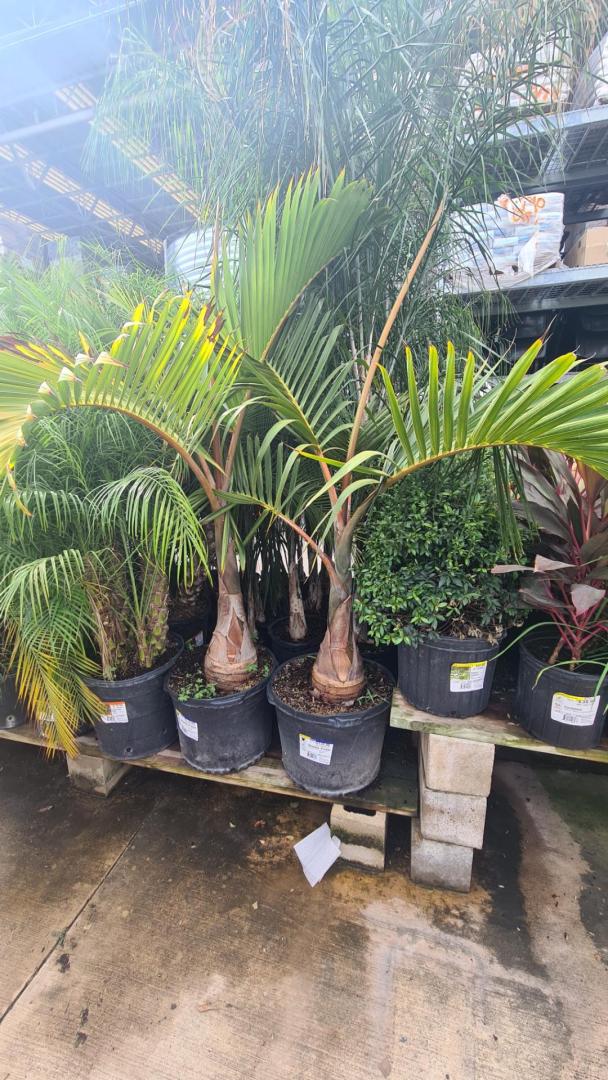
I was surprised to see that our local HD offers a couple of Bottle palms outside in the garden center. Makes a good container palm for sure. It has a nice size to it as well. Home Depot at the Forum.

 1 point
 -
Love lightning and the afternoon downpours. The lightning fixes atmospheric nitrogen into nitrate to help the grass grow even faster too 😆1 point








(150x200).thumb.jpg.e1fafdd246043e79fc7371cf6efade3f.jpg)


















.jpg.4c5569f941aadb21827476141439bc7b.jpg)






























.thumb.jpg.304b32ca4398a111edf4ac525048111e.jpg)