
Leaderboard


Popular Content
Showing content with the highest reputation on 01/29/2025 in Posts
-
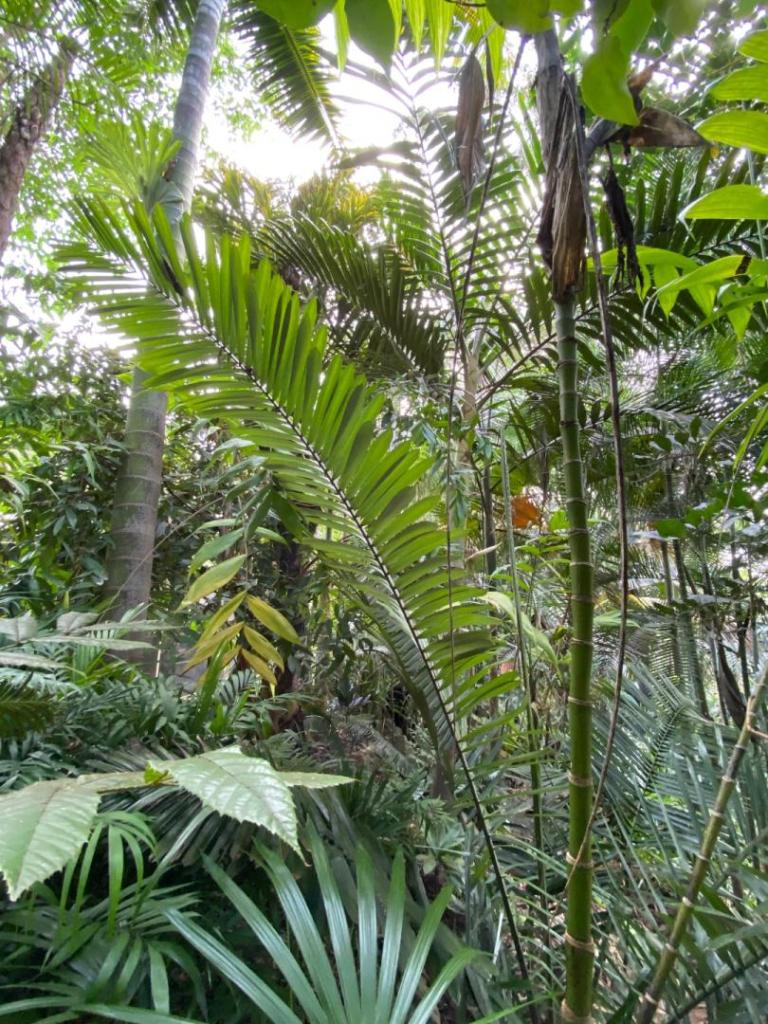
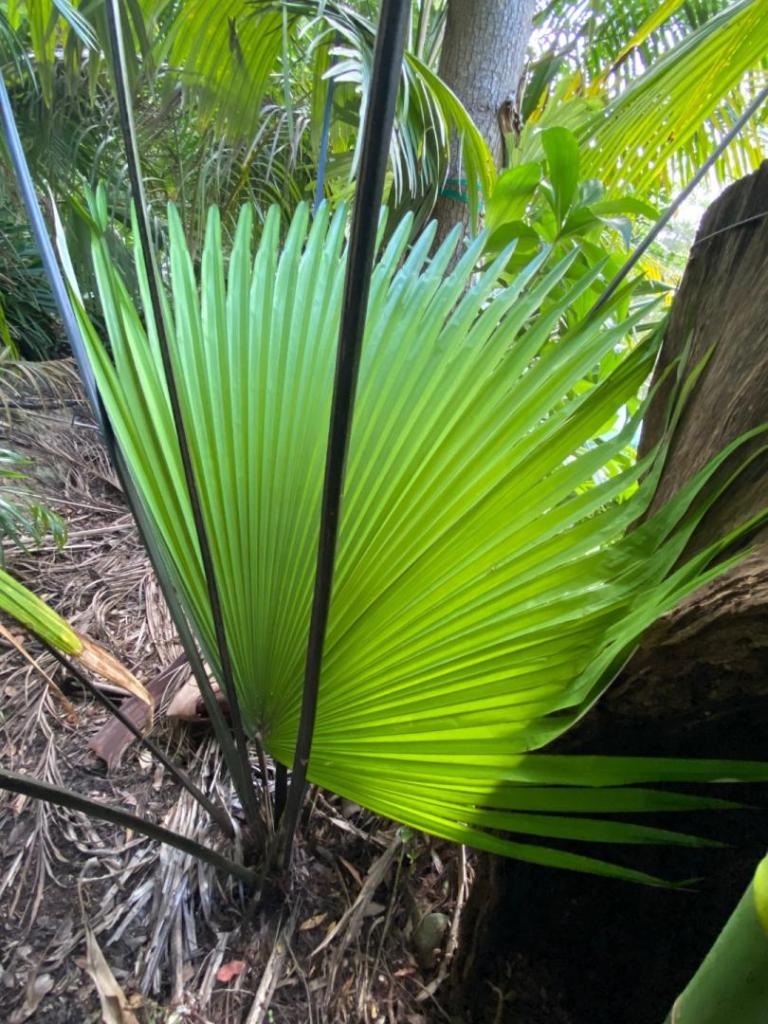
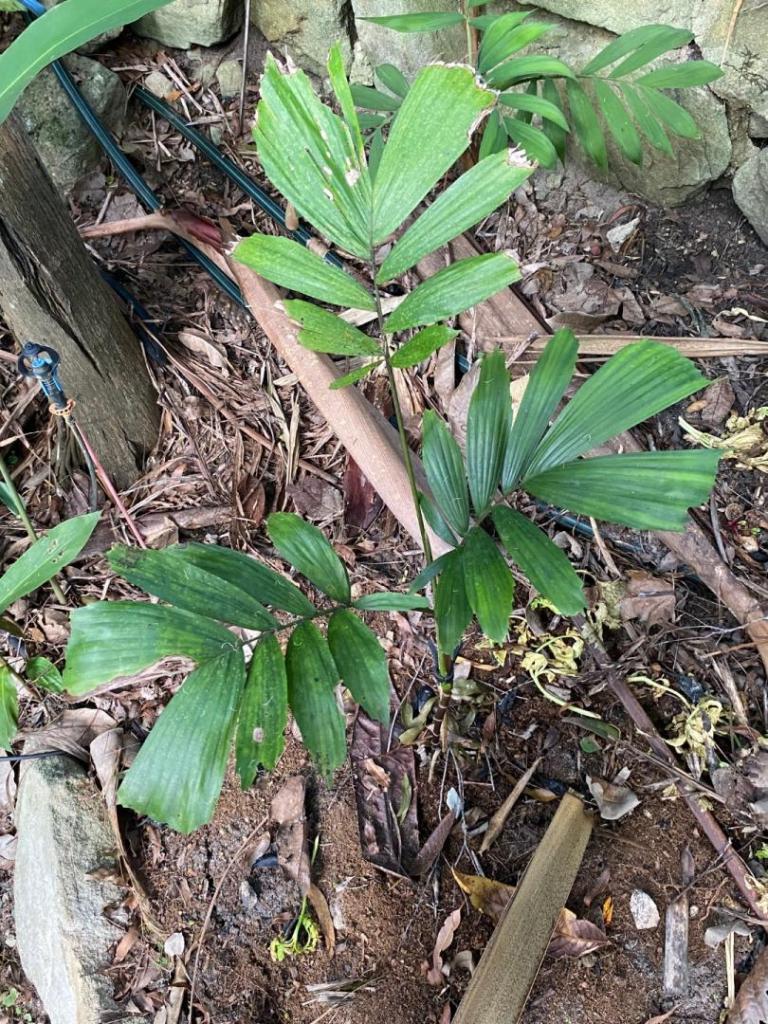
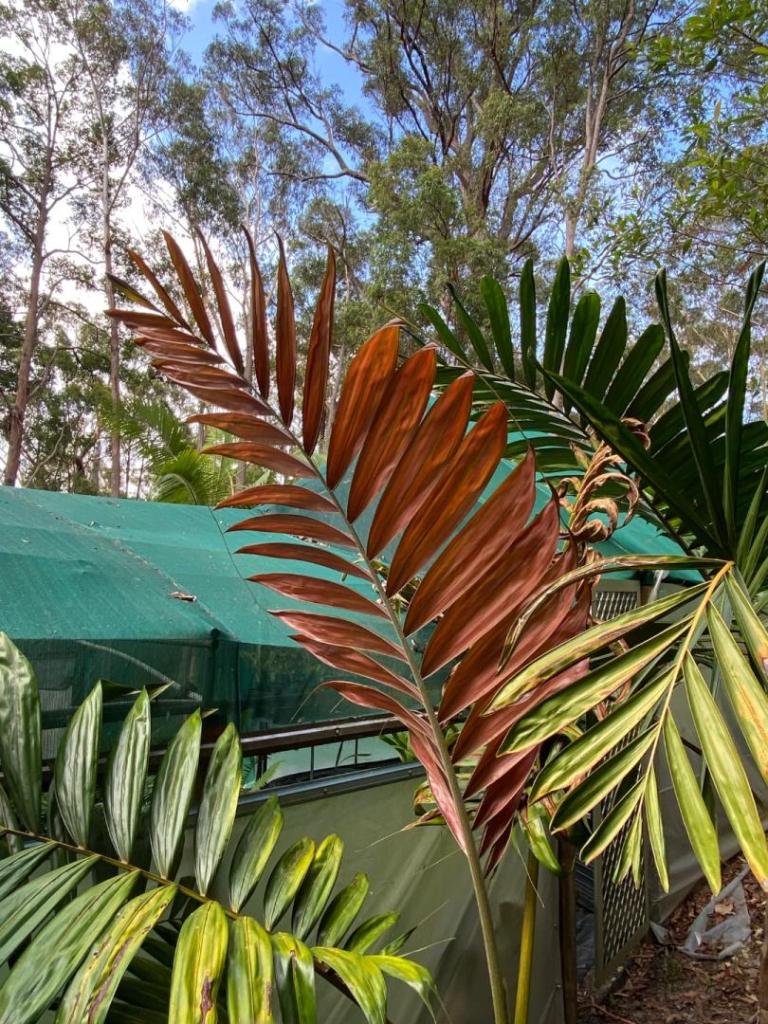
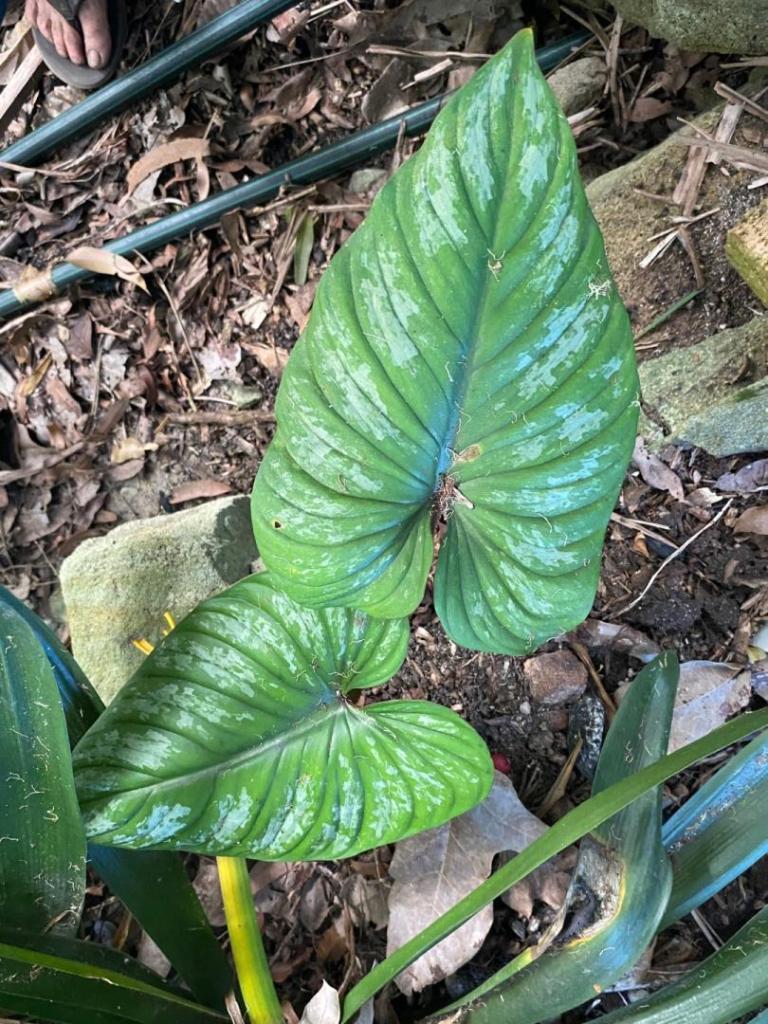
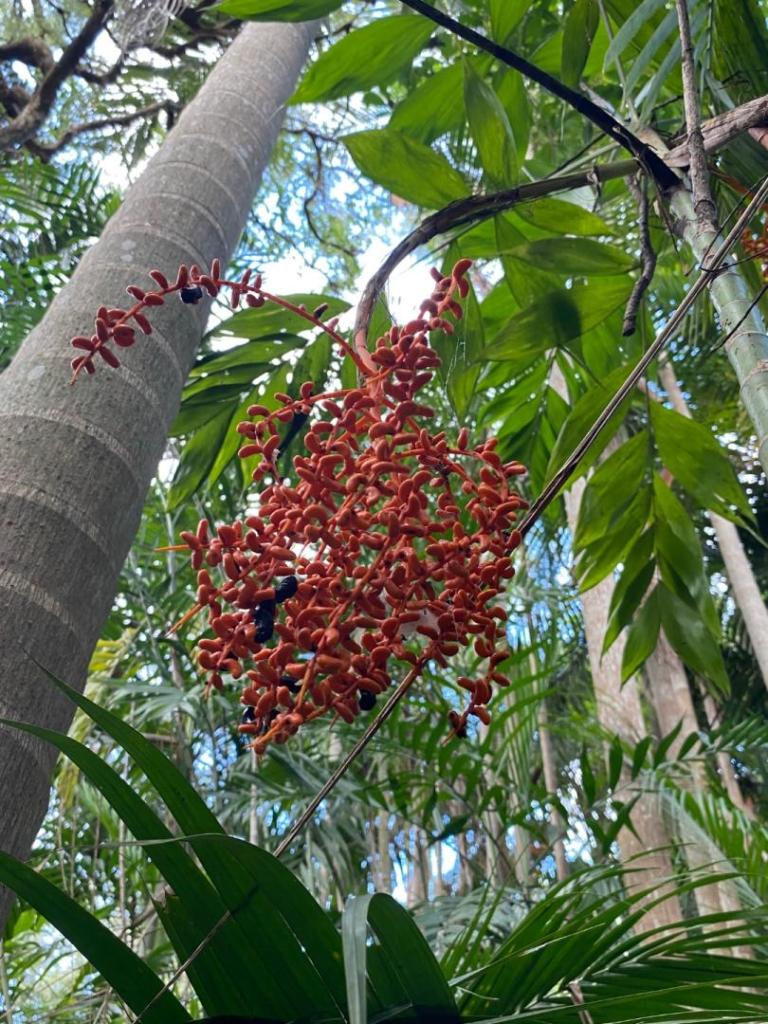
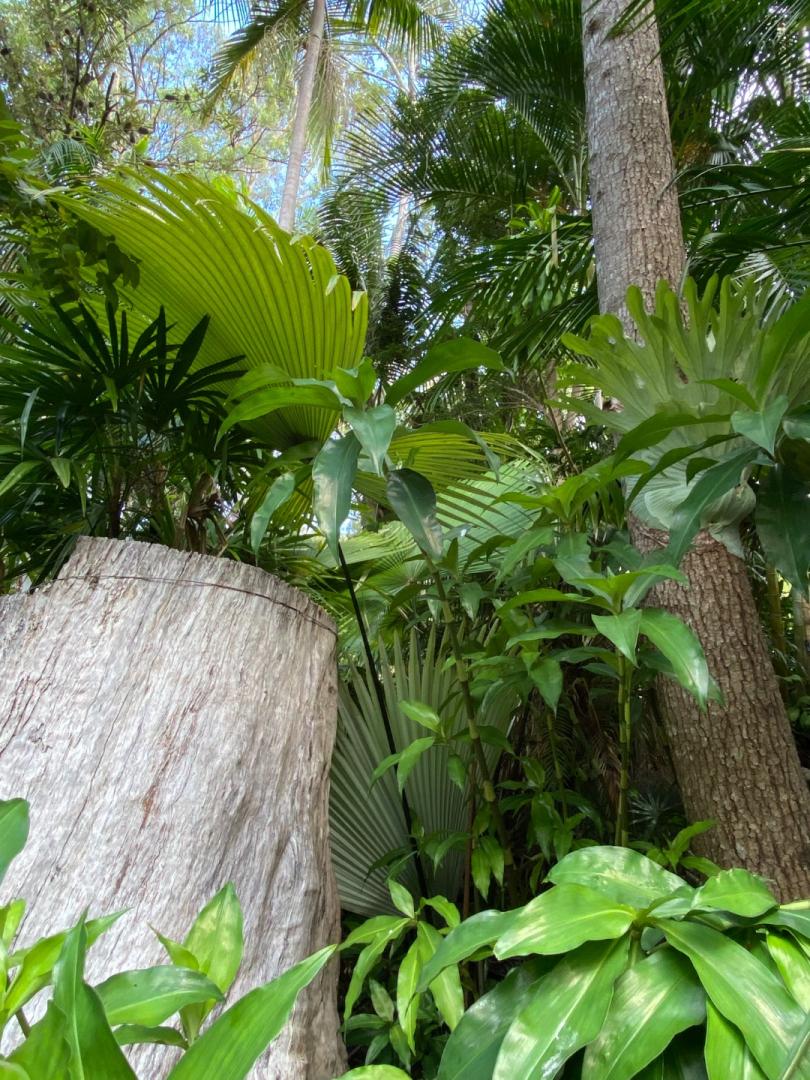
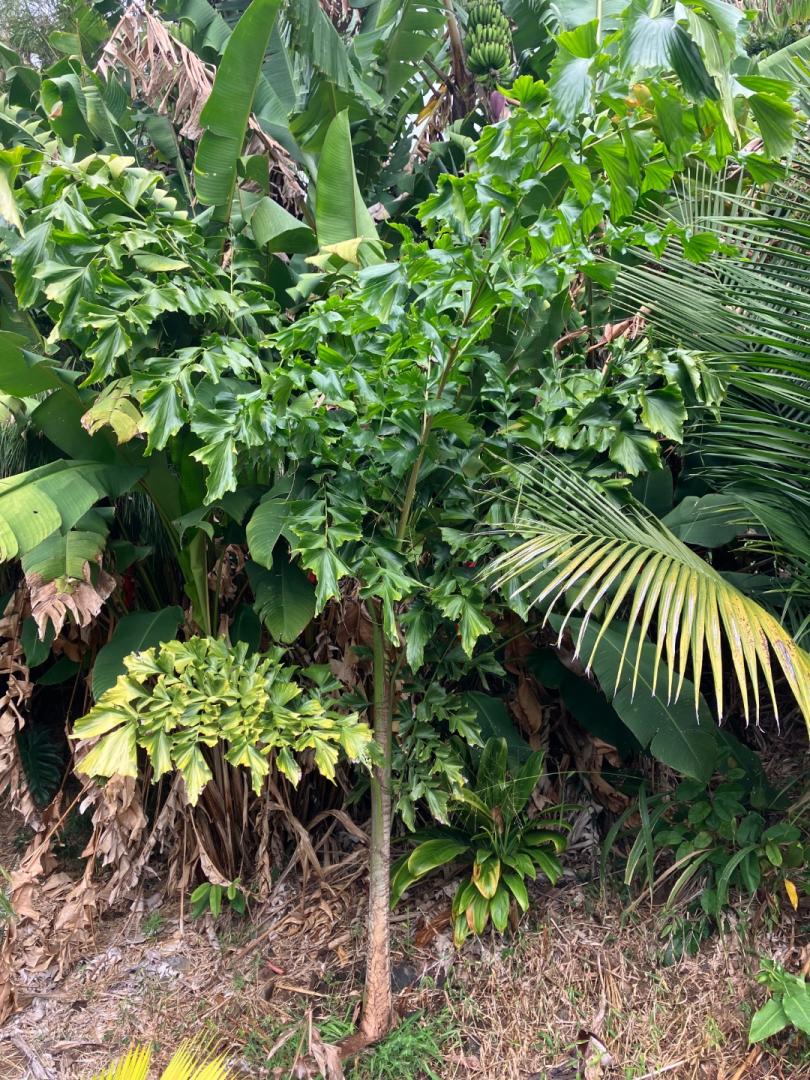
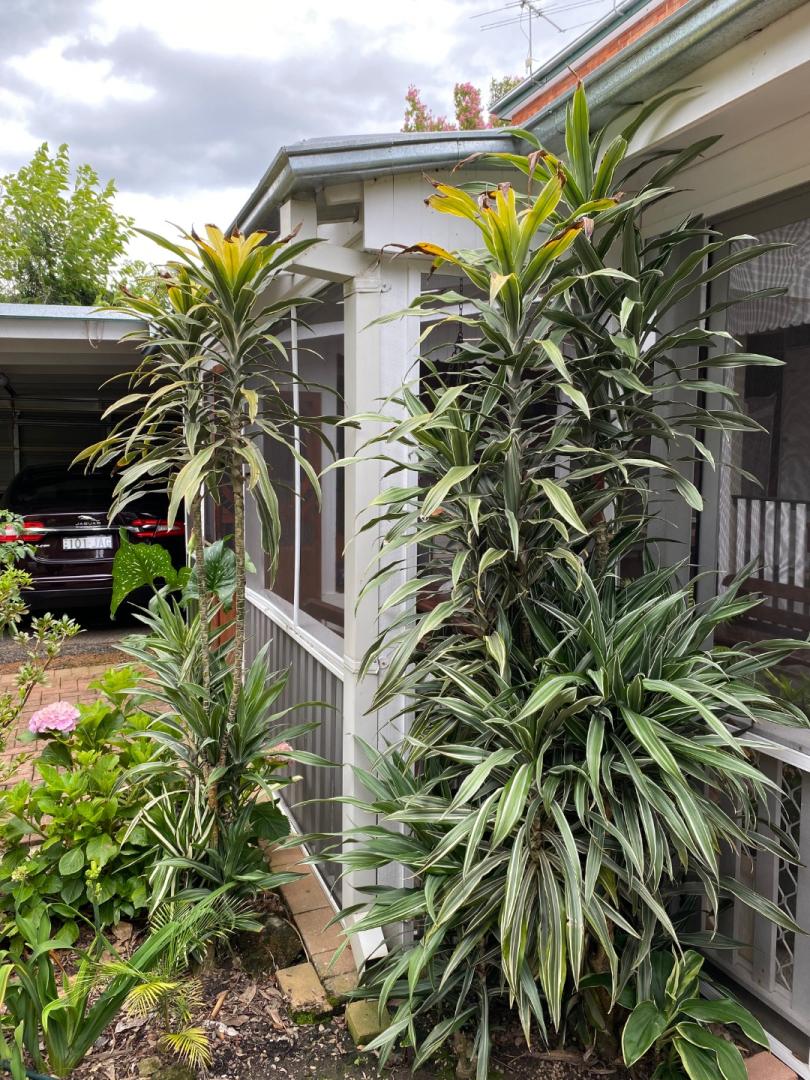
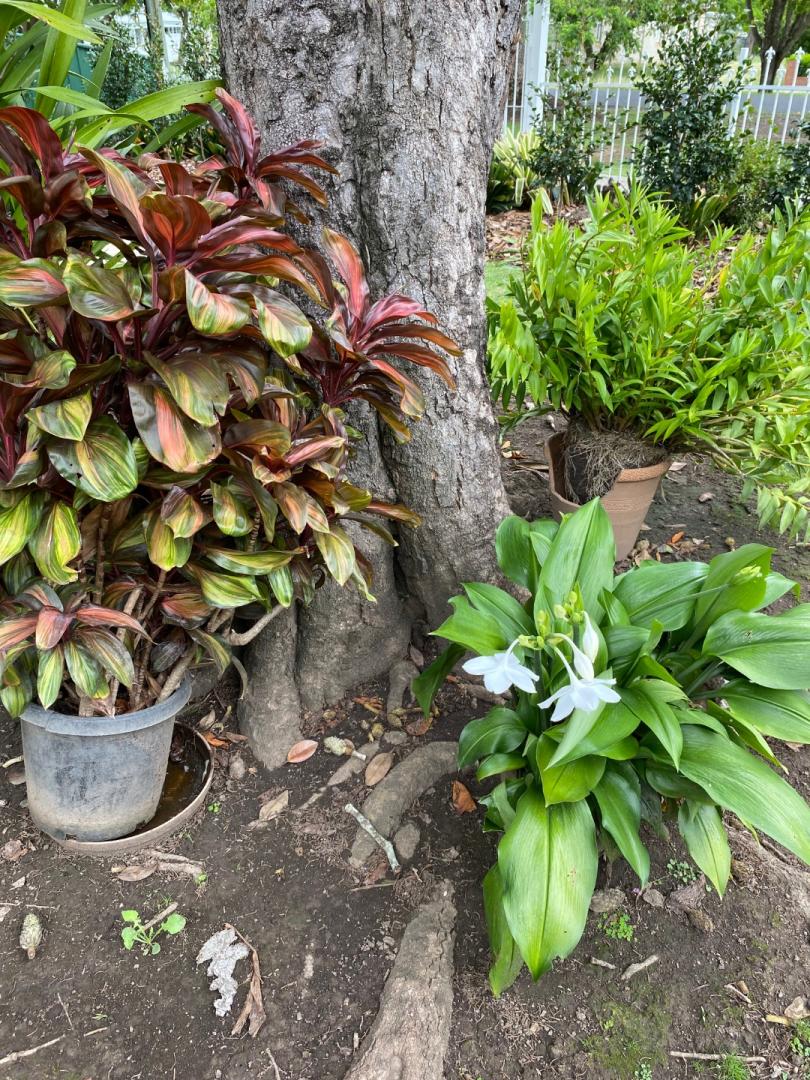
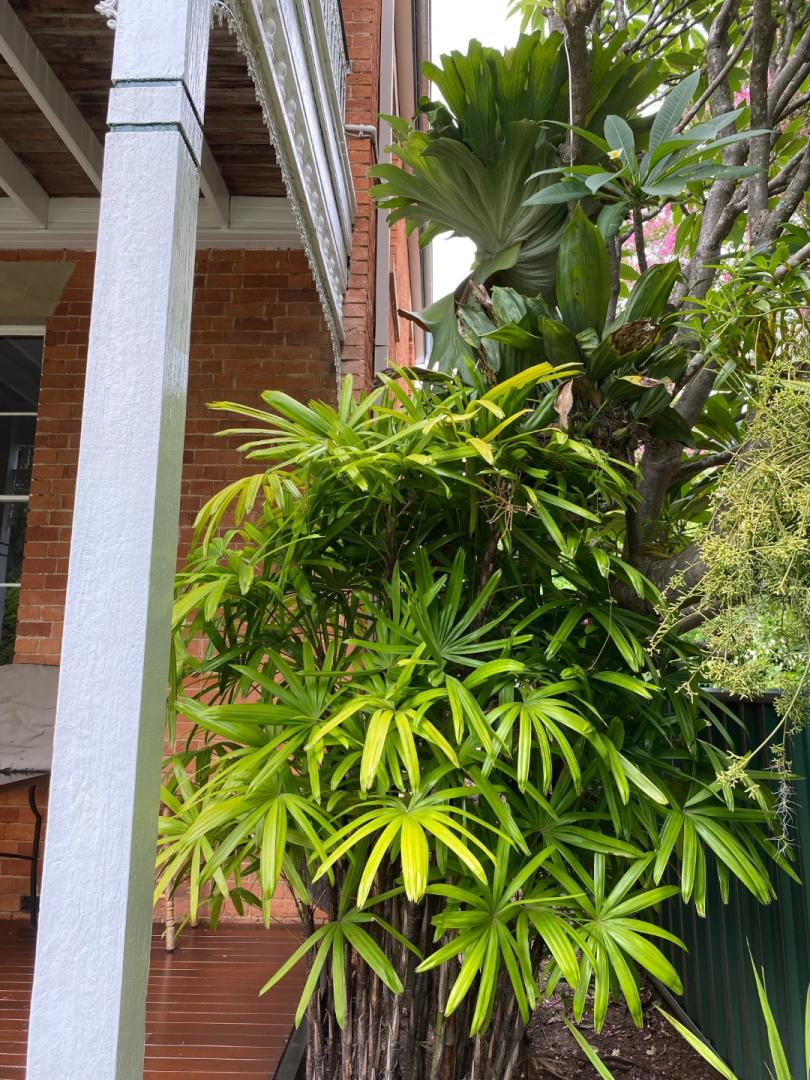
With the tropical heat we are getting it’s a wonderful time for the garden. Having a lot of tropical plant species in the garden it’s now that they look there best, enjoying the heat that they are accustomed to all I have to do is add water.


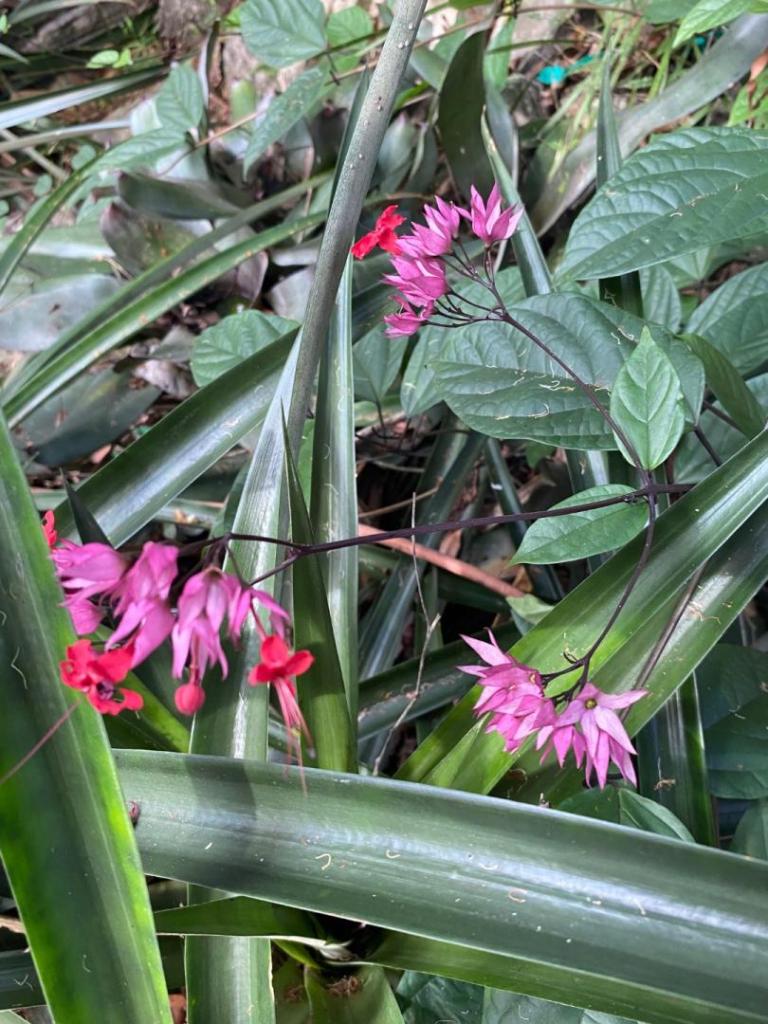
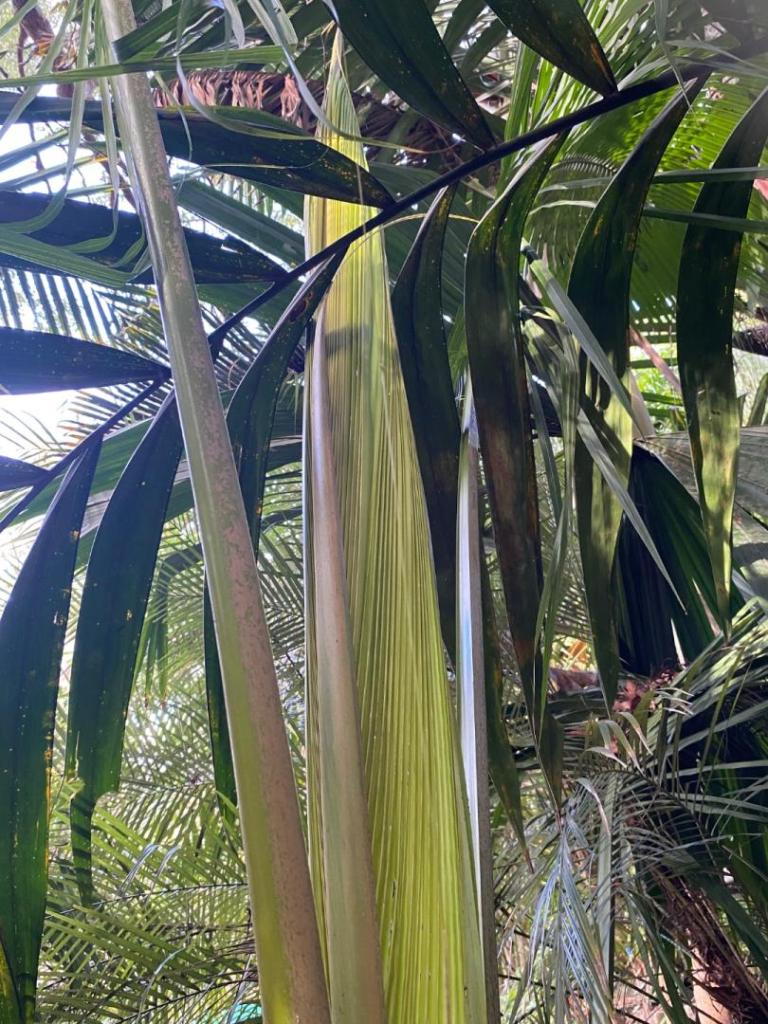
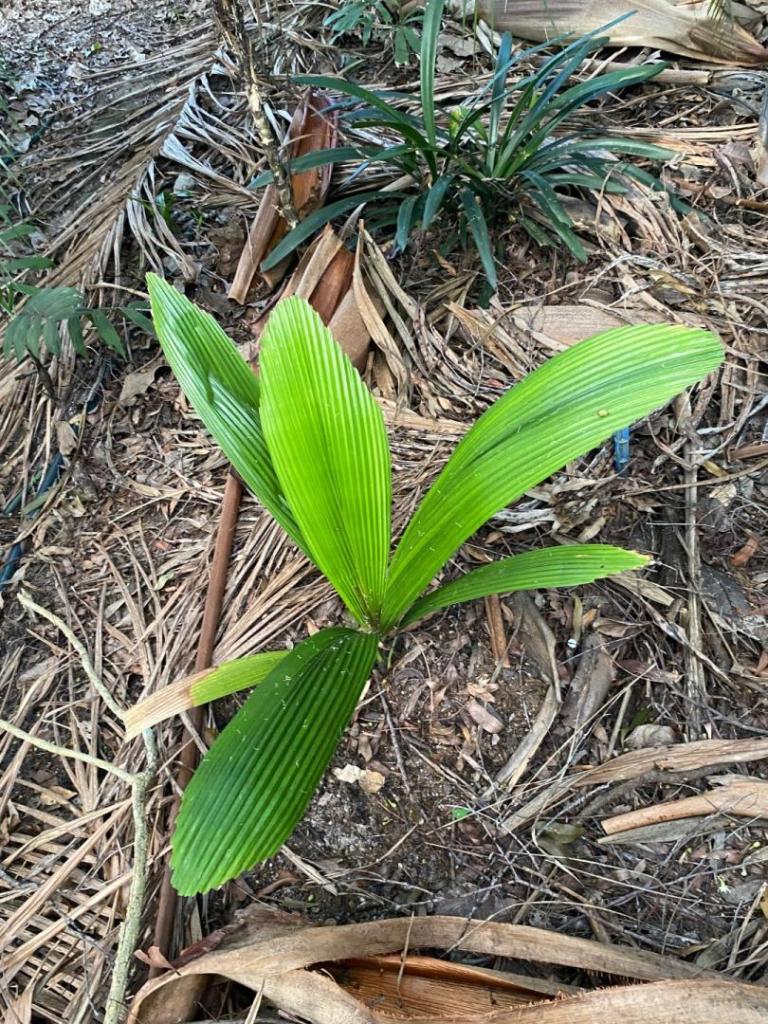
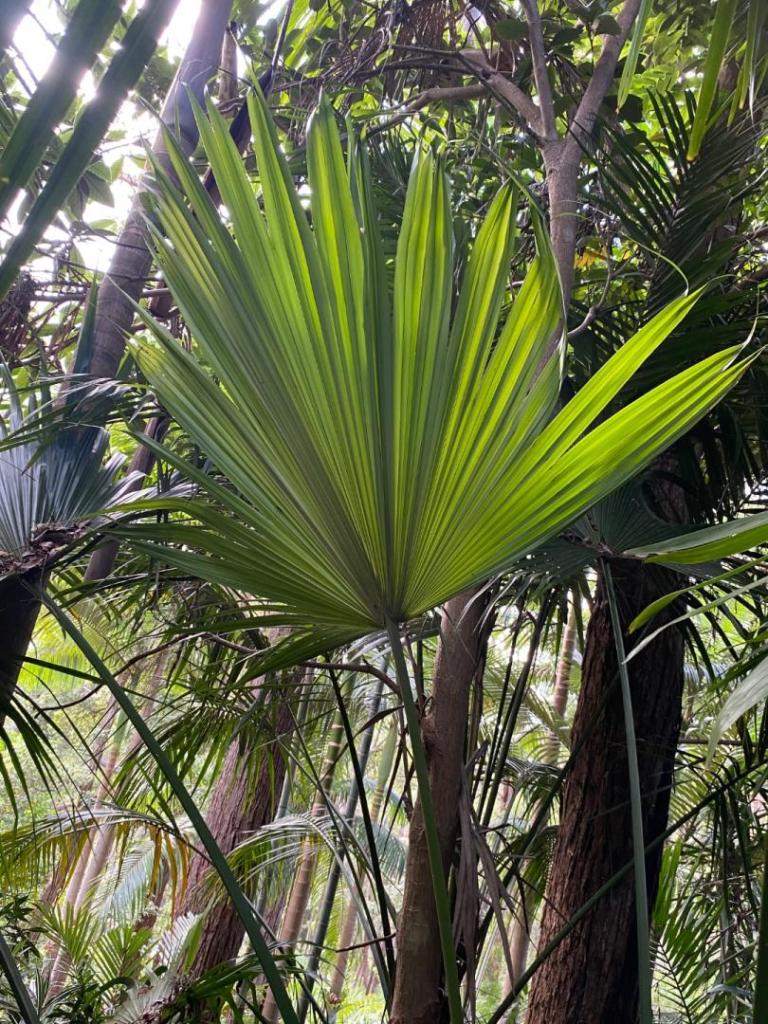



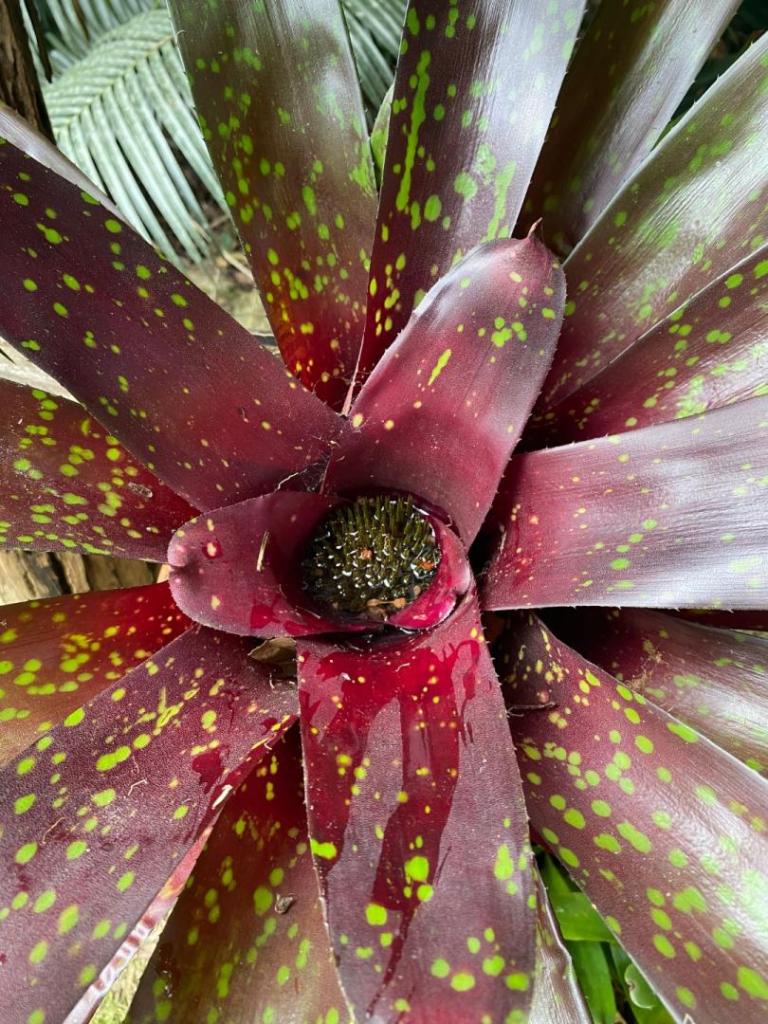
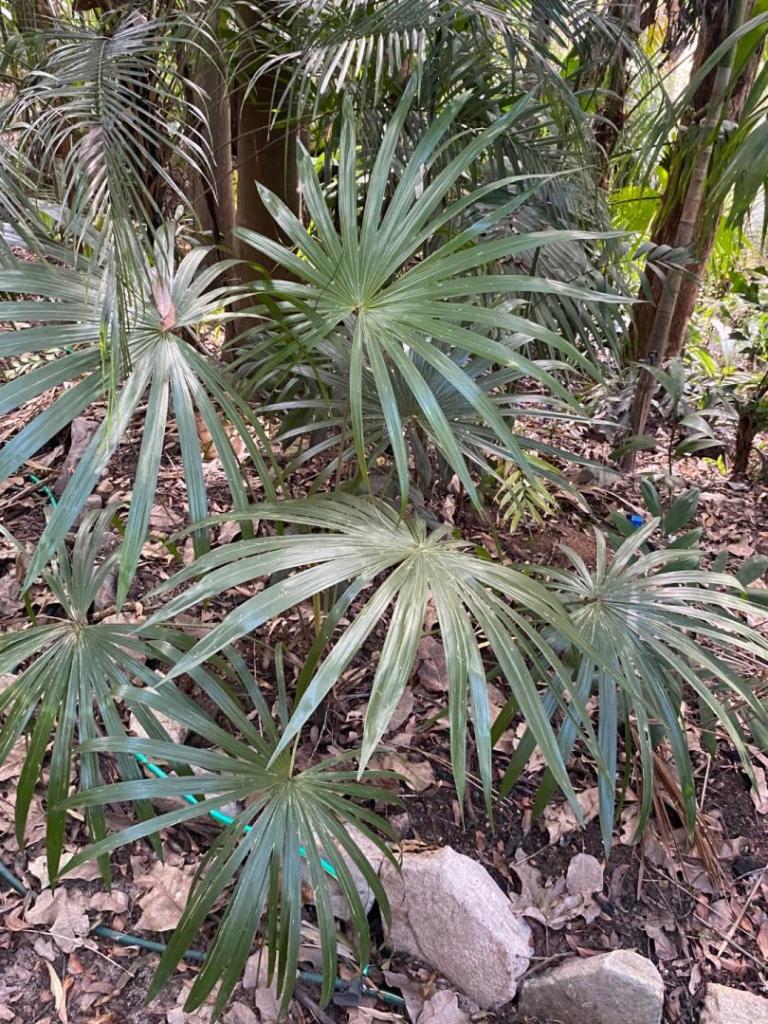
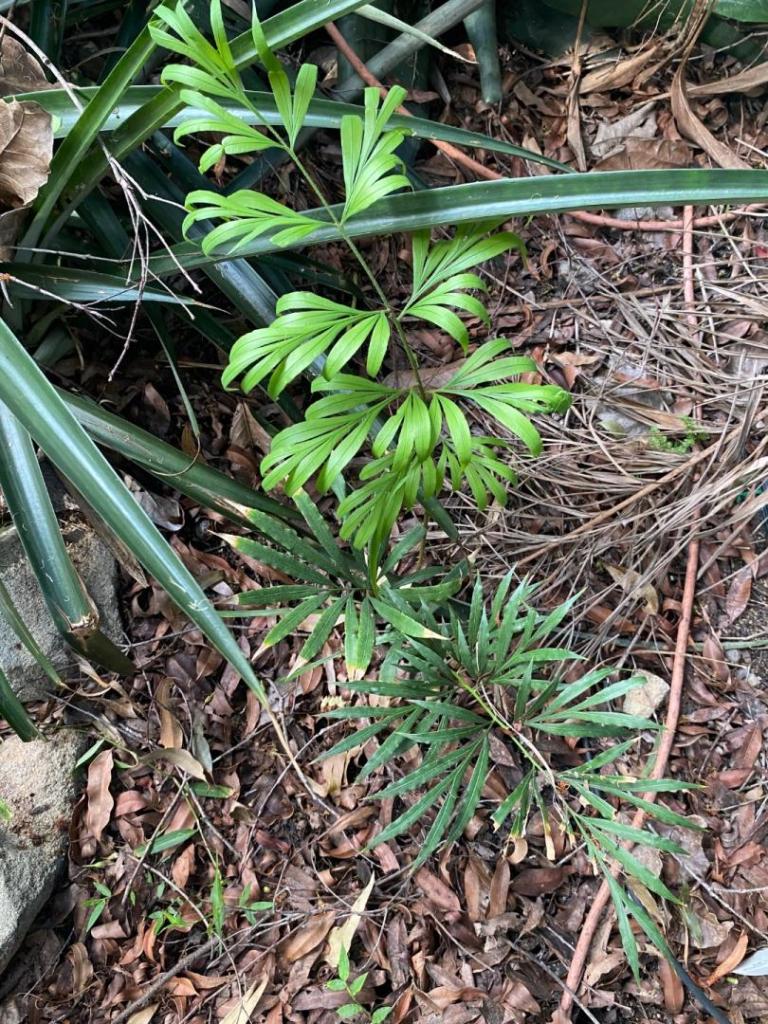

 6 points
 -
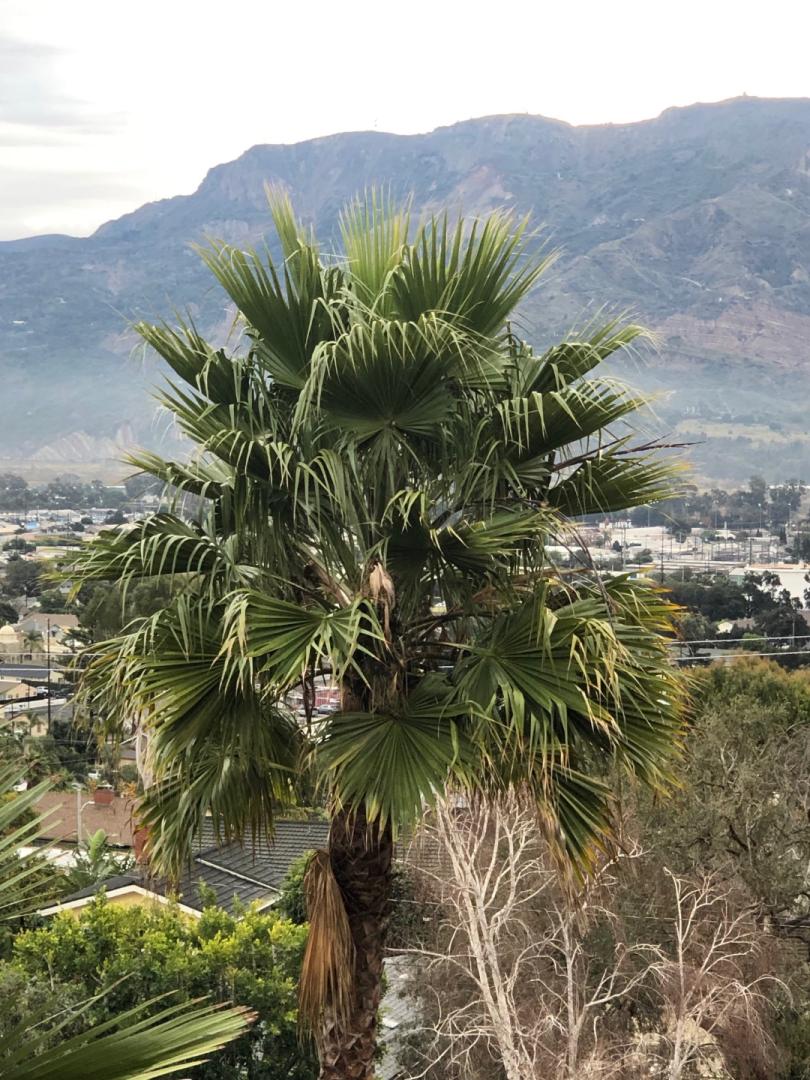
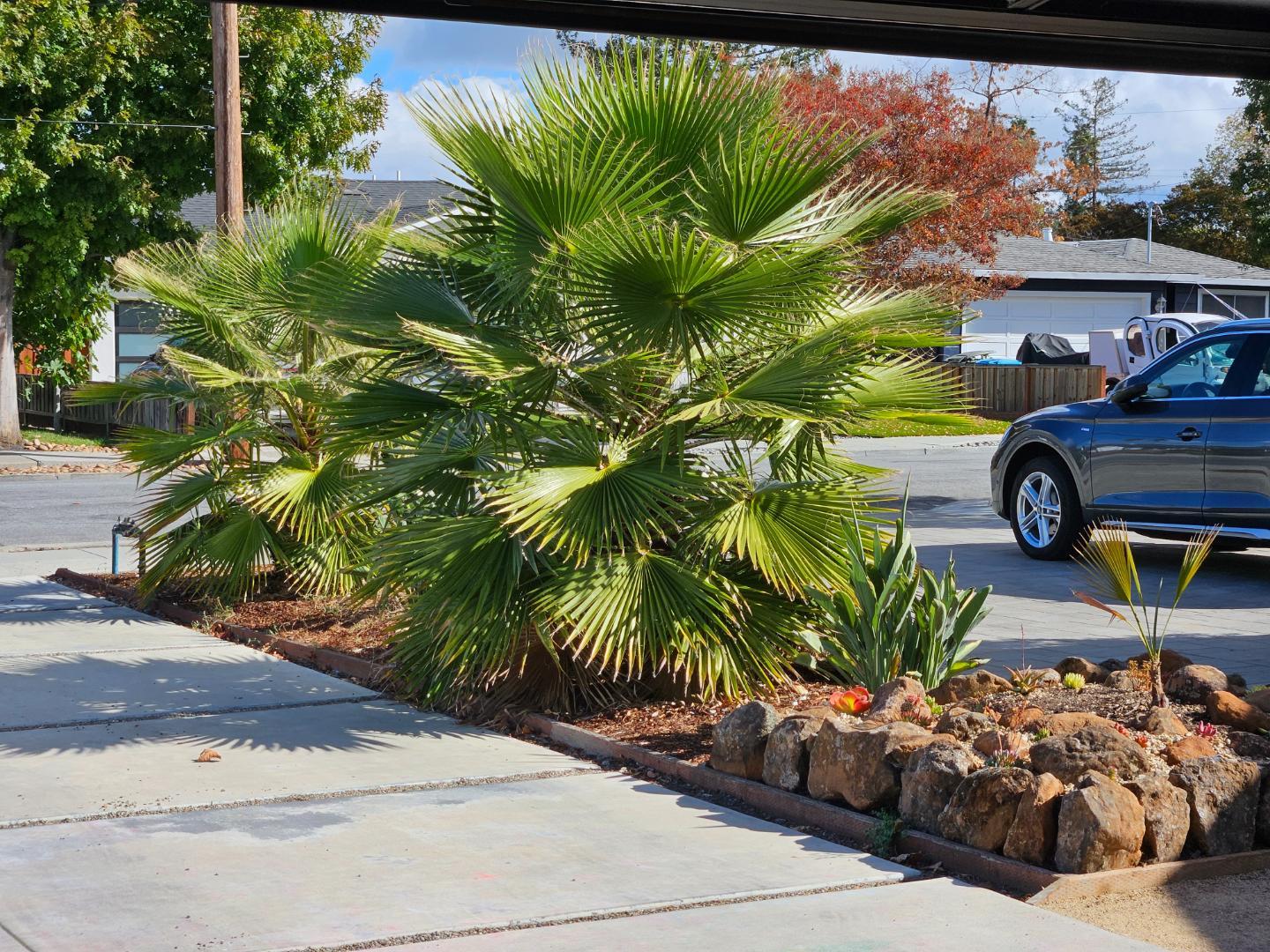
These palms get almost no love from anyone for whom they're not a zone push, because they're everywhere. But they're everywhere precisely because they grow everywhere. Cold, heat, clay, sand, water, drought.... they'll take it all. There are two Washingtonia robusta in high desert just east of Aguila, AZ, growing on a hillside with <10" of rain per year that were planted in the sixties when there was a rest stop there. After all these years, they're still hanging on with no irrigation. I just dug two up in my yard to transplant. In my mucky, wet clay, they have shot roots in every direction and thrown a new spear a month. There's a reason they're ubiquitous, even if they're boring. What a tough, fantastic palm.6 points
-
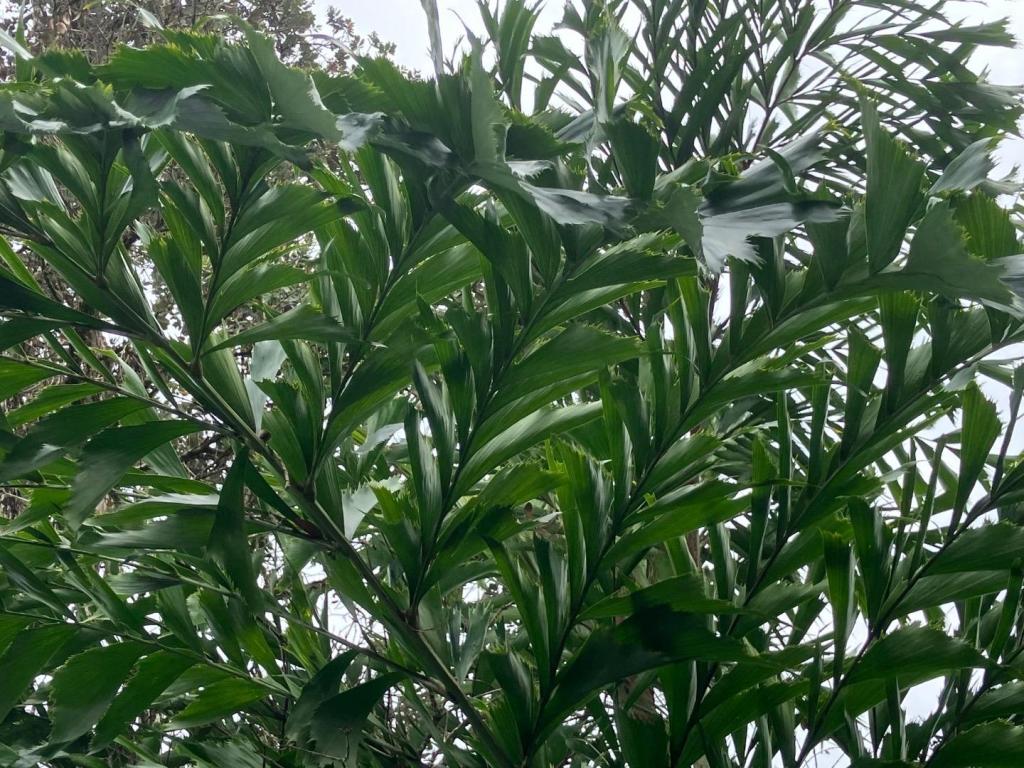
Today I was caught by my punk Bismarckia showing early signs of momentum, and Psychophoenix nucele has interesting leaves as does Caryota - zoom in on the leaves and see their teethy grin.
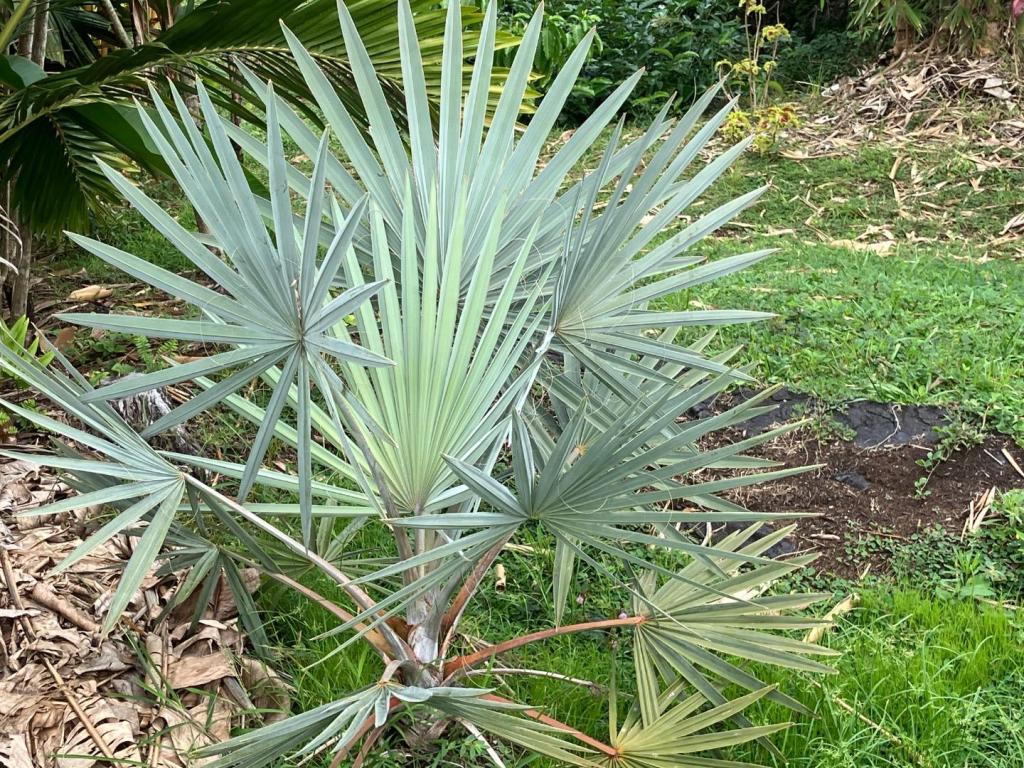

 6 points
 -
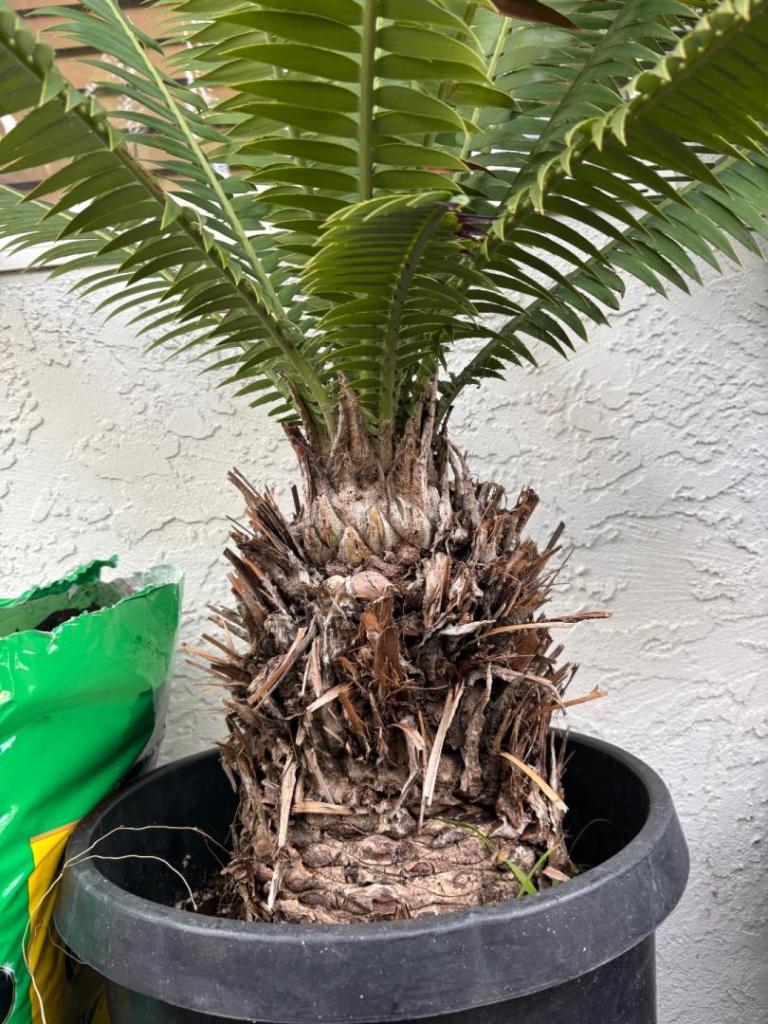
Looking to trade for a large blue Cycad will consider cash and or plant combo .This is a very nice plant and rarely found in this size .
 5 points
 -
A transplant from a neighbor’s yard . It was a volunteer that sprouted and he didn’t want it so he left it in a bucket in my courtyard . I planted it at the bottom of my hill. Harry


 5 points
 -
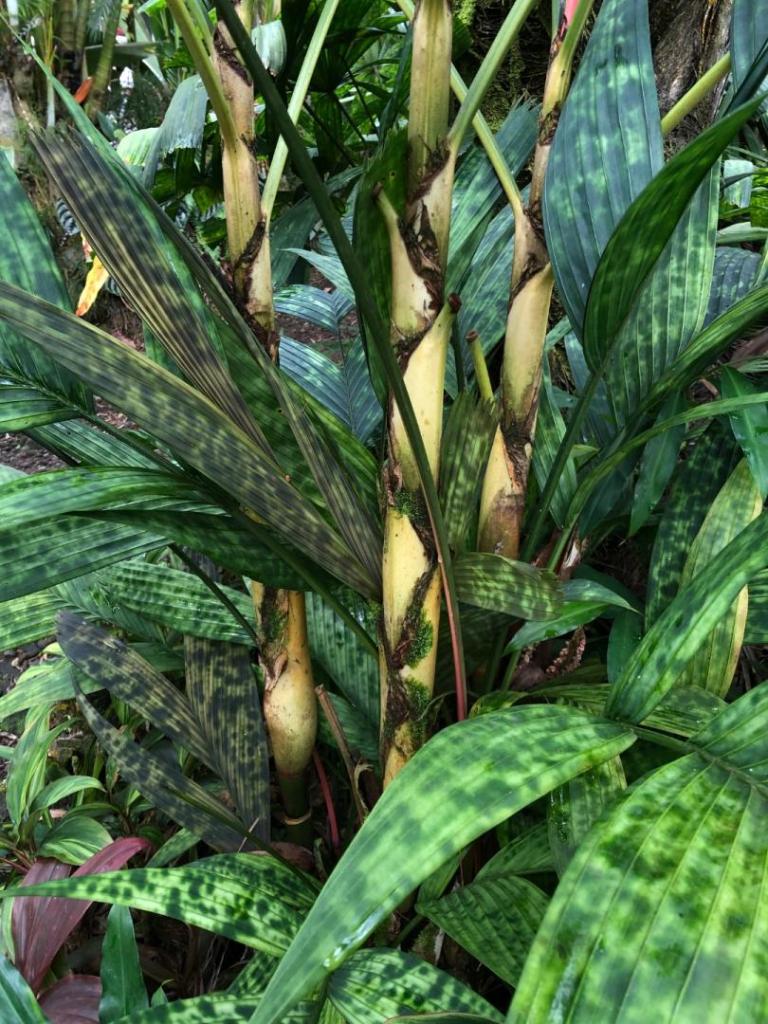
Check this one out. P. densiflora, which I have posted before, another beautilmeaux palm. 😄 Tim


 5 points
 -
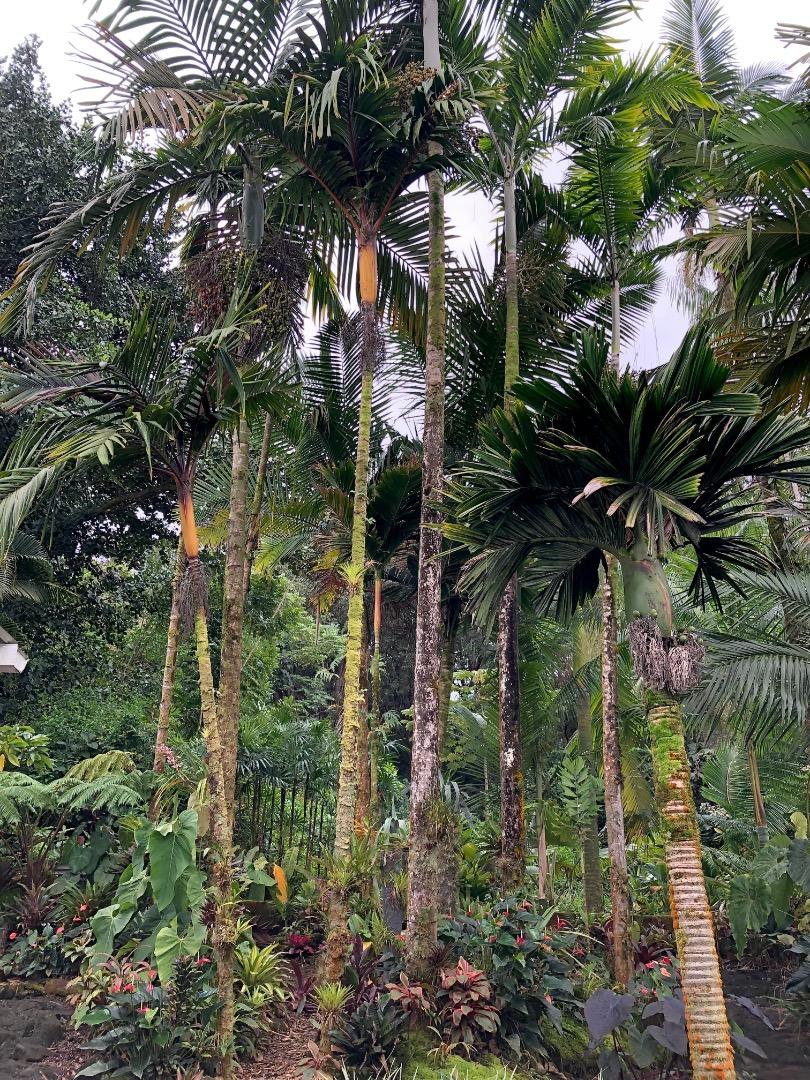
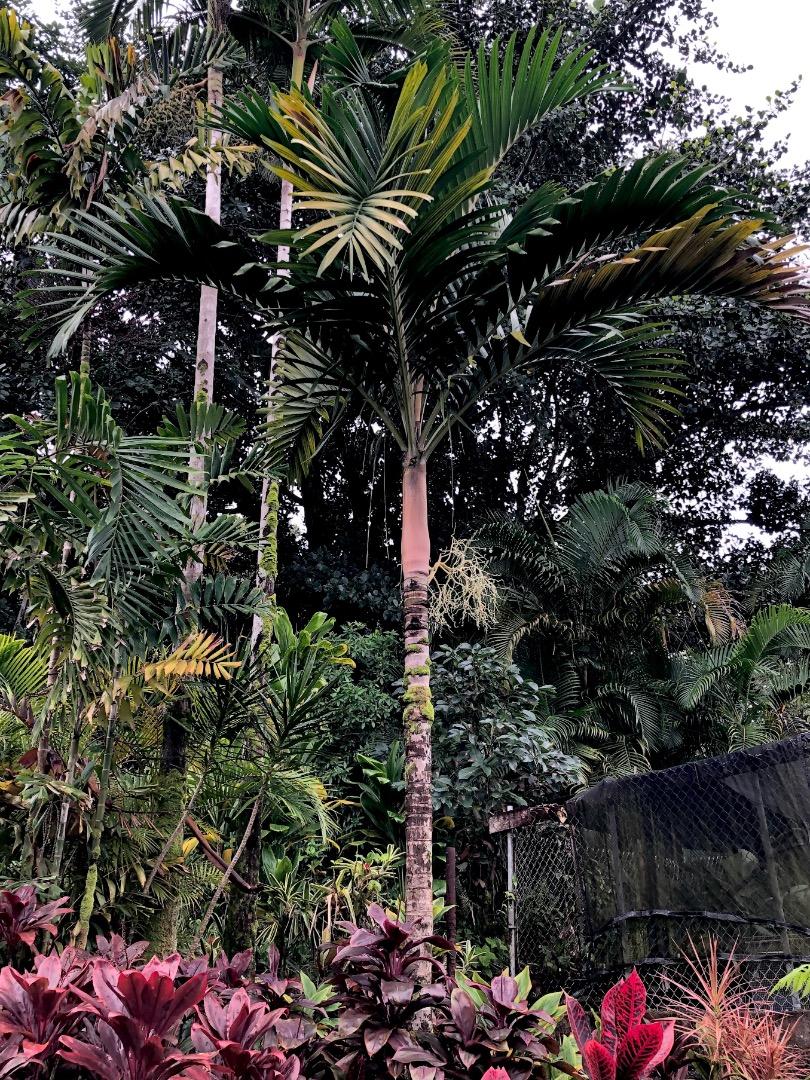
Well, my P. caesia’s have rocketed upward, but they are still beautlimeaux. (An invented description ) They are the two skinny palms with the orange crown shafts. Tim
 5 points
 -
From the hill:
 5 points
 -
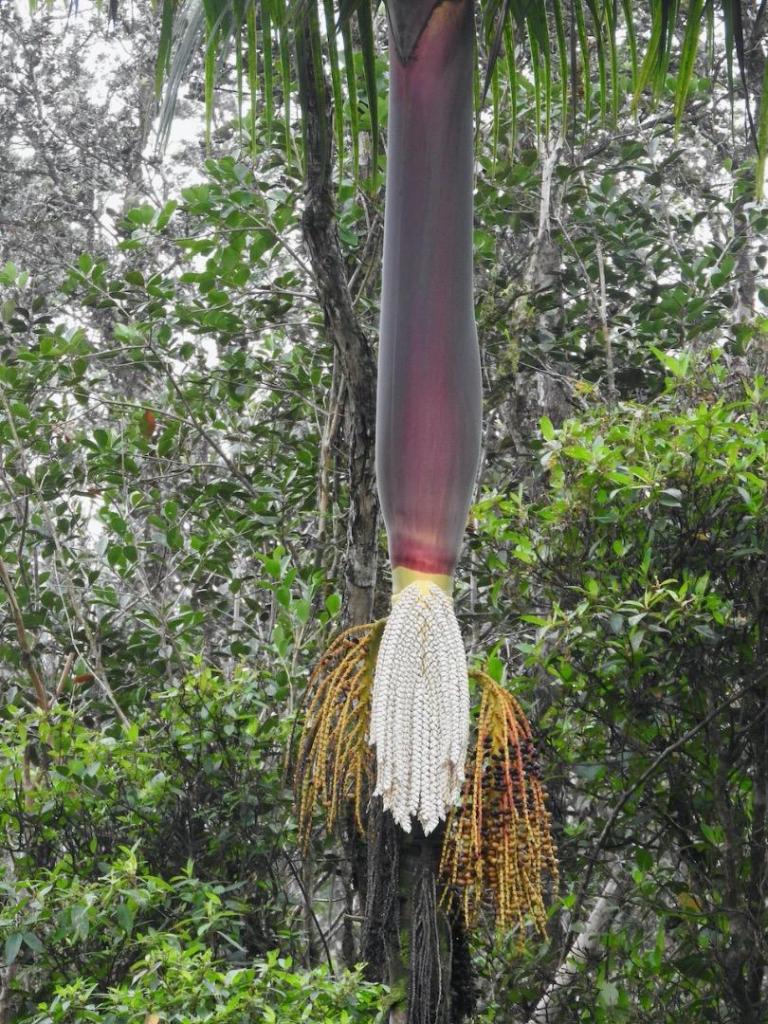
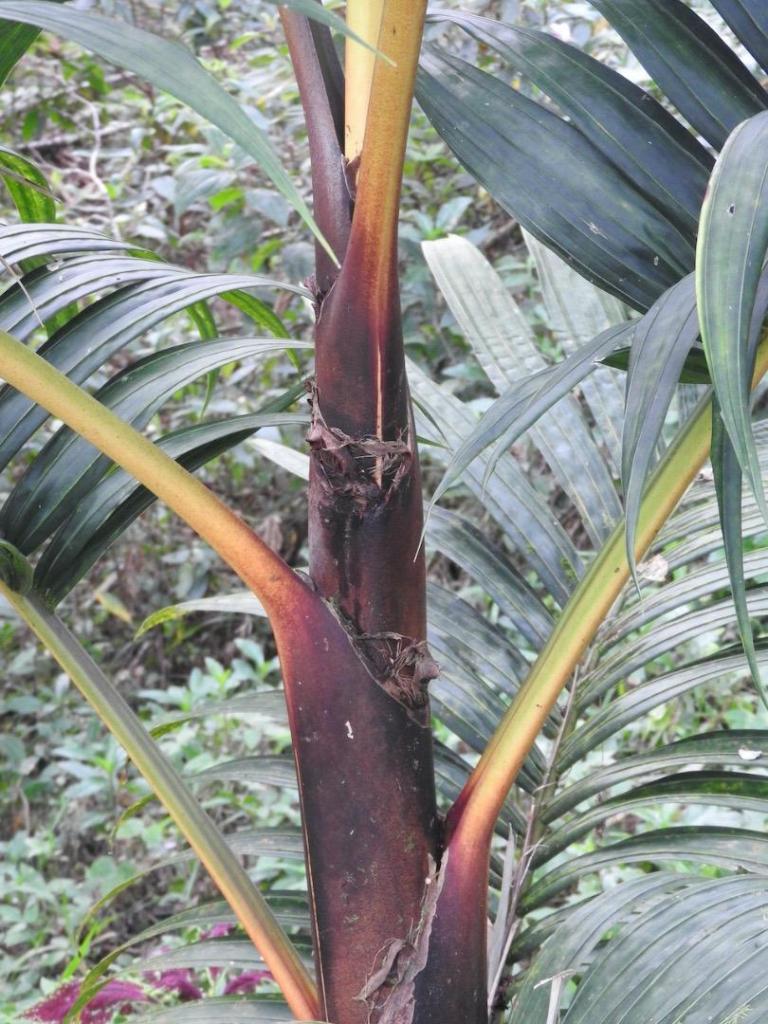
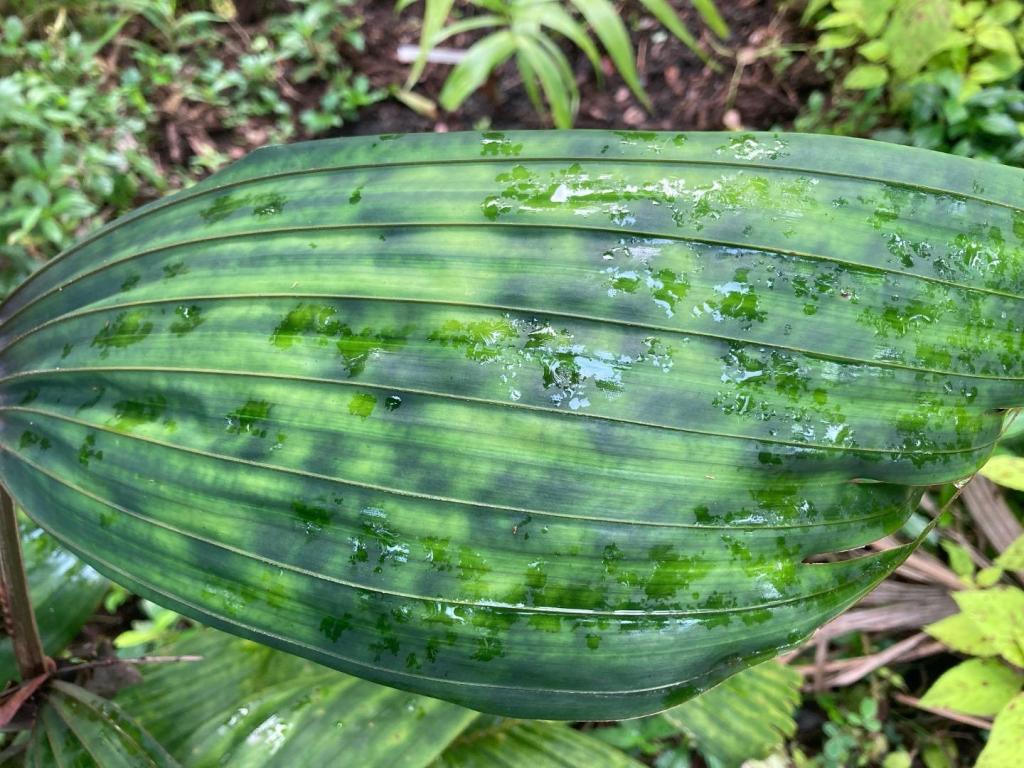
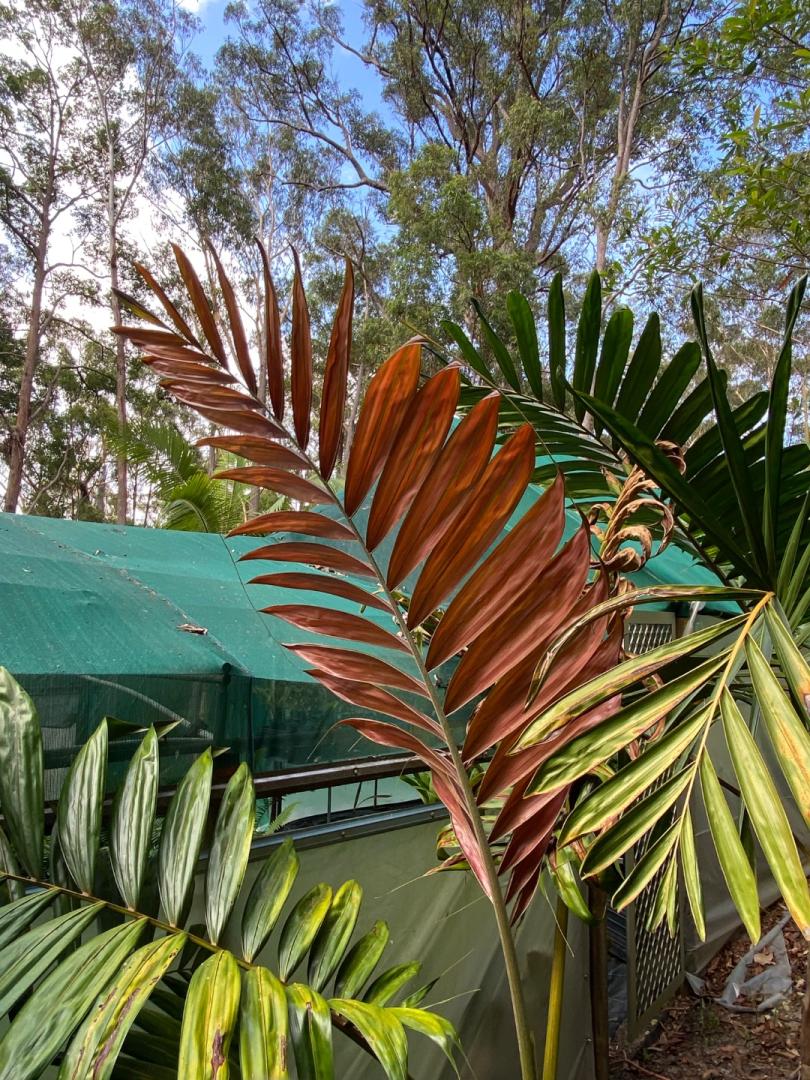
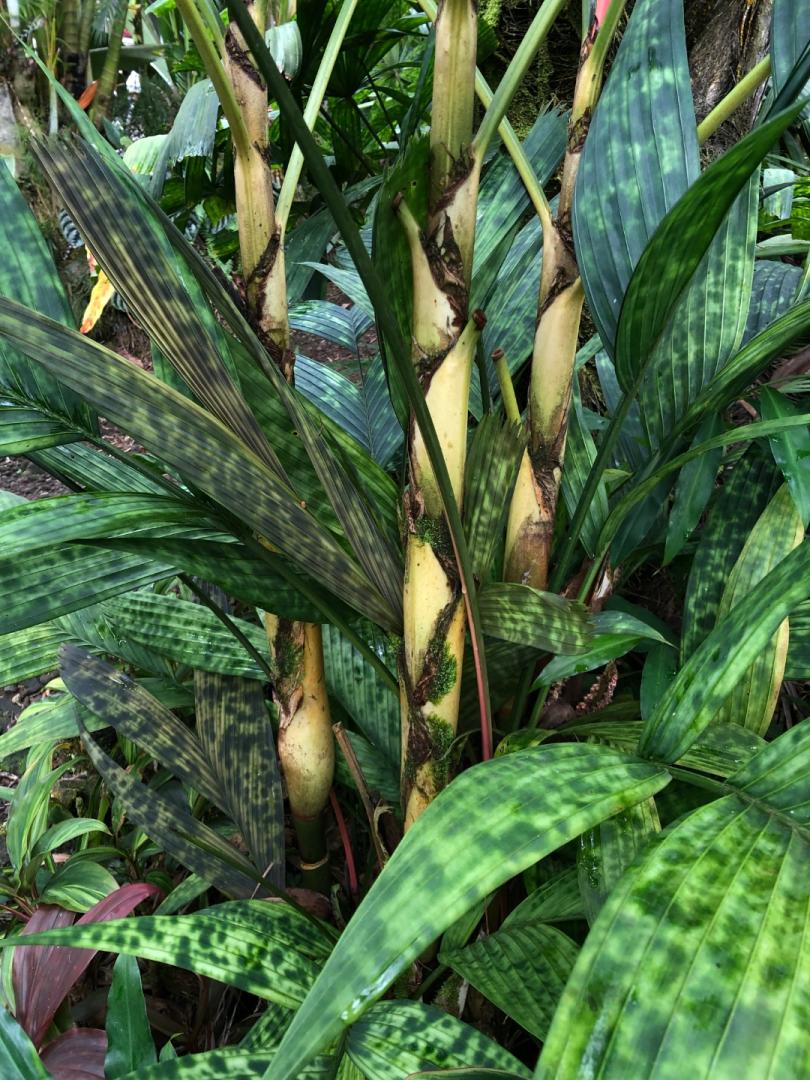
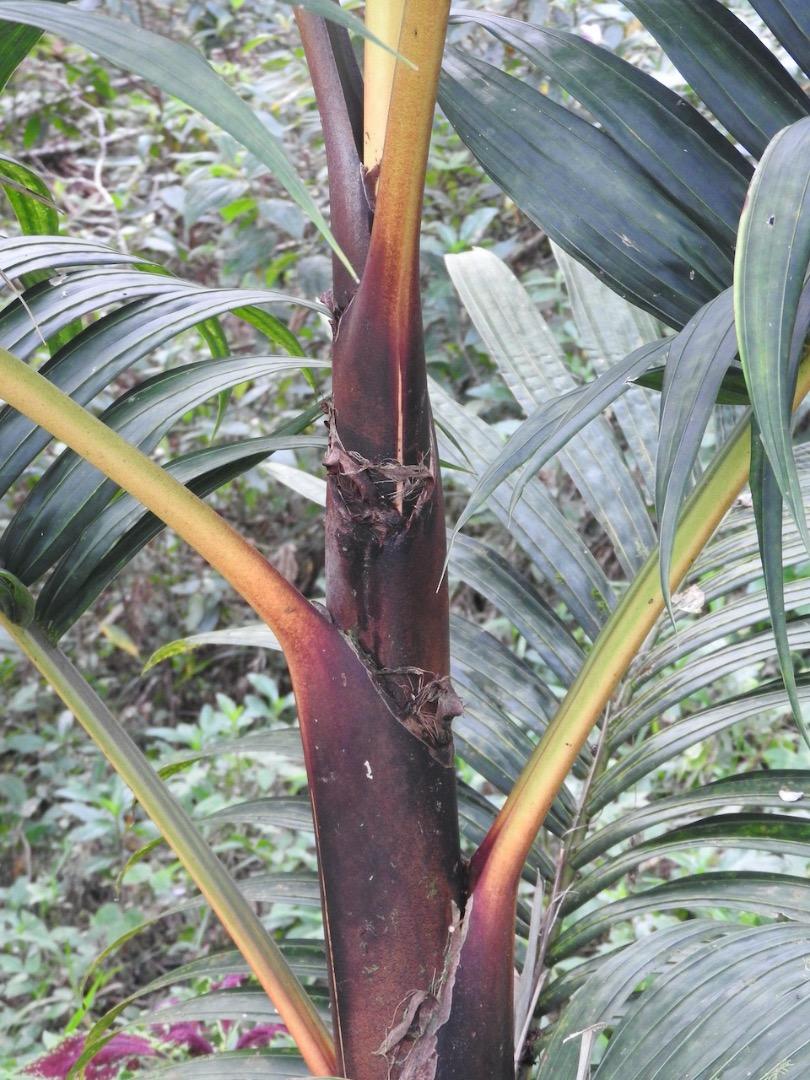
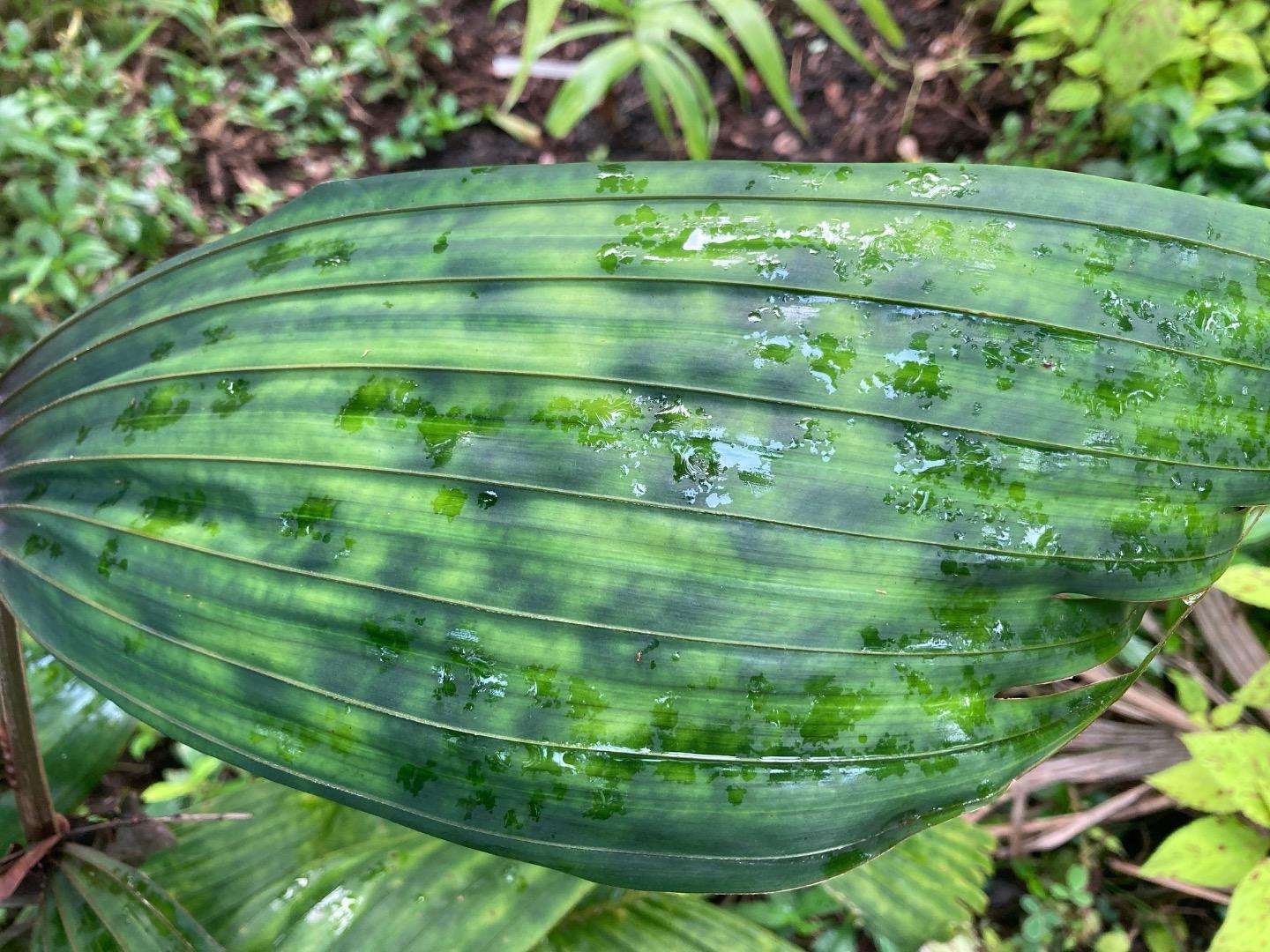
I'm adding more and more Pinanga to the garden all the time. Truly amazing colors. I'm only worried that they might get too tall so the wonderfulness is lost in the canopy. Pinanga speciosa just dropped an old leaf two days ago. The purple crownshaft is especially striking contrasted with the white flower buds. The flowers should open early tomorrow morning to a bee orgy that I previously reported in another thread. Just power through the first couple of years of ugliness when they are small. It gets better. My Pinanga caesia has not begun to trunk, so only a hint of the fantastic crownshaft to come as seen on Palmpedia. And yet, the intense color at the base of the petioles is already eye-catching. Pinangas are so much more than great crownshafts and fruit. Many are advertised as having mottled leaves, but in my experience, not all deliver. Pinanga copelandii definitely does. So if your climate allows, I recommend stocking up on this genus. There are 100 to choose from. Also consider staggering new additions every few years so when the older ones get too tall to appreciate, some younger ones are still at eye level.
 5 points
 -
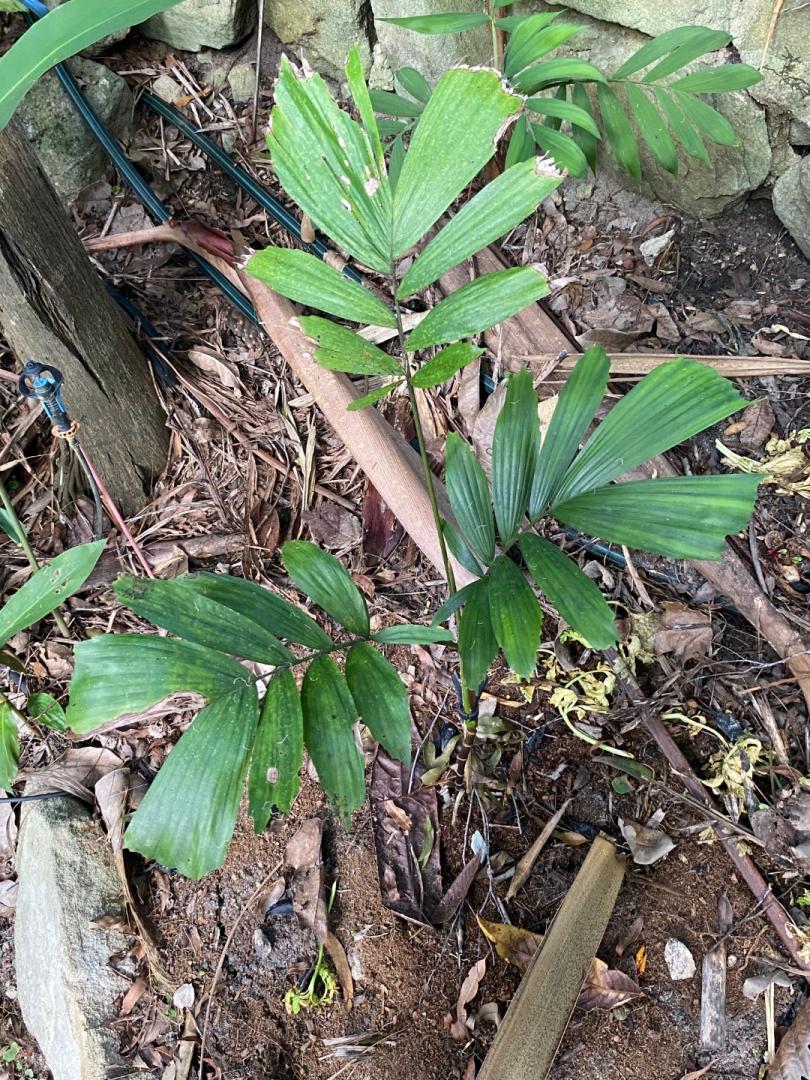
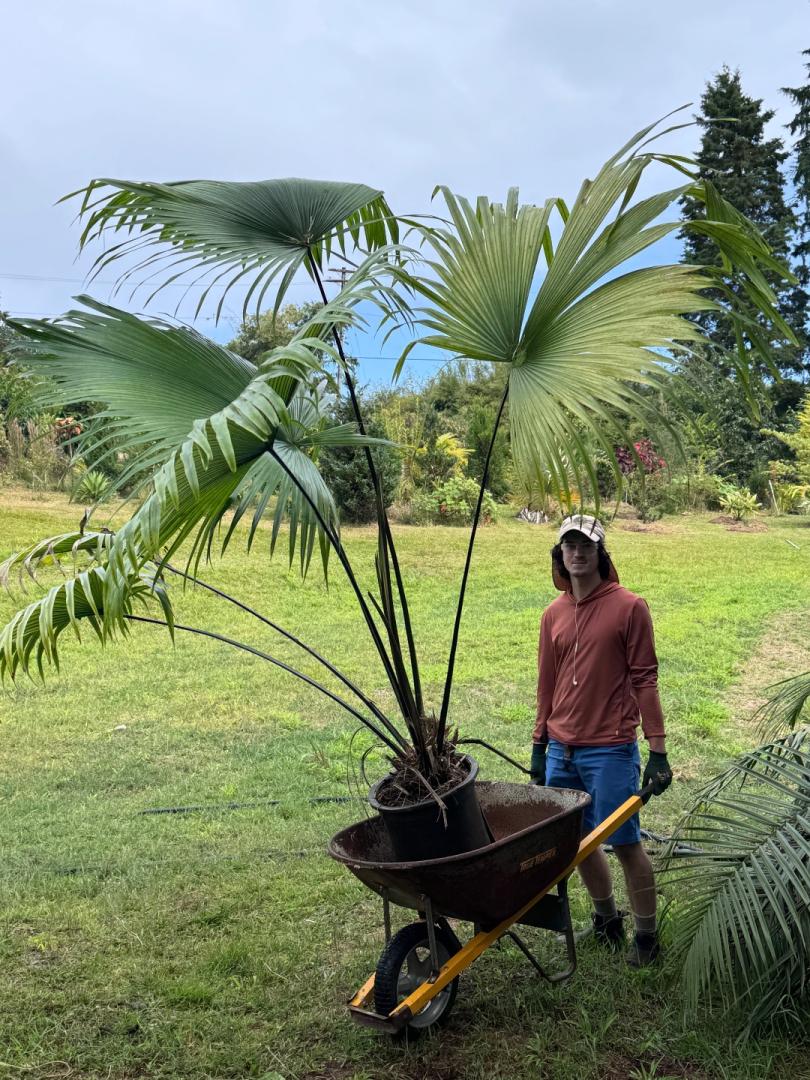
I found this 15g baby tucked away in my bamboo, I had forgotten to plant it. Our intern helped plant it. This is a very forgiving plant, I neglected it for 4 years, I had bought it during the pandemic shut down, no water no fertilizer and it's no worse off for the wear.

 4 points
 -
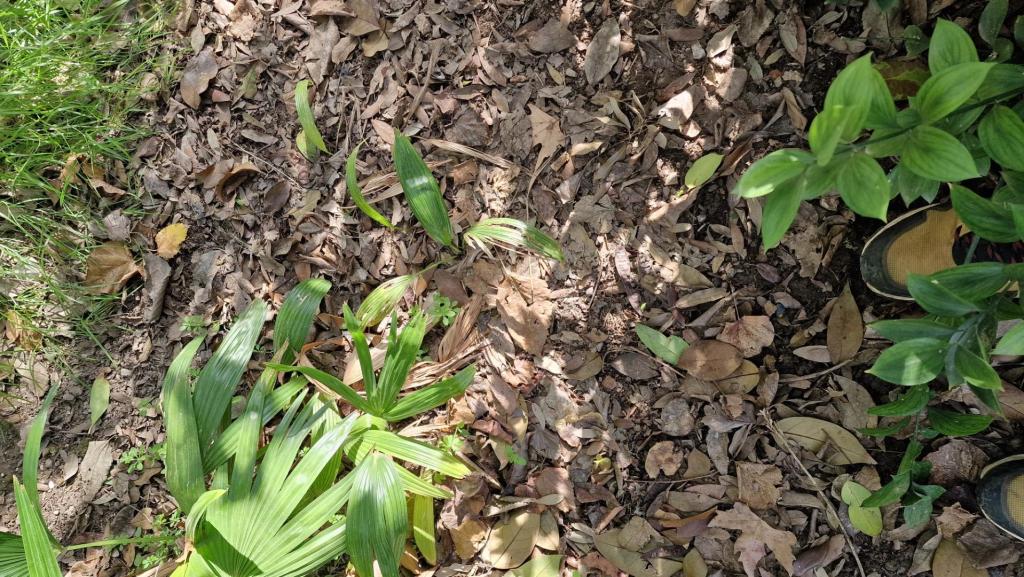
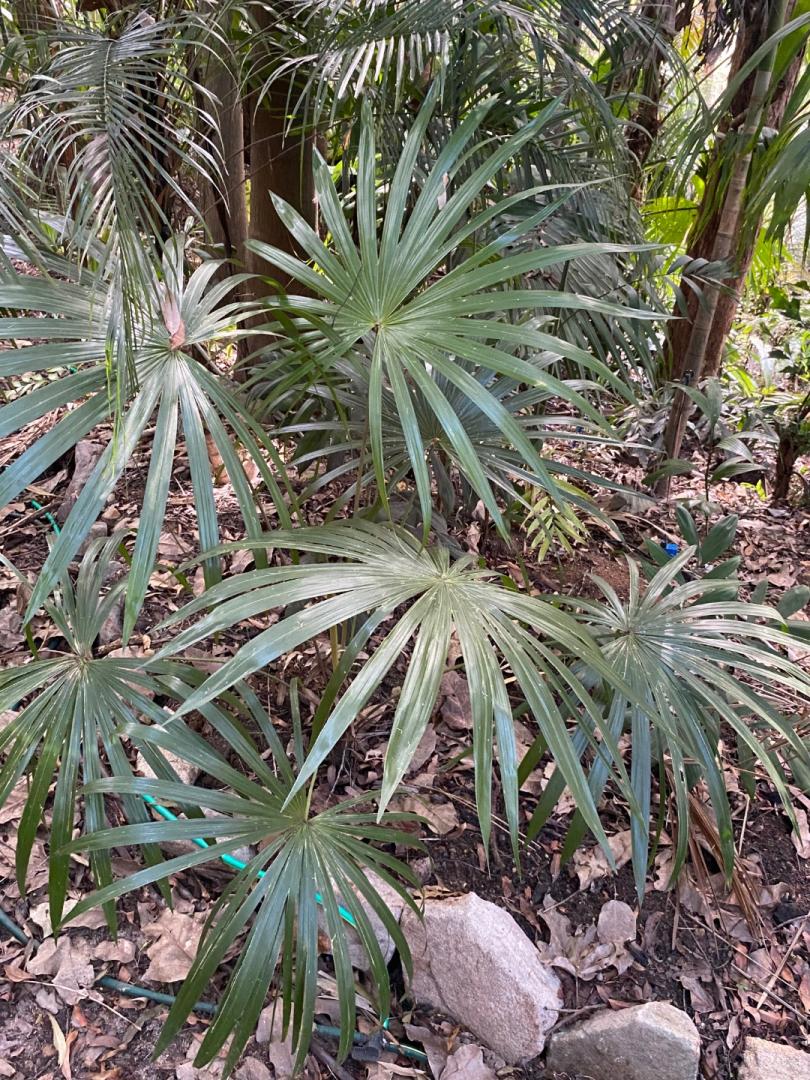
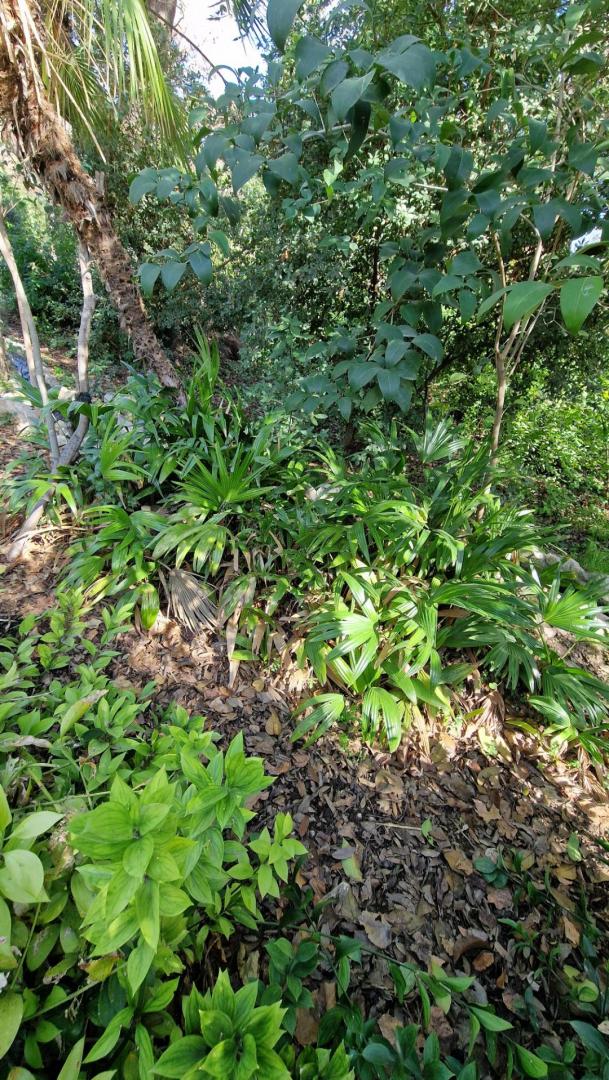
Lol I just wanted to showcase what an invasive sp should look like even in the controlled environment of a public park. Of course one would expect to see a layer of Chamaerops seedlings, instead in reality there is a carpet of naturally sprouted Livistona chinensis young plant in various stages of growth!


 4 points
 -
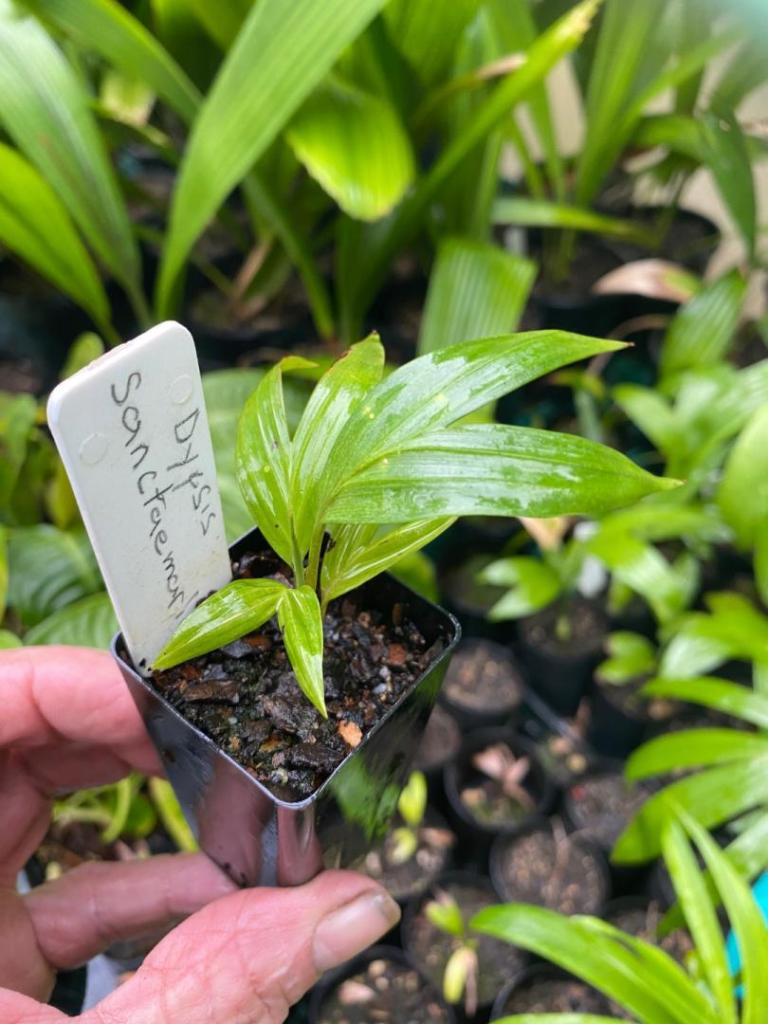
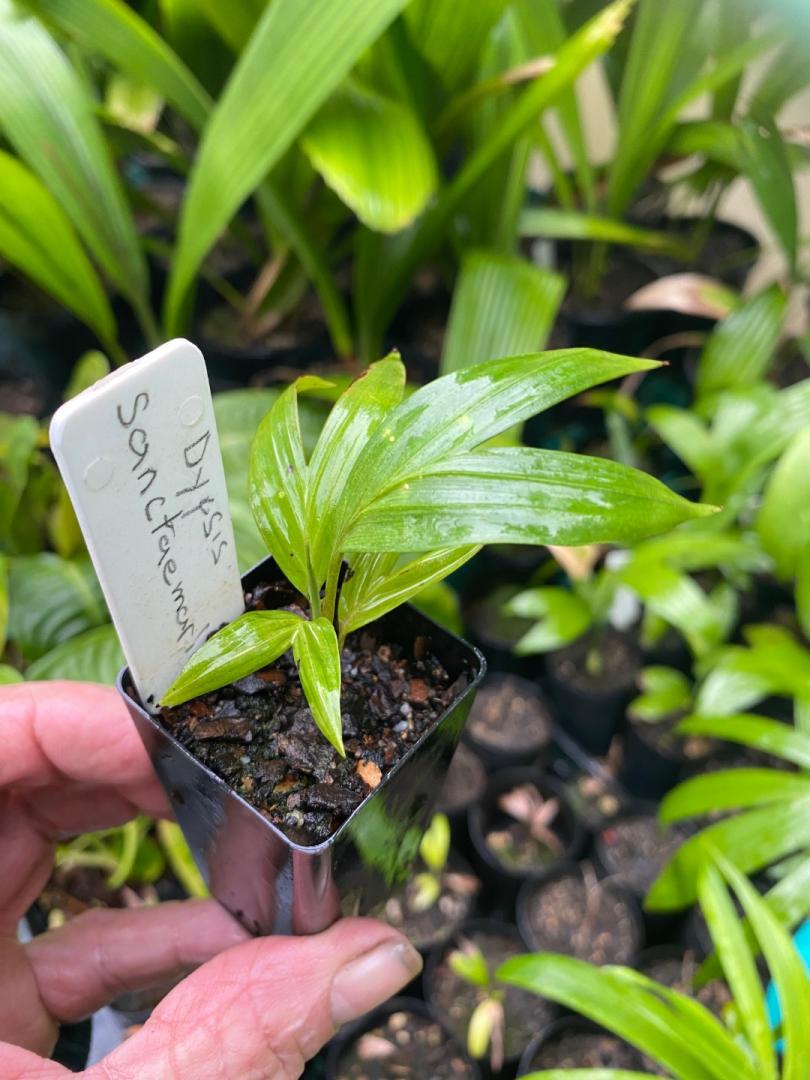
Close to a dozen little sanctamaemaria. Slow growing originally from rps. Such a beautiful little palm, cool tolerant having survived around four winters. Time will tell if they are to be successful in the ground.


 4 points
 -
I grew these from seeds. The first palms I ever grew from seed.
 4 points
 -
Would love to see some mature Attaleas in gardens. Came across an A. brejinhoensis at leu and it would be nice to see a thread of what you all may have seen. Cheers A. brejinhoensis at leu


 4 points
 -
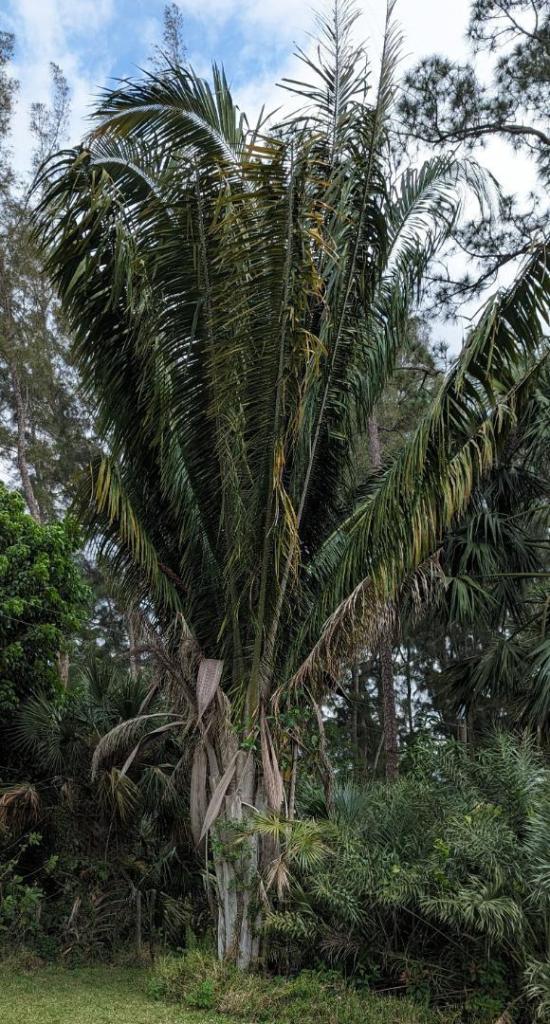
A. Cohune
 4 points
 -
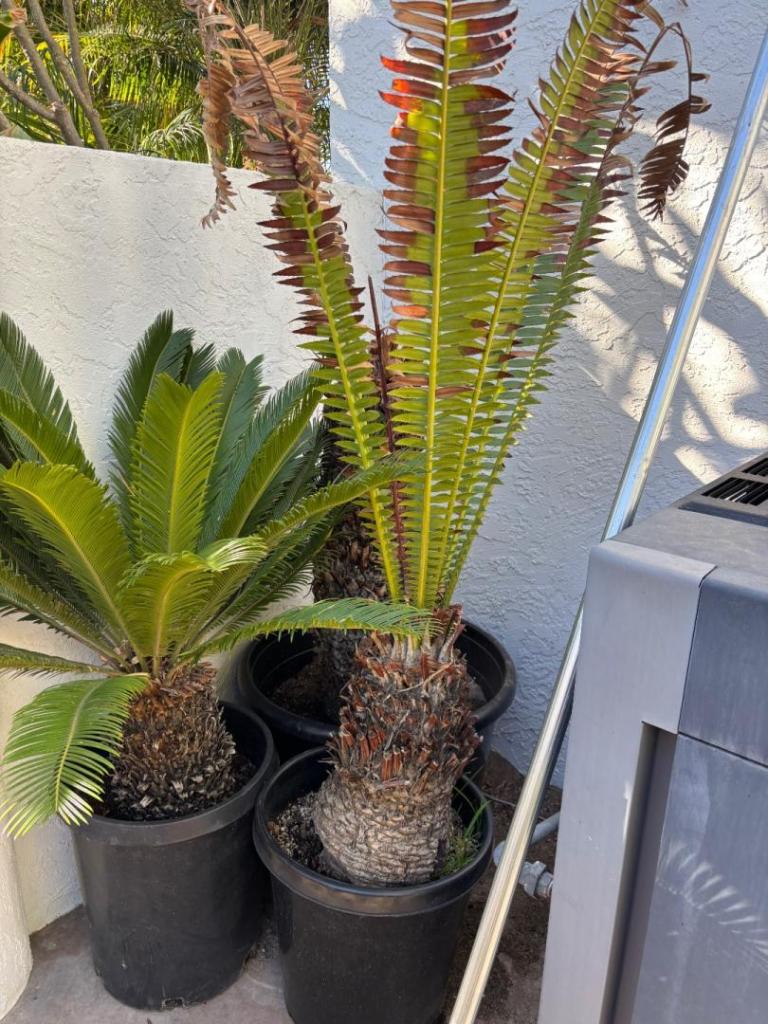
3 Trunking Dioons for sale $300 for all 3

 4 points
 -
Of the few queens that have been planted at the Riverwalk in the last year or two, some showed minor damage today, while others looked undamaged:
 4 points
 -
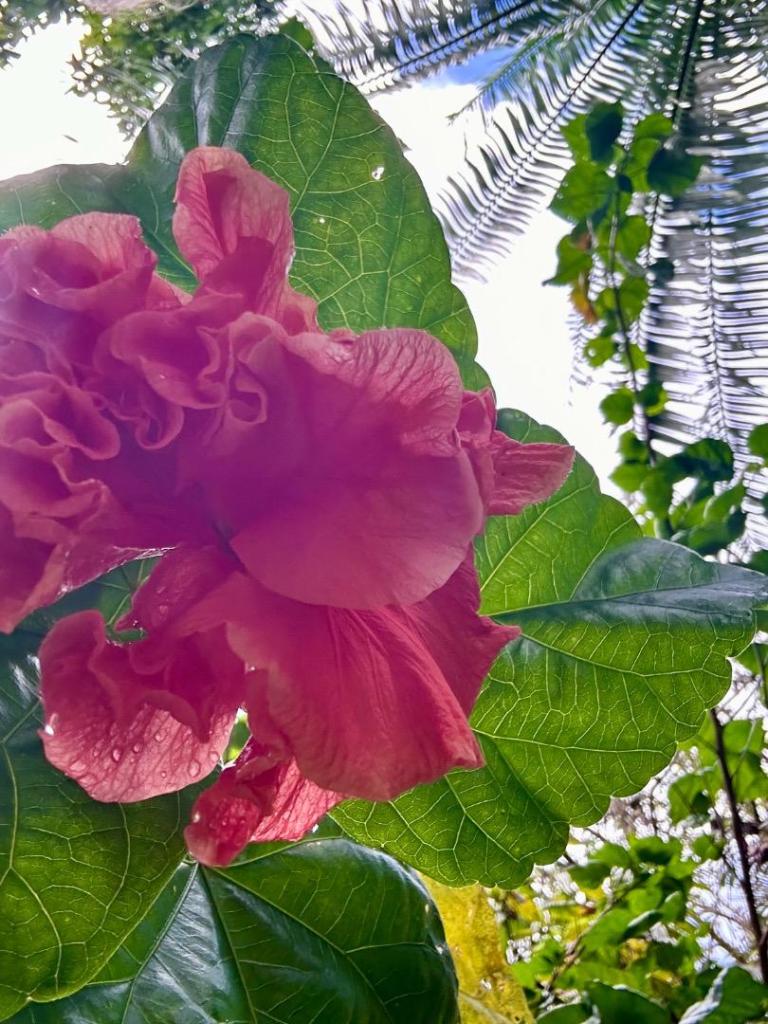
These flowers welcomed me on my most recent return to my Hawaiian garden. I love these little gifts from the garden! what’s blooming for you now?

 3 points
 -
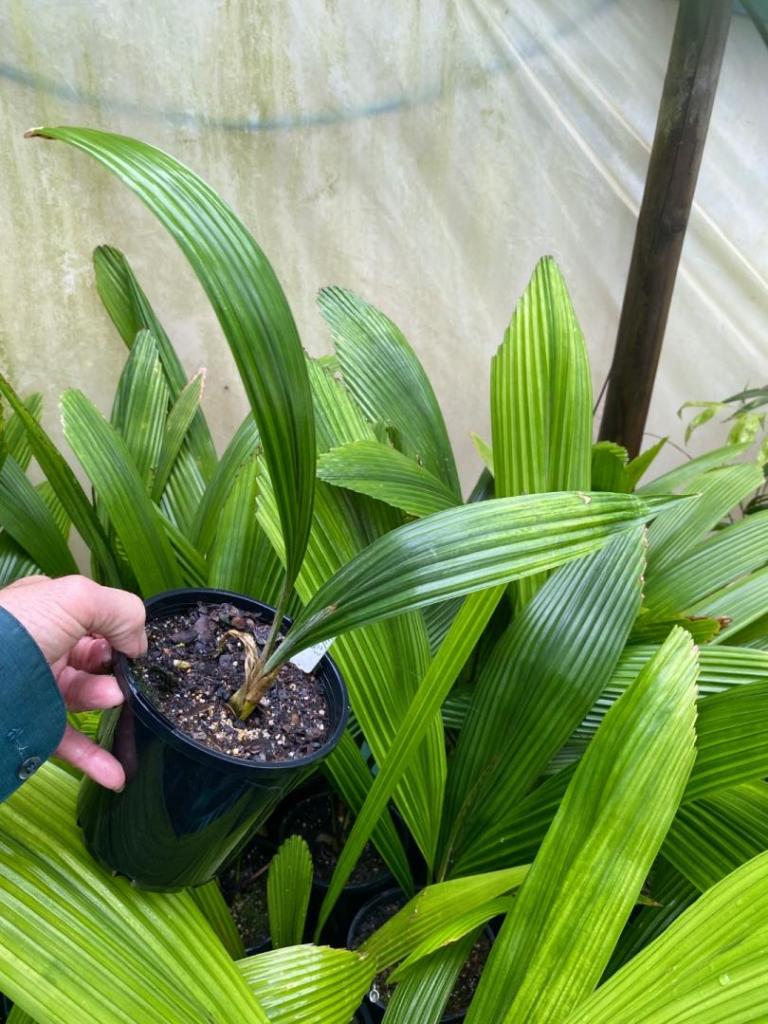
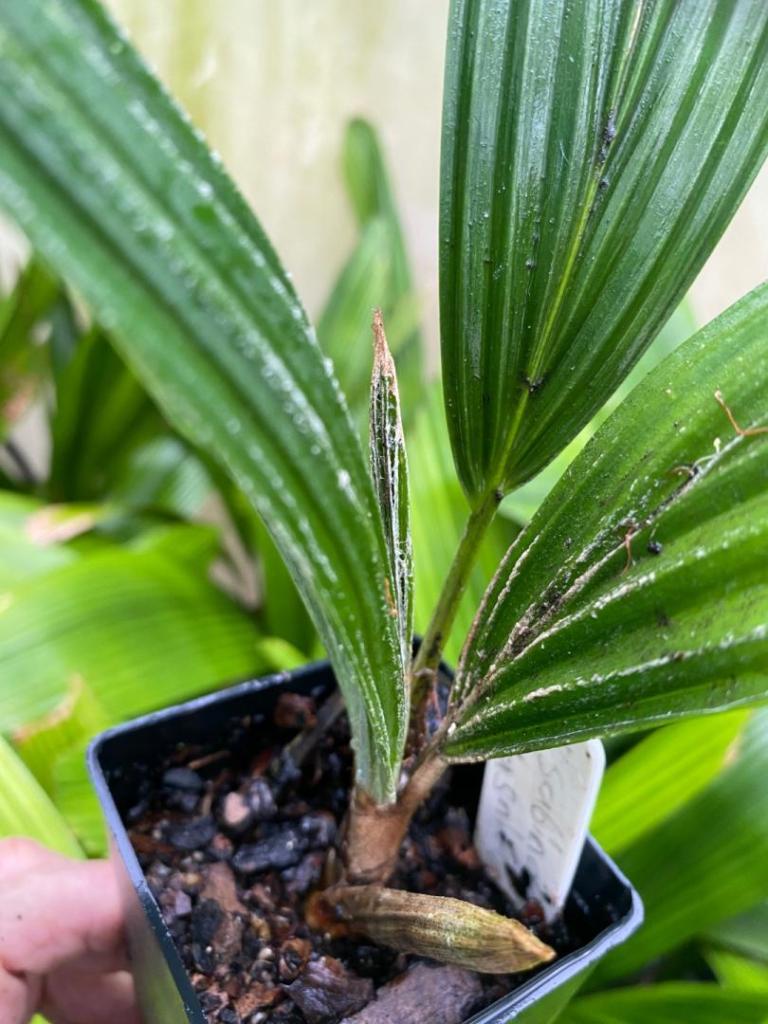
A few rps goodies in this little clutch of baby sabinara. Around 3 years old, I lost a couple this season at the end of winter. One had spear pull. It is now growing strong. Another winter and i might get around to planting the big one I have. But having them grow so far as nice seedlings it will be interesting to see if they will live in the ground with cold wet feet. Time will tell.


 3 points
 -
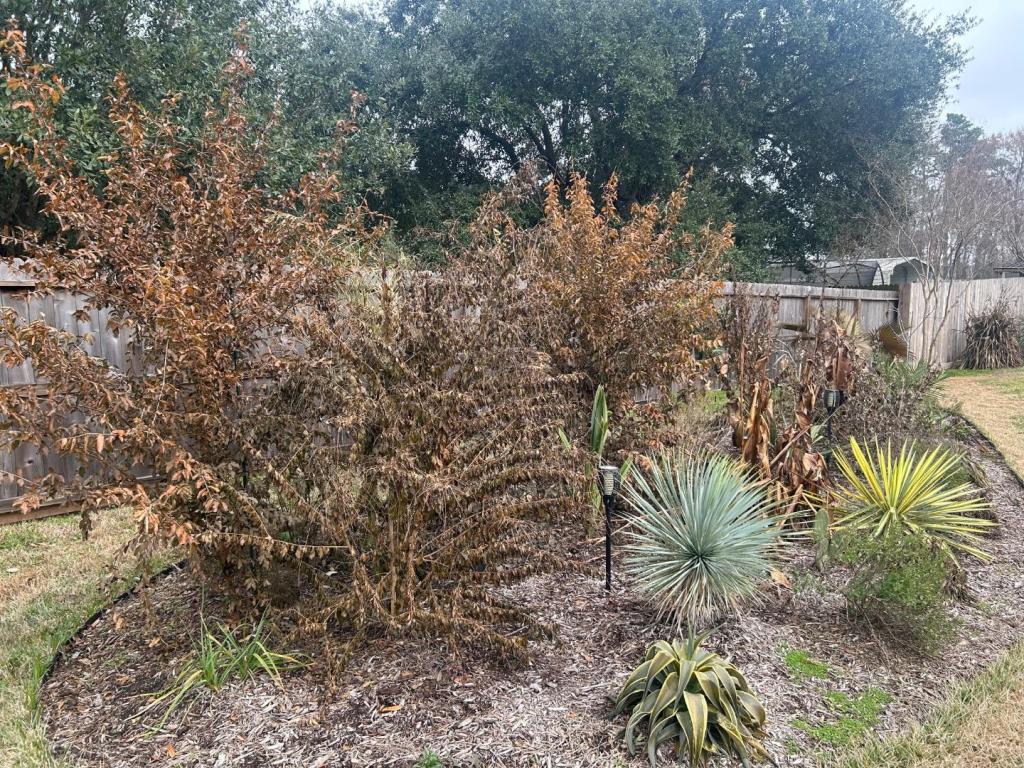
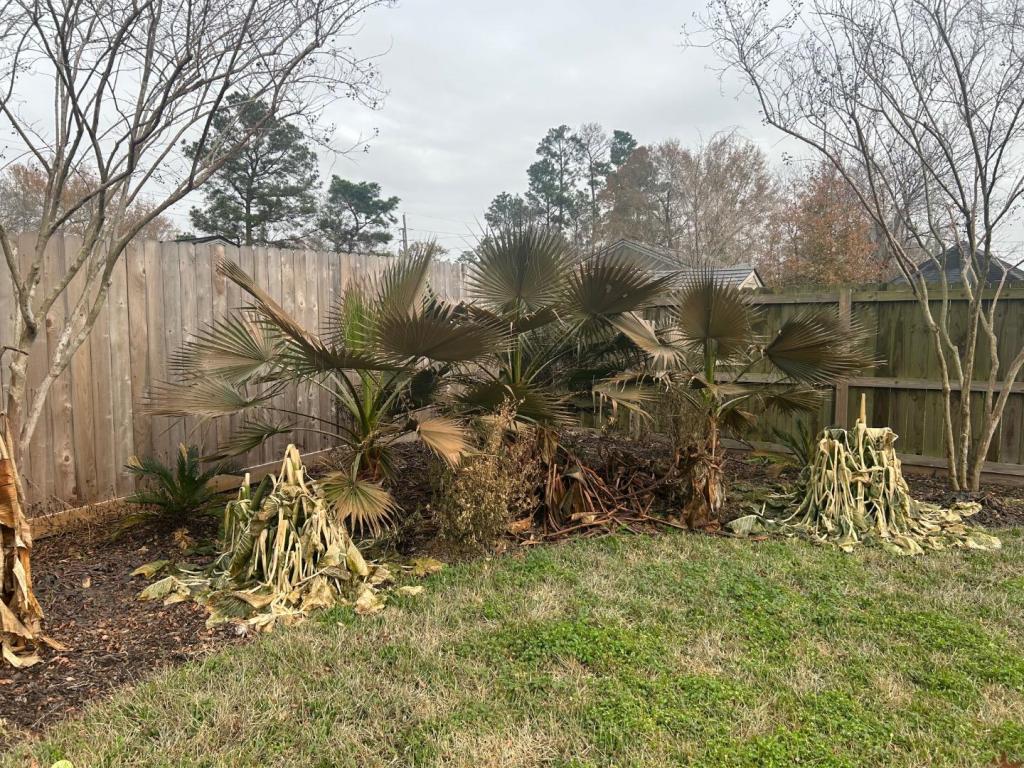
The coldest temps were in Louisiana so the further east the worse the damage. If I hadn’t protected my queens I’m pretty sure they’d be toast. I walked around today in the yard and everything looks much, much worse. Standard Agave Americana is damaged heavily which surprised me. 50 shades of brown minus the Yuccas
 3 points
 -
FWIW sabal Bermudana was unblemished by 16f and a foot of snow!3 points
-
None of my 7 P caesia have color like your beauty but one throws nice leaves
 3 points
 -
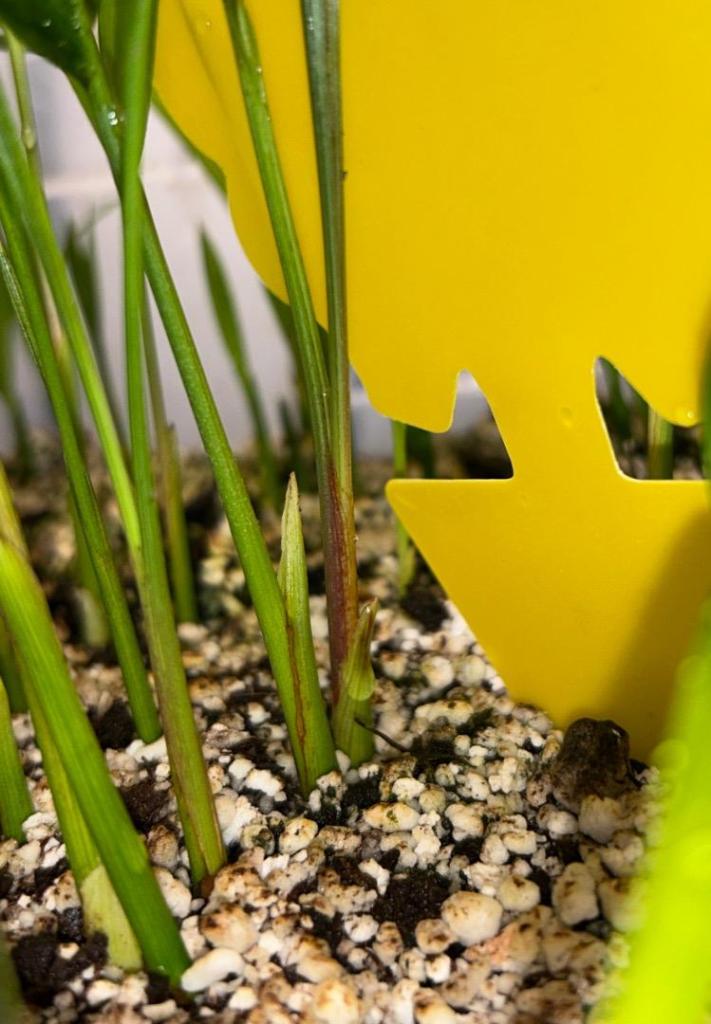
So this is wierd... On my batch of Chrysalidocarpus onilahensis 'Upright Form' there is a yellow seedling and a red-stemmed seedling in the batch. Kind of unusual...anyone else getting these?

 3 points
 -
Here's mine. I got it in about 2007 from Jungle Music as a 5 gallon...
 3 points
 -
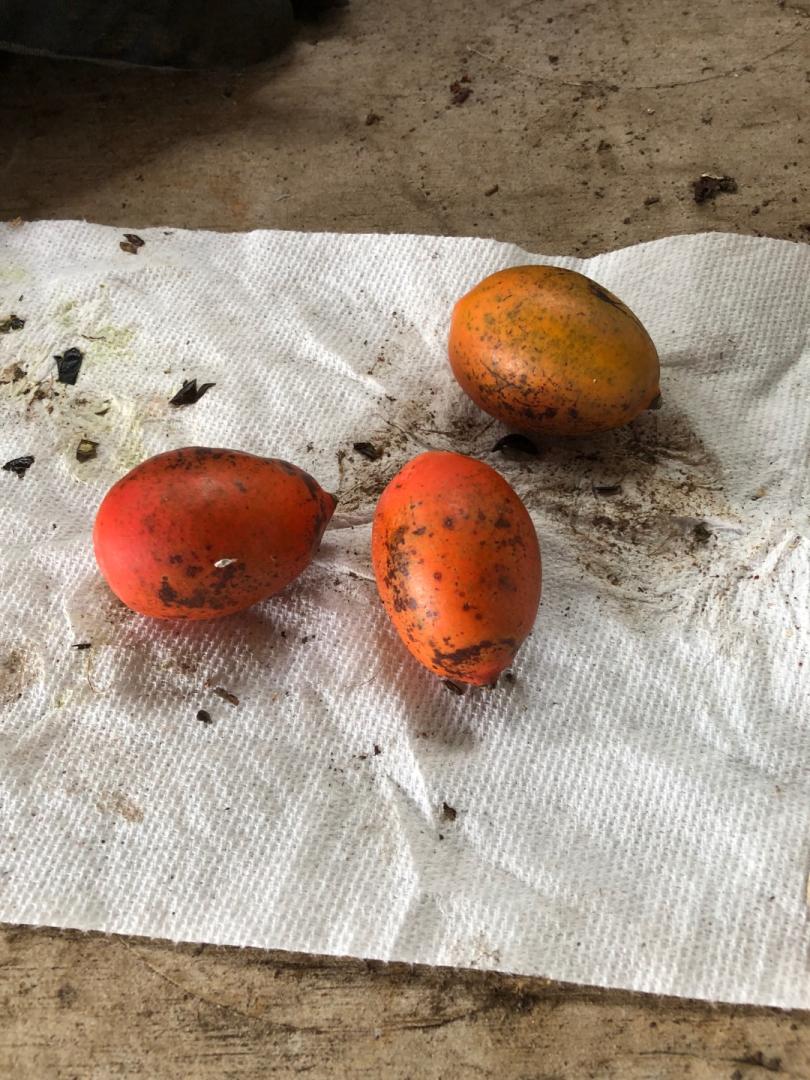
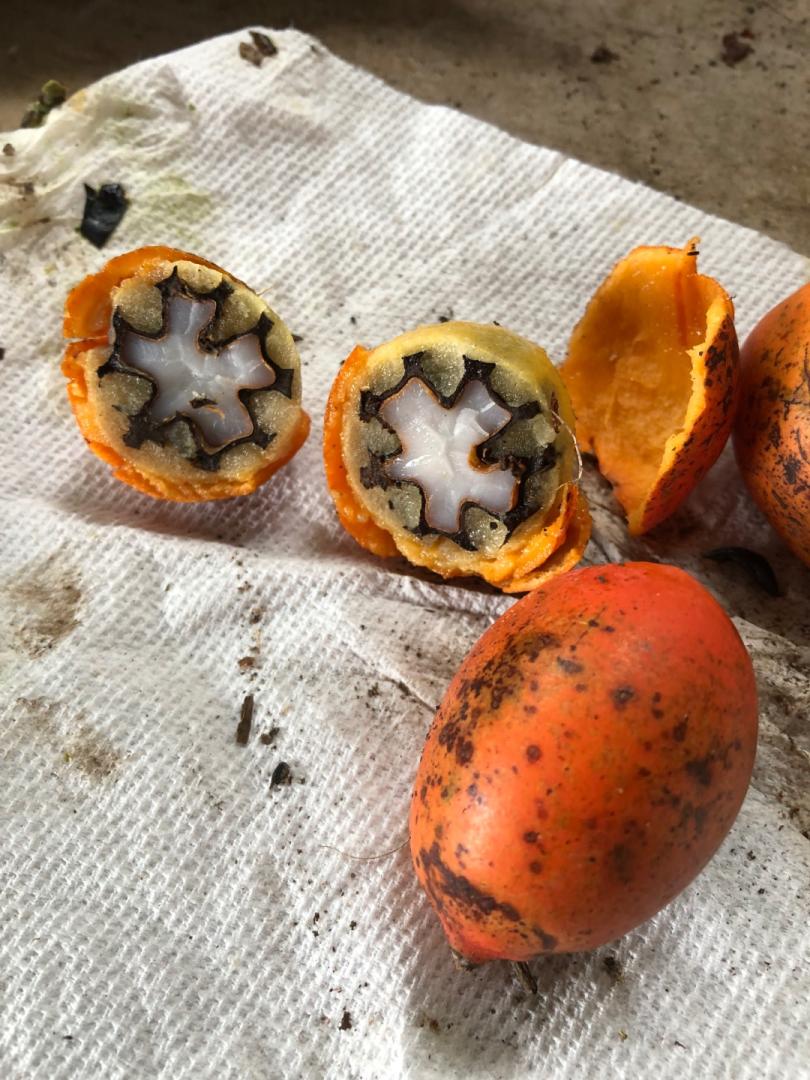
It sounds like your seed might not be good. Fresh viable seed should germinate quickly. These palms are very prolific producing seed and the base of my two palms are a carpet of seedlings, Here are a couple of photos, one showing fresh ruminate seeds. Tim


 3 points
 -
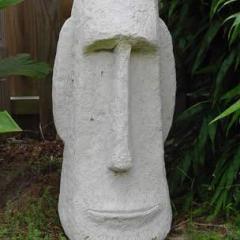
I also have stubborn hair in the nose...3 points
-
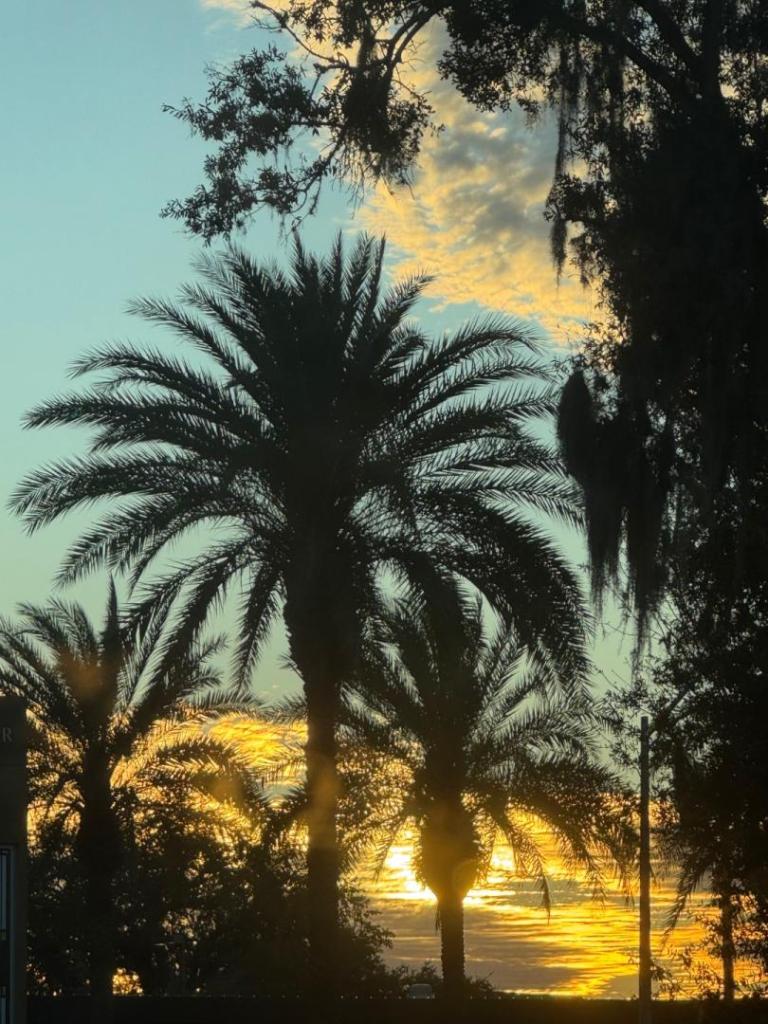
Snapped this pic while parked at a traffic light on the way hone from work.
 3 points
 -
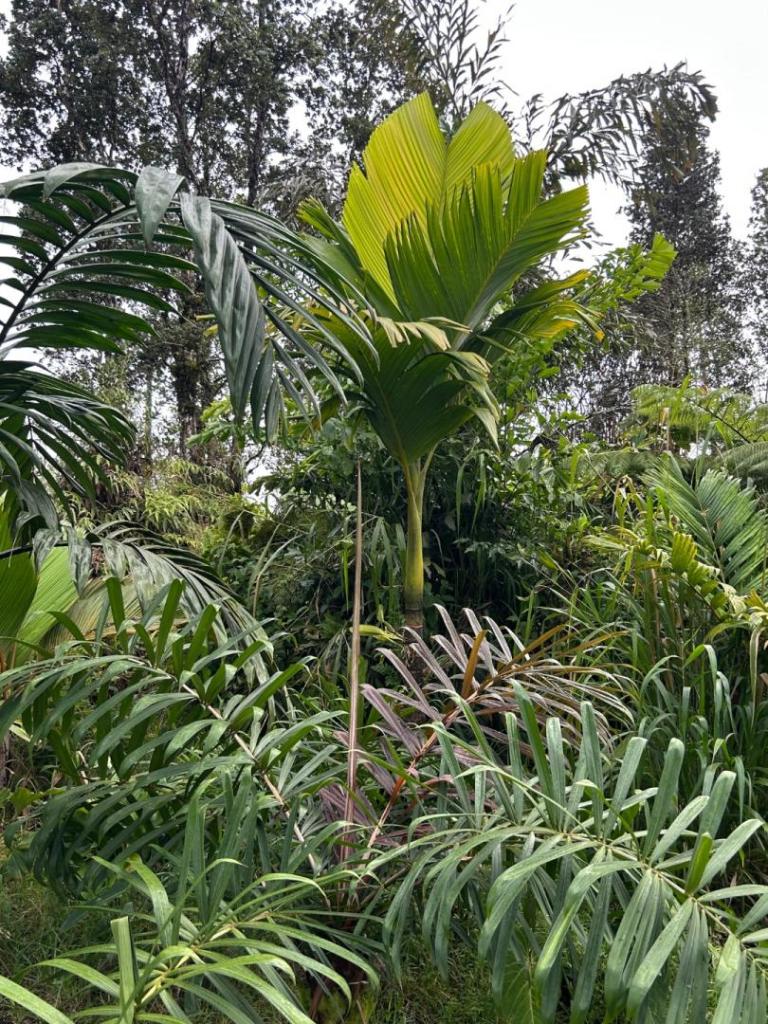
This v. Splendida looked great this morning
 3 points
 -
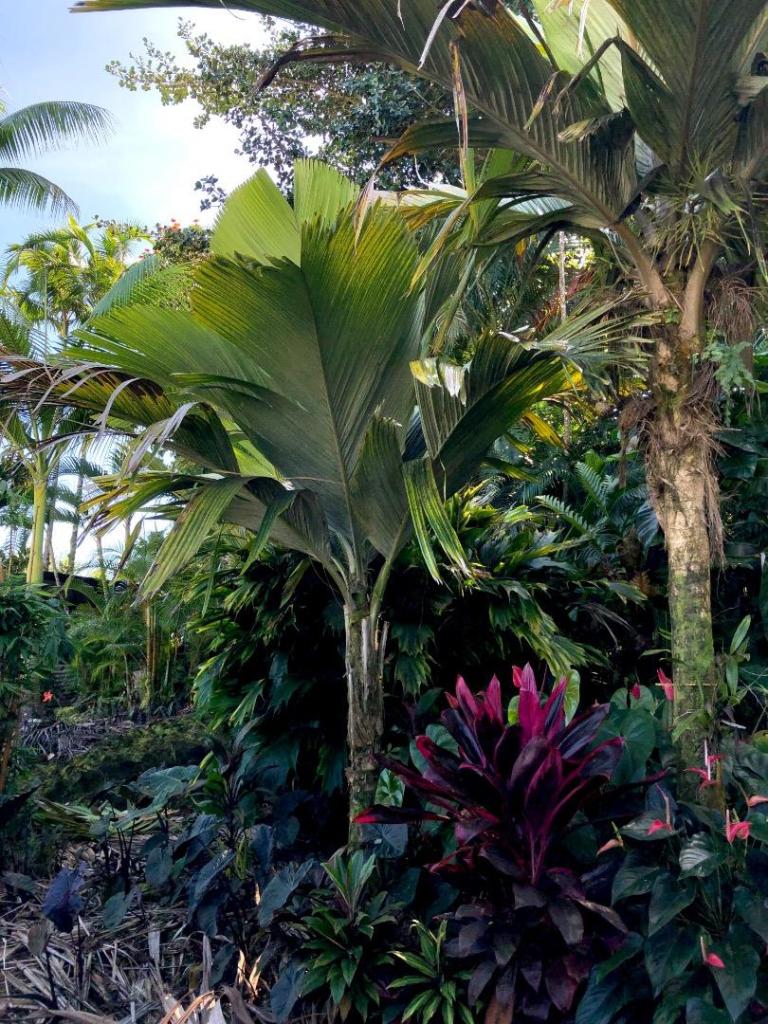
Pelagodoxa henryana. Actually kind of amazed that they have done this well for having little soil. They must have found fractures in the lava rock. I do keep a lot of mulch as dressing though. A bit of canopy while young and in a somewhat protected spot. Tim

 3 points
 -
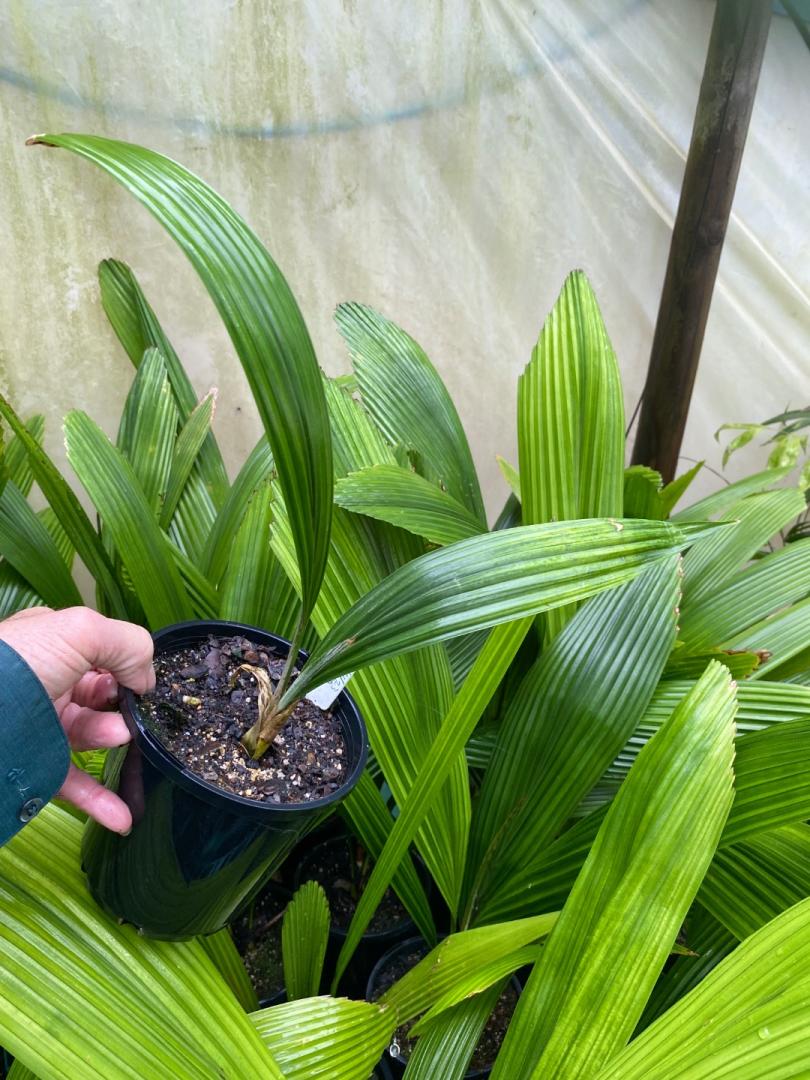
Received some Caryota seeds that were thought to be C. Rumphiana but am second guessing now that these are about 6 feet tall. Any Caryota experts out there? Possibly a Caryota No? I know it’s not C Obtusa or C Mitis. Thank you 🌴

 2 points
 -
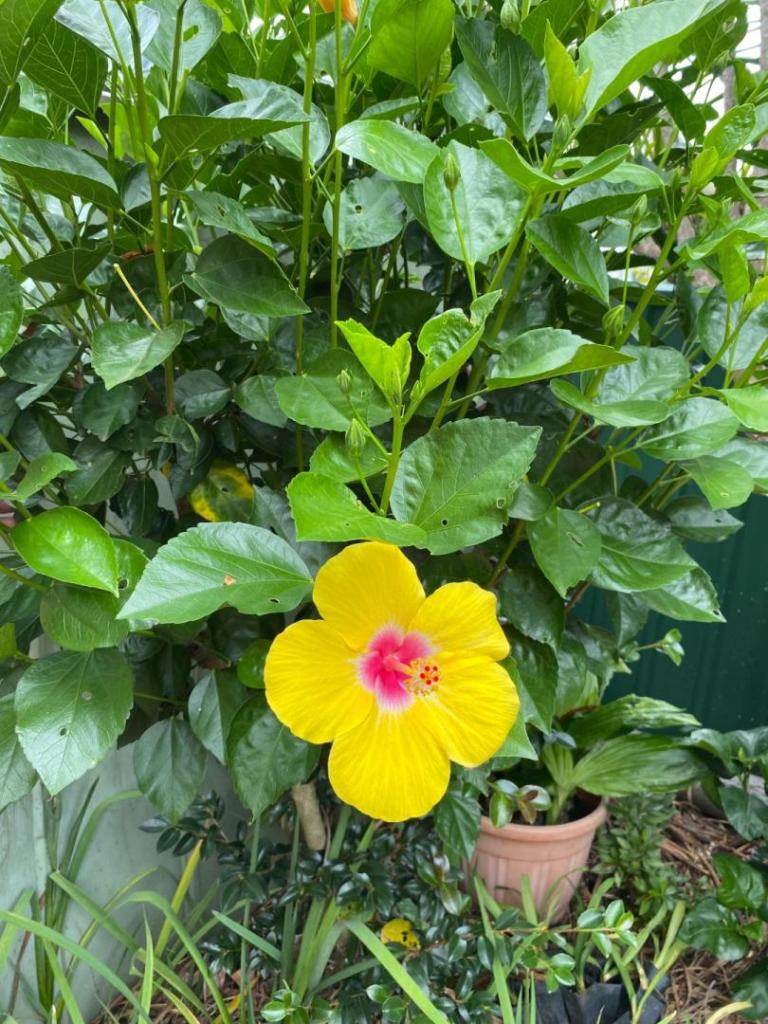
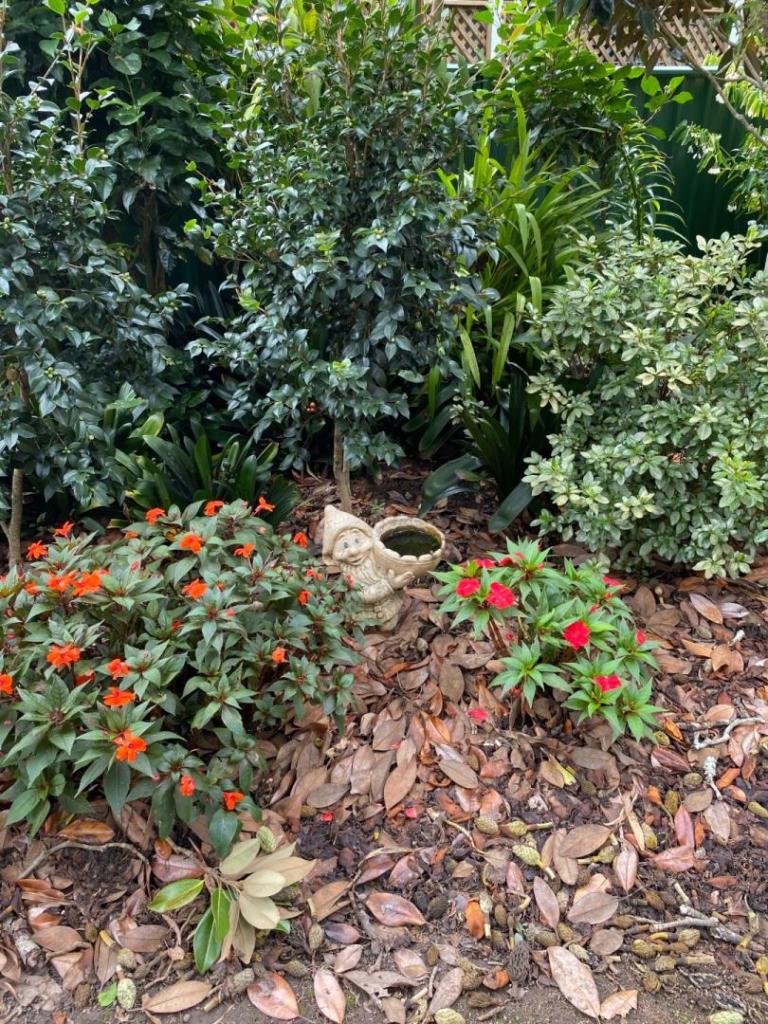
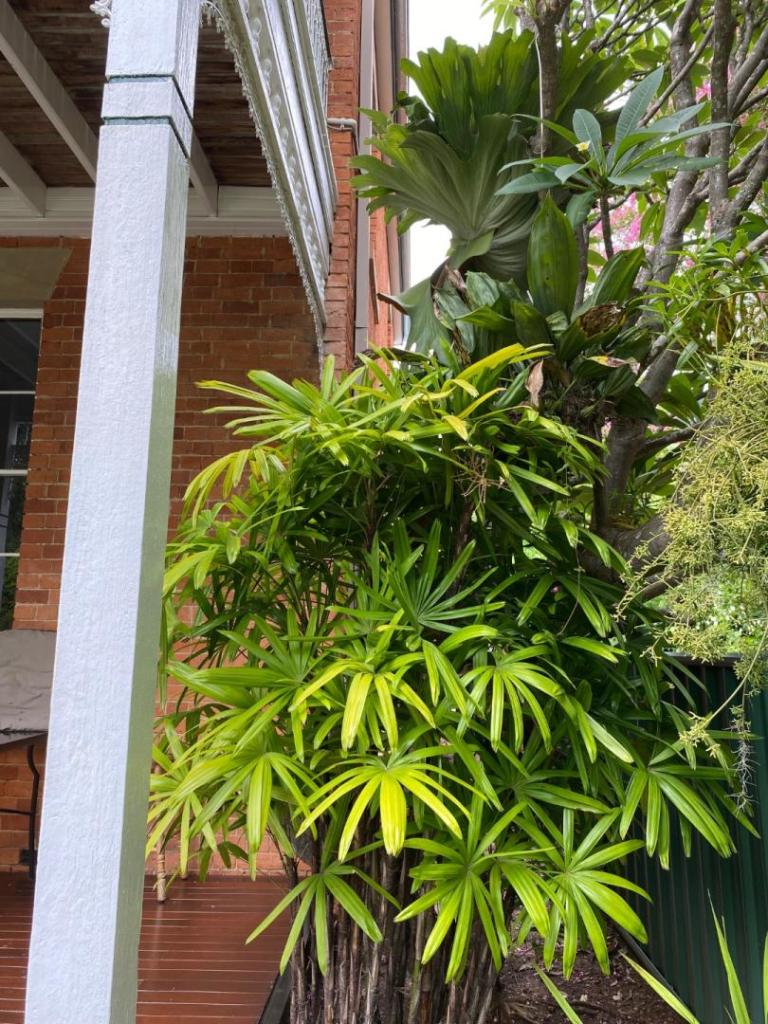
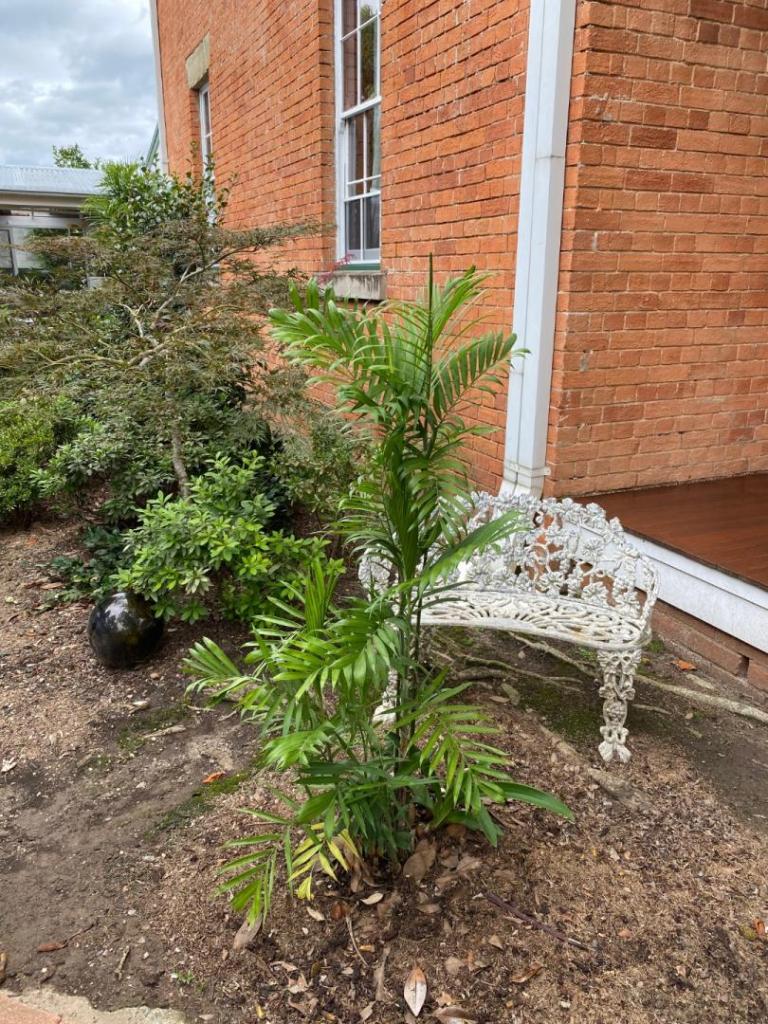
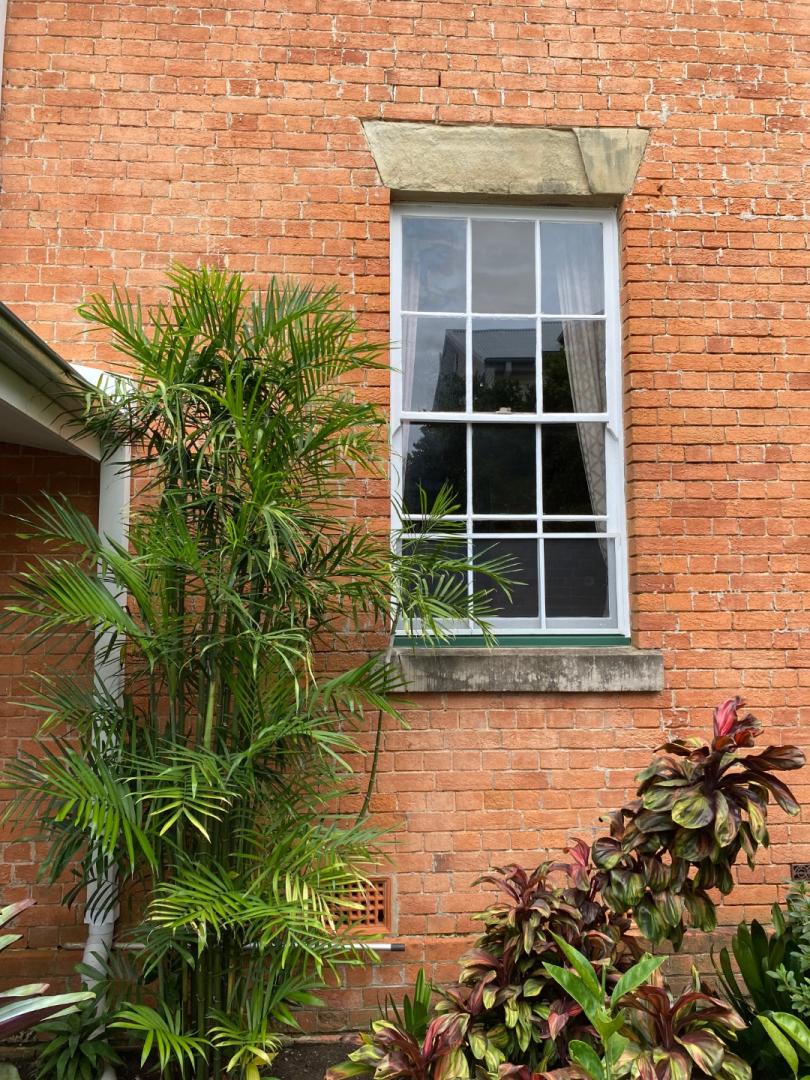
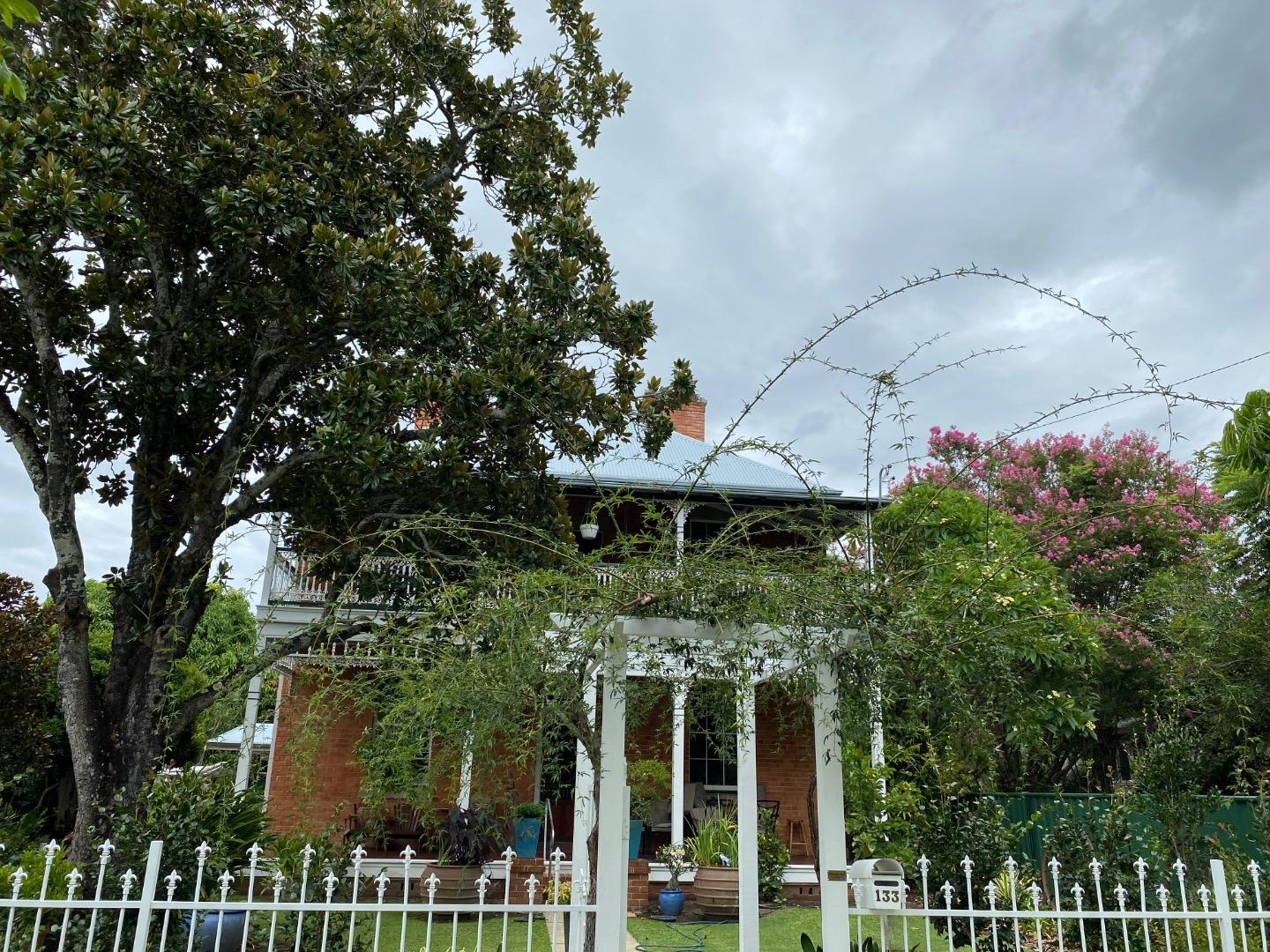
My good friend Phil who lives in town has a knack for gardening in his retirement years. He would purchase old houses and renovate them and put a garden in and sell them after 5 houses he has finally settled down in heritage listed 150 years old house. He has done a fantastic job renovating this house it’s been a pleasure to watch him do so. We get together in each other’s gardens and talk about plants and gardening always sharing our gardening knowledge. I have learned a lot listening to my good friend about gardening. He has a great eye for gardens always offering me advice it’s good to learn from a master of gardening.





 2 points
 -
I am mighty tempted to start planting too. The first half of Feb. looks safe (no hard freeze) for CenTX and southward. The majority of long-range guidance is pointing to a hot spring and first half of summer with the majority of cold air staying along northern tier states, and likely a hard and long second half of winter for them. I may start with the largest 15 G palms I have, that are also pretty cold hard species just to get things rolling. Plus, I have other non-palmy plants that can easily take cold that I could start planting out. Decisions, decisions. -Matt2 points
-
Winter is over in Houston and south Texas guys, I'm calling it now. Its time to get those plants in the ground !!! Looks to be a long streak of 80 degree days and nights in the 60s next week. That'll definitely wake everything up 😊2 points
-
for konstantinos phoenix loureiroi humilis male
 2 points
 -
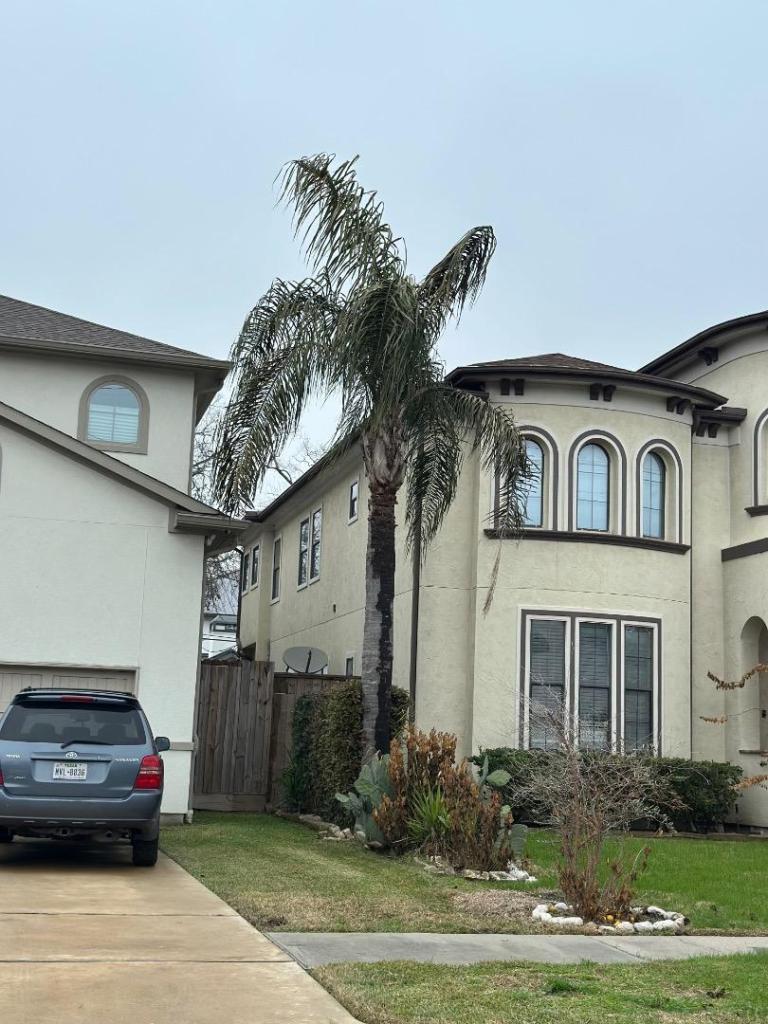
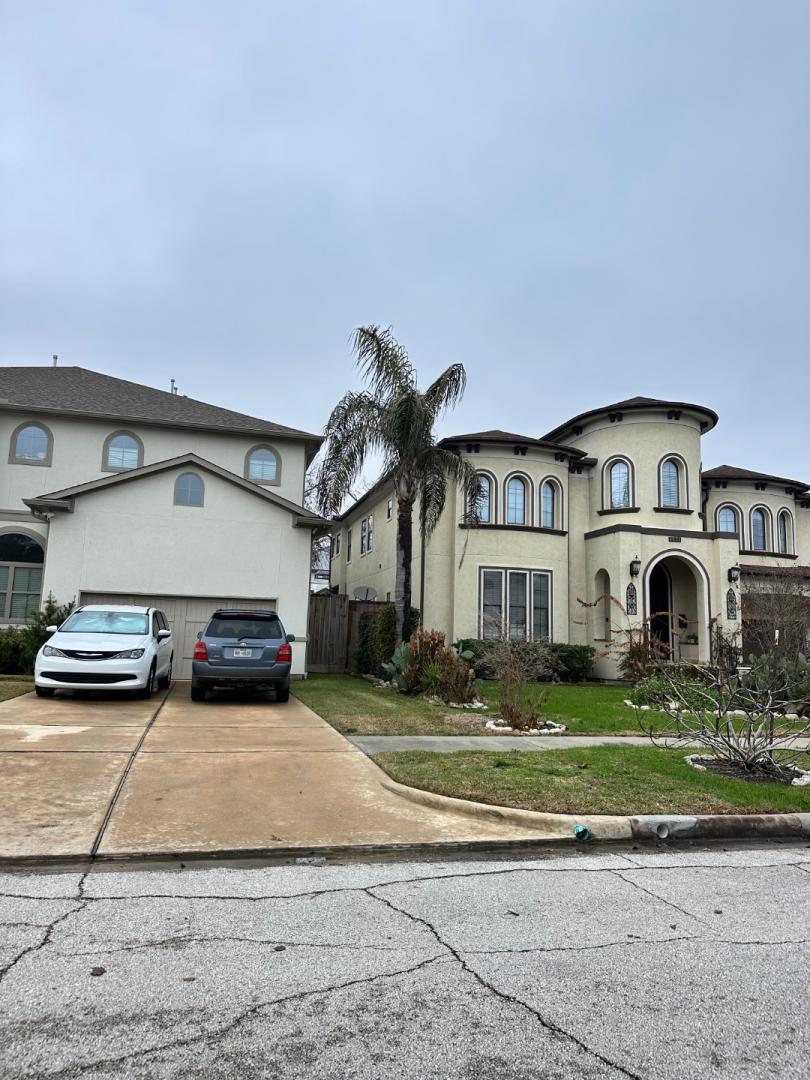
Bellaire queen this afternoon doesn’t look terrible but the fronds are burned at least 50% of the way from what I can see…
 2 points
 -
I grew some seeds from Patrick in CA. His palm is grown from seed off Inge's palm. Patrick's palm just started producing seeds this past year so he'll probably offer seeds again in several months.2 points
-
Well, the Chamaerops, I'd have thought. But now you have me wondering. 🤔2 points
-
On the ground here in Fresno, this winter has seen very little frost (if any? except in low lying, rural areas) and a low temp so far of 34F. Cannnas untouched, bananas untouched, brugmansias untouched. I'm anxiously watching the sun's angle increase week by week.2 points
-
? Hundreds of seedlings?2 points
-
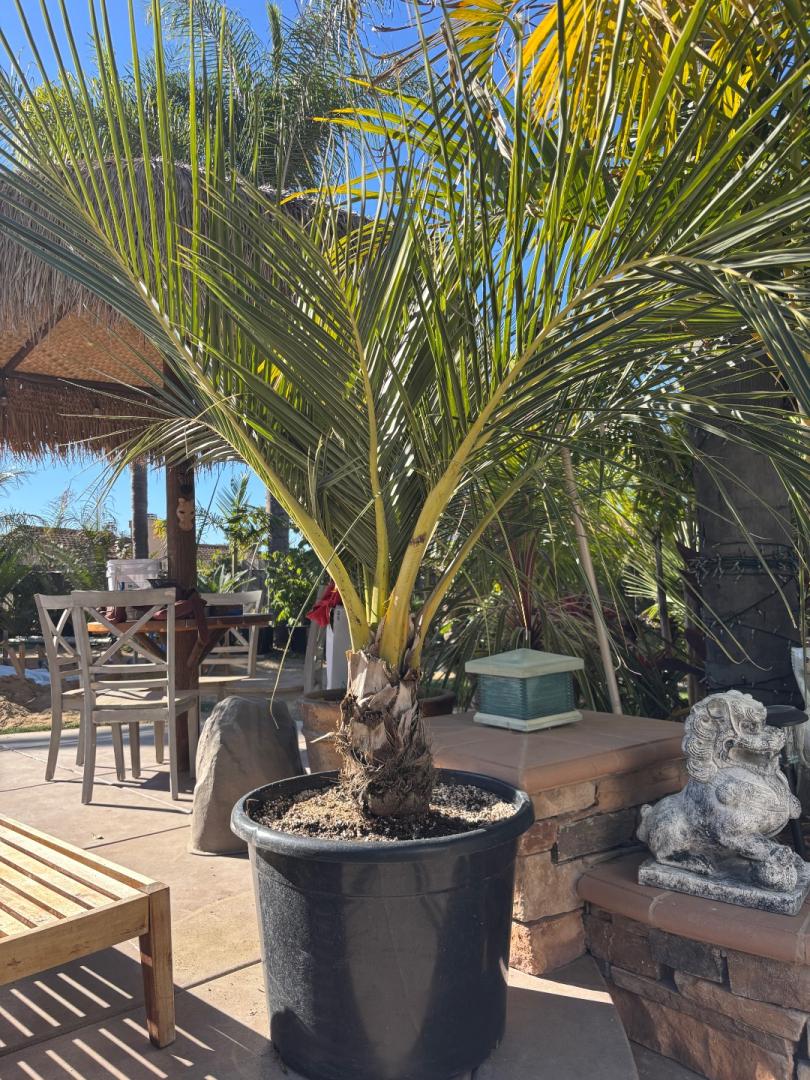
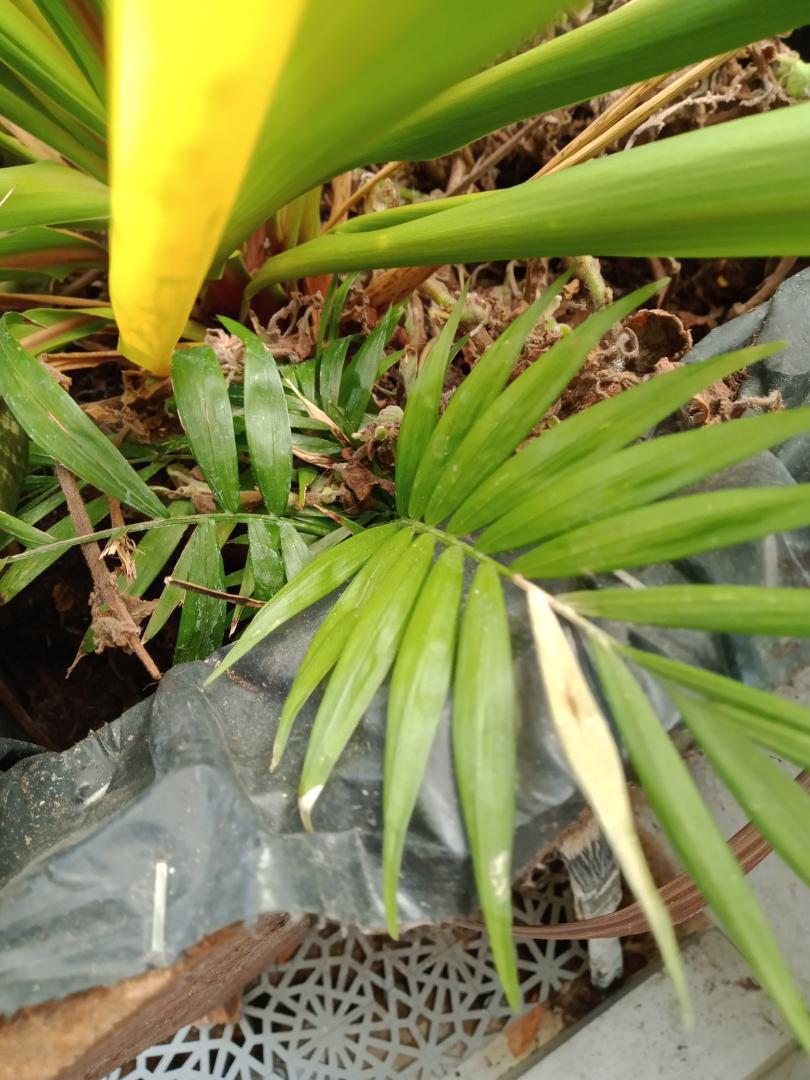
This particular palm will have little to no set back from repotting. If they don’t come out of the pot easily just slice the sides and pull out. Don’t massage the root ball , leave it as intact as possible. I always line the bottom of the pot with smooth round pebbles or stones then cover with potting soil so that the roots have some room to grow place the palm in the pot as close to center as possible and slowly fill the sides with potting soil , make sure you use a sandy loam soil like you would use for succulents, vermiculite is good as well. Palms like good drainage . Leave enough room at the top for flood watering and you should be good to go. I try to find pots with tapered or straight sides for easy removal when the time comes as the palm will be larger and that much harder to handle (thorny beasts , they are!) good luck . Harry2 points
-
2 points
-
Photo please. But as far as I can see it’s the invisible chameadorea. Aha I see said the blind man who could not see.2 points
-
Definitely the snow lol . Even the queens in league city look pretty bad so it definitely got cold over here… I’m going to Galveston this weekend I’m sure the royals look like A** lol2 points
-
Making my eyes water just thinking about it...2 points
-
I took the liberty of pinning the meeting so it doesn't get buried by a barrage of CFPACS posts. My personal recommendation is for all that can attend to do so. An easy way to attend a meeting without traveling is to host one If there is anything that those of us in CFPACS can do to help out, feel free to reach out via PM. Link to the meeting post: https://www.palmtalk.org/forum/topic/87926-palm-society-of-south-texas-april-meeting/ Good luck to all in getting this ball rolling at full speed again!2 points
-
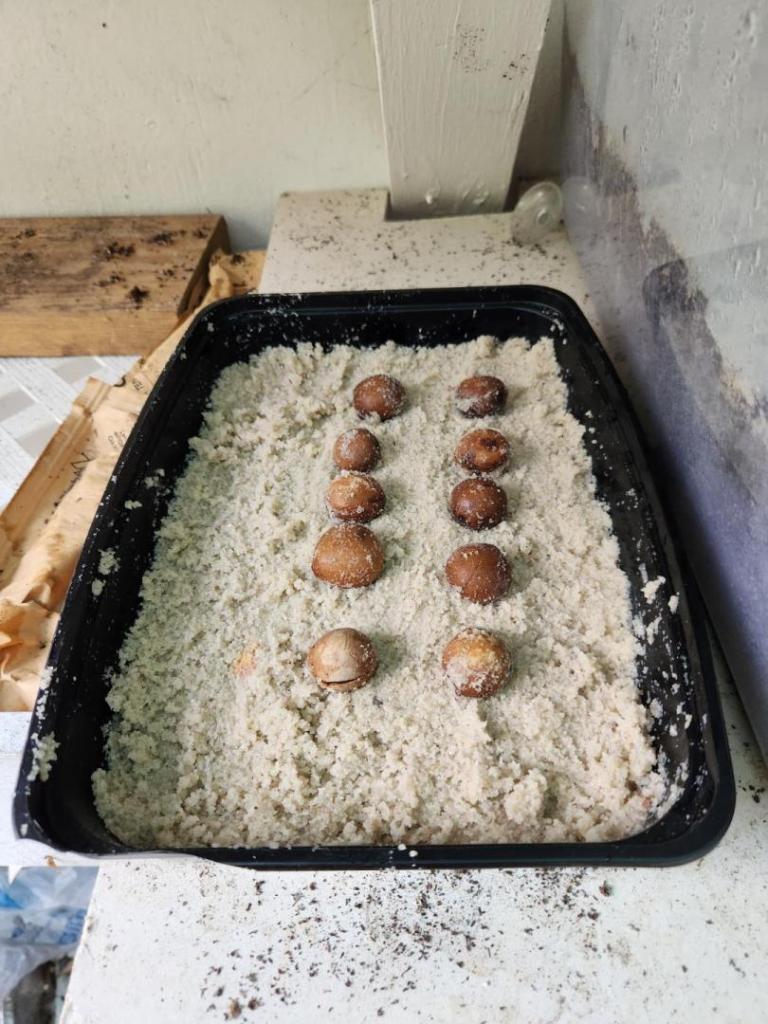
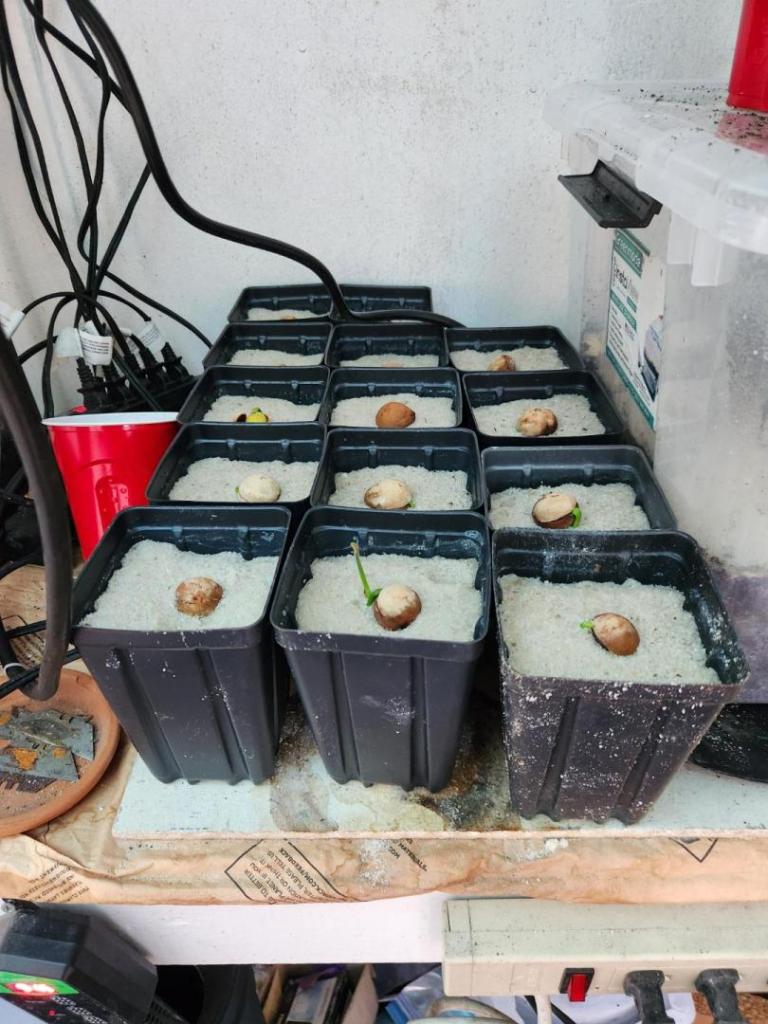
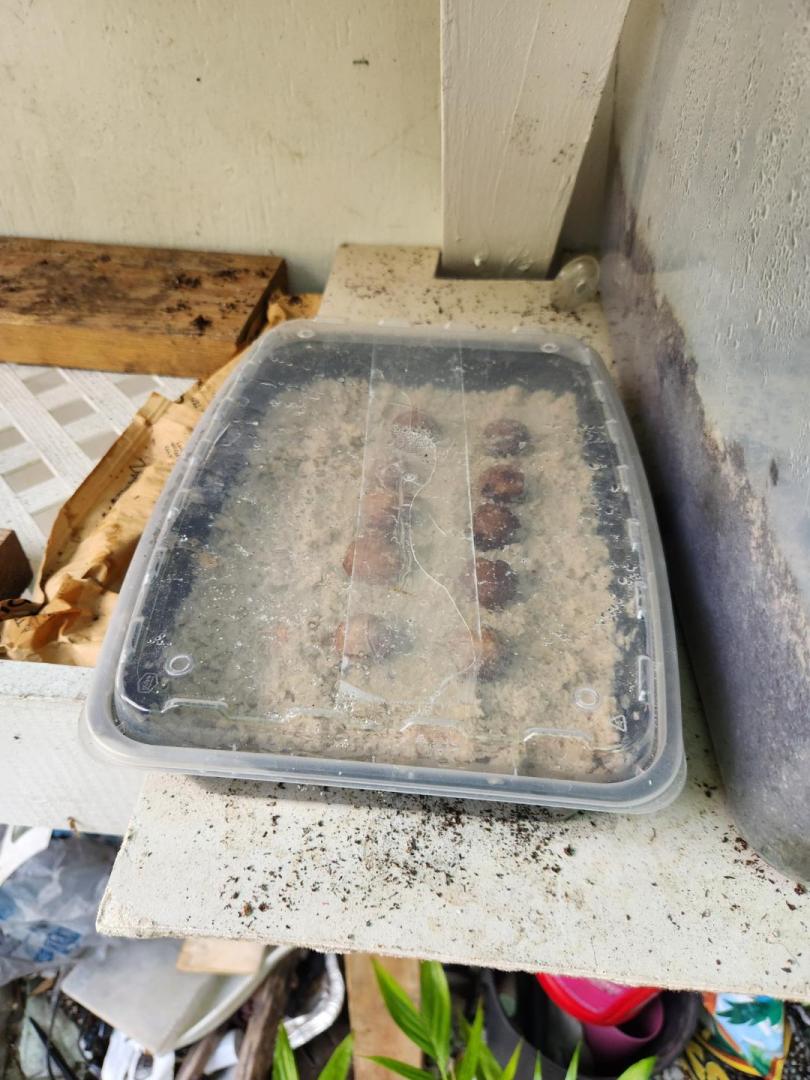
I usually just germinate them in a covered container of sand and once germinated transfer them over to a container to grow in.

 2 points
 -
Mine is around 4 years now from a 1 gallon, yet to flower.
 2 points
 -
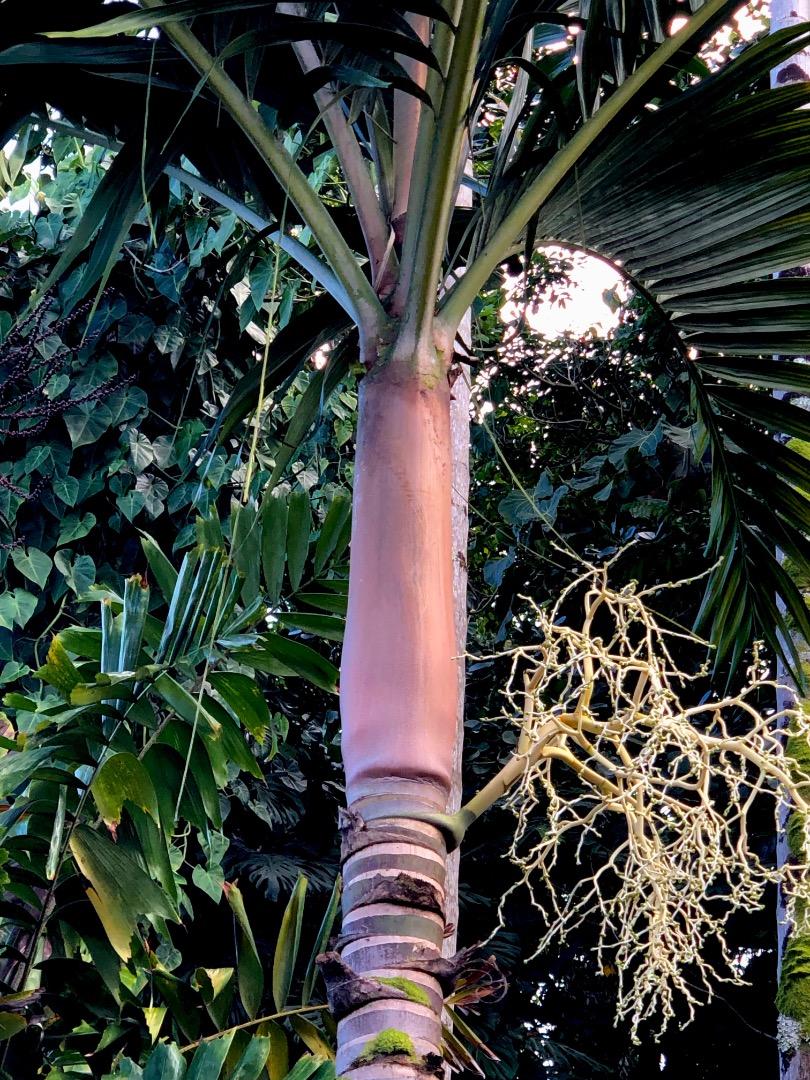
An update to what is turning out to be a nice palm. The crown shaft is really pink. I’ve trimmed most of the inflorescence off, like the cleaner looks. Cindy, yours looks to be another species than P. Ledermaniana, although could be in the same genus. The habit is a bit different, the trunk is way too thin, and the seed is not red and not near enough quantity. Tim

 2 points
 -
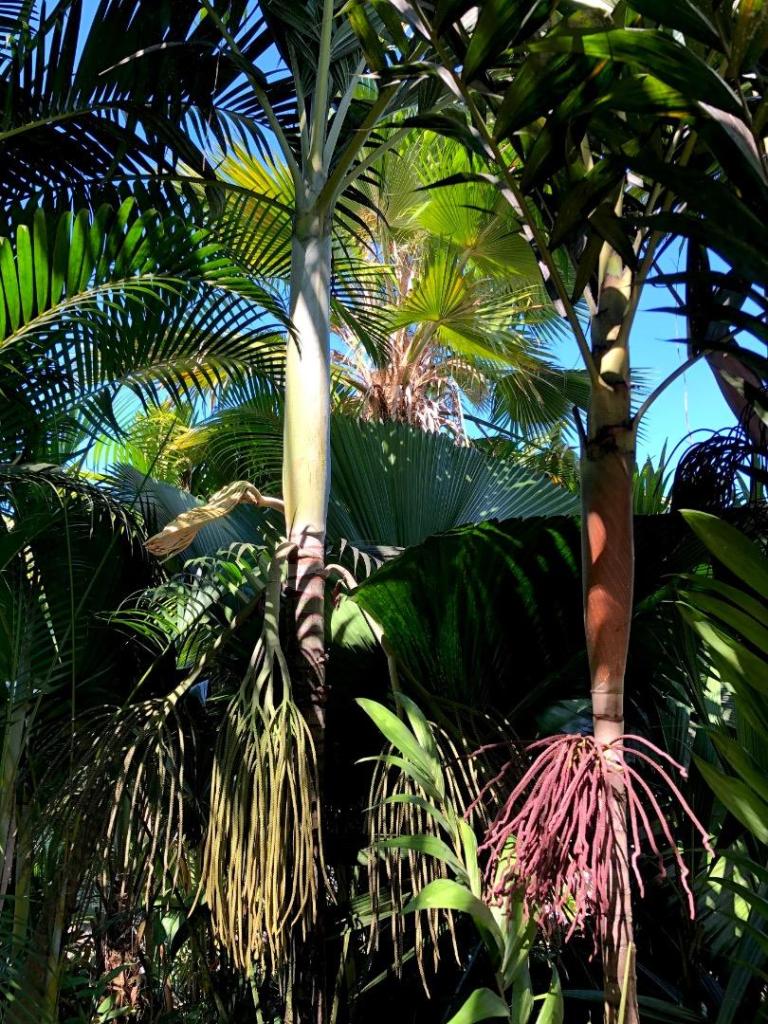
Basselinia glabrata on left, Basselinia eriostachys. Tim
 2 points
 -
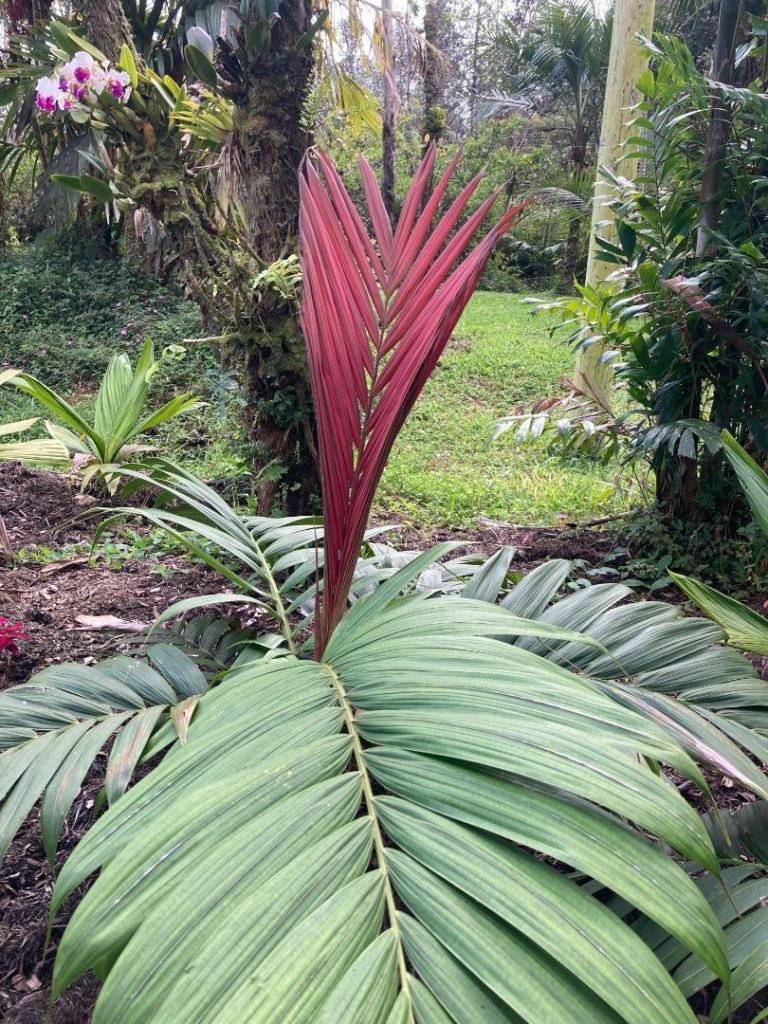
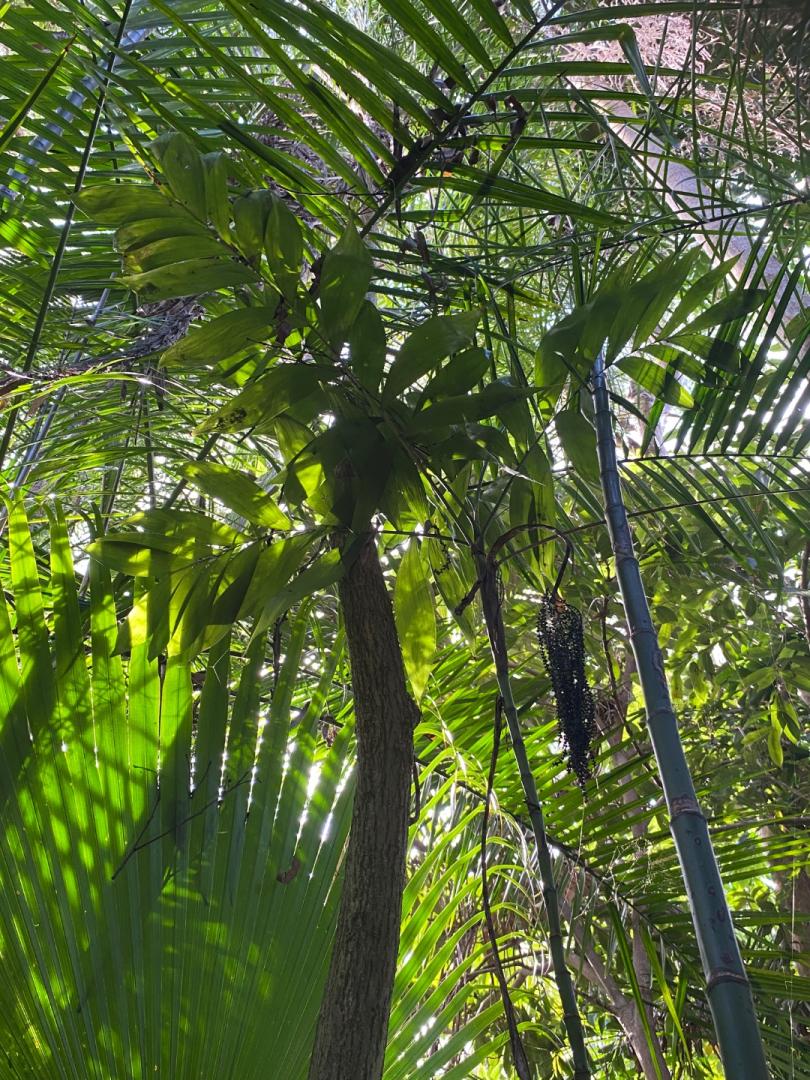
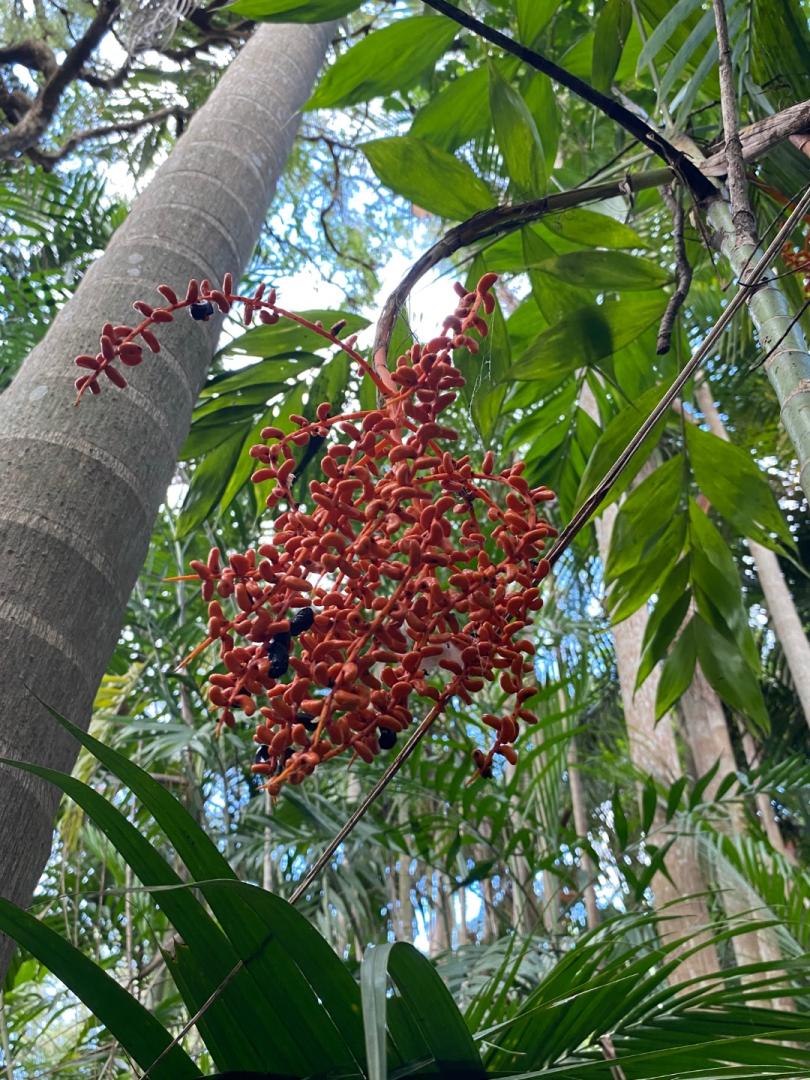
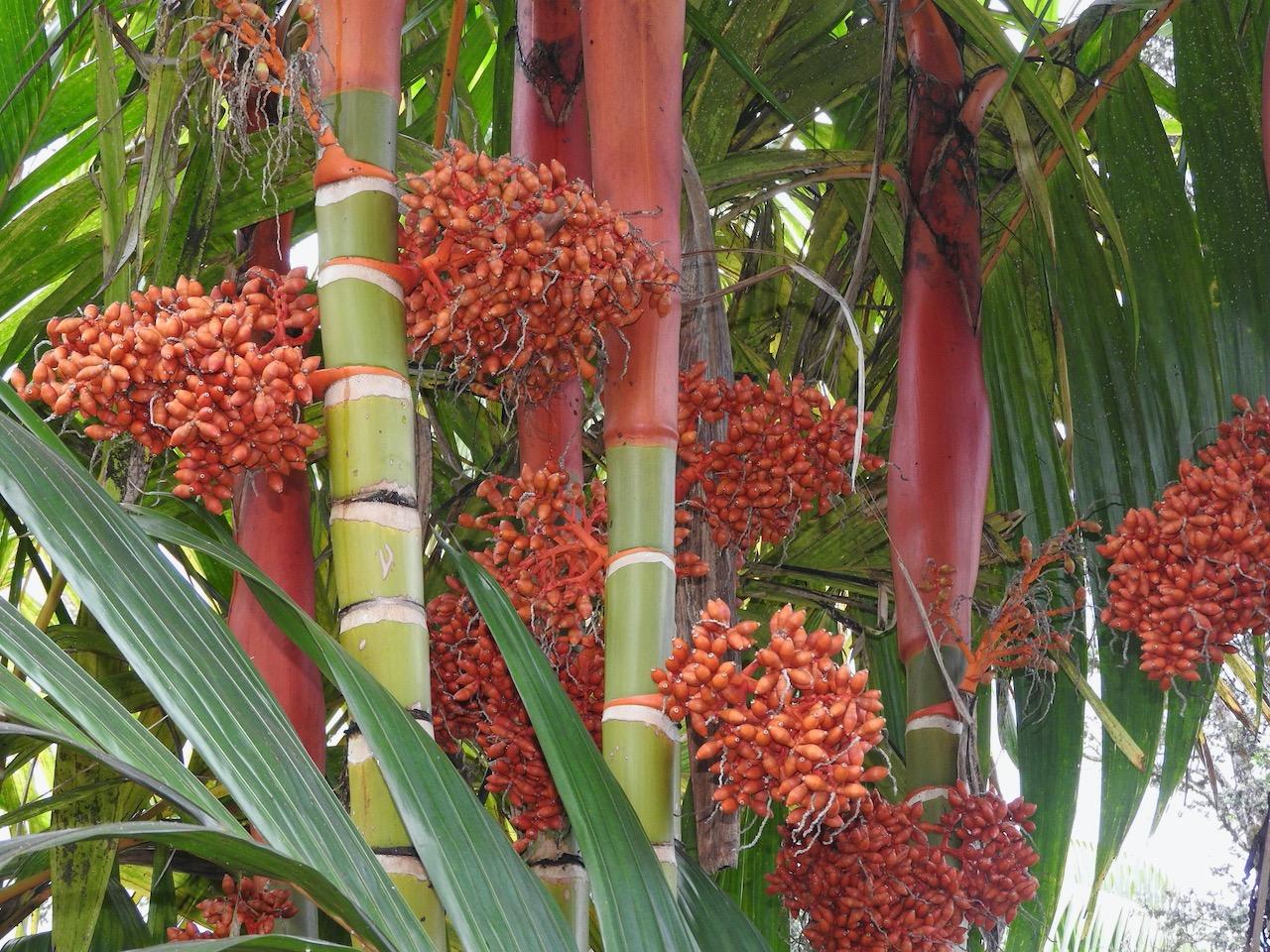
This thread started almost 10 years ago with some Calyptrocalyx, so why not one more. Calyptrocalyx albertsisianus. Plus a semi-alba cattleya in upper left. If that is not enough red, here is a clumping Areca vestiaria. These are such prolific seeders that it is difficult to find friends who want some of the gazillion babies. The ground under the tree is a carpet of seedlings. These are beautiful additions to any garden, but might have the qualities needed to become an invasive weed down the road. Don't believe me? Many (most) of Hawaii's worst invasive weeds were deliberately introduced because someone thought they looked good. Then they escaped cultivation and all hell broke loose. So far I don't think any local bird likes to disperse these seeds. By contrast, birds love to carry away Archontophoenix alexandrae seeds. They are spreading ominously across the island. Plants with lightweight, wind-dispersed seeds or spores are the worst. A bit more subdued, Eurtepe sp Orange Crownshaft.

.thumb.jpeg.2b5b91d84f120aee1a8f704d766caff9.jpeg) 2 points
2 points




























































.jpeg.6010c60b523cbad81559eeed9d88df75.jpeg)