Leaderboard
(170x200).thumb.jpg.dd40fb913d3e984a56d1f1c4df64716c.jpg)

Popular Content
Showing content with the highest reputation on 12/05/2023 in Posts
-
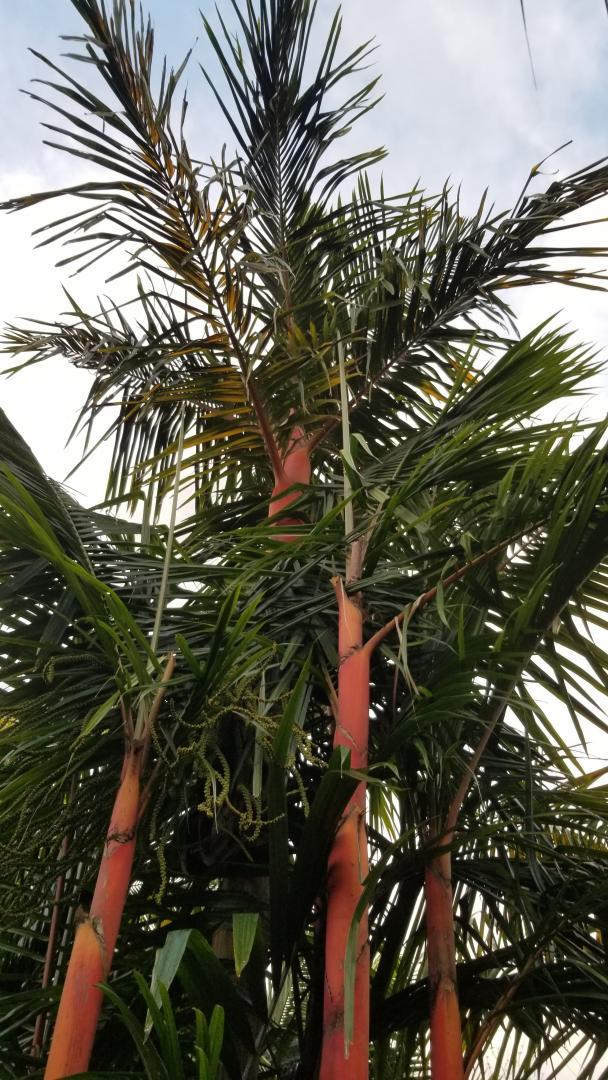
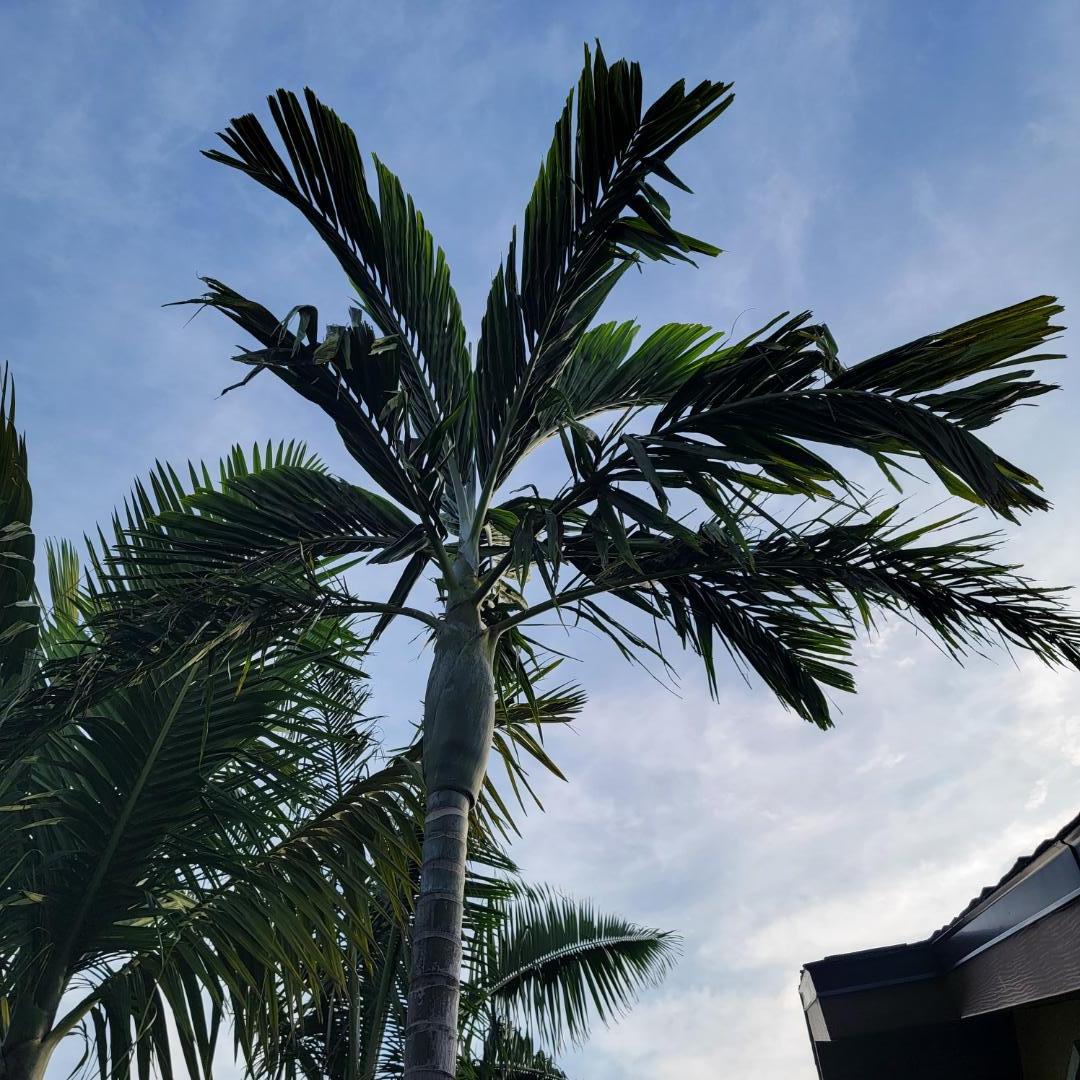
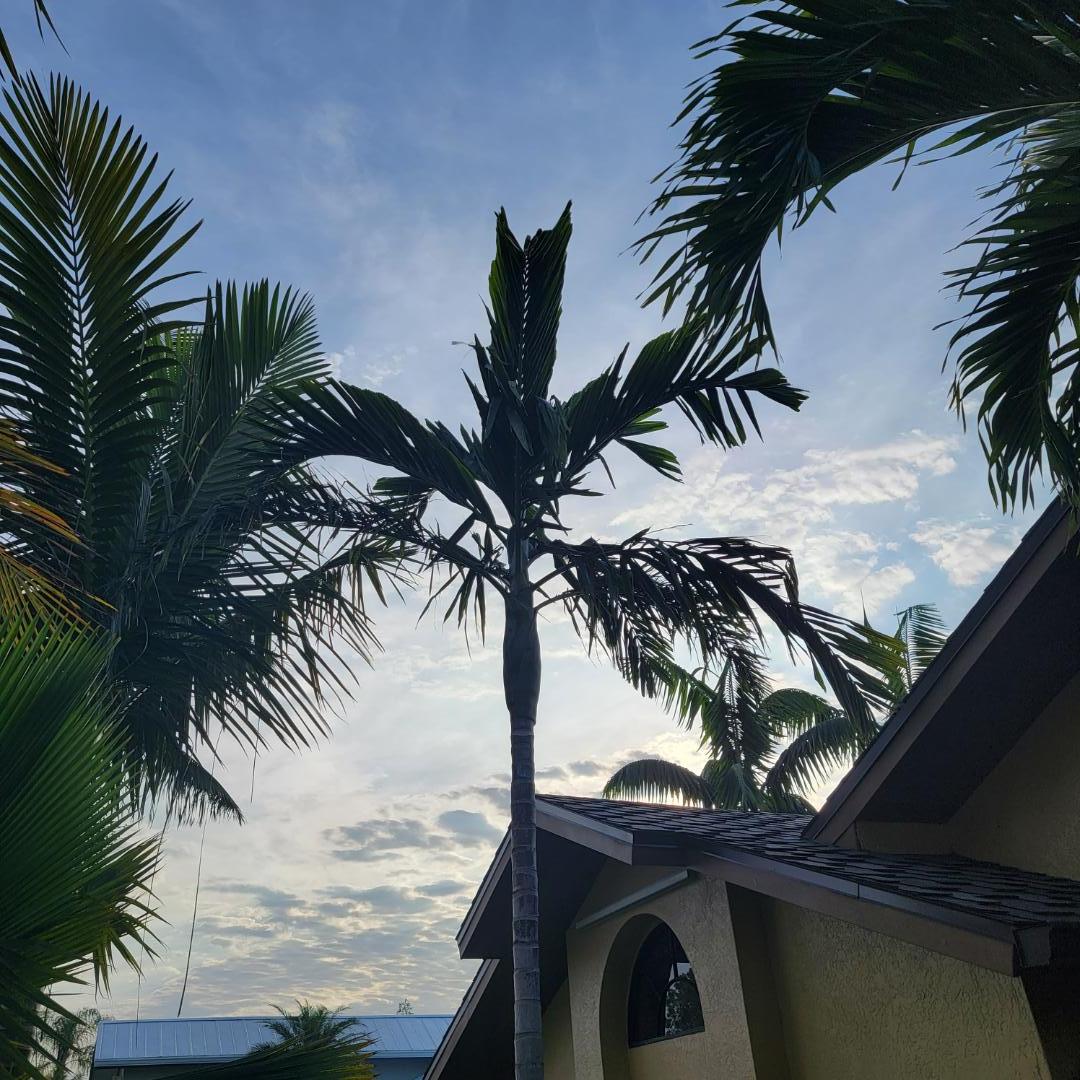
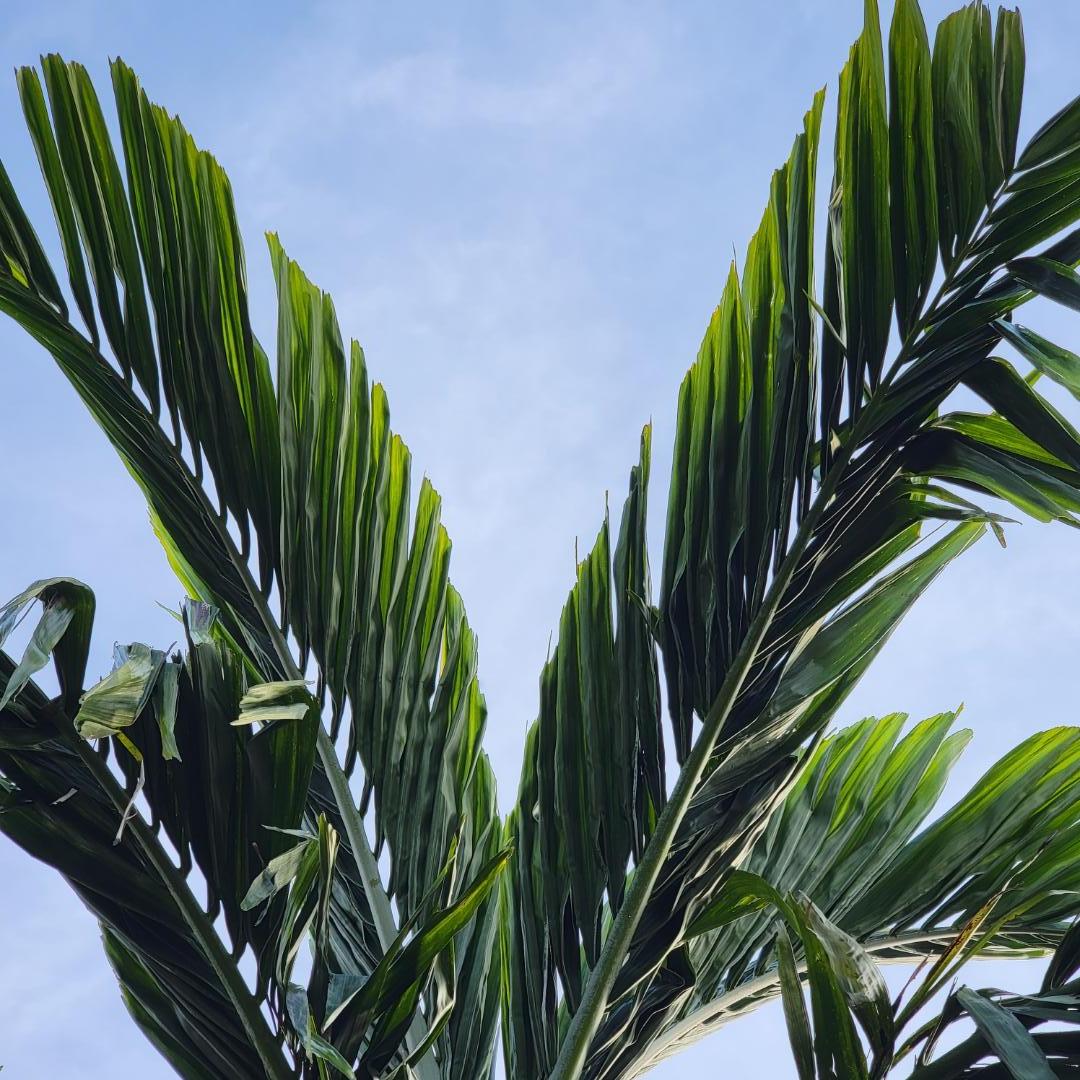
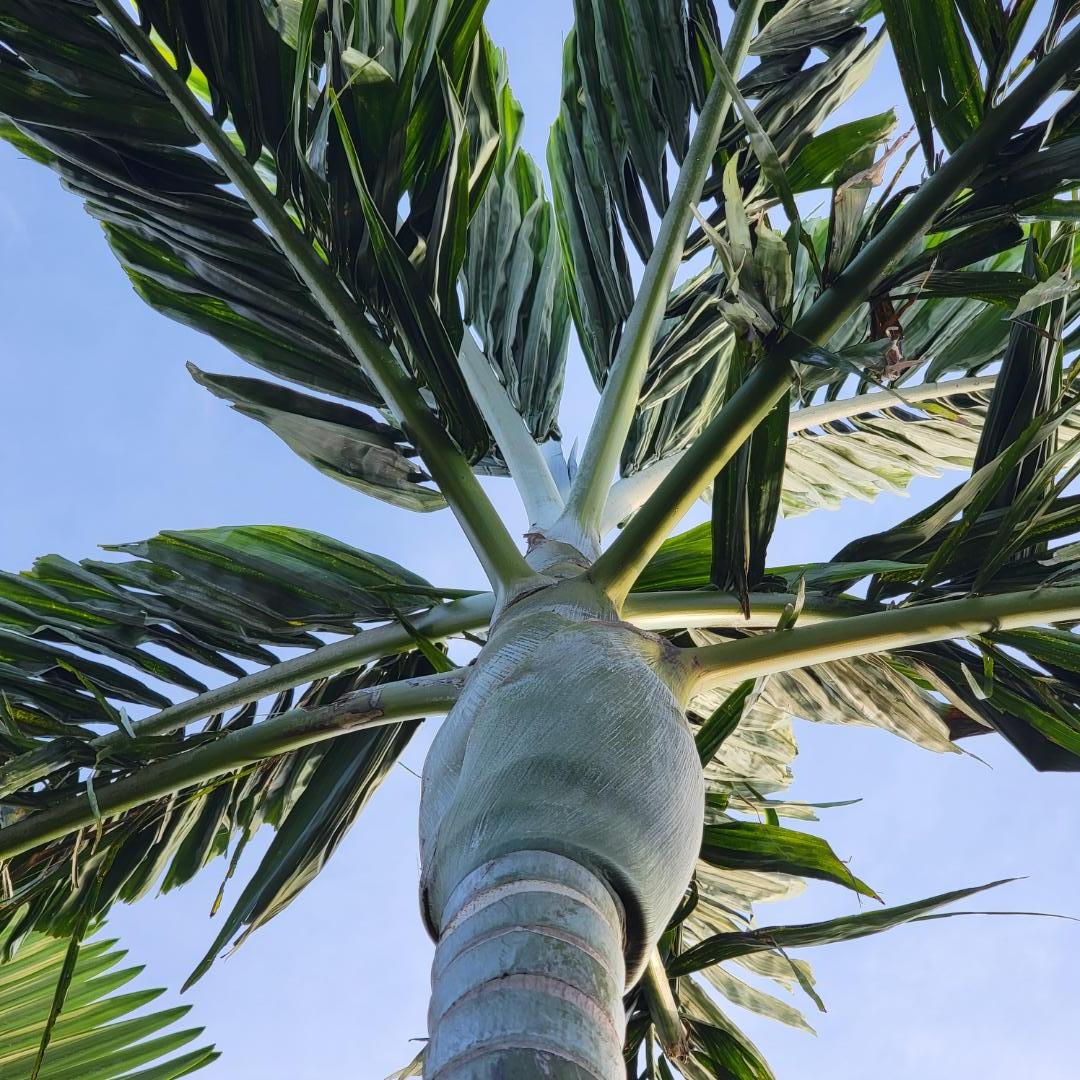
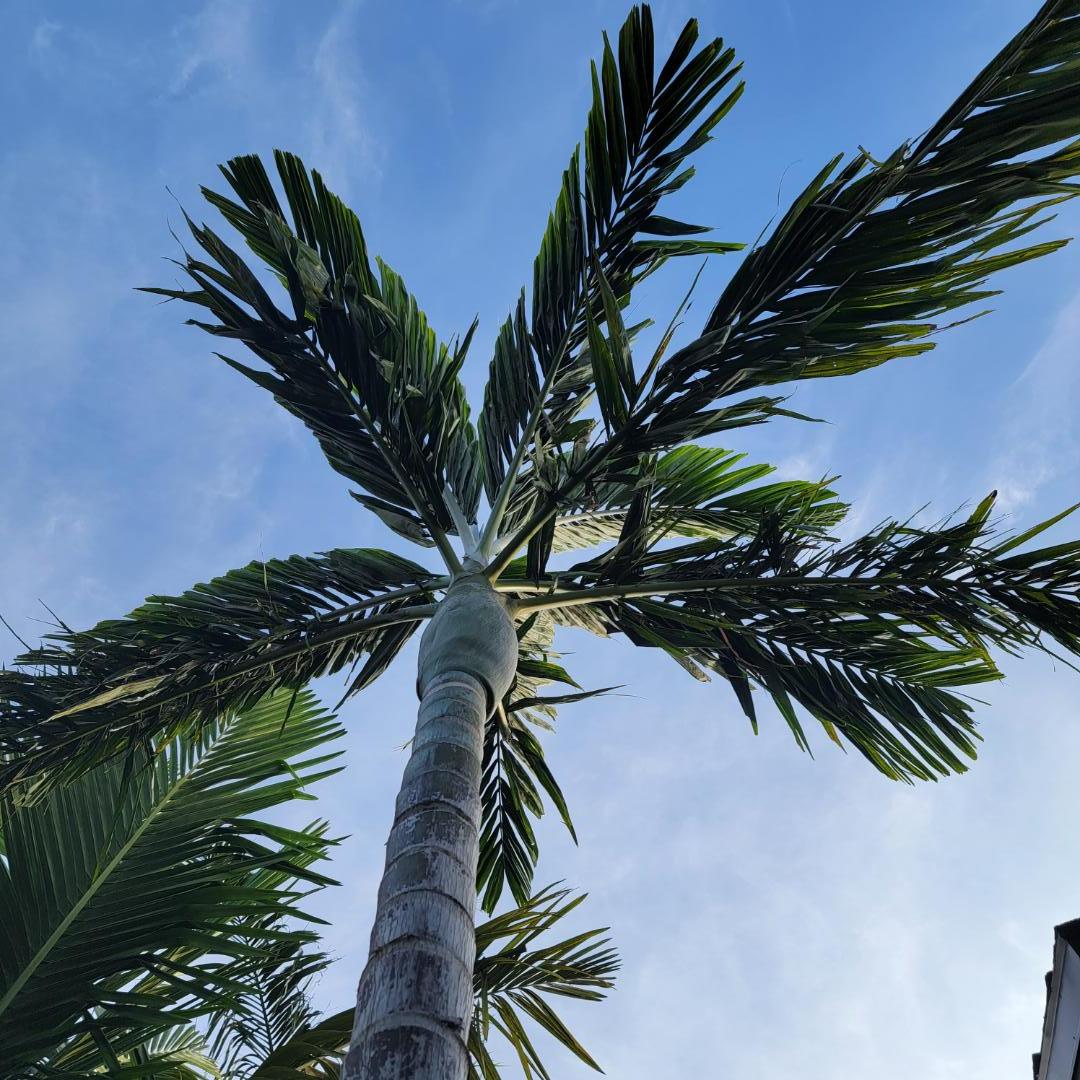
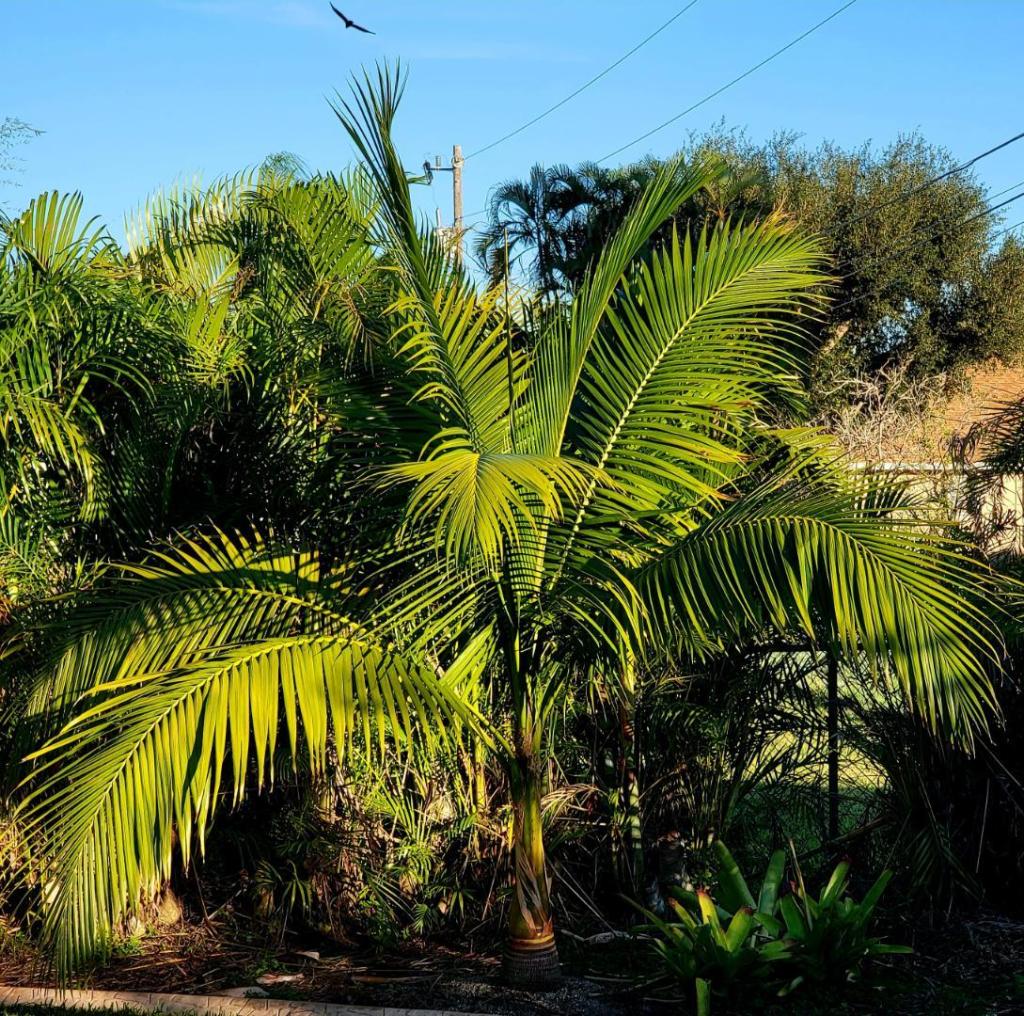
Planted about 7 years ago at a 7 gallon size. Was shaded by hedges of area palms but this year cut them back and now receives sun all day. Some burn to older leaves but really appreciates the sun now and has taken off in size. Just a really beautiful palm. Slow grower at first in the shade but quickly thickened up with that sun!

 11 points
 -
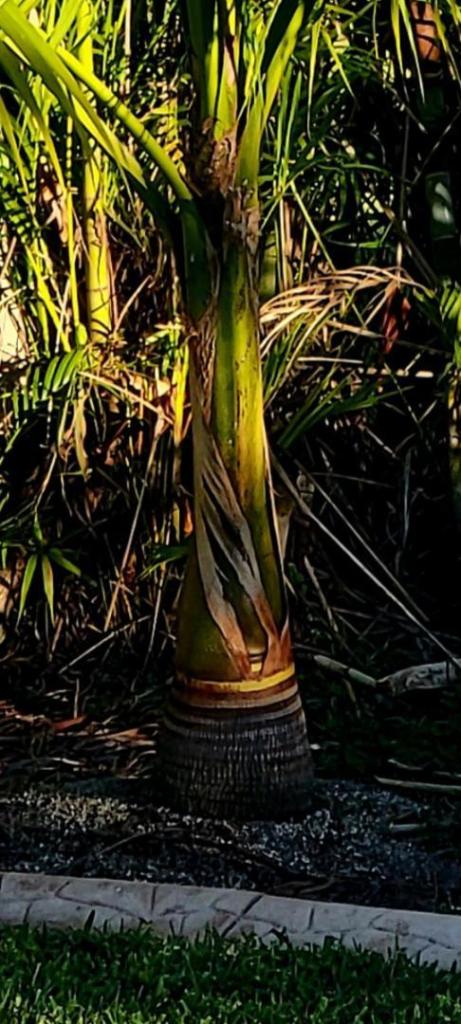
And jere she is now in 2023...

 8 points
 -
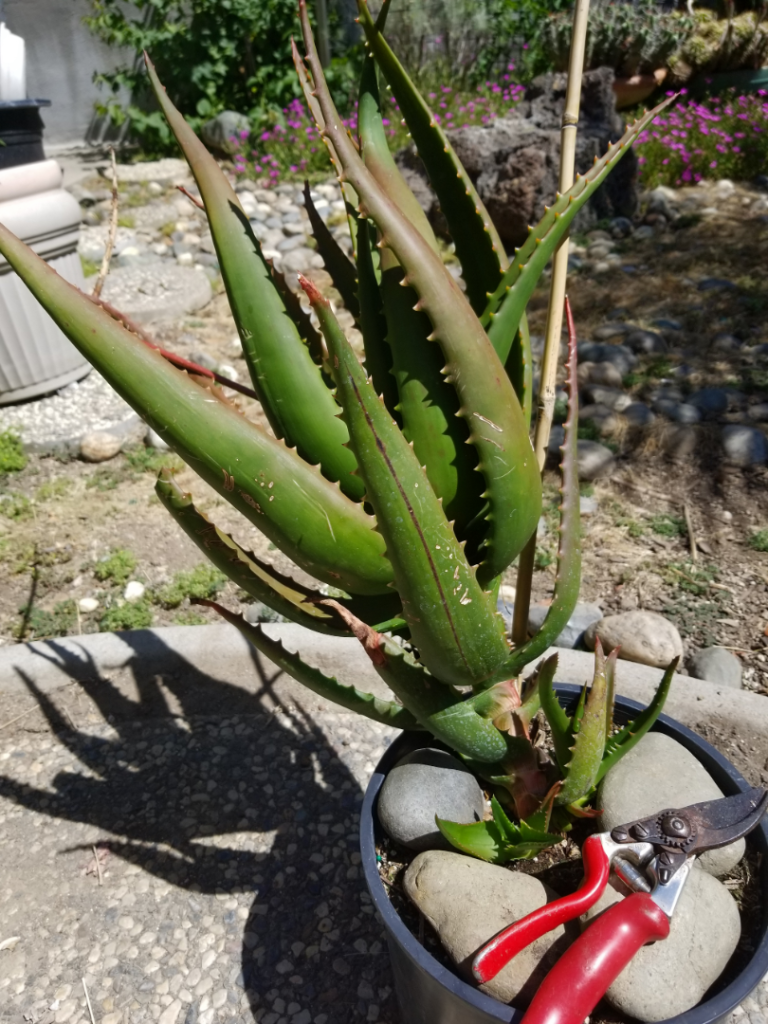
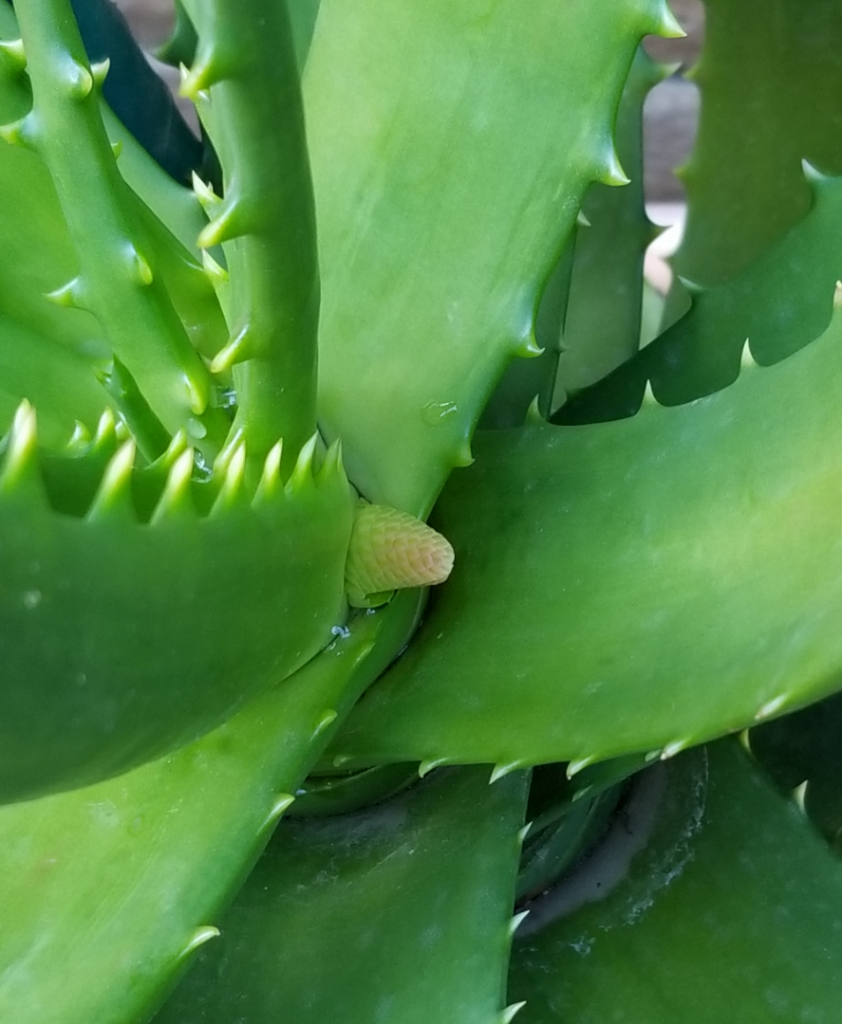
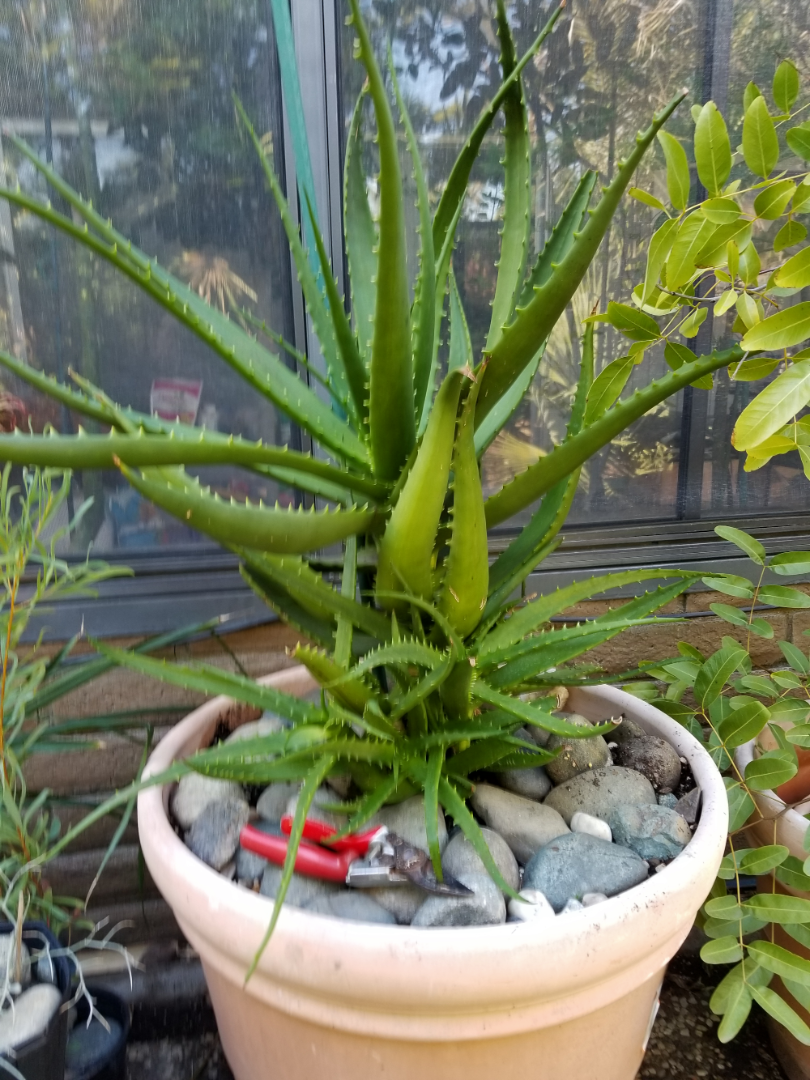
I repotted this Aloe, left all its side shoots in place and today discovered a developing inflorescence on the main plant! I just hope this area has a mild winter so I'll have flowers from this hybrid in a few months!!

 7 points
 -
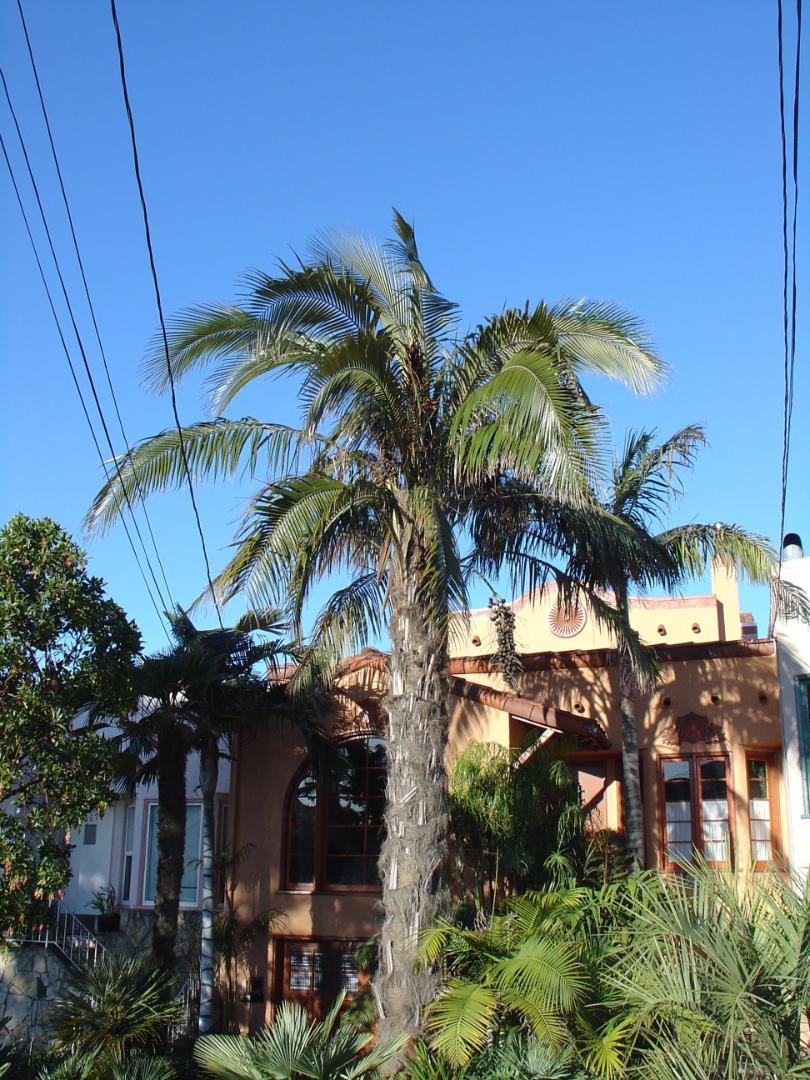
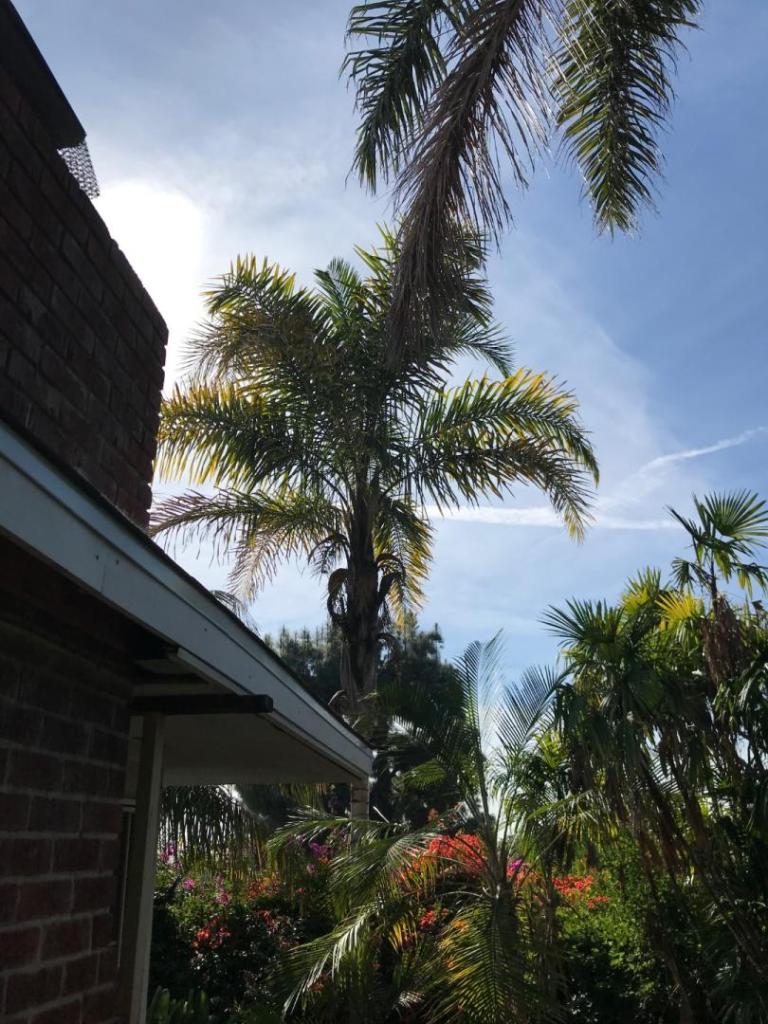
Here’s my big Syagrus p out in front of my place in the glorious sunshine of late fall. Looks a lot like a queen palm, but pale trunk, thicker leaves just gorgeous reminds me of my misspent yute Show us yours or similar Syagrus!
 6 points
 -
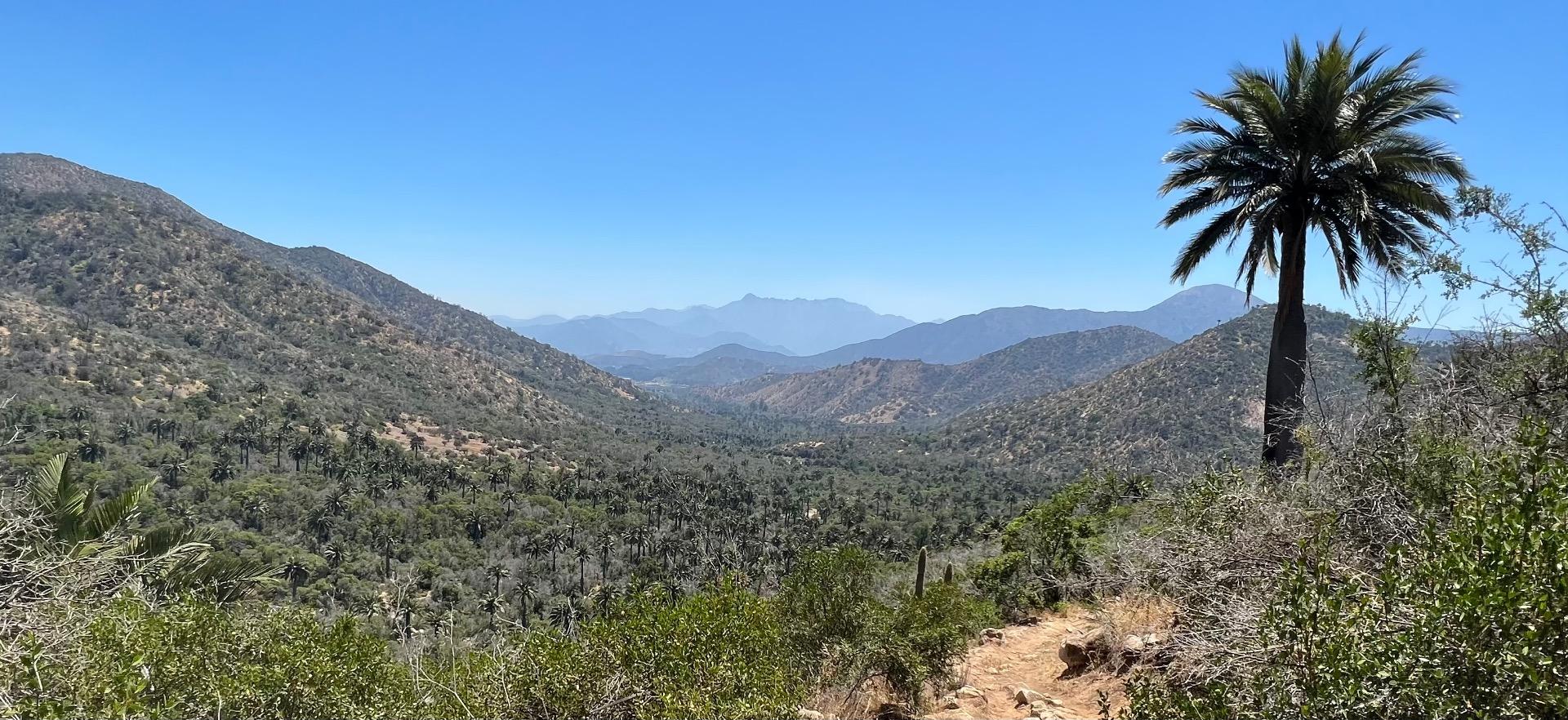
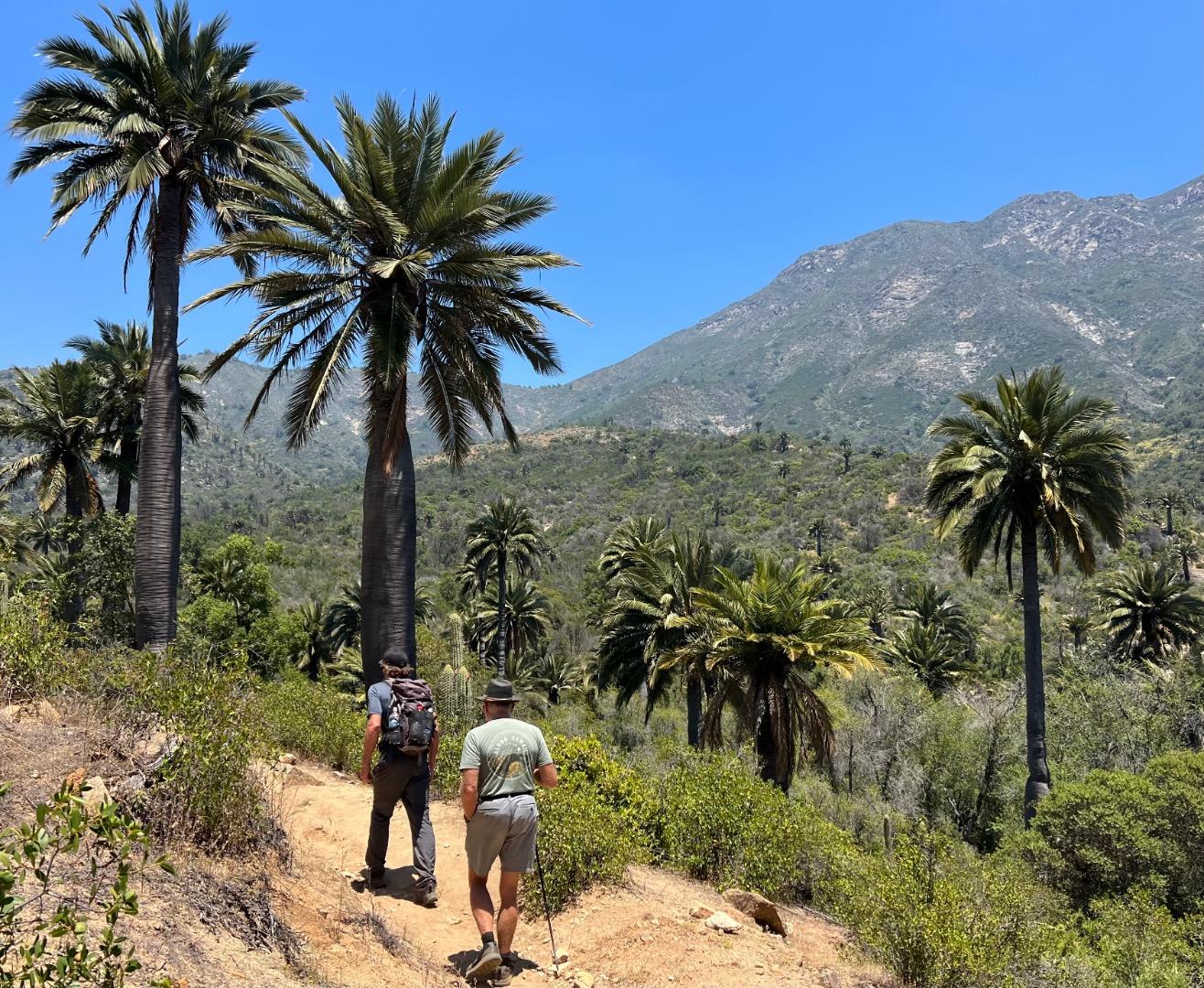
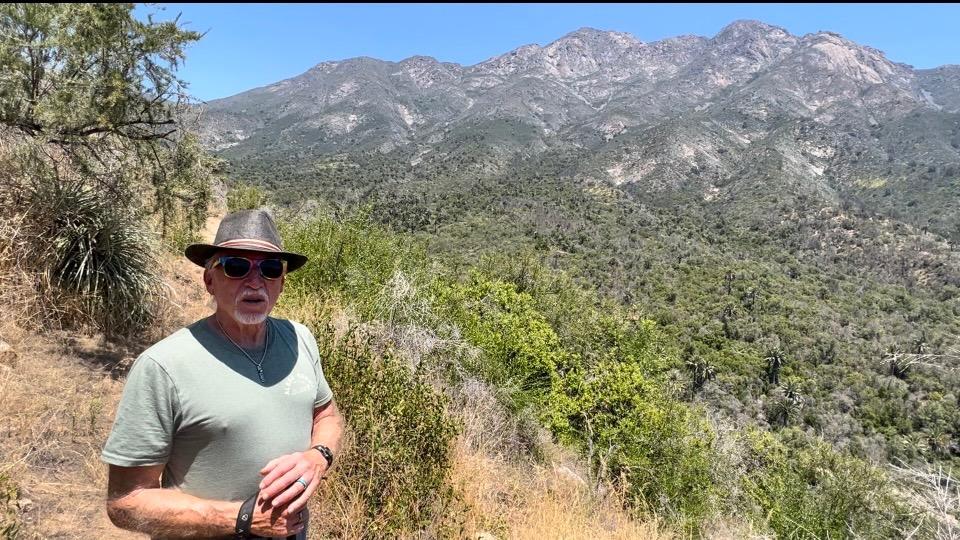
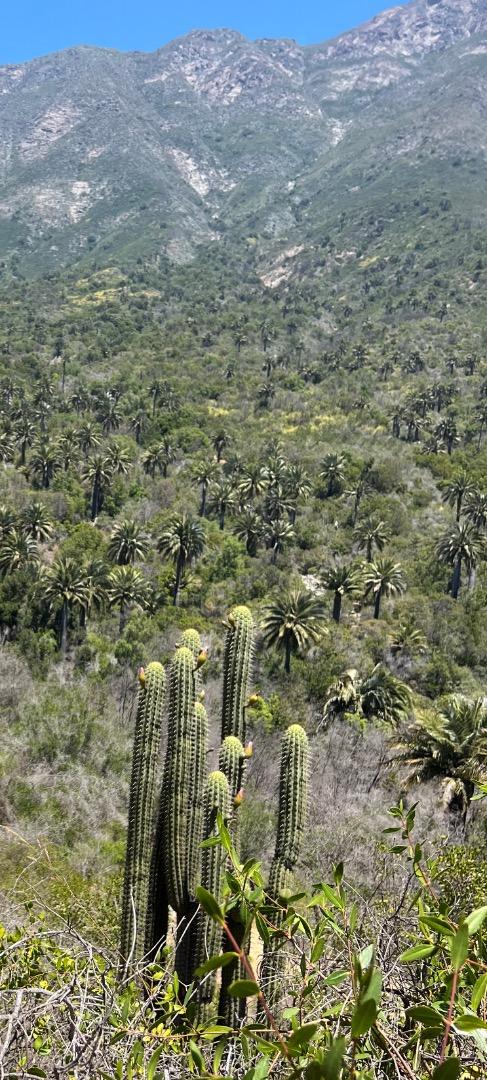
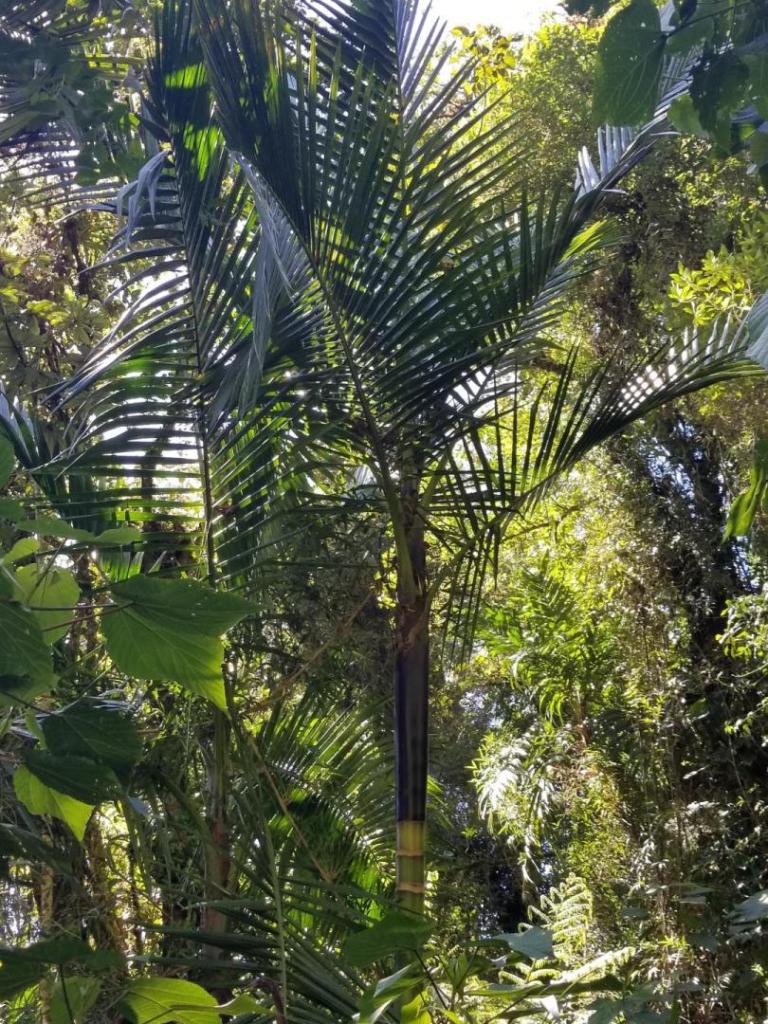
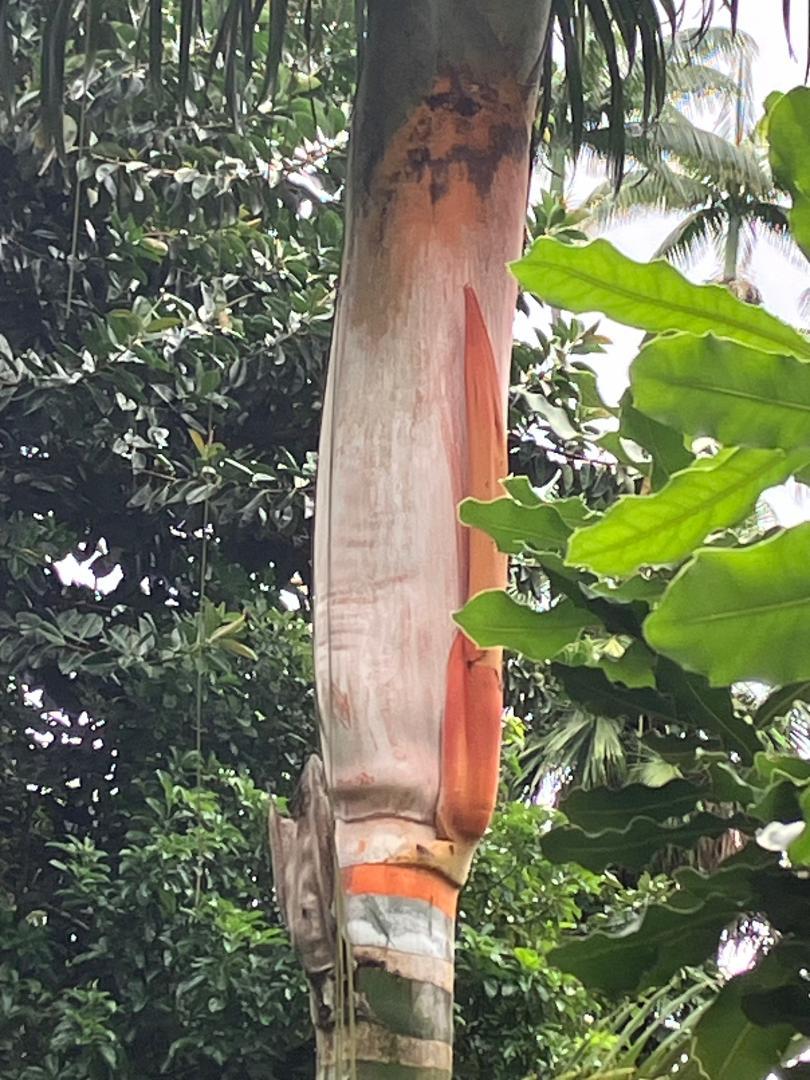
Came across these hiking in the mountains outside Boquete at around 5000' in western Panama. Only ones I've seen in the area. Crownshaft is dark purple/black.

 6 points
 -
Saw this at Lyon arboretum few days ago. not sure what it is tagged at. Looks what was or is "orange crush" Finally gonna seed after watching] this for a bunch of years aloha
 5 points
 -
An infrequent emergent new leaf on Caryota ophiopellis and the more frequent Obi Island caught me eye today

 5 points
 -
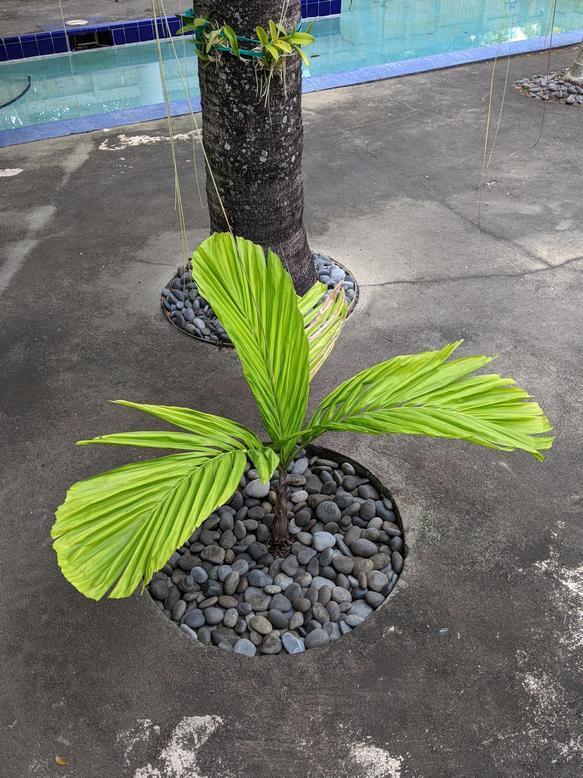
Planted it this weekend into the ground. Will see how it does in a year or two.
 5 points
 -
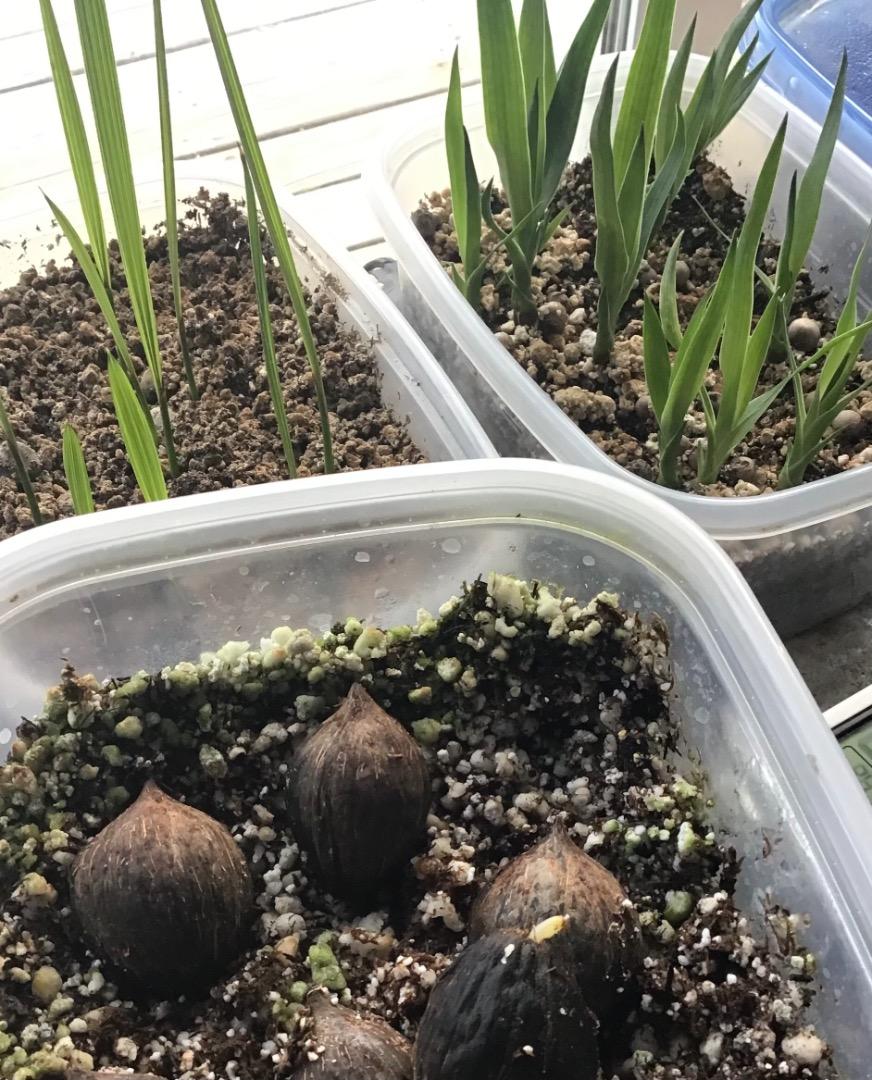
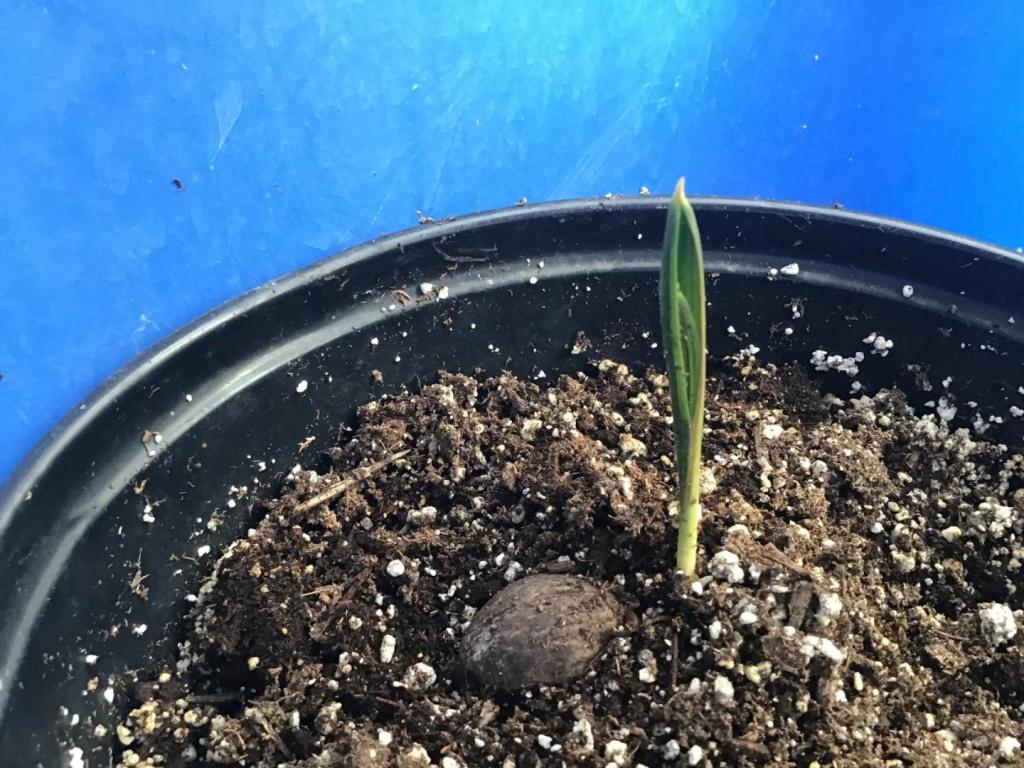
I have a young parajubaea cocoides recently potted up out of the community bed in my greenhouse. Also have four new sprouts in window warmth but no bottom heat.
 5 points
 -
Have to agree with both thoughts.. While, to my knowledge, there is only one example to gauge from, the Royal up in my old neighborhood in San Jose has held up far better than i'd have assumed thru the years since it was noted ..and i'm pretty sure it gets very little attention ( would likely look better if it did ..Imagine so anyway ) To my knowledge, there are no A. alexandrae specimens up there, though i suspect someone in a good part of town could have some deg. of success w/ one if they really babied it.. Regular ol' kings ( A. cunninghamiana ) can do well, though they too can look a bit tattered after a really cold winter / if not watered enough / fed regularly, period.4 points
-
Mature Alexandre are more susceptible to cold snaps than a mature royal which is a larger mass bud and trunk palm that takes longer to cool off. I have both in my yard and the royals are more exposed about 10' above the canopy, a bit taller than my ~30' alexandre triple. Defoliation a few years back was complete save the spears for the alexandre while the (2) royals had a few of the newest green leaves(4?) left after a 9 hour advective cold event with a low of 29F. The Royals also recovered noticeably faster the following year. I also have a maxima and myolensis that were smaller and more protected though similarly damaged to the alexandre, just spears left. As far a prolonged cool in winter, I dont know as we have a 10 month growing season here. Both of these palms want lots of water, if water is a problem or an excessive expense, I'd look elsewhere for a palm to plant.4 points
-
I noticed some buds on a few of mine yesterday as well-early this year!3 points
-
Gigasiphon macrosiphon: A Seed That Resembles Mucuna From 2016 arboretum newsletter: "A Rare African Tree In The Campus Greenhouse at Palomar College" (San Marcos, California) https://www.waynesword.net/ArbNews10.htm "Horticulturist extraordinaire Tony Rangel recently germinated some seeds of Gigasiphon macrosiphon, a rare leguminous tree known only from moist, lowland and coastal forests of Kenya and Tanzania.... the seeds of this remarkable tree came from a tree at Foster Botanical Garden in Honolulu, Hawaii. They have been in a paper bag for the past 16 years. Tony used a metal file to scarify the thick, woody seed coat on both flat sides. He then soaked the seeds in water for 18 hours and planted them in a fast-draining commercial seed mix. This technique also works for seeds of tropical vines (lianas), including seabeans (Mucuna & Dioclea), and sea hearts (Entada gigas). ... Special thanks to the Honolulu Botanical Gardens for allowing us to propagate this magnificent African tree." Awhile ago I encouraged the horticulture staff at the San Francisco Conservatory of Flowers to contact Mr. Rangel and see if he had any seeds to share. I grew a small seedling of this plant once but it was too delicate for my climate, even indoors! But I'd like seeing it in flower at the Conservatory someday, where everyone could enjoy it! I was told birds tend to eat the seeds of the one in Hawai'i, so much so that they now enclose the pods in netting while the seeds ripen. https://www.honolulu.gov/cms-csd-menu/site-csd-sitearticles/1305-site-csd-news-2020-cat/38276-04-13-20-propagation-of-critically-endangered-tree-continues-amid-global-pandemic.html
 3 points
 -
Now the trick is to breed some with single trunks so I too can have one of these little miracles. Get to it Jeff. Peachy3 points
-
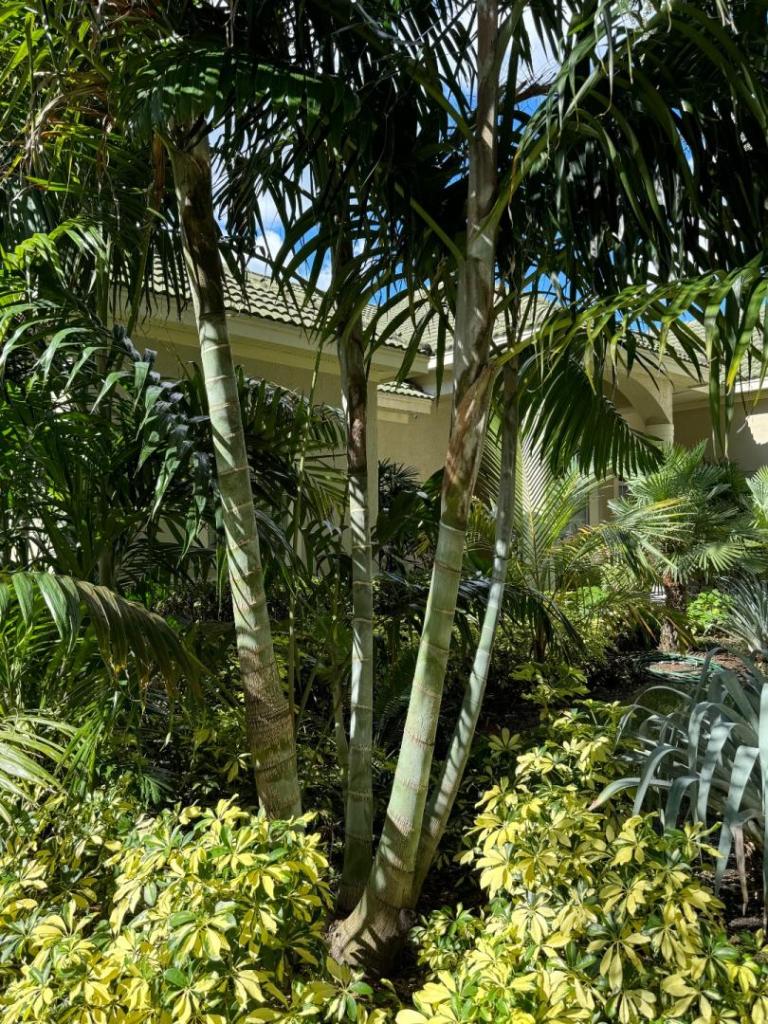
I have pembana and they are gorgeous palms; lush green flat bladed fronds with beautiful trunks.
 3 points
 -
I’ve got all the Parajubaeas growing well here. My largest cocoides came from seed Darold sent me from his tree. It’s not as far advanced as Troys tree in Tassie because for 4 years it sat in a pot in a climate that was too warm for it in Perth. My P tvts are really taking off now and my sunkha is pushing a flower spathe that’s getting fatter. I’m hoping to eventually be a Parajubaea seed source down here.3 points
-
After searching for some time, I finally picked up one of these 'Erik the Red' aloes at a small nursery in San Francisco that had a least a dozen of them. Was told the wholesaler/supplier in Florida may be going out of business? This variety was originally developed in South Africa (https://www.sunbirdaloes.co.za/sunbird-aloe/aloe-erik-the-red/ ) and when I contacted them directly they were very worried about U.S. nurseries ignoring their plant patents and so were hesitant to ship them overseas. 😜The 3-gal. size was a bit pricey, but it's already producing 4 offshoots at the base, so that's a bonus. This retail SF nursery will ship, but that isn't cheap. I think this variety will like conditions here in NorCal like my other Aloes. My Aloe 'Hercules' is now well over 6 ft. in height, but unbranched so far.
2 points
-
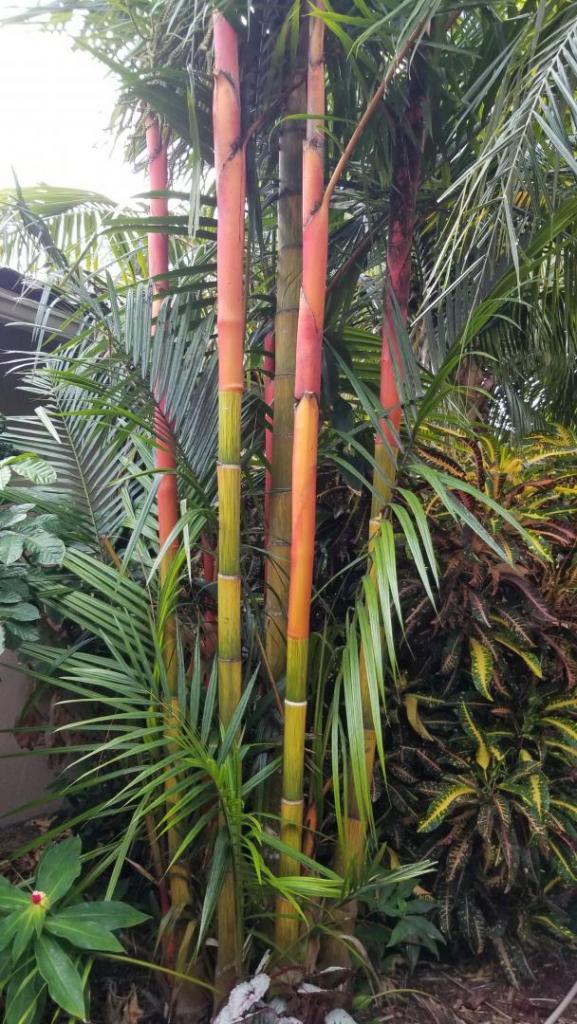
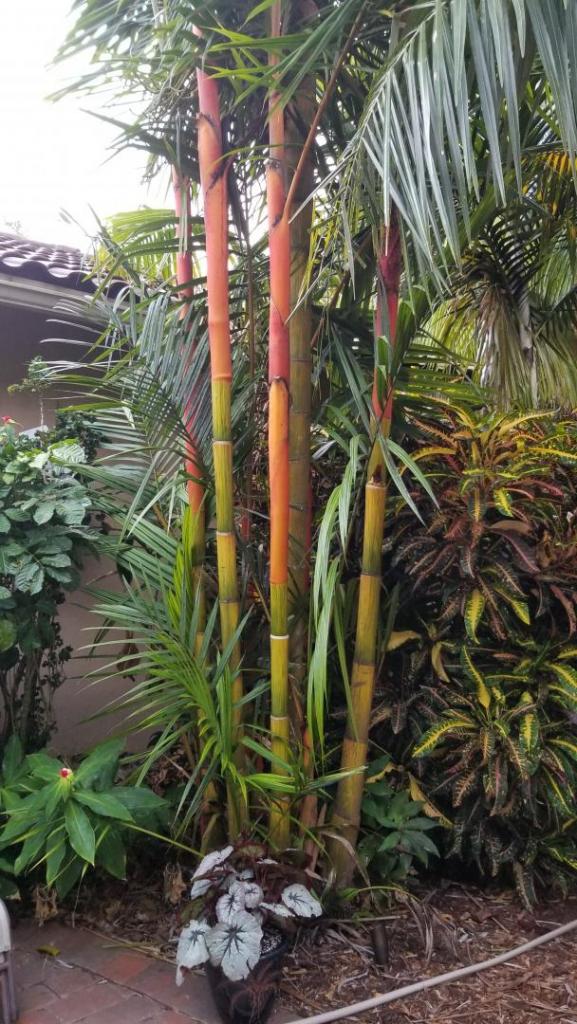
This hybrid is growing at the house here in south Florida now for approximately 10 years or so. It has been truly a wonderful palm to watch over the years and is currently around 25' tall. It has been fast and extremely cold hardy, experiencing low 30's F back in 2010. People often ask, what is your favorite palm? By far, it's this hybrid.
 2 points
 -
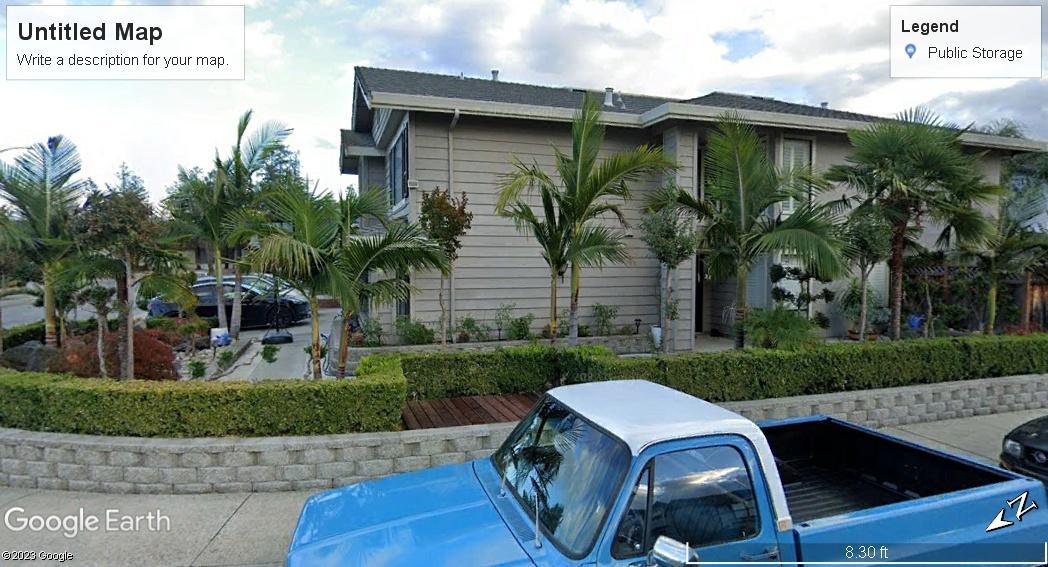
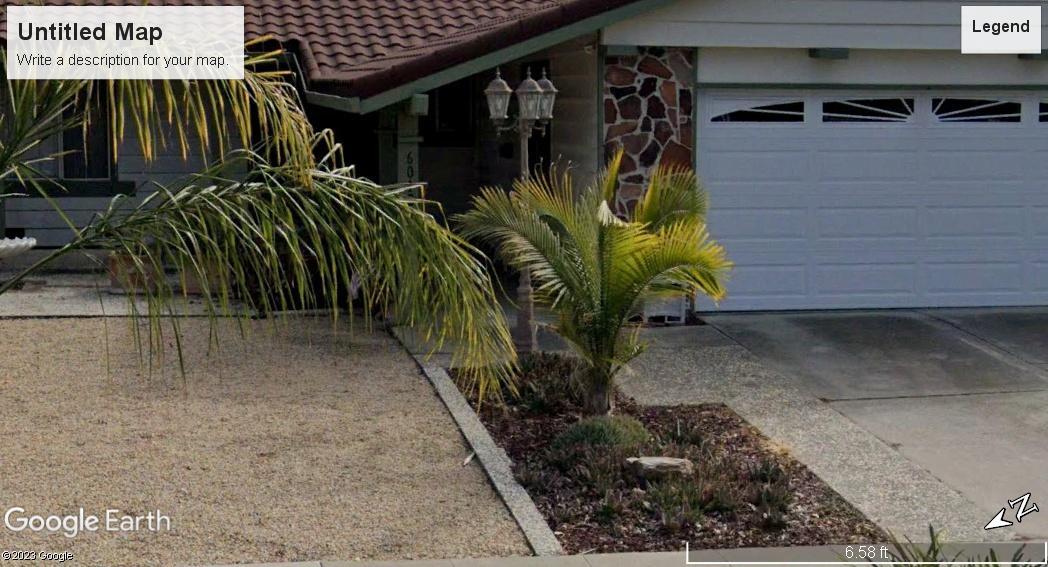
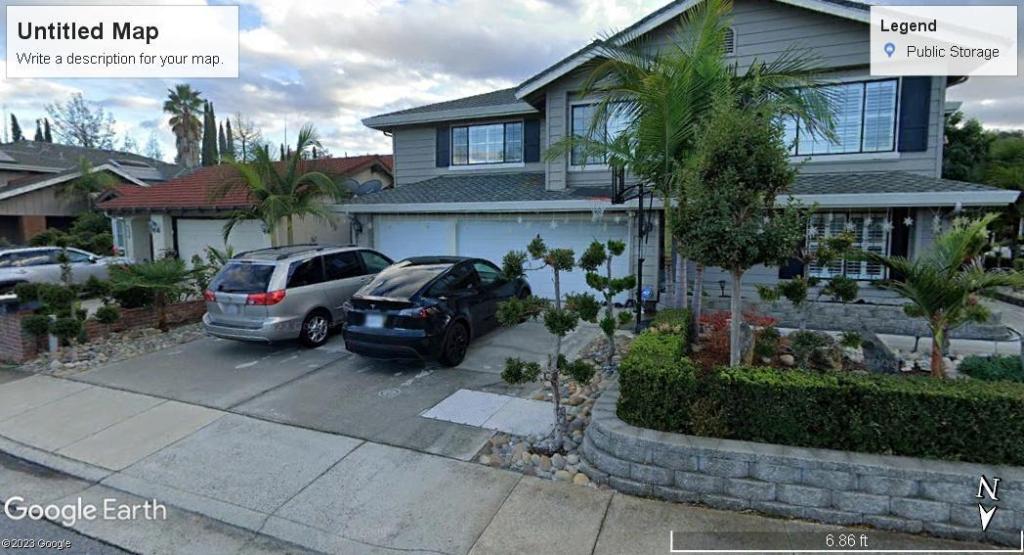
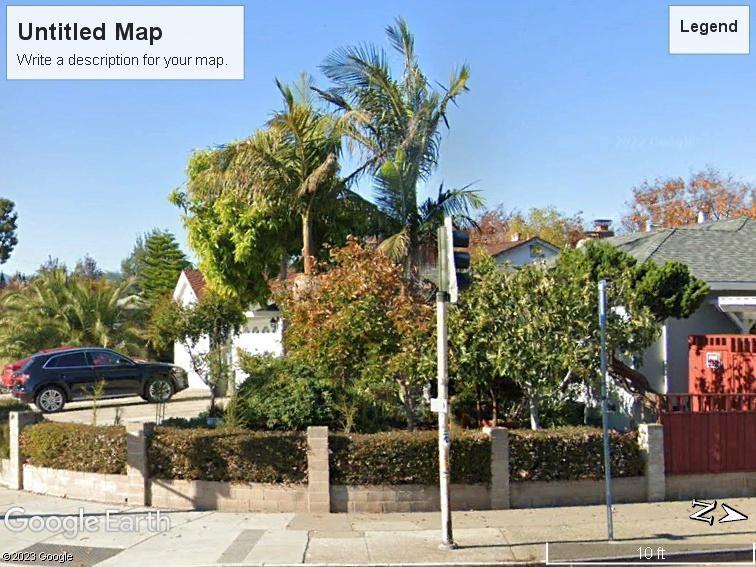
I should have included the following examples when i wrote this but totally forgot.. Mentioned this house a few times in the past.. Outside of @Jim in Los Altos collection, probably the best example of using King Palms ive seen anywhere in the south bay -thus far-.. Know this neighborhood ..too well, lol and have kept an eye on the progress of this yard since ..2012.. Gone through some rough looking stages over the years, but are looking great now. In the 2nd shot, the King planted near the tan van was a replacement for a Foxtail that had been planted there back in 2013. Pretty sure i'd mentioned it somewhere, long in the past. Note too the King peeking out from the far left corner of their neighbor's yard. Fyi: Not sure why street view uses the " Public Storage ' tag.. It is further down this particular street. " House of Kings " As of Nov. last year. One of a few, bigger Kings i've kept an eye on since ....the mid 90s. Note the Norfolk Is. / Hoop Pines in the background. Starting to see more of those in street view images around the old hood as well. Bigger, yellow-ish green tree poking out on the left of the shorter King has befuddled my attempts at ID'ing for years, lol. Meridian Ave Kings. ( image also captured in November of last year ) Side note inclusion: Couple more Majesties spied around town: Santa Teressa / Oak Grove area: East side, not too far from Payless Nursery / East Ridge Mall. Anyone reasonably familiar w/ the area will know both locations / general part of San Jo'.


 2 points
 -
I'm reading a few blogs saying there is a possibility of a sudden stratospheric warming mid month which would lead to cold around Christmas to New Year's. The pattern is not looking good for cold around the worst time for it. Hopefully just the same jet stream clouds and rainfall to help bust the drought.2 points
-
Thank you so much for the information! I wonder whether it'll tolerate the Mediterranean climate I have here. I'll have it germinating in a friend's greenhouse though, as it's fairly cool here at the moment. It's very interesting that the viability is so long - I'd expect the seeds to lose their viability pretty soon after they're picked, as some other tropical plants with large seeds do. I wonder what's the best method to germinate these seeds, as I wouldn't at all want to lose such expensive and precious seeds. I'll definitely give you some updates about this species' progress, once (if) the comes arrive and later on. How did you germinate your seed? And how long did it take?2 points
-
2 seeds, for 80 bucks ..or 5 seeds for ....$352. DOLLARS ( That's $70 bucks, per seed.. Are they wrapped in pure Gold? Insured, like Diamonds?, lol ) .. Plus additional fees for U.S persons = Hard Pass / No thanks..2 points
-
9/22/23 I did not notice the sotol gone. Not pleasant near a sidewalk would be my guess
 2 points
 -
royals, once they have six or eight feet of trunk, are better able to recover from cold damage.2 points
-
Here’s another clump of Royals.
 2 points
 -
This Bismarckia
 2 points
 -
Palms/ plants gardening in general is a lot of work at least if you have a bunch. Takes years for plants and areas of the garden to develop. I remember a specific moment a few years ago when I realized the only time I spent out with any of my plants is working…pulling weeds, cutting dead fronds, watering, mulching, always looking for new plants to plant as an excuse to be out there with them. So I was chasing the joy….I instantly made a shift in the way I interacted with my garden. Started putting chairs and benches in different places and finding time to just hang out and enjoy it. What got me into gardening was seeing others gardens and potted plants and feeling joy from it, thinking that if I had that I would enjoy it. So what do I consider gardening/ palm success? When instead of just putting energy into it, you also start getting in return. This doesn’t have to be a whole garden full of plants. One single palm will do it, or should anyway, it’s just perspective. I know when I’m randomly driving and see a cool plant in someone’s yard I alway let out an audible “Whoaaaa”! Lol. Rambling complete - As soon as you feel joy from gardening you’ve succeeded.2 points
-
since we are talking Sommieria, here is a mostly ripe infructescence at Floribunda, reminds me of lychee
 2 points
 -
I just left Foster Garden and their gigasiphon is blooming now. The ground is littered with petals. Flowers in the tree are hard to see since they’re so high up.
 2 points
 -
I did a quick social media search on the tree ( to see if there were any growing in Darwin... nope, but I'll ask some locals.... But apparently the Cairns Botanical Gardens has one.2 points
-
Thank you Dave for the heads up on keeping the seedling on the dryer side (I have it under a table outside right now to avoid our current rain). Bruce- Super exciting to get more germination success. I am a believer in fresh seeds being the best bet to get solid germination regardless of the palm species. Keep me posted on how yours do going into the warmer months here in CA. Cool side note- I was able to get fresh Archontophoenix seeds to germinate in 6 days! Can't believe germination could be that fast! Seed was collected from the center palm (largest).
 2 points
 -
2 points
-
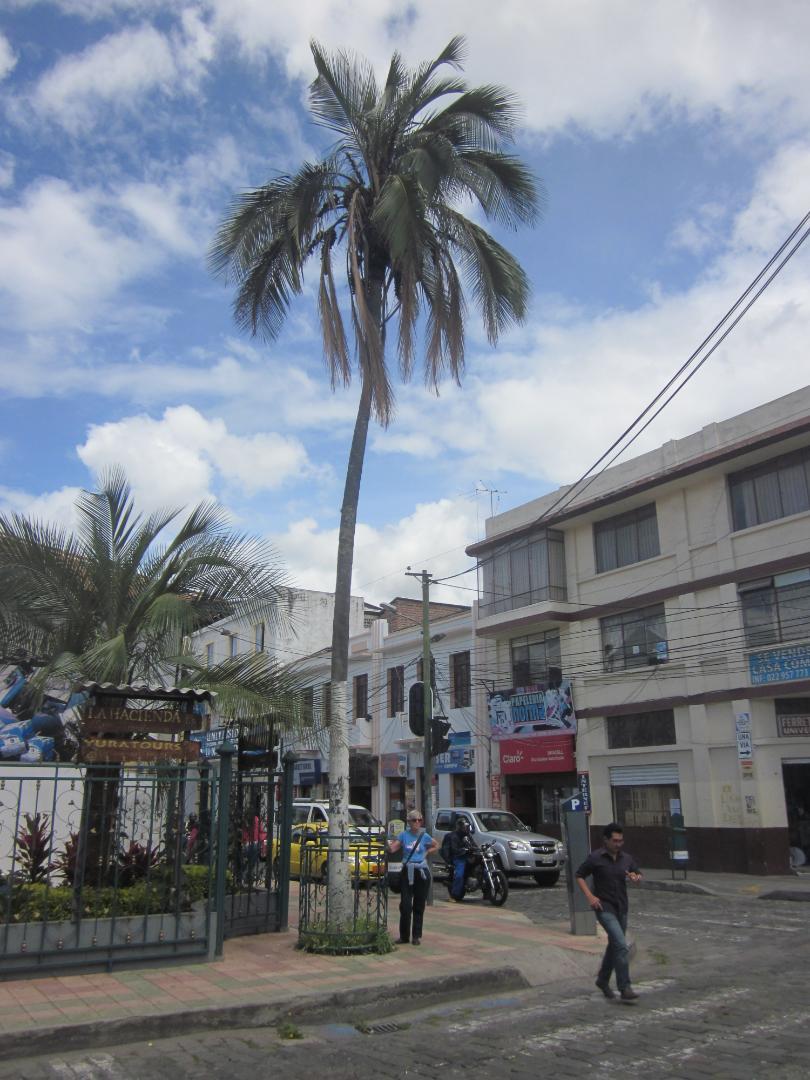
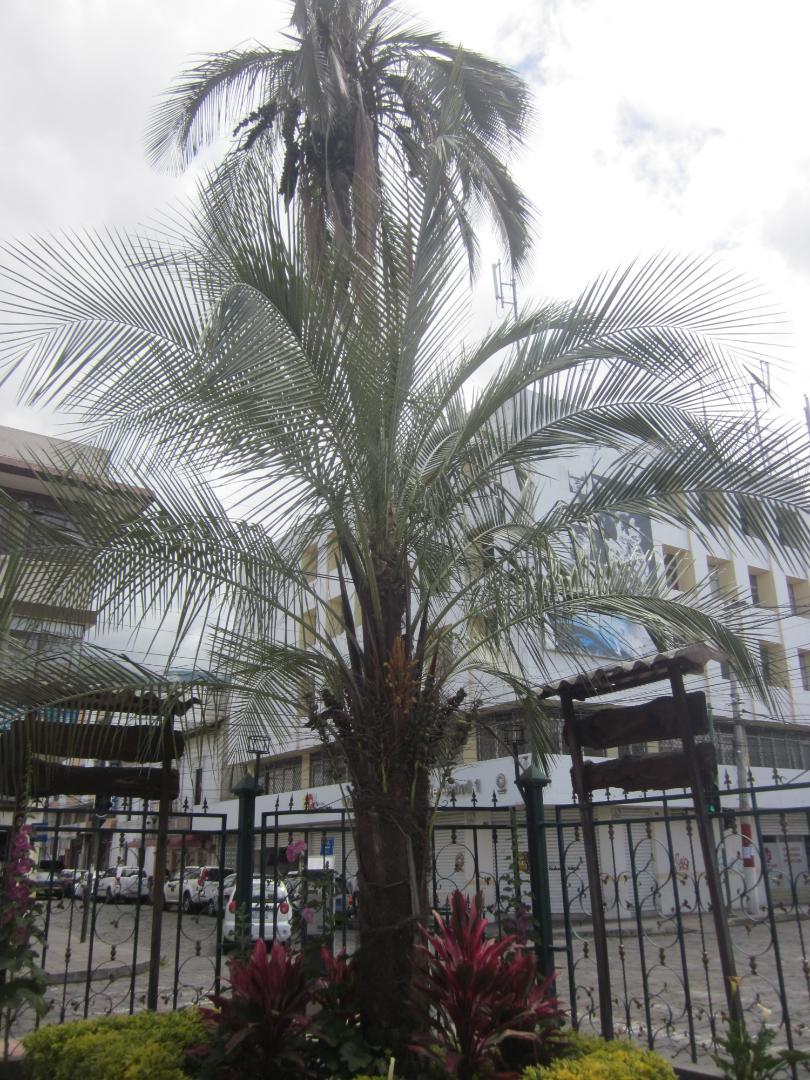
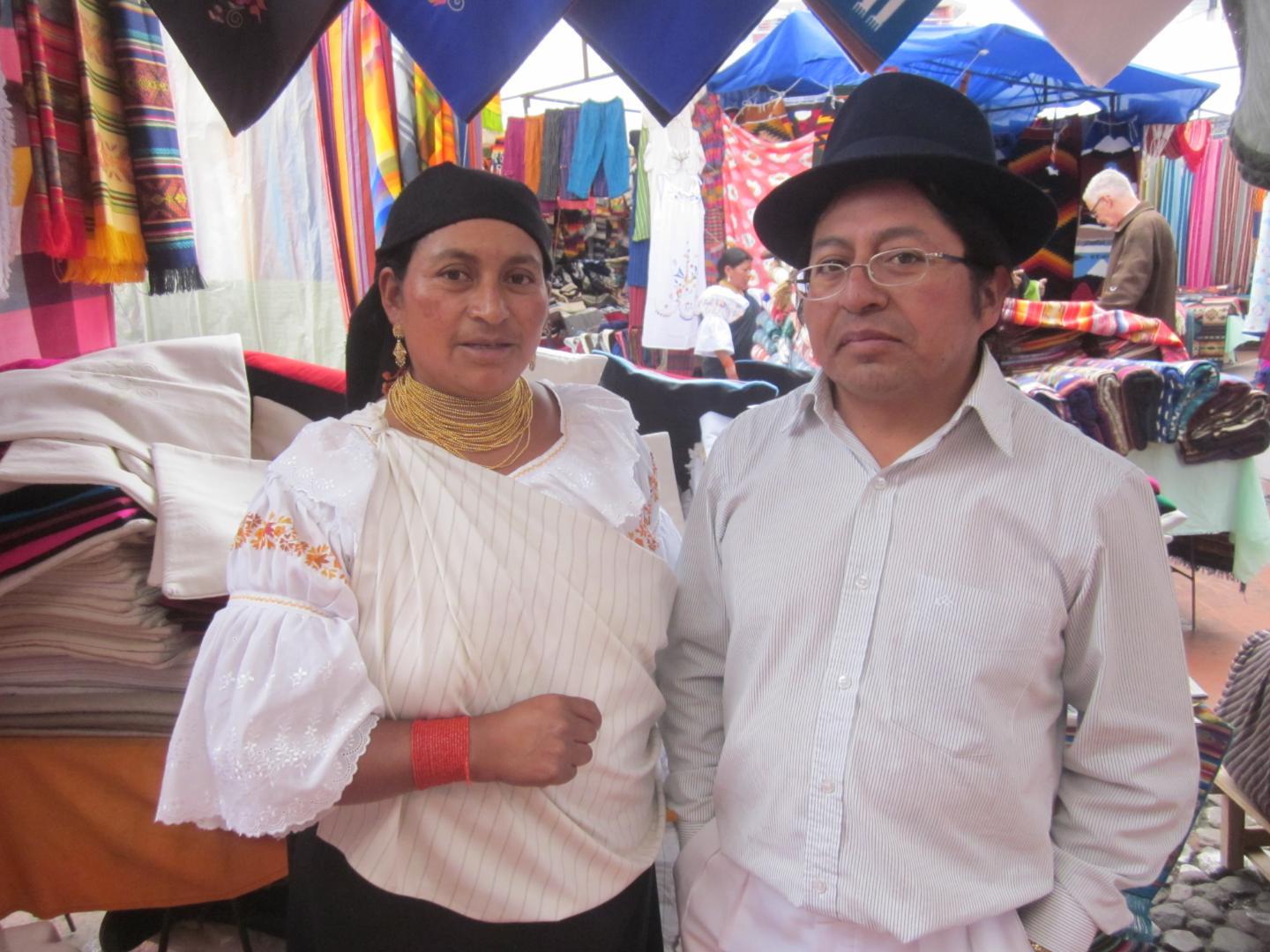
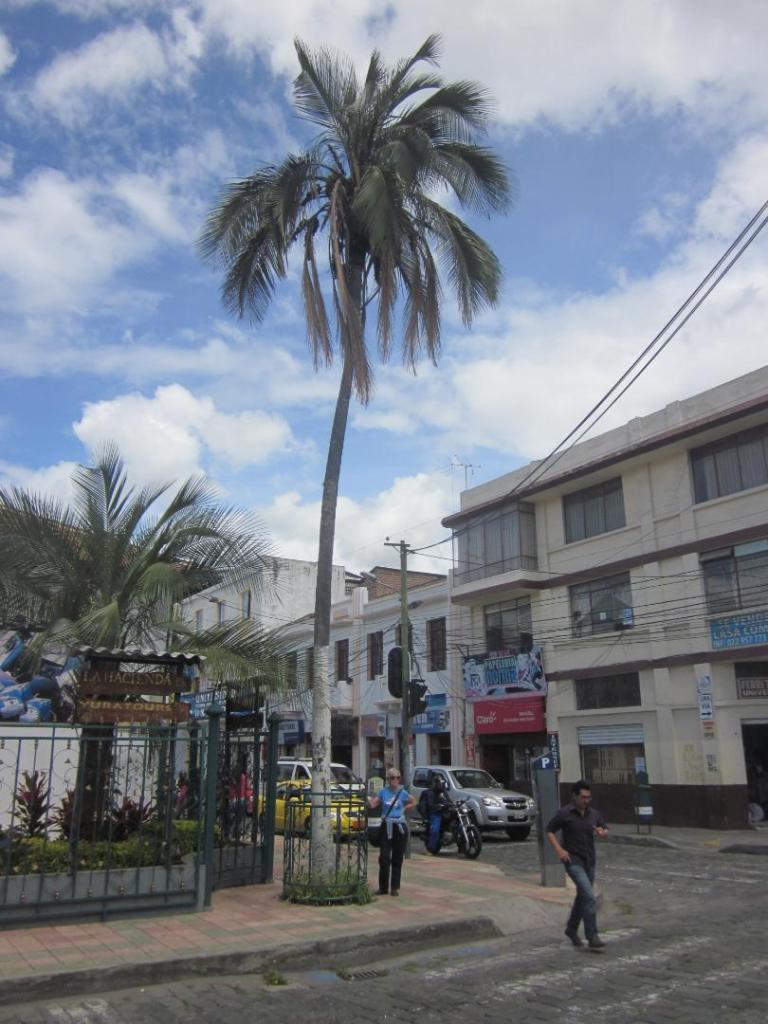
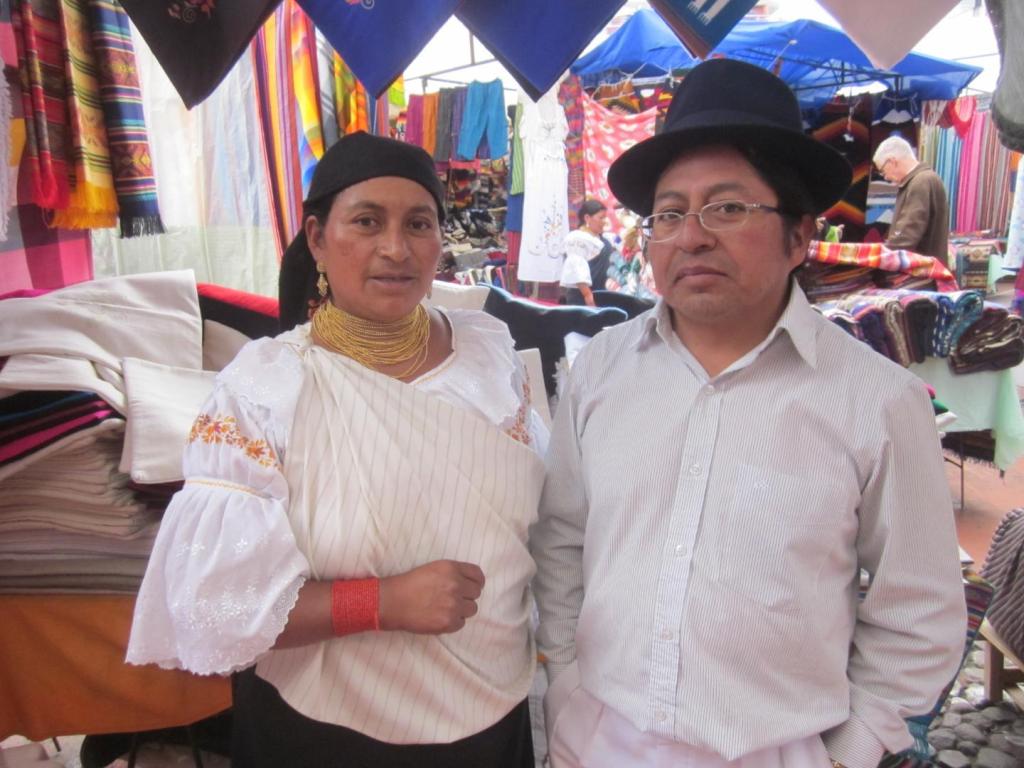
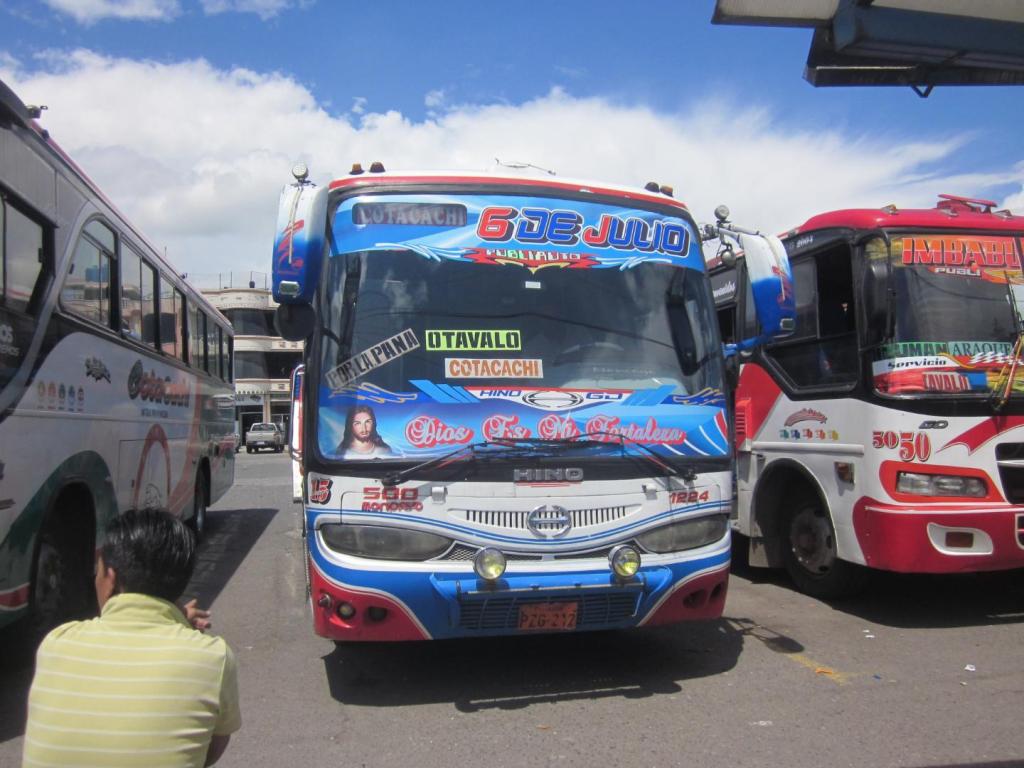
There are adult P. cocoides all over the colonial district in Quito, they look shockingly like coconuts. Here are some images from the market town of Otavalo, two Parajubaea, a regular Jubaea, a nice couple who sell handmade fabrics, and my favorite method of travel in-country!


 2 points
 -
My deceased P. cocoides was a seed collection by my palm mentor, the late Garrin Fullington, in the mid 1970's from a tree in downtown Quito, Ecuador.2 points
-
One final note, if you have a older Patrick Shafer hybrid with Parajubaea cocoides, this tree was the pollen donor. The image was taken in March, 2010.2 points
-
Here is what you can anticipate, sadly this one was killed by some sort of root disease, my first loss of a major palm.
 2 points
 -
My parajubaea cocoides was grown from seed in 2010 seed from Darold Petty garden San Francisco. Once it developed fully pinnate leaves the growth rate increased exponentially
 2 points
 -
Two saplings still alive but no new growth for the past month or so. Any care recommendations such as light and moisture requirements or preferred pH?
 2 points
 -
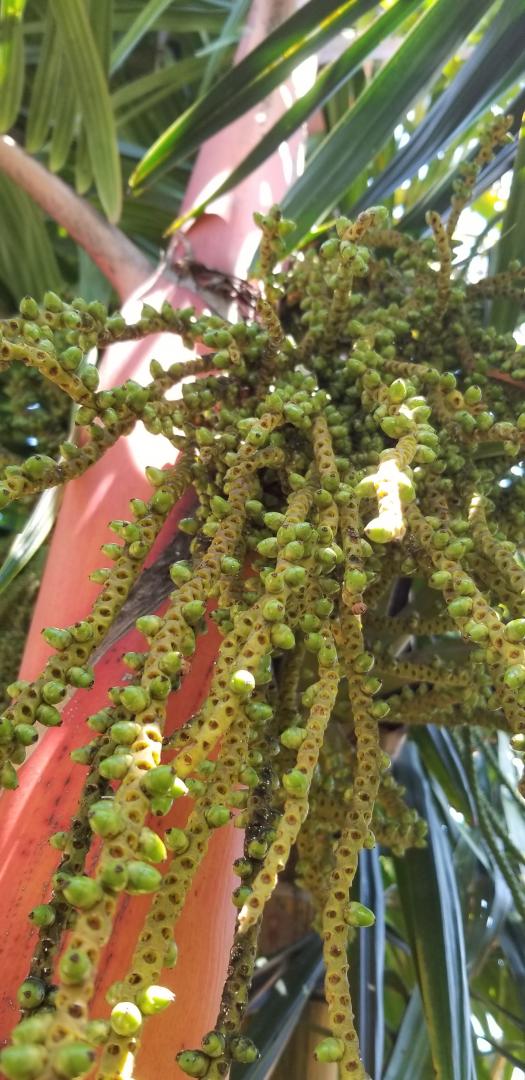
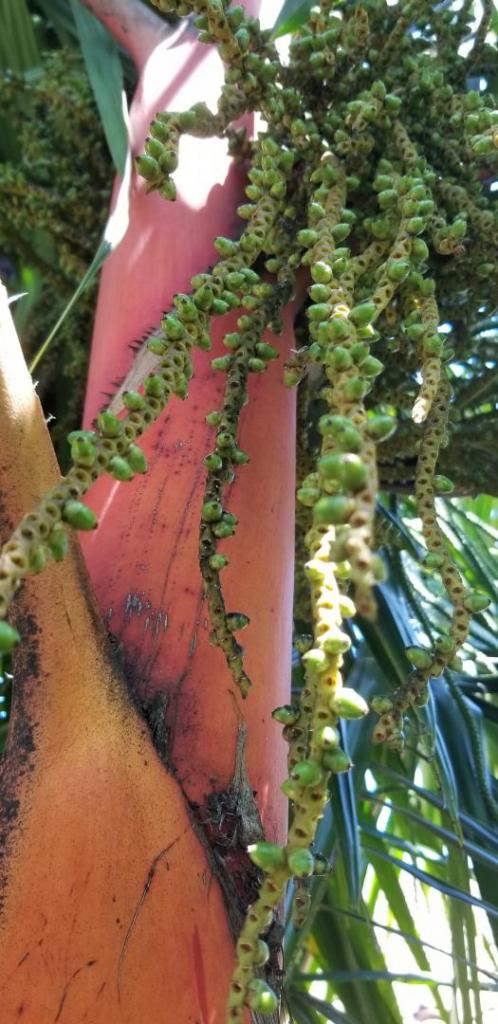
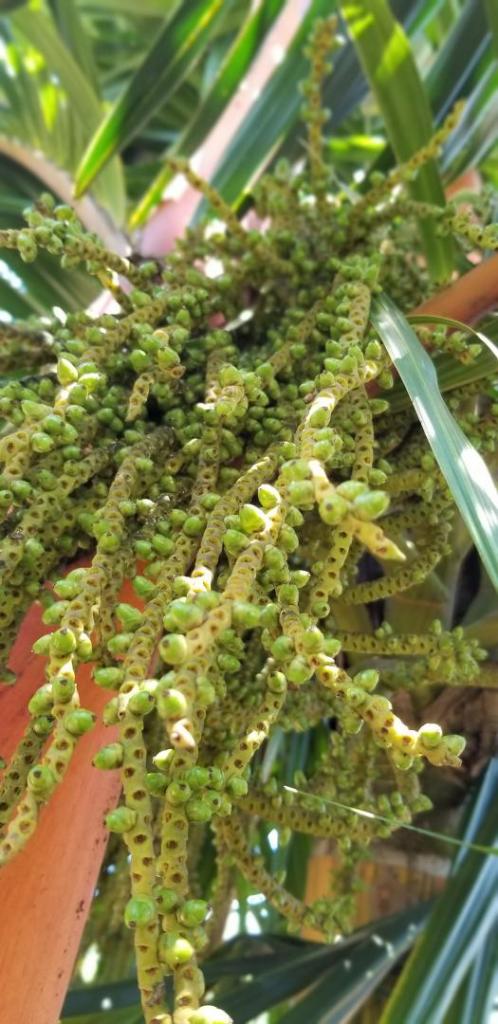
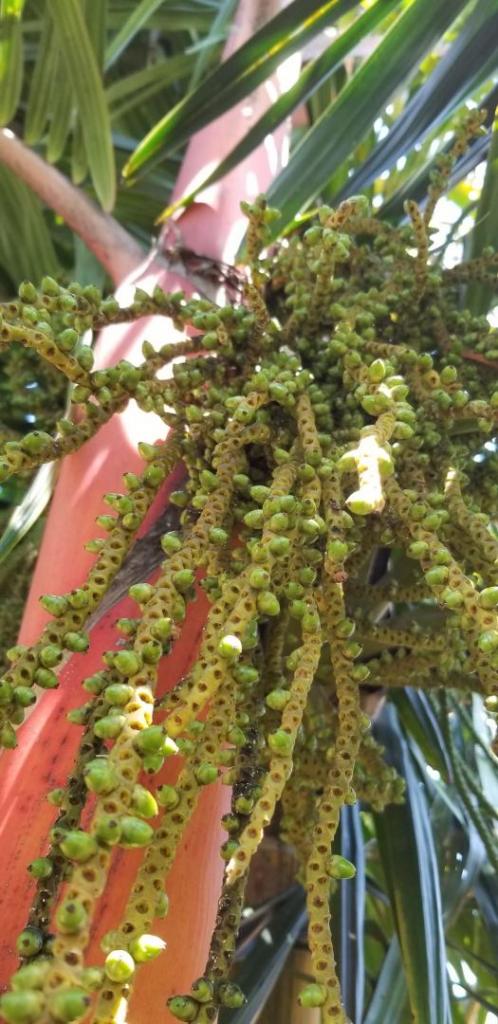
My largest specimen in the ground has now been flowering for a couple of years or so. Two days ago I noticed these "potential" seeds that are holding, and looking like there might be a chance! First, these seeds need to get a little bit larger, then ripen up with color( what color ?) , then collect and inspect to see if they have an embryo. Then if they look good to go, plant them and wait. And if by any chance some do germinate then it will take several years to see what they mature into. A very long, very low odds of this happening.
 2 points
 -
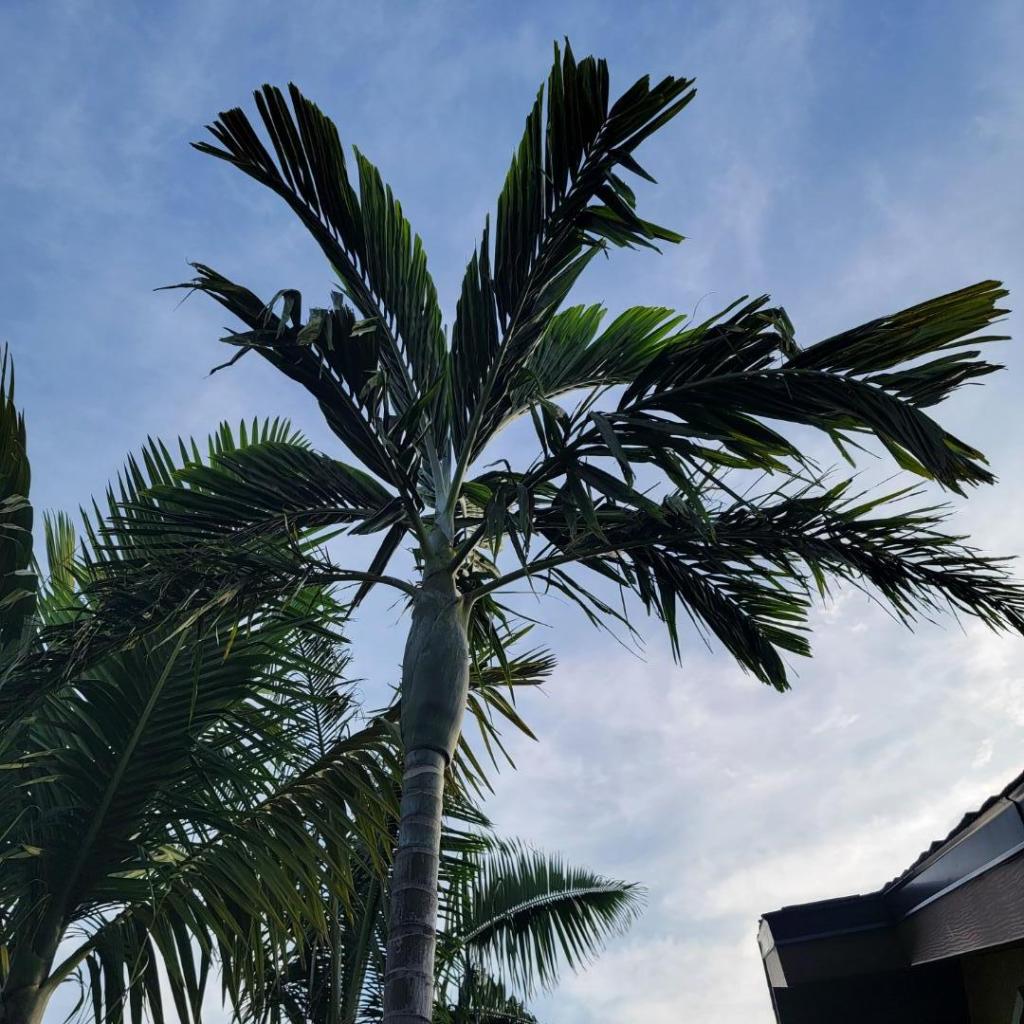
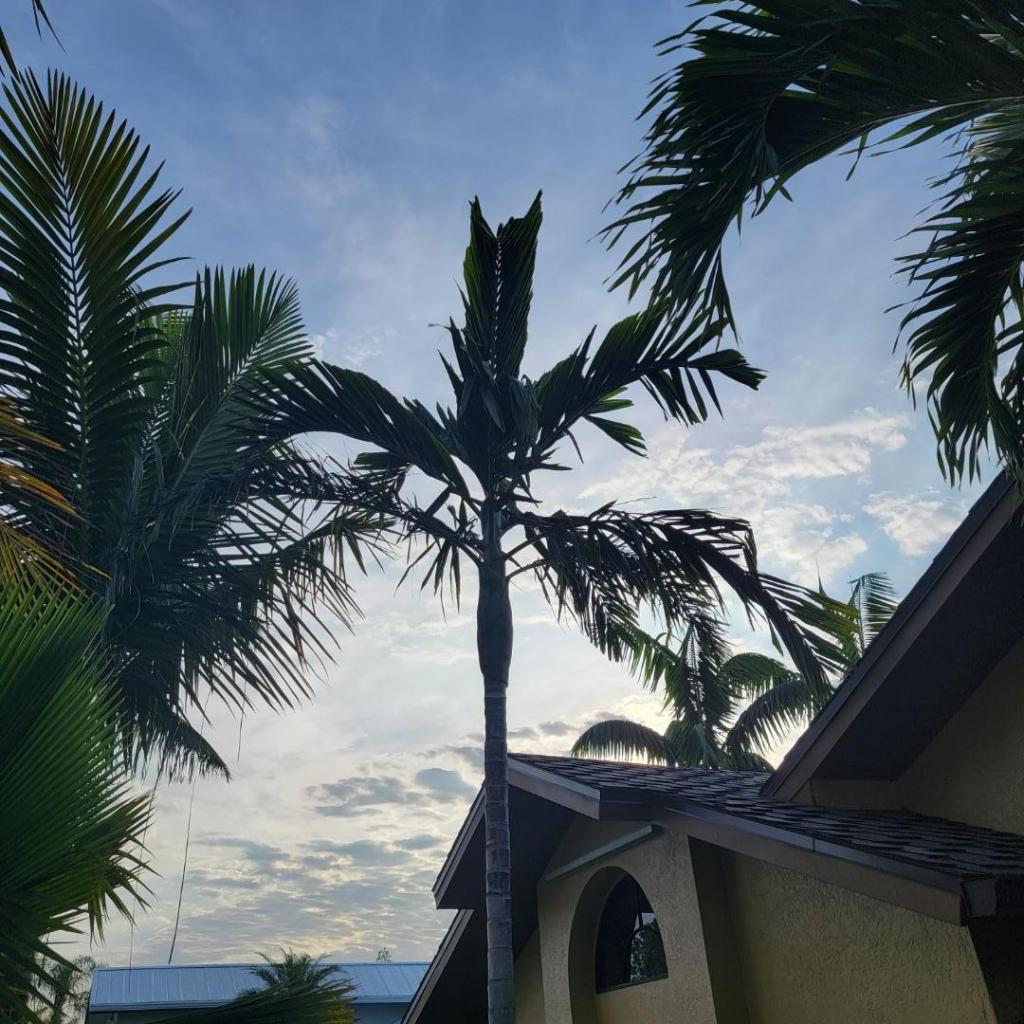
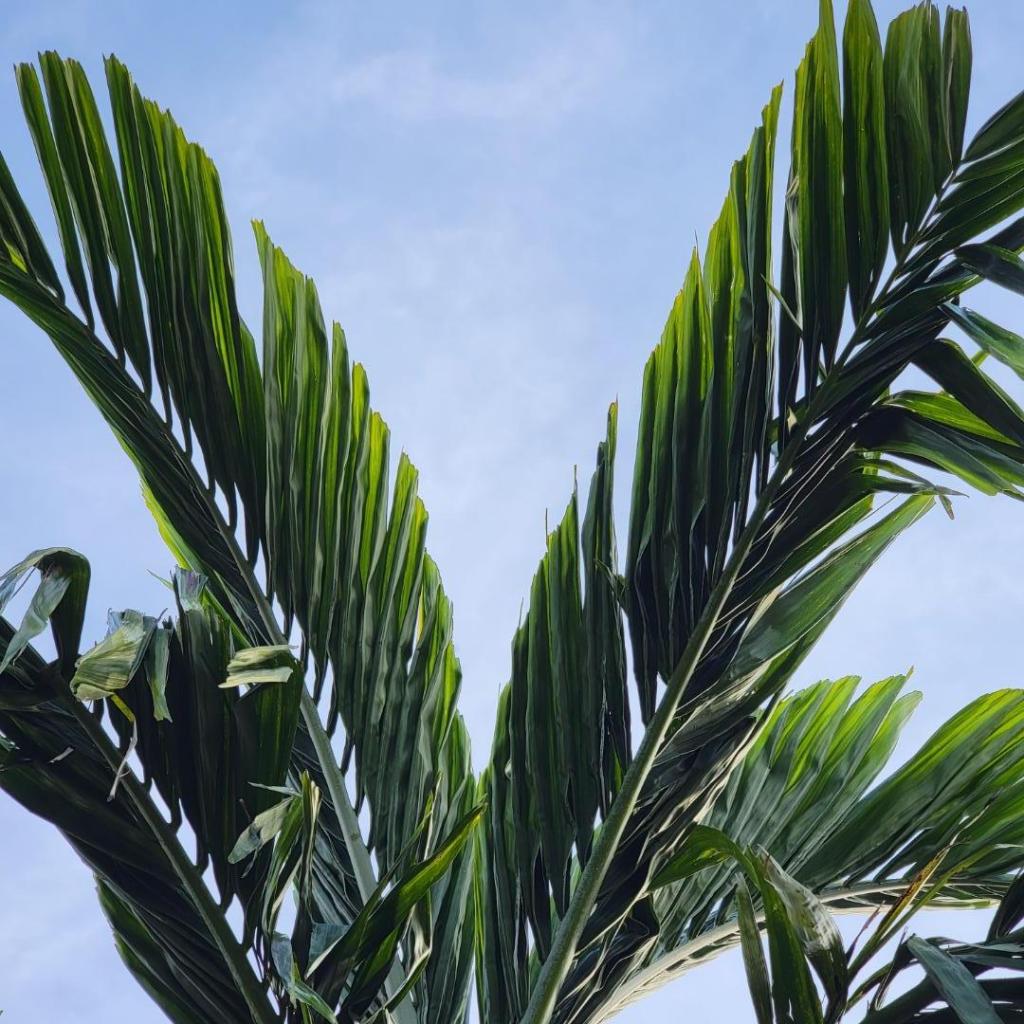
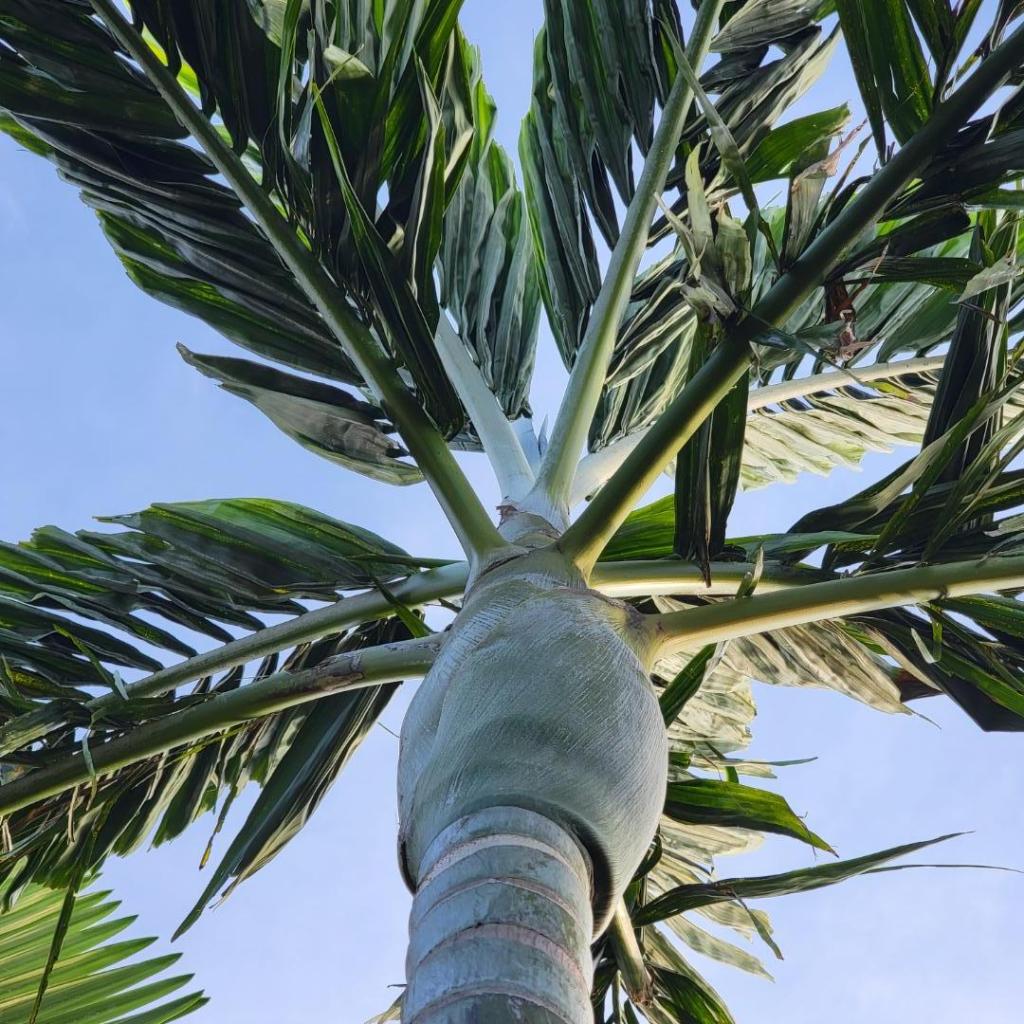
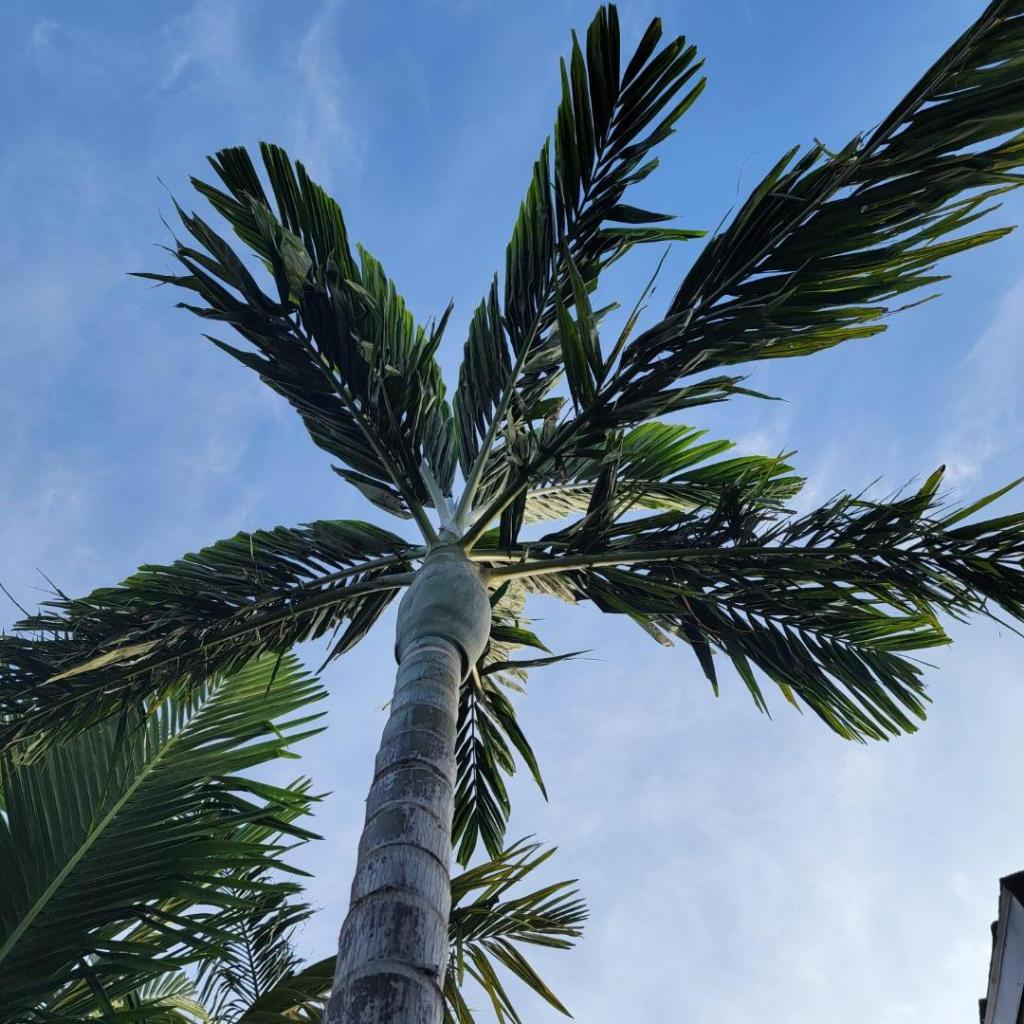
Purchased this in 2016. Has gone through Irma and Ian. Has grown fast for me here in Cape Coral Florida. Some pics attached. Leaflets will only separate after heavy winds. A special palm. Thanks @Mandrew968
 1 point
 -
My Venezuelan Royal and my King Alexandre are abut 15-20 feet apart( both planted as 5 gal., no trunk) and I am in a cool Southern California area . The Royal is more sensitive when young , I believe. I have seen frost only a few times in 27 years and it was very brief . There was no frost on the palms but about 10 yards away. They both have at least 8 feet of trunk now and look good for this region. The other two King Palms(Cunninghamiana) on the other side of my house (west) also doing well. Harry1 point
-
Now that’s what I’m talking about. 👍🏻 -dale1 point
-
If it's in Panama it must be a Prestoea sp.1 point
-
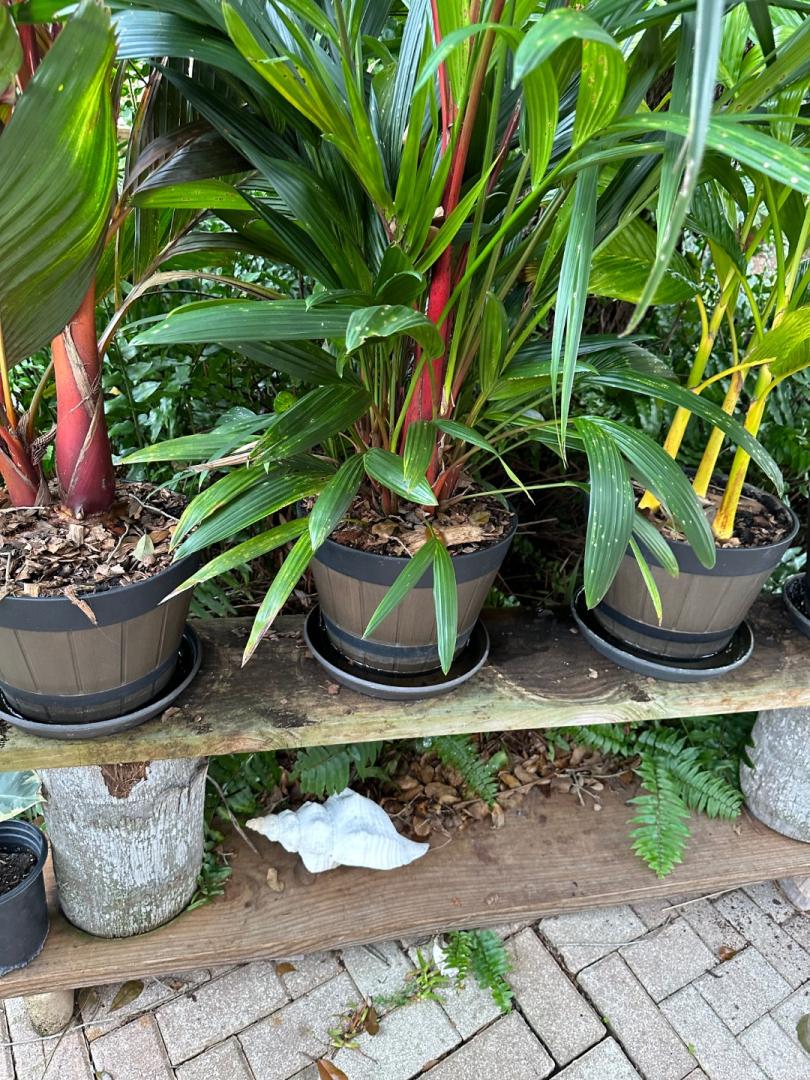
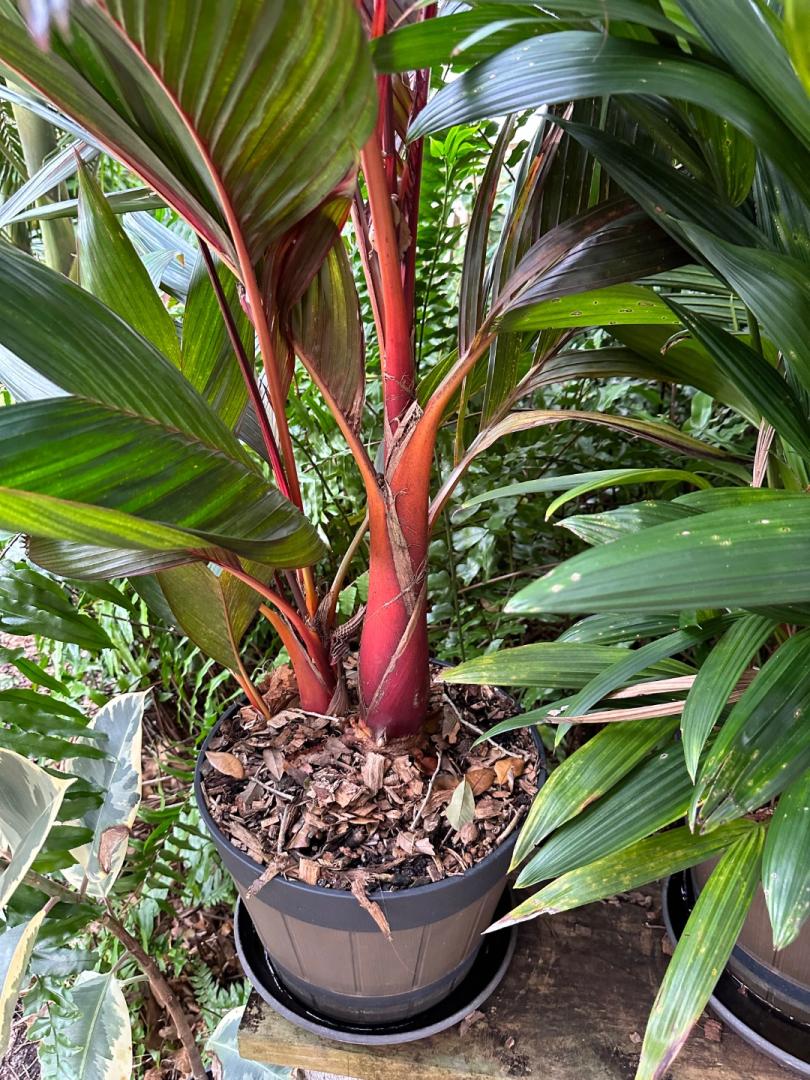
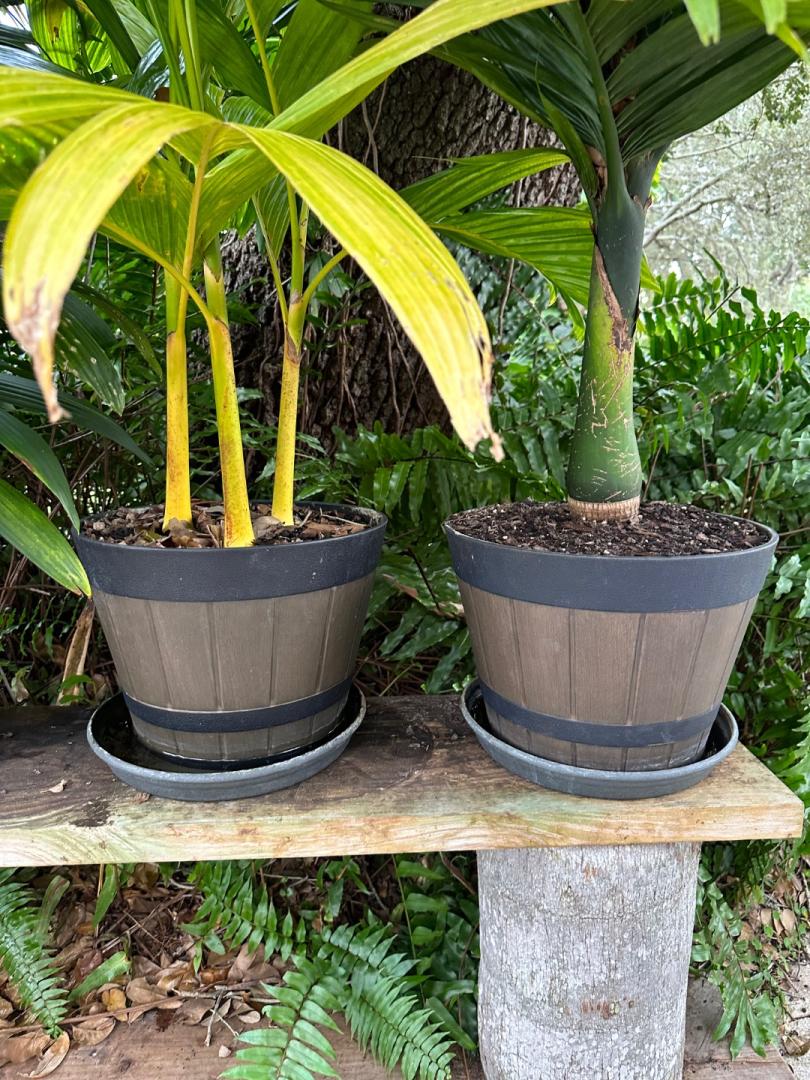
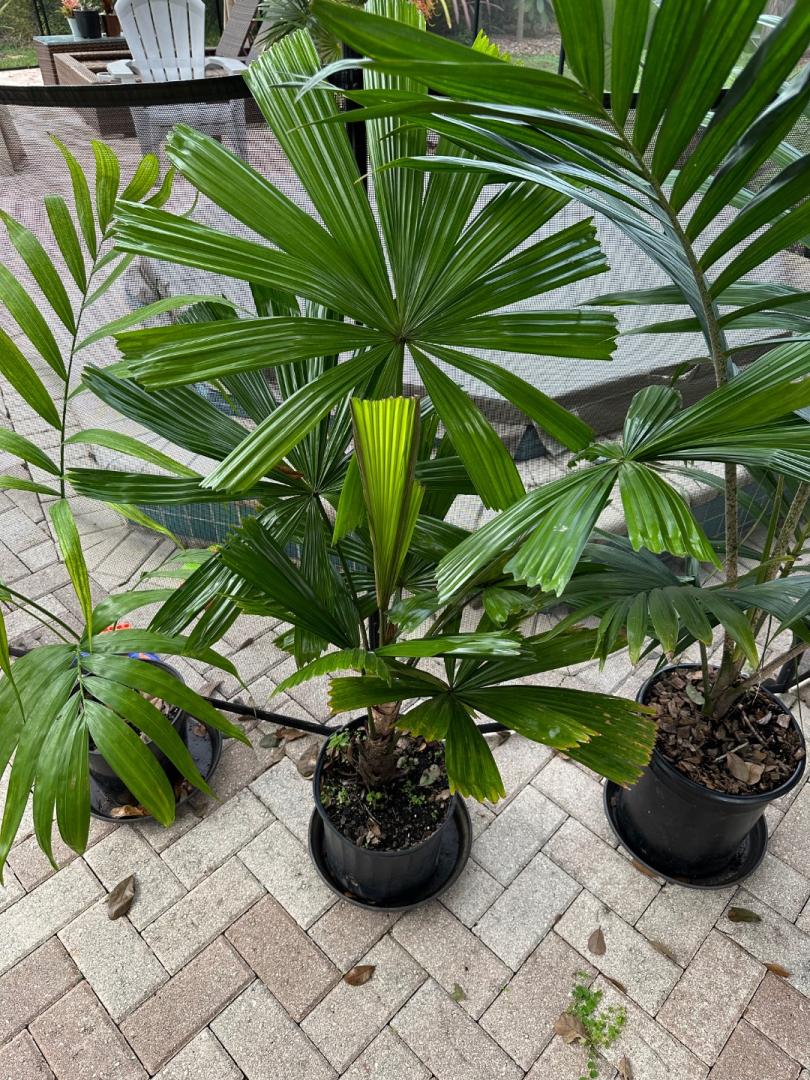
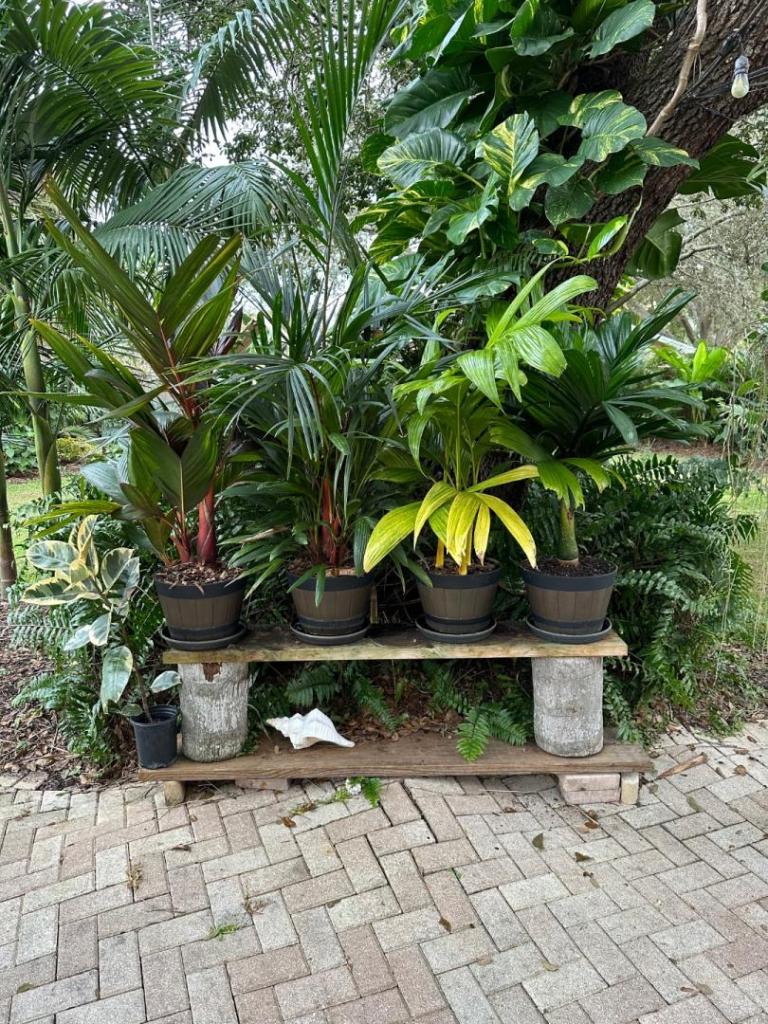
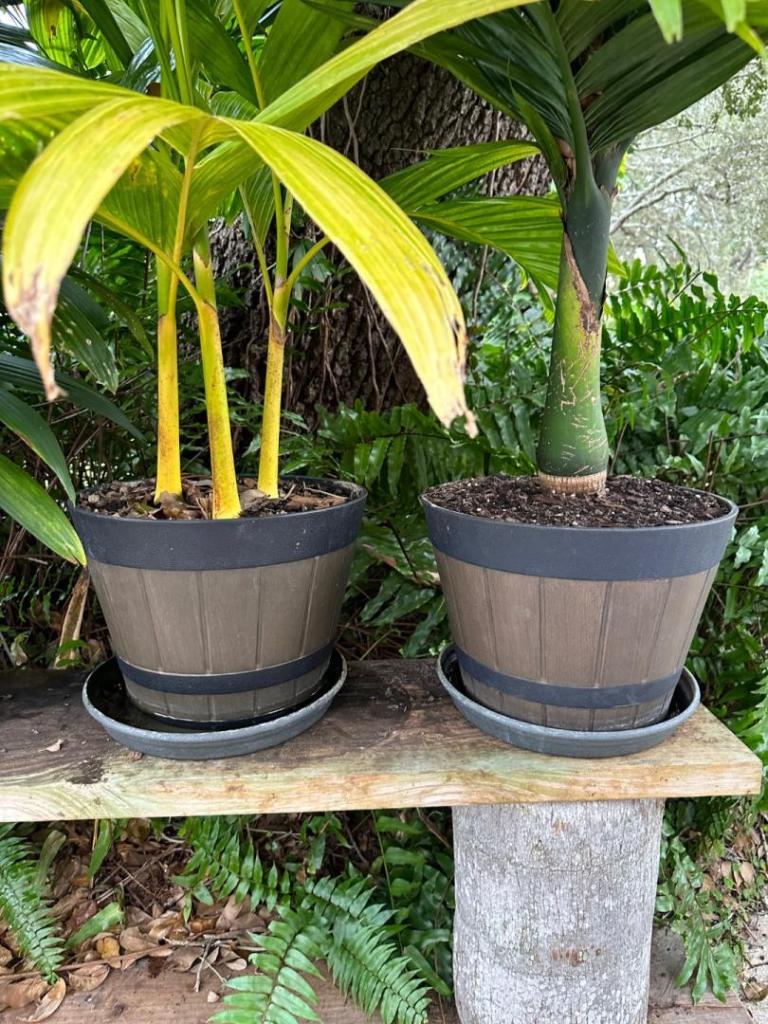
@elena asimakopoulou I am no expert at growing indoors, but my past failures were usually contributed to the lack of sunlight. I know there are many others on here with better knowledge than me growing tropicals indoors. However, Tropical palms need the proper combination of water, heat, humidity, and sunlight to thrive. If any one of these criteria are not met, the palm will display the signs of decline. Ideally, you want to try and replicate the conditions indoors as close as possible to the conditions outdoors where the palm originates growing in the wild. If the palm is not receiving enough sunlight, it cannot grow, therefore not absorbing the moisture in the soil, leading to root rot. My outdoor growing conditions are most likely very different than yours, however my potted tropicals grow happily outdoors year around unless the temps approach 40F degrees, at which then I move my patio squad indoors. I’ve attached a few photos of my patio squad to show an example of the growing conditions mine are liking, and maybe you can make some adjustments to your conditions. I keep the soil wet and water about 3x weekly and I keep a saucer with some standing water at the bottom and refill when it dries (I don’t recommend this indoors). If I receive a bunch of rain and the saucer water cannot evaporate, then I will dump it out so the water does not become hypoxic. But the feet are usually always wet. This is replicating swampy conditions licuala’s love. The sunlight is never direct, but dappled through the oak canopy. Heat easily comes with my zone at 9b/10a boarder. These outdoors palms are all water lovers. The only indoor palm I now grow is a Kentia, due to its ability to withstand low light and low humidity conditions. I hope you can get your grandis back on track quickly. pics shown on ledge include: Areca Vestaria “maroon”, Cyrtostachys renda, Areca catechu “Alba”, Areca catechu “dwarf”. pics on ground include: Chrysalidocarpus cabadae, Licuala ramsayi, Kentiopsis oliviformis, Hyophorbe lagenicaulis, Hydriastele beguinii “Obi island”. -Alex in Orlando



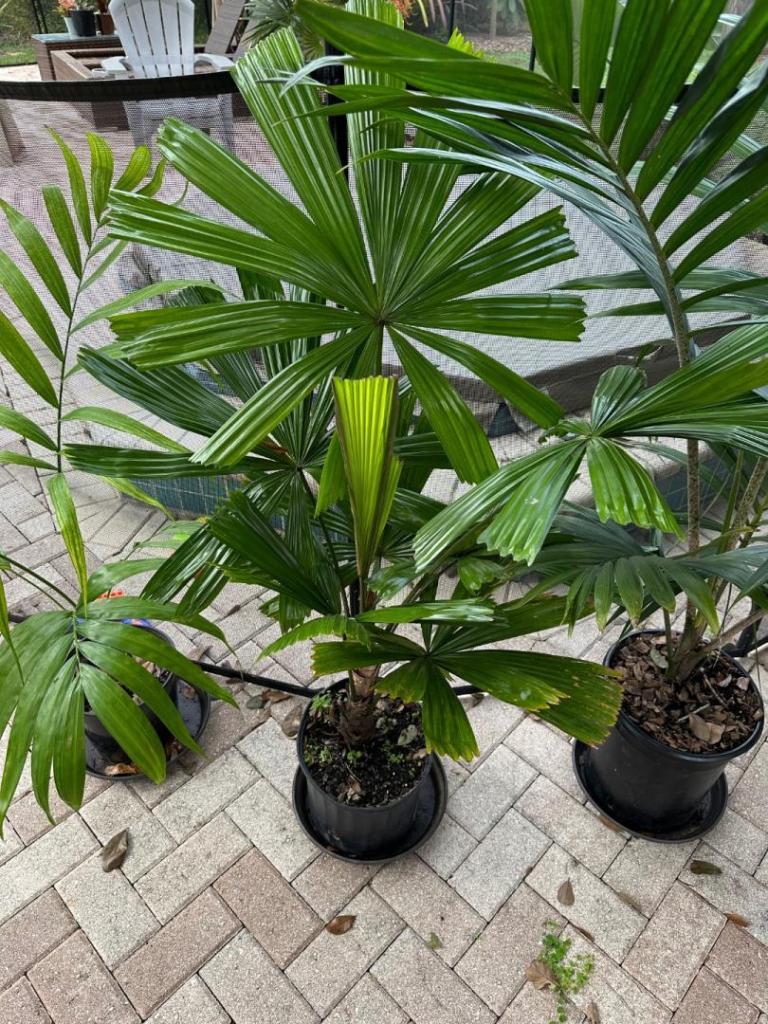
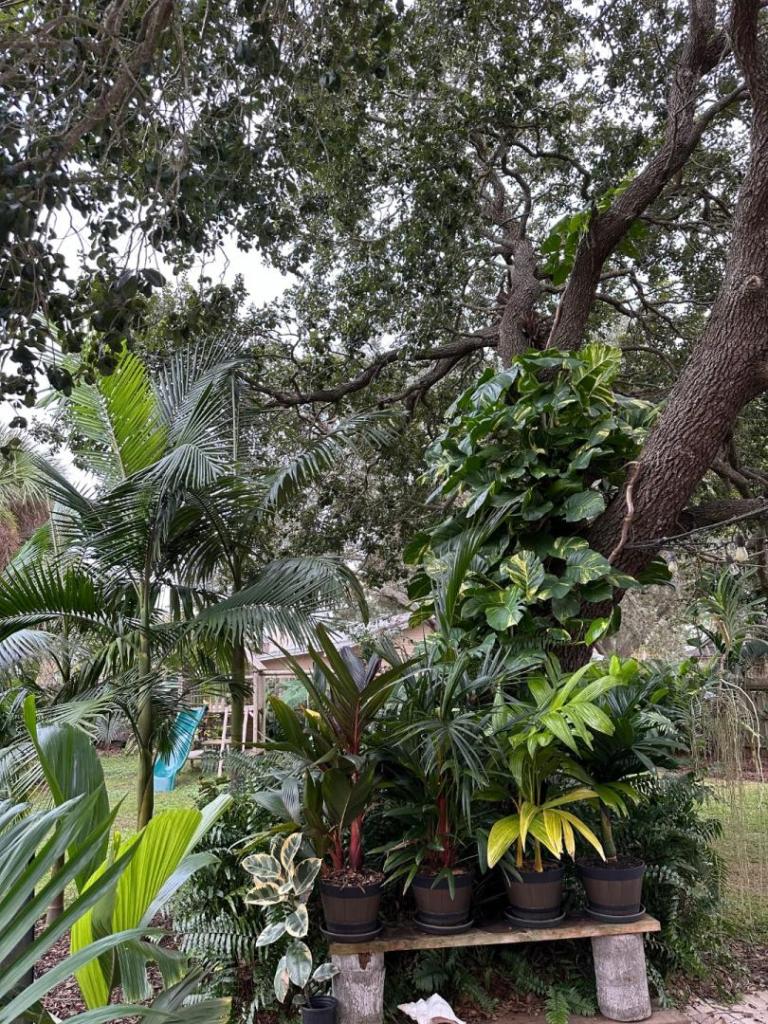 1 point
 -
Spring blooms in the Western U.S. after a wet winter are a sight worth planning for. Anza Borrego early colors sound promising, and with the added rainfall, this year's show across California's deserts should be spectacular.1 point
-
Amazing work! I still can’t believe nobody in California is crossing Parajubea and Cocos considering how close they are genetically. Perhaps it would be best of both worlds: the Parajubea would give improved cold hardiness and potentially the Cocos would give give more heat tolerance especially with humidity.1 point
-
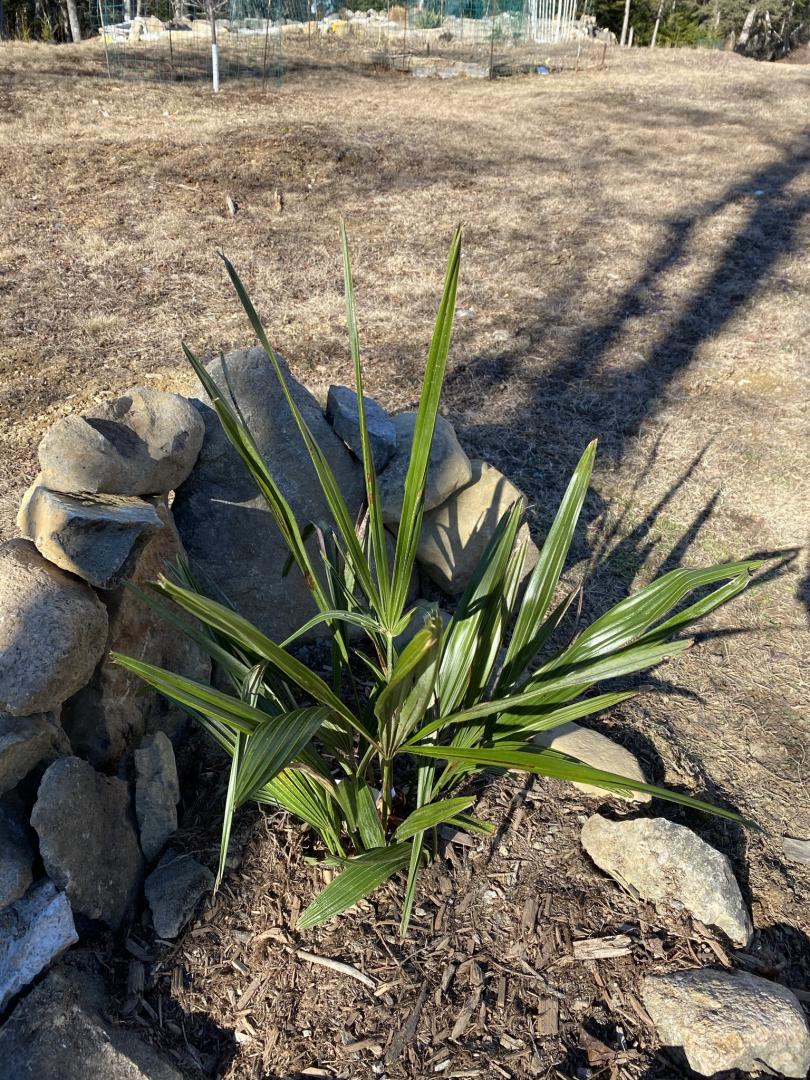
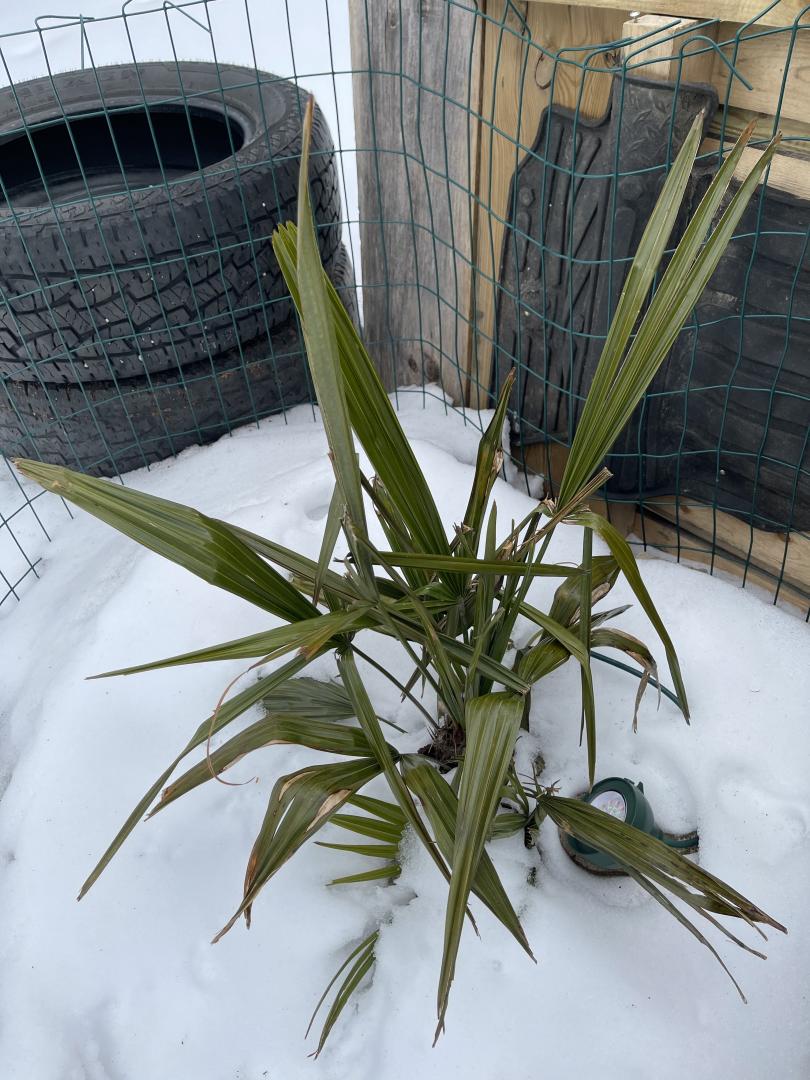
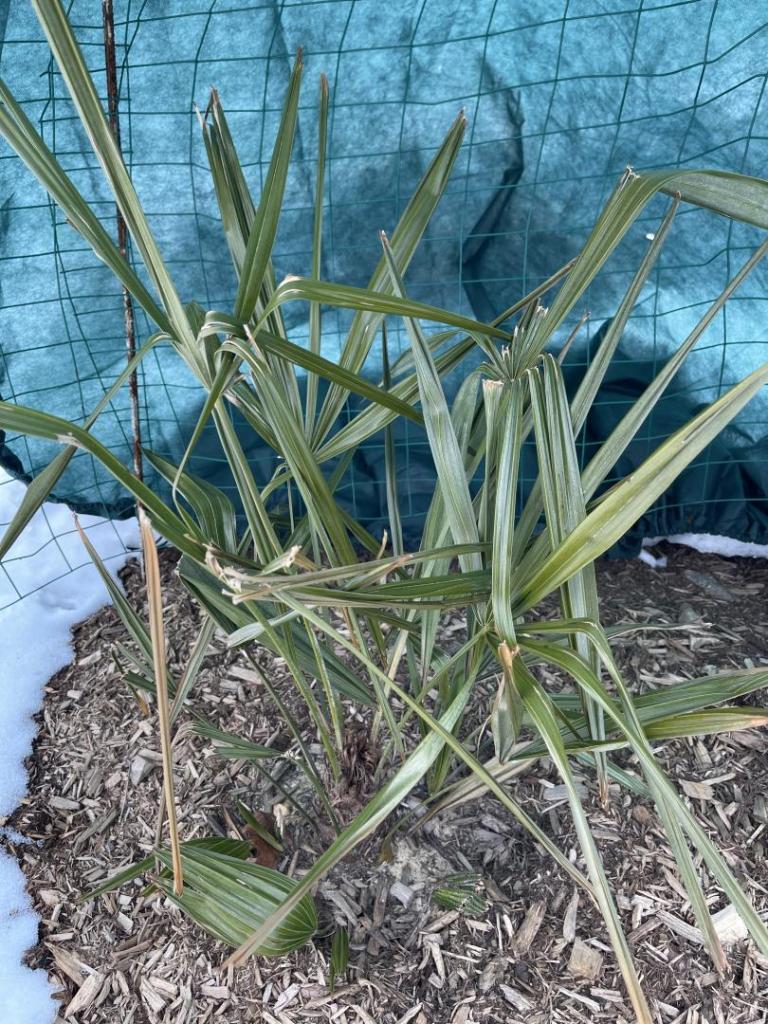
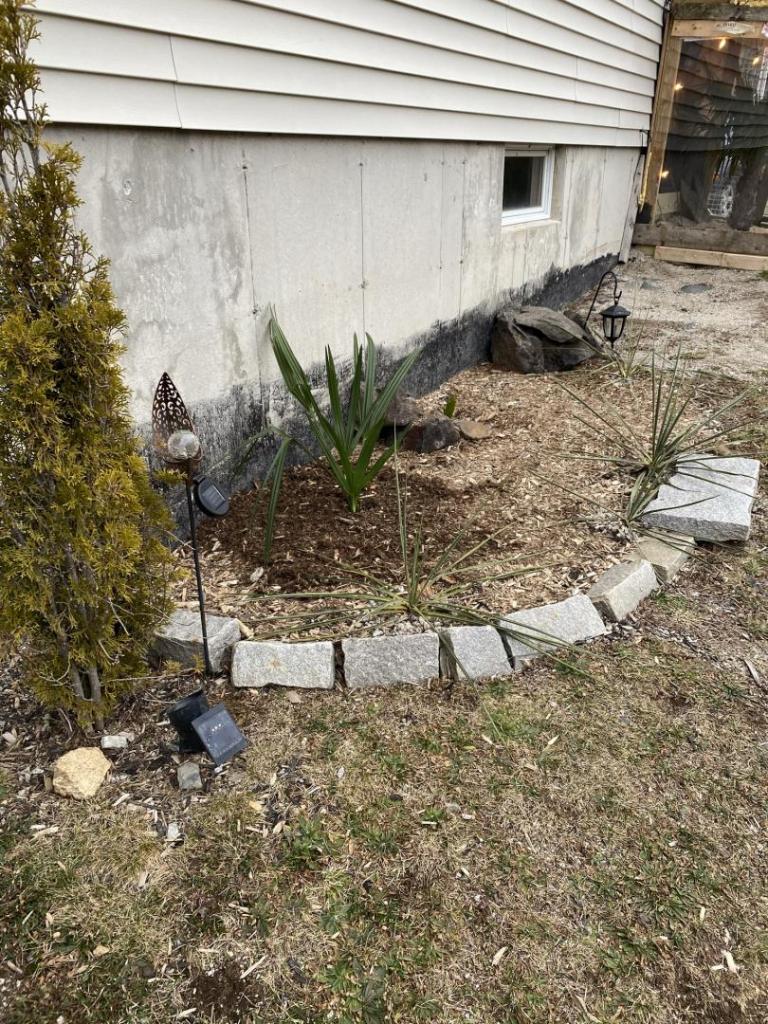
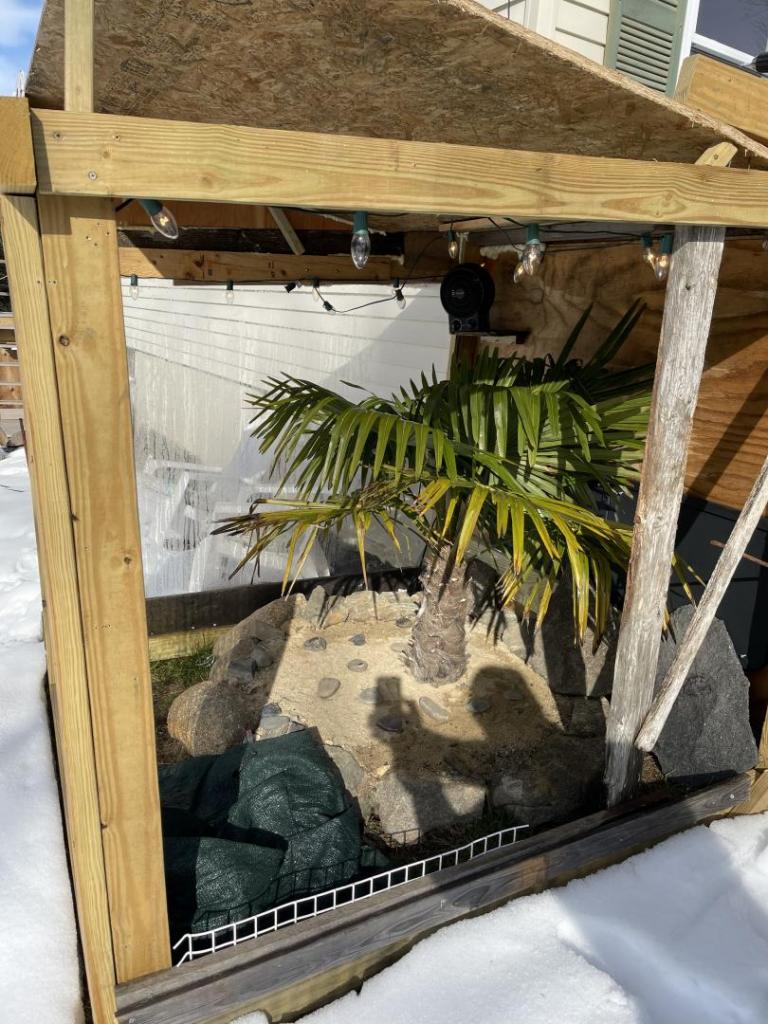
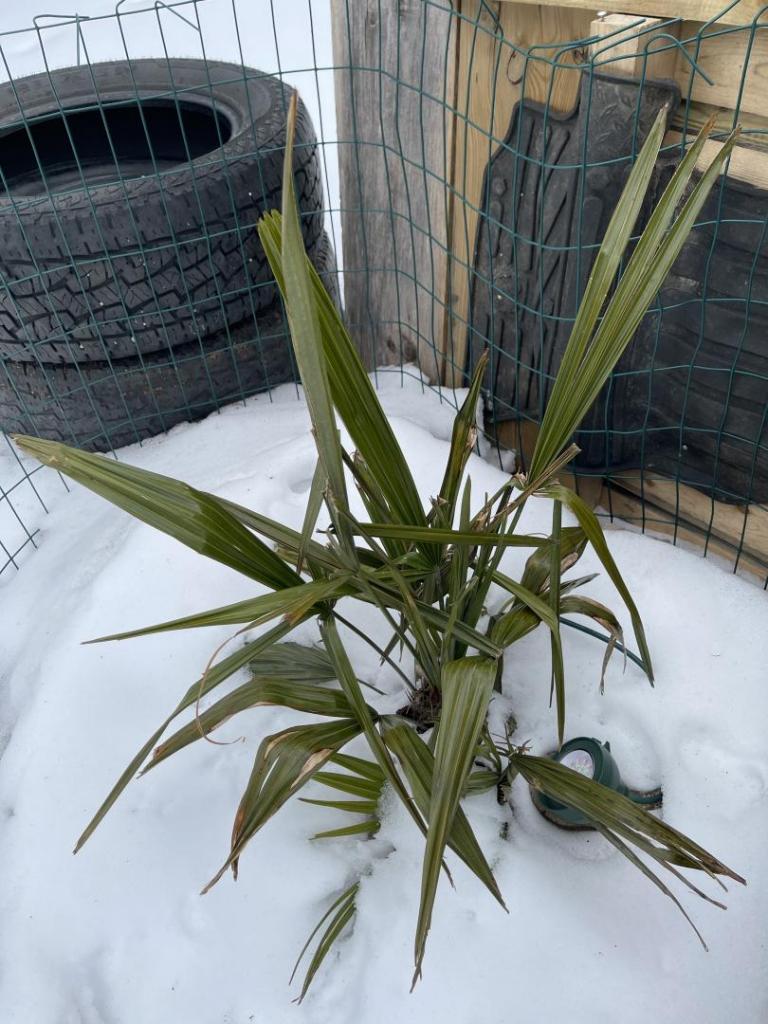
Anyone know of success stories around Maine? I have three needle palm plants planted at various times and so far show minor in some to spear pull in one. I have successfully grown a larger windmill palm by utilizing a wooden structure with Lex and glass around it to make a micro climate or enclose the palm in extreme weather. Currently trying sable minor this upcoming year and even a cabbage palm next to our foundation on the sunny side of our house. Cutie hat success others have had here in Maine.1 point
-
Pictures of the plants I’ve planted


 1 point
 -
I thought when I read the title you were saying these palms survived unprotected - them living through the winter with a cover is standard operating procedure in z7 and down. .1 point









.jpg.0cf735c7525858af1582442942bc68e8.thumb.jpg.894f59a749fff01eb286c1fe4a50ab62.jpg)