

Leaderboard
-

Looking Glass
IPS MEMBER17Points1,890Posts -
PalmatierMeg
IPS MEMBER14Points11,457Posts -
palmfriend
IPS MEMBER11Points1,472Posts -

Las Palmas Norte
IPS MEMBER7Points2,573Posts
Popular Content
Showing content with the highest reputation on 07/29/2023 in Posts
-
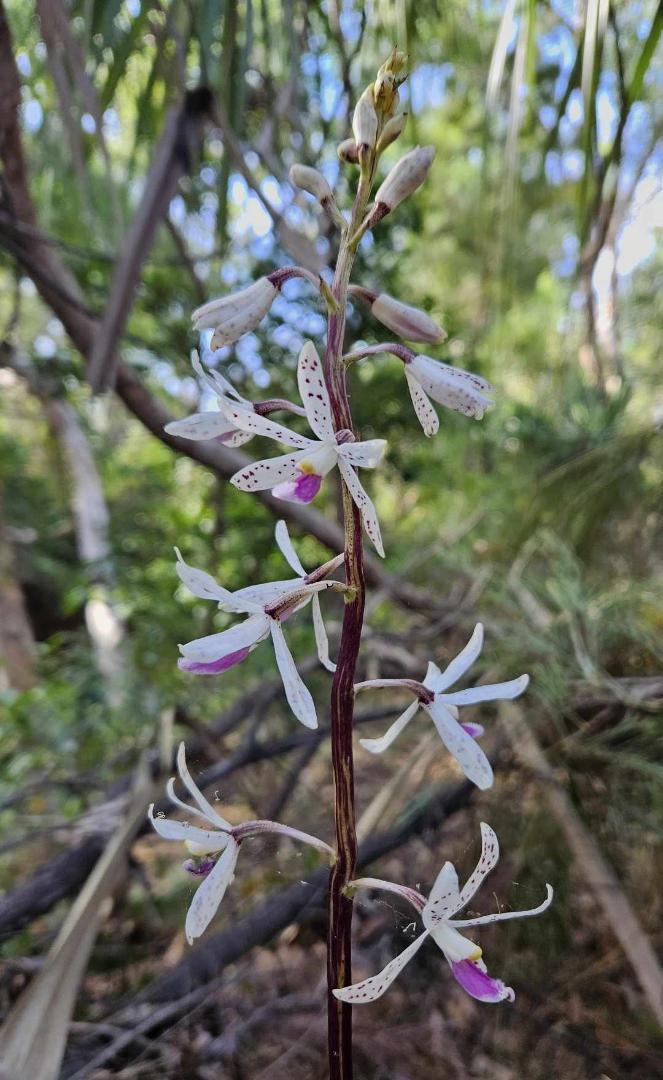
 5 pointsA Top End ( Gove Peninsular ) Northern Territory native ground orchid, Dipodium punctatum.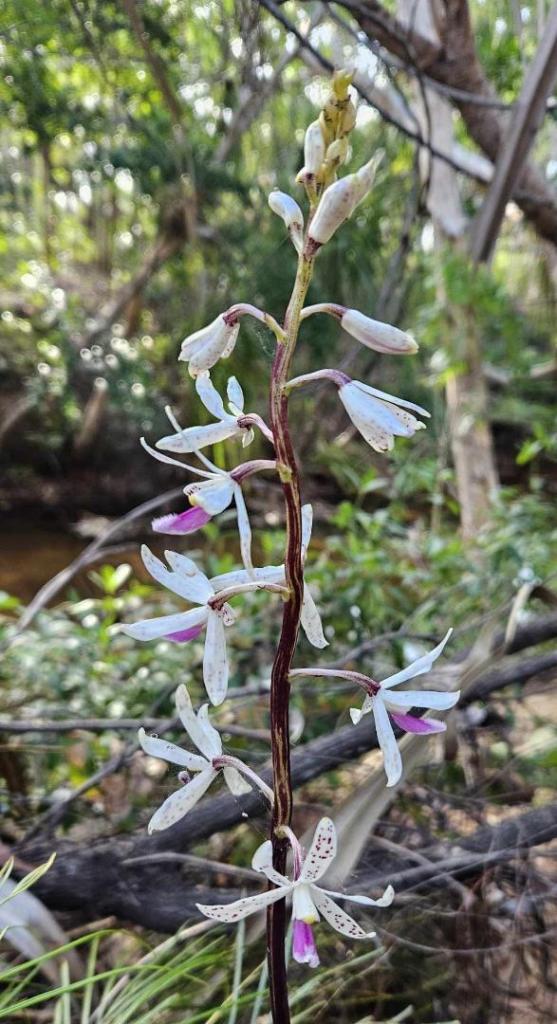
 5 points
 -
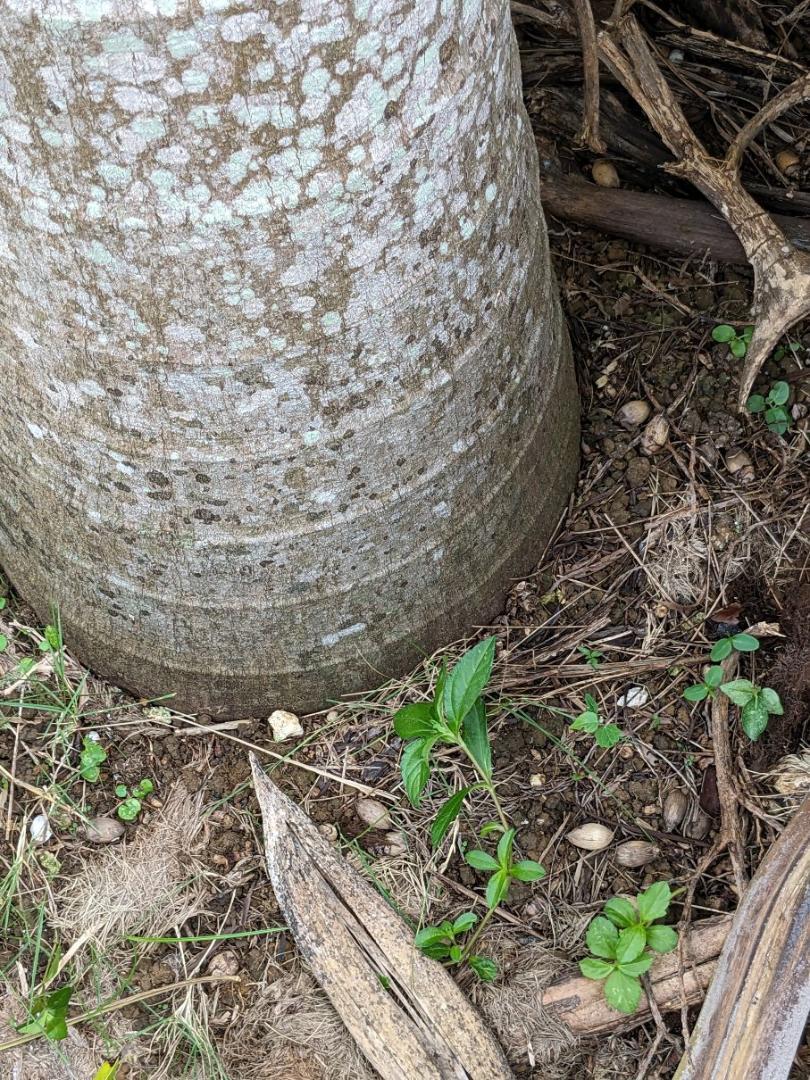
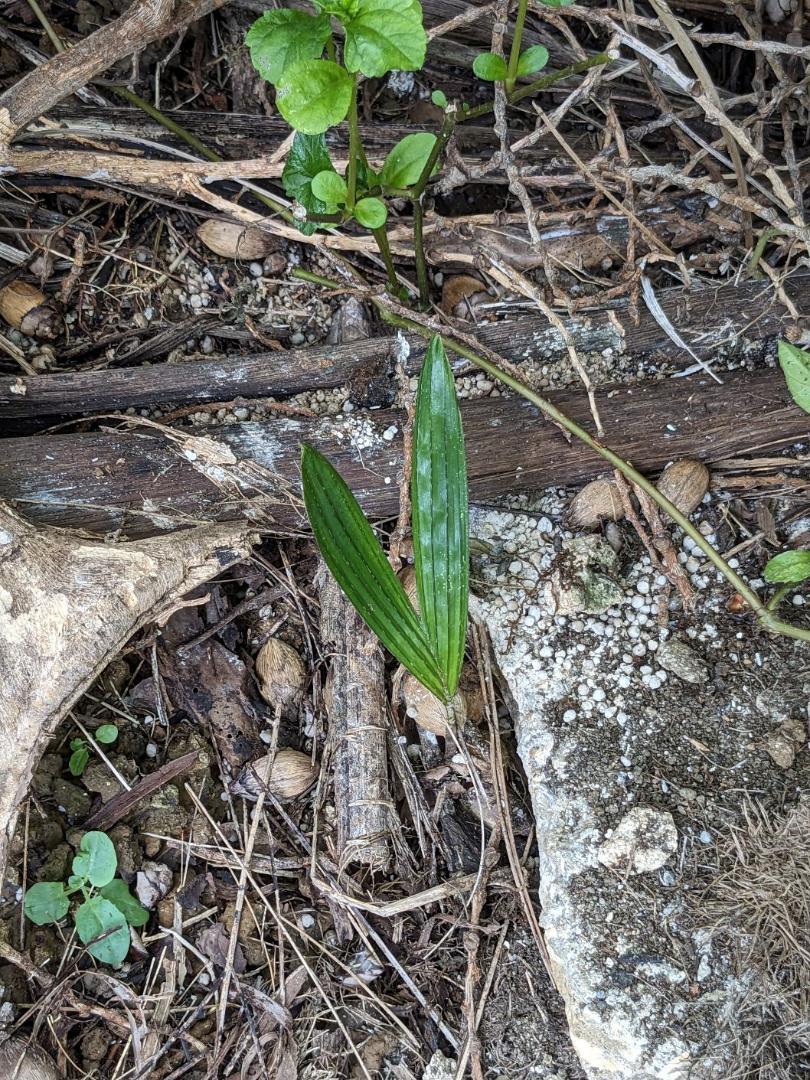
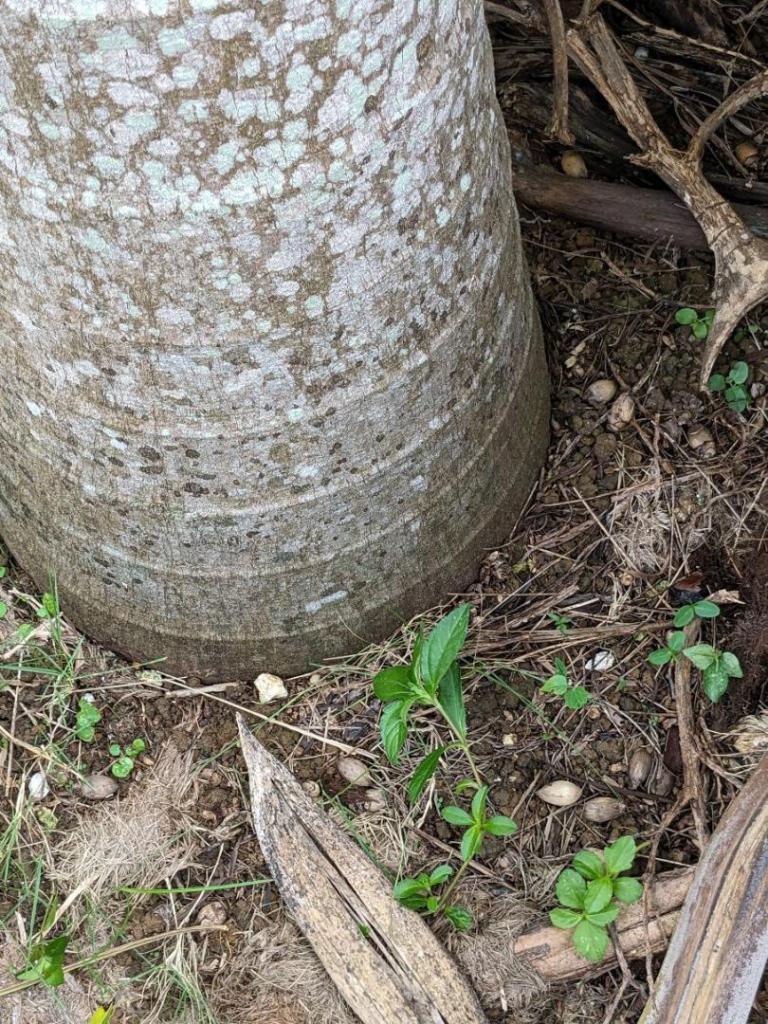
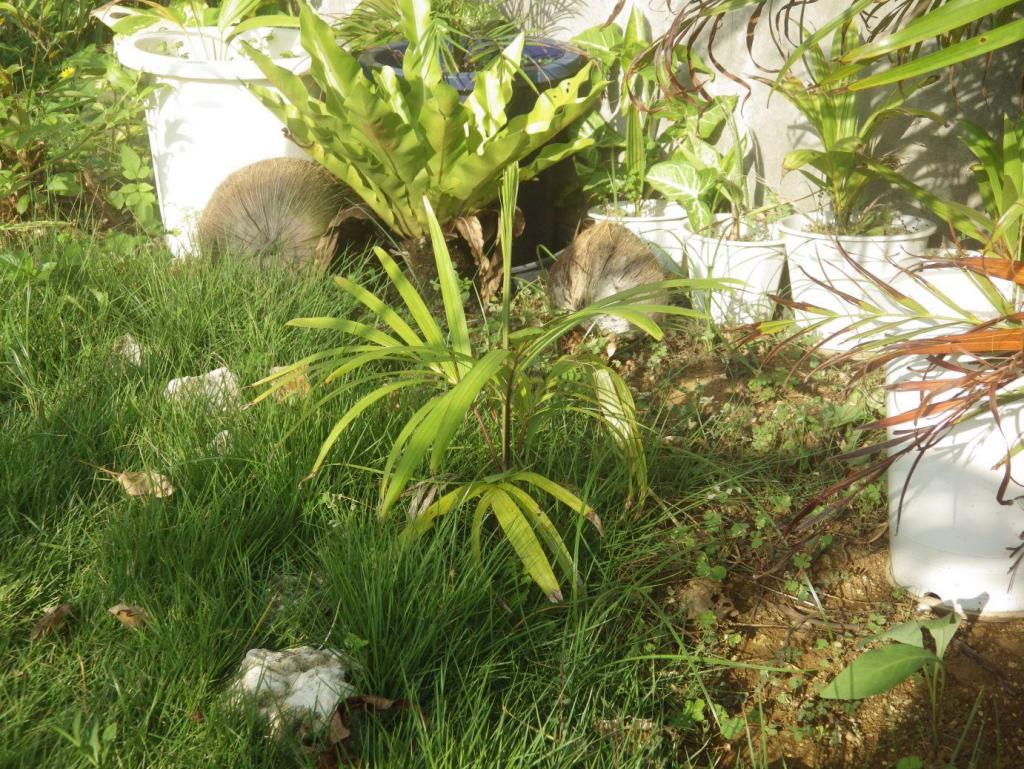
Hi, a short update and probably an interesting one. I enjoyed a stroll through the garden after very busy weeks at work, looking up and down my two seed grown Veitchia joannis (sp.?) palms and thought, what if...? Getting closer.... ...and starting to check the ground.... Nope, just seeds that had fallen off...oh wait.... Here we go! The first natural Veitchia sprout on Miyako island in Okinawa!! 😀👍 The Veitchia species is one of my favorites, so I am very very happy with this development. I will leave it there and let it grow close to its mother palm - a Veitchia triple is probably looking beautiful....(time will tell.) Thank you for your interest and patience following me during this long thread - Lars


 5 points
 -
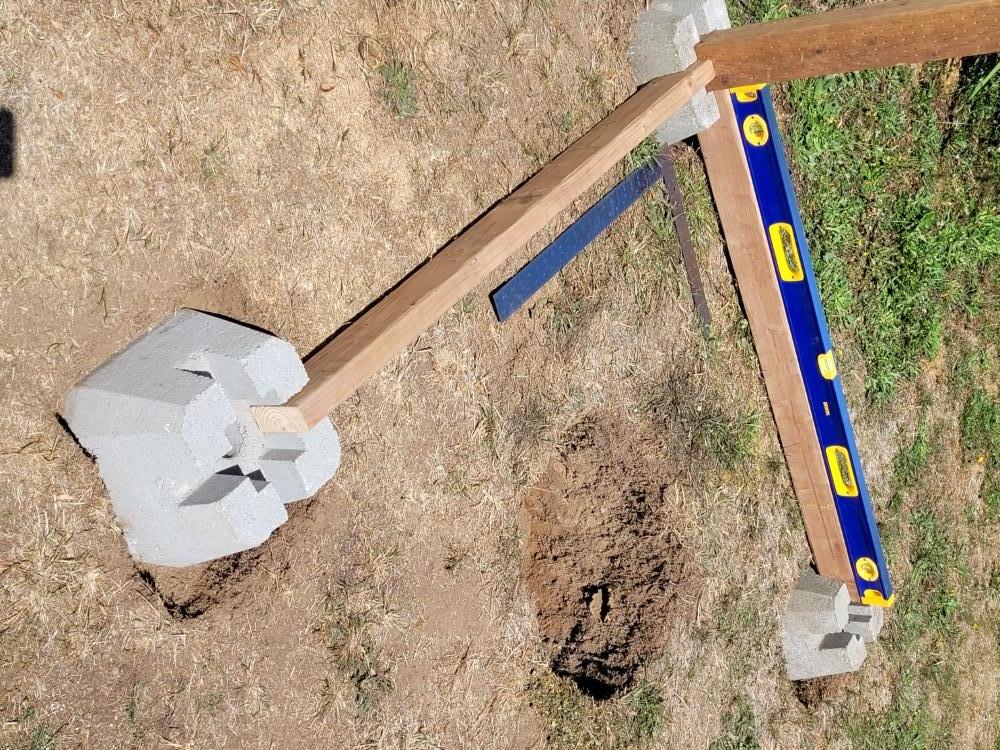
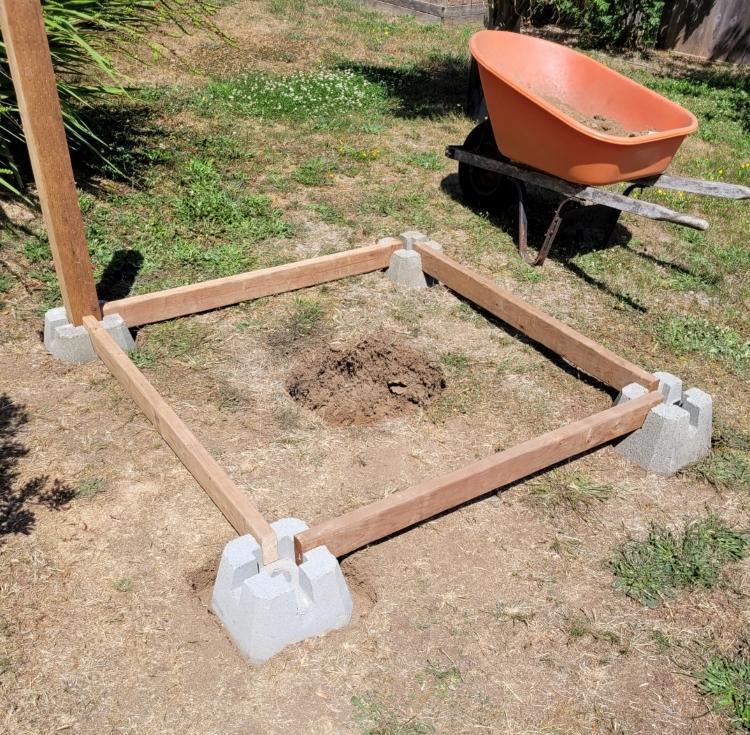
5 pointsFunny you should ask. I have started on a Ravenea rivularis (Majesty palm) planting complete with provisions to erect a winter shelter. I have to backfill and landscape this area to finish this project. Panels to be constructed this autumn. Some pics refuse to load correctly.

 5 points
 -
4 pointsIt was bulk pick up today, so I had to give the Chinese fans a severe haircut, and I pulled out all of the huge Aechmea blanchettiana bromeliads, which got way out of hand the last few years…. 10’x6’ pile removed. Sunlight for the Allagopterra arenaria achieved. My plan is to find some “Stoplight” Crotons to put in the backdrop of the understory, and maybe with some Firecracker Plant or some another small sun-tolerant croton like Yellow Mammy on the ends, as I expand that bed. So we went out to hit up the regular, local nurseries to see what they had. To my surprise, there was some interesting stuff at the regular nursery that normally just carries the usual ~7ish ubiquitous local palms…. Chambeyronia Macrocarpas 5+ feet tall…. Licualas…. Chrysalidocarpus Cabadae… Coccothrinax argentata (is it?) seeding already… Lantania lontaroides (these are everywhere this year)… A couple of very old men, that have been there for years…. No Stoplight, but lots of Picasso’s Paintbrush around this year….($9.99) A nice surprise to see some more “out-of-the-way” palms showing up at the plain-jane nurseries. Hope that trend continues. Oh, and some little old men…

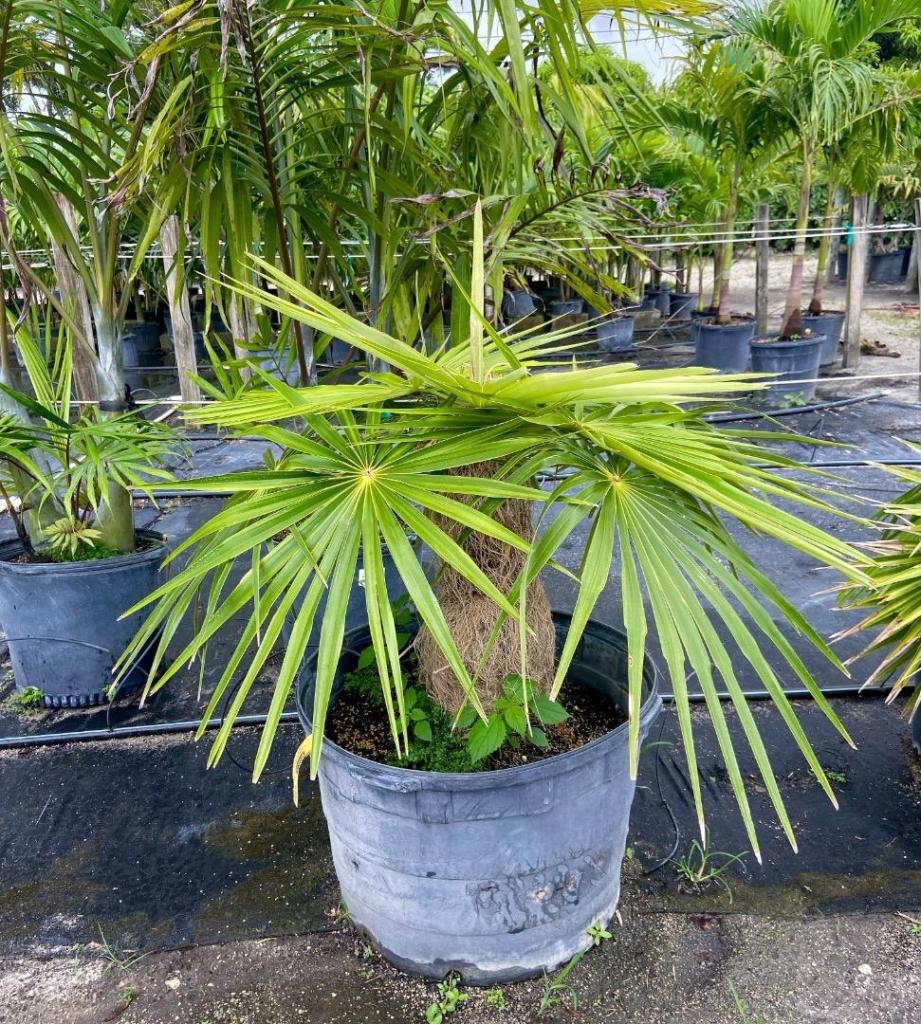


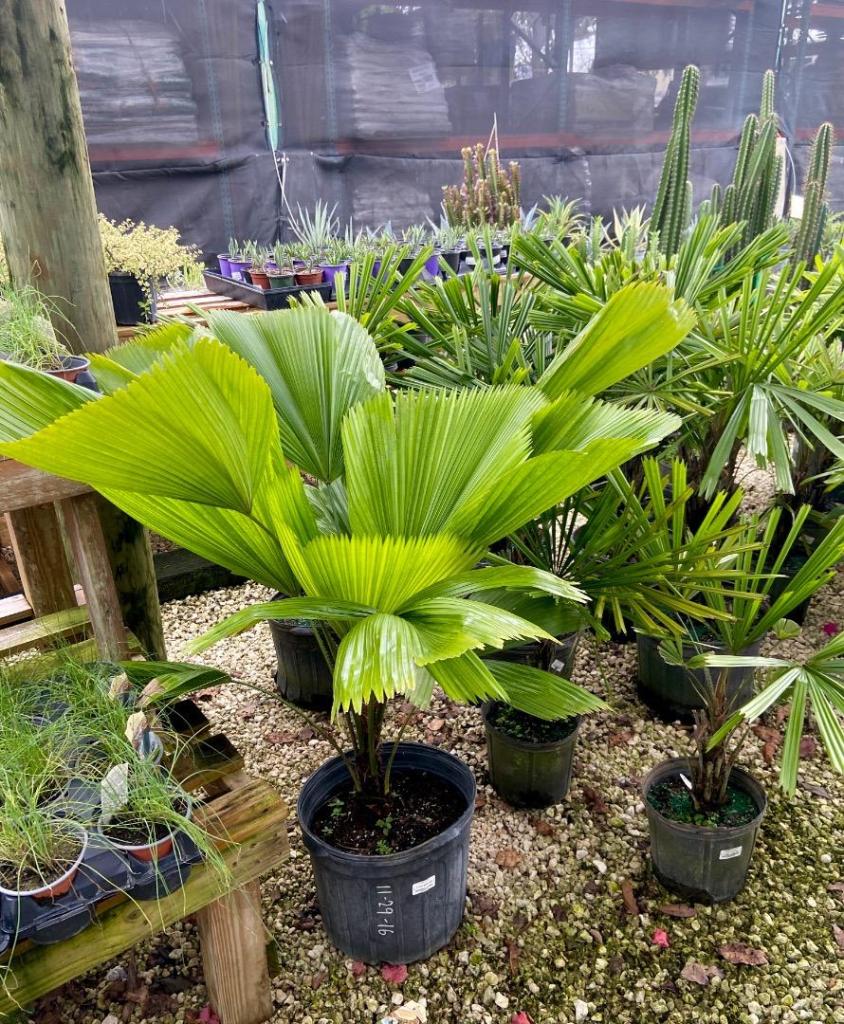

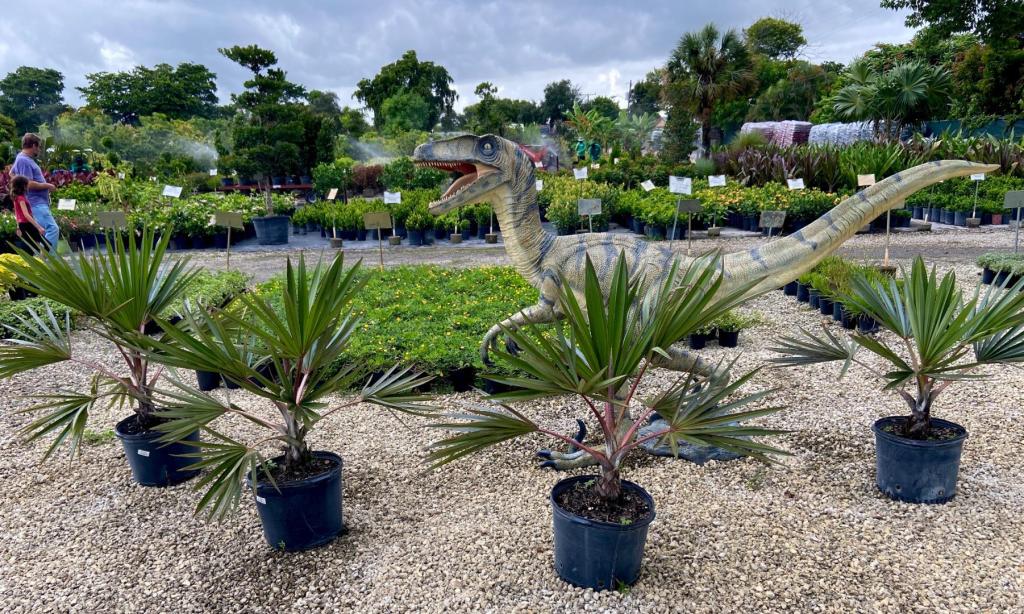


 4 points
 -
 4 points4 points
Hi, finally time has come to tell the story of my beloved Veitchia joannis palms - seed grown as most of you know. When I started with this great hobby (or someone might say, when I got bitten by the palm bug) and looked at palm images on the internet, this spectacular species soon caught my attention. Seeds were ordered at the end of 2012... ...and this where the story starts - please be invited: March 2013 - completely trouble free sprouters, growth rate of the seedlings was already impressive at that time. A year later, July 2014 - it was soon clear that they wanted out of the pots, no shock or even a flinch when let out into our local alcaline soil. Two years later, July 2016, phantastic speed of growth - already head-high - fertilizing three times a year and some extra handwatering usually only after one or two weeks without any rain... ...but typhoon protection for the young stem was a must. For scale a delicious beverage...(2016) Four years later in 2020 - the trunk's height already 7ft. - turning into beauties... Photo taken today from the second floor. Some lower fronds broke early due to heavy rhinoceros beetle attacks last year but their fast growth rate usually saves them. I recognized a fallen boot and and went down, ... ...and took a closer look at the crown shaft - and this is where today's story ends... The first spathe of one of my V.joannis palms! It might not turn out into viable seeds this time but I think there is from now on a real option to grow this species successfully here in southern Okinawa. Thank you for your time - Lars
4 points4 points
Hi, finally time has come to tell the story of my beloved Veitchia joannis palms - seed grown as most of you know. When I started with this great hobby (or someone might say, when I got bitten by the palm bug) and looked at palm images on the internet, this spectacular species soon caught my attention. Seeds were ordered at the end of 2012... ...and this where the story starts - please be invited: March 2013 - completely trouble free sprouters, growth rate of the seedlings was already impressive at that time. A year later, July 2014 - it was soon clear that they wanted out of the pots, no shock or even a flinch when let out into our local alcaline soil. Two years later, July 2016, phantastic speed of growth - already head-high - fertilizing three times a year and some extra handwatering usually only after one or two weeks without any rain... ...but typhoon protection for the young stem was a must. For scale a delicious beverage...(2016) Four years later in 2020 - the trunk's height already 7ft. - turning into beauties... Photo taken today from the second floor. Some lower fronds broke early due to heavy rhinoceros beetle attacks last year but their fast growth rate usually saves them. I recognized a fallen boot and and went down, ... ...and took a closer look at the crown shaft - and this is where today's story ends... The first spathe of one of my V.joannis palms! It might not turn out into viable seeds this time but I think there is from now on a real option to grow this species successfully here in southern Okinawa. Thank you for your time - Lars


 3 points
Looks like a really severe infestation of mealybugs. I suggest first thing that you give it a thorough hosing off to dislodge as much of that crud as you can. Follow that up by spraying it or sponging it with insecticidal soap. Make your own by shaving bits off a bar of Ivory soap into a bucket of water. Finally, drench the ground around the palm with a systemic insecticide containing imidacloprid.3 points
3 points
3 pointsLooks like a really severe infestation of mealybugs. I suggest first thing that you give it a thorough hosing off to dislodge as much of that crud as you can. Follow that up by spraying it or sponging it with insecticidal soap. Make your own by shaving bits off a bar of Ivory soap into a bucket of water. Finally, drench the ground around the palm with a systemic insecticide containing imidacloprid.3 points 3 points
3 points
3 points 3 pointsDefinitely not Pritchardia, they are going to be pinnate palms. I’d say your original expectation was right, likely C lutescens.3 points
3 points
3 pointsDefinitely not Pritchardia, they are going to be pinnate palms. I’d say your original expectation was right, likely C lutescens.3 points
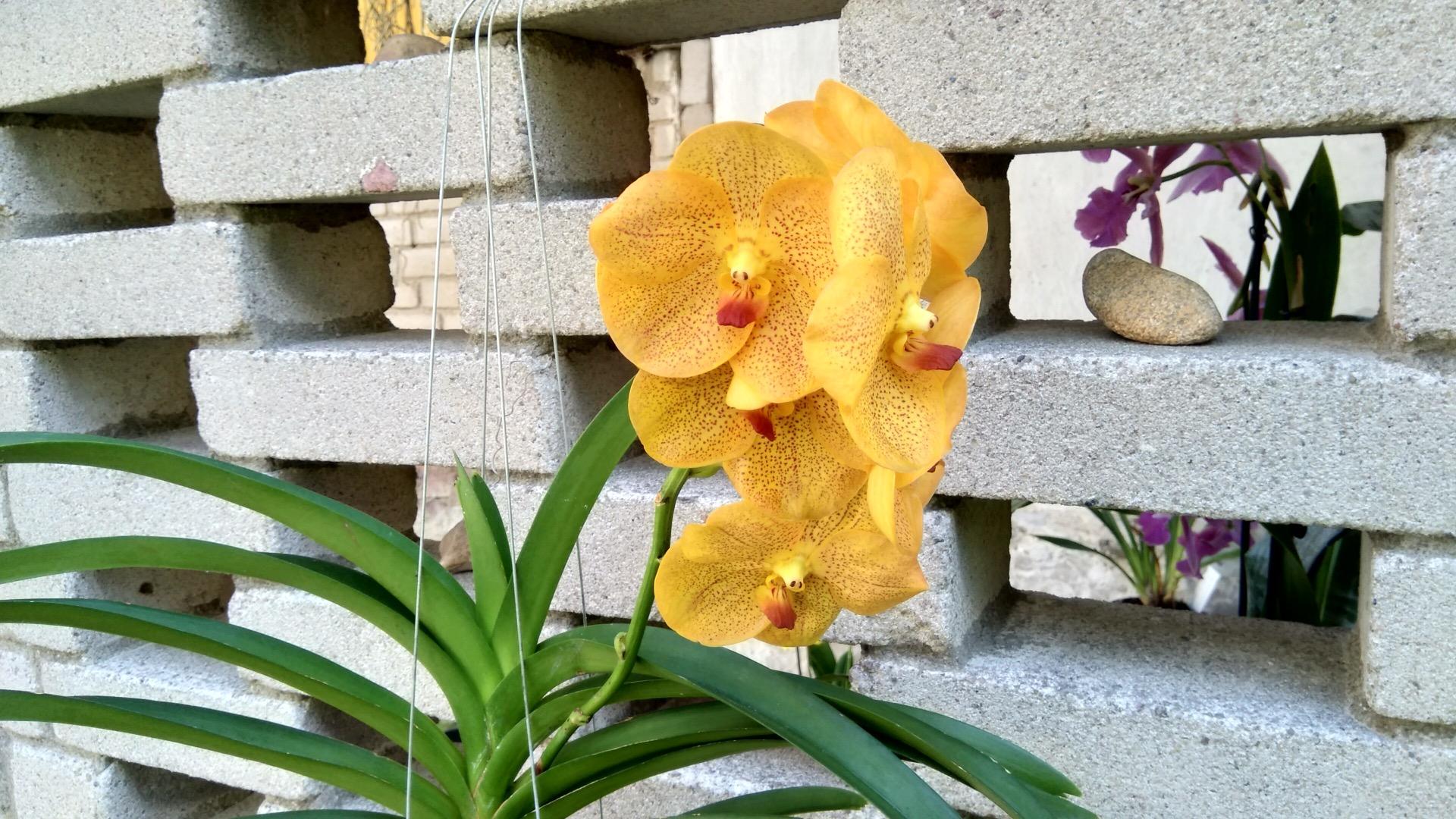
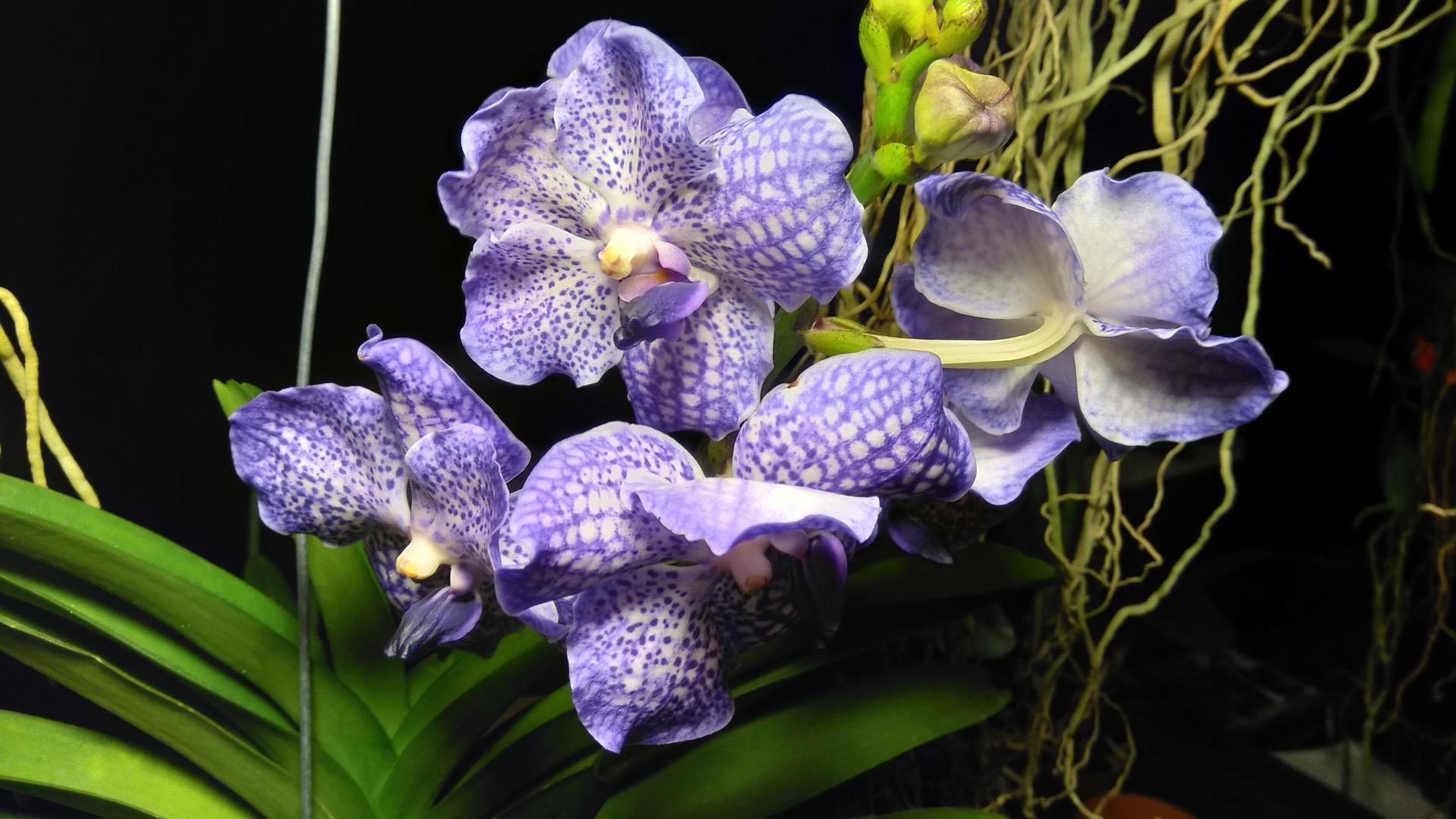
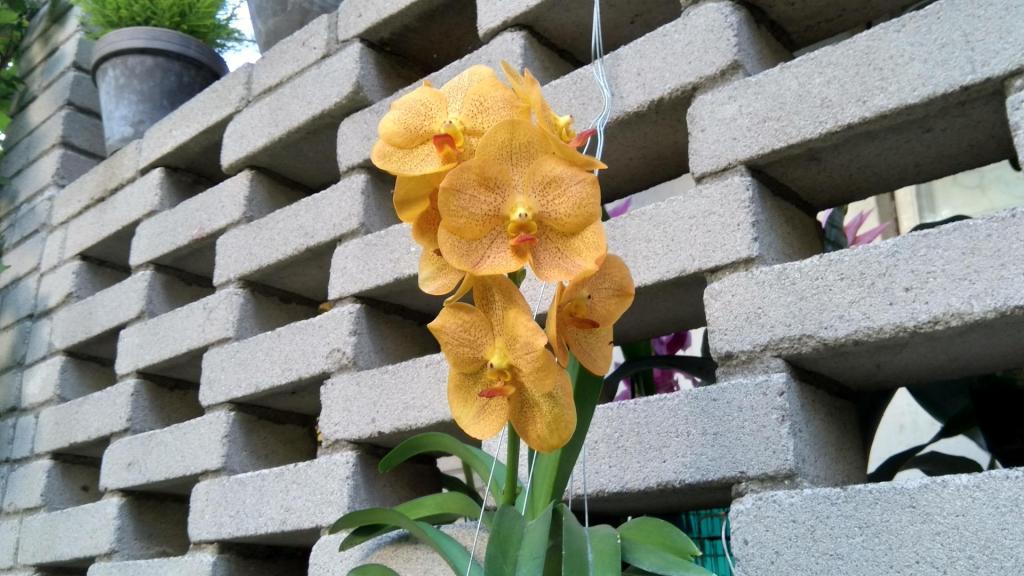
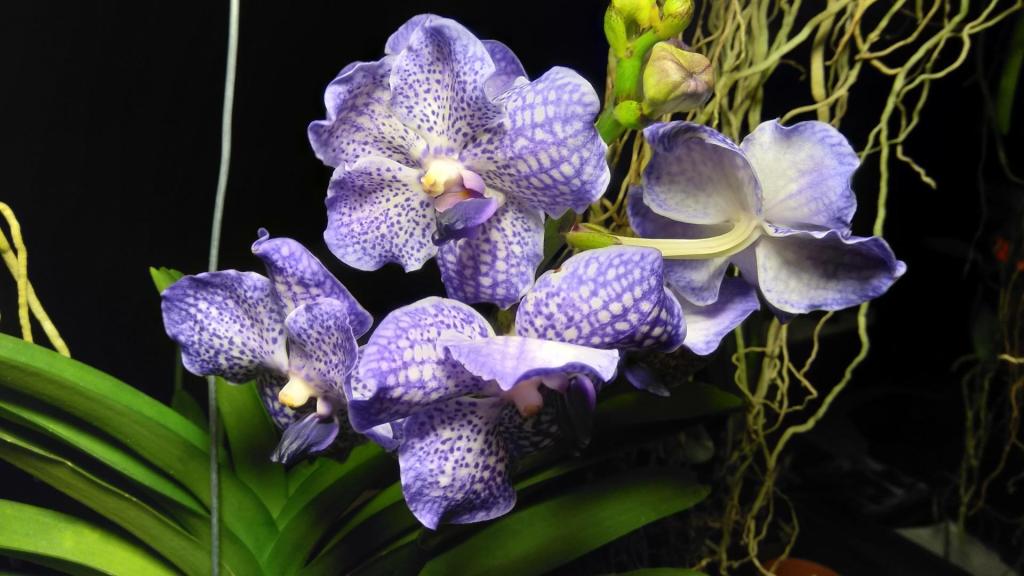
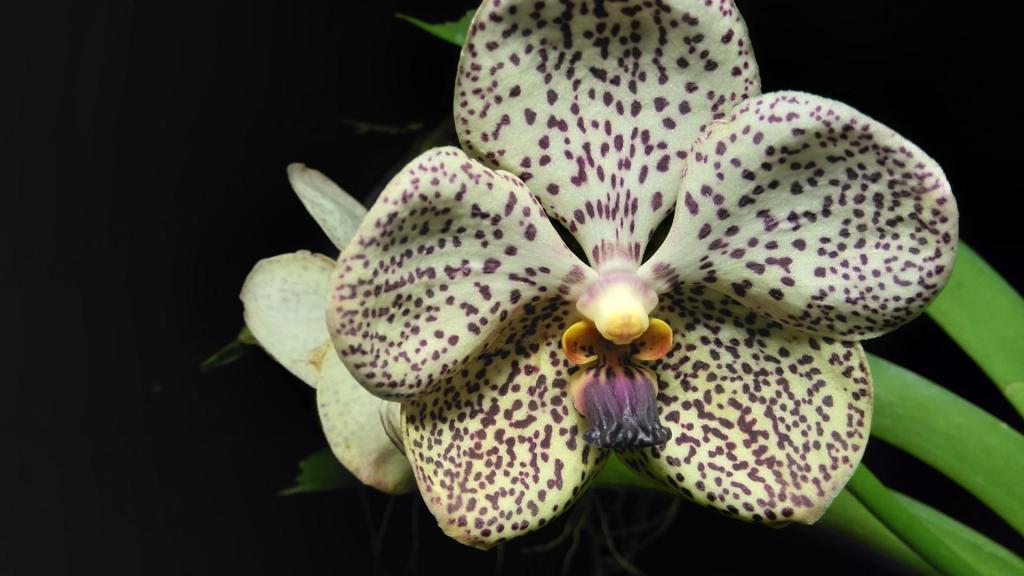
3 points 3 pointsI actually started my plant growing activities with orchids. Vandas are my absolute favorites, and they have, in my opinion, the most beautiful blooms of all plants. I had a pretty large collection of Vandas a few years ago, which unfortunately, due to circumstances, got wiped out. My main focus at the moment is growing palms from seed, but I really miss my Vandas. Will definitely start it up again at some point -- nothing beats those inflorescences! And orchids are pretty easy to go about if you can handle the basics. The only thing I dislike about growing orchids, is that it's impossible to grow them from seed on your own without access to a lab.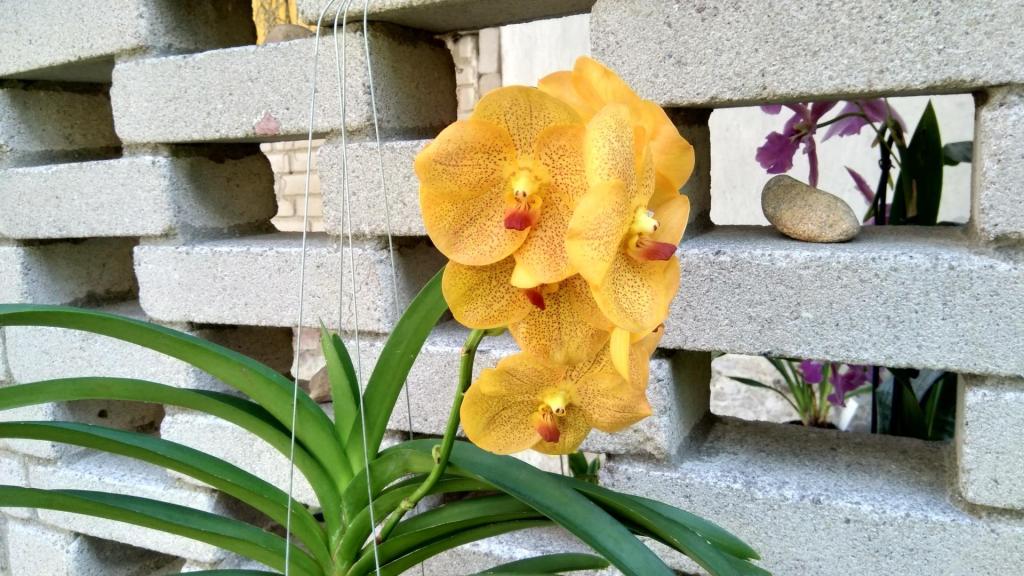
 3 points
 2 pointsWhile I enjoy seeing whatever is going on over in Texas or S. Carolina, are there any garden updates of the PNW that you all want to share? Maybe some cool progress shots or garden changes? Cheers!2 points
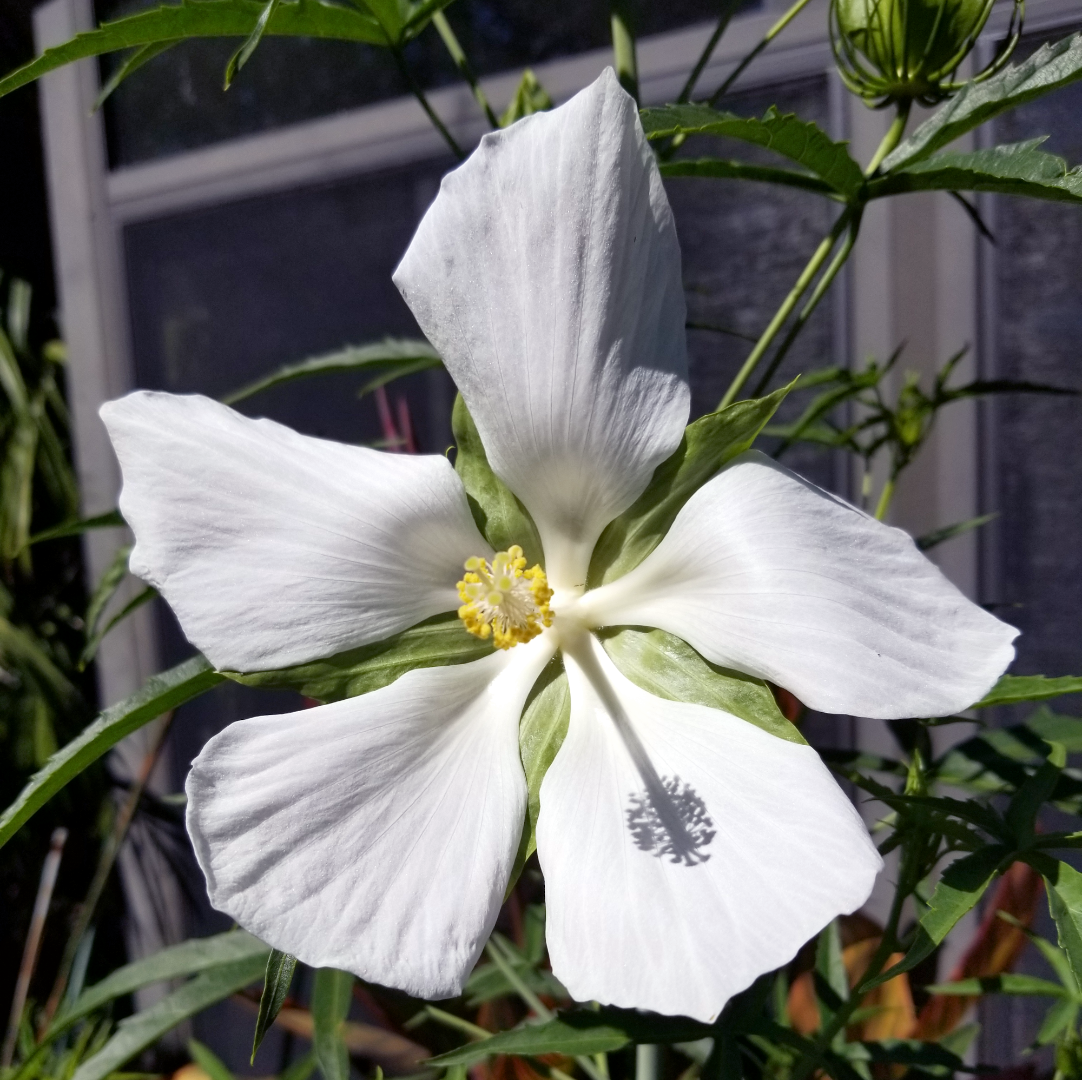
 White Texas Star Hibiscus (Hibiscus coccineus 'Alba'). A really dependable performer that handles heat and swampy conditions very well. This variety's growth during the summer has been phenomenal.
 2 points
 36c /97f straight for the past 7 days. Lows: 28c It has been a scorcher.2 points
 2 pointsBrom shopping!!! May I submit the following recent favs (with the disclaimer that I'm in a different climate)... ---- Aechmea "black on black" This one is past its prime, but has been a decent pupper (you can see some on the bottom). It also handles a *bit* of sun (though shows most black in part-sun or shade. Much better option for me than Aechmea "perez" (which looks similar, but was a dud for me). I'm currently trying to propagate a bunch of these to sprinkle throughout the yard (along with the fireballs). ---- Neoregelia "namaskar" (green stripes & burgundy) and "bird rock" (fushia, on right) The bird rock looks even better in real life, and has been a decent "pupper". The "namaskar" is weird-looking (in a good way), but new & unproven. You can also see a recently planted "black on black" pup... which is scrawny now, but will get fuller. ---- Neoregelia "saundersii" I like it more than I thought I would, and they're relatively cheap. This one is past its prime but you can still see the neat blue-ish color. Hoping it pups soon, but if not I'm going to buy a few more. Happy shopping!

 2 points
Not a Washy expert here but yours looks all/mostly robusta to me. The rusty-red color of the trunk & boots point to that. Also, the large spines and bountiful fibers. I’ve been told filiferas have fewer fibers, much smaller spines and very little red.2 points
2 pointsA number of other Ptychosperma, i.e., burretianum, waitianum, have very thin trunks.2 points
Got another 1/2” in a quick downpour yesterday. Total rainfall for June/July so far = 3.04” That’s still less than the average combined total of our two driest months of dry season (Dec. & Apr.). Sheesh.2 points
2 pointsBe aware of the following: 1. Bismarckias despise pots and make poor houseplants. Anyone selling a Bizzy as a houseplant in MA should be charged with palm abuse. Any pot you put them in must be very deep to hold their extensive root systems. 2. They are notoriously root sensitive. Repot/transplant them with great care and figure on breaking/cutting old pots from the rootball. Do not cut, break, mangle or untangle Bizzy roots. 3. They demand high heat - day temps in 85-95+F and blazing sun. Days of 72F in a dark, chilly house will not cut it. 4. Your Bizzy appears to have a bad case of spider mites and nutrient deficiencies. Palms need a time release fertilizer with all minor elements, i.e., Osmocote. Do not use blue granular house plant fertilizer, which may burn those sensitive roots. Treat mites with insecticidal soap. 5. Pot your Bizzy in a well draining, loose garden soil. Never use cheap black $ store bagged mix. If possible, avoid Miracle Gro 6. Do not overwater. Bizzies are not rainforest palms and have some drought tolerance. Soggy potting medium can lead to root rot. Never let it sit in a tray of water. Welcome to PalmTalk2 points
2 points
Not a Washy expert here but yours looks all/mostly robusta to me. The rusty-red color of the trunk & boots point to that. Also, the large spines and bountiful fibers. I’ve been told filiferas have fewer fibers, much smaller spines and very little red.2 points
2 pointsA number of other Ptychosperma, i.e., burretianum, waitianum, have very thin trunks.2 points
Got another 1/2” in a quick downpour yesterday. Total rainfall for June/July so far = 3.04” That’s still less than the average combined total of our two driest months of dry season (Dec. & Apr.). Sheesh.2 points
2 pointsBe aware of the following: 1. Bismarckias despise pots and make poor houseplants. Anyone selling a Bizzy as a houseplant in MA should be charged with palm abuse. Any pot you put them in must be very deep to hold their extensive root systems. 2. They are notoriously root sensitive. Repot/transplant them with great care and figure on breaking/cutting old pots from the rootball. Do not cut, break, mangle or untangle Bizzy roots. 3. They demand high heat - day temps in 85-95+F and blazing sun. Days of 72F in a dark, chilly house will not cut it. 4. Your Bizzy appears to have a bad case of spider mites and nutrient deficiencies. Palms need a time release fertilizer with all minor elements, i.e., Osmocote. Do not use blue granular house plant fertilizer, which may burn those sensitive roots. Treat mites with insecticidal soap. 5. Pot your Bizzy in a well draining, loose garden soil. Never use cheap black $ store bagged mix. If possible, avoid Miracle Gro 6. Do not overwater. Bizzies are not rainforest palms and have some drought tolerance. Soggy potting medium can lead to root rot. Never let it sit in a tray of water. Welcome to PalmTalk2 points 2 pointshttps://cycadales.eu/la-germination-des-graines-de-cycadales/2 points
(200x194).thumb.jpg.25738373bf7571e51181f2f3921b2671.jpg) @Rivera Two angles of the same, on-going storm: ...Wait for it... ..Golf ball -sized hail down there.. 110F and hazy up here... " Catalina " Cam: http://www.atmo.arizona.edu/products/wximagery/movies/last_90_minutes.mp4 " Rincon " Cam: http://www.atmo.arizona.edu/products/wximagery/movies/rincon_last_90_minutes.mp42 points
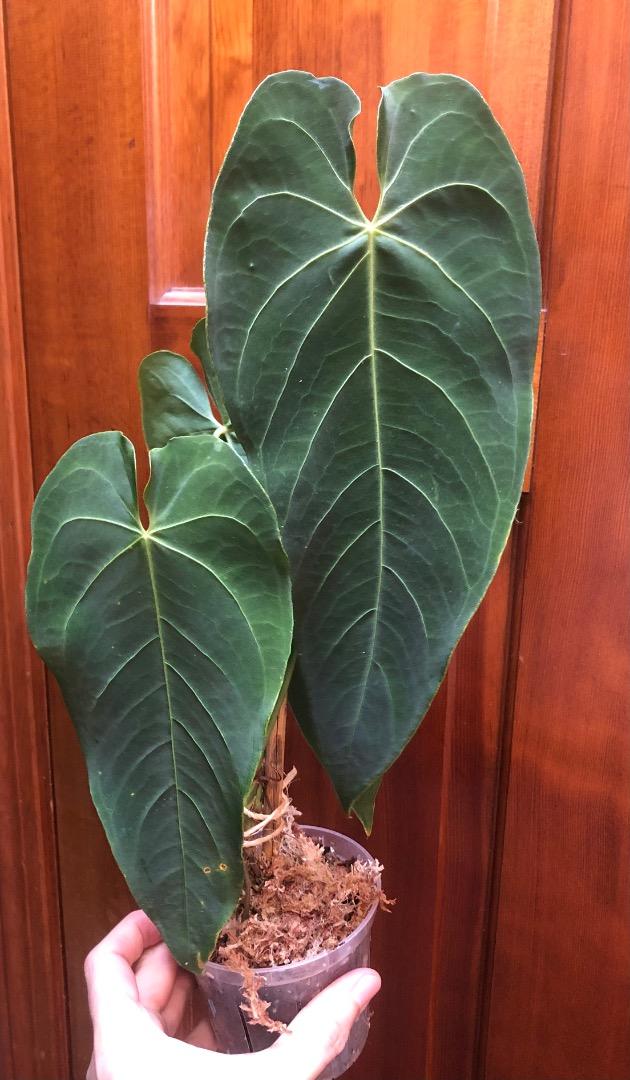
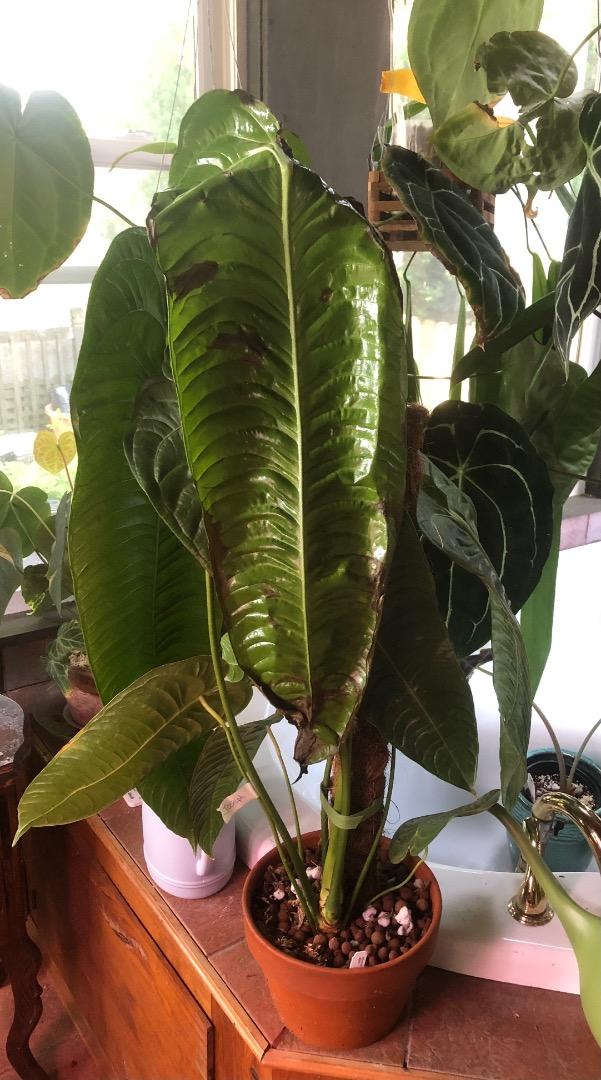
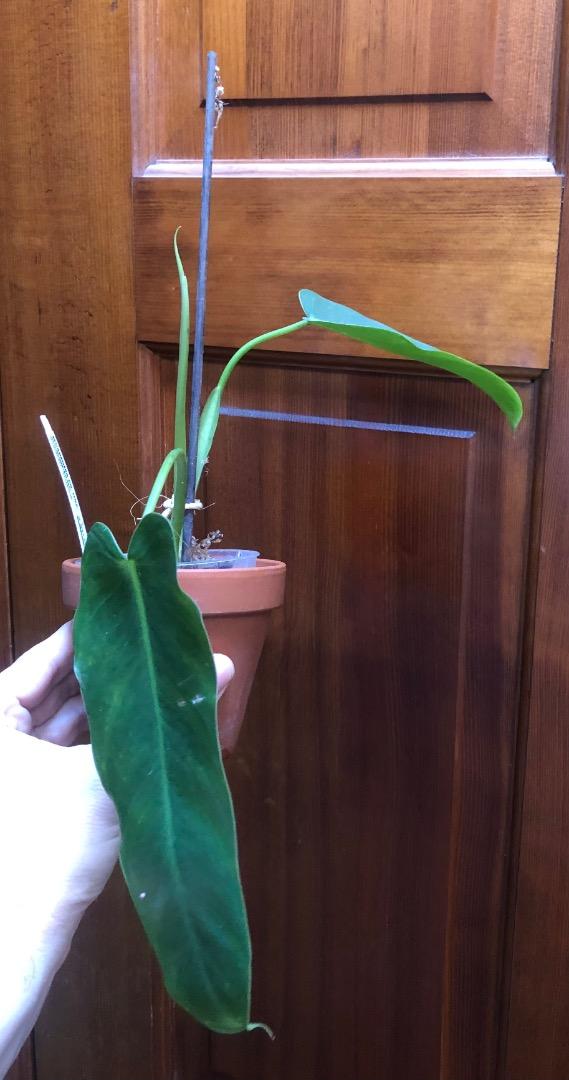
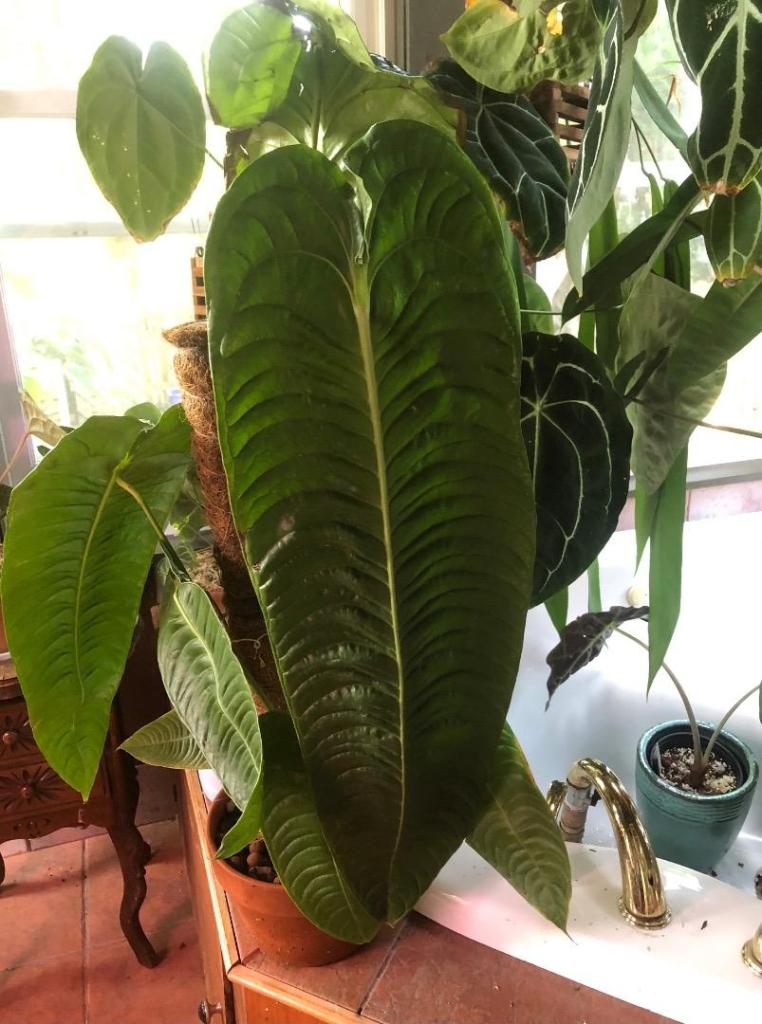
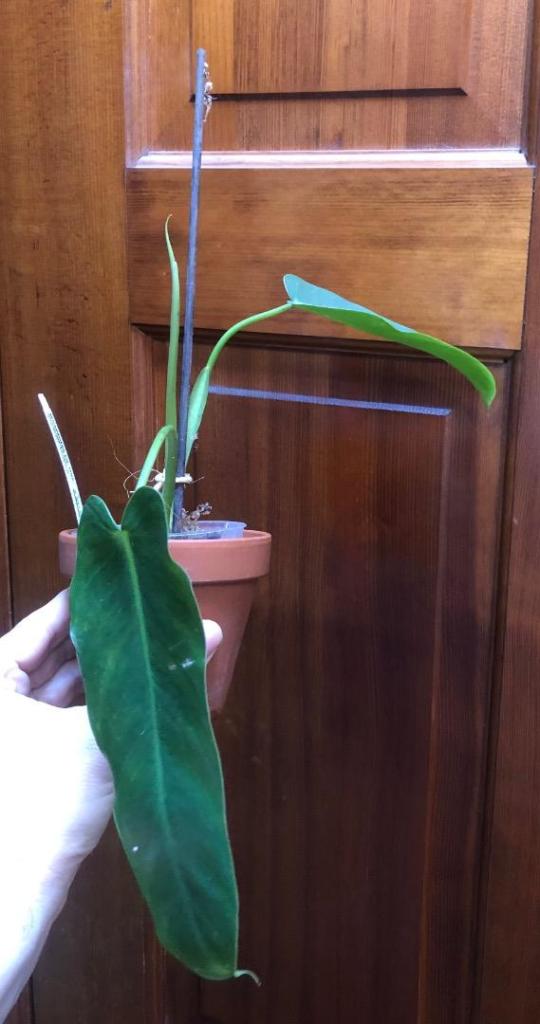
@Rivera Two angles of the same, on-going storm: ...Wait for it... ..Golf ball -sized hail down there.. 110F and hazy up here... " Catalina " Cam: http://www.atmo.arizona.edu/products/wximagery/movies/last_90_minutes.mp4 " Rincon " Cam: http://www.atmo.arizona.edu/products/wximagery/movies/rincon_last_90_minutes.mp42 points 2 pointsThe Anthurium querelmalense finally arrived from Ecuagenera Equador. Slipped in just prior to any UPS worker’s strike. Also, ecuagenera sent out a list of larger aroids in stock; with larger prices of course —these are larger than what they typically offer and require extra shipping. Anyhow, I didn’t see any Anthurium veitchii listed and since I’ve been looking for a large one for awhile I decided to ask. They kindly found one and shipped a nice healthy one. Largest potted one I’ve seen in person and hopefully i can get it through acclimation; I can tell it will be a challenge. Temperatures and humidity here this week have been as close to Central / South American rainforest conditions as we will ever get in RI, so at least I have that in my favor. The sunroom spot for this was high 8Os F and 99% humidity. lastly, I ordered another Philodendron spiritus-sancti seedling as prices have really come down. I wanted this spare from a reputable company to ensure I had the real deal. Anthurium querelmalense Anthurium veitchii Philodendron spiritus-sancti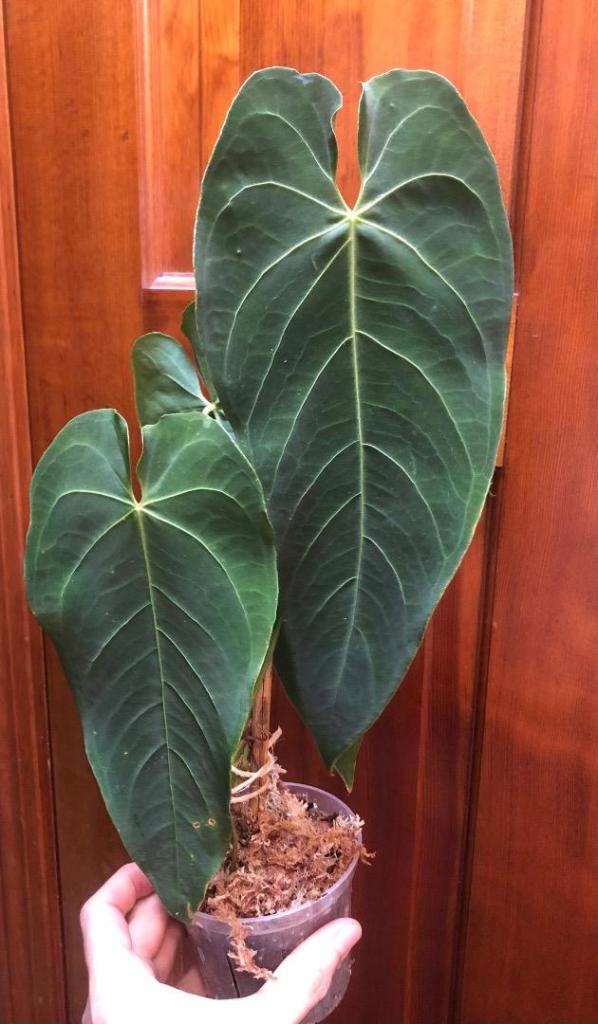

 2 points
 Toughest of all Chysalidocarpus in California. They grow moderately fast, can handle 120 degree temps, eat up all day sun and require only moderate amounts of water. Once they get a certain size they aren’t as elegant as some members of the genus but only Pembana grows much faster in Socal but they have much higher cultural requirements to look their best. By far the two best growers for me here in the heat and elevation.2 points
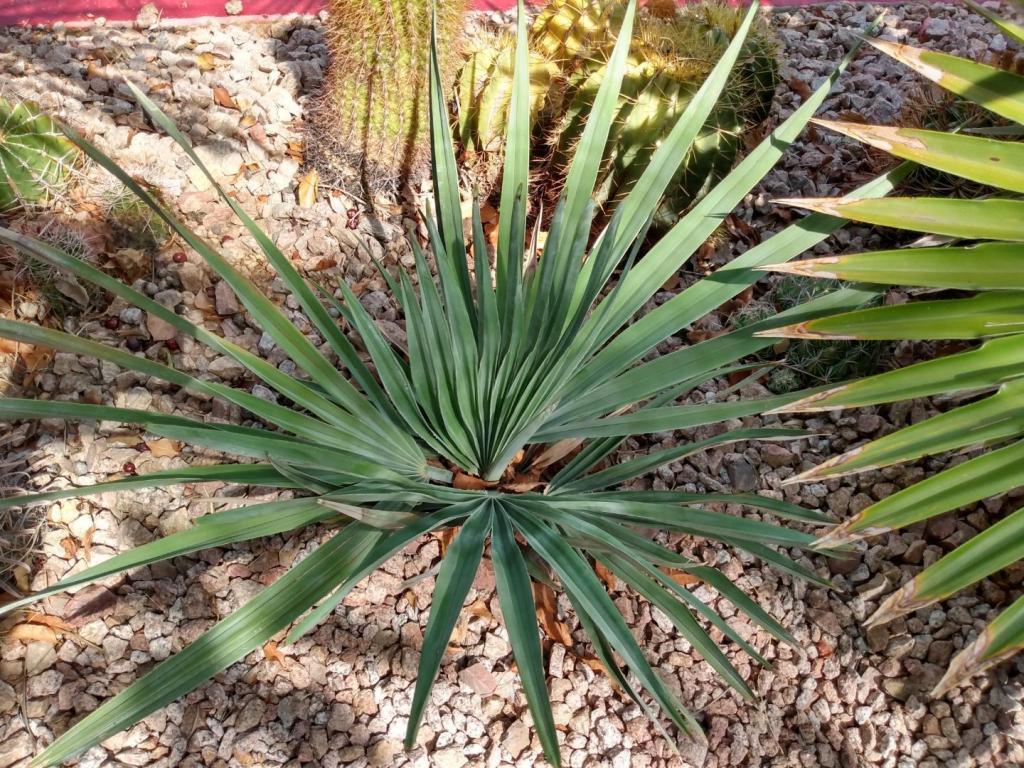
 I grew some hospitas from seed I picked myself off a blue parent tree. Sold them all off at 3 gallon size as they were still as green as could be. Don't know if they ever change color, but suspect not. Also grew some blue yarey (small hospita) from seed I gathered from a wild population in Cuba. Blue from the very first sprout. Here's one of them, today, planted in ground. aztropic Mesa, Arizona
 2 points
Not necessarily 100% fool proof... When it is 110+ out ..for days... Soak plants in pots, esp any where the sun is on them at any point thru the day, and they can cook ( the roots ). Had this happen w/ plenty of things i'd kept in shade. May only be 109F in the shade when it is 120+ in full sun but water absorbs and retains heat, so, while the soil in those pots might not be broiling ( compared to the plants in full sun ) if X plant's roots are heat sensitive, even a soil temp of 104, in the shade, day after day, for 3 or 4 months straight, can cause problems. Have lost ..uncountable... #'s of plants assuming just upping the frequency of watering would keep them going through these kinds of heatwaves.. Lawn area / in ground trees, etc out back are watered 2x weekly for just over an hour.. That does nothing to stop sunburn, ..an may actually make it worse by promoting tender new growth at a time when that growth is much more susceptible to being burned. Contrast that to out front where the Olive shades the grass / some other stuff, and the house itself provides shade in the afternoon.. Grass out there is healthy / grows like mad. Plants out there suffer some heat stress ..but not nearly as much as stuff does out back. Some sps of Agave in the ground can also cook the same way as well.. Aside from what being in direct sun can do to some cacti which naturally grow under something else that provides X amount of shade, Soak a # of cacti weekly / bi- weekly when nights are consistently in the 80s / 90s and they can cook, simply because, being the ultimate CAM plant, they can't breathe and go into a semi- dormant state when it is that hot. Remember, cacti and numerous other Succulent- type plants, open their Stoma only at night.. Keeping them closed during the day is how they evolved to survive arid environments. Numerous cacti will also shed finer roots when it is dry / hot to conserve moisture / save it for the main roots.. Then resume fine root growth when it rains and cools down. Saguaro can start this regenerative process within hours of a Monsoon soaking. Planting potted cacti specimens in the correct soil type / mix ..IE: less than 10% of... ...or absolutely no Organics in the soil mix seems to help ( Am able to give those specific Cacti an occasional splash or two of water when it is this hot, w/out watching them cook, from the bottom up afterwards ) ..but mirroring the kind of soil they grow in, in habitat, doesn't completely eliminate that threat. As far as Kaolin.. I use " Tree Paint ", which provides a similar, sun / heat reflective benefit, esp for thin / sun- sensitive- skinned trees like Citrus, ..The Tipuana, my Plumeria, etc.. Occasionally, you'll see trees around town that had been painted as well. I'll be painting the Ficus this fall when i raise the canopy a little. Can see where the tree had been damaged after it was trimmed in the past. One reason i let it fill out as much as possible to shade the trunks this year. As far as the weather goes, after such a wet / snowy winter ( in nearby areas of the western U.S. ) i knew this summer would most likely lean drier / hotter ..but this is nuts, lol. That said, it fits in with the overall pattern suggested in a warming world. between the two? i think heat-related stress /damage will become more of a challenge compared to cold -related stress / damage going forward. Sure there will still be cold winters ..Just think there won't be as many, ..Compared to sizzling summers anyway, IMO.2 points
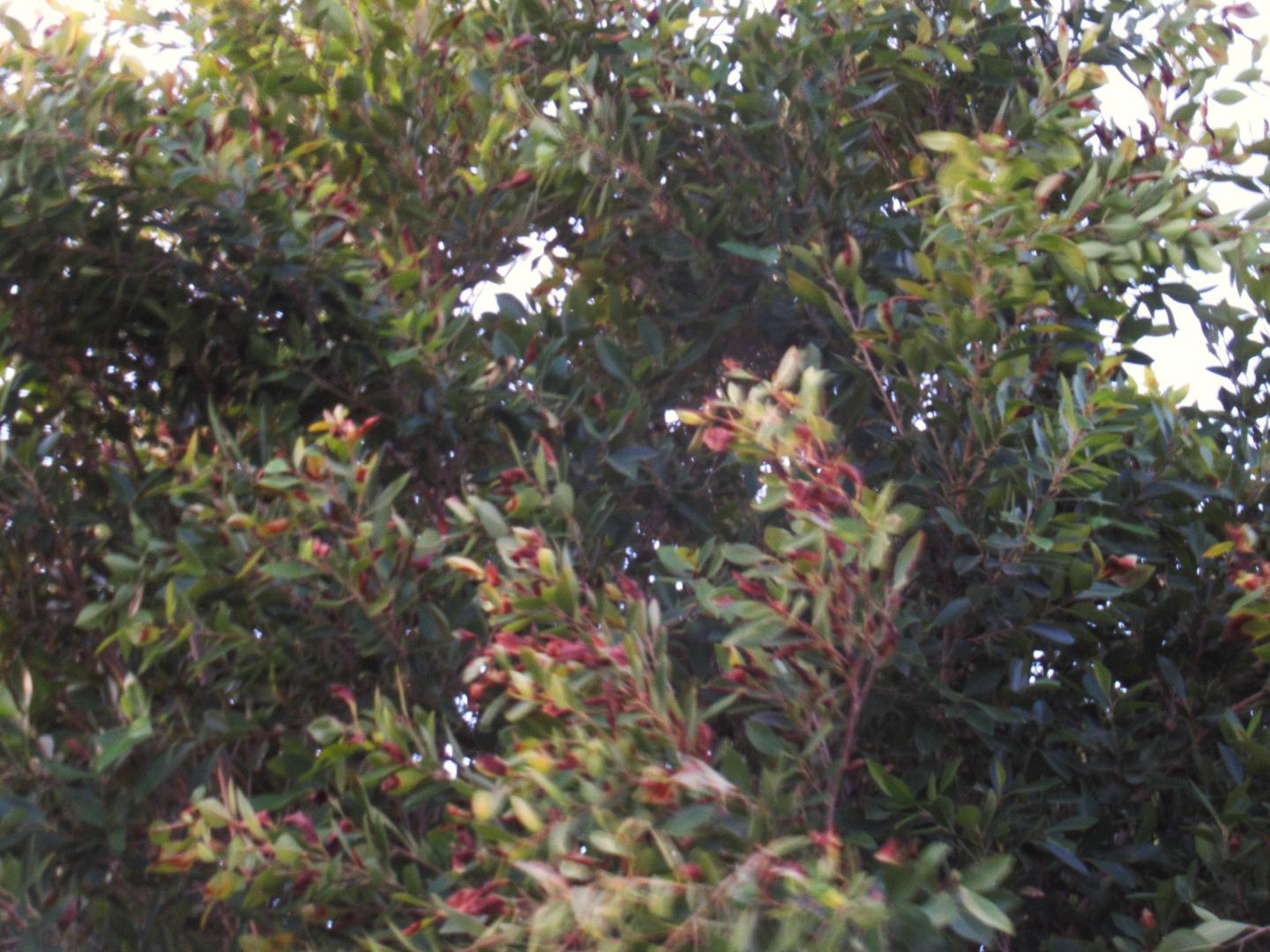
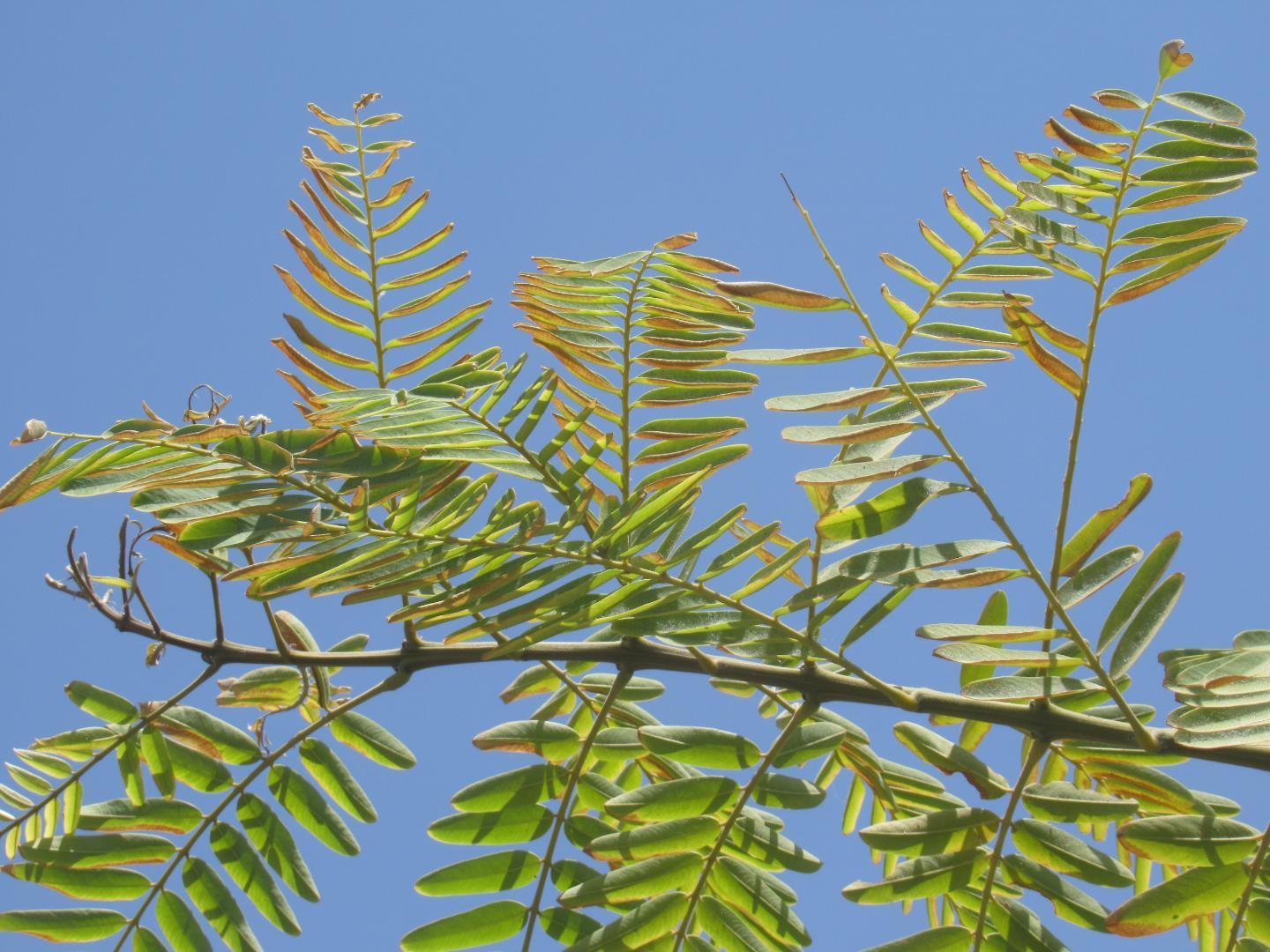
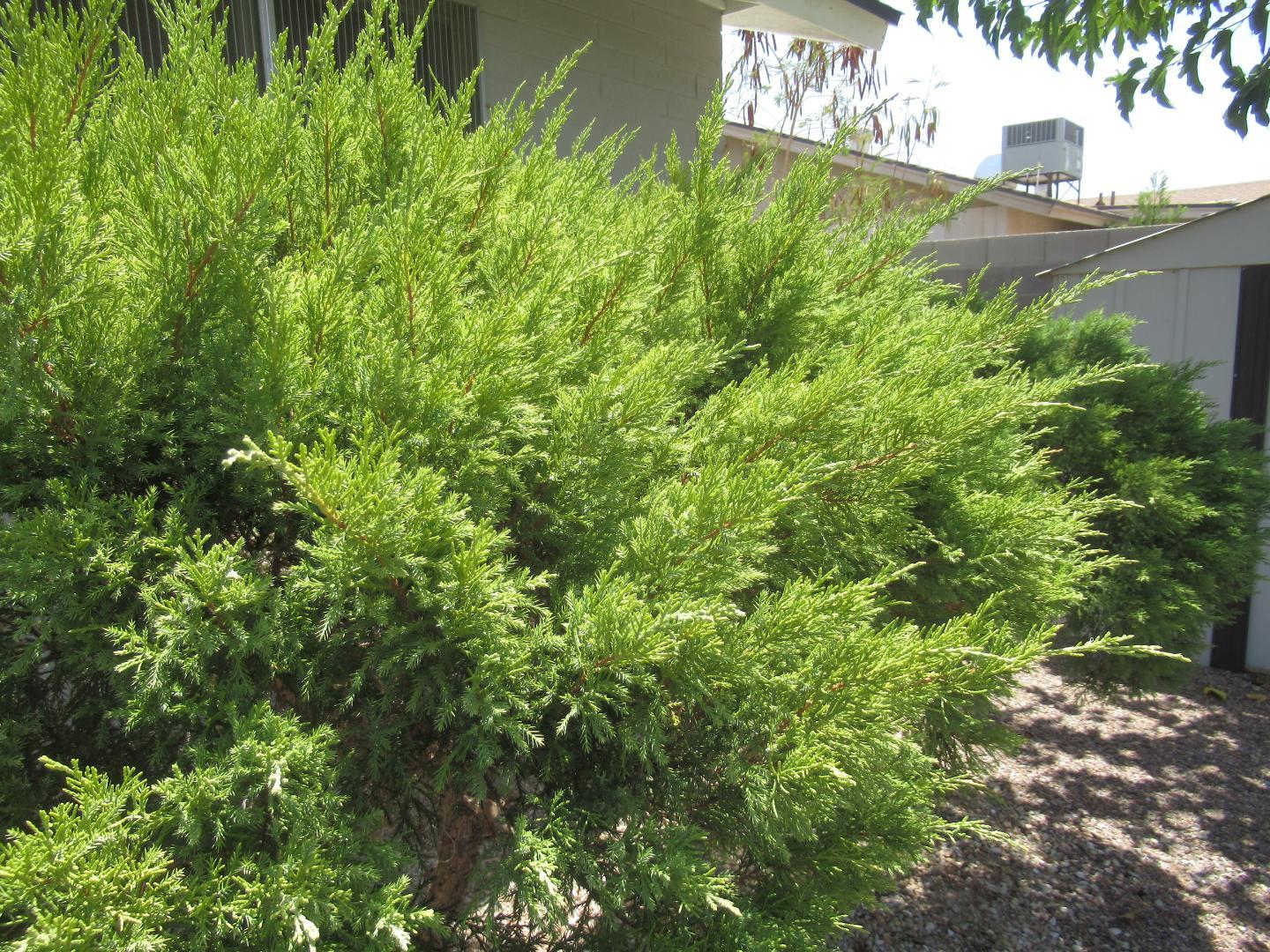
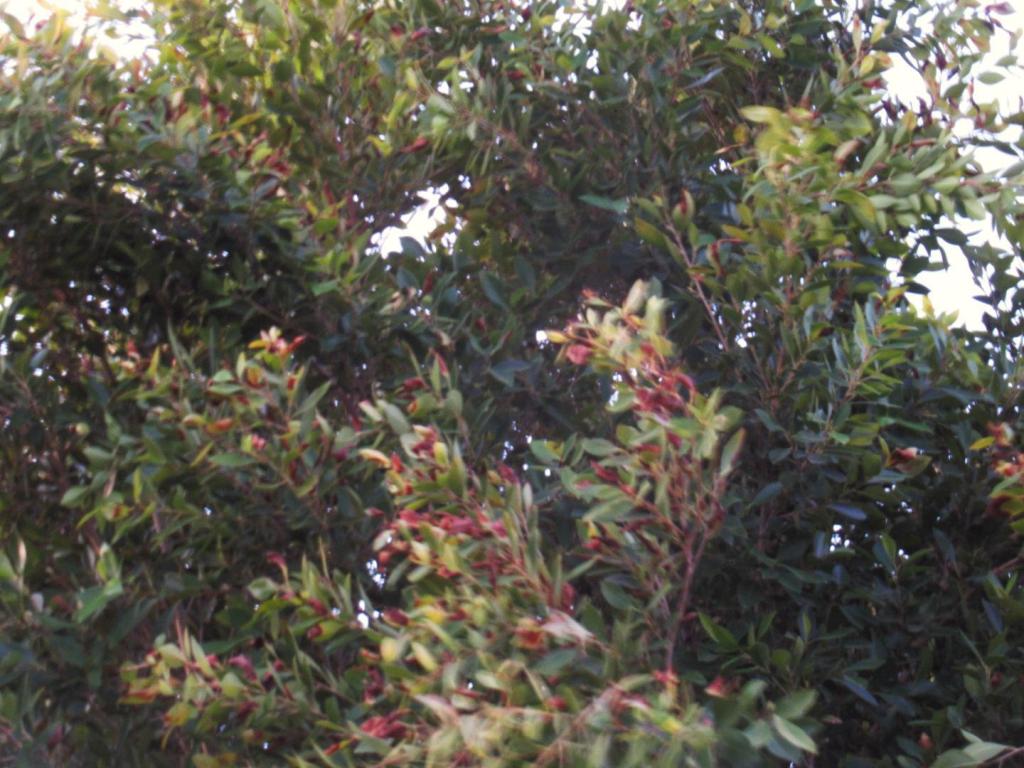
We often talk about how cold temperature exposure effects plants.. Rare we talk about the other extreme ..Exposure to long duration heat. While -to some at least- this might not sound like much of a big deal ..it can be since in both cases, you are damaging tissue, which can invite other trouble.. In many cases, there are plenty of ways to protect plants -from either extreme- In other cases, not much you can do except hoping the heat breaks. A few examples of what 22 days ( incl. today ..and counting ) above 110F plus dry air/ no rain can do to stuff.. Things that can't be moved to a shadier spot, until the worst of the heat ends. Ficus microcarpa / nitida. Top portions of the tree ( Approx 20ft in height ) Tipuana.. Slightly torched, despite deep watering 2x weekly Morning Glories suffering some burn ..but a more significant Spider Mite attack ..simply because it has been so hot and dry.. Even though they get watered weekly. They'll snap out of it once it starts raining more. Junipers out back ..Hard to see in the pictures, but after so many days of such heat, they're starting to turn yellow, an obvious sign of heat stress. What pines are left in the neighborhood are showing similar effects. I may be cutting these down / completely tearing out to plant something better / taller to provide some deg. of afternoon shade to this side of the house. Evil Trash Tree peeping out behind the Junipers in the background, lol. Needs to cool down so i can get behind the shed and chop them down. Damage caused by such heat isn't limited to plants exposed to afternoon sun either.. have seedlings of some native stuff i keep in shade that are pretty toasty atm too..
2 points
Not necessarily 100% fool proof... When it is 110+ out ..for days... Soak plants in pots, esp any where the sun is on them at any point thru the day, and they can cook ( the roots ). Had this happen w/ plenty of things i'd kept in shade. May only be 109F in the shade when it is 120+ in full sun but water absorbs and retains heat, so, while the soil in those pots might not be broiling ( compared to the plants in full sun ) if X plant's roots are heat sensitive, even a soil temp of 104, in the shade, day after day, for 3 or 4 months straight, can cause problems. Have lost ..uncountable... #'s of plants assuming just upping the frequency of watering would keep them going through these kinds of heatwaves.. Lawn area / in ground trees, etc out back are watered 2x weekly for just over an hour.. That does nothing to stop sunburn, ..an may actually make it worse by promoting tender new growth at a time when that growth is much more susceptible to being burned. Contrast that to out front where the Olive shades the grass / some other stuff, and the house itself provides shade in the afternoon.. Grass out there is healthy / grows like mad. Plants out there suffer some heat stress ..but not nearly as much as stuff does out back. Some sps of Agave in the ground can also cook the same way as well.. Aside from what being in direct sun can do to some cacti which naturally grow under something else that provides X amount of shade, Soak a # of cacti weekly / bi- weekly when nights are consistently in the 80s / 90s and they can cook, simply because, being the ultimate CAM plant, they can't breathe and go into a semi- dormant state when it is that hot. Remember, cacti and numerous other Succulent- type plants, open their Stoma only at night.. Keeping them closed during the day is how they evolved to survive arid environments. Numerous cacti will also shed finer roots when it is dry / hot to conserve moisture / save it for the main roots.. Then resume fine root growth when it rains and cools down. Saguaro can start this regenerative process within hours of a Monsoon soaking. Planting potted cacti specimens in the correct soil type / mix ..IE: less than 10% of... ...or absolutely no Organics in the soil mix seems to help ( Am able to give those specific Cacti an occasional splash or two of water when it is this hot, w/out watching them cook, from the bottom up afterwards ) ..but mirroring the kind of soil they grow in, in habitat, doesn't completely eliminate that threat. As far as Kaolin.. I use " Tree Paint ", which provides a similar, sun / heat reflective benefit, esp for thin / sun- sensitive- skinned trees like Citrus, ..The Tipuana, my Plumeria, etc.. Occasionally, you'll see trees around town that had been painted as well. I'll be painting the Ficus this fall when i raise the canopy a little. Can see where the tree had been damaged after it was trimmed in the past. One reason i let it fill out as much as possible to shade the trunks this year. As far as the weather goes, after such a wet / snowy winter ( in nearby areas of the western U.S. ) i knew this summer would most likely lean drier / hotter ..but this is nuts, lol. That said, it fits in with the overall pattern suggested in a warming world. between the two? i think heat-related stress /damage will become more of a challenge compared to cold -related stress / damage going forward. Sure there will still be cold winters ..Just think there won't be as many, ..Compared to sizzling summers anyway, IMO.2 points
We often talk about how cold temperature exposure effects plants.. Rare we talk about the other extreme ..Exposure to long duration heat. While -to some at least- this might not sound like much of a big deal ..it can be since in both cases, you are damaging tissue, which can invite other trouble.. In many cases, there are plenty of ways to protect plants -from either extreme- In other cases, not much you can do except hoping the heat breaks. A few examples of what 22 days ( incl. today ..and counting ) above 110F plus dry air/ no rain can do to stuff.. Things that can't be moved to a shadier spot, until the worst of the heat ends. Ficus microcarpa / nitida. Top portions of the tree ( Approx 20ft in height ) Tipuana.. Slightly torched, despite deep watering 2x weekly Morning Glories suffering some burn ..but a more significant Spider Mite attack ..simply because it has been so hot and dry.. Even though they get watered weekly. They'll snap out of it once it starts raining more. Junipers out back ..Hard to see in the pictures, but after so many days of such heat, they're starting to turn yellow, an obvious sign of heat stress. What pines are left in the neighborhood are showing similar effects. I may be cutting these down / completely tearing out to plant something better / taller to provide some deg. of afternoon shade to this side of the house. Evil Trash Tree peeping out behind the Junipers in the background, lol. Needs to cool down so i can get behind the shed and chop them down. Damage caused by such heat isn't limited to plants exposed to afternoon sun either.. have seedlings of some native stuff i keep in shade that are pretty toasty atm too..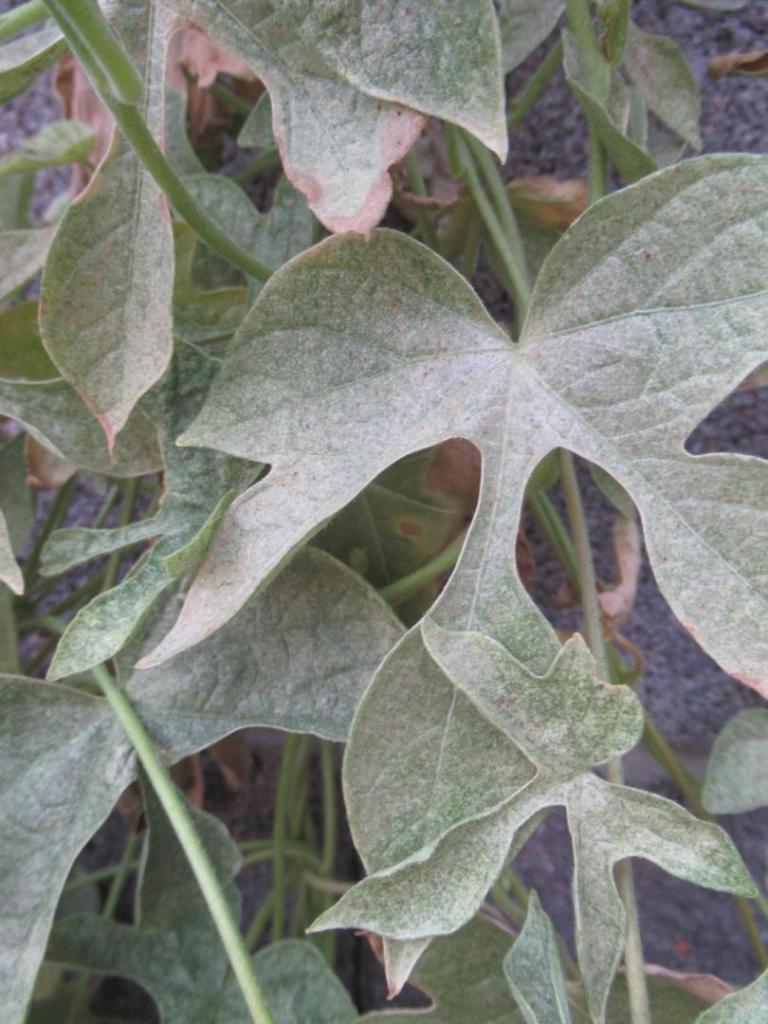


 1 point
 Nice work! It's great when a plant completes the lifecycle in your garden! From seed to seeding!1 point
I got them last year as the little strap leafs about 14 months ago. They were in 4 inch pots and seedling size for other palm species. I mixed up a gritty, fast draining mix of sand, recycled potting soil, and a little manure, and added dolomite and topped with shell mulch in 1 gallon containers. Stuck them out in full blazing sun and fertilized fairly aggressively. They are slow in the winter, but pick up speed in the heat. When hot, they love water it seems, but I’m going to dry them out after the September storms pass. ….Oh, and the ones in the ground are not from Floribunda, but are from a local grower, through another Palmtalk member, to me. They are blueish and chalky.1 point
1 pointThe Aechmea blanchettia multiply fast and grow big here. I trimmed out a few to make room for the Seashores, and they were choking them out again already. On my street there are a bunch on adjacent houses that have a pile in their yard. I’m told the all originate from one neighbor’s plant years ago. Their sun tolerance makes them easy to care for here. They can take all-day Florida sun, but I’ve found they burn 10-25% every year or so, when we get temps in the 40s & 50s in the right combination. Coccothrinax (and Cuban/Caribbean palms in general) tend to do very well in South Florida. I call them “near-natives” because our climate is pretty close to their home’s (hot-wet season, followed by a warm dry season). Still most people don’t know about them and most nurseries don’t carry them. There are palm specific nurseries here that carry the fancy and rare and more exotic stuff, you just have to seek them out. Talking to owners, I hear that they makes most of their money selling Petra & Mammy crotons, Red Sister Ti, and other common yard stuff though. It was just nice to see some next-tier palms at a regular nursery. You’ll be happy to know, I did pull up and rescue like 20-30 fireballs that got totally swamped and shaded by undergrowth. These are all greenballs from the shade, but I put them up into the more open planter, so they should redden up again shortly with some sun.1 point
The current inventory only lists 15G unfortunately. My Atlantic/Jamaican Talls, Maypan, and Panama Tall are from Calusa Palm Nursery. When I buy from there, I usually just look at when they'll be at a show I'm going to and give Marc a buzz and ask for a specific palm to be brought to then sale.
Nice work! It's great when a plant completes the lifecycle in your garden! From seed to seeding!1 point
I got them last year as the little strap leafs about 14 months ago. They were in 4 inch pots and seedling size for other palm species. I mixed up a gritty, fast draining mix of sand, recycled potting soil, and a little manure, and added dolomite and topped with shell mulch in 1 gallon containers. Stuck them out in full blazing sun and fertilized fairly aggressively. They are slow in the winter, but pick up speed in the heat. When hot, they love water it seems, but I’m going to dry them out after the September storms pass. ….Oh, and the ones in the ground are not from Floribunda, but are from a local grower, through another Palmtalk member, to me. They are blueish and chalky.1 point
1 pointThe Aechmea blanchettia multiply fast and grow big here. I trimmed out a few to make room for the Seashores, and they were choking them out again already. On my street there are a bunch on adjacent houses that have a pile in their yard. I’m told the all originate from one neighbor’s plant years ago. Their sun tolerance makes them easy to care for here. They can take all-day Florida sun, but I’ve found they burn 10-25% every year or so, when we get temps in the 40s & 50s in the right combination. Coccothrinax (and Cuban/Caribbean palms in general) tend to do very well in South Florida. I call them “near-natives” because our climate is pretty close to their home’s (hot-wet season, followed by a warm dry season). Still most people don’t know about them and most nurseries don’t carry them. There are palm specific nurseries here that carry the fancy and rare and more exotic stuff, you just have to seek them out. Talking to owners, I hear that they makes most of their money selling Petra & Mammy crotons, Red Sister Ti, and other common yard stuff though. It was just nice to see some next-tier palms at a regular nursery. You’ll be happy to know, I did pull up and rescue like 20-30 fireballs that got totally swamped and shaded by undergrowth. These are all greenballs from the shade, but I put them up into the more open planter, so they should redden up again shortly with some sun.1 point
The current inventory only lists 15G unfortunately. My Atlantic/Jamaican Talls, Maypan, and Panama Tall are from Calusa Palm Nursery. When I buy from there, I usually just look at when they'll be at a show I'm going to and give Marc a buzz and ask for a specific palm to be brought to then sale. 1 point
 my backyard is generally elevated and doesn't flood. Today I had to hook up a chain to a bush to get it out of mud. That's how much rain we've had here. Many yards are flooded past the ditches. It's been raining here practically everyday, and usually pours. Lately it's been pouring for hours, from morning to afternoon. You guys on the west side can have it. Blow the winds the other way.1 point
 Did you get this growth from purchase in one year? That's impressive! I have a couple that I got from Floribunda about a year and a half ago that are the same size as yours were. I haven't checked on the root growth recently but I should try that 'water in the saucer' as well! Mine were purchased as 'blue' and are as green as yours also.1 point
1 pointThose old men are incredible!!! I have two "surviving" in my yard here in CA (which I drove to AZ to pickup) and can't help but wonder what it is about Florida that these palms love so much. I know Florida tends to attract Seniors, but the "old men" sure love it there! Licualas are another plant that seem to be much more common in FL than in CA. As for the crotons, there's a good reason those plants are more common in FL... mine completely defoliated after our relatively cold winter, but are happily coming back. Only palm on your list that I've seen at a large commercial nursery is Chambeyronia Macrocarpa - Rancho Soledad brings in HUGE ones of those from Hawaii. But I can only dream of "stumbing" across mature old men palms here. Oh, and LOL at the "culling" of the Aechmea blanchettiana bromeliads - the orange and yellow ones can especially get out of hand (though not quite as much here as in FL). Most of the bromeliads I have shipped come from FL.1 point
Did you get this growth from purchase in one year? That's impressive! I have a couple that I got from Floribunda about a year and a half ago that are the same size as yours were. I haven't checked on the root growth recently but I should try that 'water in the saucer' as well! Mine were purchased as 'blue' and are as green as yours also.1 point
1 pointThose old men are incredible!!! I have two "surviving" in my yard here in CA (which I drove to AZ to pickup) and can't help but wonder what it is about Florida that these palms love so much. I know Florida tends to attract Seniors, but the "old men" sure love it there! Licualas are another plant that seem to be much more common in FL than in CA. As for the crotons, there's a good reason those plants are more common in FL... mine completely defoliated after our relatively cold winter, but are happily coming back. Only palm on your list that I've seen at a large commercial nursery is Chambeyronia Macrocarpa - Rancho Soledad brings in HUGE ones of those from Hawaii. But I can only dream of "stumbing" across mature old men palms here. Oh, and LOL at the "culling" of the Aechmea blanchettiana bromeliads - the orange and yellow ones can especially get out of hand (though not quite as much here as in FL). Most of the bromeliads I have shipped come from FL.1 point There’s one nursery in south Florida that sells them. And not for a bad price for 3 gallons. but it’s appointment only. Hopefully this helps. http://www.calusapalmsnursery.com/1 point
Are you going to eat the fruit? It's delicious and although you don't get much fruit compared to the amount of seed you can make outstanding jelly from it. That Butia odorata has a very nice form. Did you check around the palm trunk for any volunteer seedlings already sprouted? With the volume of fruit that's produced often times a couple of fruits get caught in the old leaf boots and germinate there. You can certainly do as you suggested - I personally have had better results by cold-stratifying the seed in the refrigerator for a couple of months before sowing. @Scott W can probably give you some good advice. I believe that he's grown many from seed.1 point
There’s one nursery in south Florida that sells them. And not for a bad price for 3 gallons. but it’s appointment only. Hopefully this helps. http://www.calusapalmsnursery.com/1 point
Are you going to eat the fruit? It's delicious and although you don't get much fruit compared to the amount of seed you can make outstanding jelly from it. That Butia odorata has a very nice form. Did you check around the palm trunk for any volunteer seedlings already sprouted? With the volume of fruit that's produced often times a couple of fruits get caught in the old leaf boots and germinate there. You can certainly do as you suggested - I personally have had better results by cold-stratifying the seed in the refrigerator for a couple of months before sowing. @Scott W can probably give you some good advice. I believe that he's grown many from seed.1 point 1 pointThanks . Honestly I’m shocked it worked . yeah soil is actually really good soil old citrus grove . But we’re I planted this is on a hillside loaded with big rocks1 point
 Hopefully so, I’ll grow them up either way I suppose. I think I’ll try your seasonal flood saucer trick to see if it works for me, I have a couple of gigas that may also benefit.1 point
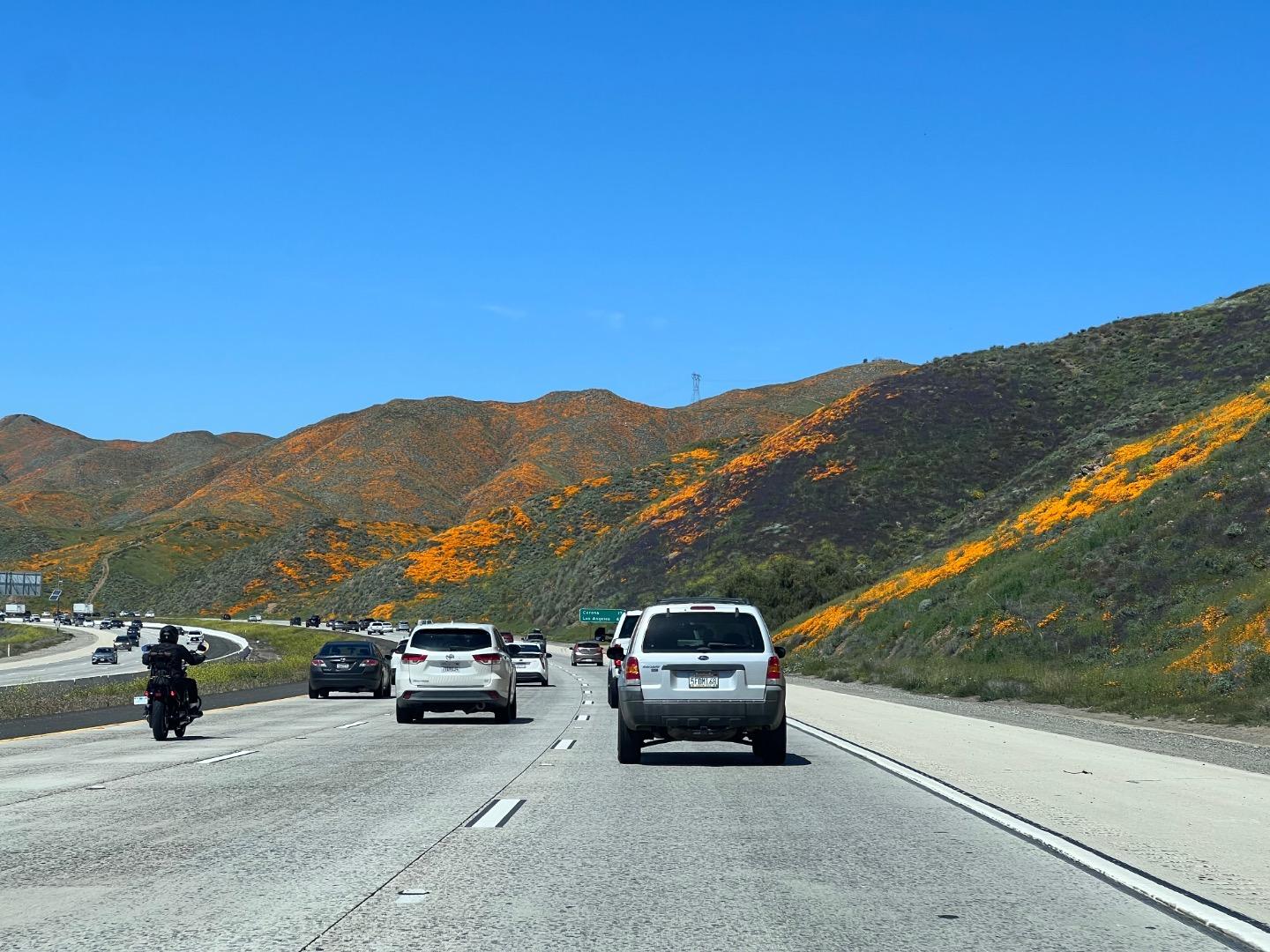
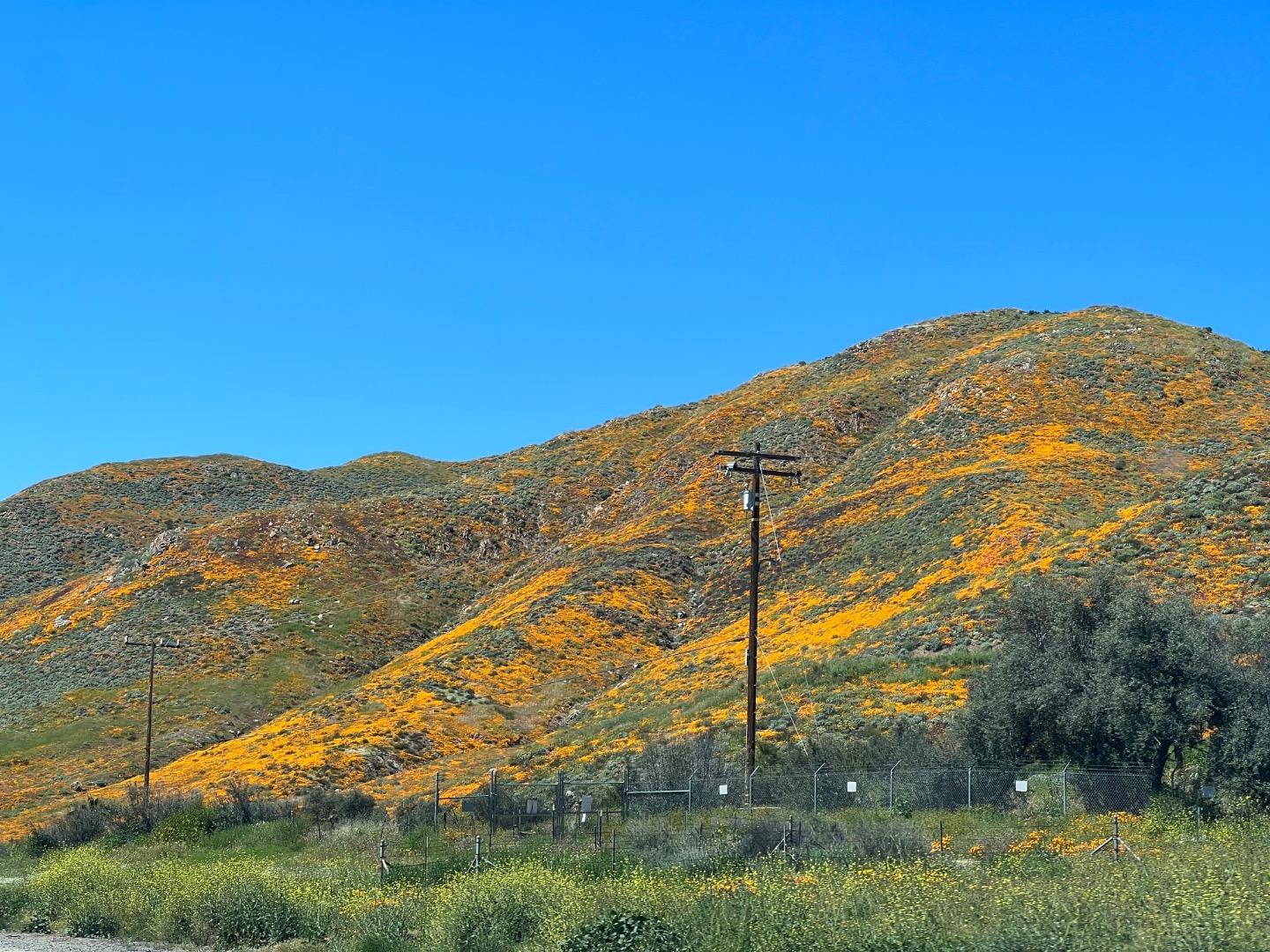
.thumb.JPG.31602457356f9a0eb9924ddb0f0a57f0.JPG) 1 pointCalifornia poppy super bloom in the Santa Ana mountains along I-15 this past spring
1 pointCalifornia poppy super bloom in the Santa Ana mountains along I-15 this past spring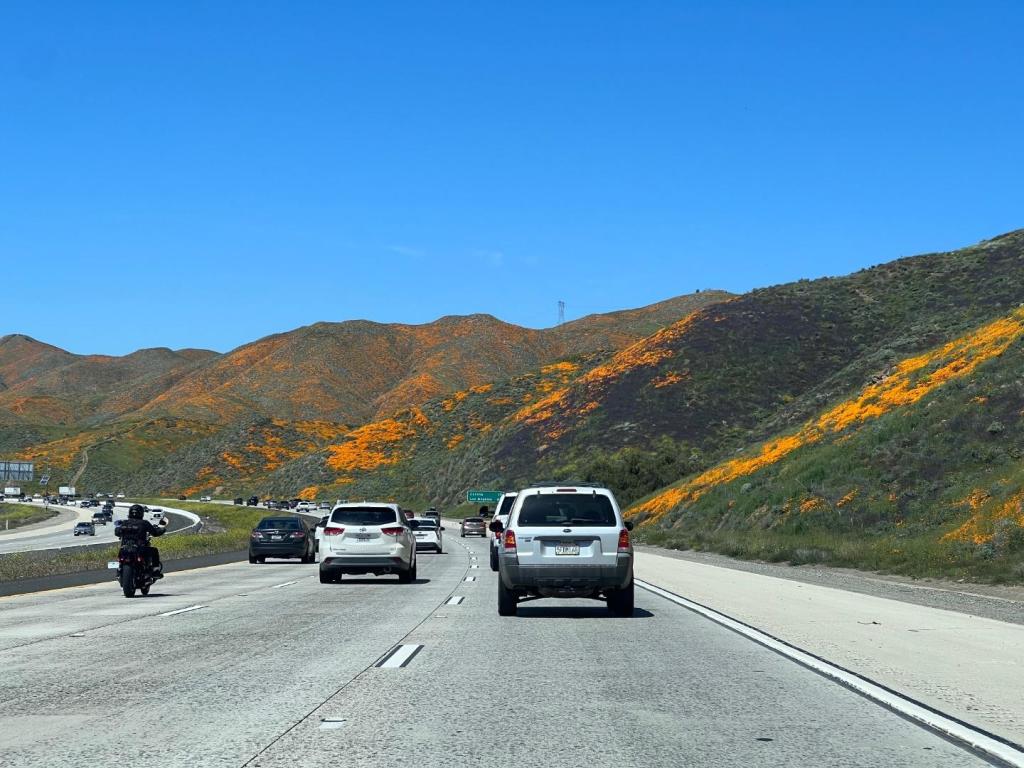
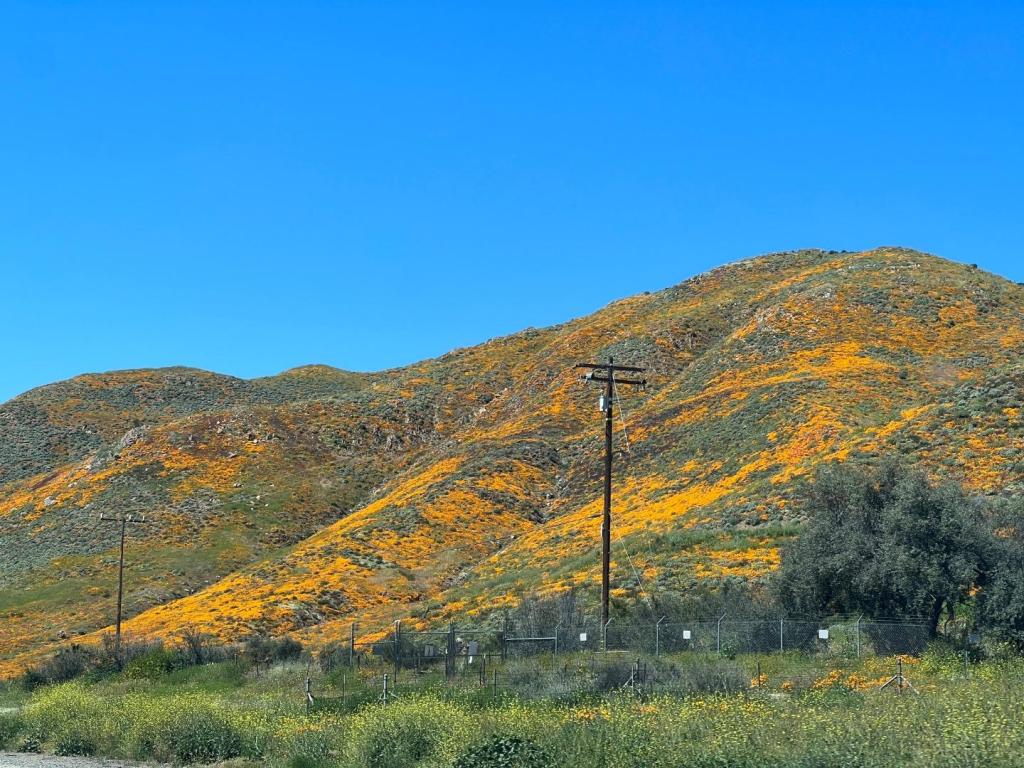 1 point
 1 pointThanks Tim and Peachy. Here’s another lost label. It does not look like any others I have so probably not seed grown. Maybe from Floribunda years ago, but not sure. Ideas appreciated!
 1 point
Unlike palms, angel trumpets can stay in a pot indefinitely… so maybe you could keep it in a pot this year and see how it does? That will give you the option of testing out locations. You can also use it as temporary shade for other plants. Keeping it potted would also make it possible to bring it inside if there’s a freeze. I’m not sure if your zone is warm enough to survive year round? Or just plant it, and then dig it up if the spot doesn’t work out. I got my first “Brug” by digging it out of a friend’s yard and it was easy (note: I also didn’t have any negative physical effects). Some dedicated growers dig their “brugs” out each Fall, though it’s more common to keep them in pots… or take cuttings. Again, I’m just mentioning since I don’t know minimum zone for these. If it can live outside year round in your area, even better! Regardless, don’t stress too much about placement since they can be moved if needed. Personally I think it could look nice in any of the locations you circled. Maybe even a row of them. Yellow,, white and pink are most common… followed by peach. Another inspirational photo (not mine).
1 point
1 pointUnlike palms, angel trumpets can stay in a pot indefinitely… so maybe you could keep it in a pot this year and see how it does? That will give you the option of testing out locations. You can also use it as temporary shade for other plants. Keeping it potted would also make it possible to bring it inside if there’s a freeze. I’m not sure if your zone is warm enough to survive year round? Or just plant it, and then dig it up if the spot doesn’t work out. I got my first “Brug” by digging it out of a friend’s yard and it was easy (note: I also didn’t have any negative physical effects). Some dedicated growers dig their “brugs” out each Fall, though it’s more common to keep them in pots… or take cuttings. Again, I’m just mentioning since I don’t know minimum zone for these. If it can live outside year round in your area, even better! Regardless, don’t stress too much about placement since they can be moved if needed. Personally I think it could look nice in any of the locations you circled. Maybe even a row of them. Yellow,, white and pink are most common… followed by peach. Another inspirational photo (not mine).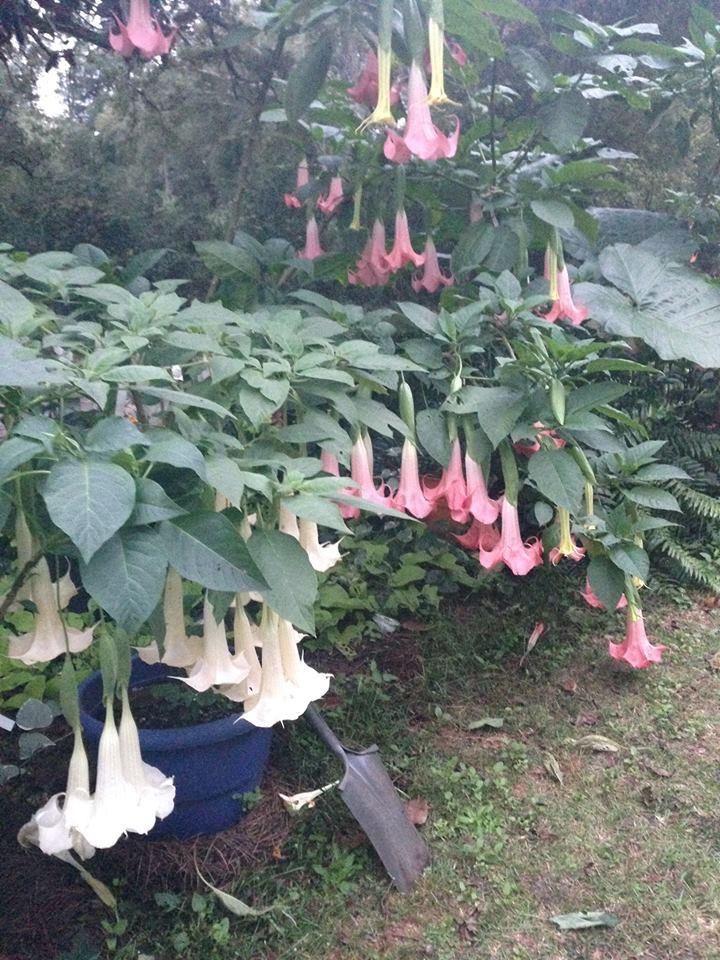 1 point
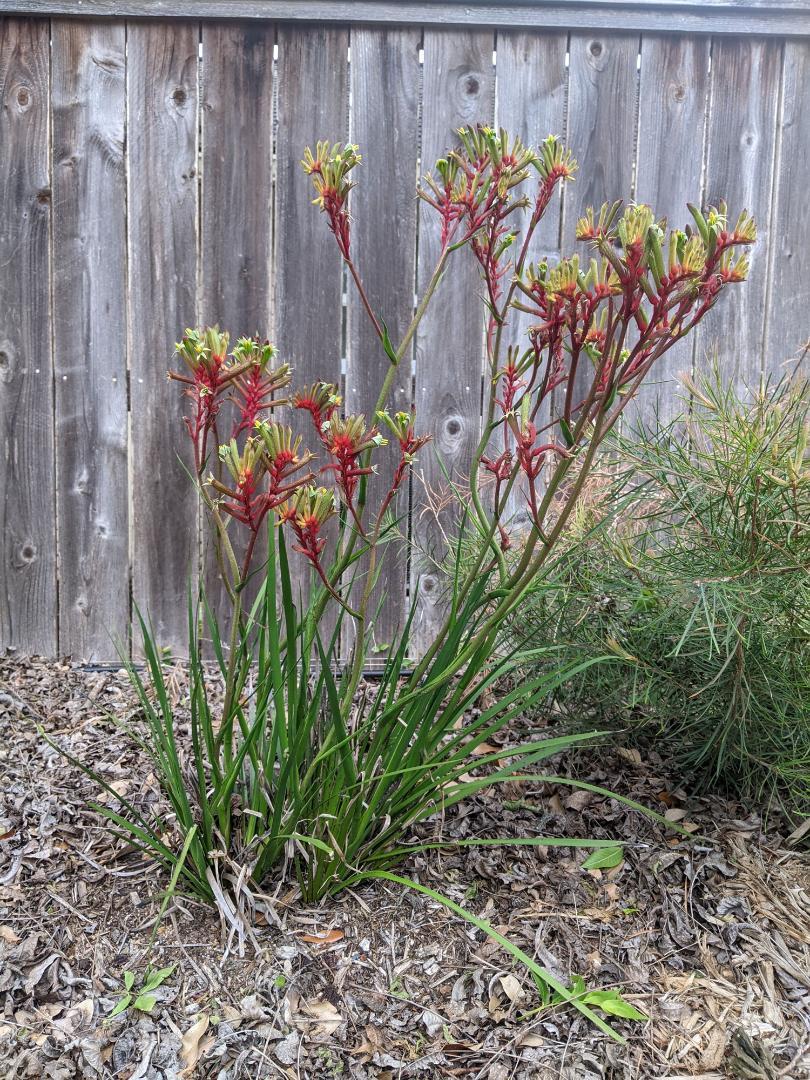
 1 pointHere are mine in Houston. I have them in raised beds with plenty of sand and on a drip system. They have been in the ground for 15 months now and did really well in our -8.3C/17f freeze last winter with just tubs filled with leaves over them. I think these are also one of the Aus natives that are more tolerant of P. They are hard to find locally; I picked these ones up during a work trip in California. Occasionally the big box stores here bring in the very small hybrids which tend to be short lived due to their parentage, and I once saw some large 3G pots of straight A. flavidus which I regret not buying. I say give them a try in Florida. Keep them in well draining sand and stick to the largest/tallest hybrids you can find - like Yellow Gem/Big Red/Harmony/Tequila Sunrise etc. An afterthought for anyone interested - that stump to the right of the Yellow Gem is what's left of my Grevillea 'Peaches and Cream'. My two hybrid Grevilleas froze back to the roots during the freeze, but both started to grow back nicely. Then I made the mistake of cutting away all the dead branches to clean them up and let more light in to the new growth at the base. The next day all the new growth had wilted and the next day they were both dead. I'm definitely never pruning Grevilleas again.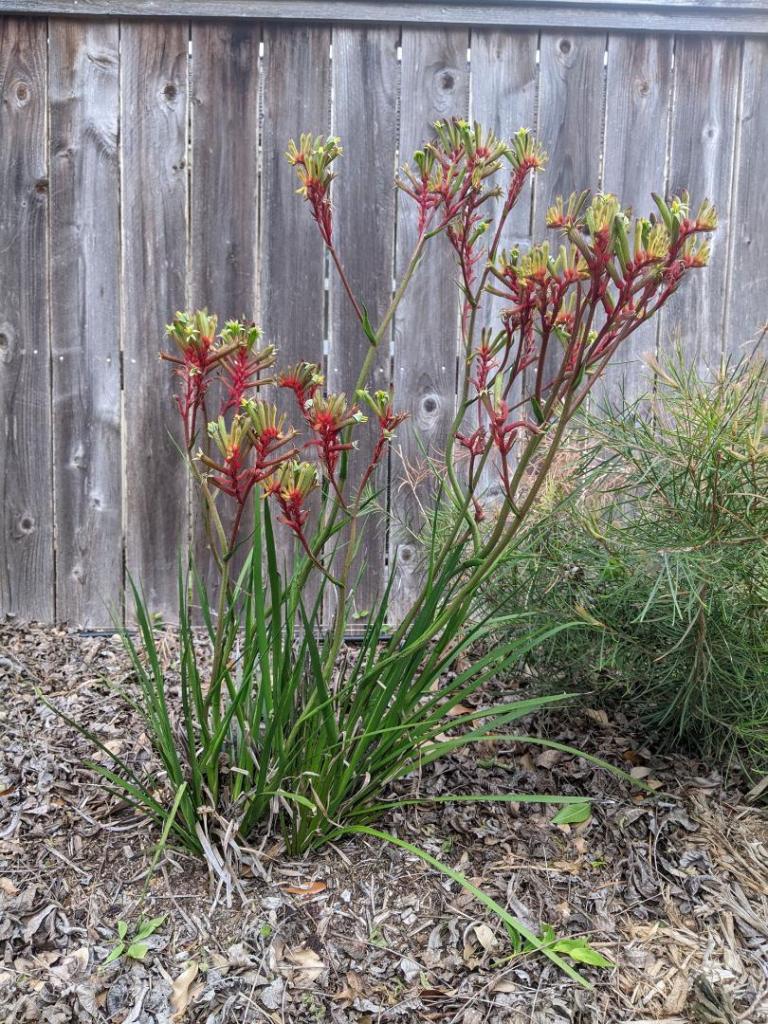
 1 point
My two cats and many palms remind me that whenever I think too highly of myself I still have feet of clay. I trip and fall - a lot.1 point
1 point
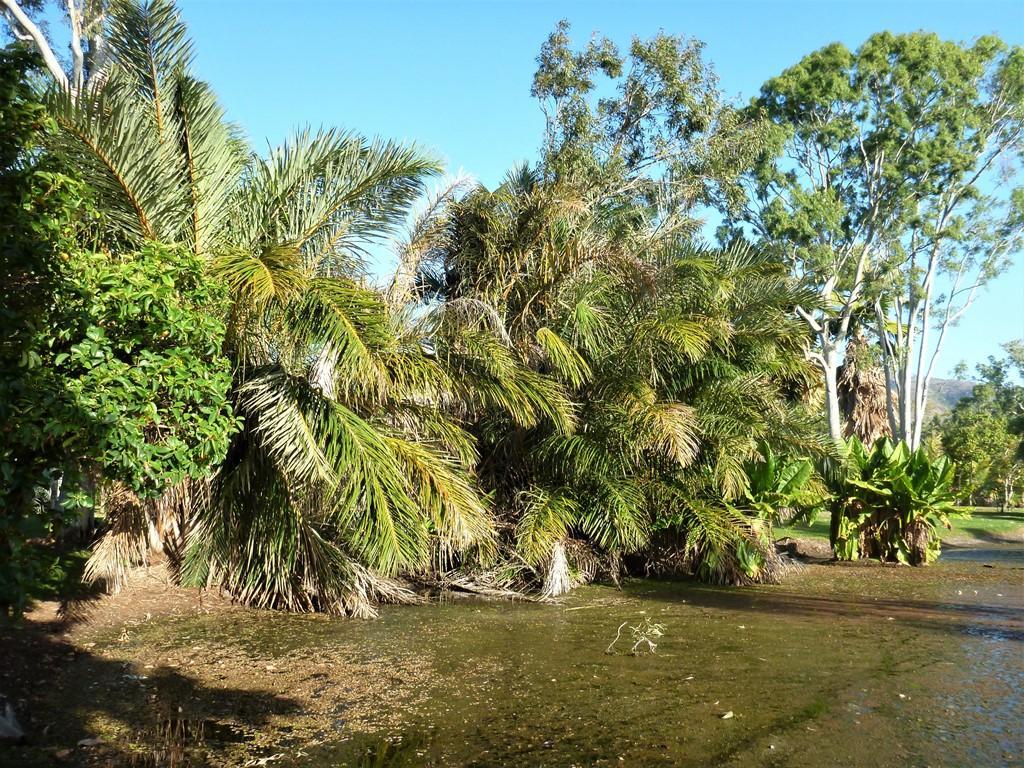
1 pointMy two cats and many palms remind me that whenever I think too highly of myself I still have feet of clay. I trip and fall - a lot.1 point They don't need brackish or saline water to grow. These are growing in a palm garden in Townnsville QLD on the edge of an artificial freshwater lake. Nearby they grow naturally in areas towards the back of mangroves along salt water creeks but where there is also freshwater input. You don't find them on the seaward side where the more salt tolerant mangroves grow.
 1 point
 A beautiful bright sunny day heading for 22c before the rain comes back from the rest of the week.1 point
A pleasant 20c today under bright sunny sky's, a nice morning at the beach.
A beautiful bright sunny day heading for 22c before the rain comes back from the rest of the week.1 point
A pleasant 20c today under bright sunny sky's, a nice morning at the beach.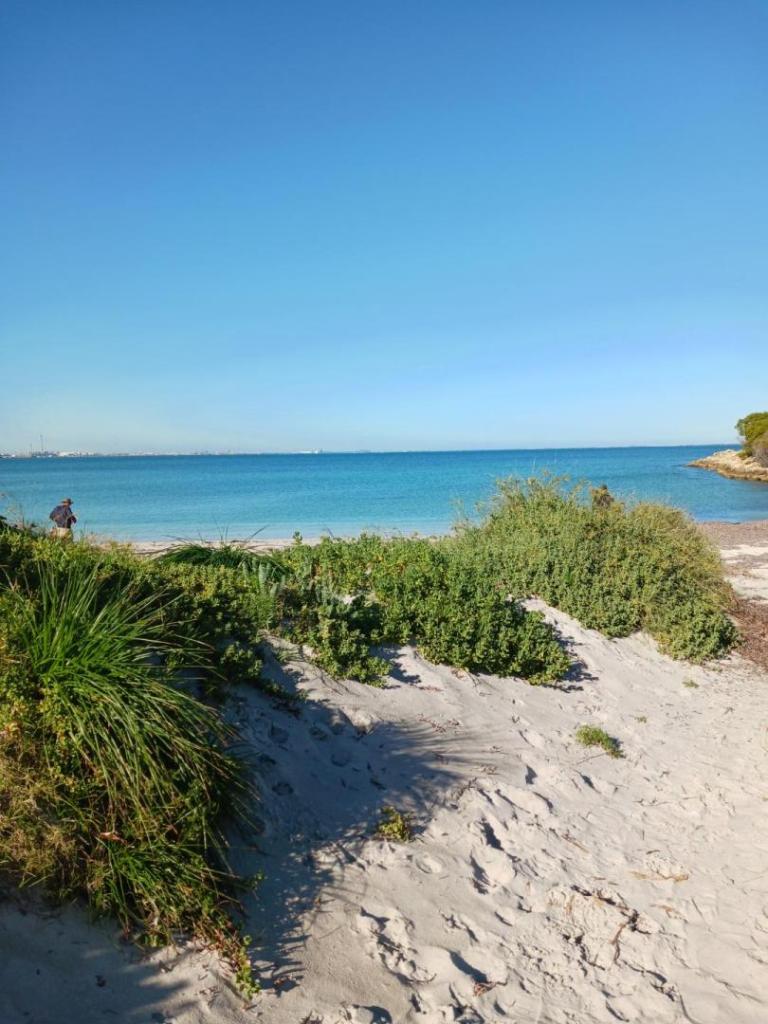 1 point
 1 pointWhat an epic garden and milestone for that palm. I recently was able to get my hands on a 20g and got it in the ground day before yesterday. Definitely one of my favorite species for this area and I look forward to watching it grow.1 point
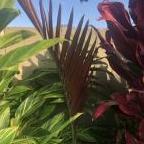 1 pointI just planted one. Big 15g, getting a lot of sun. So far seems to be doing great. Yours looks awesome. Still at a really cool size. off topic, but is that a tri bear trunk behind it? Thing looks massive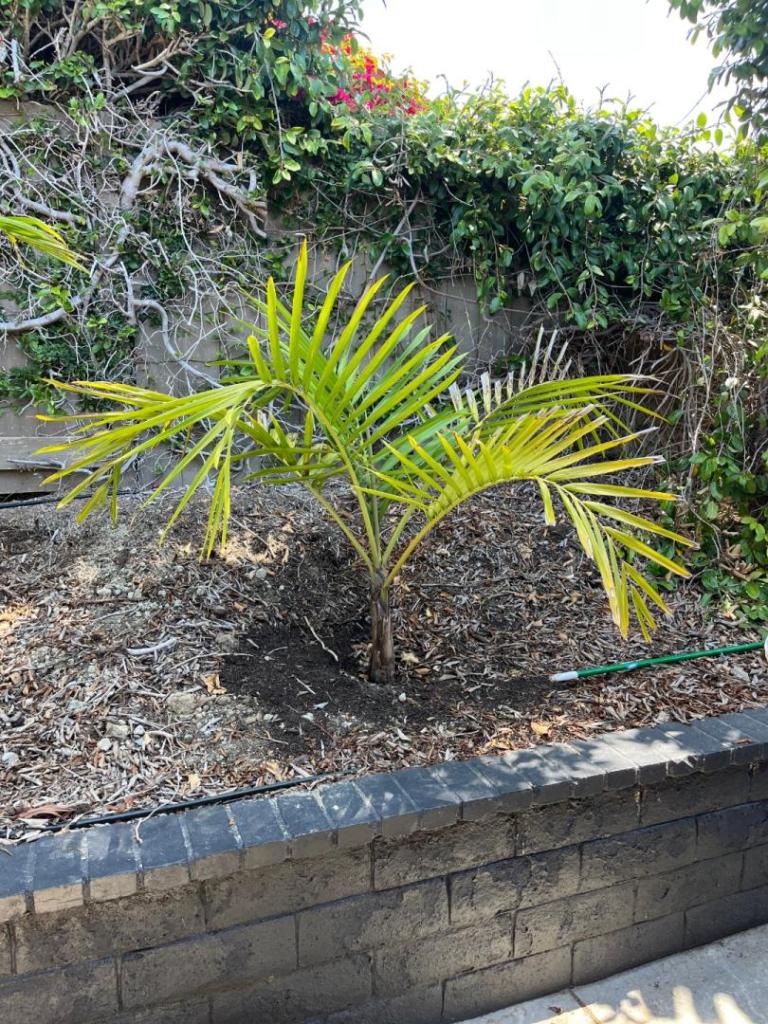
 1 point
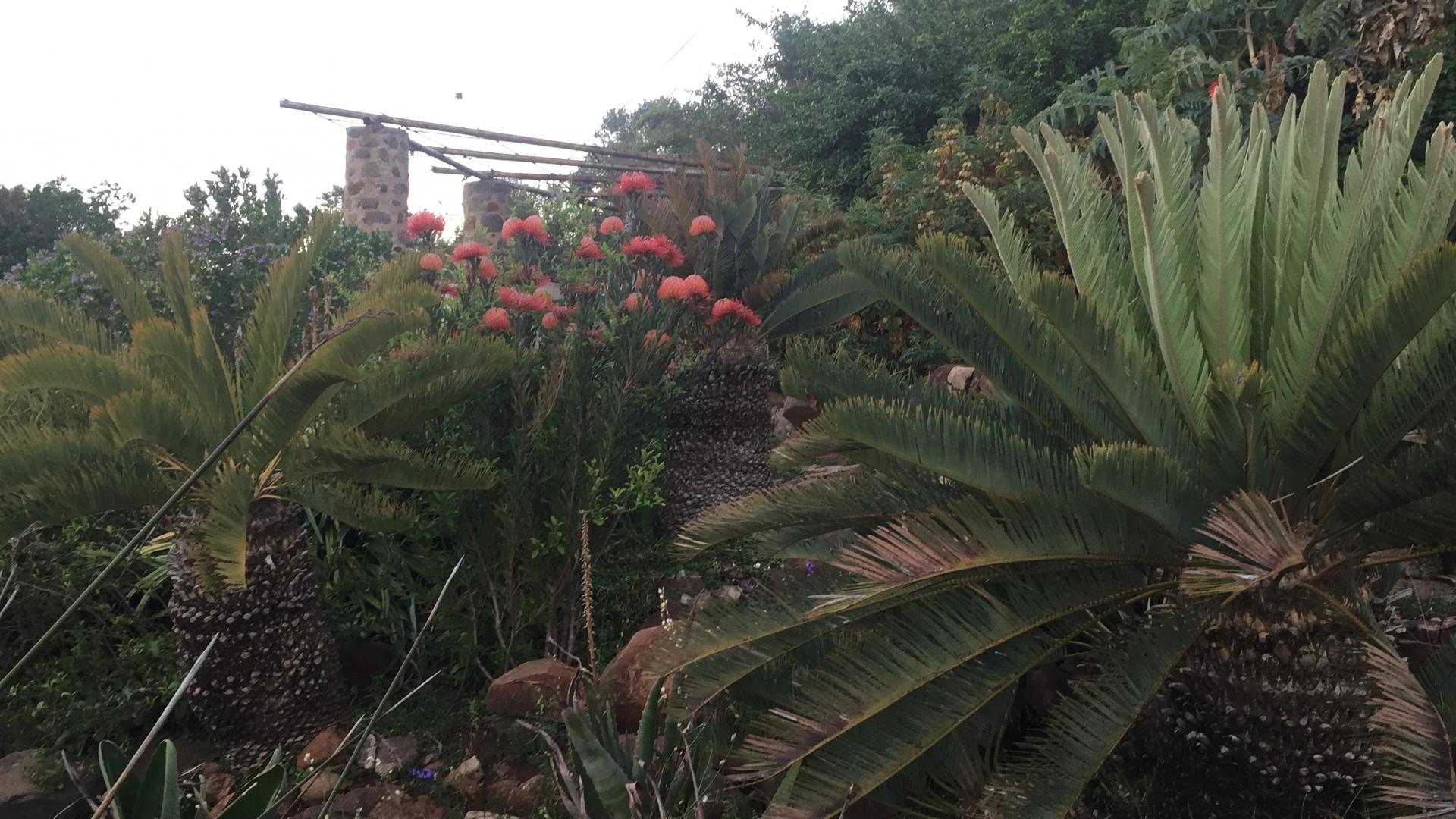
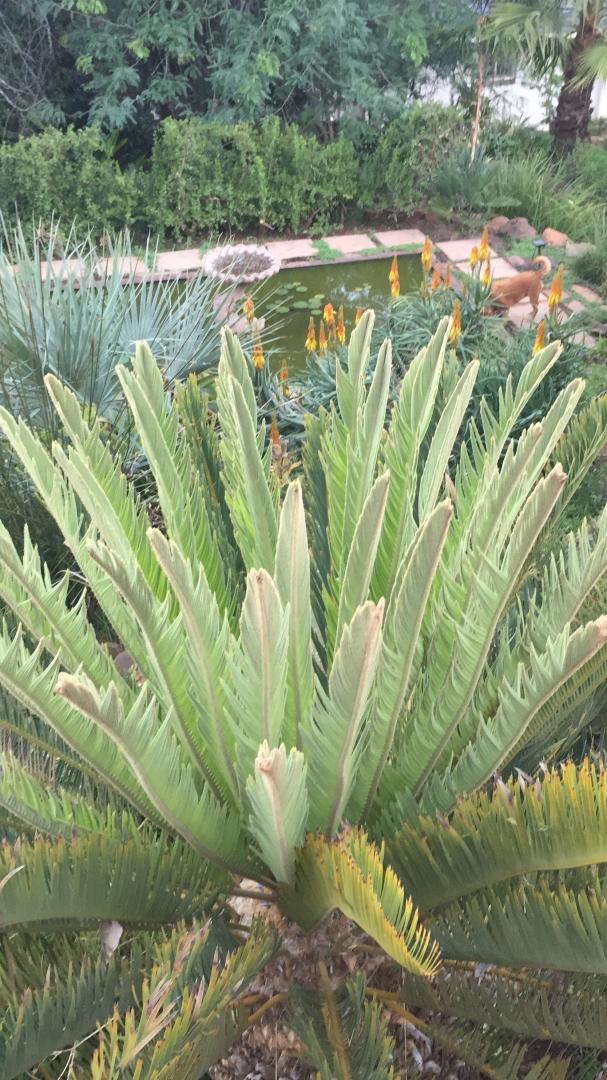
 Encephalartos friderici-guilielmi Lehm. Update: new whorls & bonus pincushion flowering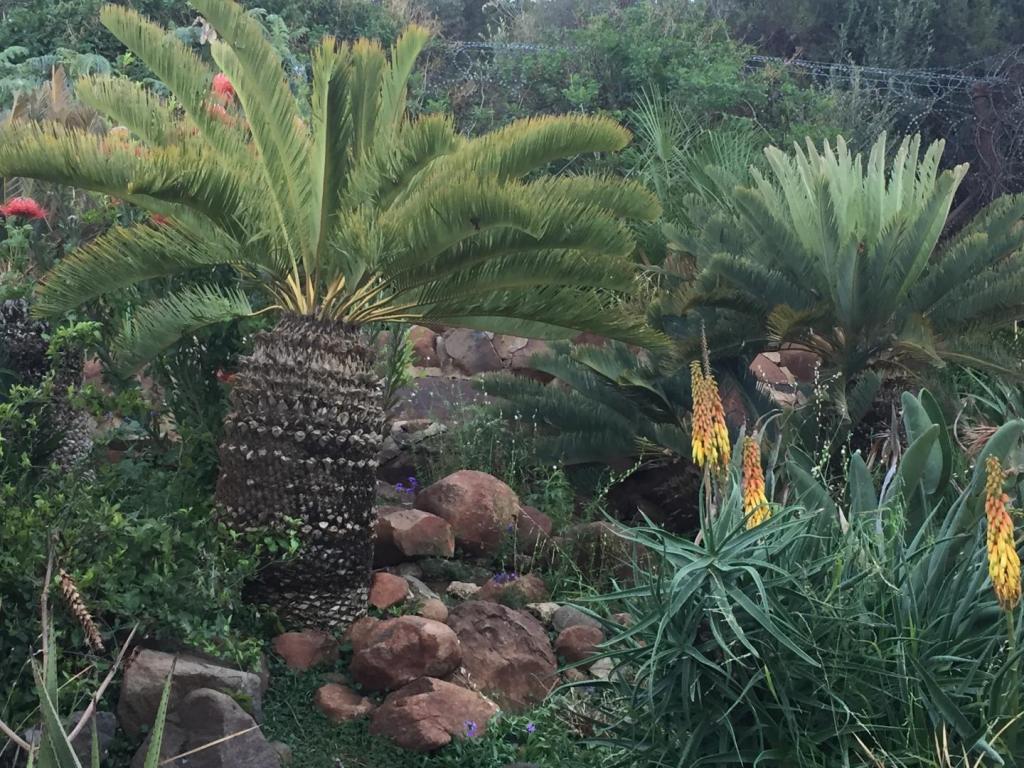

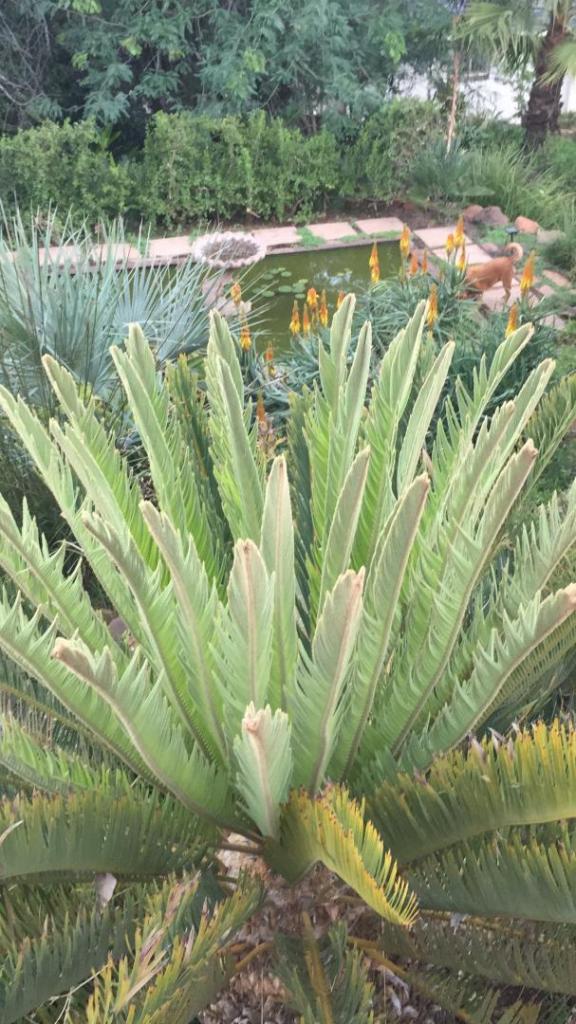
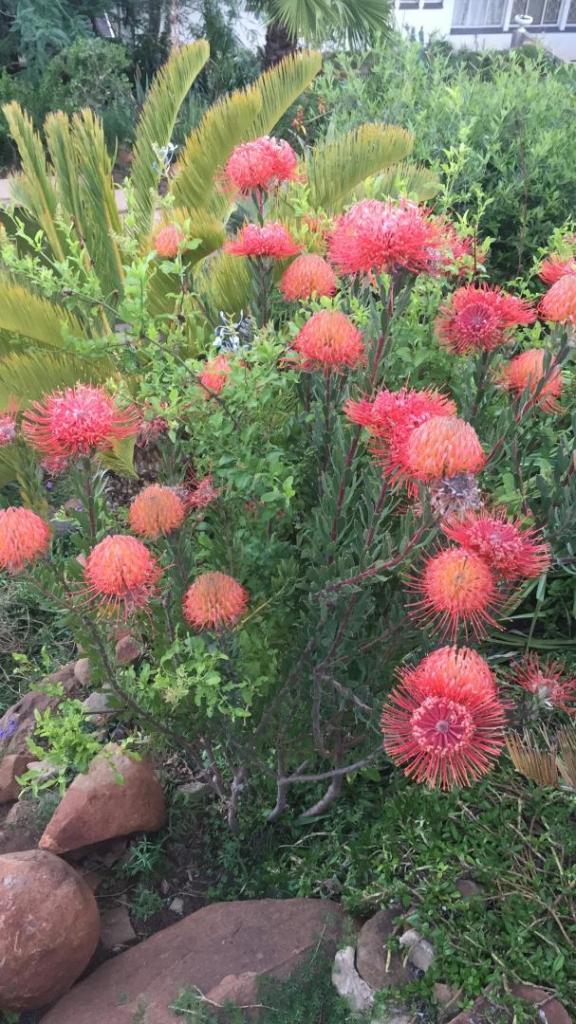 1 point
.thumb.JPG.75601e937a0f80f11a7fc62844daebbe.JPG) European fan palms must be well drained, and are slow growers. I've seen some that are tall here in zone 8a, central SC, but they've been growing for 60 years. I planted a Mexican Palmetto over 10 years ago and it still has no trunk, but large fronds. Regular native sabal palmettos grow much , much faster and are bullet proof.. Pindo pams, when heavily watered, grow much faster than those that aren't. The fronds are also much bigger and the palm is much more robust . Pindo palms grown in dappled shade also develop huge fronds Forget mule palms, unless you want to protect them when temps drop below 20f. The past 2 winters in SC, as has been reported, were super mild zone 9a /9b winters. This is very unusual. You must plant palms in zone 8a that can survive occasional 10F temps. Global warming at the the North Pole occasionally allows polar vortexes to dip very far South. 3 years ago, SC had a historic prolonged 7 day period of extremely cold air with snow cover. Pindo palms were almost all severely burnt, and some, even older large specimens, died. Fingers crossed, I don't think this will ever happen again. Still, I wouldn't invest time and $ in any marginal palm, because they're likely to eventually die in typical zone 8a weather in the damp winters of the SE. I know there are hybrids out there that seem to be able to handle 10 degree temps, but I have none. Sago cycads are cold hardy in zone 8a, but expect their fronds to get severely fried during cold winters. Still, they almost always bounce right back. Of course dwarf palmettos, needle palms, and Windmill palms are fully cold hardy, although I've had Windmills palms grow like crazy for 6-7 yrs and suddenly very slowly begin to die. The emerging fronds start getting smaller and smaller. When this happens, I know of no way to save them. It can take years for them to die, but I cut them down when I notice that happening, even if they're still green. Still I have 8 that have been growing between 7 - 13 yrs, and they look great. The tallest must be at least 10' tall. This fall, I will cut some lower fronds using an extension electric chain saw. I recommend the old reliable zone 8a palms that are sold at local nurseries and easily available - Sabal Palmettos, Pindo palms, Euro fan palms, Windmills, Sago cycads, and of course needle palms (they get huge in full sun) and dwarf palmettos that are native in the interior SE. I know this is a palm forum, but other tropical looking plants that are bullet proof and will give your yard a lush tropical look include Japanese loquat, Michelia figo, Fatsia, pittosporum ( I let mine grow into little trees), cold hardy oleander. Woodlander's red bottlebrush, flamingo flowers, shrimp plant flowers, lantana and lacy Narhira Mahonia. Good luck with your truly cold hardy palm garden. For what it's worth, I don't consider zone 9a and above to be a truly cold climate.1 point
European fan palms must be well drained, and are slow growers. I've seen some that are tall here in zone 8a, central SC, but they've been growing for 60 years. I planted a Mexican Palmetto over 10 years ago and it still has no trunk, but large fronds. Regular native sabal palmettos grow much , much faster and are bullet proof.. Pindo pams, when heavily watered, grow much faster than those that aren't. The fronds are also much bigger and the palm is much more robust . Pindo palms grown in dappled shade also develop huge fronds Forget mule palms, unless you want to protect them when temps drop below 20f. The past 2 winters in SC, as has been reported, were super mild zone 9a /9b winters. This is very unusual. You must plant palms in zone 8a that can survive occasional 10F temps. Global warming at the the North Pole occasionally allows polar vortexes to dip very far South. 3 years ago, SC had a historic prolonged 7 day period of extremely cold air with snow cover. Pindo palms were almost all severely burnt, and some, even older large specimens, died. Fingers crossed, I don't think this will ever happen again. Still, I wouldn't invest time and $ in any marginal palm, because they're likely to eventually die in typical zone 8a weather in the damp winters of the SE. I know there are hybrids out there that seem to be able to handle 10 degree temps, but I have none. Sago cycads are cold hardy in zone 8a, but expect their fronds to get severely fried during cold winters. Still, they almost always bounce right back. Of course dwarf palmettos, needle palms, and Windmill palms are fully cold hardy, although I've had Windmills palms grow like crazy for 6-7 yrs and suddenly very slowly begin to die. The emerging fronds start getting smaller and smaller. When this happens, I know of no way to save them. It can take years for them to die, but I cut them down when I notice that happening, even if they're still green. Still I have 8 that have been growing between 7 - 13 yrs, and they look great. The tallest must be at least 10' tall. This fall, I will cut some lower fronds using an extension electric chain saw. I recommend the old reliable zone 8a palms that are sold at local nurseries and easily available - Sabal Palmettos, Pindo palms, Euro fan palms, Windmills, Sago cycads, and of course needle palms (they get huge in full sun) and dwarf palmettos that are native in the interior SE. I know this is a palm forum, but other tropical looking plants that are bullet proof and will give your yard a lush tropical look include Japanese loquat, Michelia figo, Fatsia, pittosporum ( I let mine grow into little trees), cold hardy oleander. Woodlander's red bottlebrush, flamingo flowers, shrimp plant flowers, lantana and lacy Narhira Mahonia. Good luck with your truly cold hardy palm garden. For what it's worth, I don't consider zone 9a and above to be a truly cold climate.1 point